




Poster details
Select to view
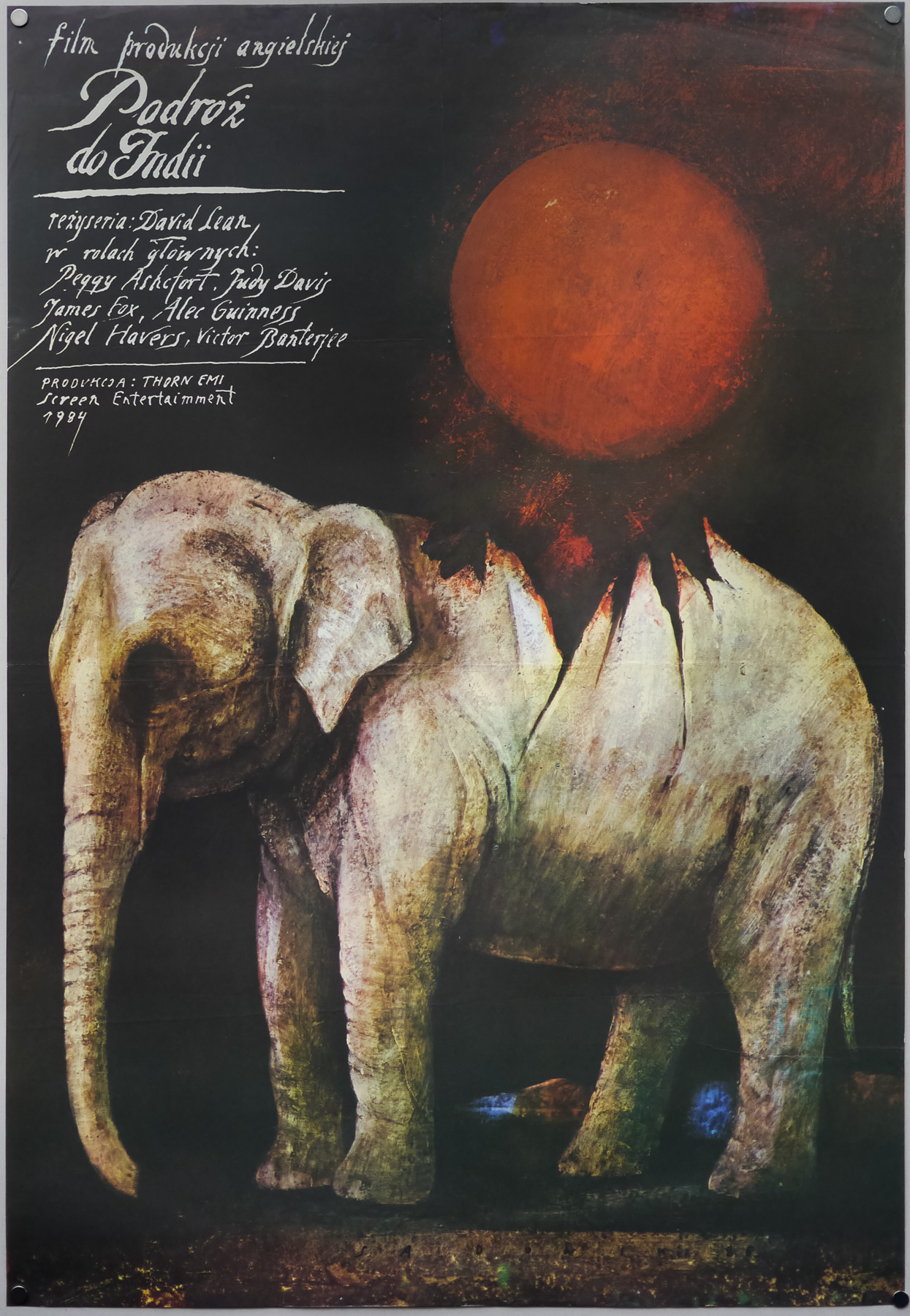
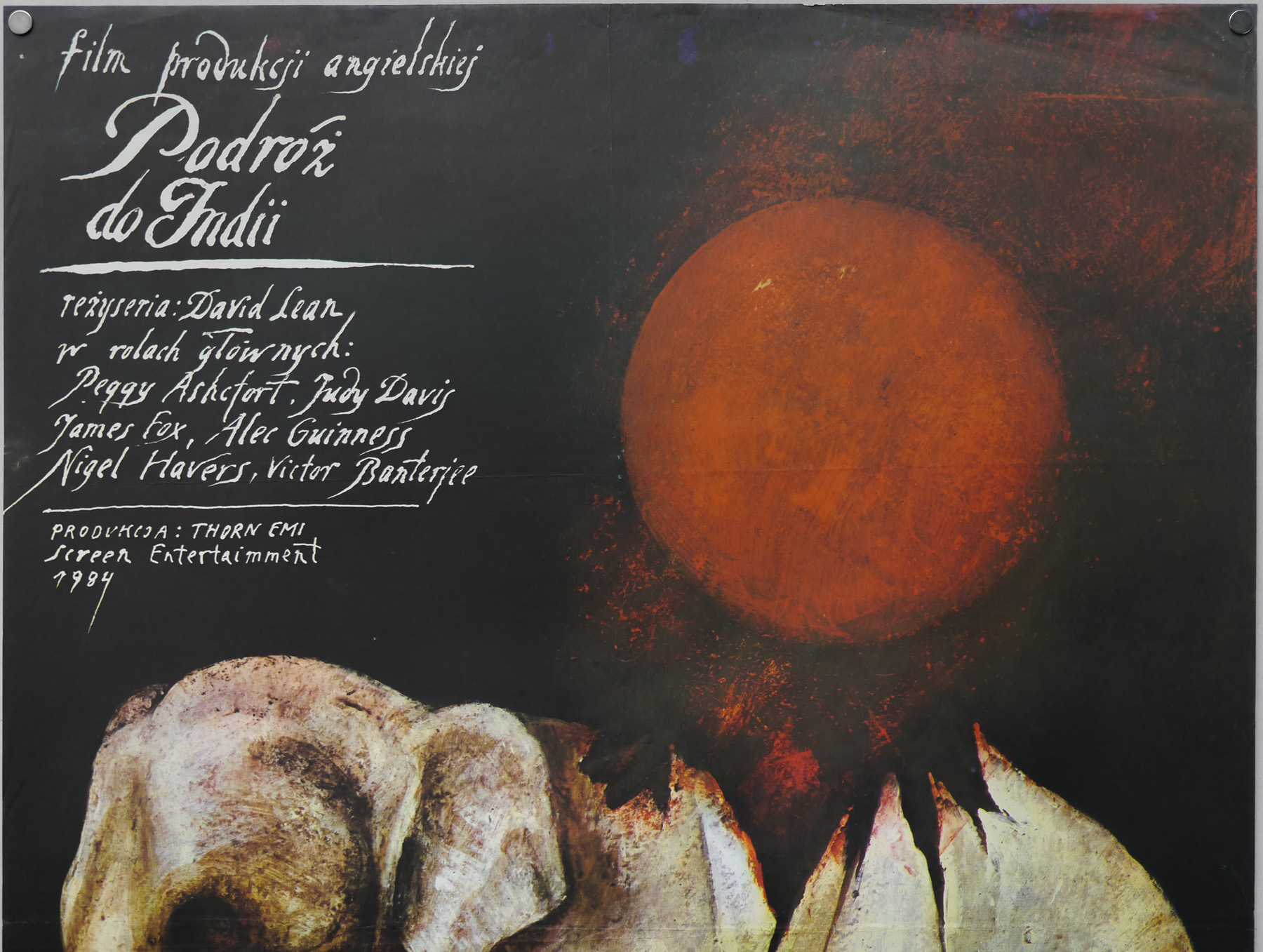
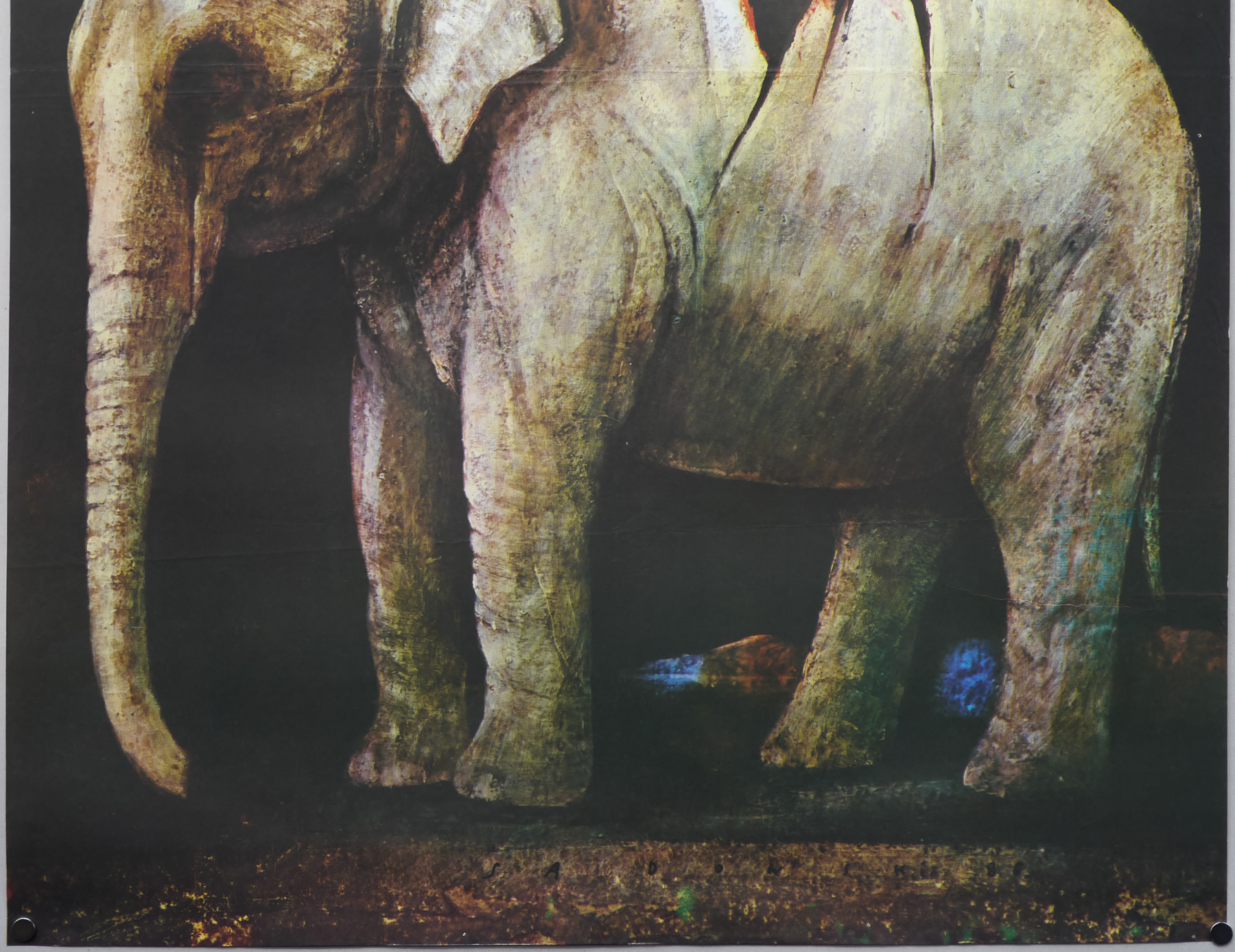
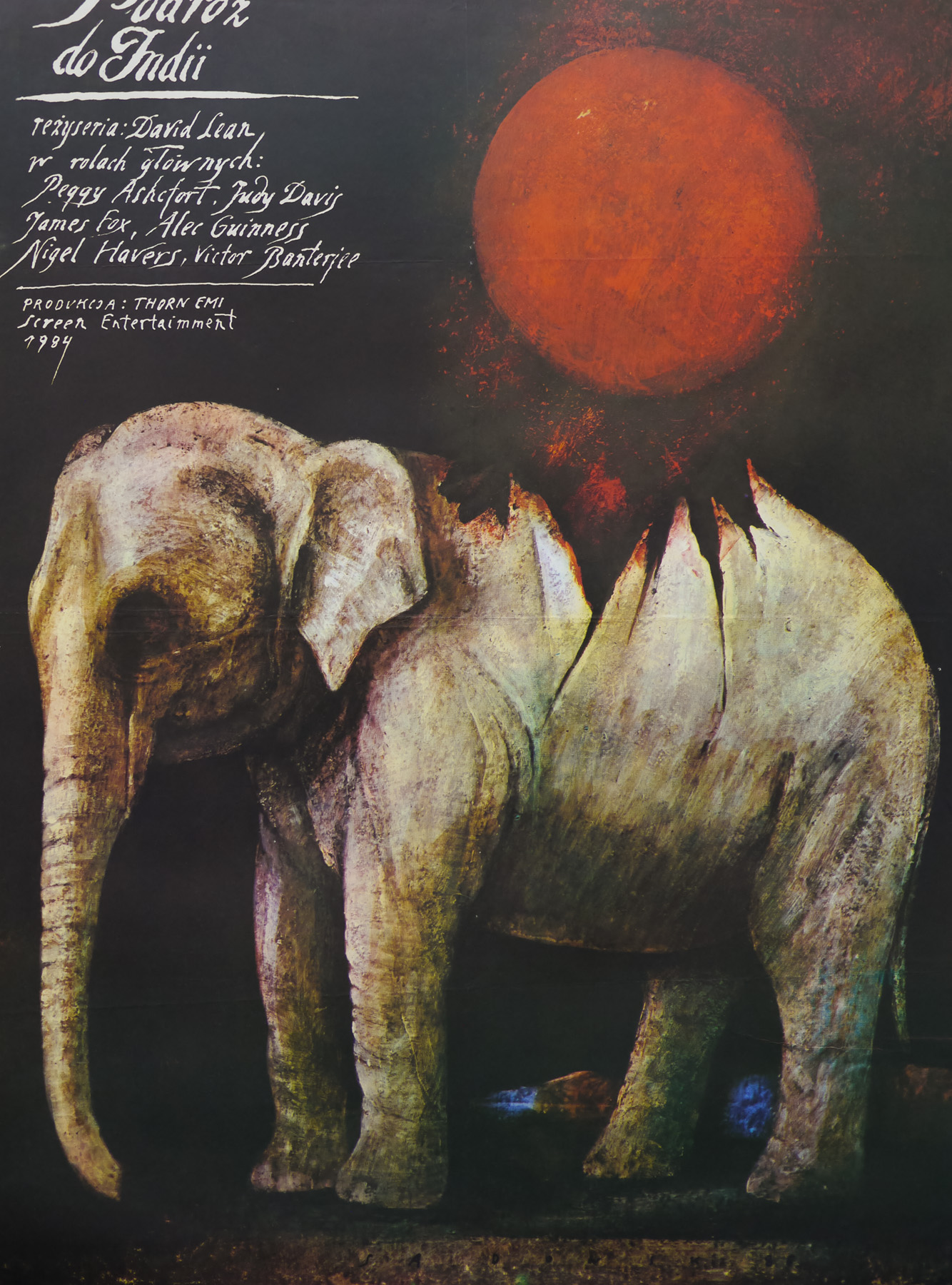
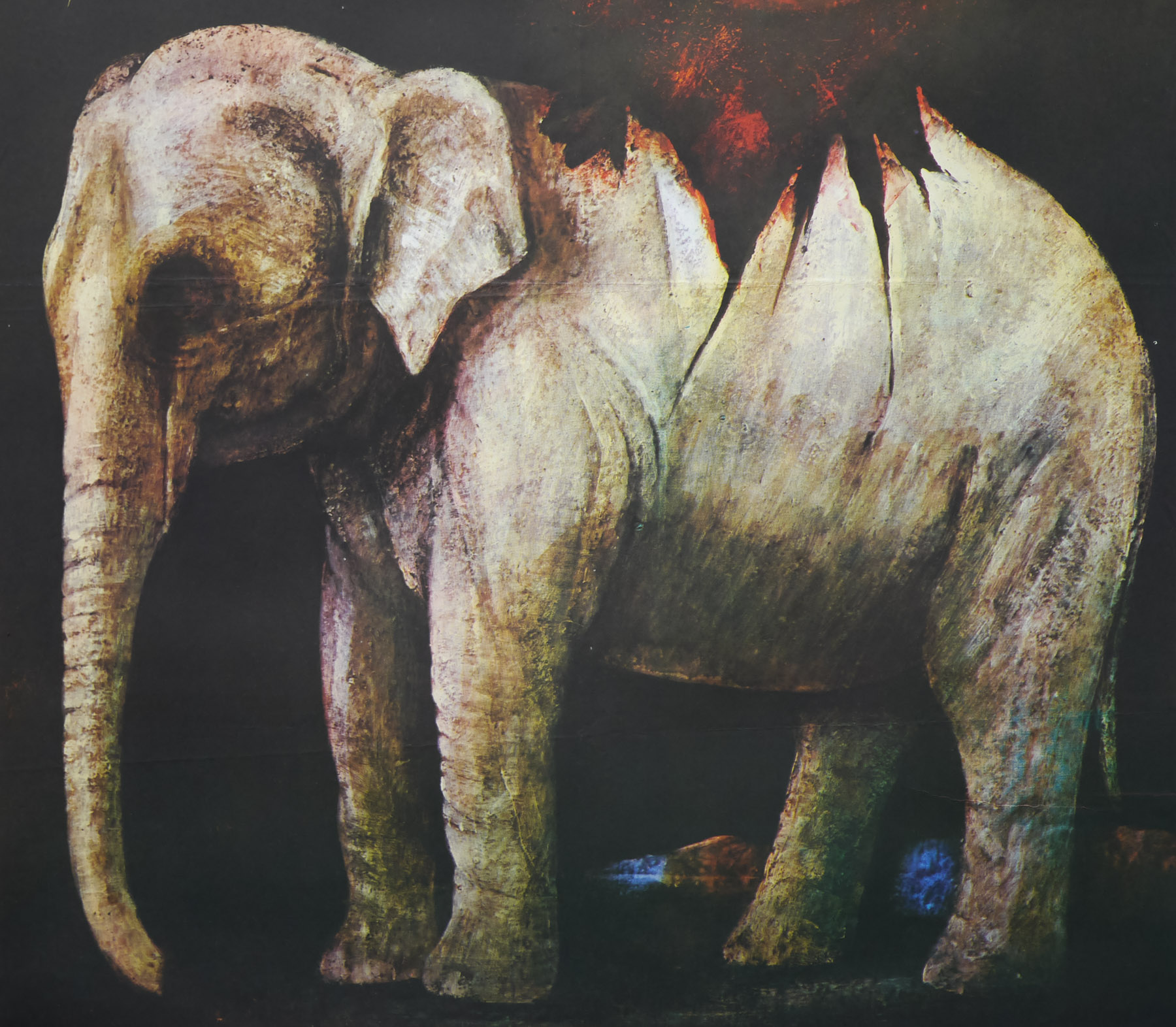
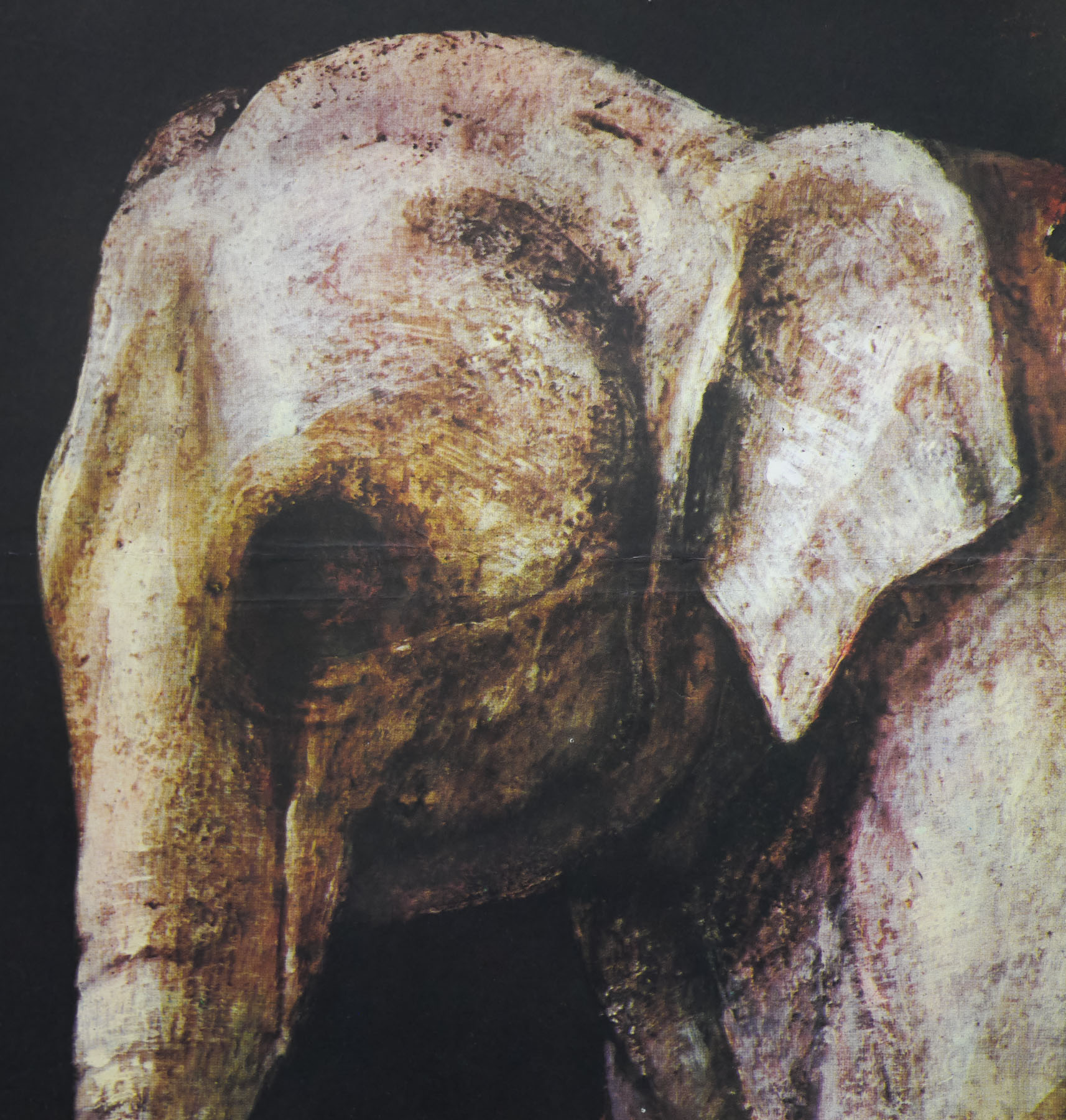
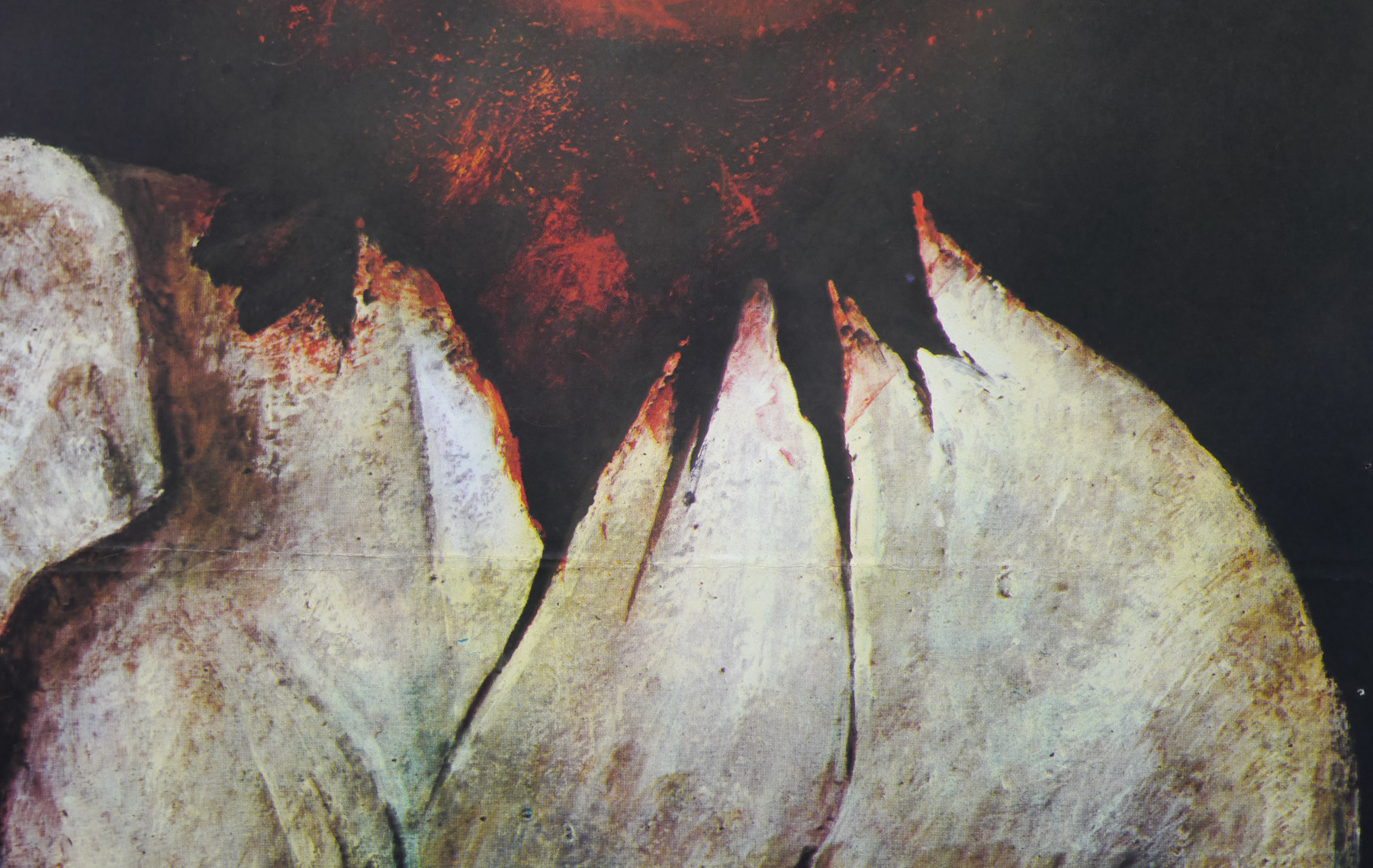
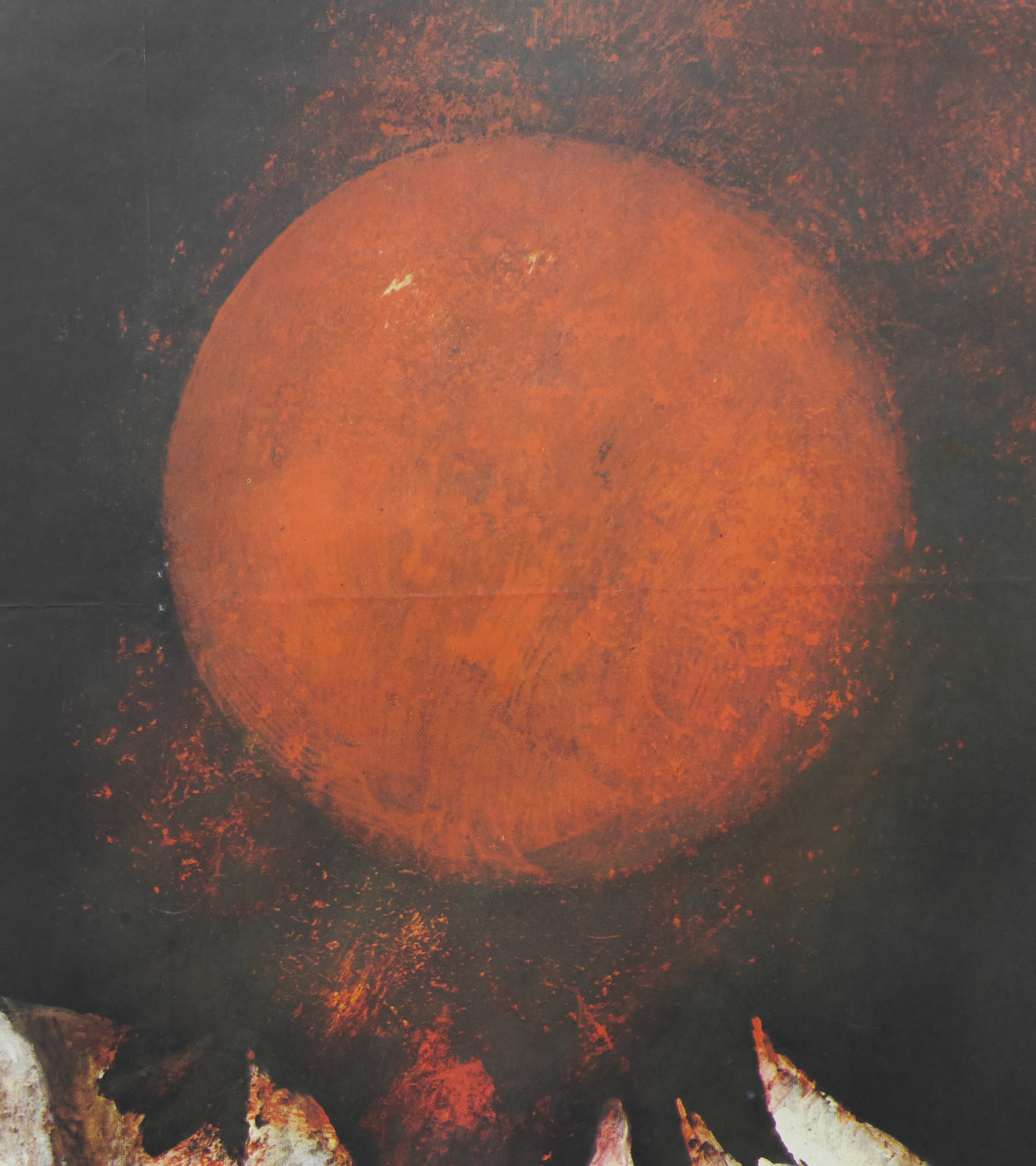
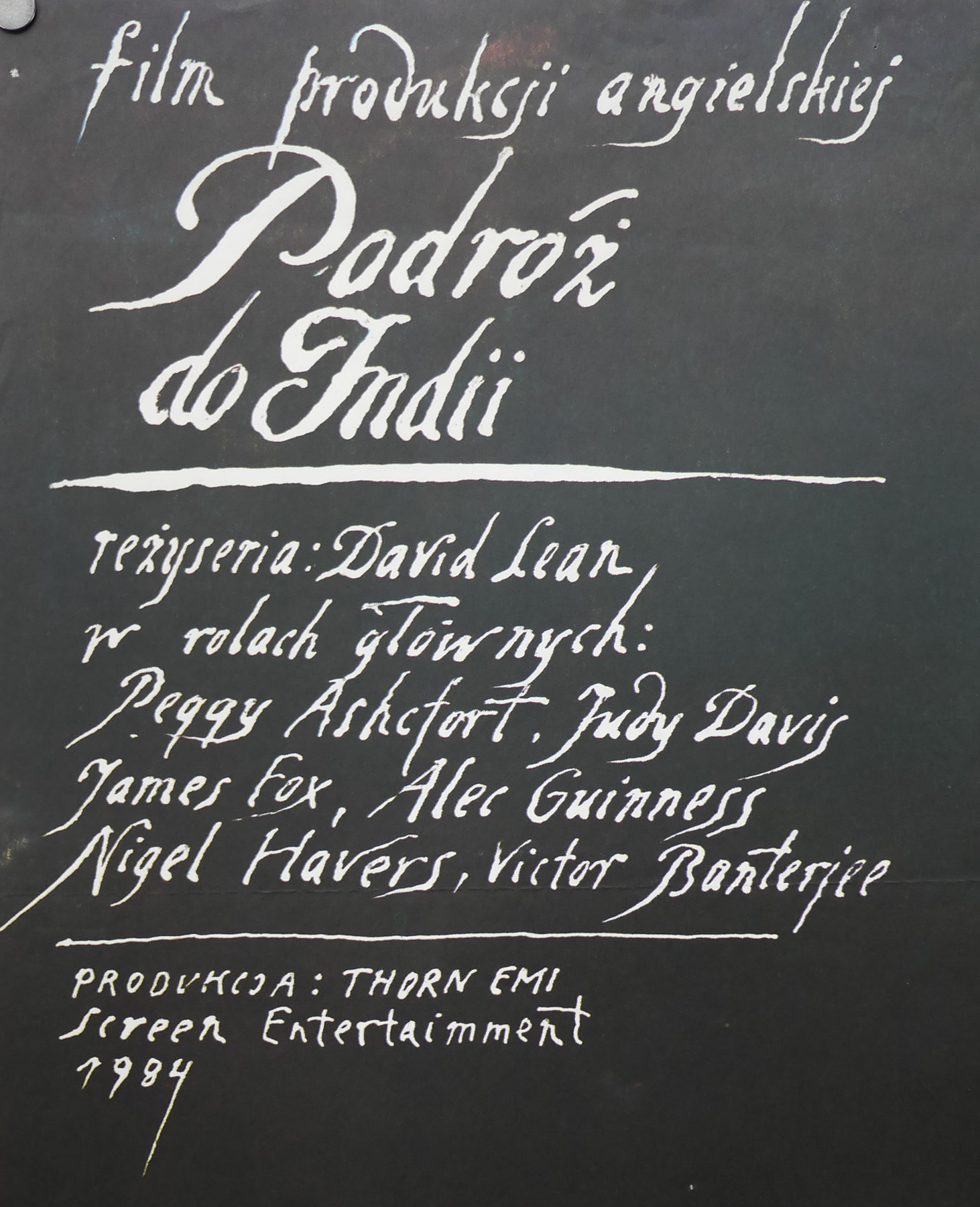
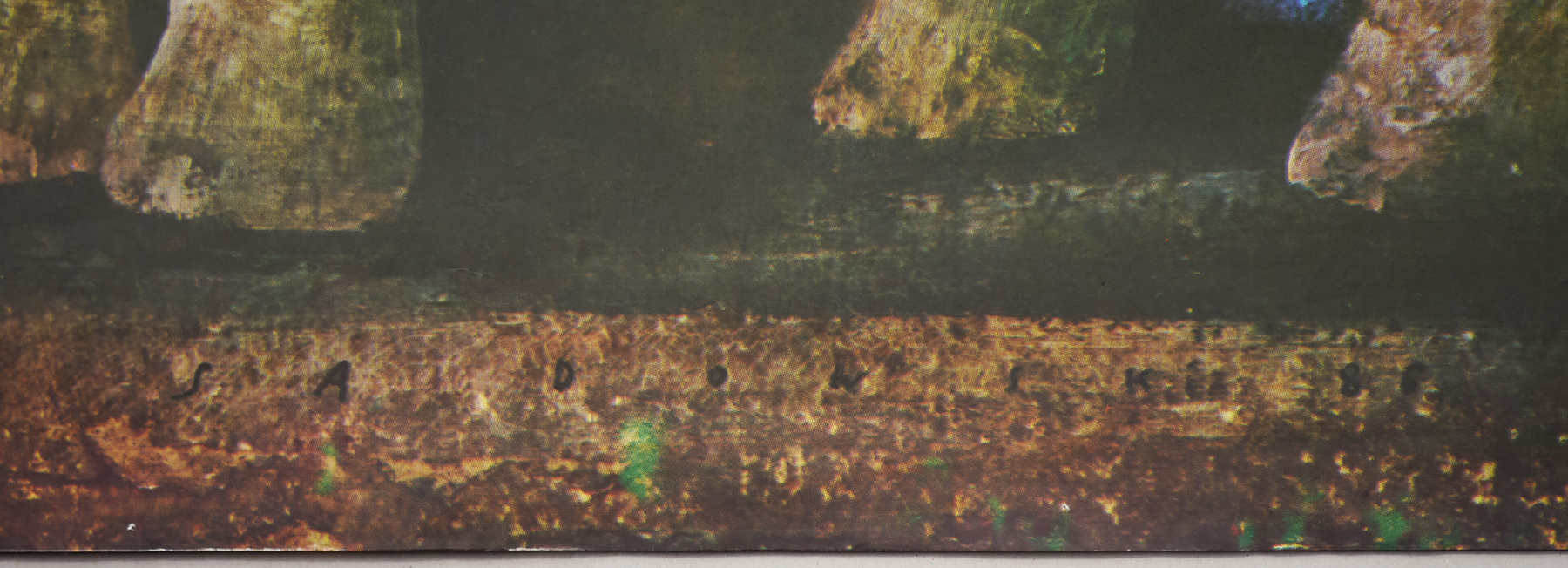
- Title
- A Passage to India
- AKA
- --
- Year of Film
- 1984
- Director
- David Lean
- Starring
- Judy Davis, Victor Banerjee, Peggy Ashcroft, James Fox, Alec Guinness, Nigel Havers, Richard Wilson, Antonia Pemberton, Michael Culver, Art Malik, Saeed Jaffrey, Clive Swift
- Origin of Film
- UK | USA
- Type of Poster
- B1
- Style of Poster
- --
- Origin of Poster
- Poland
- Year of Poster
- 1984
- Designer
- Wiktor Sadowski
- Artist
- Wiktor Sadowski
- Size (inches)
- 26 4/16" x 38"
- SS or DS
- SS
- Tagline
- --
This is the Polish poster for the release of British director David Lean (opens in a new tab)‘s final film behind the camera, 1984’s A Passage to India (opens in a new tab). Lean hadn’t helmed a feature film since 1970’s Ryan’s Daughter, the poor reception of which had put him off directing for a few years, and an abandoned attempt to make a pair of films based on the Mutiny of the Bounty also took up several years of Lean’s life. The film is an adaptation of English author E. M. Forster’s novel of the same name (opens in a new tab) and also a stage production of the book by Indian-born American playwright Santha Rama Rau (opens in a new tab).
Set in India during the 1920s when there was a growing Indian independence movement (opens in a new tab) in the British Raj (opens in a new tab), the film sees young British woman Adela Quested (Judy Davis (opens in a new tab)) travel to India to visit her fiancee Ronny Heaslop (Nigel Havers (opens in a new tab)) who is serving as a magistrate in the town of Chandrapore. Accompanying her on the trip is Ronny’s mother Mrs Moore (Peggy Ashcroft (opens in a new tab)). The pair spend time in the company of British colonials but when Mrs Moore meets a local doctor named Aziz Ahmed (Victor Banerjee (opens in a new tab)) they see the opportunity to experience ‘the real India.’ Aziz agrees to take them on an expedition to the remote Marabar Caves (actually based on the real life Barabar Caves (opens in a new tab)) but when Adela is attacked and almost raped, Aziz is accused of the crime and relations between the natives and the British quickly break down.
This poster was painted for the first release of the film in Poland in 1988 and was created by the Polish artist Wiktor Sadowski (opens in a new tab) who was born in Olendry (opens in a new tab) in 1956 and later graduated from the Academy of Fine Arts (opens in a new tab) in Warsaw. Sadowski has painted hundreds of film posters during his career and has won several prestigious awards, including a gold medal at Poster Biennale of Poland in 1984 and a gold medal from the New York Society of Illustrators in 1994. There are multiple galleries of his work online, including this one on the Polish Poster Gallery (opens in a new tab) website and this one on Polishposter.com (opens in a new tab) that both clearly show the quality of his artwork.
