




Poster details
Select to view
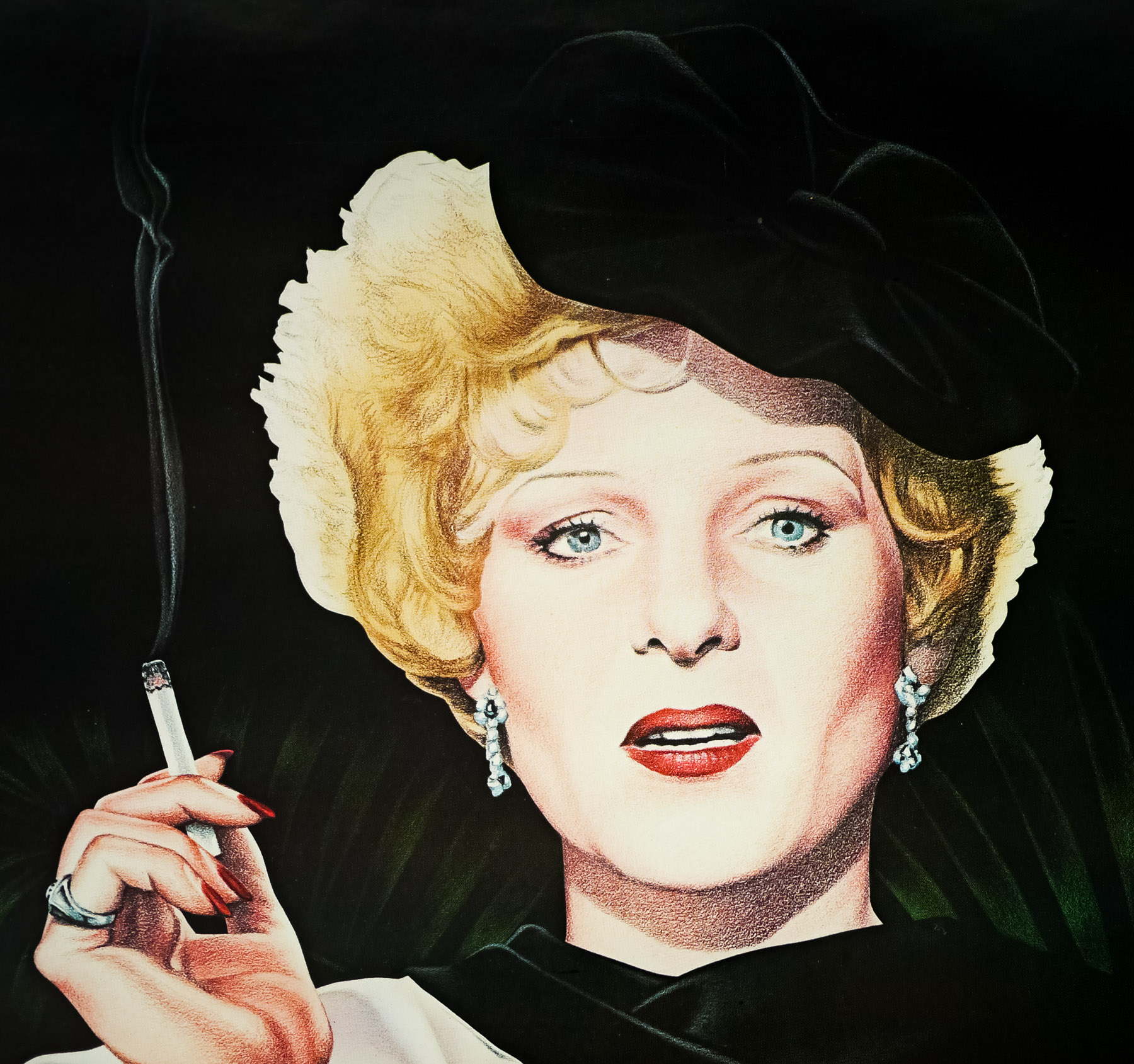
- Title
- Veronika Voss
- AKA
- Die Sehnsucht der Veronika Voss [The Longing of Veronika Voss] (Germany - original title)
- Year of Film
- 1982
- Director
- Rainer Werner Fassbinder
- Starring
- Rosel Zech, Hilmar Thate, Cornelia Froboess, Annemarie Düringer, Doris Schade, Erik Schumann, Peter Berling, Günther Kaufmann
- Origin of Film
- Germany
- Genre(s) of Film
- Drama
- Type of Poster
- One sheet
- Origin of Poster
- USA
- Year of Poster
- 1982
- Designer
- Unknown
- Artist
- Vincent Topazio
- Size (inches)
- 27 1/16" x 40 15/16"
- SS or DS
- SS
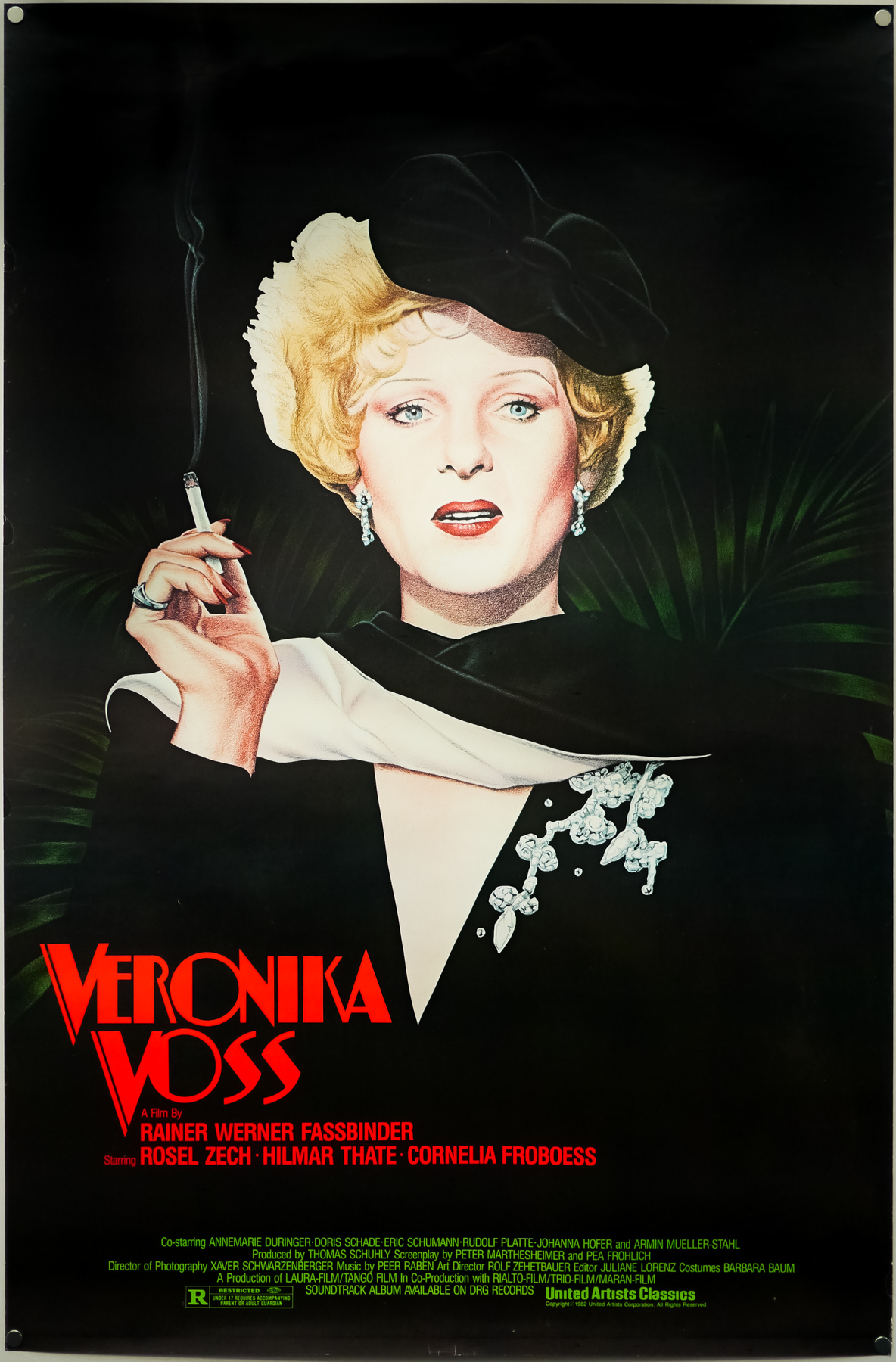
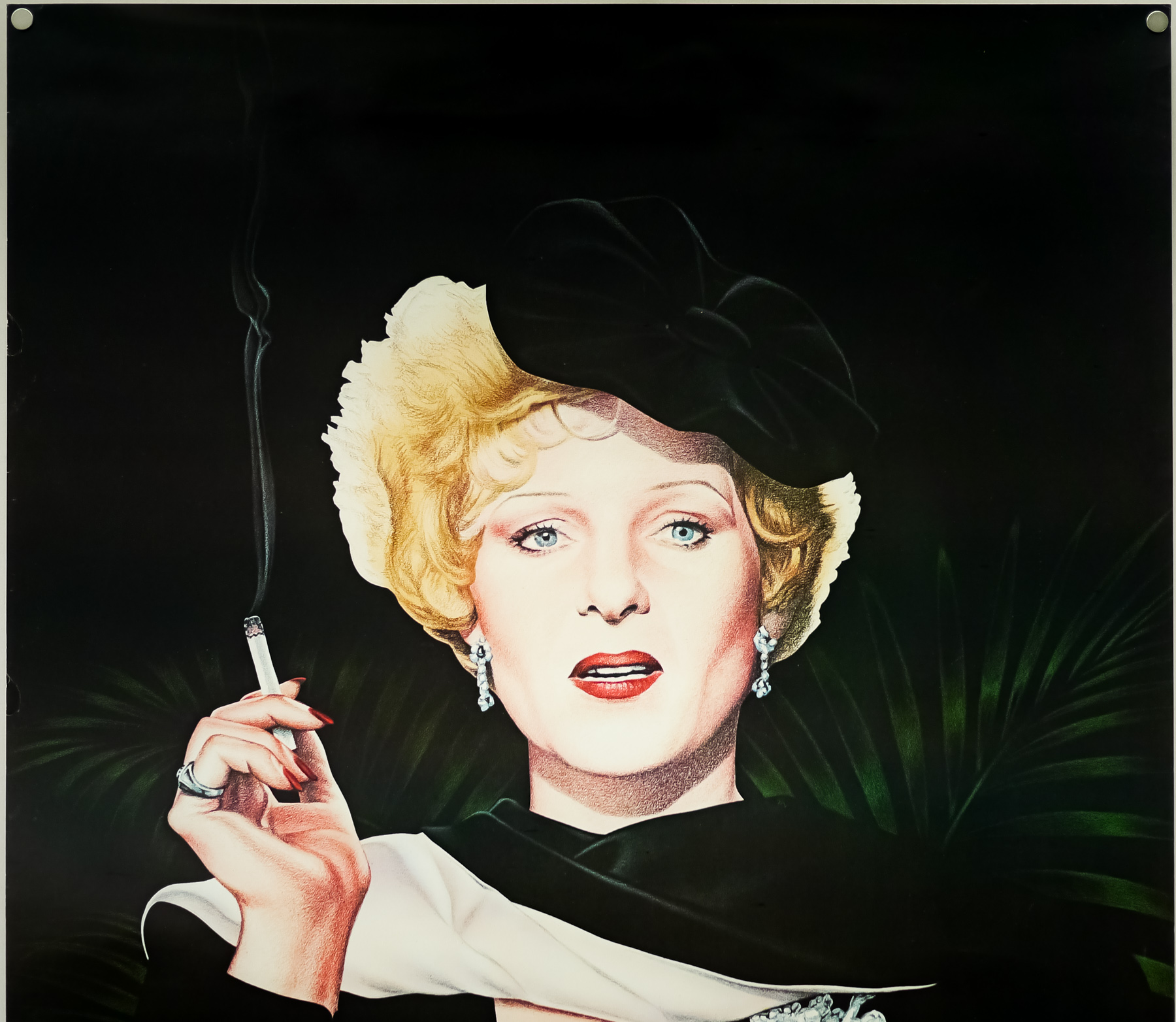
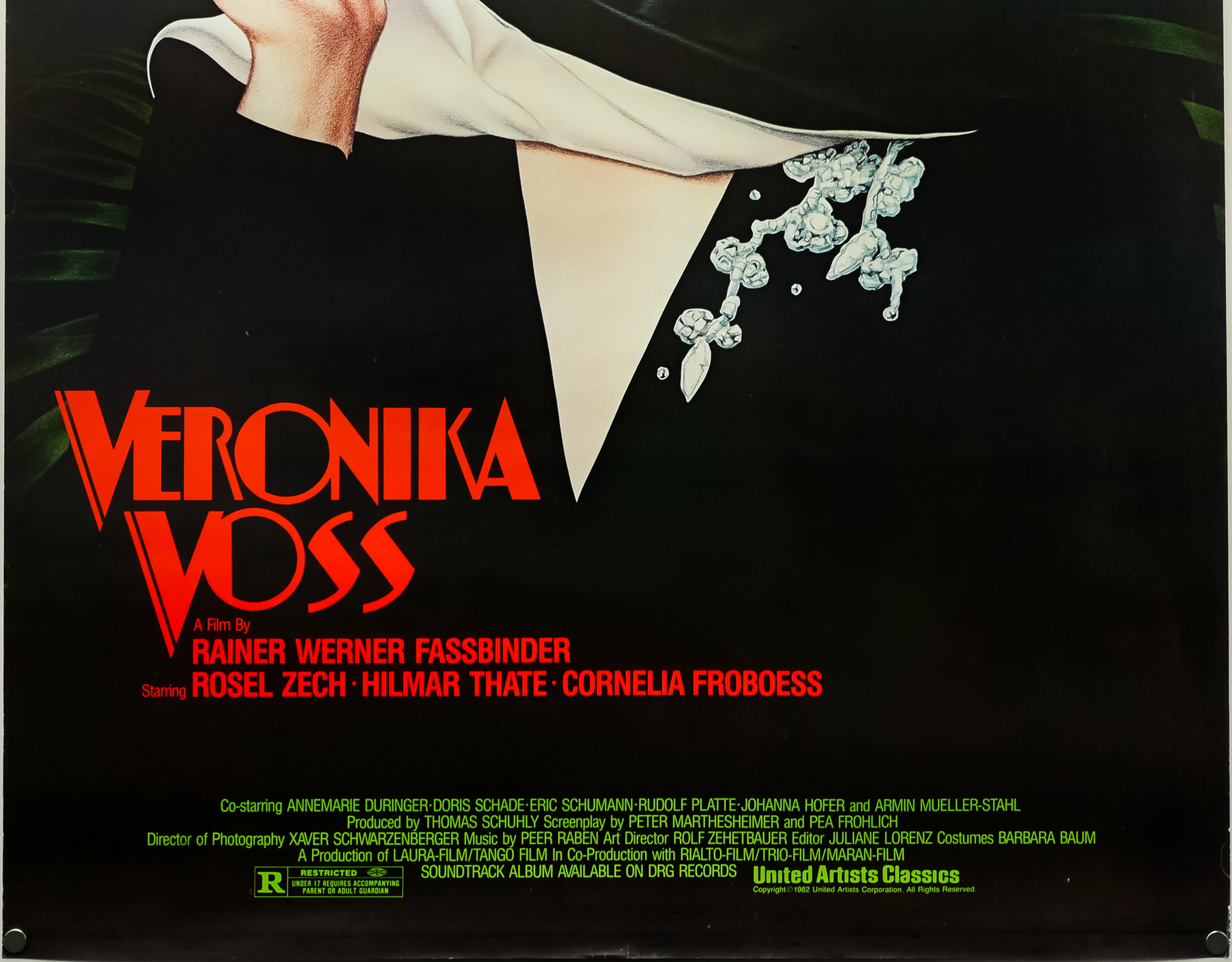
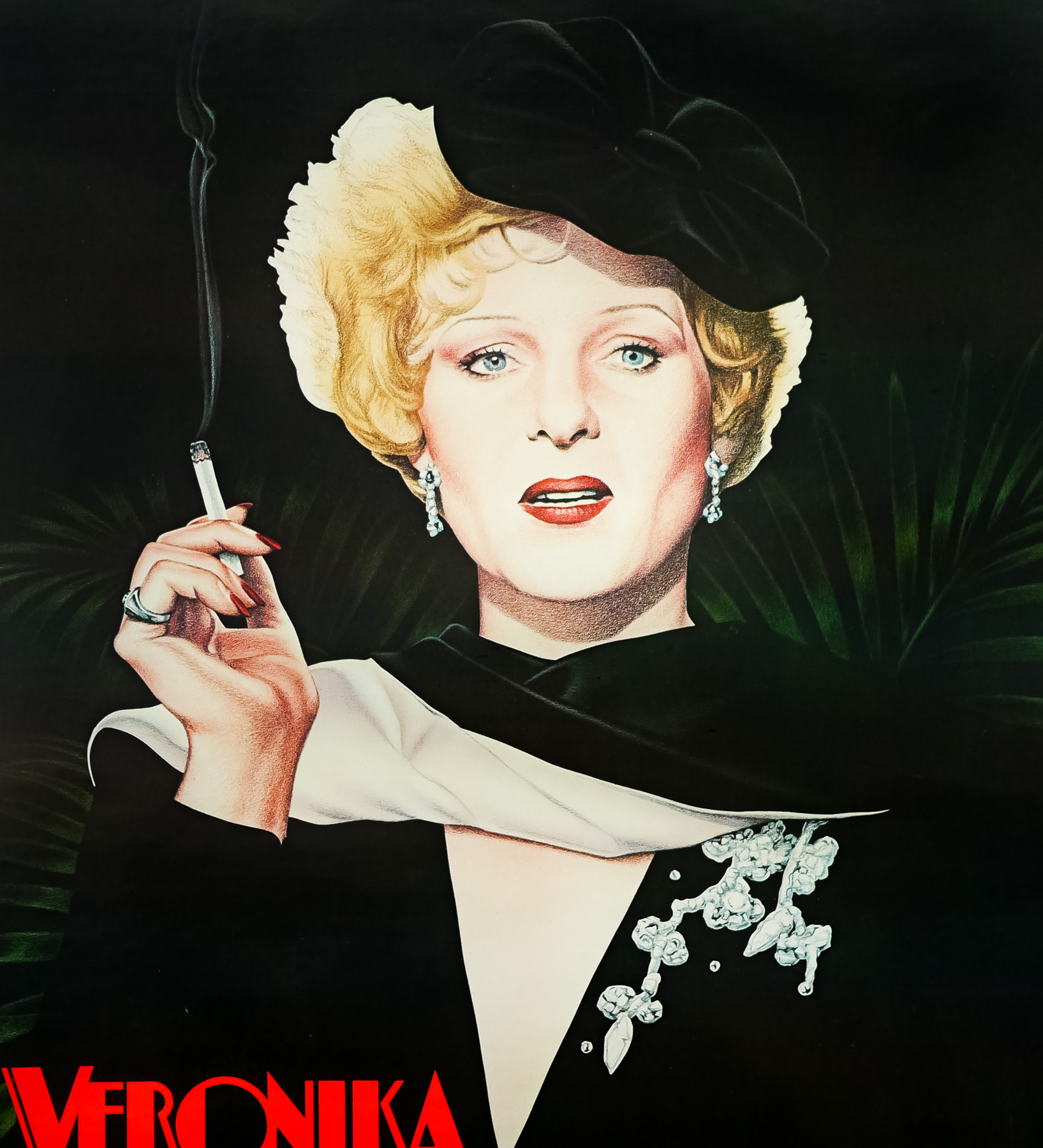
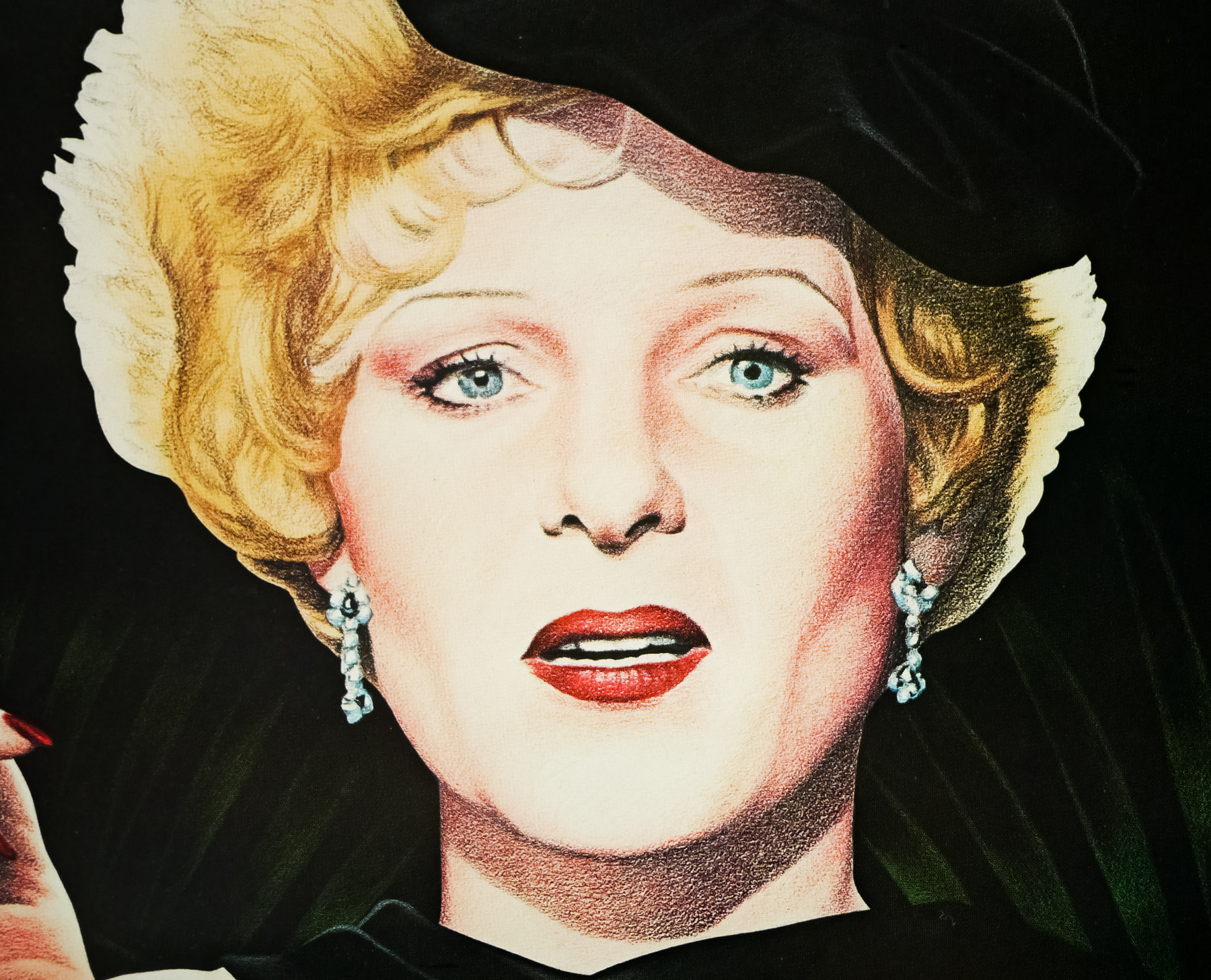
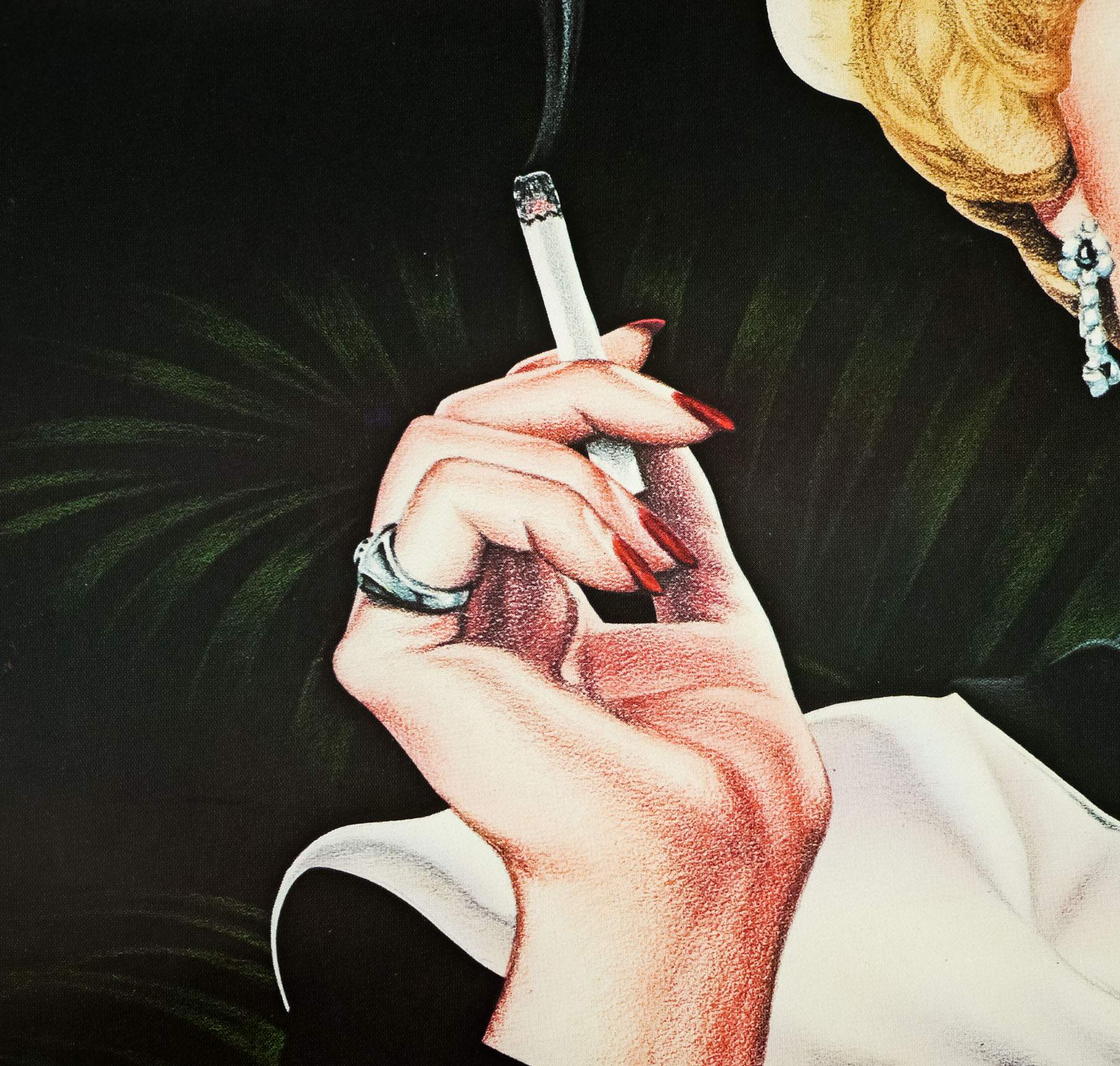
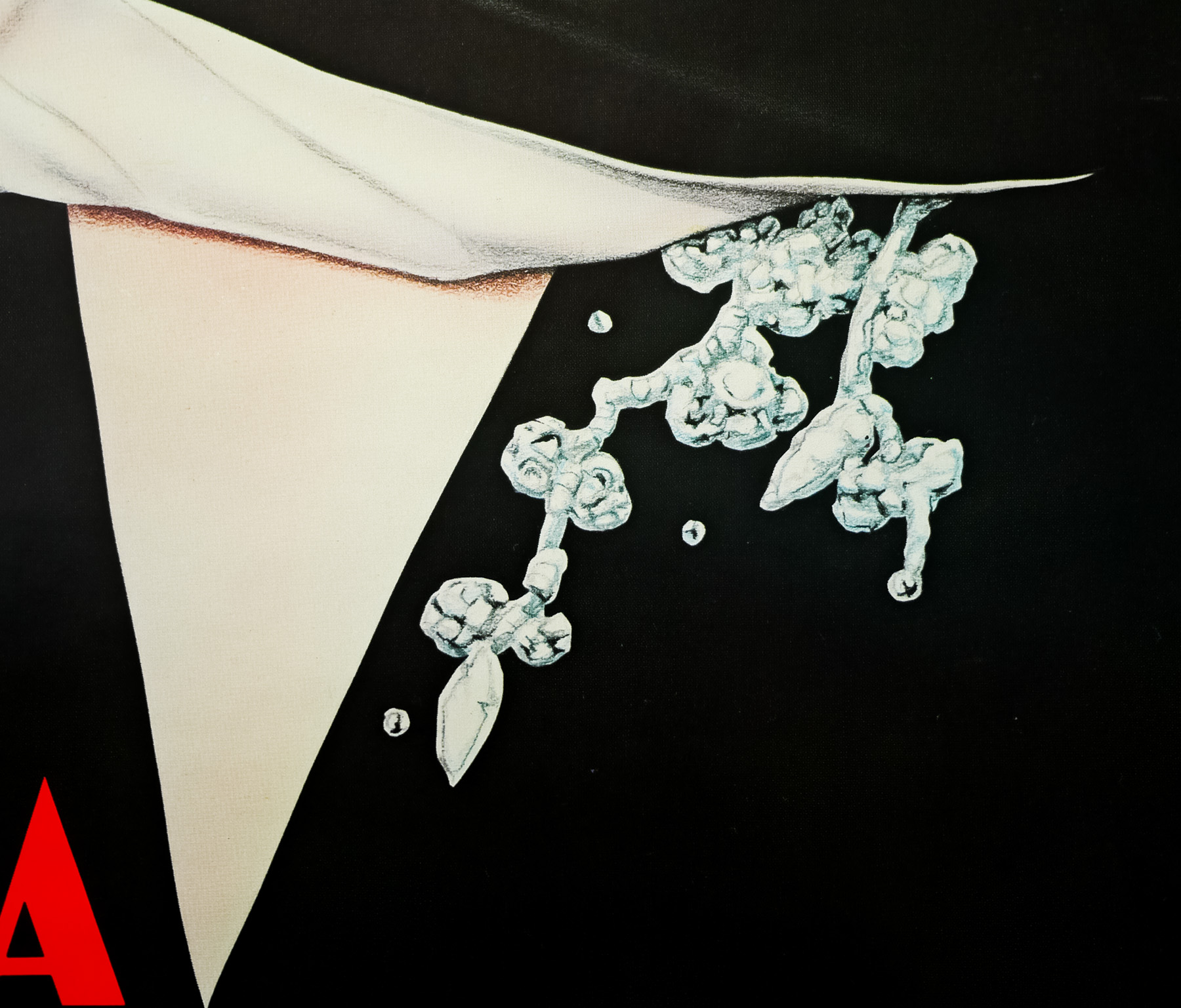
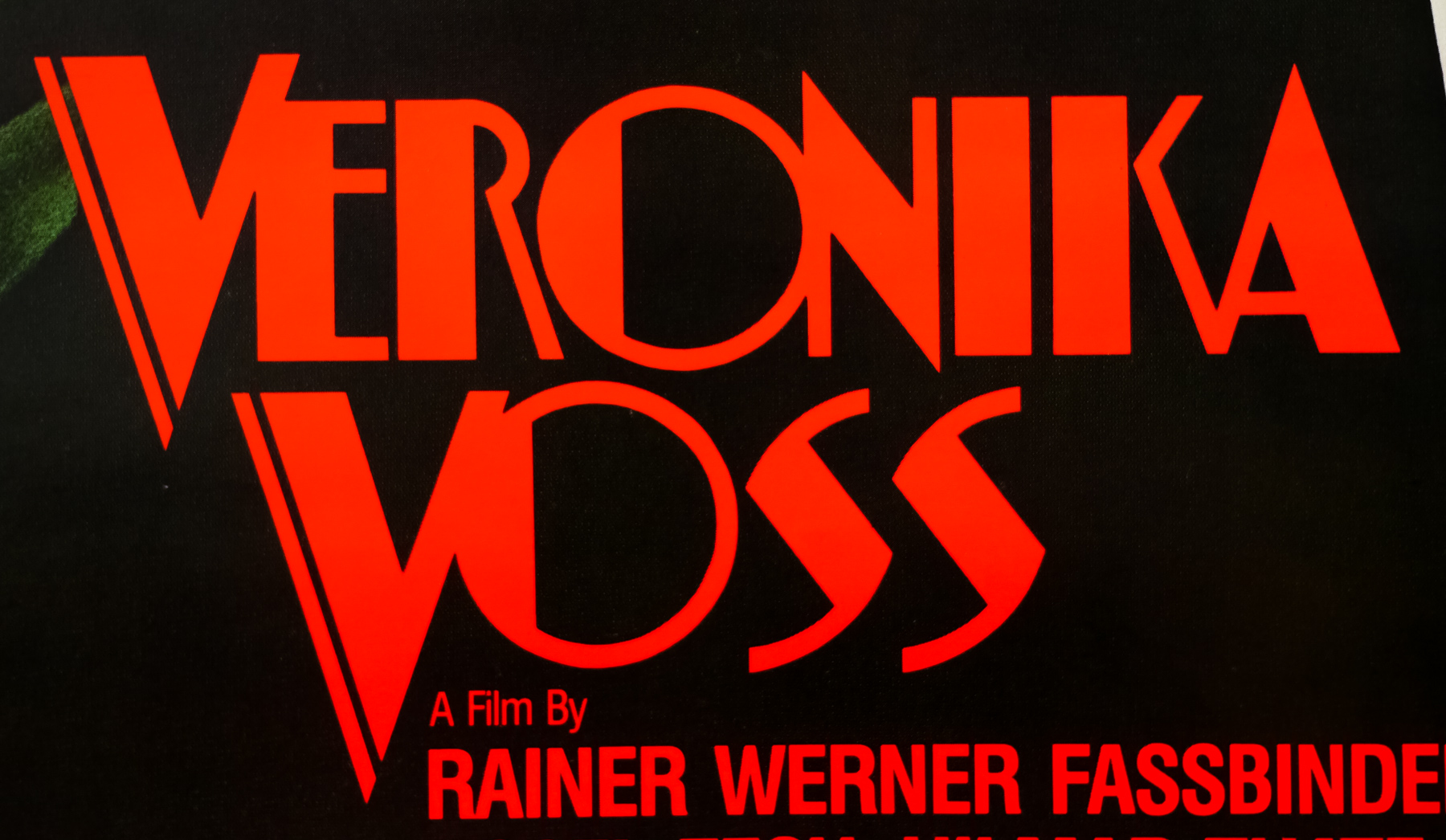
A striking portrait by the artist Vincent Topazio features on this one sheet for the US release of Veronika Voss (opens in a new tab). The film was the penultimate one by the legendary German director, screenwriter, producer and actor Rainer Werner Fassbinder (opens in a new tab). It was released the year of his untimely death (he was only 37) and his final film as director, Querelle, was released posthumously the following year.
The film was an entry in what Fassbinder named the BRD Trilogy (opens in a new tab); three films all focusing on a single female character and set in West Germany following World War II. BRD is an acronym for Bundesrepublik Deutschland (opens in a new tab), which was the official name of the country during that period. The first of the trilogy, The Marriage of Maria Braun (opens in a new tab), was released in 1979 and then, rather confusingly, Fassbinder named Lola (opens in a new tab) (1981) as the third film in the trilogy before Veronika Voss was released in 1982. The films have no narrative connection but have thematic consistencies, with all three focusing on a particular woman in a post-war BRD during the ‘economic miracle’ (opens in a new tab). All three of the stories were originated by Fassbinder but the screenplays were written by frequent collaborator Peter Märthesheimer (opens in a new tab) and his then partner Pea Fröhlich (opens in a new tab).
Veronika Voss is loosely based on the ill-fated life of actress Sybille Schmitz (opens in a new tab) and the titular lead is played by Rosel Zech (opens in a new tab). Set in Munich in 1955, the film finds Voss struggling to reclaim former glories and unable to win the kinds of roles she played whilst working for the UFA (opens in a new tab) production company during the war. One night she bumps into sports journalist Robert Krohn (Hilmar Thate (opens in a new tab)) who isn’t aware of her past. The pair strike up a romance, despite Krohn being in a relationship with girlfriend Henriette (Cornelia Froboess (opens in a new tab)). Soon he realises that Voss is addicted to opiates that are being administered by a mysterious neurologist called Dr. Marianne Katz (Annemarie Düringer (opens in a new tab)) who Voss believes is caring for her. When Krohn begins to investigate he realises that Katz is actually bleeding Voss of her finances and is keeping her doped up and under control.
The art on this one sheet is by Vincent Topazio and, although it doesn’t feature his unique signature, he is credited for it on the vinyl release of the film’s soundtrack. Very little is known about the artist and there’s barely any information about him online. He looks to have worked on only a handful of film posters, most of which were for independent/arthouse features. Perhaps his most famous poster is the one he worked on for Paul Verhoeven’s The 4th Man.
Adrian Curry highlighted some of Topazio’s work for his Movie Poster of the Week column (opens in a new tab) on Mubi.com. Other titles include the sequel Zulu Dawn and the 1985 American drama Smooth Talk. Curry notes that he believes Topazio was working from the mid-1970s into the 1980s and also created art for magazine editorials. Emovieposter.com has a number of his posters in their archive (requires site login) (opens in a new tab). If anyone has any more details about him please get in touch.

