




Poster details
Select to view
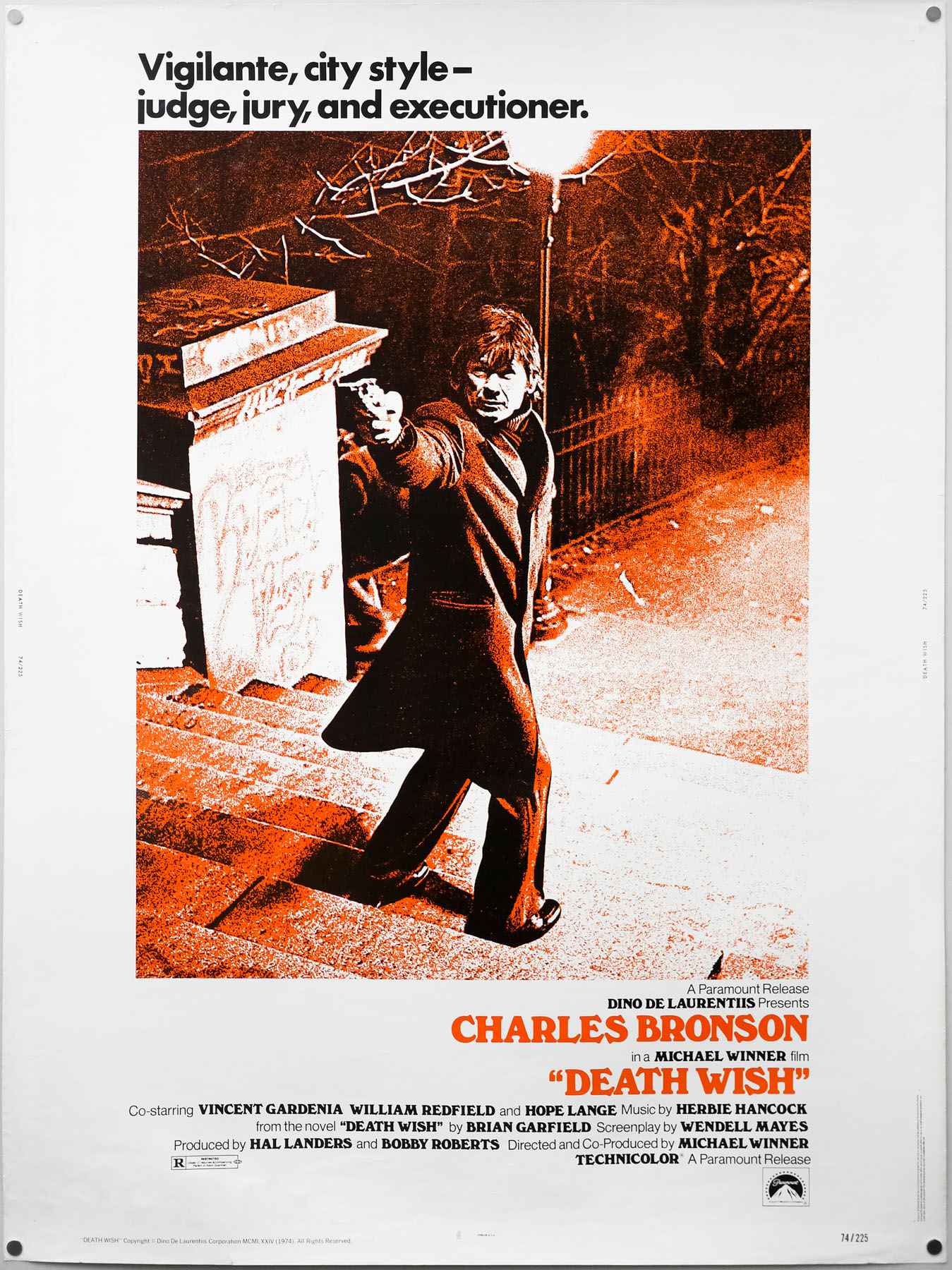
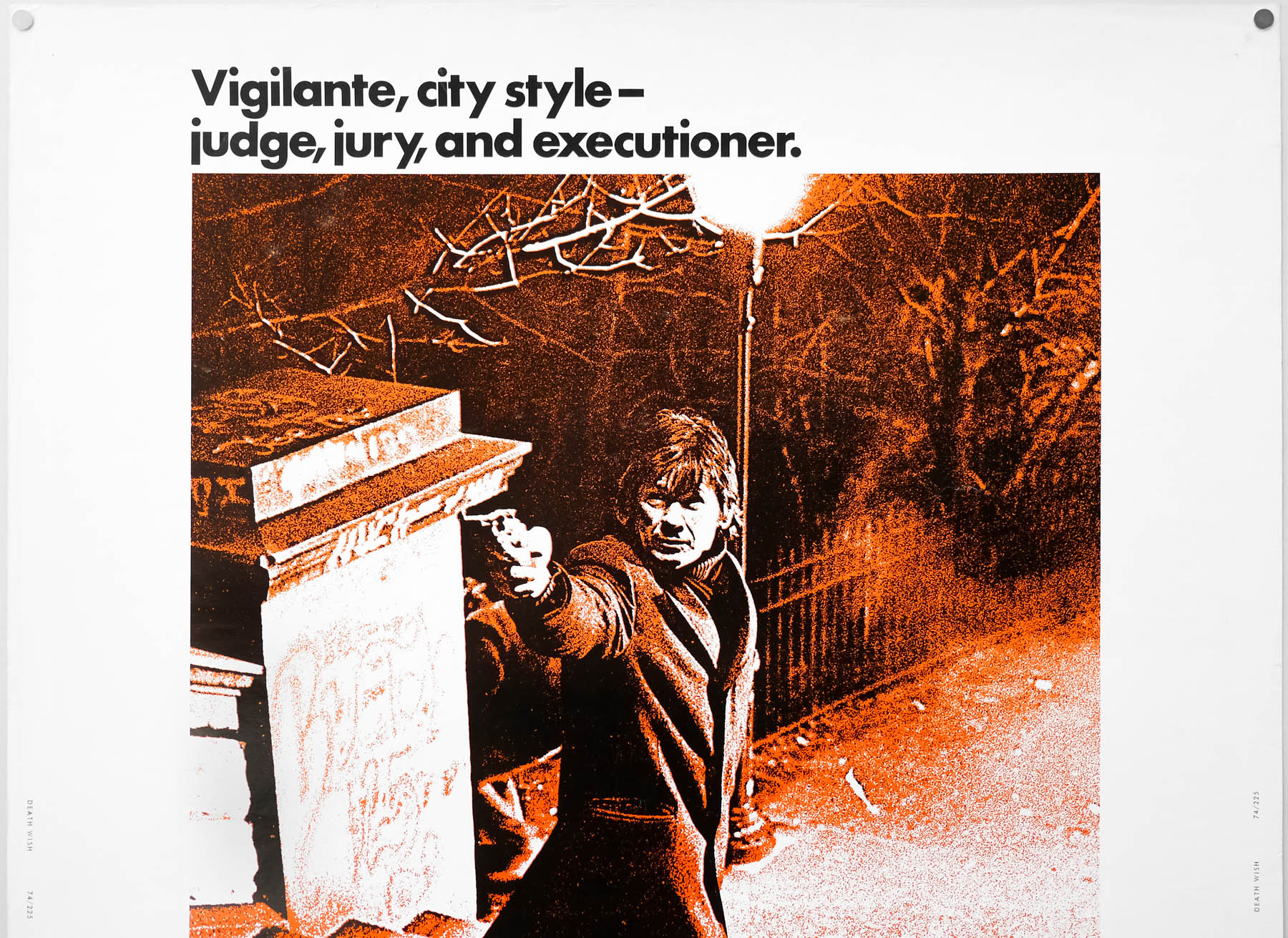
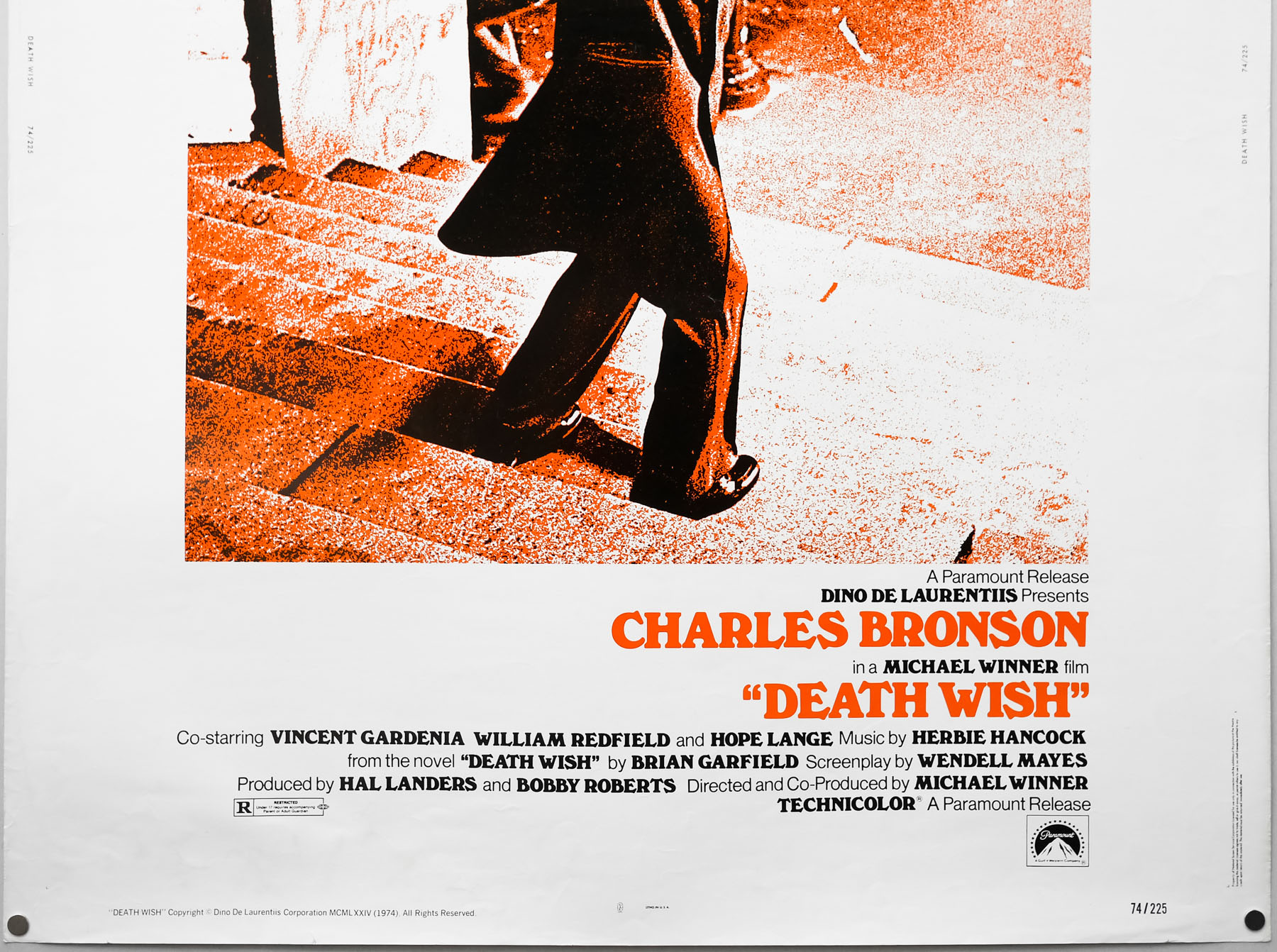
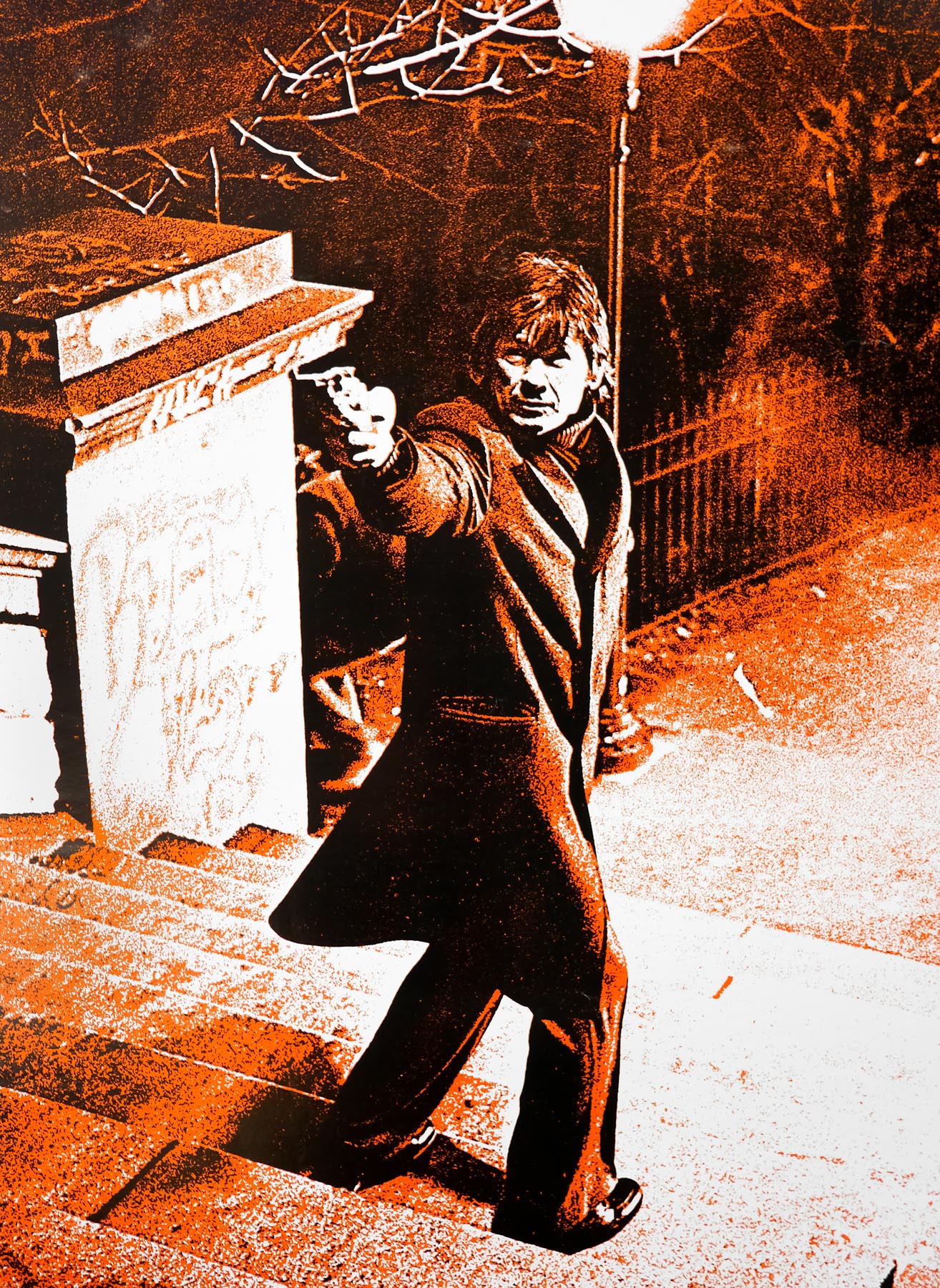
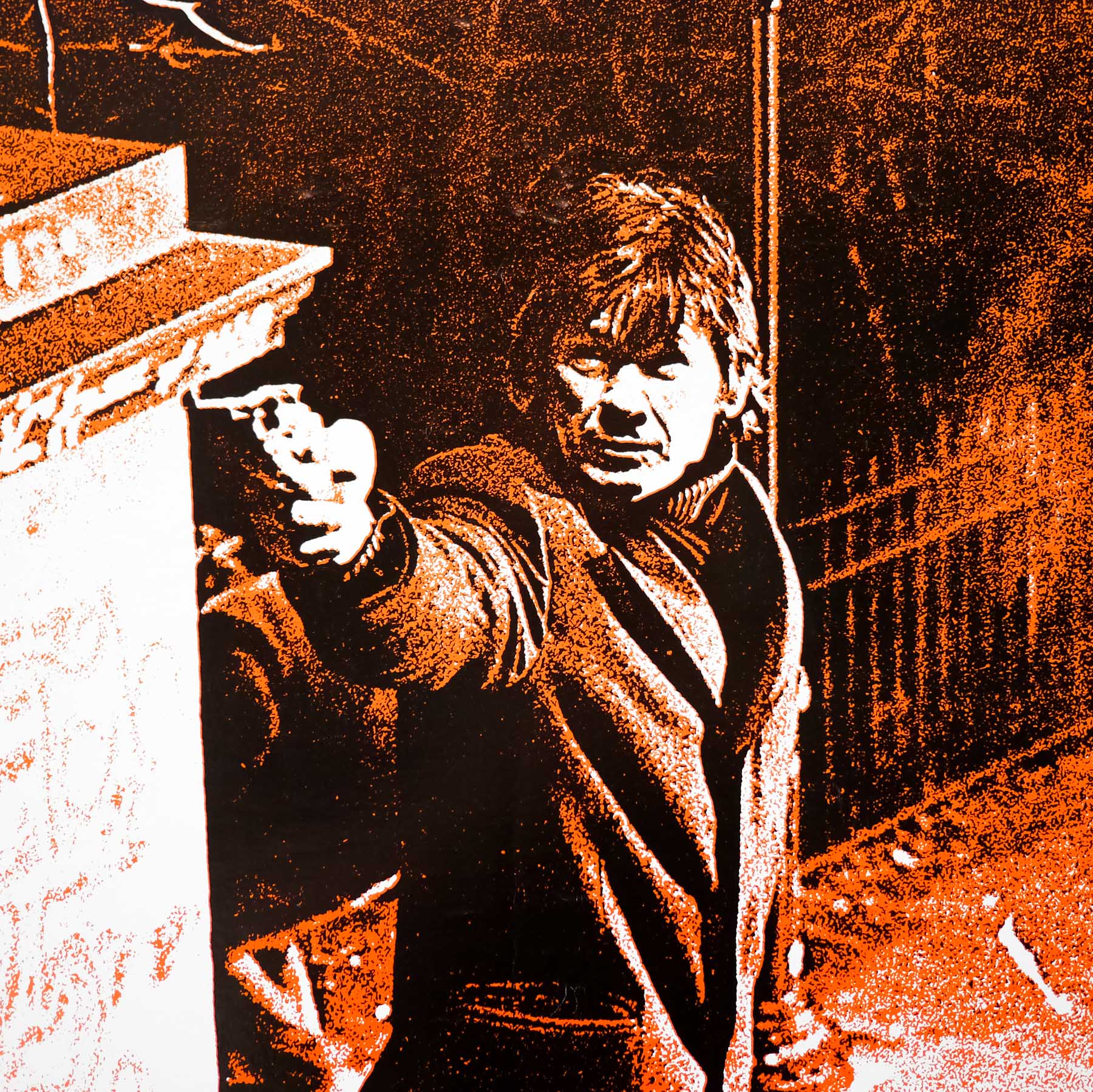
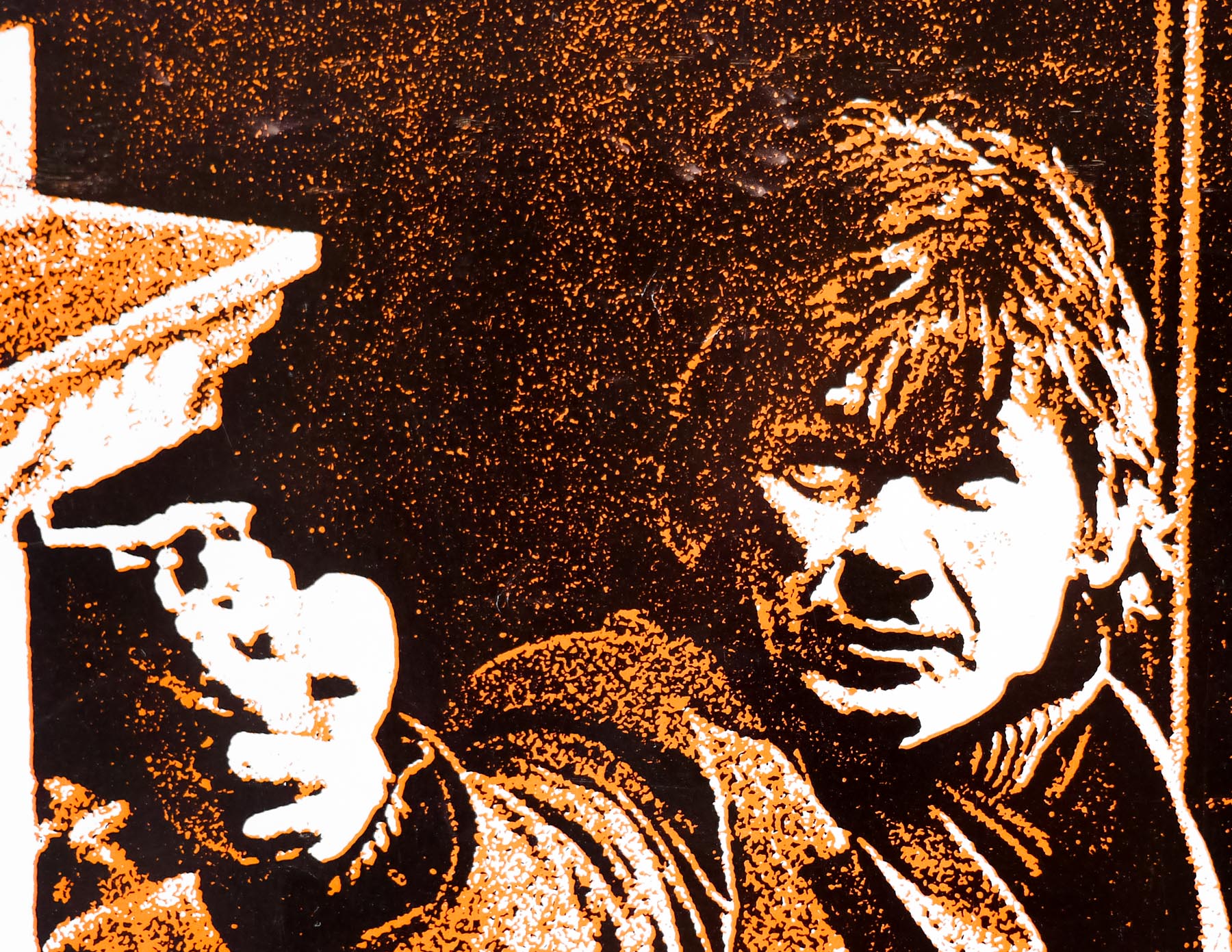

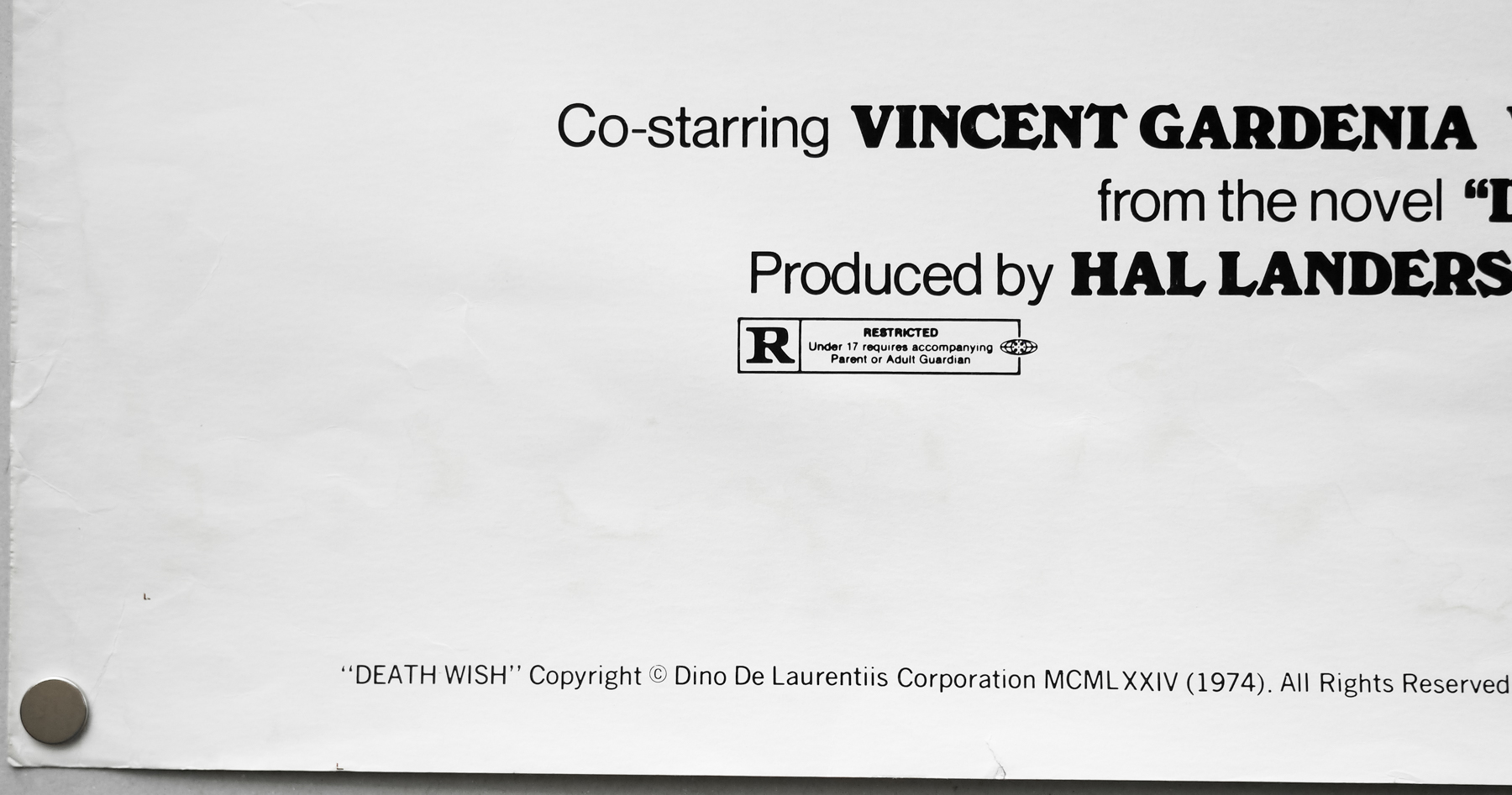
- Title
- Death Wish
- AKA
- Ein Mann sieht rot (Germany) | Il giustiziere della notte [The vigilante of the night] (Italy)
- Year of Film
- 1974
- Director
- Michael Winner
- Origin of Film
- USA
- Film Series
- Death Wish
- Type of Poster
- 30x40
- Origin of Poster
- USA
- Year of Poster
- 1974
- Designer
- Diener-Hauser
- Size (inches)
- 30" x 40"
- SS or DS
- SS
- NSS #
- 74/225
- Tagline
- Vigilante, city style - judge, jury and executioner.
This is the original US 30×40 poster for the release of director Michael Winner (opens in a new tab)‘s infamous Death Wish (opens in a new tab), the good-guy-turned-vigilante flick that marked a turning point in star Charles Bronson (opens in a new tab)‘s career, launching him to international stardom and establishing his brand as a tough-guy leading man. Based on the novel of the same name by Brian Garfield (opens in a new tab), the original script by Wendell Mayes (opens in a new tab) went through multiple revisions and the film itself was in protracted development before it was handed to Winner who was chosen thanks to his track record with gritty thrillers, including The Mechanic (opens in a new tab) and The Stone Killer (opens in a new tab), both starring Bronson. Winner pushed to get the star onboard but his agent’s concerns about the content and the script’s description of the main character as a meek accountant meant negotiations stalled.
Eventually the film passed into the hands of legendary producer Dino De Laurentiis (opens in a new tab) who, after securing distribution and financing, requested script revisions that made the role more suitable for Bronson, plus Winner tweaked a few scenes that meant upping the violence. Filming eventually took place in New York City during the winter of 1973-74. Bronson plays architect Paul Kersey whose wife and daughter are viciously attacked one day in their apartment with his wife later dying from her injuries and the daughter being left in a catatonic state.
After the funeral, Kersey flies to Arizona to meet a business client and before leaving a few weeks later he is given a Colt revolver as a gift. One night following his return to New York he is approached by a mugger who attempts to rob him, but Kersey pulls his own gun and shoots him dead. Although initially sick that he killed another human, Kersey’s motivation for revenge gets the better of him and he deliberately starts to put himself at risk by walking around the city at night looking for criminals and the body count starts to mount. Unbeknownst to Kersey, the police are starting to close in and it’s not long before his risk taking catches up with him.
The film was savaged by most critics on release for what they saw as its celebration of vigilante violence, with some calling it an ‘immoral threat to society’ and voicing concerns that it would encourage similar behaviour in society. It was, however, a box office success and audiences responded positively amidst a climate of rising violence on American streets. The film spawned four sequels all starring Bronson, and all of steadily diminishing quality, although the first film definitely still has a cult following forty years later.
This poster was designed by the now defunct American advertising agency Diener-Hauser who were responsible for a number of iconic 197os one sheets, including Chinatown (opens in a new tab), The Towering Inferno (opens in a new tab) and Saturday Night Fever (opens in a new tab).


