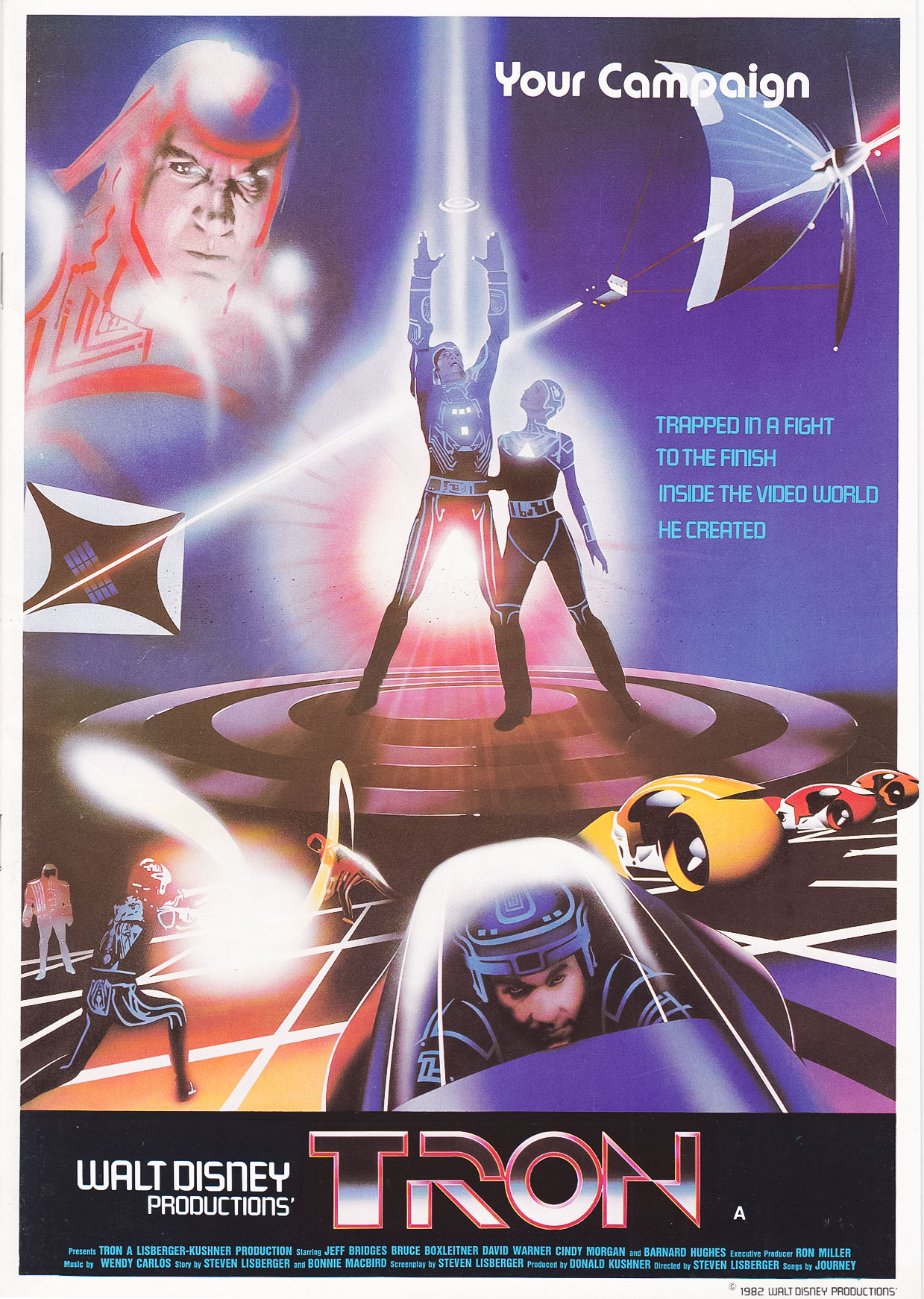
Tron / campaign book and synopsis / UK

03.02.12

British campaign book and synopsis for Tron (1982)British campaign book and synopsis for Tron (1982), image 2British campaign book and synopsis for Tron (1982), image 3British campaign book and synopsis for Tron (1982), image 4British campaign book and synopsis for Tron (1982), image 5
Title
Tron
AKA
Tron: The Electronic Gladiator (Australia)
Year of Film
1982
Director
Steven Lisberger
Starring
Jeff Bridges, Bruce Boxleitner, David Warner, Cindy Morgan, Barnard Hughes, Dan Shor, Peter Jurasik
Origin of Film
USA | Taiwan
Genre(s) of Film
Sci-Fi | Action
Film Series
Tron
Type of Poster
Campaign book and synopsis
Origin of Poster
UK
Year of Poster
1982
Designer
Unknown
Tagline
Trapped in a fight to the finish inside the video world he created

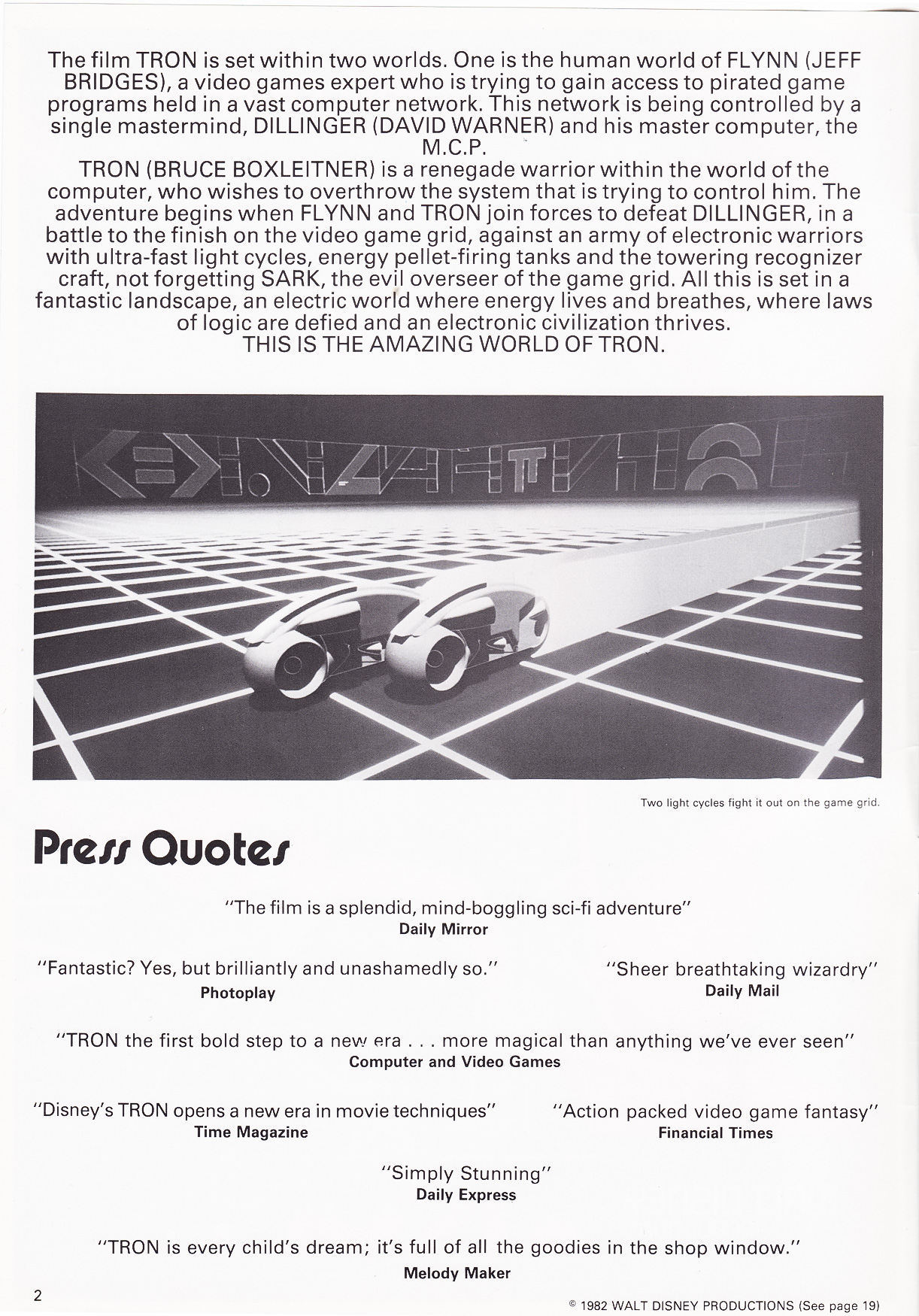
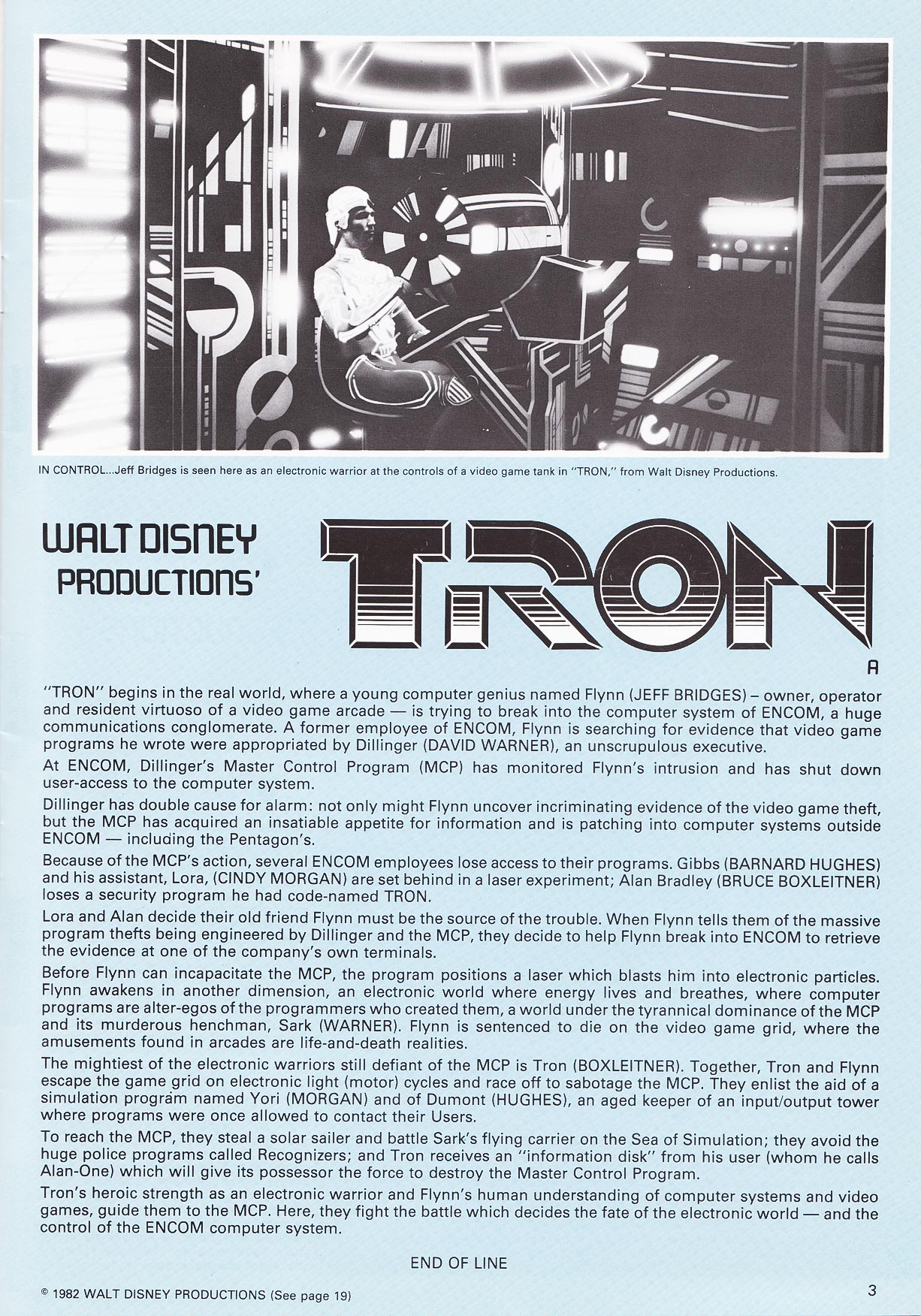
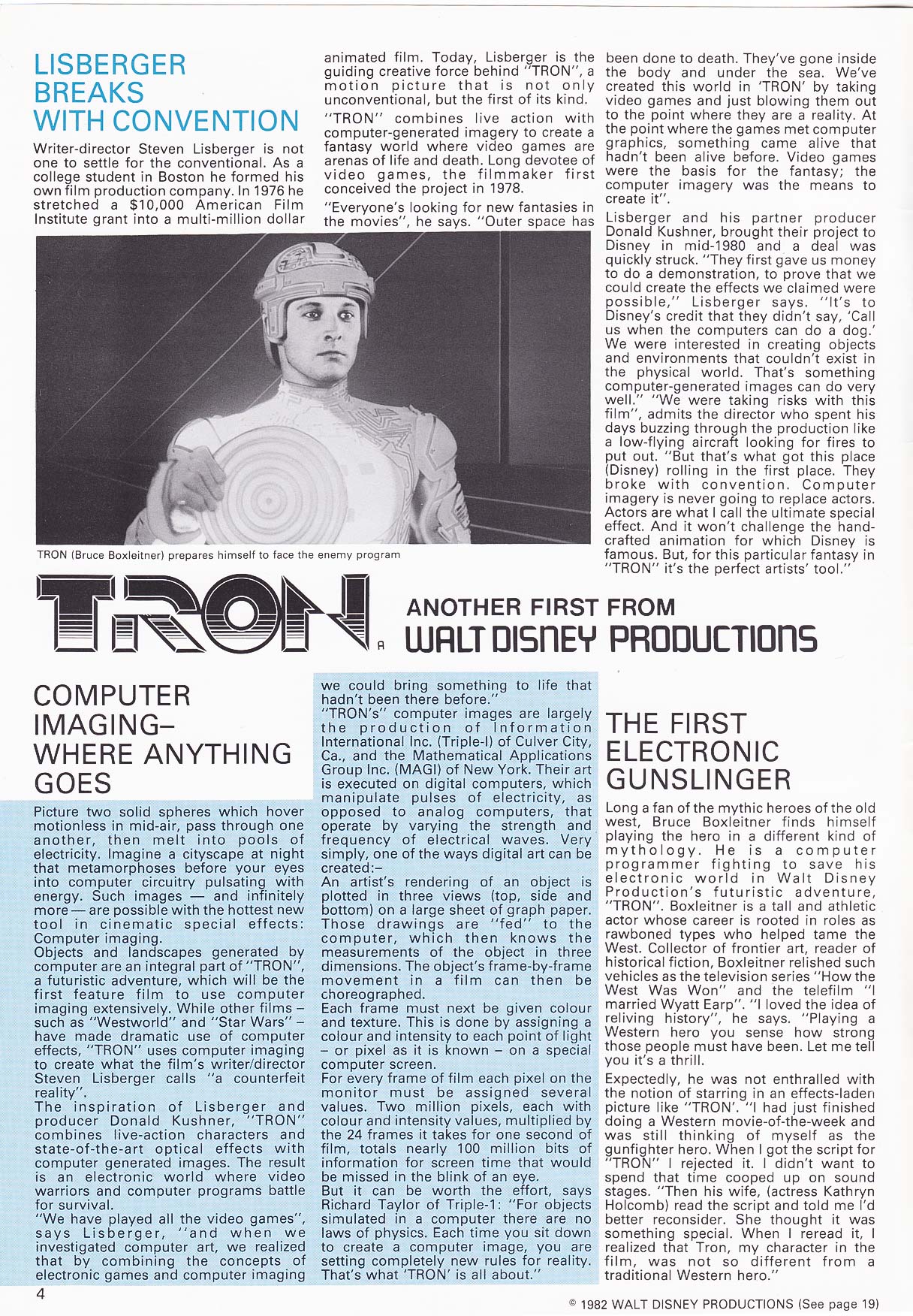
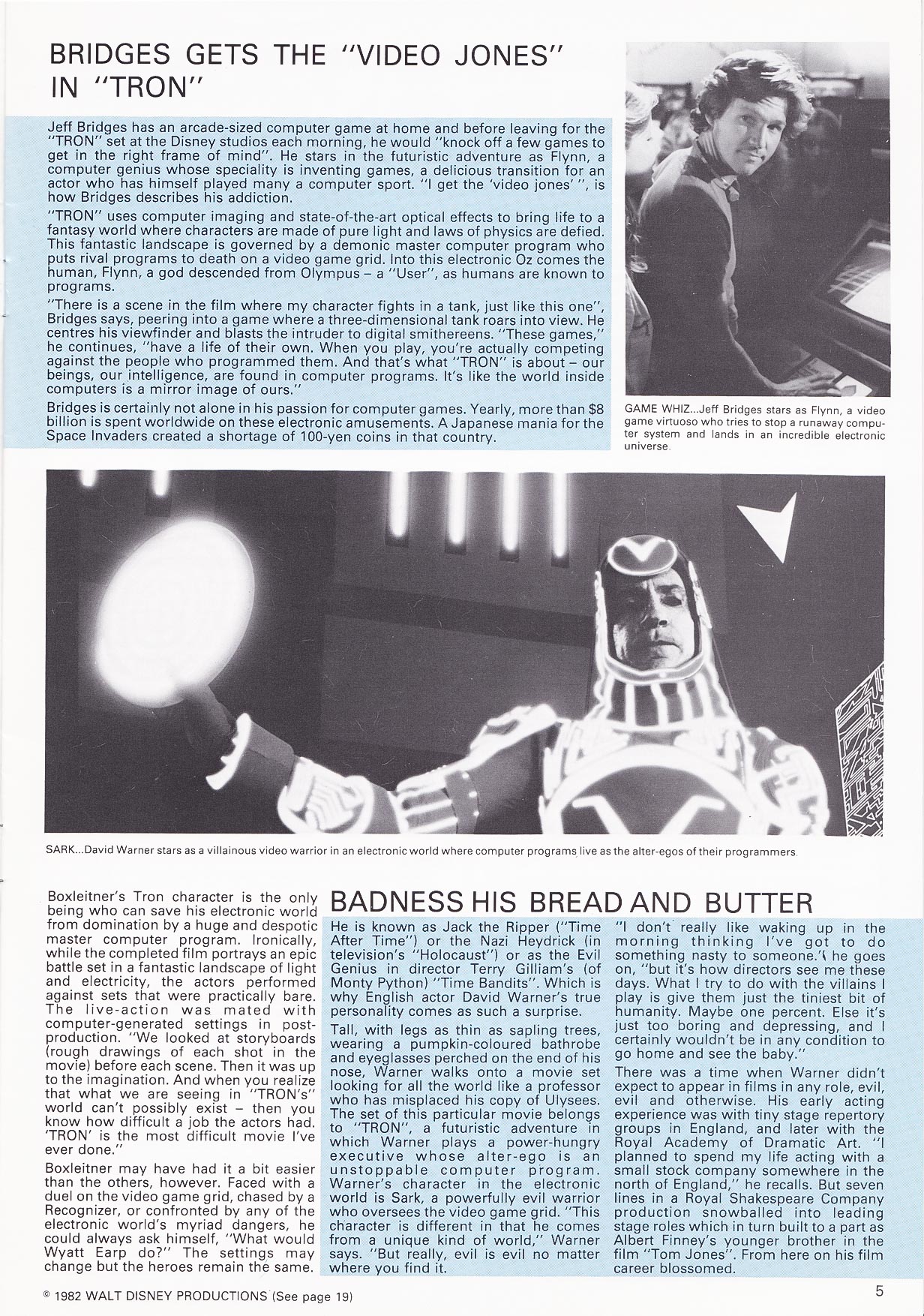
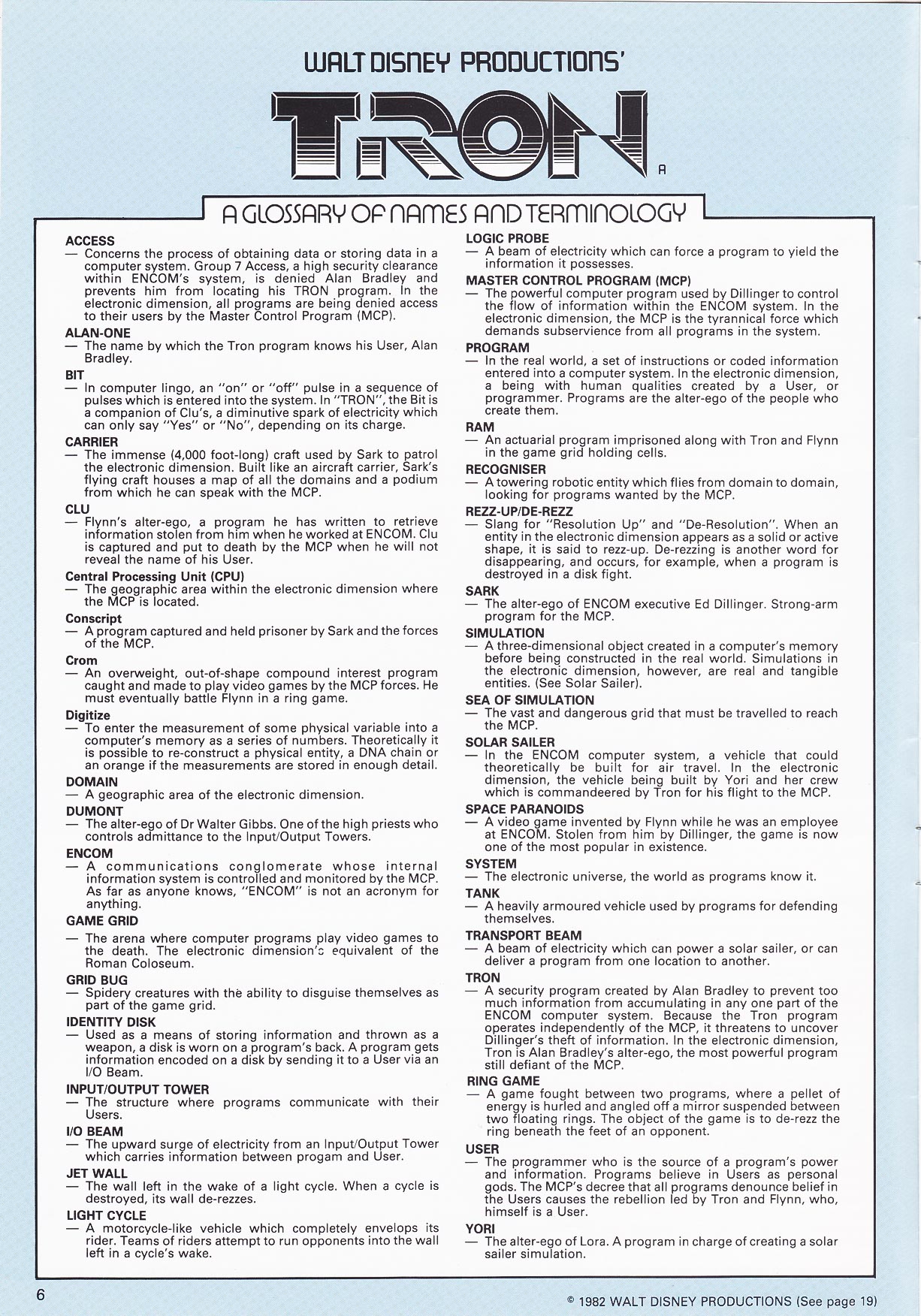
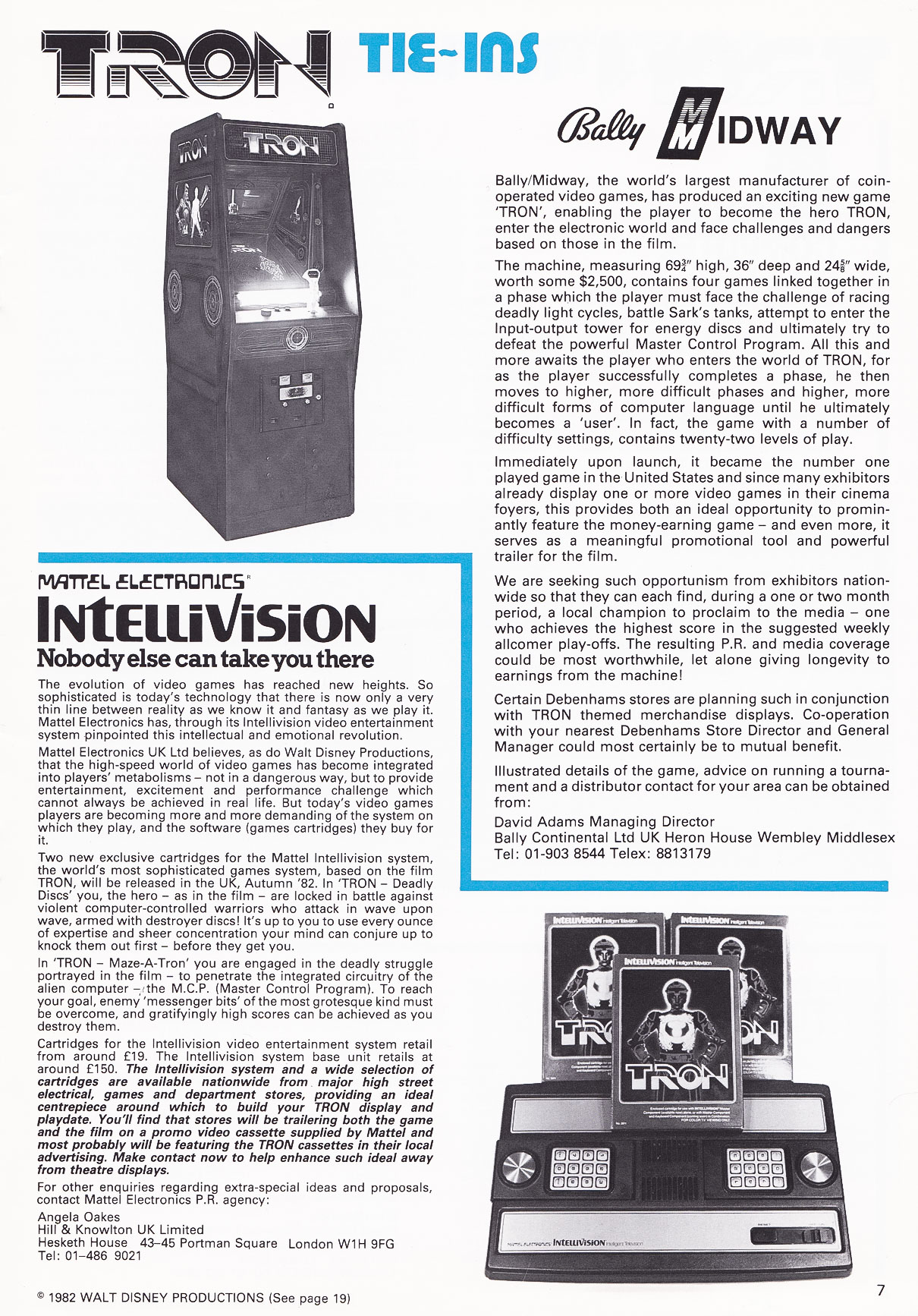
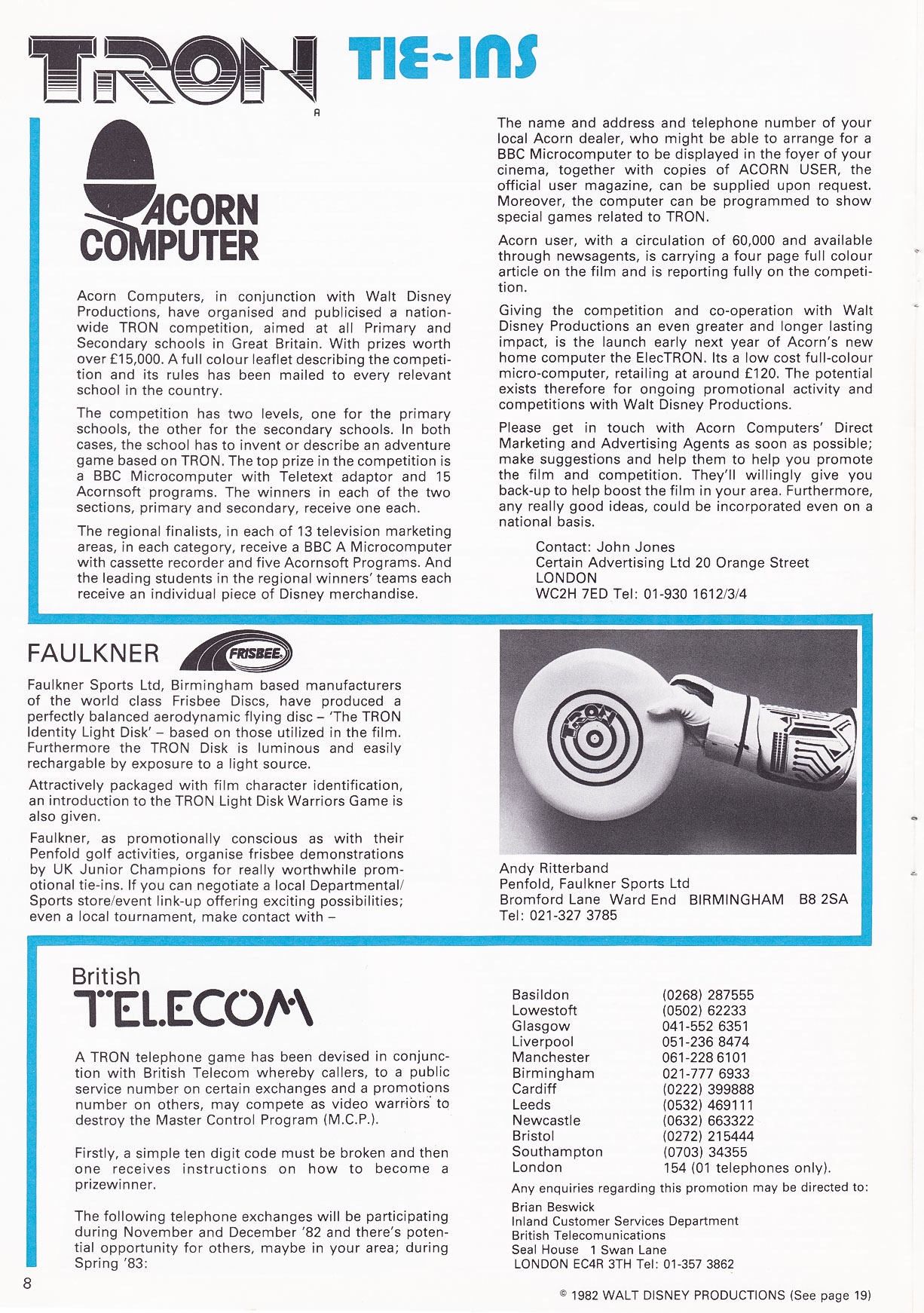
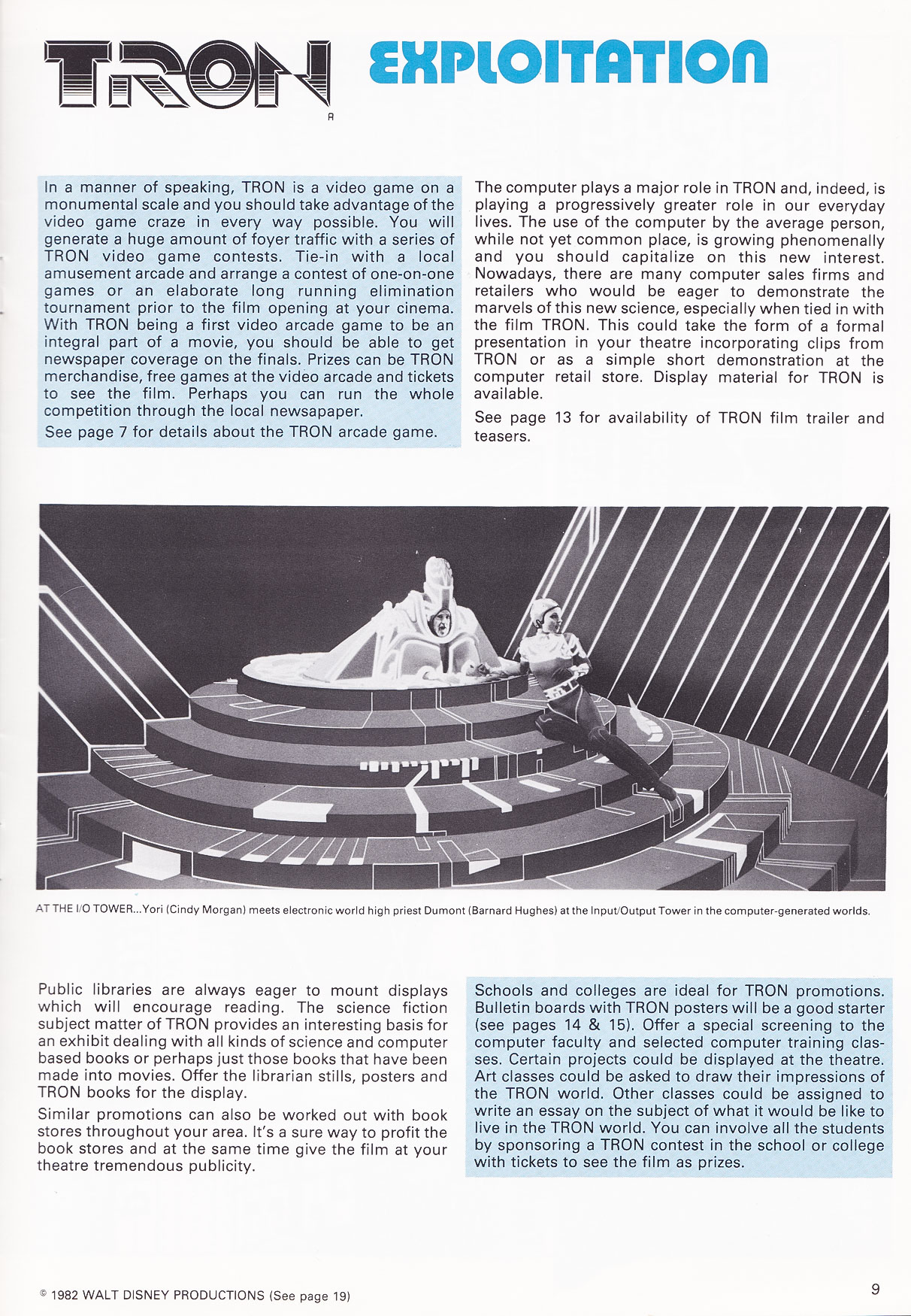
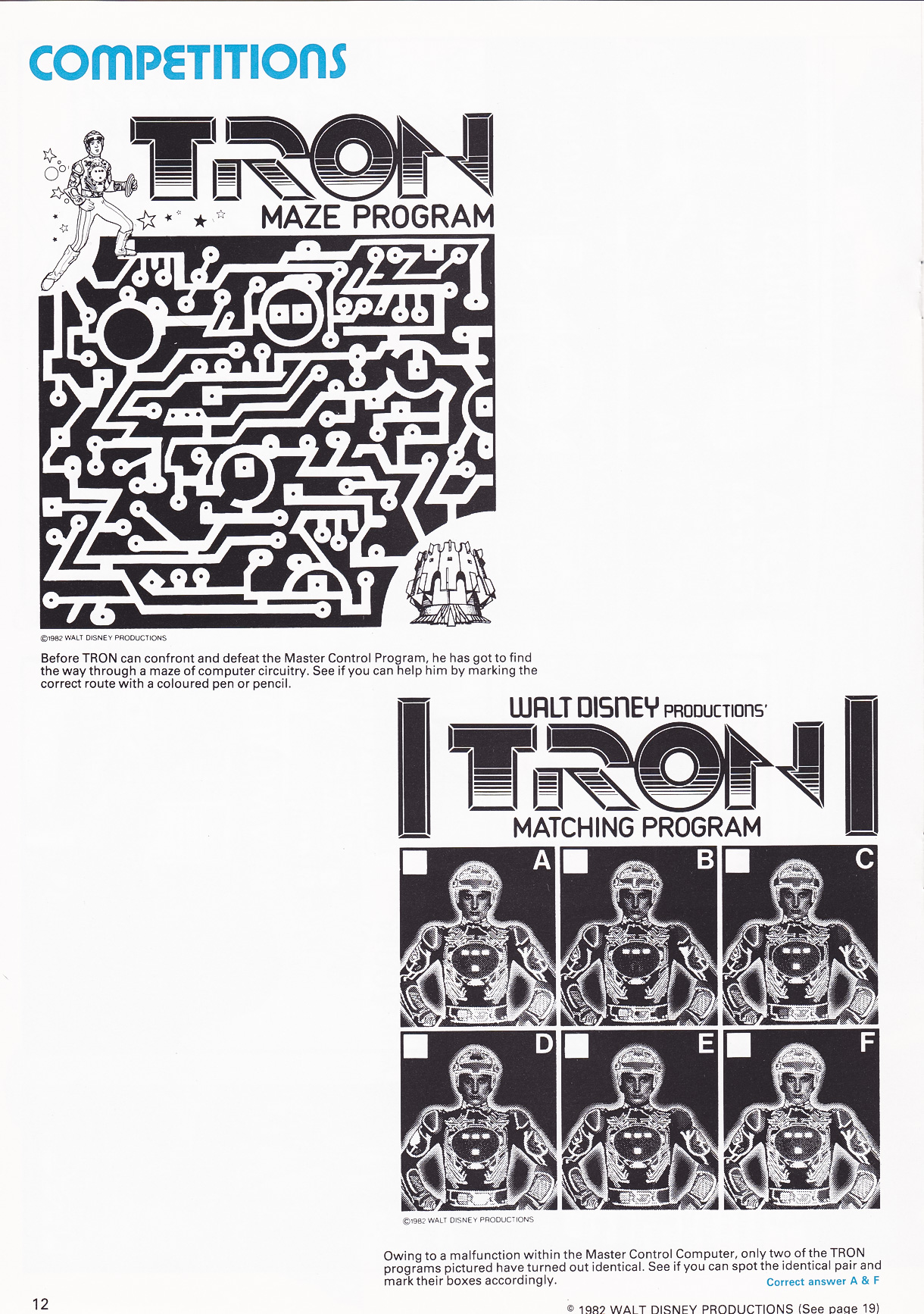
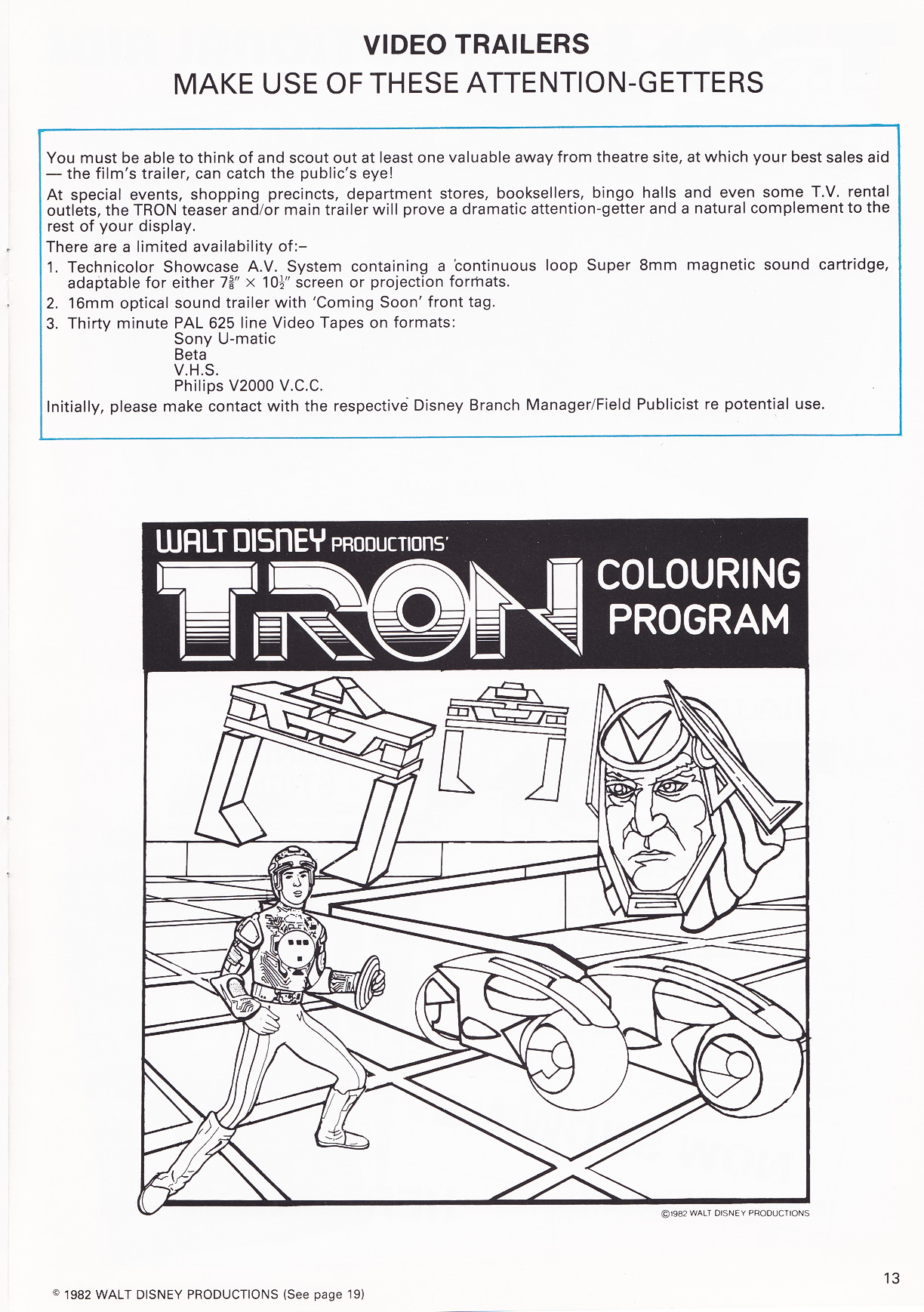
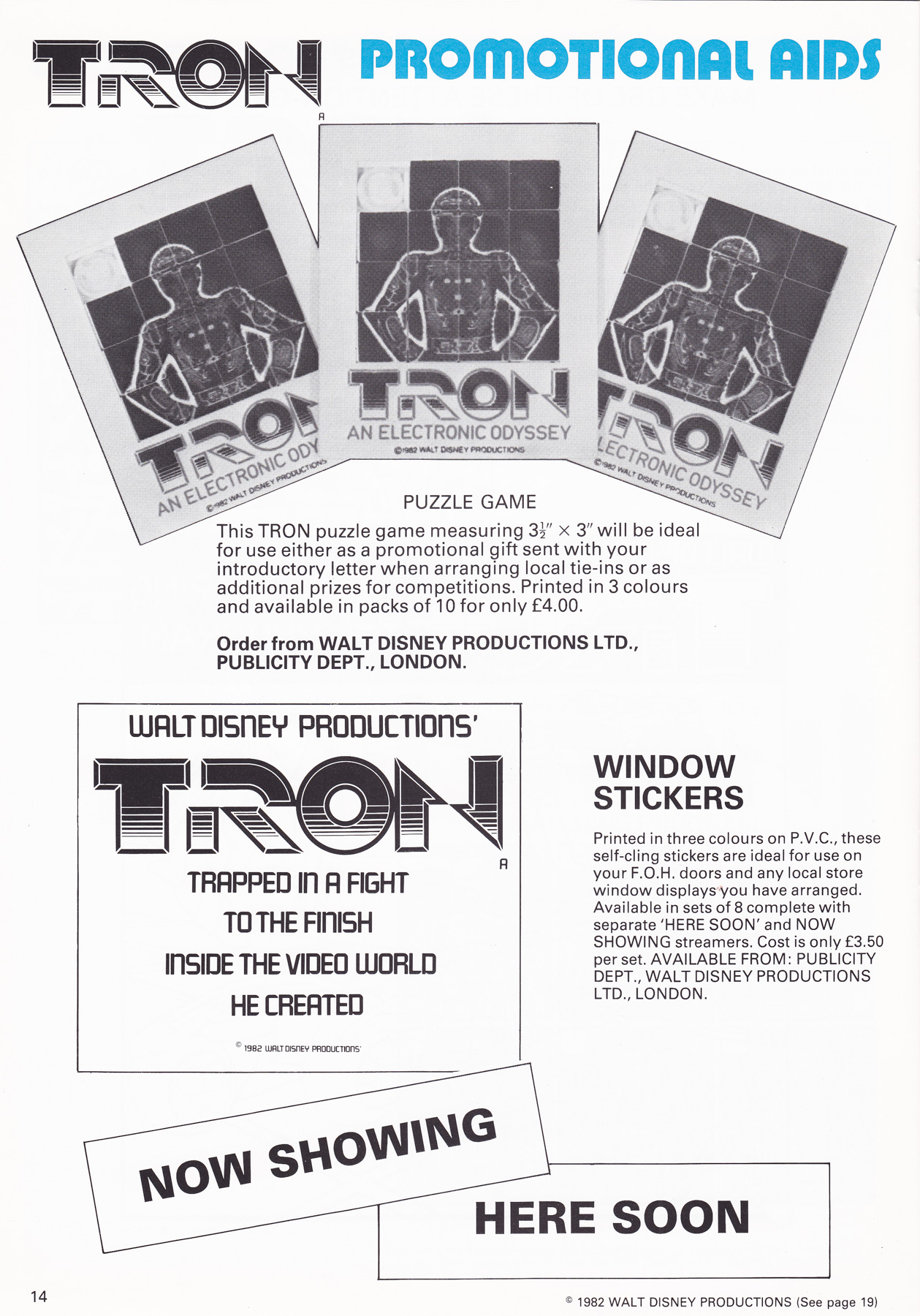
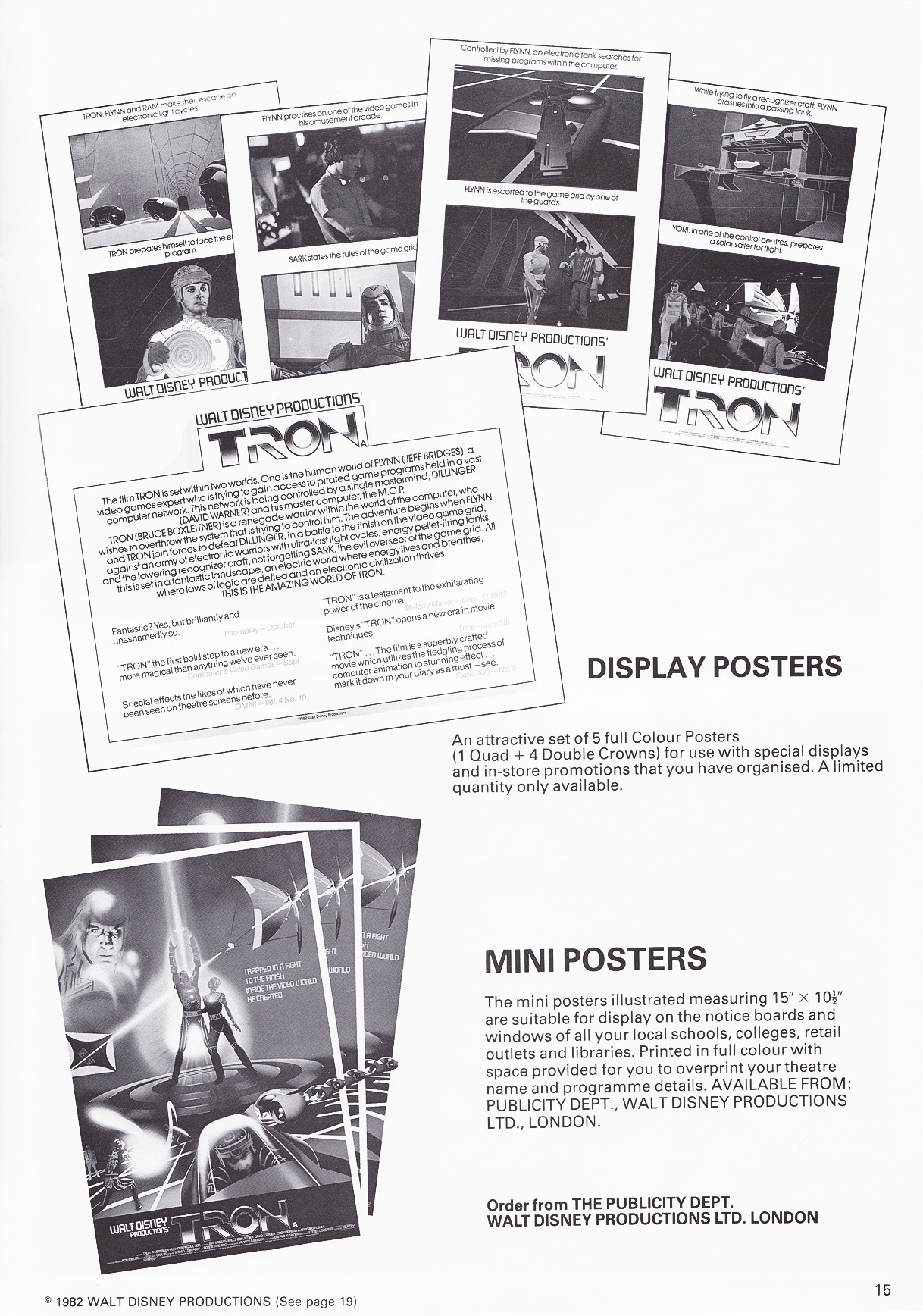
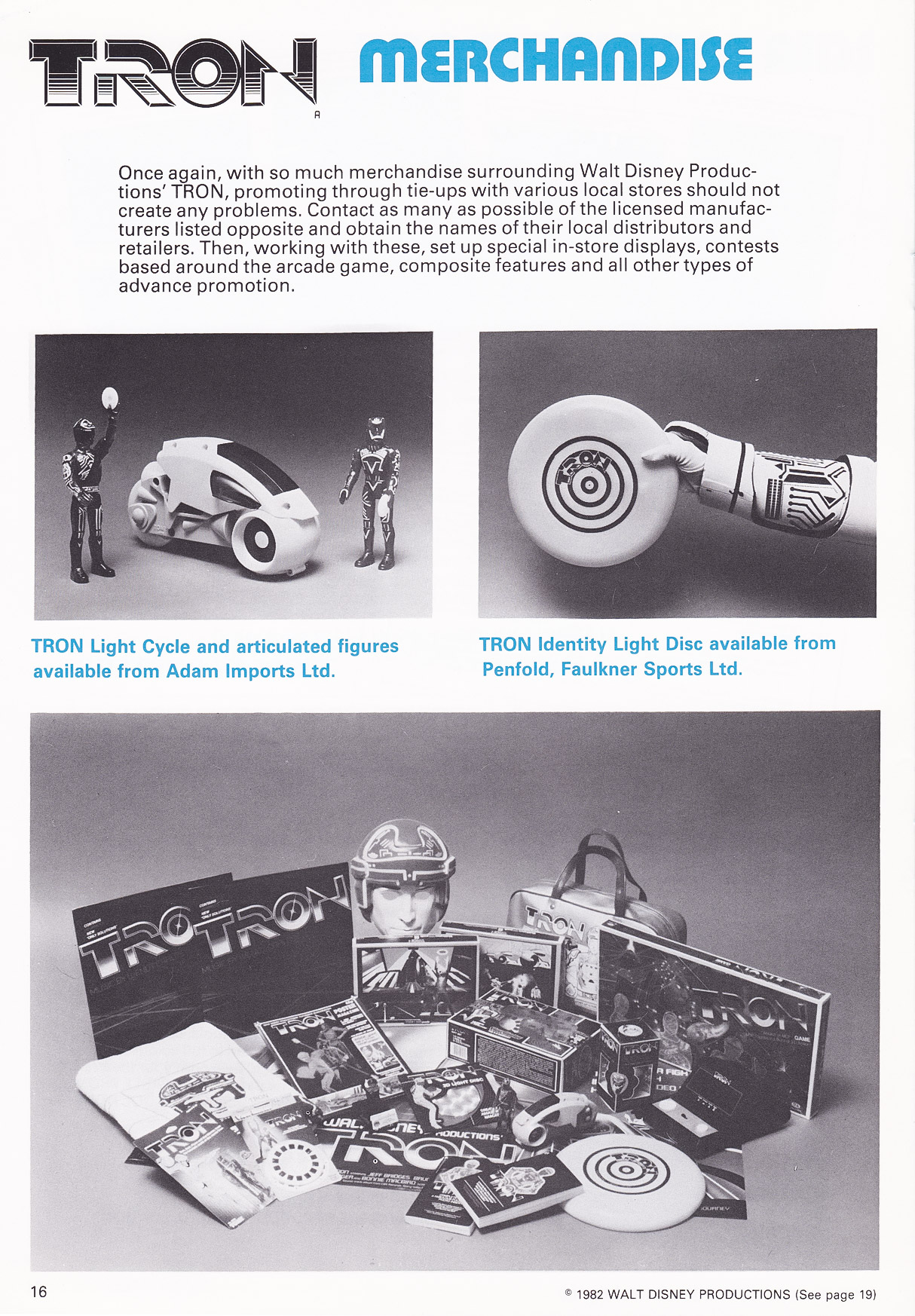
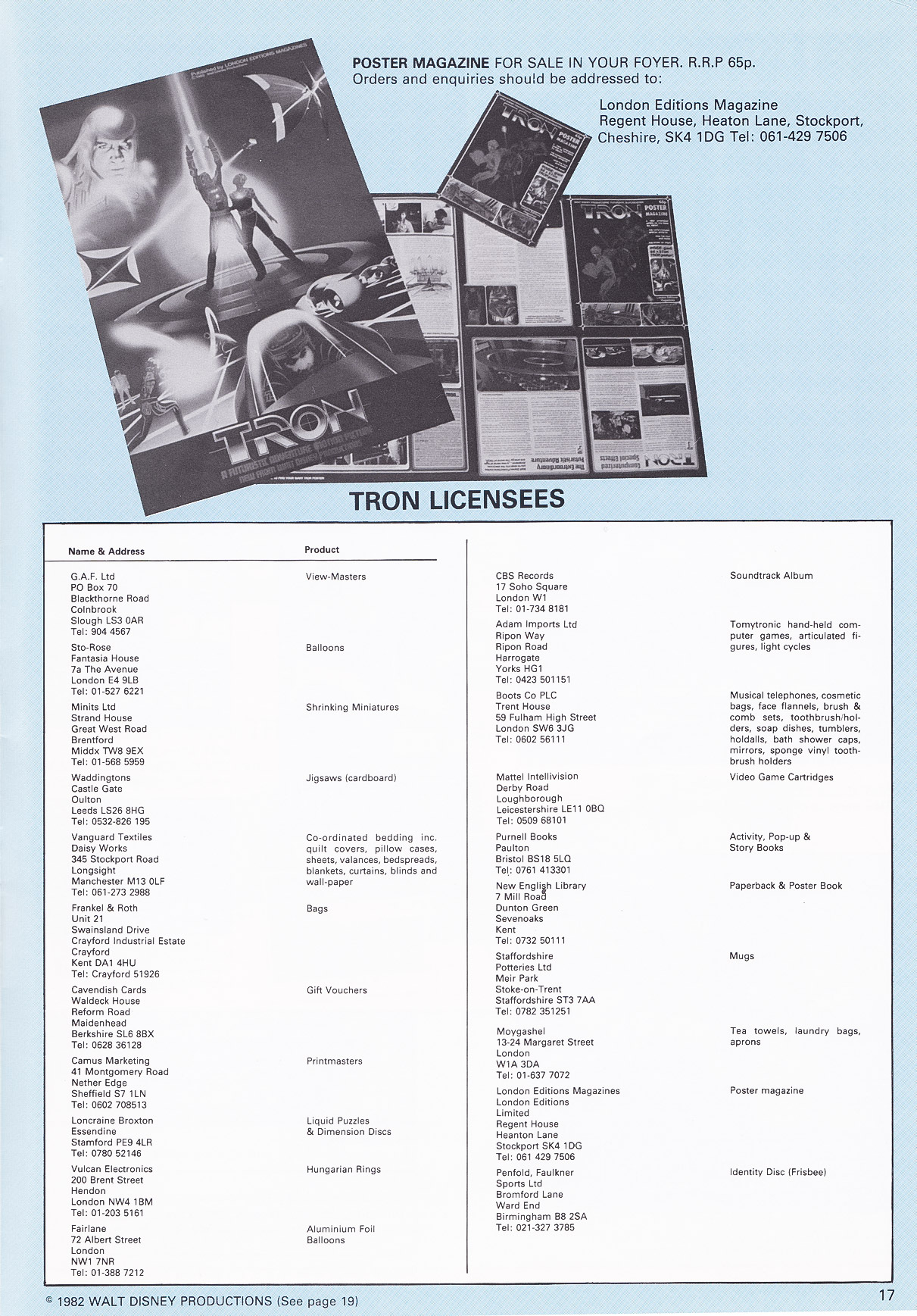
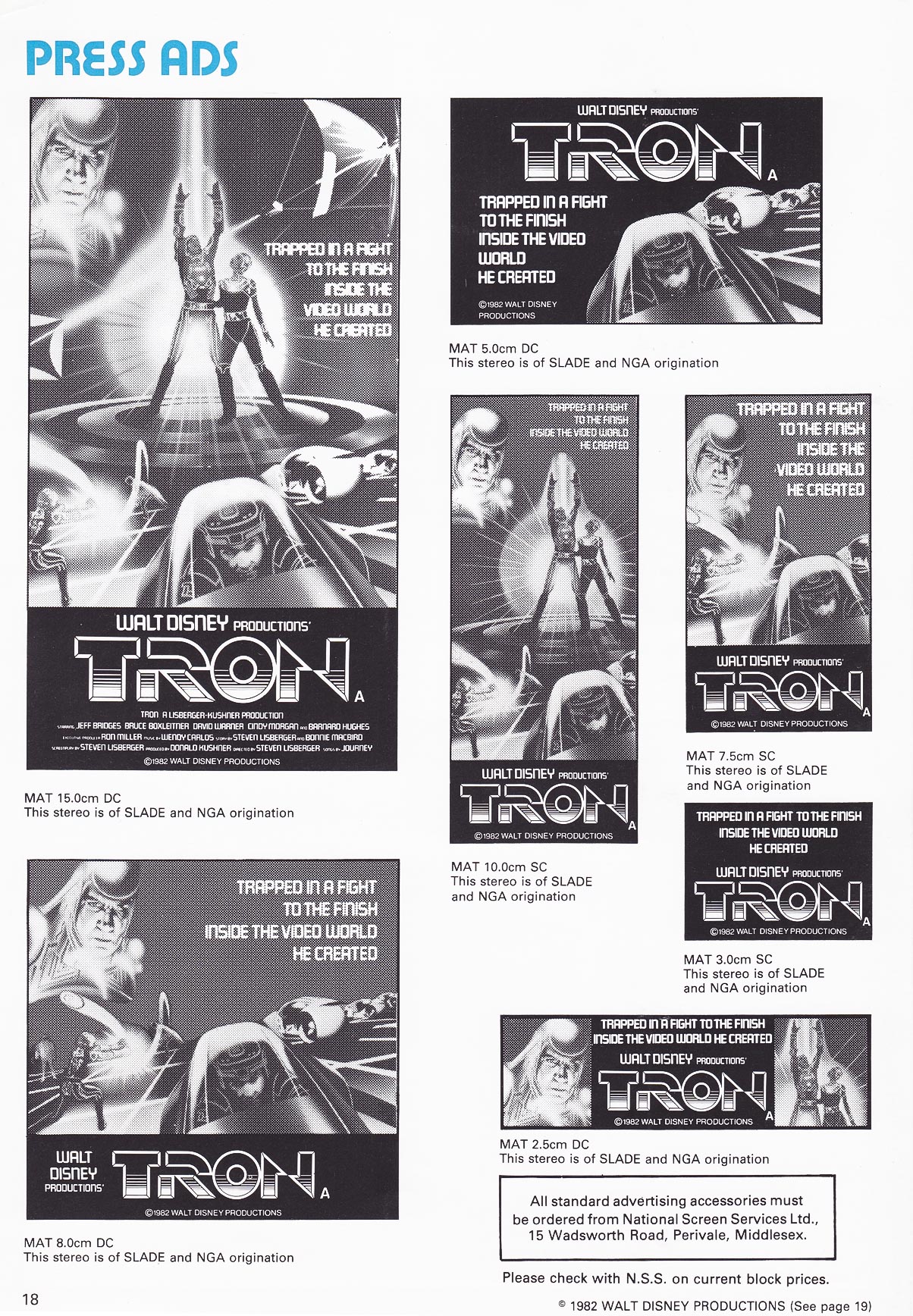
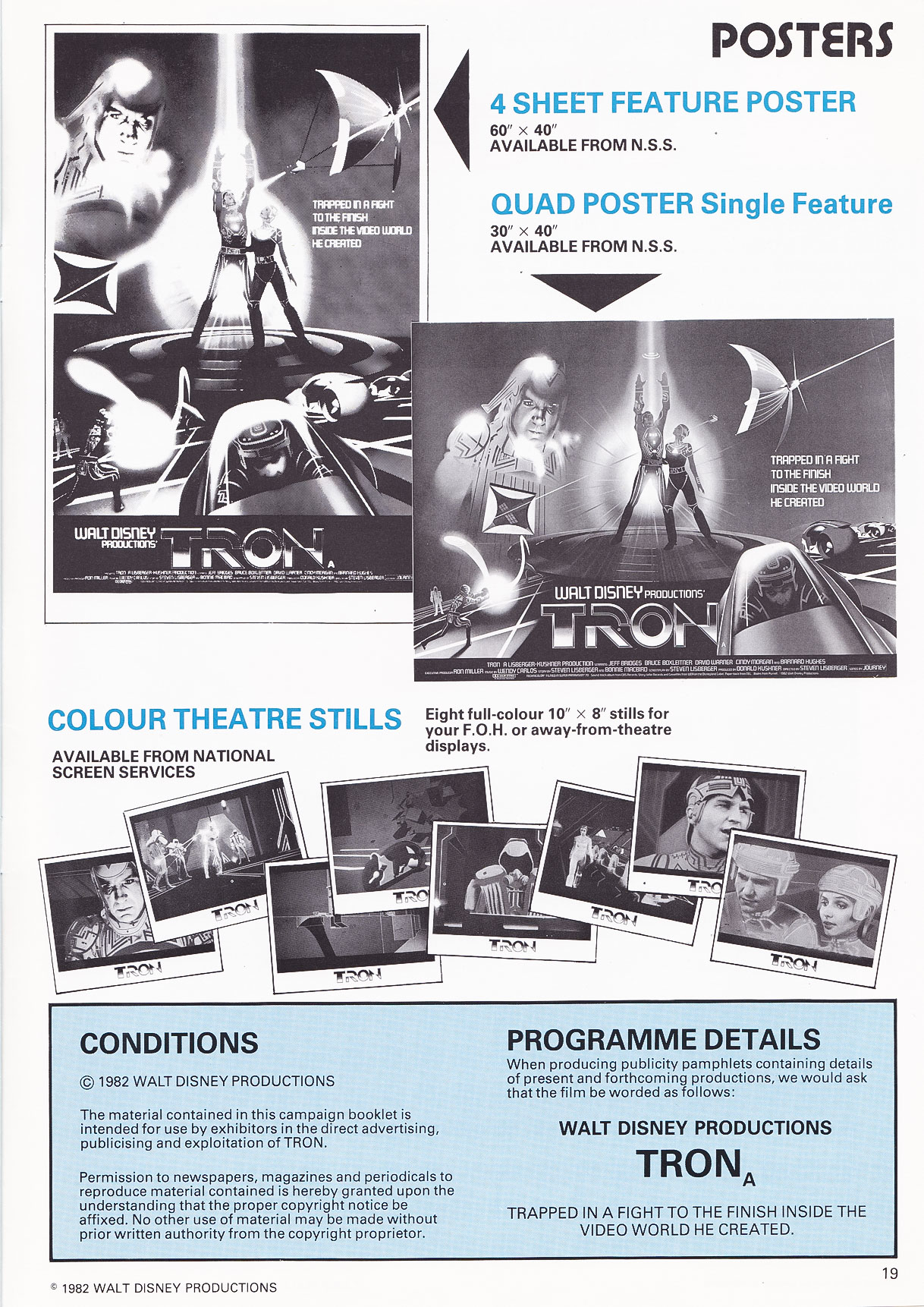
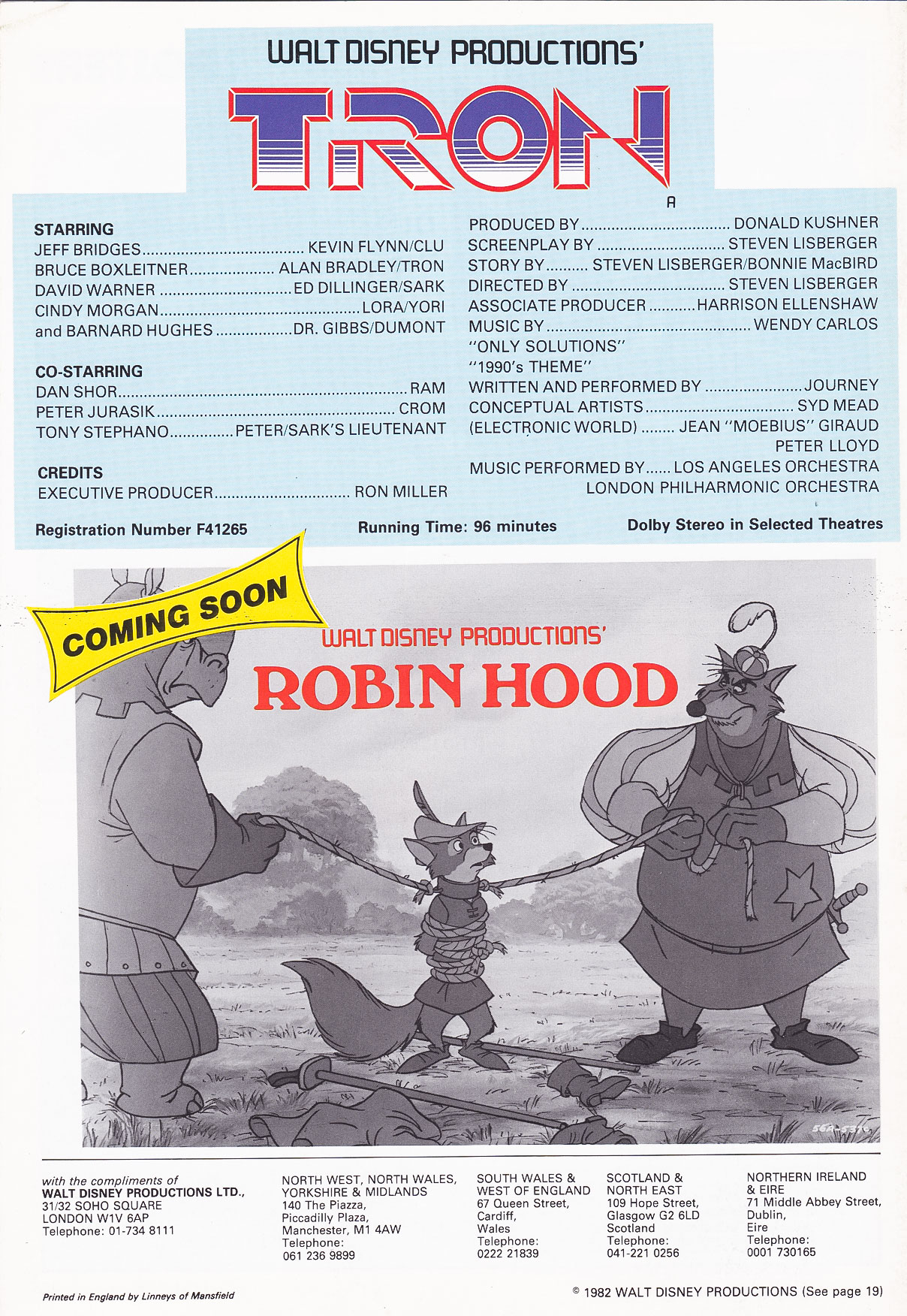
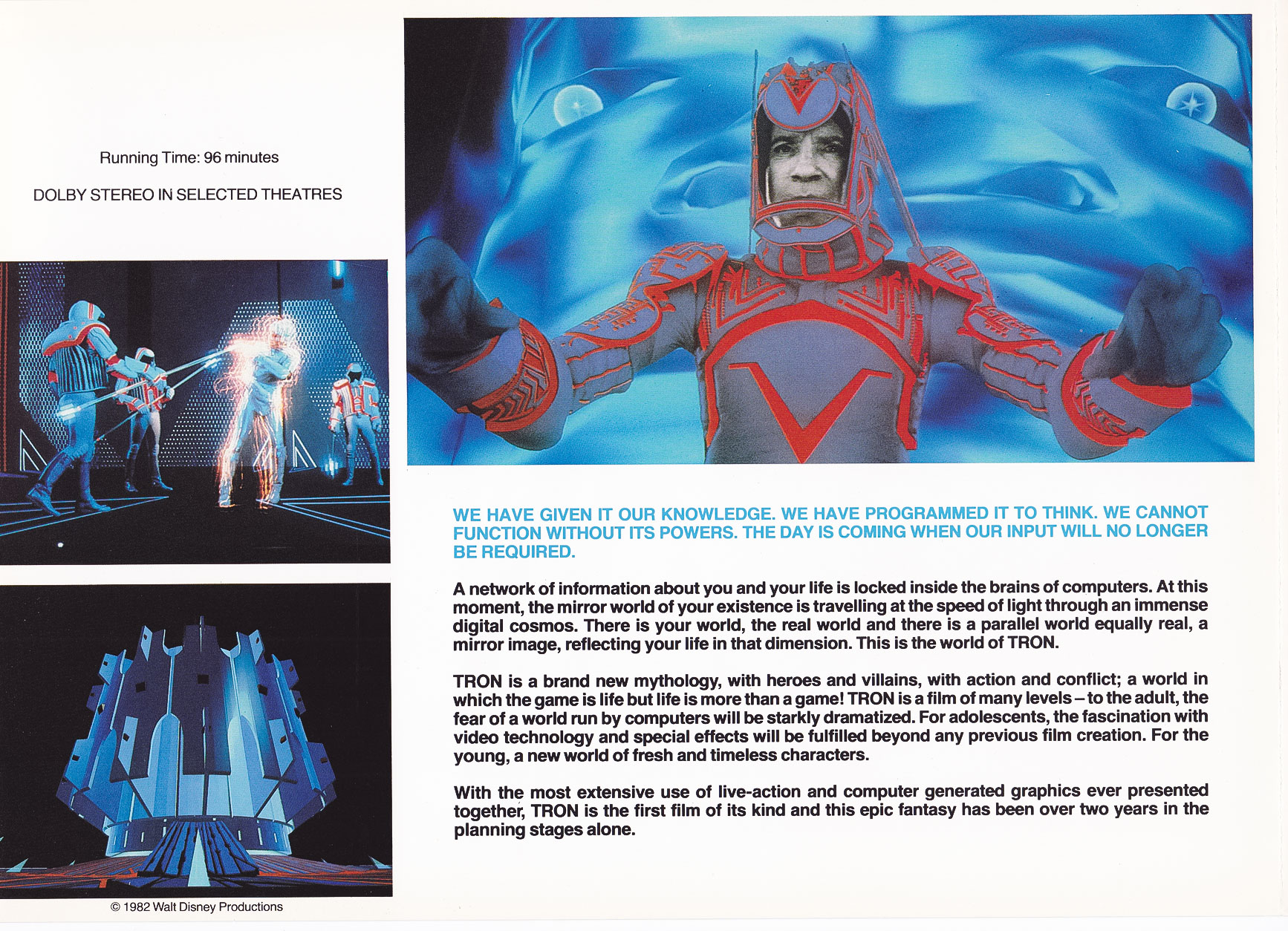
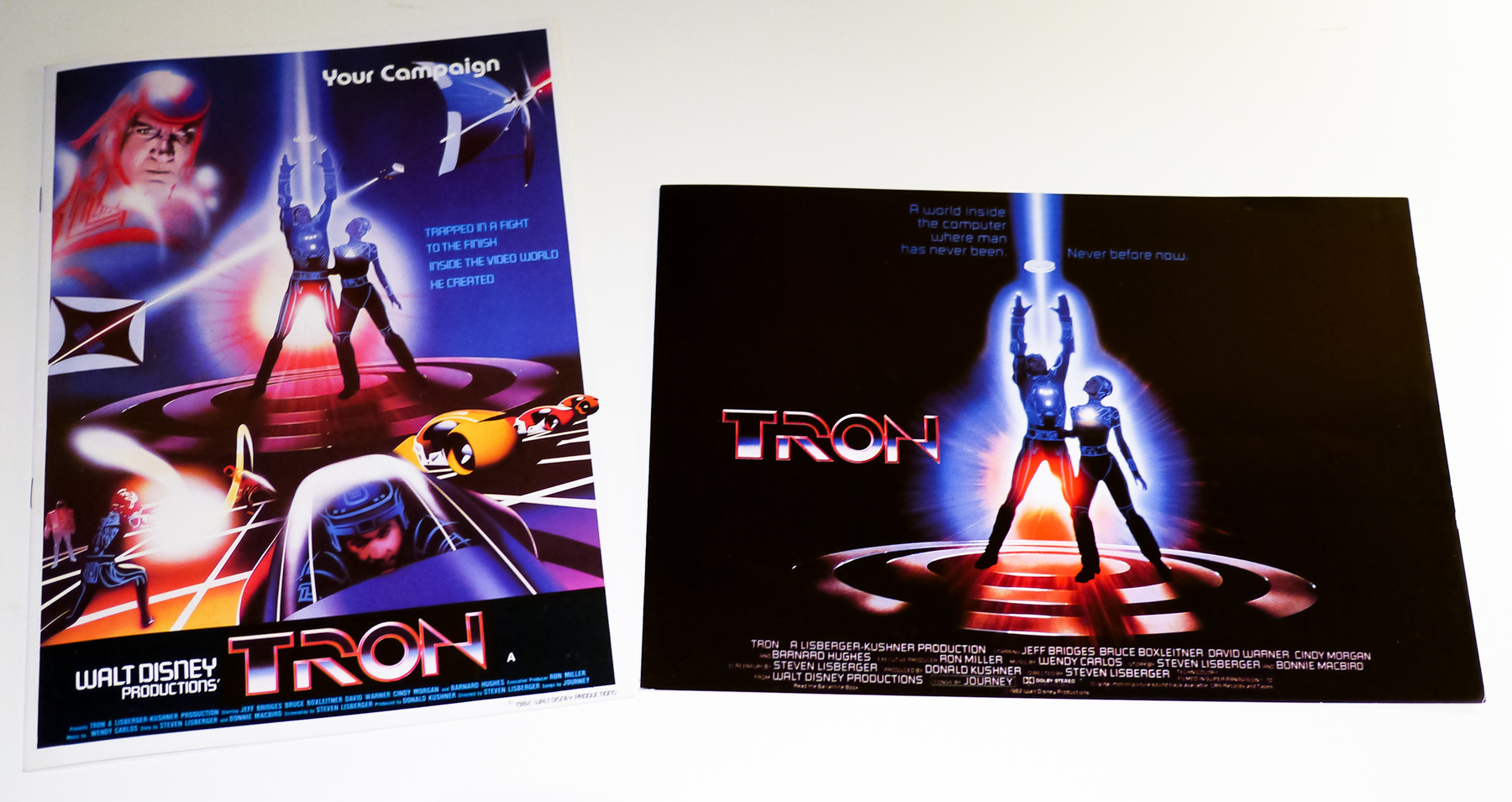
Another non-poster addition to the site, this is the original UK marketing campaign book and synopsis document for the sci-fi classic Tron (opens in a new tab). The campaign book was sent out to cinema managers, newspaper and magazine staff, and other entities who would have been involved in the marketing of the film back in 1982.

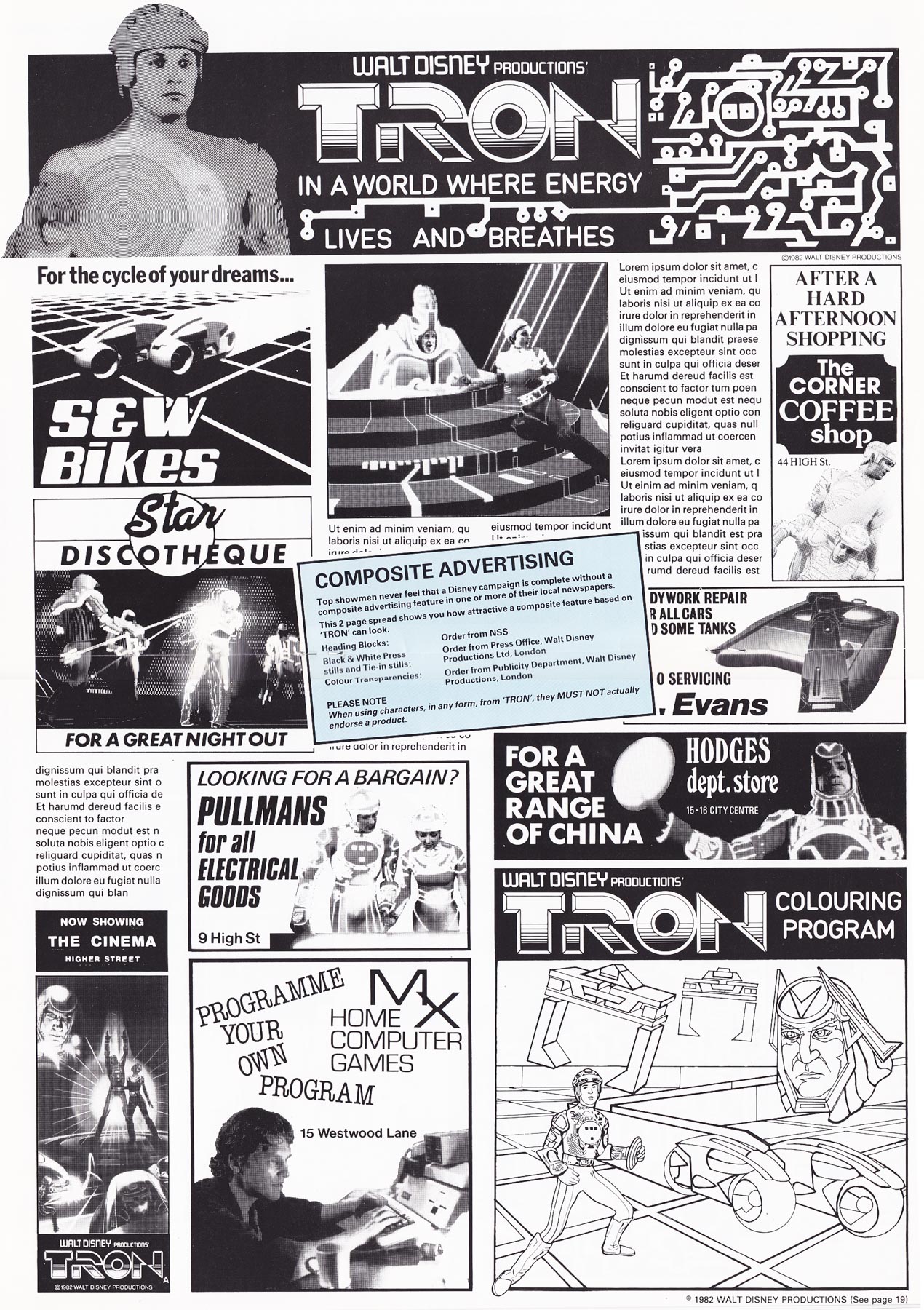
There are some truly great historic gems contained within the book and I’m sure it’ll bring back memories for many folks who were around at the time of the original release. Of particular note is the ‘tie-ins’ section that features several promotional products launched alongside the film. The central page (pictured to the left) is a suggestion of how an editor might layout an advertising campaign and features all manner of strange imagined adverts that have absolutely no link to a film like Tron whatsoever!

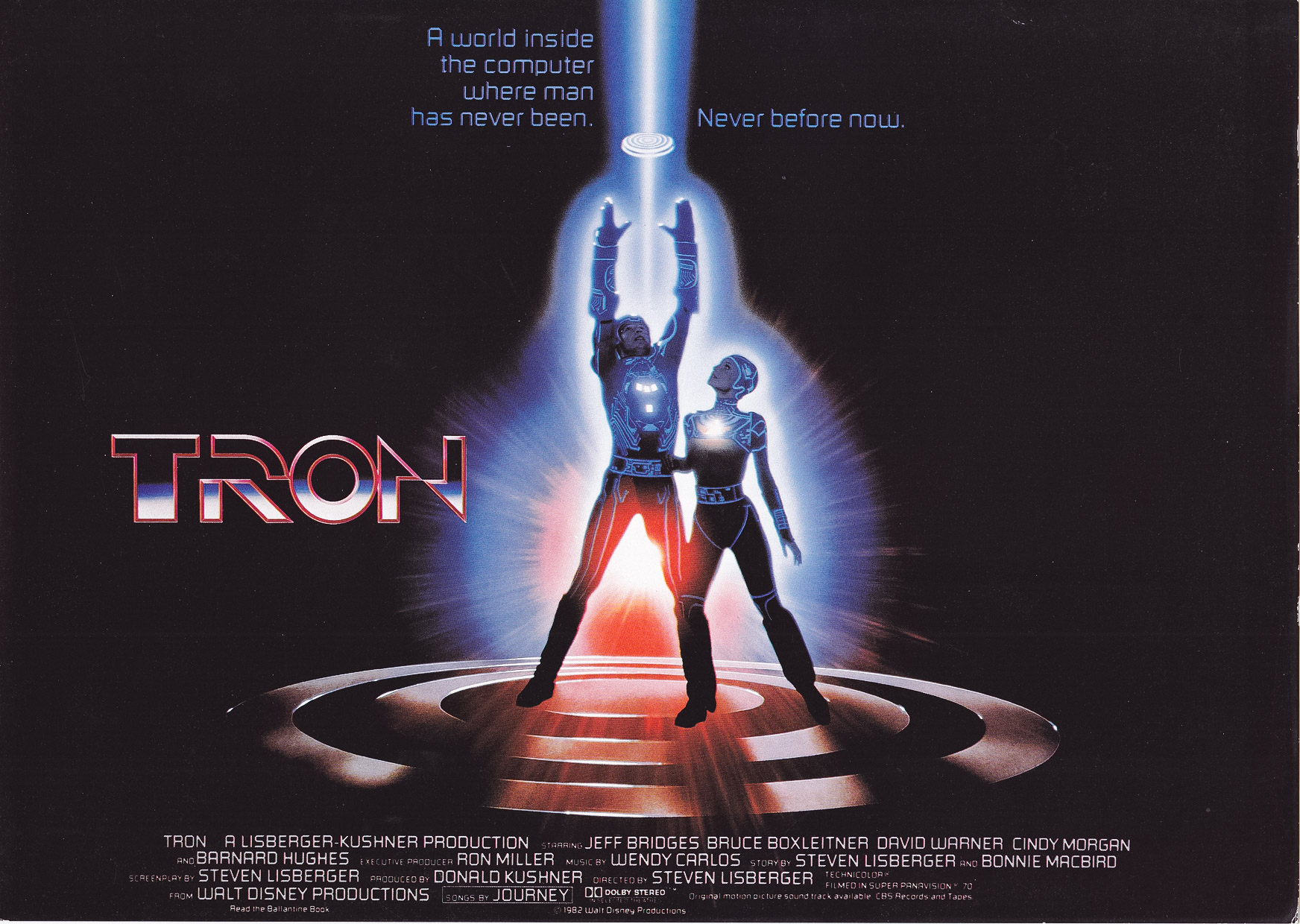
Also check out the merchandise section; it looks like Tron had some great swag launched along with it. The poster section shows the printed material that would have been available to cinema managers to display. I have the original UK quad for Tron.

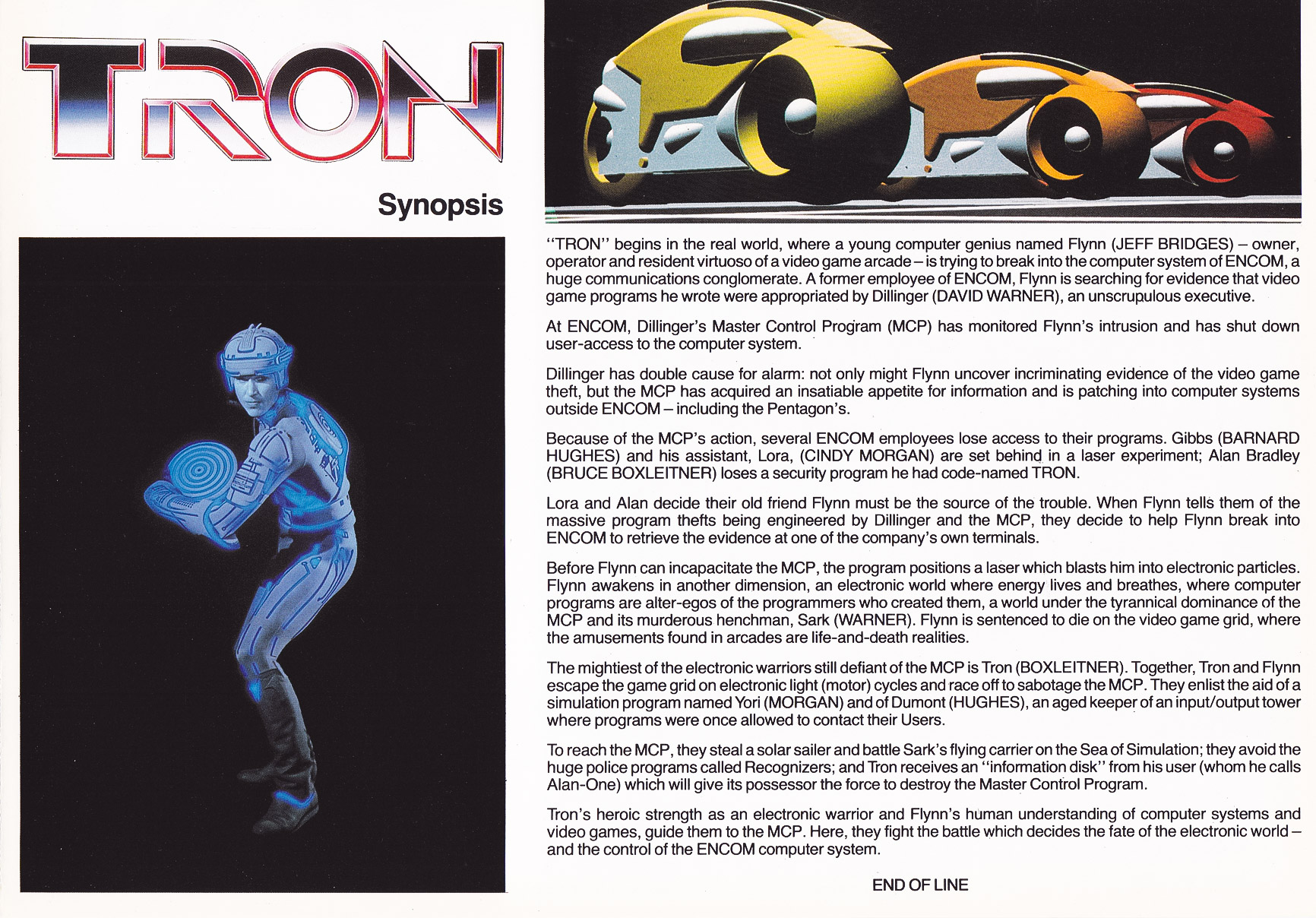
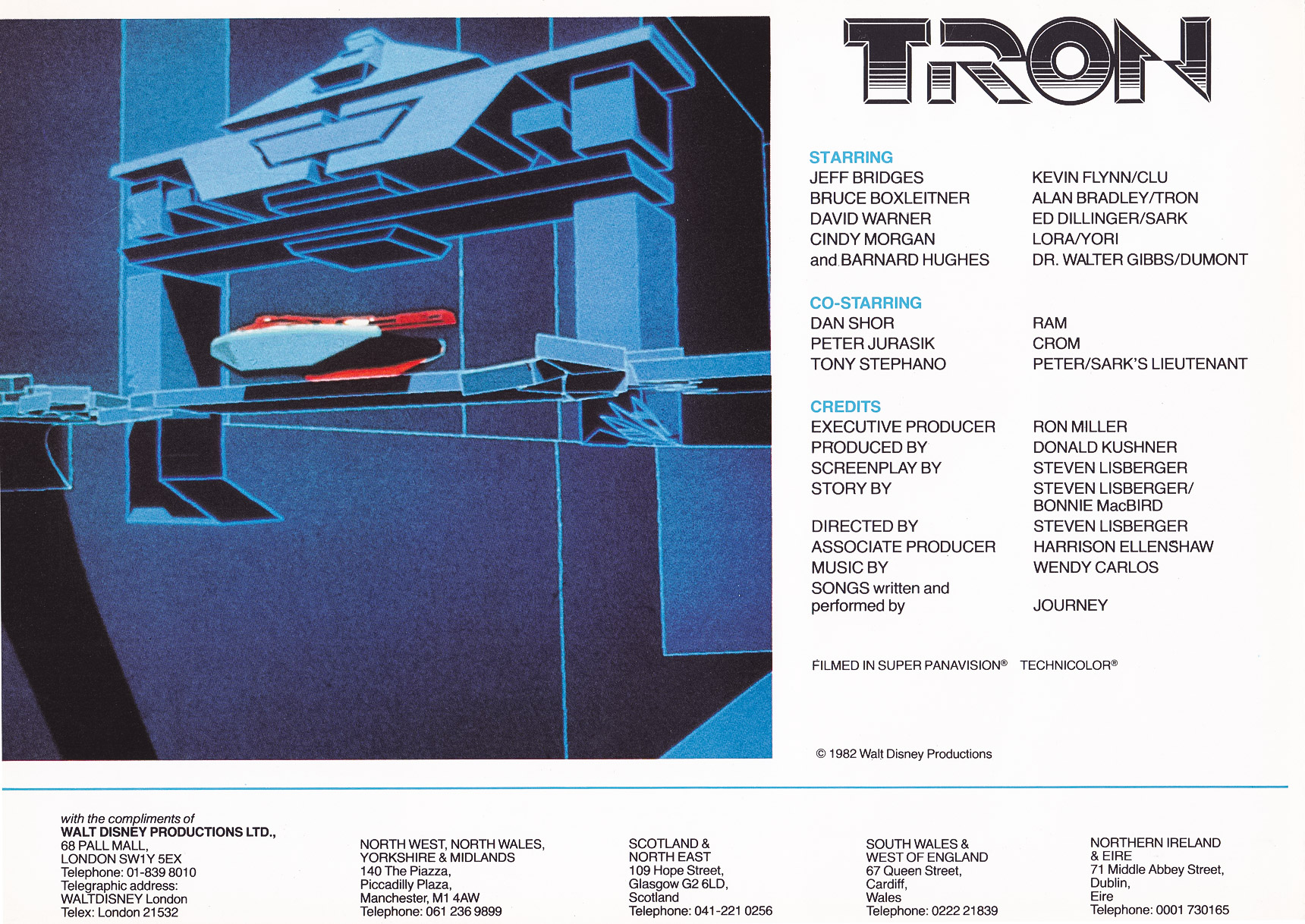
I’ve also scanned the original synopsis brochure for the film.

Valley Girl / one sheet / USA

02.02.12

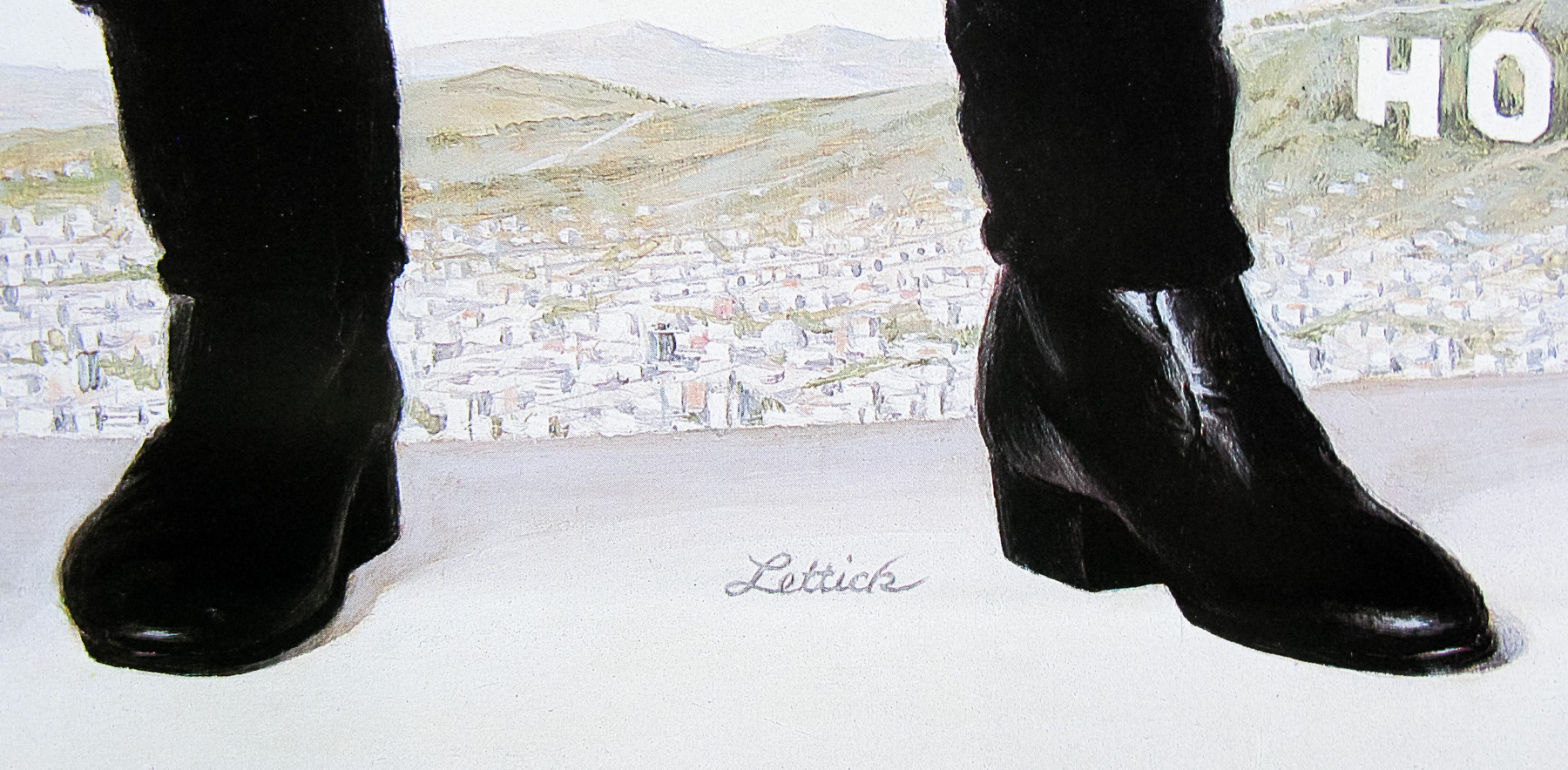
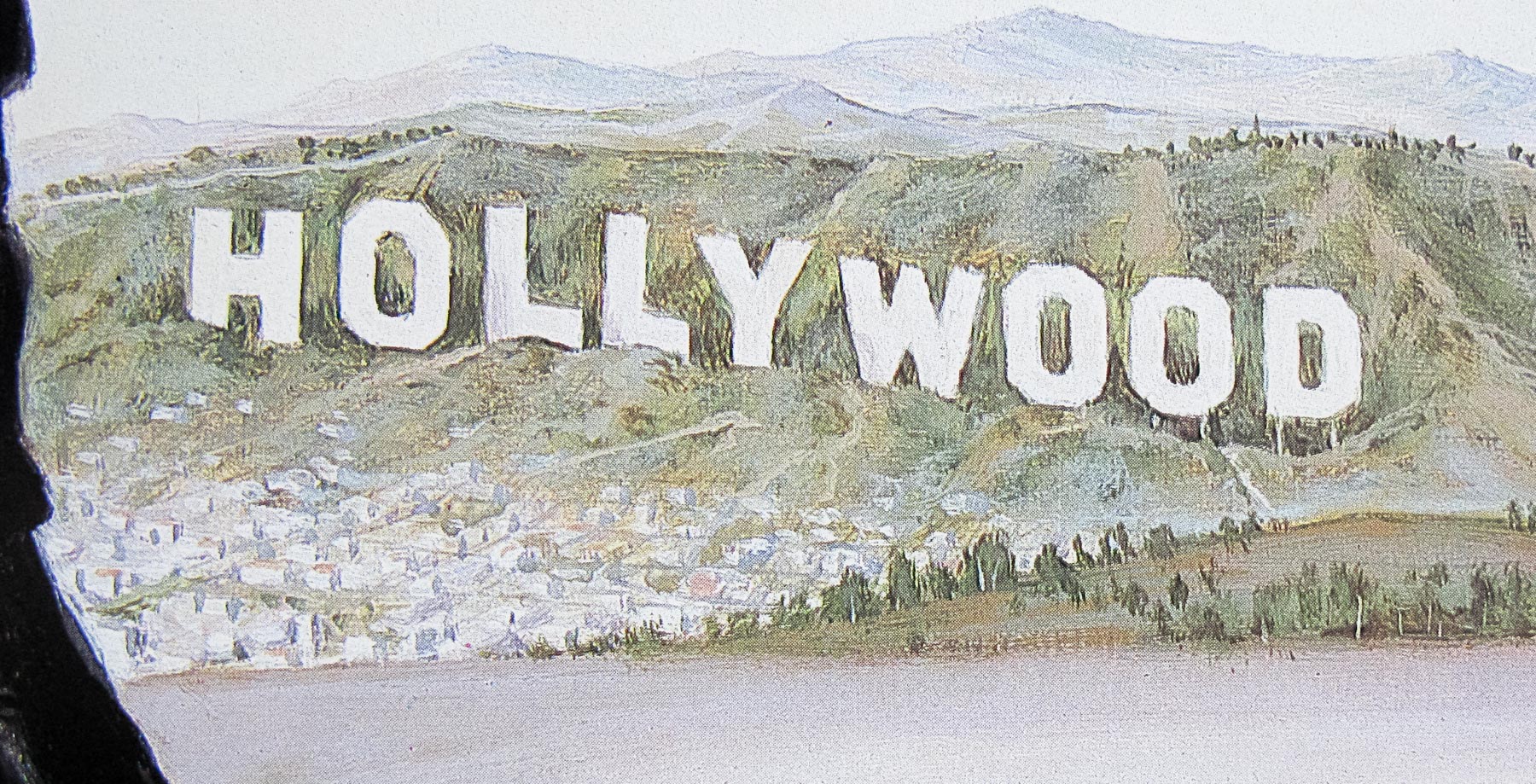
US one sheet poster for Valley Girl (1983). Artwork by Birney LettickUS one sheet poster for Valley Girl (1983). Artwork by Birney Lettick, image 2US one sheet poster for Valley Girl (1983). Artwork by Birney Lettick, image 3US one sheet poster for Valley Girl (1983). Artwork by Birney Lettick, image 4US one sheet poster for Valley Girl (1983). Artwork by Birney Lettick, image 5
Title
Valley Girl
AKA
La ragazza di S. Diego [The girl from S. Diego] (Italy)
Year of Film
1983
Director
Martha Coolidge
Starring
Nicolas Cage, Deborah Foreman, Elizabeth Daily, Michael Bowen, Cameron Dye, Heidi Holicker, Michelle Meyrink, Tina Theberge, Lee Purcell
Origin of Film
USA
Genre(s) of Film
Comedy
Type of Poster
One sheet
Origin of Poster
USA
Year of Poster
1983
Designer
Unknown
Artist
Birney Lettick
Size (inches)
27 1/16" x 41"
SS or DS
SS
Tagline
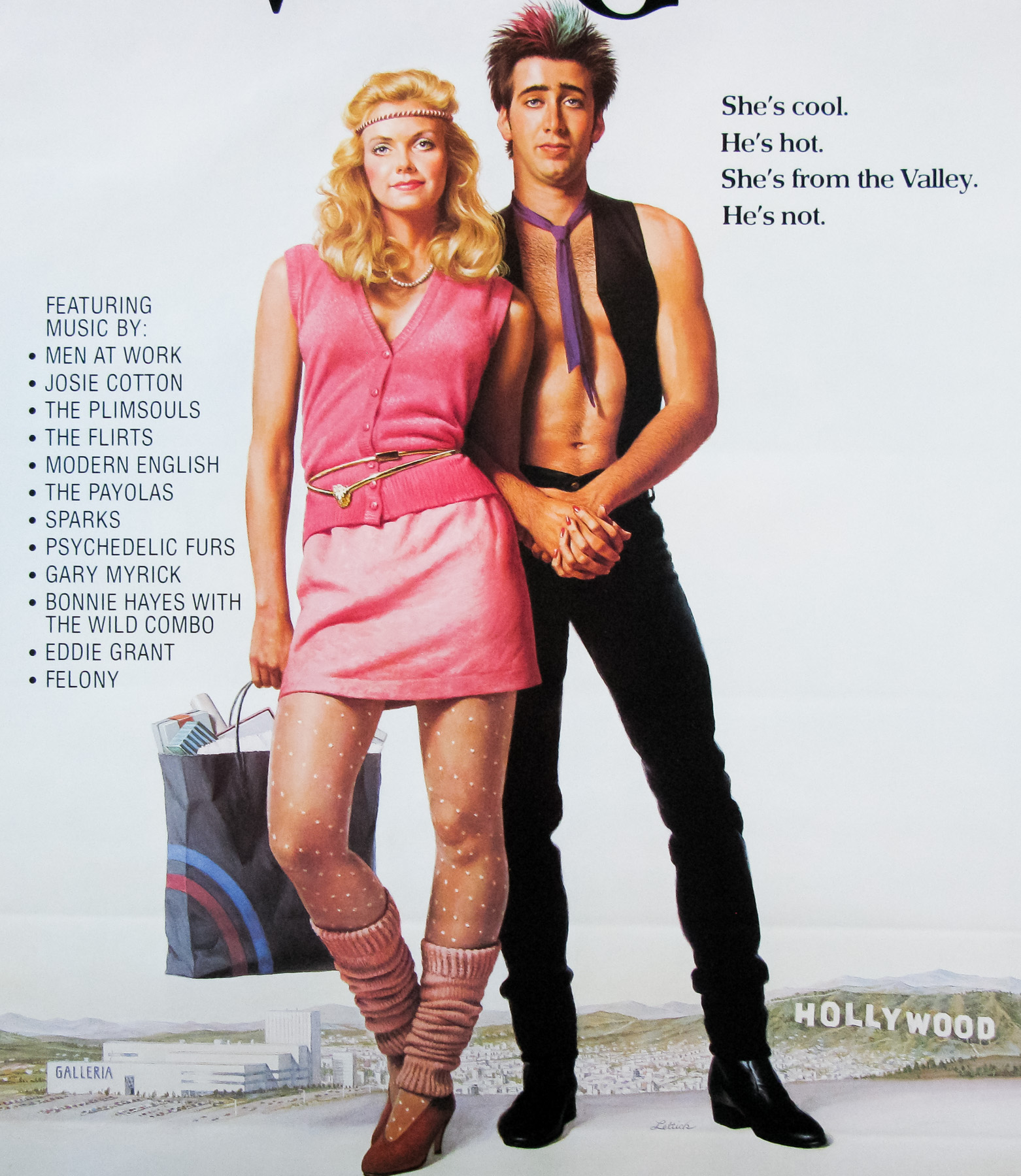
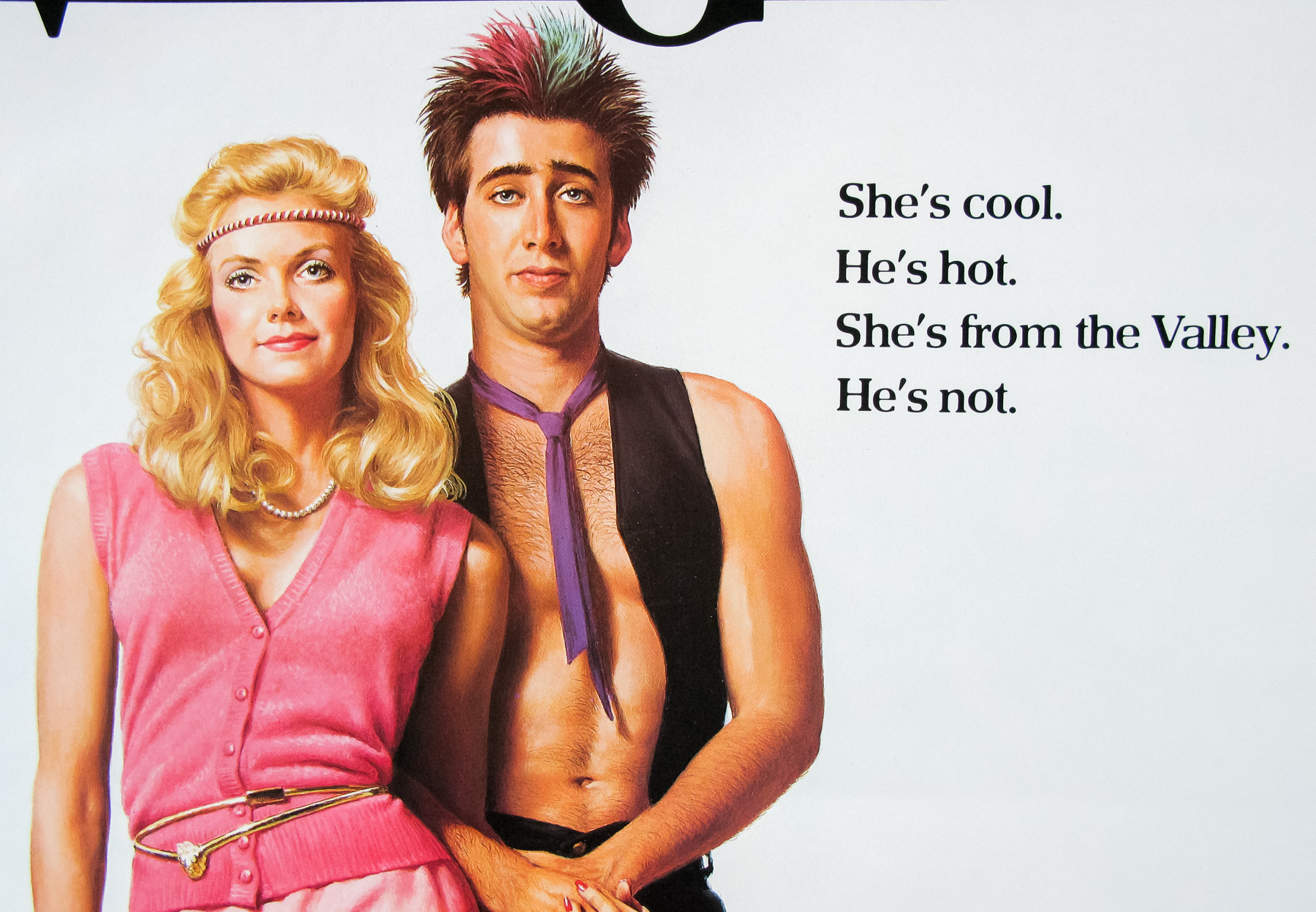
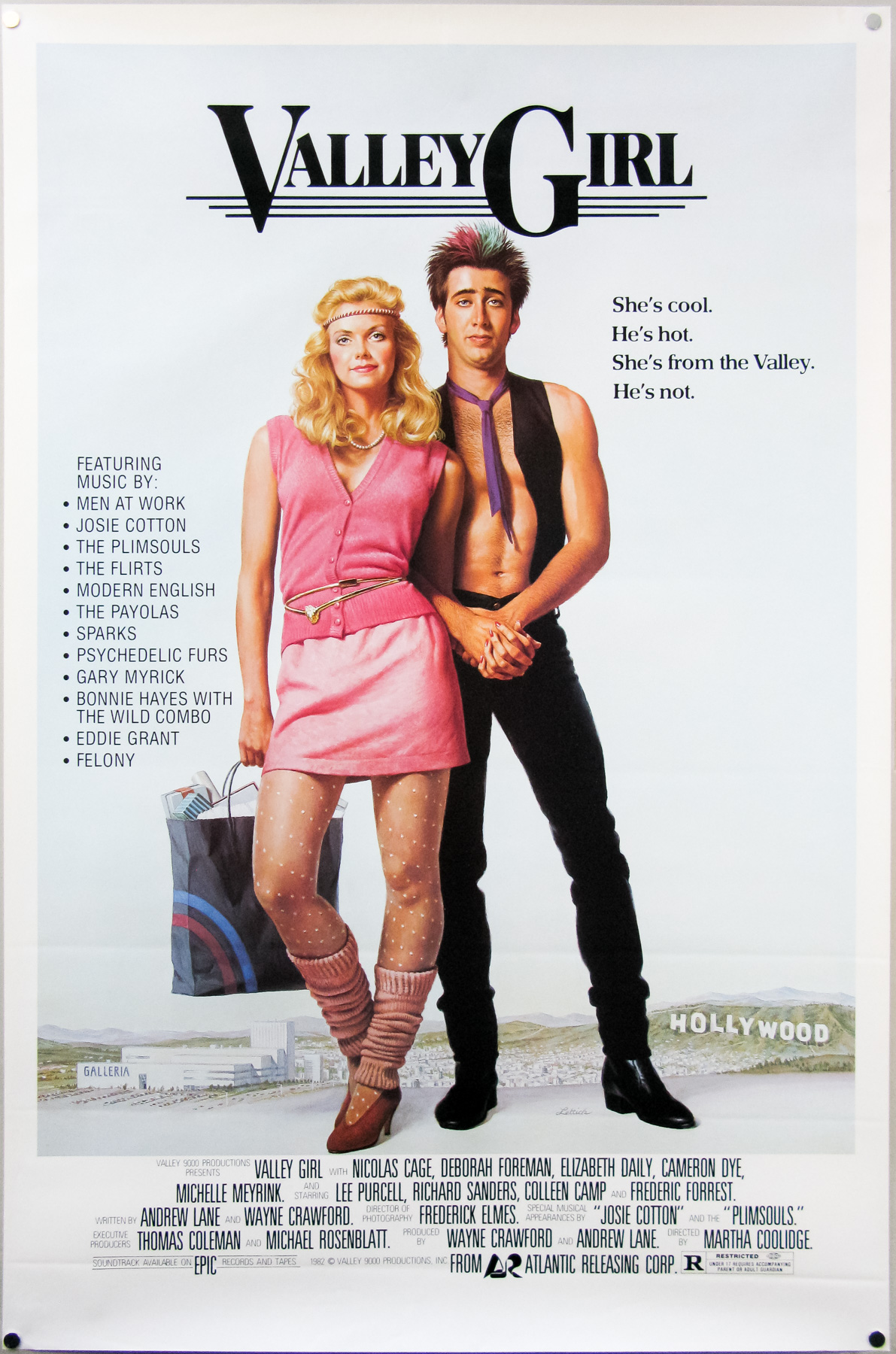
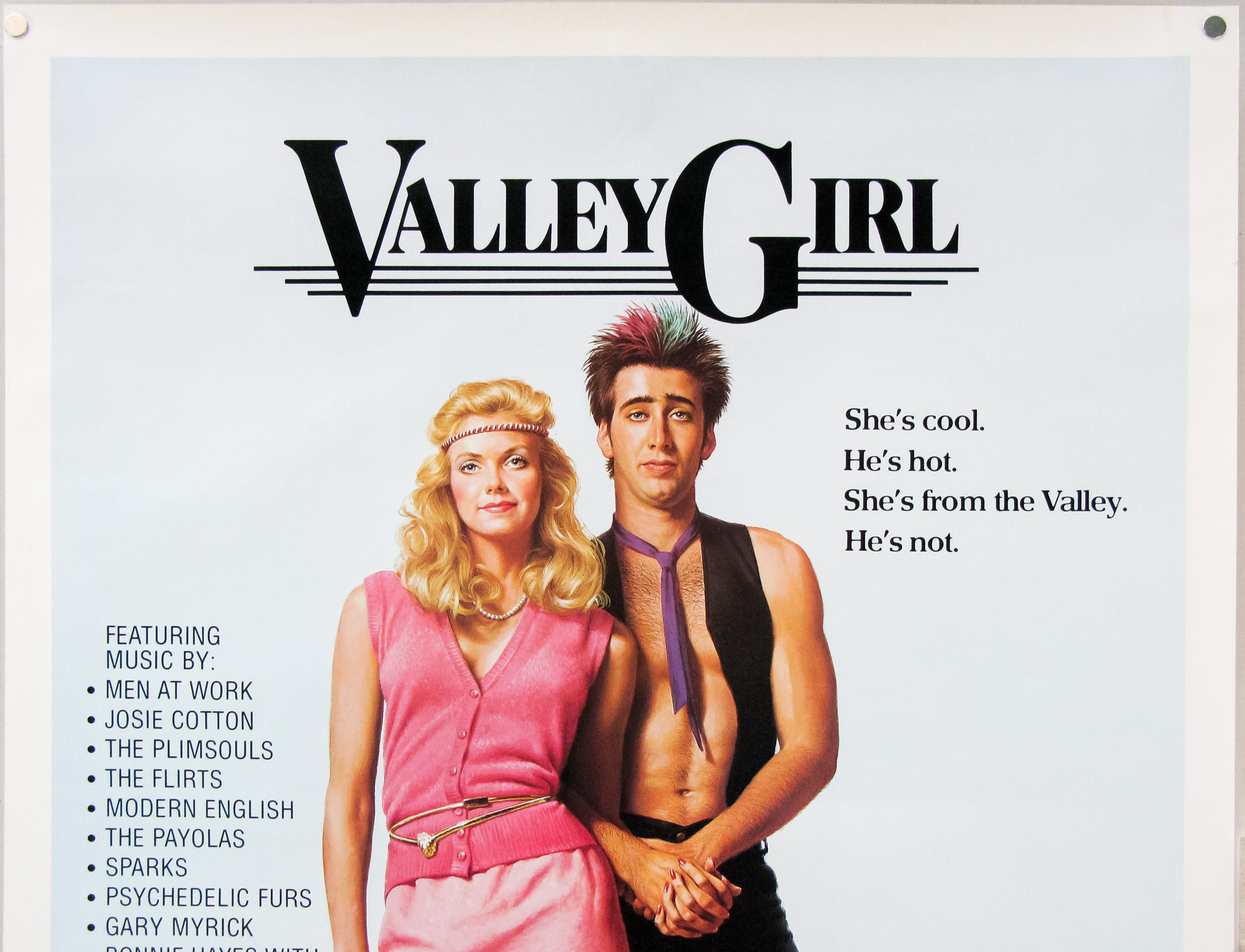
She's cool. He's hot. She's from the Valley. He's not.

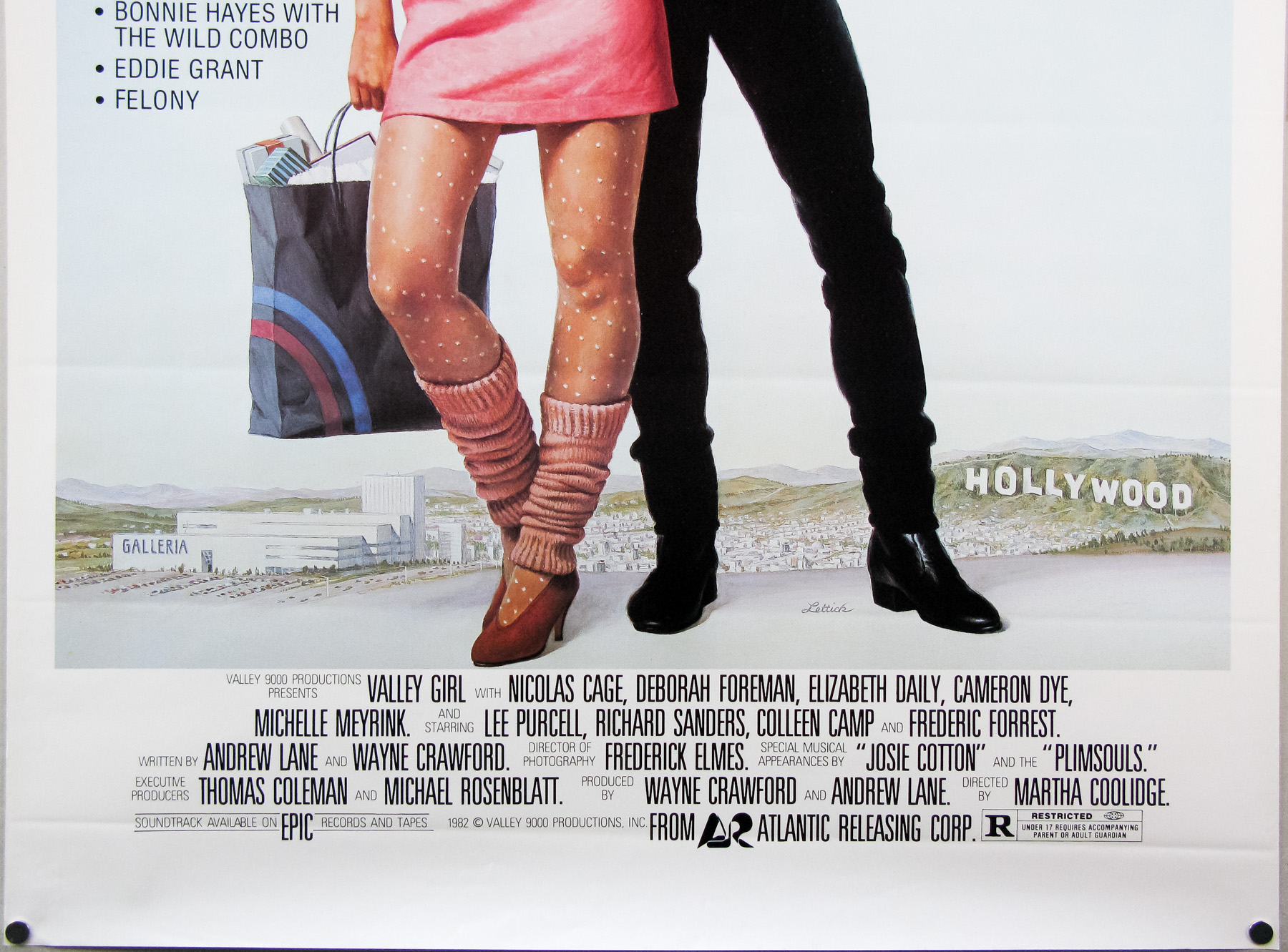
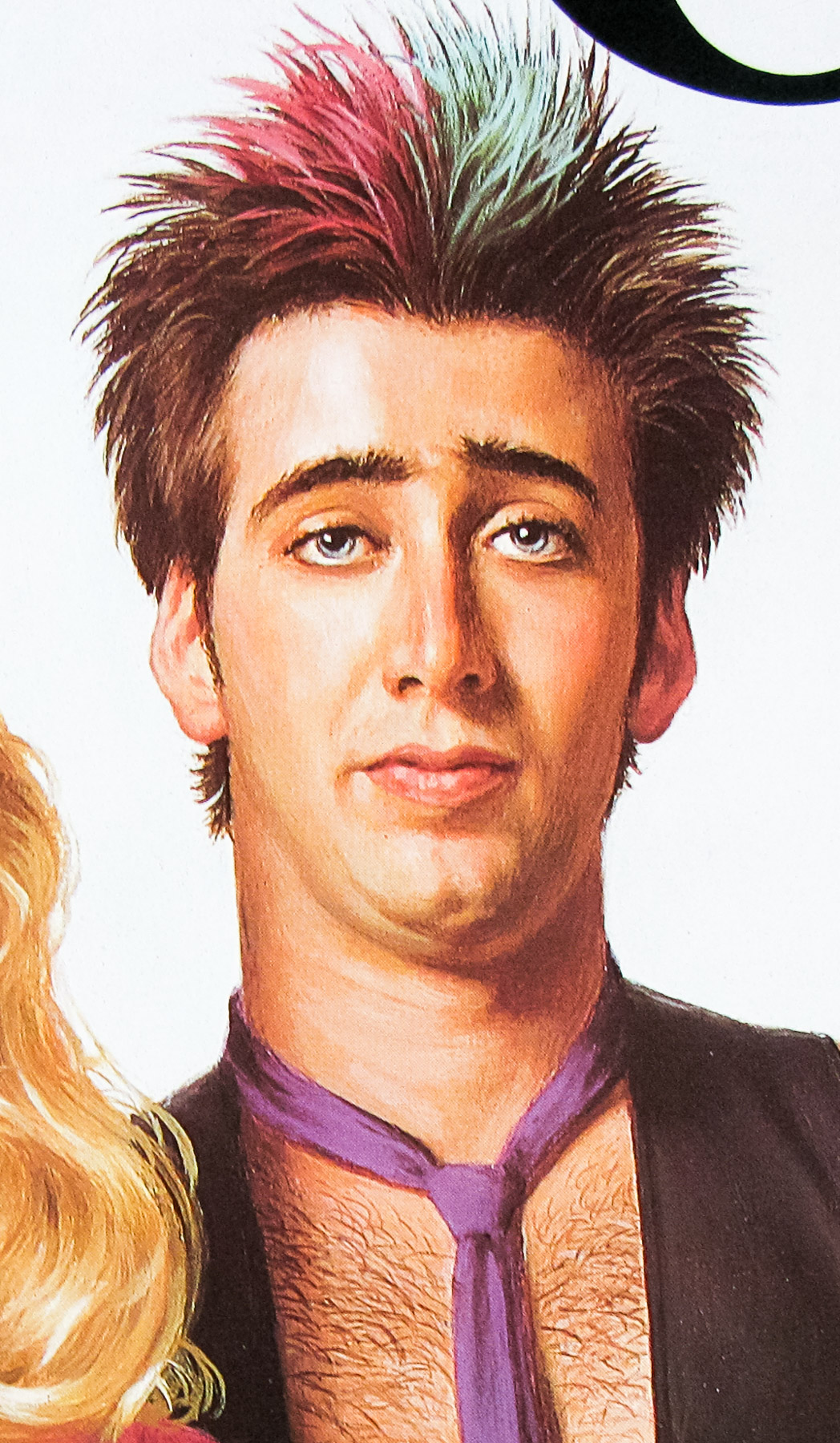
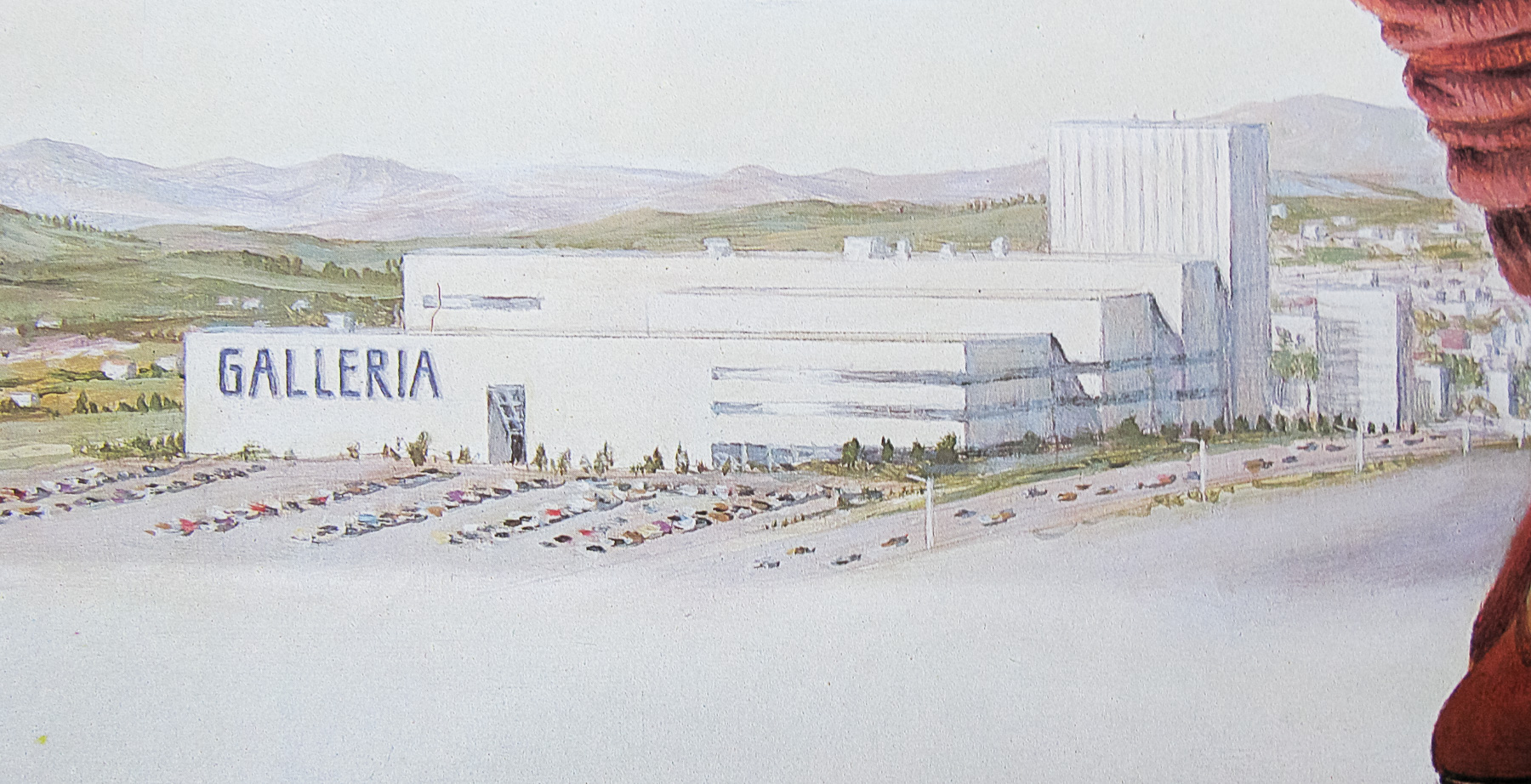
The directorial debut of Martha Coolidge (opens in a new tab) and the first time Nicolas Coppola was credited as Nicolas Cage (opens in a new tab), Valley Girl (opens in a new tab) is a cult favourite in the US and was both a critical and box office success at the time of release. Loosely based on the Romeo and Juliet story (minus the tragic death) the film focuses on Julie (Deborah Foreman (opens in a new tab)) a girl from the suburban, mall-filled San Fernando Valley (opens in a new tab) who meets Randy (Cage) a punk from Hollywood and falls in love, much to the dismay of her shallow friends.

Valley Girl is actually a stereotype (opens in a new tab) leveled at a certain class of American women who are described as colloquial speaking and materialistic. The San Fernando Valley is credited as the birthplace of this phenomenon thanks to its large number of commuter towns and middle-class suburban families. Valspeak (opens in a new tab) is their unique derivation of Californian English, which was first brought to public consciousness through Frank Zappa’s collaboration with his daughter Moon Unit on the single Valley Girl (opens in a new tab). A bizarre video of Moon Unit performing the song on the TV show Solid Gold can be seen on YouTube (opens in a new tab).

Kevin Smith (opens in a new tab) is a huge fan of the film and first began discussing it in Smodcast #152, in which he hilariously explained how Valley Girl had a profound effect on the way his understanding of love and relationships was formed. In the special Smoviola #1 (opens in a new tab) Smith interviewed Martha Coolidge, Deborah Foreman and cinematographer Frederick Elmes (opens in a new tab) to discover the story of how the film came to be.

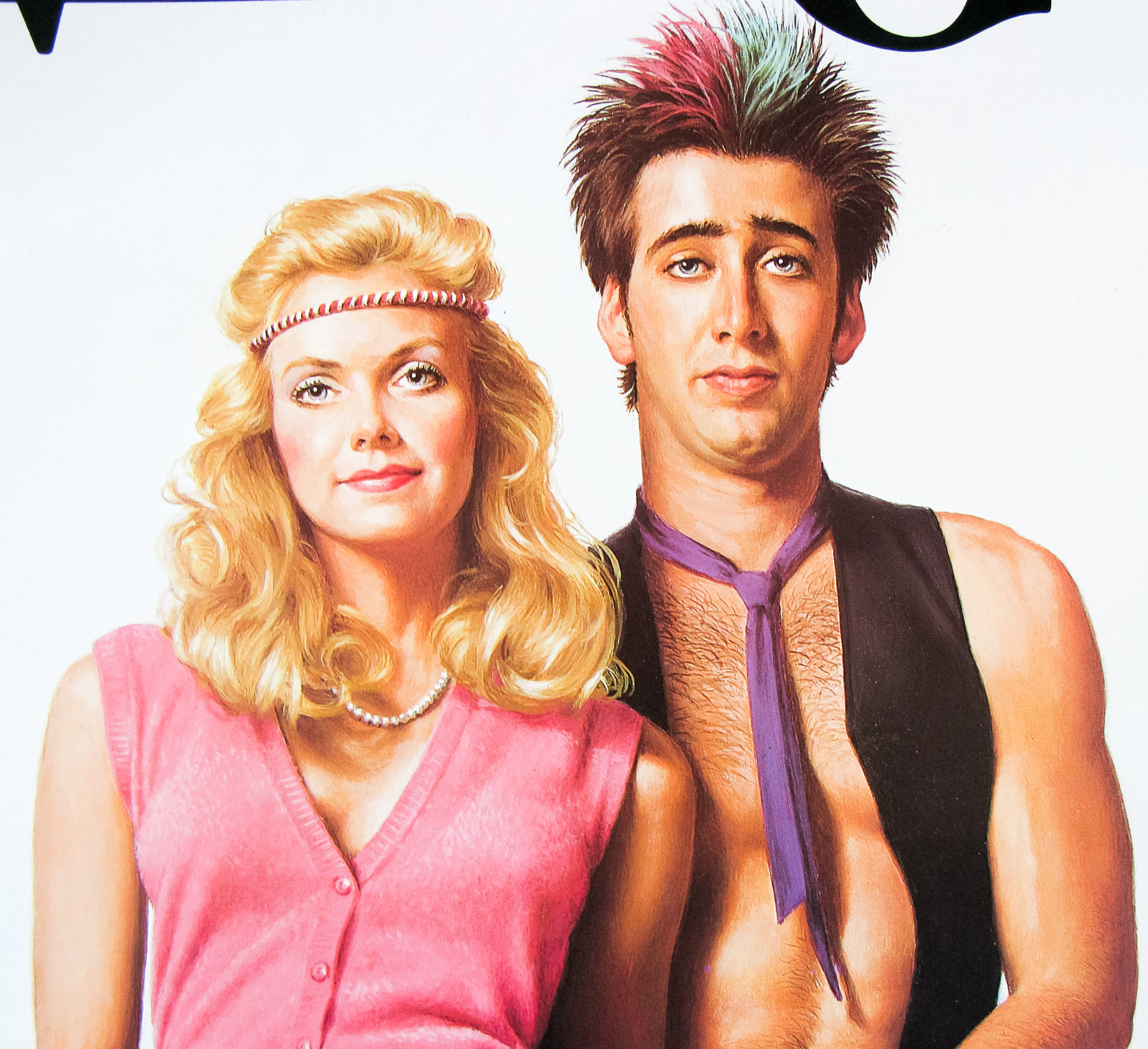
The artwork on this poster is by the American illustrator Birney Lettick who worked on magazine covers, adverts and portraits as well as a number of movie posters (opens in a new tab). Lettick was a master at capturing star likenesses and the portrait of cage is spot-on. The artist sadly passed away (opens in a new tab) in 1986. See the other posters I’ve collected by him.

Notice that the Italian title for the film translates, rather bizarrely, as The Girl from San Diego.

The trailer for the film can be seen on YouTube (opens in a new tab).

Update – 25/03/2012
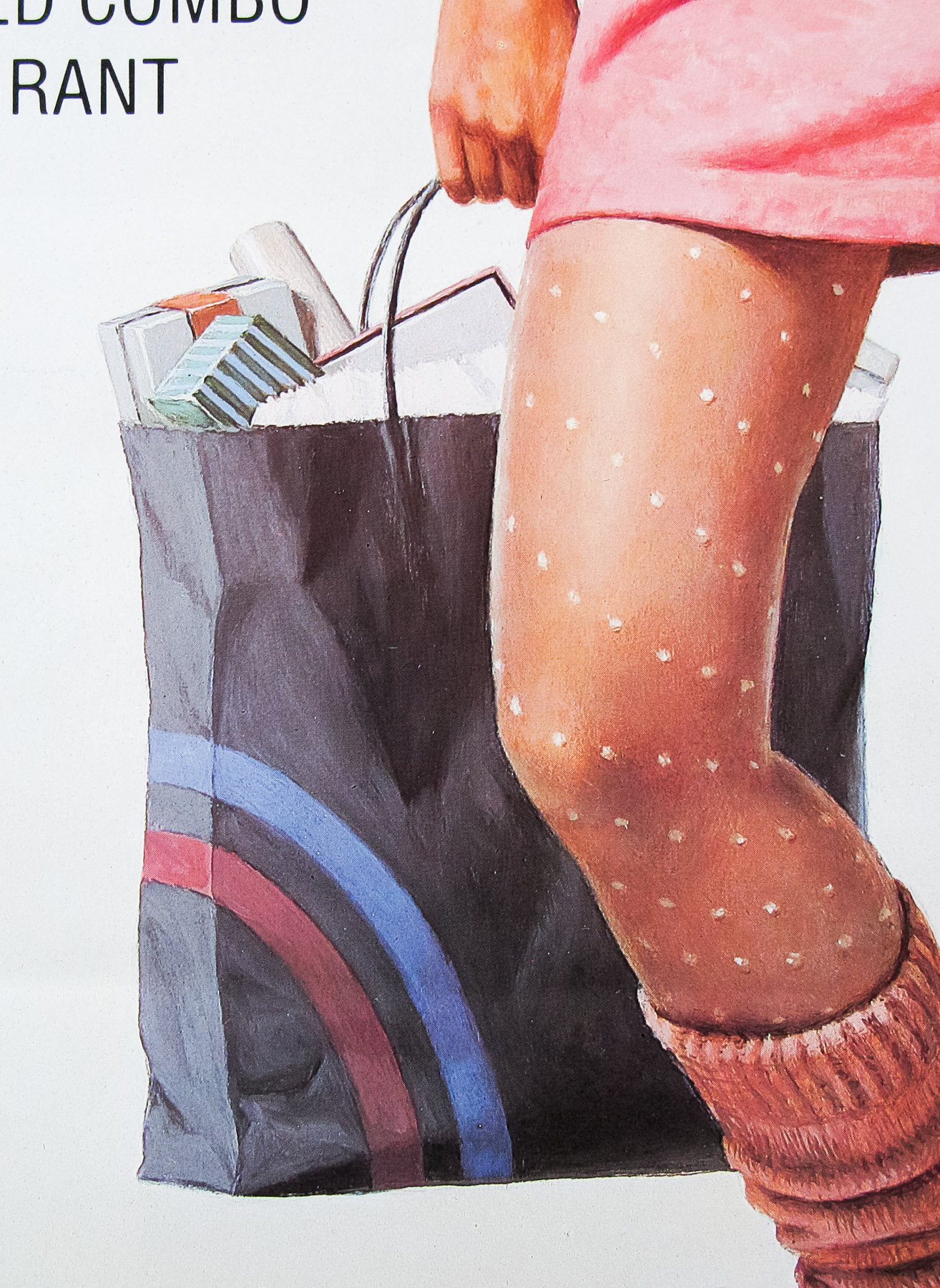
As Jeff points out in the comments the woman featured on the poster isn’t actually Deborah Foreman but is one of the background actresses. It’s not clear why this is the case.

She’s Gotta Have It / B2 / Japan

01.02.12

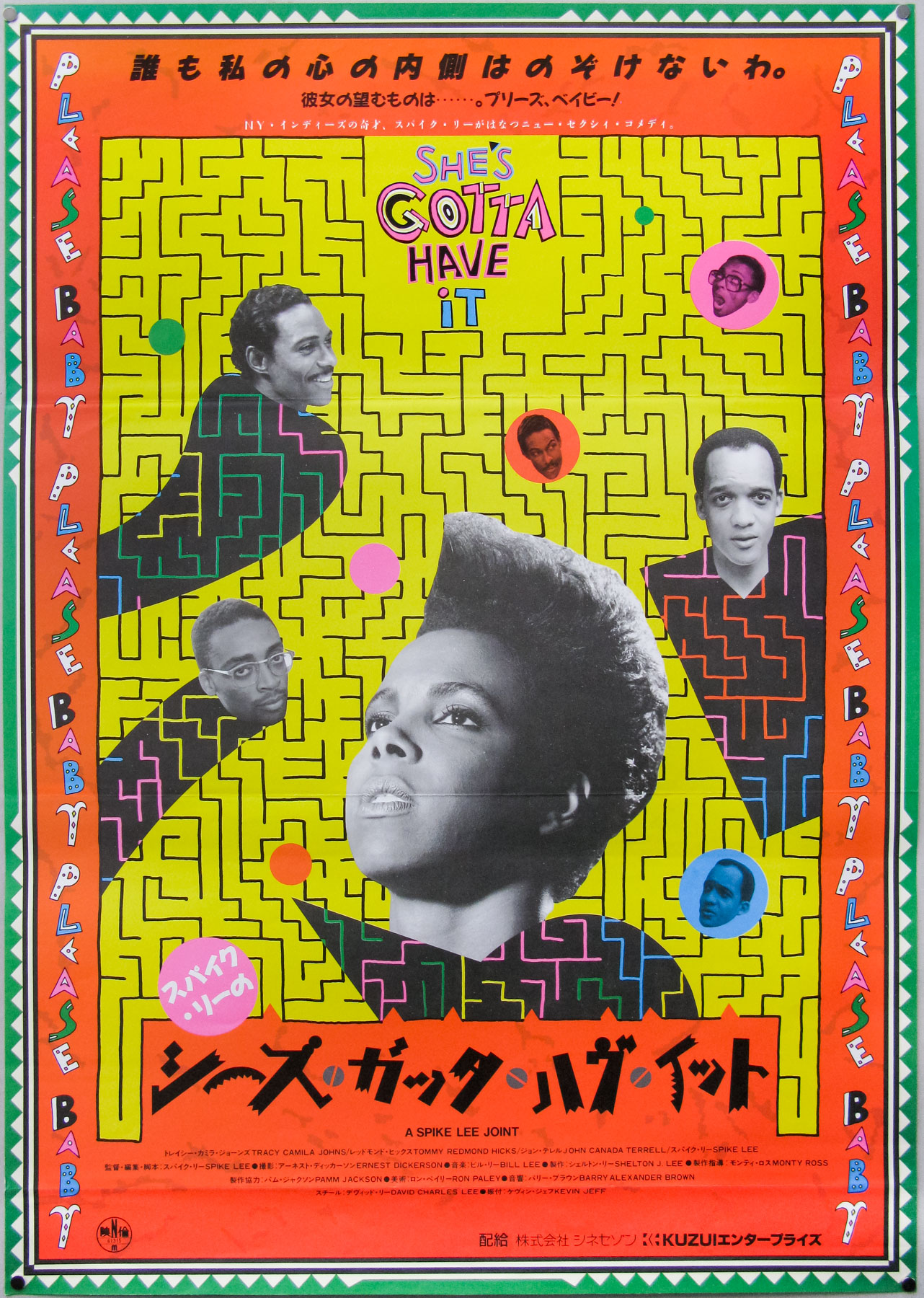
Japanese B2 poster for She's Gotta Have It (1986)Japanese B2 poster for She's Gotta Have It (1986), image 2Japanese B2 poster for She's Gotta Have It (1986), image 3Japanese B2 poster for She's Gotta Have It (1986), image 4Japanese B2 poster for She's Gotta Have It (1986), image 5
Title
She's Gotta Have It
Year of Film
1986
Director
Spike Lee
Starring
Tracy Camilla Johns, Tommy Redmond Hicks, John Canada Terrell, Spike Lee, Raye Dowell, Joie Lee, S. Epatha Merkerson, Bill Lee, Cheryl Burr, Aaron Dugger
Origin of Film
USA
Genre(s) of Film
Comedy | Romance
Type of Poster
B2
Origin of Poster
Japan
Year of Poster
1986
Designer
Unknown
Size (inches)
20 1/16" x 28 1/2"
SS or DS
SS

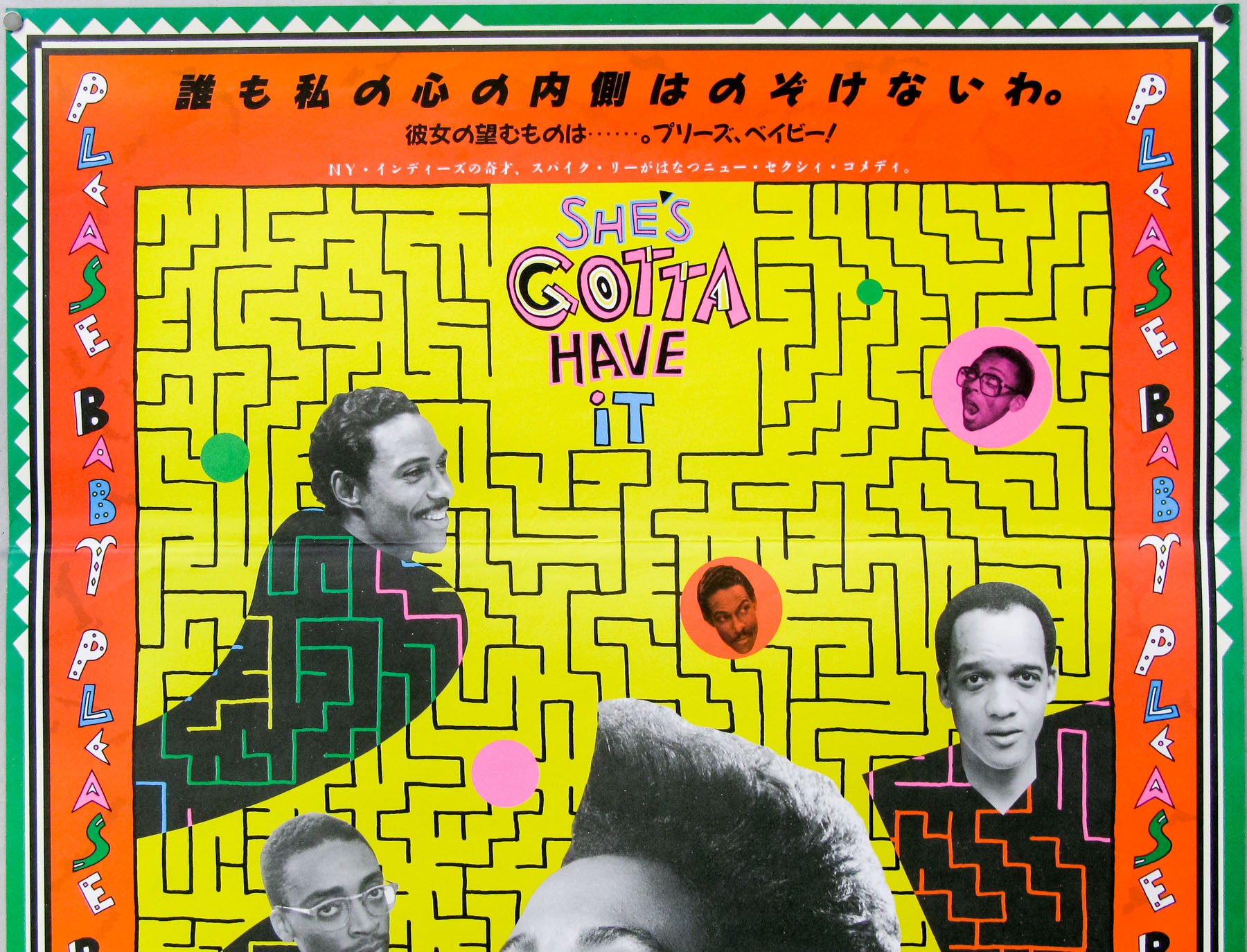
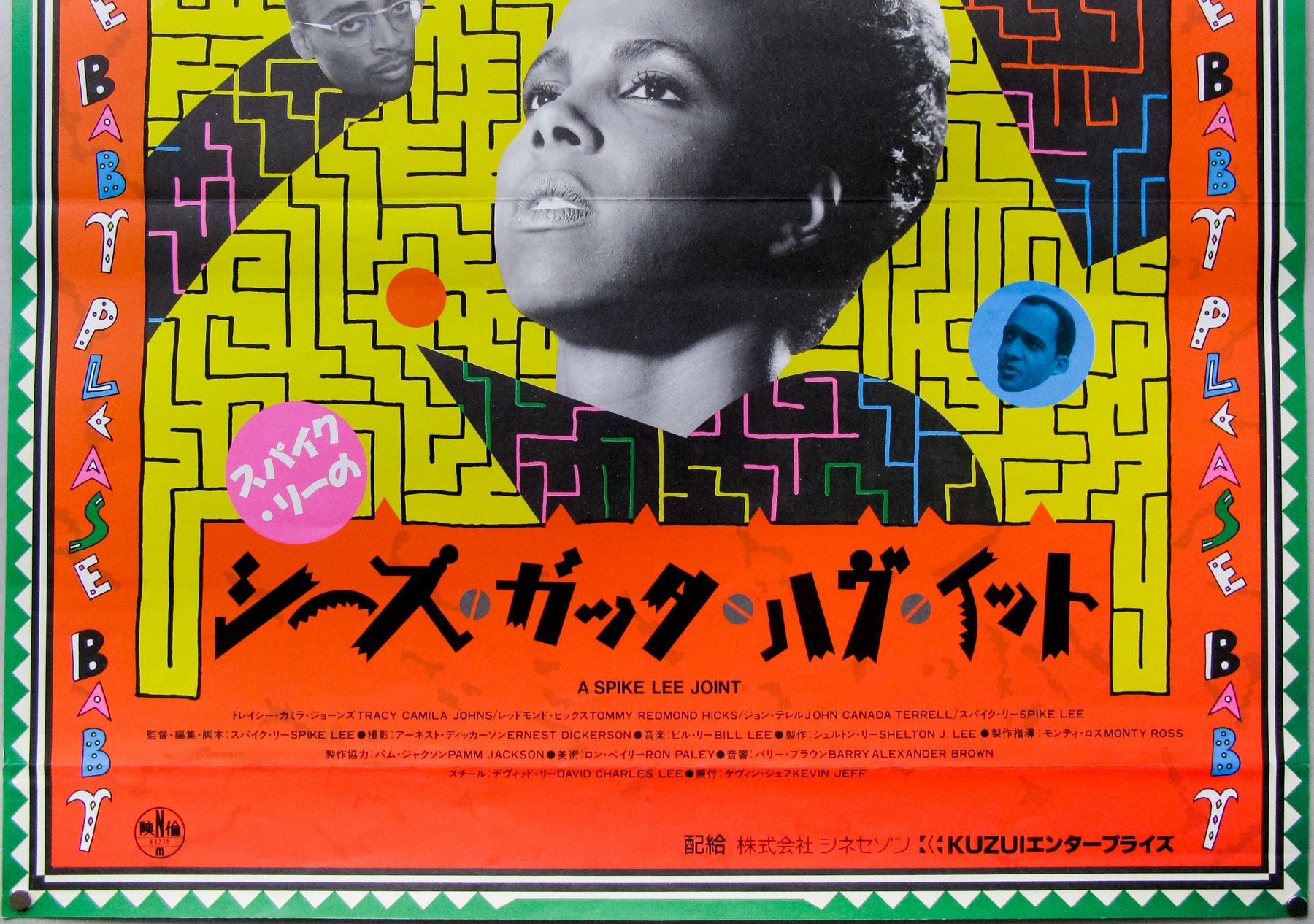
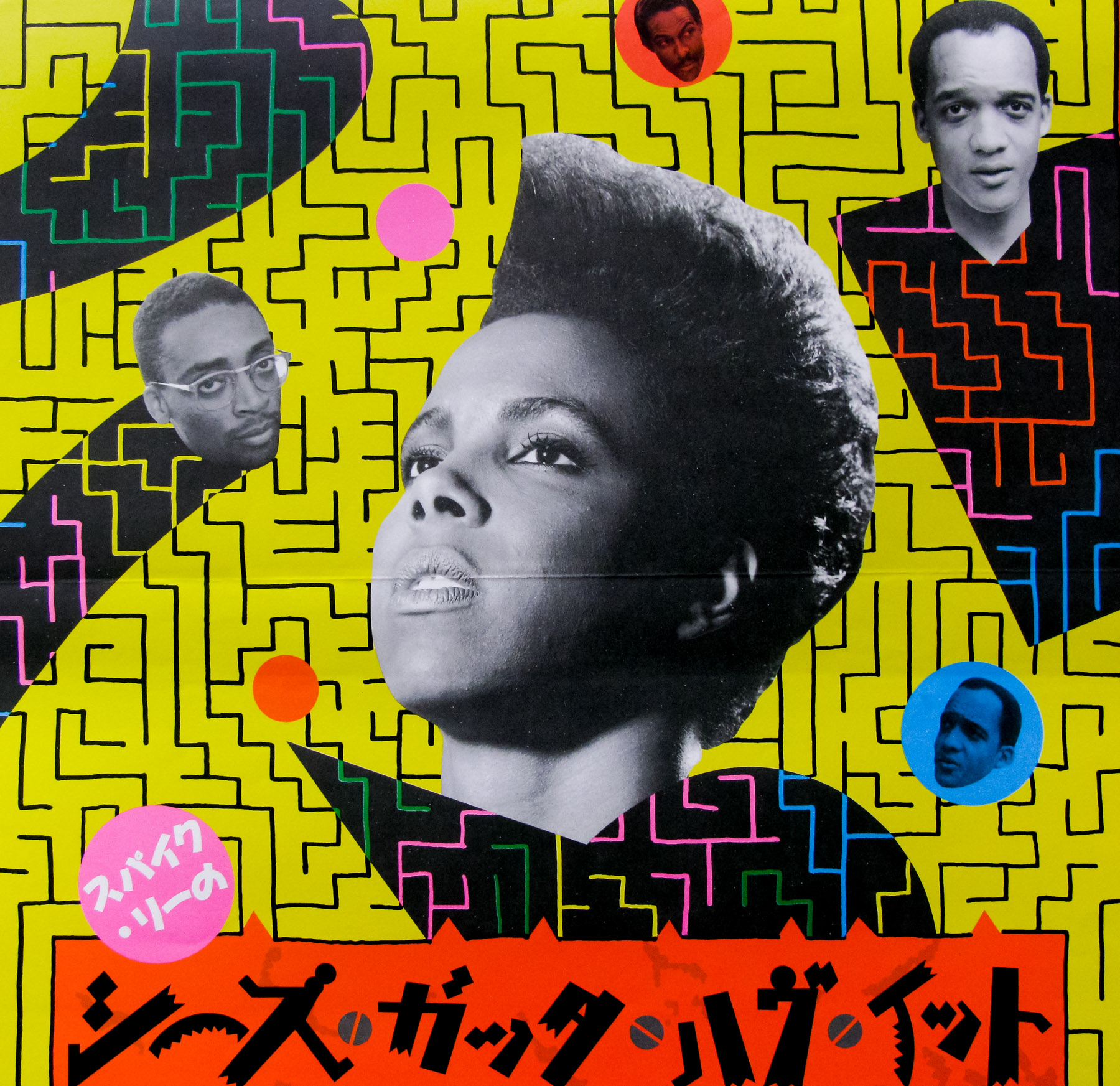
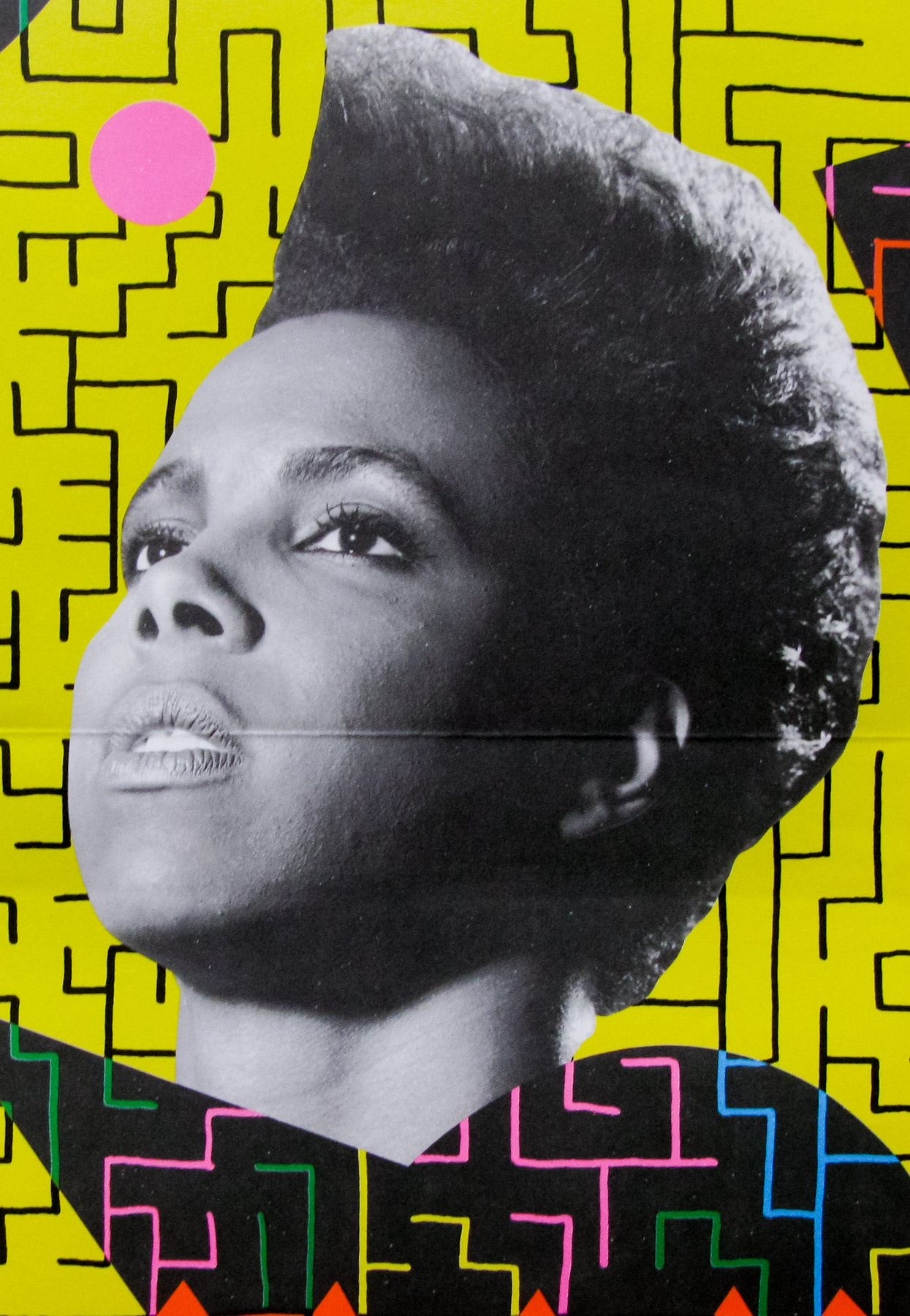
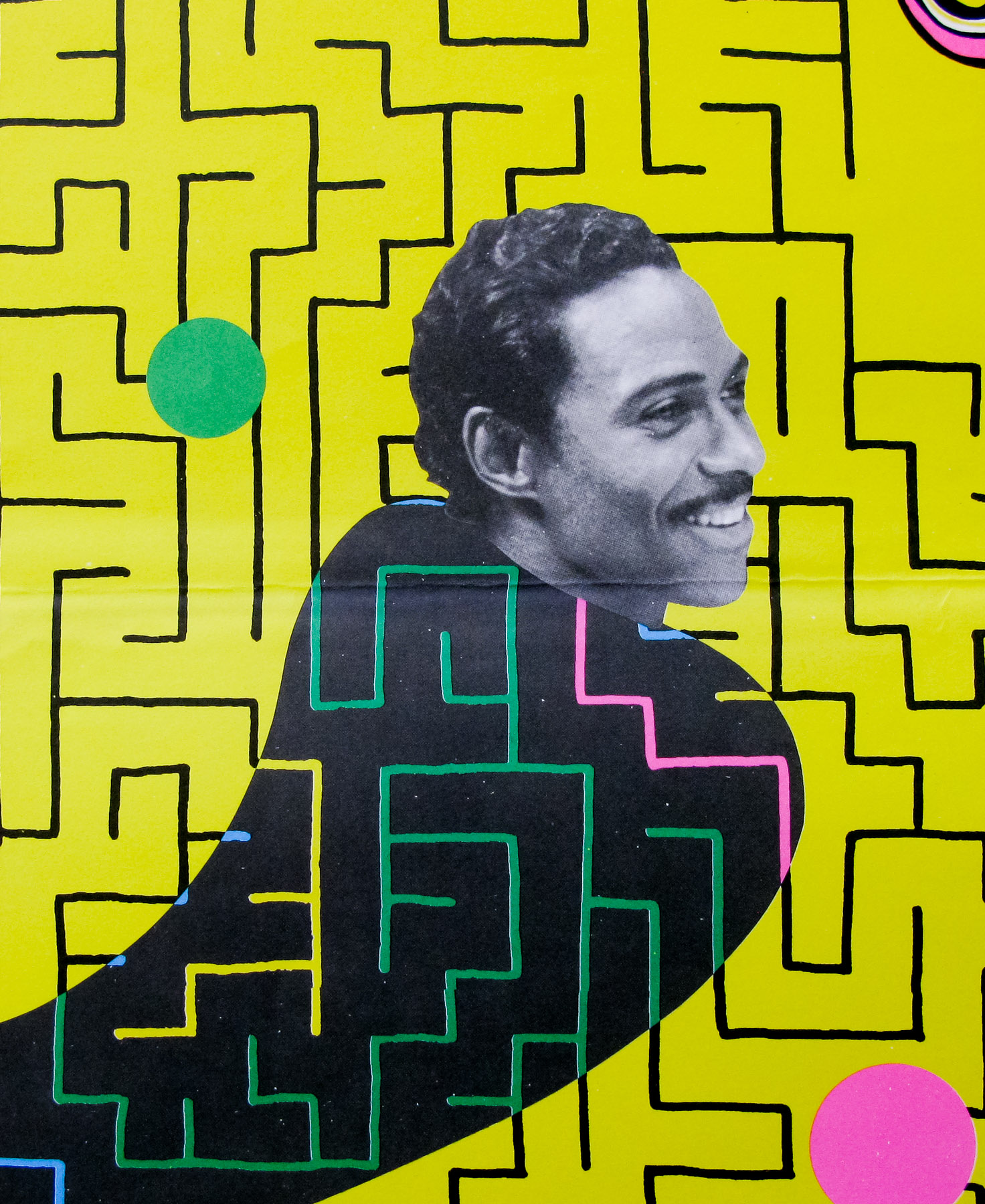
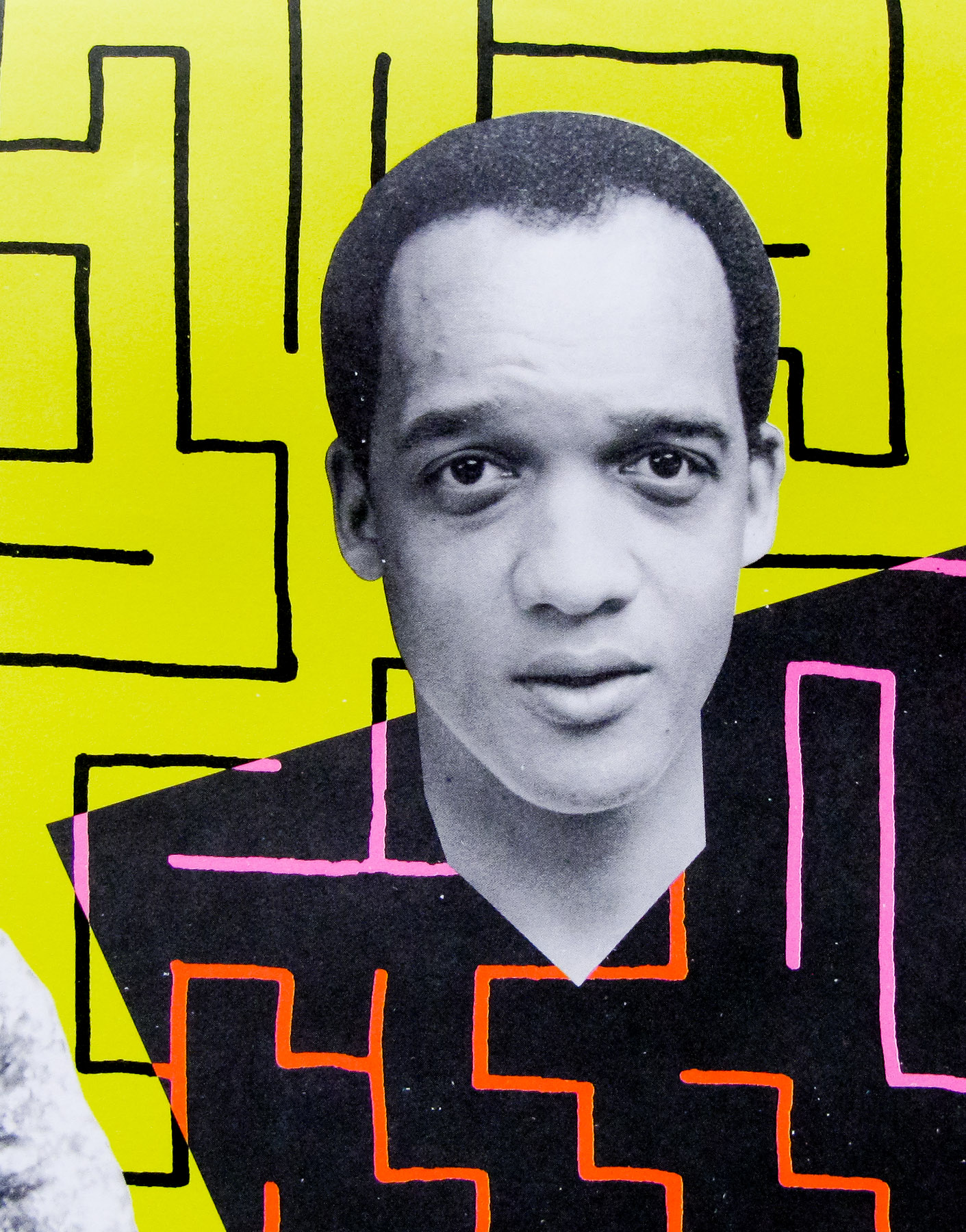
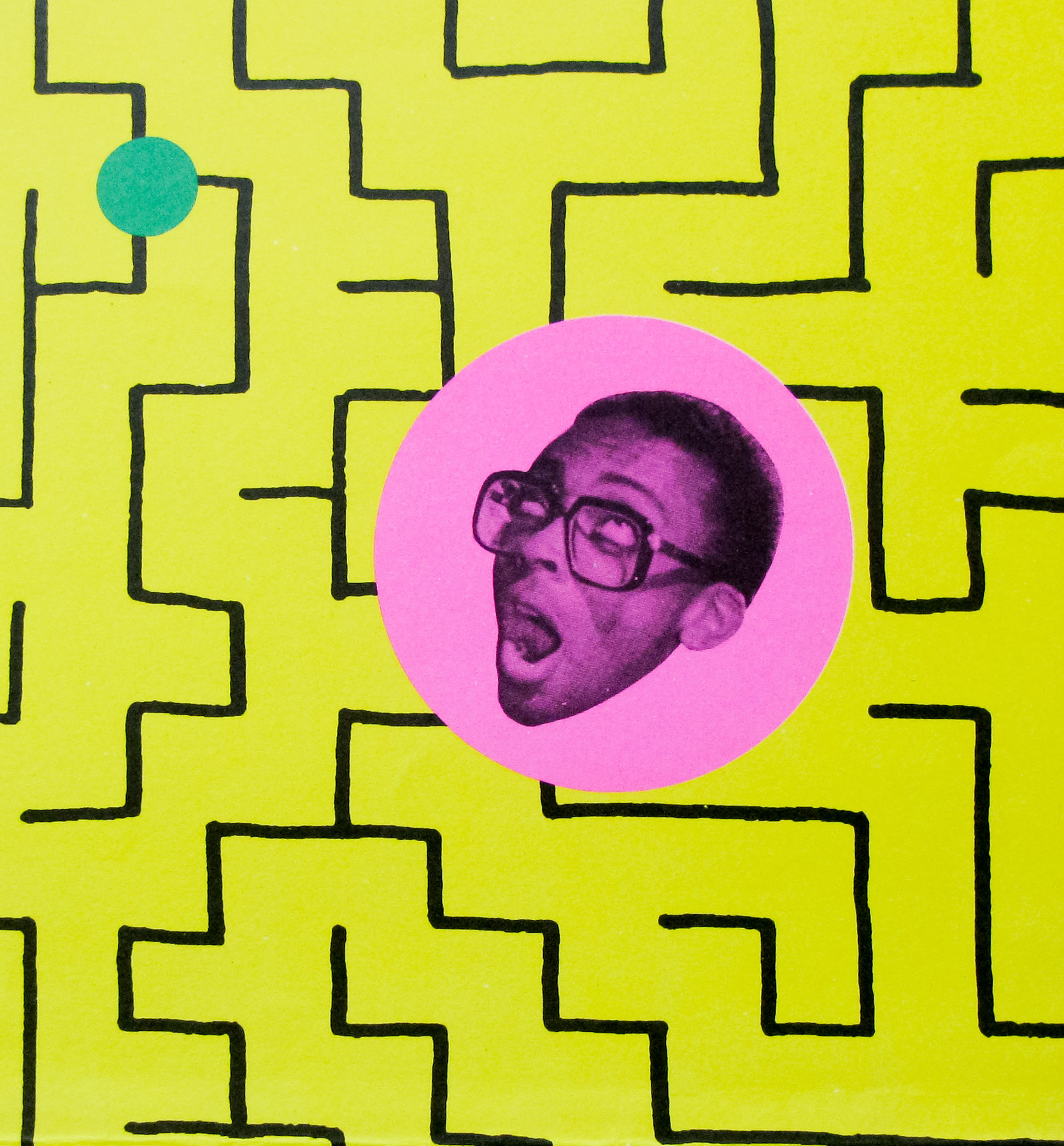
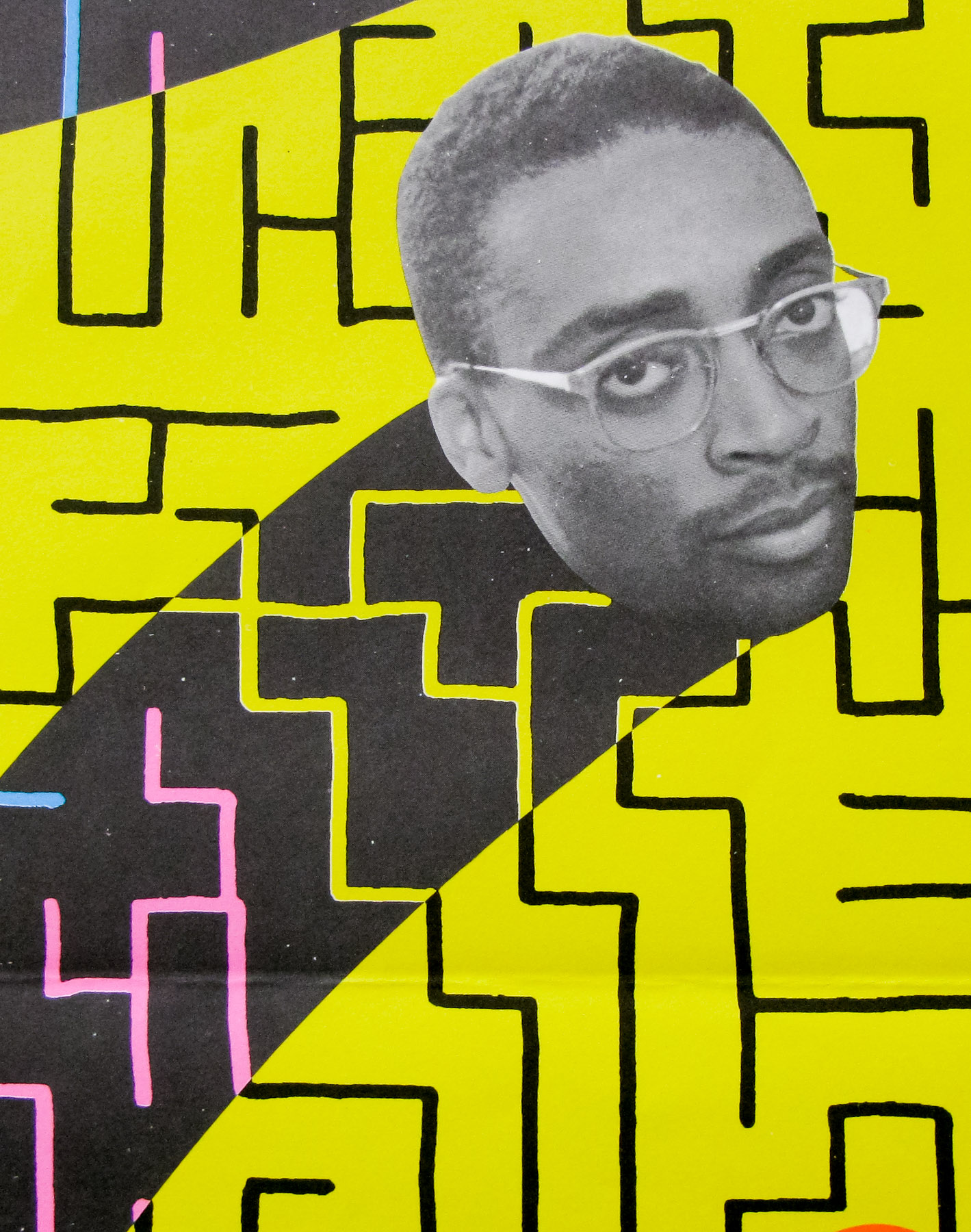
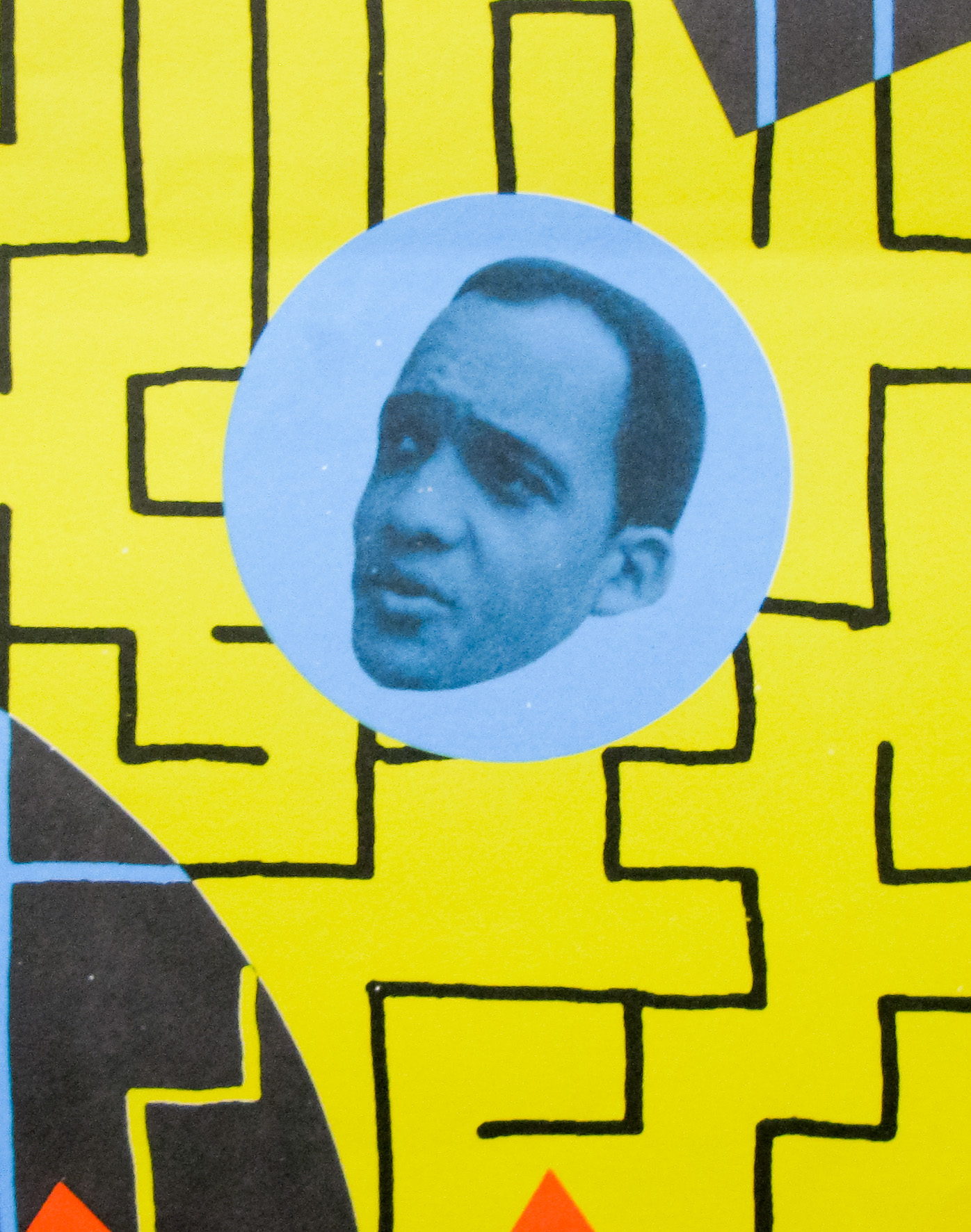
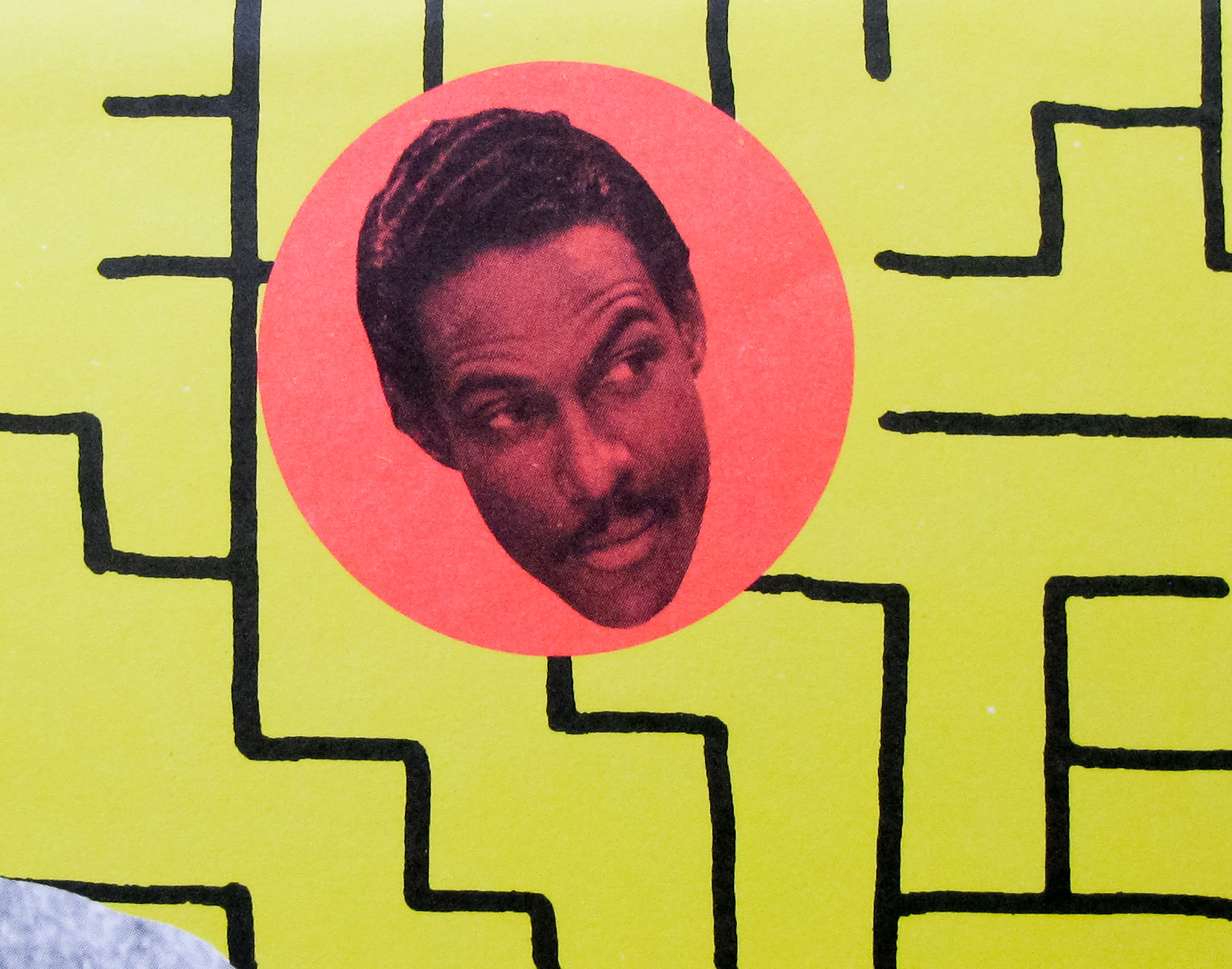
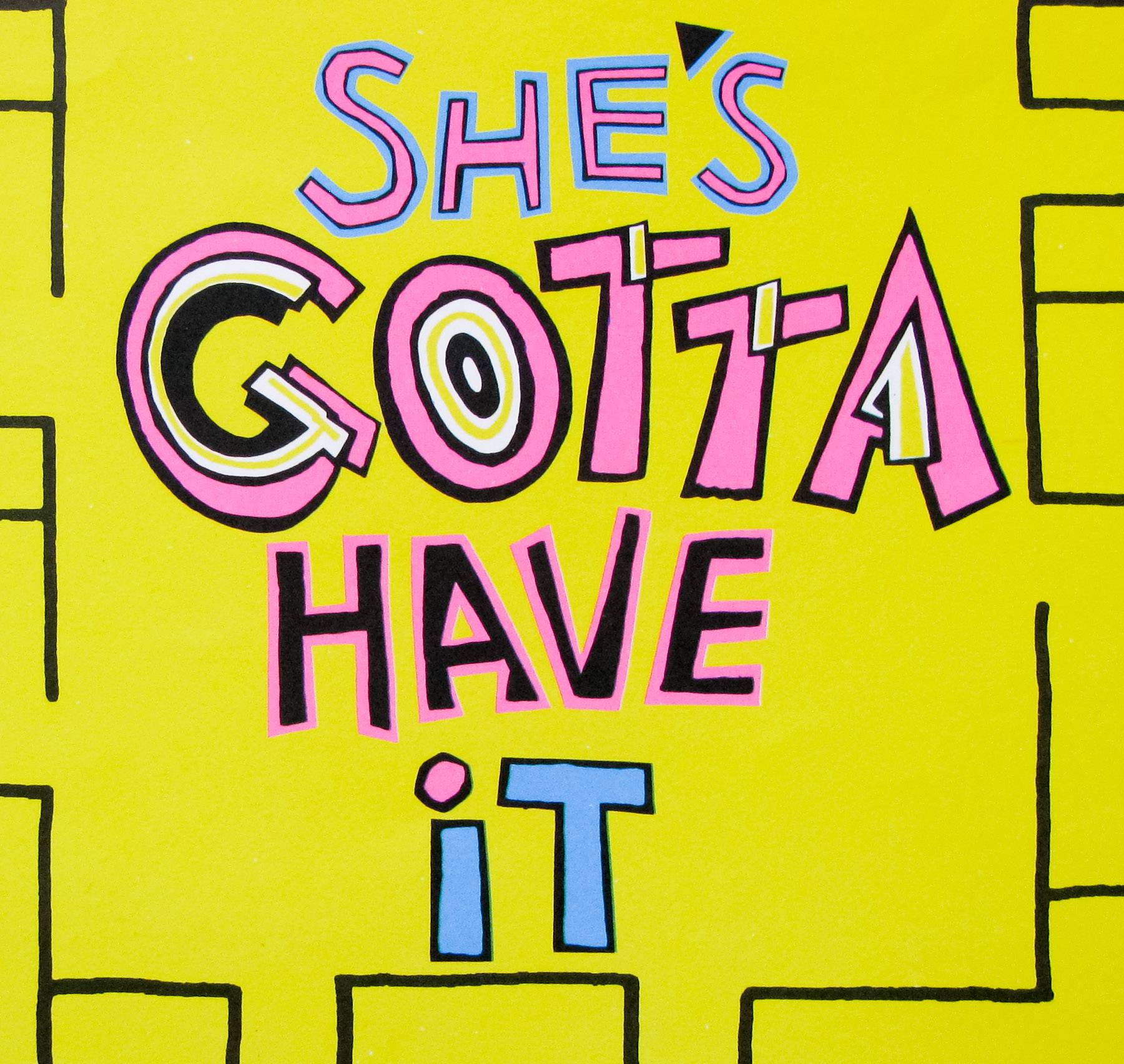
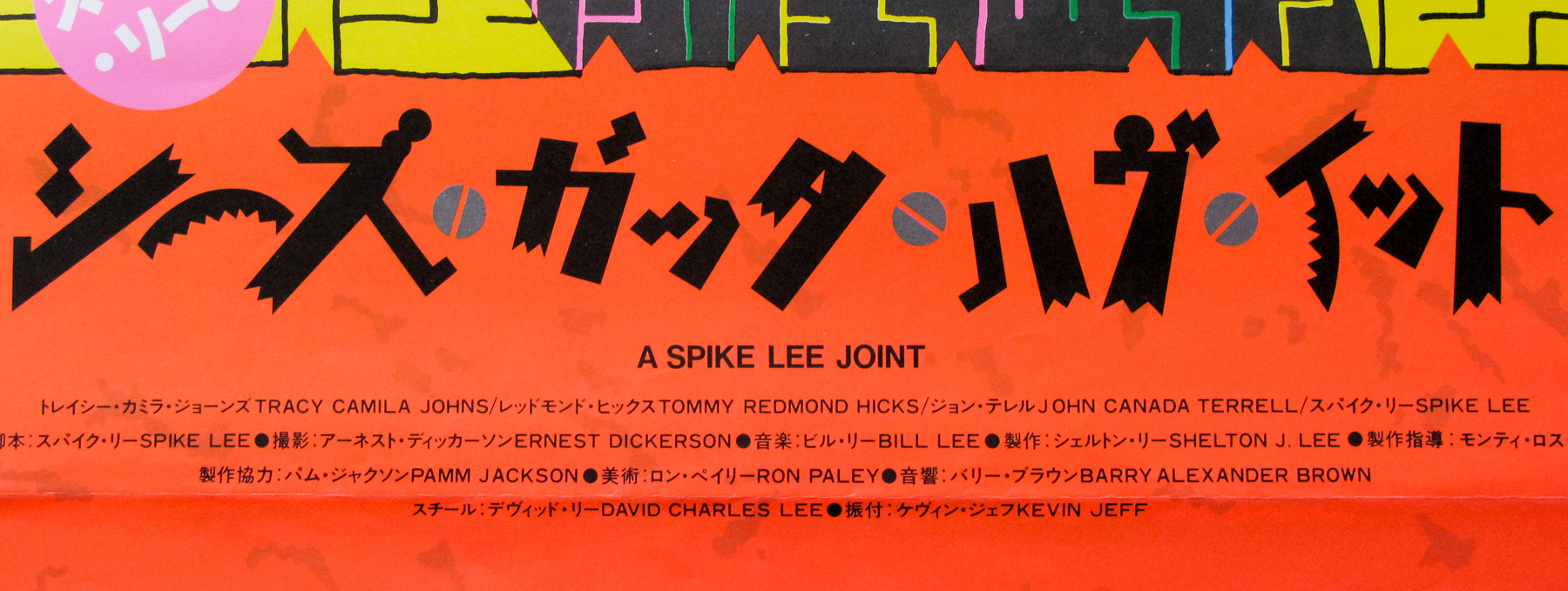
A wild design on this Japanese poster for director Spike Lee’s (opens in a new tab) first full-length feature film. The story is set in the New York City borough of Brooklyn and focuses on Nola Darling (Tracy Camilla Johns (opens in a new tab)) a young, independent woman who is juggling three different lovers, each with different qualities, and struggling against societal expectations of how she should behave.

Lee himself starred as one of her suitors, a bike courier called Mars Blackmon, and he portrayed the character several times in the following years promoting the Nike Air Jordan line of trainers. Several of these adverts can be seen on Youtube, including this one. (opens in a new tab)

The film is also credited with putting the borough of Brooklyn (opens in a new tab) firmly on the map and helping to foster better social pride in the area’s residents. Several of Lee’s films have been set there, including the brilliant Do the Right Thing (opens in a new tab). His upcoming film Red Hook Summer (opens in a new tab) is apparently set in Brooklyn.

I’m guessing that the design featured on this Japanese poster is supposed to represent the ‘moral maze’ that the characters in the film are trapped in, but that’s just pure speculation!


Legend of the Werewolf / one sheet / UK

30.01.12

British one sheet poster for Legend of the Werewolf (1975). Artwork by Vic FairBritish one sheet poster for Legend of the Werewolf (1975). Artwork by Vic Fair, image 2British one sheet poster for Legend of the Werewolf (1975). Artwork by Vic Fair, image 3British one sheet poster for Legend of the Werewolf (1975). Artwork by Vic Fair, image 4British one sheet poster for Legend of the Werewolf (1975). Artwork by Vic Fair, image 5
Title
Legend of the Werewolf
Year of Film
1975
Director
Freddie Francis
Starring
Peter Cushing, Ron Moody, Hugh Griffith, Roy Castle, David Rintoul, Stefan Gryff, Lynn Dalby, Renee Houston, Marjorie Yates, Norman Mitchell, Mark Weavers, David Bailie
Origin of Film
UK
Genre(s) of Film
Horror | Mystery
Type of Poster
One sheet
Origin of Poster
UK
Year of Poster
1975
Designer
Vic Fair
Artist
Vic Fair
Size (inches)
27" x 40"
SS or DS
SS

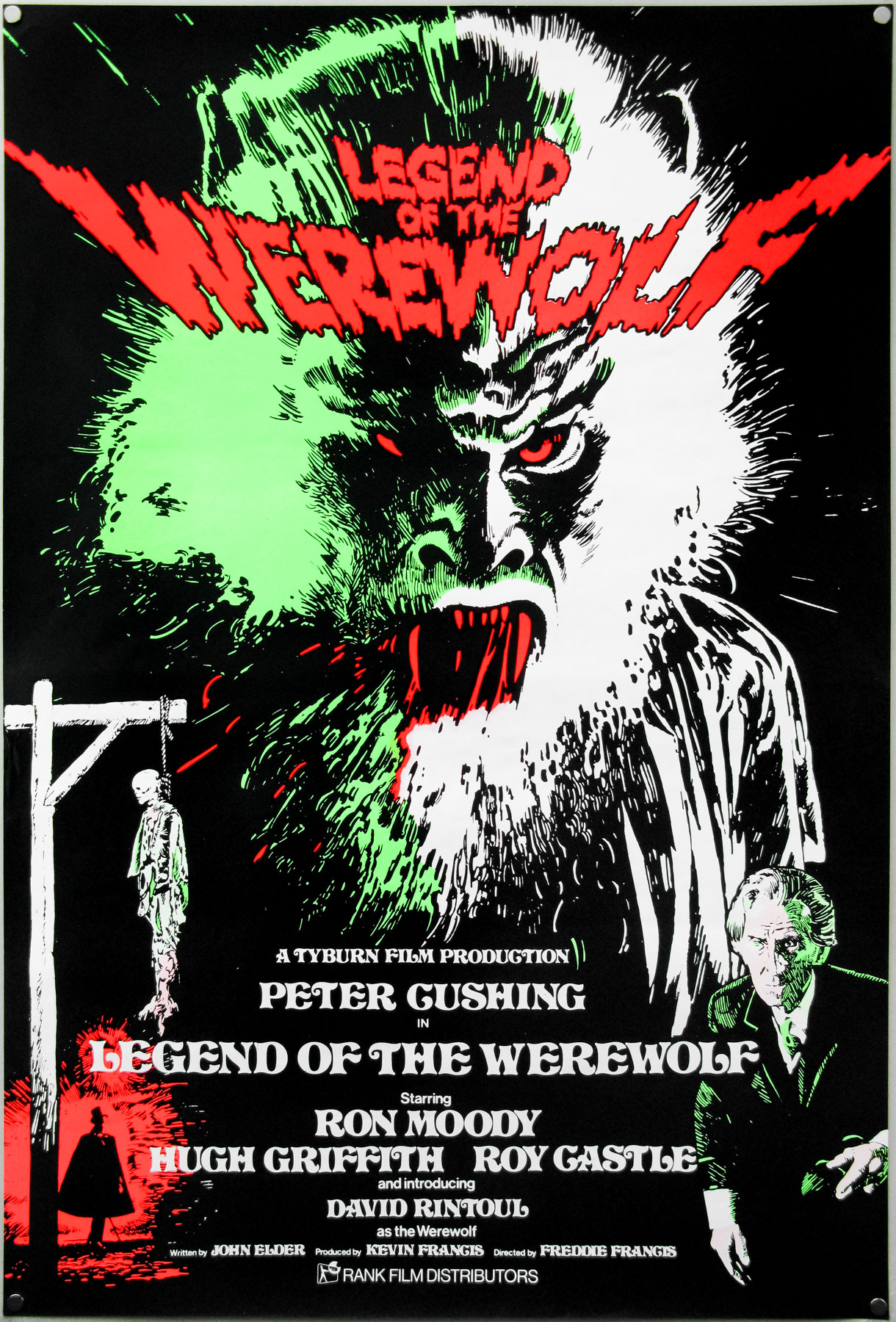
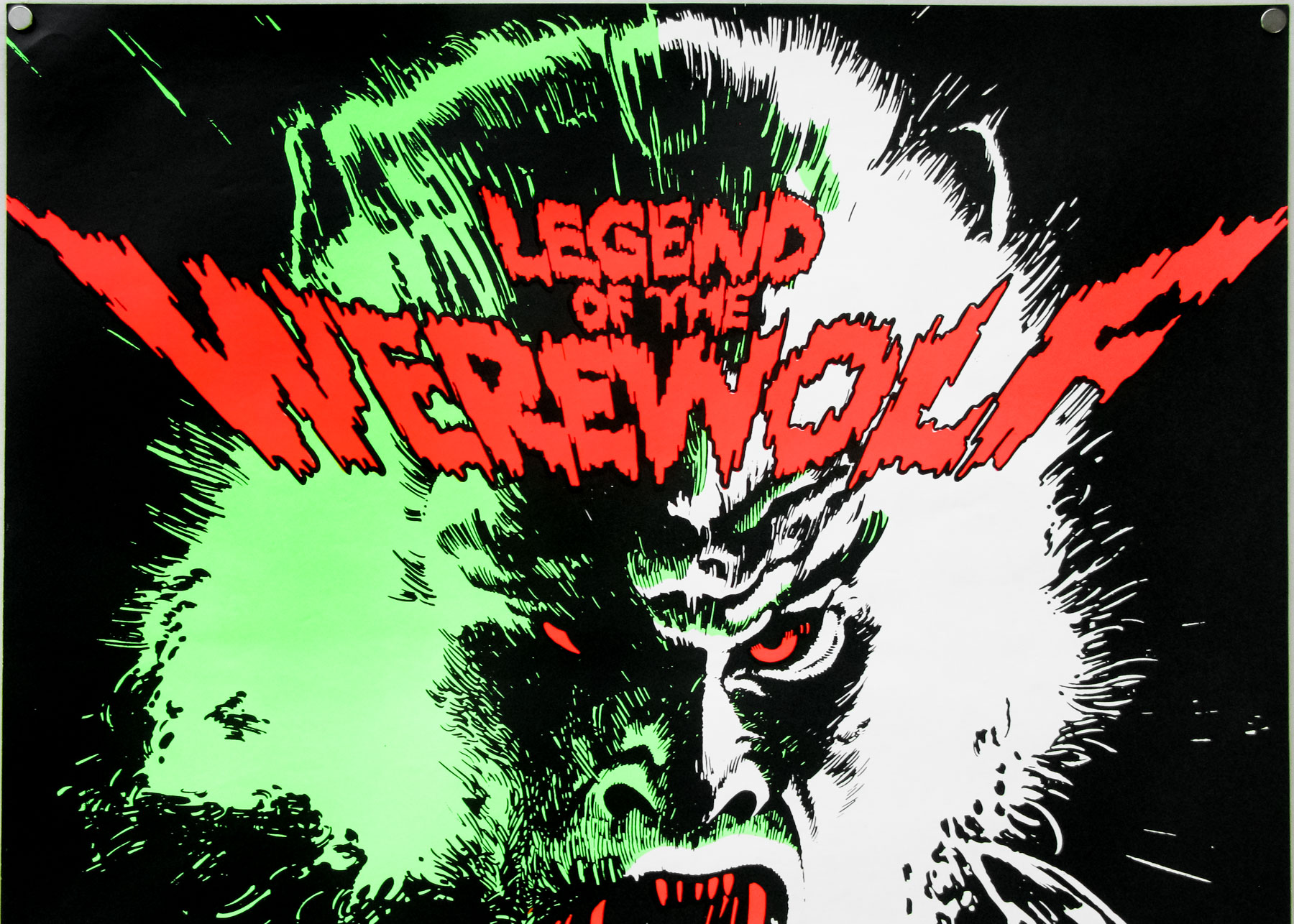
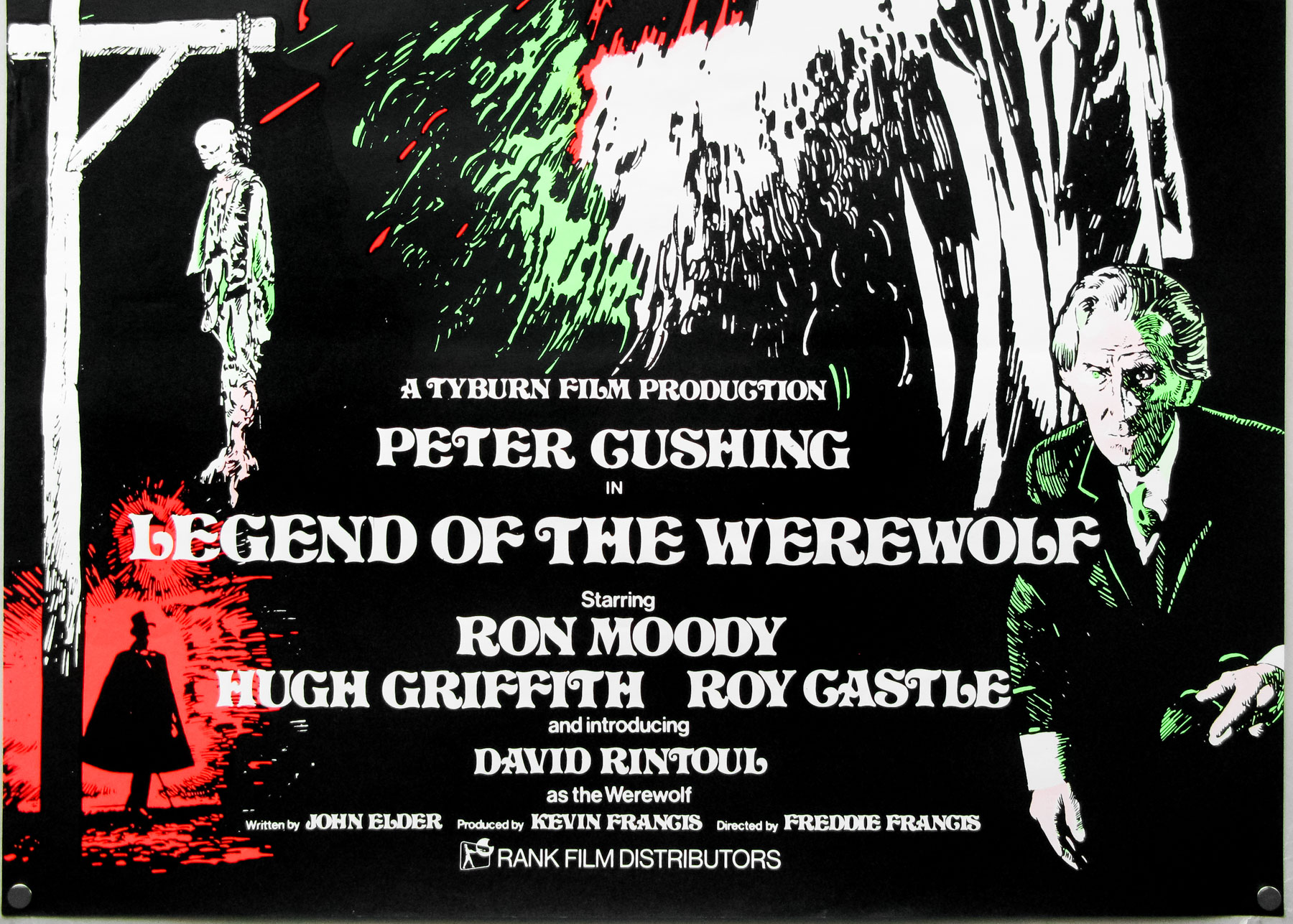
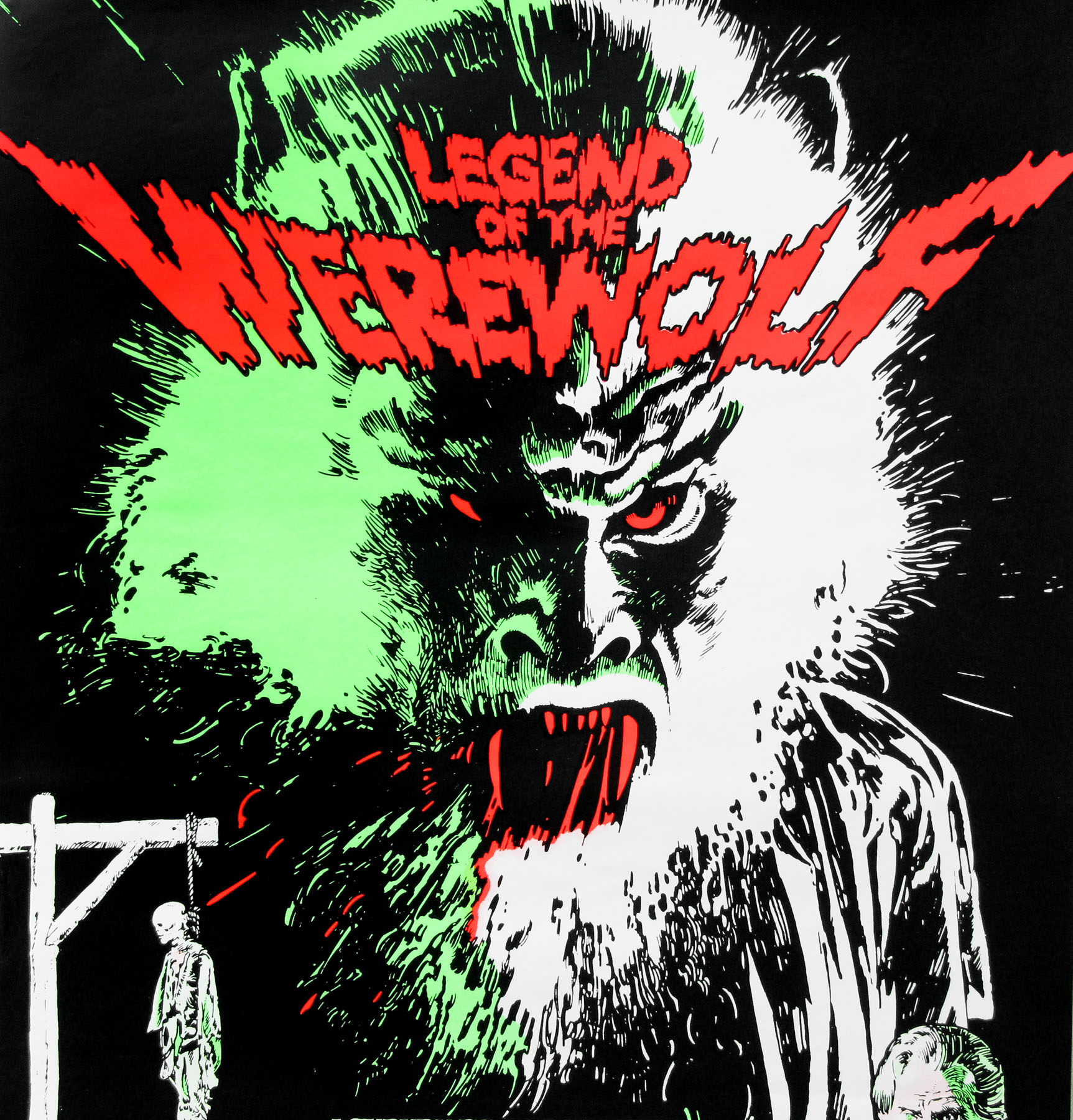
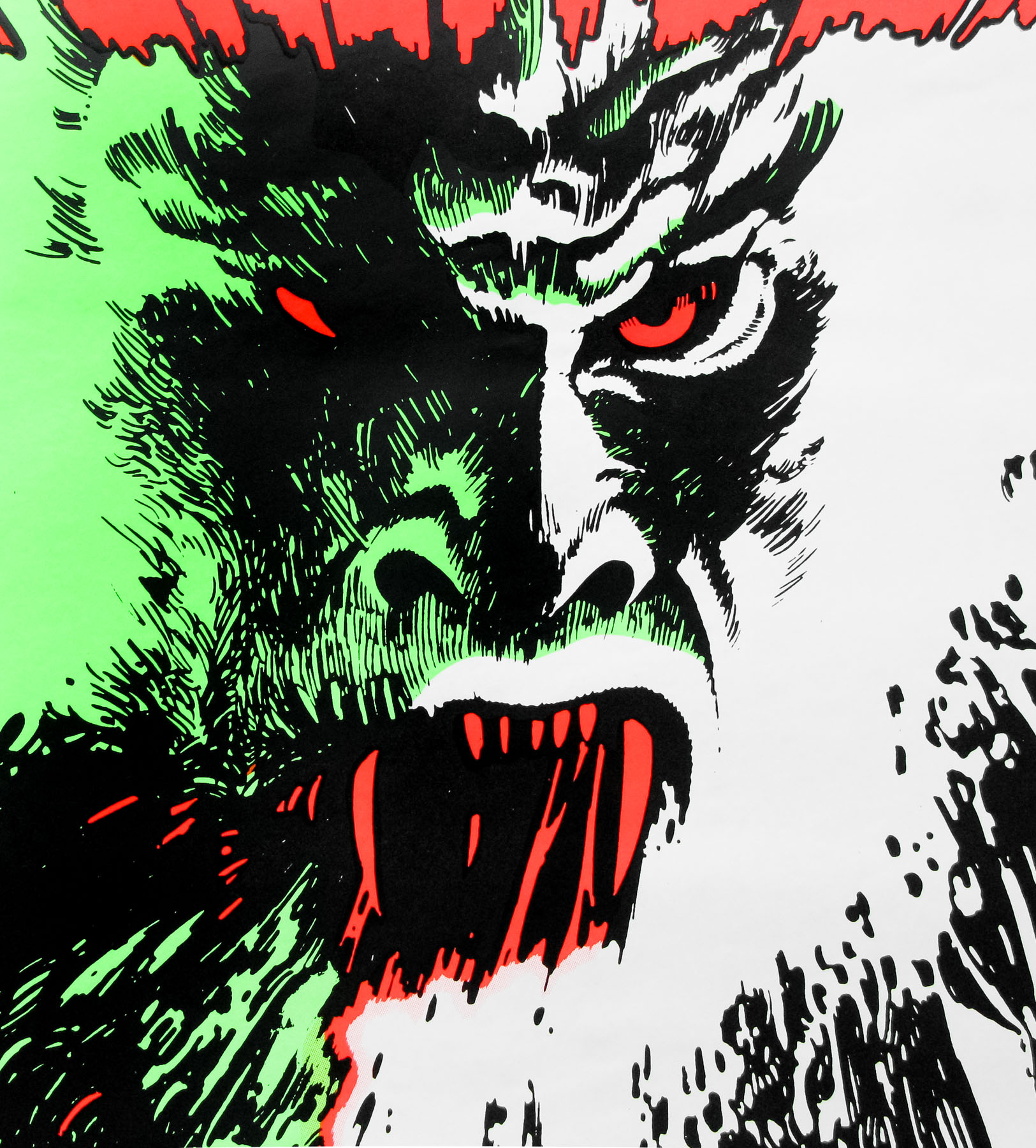
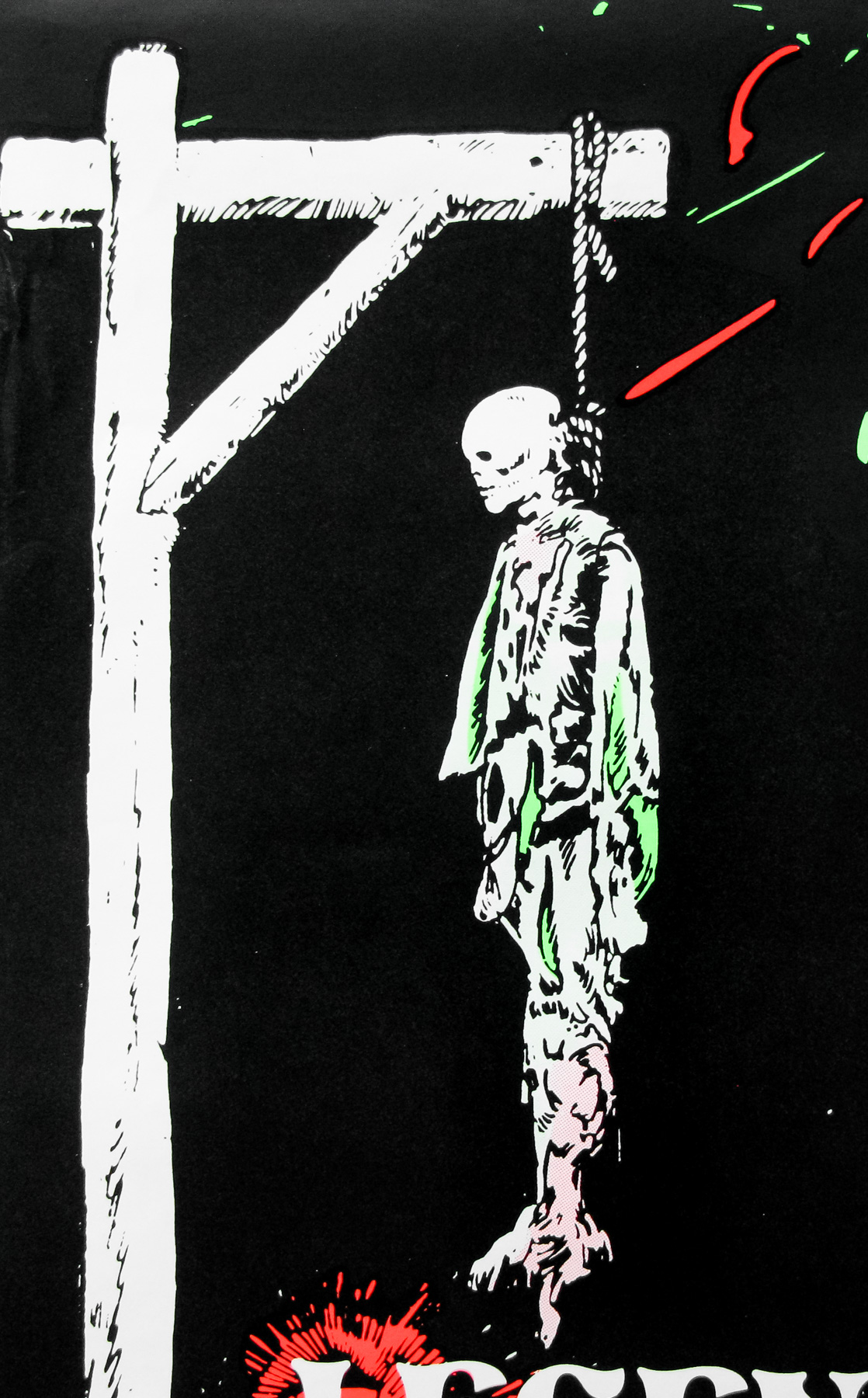
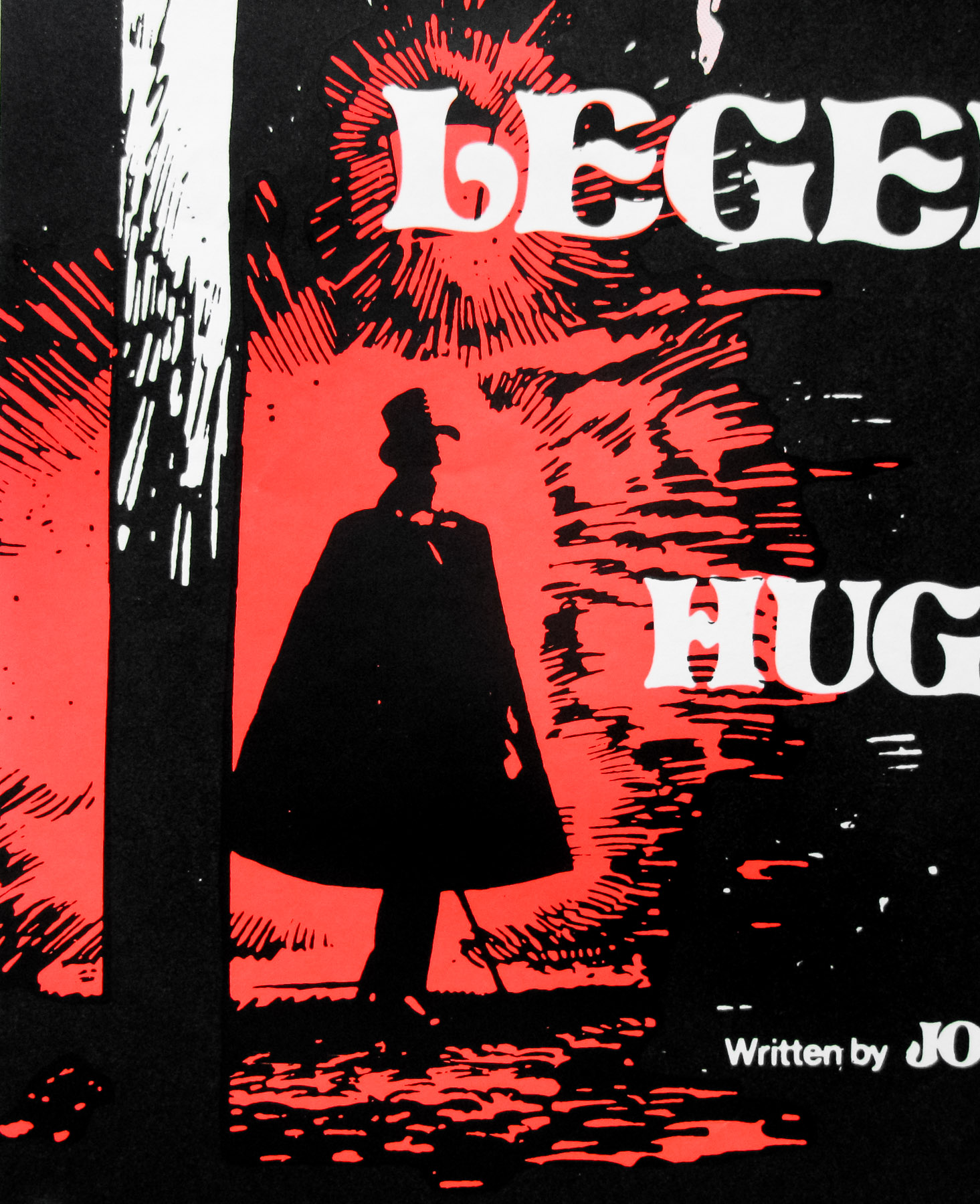
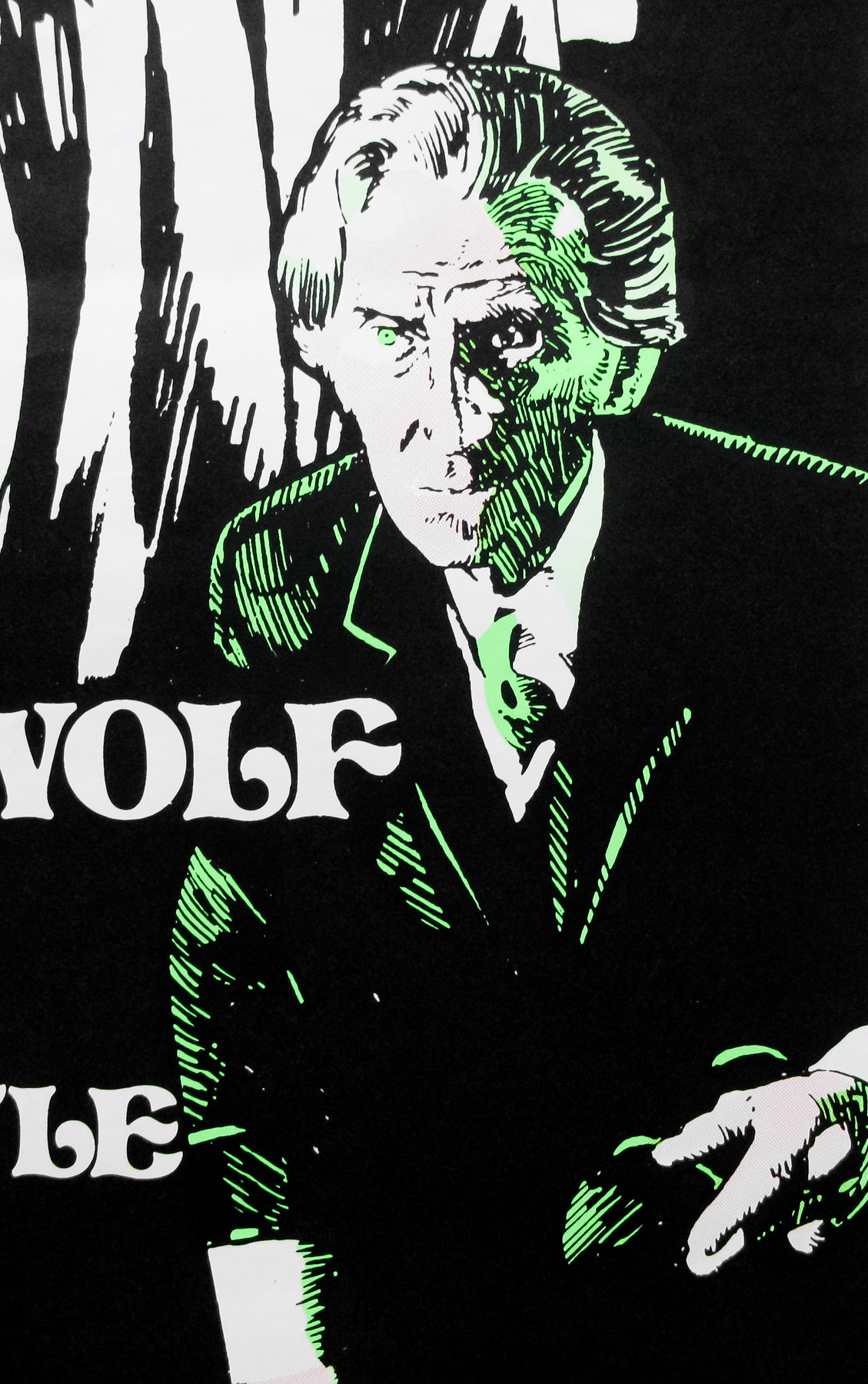
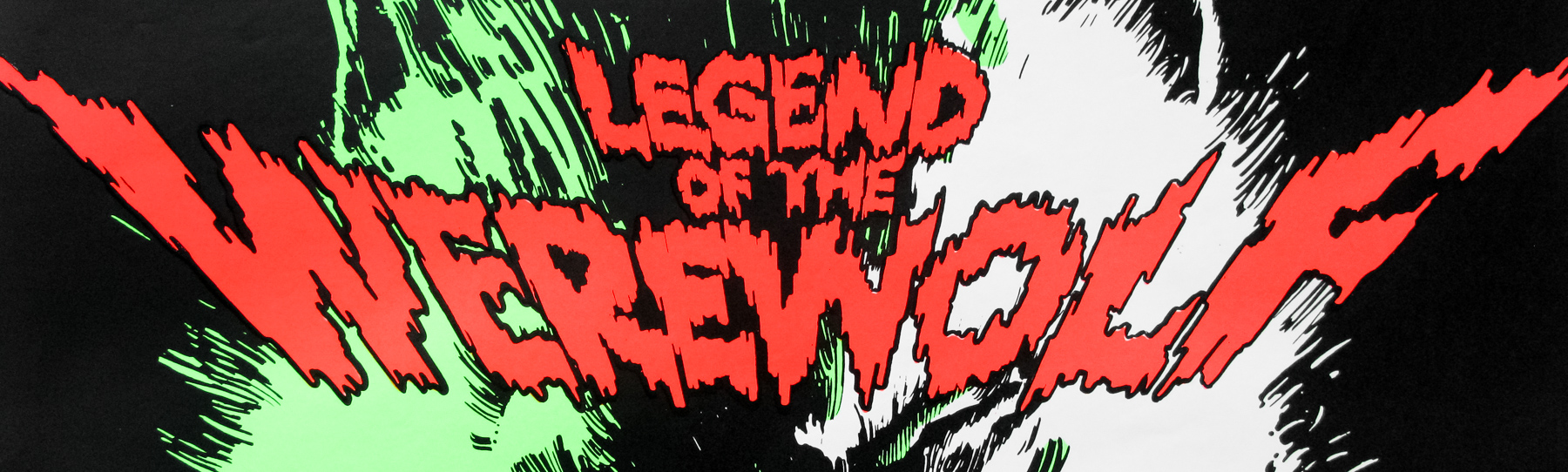
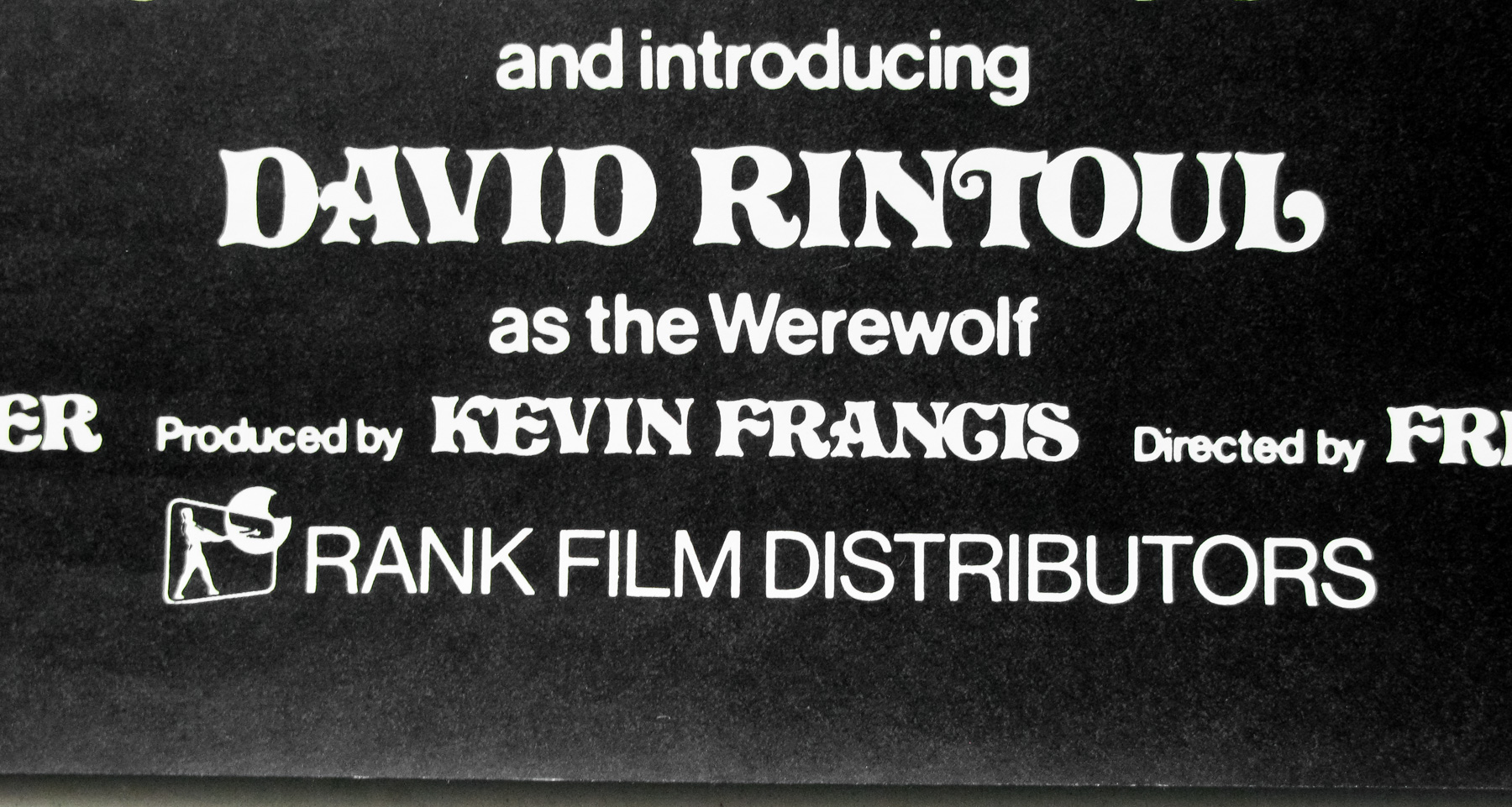
British designer and illustrator Vic Fair is responsible for the arresting poster for this 1975 horror film Legend of the Werewolf (opens in a new tab) directed by Freddie Francis (opens in a new tab) and produced by Tyburn Film Productions (opens in a new tab). Francis is probably best known as an Academy-Award winning cinematographer (Sons and Lovers (opens in a new tab), Glory (opens in a new tab)), and he worked with David Lynch on The Elephant Man (opens in a new tab), Dune (opens in a new tab) and The Straight Story (opens in a new tab). He’s also responsible for directing a slew of films for the British production companies Hammer (opens in a new tab), Amicus (opens in a new tab) and Tigon (opens in a new tab), including Dr. Terror’s House of Horrors (opens in a new tab) and Dracula has Risen from the Grave (opens in a new tab).

Tyburn (opens in a new tab) was apparently set up by Freddie Francis’ son, Kevin (opens in a new tab), and was only active for a short period, producing three horror films in 1975, including this one, The Ghoul (opens in a new tab) and Persecution (opens in a new tab). I wasn’t able to discover much more information about the company so please get in touch if you know anything of note.

The story is set in 19th century France and focuses on Etoile (David Rintoul (opens in a new tab)) who is raised by wolves and is later found and adopted by a sideshow troupe traveling through the forrest. He eventually escapes to Paris and becomes infatuated with a prostitute (Lynn Dalby (opens in a new tab)), but when her clients begin to be brutally murdered a police surgeon (Cushing) begins to suspect all is not quite right with Etoile.

Sim Branaghan, author of the excellent book British Film Posters: An Illustrated History (opens in a new tab) is a fan of the film and sent this through to me shortly after I added the poster to the site:

I actually know a large amount about this film – and Tyburn – for the simple reason that a book (opens in a new tab) was published by the BFI back in 1976, which exhaustively documented its production. The film happens to be one of my personal favourites and I think it is witty, thoughtful, and finally genuinely moving (if only in a small way). Tony Hinds’ script is classic dark-fairy-tale, the acting fine, Francis’s direction skilfully-unobtrusive and Harry Robinson’s score absolutely terrific. Cushing gives his usual model, controlled performance (rather more light-hearted than usual), Ron Moody is excellent, and David Rintoul fresh and sympathetic as the werewolf.

The supporting cast is a bit mixed, but nobody actively embarrasses themselves. Yes, the film is painfully low-budget and sometimes looks pretty threadbare, but it has HEART. Historically, it’s hugely significant as the last Costume Gothic produced in the UK (almost exactly eighteen years after the first, Curse of Frankenstein (opens in a new tab), back in autumn 1956). Hinds and Cushing worked on both of course, and the sense of fin-de-siecle here is palpable, and very poignant to a true fan of the genre.

Obviously all criticism is subjective, and you might well find plenty of other horror fans who’ll cheerfully tell you Legend is a pile of shite.  But they’d be wrong. 

The pictures of the poster don’t do the striking neon colours justice and I believe it was done with a type of screen-printing as they are particularly solid and bright in person.

Basket Case / quad / UK

27.01.12

British quad poster for Basket Case (1982)British quad poster for Basket Case (1982), image 2British quad poster for Basket Case (1982), image 3British quad poster for Basket Case (1982), image 4British quad poster for Basket Case (1982), image 5
Title
Basket Case
AKA
¿Dónde te escondes, hermano? [Where are you hiding, brother?] (Spain)
Year of Film
1982
Director
Frank Henenlotter
Starring
Kevin Van Hentenryck, Terri Susan Smith, Beverly Bonner, Robert Vogel, Diana Browne, Lloyd Pace, Bill Freeman, Joe Clarke
Origin of Film
USA
Genre(s) of Film
Horror | Comedy
Film Series
Basket Case
Type of Poster
Quad
Origin of Poster
UK
Year of Poster
1982
Designer
Unknown
Artist
Unknown
Size (inches)
30 1/8" x 40"
SS or DS
SS
Tagline
The tenant in room 7 is very small, very twisted and very mad.

Frank Henenlotter’s (opens in a new tab) marvellously sleazy Basket Case (opens in a new tab) is a true cult classic and is a film that transcended it’s micro budget to become a mainstay of midnight movies (opens in a new tab) across the globe. Technically the film shouldn’t work; the acting is terrible throughout and makes the cast of Tommy Wiseau’s The Room (opens in a new tab) look like Oscar-winning legends, the special effects are laughable and the editing is seriously rough in places, but the film has a certain charm that allows you to forgive it’s faults and revel in its trashy delights.

The film is definitely a love letter to a New York City, specifically the area around Times Square and 42nd street, that has long since changed. On the film’s excellent audio commentary Henenlotter talks about how he could see the change coming and shot lots of footage of the area so he could capture what it was like before it was cleaned up and sanitised beyond all recognition. Times Square was once a haven of sleazy nightclubs, nude shows and sex shops, full of weird and wonderful characters, particularly once the sun went down. Basket Case was shot in and around the area and you can really feel the griminess in every scene, particularly the opening shots where Duane (poodle-haired Kevin Van Hentenryck (opens in a new tab)) makes his way through these streets on his way to Hotel Broslin.

Like many low-budget ($35k apparently) films Basket Case had some trouble getting into cinemas in the form that the director had envisioned. This is talked about in the commentary and is mentioned on Hotelbroslin.com (opens in a new tab), the official website:

When Analysis Films first released “Basket Case,” they cut it. They removed most of the gore so the film would be “funnier.” Obviously, the gore is part of the punch line so their cut version was awful, few came to see it, and the film died almost the moment it was released in April of ’82. However, “Drive-In Movie Critic” Joe Bob Briggs wanted to host the Dallas premiere of the film in June but wouldn’t host a cut version. So Analysis sent it to Dallas uncut and let it play there. The film quickly started selling out. So Analysis quietly replaced the cut version with the uncut version everywhere else and the film suddenly became a hit. After three weeks of the uncut version playing in New York’s Waverly Theatre in Greenwich Village, Analysis finally put an ad in the Village Voice announcing that, yes, it’s finally uncut.

The film was recently released on blu-ray (opens in a new tab) and it’s a revelation to see the film as the director intended. It was shot on 16mm and so was originally full frame (4:3). To be able to show it at cinemas the distributor blew it up to 1:85:1 widescreen and, as Henenlotter notes, it made everything look squashed and claustrophobic, whilst also seriously affecting the many night scenes. For the blu-ray transfer the original 16mm negatives were used and the film has never looked better, particularly if, like me, you first saw the film on murky VHS.

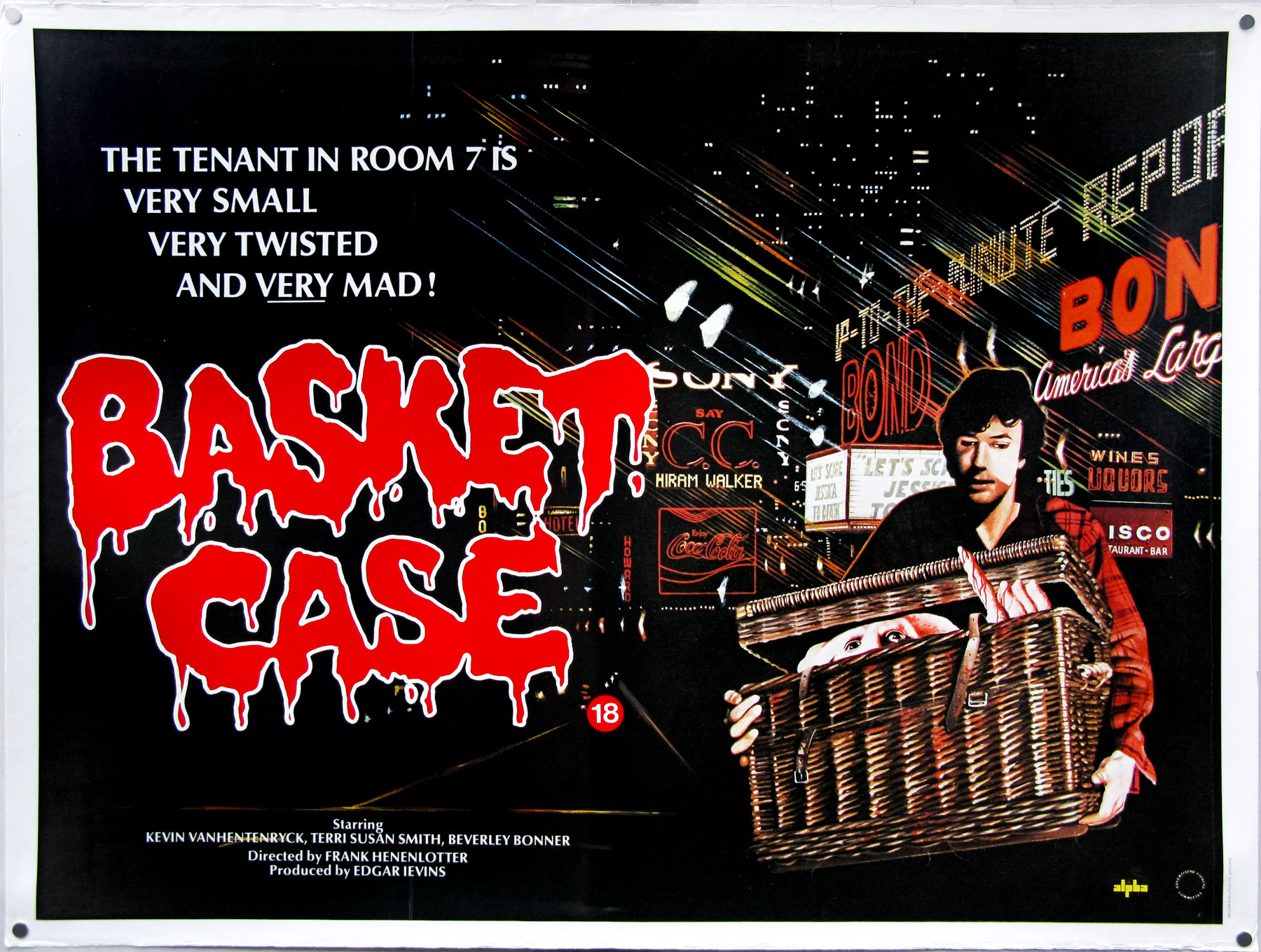
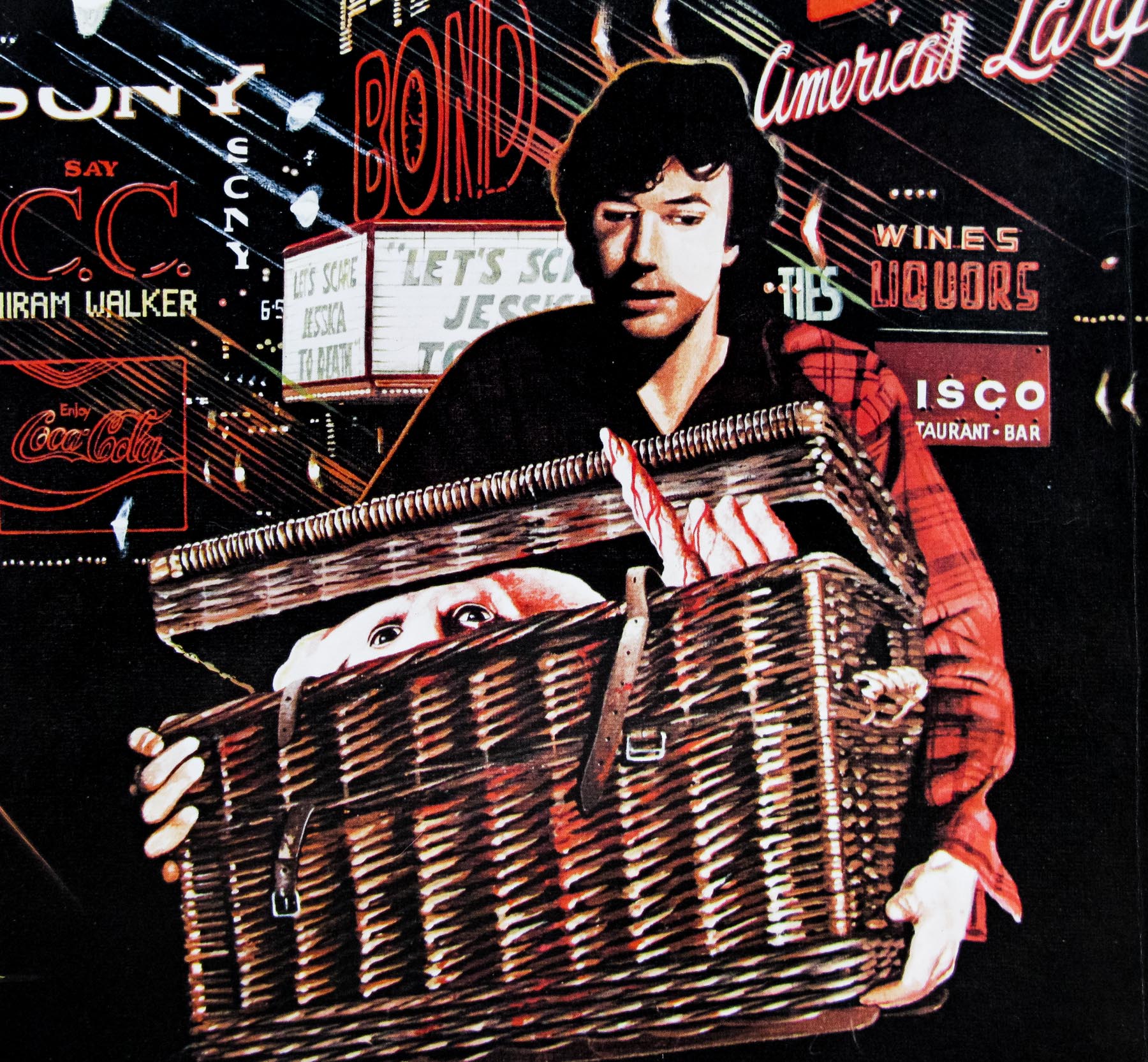
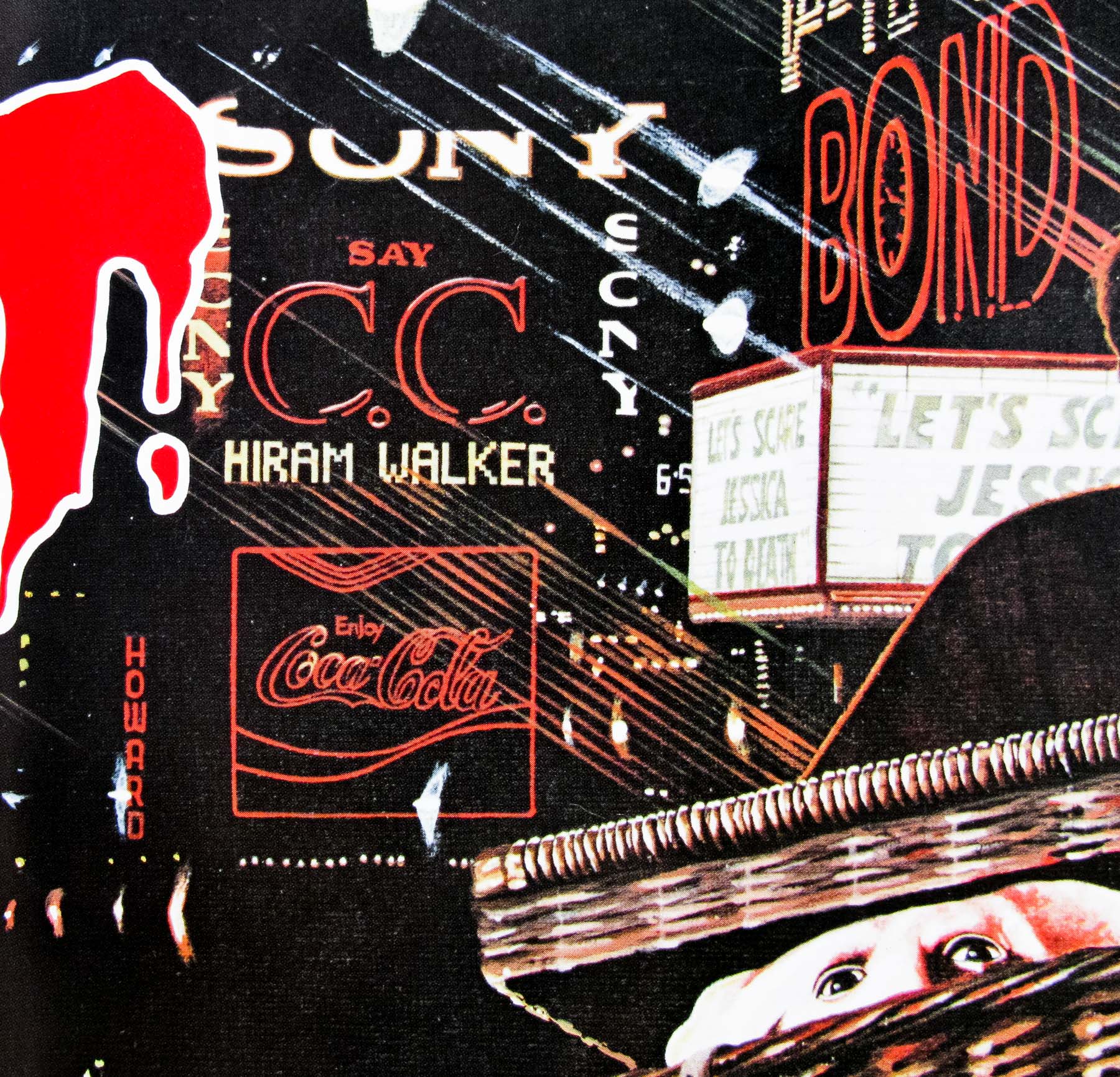
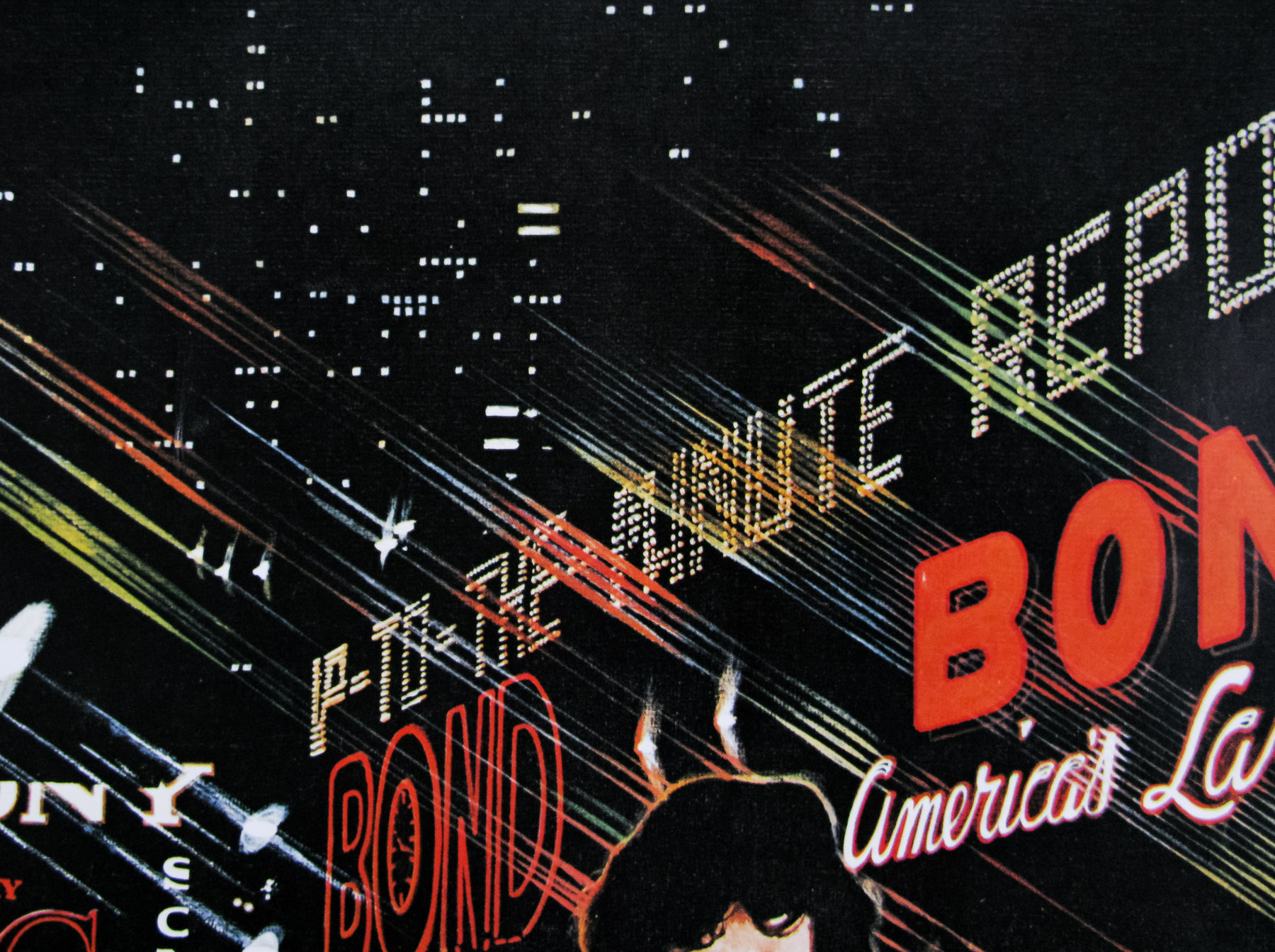
This British quad features a surreal background made up of images from the Times Square of the time. There are various genuine brands in there as well as what I assume are fictional ones. I’m pretty sure the unknown artist’s name is one of the signs too, but can’t be certain. Note the cinema hoarding showing the 1971 horror film ‘Let’s Scare Jessica to Death’ (opens in a new tab). The character holding the basket doesn’t look massively like Van Hentenryck but I think this can be forgiven!

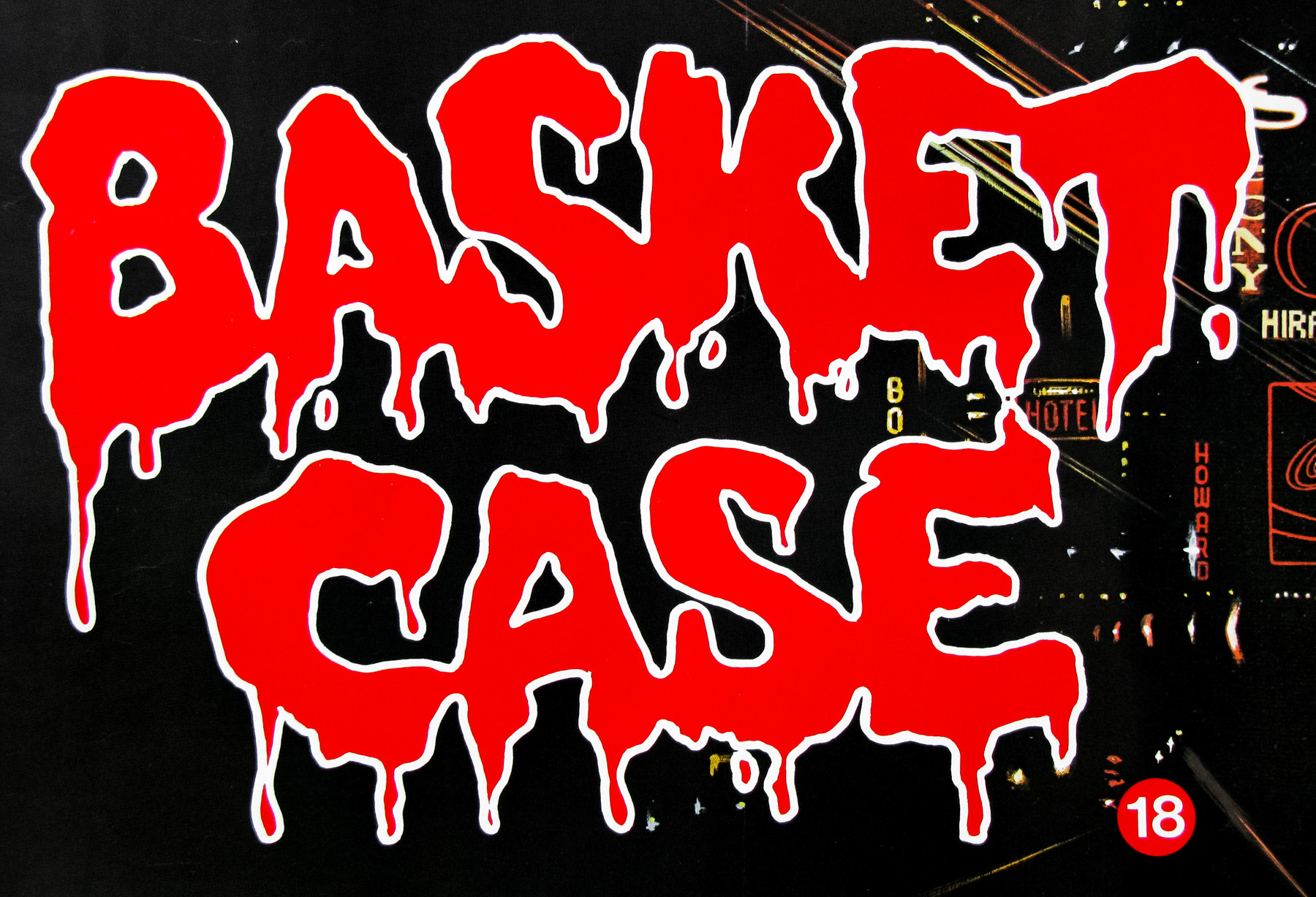
The tagline and logo are also undoubted classics and rank up there as some of the best ever to grace British horror posters.

The film’s original trailer is on YouTube (opens in a new tab).

Permission To Kill / 30×40 / USA

26.01.12

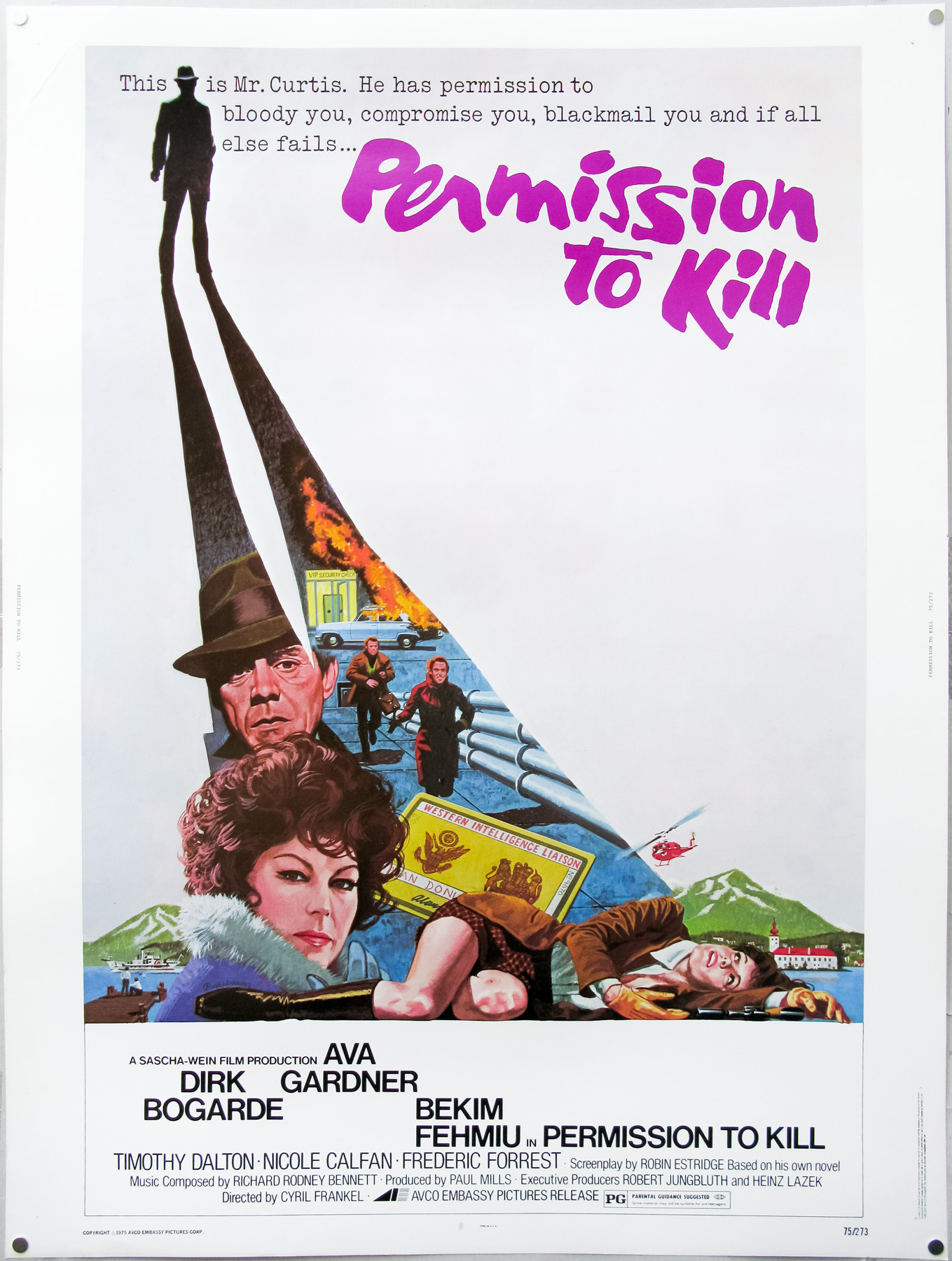
US 30x40 poster for Permission To Kill (1975). Artwork by Robert TanenbaumUS 30x40 poster for Permission To Kill (1975). Artwork by Robert Tanenbaum, image 2US 30x40 poster for Permission To Kill (1975). Artwork by Robert Tanenbaum, image 3US 30x40 poster for Permission To Kill (1975). Artwork by Robert Tanenbaum, image 4US 30x40 poster for Permission To Kill (1975). Artwork by Robert Tanenbaum, image 5
Title
Permission To Kill
AKA
The Executioner (alt. title)
Year of Film
1975
Director
Cyril Frankel
Starring
Dirk Bogarde, Ava Gardner, Bekim Fehmiu, Timothy Dalton, Nicole Calfan, Frederic Forrest, Klaus Wildbolz, Anthony Dutton, Peggy Sinclair, Dennis Blanch, John Levene
Origin of Film
UK | Austria | USA
Genre(s) of Film
Drama | Thriller
Type of Poster
30x40
Origin of Poster
USA
Year of Poster
1975
Designer
Unknown
Artist
Robert Tanenbaum
Size (inches)
30 1/8" x 40"
SS or DS
SS
NSS #
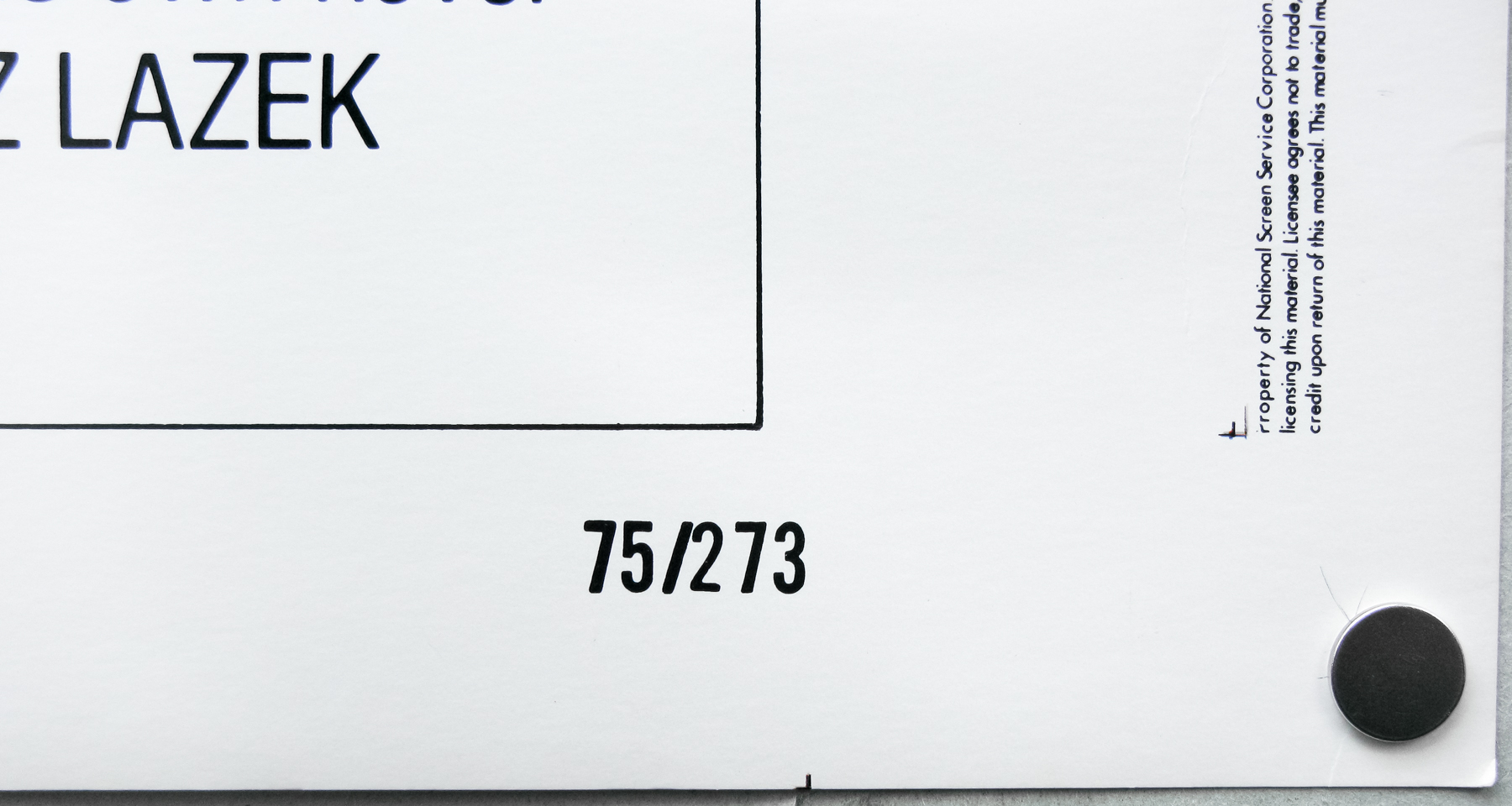
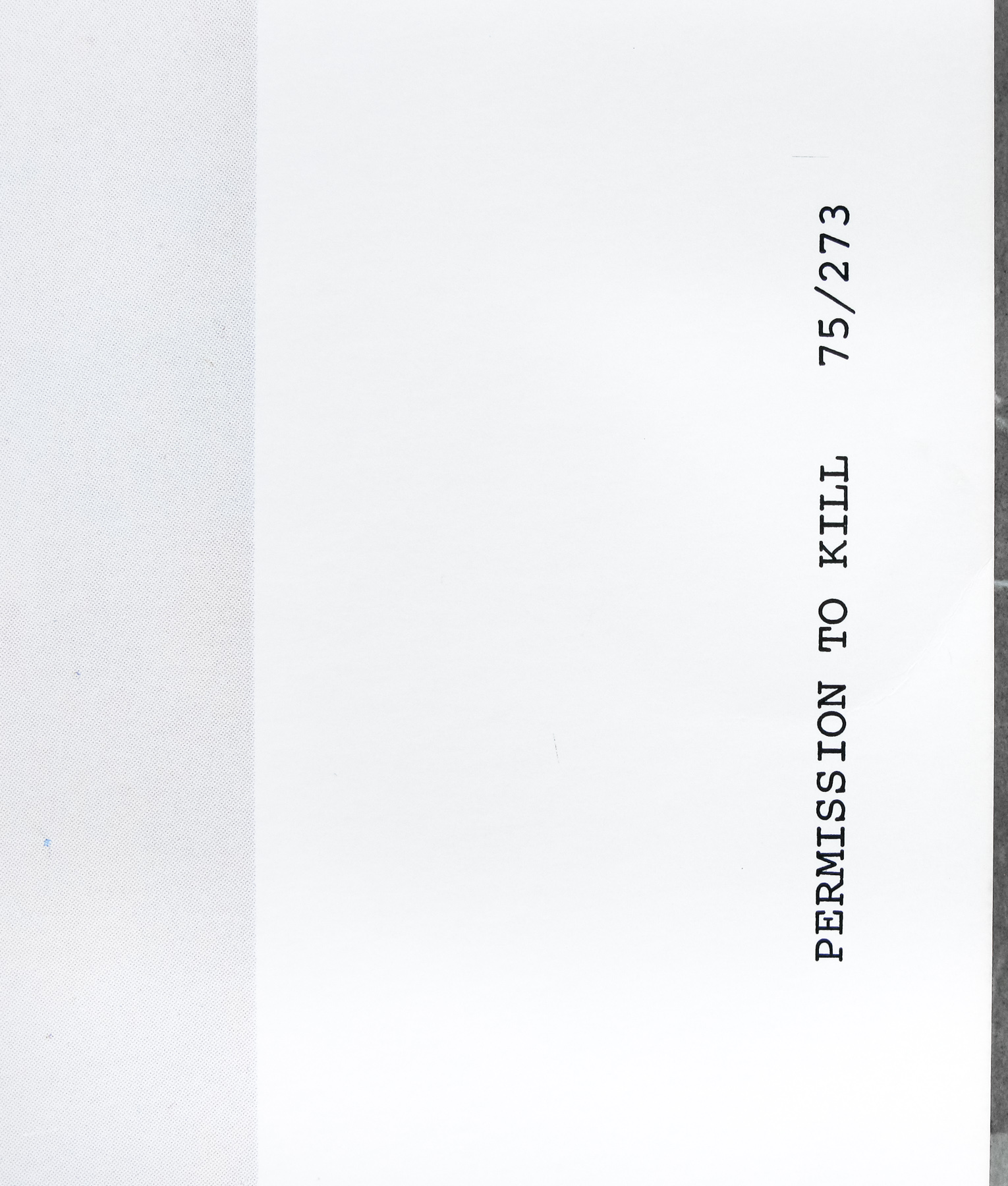
75/273
Tagline
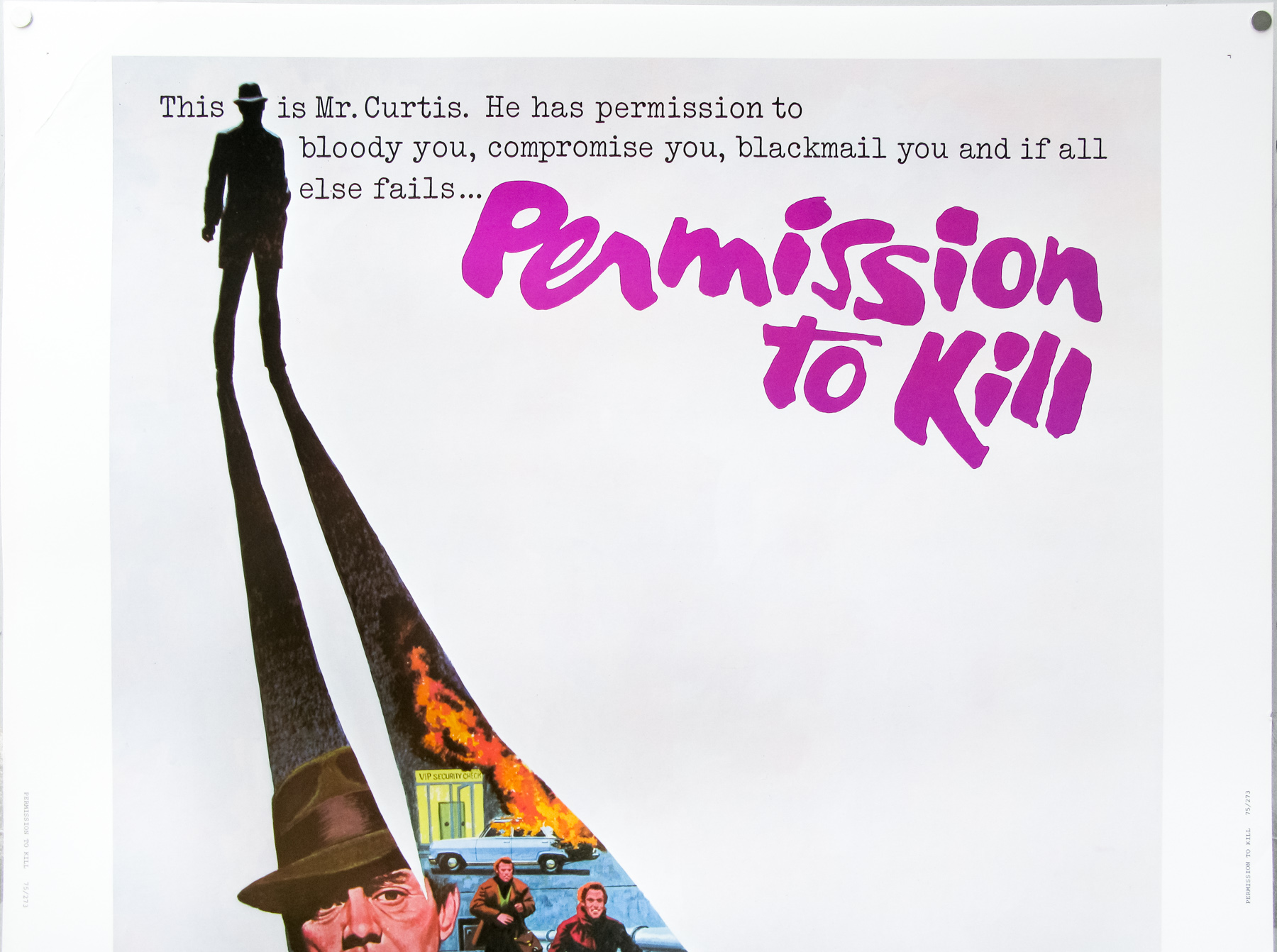
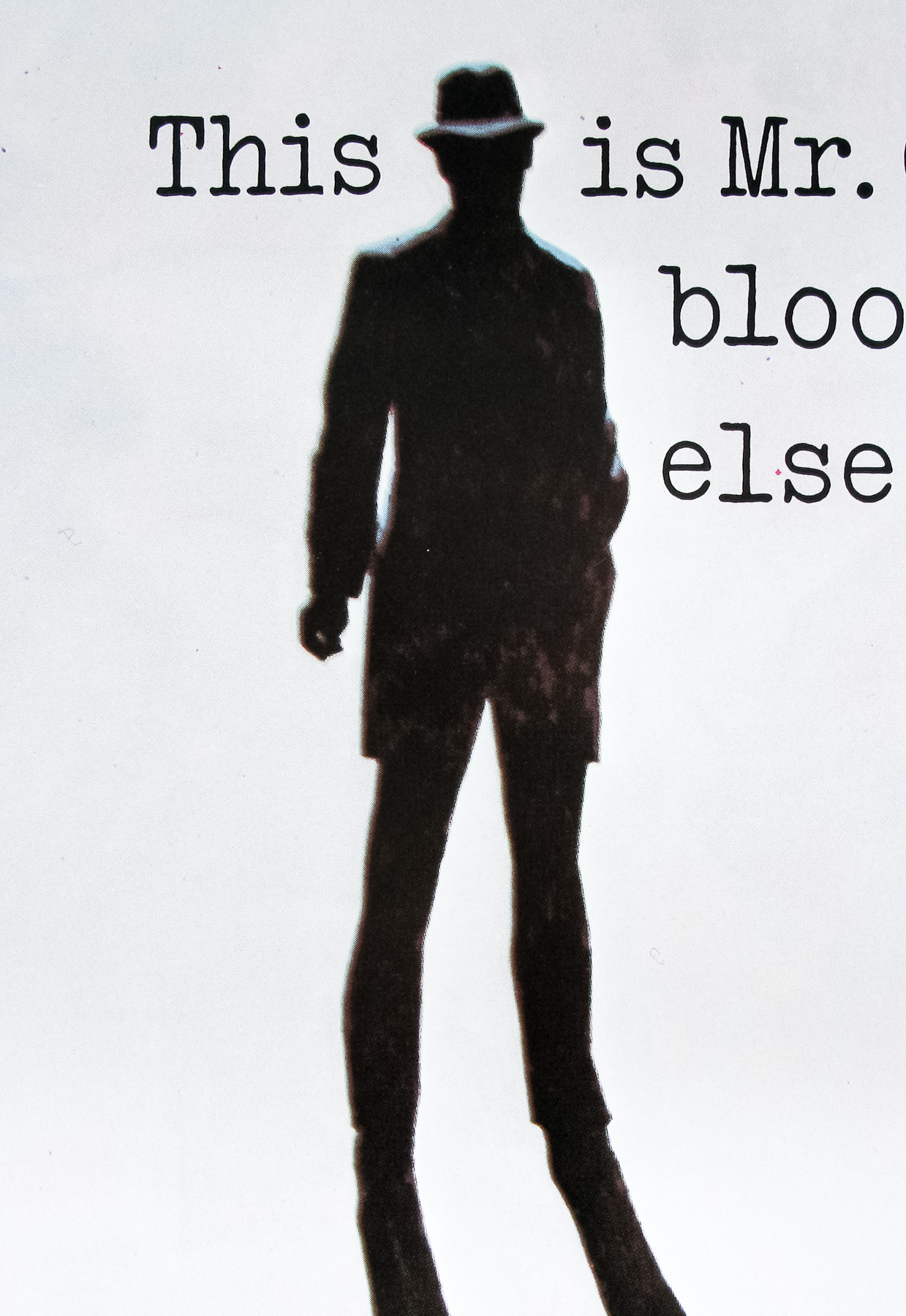
This is Mr. Curtis. He has permission to bloody you, compromise you, blackmail you and if all else fails...

I’ll admit to not having seen this 1975 political spy thriller starring Dirk Bogarde (opens in a new tab), Ava Gardner (opens in a new tab) and a pre-Bond Timothy Dalton (opens in a new tab), but going by the lack of information, reviews and discussion of the film on IMDb (opens in a new tab), I am not alone. It doesn’t appear to have been released on DVD and I could only find evidence of a UK VHS release (on Amazon).

One of the only reviews I could find has this to say:

Permission to kill has got to be one of the WORST films ever made, The directing from Frankel is appaling, The story is needlessly complicated and confusing, and the actors (especially Bogarde) look like they’d rather be somewhere else, but above all absolutely NOTHING happens.

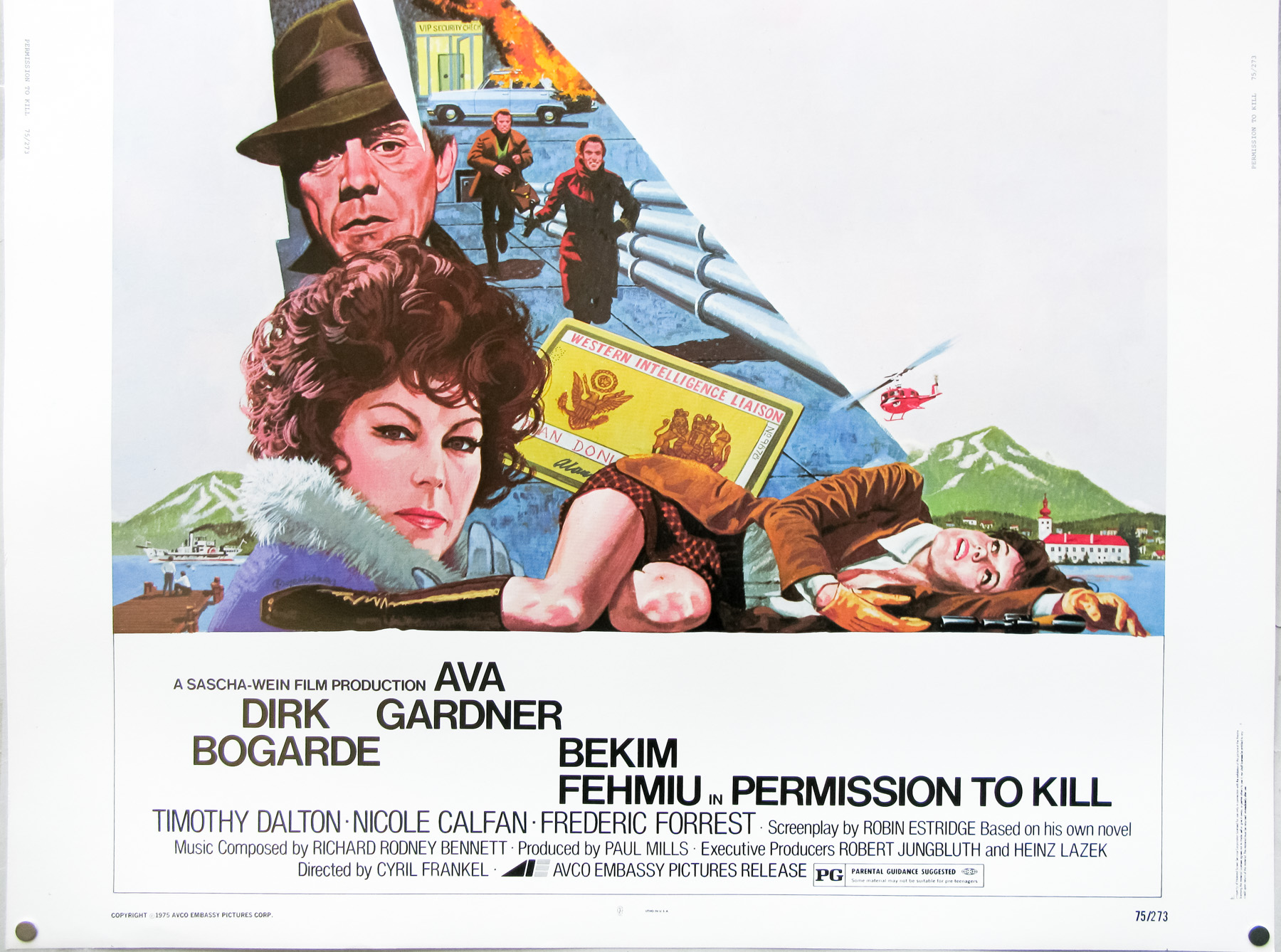
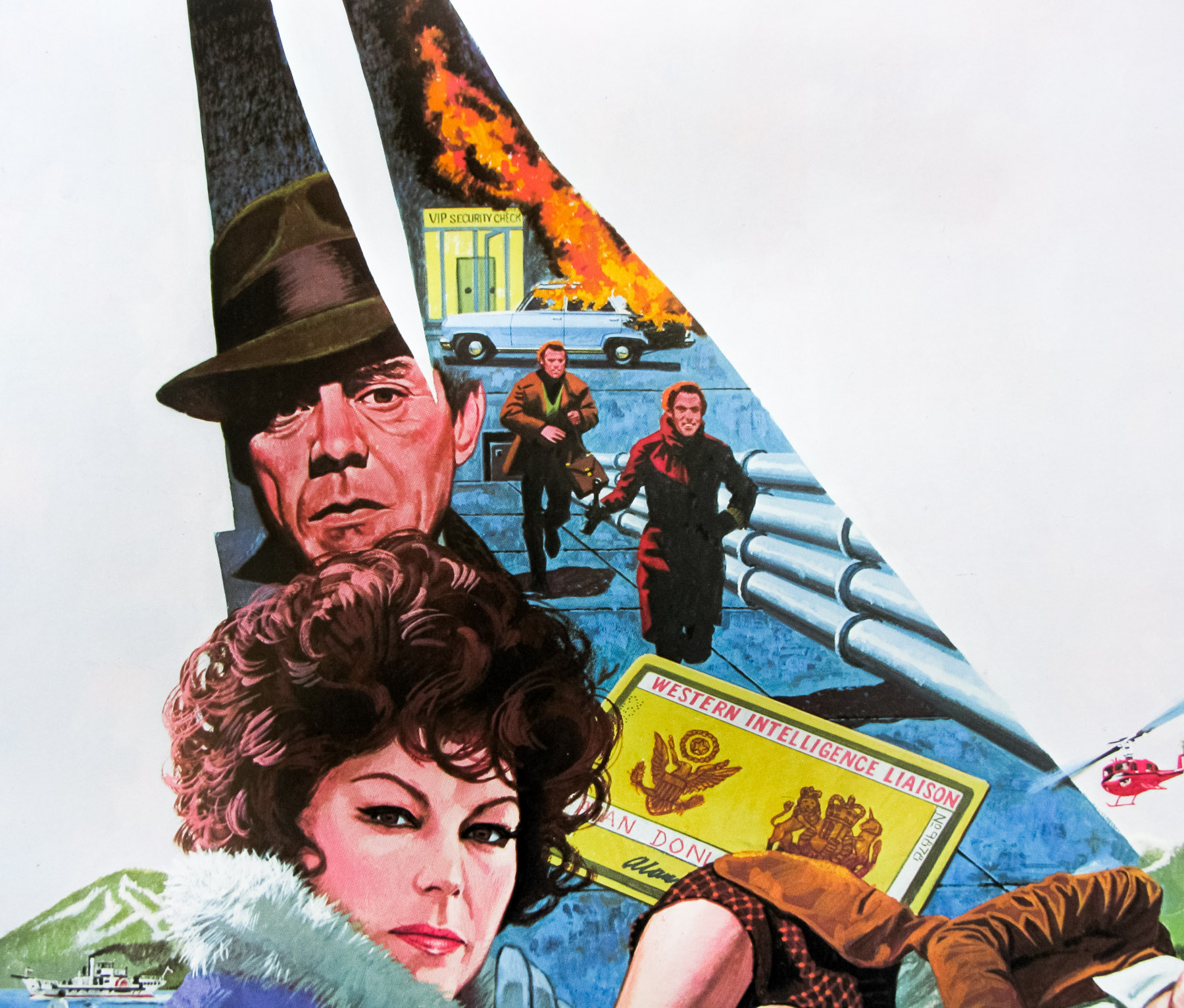
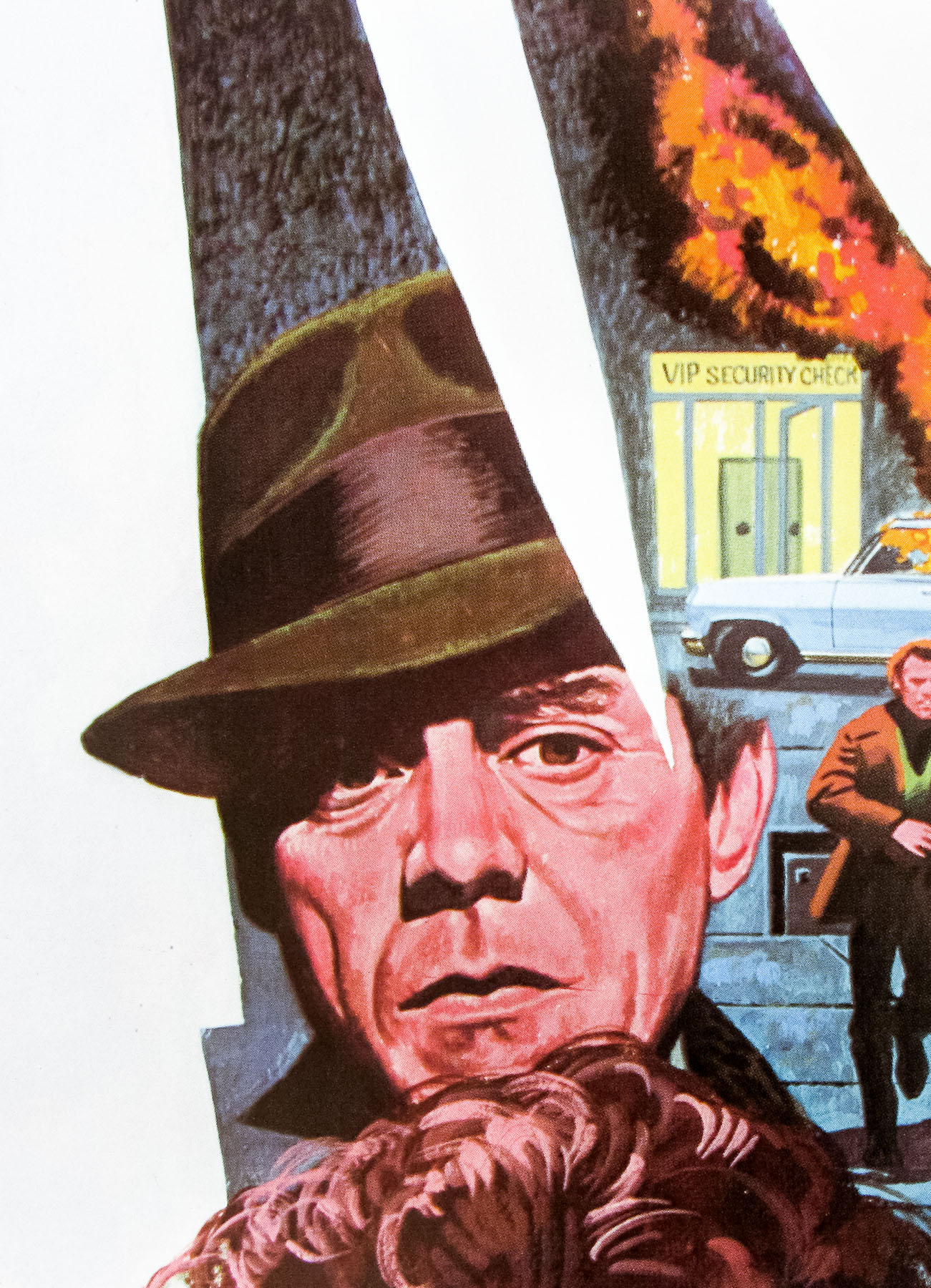
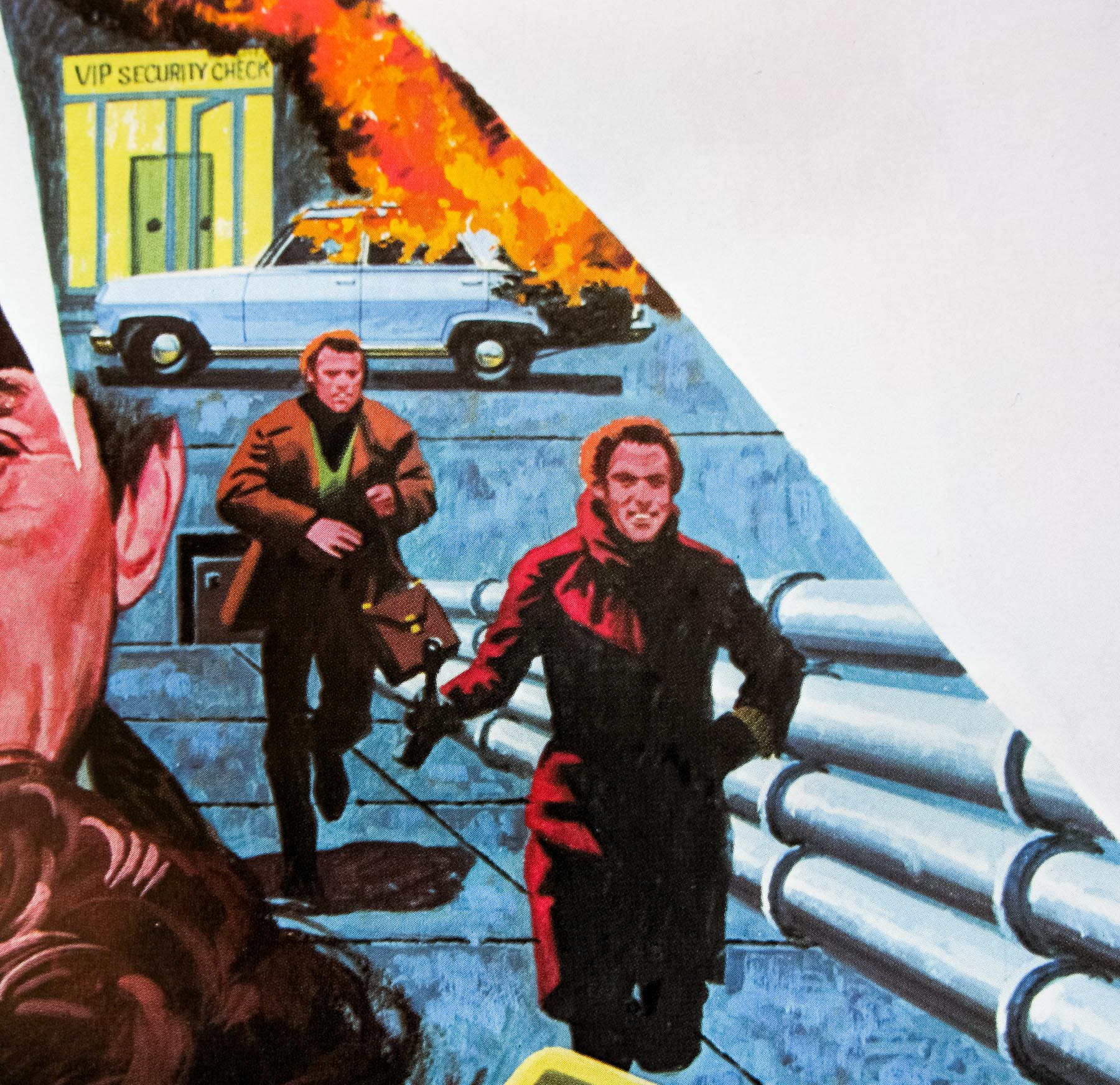
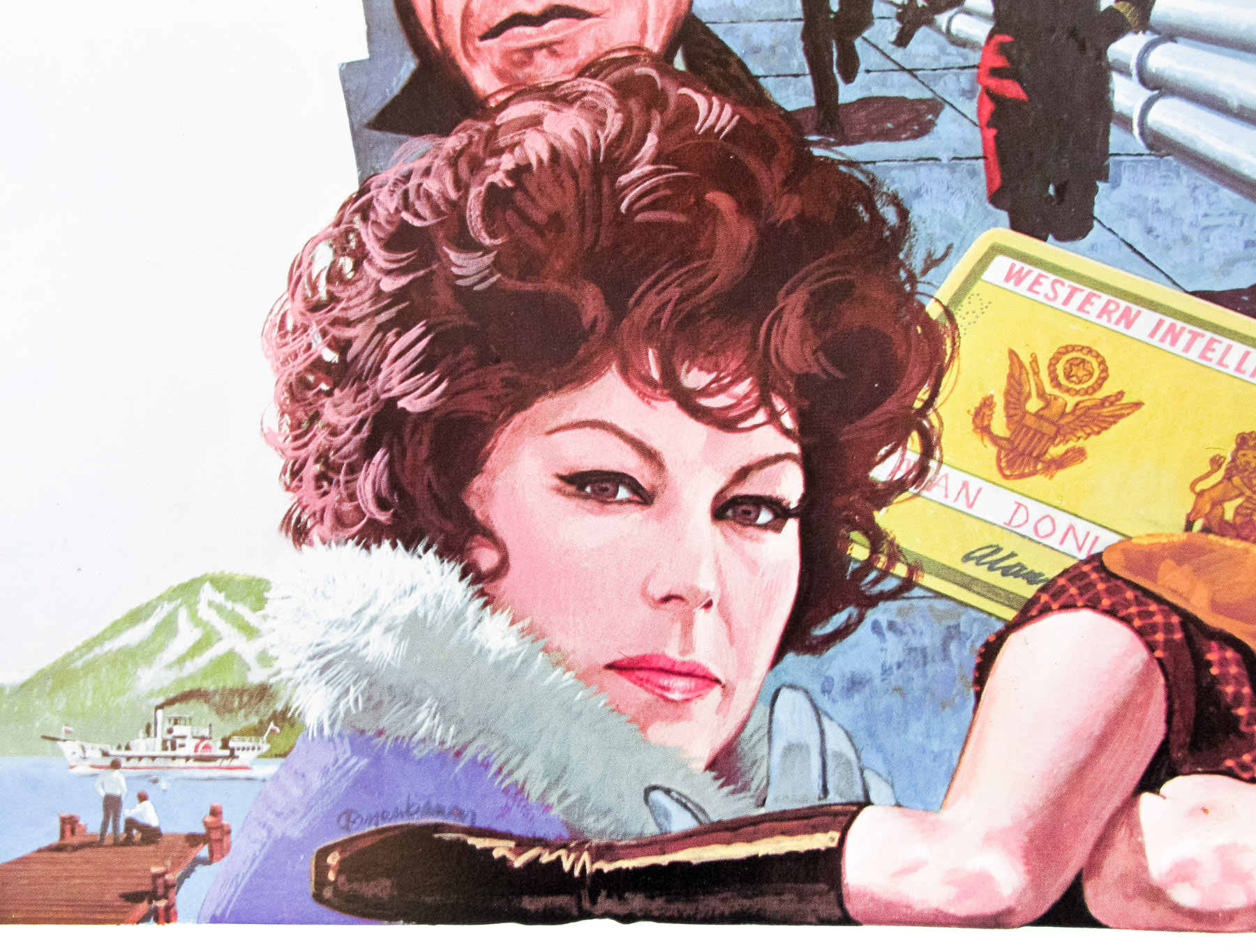
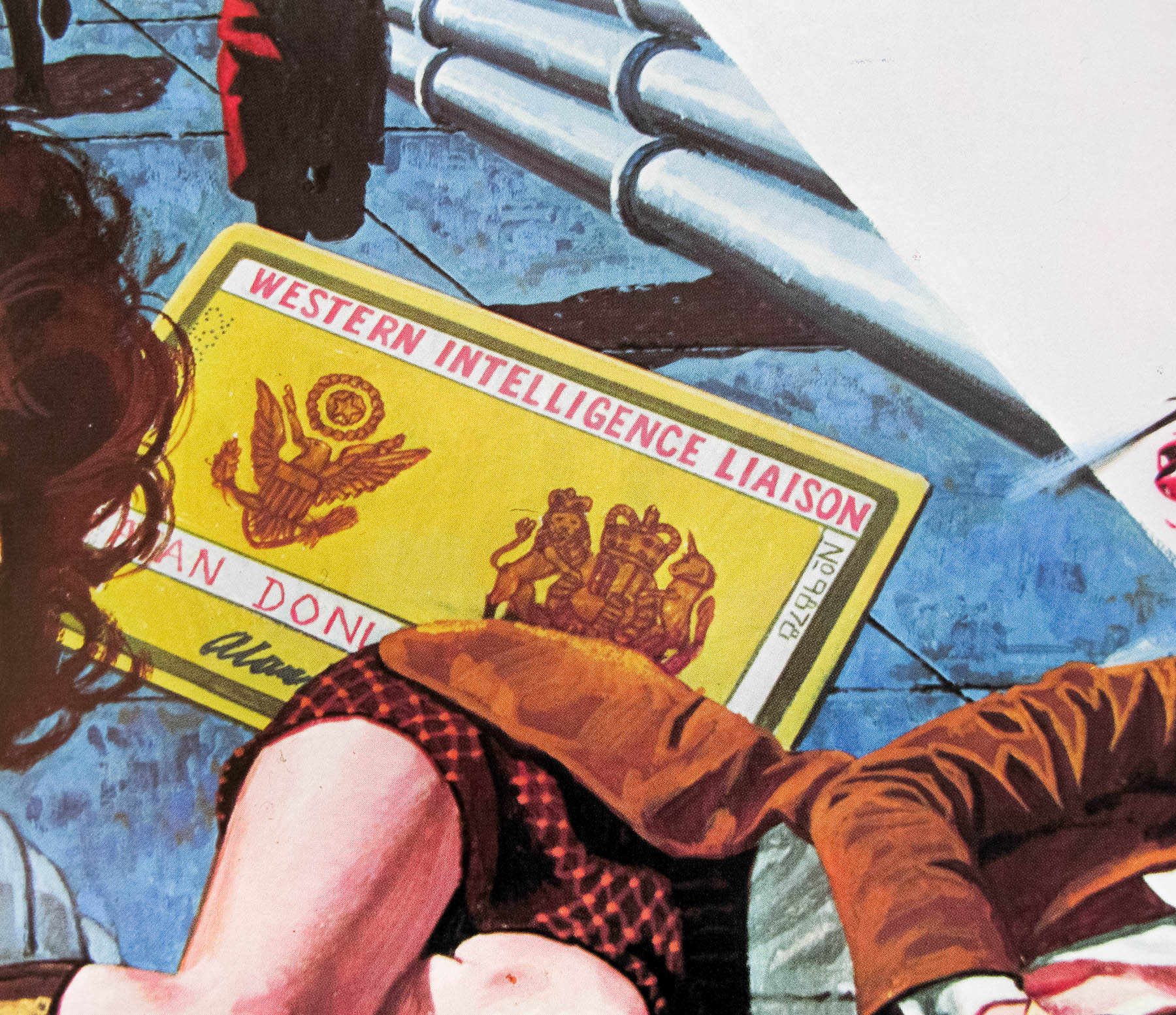
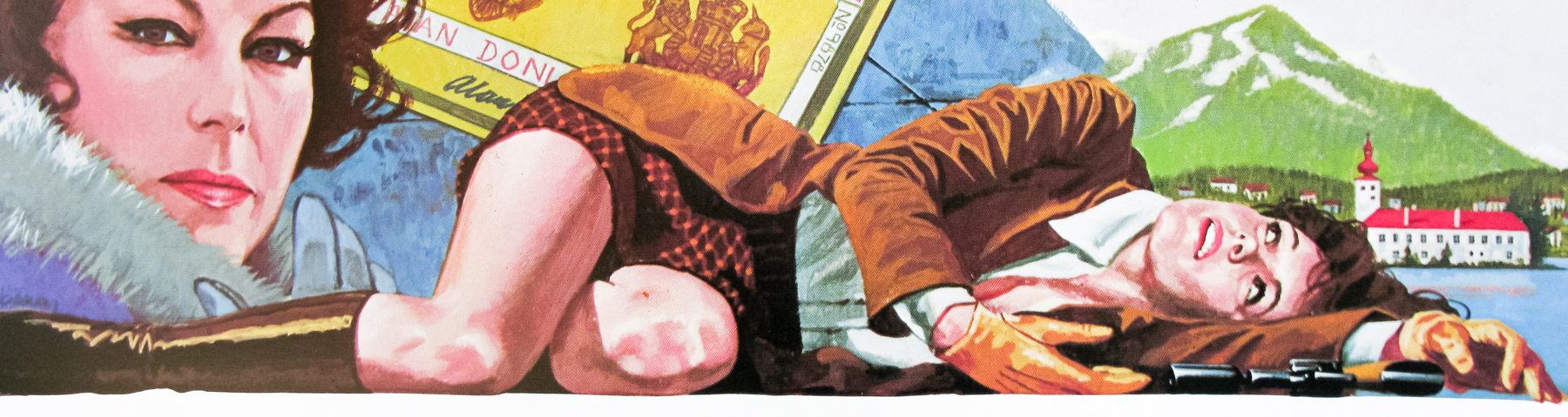
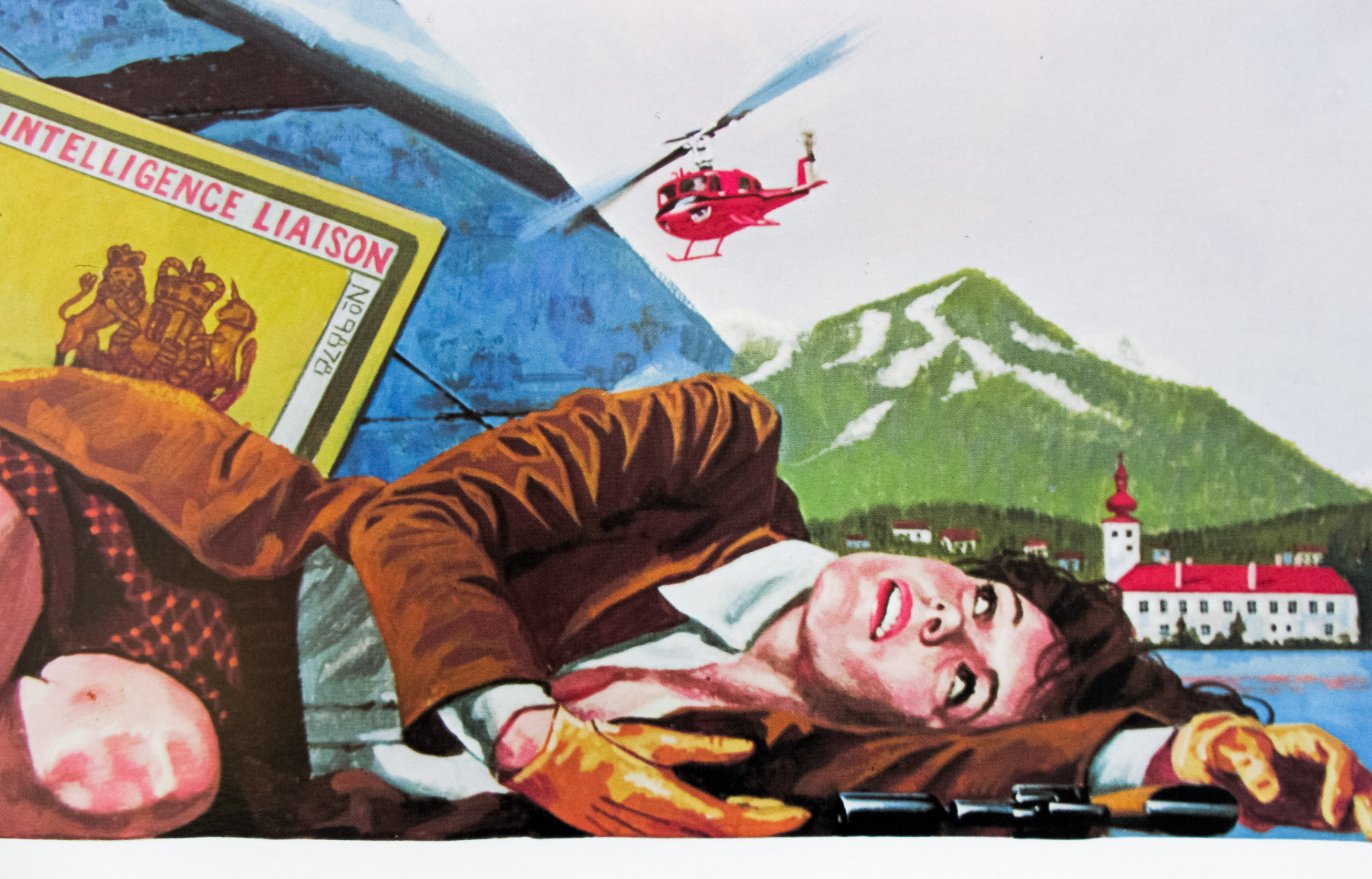
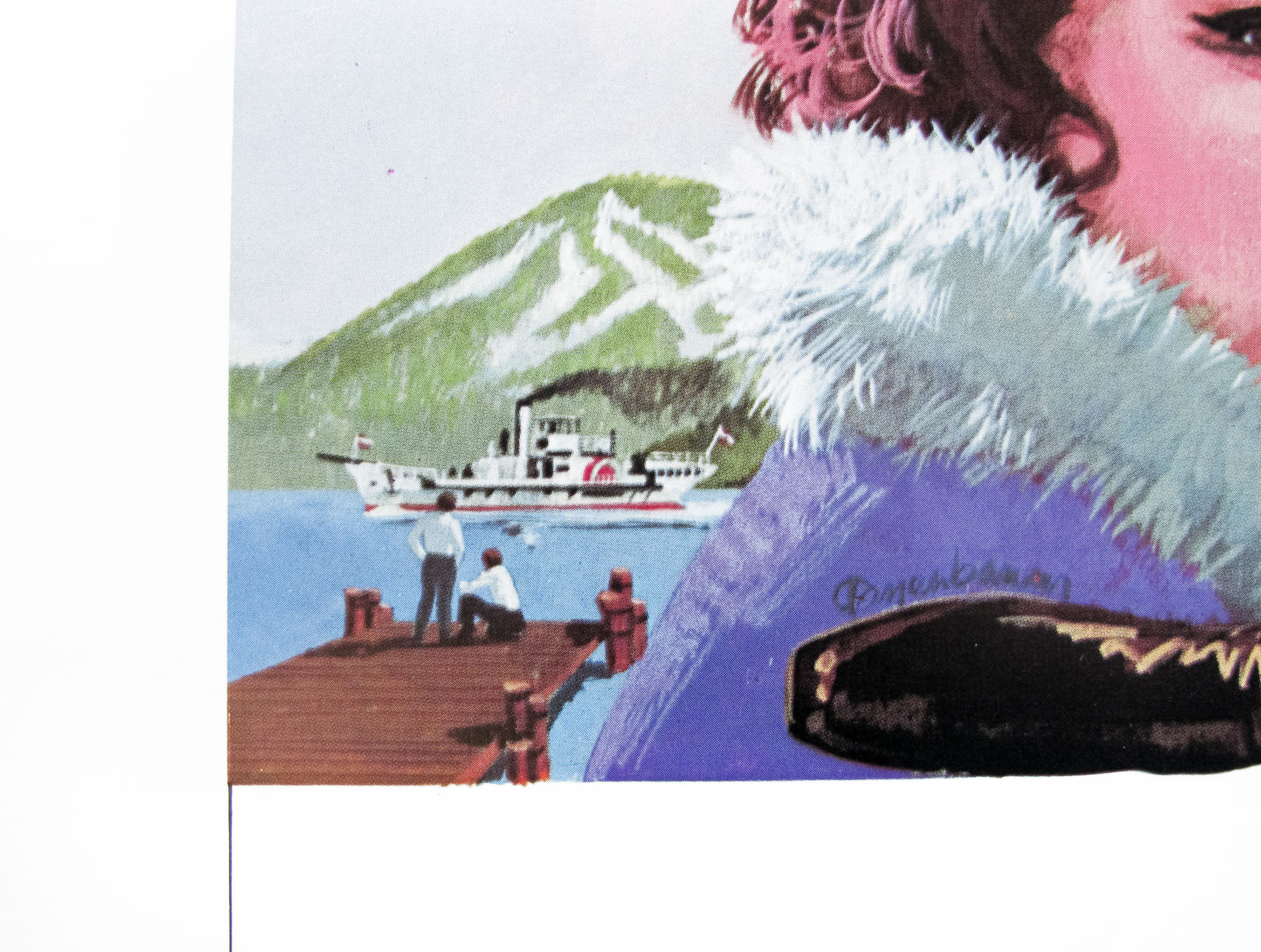
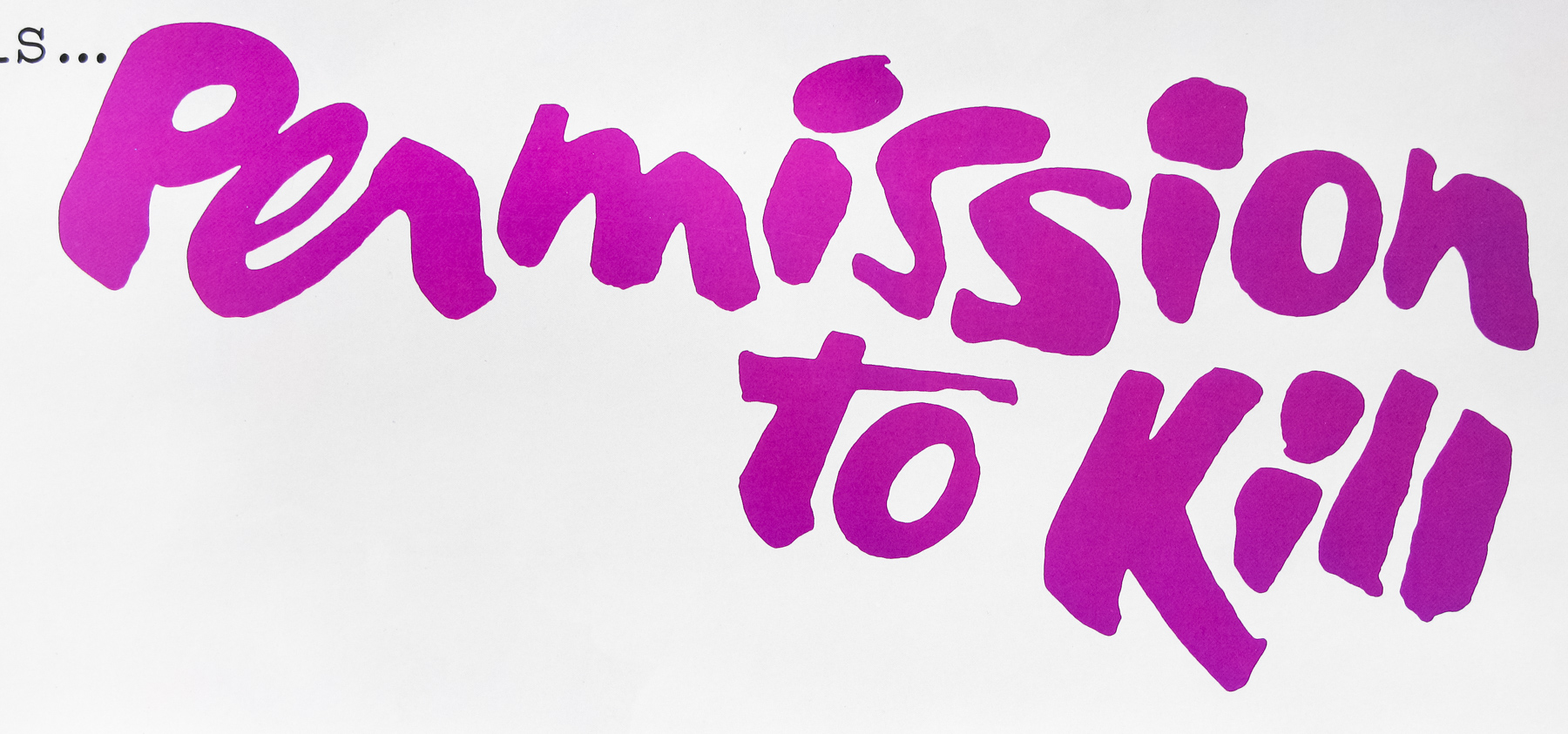
Even if the film is not one to seek out, this poster, with artwork by American artist Robert Tanenbaum (opens in a new tab), is definitely an interesting one. I really like the composition and use of masking within the shadow of the mysterious ‘Mr Curtis’. Tanenbaum clearly has a thing for horizontal ladies, as evidenced here and on his poster for A Boy and His Dog. The colours work well against the grey background and the title logo is also fairly unusual for the time period (being hand drawn and brightly coloured).

To see other posters I’ve collected by Robert Tanenbaum click here.

The original trailer (with Danish subs) can be found on YouTube (opens in a new tab).