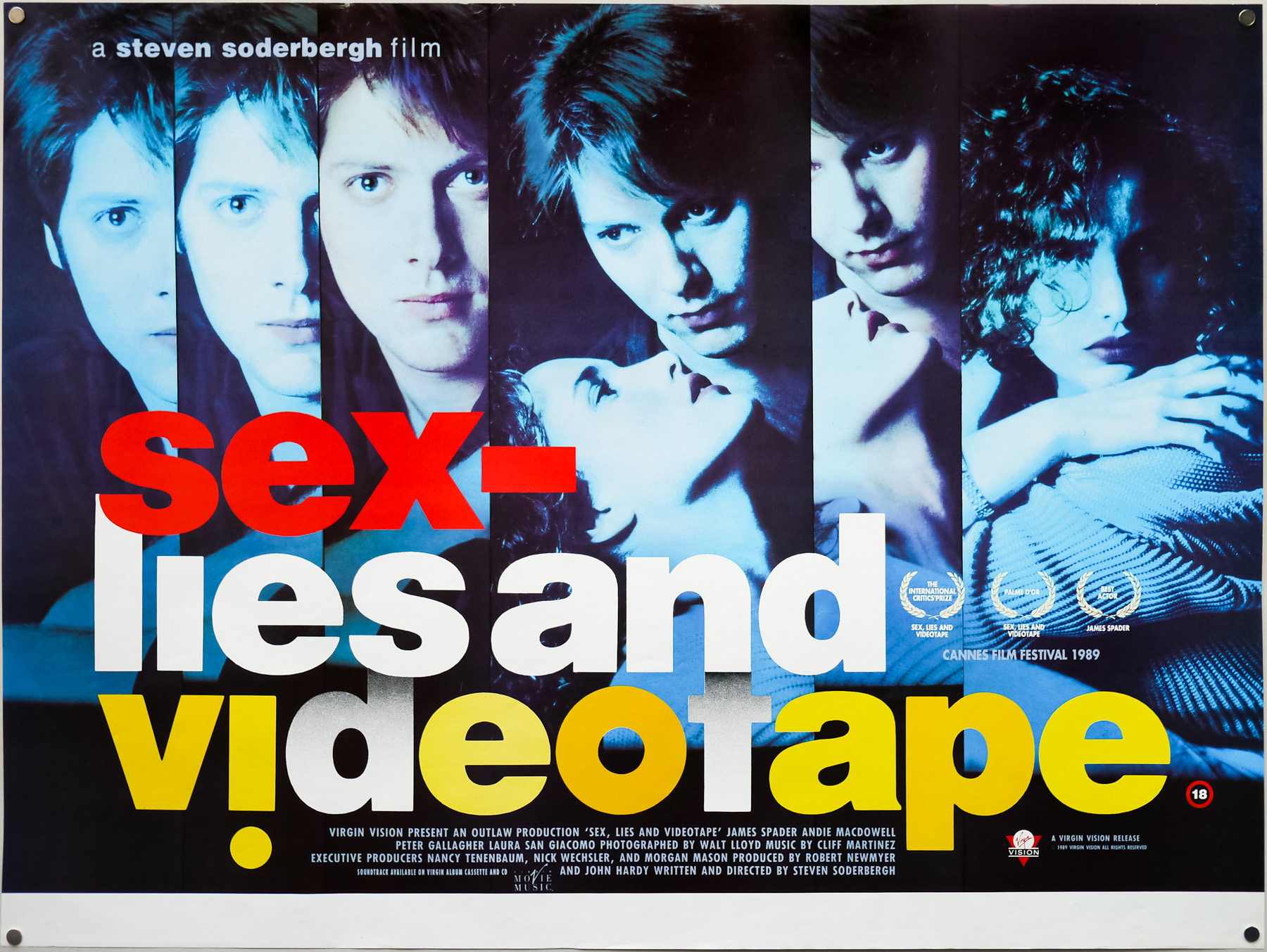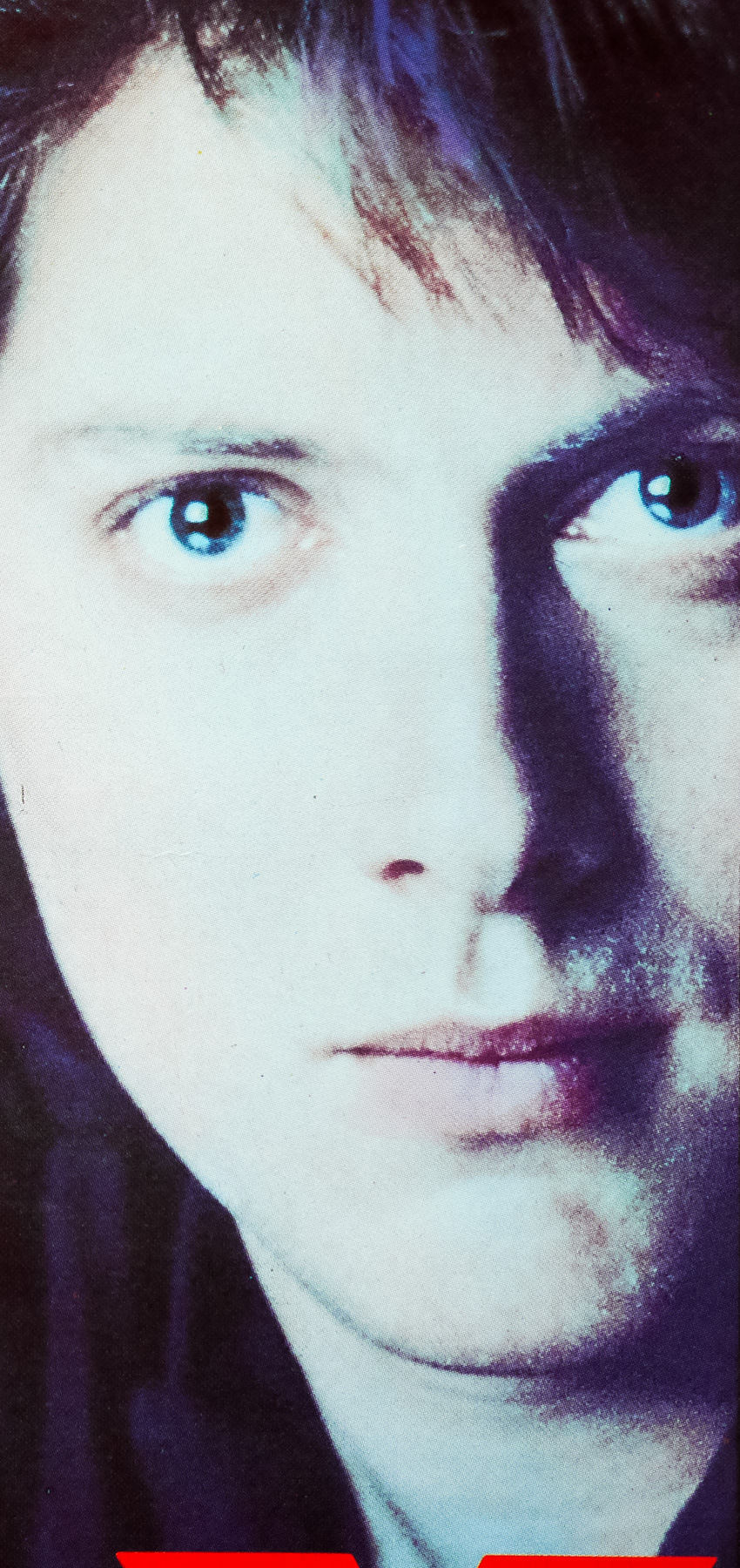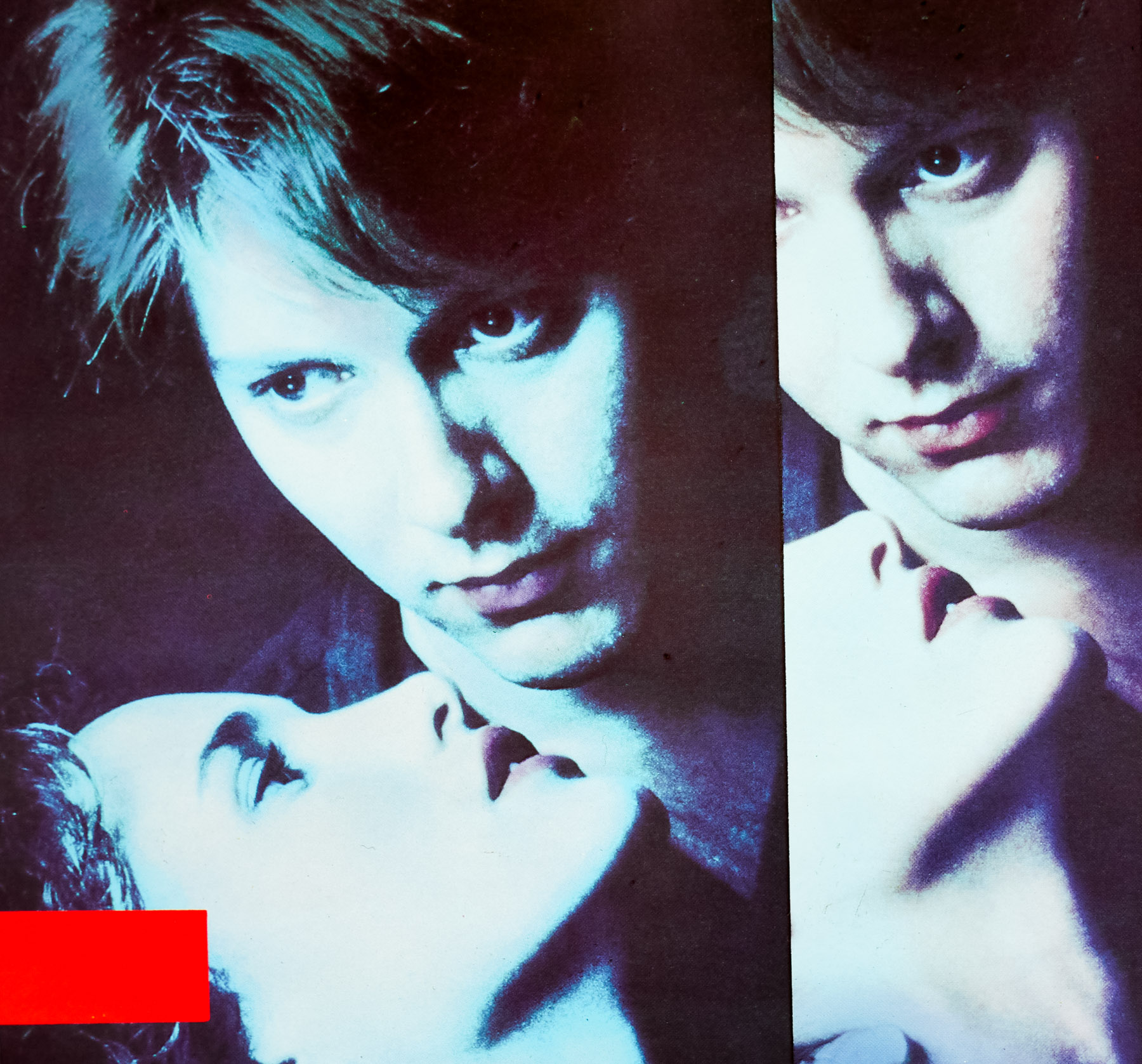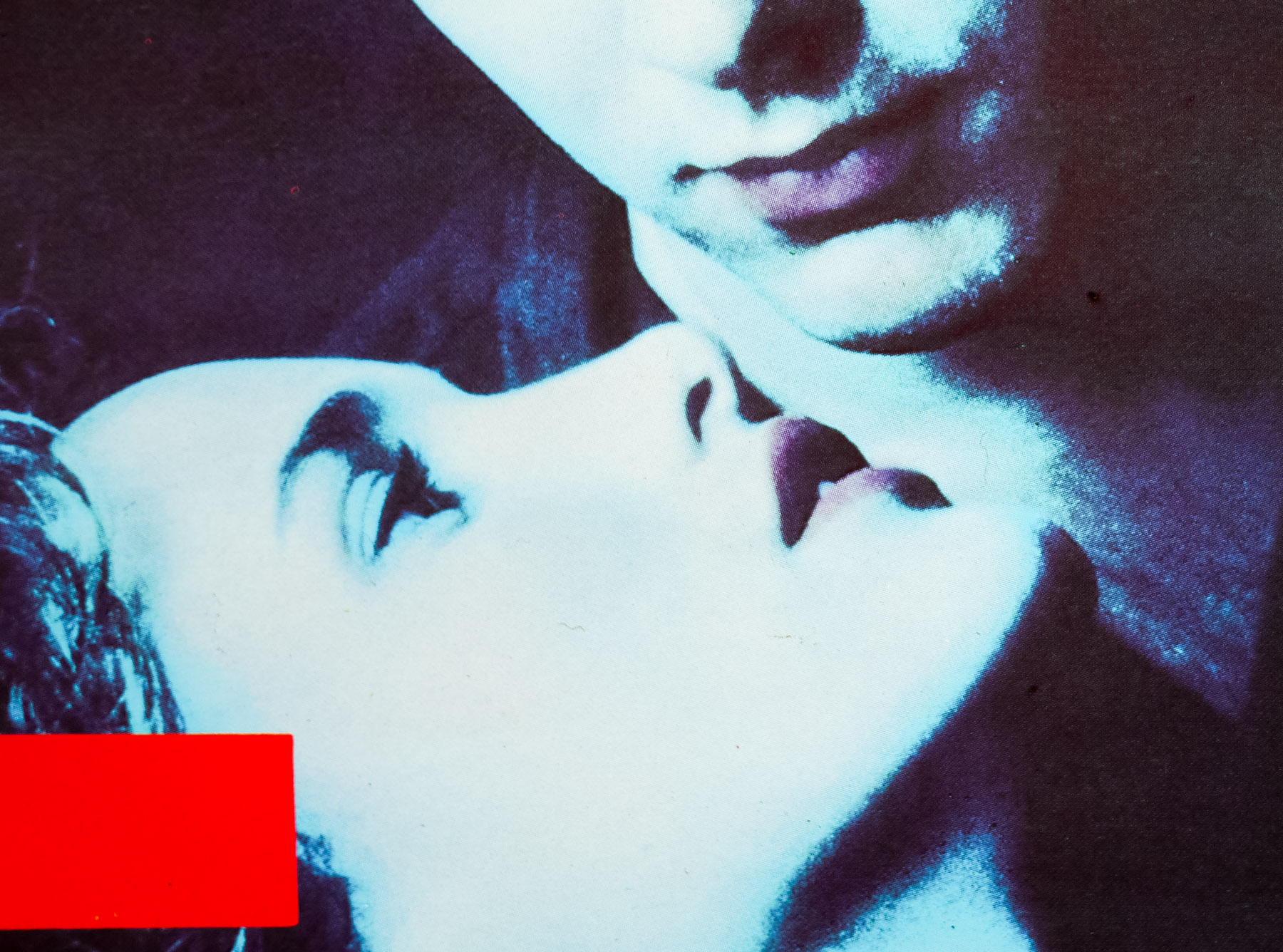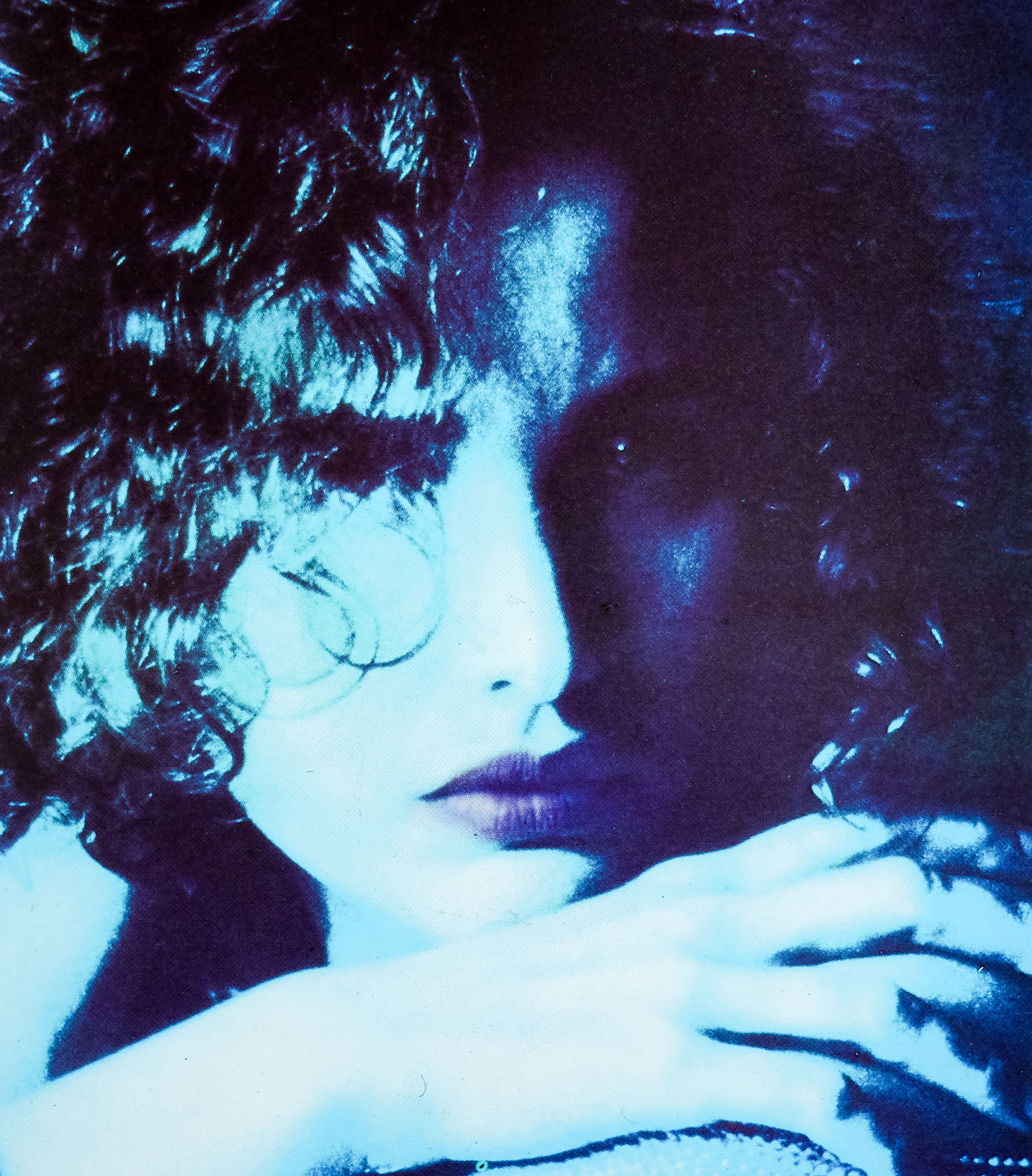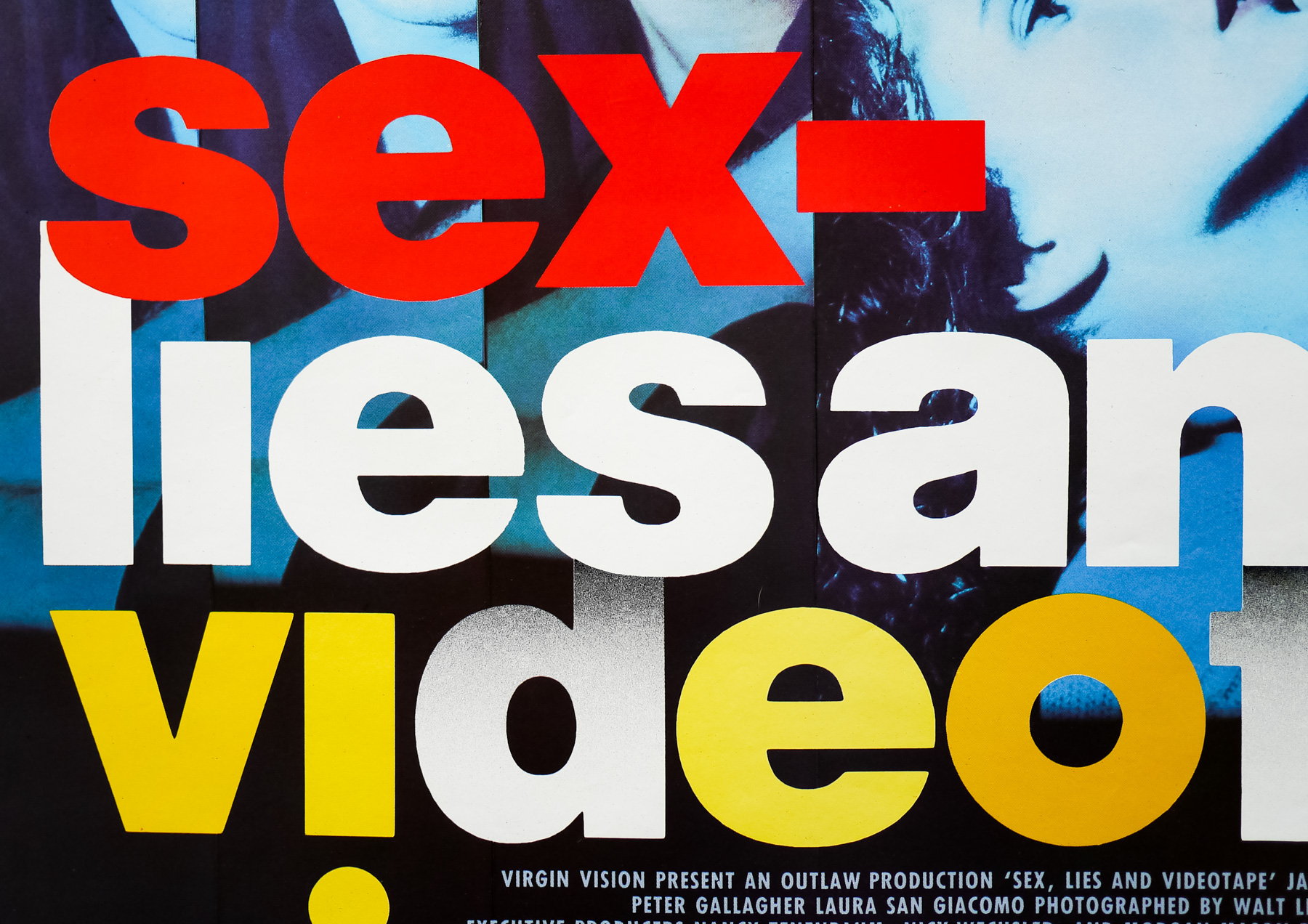


Sex, Lies, and Videotape / quad / UK

09.06.15

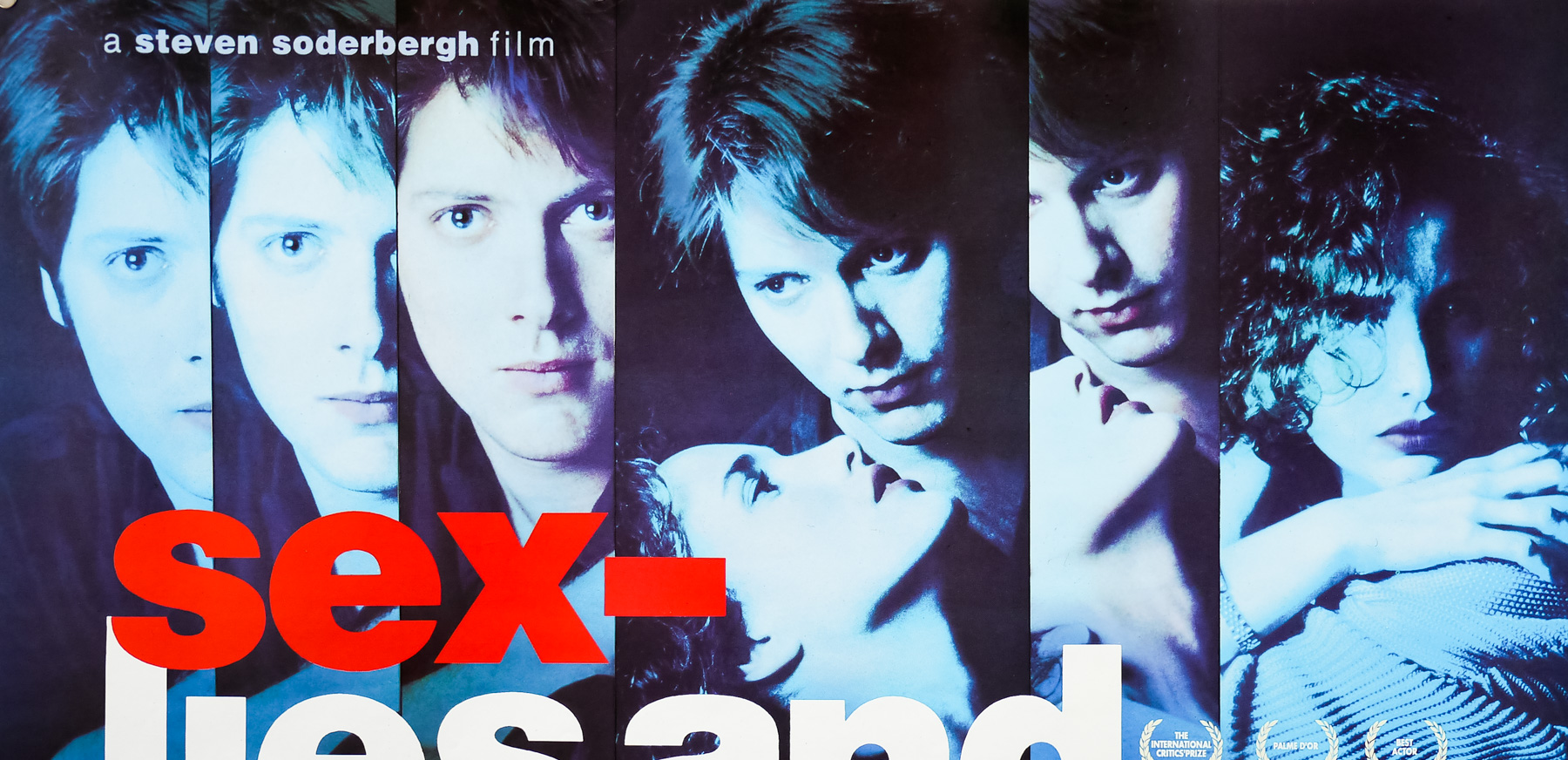
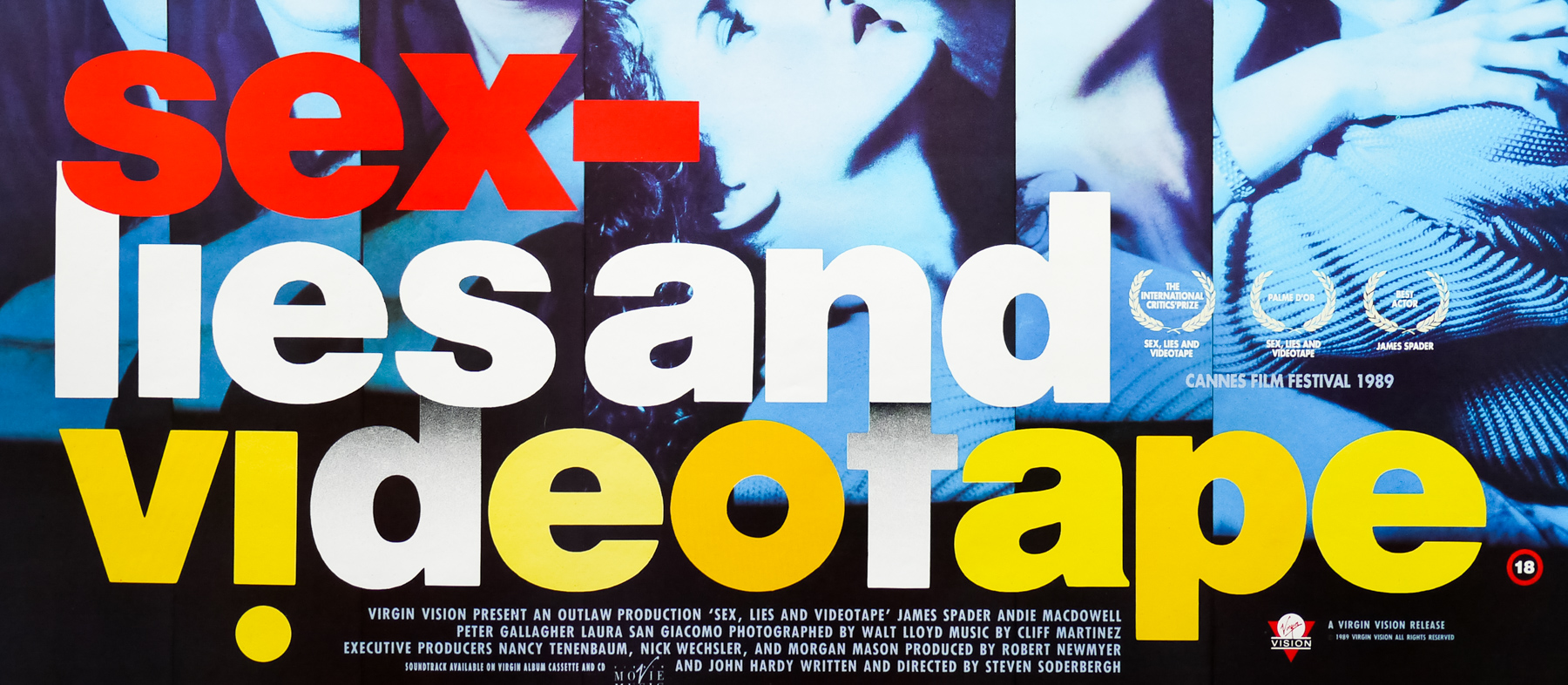
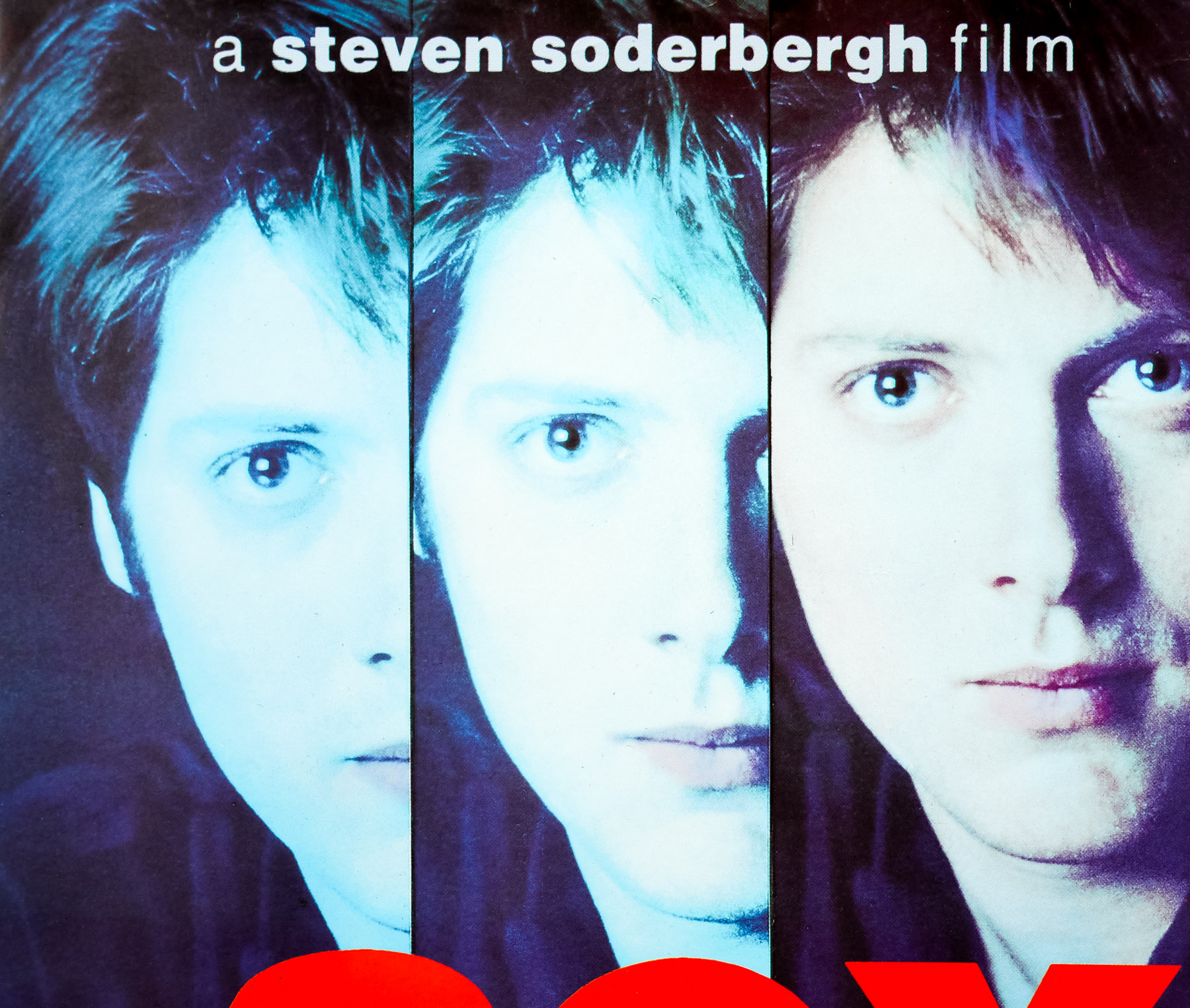
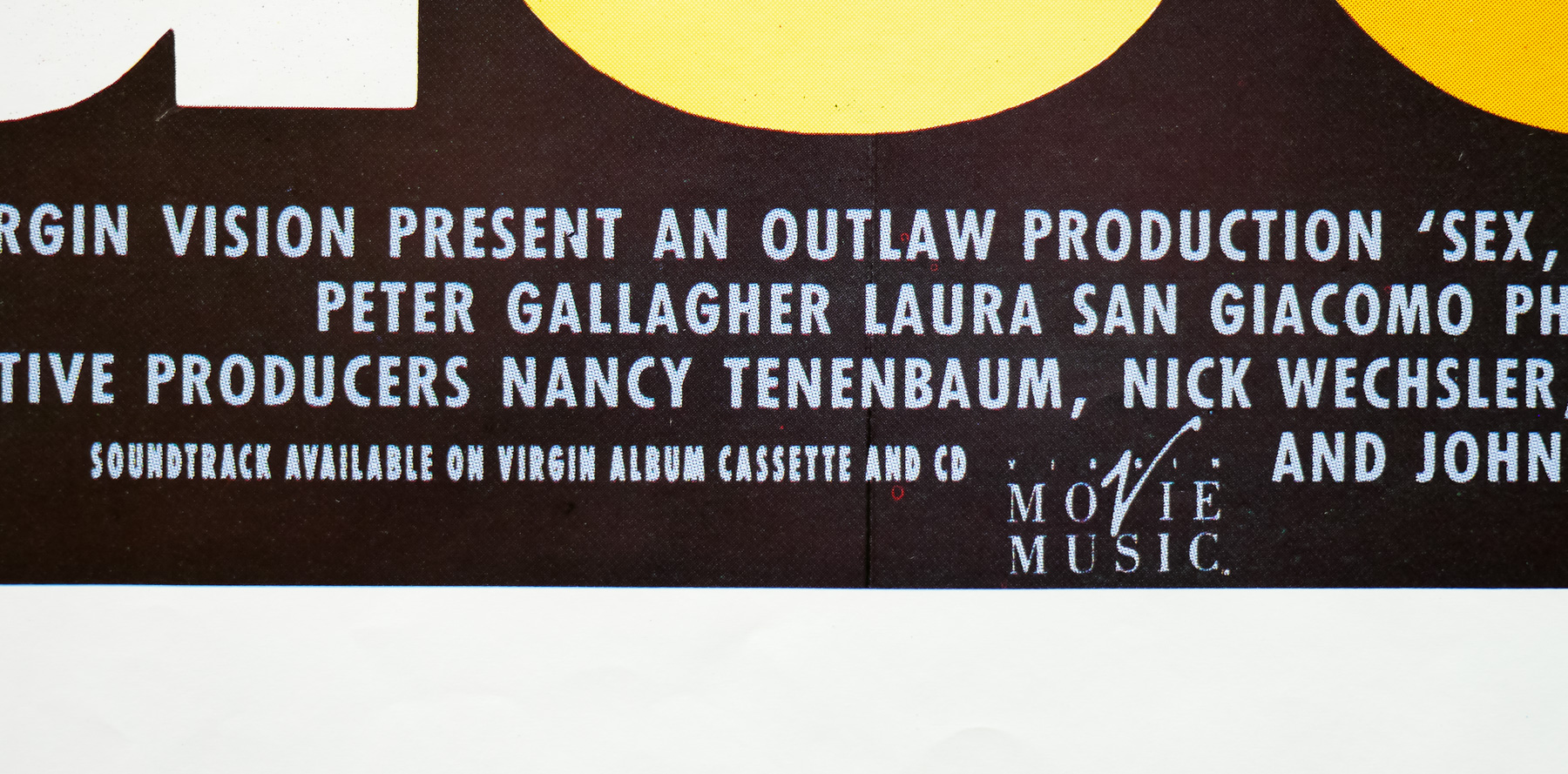
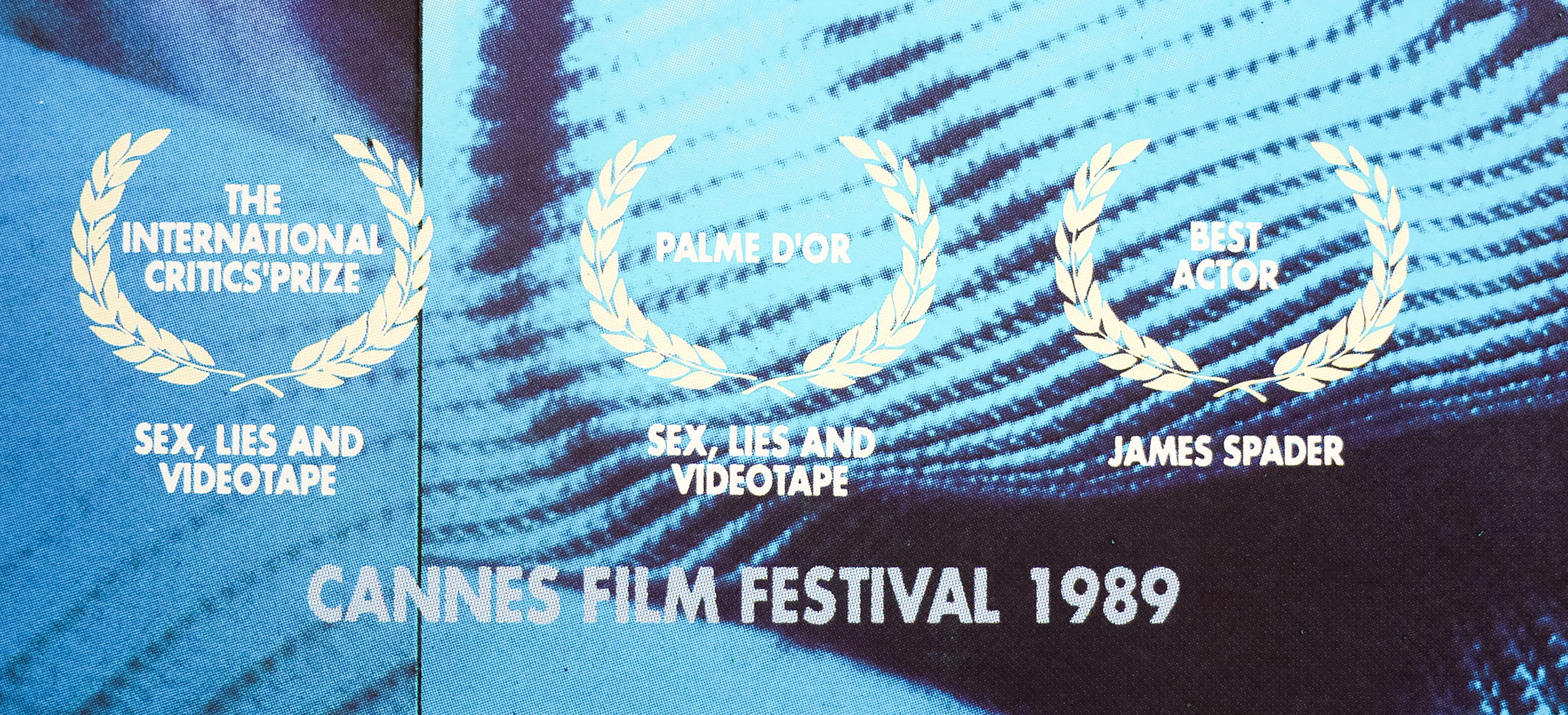
British quad poster for Sex, Lies, and Videotape (1989)British quad poster for Sex, Lies, and Videotape (1989), image 2British quad poster for Sex, Lies, and Videotape (1989), image 3British quad poster for Sex, Lies, and Videotape (1989), image 4British quad poster for Sex, Lies, and Videotape (1989), image 5
Title
Sex, Lies, and Videotape
Year of Film
1989
Director
Steven Soderbergh
Starring
James Spader, Andie MacDowell, Peter Gallagher, Laura San Giacomo, Ron Vawter, Steven Brill
Origin of Film
USA
Genre(s) of Film
Drama
Type of Poster
Quad
Origin of Poster
UK
Year of Poster
1989
Designer
Unknown
Size (inches)
30" x 40"
SS or DS
SS

Sex, Lies, and Videotape (opens in a new tab) (the oxford comma (opens in a new tab) was a stylistic choice) is an important film for a number of reasons. It was the directorial debut of Steven Soderbergh (opens in a new tab), who apparently wrote the script in just eight days during a trip across the States, and the film would go on to win the prestigious Palme d’Or (opens in a new tab) at the Cannes Film Festival, as well as launching Soderbergh’s impressive career (recently potentially ended for good (opens in a new tab)). It was also a defining moment for the independent film movement, particularly since it was met by rave reviews and grossed multiple times its original budget (reported to be around $1.2m). A slew of successful indie pictures would follow during the 1990s and this film is often credited with kickstarting it all.

The film introduced Andie MacDowell (opens in a new tab) and the next decade saw her becoming a hugely successful actress, particularly in the romantic comedy genre. It was also an important role for James Spader (opens in a new tab) who had previously appeared in films like Wall Street and Pretty in Pink, but ‘Sex, Lies…’ gave a great boost to his career. MacDowell plays Ann Bishop Mullany who is living in Baton Rouge and is unhappily married to John (Peter Gallagher (opens in a new tab)), a successful lawyer. Unbeknownst to Ann, her husband has been sleeping with her sister Cynthia (Laura San Giacomo (opens in a new tab)) for some time, using Ann’s disinterest in sex as an excuse. Spader plays Graham, an old friend of John who returns to Baton Rouge after a nine year absence and stays with the Mullanys until he finds an apartment. Graham reveals that he records women talking about their sexual experiences and fantasies, and that its the only way he can receive sexual gratification. This revelation stirs up differing responses from the group and soon all of their lives will be changed for good.

I’m unsure who is responsible for the design on this British quad but it is unique to this particular poster. If anyone has any ideas please get in touch.

Fire, Ice and Dynamite / A1 / Germany

05.06.15

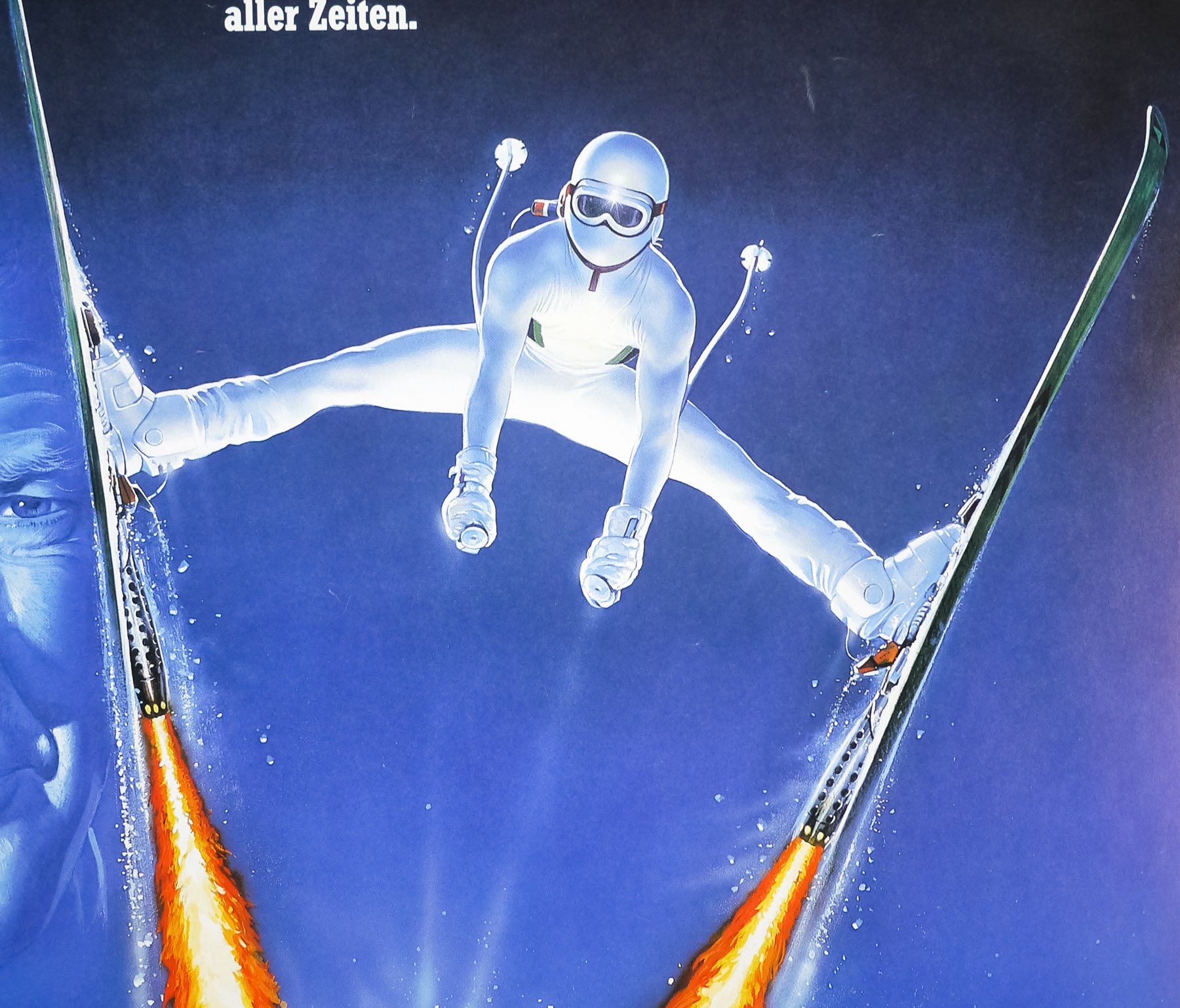
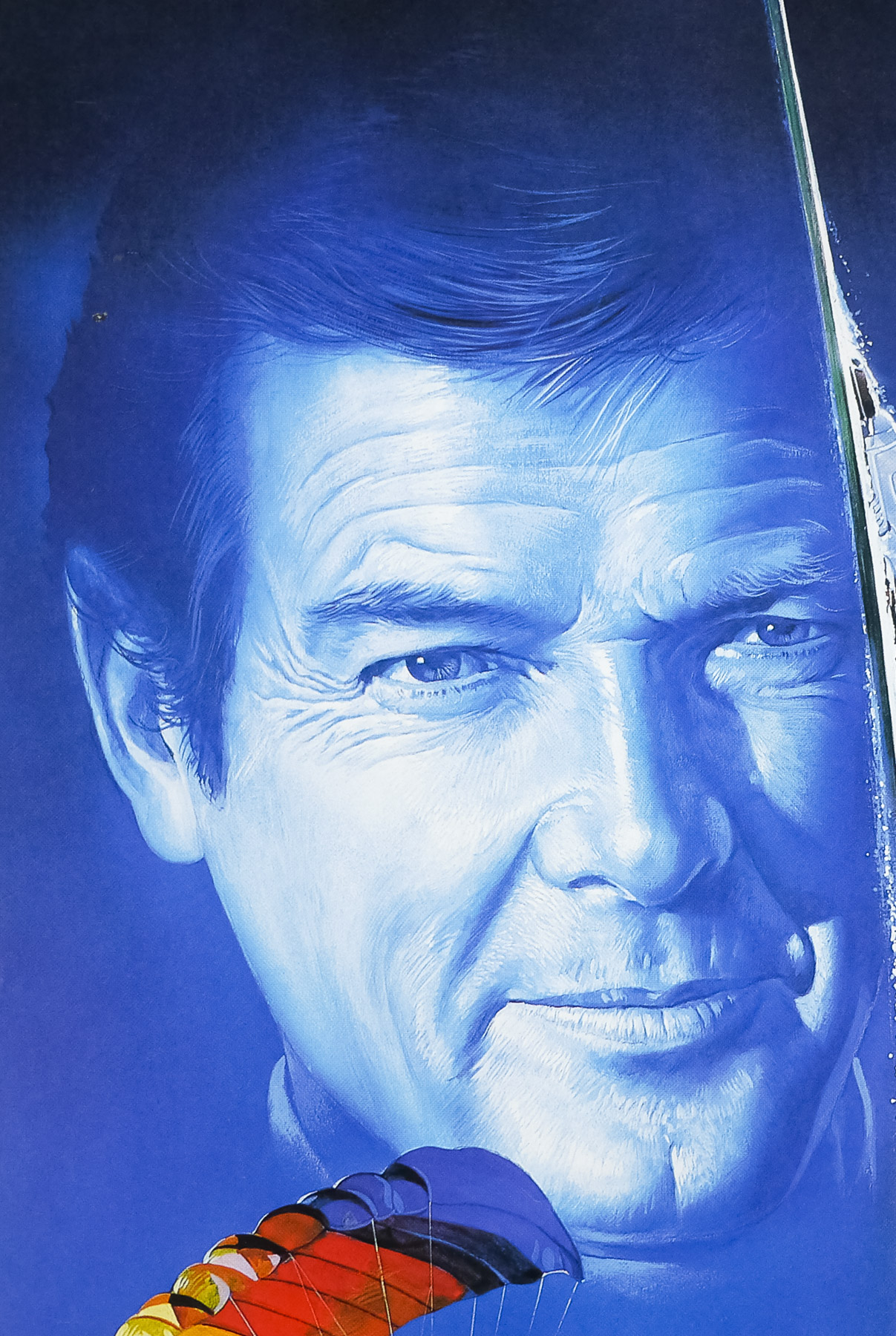
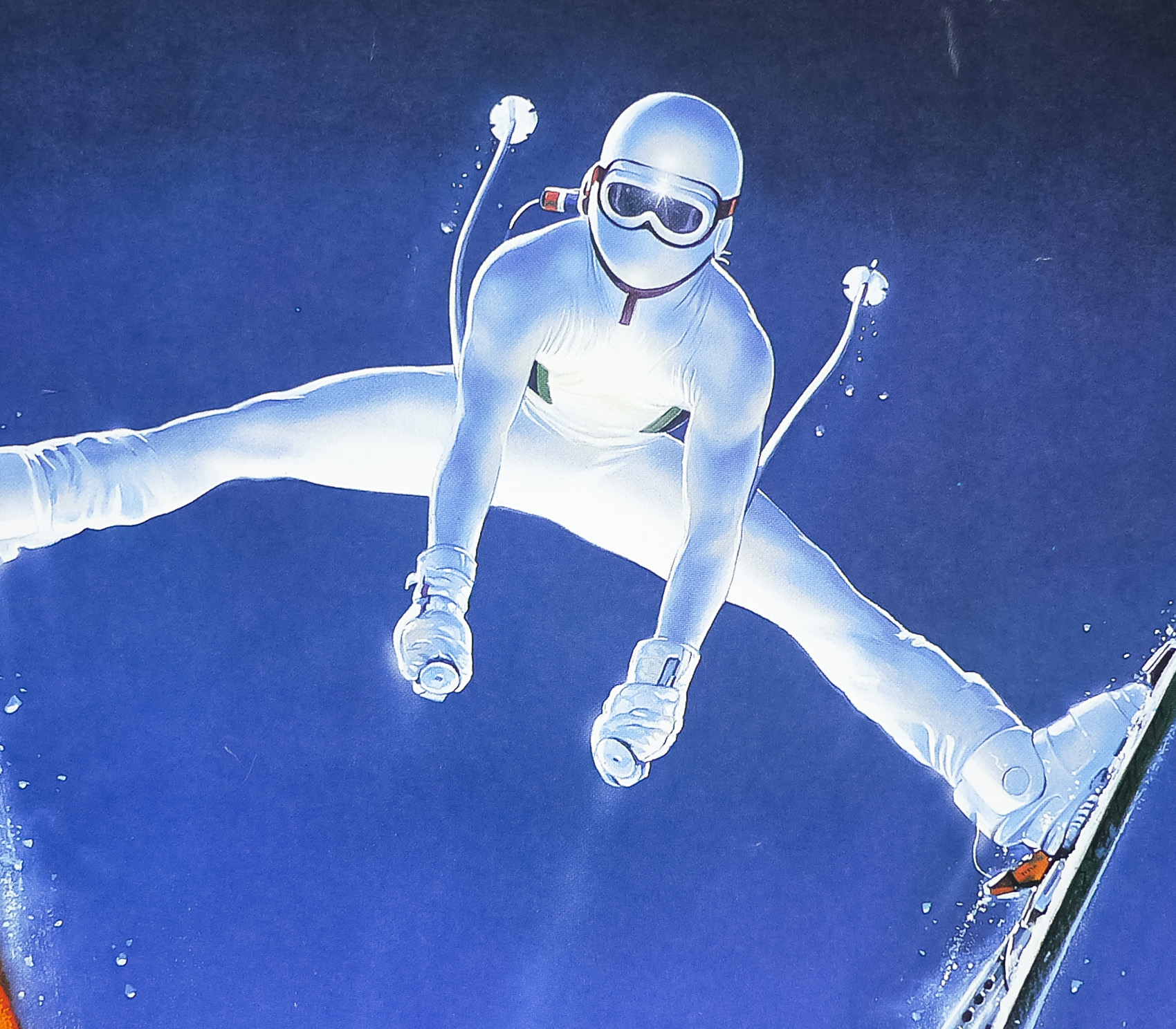
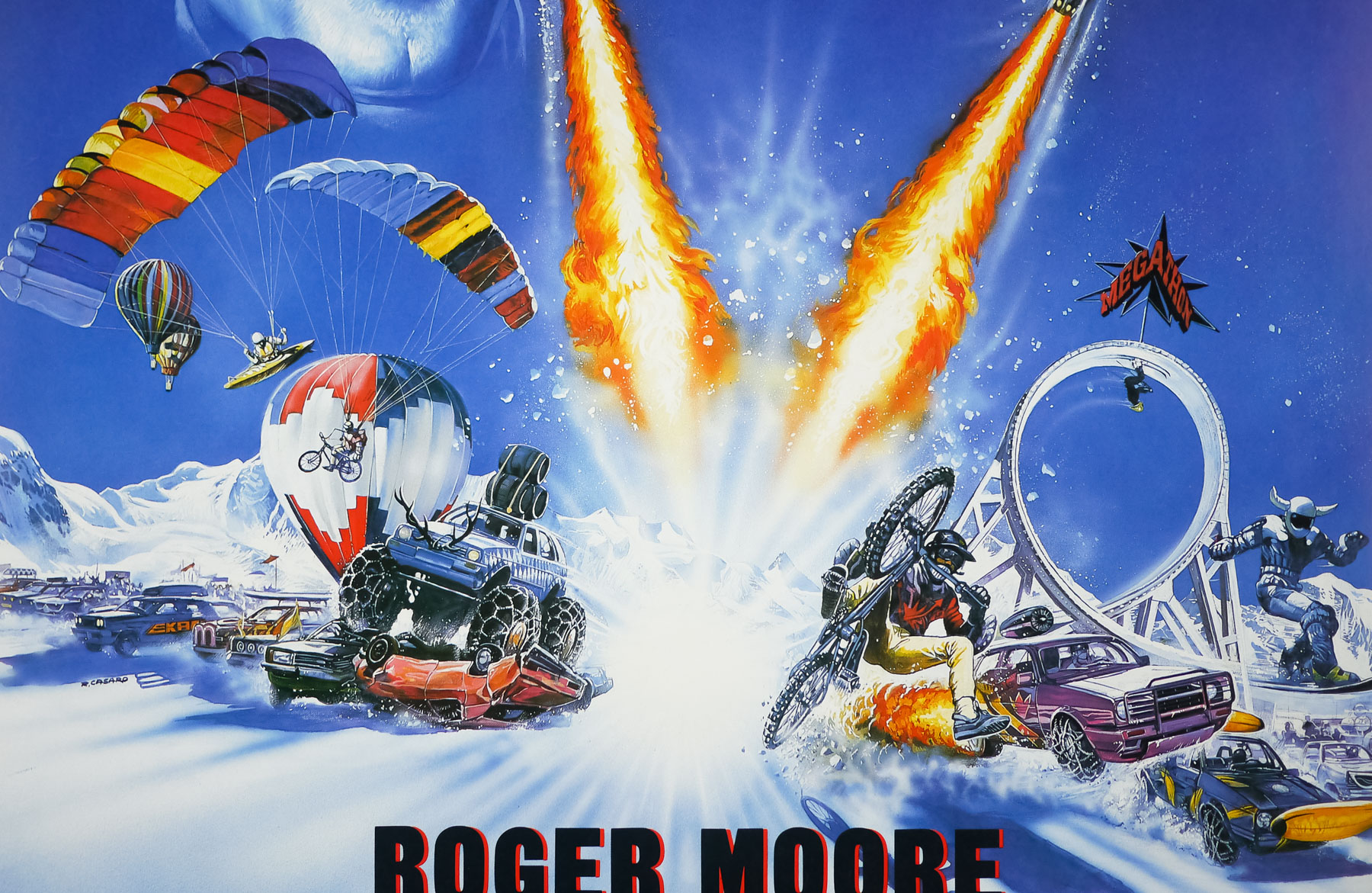
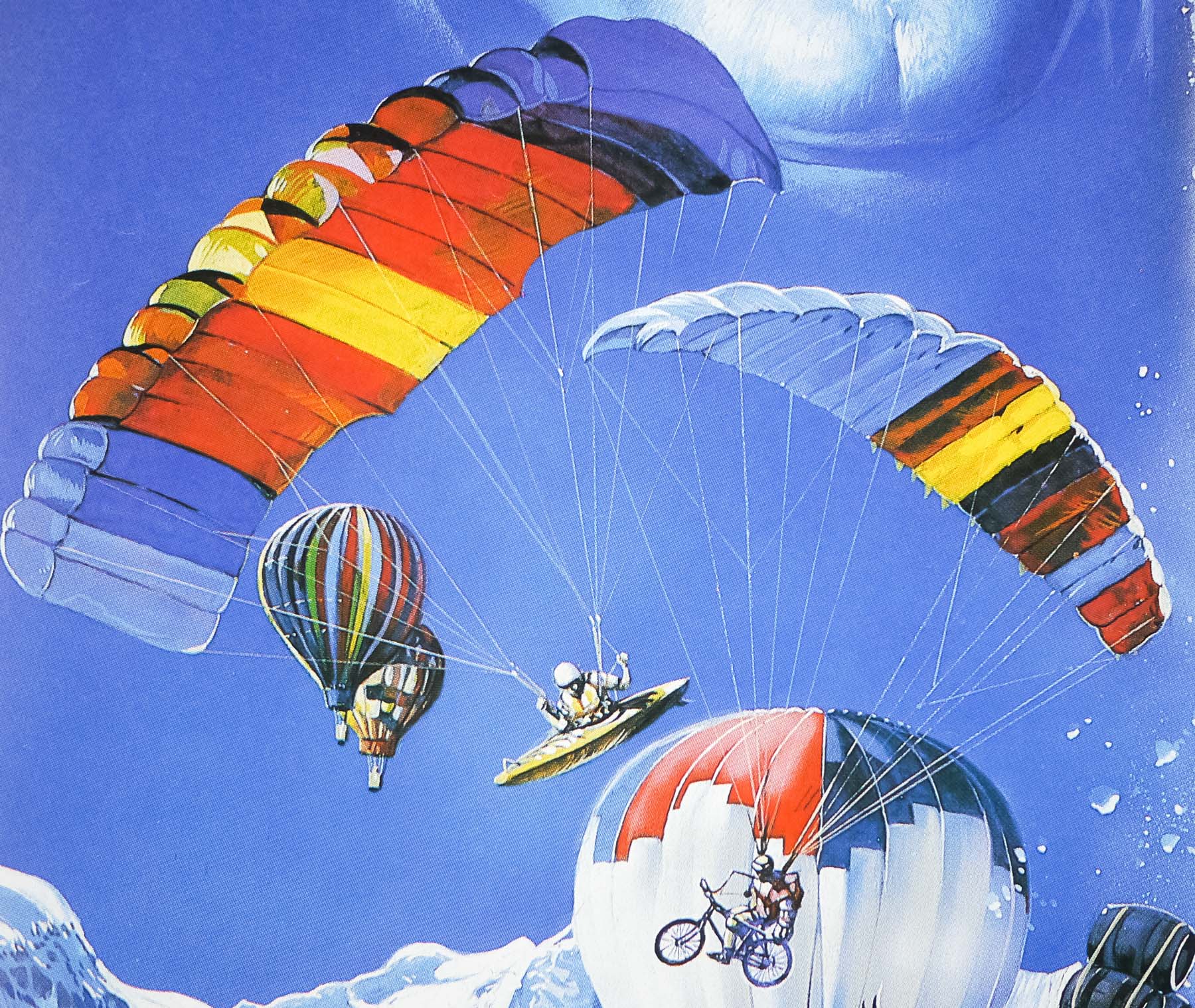
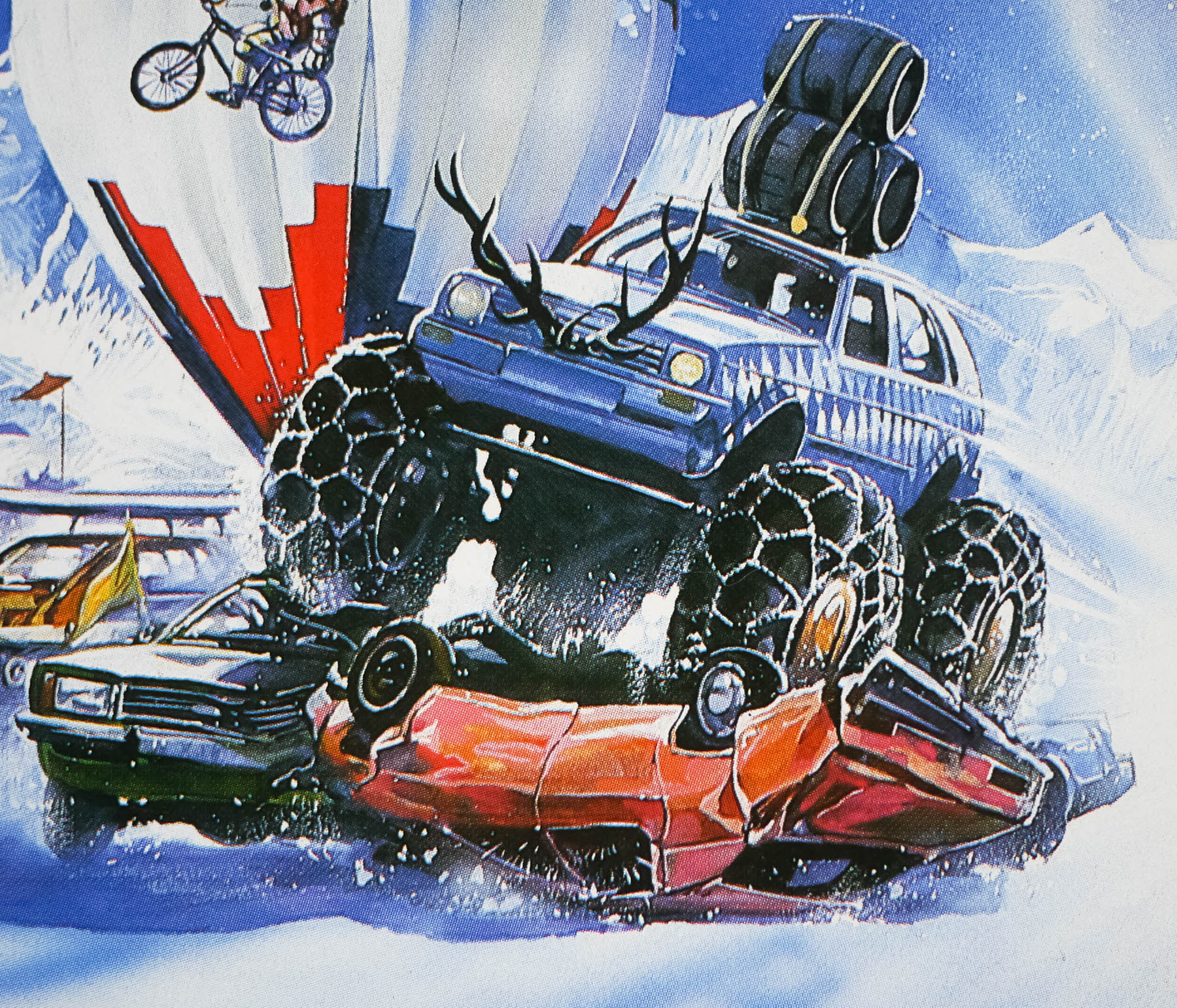
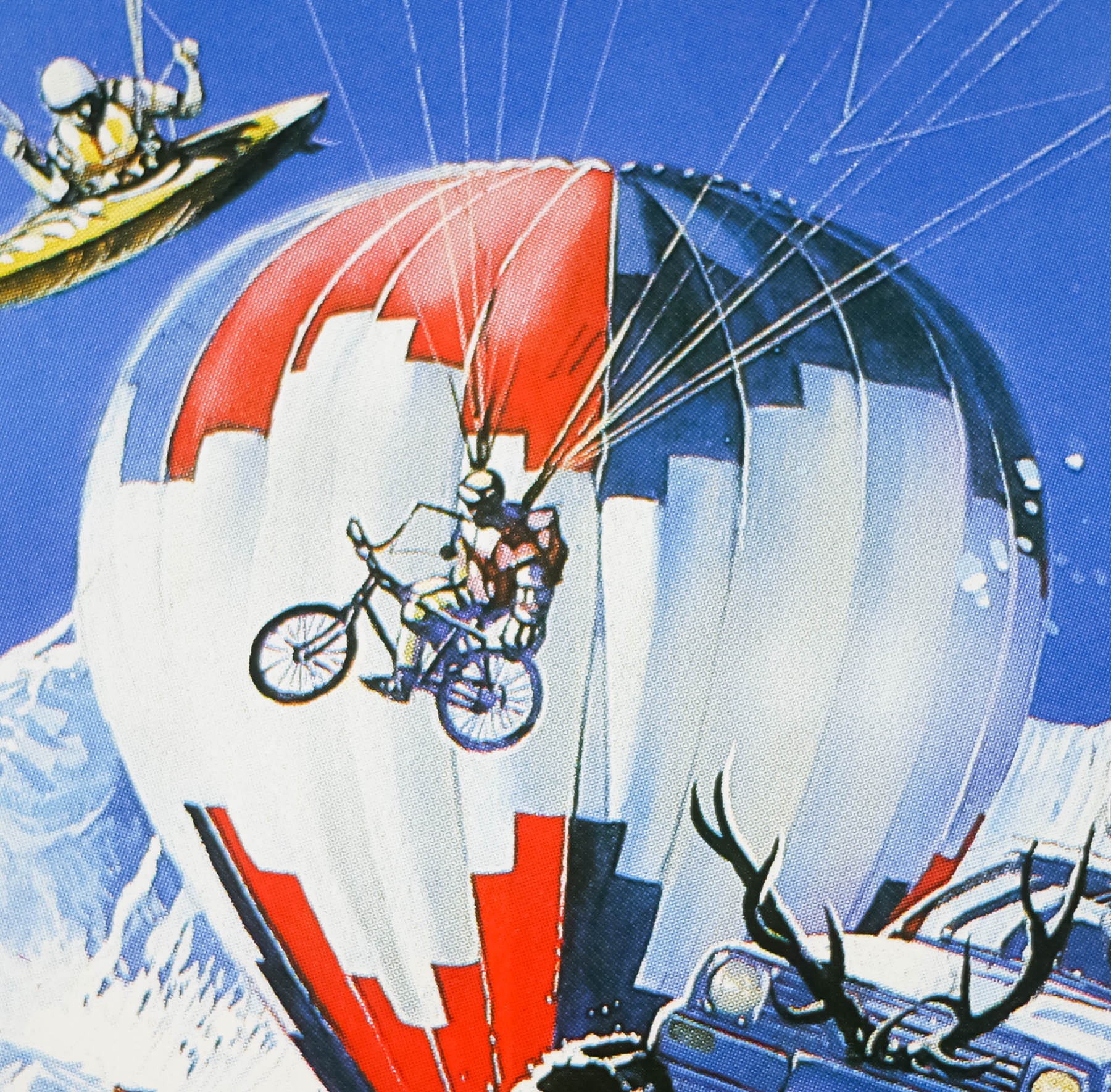
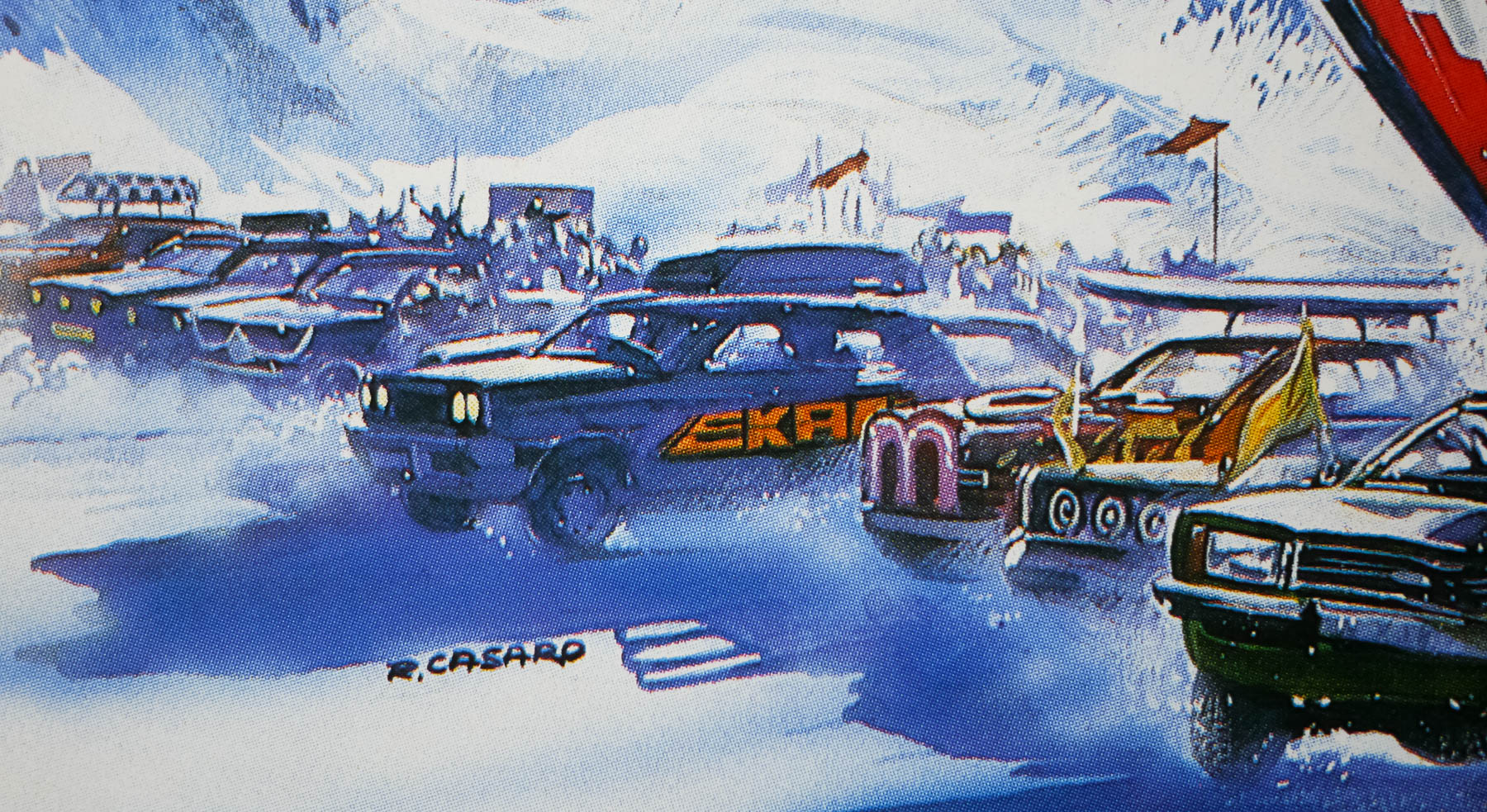
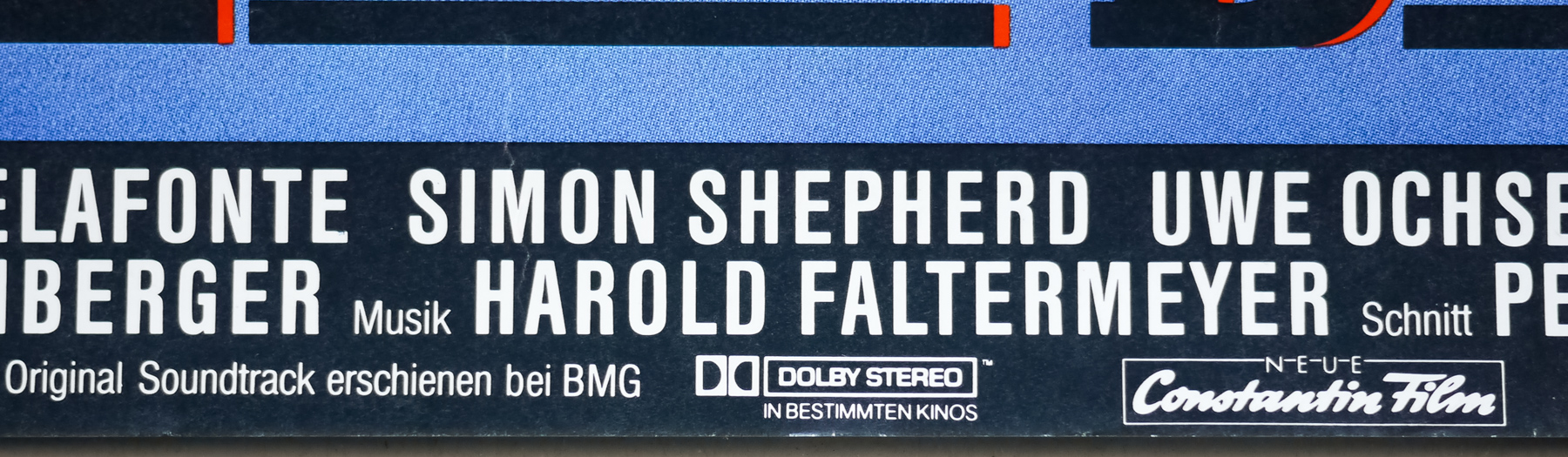
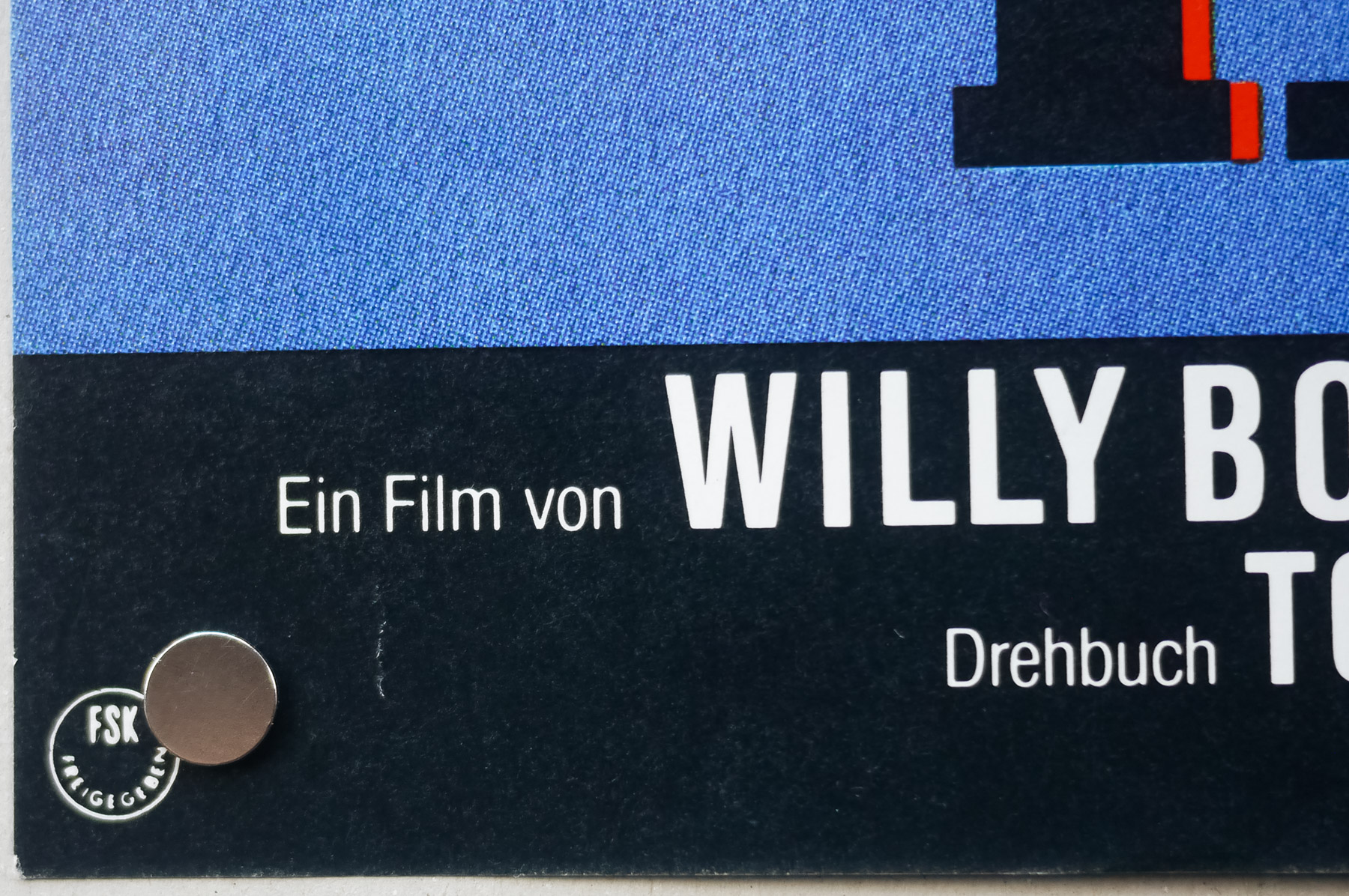
German A1 poster for Fire, Ice & Dynamite (1990). Artwork by Renato CasaroGerman A1 poster for Fire, Ice & Dynamite (1990). Artwork by Renato Casaro, image 2German A1 poster for Fire, Ice & Dynamite (1990). Artwork by Renato Casaro, image 3German A1 poster for Fire, Ice & Dynamite (1990). Artwork by Renato Casaro, image 4German A1 poster for Fire, Ice & Dynamite (1990). Artwork by Renato Casaro, image 5
Title
Fire, Ice & Dynamite
AKA
Feuer, Eis & Dynamit (Germany - original title)
Year of Film
1990
Director
Willy Bogner
Starring
Roger Moore, Shari Belafonte, Simon Shepherd, Uwe Ochsenknecht, Geoffrey Moore, Connie De Groot
Origin of Film
Germany
Genre(s) of Film
Action | Comedy | Sport
Type of Poster
A1
Origin of Poster
Germany
Year of Poster
1990
Designer
Renato Casaro
Artist
Renato Casaro
Size (inches)
23 5/16" x 33 1/16"
SS or DS
SS

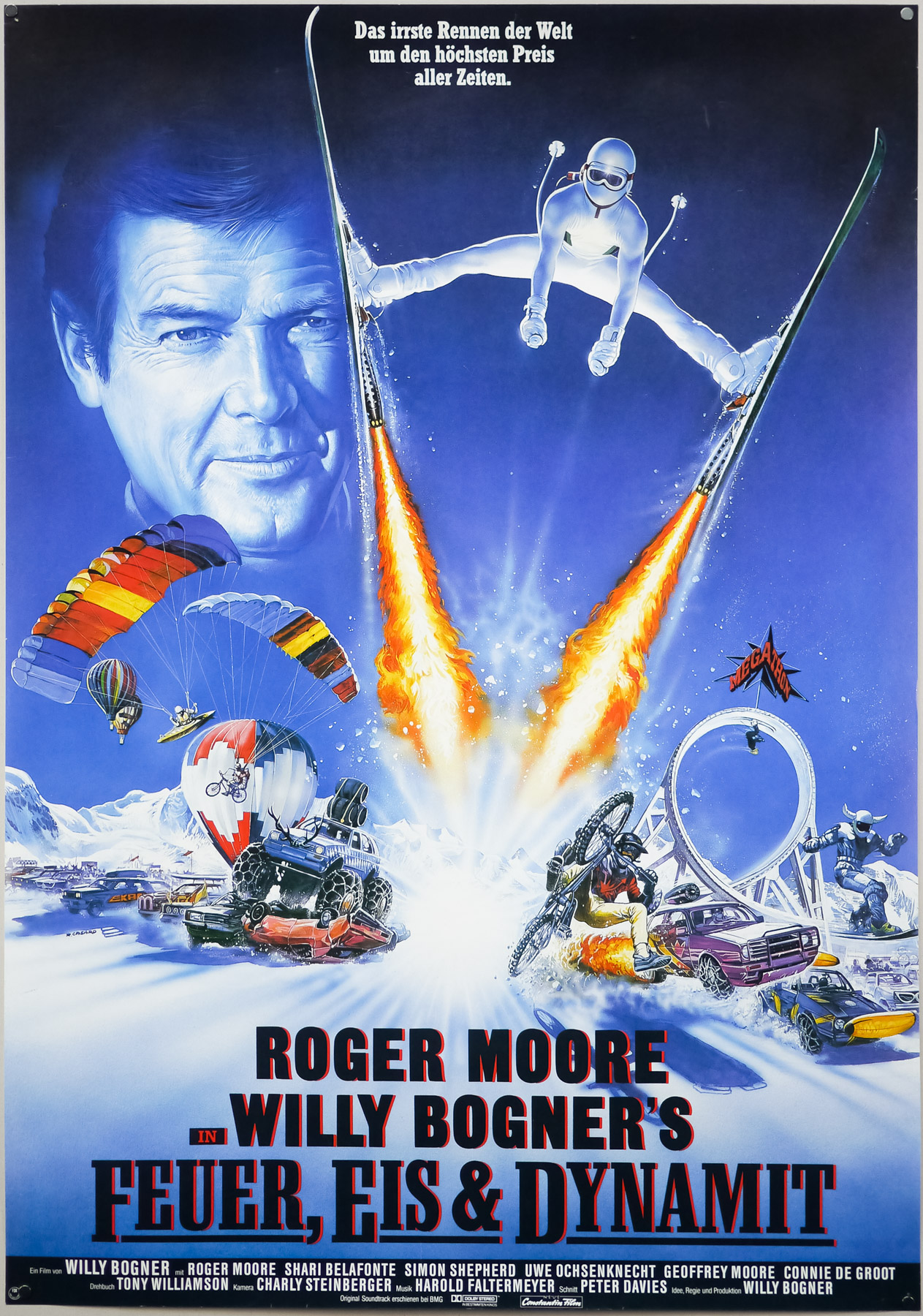
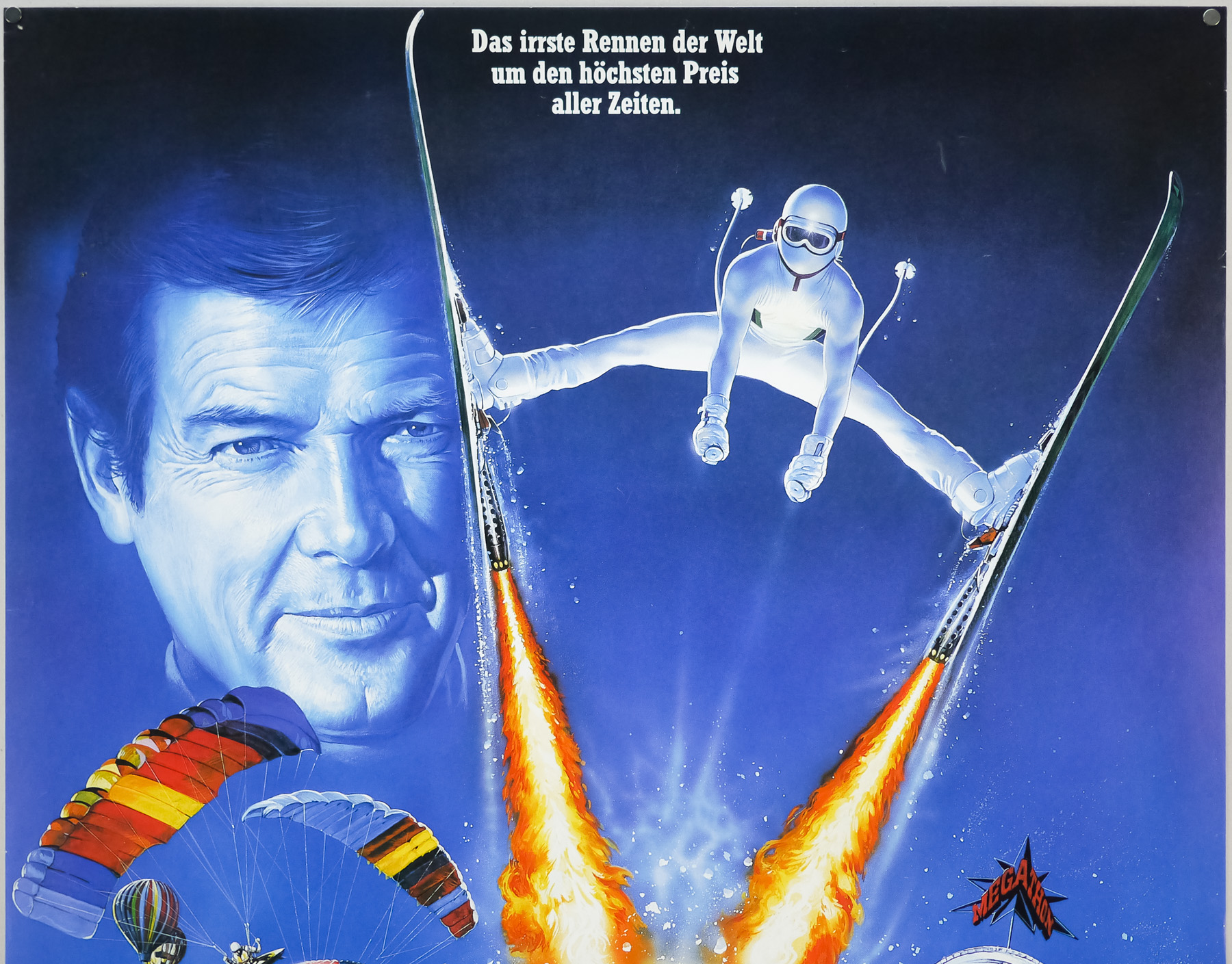
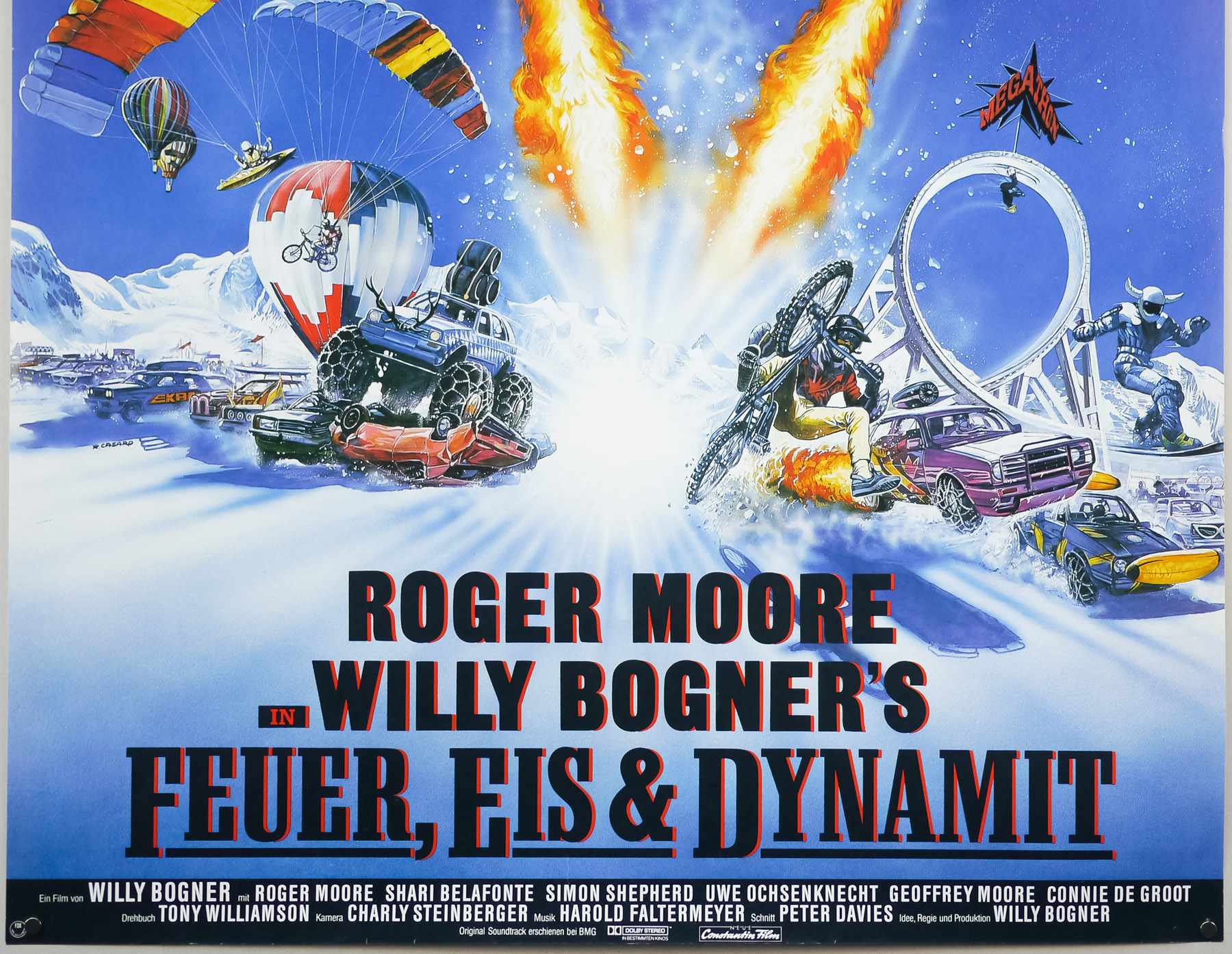
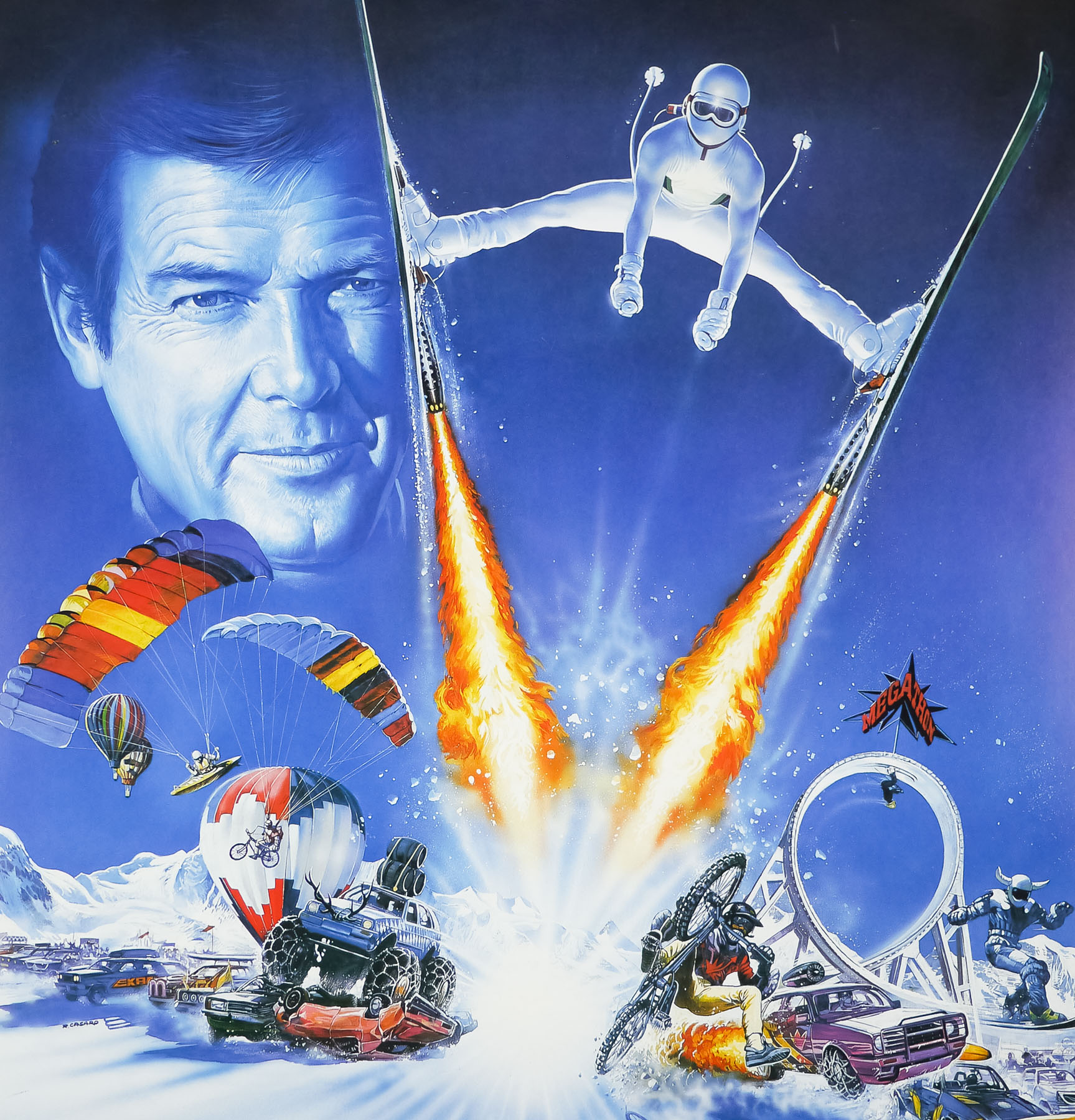
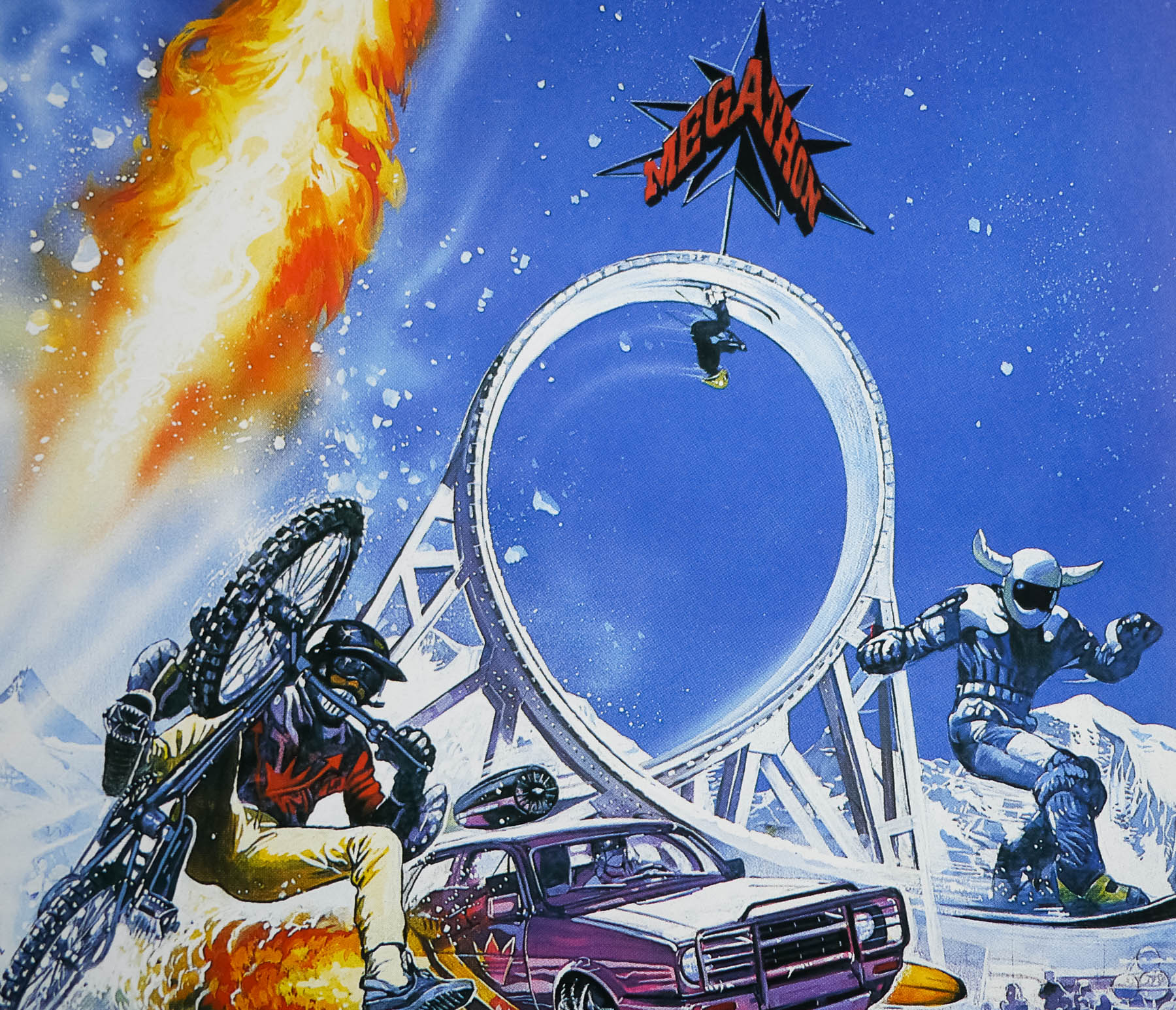
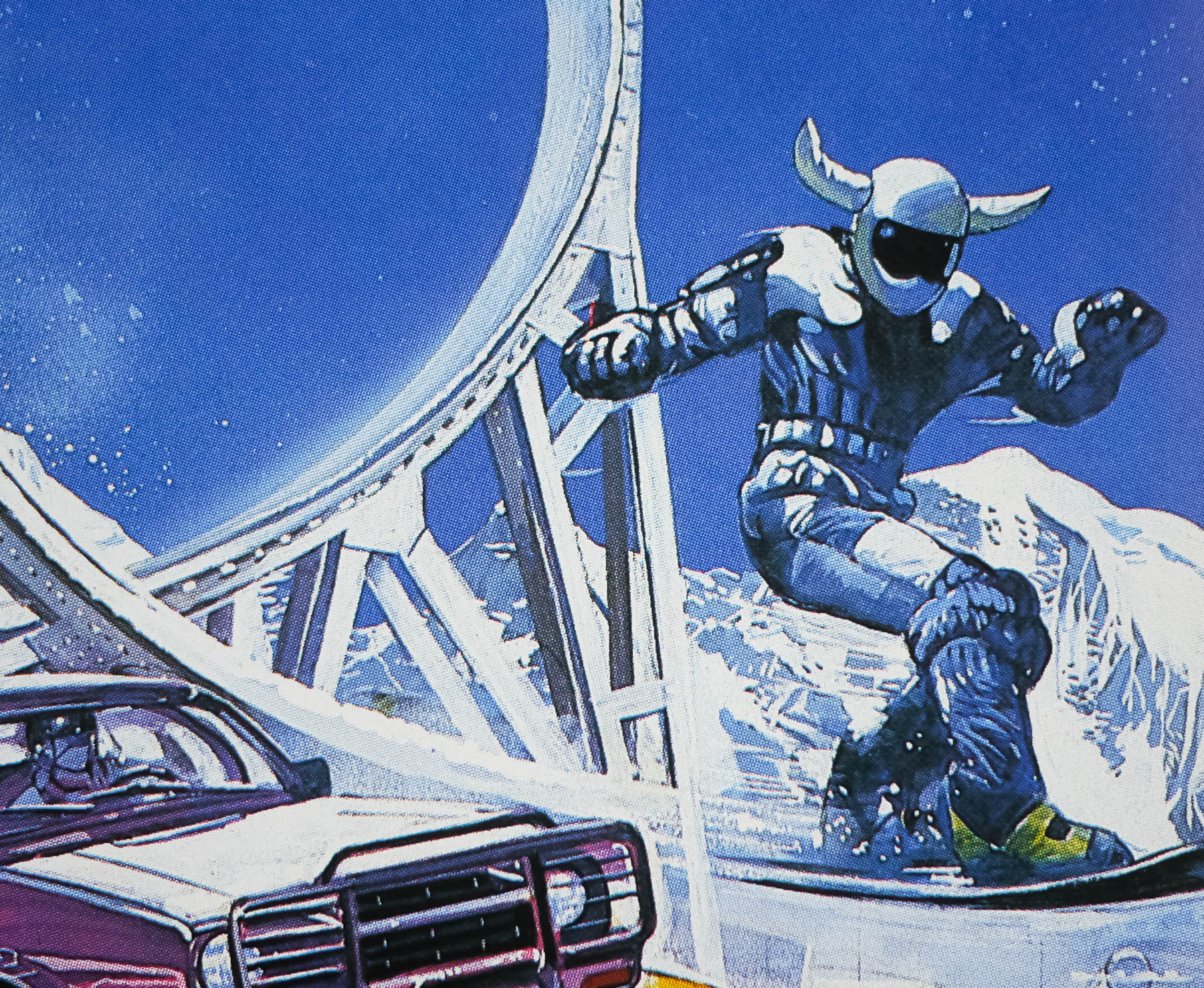
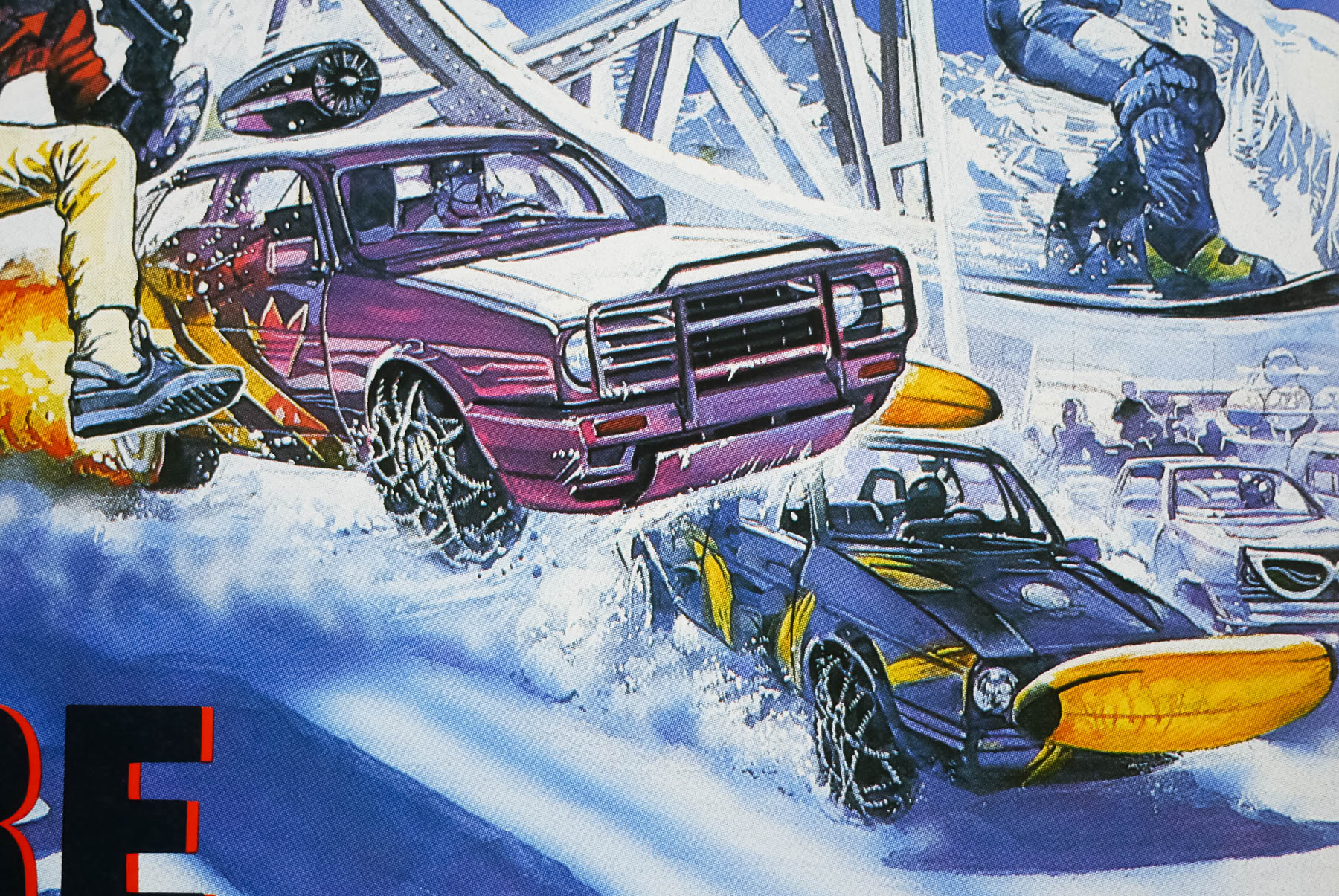
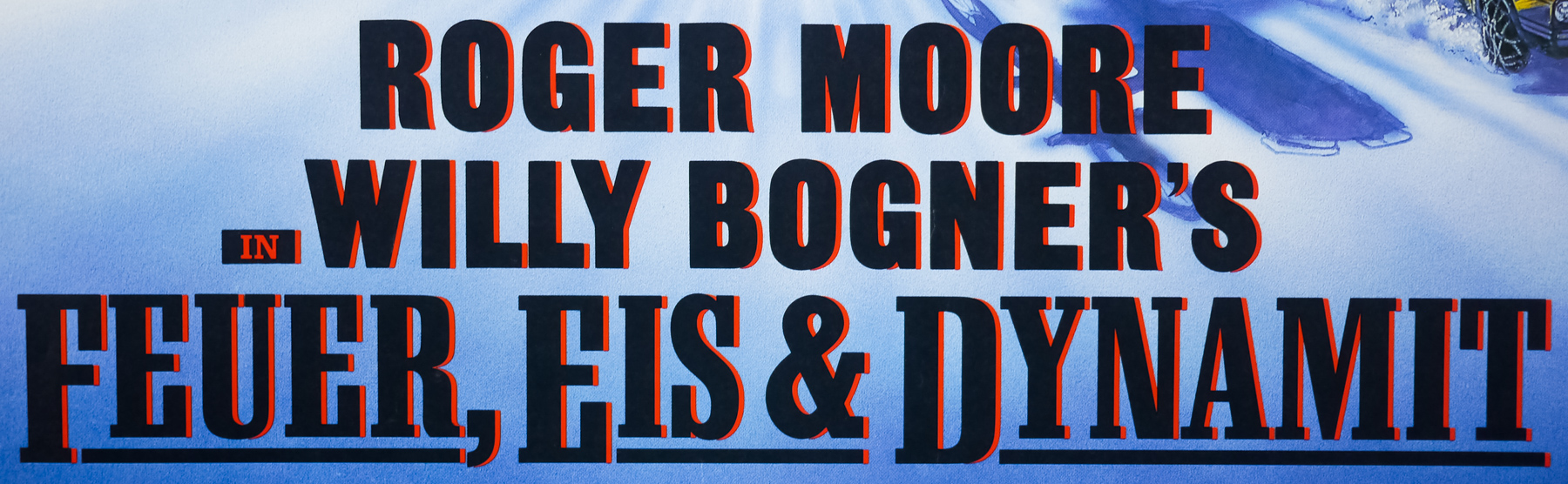
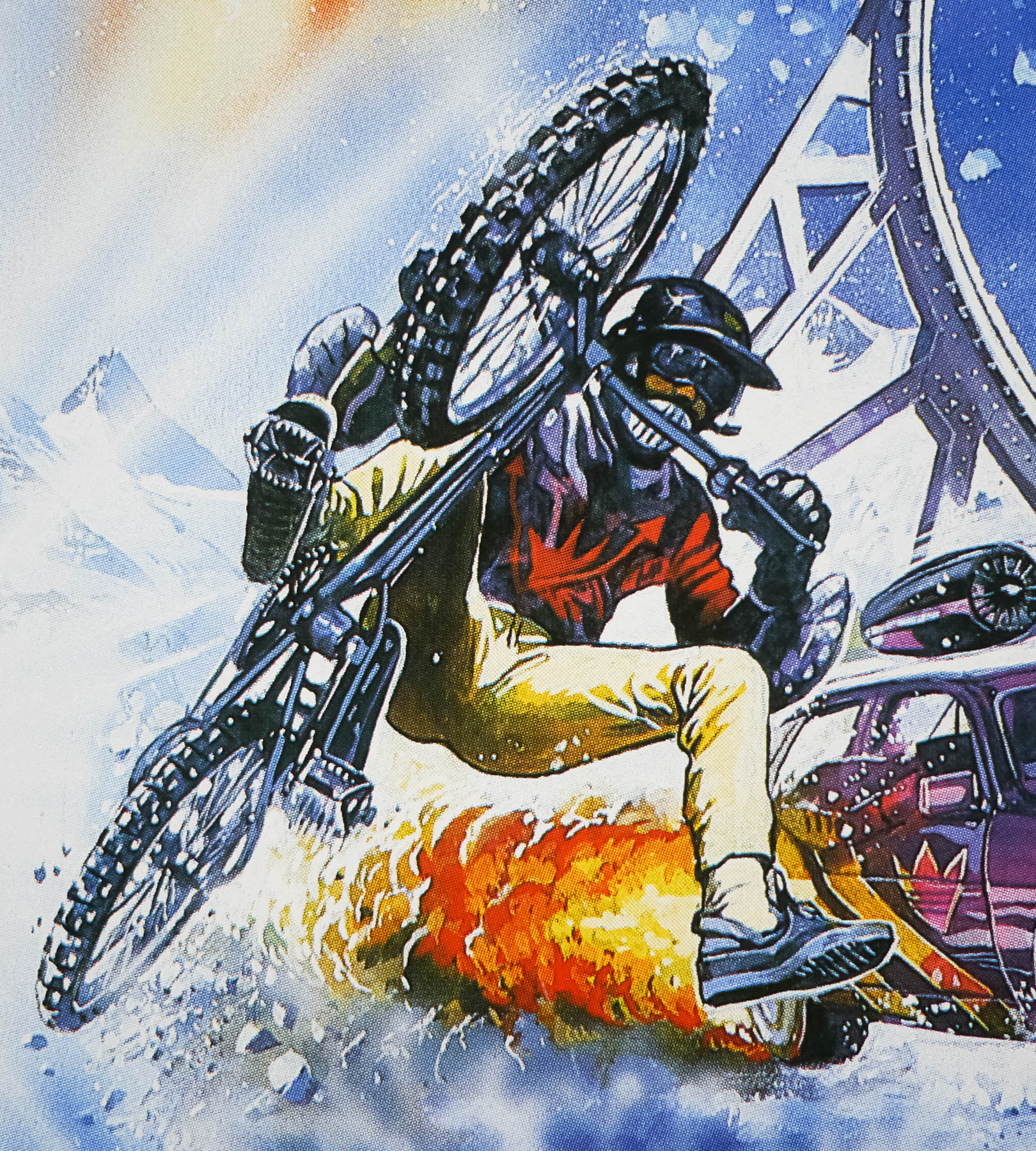
A detailed painting by Renato Casaro features on this German poster for the release of Fire, Ice and Dynamite (opens in a new tab). The film, which is actually a series of action sequences held together by a ropey plot, was conceived of and helmed by Willy Bogner (opens in a new tab), a German alpine ski racer who is perhaps best known for working as a stuntman on several James Bond films, most notably On Her Majesty’s Secret Service, but also several of the Roger Moore (opens in a new tab) entries.

Ostensibly an excuse to showcase a range of stunts, the plot part of the film features Moore as Sir George, an rich philanthropist who fakes his own death and sets up a series of sporting events in which his children have to take part to try and win his $135 million fortune. A ruthless pair of villains also get in on the act. According to most reviews I’ve read the plot fizzles out towards the end and only the stunts manage to keep the audience’s attention. The film also features cameos from several sports stars, including Steffi Graf and Nikki Lauda, as well as other celebrities like Isaac Hayes.

One of my favourite artists, Renato Casaro (opens in a new tab) is an Italian with a prolific movie poster output that lasted over 35 years. He began his career in 1953, aged 19, at the famous Studio Favalli in Rome and would go on to design and paint posters for many of the biggest directors in the world. His skill at accurately portraying actors and his brilliant use of colour and composition saw him much in demand from studios and actors alike. His artwork has featured on posters used in multiple countries, including Japan, Germany, USA as well as in his native Italy.

Check out the incredible amount of work on his official website (opens in a new tab). In March 2014 I published an exclusive interview with Renato. See also the other posters I’ve collected by Renato Casaro.

Outback / one sheet / USA

03.06.15

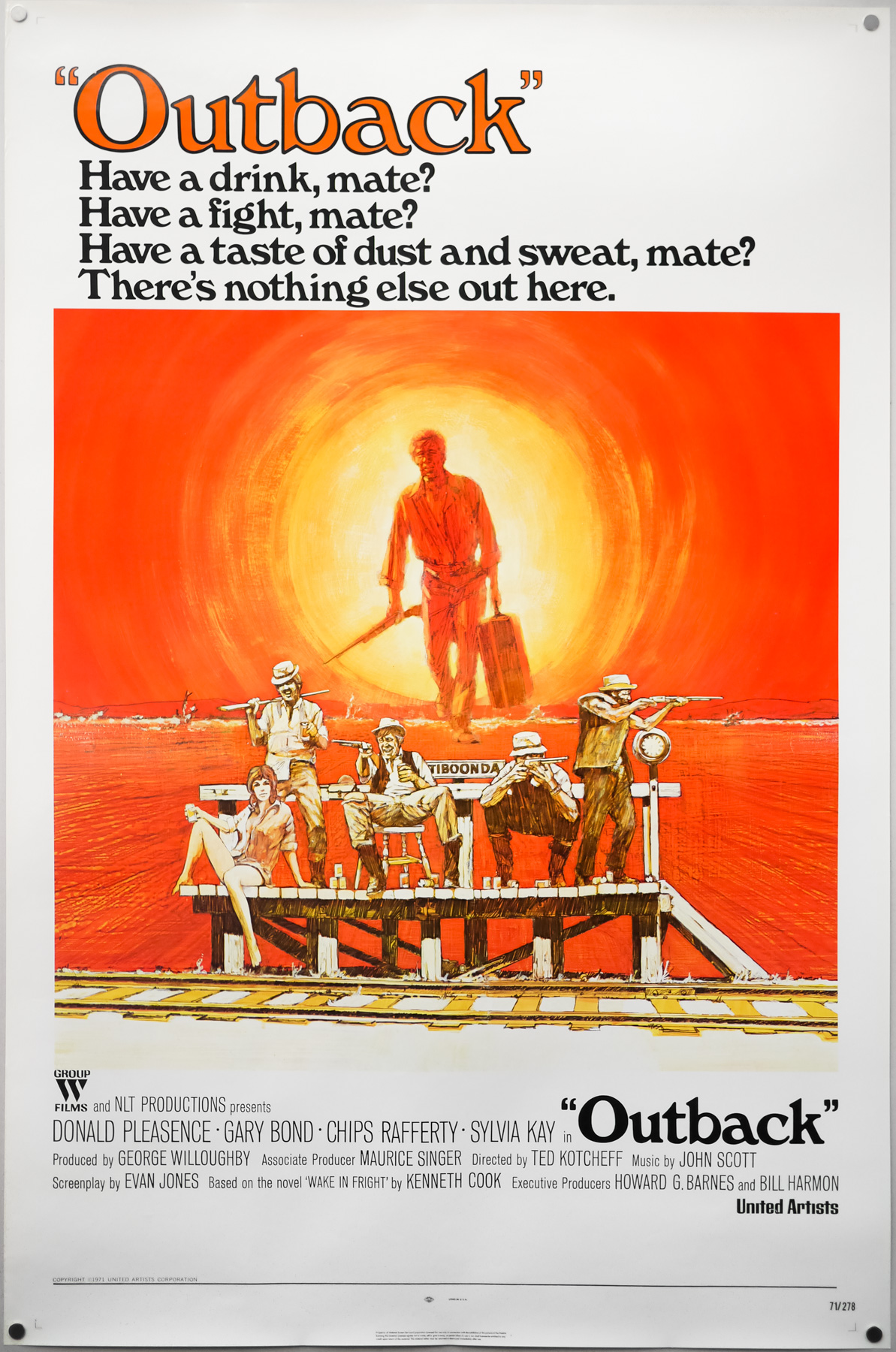
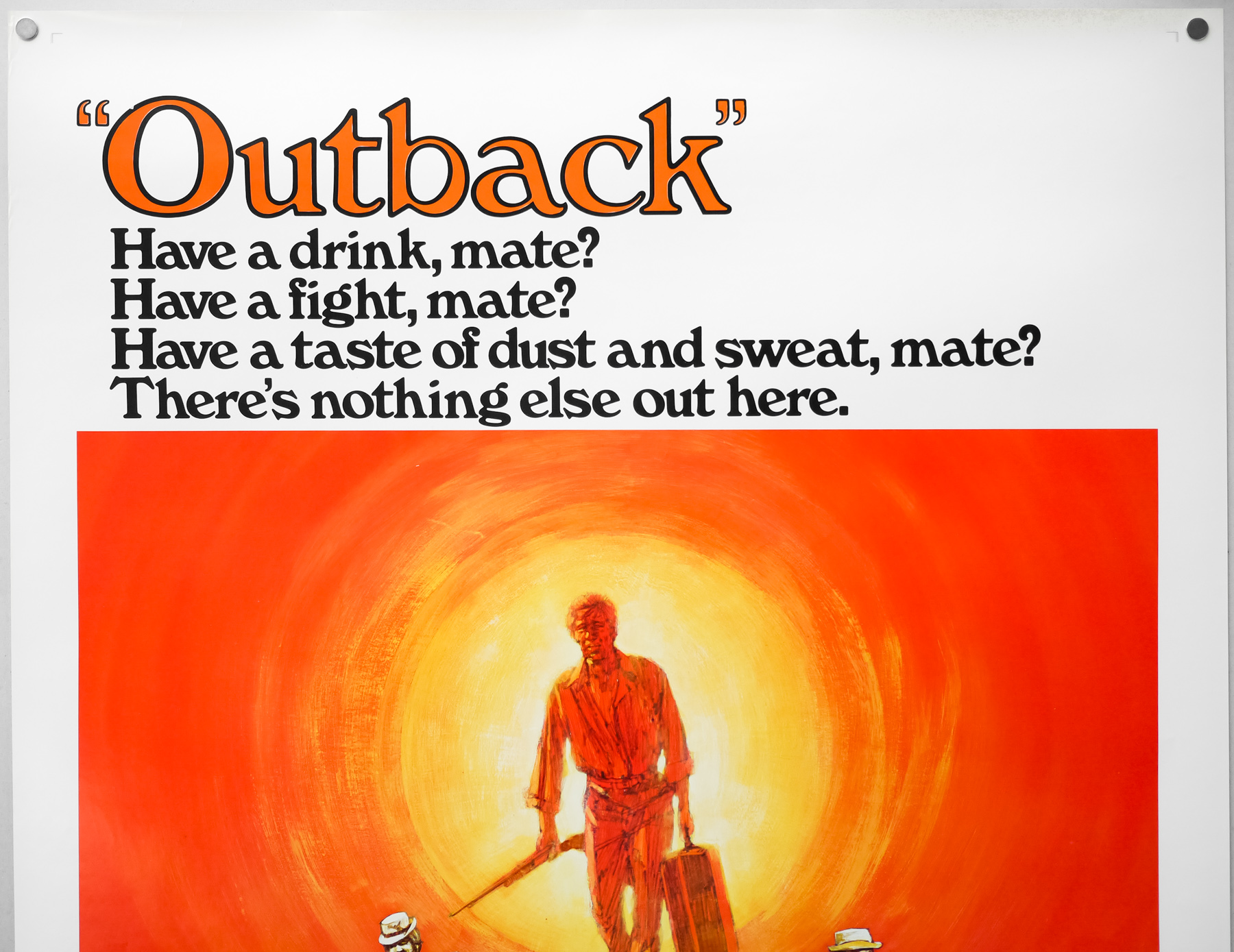
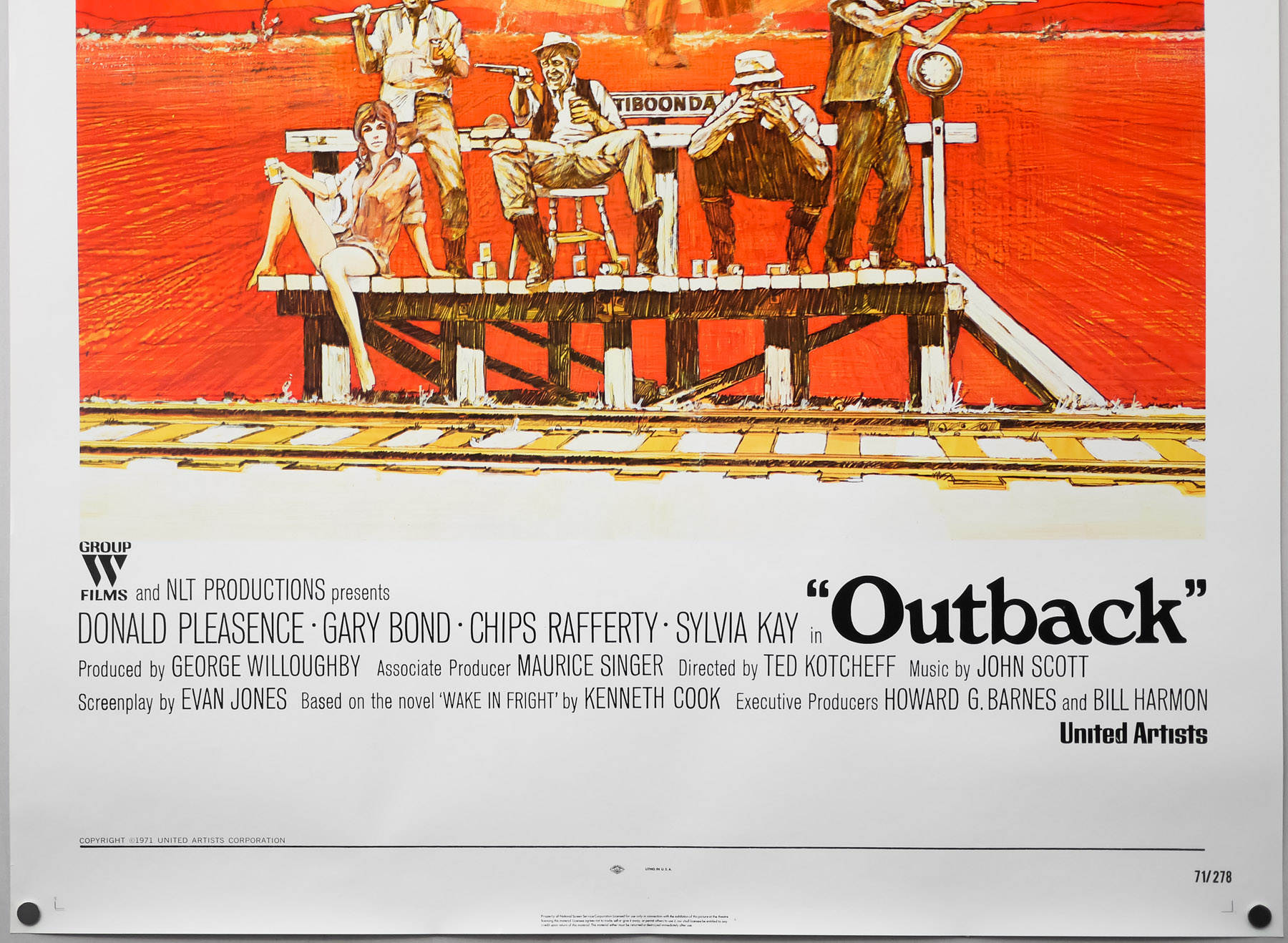
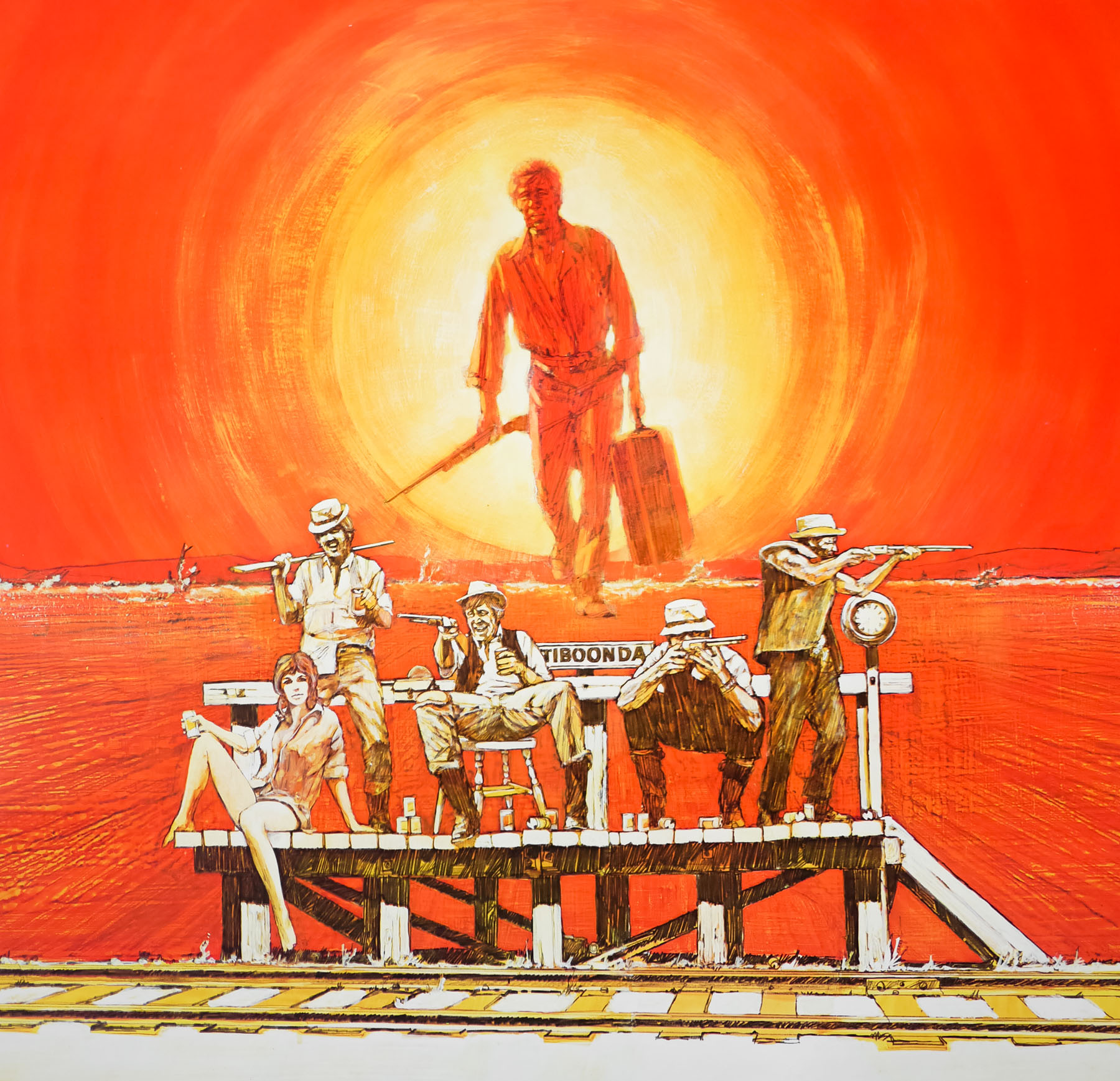
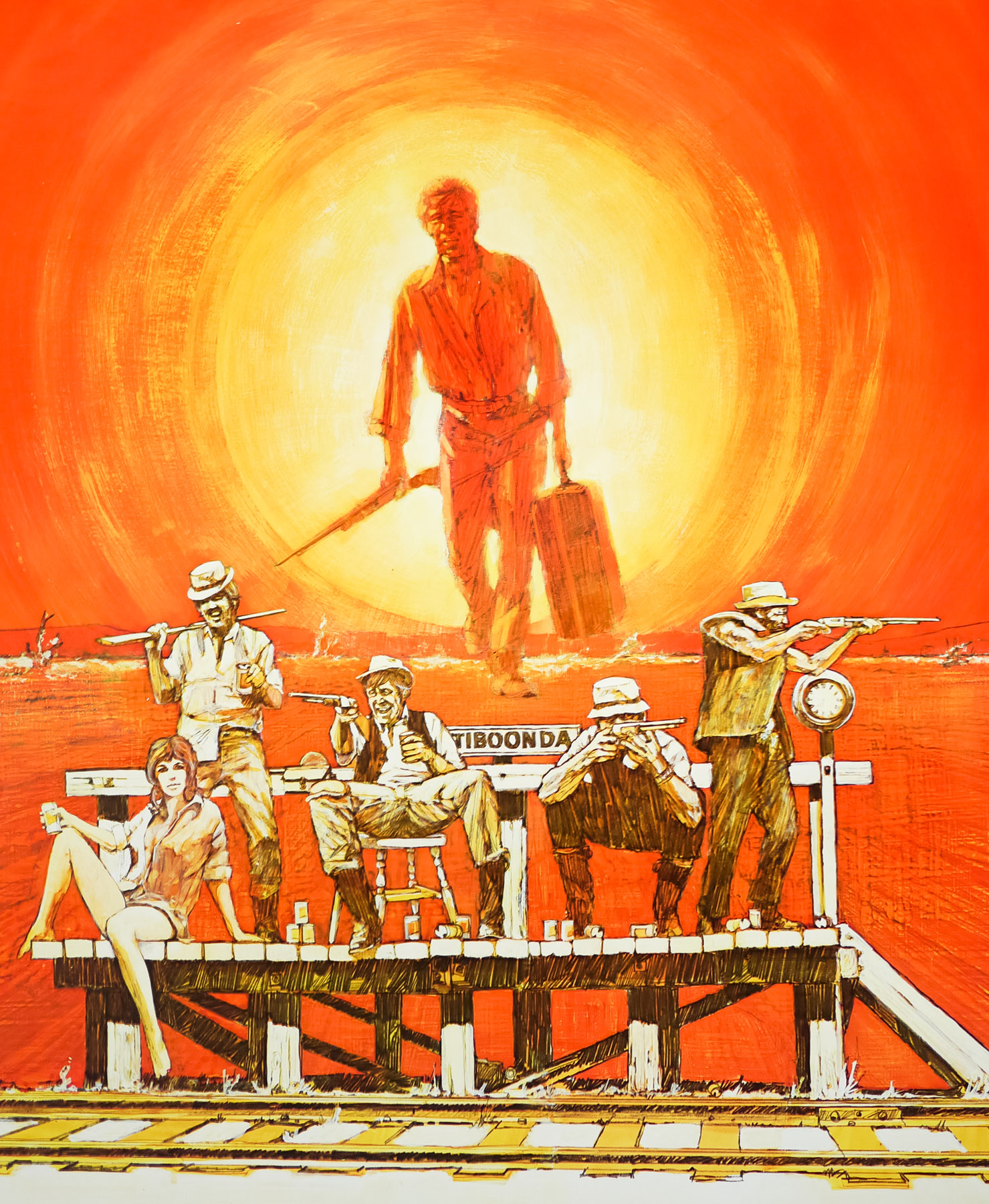
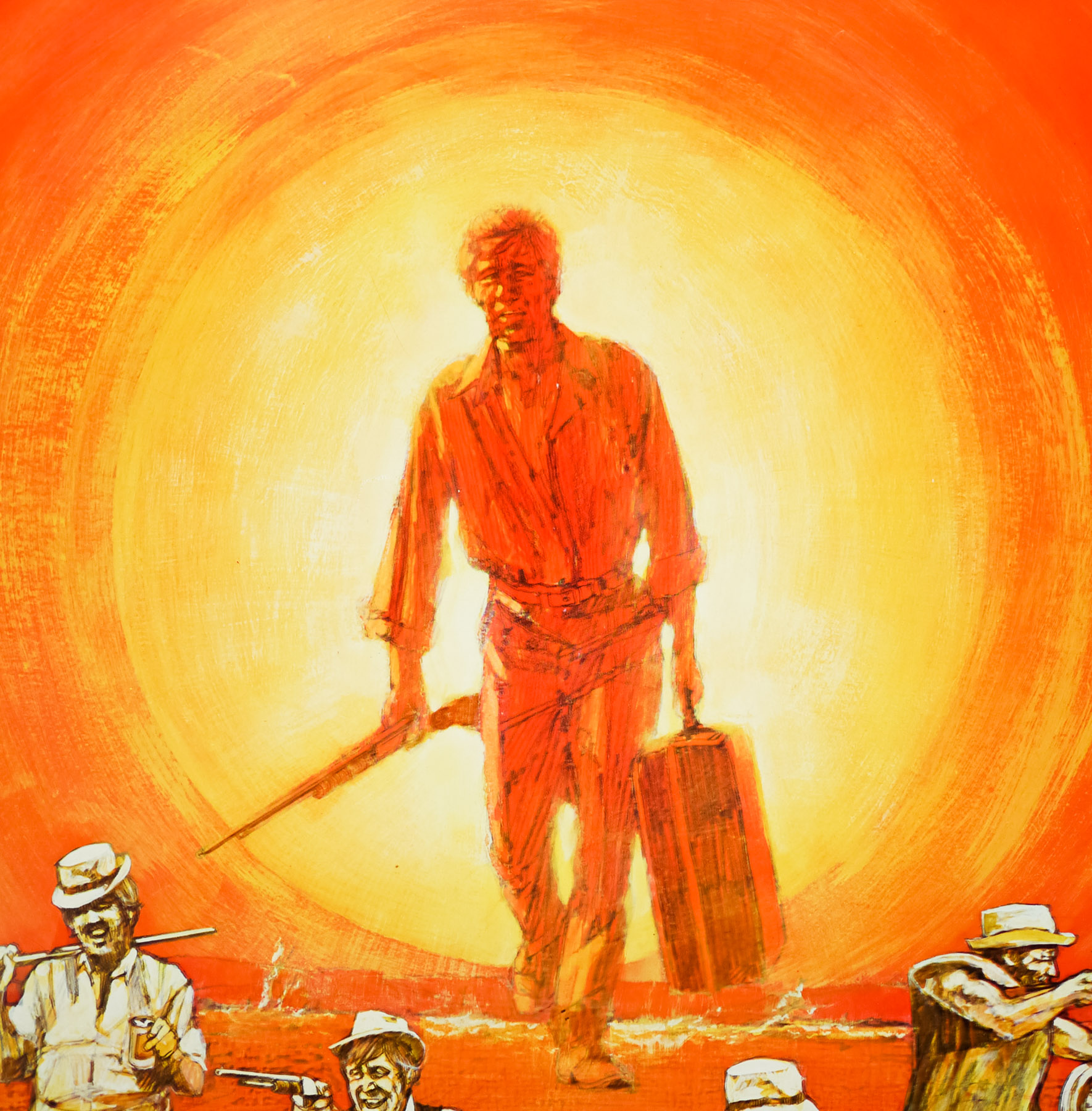
US one sheet poster for Outback (1971)US one sheet poster for Outback (1971), image 2US one sheet poster for Outback (1971), image 3US one sheet poster for Outback (1971), image 4US one sheet poster for Outback (1971), image 5
Title
Outback
AKA
Wake in Fright
Year of Film
1971
Director
Ted Kotcheff
Starring
Donald Pleasence, Gary Bond, Chips Rafferty, Sylvia Kay, Jack Thompson, Peter Whittle, Al Thomas, John Meillon, John Armstrong
Origin of Film
Australia | USA
Genre(s) of Film
Drama | Thriller
Type of Poster
One sheet
Origin of Poster
USA
Year of Poster
1971
Designer
Unknown
Artist
Unknown
Size (inches)
27 1/8" x 41"
SS or DS
SS
NSS #
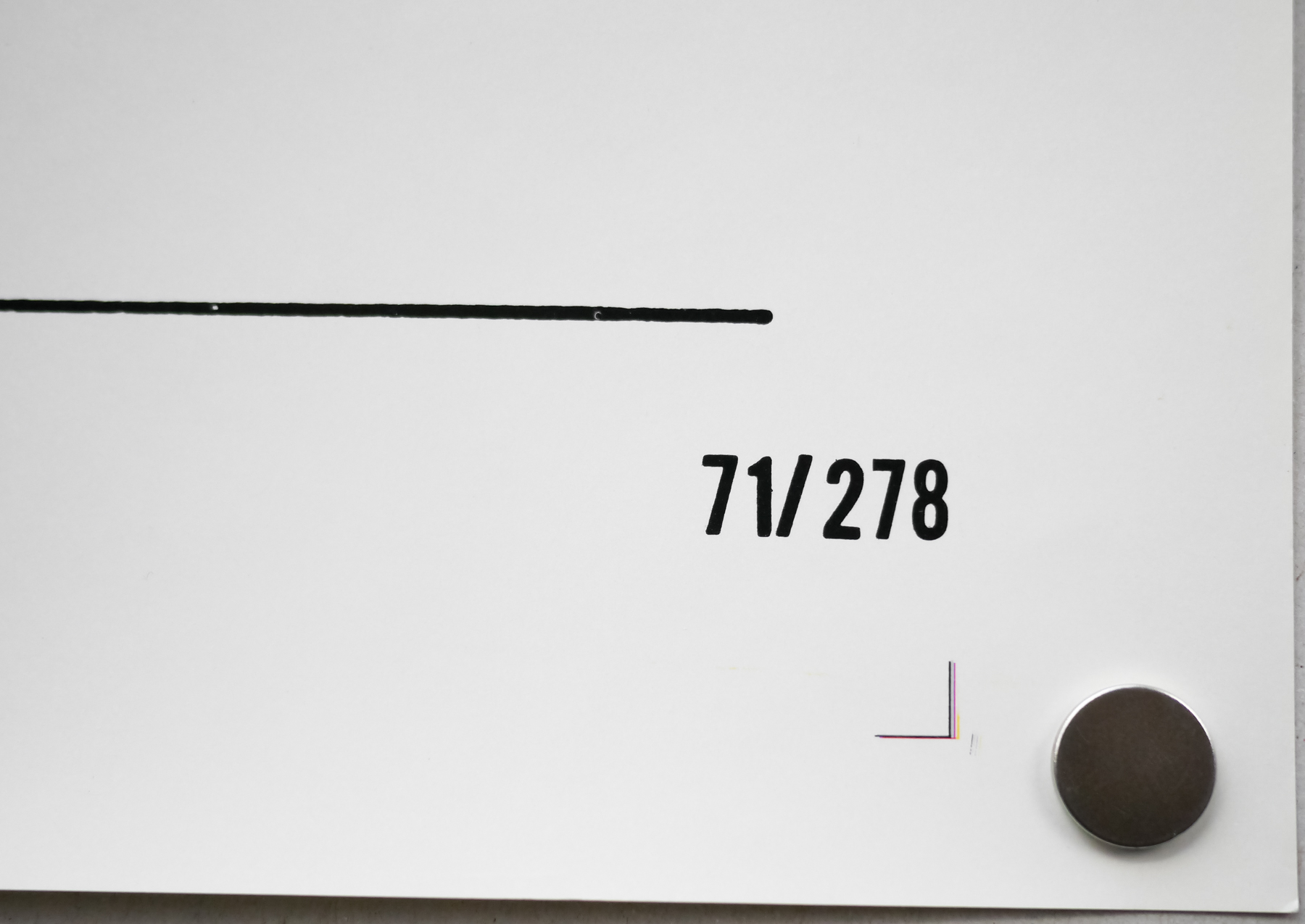
71/278
Tagline
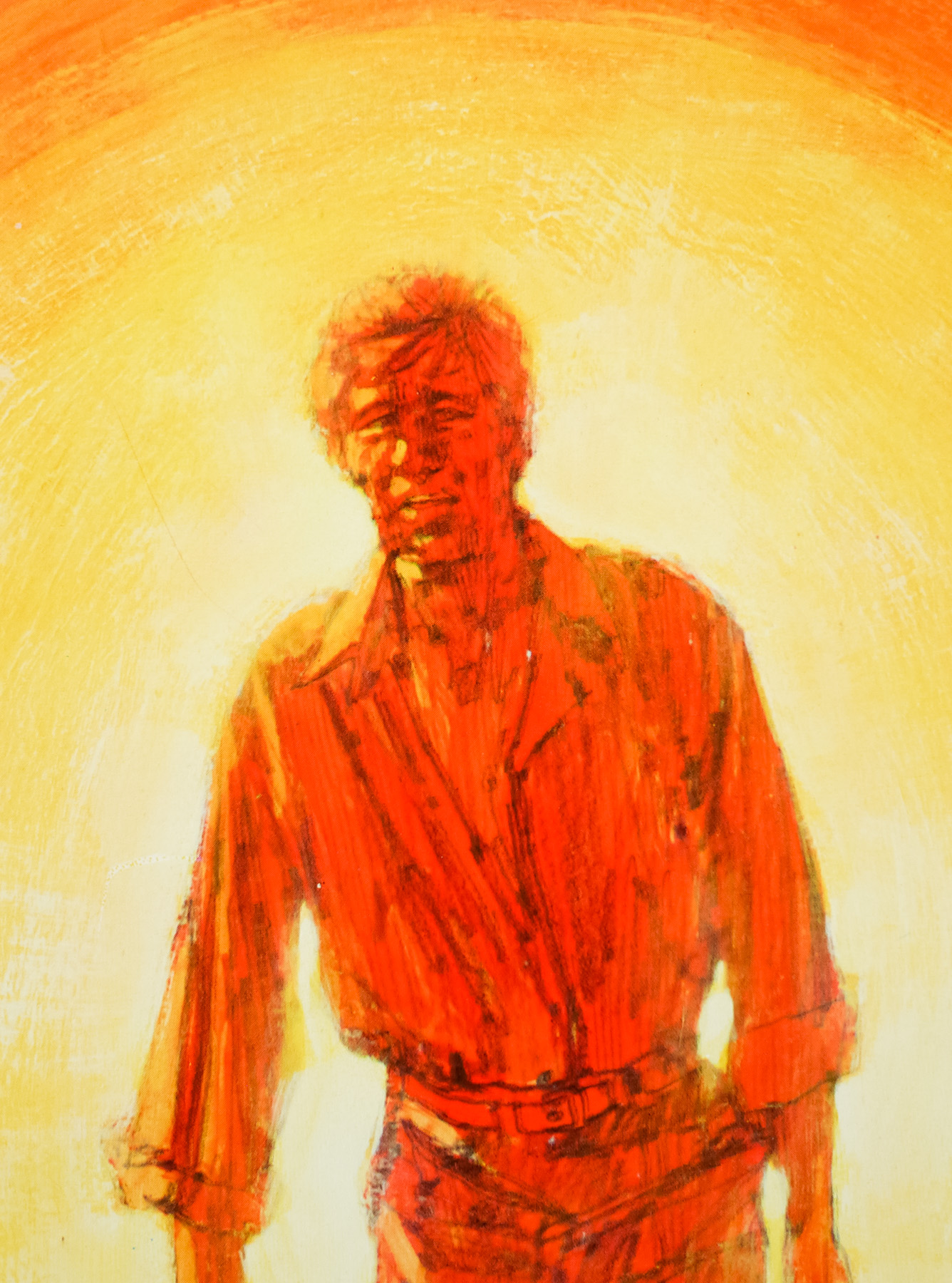
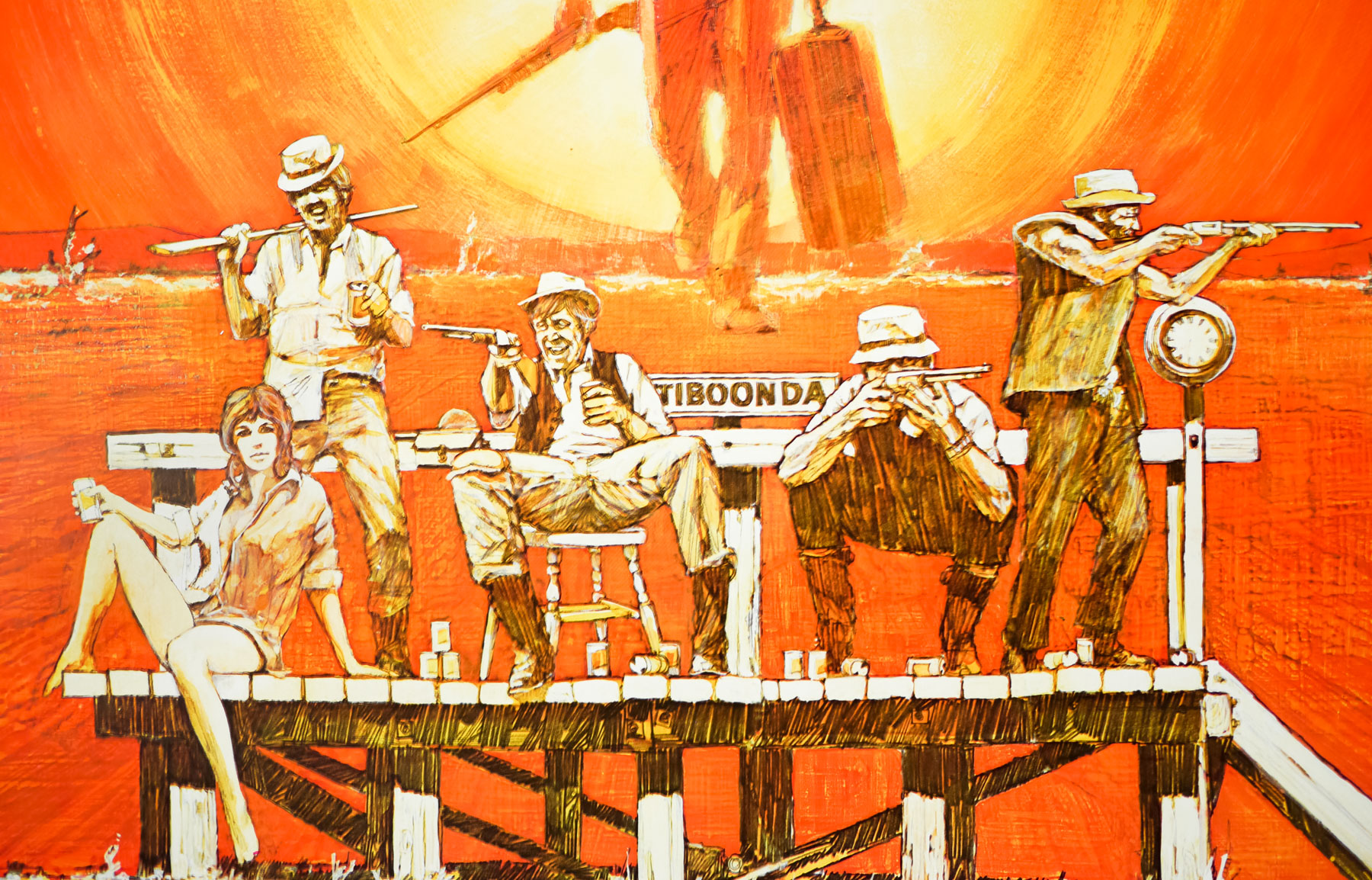
Have a drink, mate? Have a fight, mate? Have some dust and sweat, mate? There's nothing else out here.

Outback (opens in a new tab) (AKA Wake in Fright) was originally released in 1971 to a strong critical reception and decent box-office figures in countries like the UK, but it was almost a lost film by turn of the century. Only released in a few markets during the early 1970s, the film was seemingly forgotten about by the end of the decade and when Anthony Buckley (opens in a new tab), the editor of the film began looking for the original materials in 1996 it would be six years before he finally tracked them down to a warehouse in Pittsburgh. He was just in time since they were due to be destroyed only a week later. A full restoration was instigated (opens in a new tab) and the results were screened at the 2009 Cannes Film Festival to great acclaim. The film was given a worldwide release shortly after and was put out on the blu-ray format at the same time.

An Australian-American co-production, the film was based on Australian author Kenneth Cook (opens in a new tab)‘s 1961 novel Wake in Fright, which was the title it would be released with in Australia (and re-christened for its recent release everywhere). The film’s rights were acquired soon after the book was released but it would be several years before producers from NLT and Group W got involved and invited the Canadian director Ted Kotcheff (opens in a new tab) (First Blood) to helm the adaptation. Kotcheff had never been to Australia before then and now admits to having known little about the outback and the situations he would go on to portray, but he immersed himself in the culture whilst filming on location and the results are clear to see on screen.

The late British actor Gary Bond (opens in a new tab) plays John Grant, a teacher from Sydney who has agreed to the terms of a financial bond with the Australian government that guarantees him a tertiary eduction but means he has to take a teaching job in a remote outback township called Tiboonda. At the start of the Christmas holidays he sets off on a journey back to Sydney to see his girlfriend, which takes him via the mining town of Bundanyabba, known as The Yabba. He visits a bar where he meets a friendly but eccentric policeman (played by Chips Rafferty (opens in a new tab) in his final role) who introduces him to the local gambling obsession of two-up (opens in a new tab). After winning a few rounds John gets carried away and decides to bet all his winnings to try and escape from the government bond. Unfortunately, luck is not on his side and he’s soon stuck in The Yabba, relying on the kindness of strangers to keep him afloat.

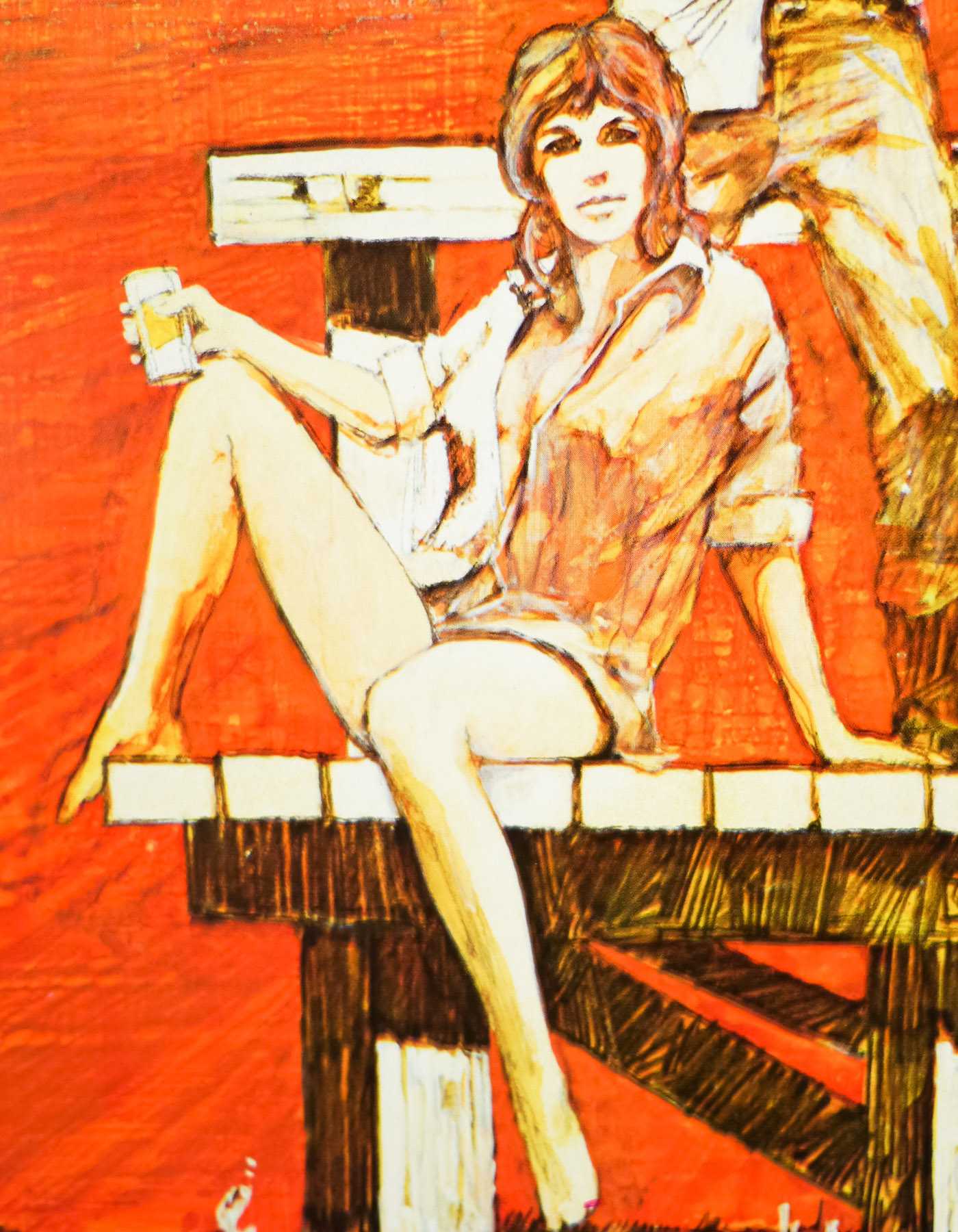
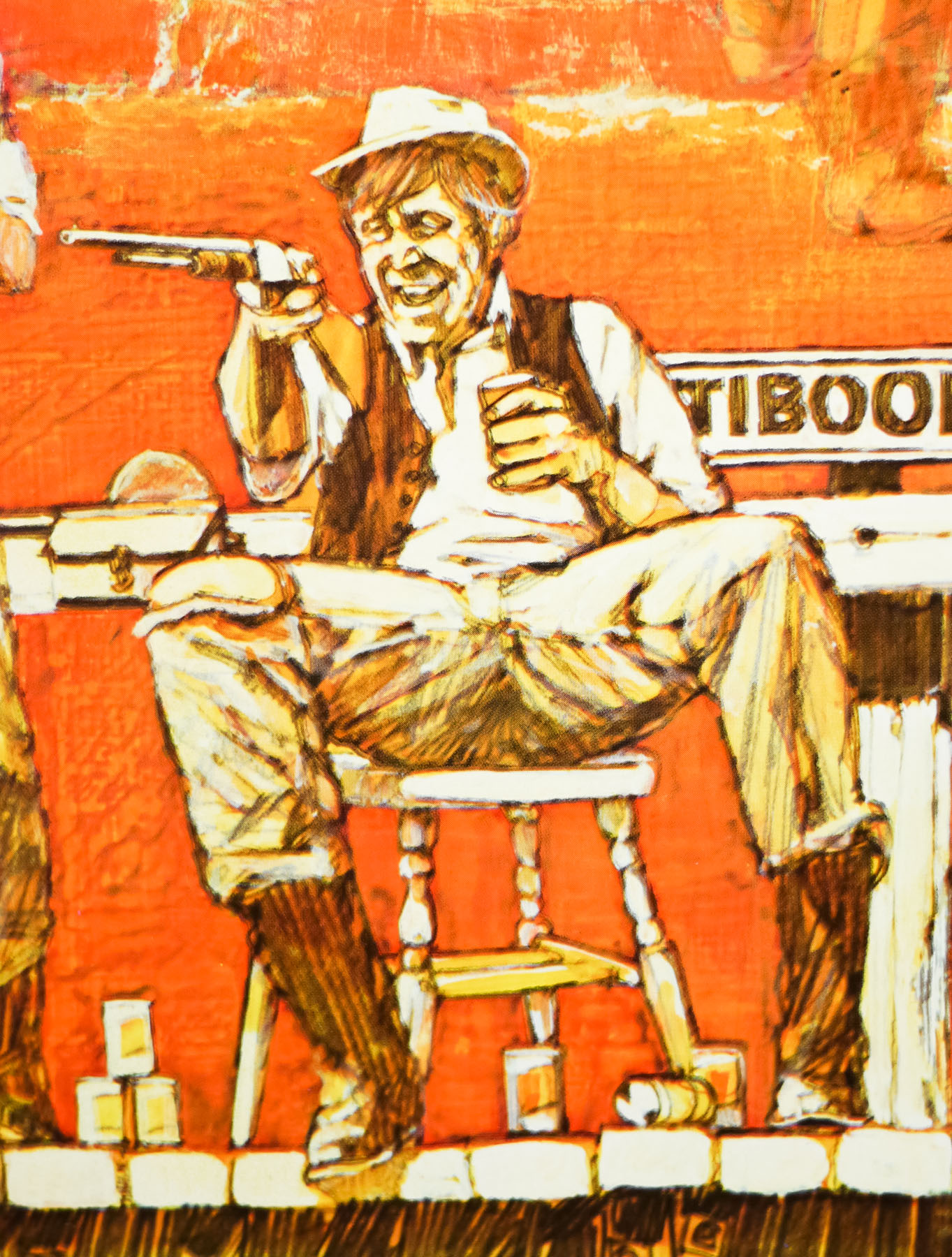
At another bar he meets a local called Tim Hynes (Al Thomas (opens in a new tab)) who invites John back to his home. There he meets Tim’s daughter Jeanette and a bunch of his friends. Things take a dark turn from there as John is drawn into sordid events and descends into a drunken stupor with the aid of the gang of local men, led by alcoholic doctor Doc Tydon (played by a memorably wild-eyed Donald Pleasence (opens in a new tab)). John eventually takes part in a horrific night-time kangaroo hunt that sees the men drunkenly shooting at the poor beasts before John is forced to stab an injured young kangaroo to death. Despite attempting to escape The Yabba via hitch-hiking, he soon finds himself back in the town carrying only a loaded rifle.

The film has a distinctly menacing atmosphere and you can’t help but put yourself in the shoes of John Grant, a man out of place, trapped in an oppressively hot and sticky environment. At some points you can practically taste the dust and sweat. The film attracted controversy for the kangaroo hunting scene, which featured graphic footage shot by Kotcheff and a camera crew after they’d joined a real kangaroo hunt during which the men with the rifles got progressively drunker whilst the night wore on. It’s still deeply unsettling to watch to this day, much like similar footage of animal cruelty in films like Cannibal Holocaust.

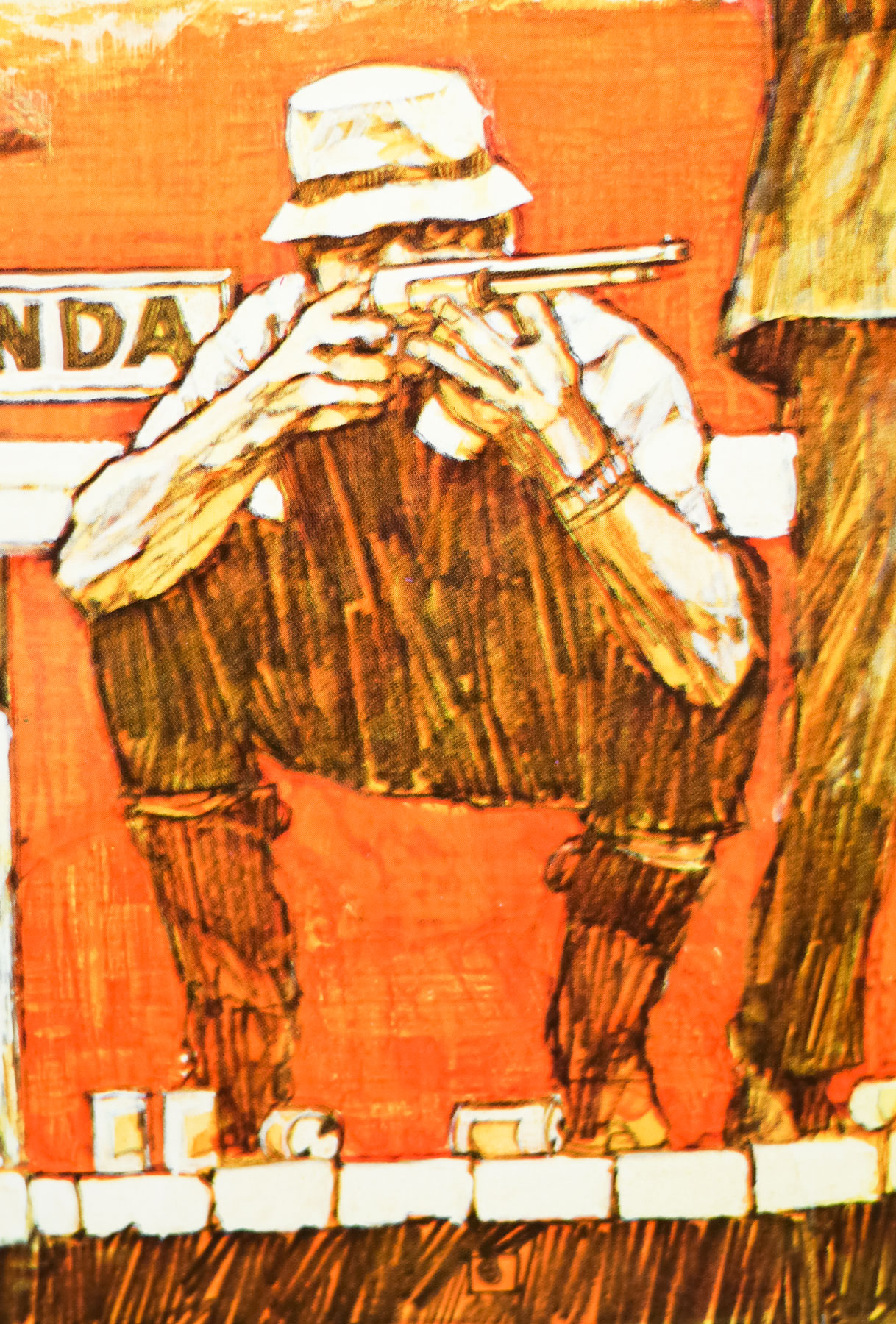
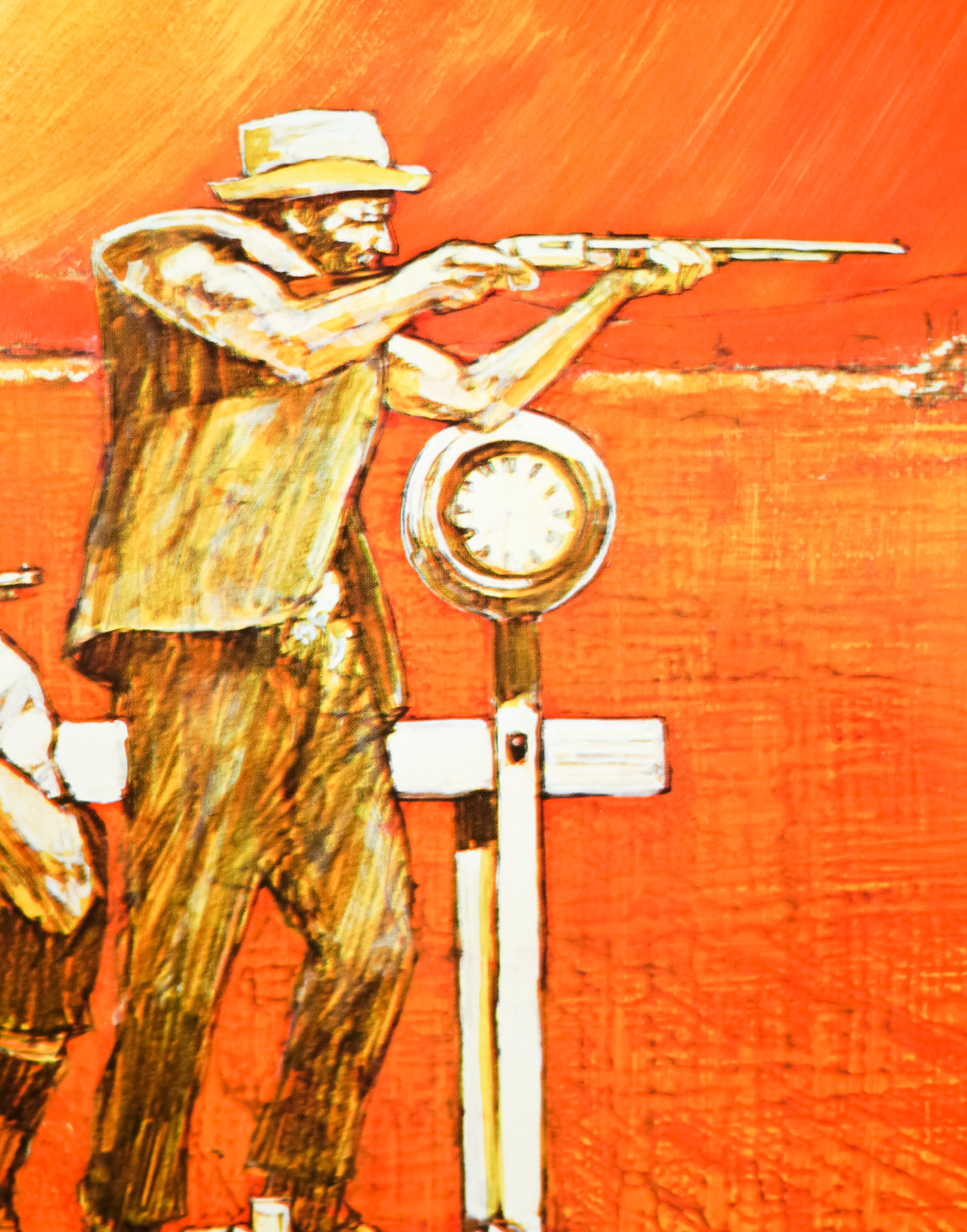
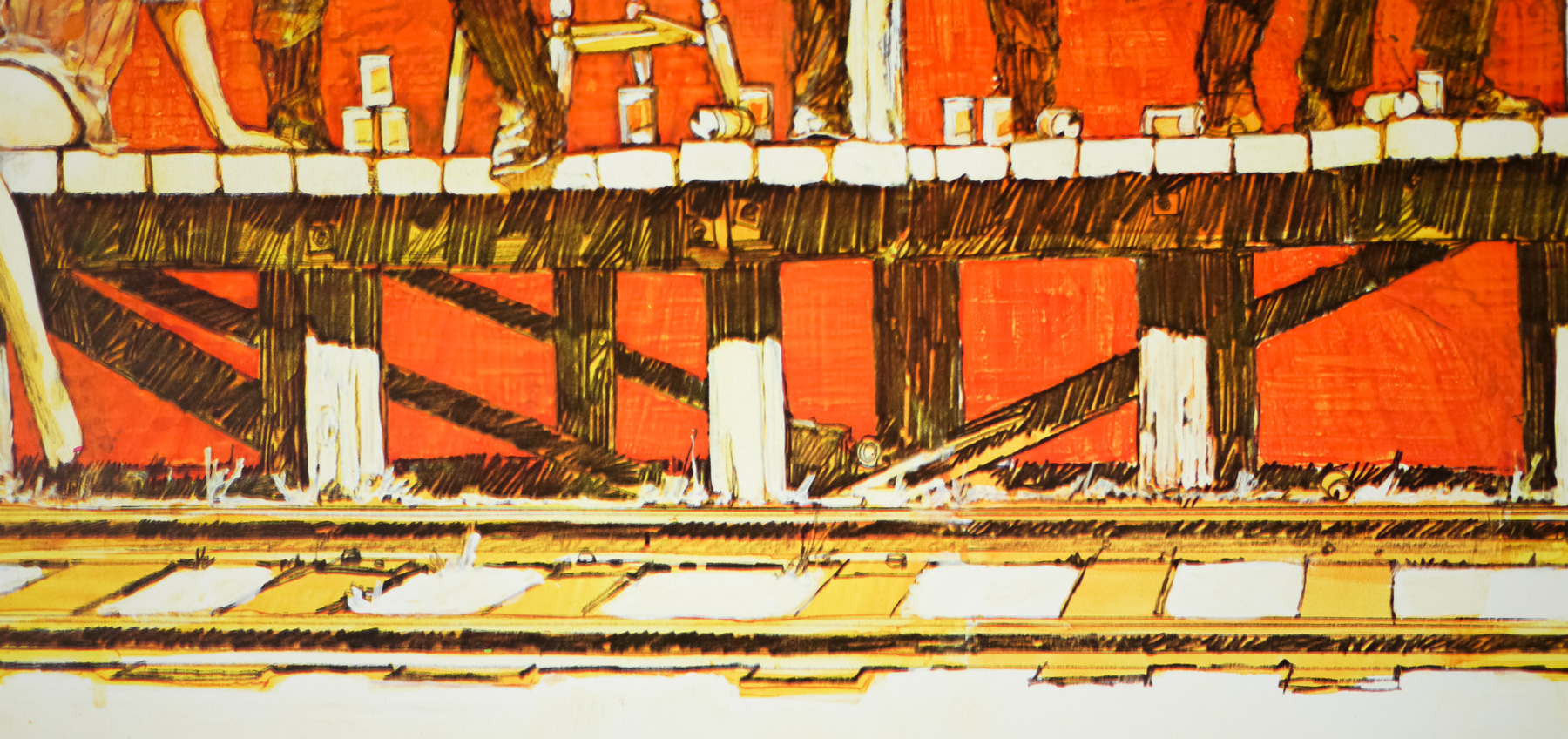
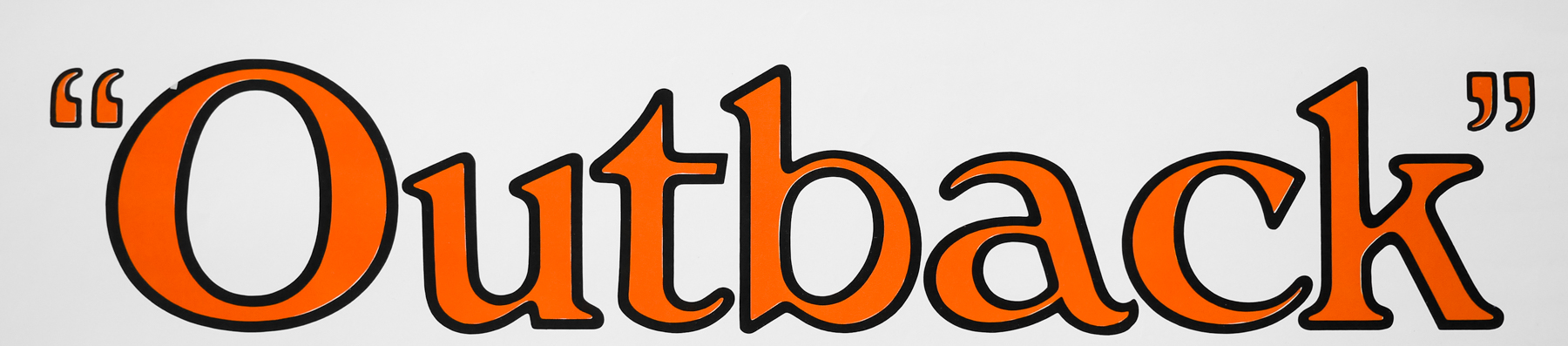
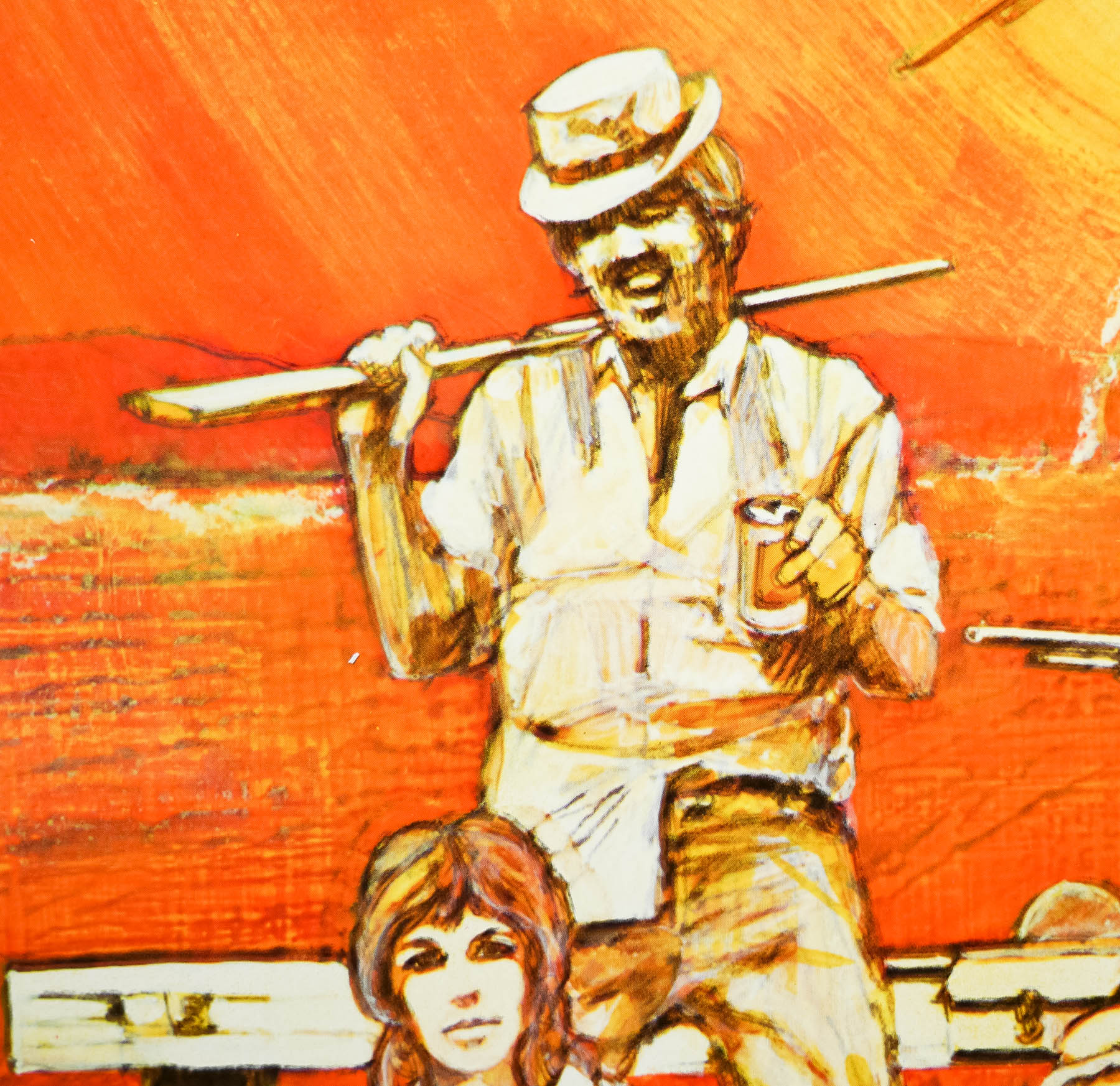
This artwork was used for the American marketing campaign and it was an adaptation of the Australian art (opens in a new tab) (the two are very similar but there are a few notable differences). I’ve been unable to determine the name of the artist so if anyone has an idea please get in touch.
Meteor / B2 / Japan

01.06.15

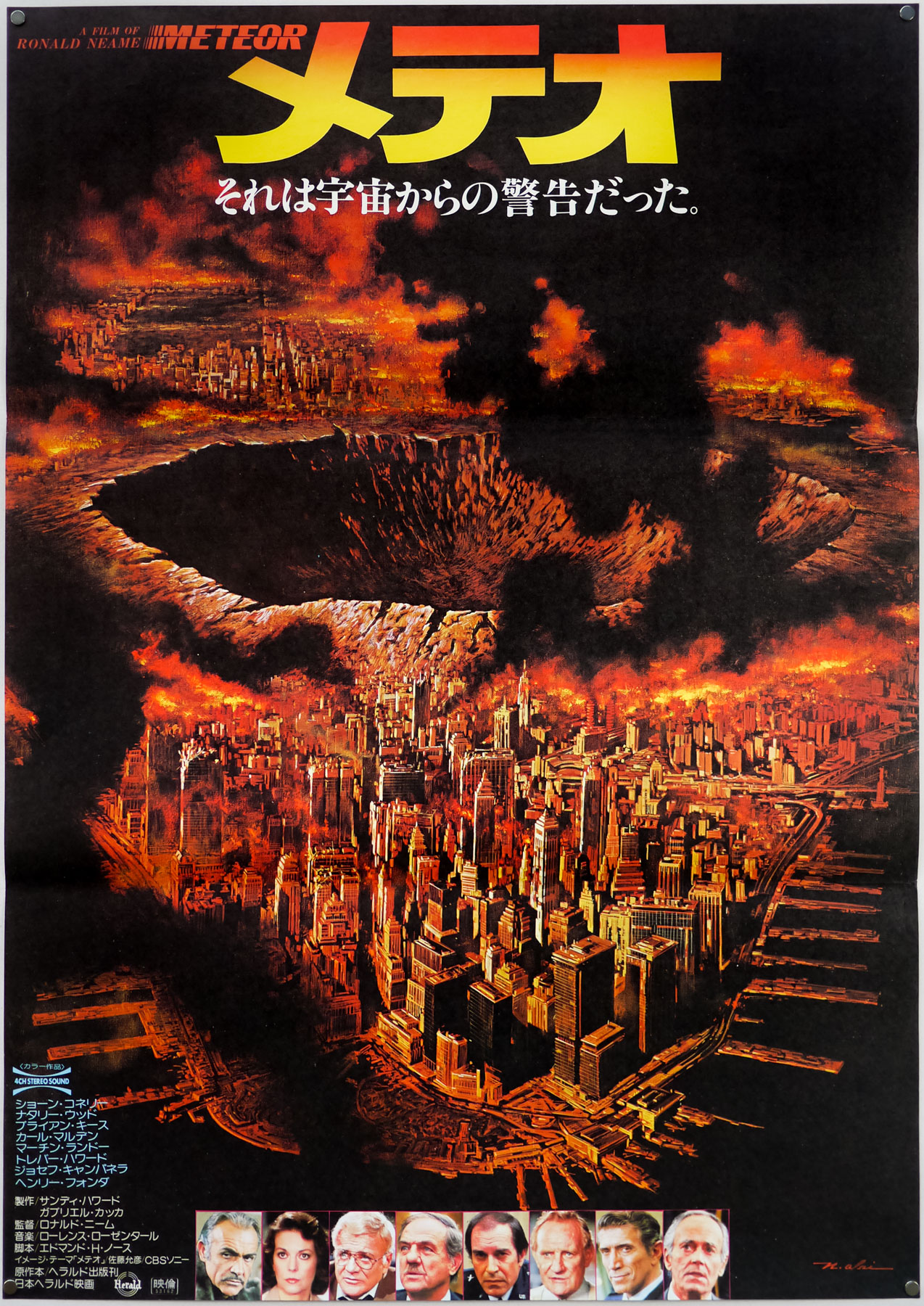
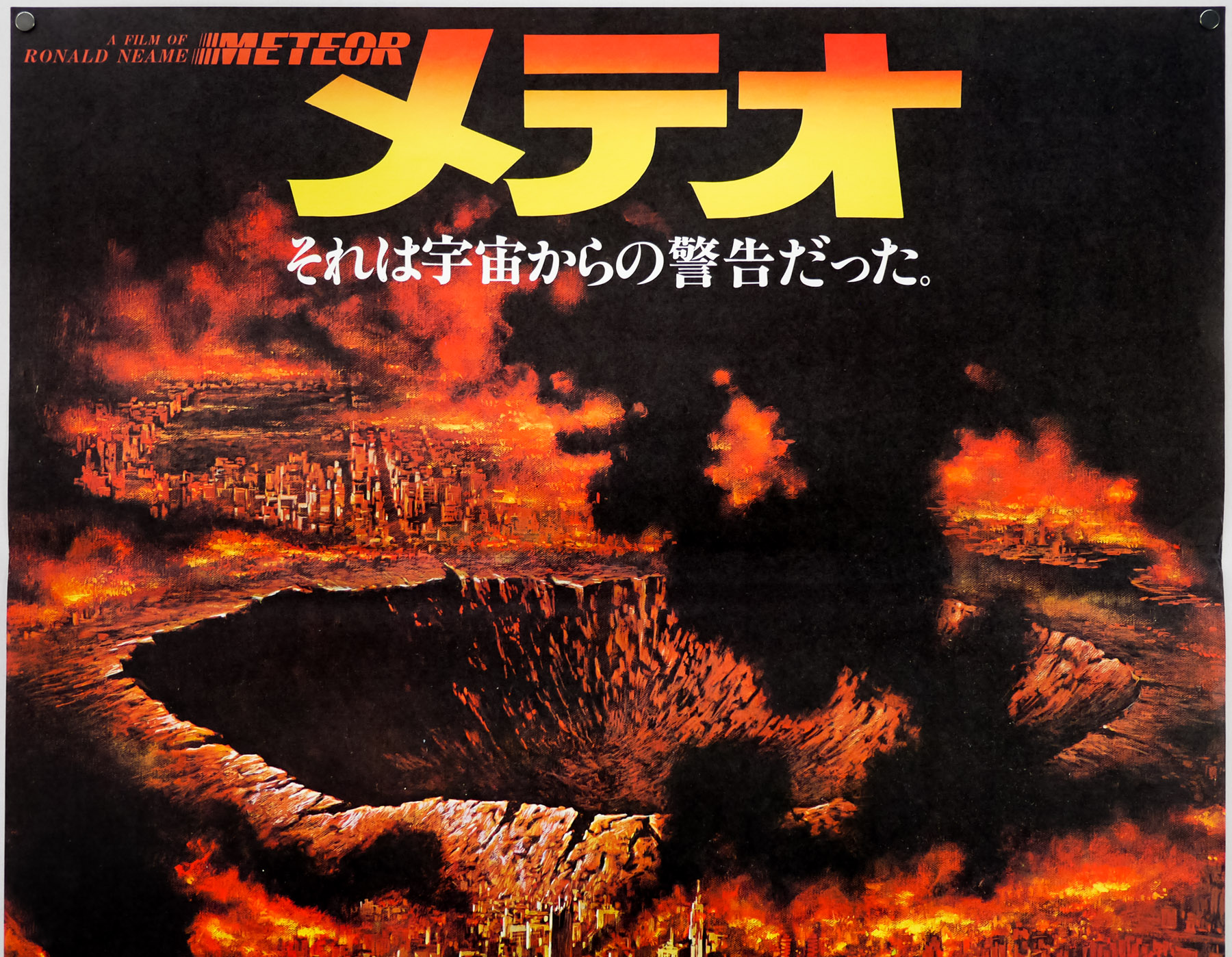
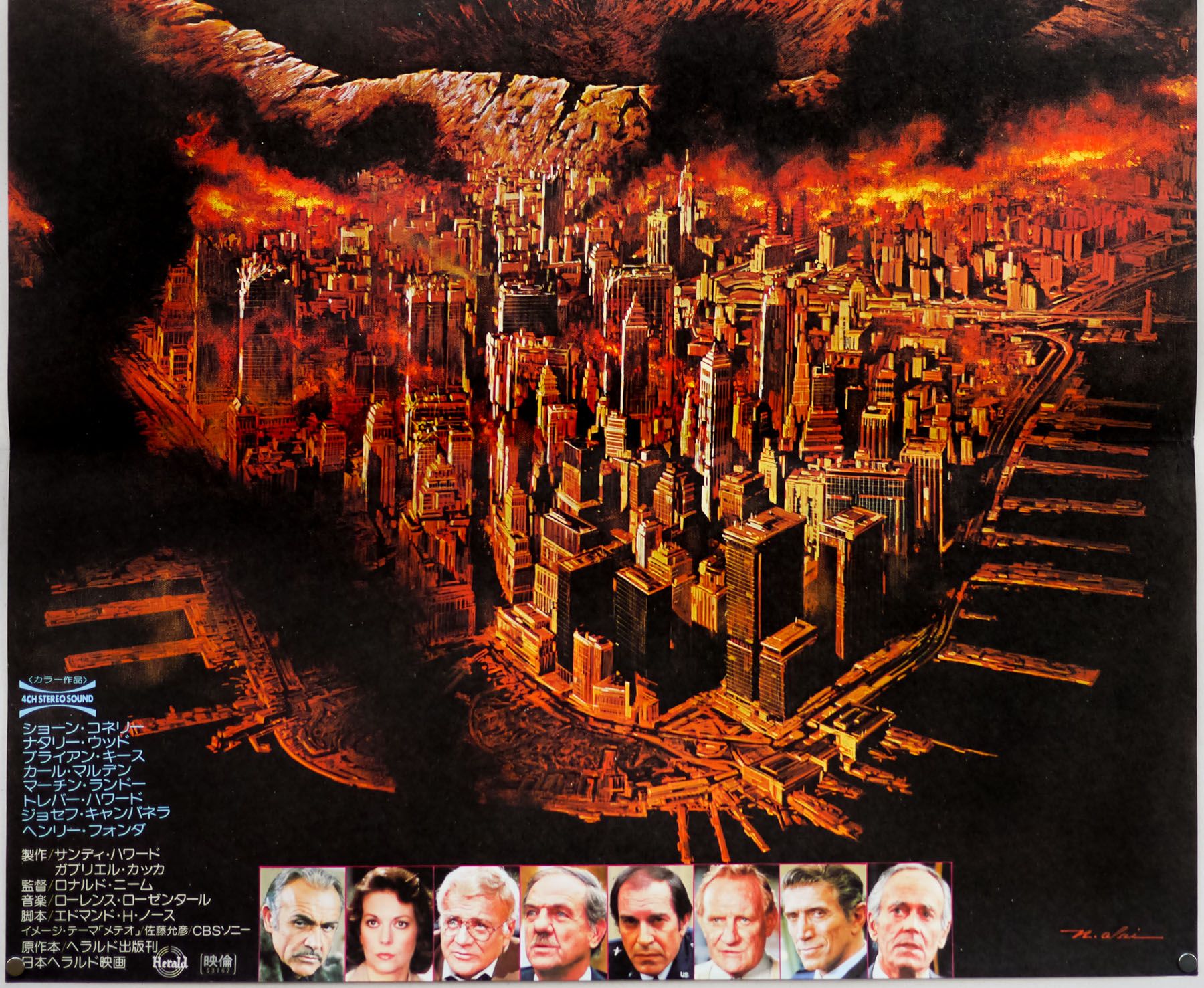
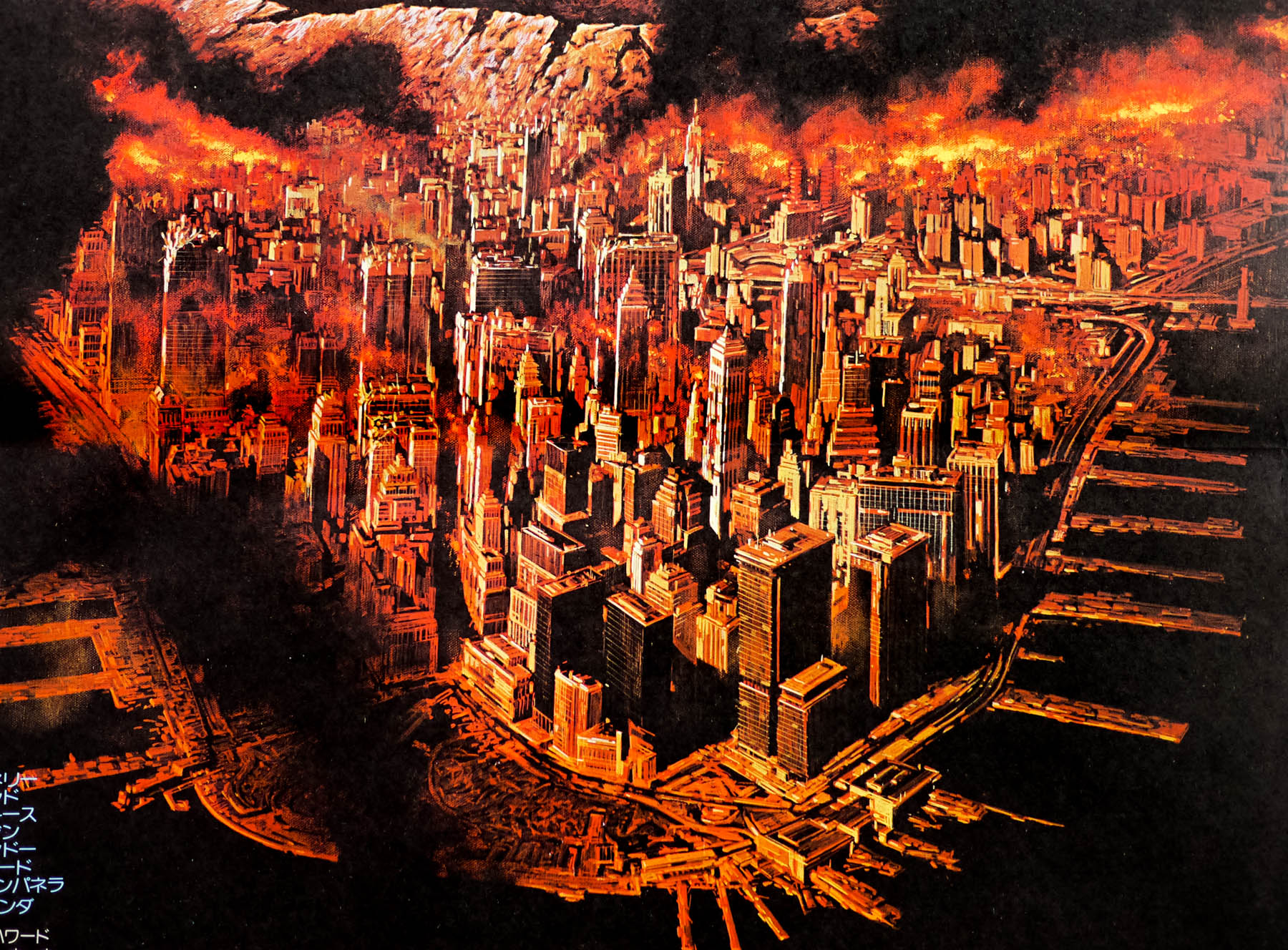
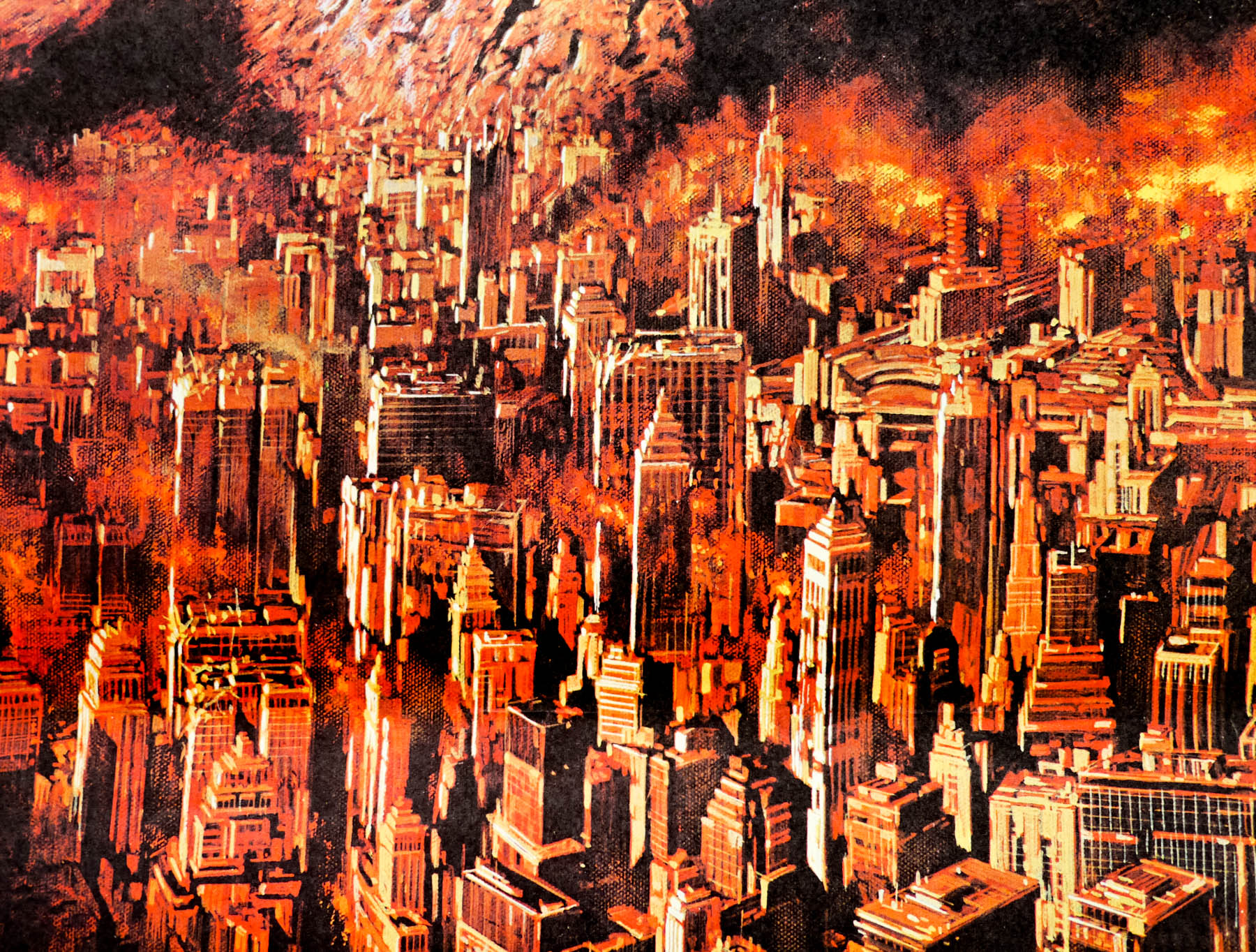
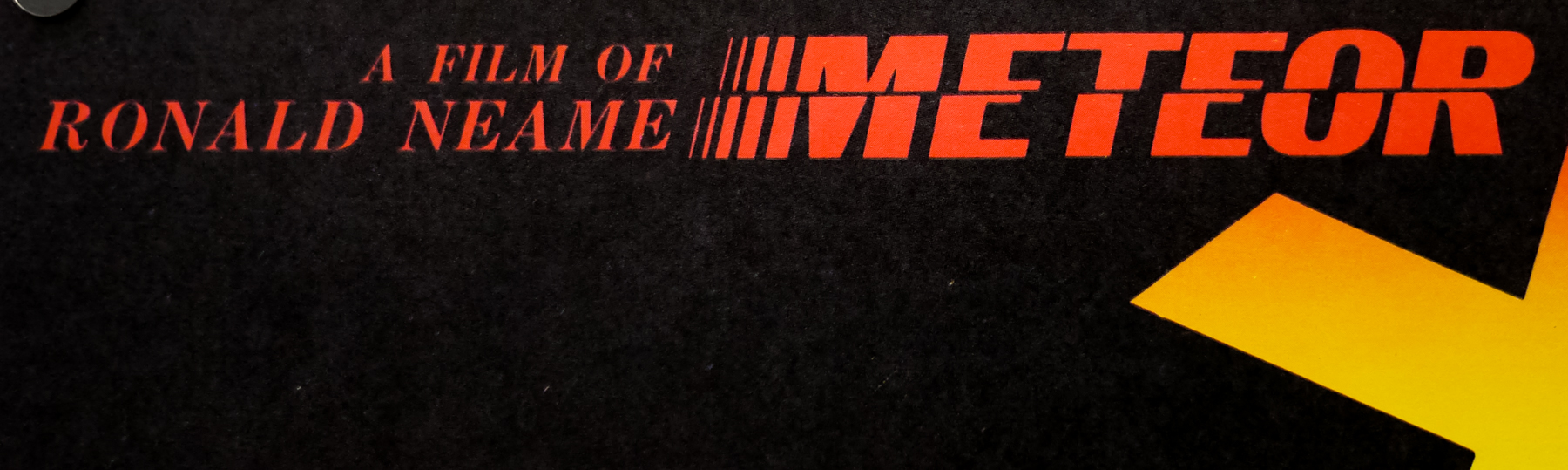
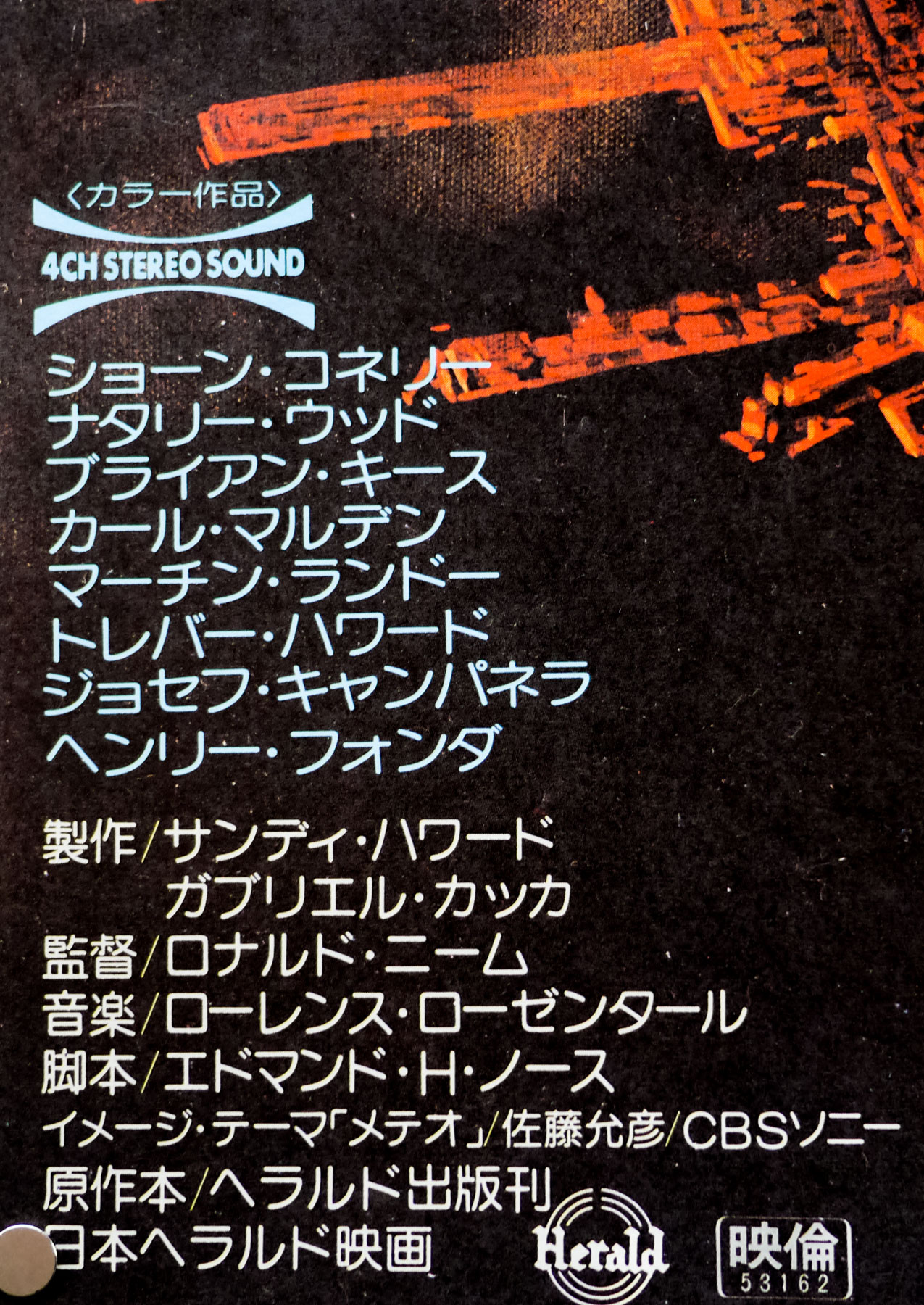
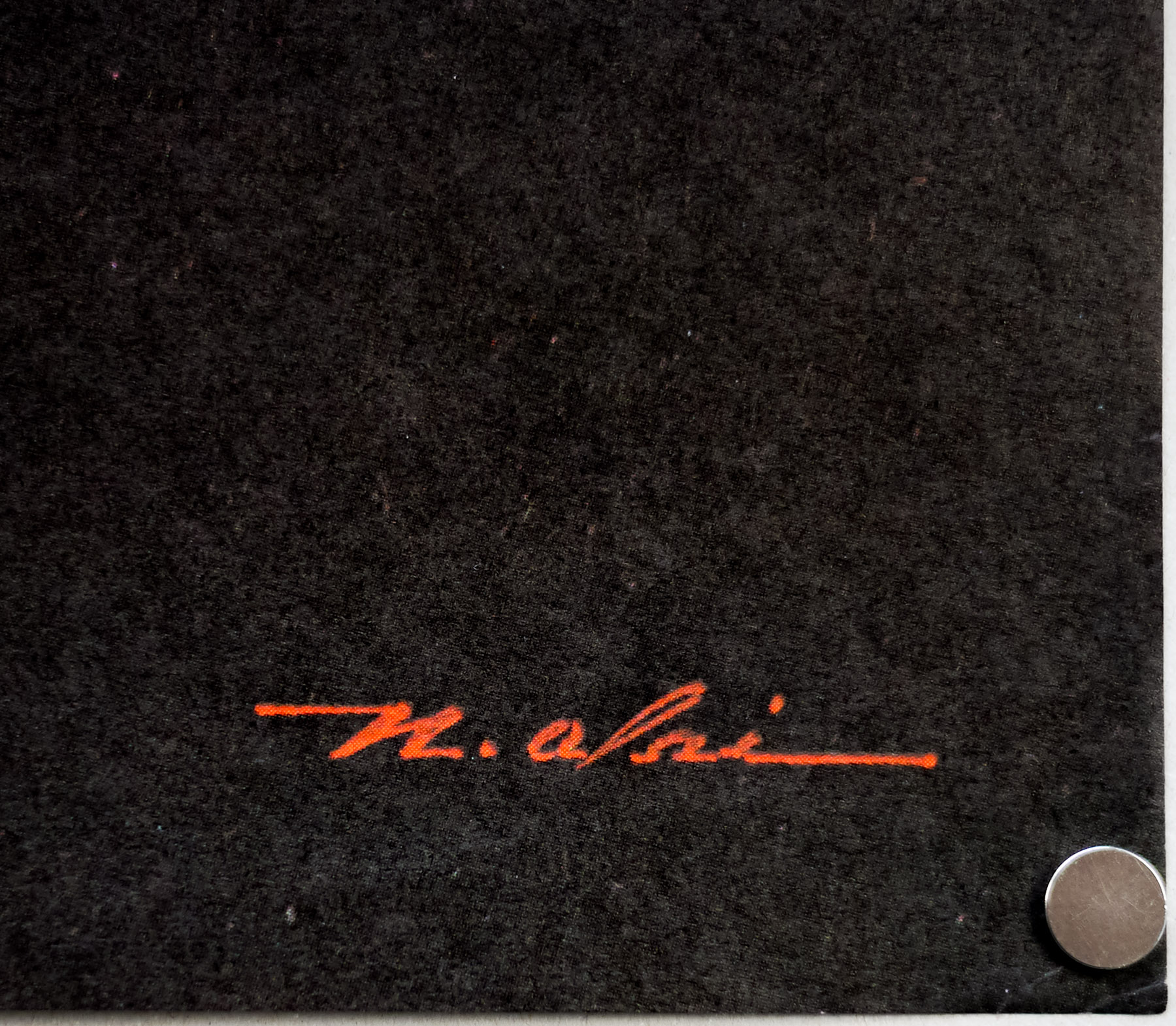
Japanese B2 poster for Meteor (1979). Artwork by Noriyoshi OhraiJapanese B2 poster for Meteor (1979). Artwork by Noriyoshi Ohrai, image 2Japanese B2 poster for Meteor (1979). Artwork by Noriyoshi Ohrai, image 3Japanese B2 poster for Meteor (1979). Artwork by Noriyoshi Ohrai, image 4Japanese B2 poster for Meteor (1979). Artwork by Noriyoshi Ohrai, image 5
Title
Meteor
Year of Film
1979
Director
Ronald Neame
Starring
Sean Connery, Natalie Wood, Karl Malden, Brian Keith, Martin Landau, Trevor Howard, Richard Dysart, Henry Fonda, Joseph Campanella, Bo Brundin
Origin of Film
USA
Genre(s) of Film
Action | Drama | Sci-Fi | Thriller
Type of Poster
B2
Origin of Poster
Japan
Year of Poster
1979
Designer
Unknown
Artist
Noriyoshi Ohrai
Size (inches)
20 5/16" x 28 13/16"
SS or DS
SS

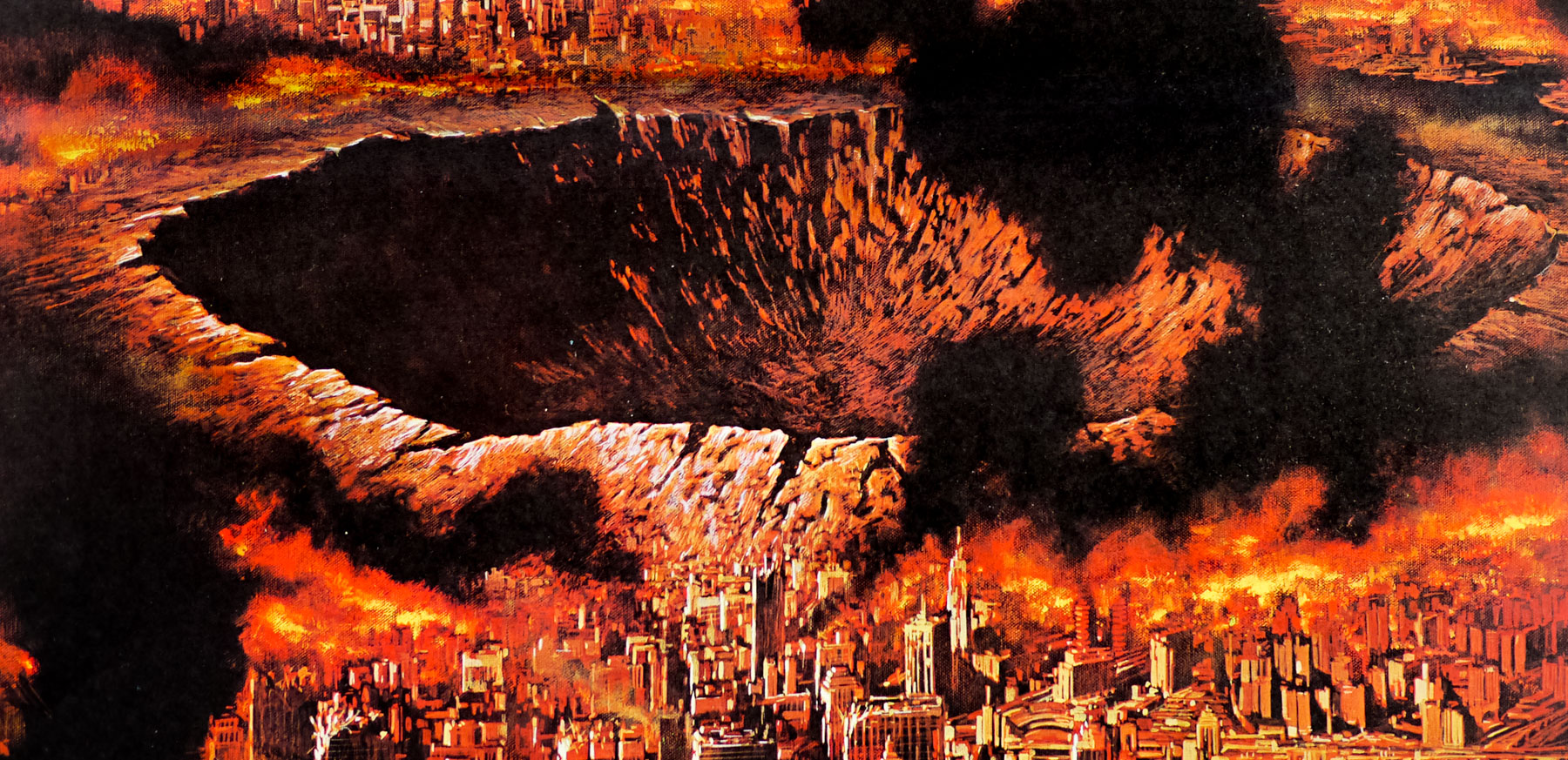
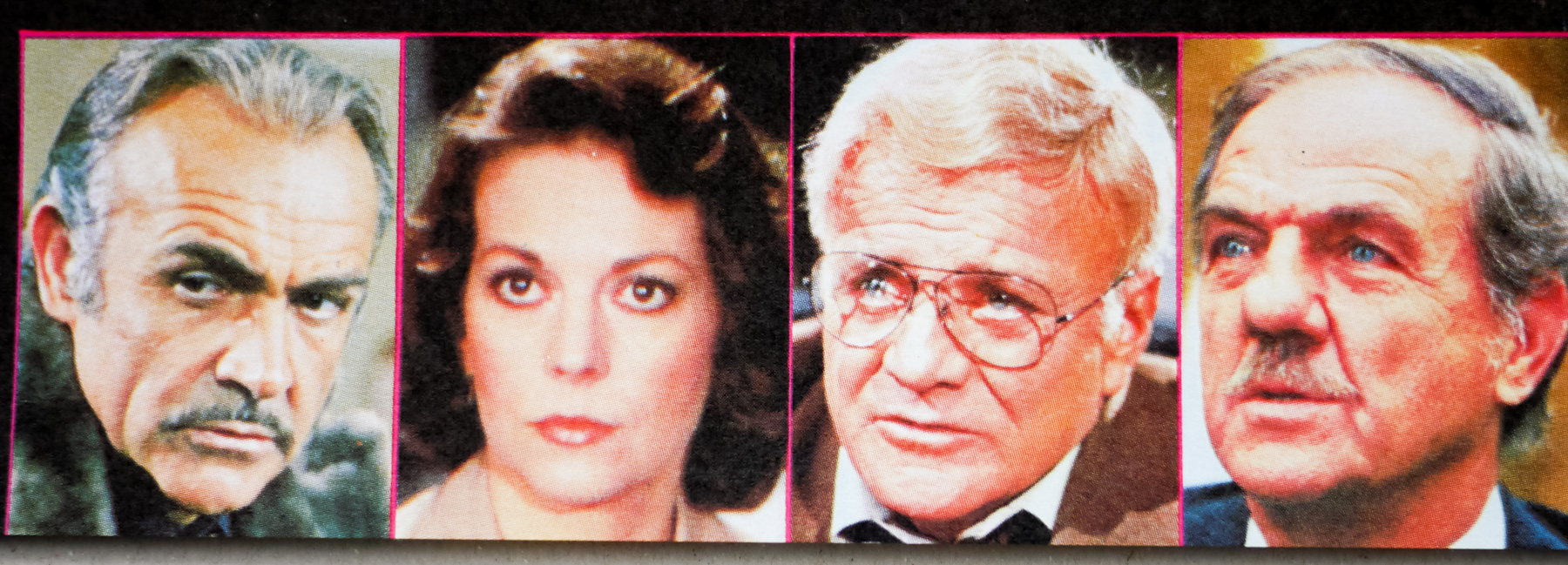
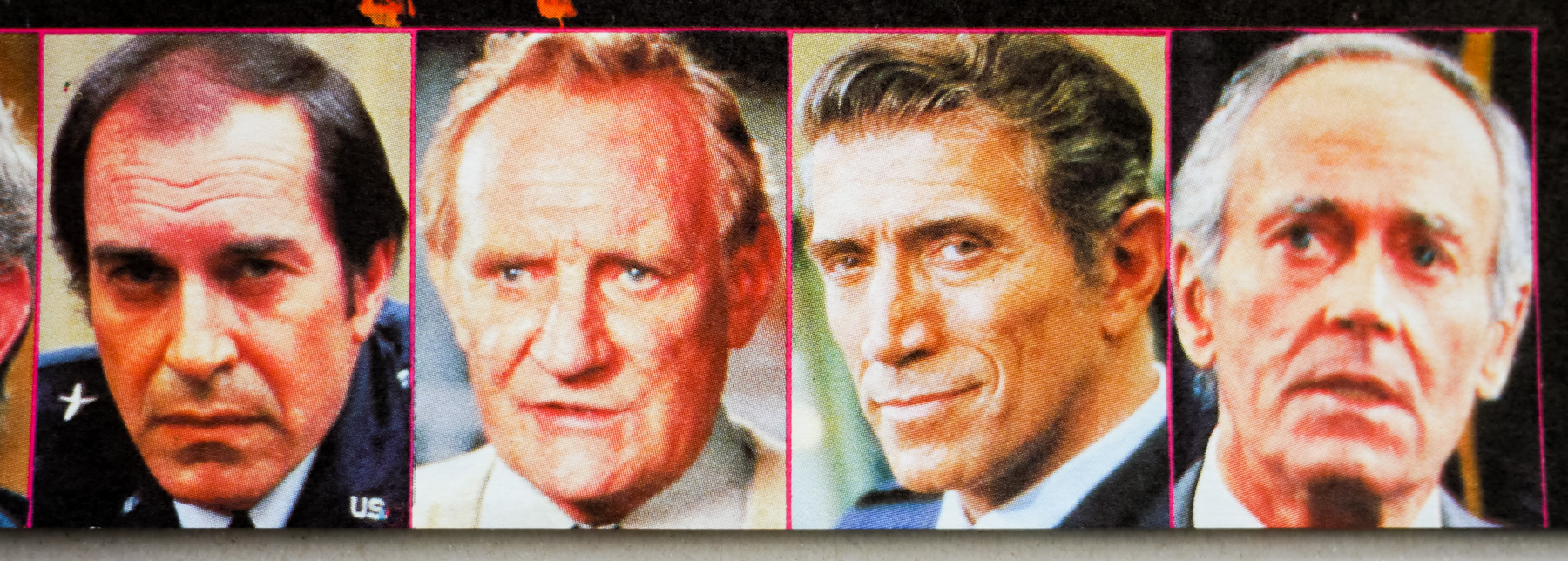
Arriving at the tail-end of the 1970s, a decade that saw the release of a number of successful disaster movies like The Towering Inferno and Earthquake, Meteor (opens in a new tab) ended up as an all-star clunker and is easily one of the worst entries in the genre. Helmed by the British filmmaker Ronald Neame (opens in a new tab), who had seen success with 1972’s The Poseidon Adventure, the film focuses on the outcome of the eponymous lump of rock barrelling towards earth after being knocked off course by a comet. Sean Connery (opens in a new tab) plays Paul Bradley, a scientist who masterminded the creation of a space-based weapon named Hercules that was originally intended to protect earth from such a threat, but was instead taken over by the military and aimed at the Soviet Union due to escalating Cold War tensions.

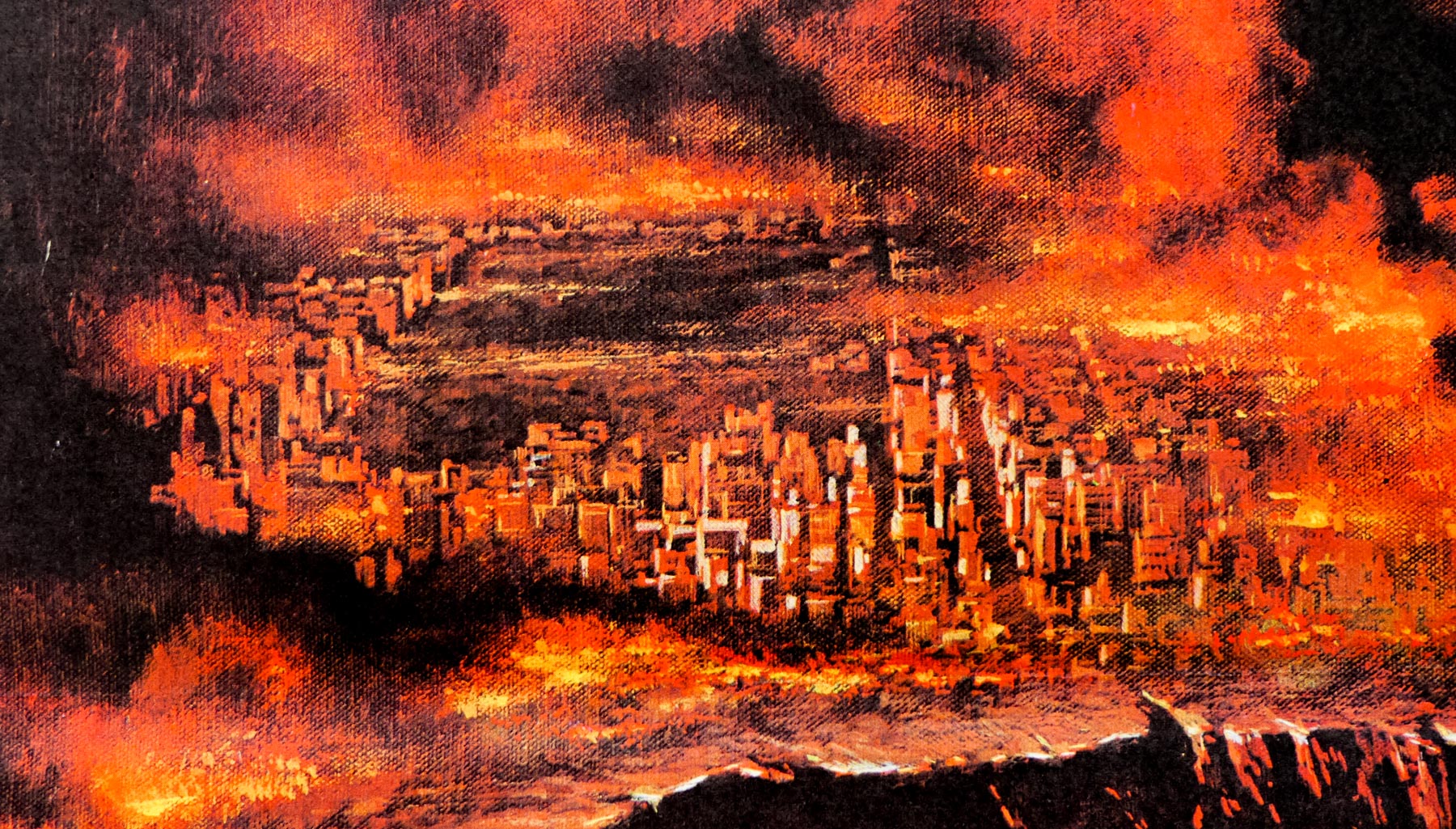
The plot sees the US and Russia agreeing to work together after much (dull) handwringing and Paul Bradley works with his opposite number from the CCCP Alexei Dubov (Brian Keith (opens in a new tab)) to ensure the Russian’s own weapons platform can combine forces with Hercules and fire both payloads at the rock. Meanwhile, fragments of the asteroid begin hitting earth in some unconvincing sequences featuring uniformly awful special effects. Eventually, and improbably, a large chunk hits Manhattan, which just happens to be where Paul Bradley and most of the other characters are located, leading to some sequences of mild peril that end up with Connery covered in mud and a few dead background characters. The special effects are truly, inexcusably awful and I can’t think of one well-executed sequence. The rock hitting New York is mostly done with what is clearly red-tinted stock footage of buildings being knocked down by controlled demolition.

The biggest problem with the film is that most of the actors look bored and, with the exception of a crazy-eyed Martin Landau, like they’d rather be somewhere else. It doesn’t help that the Cold War machinations, whilst maybe more relevant in 1979, are totally boring today and way too much of the film is spent focused on discussions to try and resolve differences between the two nations.

Whilst the film is a stinker, the same can’t be said for this moody artwork showing an obliterated Manhattan that was illustrated by Noriyoshi Ohrai, my favourite Japanese artist and certainly in my top five greatest film poster illustrators of all time. He’s responsible for a number of other posters in the Godzilla franchise, and I have some of them in the collection. He also worked on a number of Star Wars related posters, including this lovely 1982 B2 to celebrate the release of the Japanese dubbed version of the original film. In March 2014 a retrospective exhibition was held in Japan of Ohrai’s work and I made the trip over to Miyazaki to see the exhibition. I’m very glad I did as it featured most of his original artwork and a whole array of posters and book covers. A full report will follow soon.

See the posters I’ve managed to collect by Noriyoshi Ohrai.

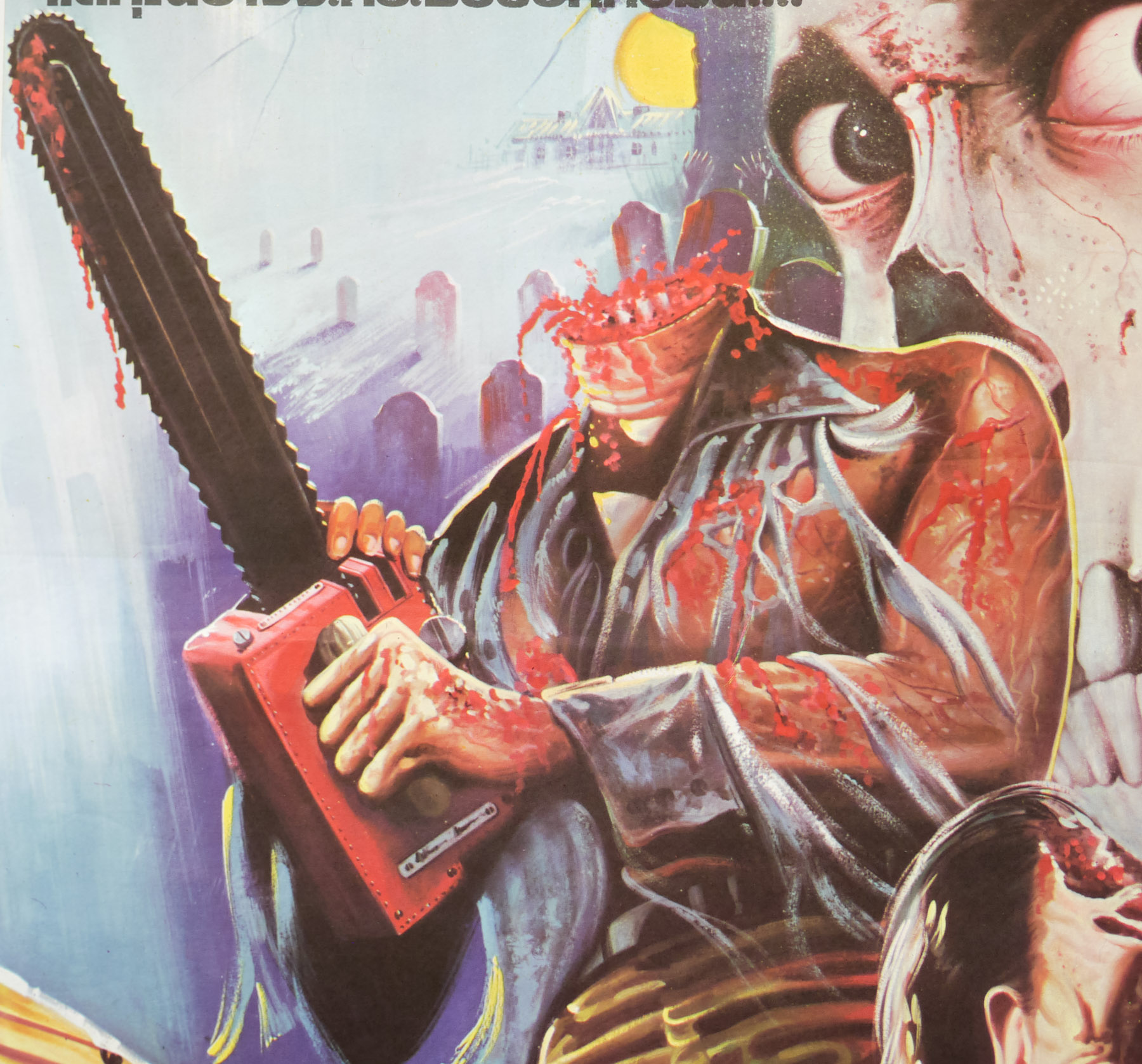
Evil Dead II / Thailand

29.05.15

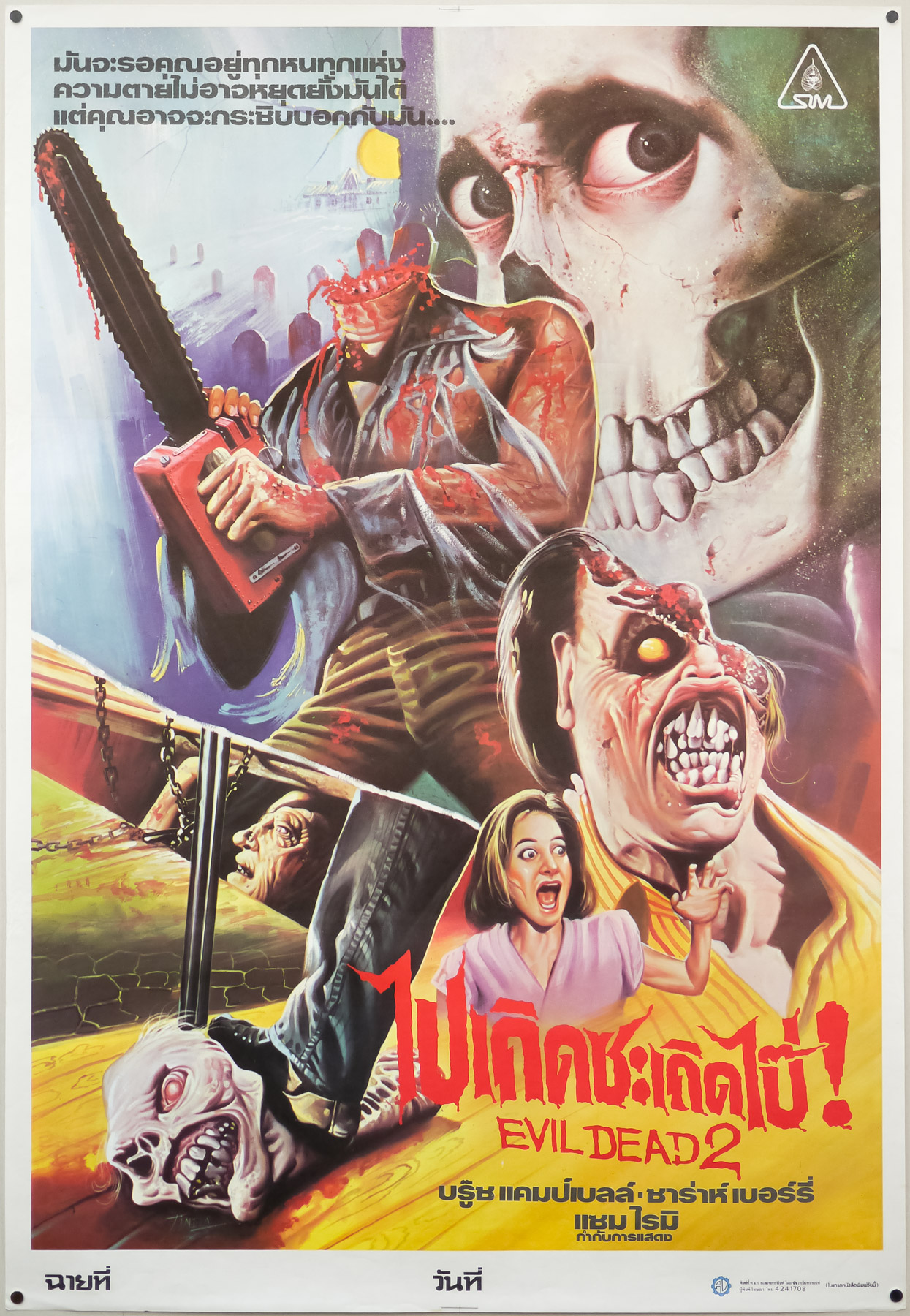
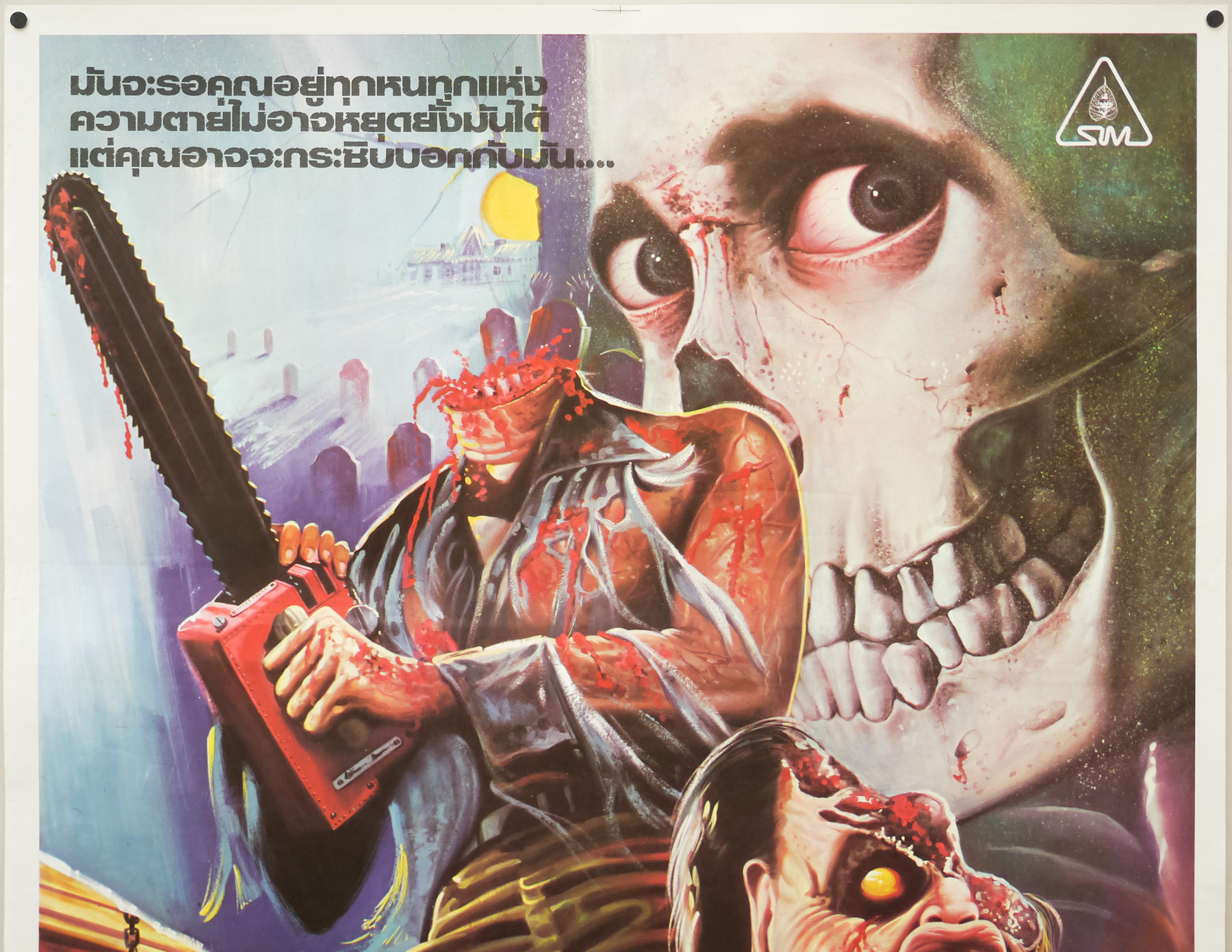
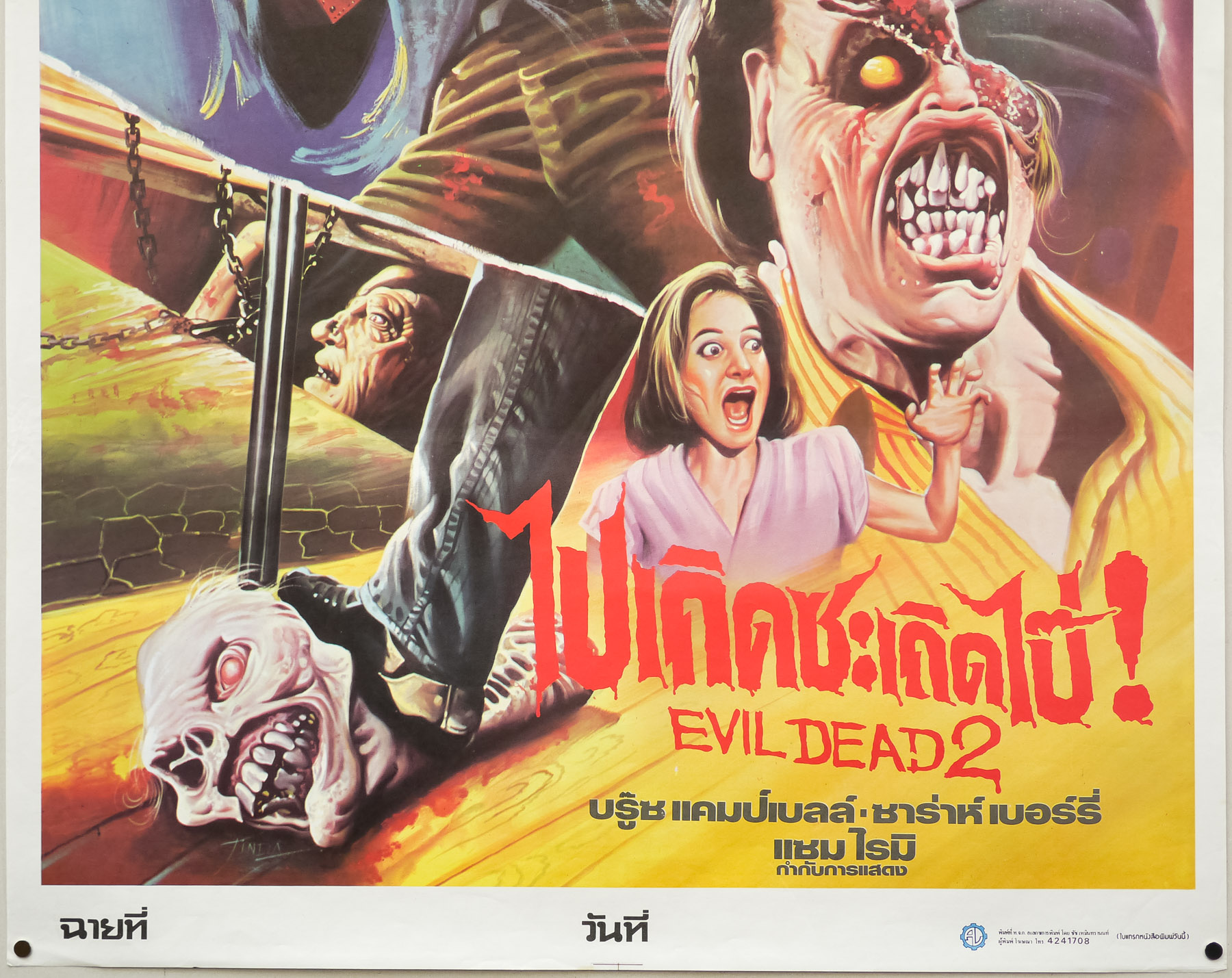
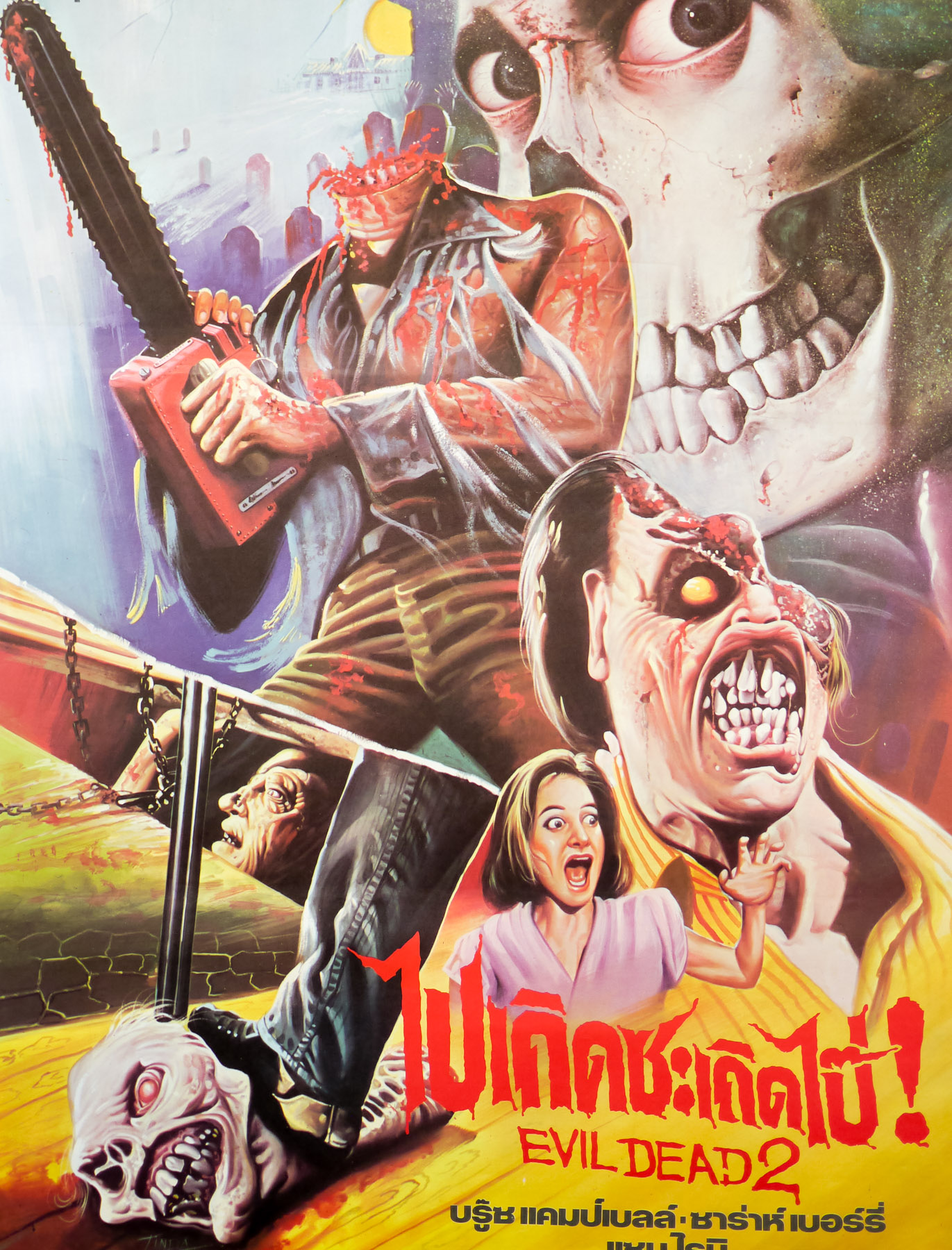
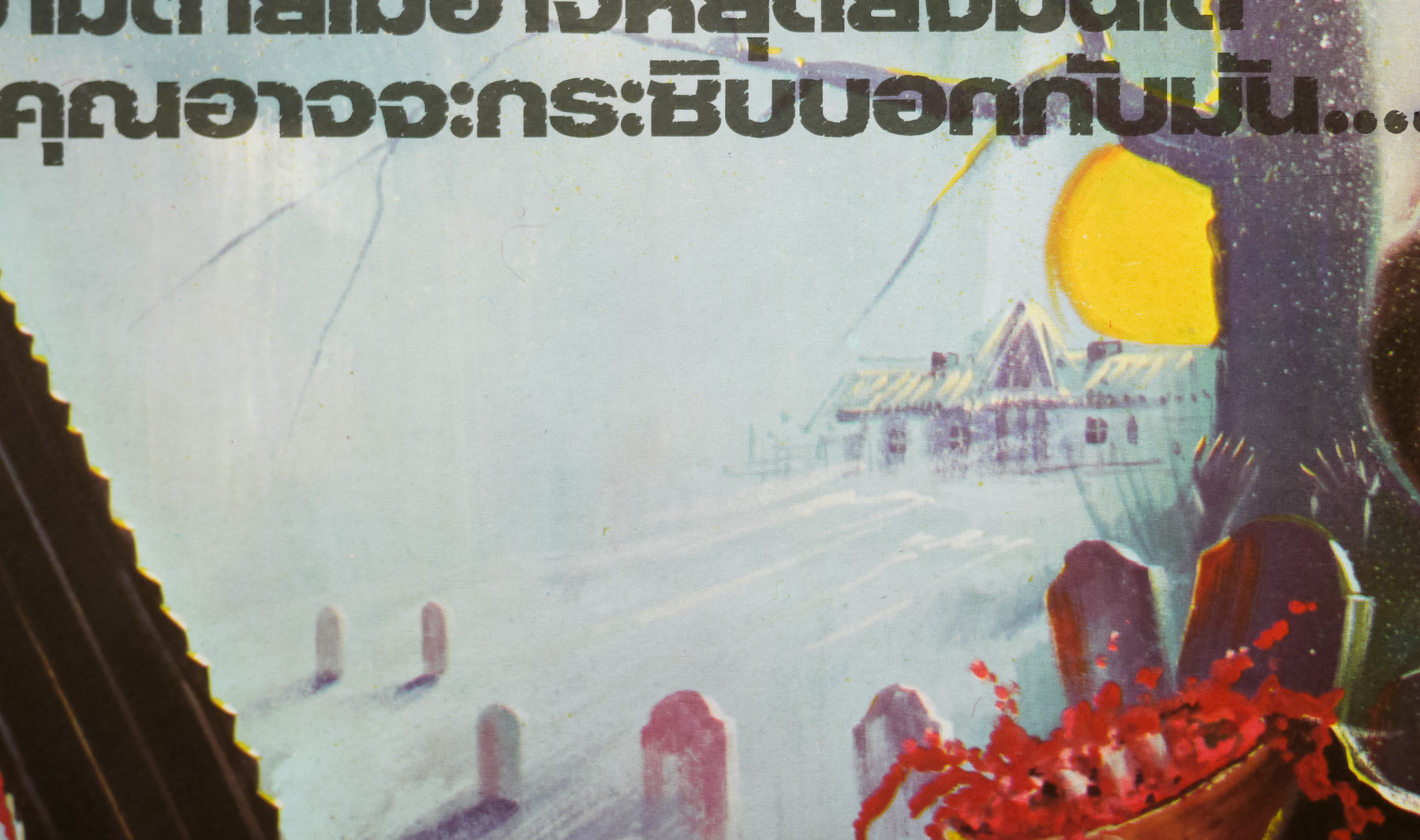
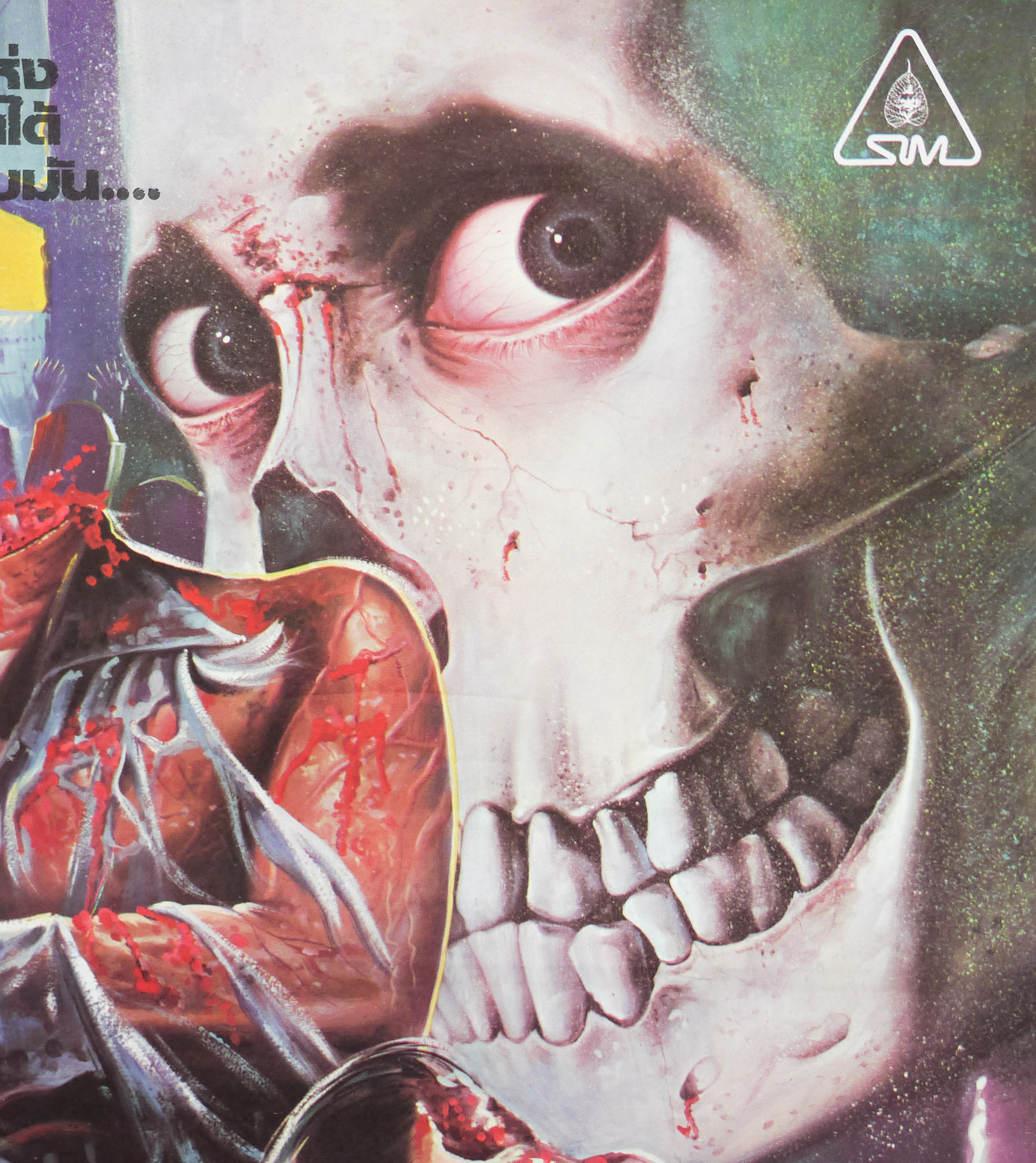
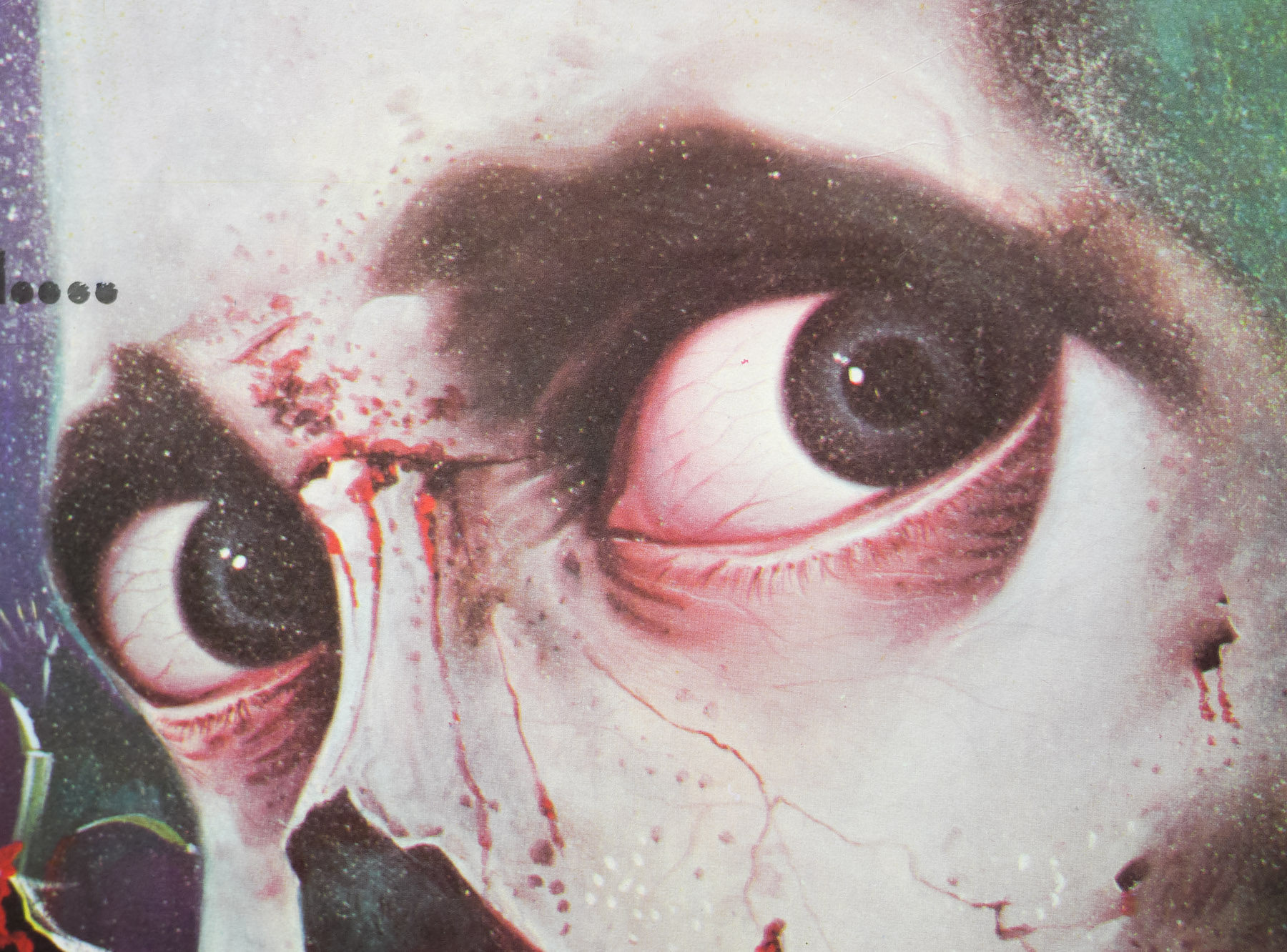
Thai poster for Evil Dead II (1987). Artwork by JindaThai poster for Evil Dead II (1987). Artwork by Jinda, image 2Thai poster for Evil Dead II (1987). Artwork by Jinda, image 3Thai poster for Evil Dead II (1987). Artwork by Jinda, image 4Thai poster for Evil Dead II (1987). Artwork by Jinda, image 5
Title
Evil Dead II
AKA
Evil Dead 2: Dead by Dawn (USA title) | Evil Dead 2 (alt. spelling)
Year of Film
1987
Director
Sam Raimi
Starring
Bruce Campbell, Sarah Berry, Danny Hicks, Kassie Wesley, Ted Raimi, Denise Bixler, Richard Domeier, John Peaks, Lou Hancock
Origin of Film
USA
Genre(s) of Film
Horror | Comedy
Film Series
Evil Dead
Type of Poster
Thai
Origin of Poster
Thailand
Year of Poster
1987
Designer
Unknown
Artist
Jinda
Size (inches)
21 1/4" x 30 3/4"
SS or DS
SS

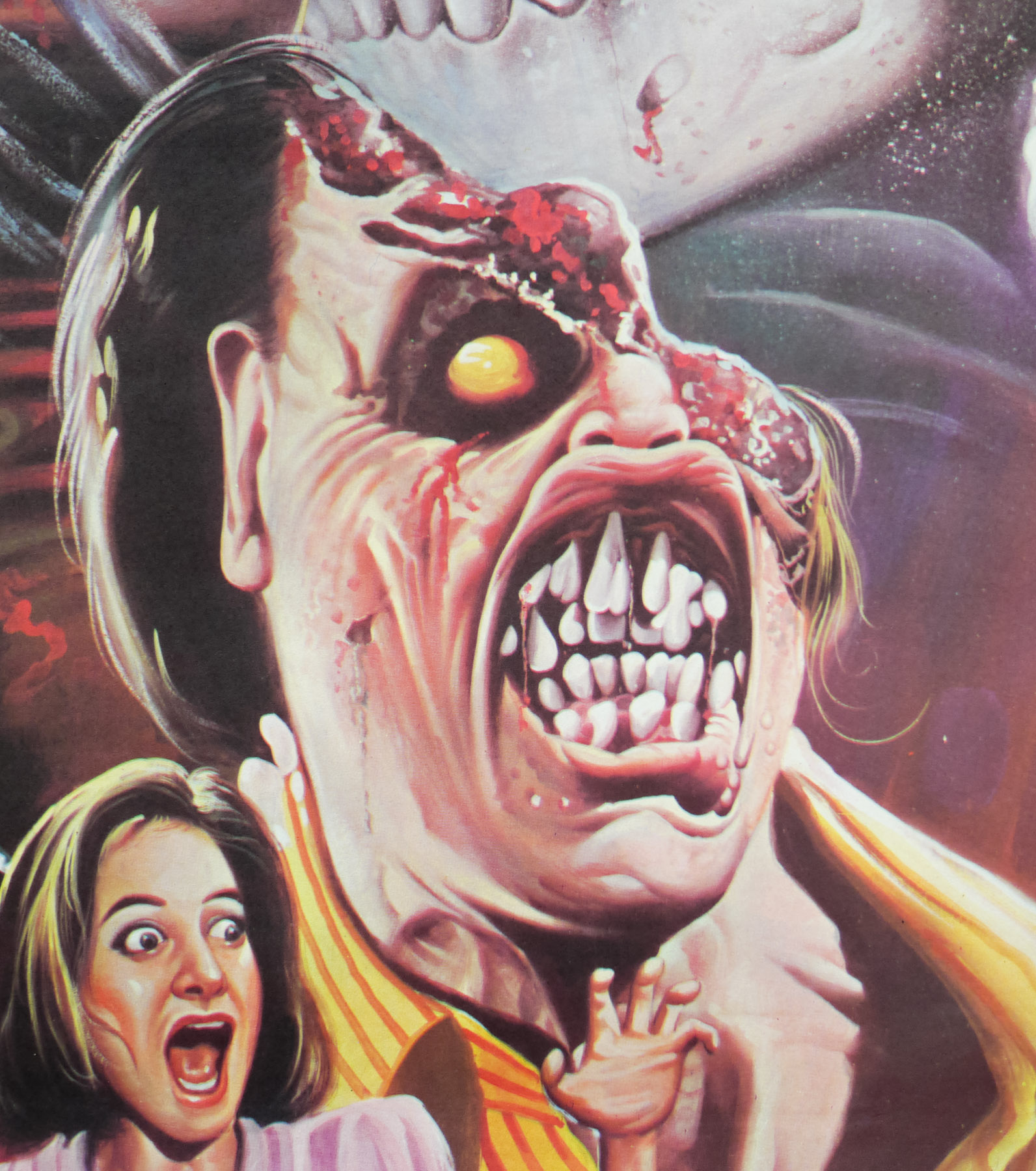
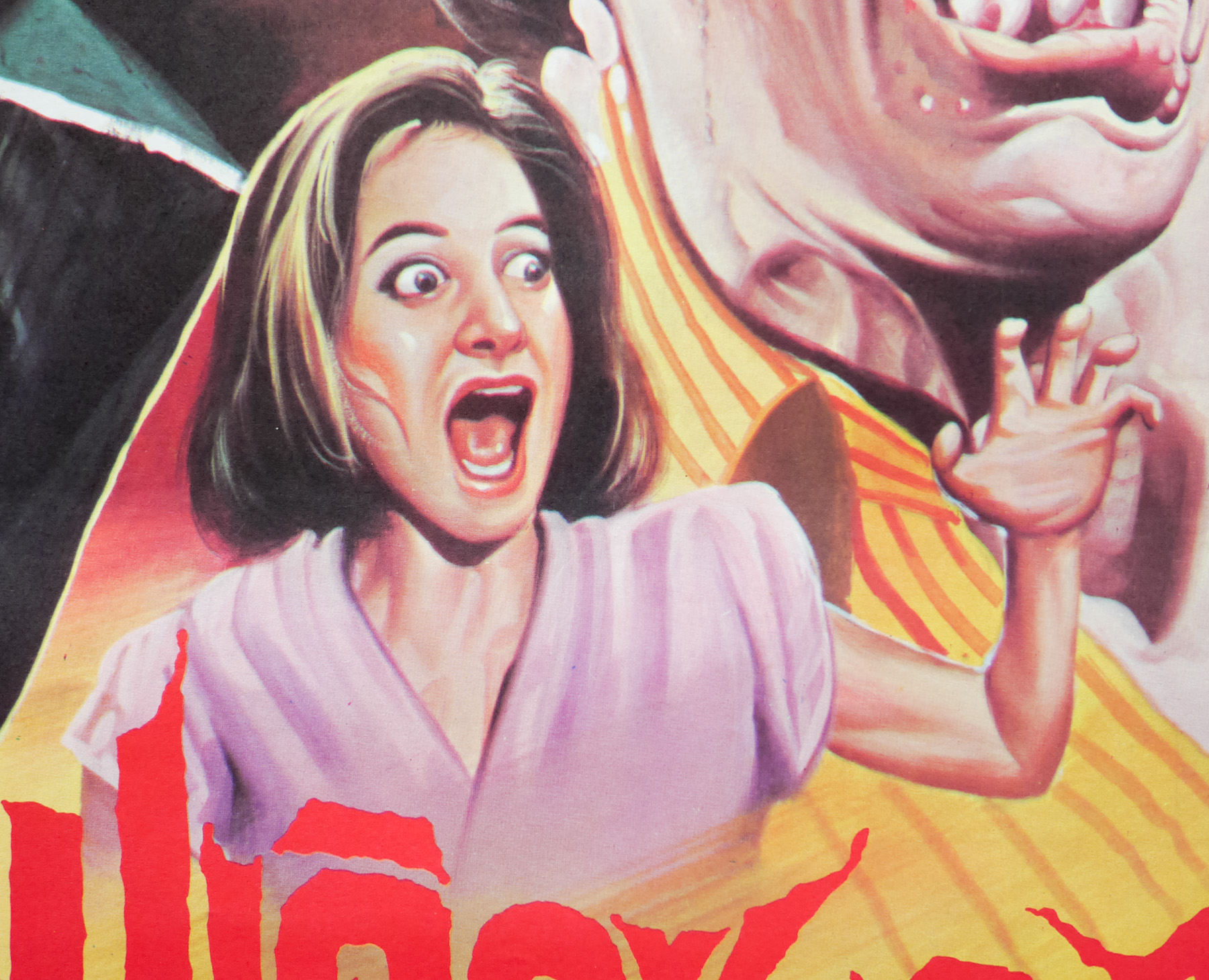
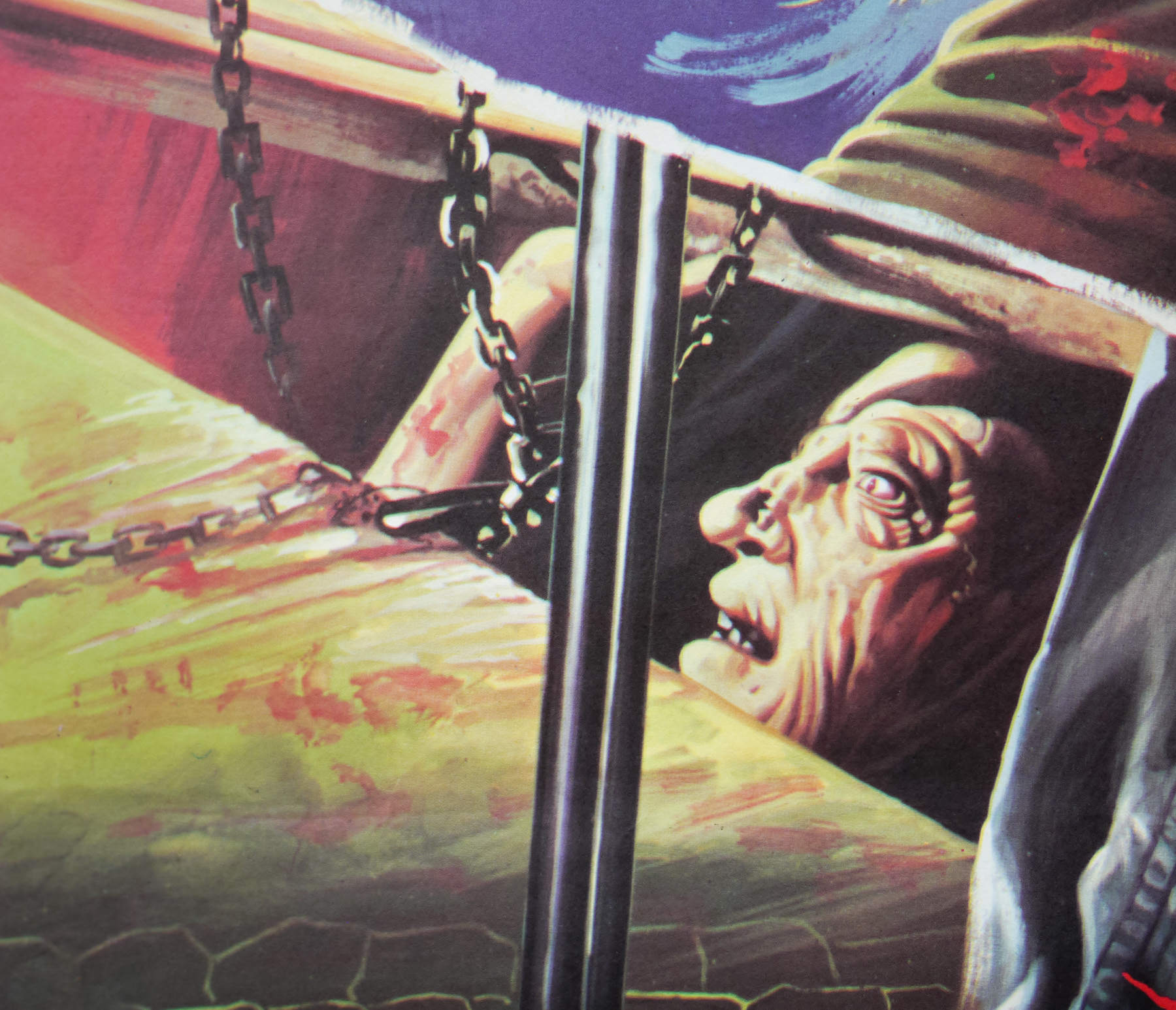
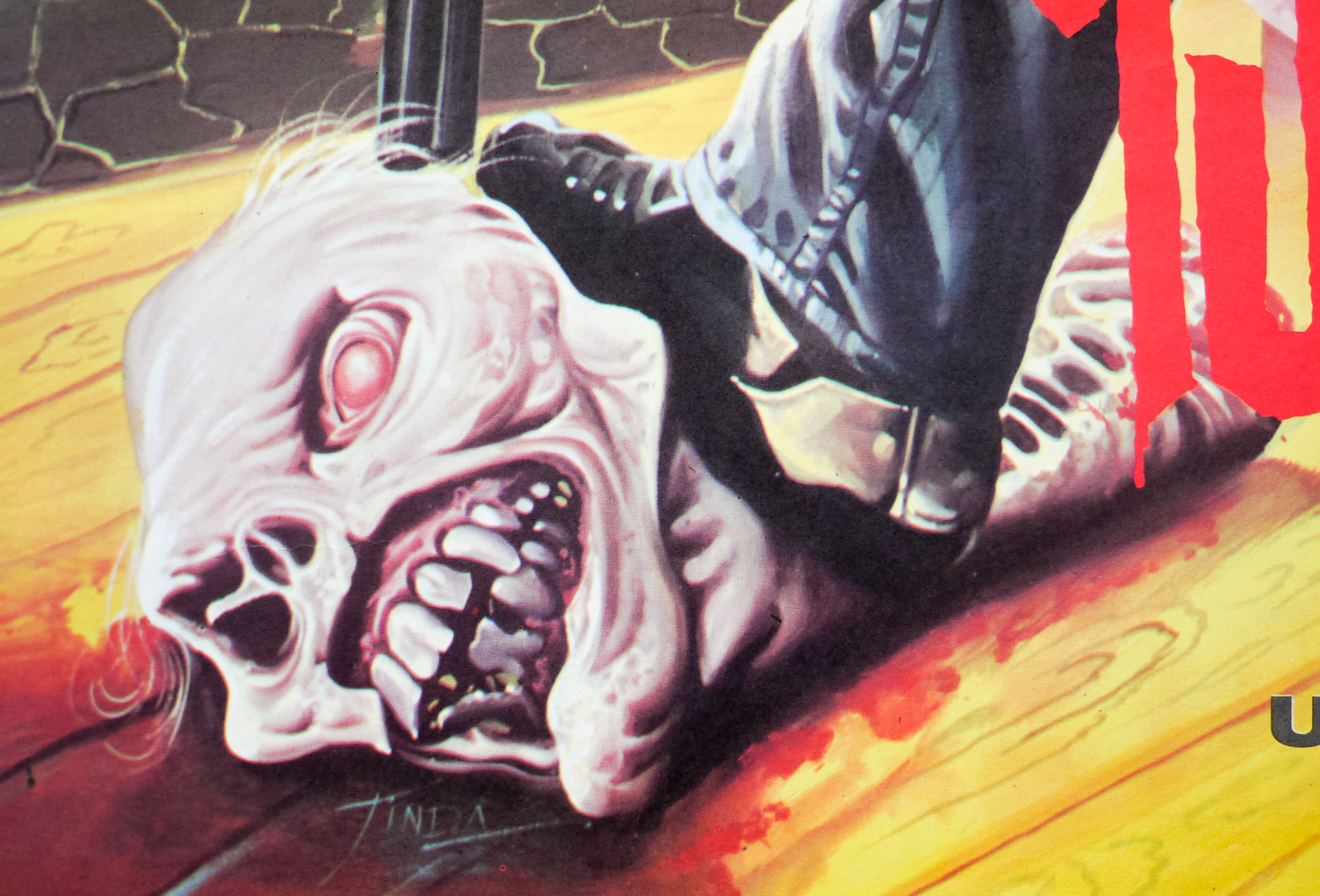
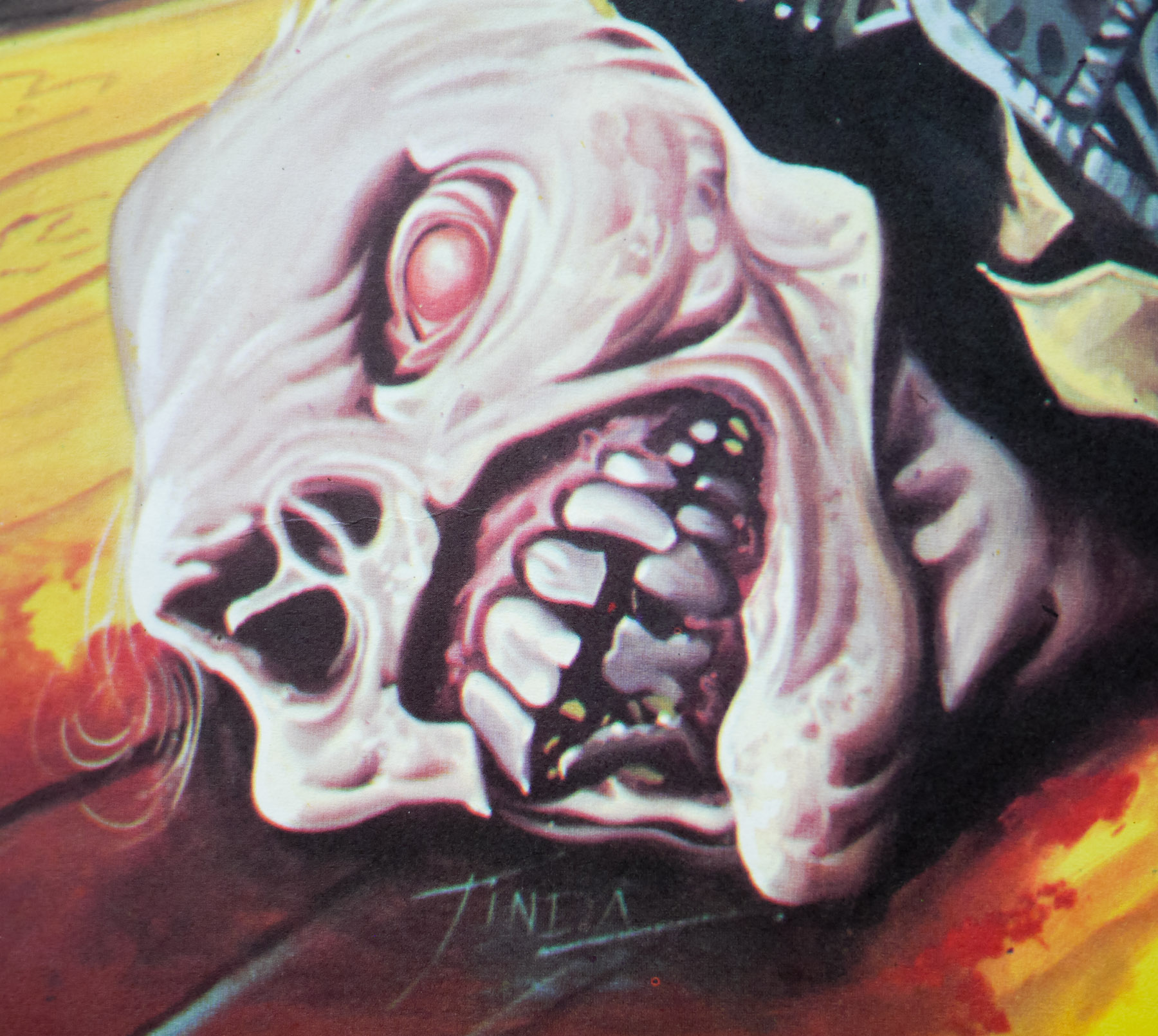
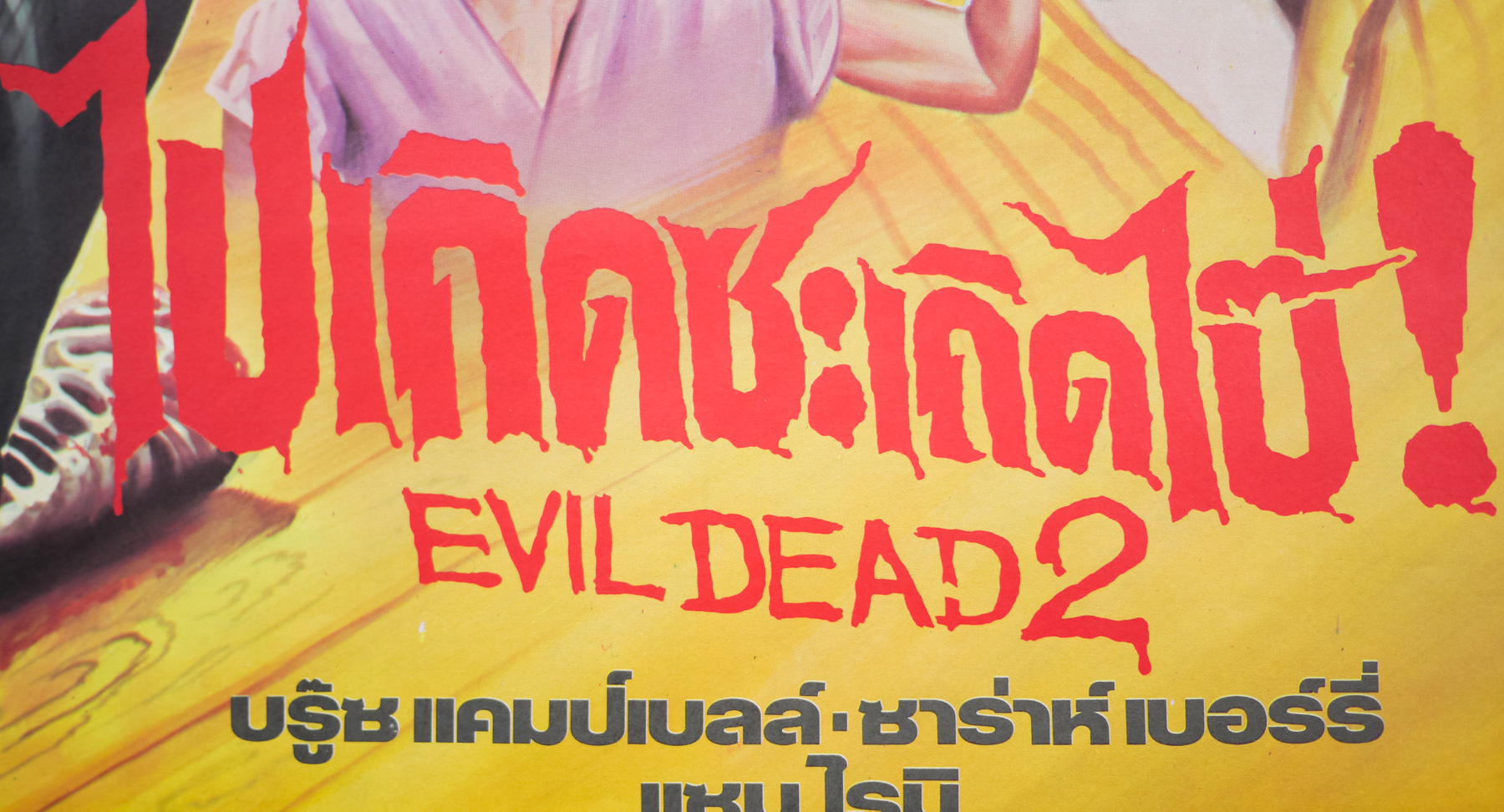
Unique and wild artwork by Jinda features on this original Thai poster for the (superior IMO) sequel (opens in a new tab) to Sam Raimi’s brilliant low-budget horror The Evil Dead (opens in a new tab). The films were a great success in the UK after the first was bought at the Cannes Film Festival by the legendary British distribution (and later production) company Palace Pictures. Released in cinemas and on VHS almost simultaneously the modest outlay for the rights to distribute the film proved to be an excellent deal as it went on to see great box-office takings and thousands of tapes sold. The first film was eventually caught up in the infamous video nasties (opens in a new tab) debacle of the 1980s and was banned for a number of years under the Video Recordings Act.

Evil Dead II, made six years later and technically a retcon (opens in a new tab) sequel, was allotted a significantly larger budget than the first and is more of a black comedy than the original. Lead actor Bruce Campbell is put through a continually escalating series of horrific encounters that allow him to show the full extent of his talent for slapstick comedy.

I’ve been unable to find out much about Jinda other than the titles of several of the Thai film posters he painted the artwork for. If anyone has anymore information on him please get in touch.
 

Certain Fury / quad / UK

27.05.15

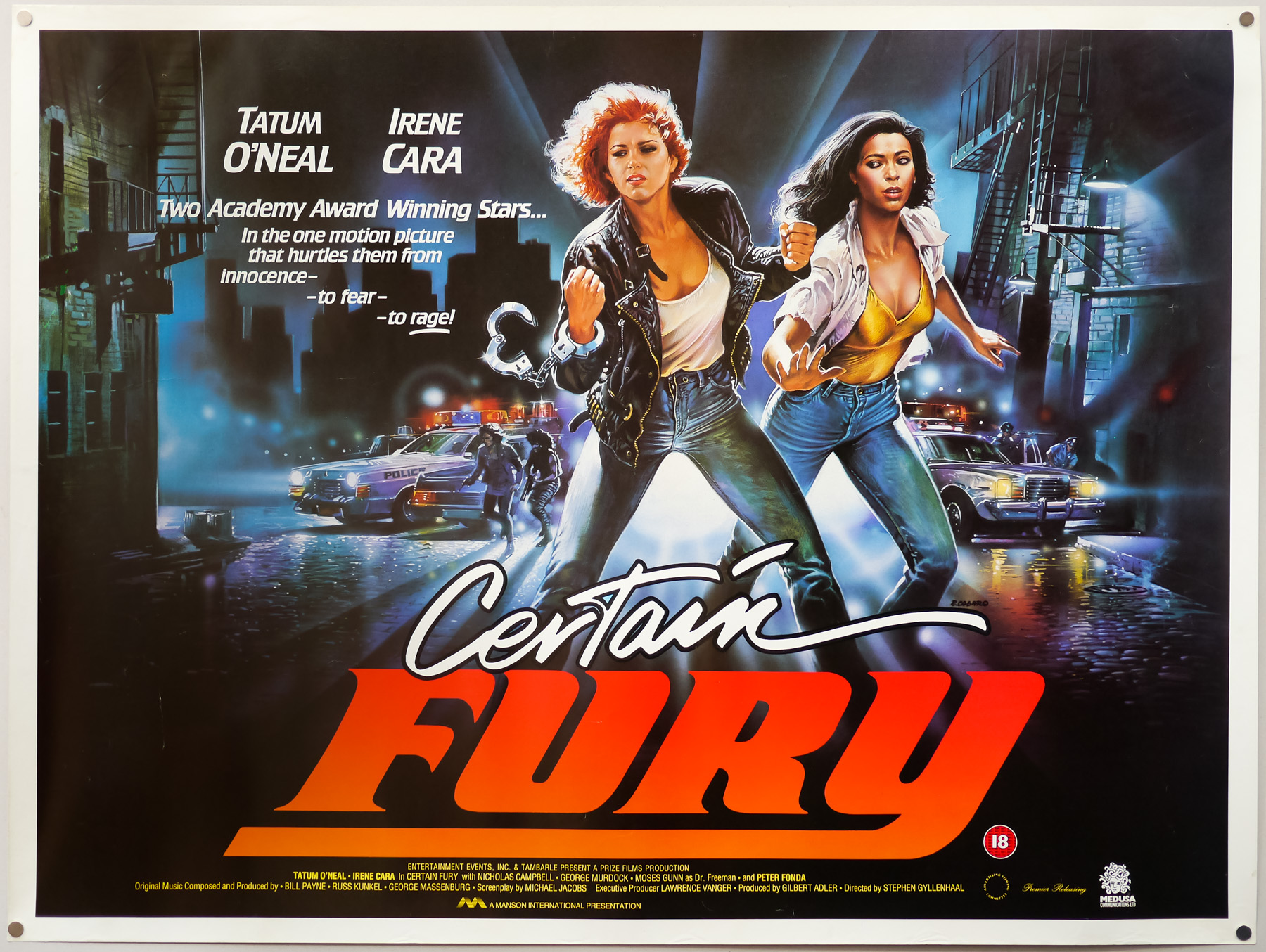
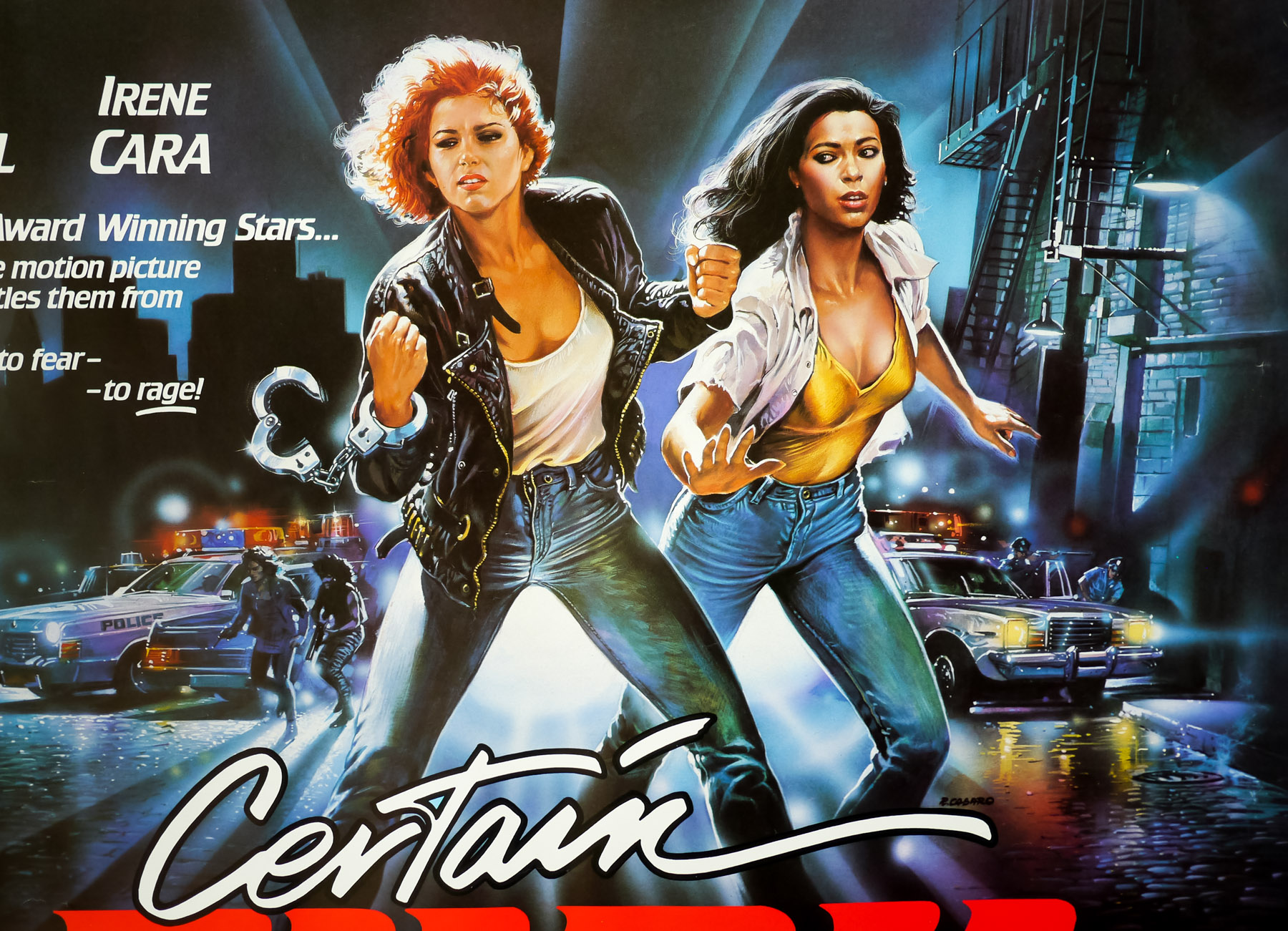
British quad poster for Certain Fury (1985). Artwork by Renato CasaroBritish quad poster for Certain Fury (1985). Artwork by Renato Casaro, image 2British quad poster for Certain Fury (1985). Artwork by Renato Casaro, image 3British quad poster for Certain Fury (1985). Artwork by Renato Casaro, image 4British quad poster for Certain Fury (1985). Artwork by Renato Casaro, image 5
Title
Certain Fury
Year of Film
1985
Director
Stephen Gyllenhaal
Starring
Tatum O'Neal, Irene Cara, Nicholas Campbell, George Murdock, Moses Gunn, Peter Fonda, Rodney Gage, Jonathon Pallone, David Longworth
Origin of Film
USA
Genre(s) of Film
Action | Drama
Type of Poster
Quad
Origin of Poster
UK
Year of Poster
1985
Designer
Unknown
Artist
Renato Casaro
Size (inches)
30" x 39 15/16"
SS or DS
SS
Tagline
Two Academy Award winning stars... in the one motion picture that hurtles them from innocence - to fear - to rage!

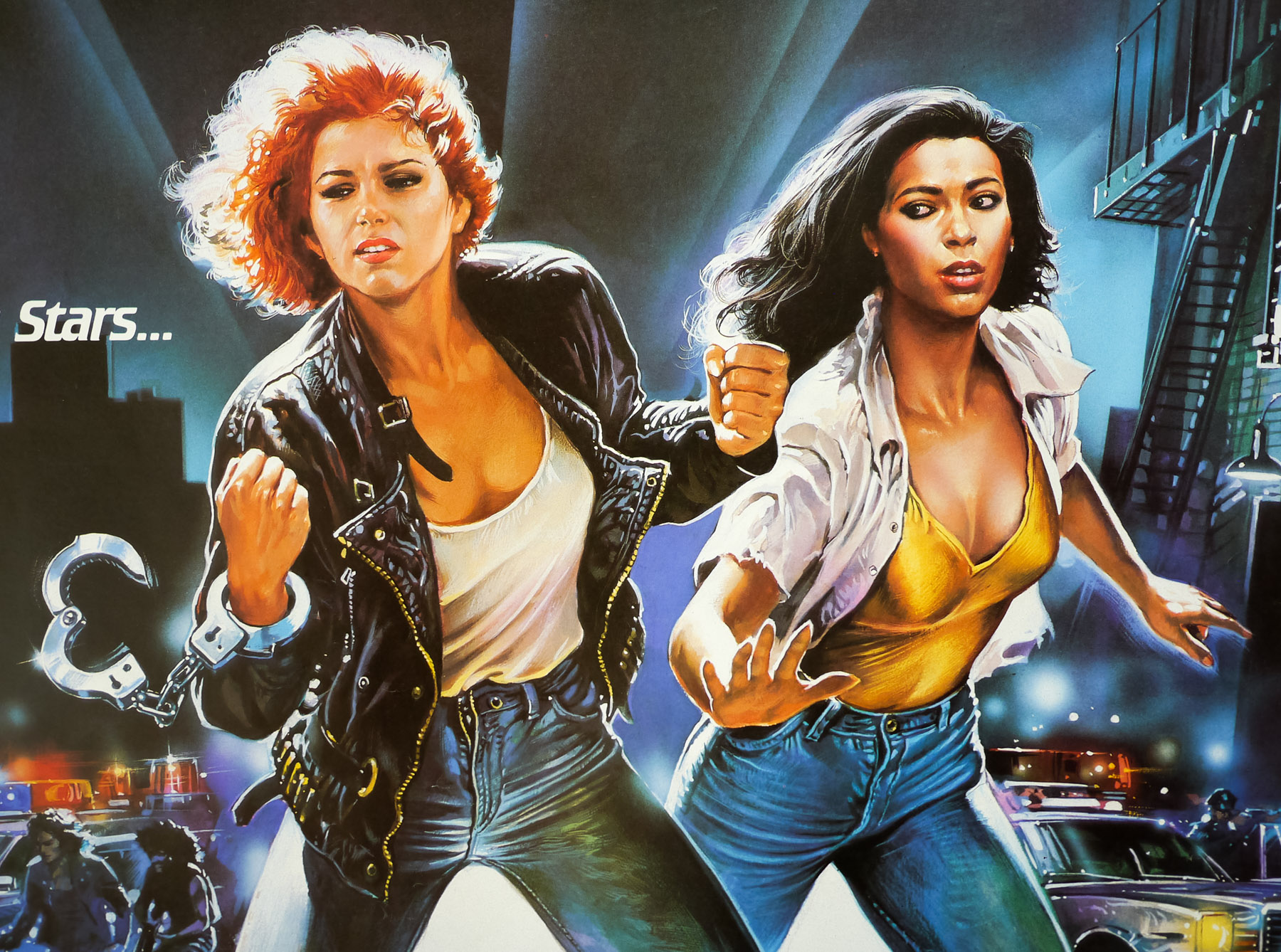
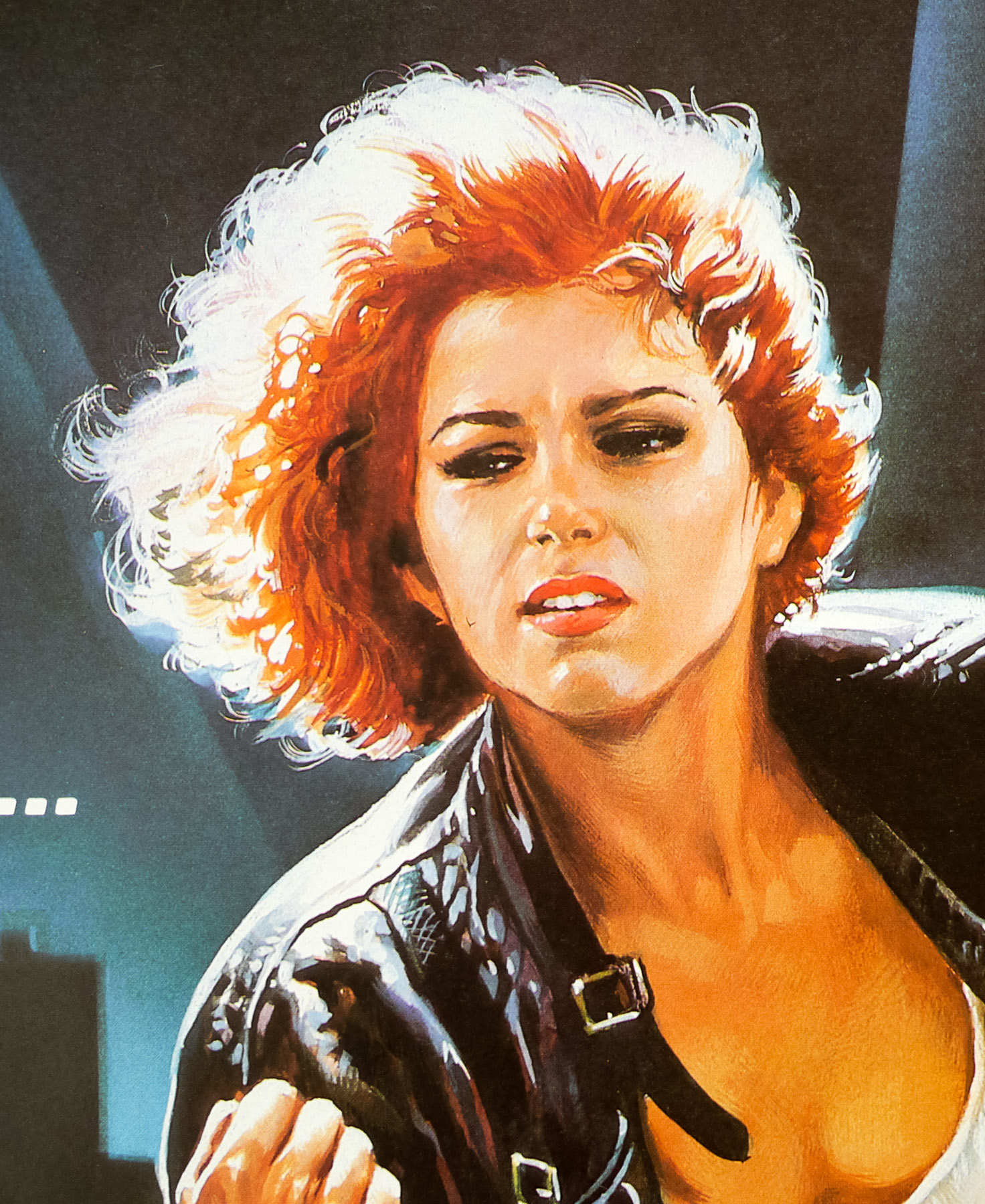
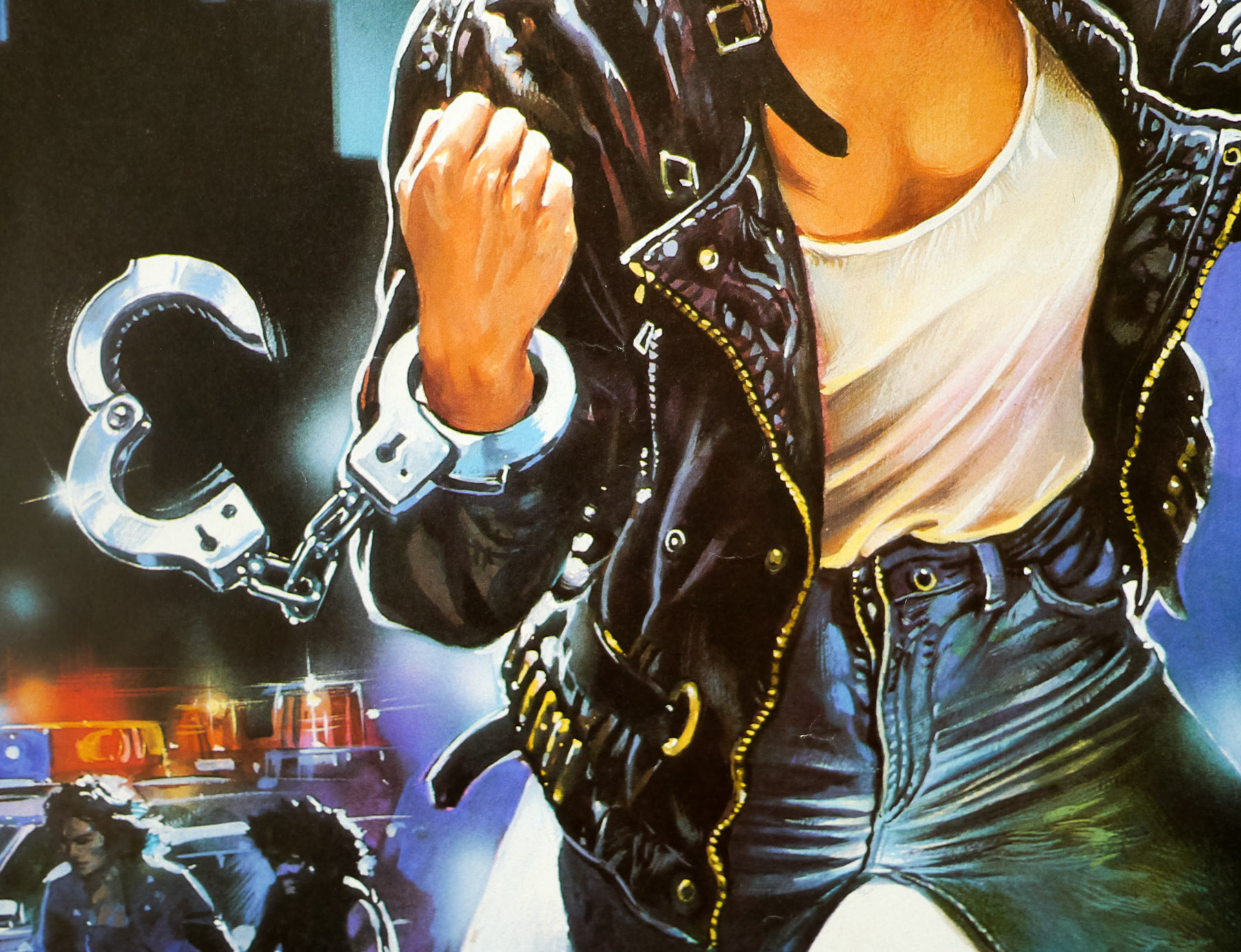
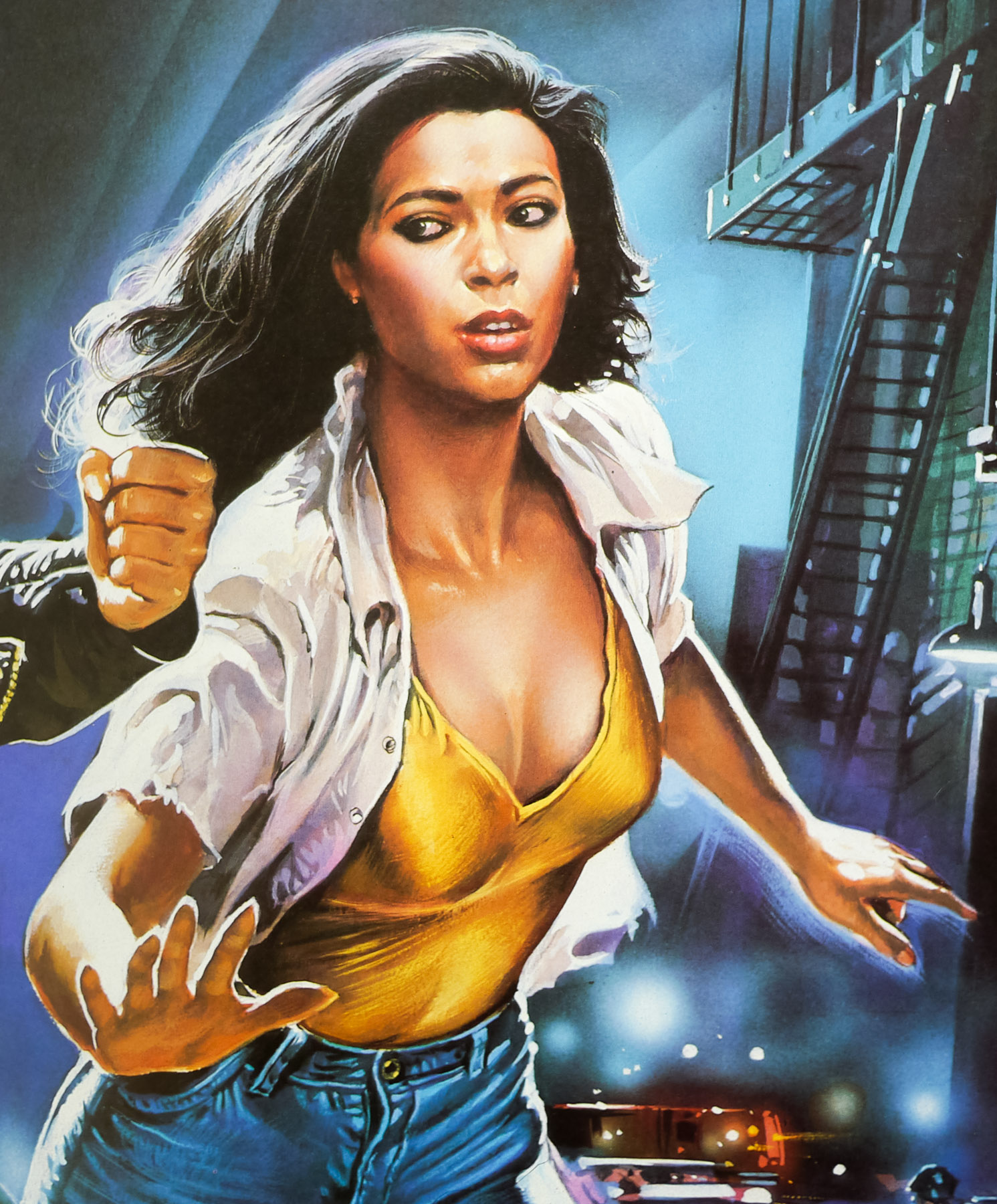
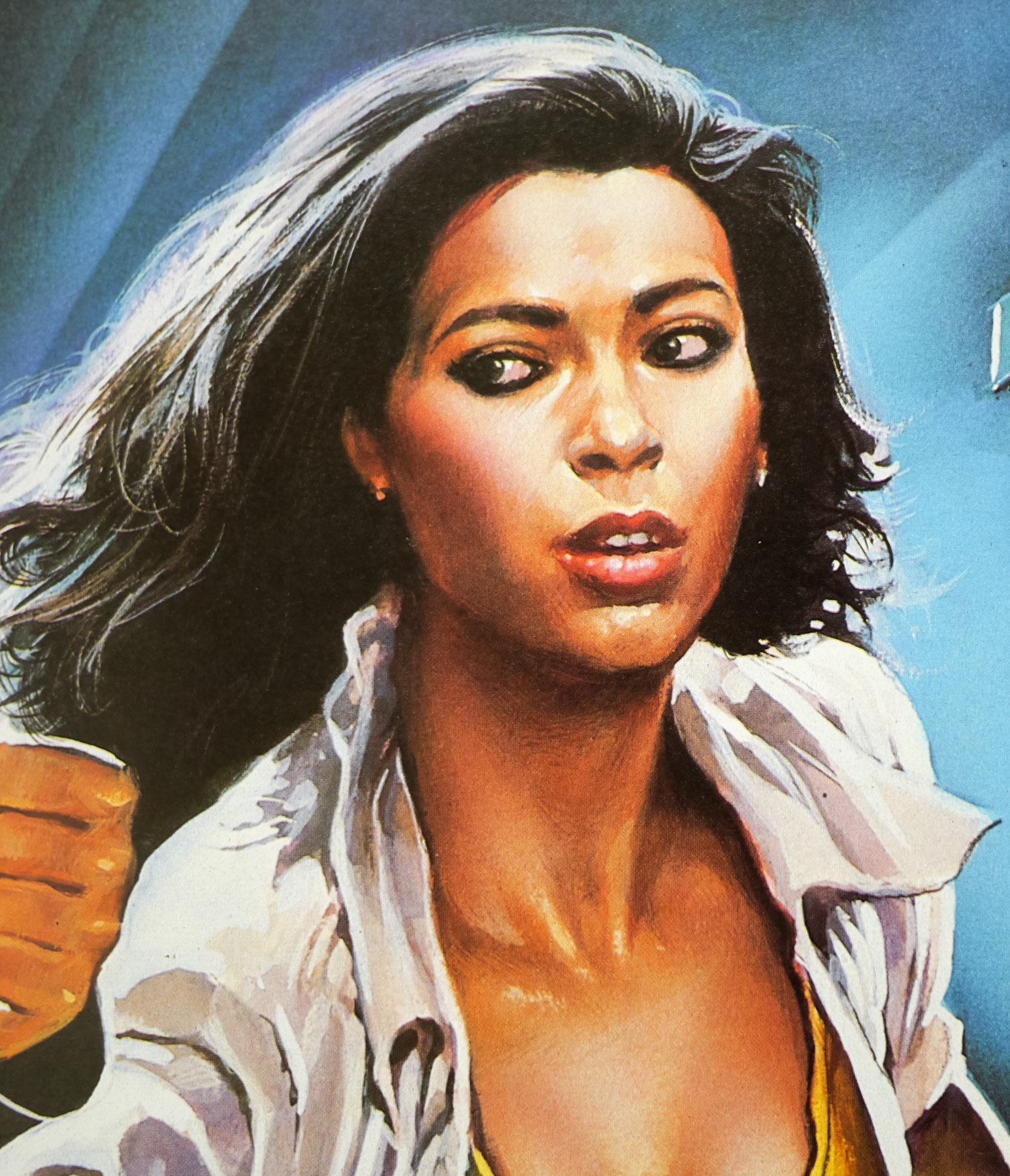
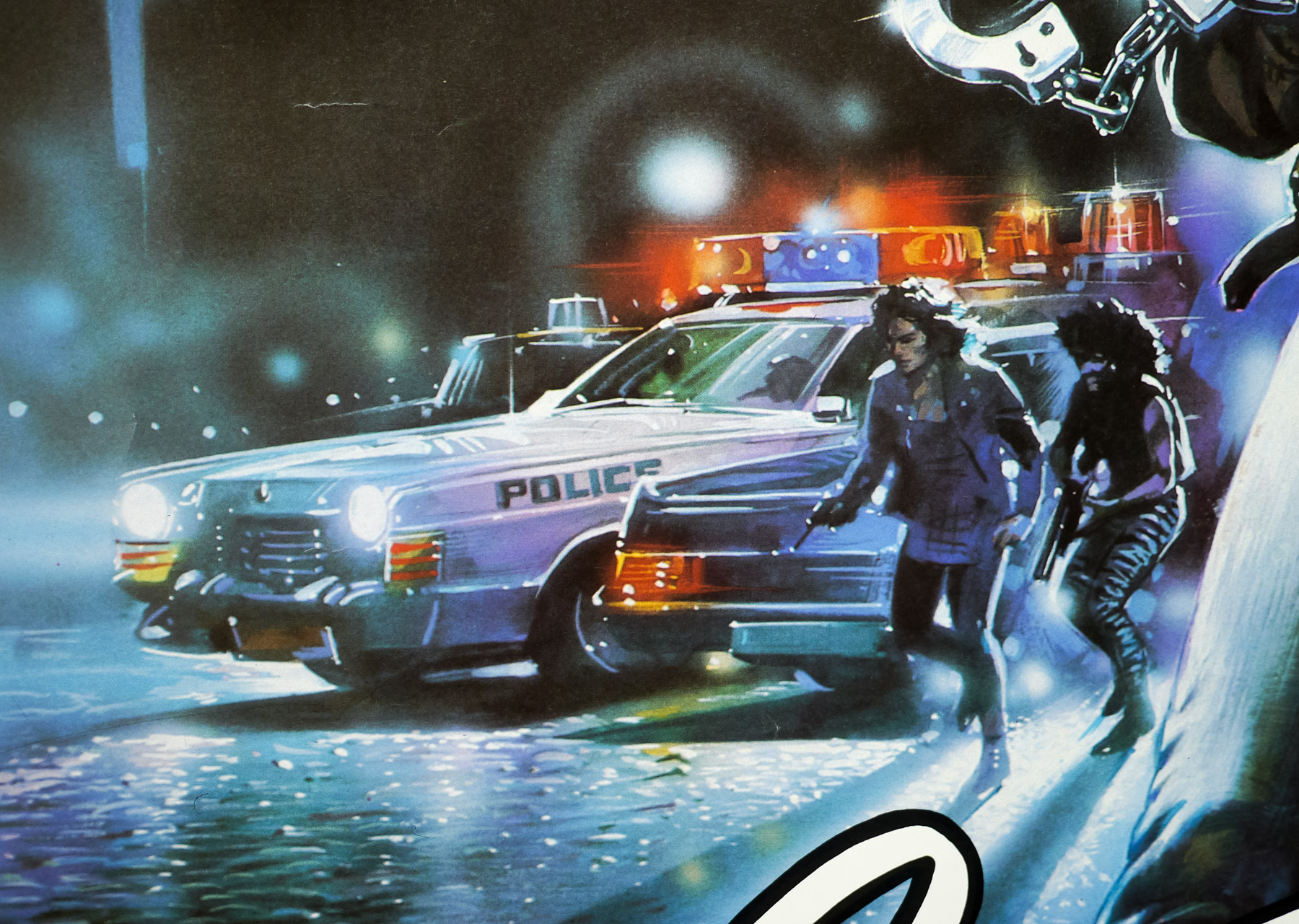
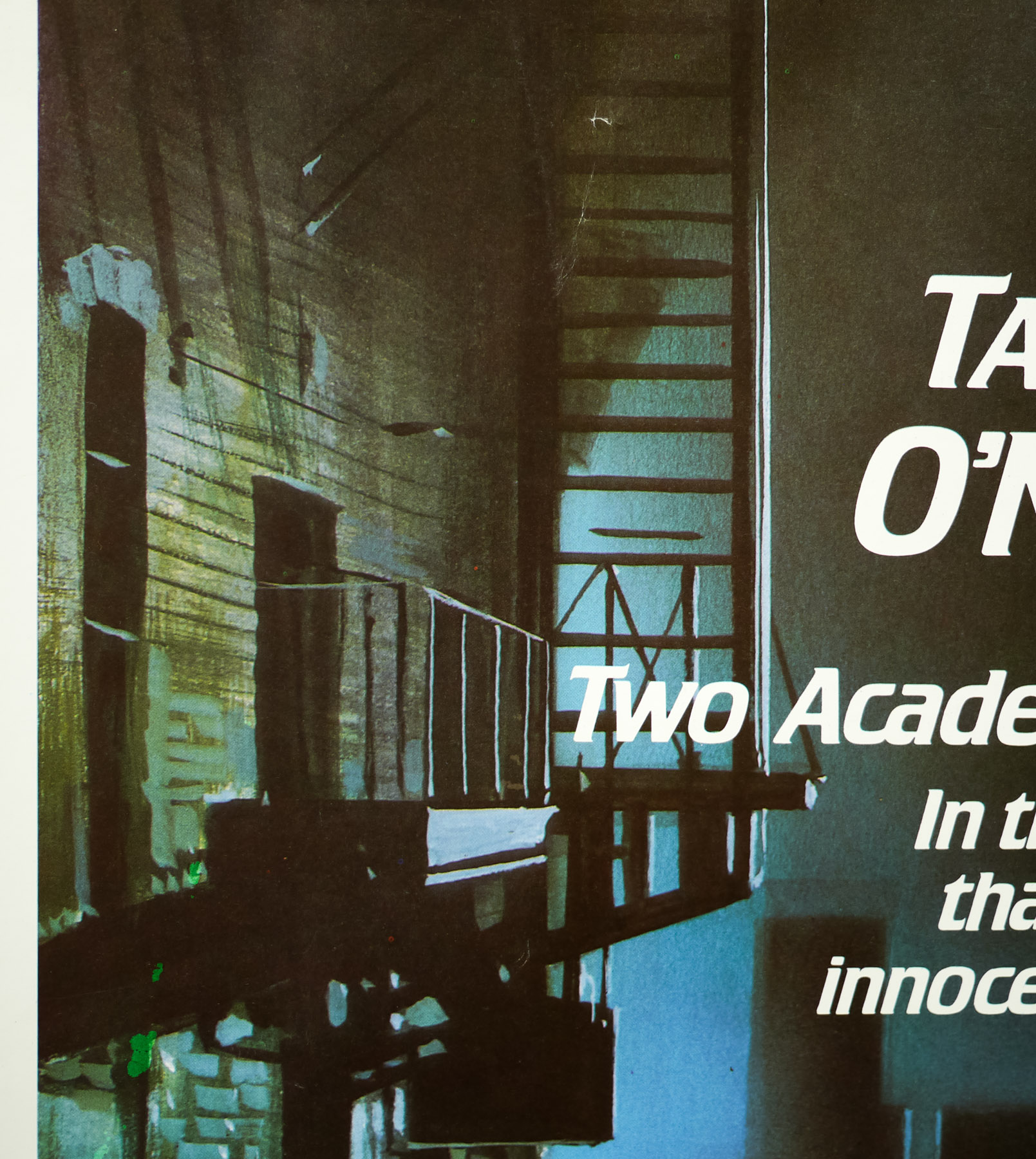
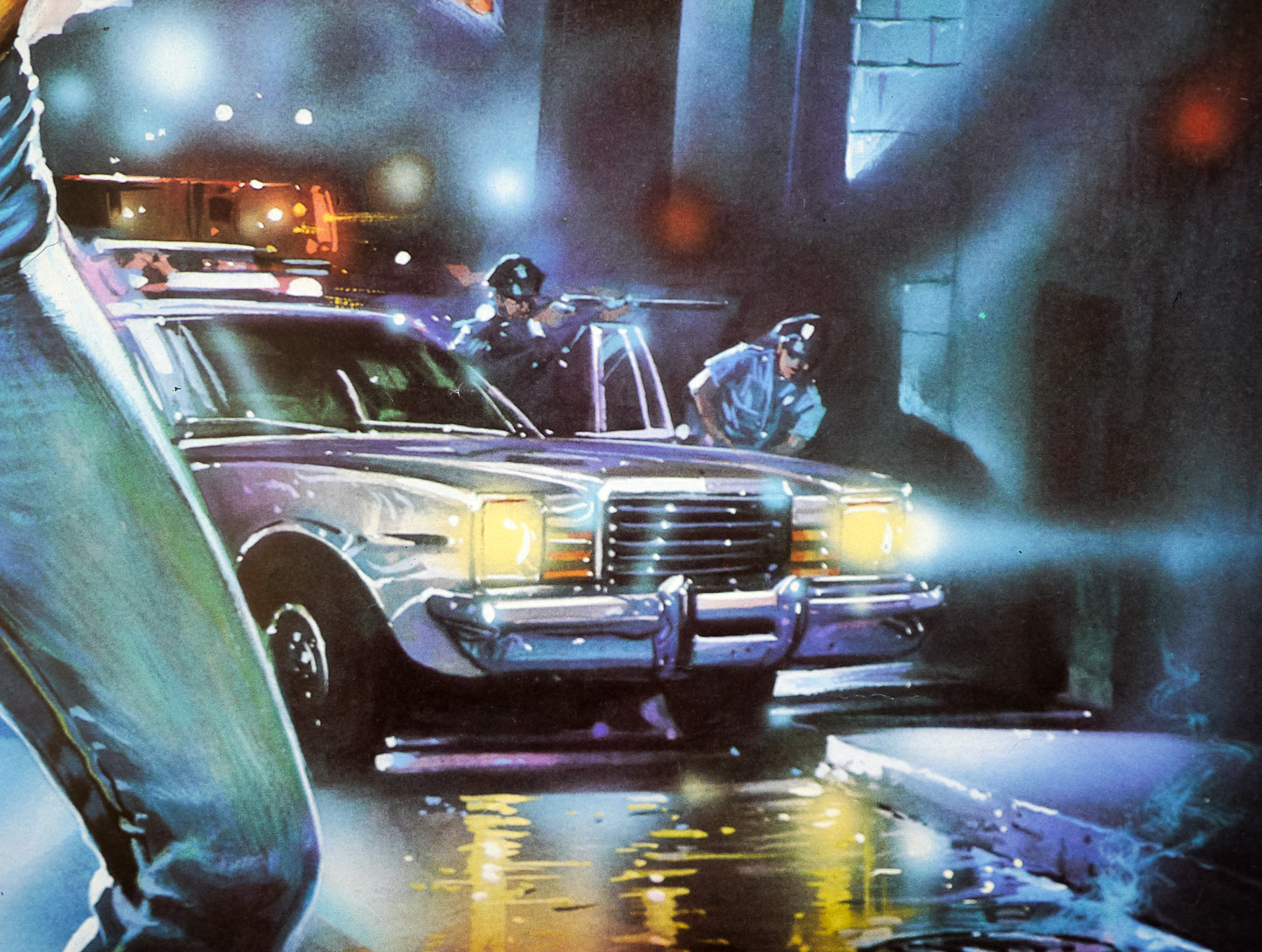
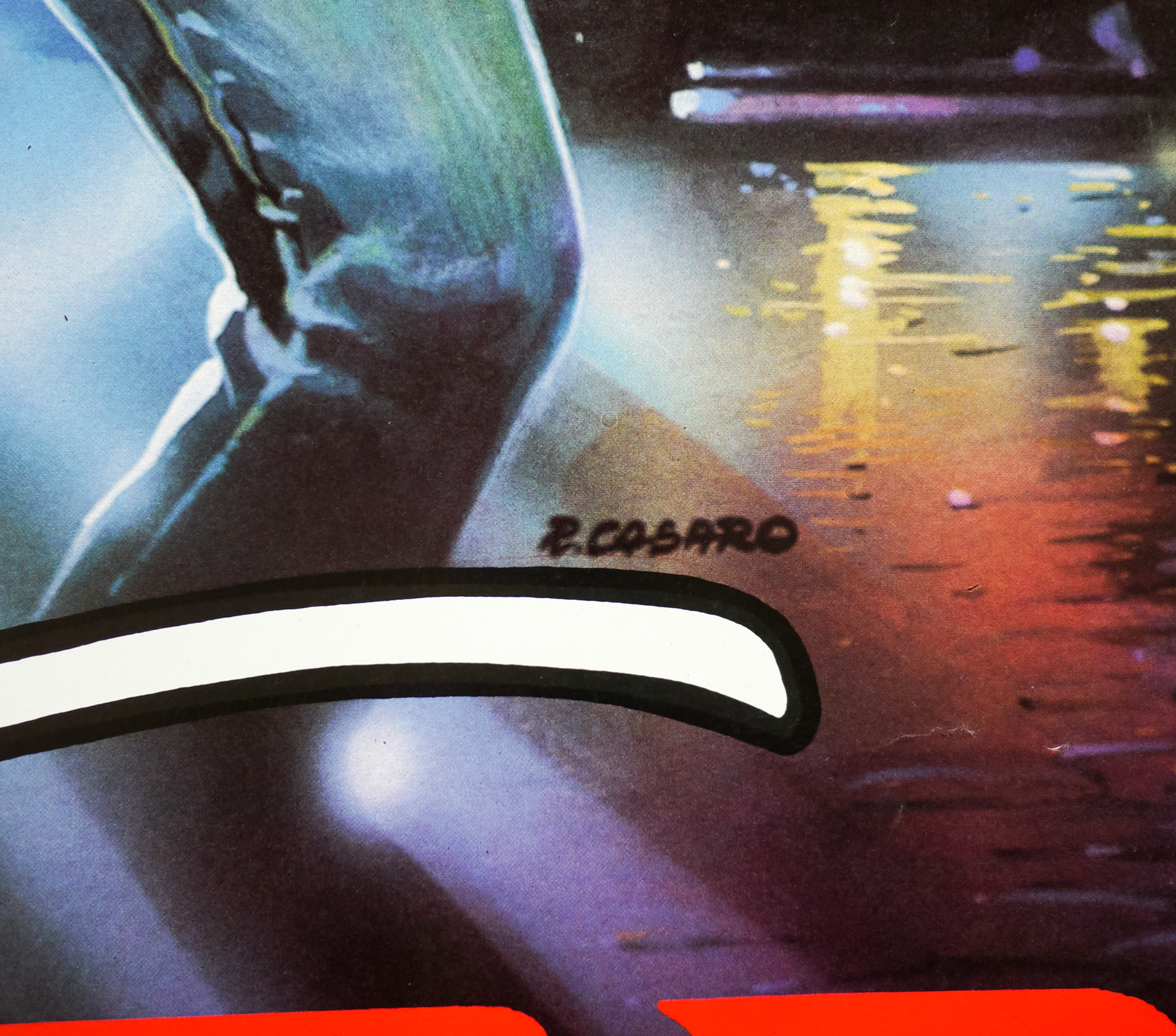
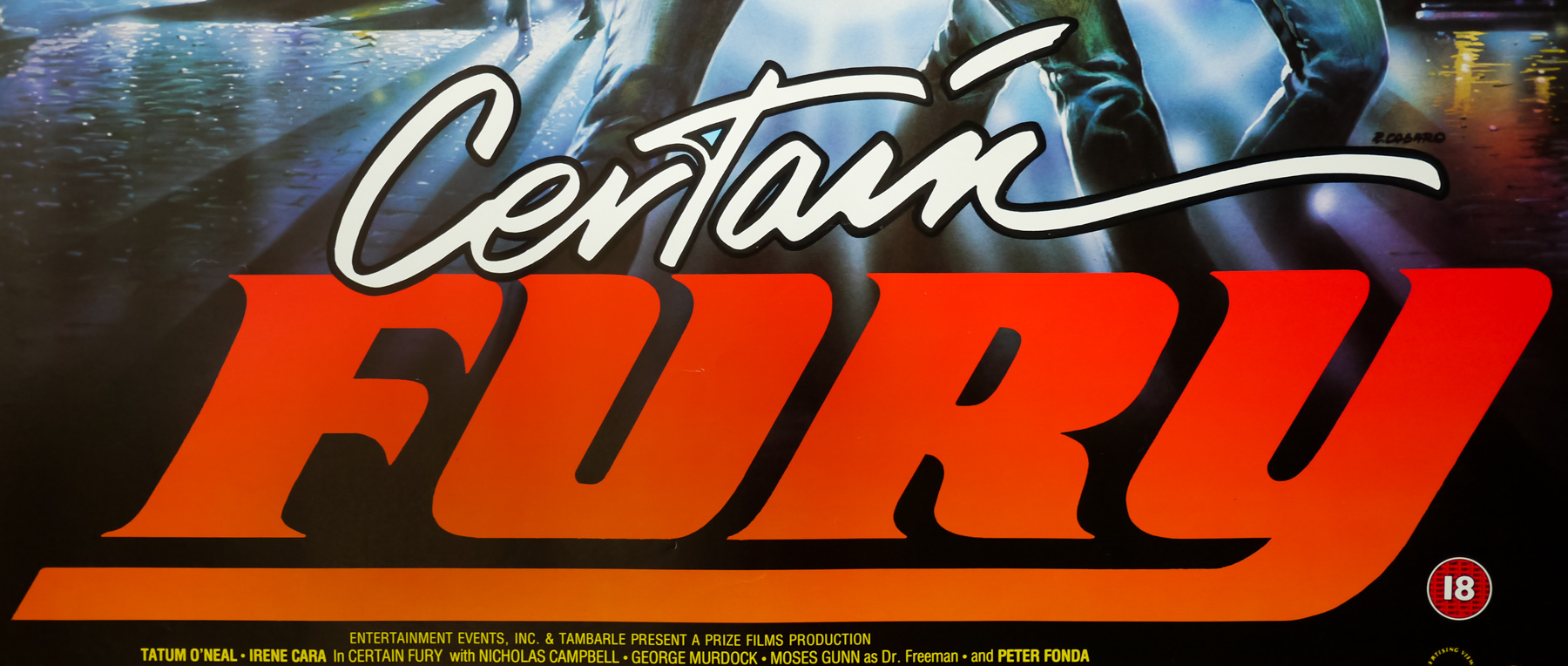
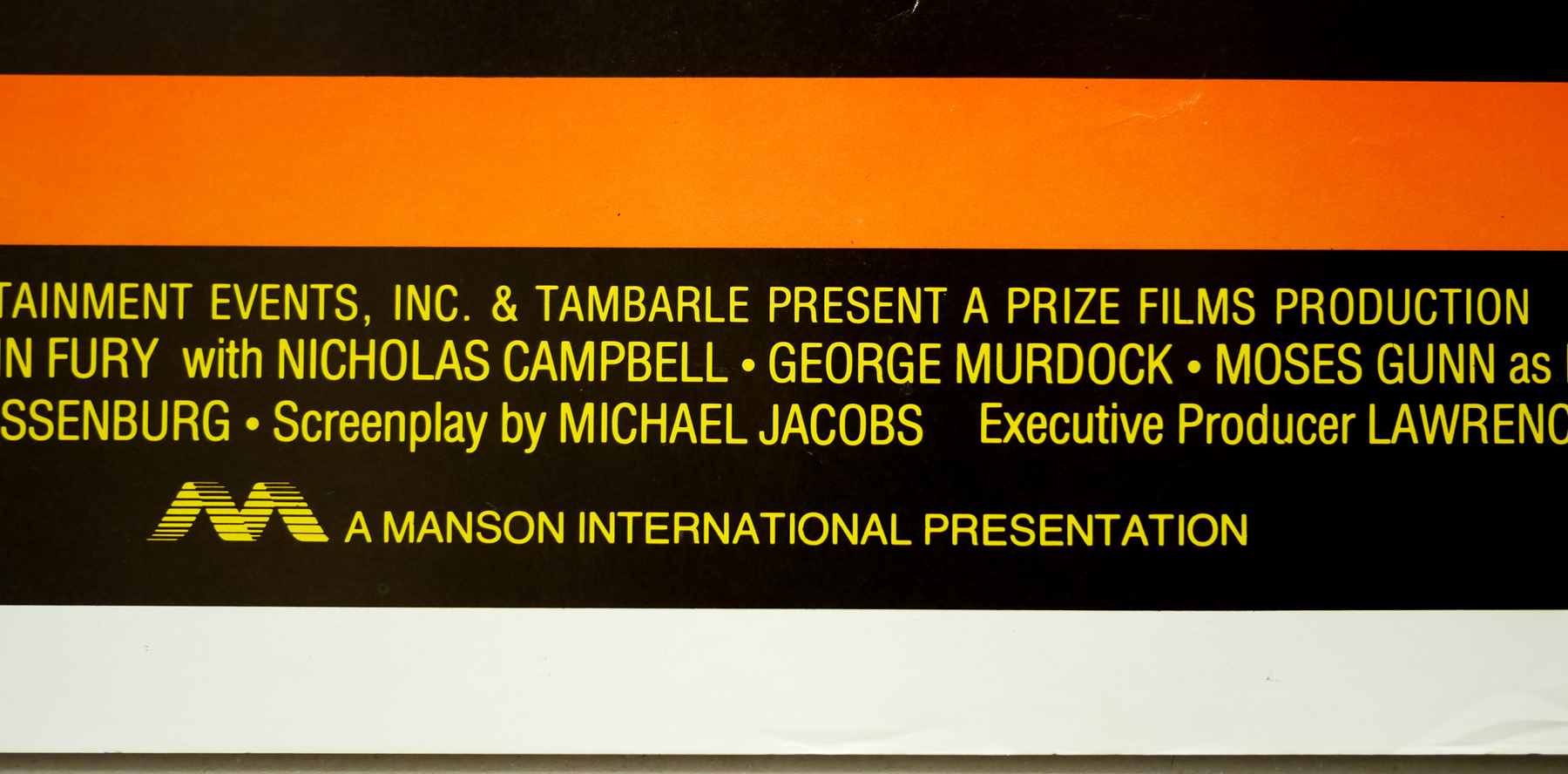
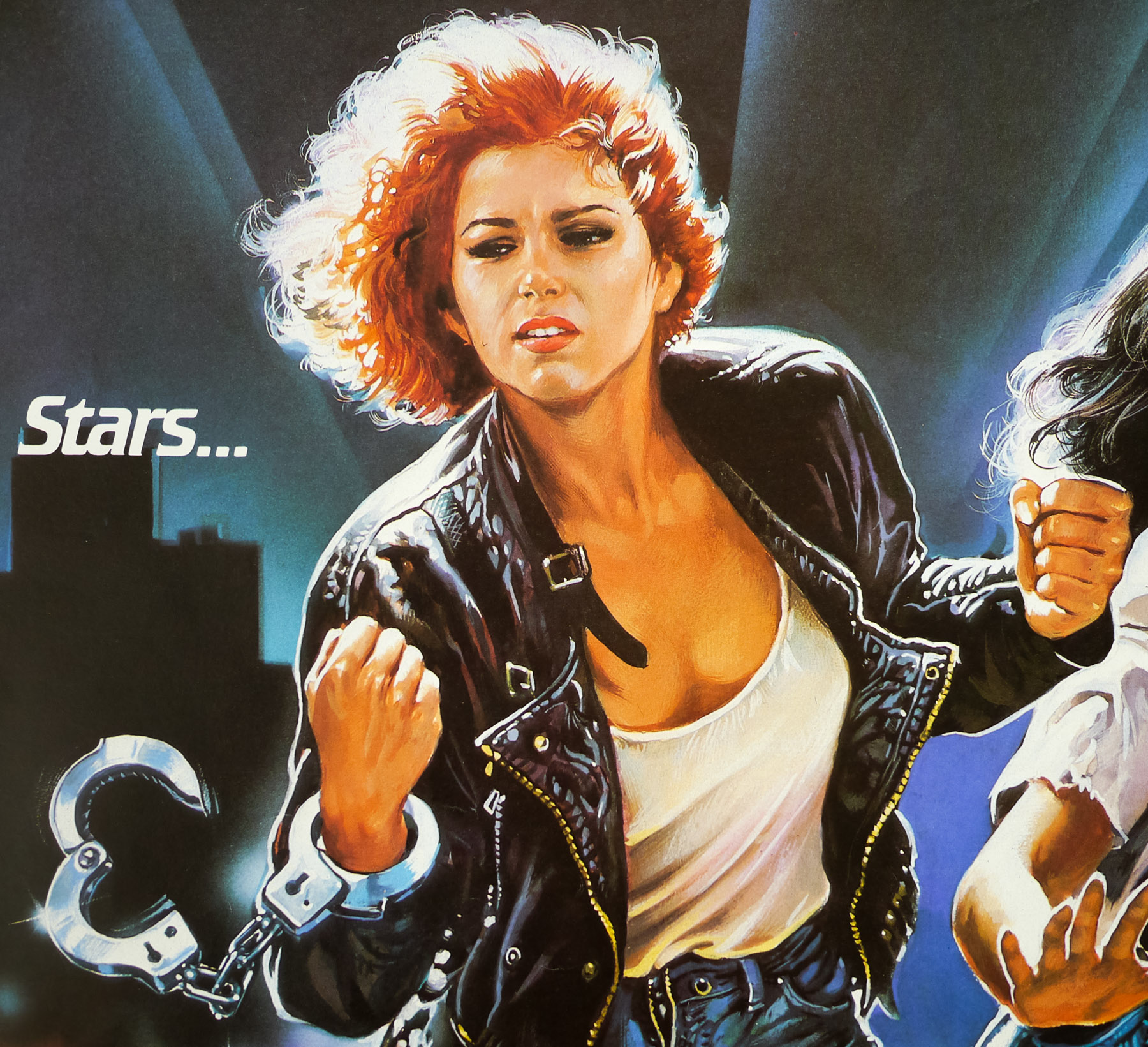
Great artwork by Renato Casaro features on this UK quad for the release of the largely forgotten 1985 b-movie Certain Fury (opens in a new tab). As this poster is keen to point out, the film stars two young award-winning actresses, Tatum O’Neal (opens in a new tab) (daughter of Ryan) and Irene Cara (opens in a new tab), a singer-songwriter who had won awards for her work on Fame and Flashdance. Tatum plays Scarlet, a tough, young delinquent who supports herself with prostitution and drug-dealing and Irene is Tracy, the daughter of a doctor, who has been arrested for drug possession and resisting arrest. The pair first meet in a courtroom and are waiting to be seen by the judge when other defendants begin attacking the court staff and police, leading to a deadly shootout. Scarlet and Tracy manage to escape the carnage and enter into the city’s sewers whilst being pursued by the police who believe they were part of the shootout. Soon the accidental death of a policeman is blamed on their actions and they have most of the force after them as well as various criminals who Scarlet asks for help before they turn on her and Tracy.

The film was poorly reviewed at the time and hardly set the box-office on fire. It’s never been released on home video since the days of VHS and, if the IMDb reviews (opens in a new tab) are anything to go by, there’s probably a good reason. It sounds like a film that’s not even ‘so bad it’s good’ and this seems like one of those cases where the poster art is the best thing about the film!

One of my favourite artists, Renato Casaro (opens in a new tab) is an Italian with a prolific movie poster output that lasted over 35 years. He began his career in 1953, aged 19, at the famous Studio Favalli in Rome and would go on to design and paint posters for many of the biggest directors in the world. His skill at accurately portraying actors and his brilliant use of colour and composition saw him much in demand from studios and actors alike. His artwork has featured on posters used in multiple countries, including Japan, Germany, USA as well as in his native Italy.

Check out the incredible amount of work on his official website (opens in a new tab). In March 2014 I published an exclusive interview with Renato. See also the other posters I’ve collected by Renato Casaro.