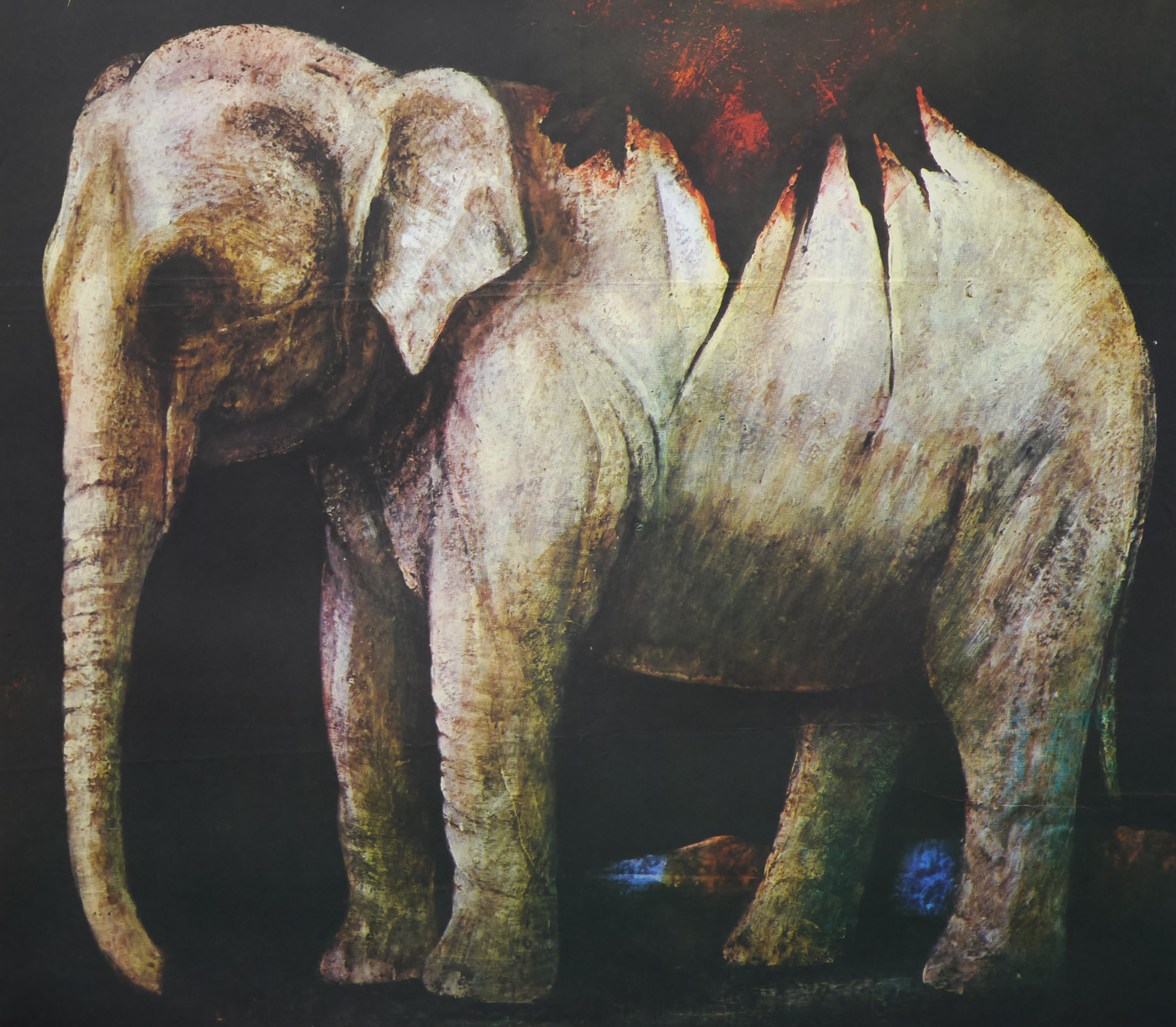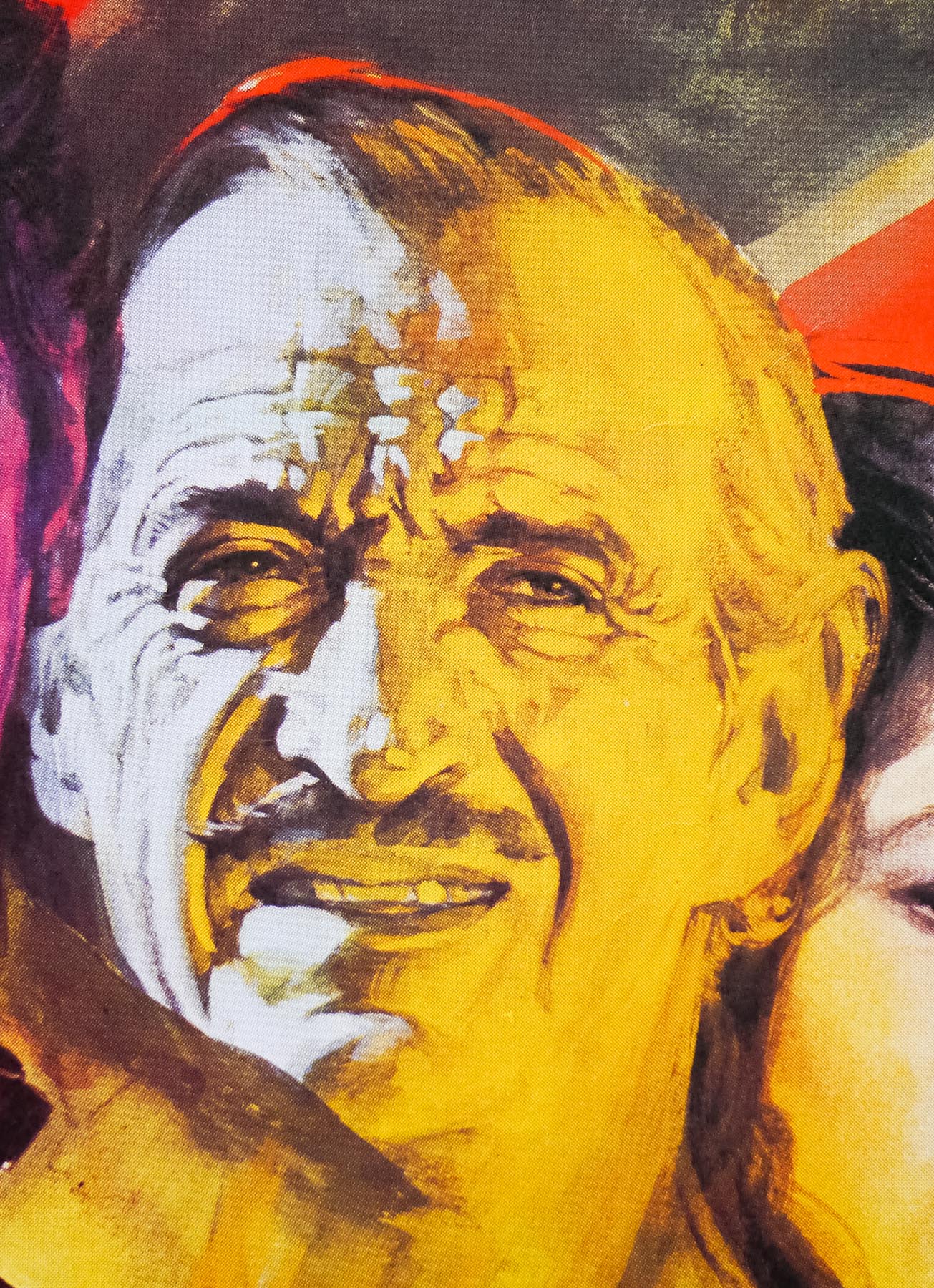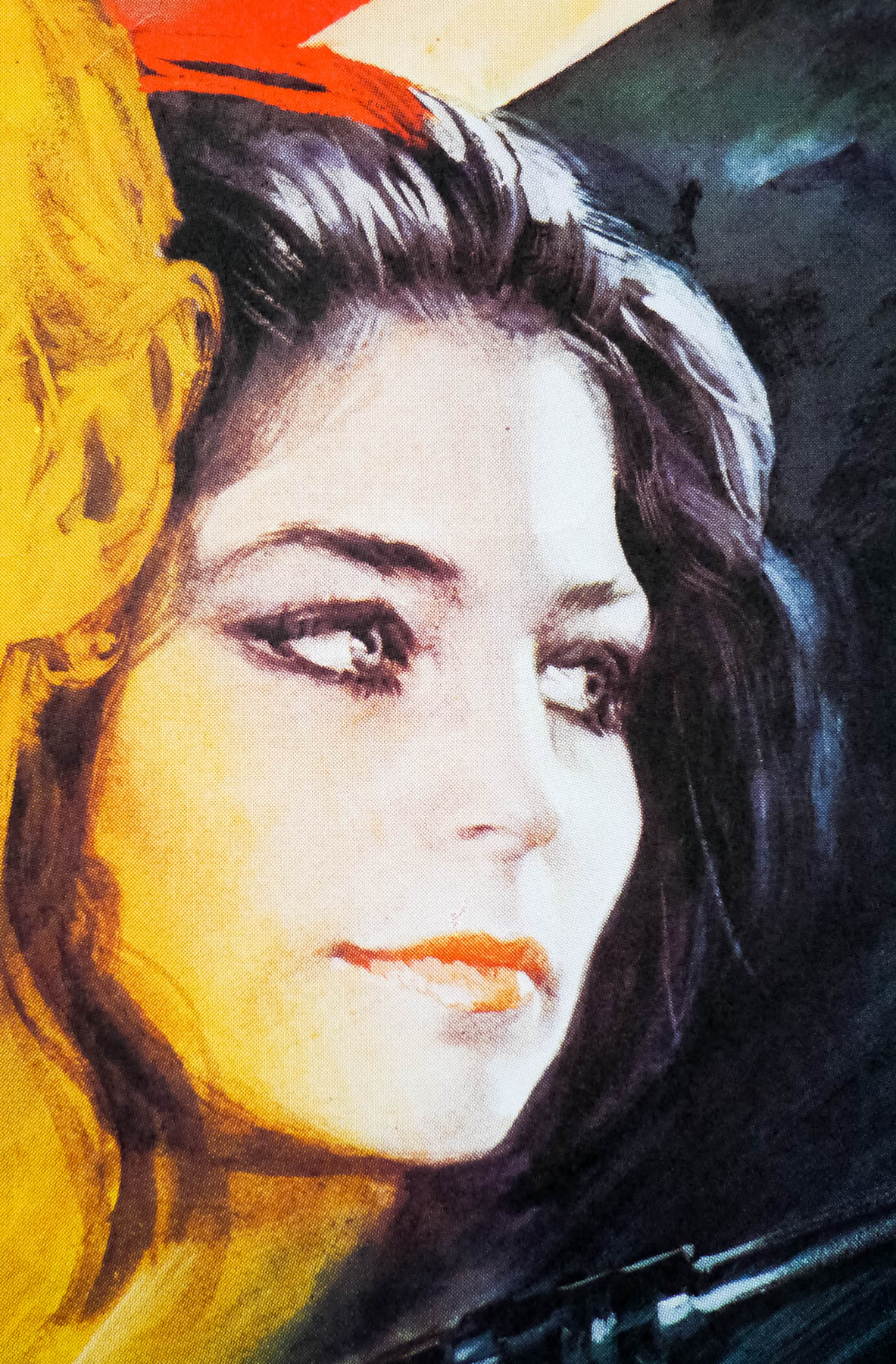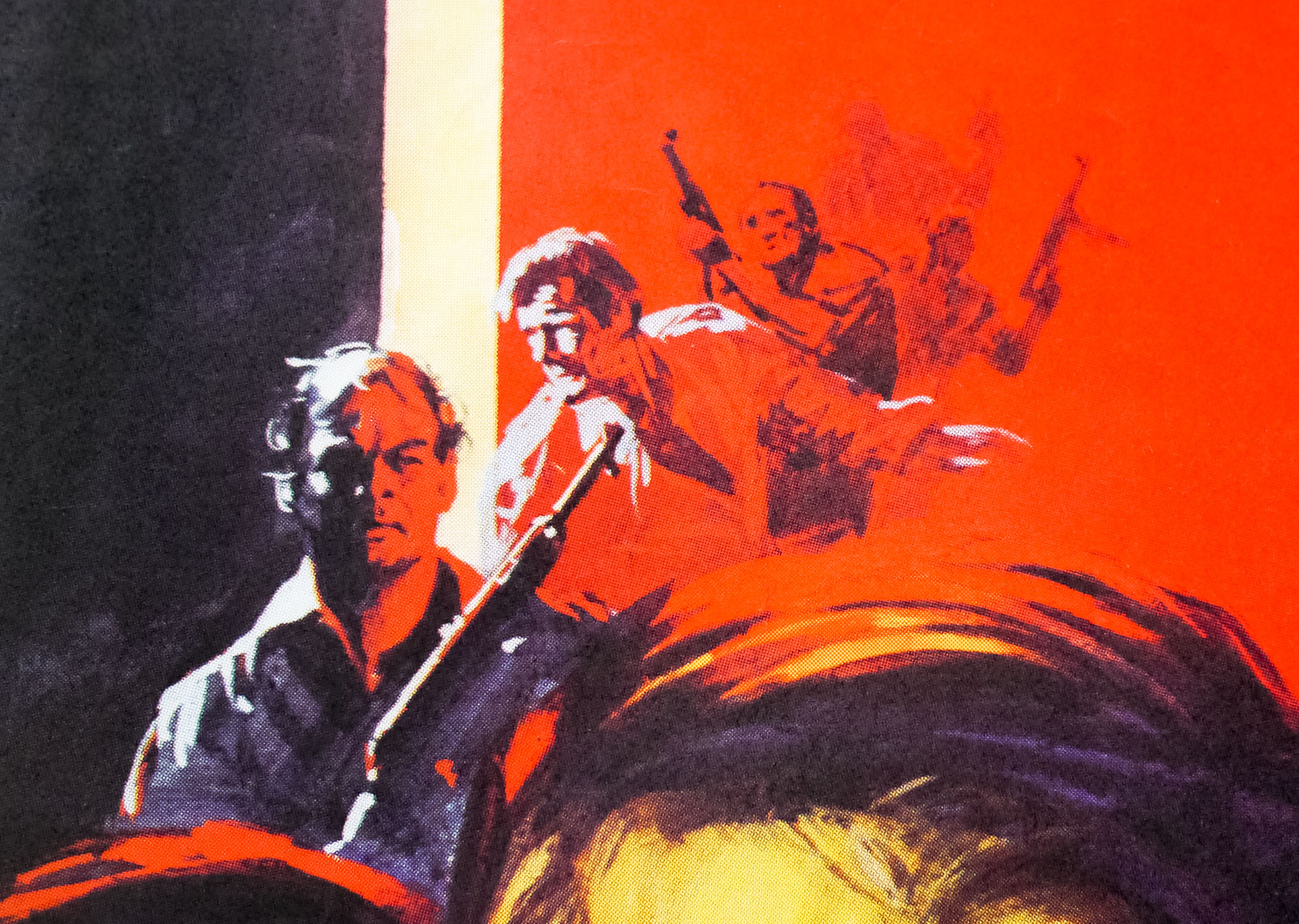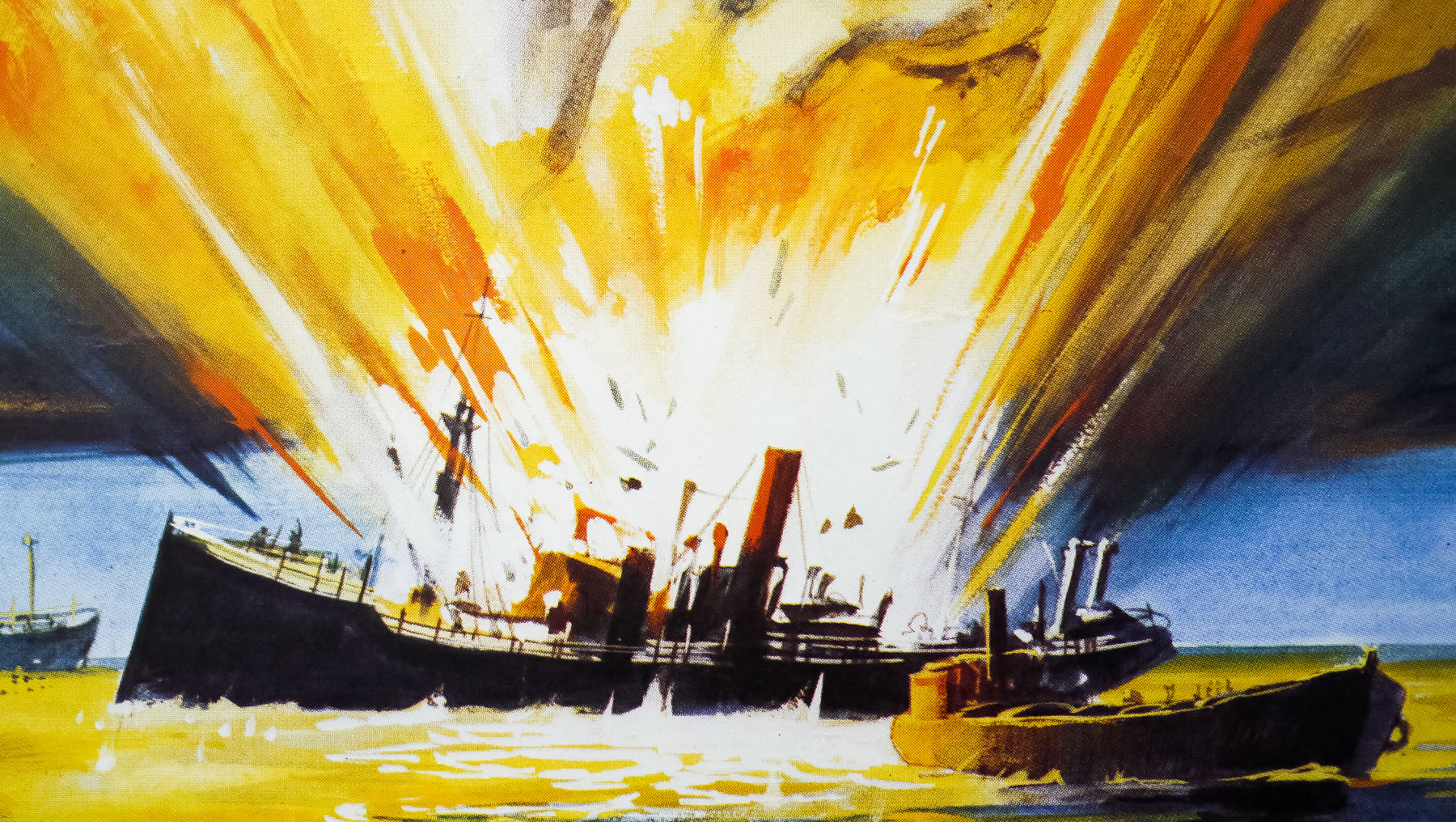


A Passage to India / B1 / Poland

22.04.15

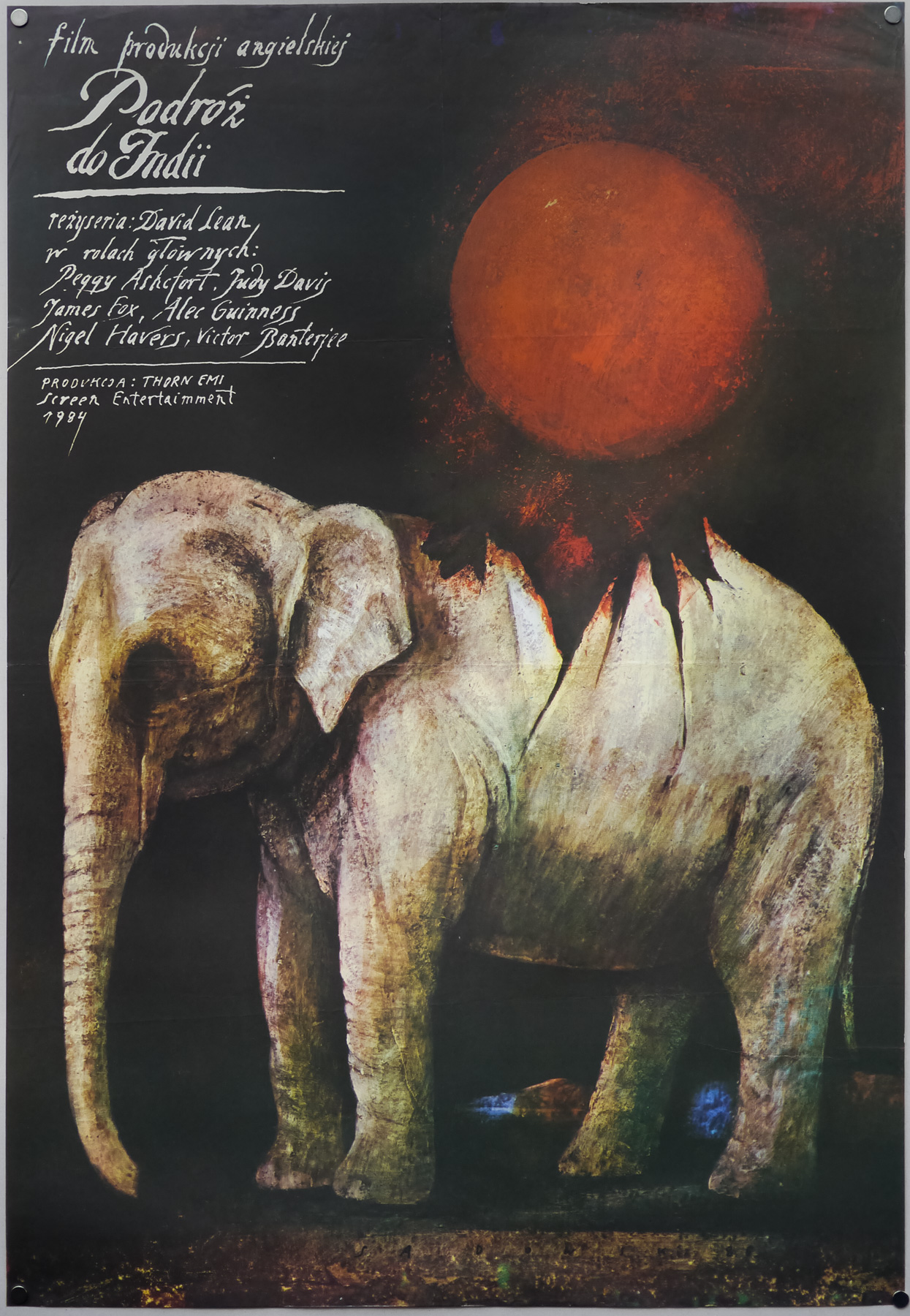
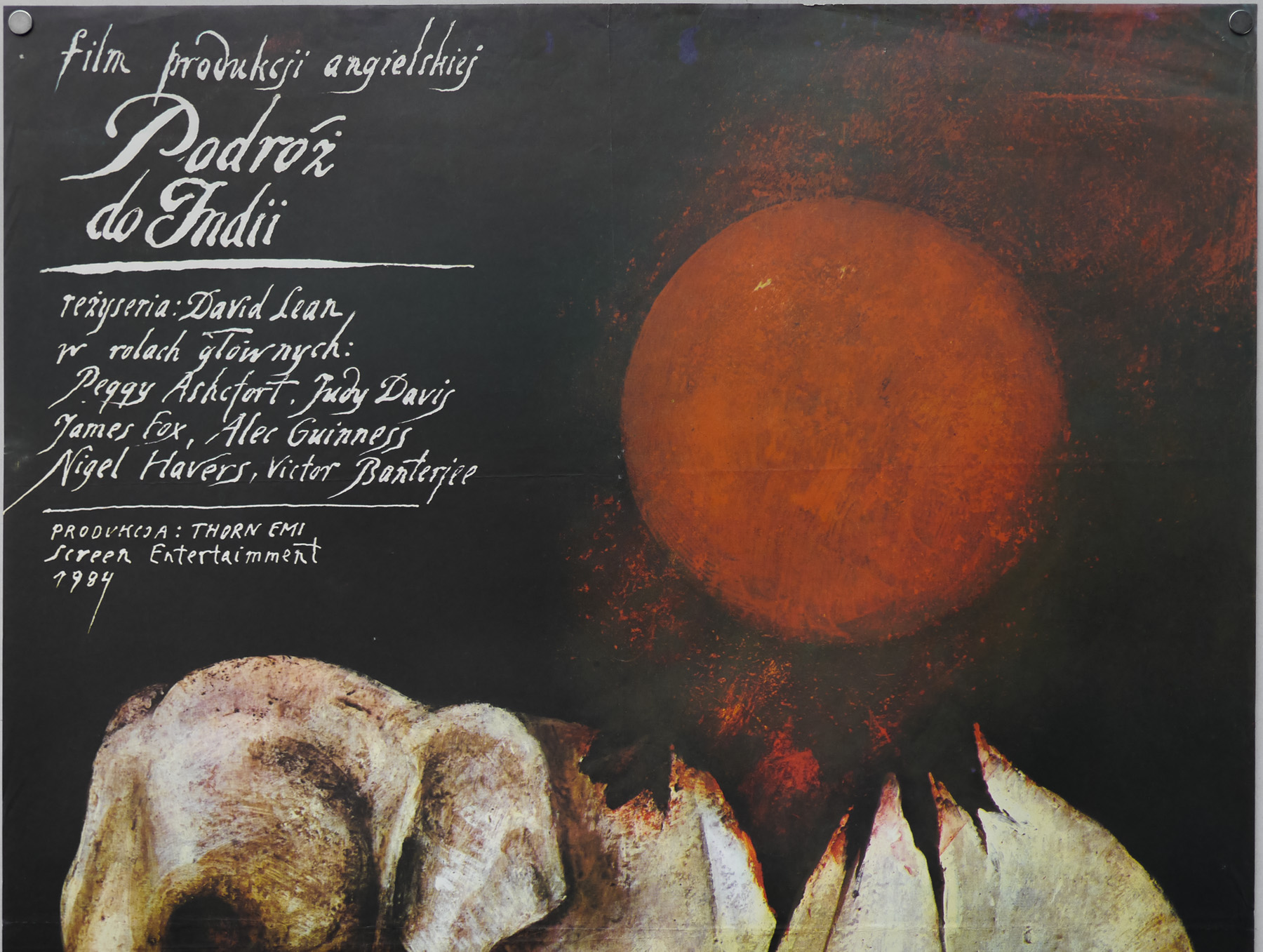
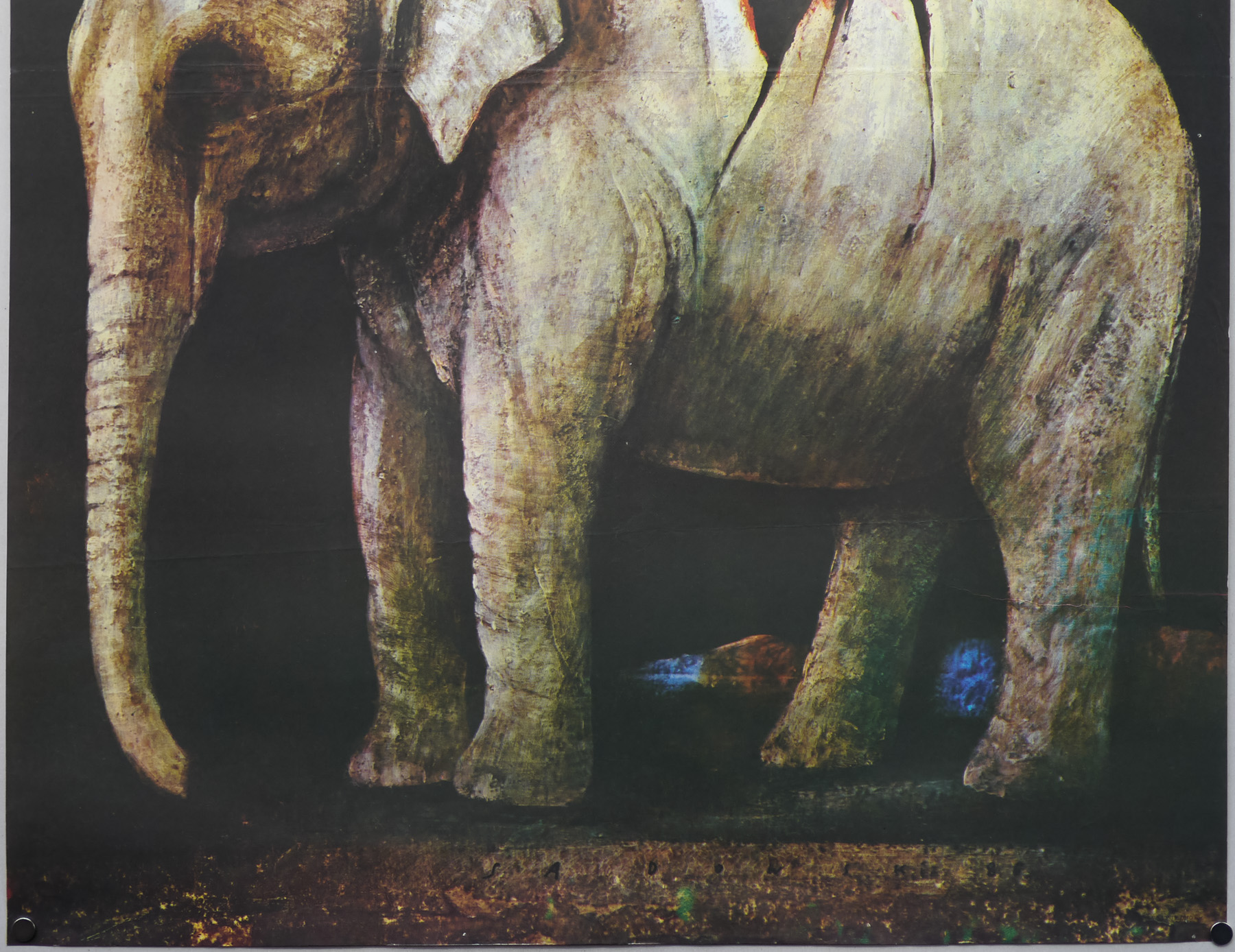
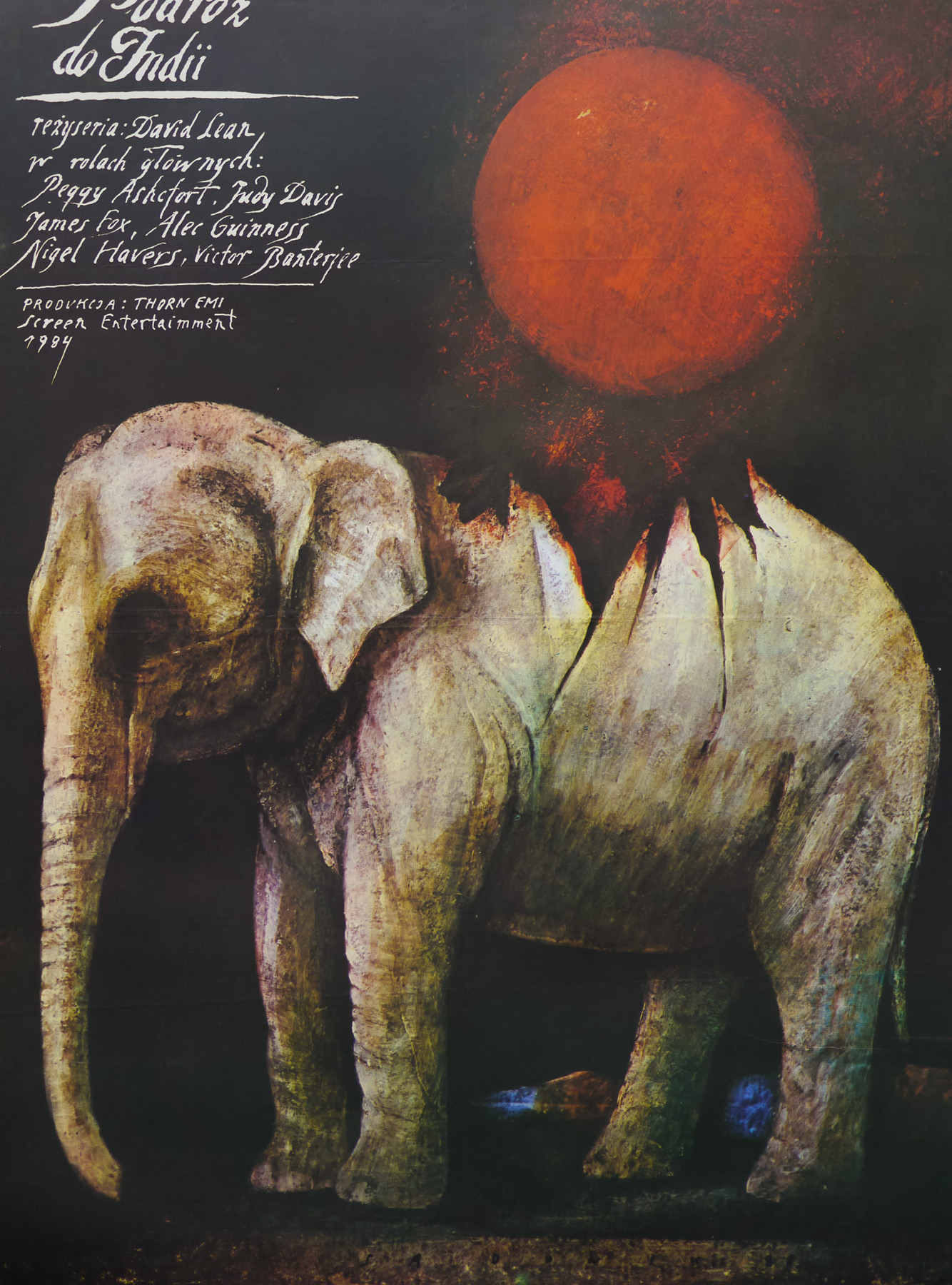
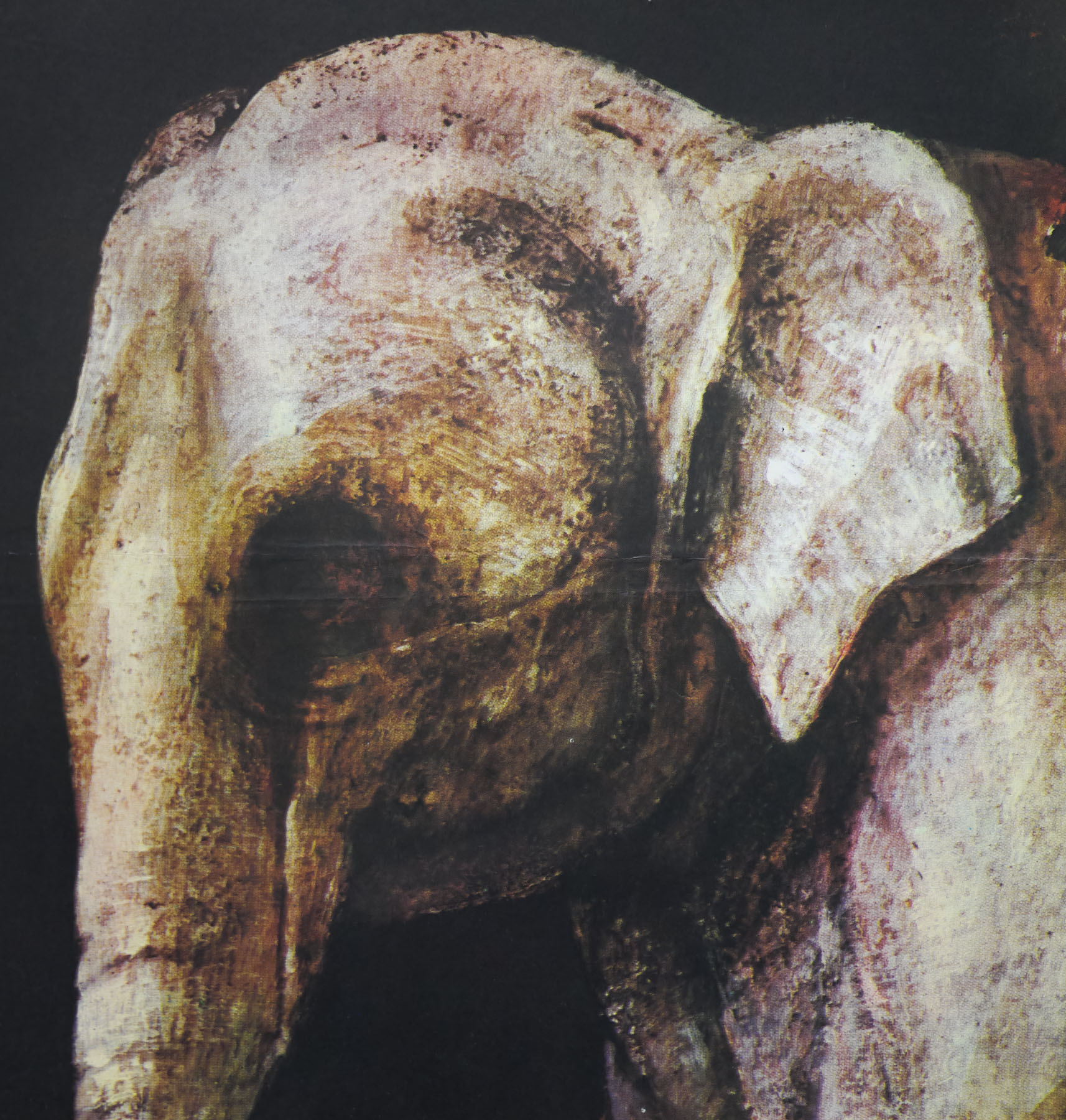
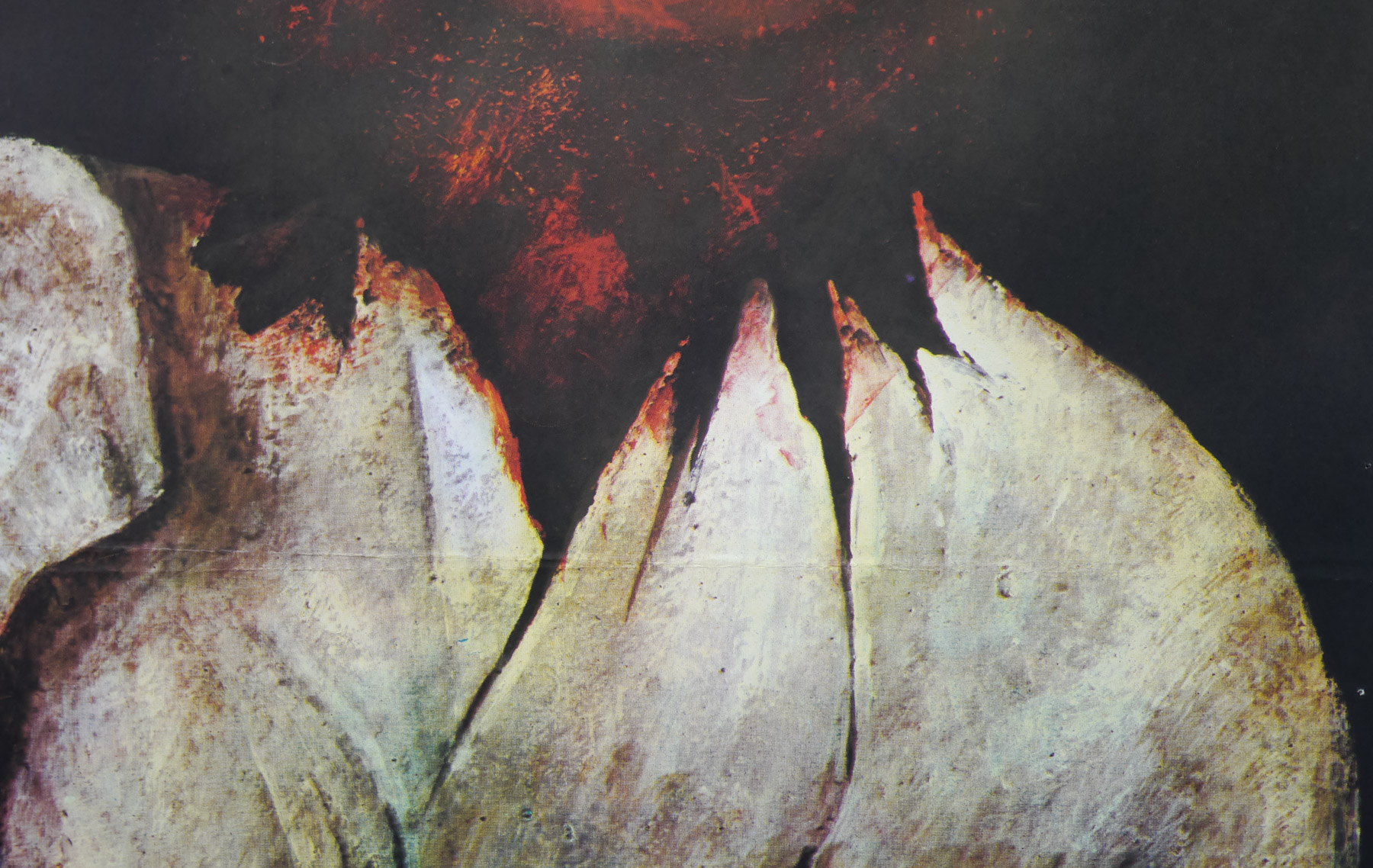
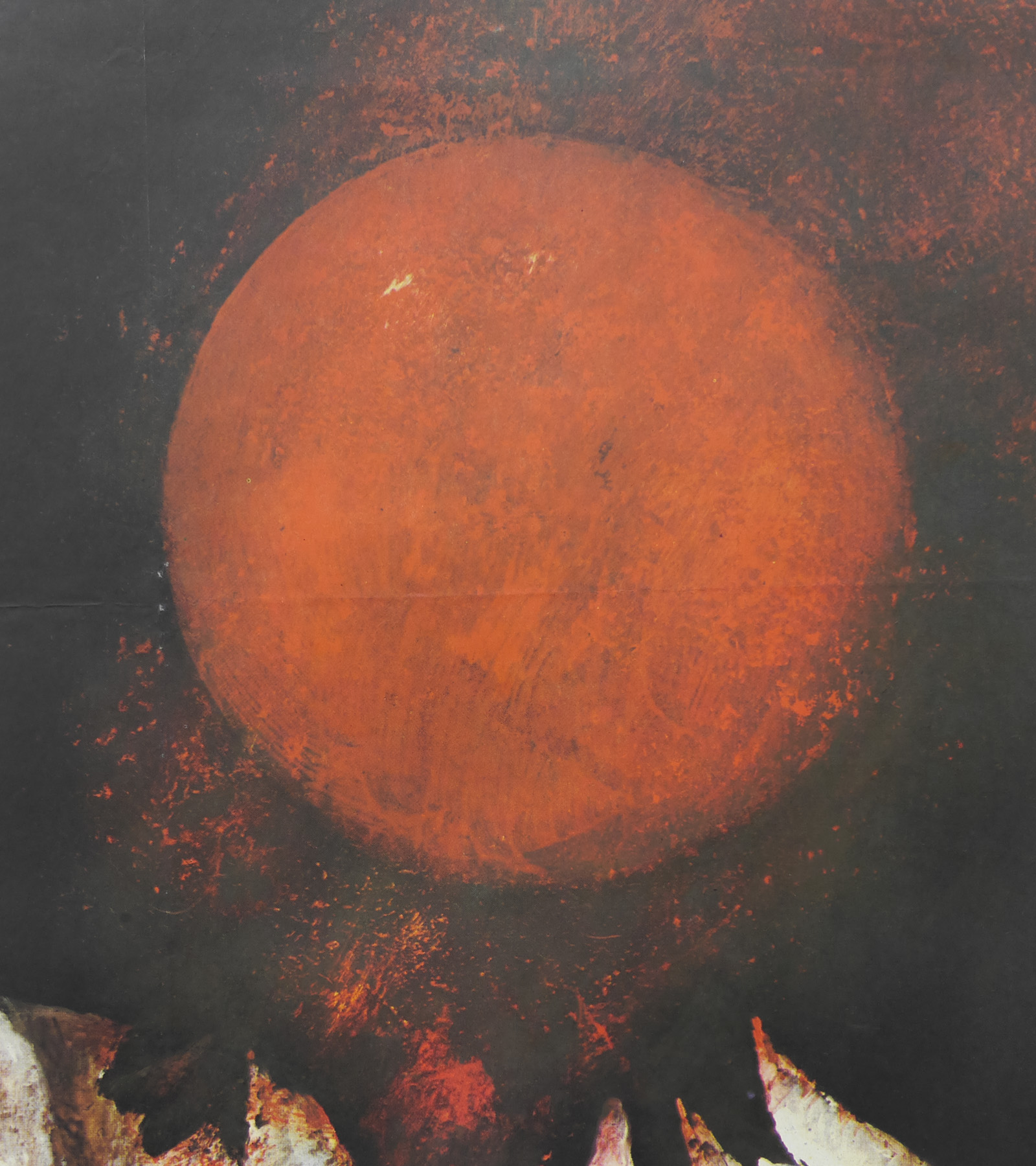
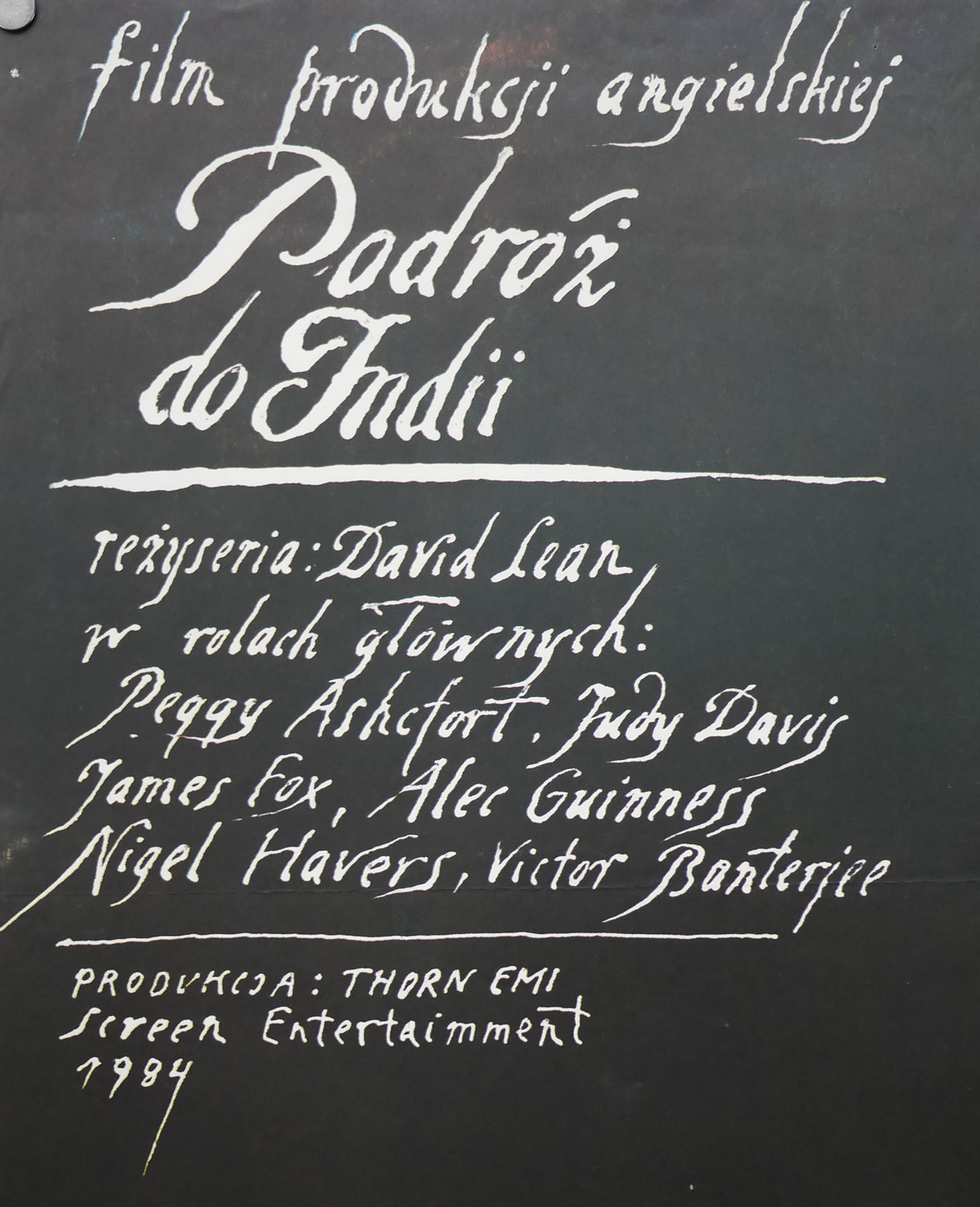
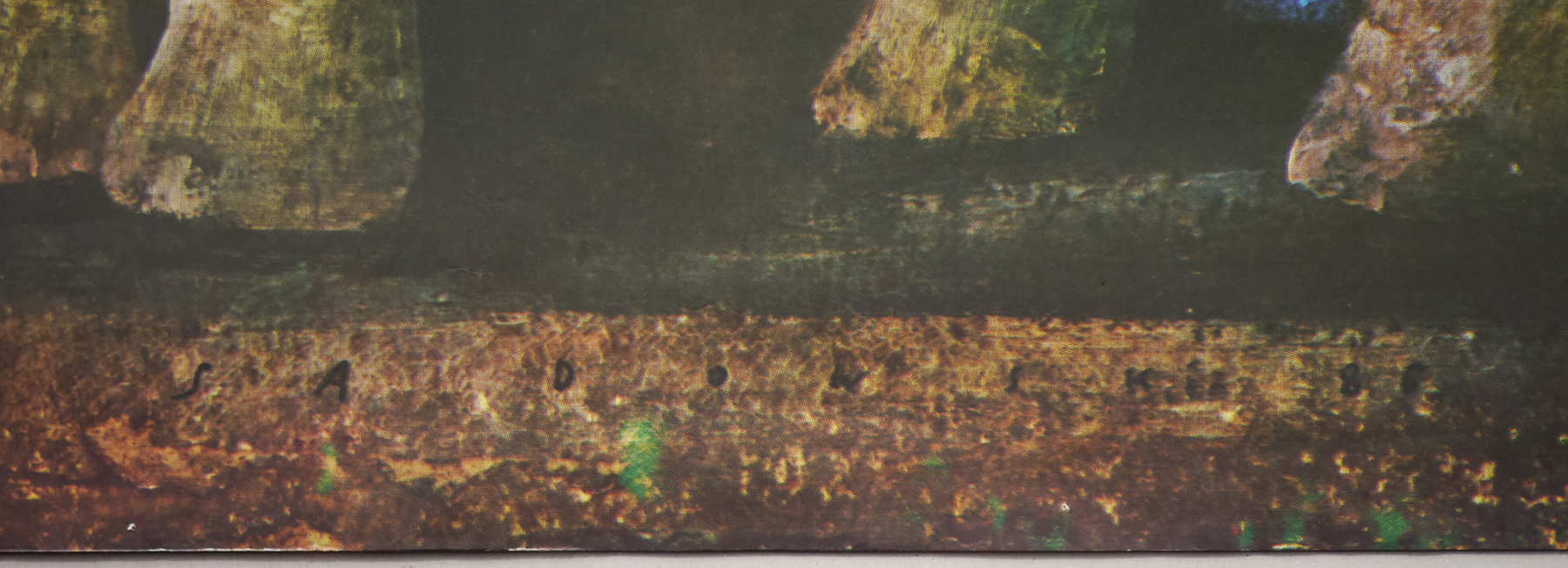
Polish B1 poster for A Passage to India (1984). Artwork by Wiktor SadowskiPolish B1 poster for A Passage to India (1984). Artwork by Wiktor Sadowski, image 2Polish B1 poster for A Passage to India (1984). Artwork by Wiktor Sadowski, image 3Polish B1 poster for A Passage to India (1984). Artwork by Wiktor Sadowski, image 4
Title
A Passage to India
Year of Film
1984
Director
David Lean
Starring
Judy Davis, Victor Banerjee, Peggy Ashcroft, James Fox, Alec Guinness, Nigel Havers, Richard Wilson, Antonia Pemberton, Michael Culver, Art Malik, Saeed Jaffrey, Clive Swift
Origin of Film
UK | USA
Genre(s) of Film
Adventure | Drama | History
Type of Poster
B1
Origin of Poster
Poland
Year of Poster
1984
Designer
Wiktor Sadowski
Artist
Wiktor Sadowski
Size (inches)
26 1/4" x 38"
SS or DS
SS

This is the Polish poster for the release of British director David Lean (opens in a new tab)‘s final film behind the camera, 1984’s A Passage to India (opens in a new tab). Lean hadn’t helmed a feature film since 1970’s Ryan’s Daughter, the poor reception of which had put him off directing for a few years, and an abandoned attempt to make a pair of films based on the Mutiny of the Bounty also took up several years of Lean’s life. The film is an adaptation of English author E. M. Forster’s novel of the same name (opens in a new tab) and also a stage production of the book by Indian-born American playwright Santha Rama Rau (opens in a new tab).

Set in India during the 1920s when there was a growing Indian independence movement (opens in a new tab) in the British Raj (opens in a new tab), the film sees young British woman Adela Quested (Judy Davis (opens in a new tab)) travel to India to visit her fiancee Ronny Heaslop (Nigel Havers (opens in a new tab)) who is serving as a magistrate in the town of Chandrapore. Accompanying her on the trip is Ronny’s mother Mrs Moore (Peggy Ashcroft (opens in a new tab)). The pair spend time in the company of British colonials but when Mrs Moore meets a local doctor named Aziz Ahmed (Victor Banerjee (opens in a new tab)) they see the opportunity to experience ‘the real India.’ Aziz agrees to take them on an expedition to the remote Marabar Caves (actually based on the real life Barabar Caves (opens in a new tab)) but when Adela is attacked and almost raped, Aziz is accused of the crime and relations between the natives and the British quickly break down.

This poster was painted for the first release of the film in Poland in 1988 and was created by the Polish artist Wiktor Sadowski (opens in a new tab) who was born in Olendry (opens in a new tab) in 1956 and later graduated from the Academy of Fine Arts (opens in a new tab) in Warsaw. Sadowski has painted hundreds of film posters during his career and has won several prestigious awards, including a gold medal at Poster Biennale of Poland in 1984 and a gold medal from the New York Society of Illustrators in 1994. There are multiple galleries of his work online, including this one on the Polish Poster Gallery (opens in a new tab) website and this one on Polishposter.com (opens in a new tab) that both clearly show the quality of his artwork.

Platoon / Thailand

20.04.15

Thai poster (1986) for Platoon (1987). Artwork by KwowThai poster (1986) for Platoon (1987). Artwork by Kwow, image 2Thai poster (1986) for Platoon (1987). Artwork by Kwow, image 3Thai poster (1986) for Platoon (1987). Artwork by Kwow, image 4Thai poster (1986) for Platoon (1987). Artwork by Kwow, image 5
Title
Platoon
Year of Film
1987
Director
Oliver Stone
Starring
Charlie Sheen, Willem Dafoe, Tom Berenger, Richard Edson, Keith David, Forest Whitaker, Kevin Dillon, Johnny Depp
Origin of Film
USA
Genre(s) of Film
Drama | War
Type of Poster
Thai
Origin of Poster
Thailand
Year of Poster
1986
Designer
Unknown
Artist
Kwow
Size (inches)
21 7/16" x 30 3/4"
SS or DS
SS

This is the original Thai poster for the release of Oliver Stone (opens in a new tab)‘s Academy Award-winning Vietnam war classic, Platoon (opens in a new tab), one of a three films that the director made on the subject (the others being Born on the Fourth of July (opens in a new tab) and Heaven & Earth (opens in a new tab)). The script, which was written by Stone, is based on his own experiences as an infantryman who served in tours of duty during the Vietnam war (opens in a new tab). He had signed up in 1967 after dropping out of Yale University and specifically requested to see combat in the war that had seen the first ground troops sent to the country two years earlier. Stone served in two different divisions for over a year and was wounded twice,  receiving several medals, including a Purple Heart.

The film follows Charlie Sheen (opens in a new tab)‘s army grunt Chris Taylor (a proxy for Stone) who is serving as part of Bravo Company, 25th Infantry Division near the Cambodian Border. Taylor is fresh into the field and is treated with disdain by the more experienced soldiers (an incredible ensemble of acting talent, including Willem Dafoe, Tom Berenger, Keith David and Forest Whitaker) who have all been in country for months, and he is quickly made aware that his presence is inconsequential. After a few skirmishes in which some members of the division are killed, Taylor is eventually accepted into the group and discovers the grinding boredom and rampant drug use amongst his fellow soldiers. Tensions between two sergeants, the ill-tempered, battle-scarred Barnes (Berenger) and the pleasant, more reasonable Elias (Dafoe) reach breaking point following an incident involving innocent villagers. Upon returning to base, the issue of a court-martial for illegal killing is raised and when the division is sent out on their next patrol, things reach boiling point, leaving Taylor fighting to survive against the enemy as well as members of his own team.

The artwork on this Thai poster is by the artist who signs his work Kwow, about whom I’ve been able to discover little beyond other titles he worked on. The figure kneeling with his arms up references one of the most iconic scenes of the movie, which also appeared on several international posters for the film and was painted by Mike Ryan (the original artwork was sold at auction in 2014 (opens in a new tab)).

The Sea Wolves / quad / UK

17.04.15

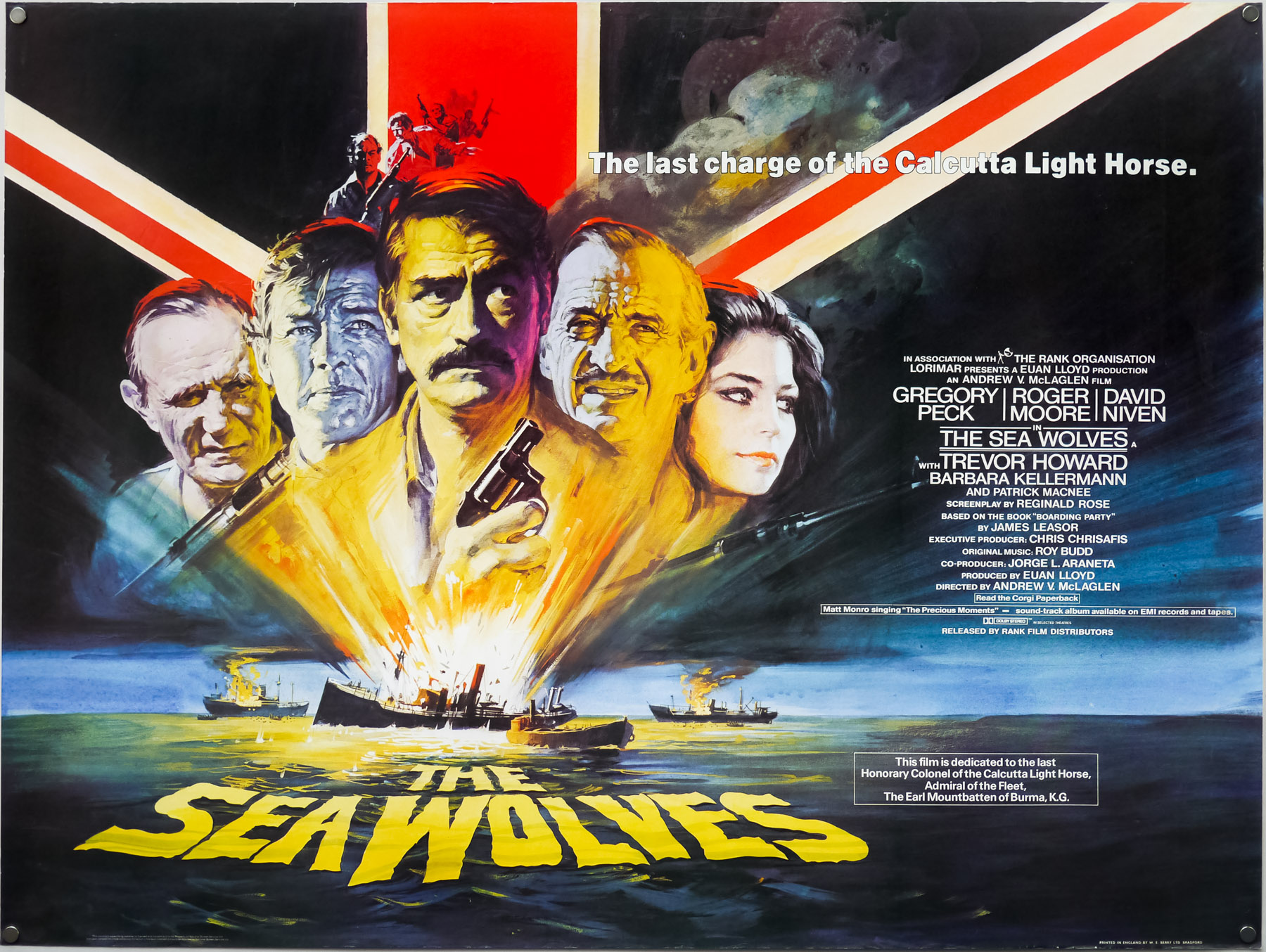
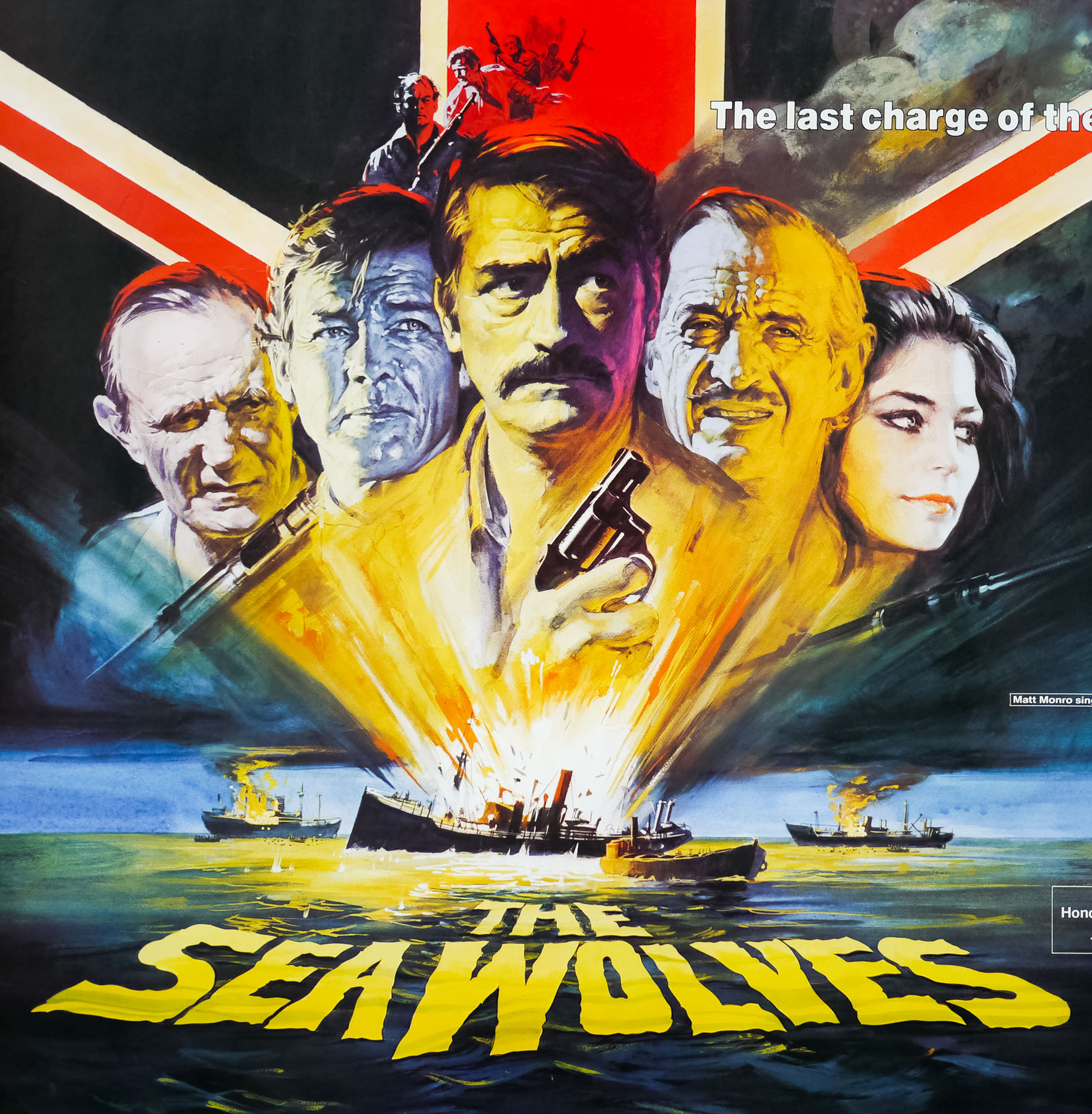
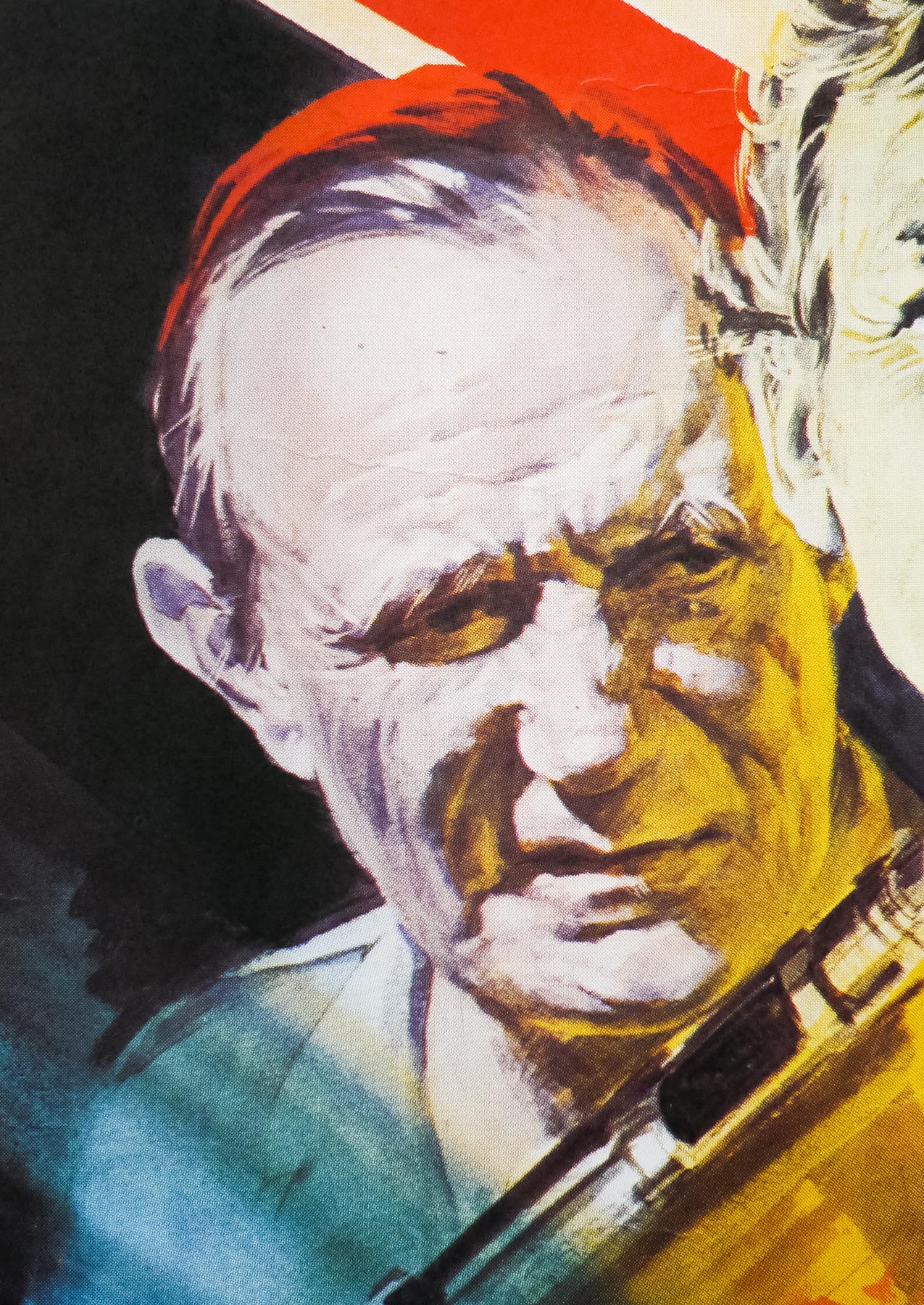
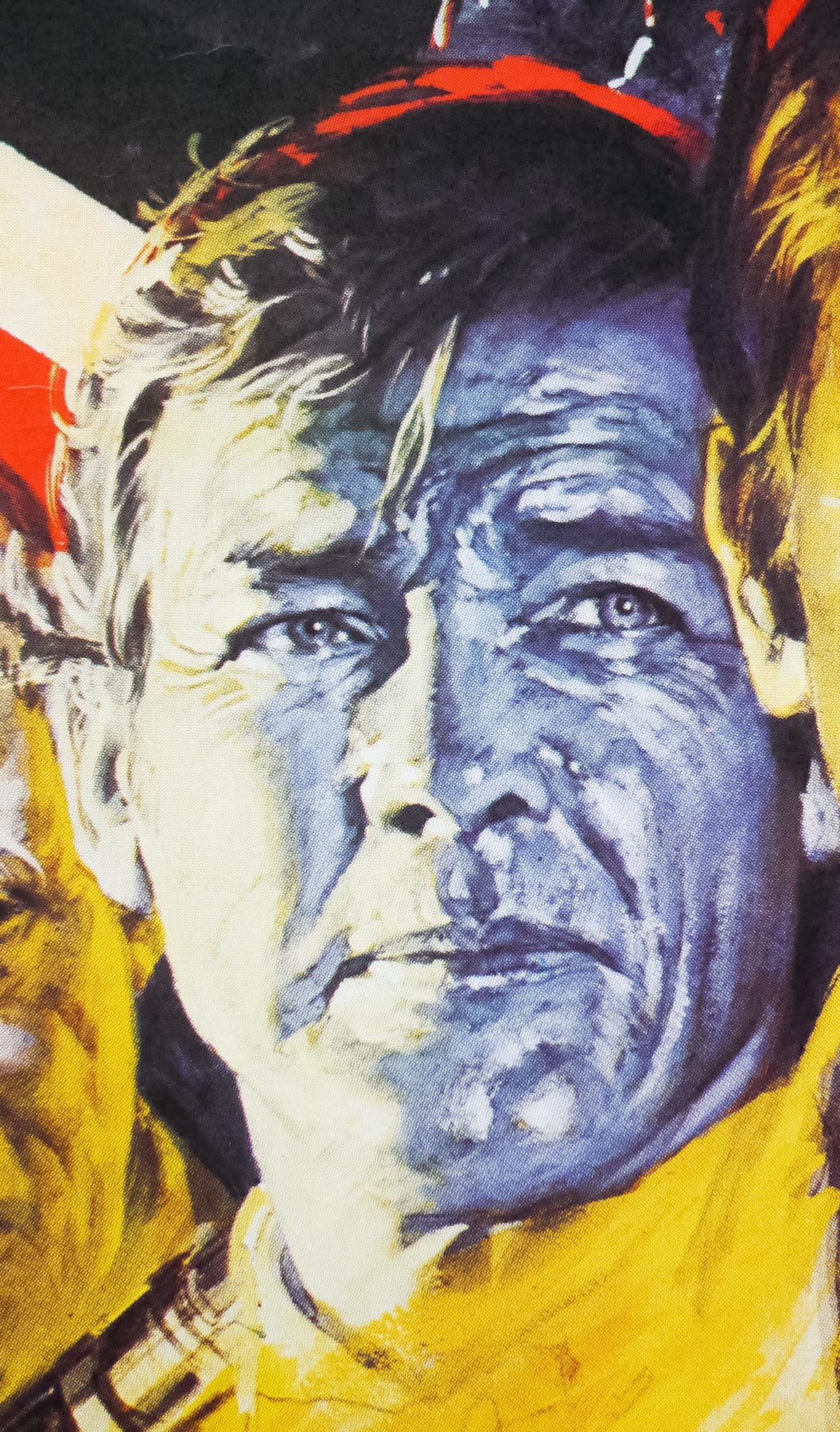
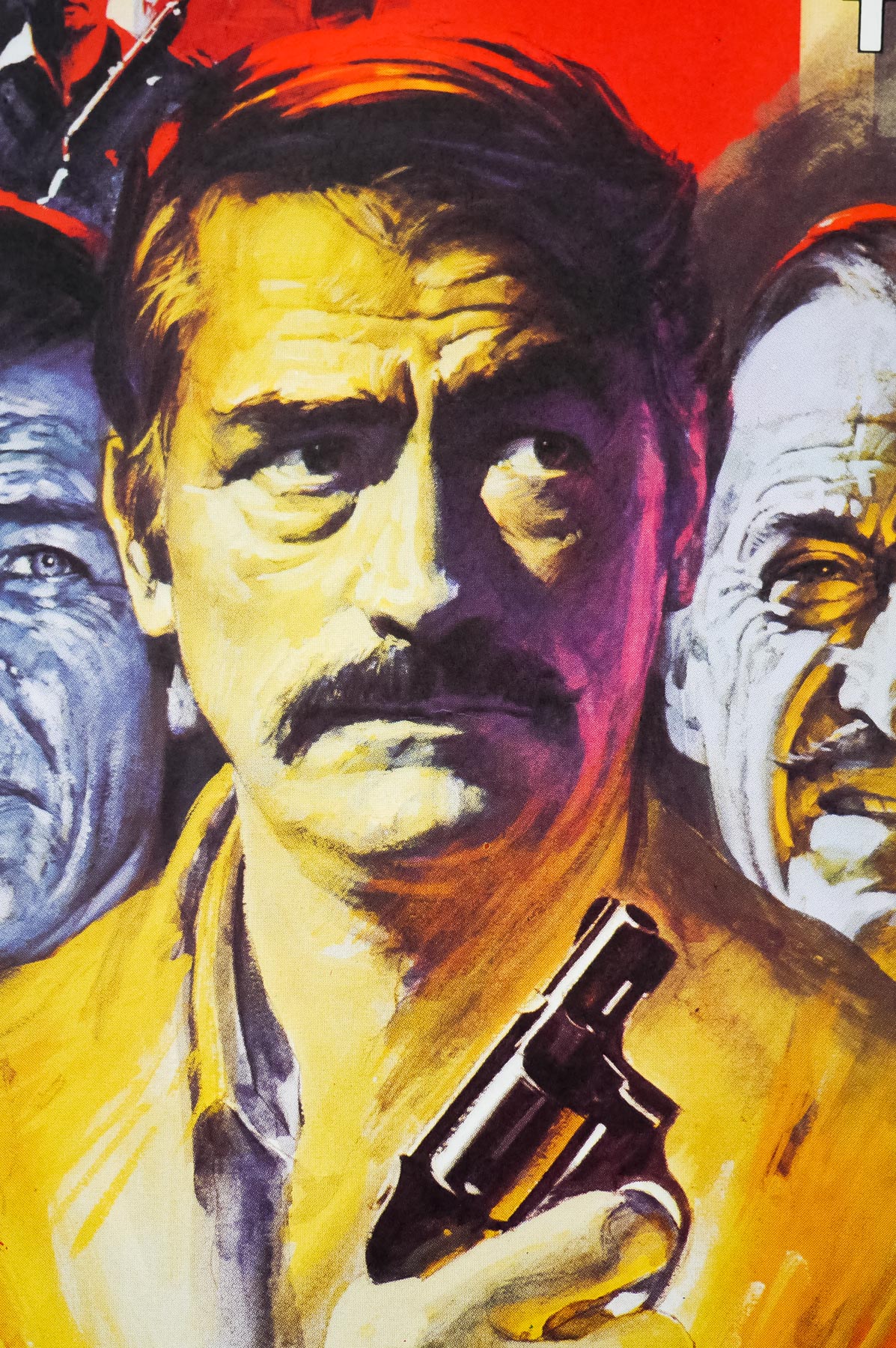
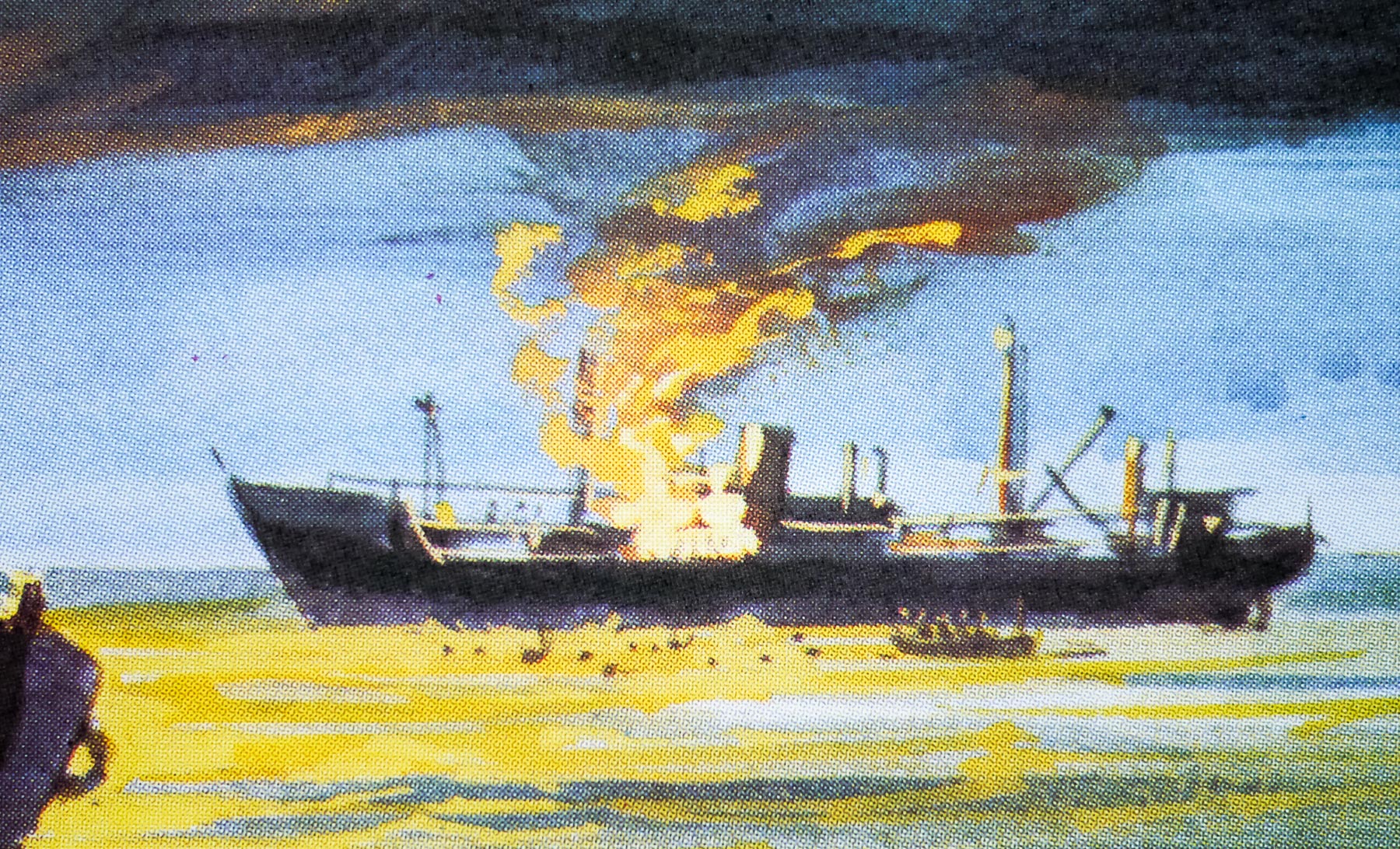
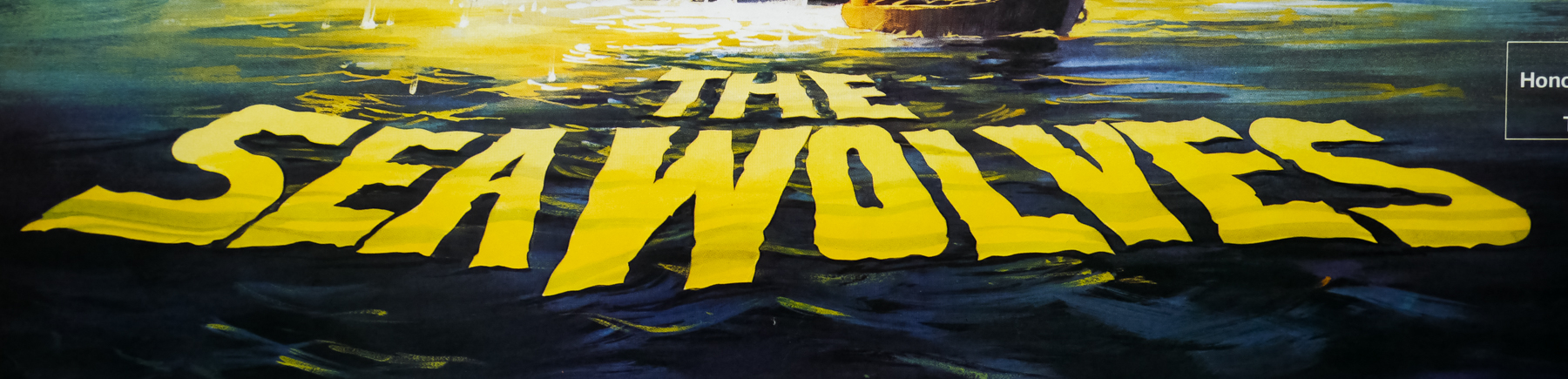
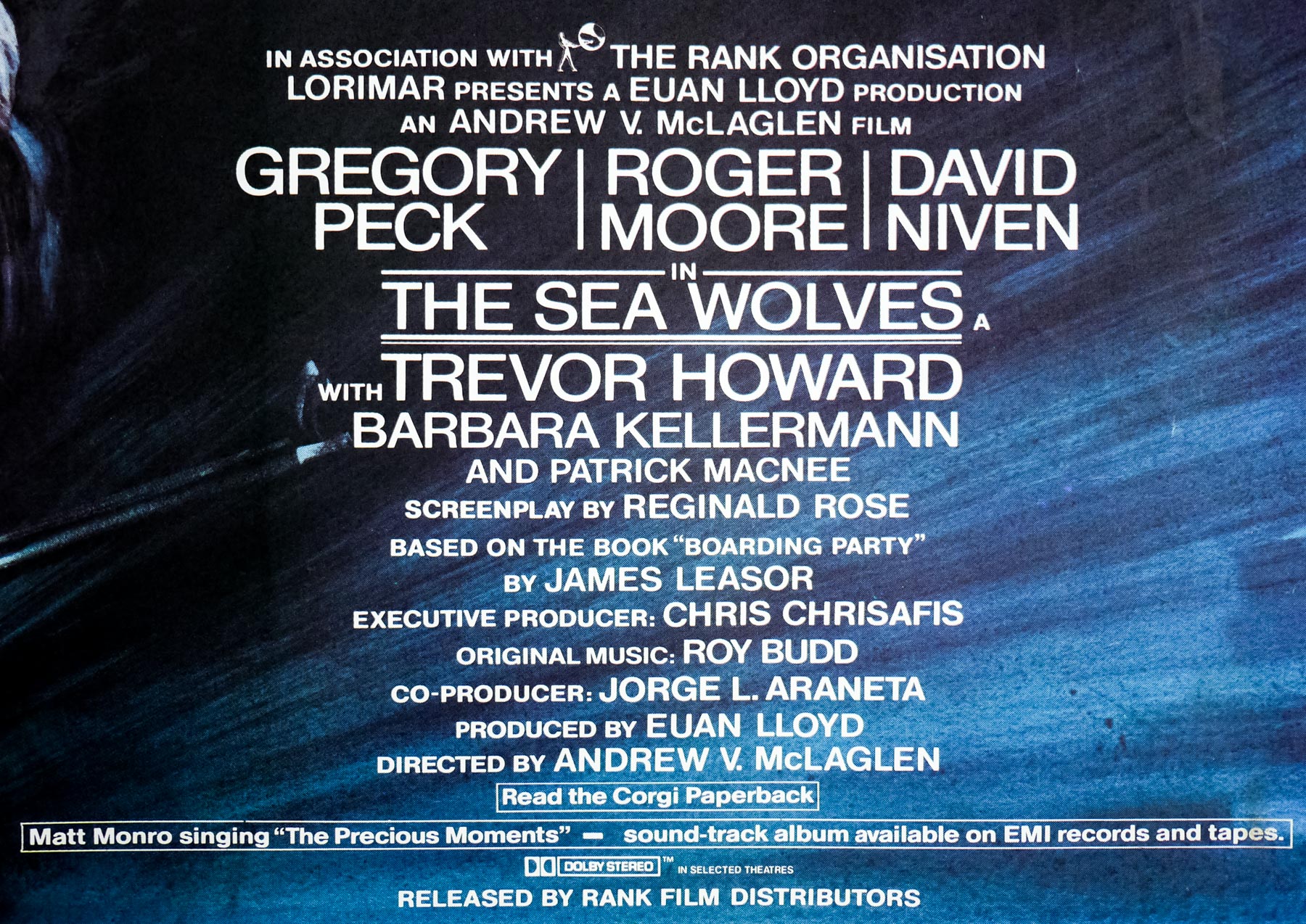
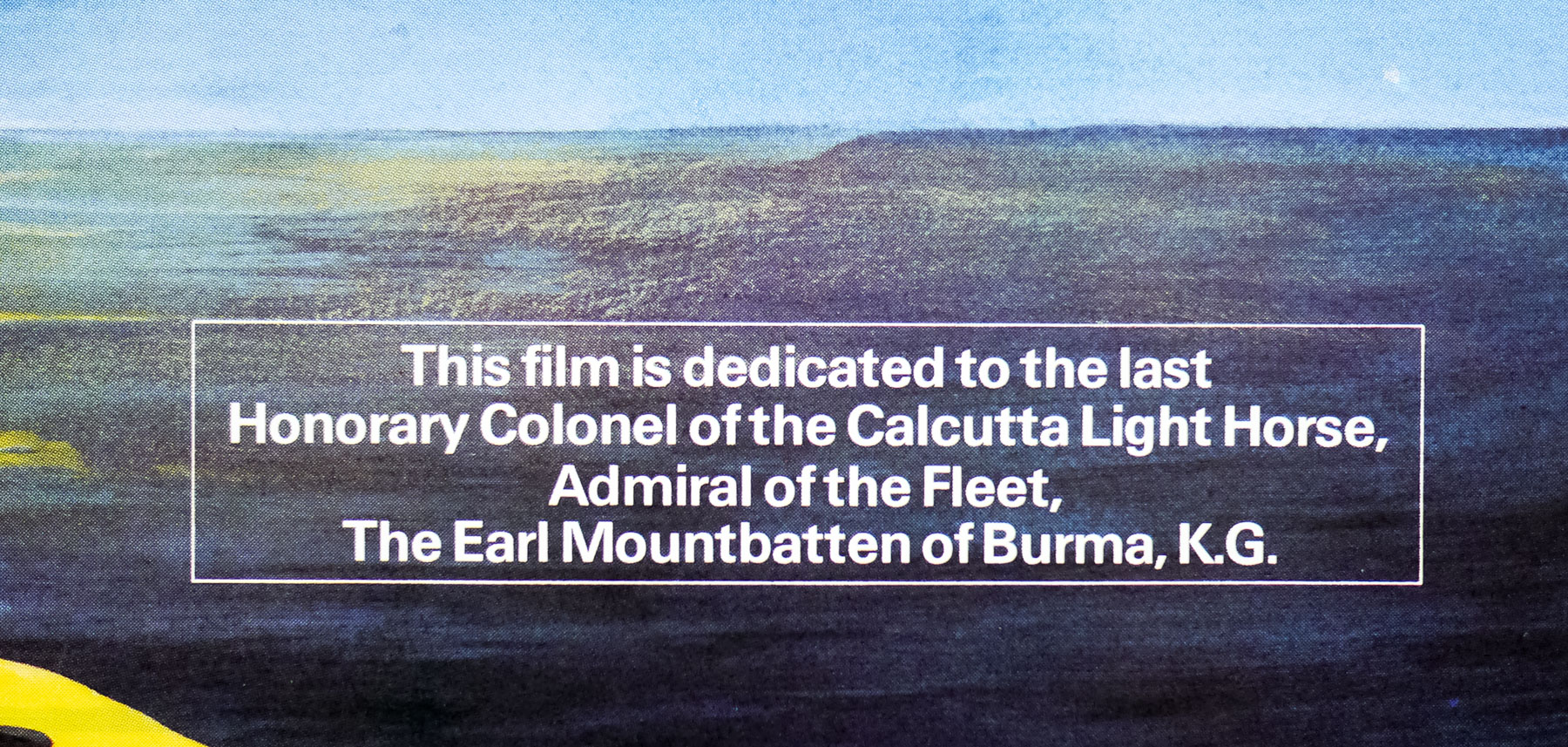
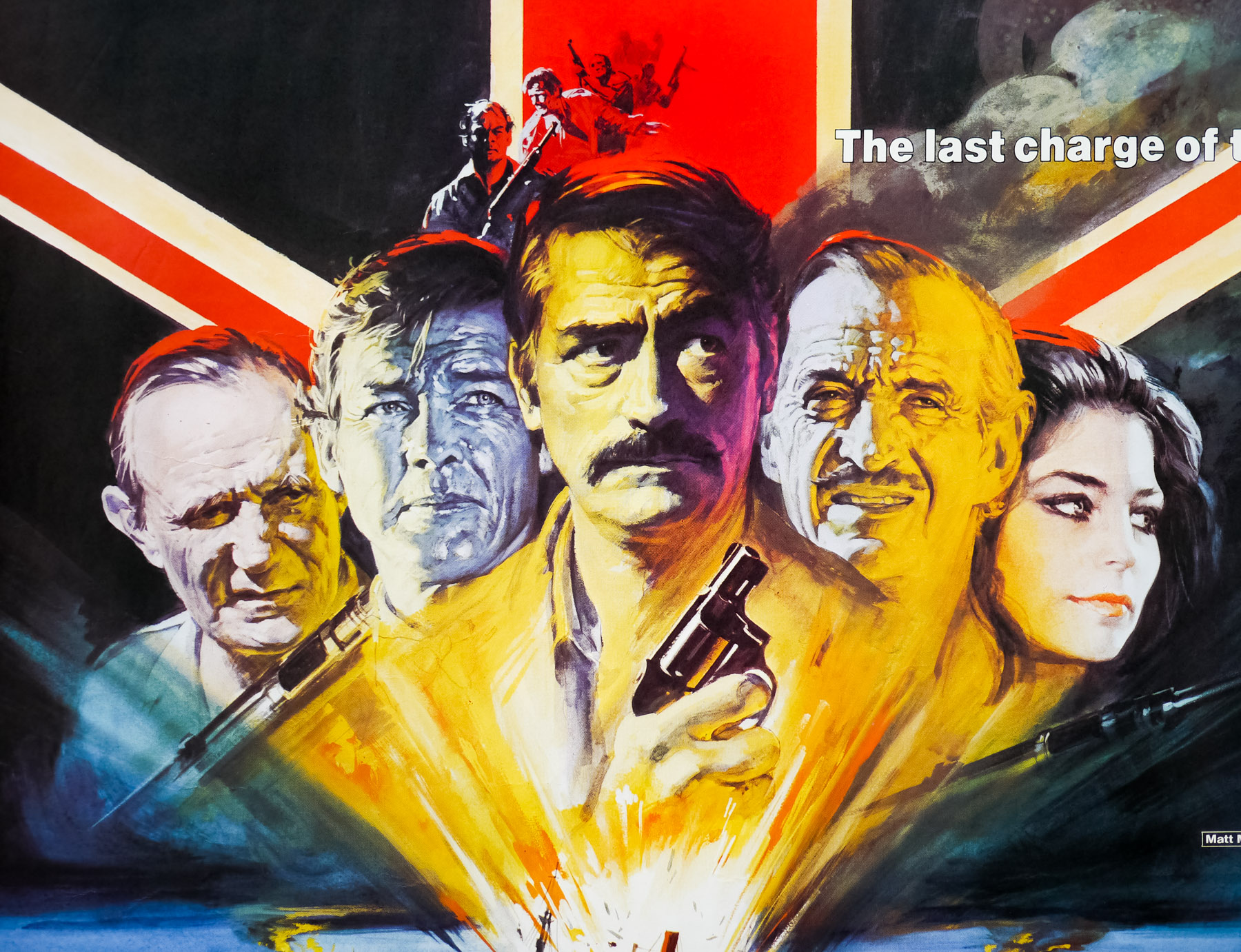
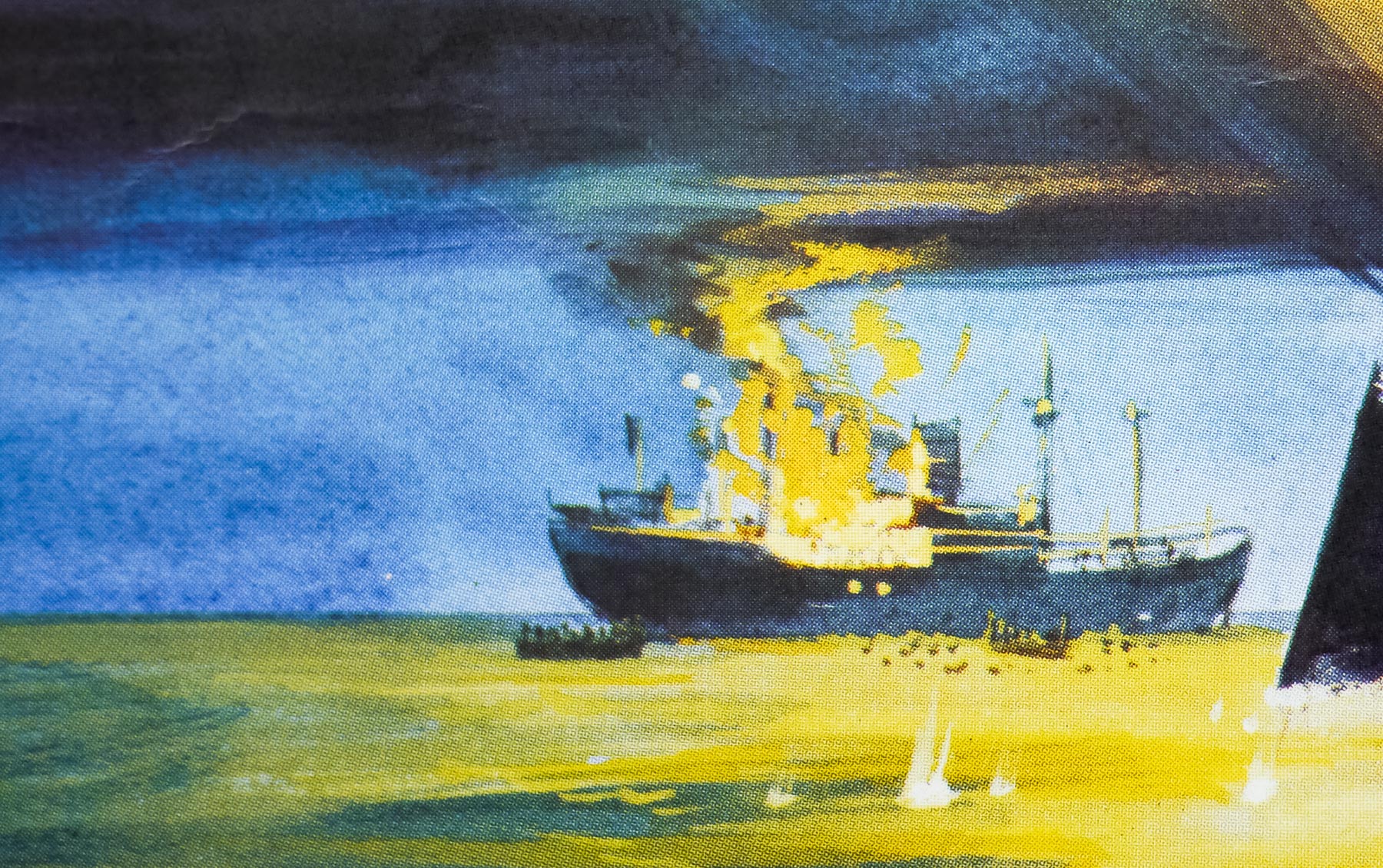
British quad poster for The Sea Wolves (1980). Artwork by Arnaldo Putzu, design by Vic FairBritish quad poster for The Sea Wolves (1980). Artwork by Arnaldo Putzu, design by Vic Fair, image 2British quad poster for The Sea Wolves (1980). Artwork by Arnaldo Putzu, design by Vic Fair, image 3British quad poster for The Sea Wolves (1980). Artwork by Arnaldo Putzu, design by Vic Fair, image 4British quad poster for The Sea Wolves (1980). Artwork by Arnaldo Putzu, design by Vic Fair, image 5
Title
The Sea Wolves
Year of Film
1980
Director
Andrew V. McLaglen
Starring
Gregory Peck, Roger Moore, David Niven, Trevor Howard, Barbara Kellerman, Patrick Macnee, Kenneth Griffith, Patrick Allen
Origin of Film
Switzerland | UK | USA
Genre(s) of Film
Action | History | War
Type of Poster
Quad
Origin of Poster
UK
Year of Poster
1980
Designer
Vic Fair
Artist
Arnaldo Putzu
Size (inches)
30 1/16" x 39 15/16"
SS or DS
SS
Tagline
The last charge of the Calcutta Light Horse.

Featuring great art by Arnaldo Putzu, this is the UK quad for the 1980 action film The Sea Wolves (opens in a new tab), which is based on real events that occurred during the Second World War. As mentioned on the poster, the story is based on the exploits of ex-members of the Calcutta Light Horse (opens in a new tab), a cavalry regiment of the British Indian Army that was formed in 1872 and was disbanded a couple of years after the end of WWII. The plot sees British intelligence discovering that a Nazi radio ship is broadcasting the coordinates of allied ships from a harbour in Portuguese Goa, which was neutral during the war, so an all out assault cannot be launched by the Navy because of this.

British Intelligence officers Col. Lewis Pugh (Gregory Peck (opens in a new tab)) and Capt. Gavin Stewart (Roger Moore (opens in a new tab)) lead the operation and covertly enlist retired officer Col. Bill Grice (David Niven (opens in a new tab)) of the Calcutta Light Horse & some of his former soldiers. The gang sneak into Goa and arrange a diversion on the evening of a planned raid, before making their way to the radio ship carrying enough explosives to sink it and put a stop any more transmissions. The film reunited much of the creative team behind an earlier OAPs on a mission film, 1978’s The Wild Geese (opens in a new tab), including director Andrew V. McLaglen (opens in a new tab), screenwriter Reginald Rose (opens in a new tab), producer Euan Lloyd (opens in a new tab) and several of the stars.

Arnaldo Putzu was born in Rome in 1927 and began painting from a very early age and in 1948 he got involved with the world of film publicity under the guidance of the famous artist Enrico De Seta (opens in a new tab). Eventually Putzu would gain enough confidence in his abilities to set up his own agency and it was this move that saw him getting involved in work for the British studio Rank. Eric Pulford was so impressed with his work that he brought him over to London to work at Downtons in 1967.

The artist worked on many quads whilst over here and also gained notoriety for lending his talents to the popular children’s magazine Look-in (opens in a new tab), for which he painted almost every cover during its publication lifetime. His best-known quad is undoubtedly the one he painted for the Michael Caine gangster classic Get Carter in 1971. My friend, and author of the must-own British Film Posters, Sim Branaghan met Putzu during the making of his book and describes it as a very memorable experience in the interview I published in 2012. Putzu sadly passed away the same year, aged 85, and Sim wrote an excellent obituary for The Guardian newspaper (opens in a new tab).

The poster was designed by the British designer and artist Vic Fair who is one the most important people ever to work on British film marketing. He is responsible for several iconic posters, including The Man Who Fell To Earth, posters for Hammer horrors like Vampire Circus, and the withdrawn advance one sheet for A View to a Kill. I also interviewed Vic for this site.

Sightseers / A0 / Germany

15.04.15

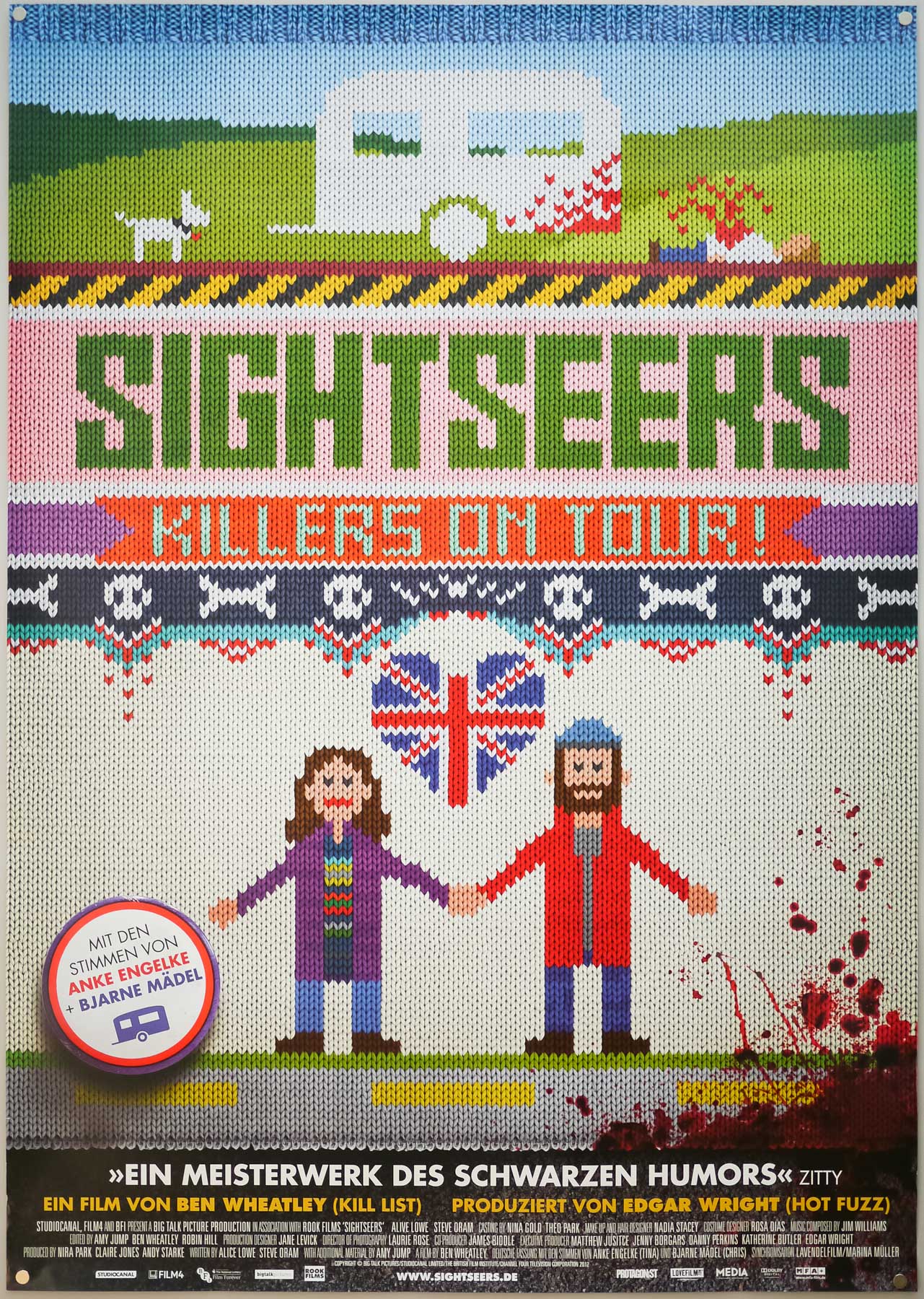
German A0 poster for Sightseers (2012). Artwork by Heike JörssGerman A0 poster for Sightseers (2012). Artwork by Heike Jörss, image 2German A0 poster for Sightseers (2012). Artwork by Heike Jörss, image 3German A0 poster for Sightseers (2012). Artwork by Heike Jörss, image 4German A0 poster for Sightseers (2012). Artwork by Heike Jörss, image 5
Title
Sightseers
Year of Film
2012
Director
Ben Wheatley
Starring
Alice Lowe, Steve Oram, Eileen Davie, Tony Way, Monica Dolan, Jonathan Aris
Origin of Film
UK
Genre(s) of Film
Adventure | Comedy | Crime | Horror
Type of Poster
A0
Origin of Poster
Germany
Year of Poster
2012
Designer
Heike Jörss
Artist
Heike Jörss
Size (inches)
33 1/16" x 46 1/2"
SS or DS
SS

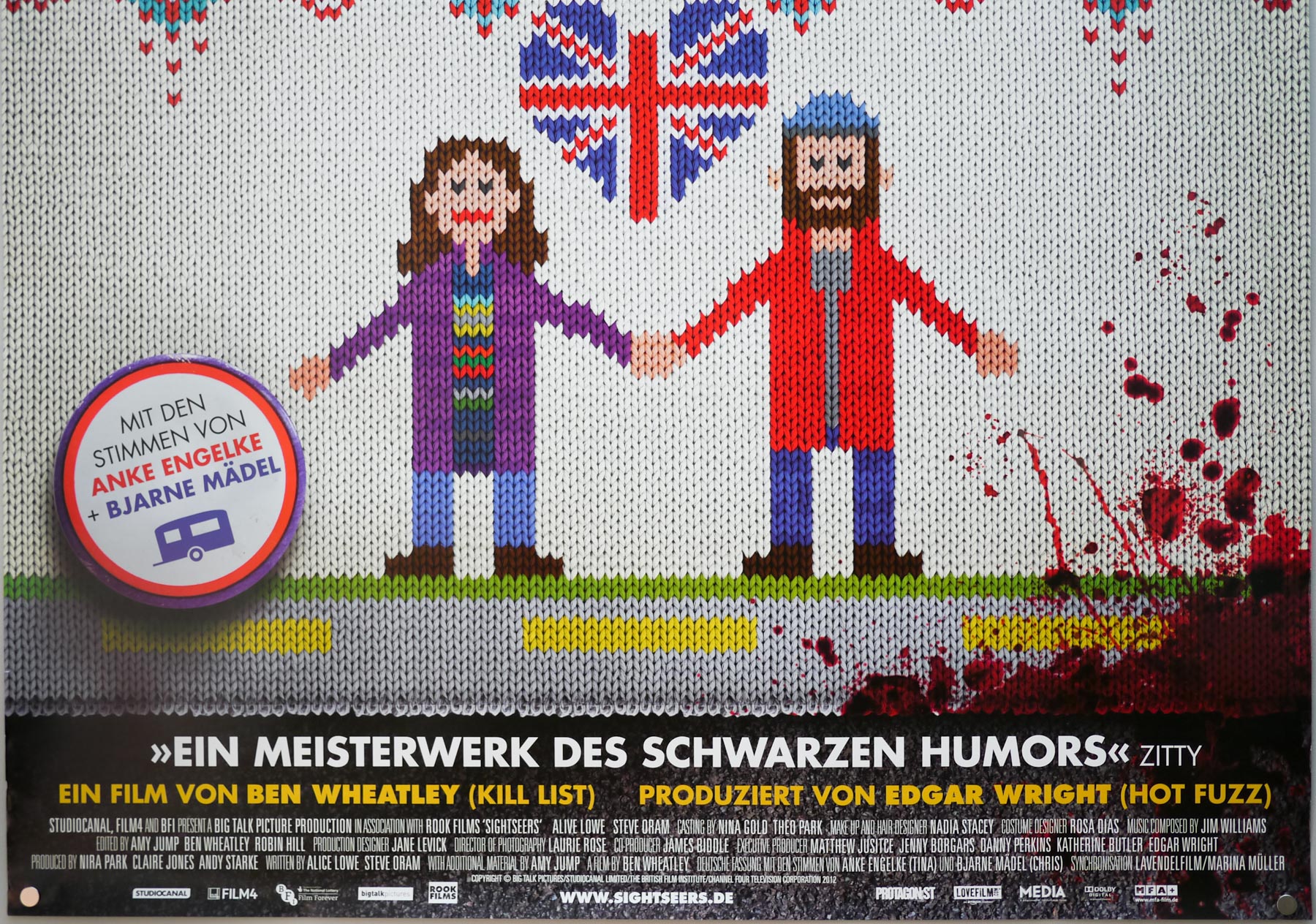
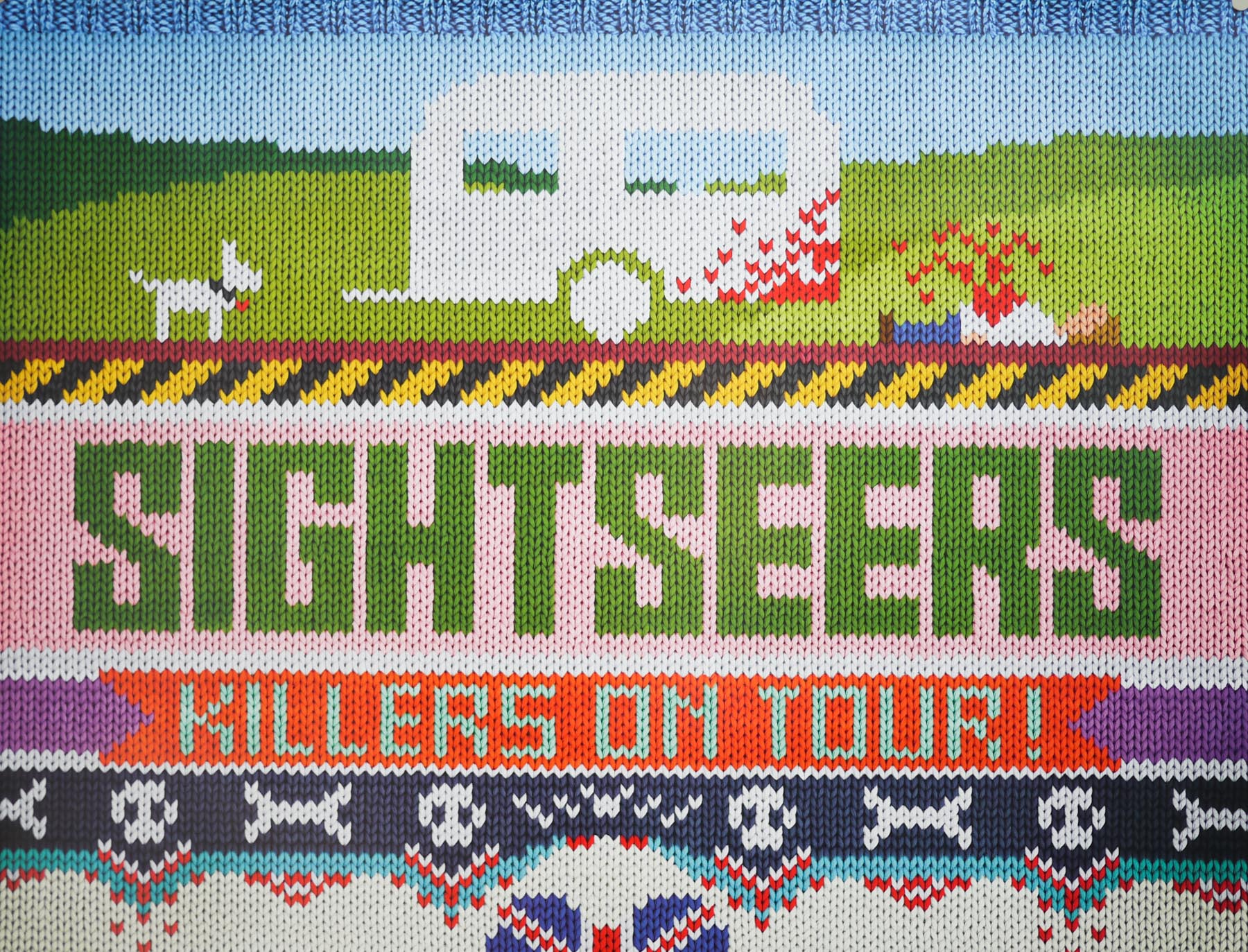
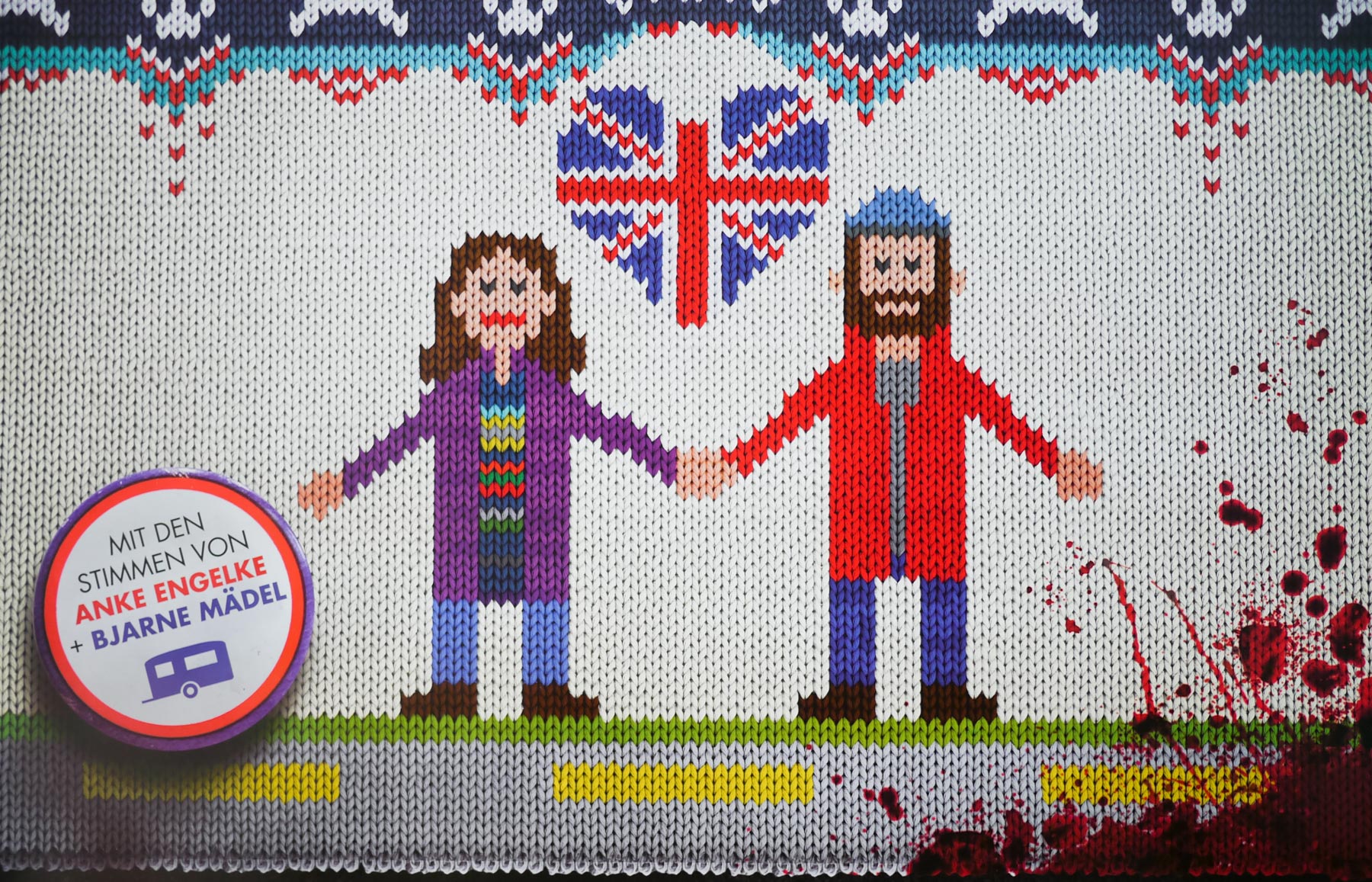
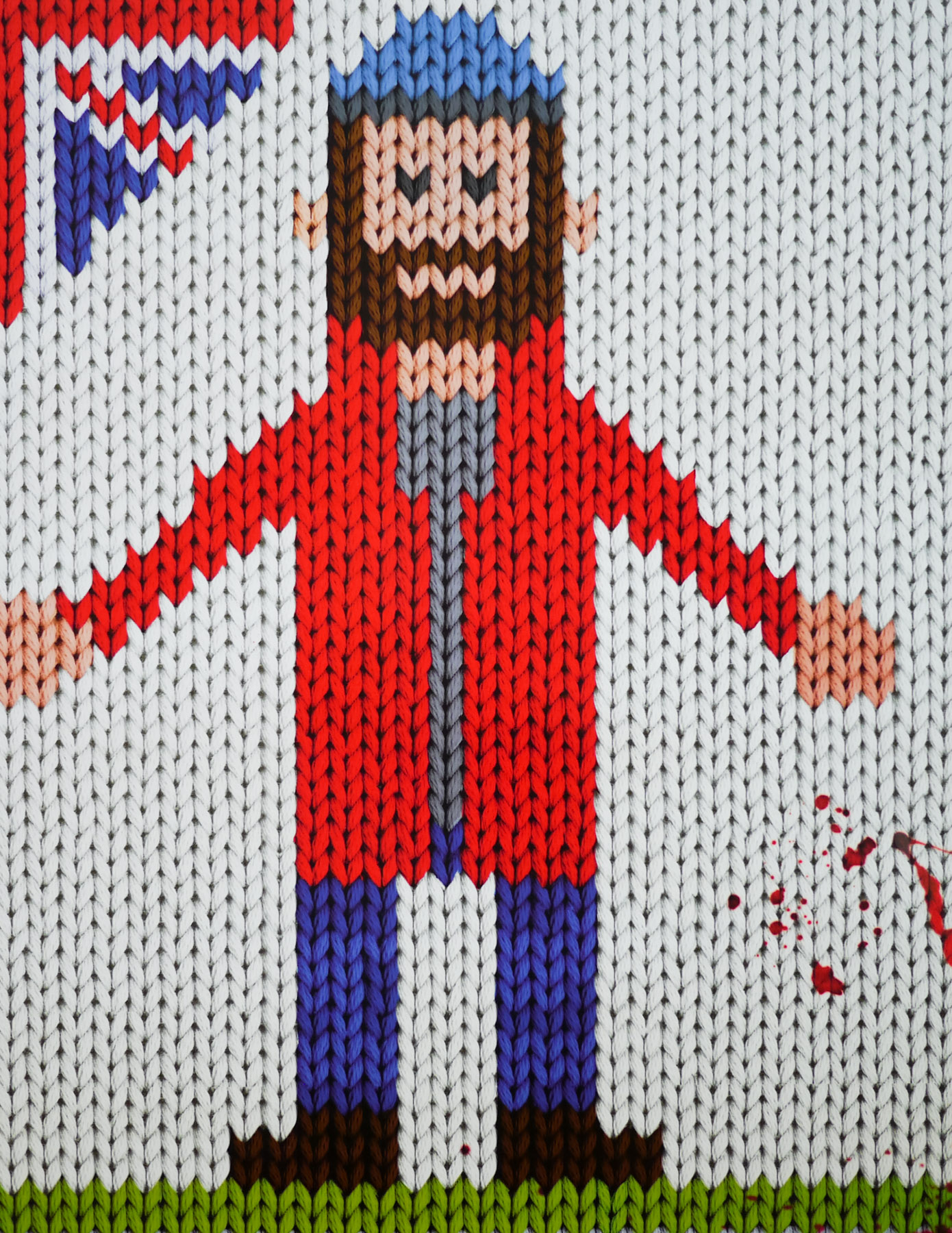
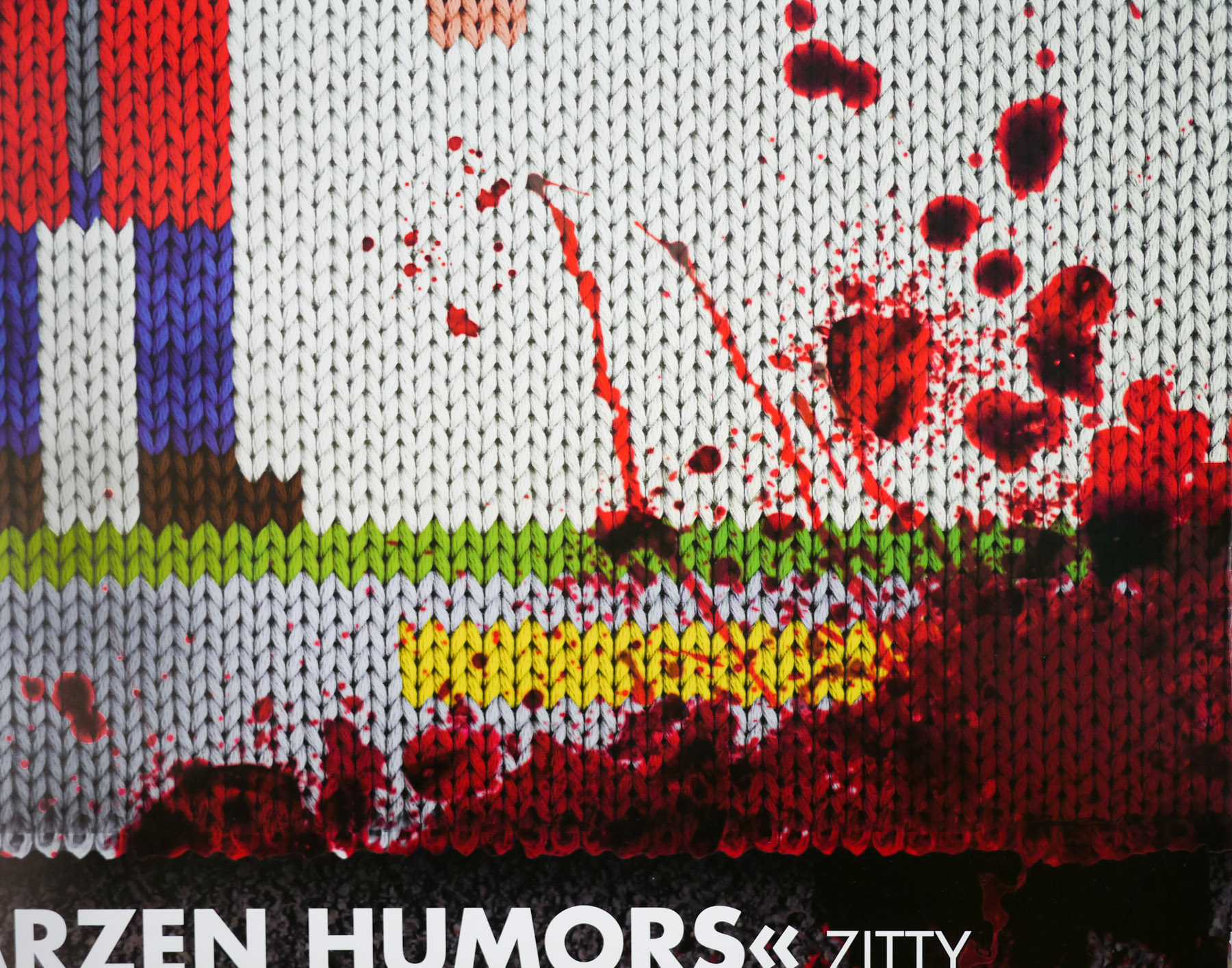
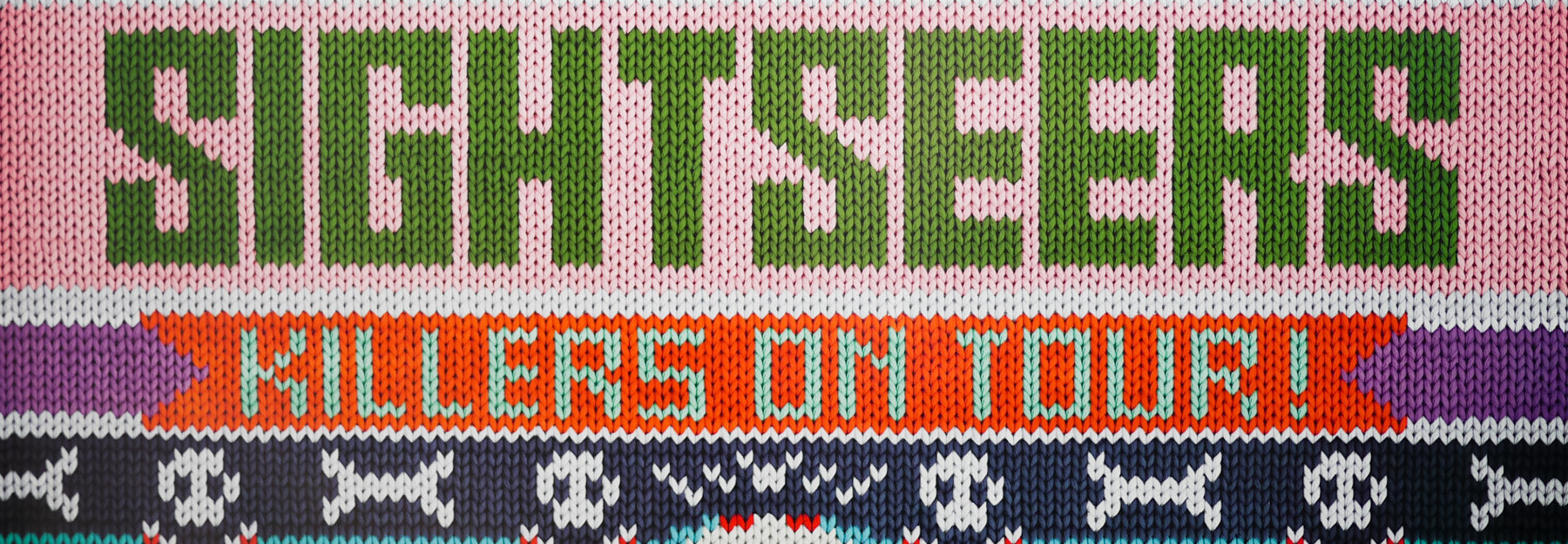
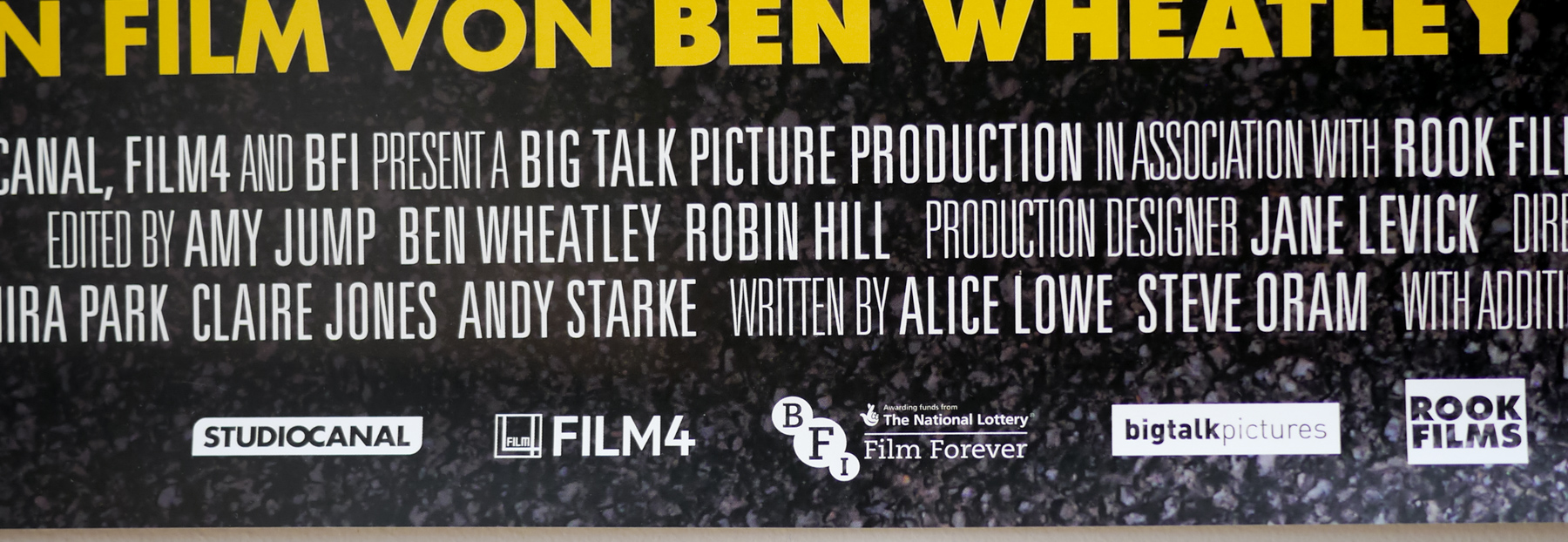
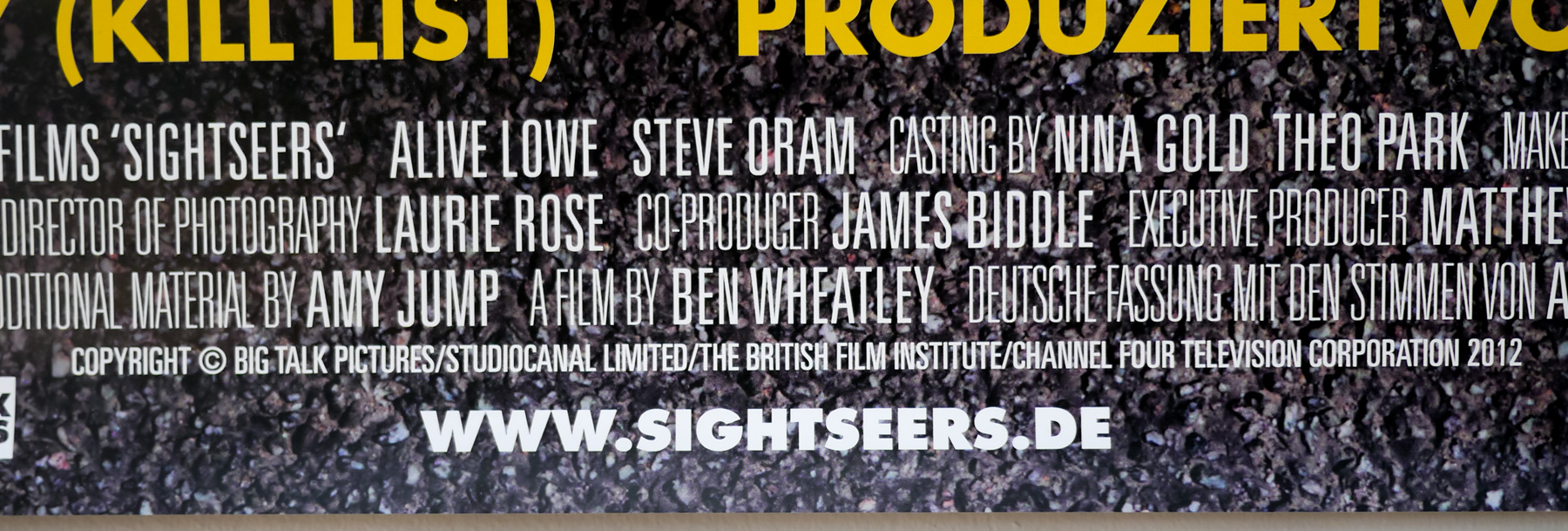
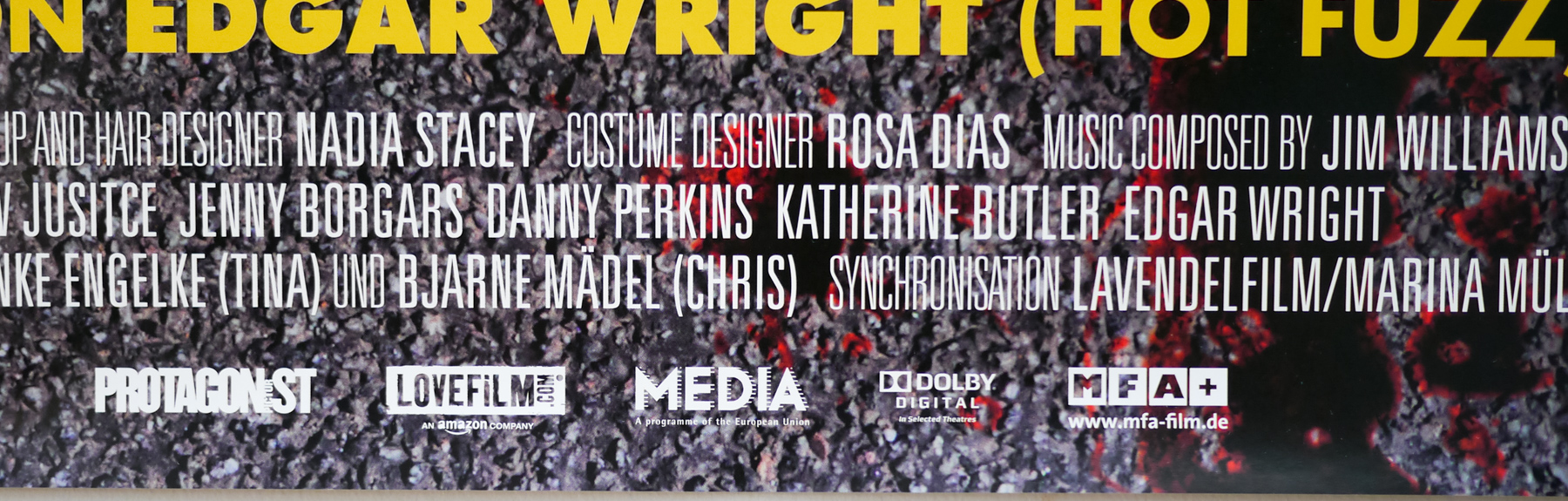
This is the original German poster that was printed for the release of British director Ben Wheatley (opens in a new tab)‘s pitch-black (‘…des schwarzen humors’) comedy Sightseers (opens in a new tab). Conceived of and written by its two lead actors, Alice Lowe (opens in a new tab) and Steve Oram (opens in a new tab), the film was developed by the pair over a number of years and eventually brought to the screen with the help of Edgar Wright, who is best known as a director but was on producer duties here. The pair play odd couple Tina and Chris who set off on a caravanning holiday around the north of the UK, much to the distress of Tina’s domineering mum Carol (Eileen Davies (opens in a new tab)). The pair visit a number of uniquely English tourist destinations, including Kewick’s Pencil Museum (opens in a new tab) and a tram museum (filmed at Crich’s Tramway Village (opens in a new tab)). It’s at the latter attraction that things take a dark turn as Chris ‘accidentally’ reverses his caravan over a museum guest who had annoyed him earlier. More bodies begin to pile up as they carry on their journey and tensions between the pair continue to escalate.

Lowe and Oram are brilliant throughout, striking a perfect balance between affable and loony, and they really feel like the kinds of people you meet when visiting the UK’s more out of the way tourist attractions. It’s great to see parts of England that don’t normally appear on film and the locations are used in such a way that you don’t feel the film is ridiculing them. The film is certainly not for everyone and some of the violence is pretty brutal but I highly recommend it to anyone who’s looking for a British comedy with a unique twist.

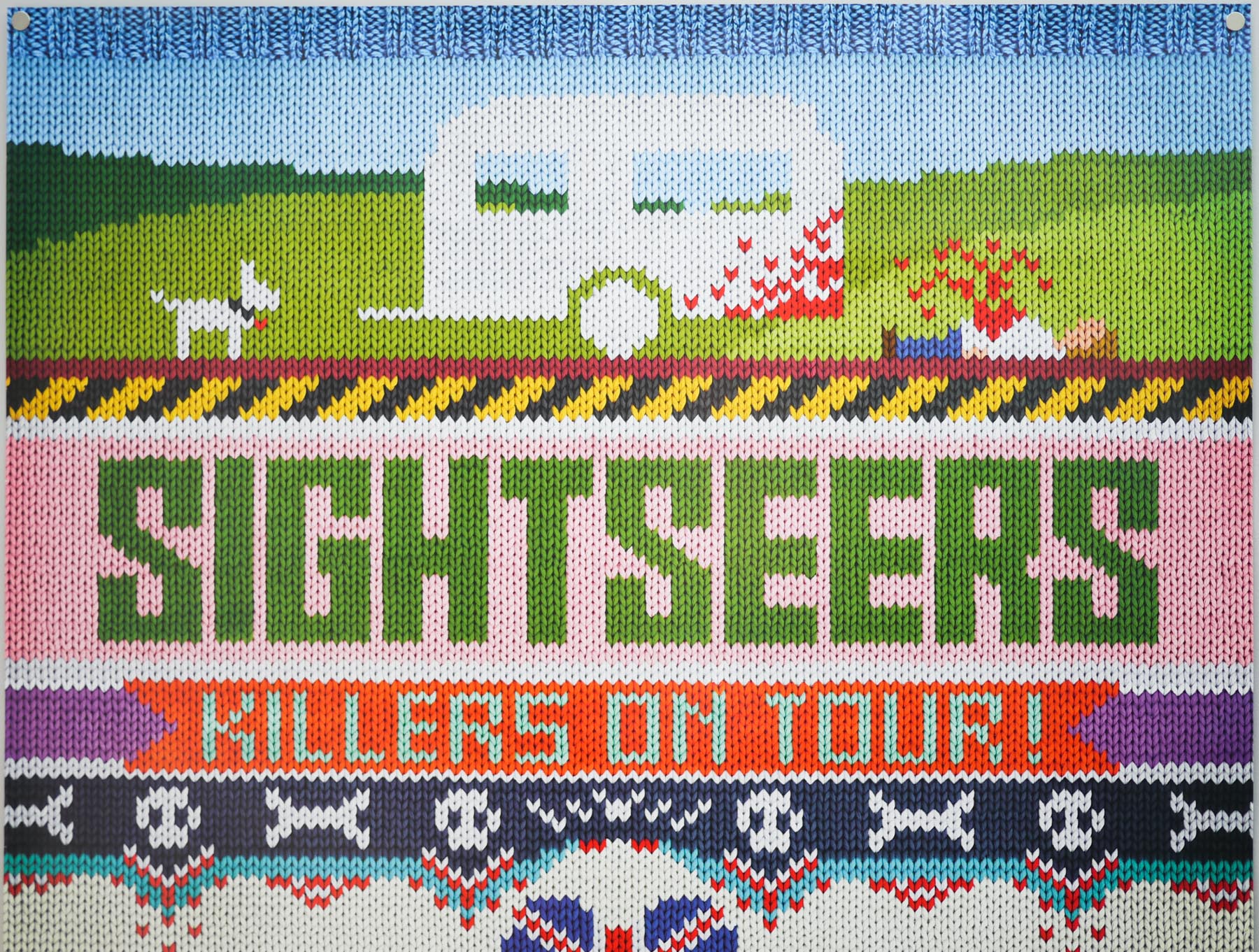
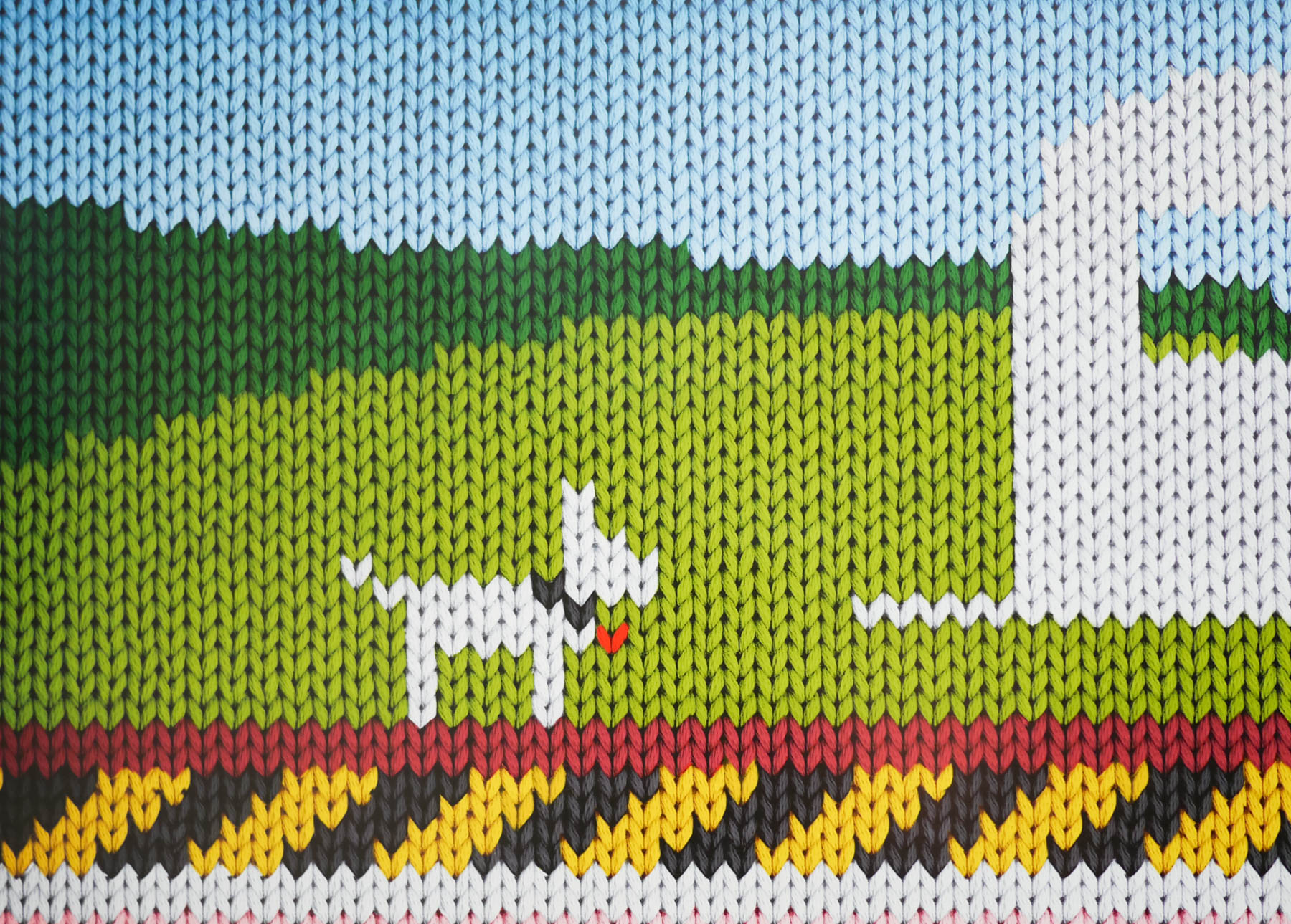
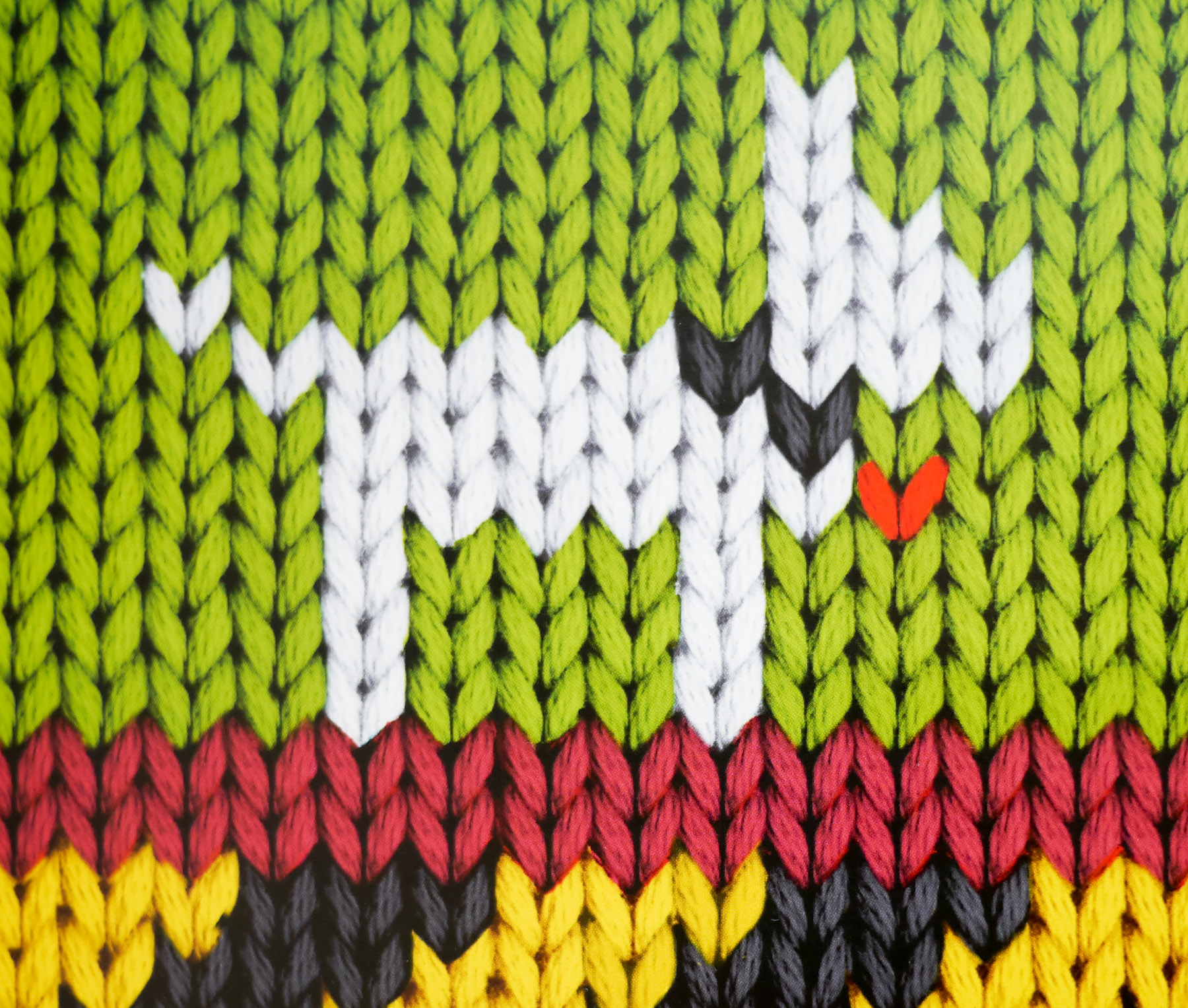
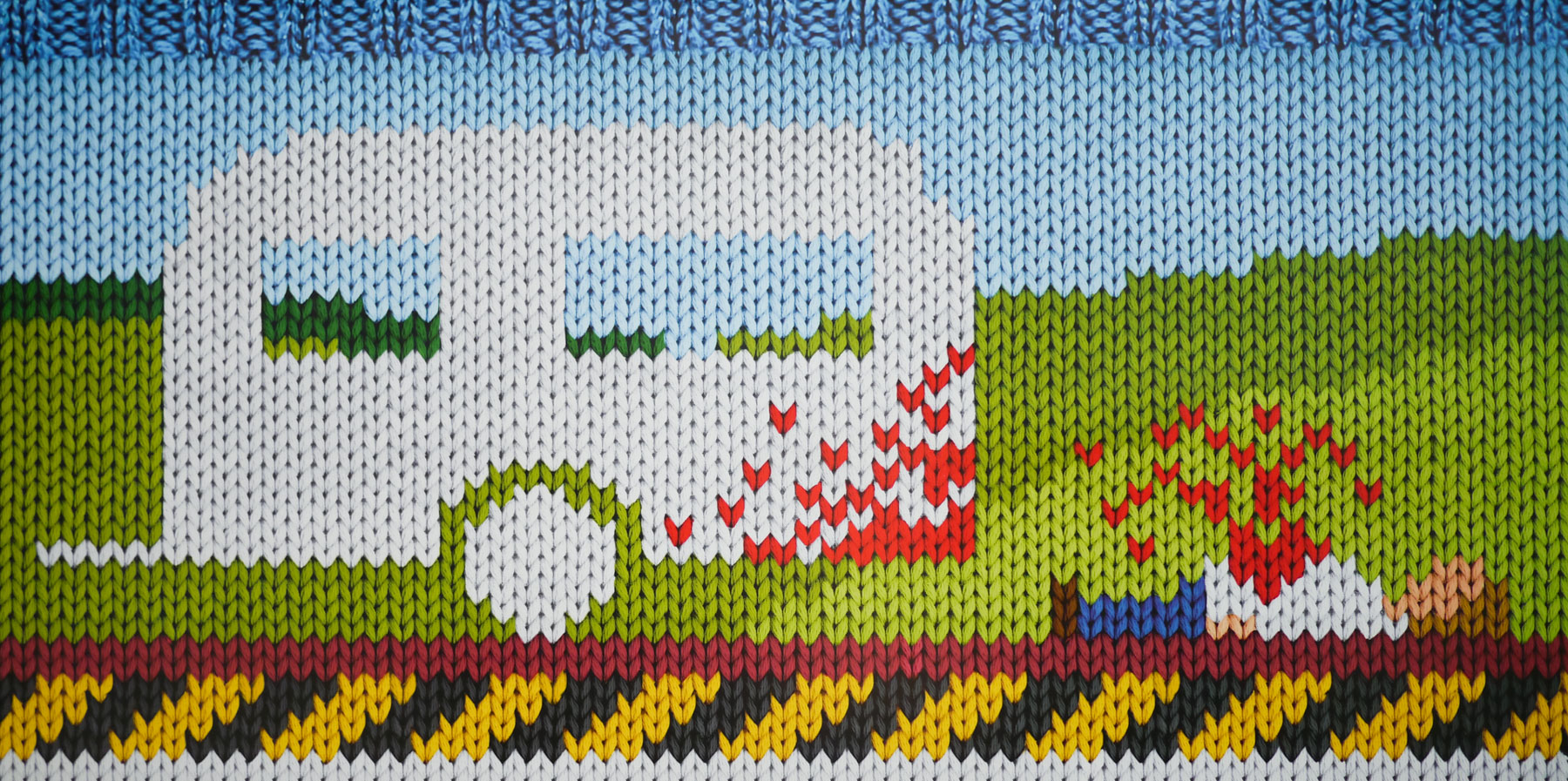
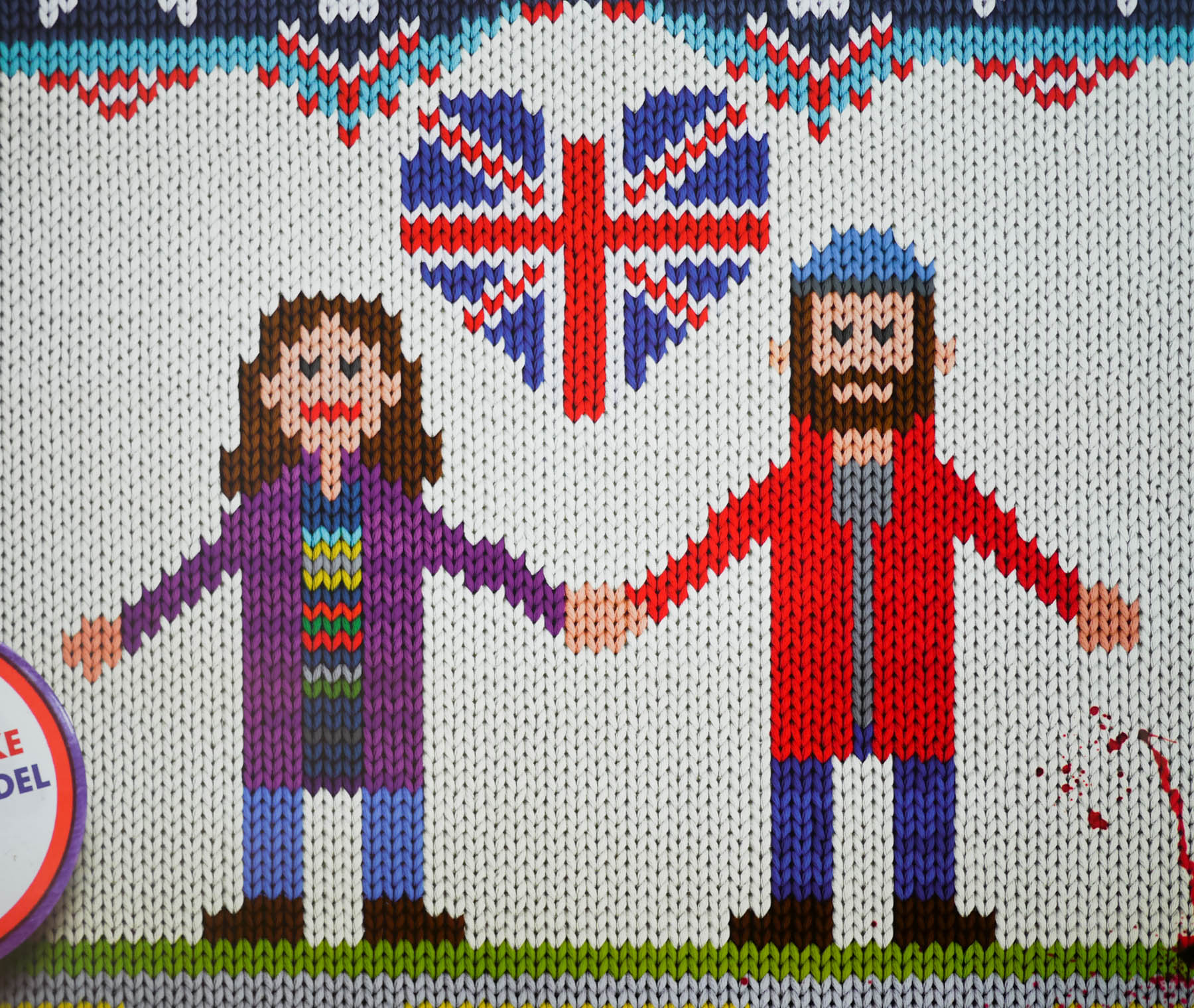
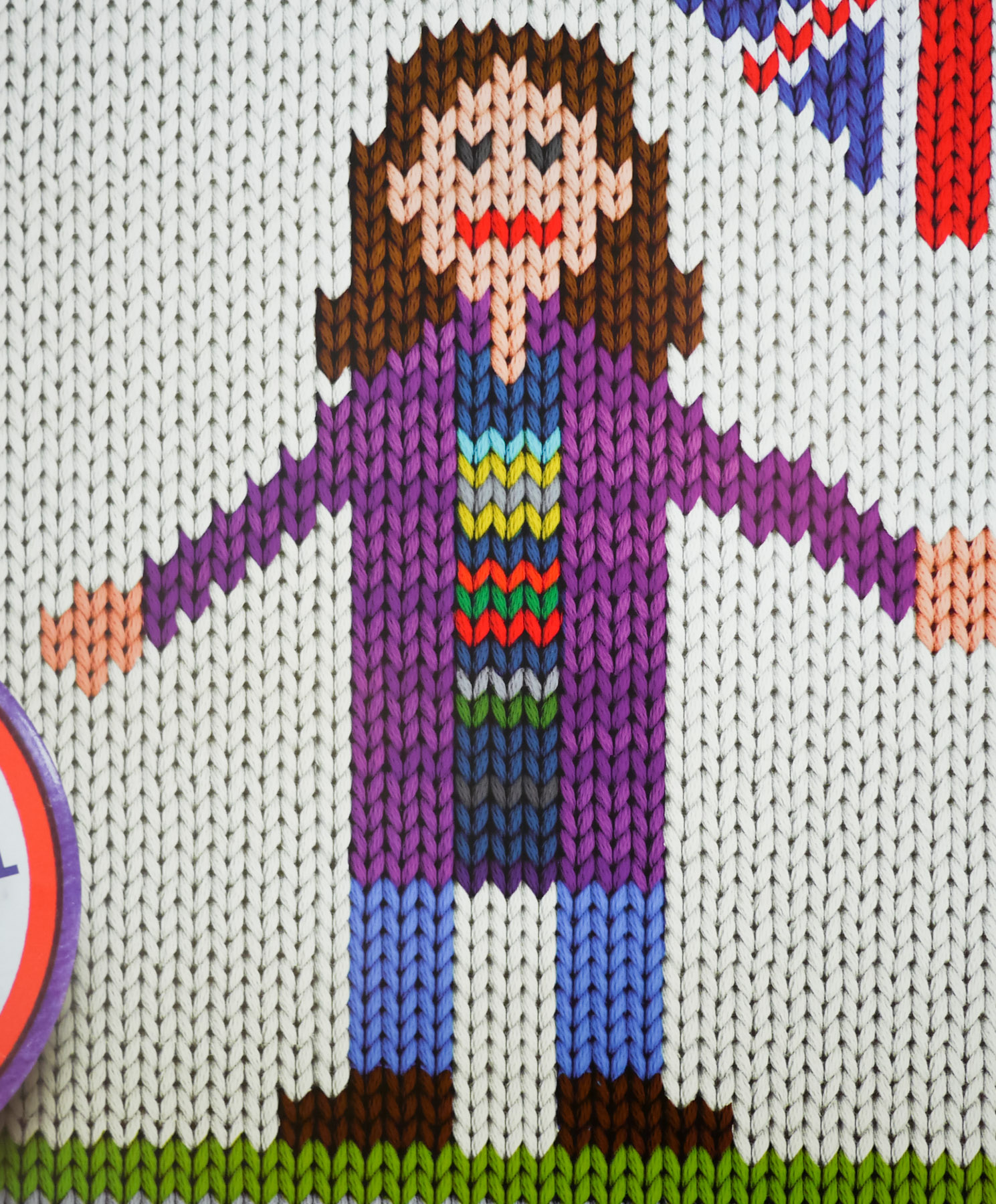
The knitted design of this German poster references the jumpers that Chris wears as well as Tina’s knitting (crotchless knickers!) Adrian Curry of the excellent Movie Poster of the Week column (opens in a new tab) on Mubi.com managed to track down the artist responsible for the poster, Heike Jörss, and contacted her after featuring this poster (opens in a new tab) as his poster of the week in January 2013. Heike confirmed that the poster is a fully digital creation and no actual knitting took place:

“Well, I let the murder out: it’s a complete digital artwork. Made up of many many realistic knitting patterns/photographies – extreme close-ups, macros and details – composed, coloured, stretched and shaped in photoshop. A lot of work, I swear! Most of all because I wanted to have an absolute natural look with handmade blemishes. Finally it took more than a long time to finalize the work and often I wished I could knit in the analog way.”
The badge references the two German actors who voice Tina and Chris in the dubbed version of the film.

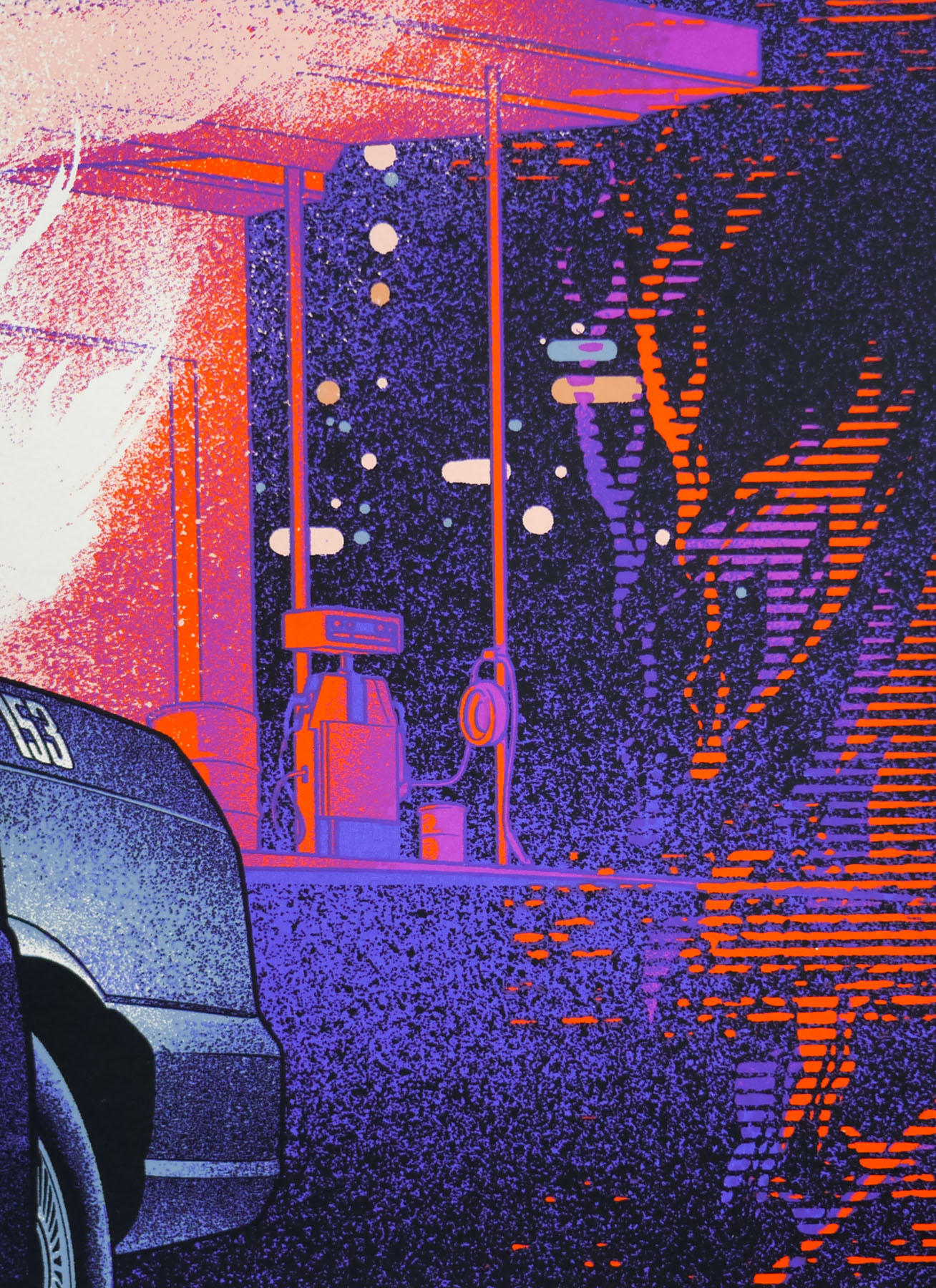
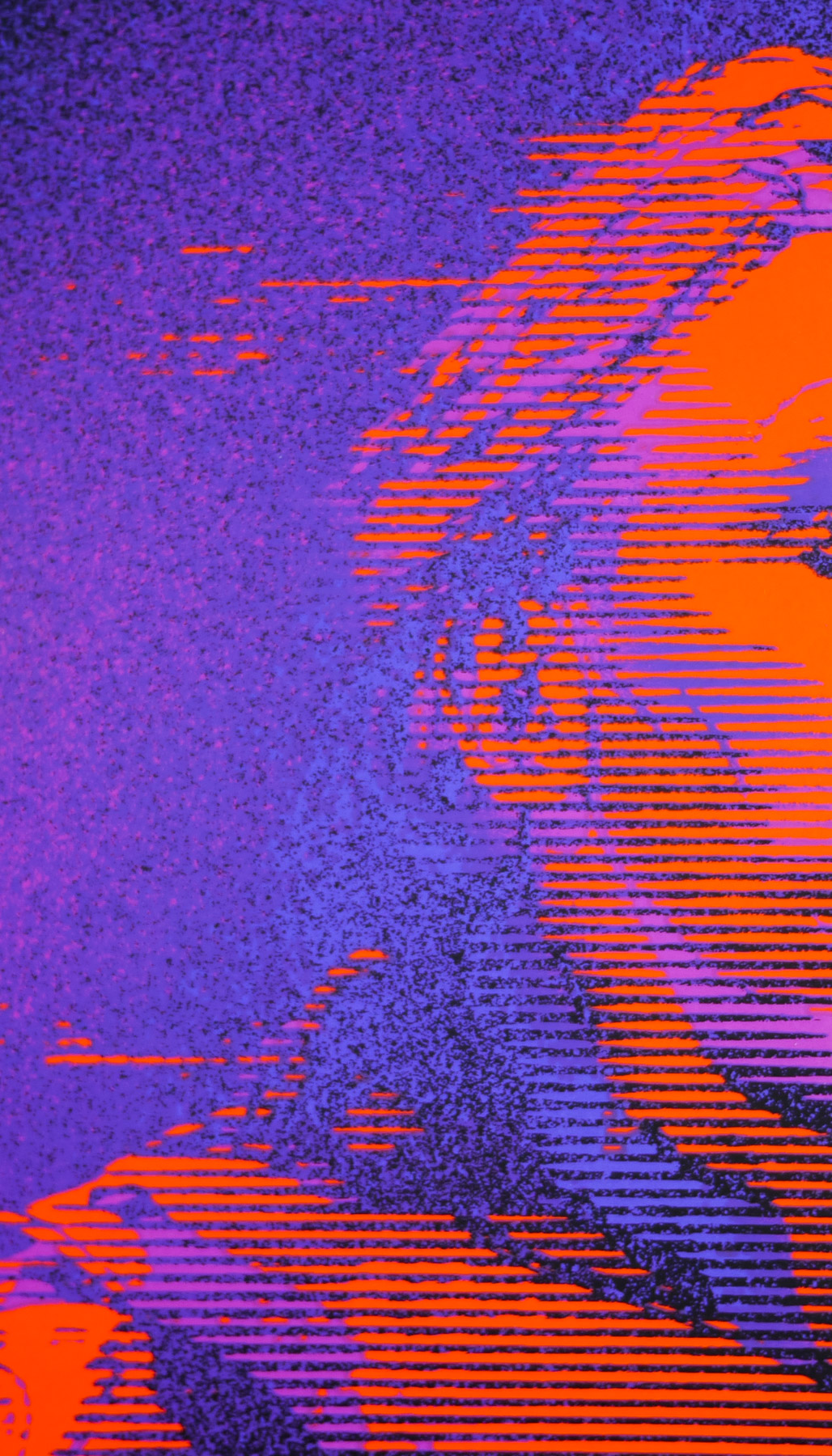
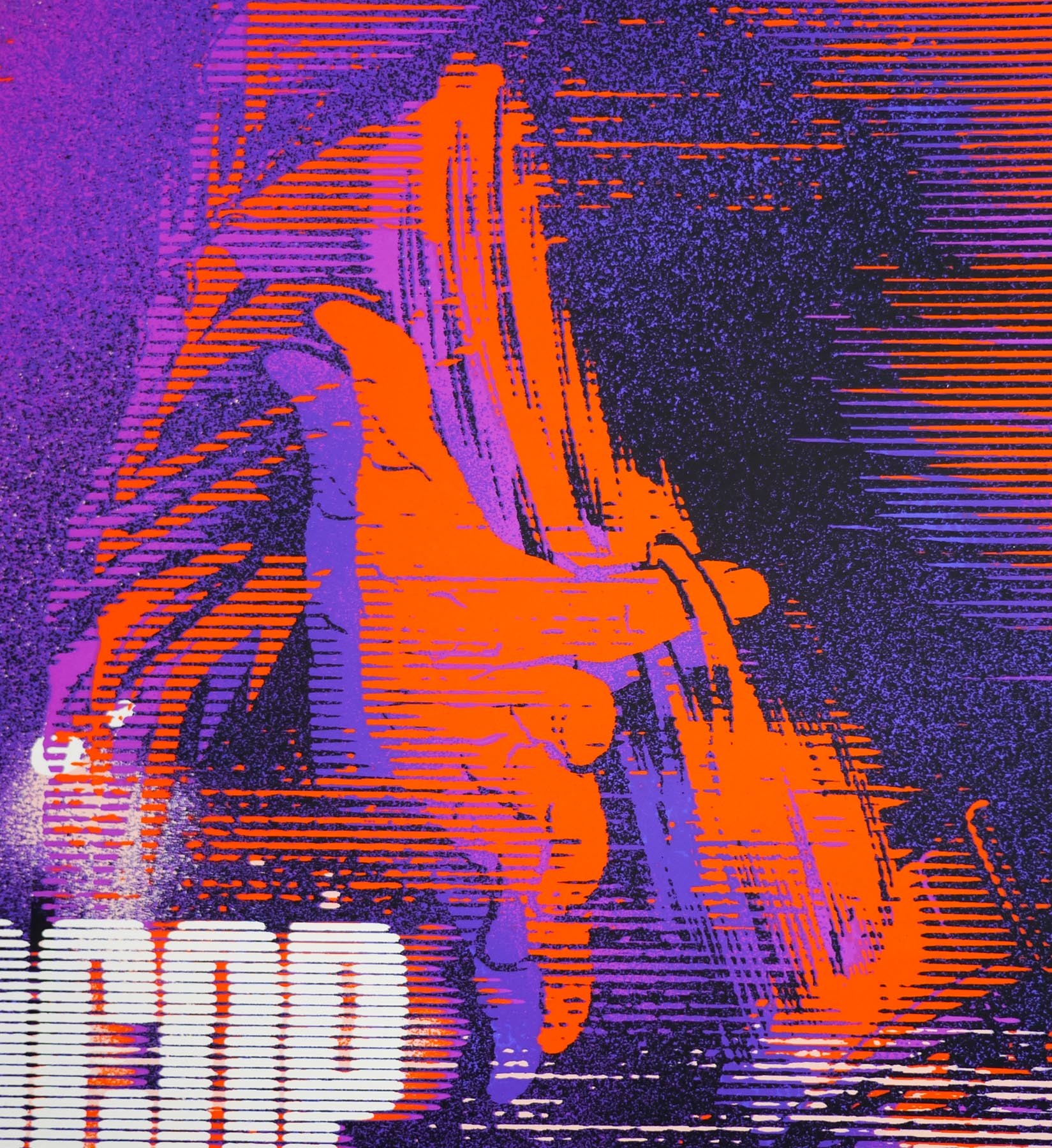
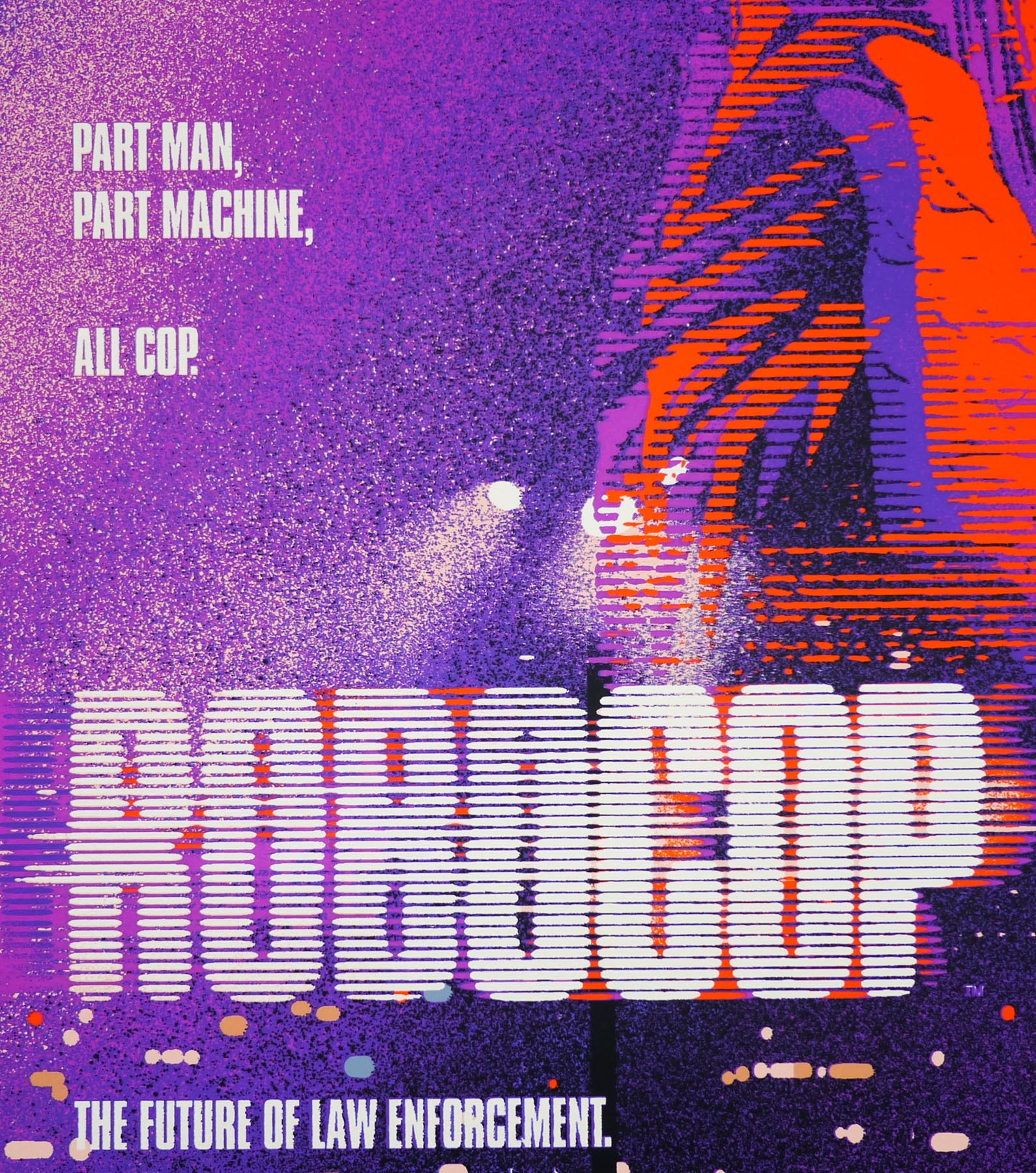
RoboCop / screen print / regular / Martin Ansin / USA

13.04.15

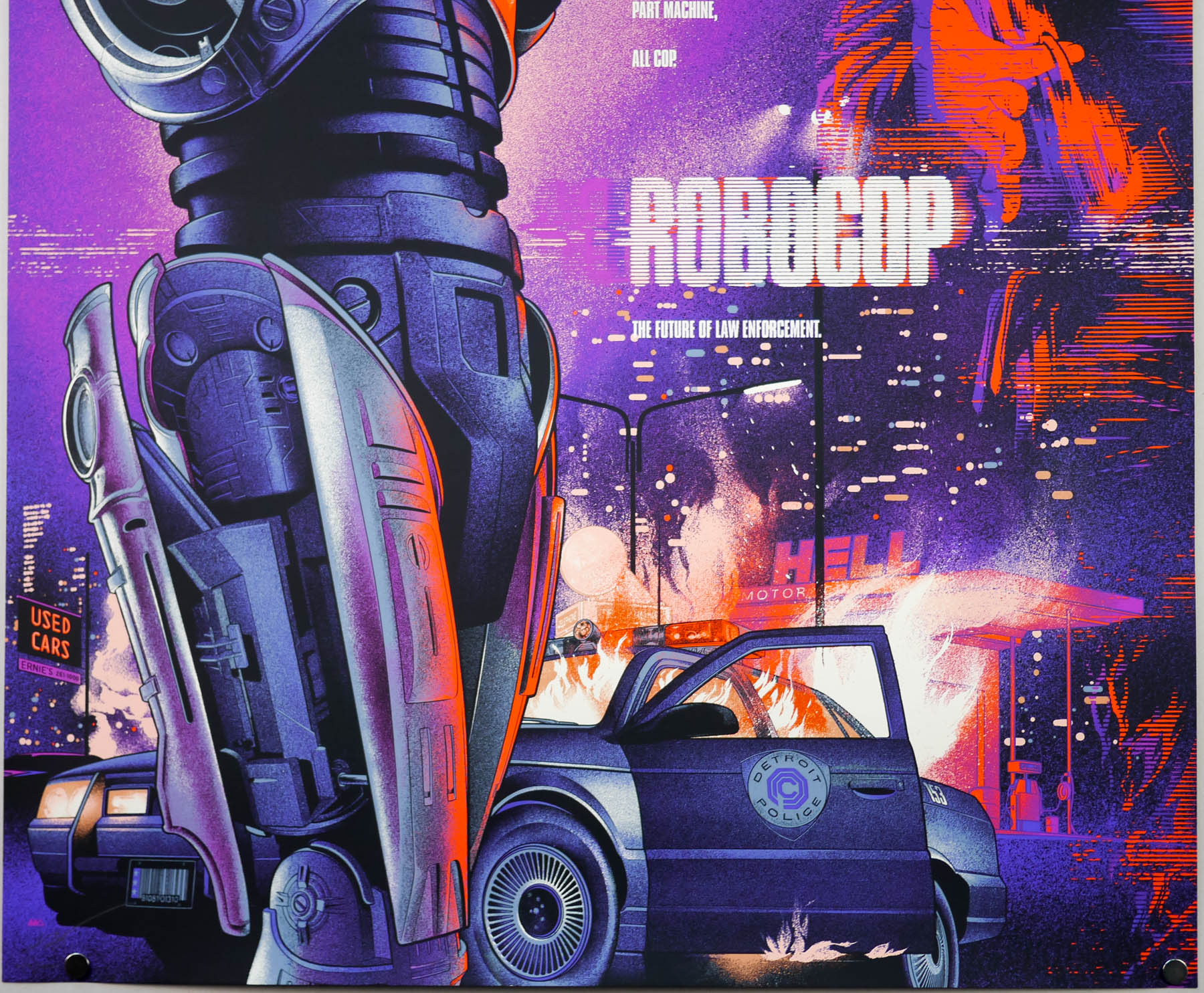
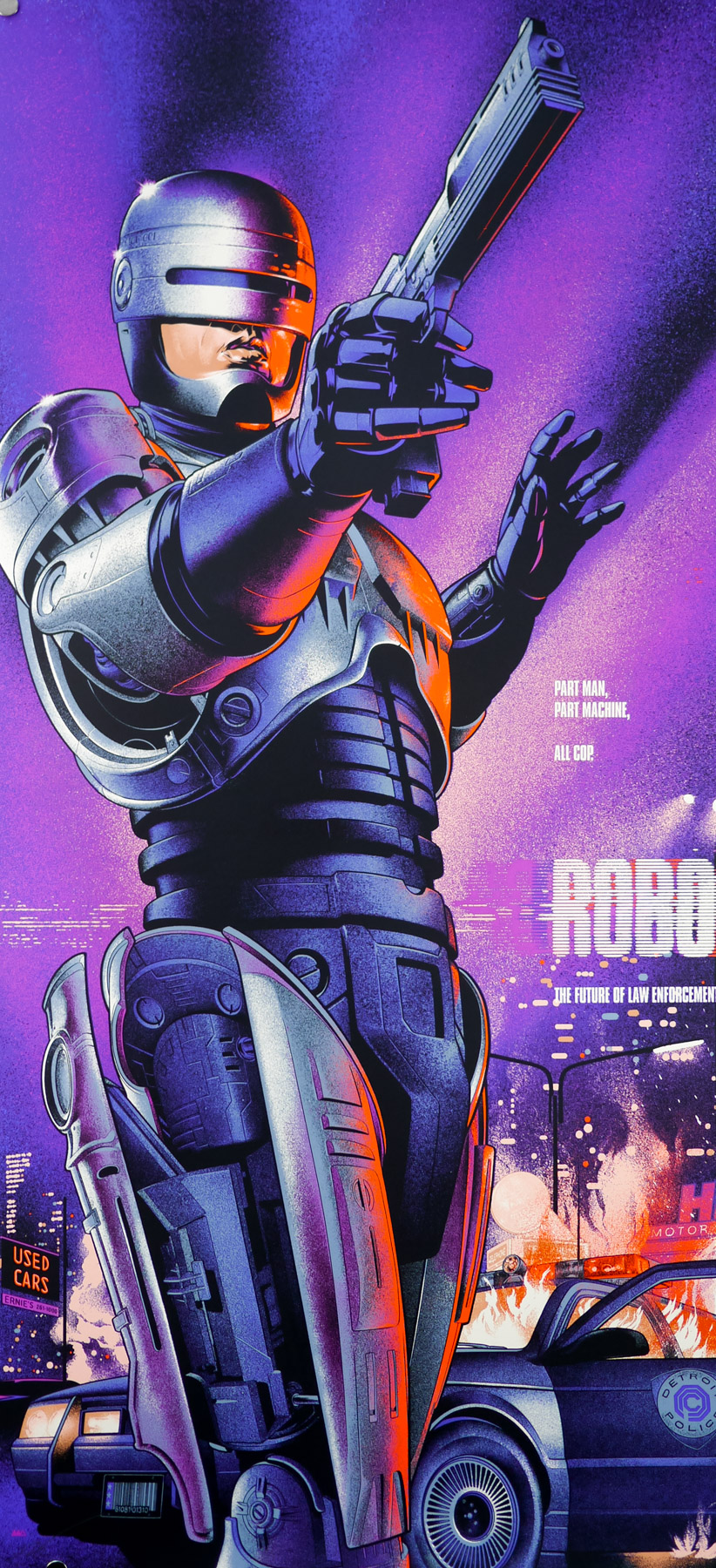
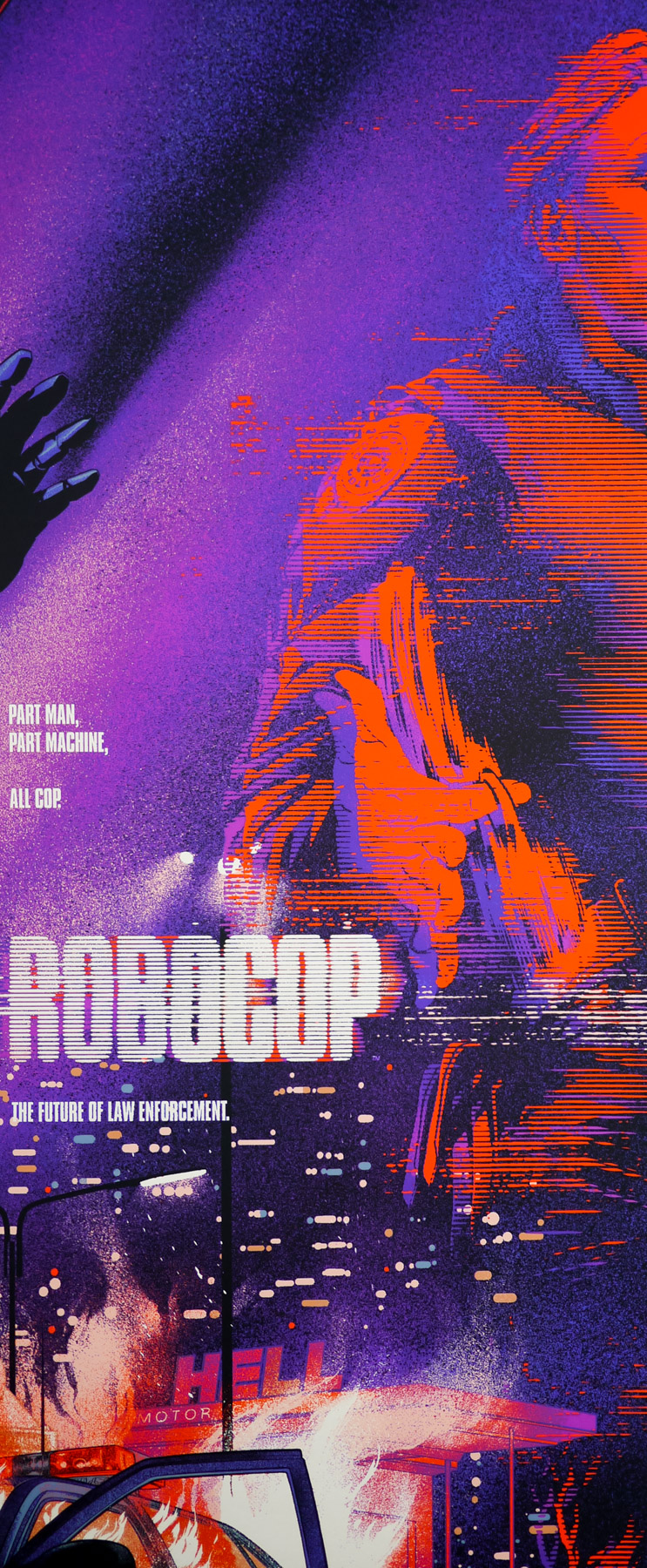
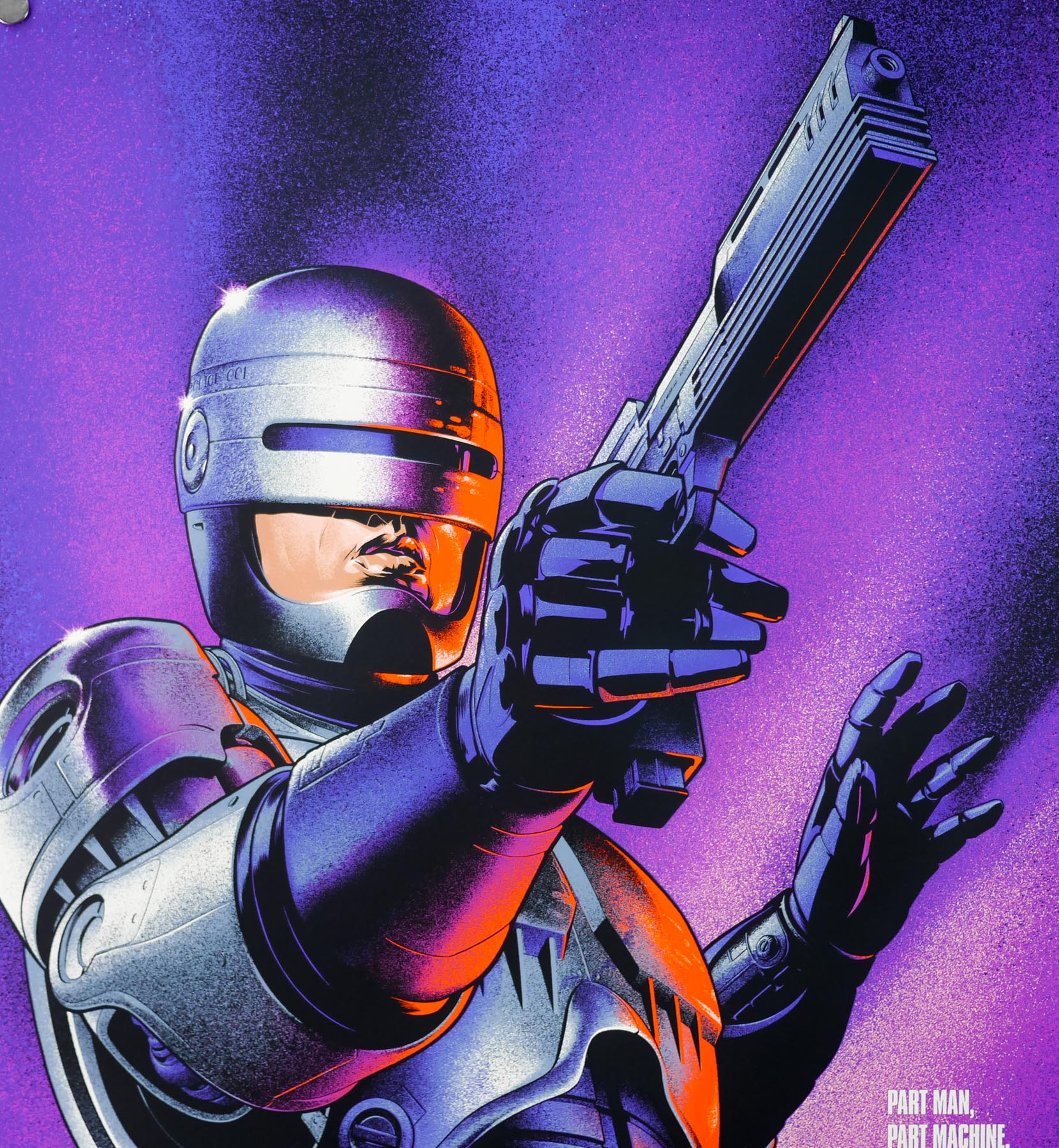
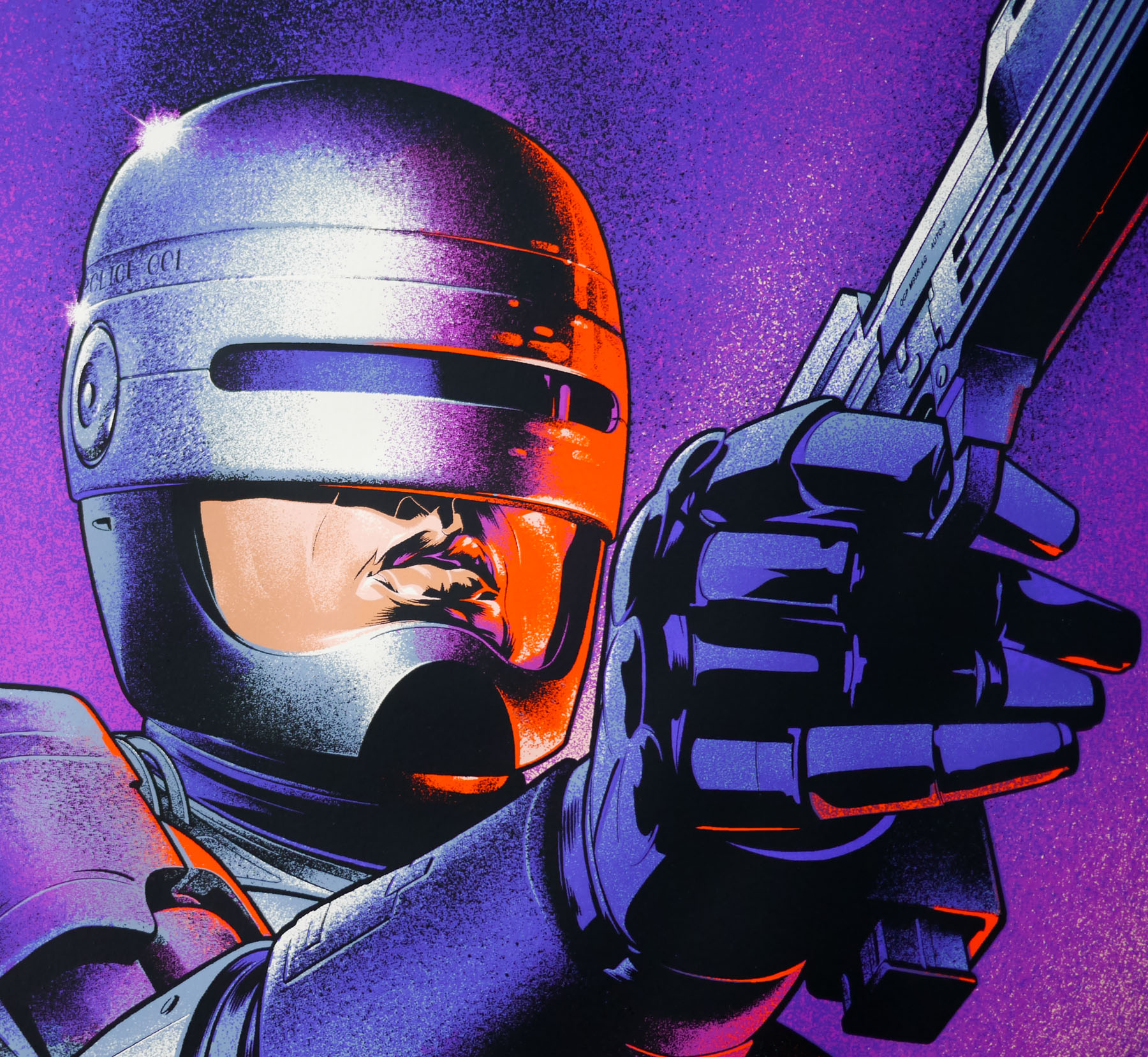
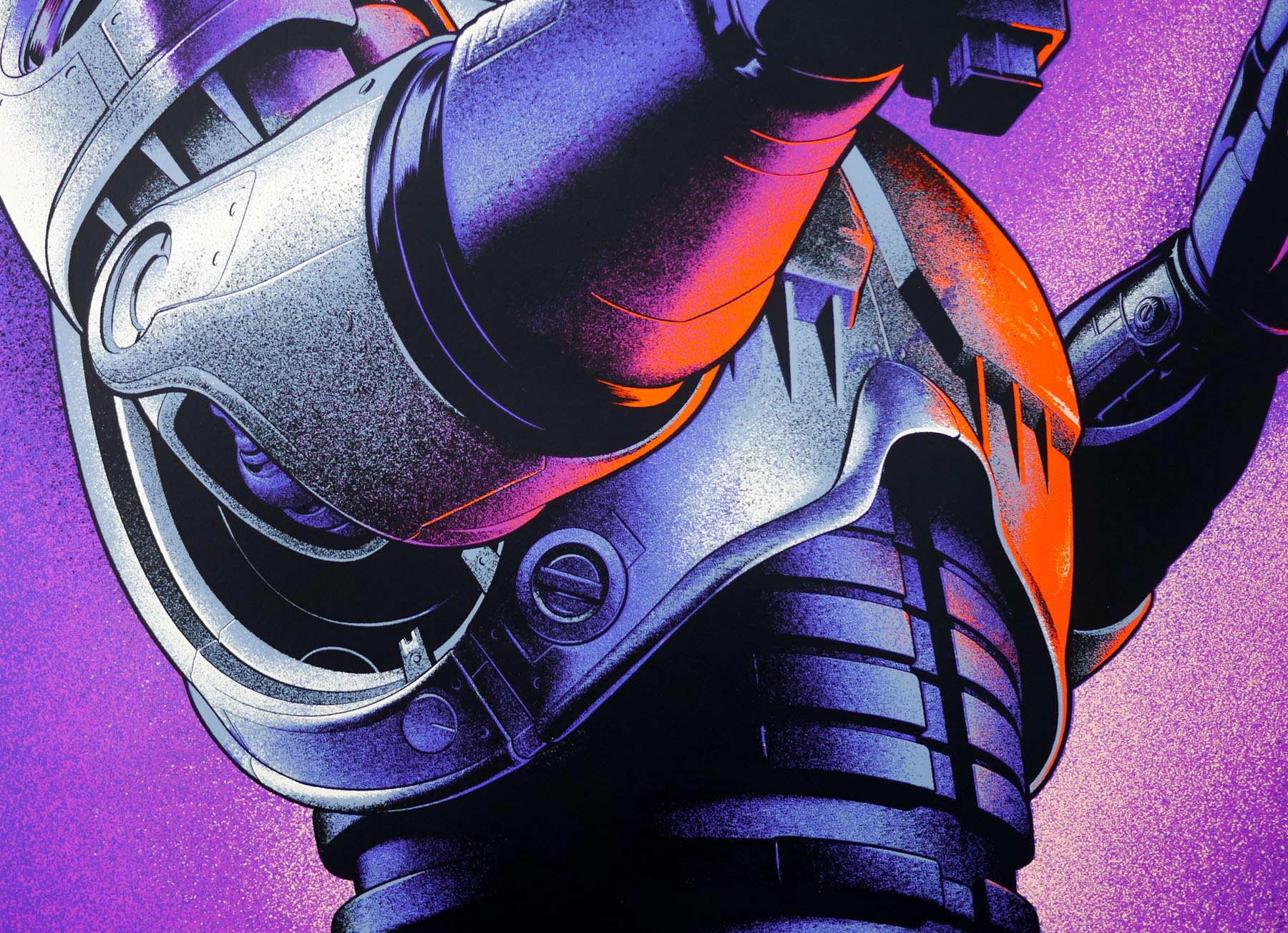
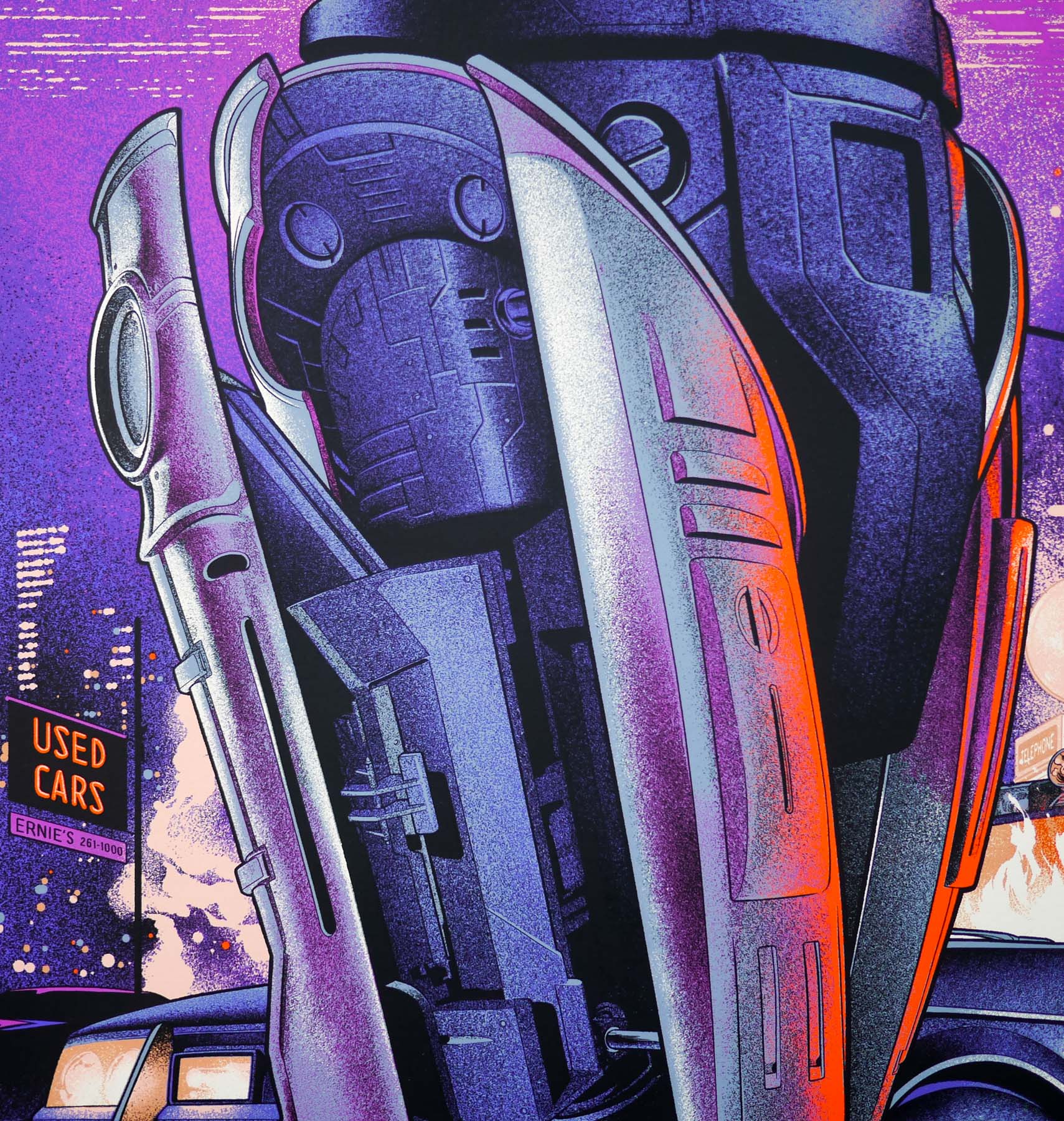
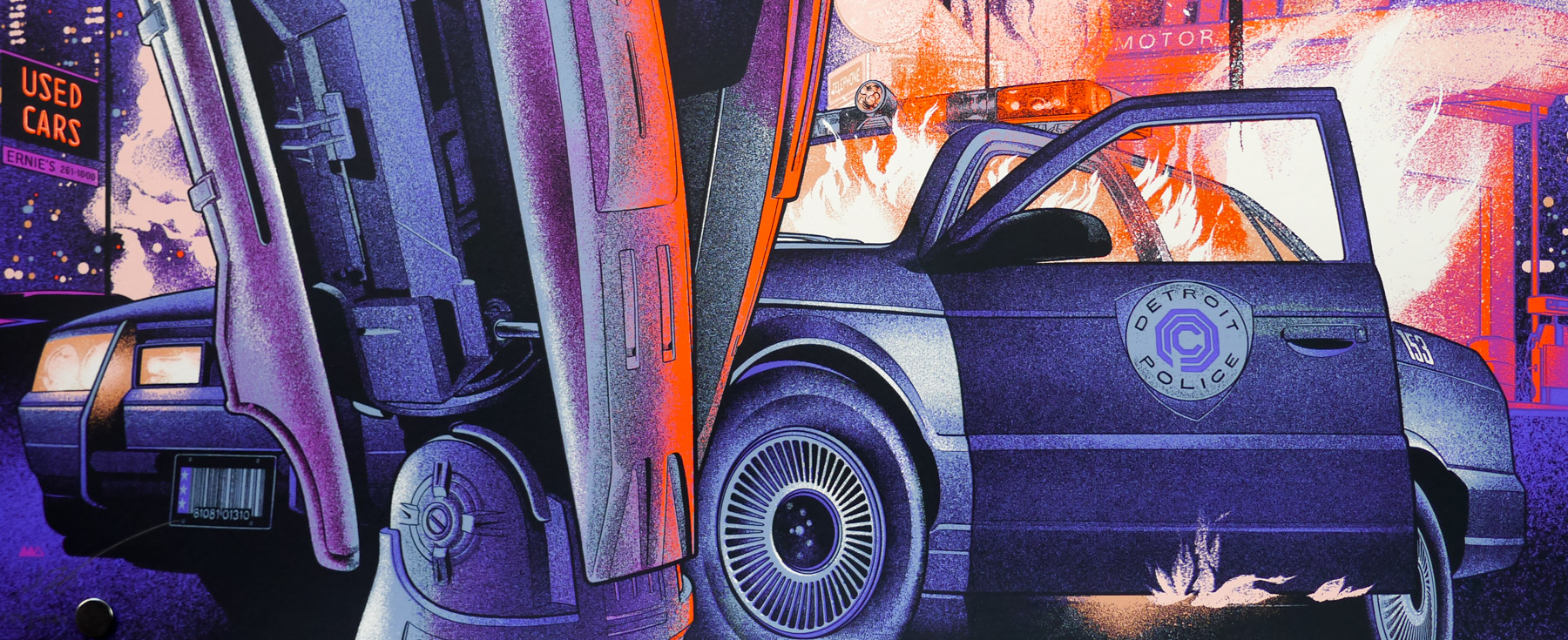
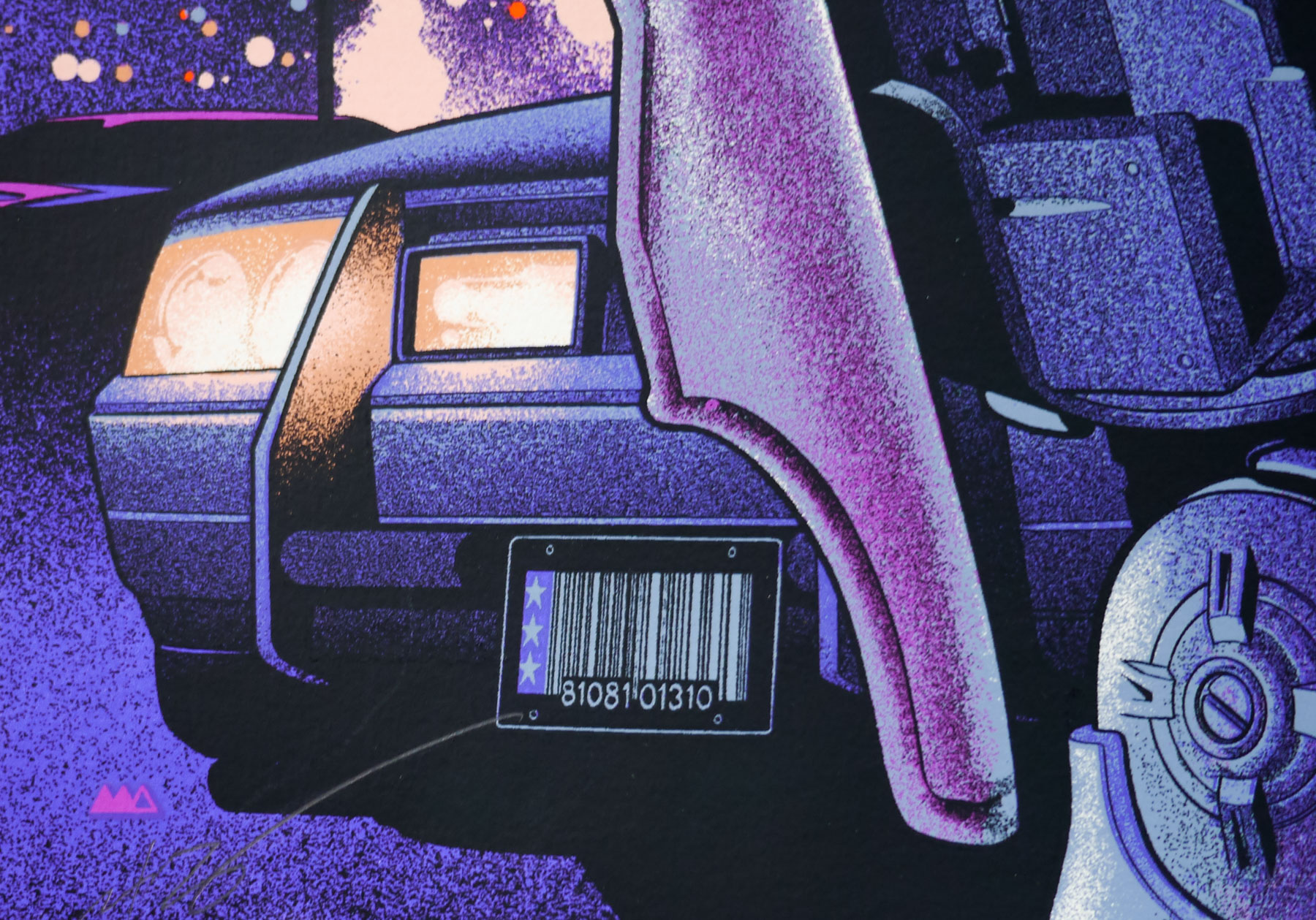
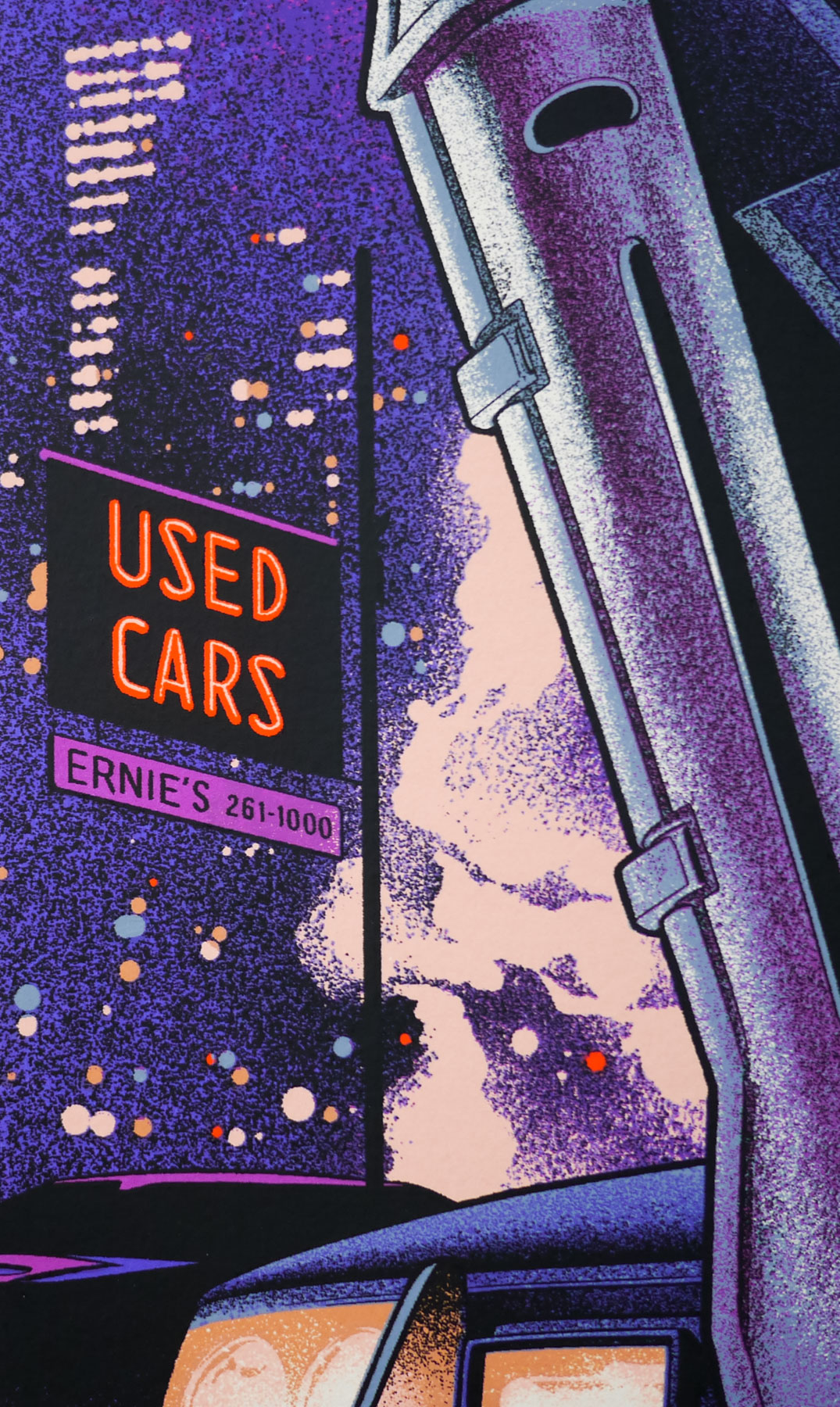
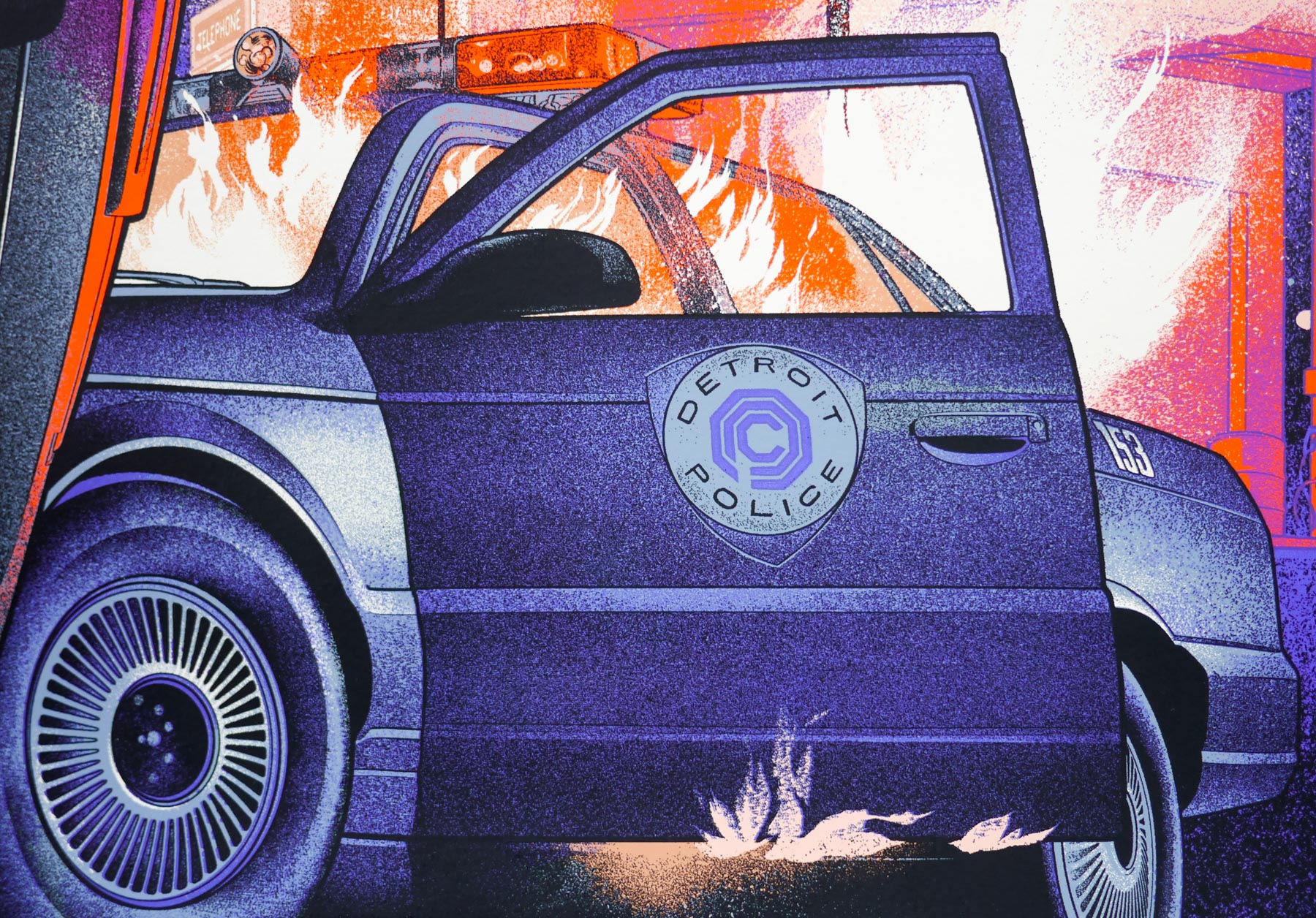
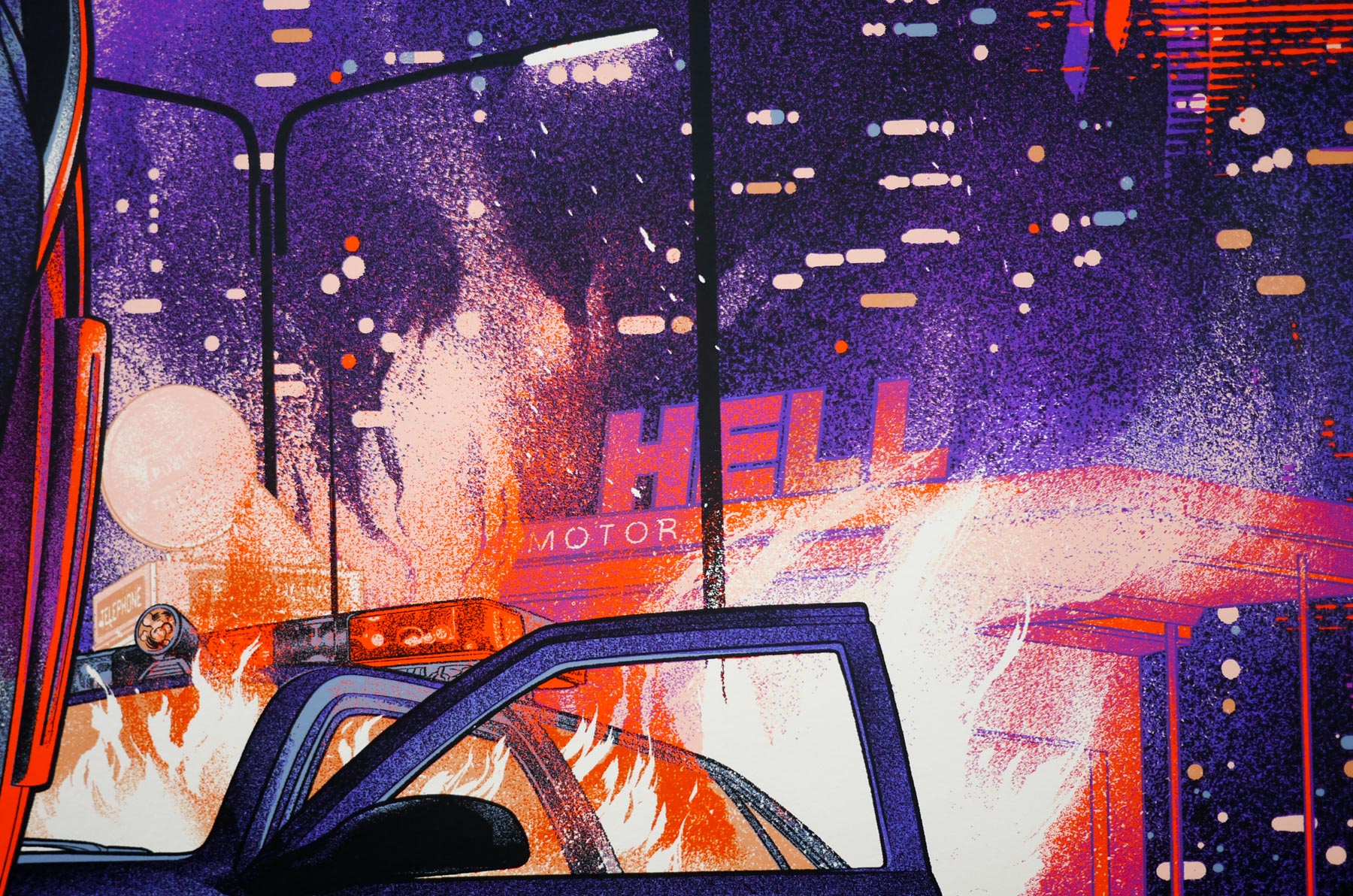
US screen print (regular, 2014) for RoboCop (1987). Artwork by Martin AnsinUS screen print (regular, 2014) for RoboCop (1987). Artwork by Martin Ansin, image 2US screen print (regular, 2014) for RoboCop (1987). Artwork by Martin Ansin, image 3US screen print (regular, 2014) for RoboCop (1987). Artwork by Martin Ansin, image 4US screen print (regular, 2014) for RoboCop (1987). Artwork by Martin Ansin, image 5
Title
RoboCop
AKA
RoboCop: O batsos robot (Greece)
Year of Film
1987
Director
Paul Verhoeven
Starring
Peter Weller, Nancy Allen, Dan O'Herlihy, Ronny Cox, Kurtwood Smith, Miguel Ferrer
Origin of Film
USA
Genre(s) of Film
Action | Sci-Fi
Film Series
RoboCop
Type of Poster
Screen print
Style of Poster
Regular
Origin of Poster
USA
Year of Poster
2014
Designer
Martin Ansin
Artist
Martin Ansin
Size (inches)
24" x 36"
SS or DS
SS
Tagline
Part man. Part machine. All cop.

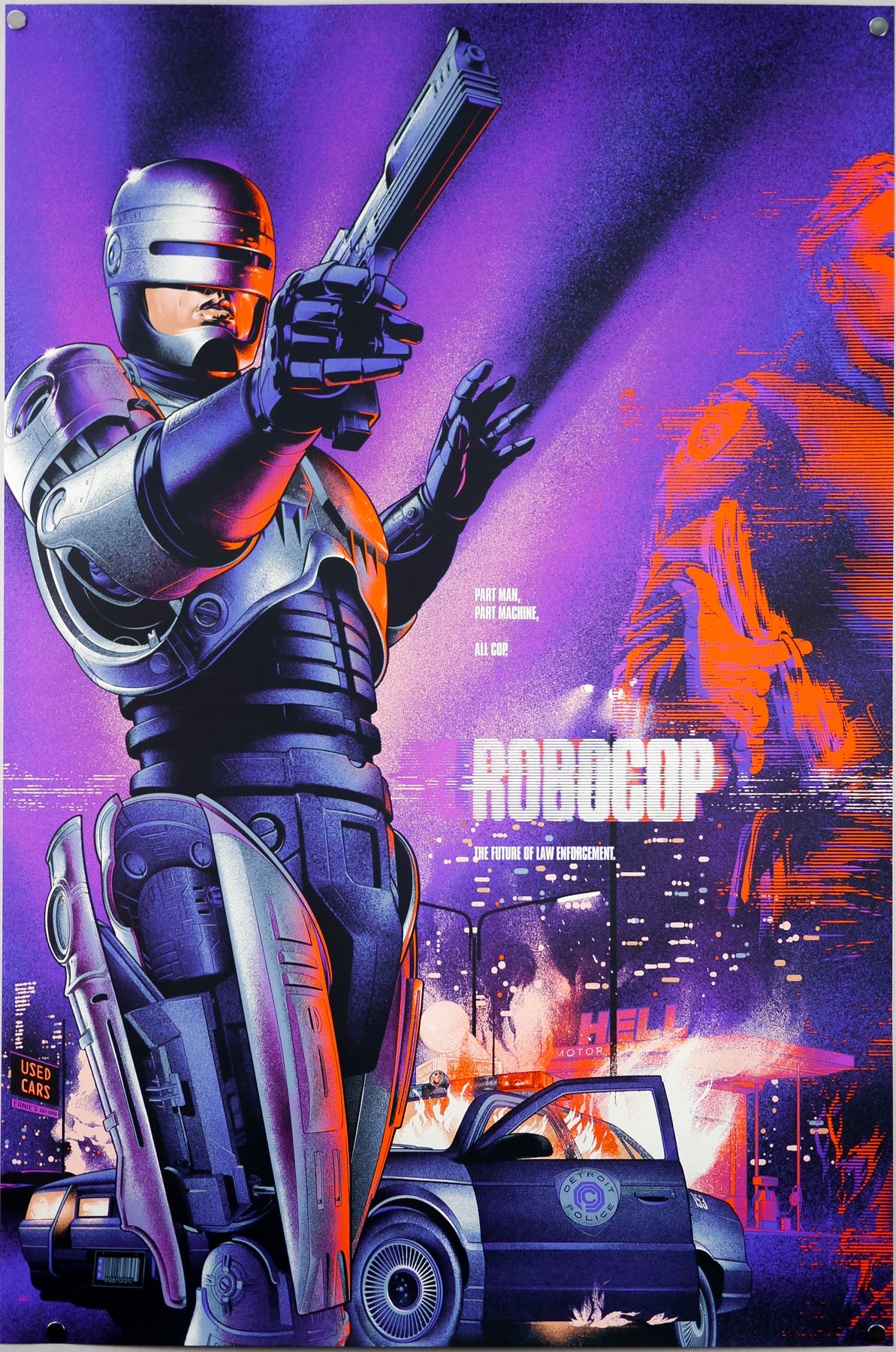
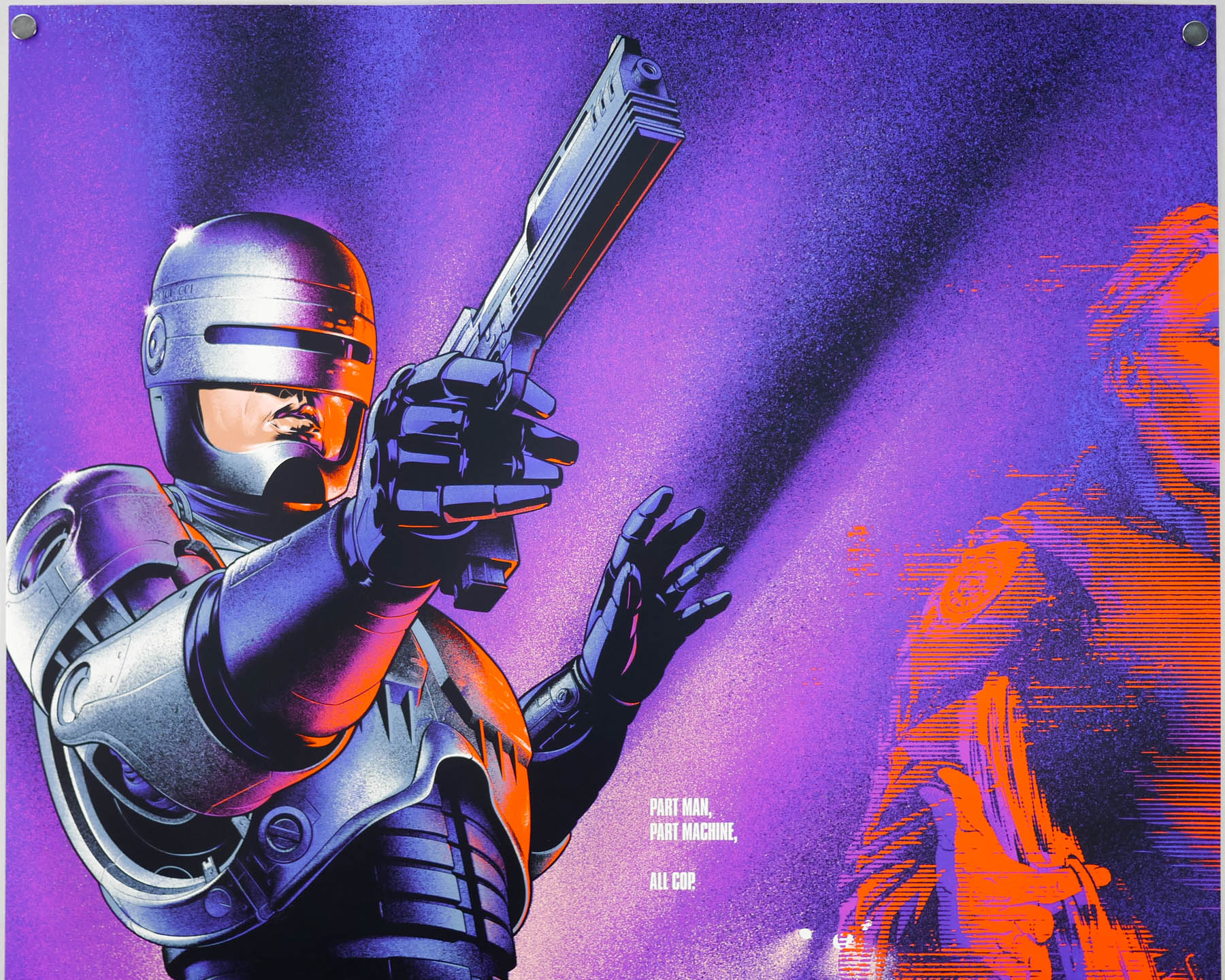
A striking design by Martin Ansin on this screen print for Paul Verhoeven (opens in a new tab)‘s sci-fi masterpiece, Robocop (opens in a new tab). Set in a dystopian future Detroit where organised crime is rampant and the city is close to financial ruin, the mega-corporation Omni Consumer Products enters into an agreement with the city to run the police force and plans to introduce a robotic enforcer to work alongside the human officers. When tests with a weaponised droid called ED-209 go awry and an OCP junior executive is killed, the chairman agrees to back the plans of Bob Morton (Miguel Ferrer (opens in a new tab)), another OCP executive with designs for a cyborg (half-man, half-machine) cop.

Shortly after, veteran officer Alex Murphy (Peter Weller (opens in a new tab)) is brutally attacked and effectively killed on his first patrol at a new precinct and Morton sees him as the perfect candidate for his Robocop program. OCP quickly goes about transforming his ravaged body into the future of law enforcement, but when he reawakens Murphy initially struggles with his transformation and loss of his family. Soon he sets about avenging his ‘death’ at the hands of crime boss Clarence Bodicker (an unforgettable performance from Kurtwood Smith (opens in a new tab)) and attacks the corruption that is destroying Detroit, which leads all the way to the boardroom of OCP.

This print was one of several created by Martin Ansin for a joint show with fellow artist Kevin Tong (opens in a new tab) held at the Mondo Austin gallery during March 2014. Tong also worked on a print for Robocop and other films covered included Flash Gordon and Alien. Collider.com ran an article featuring loads of images (opens in a new tab) from the show. There was a variant of this print (opens in a new tab) available that was printed with metallic inks and has a different colour scheme.

One of my favourite artists working today, Martin Ansin (opens in a new tab)‘s work has graced many of the best posters released by Mondo, including several in the Universal Monsters series like this amazing Phantom of the Opera print and an excellent Dracula (opens in a new tab) (1931) one. You only have to look at the gallery on his official site (opens in a new tab) to see how talented an artist he is, with an eye for composition and detail unmatched by most of the artists in Mondo’s roster. See the other posters I’ve collected so far that were designed by Ansin.

Lost Highway / one sheet / international

10.04.15

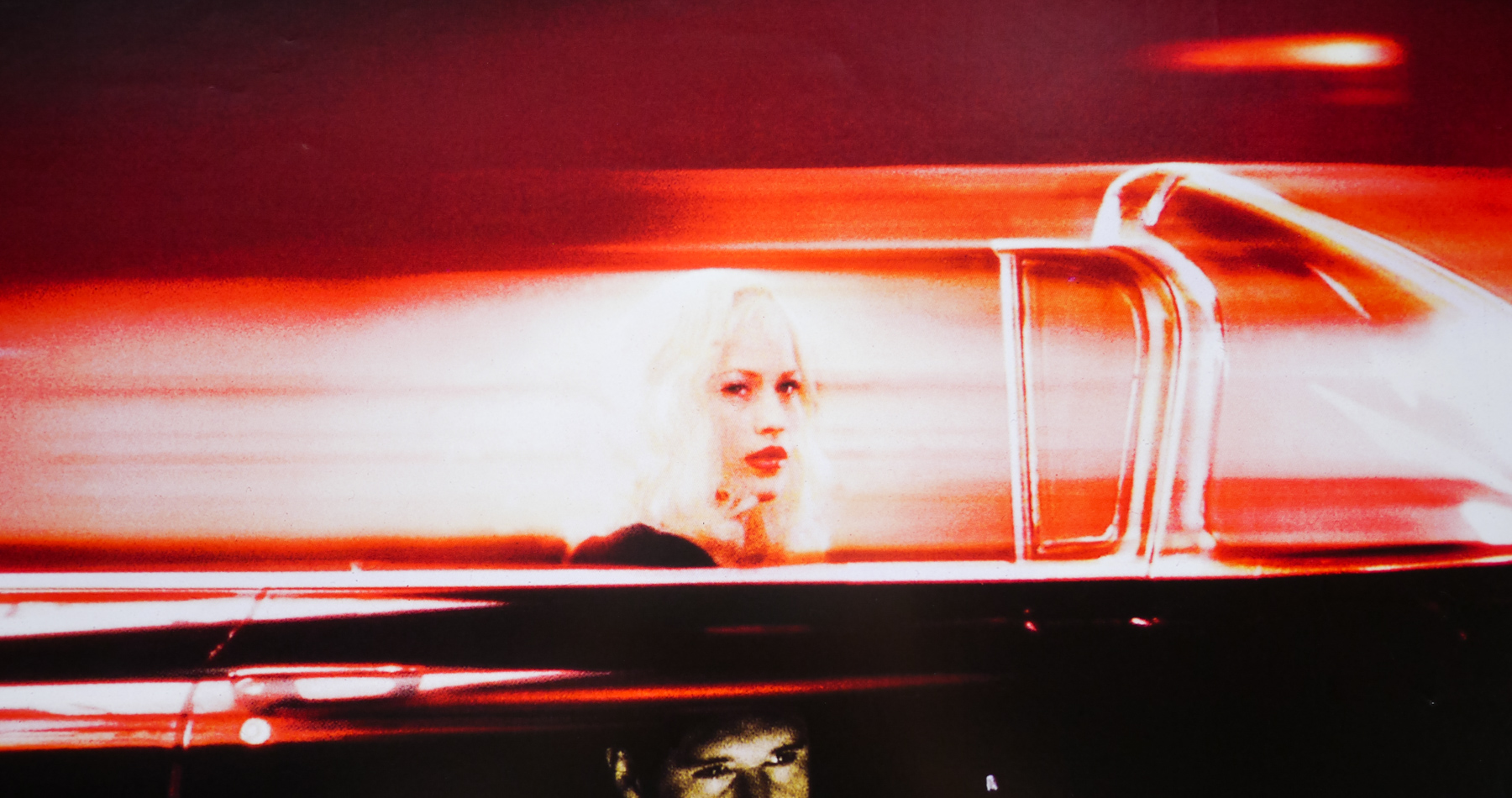
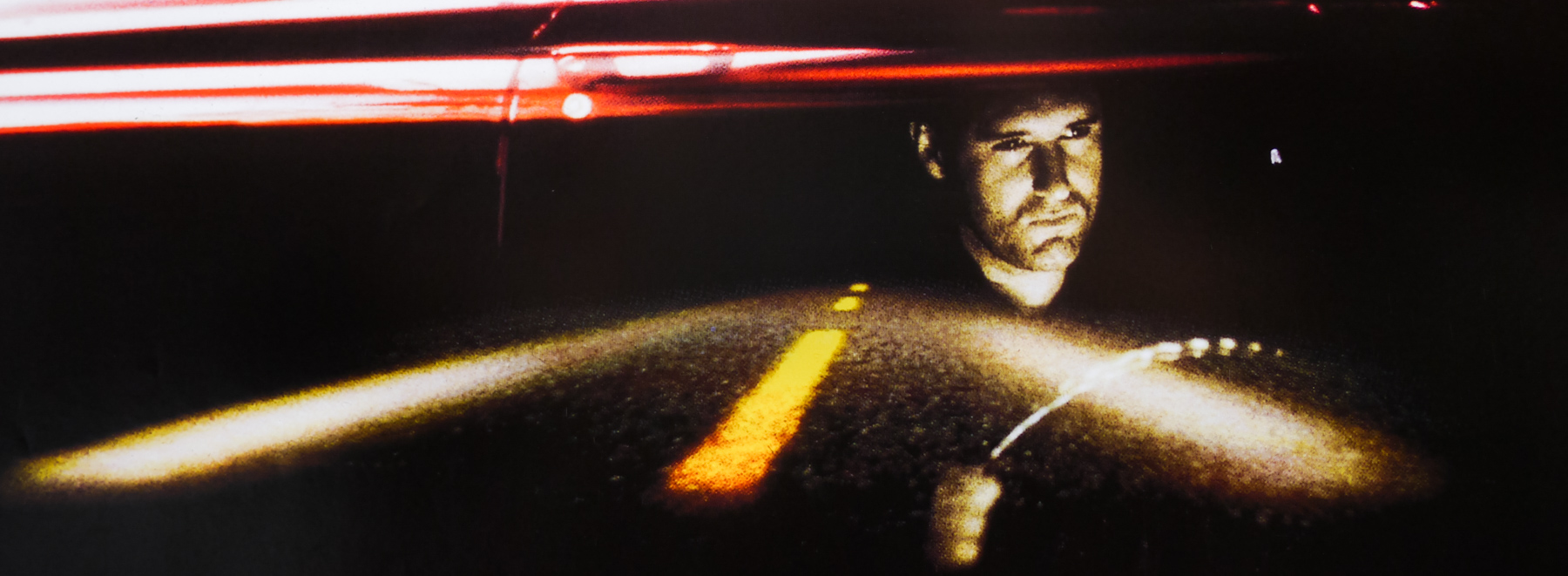
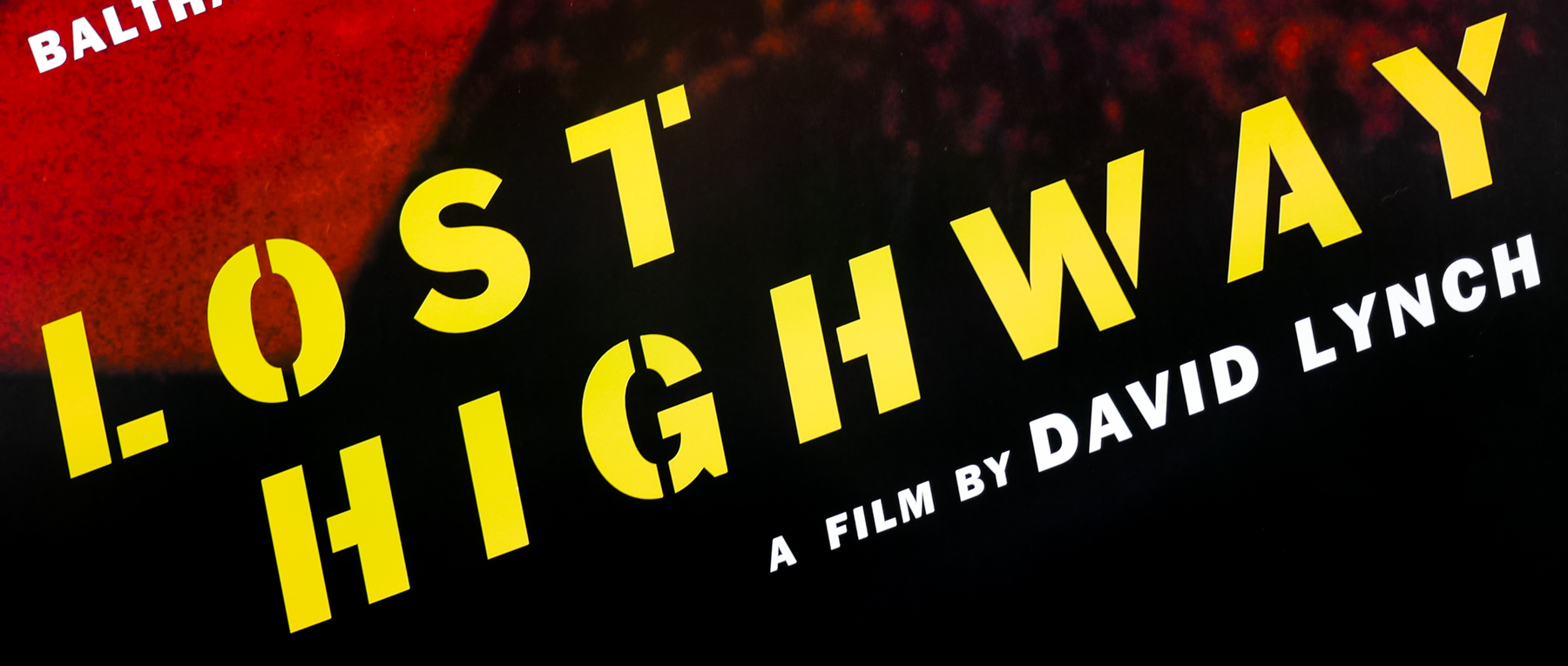
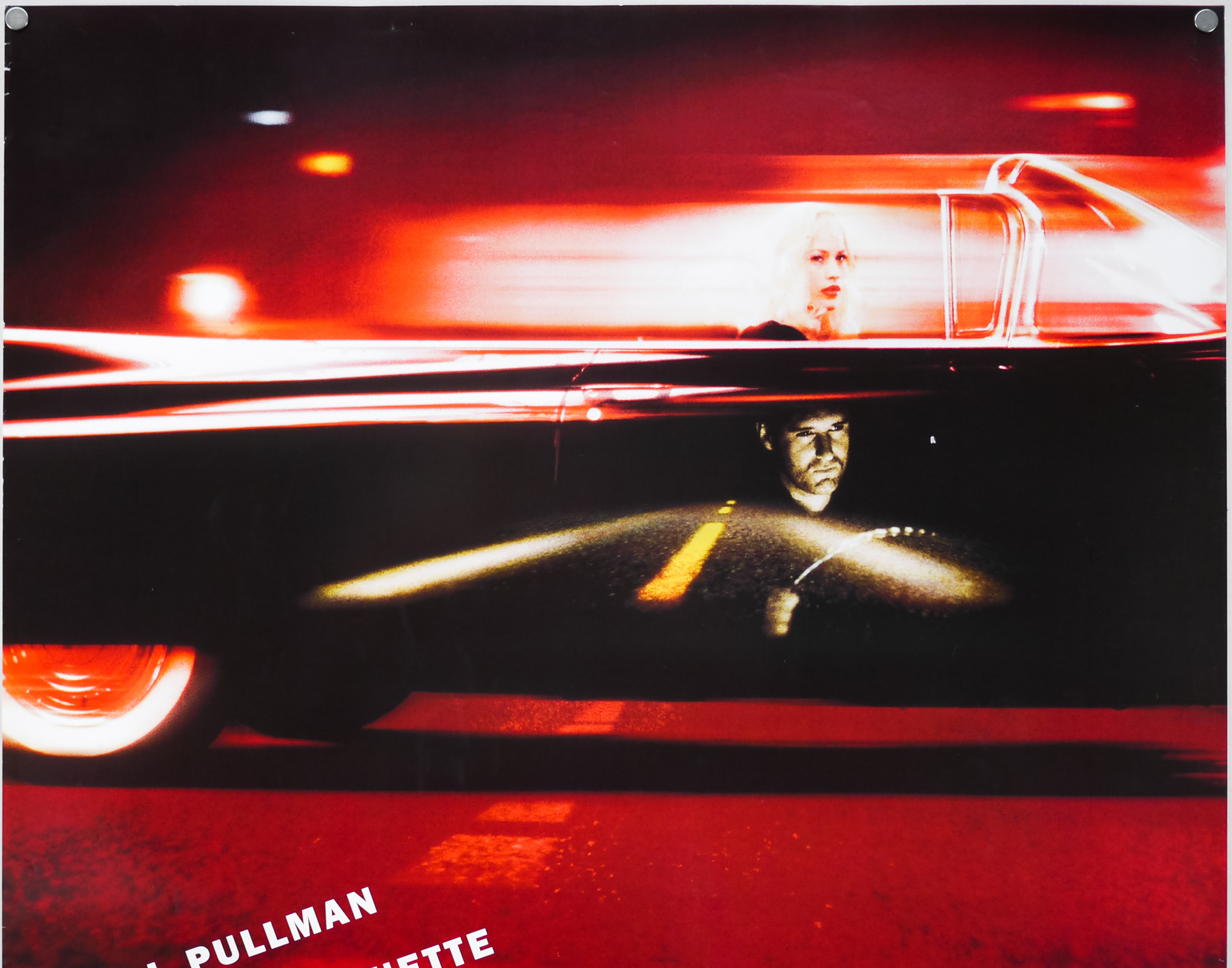
International one sheet poster for Lost Highway (1997)International one sheet poster for Lost Highway (1997), image 2International one sheet poster for Lost Highway (1997), image 3International one sheet poster for Lost Highway (1997), image 4International one sheet poster for Lost Highway (1997), image 5
Title
Lost Highway
Year of Film
1997
Director
David Lynch
Starring
Bill Pullman, Patricia Arquette, Balthazar Getty, Robert Loggia, Robert Blake, Jack Nance
Origin of Film
France | USA
Genre(s) of Film
Mystery | Drama
Type of Poster
One sheet
Origin of Poster
International
Year of Poster
1997
Designer
Unknown
Size (inches)
27 1/16" x 40"
SS or DS
SS

This is the international one sheet for the release of David Lynch (opens in a new tab)‘s mystery thriller Lost Highway (opens in a new tab). Co-written with American author Barry Gifford (opens in a new tab), whose novel Lynch adapted for his 1990 film Wild at Heart, the film is a classic Lynchian mind-bender that resolutely defies explanation. The story begins with Bill Pullman (opens in a new tab) as Fred Madison, a Jazz saxophonist who is living with his wife Renee (Patricia Arquette (opens in a new tab)) in Los Angeles. One day the intercom to his flat buzzes and when he answers it an unknown man says “Dick Laurent is dead.” The man is nowhere to be seen when Fred looks out of his window, but a few days later a mysterious tape appears on the Madison’s doorstep. The video features shaky footage outside their flat and over the next few days more tapes appear that eventually move inside and show the pair sleeping, much to their horror.

At a party Fred meets a mysterious man (played by Robert Blake (opens in a new tab) in his final film role) who, in a memorably creepy sequence, tells Fred that he’s at his flat at that moment and proves it by getting him to call his home phone, which the stranger then answers. The next morning another tape appears and Fred is horrified to see it’s footage of him covered in blood with a dismembered Renee next to him. He is arrested, charged with murder and sentenced to death. Whilst on death row Fred sees strange visions and starts to suffer from painful headaches before he inexplicably morphs into another person, a car mechanic called Pete Dayton (Balthazar Getty (opens in a new tab)) much to the confusion of the prison staff. Because Pete has committed no crime, he is released into the care of his parents and, after a period of adjustment, he gets back to his job. The rest of the film sees Pete dealing with the menacing gangster Mr Eddy (a memorable performance by Robert Loggia (opens in a new tab)) and a mysterious blonde called Alice Wakefield (Arquette) who takes him down a dark path which has the mystery man waiting at the end of it.

Lynch and Gifford have always refused to fully explain the story but that hasn’t stopped fans of the film from trying to decode its many mysteries. Check out this IMDb page (opens in a new tab) for some of the theories but the film definitely encourages you to draw your own conclusions after the credits roll. Lost Highway features a number of notable performances, particularly from Pullman and Arquette, as well as multiple cameos from the likes of Richard Pryor, Jack Nance and Marilyn Manson. Filled with memorable Lynchian imagery, including one of the most shocking accidental deaths in cinema history (Michael Massee (opens in a new tab)‘s head meets glass table), it also has a brilliant soundtrack complemented by some of Lynch’s very best sound design.

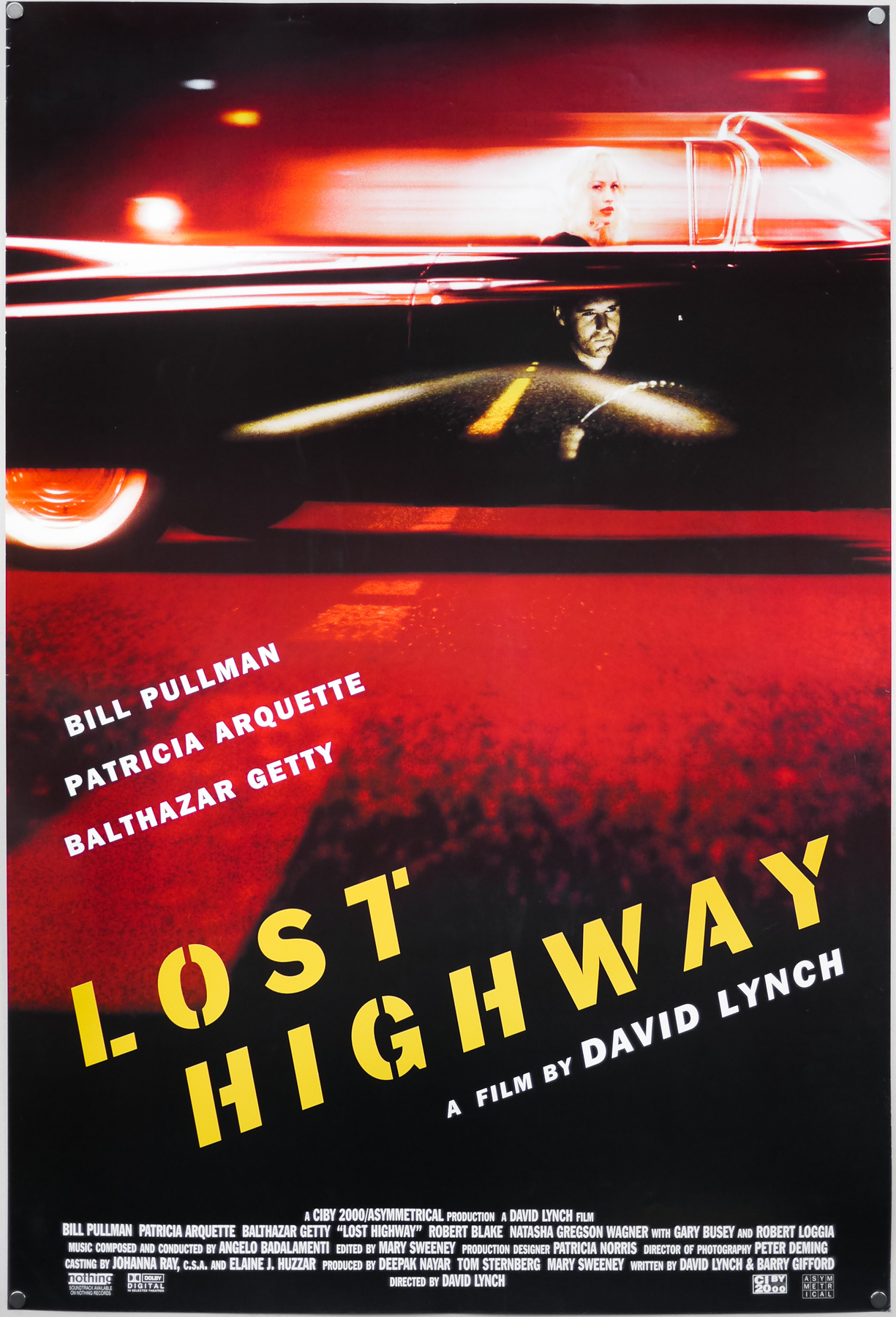
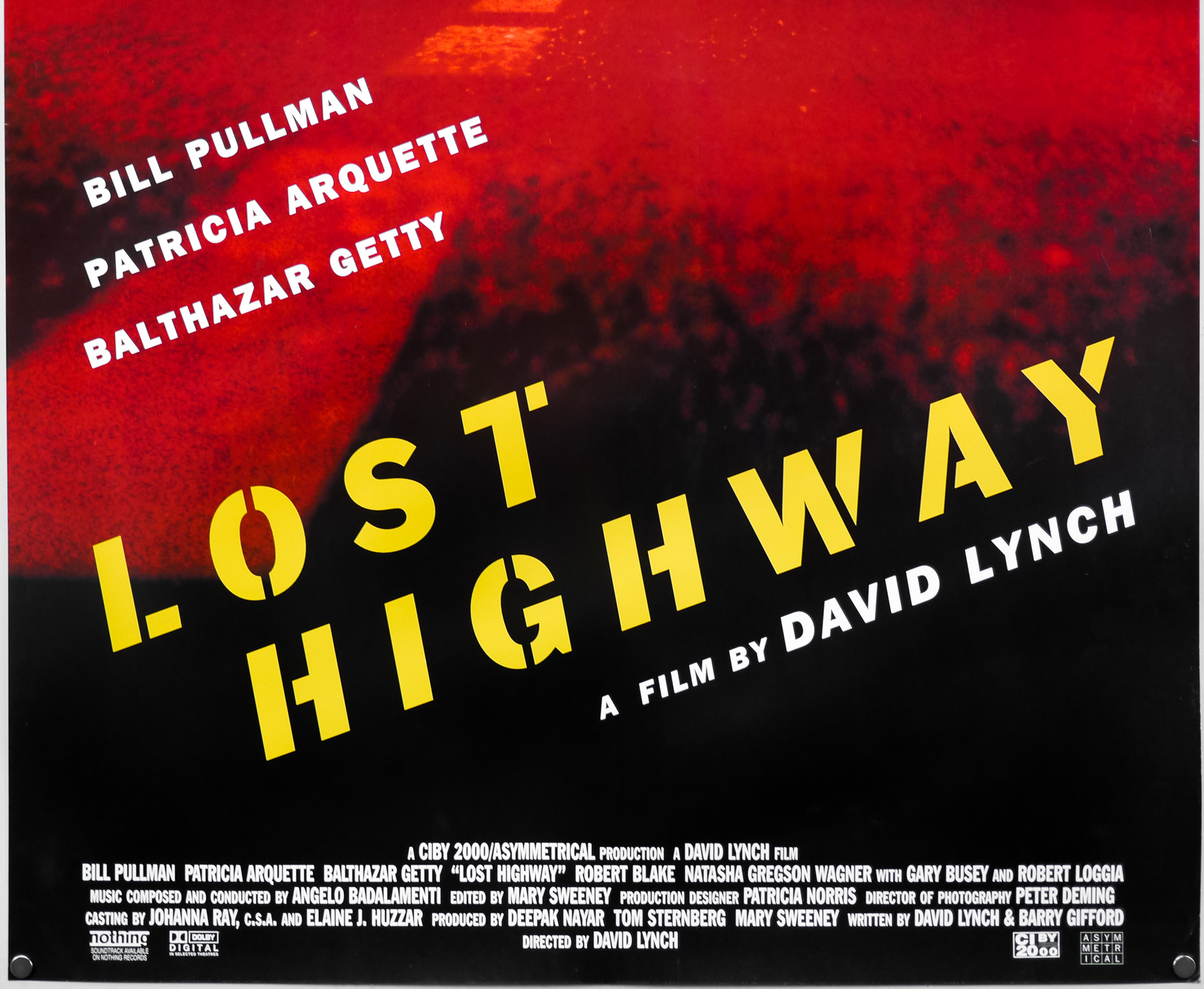
This poster is very similar to the red style US one sheet but has the yellow blocky type that can be seen on the UK quad. I’m not sure who is responsible for the design of this one sheet or the quad so please get in touch if you have any ideas.