11 Harrowhouse / 30×40 / USA

03.12.12

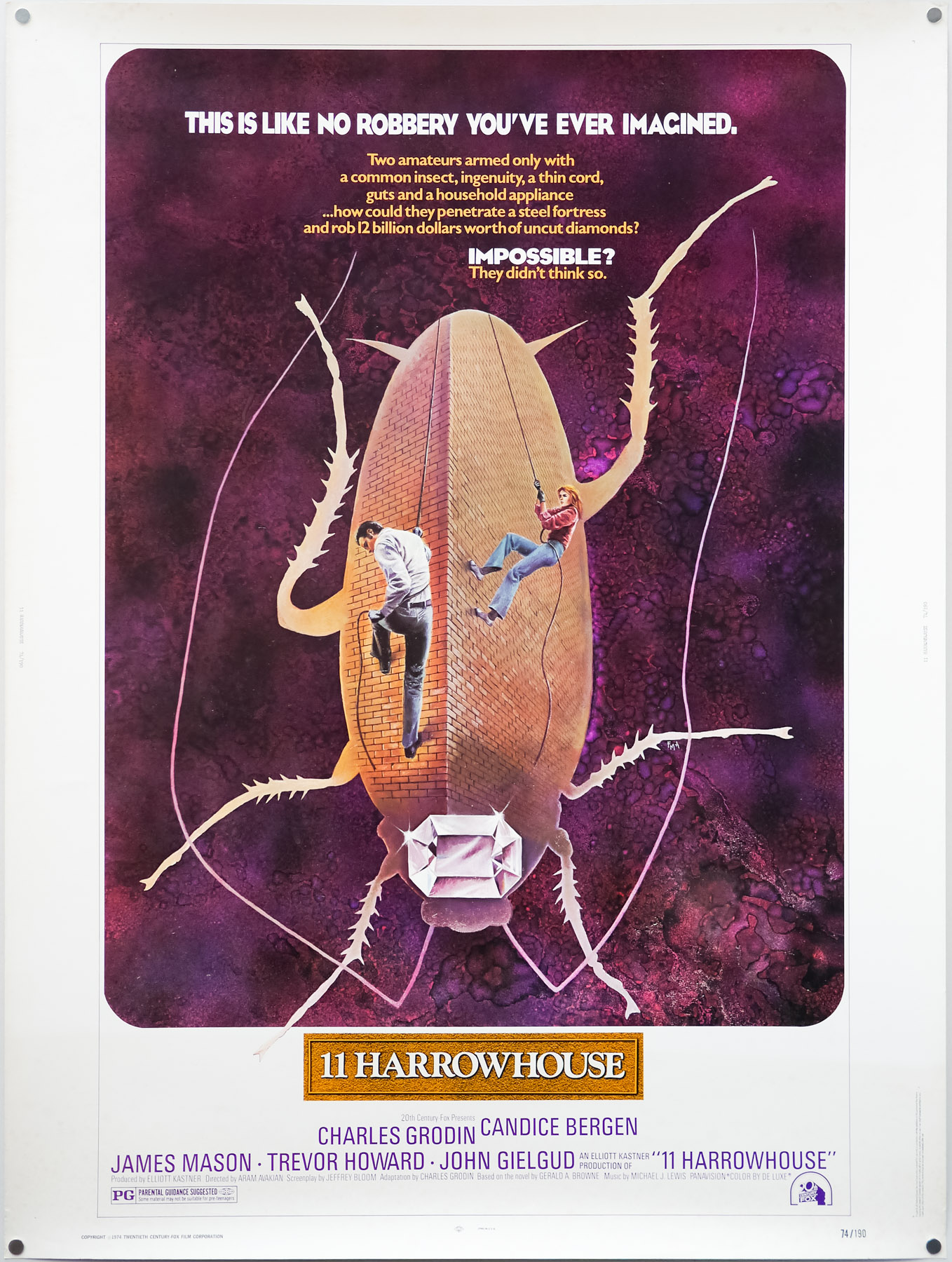
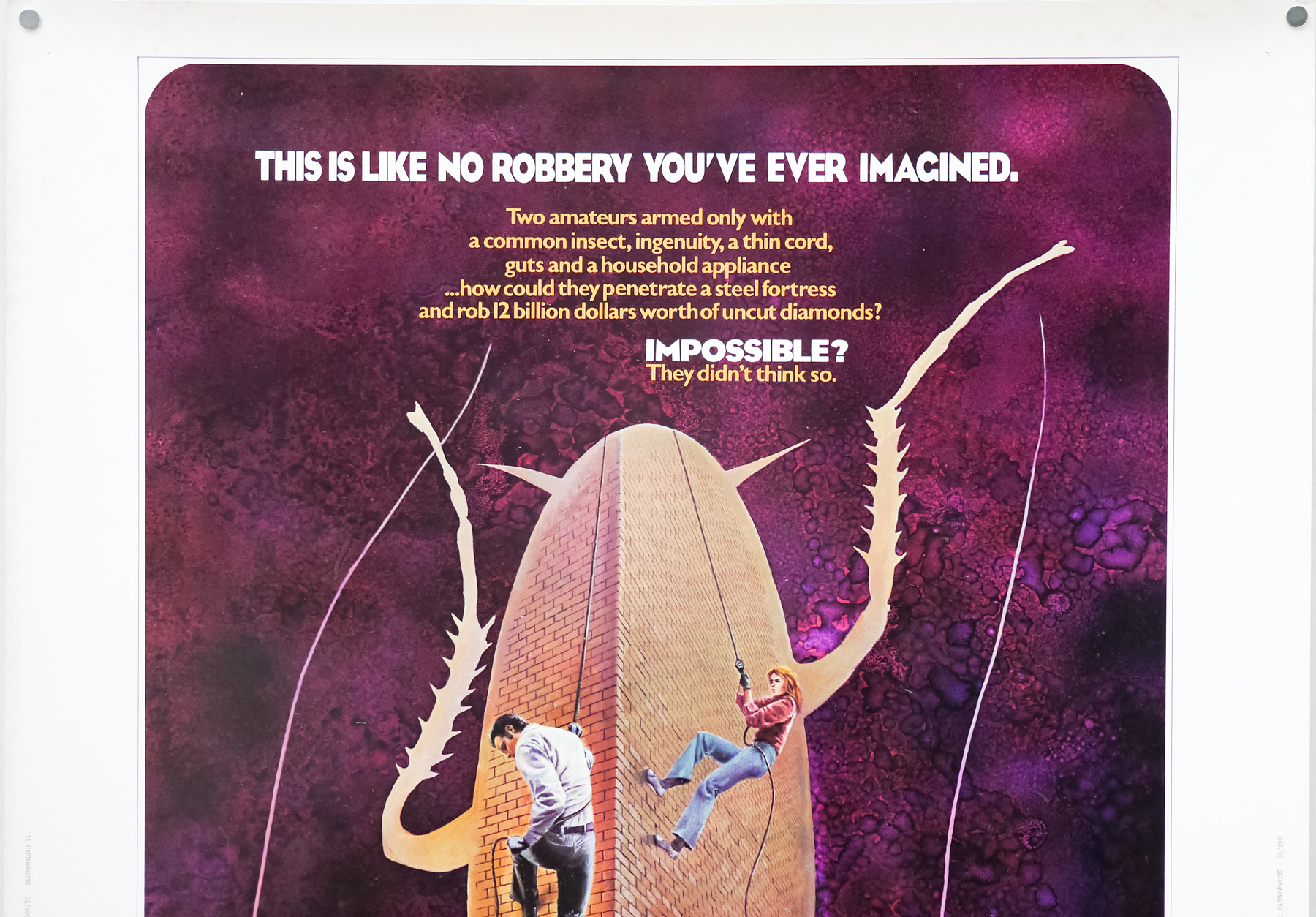
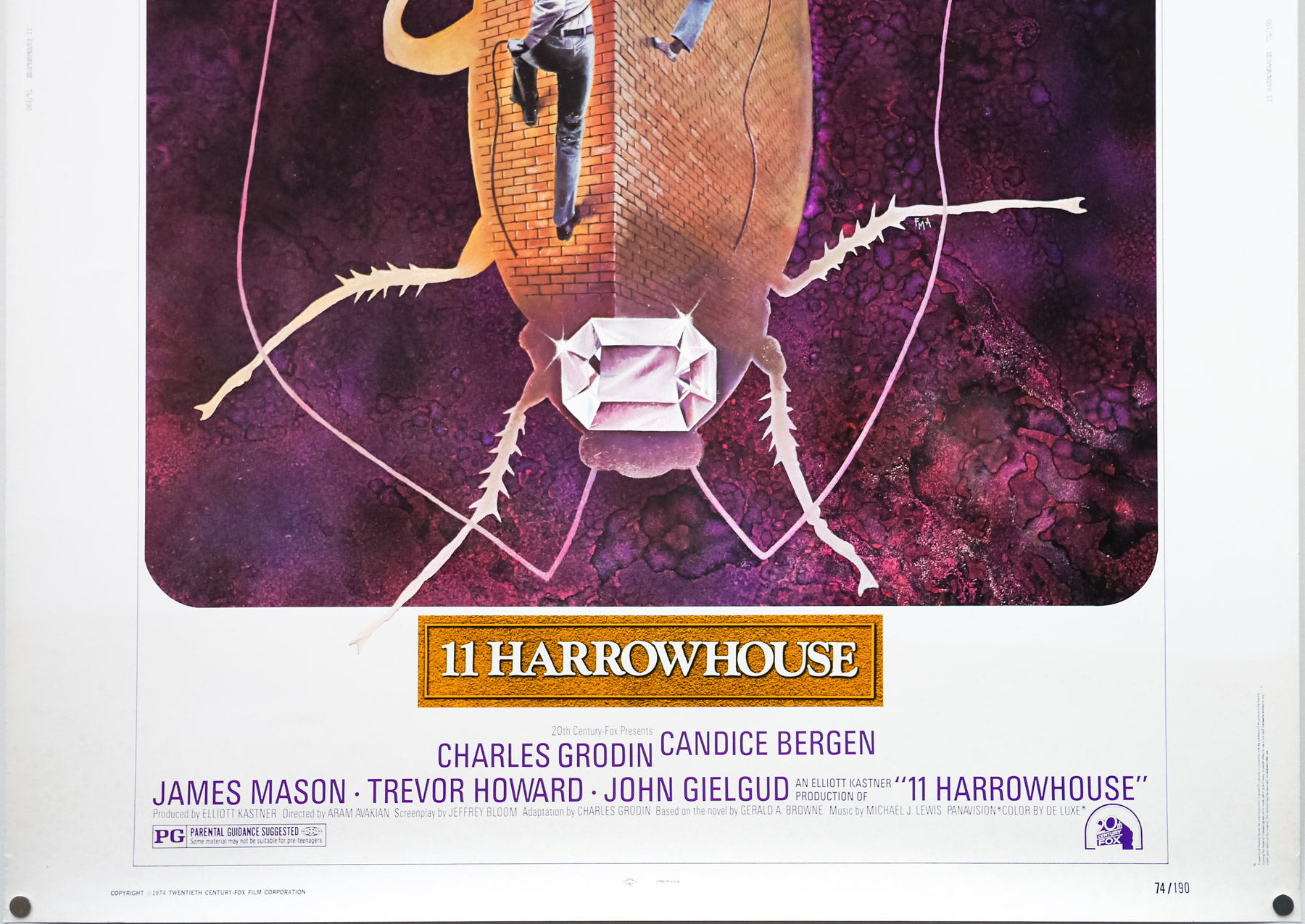
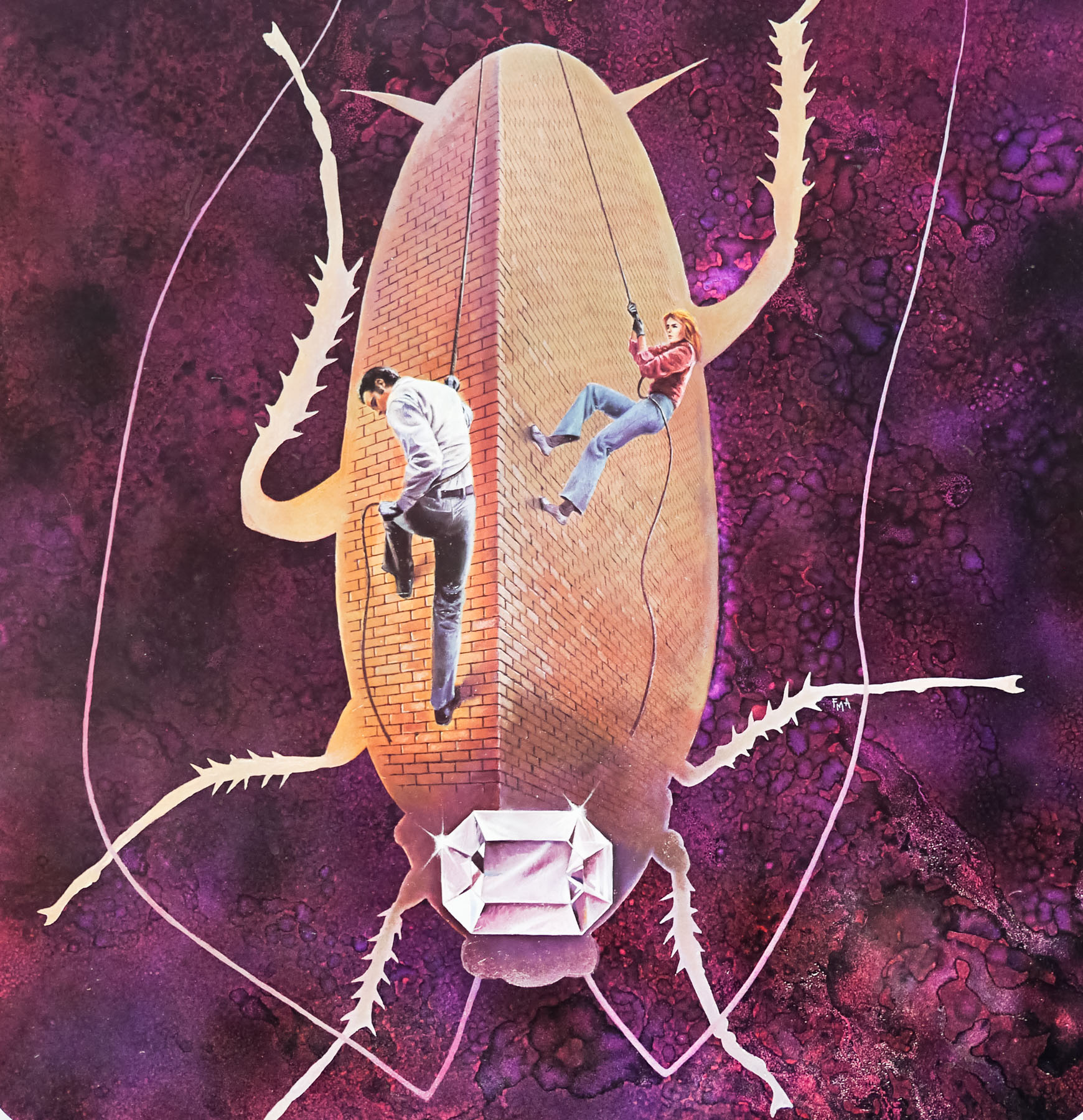
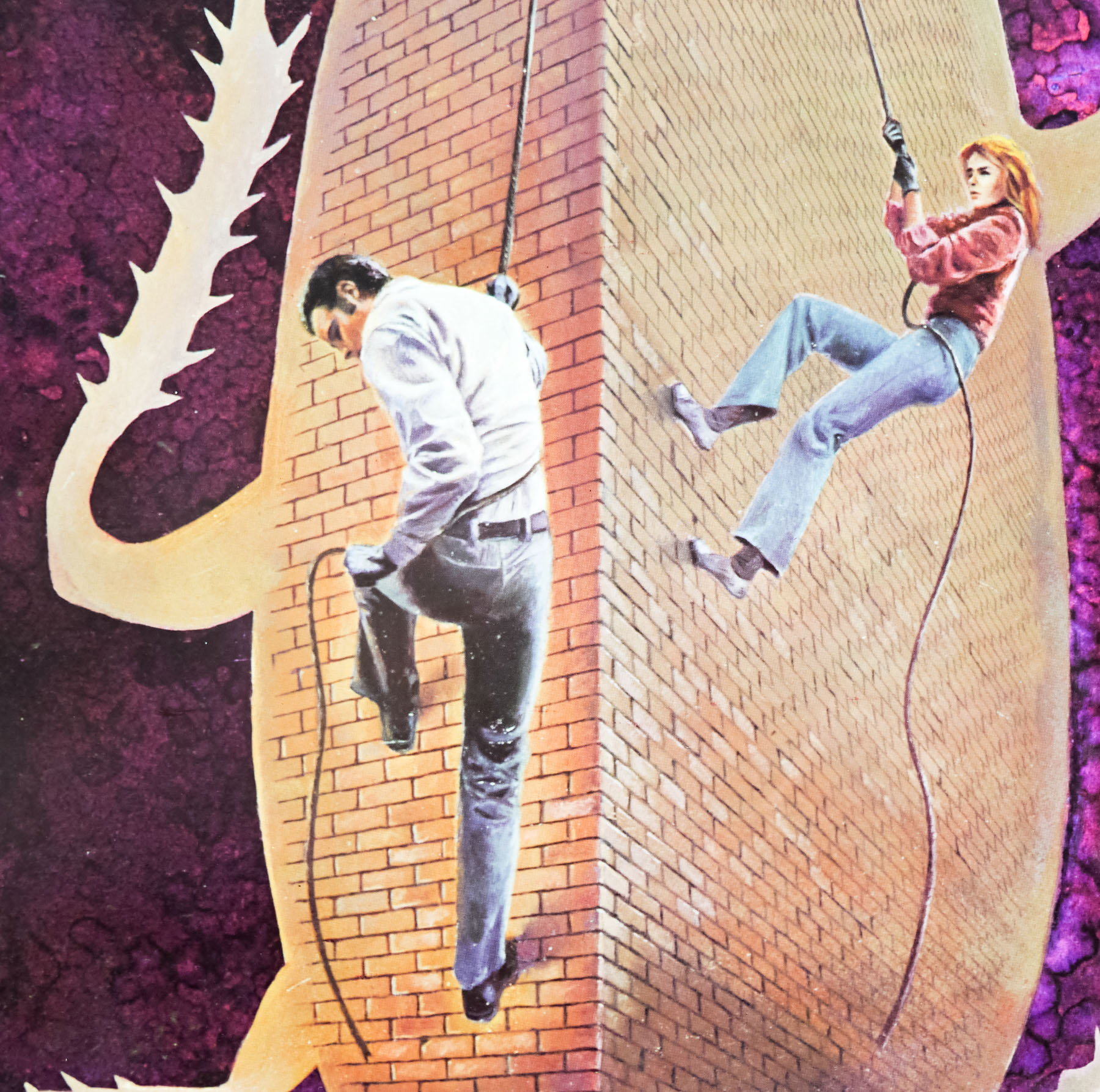
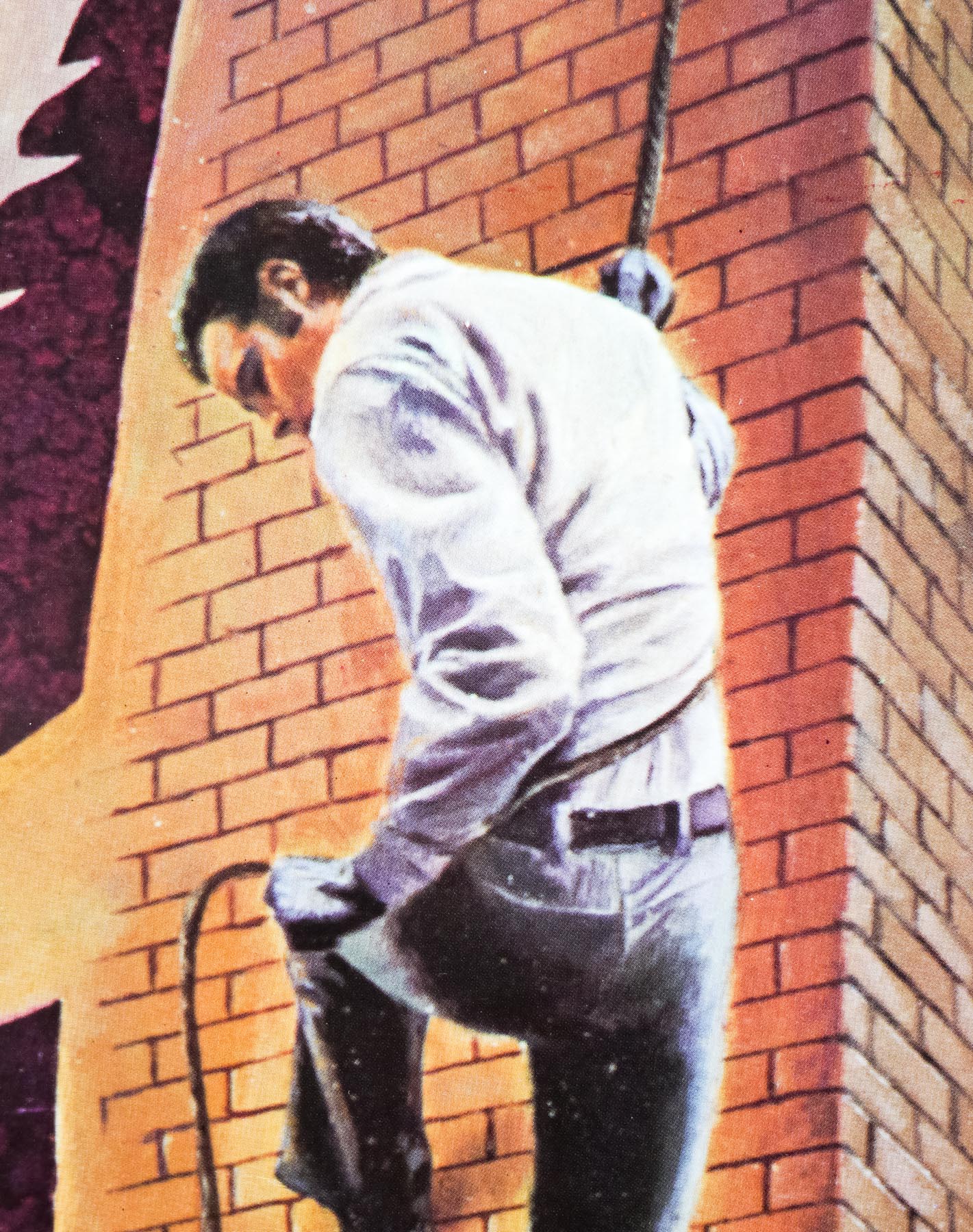
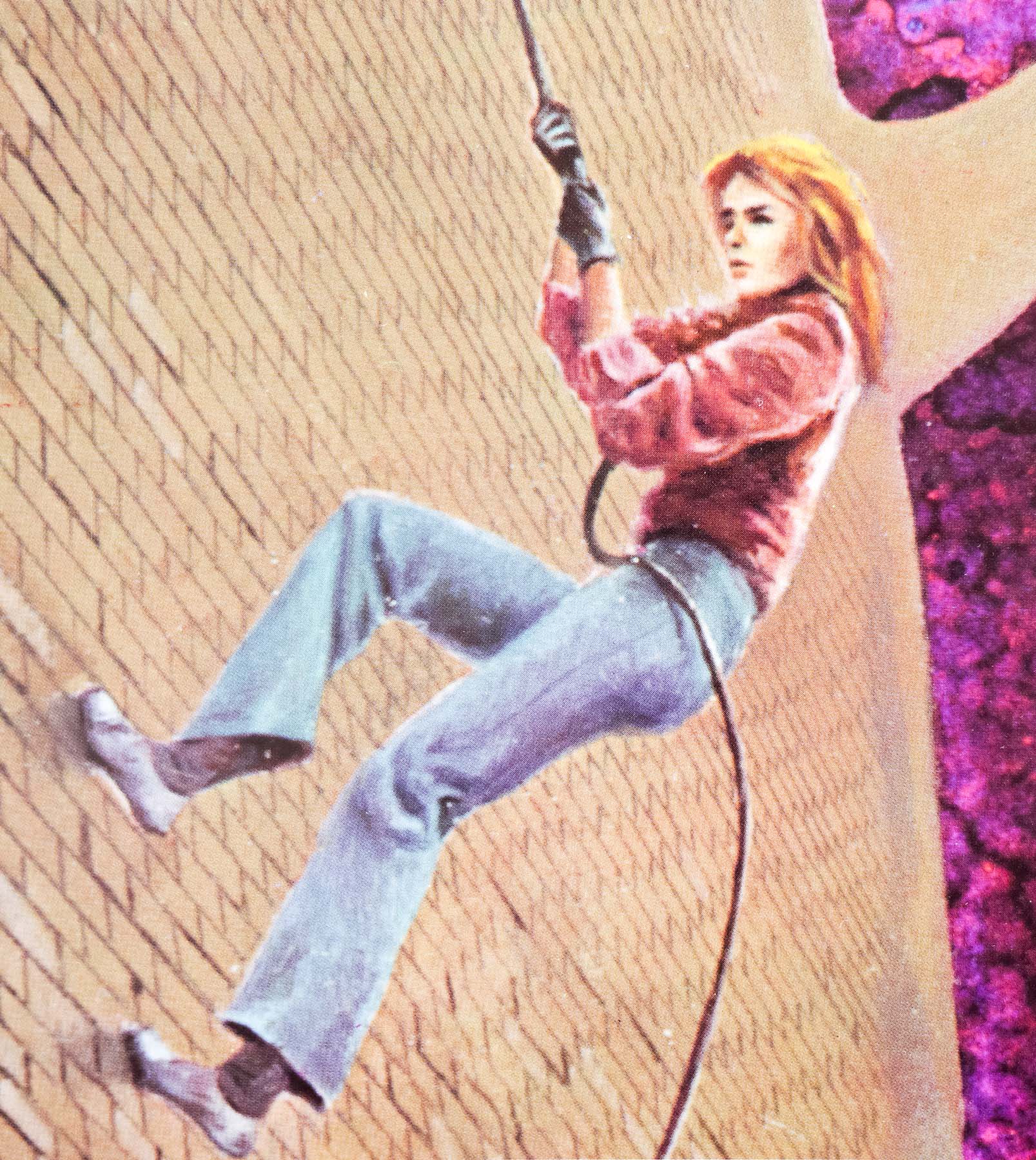
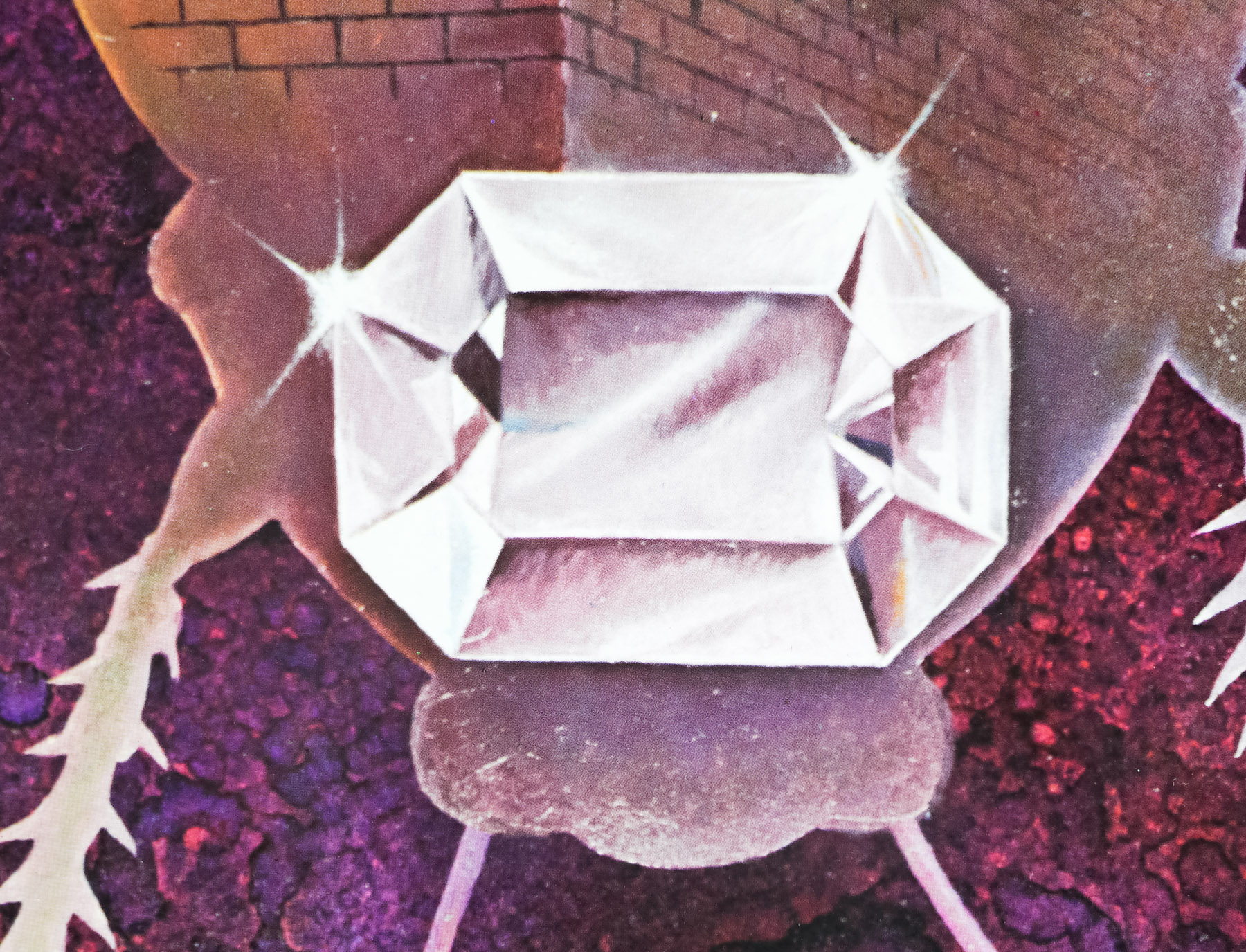
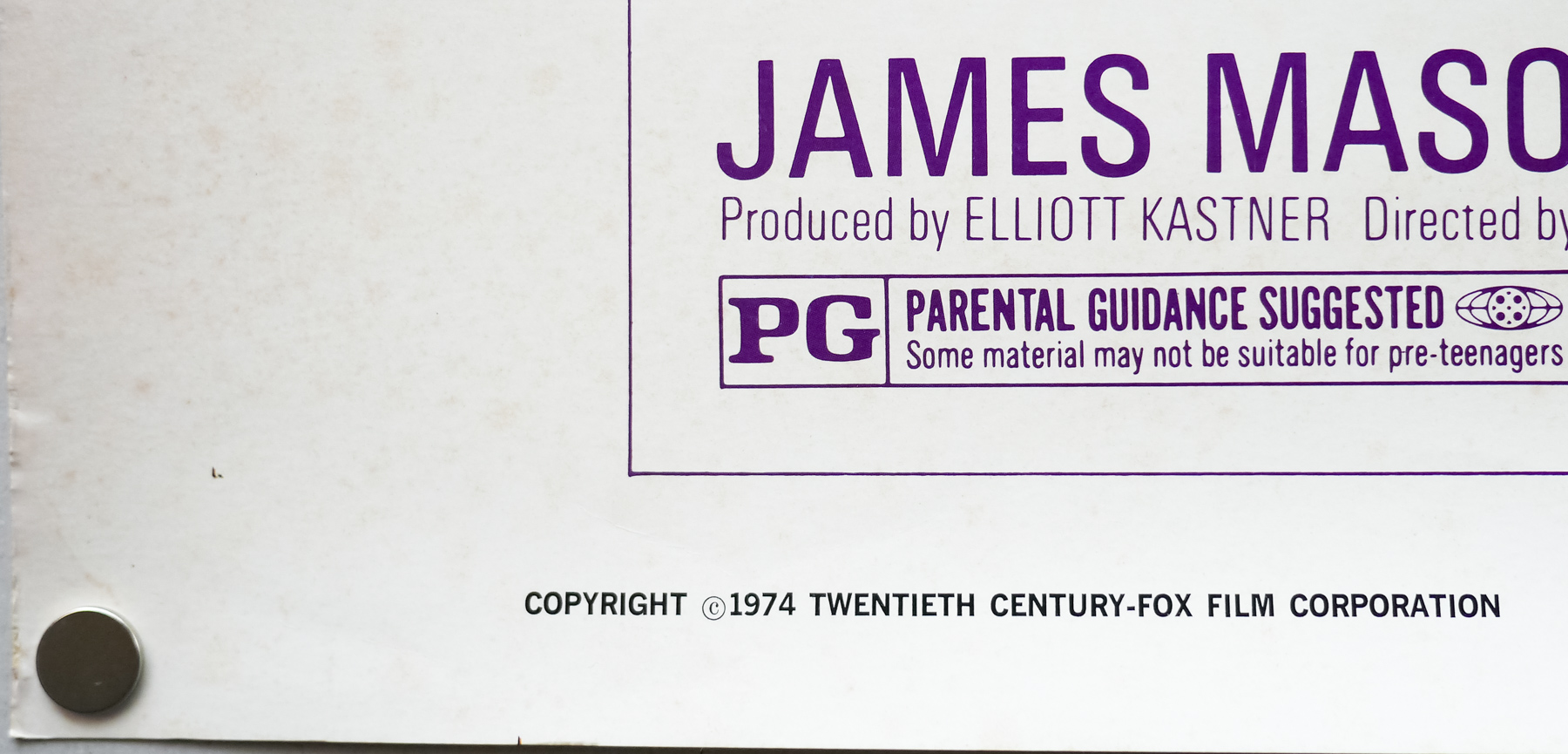
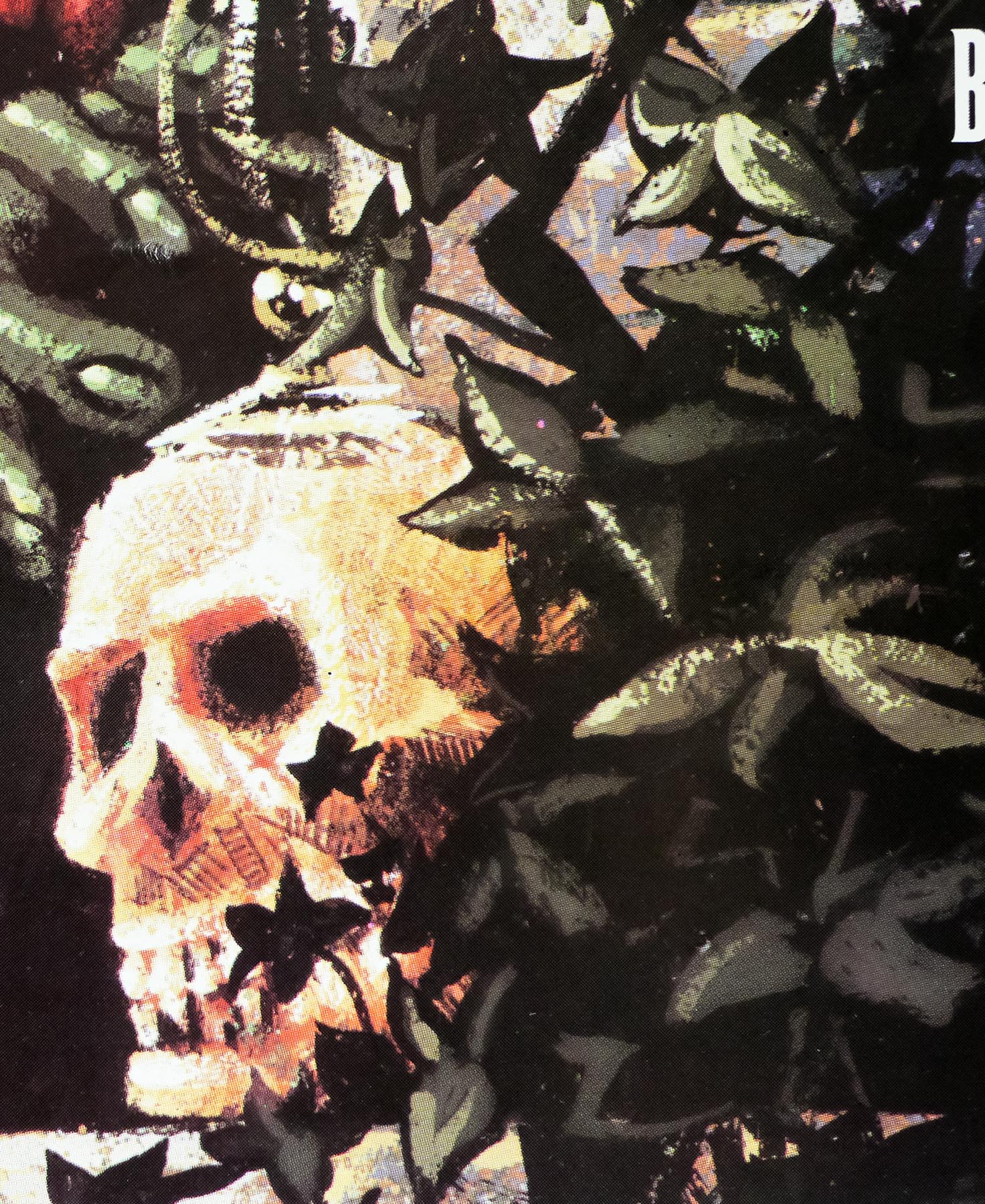
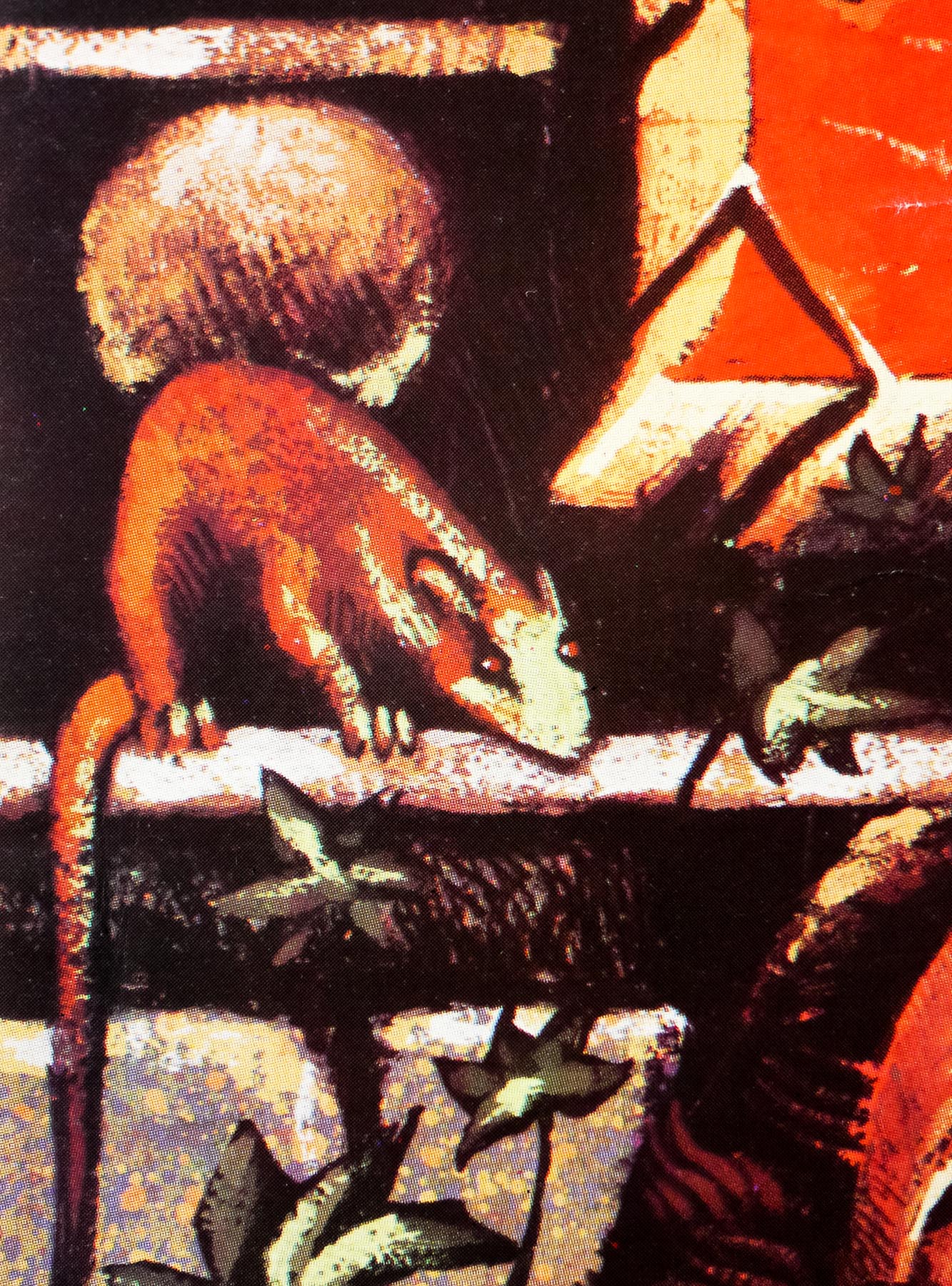
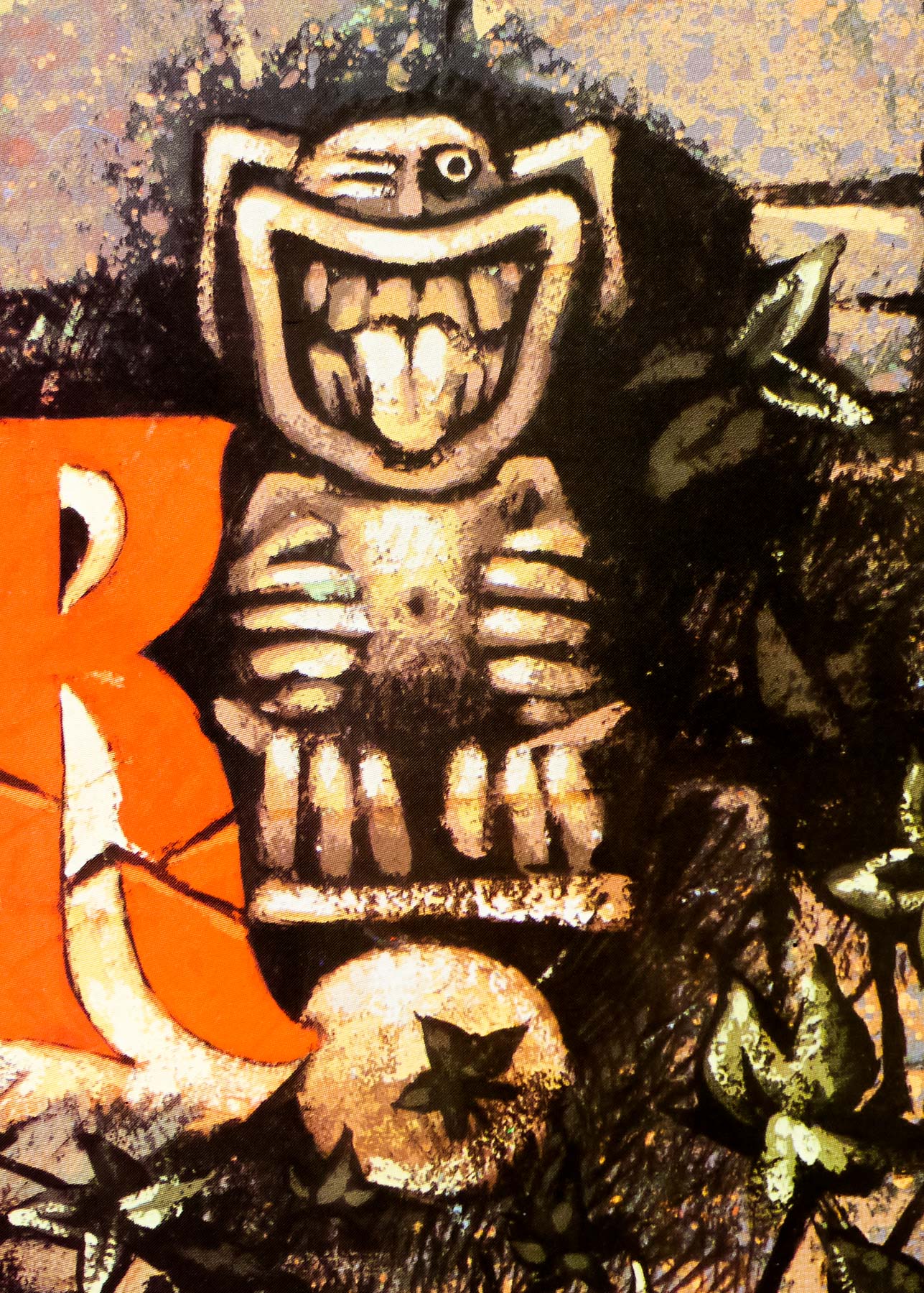
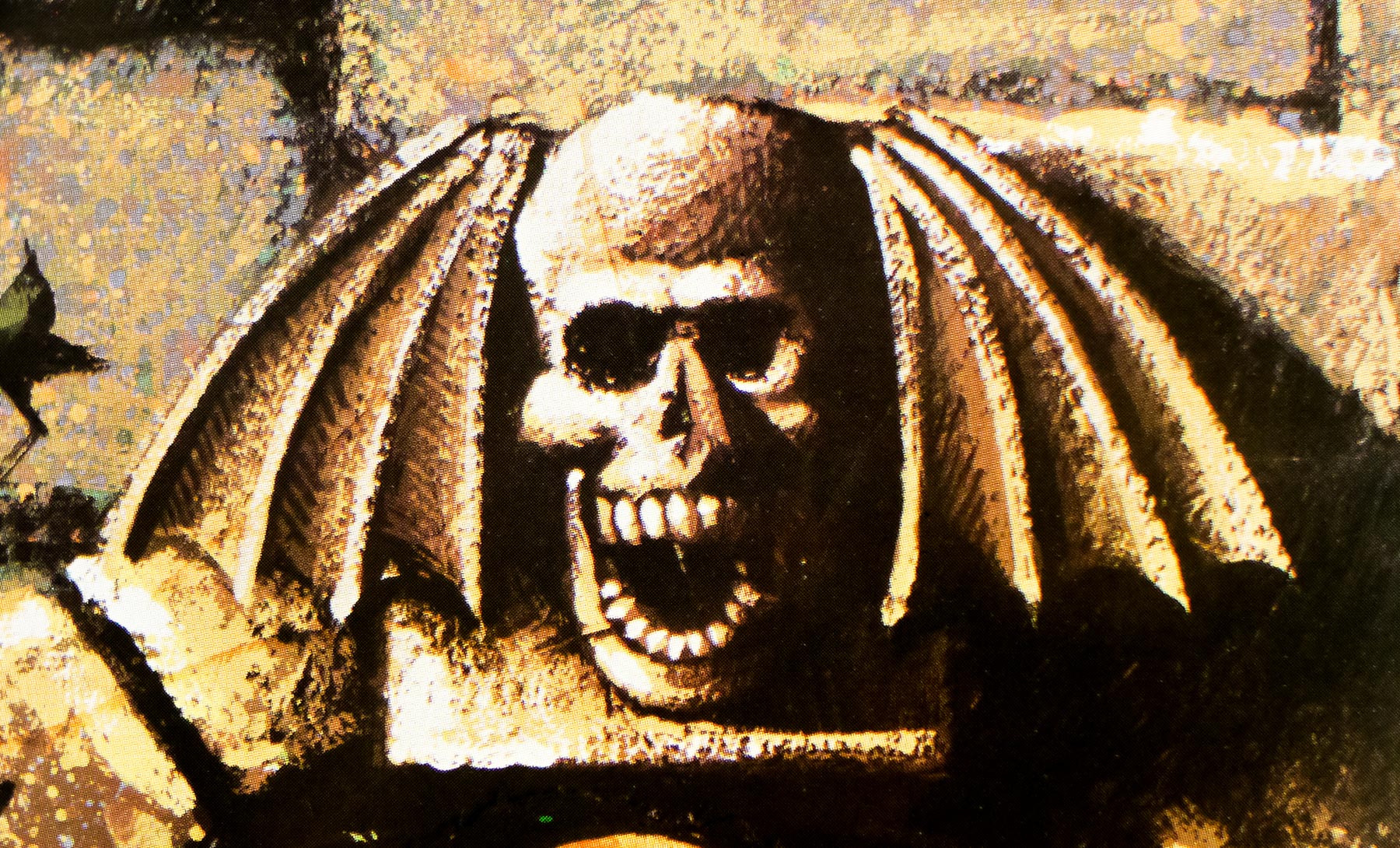
US 30x40 poster for 11 Harrowhouse (1974). Artwork by FMAUS 30x40 poster for 11 Harrowhouse (1974). Artwork by FMA, image 2US 30x40 poster for 11 Harrowhouse (1974). Artwork by FMA, image 3US 30x40 poster for 11 Harrowhouse (1974). Artwork by FMA, image 4
Title
11 Harrowhouse
AKA
Anything for Love (USA - TV title)
Year of Film
1974
Director
Aram Avakian
Starring
Charles Grodin, Candice Bergen, James Mason, Trevor Howard, John Gielgud, Helen Cherry, Peter Vaughan, Cyril Shaps, Leon Greene
Origin of Film
UK
Genre(s) of Film
Comedy | Crime
Type of Poster
30x40
Origin of Poster
USA
Year of Poster
1974
Designer
Unknown
Artist
FMA (full details unknown)
Size (inches)
30" x 40"
SS or DS
SS
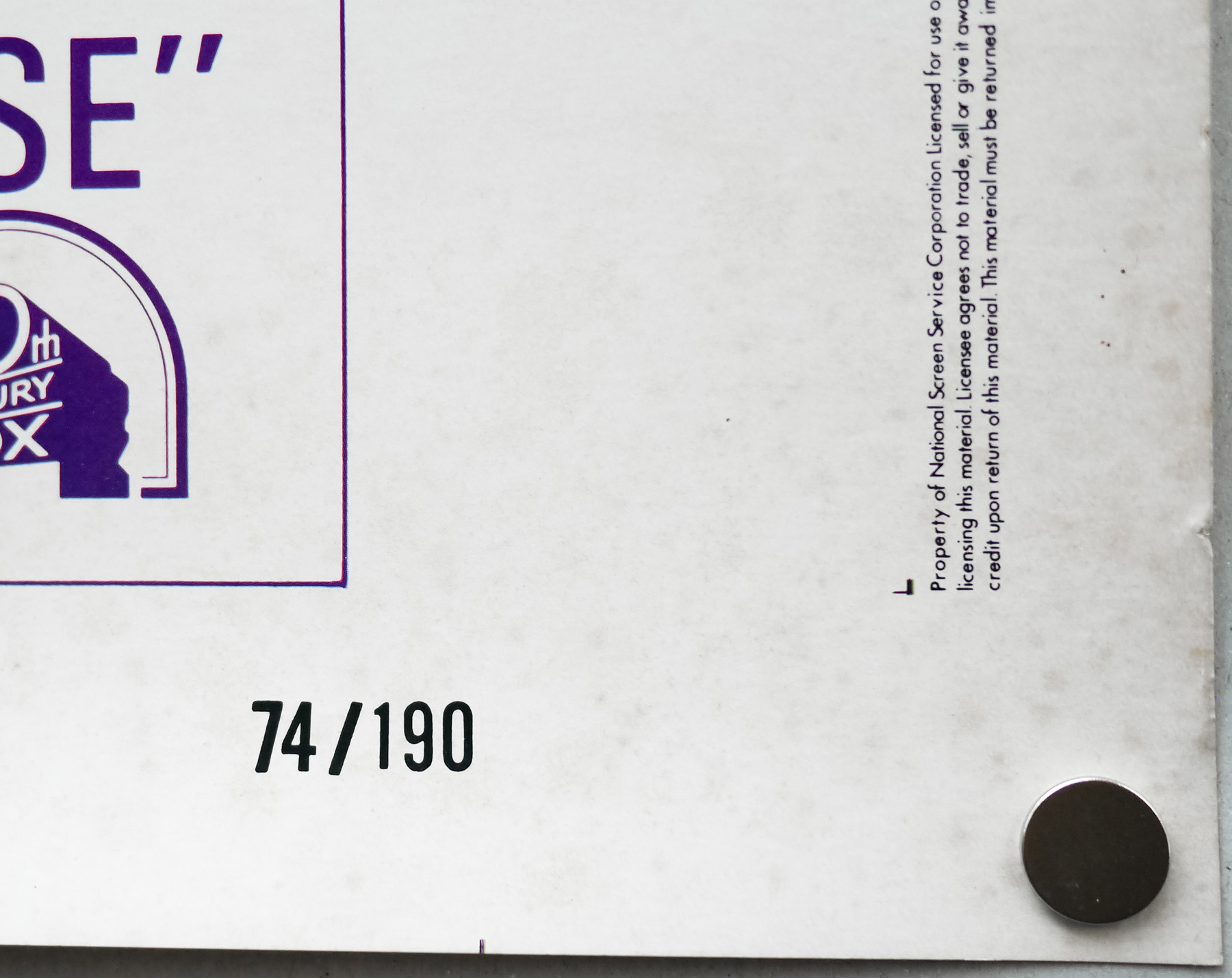
NSS #
74/190
Tagline
This is like no robbery you've ever imagined. Two amateurs armed only with a common insect, ingenuity, a thin cord, guts and a household appliance... how could they penetrate a steel fortress and rob 12 billion dollars of uncut diamonds? IMPOSSIBLE? They didn't think so.

An unusual design on this poster for 11 Harrowhouse (opens in a new tab), a British heist thriller from 1974 that was helmed by Aram Avakian (opens in a new tab). The American director had gained notoriety for the ground-breaking indie film End of the Road (opens in a new tab) (1970), which was given an X-rating for its graphic depiction of an abortion and other scenes considered shocking for the time. 11 Harrowhouse stars Charles Grodin (opens in a new tab) as a diamond merchant who is blackmailed into pulling a heist at a London jewel-exchange known as The System, which is located at the titular address. Candice Bergen (opens in a new tab) features as his girlfriend who joins him on the heist, along with various ingenious ‘tools’ that include the cockroach depicted on this poster.

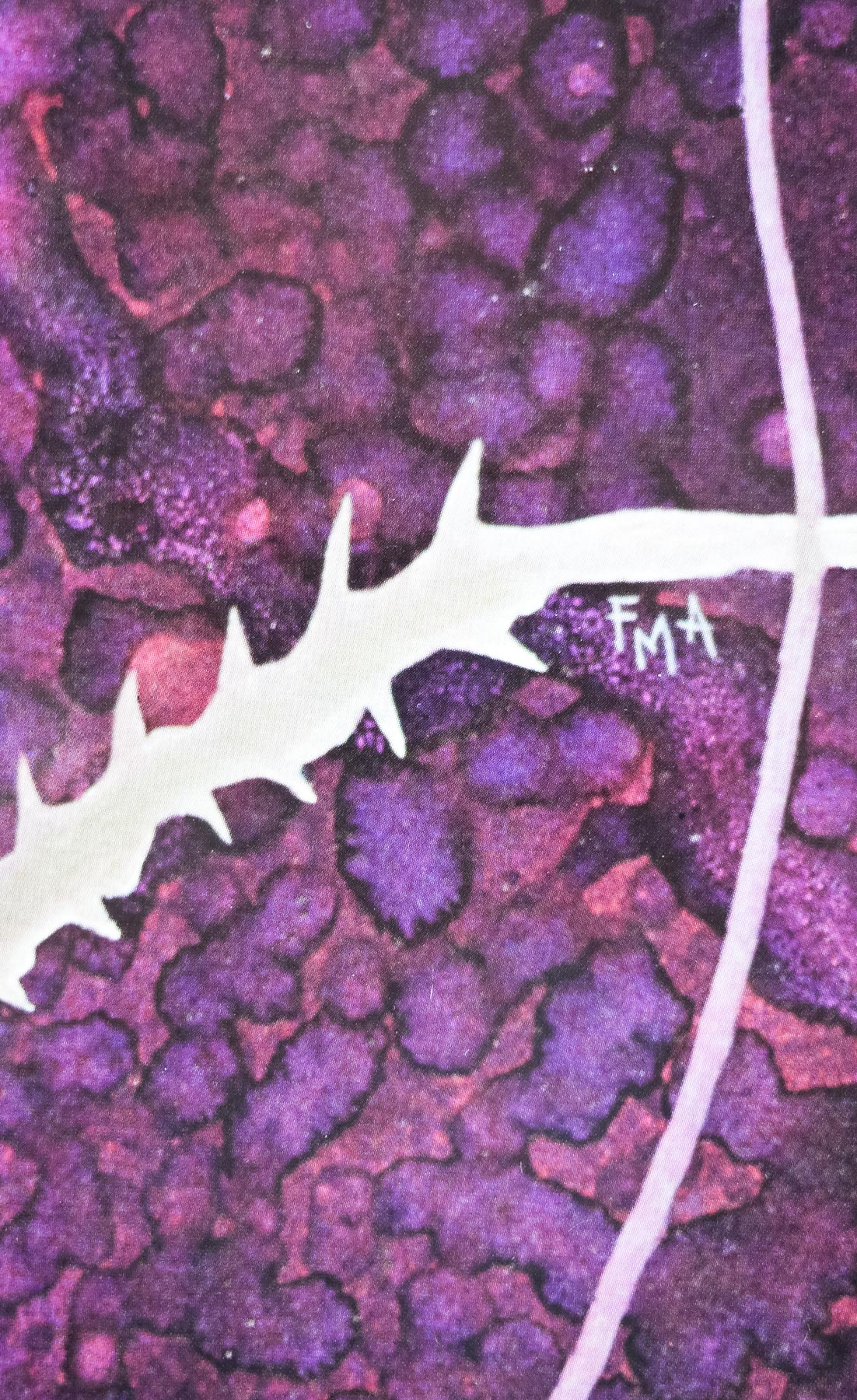
The initials FMA can be seen on the right of the poster (see picture 8) but I’m unsure who they belong to. If anyone has any ideas please get in touch and I’ll add the credit.

The original trailer is on YouTube (opens in a new tab).

Graham Humphreys on the making of The Monster Club quad

30.11.12

After adding the British quad for The Monster Club (opens in a new tab) to the site, I wanted to speak to its designer and illustrator Graham Humphreys (opens in a new tab) about its creation. The poster wasn’t one that we discussed during our 2011 interview and I felt it deserved this ‘making of’ article.
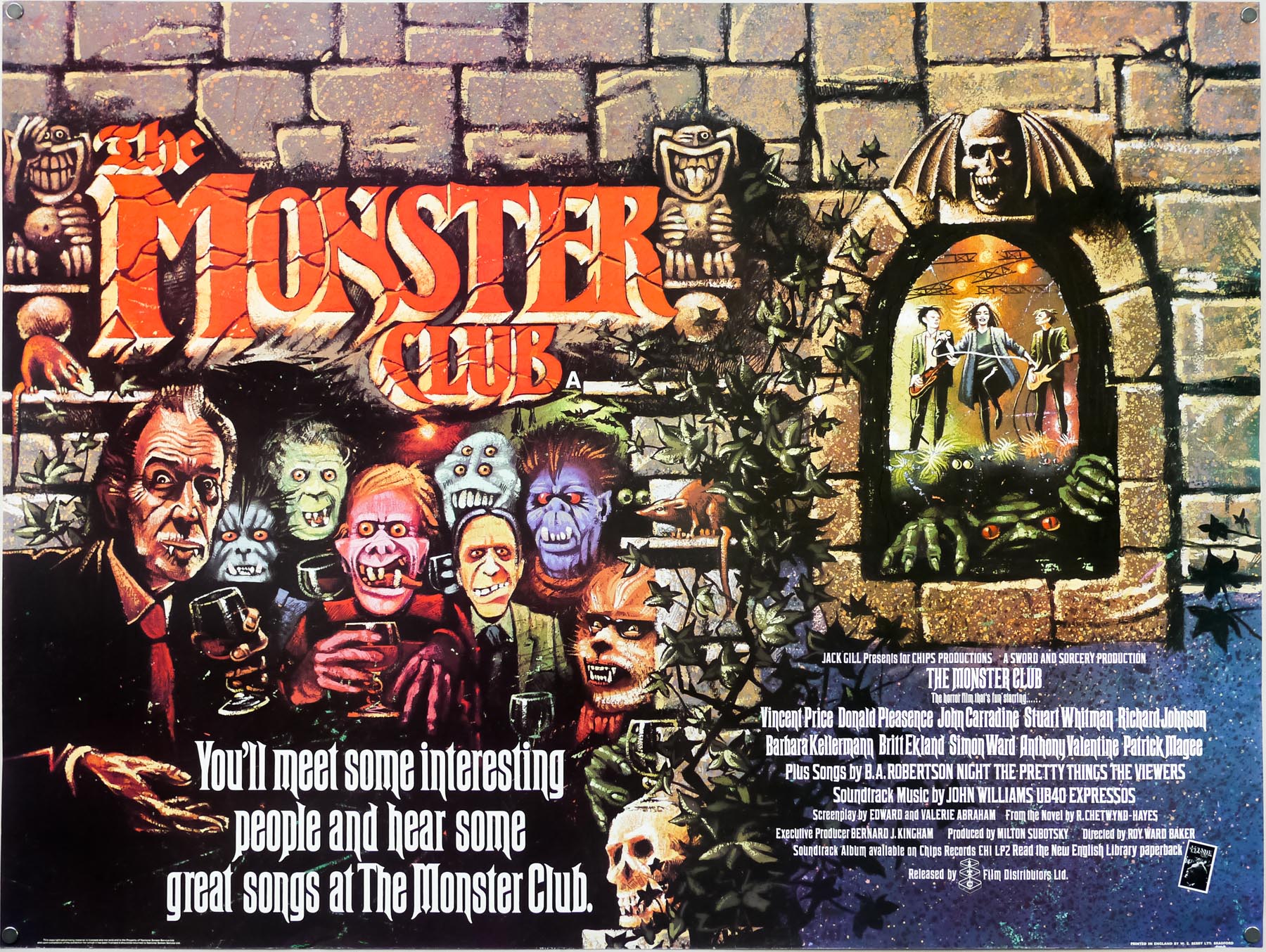
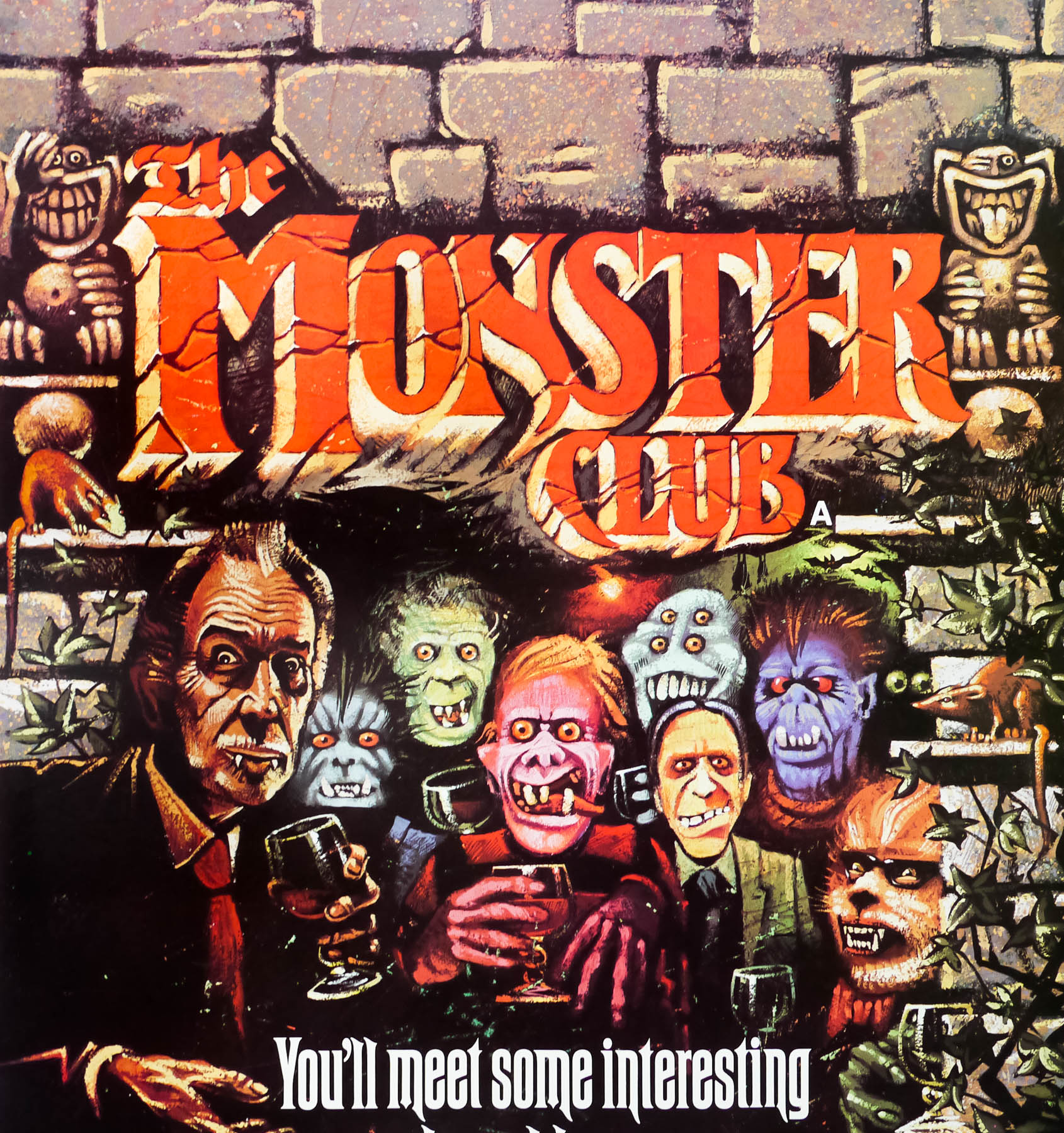
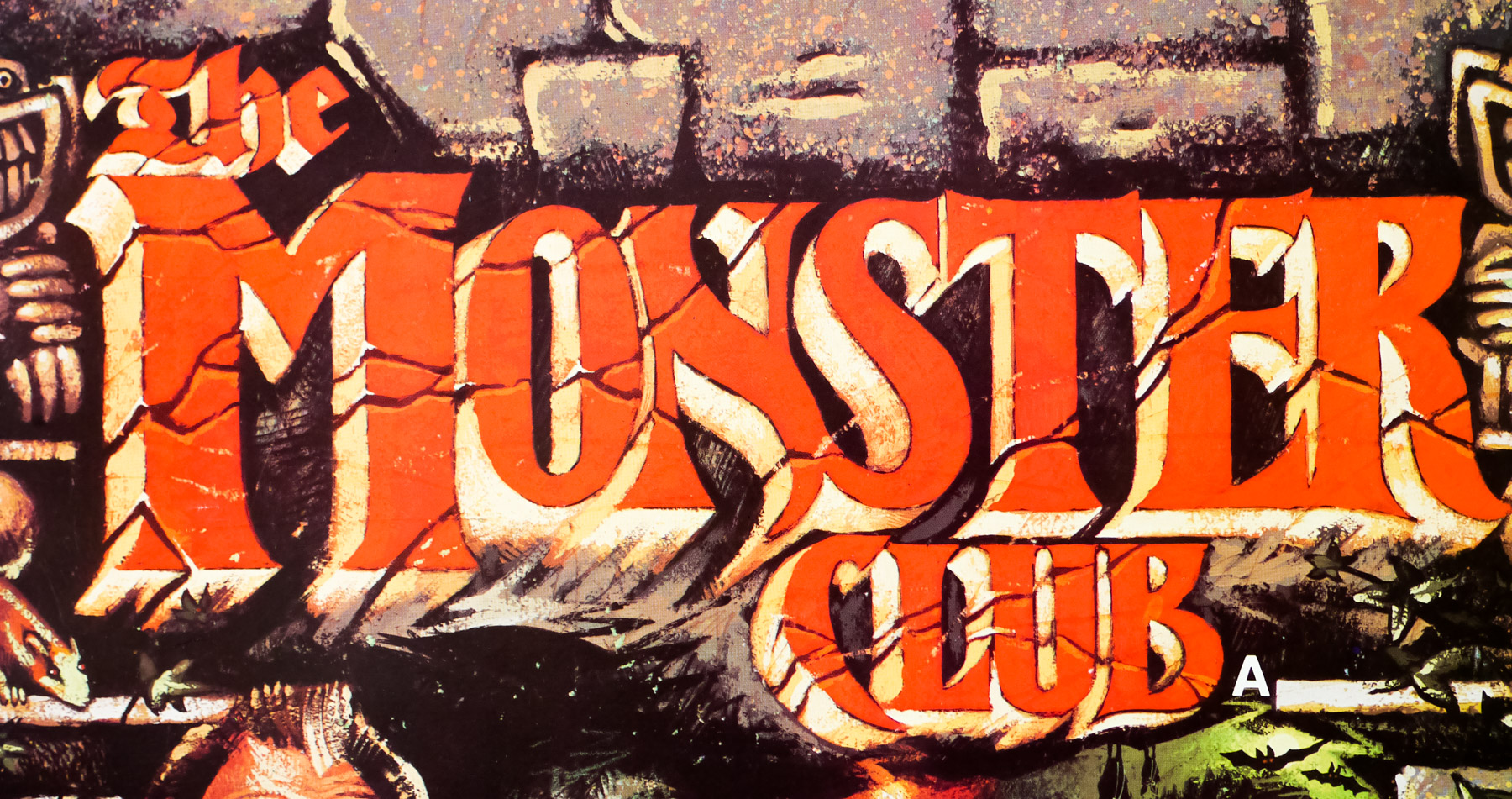
The British quad for The Monster Club, designed and painted by Graham Humphreys

The British quad for The Monster Club, designed and painted by Graham Humphreys

Hi Graham, thanks for agreeing to talk about the poster. First of all, is it true this was the first film poster you ever worked on?
Yes, although in retrospect it was perhaps a bit bit of a false start!

How did you get involved with it?
The client was another random name on a list of people I went to see whilst I was starting out (film distributors, etc) and within two weeks of showing them my folio (my college folder, one of those basic cardboard versions tied by string!), this project turned up. I can’t remember who the company was – though they were one of the big distributors and it was at a time when everything was ‘in house’, ie. they had their own design studio.

What kind of brief were you initially given?
They called me in for a meeting and showed me a series of 35mm transparencies (pre-digital of course) and a drawing of the layout required, which specifically featured a title treatment that had to be copied. So my illustration was merely to flesh out the sketch to full artwork. I was offered the pick of transparencies which were then made into photographic prints that I could use as direct refrence. I had about a week and a half in which to deliver the painting.
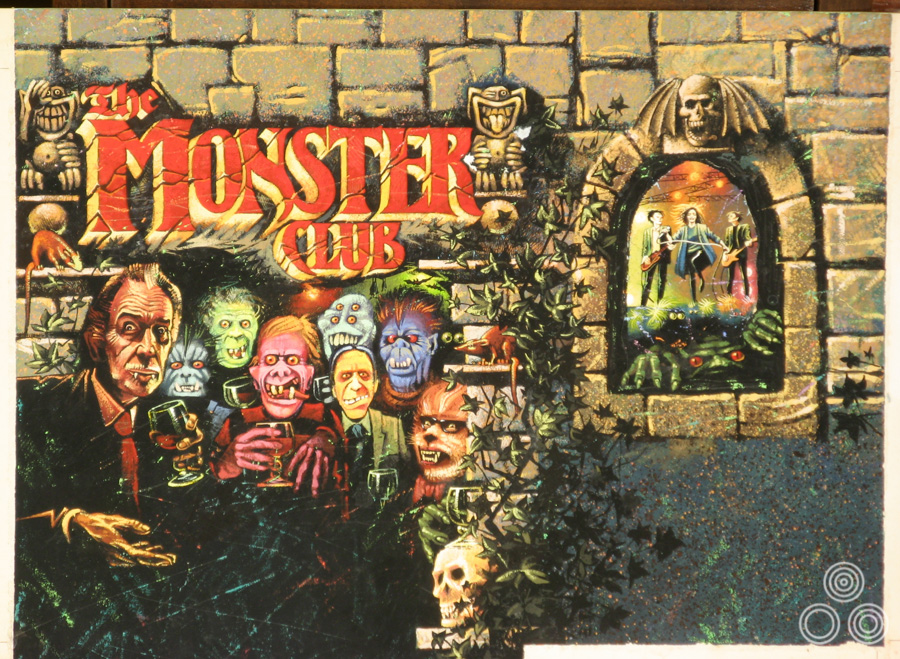
The British quad for The Monster Club, designed and painted by Graham Humphreys

The British quad for The Monster Club, designed and painted by Graham Humphreys

I understand that the first version of the poster was rejected – what did it look like compared to the final printed version?
My original version had blue hues to give it a midnight feel. I spent time carefully making the Vincent Price portrait as true as possible. I took a full week to complete the painting working exclusively on the project. A few days after delivery I had a phone call informing me that it had been rejected and would I come in for a meeting. Apparently it was considered to ‘adult’ and ‘scary’. It had been hoped that kids would see the film as well, but the marketing people thought I had produced a ‘horror’ poster. It would have been futile to argue that a film called ‘The Monster Club’ starring Vincent Price and John Carradine, produced by Milton Subotsky, might already have appeared ‘genre’! However, the client, ‘being right’, were happy to let me repaint the illustration as ‘happier’ more colourful, daytime and ‘not scary’, but I had two days.

So I worked two days and two nights (including a visit from the client mid-way to check on progress) until I was a sleep deprived, hallucinating wreck. The painting was rushed and needed another two days, but the deadline was set. The job was delivered, approved and I got paid extra money and slept for a full 24 hours after.

What happened to the artwork for the first version of the poster?
I’ve been racking my brains and I can only conclude that I gave the original version to a friend who has since passed away and thus I will never see the painting again. We lost touch and apparently he became alcoholic and died penniless – I had no idea until recently but it’s a sad tale.
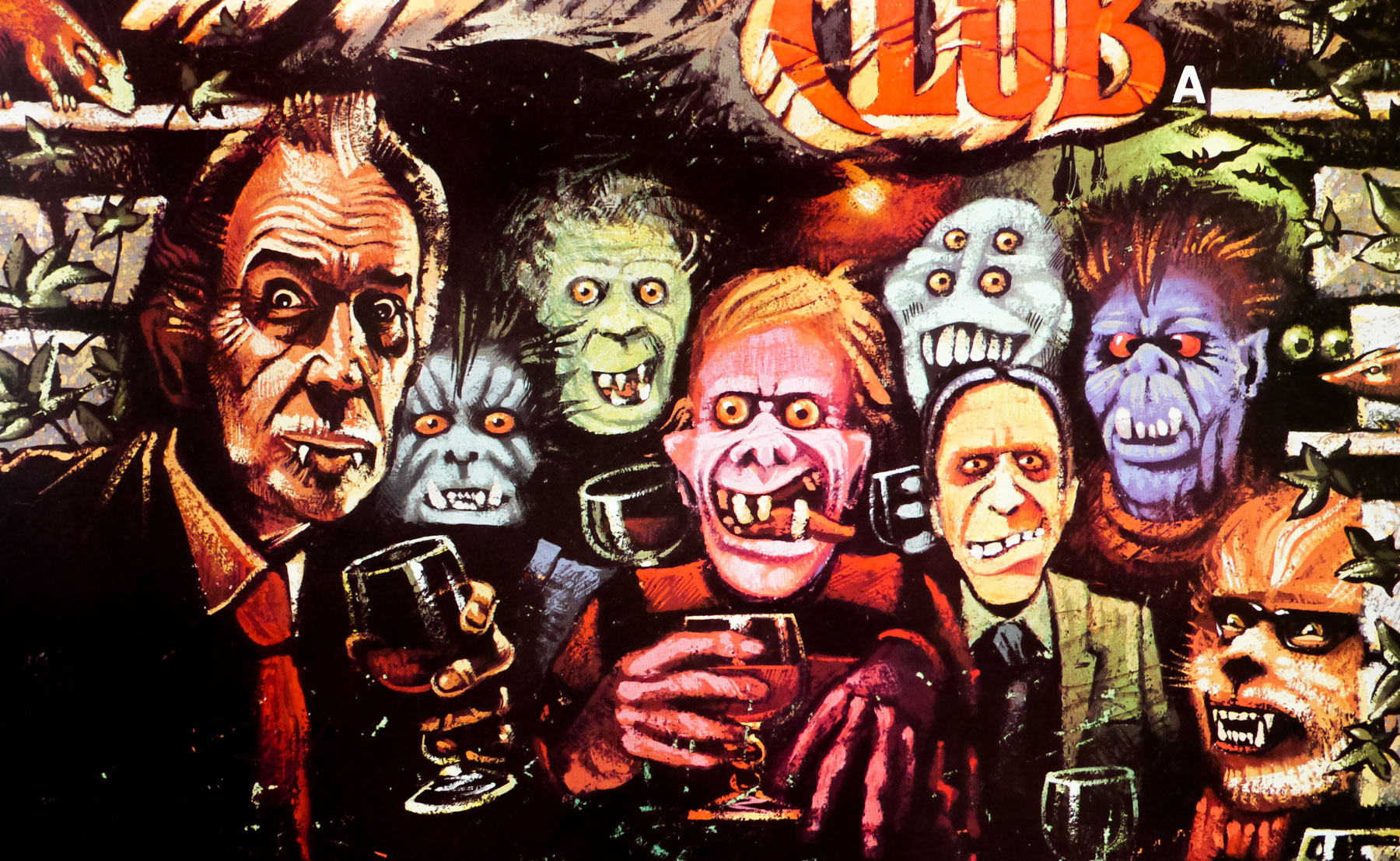
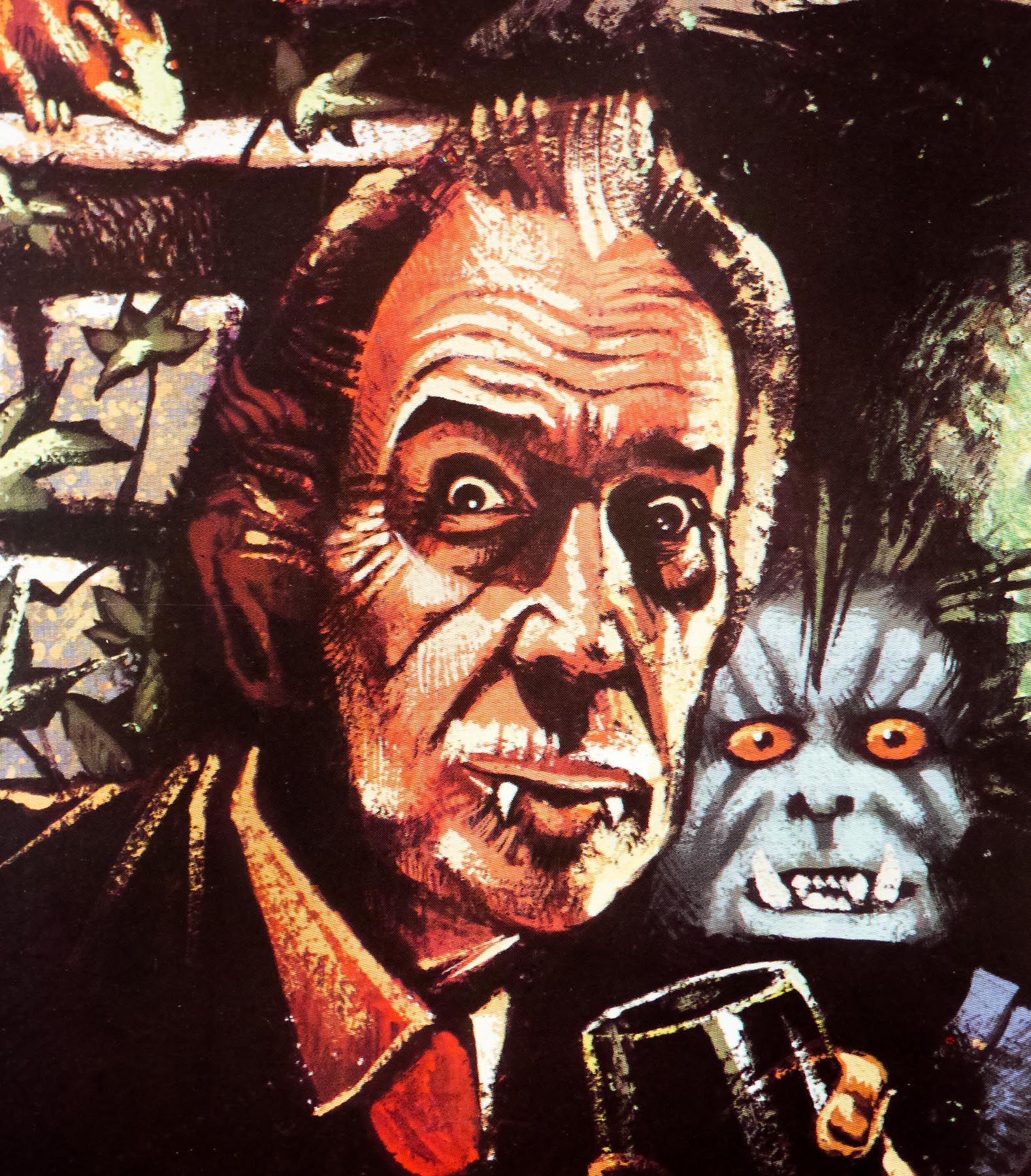
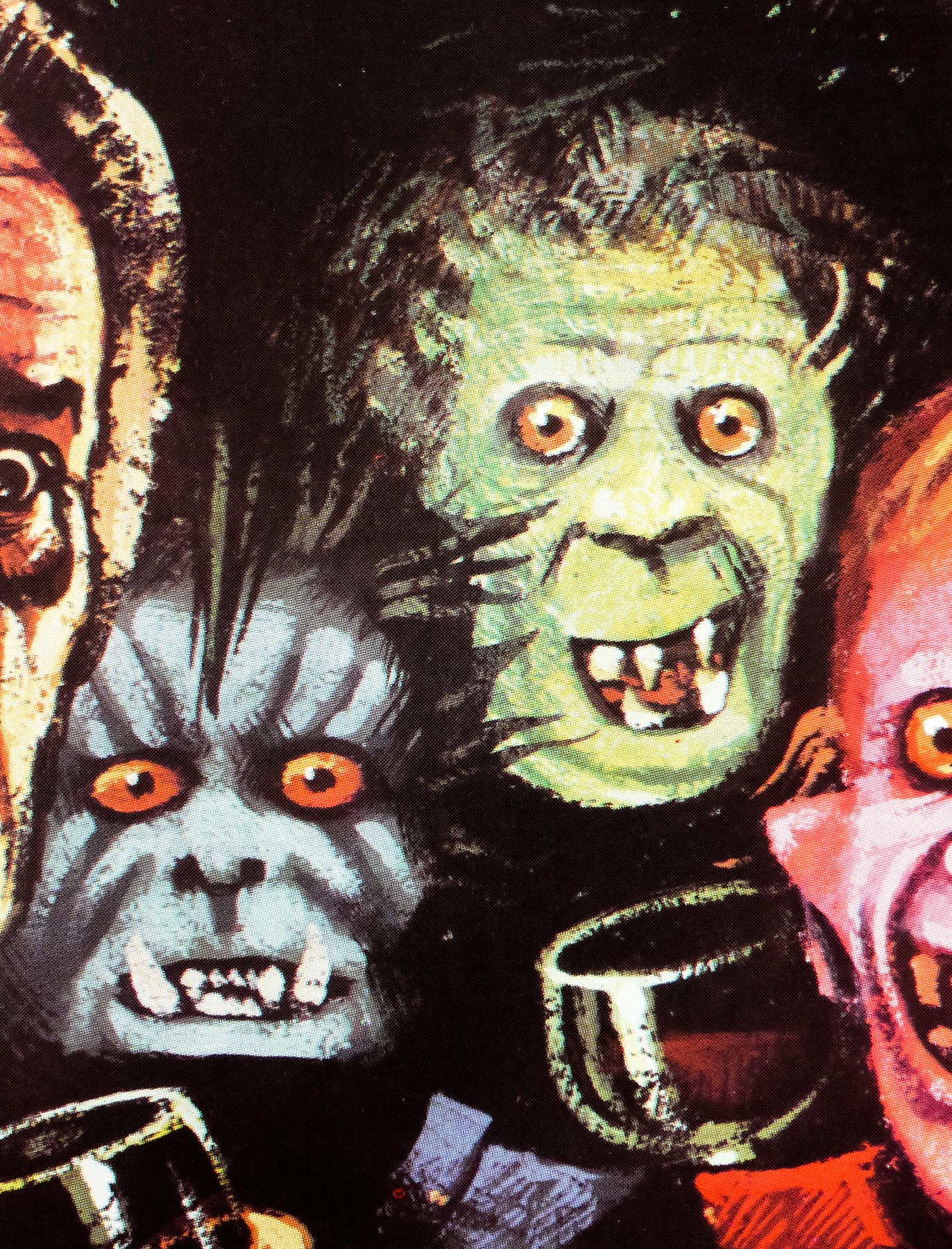
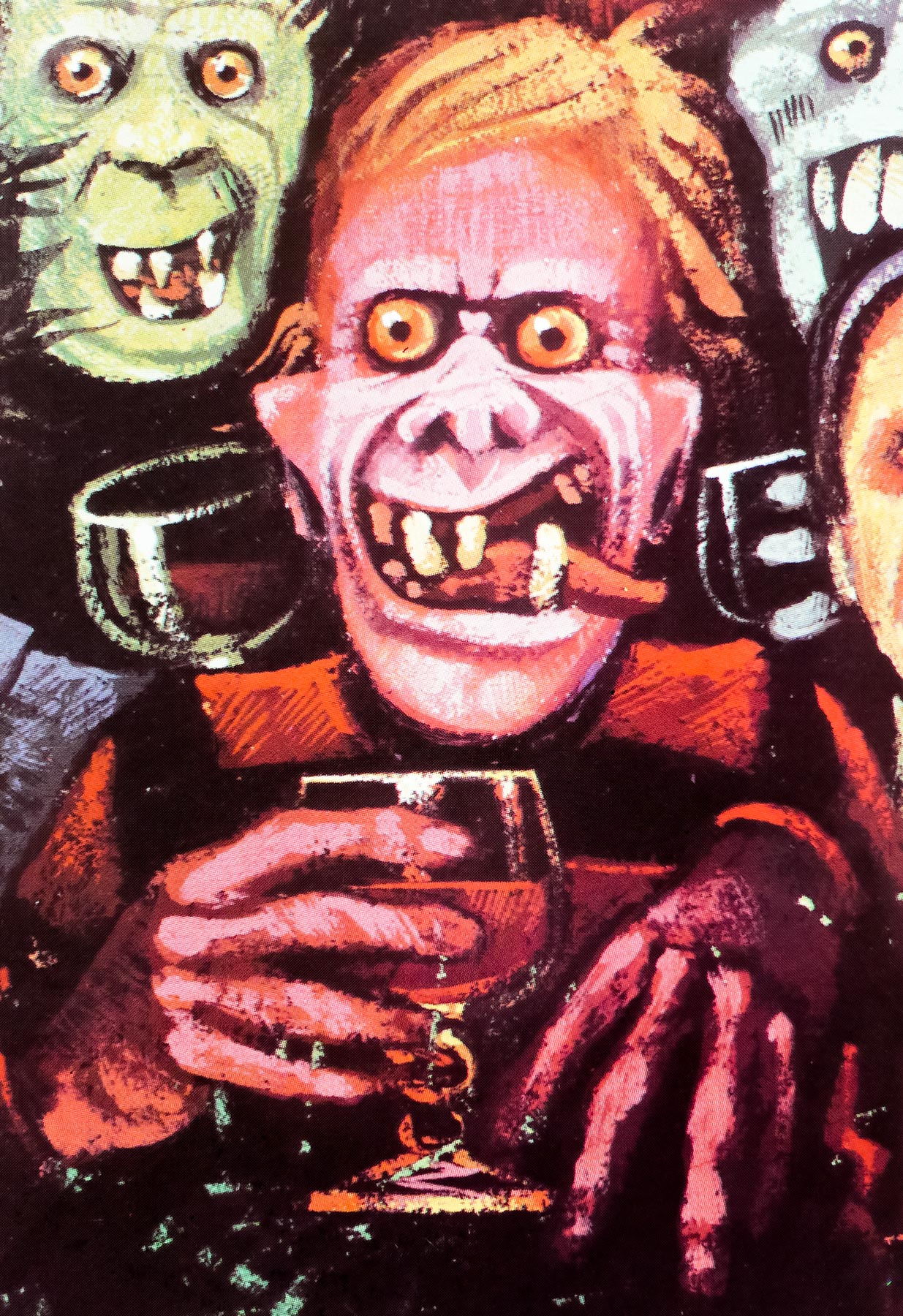
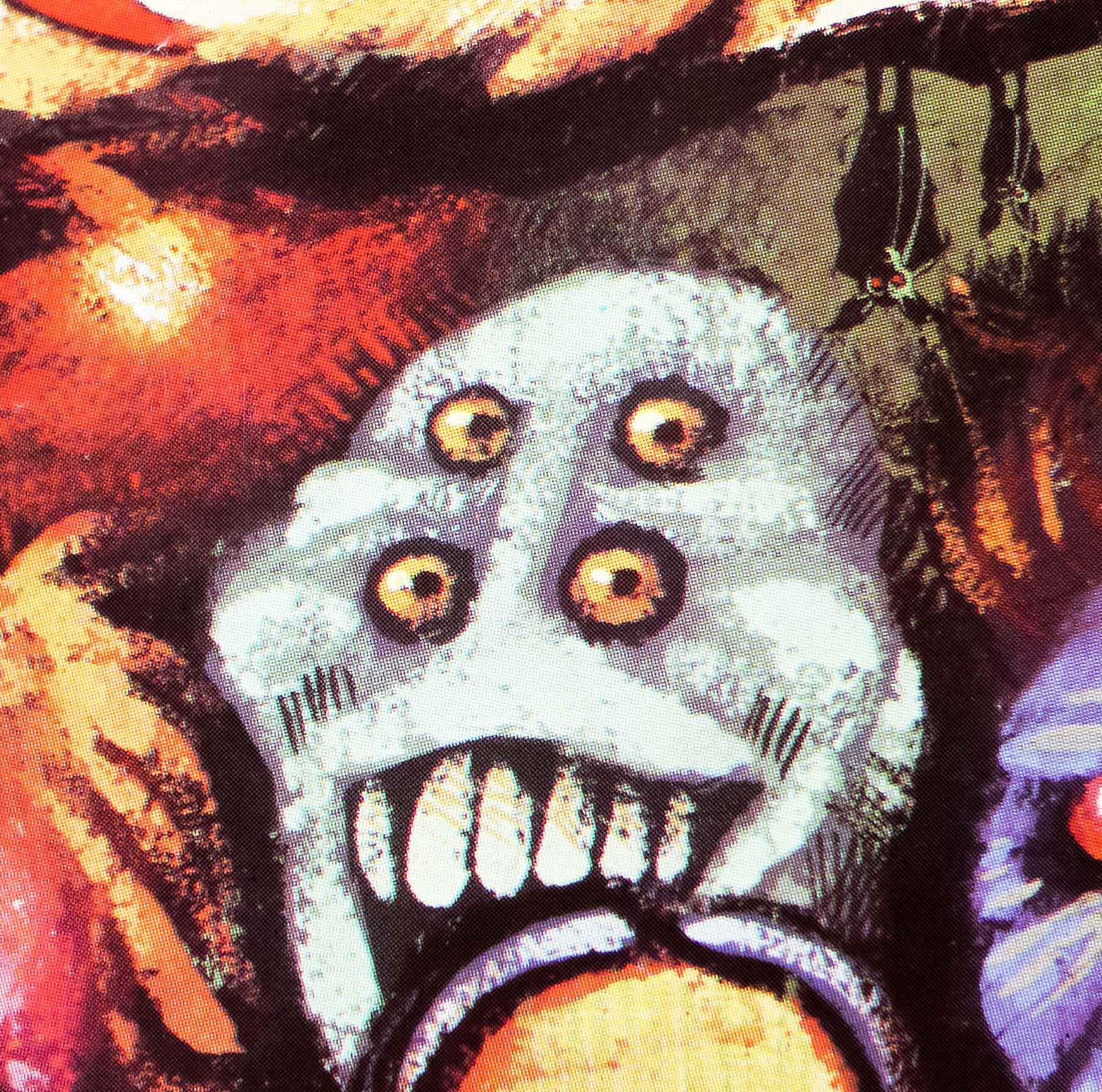
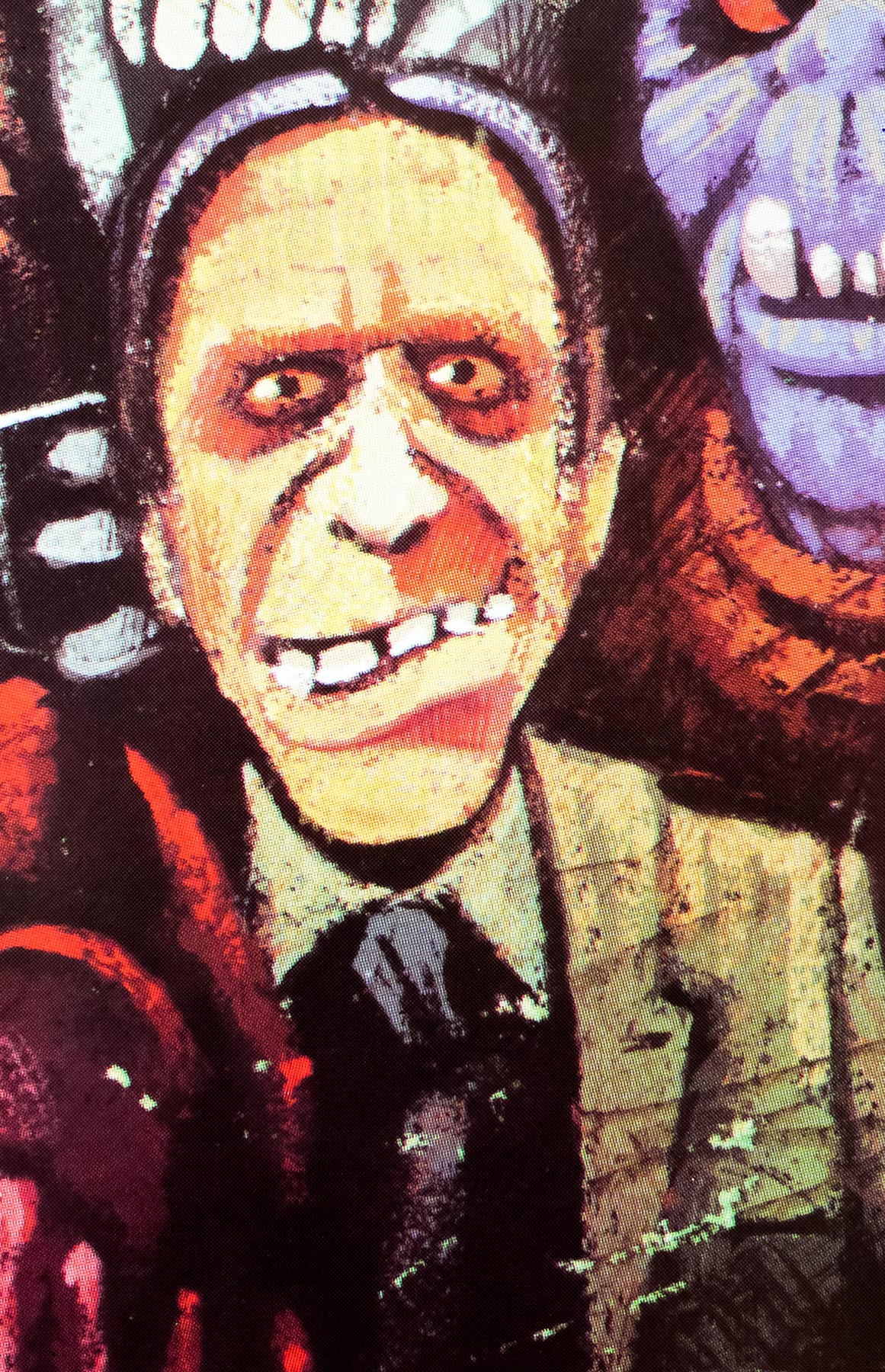
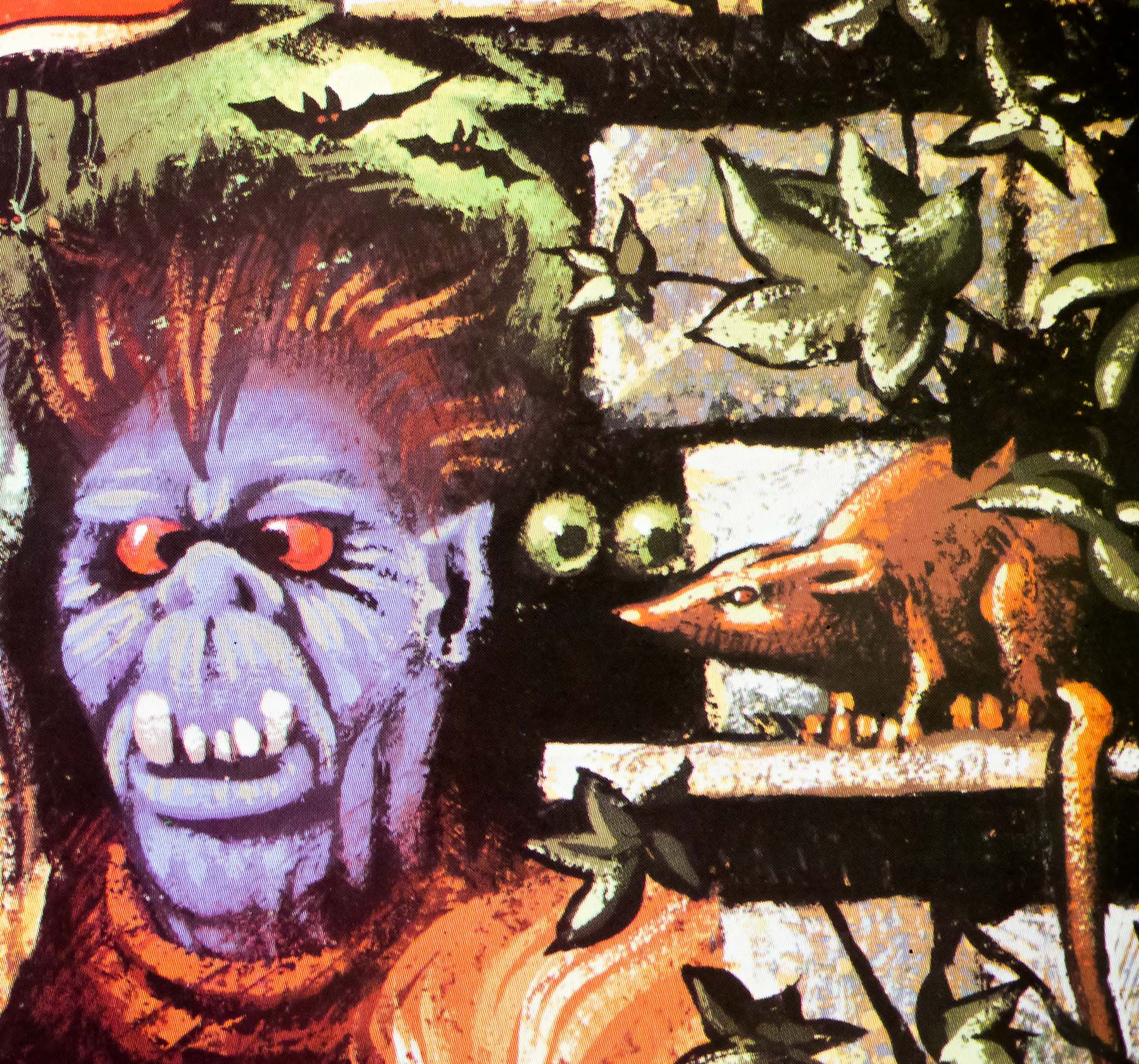
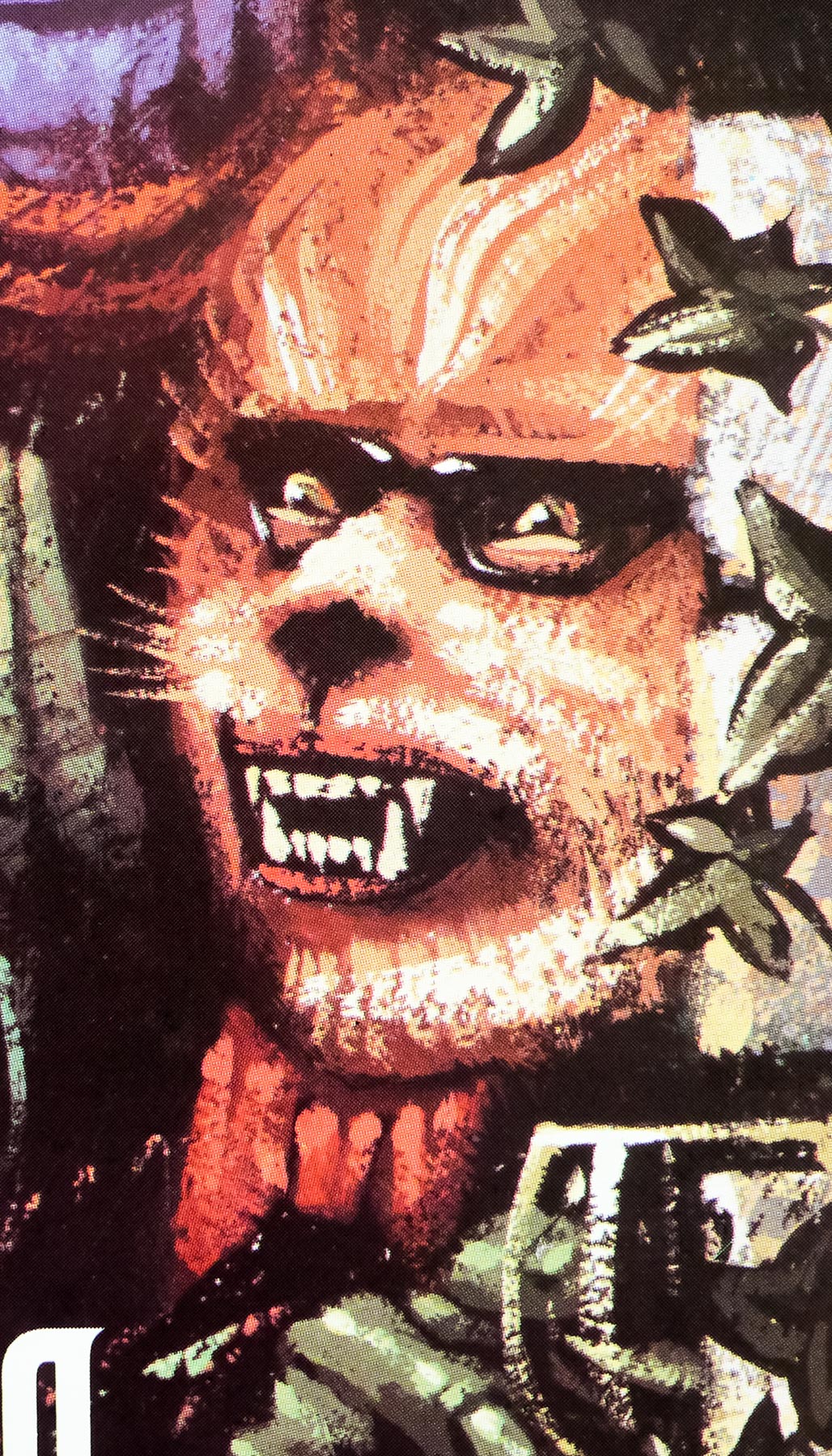
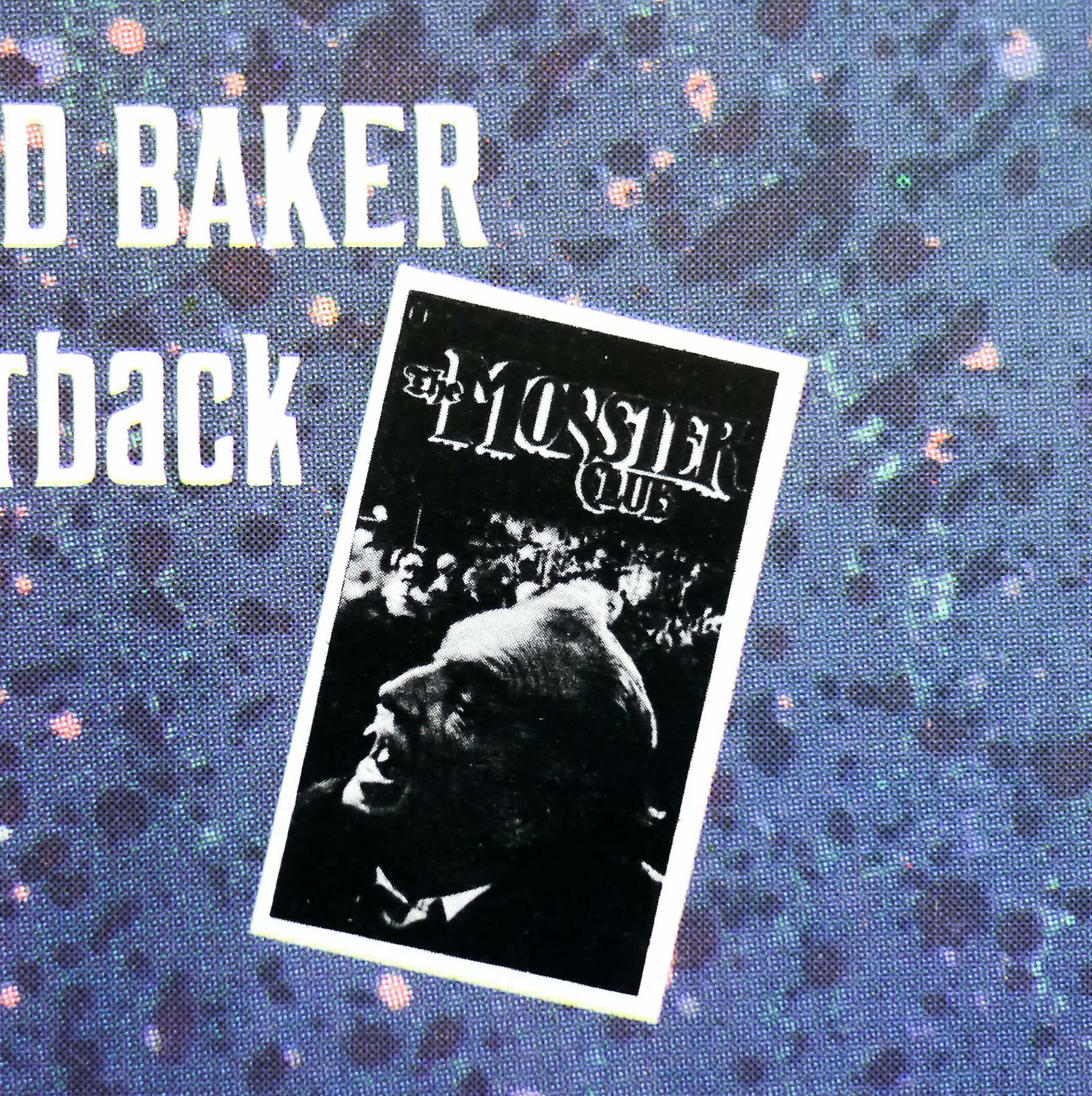
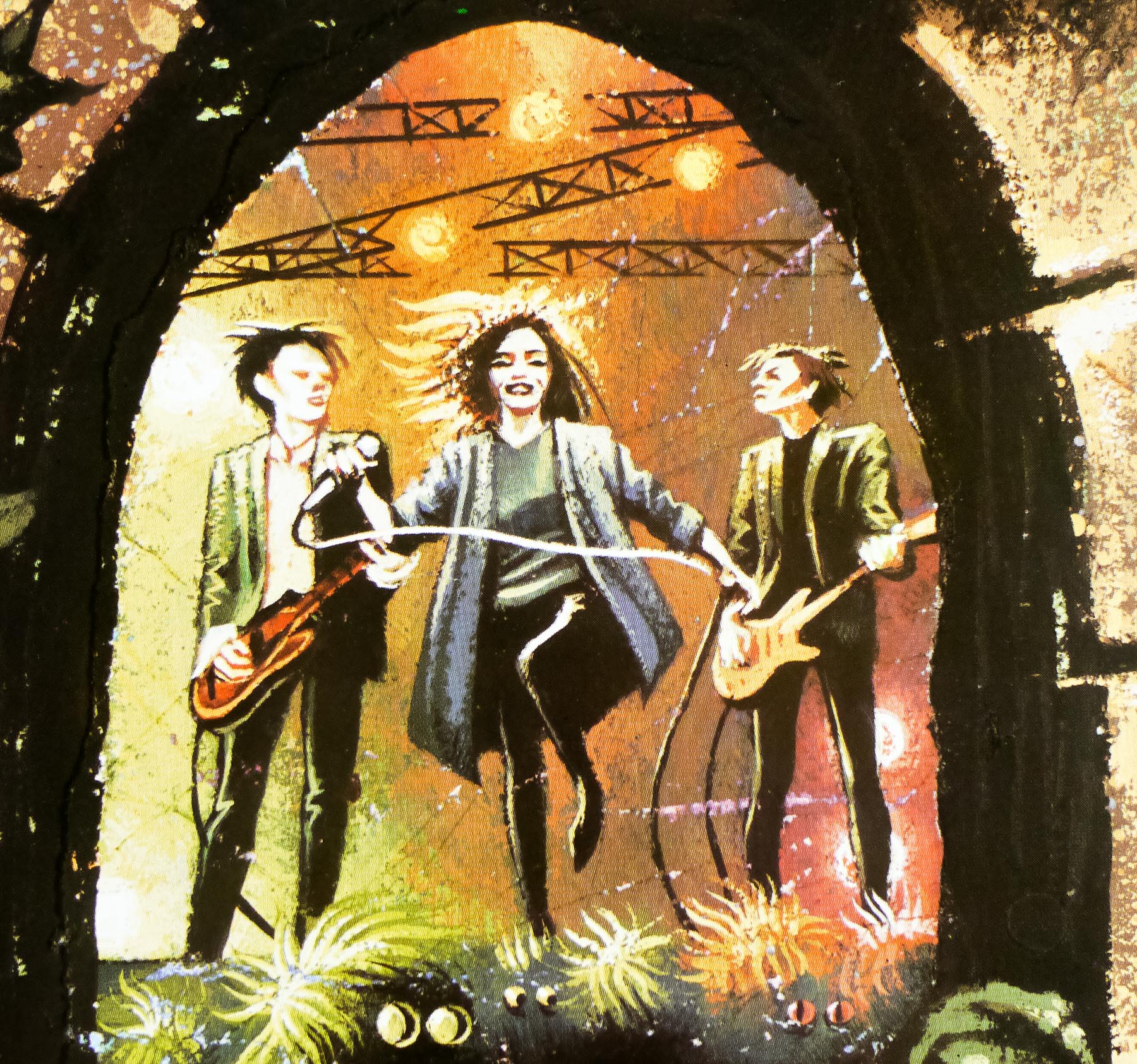
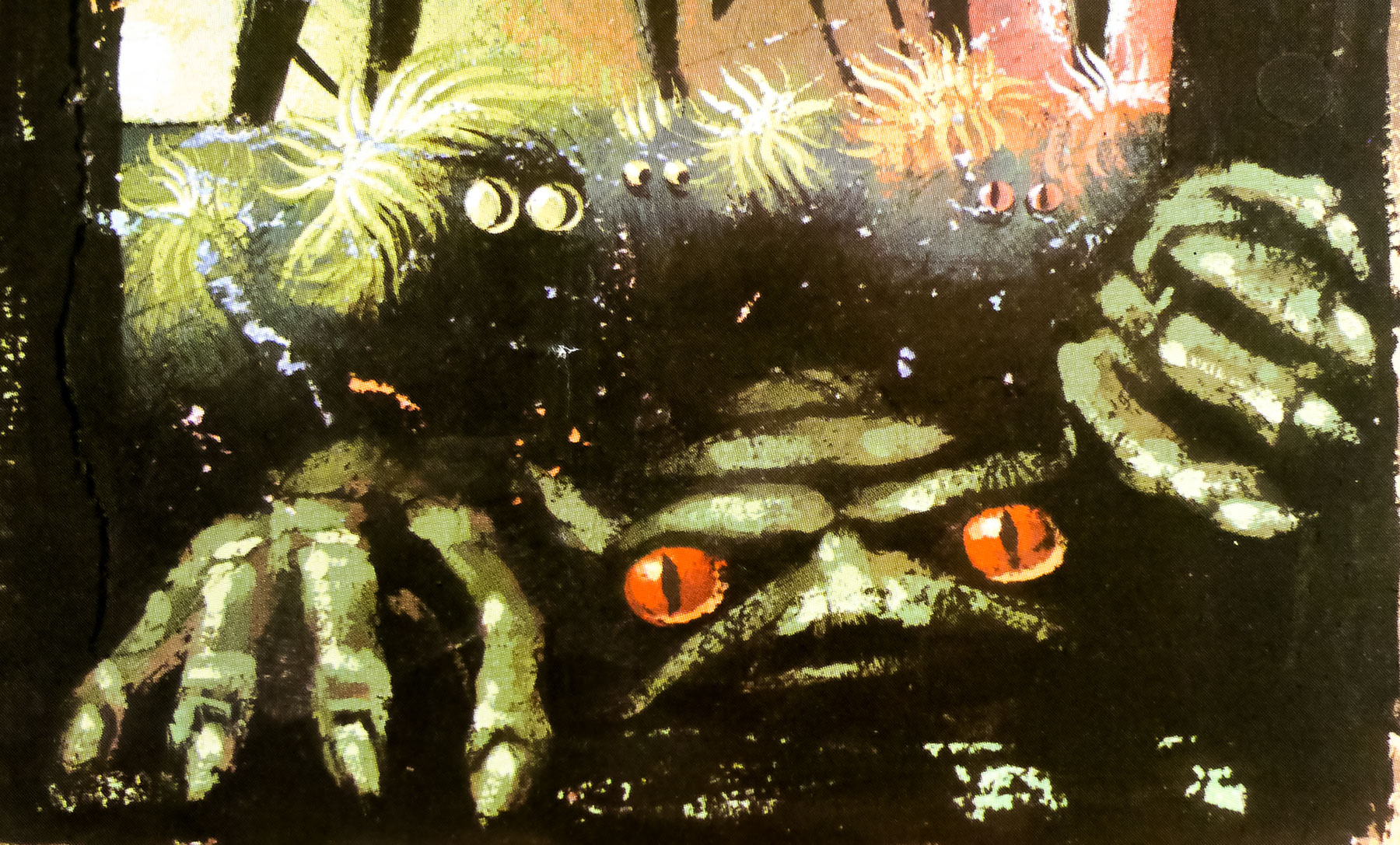
Close up detail of The Monster Club quad artwork by Graham Humphreys

Close up detail of The Monster Club quad artwork by Graham Humphreys

Did you have fun painting the various creatures?
No, I had been shown images from the film and clearly most of the club members are wearing hastily prepared rubber masks, there was no license to be creative with the heads.

They must have liked the poster as the painting was used on a number of international posters as well as multiple VHS covers?
I suspect that this was more to do with budget. Clearly the film was intended to be supplied with a full supporting poster campaign as a package. This is why the marketing department were being so particular. This was an international poster, not domestic. The photo of the original painting shows that the main image descends further in order to facillitate the international format. Only the UK would have got the full width quad version.

Were you happy with the final result?
Absolutely not!
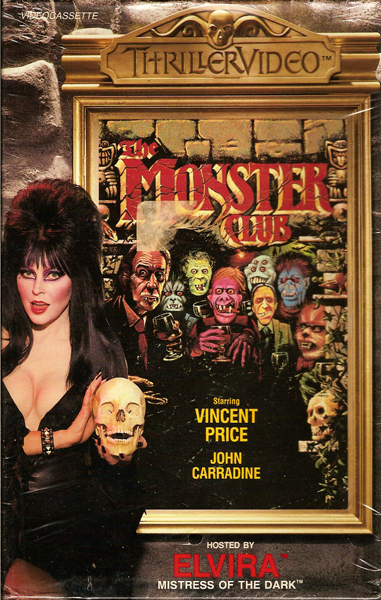
'Elvira presents...' - a VHS cover for the film released by Thriller Video - image taken from Bloodsprayer.com

‘Elvira presents…’ – a VHS cover for the film released by Thriller Video – image taken from Bloodsprayer.com

Did this poster help you secure your next job?
Whilst working on ‘The Monster Club’, the same distributor offered me ‘The Funhouse’ and, after supplying initial sketches, the job suddenly changed and was then a double bill with ‘My Bloody Valentine’. So all my ideas for a quad format poster had to adapt to a tall verticle format. Still smarting from the first poster, I was cautious with the imagery and in retrospect should have taken it much further.

Thanks for taking the time to speak to me about the poster, it’s much appreciated.

– Visit Graham’s official website (opens in a new tab).
– Read this site’s 2011 interview with Graham.
– See other posters designed and painted by Graham in my collection.


The Monster Club / quad / UK

30.11.12

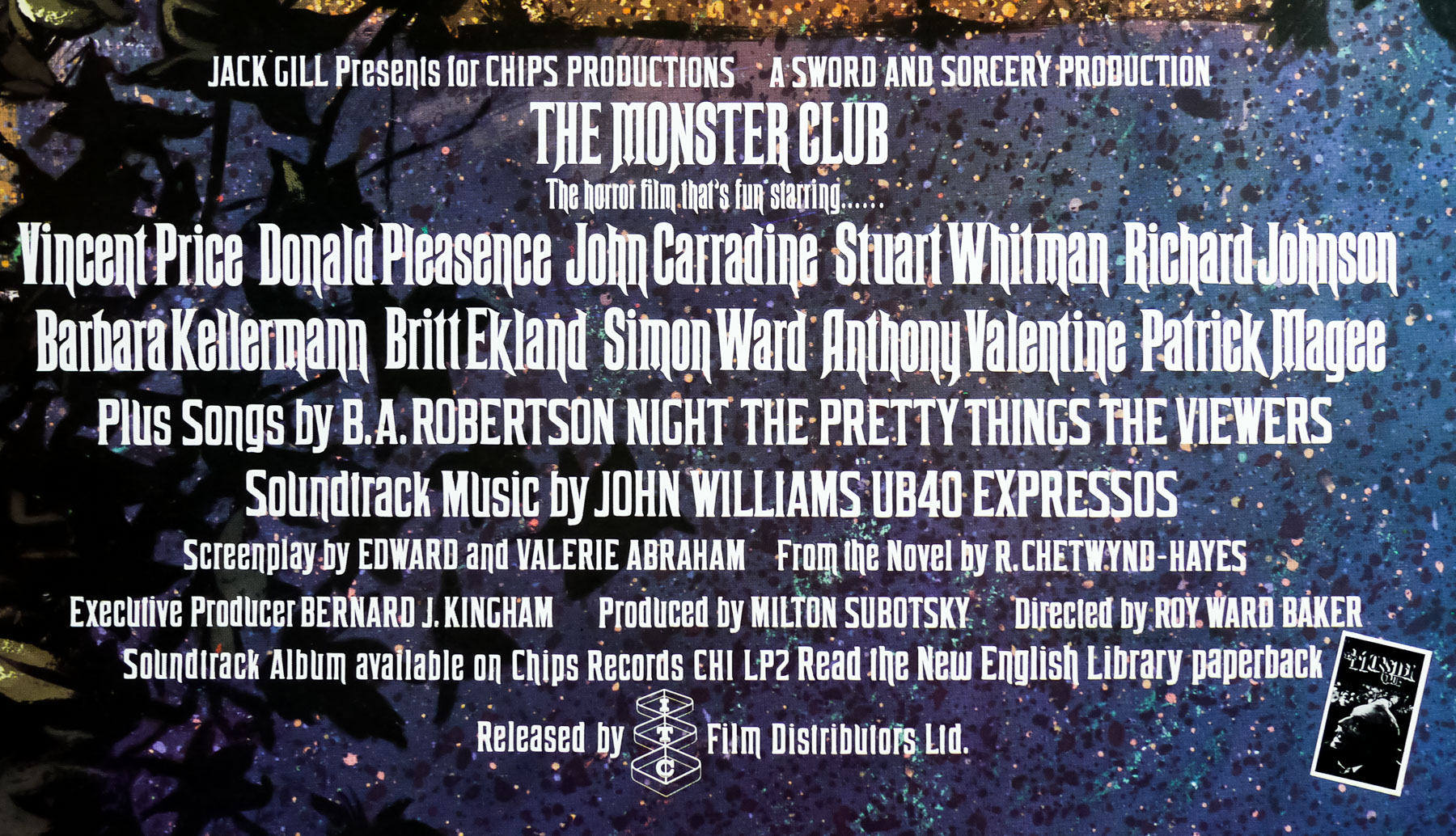
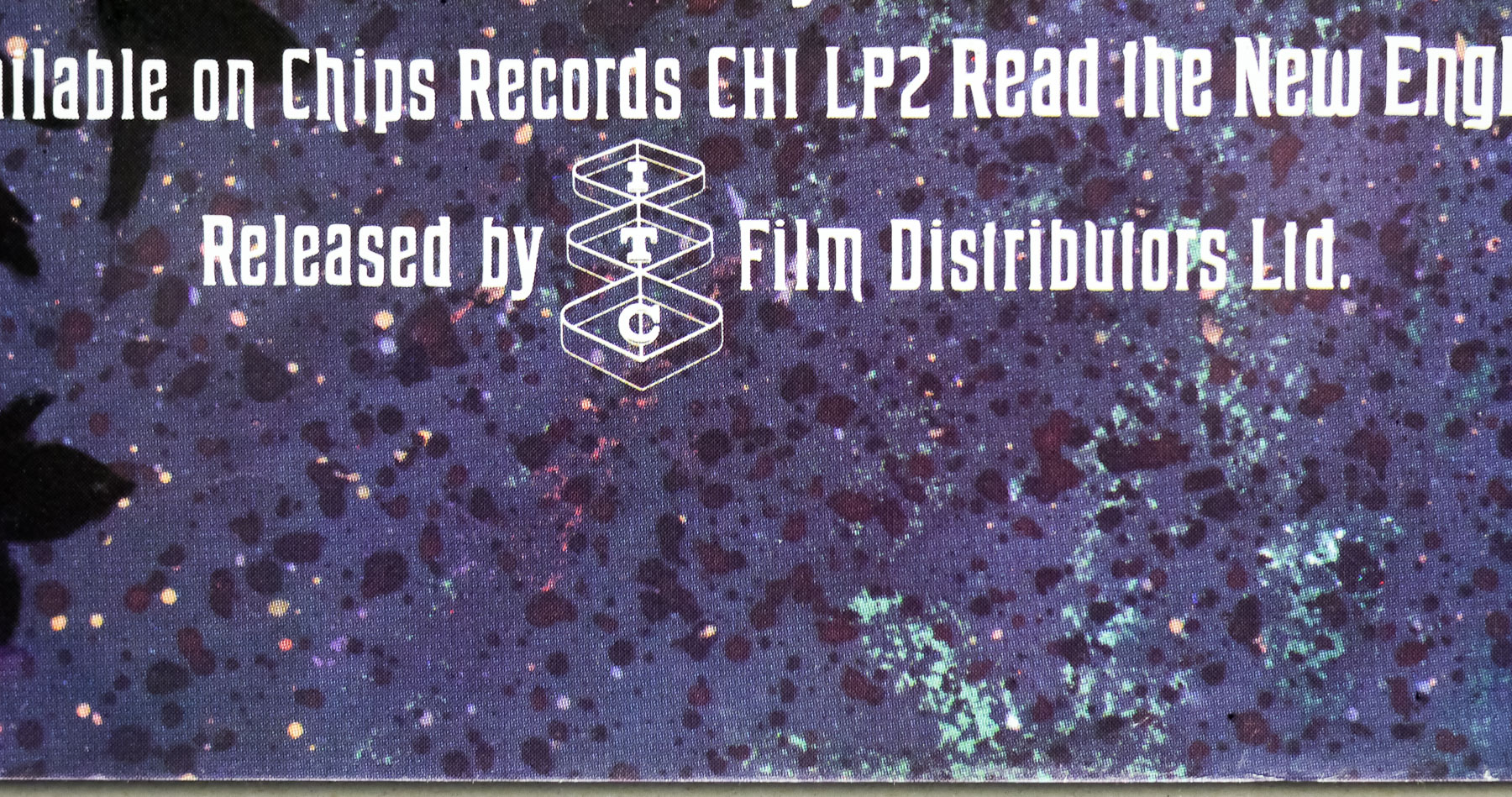
British quad poster for The Monster Club (1981). Artwork by Graham HumphreysBritish quad poster for The Monster Club (1981). Artwork by Graham Humphreys, image 2British quad poster for The Monster Club (1981). Artwork by Graham Humphreys, image 3British quad poster for The Monster Club (1981). Artwork by Graham Humphreys, image 4British quad poster for The Monster Club (1981). Artwork by Graham Humphreys, image 5
Title
The Monster Club
Year of Film
1981
Director
Roy Ward Baker
Starring
Vincent Price, Donald Pleasence, John Carradine, Stuart Whitman, Richard Johnson, Barbara Kellerman, Britt Ekland, Simon Ward, Anthony Valentine, Patrick Magee, Anthony Steel
Origin of Film
UK
Genre(s) of Film
Comedy | Horror | Music
Type of Poster
Quad
Origin of Poster
UK
Year of Poster
1981
Designer
Graham Humphreys
Artist
Graham Humphreys
Size (inches)
30" x 39 15/16"
SS or DS
SS
Tagline
You'll meet some interesting people and hear some great songs at The Monster Club

The horror anthology The Monster Club (opens in a new tab) was produced by ex-Amicus (opens in a new tab) co-owner Milton Subotsky (opens in a new tab) and was the final feature film from director Roy Ward Baker (opens in a new tab). Subotsky had seen great success as one half of Amicus (his partner was the screenwriter Max Rosenberg (opens in a new tab)) with the release of several ‘portmanteau’ horrors, including three directed by genre stalwart Freddie Francis (opens in a new tab); Dr. Terror’s House of Horrors (opens in a new tab) (1964), Torture Garden (opens in a new tab) (1967) and Tales from the Crypt (opens in a new tab) (1972). Roy Ward Baker (opens in a new tab) is best remembered for his work on the Titanic film A Night to Remember (opens in a new tab) (1958) and several successful horror films for one of Amicus’ rival studios, Hammer (opens in a new tab), including the excellent Quatermass and the Pit (opens in a new tab) (1967) and Dr Jekyll & Sister Hyde (opens in a new tab) (1972). Baker directed a handful of horrors for Amicus, including the anthologies Asylum (1972) and The Vault of Horror (opens in a new tab) (1973), as well as the ghost story And Now the Screaming Starts! (opens in a new tab) (1973).

The Monster Club features American horror legend Vincent Price (opens in a new tab) as the vampire Eramus who bumps into the horror writer R.Chetwynd-Hayes (played by the prolific John Carradine (opens in a new tab)) and feasts on his blood but ‘doesn’t bite deep enough’ to turn him into one of his own. Eramus then invites the writer to visit the titular club claiming that he’s sure it will offer plenty of inspiration as it’s home to all manner of werewolves, ghouls, beasts and other assorted creatures (read: extras in hastily prepared rubber masks). What follows is three fairly dull horror stories featuring several notable actors (Donald Pleasence (opens in a new tab), Richard Johnson (opens in a new tab) and Britt Ekland (opens in a new tab)) but it’s the surrounding sequences in the club itself that are more interesting with a handful of catchy musical numbers (opens in a new tab) and one memorable sequence in which a stripper takes everything off (opens in a new tab), including her skin (via a shadowy animation).

The poster was designed and painted by the brilliant British illustrator Graham Humphreys (opens in a new tab). Because it wasn’t a poster we discussed during our 2011 interview I wanted to speak to Graham to hear the story of the making of this poster in more detail. Read the interview with Graham.

Revenge of the Jedi / one sheet / dated version / USA

28.11.12

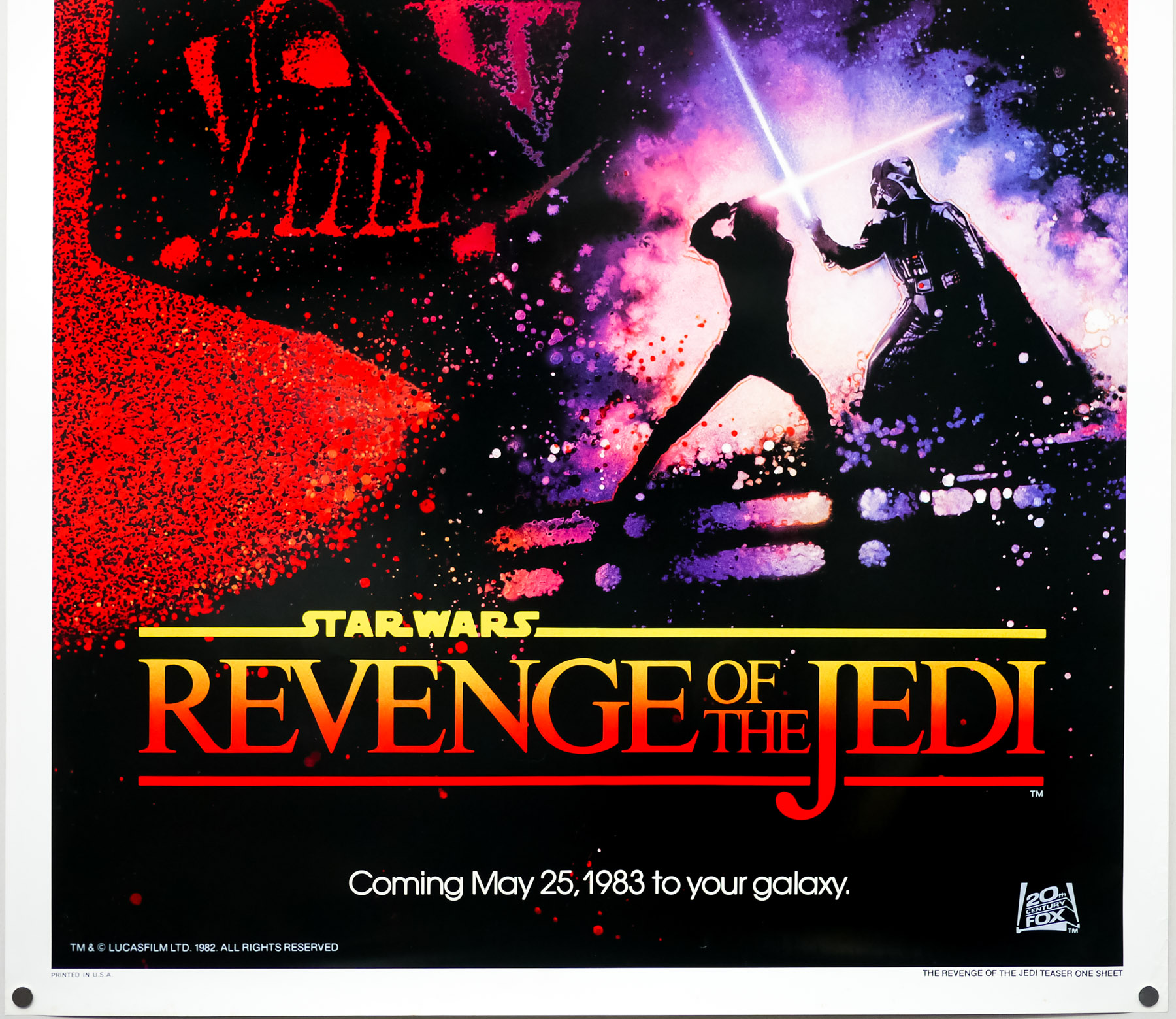
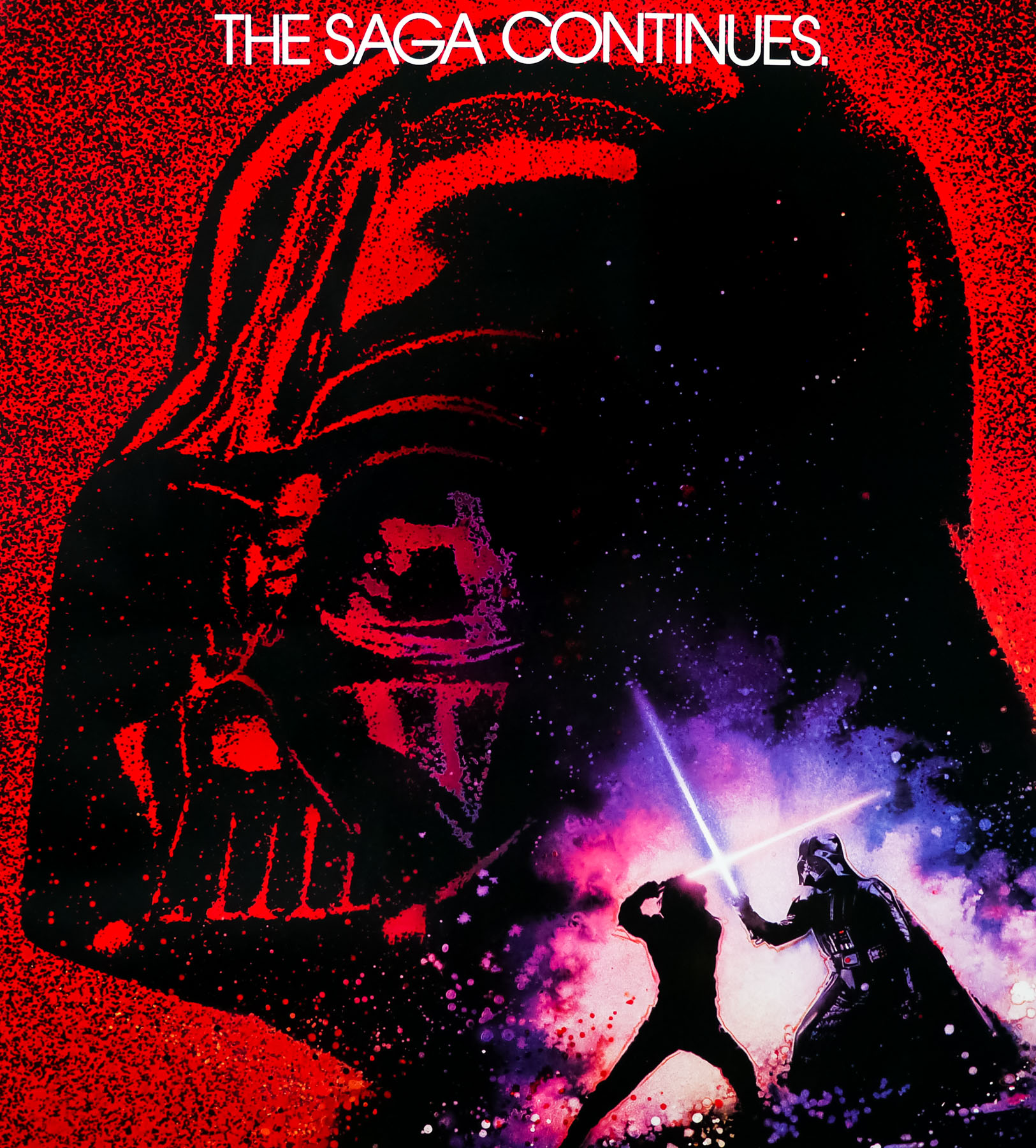
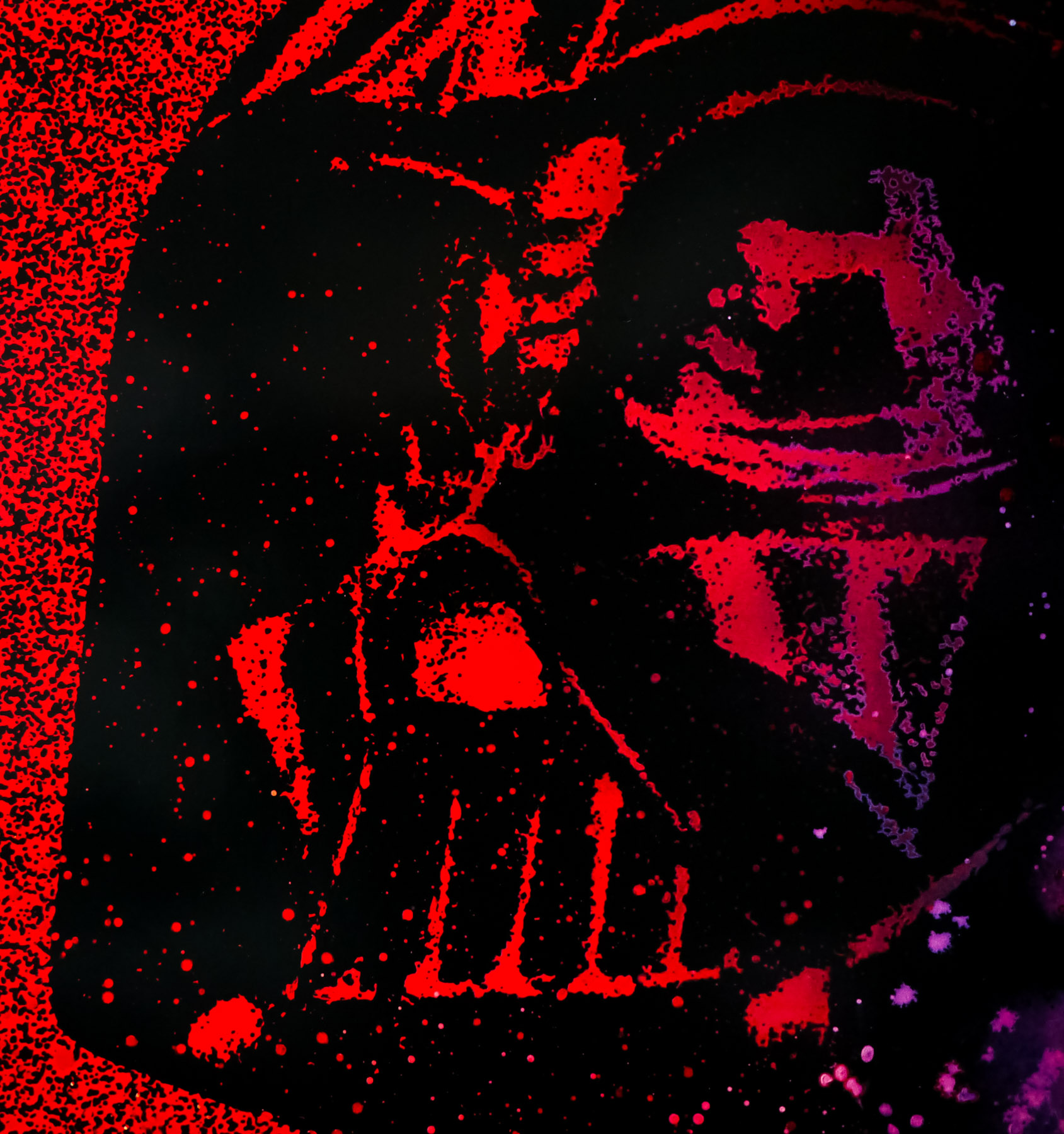
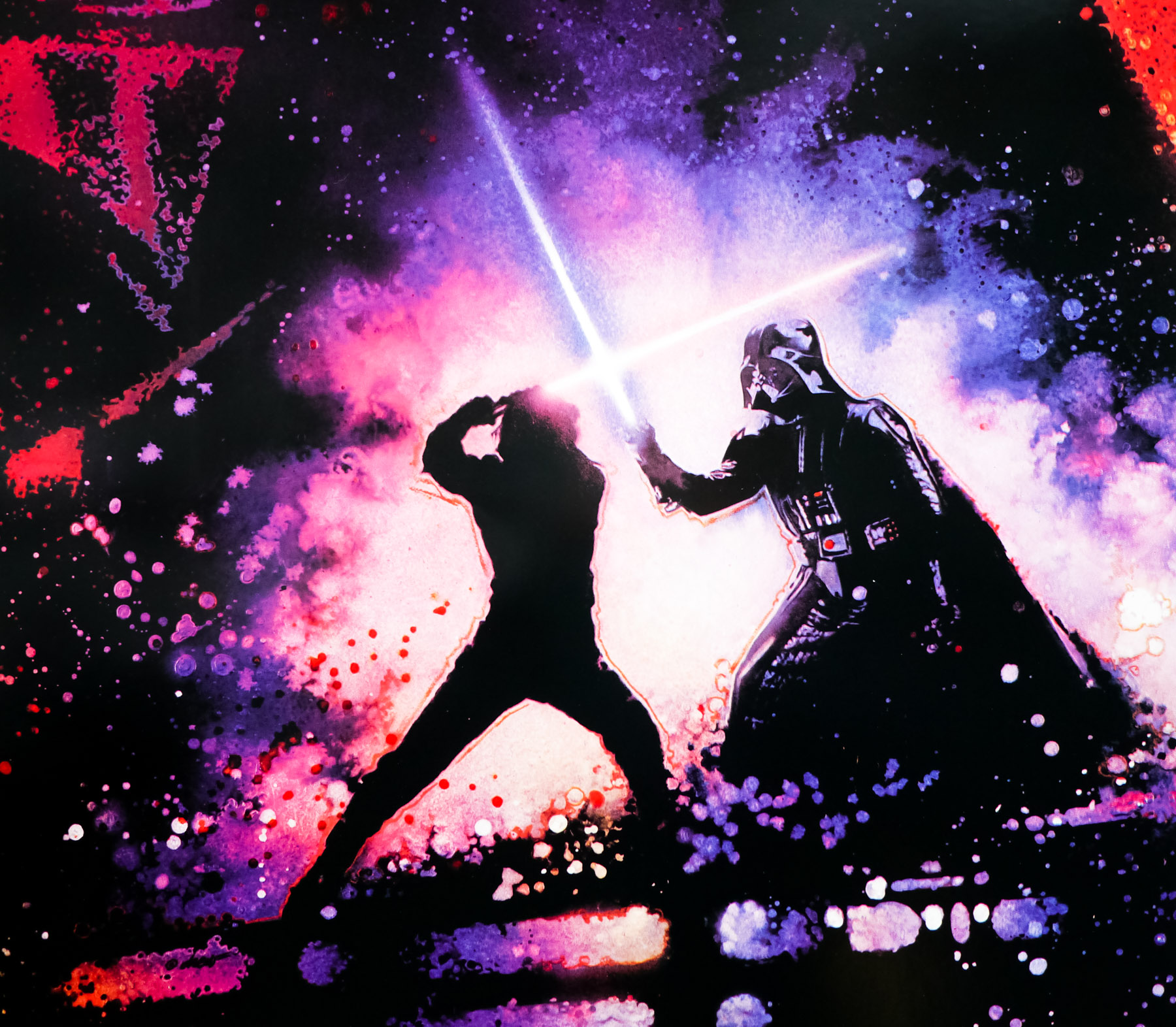
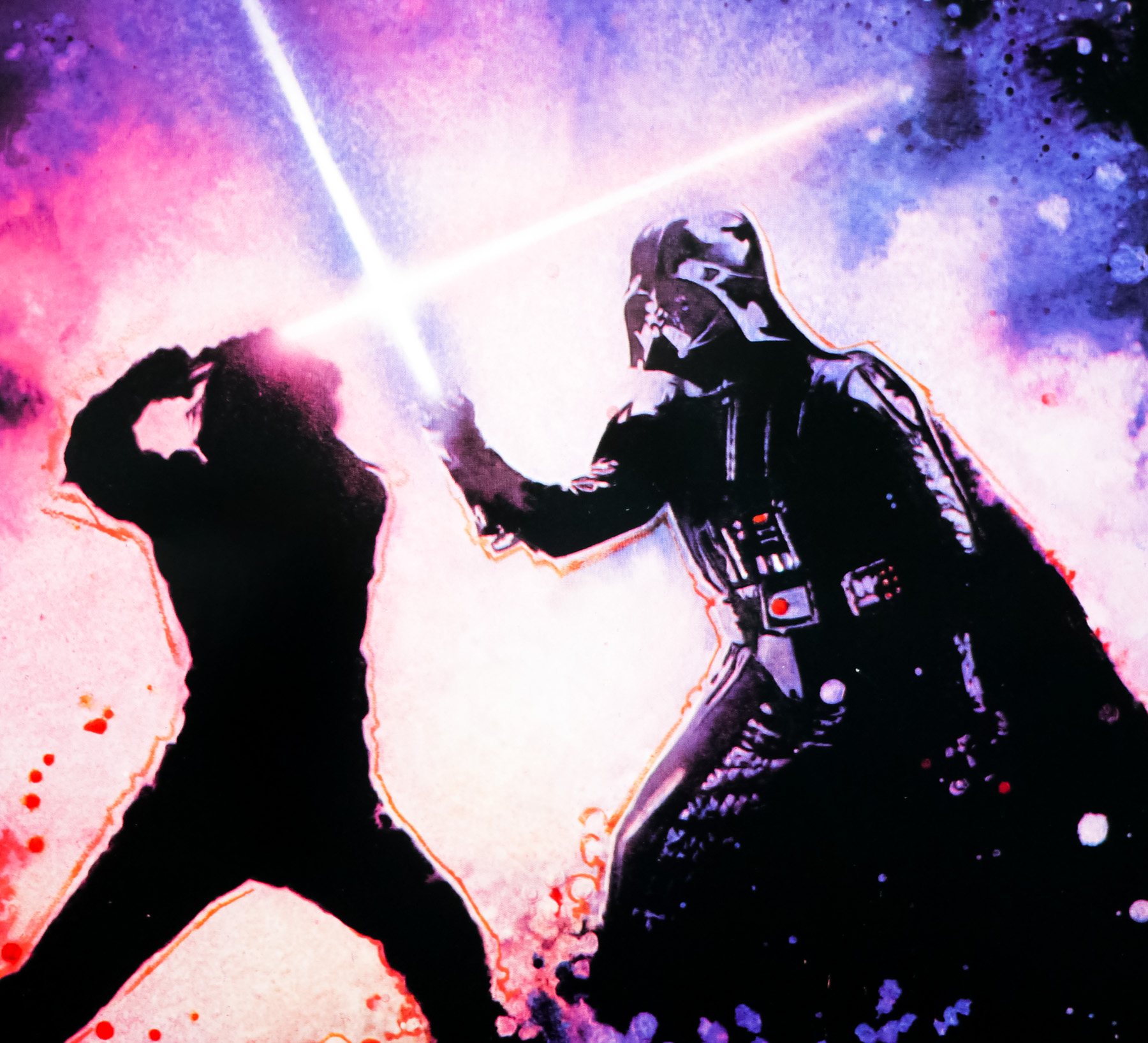
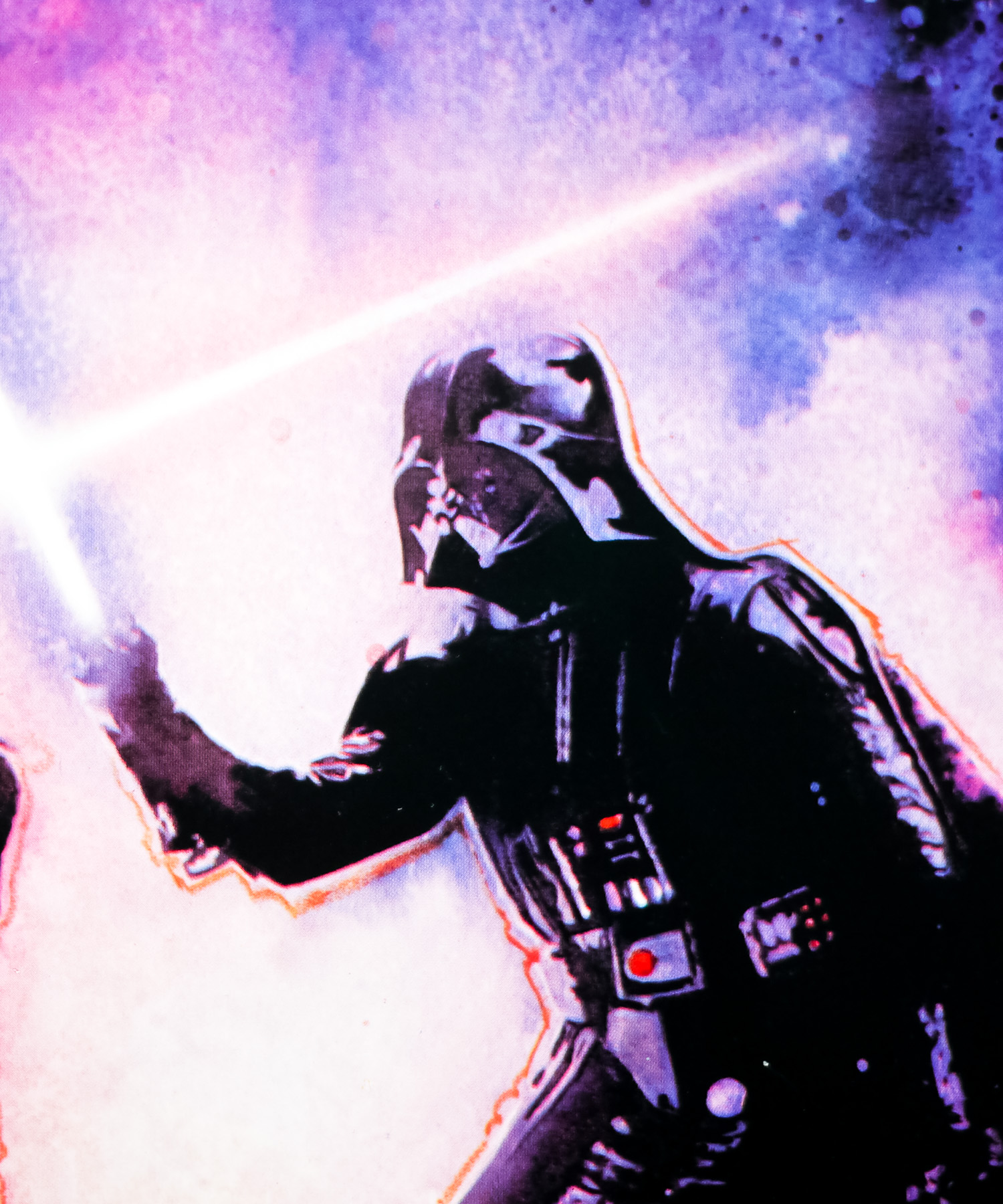
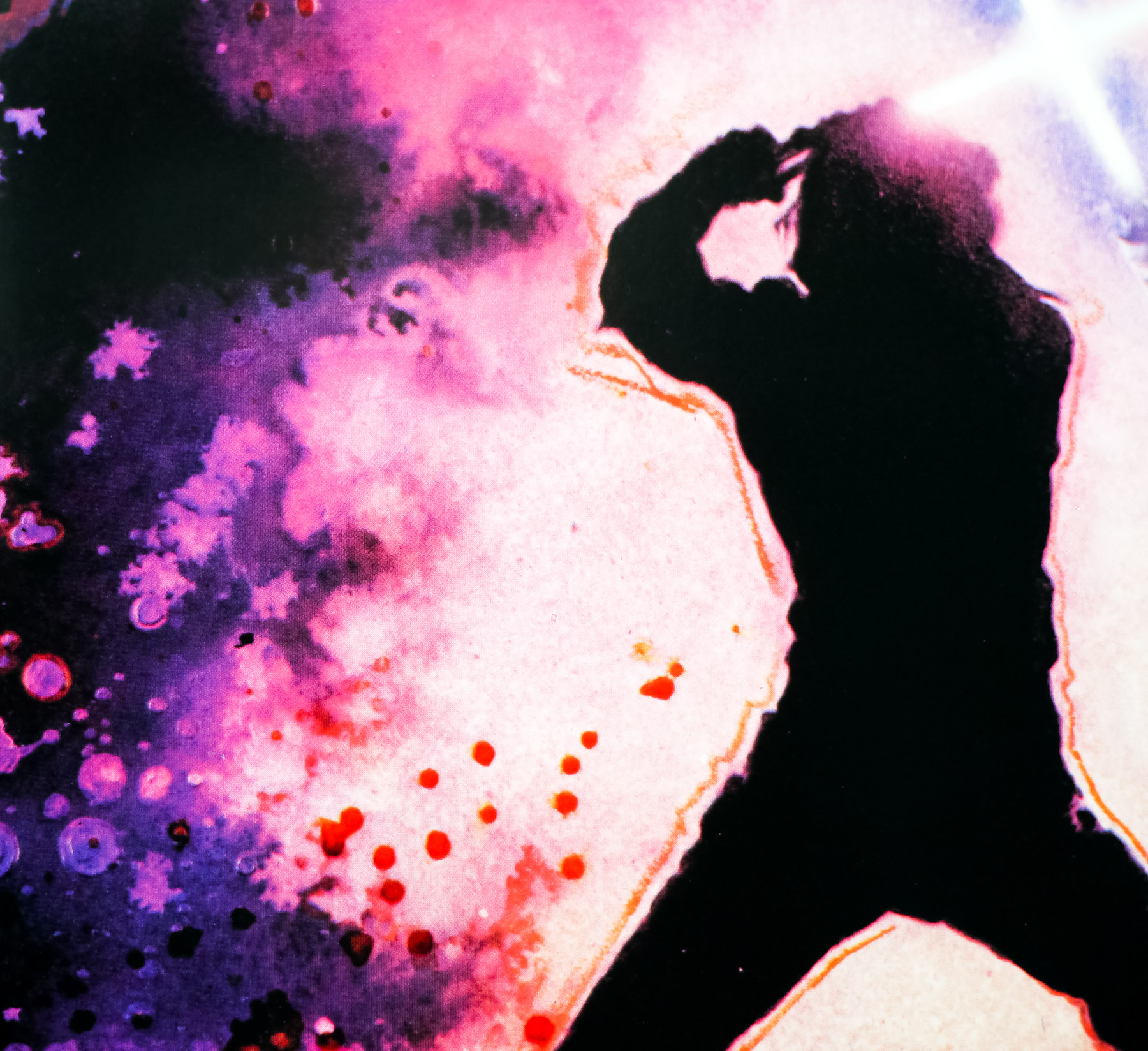
US one sheet poster (Dated version) for Revenge of the Jedi (1983). Artwork by Drew StruzanUS one sheet poster (Dated version) for Revenge of the Jedi (1983). Artwork by Drew Struzan, image 2US one sheet poster (Dated version) for Revenge of the Jedi (1983). Artwork by Drew Struzan, image 3US one sheet poster (Dated version) for Revenge of the Jedi (1983). Artwork by Drew Struzan, image 4US one sheet poster (Dated version) for Revenge of the Jedi (1983). Artwork by Drew Struzan, image 5
Title
Revenge of the Jedi
AKA
Return Of The Jedi (release title) | Star Wars Episode VI: Return of the Jedi (full title) | Blue Harvest (USA - fake working title)
Year of Film
1983
Director
Richard Marquand
Starring
Mark Hamill, Harrison Ford, Carrie Fisher, Billy Dee Williams, Anthony Daniels, Kenny Baker, Peter Mayhew, David Prowse, Ian McDiarmid
Origin of Film
USA
Genre(s) of Film
Sci-Fi | Adventure
Film Series
Star Wars
Type of Poster
One sheet
Style of Poster
Dated version
Origin of Poster
USA
Year of Poster
1983
Designer
Unknown
Artist
Drew Struzan
Size (inches)
27 1/8" x 41 1/16"
SS or DS
SS
Tagline
The Saga Continues

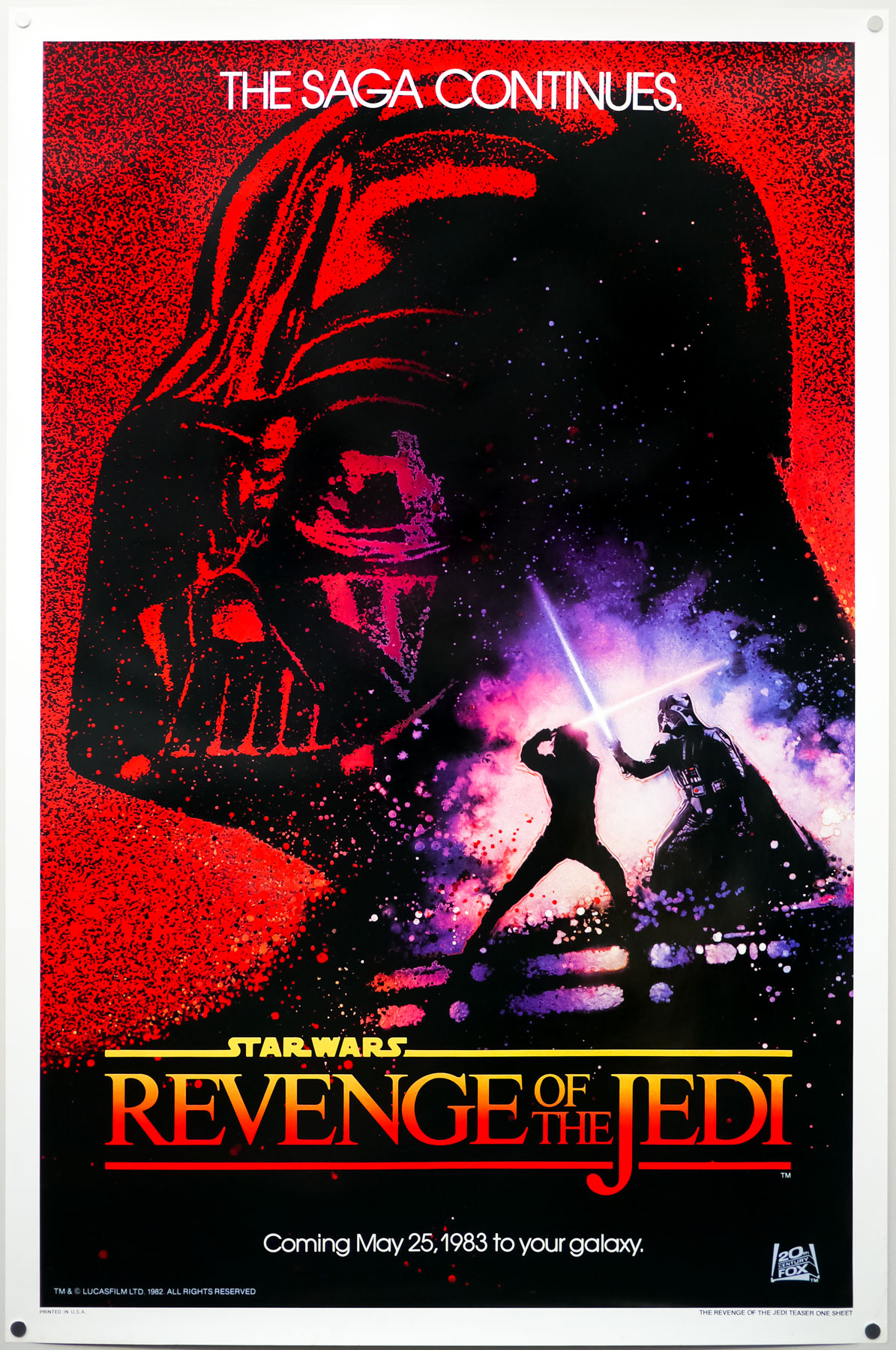
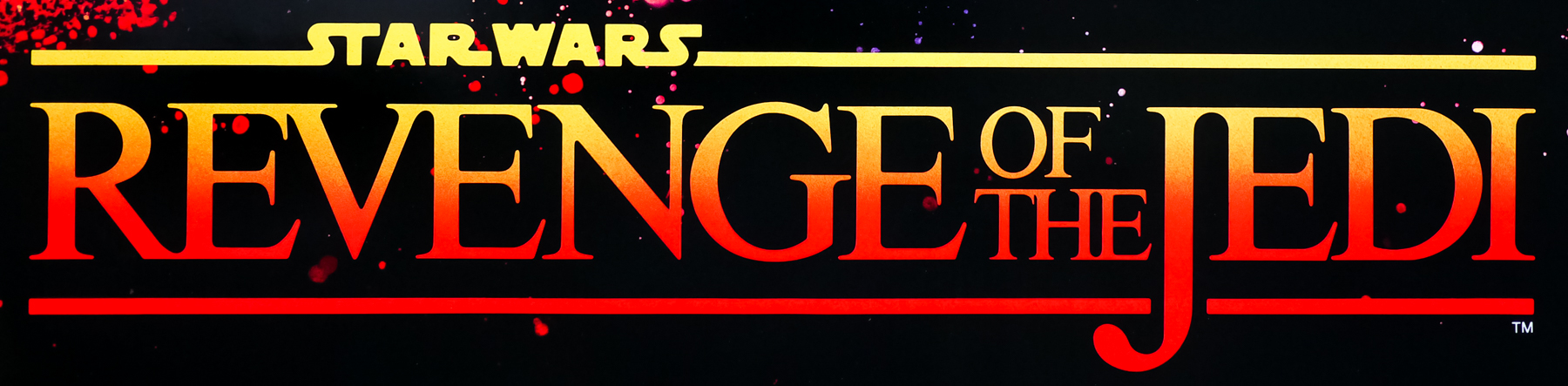
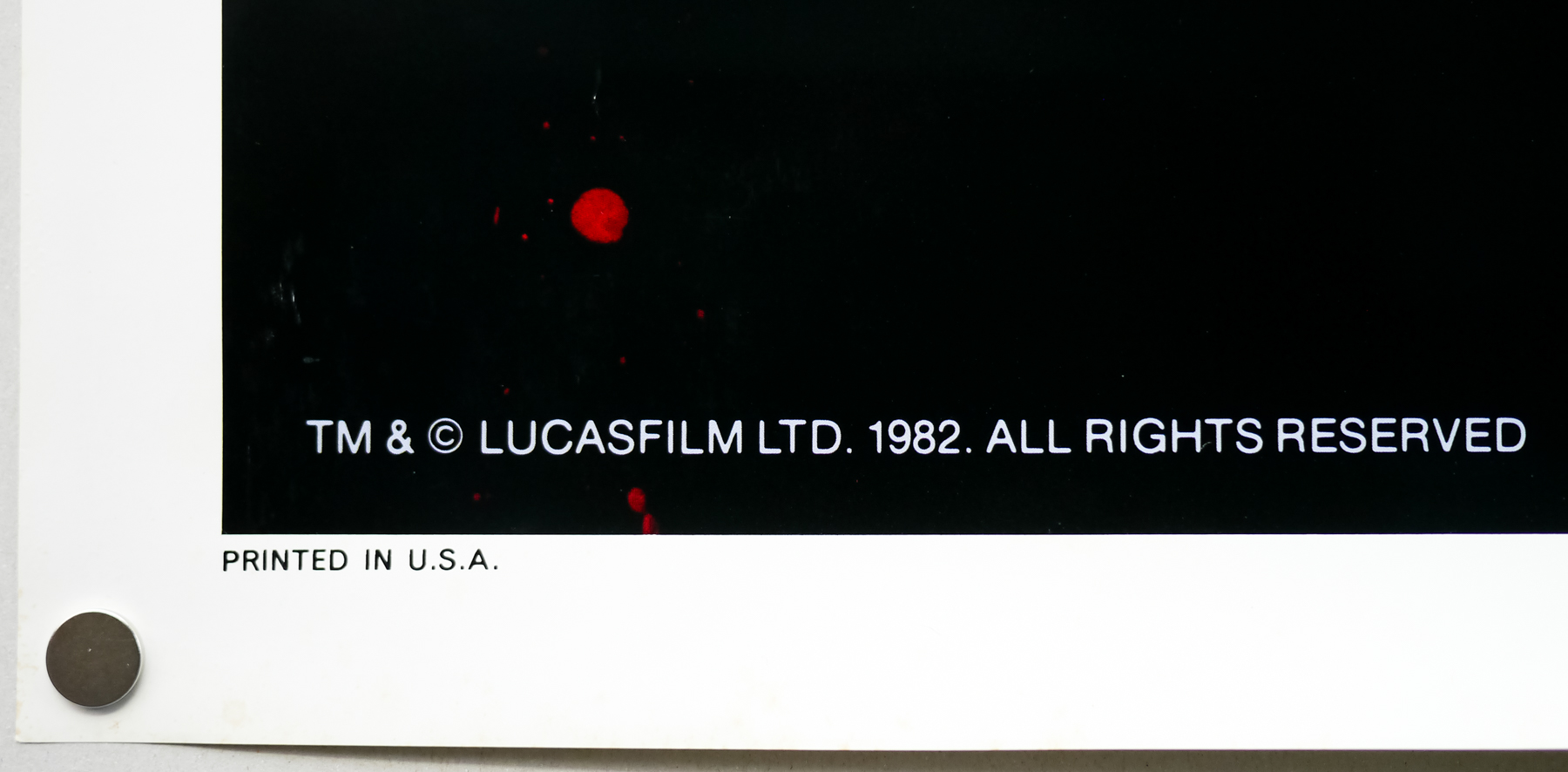
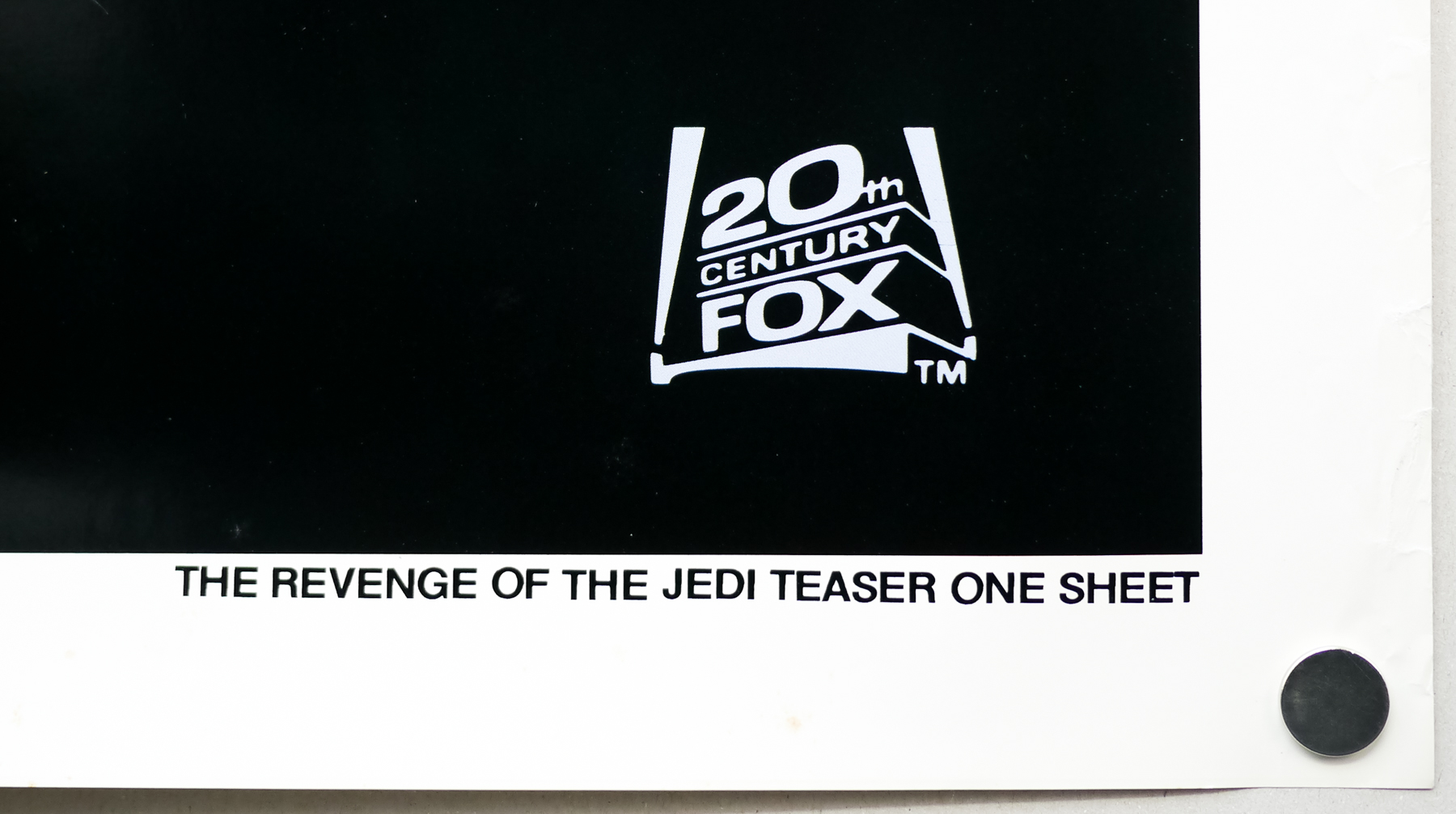
The third film in the much-loved original trilogy of Star Wars films was written by Lawrence Kasdan (opens in a new tab) and, in a recently produced documentary, he claims to have suggested that the initially planned title of ‘Return of the Jedi’ was too weak and that ‘Revenge’ would be a better option. A teaser trailer (opens in a new tab) for the film featured the Revenge title and legendary poster artist Drew Struzan (opens in a new tab), who had worked on the style D one sheet (opens in a new tab) for the first film, was hired to paint this teaser poster.
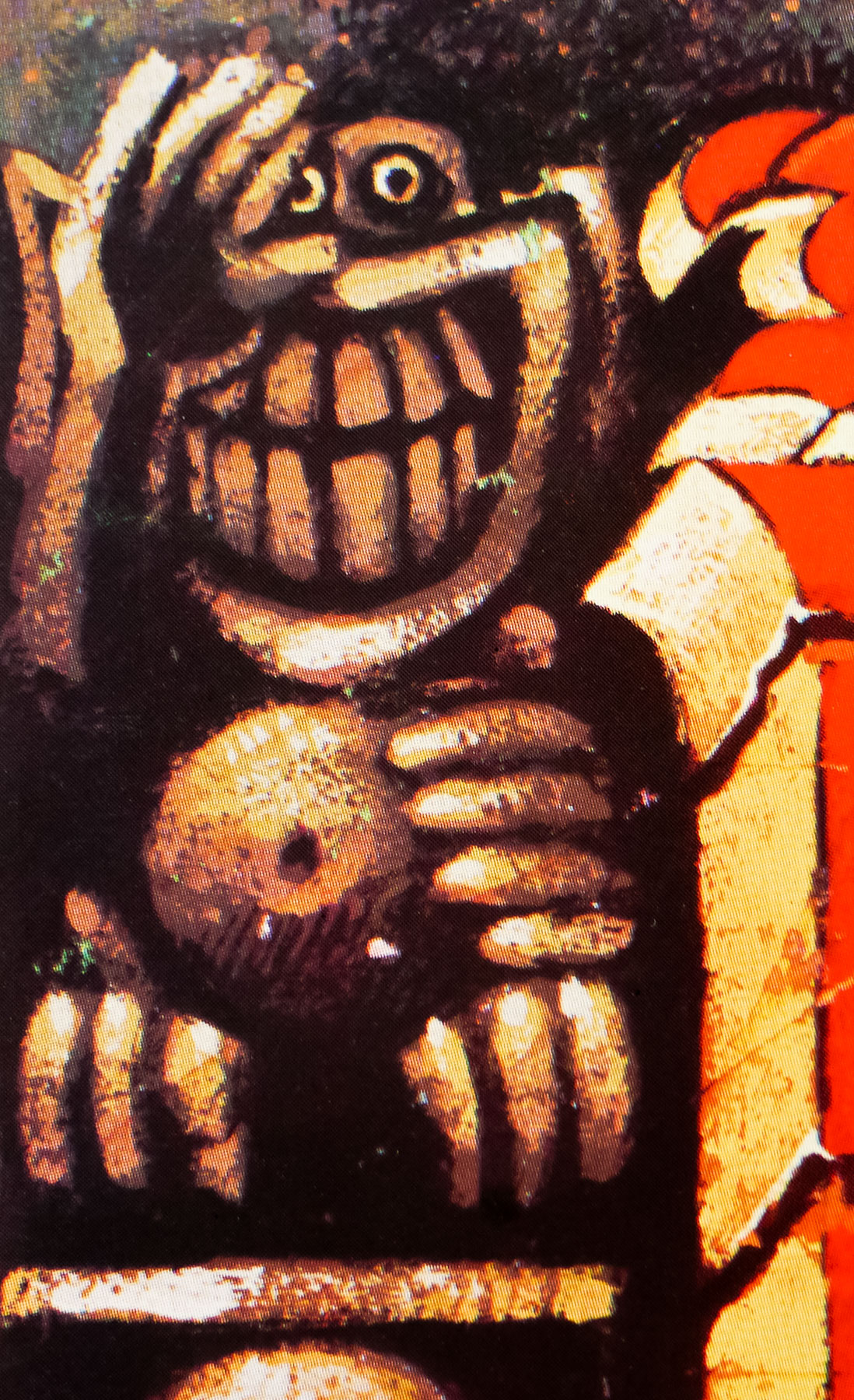
Lucas eventually decided that revenge was not a Jedi concept so the film was changed back to the original ‘Return’ title and all subsequent posters were renamed too. According to the Star Wars poster book, by the time the title had been changed thousands of Revenge posters had been printed and hundreds had been distributed to theaters. Lucasfilm stopped the shipping of the posters and destroyed all but 6,800 posters, which were sold in three days to Star Wars fan club members for $9.50. (Source: The Star Wars Poster Book).

The now defunct (as of 2026) collectors site Movie Poster Collectors had a page on the poster that confirmed:

The vast majority of posters that escaped destruction have the tagline “Coming May 25, 1983 to your galaxy” at the bottom.  According to reports, a very few – perhaps 100 – omit that tag line. The posters without the release date command somewhat higher prices than the “Coming May 25” posters.

Unfortunately because of its collectable nature there have been several fakes printed over the years. The iCollectMovieposters site has a page (opens in a new tab) that explains what to look for when thinking about buying one.

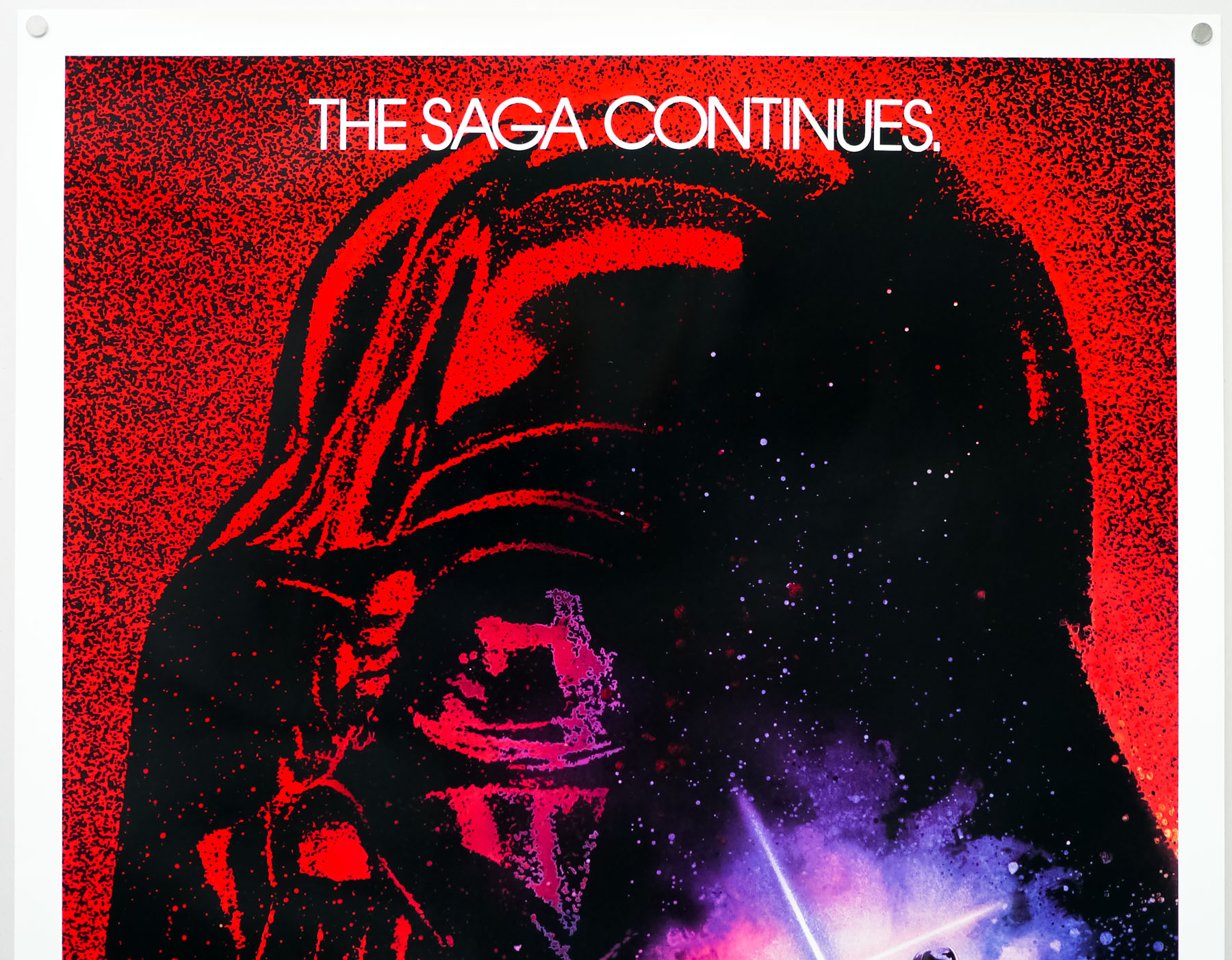
The poster is one of Struzan’s most iconic designs and brilliantly depicts a moment from what would eventually be revealed as a fight between Darth Vader and Luke Skywalker. The colours and use of painting techniques are fantastic and you should check out the detailed images to see these up close. The poster features on his own website (opens in a new tab). The design was later adapted for a British advance quad featuring the Return title.

This teaser one sheet was officially reprinted by Kilian Enterprises (opens in a new tab) on the film’s tenth anniversary but with the Return title instead. This page (opens in a new tab) on Learn About Movie Posters details the various versions that were released.

See the other posters I’ve collected by Struzan.

The Straight Story / B2 / Japan

26.11.12

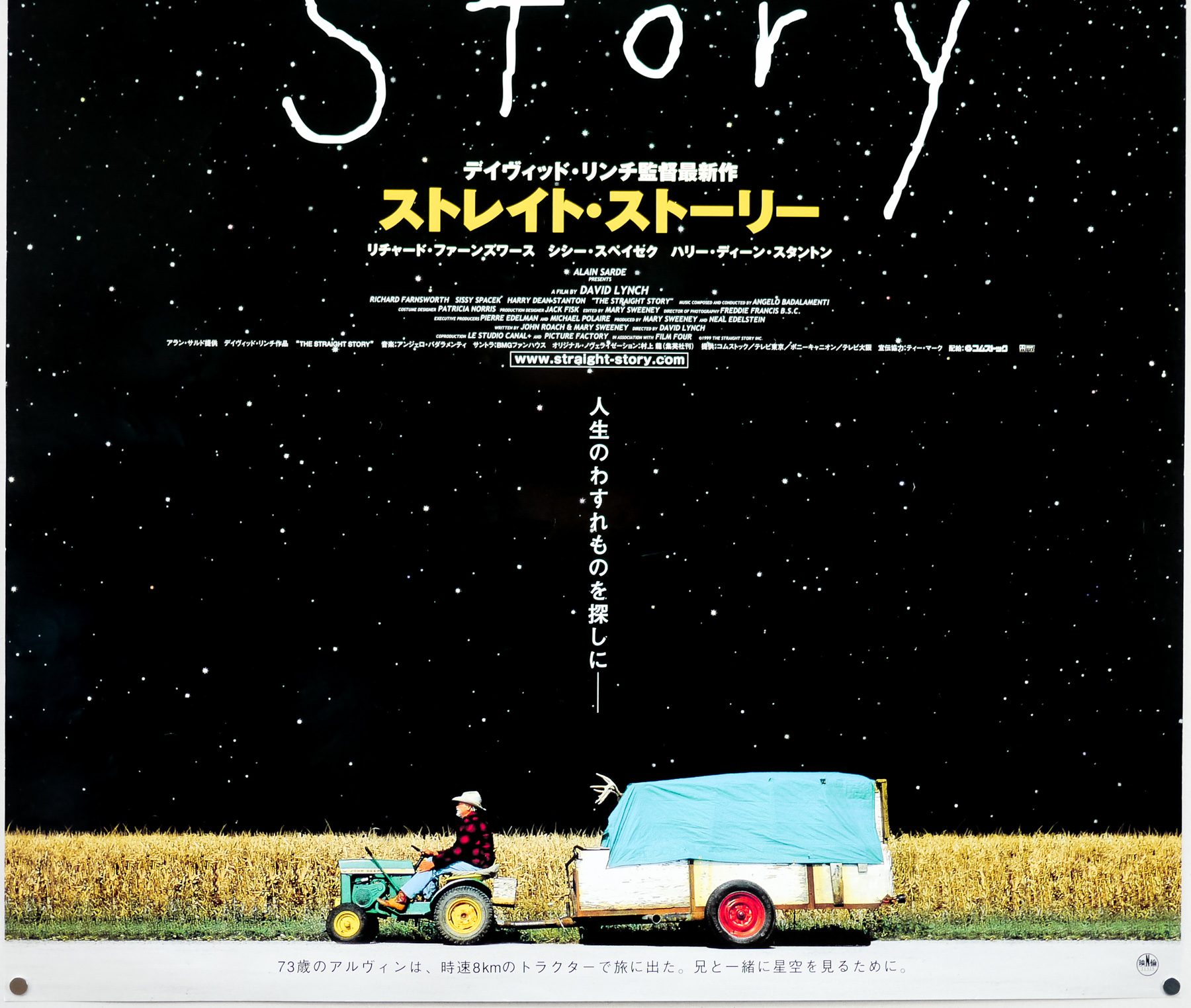
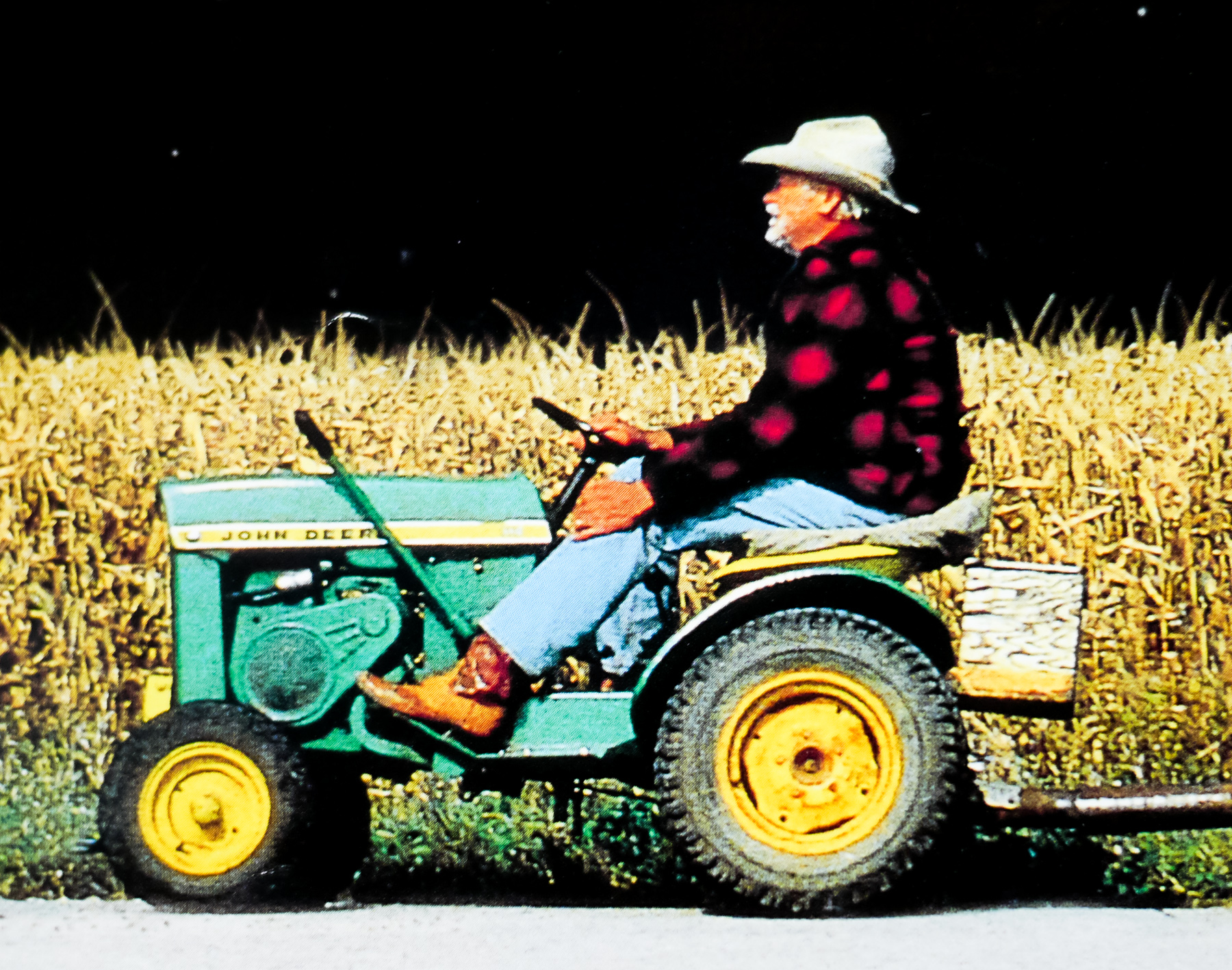
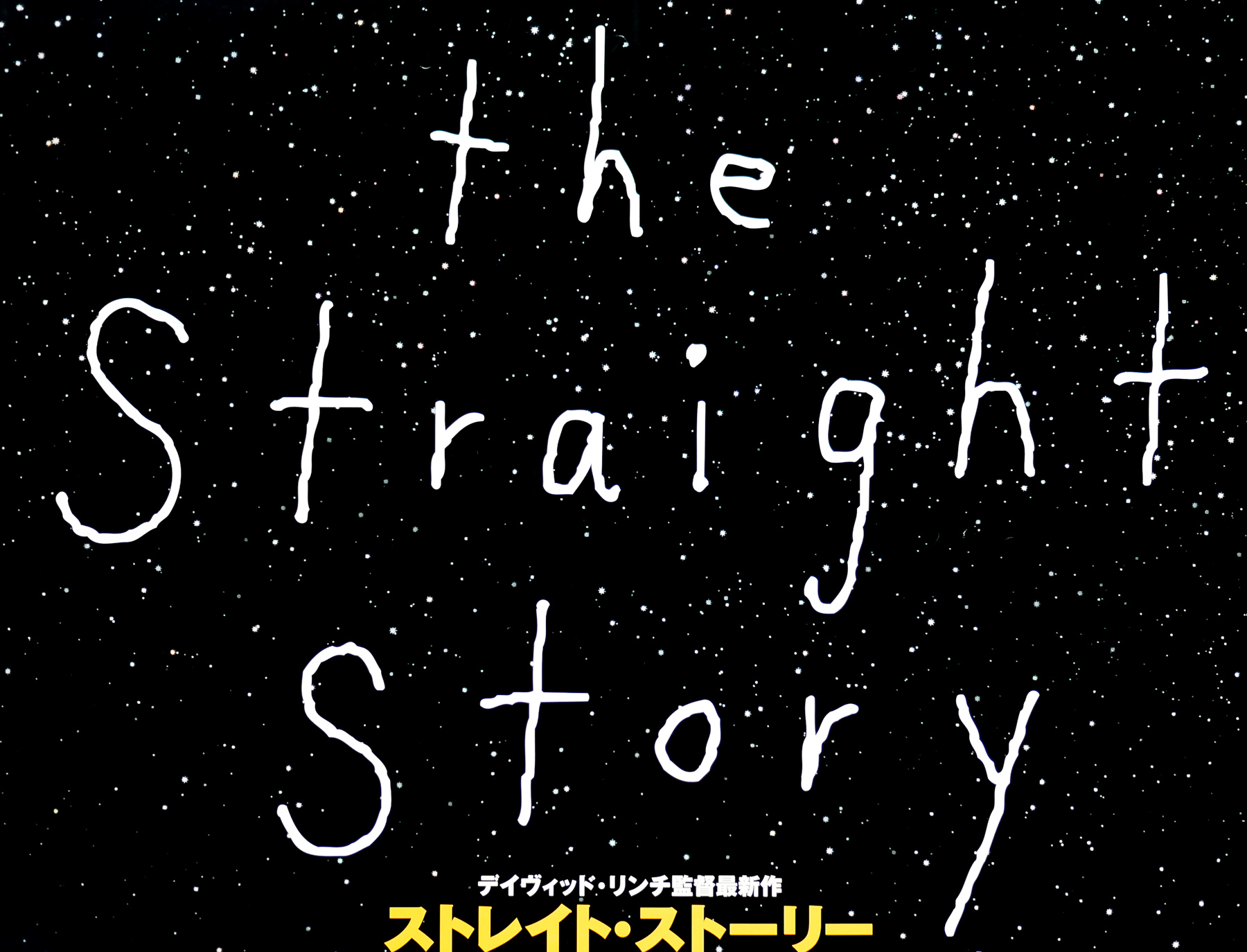
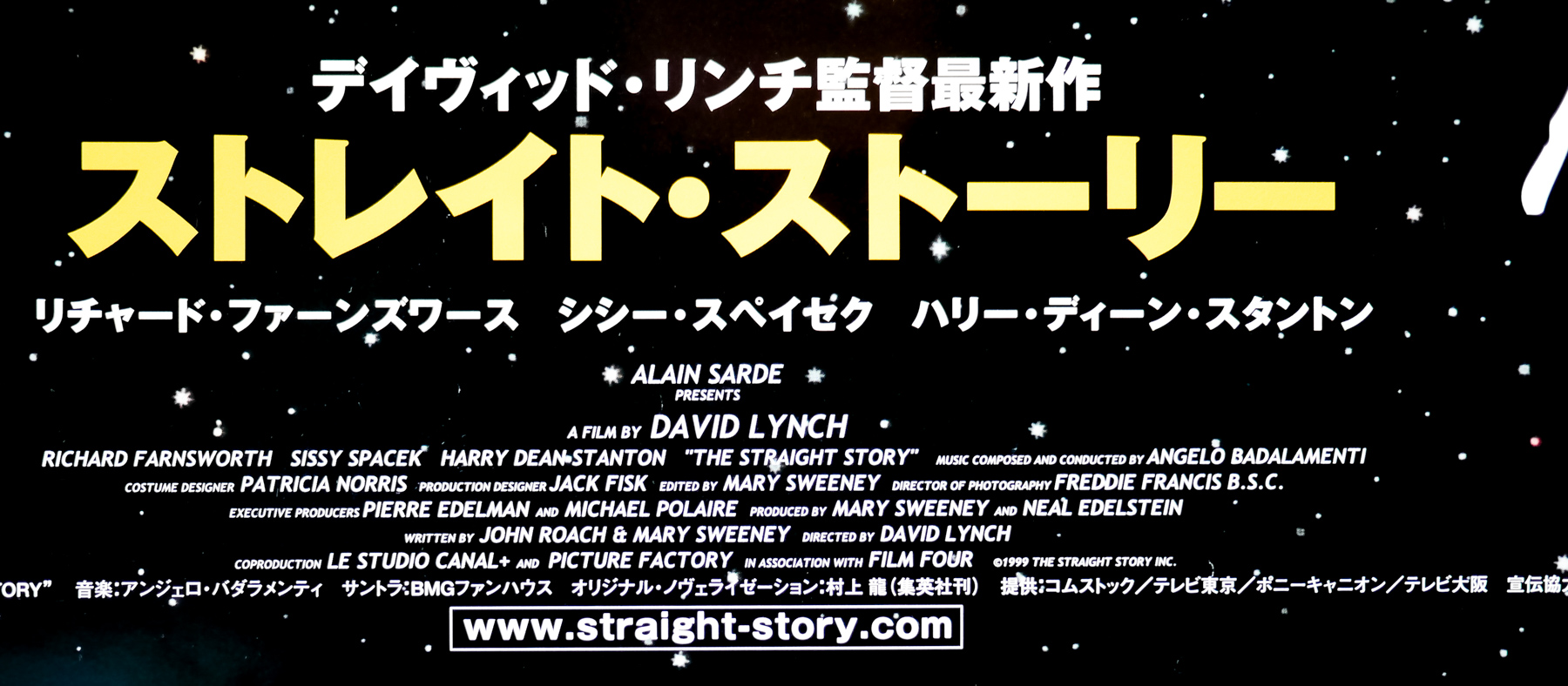
Japanese B2 poster for The Straight Story (1999)Japanese B2 poster for The Straight Story (1999), image 2Japanese B2 poster for The Straight Story (1999), image 3Japanese B2 poster for The Straight Story (1999), image 4
Title
The Straight Story
Year of Film
1999
Director
David Lynch
Starring
Richard Farnsworth, Sissy Spacek, Harry Dean Stanton, Jane Galloway Heitz, Joseph Carpenter, Donald Wiegert, Ed Grennan, Jack Walsh, James Cada, Wiley Harker, Kevin Farley
Origin of Film
USA
Genre(s) of Film
Biography | Drama
Type of Poster
B2
Origin of Poster
Japan
Year of Poster
1999
Designer
Unknown
Size (inches)
20 3/8" x 28 13/16"
SS or DS
SS

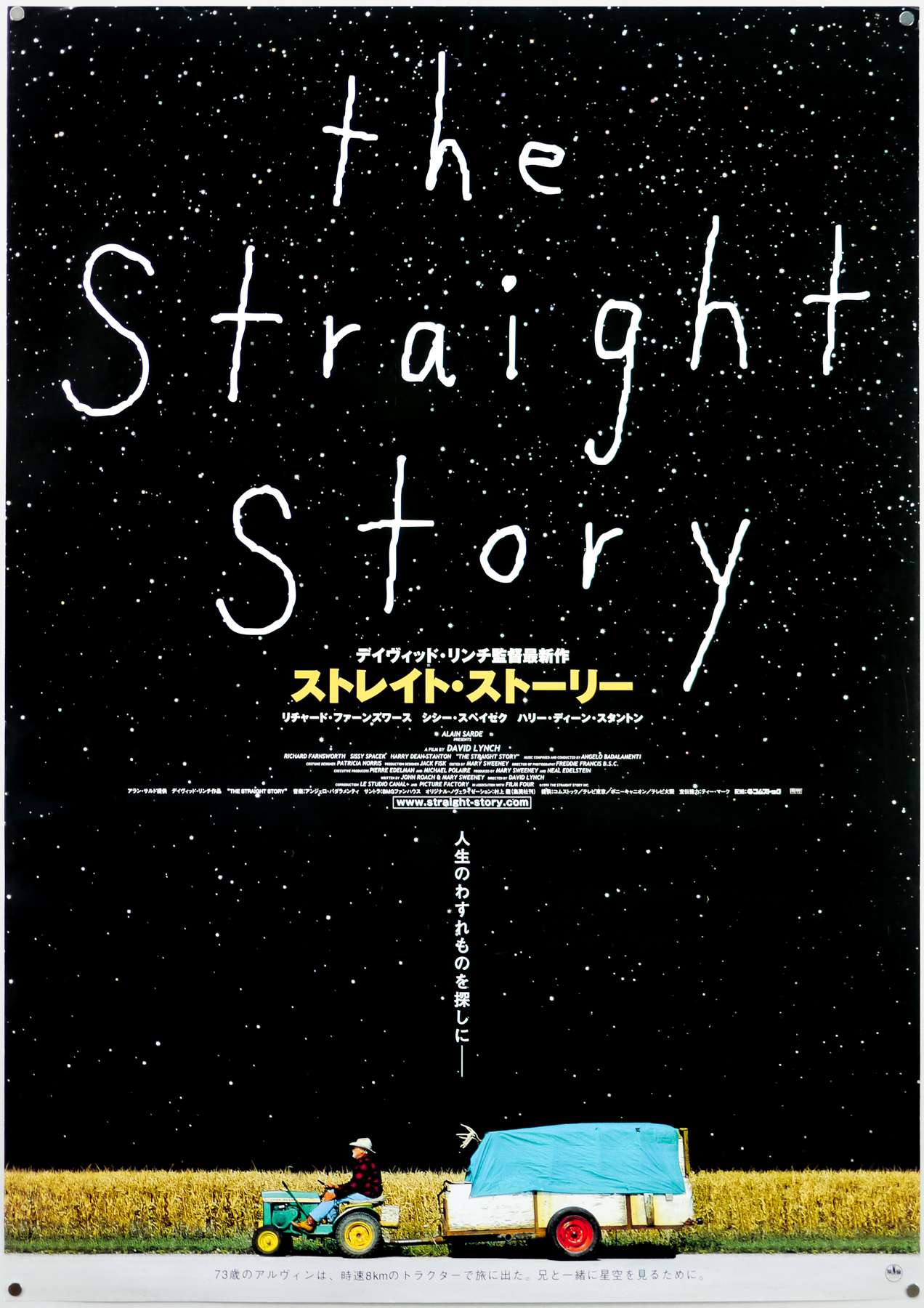
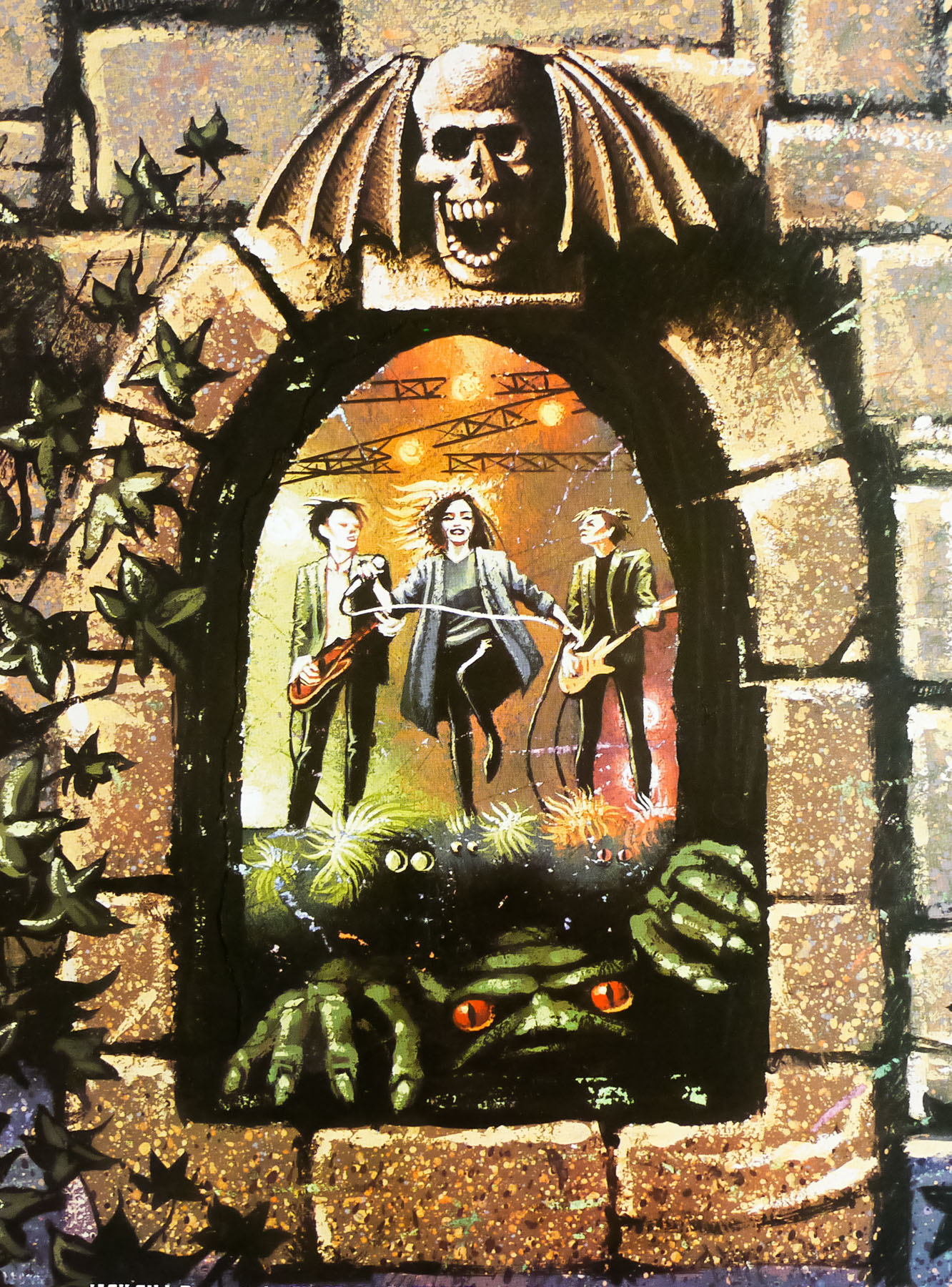
David Lynch (opens in a new tab)‘s brilliant The Straight Story (opens in a new tab) is an uncharacteristically warm and natural film, quite unlike anything else in the director’s filmography, although it still features unmistakably Lynchian touches. The plot is based on the true story of elderly World War II veteran Alvin Straight (opens in a new tab) who, unable to obtain a driver’s licence, travelled over 240 miles on a sit-down lawnmower to visit his brother who had suffered a stroke. Richard Farnsworth (opens in a new tab), a former stuntman turned character actor, played Alvin in a oscar-nominated performance, and Sissy Spacek (opens in a new tab) featured as his mentally disabled daughter Rose. Legendary actor Harry Dean Stanton (opens in a new tab) appears as Alvin’s brother. Farnsworth was suffering from terminal cancer at the time he made the film and he sadly took his own life only months after filming had wrapped.

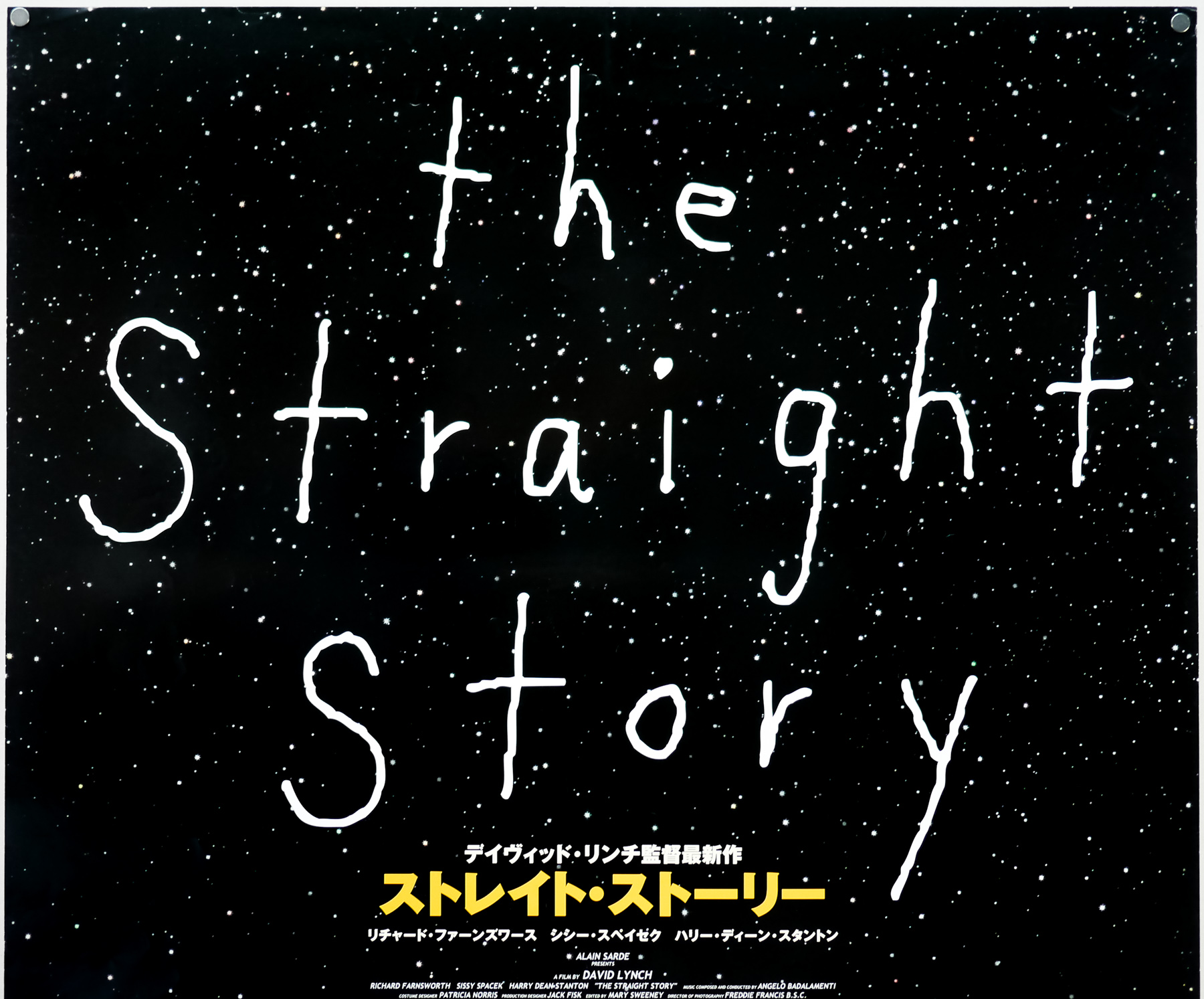
This Japanese poster features a unique design with a profile shot of Alvin riding the tractor at night underneath a hand-scrawled title. The film is frustratingly unavailable on blu-ray at the moment but I hold out hope that Disney will see fit to release it sometime soon.
The Taking of Pelham 123 / quad / UK

23.11.12

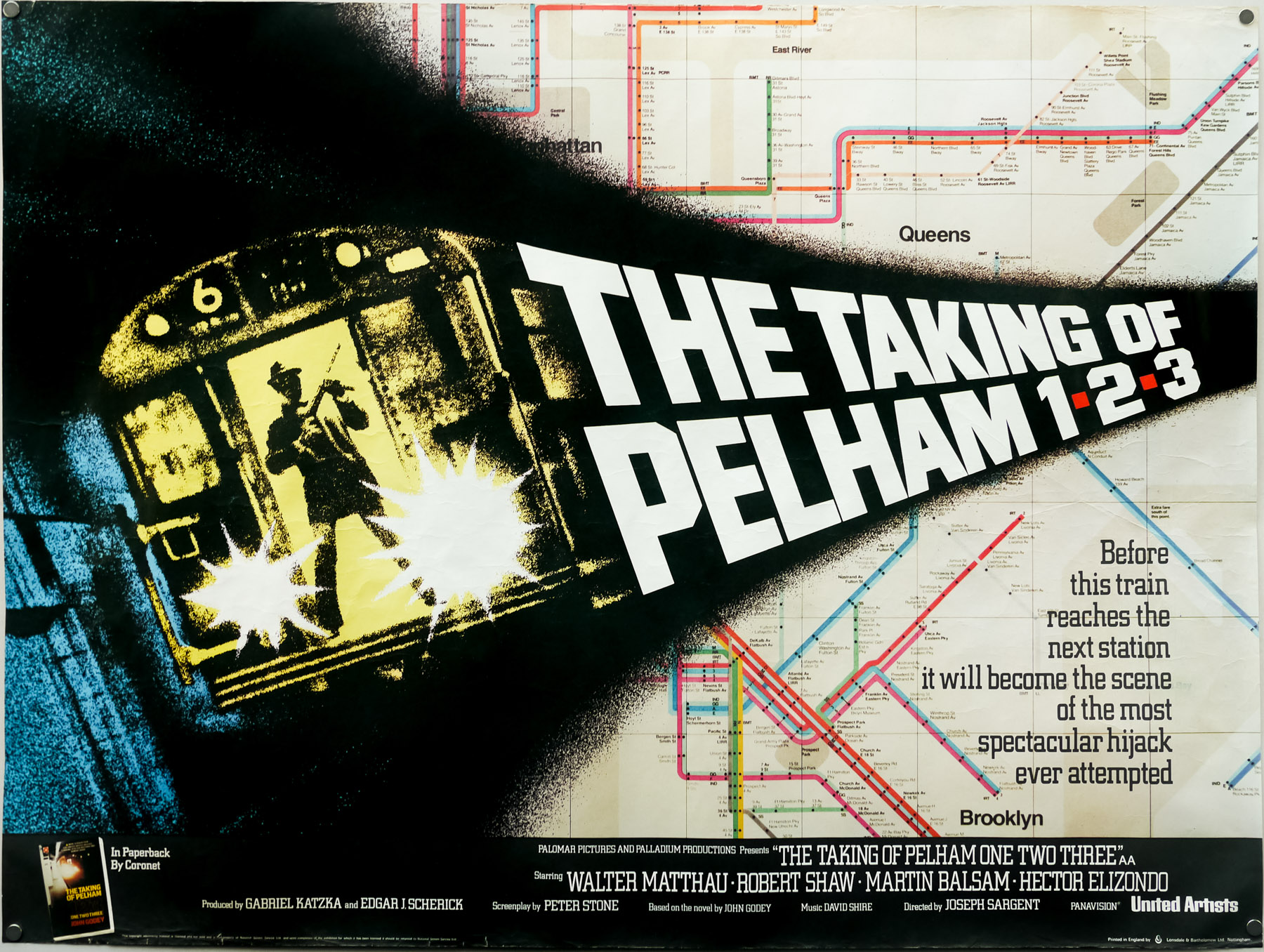
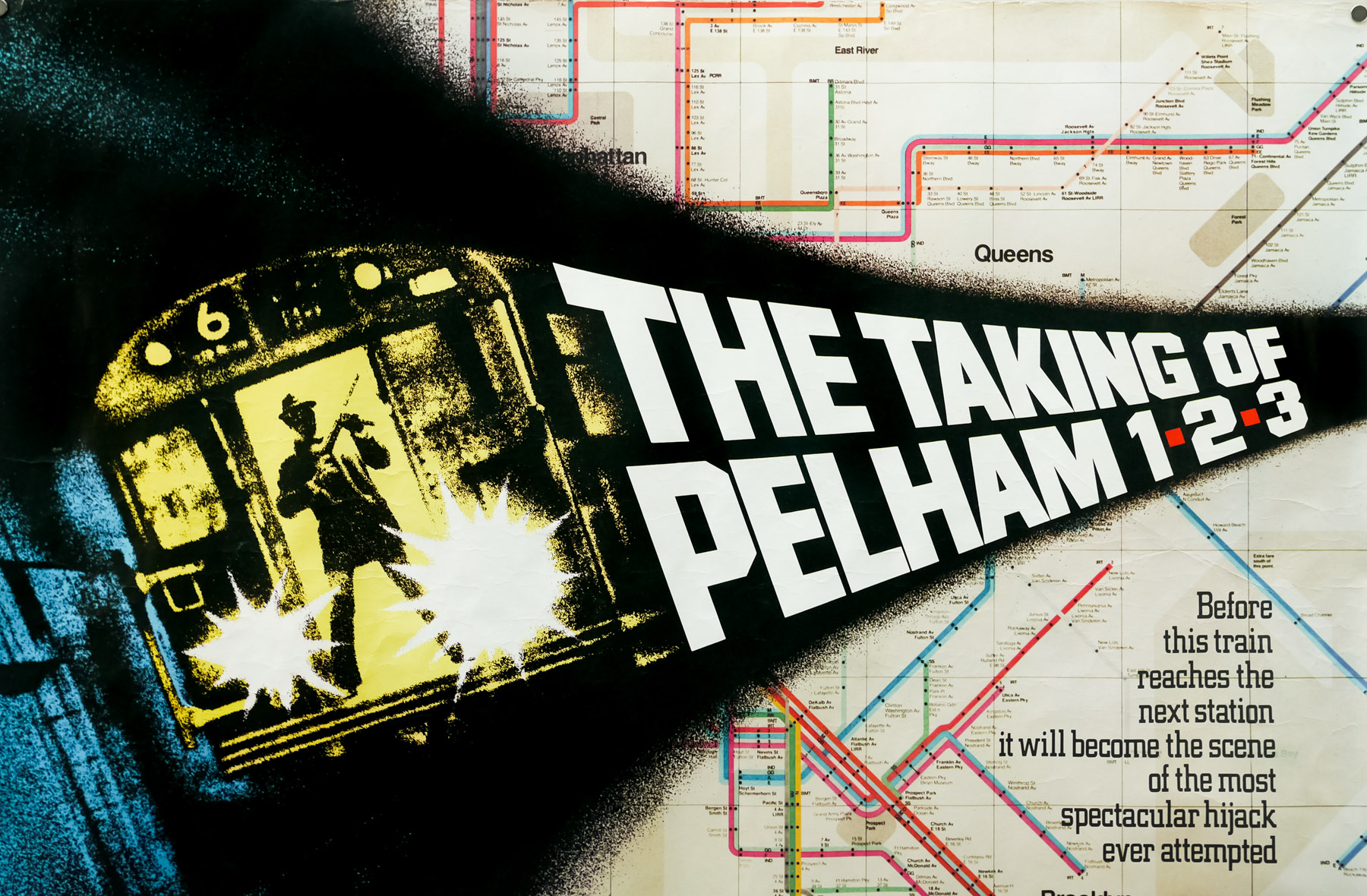
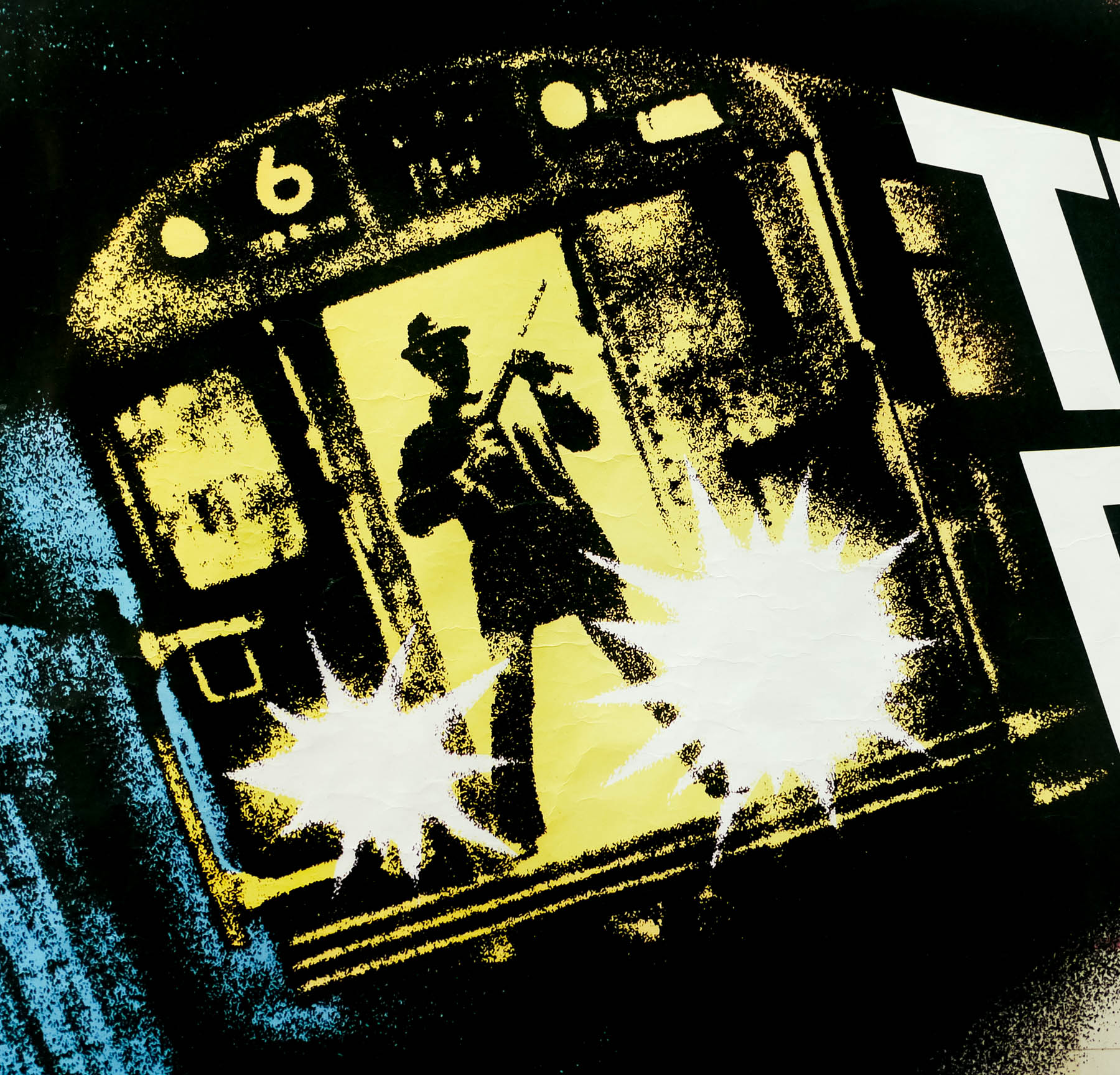
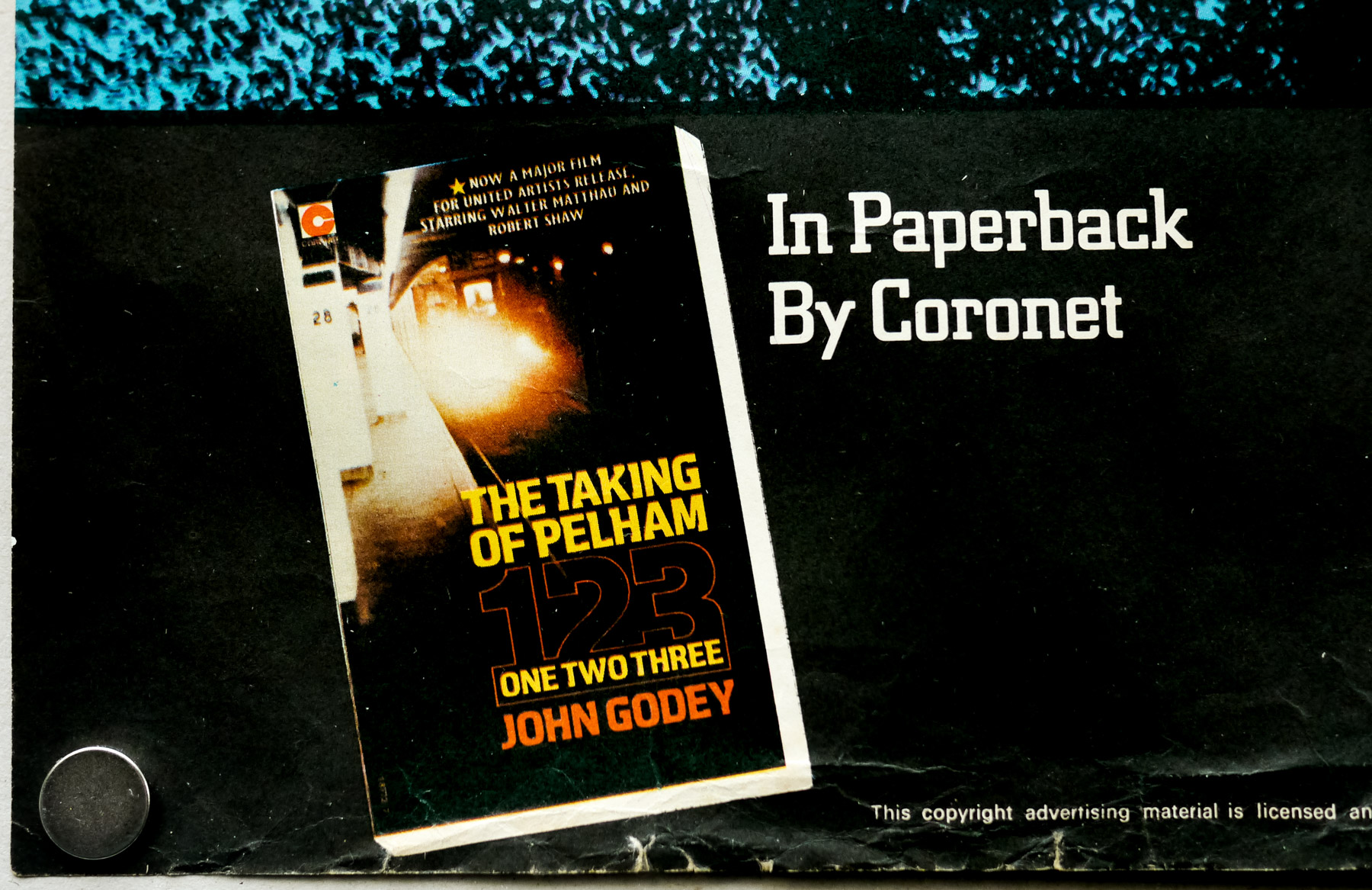
British quad poster for The Taking of Pelham One Two Three (1974)British quad poster for The Taking of Pelham One Two Three (1974), image 2British quad poster for The Taking of Pelham One Two Three (1974), image 3British quad poster for The Taking of Pelham One Two Three (1974), image 4British quad poster for The Taking of Pelham One Two Three (1974), image 5
Title
The Taking of Pelham One Two Three
AKA
The Taking of Pelham One Two Three (alt. title) | Il colpo della metropolitana - un ostaggio al minuto [The underground hit - one hostage a minute] (Italy) | The Taking of Pelham 123
Year of Film
1974
Director
Joseph Sargent
Starring
Walter Matthau, Robert Shaw, Martin Balsam, Jerry Stiller, Hector Elizondo, Dick O'Neill, Earl Hindman
Origin of Film
USA
Genre(s) of Film
Crime | Drama | Thriller
Type of Poster
Quad
Origin of Poster
UK
Year of Poster
1974
Designer
Unknown
Artist
Unknown
Size (inches)
29 7/8" x 39 7/8"
SS or DS
SS
Tagline
Before this train reaches the next station it will become the scene of the most spectacular hijack ever attempted

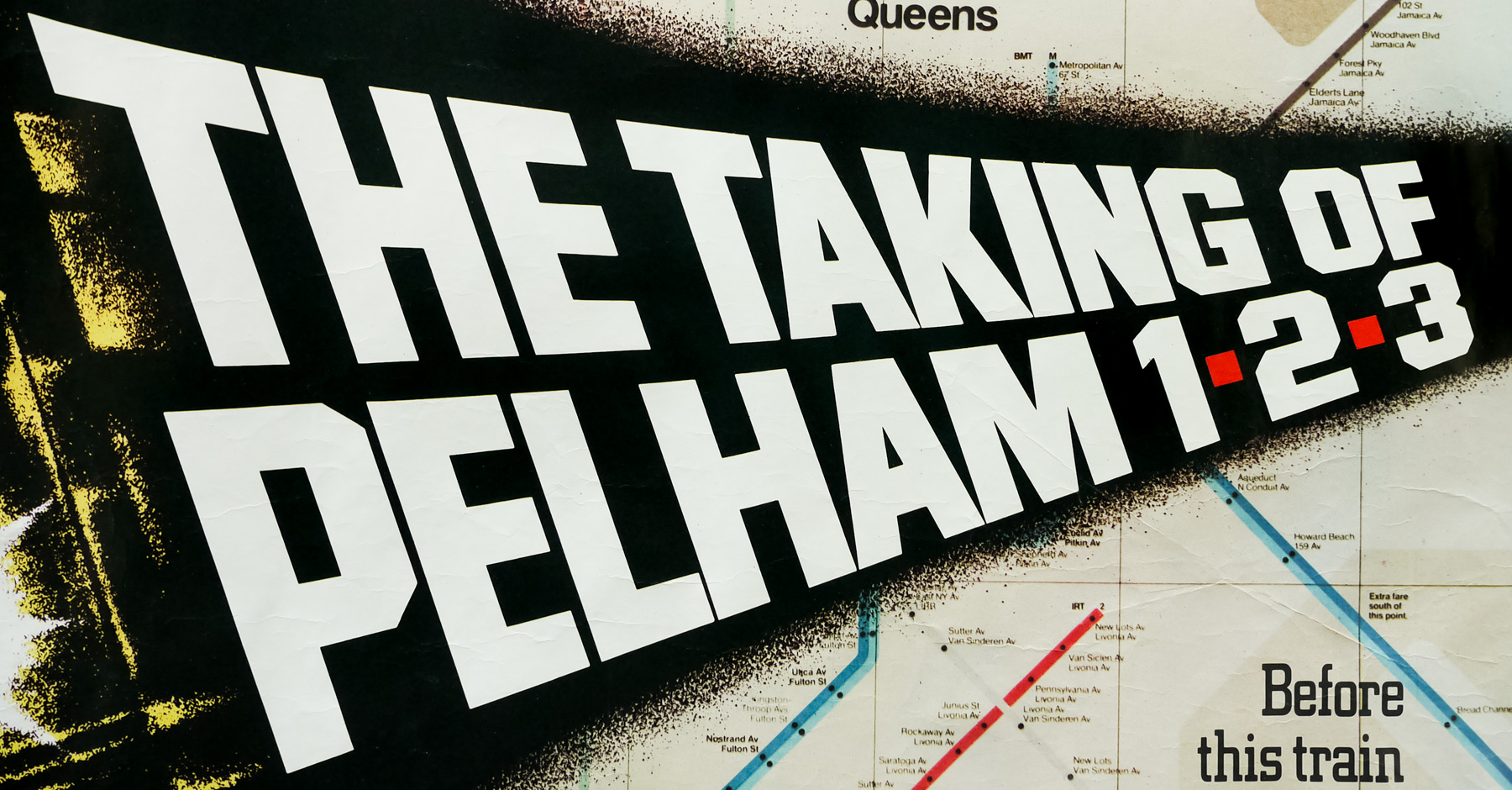
A really striking design on this British quad for the release of the original New York subway-based action thriller, The Taking of Pelham 123 (opens in a new tab). Directed by Joseph Sargent (opens in a new tab), whose career seems to have consisted mostly of TV movies, the film stars the late Robert Shaw (opens in a new tab) as the psychotic leader of a gang of criminals who board and hijack a subway train. The gang demand a ransom of $1million and threaten to execute a passenger for every minute over the deadline.
Walter Matthau (opens in a new tab) plays a world-weary New York City Transit Authority (opens in a new tab) police lieutenant who ends up being the chief negotiator between the gang, working to try and foil their plans. Famously the gang have colour-based nicknames, which they use instead of their real names (Robert Shaw is blue, for example). Director Quentin Tarantino would later use this idea for his film debut Reservoir Dogs (opens in a new tab). This film was remade (opens in a new tab) by the late Tony Scott in 2009

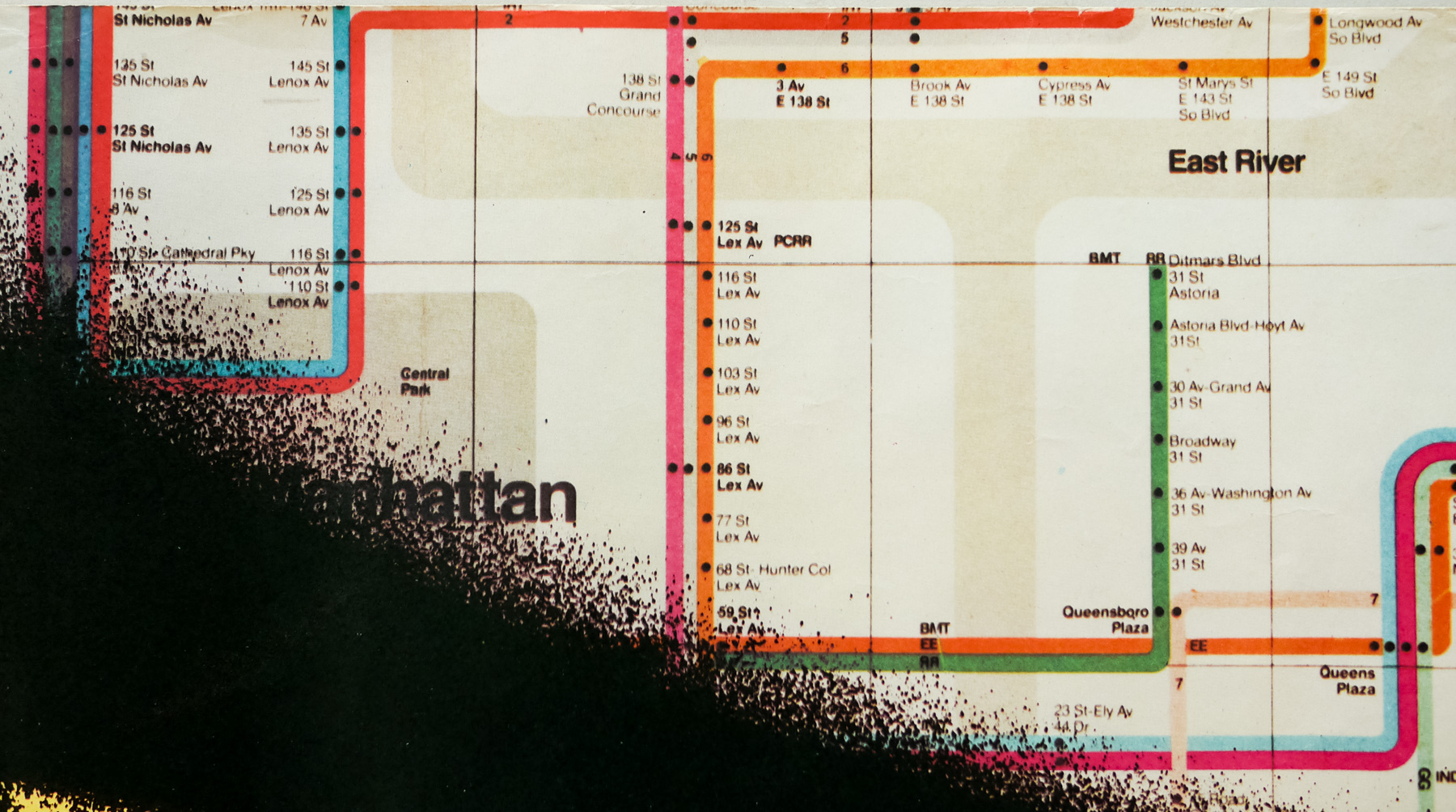
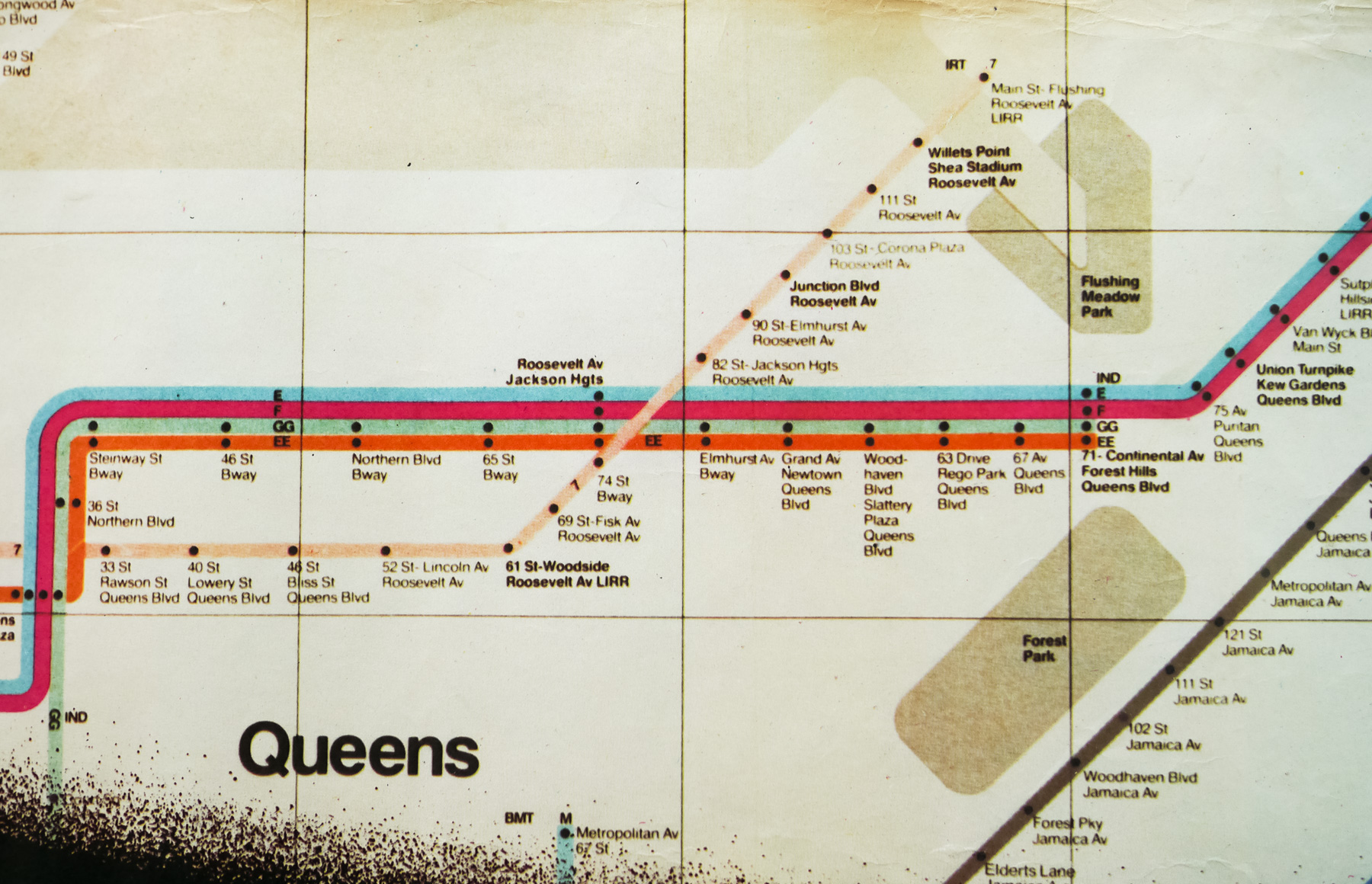
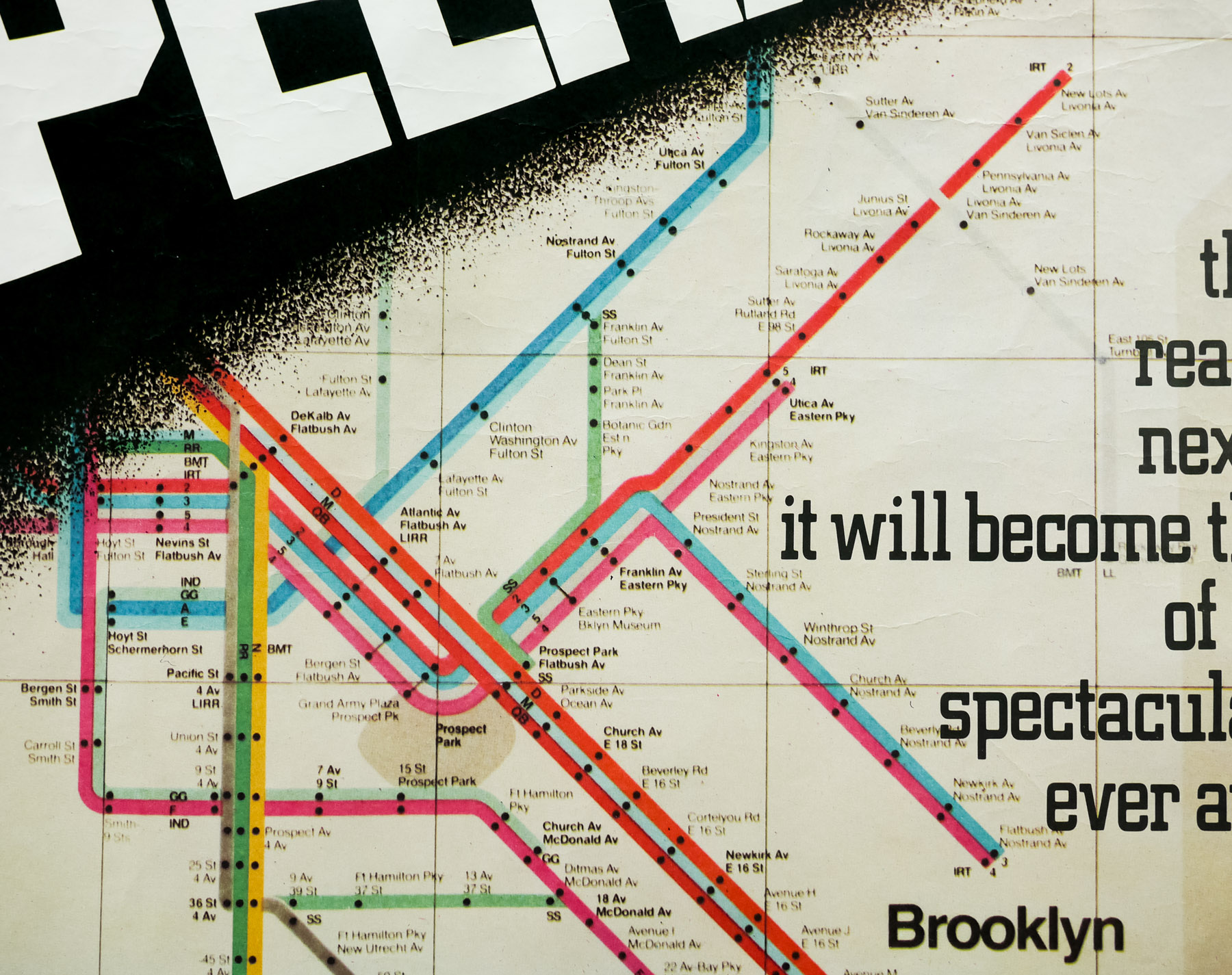
This design is unique to the British quad and brilliantly uses the colourful lines of the real New York subway map designed by Massimo Vignelli (opens in a new tab) as the background to the sweeping train made from the title of the film. The front element of the shadowy figure standing in the door is actually taken from the American advance one sheet (opens in a new tab). I’m unsure who is responsible for the design of the quad so if you have any ideas please get in touch.

I had been hunting for a rolled copy of this quad for over a decade after seeing it in the book ‘Film Posters of the 1970s’ (opens in a new tab) and I was thrilled to finally track down a copy as I consider it to be one of the best British posters ever printed.