

Flash Gordon / one sheet / teaser / portrait / USA

21.11.12

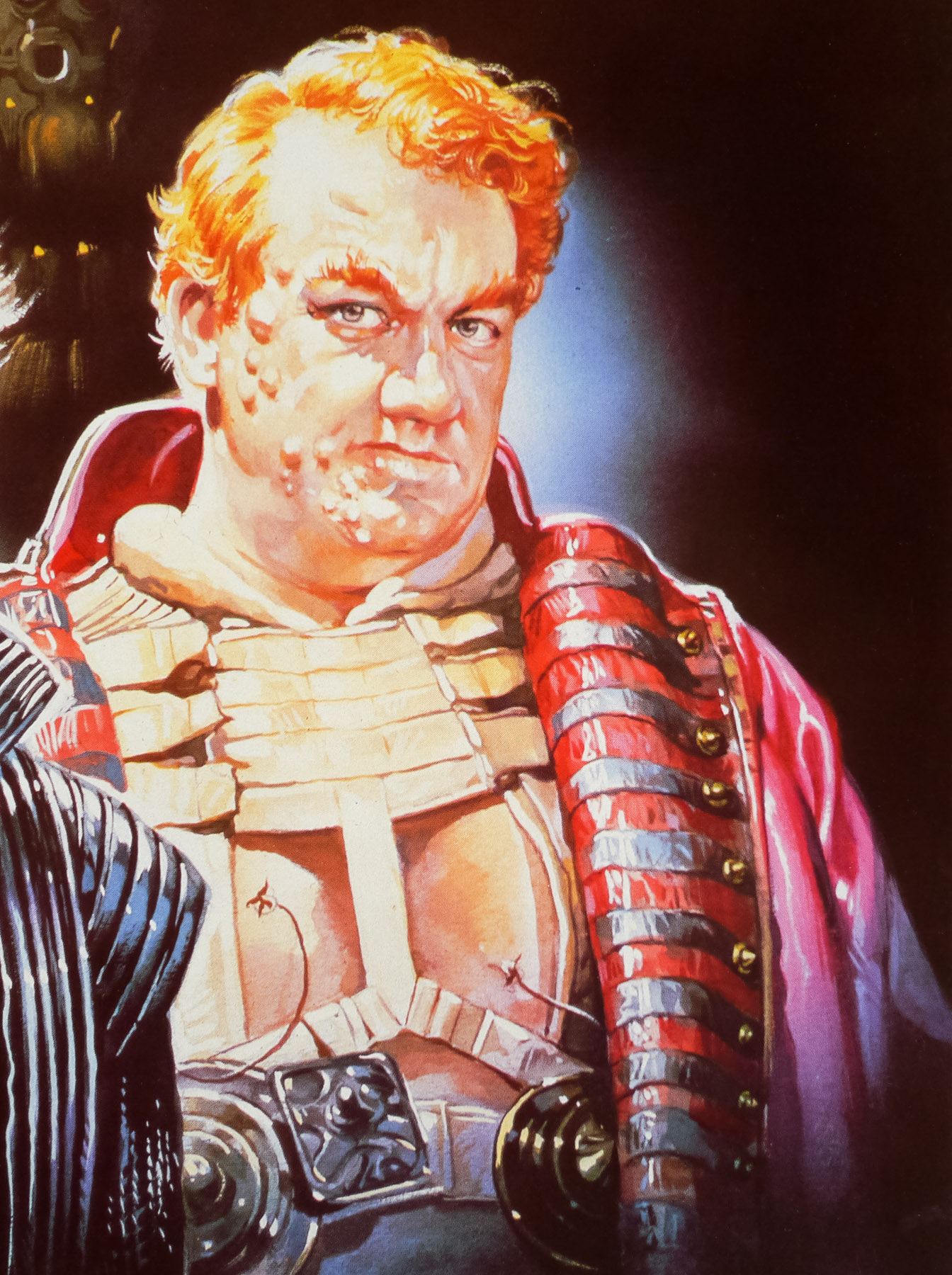
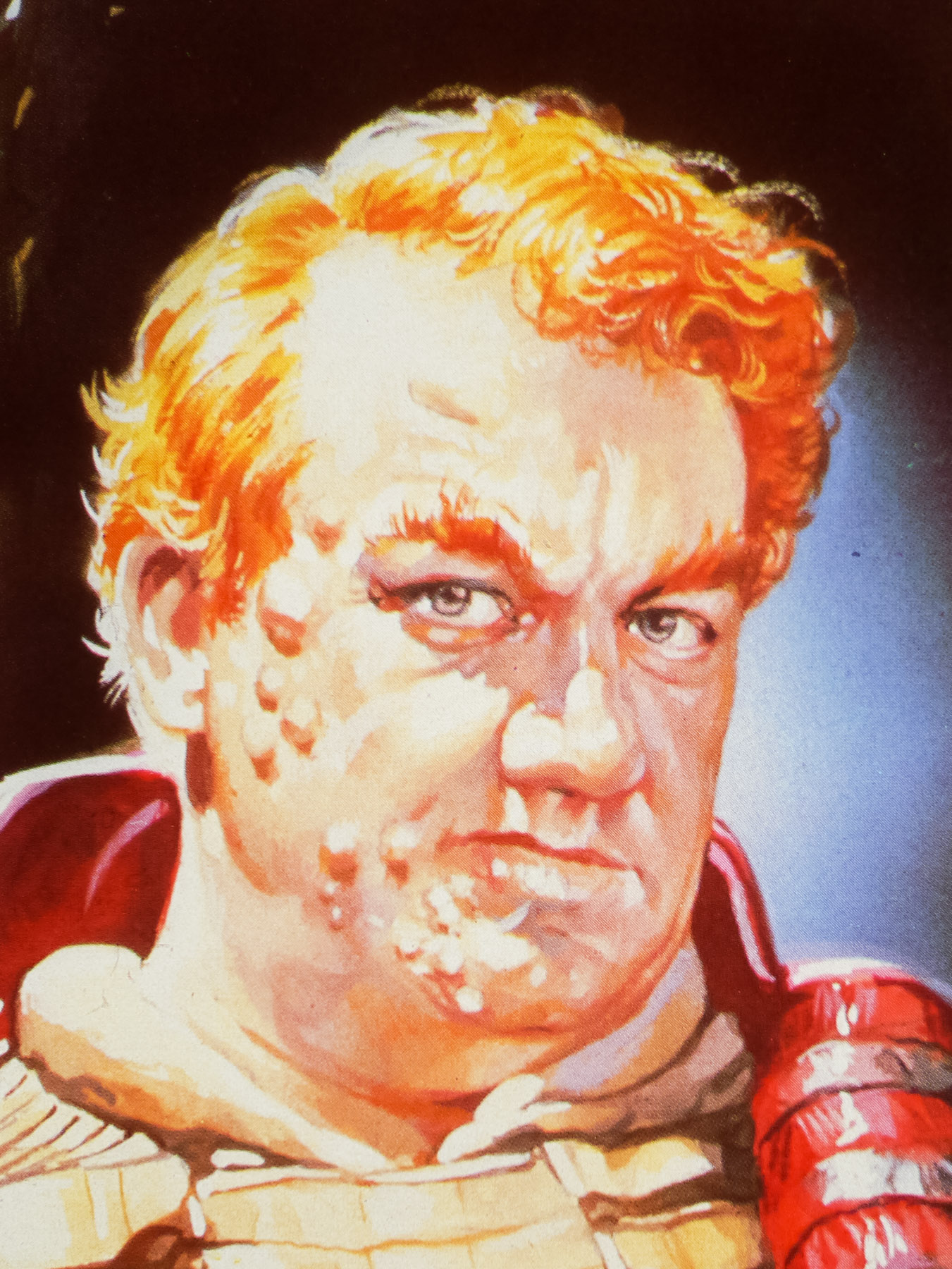
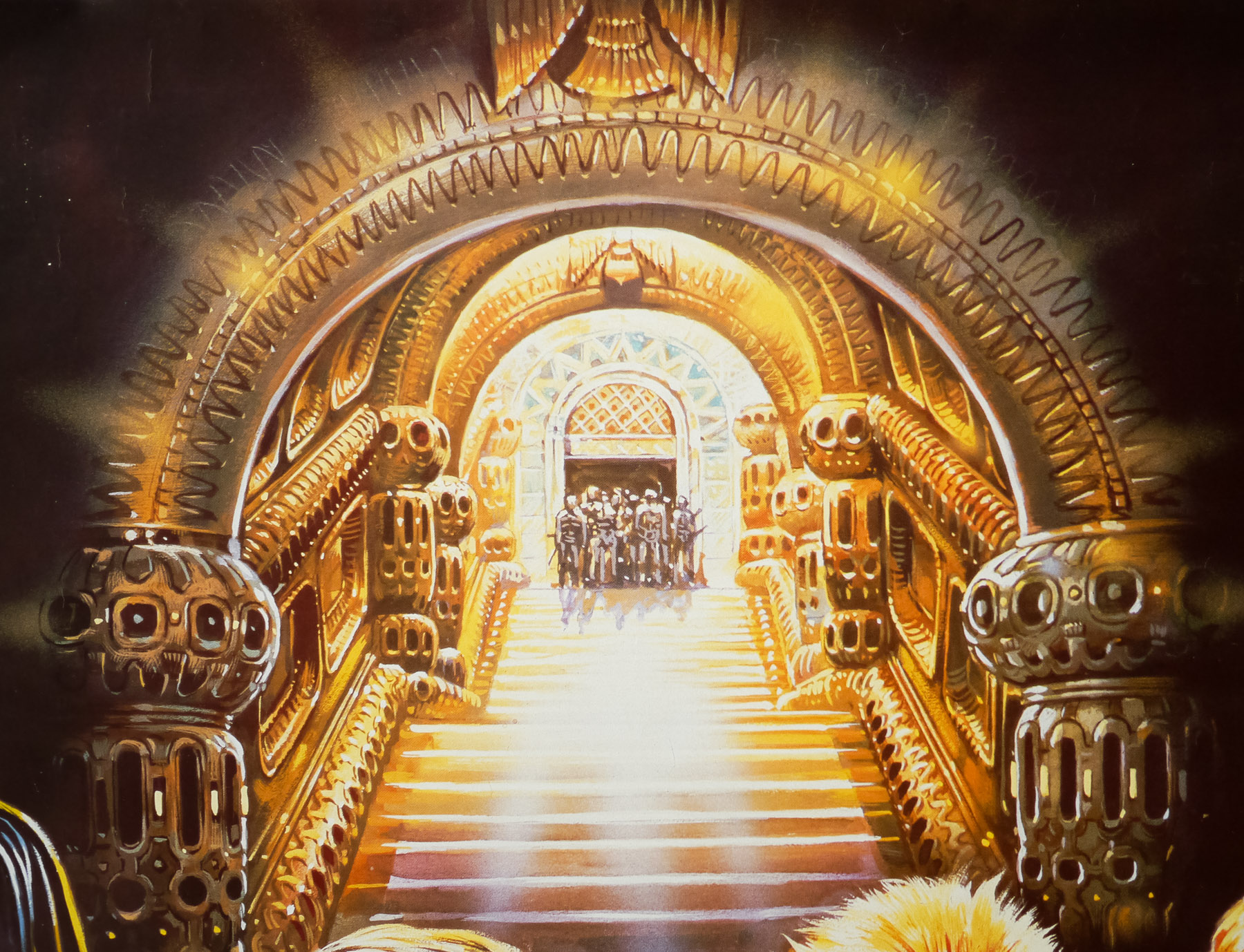
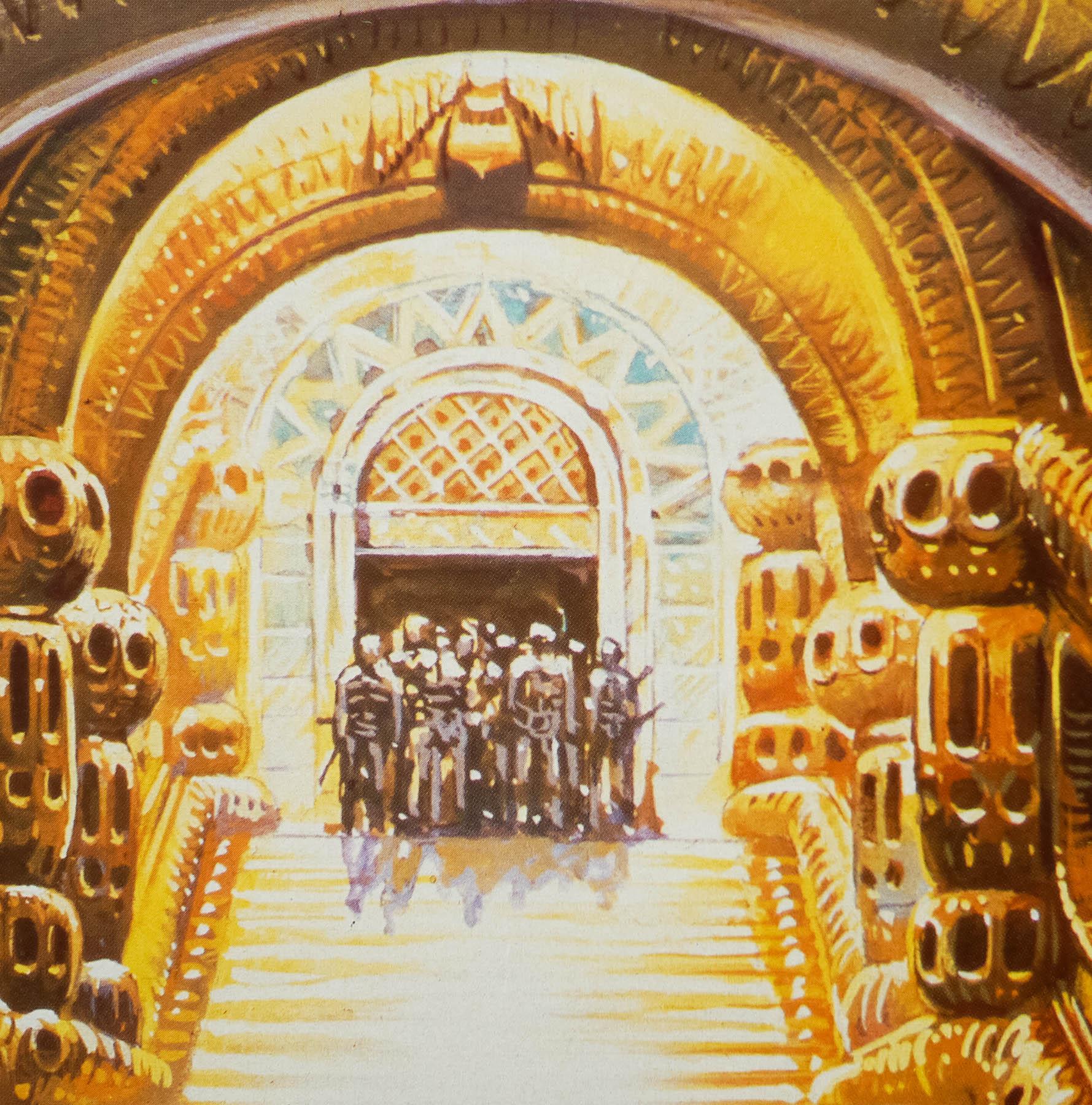
US one sheet poster (teaser, portrait style) for Flash Gordon (1980). Artwork by Philip CastleUS one sheet poster (teaser, portrait style) for Flash Gordon (1980). Artwork by Philip Castle, image 2US one sheet poster (teaser, portrait style) for Flash Gordon (1980). Artwork by Philip Castle, image 3US one sheet poster (teaser, portrait style) for Flash Gordon (1980). Artwork by Philip Castle, image 4US one sheet poster (teaser, portrait style) for Flash Gordon (1980). Artwork by Philip Castle, image 5
Title
Flash Gordon
AKA
Blixt Gordon (Sweden)
Year of Film
1980
Director
Mike Hodges
Starring
Sam J. Jones, Melody Anderson, Chaim Topol, Timothy Dalton, Max von Sydow, Ornella Muti, Brian Blessed
Origin of Film
USA | UK
Genre(s) of Film
Sci-Fi | Action
Type of Poster
One sheet
Style of Poster
Teaser - portrait style
Origin of Poster
USA
Year of Poster
1980
Designer
Unknown
Artist
Philip Castle
Size (inches)
25 1/4" x 28 1/8"
SS or DS
SS

There are few films quite like Flash Gordon (opens in a new tab) and having re-watched it on blu-ray recently I was reminded how much of an impression it had on me when I first saw it as a child. I also listened to the excellent audio commentary with director Mike Hodges (opens in a new tab), who admits to being an unlikely choice to direct and confirms in no uncertain terms that they were making things up as they went along. It sounds like a typically chaotic Dino De Laurentiis (opens in a new tab) production with scenes being written the night before filming and huge amounts of the budget going on the costume and set designs (though these are very impressive, even today).

This is an unusual teaser one sheet printed on paper that is thicker than normal paper with a metallic-ink finish. It was used in North America to promote the film months ahead of its release and there was also a landscape format version printed.  The renowned British artist Philip Castle (opens in a new tab) is responsible for the artwork, which depicts the scene towards the end of the film where Flash Gordon and the Hawkmen attack and capture the rocket fortress Ajax.

Born in London in 1943, Castle’s design career has seen him working on album covers for some of the biggest names in British music, including Wings, Mott the Hoople and Pulp. His skills were utilised for the famous cover for David Bowie’s Aladdin Sane, which saw him airbrushing over a photograph by Celia Philo. He also worked on the cover for the legendary computer game Elite (opens in a new tab).

Perhaps his most famous film poster work was the result of his collaboration with director Stanley Kubrick and the airbrushed images used to promote A Clockwork Orange are utterly fantastic. The final one sheet (opens in a new tab) for the film is one of the most iconic posters of all time, with the same painting being used to promote the film all over the world, and it continues to be used to this day. In 1987 the pair would collaborate once more on the poster for Full Metal Jacket, which again proved to be a seminal piece of work. There’s an interesting interview with Castle available to watch (opens in a new tab) on YouTube in which he discusses his work with Kubrick.

This page (opens in a new tab) features several examples of his brilliant work and there are multiple images tagged on Tumblr (opens in a new tab). See the posters I’ve collected by him.

Juggernaut / 30×40 / USA

19.11.12

US 30x40 poster for Juggernaut (1974). Artwork by Robert McCallUS 30x40 poster for Juggernaut (1974). Artwork by Robert McCall, image 2US 30x40 poster for Juggernaut (1974). Artwork by Robert McCall, image 3US 30x40 poster for Juggernaut (1974). Artwork by Robert McCall, image 4US 30x40 poster for Juggernaut (1974). Artwork by Robert McCall, image 5
Title
Juggernaut
AKA
Terror on the Britannic (UK - DVD title / USA)
Year of Film
1974
Director
Richard Lester
Starring
Richard Harris, Omar Sharif, David Hemmings, Anthony Hopkins, Shirley Knight, Ian Holm, Clifton James
Origin of Film
UK
Genre(s) of Film
Thriller | Adventure
Type of Poster
30x40
Origin of Poster
USA
Year of Poster
1974
Designer
Unknown
Artist
Robert McCall
Size (inches)
29 7/8" x 40"
SS or DS
SS
NSS #
74/273
Tagline
The greatest sea adventure in history has just begun!

Juggernaut (opens in a new tab) was directed by Richard Lester (opens in a new tab), perhaps best known for his work with The Beatles on two of their early films (A Hard Days Night and Help!), and features an all-star cast in the style of other 1970s disaster movies such as Earthquake and The Towering Inferno (both released in the same year). The story sees a luxury cruise-liner targeted by the titular terrorist who has covertly planted barrels of high-explosive onboard and is making his ransom demands from a secret location on the mainland. Omar Sharif (opens in a new tab) plays the captain of the ship who, along with the ship’s entertainer Roy Kinnear (opens in a new tab), attempt to keep the hundreds of passengers calm as a bomb squad led by Commander Fallon (Richard Harris (opens in a new tab)) parachutes in to try and defuse the devices. Back on dry land Anthony Hopkins (opens in a new tab)‘ police superintendent, whose wife and children are onboard the ship, leads the hunt for Juggernaut before the time runs out.

The production hired an actual cruise ship, the SS Hamburg, which had recently been sold by its German owners to the Soviet Union and renamed the SS Maxim Gorkiy (opens in a new tab). The livery on the side of the ship was temporarily painted over and the ship renamed as the Britannica. Hundreds of extras were then hired with the promise of a cruise around the North Sea, although they were warned that the ship was likely to head into high seas to increase the drama of the film’s external shots!

The artwork on this 30×40 is by the late American artist Robert McCall (opens in a new tab) who is perhaps best known for his work as a conceptual artist for the likes of NASA and several Hollywood productions, including Tora, Tora, Tora (opens in a new tab) and Star Trek (opens in a new tab). Born in 1919 in Columbus, Ohio McCall graduated from the city’s School of Fine Arts before heading off to join the Airforce at the outbreak of World War II. Upon his return from service McCall carved out a successful career as a cover artist for publications such as Life Magazine, and before long he was painting for the U.S. Air Force. Around this time the artist also began a successful cooperation with NASA, which lasted for decades and saw him painting giant murals (opens in a new tab) in buildings such as the National Air and Space Museum. In the 1960s McCall also began working with the entertainment industry as a concept artist. He sadly passed away, aged 90, in 2010.
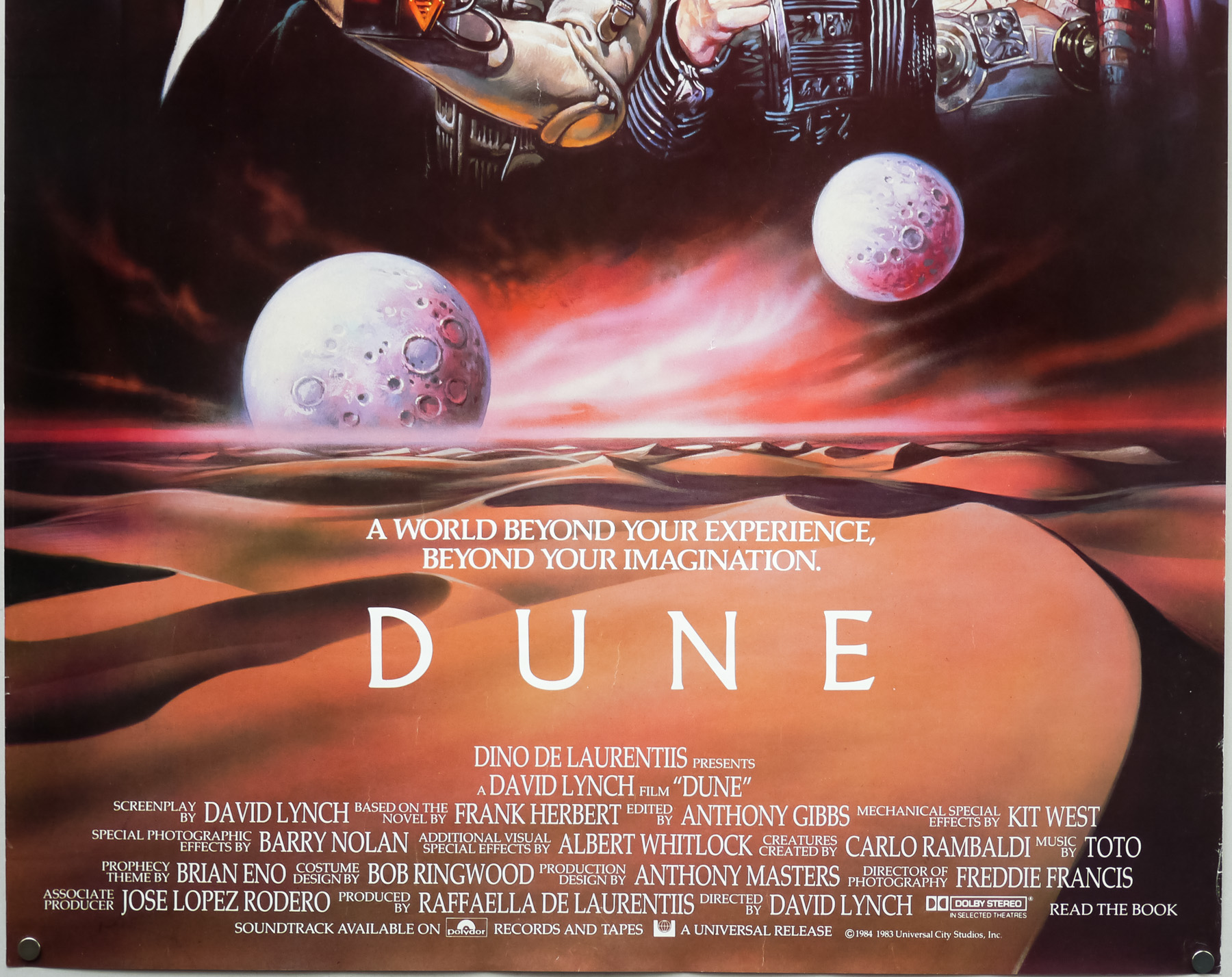
Arguably his most famous film poster work is the set of illustrations he painted for Stanley Kubrick’s 2001: A Space Odyssey. Some of his NASA paintings can be seen on this website (opens in a new tab). His official website (opens in a new tab), celebrating his life and work, has some great galleries (opens in a new tab) of his art.

Dune / one sheet / international

15.11.12

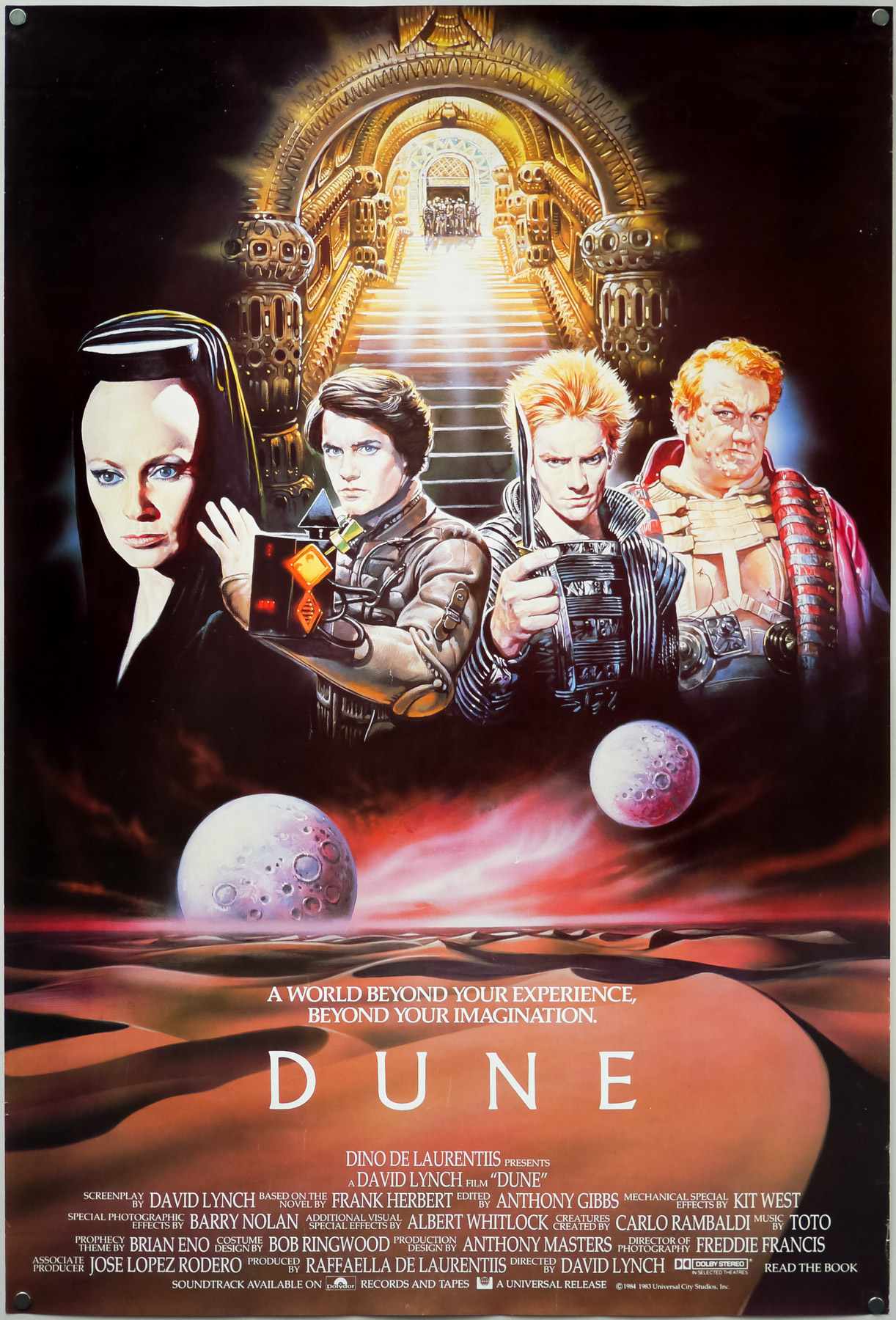
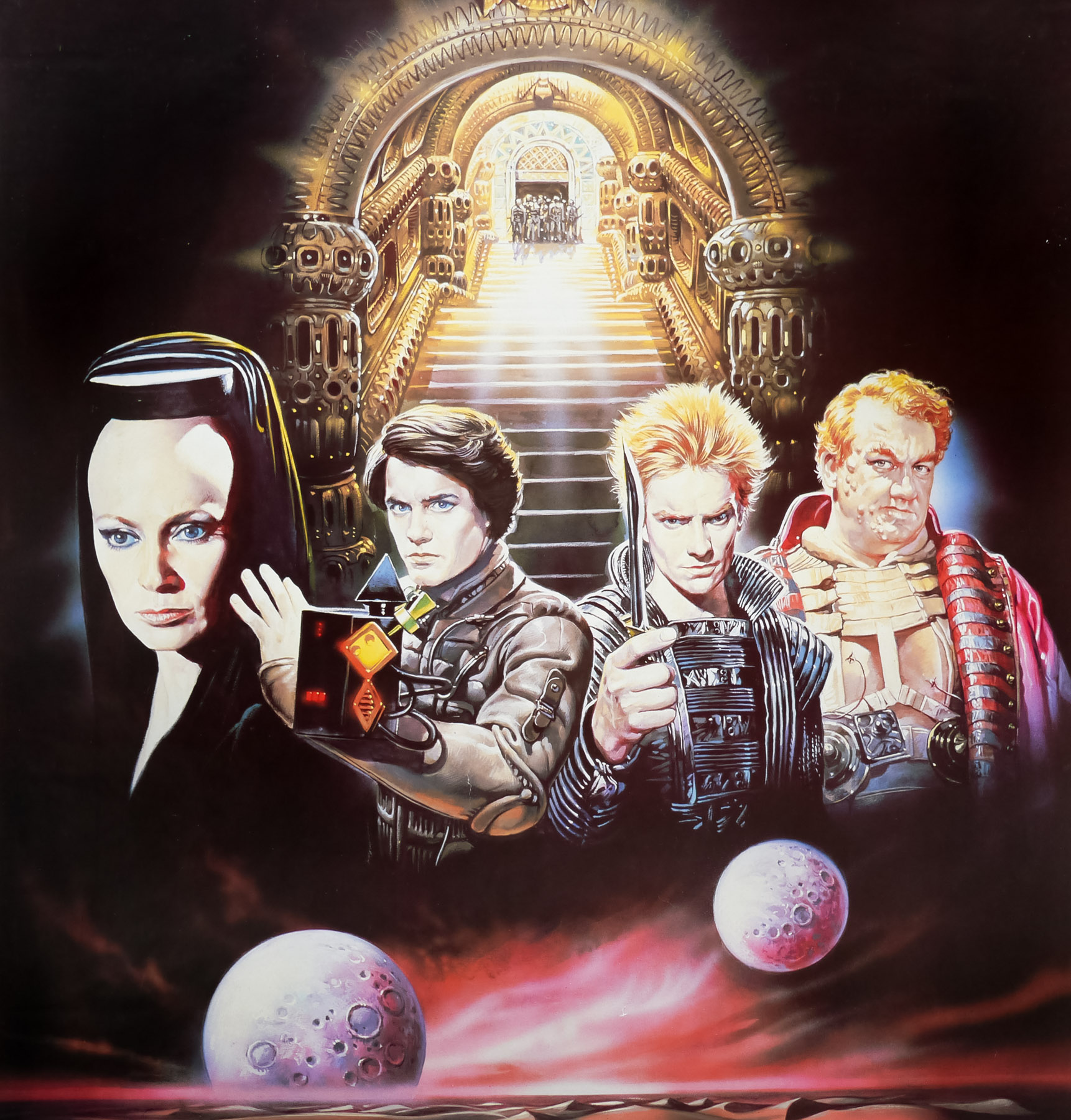
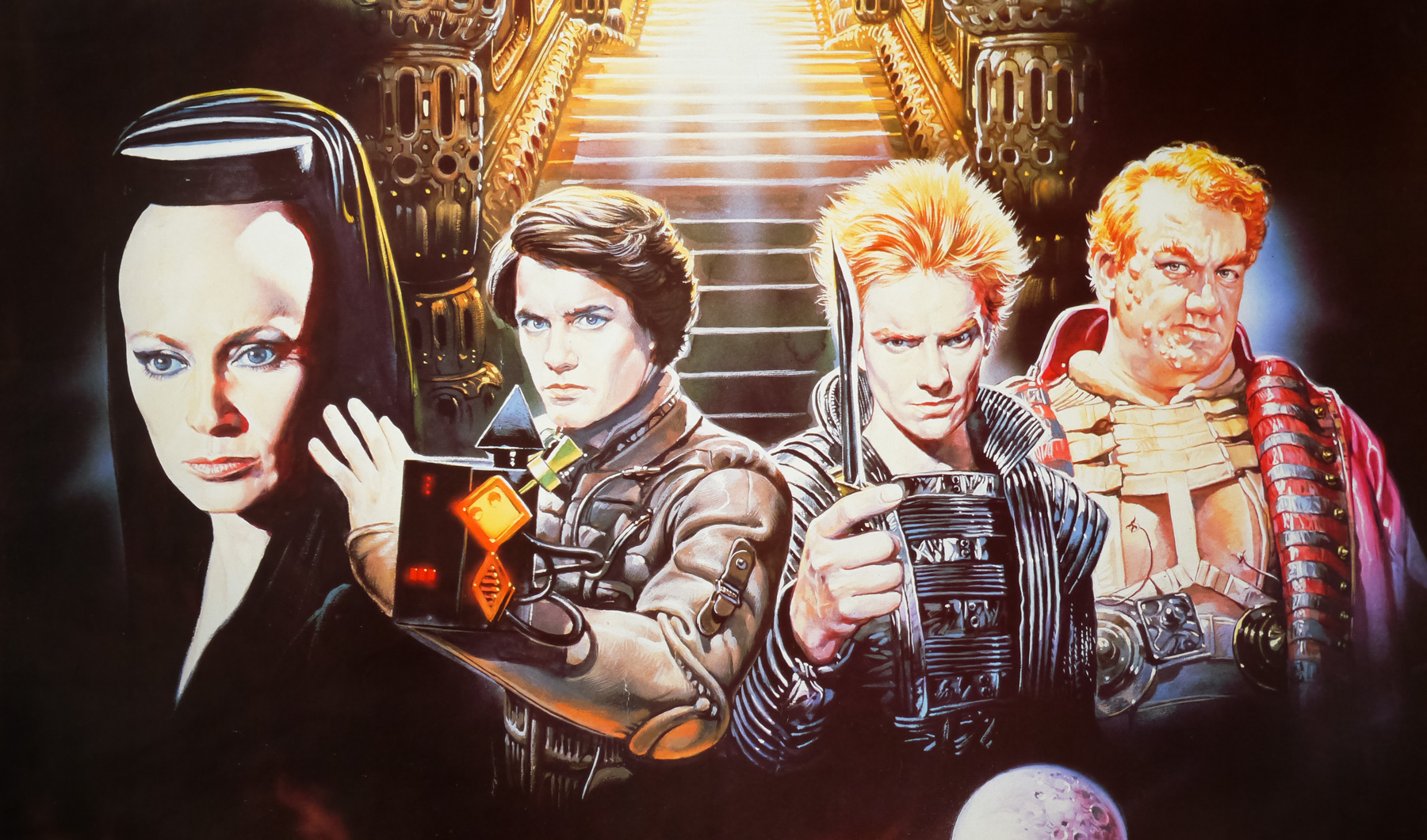
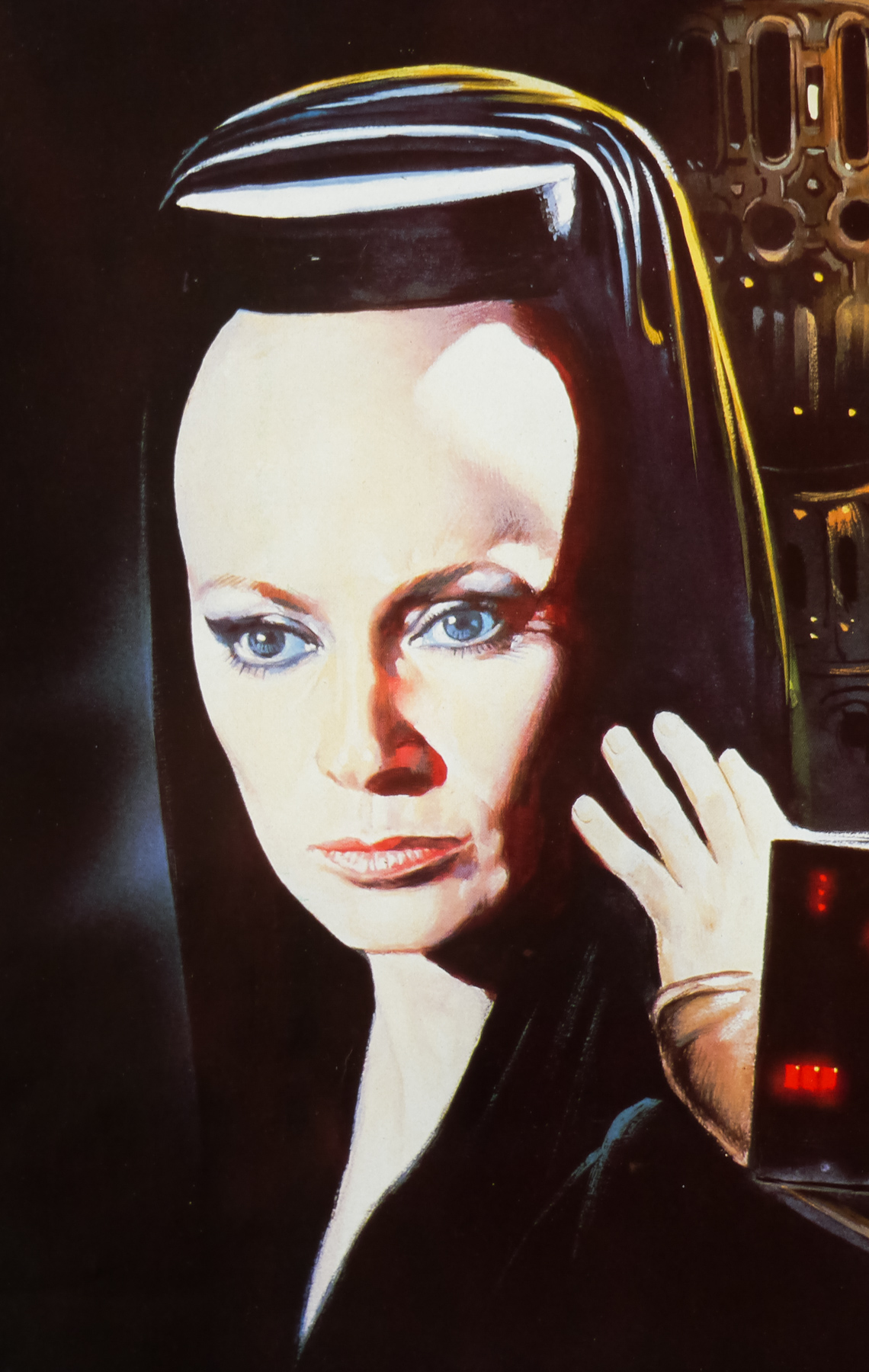
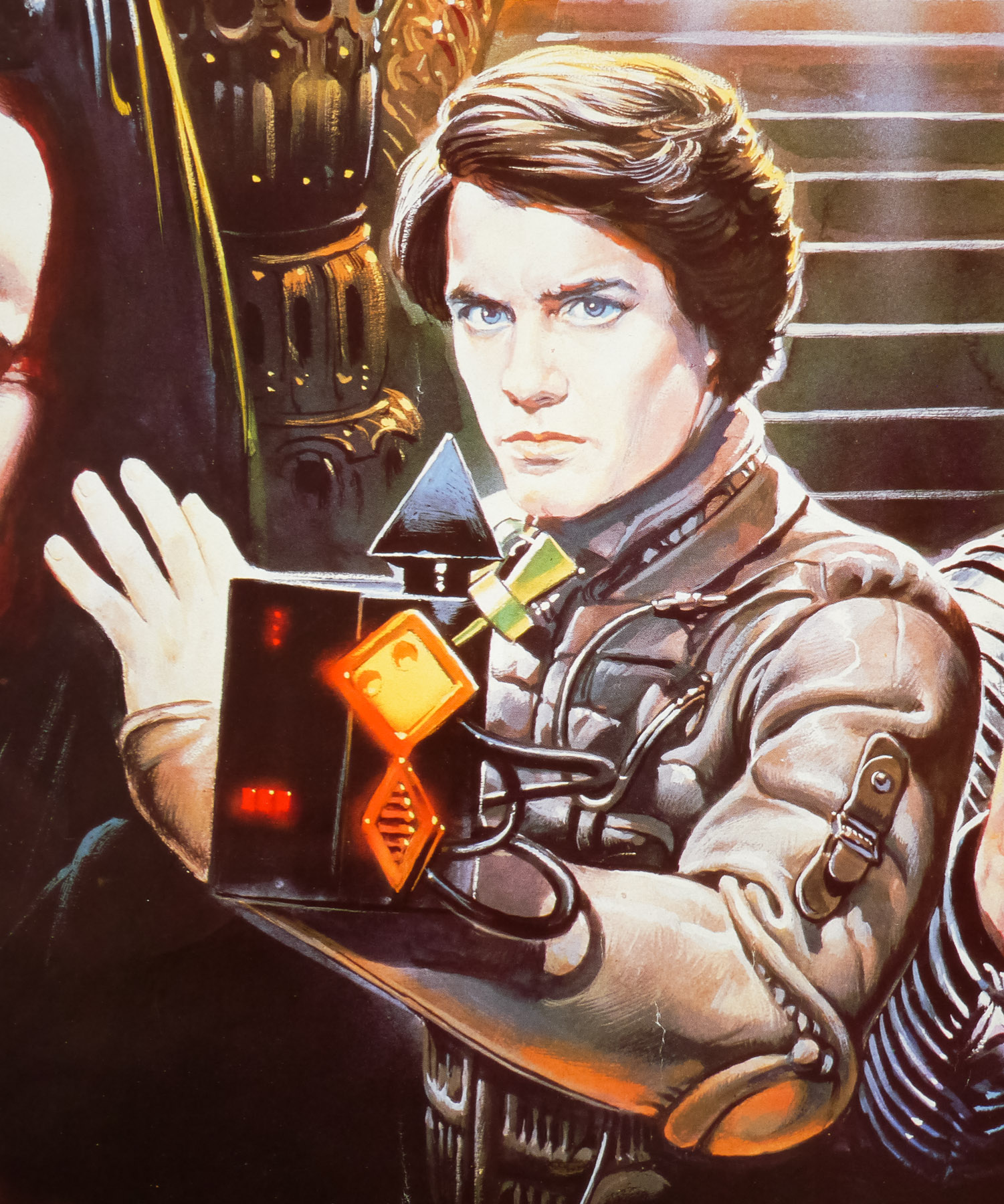
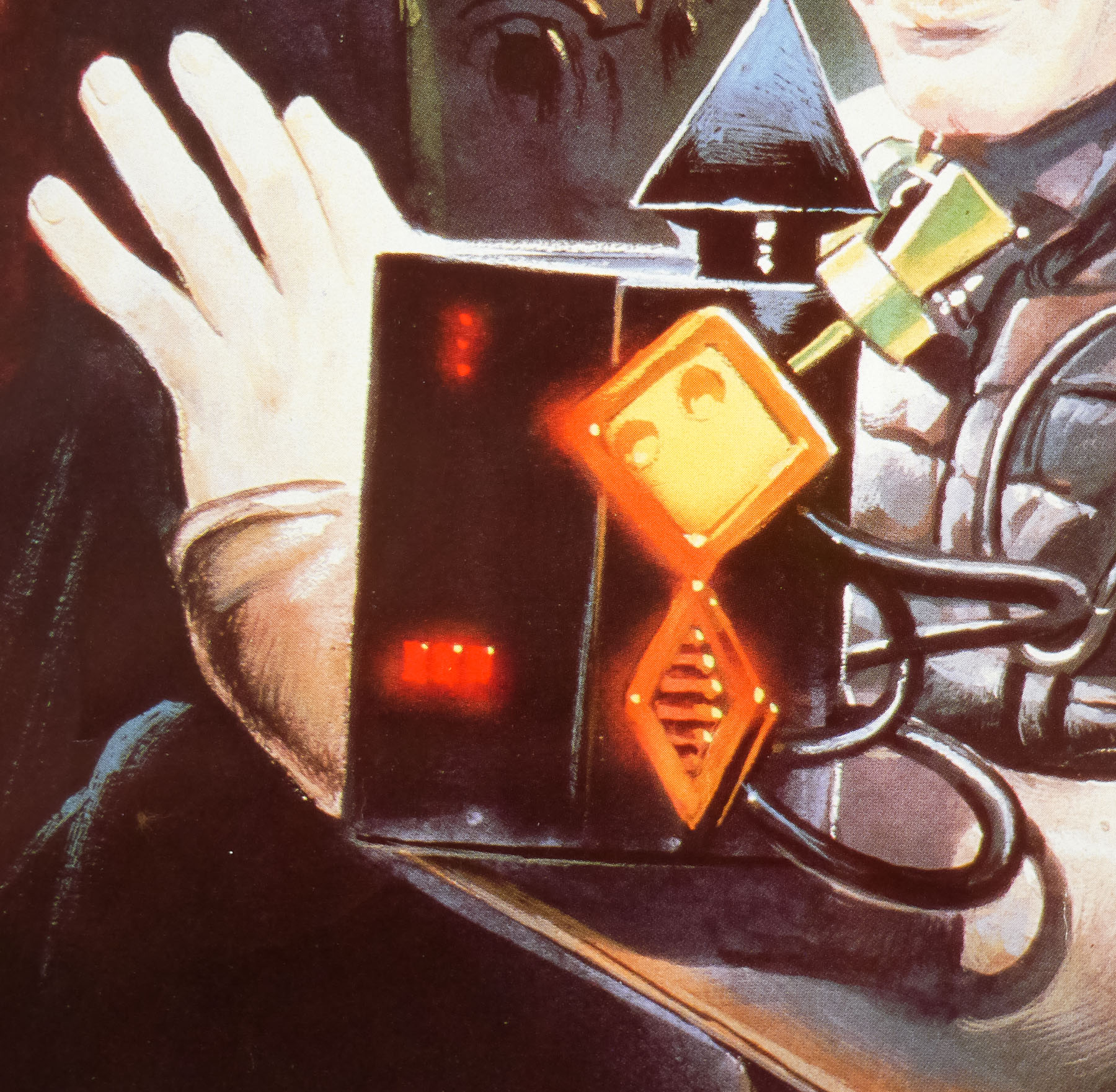
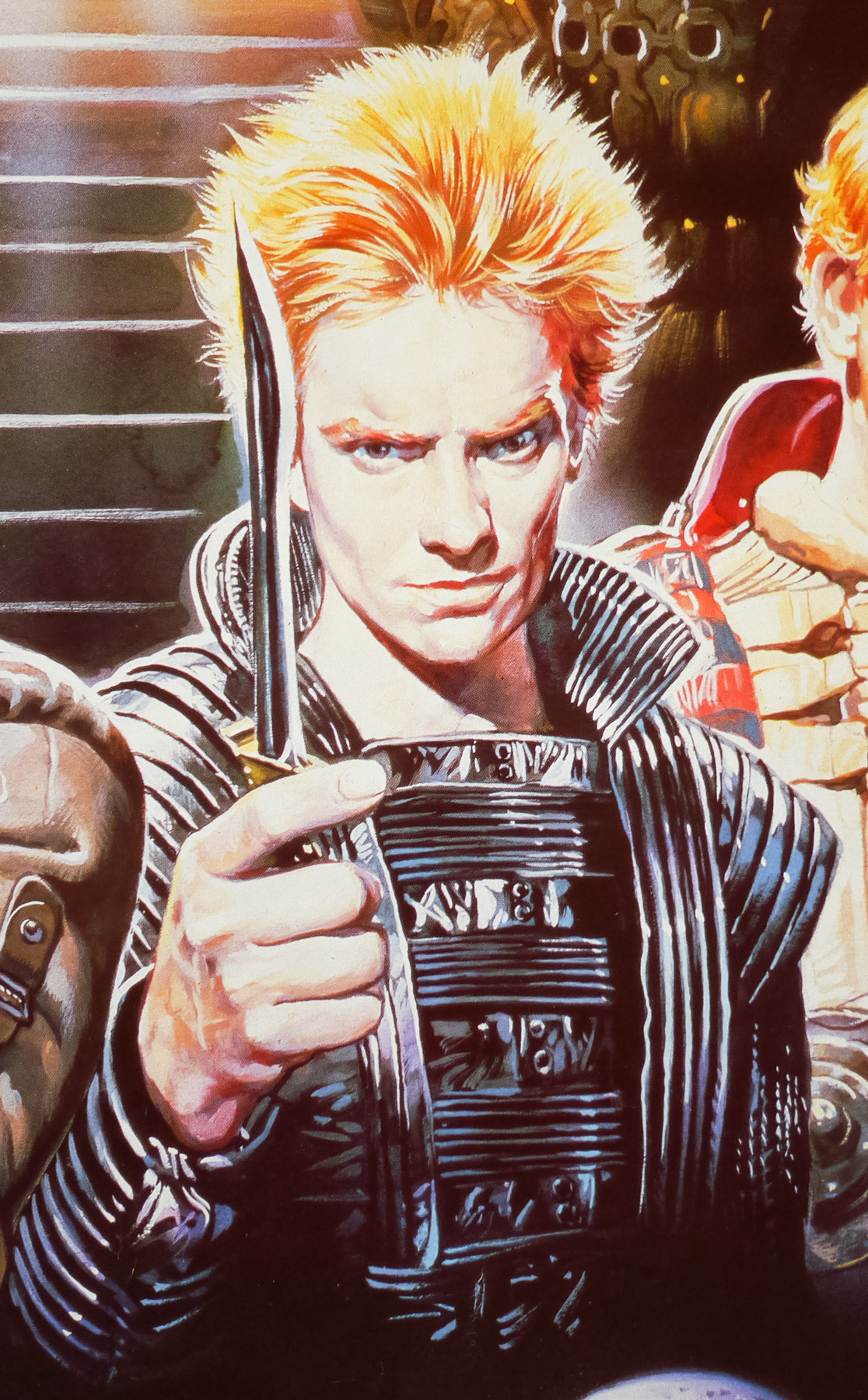
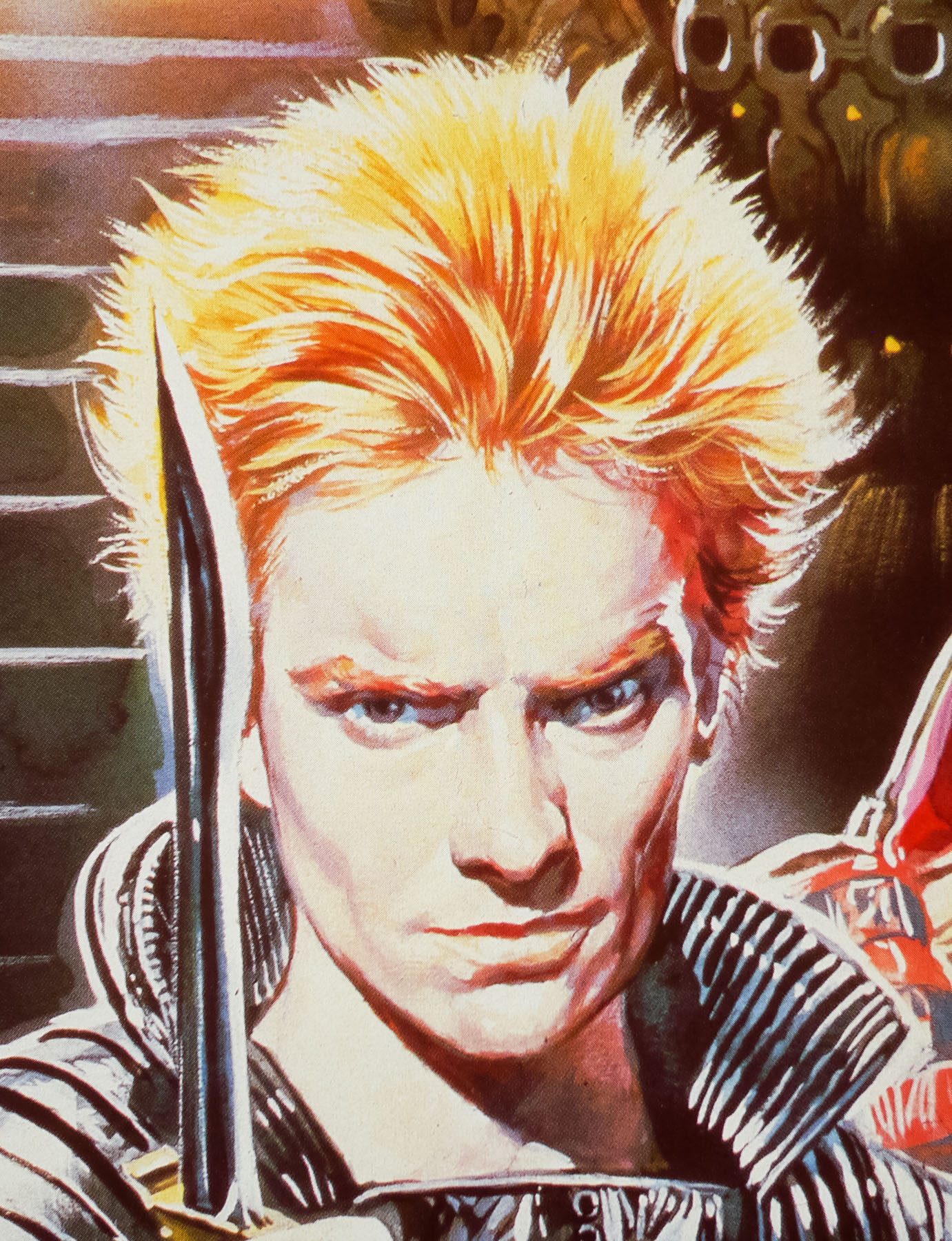
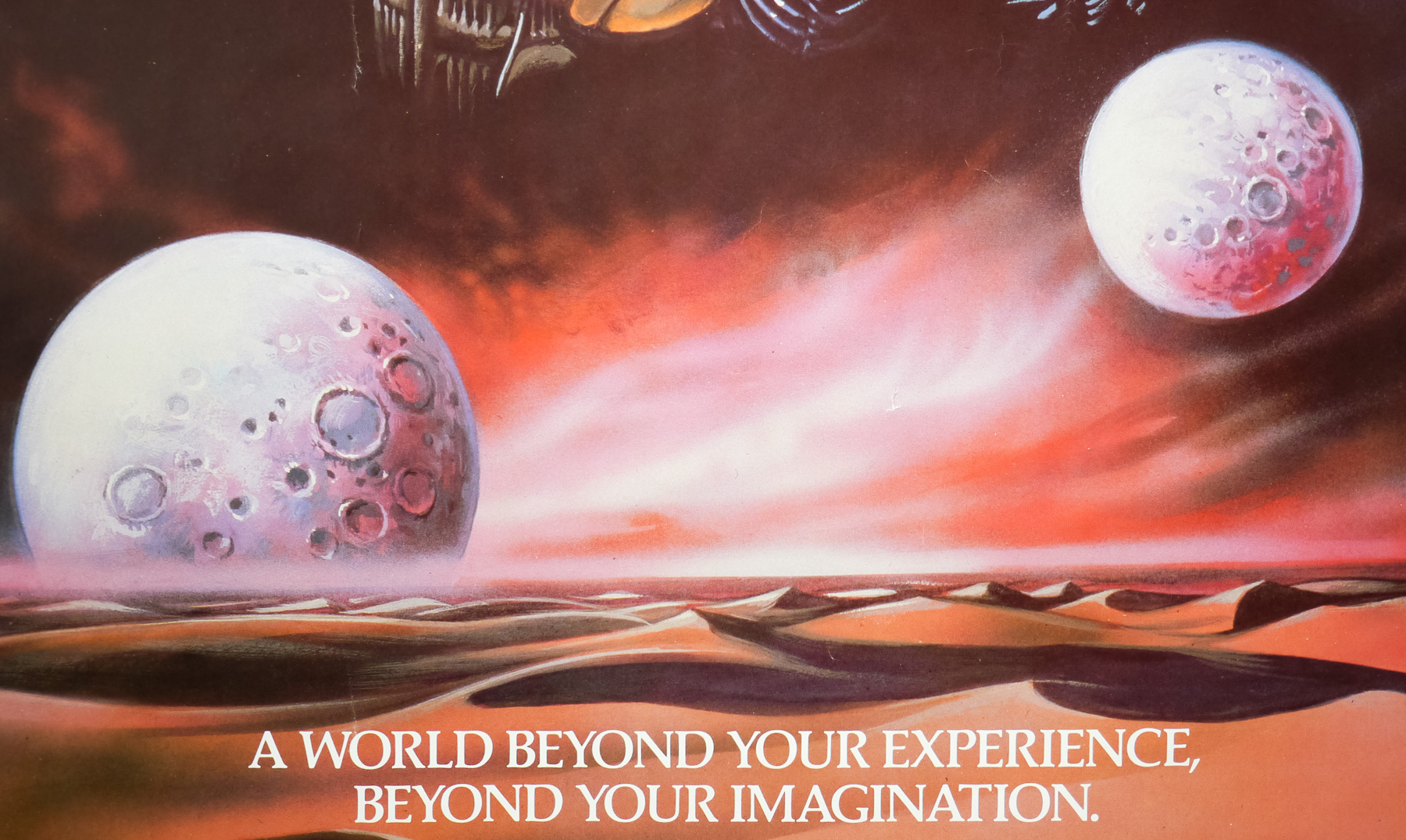
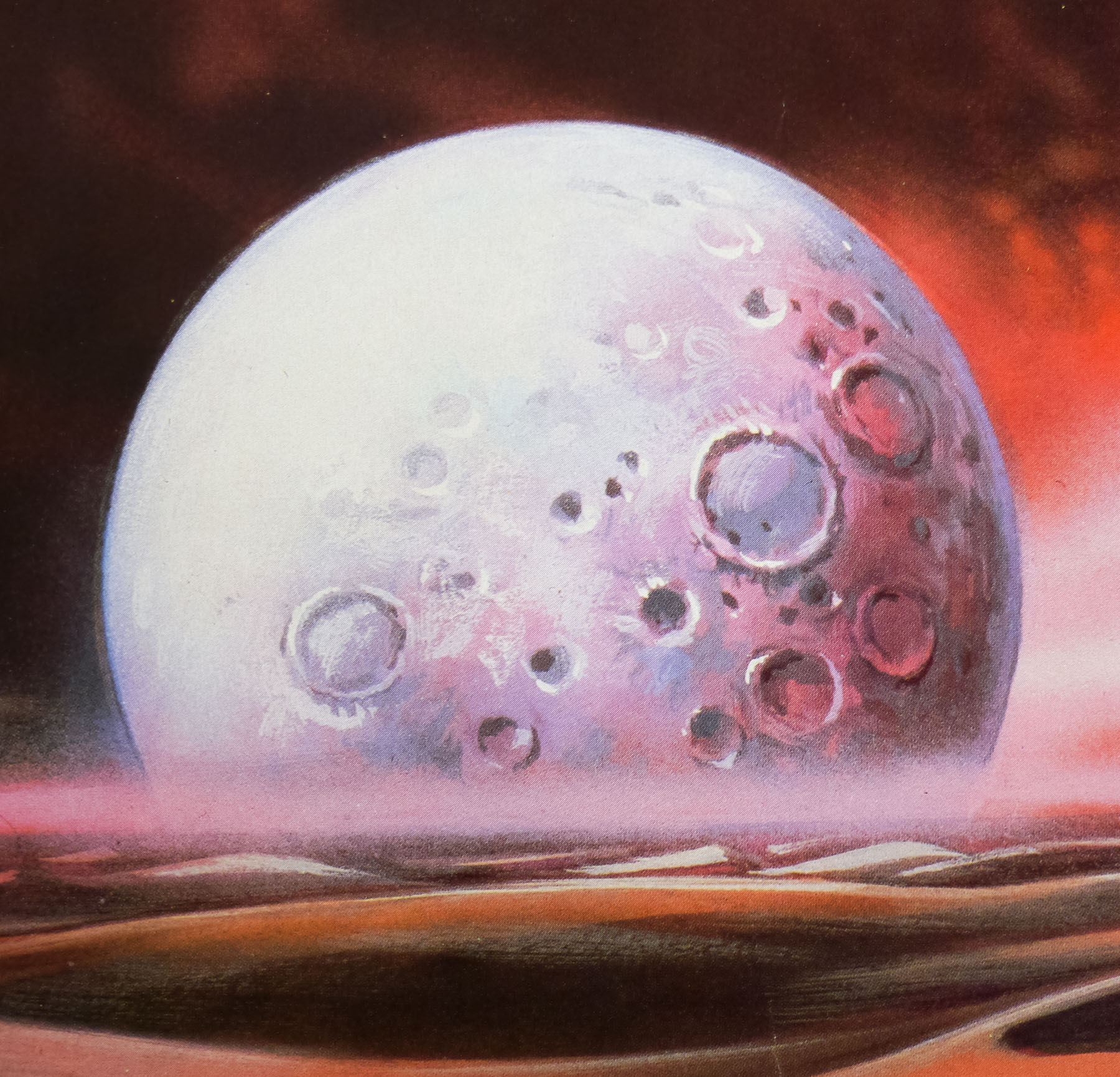
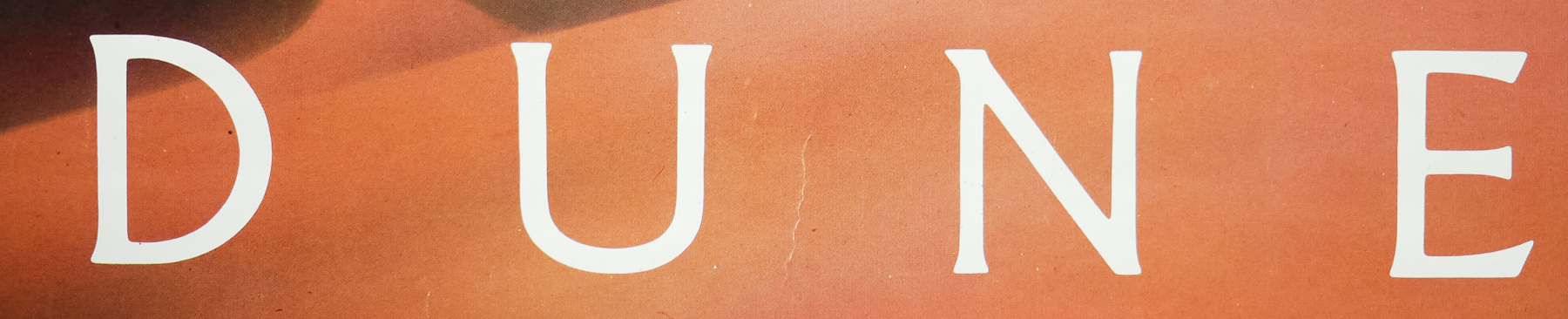
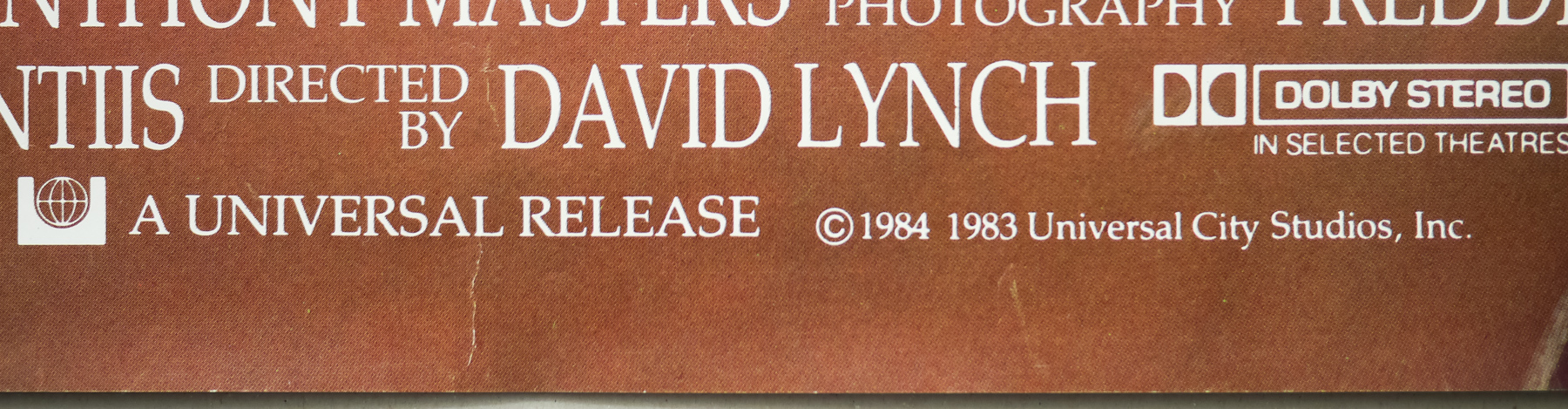
International one sheet poster (international) for Dune (1984). Artwork by Renato CasaroInternational one sheet poster (international) for Dune (1984). Artwork by Renato Casaro, image 2International one sheet poster (international) for Dune (1984). Artwork by Renato Casaro, image 3International one sheet poster (international) for Dune (1984). Artwork by Renato Casaro, image 4International one sheet poster (international) for Dune (1984). Artwork by Renato Casaro, image 5
Title
Dune
AKA
Der Wüstenplanet (West Germany)
Year of Film
1984
Director
David Lynch
Starring
Francesca Annis, Kyle MacLachlan, Sting, Max von Sydow, José Ferrer
Origin of Film
USA
Genre(s) of Film
Sci-Fi
Type of Poster
One sheet
Style of Poster
International
Origin of Poster
International
Year of Poster
1984
Designer
Unknown
Artist
Renato Casaro
Size (inches)
27 1/16" x 39 15/16"
SS or DS
SS
Tagline
A world beyond your experience, beyond your imagination.

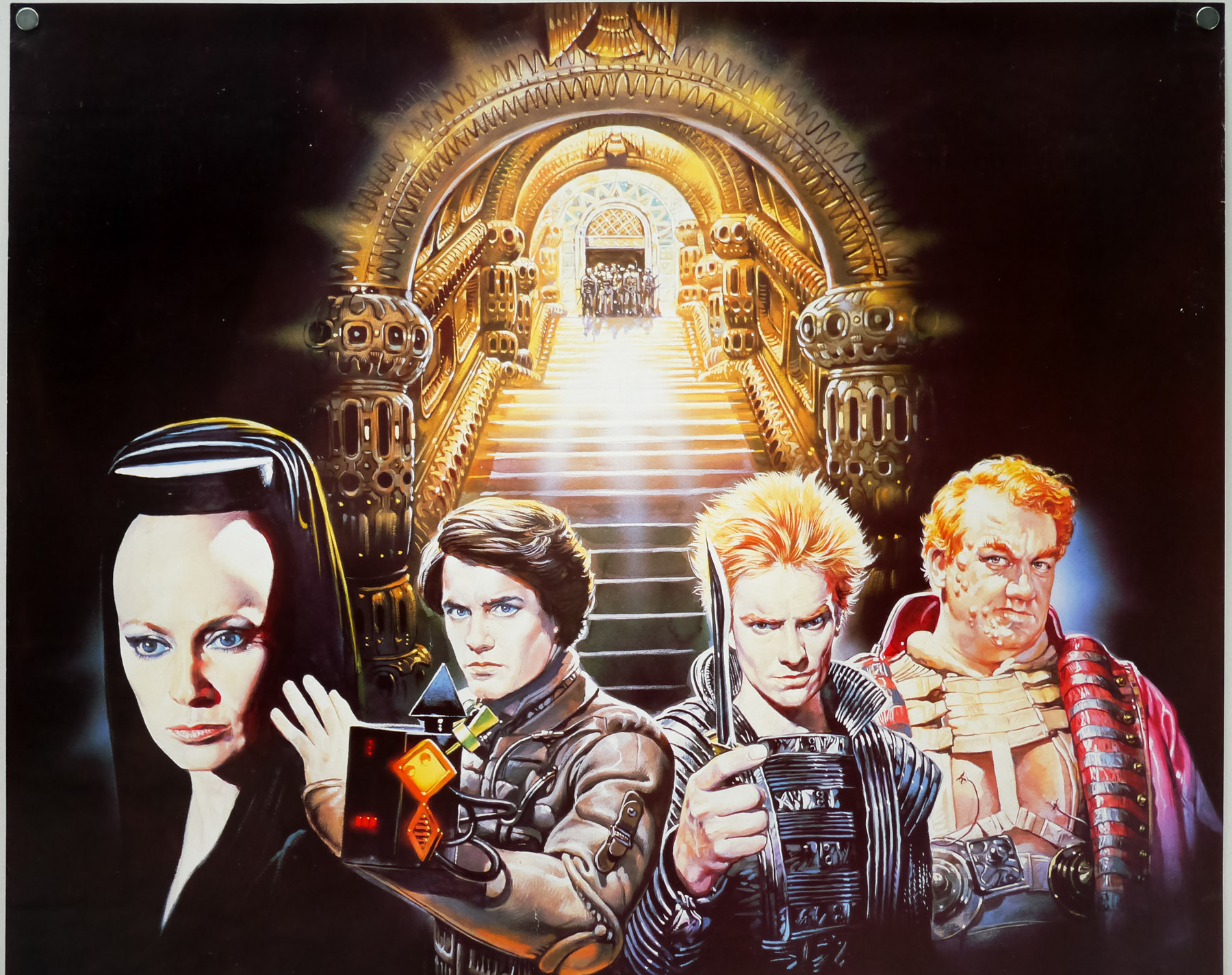
Frank Herbert’s (opens in a new tab) sci-fi classic Dune (opens in a new tab) was always going to be a difficult novel to turn into a sub three-hour film, particularly because of the complex universe, intricate lore and multiple characters it features. The initial novel went onto spawn a Dune franchise (opens in a new tab), comprising of five more books written by Herbert as well as board games, video games and a series of prequels written after Herbert’s death.

The film that was eventually released in 1984 went through a long gestation, attracting multiple production teams and several directors over a thirteen year period from when the rights were first optioned. Wikipedia (opens in a new tab) has a nice explanation of the various versions (see ‘Production’). In 1975 it looked like legendary director Alejandro Jodorowsky (opens in a new tab) would realise his version of the film with an incredible selection of actors:

In 1975, Jodorowsky planned to film the story as a ten-hour feature, in collaboration with Salvador Dalí (opens in a new tab), Orson Welles (opens in a new tab), Gloria Swanson (opens in a new tab), David Carradine (opens in a new tab), Geraldine Chaplin (opens in a new tab), Alain Delon (opens in a new tab), Hervé Villechaize (opens in a new tab) and Mick Jagger (opens in a new tab).

Even more exciting, in my opinion, was the roster of talent he had assembled behind the camera:

Jodorowsky set up a pre-production unit in Paris consisting of Chris Foss (opens in a new tab), a British artist who designed covers for science fiction periodicals, Jean Giraud (Moebius) (opens in a new tab), a French illustrator who created and also wrote and drew for Metal Hurlant (opens in a new tab) magazine, and H. R. Giger (opens in a new tab). Dan O’Bannon (opens in a new tab) was to head the special effects department.

After a couple of years the project stalled and the financial backing dried up. Frank Herbert traveled to Europe to meet with Jodorowsky and discovered that his script would have resulted in a 14-hour movie.

This website (opens in a new tab) has a great account of Jodorowsky’s version written by the man himself. Earlier this year it was announced that a film was being made that documents this failed version. There’s more info and a trailer on DuneInfo (opens in a new tab).

The rights were sold to Italian producer Dino de Laurentiis (opens in a new tab) who spent several years trying to get his version of the project off the ground. At one point it looked like Ridley Scott (opens in a new tab) would direct but he eventually left to work on Blade Runner after realising how long Dune would take to bring to screen.

In 1981 De Laurentiis approached director David Lynch (opens in a new tab) after his daughter had seen The Elephant Man (opens in a new tab) and recommended it to her father. Lynch went on to write six drafts of the screenplay before filming commenced in March, 1983. The first cut of the film ran over four hours and, although Lynch was aiming for a preferred length of three hours, the backers (including Universal Pictures) insisted on a two hour film. This meant many scenes were completely excised, new scenes were shot to simplify others and a voice over was added.
All of this resulted in a film that is widely considered as something of a mess, with poor critical reception and box office takings meaning plans for possible sequels were shelved indefinitely. Today, Lynch doesn’t like to talk about the film in interviews and has turned down offers from Universal to reassemble a longer ‘director’s cut’.

The poster
This rarely seen international one sheet was illustrated by one of my favourite artists, Renato Casaro (opens in a new tab), an Italian with a prolific movie poster output that lasted over 35 years. He began his career in 1953, aged 19, at the famous Studio Favalli in Rome, which was part of the legendary Cinecittà (opens in a new tab) studios and handled film publicity for many Italian productions. Casaro would go on to design and paint posters for many of the biggest directors in the world and his skill at accurately portraying actors and his brilliant use of colour and composition saw him much in demand from studios and actors alike.

His artwork has featured on posters in multiple countries, including Japan, Germany, USA as well as in his native Italy. Check out the incredible amount of work on his official website (opens in a new tab). See the other posters I’ve collected by Casaro.

This artwork was used on the Italian poster for the film and Casaro’s signature can be seen in the middle right of the poster. This international one sheet was likely printed in America for use in English-speaking international markets.

Straw Dogs / B2 / Japan

13.11.12

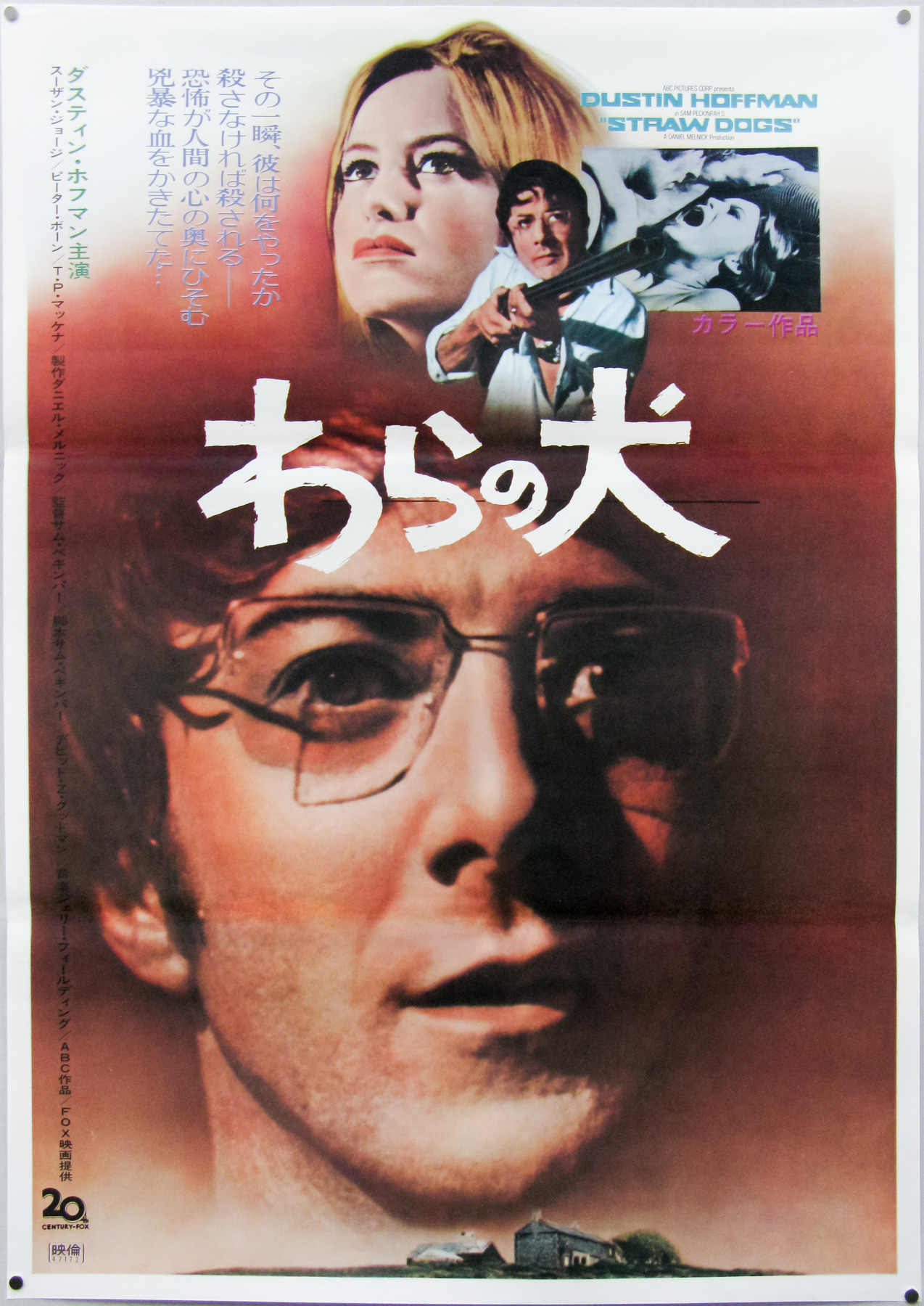
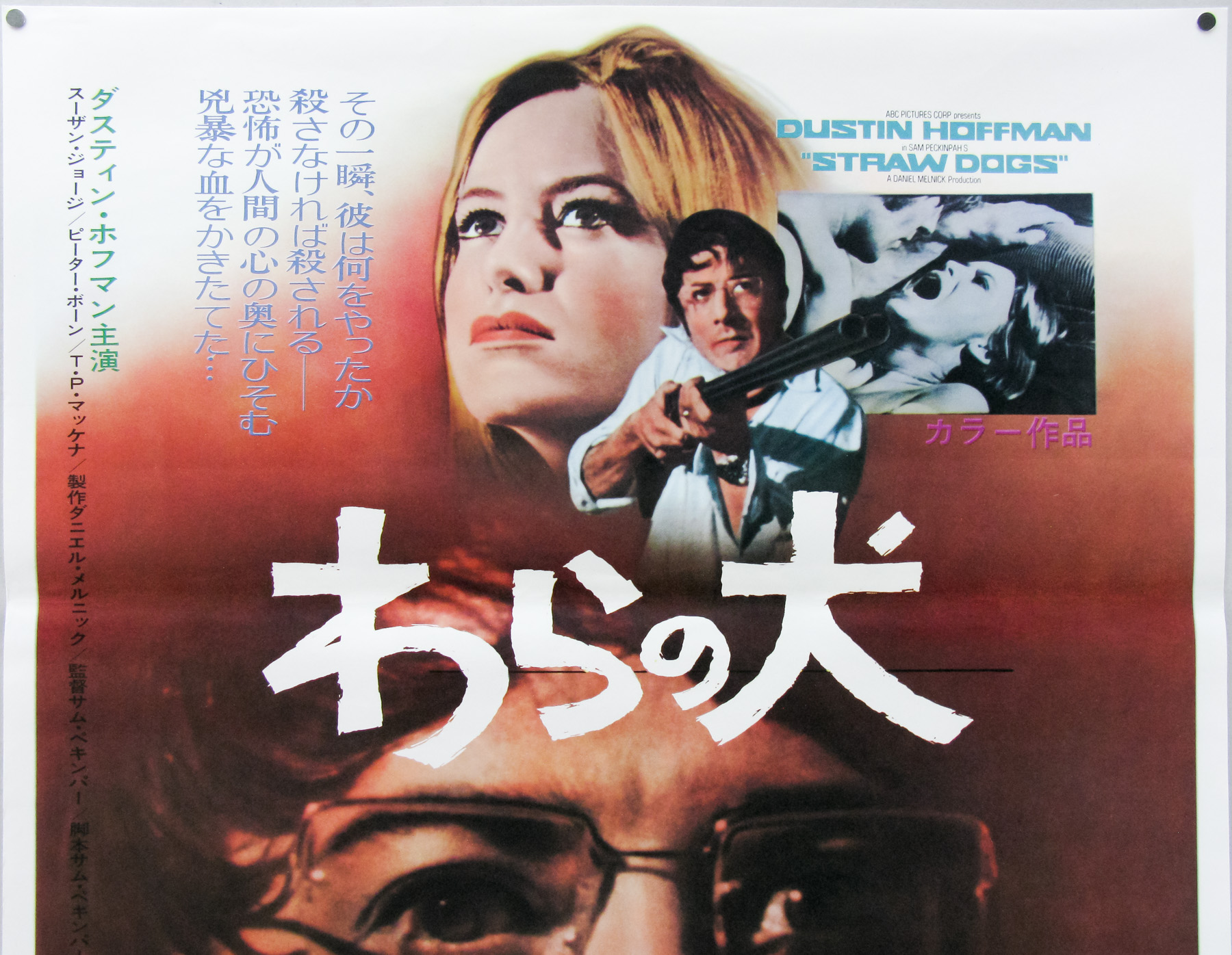
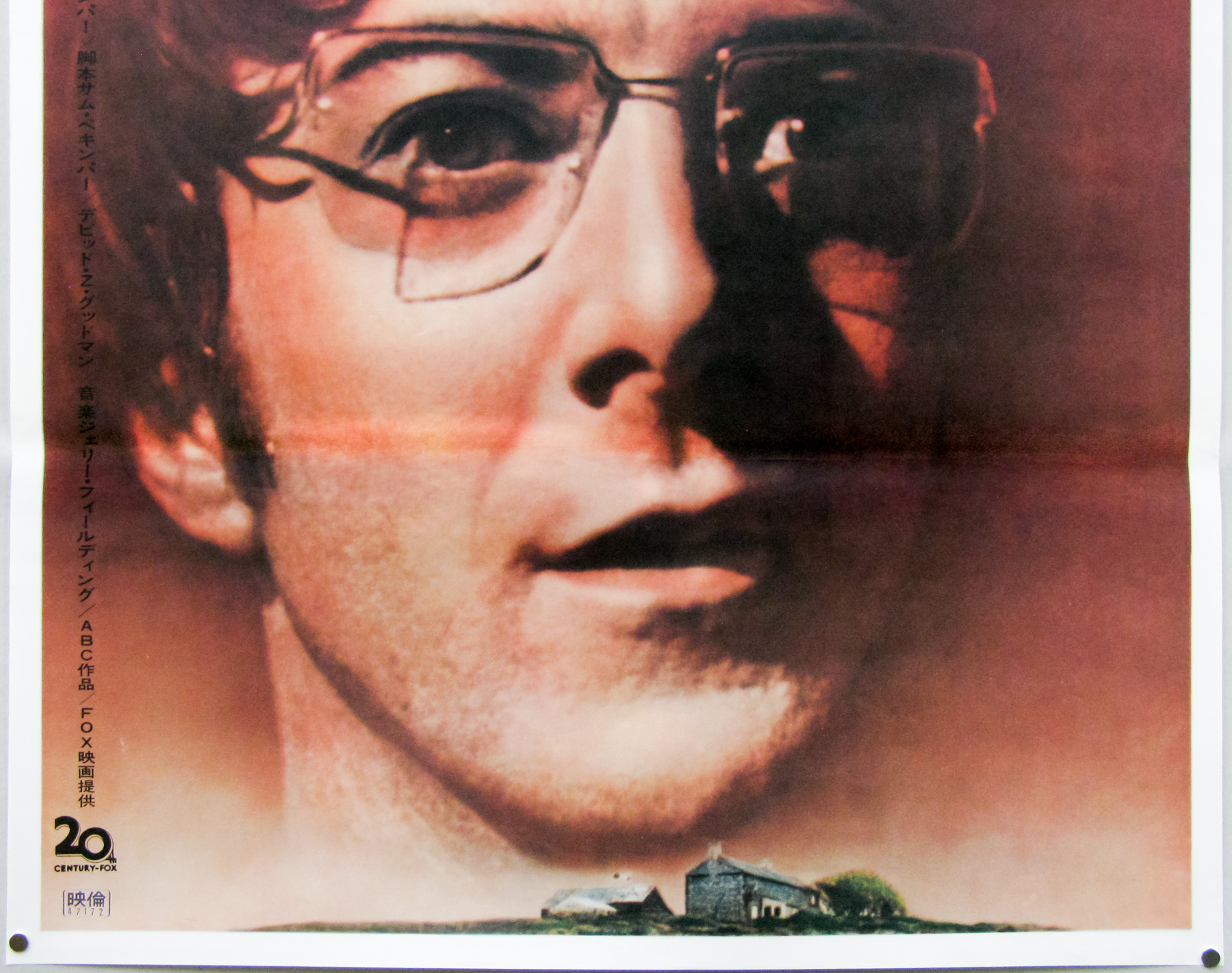
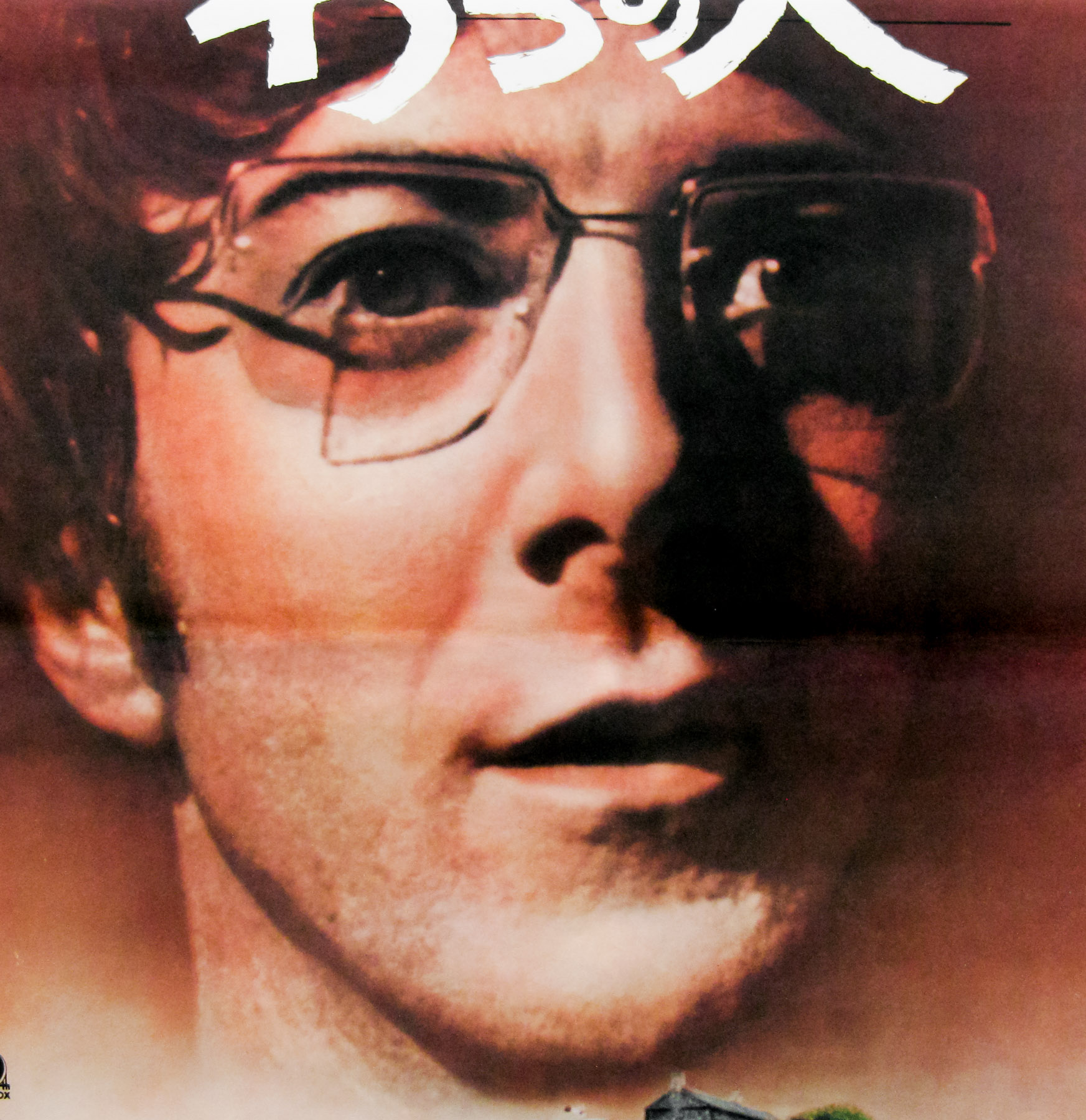
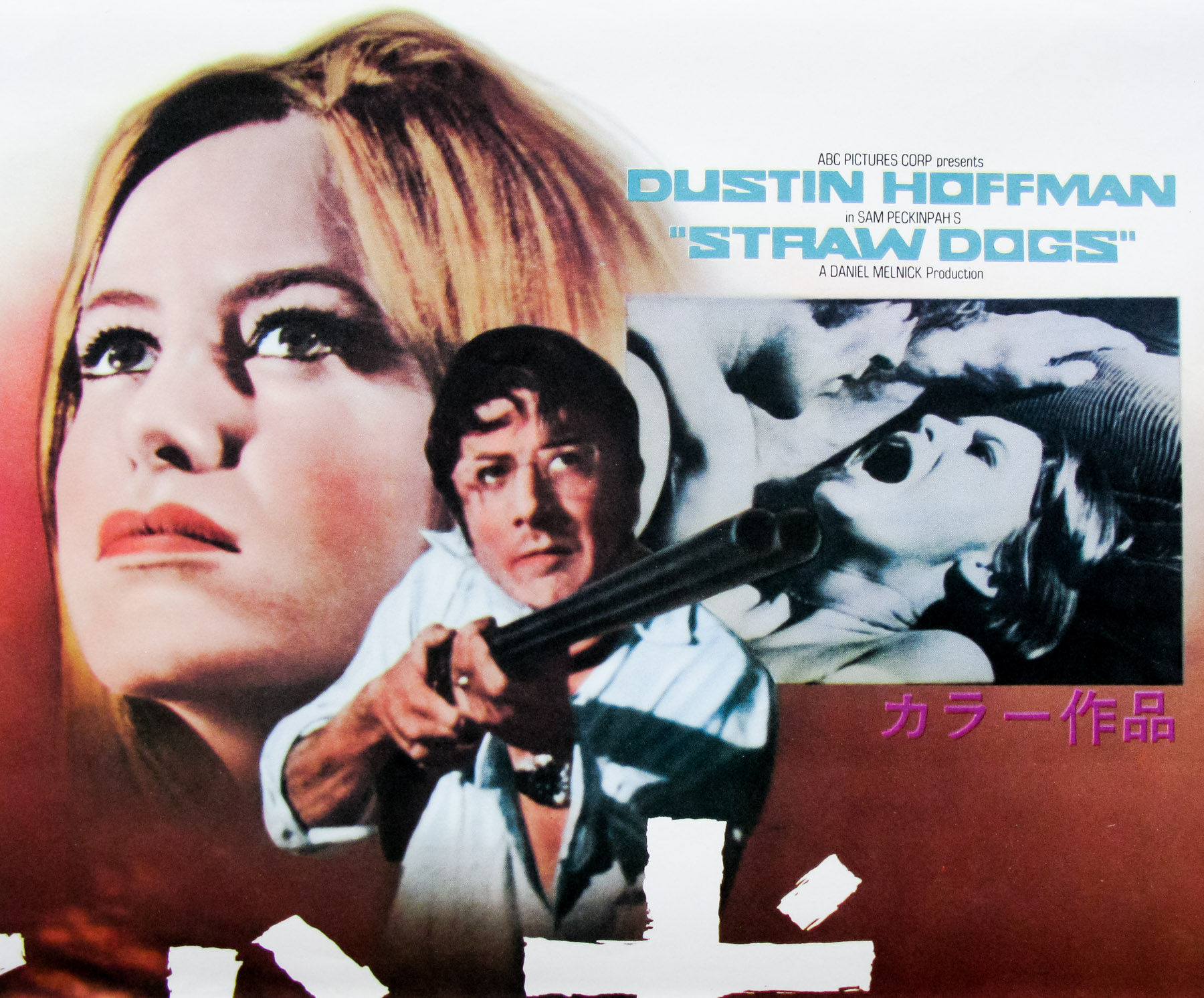
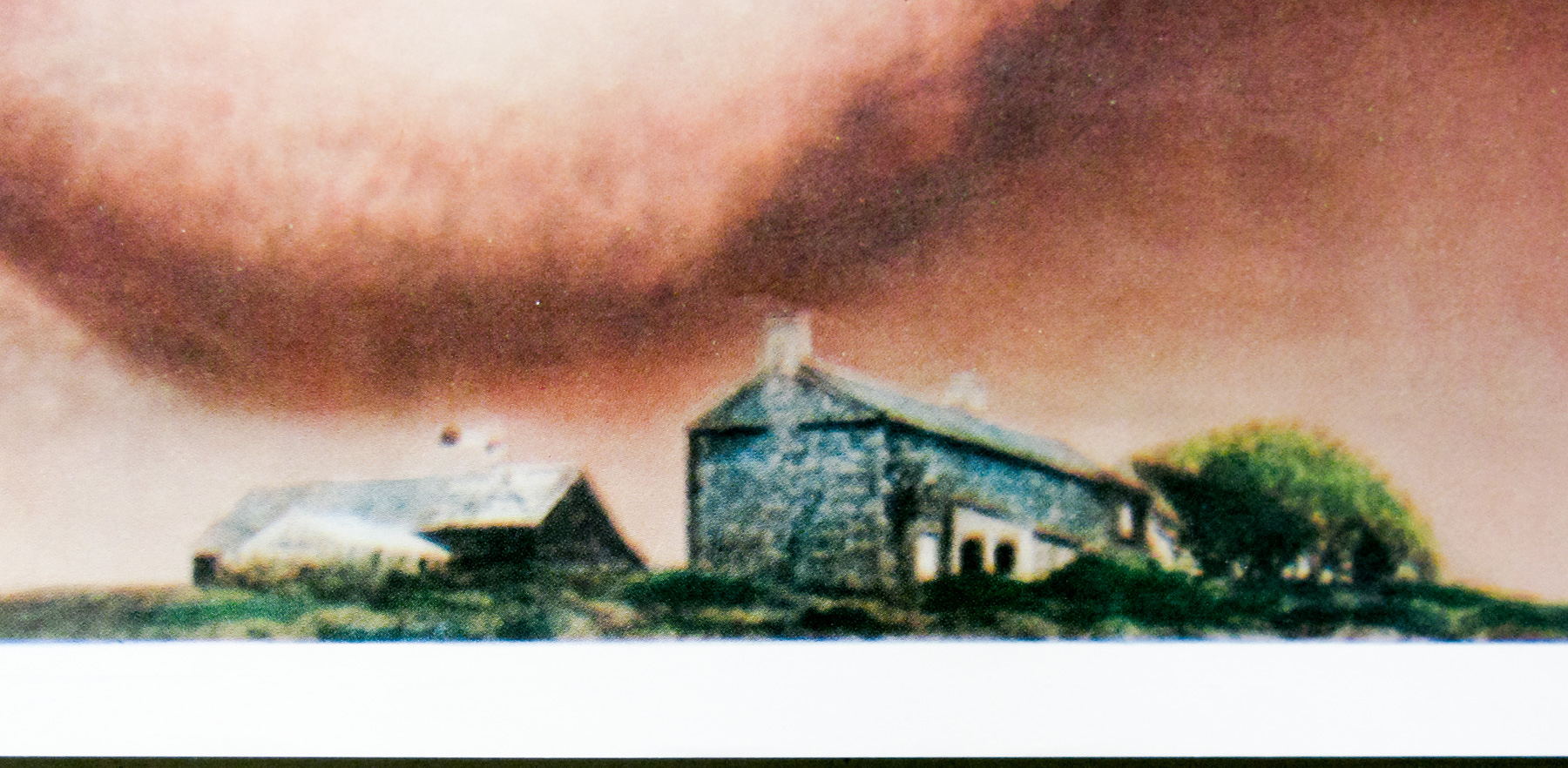
Japanese B2 poster (1972) for Straw Dogs (1971)Japanese B2 poster (1972) for Straw Dogs (1971), image 2Japanese B2 poster (1972) for Straw Dogs (1971), image 3Japanese B2 poster (1972) for Straw Dogs (1971), image 4
Title
Straw Dogs
Year of Film
1971
Director
Sam Peckinpah
Starring
Dustin Hoffman, Susan George, Peter Vaughan, T.P. McKenna, Del Henney, Jim Norton, Donald Webster, Ken Hutchison
Origin of Film
UK | USA
Genre(s) of Film
Thriller
Type of Poster
B2
Origin of Poster
Japan
Year of Poster
1972
Designer
Unknown
Size (inches)
20 3/8" x 28 13/16"
SS or DS
SS

Legendary American director Sam Peckinpah (opens in a new tab)‘s contract with Warner Bros had come to an acrimonious end after the The Ballad of Cable Hogue (opens in a new tab) (1970) ended up $3 million over budget and 19 days late. The notoriously prickly director found further opportunities very limited in Hollywood and decided to travel to England to film Straw Dogs (opens in a new tab), a thriller based on the novel The Siege of Trencher’s Farm (opens in a new tab) by Scottish author Gordon Williams.

Starring Dustin Hoffman (opens in a new tab) in arguably one of his greatest screen roles, the film sees timid mathematician David Sumner (Hoffman) leaving America to live with his English wife Amy (Susan George (opens in a new tab)), in a fictional Cornish village. Before long David’s patience and resolve is tested by a gang of local men who harass the couple and, in a particularly controversial sequence, two of the men take it in turns to rape Amy. As the title of the source novel suggests, the film ends with a violent confrontation, which sees David pushed beyond the limits. Like many of Peckinpah’s films, Straw Dogs was heavily criticised for its violence, although the director defended the film as an exploration of the subject and claimed Hoffman’s character showed his true side during the climax.

This Japanese poster chose to focus on Hoffman as the film’s main draw, likely due to the successes of The Graduate and Midnight Cowboy in Japan at the end of the 1960s. The film seems to have been given unique advertising campaigns in most of the countries it was released in and there were a few US one sheets, including this classic image (opens in a new tab) of Hoffman and a rather strange alternative style (opens in a new tab) featuring a literal straw dog!

The original trailer is on YouTube (opens in a new tab).

The Emerald Forest / quad / UK

09.11.12

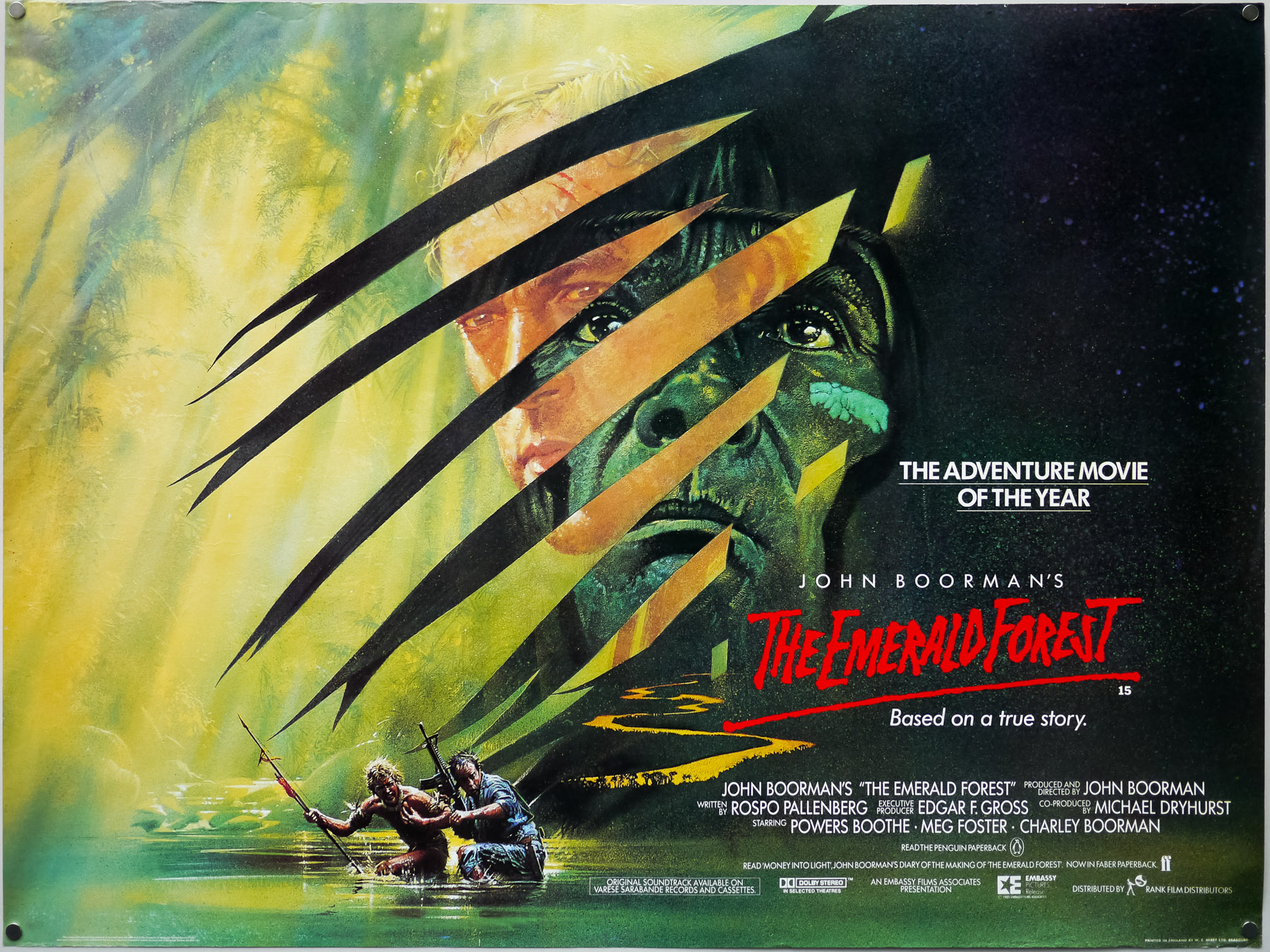
British quad poster for The Emerald Forest (1985). Artwork by Brian Bysouth, design by Vic FairBritish quad poster for The Emerald Forest (1985). Artwork by Brian Bysouth, design by Vic Fair, image 2British quad poster for The Emerald Forest (1985). Artwork by Brian Bysouth, design by Vic Fair, image 3British quad poster for The Emerald Forest (1985). Artwork by Brian Bysouth, design by Vic Fair, image 4British quad poster for The Emerald Forest (1985). Artwork by Brian Bysouth, design by Vic Fair, image 5
Title
The Emerald Forest
Year of Film
1985
Director
John Boorman
Starring
Powers Boothe, Meg Foster, Yara Vaneau, William Rodriguez, Estee Chandler, Charley Boorman, Dira Paes, Eduardo Conde, Ariel Coelho
Origin of Film
UK
Genre(s) of Film
Action | Adventure | Drama
Type of Poster
Quad
Origin of Poster
UK
Year of Poster
1985
Designer
Vic Fair
Artist
Brian Bysouth
Size (inches)
30 1/16" x 39 15/16"
SS or DS
SS
Tagline
The Adventure Movie of the Year

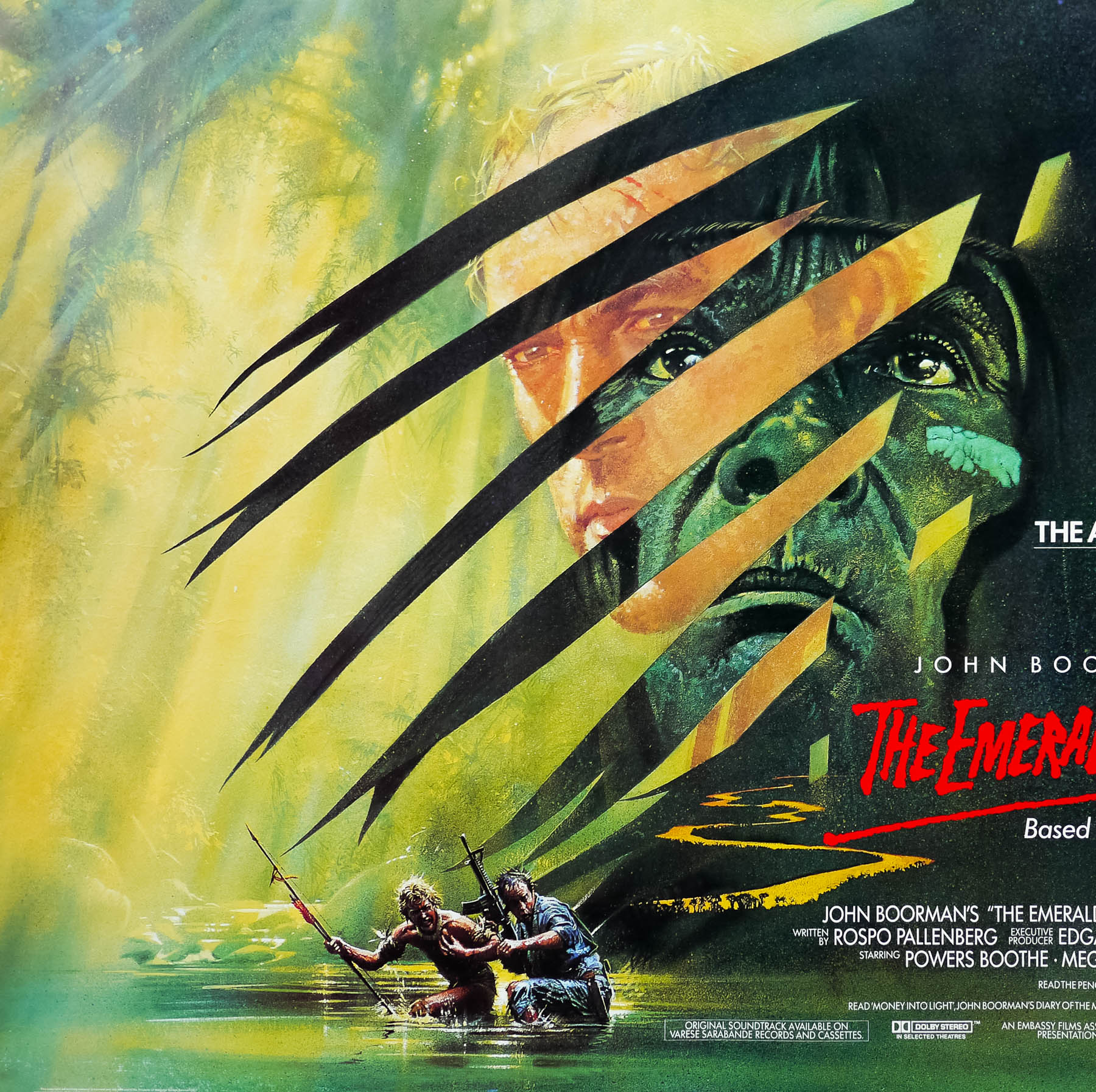
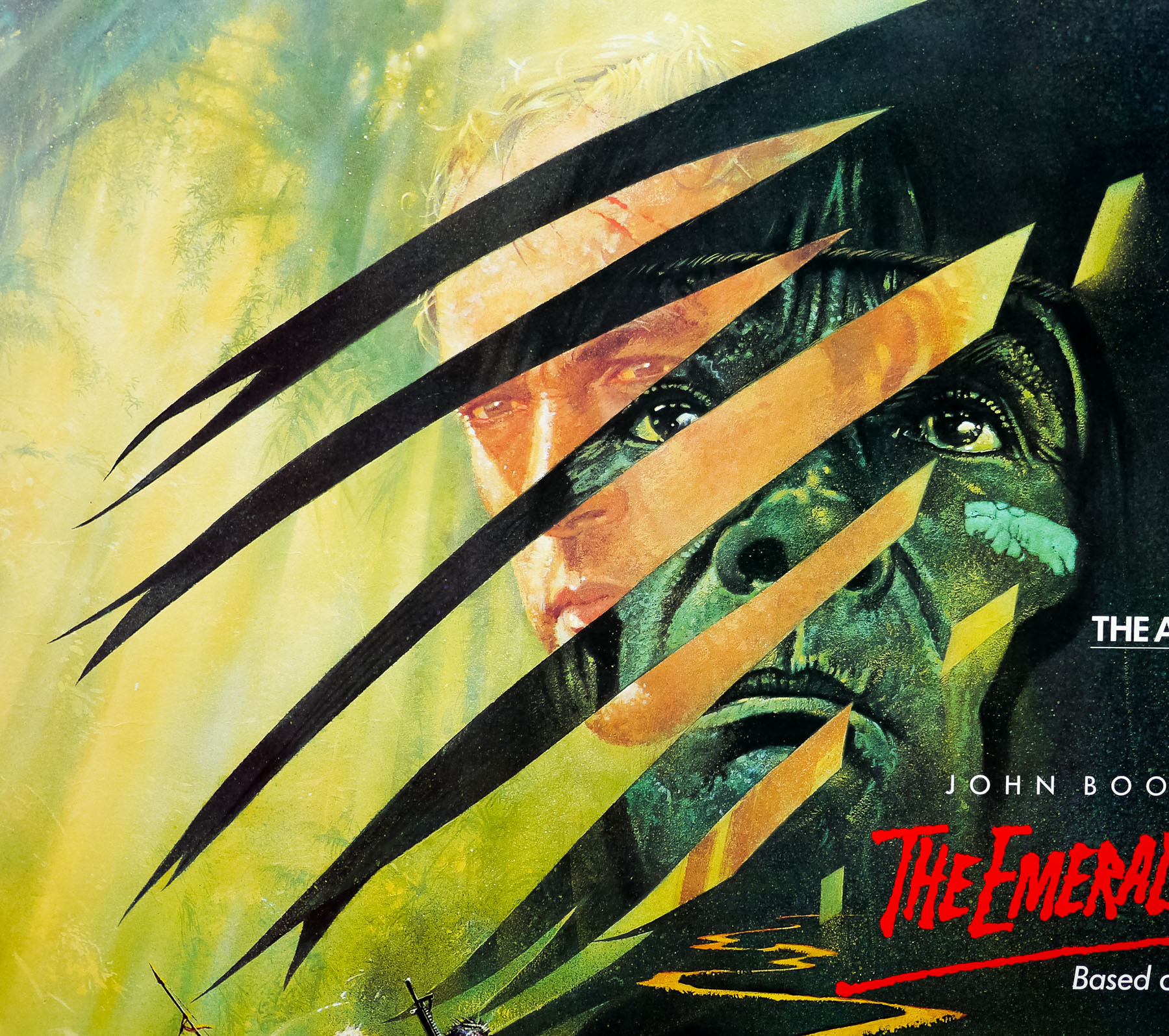
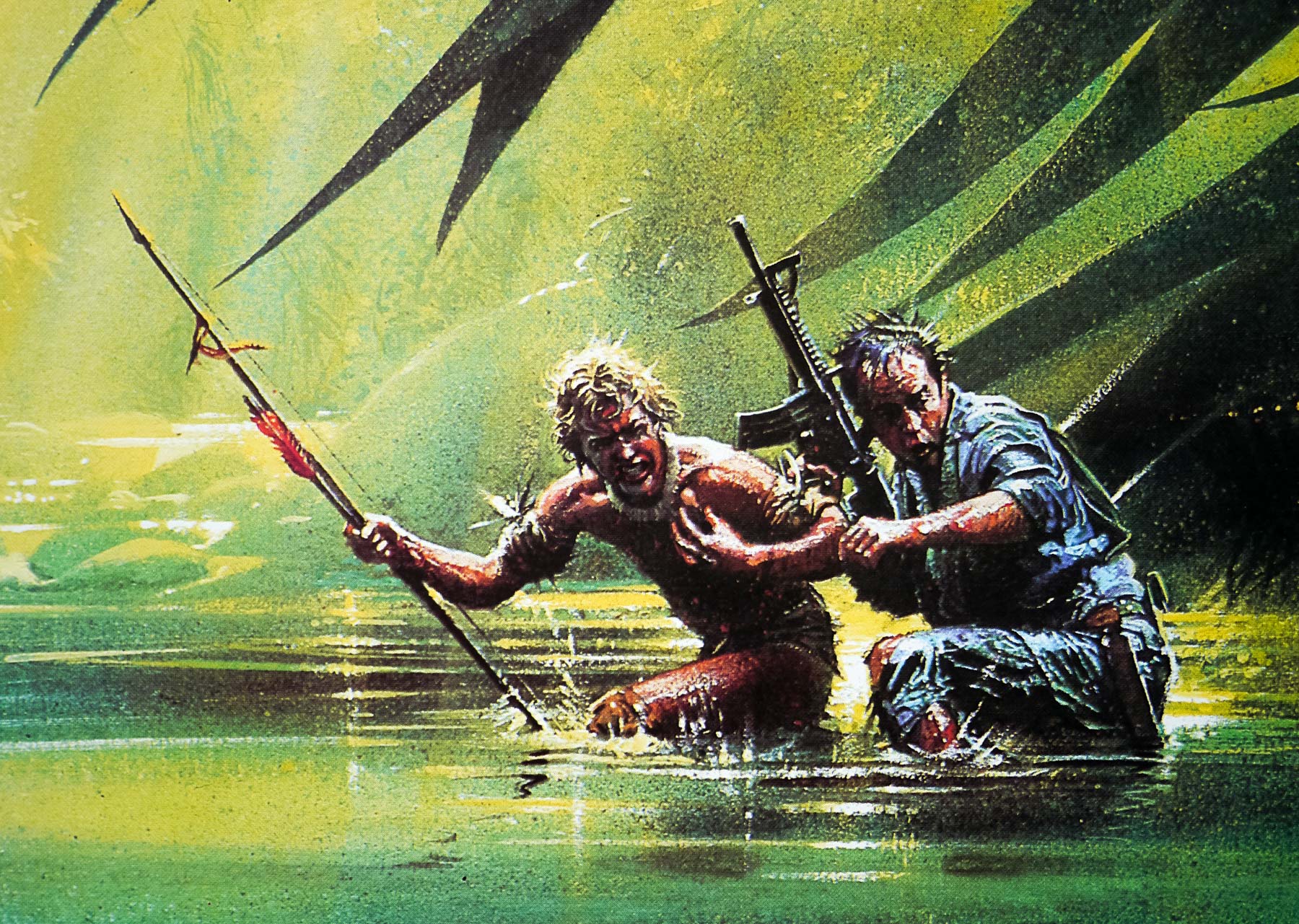
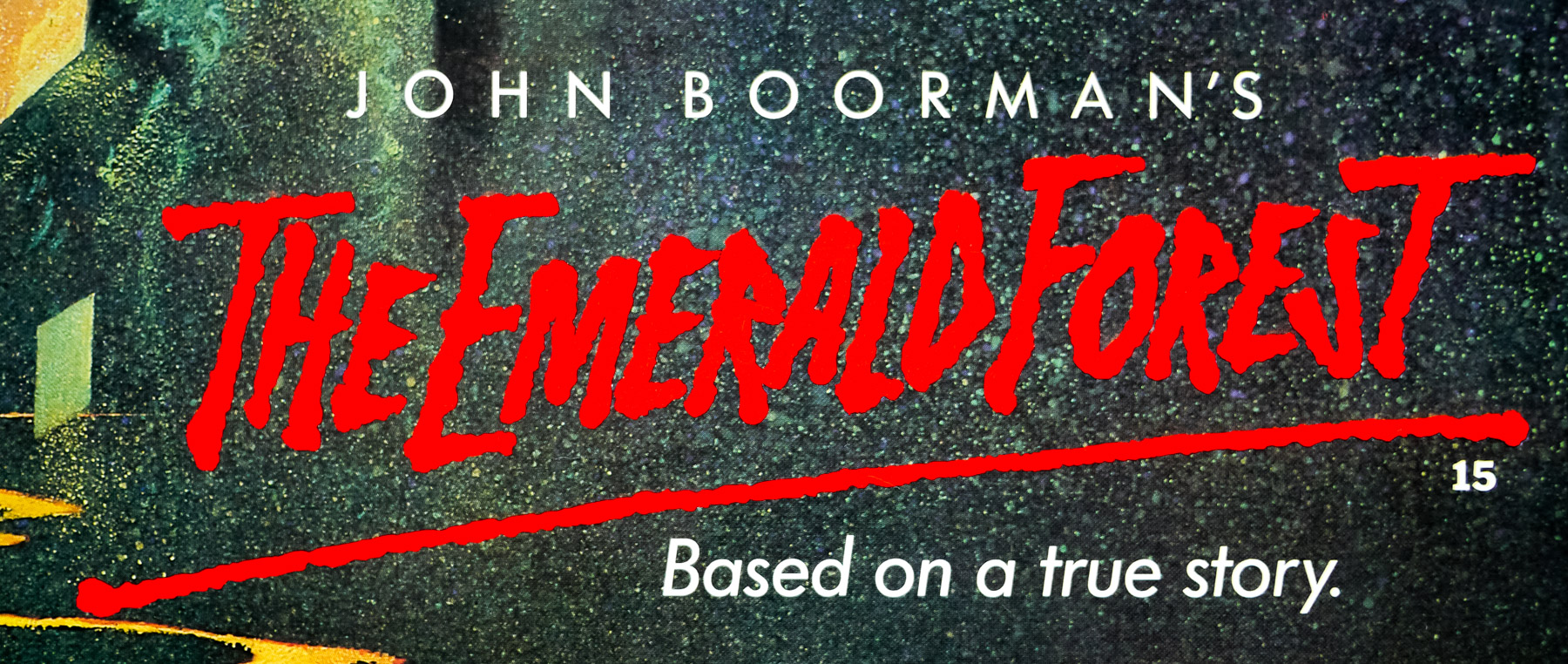
A striking design on this British quad for the release of John Boorman (opens in a new tab)‘s adventure film The Emerald Forest (opens in a new tab). Bill Markham (Powers Boothe (opens in a new tab)) is an engineer working on the construction of a dam in the jungles of Brazil who has brought his wife and young children with him to live there. One day his son Tommy disappears and the family discover that he has been kidnapped by an indigenous tribe called the Invisible People. Markham spends years searching for his son and it’s not until a decade later that he finally locates him, only to discover that he’s now fully assimilated into the tribe. The dam is nearing completion and Markham decides to help his son’s adopted tribe before their way of life is totally destroyed. Tommy/Tomme is played by Charley Boorman (opens in a new tab), the director’s own son.

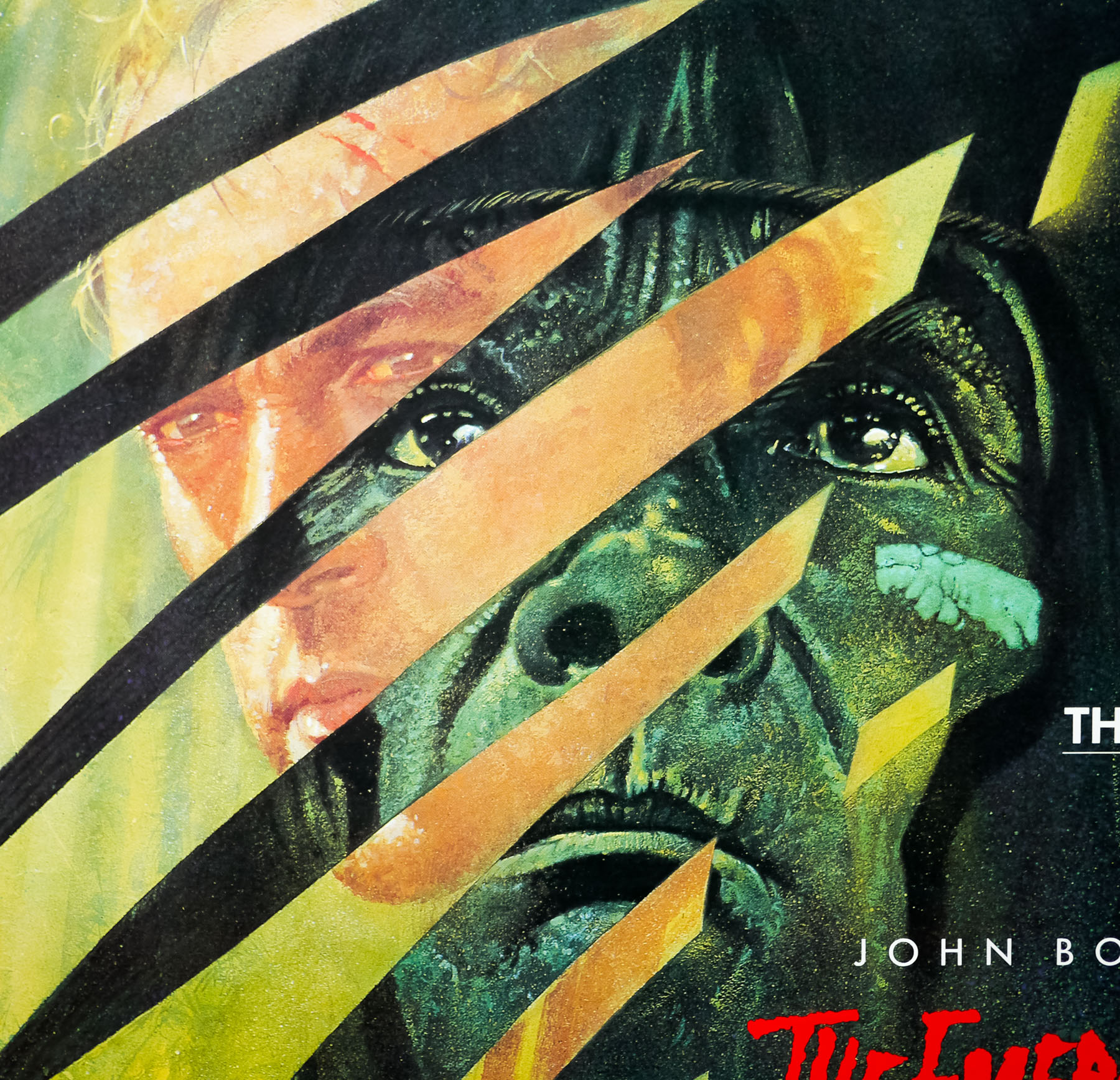
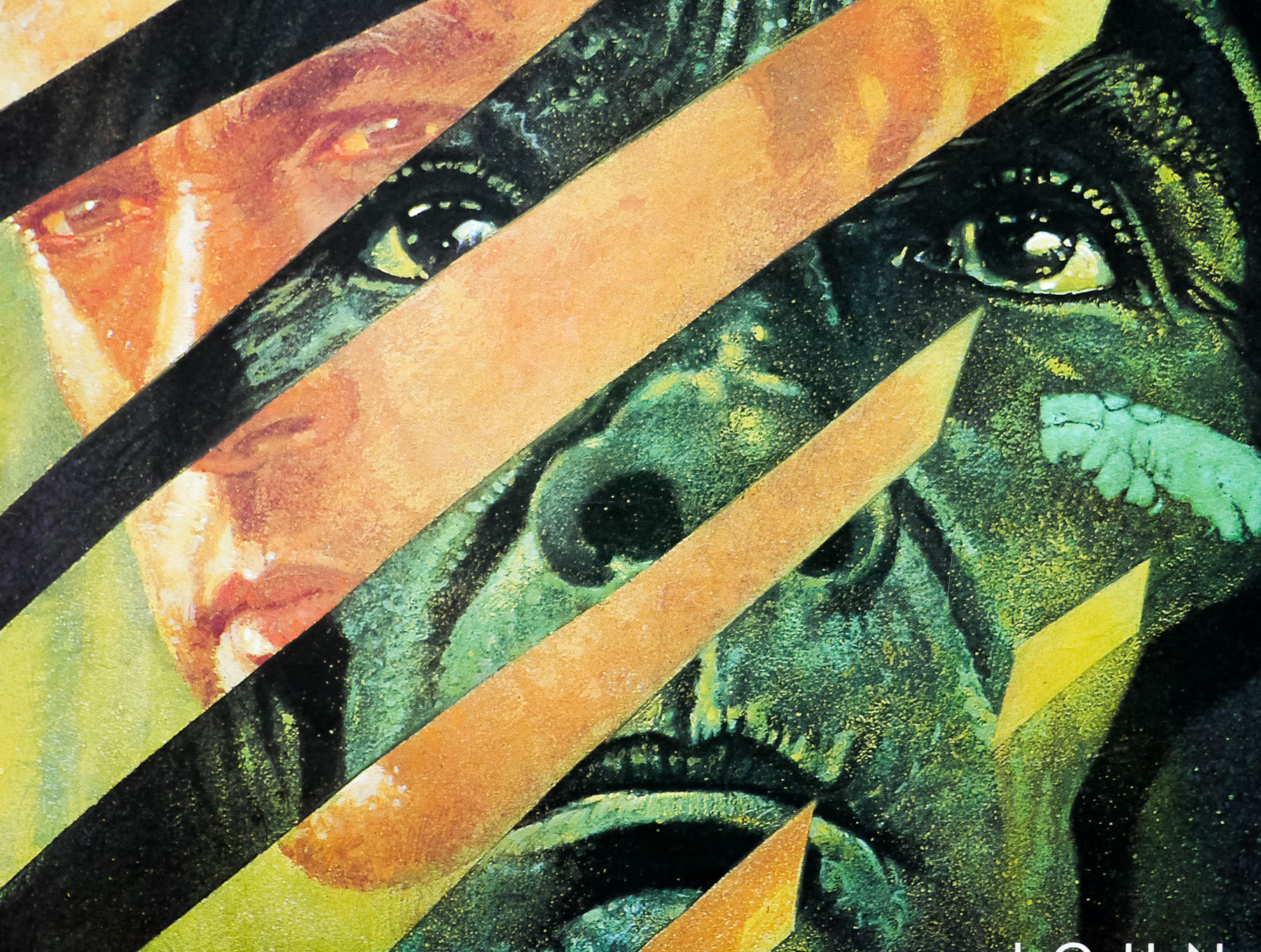
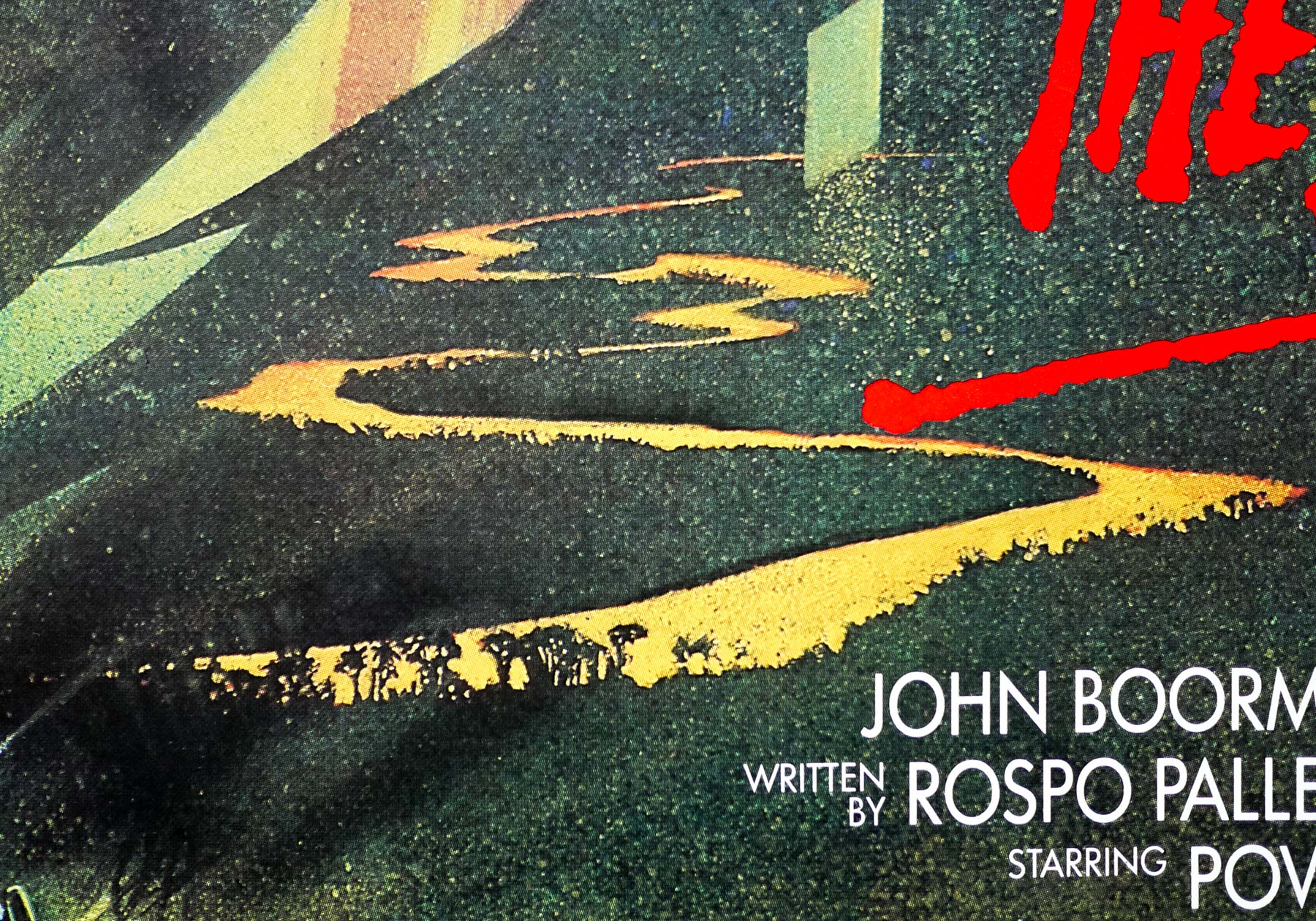
This poster was one of several collaborations between two immensely talented British designer-illustrators, Vic Fair and Brian Bysouth. Like the withdrawn A View to a Kill UK one sheet, Vic was on design duties and is responsible for this brilliantly clever composition that juxtaposes the face of Powers Boothe with that of a tribesman, using the device of the multi-stranded leaf. Brian executed the final illustration in his typically detailed style with the use of careful brush strokes and airbrush techniques to give the whole thing a nice texture.

Vic and Brian were unquestionably two of the greatest talents ever to work on British film posters, which make collaborations like this even more special. For more information on the pair I highly recommend picking up a copy of ‘British Film Posters (opens in a new tab)‘ as it features sections on both men. Here are the posters I’ve collected so far by Brian Bysouth and those by Vic Fair (with more to add over the coming months).

In December 2012 I met and interviewed Brian Bysouth and this poster was discussed:

Another one you both worked on that I love is the poster for The Emerald Forest (opens in a new tab), which has a great device of the leaves dividing the two faces
That’s another superb design from Vic. The textured effects were created by using an old toothbrush to splatter the paint on quickly, and then I’d use an airbrush to finish it off. I really enjoyed painting the two figures running through the water. Being asked to do the finished illustration for such an outstanding design remains a deeply satisfying experience.

Years later, I asked Mike Wheeler, the advertising director at Rank (opens in a new tab), if he could return the artwork to me and I was astonished when it arrived by messenger the very next day. I always got on well with Mike but that kind act secured an enduring friendship.

Cleopatra Jones / 30×40 / USA

07.11.12

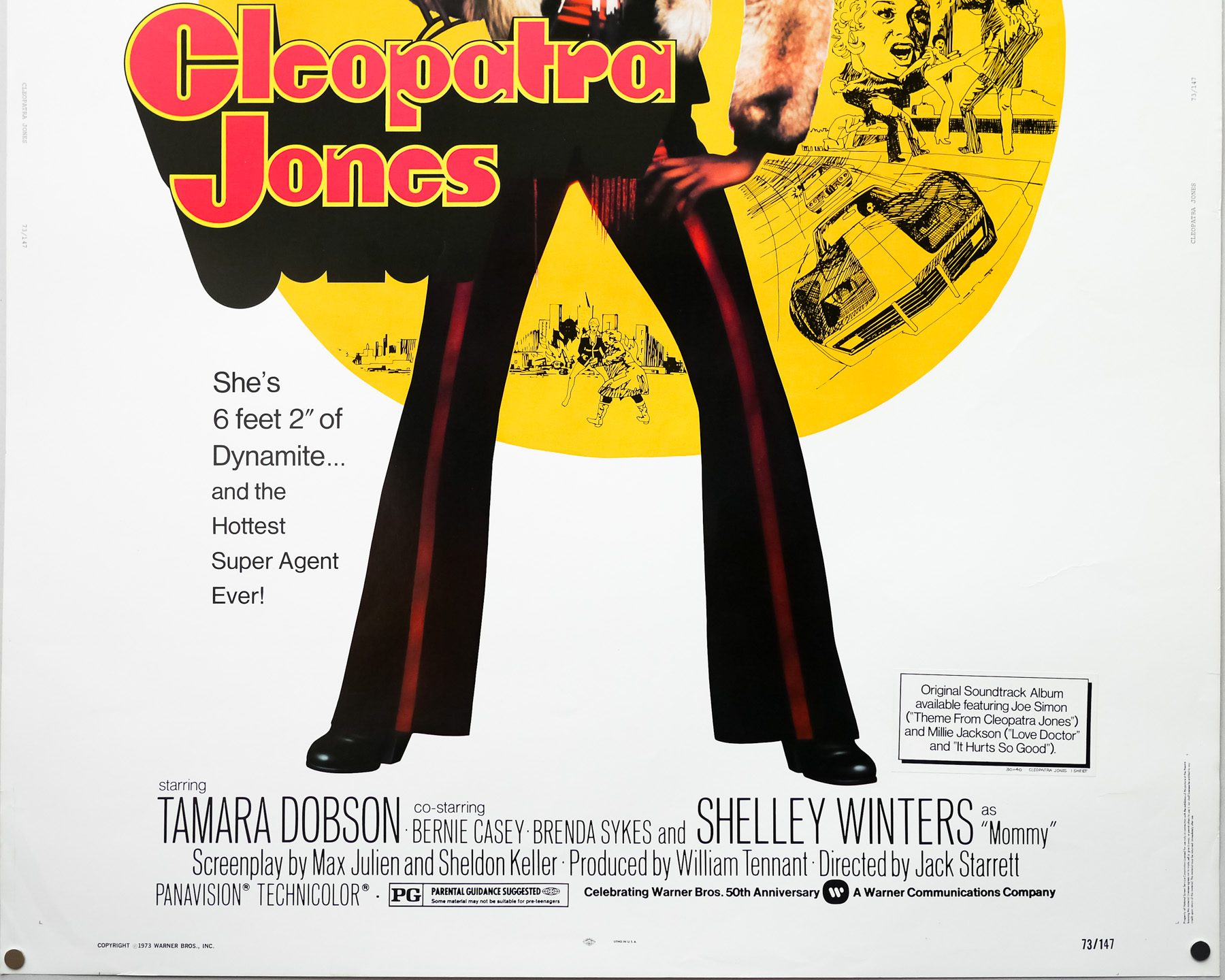
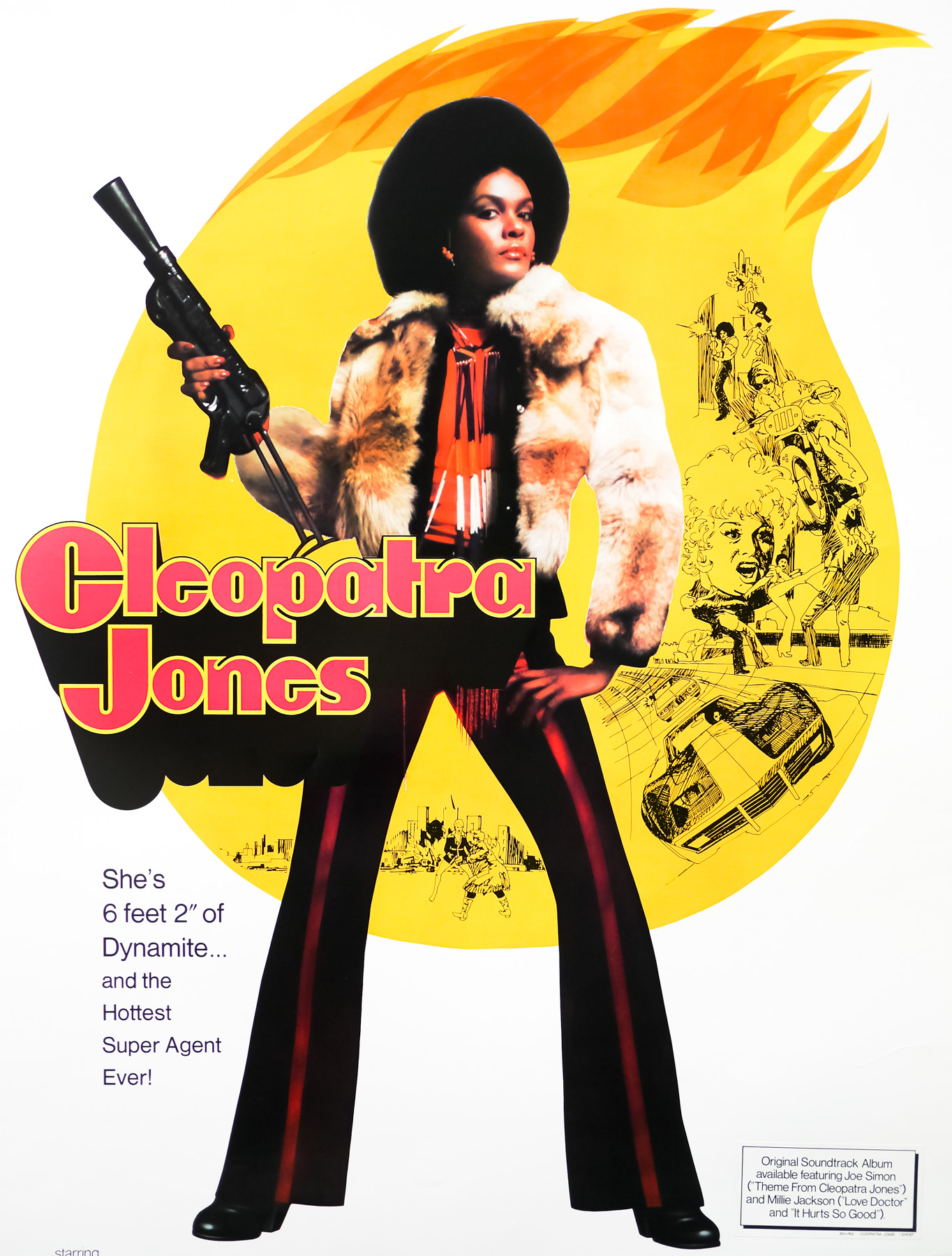
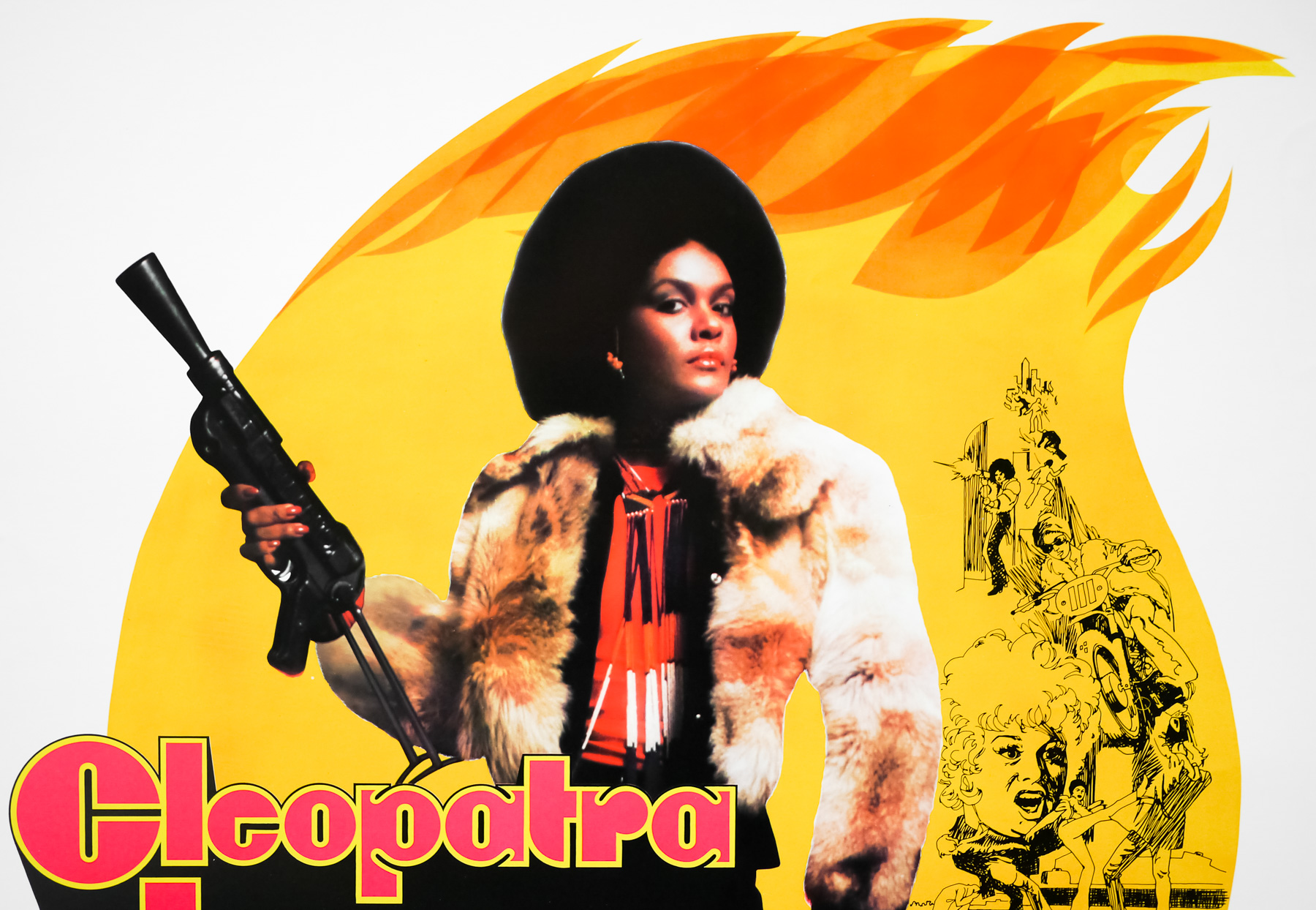
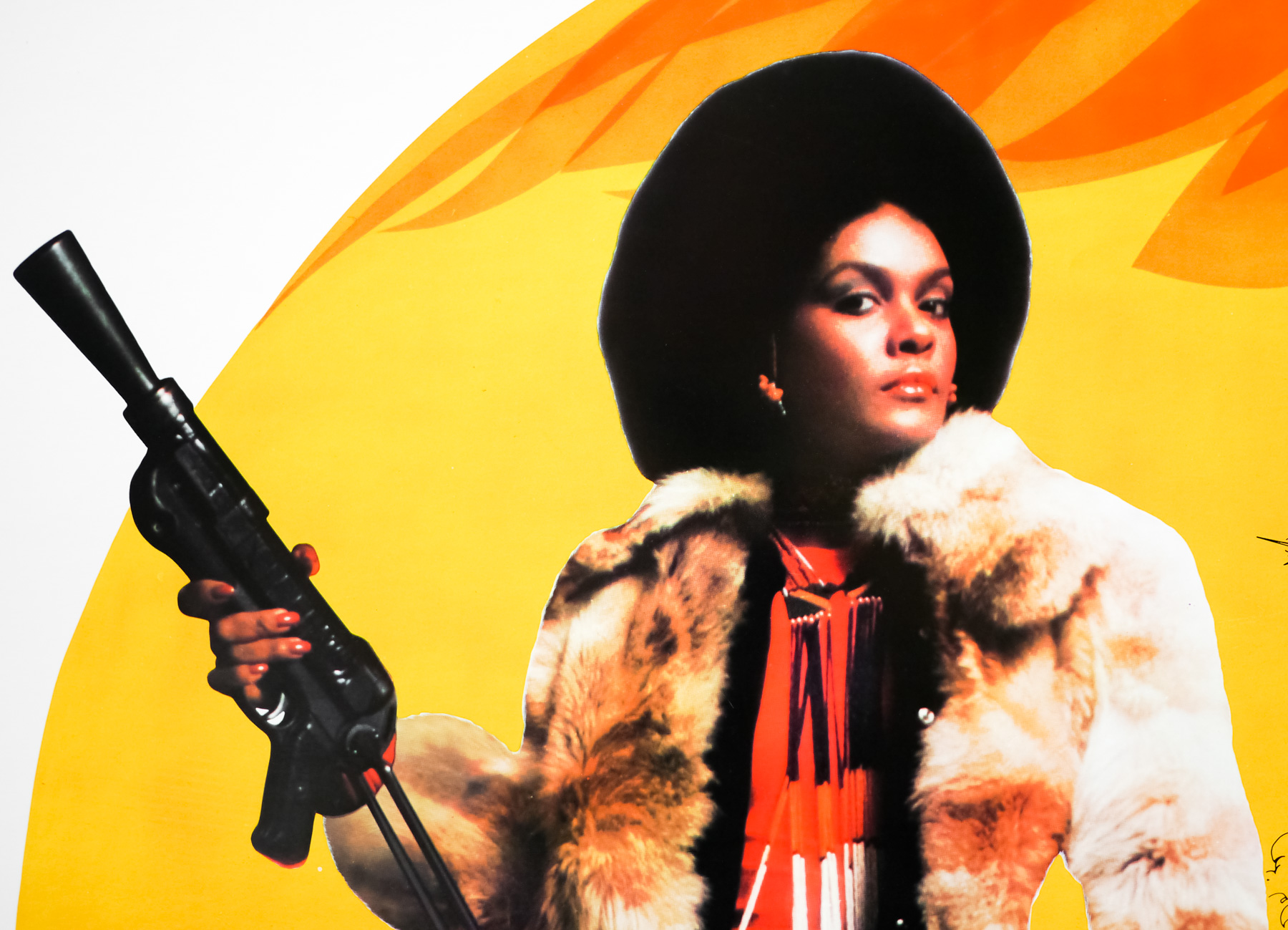
US 30x40 poster for Cleopatra Jones (1973)US 30x40 poster for Cleopatra Jones (1973), image 2US 30x40 poster for Cleopatra Jones (1973), image 3US 30x40 poster for Cleopatra Jones (1973), image 4US 30x40 poster for Cleopatra Jones (1973), image 5
Title
Cleopatra Jones
AKA
Dynamite Jones (France)
Year of Film
1973
Director
Jack Starrett
Starring
Tamara Dobson, Bernie Casey, Brenda Sykes, Antonio Fargas, Dan Frazer, Bill McKinney, Shelley Winters
Origin of Film
USA
Genre(s) of Film
Crime | Action | Blaxploitation
Type of Poster
30x40
Origin of Poster
USA
Year of Poster
1973
Designer
Unknown
Artist
Unknown
Size (inches)
30 1/16" x 40"
SS or DS
SS
NSS #
73/147
Tagline
She's 6 feet 2" of Dynamite... and the Hottest Super Agent Ever!

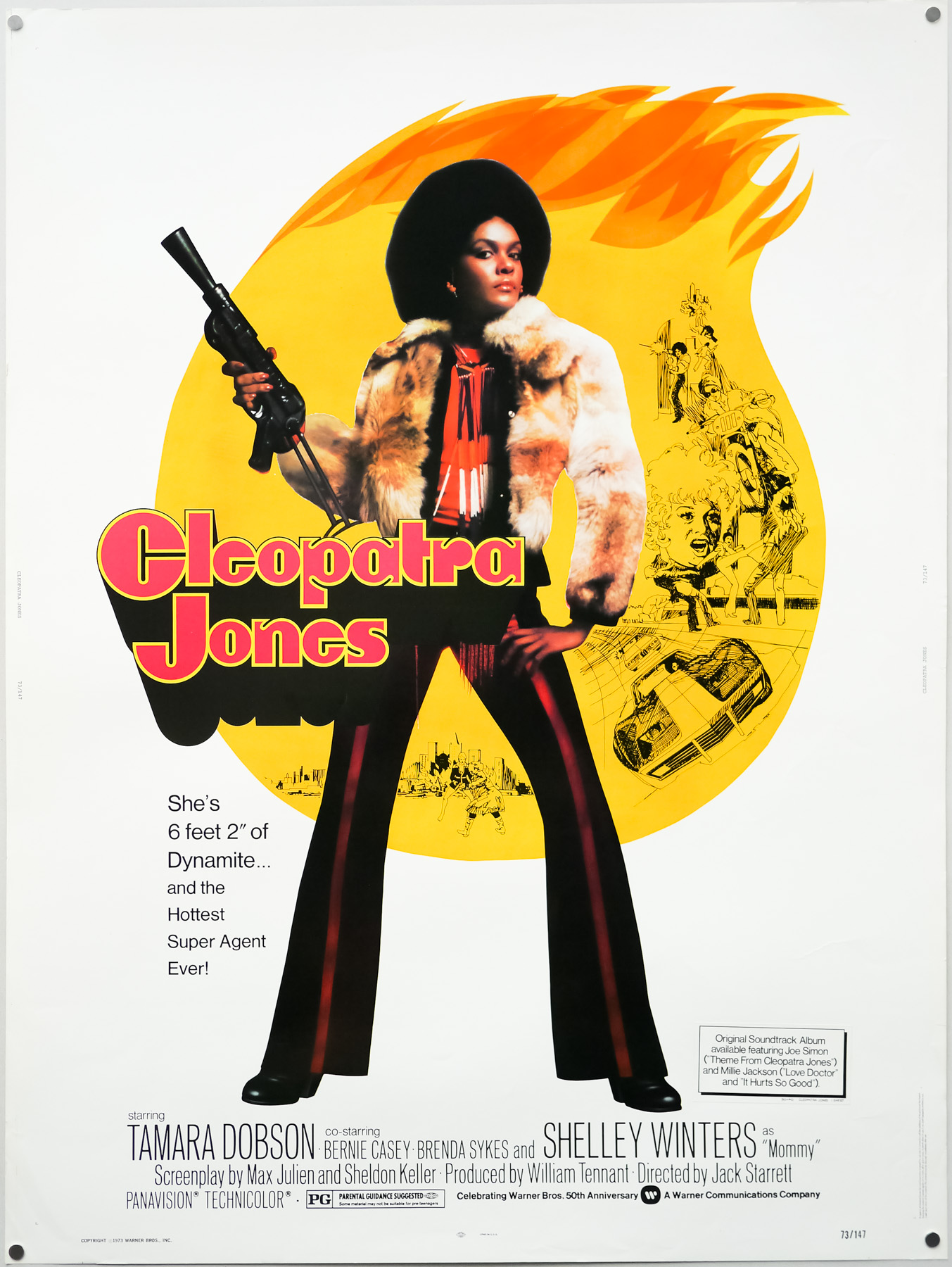
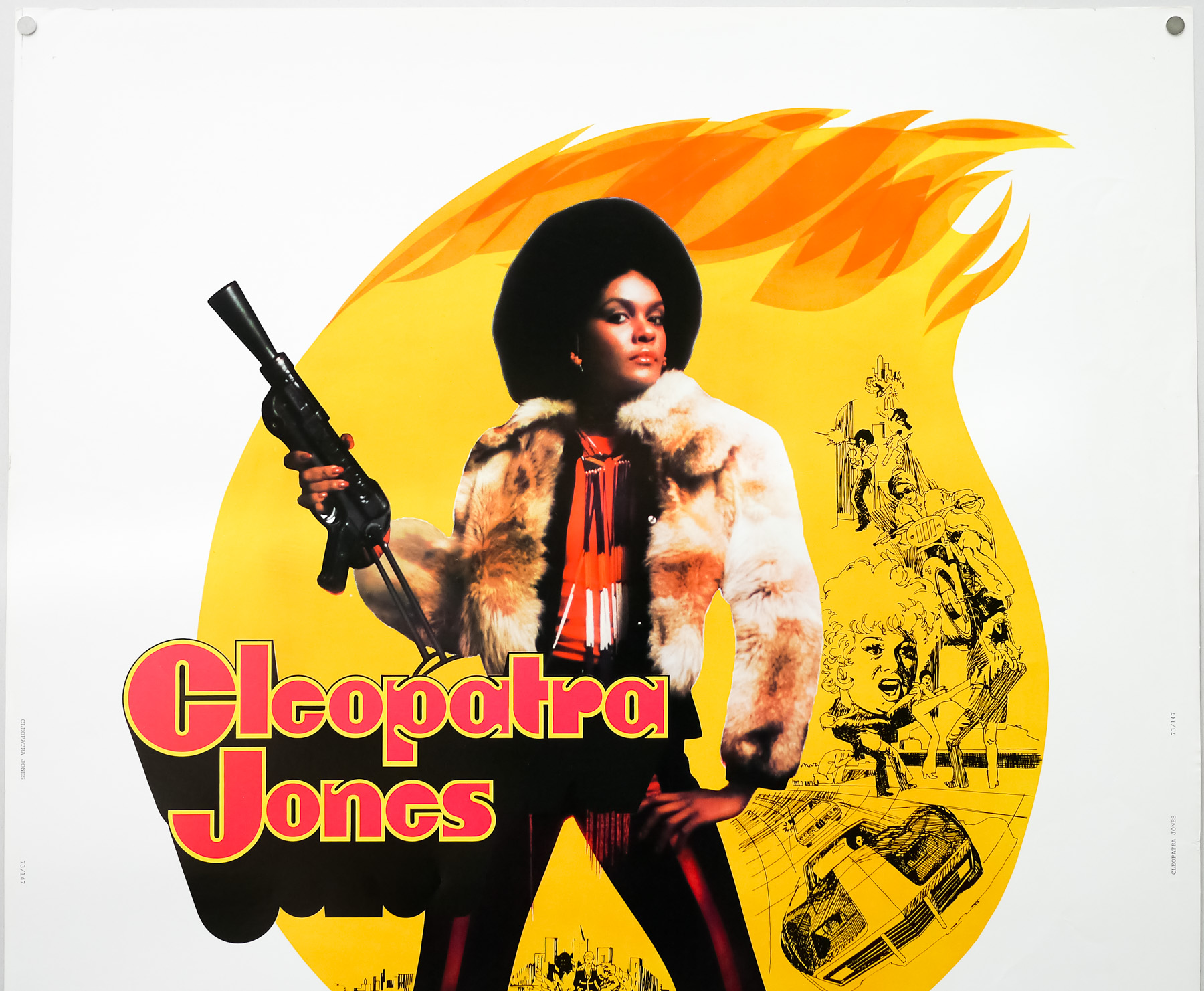
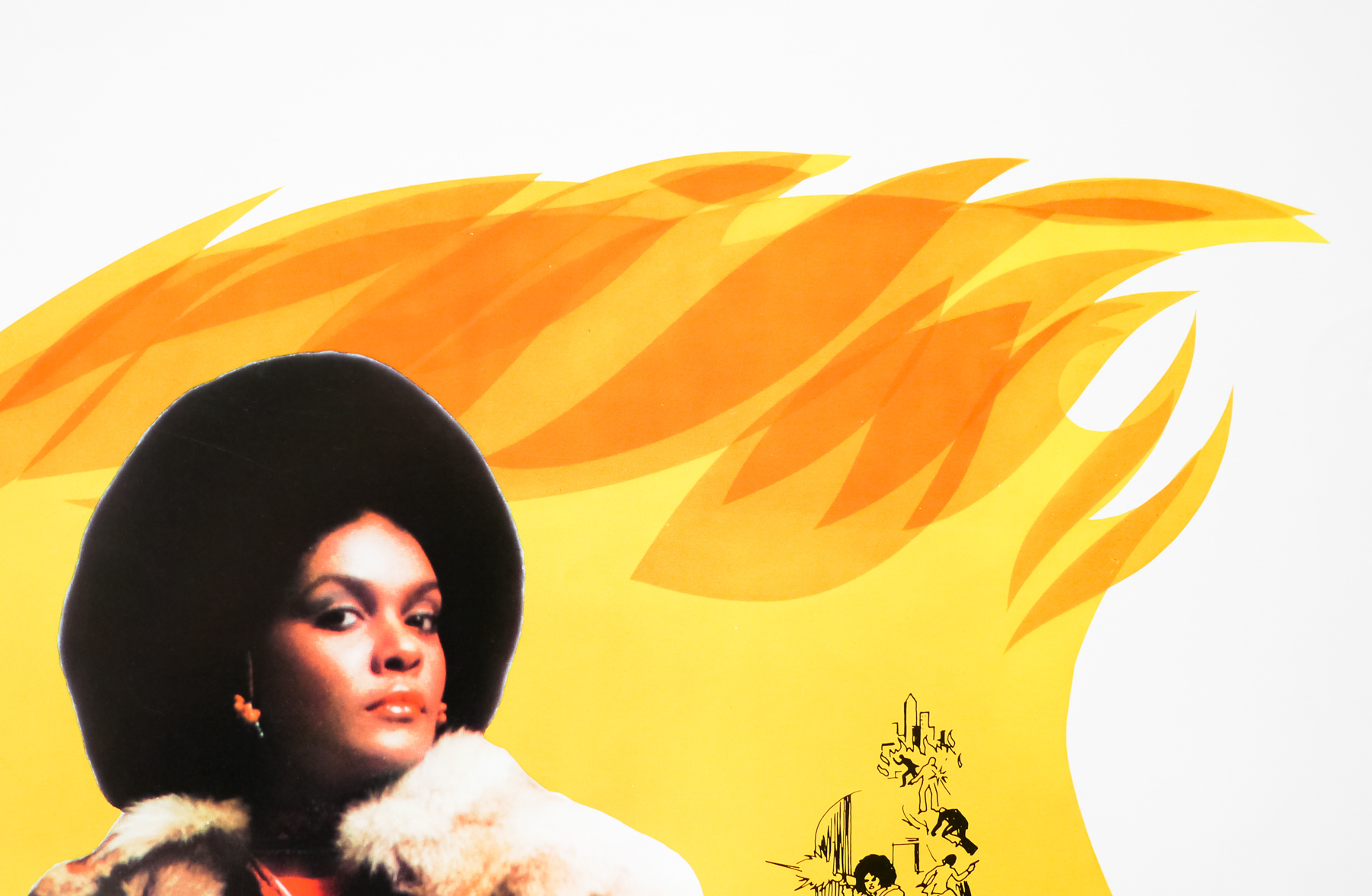
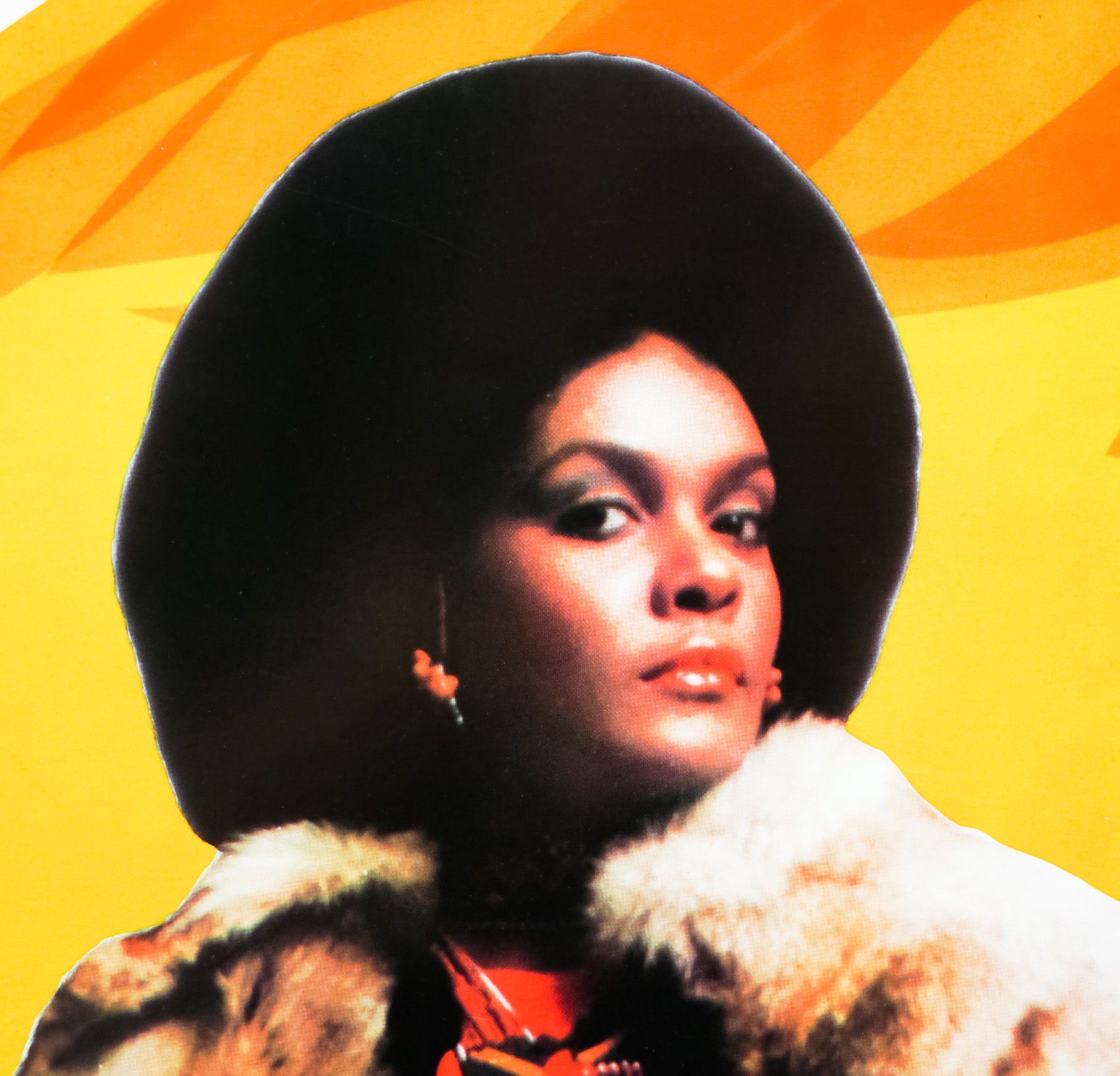
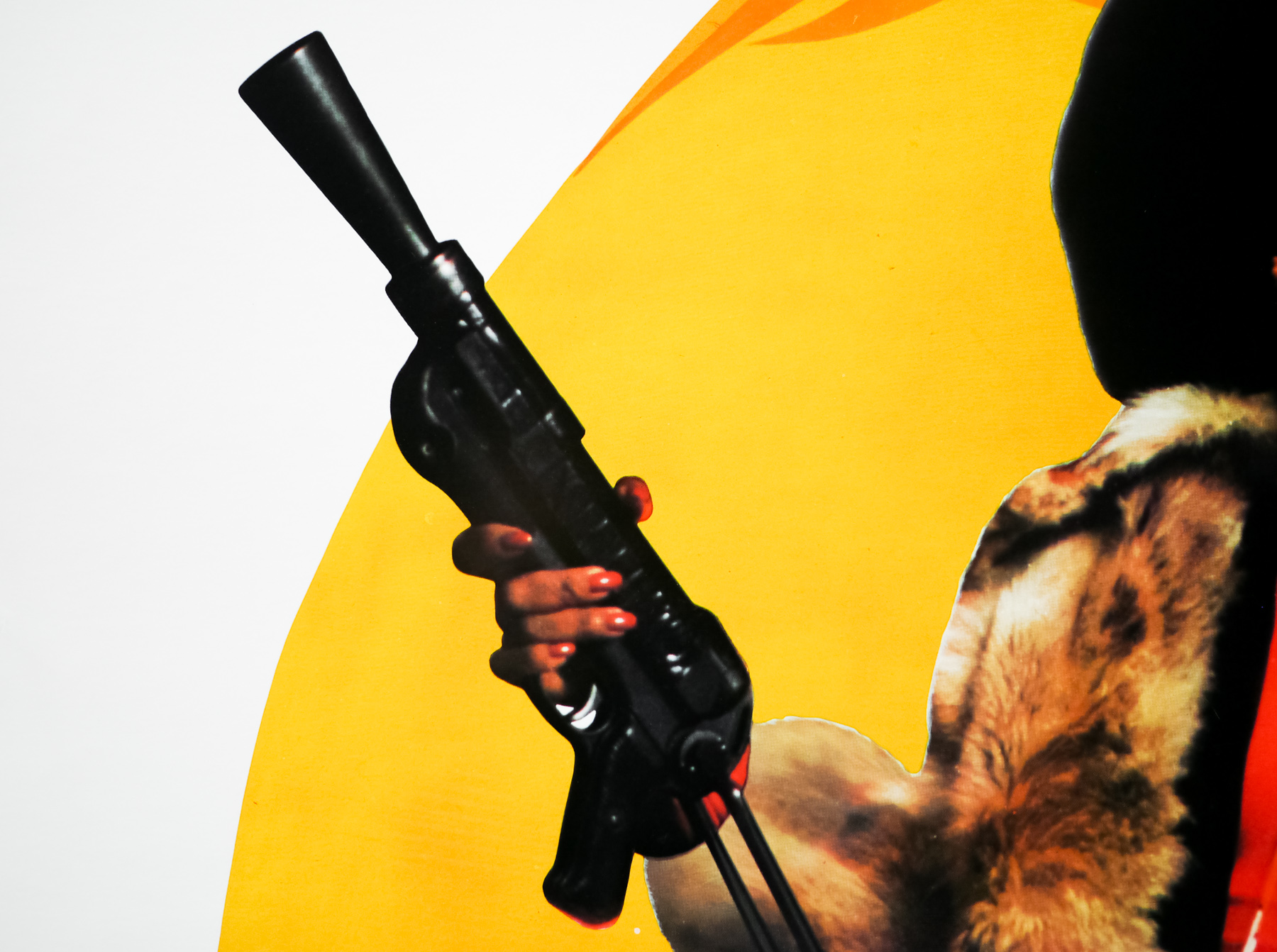
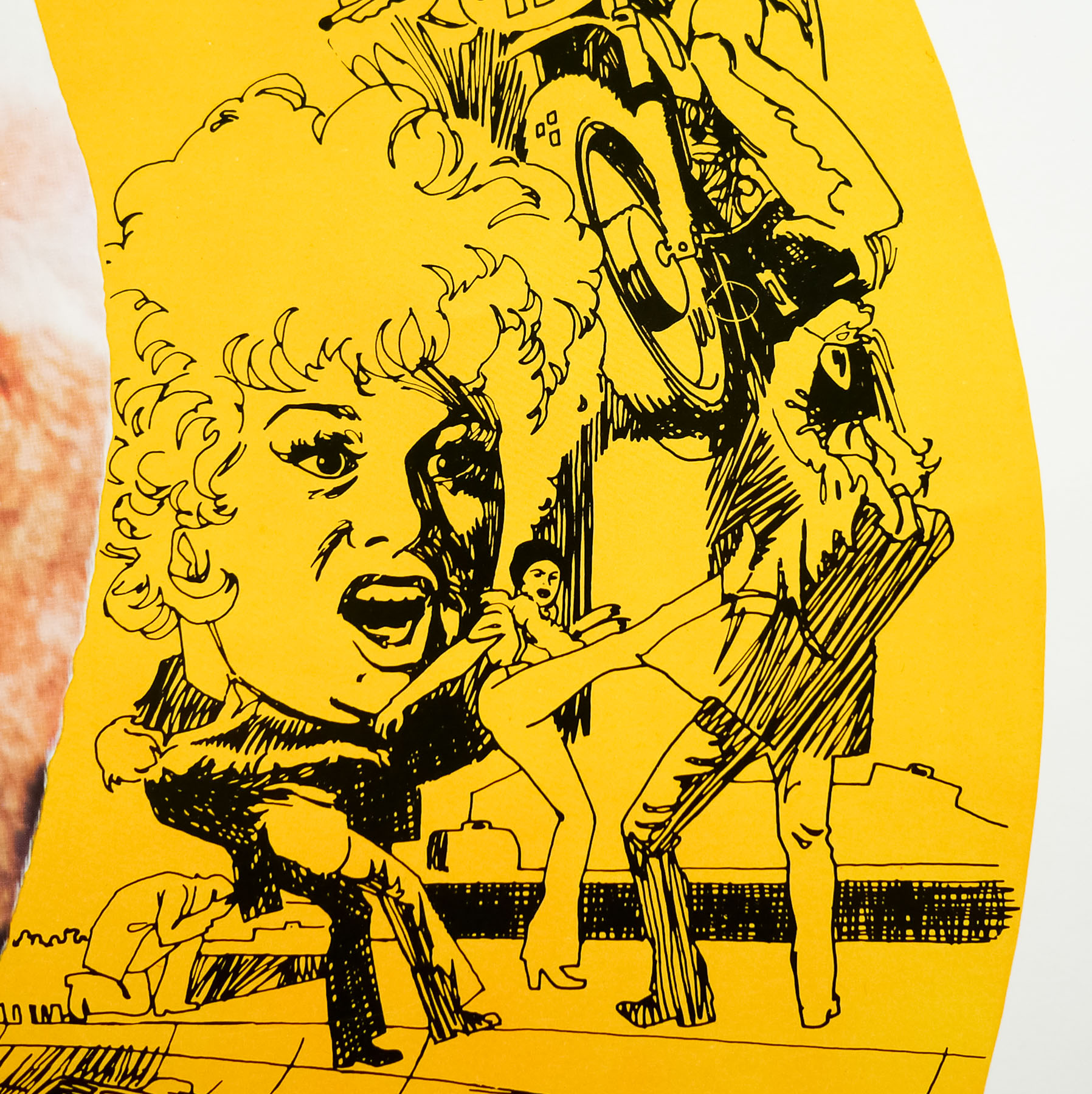
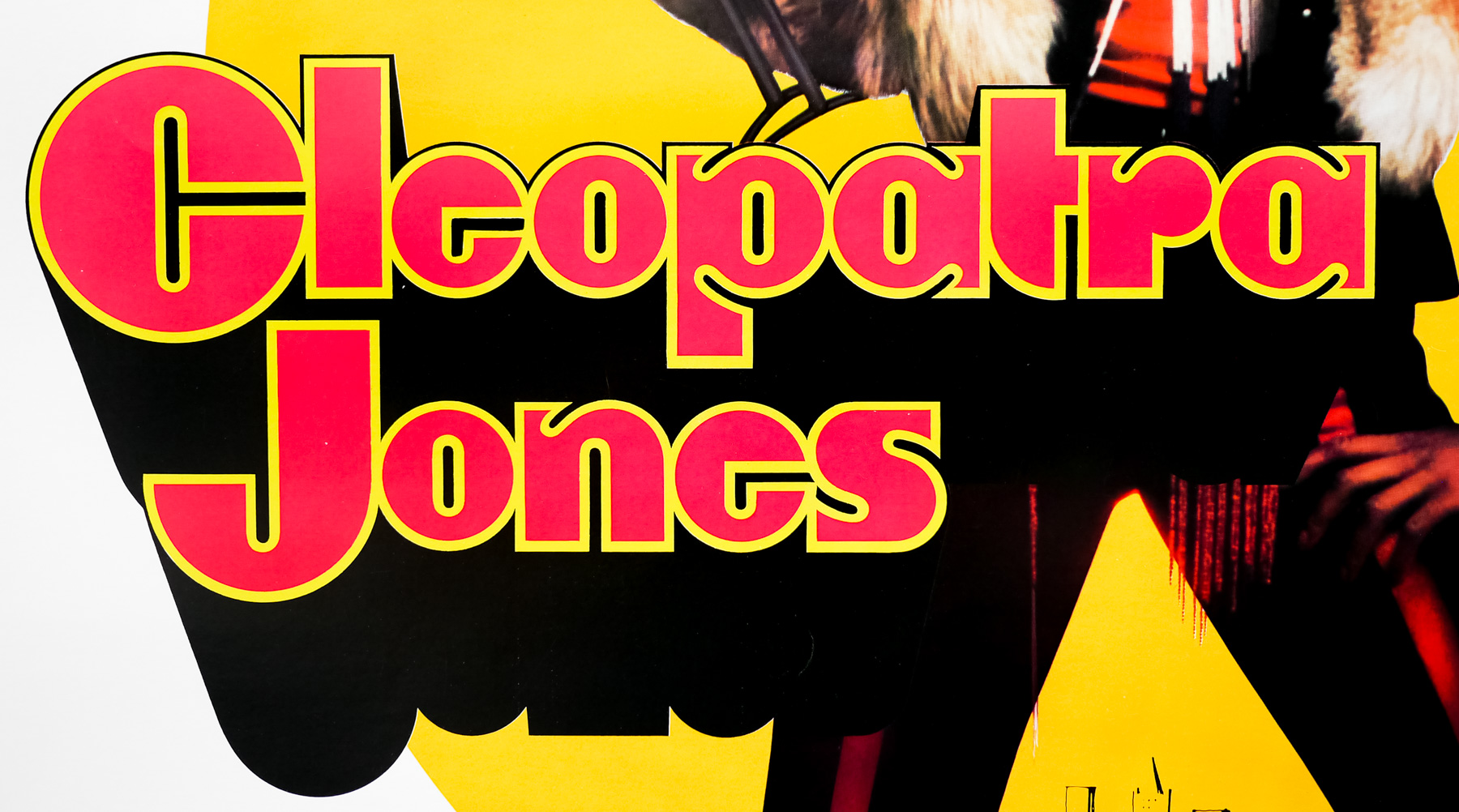
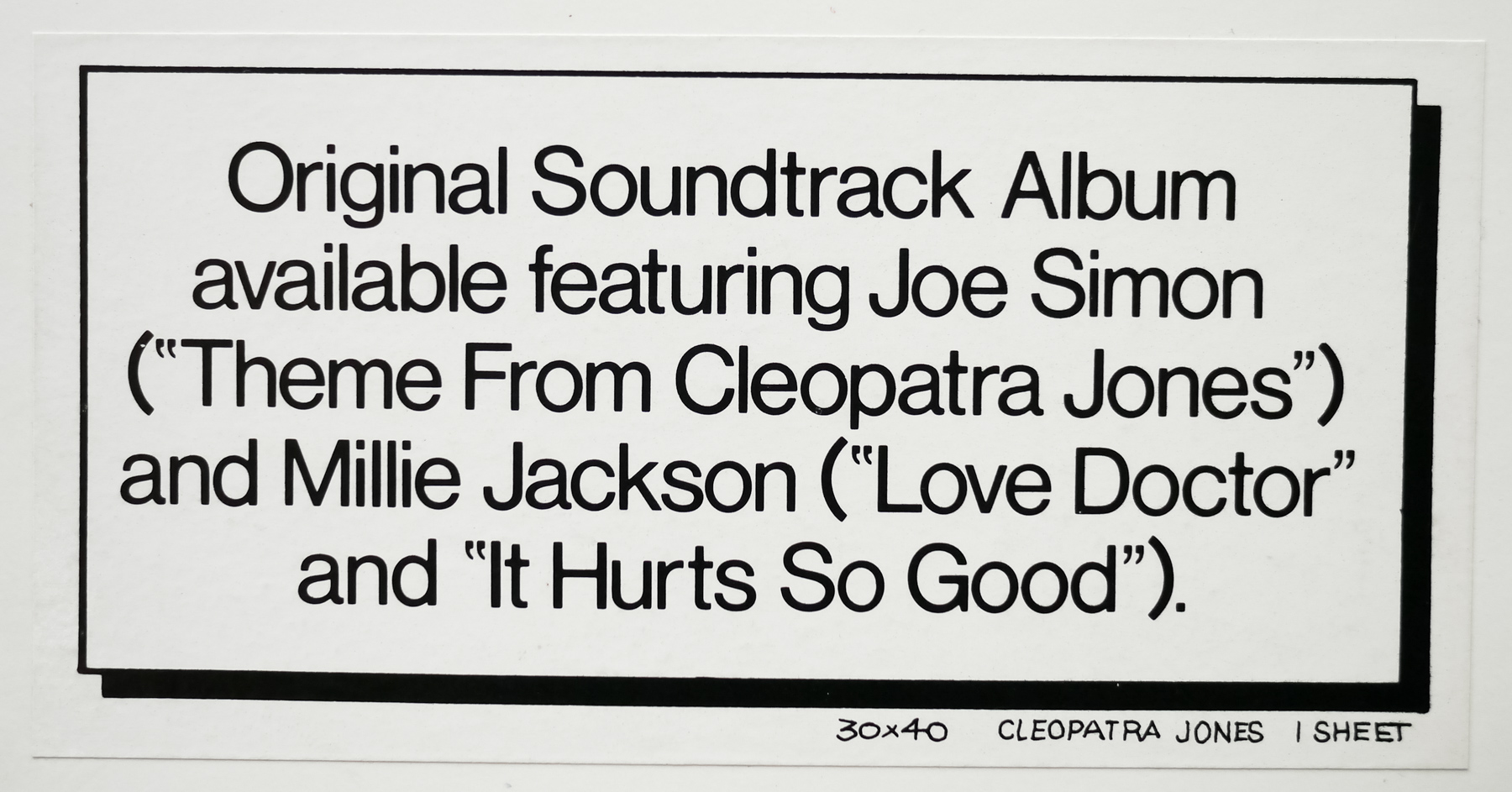
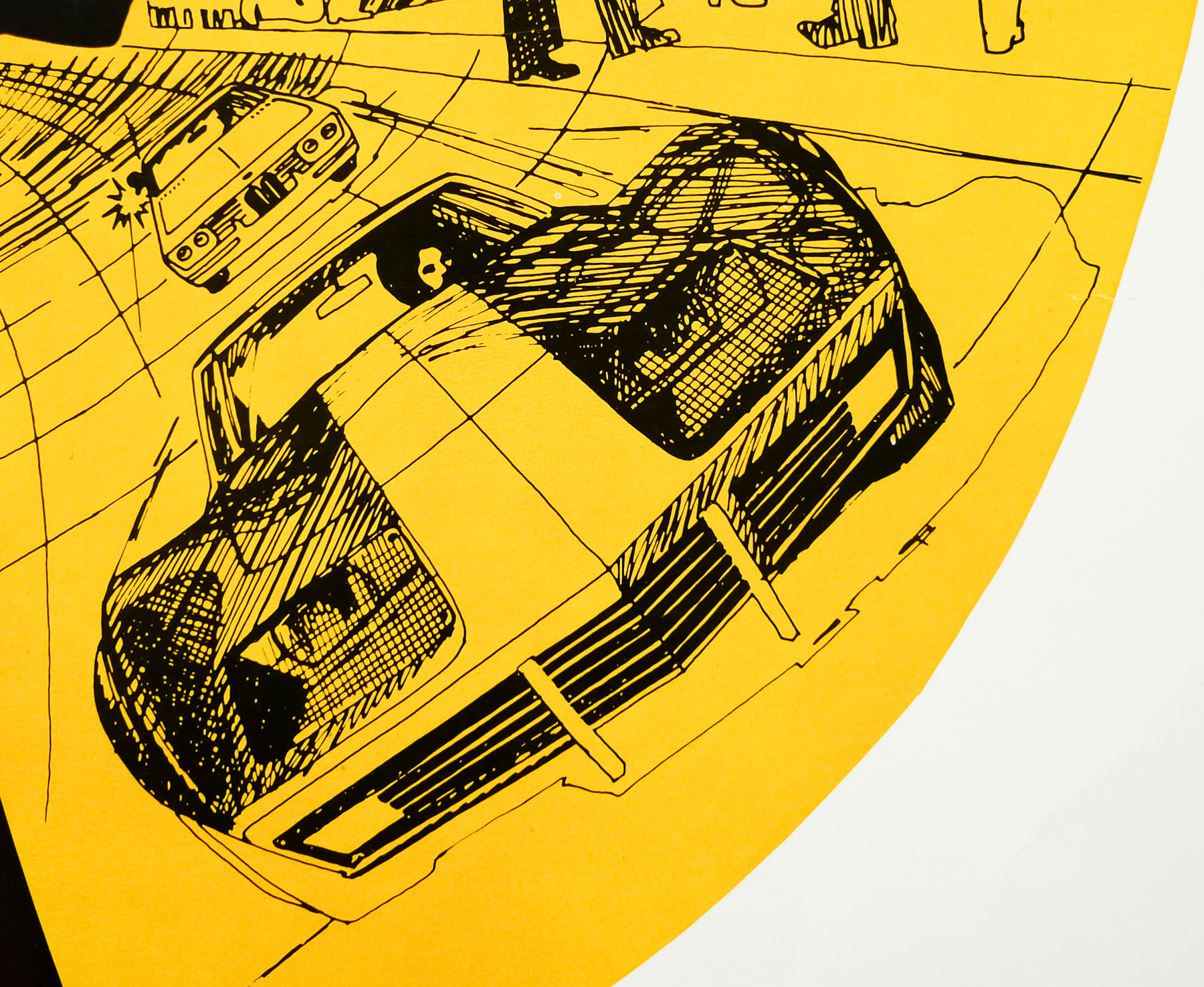
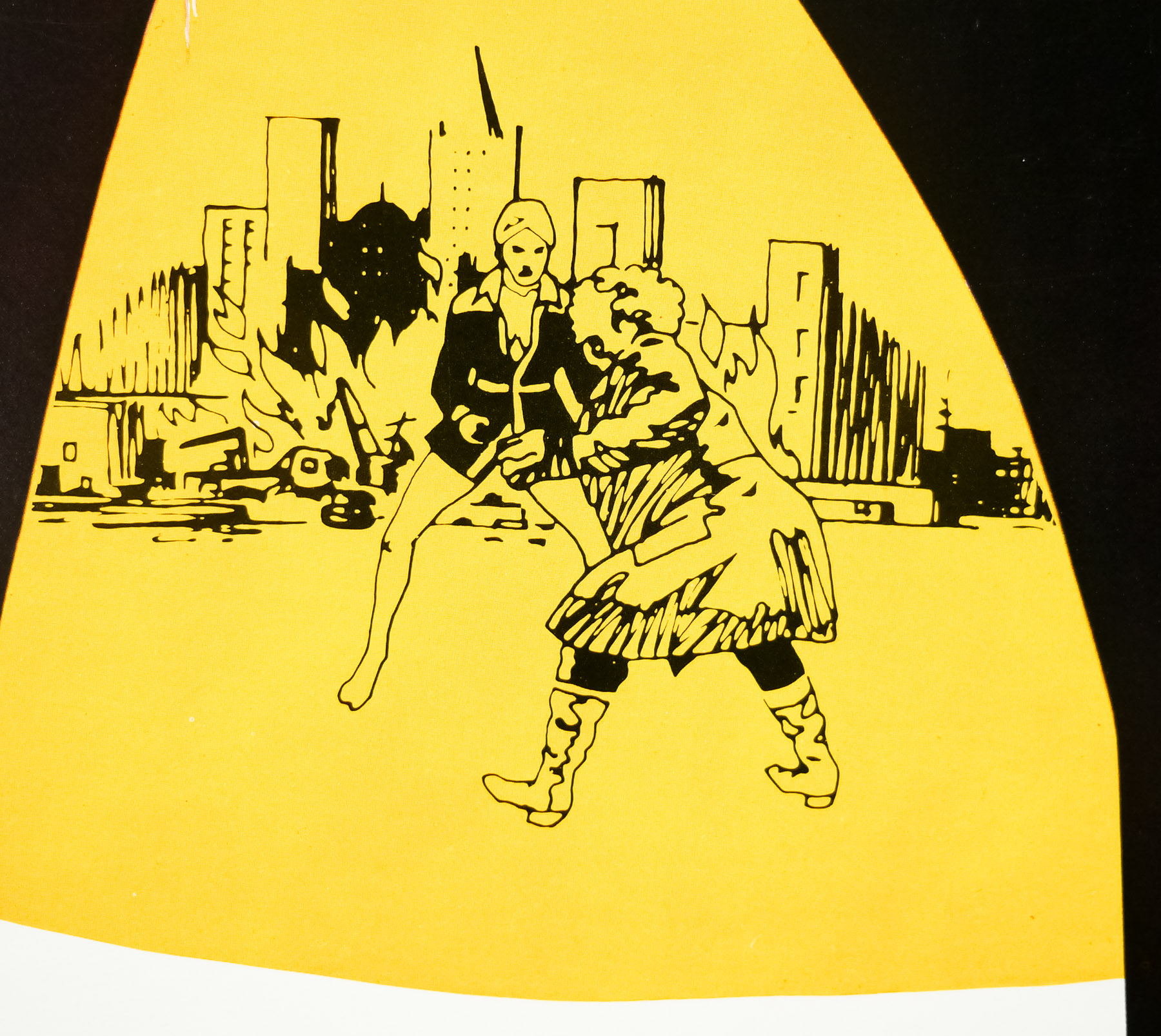
An excellent design on this 30×40 poster for the release of one the most prominent entries in the blaxploitation (opens in a new tab) genre, 1973’s Cleopatra Jones (opens in a new tab). The late Tamara Dobson (opens in a new tab) stars as the eponymous secret agent who masquerades as a catwalk model in order to disguise her real job, which sees her traveling the globe and tackling drug gangs. After burning down a Turkish poppy field used to create heroin by the kingpin Mommy (Shelley Winters (opens in a new tab)), Cleopatra returns to Los Angeles to arrest the dirty cops on the cartel’s payroll. An incensed Mommy tracks our heroine back home and tries to prevent her dismantling the rest of her drug operation.

The film is notable for being the first in the genre to feature a strong female lead who uses physical strength and combat skills to battle adversaries, and because of its box-office success was later followed by films such as Coffy (opens in a new tab), Black Belt Jones (opens in a new tab) and Foxy Brown (opens in a new tab). Dobson would return for the sequel Cleopatra Jones and the Casino of Gold (opens in a new tab), which was released two years later but saw nowhere near the same level of success, mostly due to the blaxploitation genre’s waning appeal at that time.

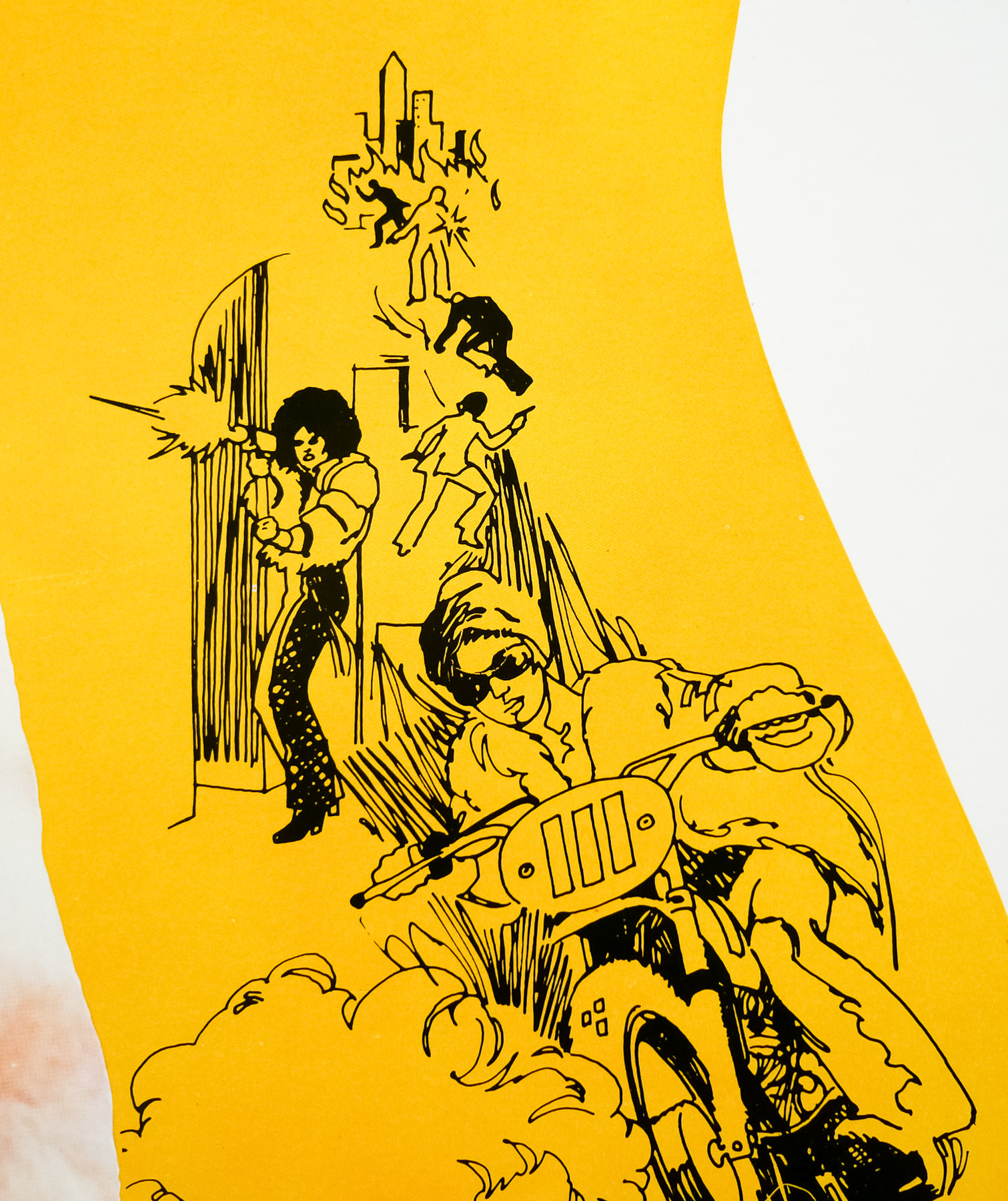
I’m unsure who is responsible for the design of this poster, or for the hand-drawn artwork featured on it, so if you have any ideas please get in touch.

The trailer is on YouTube (opens in a new tab).