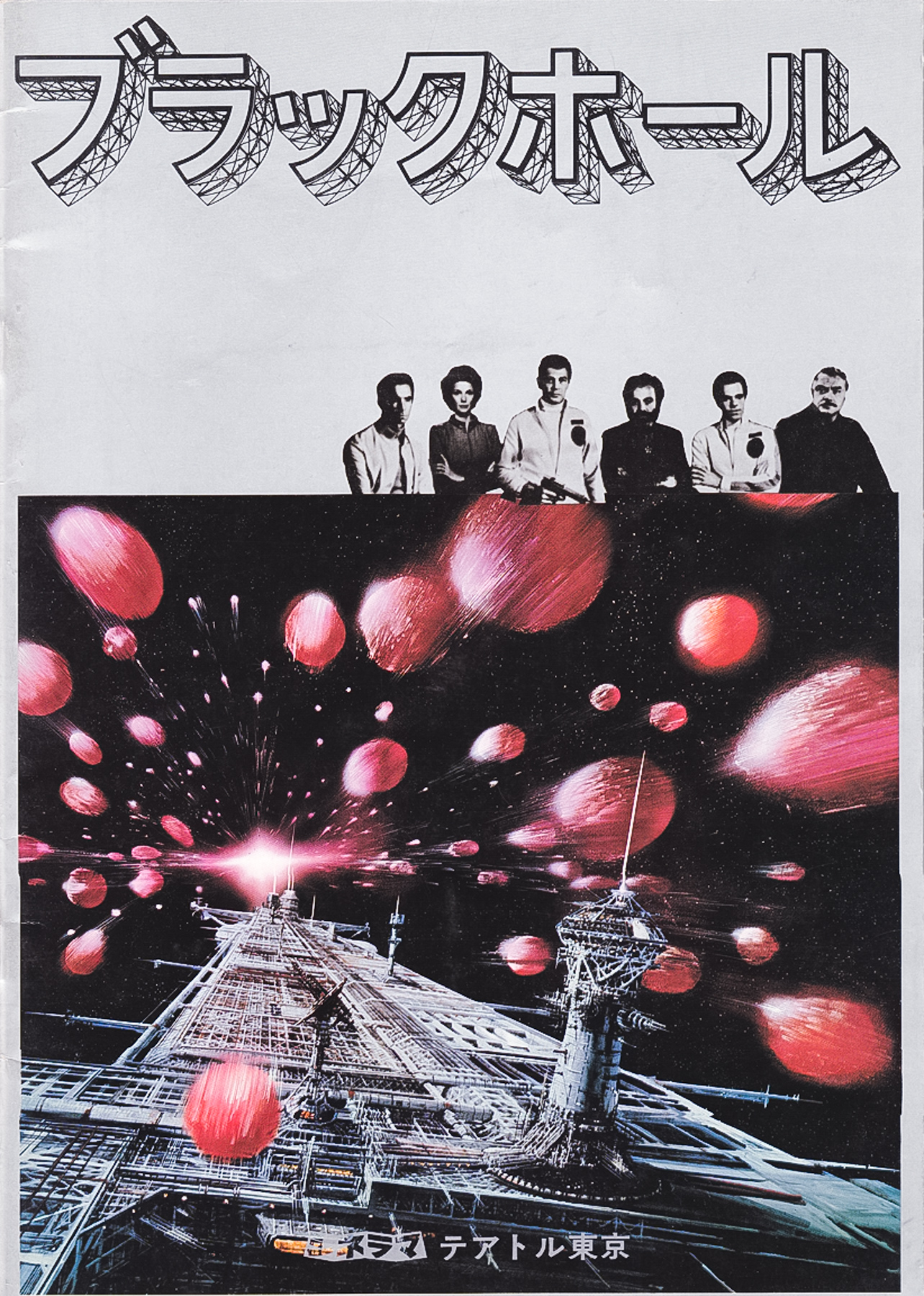
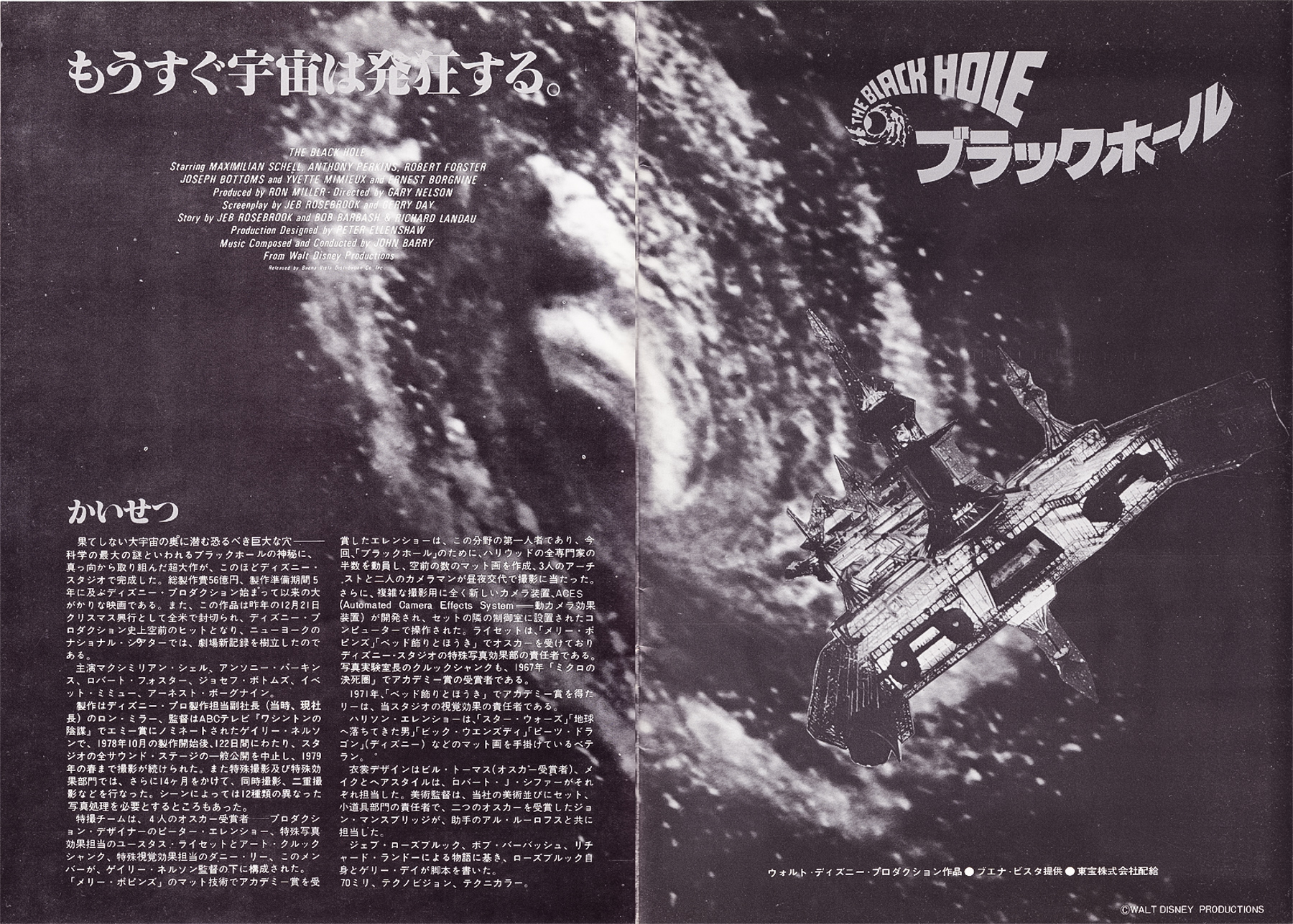
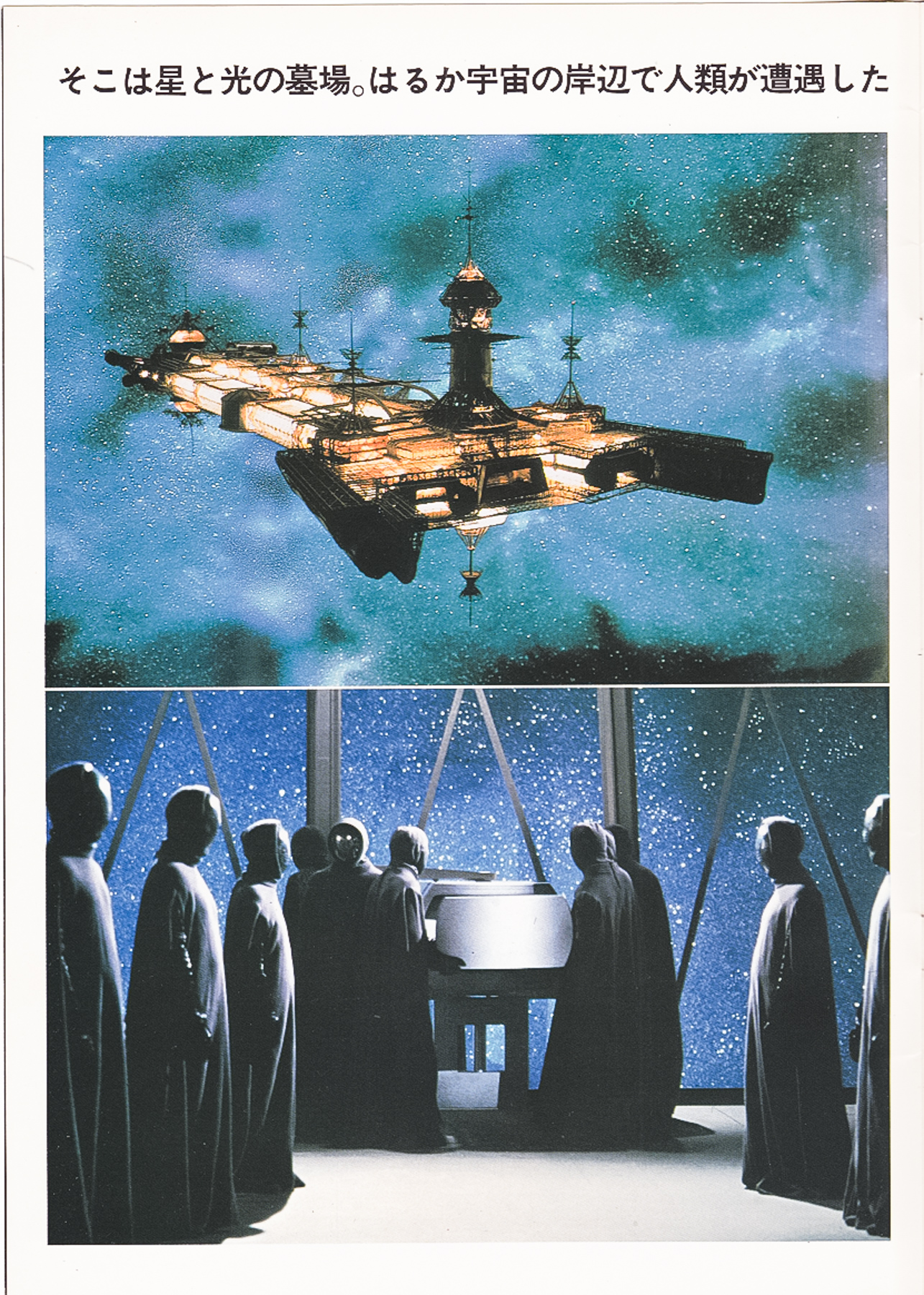
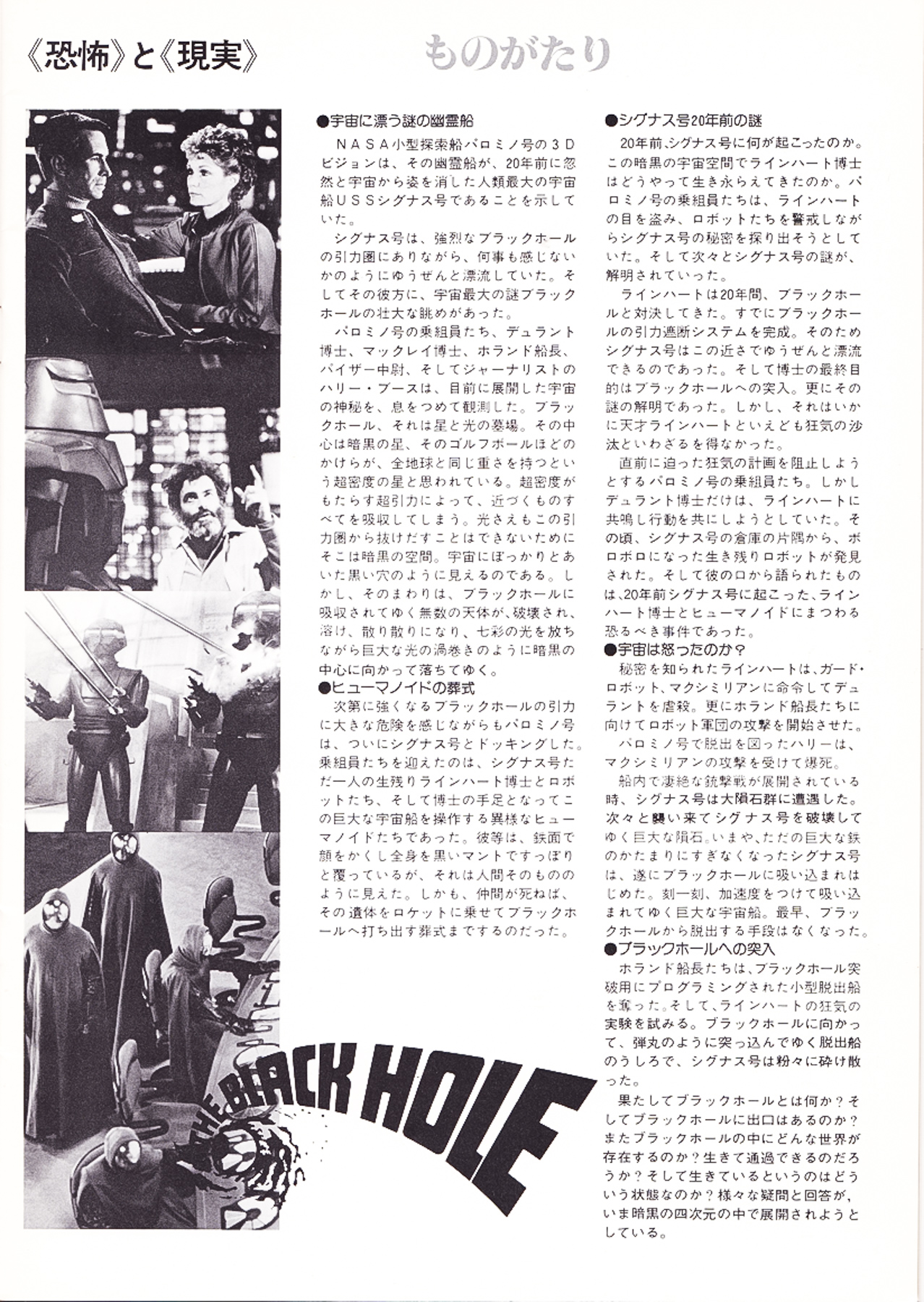
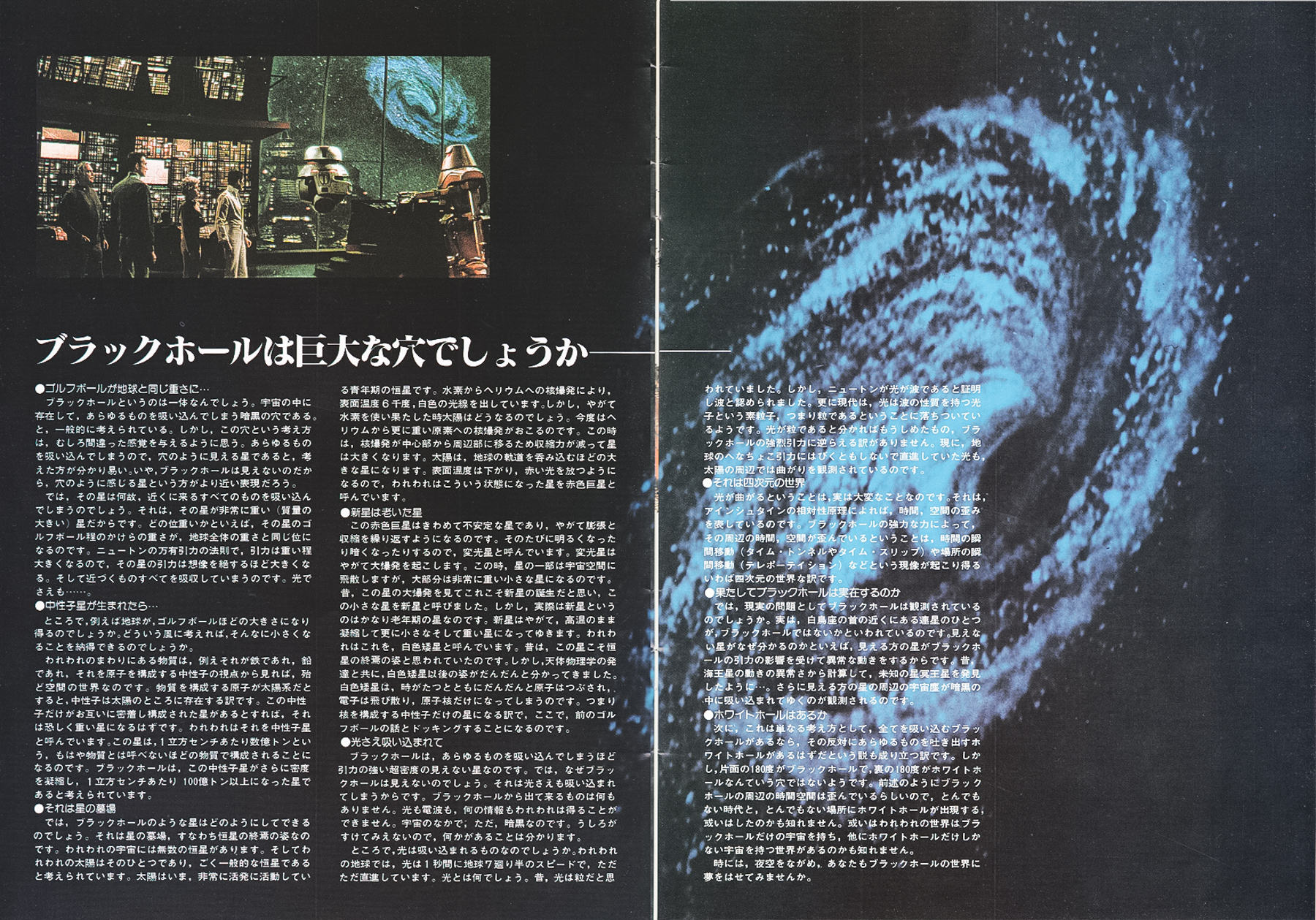
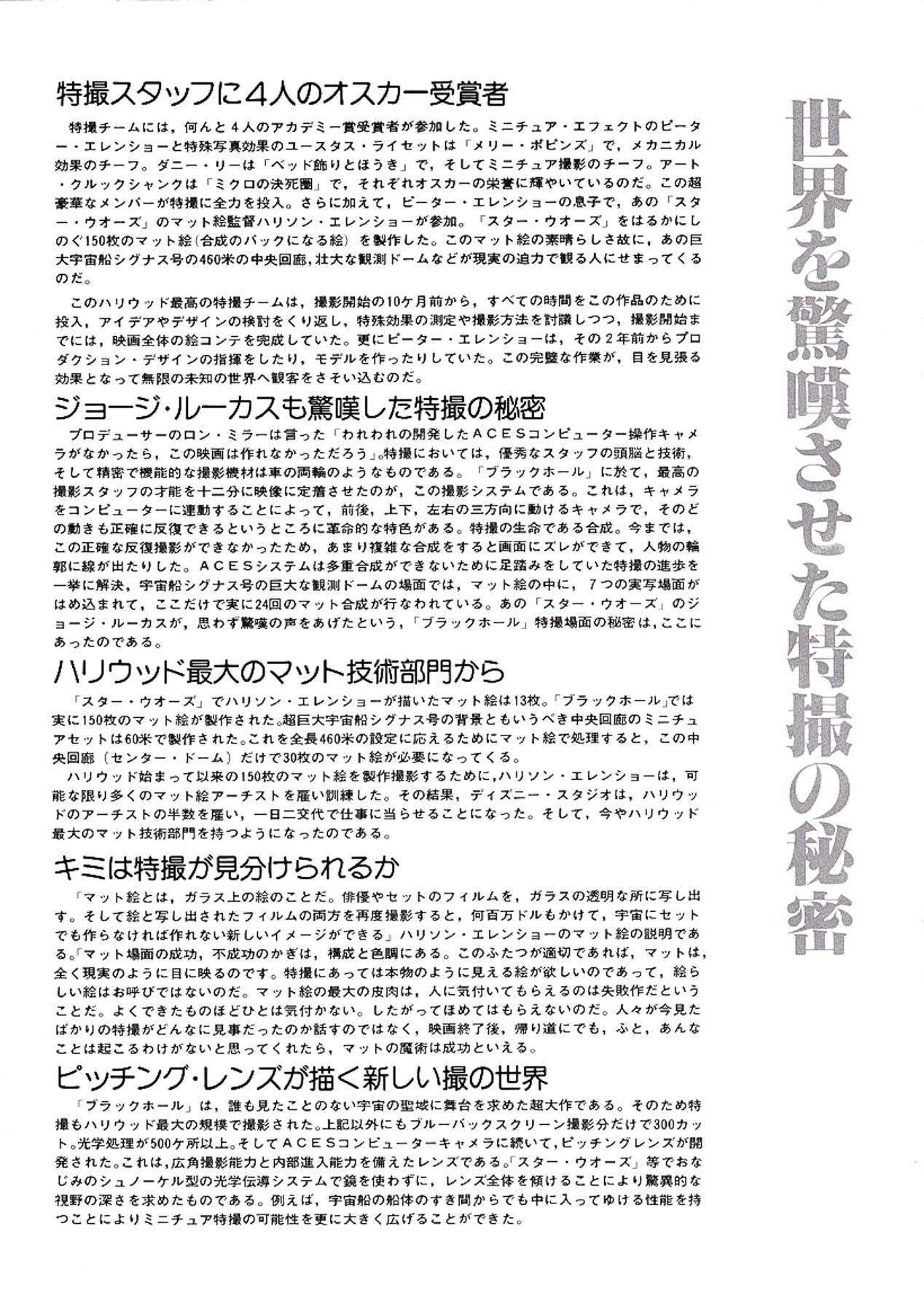
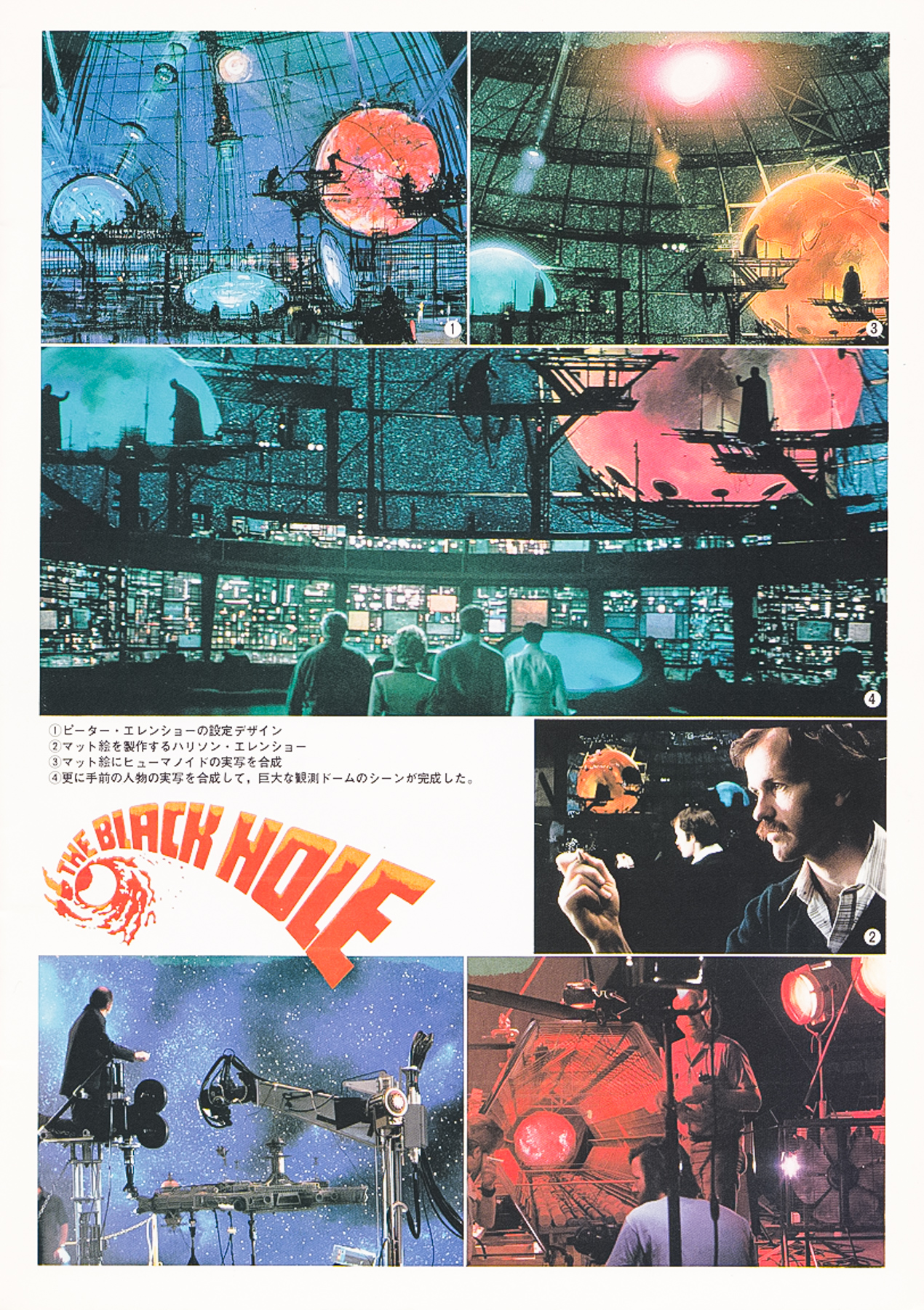
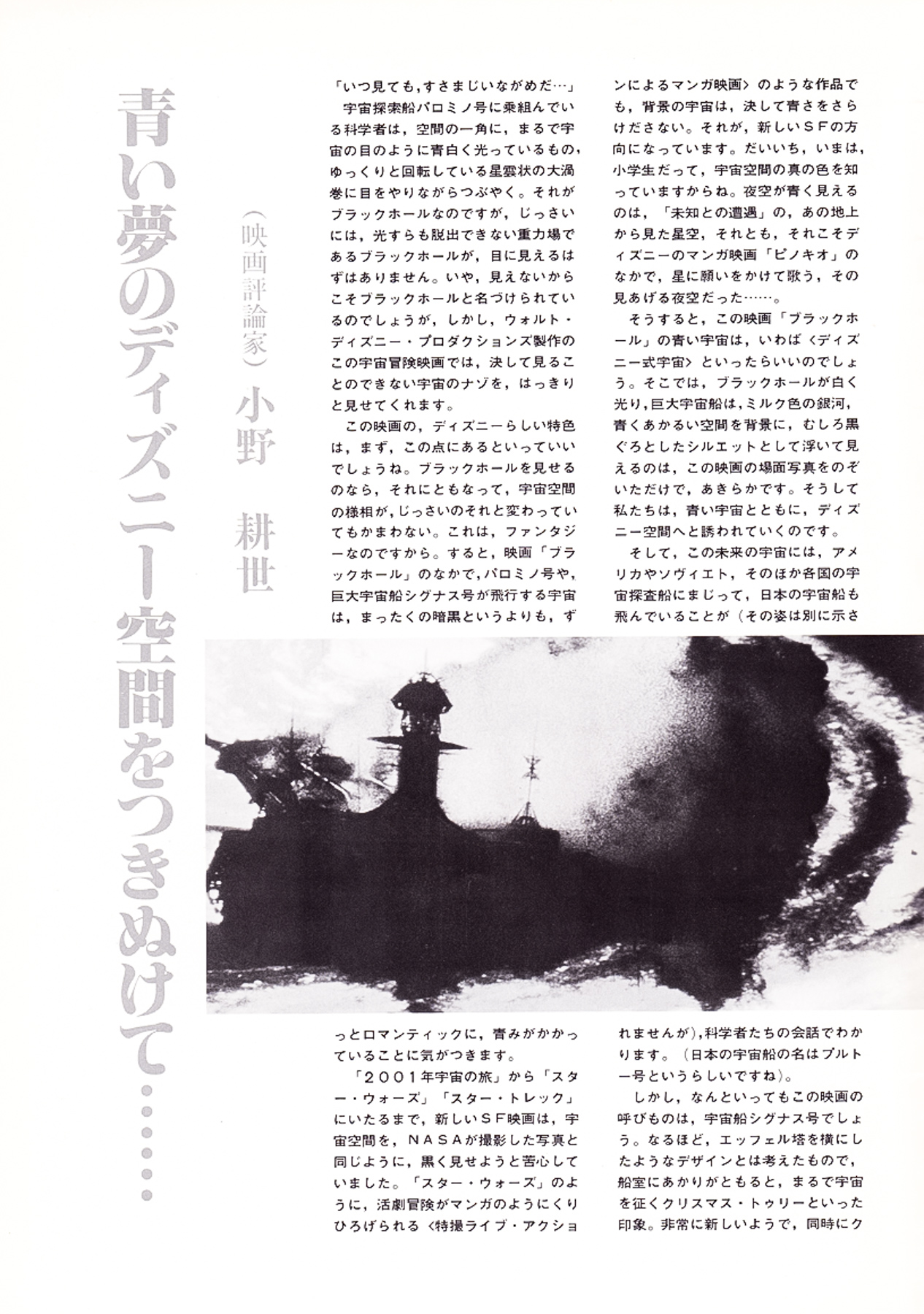
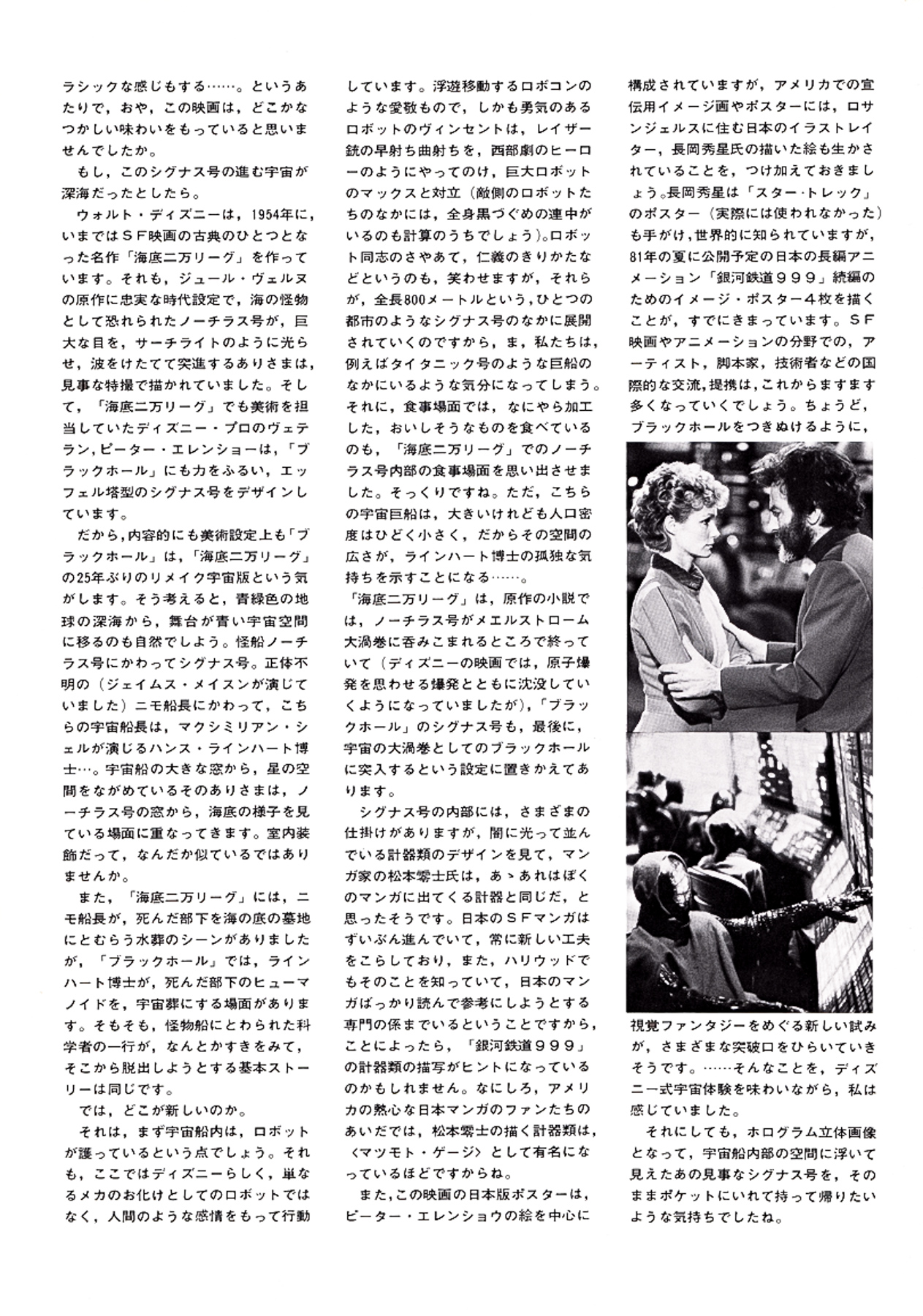
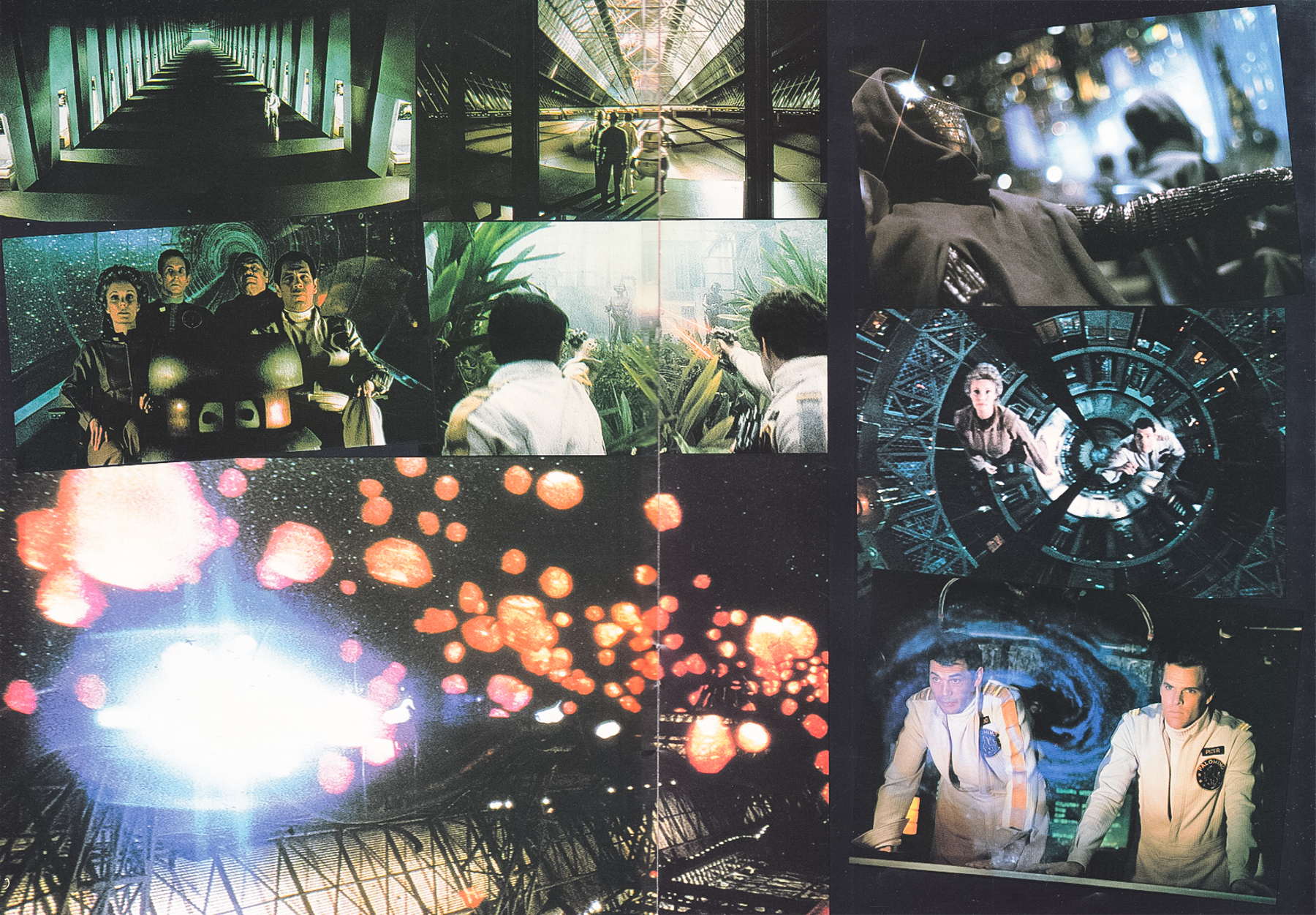
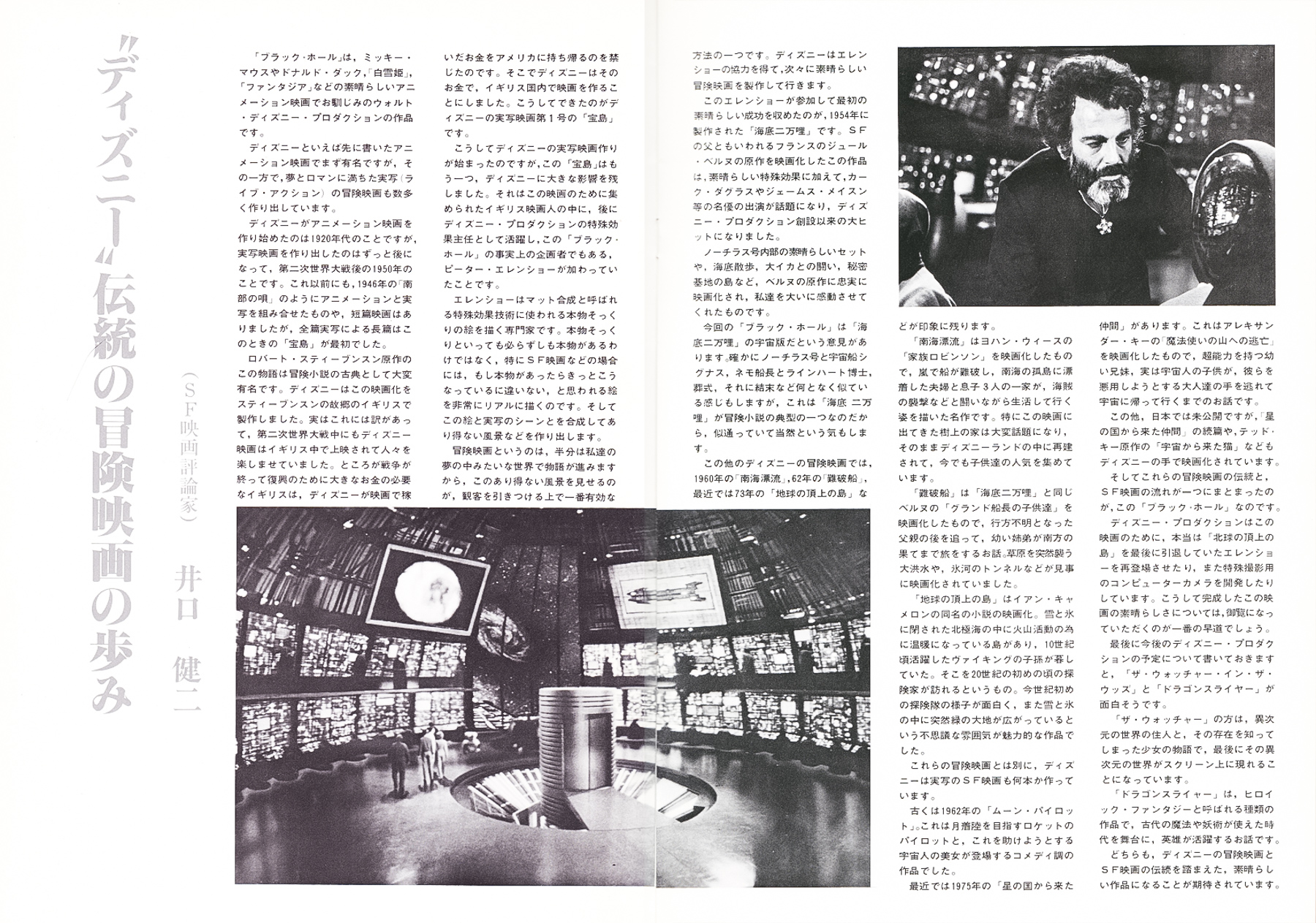
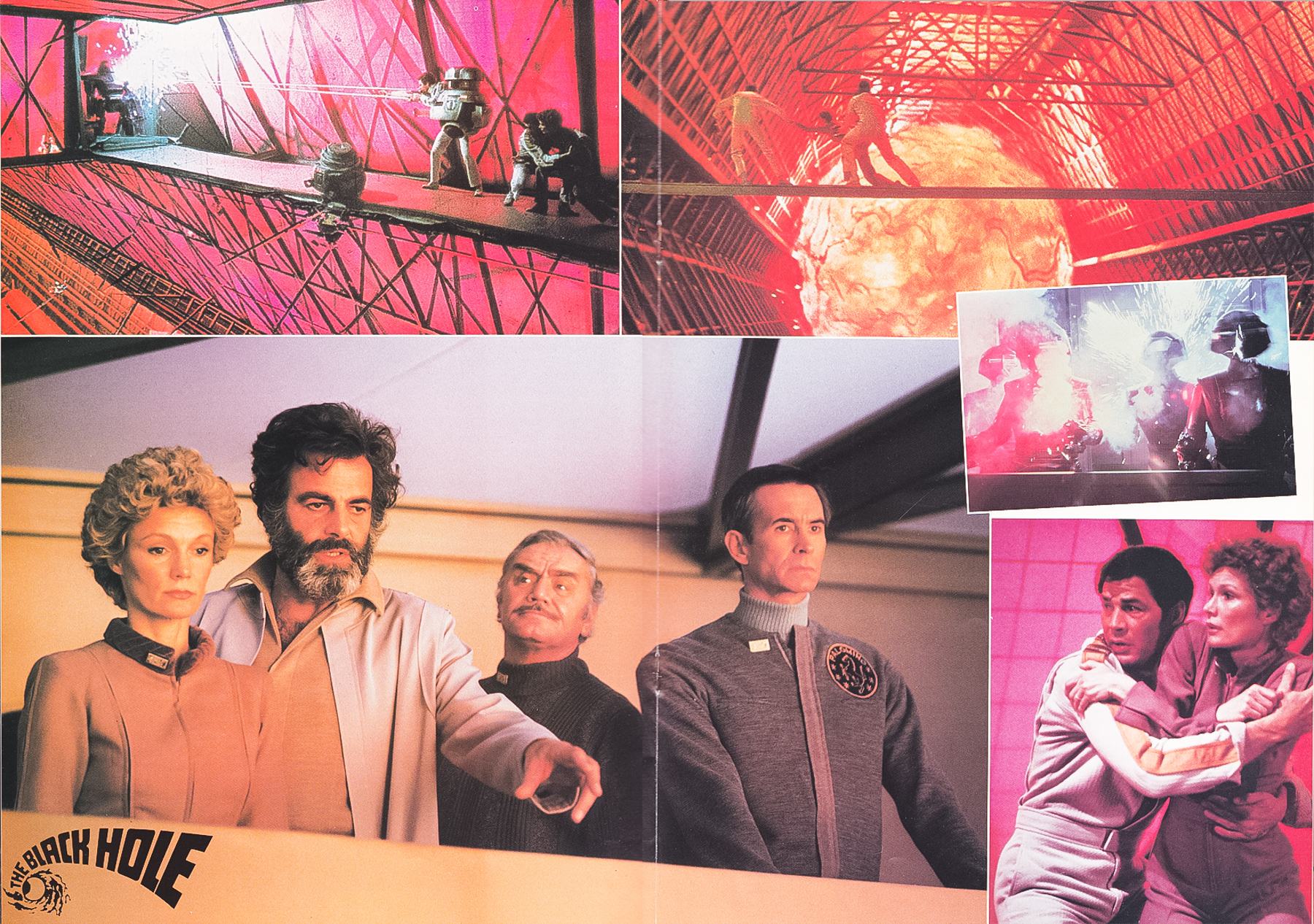
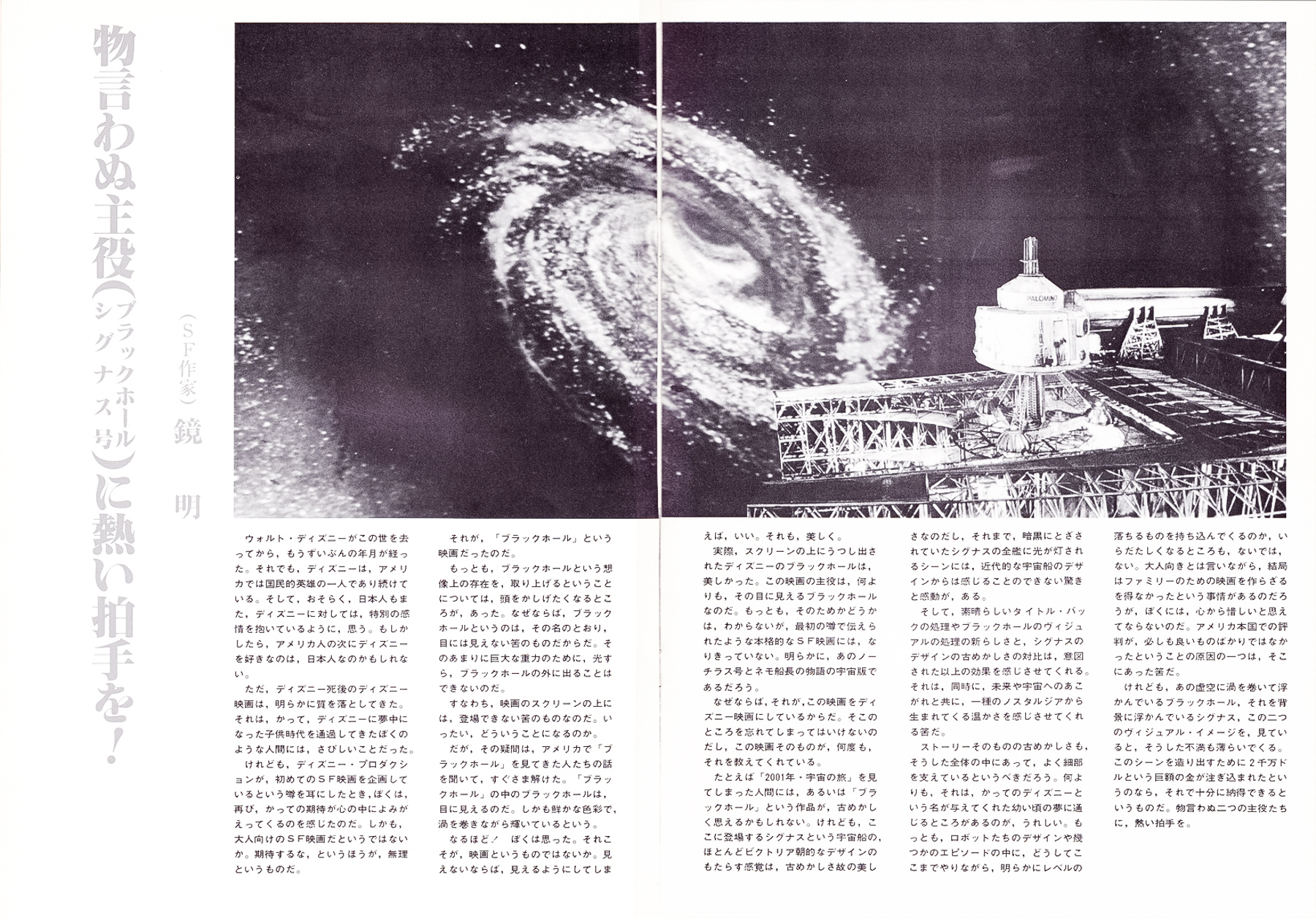
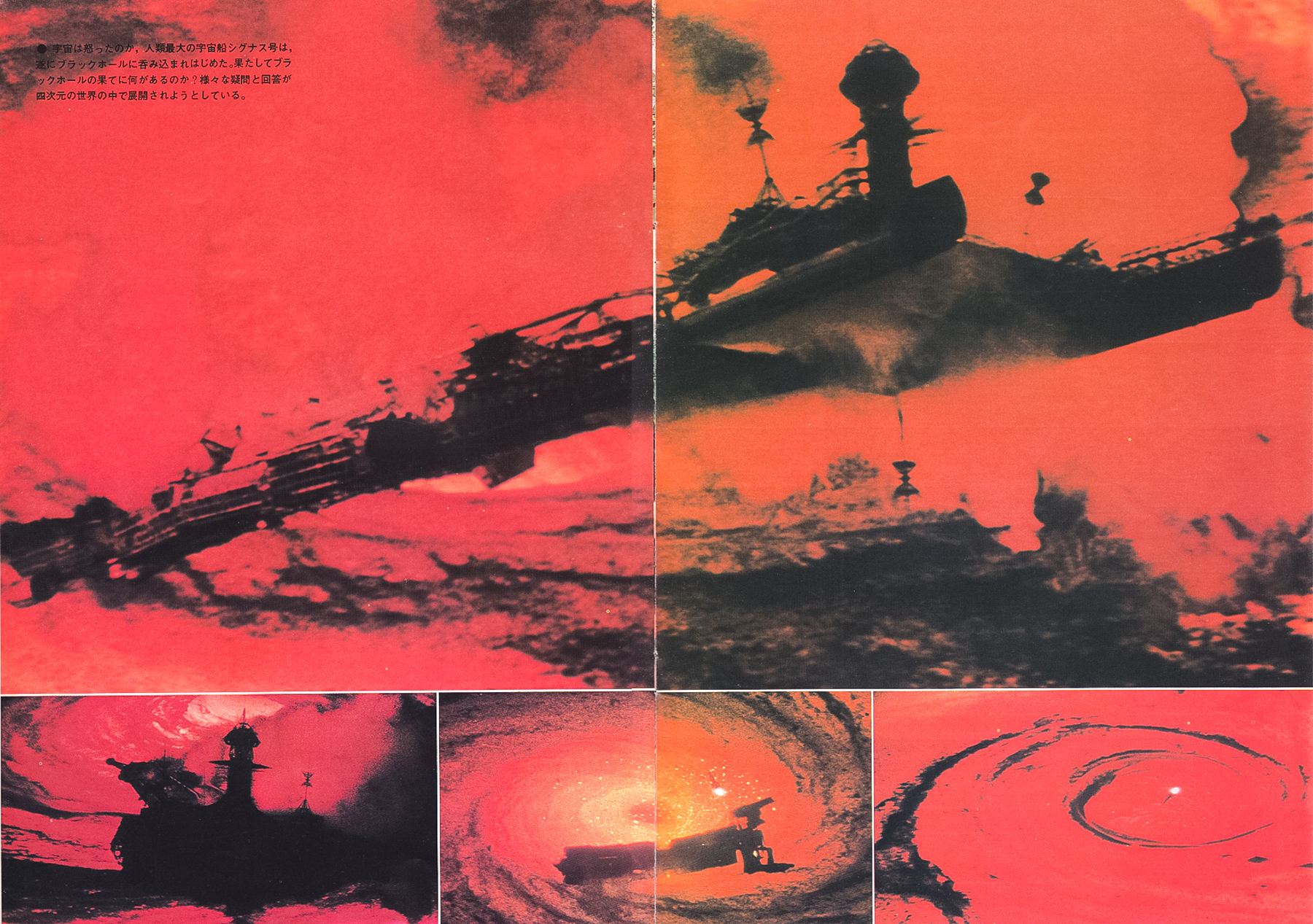
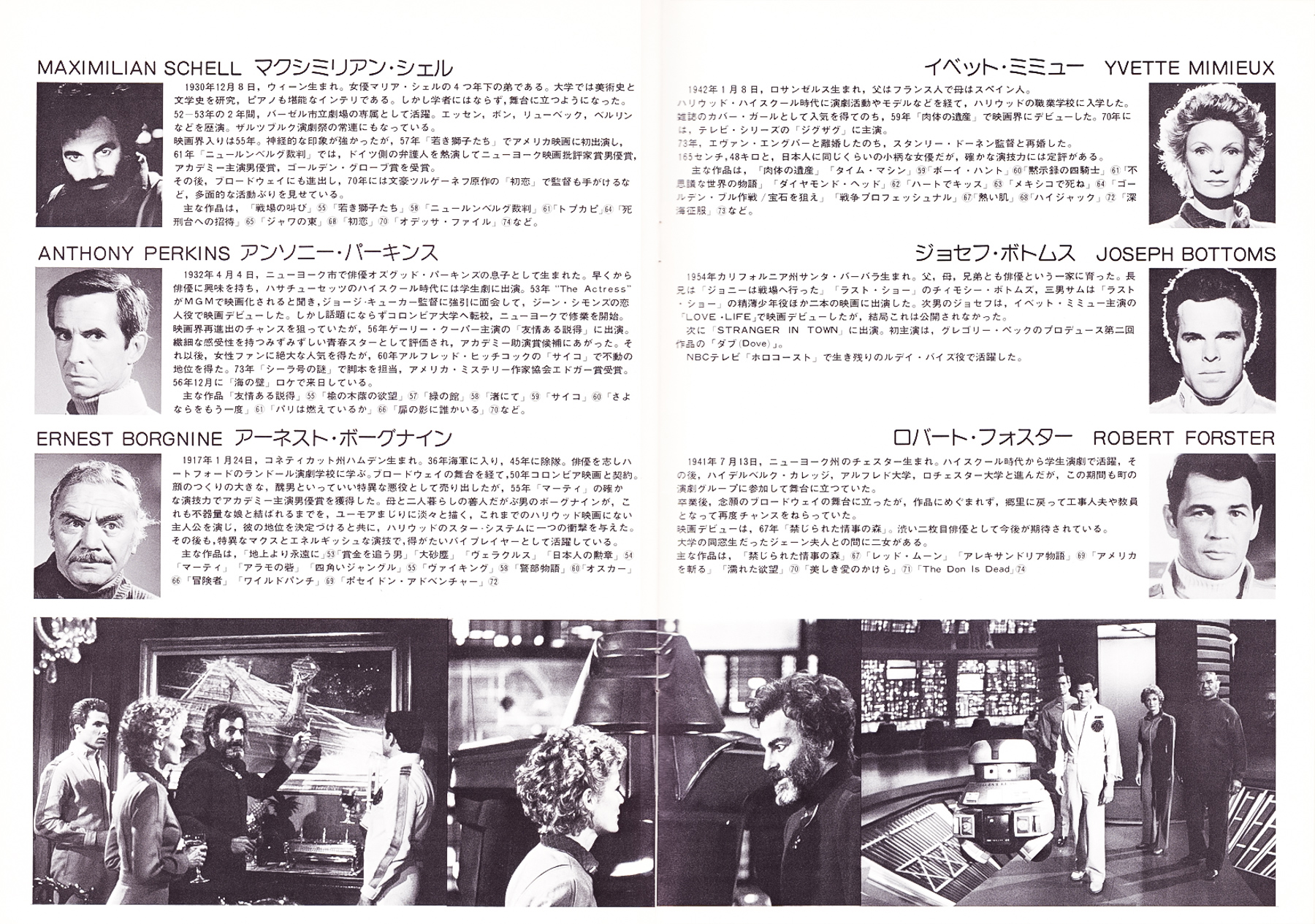
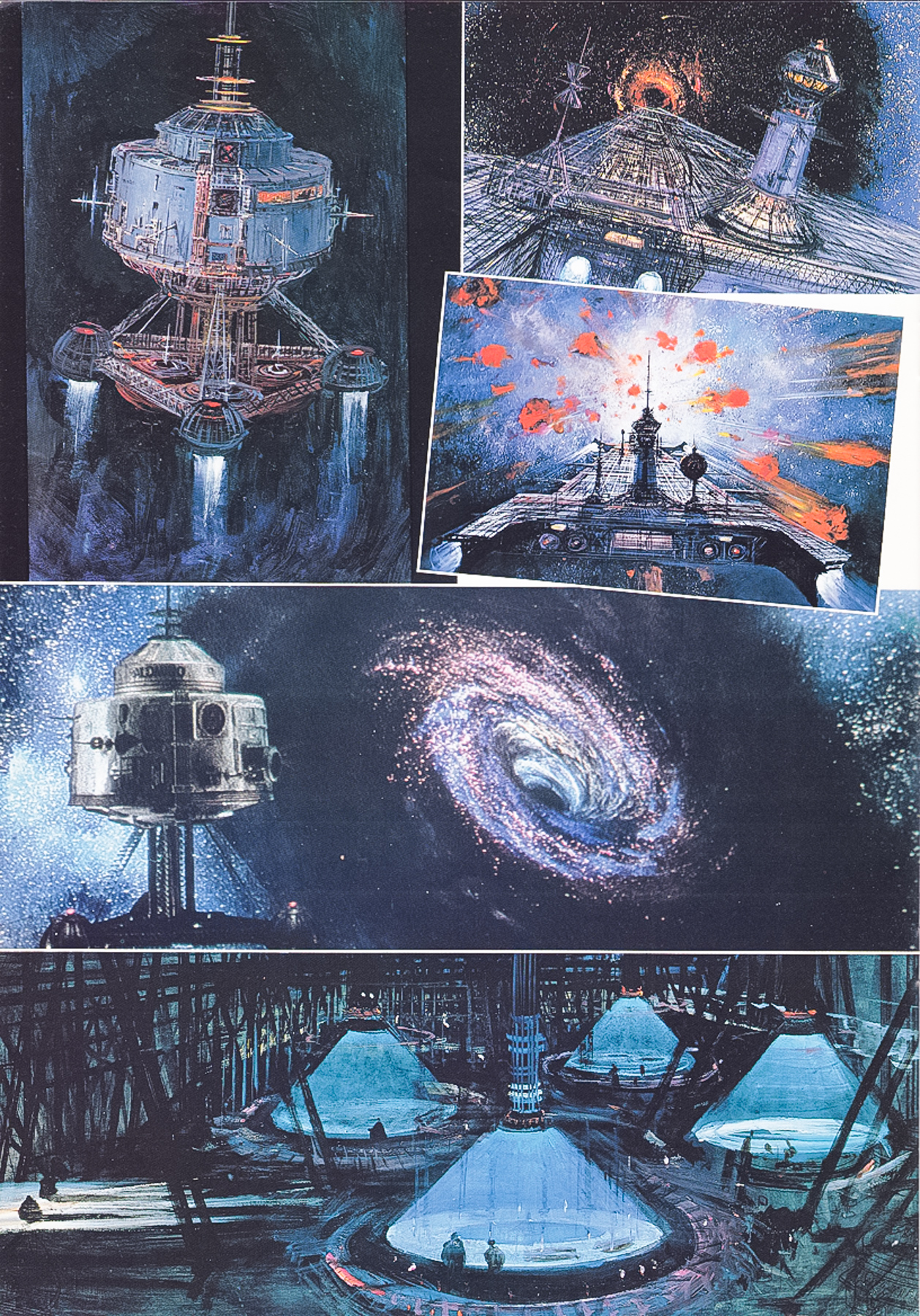
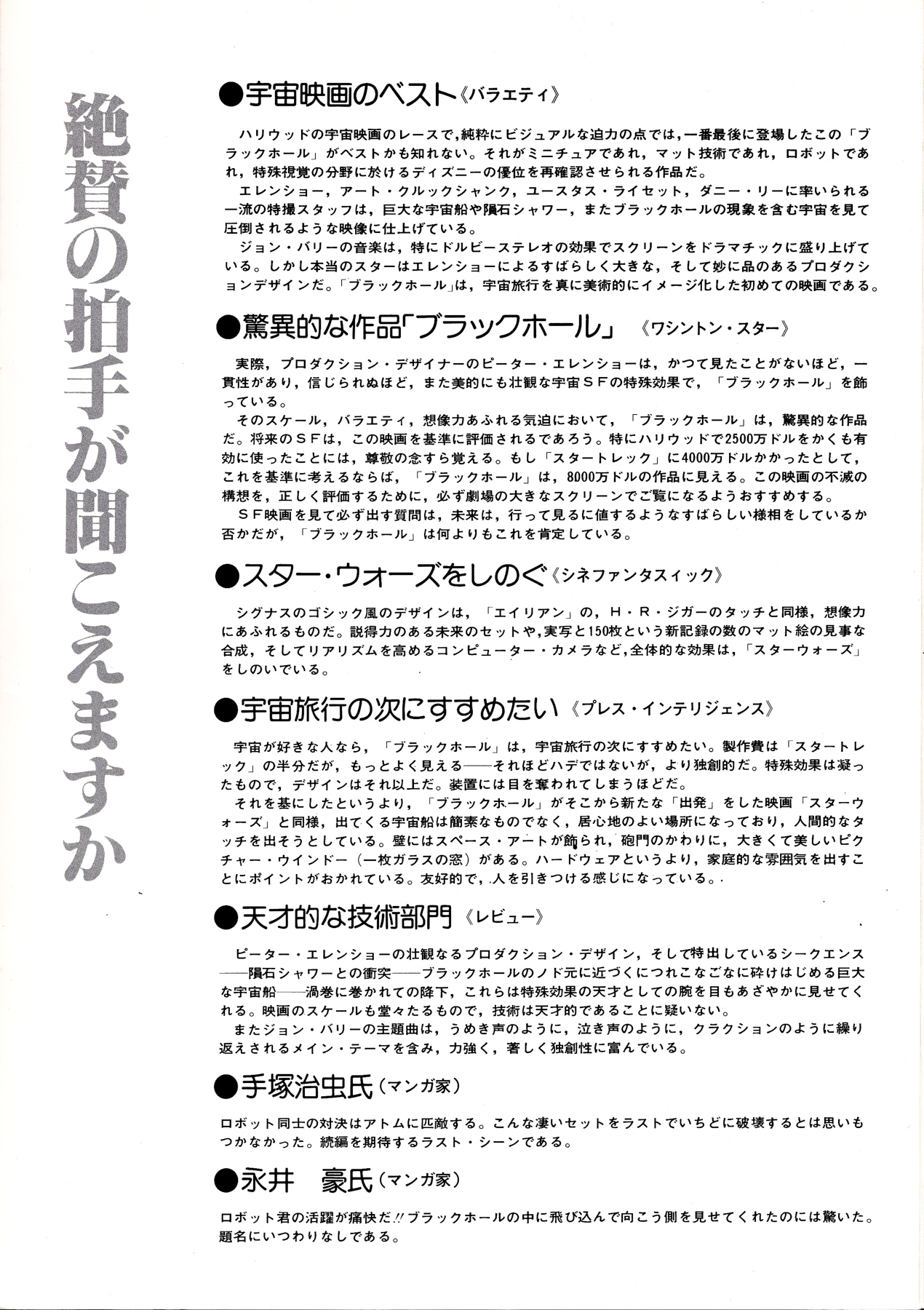
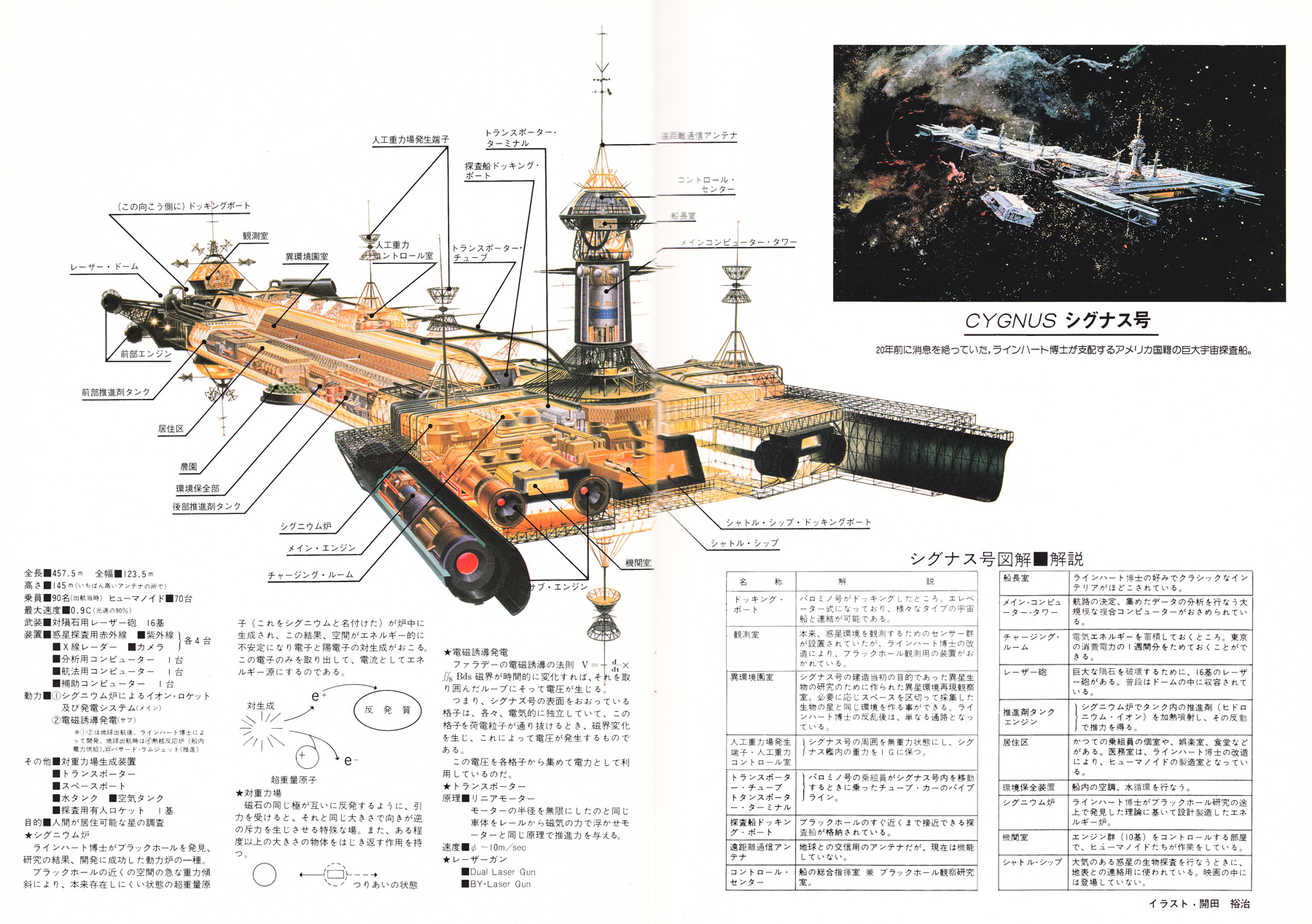
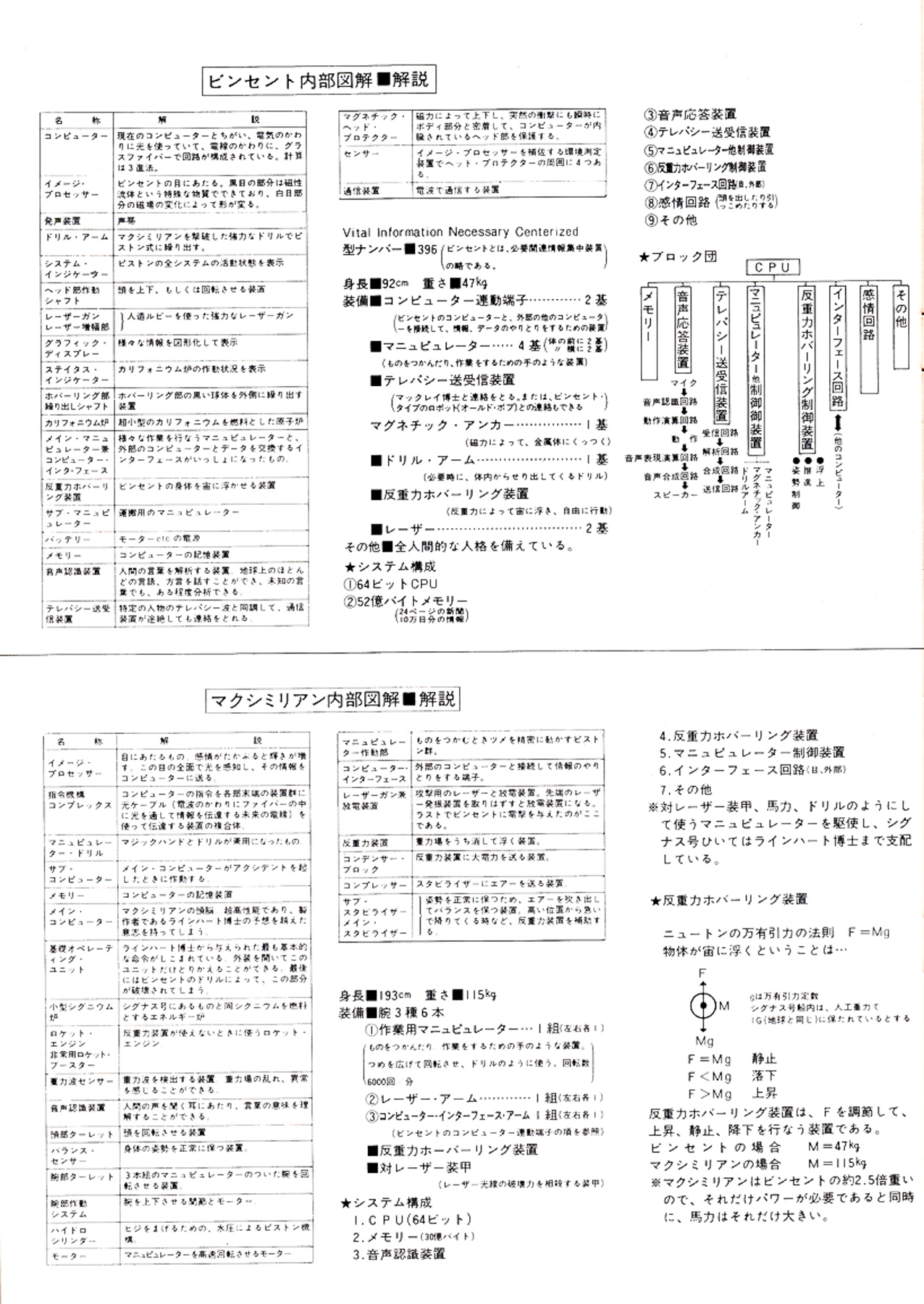
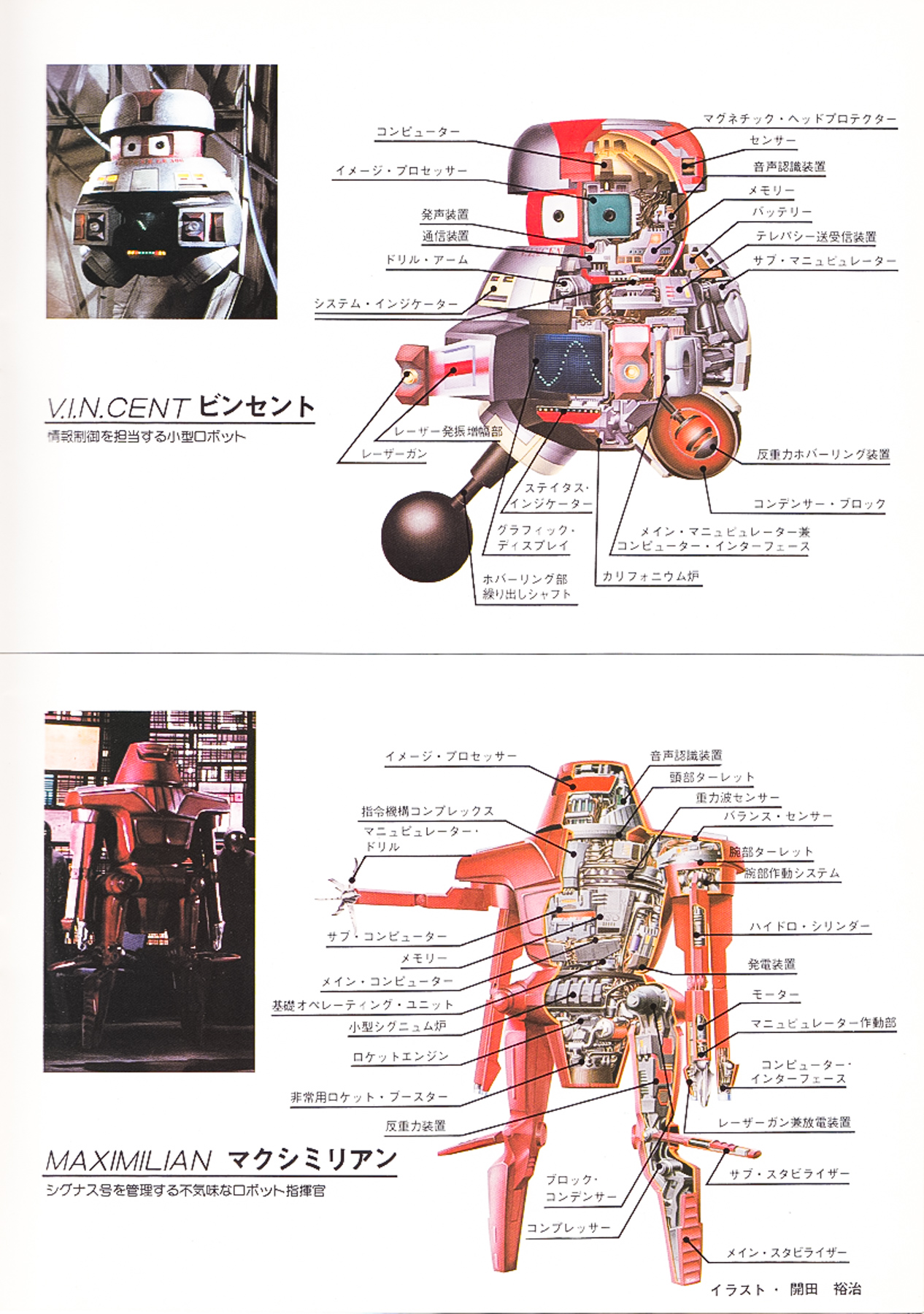
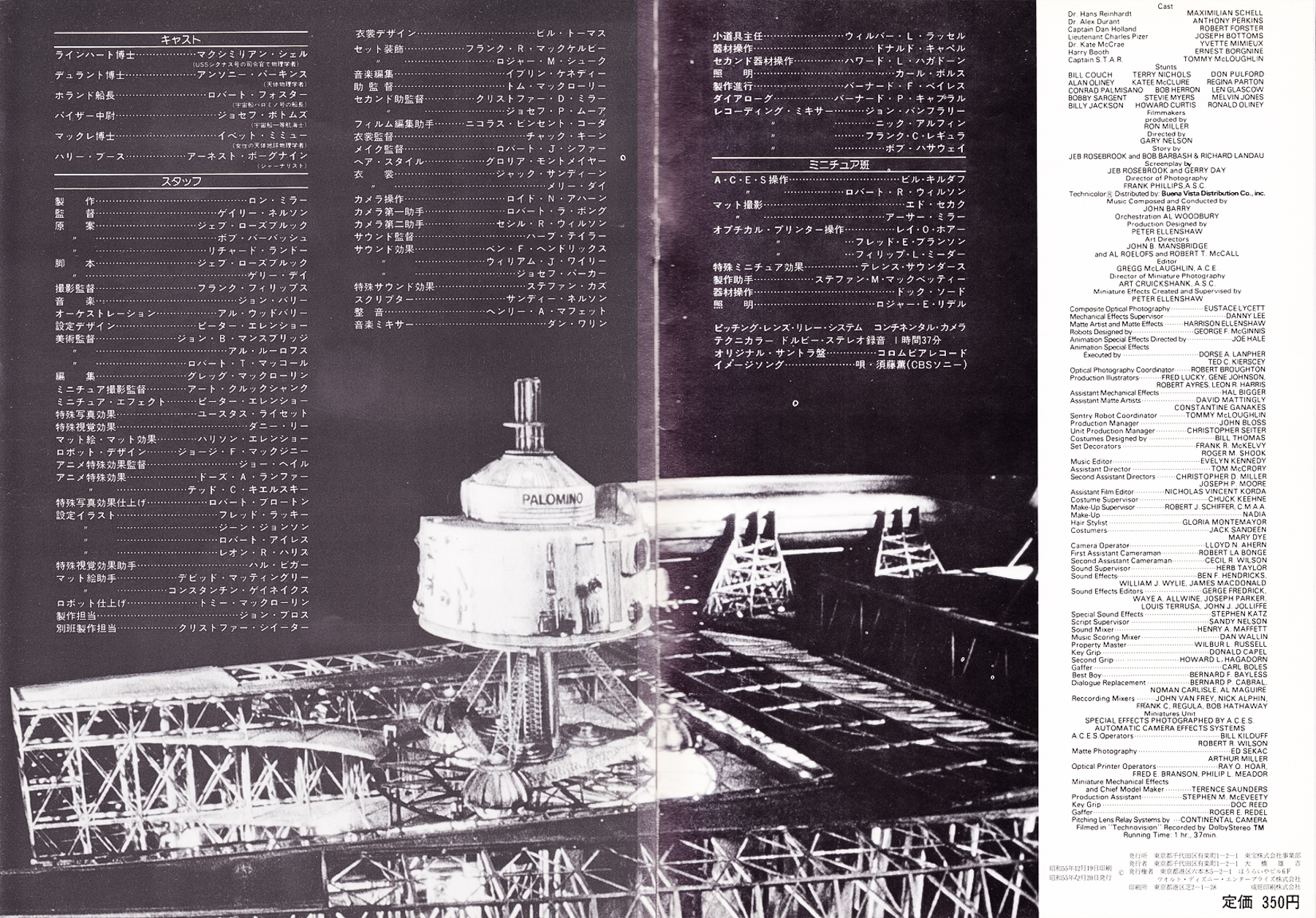
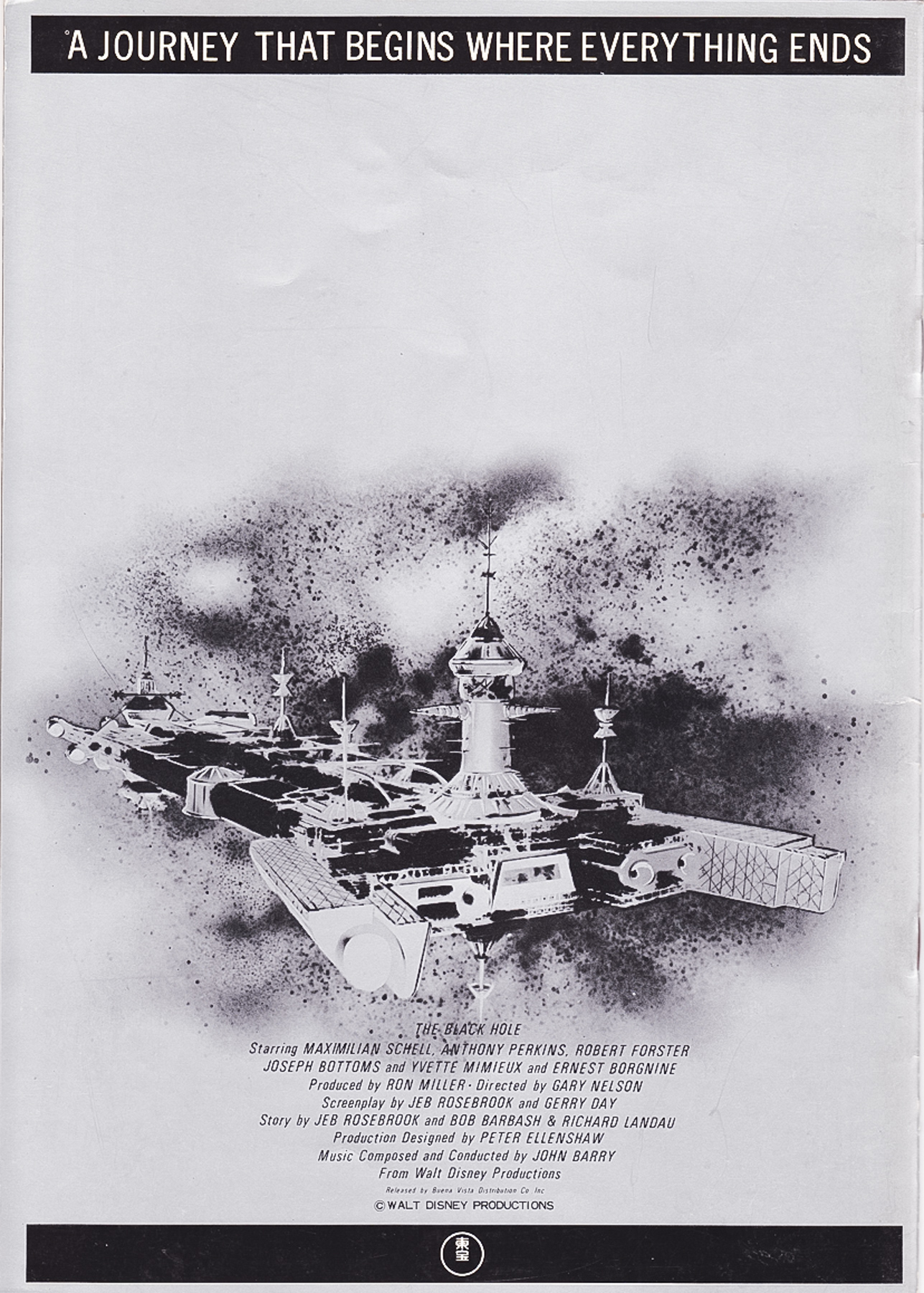
The next non-poster addition to the site is this original Japanese program for Disney’s 1979 live-action oddity The Black Hole (opens in a new tab). The program features some excellent production stills as well as several pages of concept artwork and three rather brilliant cutaway diagrams of the spacecraft Cygnus and the two robots V.I.N.Cent and Maximilian.
Legendary director David Lynch (opens in a new tab)‘s surreal nightmare Eraserhead (opens in a new tab) celebrates its 35th anniversary in 2012 and its fair to say cinema has seen nothing else quite like it in the years since it was released. Lynch’s first full-length feature was five years in the making and was begun whilst he worked at the American Film Institute (opens in a new tab) school in Los Angeles. The initial grant of $10,000 given to the director quickly ran out and he was forced to spend the following years using money from odd jobs, as well as donations from friends and family to continue work on it.
Ben Barenholtz (opens in a new tab), the owner of Libra films saw the completed film at the Filmex (opens in a new tab) Festival and, after declaring it was a ‘film of the future’, decided to help Lynch get the film into cinemas. The first screening took place at midnight on the 29th of September, 1977 and, like Jodorowsky’s El Topo before it, Eraserhead became a staple of Midnight Movie (opens in a new tab) shows in Los Angeles, New York and London.
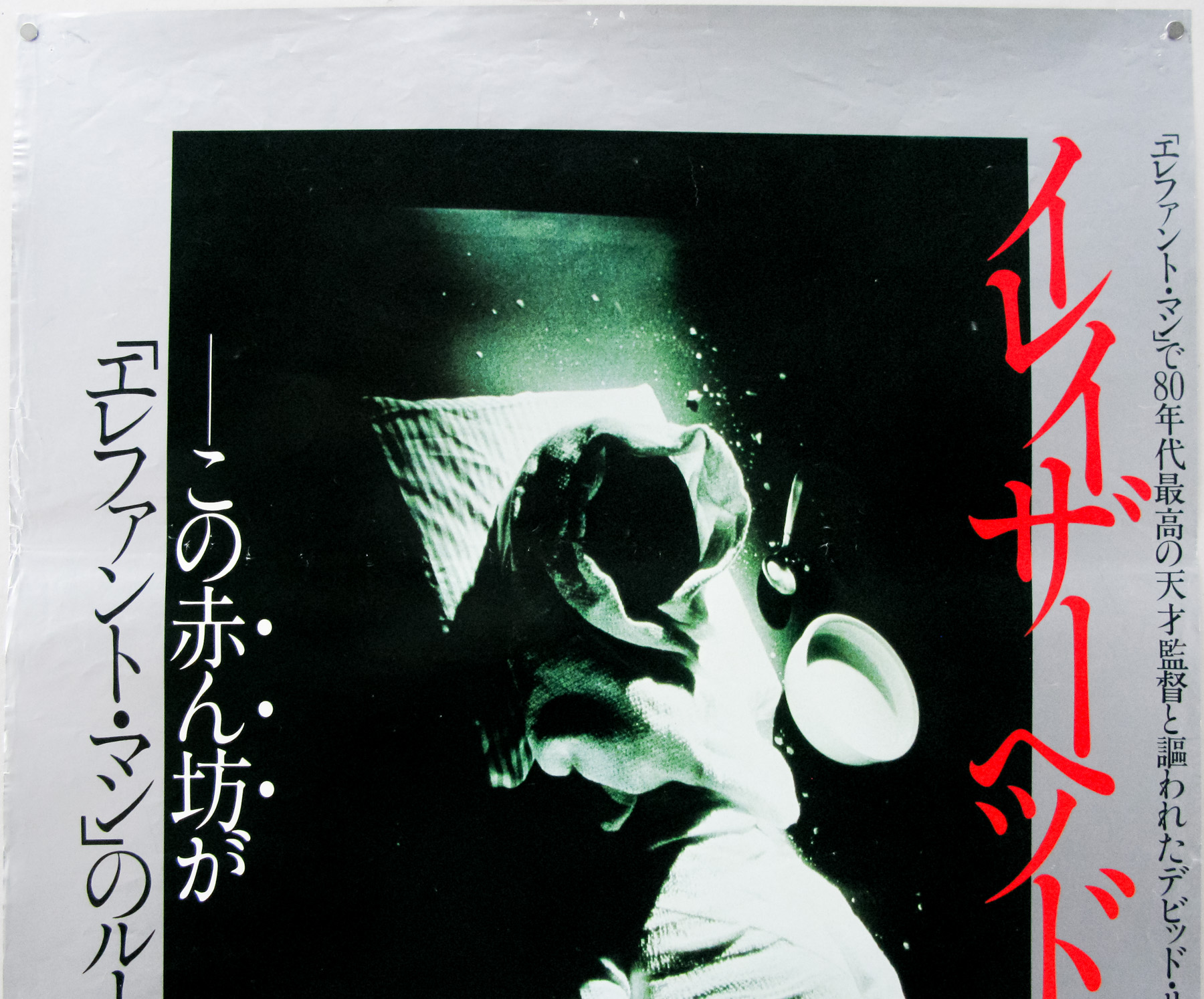
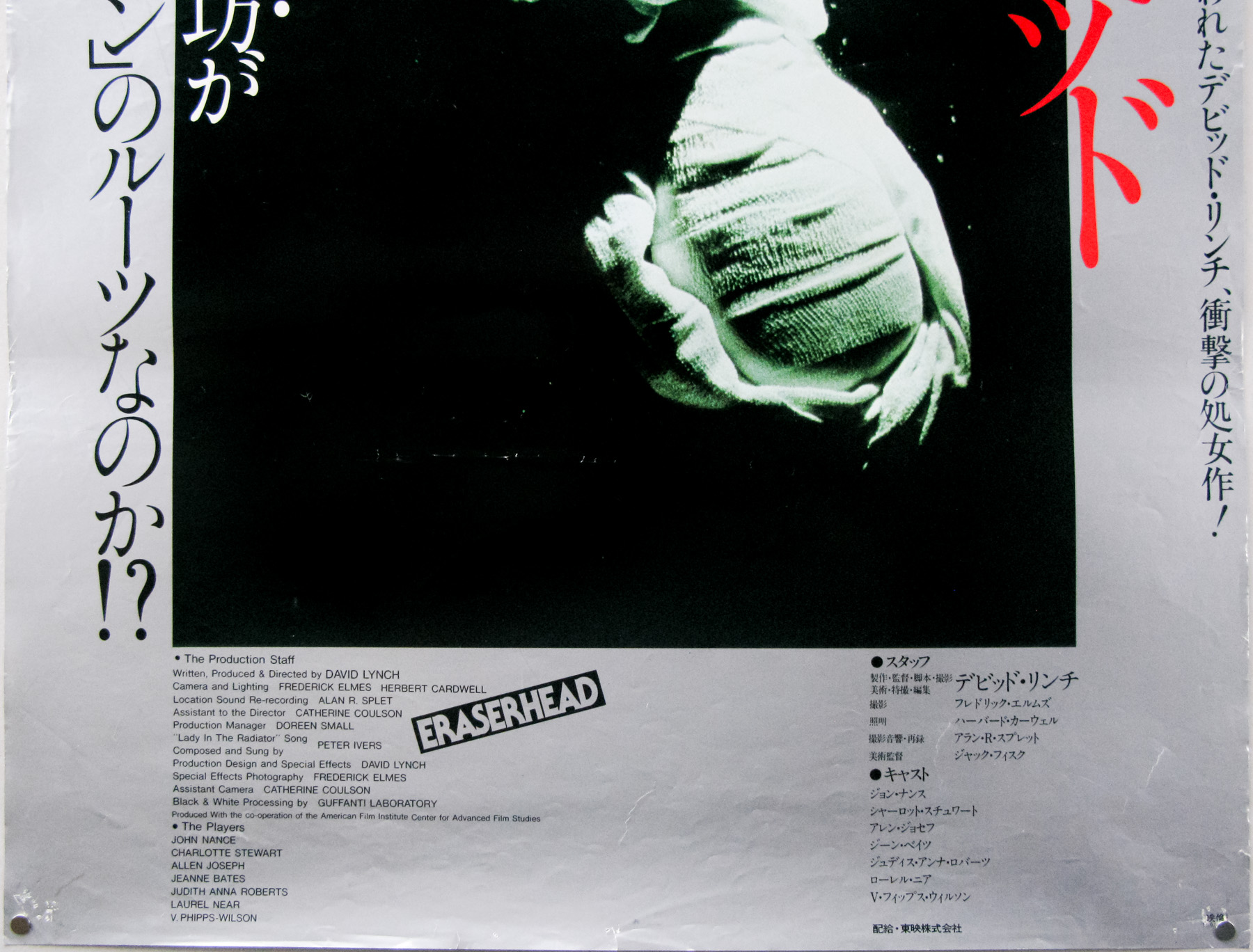
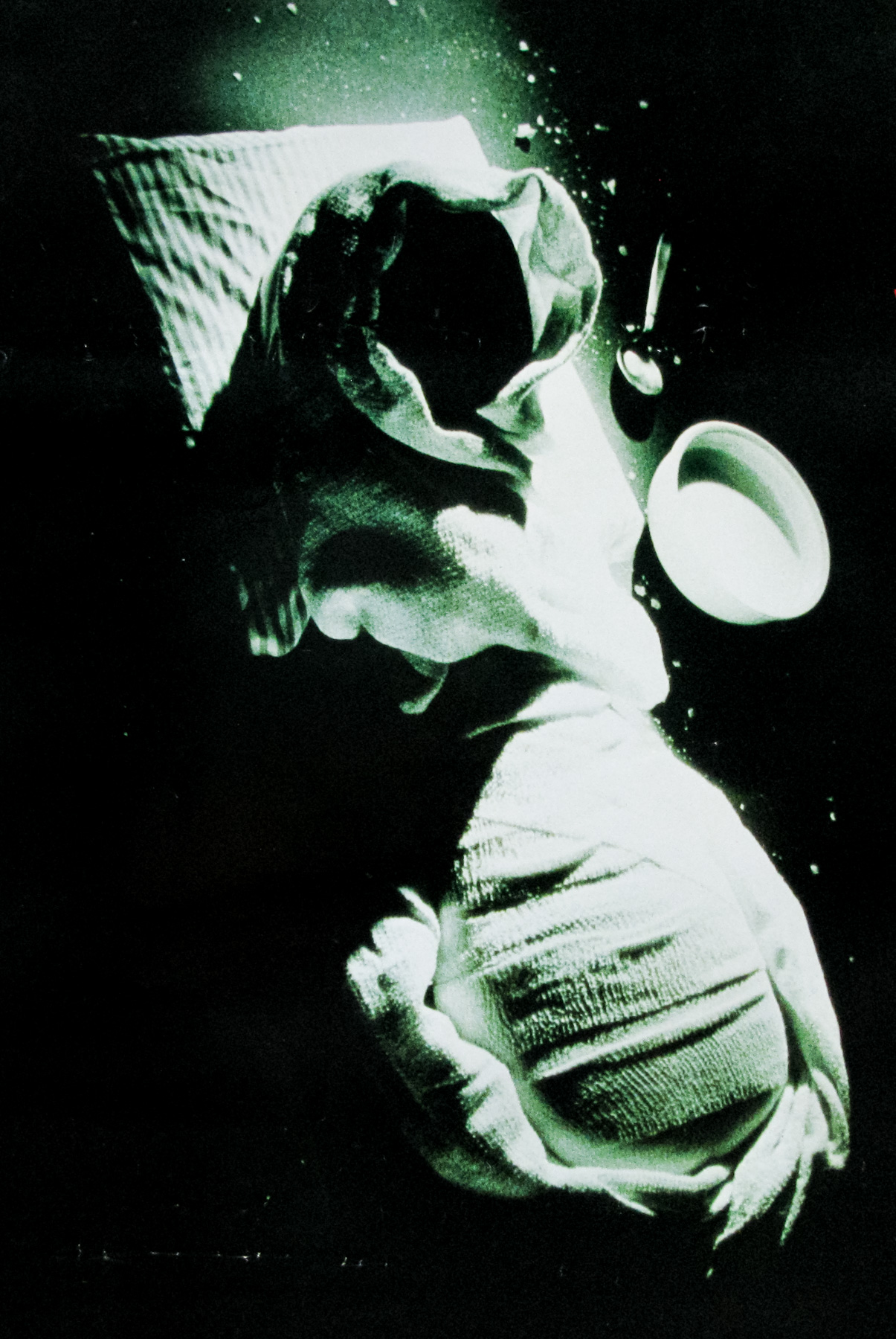
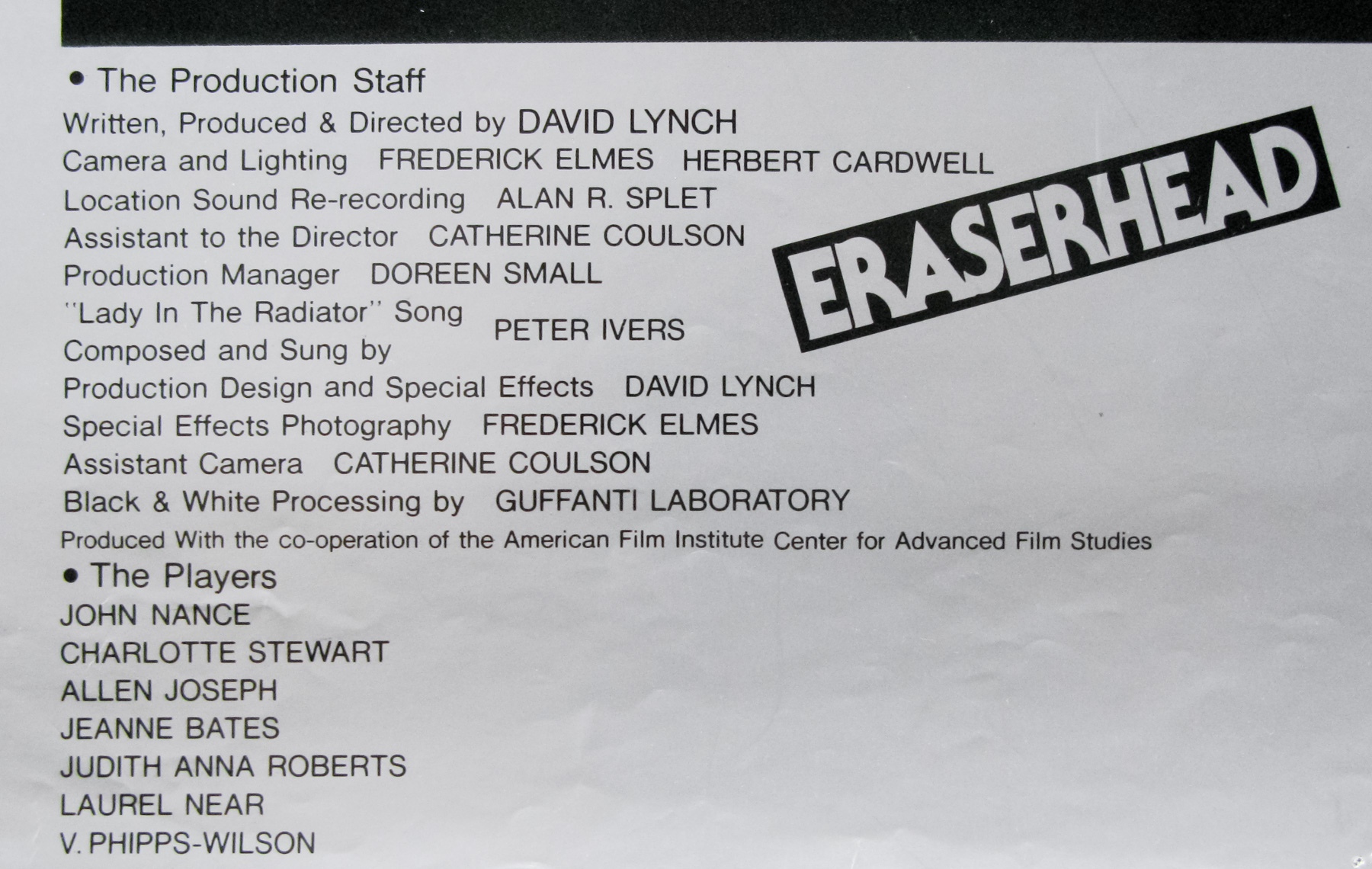
This Japanese poster is from the first release of the film, which took place in 1981, and features an image of the ‘baby’ with its head wrapped in bandages. This particular copy of the poster isn’t in the best of condition, as should be obvious from the pictures, but I think it quite suits the nature of the film.
Having just watched the recent UK blu-ray release of the film, which was apparently supervised by Lynch, I can highly recommend picking up a copy of it as the film has never looked or, perhaps more importantly, sounded as good.
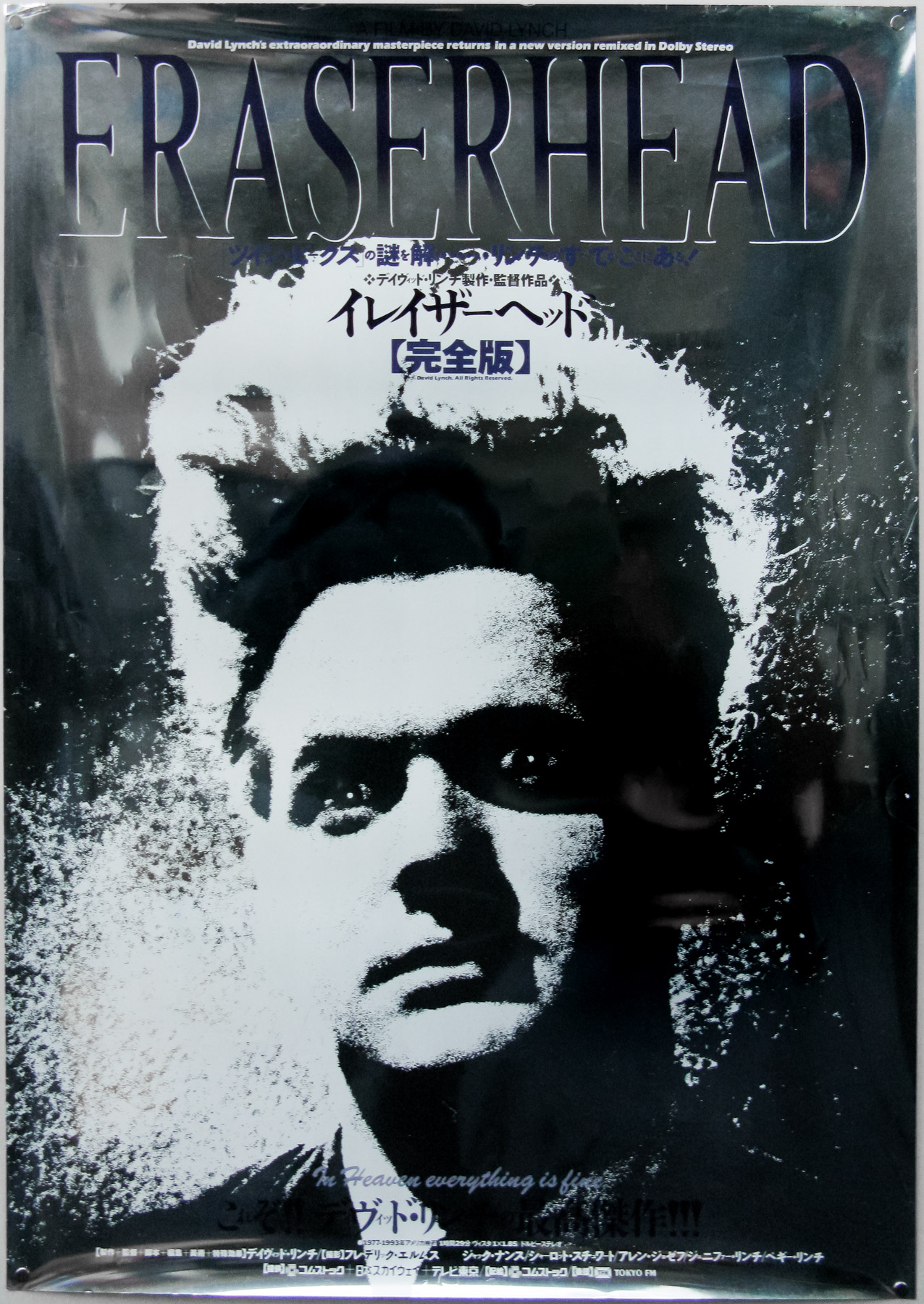
Legendary director David Lynch (opens in a new tab)‘s brilliant, surreal nightmare Eraserhead (opens in a new tab) celebrates its 35th anniversary in 2012 and its fair to say cinema has seen nothing else quite like it in the years since it was released. Lynch’s first full-length feature was five years in the making and was begun whilst he worked at the American Film Institute (opens in a new tab) school in Los Angeles. The initial grant of $10,000 given to the director quickly ran out and he was forced to spend the following years using money from odd jobs, as well as donations from friends and family to continue work on it.
Ben Barenholtz (opens in a new tab), the owner of Libra films saw the completed film at the Filmex (opens in a new tab) Festival and, after declaring it was a ‘film of the future’, decided to help Lynch get the film into cinemas. The first screening took place at midnight on the 29th of September, 1977 and, like Jodorowsky’s El Topo before it, Eraserhead became a staple of Midnight Movie (opens in a new tab) shows in Los Angeles, New York and London.
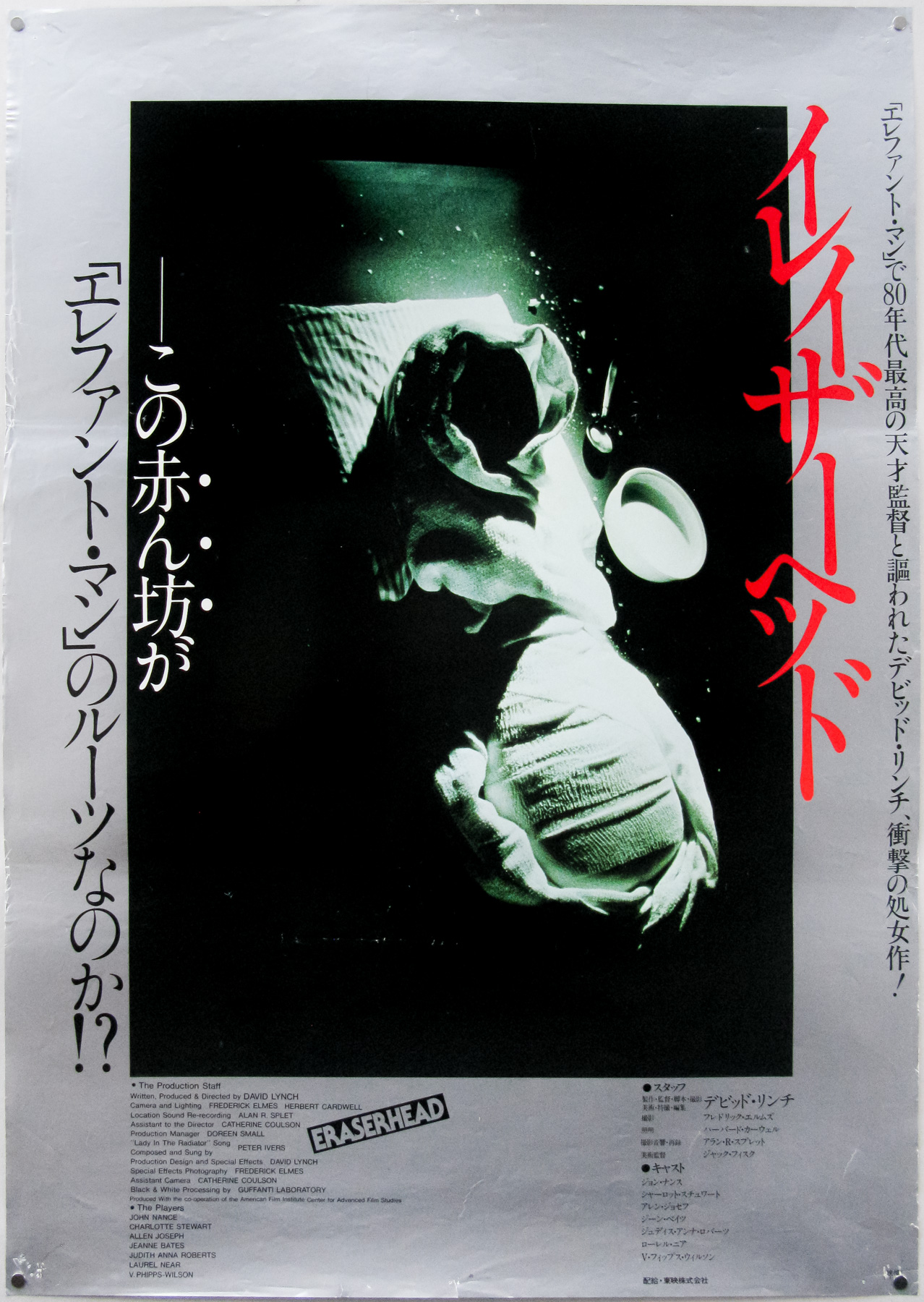
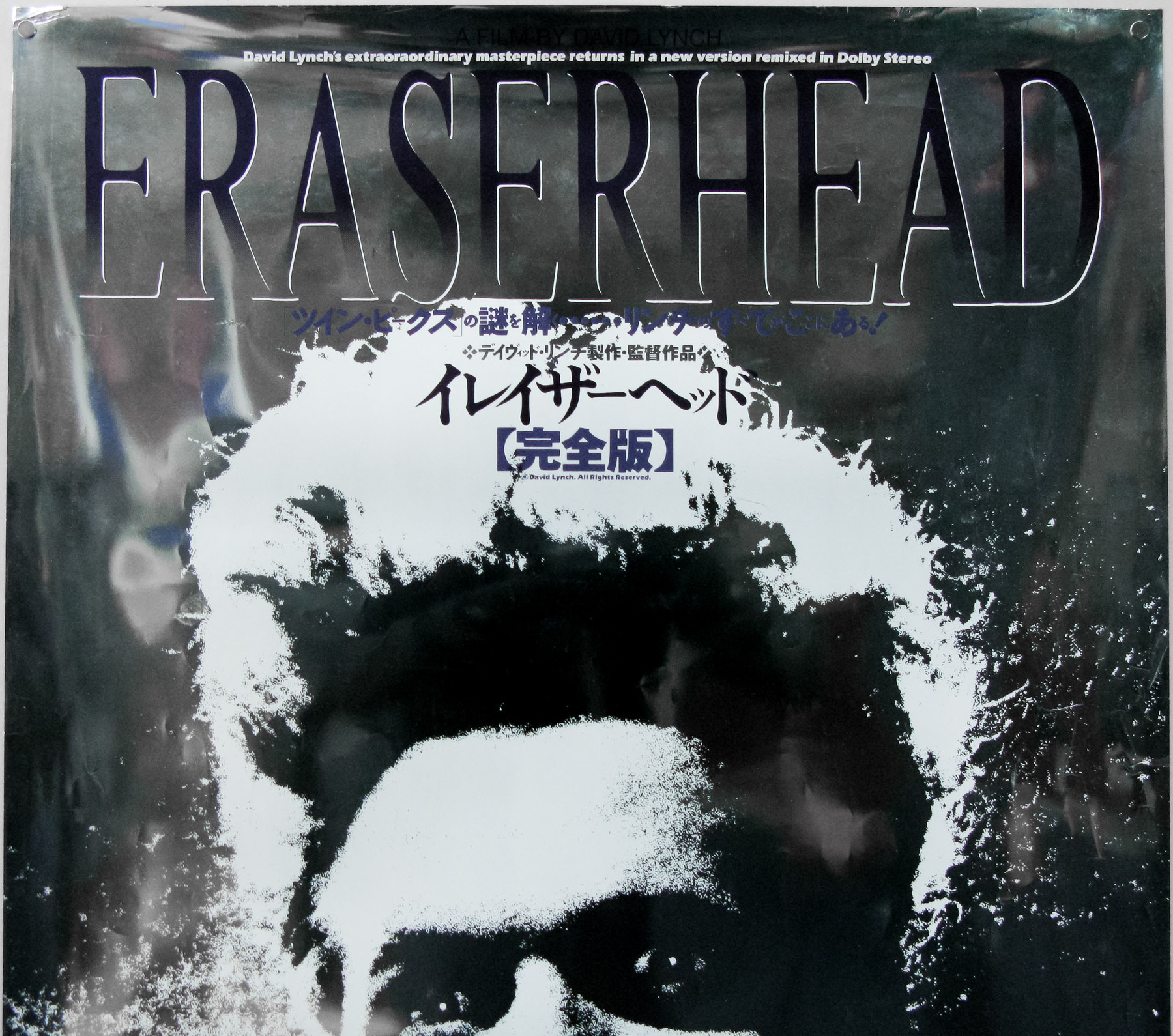
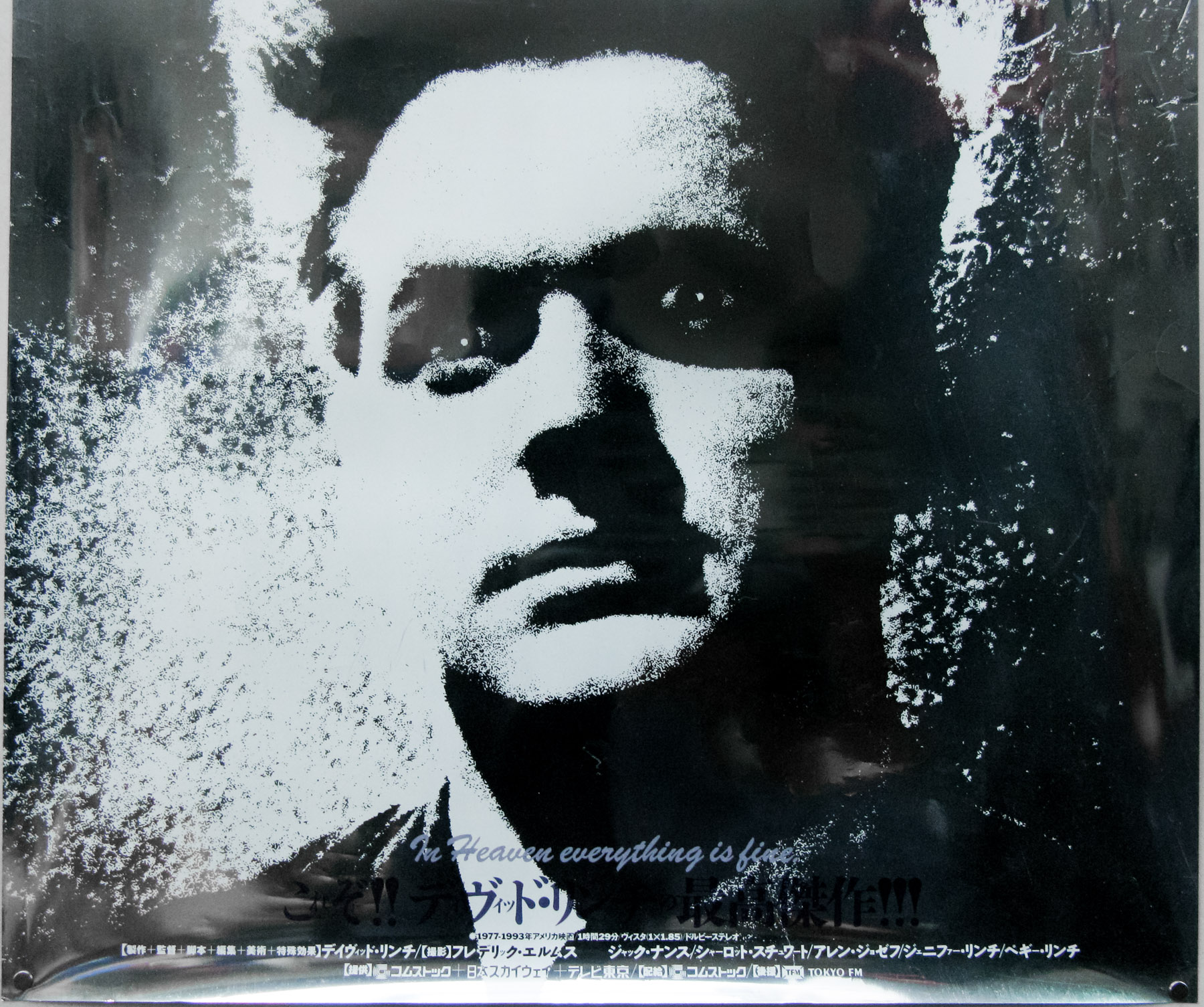
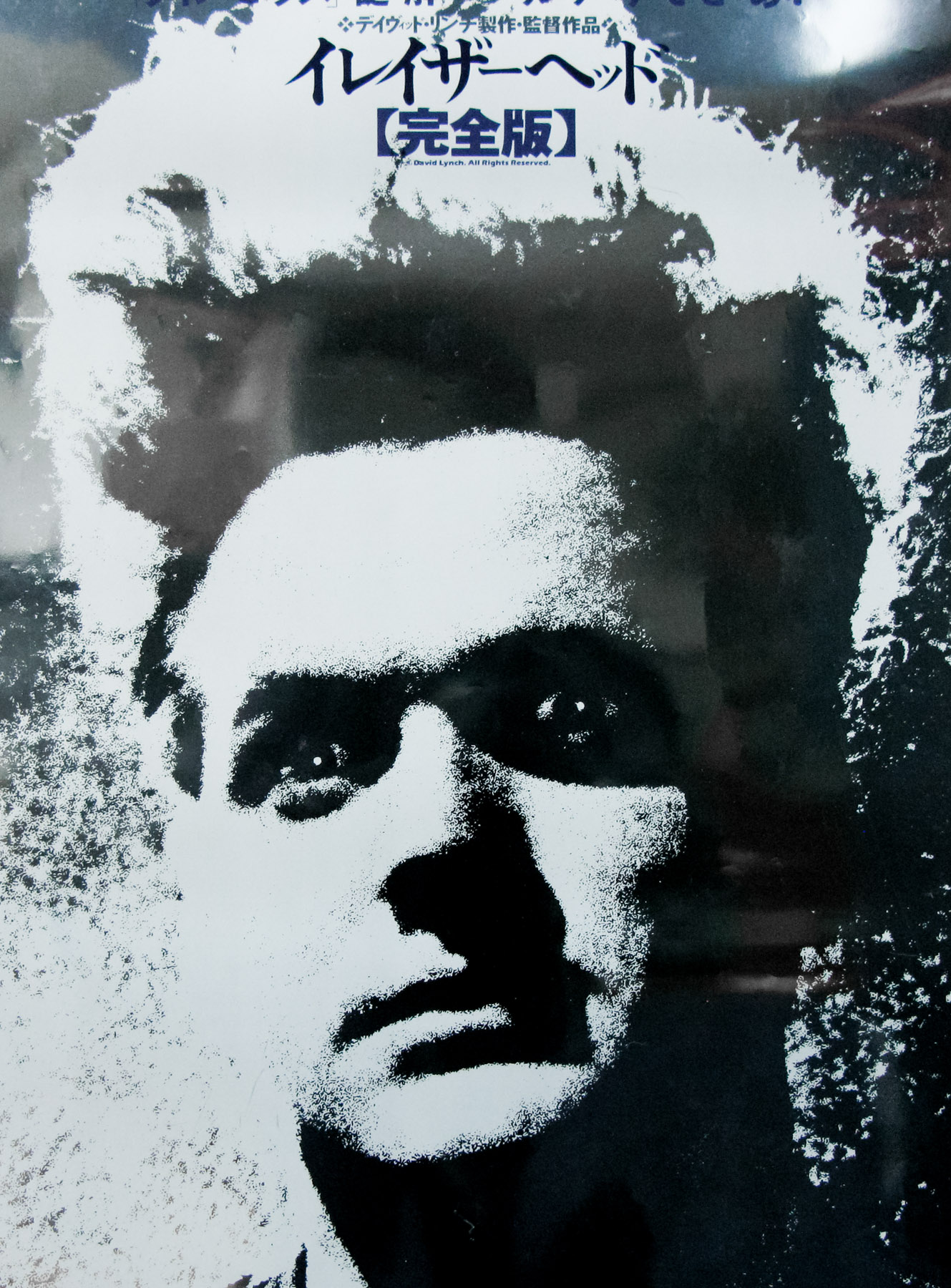
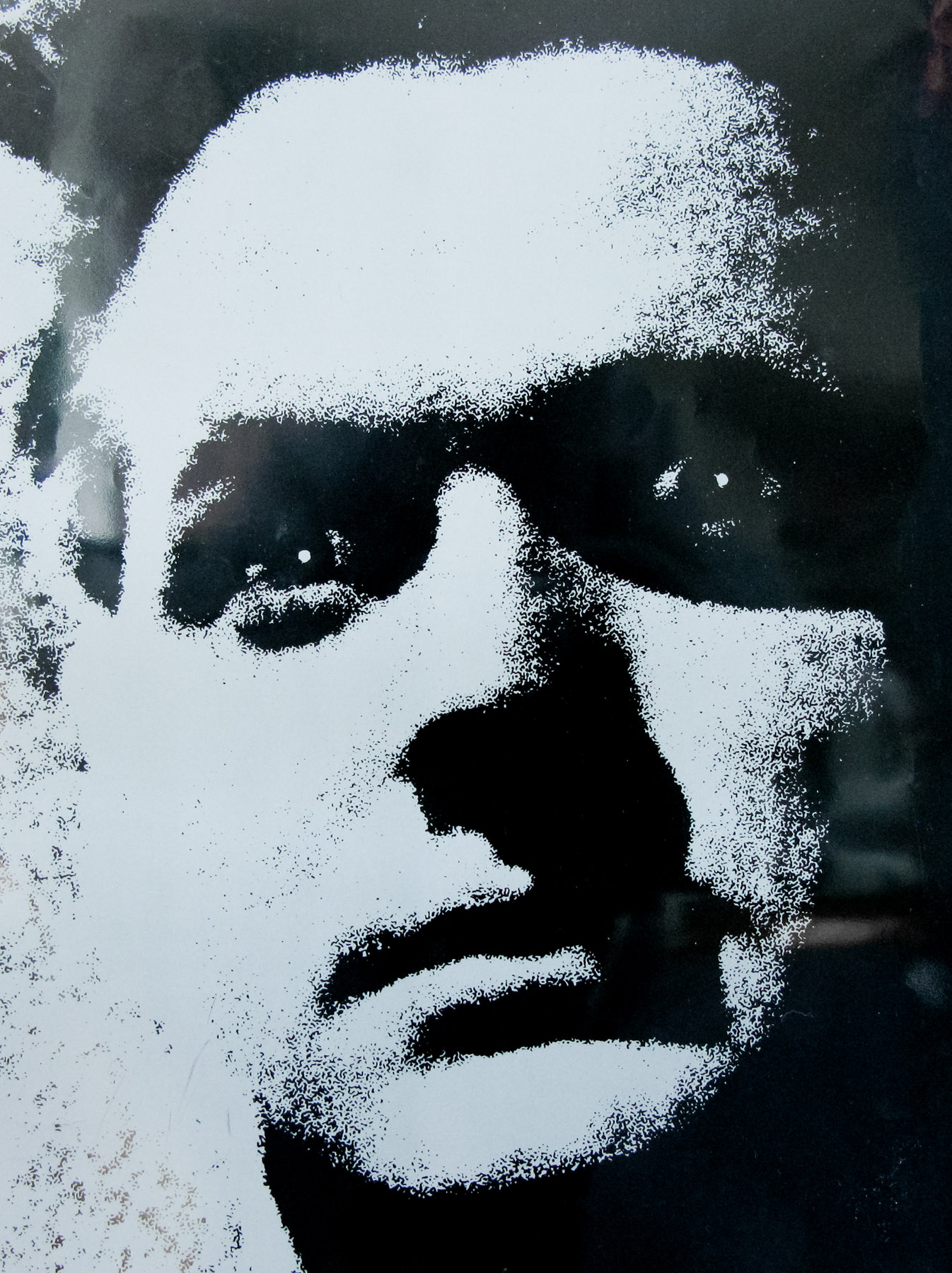
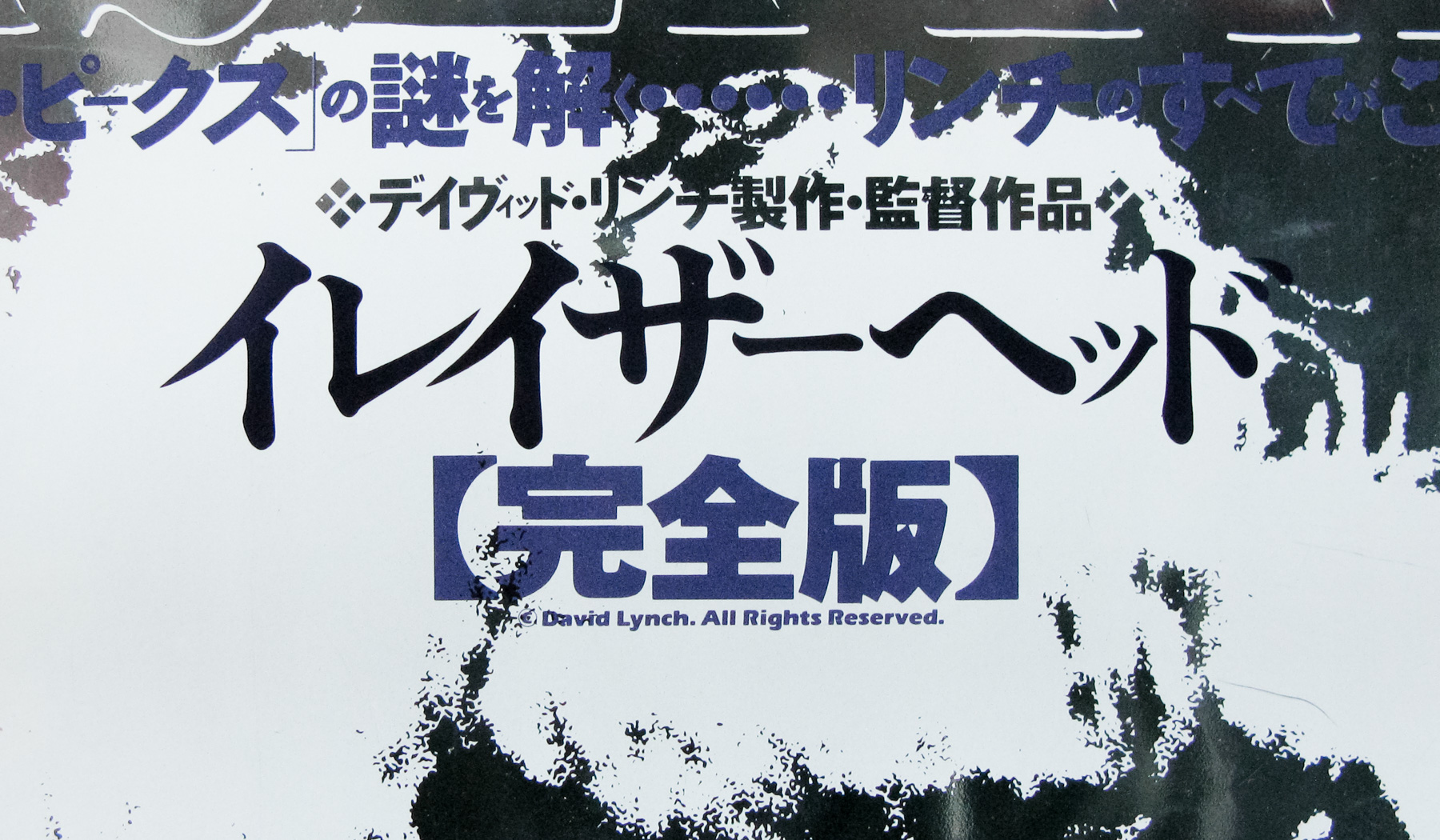
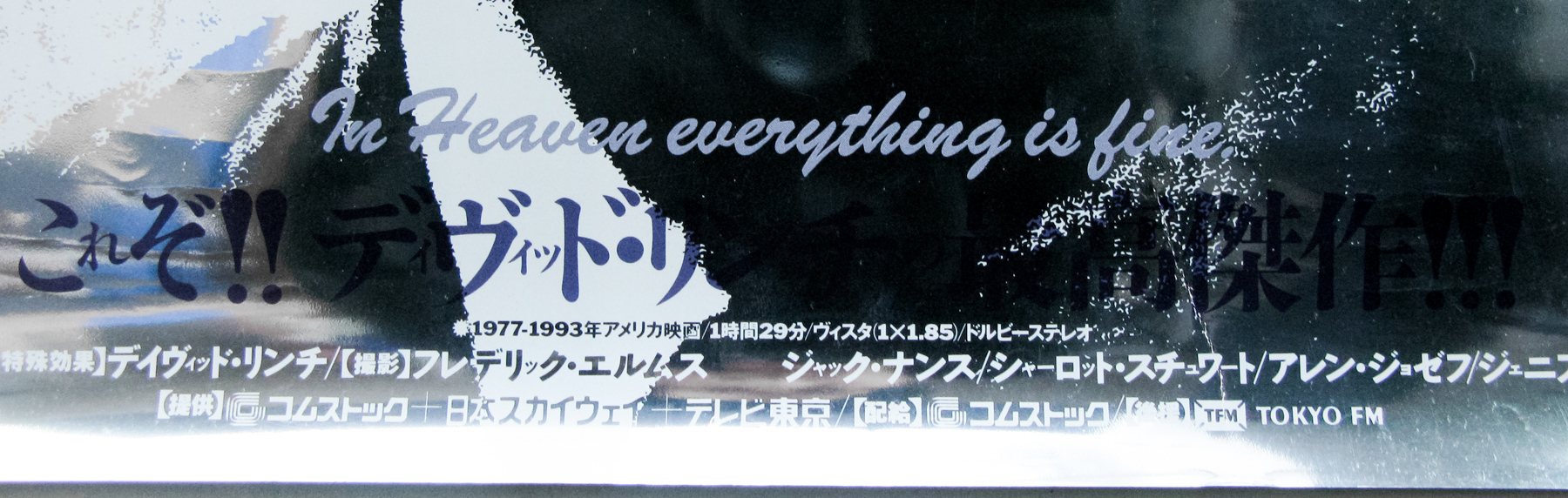
This Japanese poster is from a 1993 re-release of the film and features the classic shot of Henry (Jack Nance (opens in a new tab)) with his worried stare and great shock of hair. The poster was printed on mirrored mylar paper and is therefore very hard to photograph without capturing lots of reflections.
Having just watched the recent UK blu-ray release of the film, which was apparently supervised by Lynch, I can highly recommend picking up a copy of it as the film has never looked or, perhaps more importantly, sounded as good.
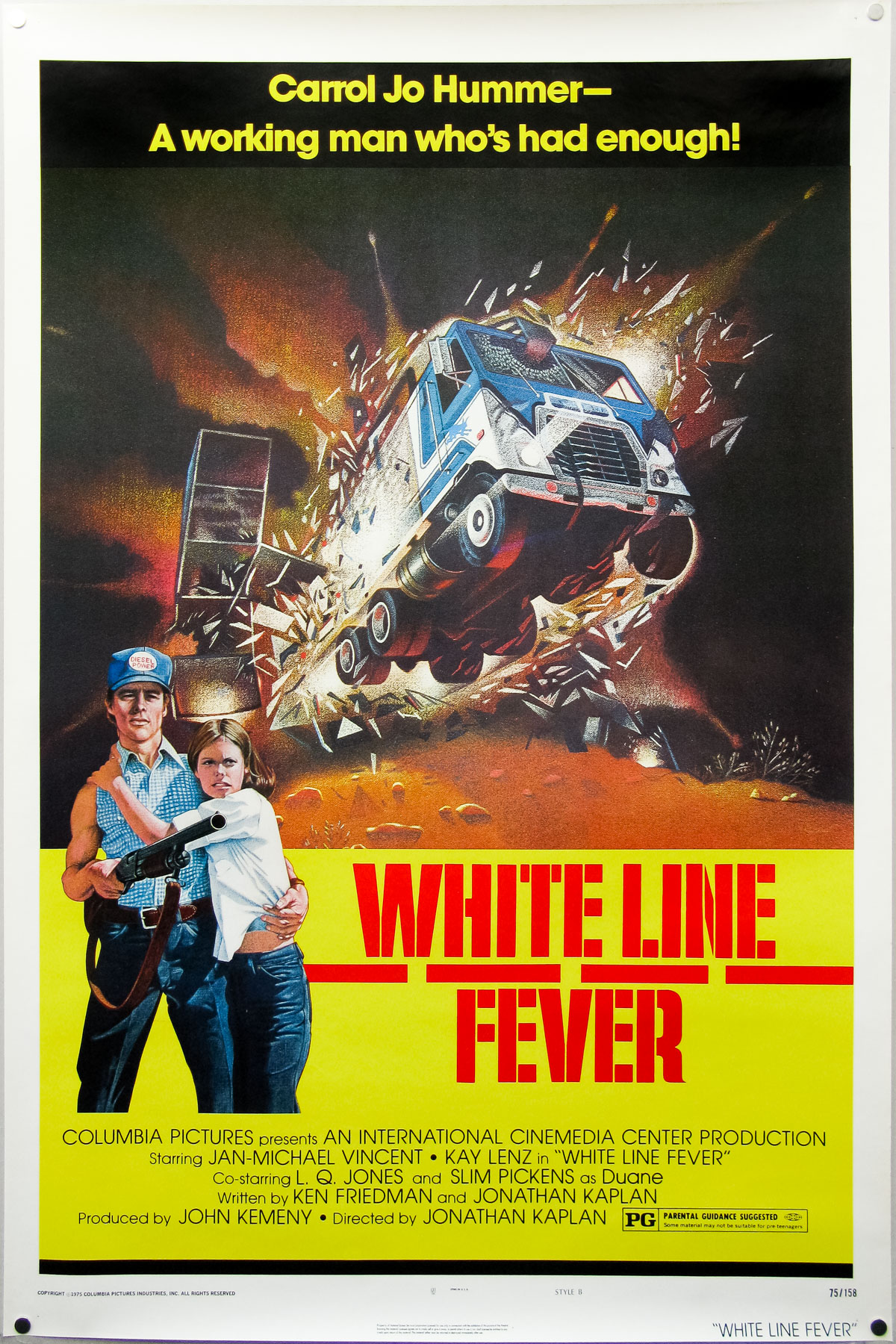
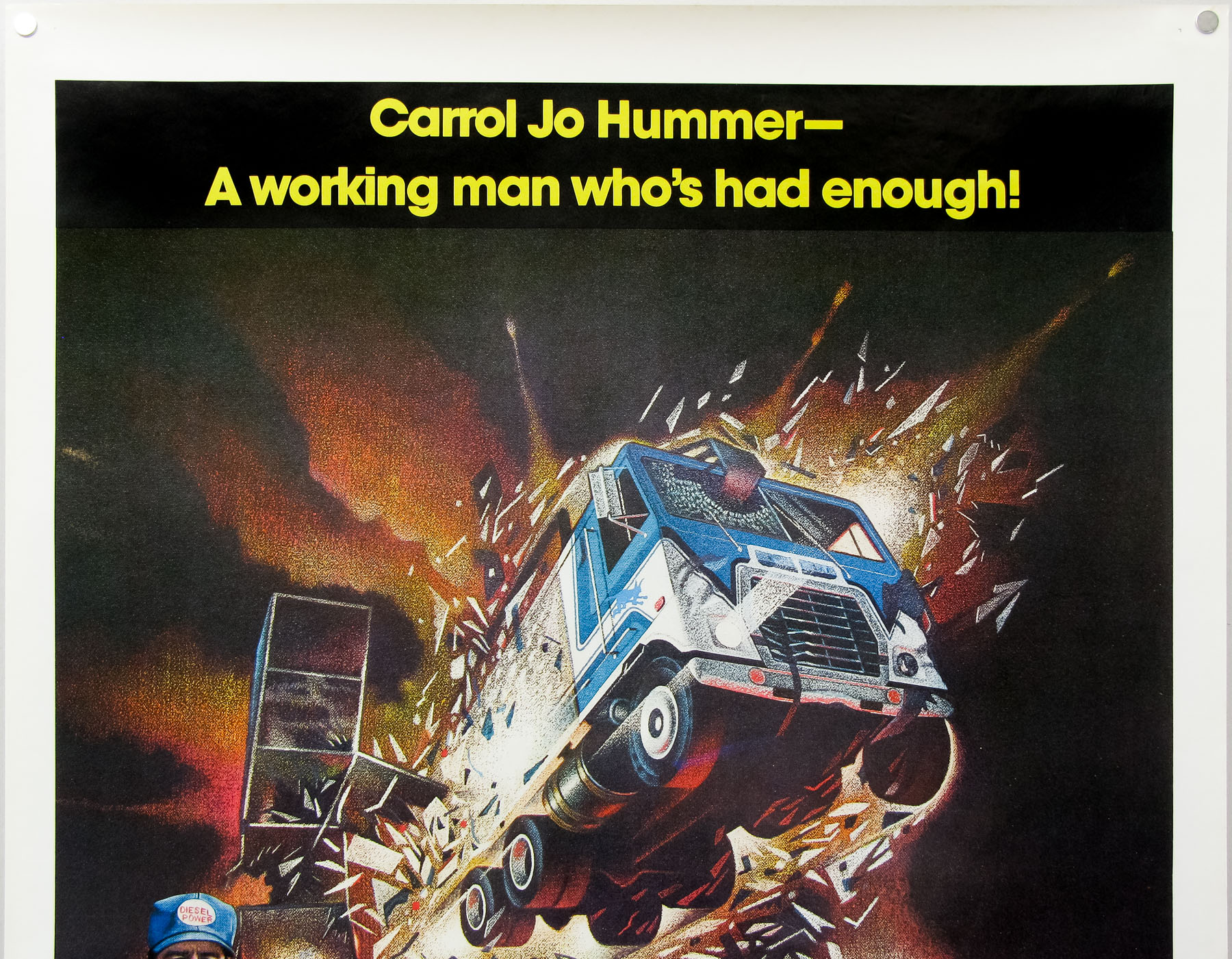
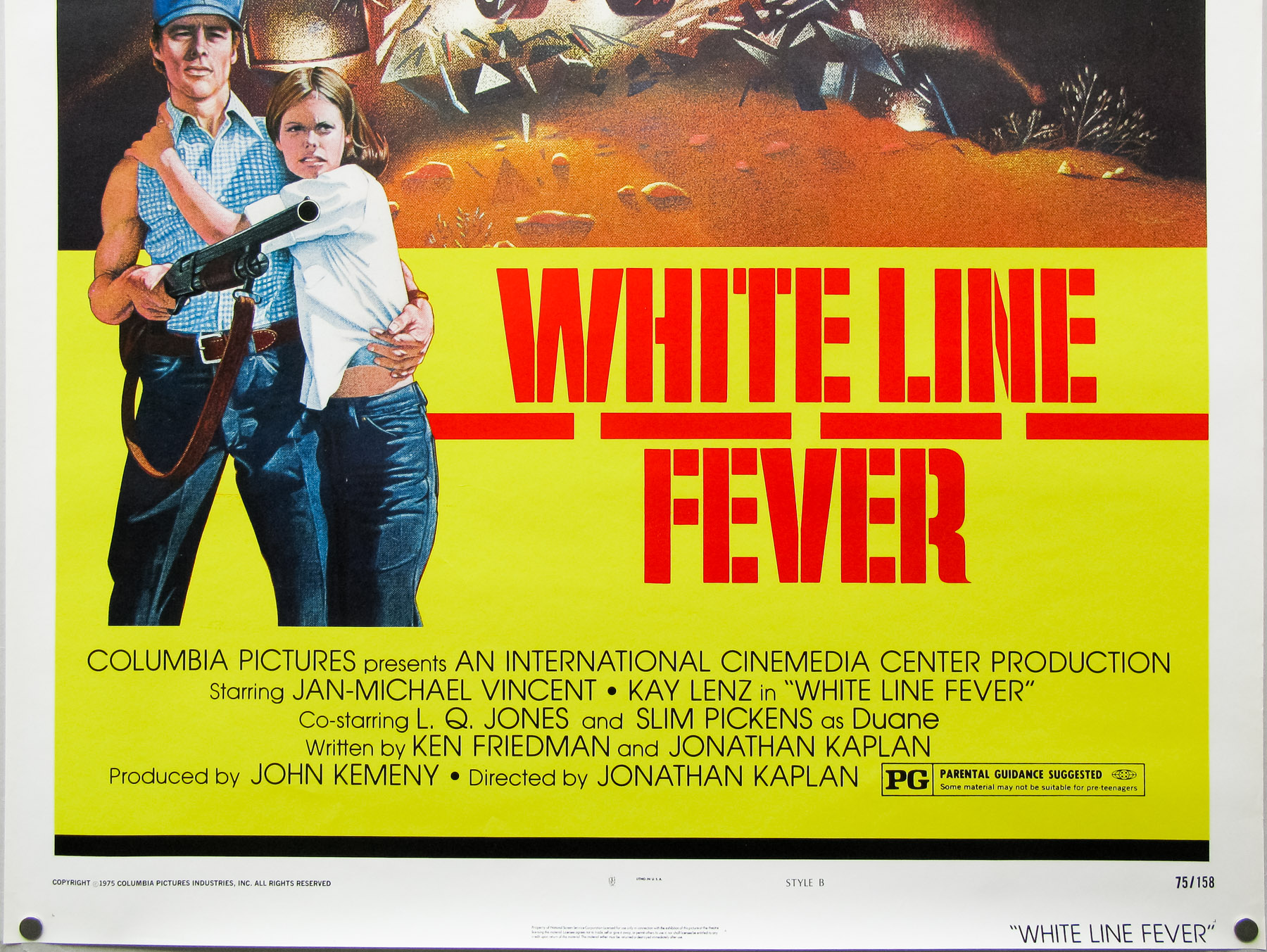
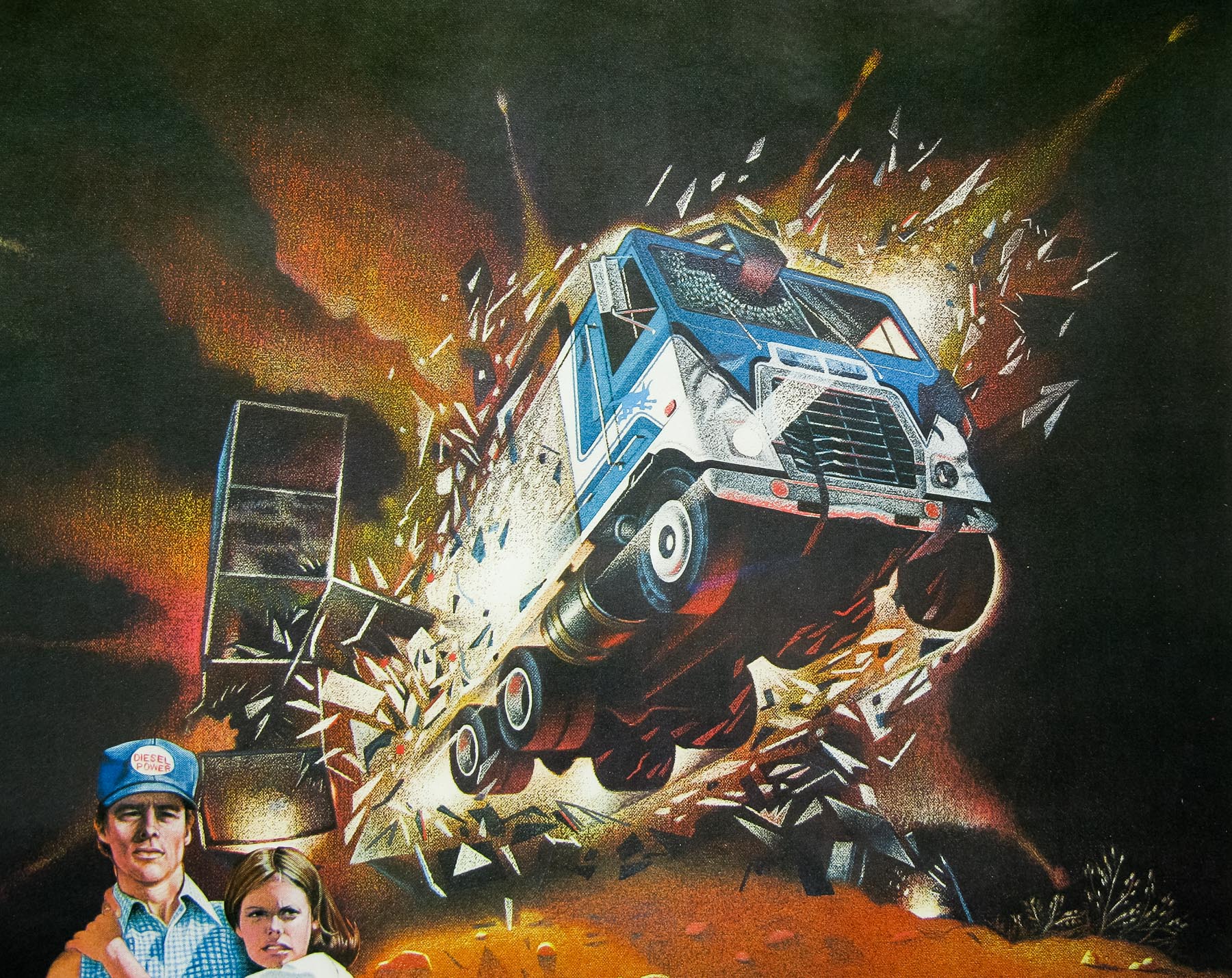
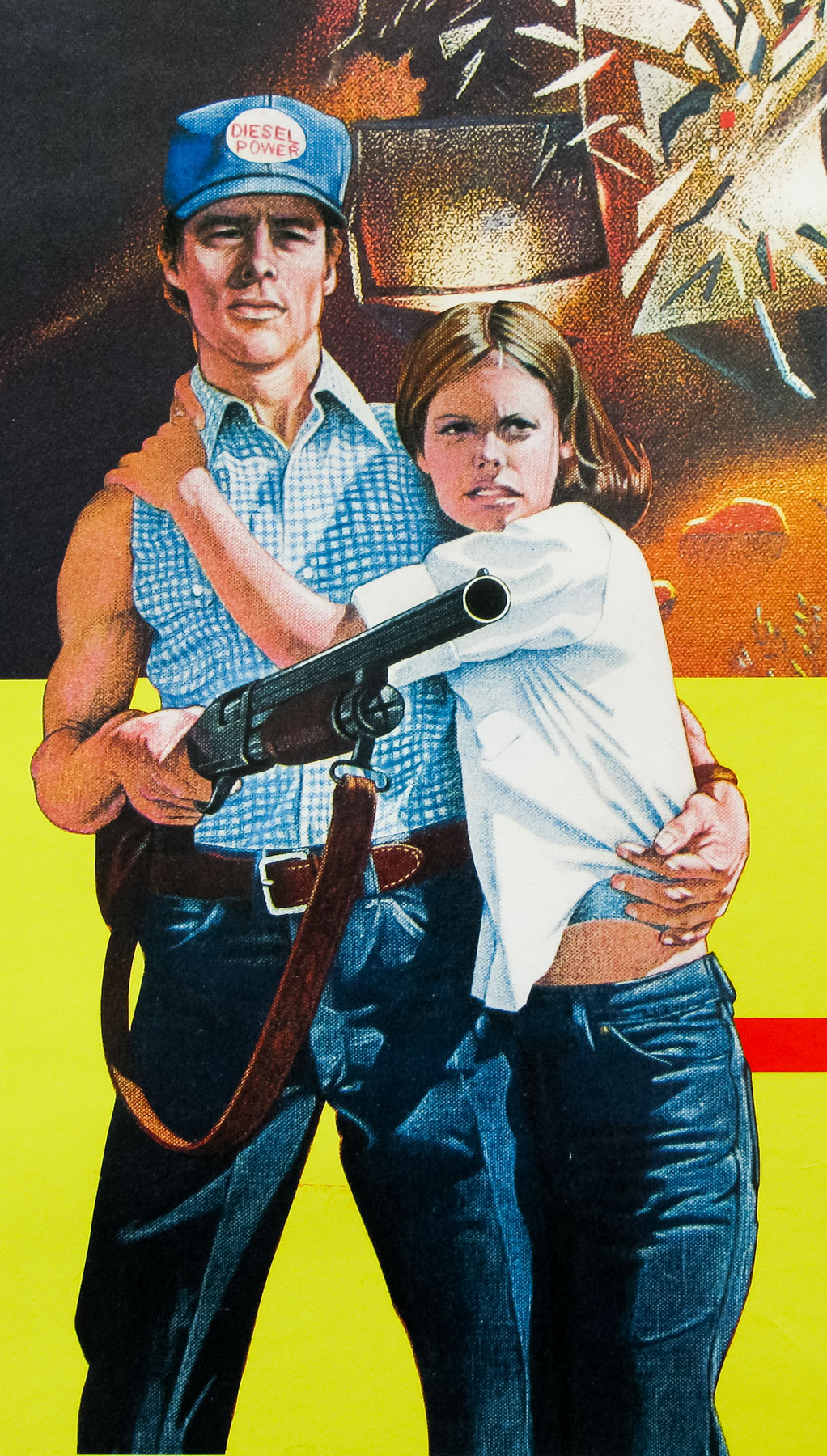
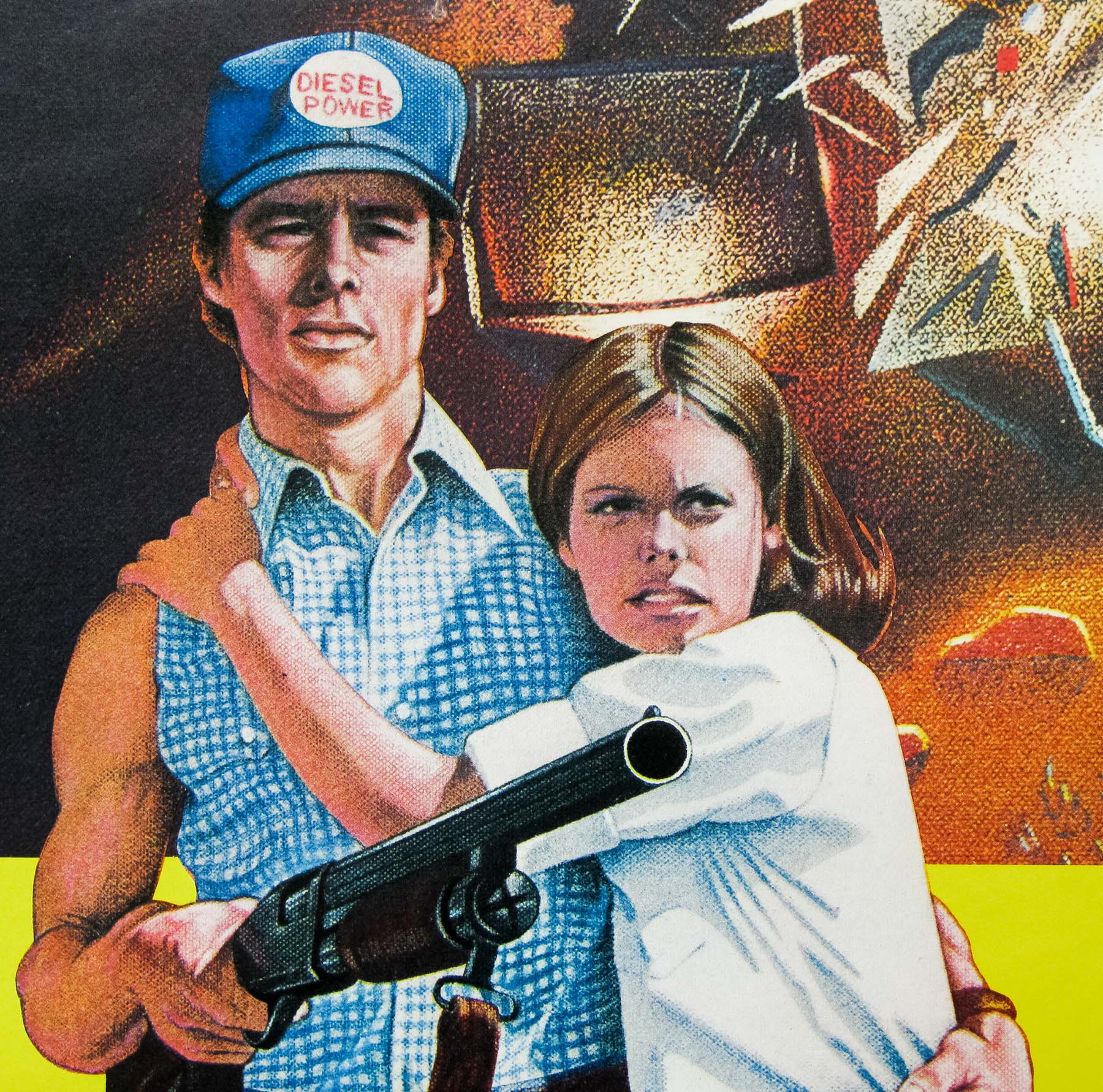
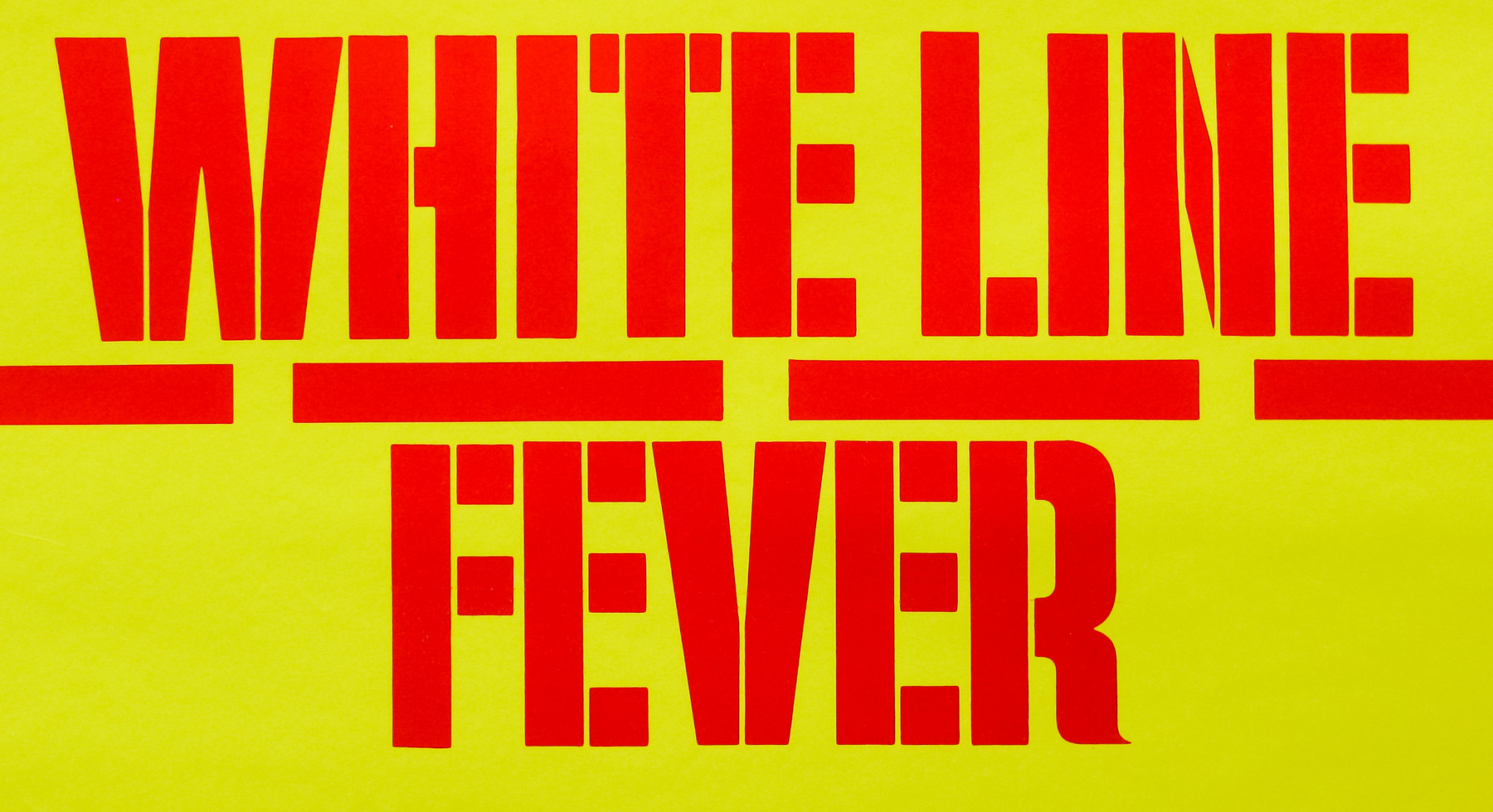
White Line Fever (opens in a new tab) was made during the heyday of trucking in American popular culture and tells the story of Vietnam veteran Carol Jo-Hummer (played by Jan-Michael Vincent (opens in a new tab)) who returns from the war and takes over his father’s trucking business, only to run up against the corrupt shipping firm Red River who are a front for an organised crime gang. Kay Lenz (opens in a new tab) stars as Carol’s sweetheart Jerri who awaited his return from Vietnam and eventually helps him take a stand against the gang.
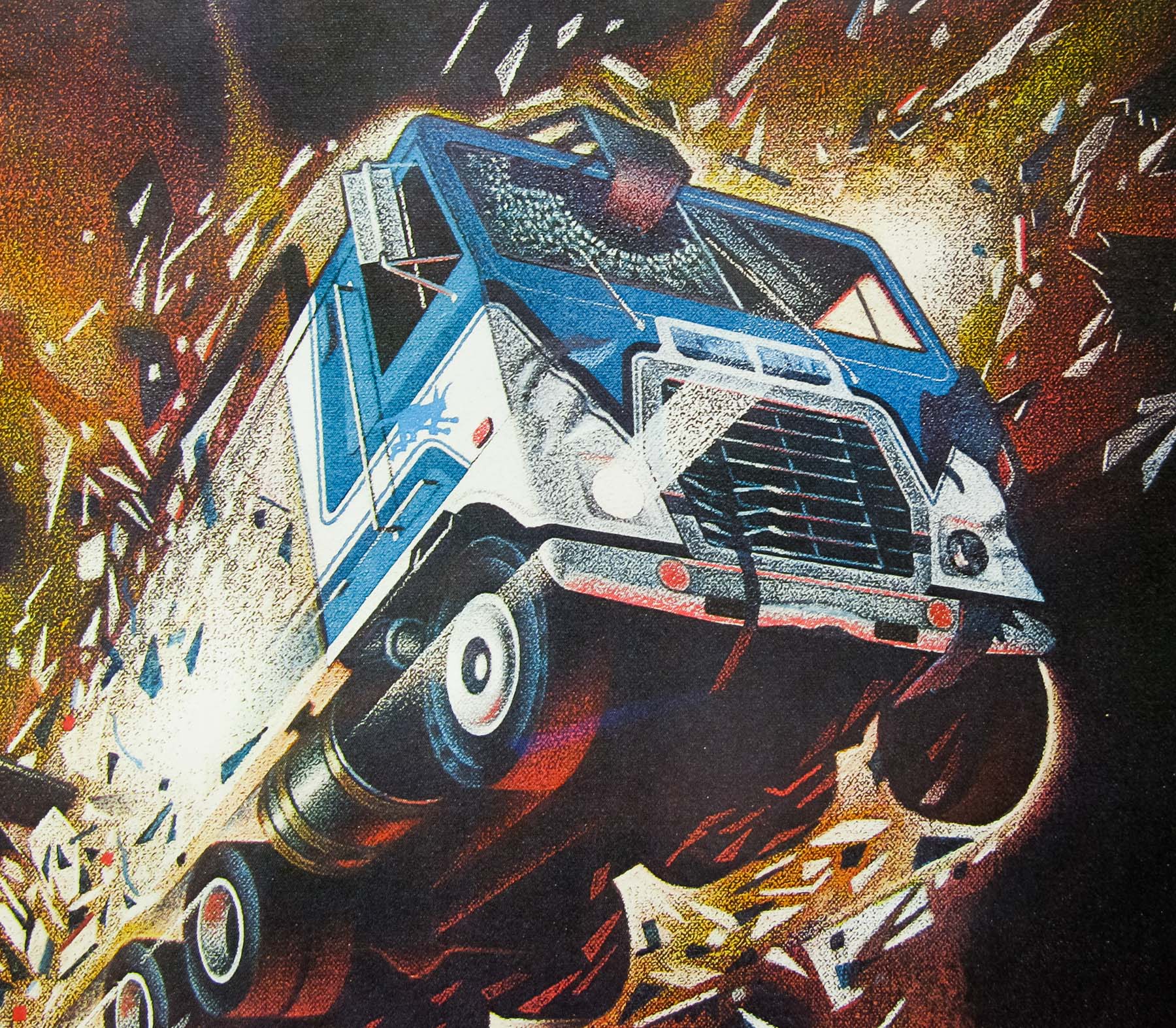
This style B US one sheet depicts a moment from one of the climactic scenes in the film and I’m unsure who is responsible for the artwork so please get in touch if you have any ideas.
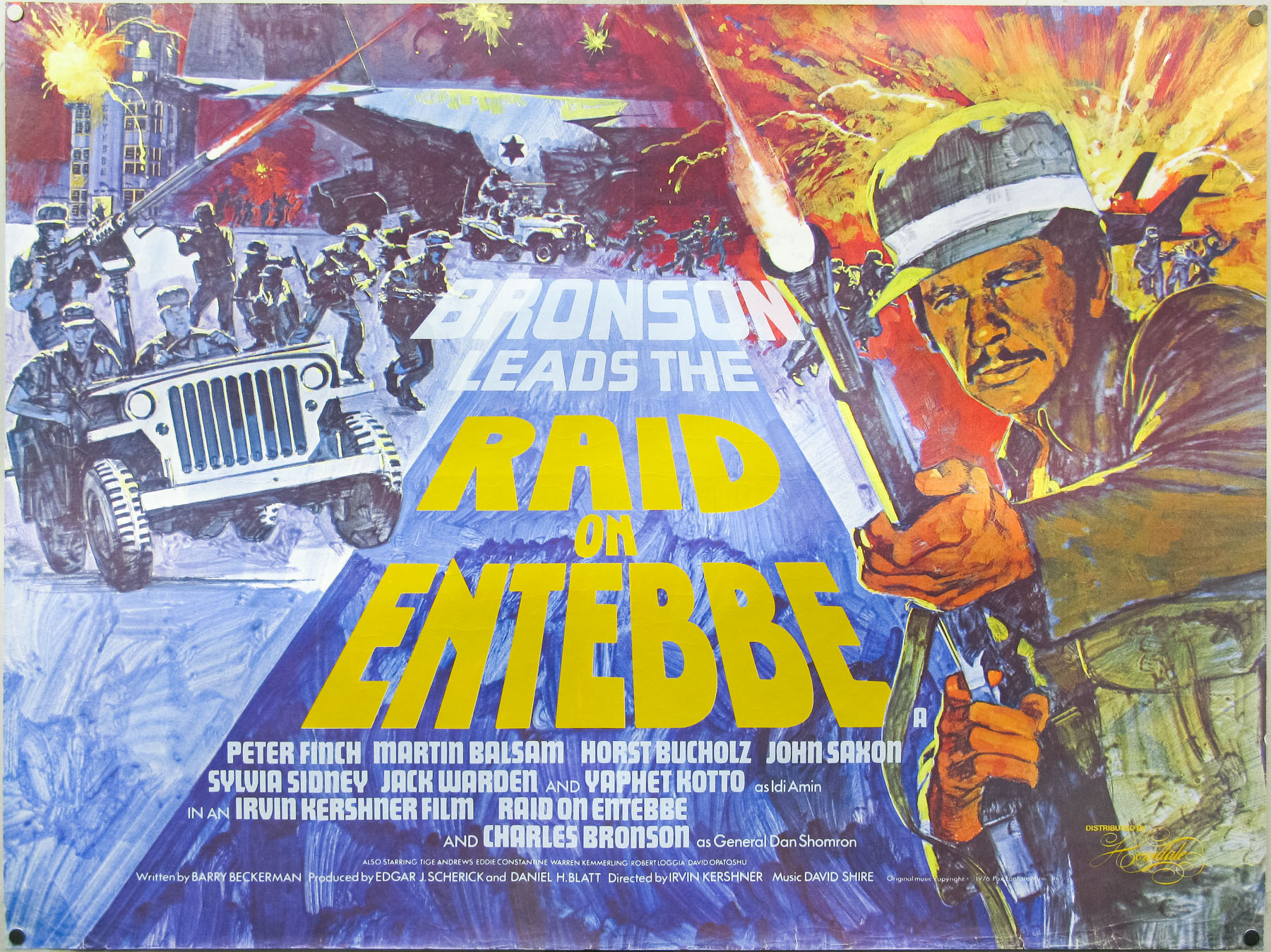
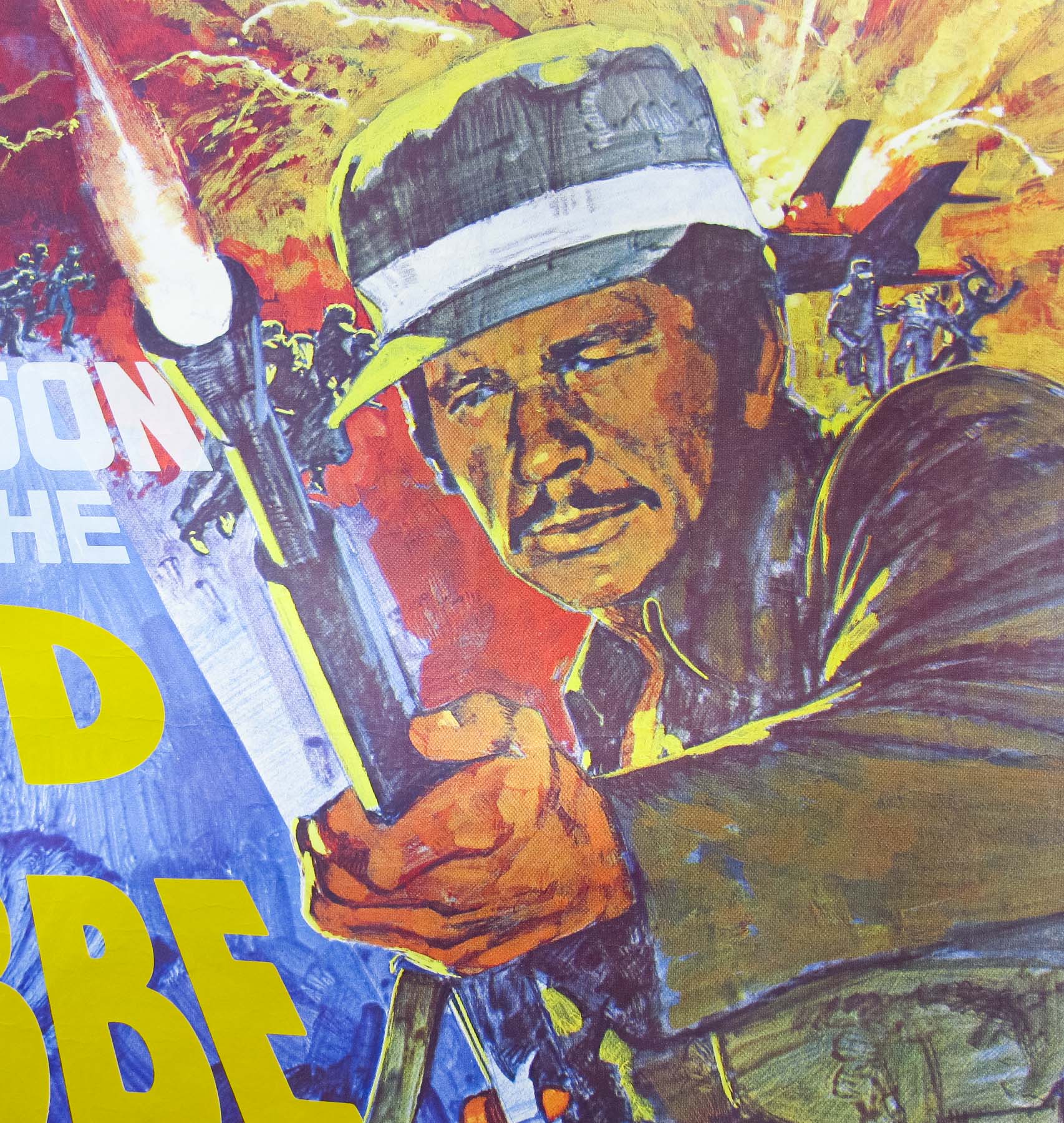
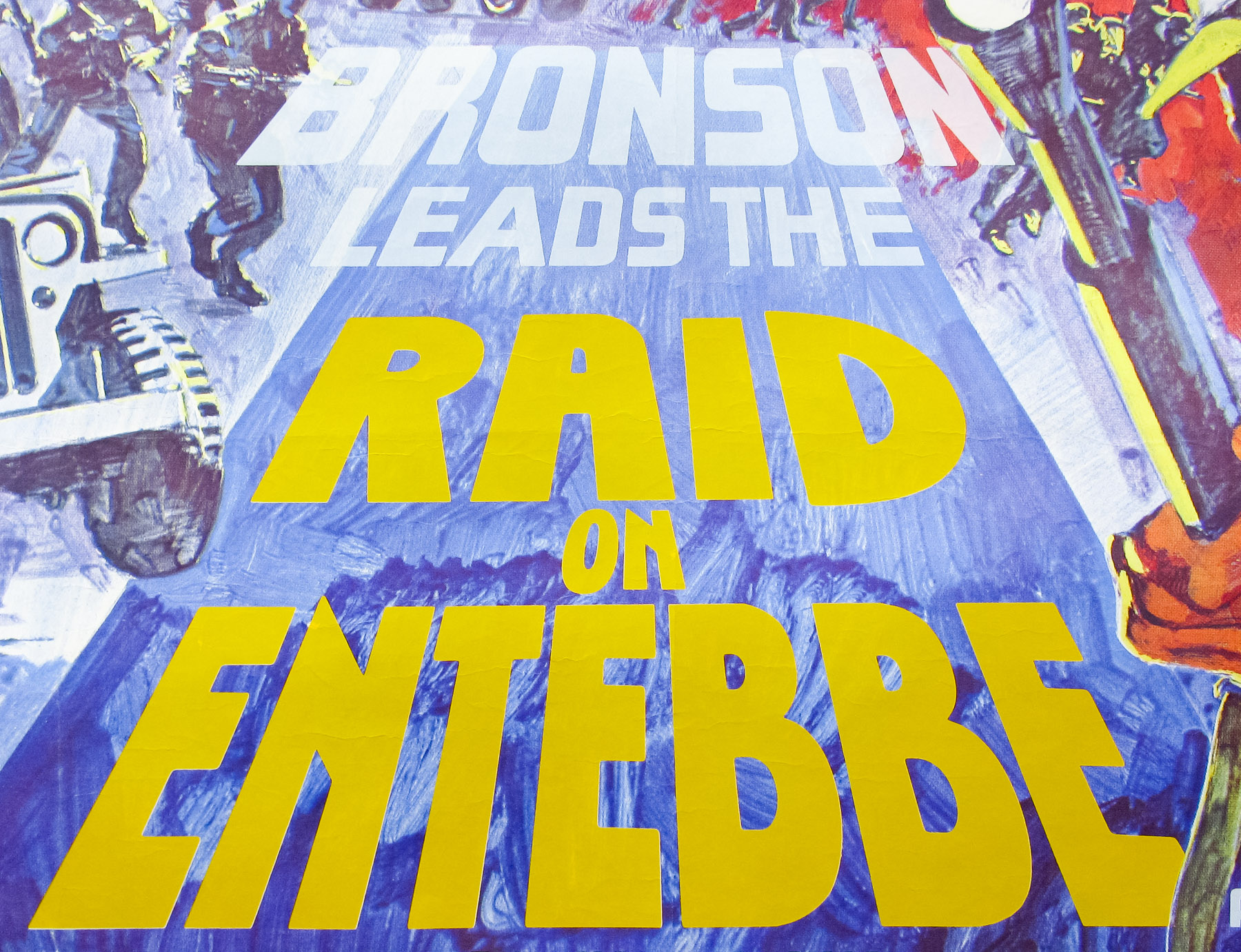
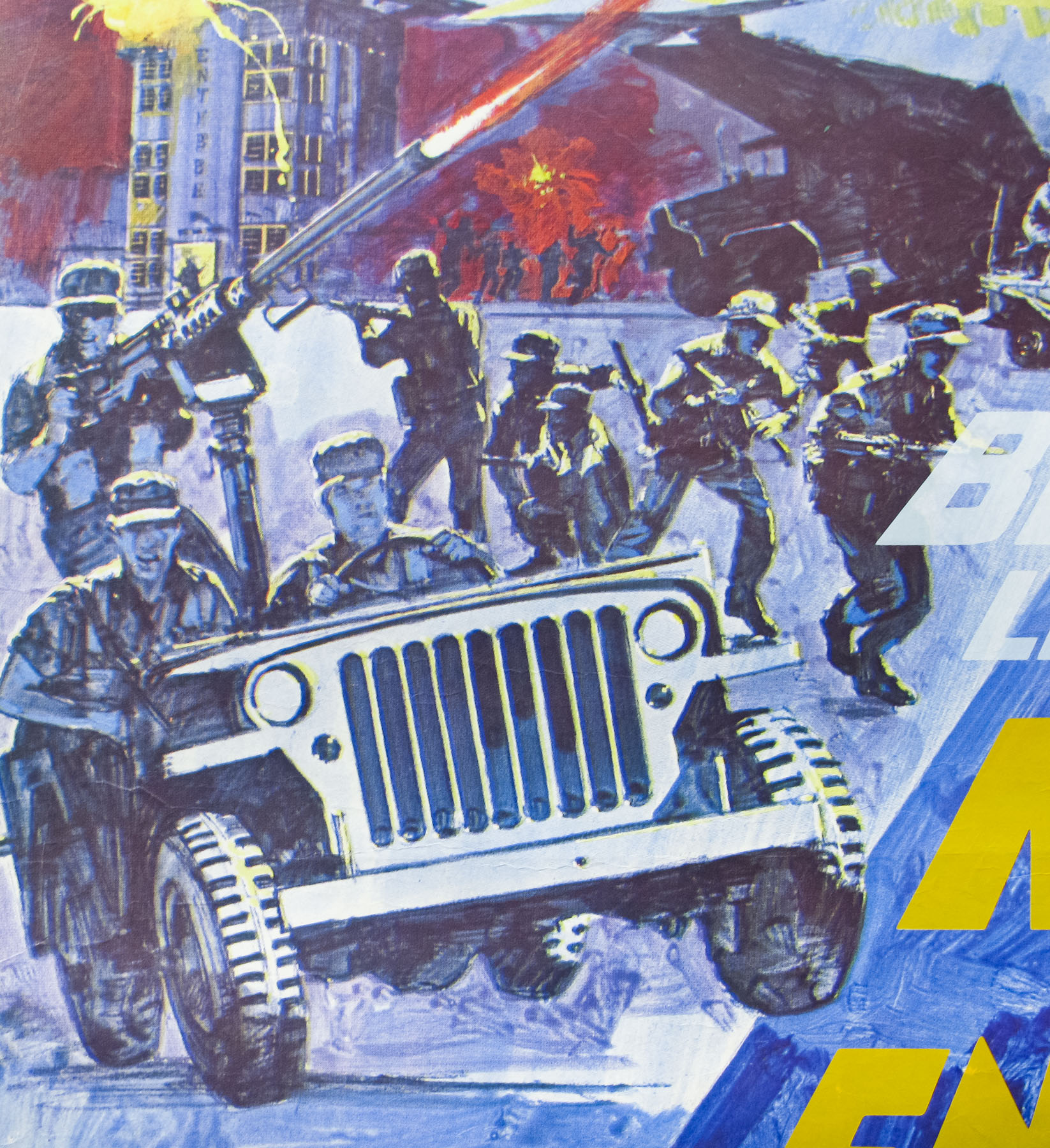
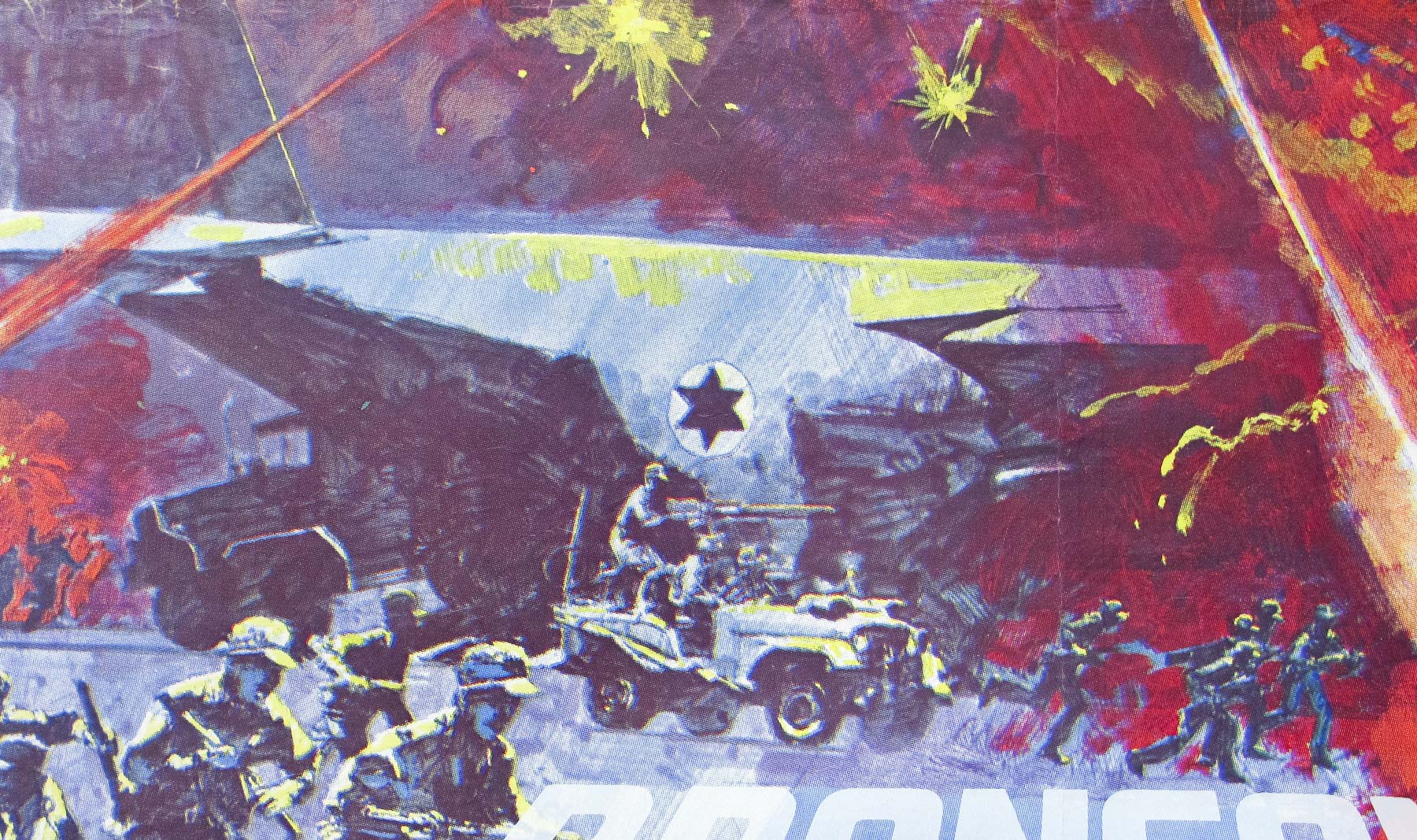
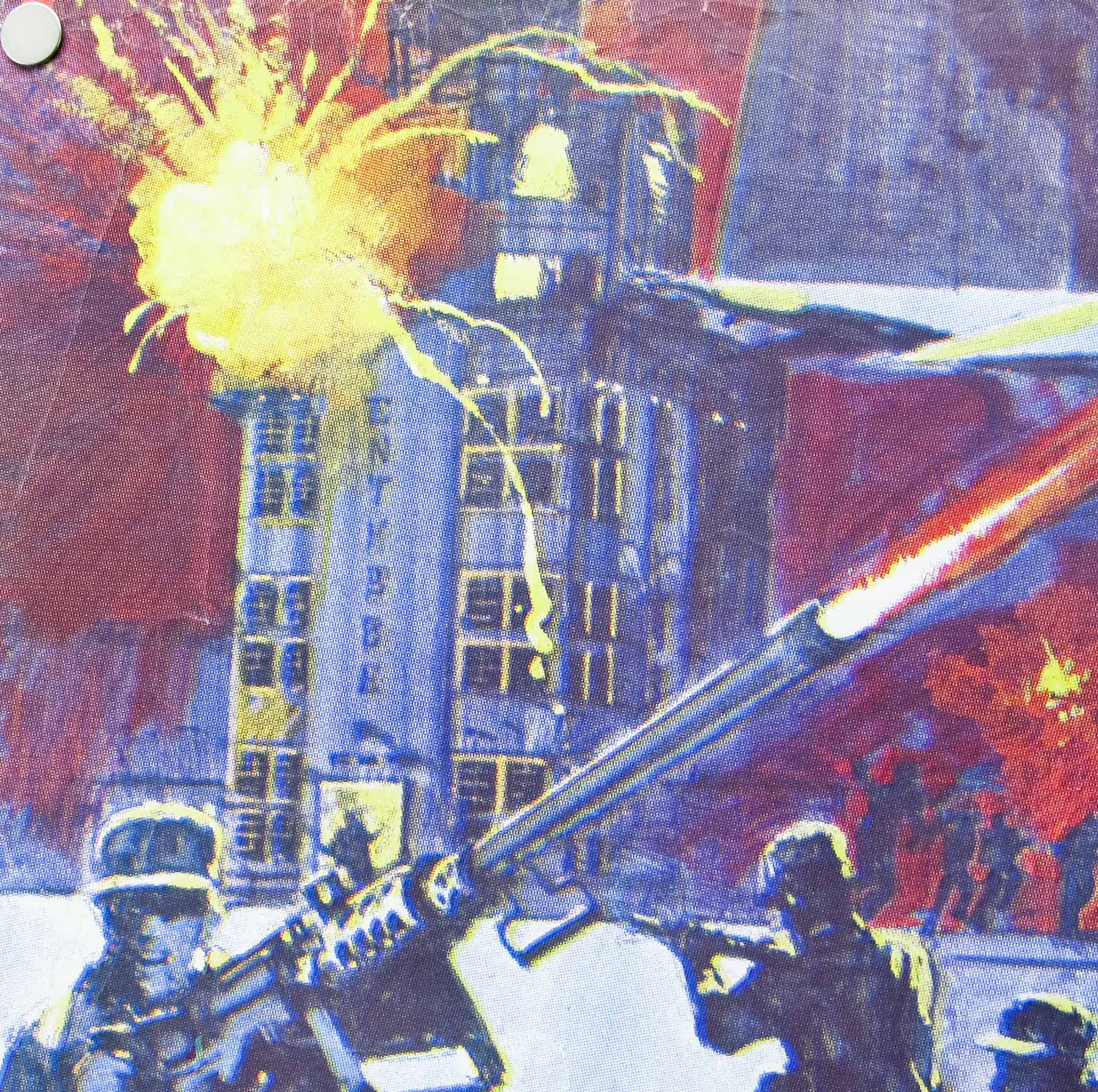
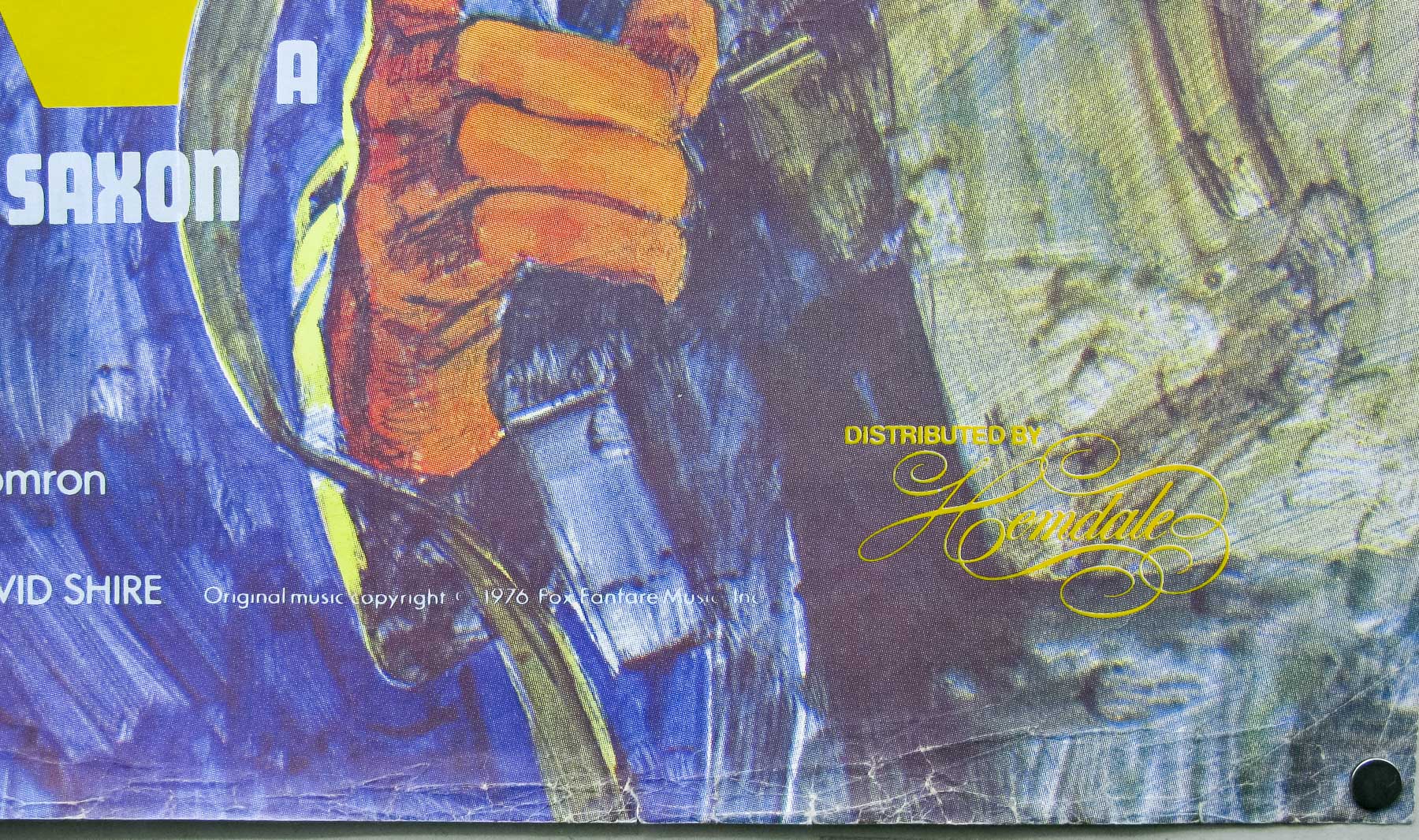
There were actually three film versions of the events put into production within months of the rescue; two were US-produced including this film, which followed the hastily made-for-TV Victory at Entebbe (opens in a new tab), starring the likes of Anthony Hopkins, Burt Lancaster and Elizabeth Taylor. Legendary director and producer Menahem Golan (opens in a new tab) also put together an Israeli-made versions starring mostly Jewish actors called Mivtsa Yonatan (opens in a new tab) (AKA Operation Thunderbolt (opens in a new tab)). Raid on Entebbe was first shown on TV in the US but was given a theatrical release in other countries, including the UK.
This UK quad features stylised artwork painted with large brushstrokes onto a canvas, the grain of which is clearly still visible. Sim Branaghan believes this to be the work of British artist Mike Vaughan, perhaps best known for his work on several Hammer Horror quads, including Twins of Evil.
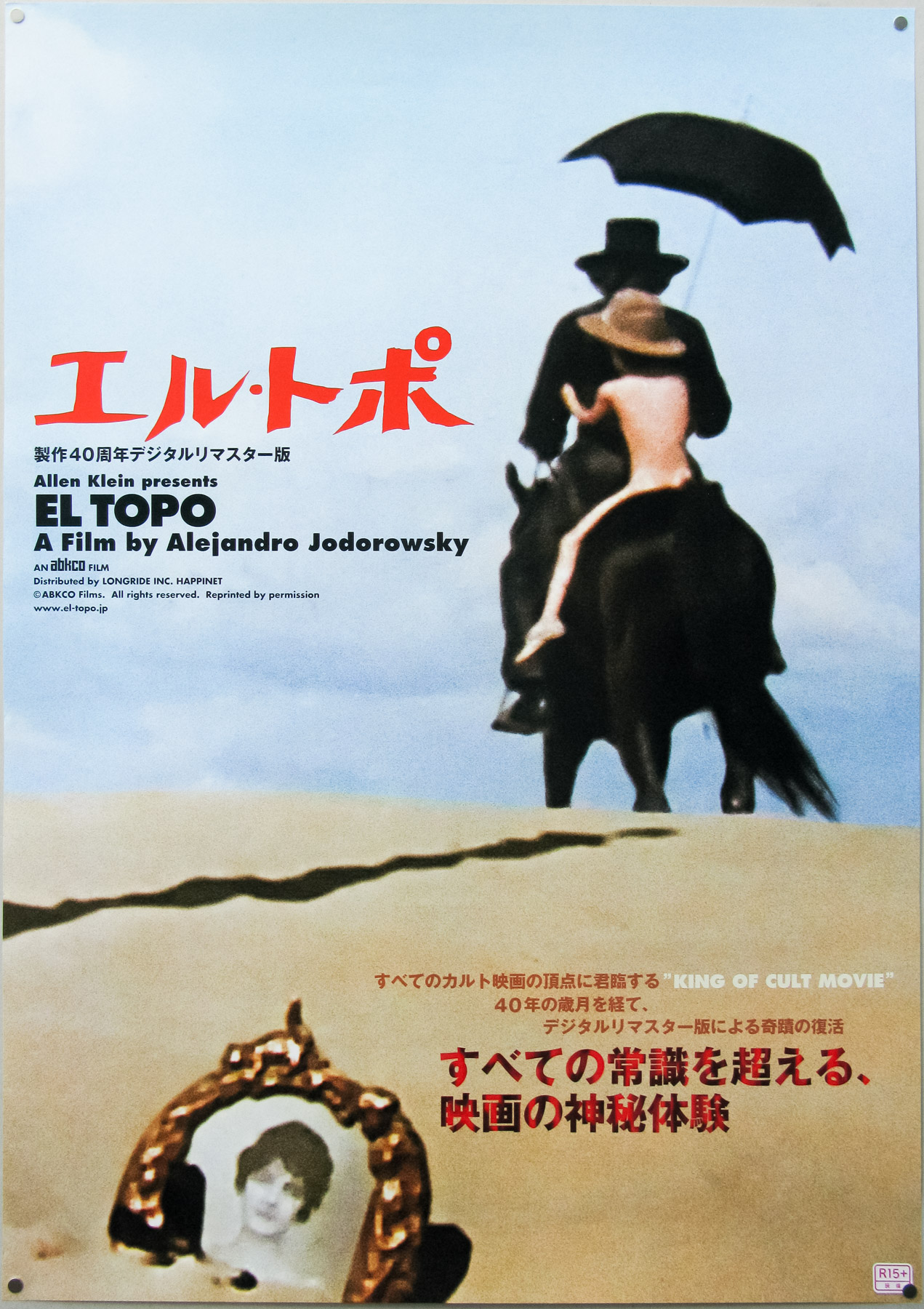
Legendary director Alejandro Jodorowsky’s (opens in a new tab)El Topo (opens in a new tab) (literally ‘The Mole’) is a true cult classic and one that has influenced countless film and TV shows since its release forty two years ago. The film tells the story of the eponymous black-clad cowboy (played by the director himself) who rides through the dessert with his six-year-old son (Brontis Jodorowsky (opens in a new tab)) and arrives at a village where a massacre has recently occurred. El Topo seeks revenge on the bandits responsible and, after leaving his son with monks, he rides off into the desert with the woman who the bandit leader had kept as a slave.
The first part of the film sees the cowboy on a quest to kill four gun masters in order to become the greatest gunman in the land but, after El Topo is betrayed and left for dead, the second half takes place years later as he wakes in a sealed-up cave to find he is being treated as a god-like figure by a group of deformed outcasts. El Topo agrees to help the group escape the cave but must deal with a depraved gang of cultists in a local town and the arrival of his estranged son. The first part is likened to a Western, whilst the second is a love story of redemption and rebirth.
The film features scenes of surreal and religious imagery, coupled with brutal violence, disturbing sexuality and a host of bizarre characters, and El Topo was very controversial at the time of its release. It’s cult status was sealed after Ben Barenholtz (opens in a new tab), the owner of the infamous New York cinema The Elgin, saw a print of the film at the Museum of Modern Art and convinced the producer of the film to allow him to show El Topo as the first Midnight Movie (opens in a new tab). It ended up screening at The Elgin seven days a week for over six months. John Lennon (opens in a new tab) was an avowed fan of the film and was instrumental in persuading Allen Klein (opens in a new tab), manager of The Beatles (opens in a new tab), to assist in giving the film a wider release across the USA. Klein would later go on to fund Jodorowsky’s next film, The Holy Mountain (opens in a new tab).
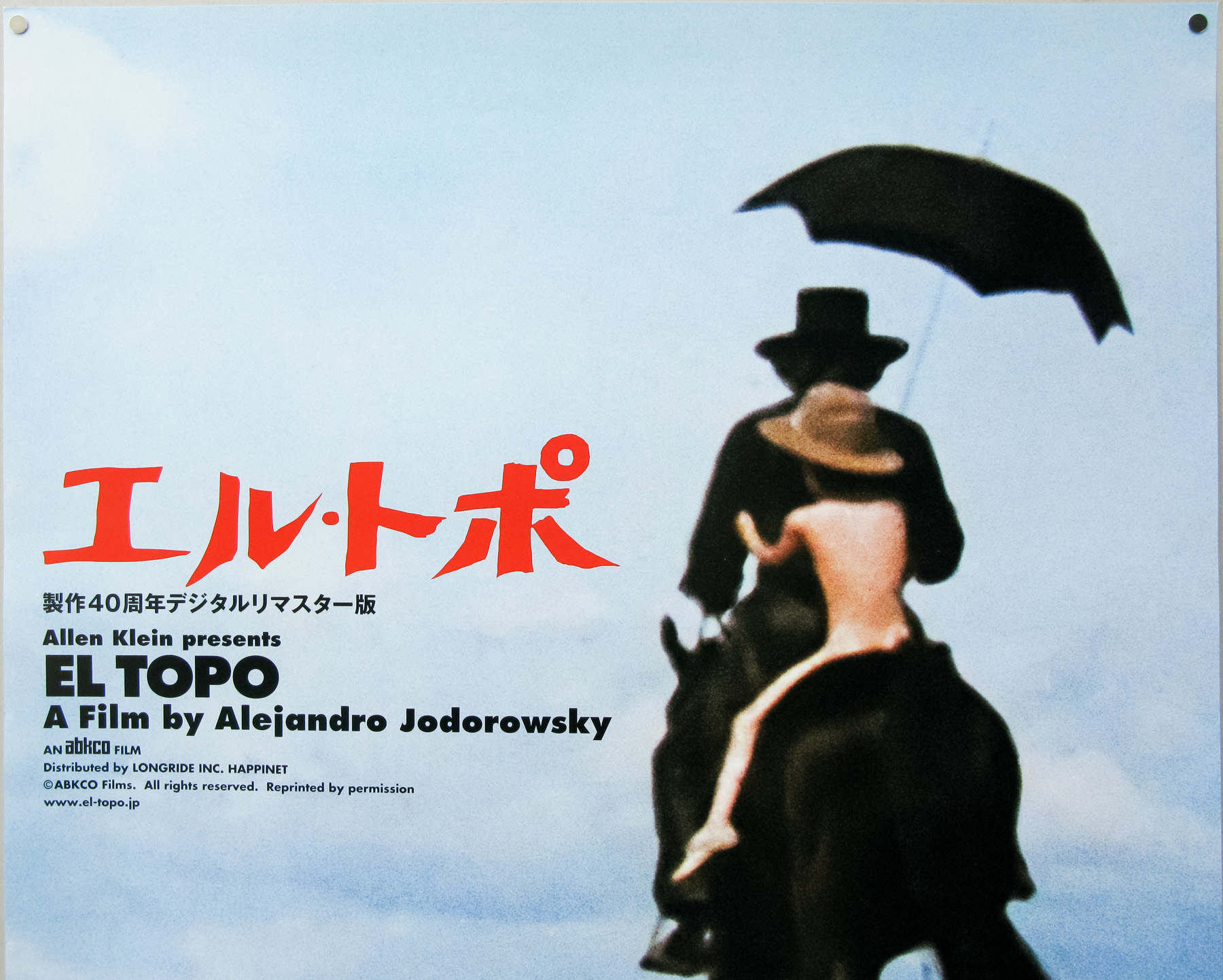
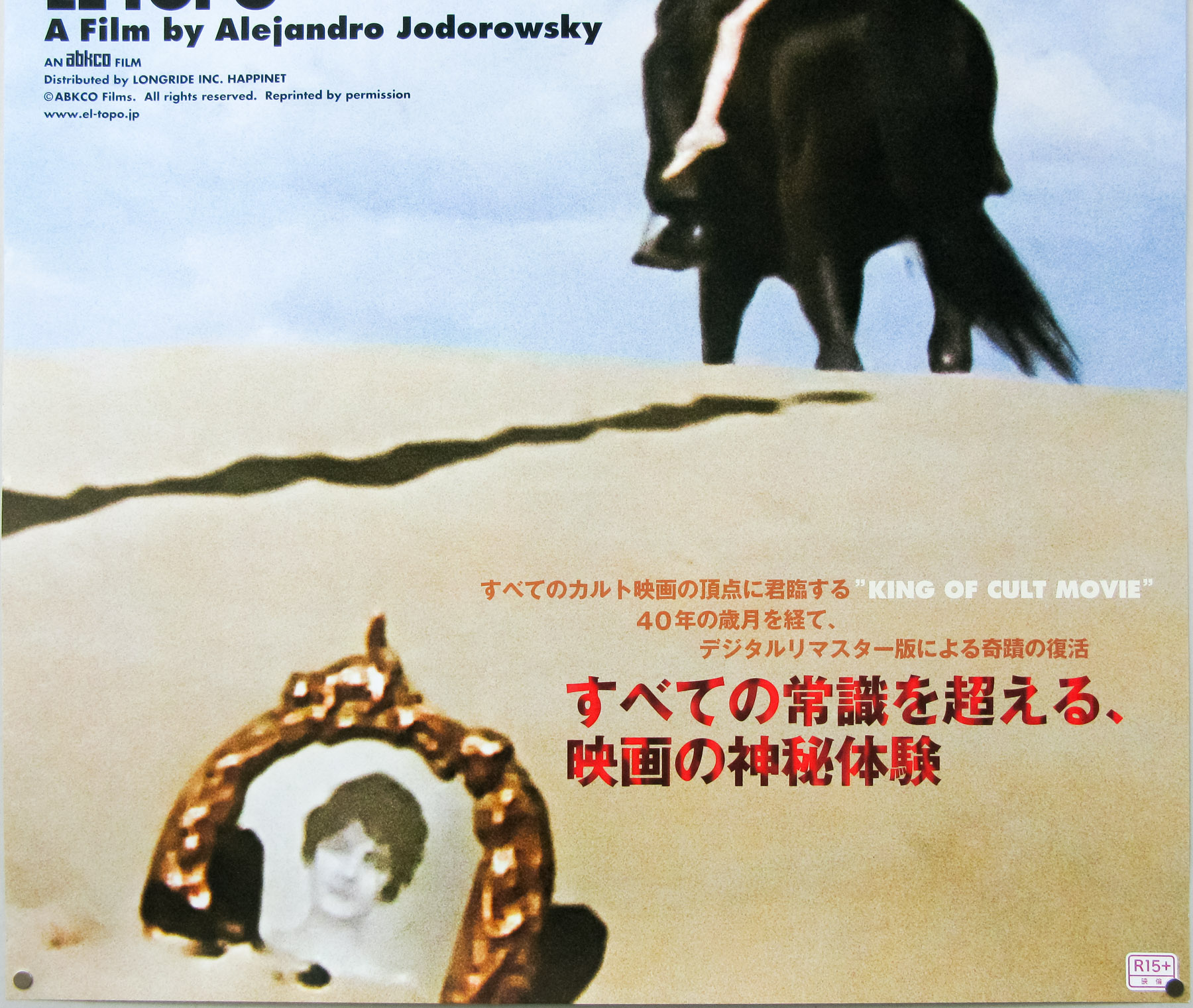
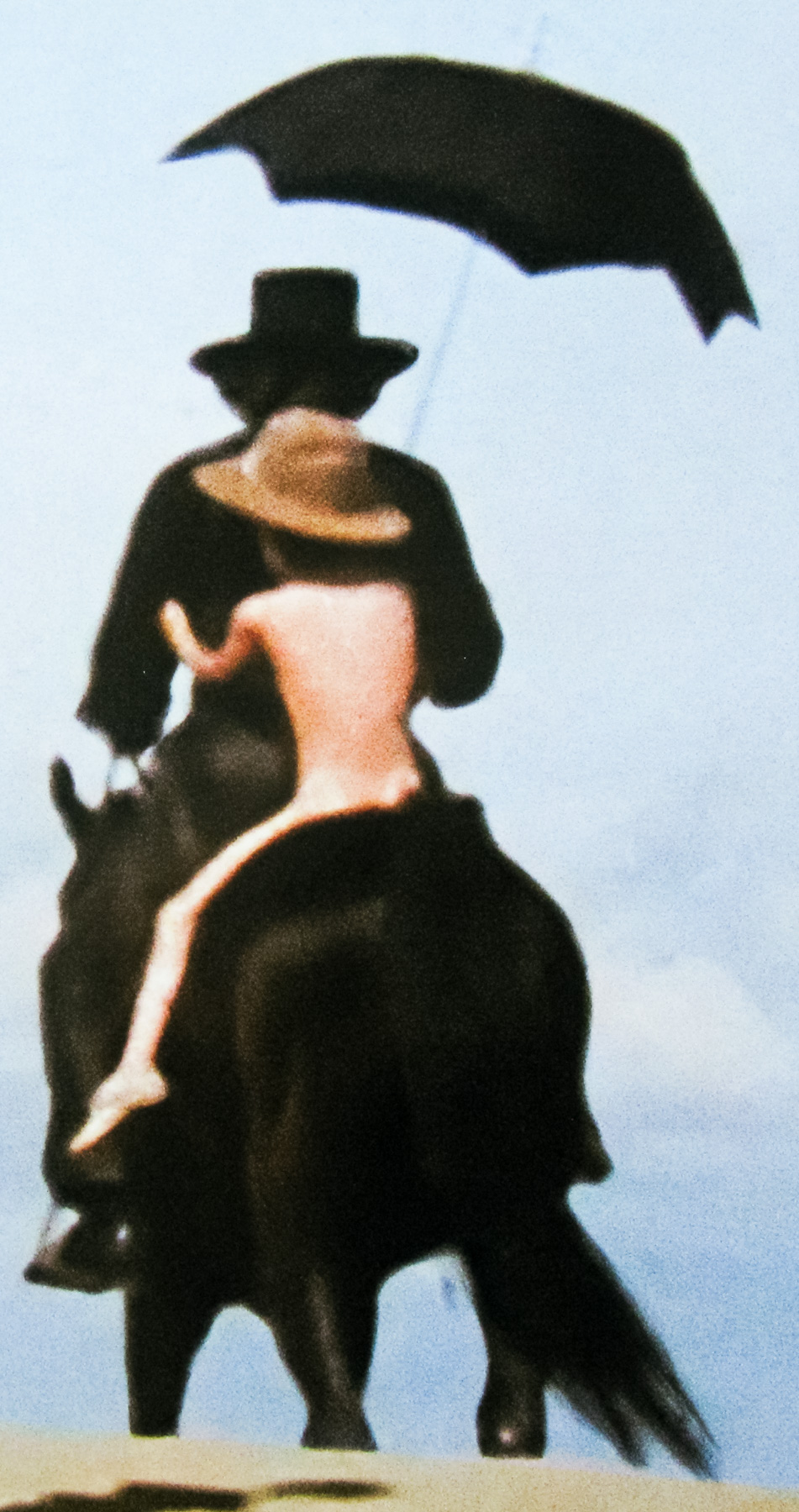
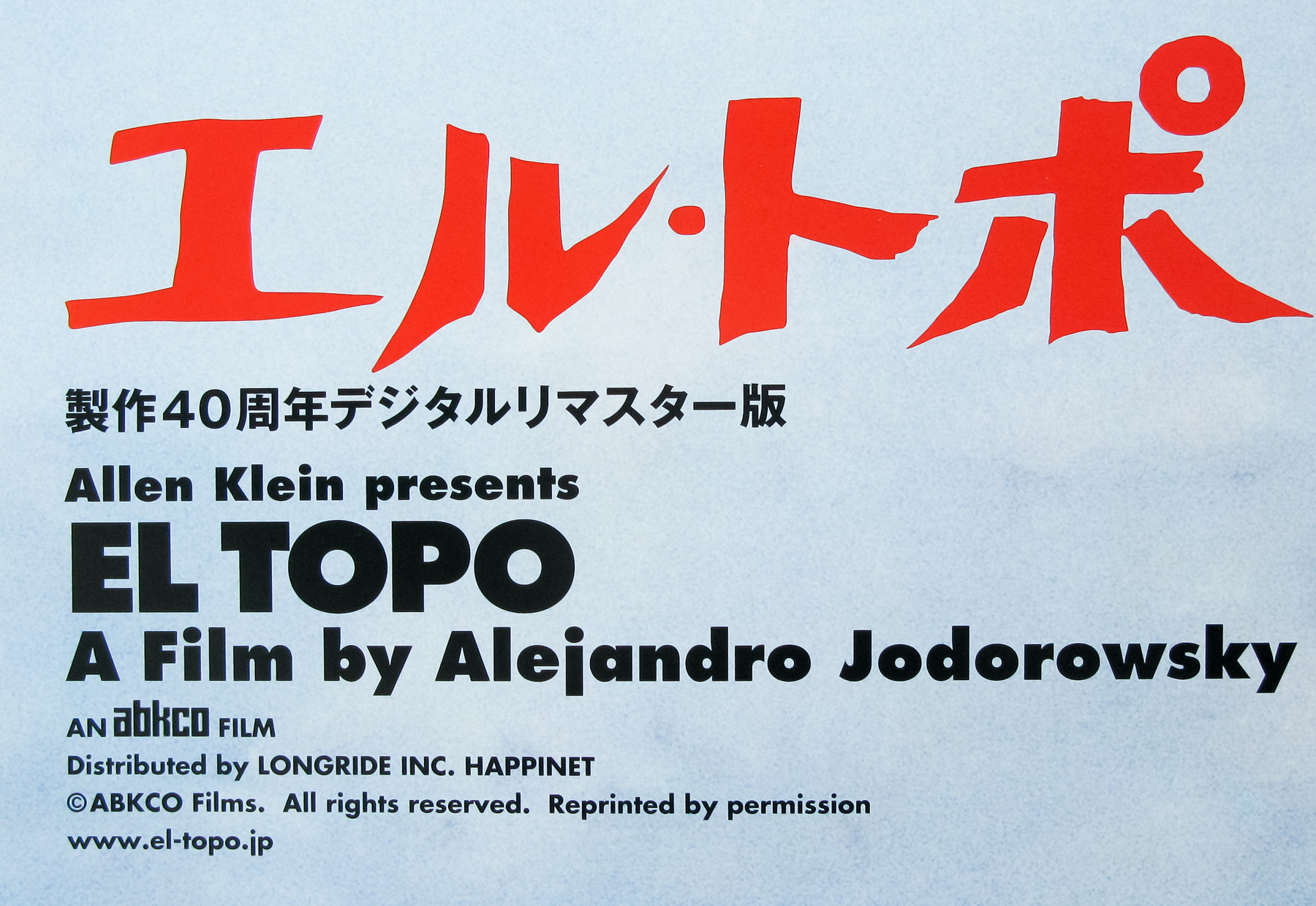
This Japanese poster features the same image seen on the American one sheet and is for the 2010 re-release of the film. I also have the 2010 re-release poster for The Holy Mountain.