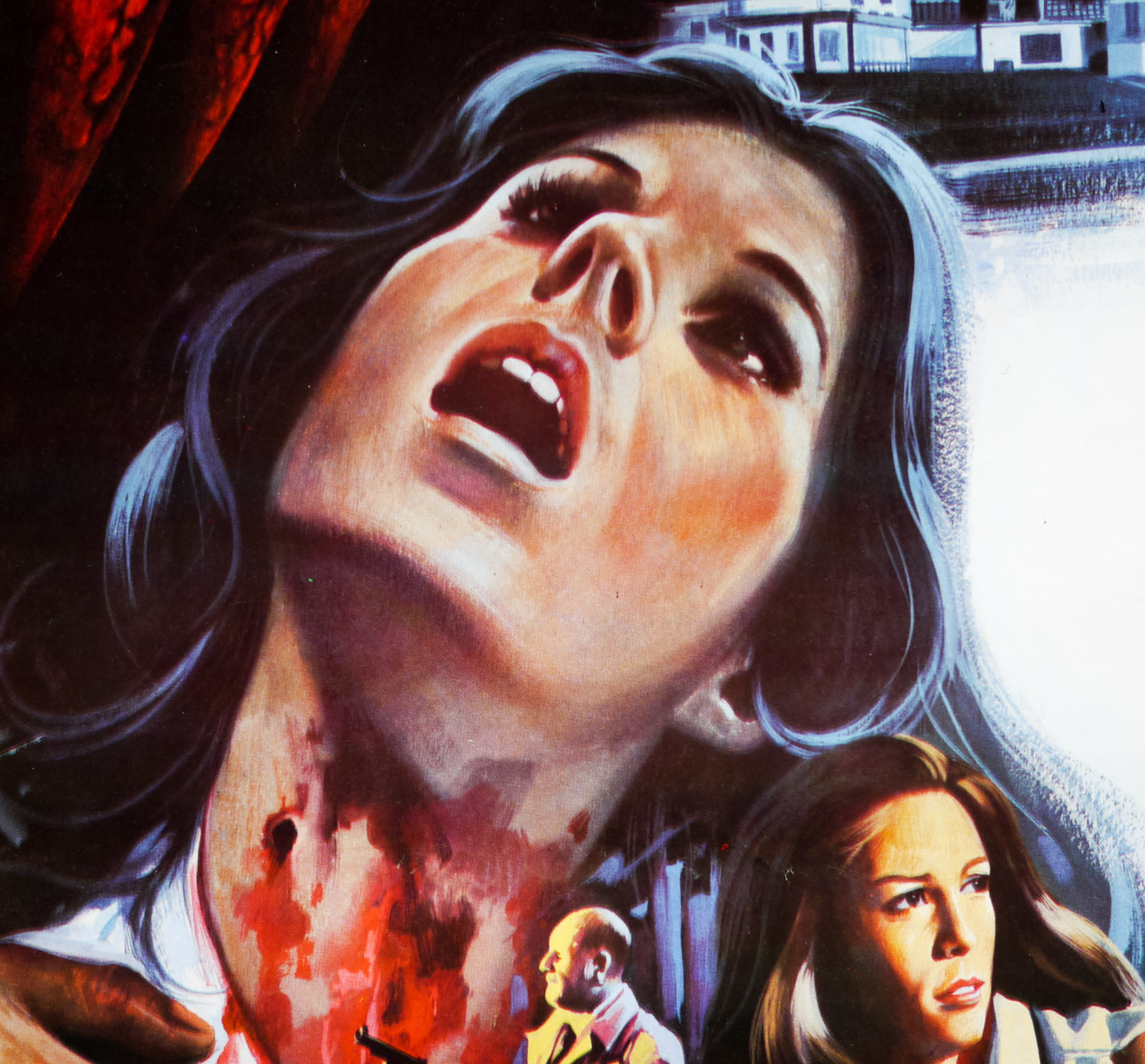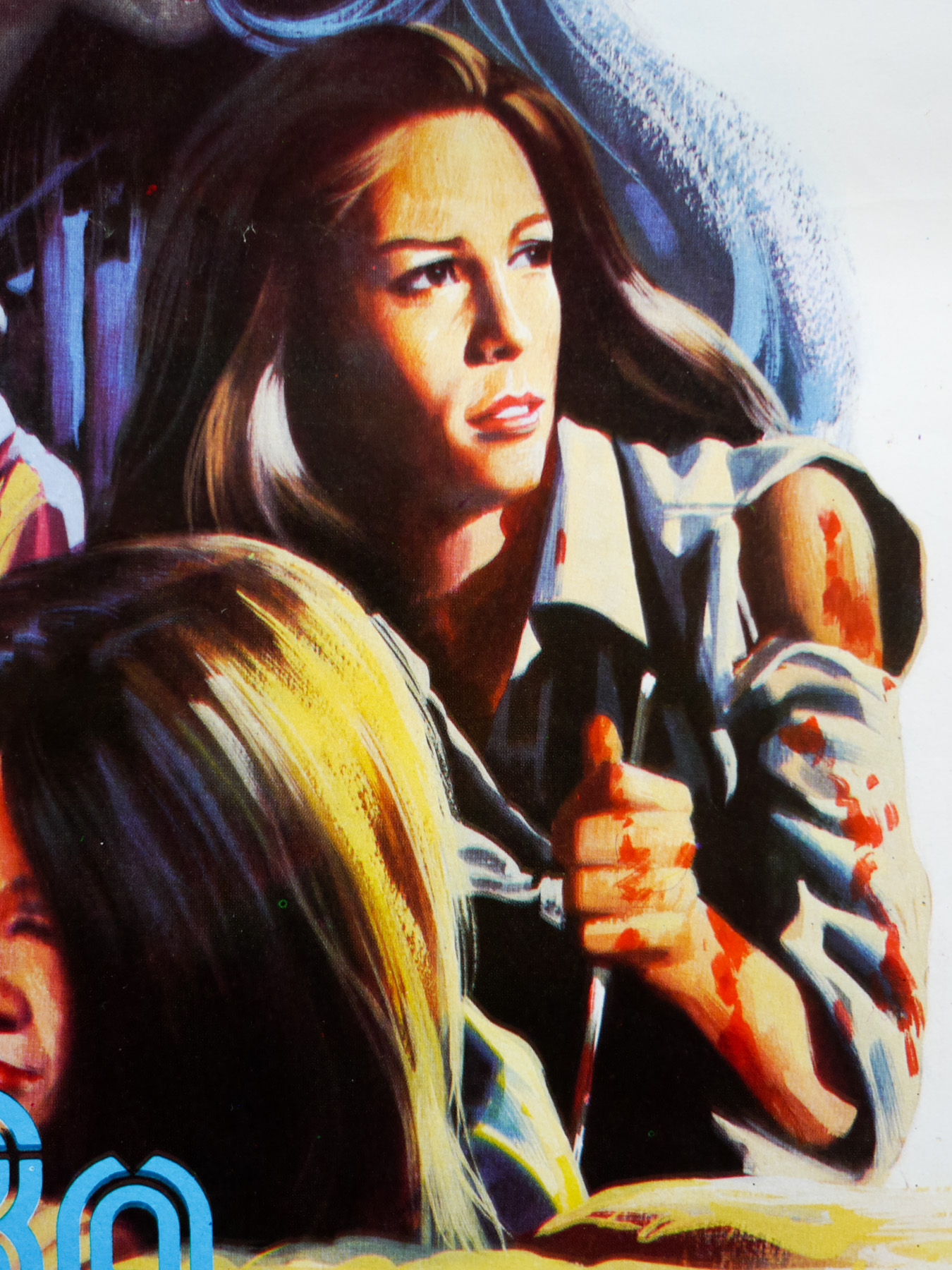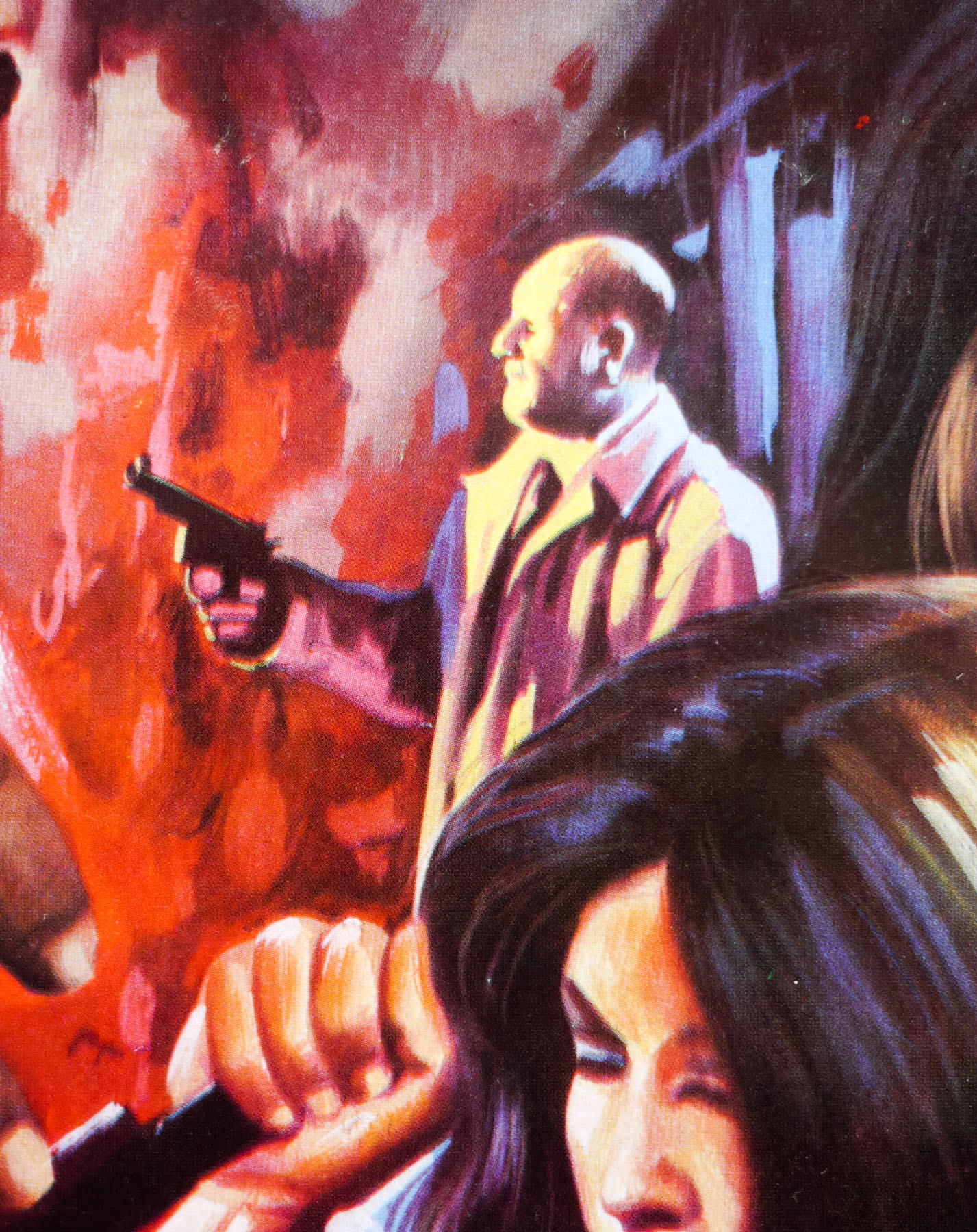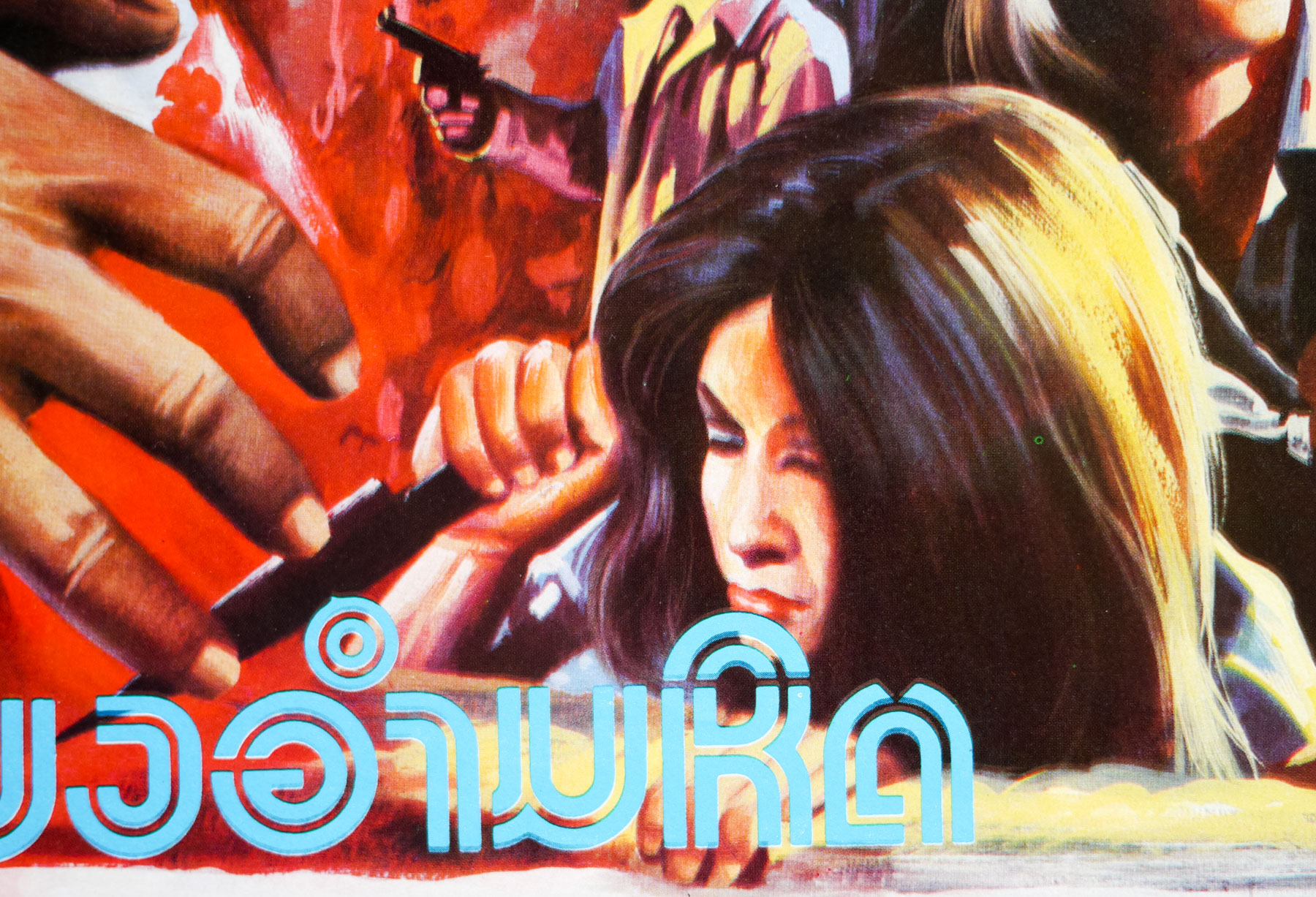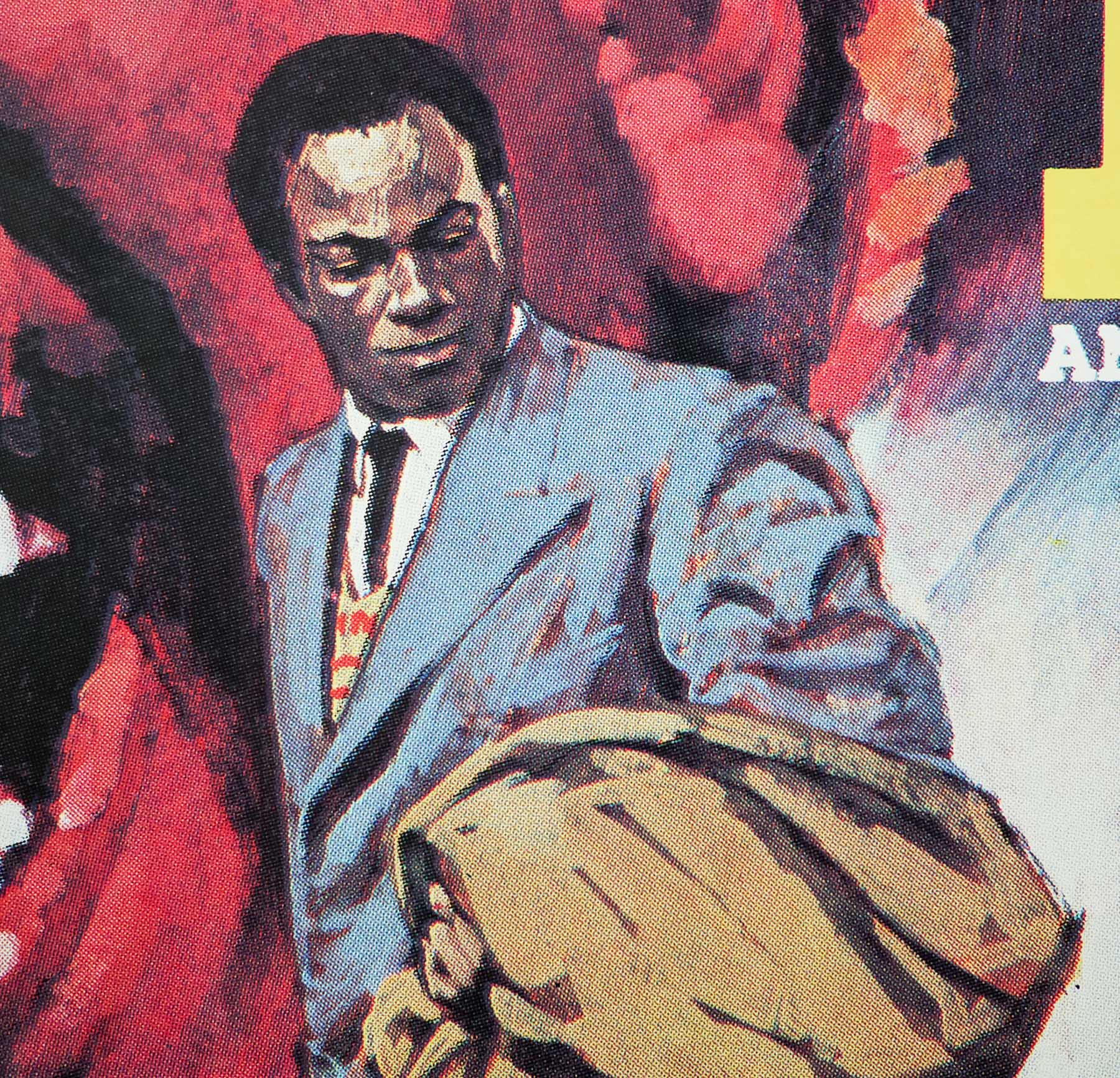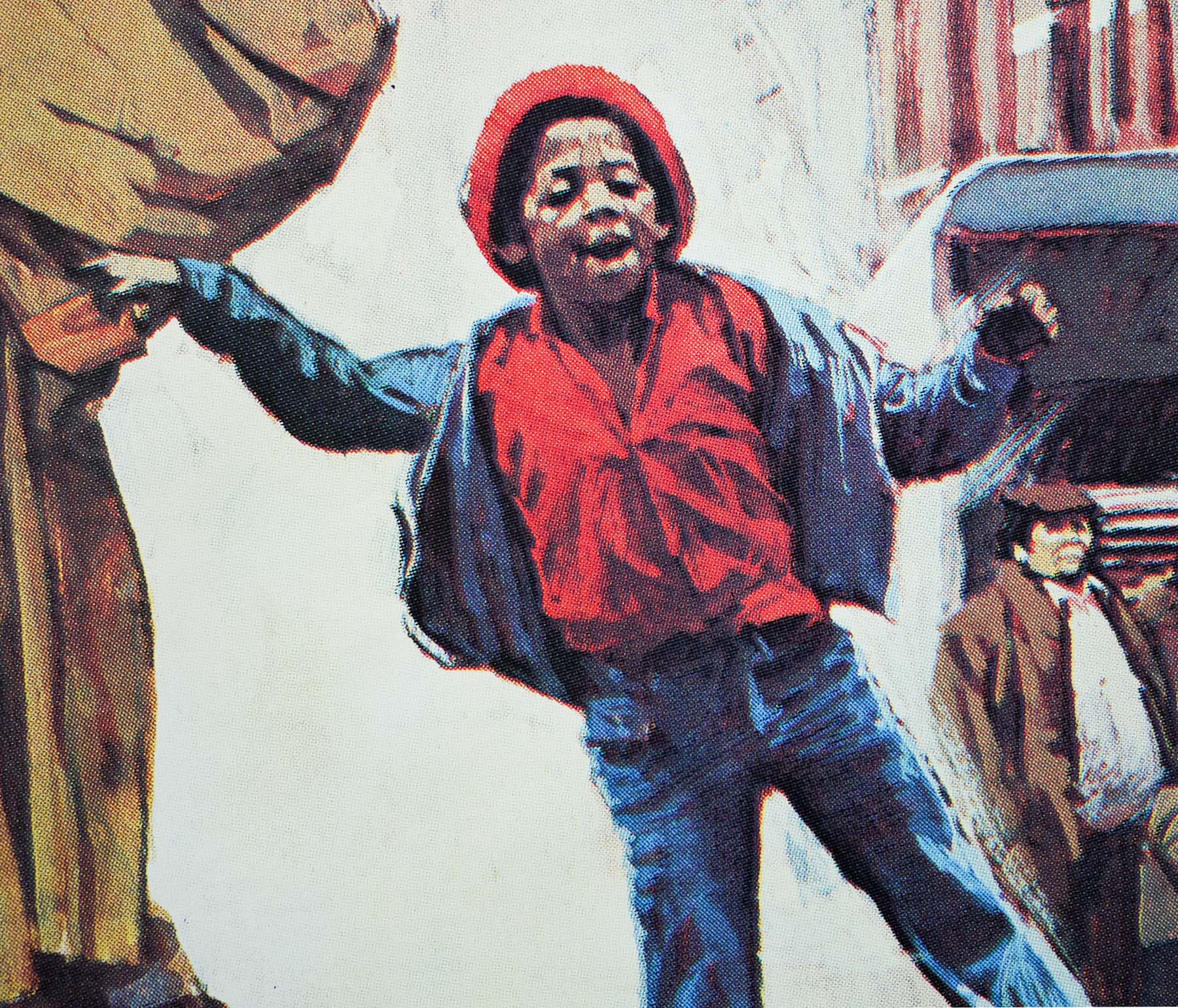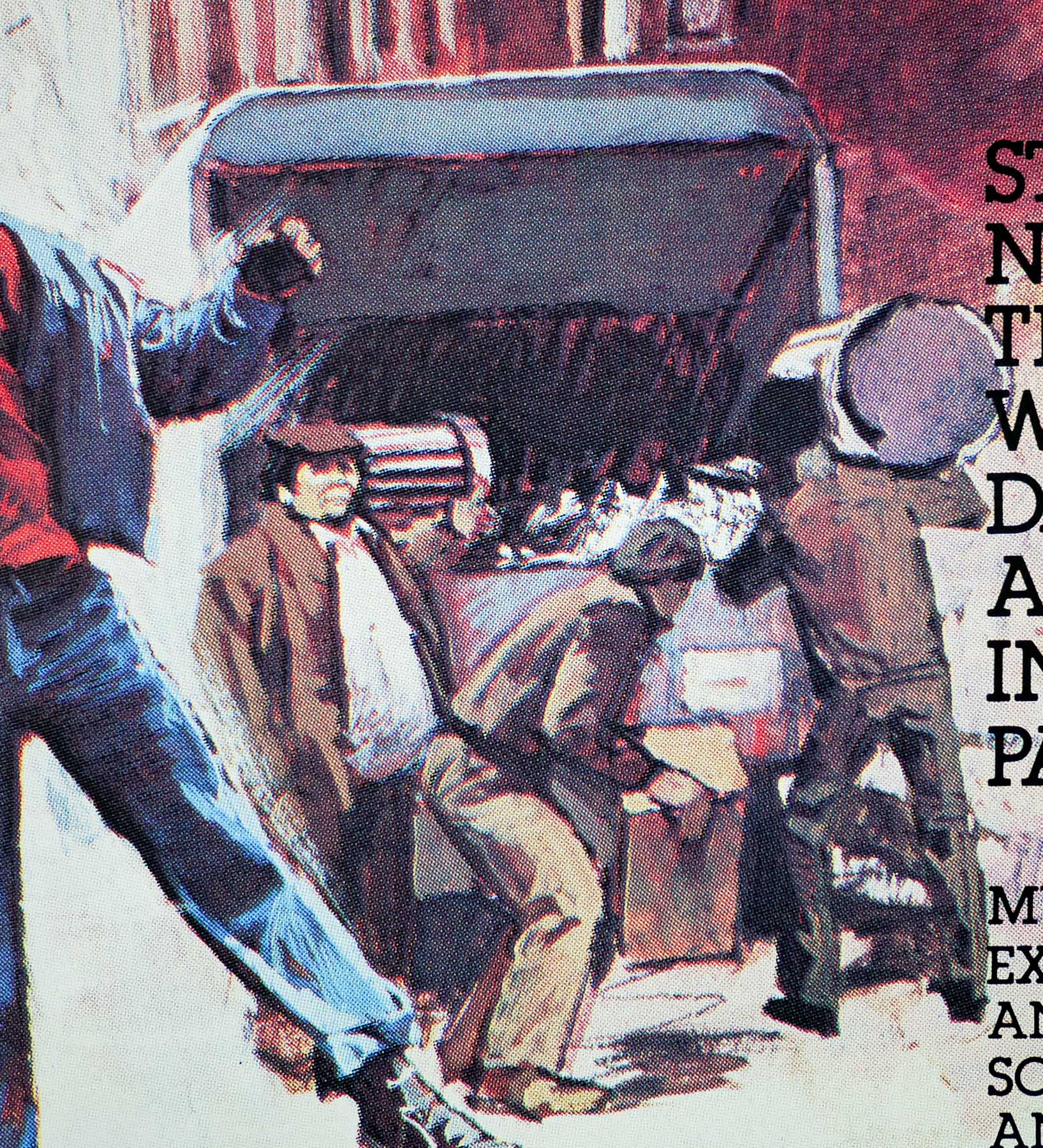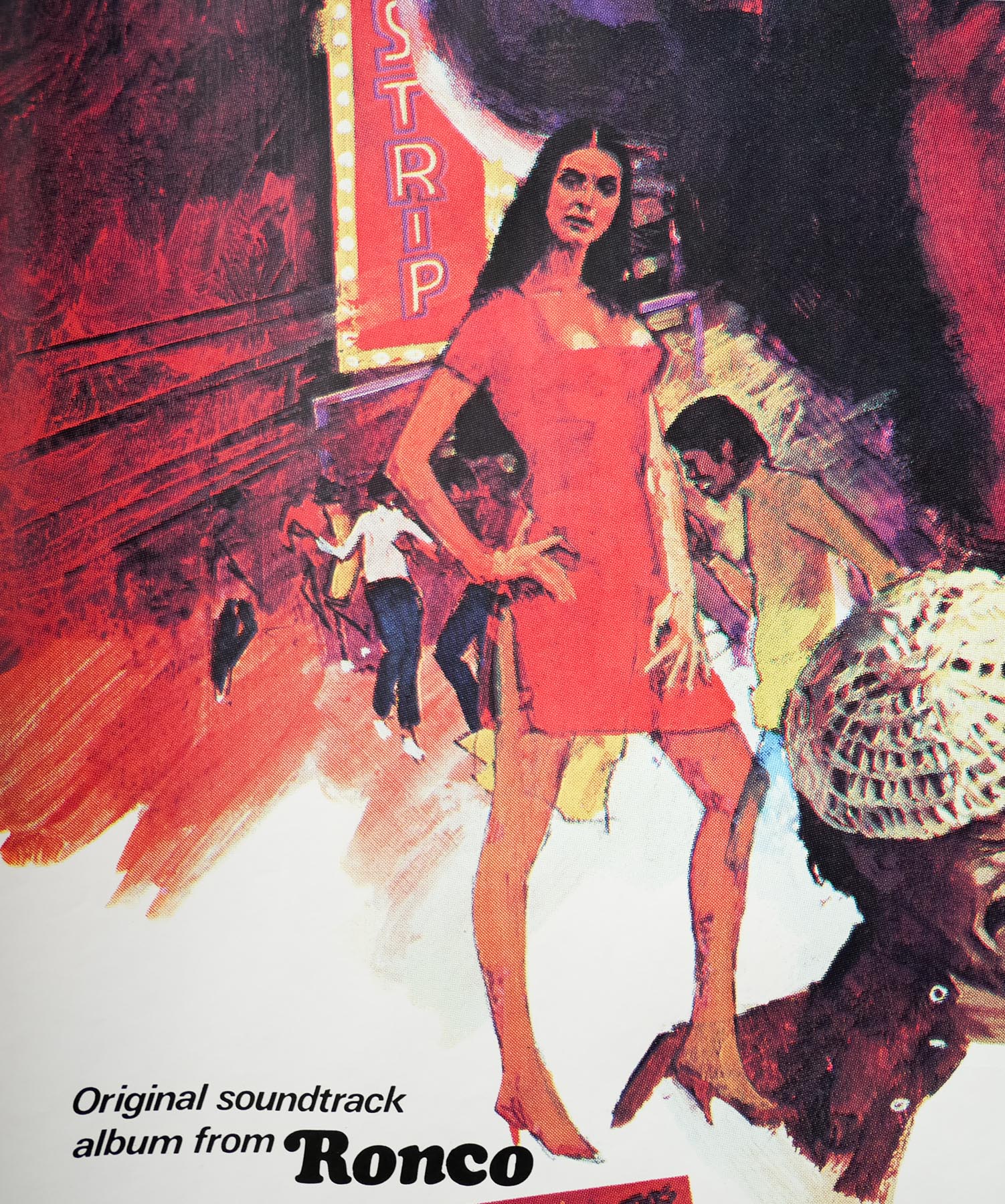


I, the Jury / one sheet / USA

05.05.16

US one sheet poster for I, the Jury (1982). Artwork by Drew StruzanUS one sheet poster for I, the Jury (1982). Artwork by Drew Struzan, image 2US one sheet poster for I, the Jury (1982). Artwork by Drew Struzan, image 3US one sheet poster for I, the Jury (1982). Artwork by Drew Struzan, image 4
Title
I, the Jury
Year of Film
1982
Director
Richard T. Heffron
Starring
Armand Assante, Barbara Carrera, Laurene Landon, Alan King, Geoffrey Lewis, Paul Sorvino, Judson Scott, Barry Snider
Origin of Film
USA
Genre(s) of Film
Crime | Drama | Mystery | Thriller
Type of Poster
One sheet
Origin of Poster
USA
Year of Poster
1982
Designer
Unknown
Artist
Drew Struzan
Size (inches)
27" x 41"
SS or DS
SS
Tagline
He's charming, he's sexy, he's tough, and he's too hot to cool down. He's "The Hammer."

Artwork by the great Drew Struzan features on this one sheet for the release of the 1982 crime drama I, the Jury (opens in a new tab). Based on a novel of the same name by the late American author Mickey Spillane (opens in a new tab) the story was previously brought to the screen in 1953 (opens in a new tab) (and in 3D to boot). This version features several story elements that aren’t in the original novel.

The screenplay was written by B-movie legend Larry Cohen (opens in a new tab) who was original set to direct but left the production after one week of filming when it became clear that the budget was already out of control. Cohen is the writer and director of films like Q: The Winged Serpent and The Stuff but has concentrated on screenwriting during the 1980s and 2000s. Cohen was replaced by Richard T. Heffron (opens in a new tab), perhaps best known for helming Futureworld, the sequel to Westworld.

Armand Assante (opens in a new tab) plays detective Mike Hammer who discovers an old detective buddy of his, Jack Williams, has been shot and killed and he sets out to catch who was responsible. The trail leads him to a secretive sex therapy clinic that’s headed up by Dr Bennett (Barbara Carrera (opens in a new tab)). Hammer discovers that Jack was on an undercover mission in the clinic and that’s what cost him his life. Before long the detective realises that he’s uncovered a conspiracy involving a rogue element of the CIA and the New York mafia who will both stop at nothing to keep their secret under wraps. 

Drew Struzan (opens in a new tab) is an artist who barely needs an introduction given that he painted many of the most iconic film posters of all time, including several for Star Wars, Indiana Jones and a slew of other beloved classics like The Thing and The Goonies. The artist’s own site features 4 pages of his work for films (opens in a new tab) and Drew also worked in other areas, including product marketing, book and magazine covers, editorial and multiple paintings as a fine artist. Drew declared that he’d retired in 2008 (opens in a new tab) but has worked on a handful of special paintings since then, including one to announce the most recent Star Wars film in 2015.

See the other posters by Drew that I’ve collected.

Halloween / Thailand

03.05.16

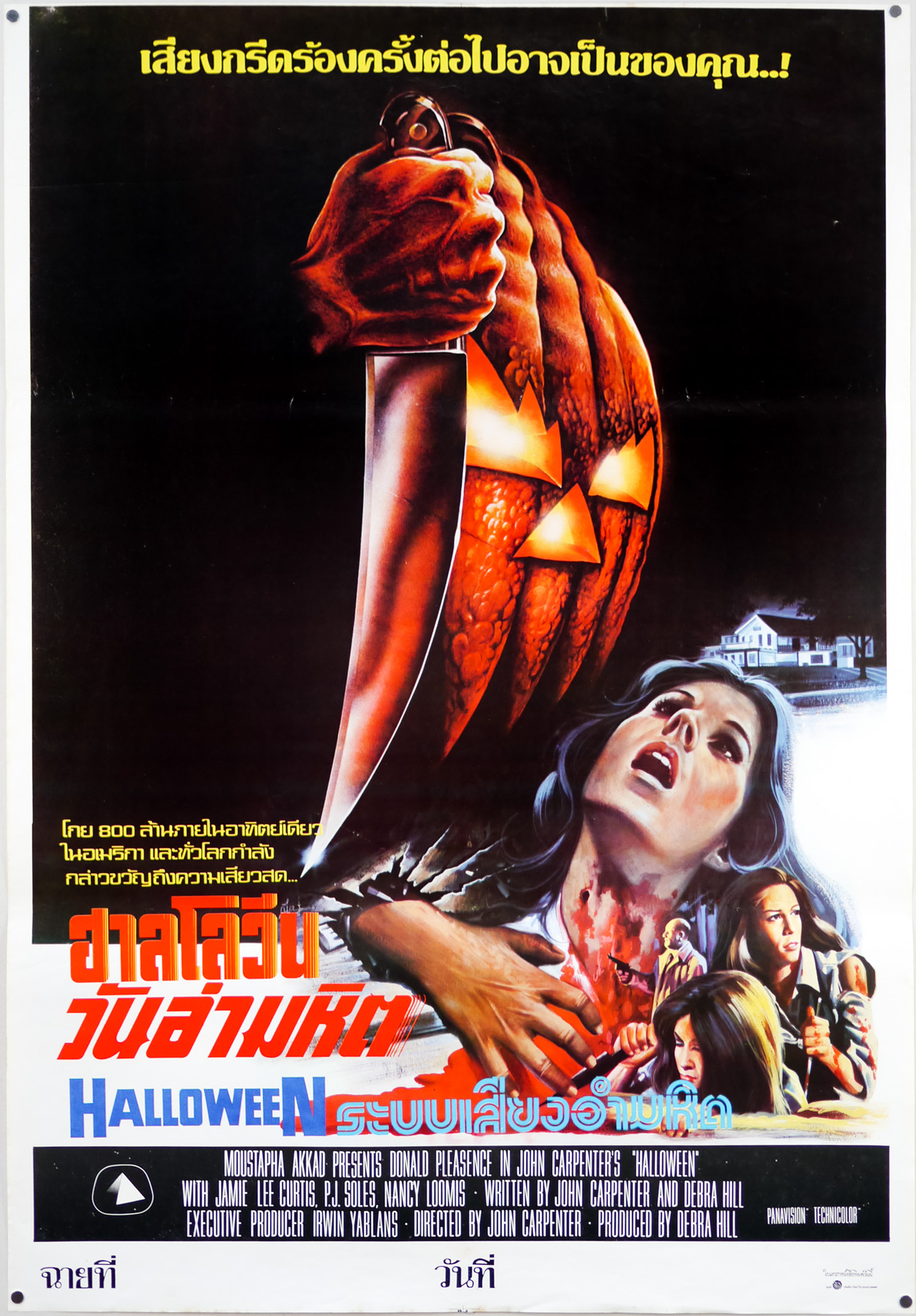
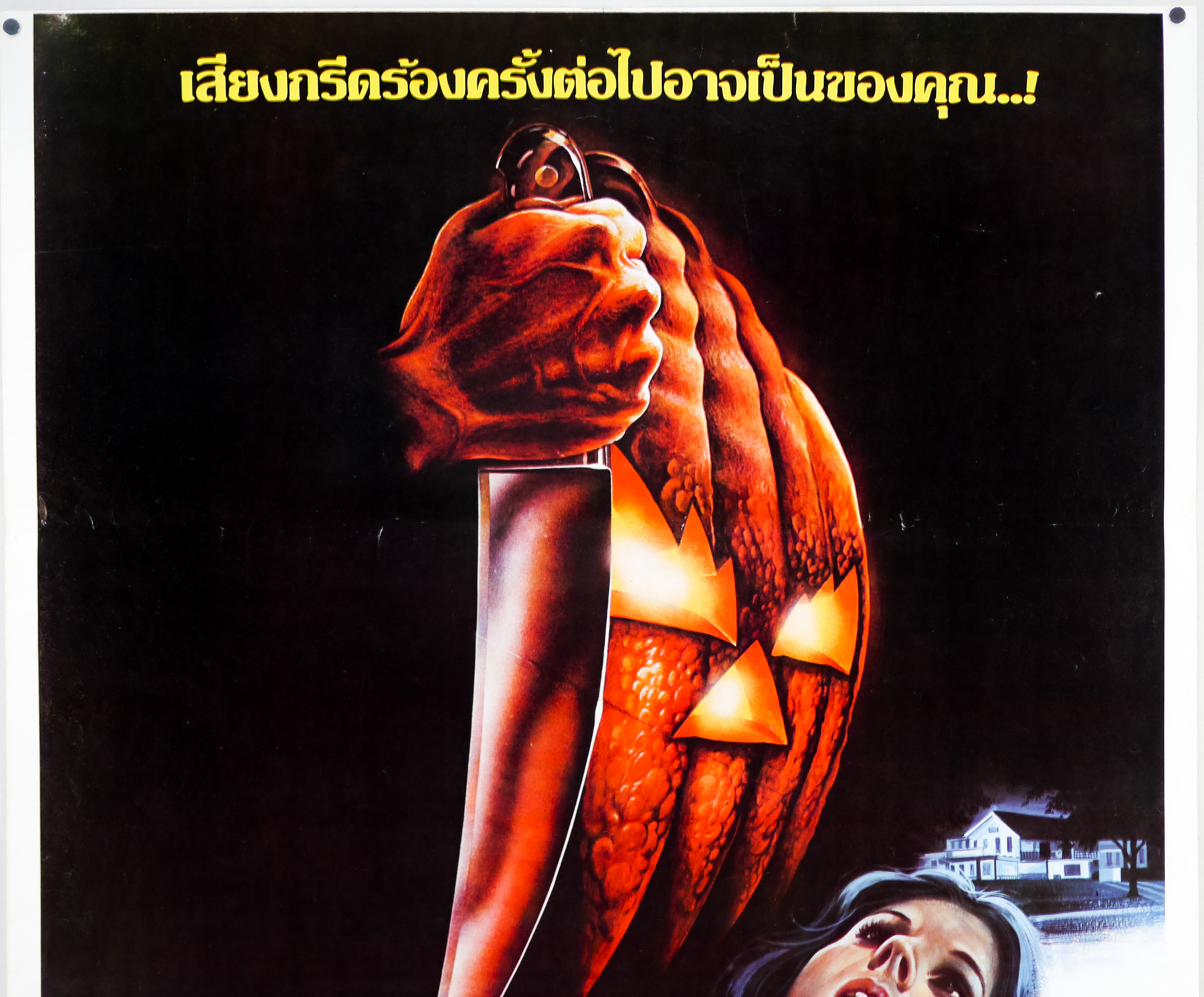
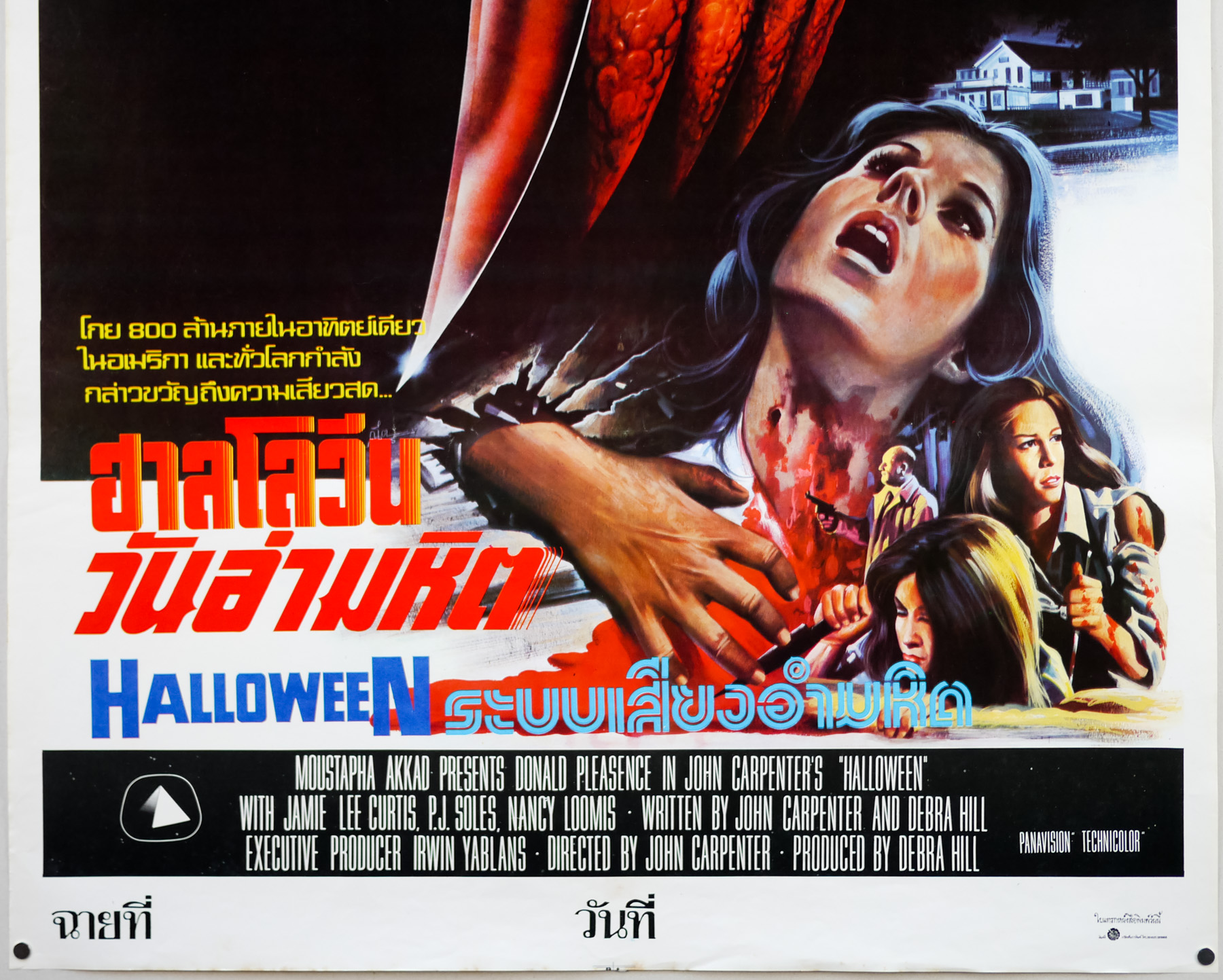
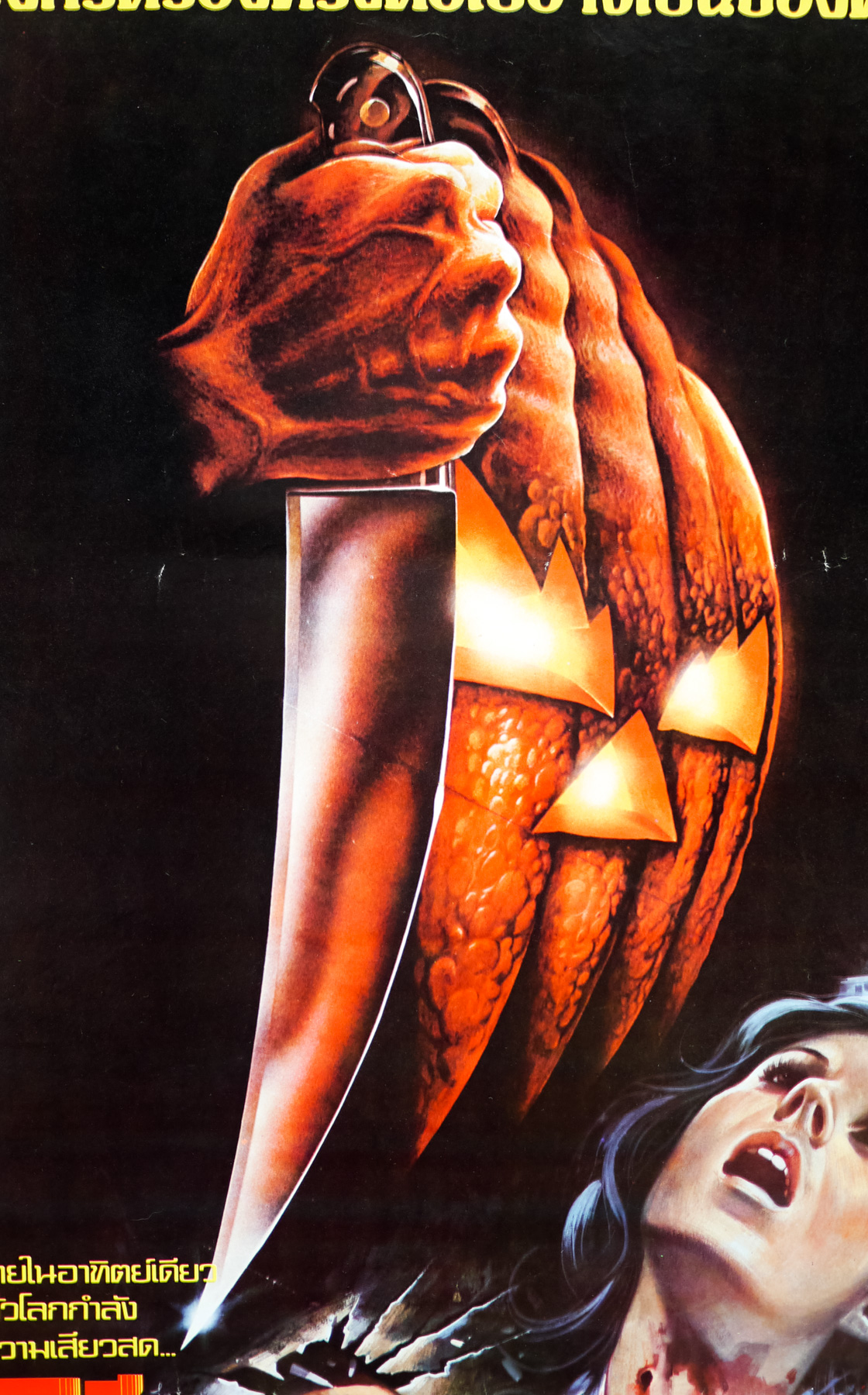
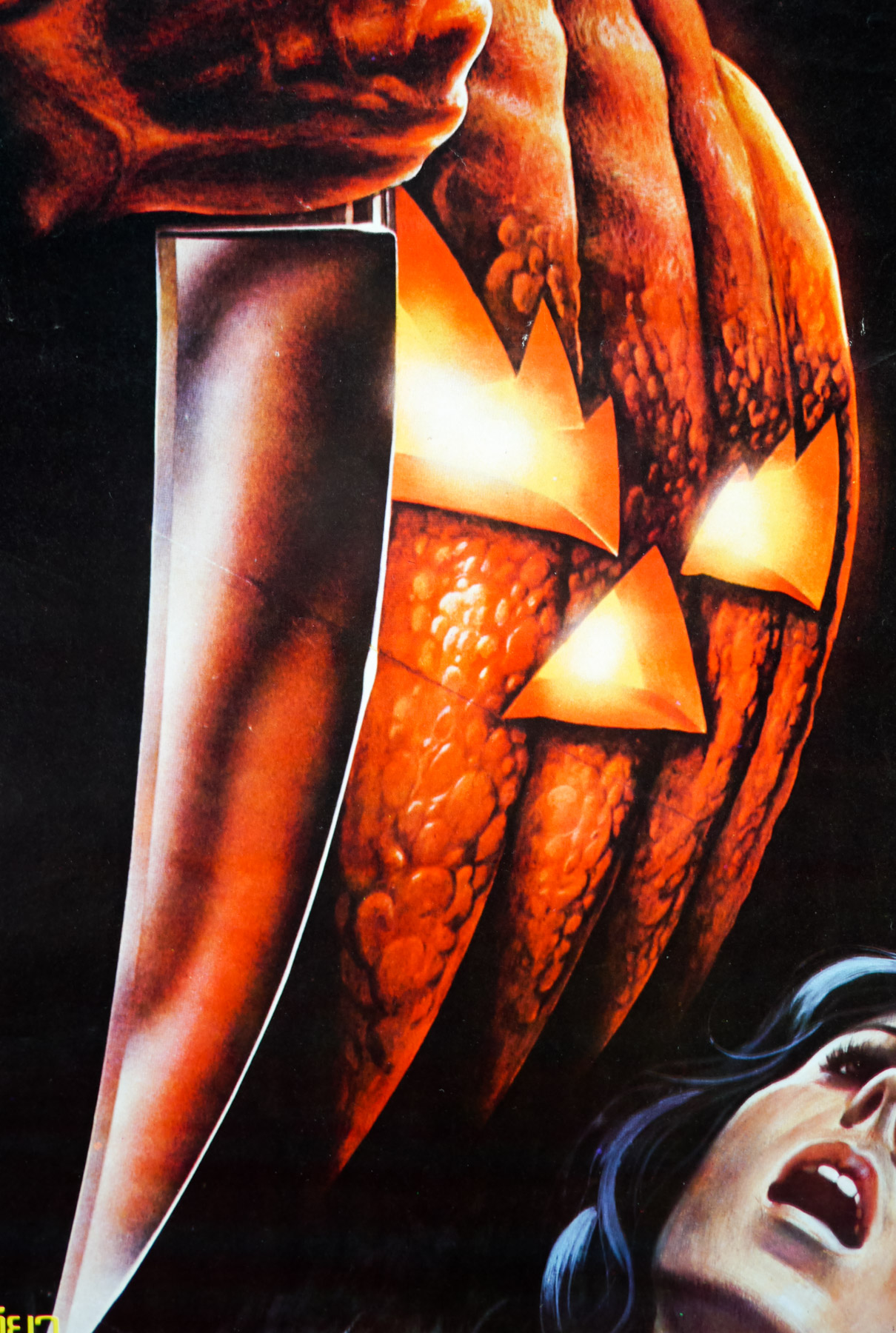
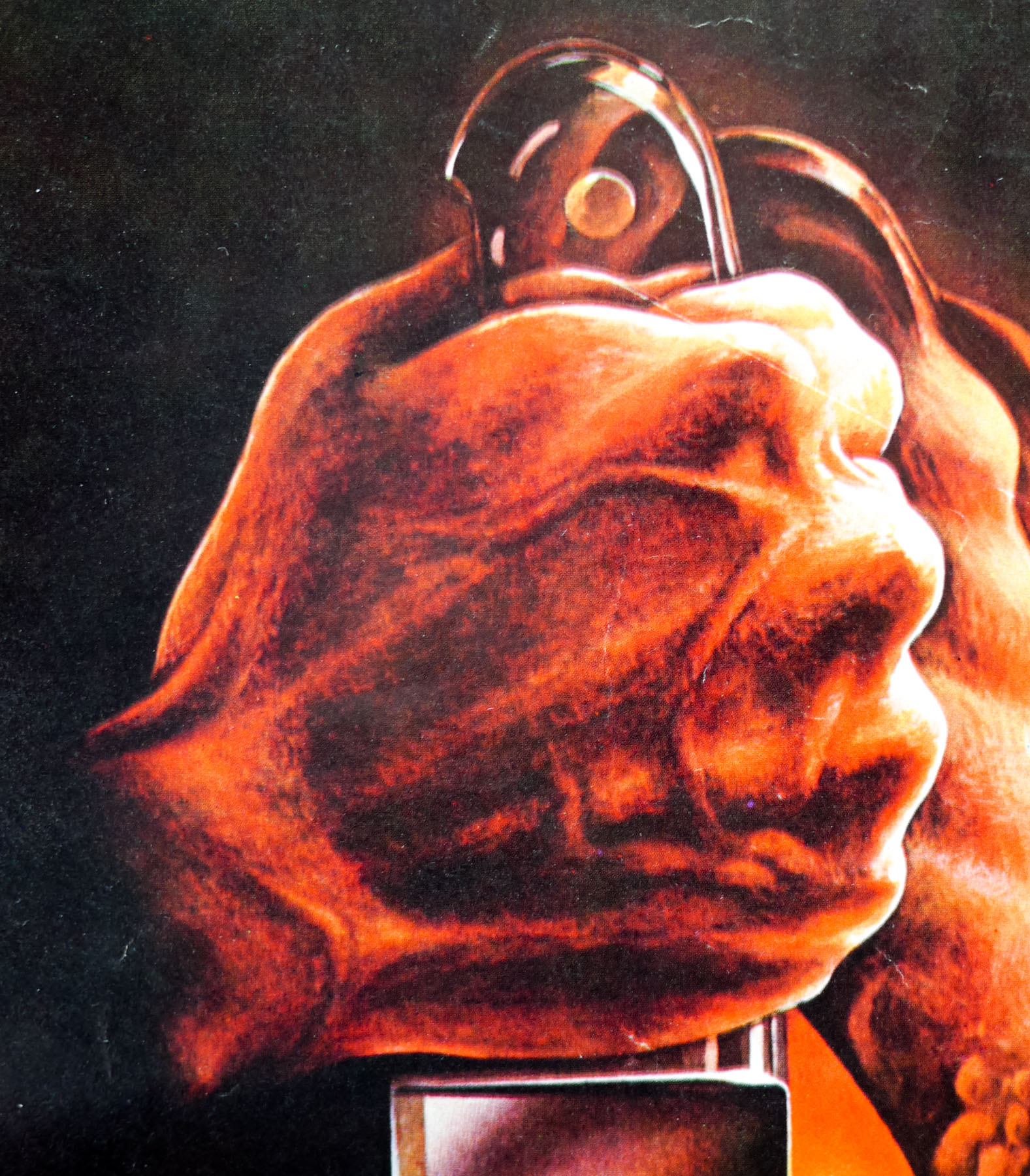
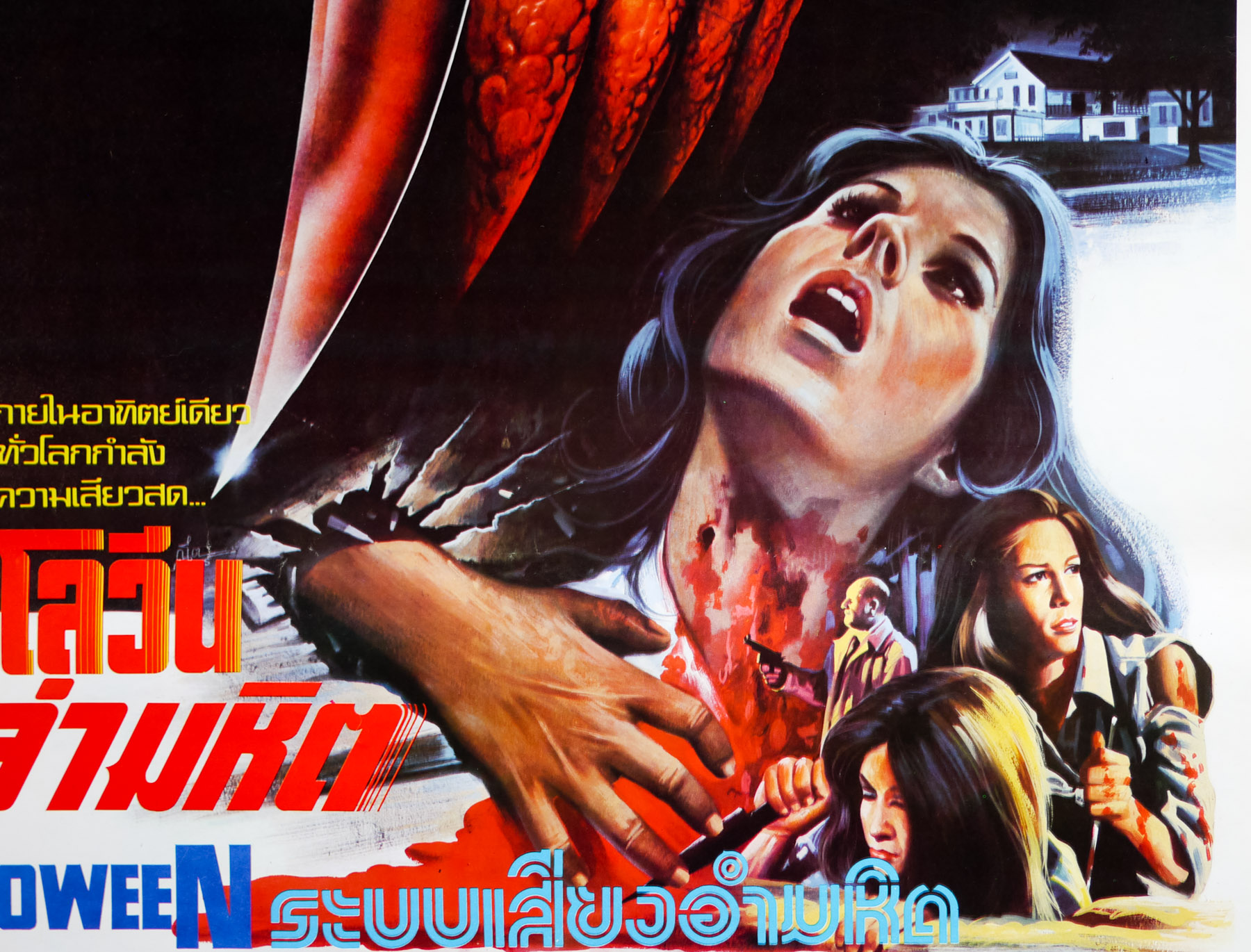
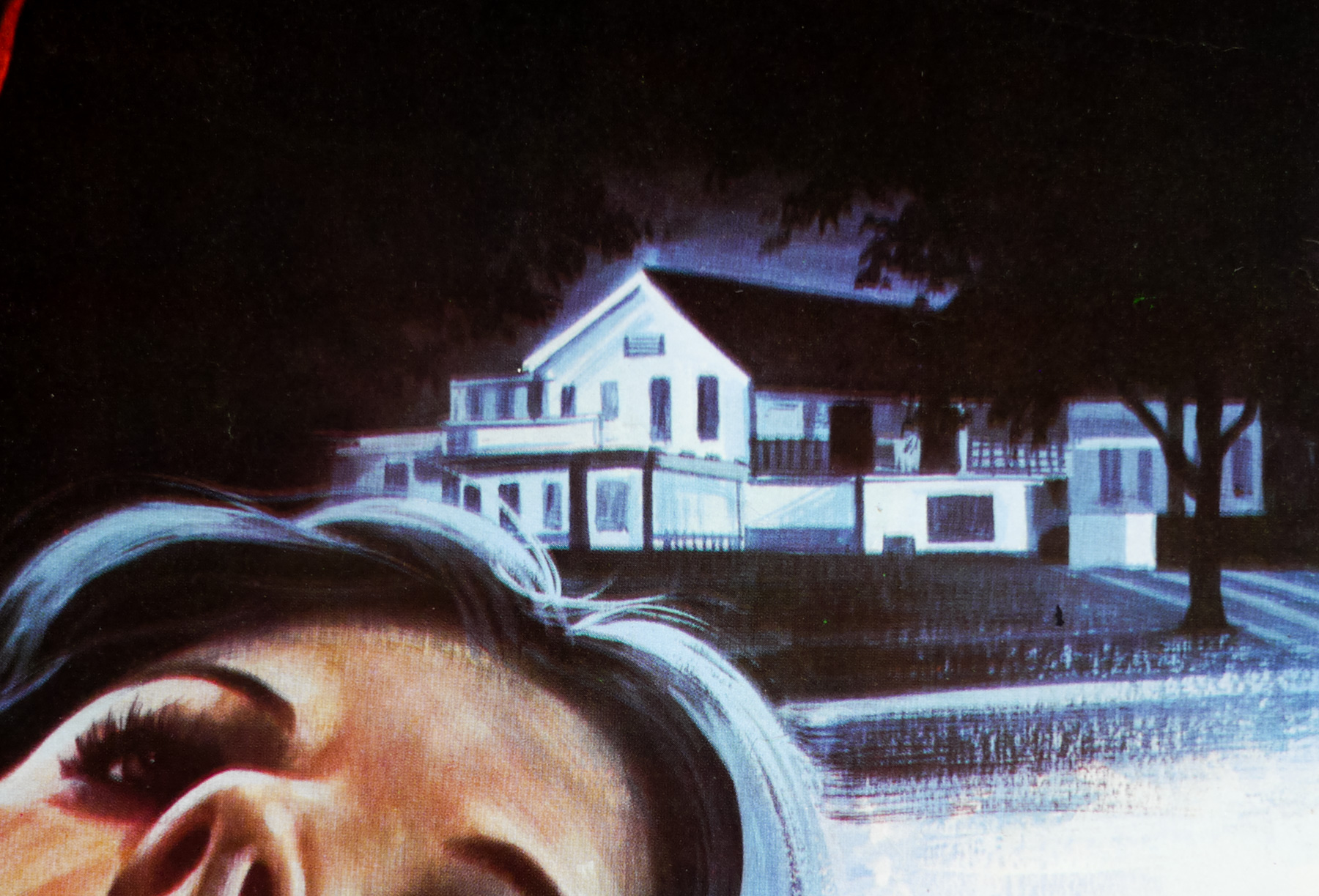
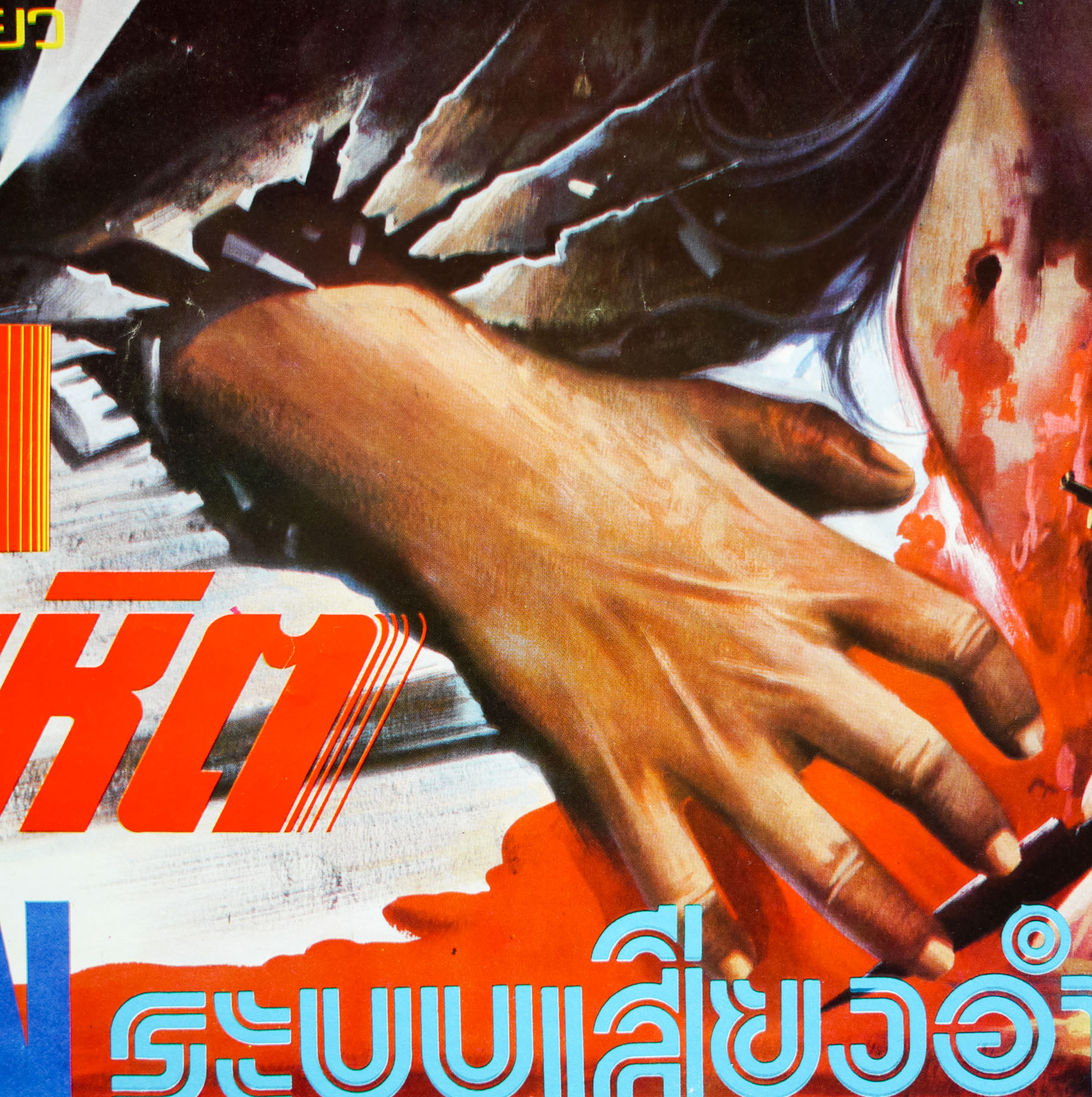
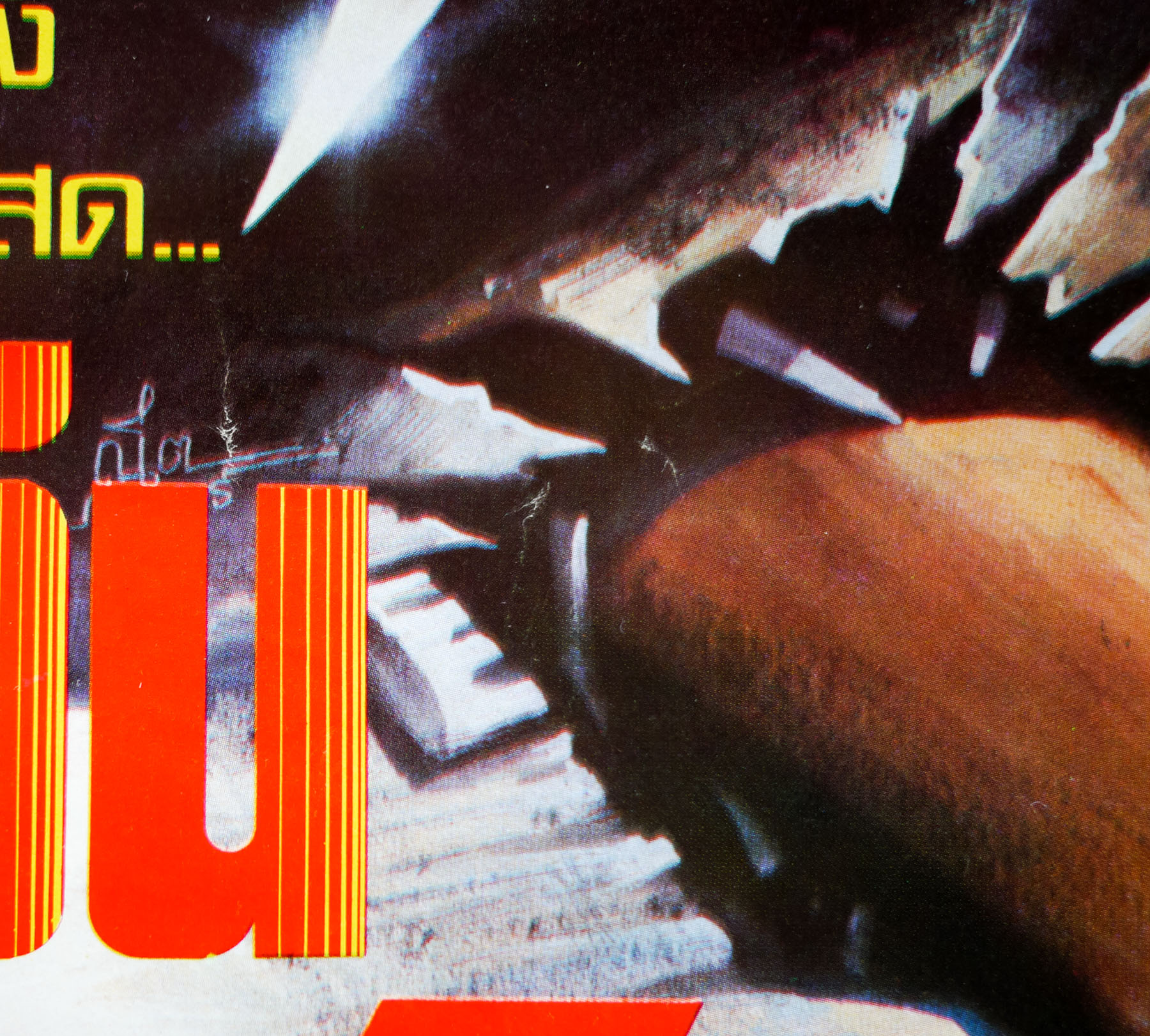
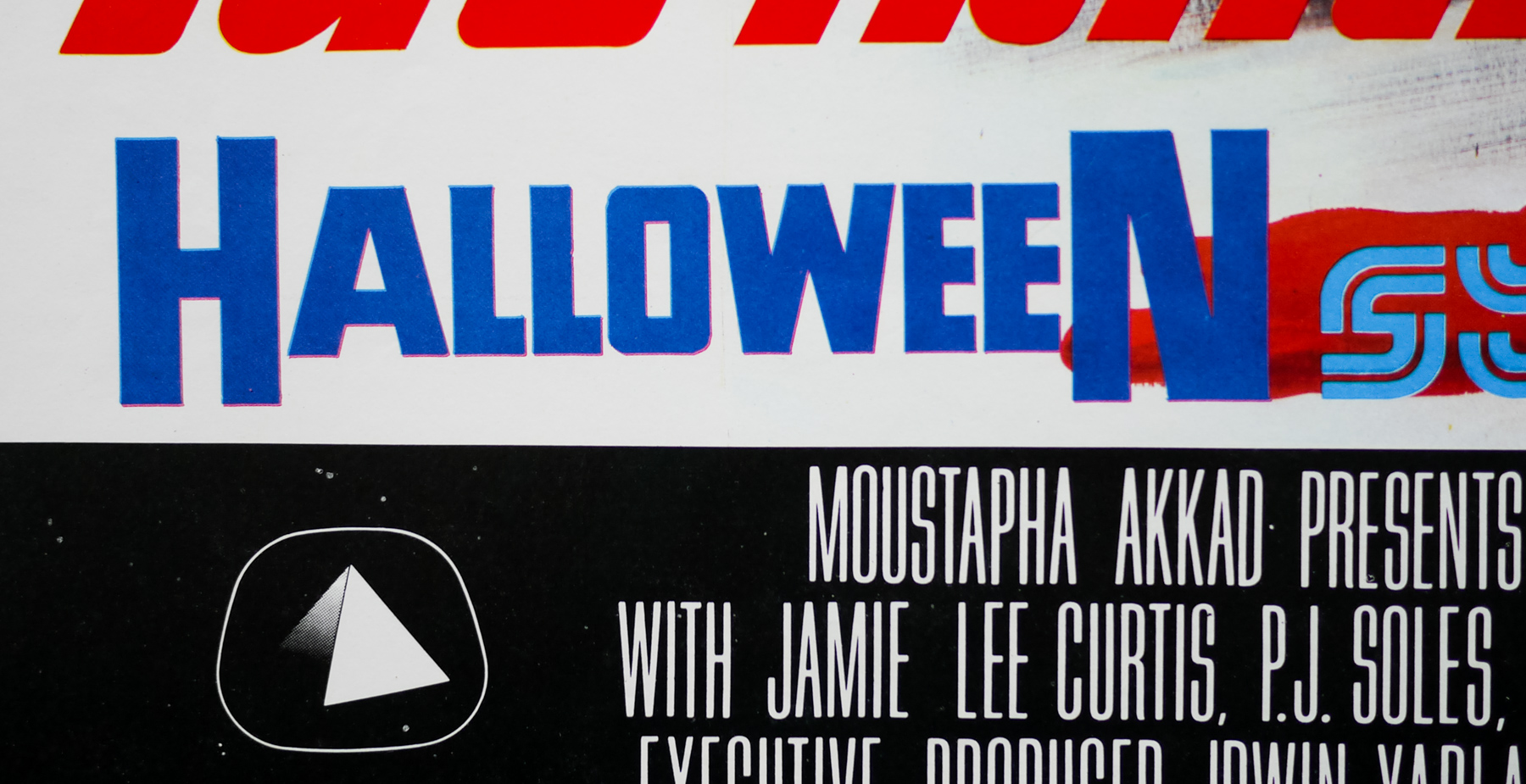
Thai poster for Halloween (1978). Artwork by Neet and Bob GleasonThai poster for Halloween (1978). Artwork by Neet and Bob Gleason, image 2Thai poster for Halloween (1978). Artwork by Neet and Bob Gleason, image 3Thai poster for Halloween (1978). Artwork by Neet and Bob Gleason, image 4
Title
Halloween
AKA
The Babysitter Murders (USA - working title) | Halloween: la notte delle streghe [The night of the witches] (Italy)
Year of Film
1978
Director
John Carpenter
Starring
Donald Pleasence, Jamie Lee Curtis, Nancy Kyes, P.J. Soles, Charles Cyphers, Kyle Richards, Brian Andrews, John Michael Graham, Nancy Stephens
Origin of Film
USA
Genre(s) of Film
Horror
Film Series
Halloween
Type of Poster
Thai
Origin of Poster
Thailand
Year of Poster
1978
Designer
Unknown
Artist
Neet, Bob Gleason (central image based on art from US one sheet)
Size (inches)
21 1/2" x 30 13/16"
SS or DS
SS

This is the Thai poster for the release of John Carpenter (opens in a new tab)‘s seminal horror film Halloween. An independent release, financed by one man (Moustapha Akkad (opens in a new tab)), the film was produced on a low budget of $300k and would go on to gross over $70m worldwide. Halloween kickstarted a franchise that would run for seven sequels (and a recent remake) and the masked character of Michael Myers would enter the horror pantheon as one of its most memorable monsters.

Carpenter wrote the screenplay with his then girlfriend, producer Debra Hill (opens in a new tab) and is often credited as being the the first in a long line of slasher films, although films like Alfred Hitchock’s Psycho were obvious inspirations. The film has little in the way of gore or violence and instead uses clever camera work and sound design to brilliant effect, keeping the audience on the edge of their seats throughout. There have been countless imitations over the years but few that match up to the taught, perfectly-paced original Halloween.

This Thai poster features the classic illustration of a knife blade morphing into a carved pumpkin that was created by the American artist Bob Gleason and used on the US one sheet and several other posters around the globe. The lurid montage at the bottom of the poster was created by a local Thai artist known as Neet. If anyone has any more details about the artist please get in touch.

In March 2016 Gleason’s original artwork was put up for auction (opens in a new tab) (selling for just under $84k) and was accompanied by a letter from the artist talking about its creation, which is well worth a read.

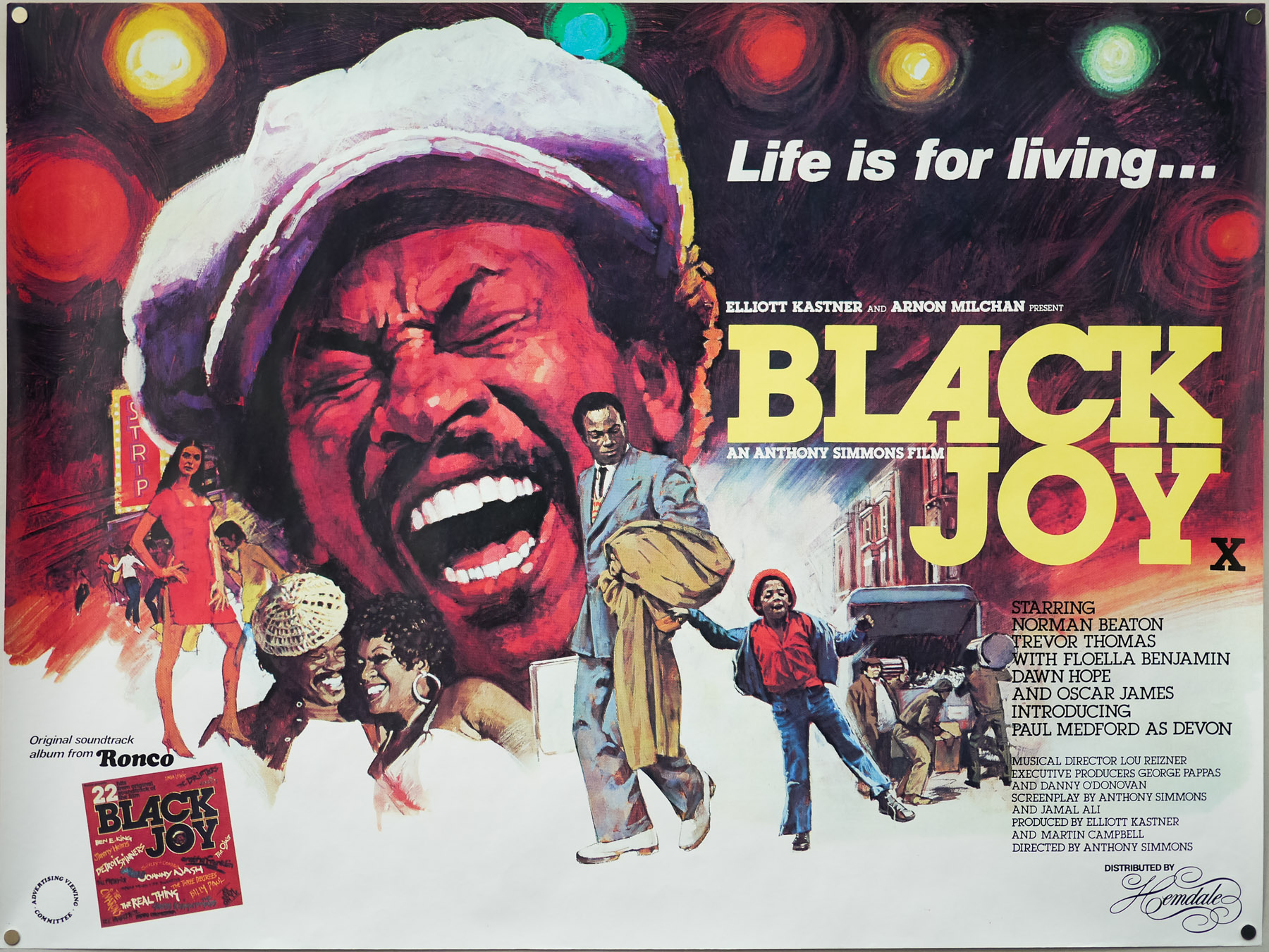
Black Joy / quad / UK

28.04.16

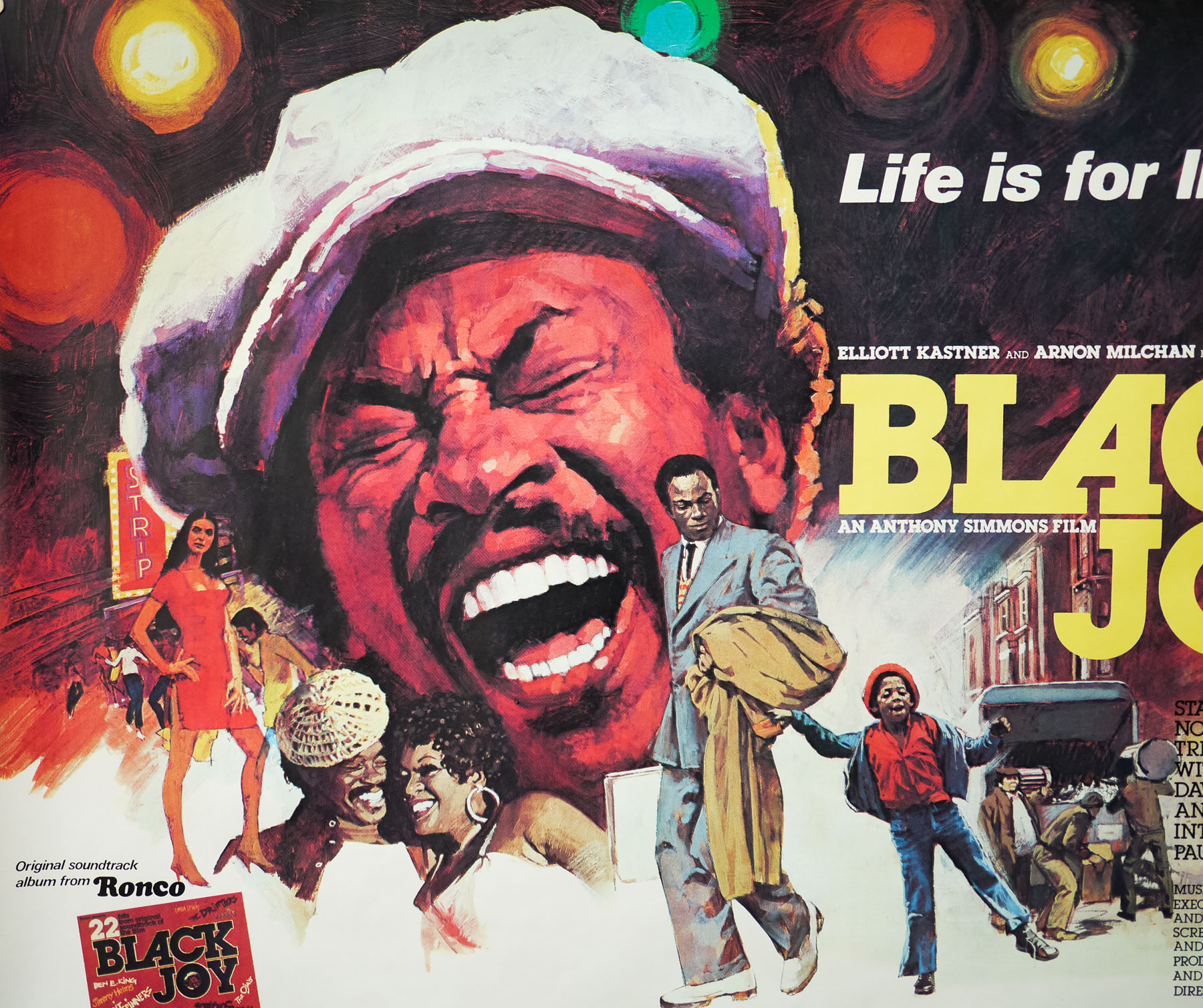
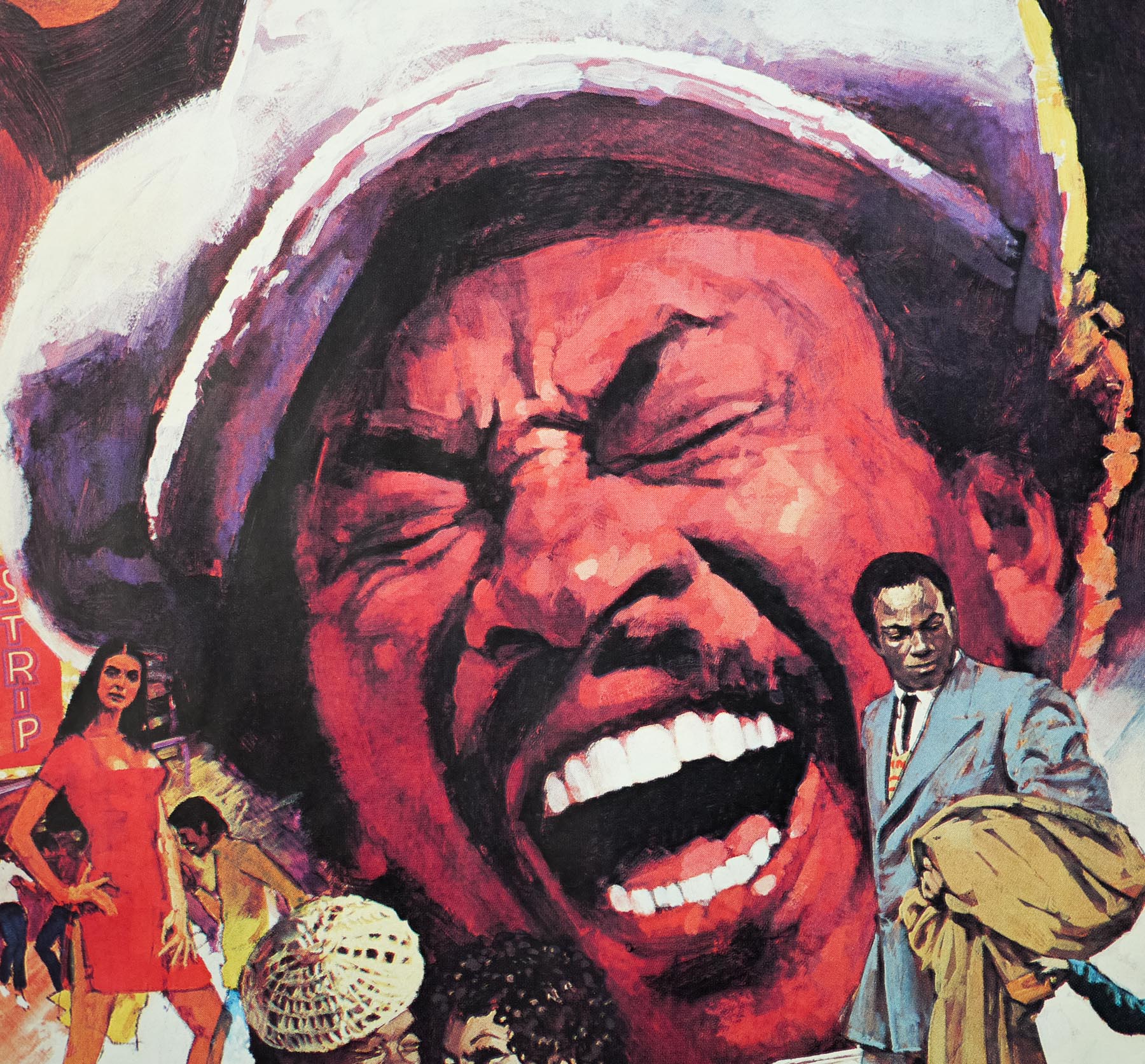
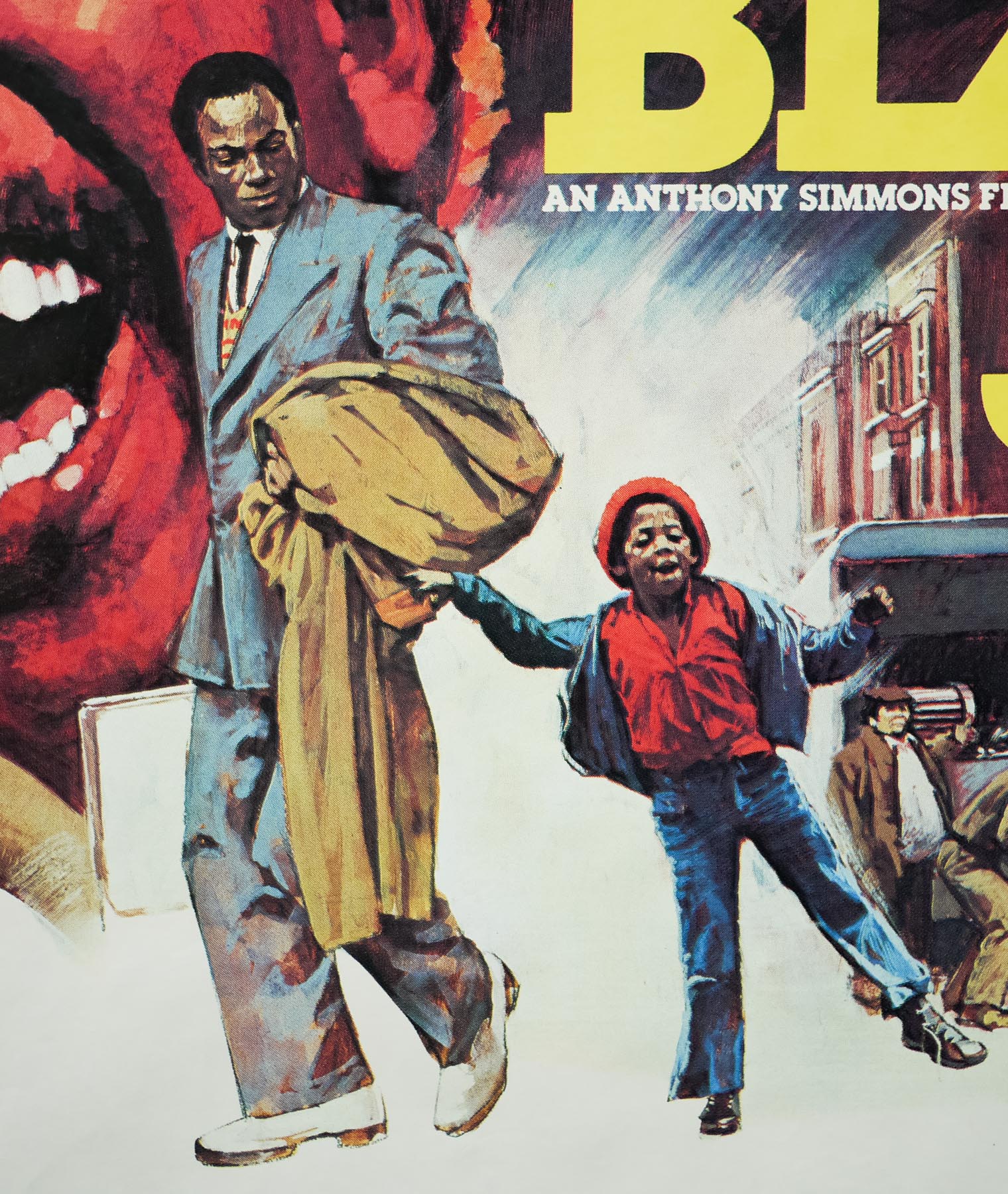
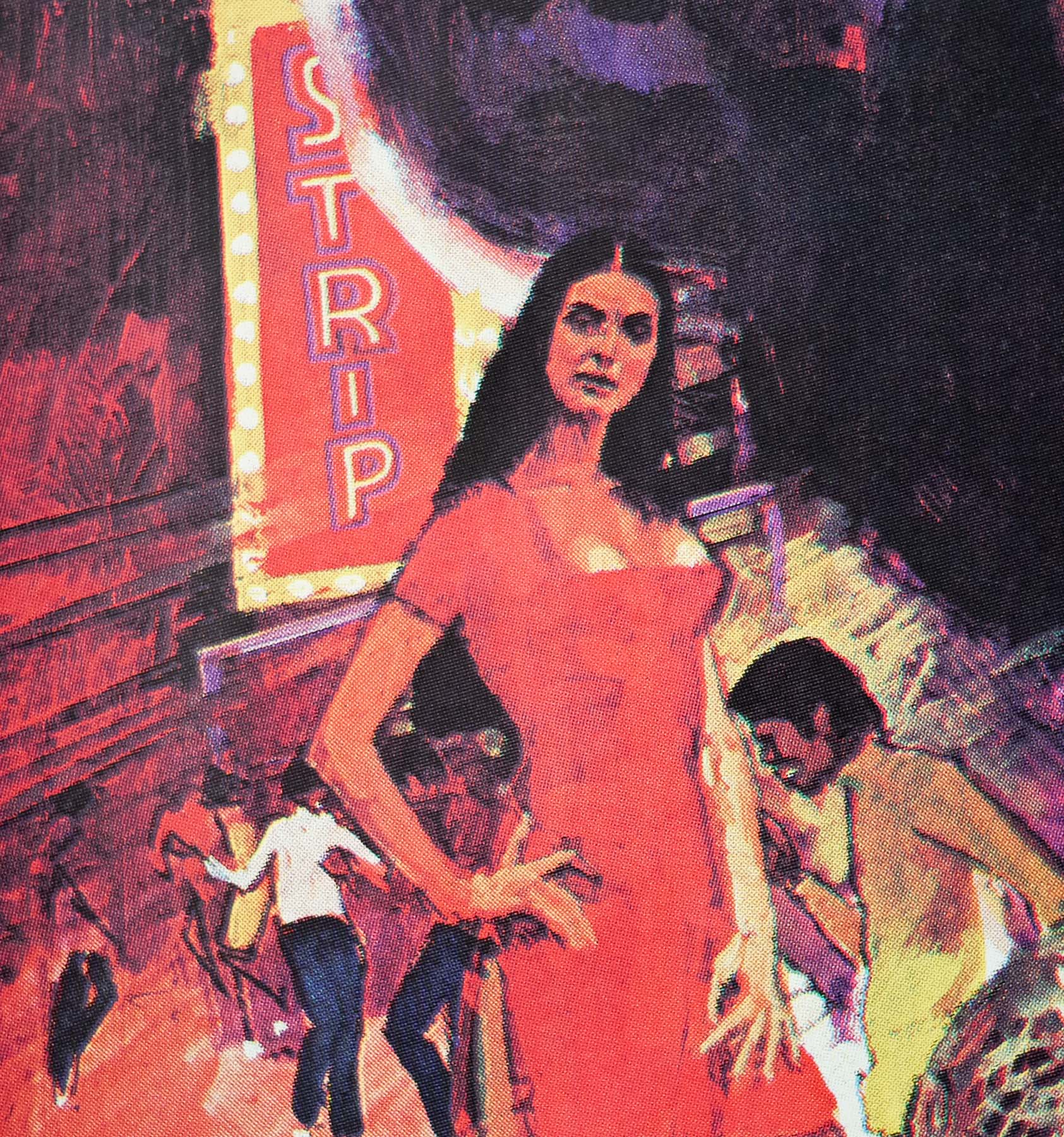
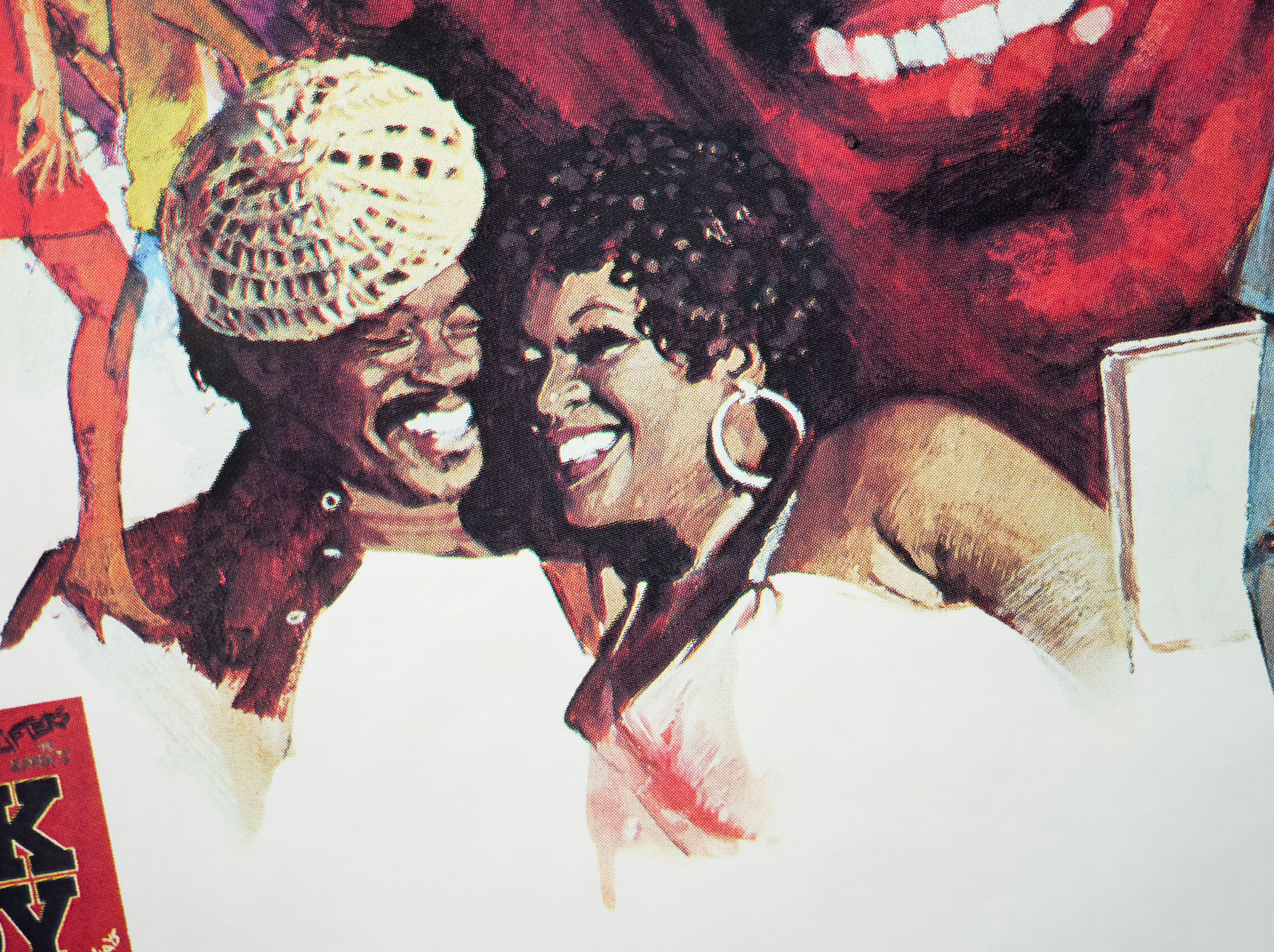
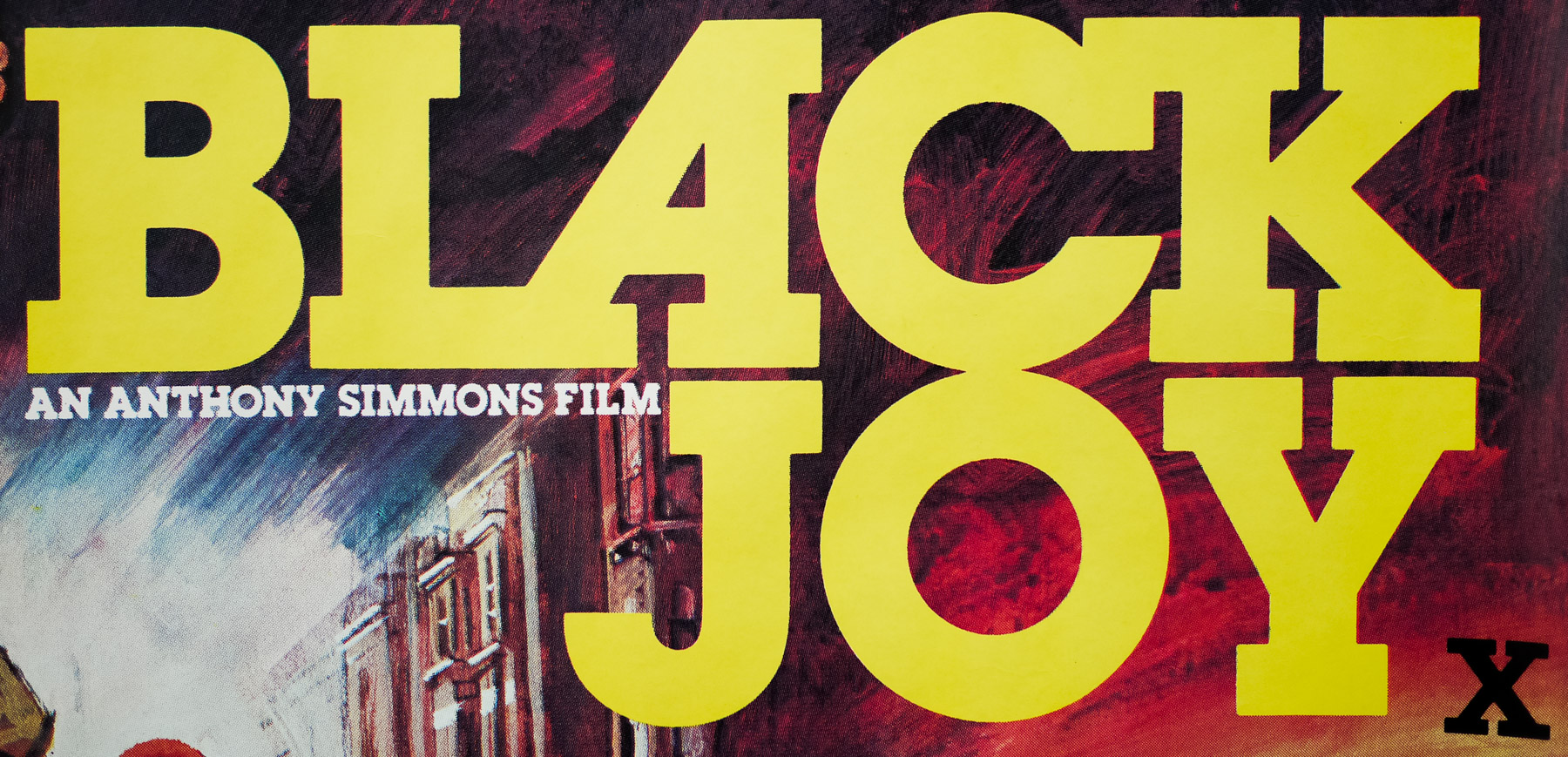
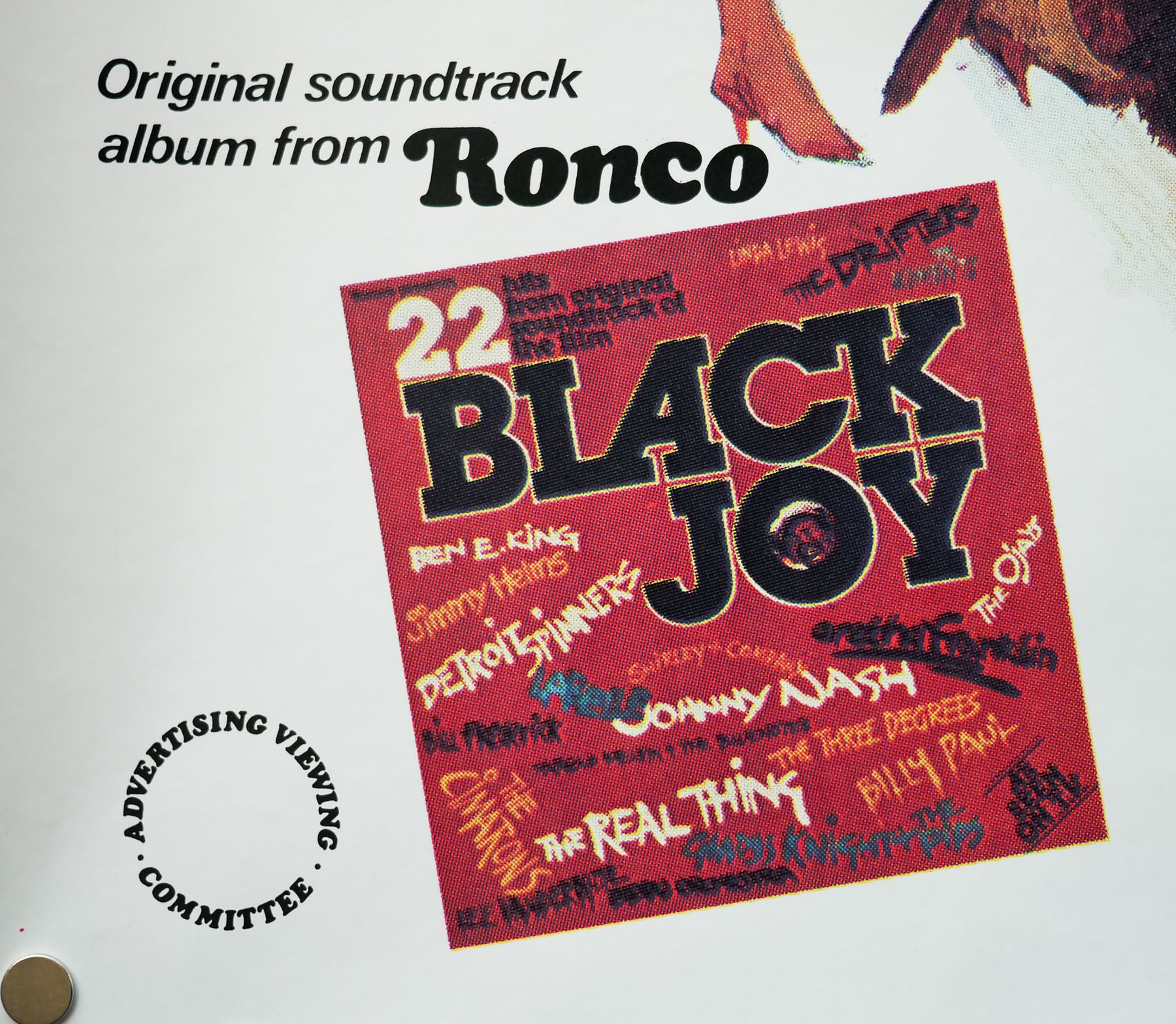
British quad poster for Black Joy (1977). Artwork by Arnaldo Putzu, design by FEREFBritish quad poster for Black Joy (1977). Artwork by Arnaldo Putzu, design by FEREF, image 2British quad poster for Black Joy (1977). Artwork by Arnaldo Putzu, design by FEREF, image 3British quad poster for Black Joy (1977). Artwork by Arnaldo Putzu, design by FEREF, image 4
Title
Black Joy
Year of Film
1977
Director
Anthony Simmons
Starring
Norman Beaton, Trevor Thomas, Floella Benjamin, Dawn Hope, Oscar James, Paul J. Medford, Shango Baku
Origin of Film
UK
Genre(s) of Film
Comedy
Type of Poster
Quad
Origin of Poster
UK
Year of Poster
1977
Designer
FEREF
Artist
Arnaldo Putzu
Size (inches)
30" x 39 15/16"
SS or DS
SS
Tagline
Life is for living...

Excellent artwork by the Italian artist Arnaldo Putzu features on this quad poster for the release of the 1977 British film Black Joy (opens in a new tab). Based on a stage play called ‘Dark Days and Light Nights’ by Jamal Ali (who also wrote the screenplay) it was directed by the late Anthony Simmons (opens in a new tab). The film, something of a time capsule of a period in London’s history, is a culture-clash comedy about a Guyanese country boy called Ben Jones (Trevor Thomas (opens in a new tab)) who arrives in the borough of Brixton. Ben had assumed life will be easier in the UK but after meeting several streetwise characters, including a wannabe hustler called Dave King (Norman Beaton (opens in a new tab)), he soon learns that not everyone is out for his best interests.

The film notably stars Floella Benjamin (opens in a new tab) a Trinidadian actress who is famous for her work as a presenter on children’s TV programmes in the 1970s and 80s, including Play School (opens in a new tab), and more recently for her extensive charity work and as the chancellor of the University of Exeter. In 2010 she was made a Baroness as a Liberal Democrat Life Peer and is a member of the House of Lords.


Arnaldo Putzu was born in Rome in 1927 and began painting from a very early age. In 1948 he began his relationship with the world of film publicity under the guidance of the famous artist Enrico De Seta (opens in a new tab). Eventually Putzu would gain enough confidence in his abilities to set up his own agency and it was this move that saw him getting involved in work for the British studio Rank. Eric Pulford was so impressed with his work that he brought him over to London to work at Downtons in 1967.

The artist worked on many quads whilst over here and also gained notoriety for lending his talents to the popular children’s magazine Look-in (opens in a new tab), for which he painted almost every cover during its publication lifetime. His best-known quad is undoubtedly the one he painted for the Michael Caine gangster classic Get Carter in 1971. My friend, and author of the must-own British Film Posters, Sim Branaghan met Putzu during the making of his book and describes it as a very memorable experience in the interview I published in 2012. Putzu sadly passed away the same year, aged 85, and Sim wrote an excellent obituary for The Guardian newspaper (opens in a new tab).

Weekend / one sheet / 2011 / USA

26.04.16

US one sheet poster for Weekend (2011). Artwork by Quinnford and Scout, design by Sam AshbyUS one sheet poster for Weekend (2011). Artwork by Quinnford and Scout, design by Sam Ashby, image 2US one sheet poster for Weekend (2011). Artwork by Quinnford and Scout, design by Sam Ashby, image 3
Title
Weekend
Year of Film
2011
Director
Andrew Haigh
Starring
Tom Cullen, Chris New, Jonathan Race, Laura Freeman, Loreto Murray, Jonathan Wright, Sarah Churm, Vauxhall Jermaine, Joe Doherty, Kieran Hardcastle
Origin of Film
UK
Genre(s) of Film
Drama | Romance
Type of Poster
One sheet
Origin of Poster
USA
Year of Poster
2011
Designer
Sam Ashby
Artist
Quinnford and Scout (photography)
Size (inches)
27" x 39 1/2"
SS or DS
SS

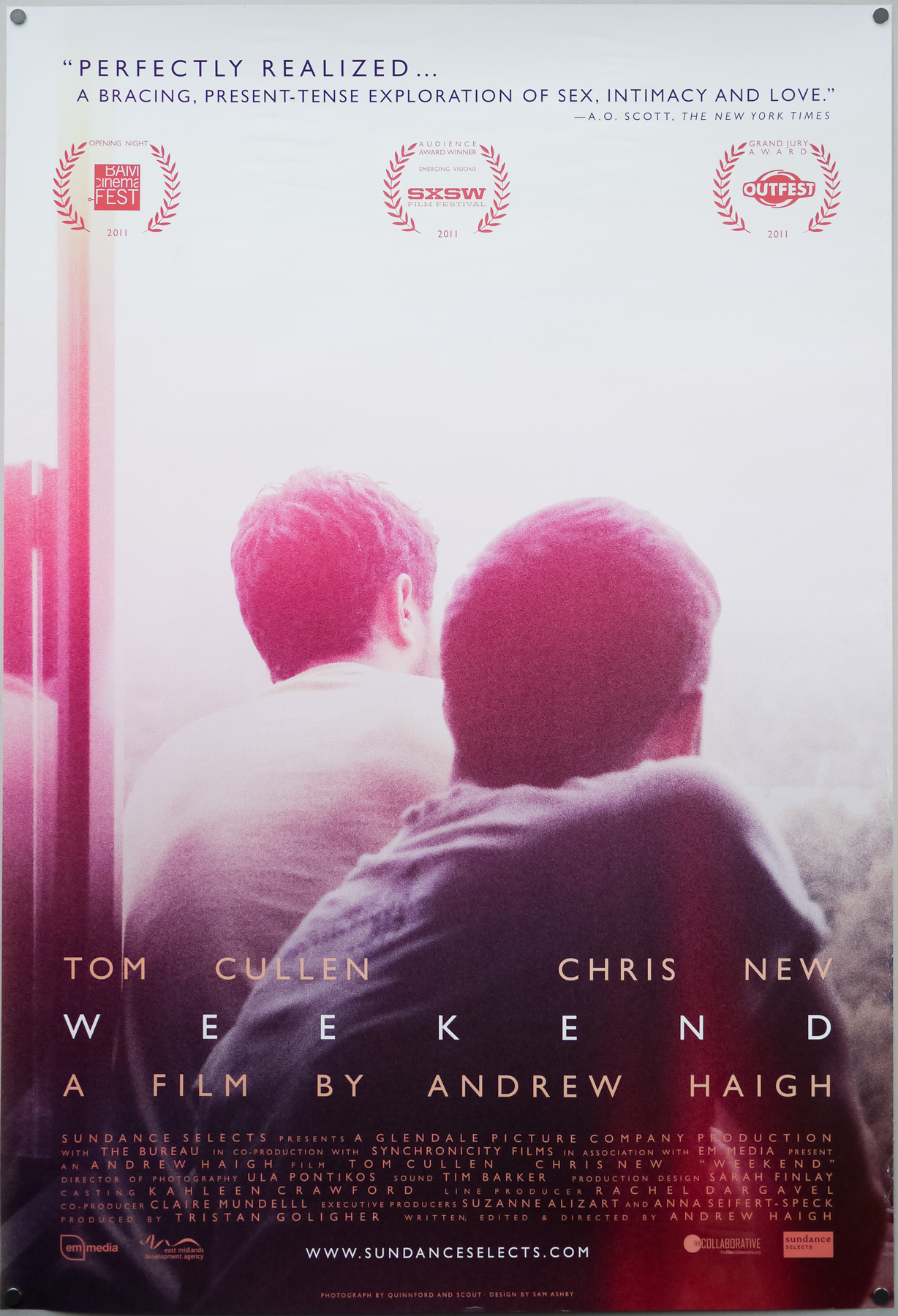
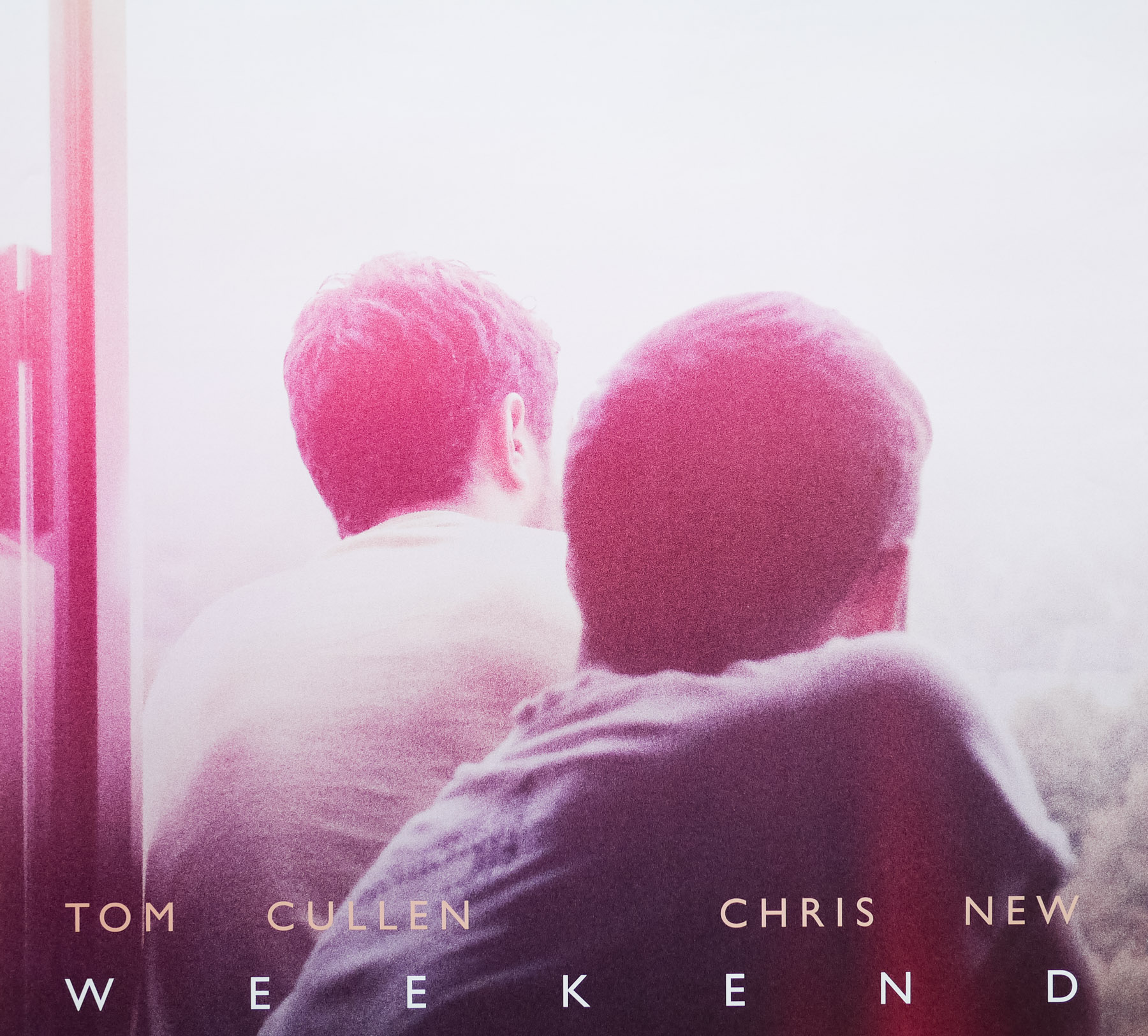
This is the US one sheet for the release of the 2011 British drama Weekend (opens in a new tab), written and directed by Andrew Haigh (opens in a new tab). The film was shot on location in and around Nottingham on a micro budget. It follows gay man Russell (Tom Cullen (opens in a new tab)) who goes to a house party with his straight friends and then onto a gay club alone afterwards looking for a hookup. There he meets Glen (Chris New (opens in a new tab)), an art gallery employee and aspiring artist, and the pair head back to Russell’s flat for what they both assume will just be a one night stand.

Things don’t work out that way and the pair spend the next 48 hours (the titular period) getting to know each other in bars, clubs and bedrooms. Glen eventually reveals he’s hours away from moving to America to attend a two year art course and by the end of the weekend the pair have affected each other more than they could possibly have imagined. The film is a memorable and sensitive depiction of a budding relationship and the performances are wonderfully natural throughout. Haigh’s script is heartfelt but unsentimental and has a genuine emotional truth about it. In my opinion it’s one of the best romantic dramas of the past few decades.

This one sheet was created by Sam Ashby, a London-based graphic designer who has worked on a number of film posters, including quads for films like Beauty. According to this interview (opens in a new tab) Sam used to work at the poster design firm AllCity (opens in a new tab) as Head of Design before leaving to set up his own studio in 2010. His website hasn’t been updated in a number of months so I’m not sure if he’s still active as a film poster designer.

In addition to this one sheet, Ashby designed several other posters for the film, including the UK quad.

From the Life of the Marionettes / B1 / Poland

20.04.16

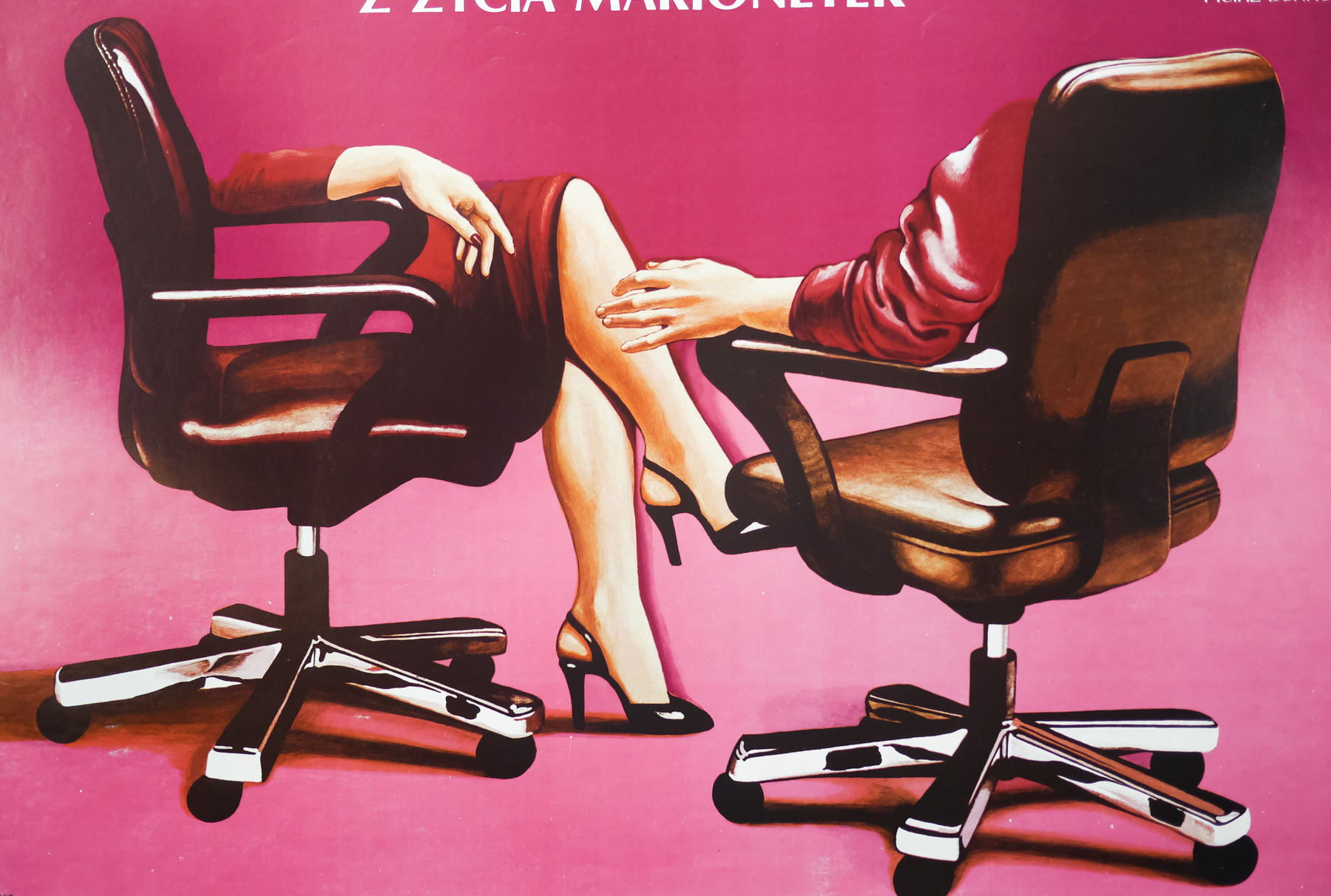
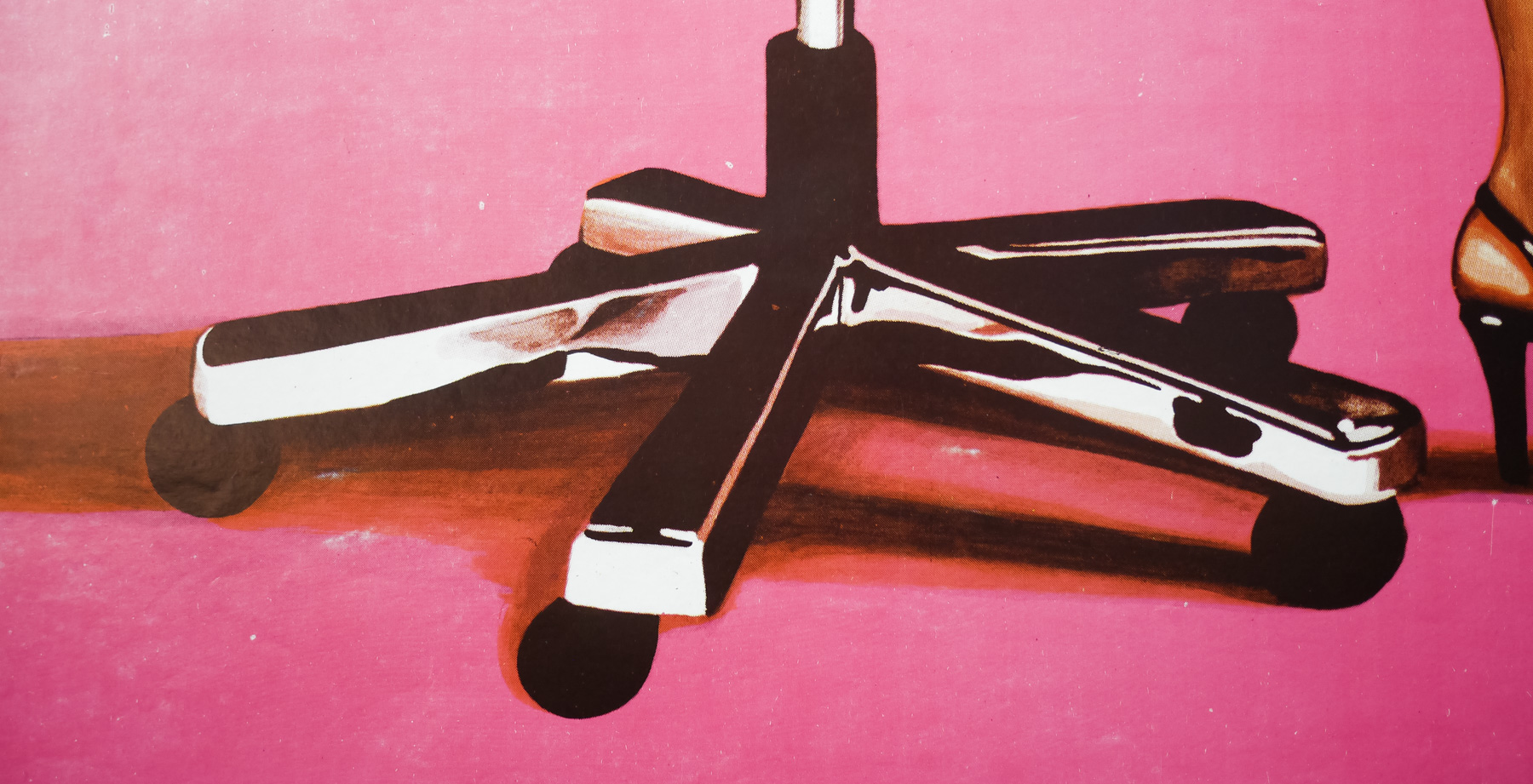
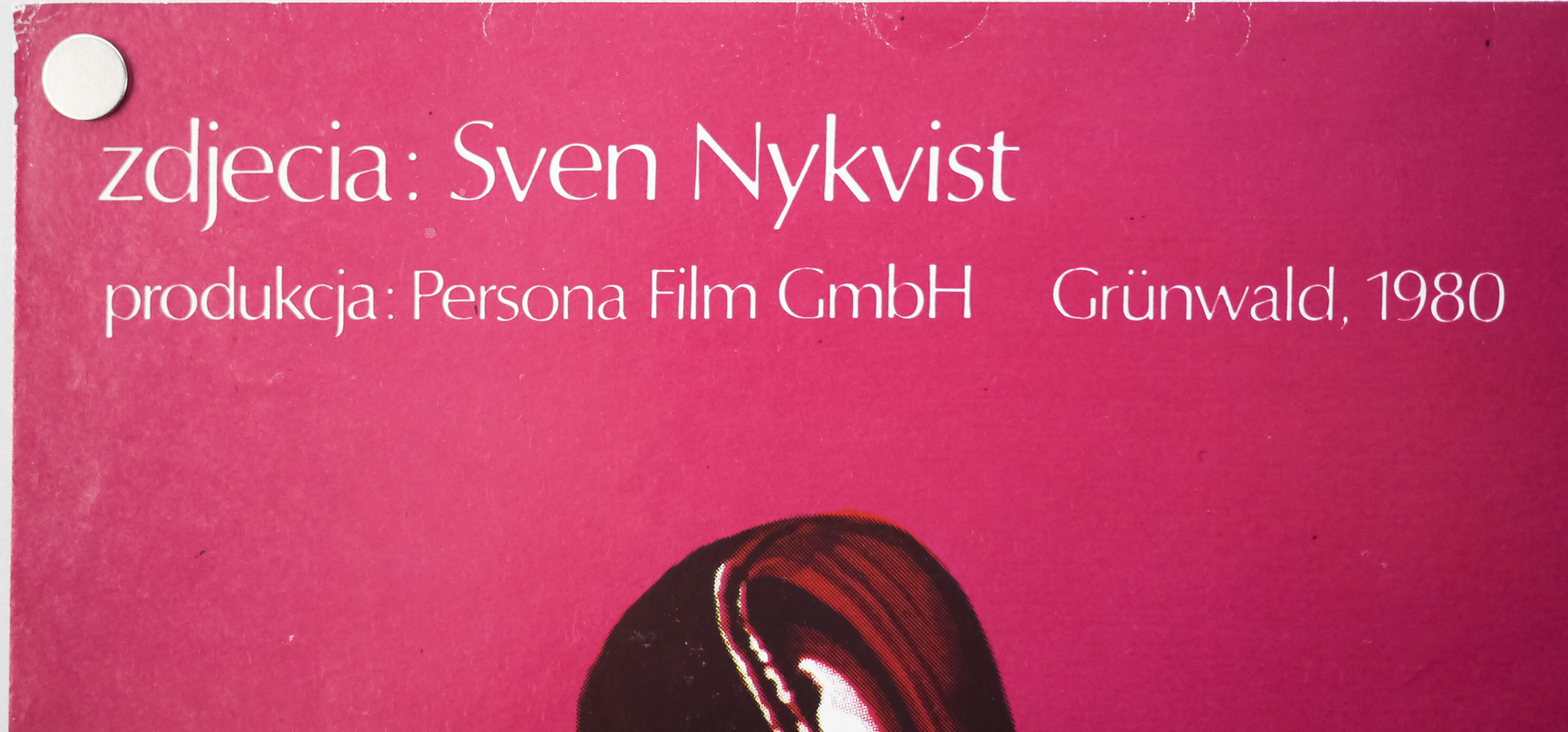
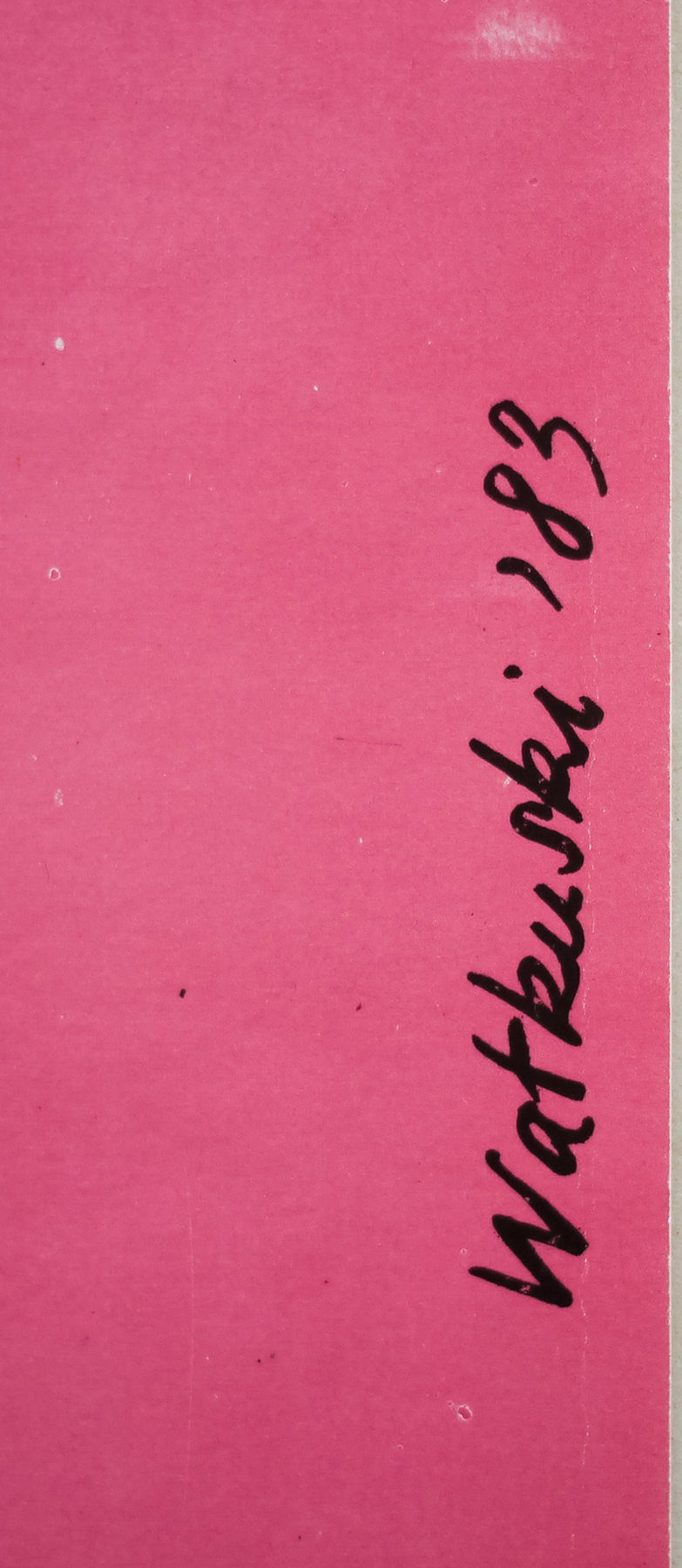
Polish B1 poster (1983) for From the Life of the Marionettes (1980). Artwork by Wieslaw WalkuskiPolish B1 poster (1983) for From the Life of the Marionettes (1980). Artwork by Wieslaw Walkuski, image 2Polish B1 poster (1983) for From the Life of the Marionettes (1980). Artwork by Wieslaw Walkuski, image 3
Title
From the Life of the Marionettes
AKA
Aus dem Leben der Marionetten (West Germany - original title)
Year of Film
1980
Director
Ingmar Bergman
Starring
Robert Atzorn, Christine Buchegger, Martin Benrath, Rita Russek, Lola Müthel, Walter Schmidinger, Heinz Bennent, Ruth Olafs, Karl-Heinz Pelser, Gaby Dohm
Origin of Film
West Germany | Sweden
Genre(s) of Film
Drama
Type of Poster
B1
Origin of Poster
Poland
Year of Poster
1983
Designer
Wieslaw Walkuski
Artist
Wieslaw Walkuski
Size (inches)
26 3/8" x 37 11/16"
SS or DS
SS

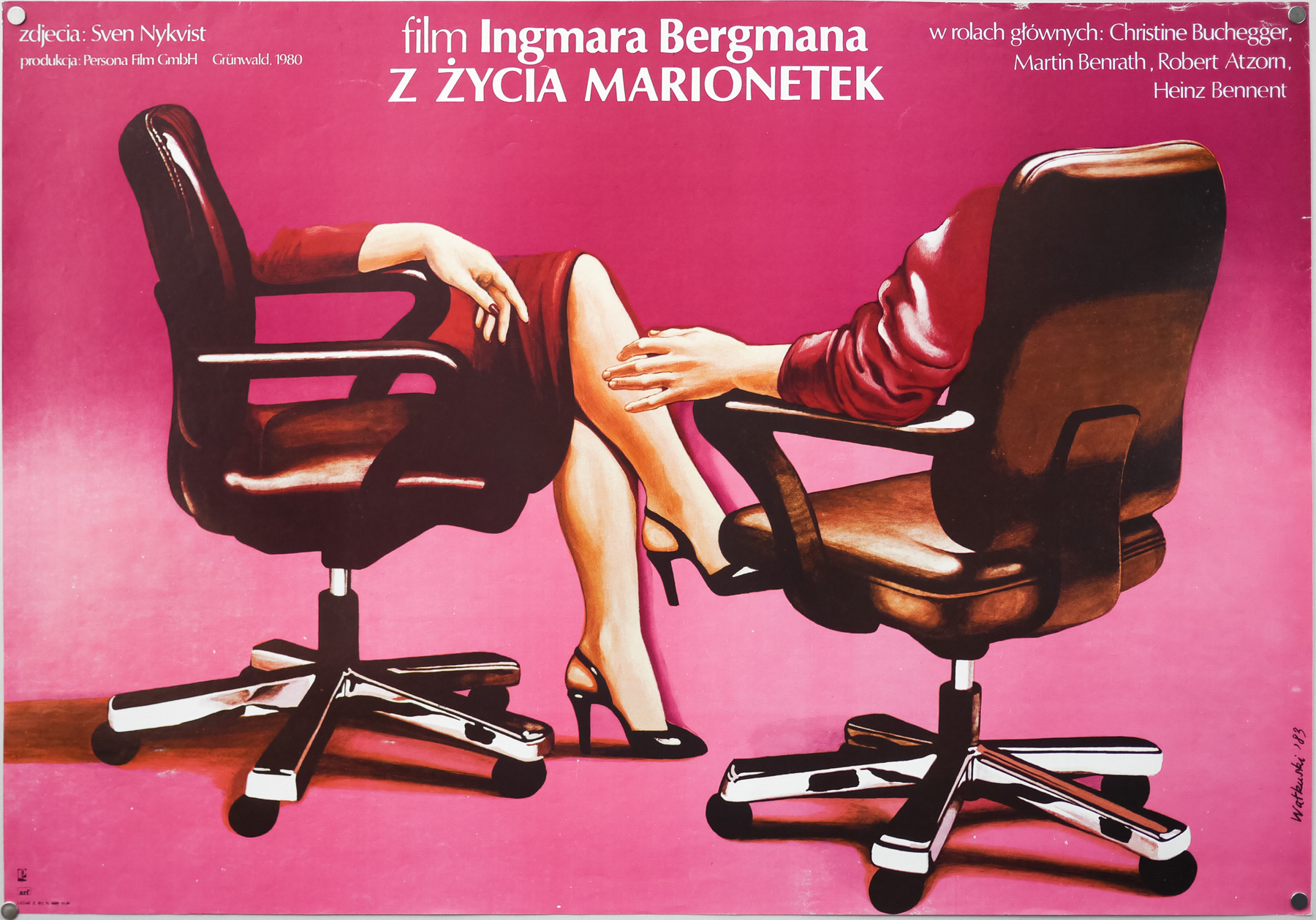
Wieslaw Walkuski artwork features on this Polish poster for the release (in 1983) of Swedish director Ingmar Bergman (opens in a new tab)‘s From the Life of the Marionettes (opens in a new tab). The film was developed and shot by Bergman whilst he was living as a tax exile in West Germany and had a screenplay and soundtrack in German. It was originally developed as a TV movie and was shown on a German public-service channel in November 1980, but was later released at several film festivals and granted wider cinema releases in the following years.

The film depicts the degeneration of the relationship between the arguing couple seen briefly in Bergman’s earlier film, Scenes From a Marriage (opens in a new tab), Katarina and Peter Egermann (played by Christine Buchegger (opens in a new tab) and Robert Atzorn (opens in a new tab)). The Wikipedia plot description makes it sound like a pretty grim watch:

‘As Katarina seeks other lovers, the emotionally repressed and despondent Peter descends into neuroses, eventually leading him to tearfully murder a prostitute (played by Rita Russek), with the same name as his wife, at a Munich peep show before sodomising her dead body. In the closing sequence he is incarcerated in a mental asylum’

Wieslaw Walkuski was born in 1956 and studied at the Academy of Fine Arts in Warsaw. Since 1981 Walkuski has worked as a graphic designer and artist for publishing houses and theaters, as well as for the Polish film organisations Polfilm and Film Polski. He’s worked freelance since 1987 and has painted over 200 film posters. He continues to live and work in Warsaw. Walkuski’s official website (opens in a new tab) features galleries of many of his designs and images of his other work. The Polish Poster Gallery website also has several pages of his work (opens in a new tab) (most of which is for sale).

He’s responsible for some incredible designs and two of my favourites include those he painted for Lars Von Trier’s Breaking the Waves and the Dustin Hoffman comedy Tootsie.

The Anderson Tapes / B2 / Japan

18.04.16

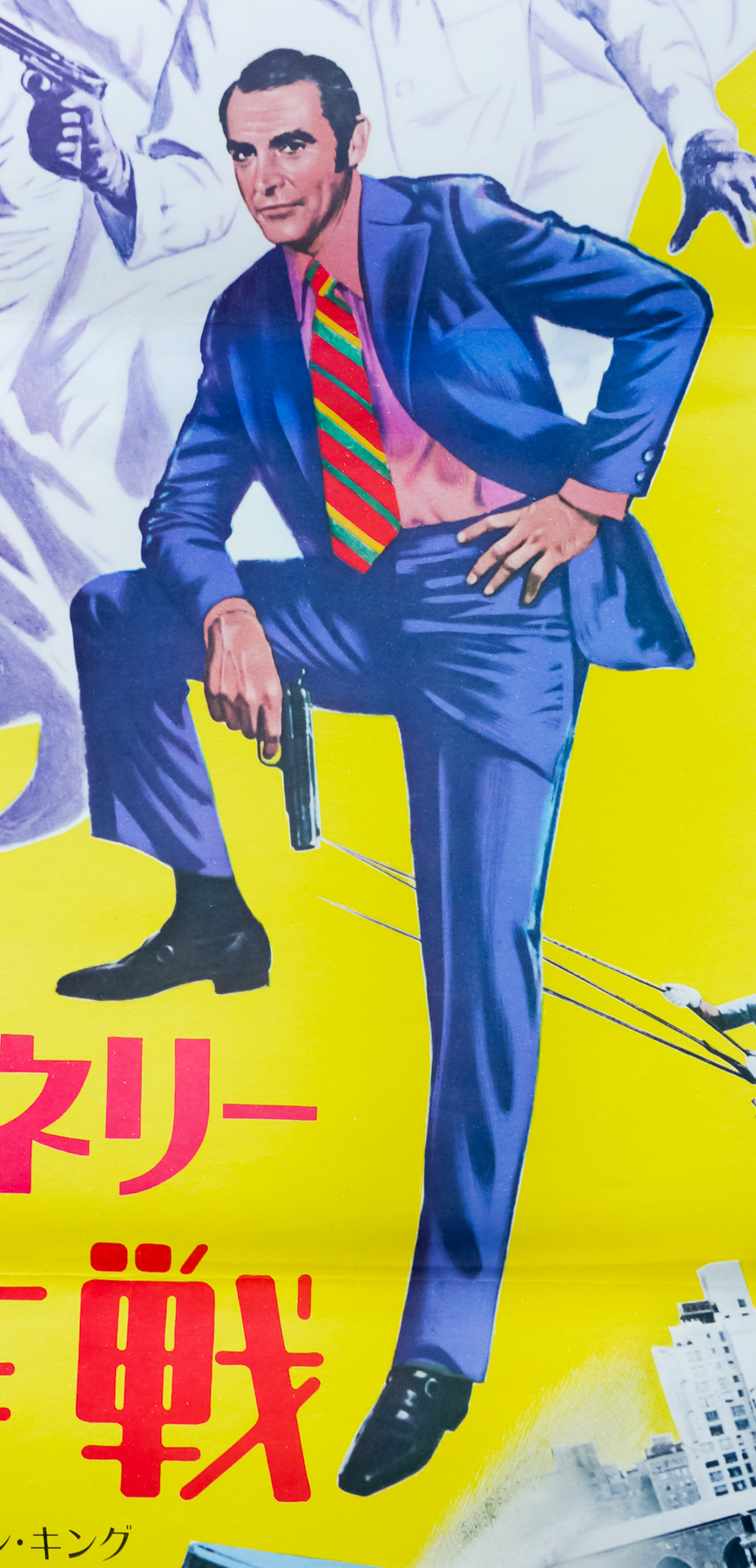
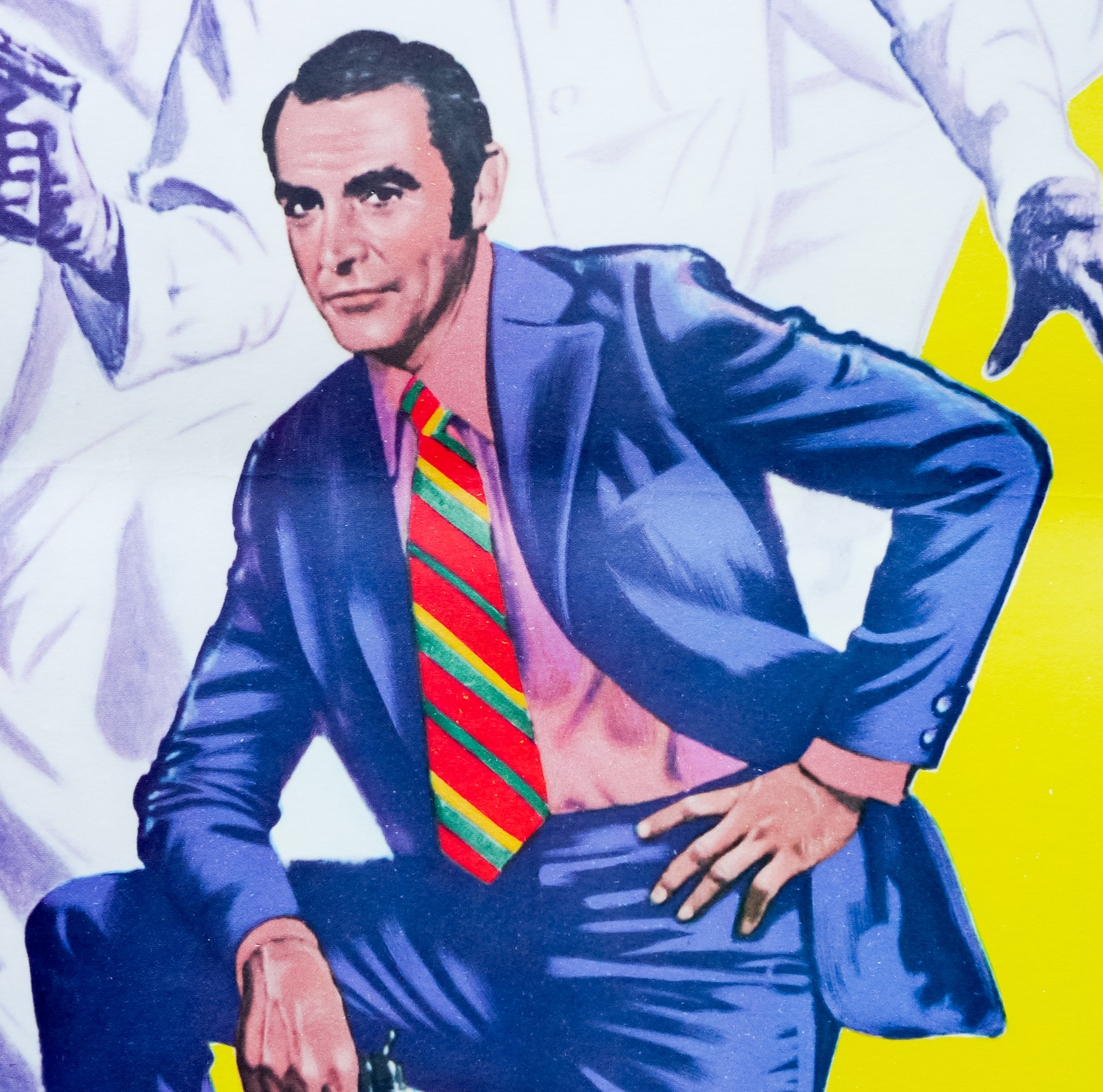
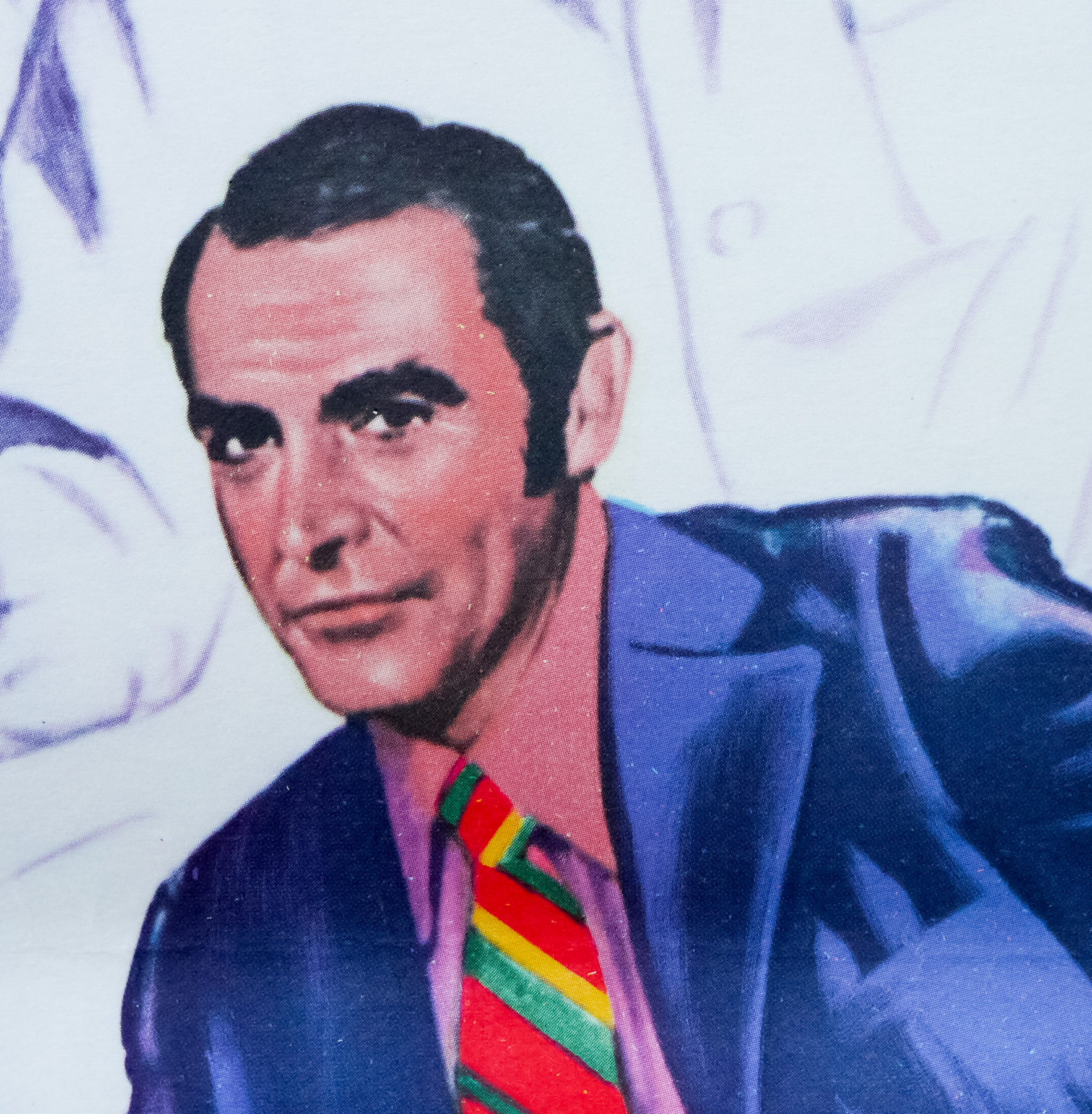
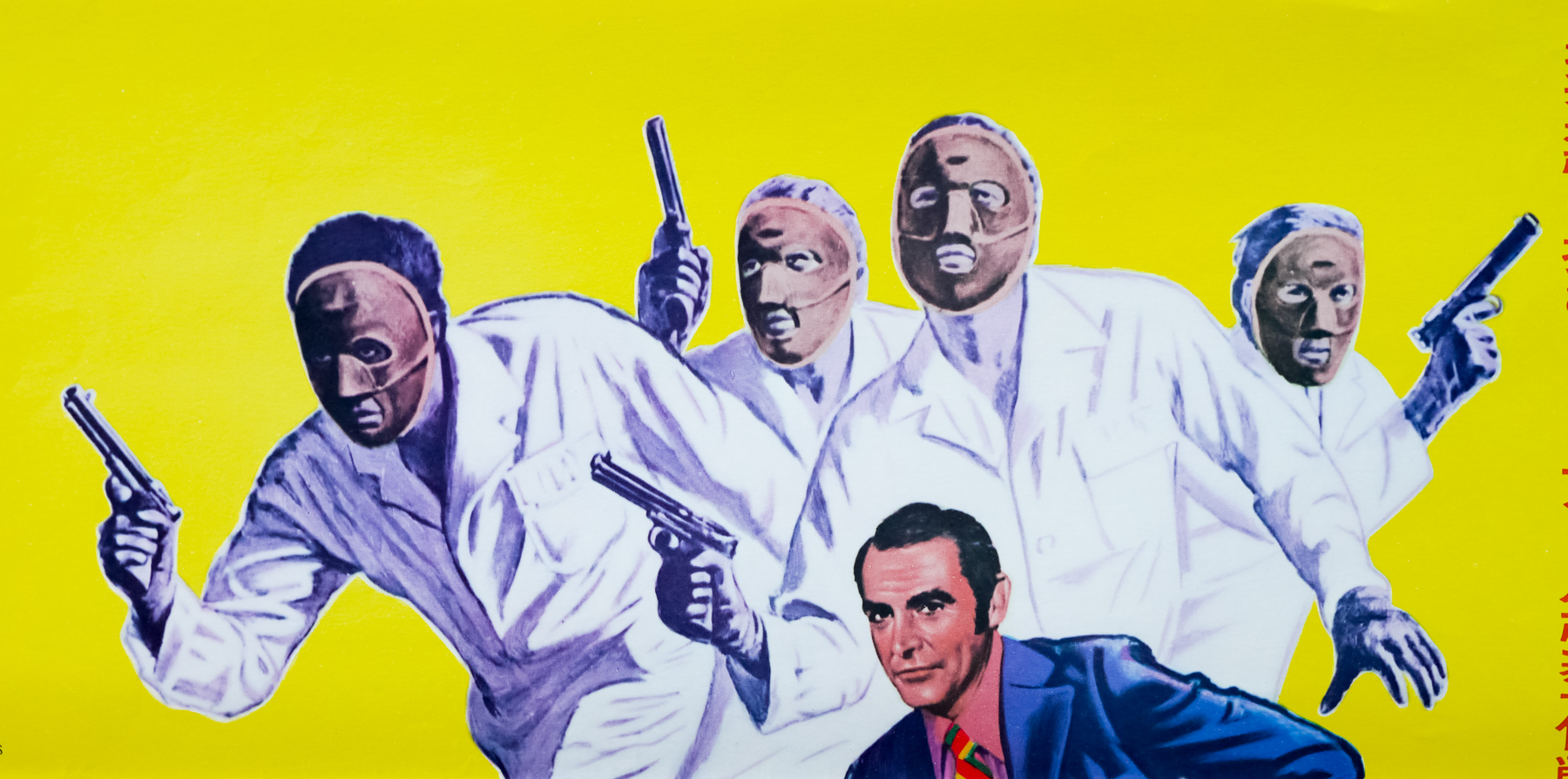
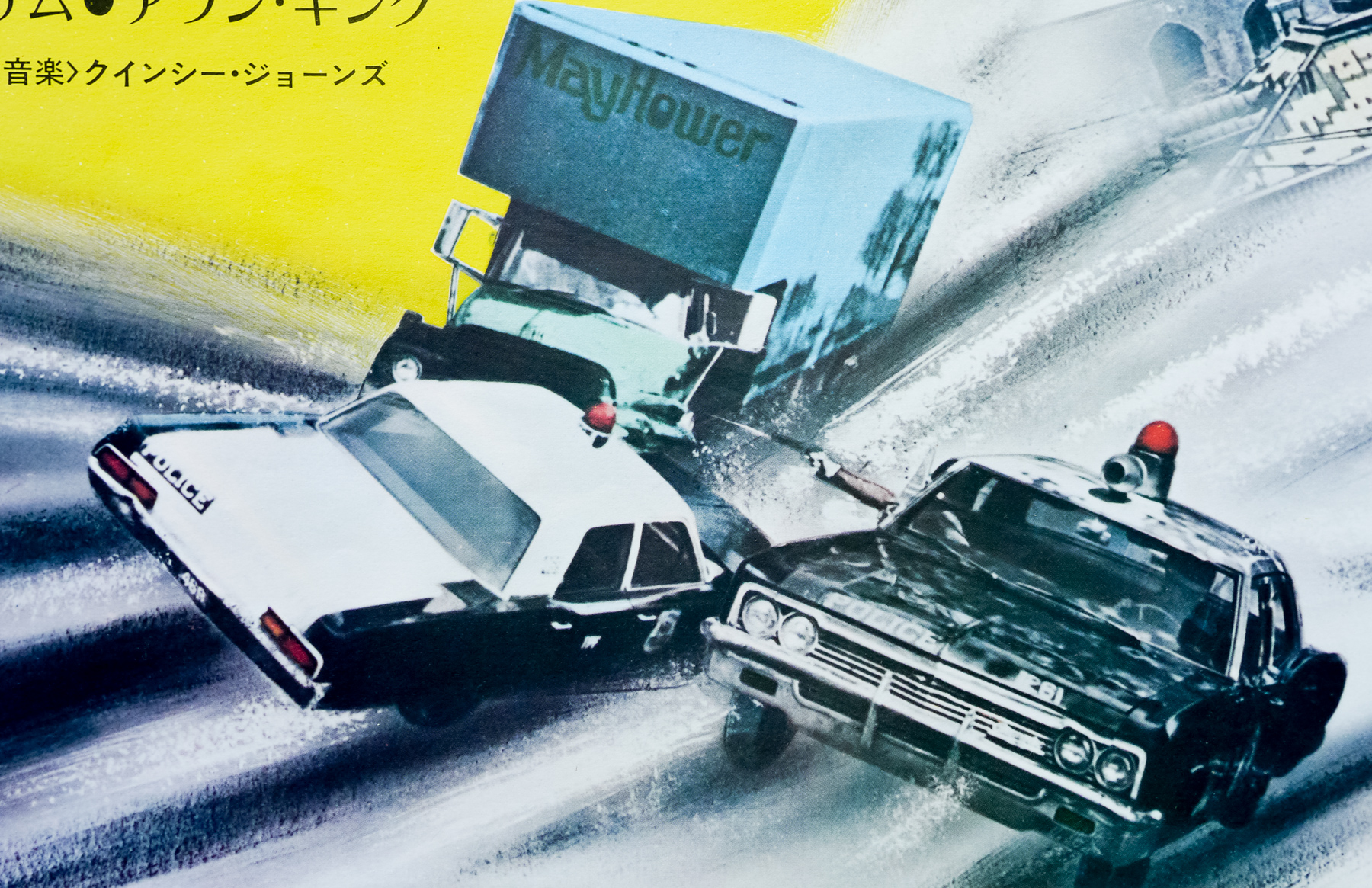
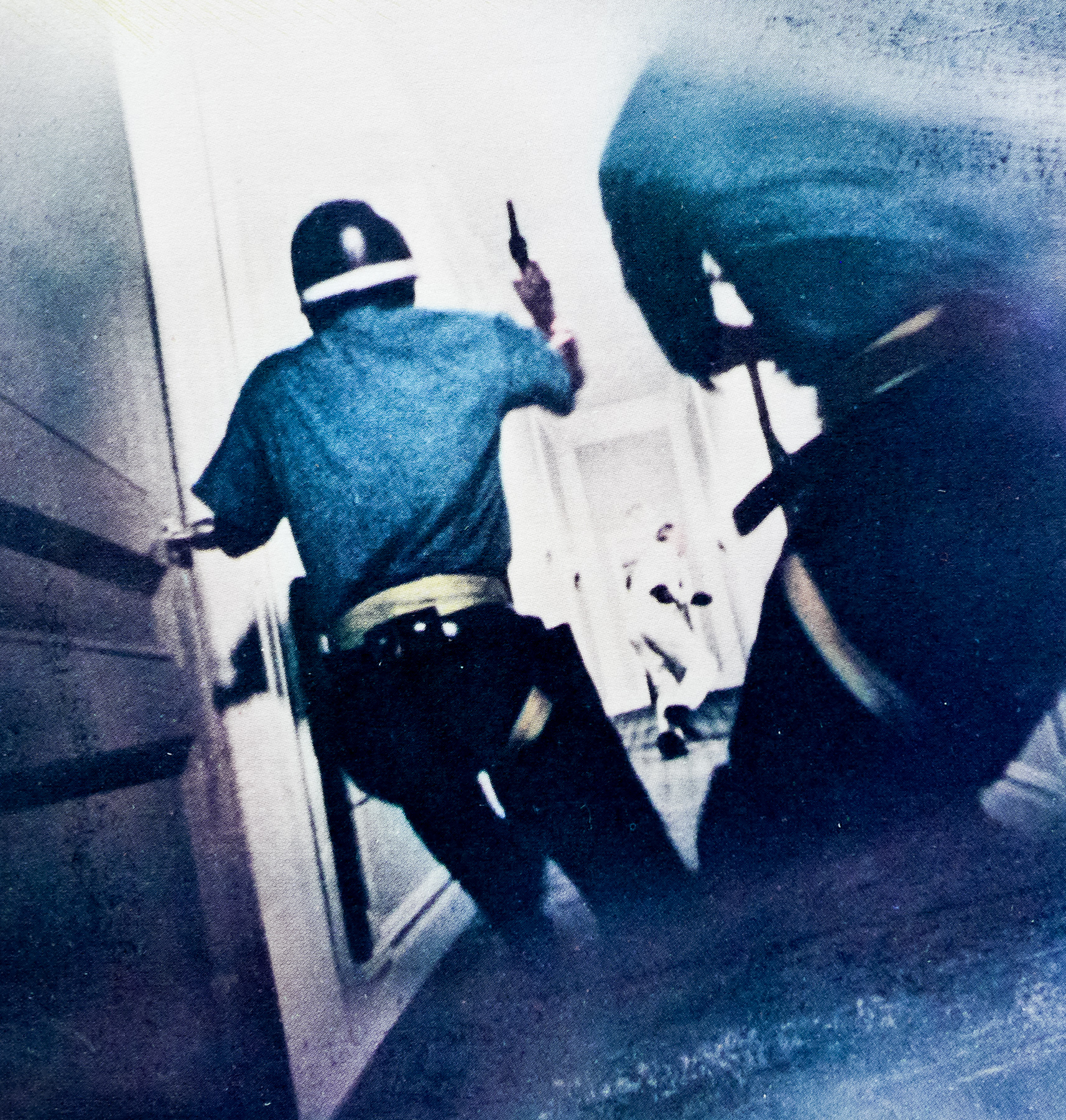
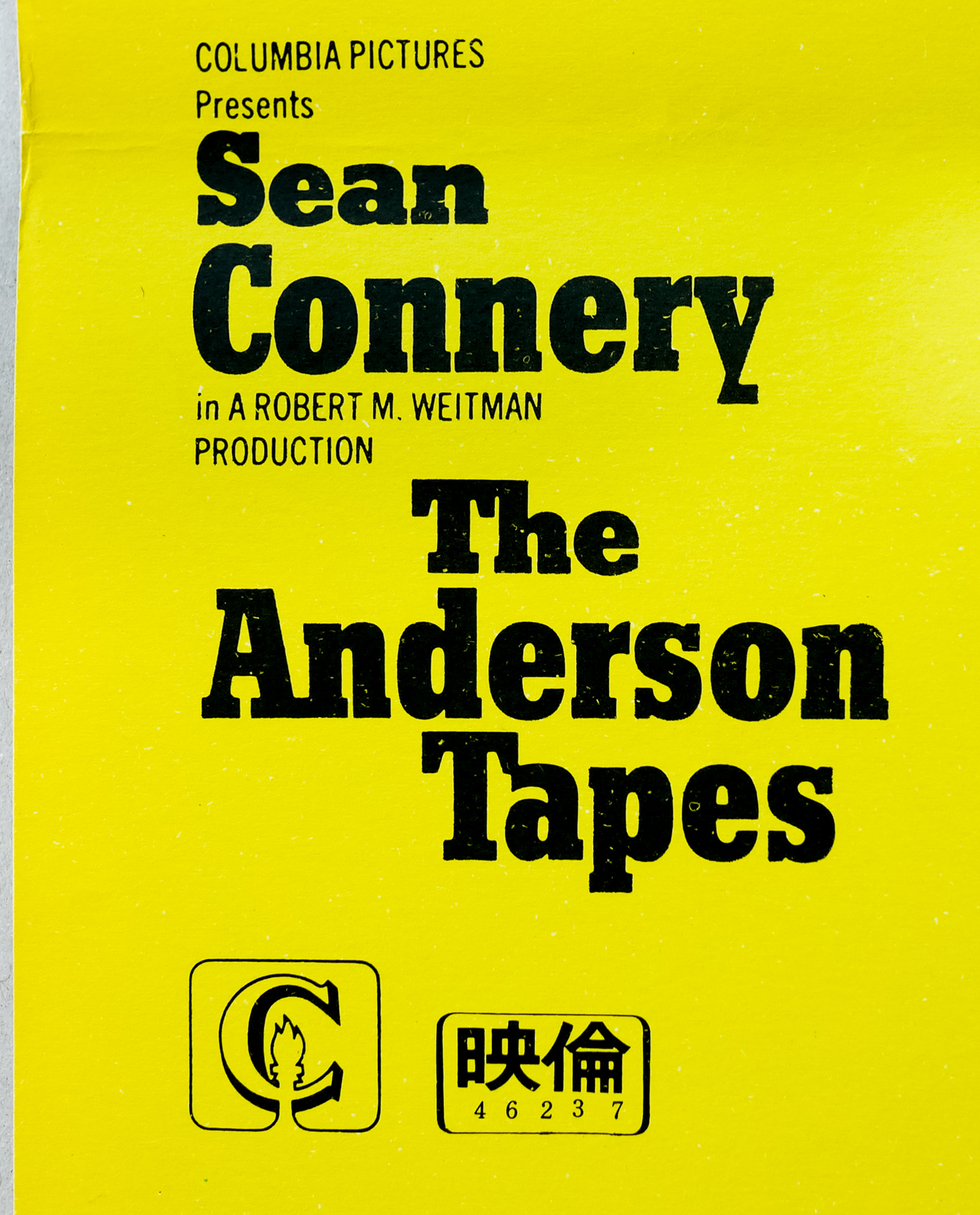
Japanese B2 poster for The Anderson Tapes (1971)Japanese B2 poster for The Anderson Tapes (1971), image 2Japanese B2 poster for The Anderson Tapes (1971), image 3Japanese B2 poster for The Anderson Tapes (1971), image 4Japanese B2 poster for The Anderson Tapes (1971), image 5
Title
The Anderson Tapes
Year of Film
1971
Director
Sidney Lumet
Starring
Sean Connery, Dyan Cannon, Martin Balsam, Ralph Meeker, Alan King, Christopher Walken, Val Avery, Dick Anthony Williams, Garrett Morris
Origin of Film
USA
Genre(s) of Film
Comedy | Crime | Thriller
Type of Poster
B2
Origin of Poster
Japan
Year of Poster
1971
Designer
Unknown
Artist
Unknown
Size (inches)
20 1/4" x 28 7/8"
SS or DS
SS

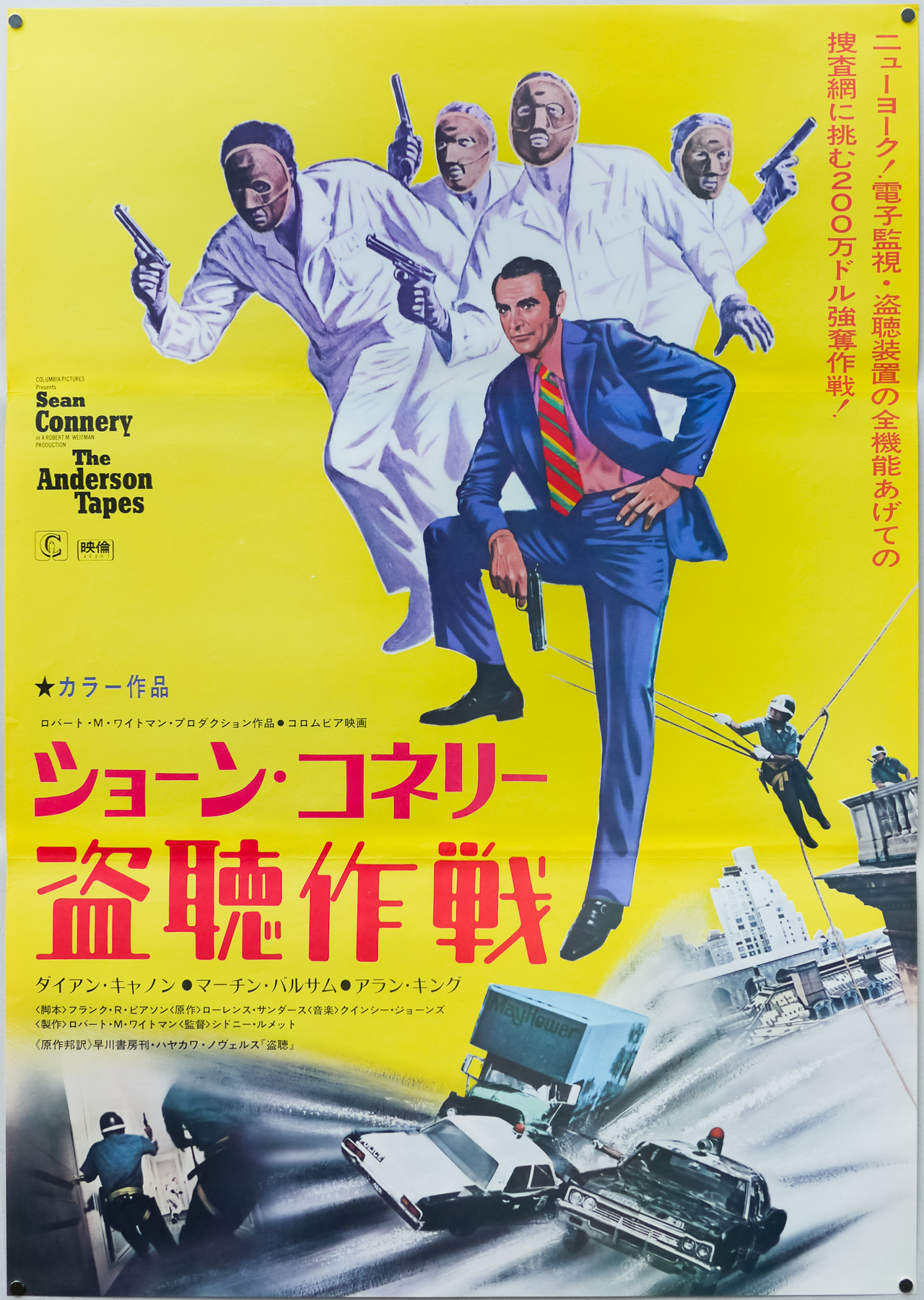
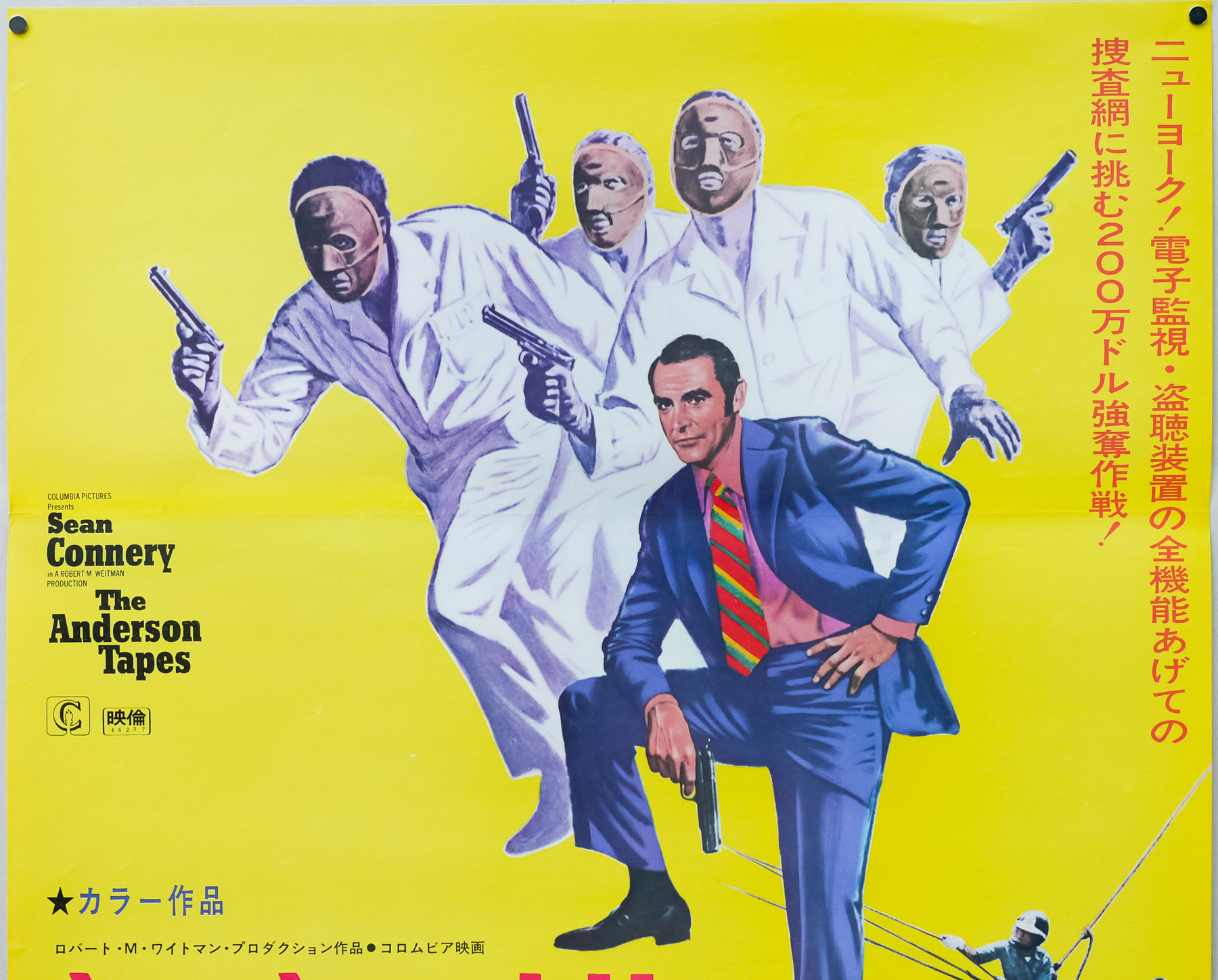
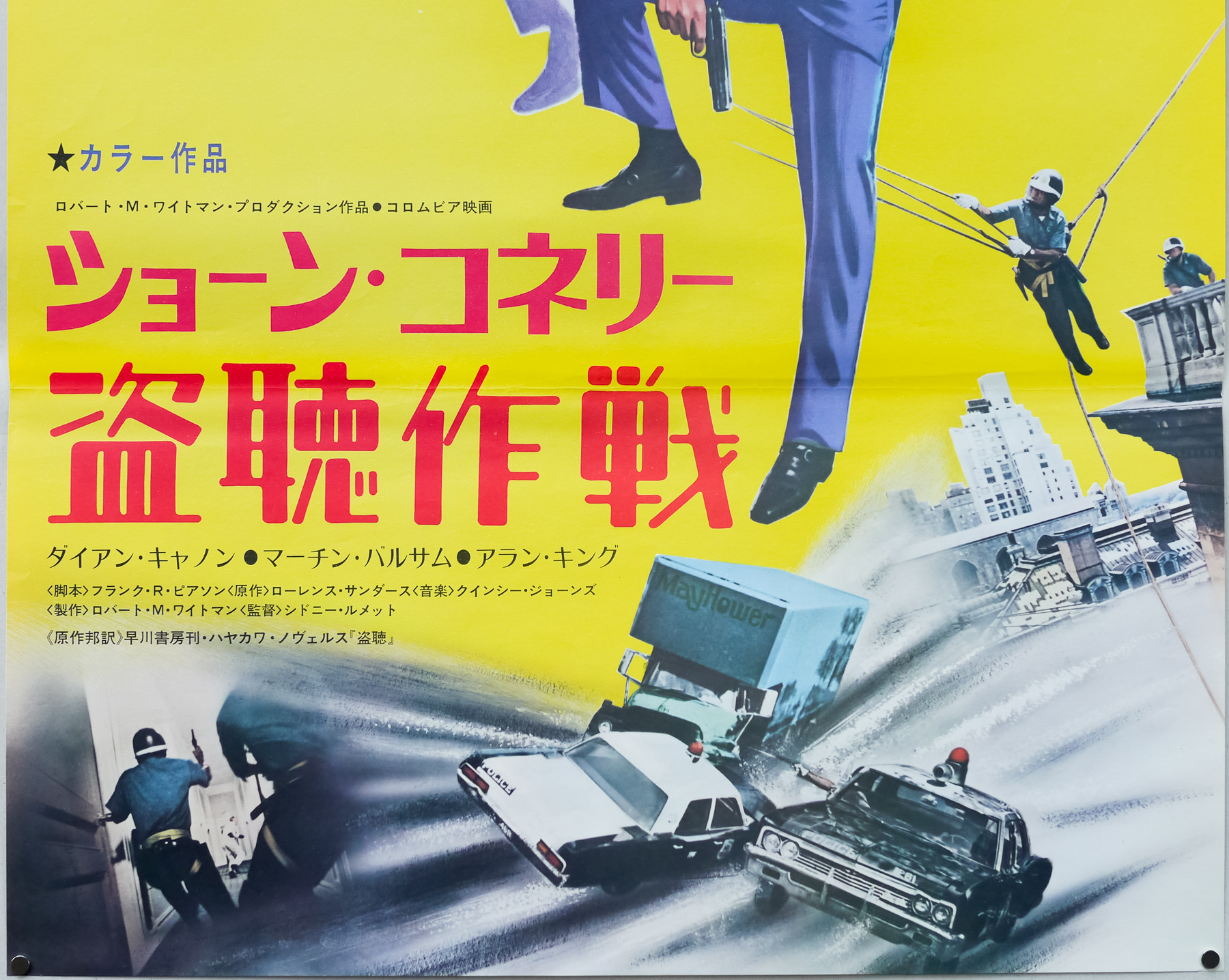
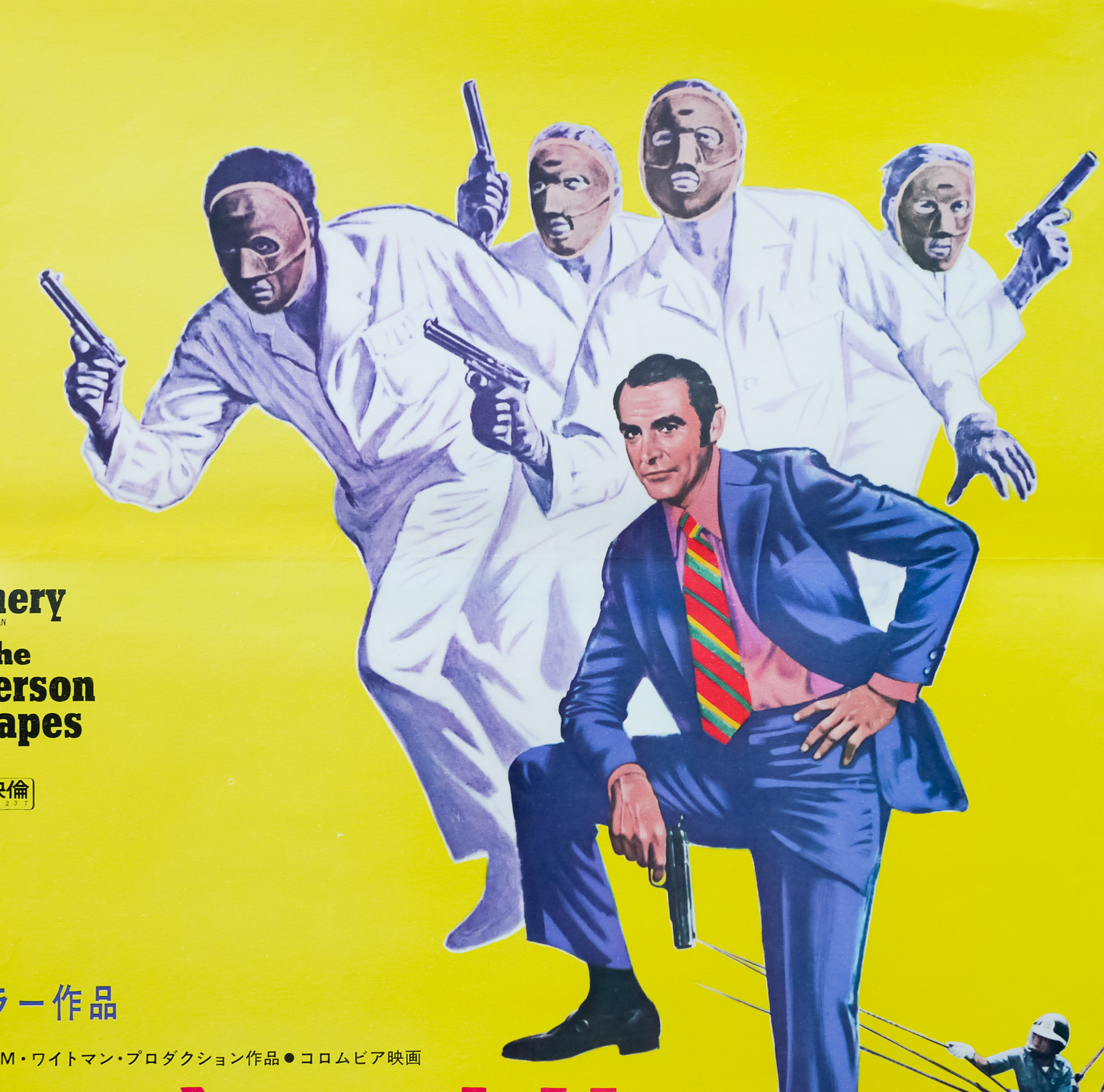
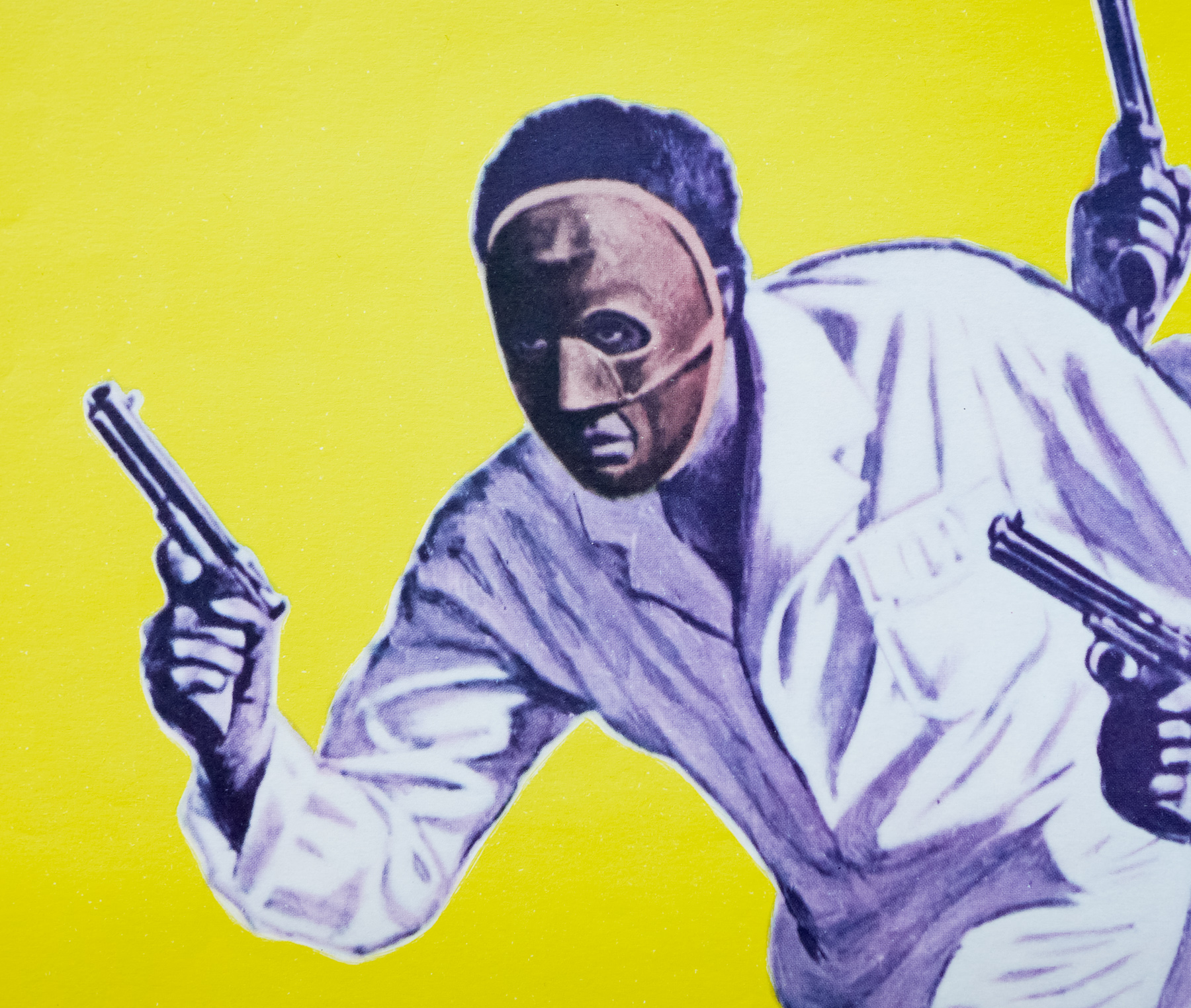
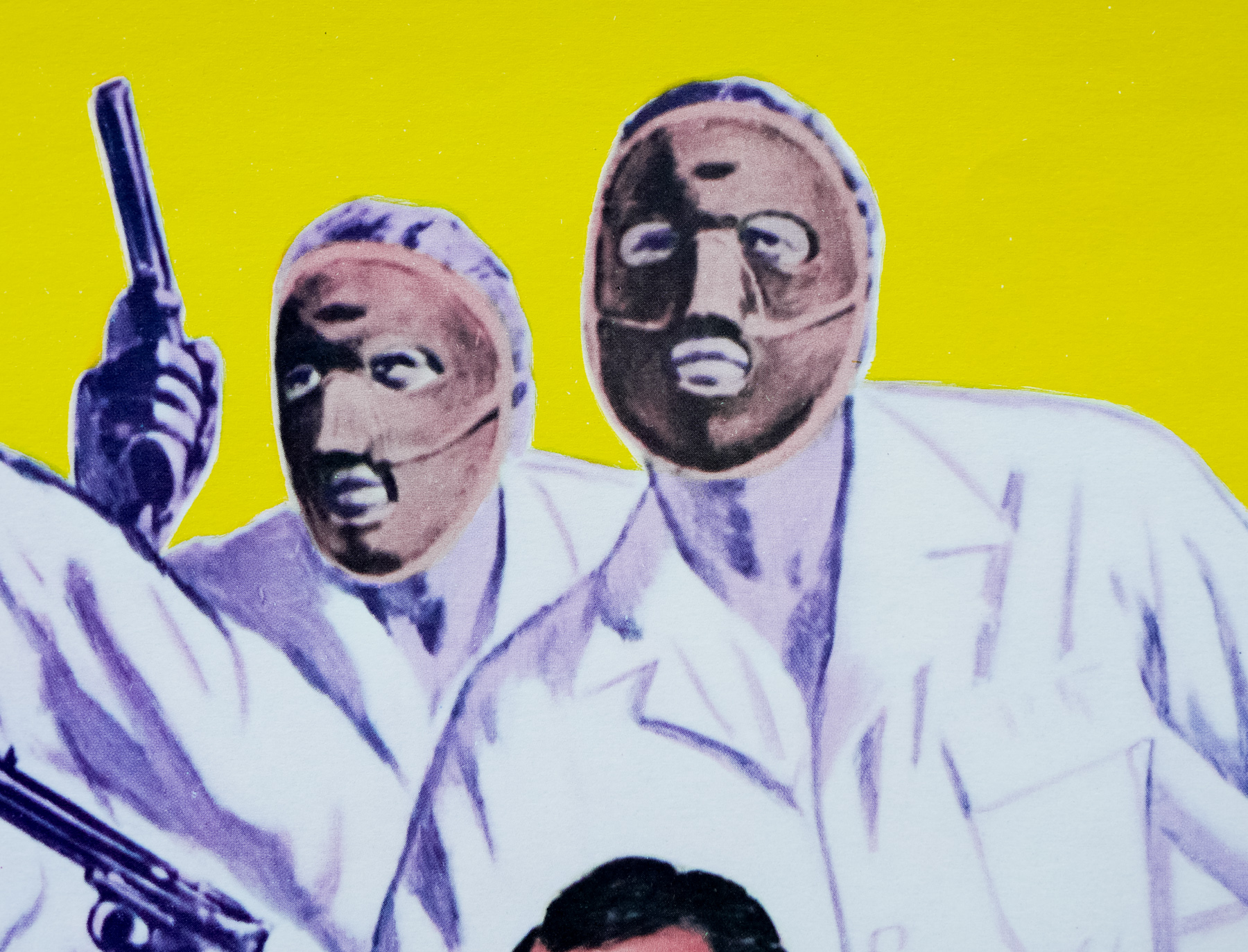
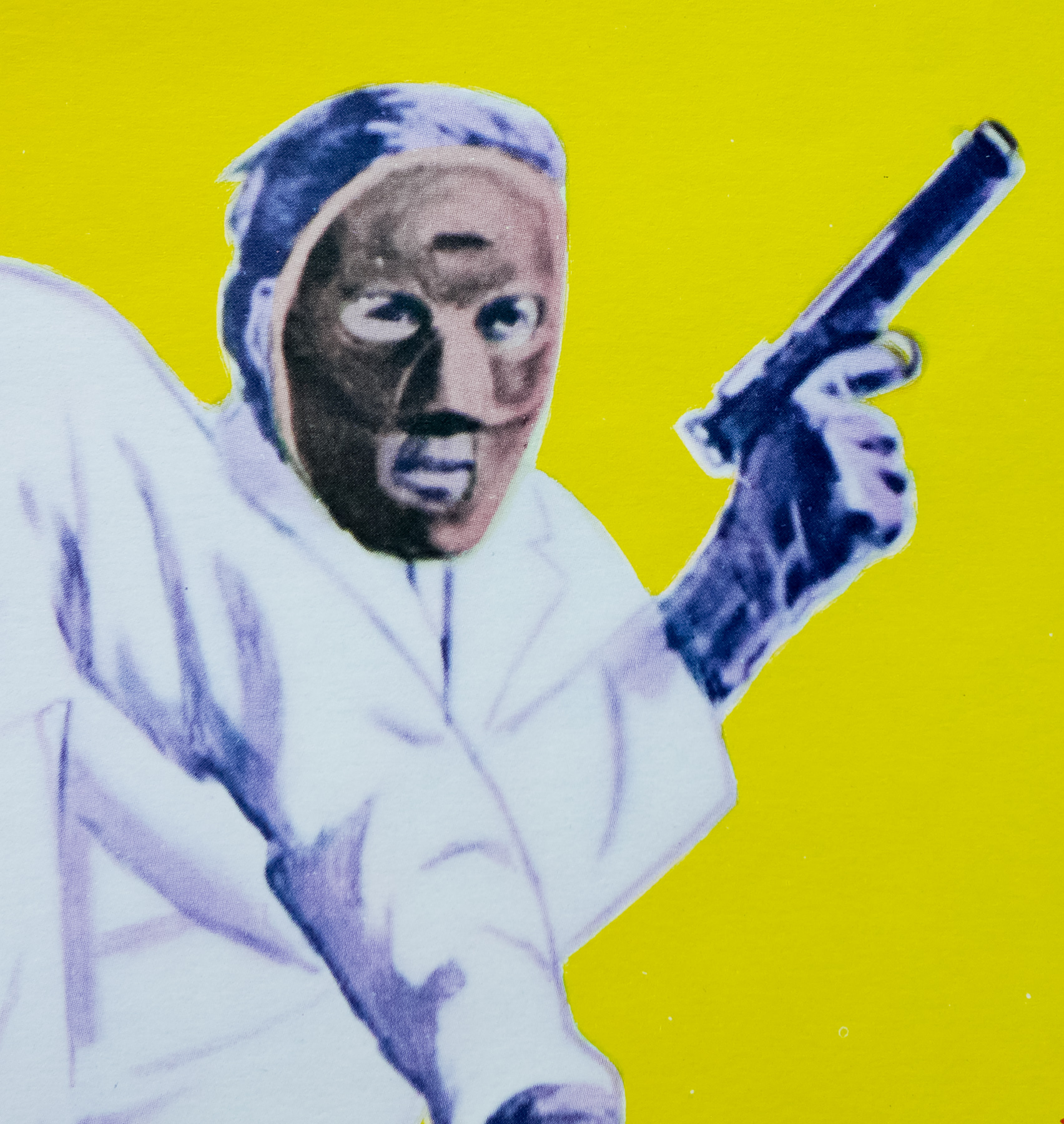
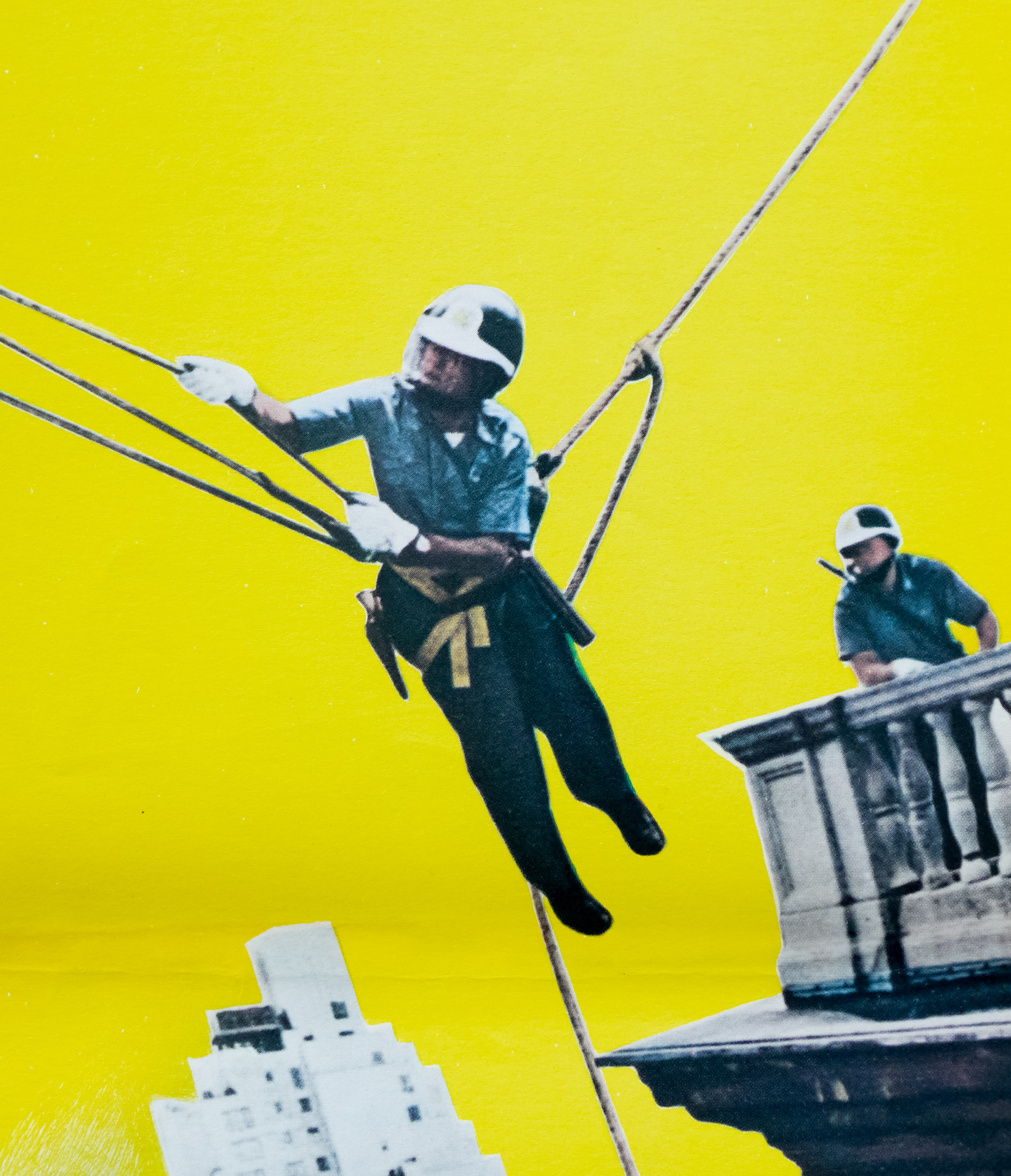
This is the Japanese poster for the release of The Anderson Tapes (opens in a new tab), a 1971 crime film from director Sidney Lumet (opens in a new tab). It stars Sean Connery (opens in a new tab) and was released the same year as Diamonds are Forever, the film that marked the final time he would officially play James Bond (for Eon Productions). It’s based on a novel of the same name by Lawrence Sanders and had a screenplay written by Frank Pierson (opens in a new tab) who was a producer as well as a screenwriter. Lumet and Pierson would later collaborate on the classic Dog Day Afternoon in 1975.

Connery plays the role of John “Duke” Anderson, a serial burglar who has just been released from prison and reunites with his girlfriend Ingrid (Dyan Cannon (opens in a new tab)) who lives in a high-class apartment block in Manhattan. Far from being reformed, Duke decides he will target all of the flats in the block in one big heist with the help of his mafia connections and a crew of assorted criminals. Things have changed since he was put away and Duke must contend with the electronic surveillance throughout the building as well as various forms of snooping that are covering his entire crew. The film was one of several released at the start of the 1970s that dealt with the issue of surveillance, including the brilliant The Conversation.

This Japanese poster features artwork originally found on the US one sheet (opens in a new tab), although it appears to have been colour-tinted somewhat, particularly the masked men at the top. If anyone has any ideas who the artist is please get in touch.