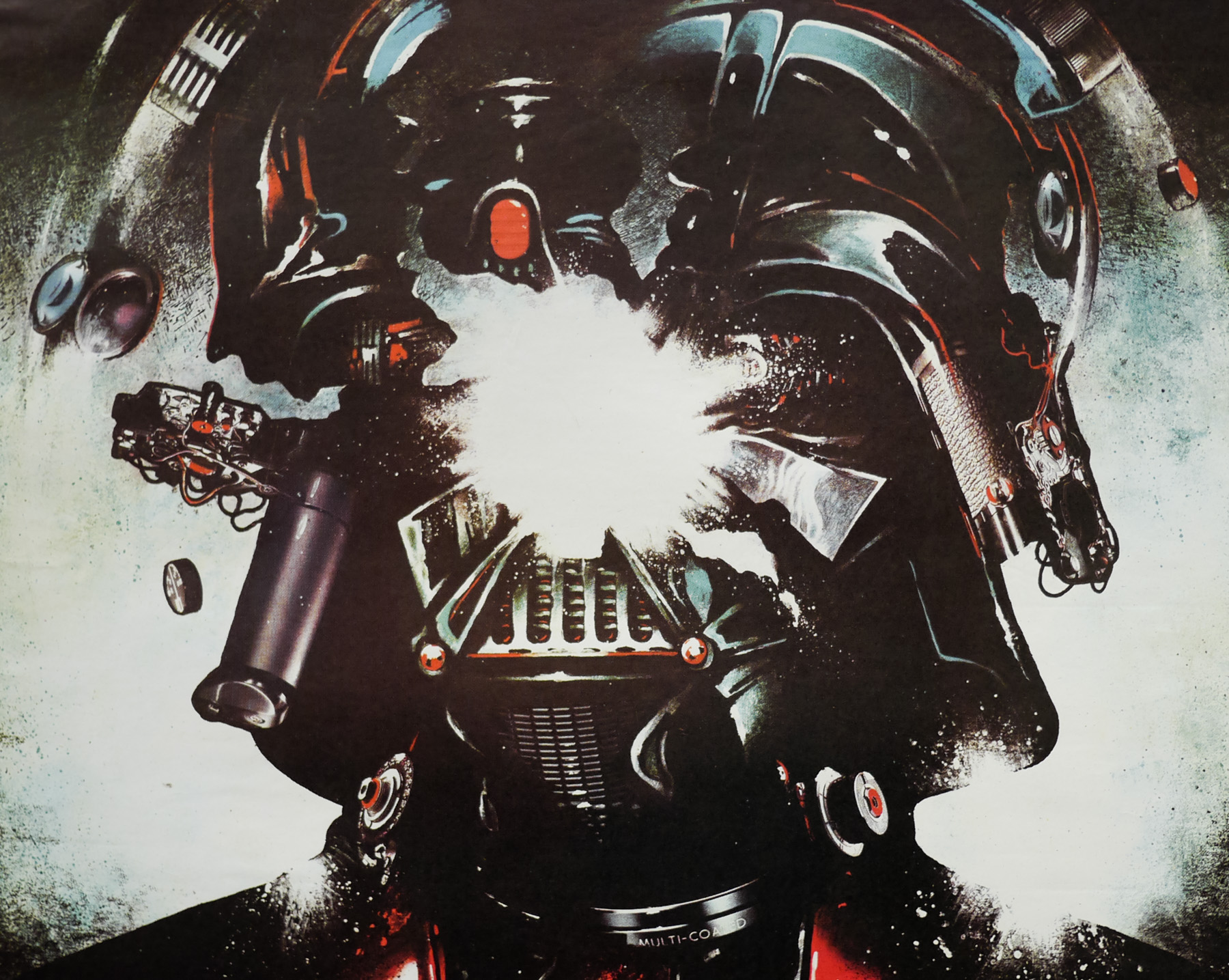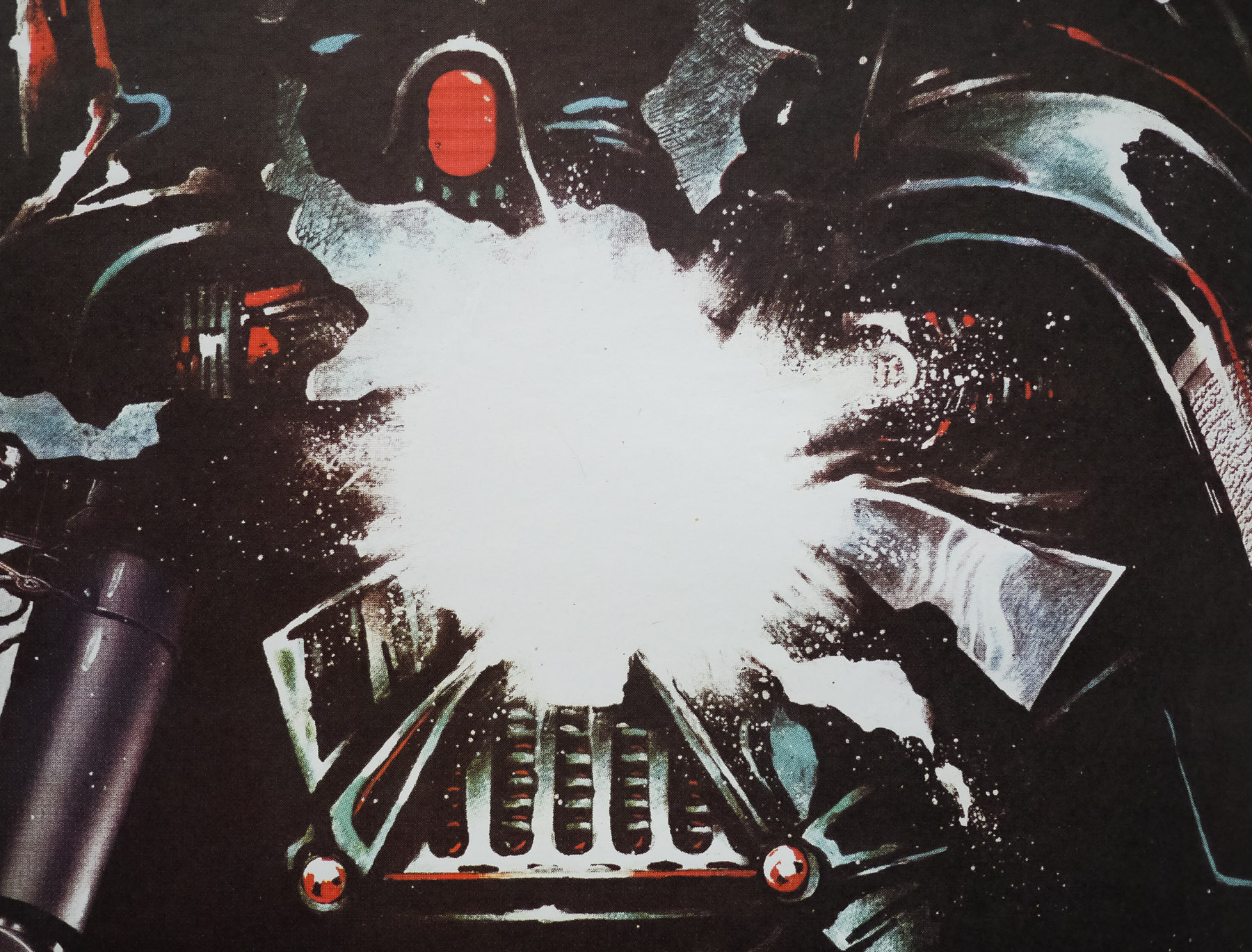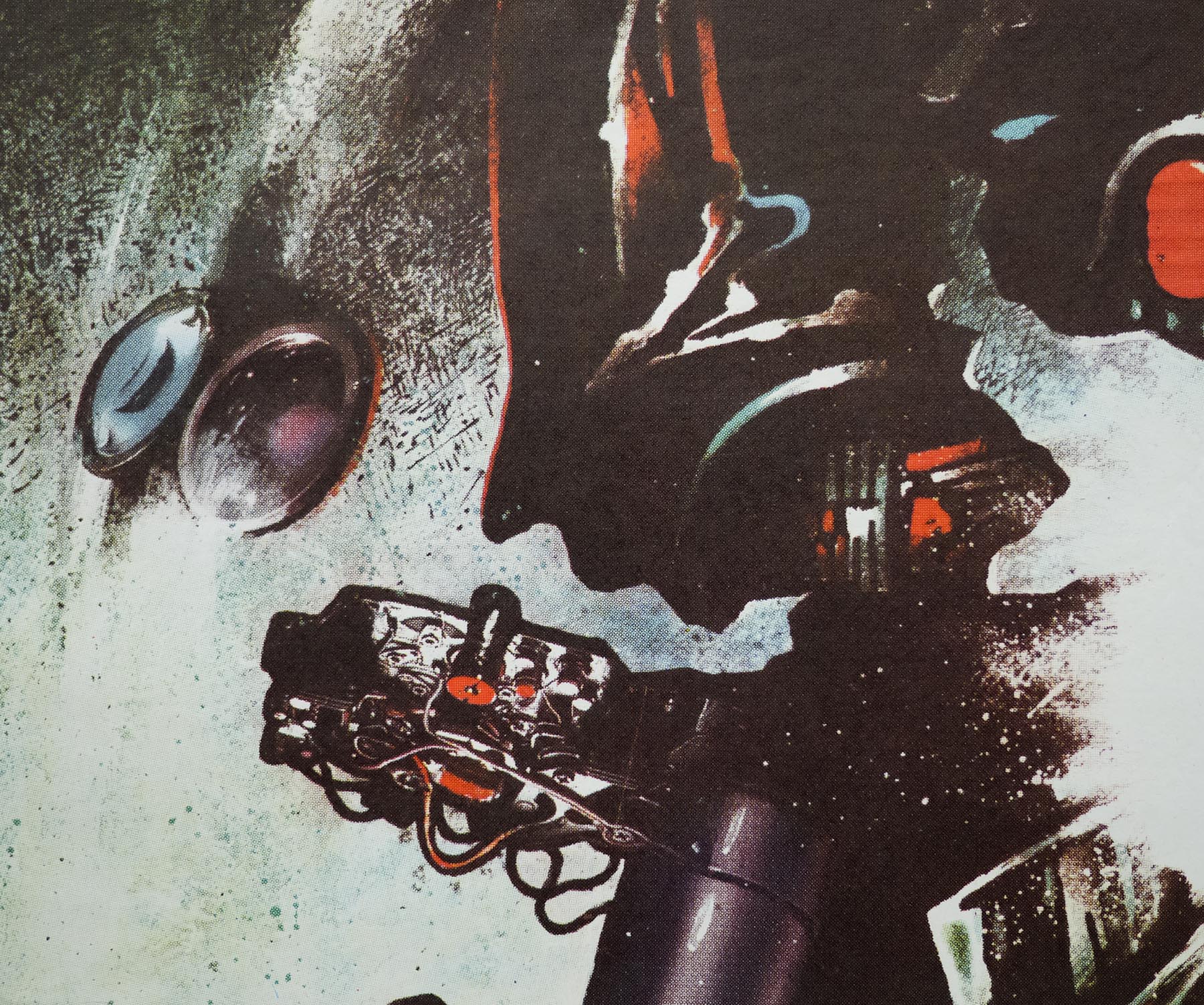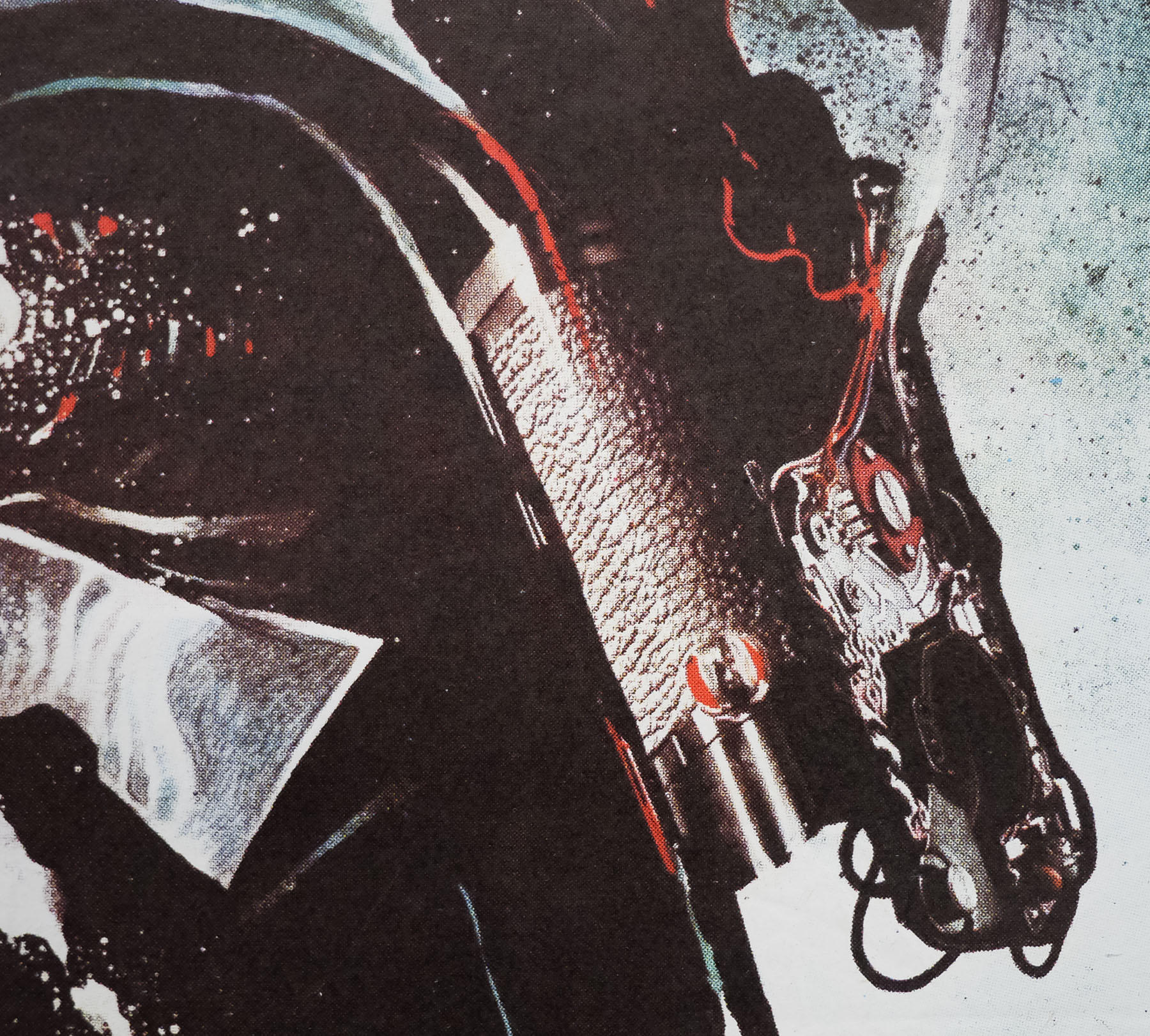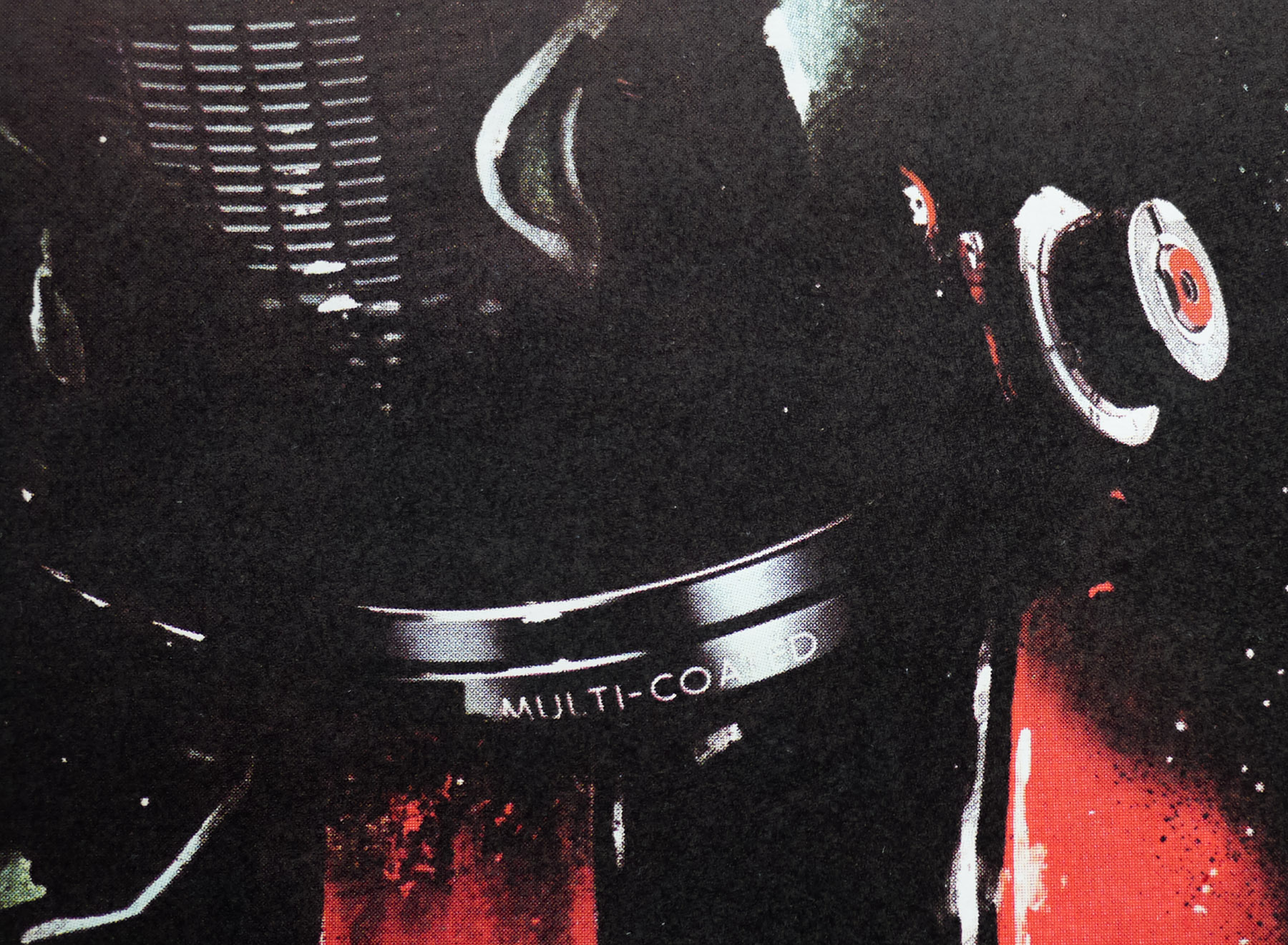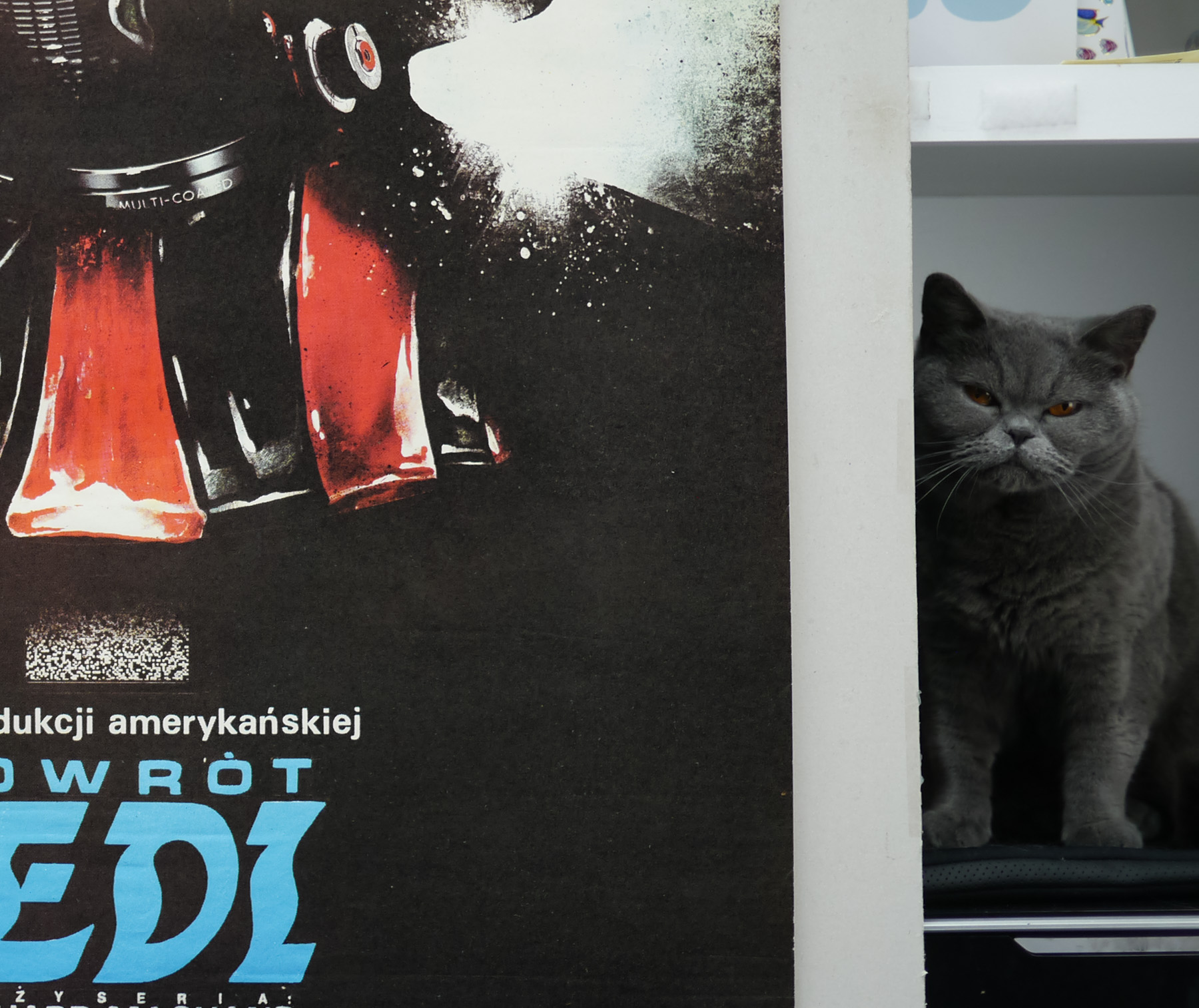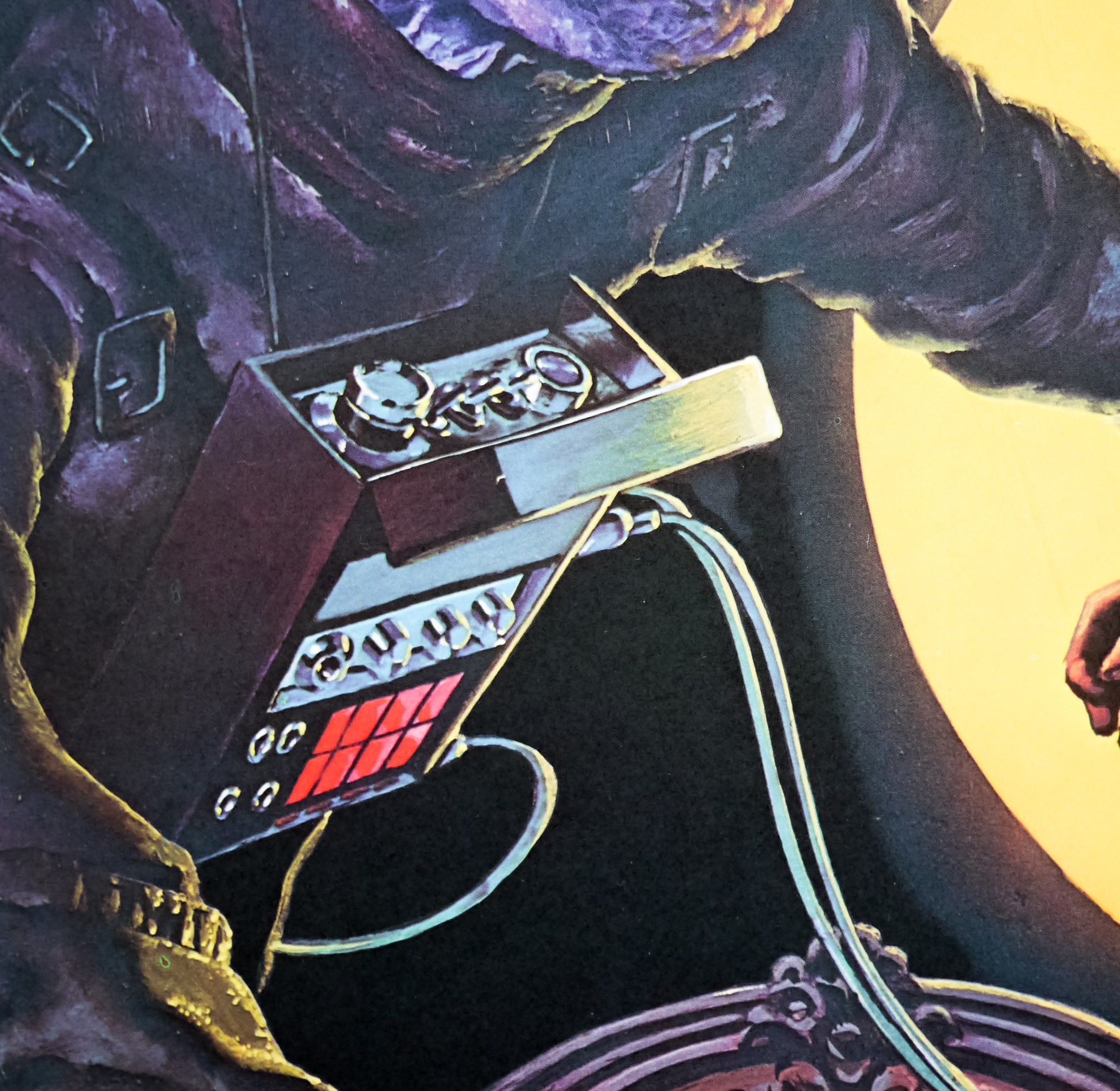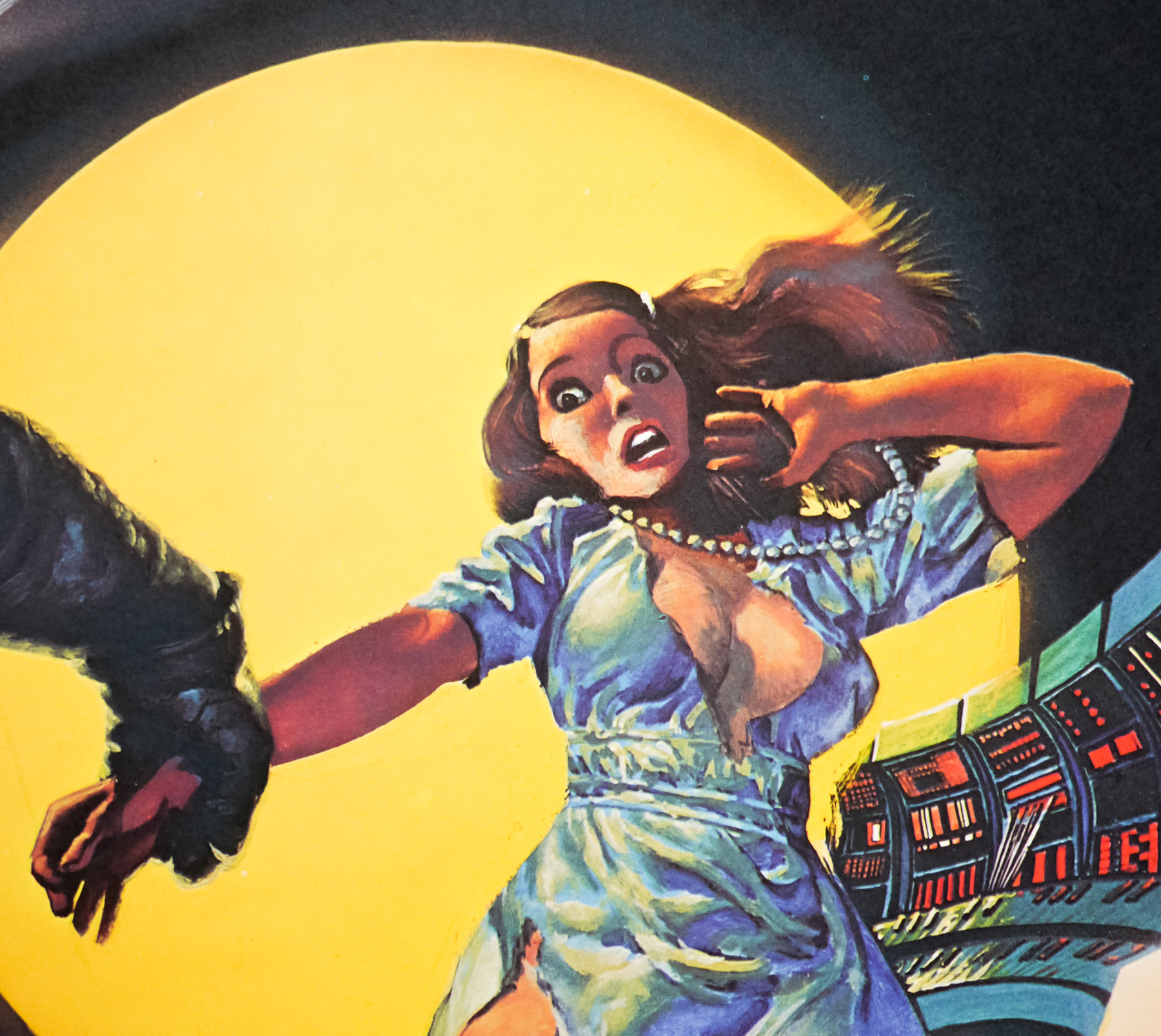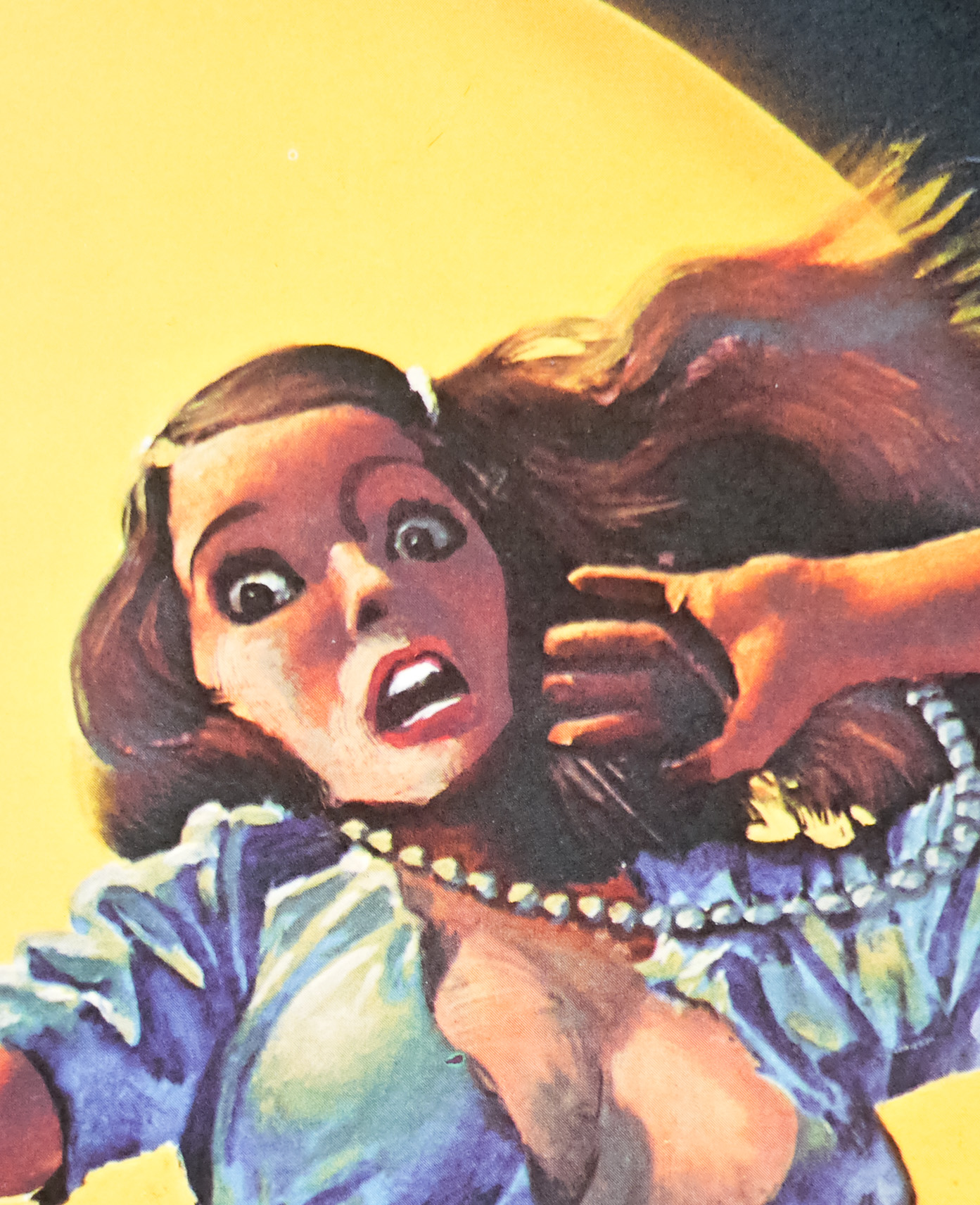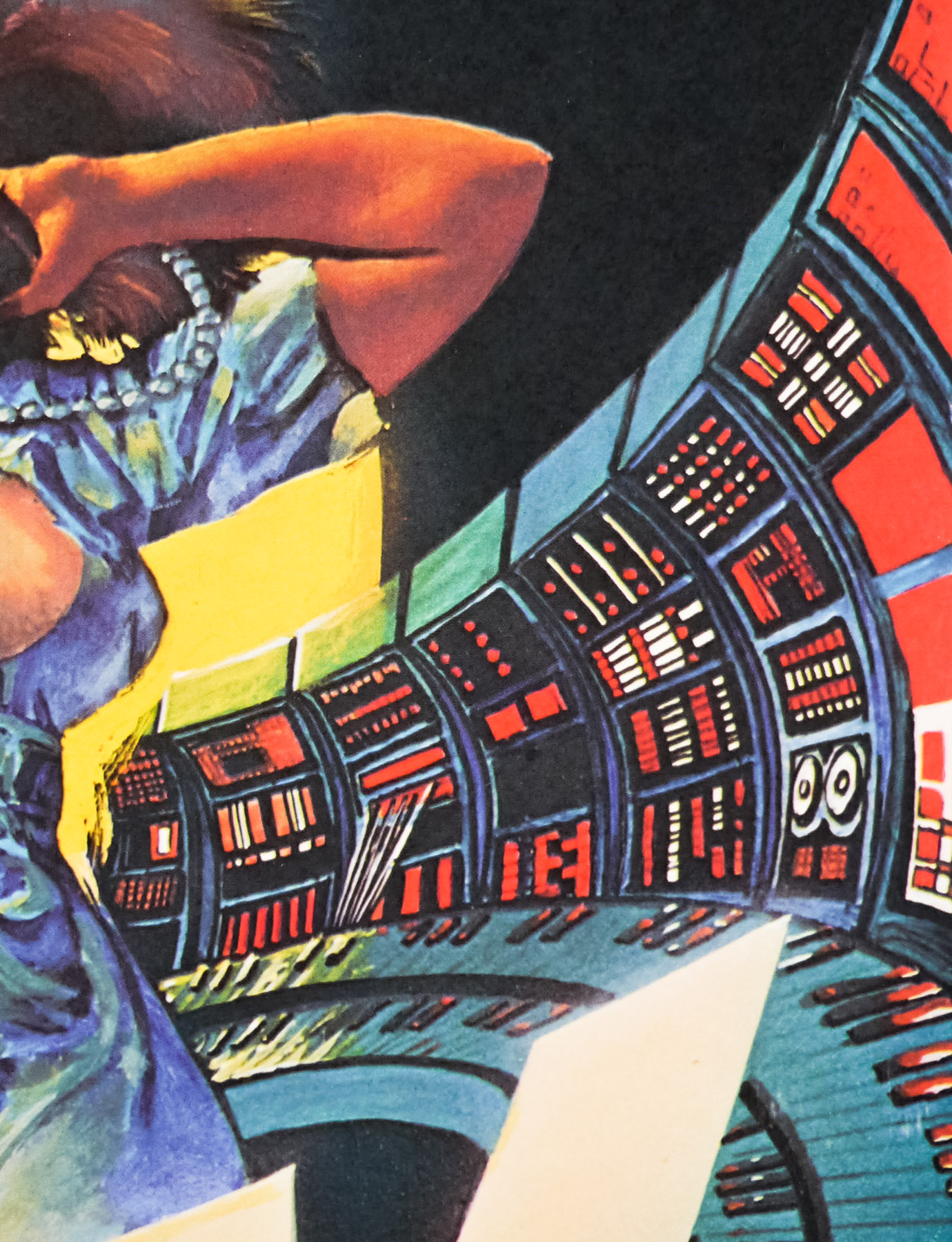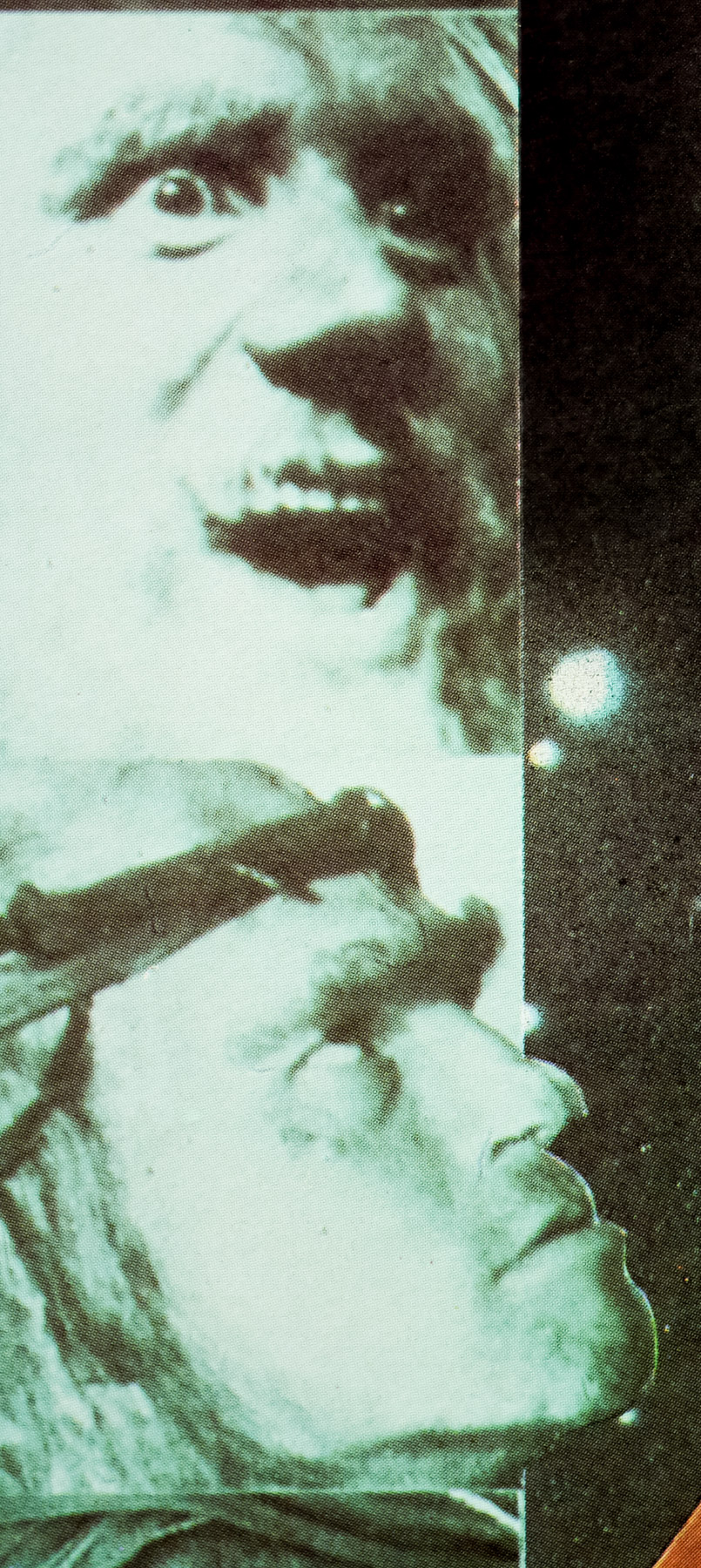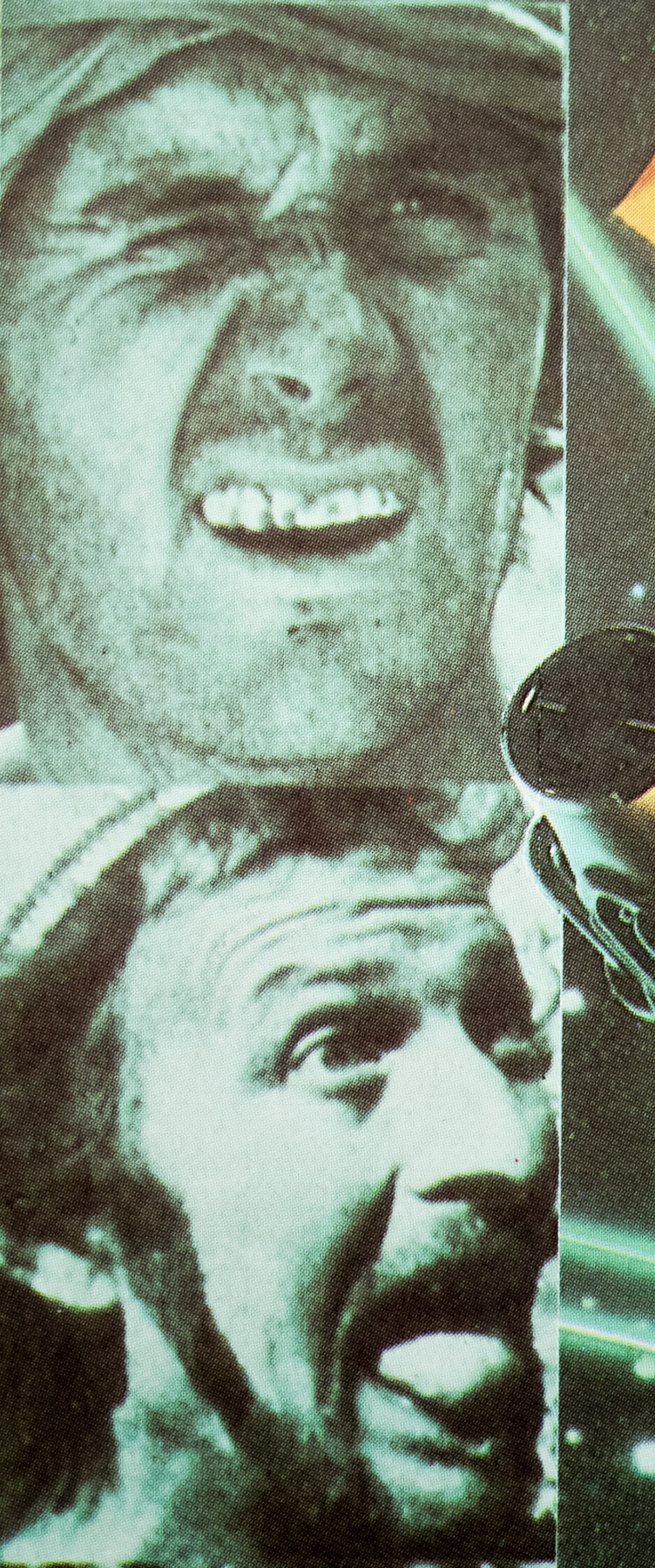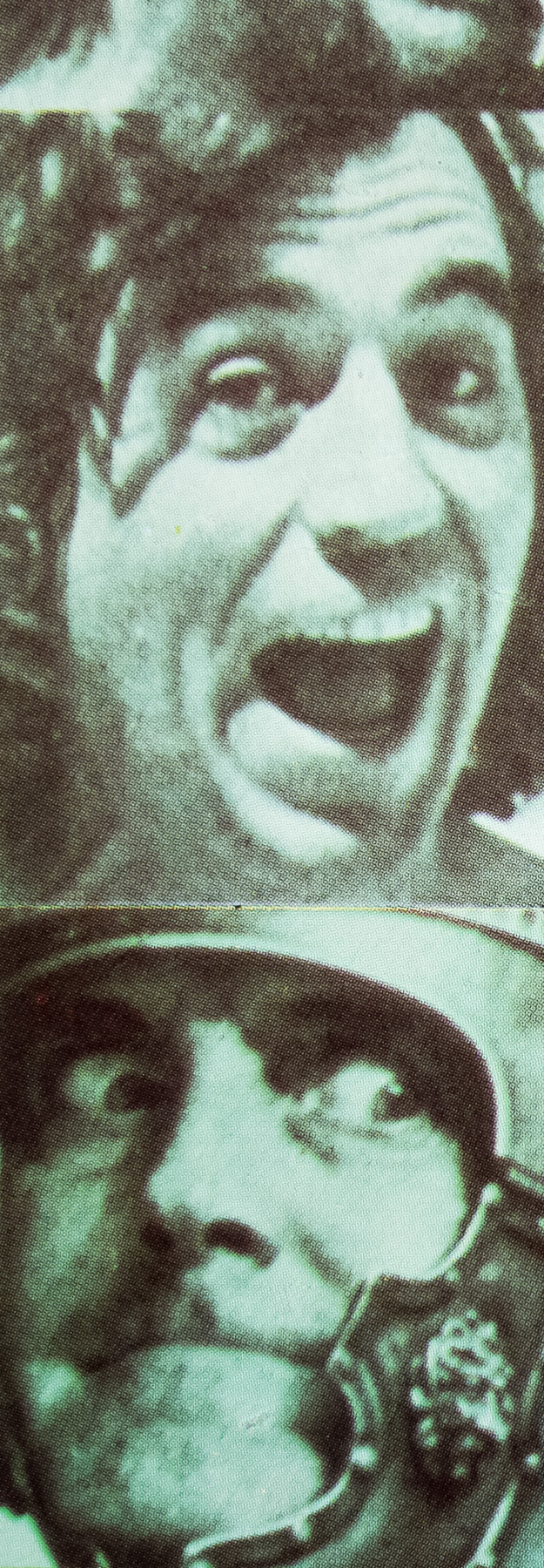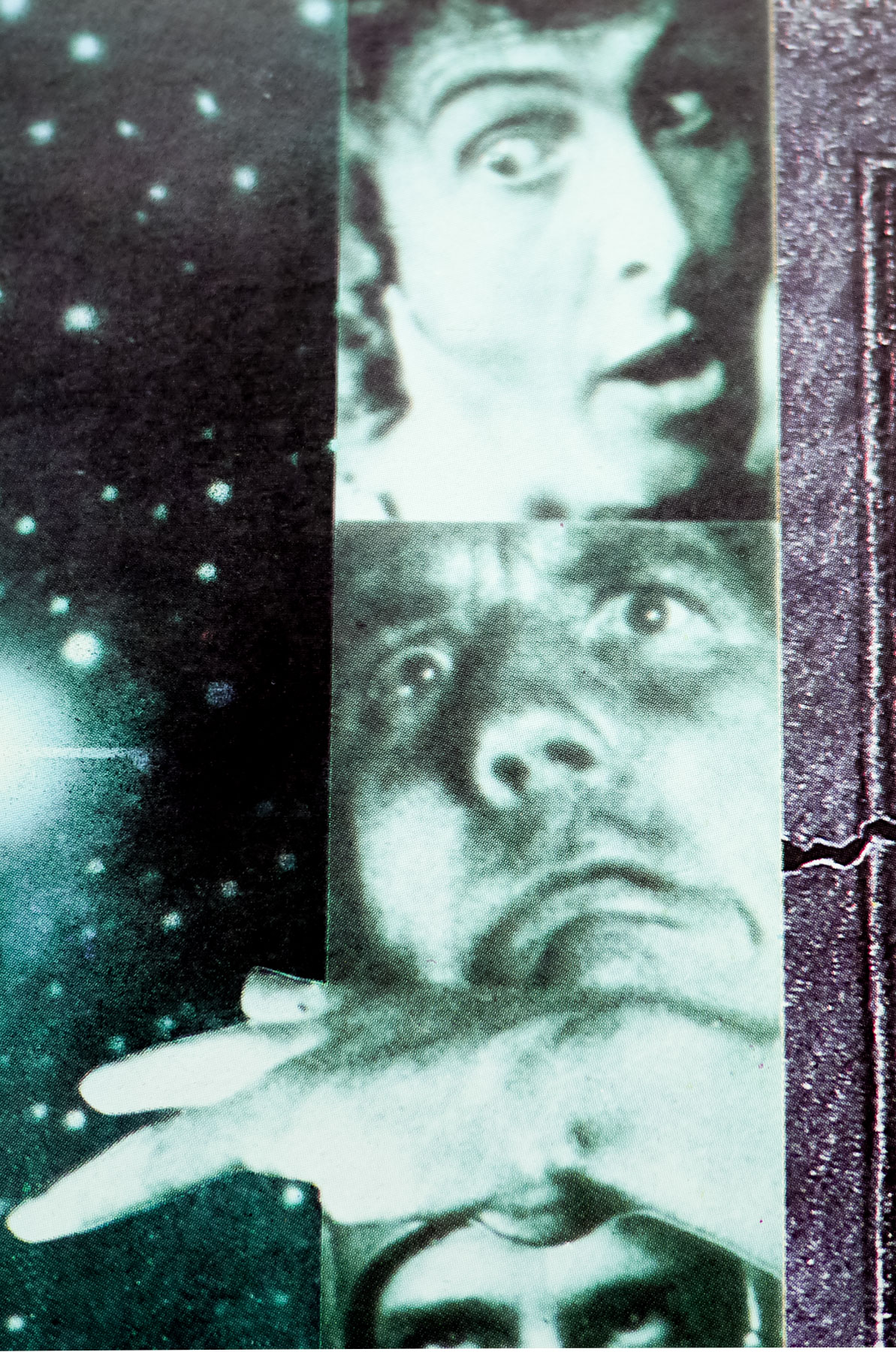


Return of the Jedi / B1 / Vader style / Poland

22.04.14

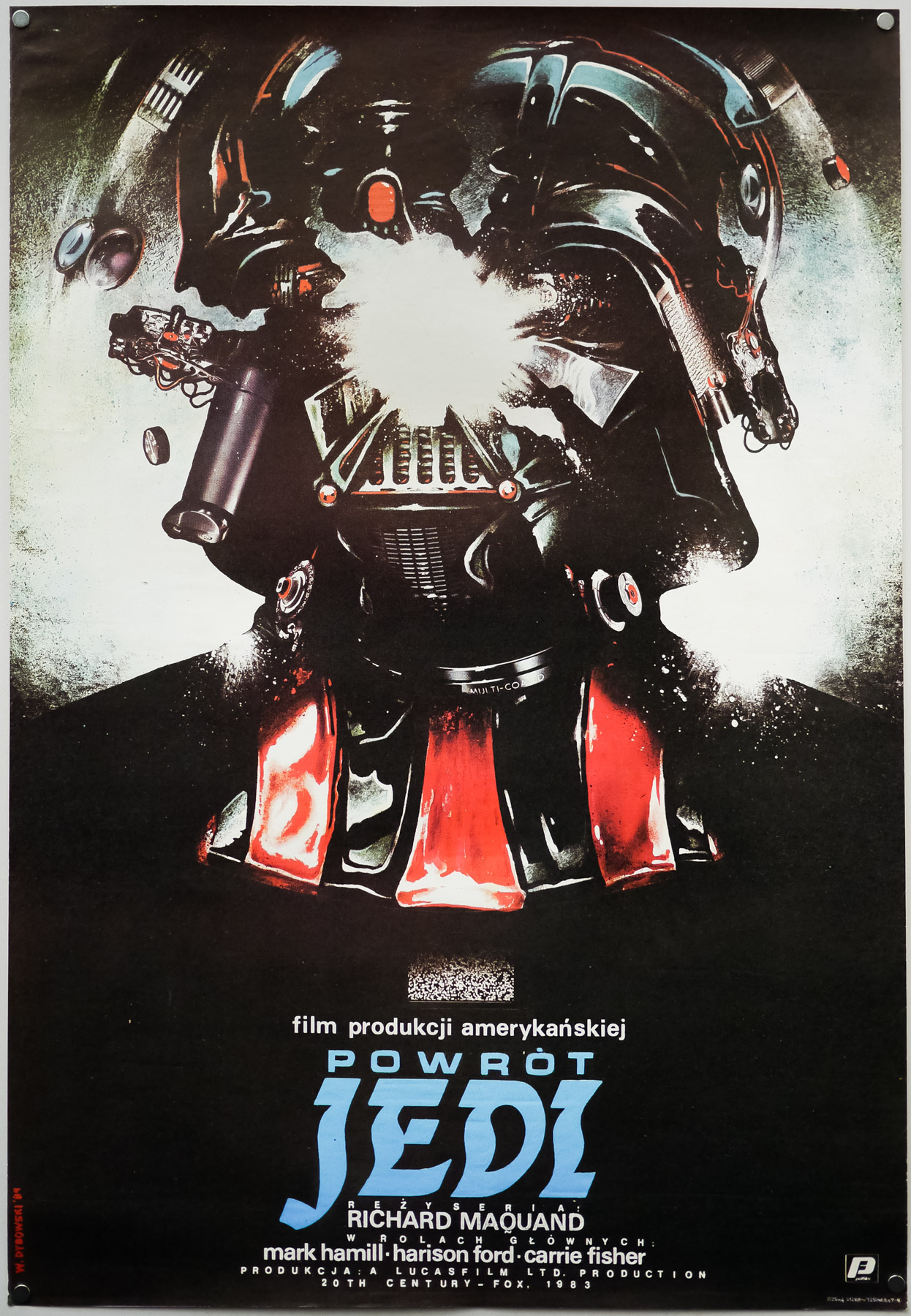
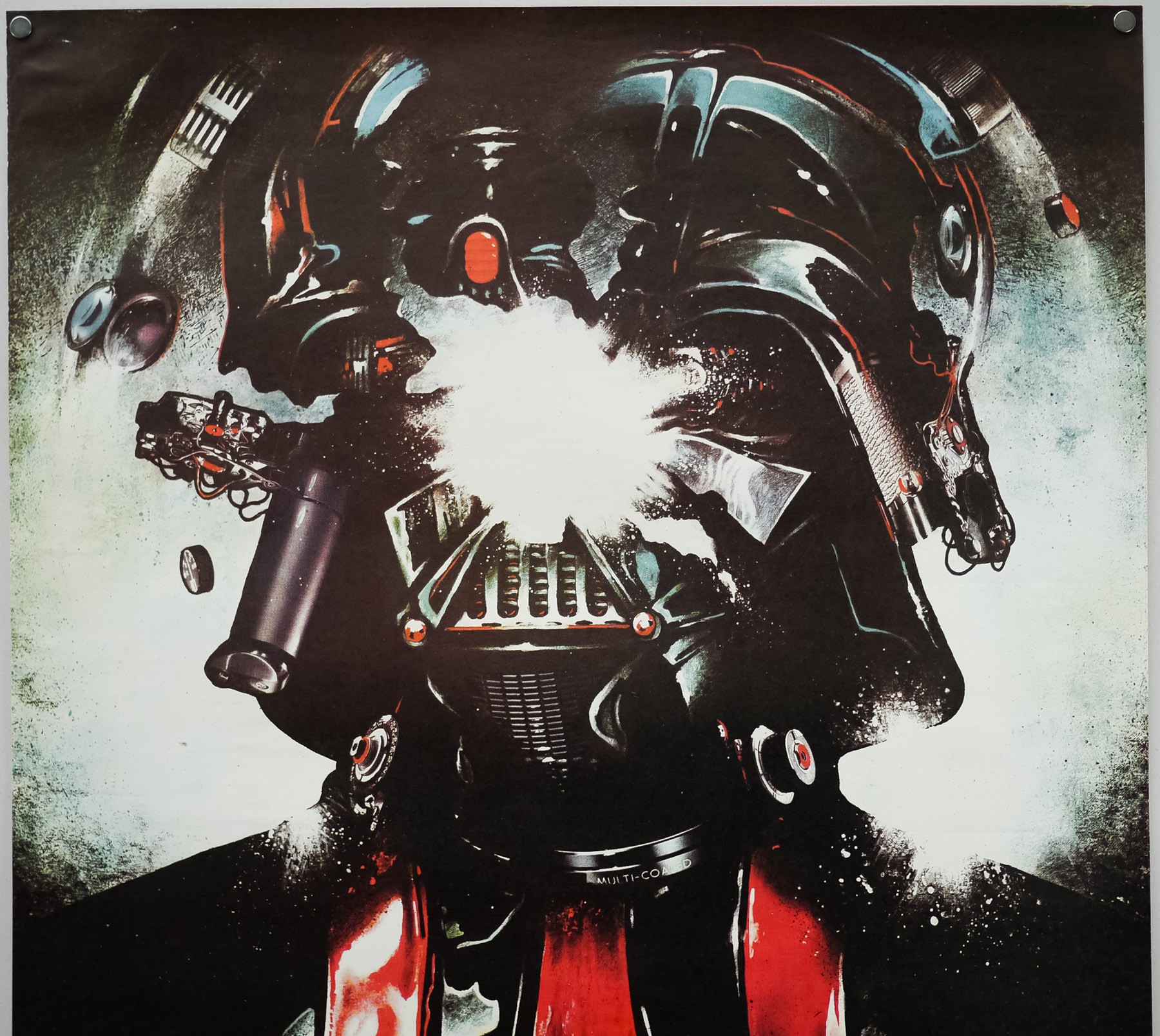
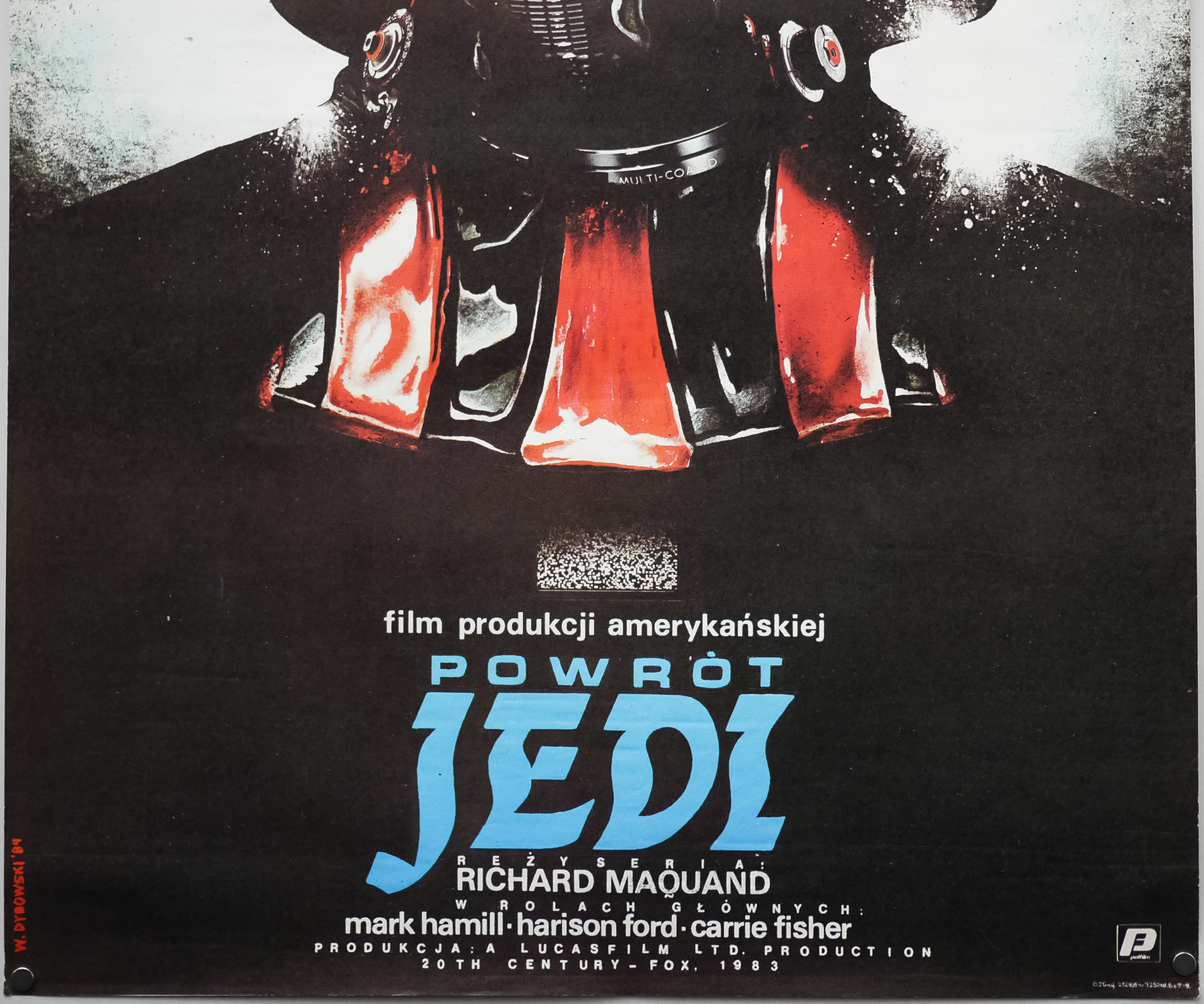
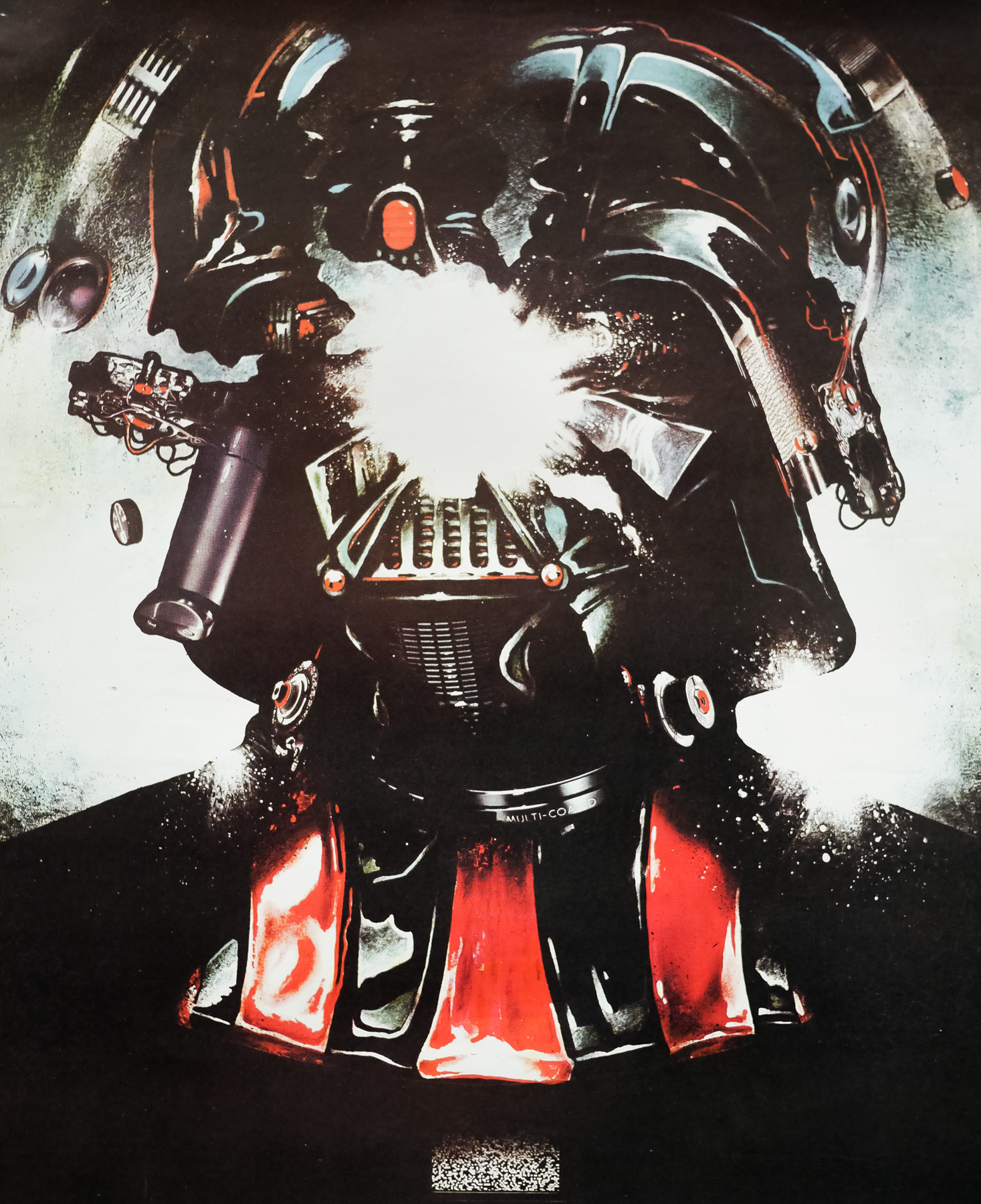
Polish B1 poster (Vader style, 1984) for Return of the Jedi (1983). Artwork by Witold DybowskiPolish B1 poster (Vader style, 1984) for Return of the Jedi (1983). Artwork by Witold Dybowski, image 2Polish B1 poster (Vader style, 1984) for Return of the Jedi (1983). Artwork by Witold Dybowski, image 3Polish B1 poster (Vader style, 1984) for Return of the Jedi (1983). Artwork by Witold Dybowski, image 4
Title
Return of the Jedi
AKA
Revenge of the Jedi (pre-release title) | Star Wars Episode VI: Return of the Jedi (full title) | Blue Harvest (USA - fake working title)
Year of Film
1983
Director
Richard Marquand
Starring
Mark Hamill, Harrison Ford, Carrie Fisher, Billy Dee Williams, Anthony Daniels, Kenny Baker, Peter Mayhew, David Prowse, Ian McDiarmid
Origin of Film
USA
Genre(s) of Film
Sci-Fi | Adventure
Film Series
Star Wars
Type of Poster
B1
Style of Poster
Vader
Origin of Poster
Poland
Year of Poster
1984
Designer
Witold Dybowski
Artist
Witold Dybowski
Size (inches)
26 3/8" x 38 1/4"
SS or DS
SS

This is one of two posters printed for the original Polish release of Return of the Jedi (opens in a new tab) in 1984. Although ROTJ, the third in the original trilogy of Star Wars films, was often maligned by fans who complained it was a weak end to the series and derided for featuring the child-friendly Ewoks, all was forgiven with the release of the 1999’s The Phantom Menace (opens in a new tab) and its ‘galactic trade disputes’ and the risible Jar-Jar Binks. Now, although certainly not as highly acclaimed as the original 1977 film or the classic The Empire Strikes Back, ROTJ is still beloved by fans of the series. In 2015, director JJ Abrams will release Episode VII (opens in a new tab) into cinemas, mooted as a direct sequel to this film and much anticipated by fans worldwide. JJ is seen as a much safer pair of hands than George Lucas after his shepherding of a well-received reboot of the Star Trek franchise.

Even if the Ewoks are loved and hated in equal measure, ROTJ still features many memorable, fan favourite characters, locations and scenes, including the attempted rescue of Han Solo from Jabba the Hut’s palace leading to a memorable showdown above a Sarlacc pit monster (which features the ignominious exit of fan favourite Boba Fett). Later the film sees the passing of Yoda along with more revelations about the Skywalker family, and an excellent scene that sees Luke Skywalker confront the evil Emperor Palpatine with Vader standing by. Meanwhile, the Ewoks (essentially child-sized teddy bears) join forces to defeat the ground forces of the Empire on the surface of the planet Endor.

This poster, depicting the exploding head of Darth Vader (featuring real-life camera parts), was designed and illustrated by Witold Dybowski (born 1958) who, according to the short biography that was on his now defunct official site, was born in Sopot, Poland and went on to study at the College of Design in Gdansk. After graduating he worked as a graphic designer, illustrator, art director and creative director in Poland, Germany and Austria. During the 1980s he worked on a number of Polish film posters advertising both native and Hollywood productions, which include this and one other poster for Return of the Jedi, Indiana Jones and the Temple of Doom (opens in a new tab) and the ‘bubbles’ style poster for Aliens.

PolishPoster.com features a gallery (opens in a new tab) of some of his other film posters as does Posteritati (opens in a new tab).

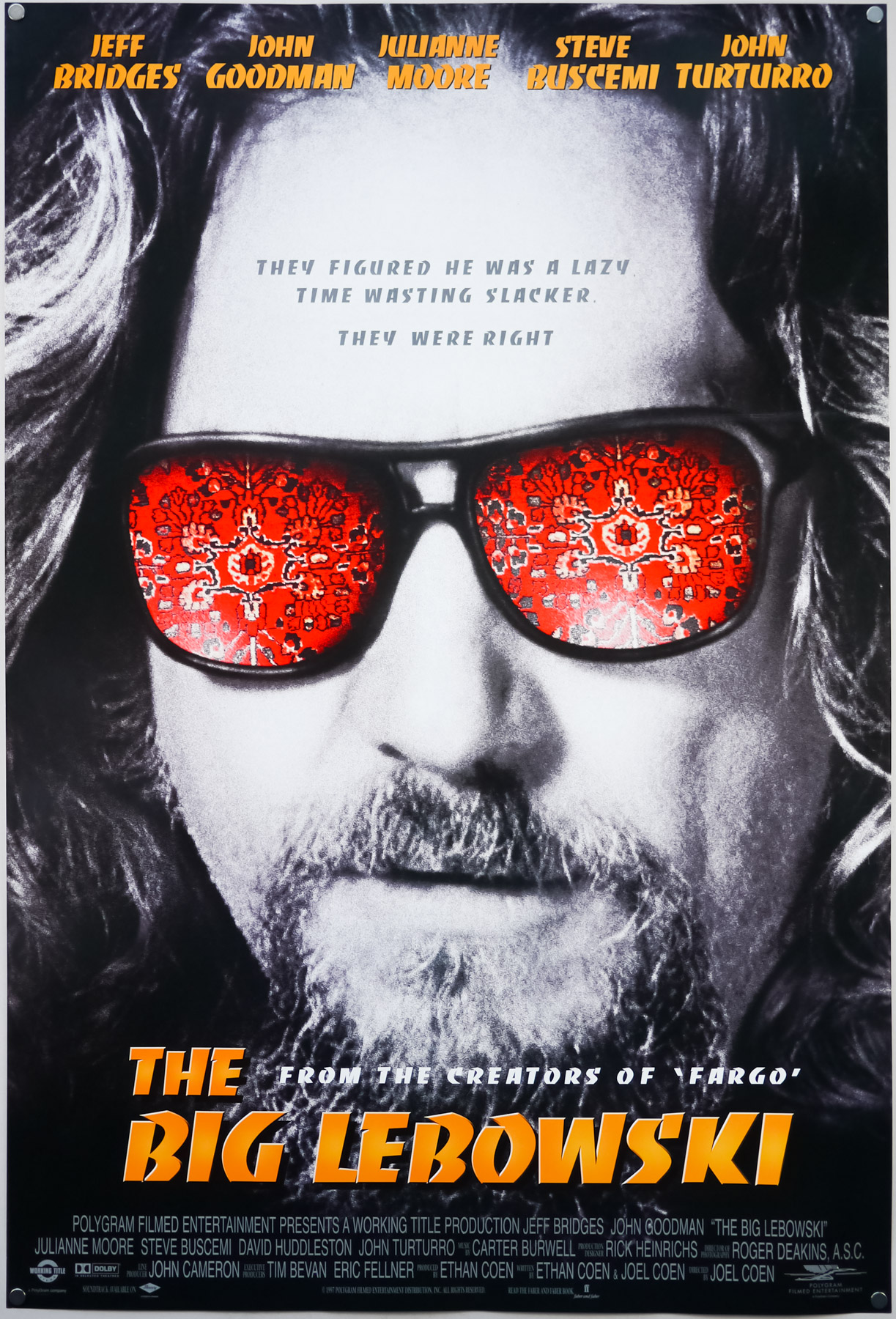
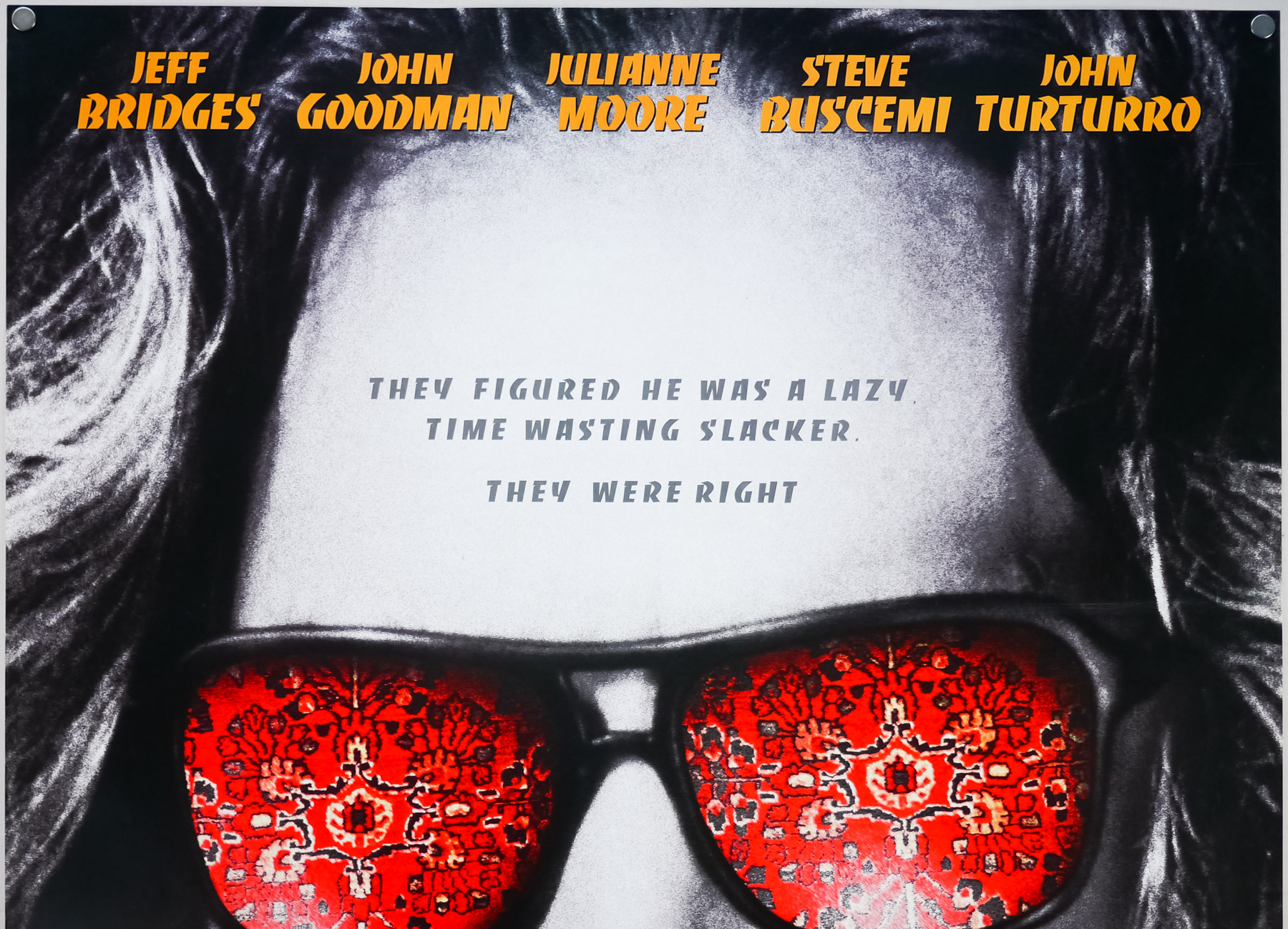
The Big Lebowski / one sheet / international

17.04.14

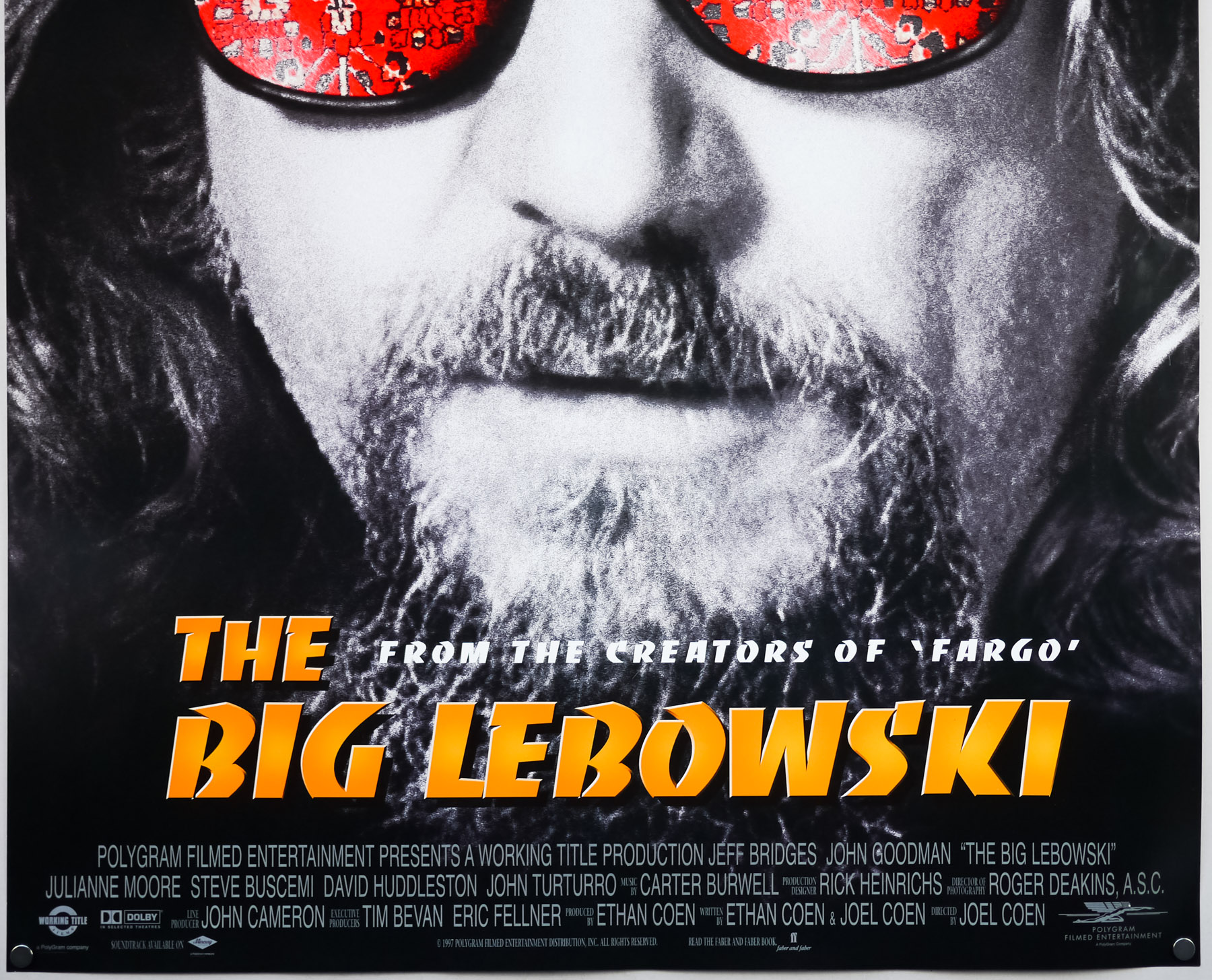
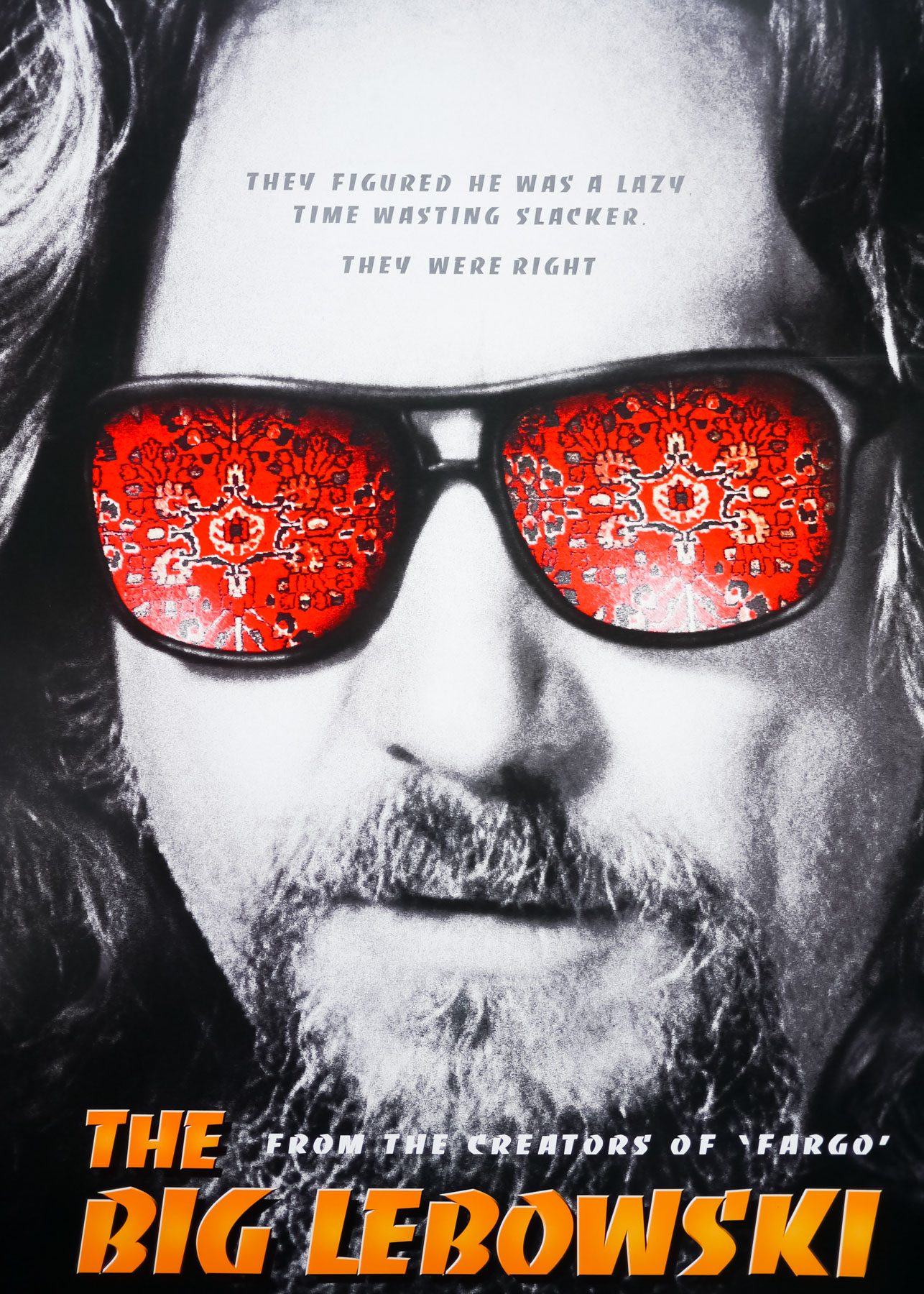
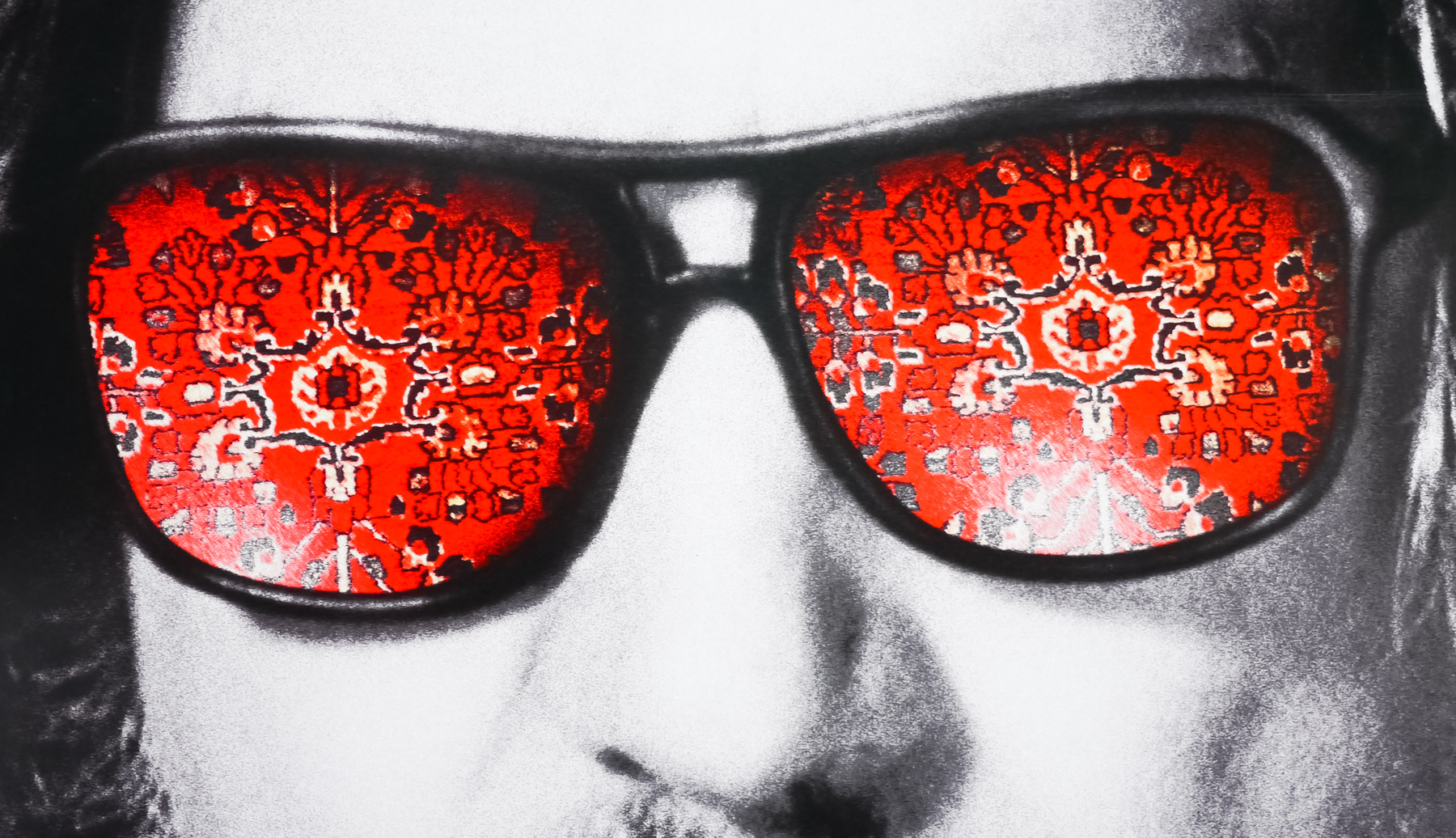
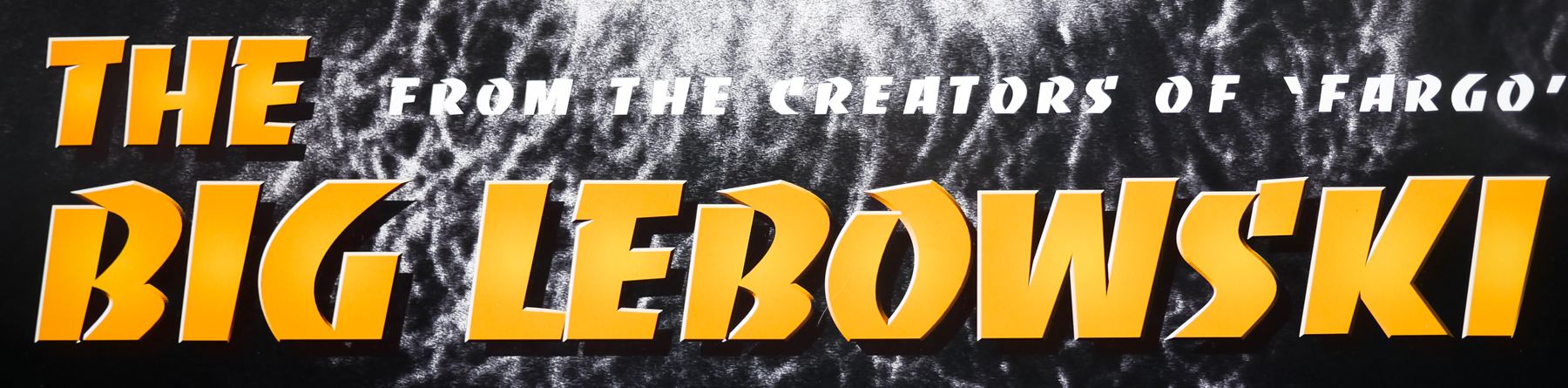
International one sheet poster for The Big Lebowski (1998). Artwork by Nels Israelson, design by Cassie AndersonInternational one sheet poster for The Big Lebowski (1998). Artwork by Nels Israelson, design by Cassie Anderson, image 2International one sheet poster for The Big Lebowski (1998). Artwork by Nels Israelson, design by Cassie Anderson, image 3International one sheet poster for The Big Lebowski (1998). Artwork by Nels Israelson, design by Cassie Anderson, image 4
Title
The Big Lebowski
AKA
Il grande Lebowski (Italy)
Year of Film
1998
Director
Joel Coen
Starring
Jeff Bridges, John Goodman, Julianne Moore, Steve Buscemi, David Huddleston, Philip Seymour Hoffman, Tara Reid, Peter Stormare, Flea, Jimmie Dale Gilmore, Jack Kehler, John Turturro, David Thewlis, Sam Elliott, Ben Gazzara
Origin of Film
USA | UK
Genre(s) of Film
Comedy | Crime
Type of Poster
One sheet
Origin of Poster
International
Year of Poster
1998
Designer
Cassie Anderson
Artist
Nels Israelson (photography)
Size (inches)
27 1/16" x 40"
SS or DS
SS
Tagline
They figured he was a lazy time wasting slacker. They were right.

This is the scarce international one sheet for the original release of the much-loved Coen Brothers classic, The Big Lebowski (opens in a new tab). Jeff Bridges (opens in a new tab) stars as The Dude, a lifelong slacker who also happens to share his name with a millionaire philanthropist with a trophy wife who owes money to a shady pornographer. A pair of hired goons break into his place, rough him up and urinate on his rug (as reflected in the sunglasses on this poster). When the goons realise they have the wrong man they leave The Dude alone but, after consulting with his friends Walter (a memorable turn by John Goodman (opens in a new tab)) and Donny (Steve Buscemi (opens in a new tab)), he decides to seek out the real Lebowski to seek compensation for the rug, but things start to spiral out of control when the wife is kidnapped and he agrees to help secure her return.

To say the film has become something of a cultural phenomenon since its release in 1998 would be an understatement. As well as a worldwide legion of fans, there’s the annual Lebowski-Fest (opens in a new tab), which started in 2002 in Louisville, Kentucky and has since been held in several other cities. Jeff Bridges iconic ‘The Dude’ character is even the focus behind a form of religion called Dudeism (opens in a new tab).

I’d have a hard time choosing between this and Fargo (opens in a new tab) as my favourite Coen Brothers film, although Raising Arizona (opens in a new tab) and Barton Fink  (opens in a new tab)are also strong contenders.

I recently spotted this rather excellent GIF.

Phantom of the Paradise / 30×40 / USA

15.04.14

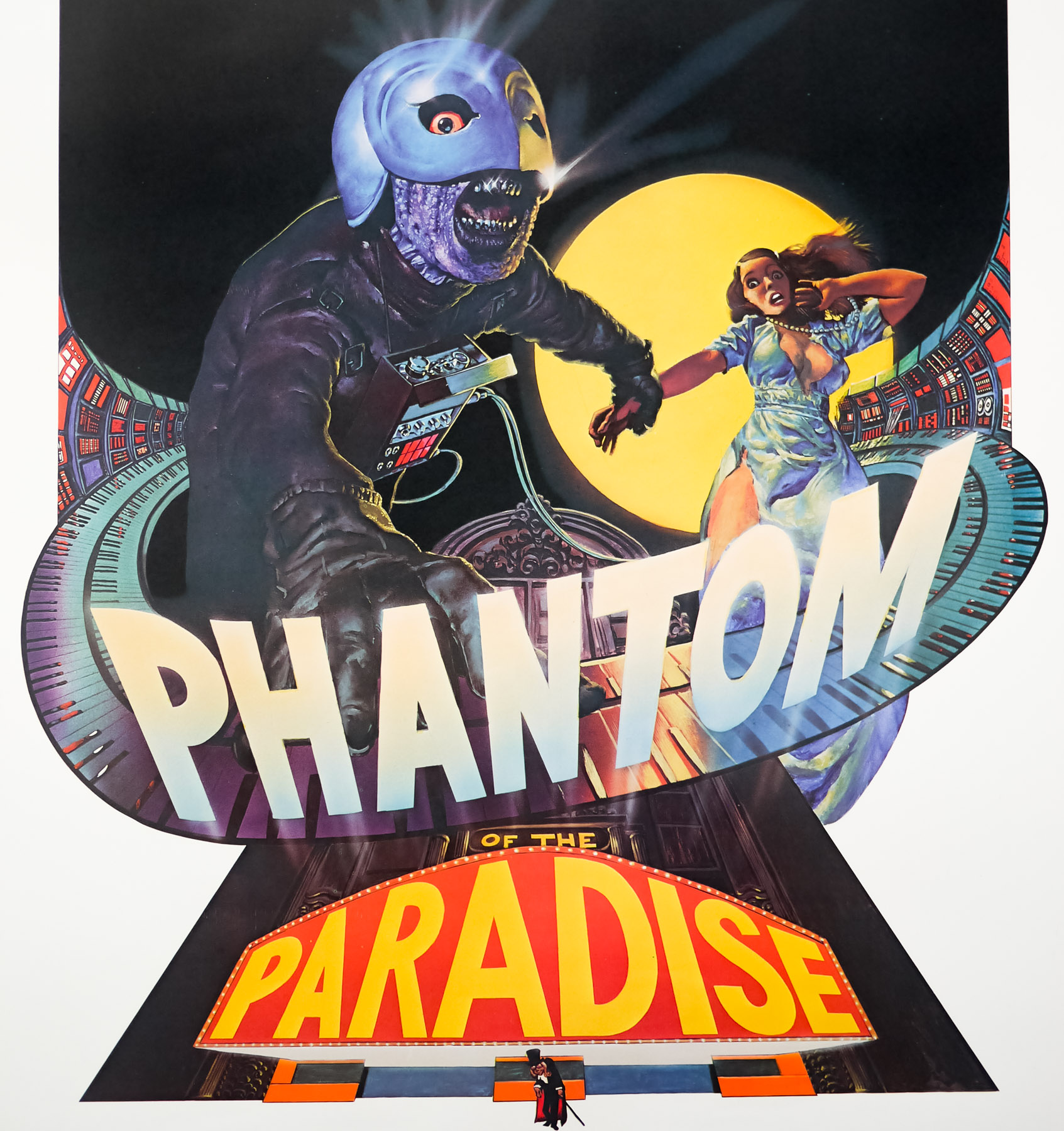
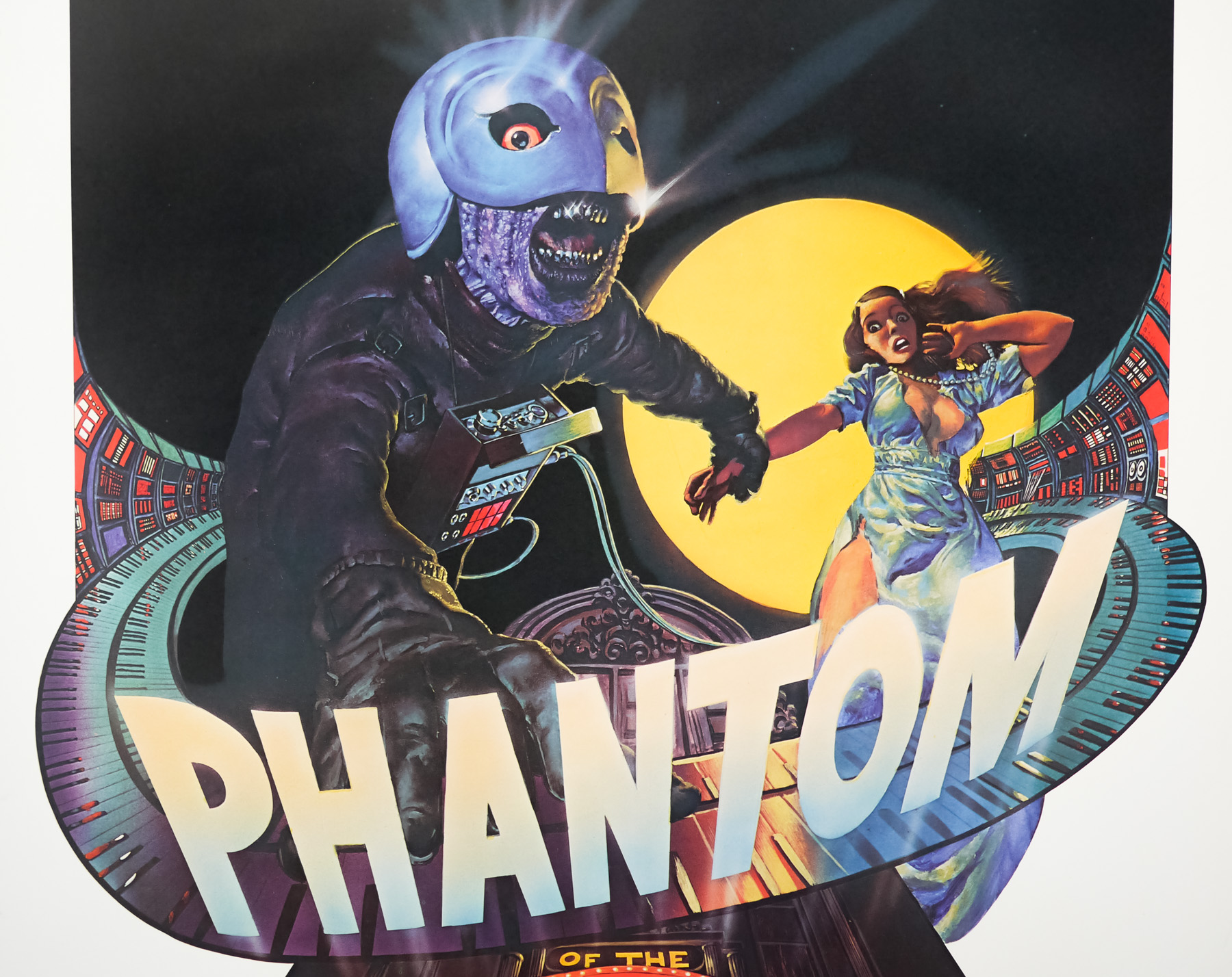
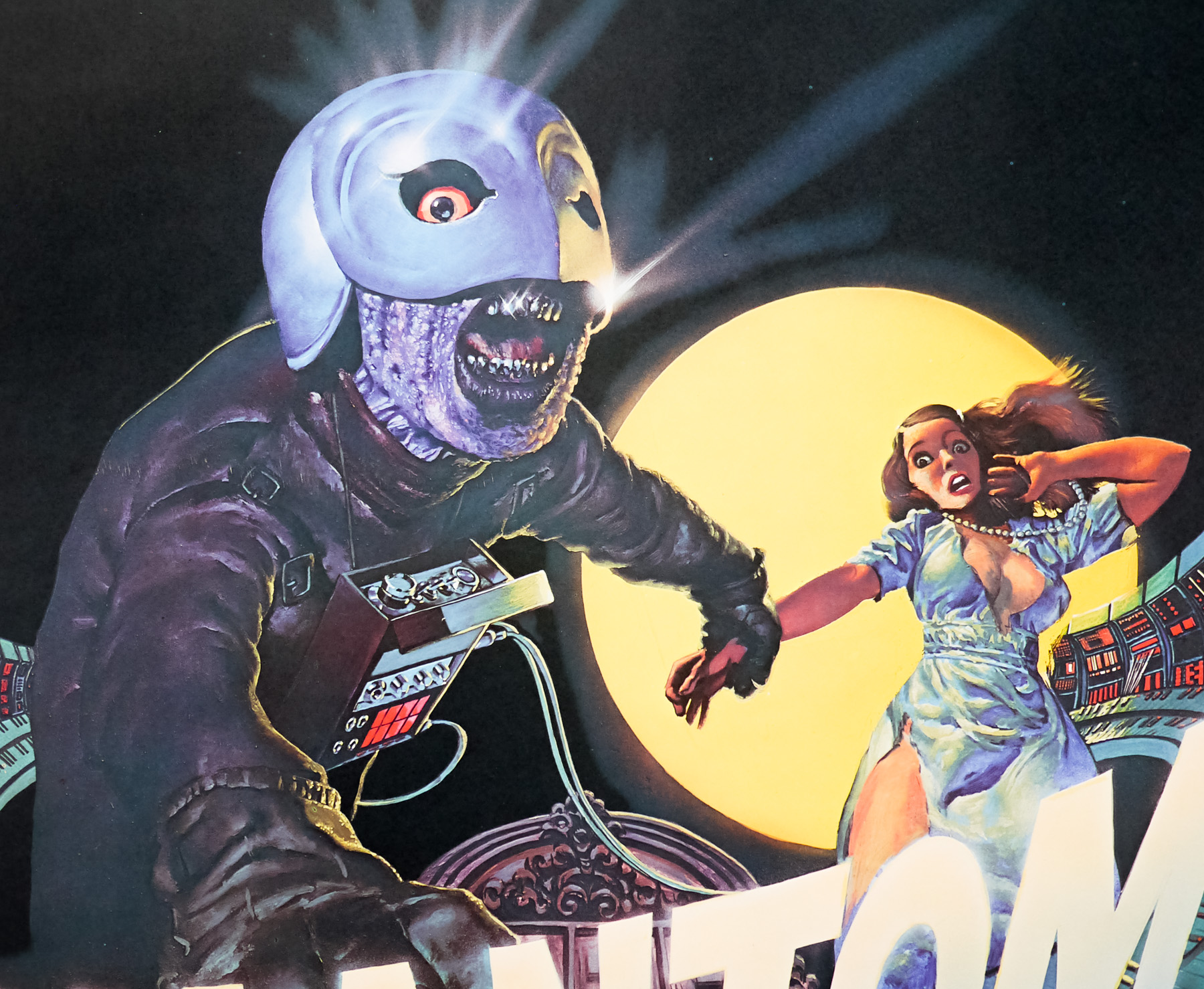
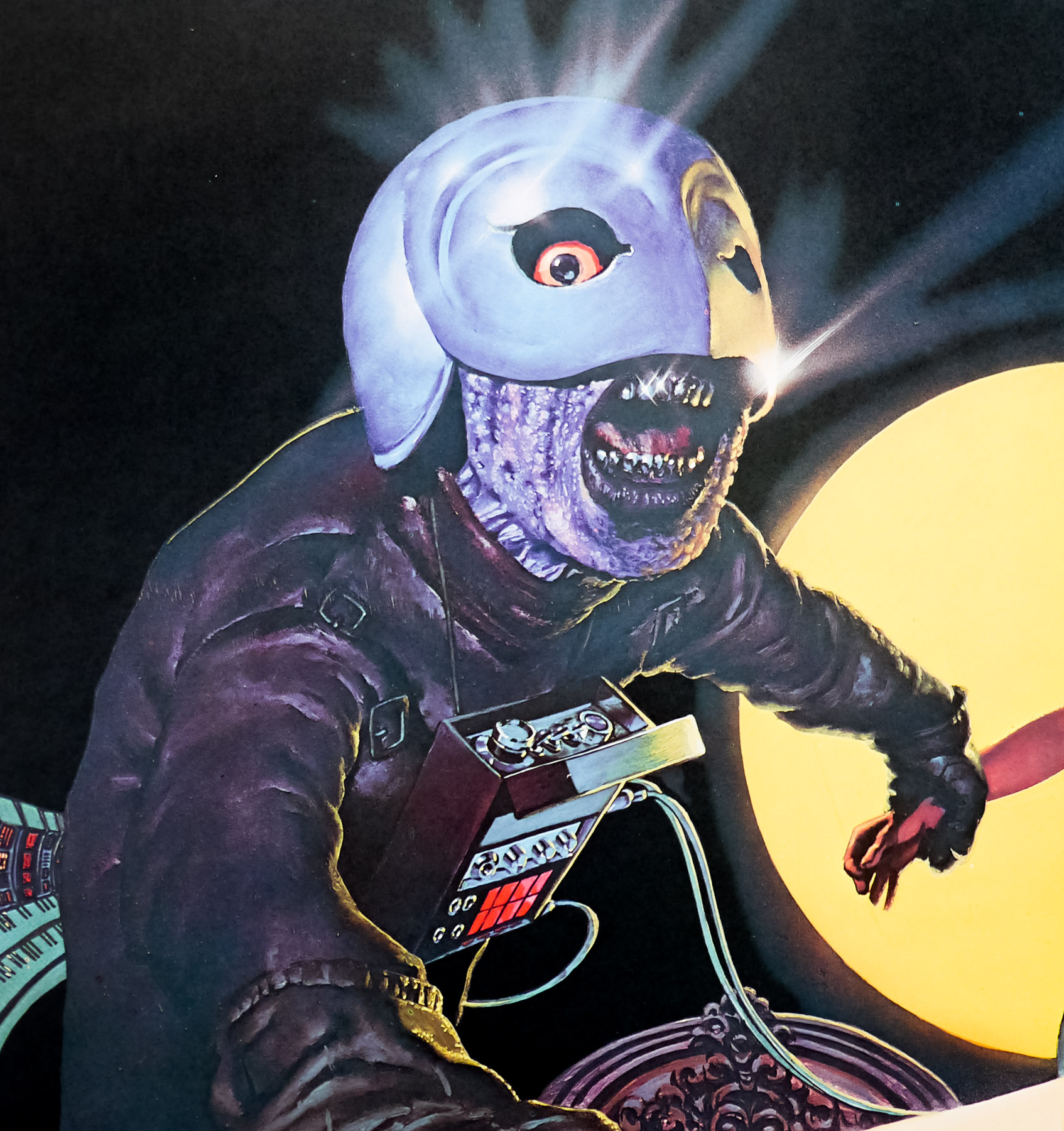
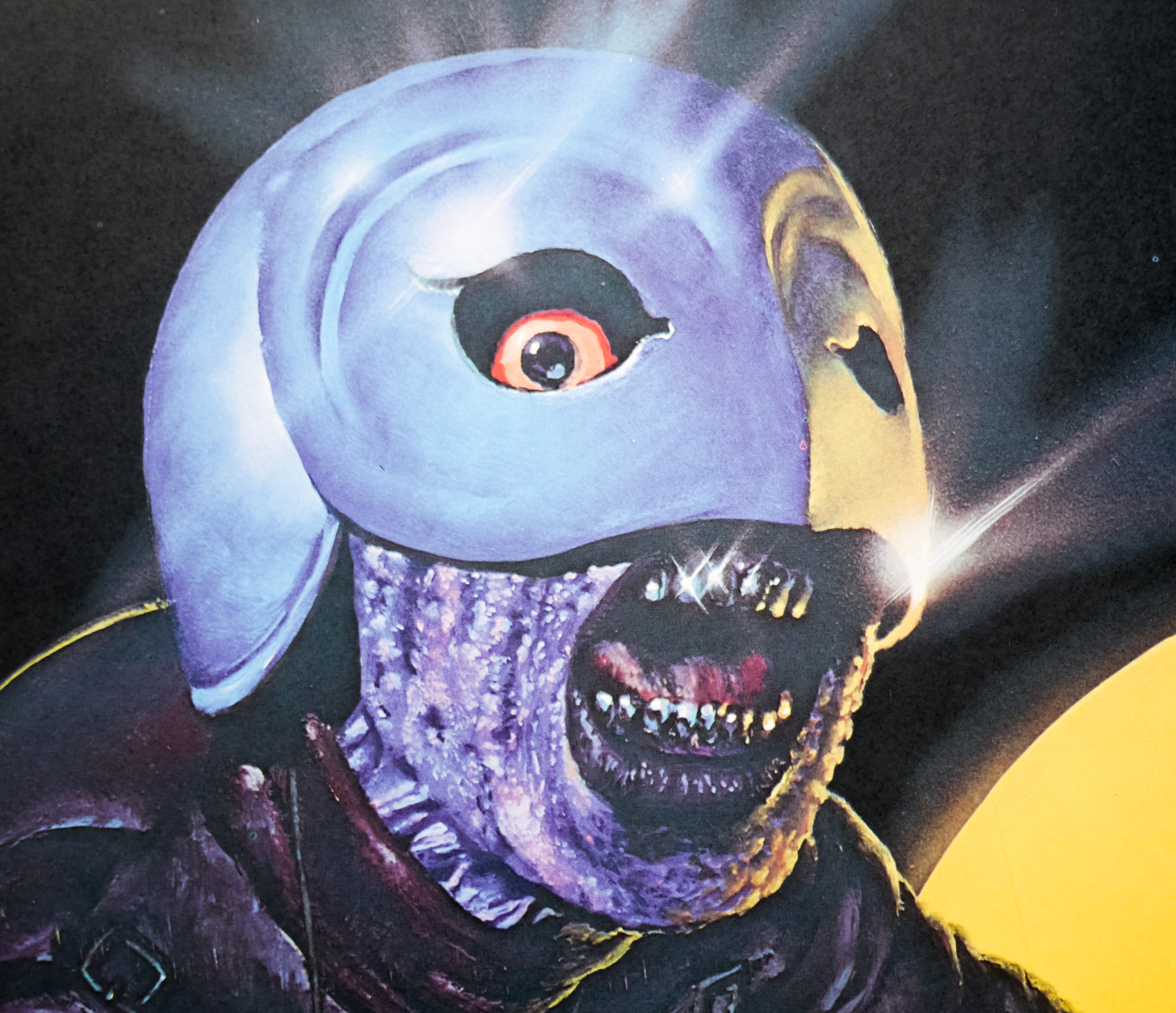
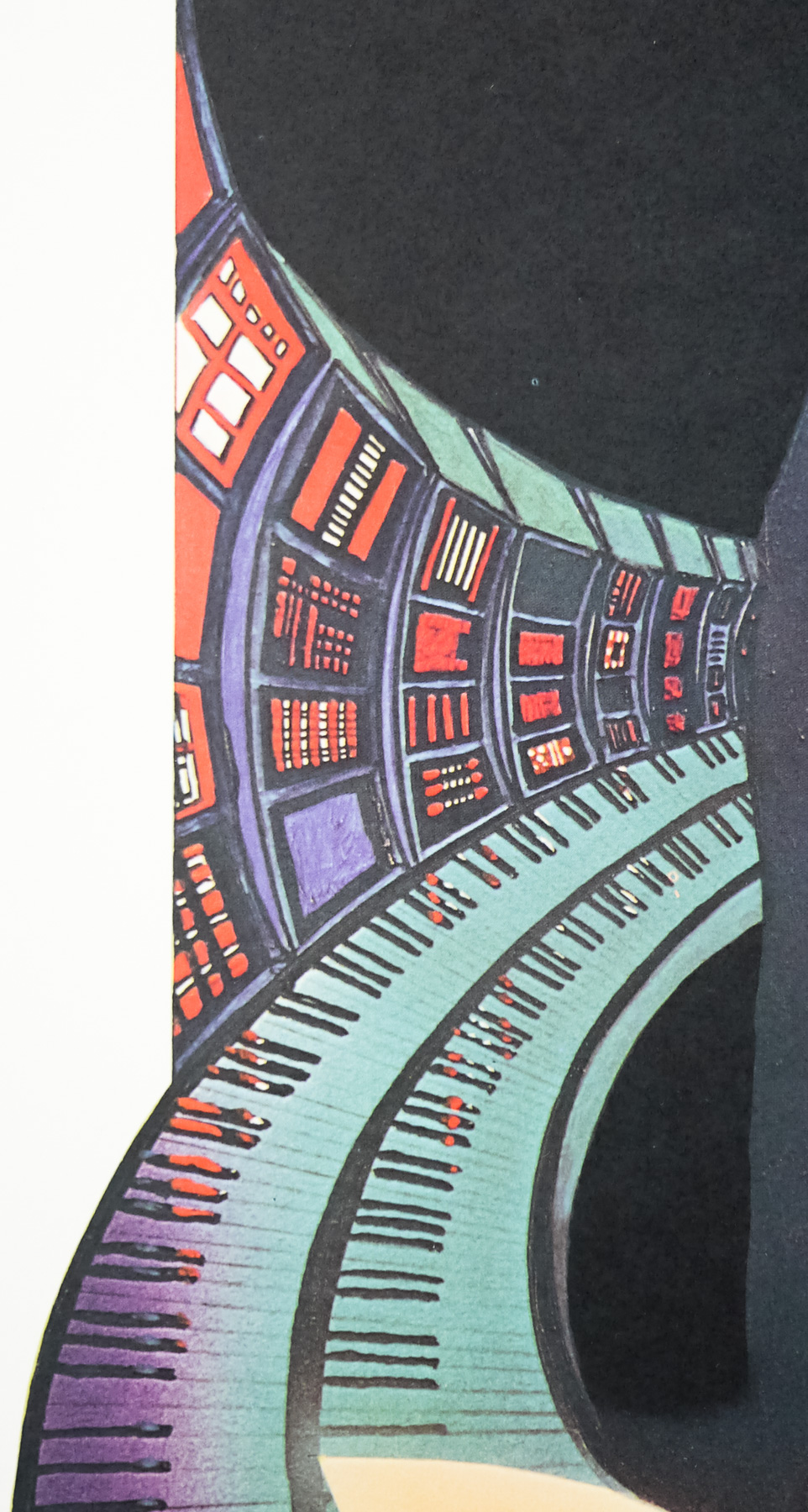
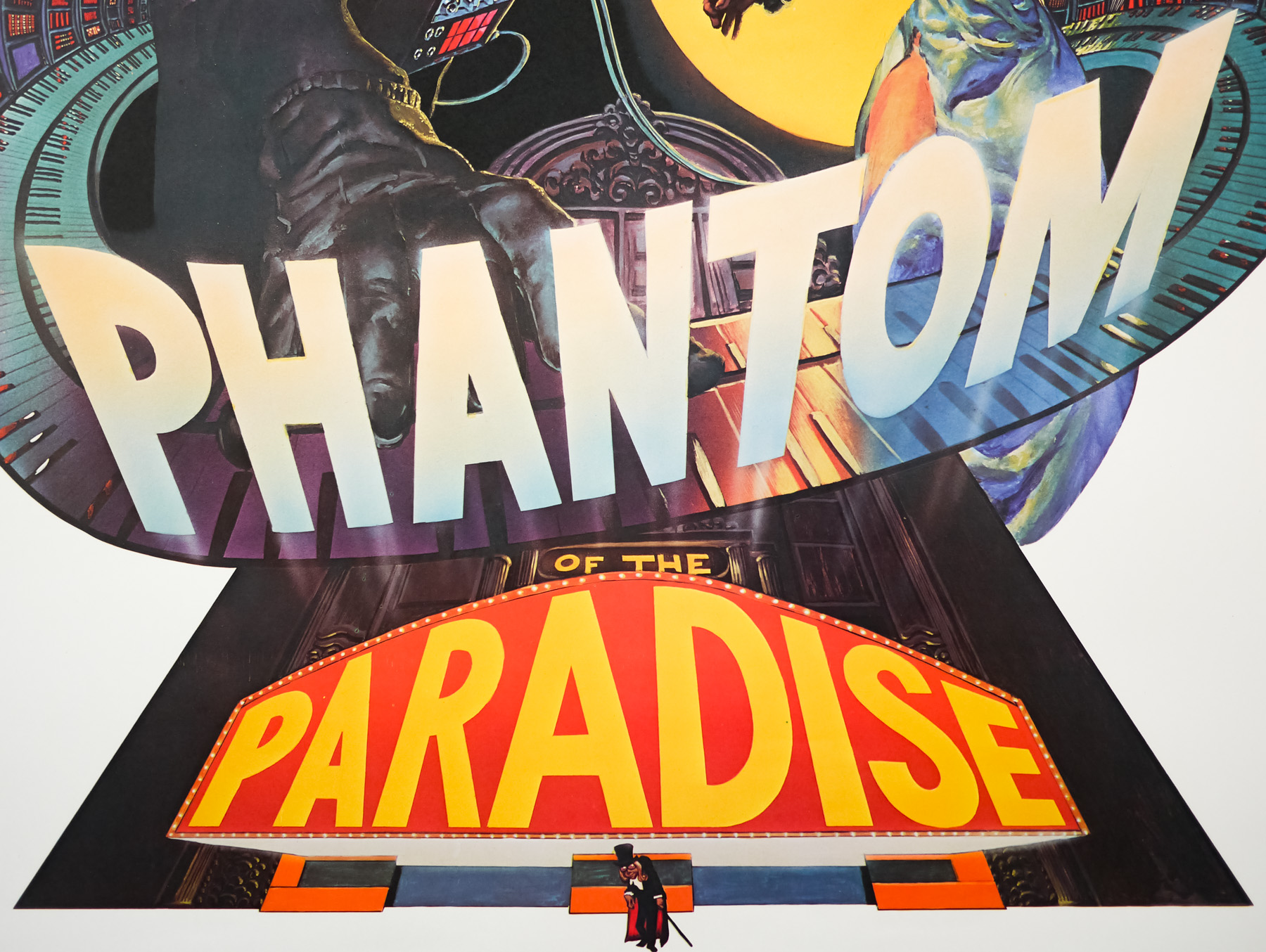
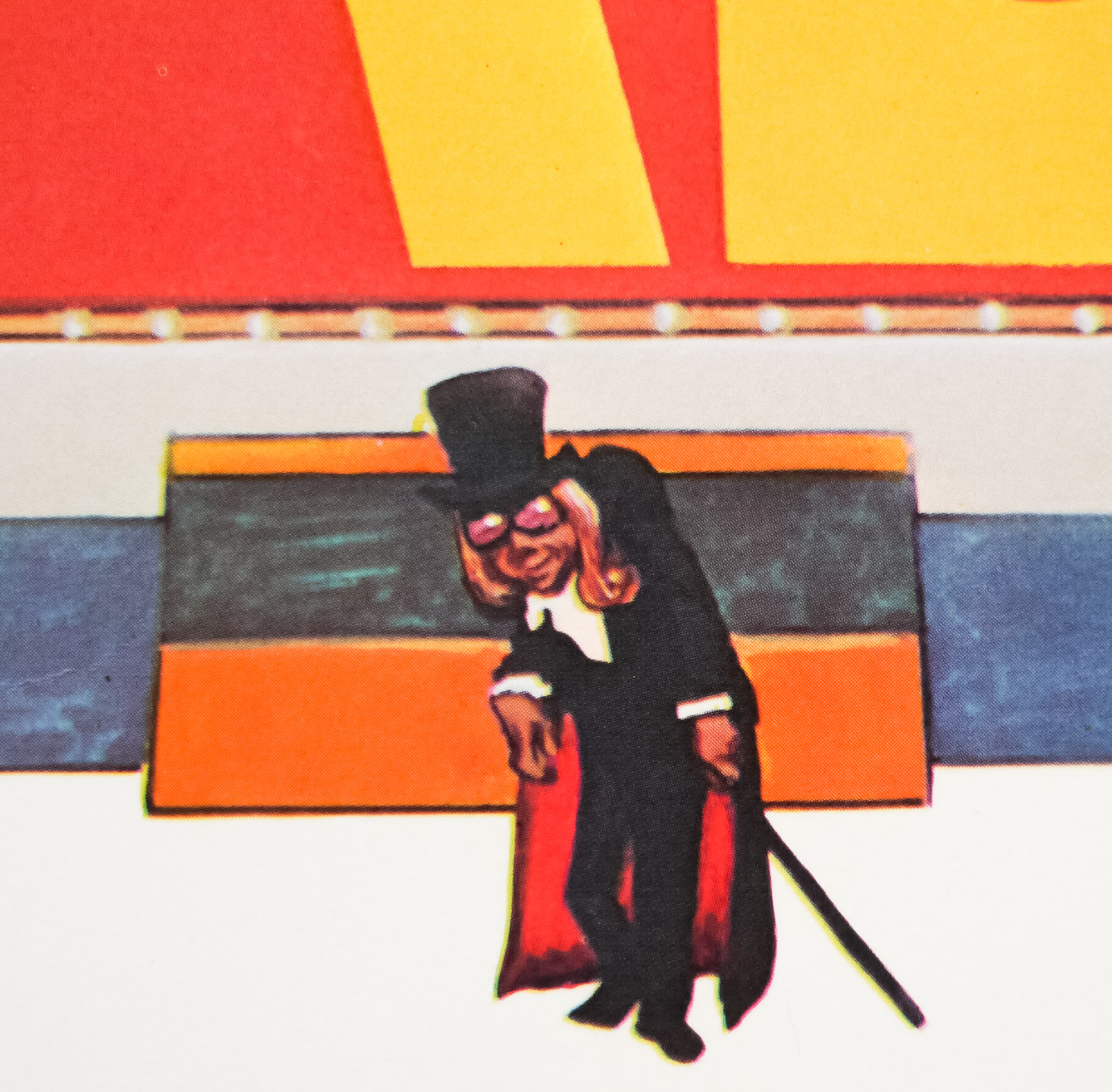
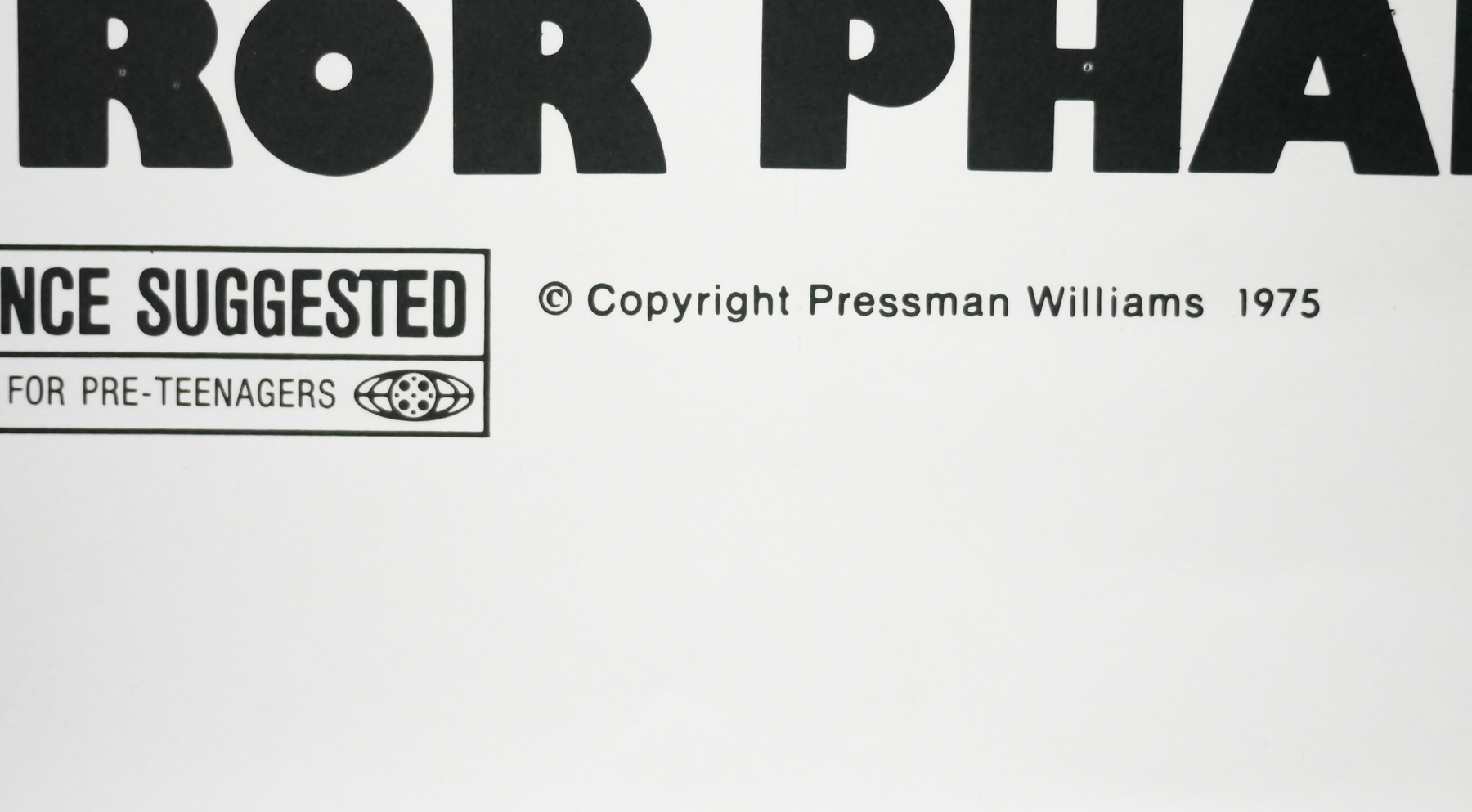
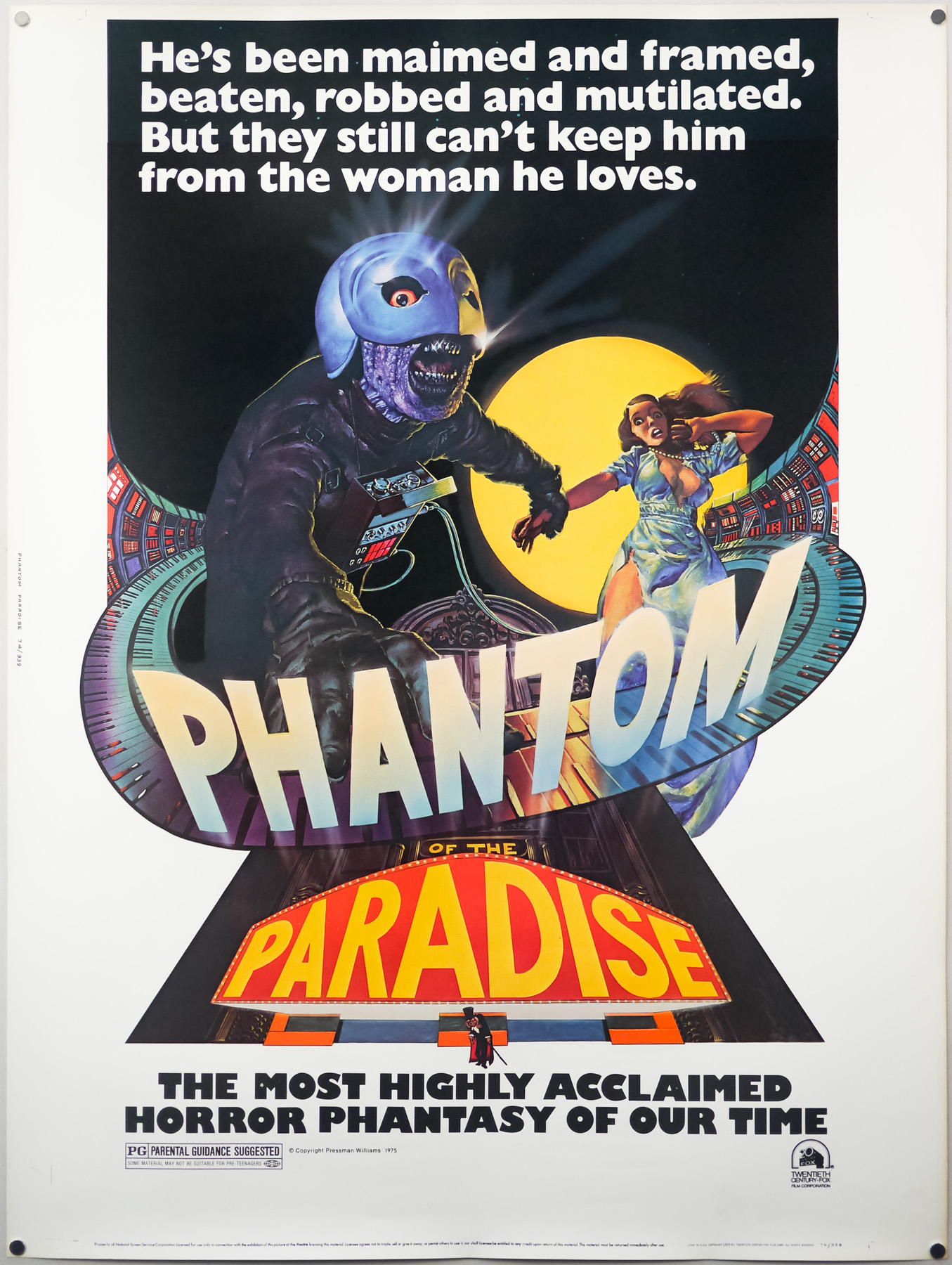
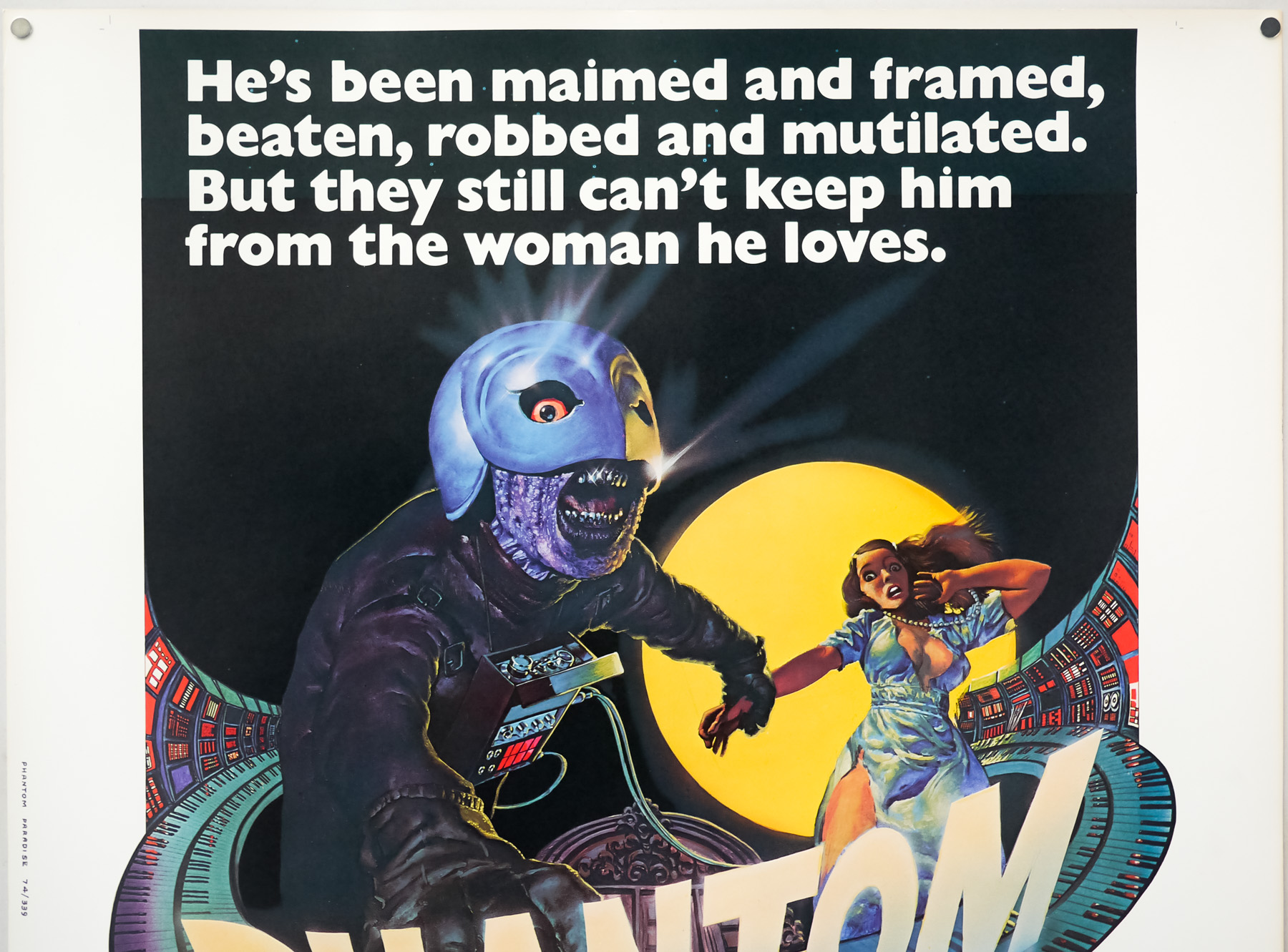
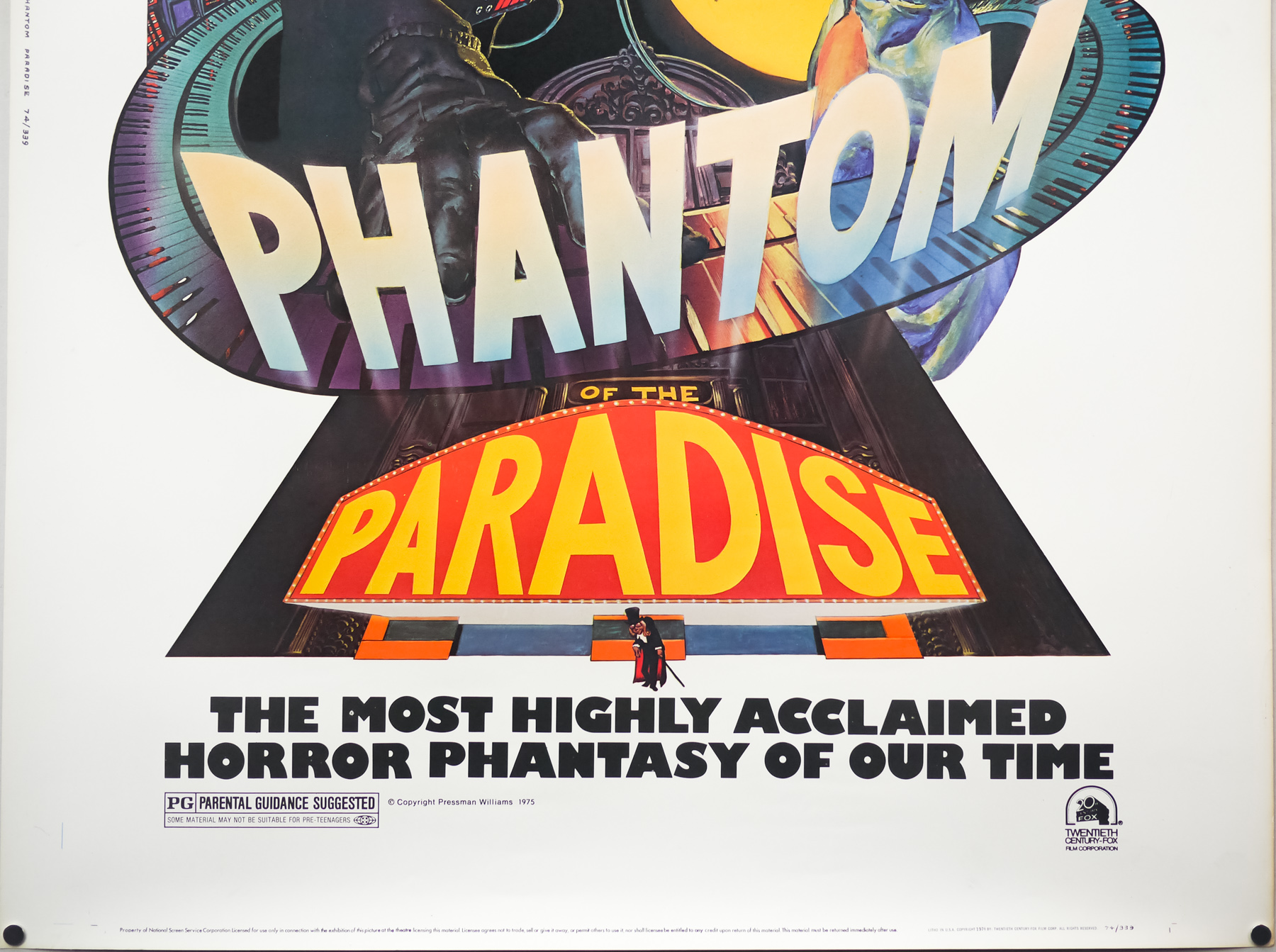
US 30x40 poster (style C) for Phantom of the Paradise (1974). Artwork by Richard Corben, design by Neal AdamsUS 30x40 poster (style C) for Phantom of the Paradise (1974). Artwork by Richard Corben, design by Neal Adams, image 2US 30x40 poster (style C) for Phantom of the Paradise (1974). Artwork by Richard Corben, design by Neal Adams, image 3US 30x40 poster (style C) for Phantom of the Paradise (1974). Artwork by Richard Corben, design by Neal Adams, image 4US 30x40 poster (style C) for Phantom of the Paradise (1974). Artwork by Richard Corben, design by Neal Adams, image 5
Title
Phantom of the Paradise
Year of Film
1974
Director
Brian De Palma
Starring
William Finley, Paul Williams, Jessica Harper, Gerrit Graham, George Memmoli, Archie Hahn, Jeffrey Comanor, Peter Elbling
Origin of Film
USA
Genre(s) of Film
Comedy | Drama | Fantasy | Music | Thriller
Type of Poster
30x40
Style of Poster
Style C
Origin of Poster
USA
Year of Poster
1974
Designer
Neal Adams (original sketch)
Artist
Richard Corben
Size (inches)
30" x 40"
SS or DS
SS
NSS #
74/339
Tagline
He's been maimed and framed, beaten, robbed and mutilated. But they still can't keep him from the woman he loves. | The most highly acclaimed horror phantasy of our time.

Brian De Palma’s Phantom of the Paradise (opens in a new tab) is arguably one of cinema’s greatest cult oddities. Part musical, part horror and loosely based on Phantom of the Opera and the classic tale of Faust (opens in a new tab), the film has an electric atmosphere helped no end by the performance of the late William Finley (opens in a new tab) as the unlucky music composer Winslow Leach who falls foul of the twisted producer Swan (Paul Williams (opens in a new tab), himself a noted musician and composer). A twisted satire of the state of the music business of the time, the film features a superb soundtrack written by Williams, which is a mix of surf pop, 70s glam rock and romantic ballads.

When Swan sees Winslow performing his music at a small concert he convinces the composer to sell his tunes to him to be used at the opening of his new club, The Paradise. Instead Swan has one of his henchmen steal the music, beat Winslow up and frame him for drug possession, sending the mild mannered musician to the brutal Sing Sing (opens in a new tab) prison. Months later Winslow hears that one of Swan’s bands is to release a record based on his music and breaks out of the prison in a frenzied rage. After heading to Swan’s Death Records factory he tries to sabotage a record press but accidentally falls head-first into it, severely scarring his face and damaging his vocal chords. Escaping from the police, he makes his way to the Paradise where he dons a cape and a beaked mask and becomes the Phantom of The Paradise. Soon he discovers the secret behind Swan’s success and sets out to stop him at all costs.

The film was met with mixed critical reviews and was a worldwide box-office flop, with the only exceptions being in Japan and, bizarrely, Winnipeg in Canada where the film played at the same cinema for months. One of the key reasons for the film’s disastrous commercial performance was the way it had initially been marketed by studio Twentieth Century Fox who had created a campaign that emphasised the rock aspect of the film with the intention of drawing in teenage music fans. The plan backfired, however, when initial audiences realised how negative the portrayal of the music industry is in the film was and how it was effectively sending up the very thing they were fans of.

The brilliant fan site The Swan Archives (opens in a new tab), curated by Ari Kahan, features a thorough history of the promotion of the film (opens in a new tab) and shows the initial two styles of poster, one of which was designed by Anthony Goldschmidt and illustrated by the late John Alvin (opens in a new tab) and also featured on the album cover. As Kahan notes:

‘The involvement of A&M records (which issued the soundtrack, and which more or less owned the exclusive rights to Paul Williams’ life at the time) in the co-marketing campaign with 20th Century Fox meant that the film was initially pitched towards what A&M and Fox believed to be the teens-through-college “rock music demographic.” John Alvin’s beautiful painted graphics on the posters and soundtrack album emphasised guitars, keyboards, microphones, patch cords, and other musical ephemera, and a photorealistic depiction of songwriter/star Paul Williams, signalling the studio’s intention to rely heavily on Williams’ existing fame in its promotion of the film.’

The rest of the ill-conceived initial campaign is detailed on the Swan Archives page linked to above. After a disastrous few months at the box office, the film’s producer Ed Pressman convinced the studio to allow him to reposition the film with a revised marketing campaign. Kahan explains:

‘Pressman went into action by launching a second campaign, in mid-1975, which tagged the film as “The Most Highly Acclaimed Horror Phantasy of Our Time,” pushing the horror angle and perennial plot line, and downplaying the music. De Palma, Finley, and Graham were made extremely available to give interviews to Castle of Frankenstein, Monster World, and every other horror magazine that would make time for them’

As part of this second campaign Pressman commissioned noted comic book artist Richard Corben (opens in a new tab) to illustrate a new poster image and fellow comic book artist Neal Adams (opens in a new tab) provided an initial concept sketch from which Corben worked (according to Kahan, ‘Adams drew the sketch for free, to aid Pressman in pitching a never-realised Phantom of the Paradise companion comic book, which he hoped might result in some paying work’) . The new painting emphasised the horror aspect and the Phantom’s mangled face and completely downplayed Williams’ presence – you can just spot him at the bottom of the marquee (see the close-up image). The new campaign proved to be more successful but as Kahan notes:

‘The film gradually took on life, bringing in decent (though never great) box office and some positive reviews. As De Palma put it, “When we revised the campaign in the U.S and made it seem more like The Phantom of the Opera than a horror/rock film, we got an entirely different response.”‘

For more on the film’s promotional travails, I again urge you to check out the excellent Swan Archives (opens in a new tab) site. Corben also painted the style B one sheet for the Heavy Metal film, the magazine of which he’d been involved with for several years.

Life of Brian / quad / 1988 re-release / UK

11.04.14

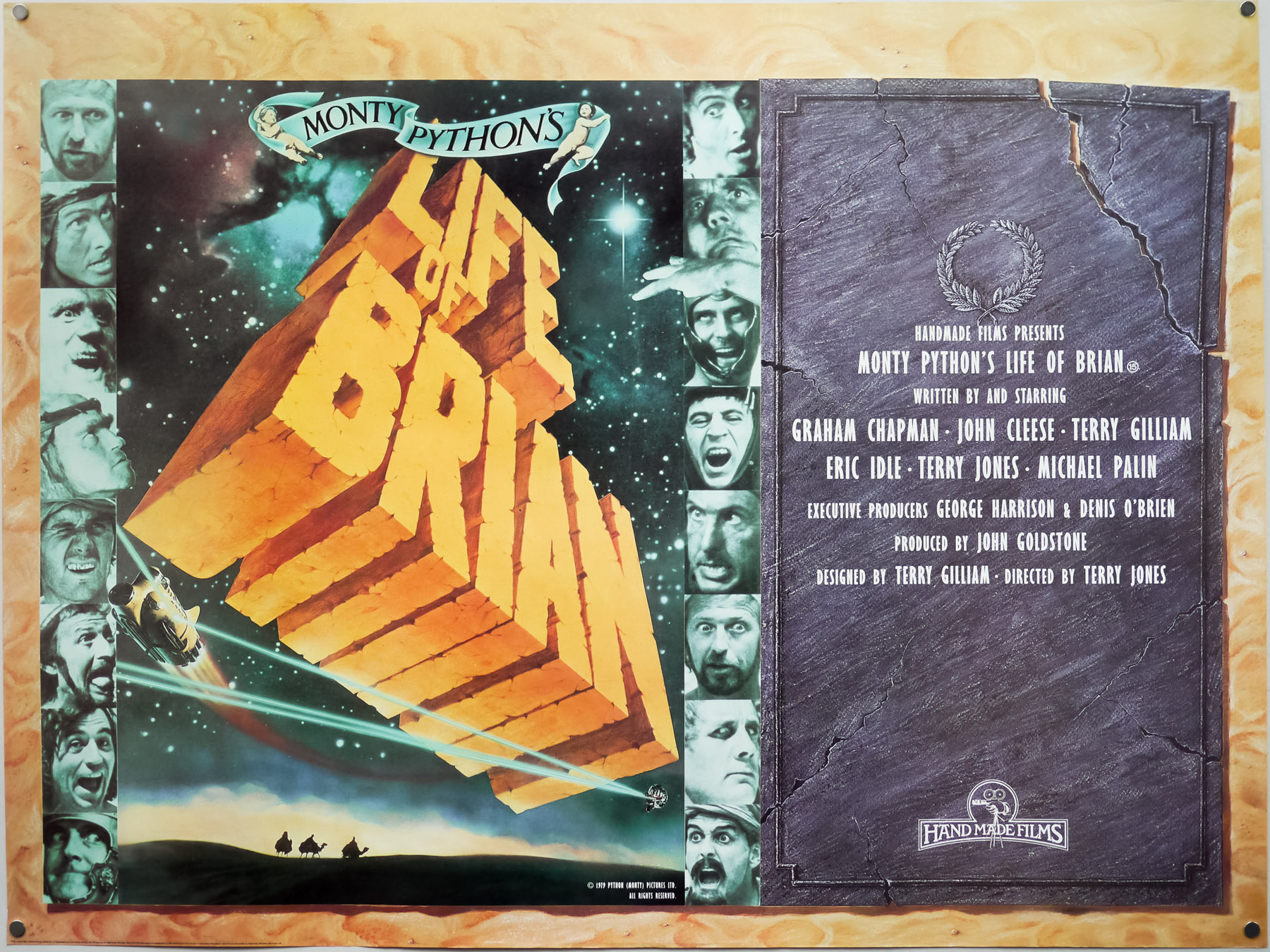
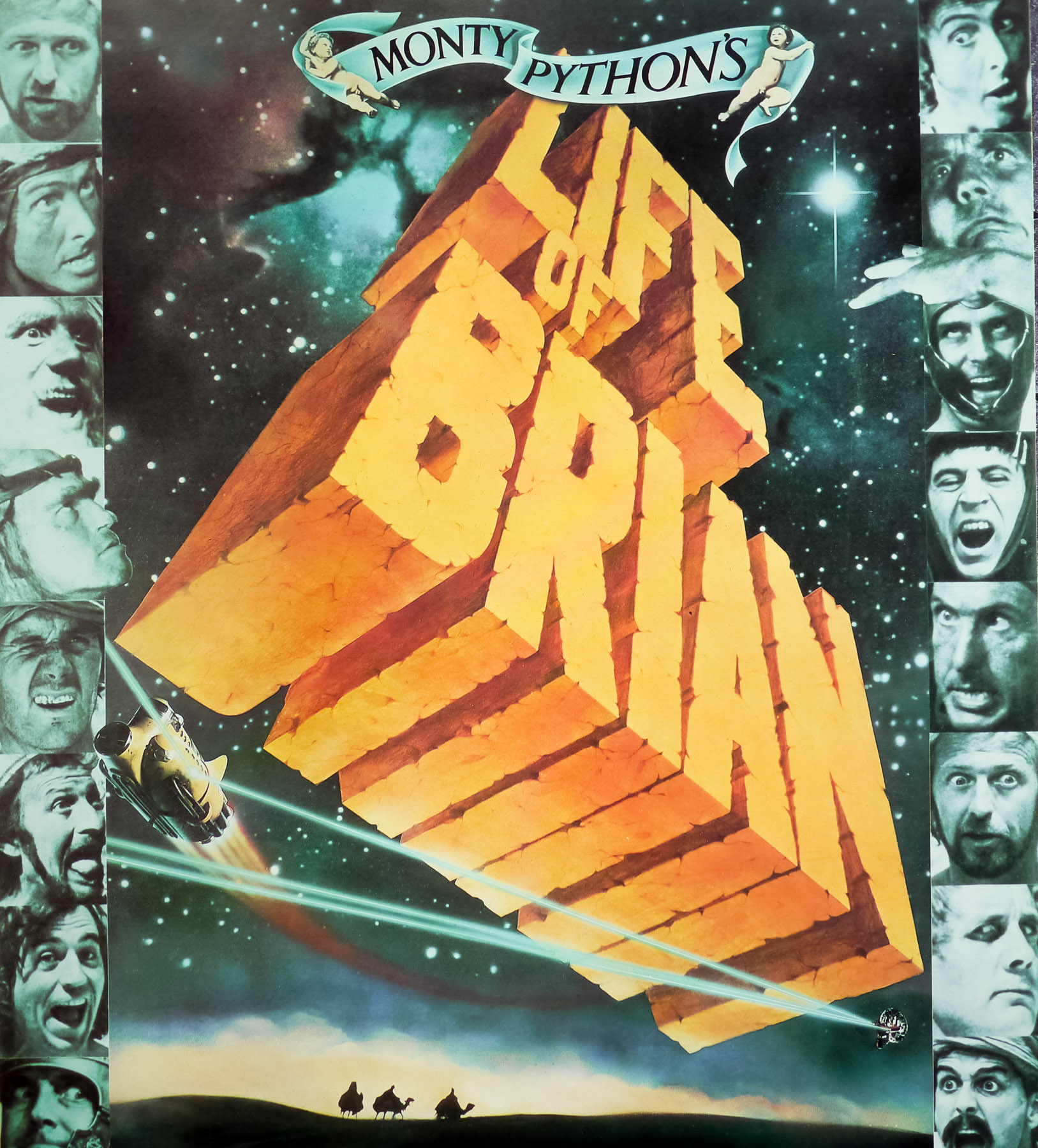
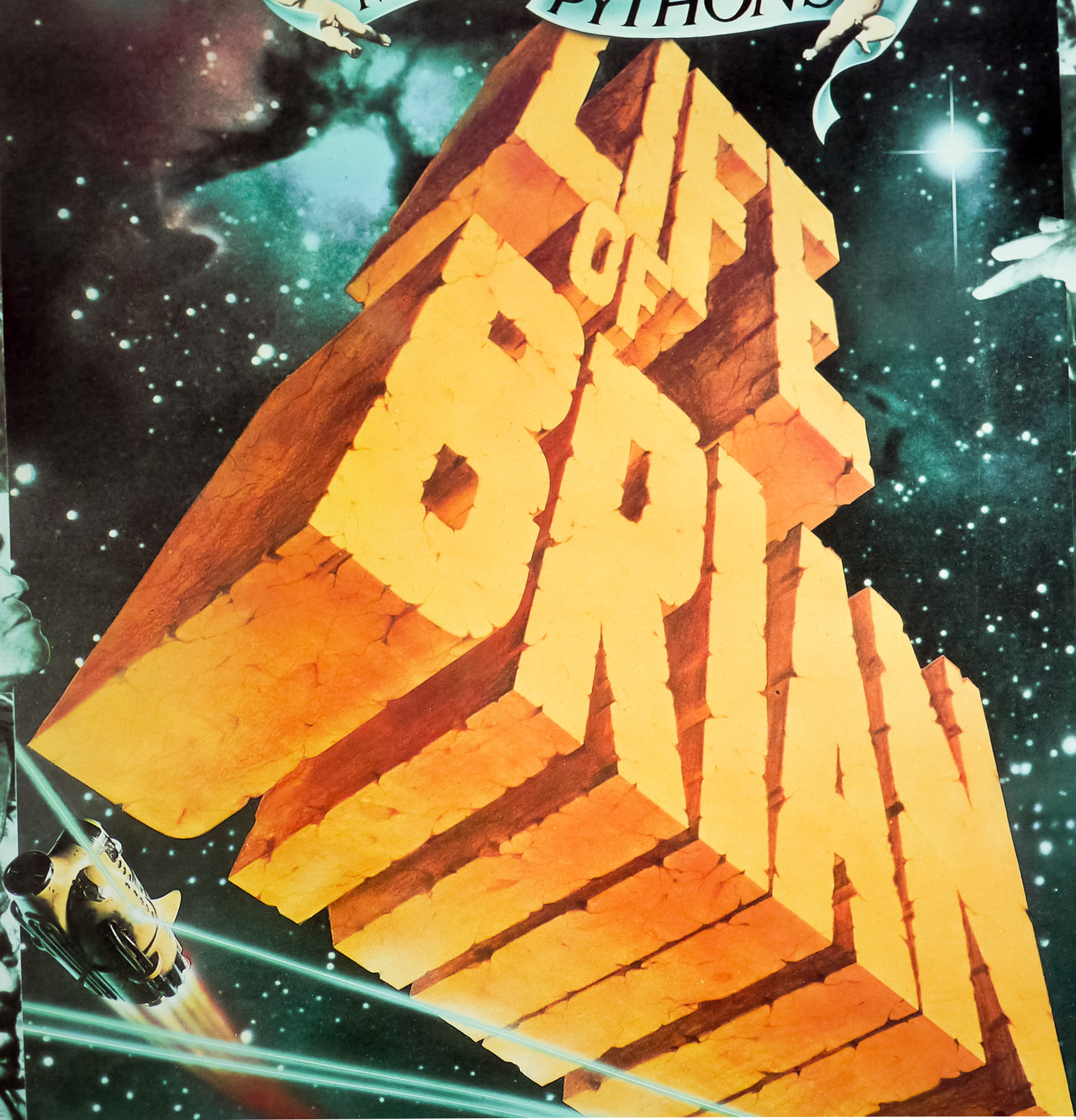
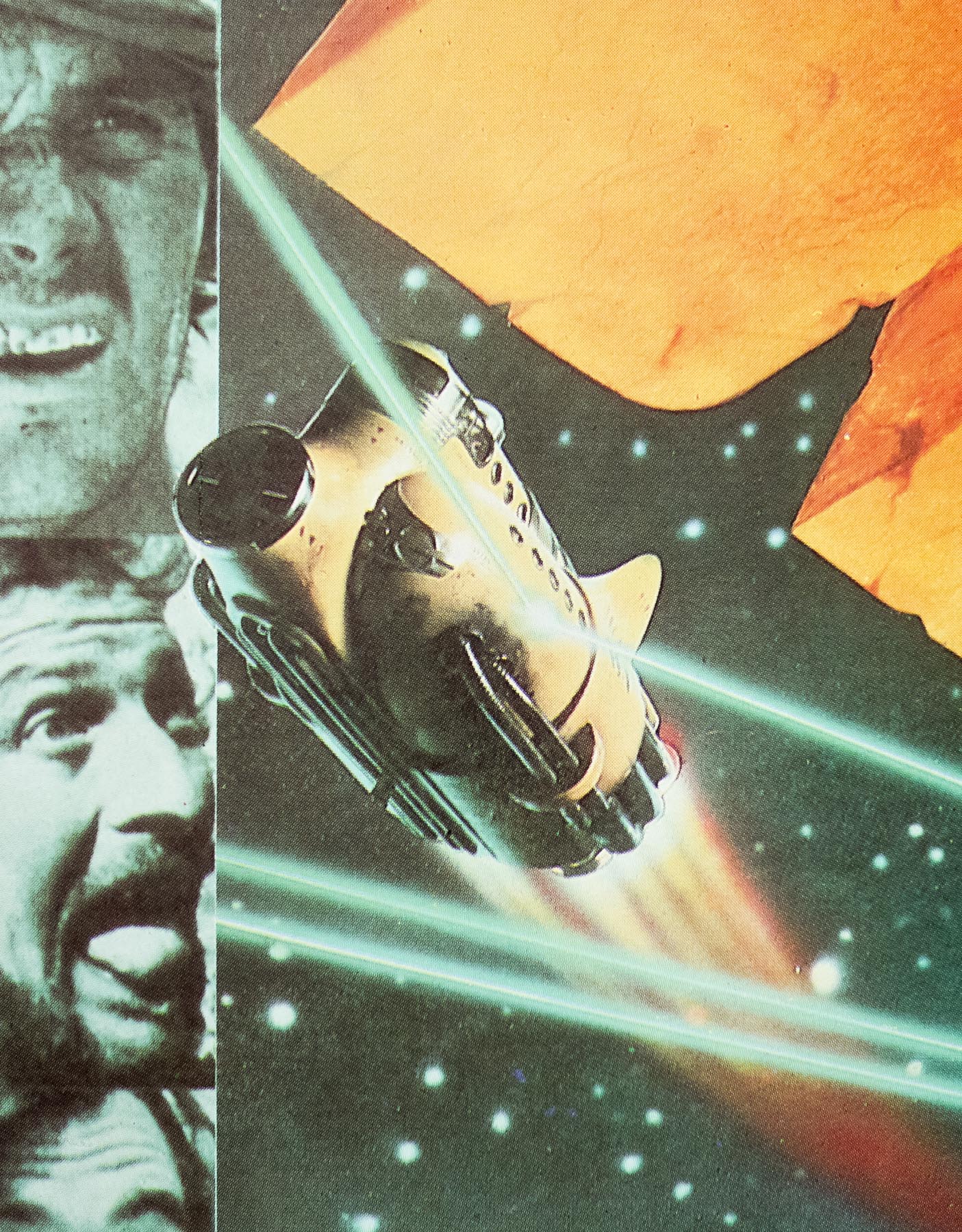
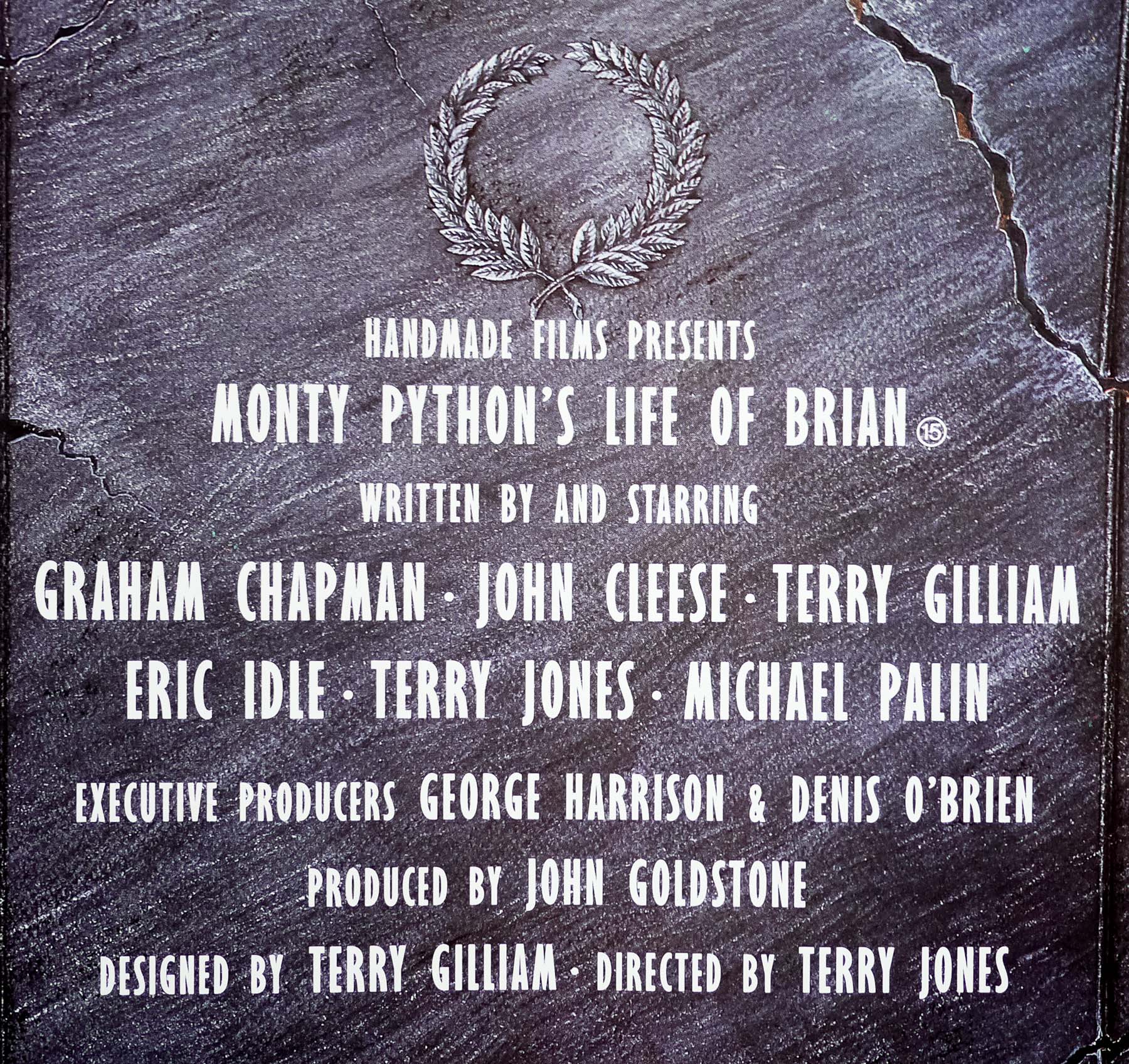
British quad poster (1988 re-release) for Life of Brian (1979). Artwork by George RowbottomBritish quad poster (1988 re-release) for Life of Brian (1979). Artwork by George Rowbottom, image 2British quad poster (1988 re-release) for Life of Brian (1979). Artwork by George Rowbottom, image 3British quad poster (1988 re-release) for Life of Brian (1979). Artwork by George Rowbottom, image 4British quad poster (1988 re-release) for Life of Brian (1979). Artwork by George Rowbottom, image 5
Title
Life of Brian
AKA
Brian di Nazareth [Brian of Nazareth] (Italy)
Year of Film
1979
Director
Terry Jones
Starring
Graham Chapman, John Cleese, Terry Gilliam, Eric Idle, Terry Jones, Michael Palin, Terence Bayler, Carol Cleveland, Kenneth Colley, Neil Innes, Charles McKeown, John Young, Gwen Taylor, Sue Jones-Davies
Origin of Film
UK
Genre(s) of Film
Comedy
Type of Poster
Quad
Style of Poster
Re-release
Origin of Poster
UK
Year of Poster
1988
Designer
George Rowbottom
Artist
George Rowbottom
Size (inches)
30 1/8" x 40"
SS or DS
SS

Probably my favourite of the five cinematic outings by the Monty Python (opens in a new tab) crew, Life of Brian (opens in a new tab) is one of the funniest films ever made and the brilliant satirical humour hasn’t diminished at all in the thirty plus years since its release. Infamously causing an uproar with various religious groups, it also saw EMI, the original financial backers, pulling out during production claiming the script was blasphemous. Luckily, George Harrison (opens in a new tab) stepped in with the finance, apparently after realising it may have been the last chance to see another Python film in cinemas. His company HandMade Films (opens in a new tab) was formed as a result of this deal.

The film’s religion-baiting story sees a man called Brian (Graham Chapman (opens in a new tab)) born at the same time as Jesus Christ and initially mistaken for the Messiah, who ends up living an unremarkable life under the Roman occupation of Judea. Things take a fateful turn when his infatuation with a young rebel called Judith (Sue Jones-Davies (opens in a new tab)) leads him to join the People’s Front of Judea, a bickering group who have decided to take a stand against the emperor.

The film raised the ire of several religious groups who were outraged at the concept, despite most of them having never even seen the film, and it was only given a general release once several cuts had been made. Despite the edits, several local UK councils banned the film from being shown at cinemas within their boroughs. Apparently some of these bans lasted until very recently, with the Welsh town of Aberystwyth (opens in a new tab) finally lifting its one in 2009, which then saw a screening of the film attended by Jones, Michael Palin (opens in a new tab) and Sue Jones-Davies, who was the then mayor of the town.

One of the more infamous bans was carried out by the Norwegians who refused to allow the film to be screened at all, which lead some of the international marketing material for the film to be emblazoned with the proclamation ‘So funny it was banned in Norway!’

This is a scarce, alternate style UK quad which differs from the other somewhat confusing design, which is simply the logo doubled up. A reader of the site got in touch to confirm that this quad was designed in house at HandMade films. To quote their informative email:

HandMade and the Pythons decided to re-submit the film to Irish Film Board to have the original ban overturned. The submission was successful and with the censor certification under our belt plans to release the film moved ahead and the Life of Brian was finally released in Ireland  I recall in the summer of 1988 as I recall eight years after original release. One of the unsung heroes of HandMade was freelance artist/designer George Rowbottom.

George was closely involved in many HMF posters over the years along with Ray Cooper and it was George who re-worked Life of Brian poster and came up with the “tablet” design for the quad used for the Irish release and also the superior amended 1-sheet. In both cases these were printed by National Screen who printed all our posters for domestic and international.

The original American trailer can be seen on YouTube (opens in a new tab).
Weird Science / one sheet / USA

09.04.14

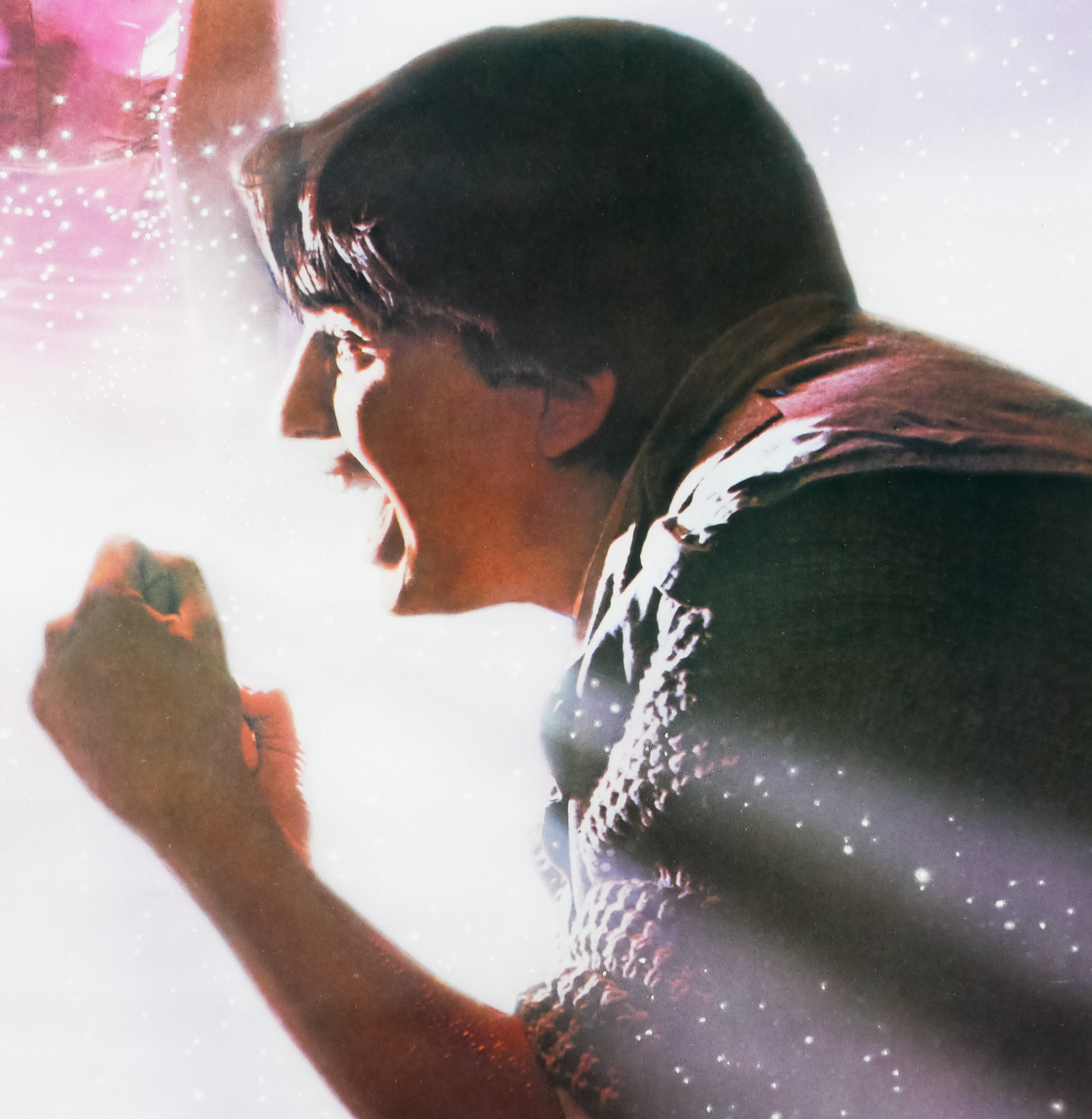
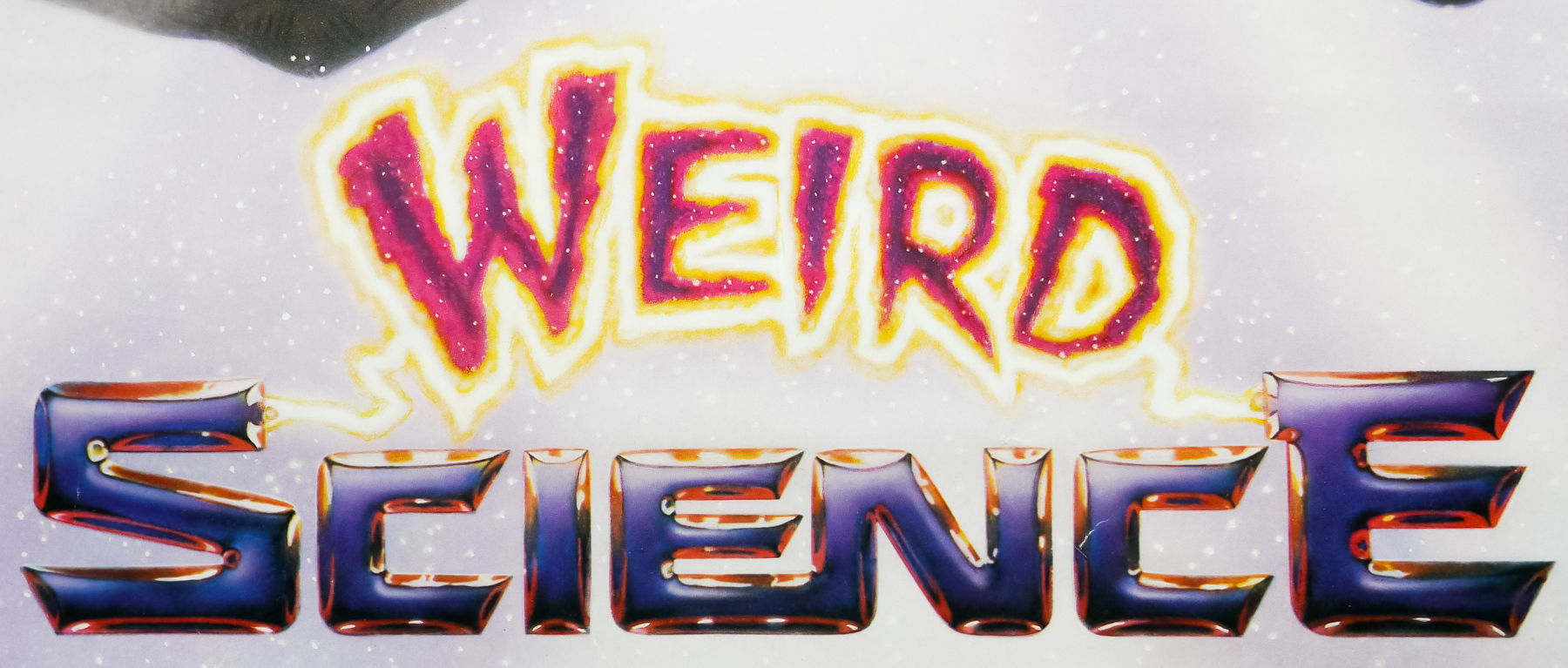
US one sheet poster for Weird Science (1985). Artwork by Duane Meltzer, design by Tom JungUS one sheet poster for Weird Science (1985). Artwork by Duane Meltzer, design by Tom Jung, image 2US one sheet poster for Weird Science (1985). Artwork by Duane Meltzer, design by Tom Jung, image 3US one sheet poster for Weird Science (1985). Artwork by Duane Meltzer, design by Tom Jung, image 4US one sheet poster for Weird Science (1985). Artwork by Duane Meltzer, design by Tom Jung, image 5
Title
Weird Science
AKA
La chica explosiva (Argentina)
Year of Film
1985
Director
John Hughes
Starring
Anthony Michael Hall, Kelly LeBrock, Ilan Mitchell-Smith, Bill Paxton, Suzanne Snyder, Judie Aronson, Robert Downey Jr., Robert Rusler, Vernon Wells, Britt Leach, Barbara Lang, Michael Berryman
Origin of Film
USA
Genre(s) of Film
Comedy | Fantasy | Romance
Type of Poster
One sheet
Origin of Poster
USA
Year of Poster
1985
Designer
Tom Jung
Artist
Duane Meltzer
Size (inches)
27 1/16" x 40 7/8"
SS or DS
SS
NSS #
850065
Tagline
It's all in the name of science. Weird Science.

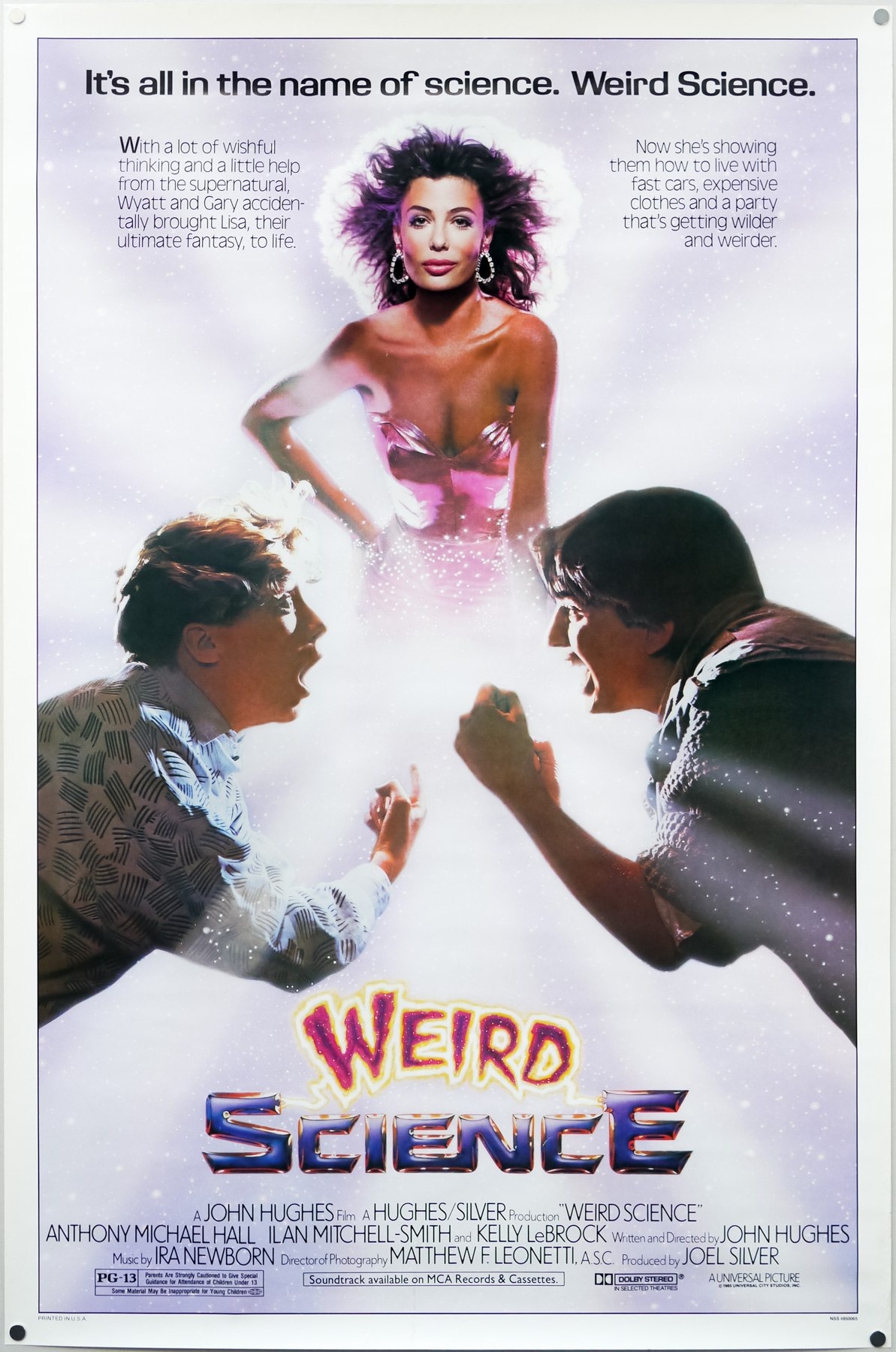
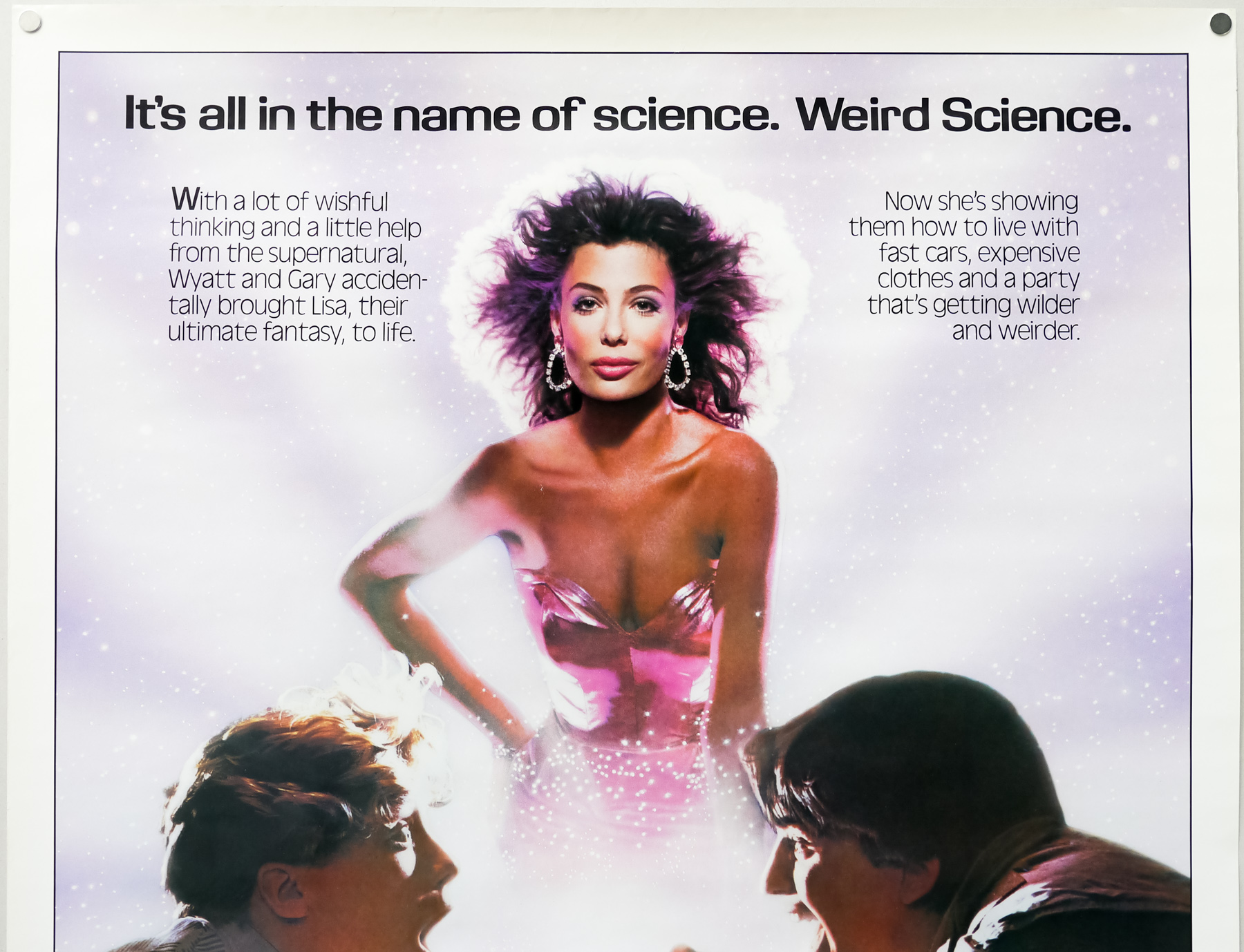
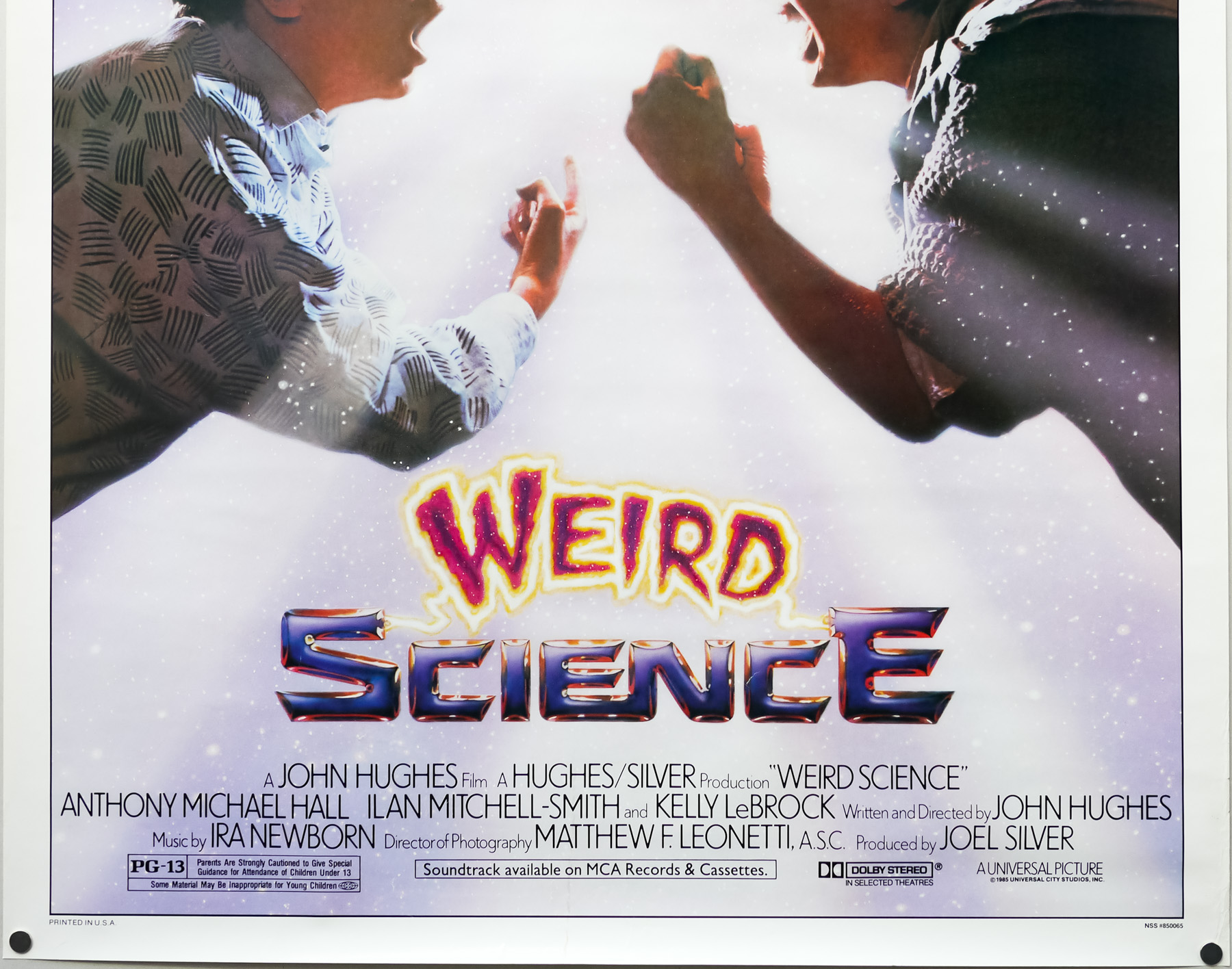
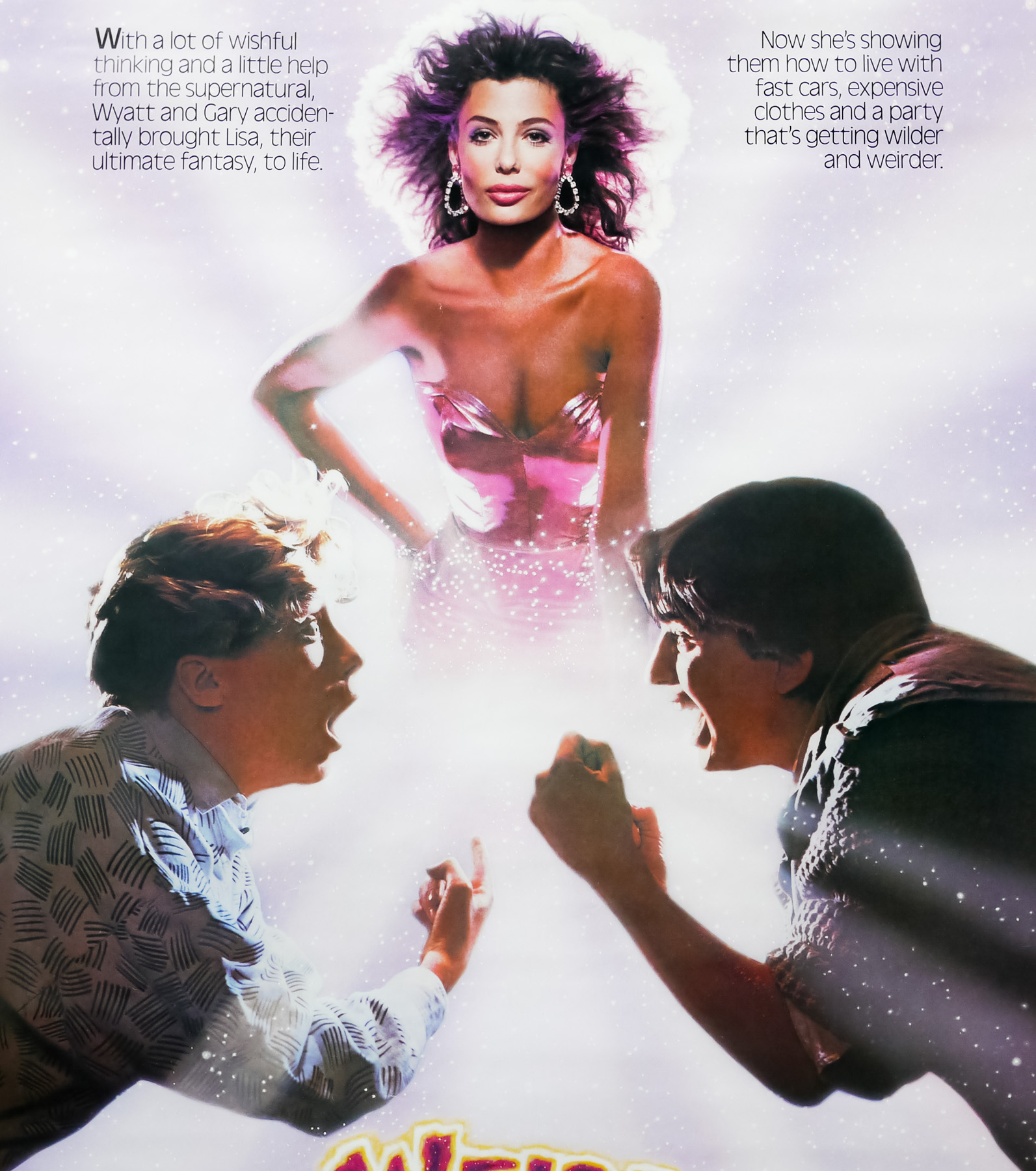
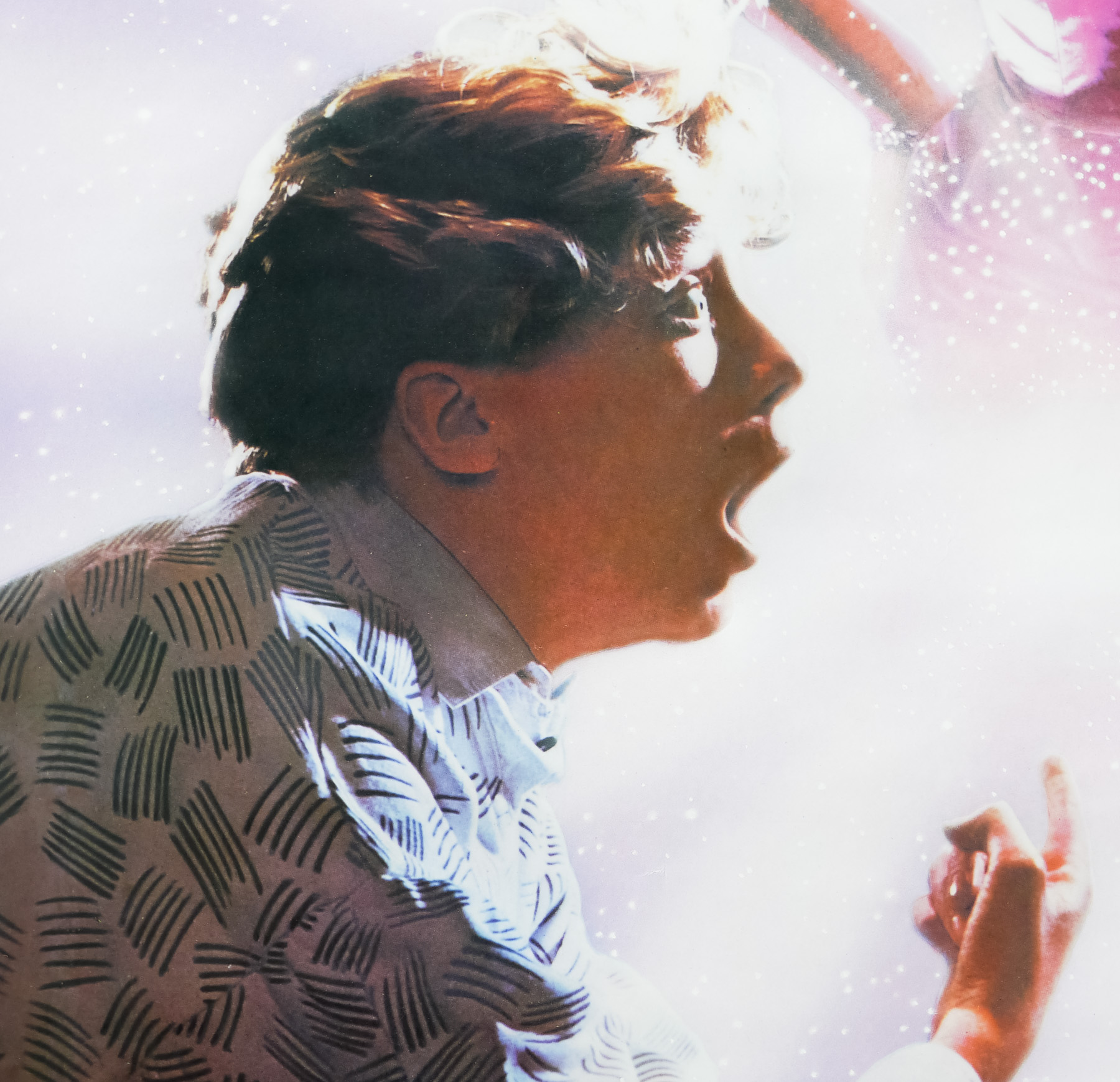
This is the American one sheet for Weird Science (opens in a new tab), the bonkers 1980s comedy from the late, great director John Hughes (opens in a new tab). Producer Joel Silver bought the rights to a 1950s EC Comics (opens in a new tab) magazine of the same name (opens in a new tab) and Hughes wrote the screenplay himself. Anthony Michael Hall (opens in a new tab), a regular colaborator with the director (he appeared in Breakfast Club the same year as Weird Science) stars alongside Ilan Mitchell-Smith (opens in a new tab) as Gary and Wyatt, a pair of high-school nerds who are struggling to be accepted by their peers.
One evening the pair decide to try and create their perfect woman, inspired by a viewing of the classic Frankenstein film and using their computer coding skills. Following a series of improbable incidents, including a lightning strike and the pair’s successful hacking into a government mainframe computer (classic 80s nonsense), the gorgeous Lisa (an unforgettable appearance by Kelly LeBrock (opens in a new tab)) steps out of their bathroom and asks “So, what would you little maniacs like to do first?” The rest of the film sees Lisa using various supernatural skills, including memory manipulation and reality warping to help the boys lose their inhibitions and gain the friendship of their school peers. The film features several madcap sequences, including the moment a bunch of psychotic bikers led by Vernon Wells (opens in a new tab) (of Mad Max 2 fame) crash a house party, and Bill Paxton (opens in a new tab) appears in a memorable turn as Wyatt’s brother Chet.

This one sheet was art directed by the American designer and artist Tom Jung (opens in a new tab) who is perhaps most famous for his work on the posters for Star Wars and The Empire Strikes Back but has been working on film advertising for over 50 years, as well as storyboarding for a number of films. The artwork (Lisa’s body appears to have been painted, and the title too) was apparently done by an artist and designer called Duane Meltzer who worked at Universal Studios at the time of the film’s release. According to the about page on his official website (opens in a new tab) he also worked as a creative at Twentieth Century Fox studios before forming POV Entertainment Design in 1988. He has continued to work on key art for films, as well as home entertainment packaging and more since then.

True Romance / B2 / cast style / Japan

07.04.14

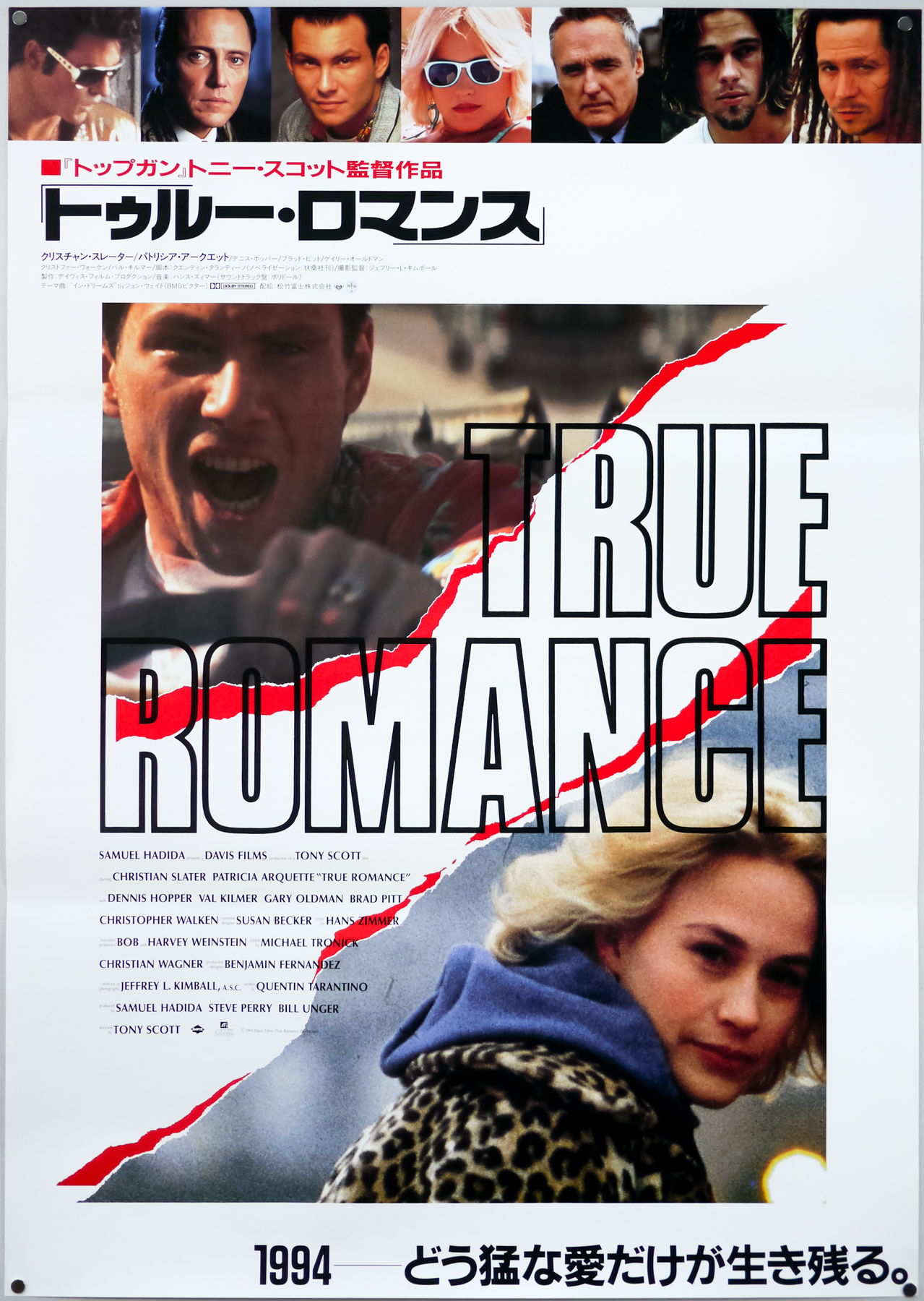
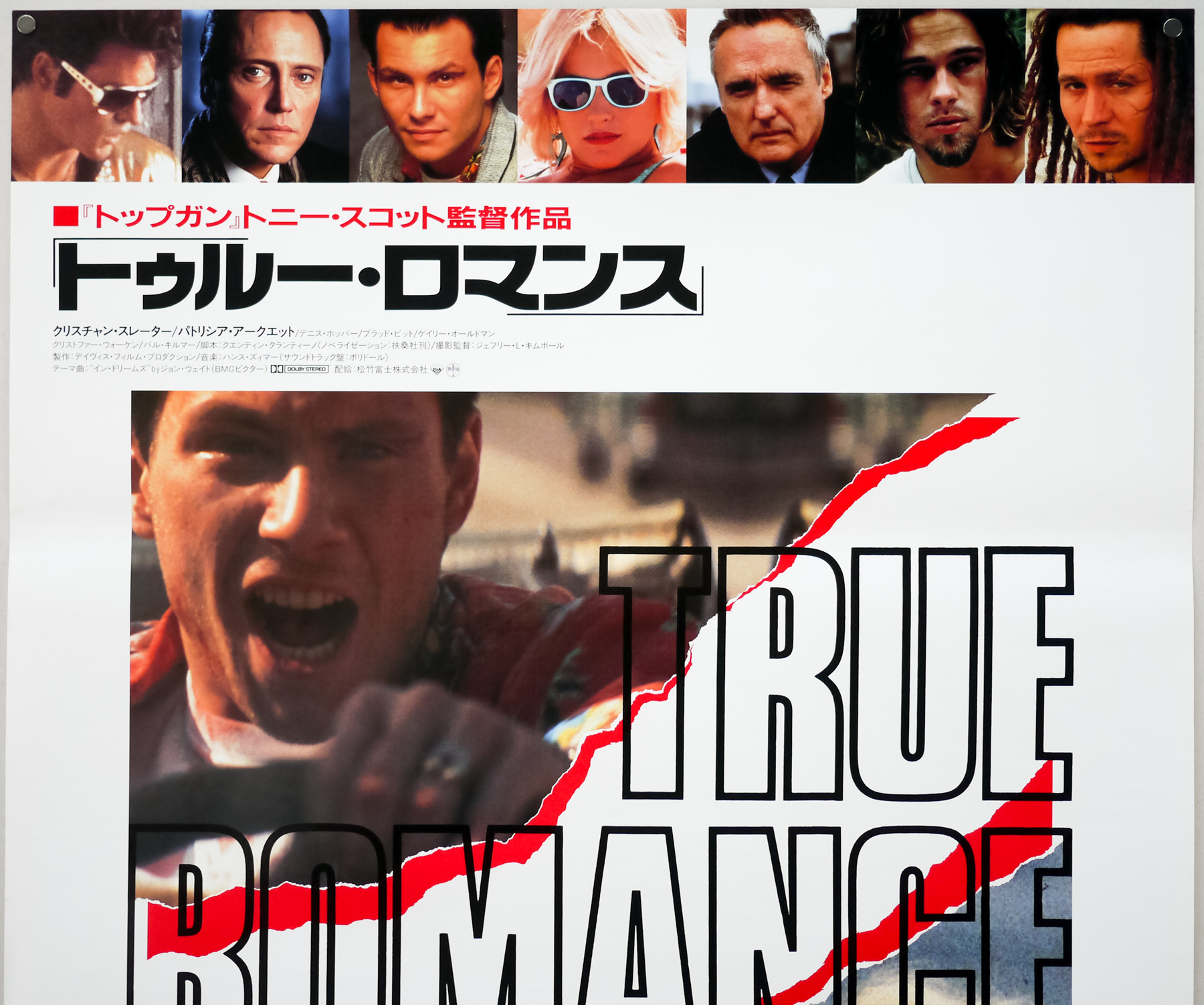
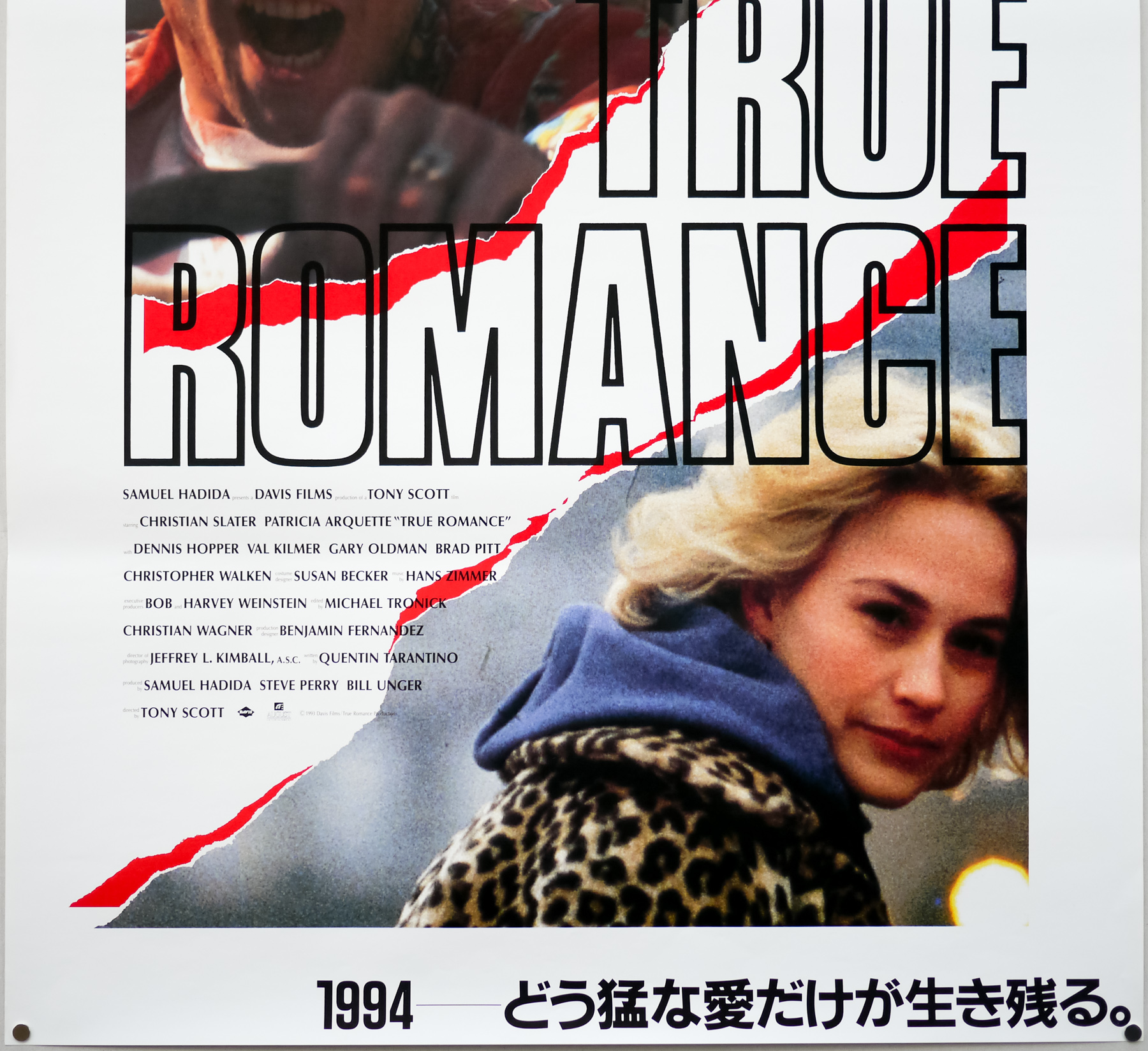
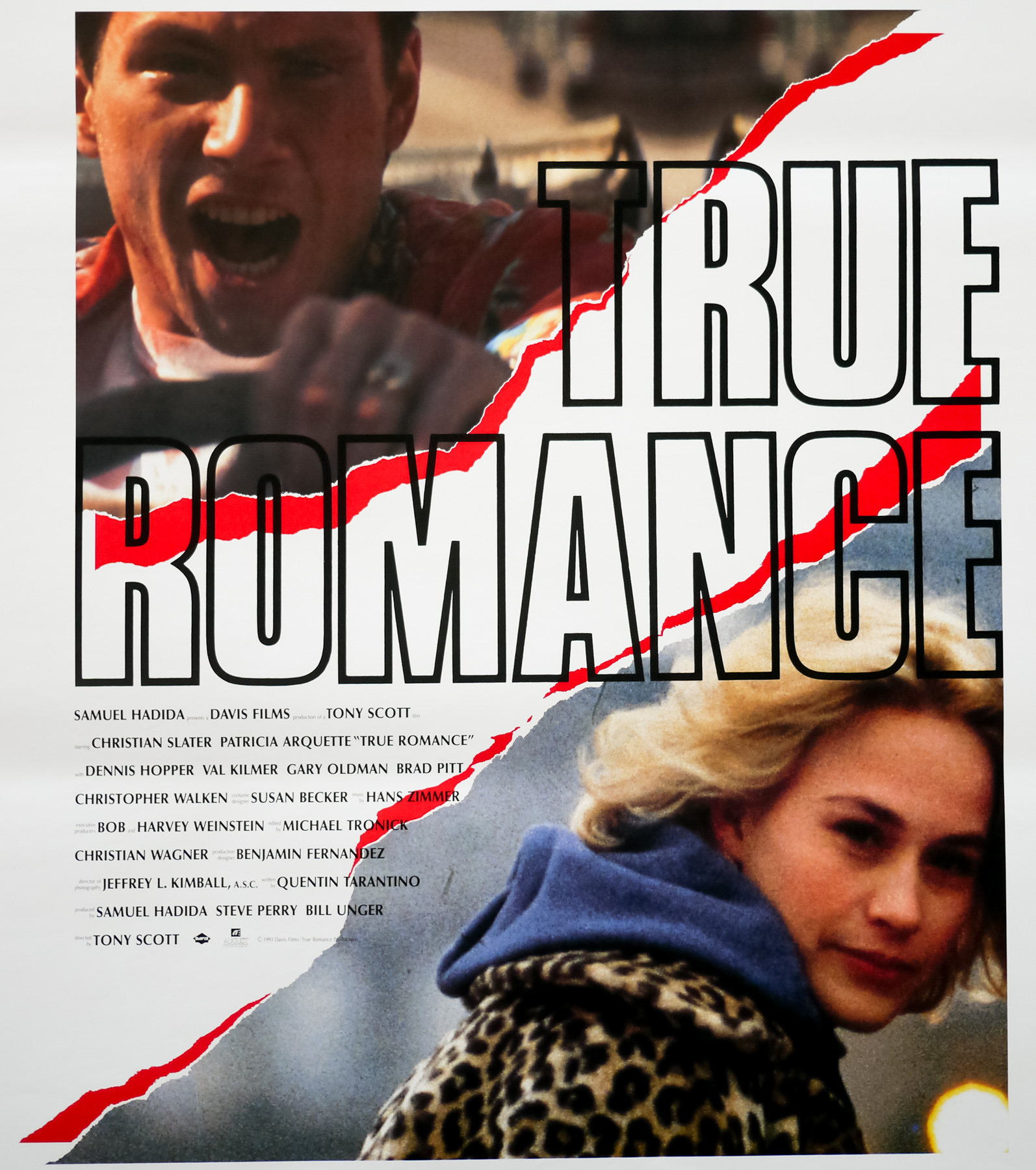
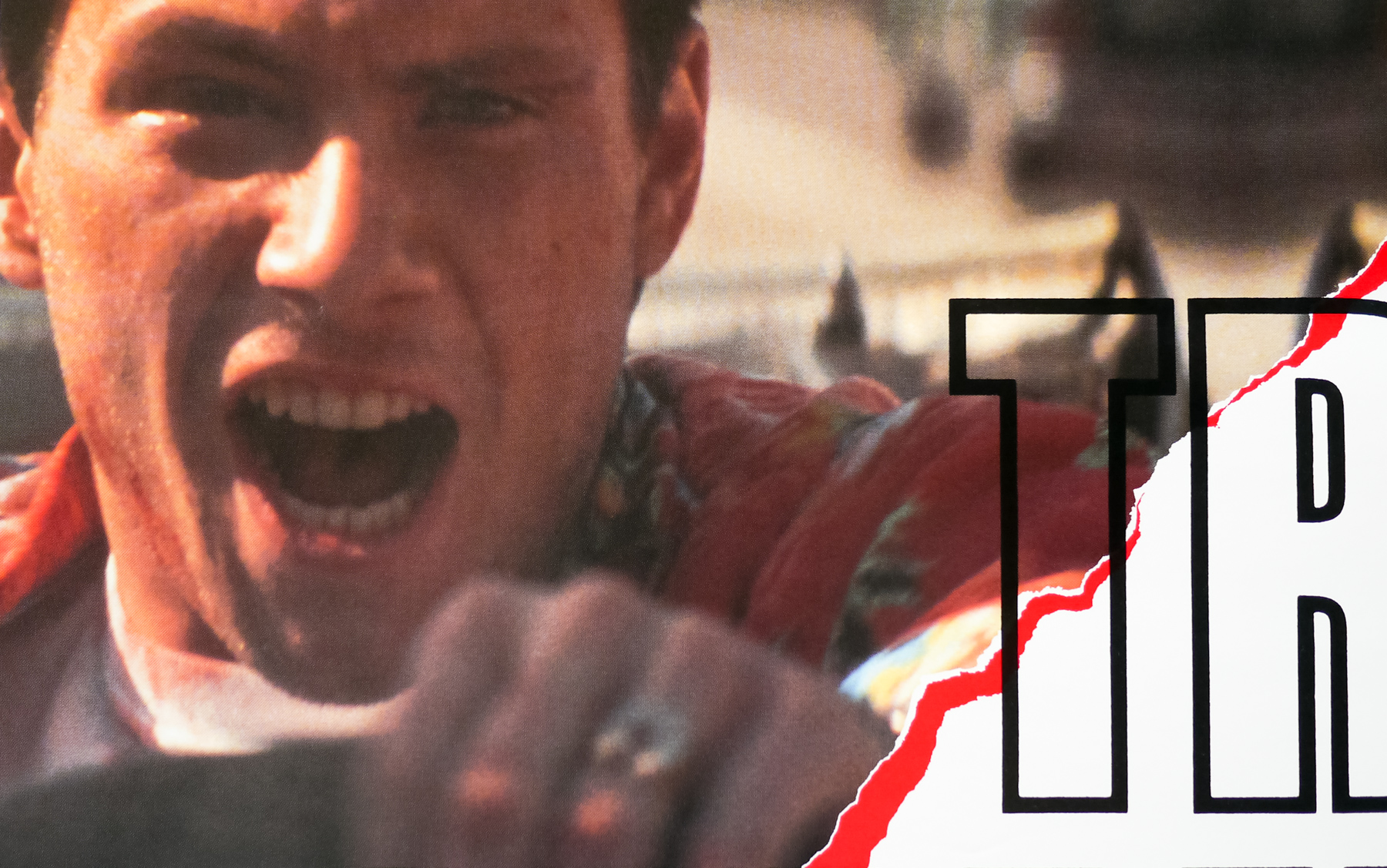
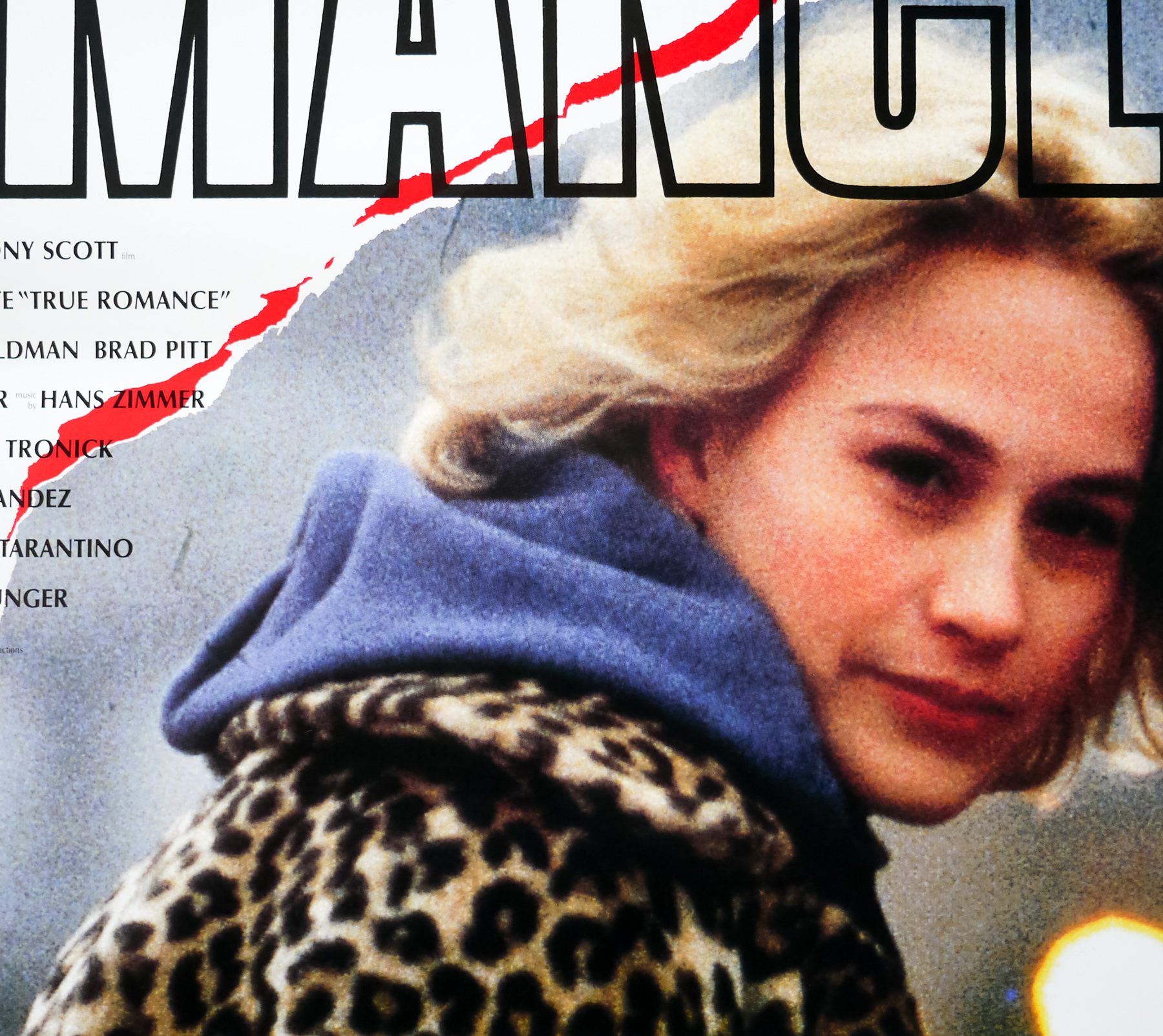
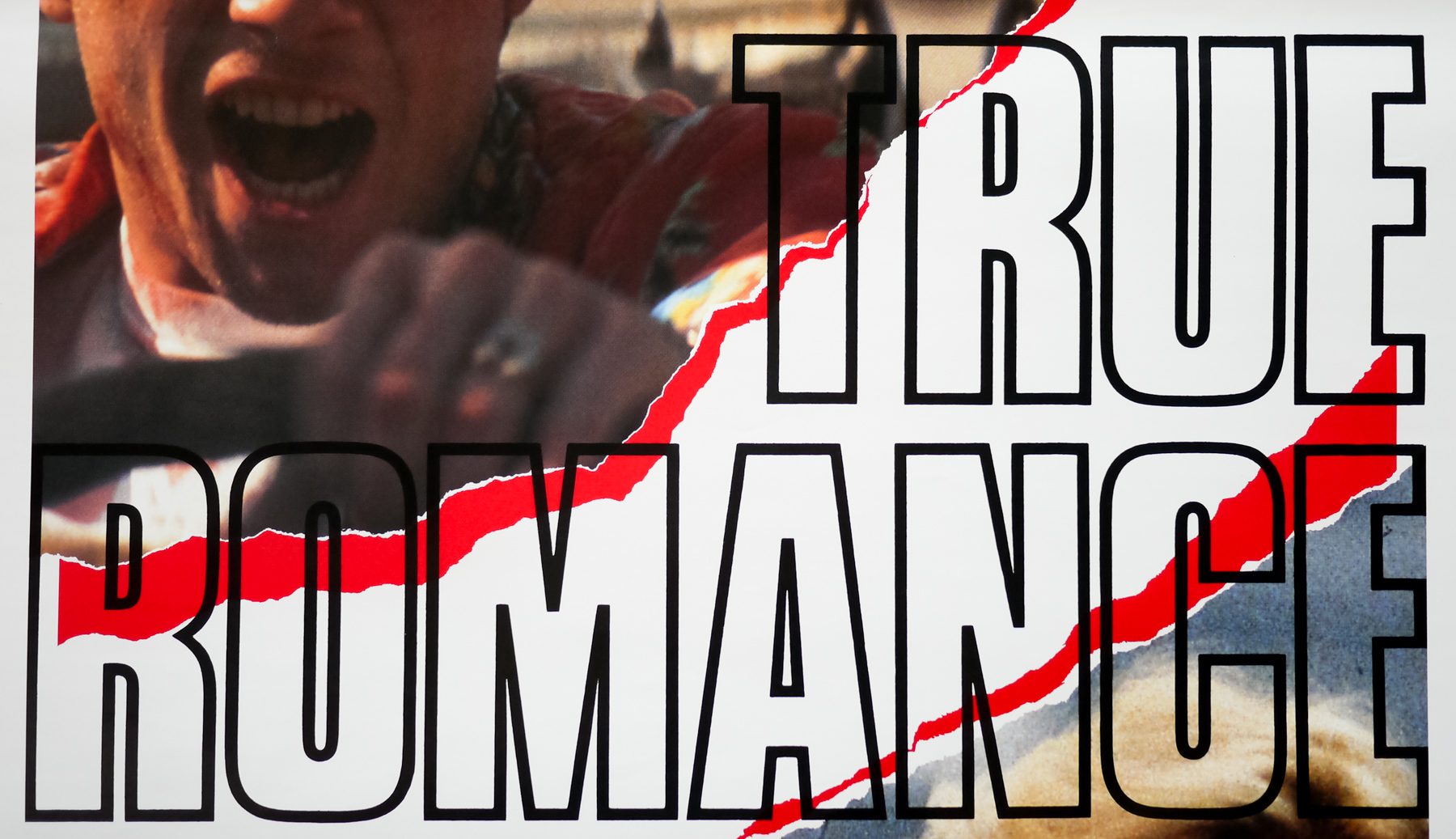
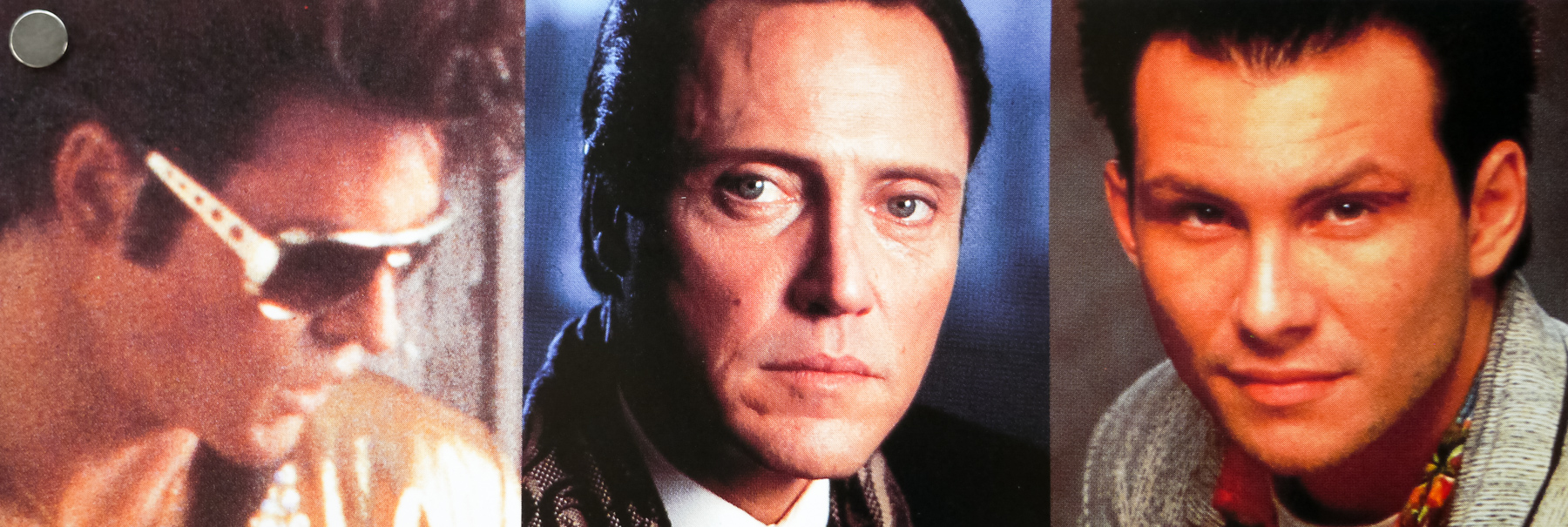
Japanese B2 poster (cast style) for True Romance (1993)Japanese B2 poster (cast style) for True Romance (1993), image 2Japanese B2 poster (cast style) for True Romance (1993), image 3Japanese B2 poster (cast style) for True Romance (1993), image 4Japanese B2 poster (cast style) for True Romance (1993), image 5
Title
True Romance
AKA
Una vita al massimo [Life at the maximum] (Italy)
Year of Film
1993
Director
Tony Scott
Starring
Christian Slater, Patricia Arquette, Michael Rapaport, Bronson Pinchot, Saul Rubinek, Dennis Hopper, James Gandolfini, Gary Oldman, Christopher Walken, Chris Penn, Tom Sizemore, Brad Pitt, Val Kilmer, Samuel L. Jackson, Conchata Ferrell, Anna Thomson, Paul Bates, Victor Argo
Origin of Film
USA
Genre(s) of Film
Crime | Romance | Thriller
Type of Poster
B2
Style of Poster
Cast style
Origin of Poster
Japan
Year of Poster
1993
Designer
Unknown
Size (inches)
20 3/8" x 28 13/16"
SS or DS
SS

Following the shocking death of British director Tony Scott (opens in a new tab) in 2012 there was plenty of discussion amongst fans as to the film that defined his career, which included such titles as the none-more-80s Top Gun (opens in a new tab) and several excellent Denzel Washington-starring thrillers such as Crimson Tide (opens in a new tab). There was only one film that I reached for from my blu-ray collection when I wanted to pay tribute to Scott and that was True Romance (opens in a new tab), the 1993 crime thriller starring Christian Slater (opens in a new tab), Patricia Arquette (opens in a new tab) and a whole host of acclaimed actors. Featuring a fantastic script by Quentin Tarantino, the film is arguably the apex of Tony Scott’s directing career and clearly benefits from his skill at injecting energy and verve into every scene. The film is also likely to be the defining role in the careers of both Slater and Arquette who were perfectly cast as Clarence and Alabama, the young lovers thrown together at the start of the film and who set off on a rollercoaster ride that leads them from Detroit to Los Angeles with murderous gangsters on their tail.
Clarence is a film-obsessed, lonely video store clerk who is at a cinema watching a triple-bill of Sonny Chiba films when he is approached by Alabama. The pair strike up a friendship and before the night is over are head over heels in love. The only issue is that Alabama is a hooker, hired by Clarence’s work colleagues as a birthday present, and her pimp Drexl (a memorable Gary Oldman (opens in a new tab)) is a violent drug dealer who none too keen to let her leave his employ. After a violent confrontation which sees Drexl dead and Clarence escaping with a suitcase full of cocaine. The pair first head to see Clarence’s father (Dennis Hopper (opens in a new tab)) and then travel across the country to Los Angeles to see Clarence’s friend Dick Ritchie (Michael Rapaport (opens in a new tab)) who has a potential lead for selling the drugs. Hot on their heels are a bunch of mobsters, as well as a pair of police detectives.

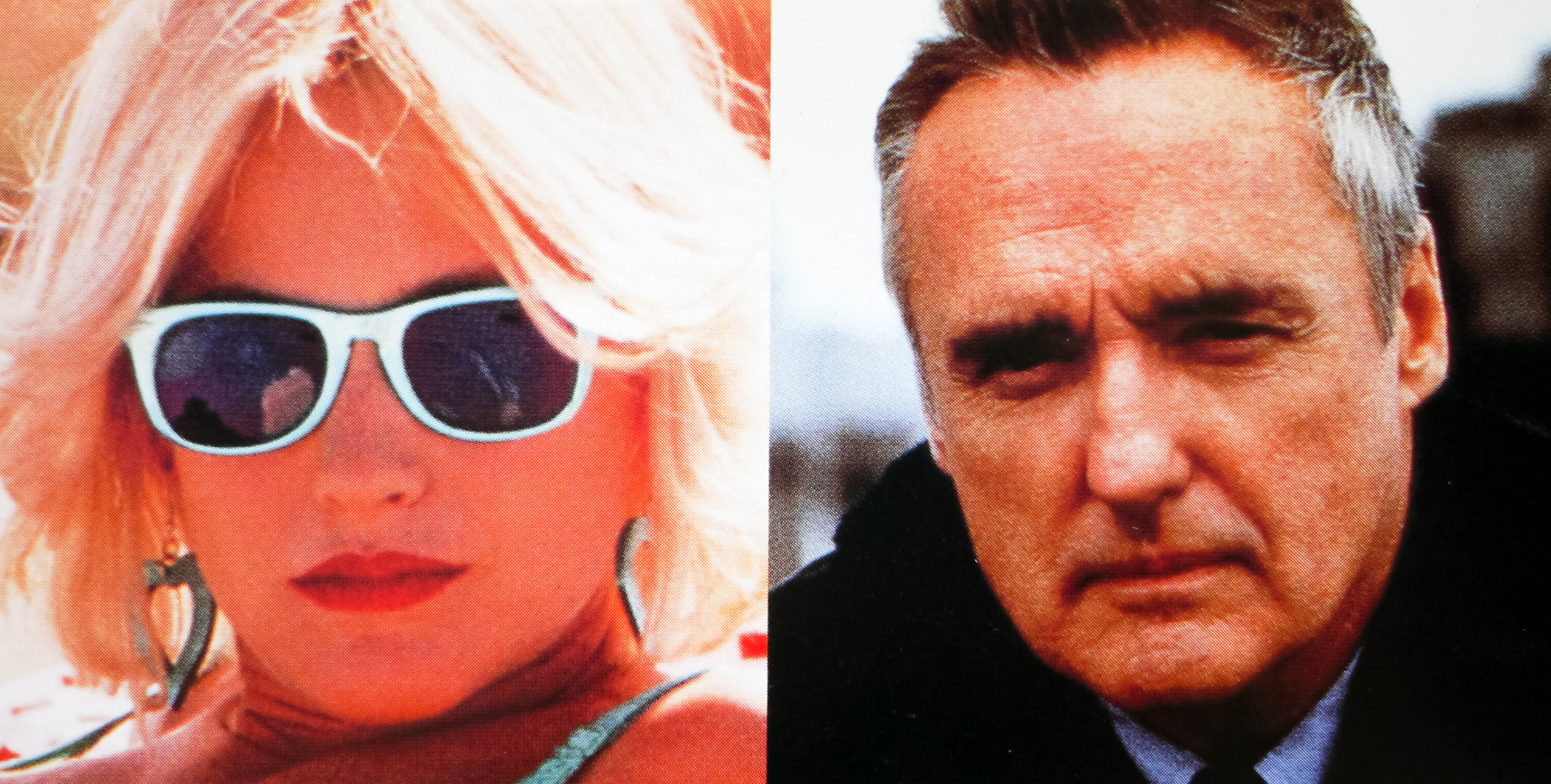
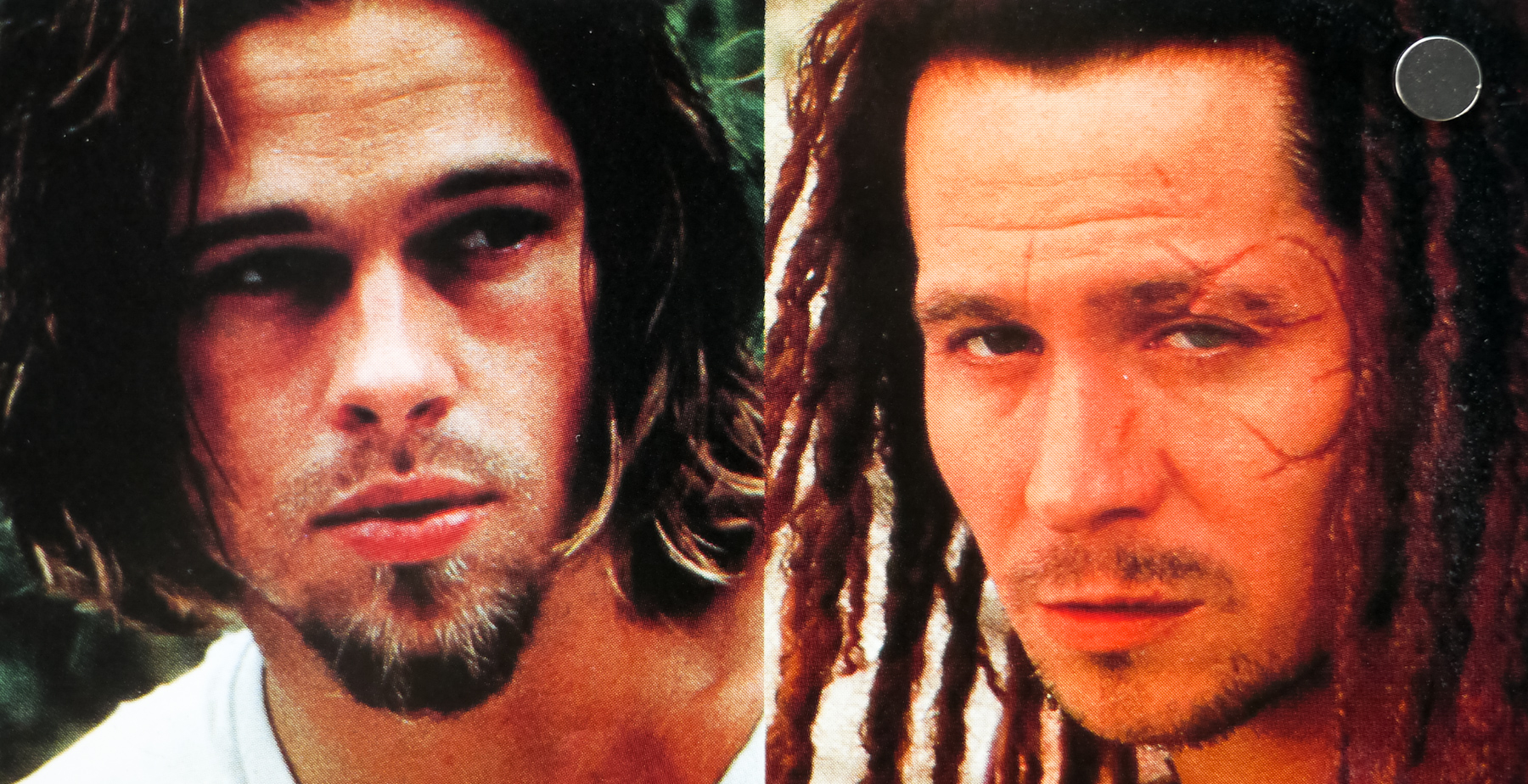
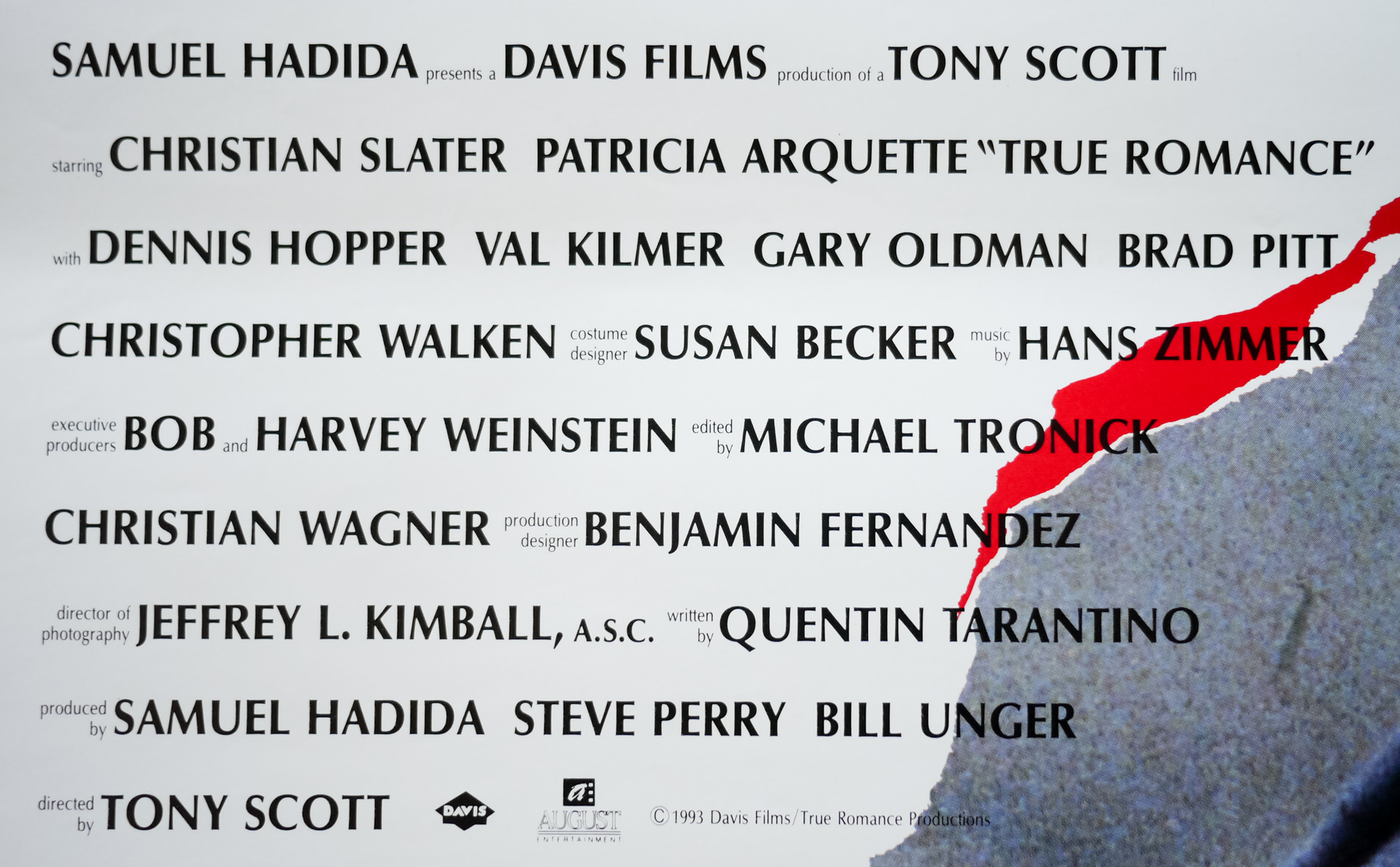
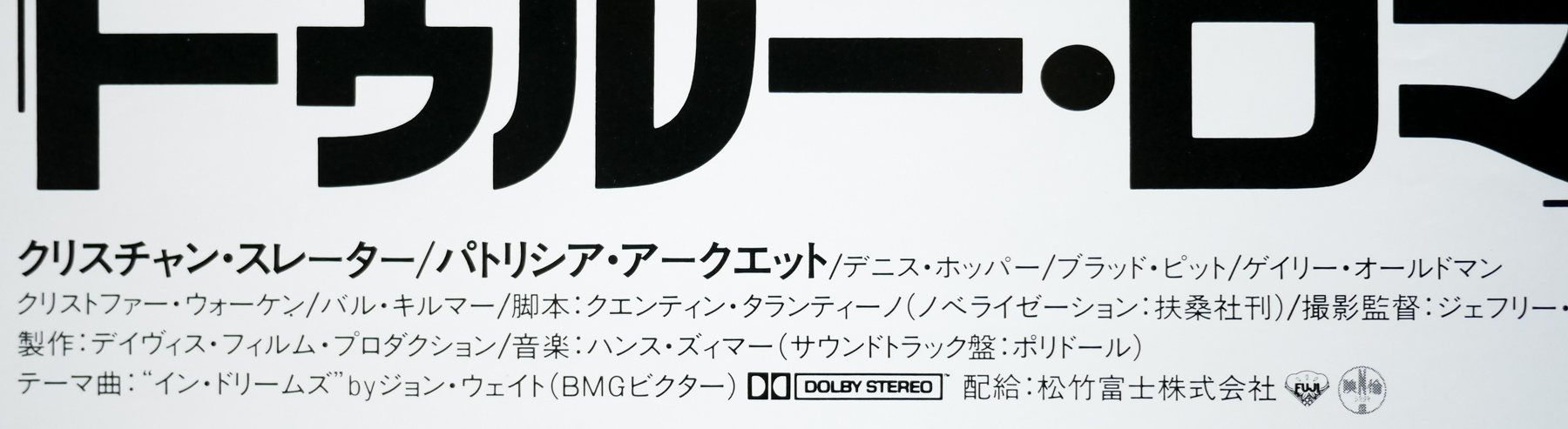
This is one of two styles of Japanese B2 posters and I’ve called this one the cast style. The other features a photo of Arquette clutching a shotgun in one of the more intense scenes of the film. Note that one of the cast members shown at the top of the poster is not actually seen in the film and if you’ve watched it you’ll know which one!