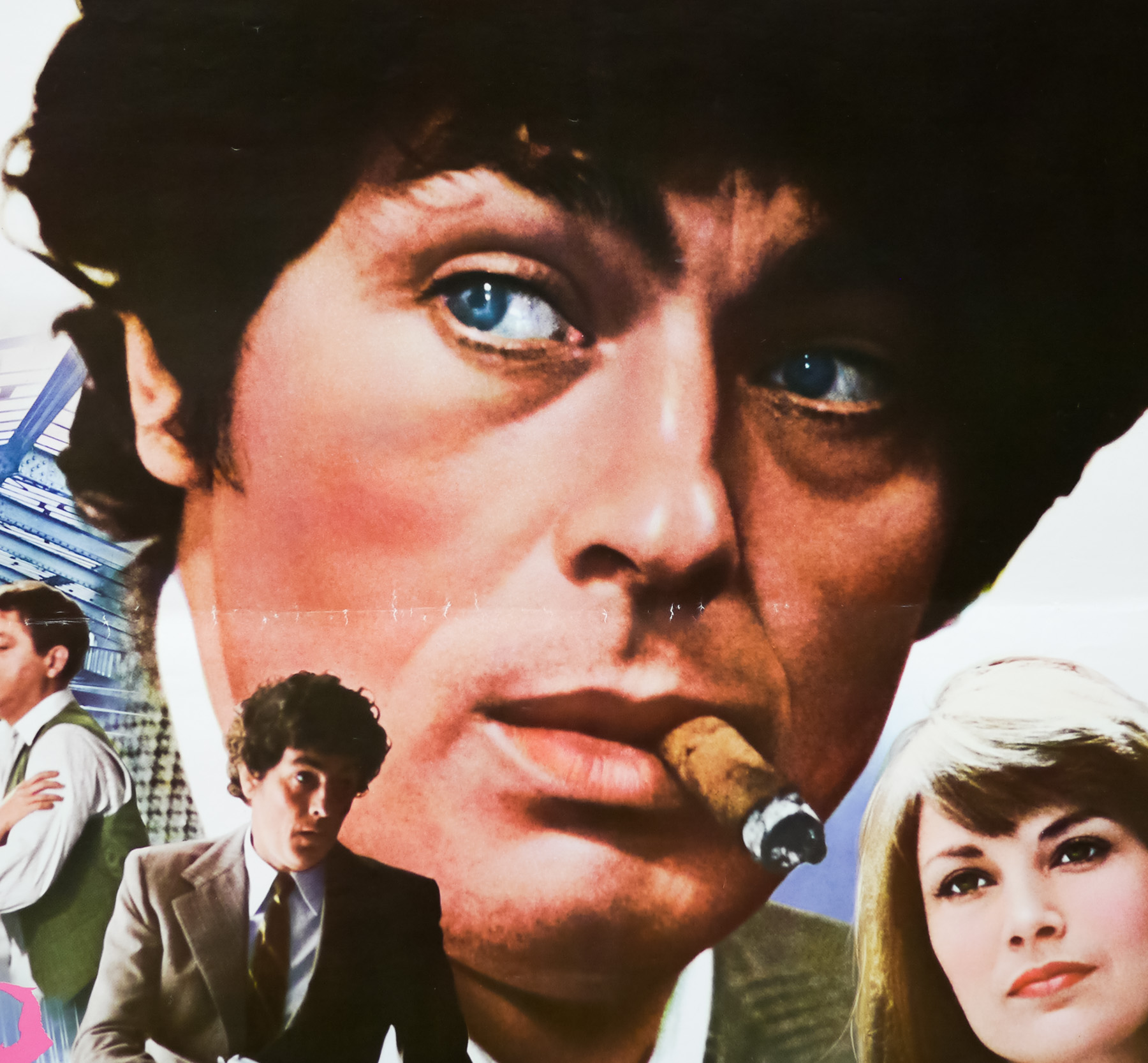
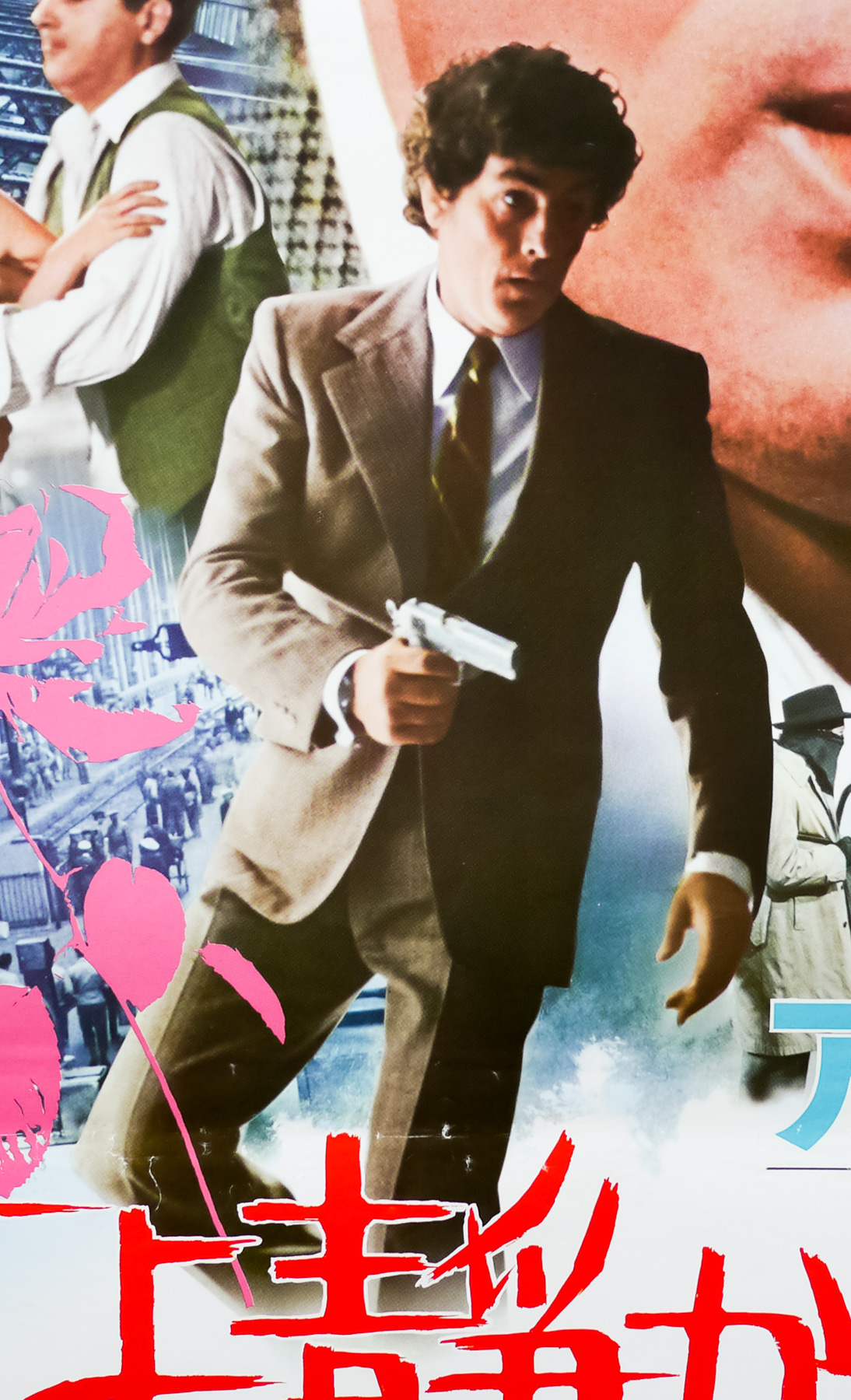
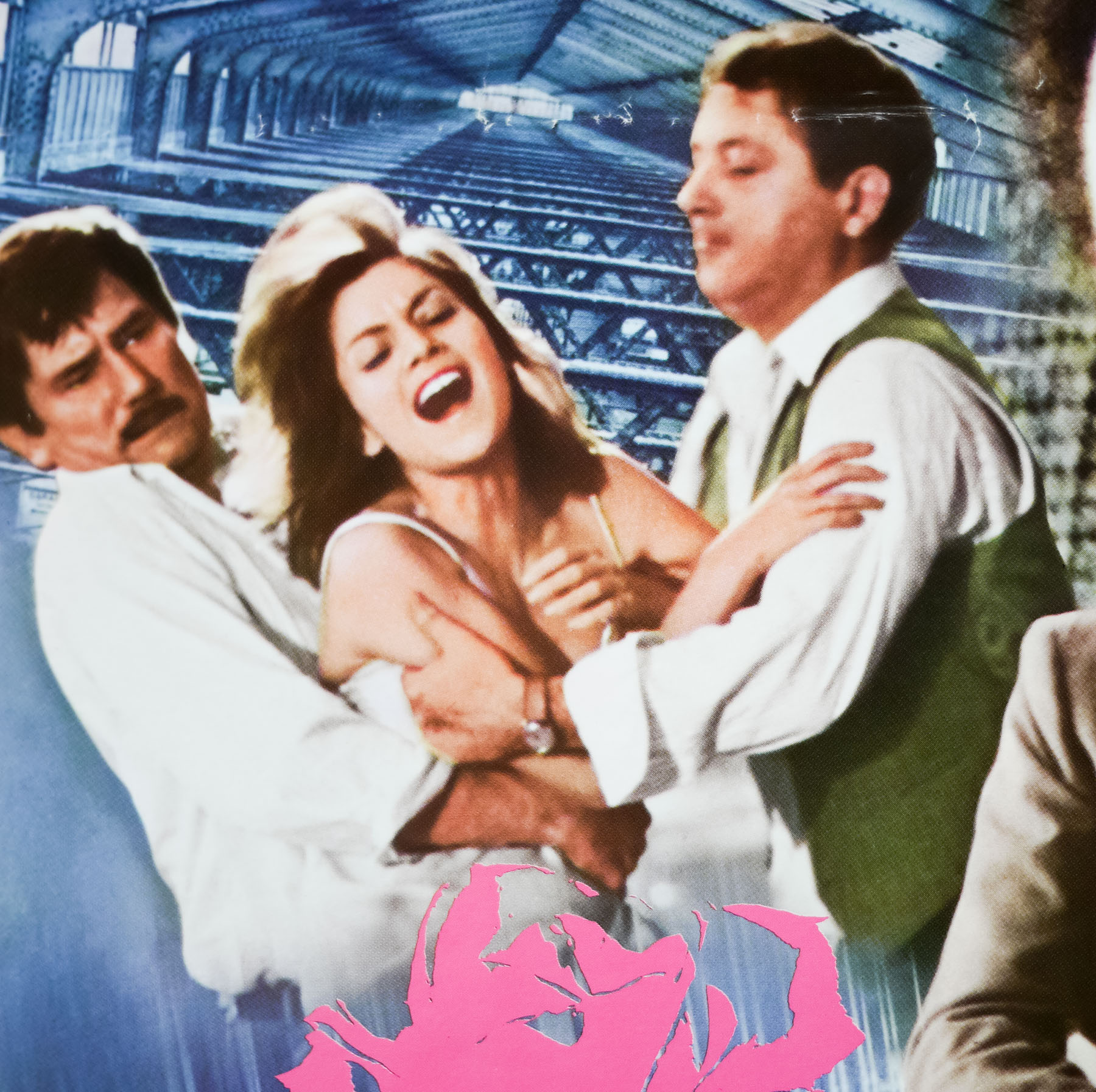
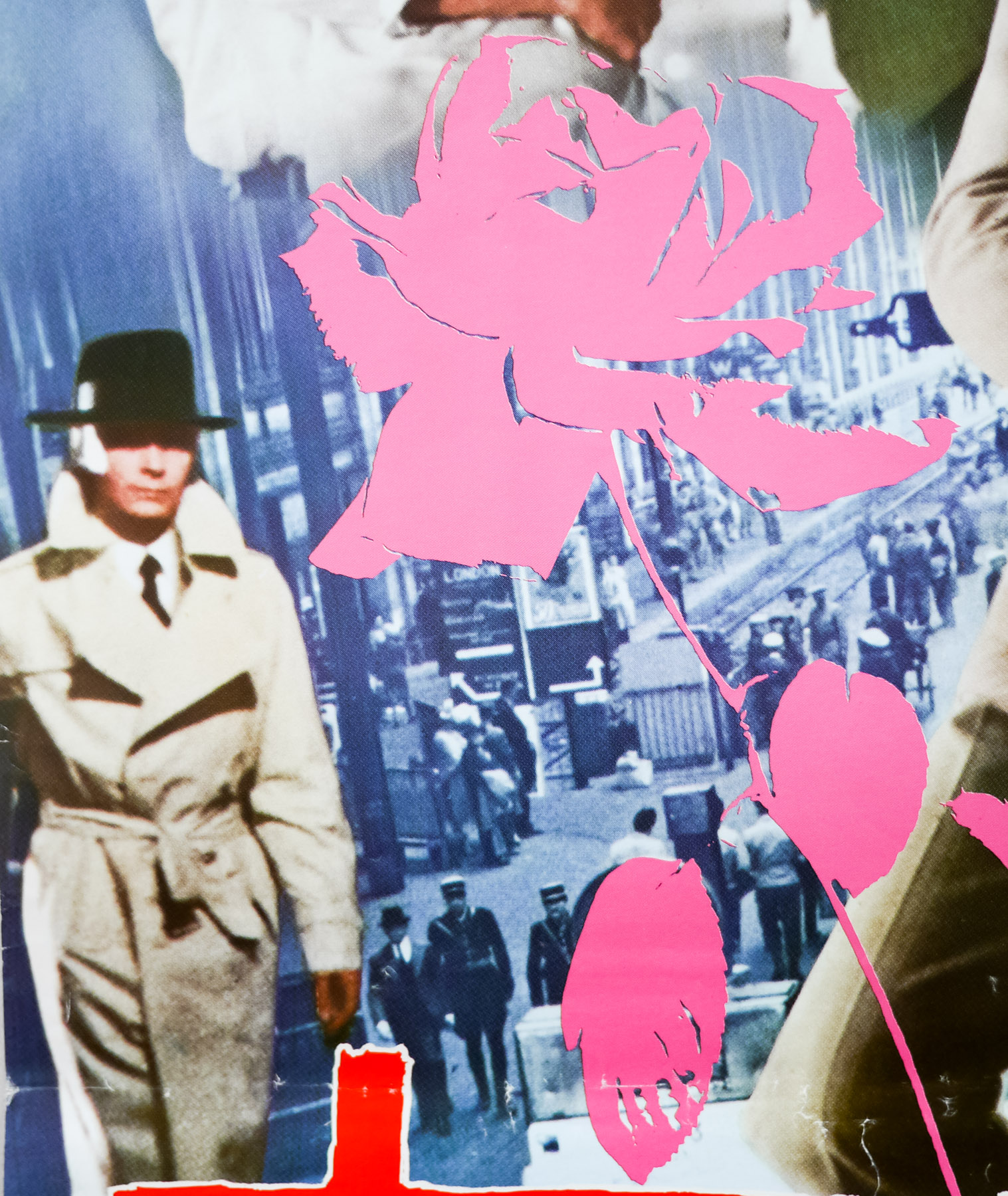
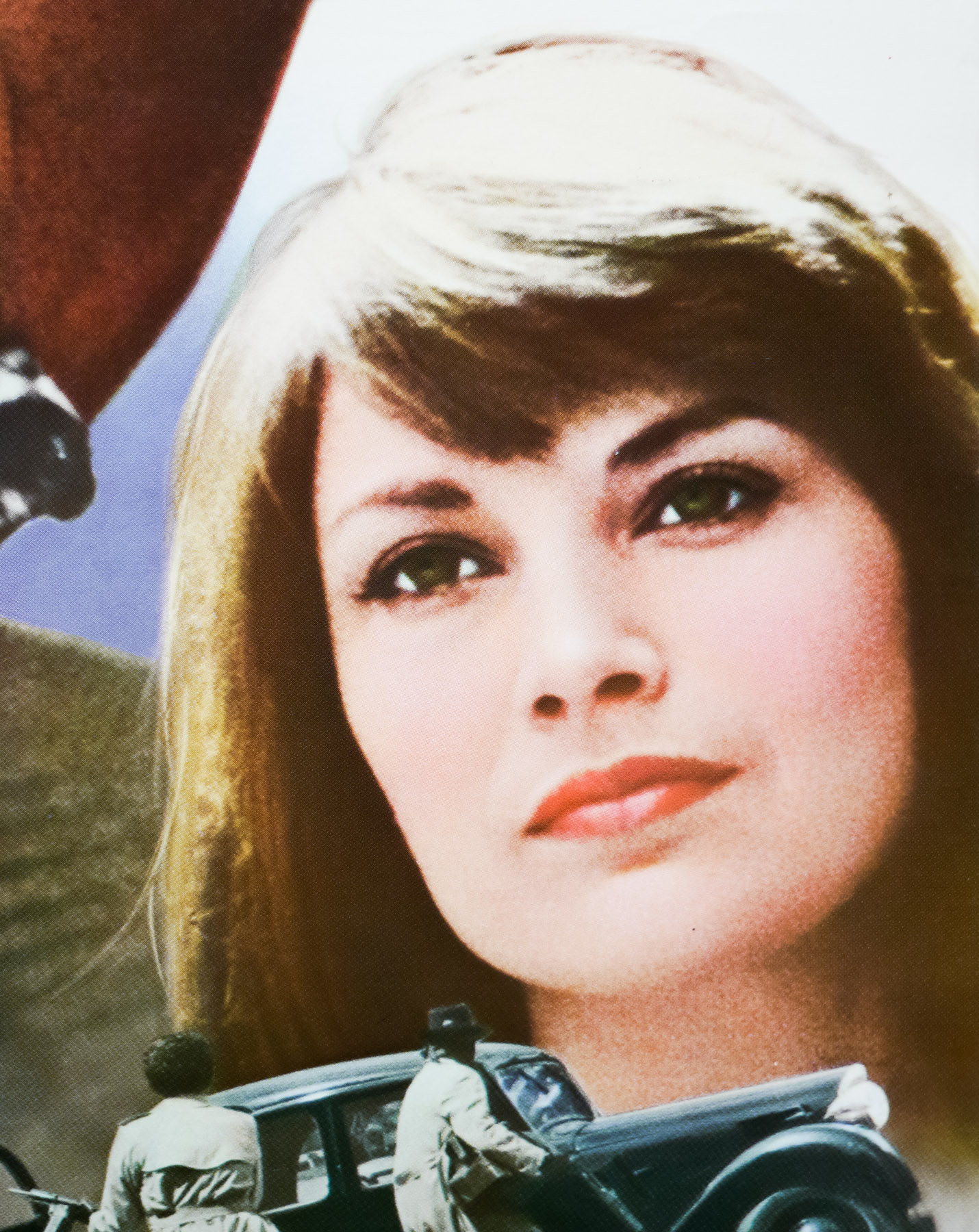
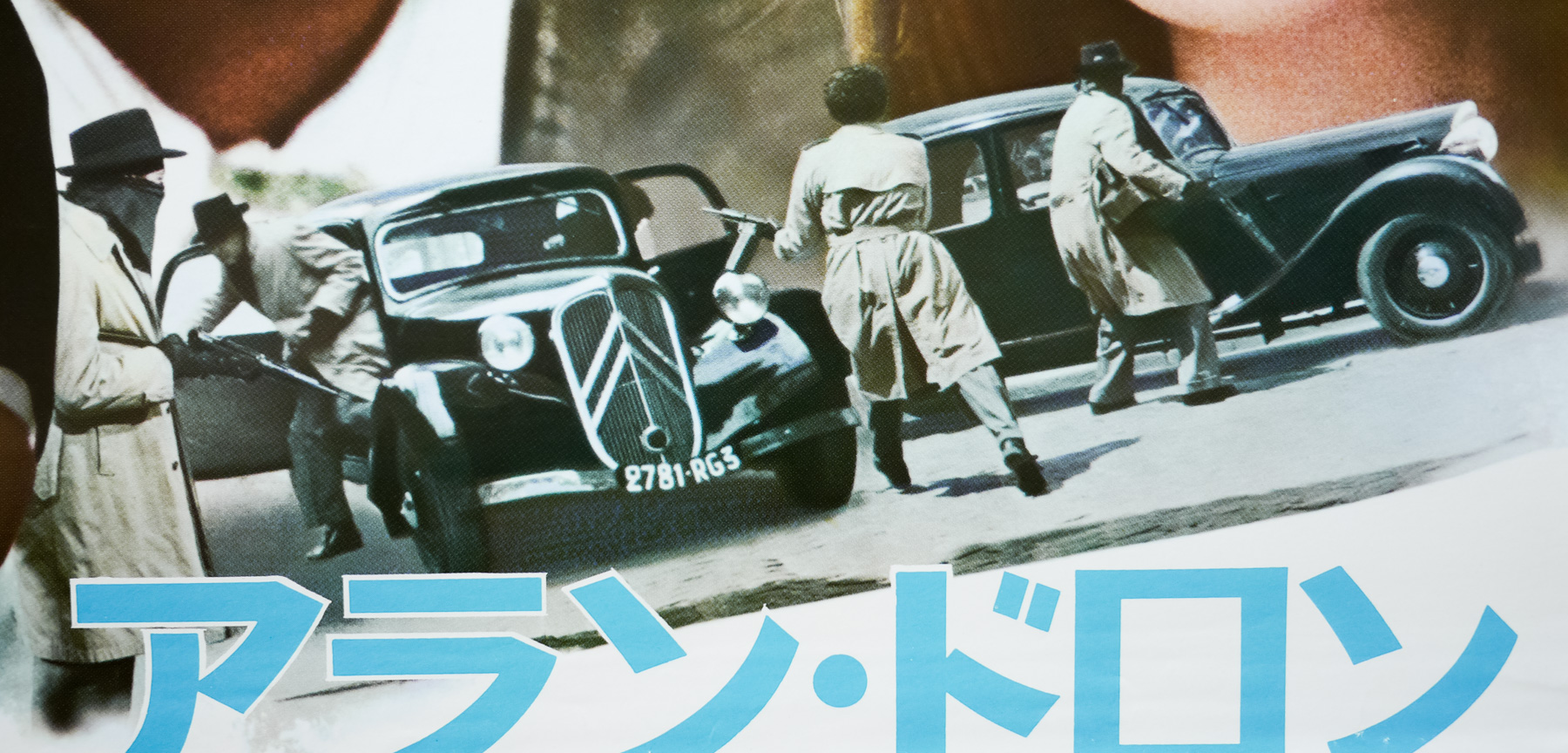
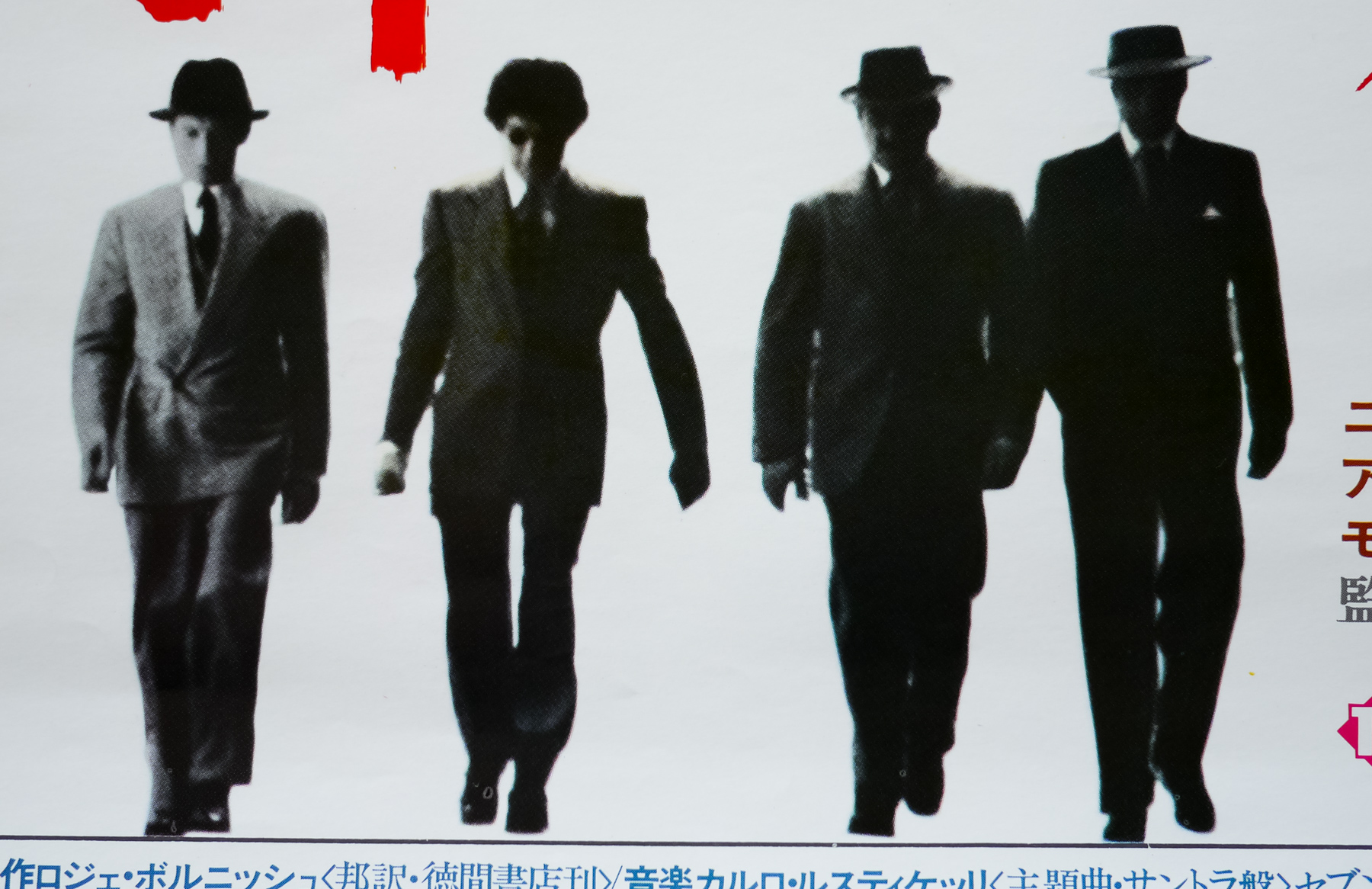
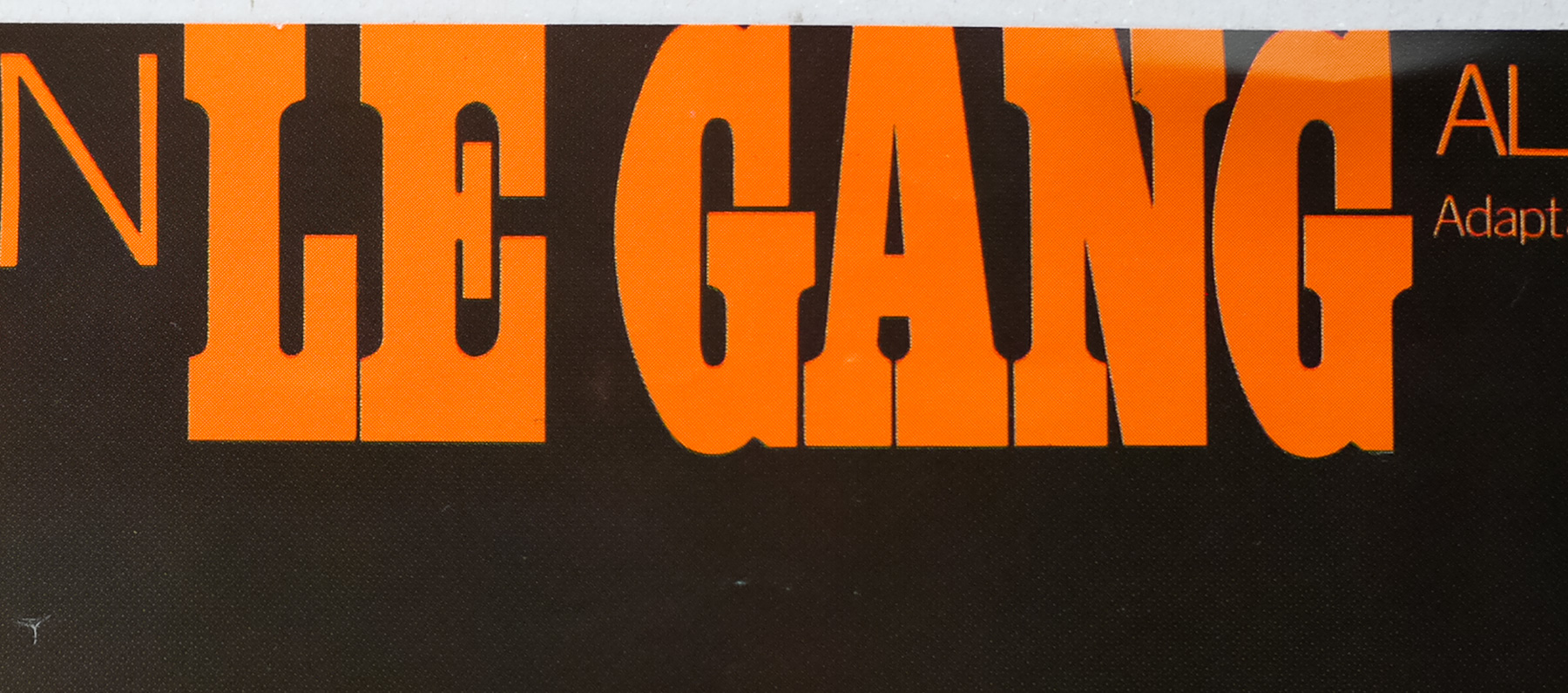
Le Gang / B2 / montage style / Japan

30.06.16

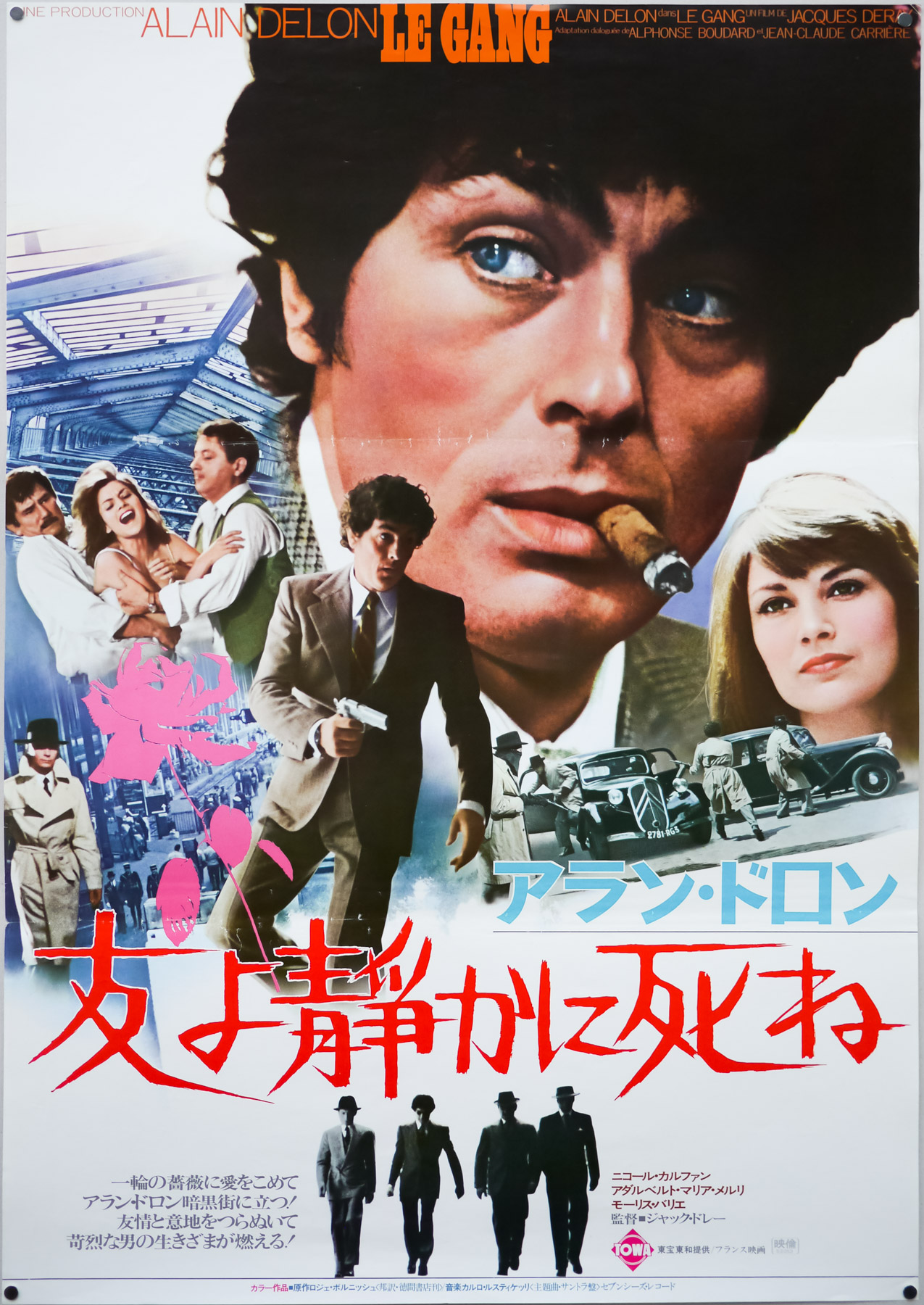
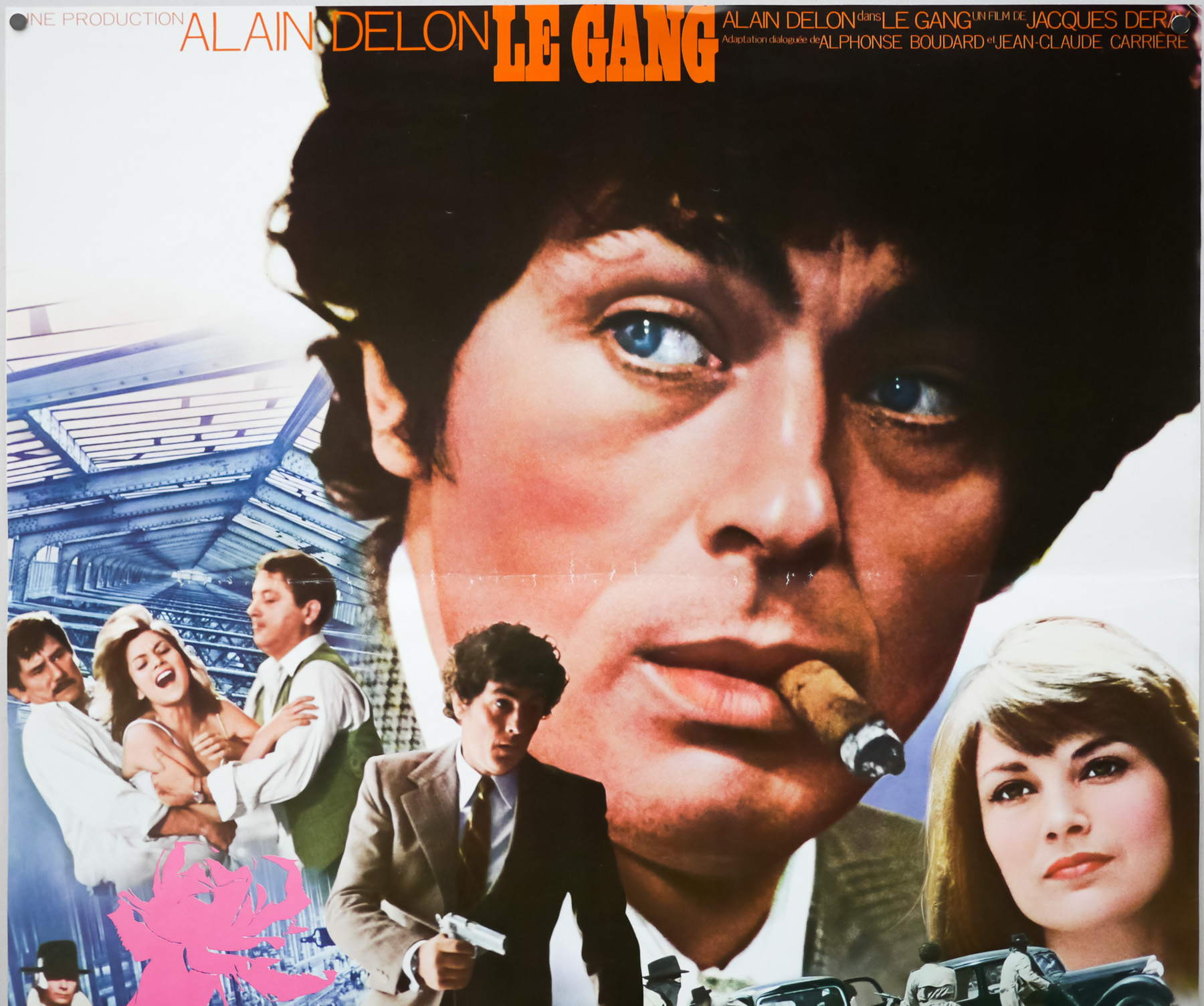
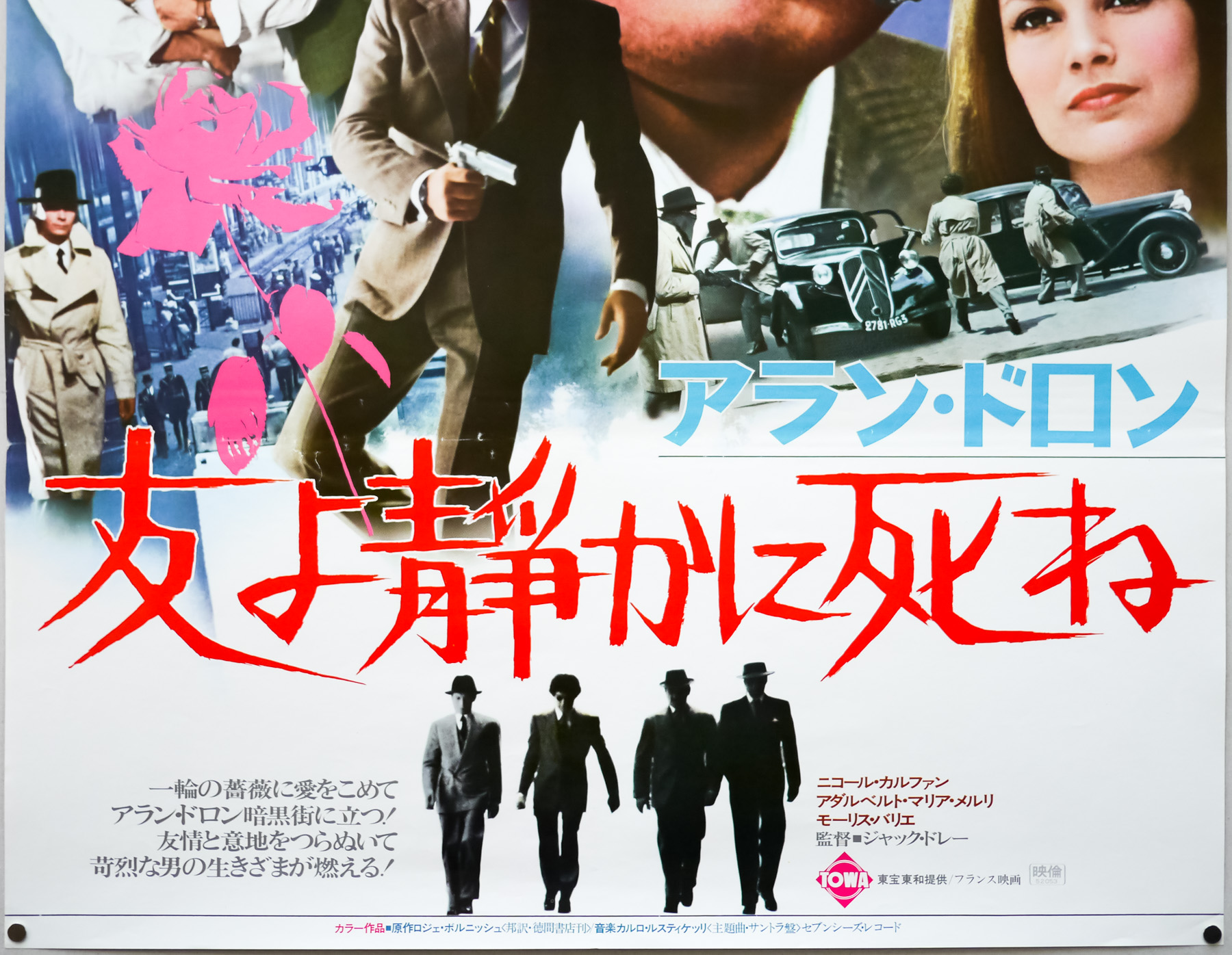
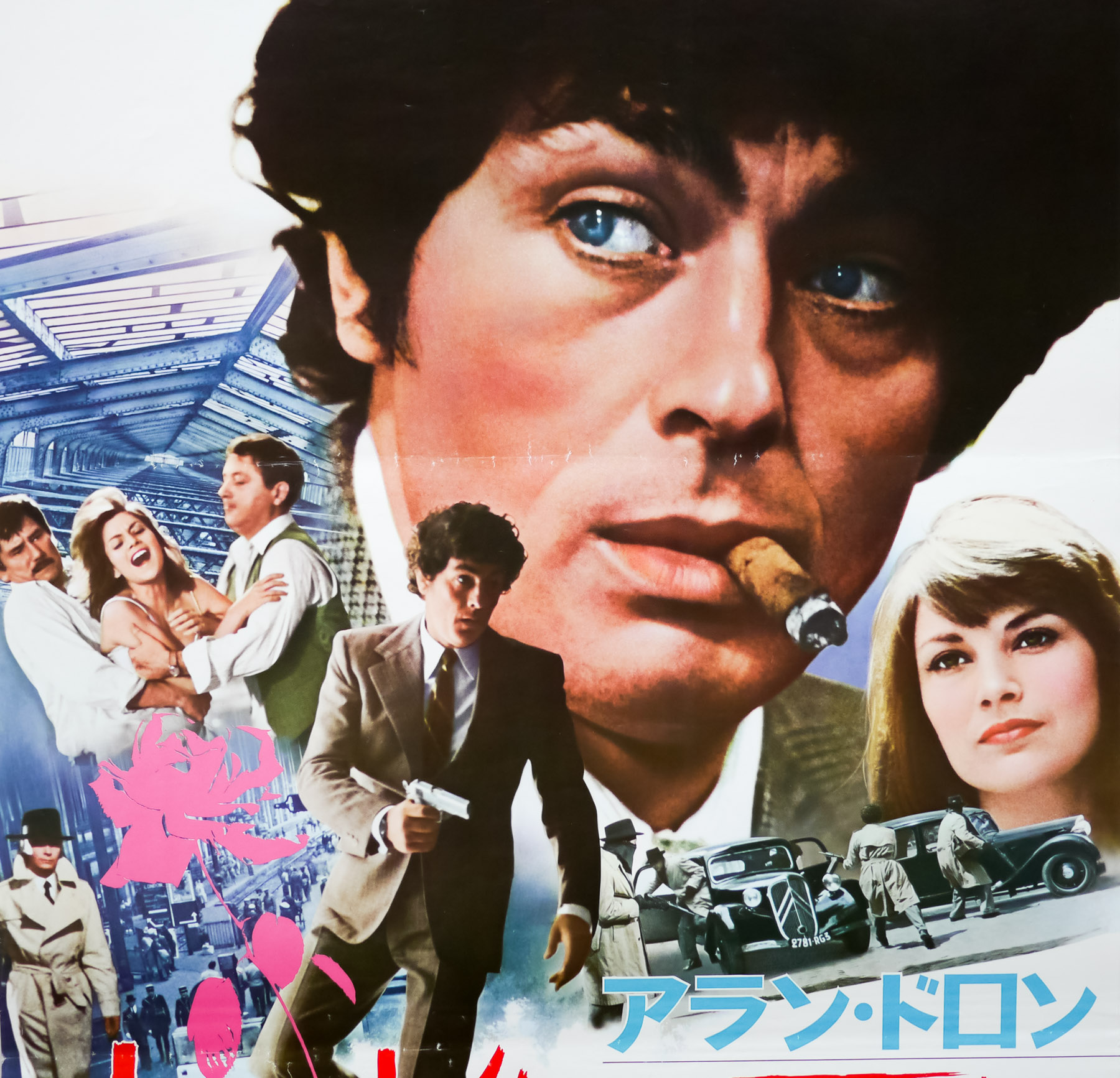
Japanese B2 poster (montage style) for Le Gang (1977)Japanese B2 poster (montage style) for Le Gang (1977), image 2Japanese B2 poster (montage style) for Le Gang (1977), image 3Japanese B2 poster (montage style) for Le Gang (1977), image 4Japanese B2 poster (montage style) for Le Gang (1977), image 5
Title
Le Gang
AKA
The Gang (USA - video title)
Year of Film
1977
Director
Jacques Deray
Starring
Alain Delon, Xavier Depraz, Roland Bertin, Adalberto Maria Merli, Maurice Barrier, Raymond Bussières, Giampiero Albertini, Laura Betti, Nicole Calfan
Origin of Film
Italy | France
Genre(s) of Film
Crime | Drama
Type of Poster
B2
Style of Poster
Montage style
Origin of Poster
Japan
Year of Poster
1977
Designer
Unknown
Size (inches)
20 5/16" x 28 7/8"
SS or DS
SS

This is one of two Japanese B2 posters (that I’m aware of) for the release of the 1977 crime drama Le Gang (opens in a new tab). The film was an Italian-French co-production and was directed by Jacques Deray (opens in a new tab), a Frenchman who helmed a number of crime thrillers during his career. French superstar Alain Delon (opens in a new tab), who collaborated with Deray on a number of similar films, plays the leader of the titular gang of criminals. The story is set in France during the 1940s and the plot, apparently based on true events, is described thusly on IMDb (opens in a new tab):

In 1945, as World War Two comes to a close, five small time crooks unite to form a gang. After several bold robberies they become notorious as “the front-wheel drive gang”. The police attempt to stop their crime spree with little success, but how long will their luck last?

The other style B2 (opens in a new tab) can be seen on emovieposter.com.

Lucky Lady / one sheet / USA

27.06.16

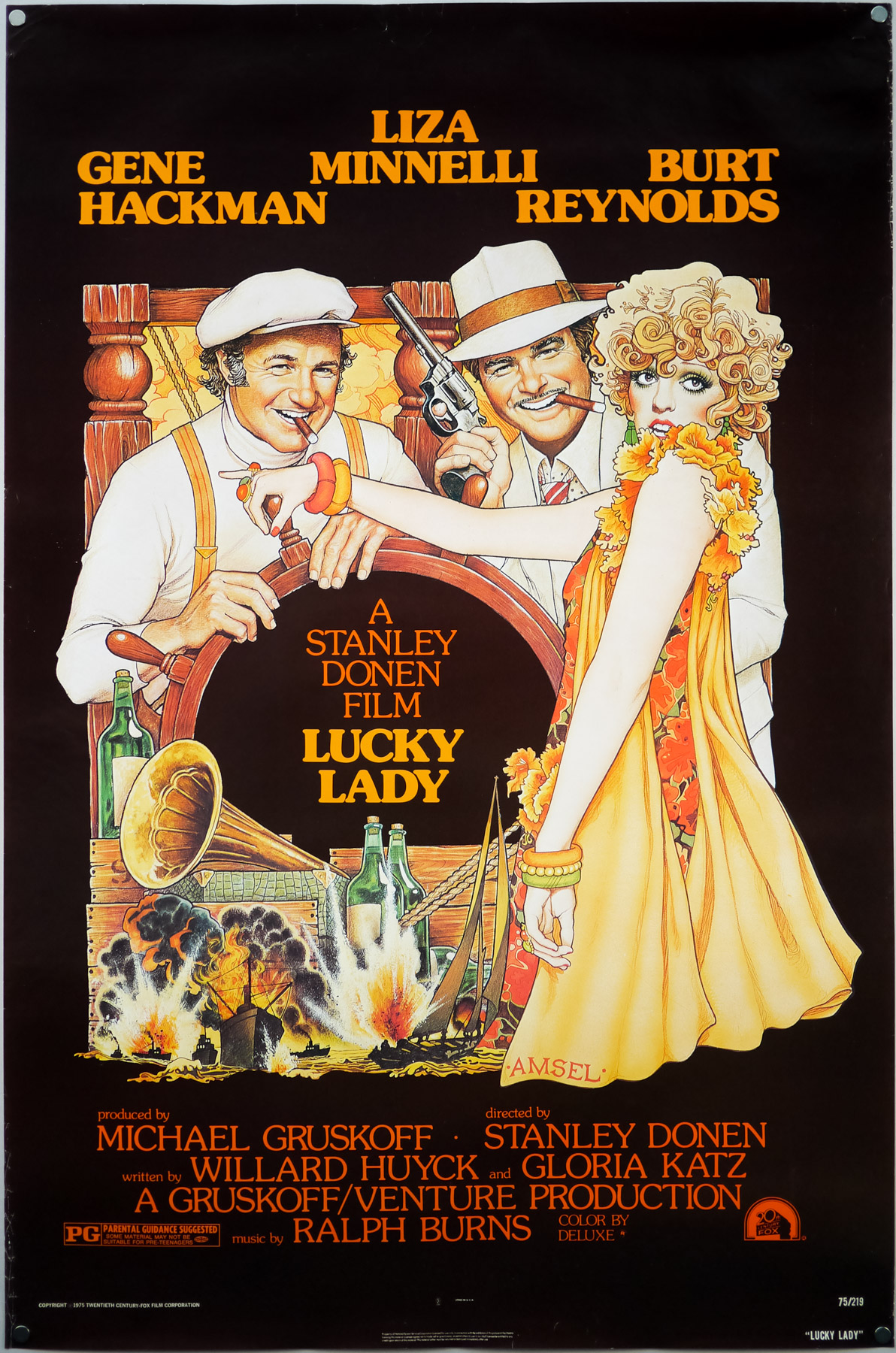
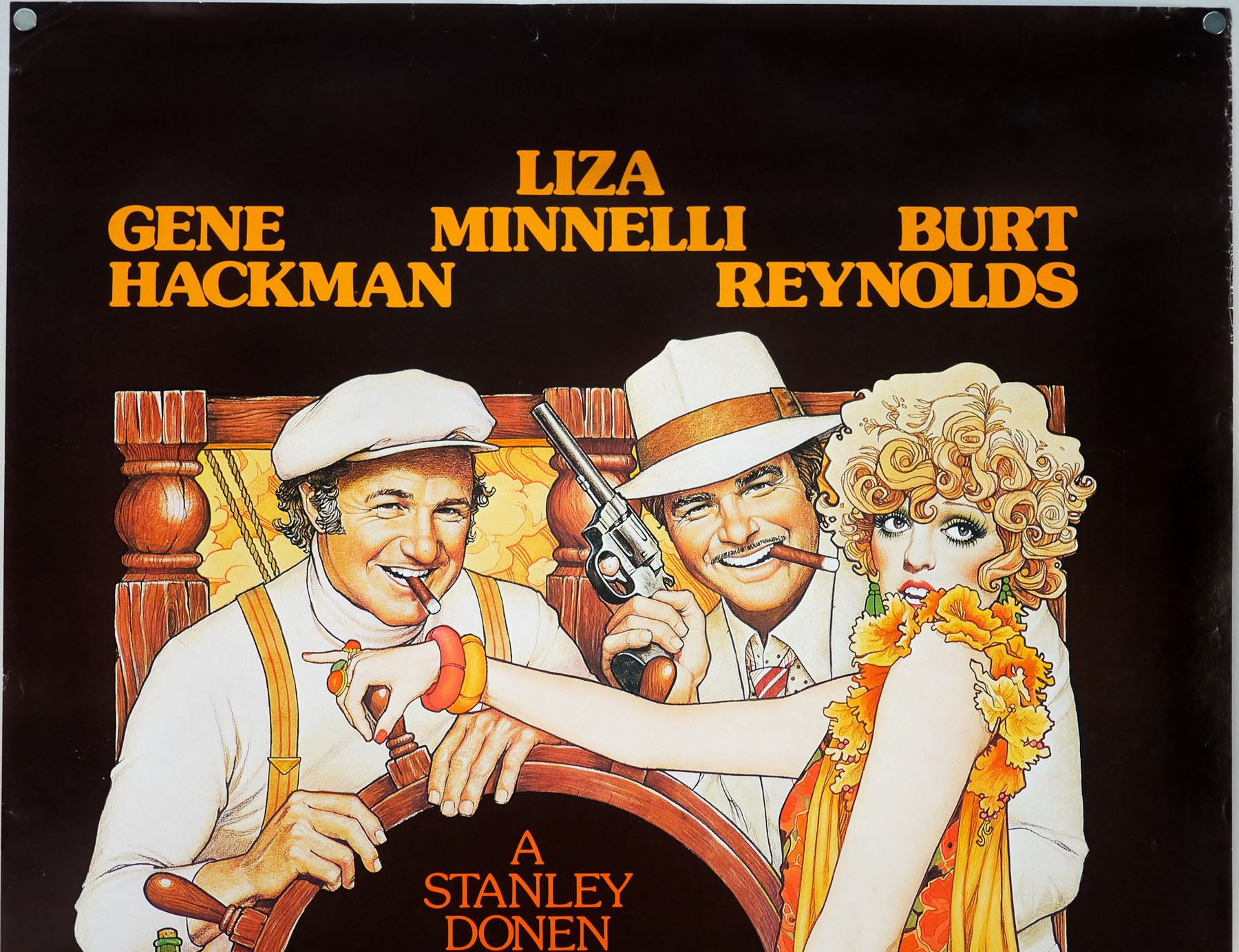
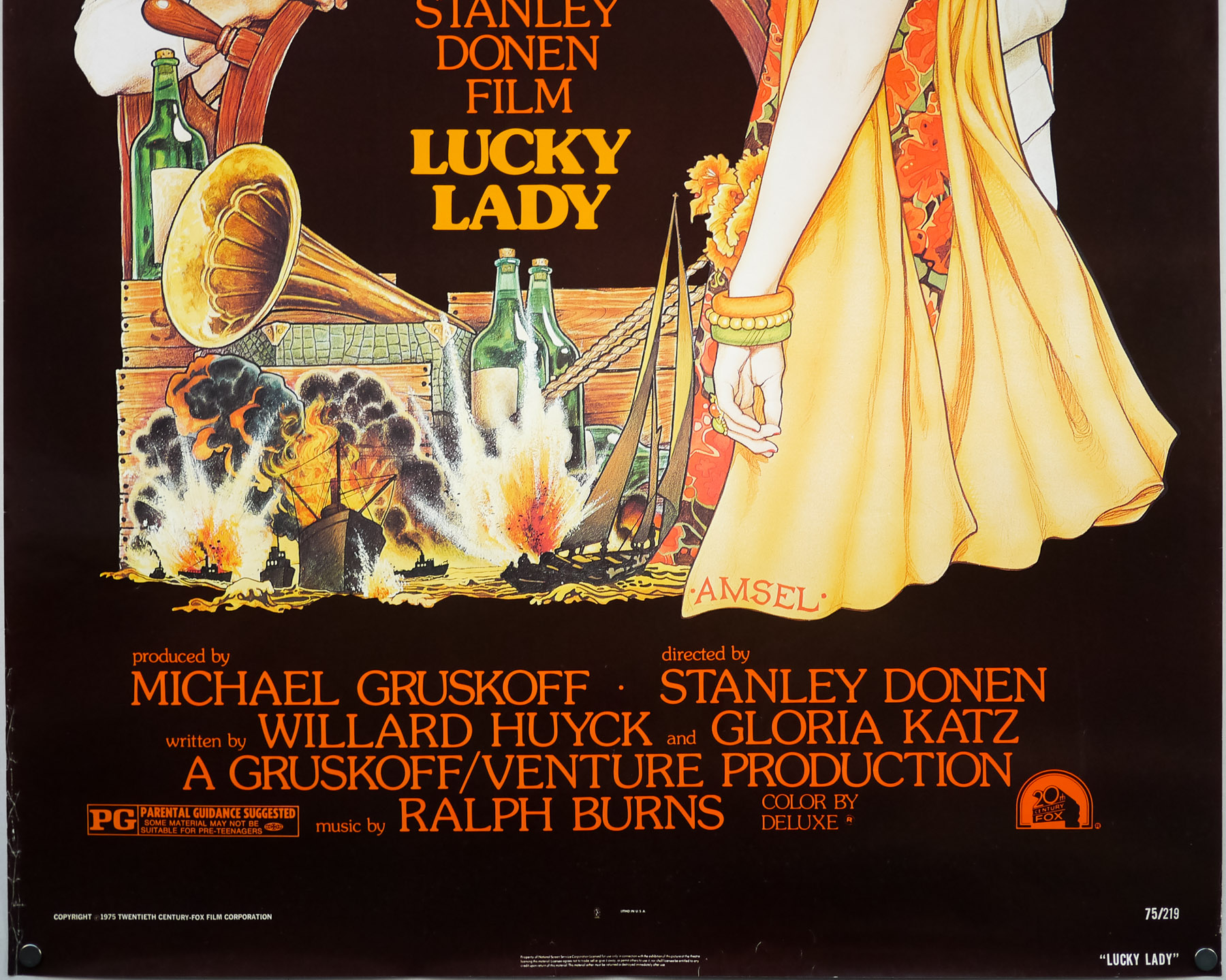
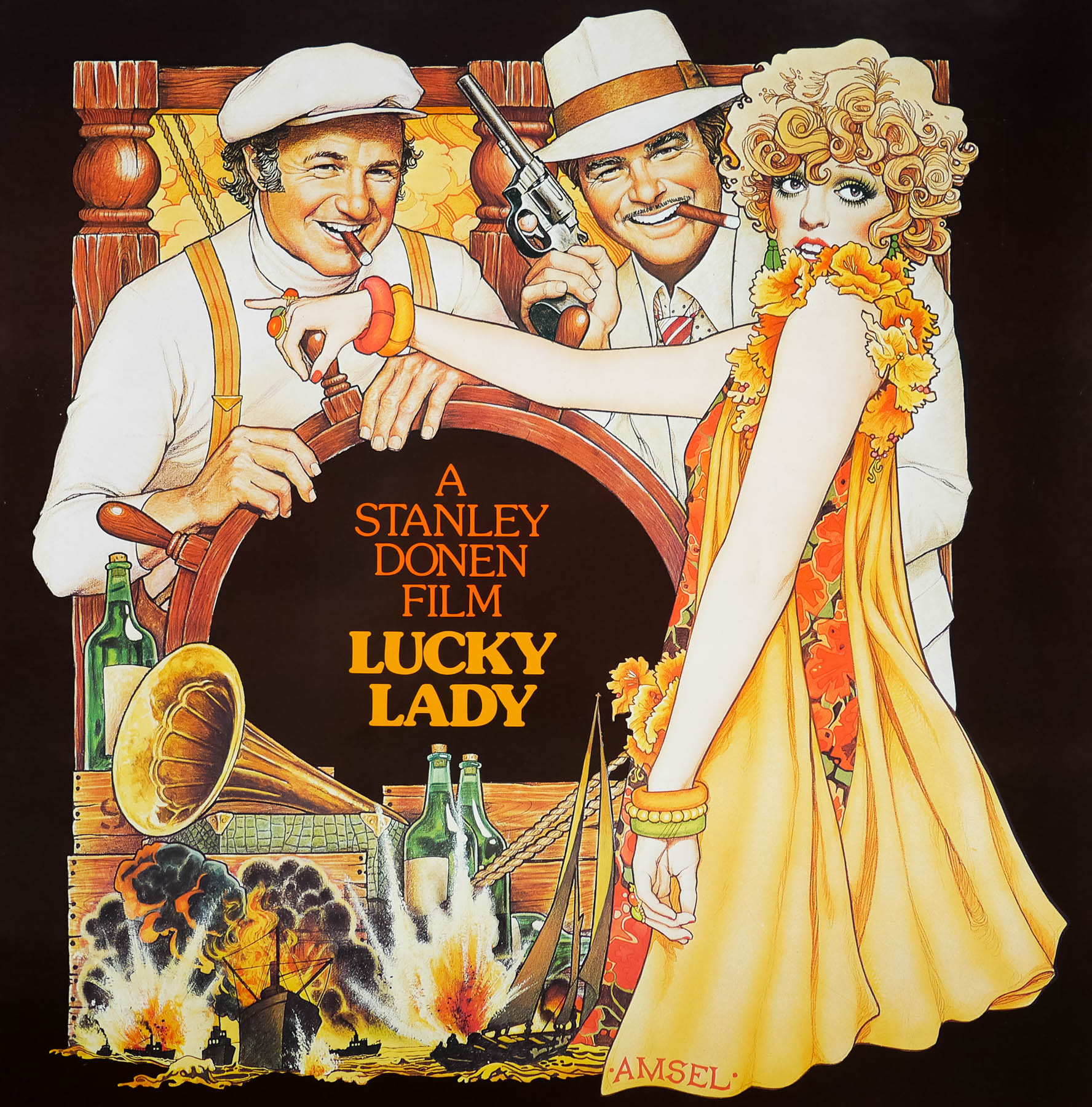
US one sheet poster for Lucky Lady (1975). Artwork by Richard Amsel, design by Murray SmithUS one sheet poster for Lucky Lady (1975). Artwork by Richard Amsel, design by Murray Smith, image 2US one sheet poster for Lucky Lady (1975). Artwork by Richard Amsel, design by Murray Smith, image 3US one sheet poster for Lucky Lady (1975). Artwork by Richard Amsel, design by Murray Smith, image 4US one sheet poster for Lucky Lady (1975). Artwork by Richard Amsel, design by Murray Smith, image 5
Title
Lucky Lady
Year of Film
1975
Director
Stanley Donen
Starring
Gene Hackman, Liza Minnelli, Burt Reynolds, Geoffrey Lewis, John Hillerman, Robby Benson, Michael Hordern, Anthony Holland, John McLiam, Val Avery, Louis Guss, William Bassett
Origin of Film
USA
Genre(s) of Film
Comedy | Drama
Type of Poster
One sheet
Origin of Poster
USA
Year of Poster
1975
Designer
Murray Smith (Smolen, Smith and Connolly)
Artist
Richard Amsel
Size (inches)
27 1/8" x 40 15/16"
SS or DS
SS
NSS #
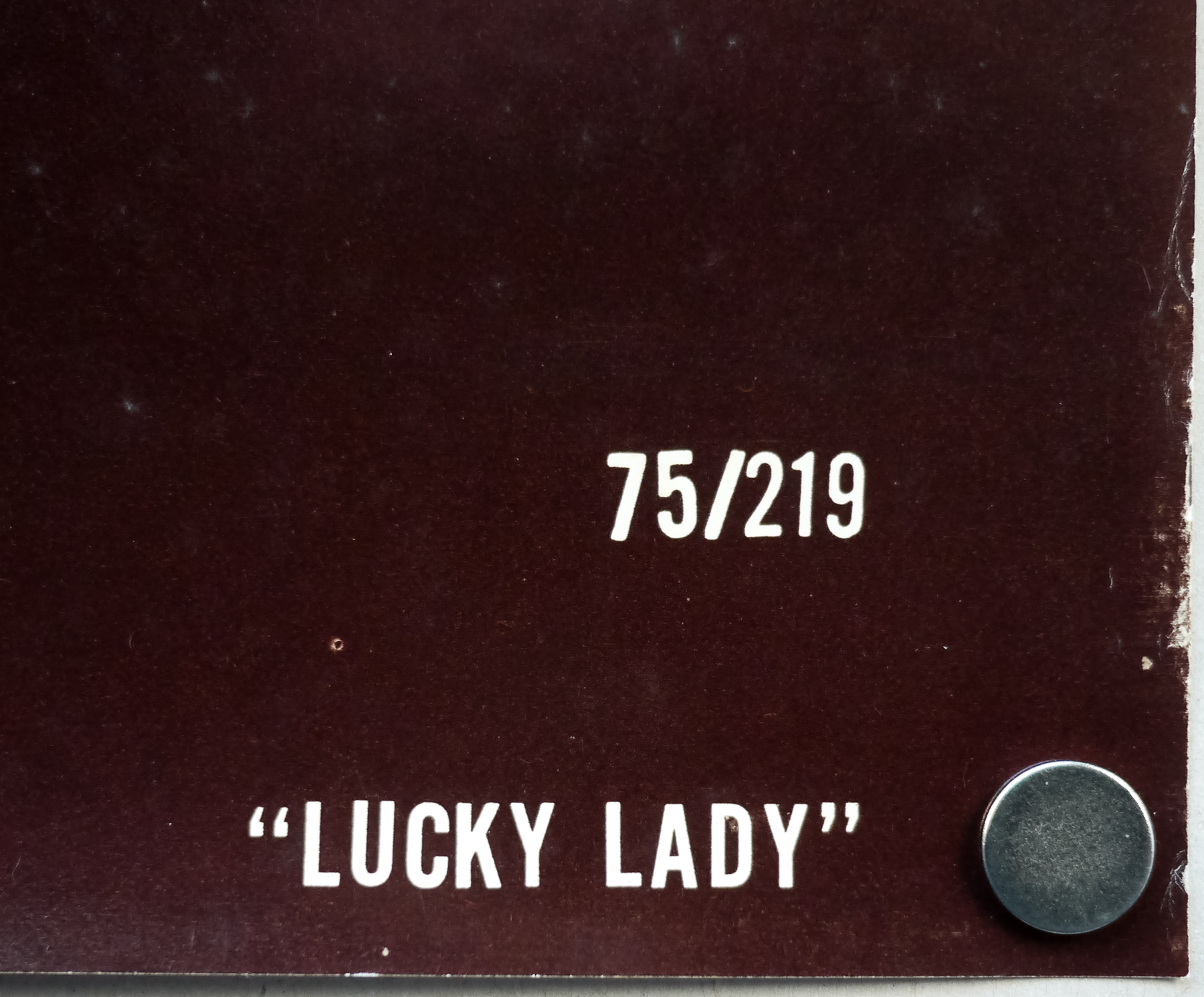
75/219

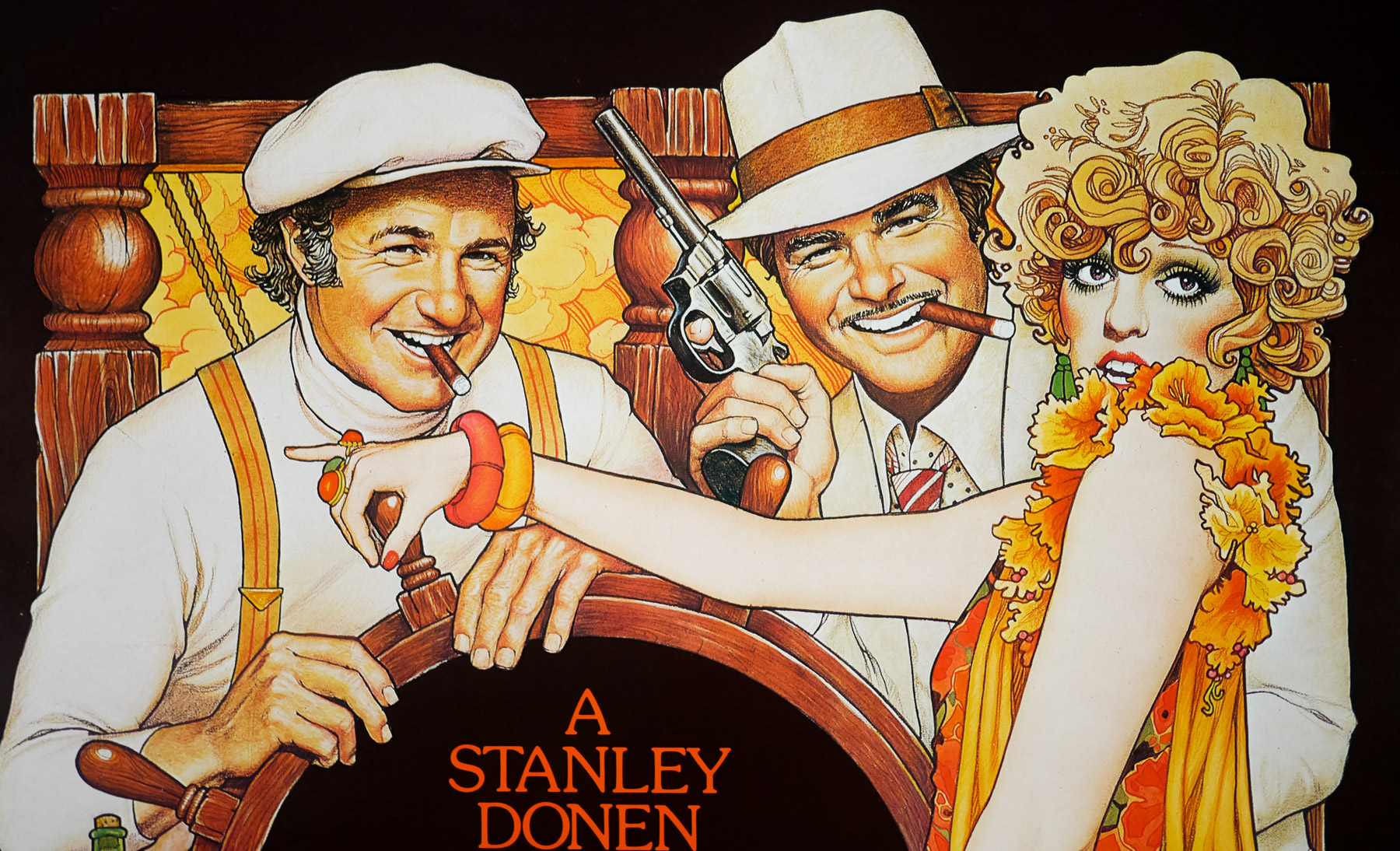
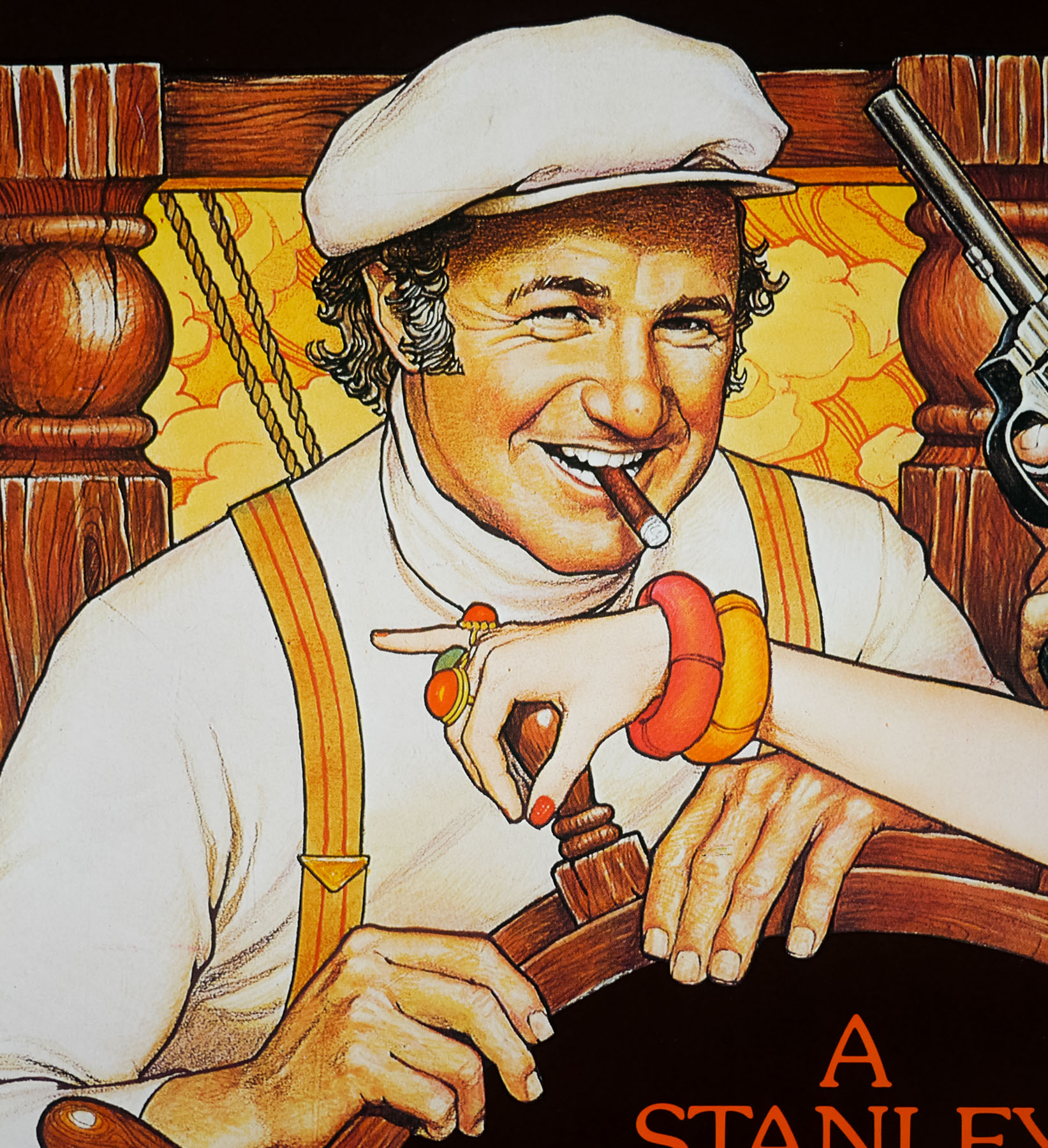
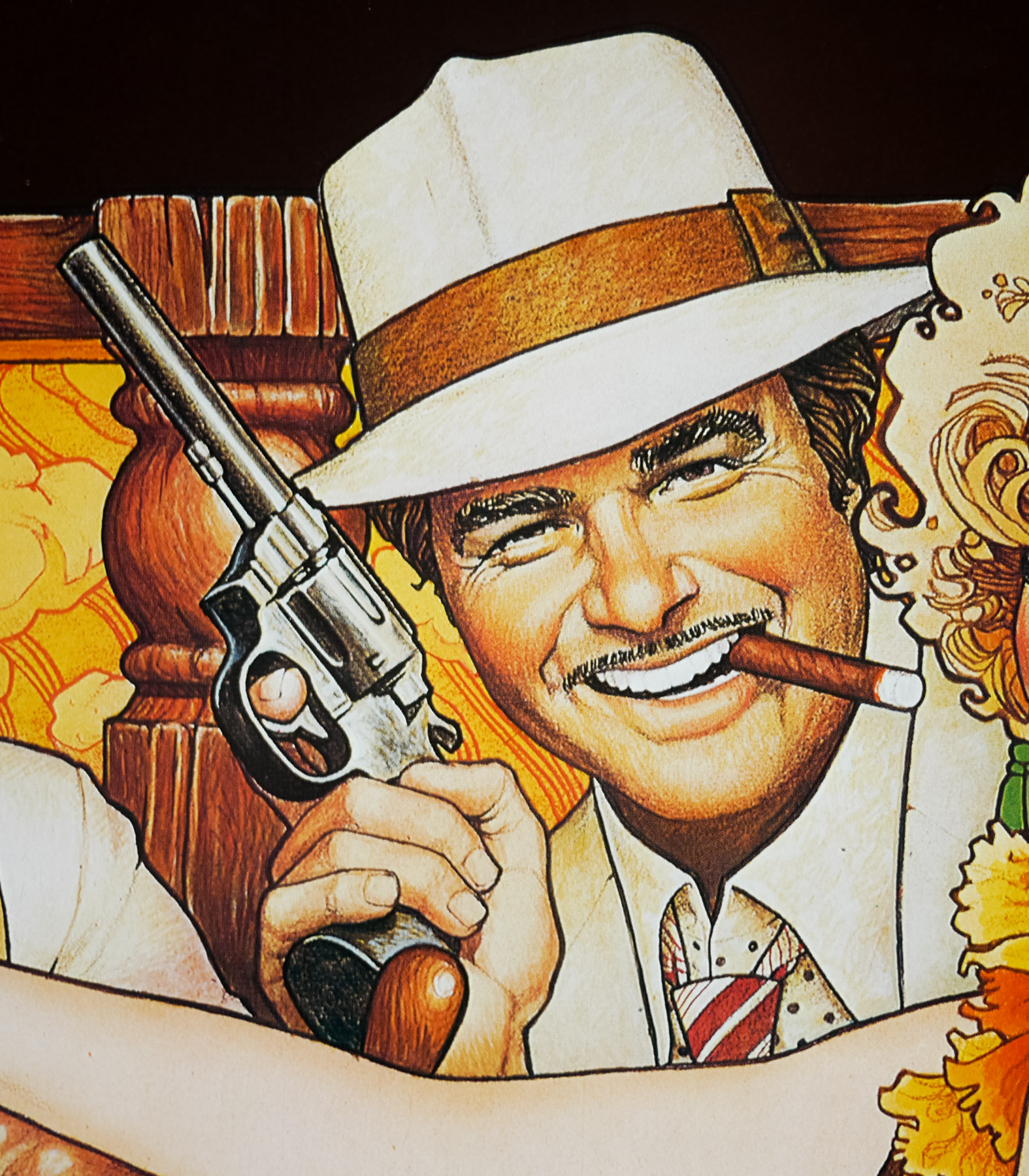
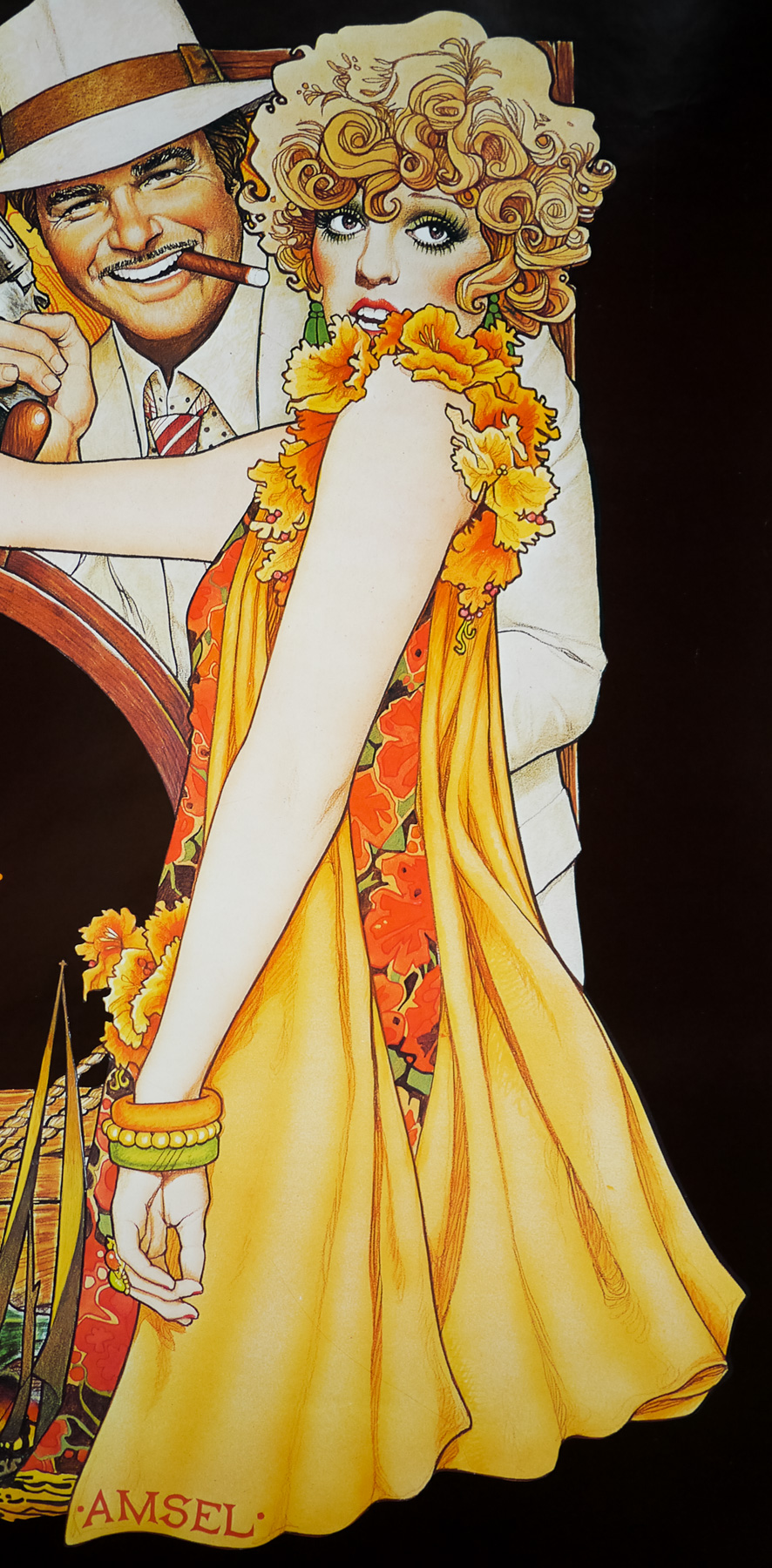
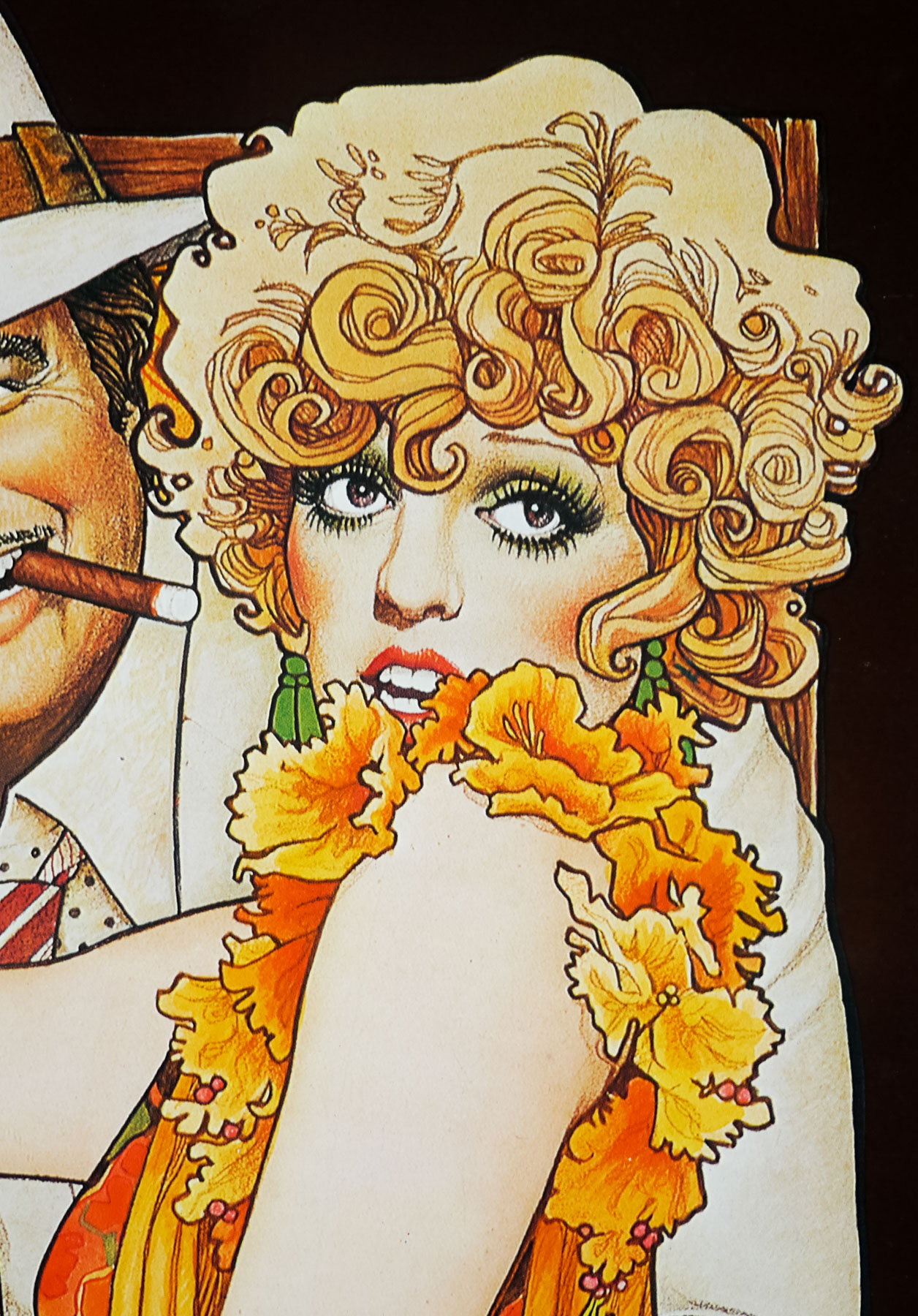
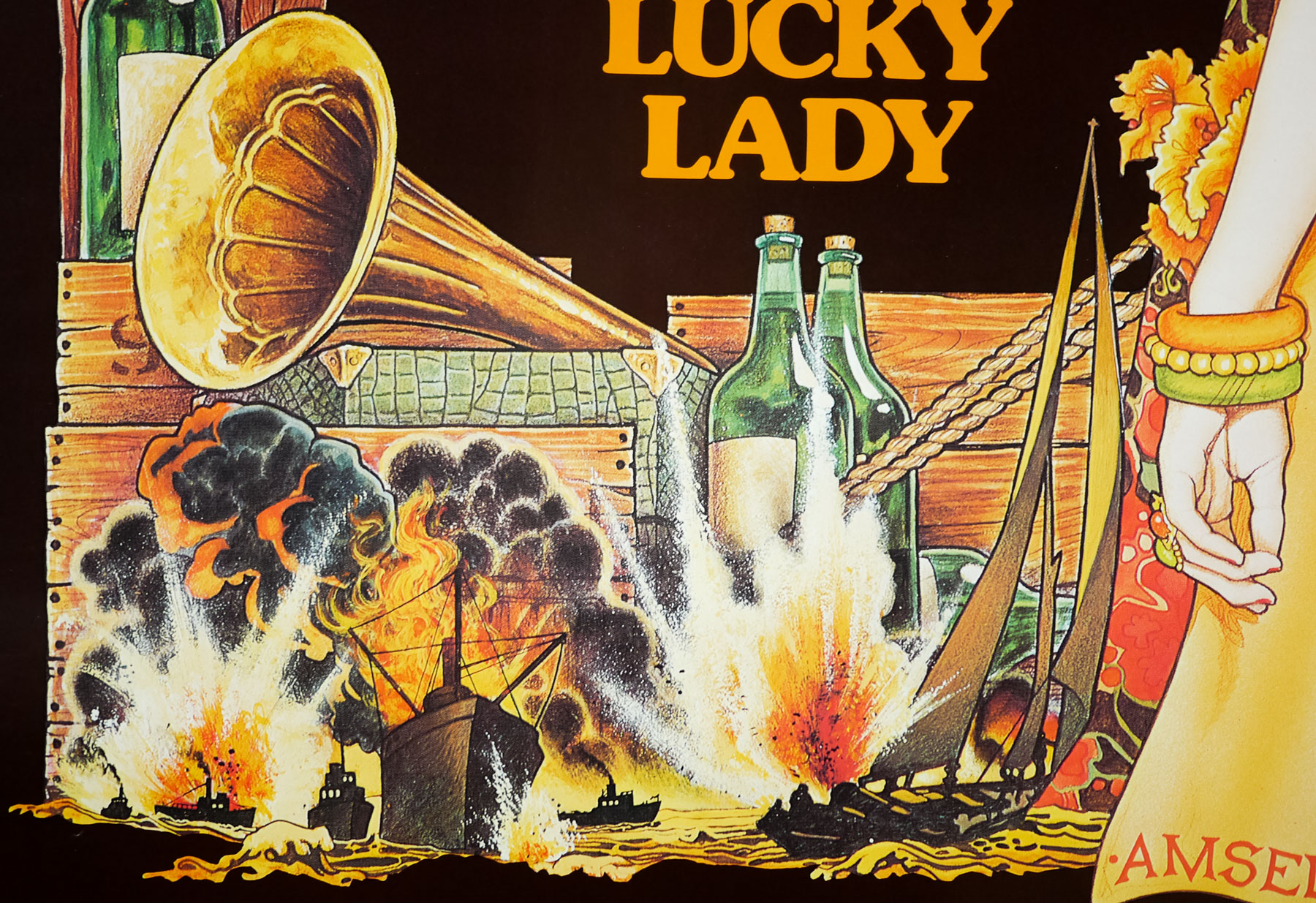
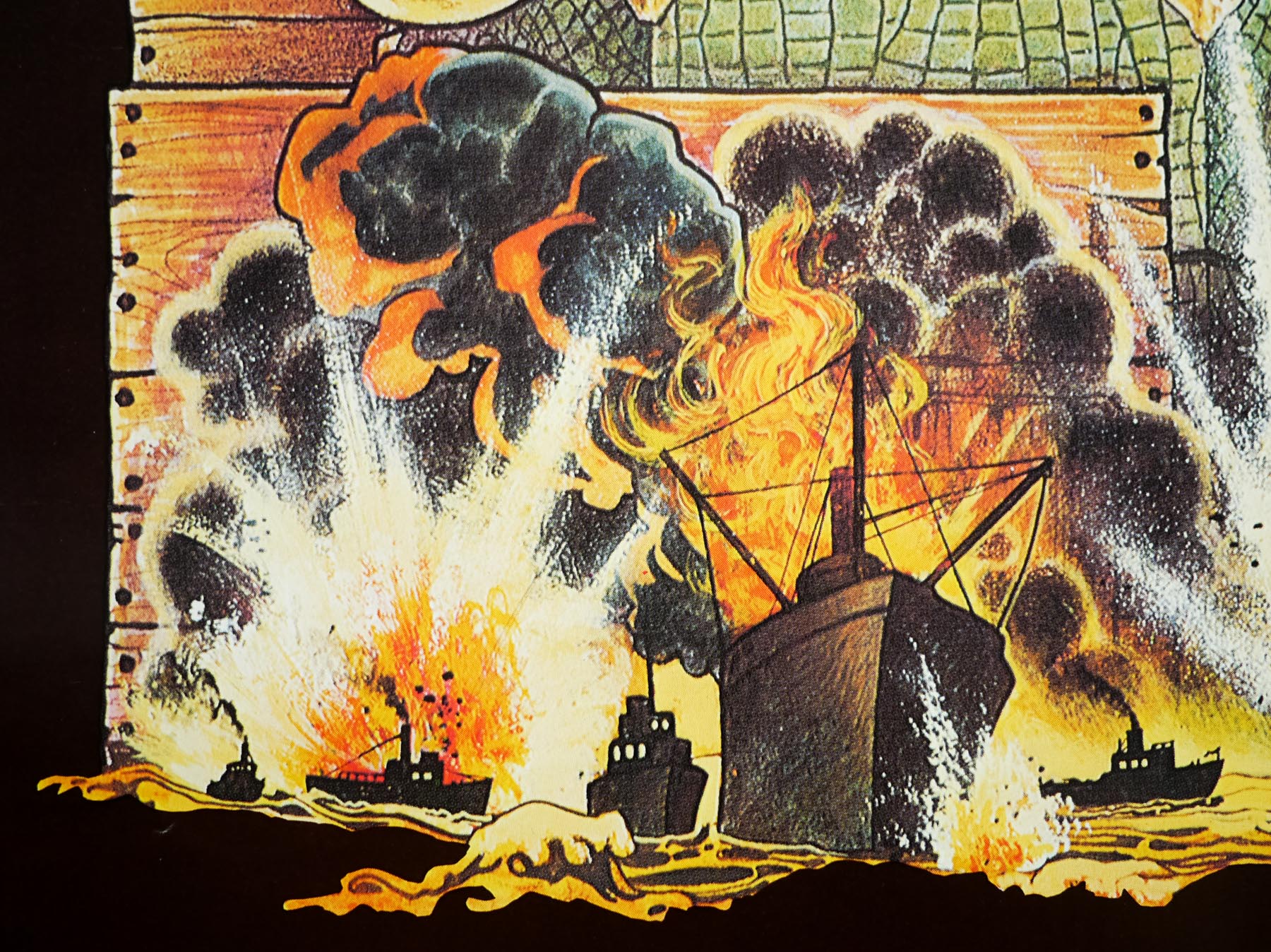
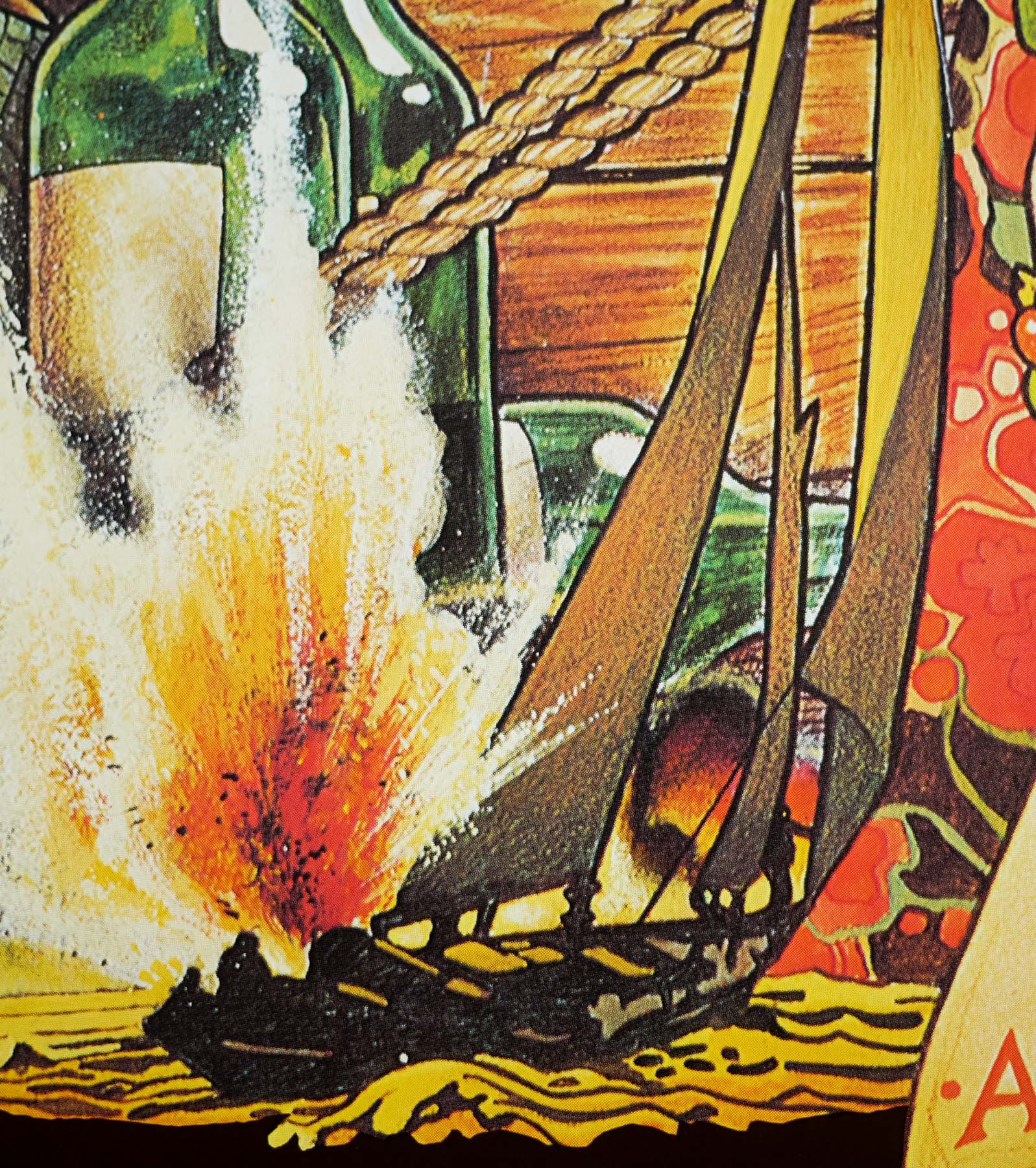
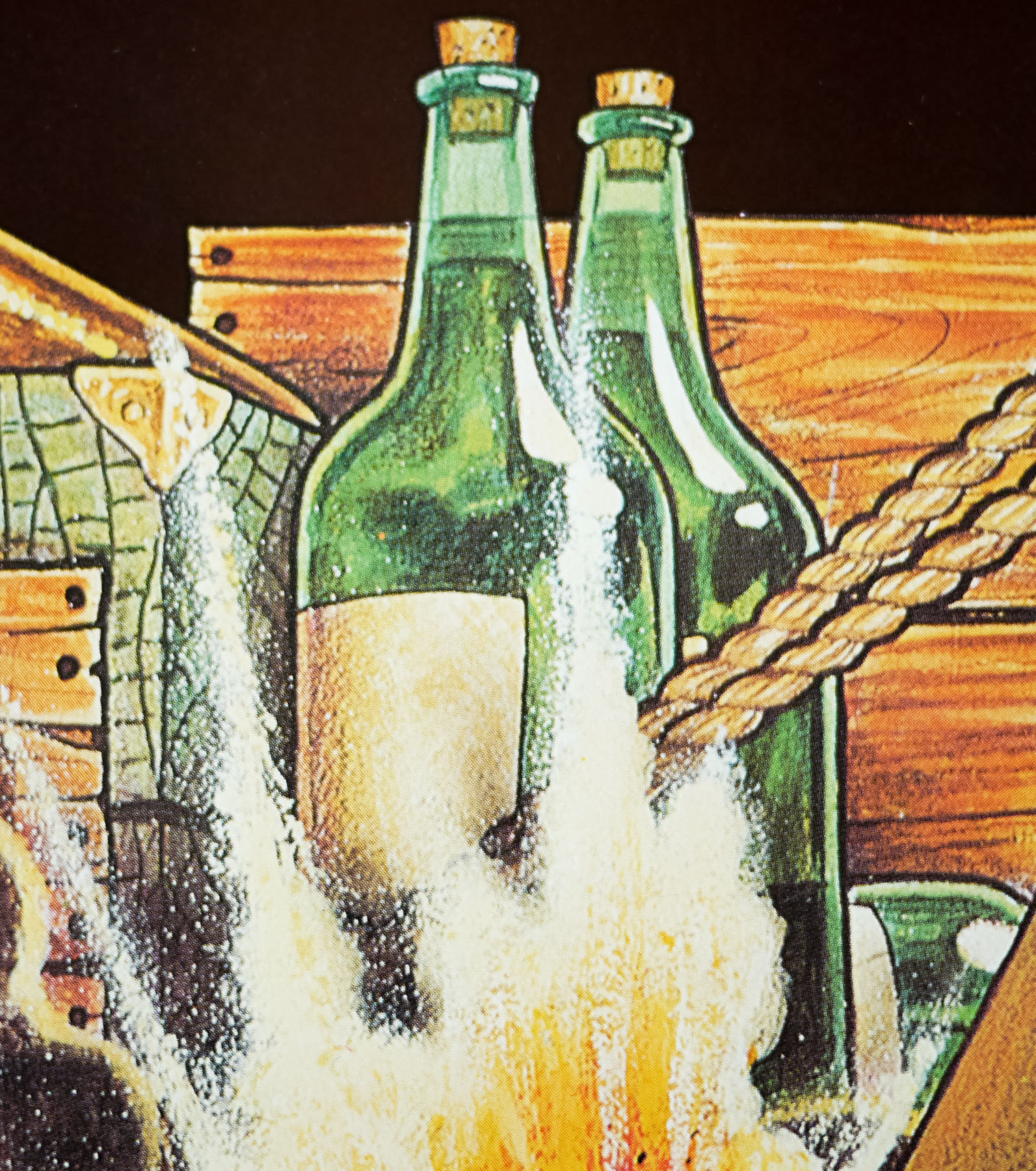
Artwork by the late, great Richard Amsel features on this one sheet for the 1975 comedy-drama Lucky Lady (opens in a new tab). The film was helmed by Stanley Donen (opens in a new tab), an American director who’s best known for Singing in the Rain (1952) and Charade (1963). Gene Hackman (opens in a new tab) appears alongside Burt Reynolds (opens in a new tab) and Liza Minnelli (opens in a new tab), and the former apparently took some persuading to star. He eventually relented when producers offered him the then significant sum of $1.5m. The film is set in the American prohibition era (opens in a new tab) during which the sale and production of alcohol was banned across the whole country. The plot is described (opens in a new tab) like so:

During the Prohibition era, a young widow, Claire (Minelli), gets involved in liquor smuggling and romance with two men, Walker (Reynolds) and Kibby (Hackman), off the San Diego coast. Organized crime controls bootlegging back east and wants to do the same here, so a hit man named McTeague (John Hillerman (opens in a new tab)) is sent to deal with these amateur crooks, as is the Coast Guard, leading to various battles at sea.

Richard Amsel was born in Philadelphia in 1947 and studied at the city’s College of Art. Whilst there he entered and won a nationwide artist competition to paint the poster for the film ‘Hello Dolly!’. Amsel was just 22 at the time and this win helped him quickly establish a career in New York where he worked on album covers (including one for Barry Manilow) as well as magazine covers and editorial art. In addition, he worked on posters some of the most important films of the 1970s, including Chinatown, Nashville and The Sting. During the 1970s he also worked on a series of covers for the American magazine TV Guide, which are still celebrated to this day.

In the 1980s Amsel worked on what is my favourite Indiana Jones poster, the Raiders of the Lost Ark 1982 re-release one sheet. He had also painted the original release version, featuring a much more serious looking Indy. The artist’s final film poster was the one sheet for Mad Max Beyond Thunderdome in 1985. Amsel sadly died of AIDS-related complications that same year. He leaves behind a great legacy of unforgettable artwork, some of which is already in the Film on Paper collection.

RoboCop 2 / Thailand

22.06.16

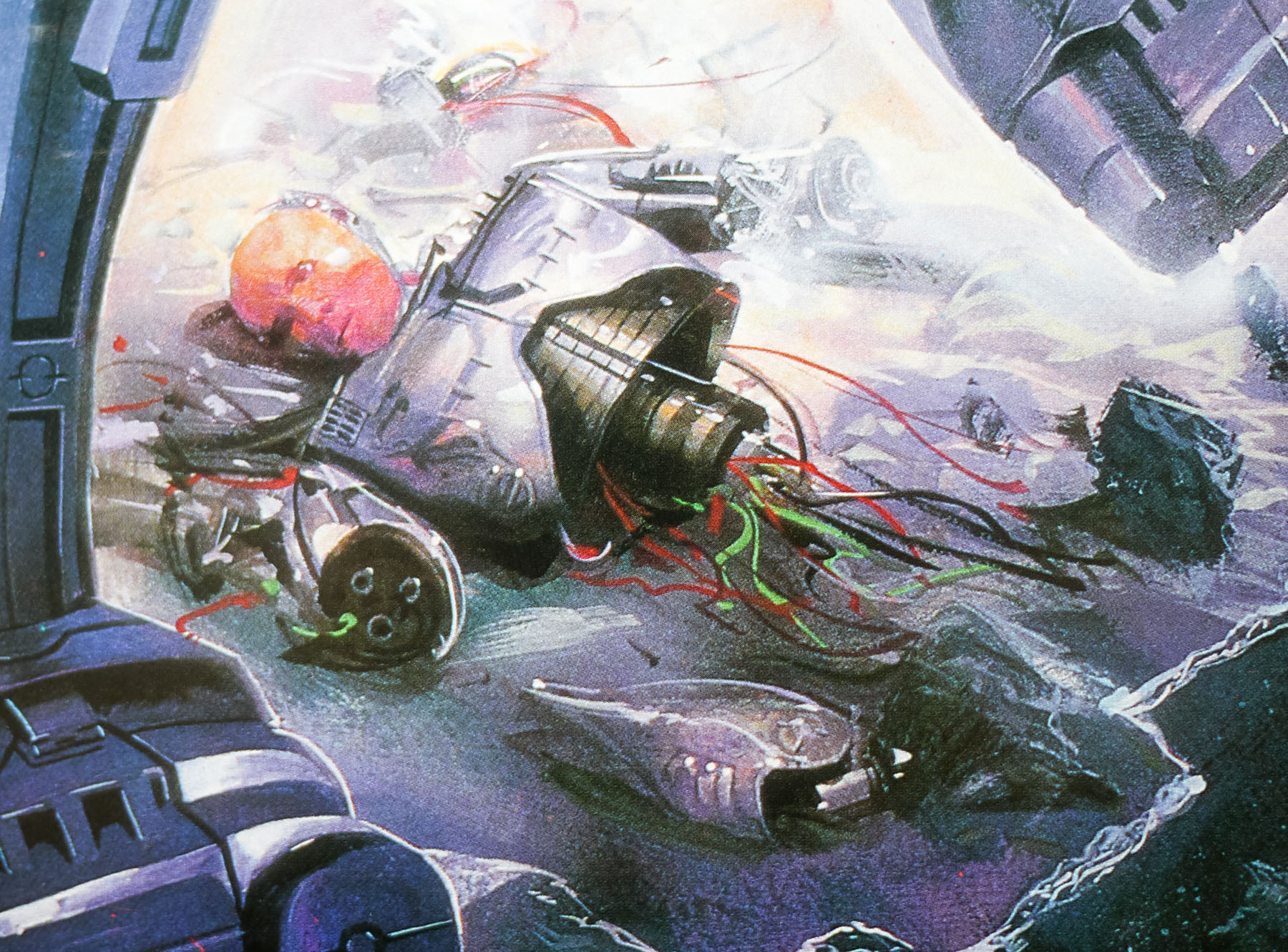
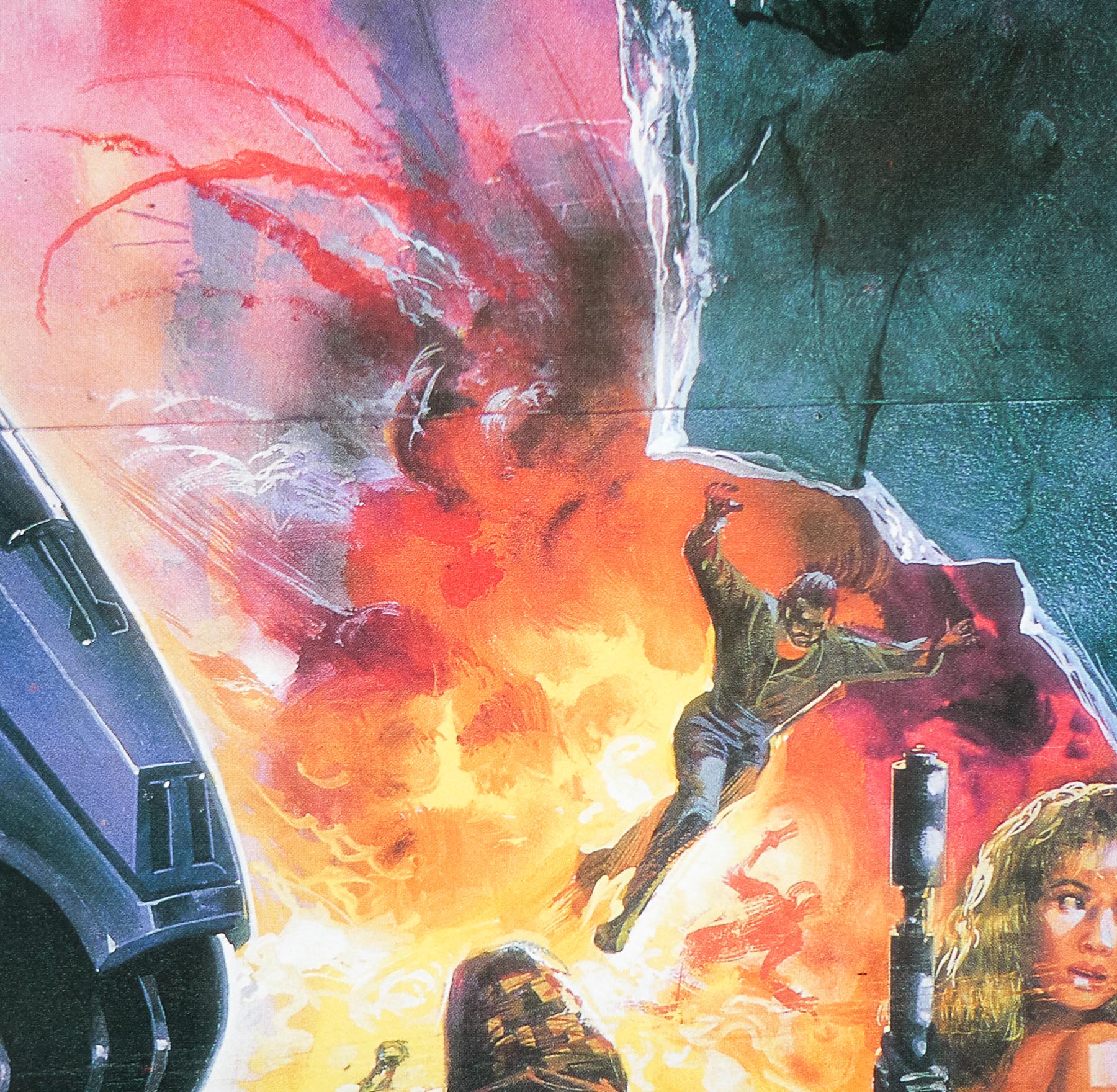
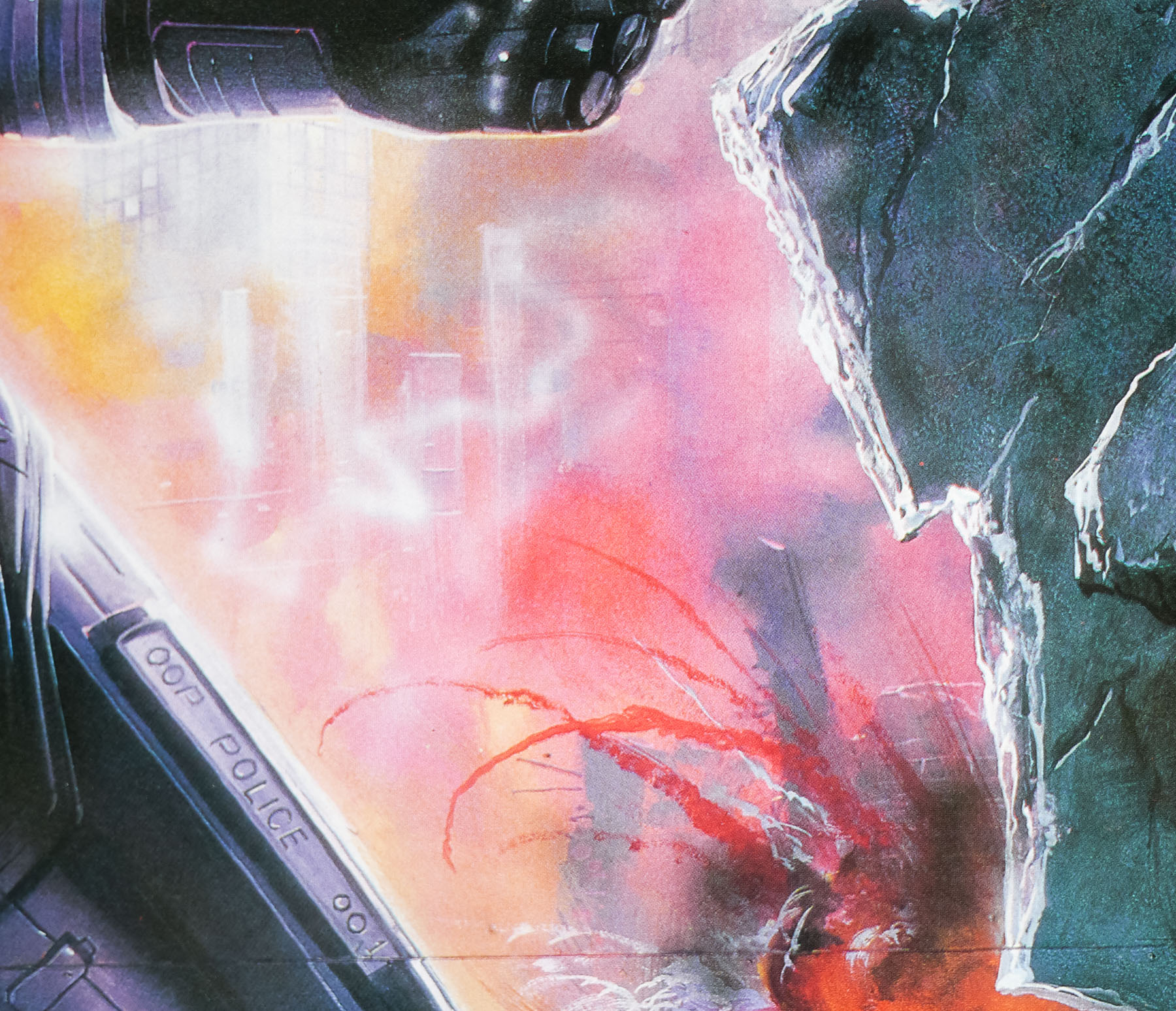
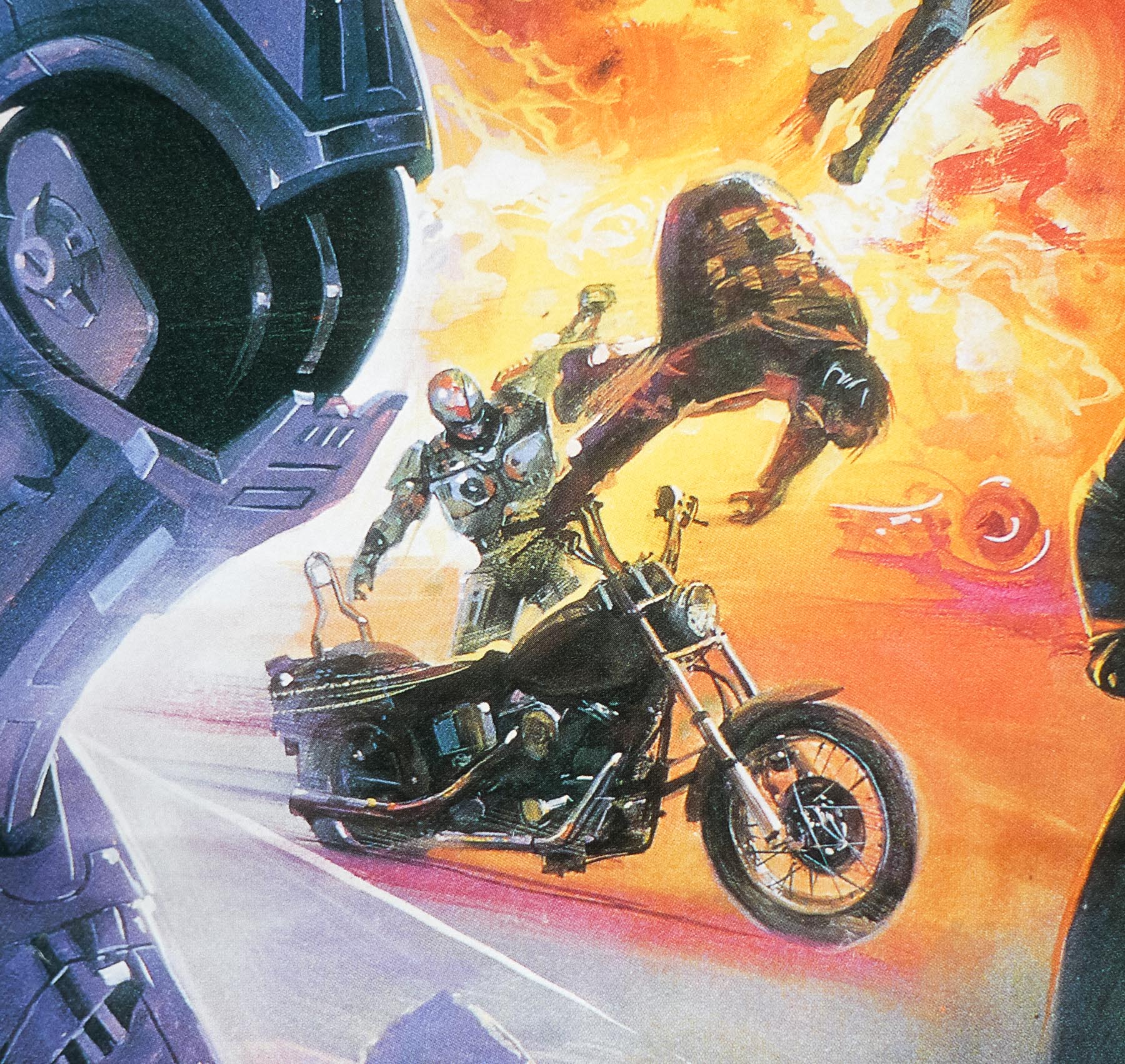
Thai poster for RoboCop 2 (1990). Artwork by Tongdee PanumasThai poster for RoboCop 2 (1990). Artwork by Tongdee Panumas, image 2Thai poster for RoboCop 2 (1990). Artwork by Tongdee Panumas, image 3Thai poster for RoboCop 2 (1990). Artwork by Tongdee Panumas, image 4Thai poster for RoboCop 2 (1990). Artwork by Tongdee Panumas, image 5
Title
RoboCop 2
Year of Film
1990
Director
Irvin Kershner
Starring
Peter Weller, Nancy Allen, Dan O'Herlihy, Belinda Bauer, John Glover, Mario Machado, Leeza Gibbons, John Ingle, Tom Noonan, Roger Aaron Brown
Origin of Film
USA
Genre(s) of Film
Action | Sci-Fi
Film Series
RoboCop
Type of Poster
Thai
Origin of Poster
Thailand
Year of Poster
1990
Designer
Unknown
Artist
Tongdee Panumas
Size (inches)
23 15/16" x 34 7/8"
SS or DS
SS

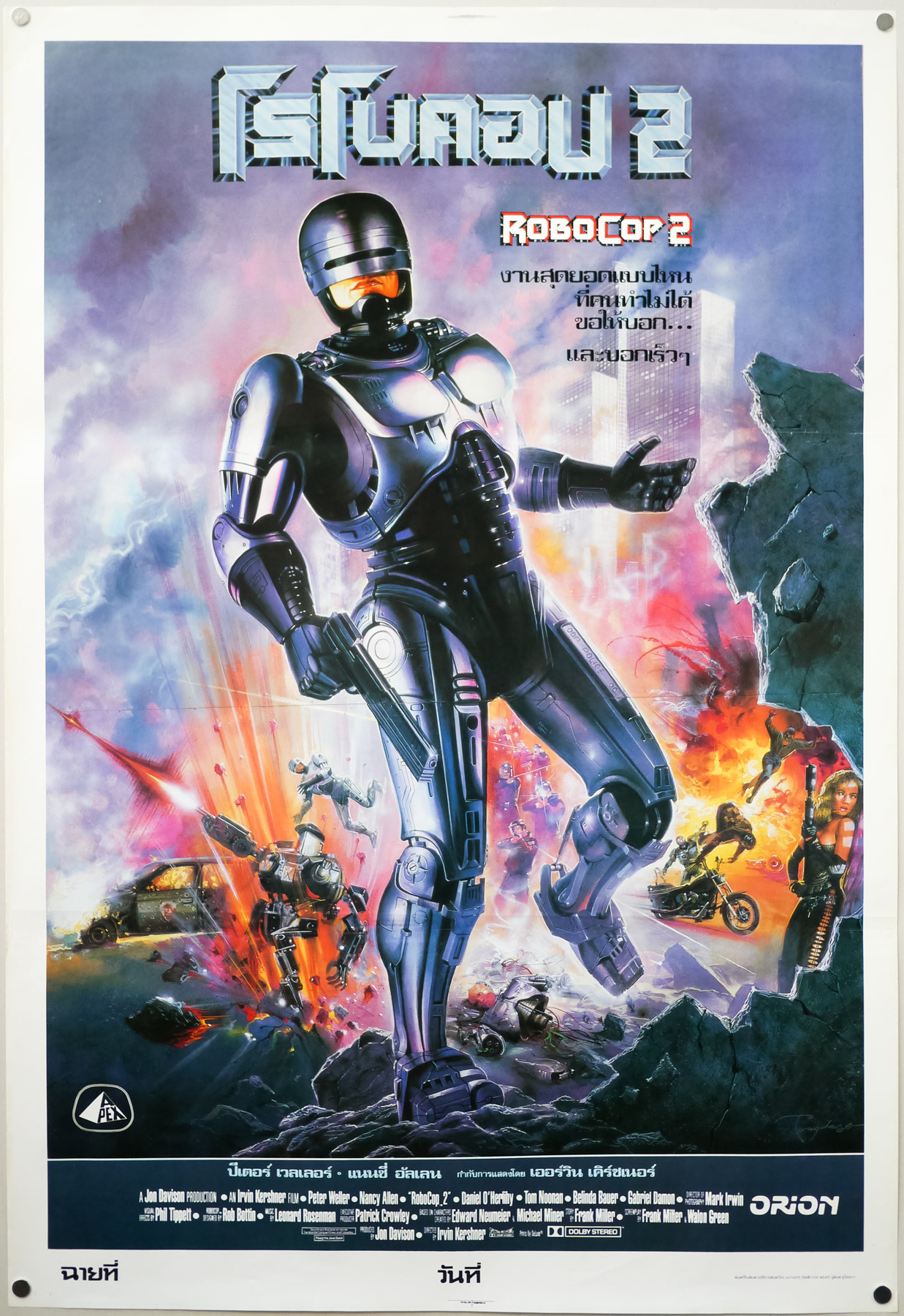
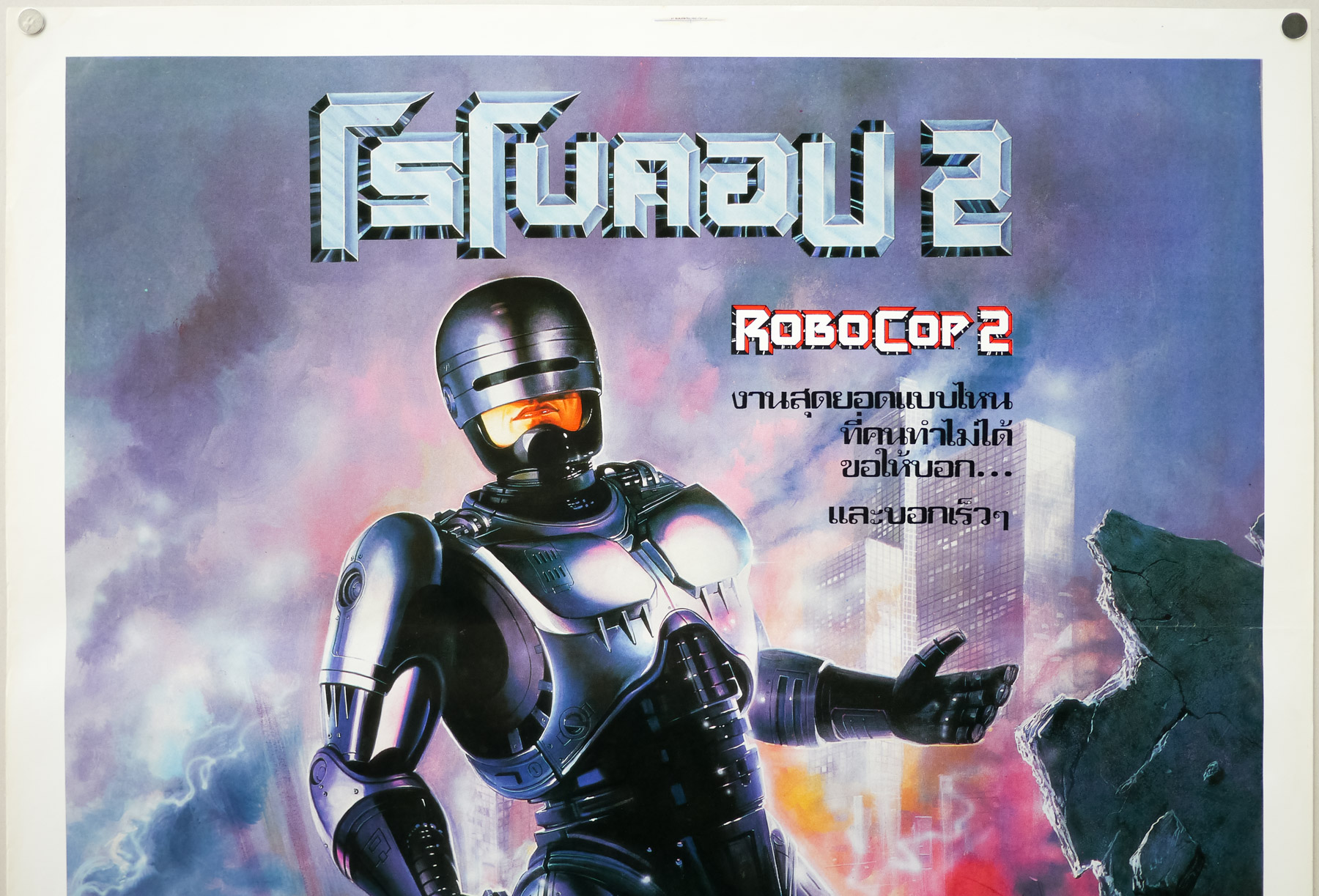
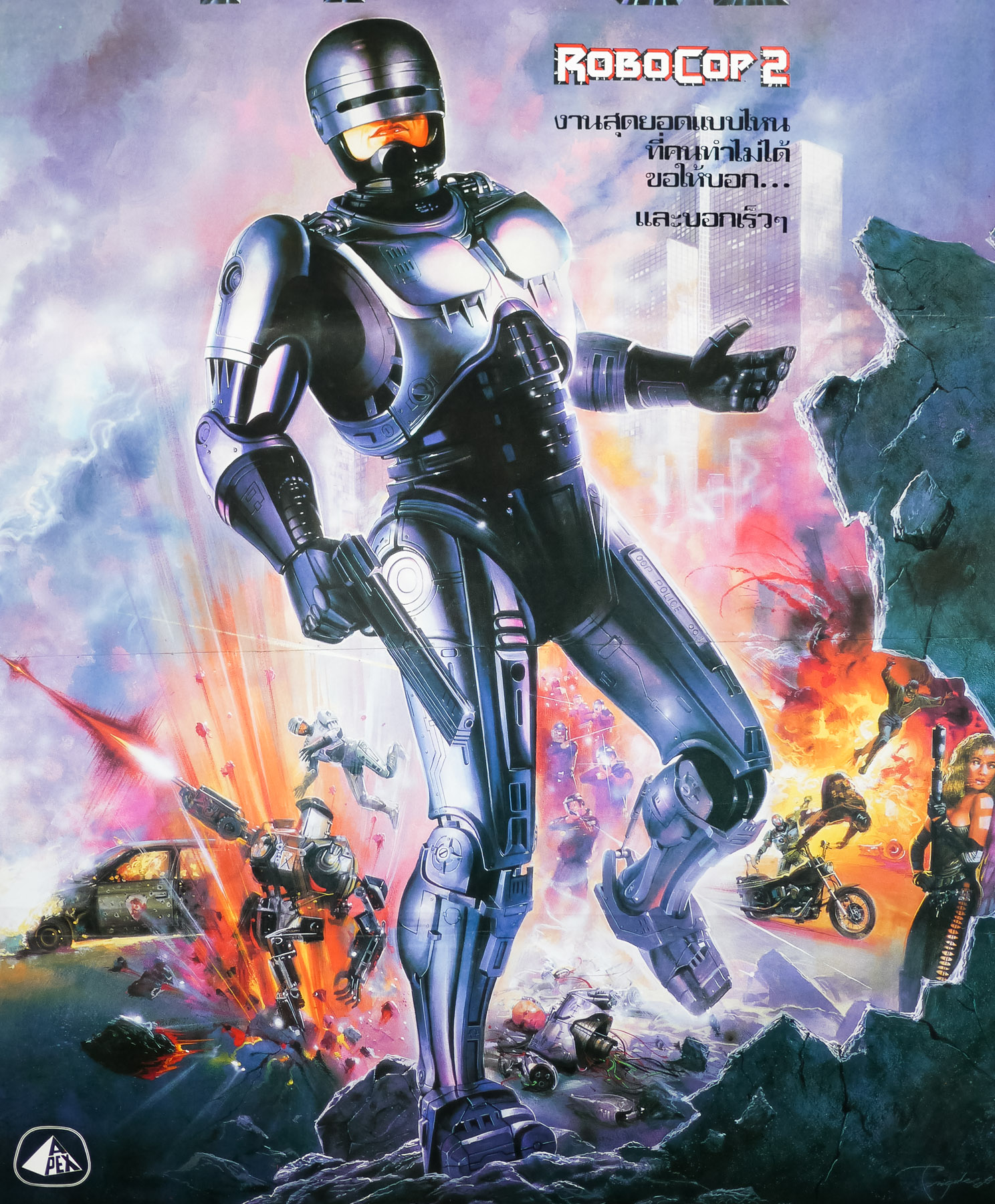
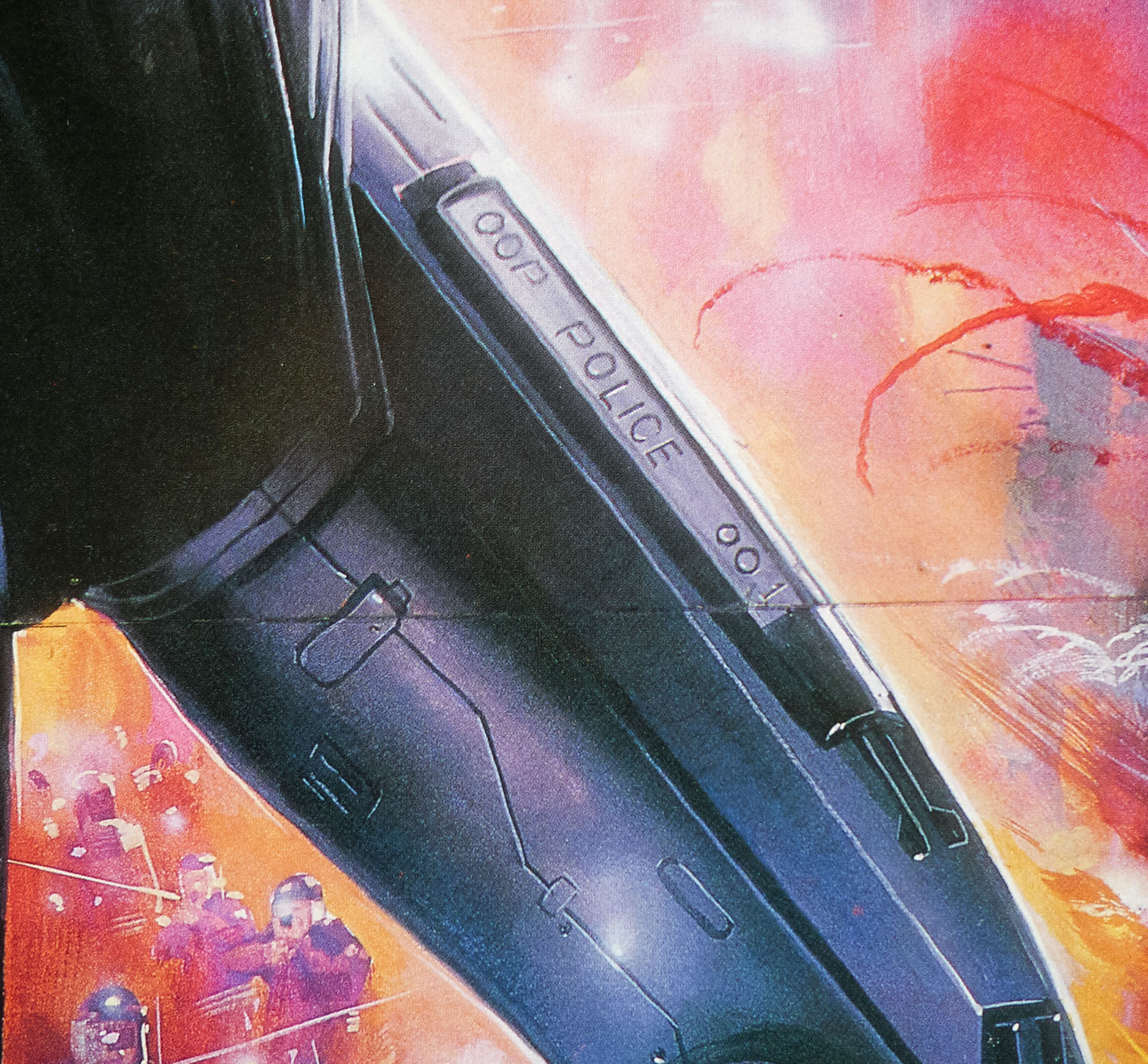
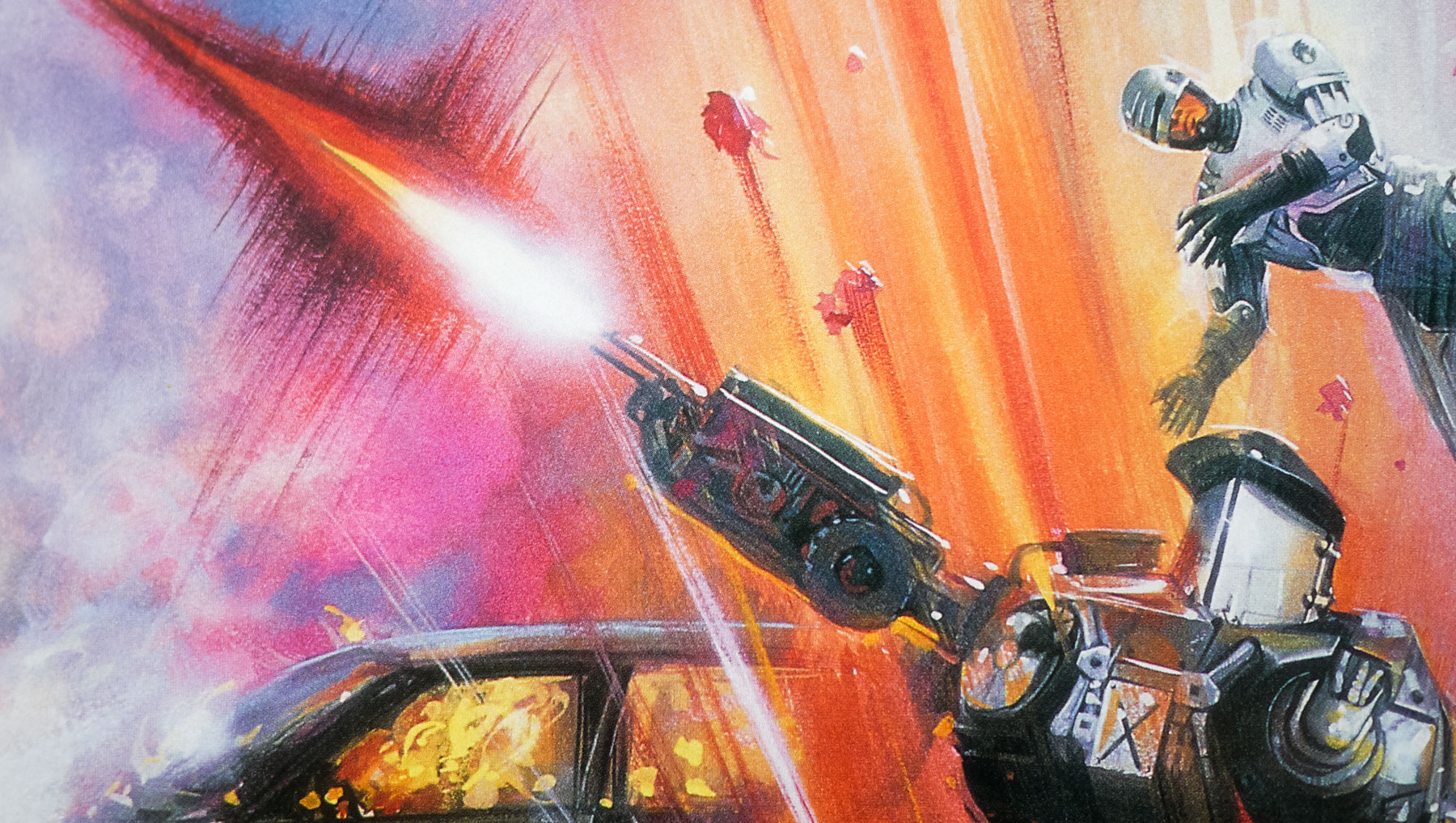
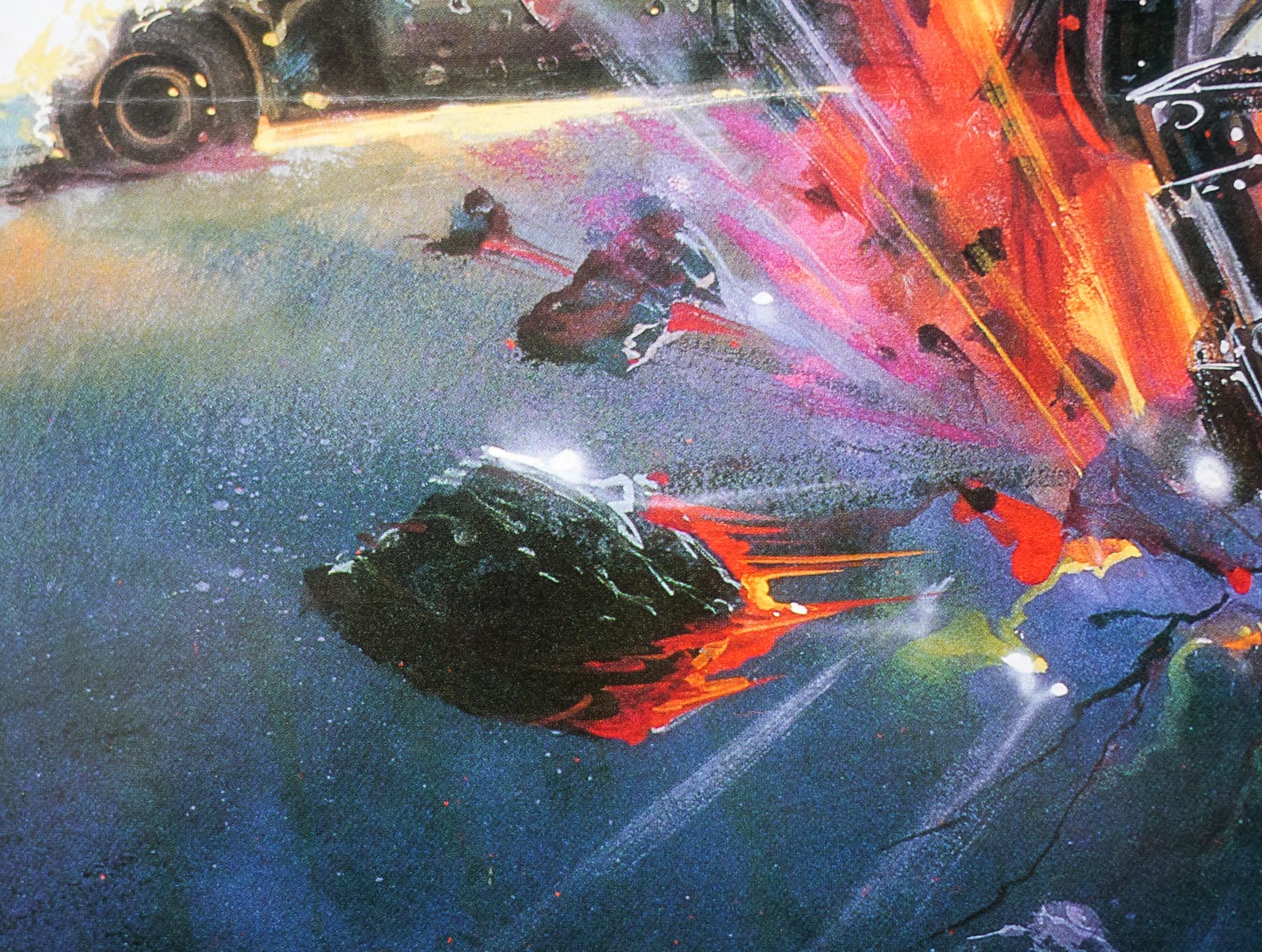
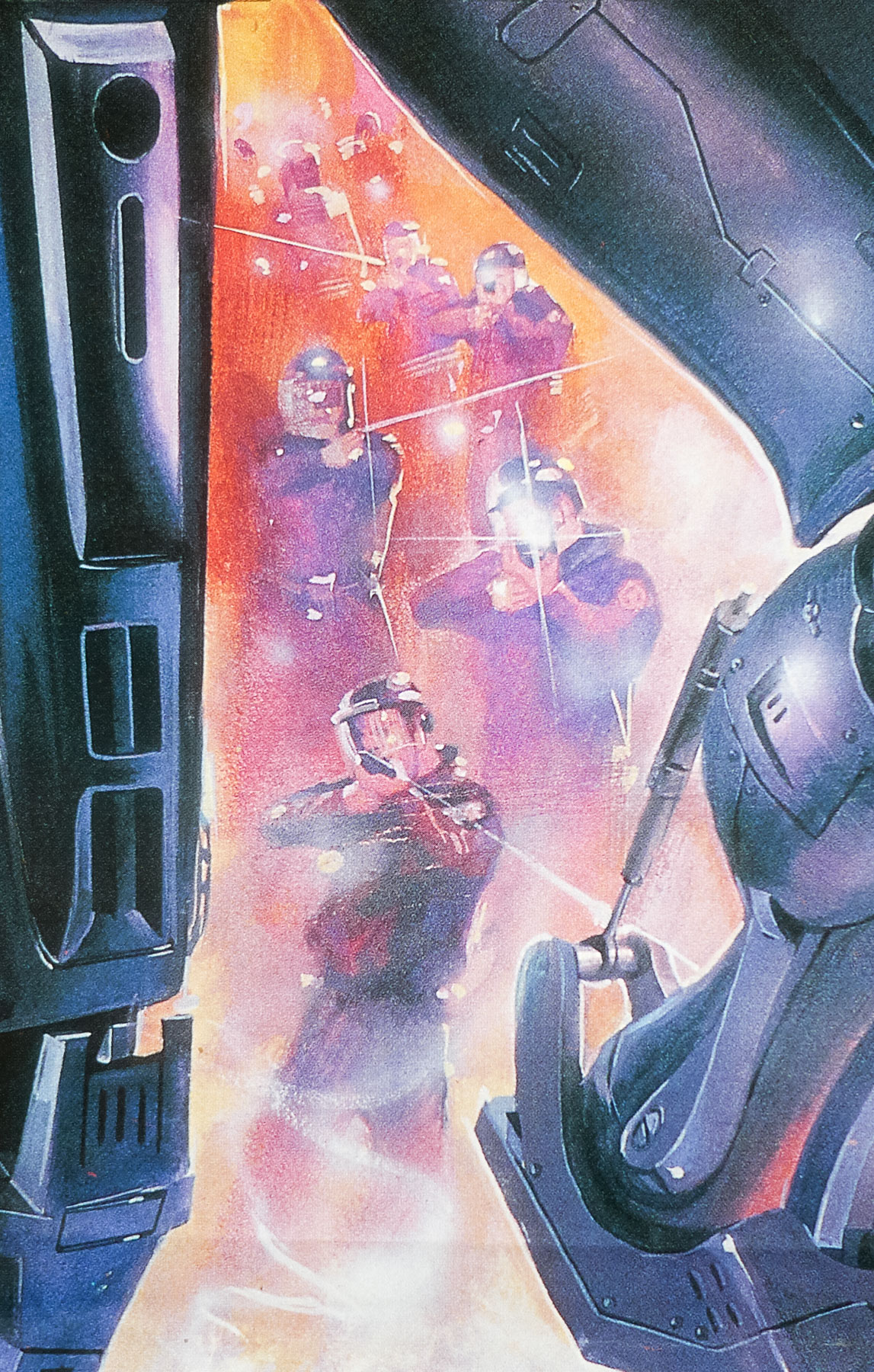
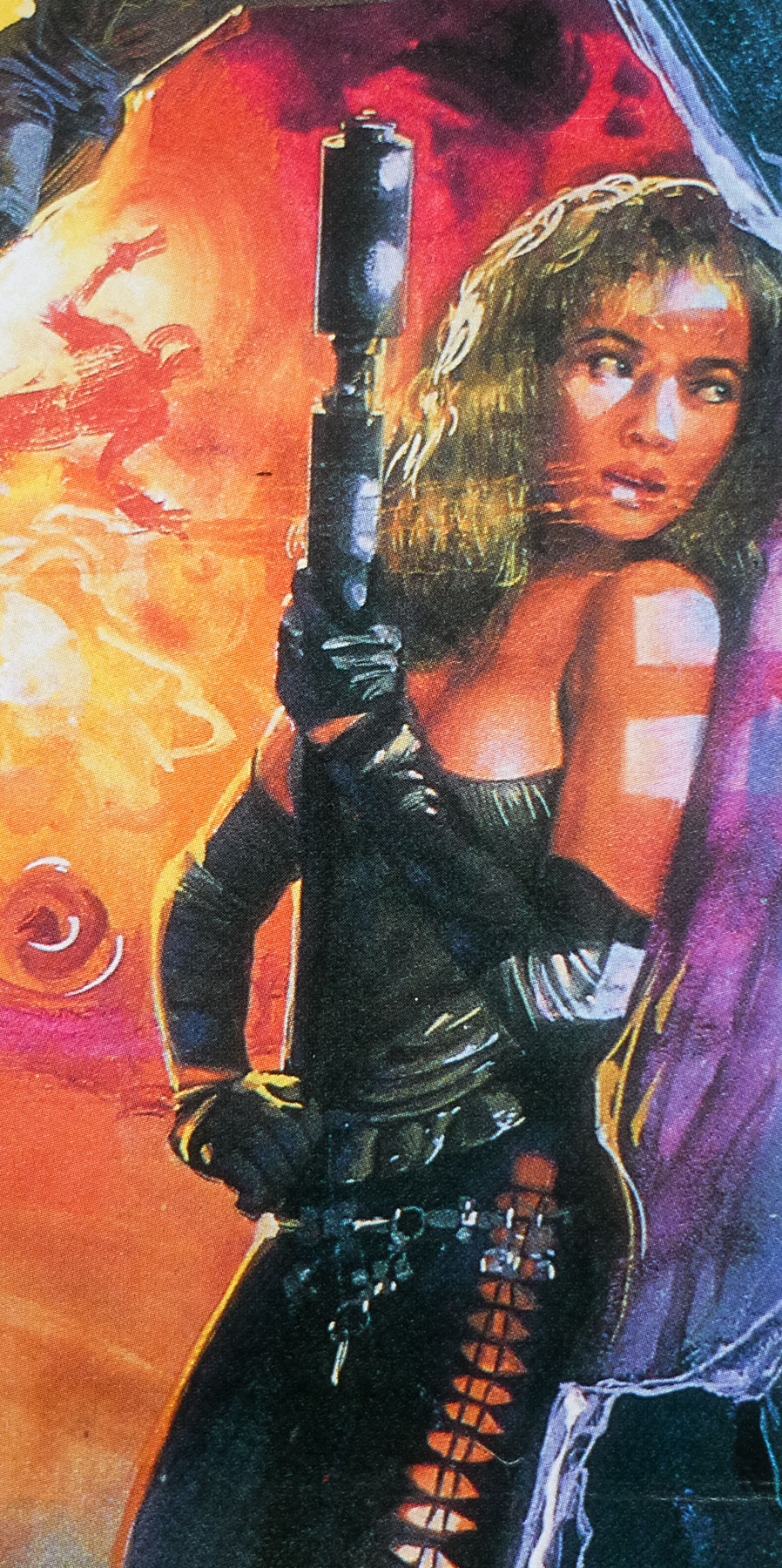
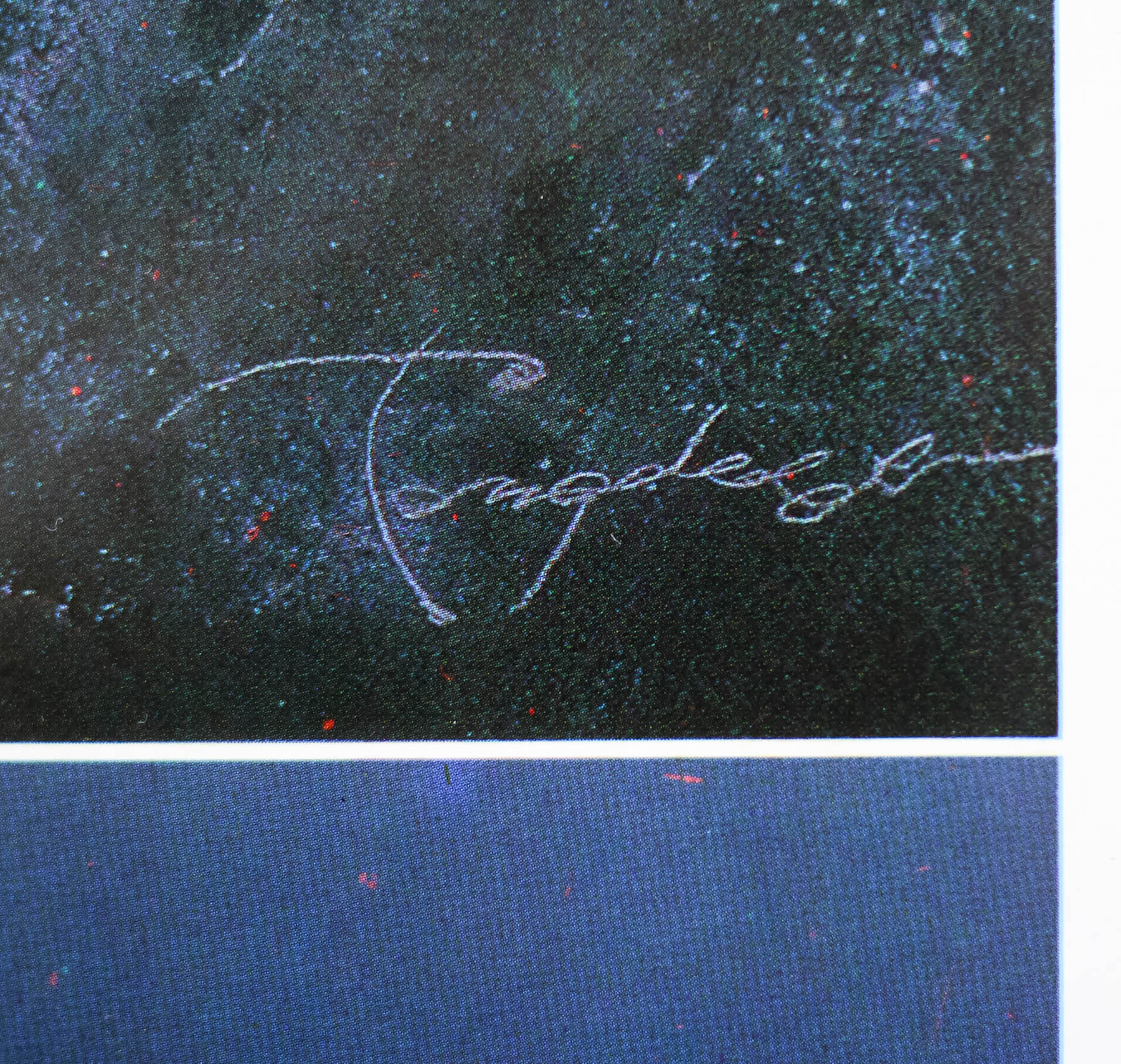
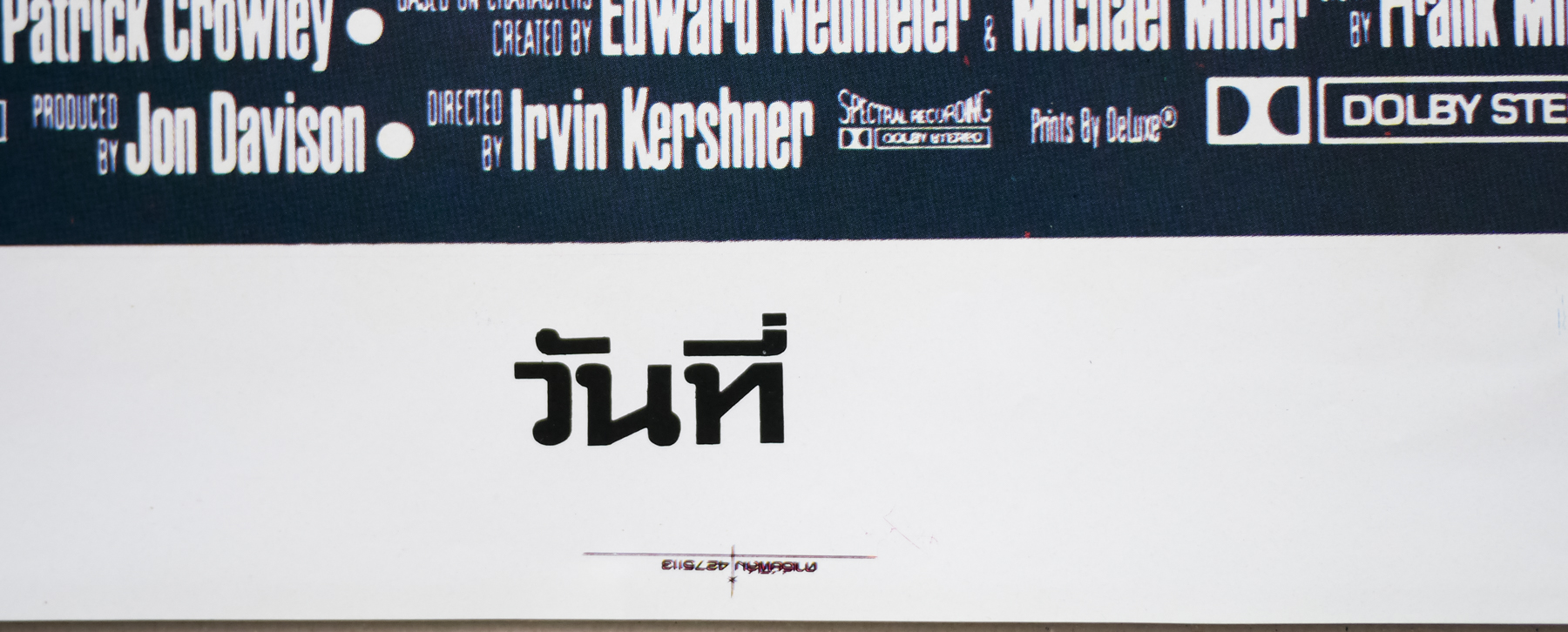
Excellent artwork by Tongdee Panumas features on this Thai poster for the release of the 1990 sequel, Robocop 2 (opens in a new tab). The film is definitely not a patch on the classic original, although it does have a few redeeming qualities. Paul Verhoeven decided to pass on directing the sequel as he wasn’t happy with the direction the studio wanted to take the story. He was then offered the job on Total Recall which ended up being released the same year as Robocop 2. The original screenwriters also failed to return and the script was penned by Frank Miller (opens in a new tab) (best known for Sin City and his work as a comic book writer) and Walon Green (opens in a new tab) (The Wild Bunch). Irvin Kershner (The Empire Strikes Back) signed on as director and it would turn out to be the final film he would helm.

The film is notably dark and possibly even more violent than the original. Peter Weller (opens in a new tab) returns as the eponymous cyborg who continues to police the streets of an increasingly out of control Detroit. The city is dealing with an epidemic surrounding a new drug called Nuke, pushed by the psychotic Cain (Tom Noonan (opens in a new tab)) and his gang of miscreants. The nefarious corporation OCP is also moving ahead with secret plans to bankrupt the city and turn it into their own Delta City, independent of the US government.

As part of the plan they have been increasing the amount of crime in the city by causing police strikes. They also intend to expand the Robocop program by using dead criminals, and not police officers, as the basis for their next cyborgs. When Cain is mortally wounded during a confrontation with Robocop, the unscrupulous scientist Faxx (Belinda Bauer (opens in a new tab)) seizes the opportunity to implant his brain in her new robotic creation. Unfortunately for her and OCP Cain’s addiction to Nuke, which they initially think they can use to control him, turns out to be their undoing. Only Robocop can stop the new cyborg’s rampage and end the Delta City dream once and for all.

Tongdee Panumas (he signs his posters with just his first name) was an incredibly prolific Thai film poster artist during the 70s, 80s and 90s. I’ve been unable to find out much about him, other than that he was born in 1947, so if anyone has any more details please get in touch.

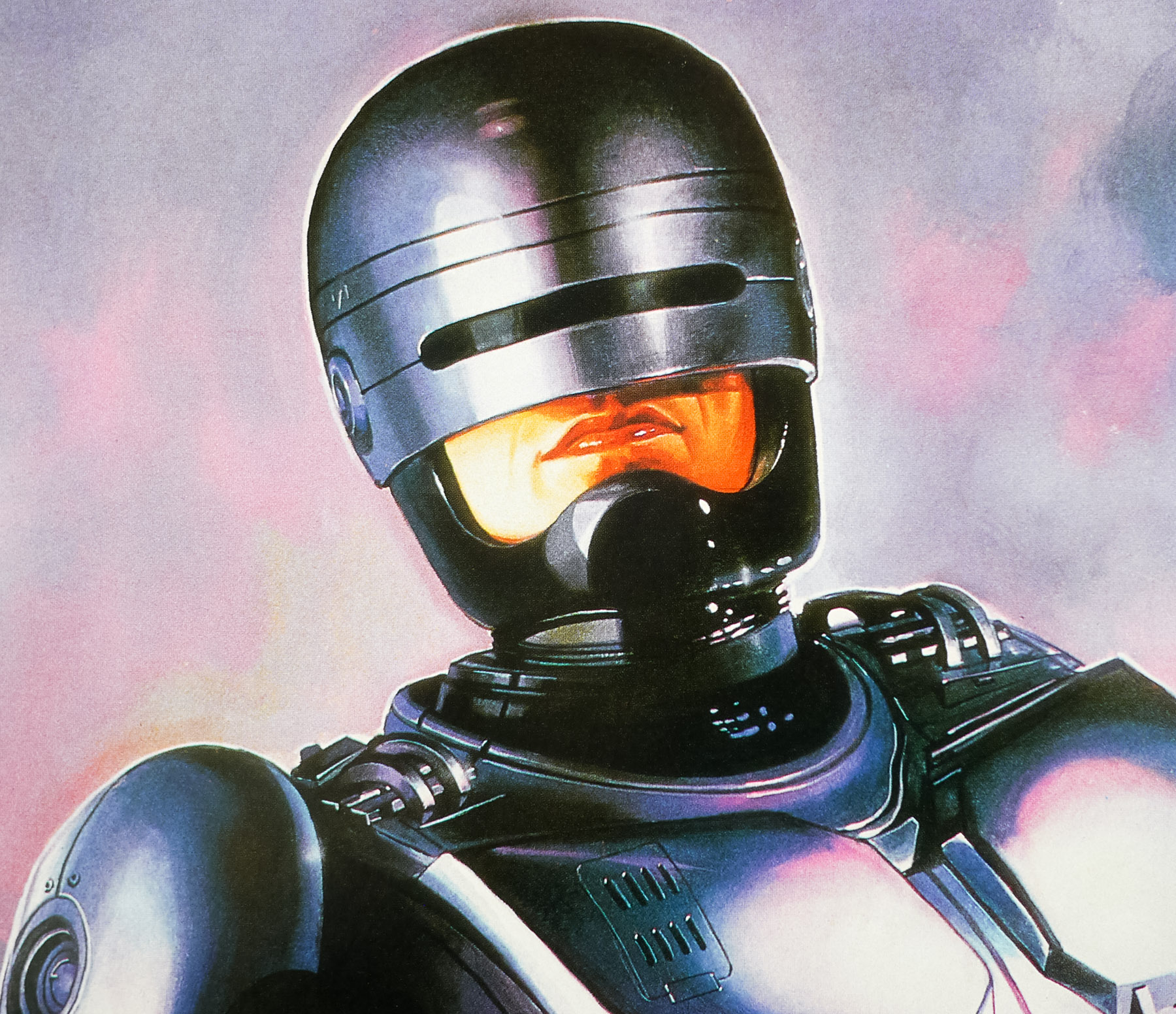
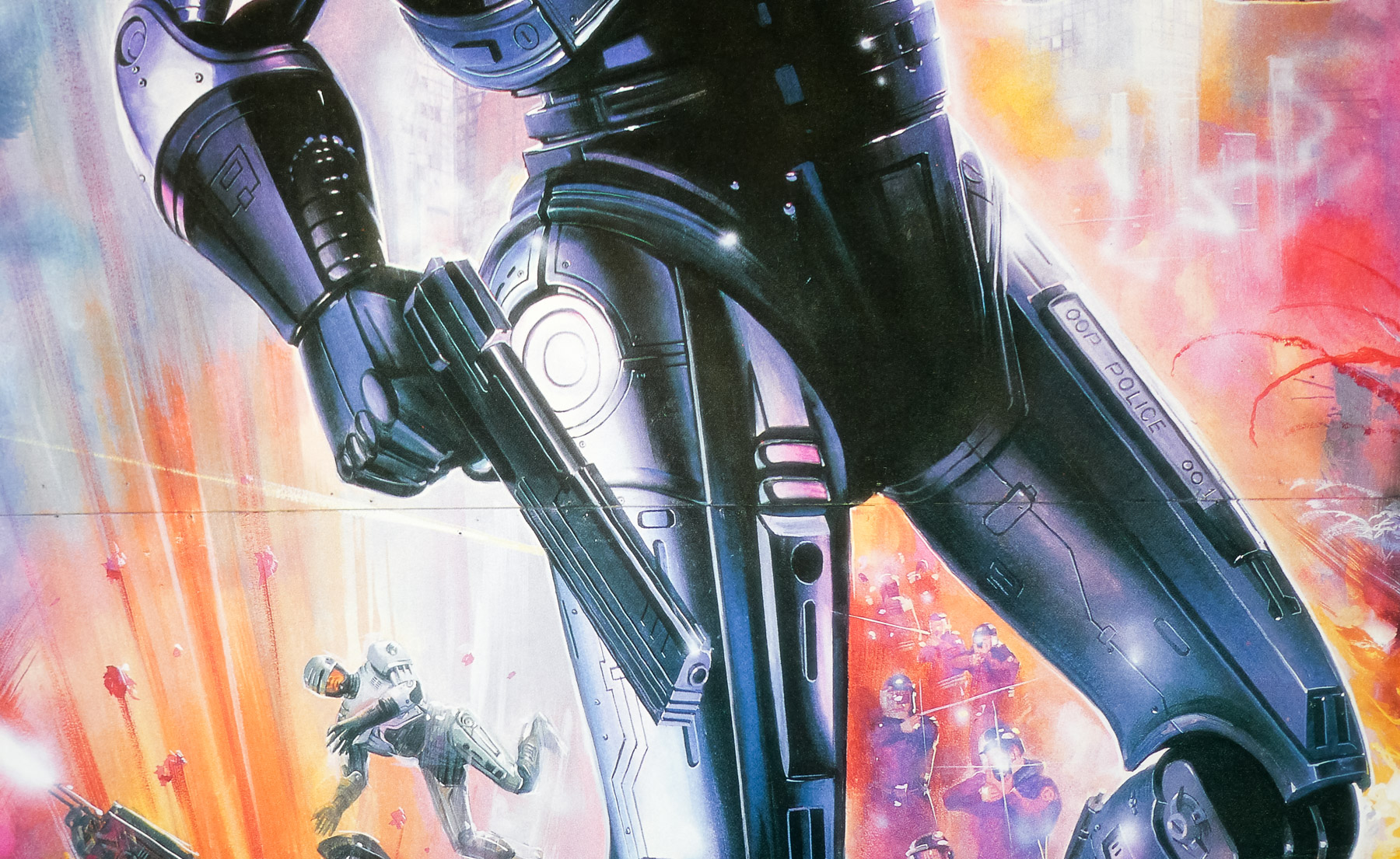
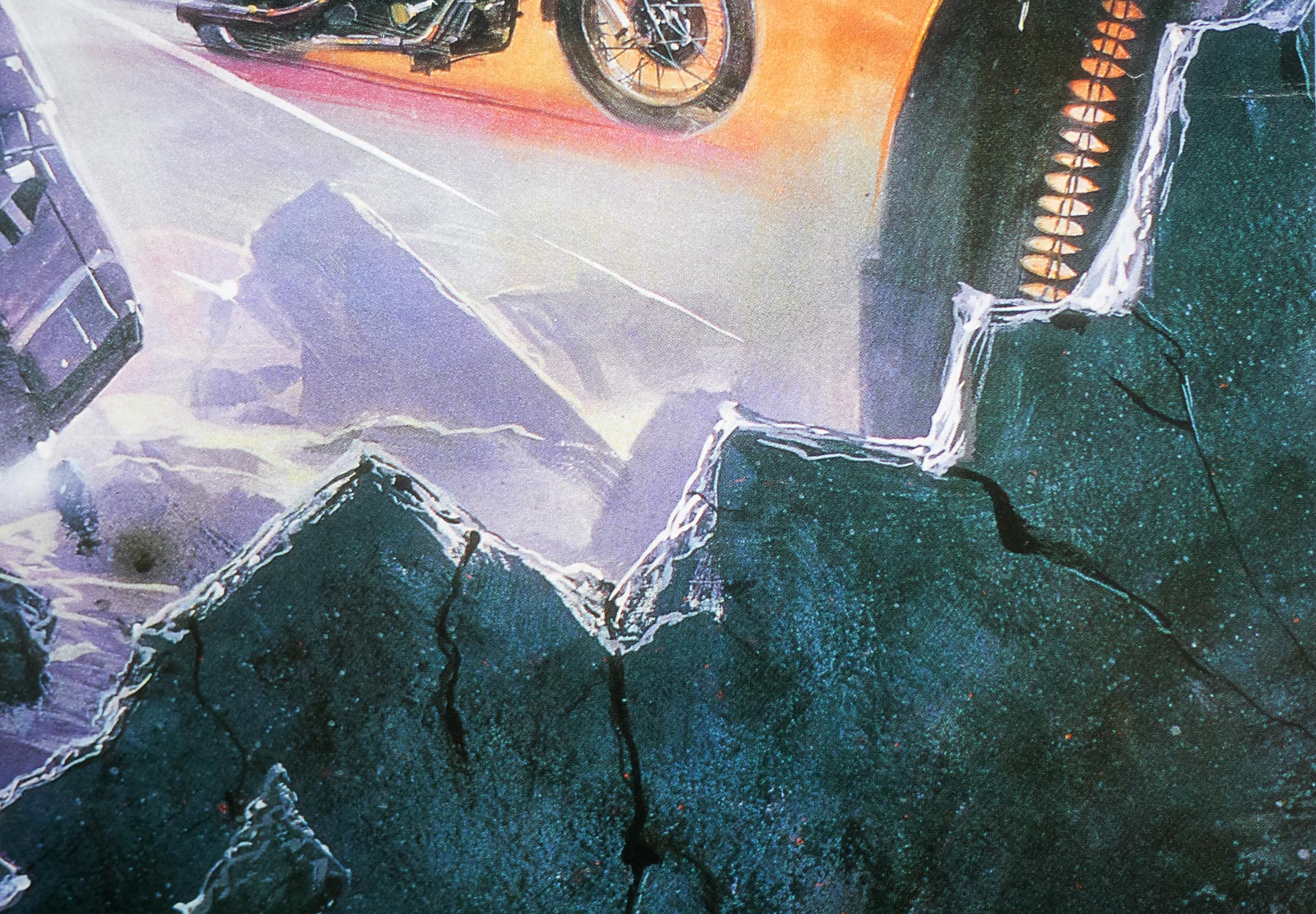
Note that the line across the centre of the poster is where the original artboards onto which Tongdee paints were joined. Thai artists apparently often struggled to find large enough canvases to paint on. There are also some other marks where the original canvases were damaged before printing – see the close up of the female figure on the right as an example. The main figure on this poster is repainted from the photographic international one sheet.

A Nightmare on Elm Street 4: The Dream Master / quad / UK

20.06.16

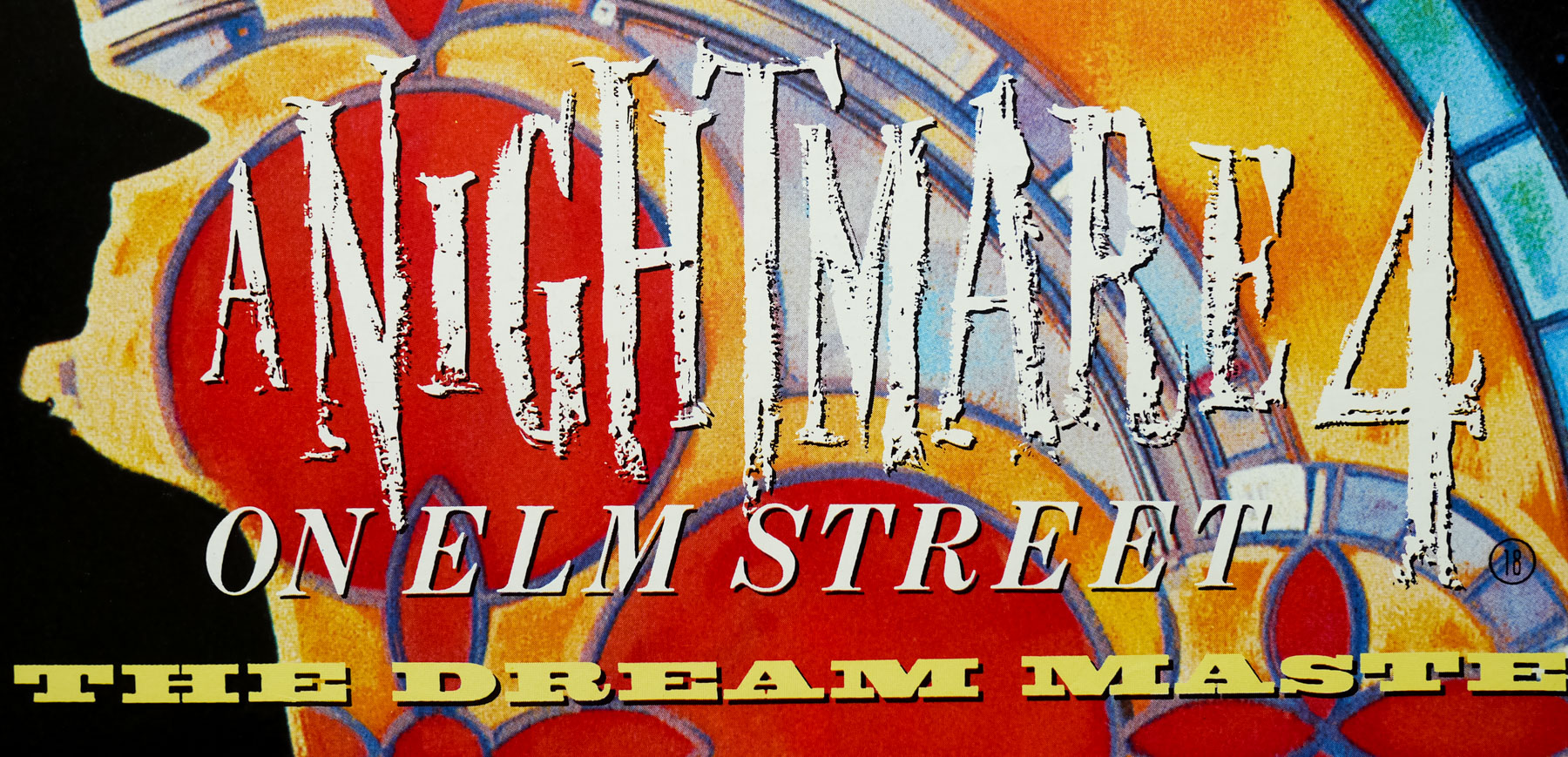
British quad poster for A Nightmare on Elm Street 4: The Dream Master (1988). Artwork by Graham Humphreys, design by Graham Humphreys and FEREFBritish quad poster for A Nightmare on Elm Street 4: The Dream Master (1988). Artwork by Graham Humphreys, design by Graham Humphreys and FEREF, image 2British quad poster for A Nightmare on Elm Street 4: The Dream Master (1988). Artwork by Graham Humphreys, design by Graham Humphreys and FEREF, image 3British quad poster for A Nightmare on Elm Street 4: The Dream Master (1988). Artwork by Graham Humphreys, design by Graham Humphreys and FEREF, image 4British quad poster for A Nightmare on Elm Street 4: The Dream Master (1988). Artwork by Graham Humphreys, design by Graham Humphreys and FEREF, image 5
Title
A Nightmare on Elm Street 4: The Dream Master
Year of Film
1988
Director
Renny Harlin
Starring
Robert Englund, Lisa Wilcox, Danny Hassel, Andras Jones, Tuesday Knight, Ken Sagoes, Brooke Bundy, Nicholas Mele, Toy Newkirk, Brooke Theiss, Rodney Eastman
Origin of Film
USA
Genre(s) of Film
Horror
Film Series
A Nightmare on Elm Street
Type of Poster
Quad
Origin of Poster
UK
Year of Poster
1988
Designer
Graham Humphreys, FEREF
Artist
Graham Humphreys
Size (inches)
30" x 39 15/16"
SS or DS
SS
Tagline
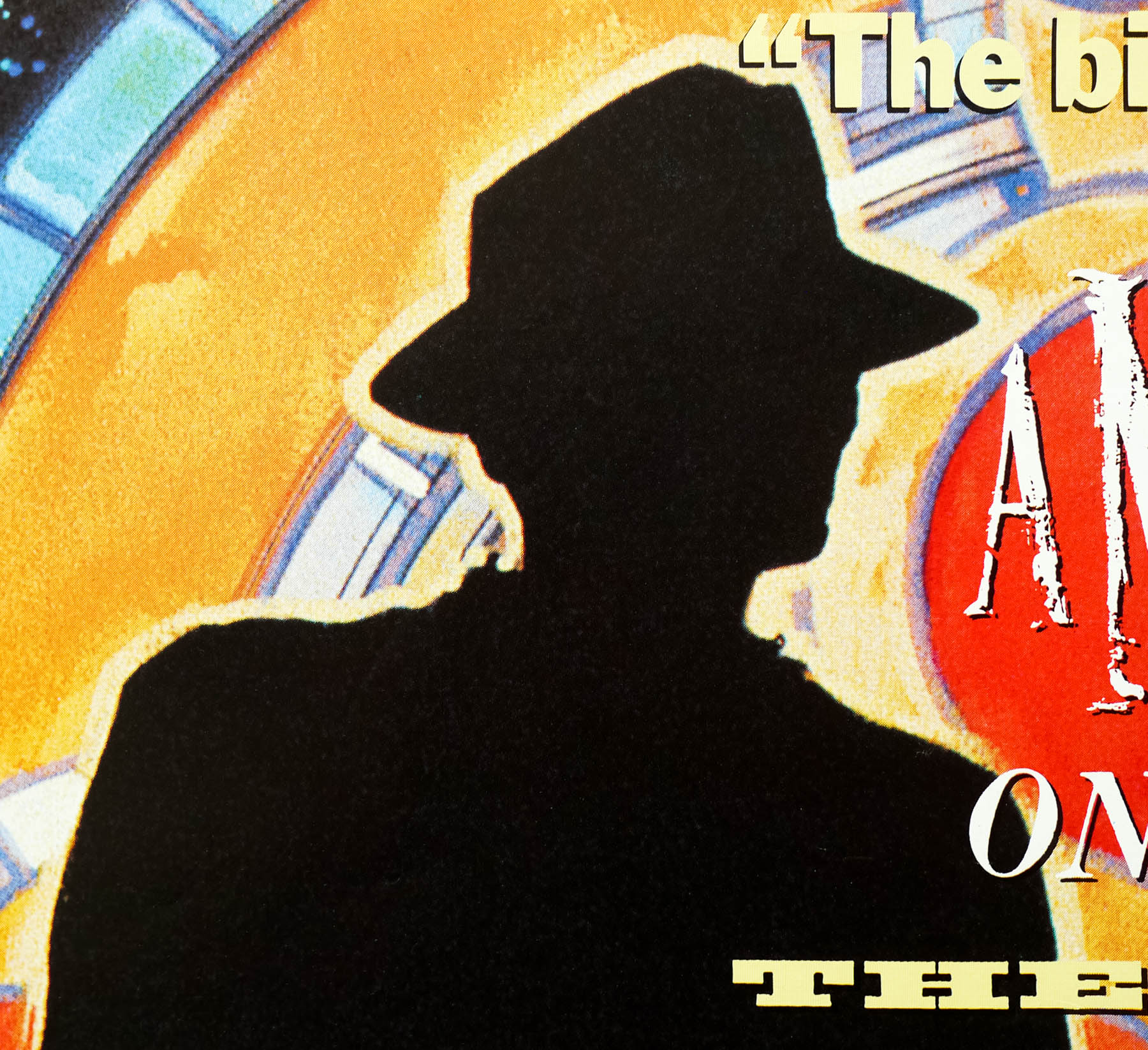
"The biggest Nightmare of all"

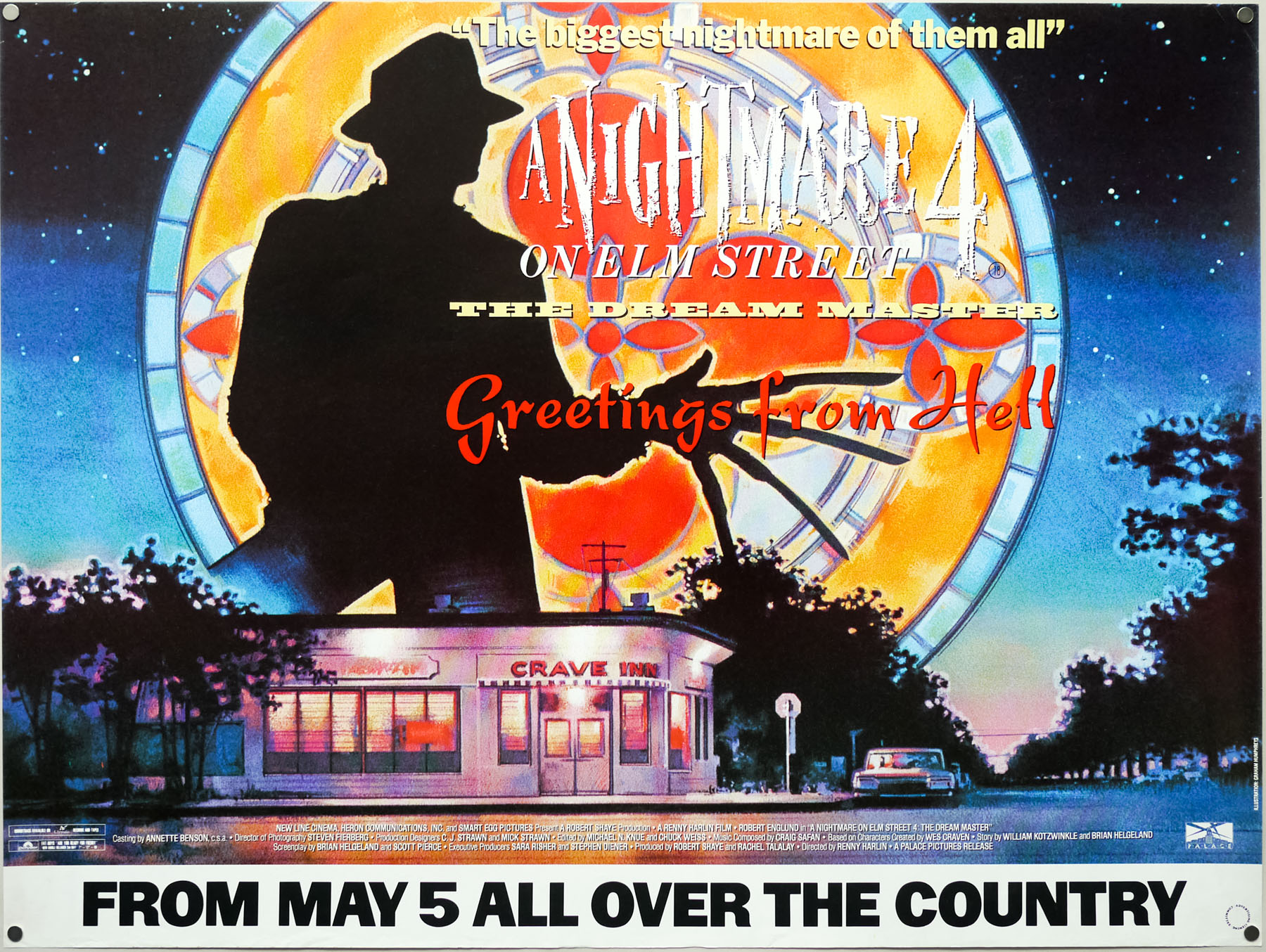
This is the UK quad for the release of the fourth entry in the ‘A Nightmare on Elm Street’ franchise (subtitled The Dream Master (opens in a new tab)). The film marked a big break for Finnish director Renny Harlin (opens in a new tab) who admitted to heavily petitioning the film’s producer, and founder of New Line Cinema, Robert (Bob) Shaye (opens in a new tab) for the job. Harlin had previously helmed a couple of low-budget flicks (Born American and Prison) but the box-office success of this film led to him being given the job of directing the Die Hard sequel in 1990. Sadly, his career stalled towards the end of that decade following a series of box-office bombs that included Cliffhanger and Cutthroat Island.

The fourth film followed on from one of the best entries in the franchise, 1987’s Dream Warriors, which was a marked improvement over the first sequel. This was thanks in part to the involvement of the first film’s Wes Craven, who had been absent from Part 2.

The Dream Master picks up a few months after the events of the third film and features characters that had last been seen in a mental hospital, but are now living at home and seemingly back to normal. Kirsten, previously played by Patricia Arquette and here by Tuesday Knight (opens in a new tab), has the ability to bring others into her dreams. When she senses Freddy is trying to return after being banished to hell at the end of Part 3, she contacts Kincaid (Ken Sagoes (opens in a new tab)) and Joey (Rodney Eastman (opens in a new tab)) to warn them not to dream about Freddy in case it causes his return.

Unfortunately, Kincaid fails to heed Kirsten’s warning and he falls asleep, dreaming of the car junkyard where Freddy’s bones were previously consecrated with holy water. His dog urinates on Freddy’s bones and this, for some bizarre reason, causes his resurrection whereupon he swiftly kills Kincaid. Freddy begins to terrorize Kirsten and her group of school friends and she realises she needs to pass on her powers to Alice before she too is killed. Freddy’s plan was to use Kirsten to move onto a new set of kids after he’s killed the original group (all children of the parents who murdered him before the events of the first film) and together this new gang must try to put an end to his nefarious plans once and for all.

———-

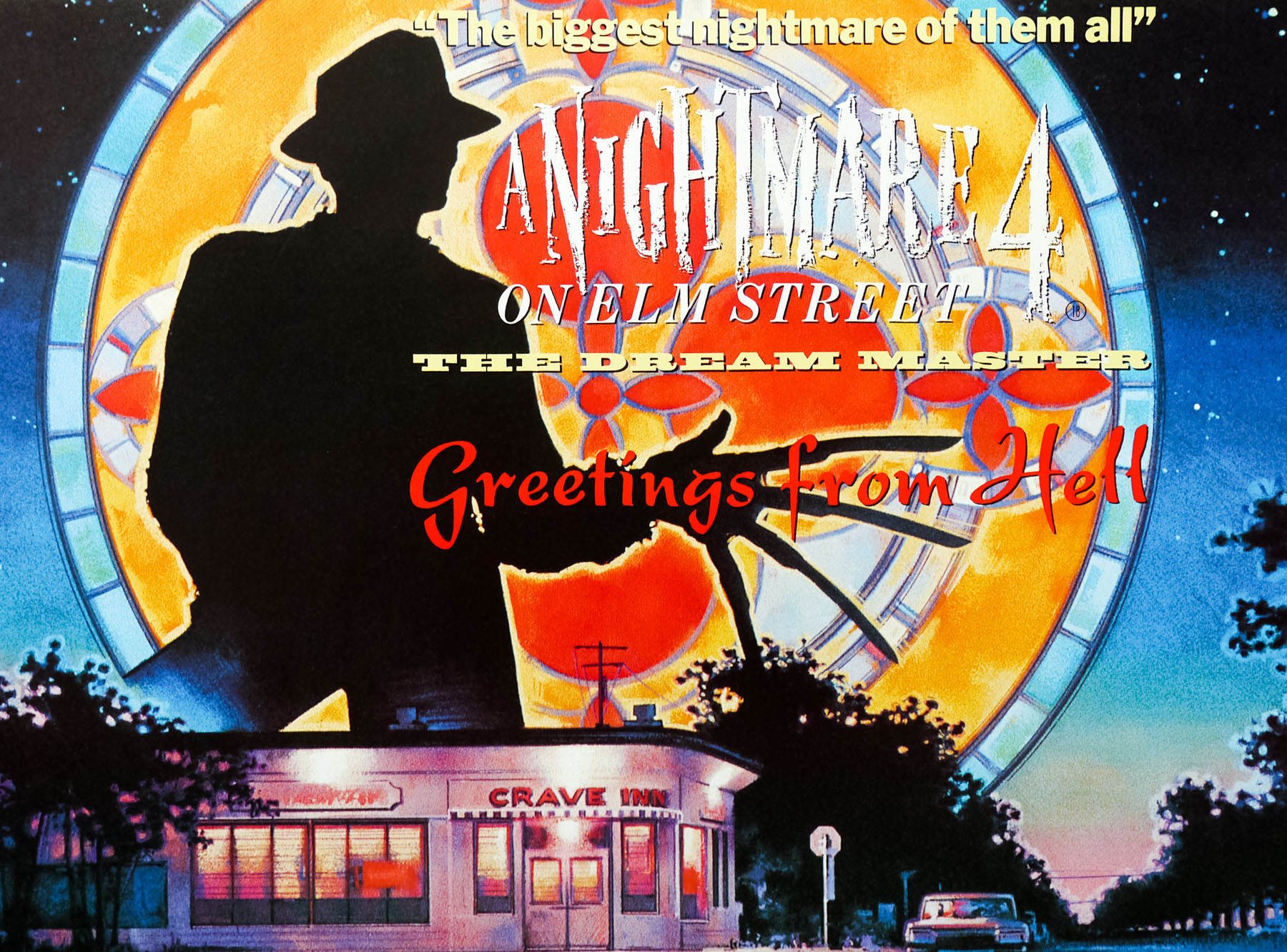
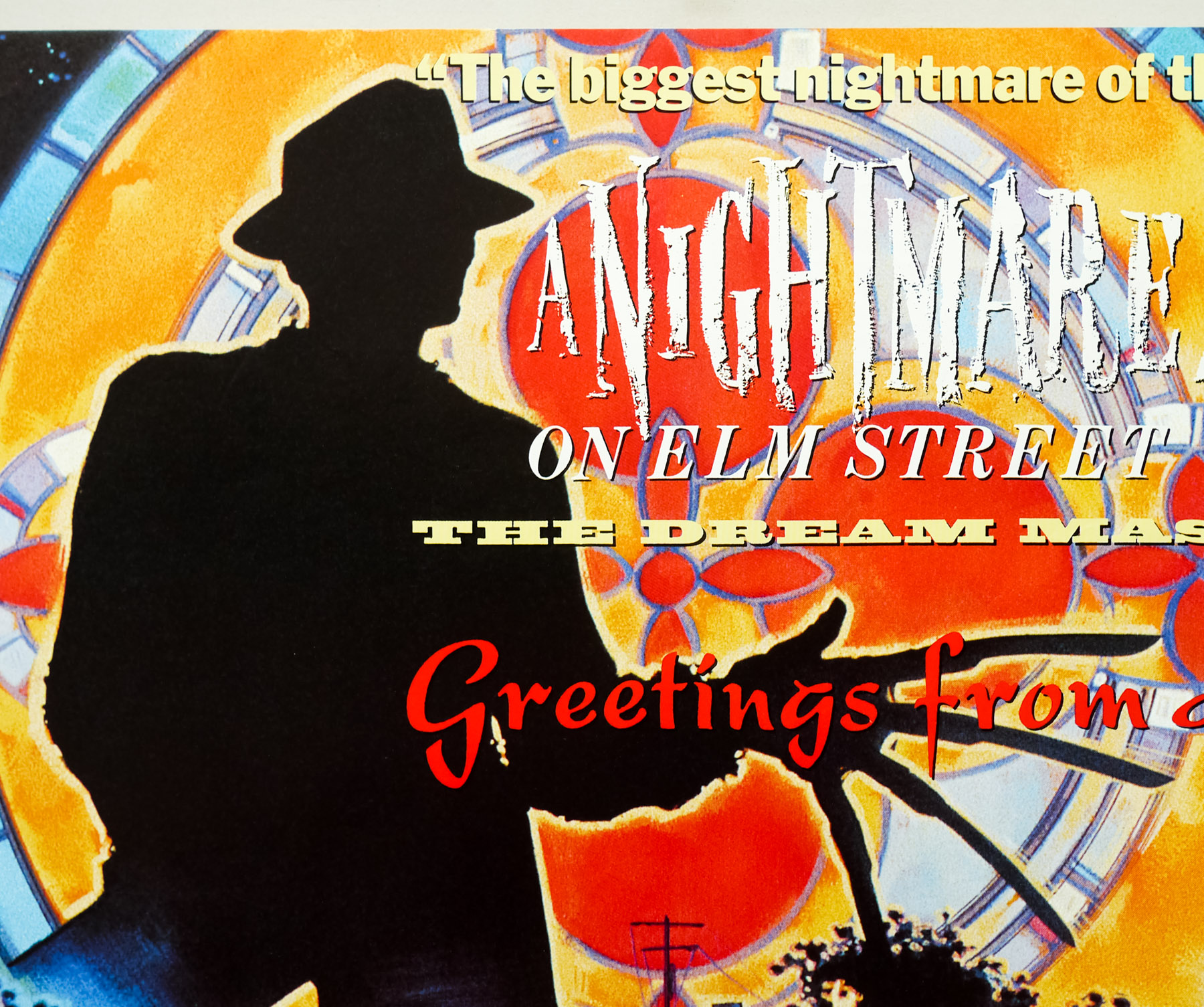
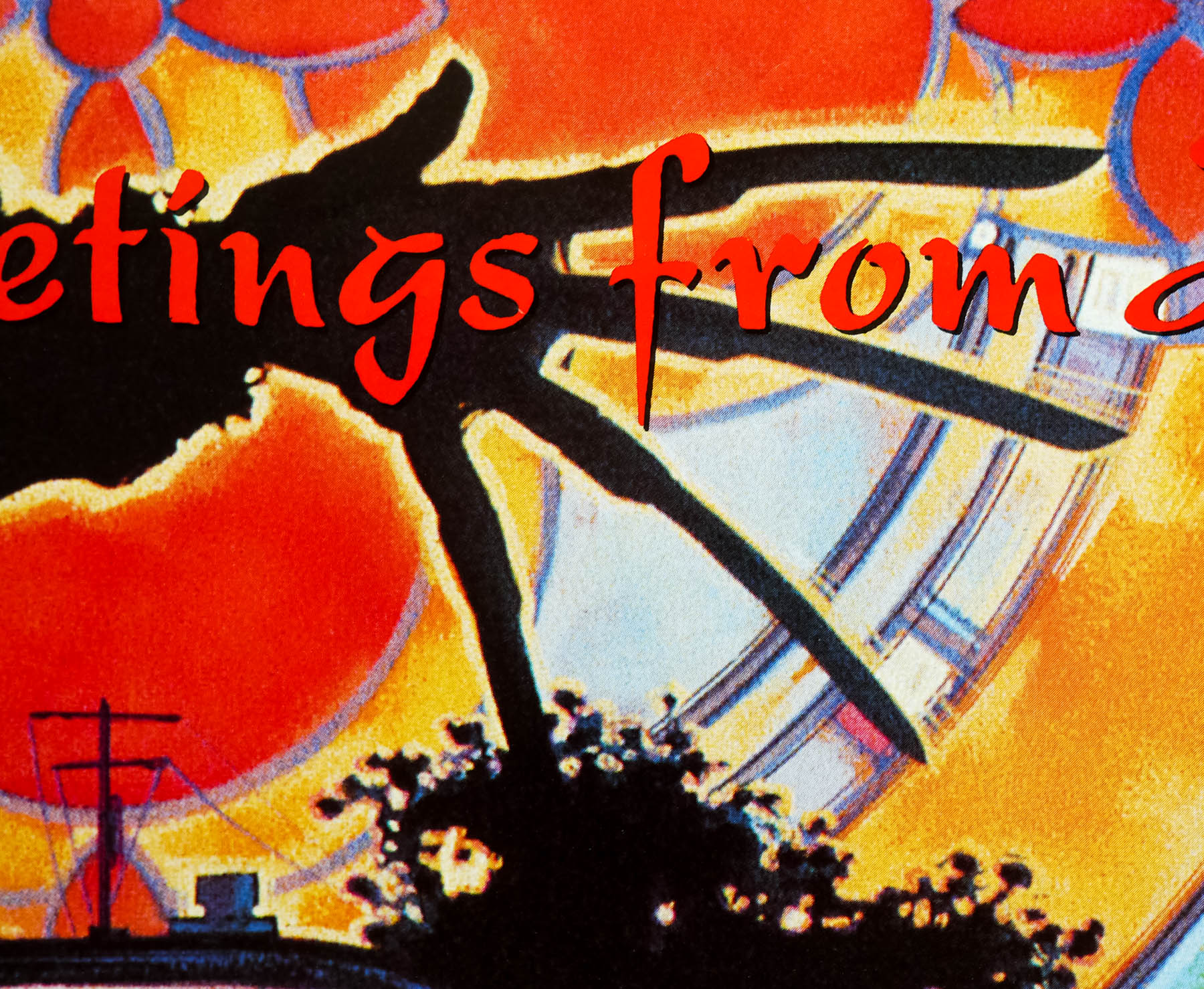
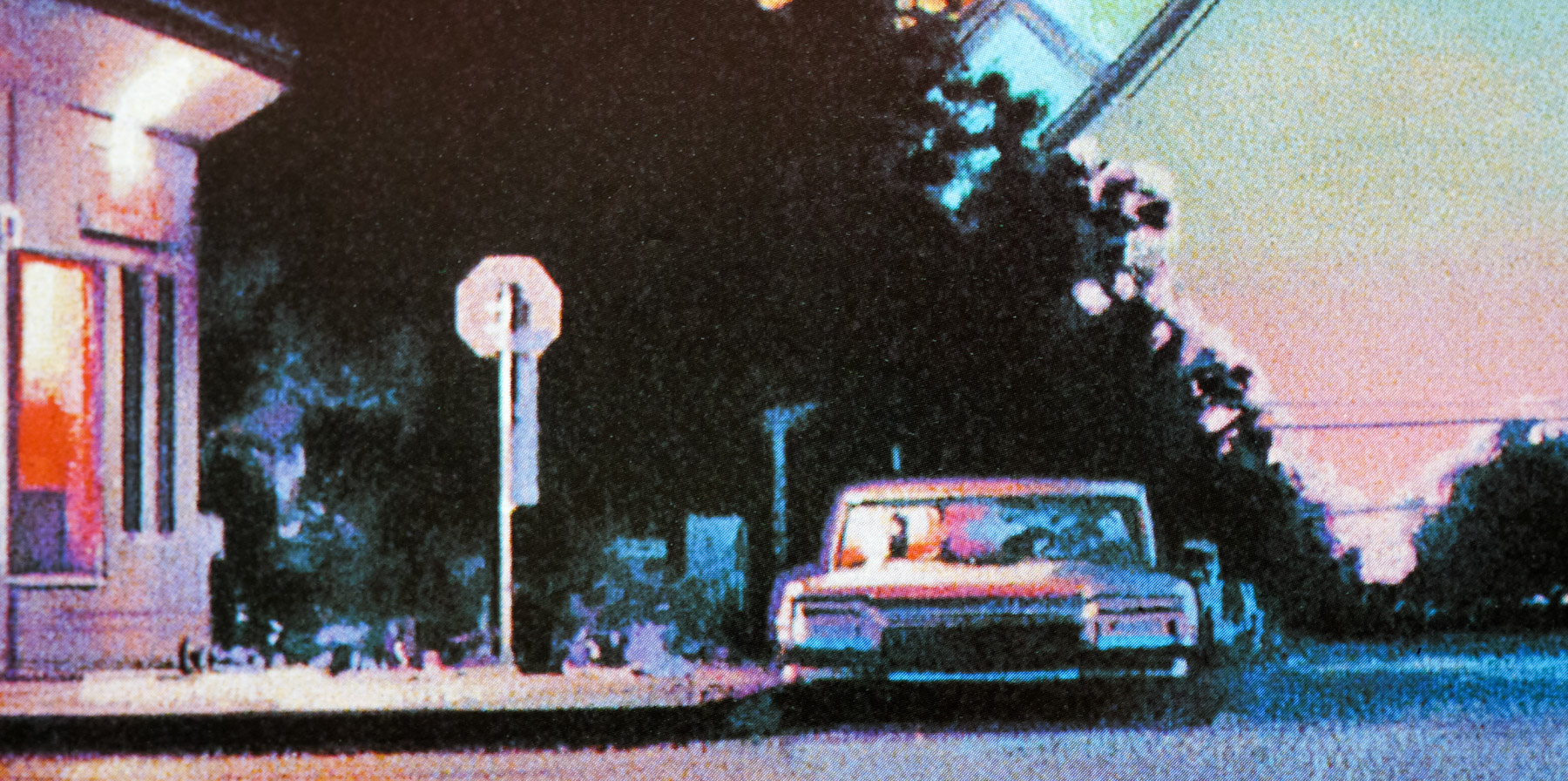
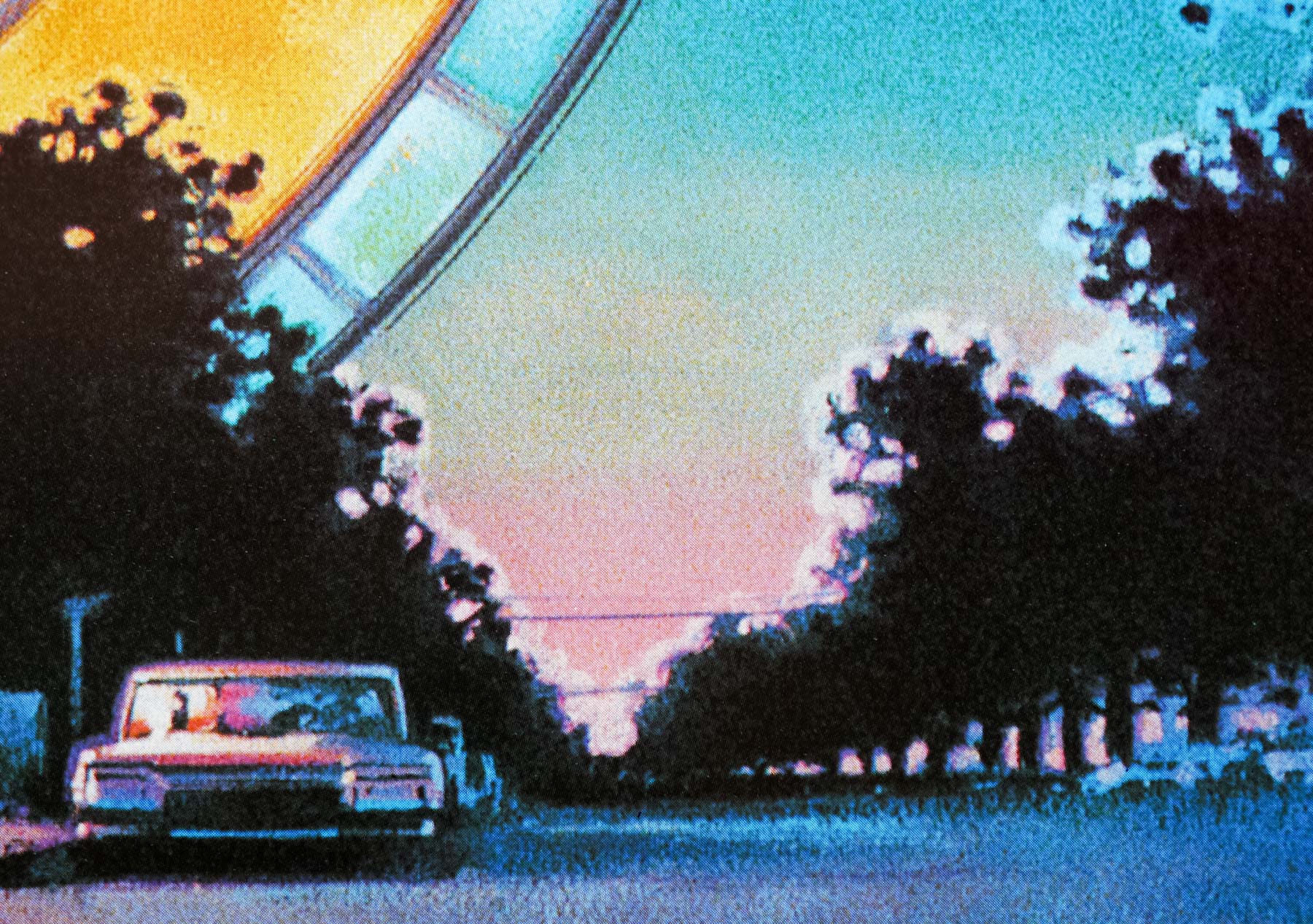
Palace Pictures had been handling the British distribution of the horror franchise since the first film and had worked with the same artist, Graham Humphreys, to produce unique poster designs for the UK market. When it came to promoting The Dream Master, Graham produced this quad and a larger 4-sheet (with alternate artwork) for use in cinema lobbies and on billboards. The quad features the stained glass window seen in a sequence involving a dilapidated church near the end of the film, as well as the Crave Inn diner where Alice works (its name is a not very subtle nod to the franchise’s creator).

When I interviewed Graham in 2011 for this site he talked the Elm Street posters and here’s an excerpt:

—————-

In 1987 it was back to an illustration for A Nightmare on Elm Street 4 (opens in a new tab). It’s a great image with the ‘Crave Inn Diner’ and the stained glass featuring Freddy in silhouette. Can you remember why they went back to illustration for this?
I think by that time they just felt that they were flogging a dead horse with the Nightmare on Elm Street films. They said ‘take a look at the film and do what you want’. My idea was to do a postcard idea, ‘Greetings from hell’, and unfortunately without a computer it’s very hard to understand how stuff’s going to look when it’s actually printed. So for example with the Evil Dead you’ll notice that the copy line at the top is very hard to read because, tonally, the orange disappears against the purple. Given a computer there are all sorts of things I could have done, like a drop shadow or a glow behind it.

So it was often the case that you wouldn’t know what it was going to look like until you printed it?
No, everything was an experiment. This poster could have been so much different as well though. The stained glass from the final scene in the church was good for me because it was a lovely device that meant I could use the large silhouette [of Freddy]. I also thought it was interesting because at that point the face was so familiar so we could take it dark again; we know who he is. We also did the cheeky James Bond spoof poster.

Ah, you were involved with that?
I was, it was my idea.


———————

Graham also had the idea of creating a small run of double crowns that spoofed the iconic James Bond gun barrel opening sequence (opens in a new tab) created by Maurice Binder and first seen in Dr No (1962). This was because The Dream Master was being released up against The Living Daylights, the latest entry in the long-running spy franchise. See the resulting poster.

See the other posters I’ve collected by Graham and read the exclusive interview with the artist.

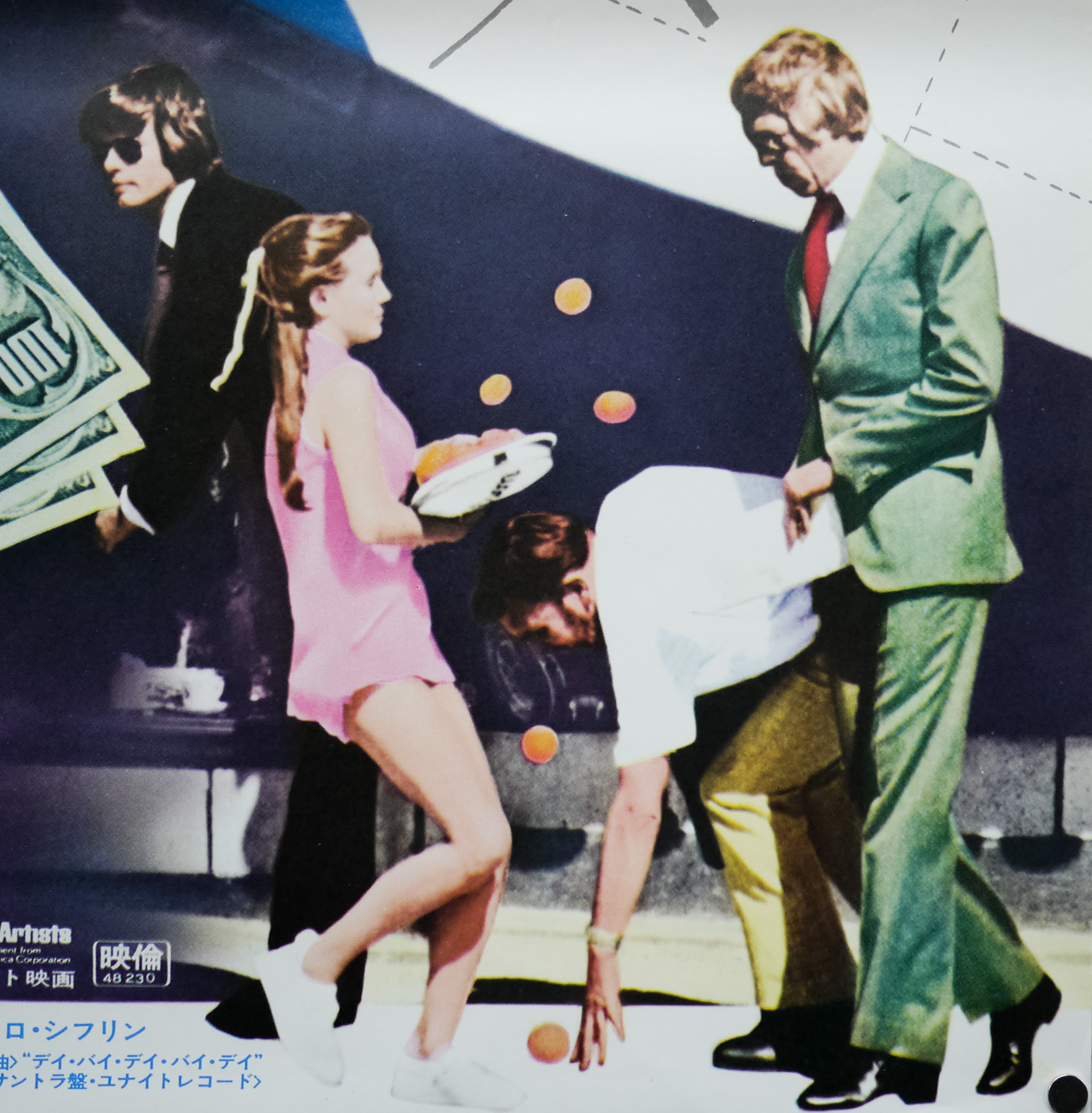
Harry in Your Pocket / B2 / Japan

17.06.16

Japanese B2 poster for Harry in Your Pocket (1973)Japanese B2 poster for Harry in Your Pocket (1973), image 2Japanese B2 poster for Harry in Your Pocket (1973), image 3Japanese B2 poster for Harry in Your Pocket (1973), image 4Japanese B2 poster for Harry in Your Pocket (1973), image 5
Title
Harry in Your Pocket
Year of Film
1973
Director
Bruce Geller
Starring
James Coburn, Michael Sarrazin, Trish Van Devere, Walter Pidgeon, Michael C. Gwynne, Tony Giorgio, Michael Stearns, Susan Mullen
Origin of Film
USA
Genre(s) of Film
Comedy | Crime | Drama
Type of Poster
B2
Origin of Poster
Japan
Year of Poster
1973
Designer
Unknown
Size (inches)
20 3/8" x 28 7/8"
SS or DS
SS

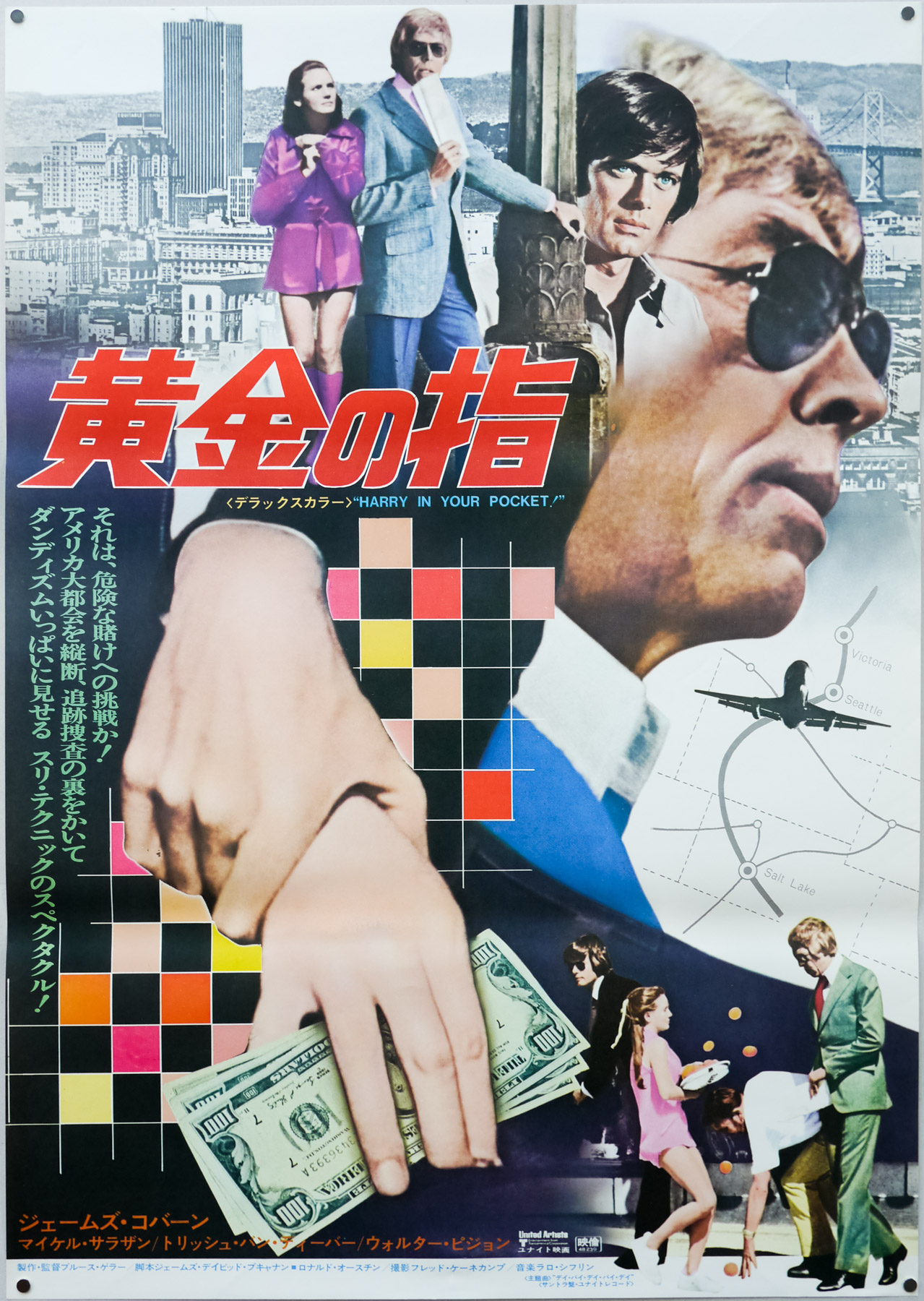
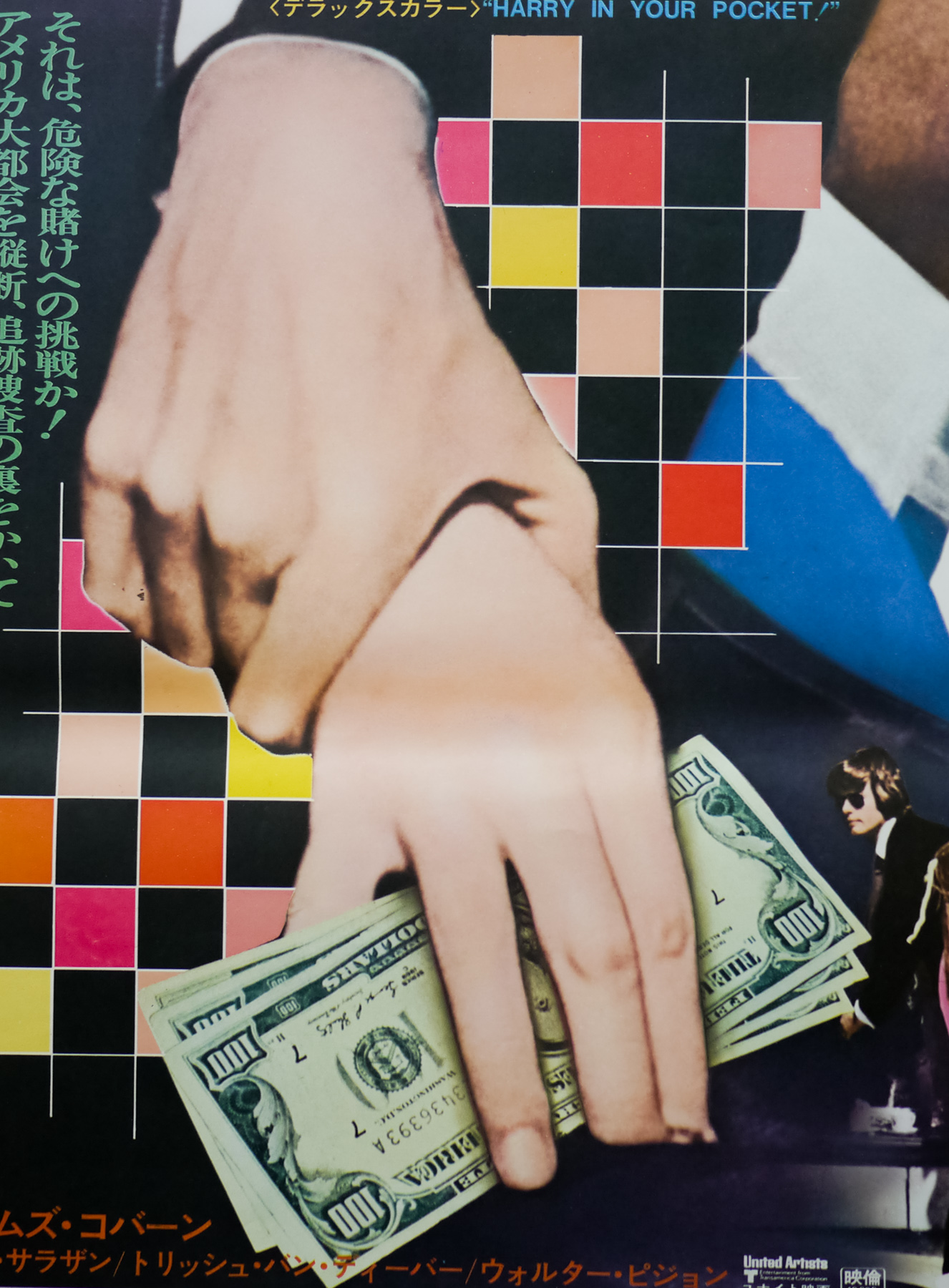
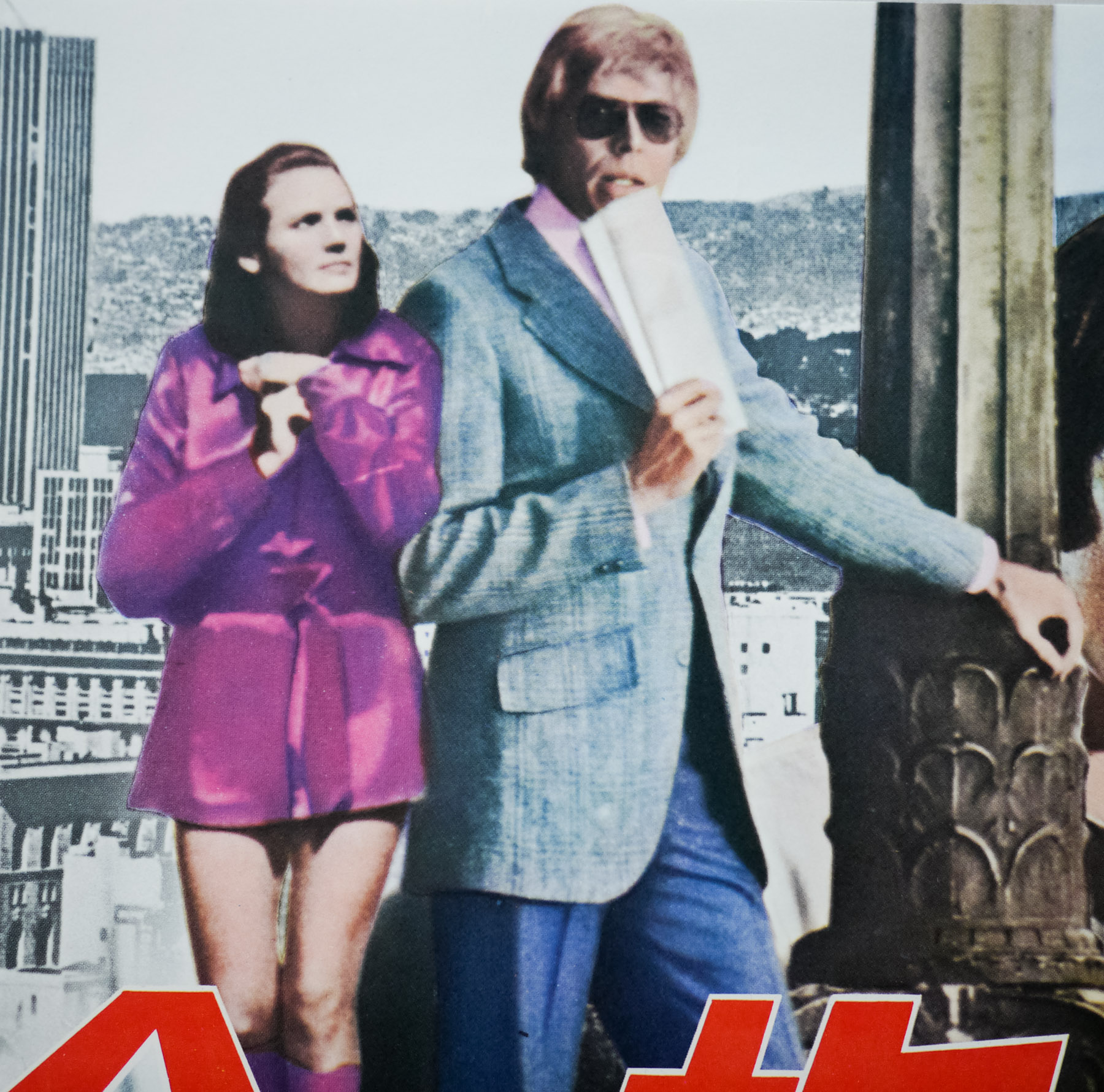
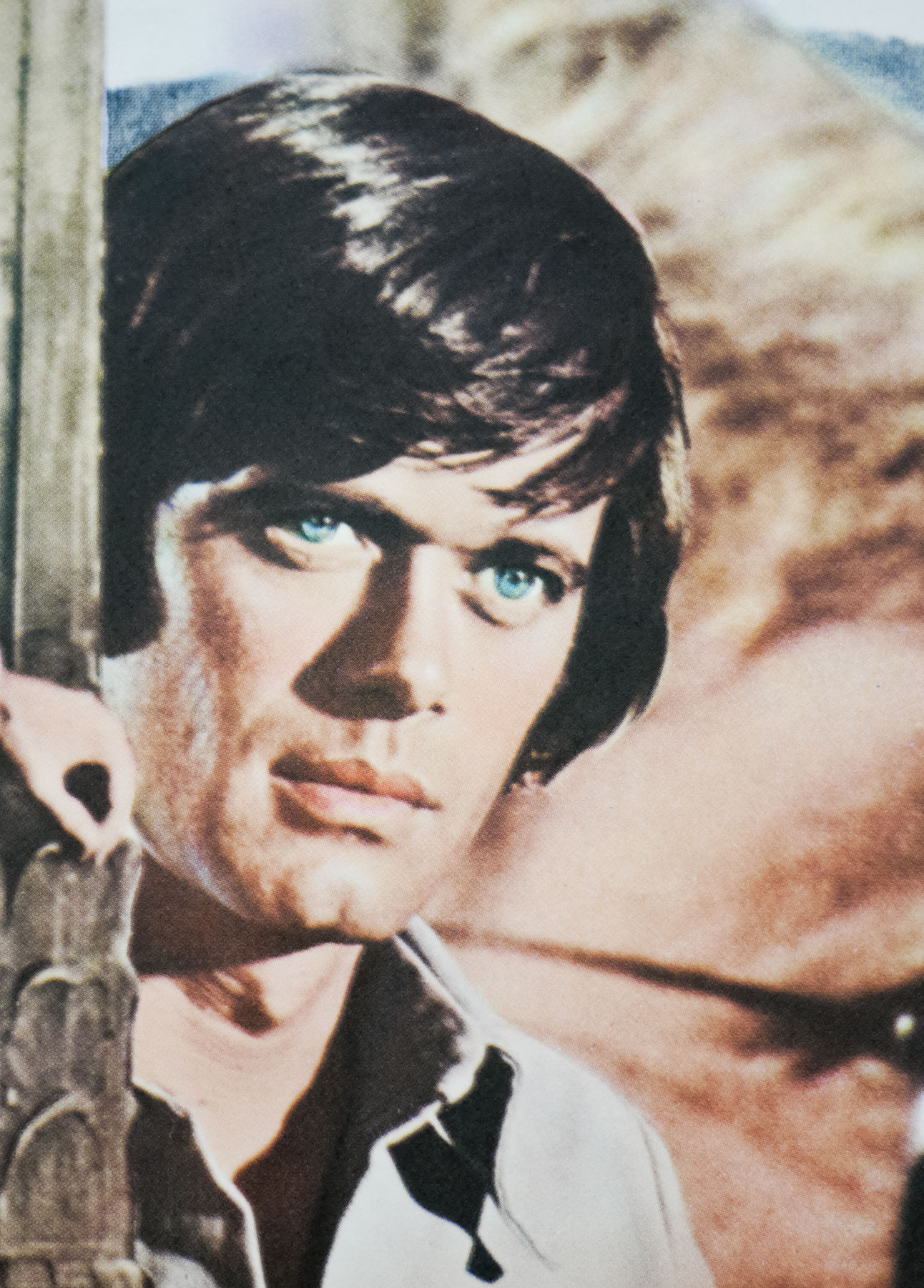
This is the Japanese B2 poster for the release of the 1973 crime caper Harry in Your Pocket (opens in a new tab), which marked the directorial debut of Bruce Geller (opens in a new tab). A man of many talents, Geller was at various points a screenwriter, producer, lyricist and director. He started out writing scripts for various TV shows during the 1950s and later worked as a co-producer on the successful cowboy series Rawhide. During this period he conceived of a series based around the world of espionage and developed it into what would become Mission Impossible, a TV series that Geller executive-produced (and even appeared in) to great success. The show lasted for seven seasons (though not all had Geller’s involvement) and was shown around the world from 1966 to 1973.

Harry in Your Pocket was Geller’s first feature film as director and The Savage Bees (1976) was his last, although technically that started life as a TV movie. Sadly he died aged 47 when his light aircraft crashed in fog near Santa Barbara, California.

The late James Coburn (opens in a new tab) stars as the eponymous character, a professional pickpocket who works with an older man Casey (Walter Pidgeon (opens in a new tab)) who has started to make mistakes due to excessive drug use. A younger man named Ray (Michael Sarrazin (opens in a new tab)) yearns to be as good as Harry and when his girlfriend Sandy (Trish Van Devere (opens in a new tab)) falls victim to the professional pair, Ray decides to track them down and persuade them to take him under their wing. Harry and Casey eventually agree to let the pair work with them as the ‘stalls’, which means their task is create as much of a distraction as possible so that Harry and Casey can get close to their marks and make ‘the dip’. However, when it becomes clear that Harry has an interest in Sandy, and Ray tires of being only a minor member of the team, the group’s allegiances are tested, putting them all in danger from the law.

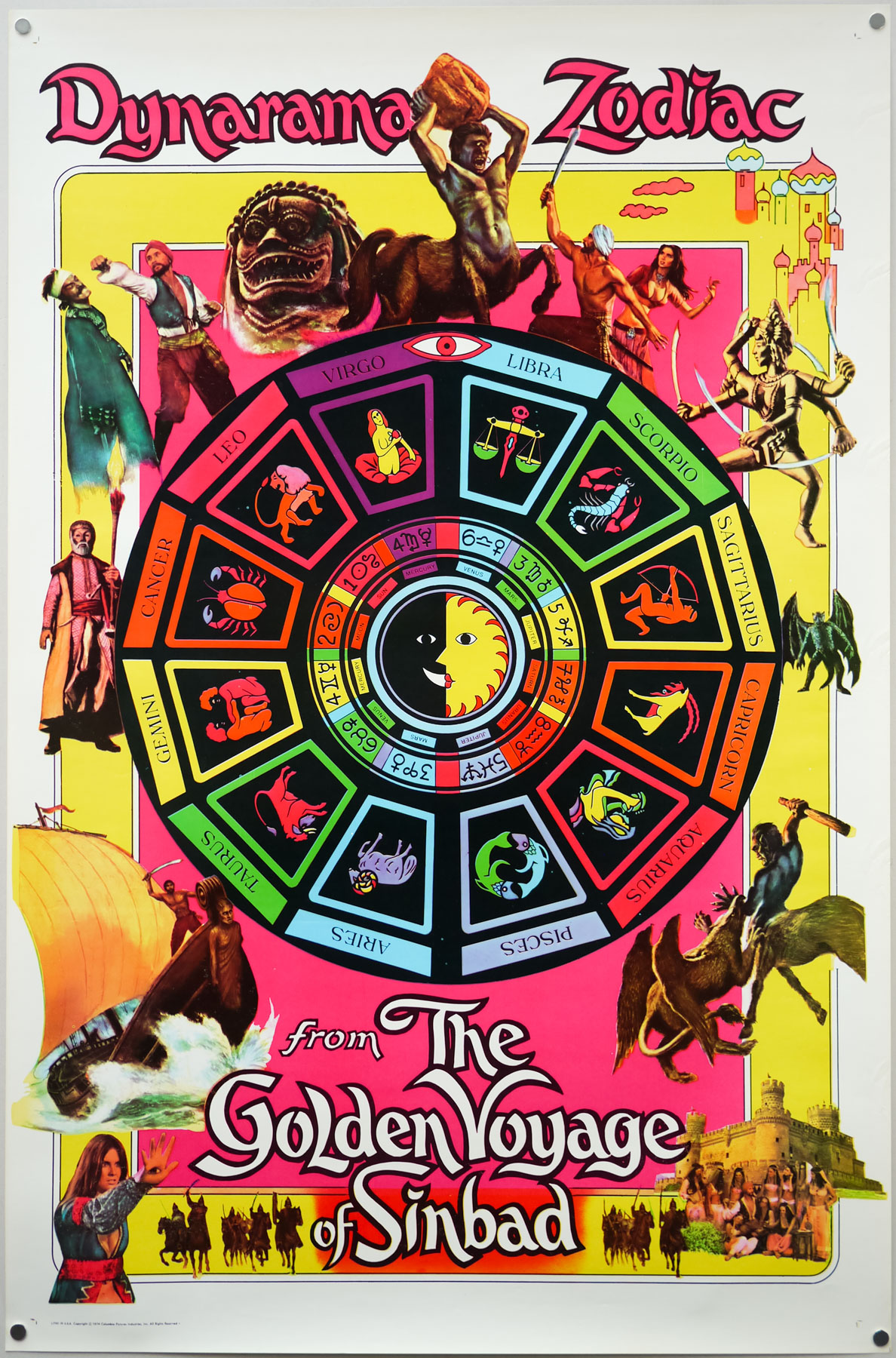
The Golden Voyage of Sinbad / one sheet / teaser / USA

15.06.16

US one sheet poster (teaser) for The Golden Voyage of Sinbad (1973)US one sheet poster (teaser) for The Golden Voyage of Sinbad (1973), image 2US one sheet poster (teaser) for The Golden Voyage of Sinbad (1973), image 3US one sheet poster (teaser) for The Golden Voyage of Sinbad (1973), image 4US one sheet poster (teaser) for The Golden Voyage of Sinbad (1973), image 5
Title
The Golden Voyage of Sinbad
Year of Film
1973
Director
Gordon Hessler
Starring
John Phillip Law, Caroline Munro, Tom Baker, Douglas Wilmer, Martin Shaw, Grégoire Aslan, Kurt Christian, Takis Emmanuel, David Garfield, Aldo Sambrell
Origin of Film
UK | USA
Genre(s) of Film
Action | Adventure | Fantasy
Film Series
Sinbad
Type of Poster
One sheet
Style of Poster
Teaser
Origin of Poster
USA
Year of Poster
1973
Designer
Unknown
Artist
Unknown
Size (inches)
27" x 41"
SS or DS
SS

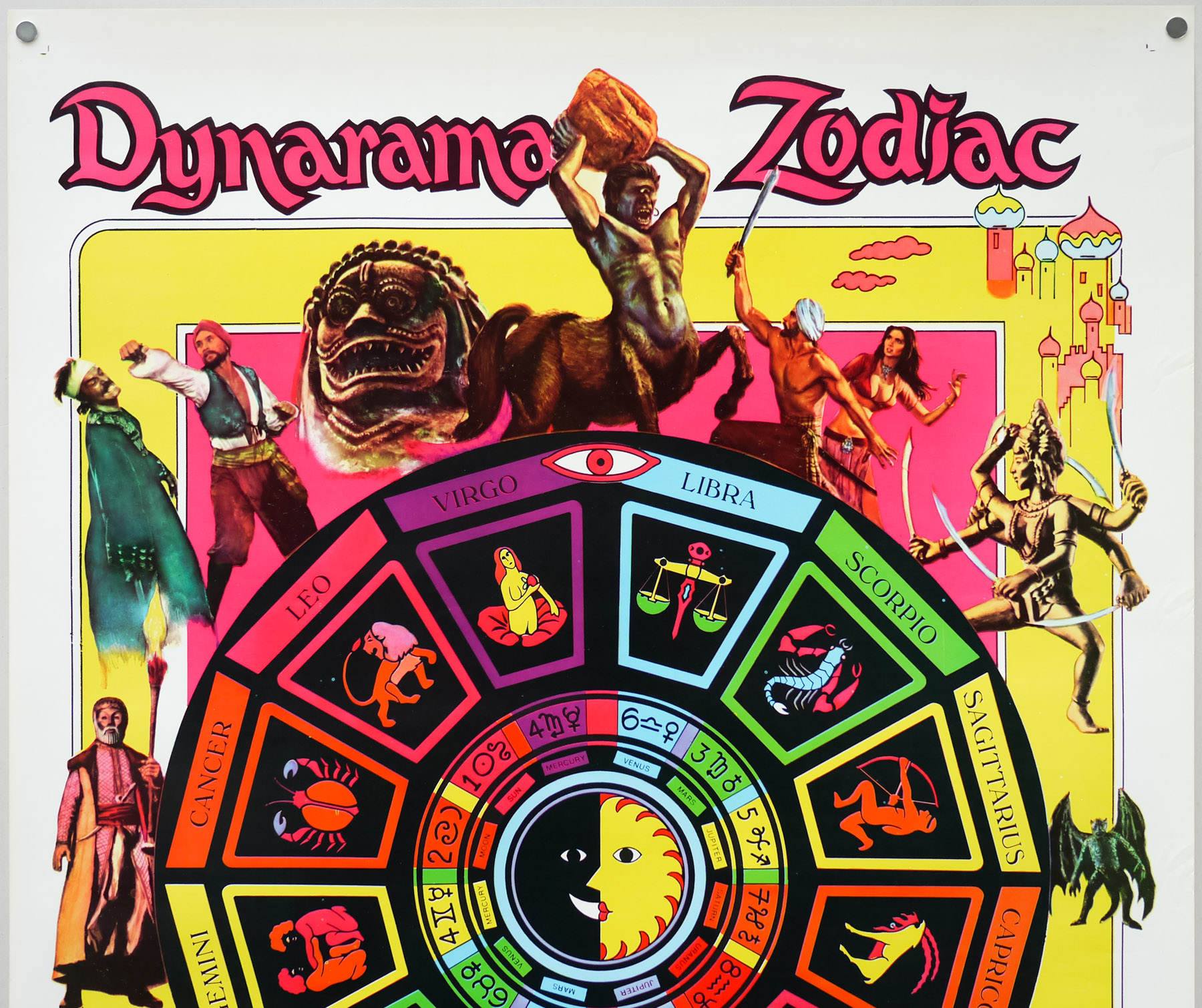
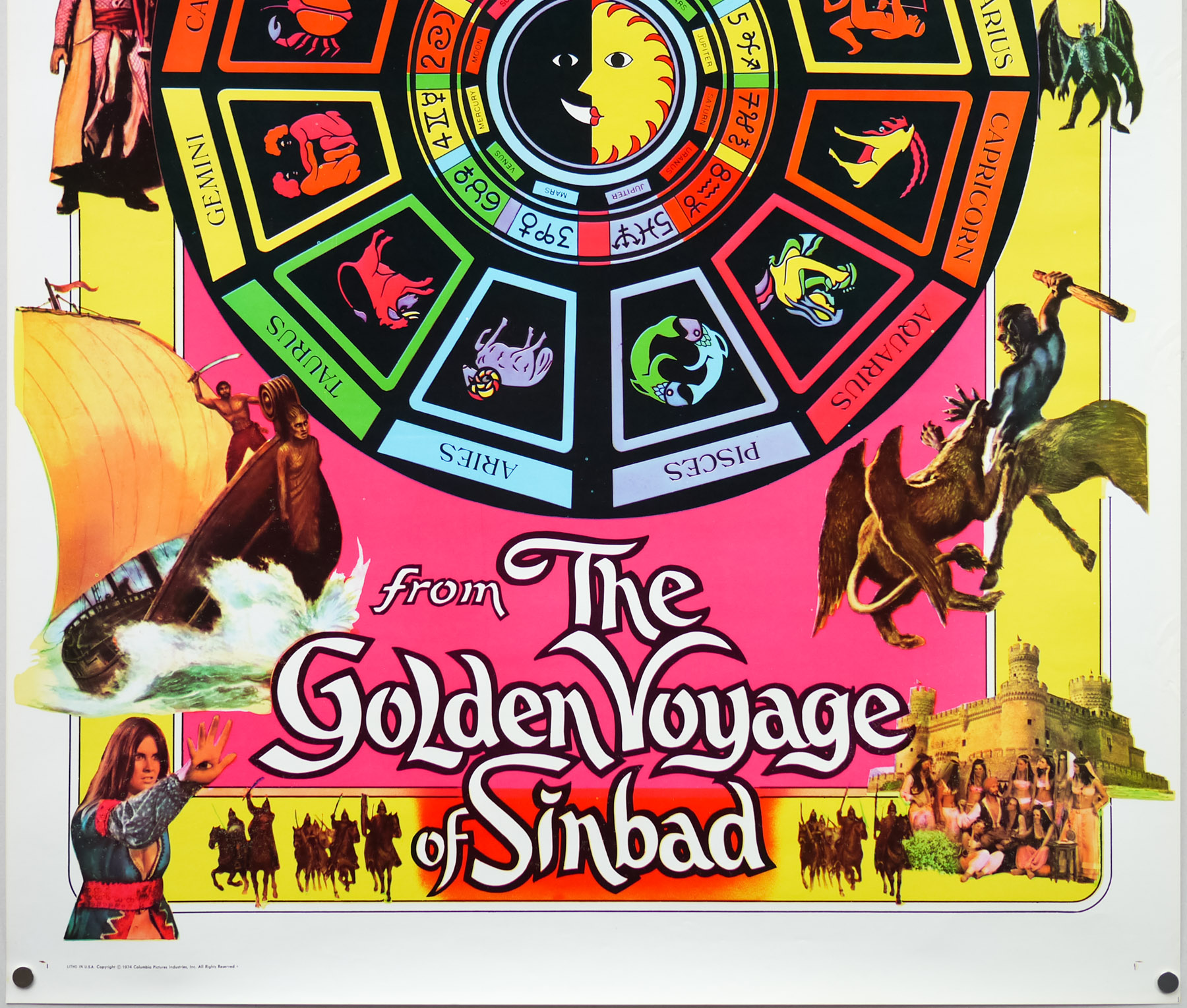
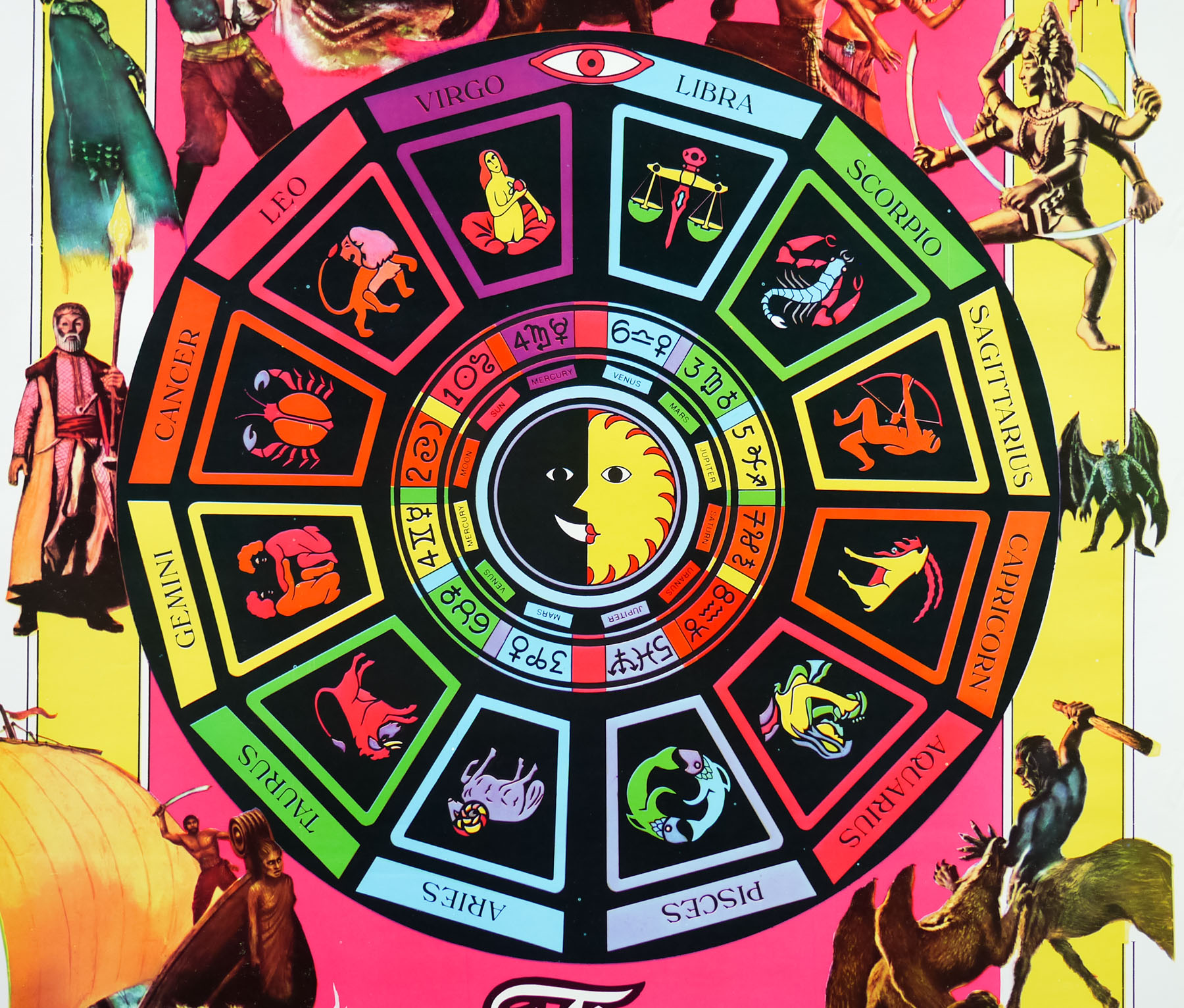
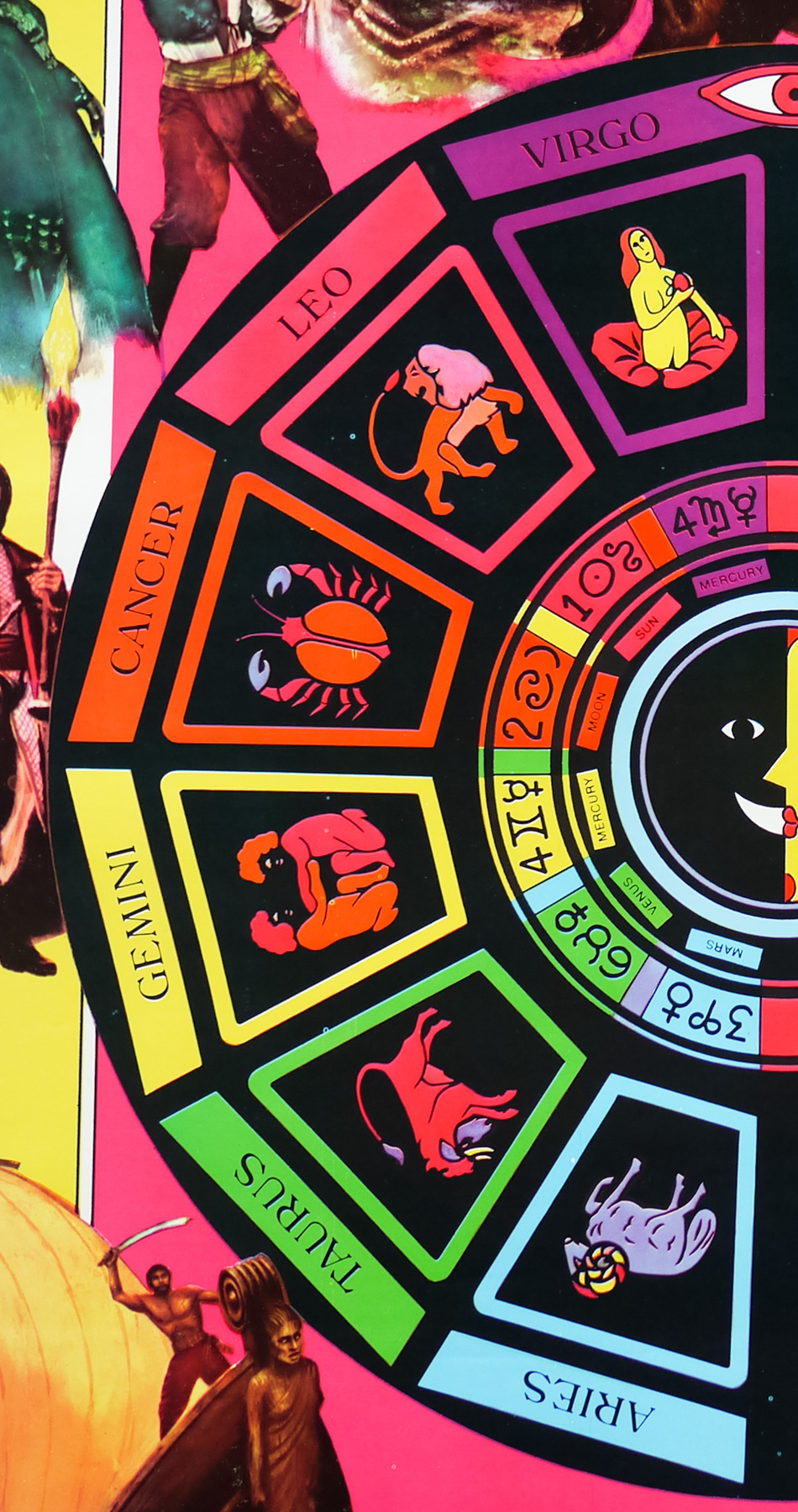
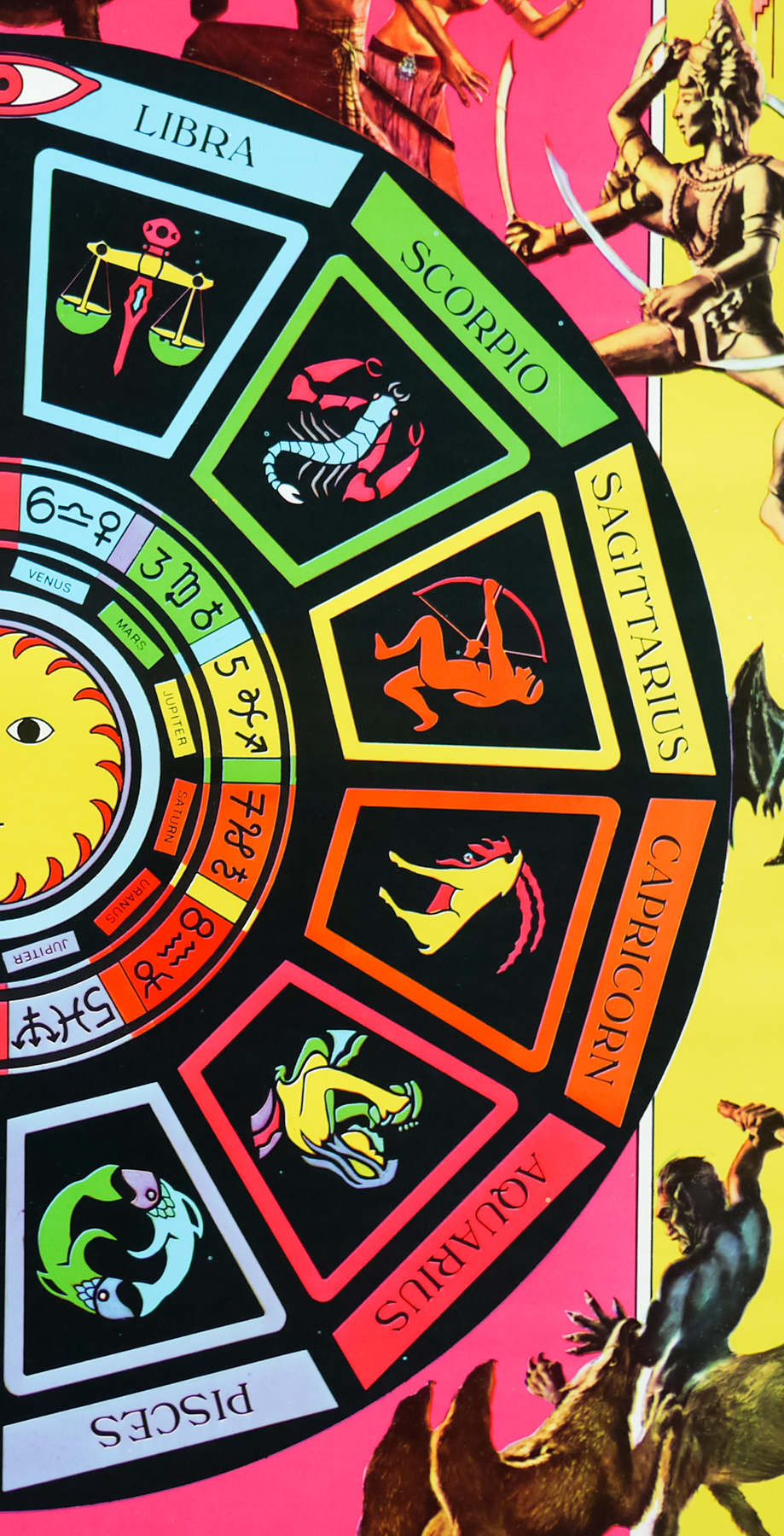
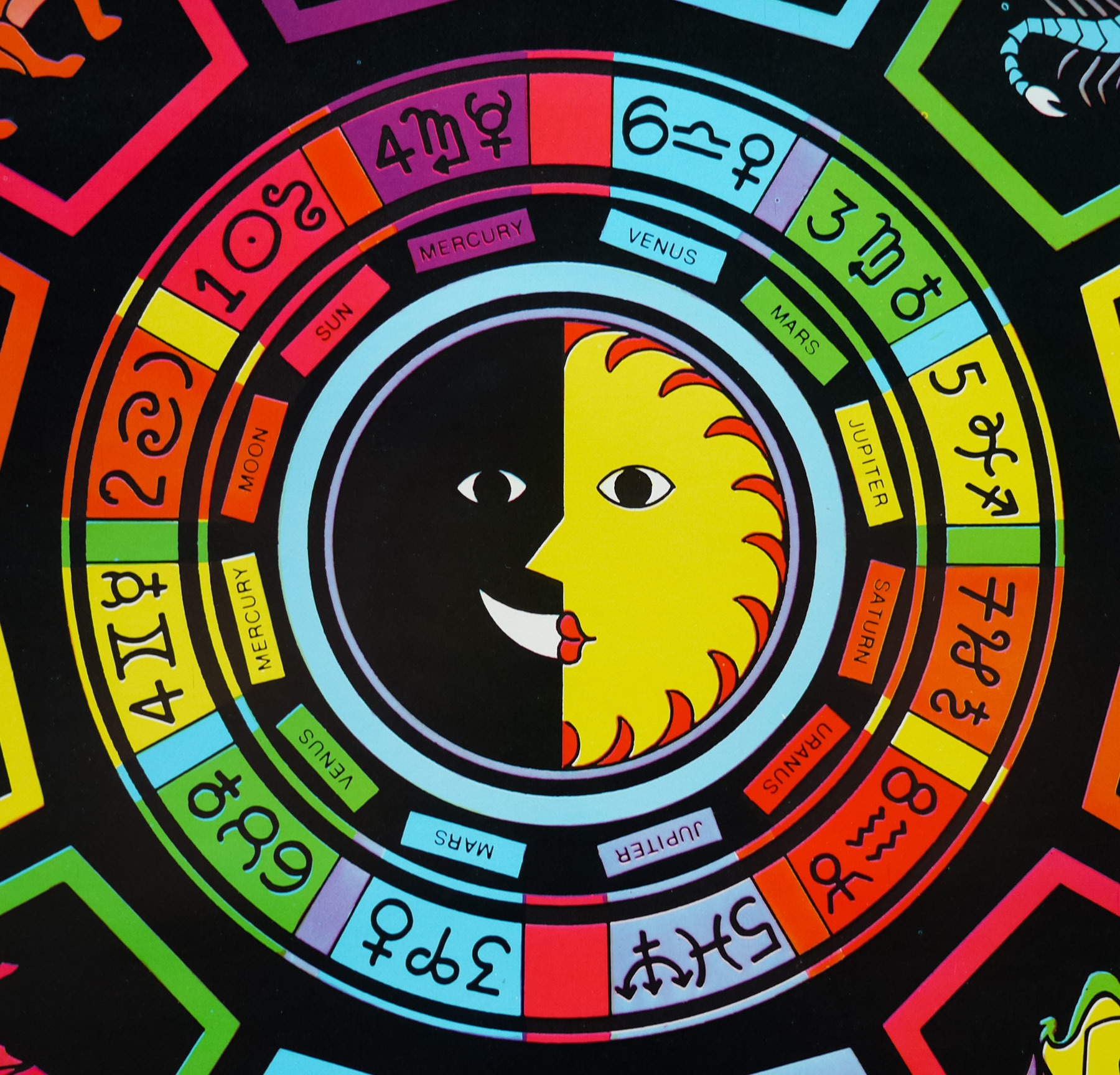
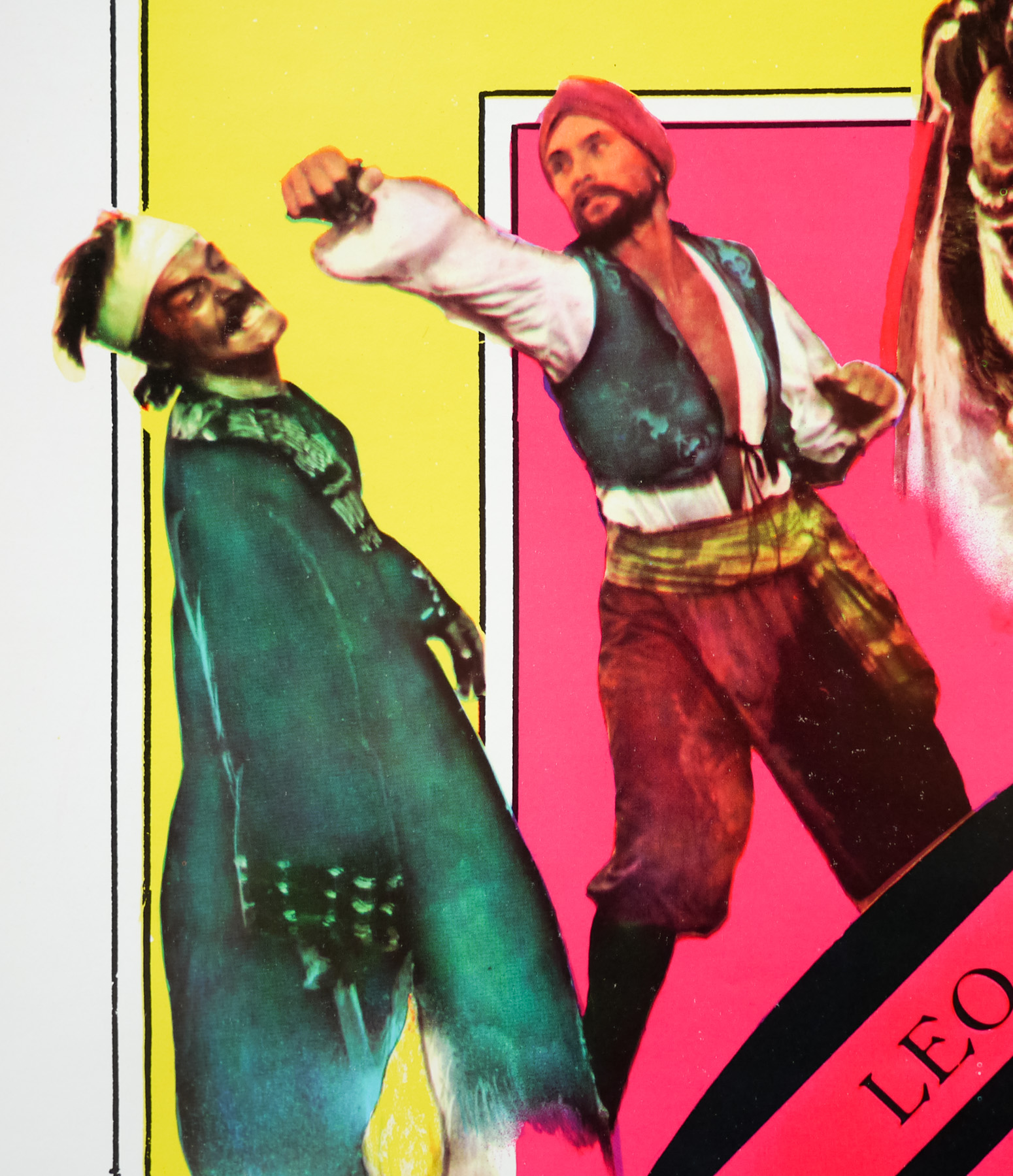
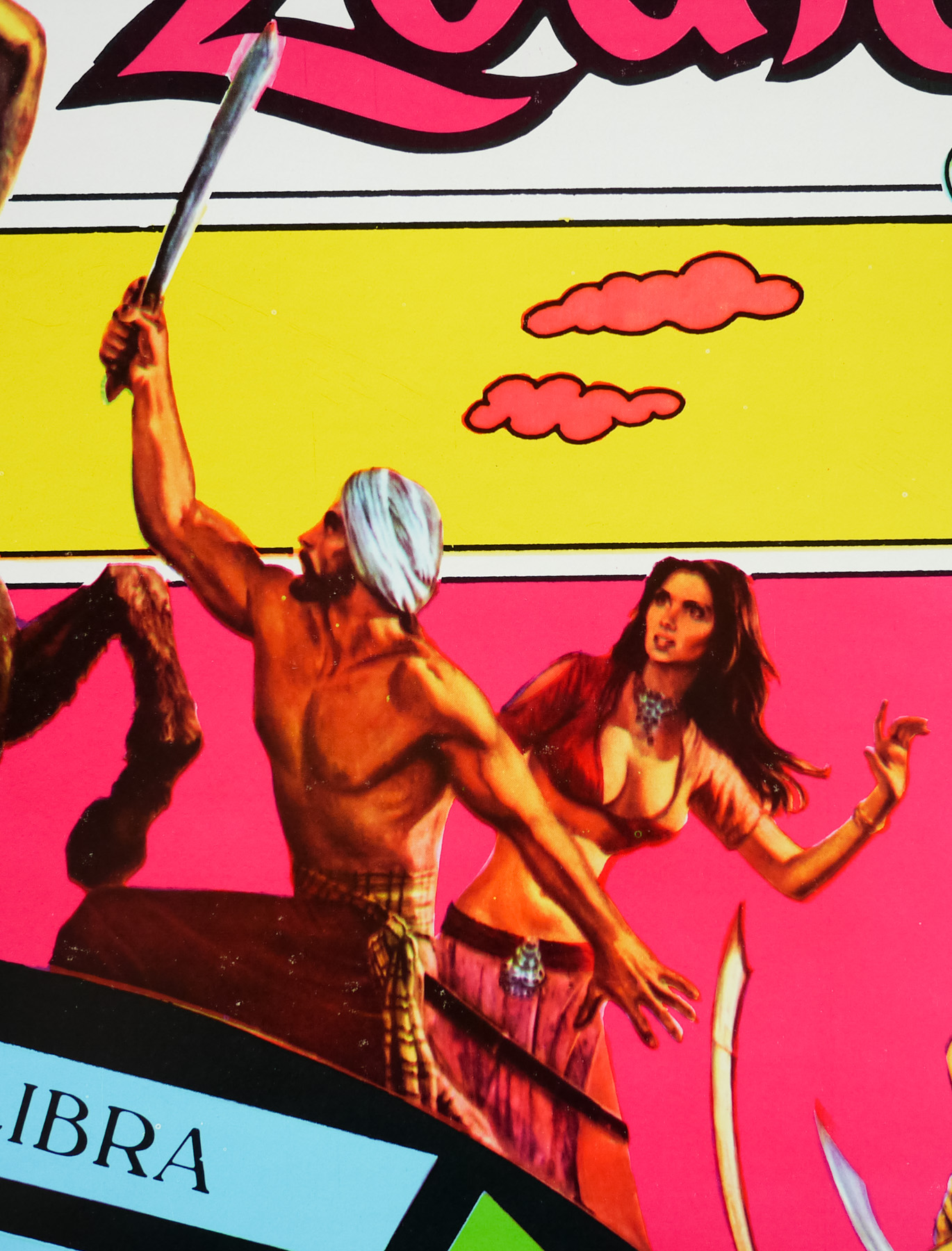
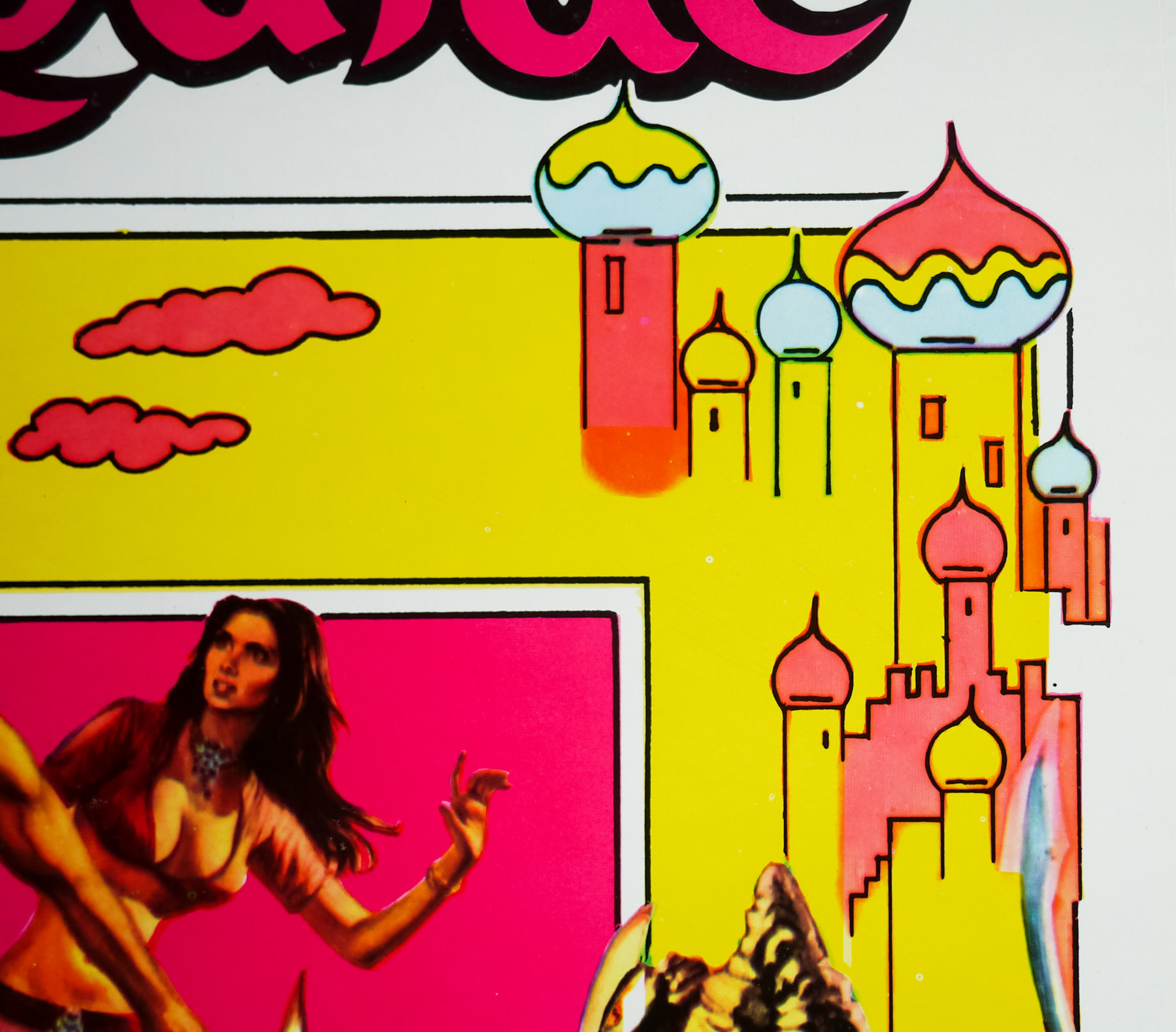
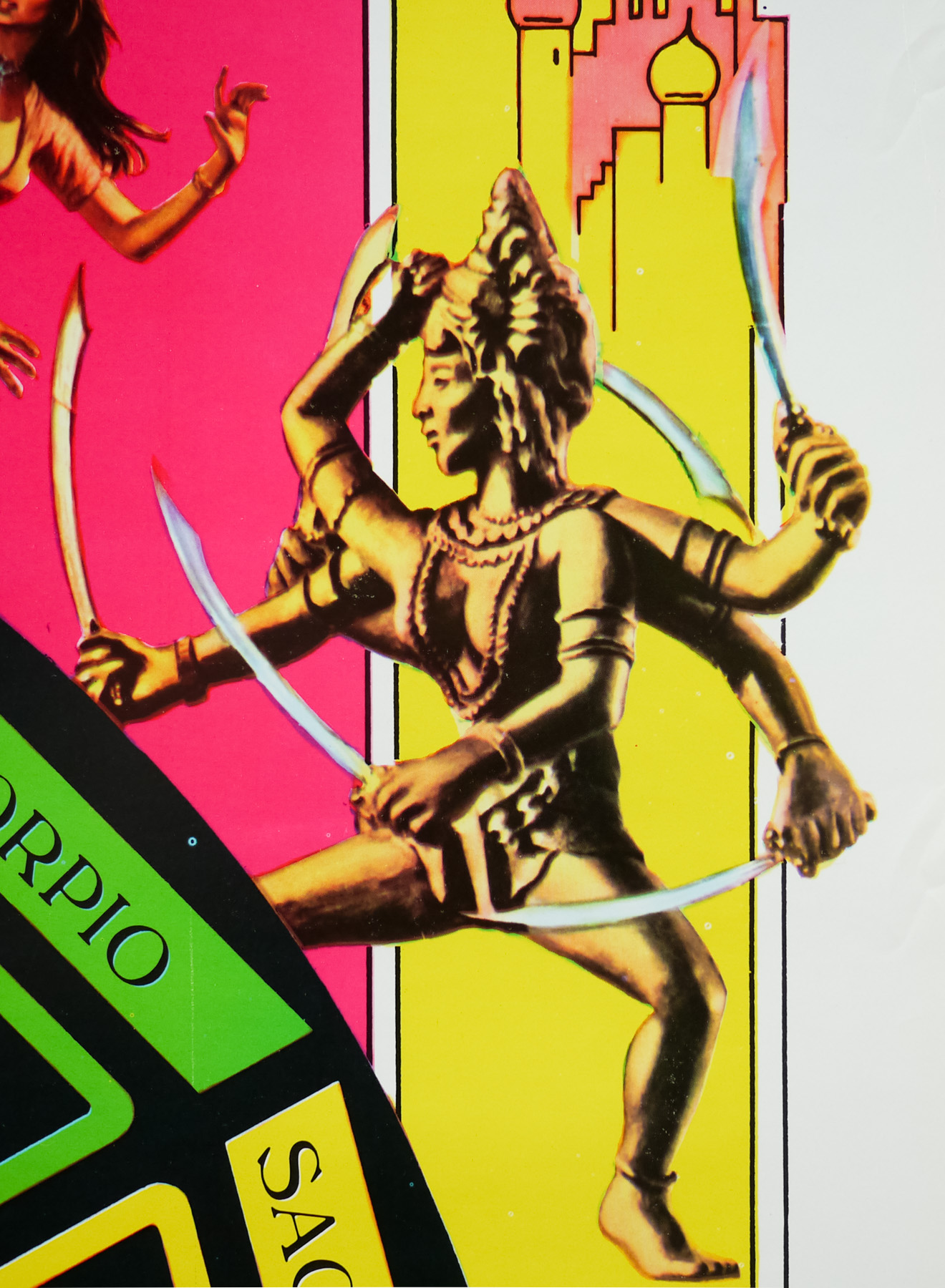
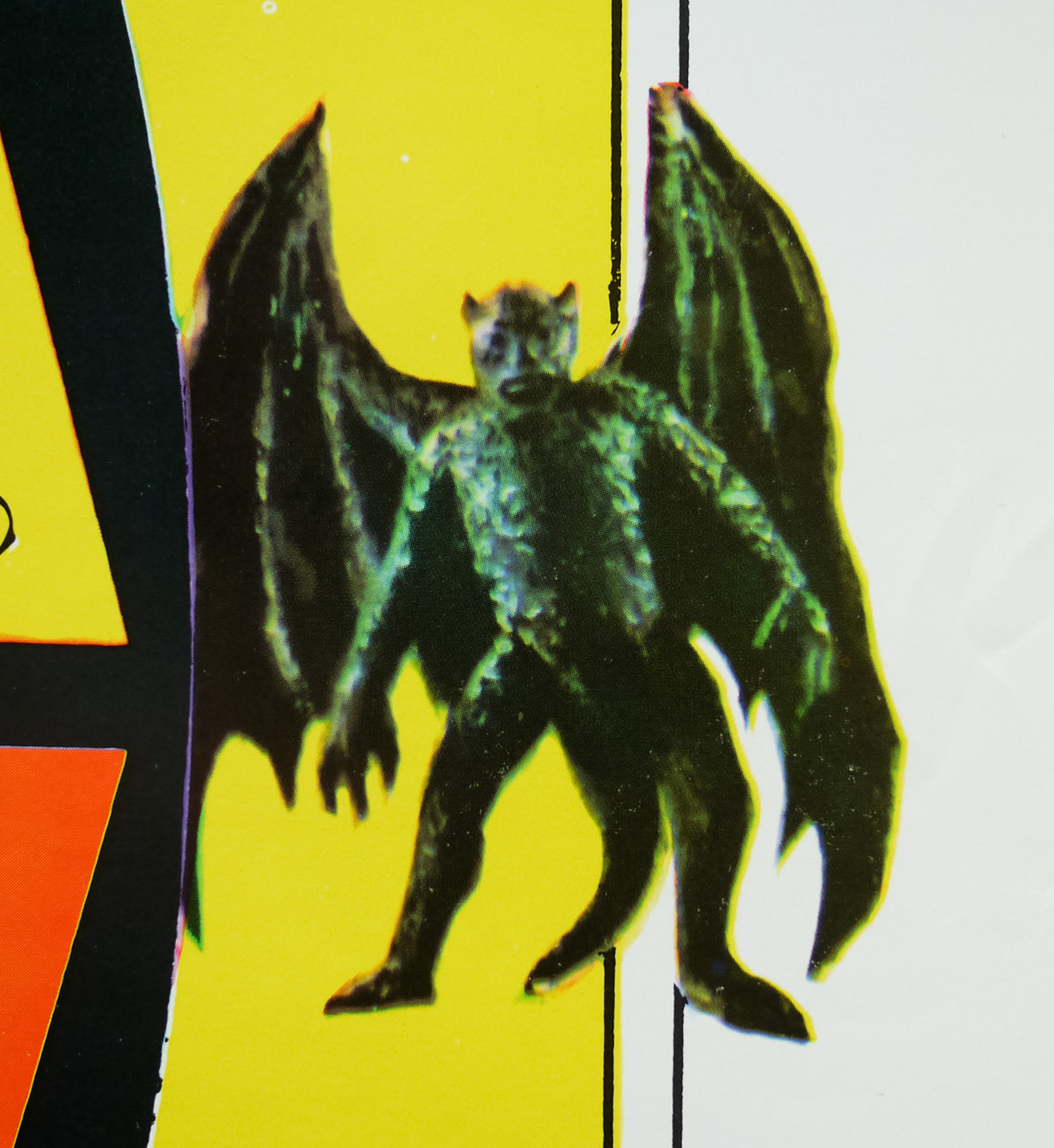
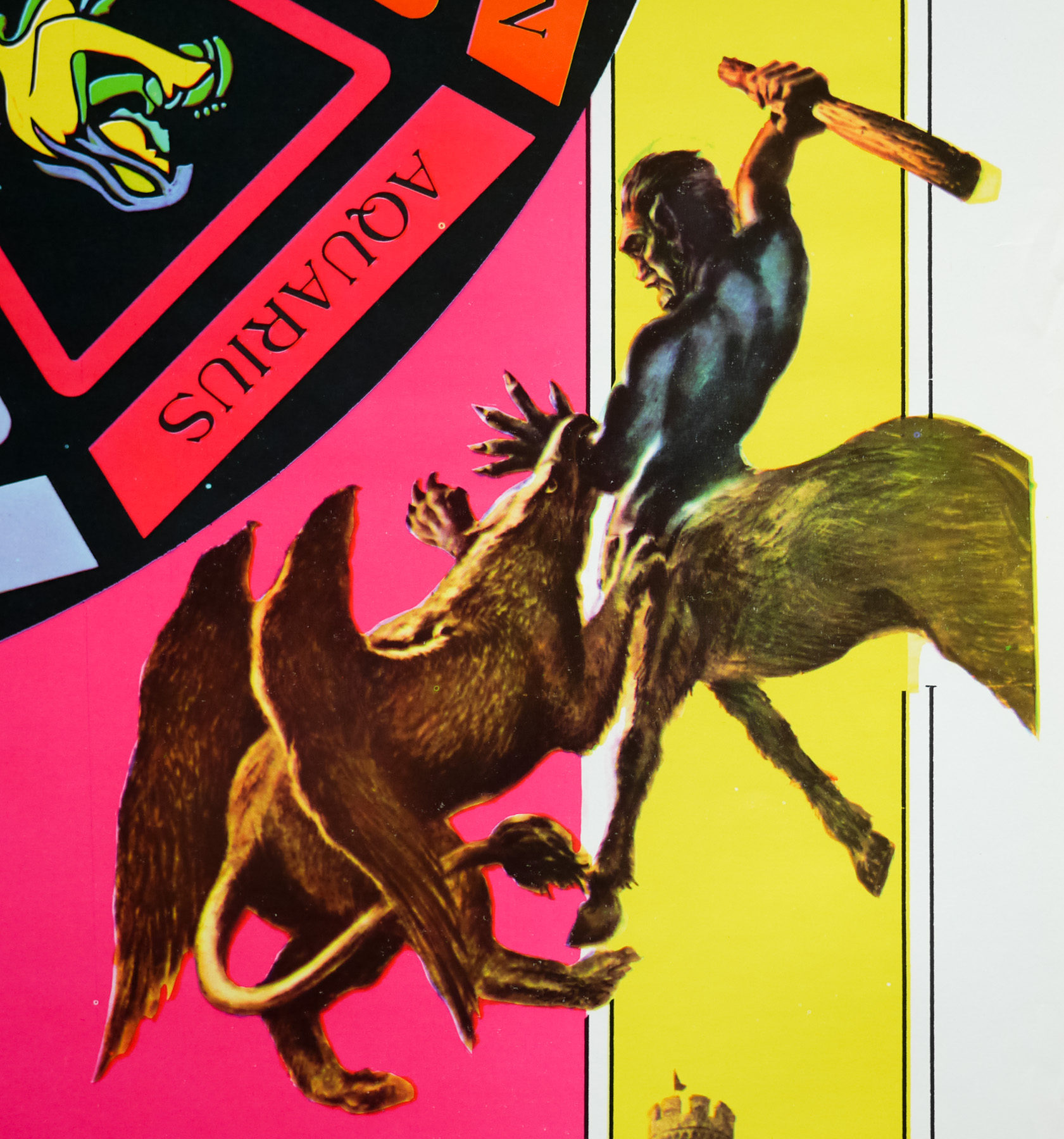
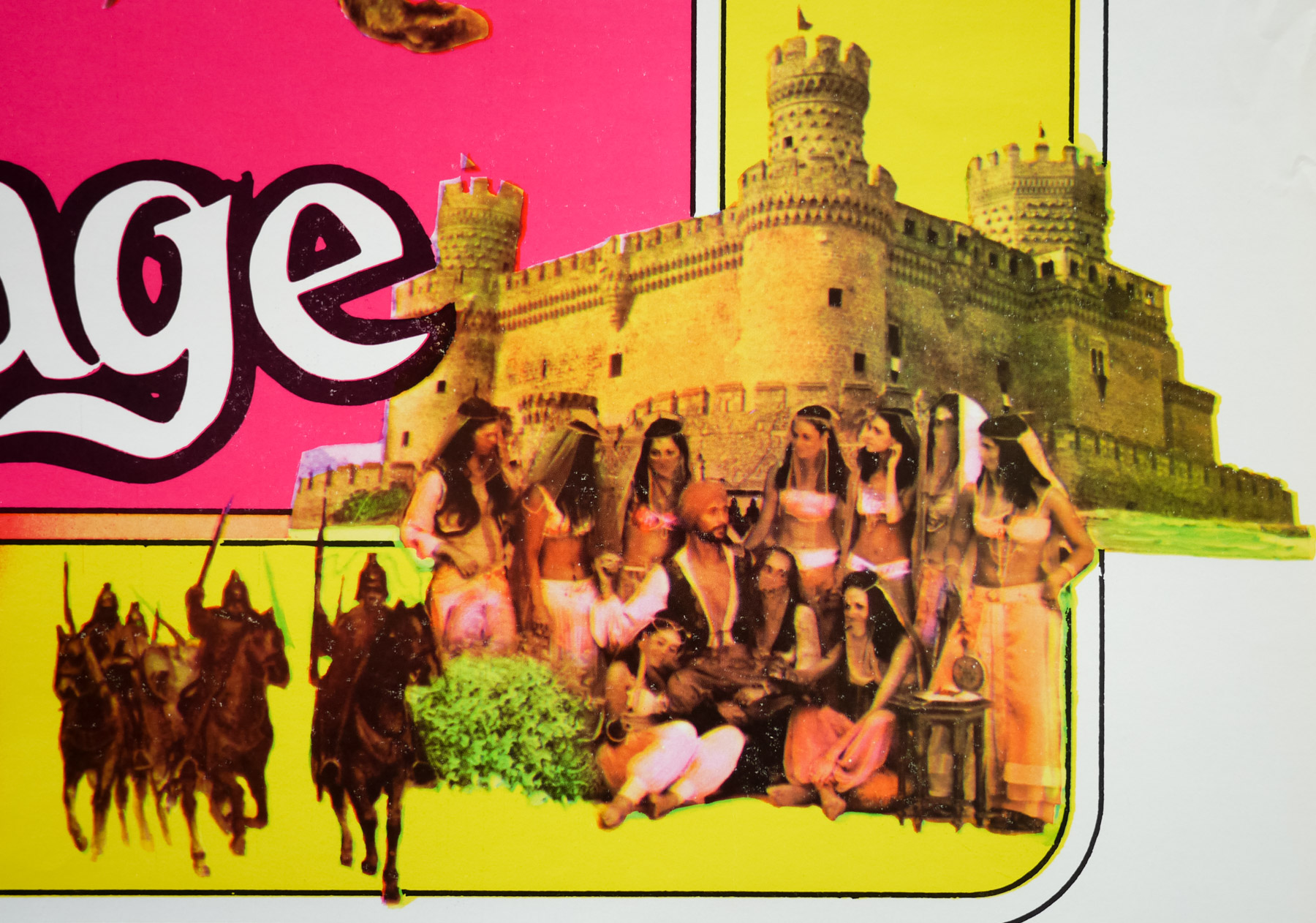
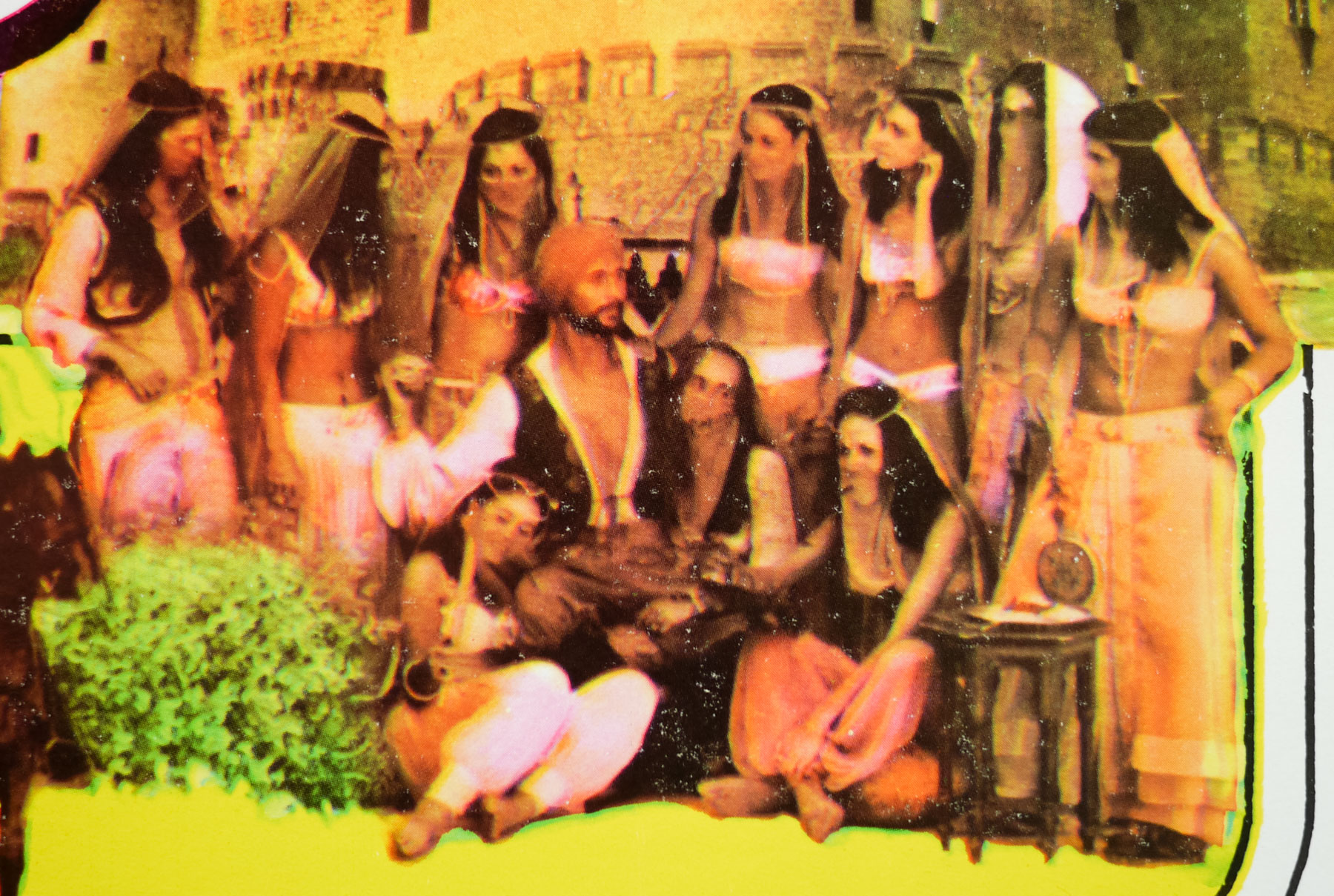
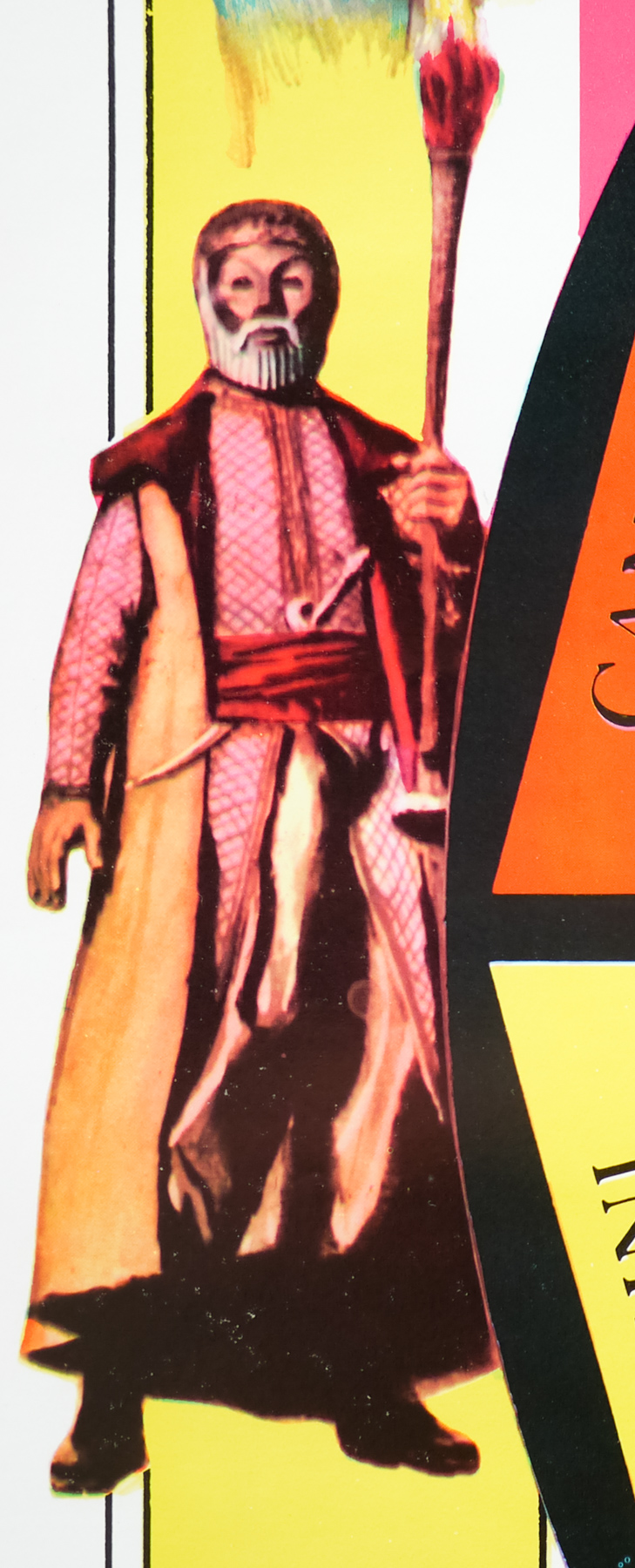
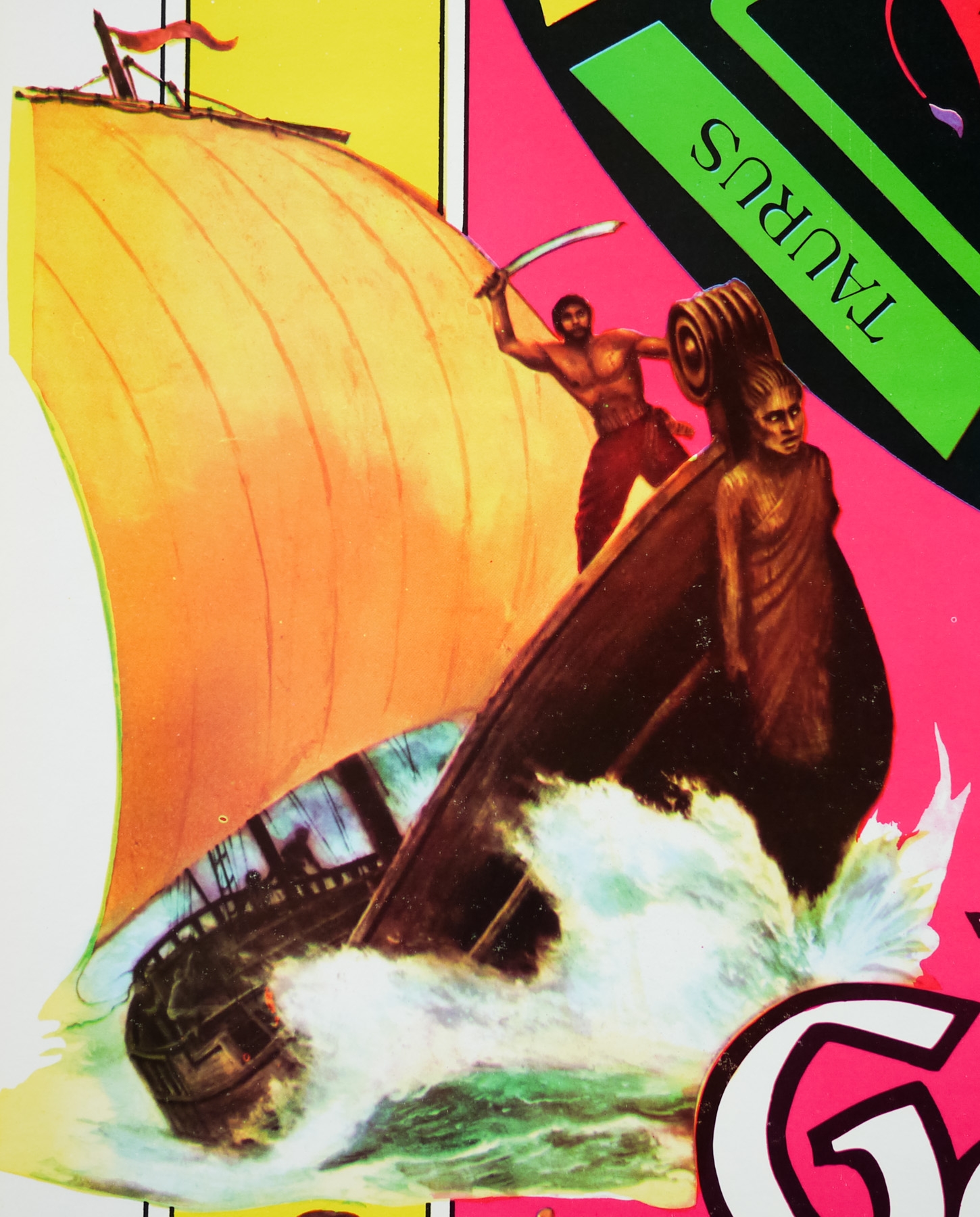
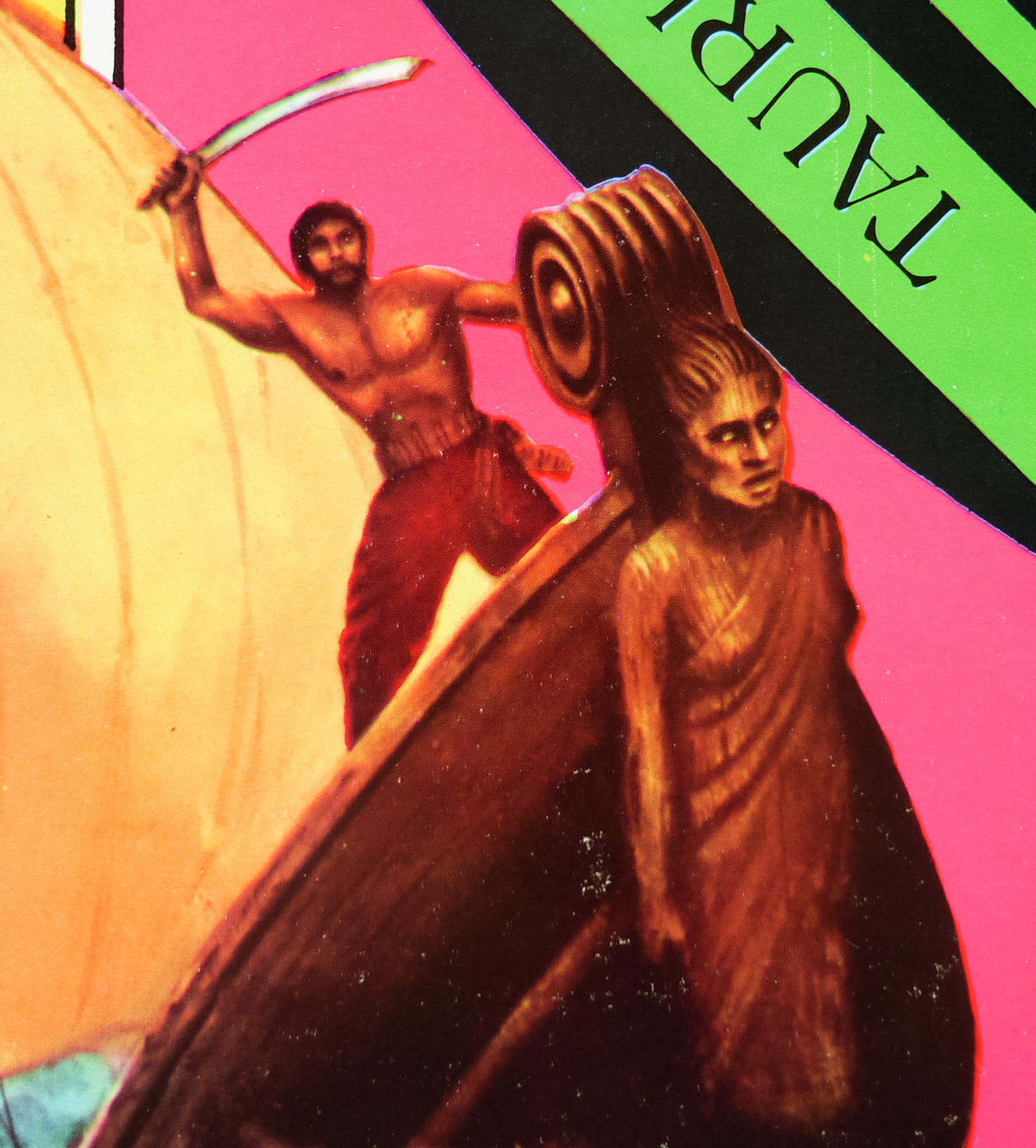
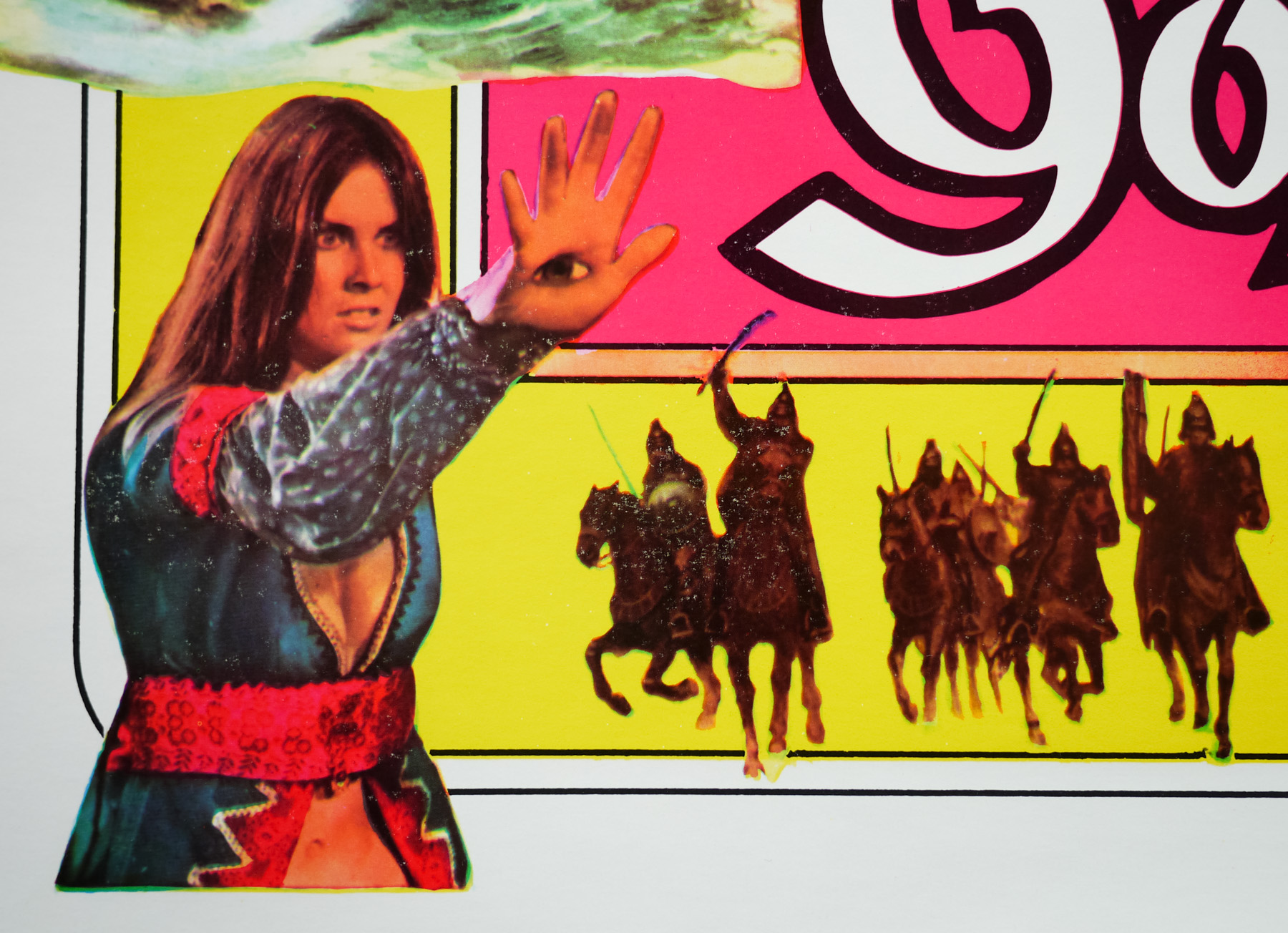
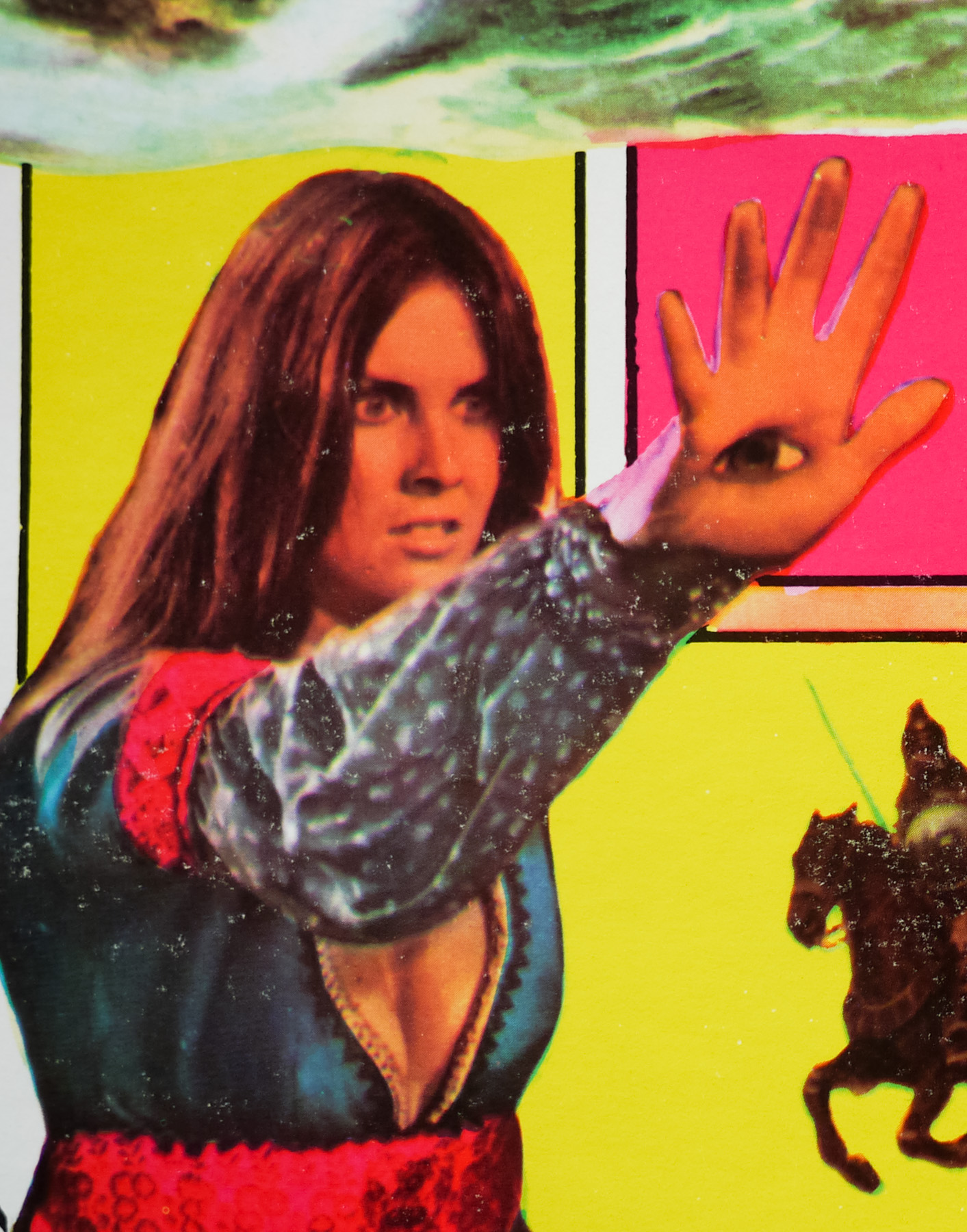
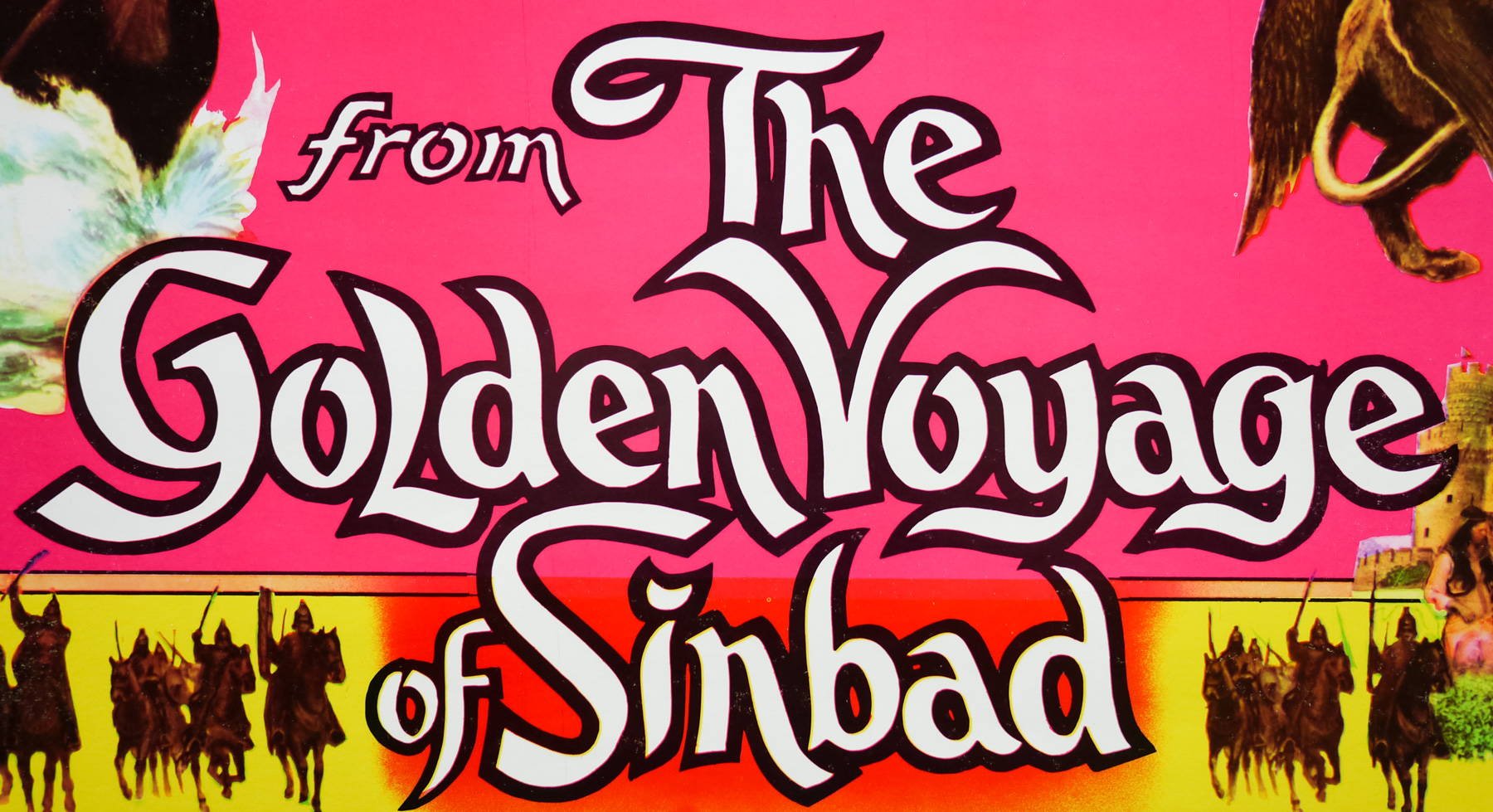
A very unusual teaser one sheet for the release of the 1973 fantasy film The Golden Voyage of Sinbad (opens in a new tab). The poster is dominated by a Zodiac (opens in a new tab) chart and the best I can figure is that this was due to the films links to Greek myths and legends (with the Zodiac having origins in Greek astronomy). The film is notable for being the second of three Sinbad films that feature work from the stop-motion animation pioneer Ray Harryhausen (opens in a new tab). The first was released in 1958 and was called The 7th Voyage of Sinbad (opens in a new tab) whilst the third film was released in 1977 and named Sinbad and the Eye of the Tiger (opens in a new tab). The ‘Dynarama’ mentioned on this poster was a marketing term that was coined by Harryhausen’s producer and partner and simply refers to the full-colour animation style (it started out as ‘Dynamation’).

Directed by the late Gordon Hessler (opens in a new tab), the film features the late American actor John Phillip Law (opens in a new tab) as Sinbad and the lovely Caroline Munro (opens in a new tab) as a slave girl who joins the adventure. Former Doctor Who Tom Baker (opens in a new tab) appears as the evil prince Koura. The plot is described thusly:

Sinbad and his crew intercept a homunculus carrying a golden tablet. Koura, the creator of the homunculus and practitioner of evil magic, wants the tablet back and pursues Sinbad. Meanwhile Sinbad meets the Vizier who has another part of the interlocking golden map, and they mount a quest across the seas to solve the riddle of the map, accompanied by a slave girl with a mysterious tattoo of an eye on her palm. They encounter strange beasts, tempests, and the dark interference of Koura along the way.
The film was critically well-received at the time of release and made good at the box-office, which no doubt contributed to the short gap between this film and the sequel.

The standard one sheet (opens in a new tab) features most of the images seen around the edges of this poster.