You searched for: Iron%2520Man%25202

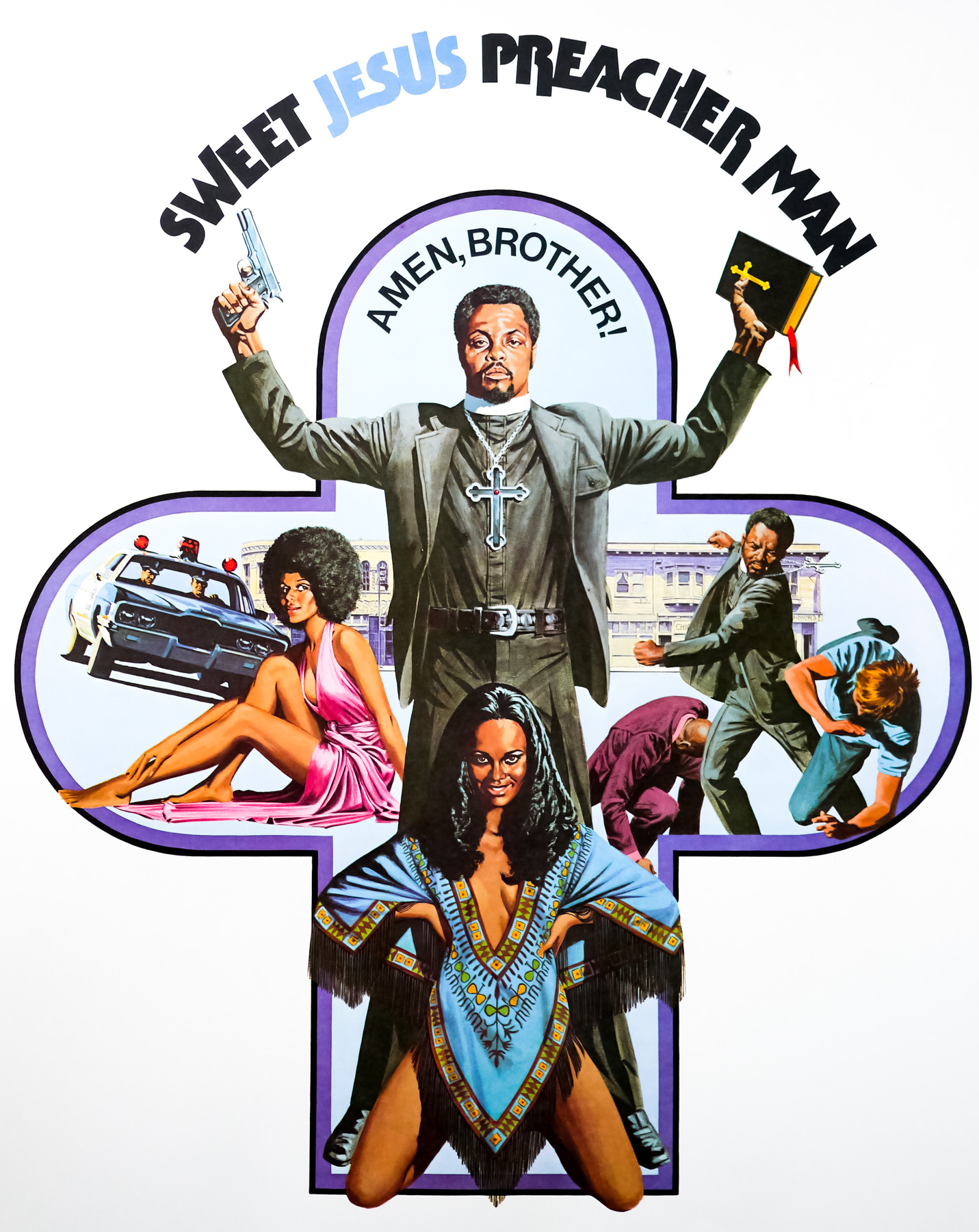
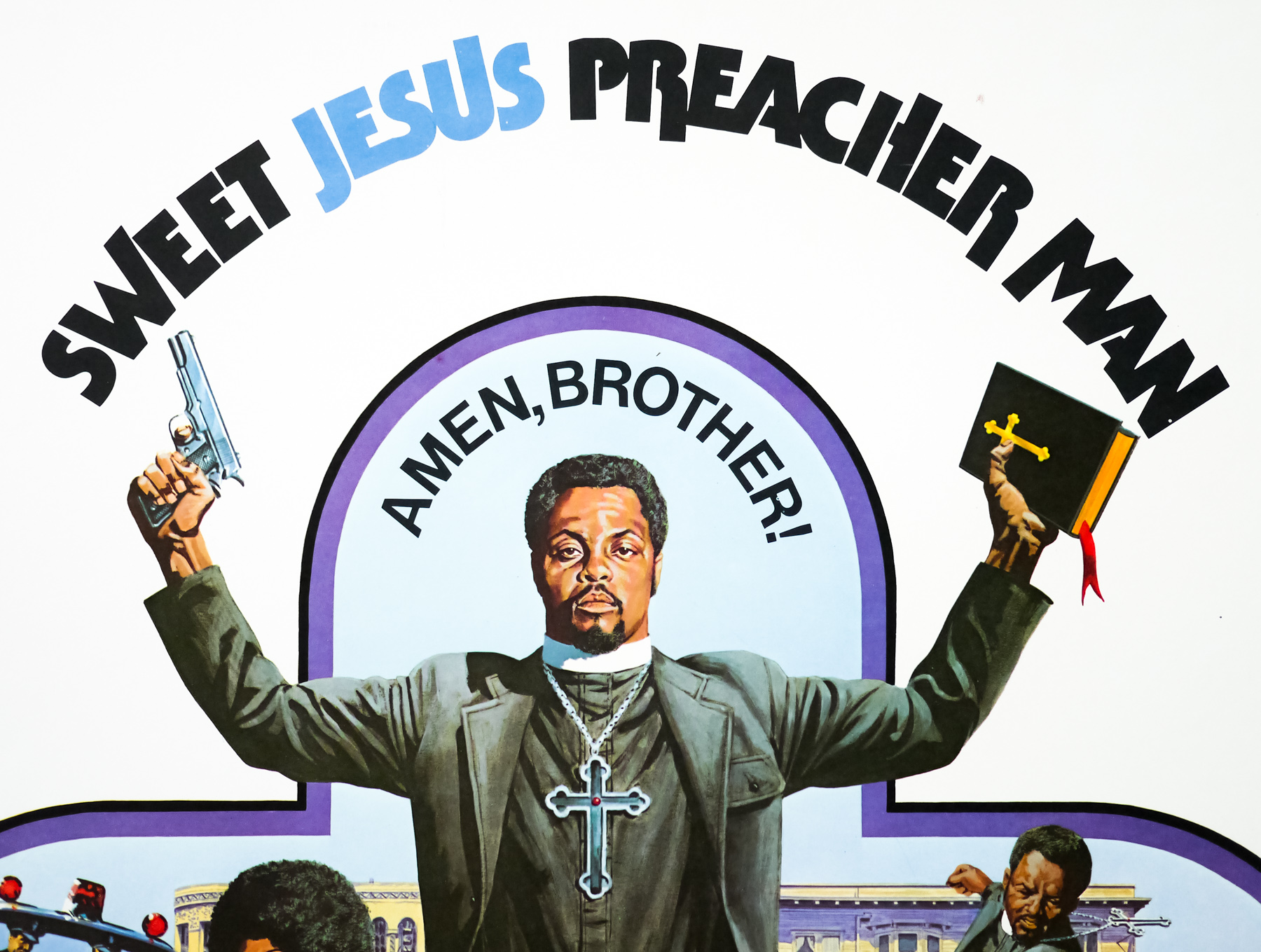
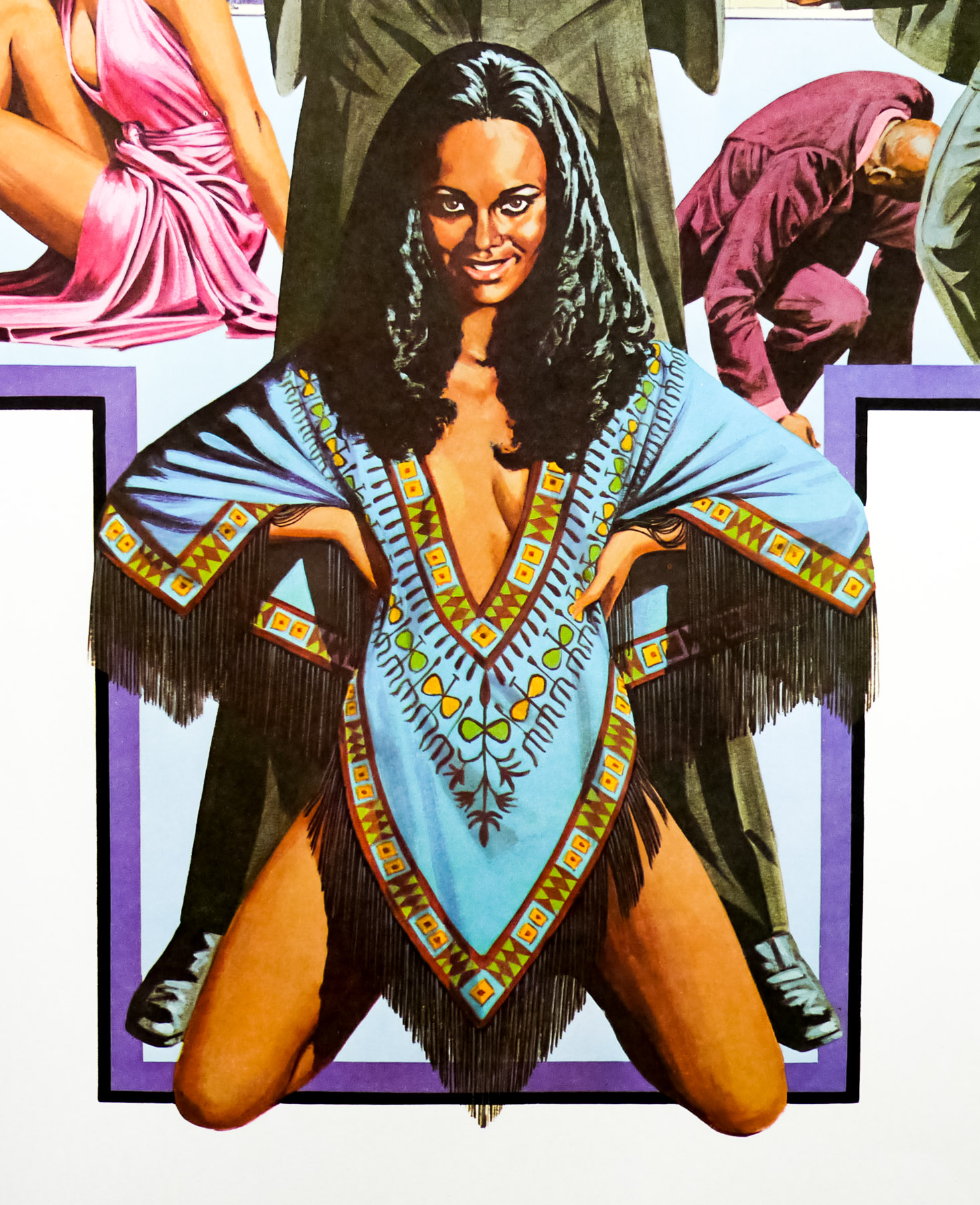
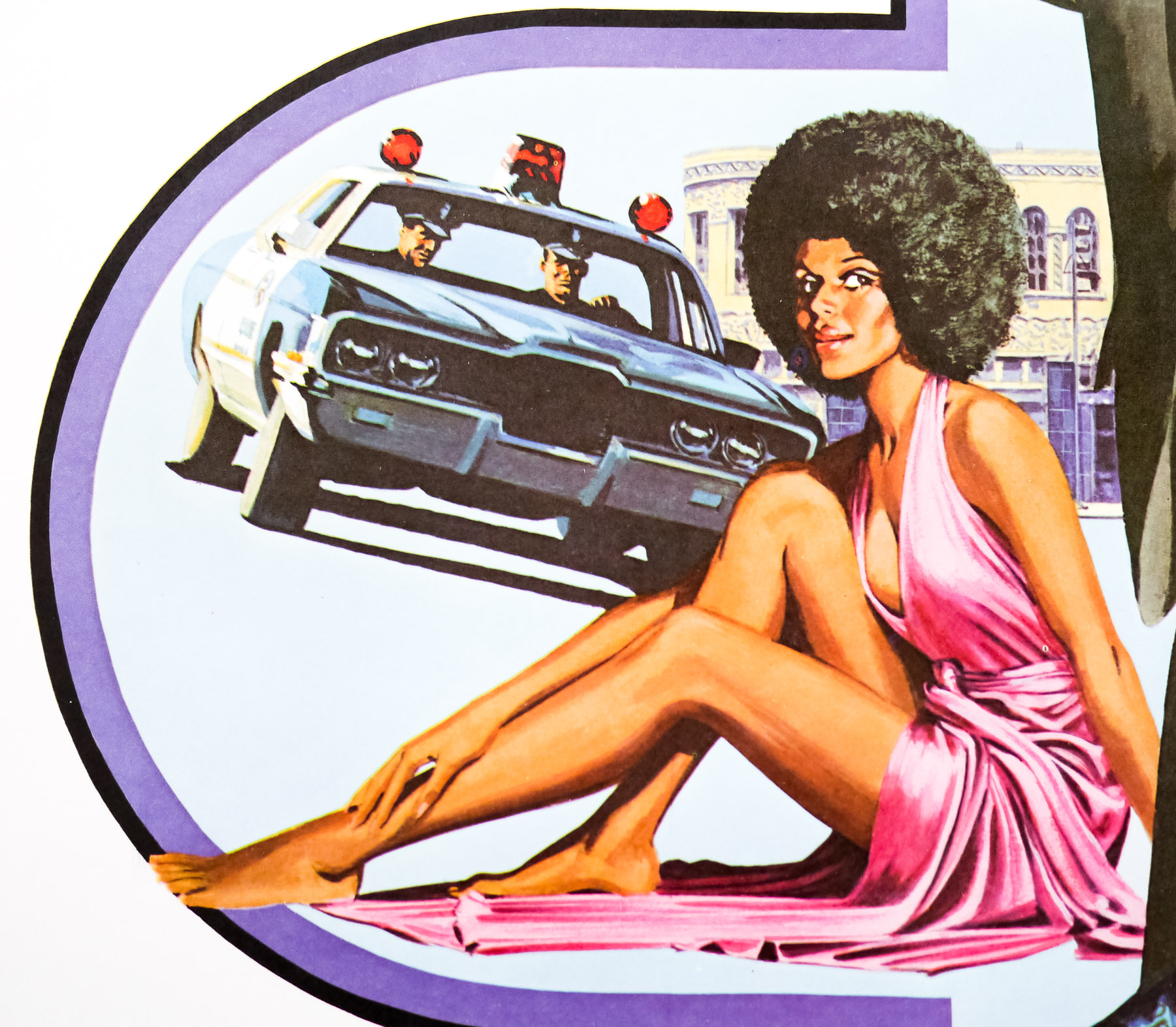
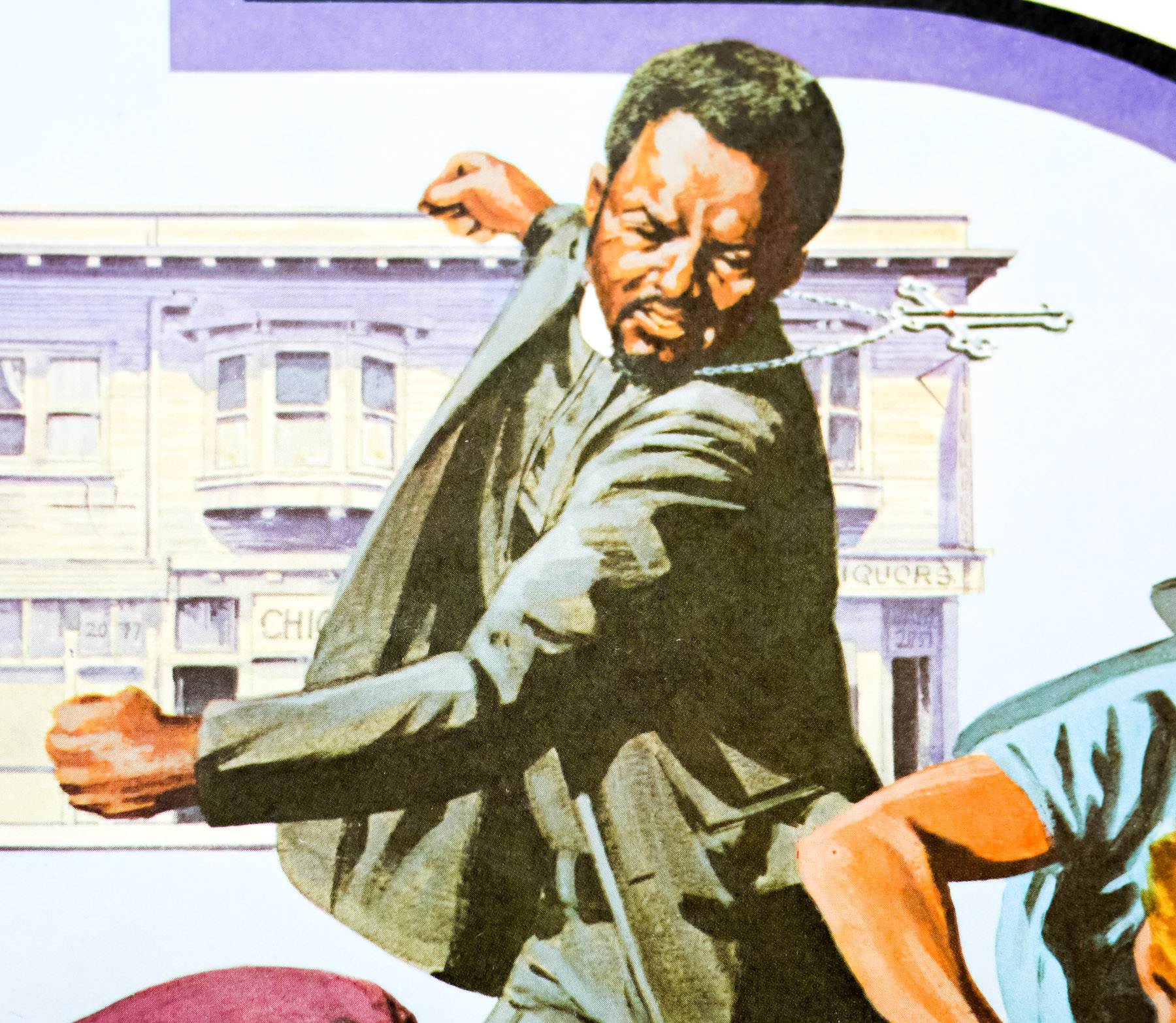
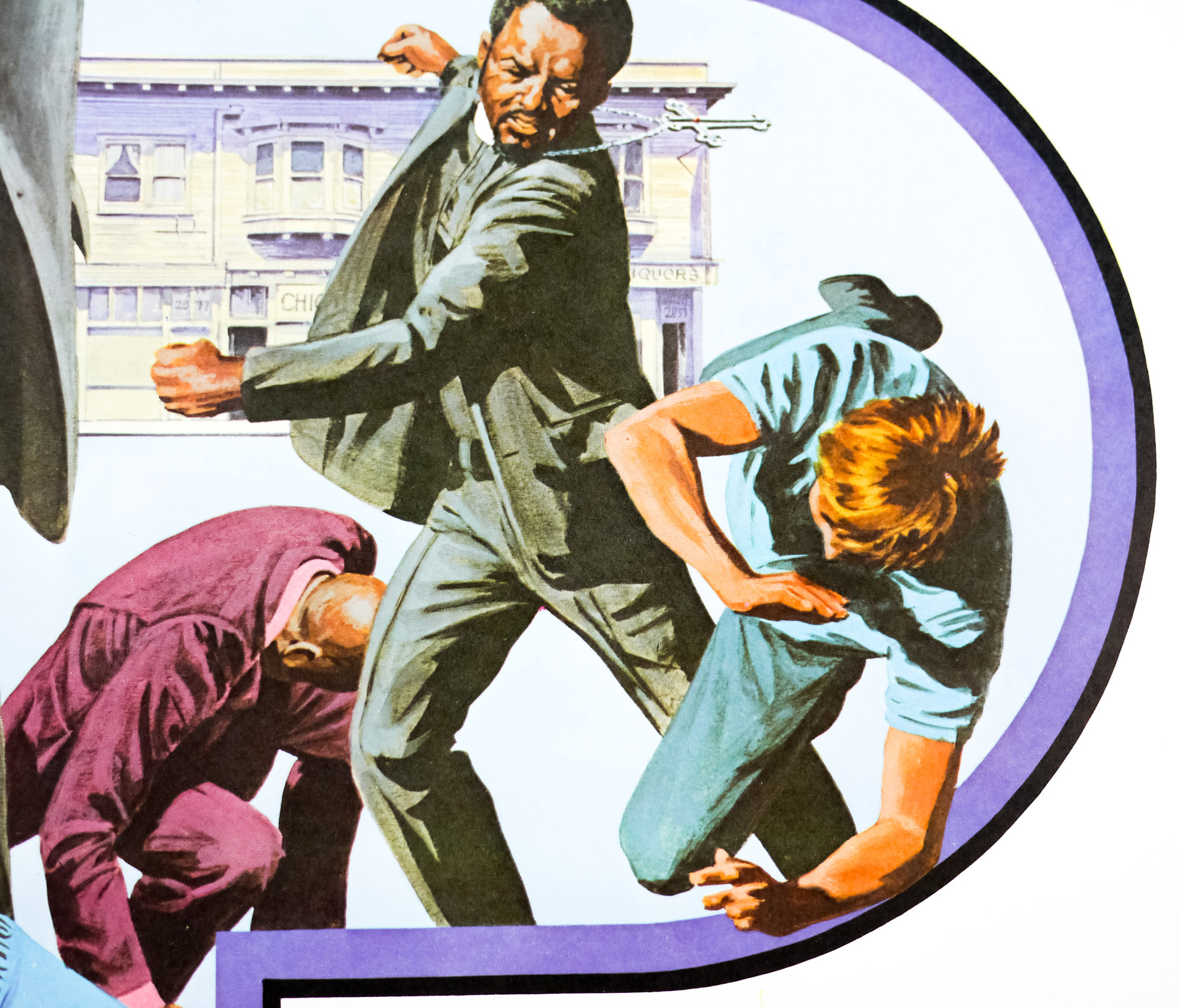
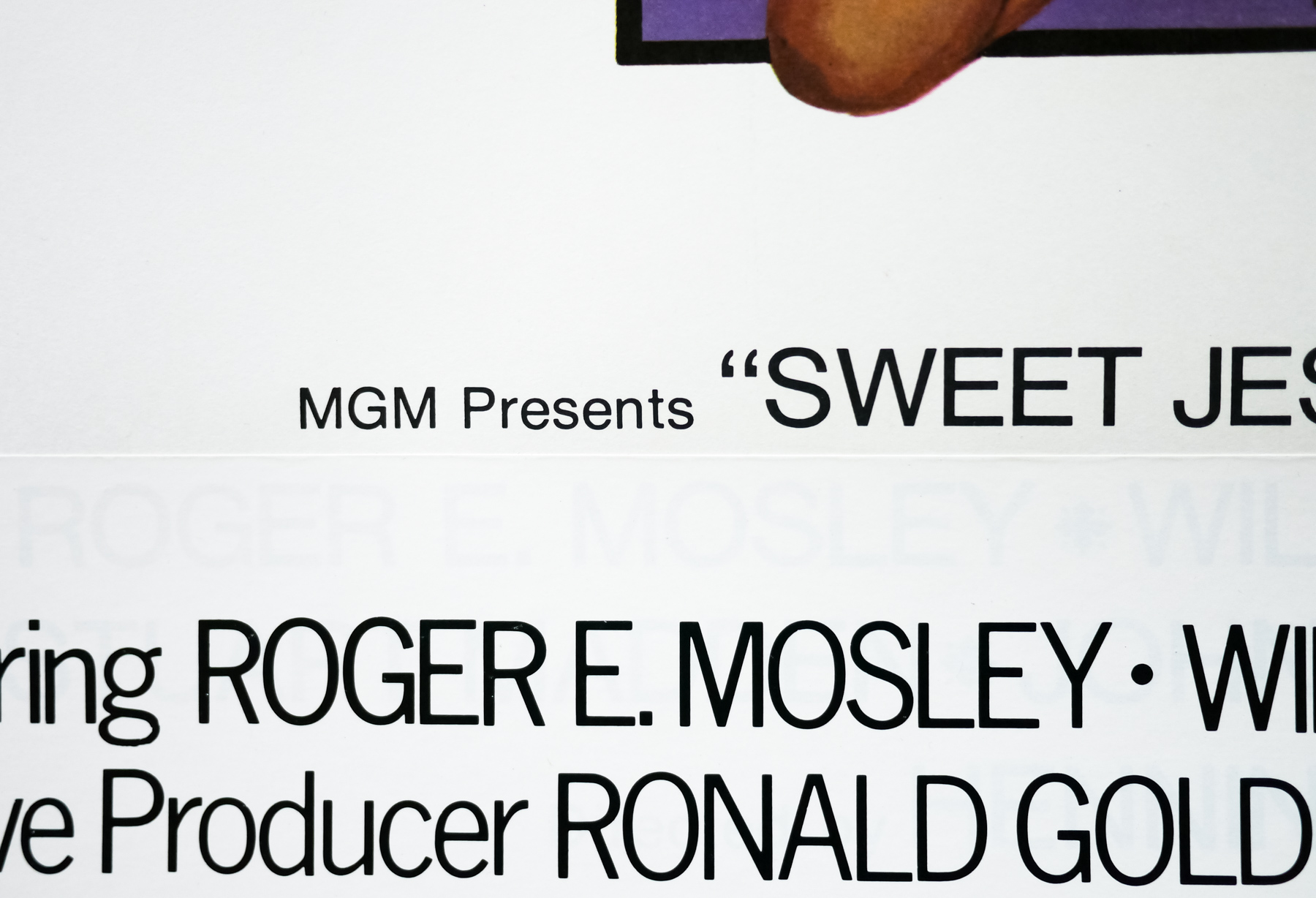
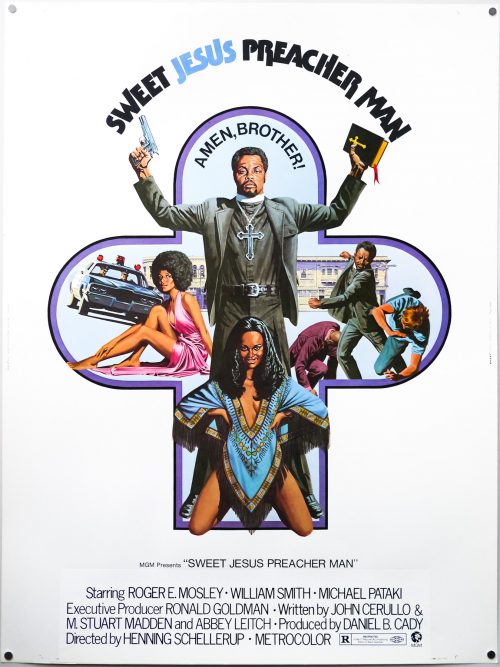
Sweet Jesus Preacher Man / 30×40 / USA

21.01.13

Poster Poster
Title
Sweet Jesus Preacher Man
AKA
--
Year of Film
1973
Director
Henning Schellerup
Starring
Roger E. Mosley, William Smith, Michael Pataki, Tom Johnigarn, Joe Tornatore, Damu King, Marla Gibbs, Sam Laws, Phil Hoover, Paul Silliman
Origin of Film
USA
Genre(s) of Film
Roger E. Mosley, William Smith, Michael Pataki, Tom Johnigarn, Joe Tornatore, Damu King, Marla Gibbs, Sam Laws, Phil Hoover, Paul Silliman,
Type of Poster
30x40
Style of Poster
--
Origin of Poster
USA
Year of Poster
1973
Designer
Unknown
Artist
Unknown
Size (inches)
30 3/16" x 40"
SS or DS
SS
NSS #
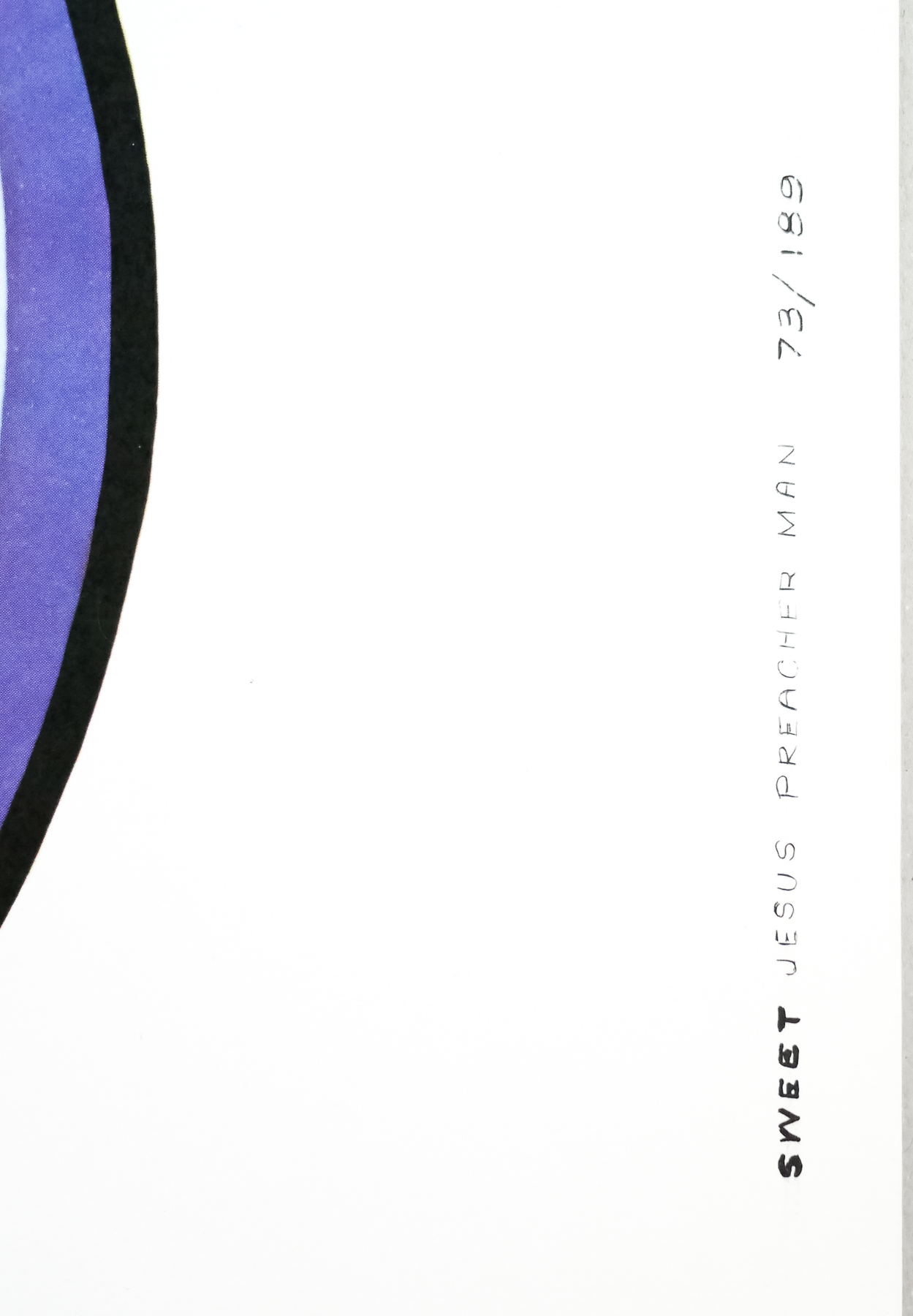
73/189
Tagline
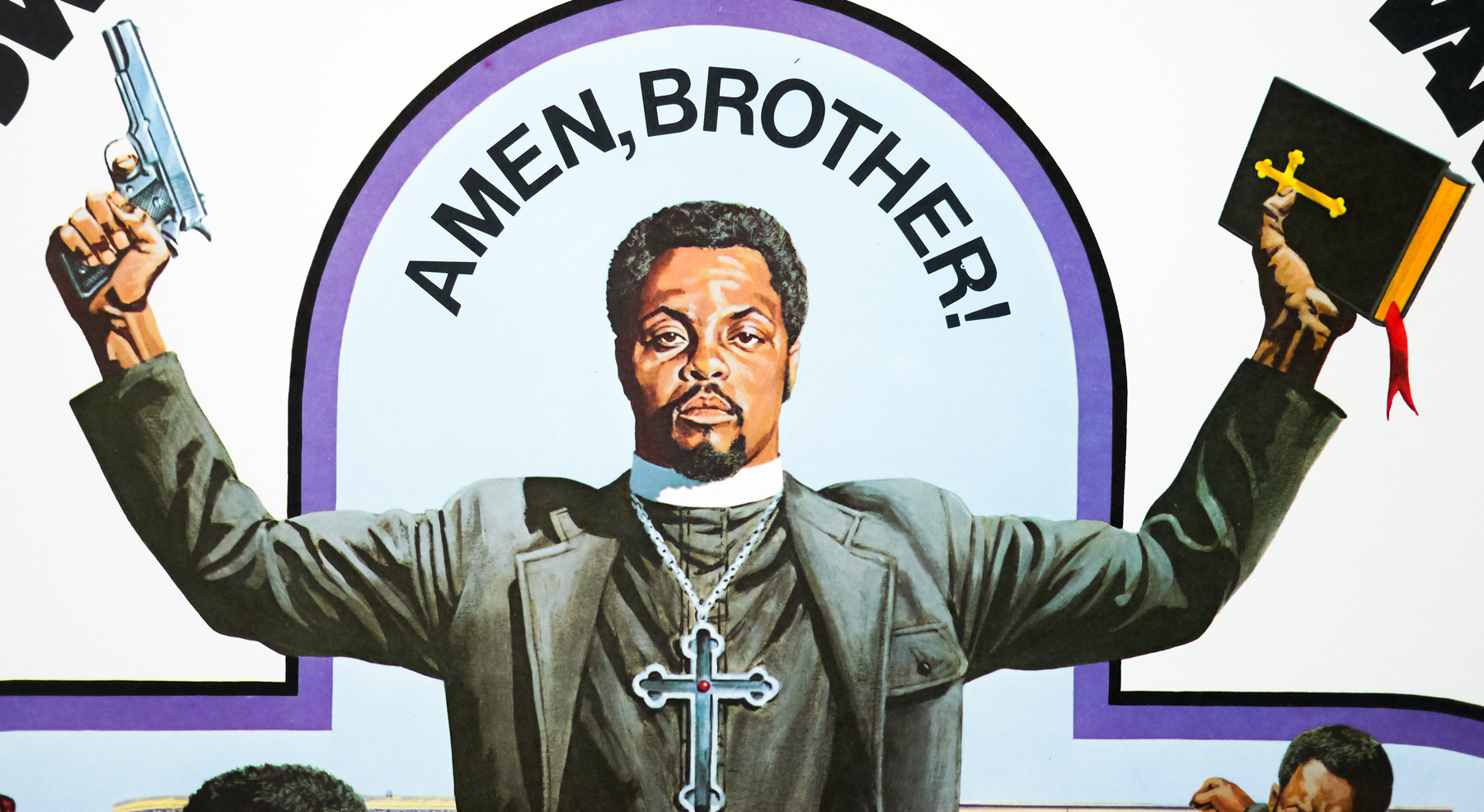
Amen, Brother!

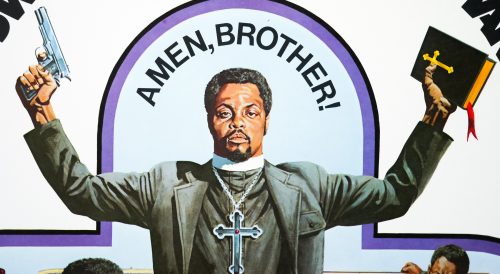
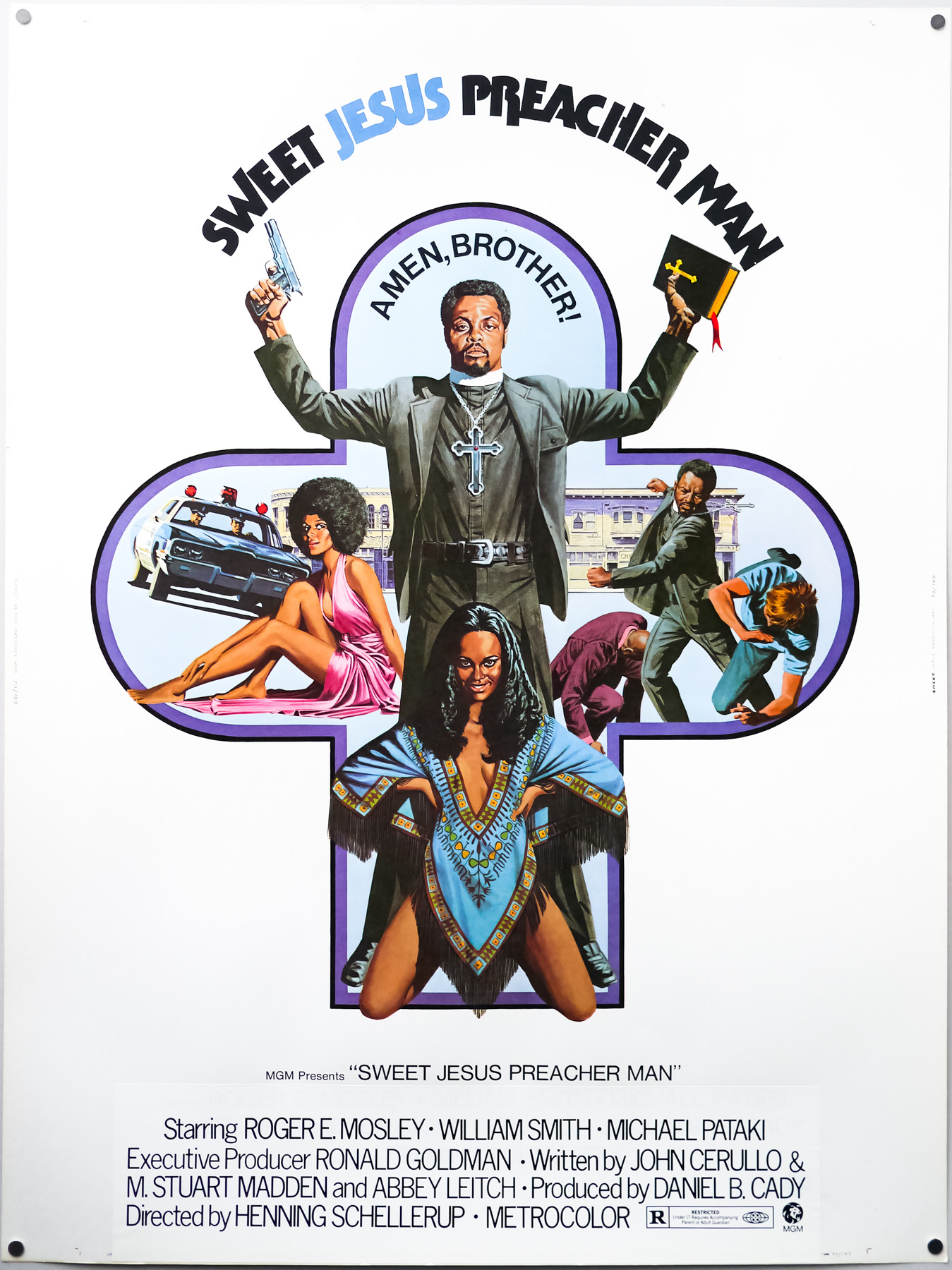
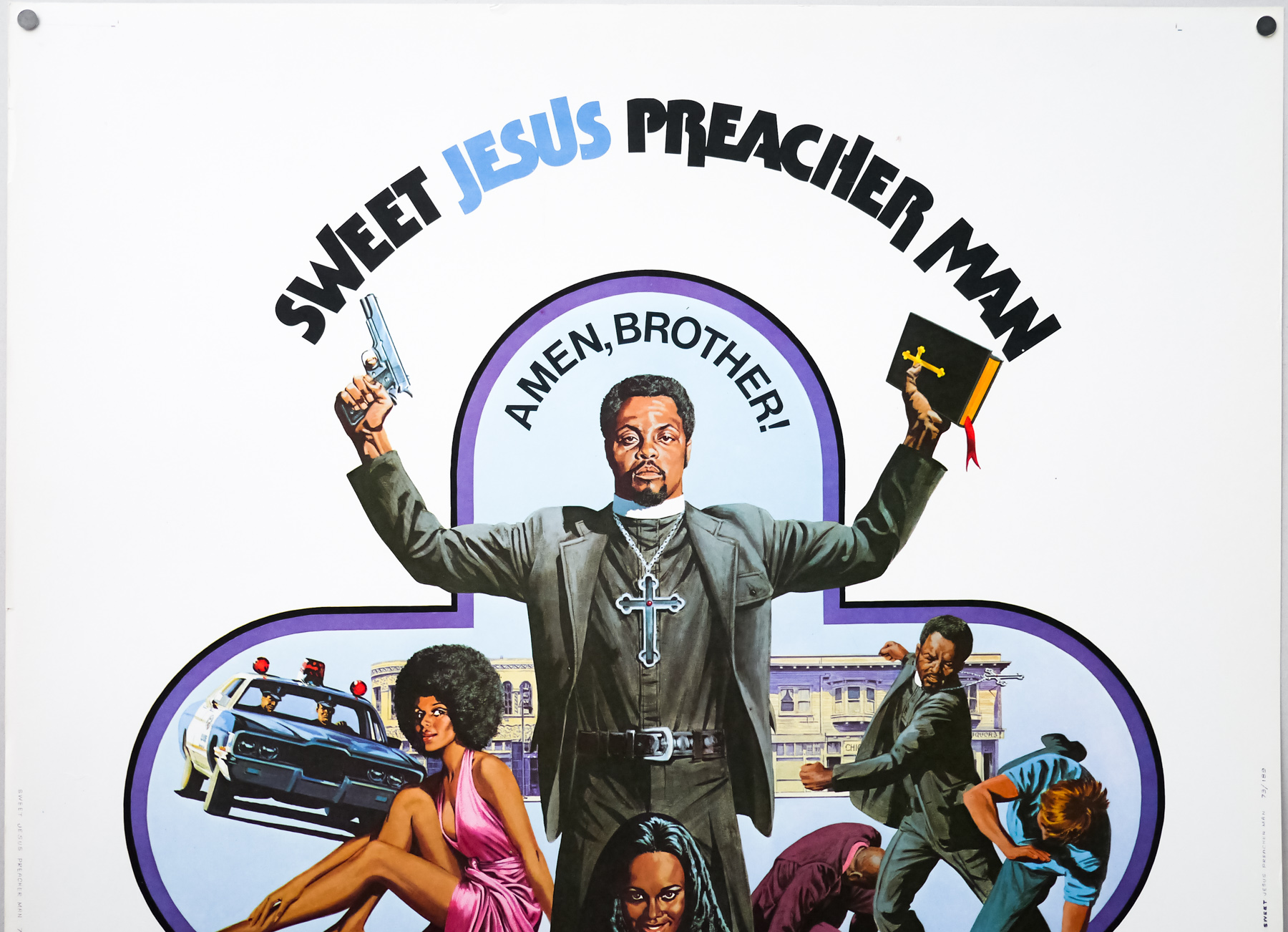
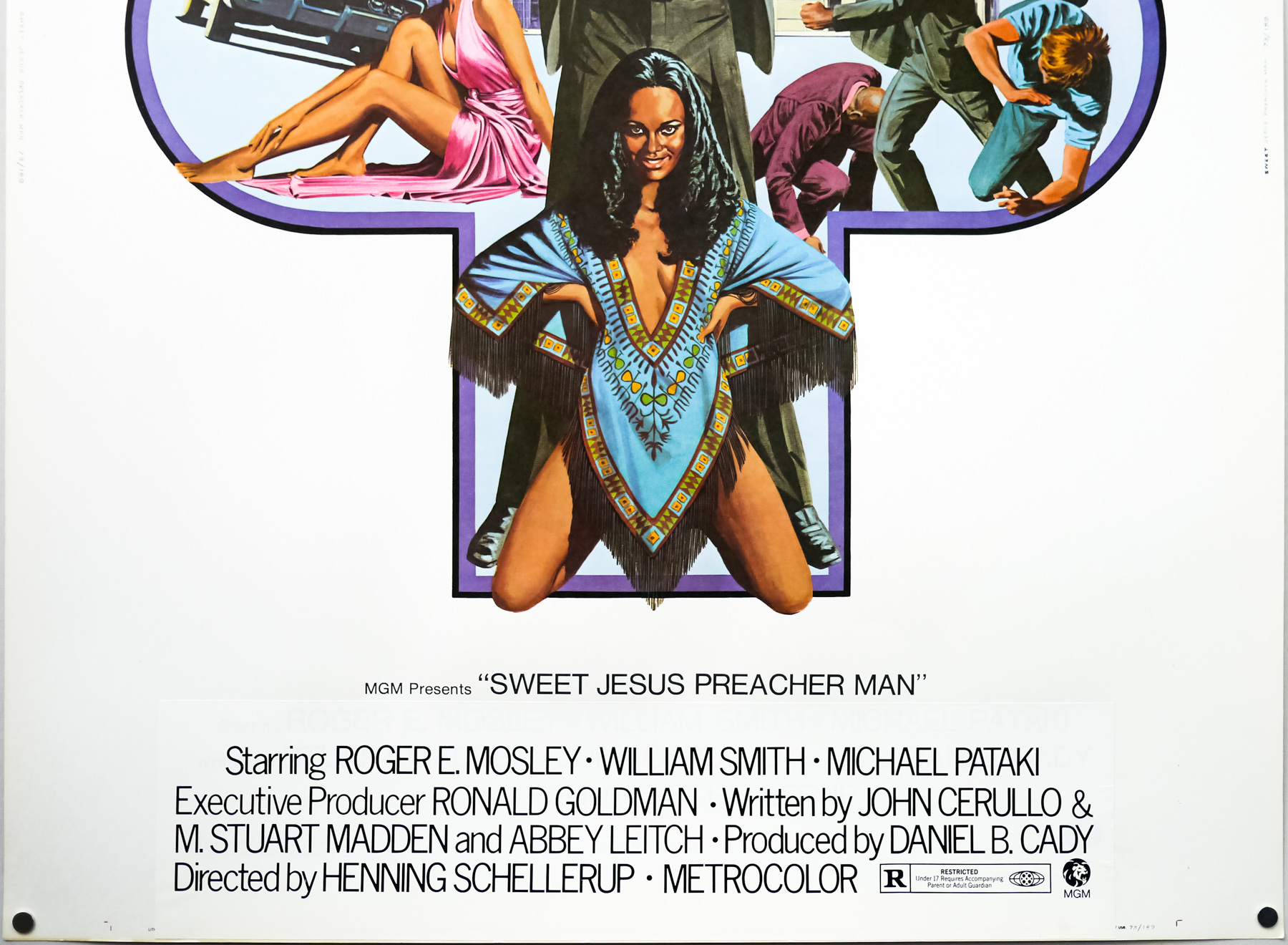
Sweet Jesus Preacher Man is apparently a lesser entry into the 1970s blaxploitation genre and it appears to have been largely forgotten with no DVD release forthcoming. Director Henning Schellerup is perhaps better known as a camera operator and cinematographer, having worked on such films as Death Race 2000A Nightmare on Elm Street and Silent Night, Deadly Night.

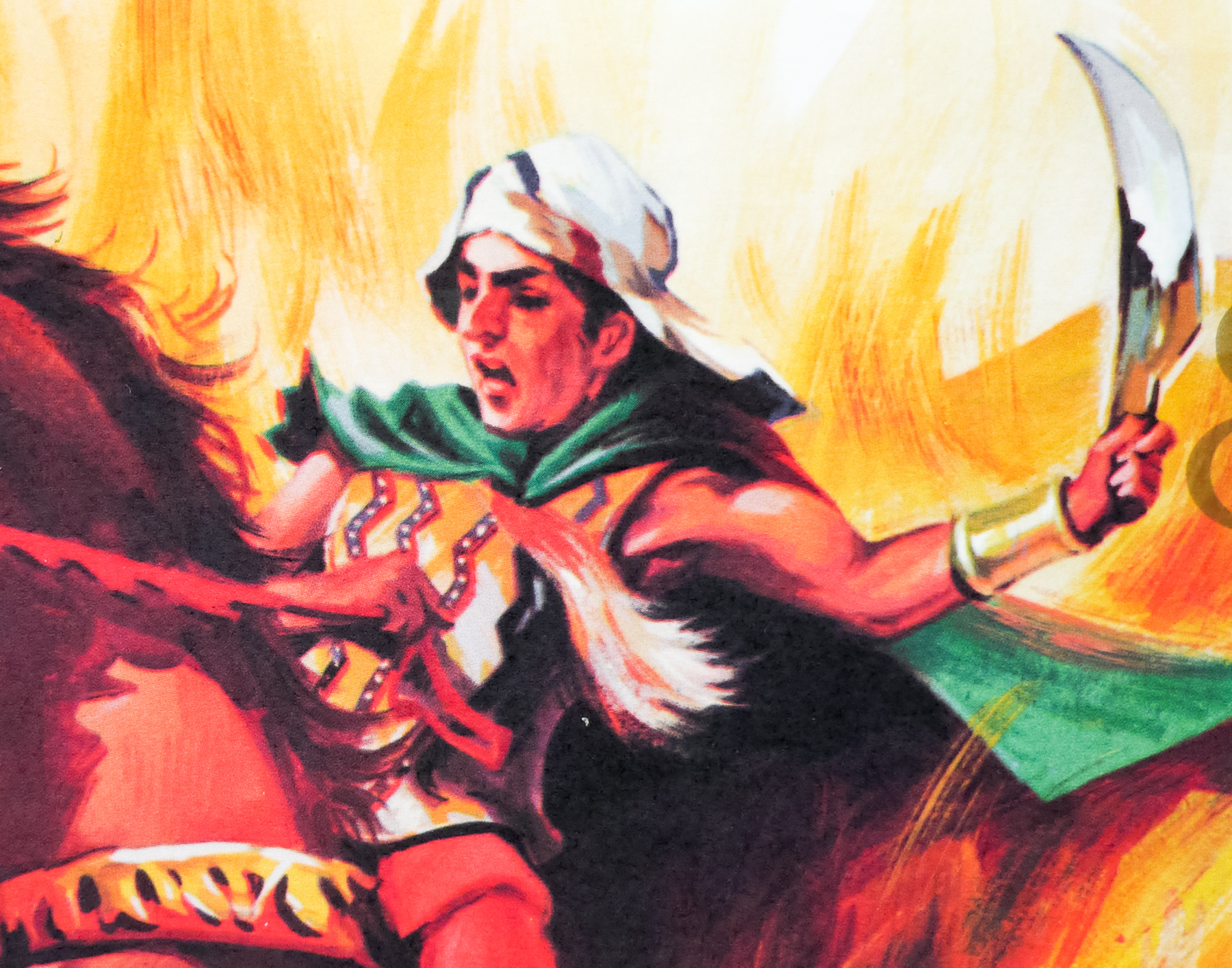
Roger E. Mosley (Tom Selleck’s partner in Magnum P.I.) stars as a hit man who who poses as a baptist preacher in order to take over the vice rackets in an L.A. ghetto. After his boss Martelli (character actor William Smith) double-crosses him he sets out on a rampage of revenge leaving bodies in his wake.

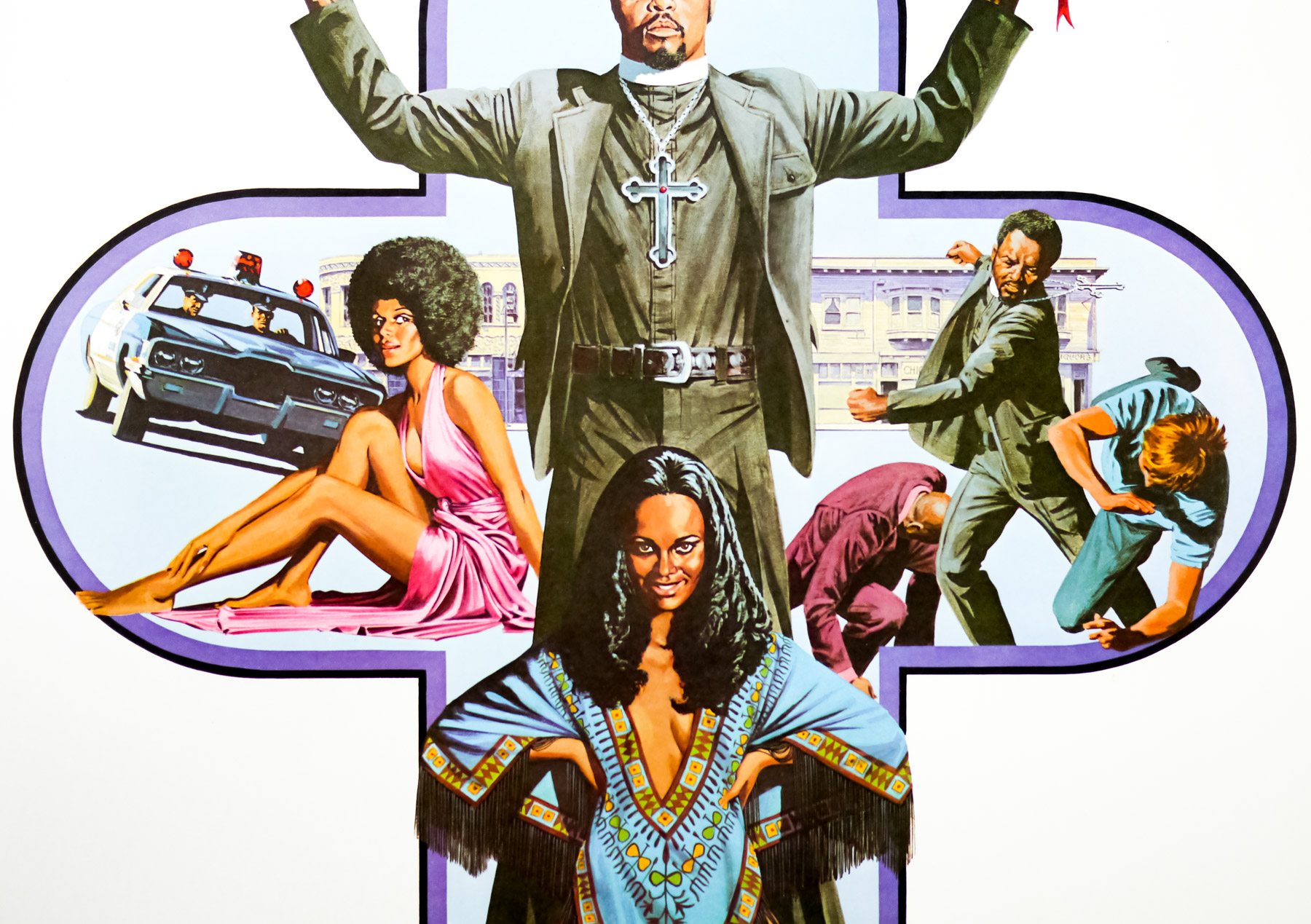
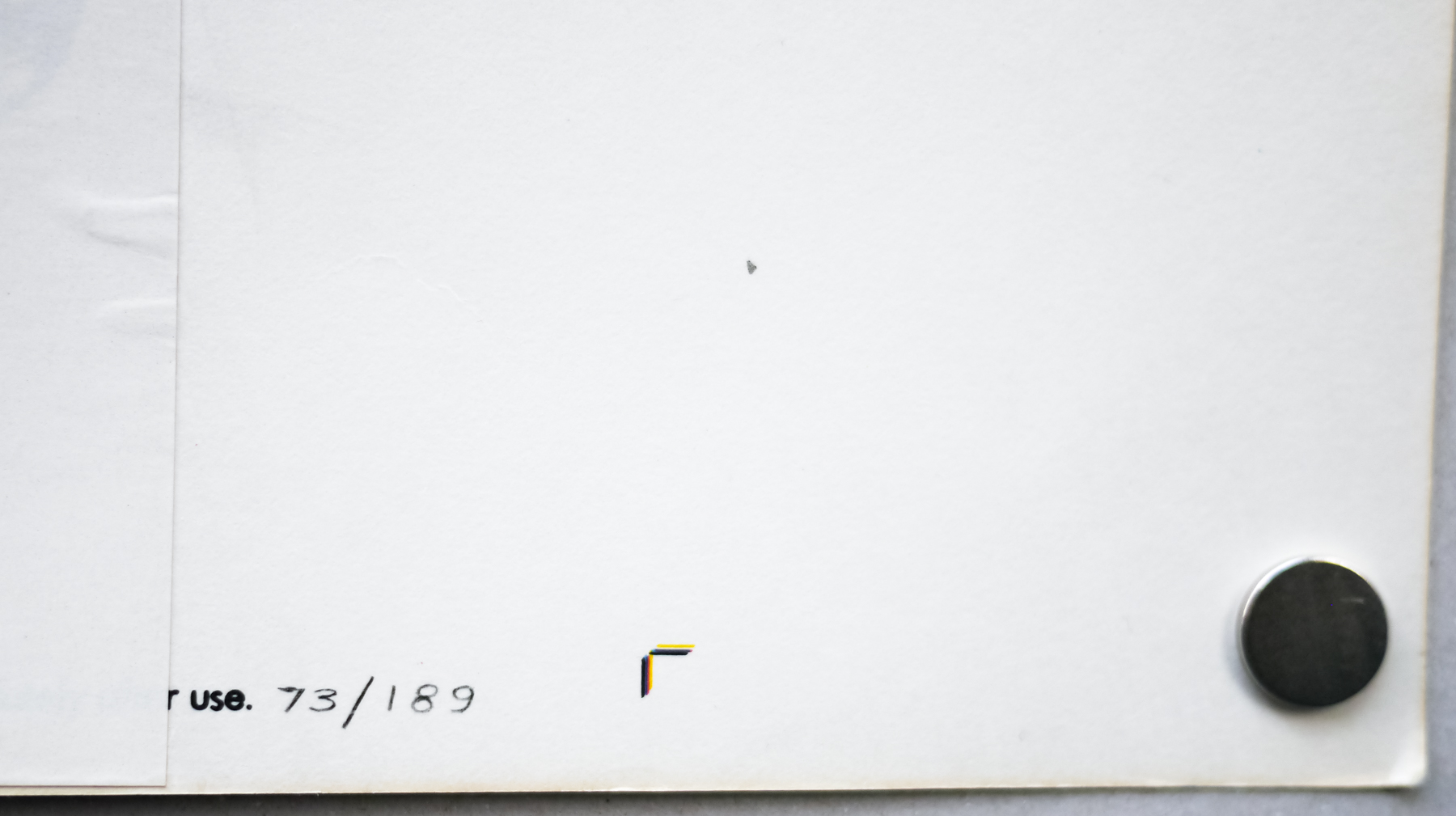
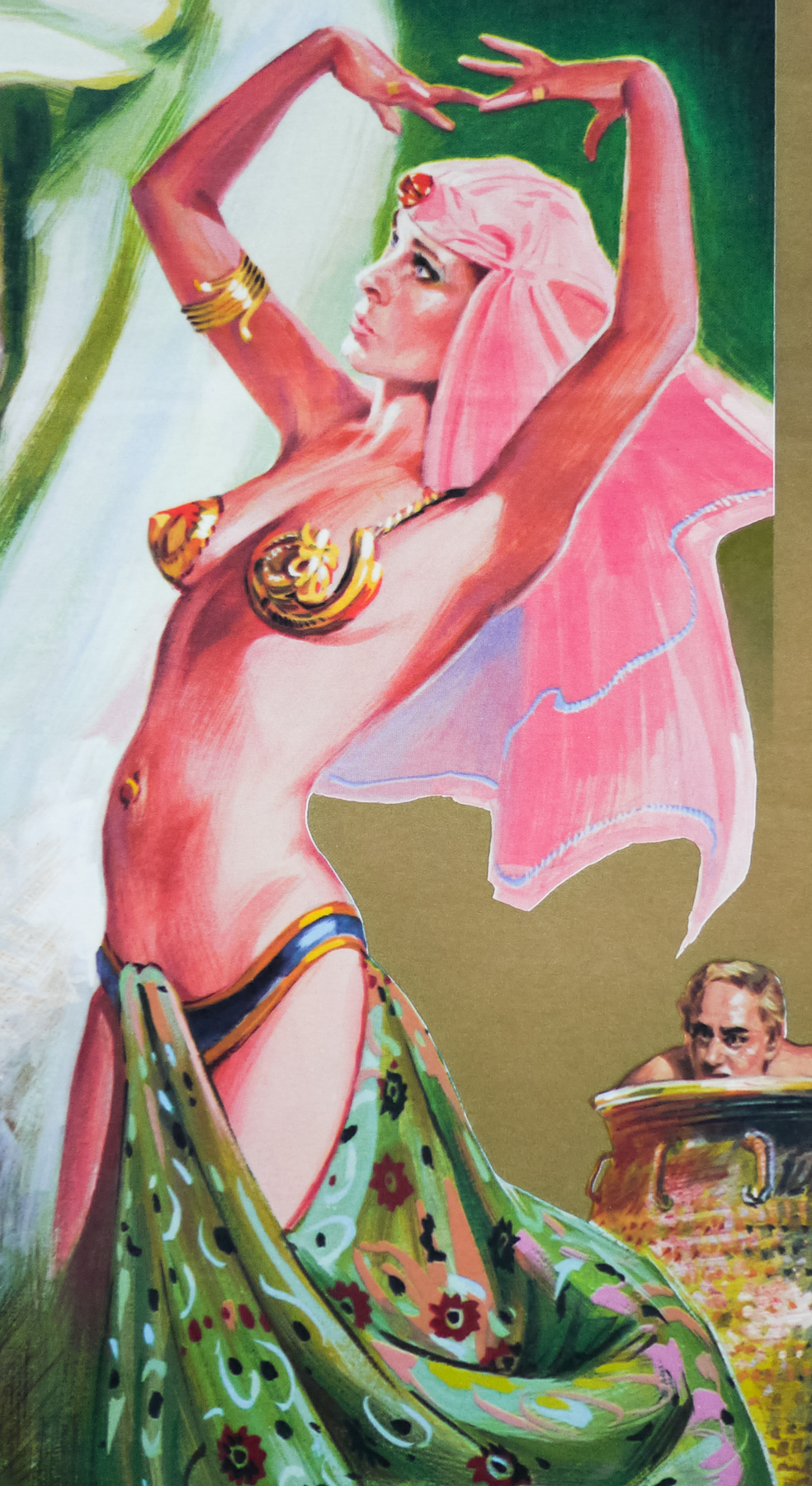
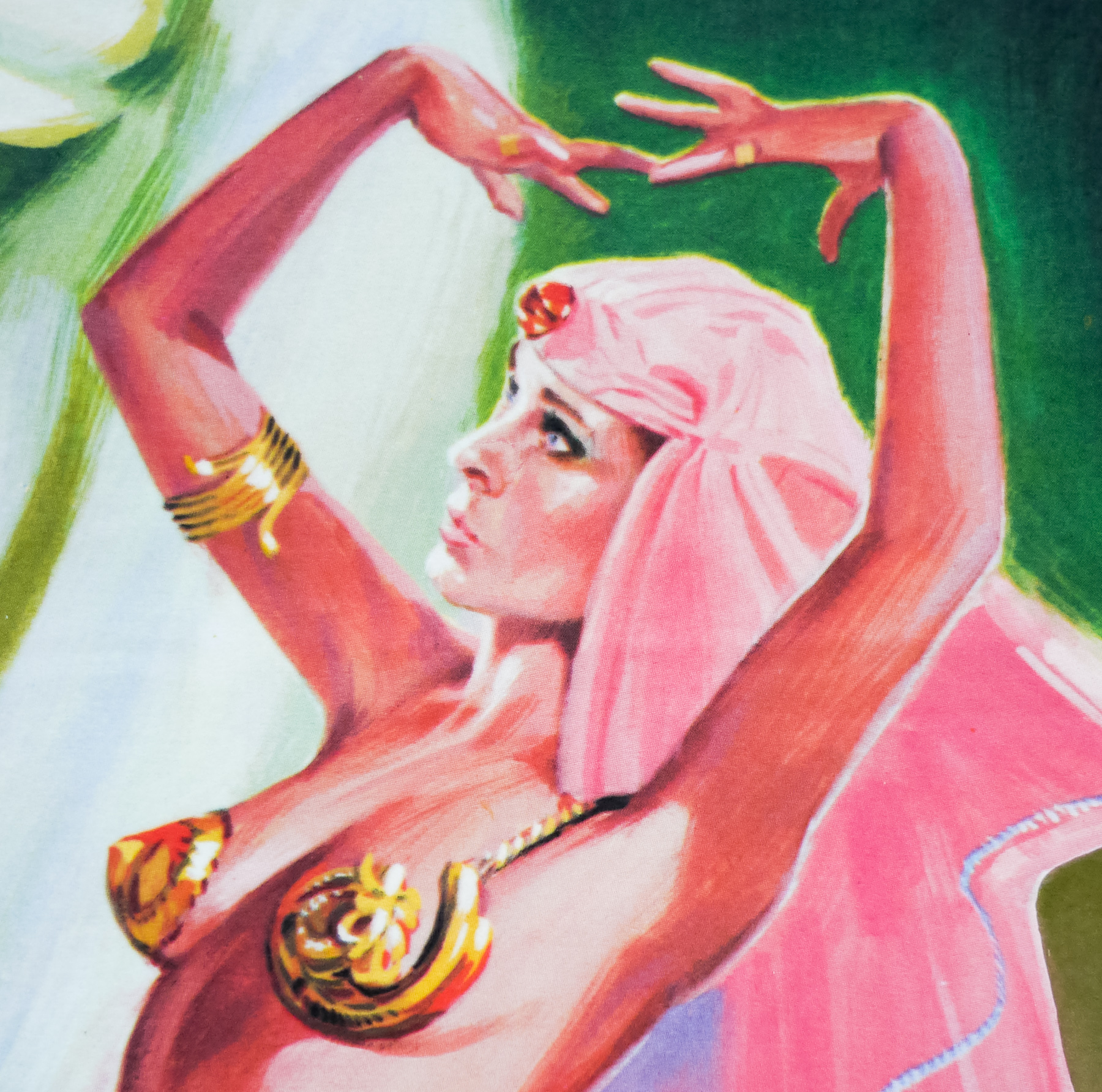
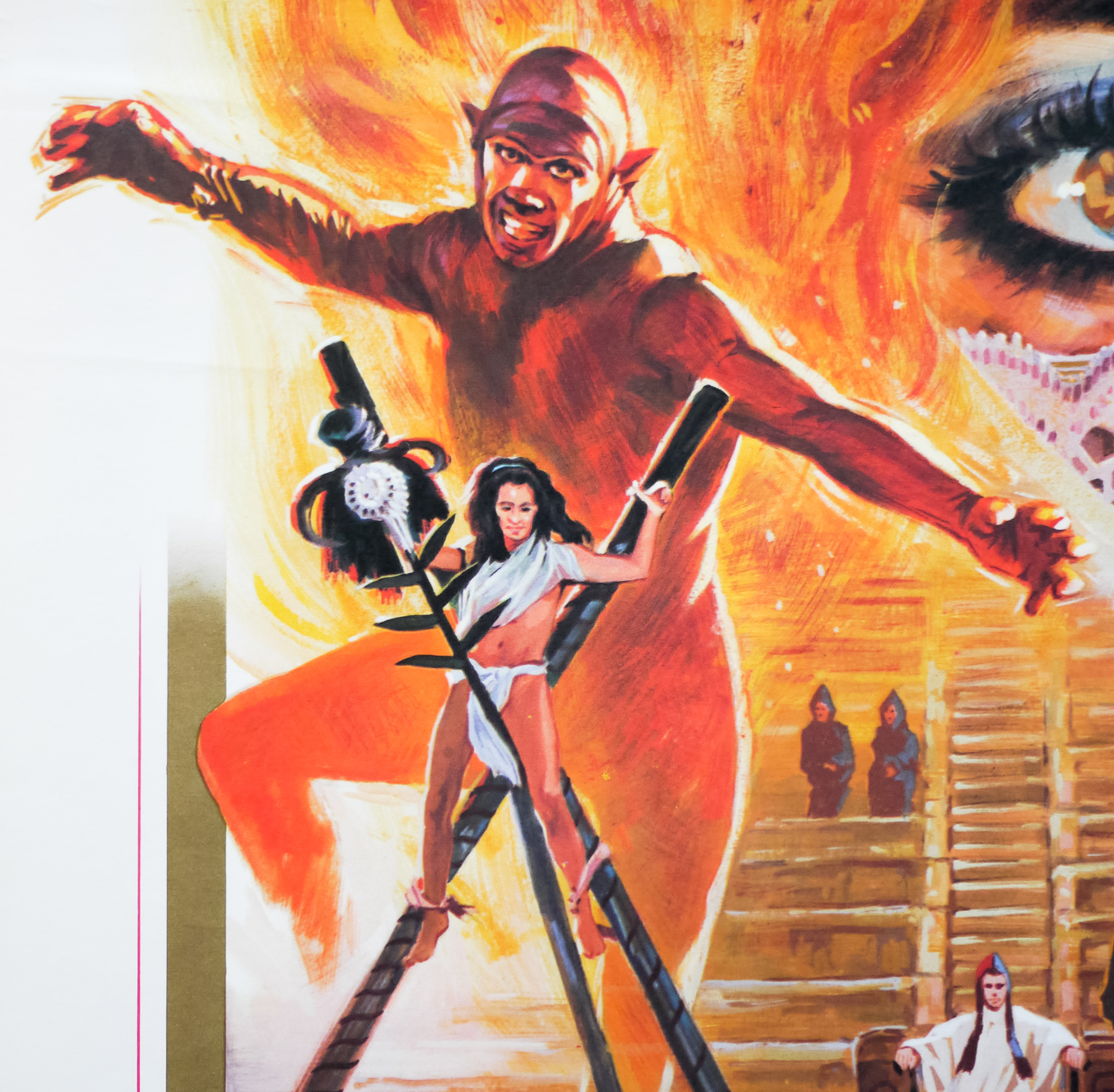
I’m unsure who is responsible for the artwork on this American 30×40 poster so please get in touch if you have an idea. You’ll notice that a large sticker with the credits on it has been applied over what is clearly the original credits block. This was likely done shortly after the posters were printed to correct an error without having to scrap the whole batch and print them again.

The original trailer is on YouTube.

The Man in the White Suit / quad / 1993 re-release / UK

11.02.15

Poster Poster

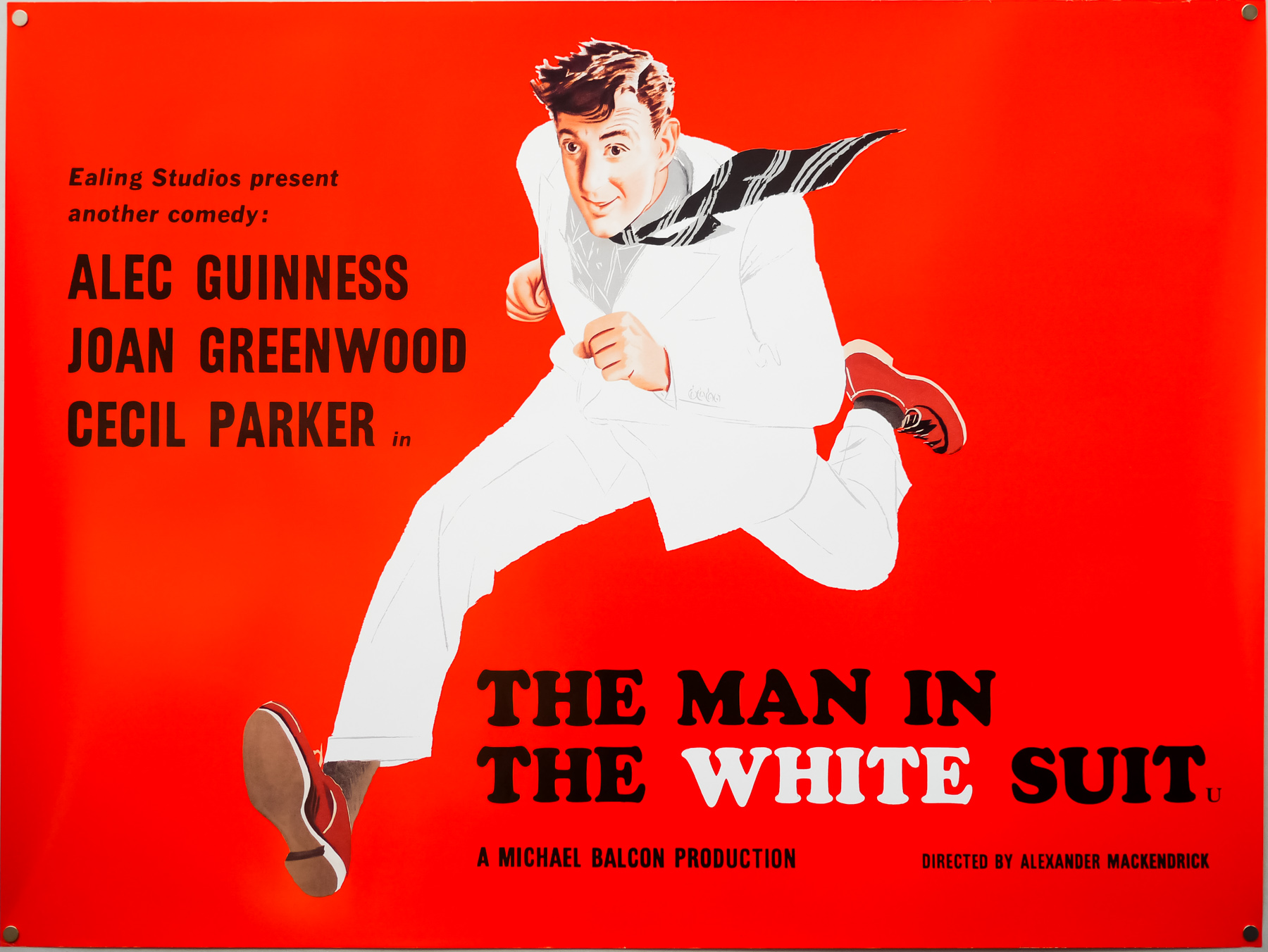
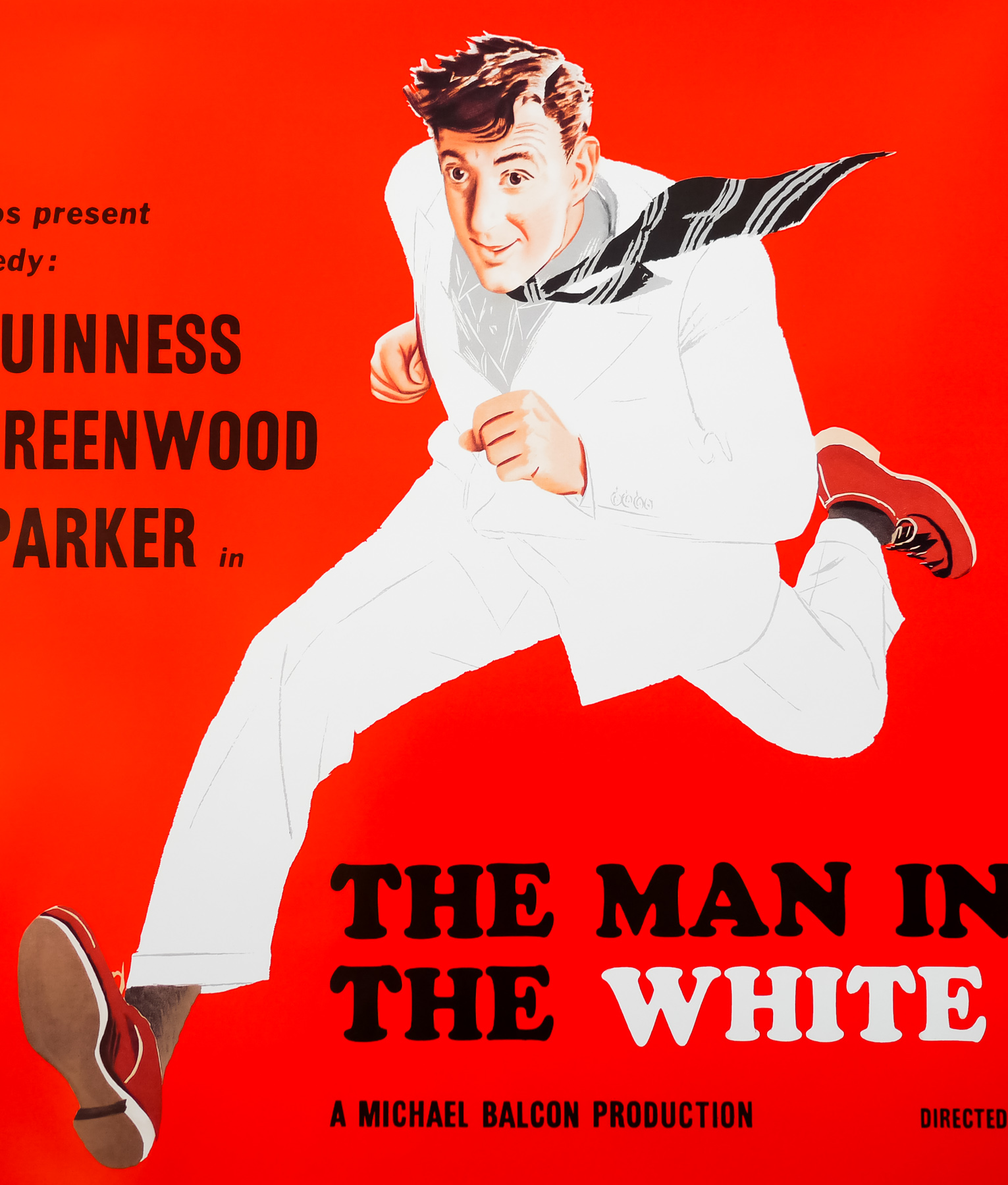
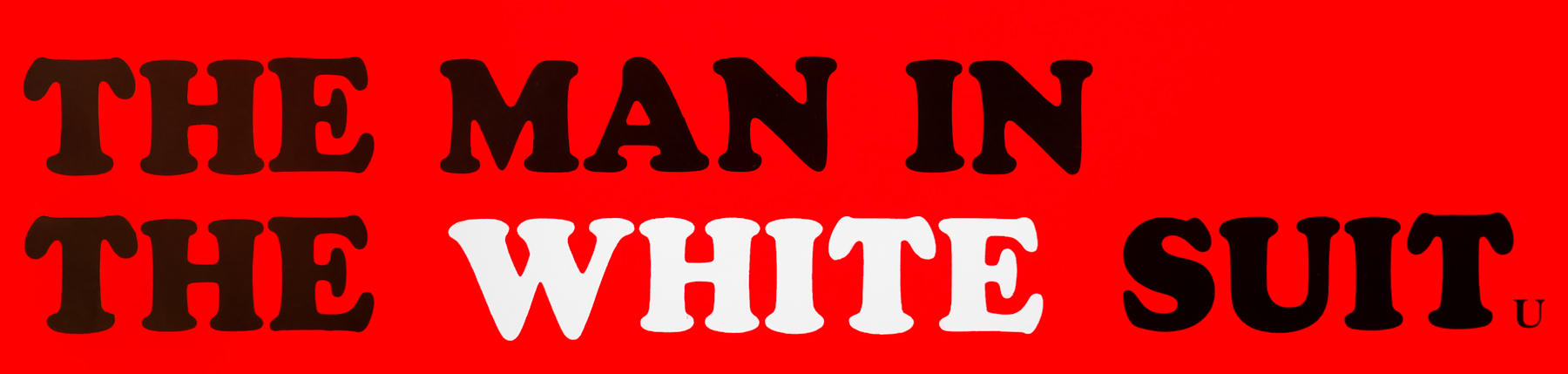
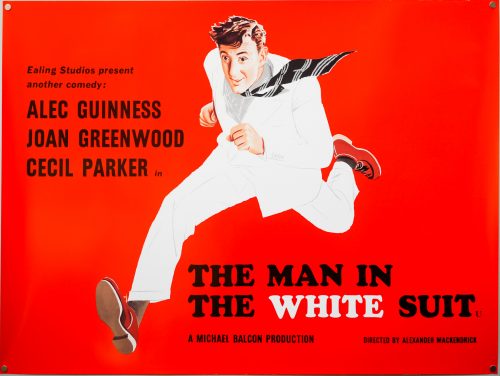
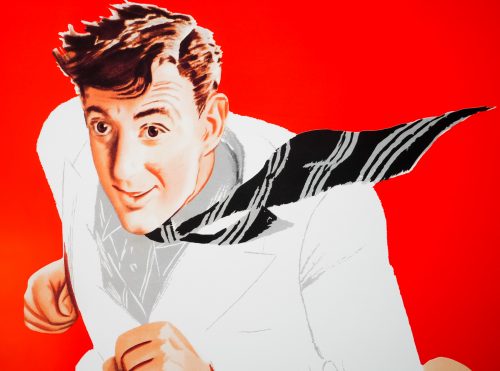
The Man in the White Suit is a satirical comedy that was made for the famous Ealing Studios in London and released in 1951. Directed by regular Ealing collaborator Alexander Mackendrick (who also helmed The Ladykillers and others), the film stars Alec Guinness as Sidney Stratton a frustrated chemist who is obsessed with creating an everlasting fibre. Sidney has been fired from several mills around Manchester because of his unauthorised use of expensive lab materials and his focusing on invention instead of the job he’s being paid to do. After starting at Alan Birnley’s (Cecil Parker) textile mill he manages to wangle an unpaid job as a researcher and is eventually afforded the space and materials to come up with his miracle fibre that resists all dirt and stays spotless.

Soon the management are aware of his invention, thanks to Birnley’s daughter Daphne (Joan Greenwood) spotting the potential, and are about to go public with the news when the trade unions and mill workers get involved. Both parties realise that such an invention will put them out of business since the public will never need to buy items made from the material again. They end up trying to bargain with Sidney but when he realises they just want to suppress the invention he tries to escape from their clutches, leading everyone on a chase around town. Unluckily for Sidney, it turns out his invention is not as robust as he’d hoped!

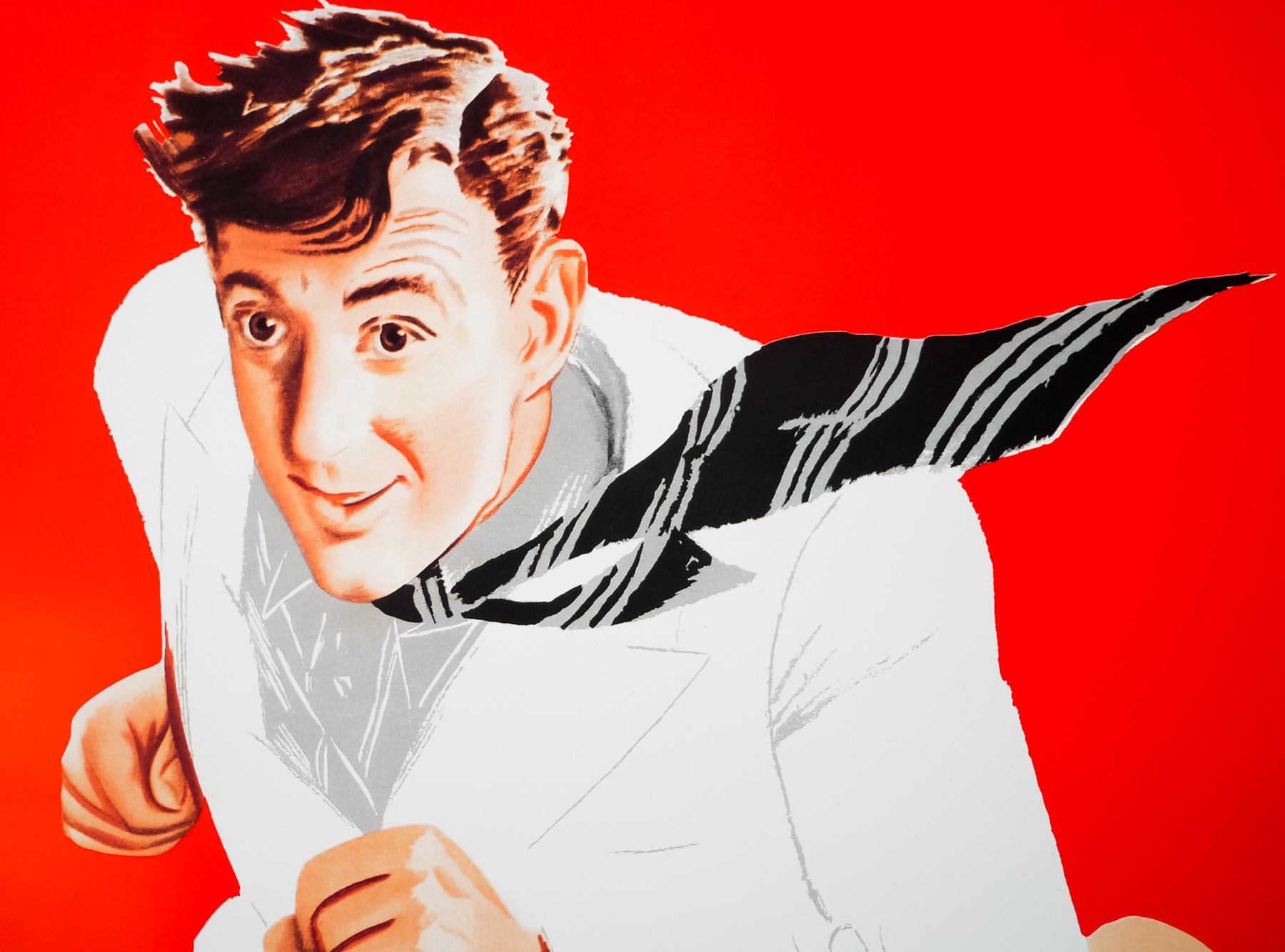
This British quad is from a BFI re-release of the film in 1993 (thanks to Sim Branaghan for confirmation of the exact year). It’s almost identical to the original 1950s quad but is missing the original distributor logo in the bottom left-hand corner, as well as the designer/artist credits. See this thread on the NSFGE poster forum for details and check out the image of a previous sale of the poster at Christies auction house.

The original 1951 quad was one of two that featured on the cover of Sim Branaghan‘s must-own British Film Posters, the definitive reference for those interested in the history of the subject. As detailed in the book, the poster was designed by man called Sydney John Woods who Sim notes was ‘more or less single-handedly responsible for the Ealing poster success’. Born in 1915, Woods trained as a graphic designer and painter and was also an art critic. He also design posters for theatres, including the Old Vic and Sadler’s Wells before starting to work for the film industry with a role in Fox’s publicity department.

Woods joined Ealing in 1943 and worked there until the studios’ demise in 1959. Sim notes that Woods ‘revealed perhaps his greatest skill as an impresario, marshalling, encouraging, and exploiting to best advantage the talents of other artists’. He built up an impressive stable of artists that he could call on to produce illustrations for the studios’ output. This included the cartoonist Nicolas Bentley (for Passport to Pimlico, 1949) and Ronald Searle, creator of the St. Trinian’s cartoons (for The Lavender Hill Mob, 1951). The same year he would commission the artist A. R. Thomson to paint this portrait of Alec Guinness.

Thomson was born deaf and dumb in India in 1894 to a civil servant father who later brought the family back to London where Alfred attended the Royal School for Deaf Children. He became known as the ‘deaf and dumb artist’ and would go on to work on commercial advertising for the likes of Daimler, and also became the RAF’s official war artist in 1940. Interestingly, he was also the last person to win a gold medal for painting at the 1948 Olympic games in London (the last year that artists were allowed to compete). Thomson passed away in 1979. The ArtUK site features a gallery of his work.
The Wicker Man / screen print / regular / Richard Wells / UK

04.01.16

Poster Poster

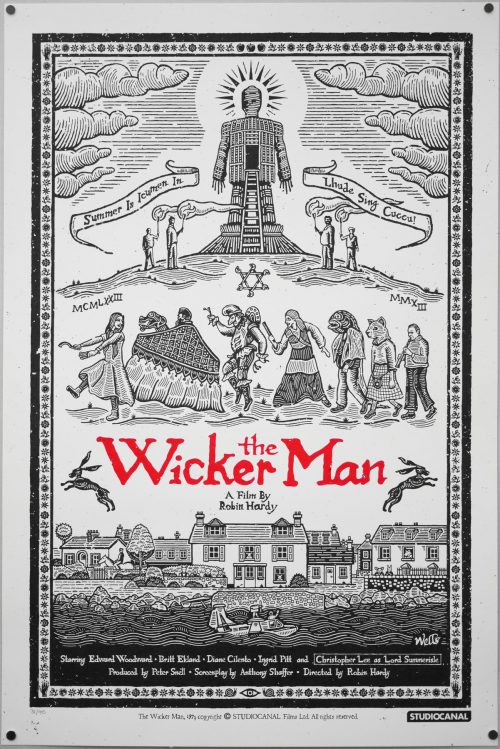
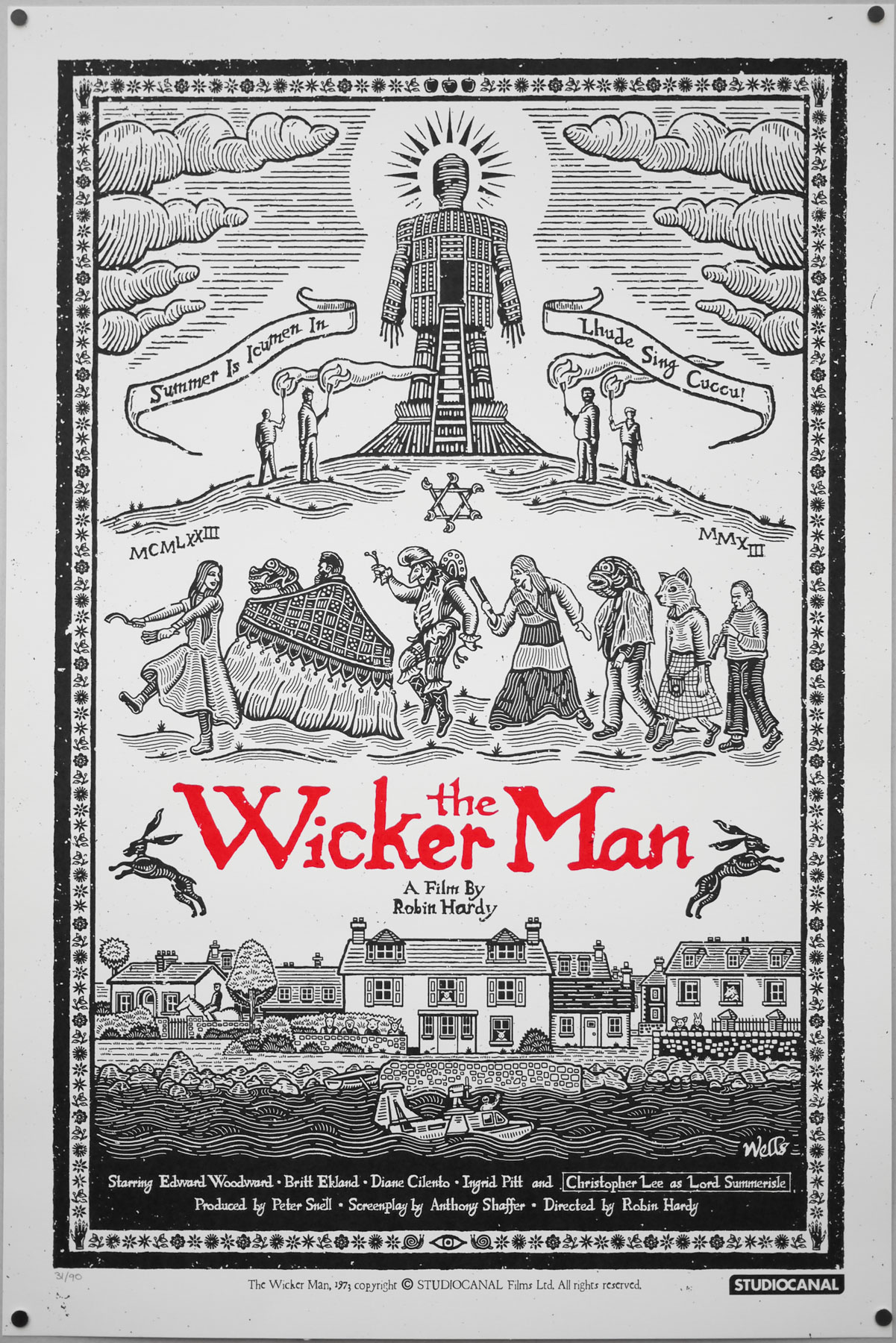
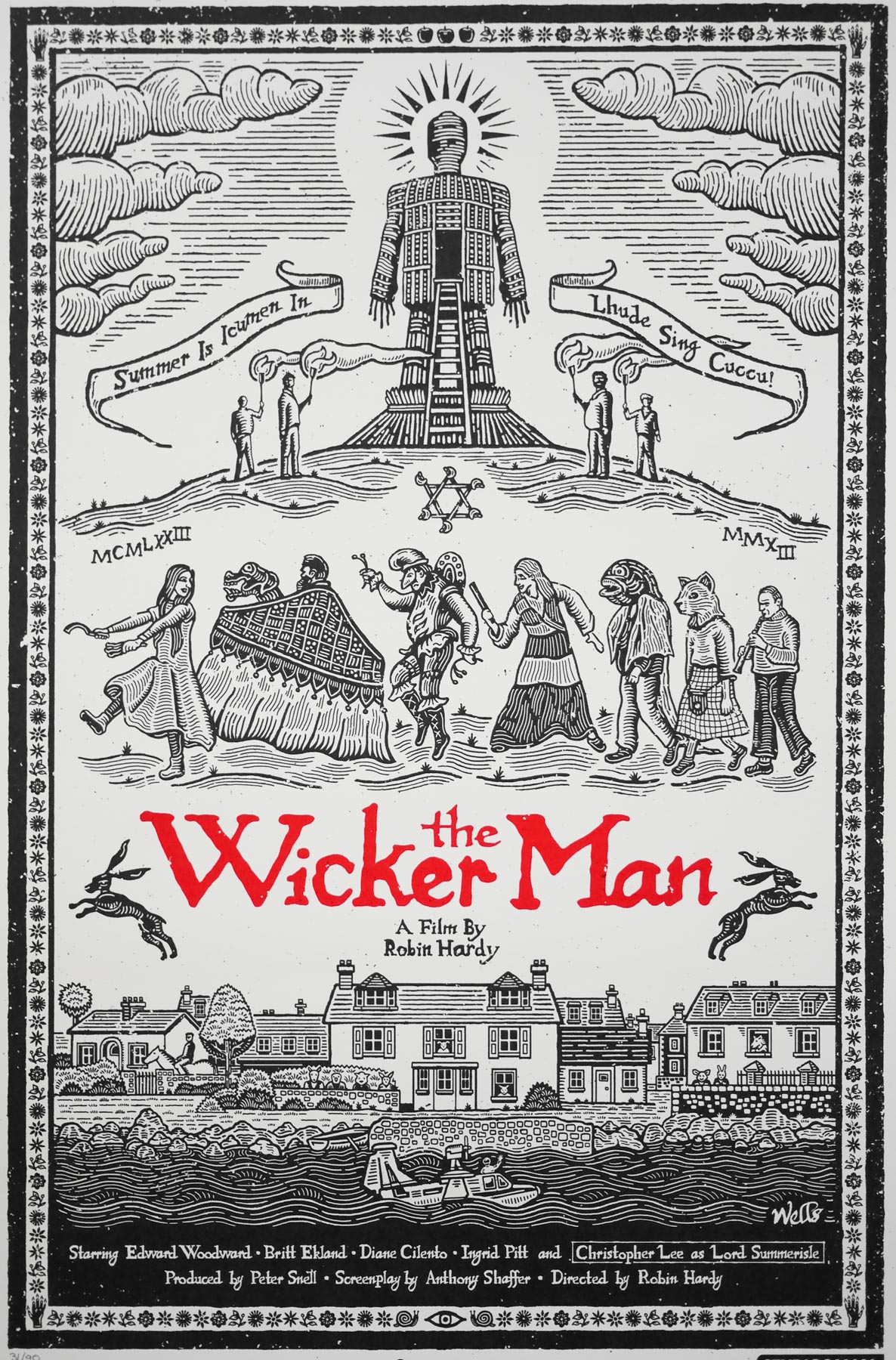
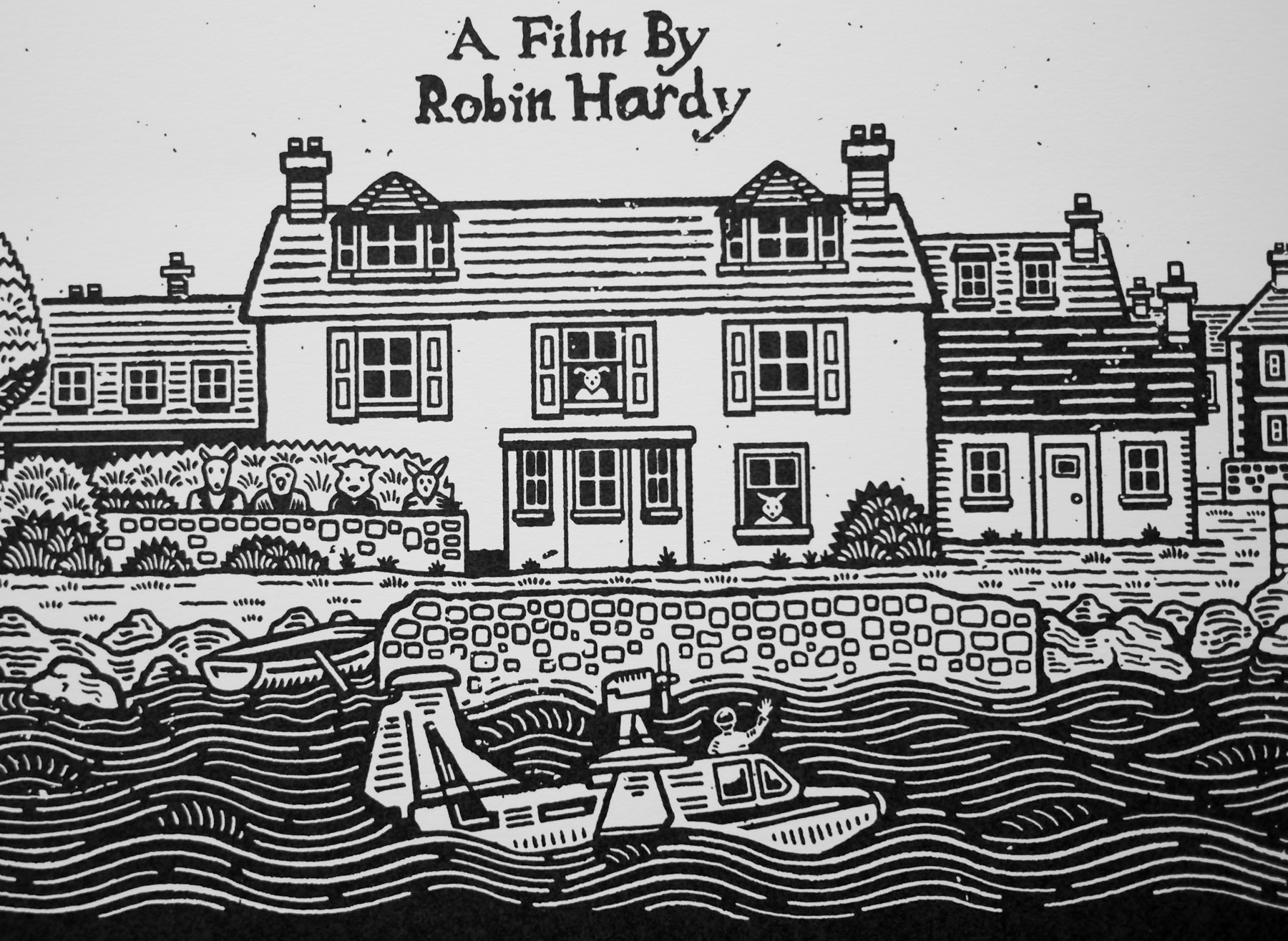
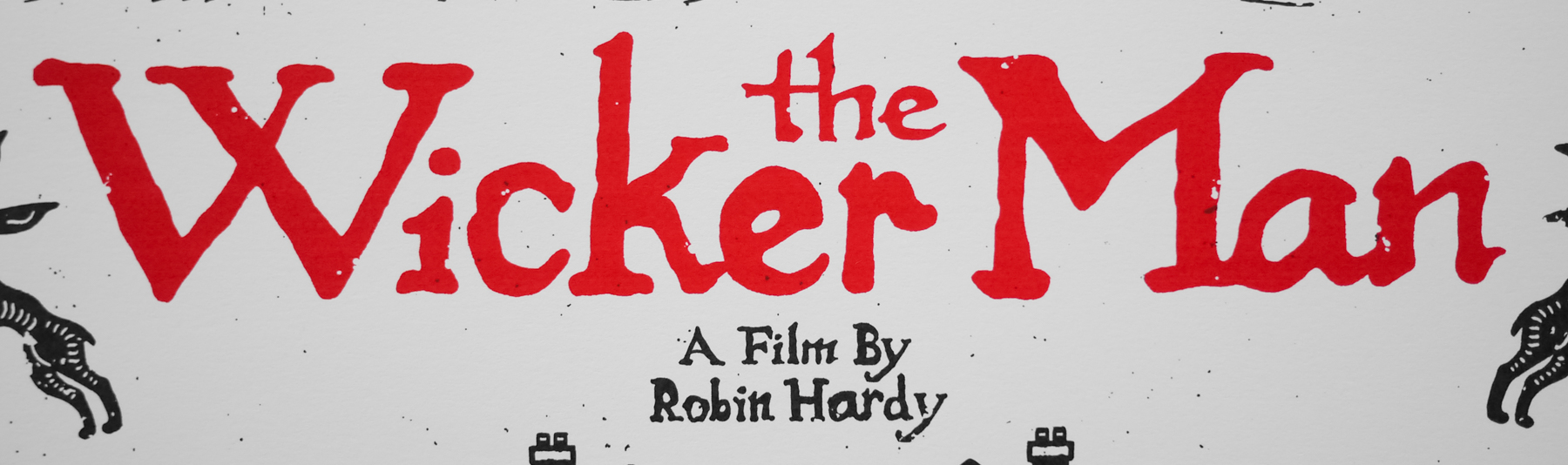
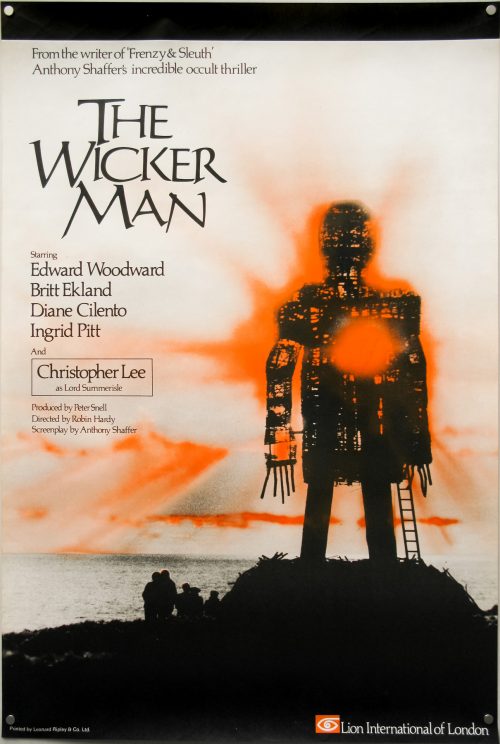
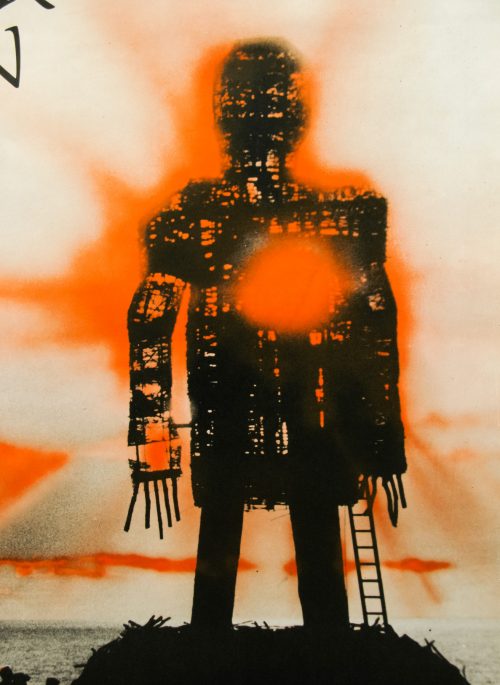
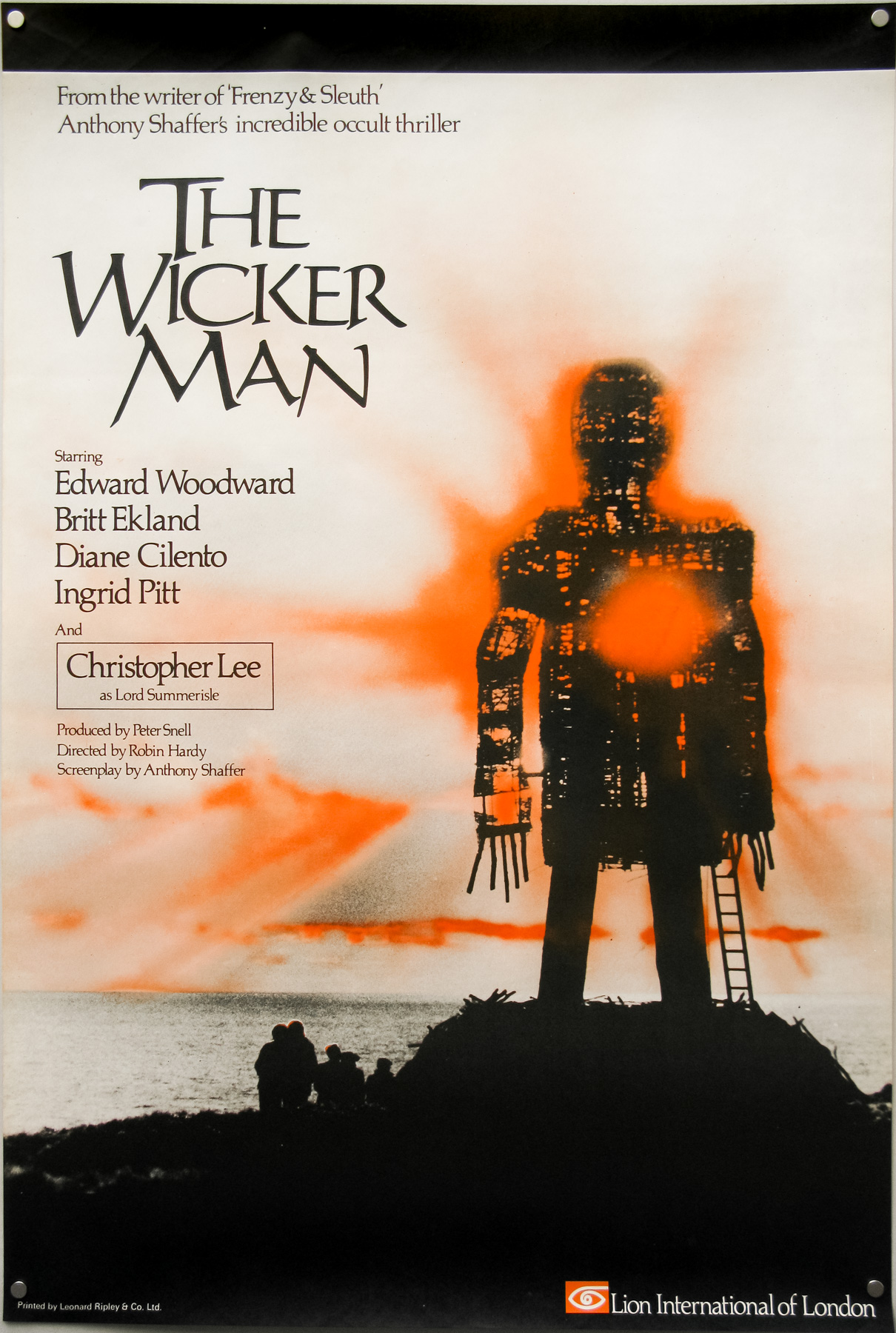
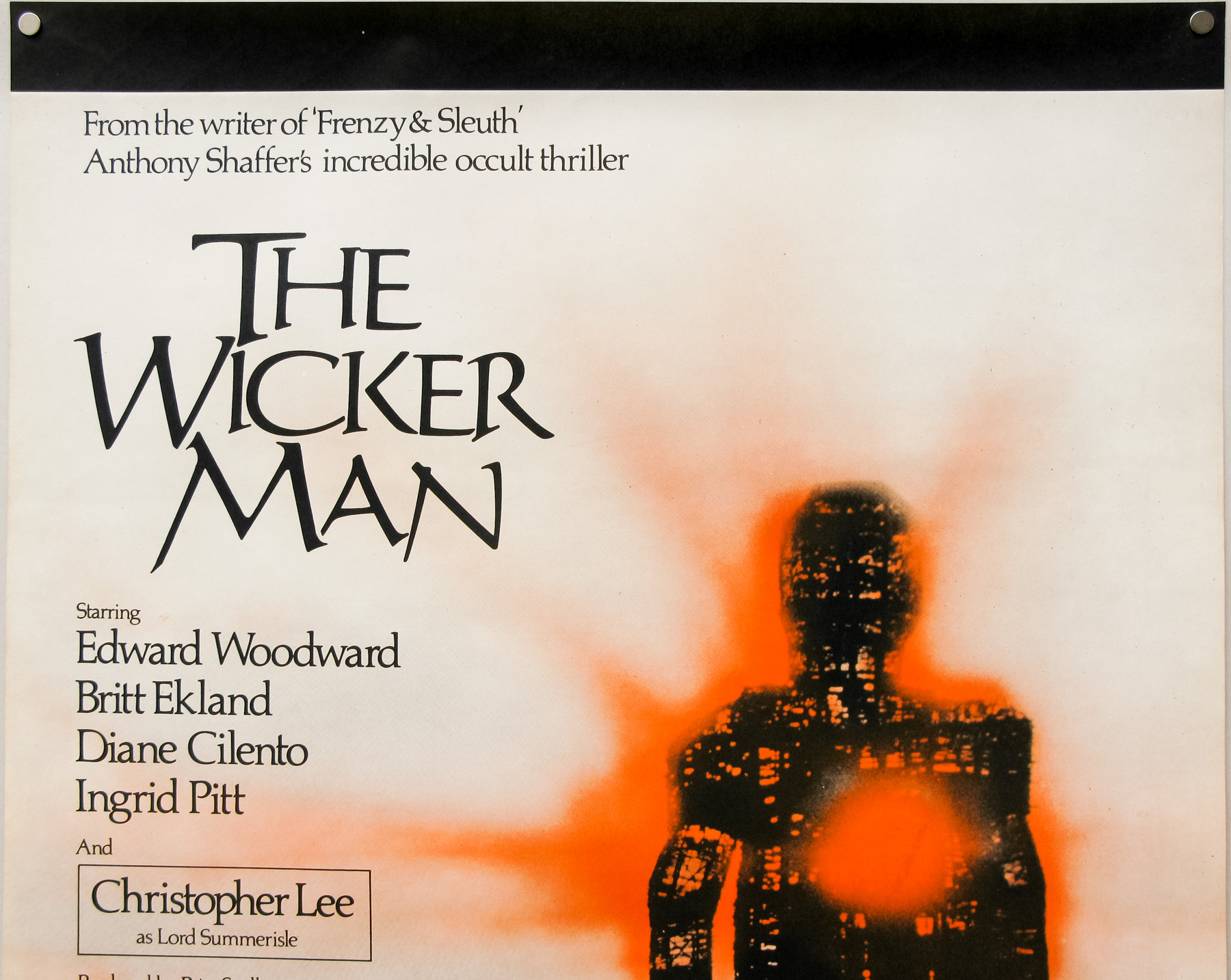
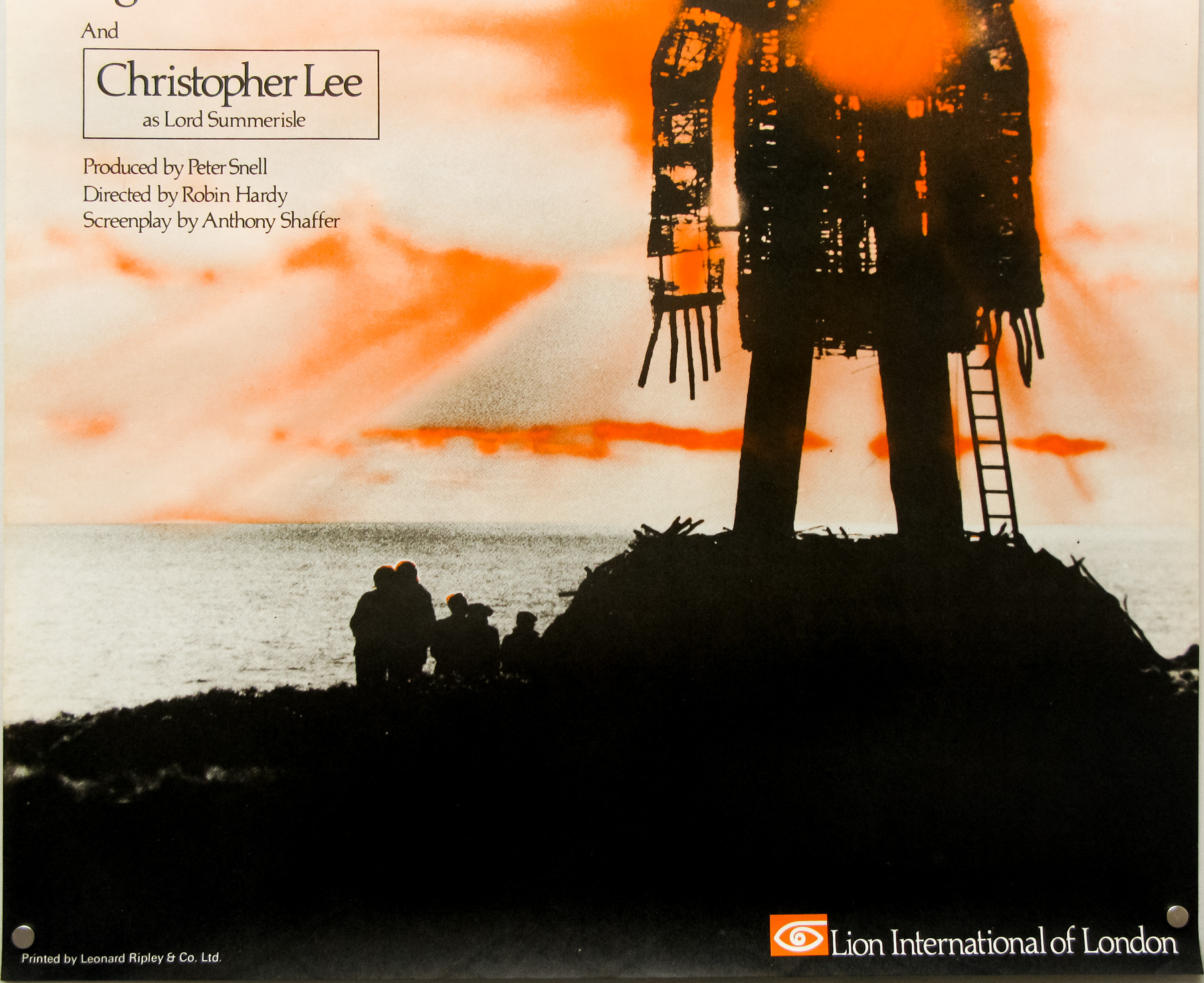
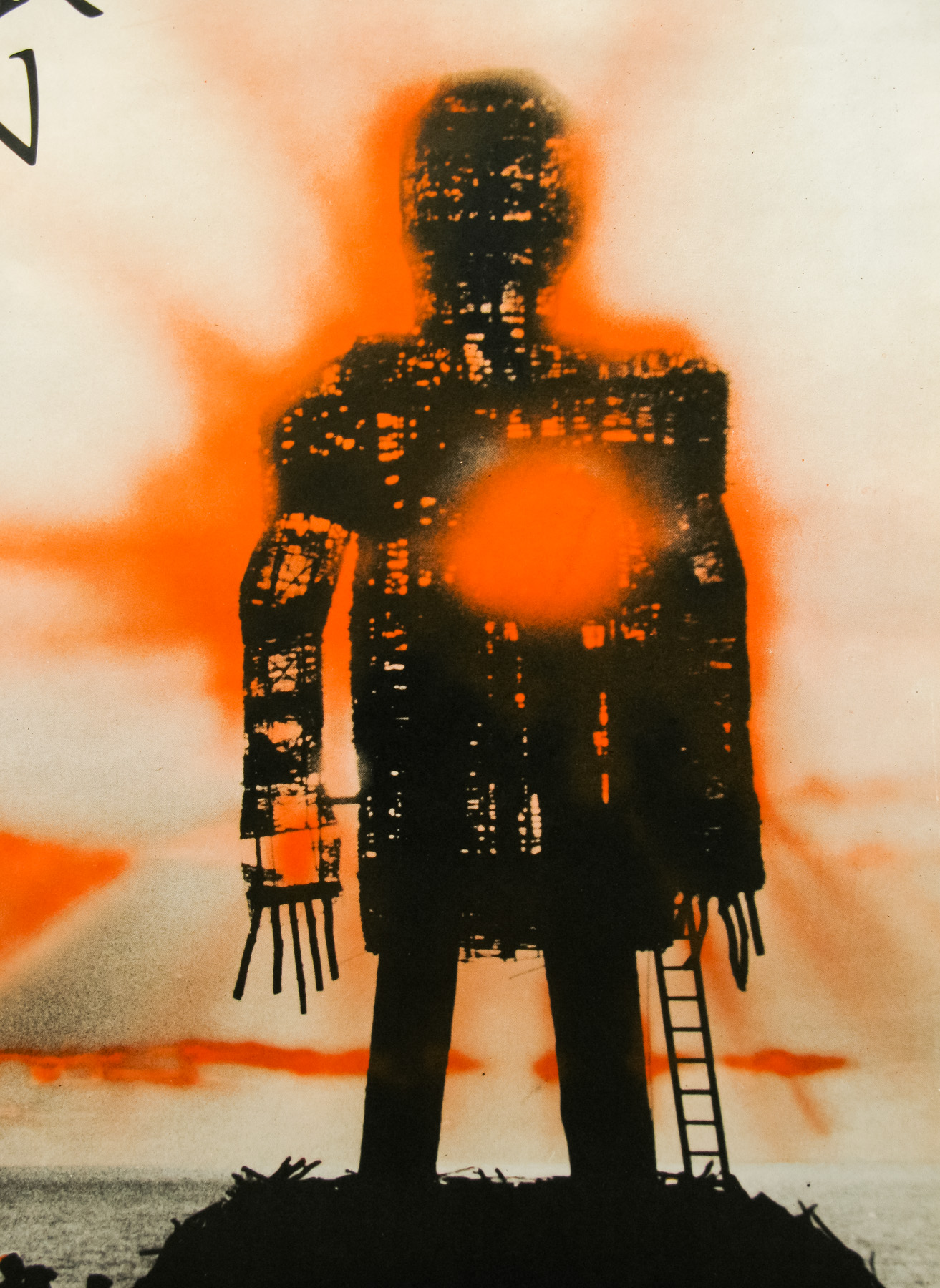
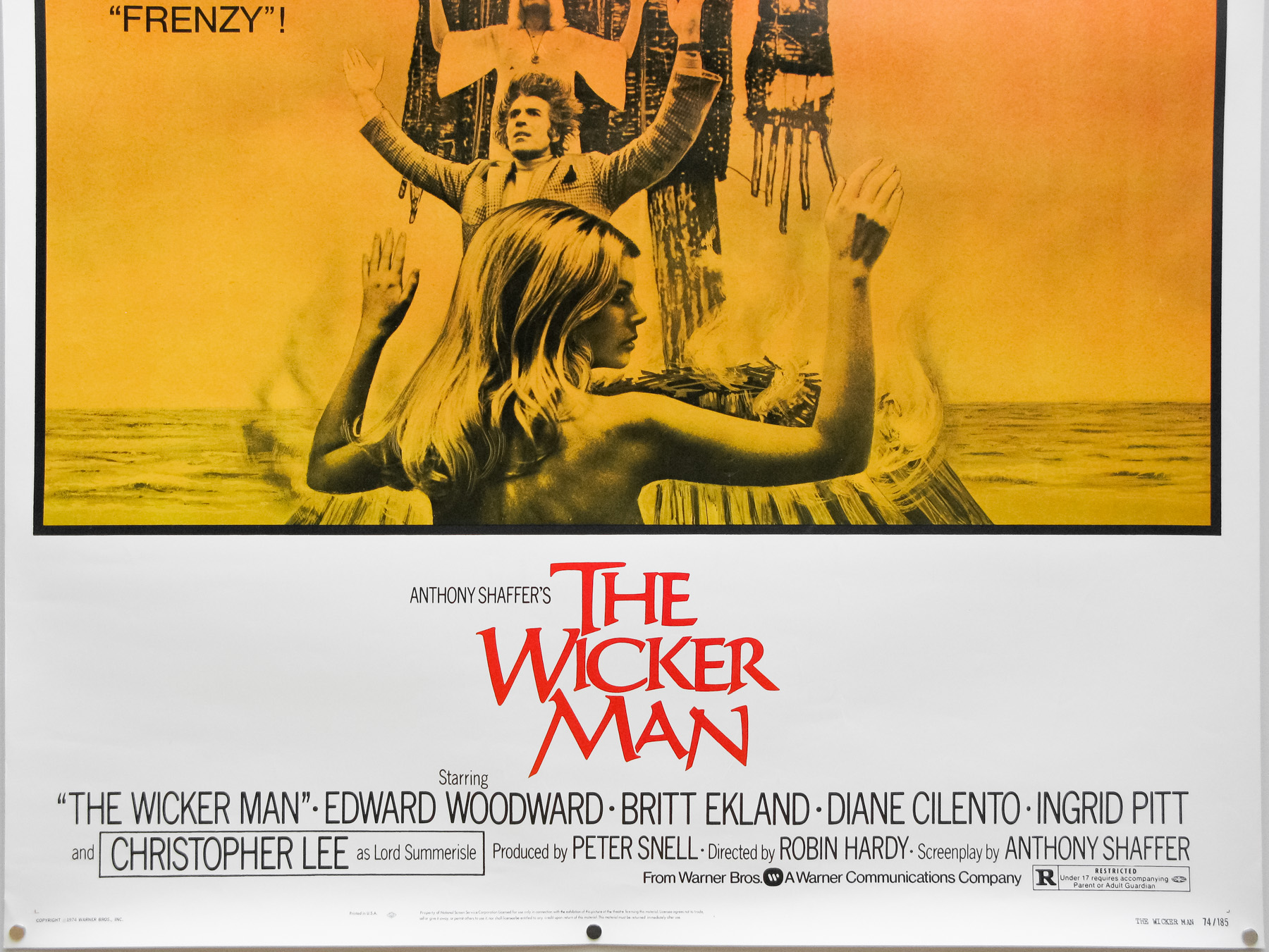
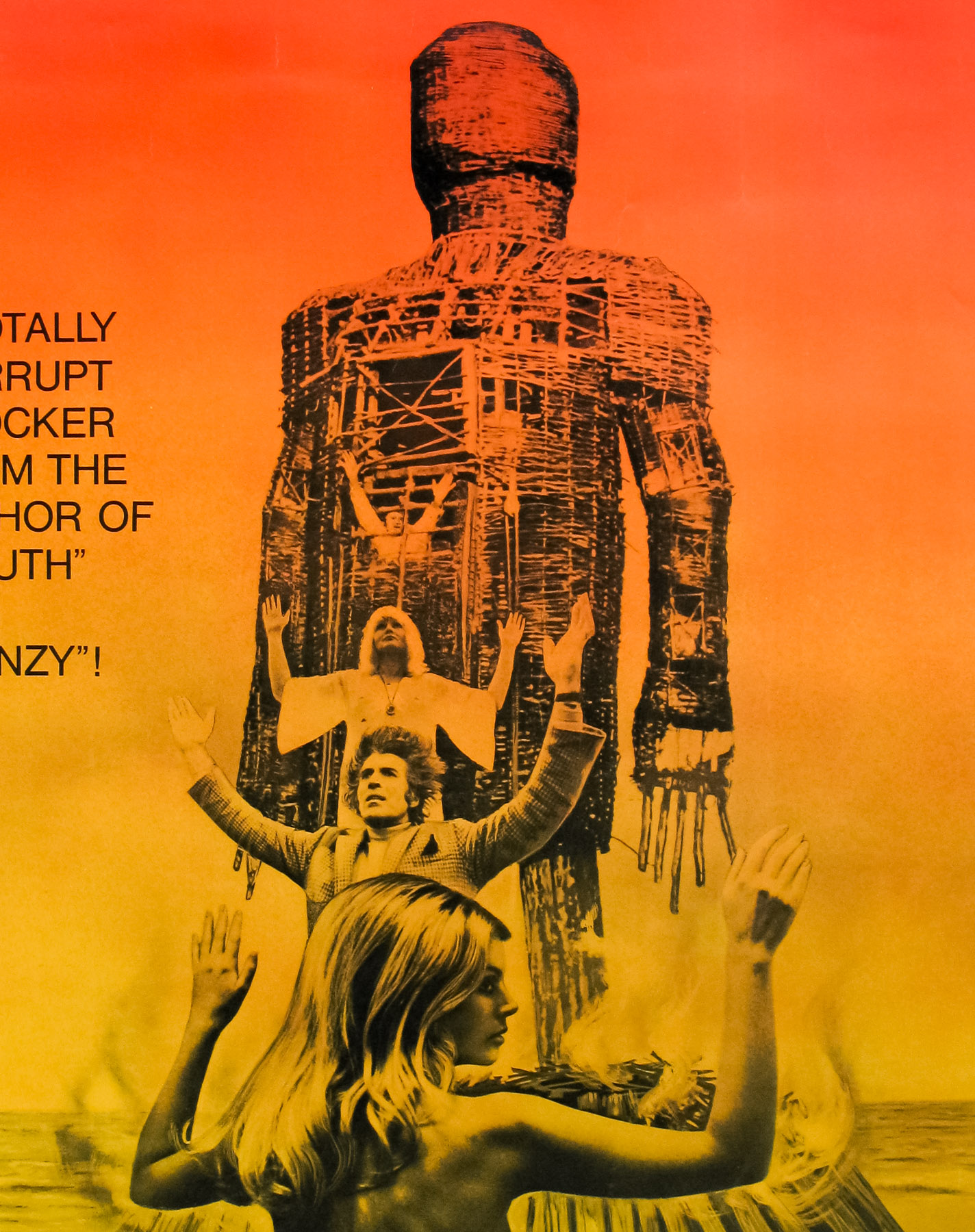
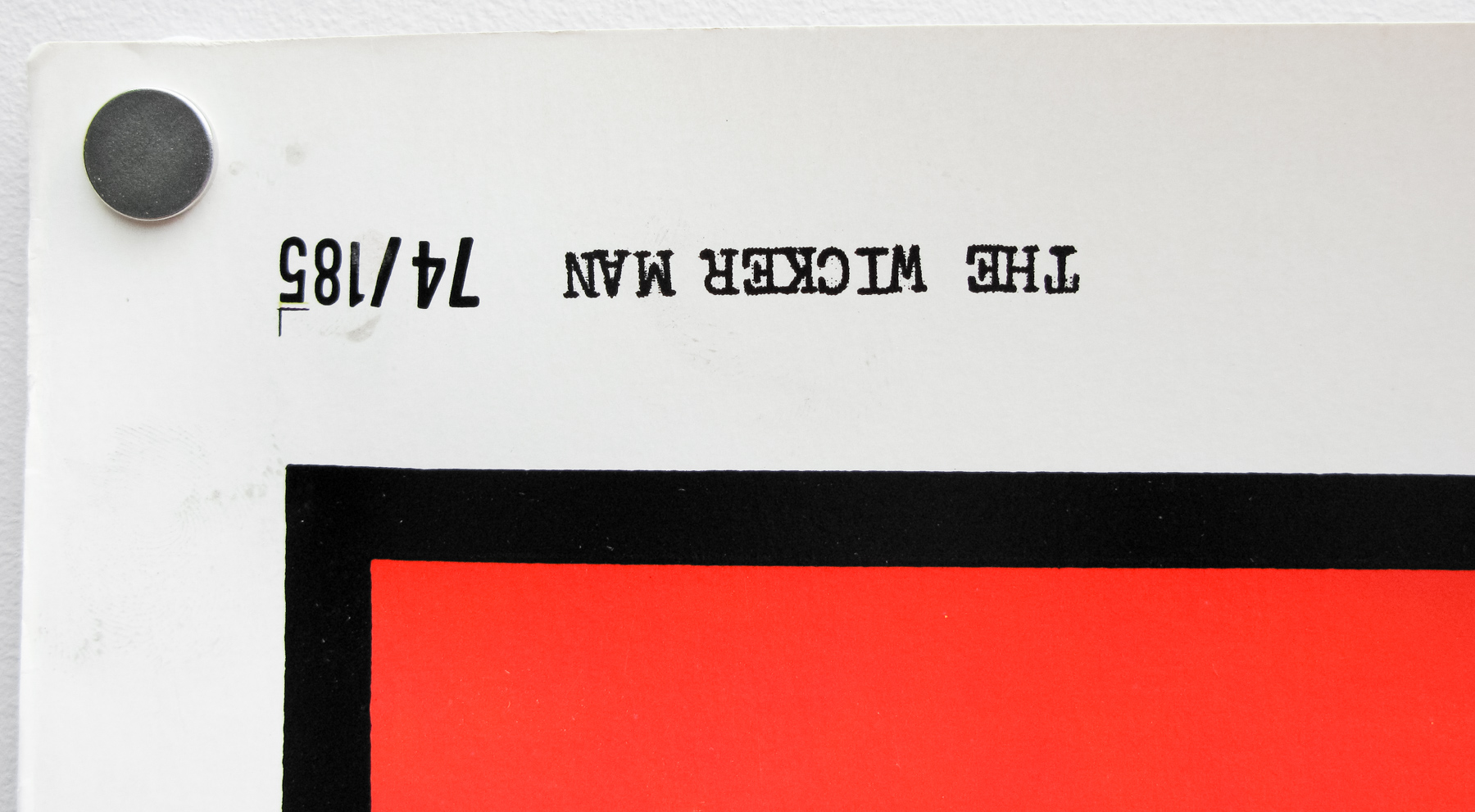
The Wicker Man is a true British classic and even though it started life as a low-budget b-feature the film has lost none of its power since its release forty years ago this year. Based on a script by celebrated screenwriter Anthony Shaffer, who had previously seen great success with the play Sleuth (1970), The Wicker Man was helmed by first time director Robin Hardy and was filmed on location around Scotland, with several coastal settings chosen to stand-in for the fictional island of Summerisle. It’s unfair to call the film a horror as it’s a mix of murder-mystery with occult undertones and features an unforgettable finale that lingers in the mind for a long time after the credits roll.

Edward Woodward stars as Sergeant Howie, a strait-laced policeman sent from the Scottish mainland to to investigate the mysterious disappearance of a local girl. After encountering indifference and hostility from the inhabitants, Howie decides to investigate the islands’ de facto leader Lord Summerisle (A memorable Christopher Lee) and soon discovers that this charismatic figure’s influence and beliefs hold sway over the population. The policeman realises too late that he has been brought to the island for reasons more sinister than the supposed disappearance of a local girl, and things are about to get very heated indeed for the unlucky Sergeant Howie.

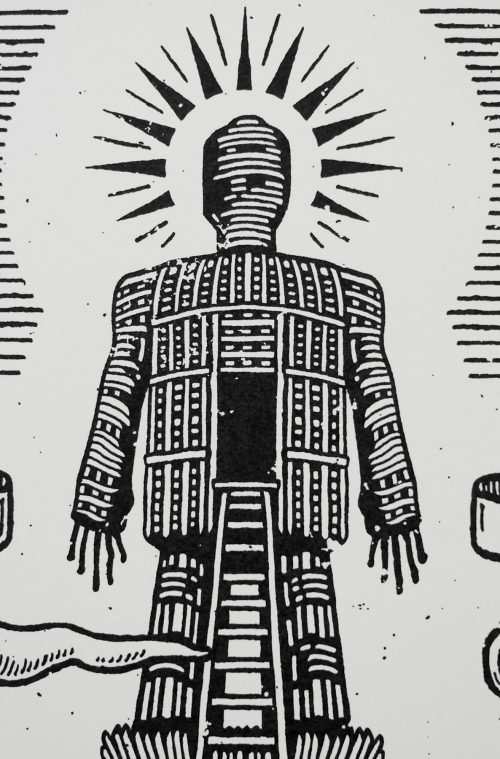
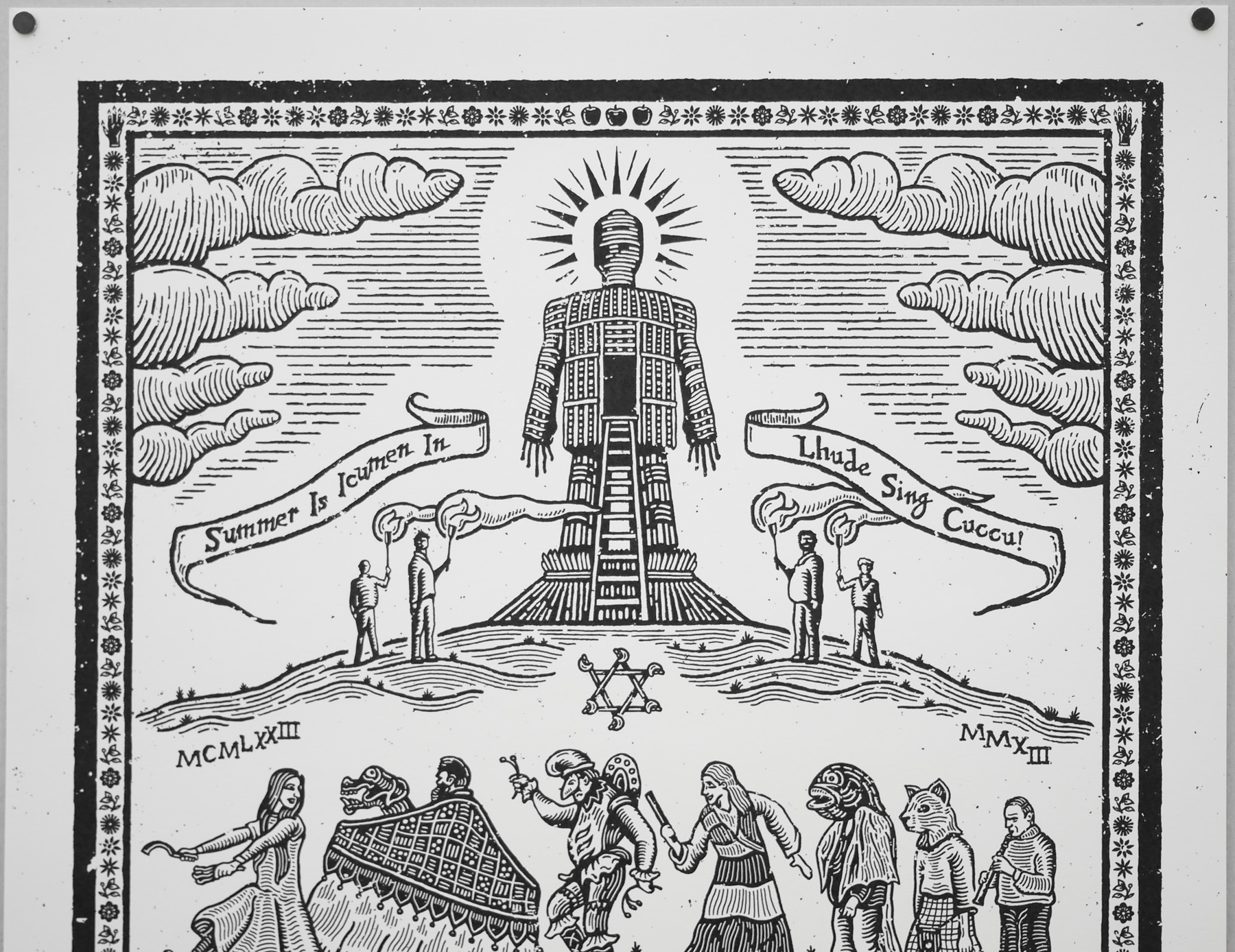
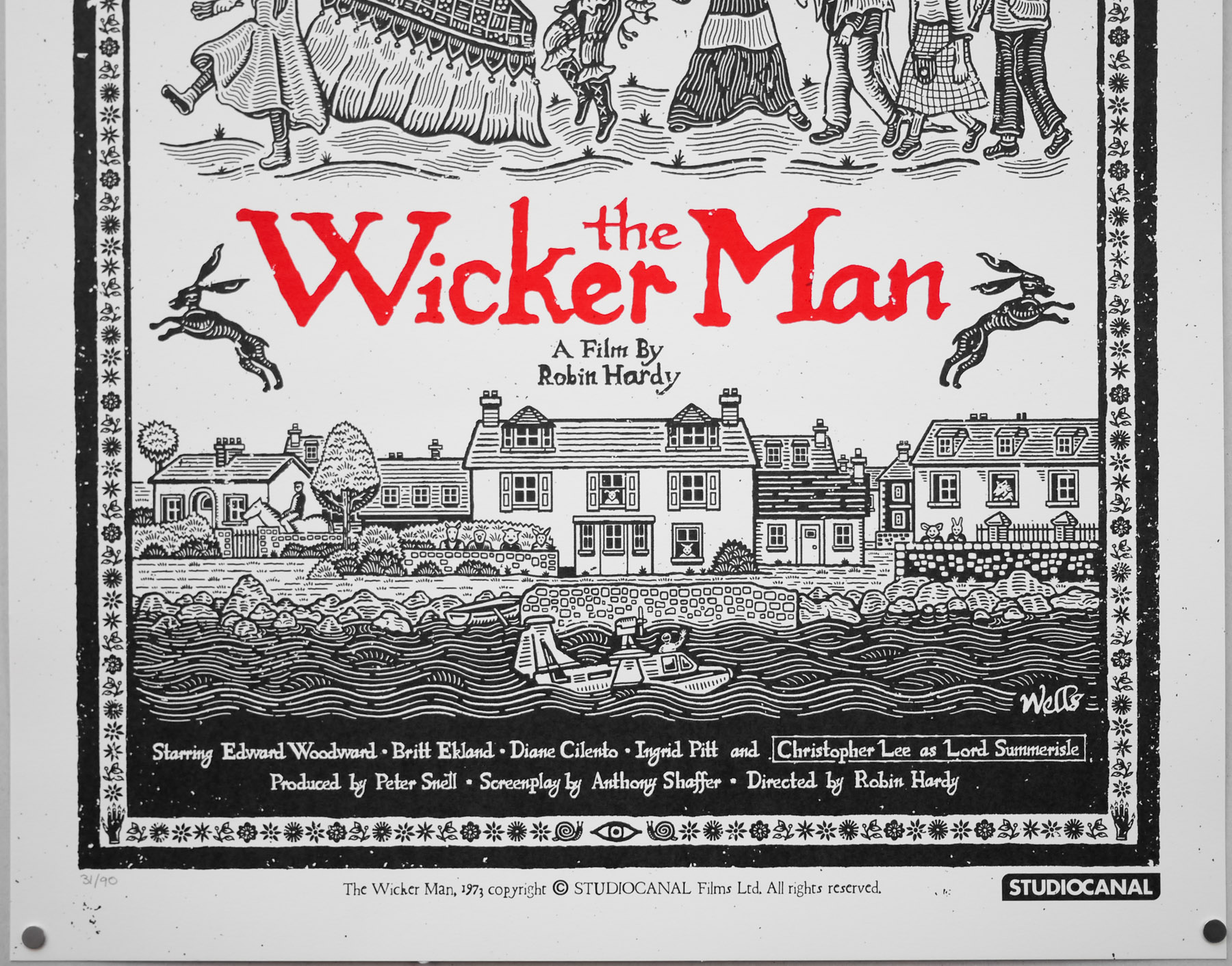
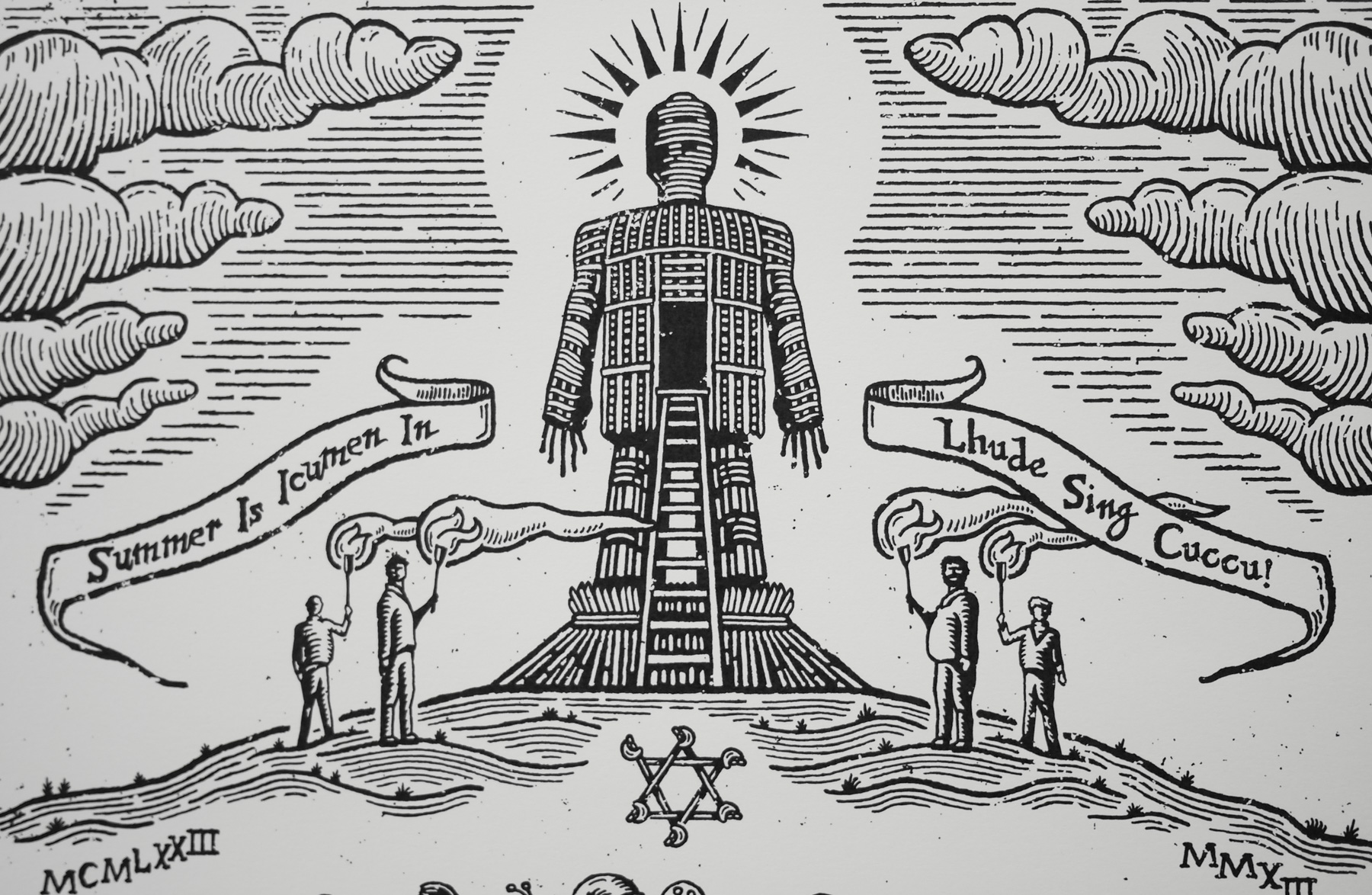
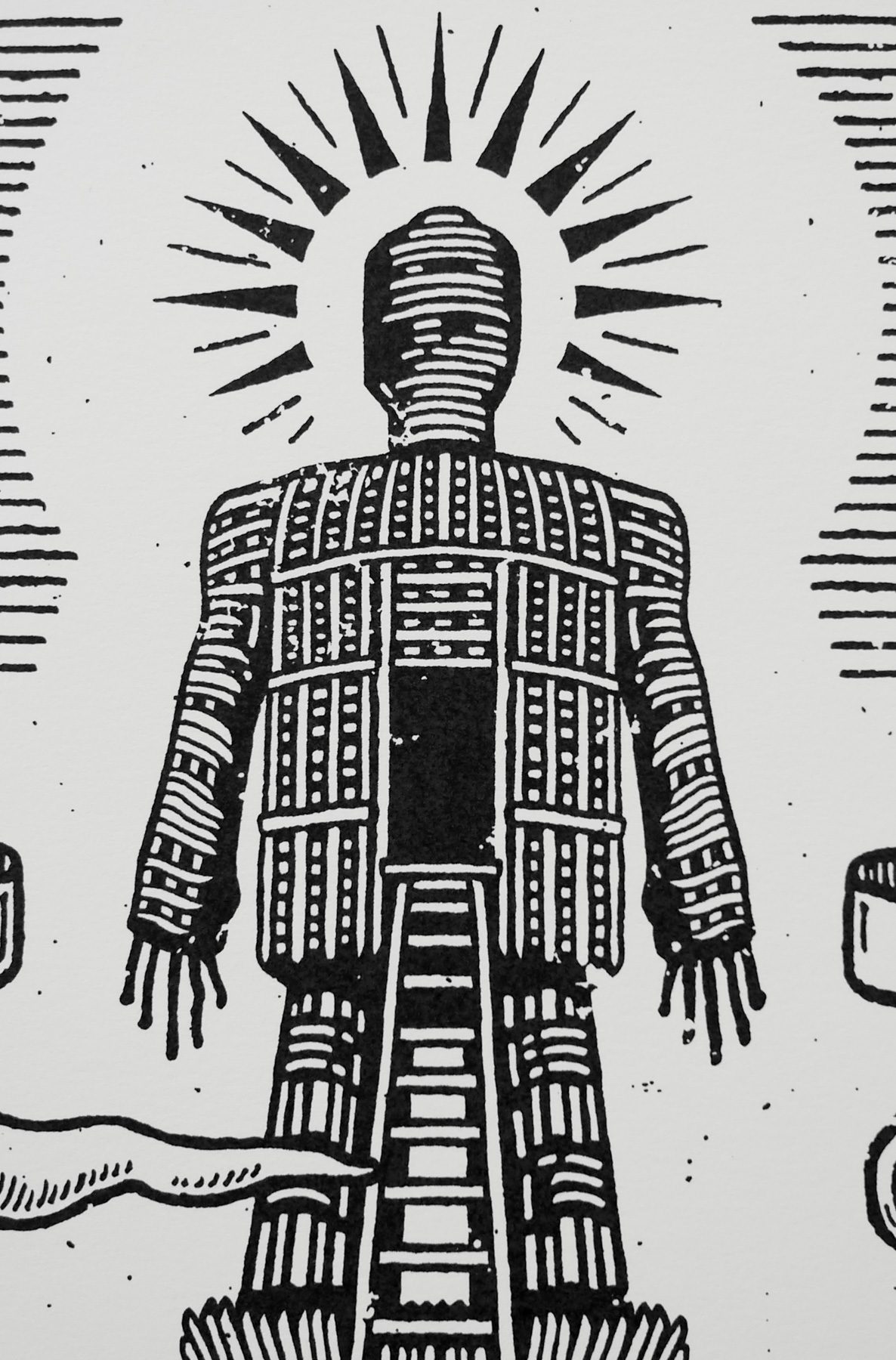
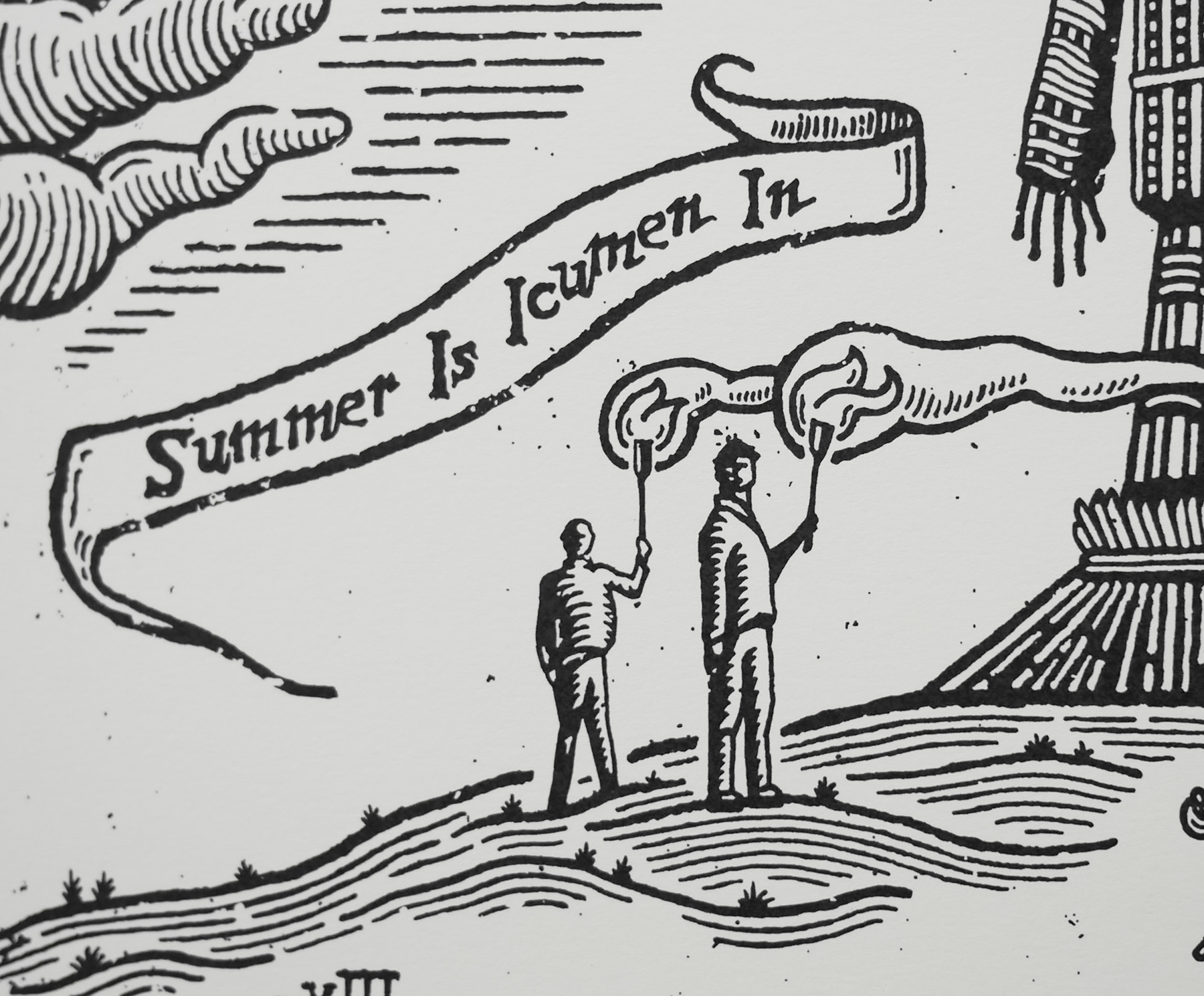
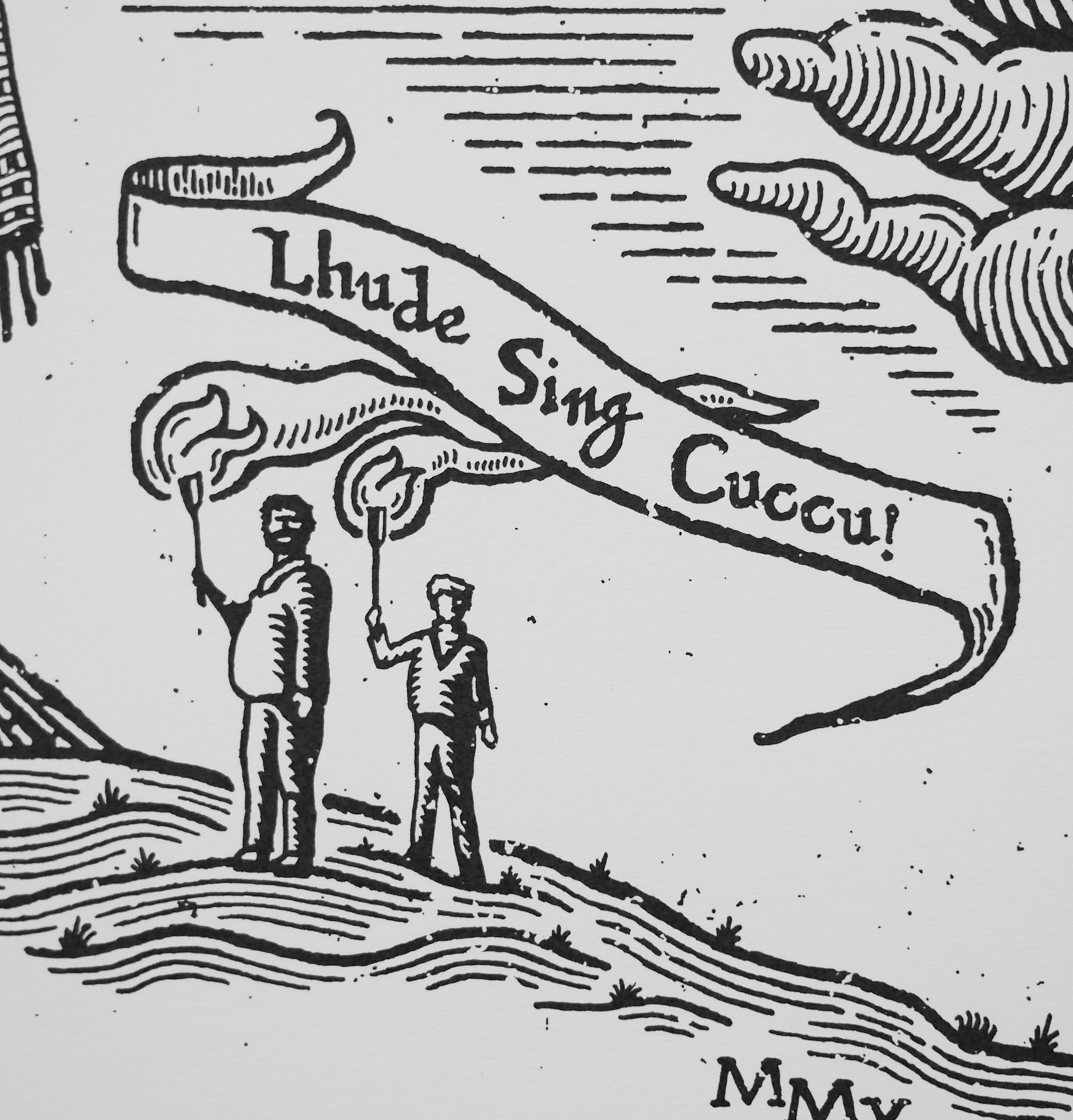
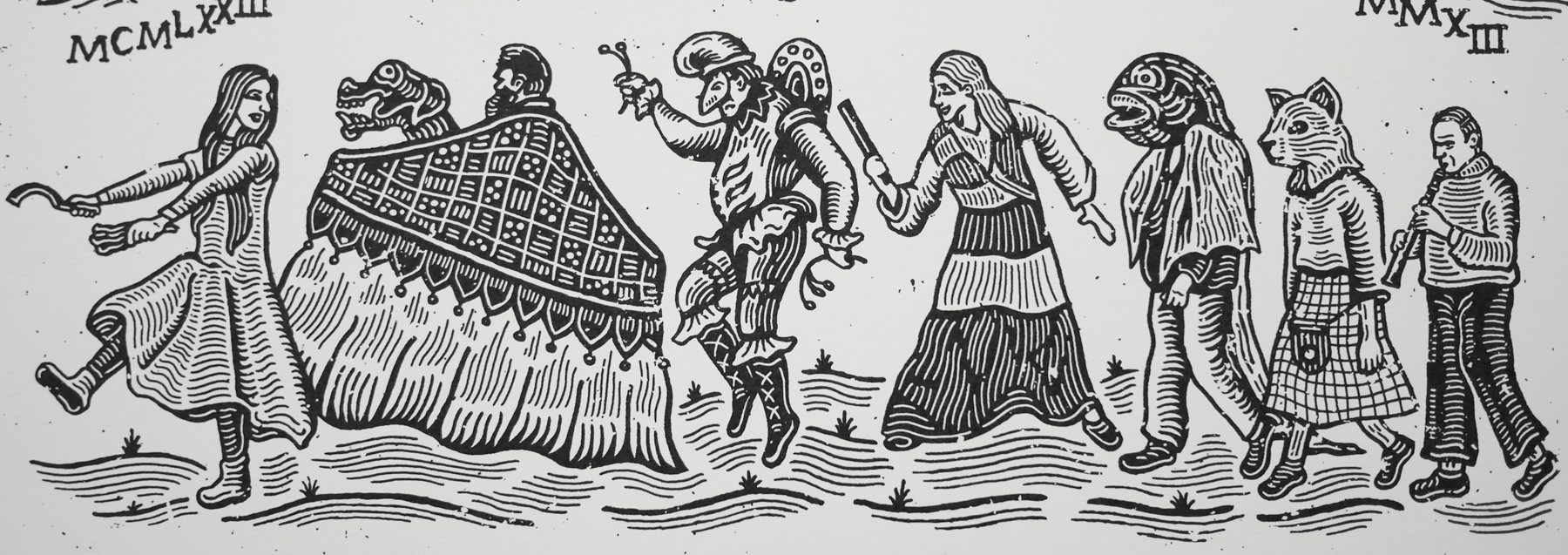
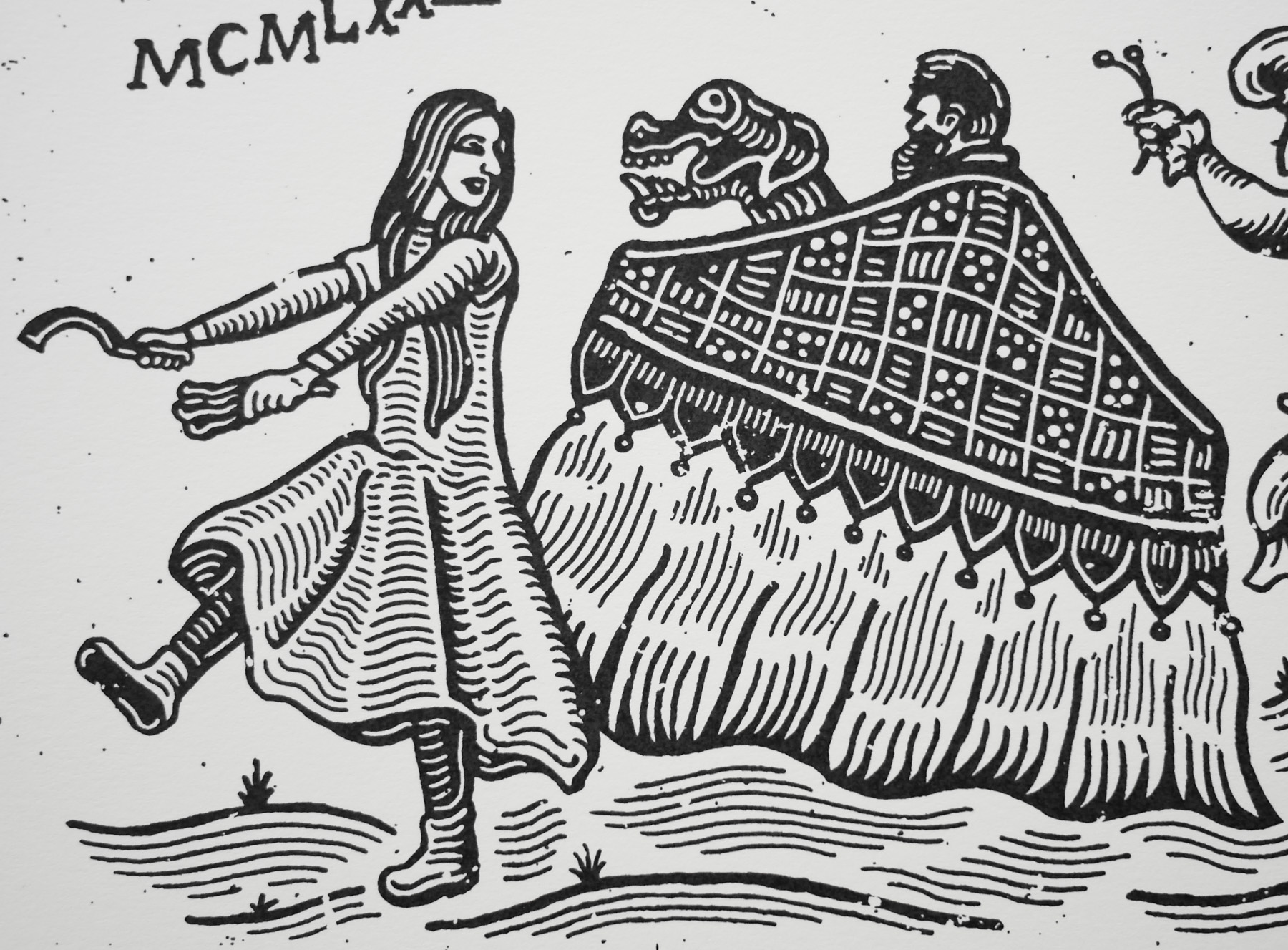
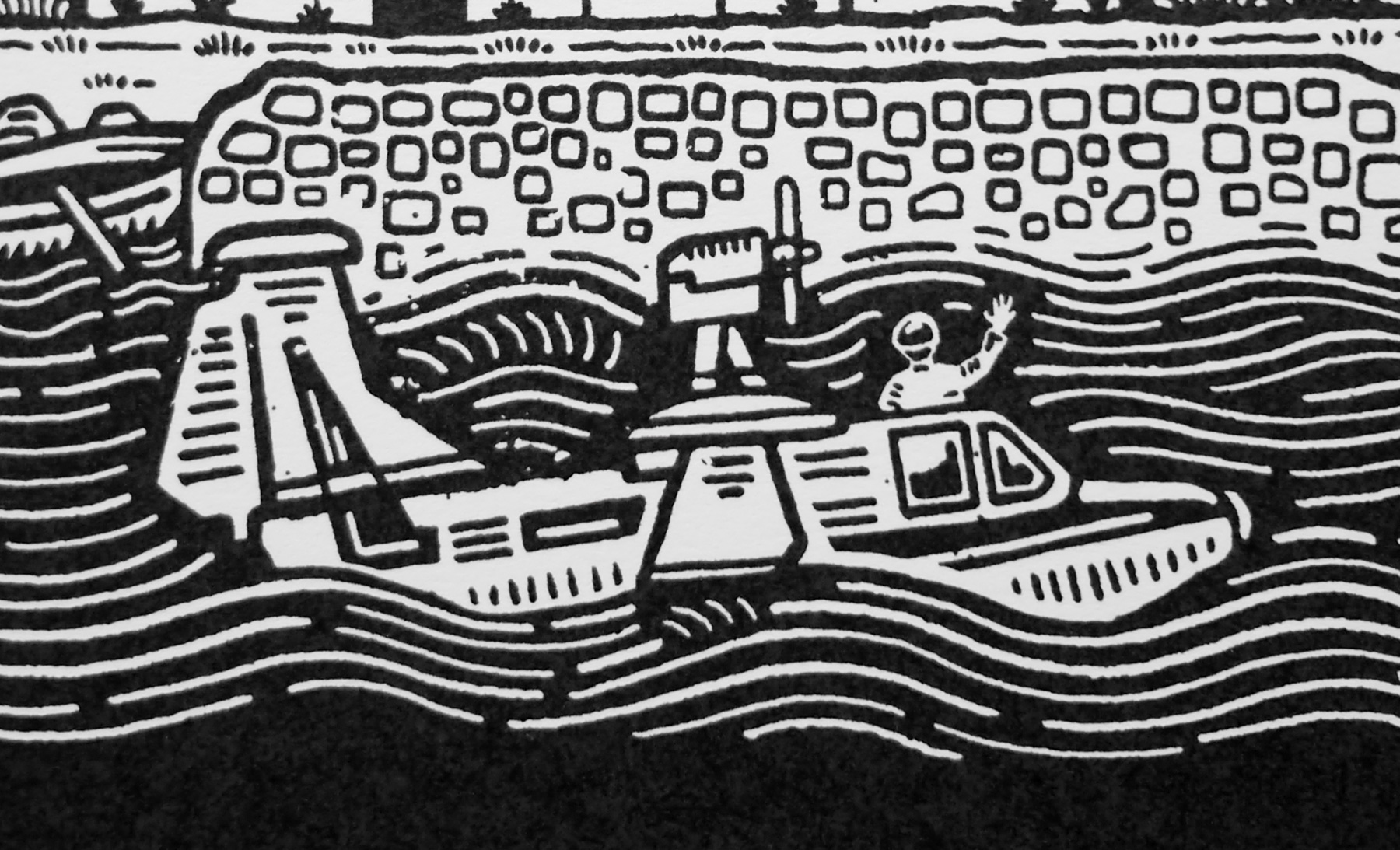
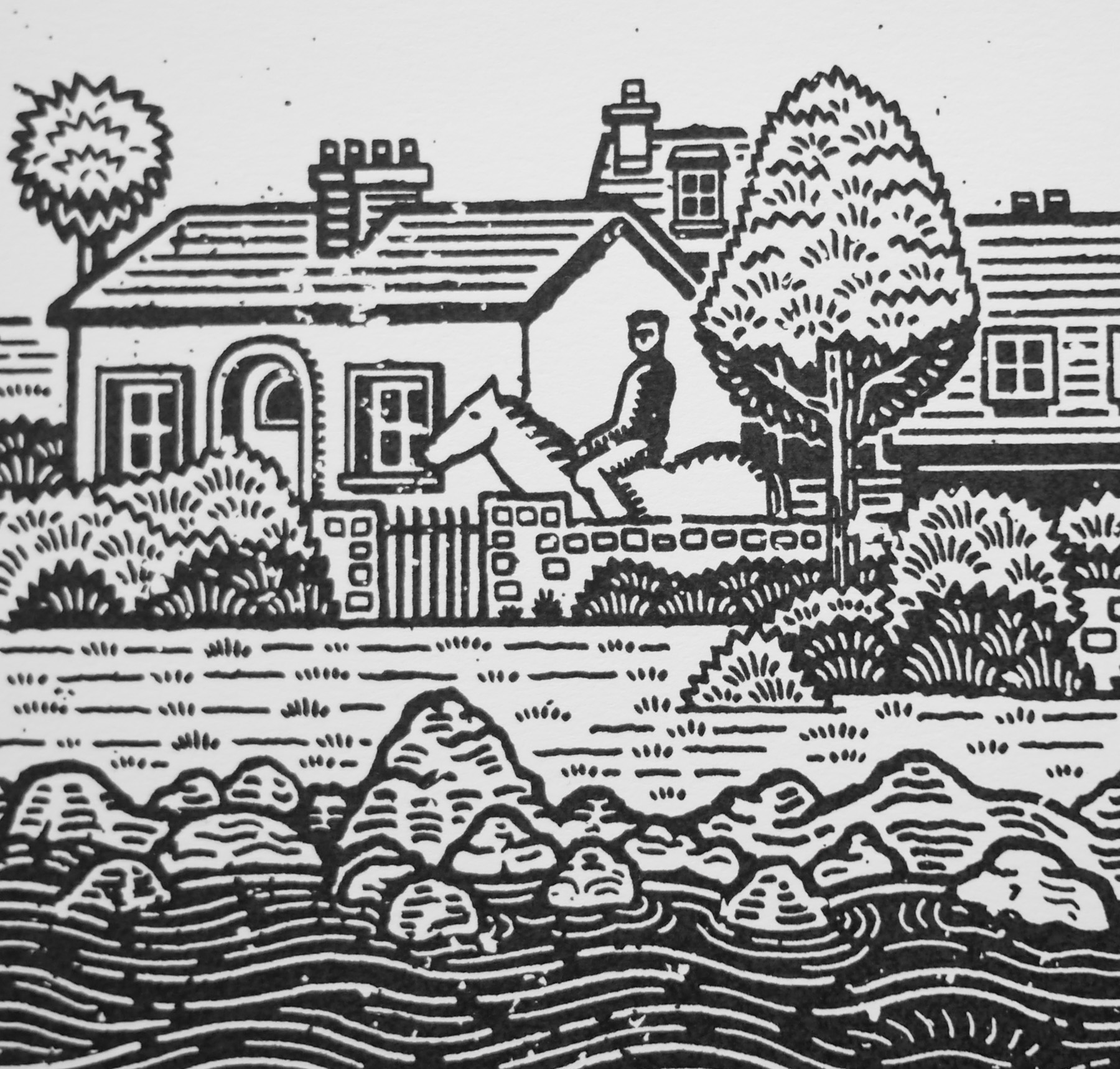
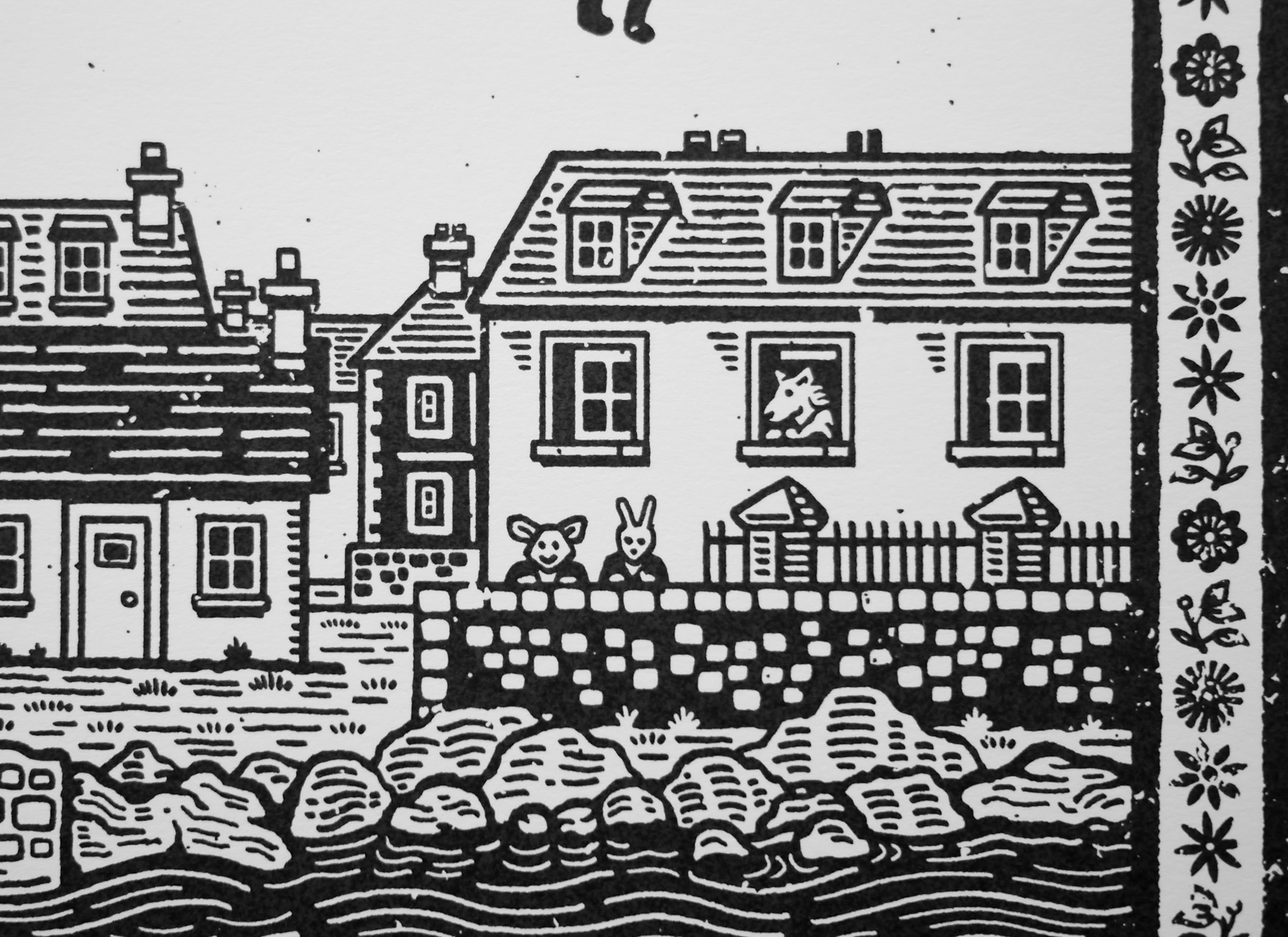
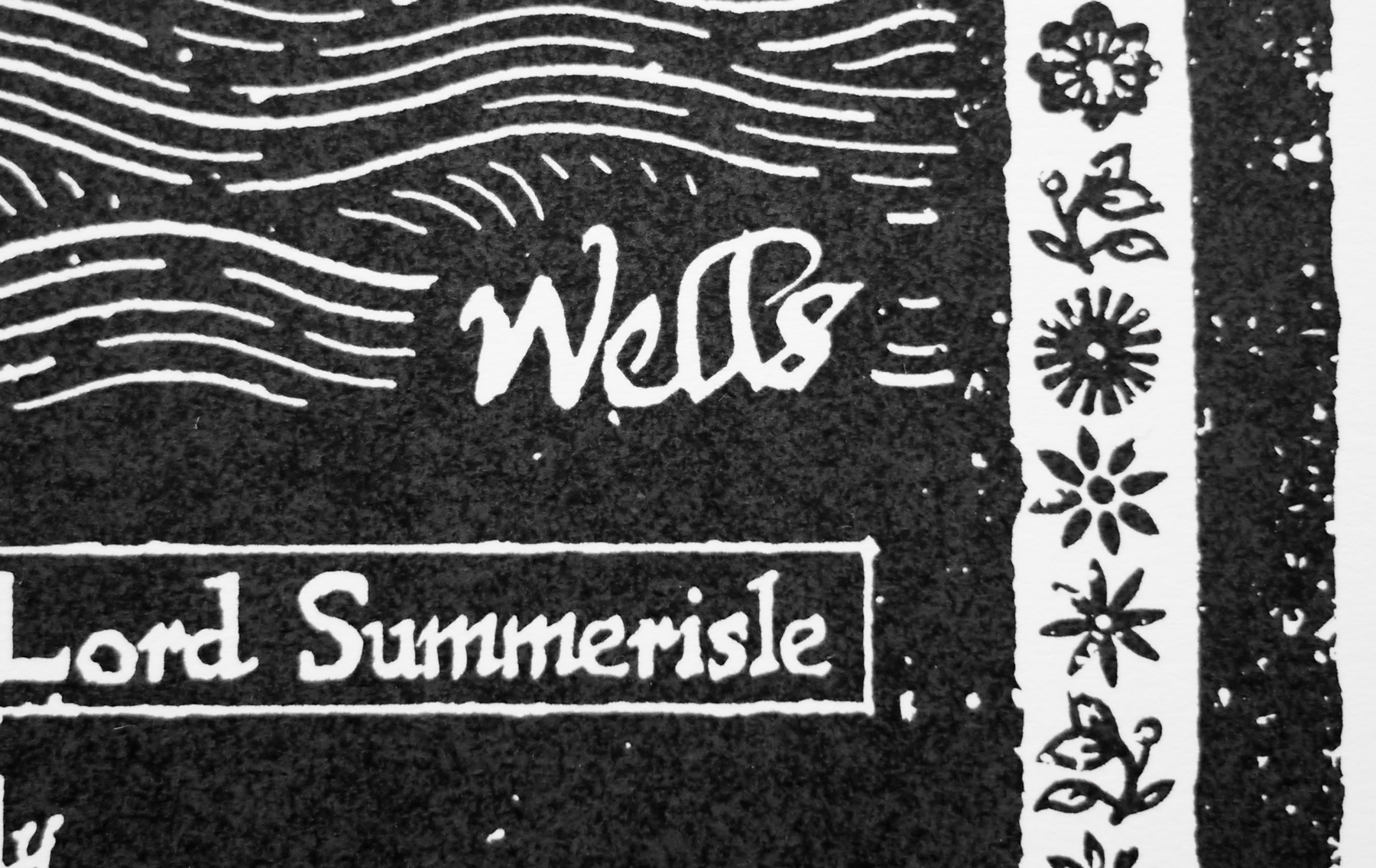
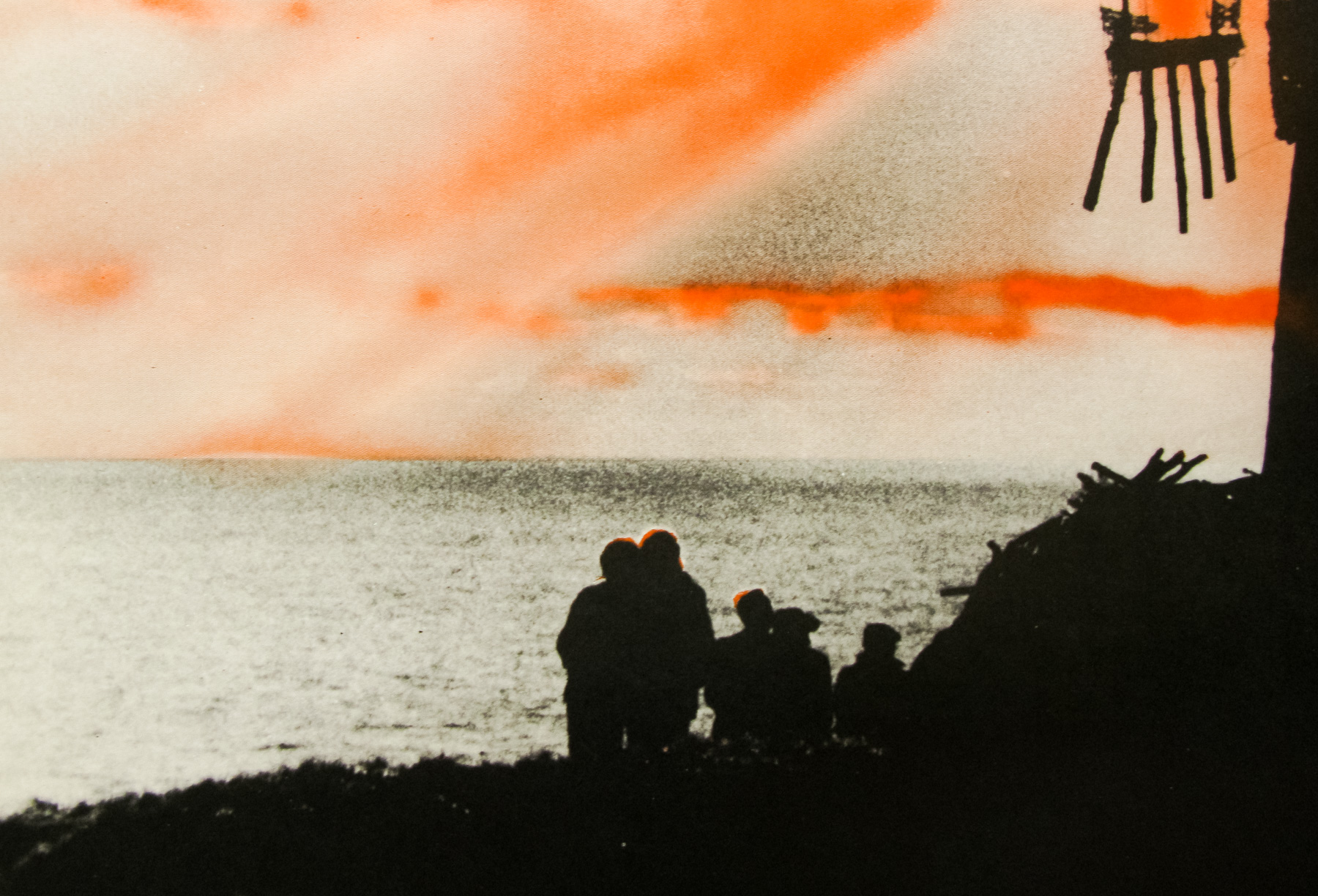
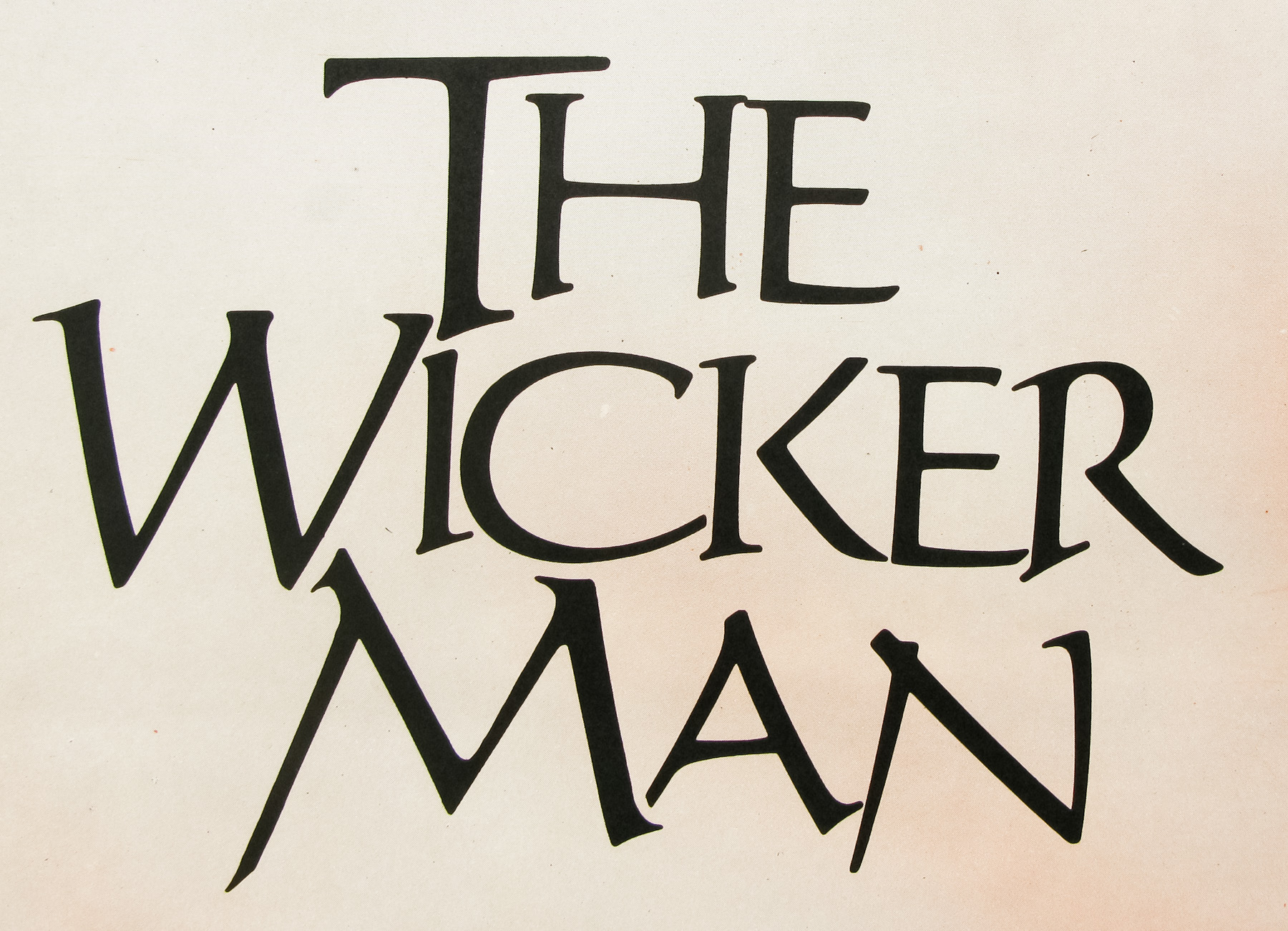
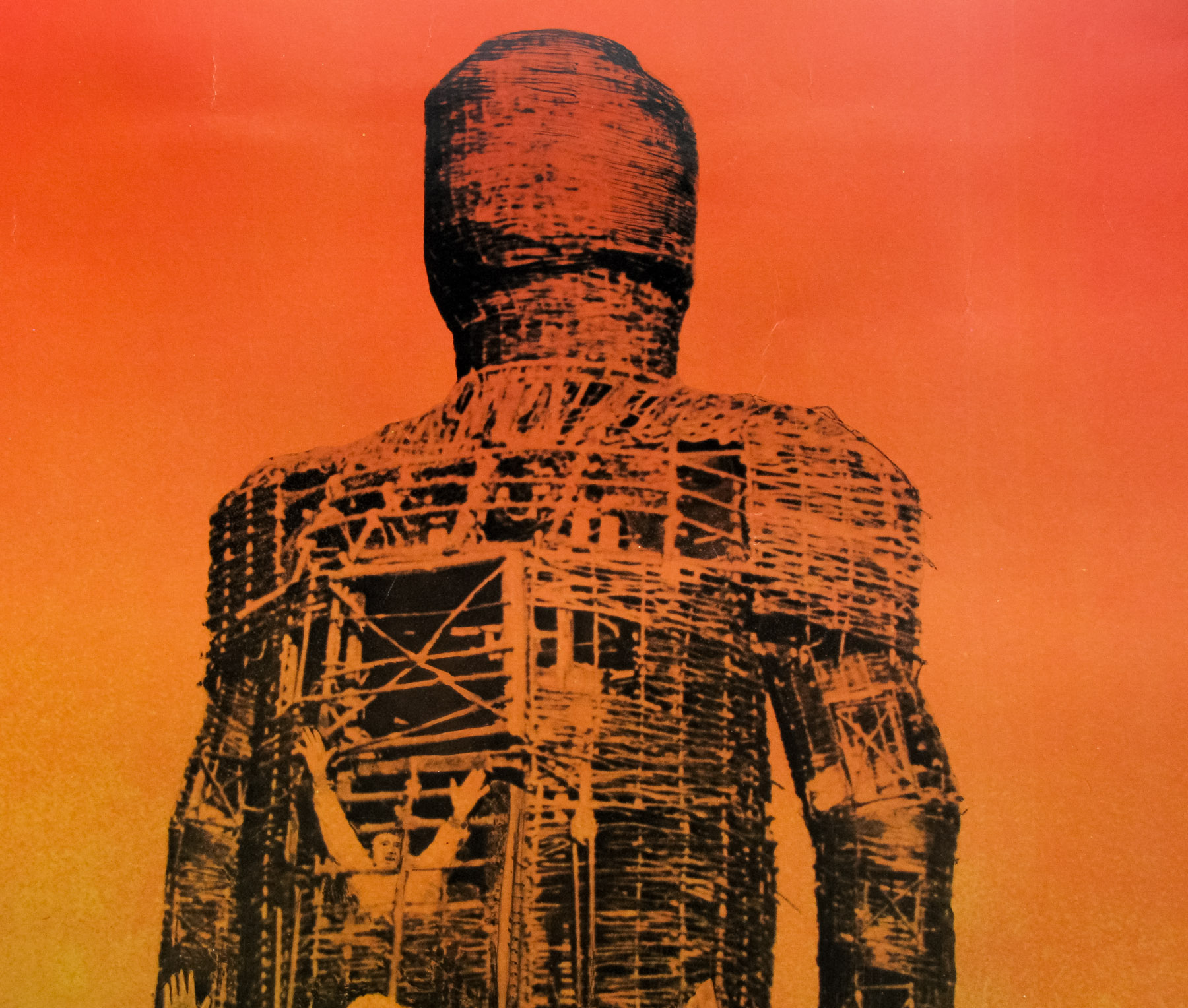
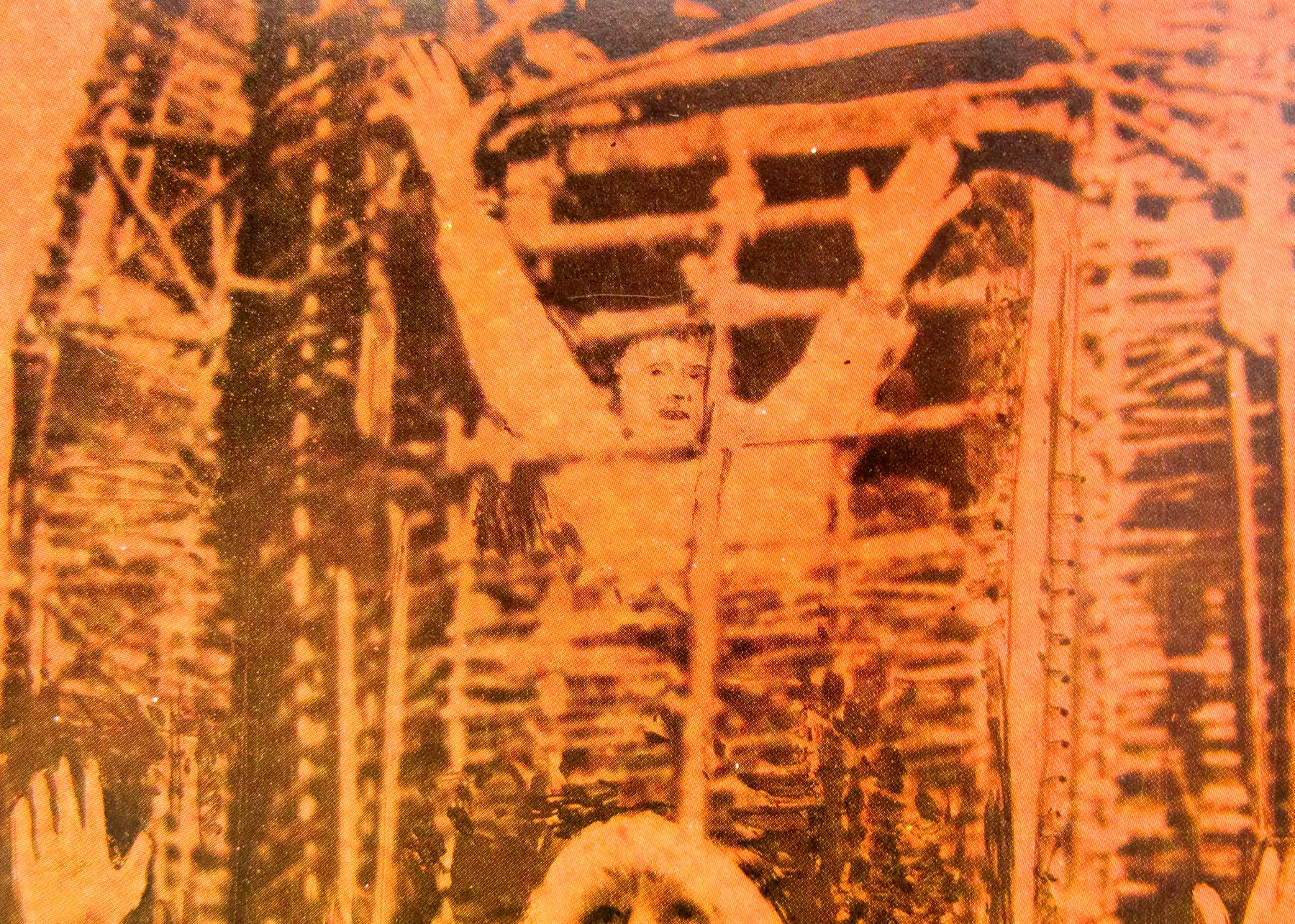
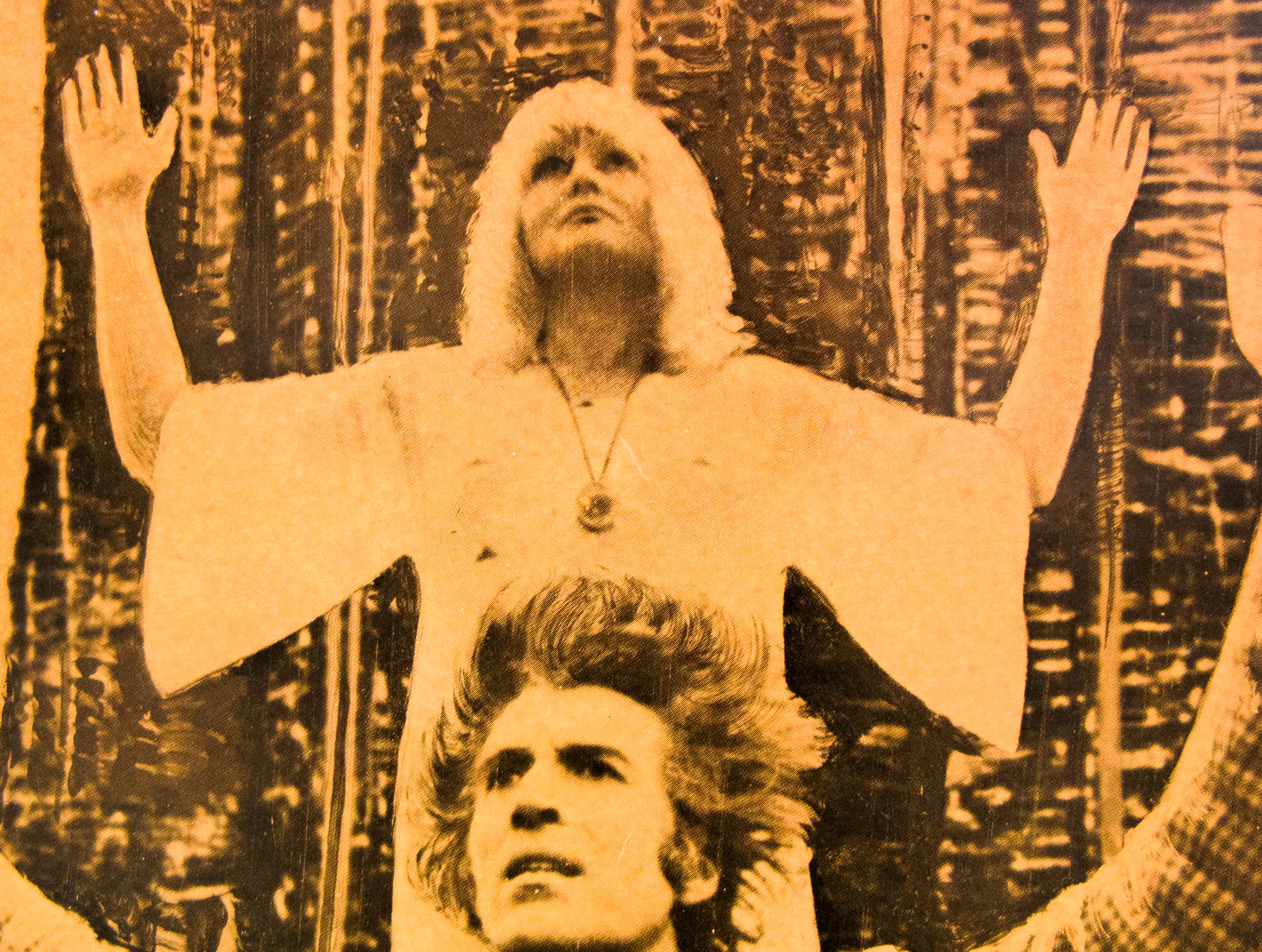
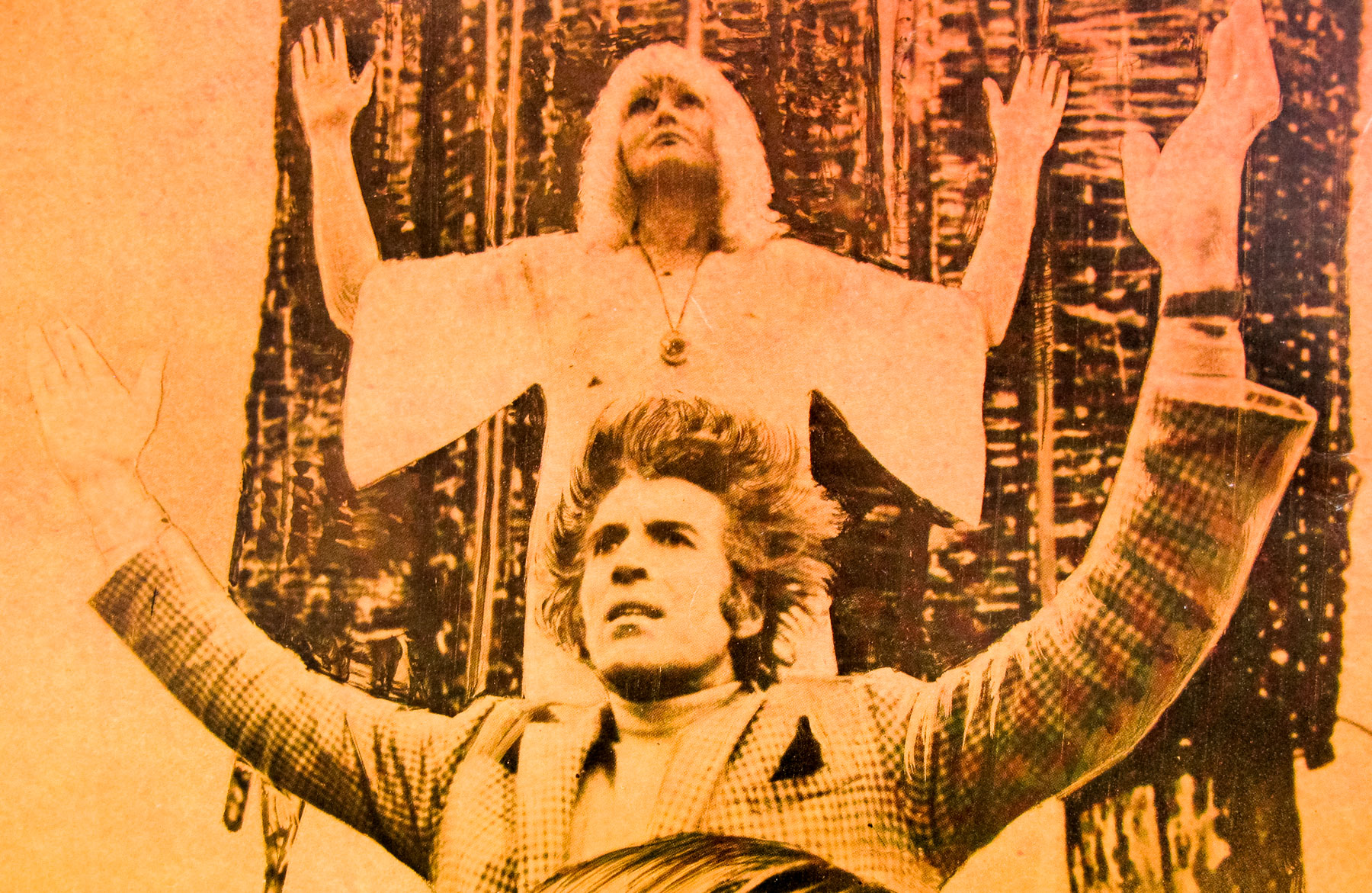
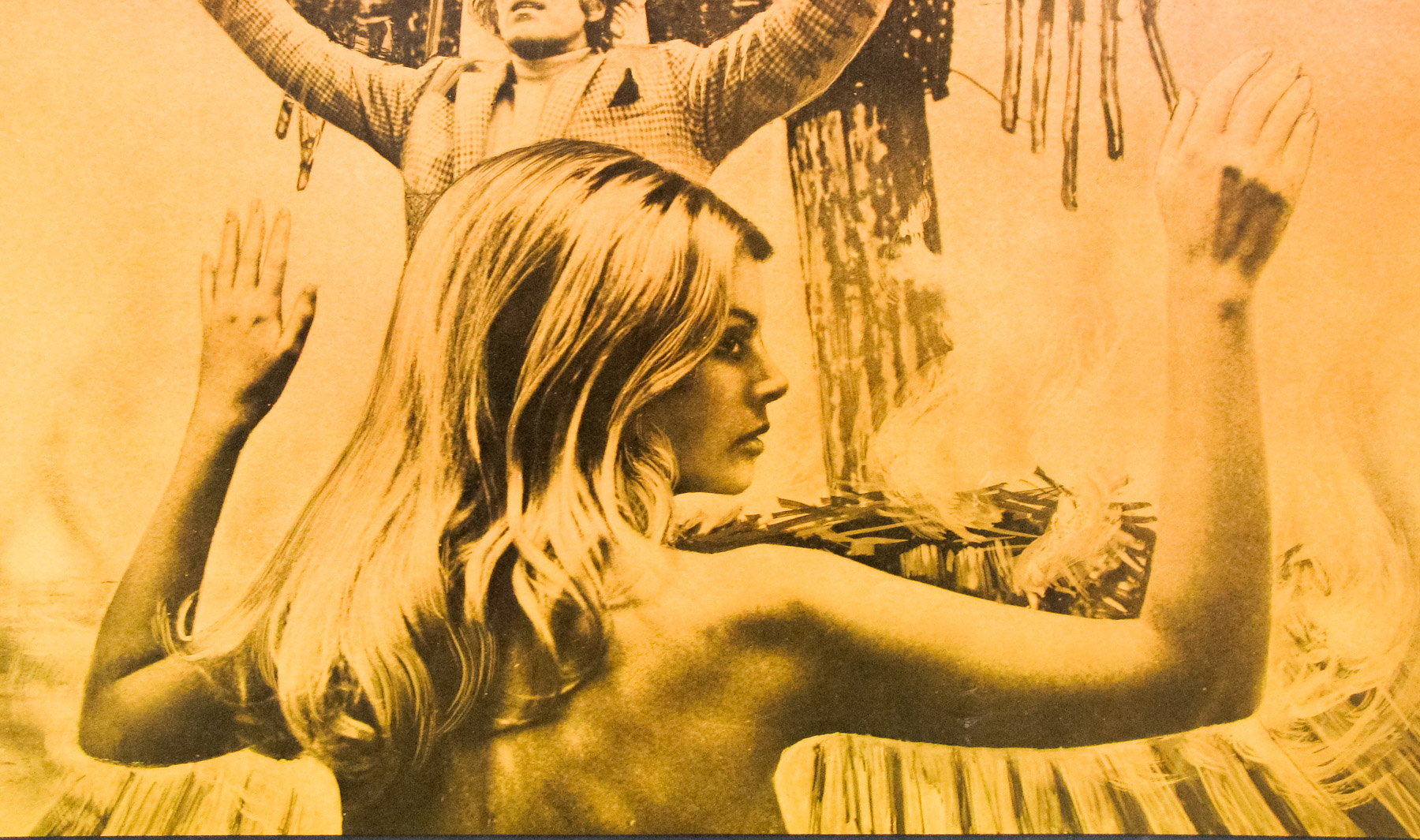
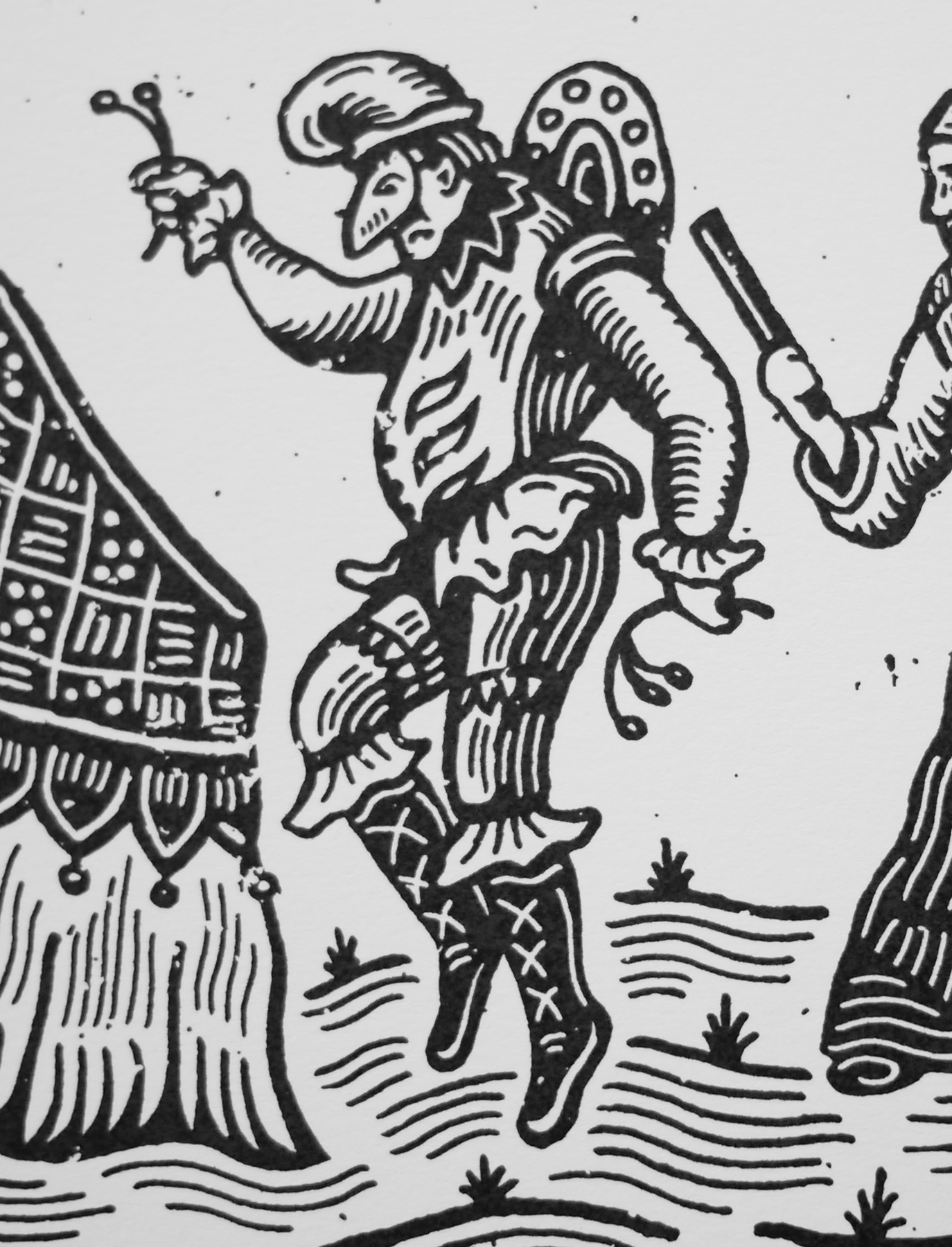
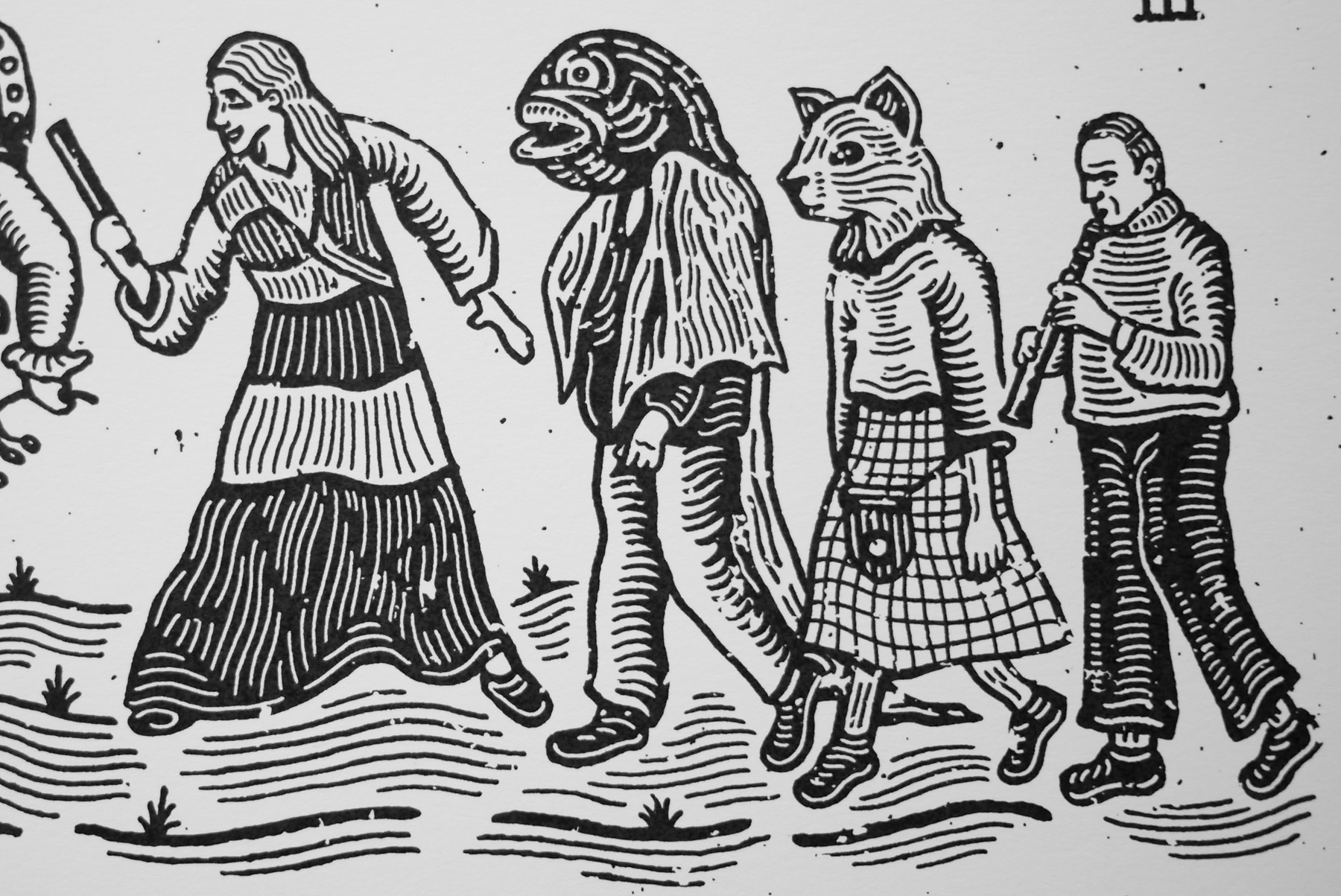
This screen print was created by the British designer and illustrator Richard Wells (AKA Slippery Jack) in a traditional woodcut style that perfectly suits the film. Wells first debuted the artwork digitally in 2013 to mark the film’s 40th anniversary and then the following year he collaborated with Under the Floorboards to release a screen print of it in both regular and variant editions (the variant is on a different, brighter type of paper). There are so many great details to the print and I spot new ones each time I look at it. In 2013 Wells worked on a similar style print for Ben Wheatley’s A Field in England that was originally only given to cast and crew members but was later made available to the public in early 2015.

Check out Richard Wells’ portfolio site here and his DeviantArt gallery here.

Big Man Japan / one sheet / Japan

17.05.11

Poster Poster

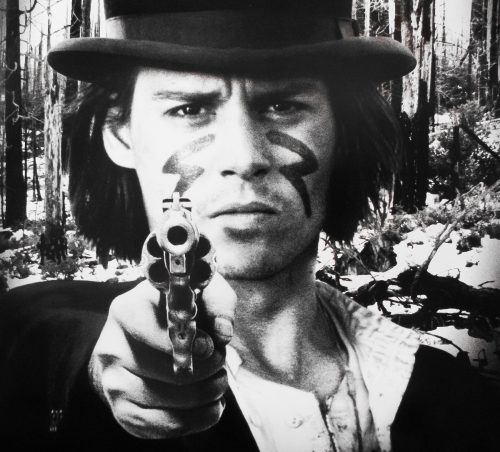
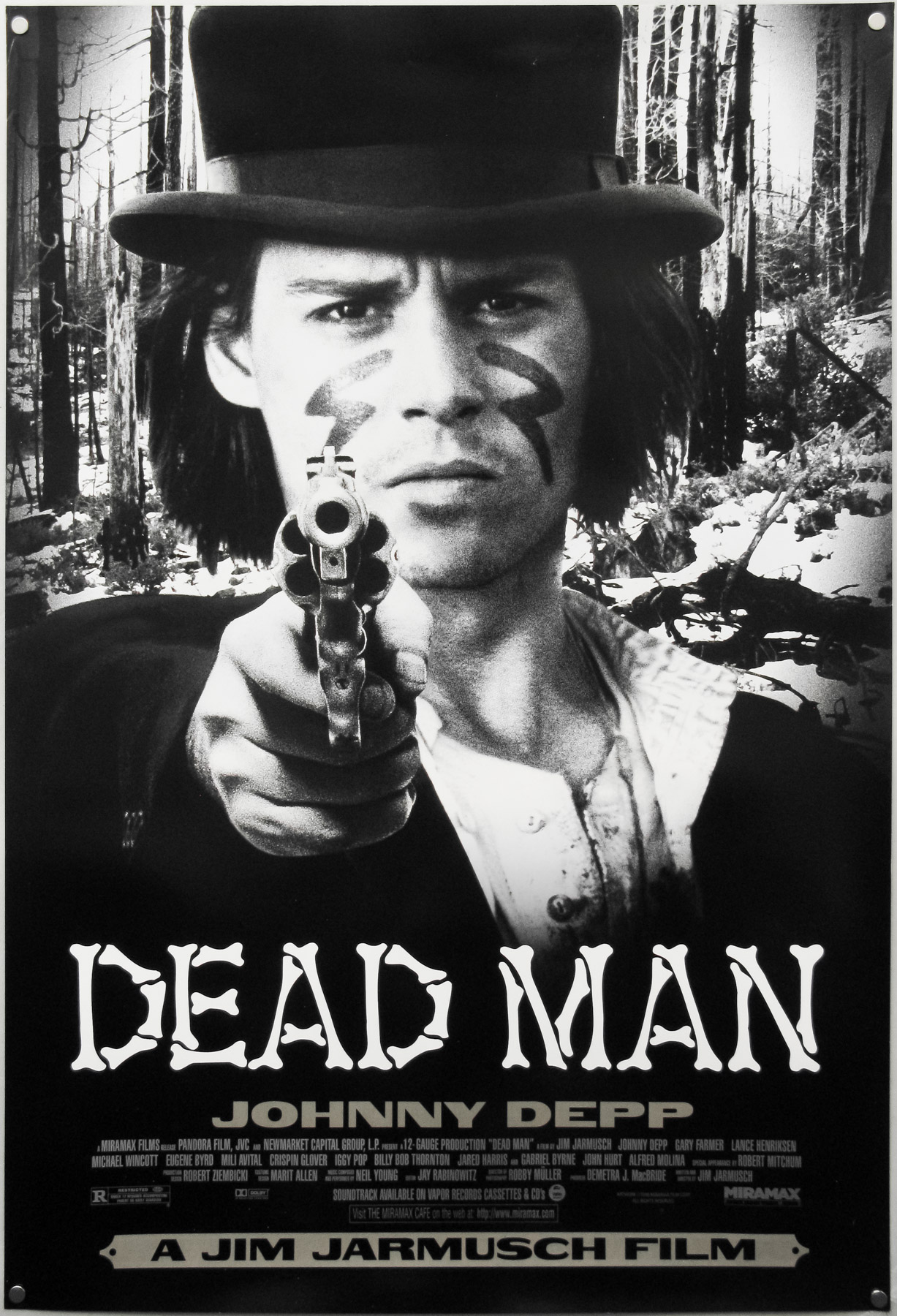
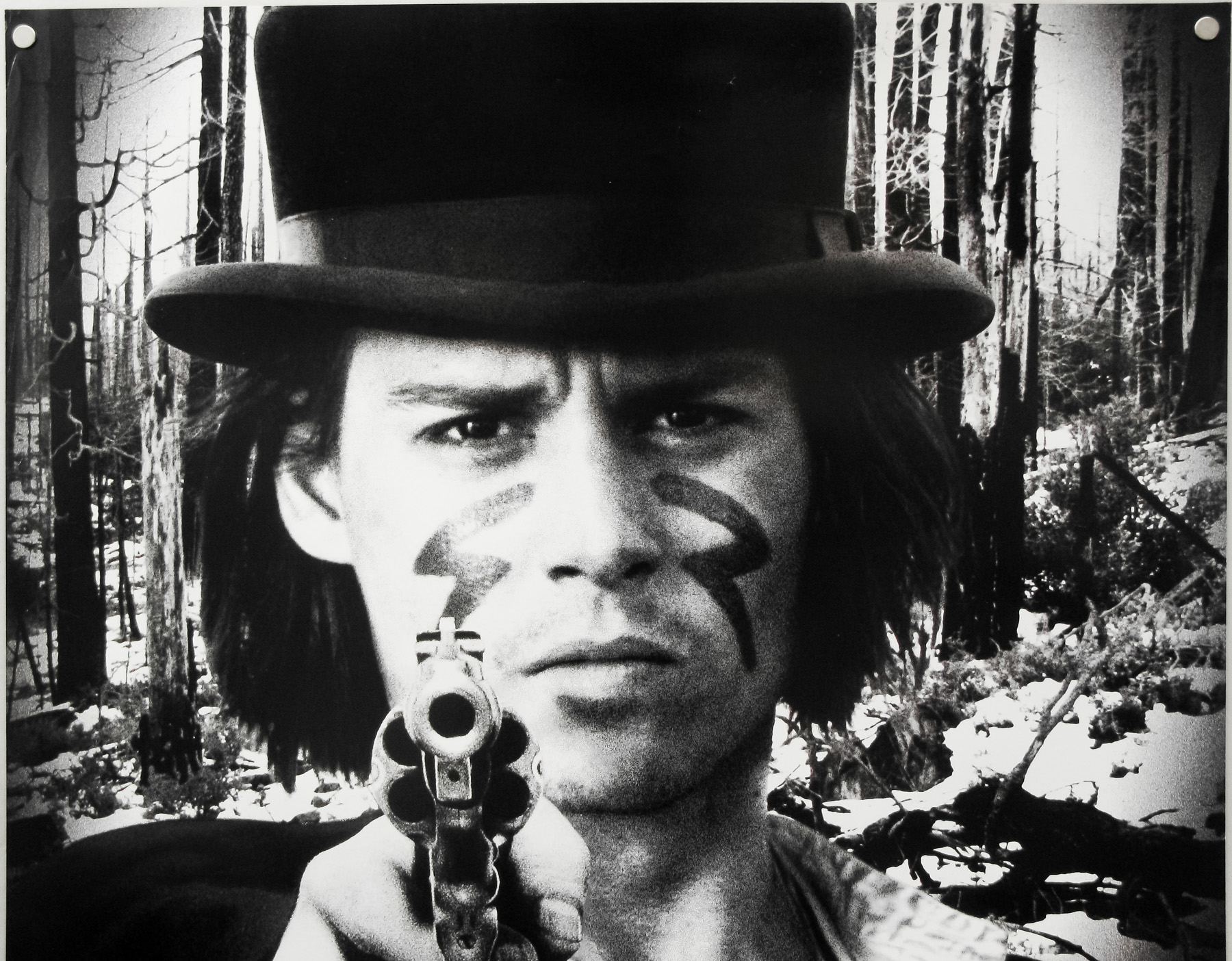
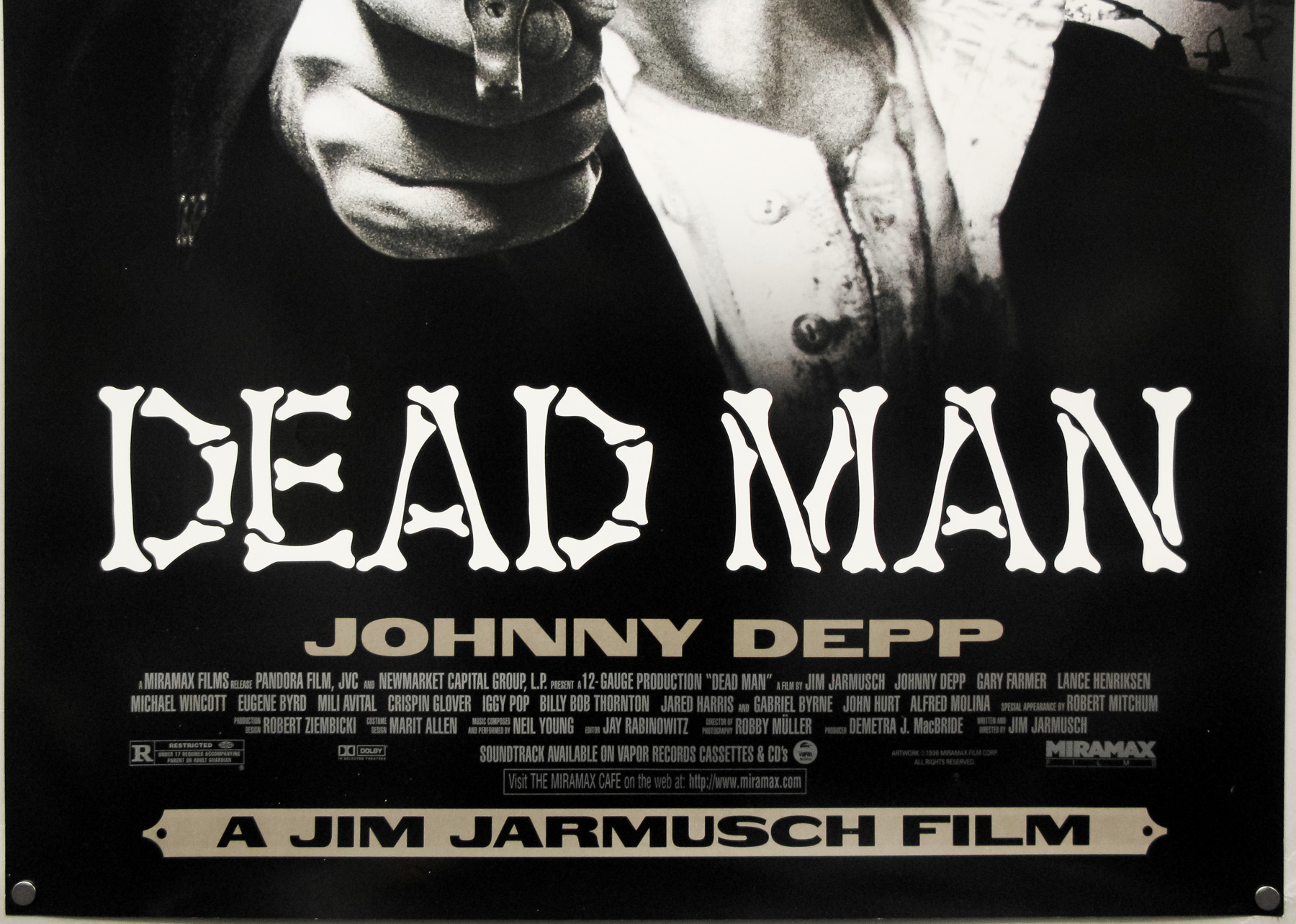
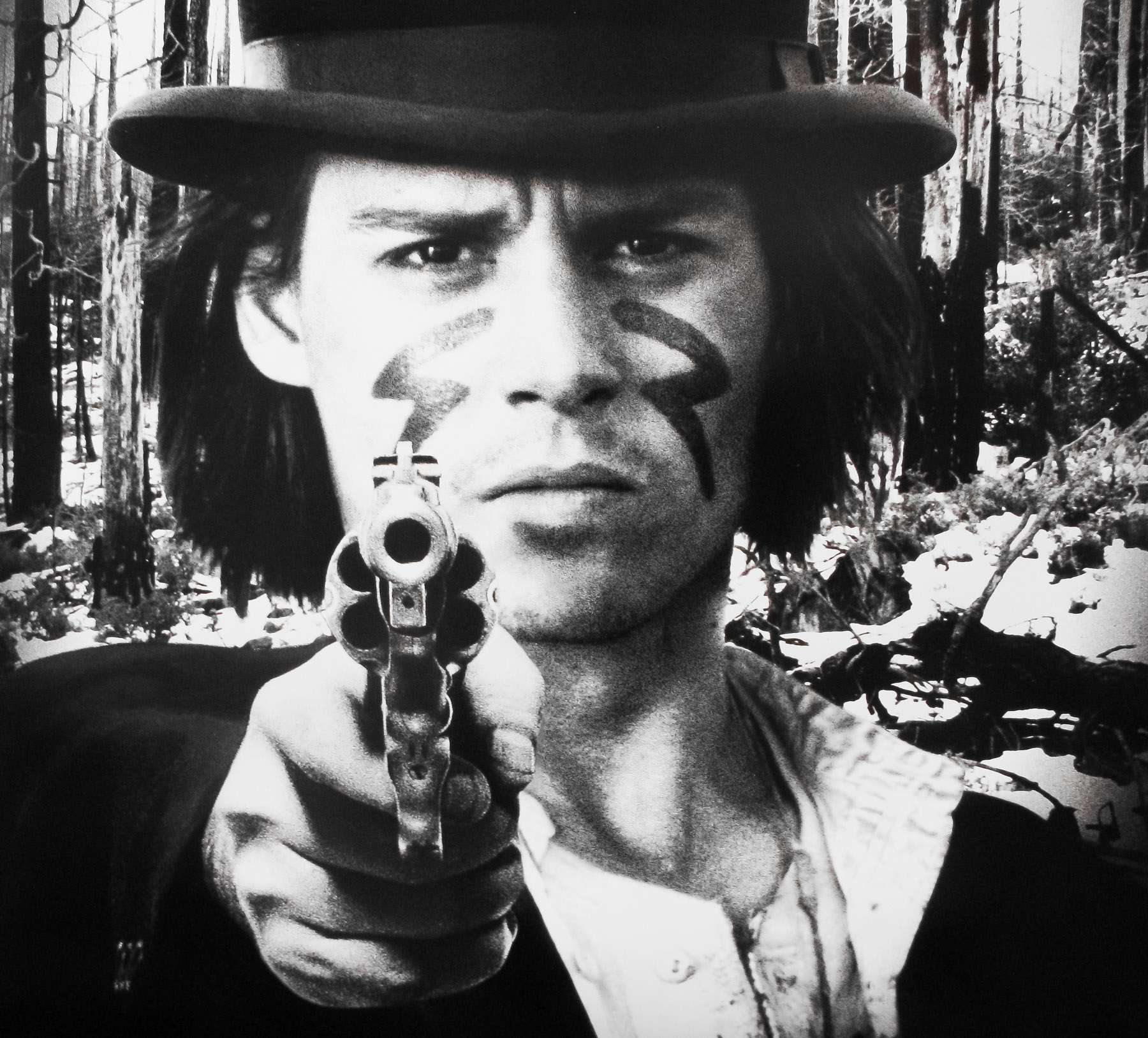
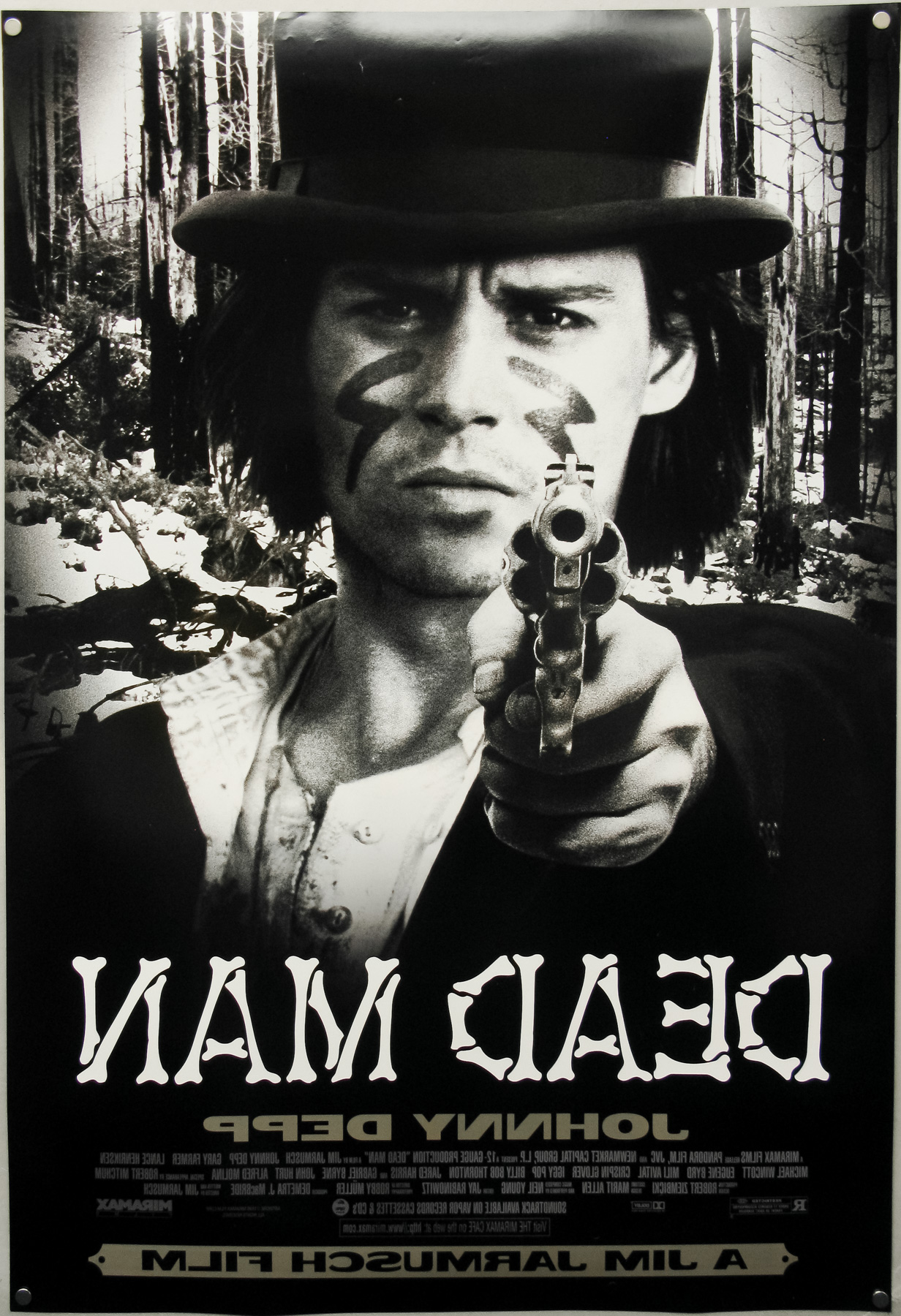
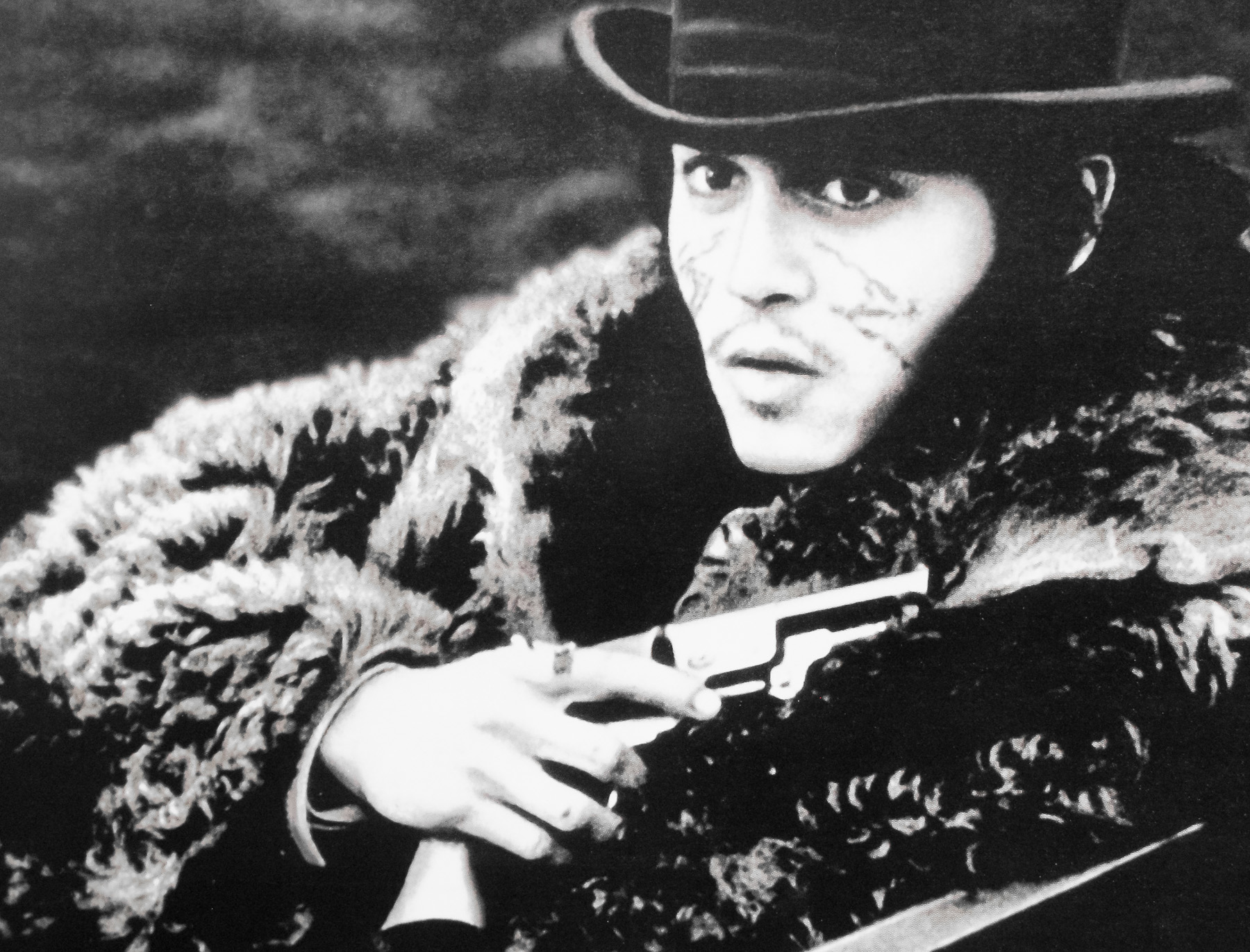
Dead Man / one sheet / gun style / USA

17.05.11

Poster Poster

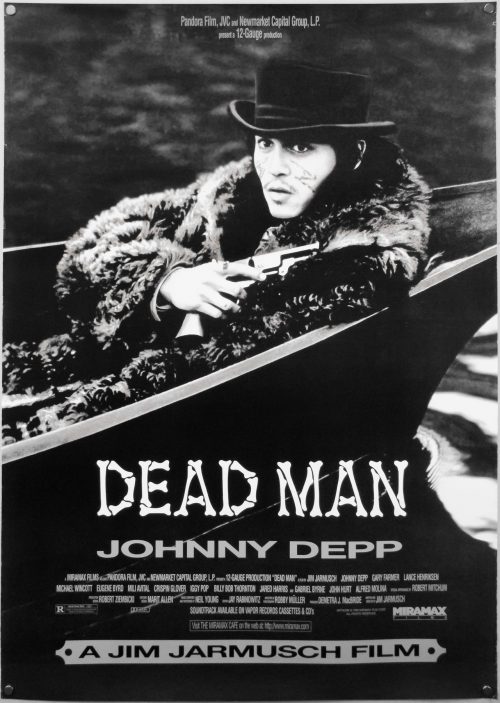
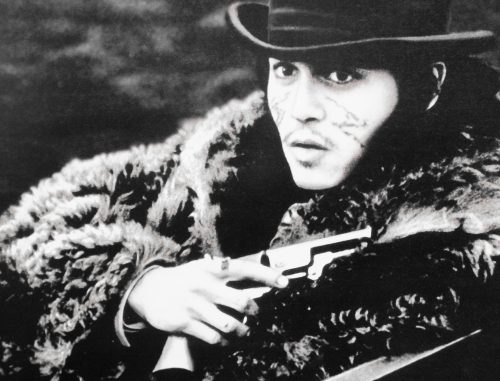
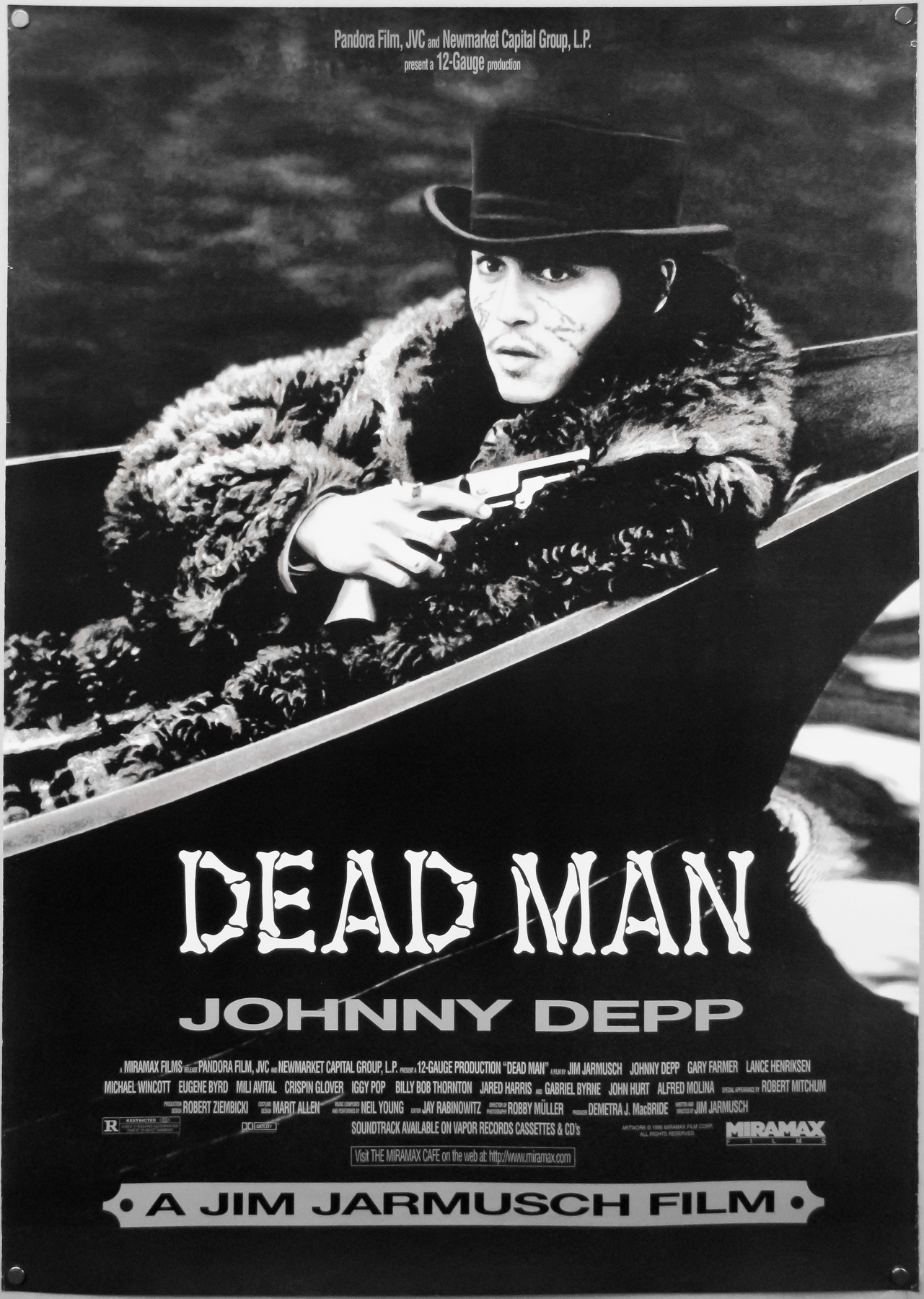
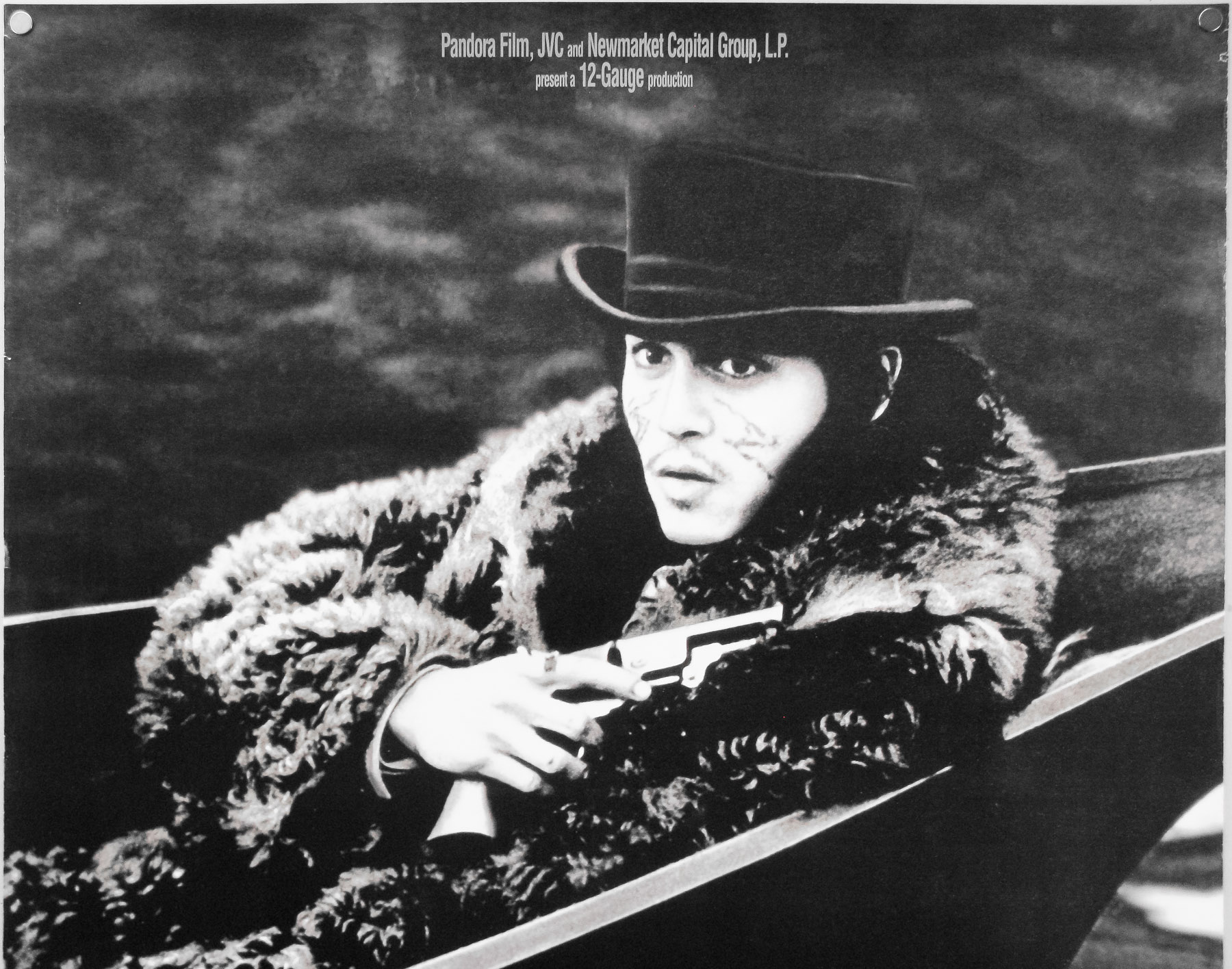
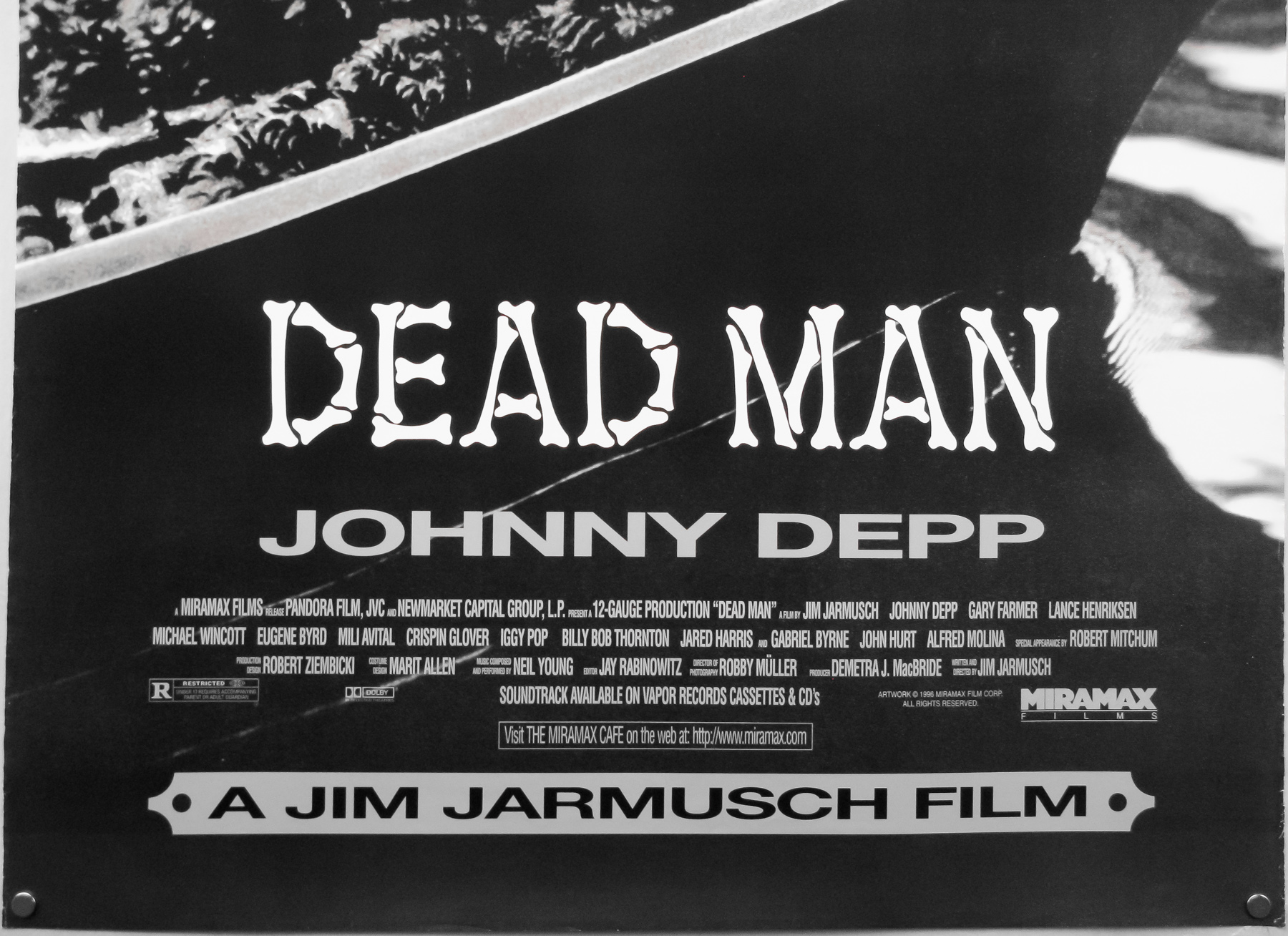
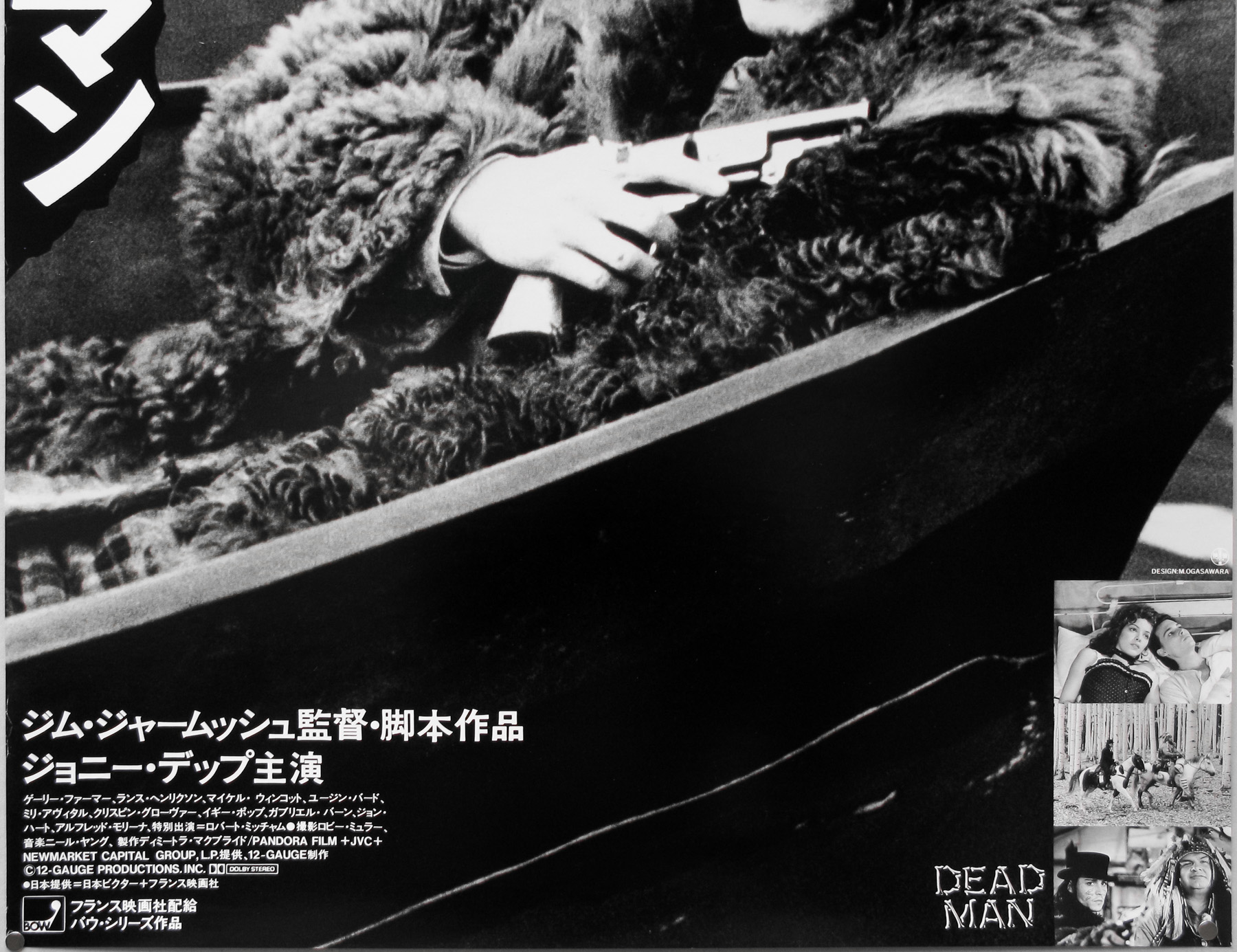
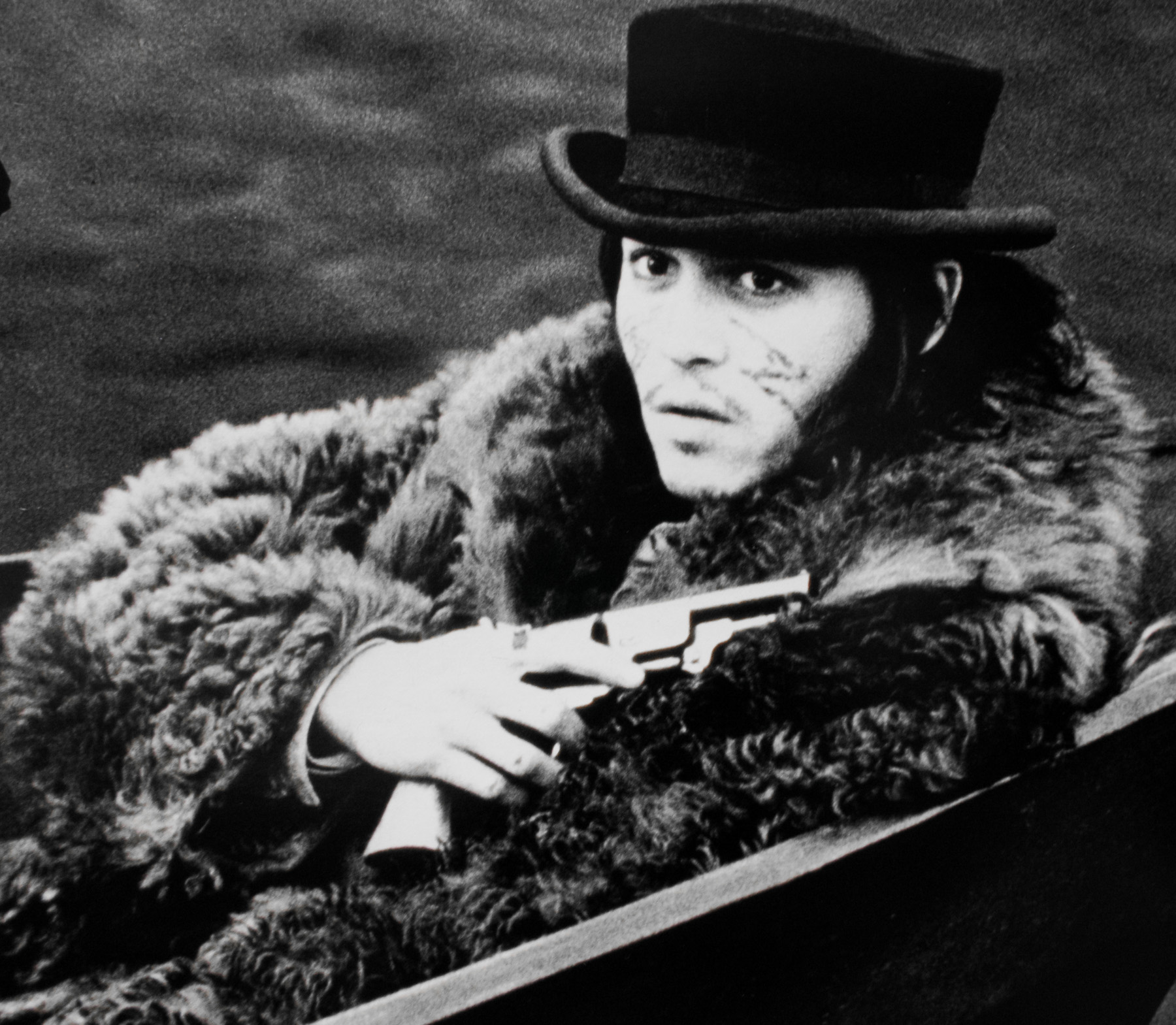
Dead Man / one sheet / boat style / USA

17.05.11

Poster Poster

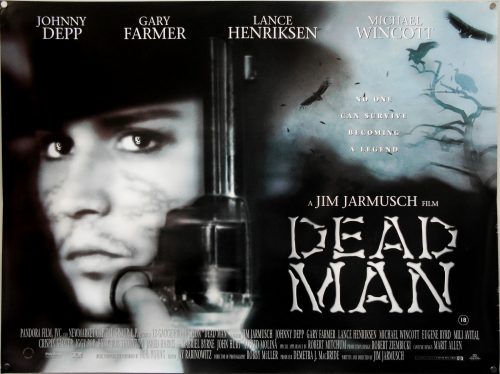
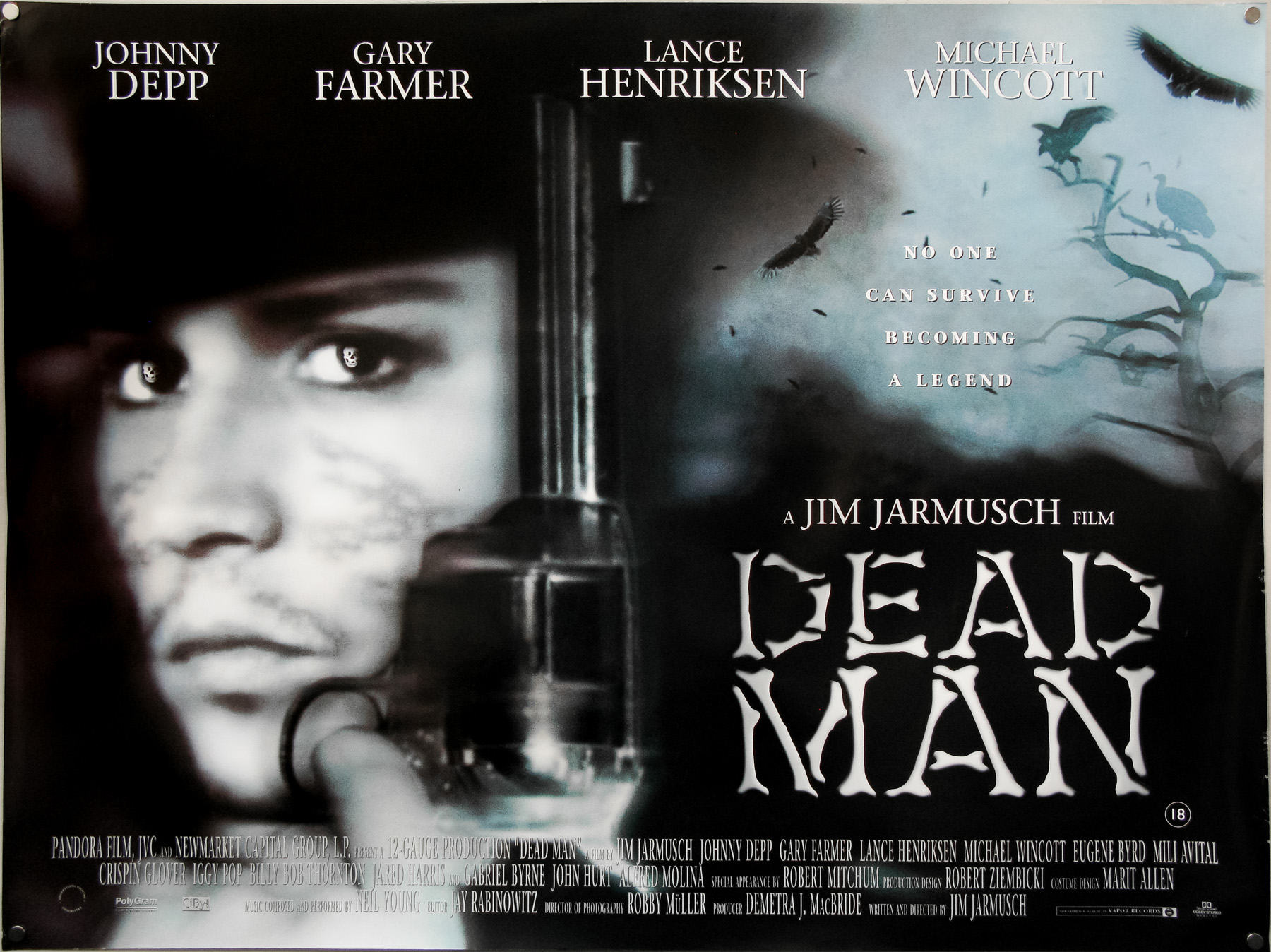
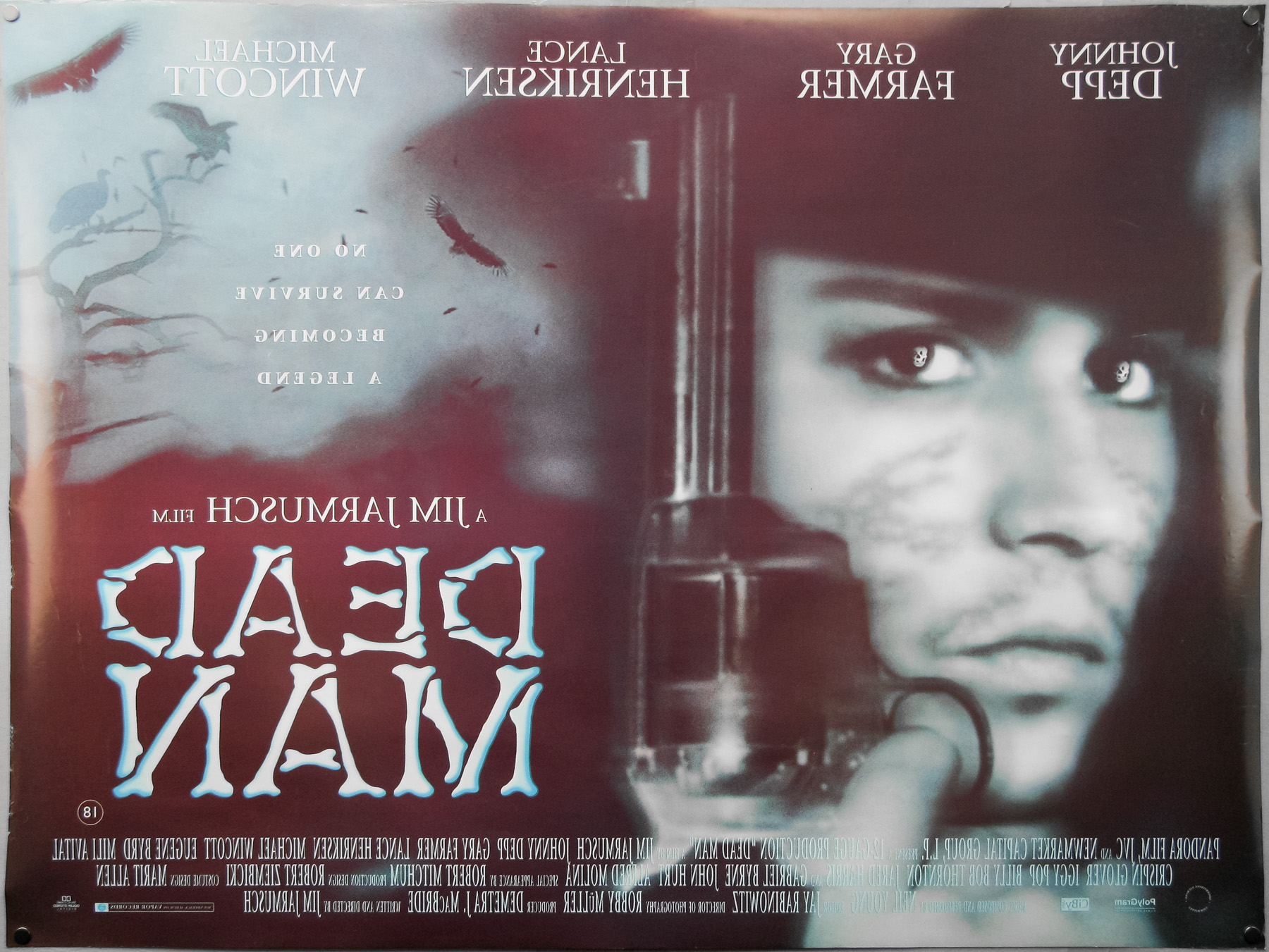
Dead Man / quad / UK

18.05.11

Poster Poster

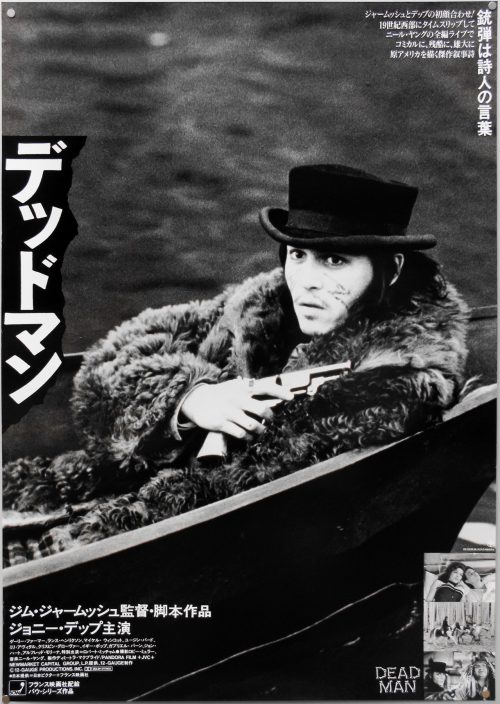
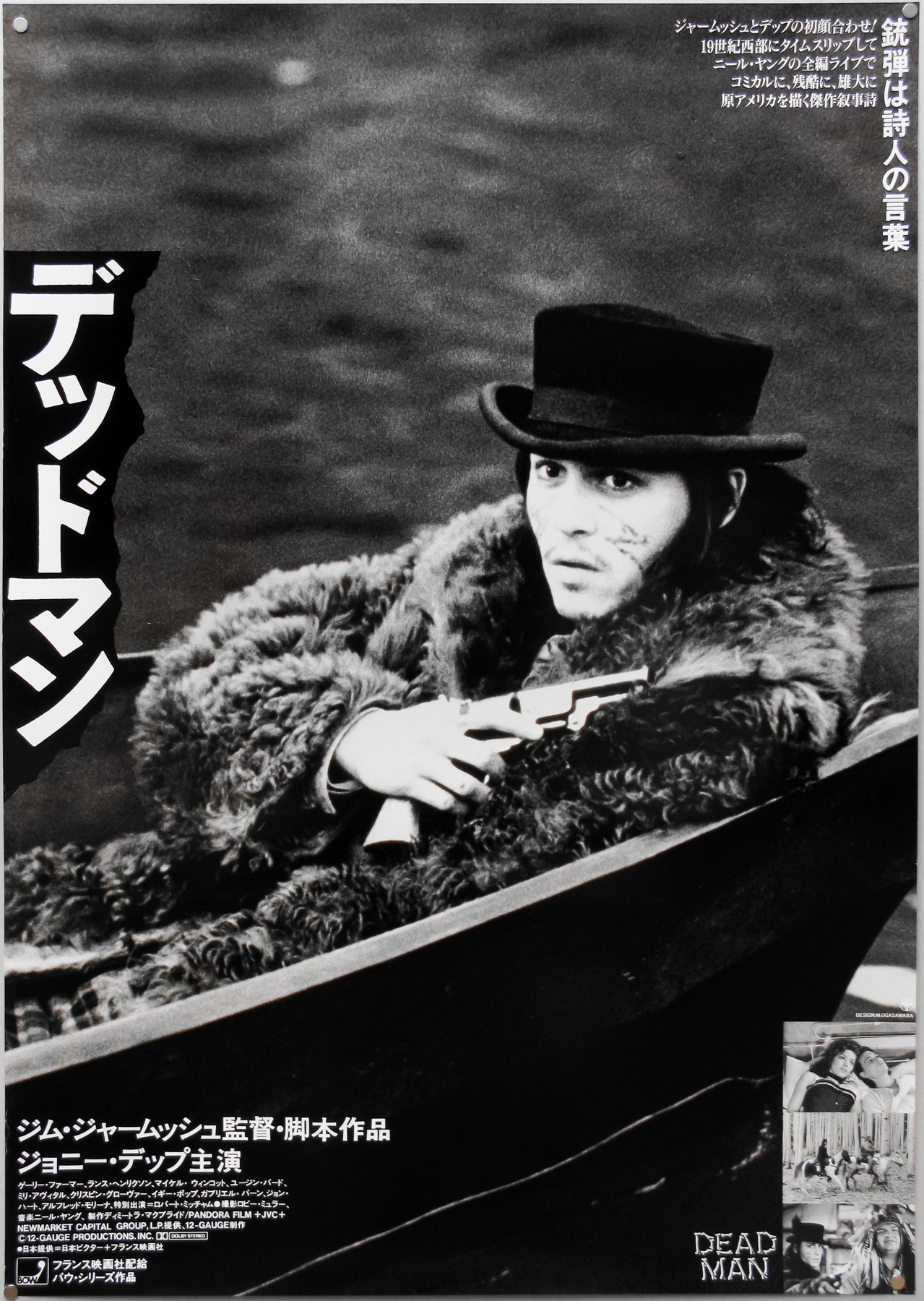
Dead Man / B2 / Japan

17.05.11

Poster Poster

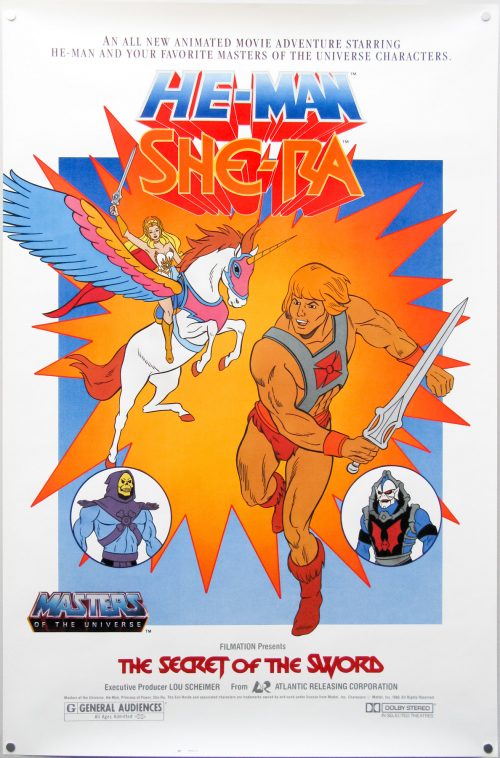
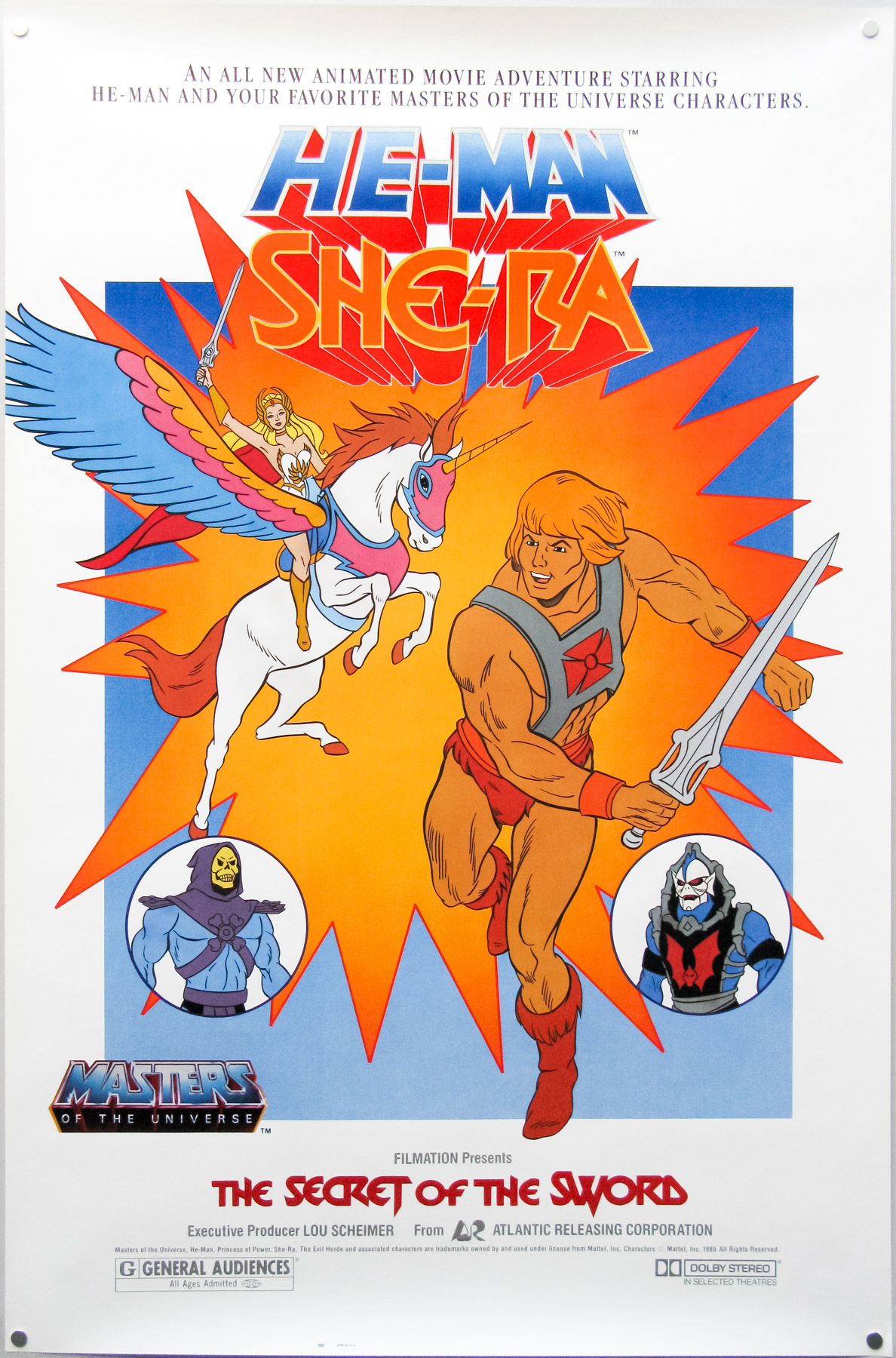
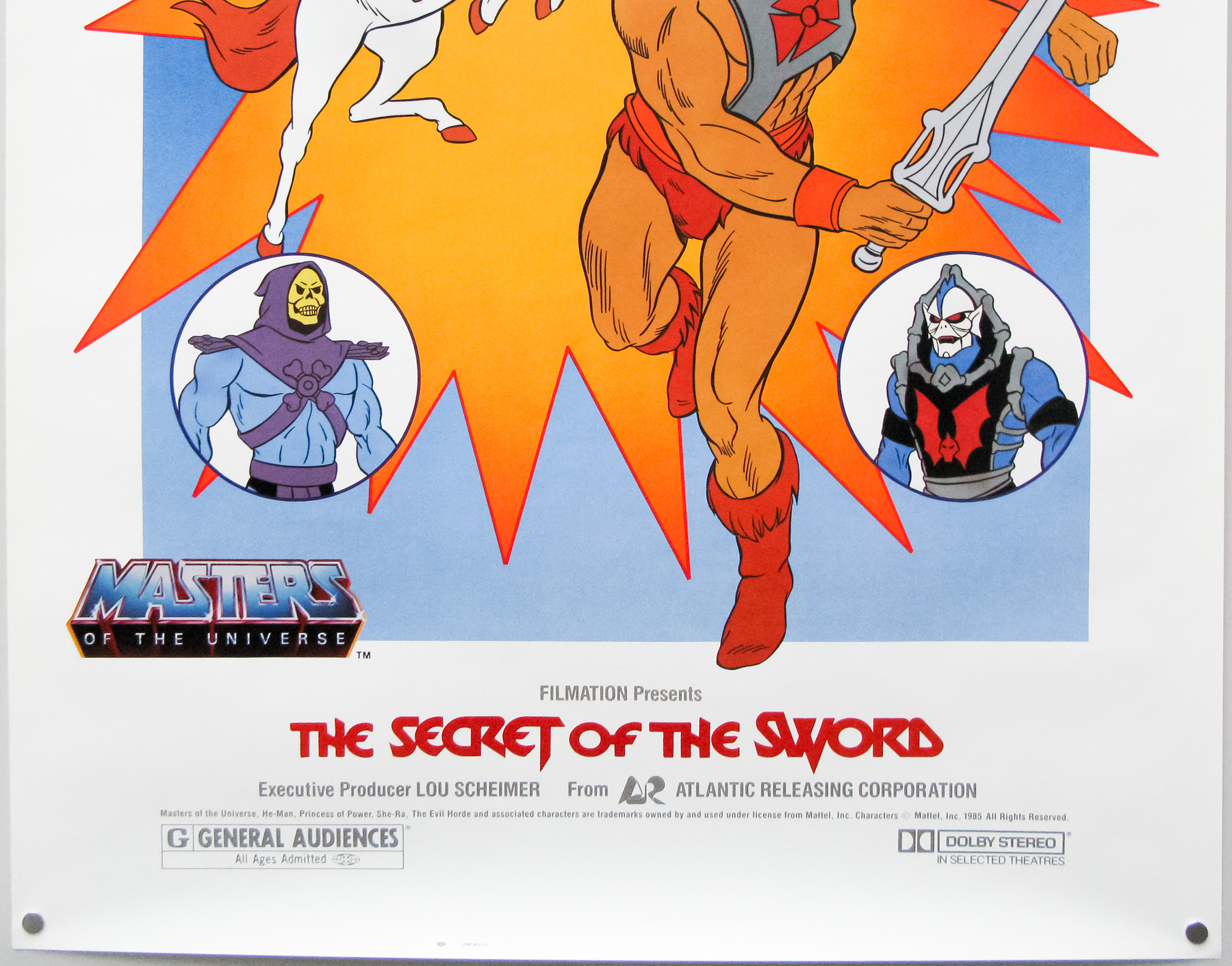
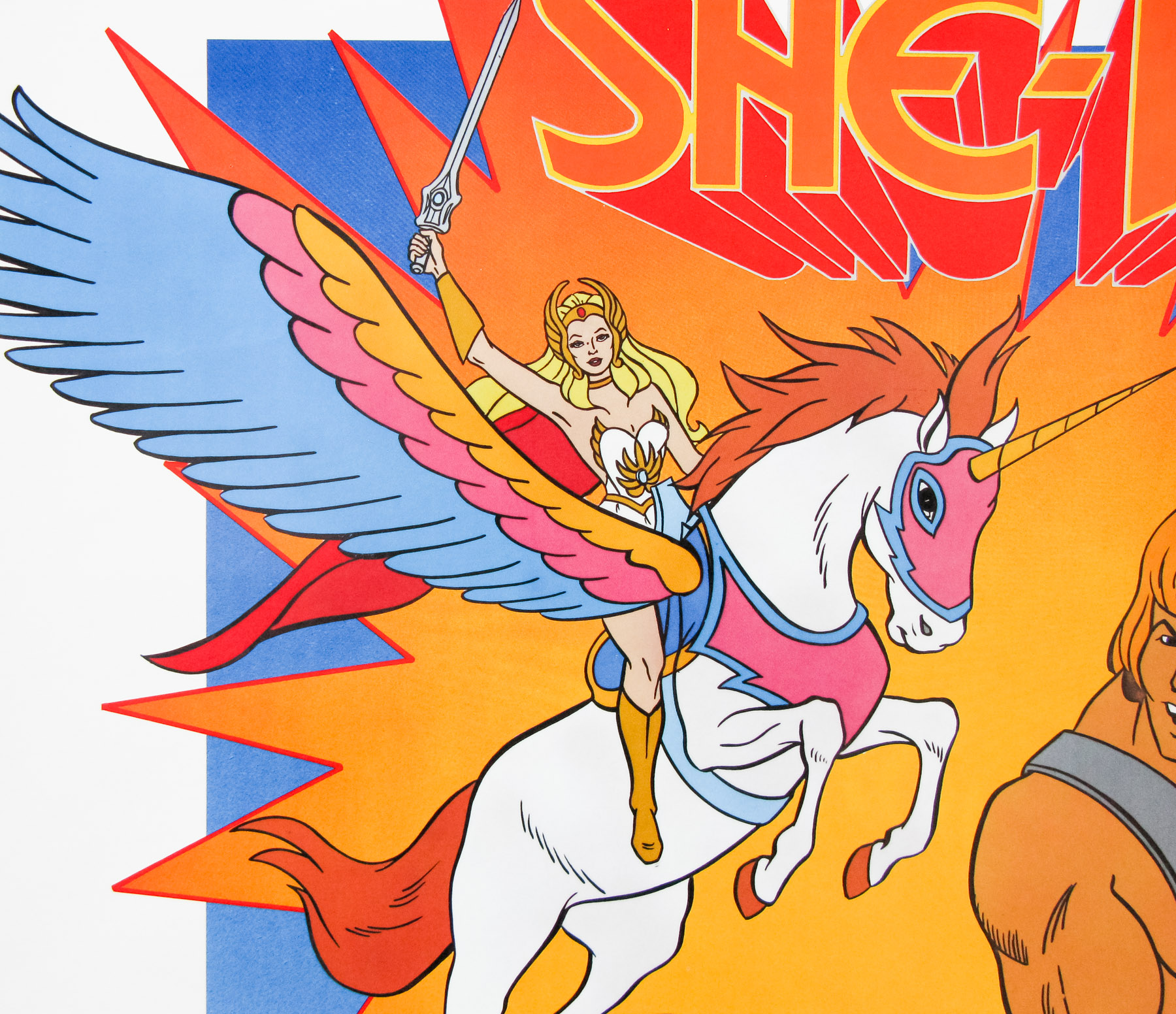
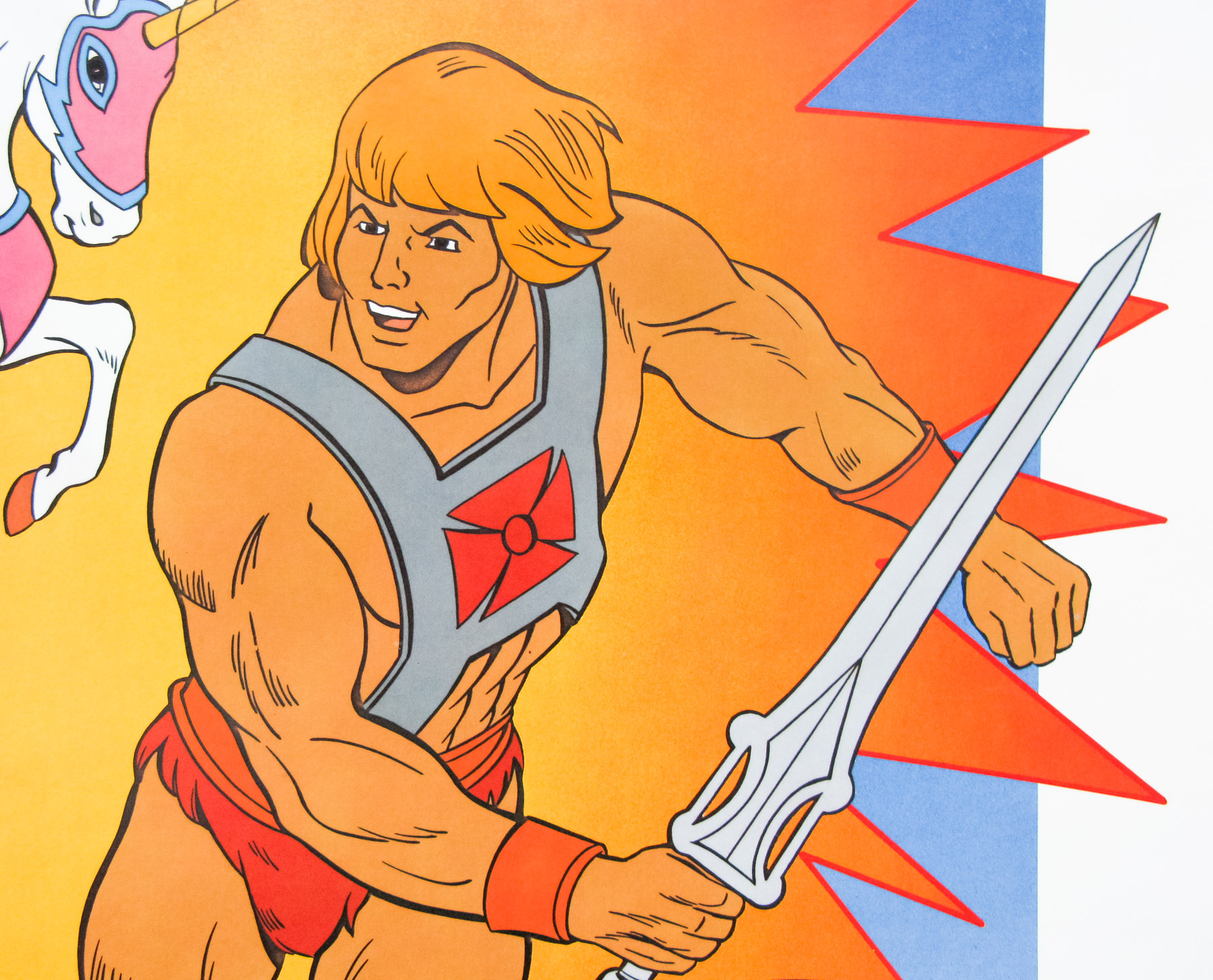
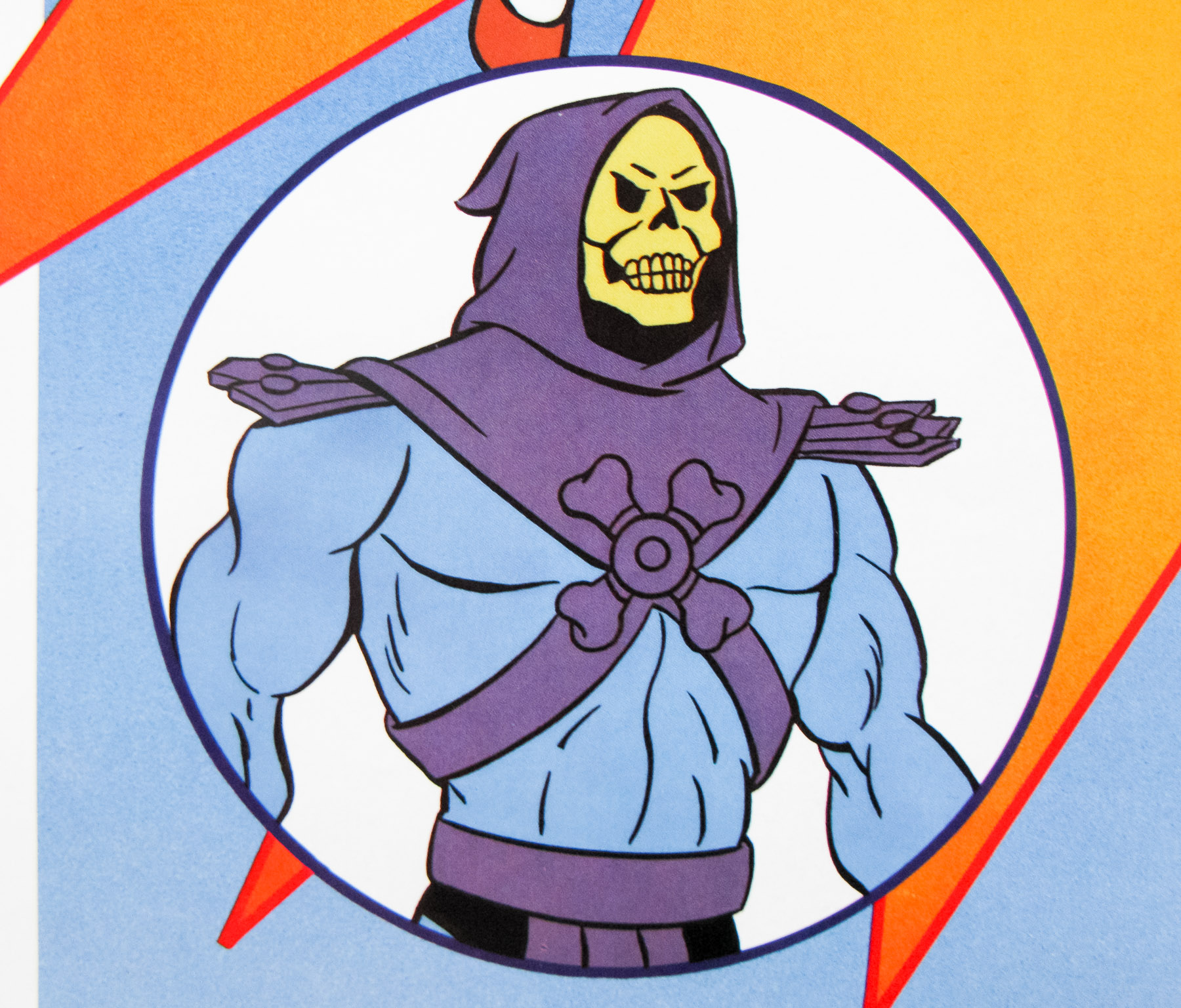
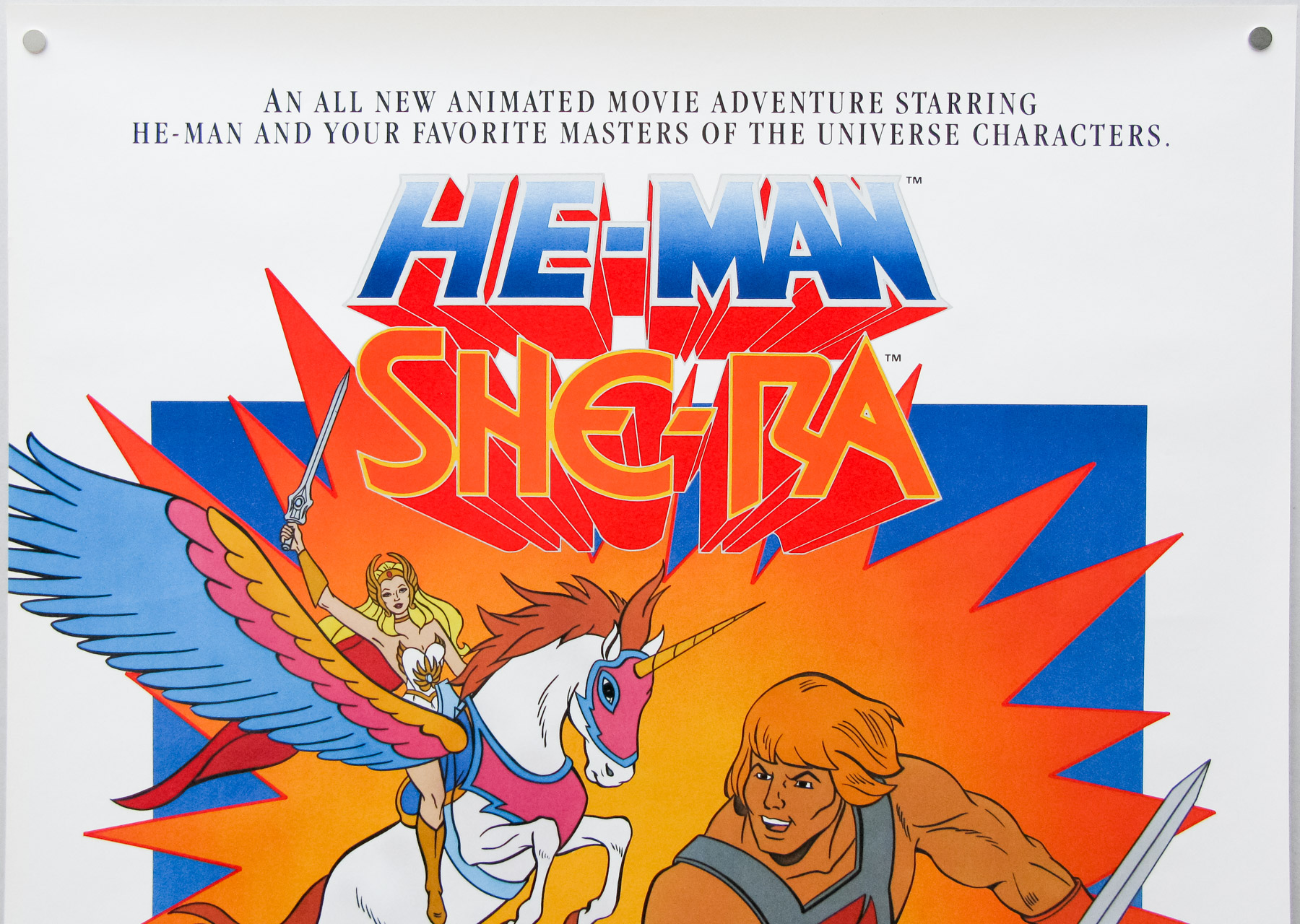
He-Man and She-Ra: The Secret of the Sword / one sheet / USA

17.05.11

Poster Poster

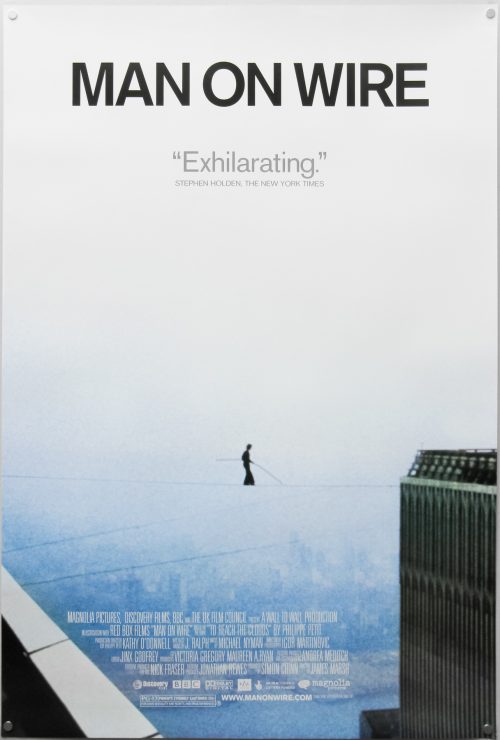
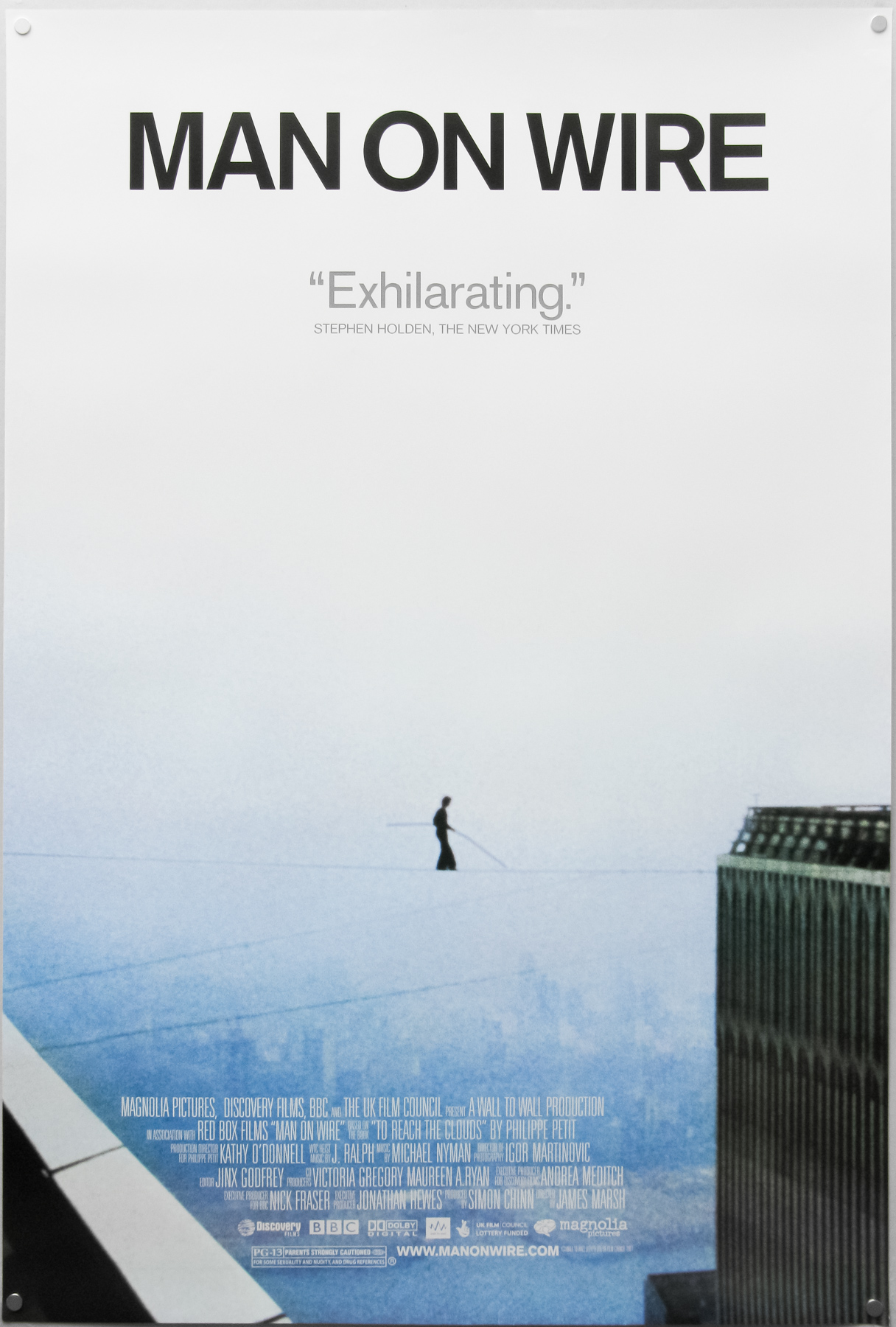
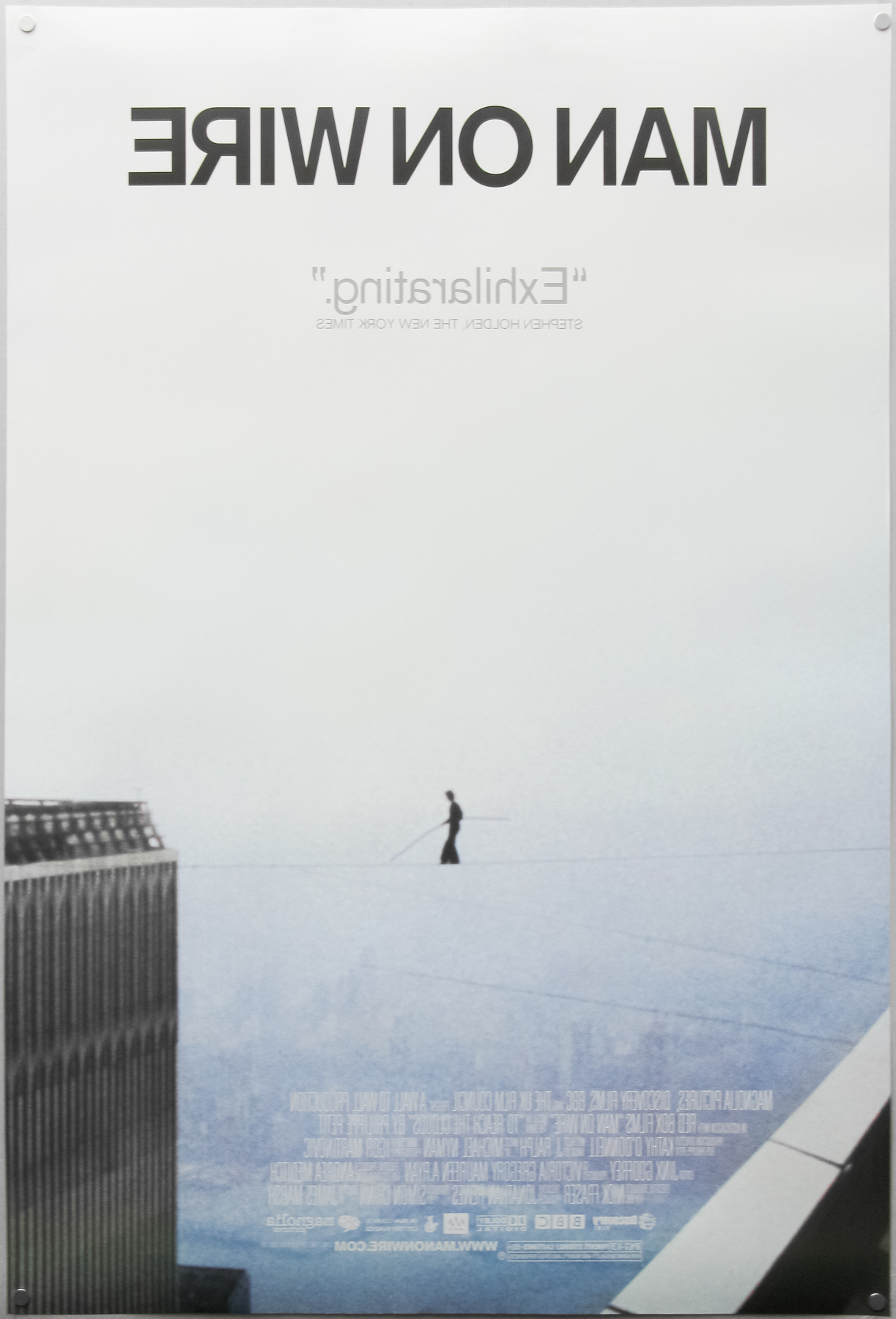
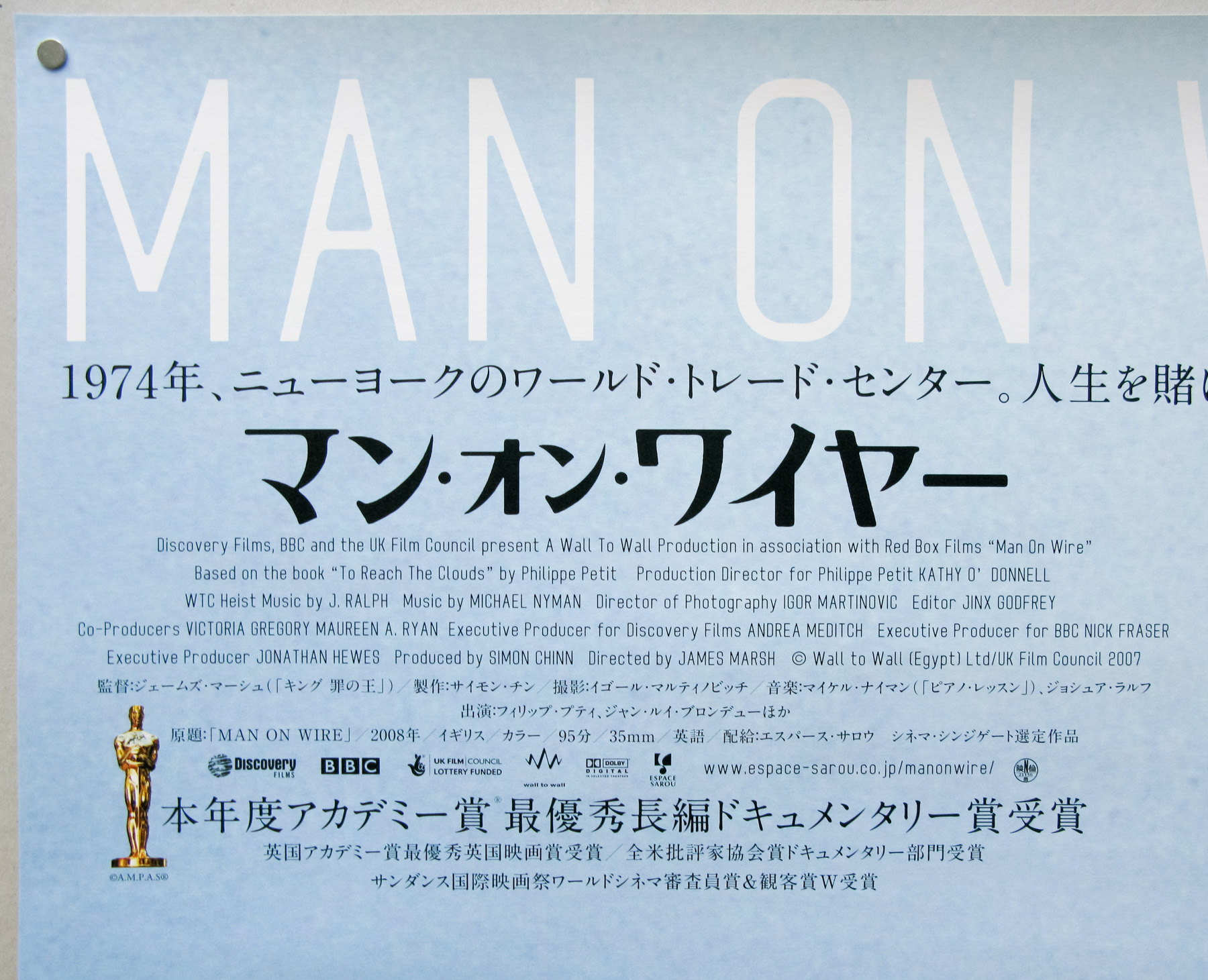
Man On Wire / one sheet / USA

17.05.11

Poster Poster
Title
Man On Wire
AKA
--
Year of Film
2008
Director
James Marsh
Starring
Philippe Petit
Origin of Film
UK | USA
Genre(s) of Film
Philippe Petit,
Type of Poster
One sheet
Style of Poster
--
Origin of Poster
USA
Year of Poster
2008
Designer
Unknown
Artist
--
Size (inches)
27" x 40"
SS or DS
DS
NSS #
--
Tagline
--

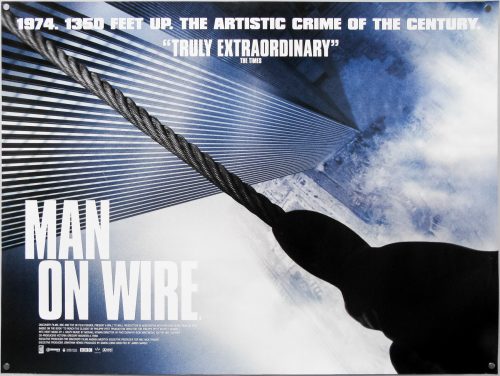
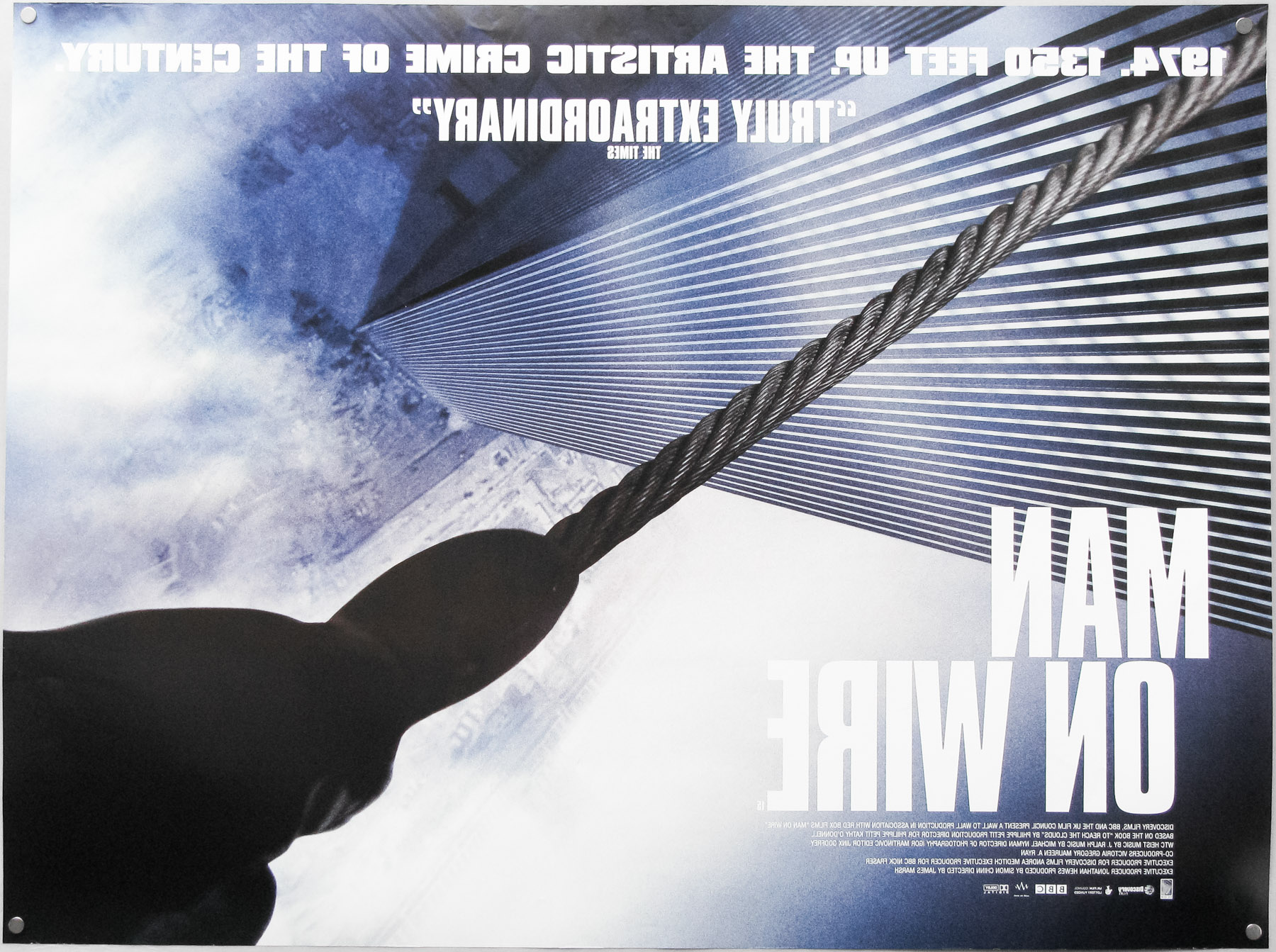
Man On Wire / quad / UK

18.05.11

Poster Poster
Title
Man On Wire
AKA
--
Year of Film
2008
Director
James Marsh
Starring
Philippe Petit
Origin of Film
UK | USA
Genre(s) of Film
Philippe Petit,
Type of Poster
Quad
Style of Poster
--
Origin of Poster
UK
Year of Poster
2008
Designer
AllCity Media
Artist
--
Size (inches)
30" x 40"
SS or DS
DS
Tagline
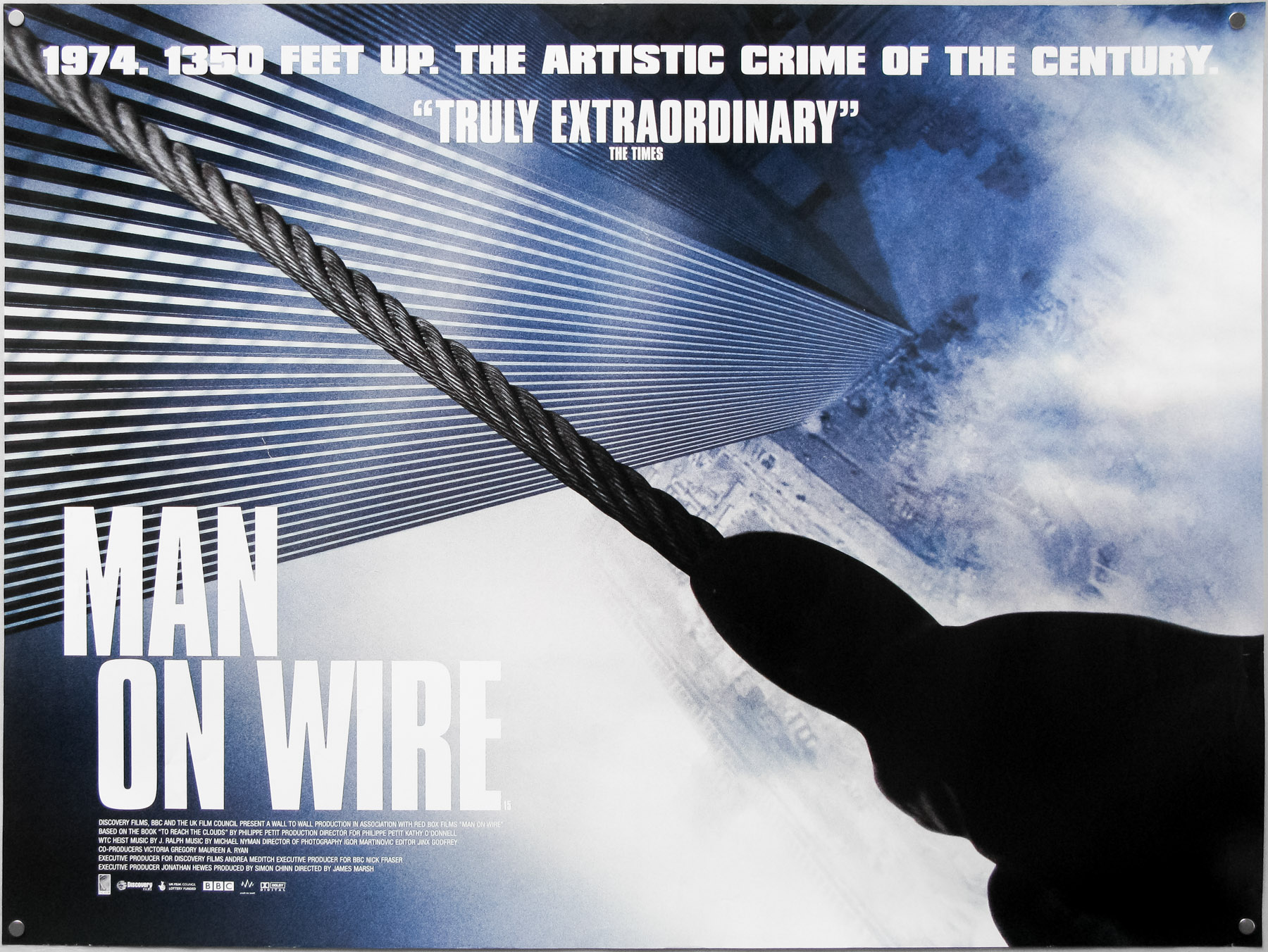
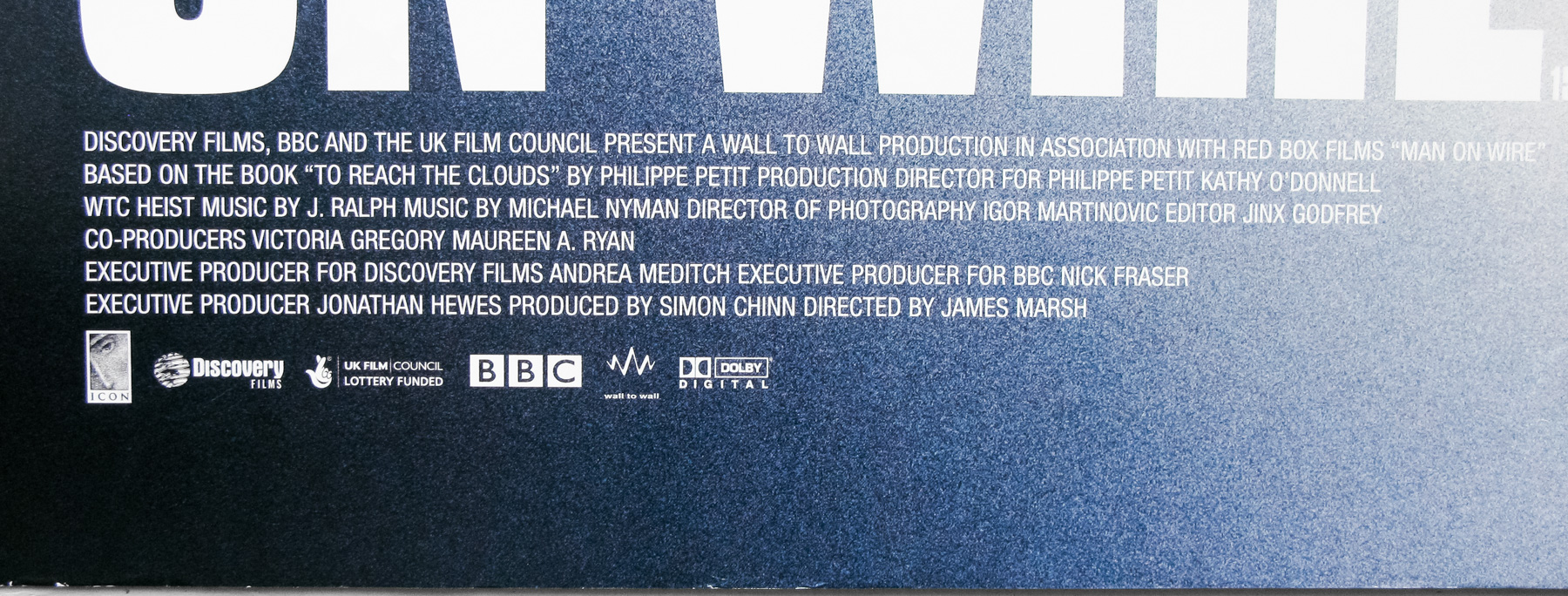
1974. 1350 feet up. The artistic crime of the century.

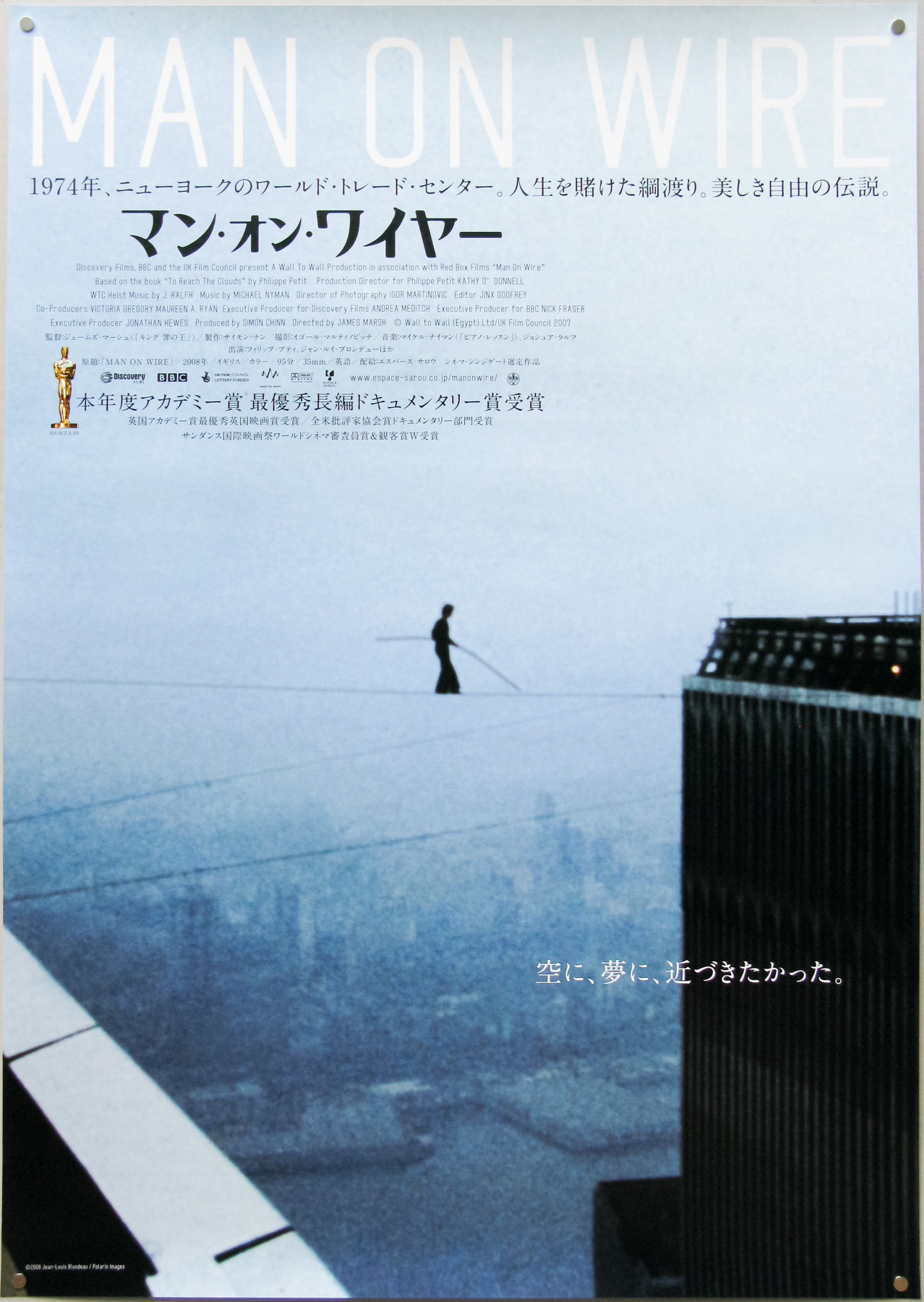
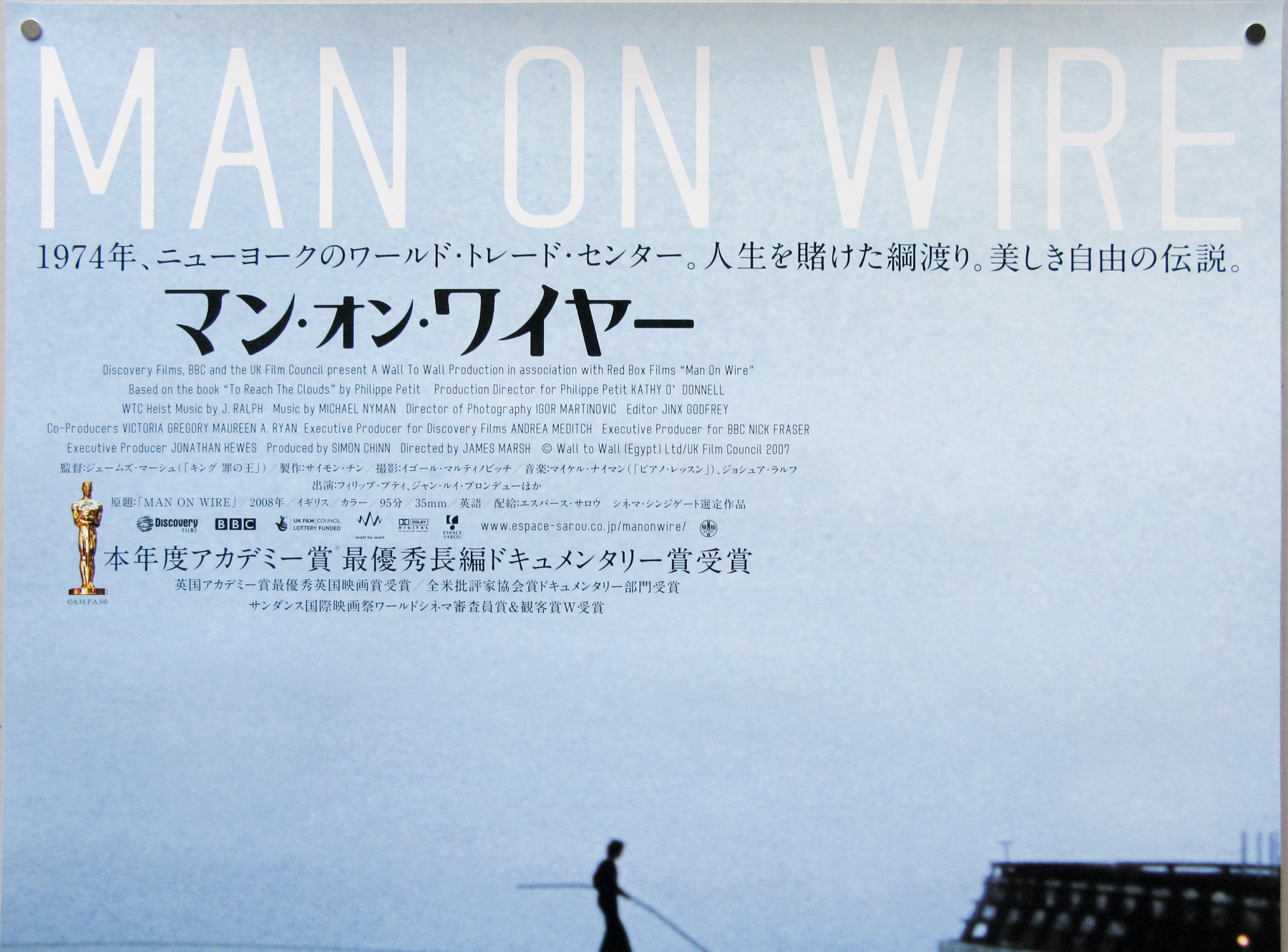
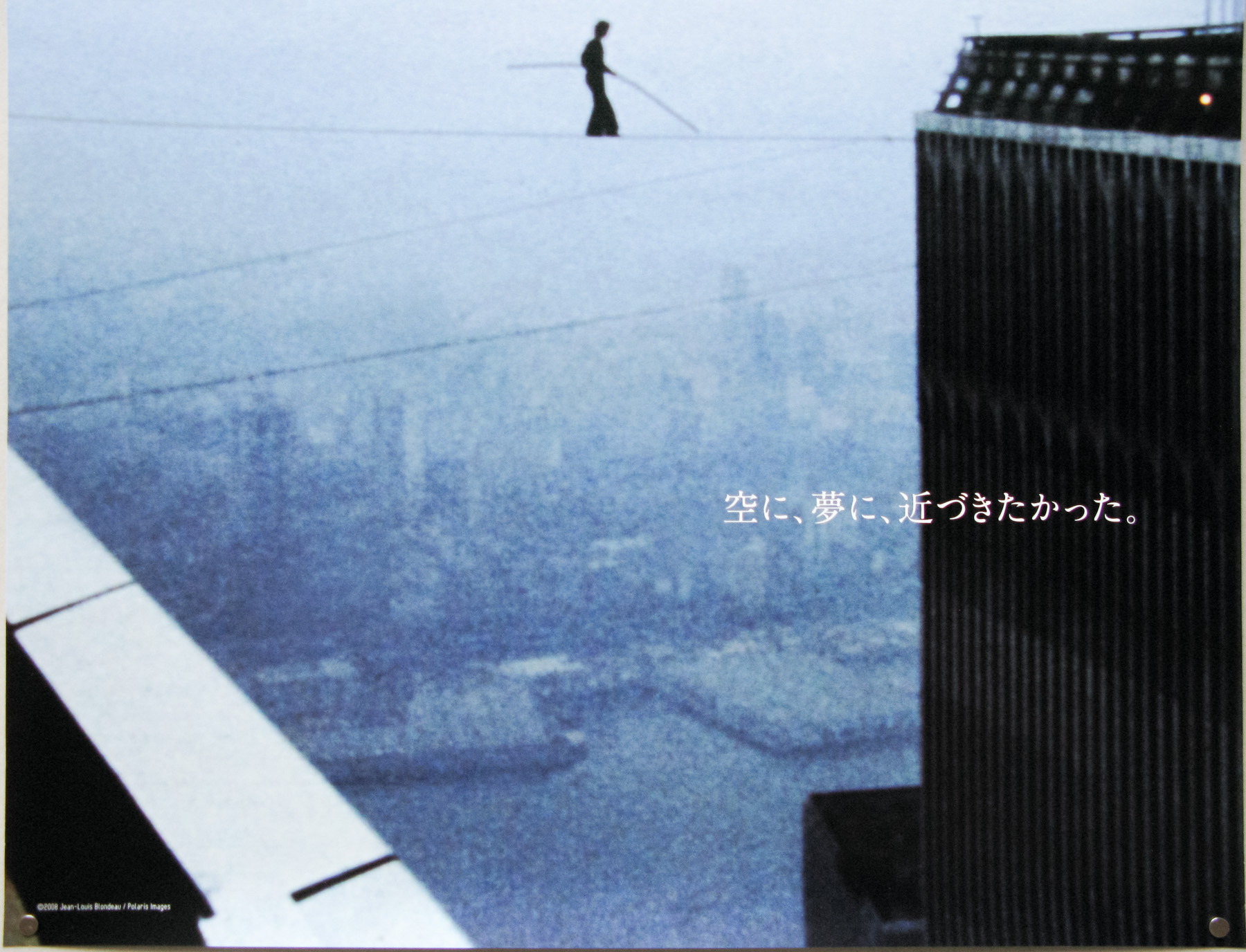
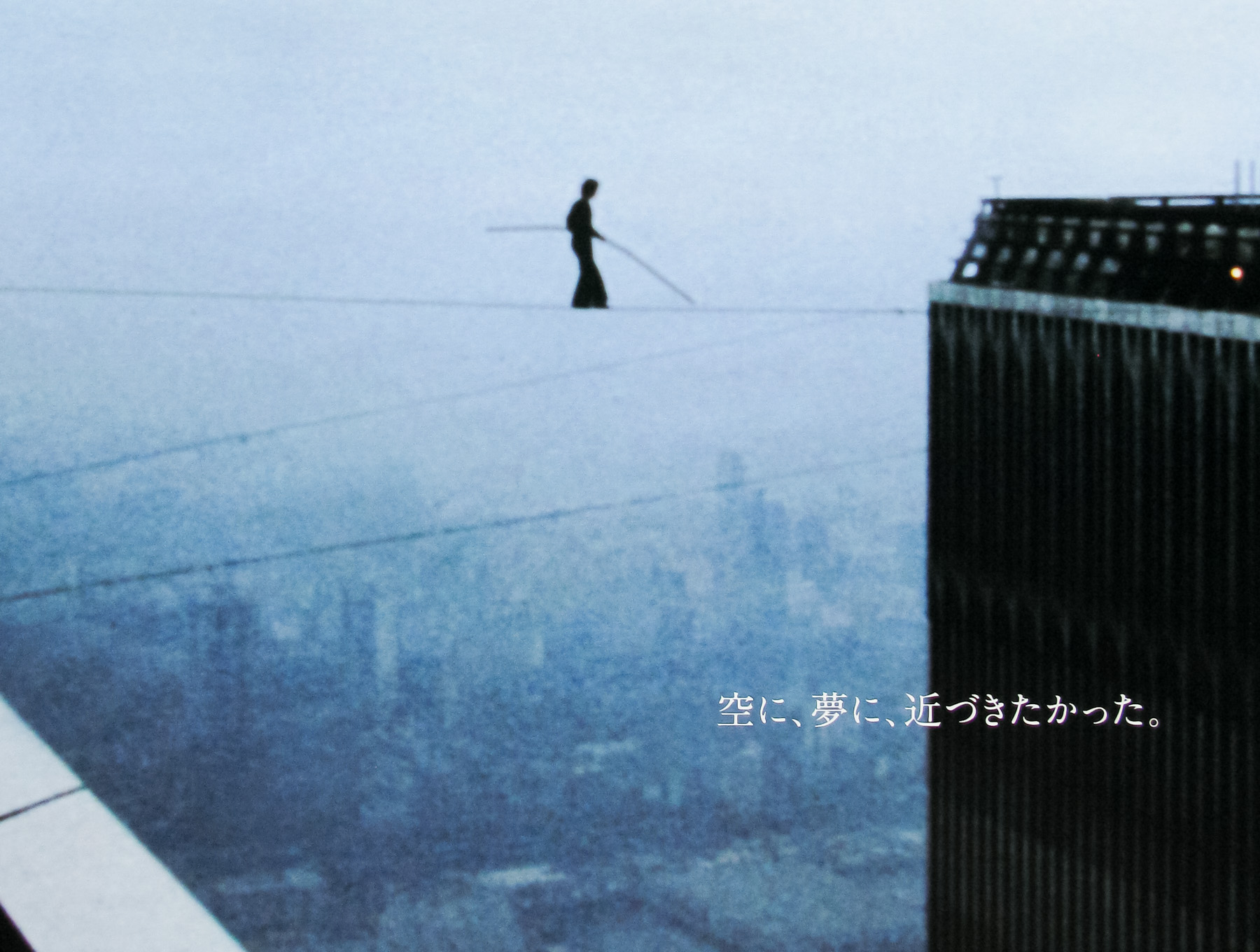
Man On Wire / B2 / Japan

17.05.11

Poster Poster
Title
Man On Wire
AKA
--
Year of Film
2008
Director
James Marsh
Starring
Philippe Petit
Origin of Film
UK | USA
Genre(s) of Film
Philippe Petit,
Type of Poster
B2
Style of Poster
--
Origin of Poster
Japan
Year of Poster
2008
Designer
Unknown
Artist
--
Size (inches)
20 6/16" x 28 14/16"
SS or DS
SS
Tagline
--

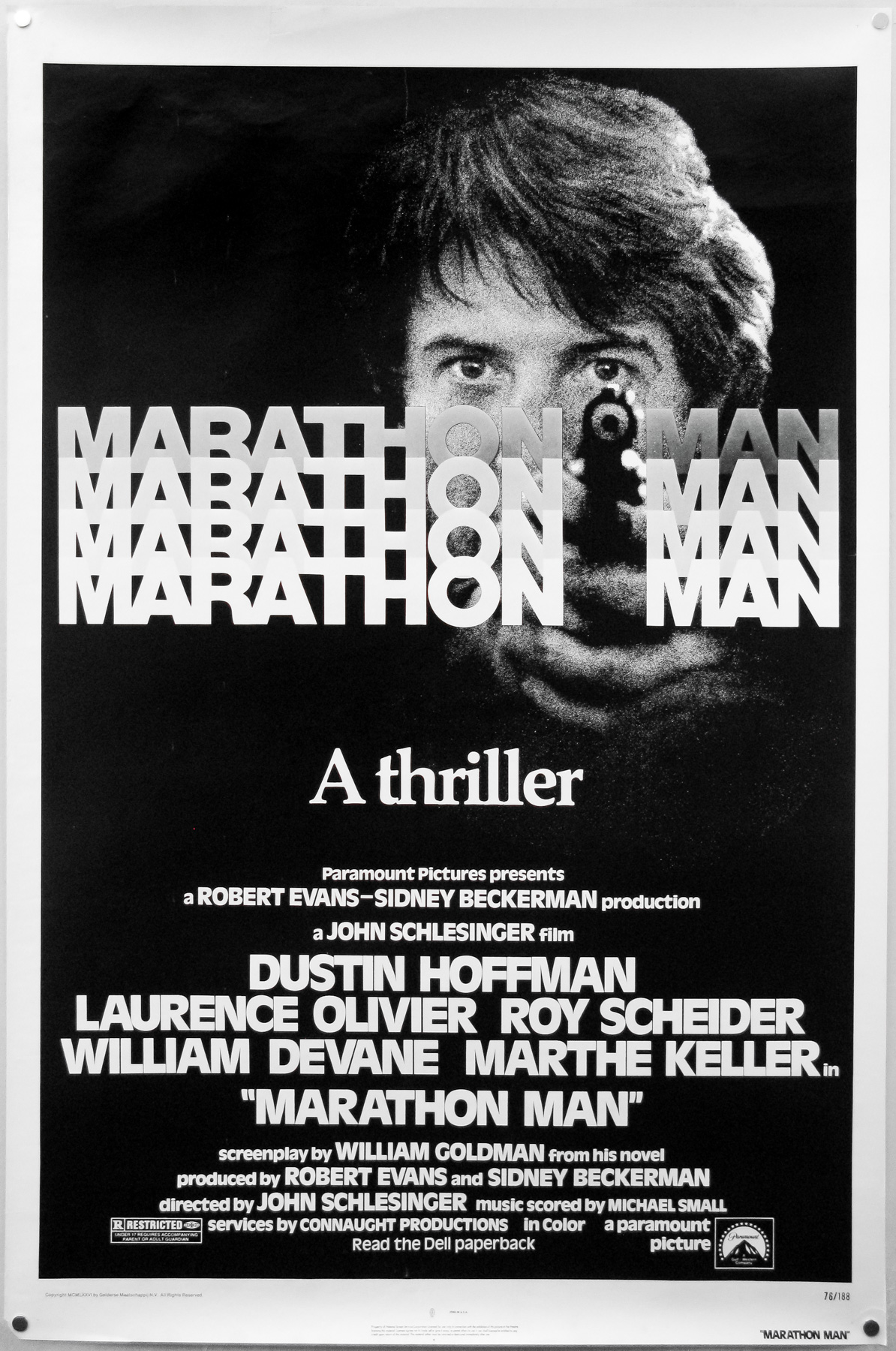
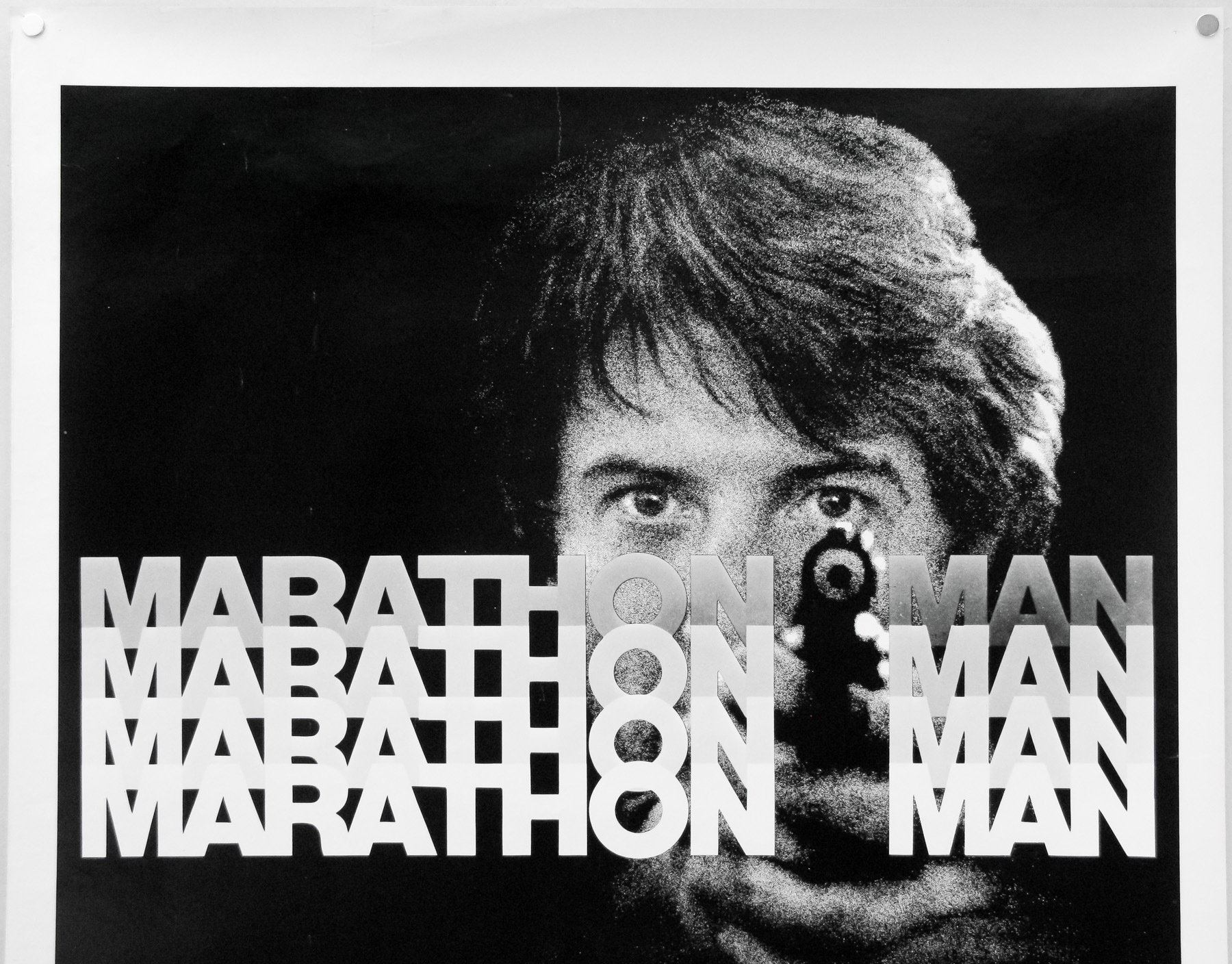
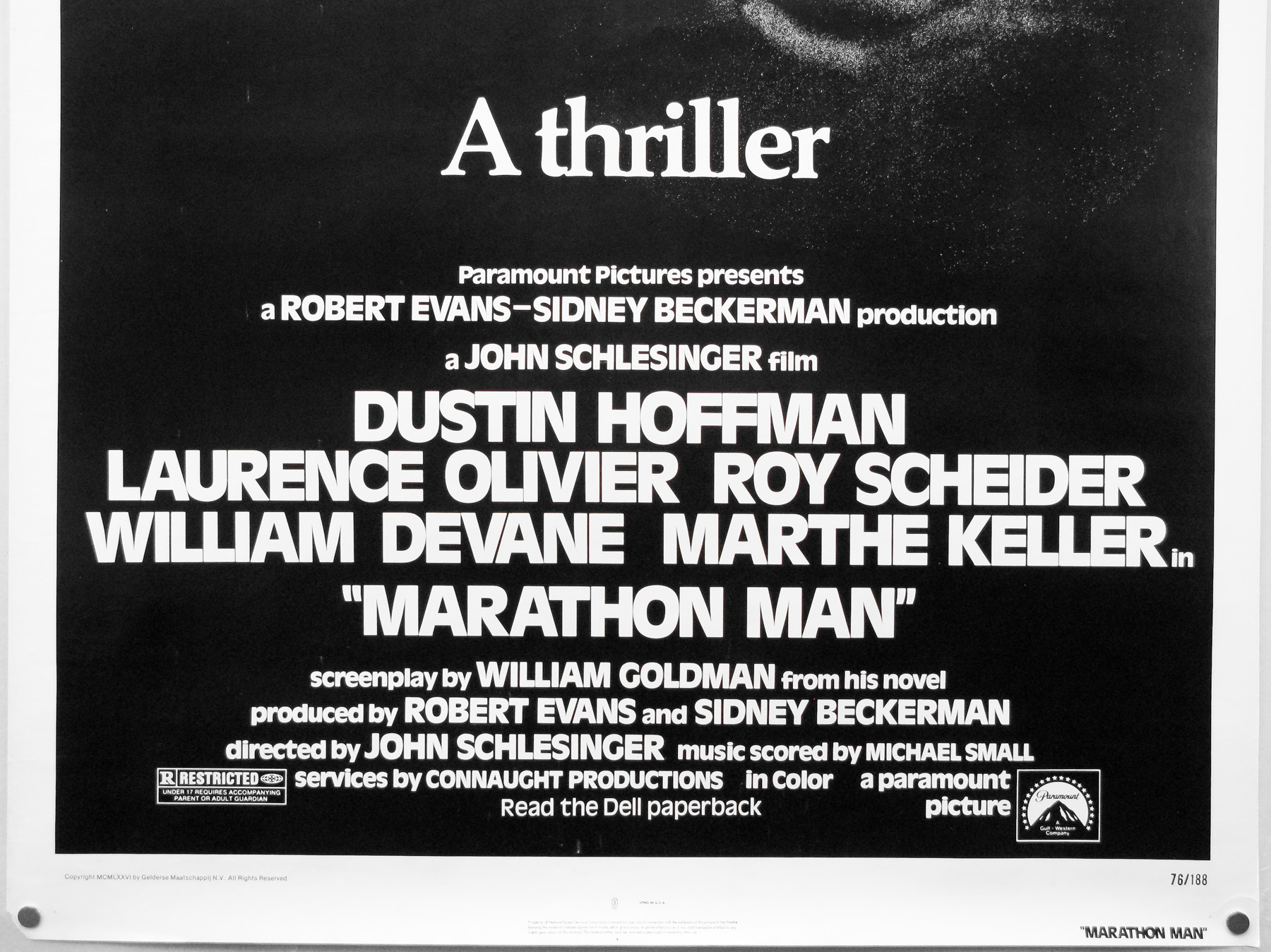
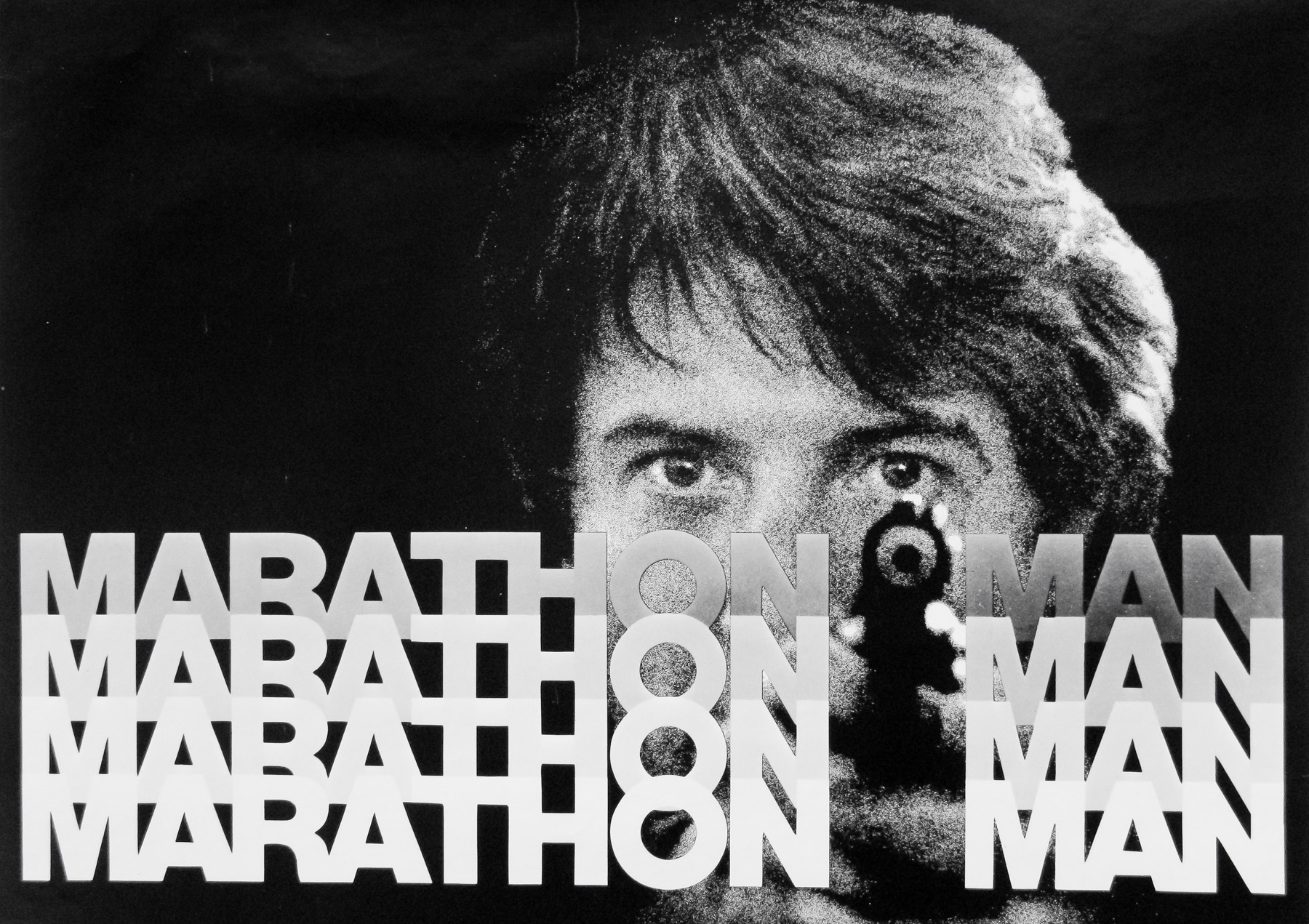
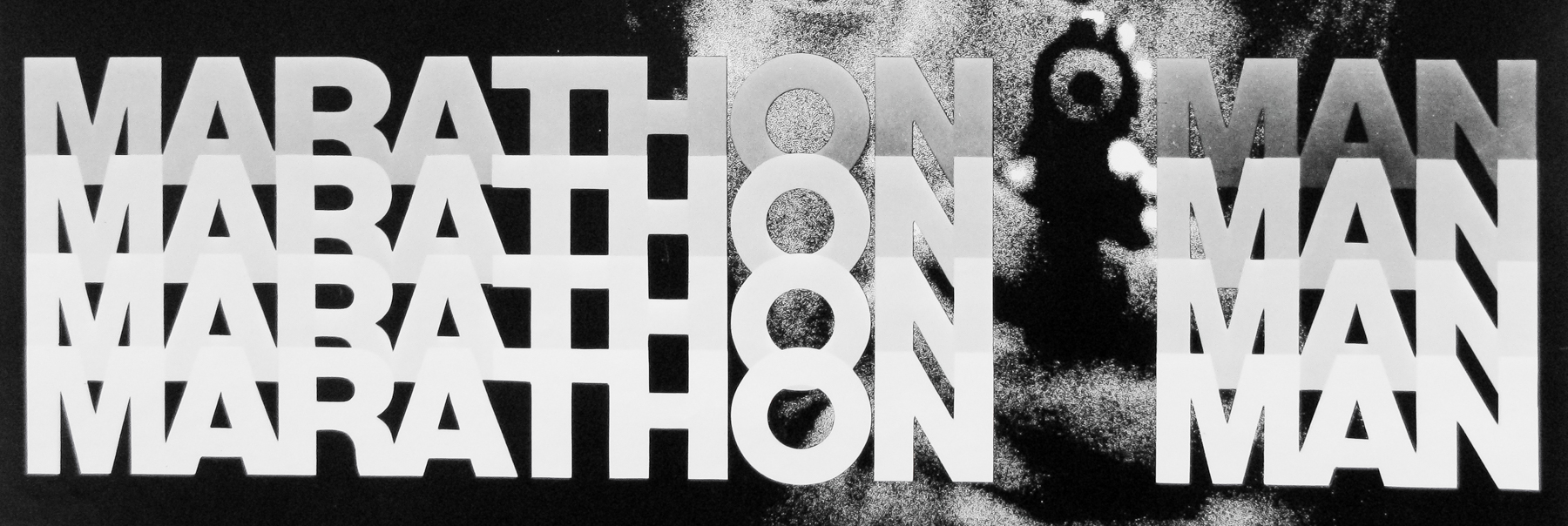
Marathon Man / one sheet / USA

17.05.11

Poster Poster

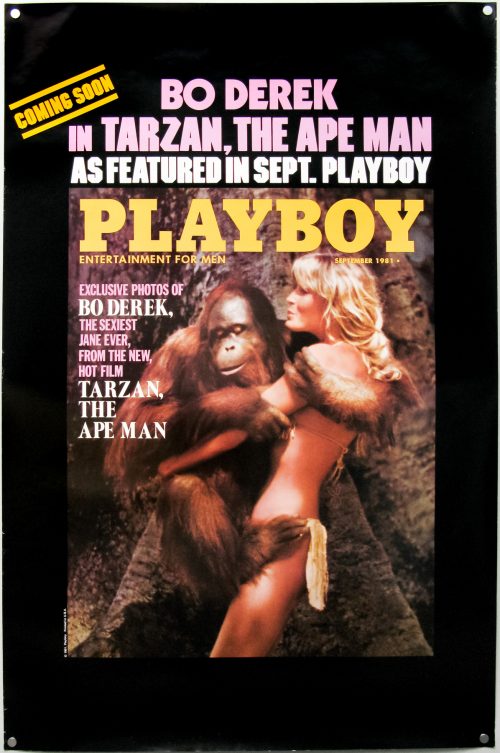
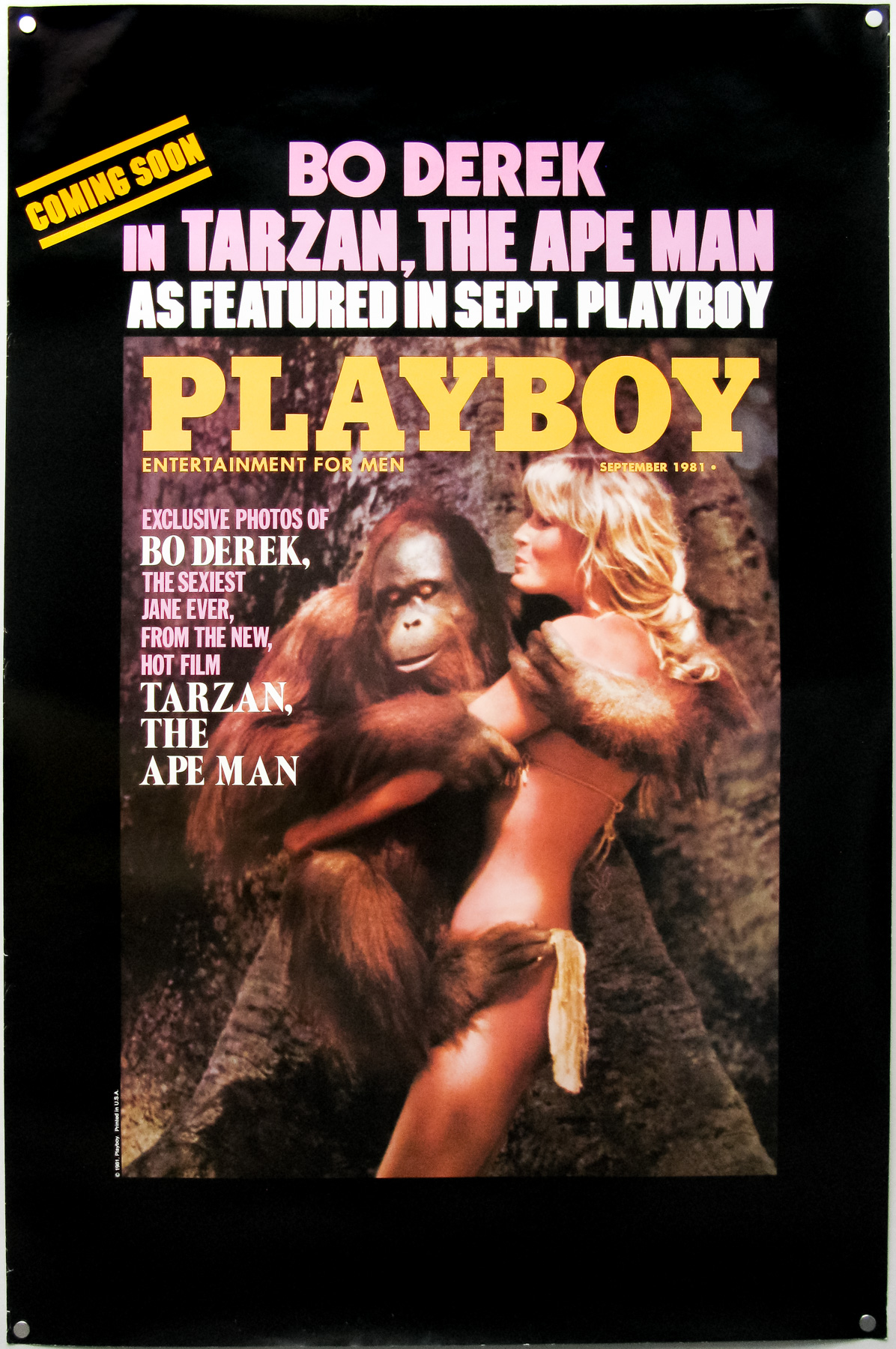
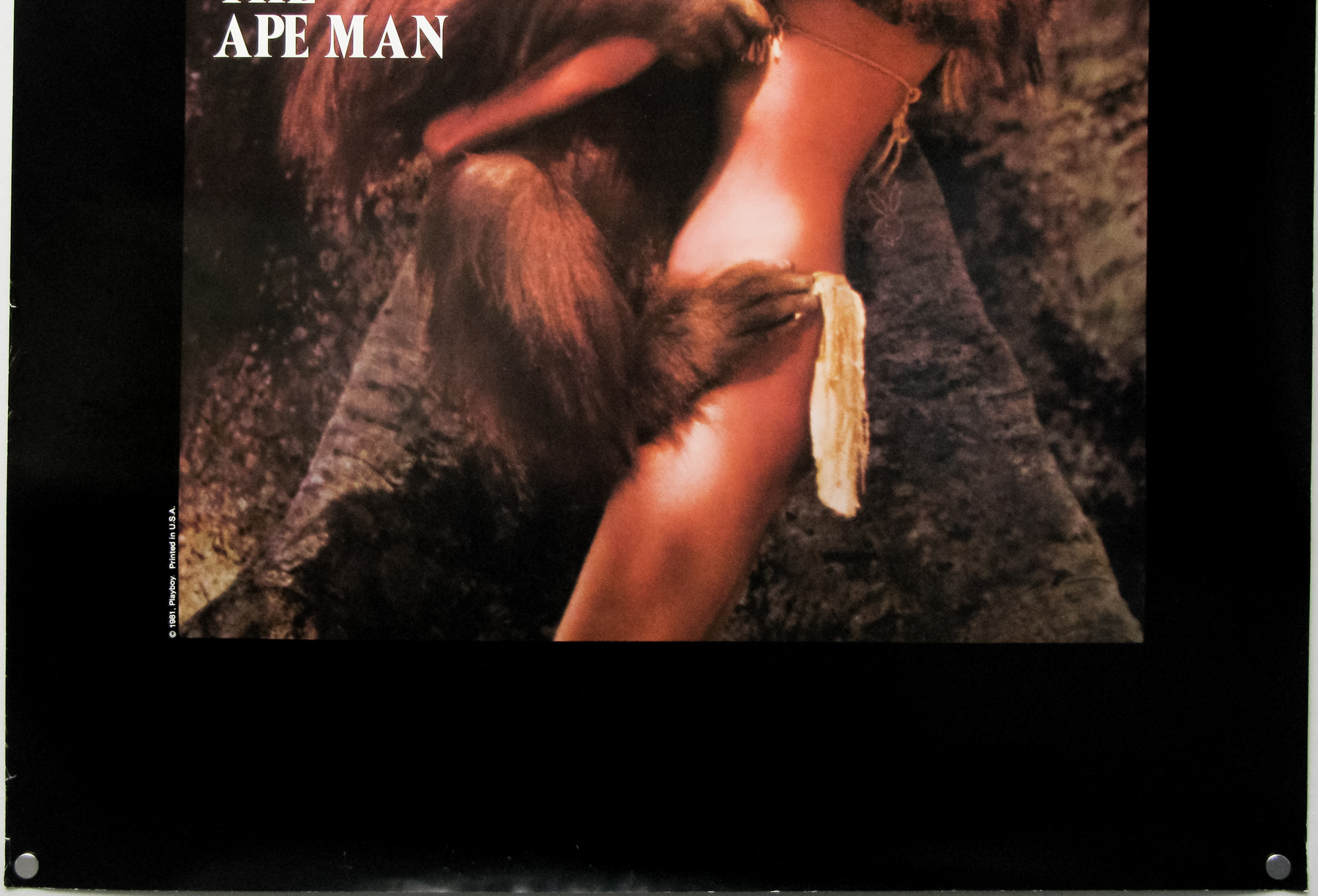
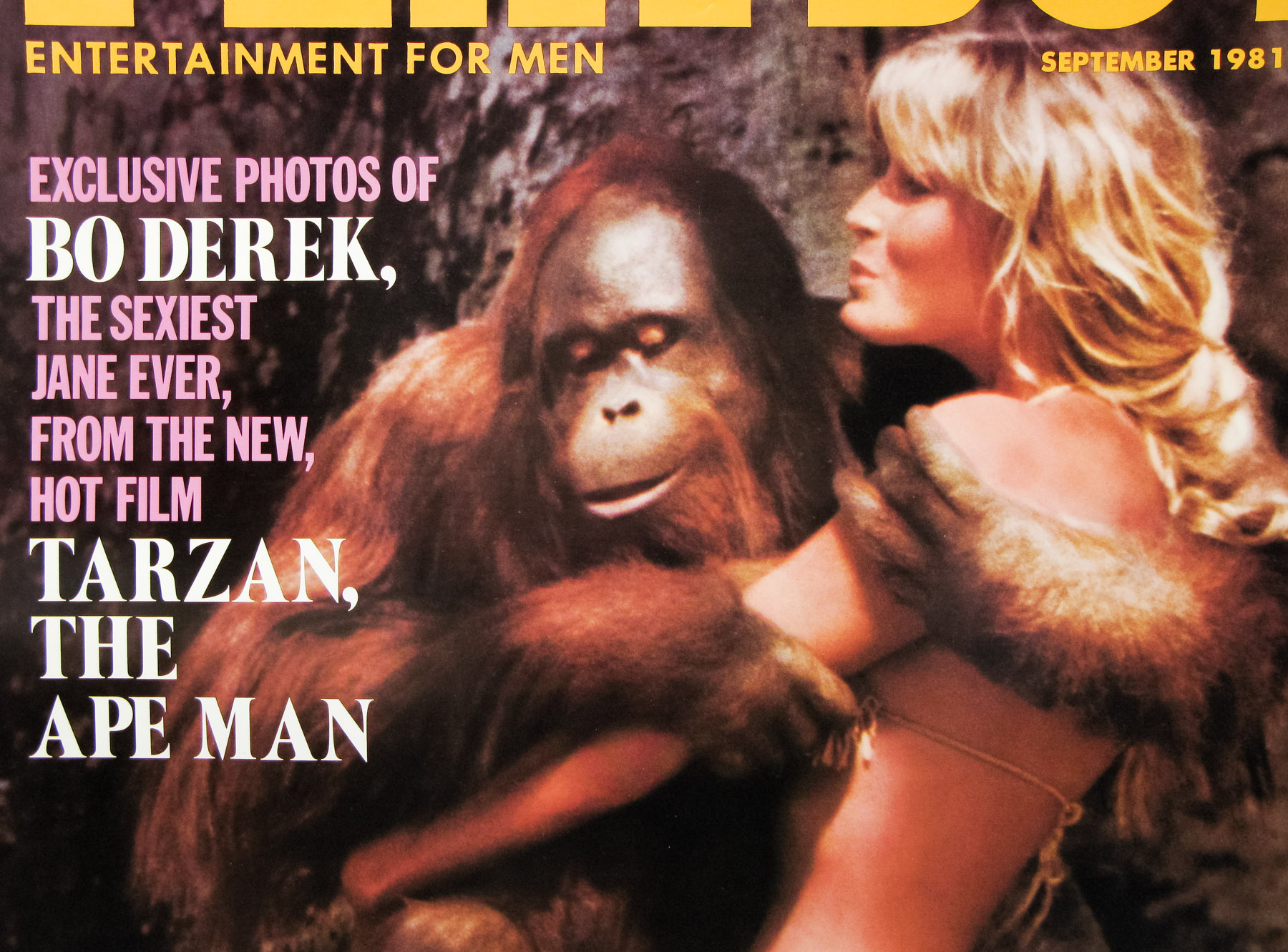
Tarzan The Ape Man / one sheet / teaser Playboy style / USA

17.05.11

Poster Poster

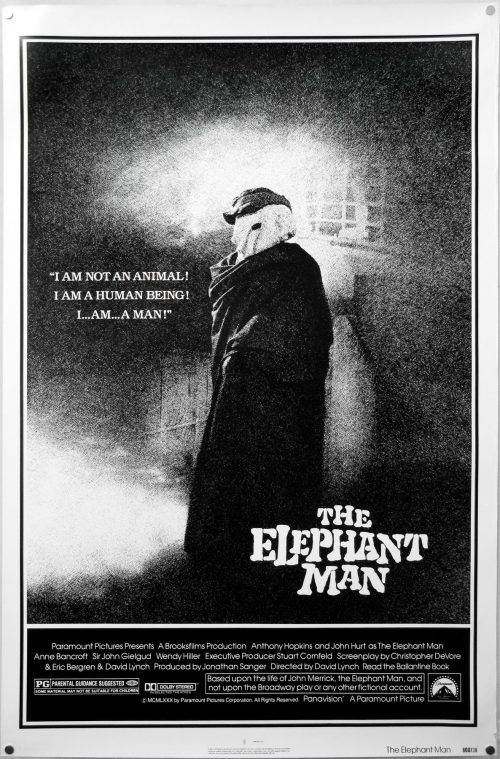
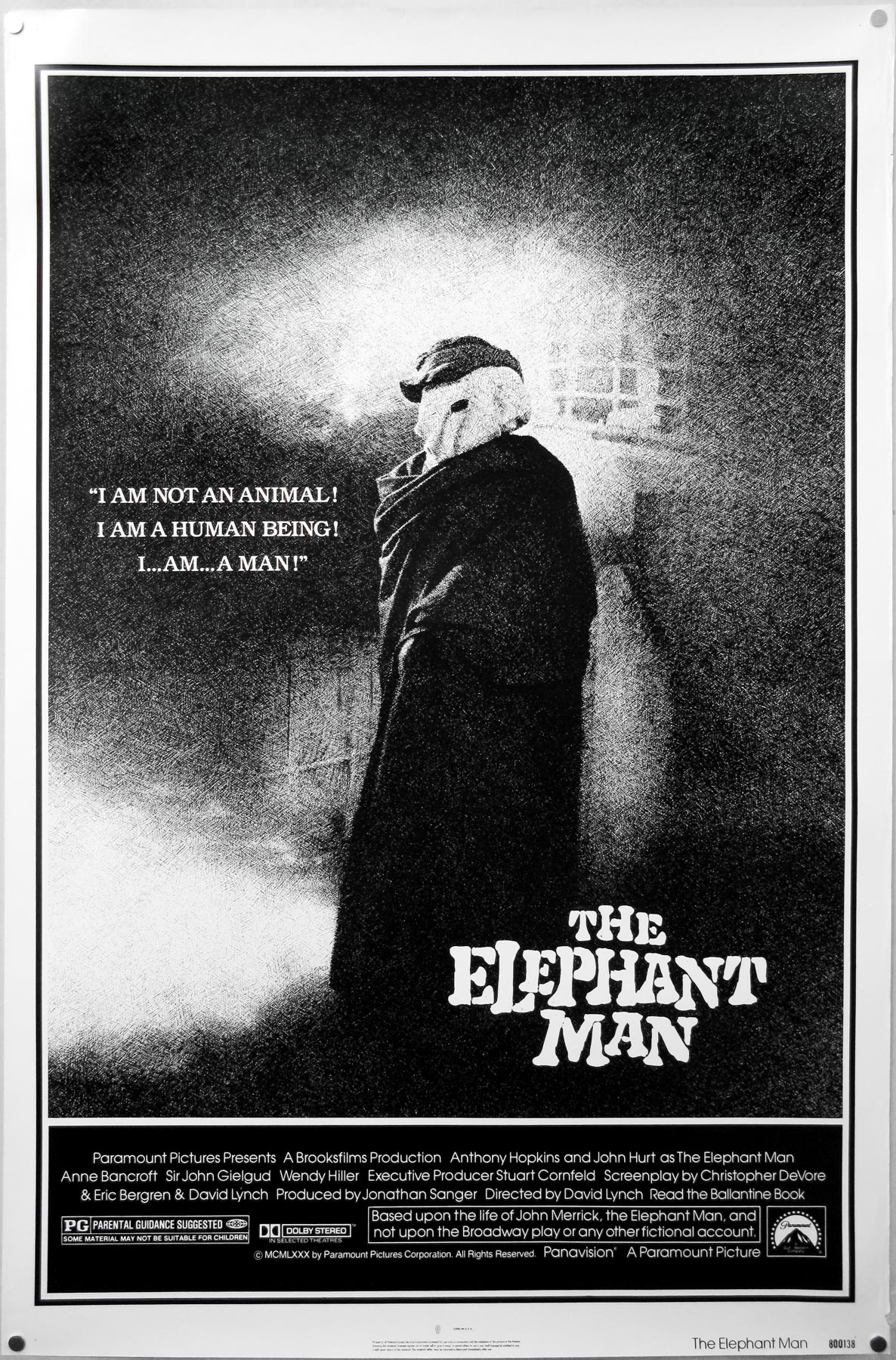
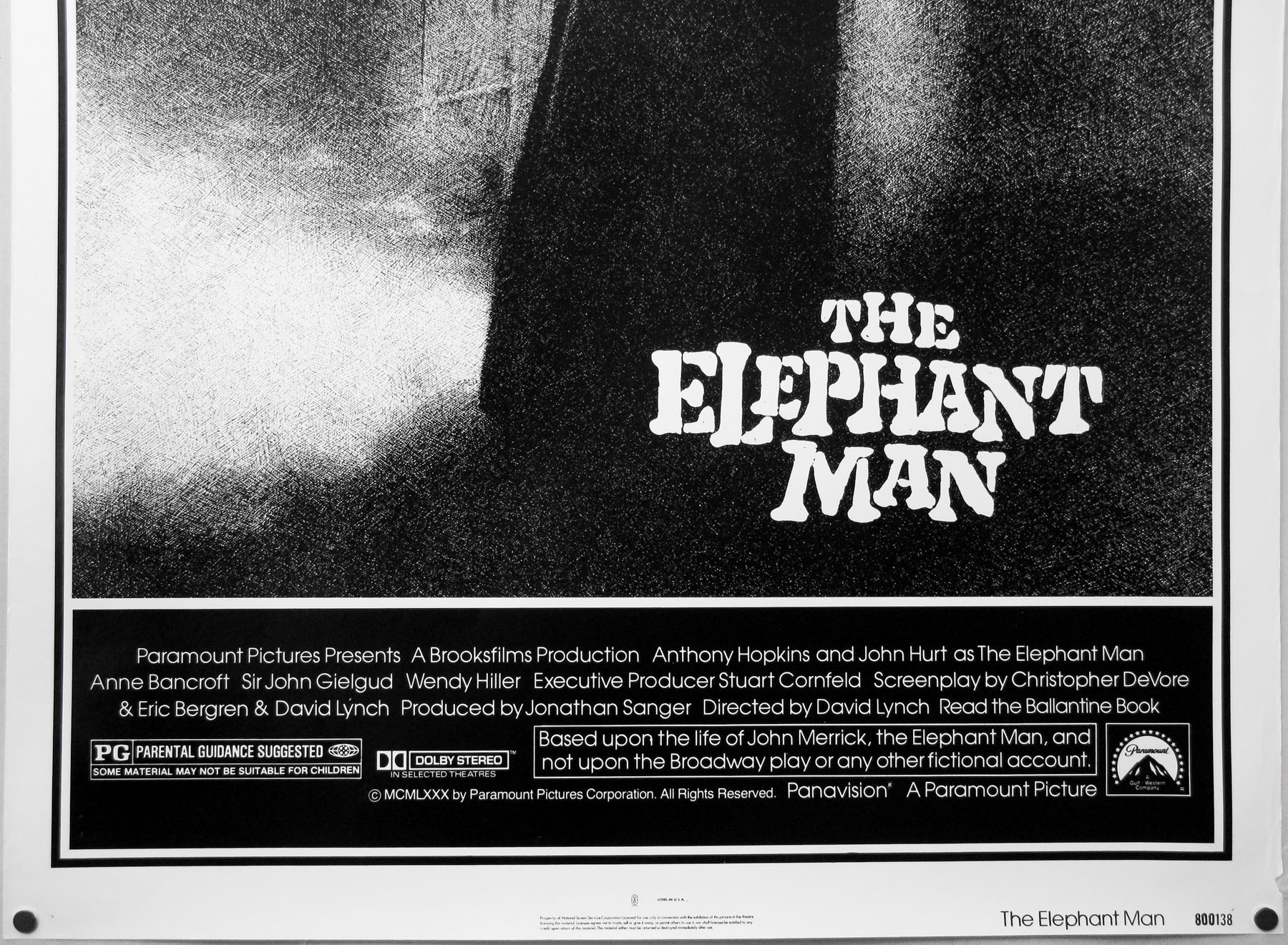
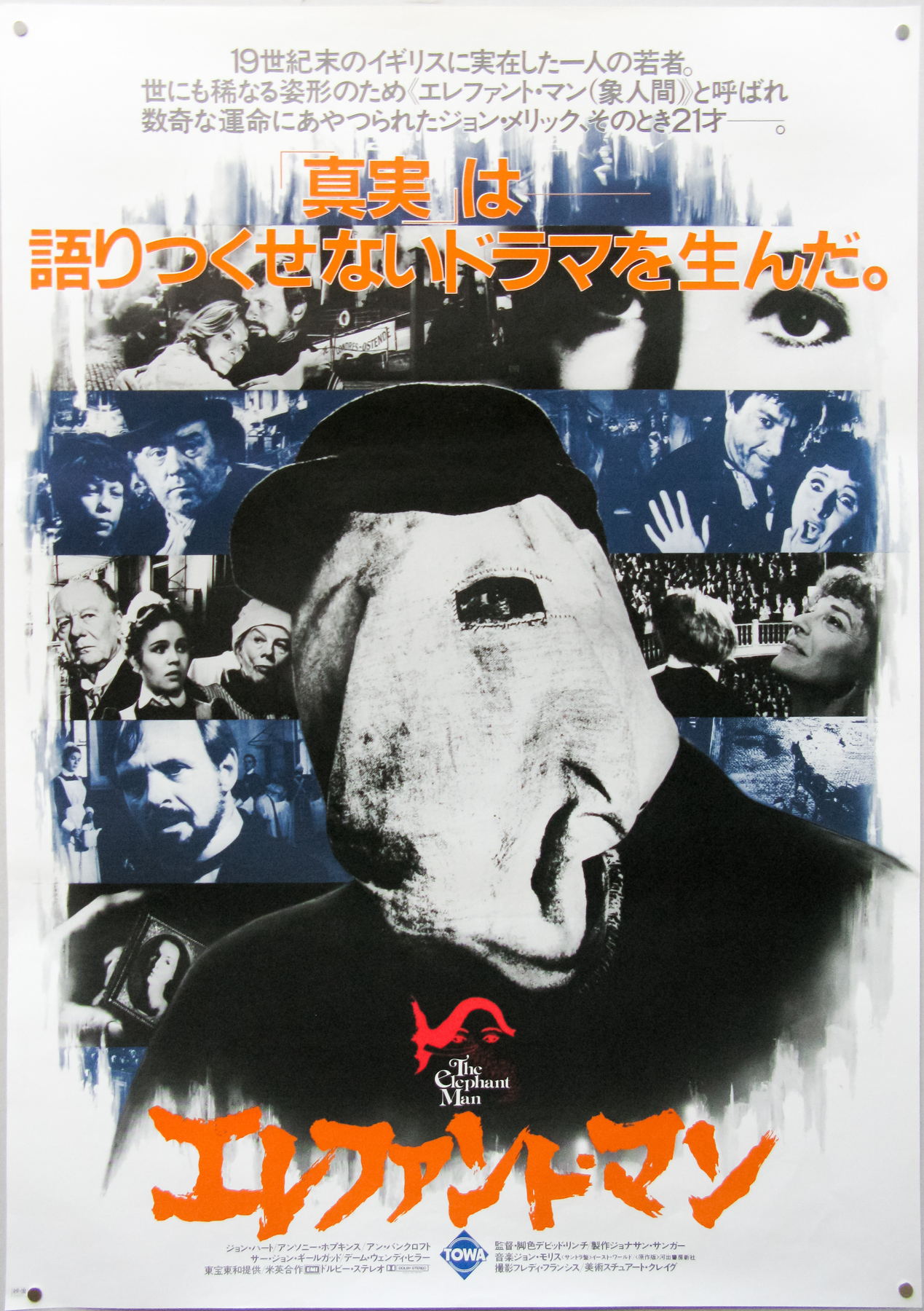
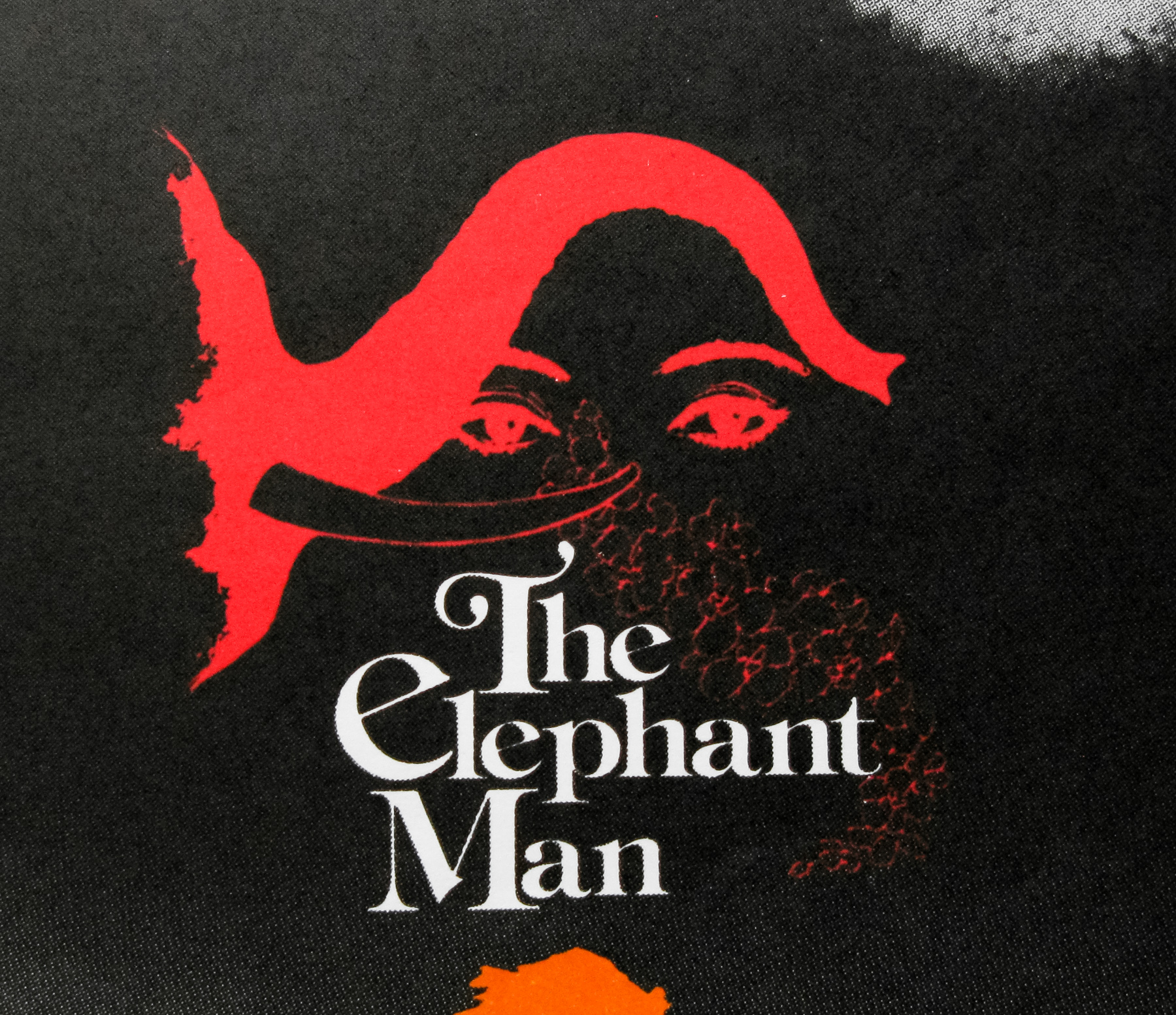
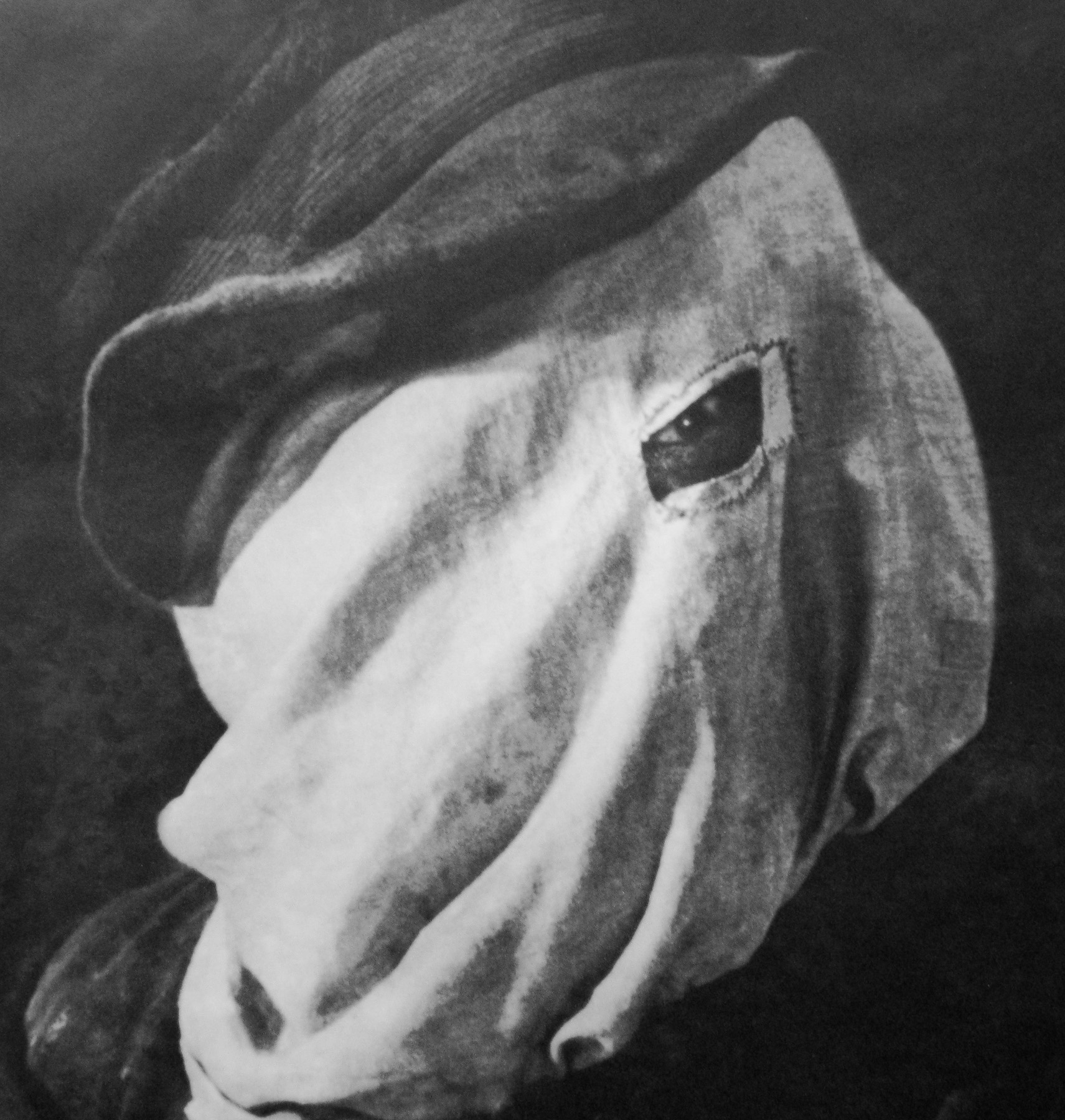
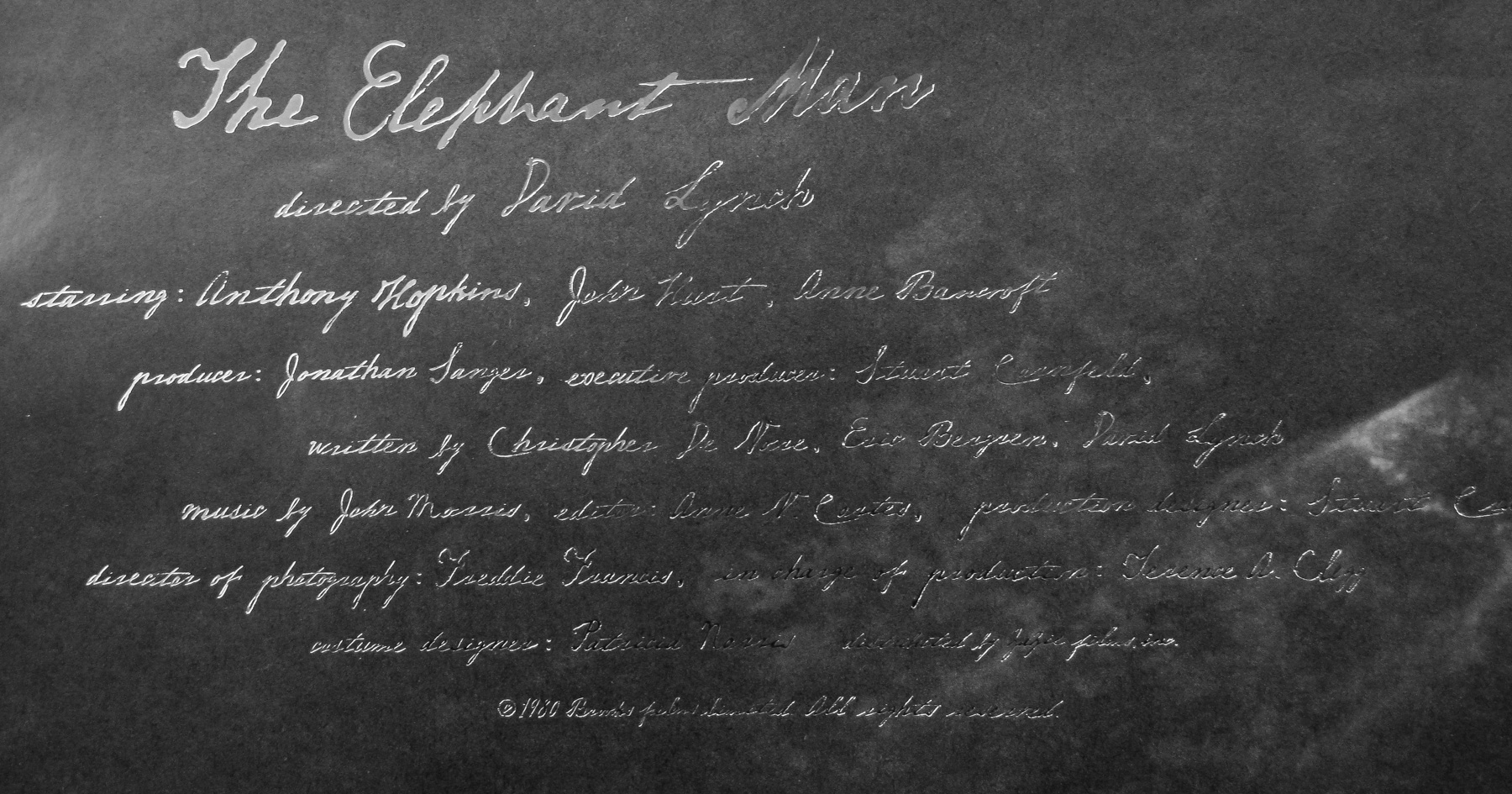
The Elephant Man / one sheet / USA

17.05.11

Poster Poster
Title
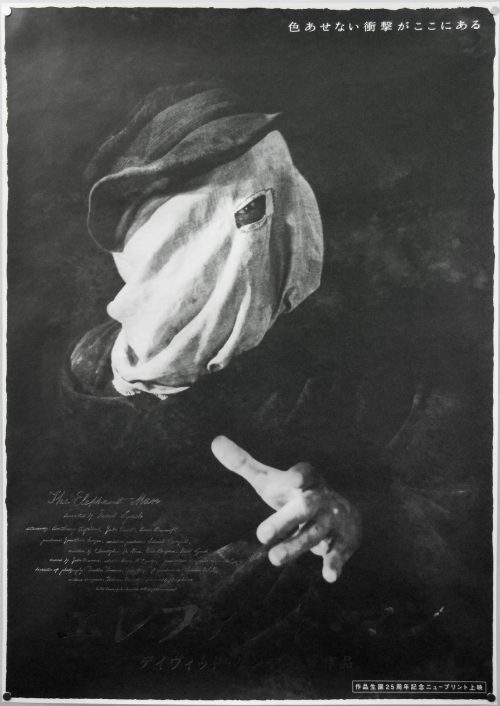
The Elephant Man
AKA
--
Year of Film
1980
Director
David Lynch
Starring
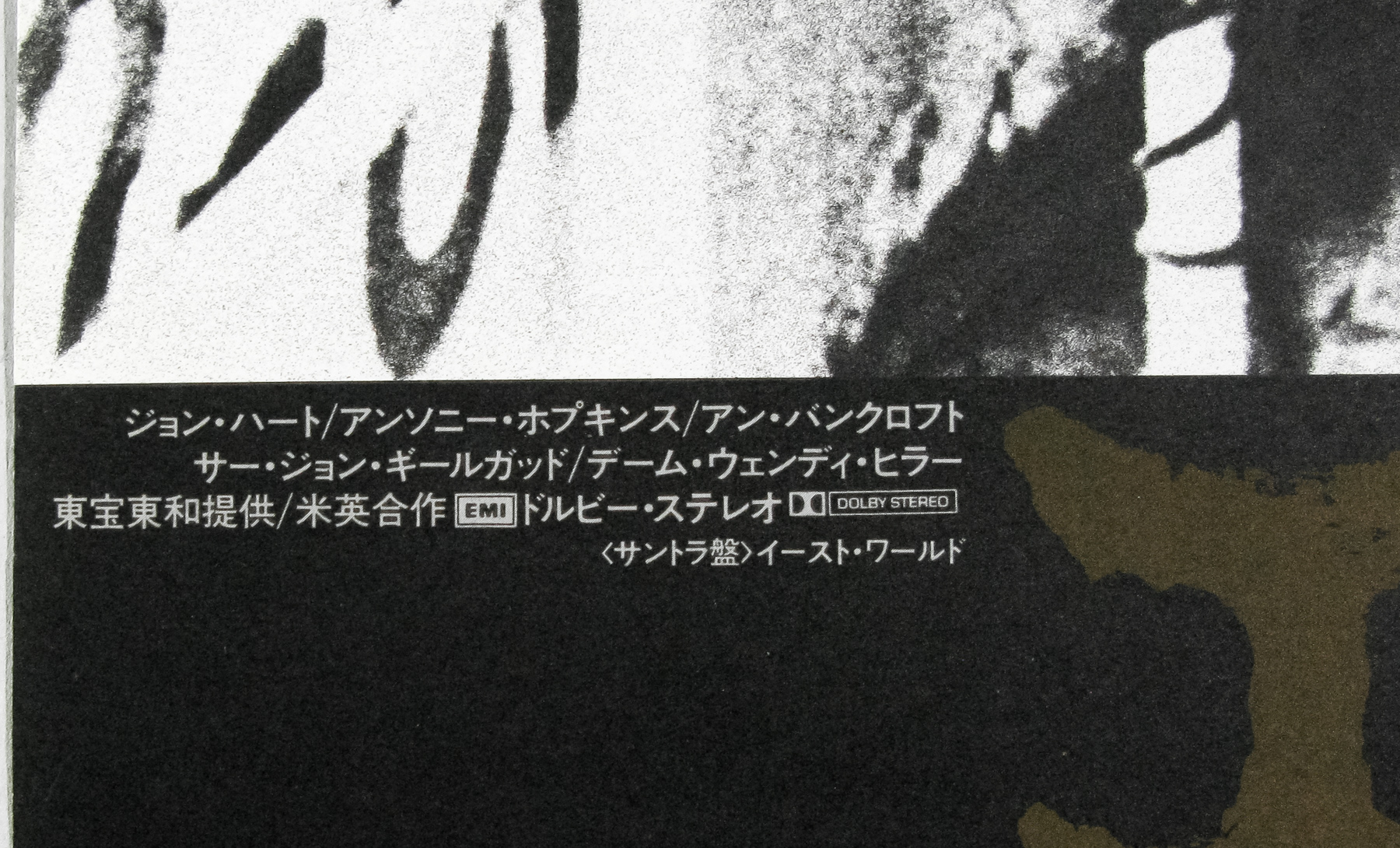
Anthony Hopkins, John Hurt, Anne Bancroft, John Gielgud, Wendy Hiller, Freddie Jones
Origin of Film
UK | USA
Genre(s) of Film
Anthony Hopkins, John Hurt, Anne Bancroft, John Gielgud, Wendy Hiller, Freddie Jones,
Type of Poster
One sheet
Style of Poster
--
Origin of Poster
USA
Year of Poster
1980
Designer
Spiros Angelikas
Artist
Spiros Angelikas
Size (inches)
27 2/16" x 41"
SS or DS
SS
NSS #
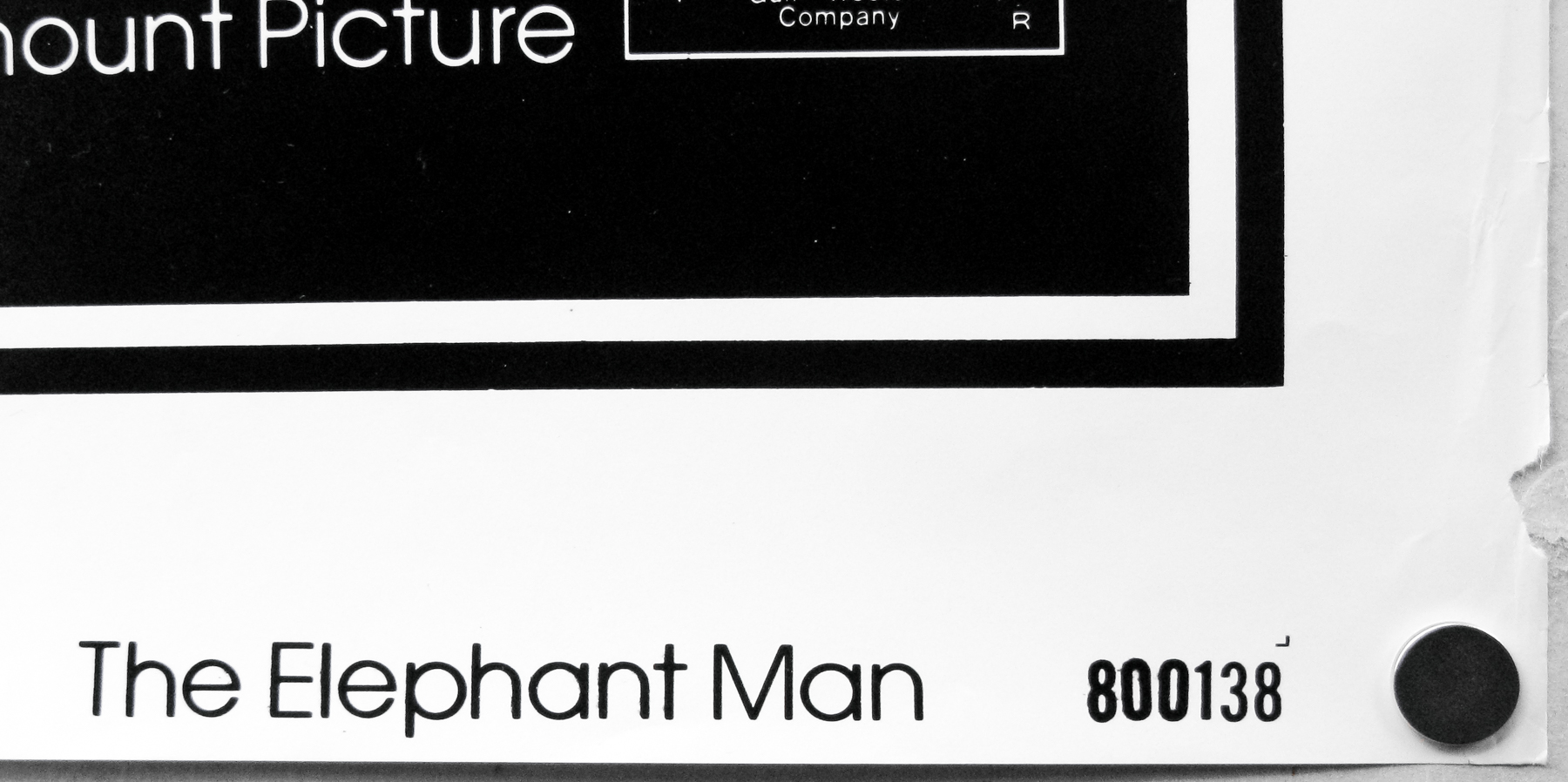
800138
Tagline
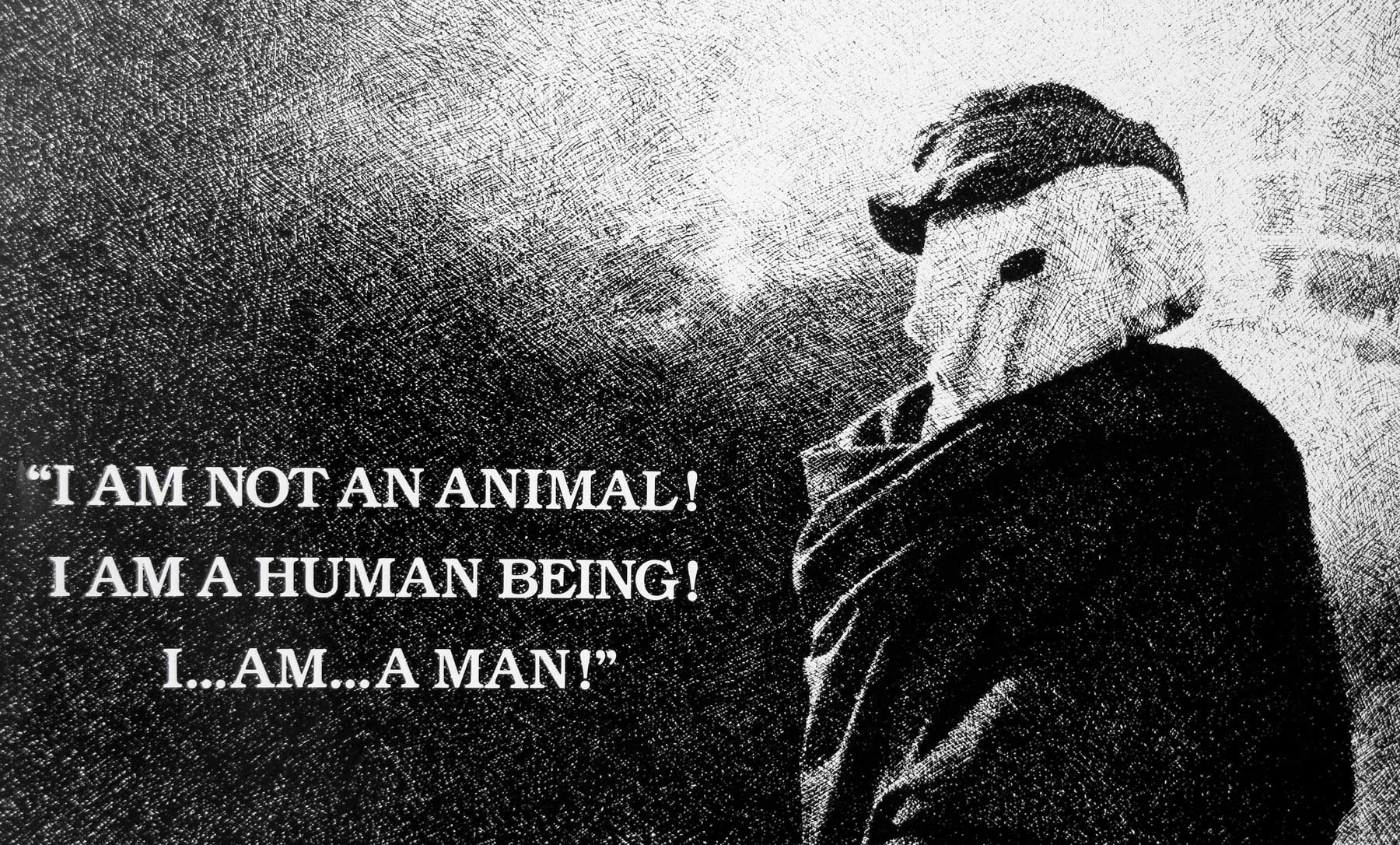
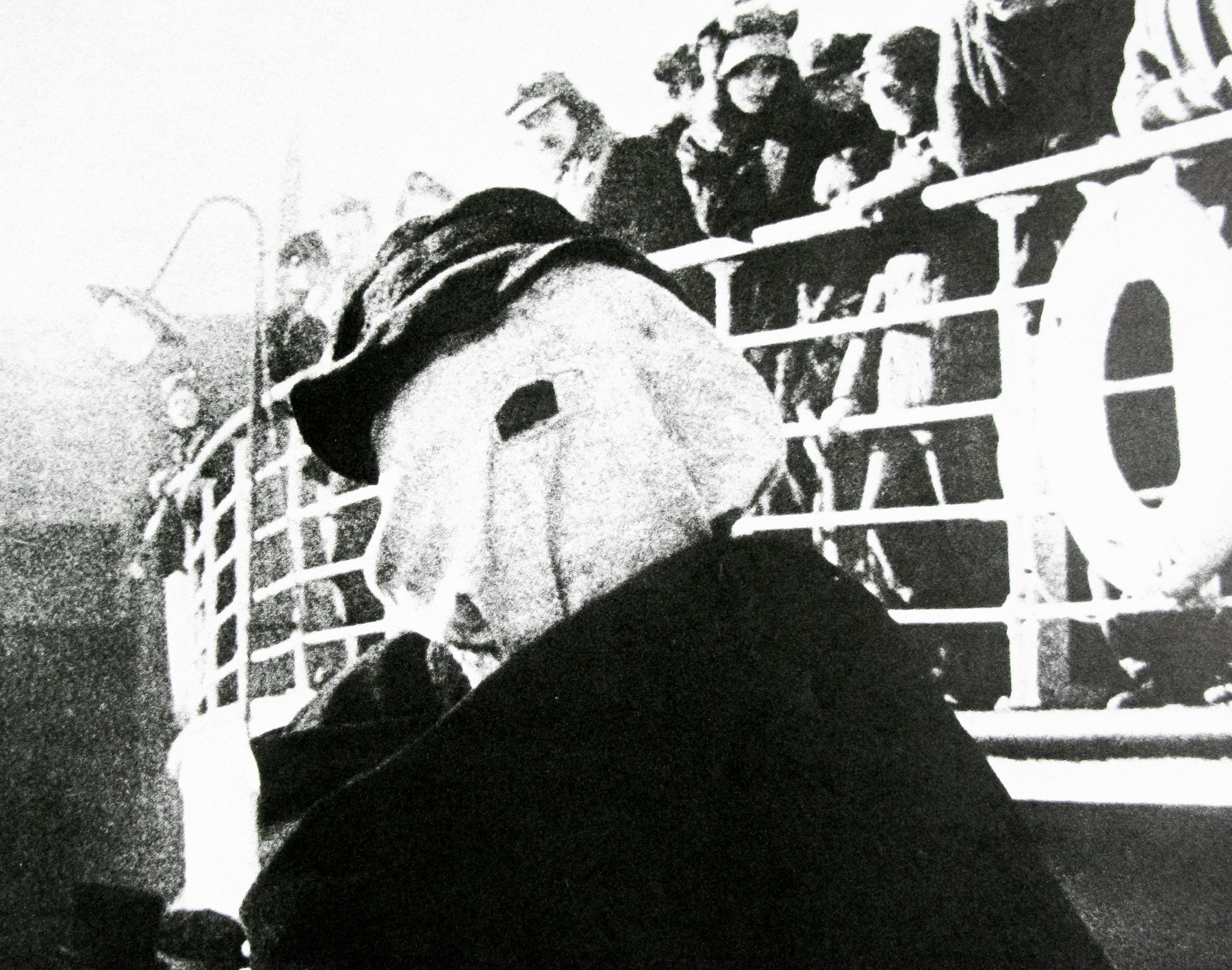
I am not an animal! I am a human being! I...am...a man!

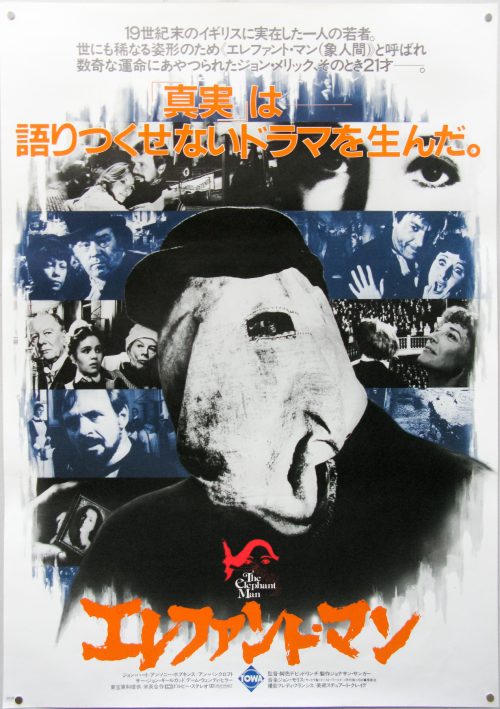
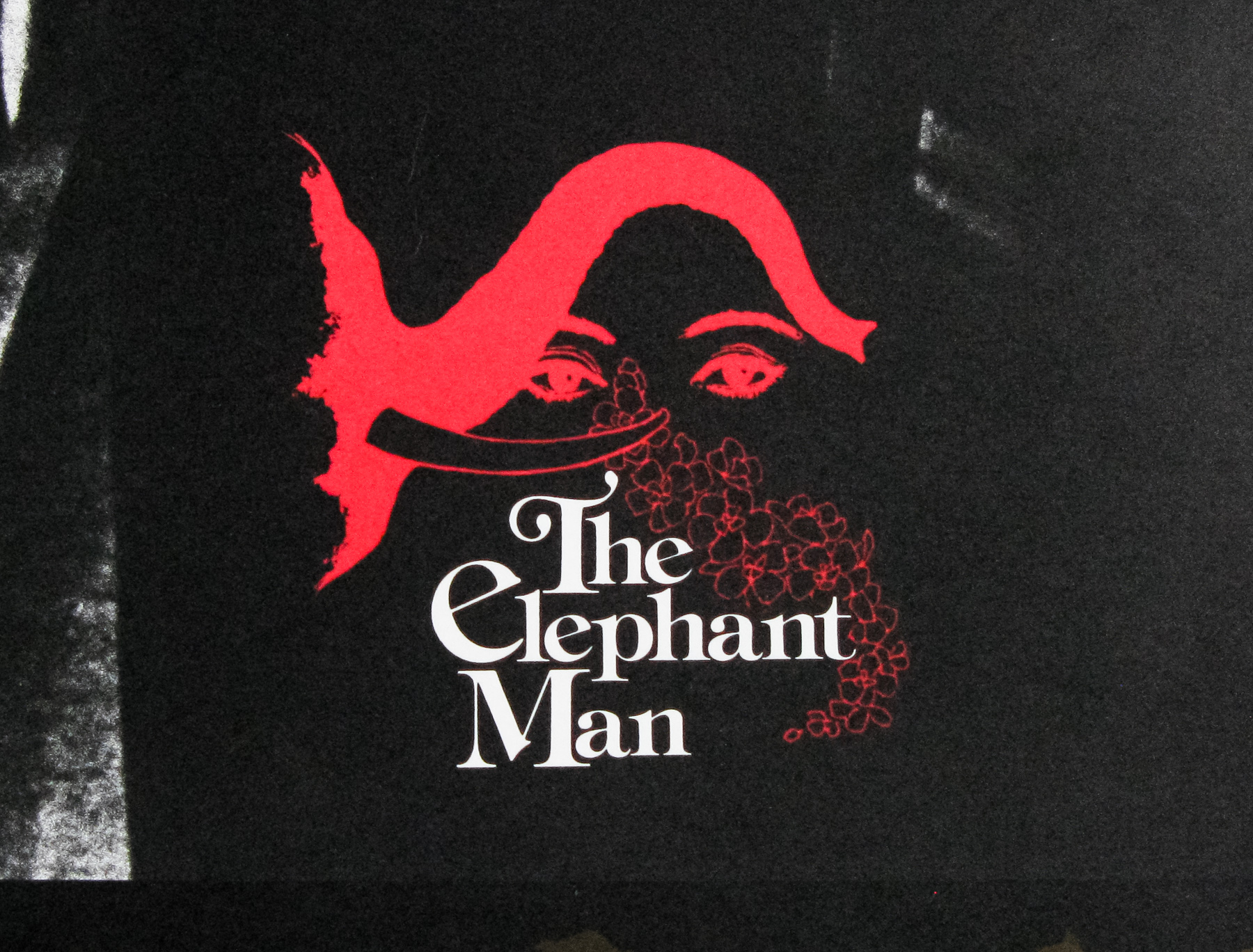
The poster was designed by Spiros Angelikas who was a prolific designer and artist of film posters during the 1970s and 1980s. He owned a design agency called Spiros Associates. Some of his most famous work includes the poster he designed for Friday the 13th, with artist Alex Ebel, his work on the Indiana Jones series, and for his collaborations with the legendary artist Richard Amsel. They worked on Raiders of the Lost Ark and Nijinsky together and there’s a great article on the late artist’s website about their efforts. He also worked on several of the posters for the original Star Trek films, including the gorgeous Bob Peak original. There’s an interesting article by Angelikas’ son Harry on the Trek Core website which has photographs of concepts for the posters by Spiros that never made it to the print stage.

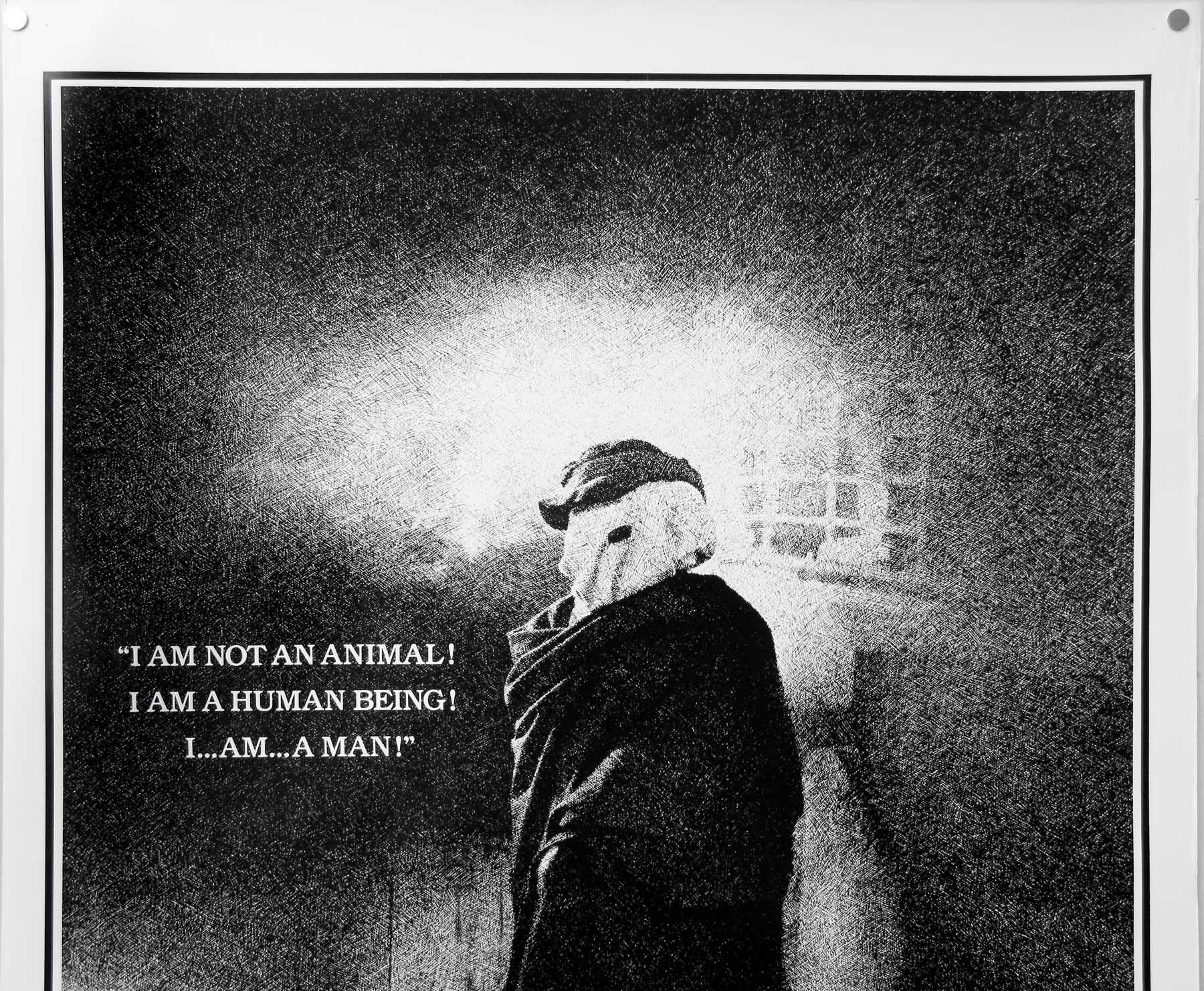
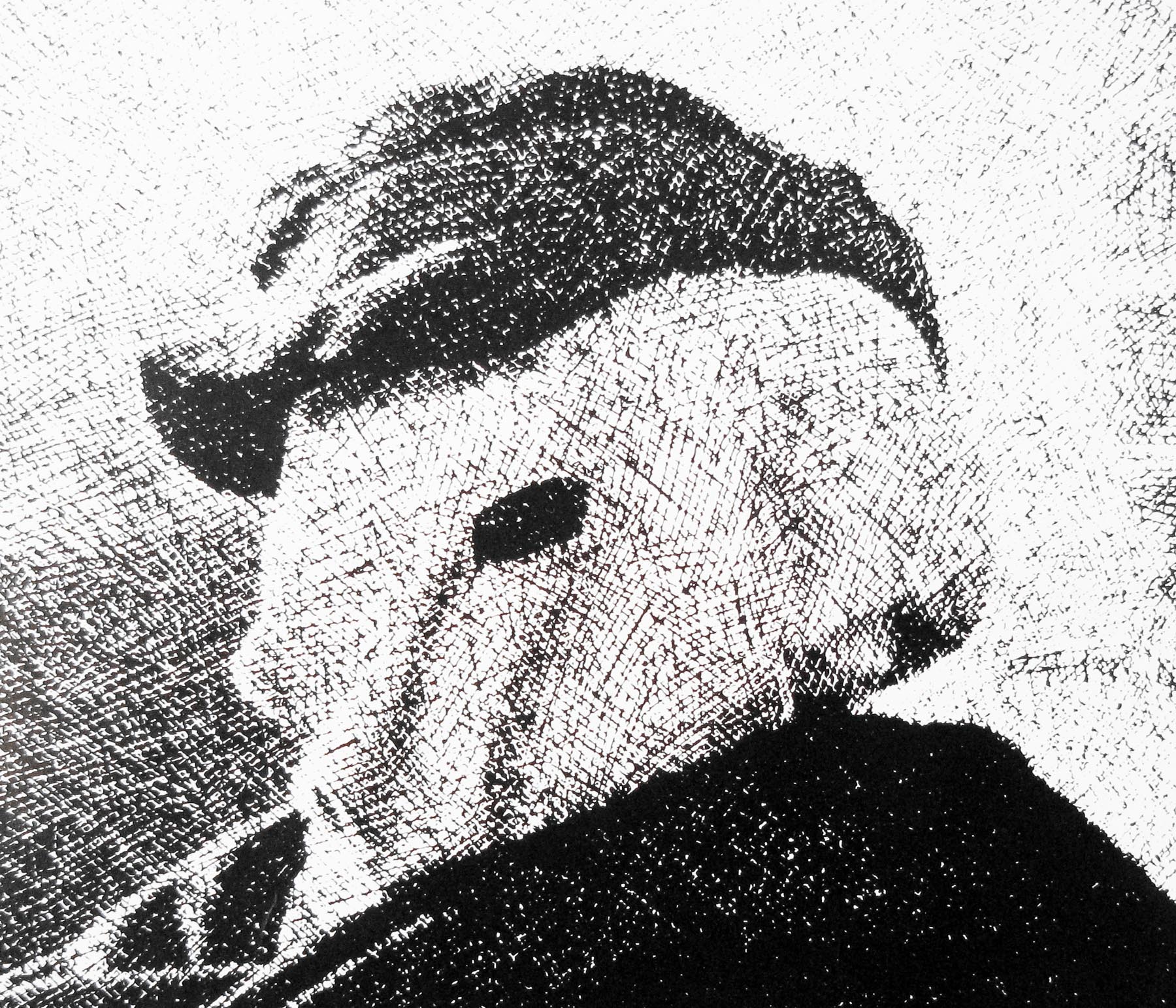
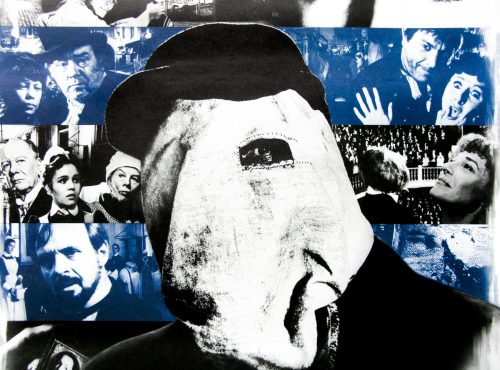
For this poster, not only did Spiros design the layout and type but he also put together the central stylised photographic image.

The Elephant Man / B2 / close up style / Japan

17.05.11

Poster Poster

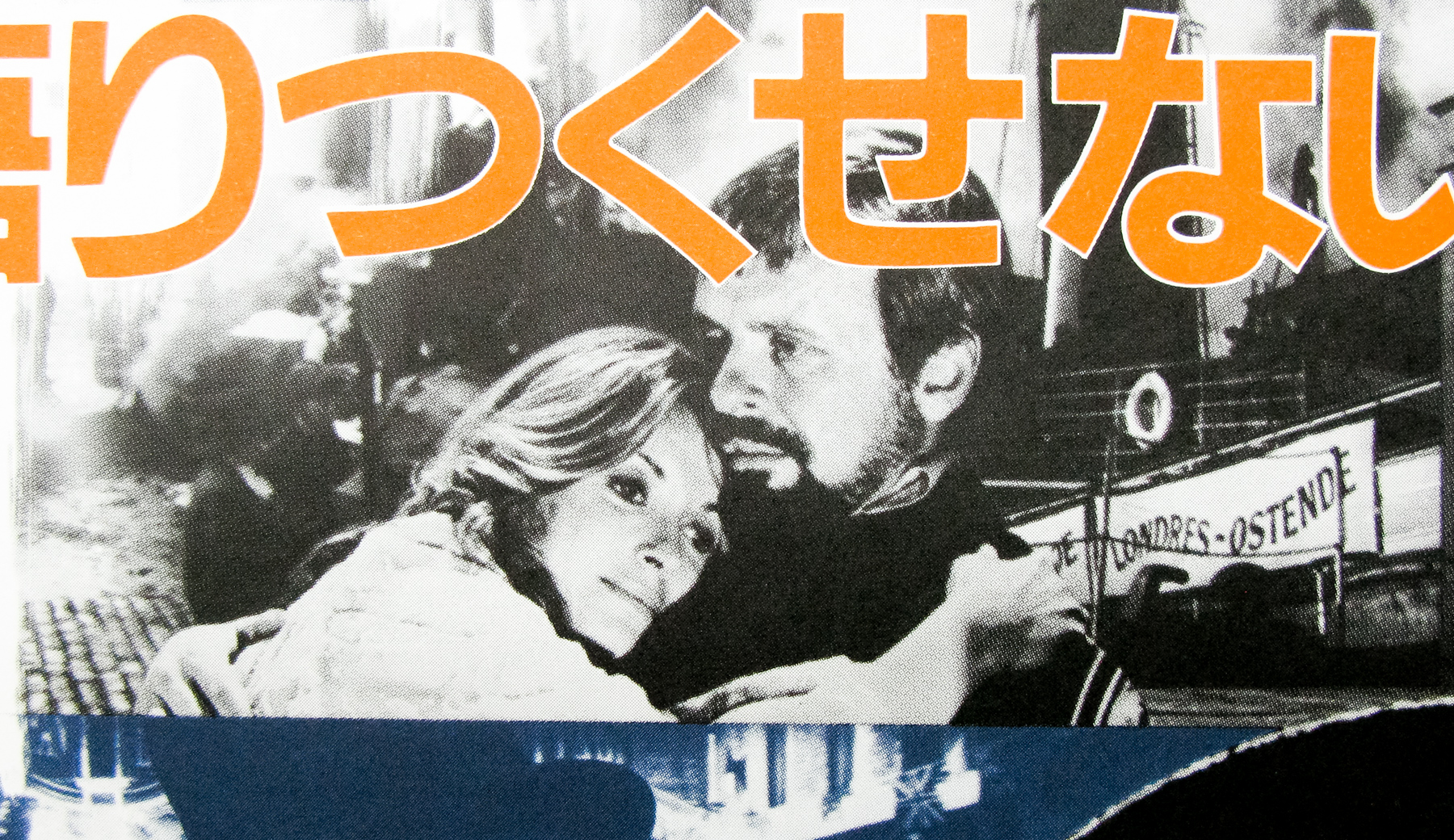
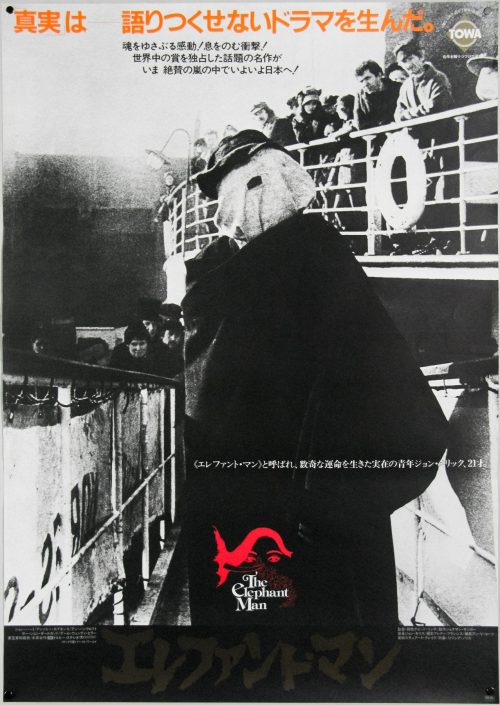
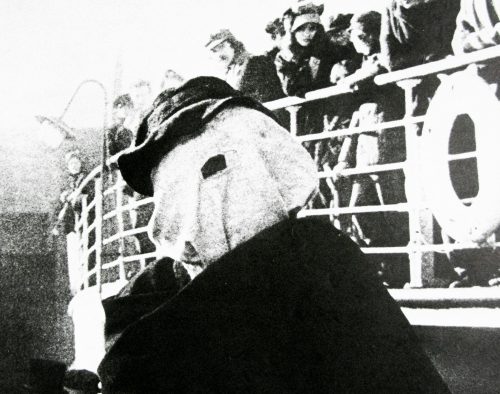
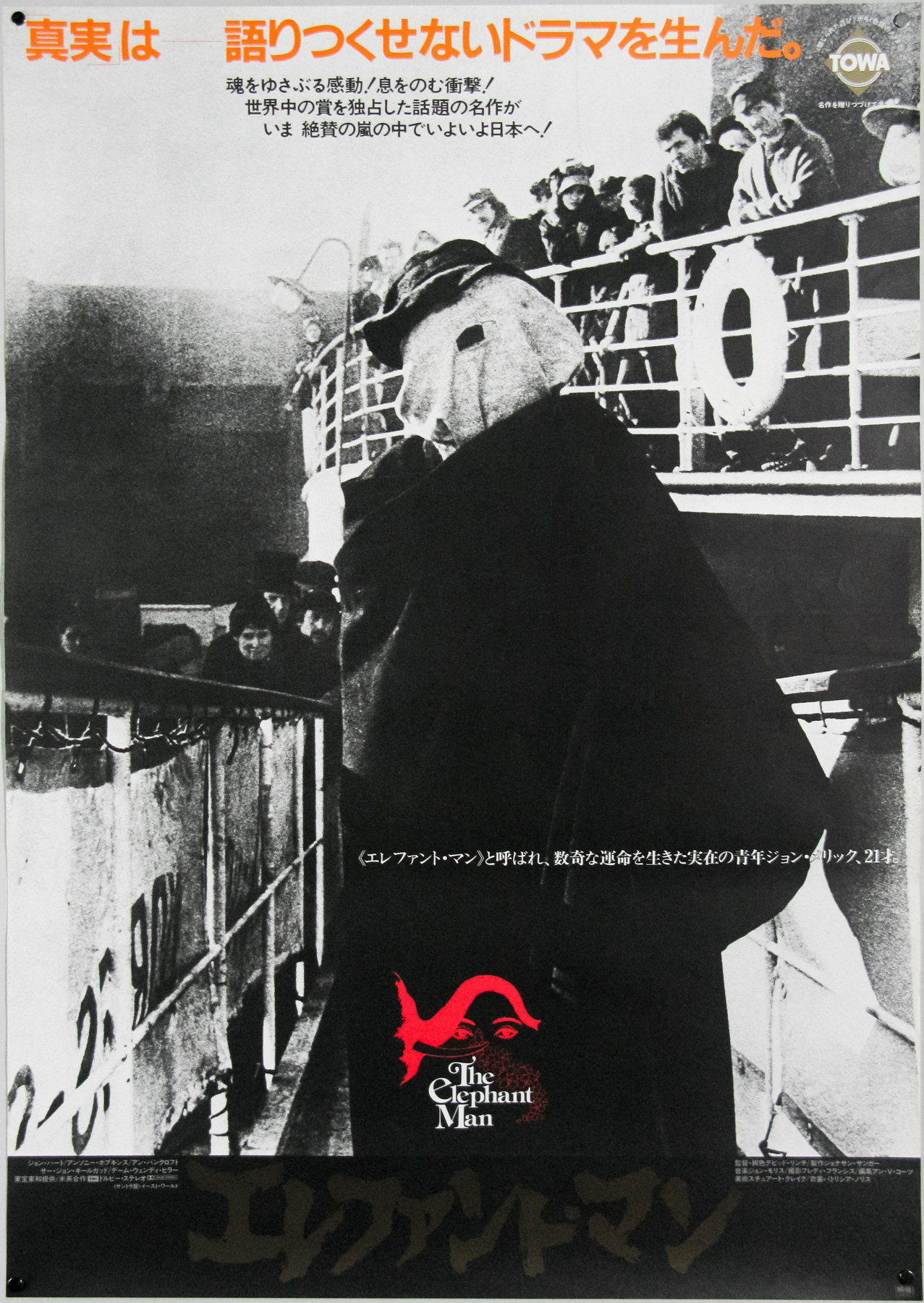
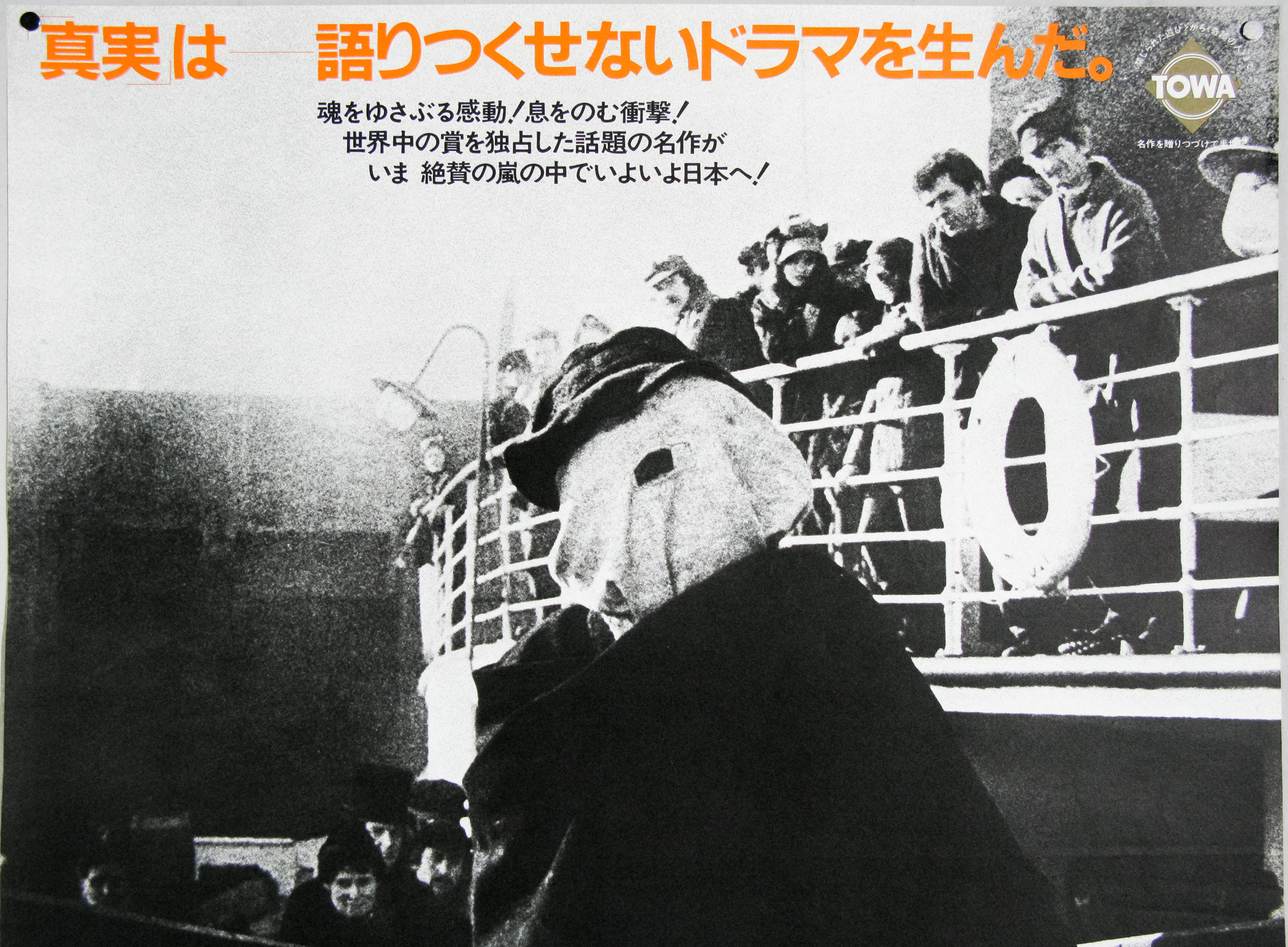
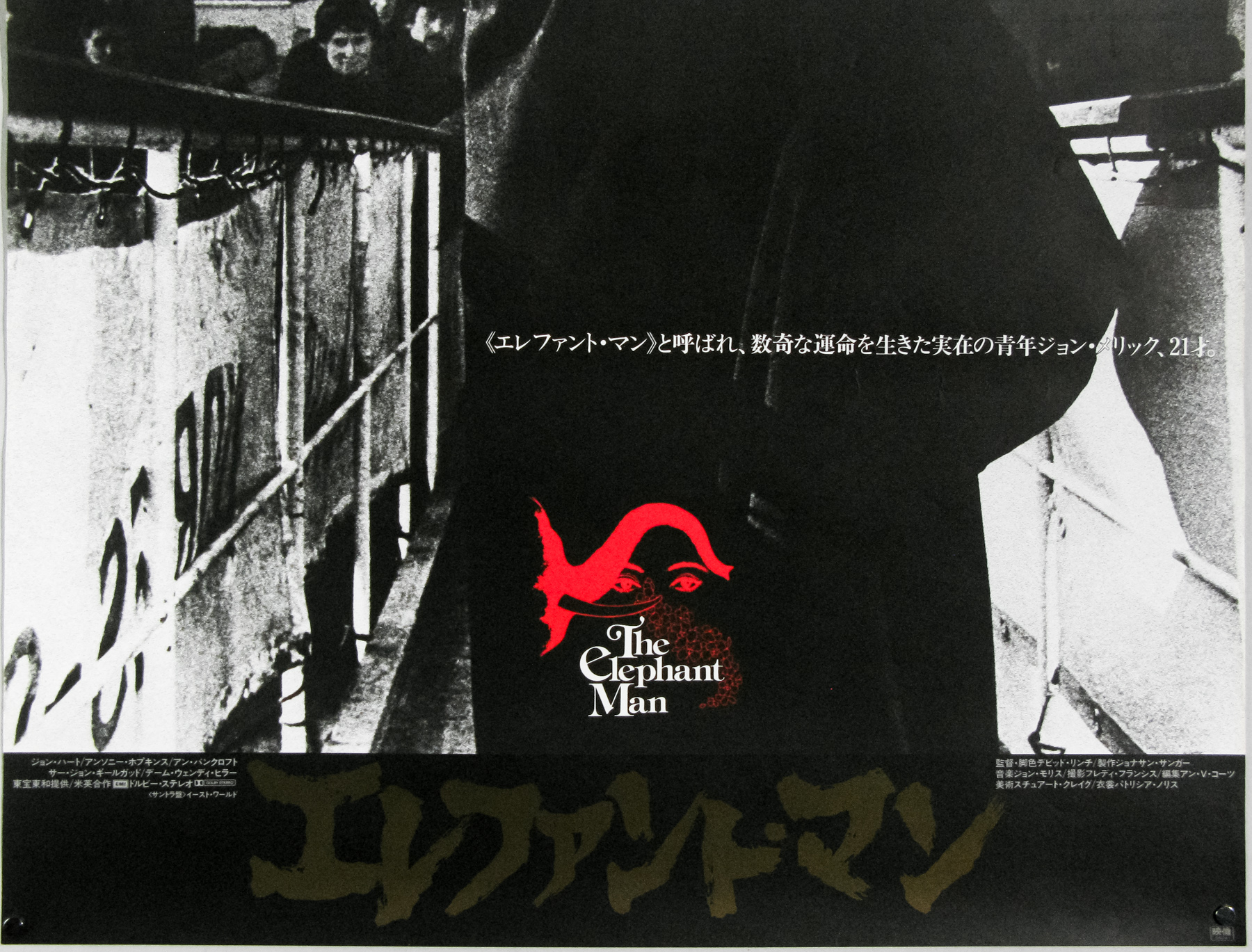
The Elephant Man / B2 / ship style / Japan

17.05.11

Poster Poster

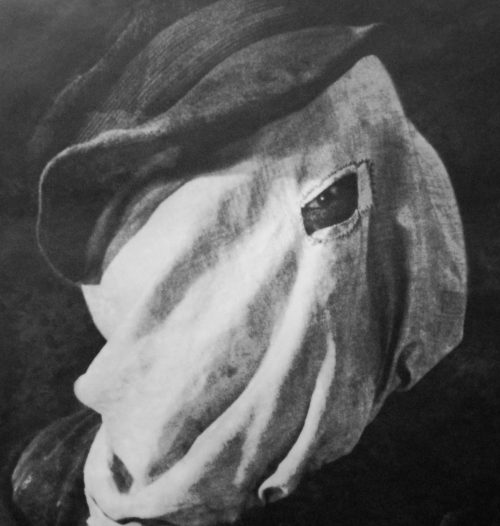
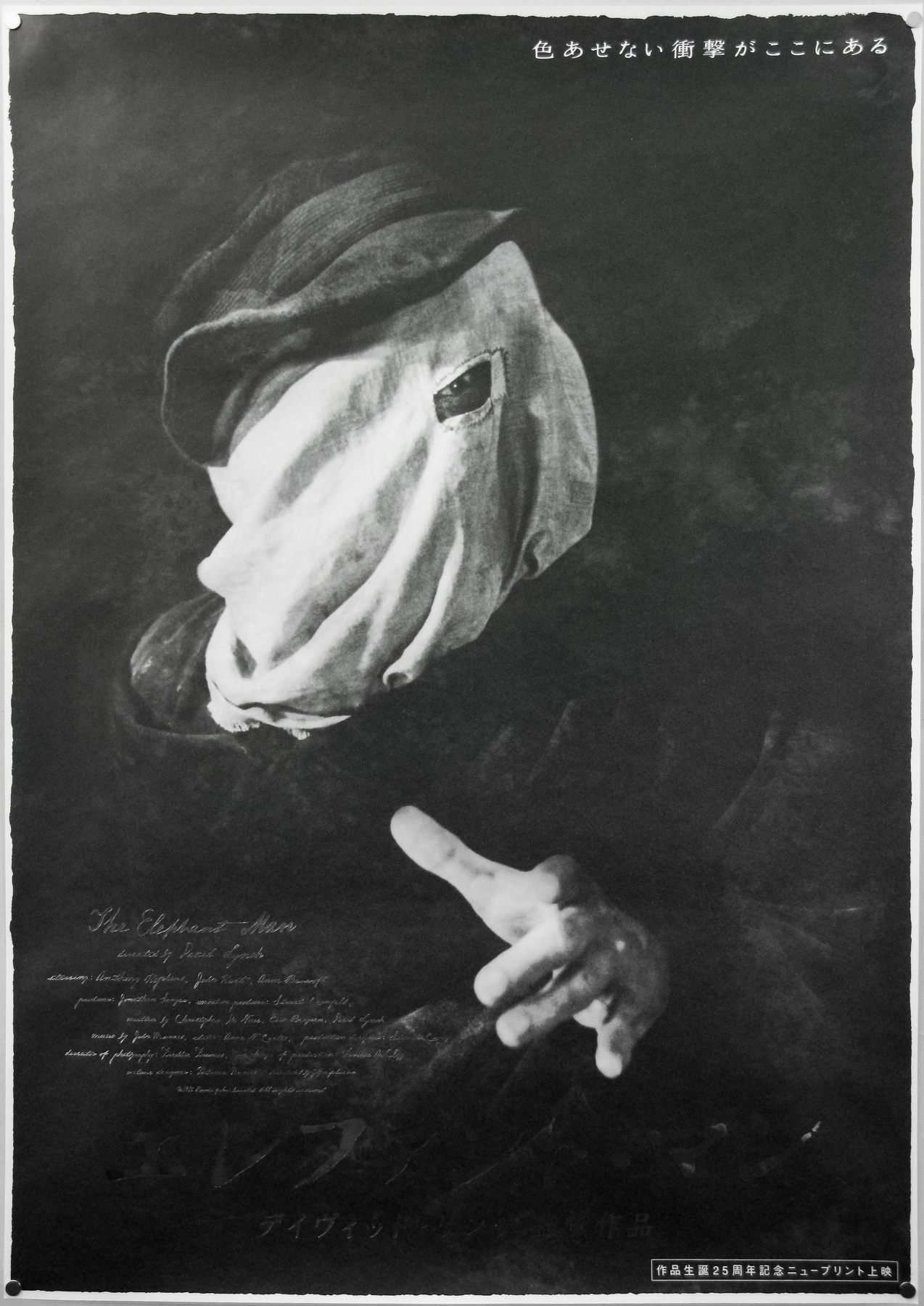
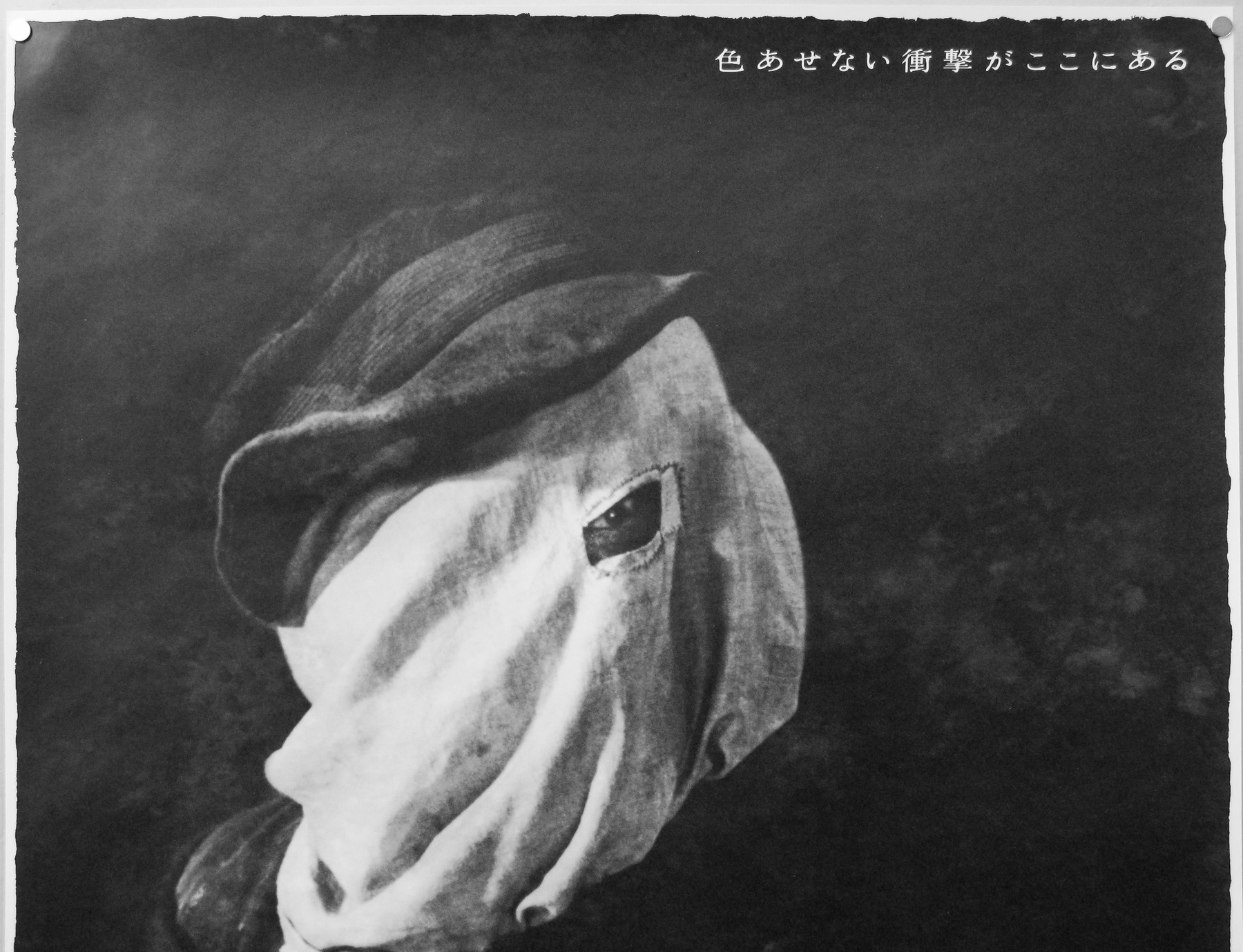
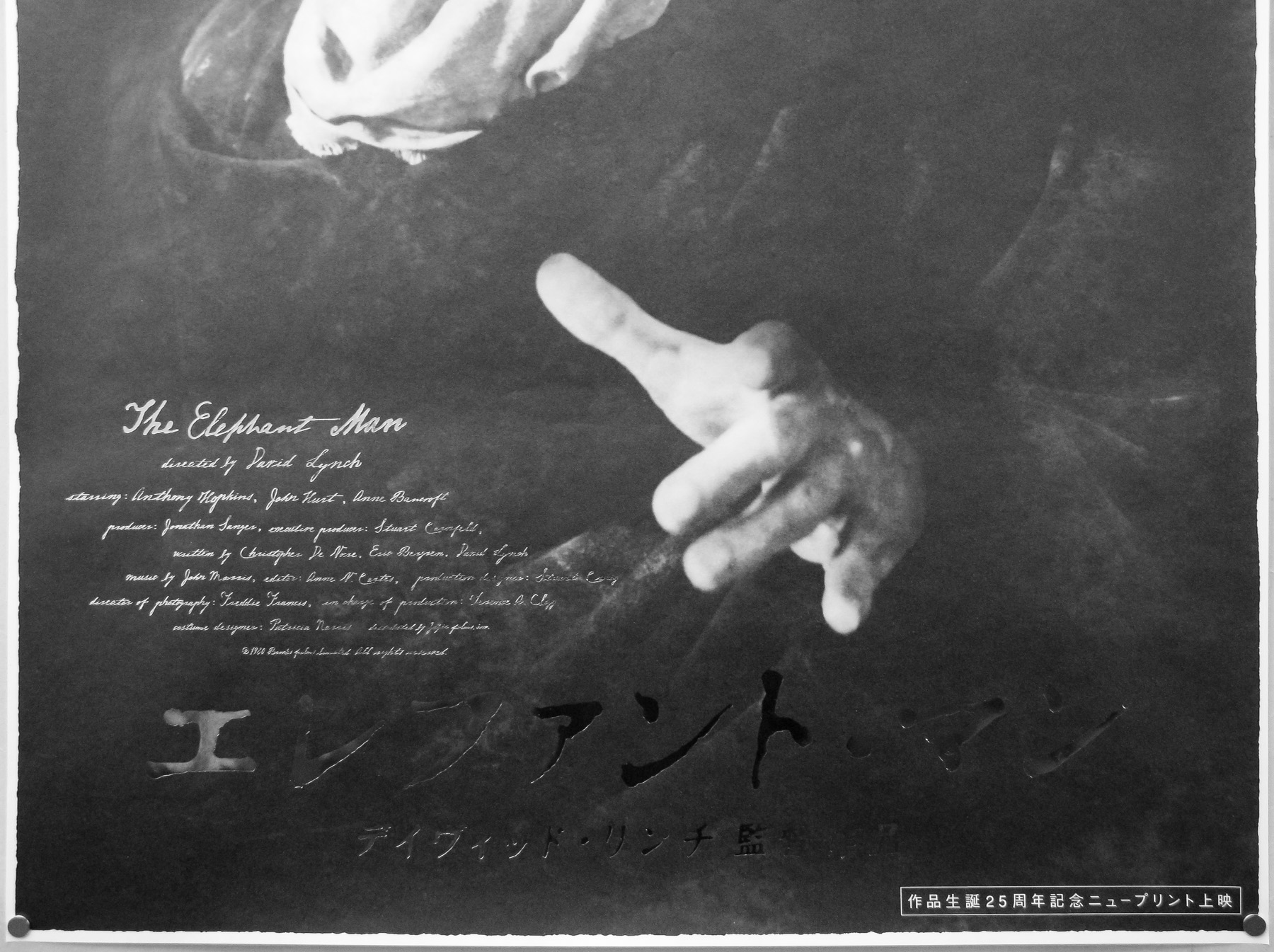
The Elephant Man / B1 / 2004 re-release / Japan

17.05.11

Poster Poster

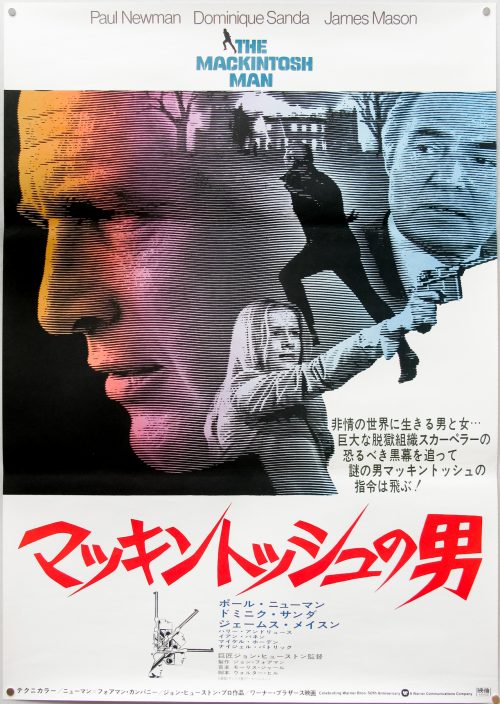
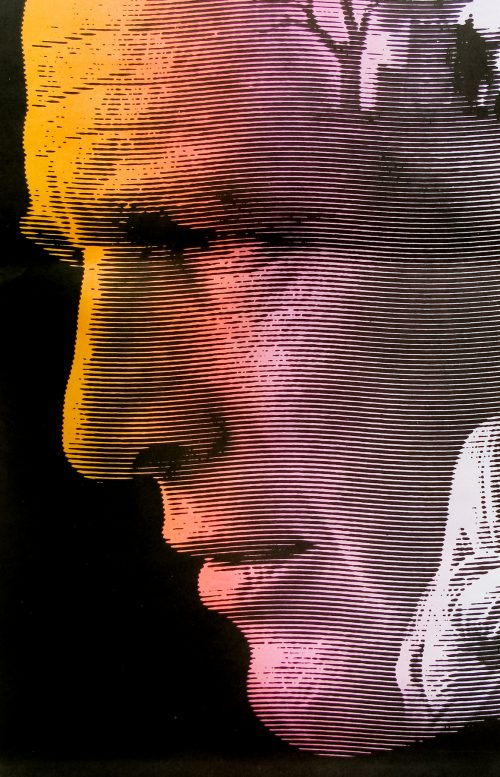
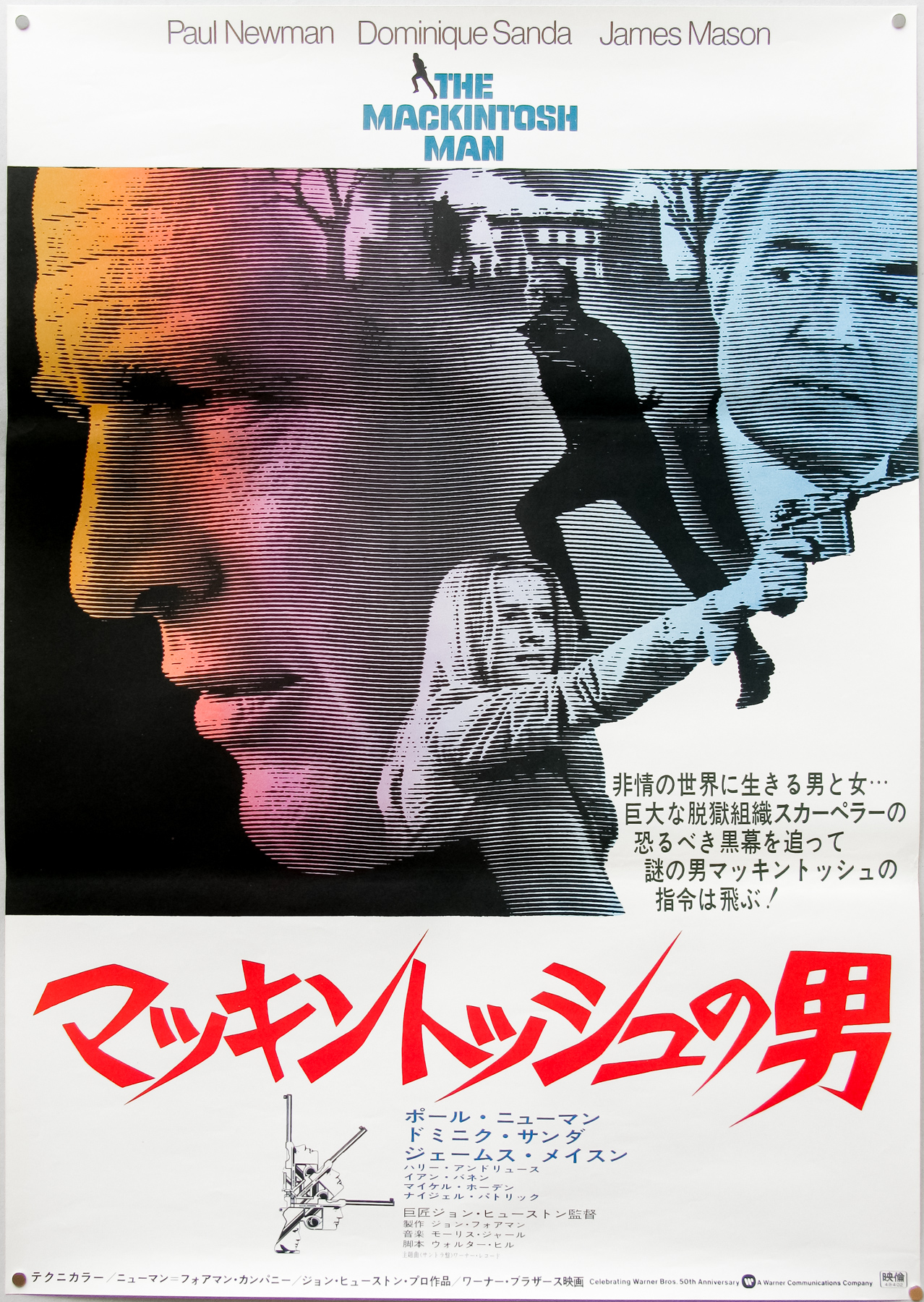
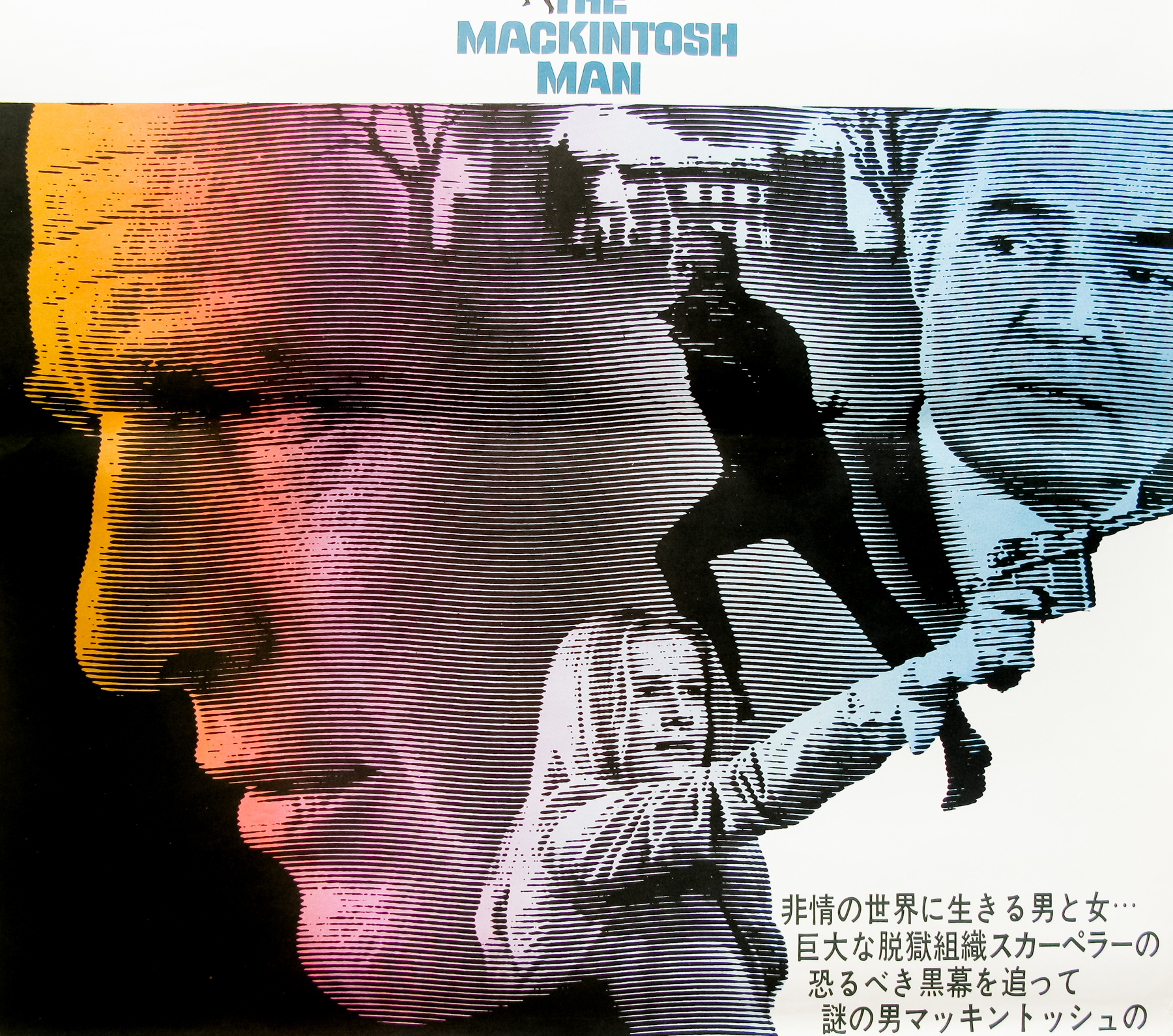
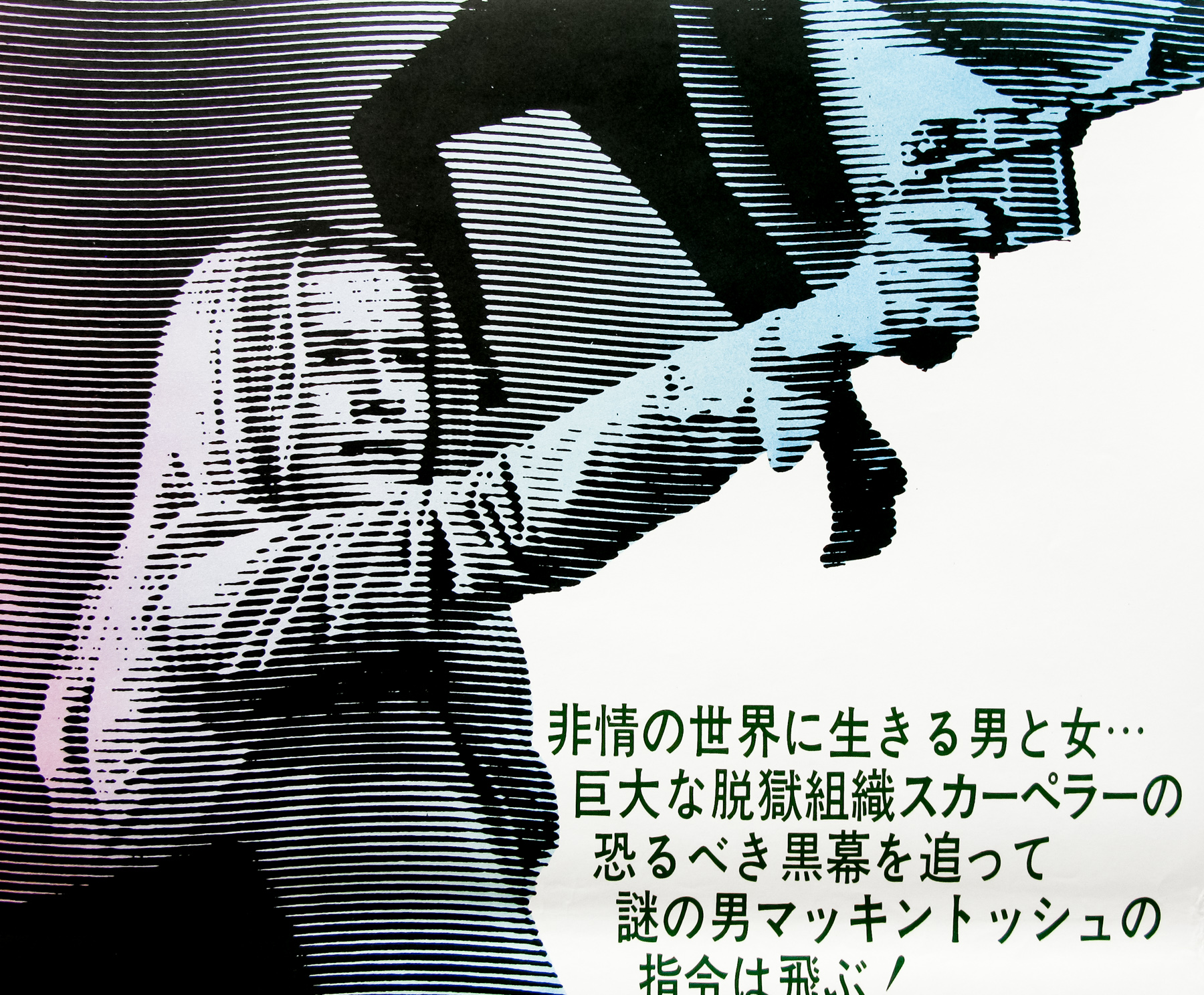
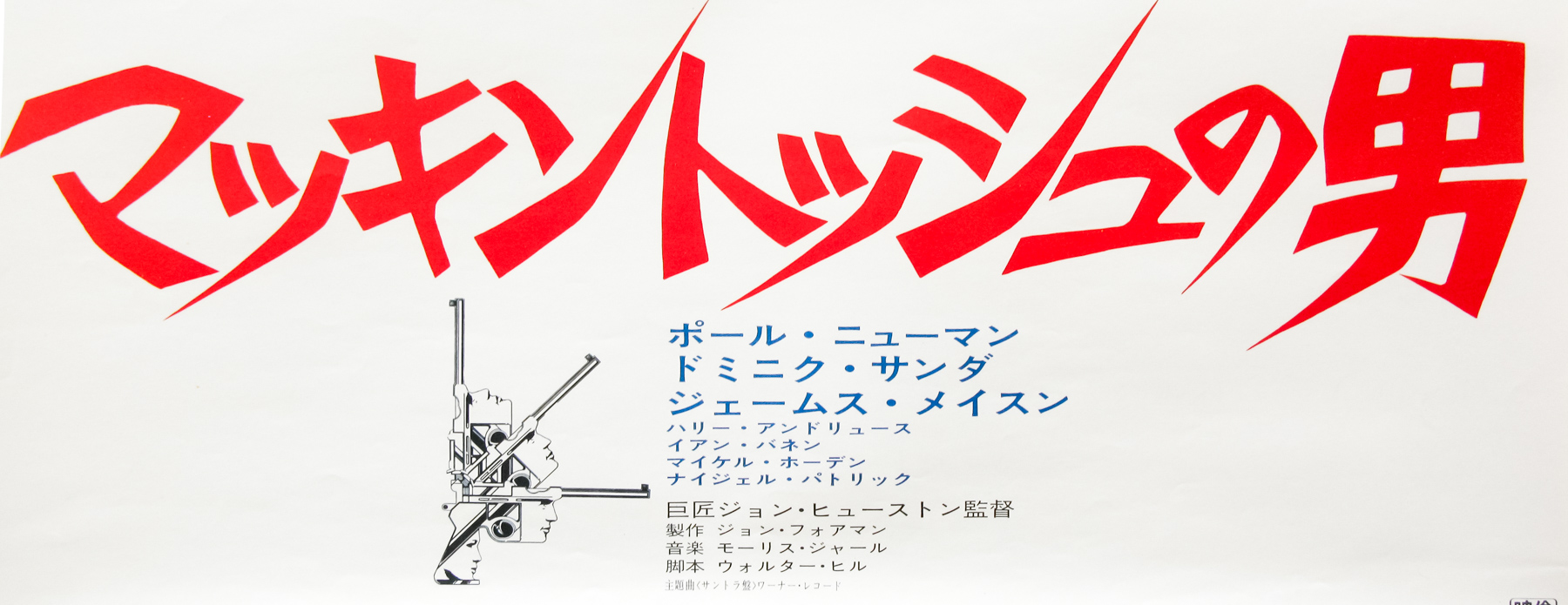
The Mackintosh Man / B2 / Japan

17.05.11

Poster Poster

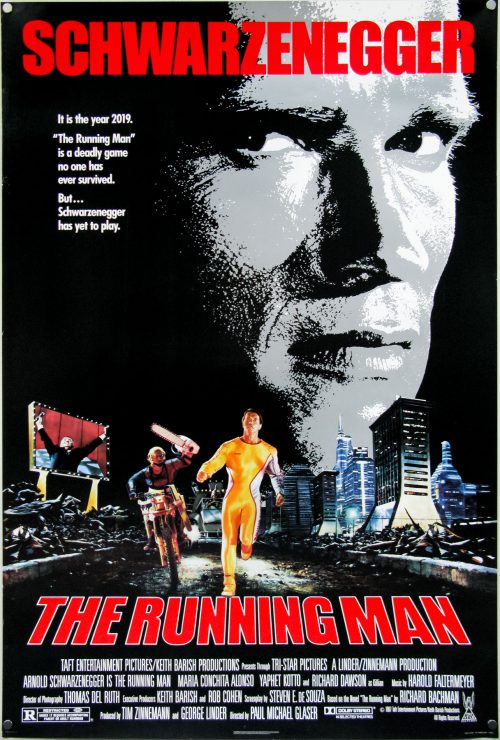
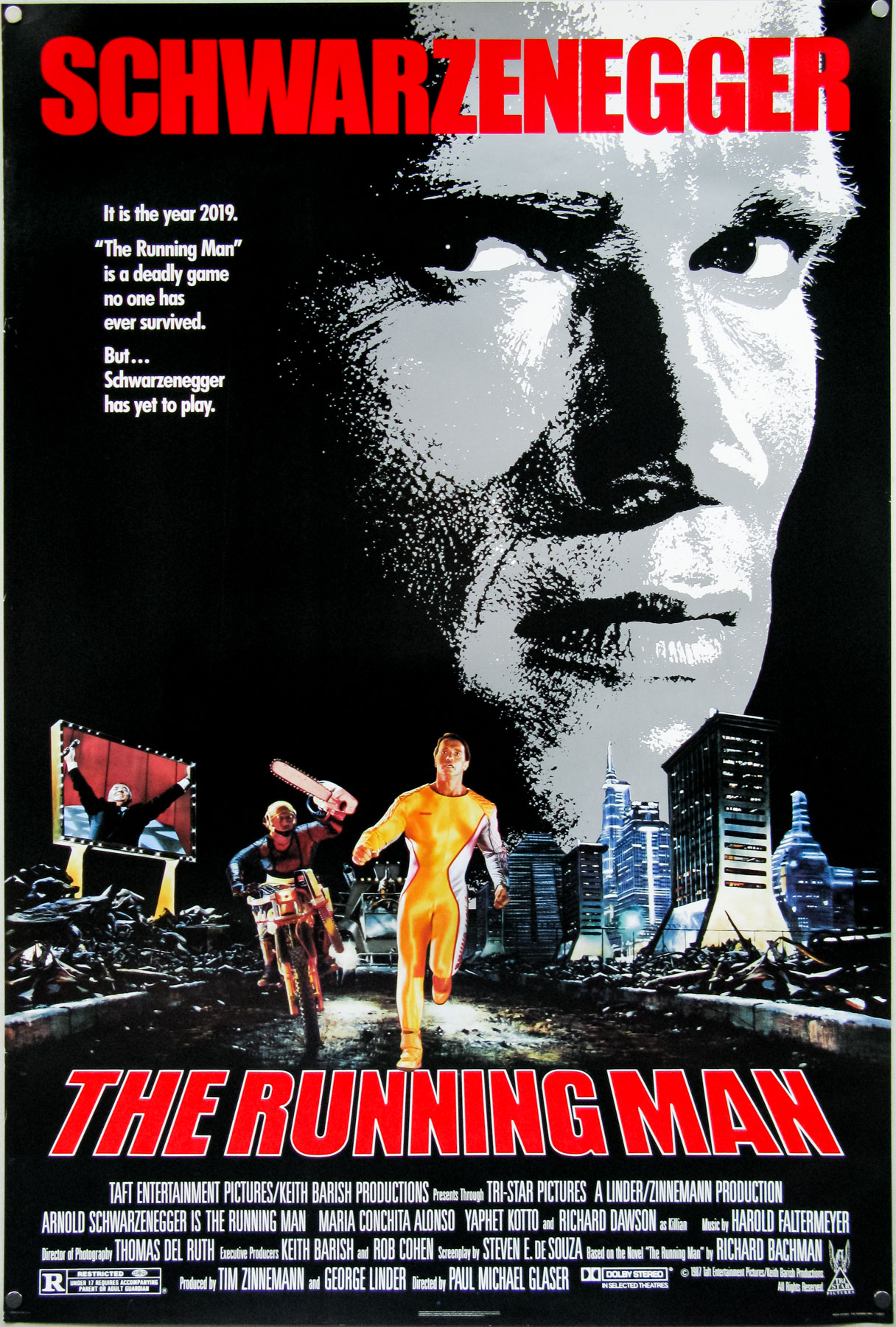
The Running Man / one sheet / style B / USA

17.05.11

Poster Poster

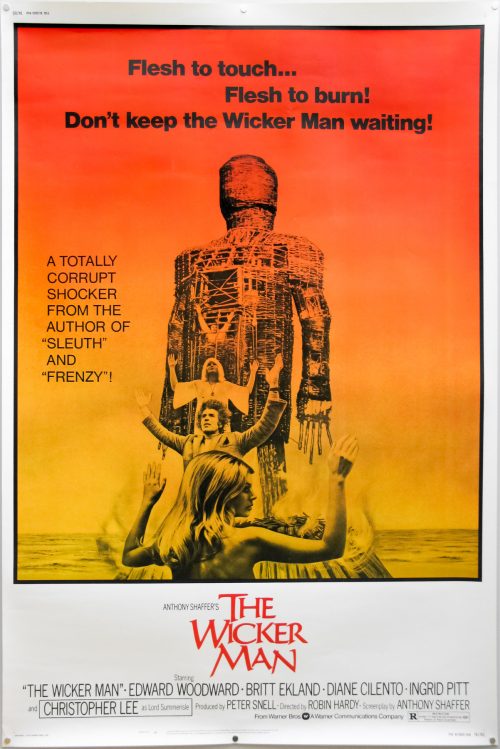
The Wicker Man / one sheet / UK

17.05.11

Poster Poster

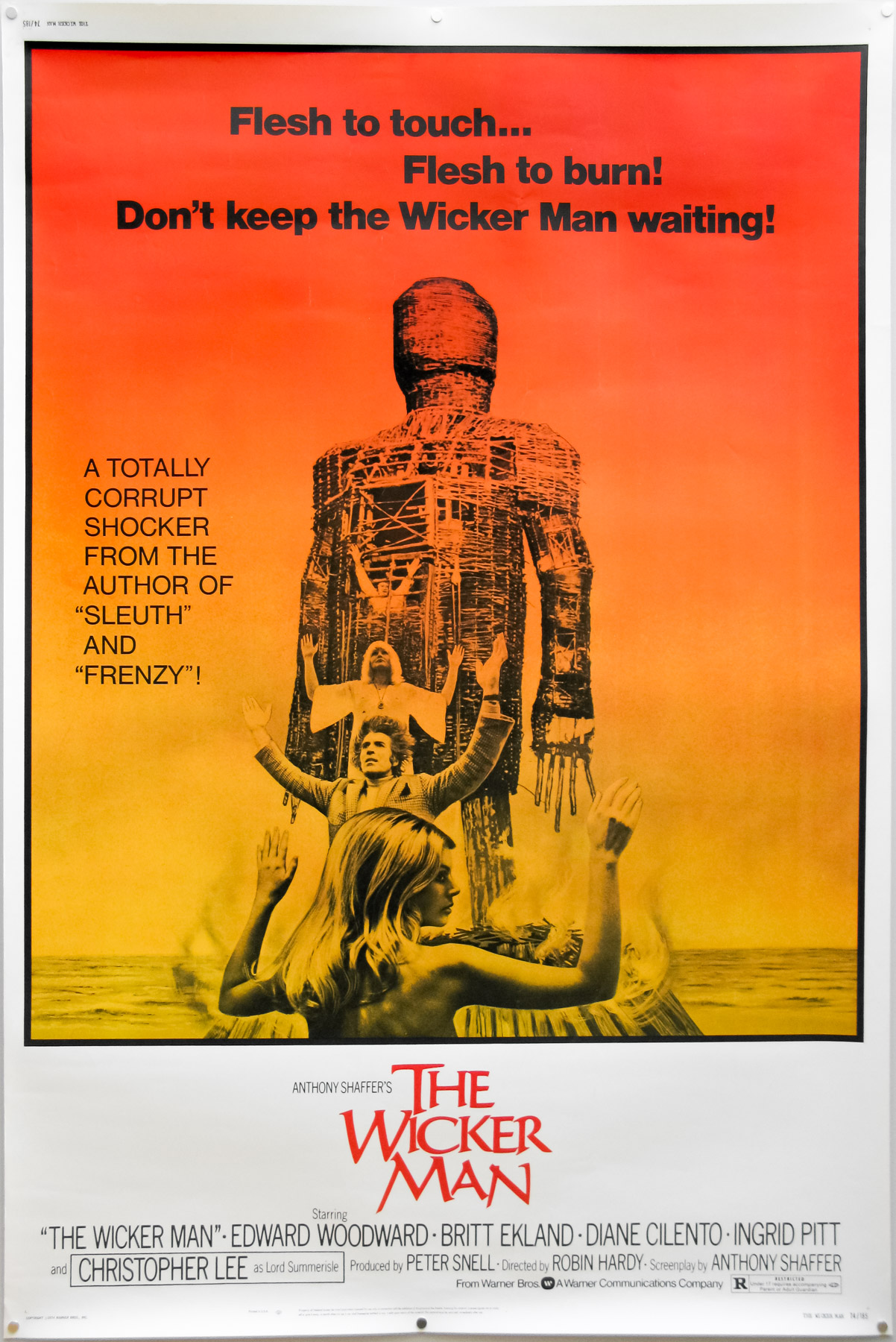
The Wicker Man / 40×60 / USA

18.05.11

Poster Poster

The Silent Flute / B2 / Japan

06.08.14

Poster Poster
Title
The Silent Flute
AKA
Circle of Iron (US/UK)
Year of Film
1978
Director
Richard Moore
Starring
David Carradine, Jeff Cooper, Christopher Lee, Roddy McDowall, Eli Wallach, Anthony De Longis, Earl Maynard, Erica Creer
Origin of Film
USA
Genre(s) of Film
David Carradine, Jeff Cooper, Christopher Lee, Roddy McDowall, Eli Wallach, Anthony De Longis, Earl Maynard, Erica Creer,
Type of Poster
B2
Style of Poster
--
Origin of Poster
Japan
Year of Poster
1979
Designer
Unknown
Artist
Seito
Size (inches)
20 5/16" x 28 13/16"
SS or DS
SS
Tagline
--

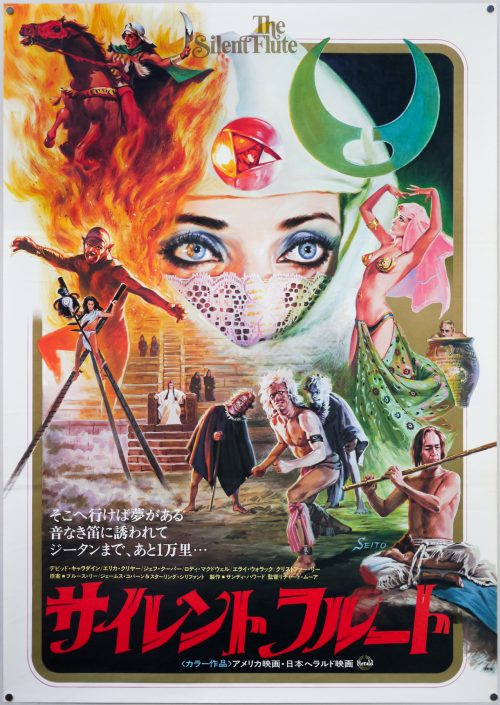
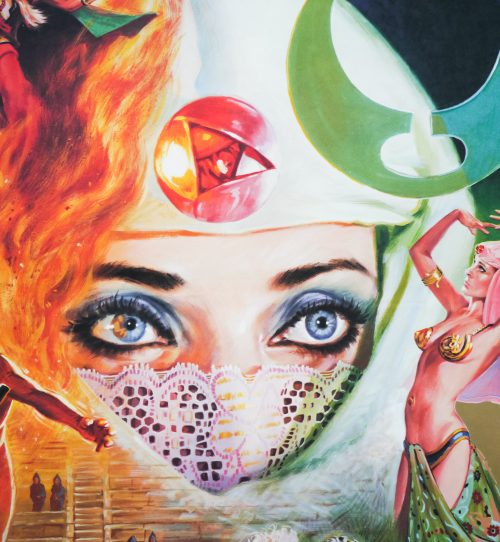
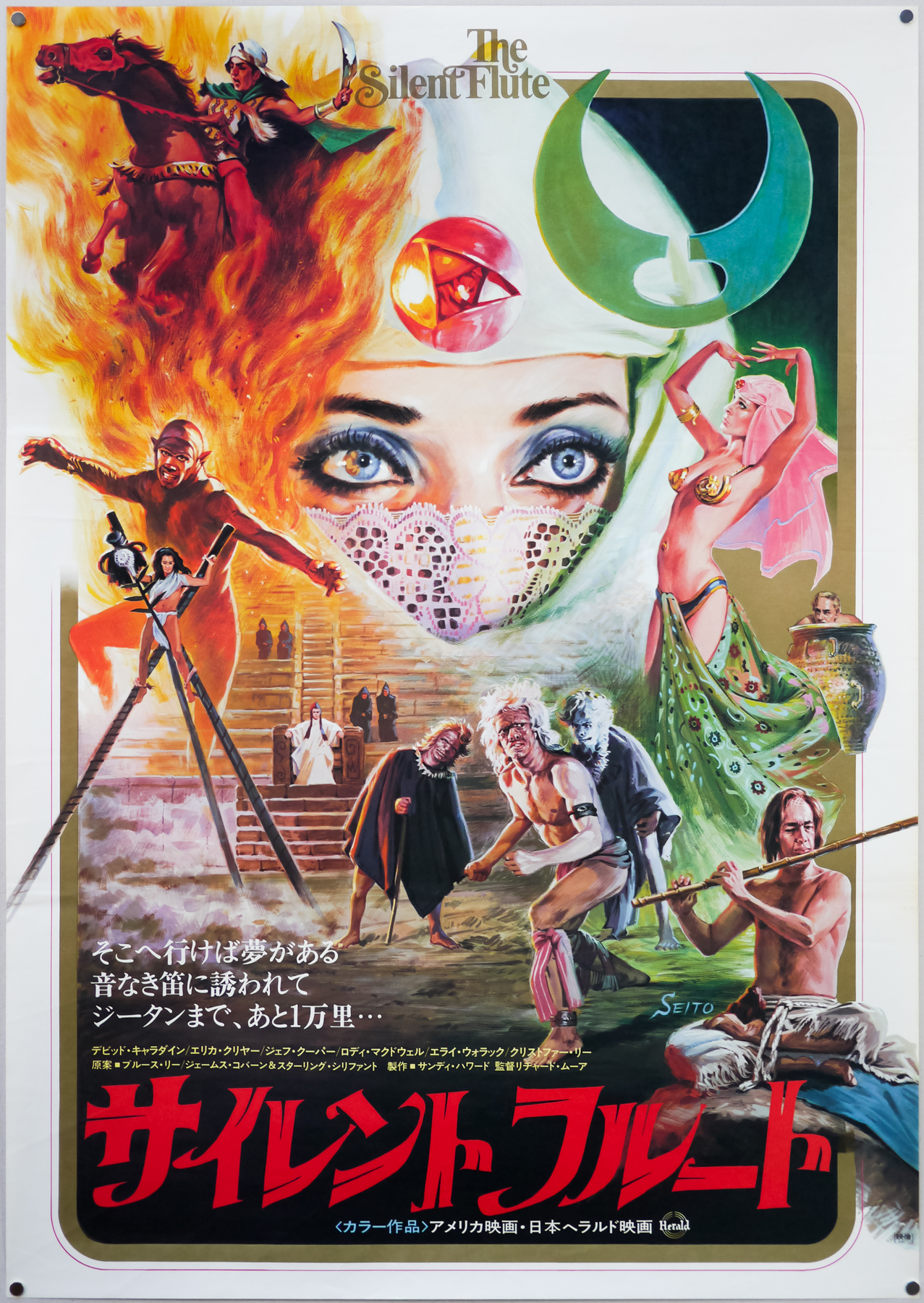
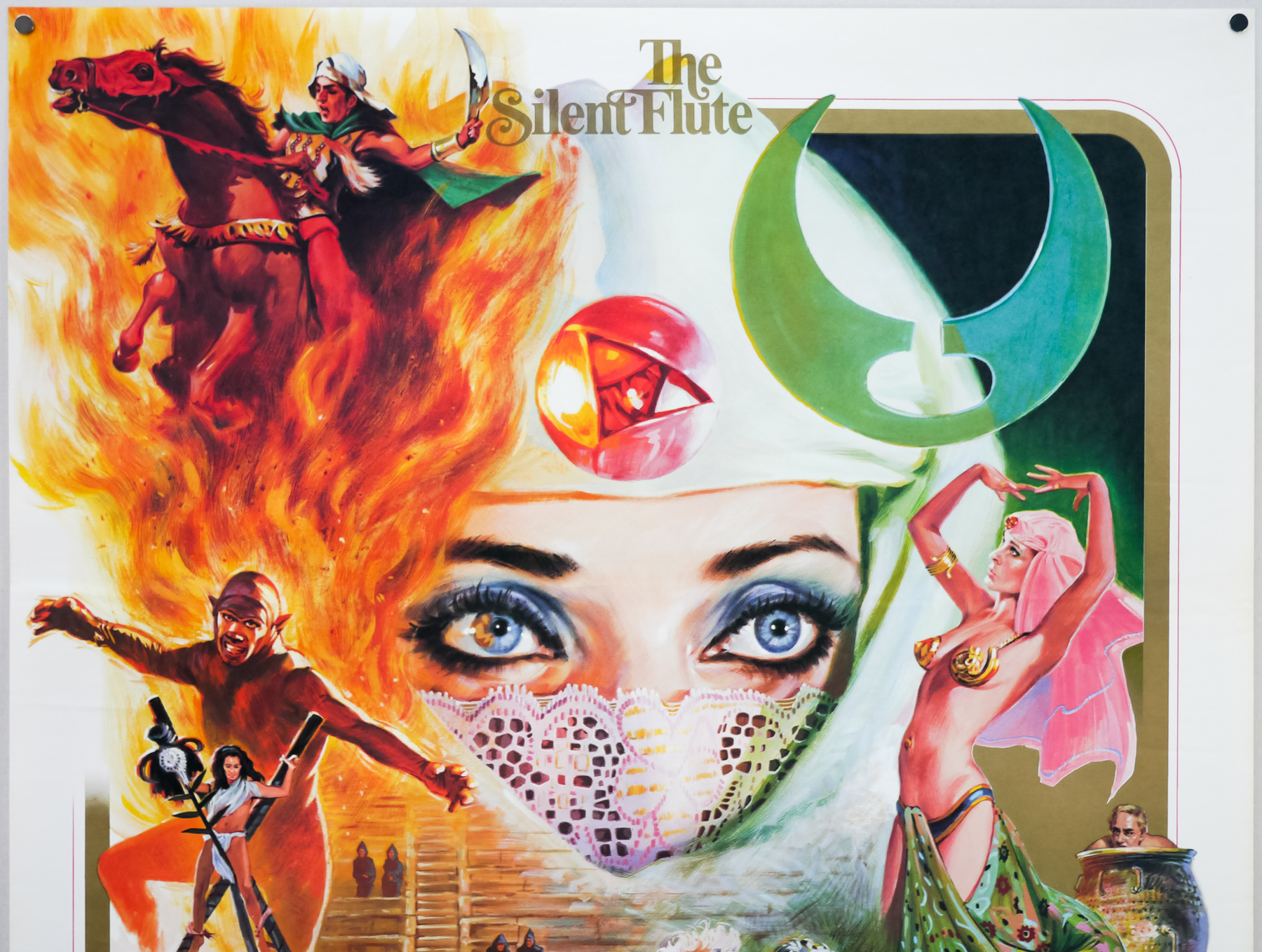
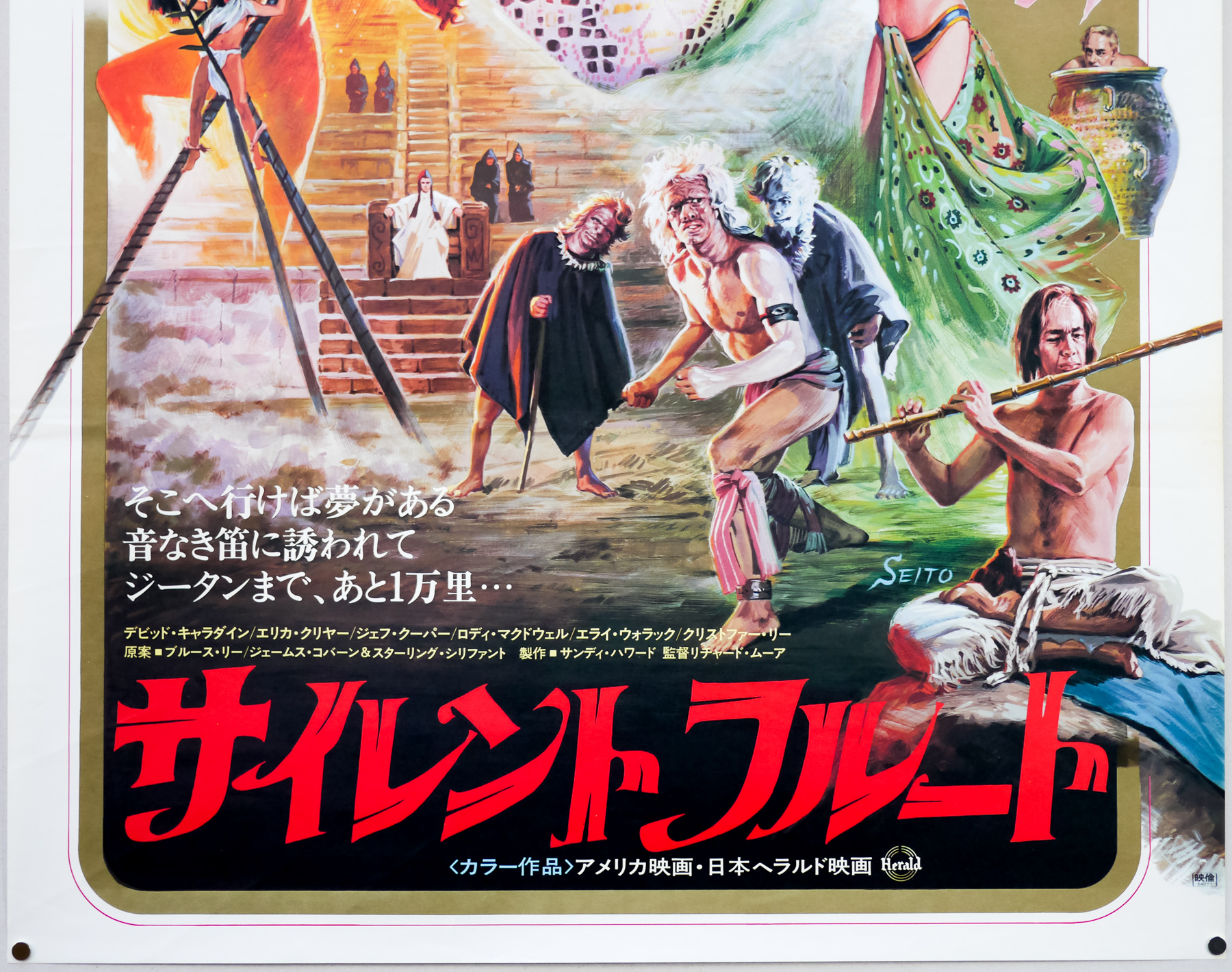
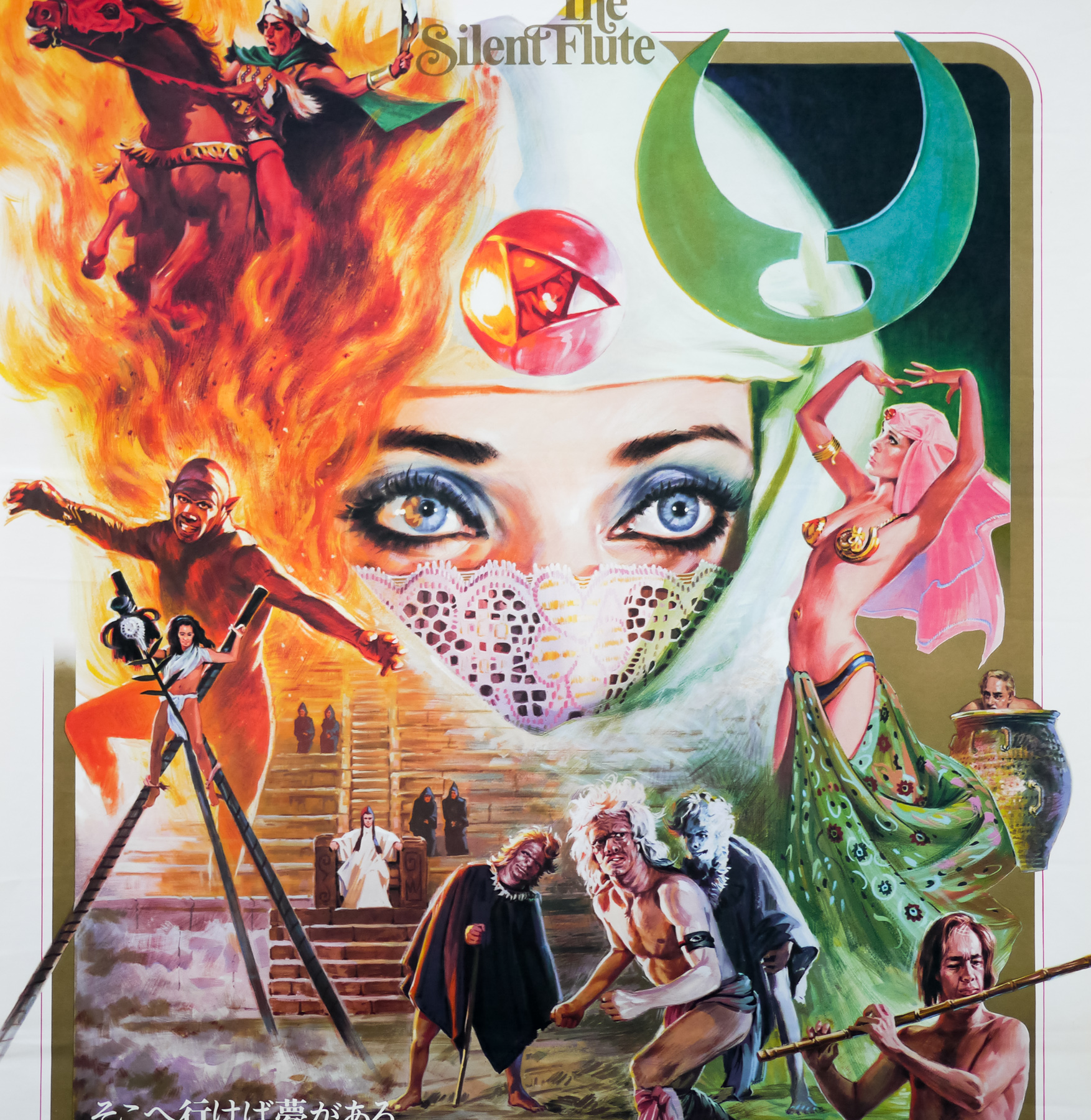
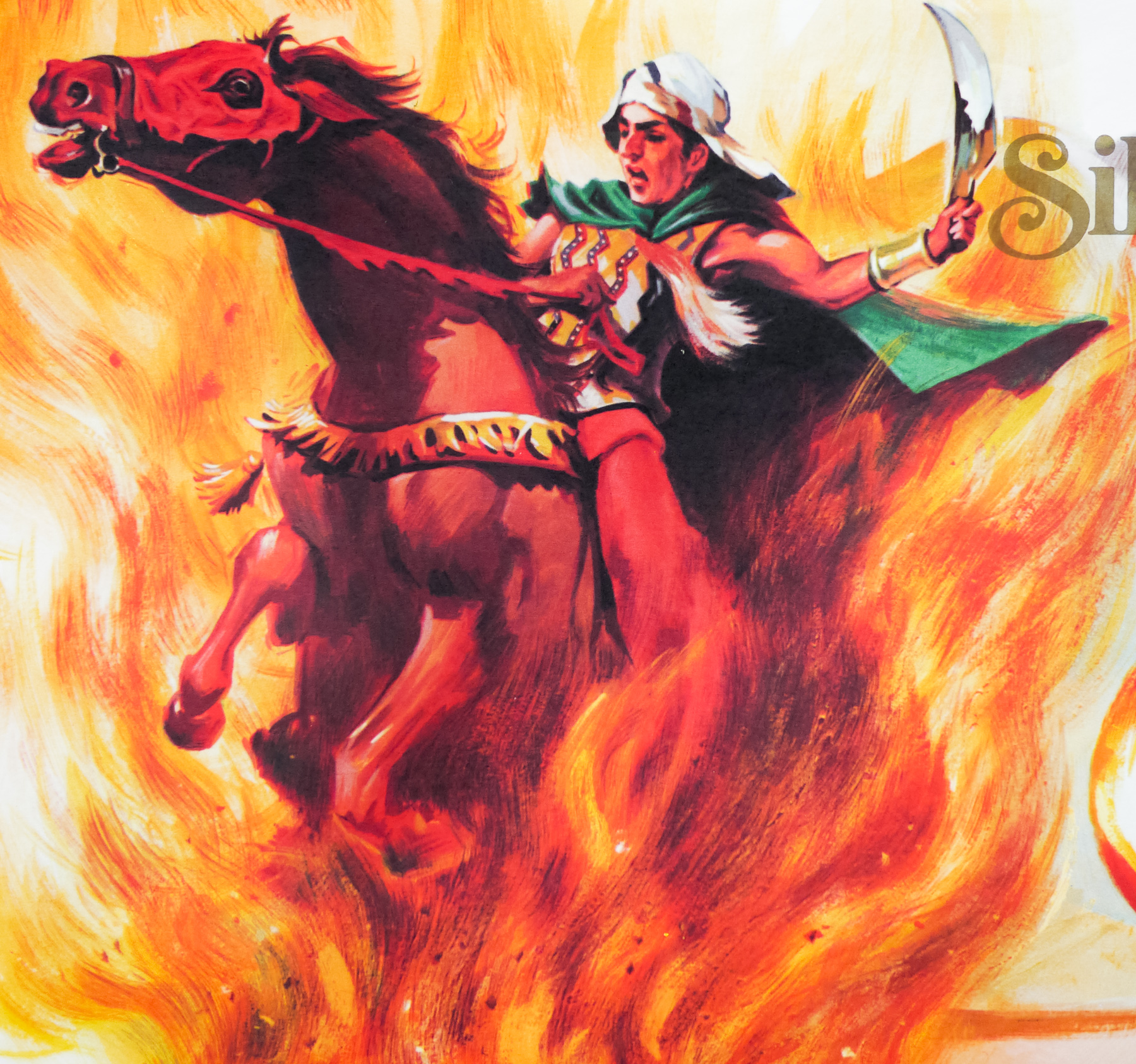
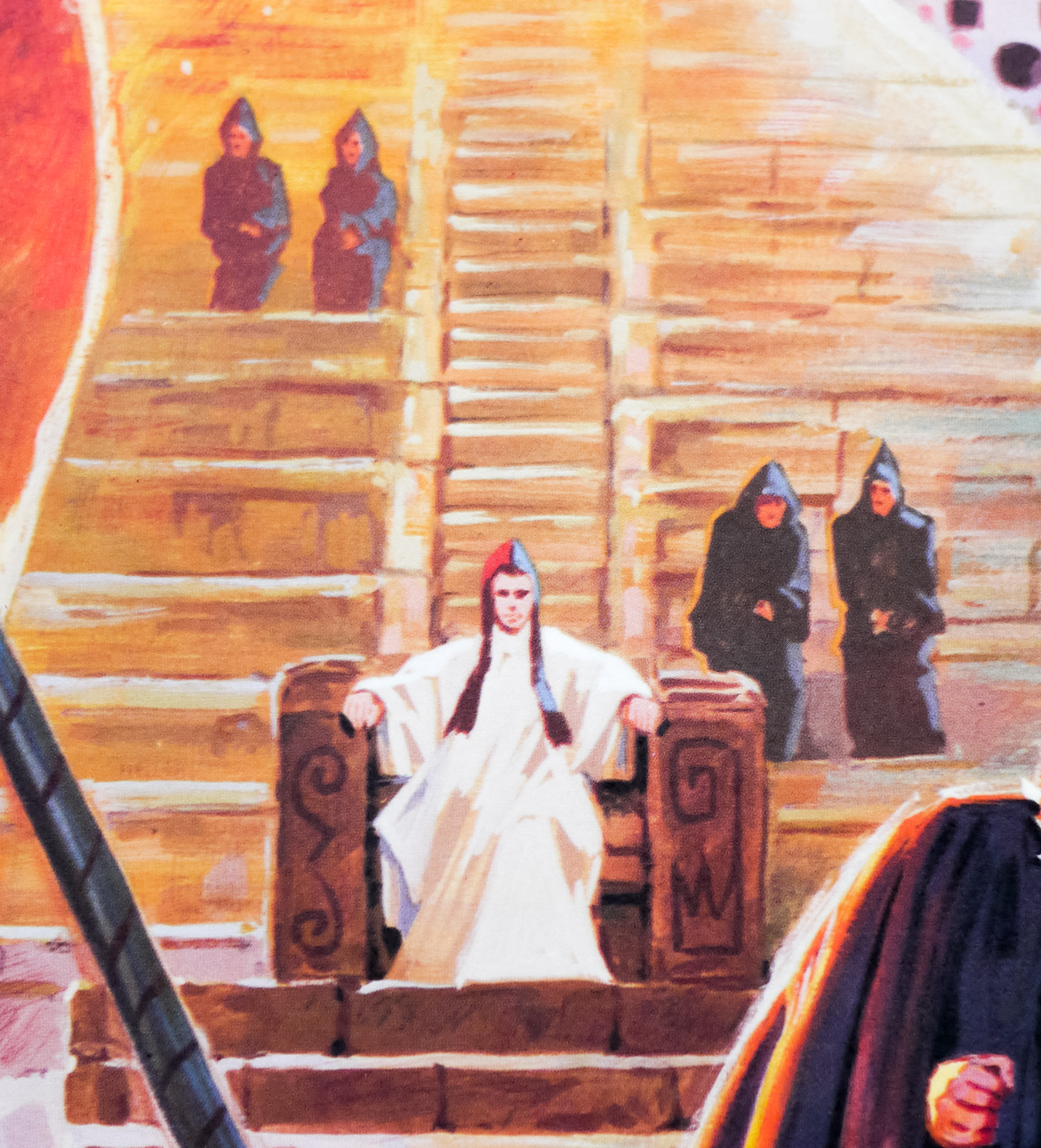
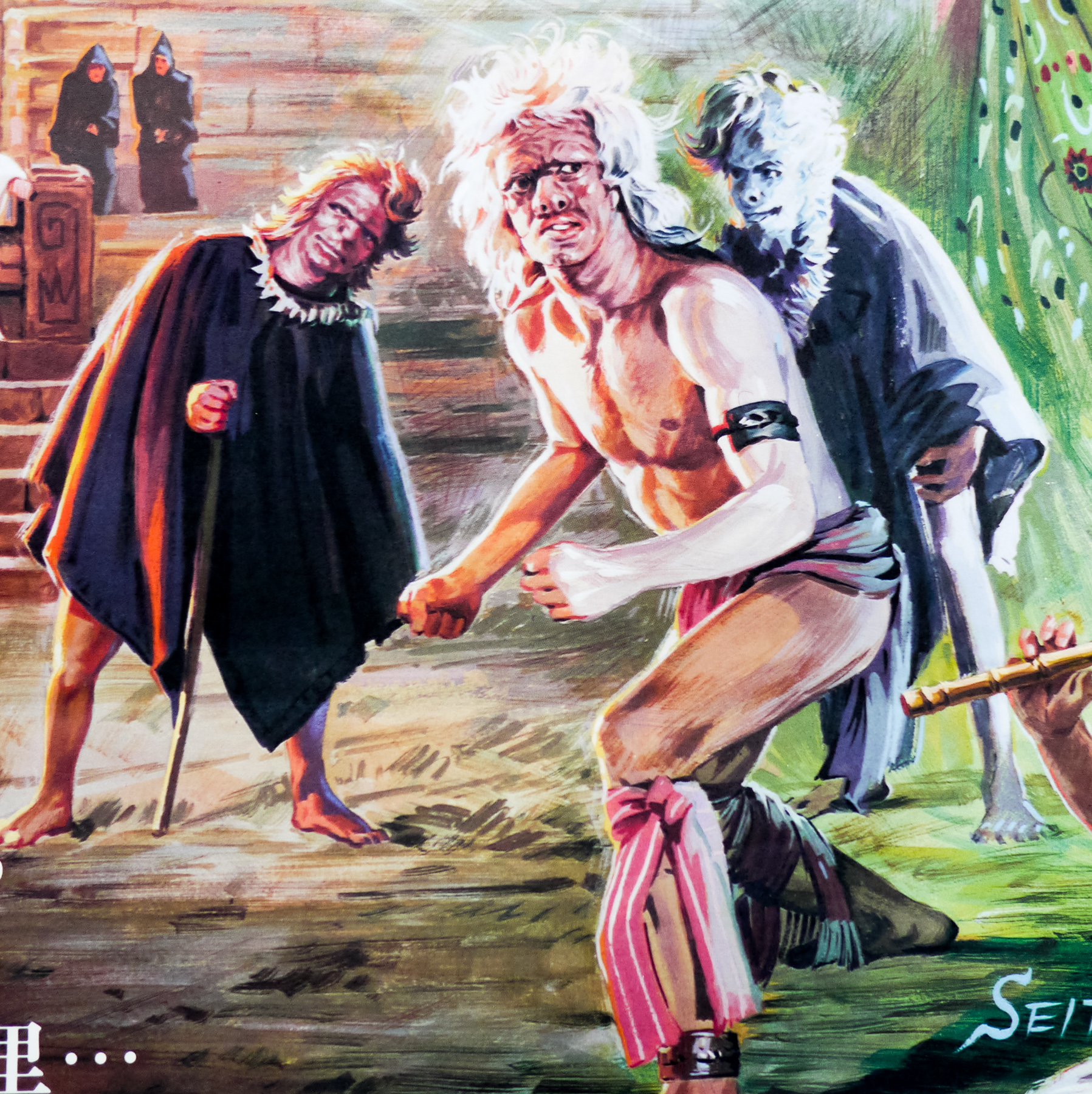
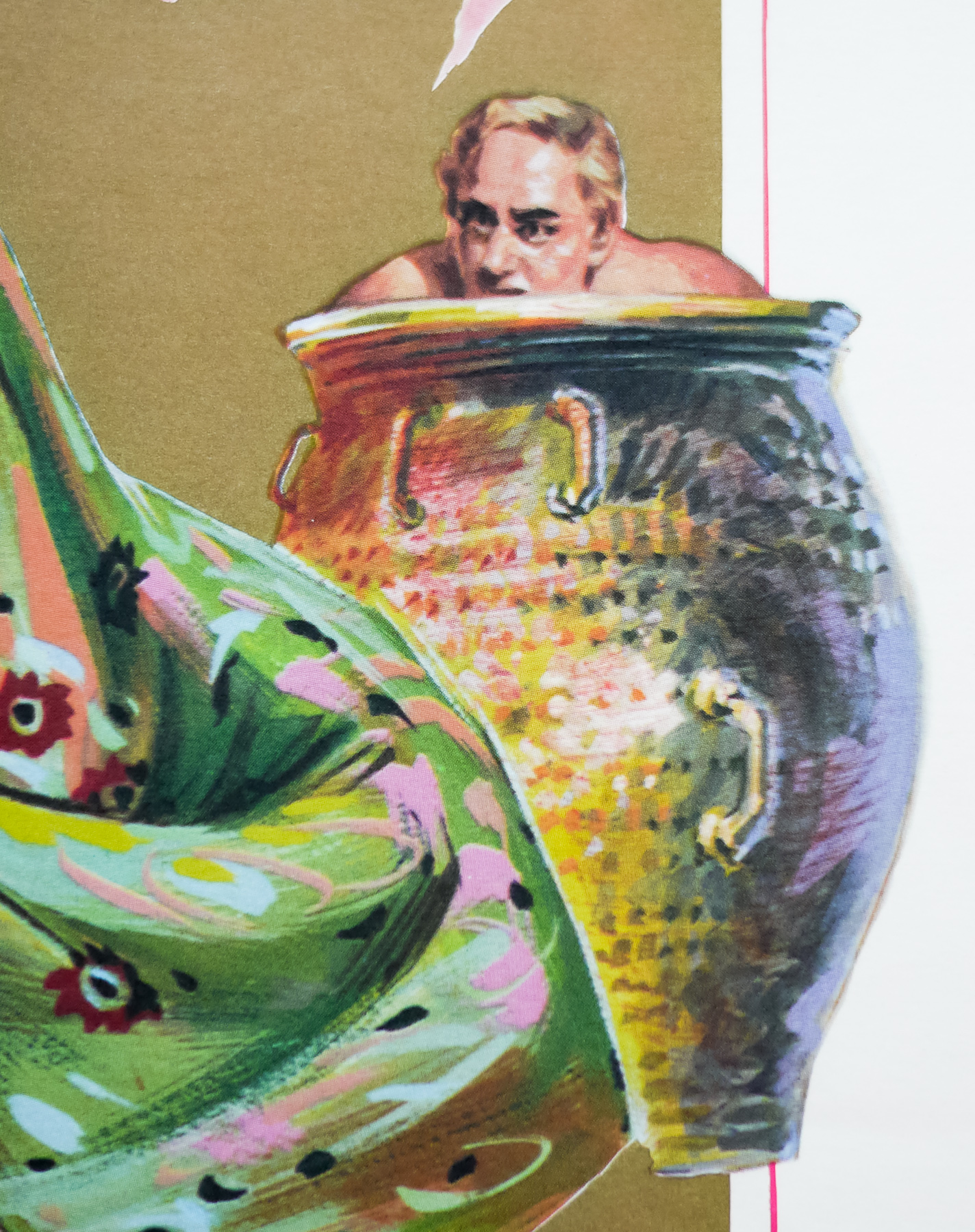
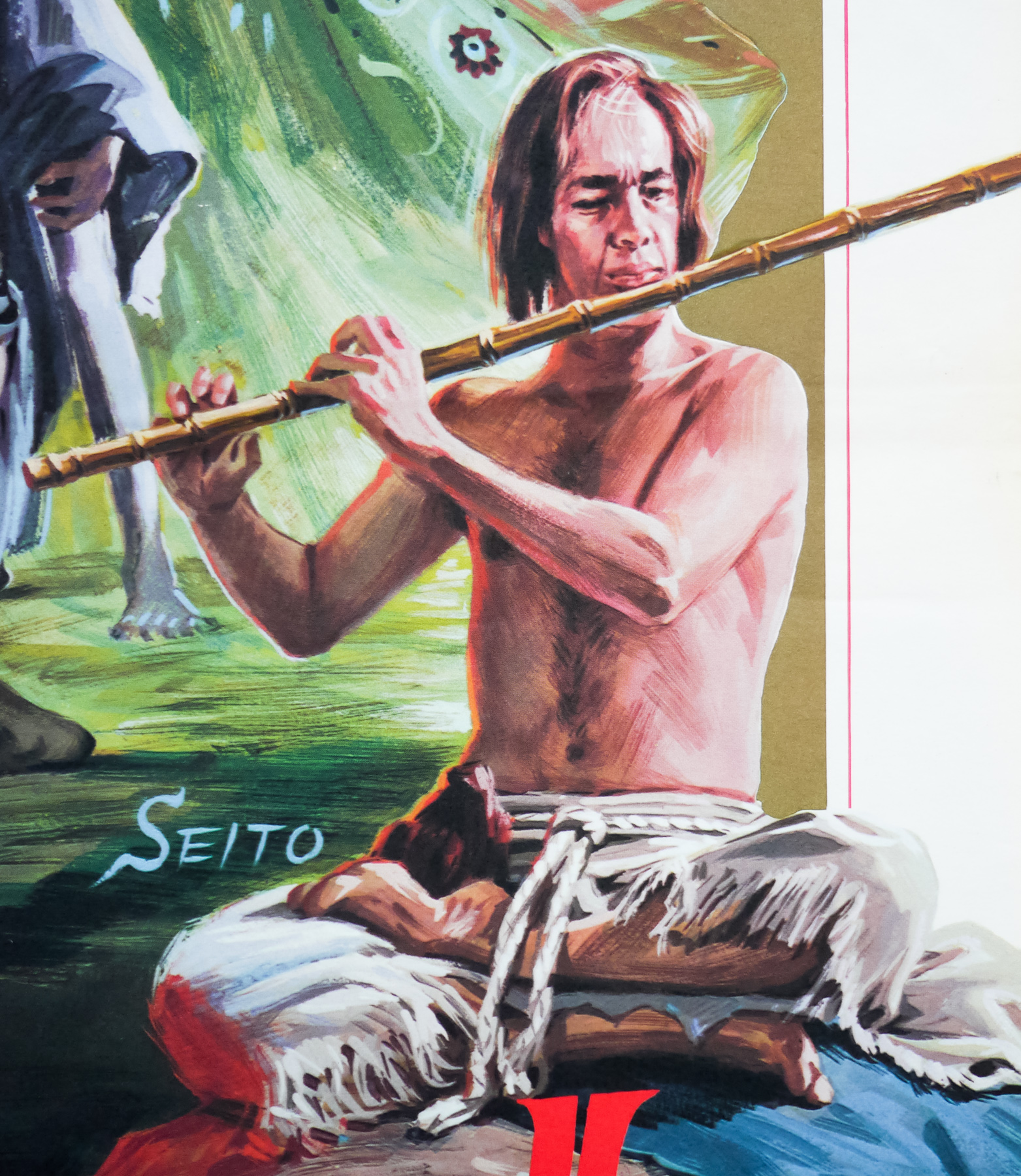
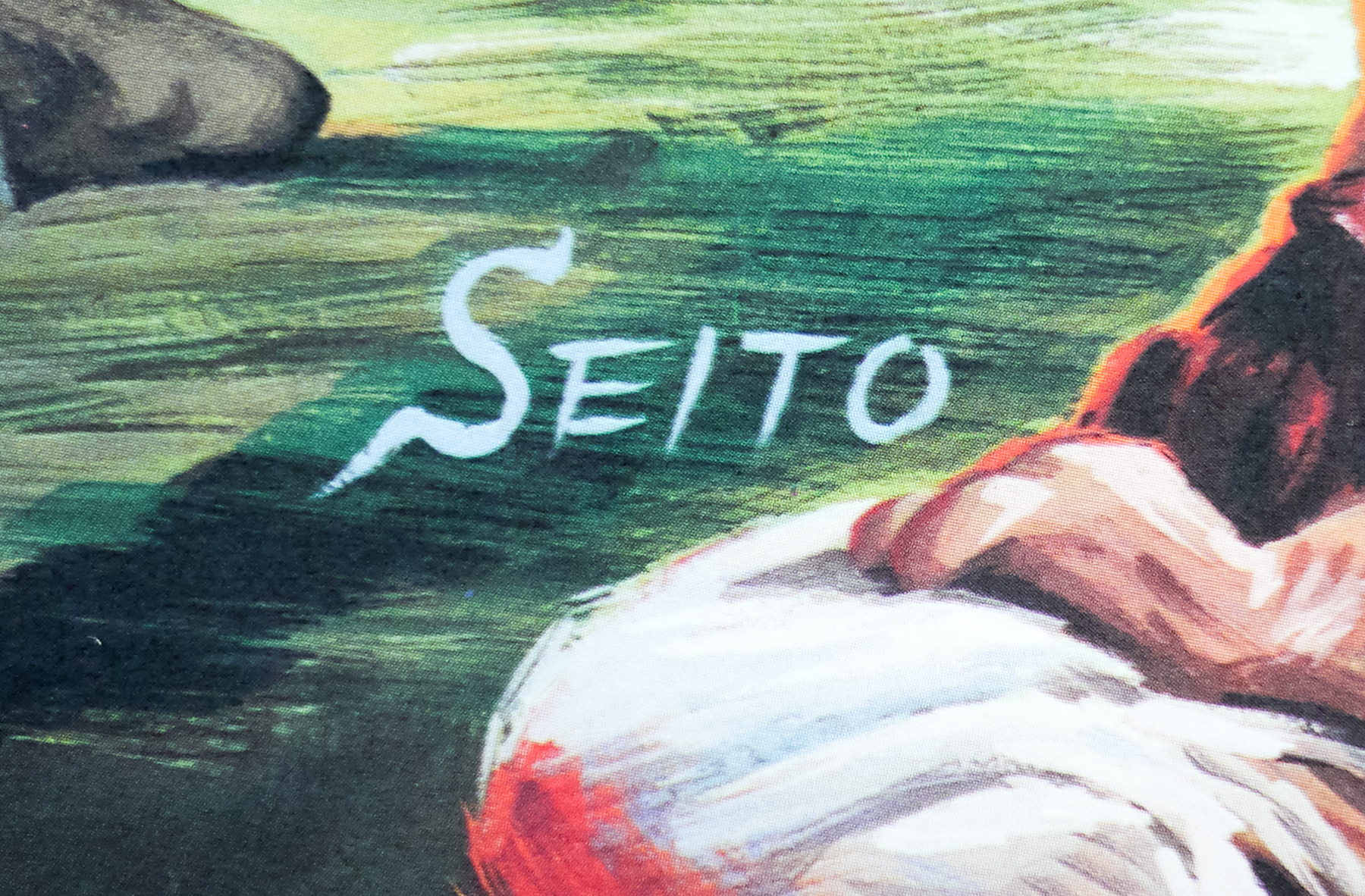
A colourful illustration by the artist known as Seito on this Japanese poster for the release of The Silent Flute (released in many countries as Cross of Iron), a strange cult oddity from the end of the 1970s. Originally conceived by Bruce LeeJames Coburn, and Stirling Silliphant at the end of the 1960s, the film was intended to be an introduction to Eastern philosophy and martial arts, but the project floundered following Lee’s untimely death. Silliphant and screenwriter Stanley Mann completed the screenplay in the mid-1970s and the rights were acquired by legendary actor David Carradine, at that time famous as the star of the TV series Kung Fu.

Carradine appears in the film in four roles that were originally intended for Bruce Lee but the lead character of Cord, a poodle-haired warrior, was played by the Canadian ‘actor’ Jeff Cooper, who somehow manages to get upstaged by his own abdominal muscles. To say he’s the weak link in the film would be an understatement and it’s literally impossible to take him seriously as the supposedly determined and proud hero who sets out on quest to find a wizard called Thetan and discover what is so important about the mysterious book he is said to protect. Almost all of Cord’s lines are uttered with a shit-eating grin and he has one of the most unintentionally hilarious laughs I’ve ever heard.

It doesn’t help that the script is at times impenetrable cod-philosophical twaddle, which was clearly meant to be profound but must have left most audiences expecting some martial arts action scratching their heads in confusion. One can only speculate that some of the ‘teachings’ were hangovers from the original script versions overseen by Bruce Lee, and you can’t help but wonder if he’d been partaking in a little bit too much Mary Jane at the time. Carradine is at least entertaining enough in his various roles, although he sports some questionable attire, terrible monkey make-up and a spectacularly bad moustache. Not even the appearance of Christopher Lee as Thetan can save the film since he seems to be wearing a costume better suited for a character from the Moomins. He was clearly in it for the bottom line.

Whilst the film isn’t much cop, this Japanese poster is rather excellent and the artwork is unique to the Japanese campaign. Seito is one of my favourite Japanese artists who was responsible for several fantastic illustrated posters during the 1970s and 1980s. Little is known about the man himself, even in his native country. 

To see the other posters I’ve collected by Seito click here.

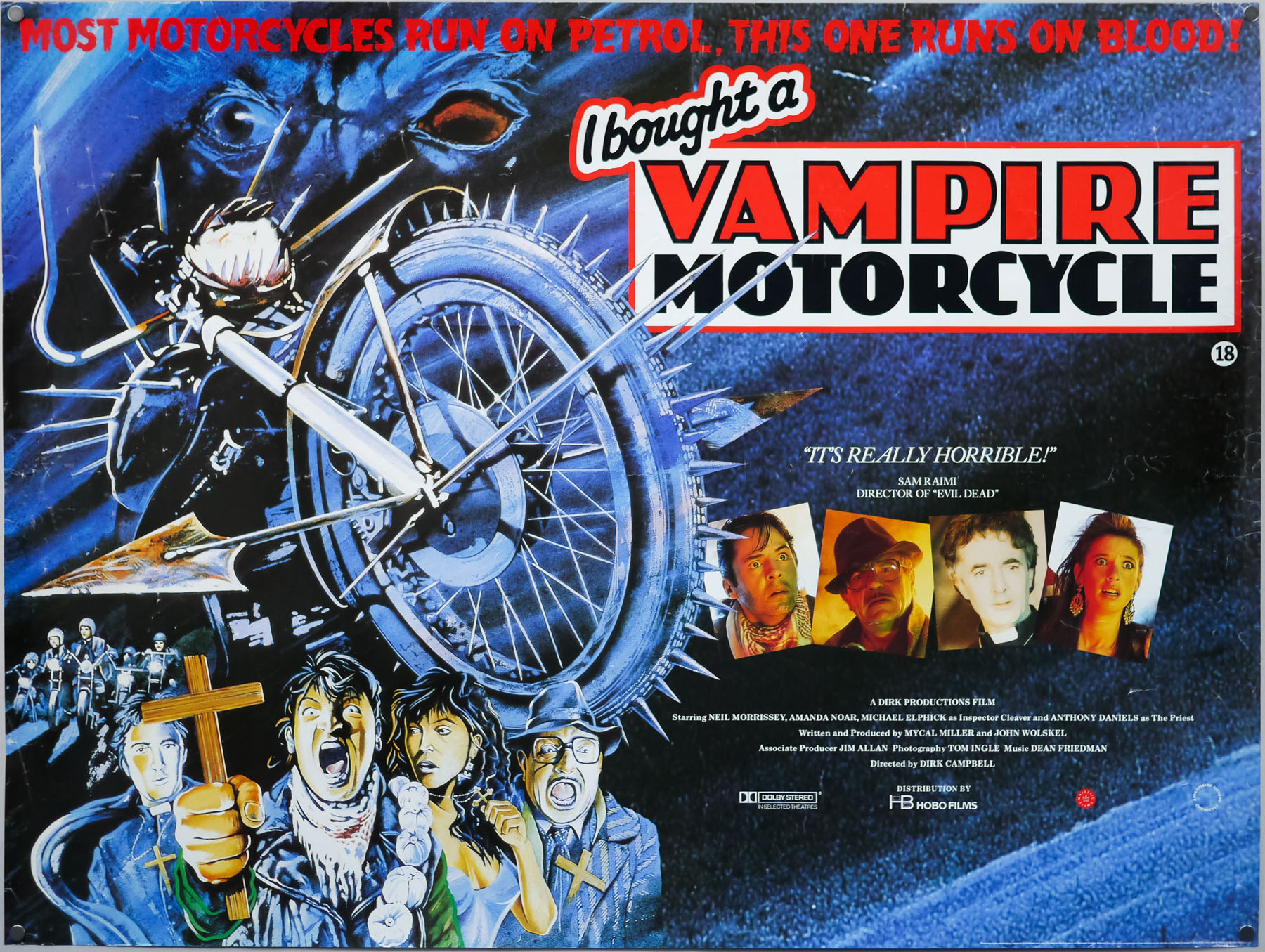
I Bought a Vampire Motorcycle / quad / UK

31.07.17

Poster Poster
Title
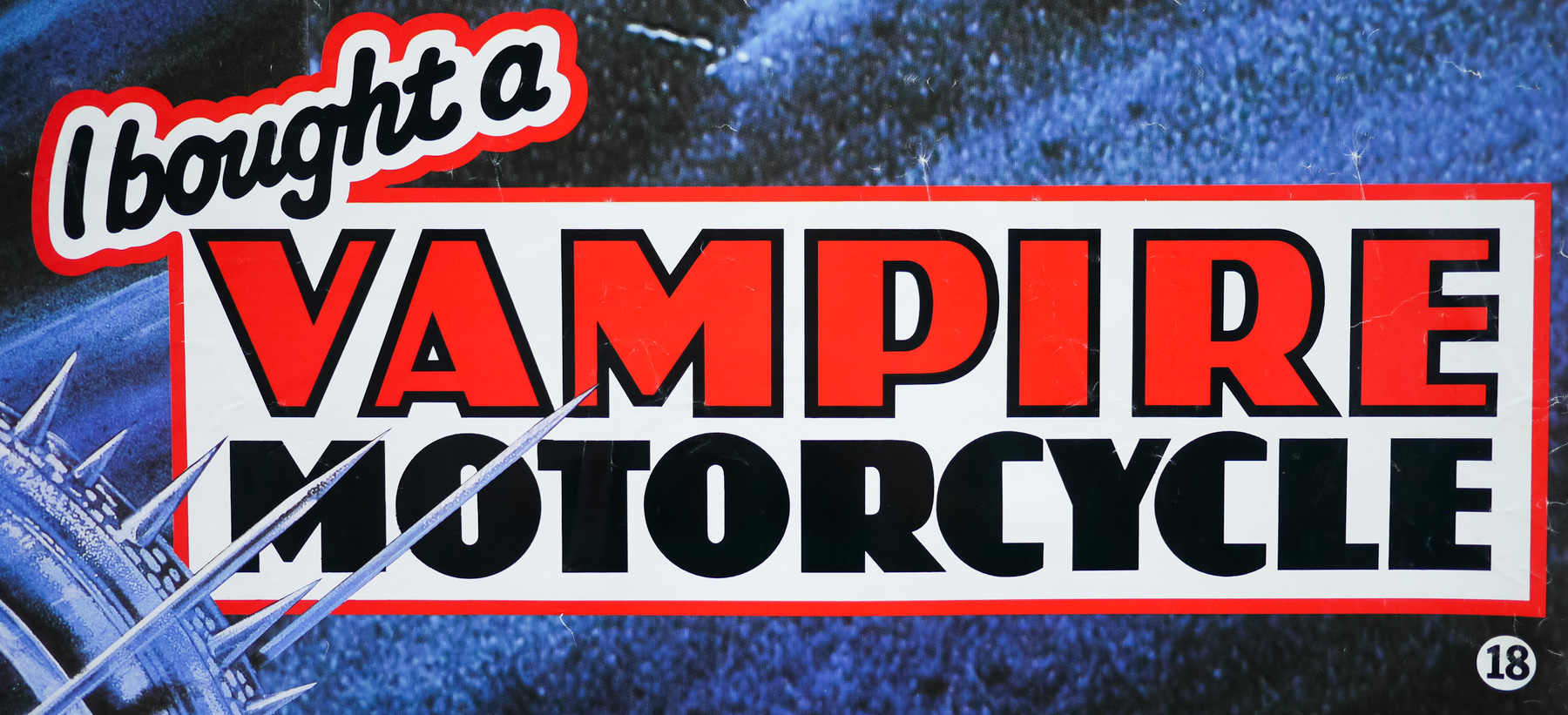
I Bought a Vampire Motorcycle
AKA
Iron Thunder (Germany)
Year of Film
1990
Director
Dirk Campbell
Starring
Neil Morrissey, Amanda Noar, Michael Elphick, Anthony Daniels, Andrew Powell, George Rossi, Daniel Peacock, Midge Taylor, David Daker, Burt Kwouk, Brendan Donnison
Origin of Film
UK
Genre(s) of Film
Neil Morrissey, Amanda Noar, Michael Elphick, Anthony Daniels, Andrew Powell, George Rossi, Daniel Peacock, Midge Taylor, David Daker, Burt Kwouk, Brendan Donnison,
Type of Poster
Quad
Style of Poster
--
Origin of Poster
UK
Year of Poster
1990
Designer
Unknown
Artist
Unknown
Size (inches)
30 1/16" x 39 15/16"
SS or DS
SS
Tagline
Most motorcycles run on petrol, this one runs on blood!

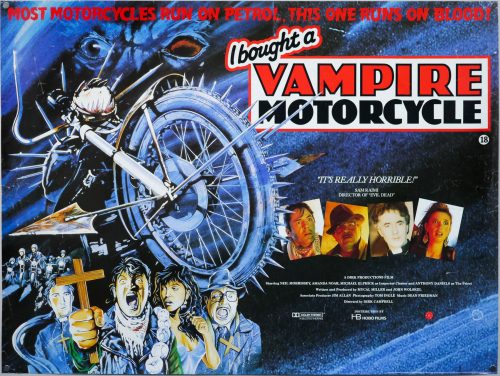
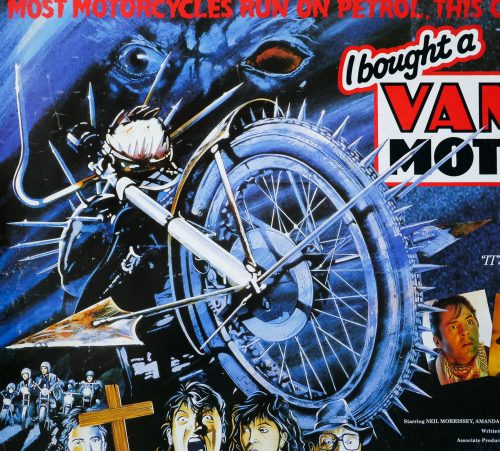
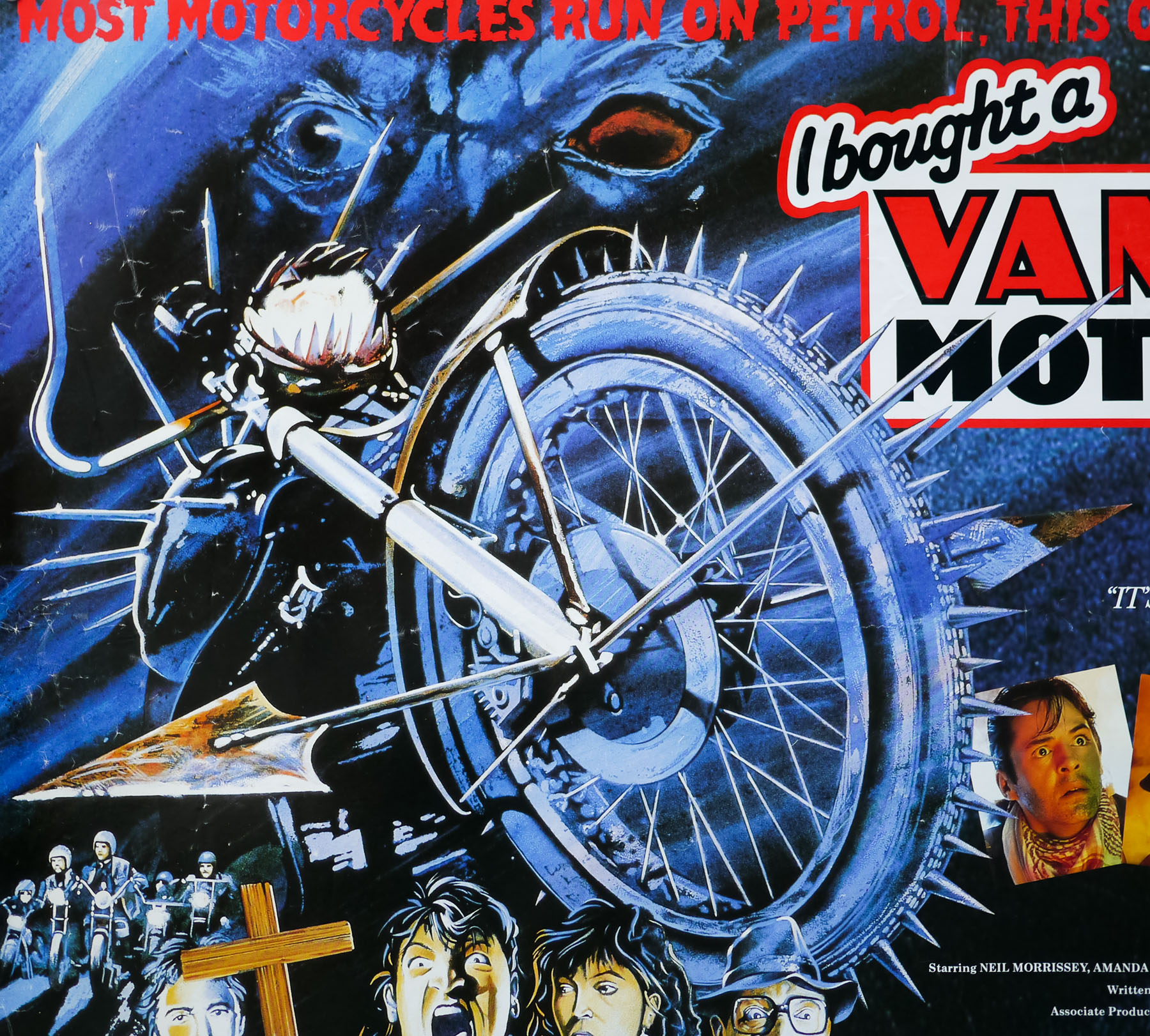
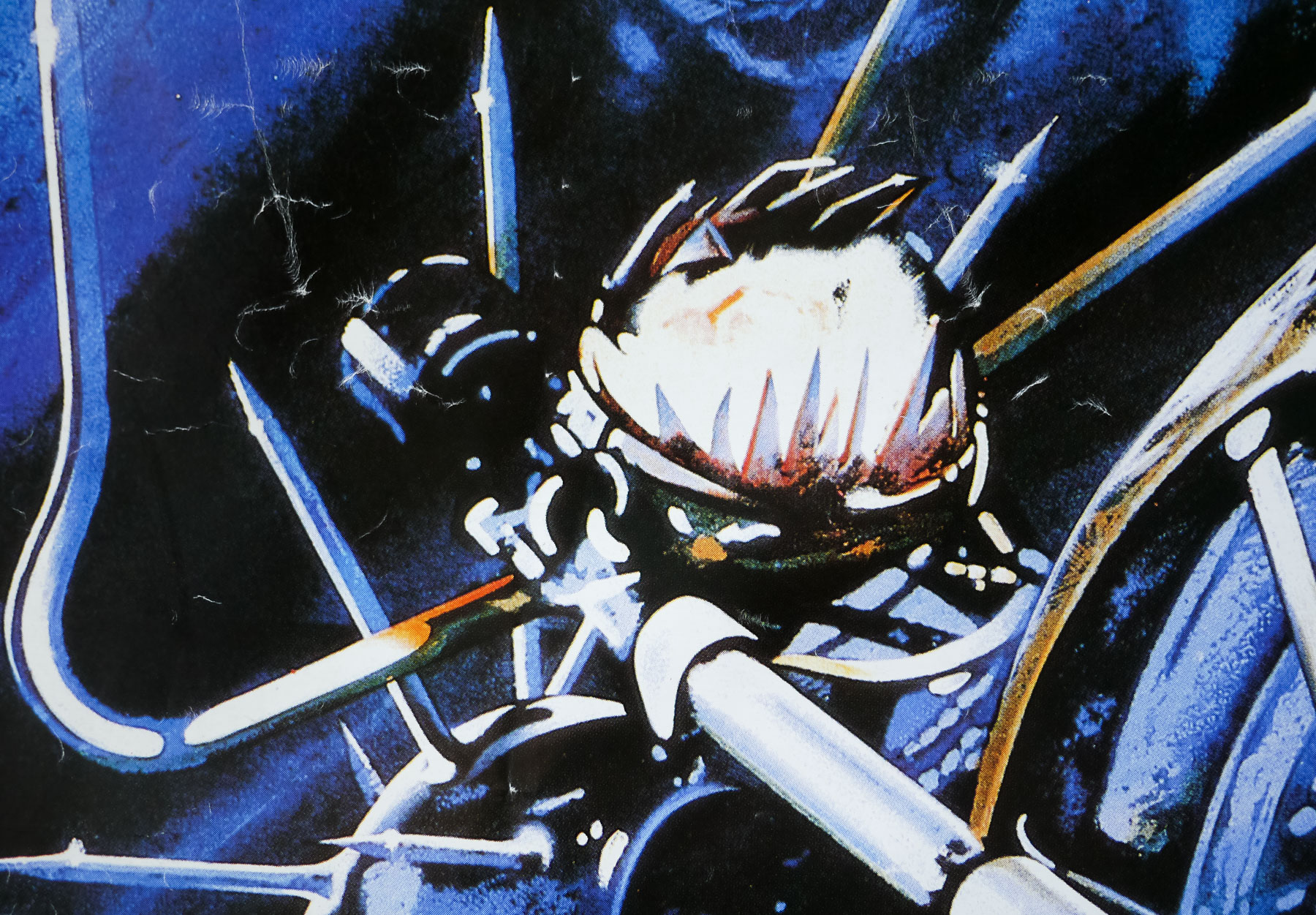
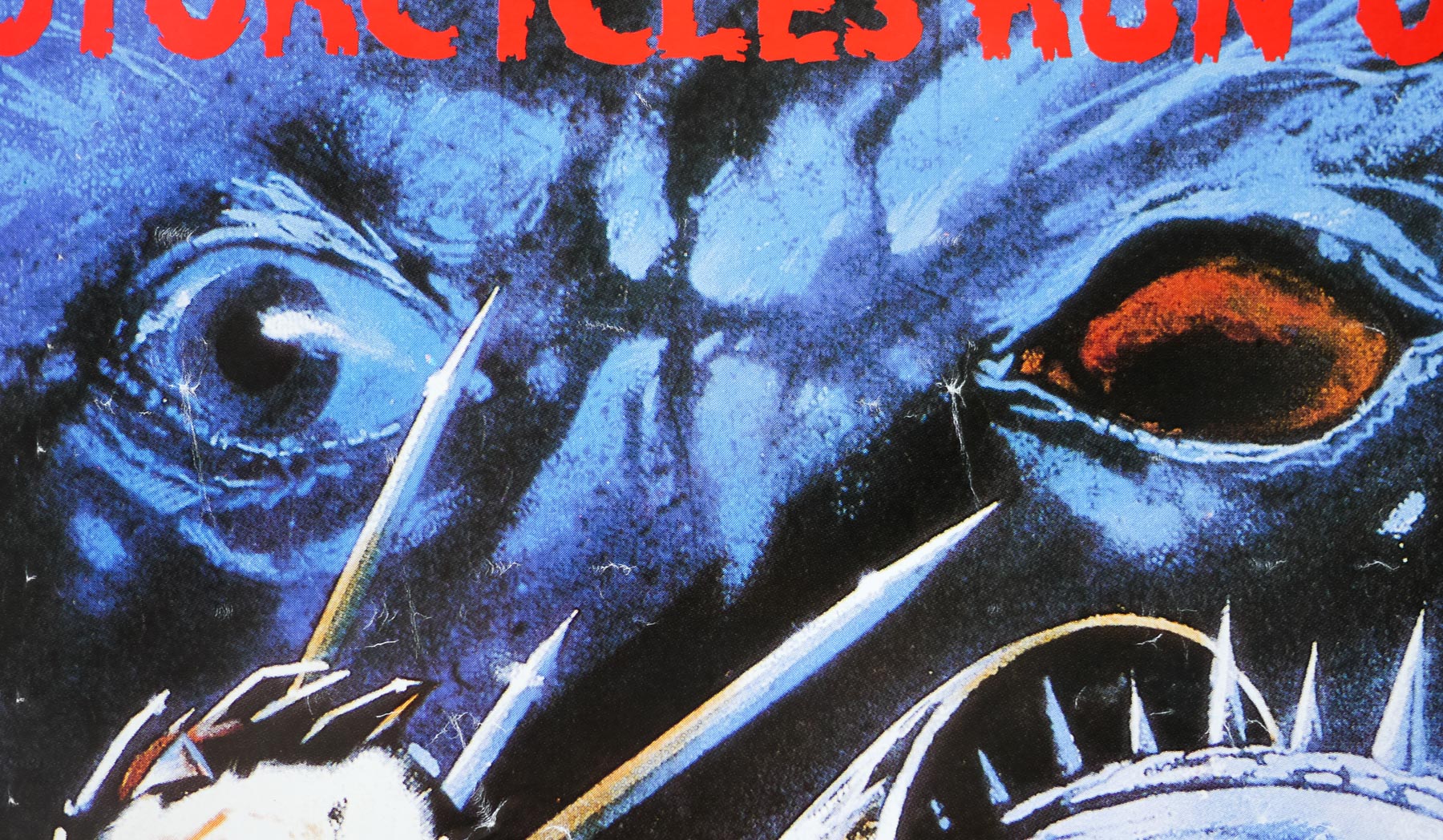
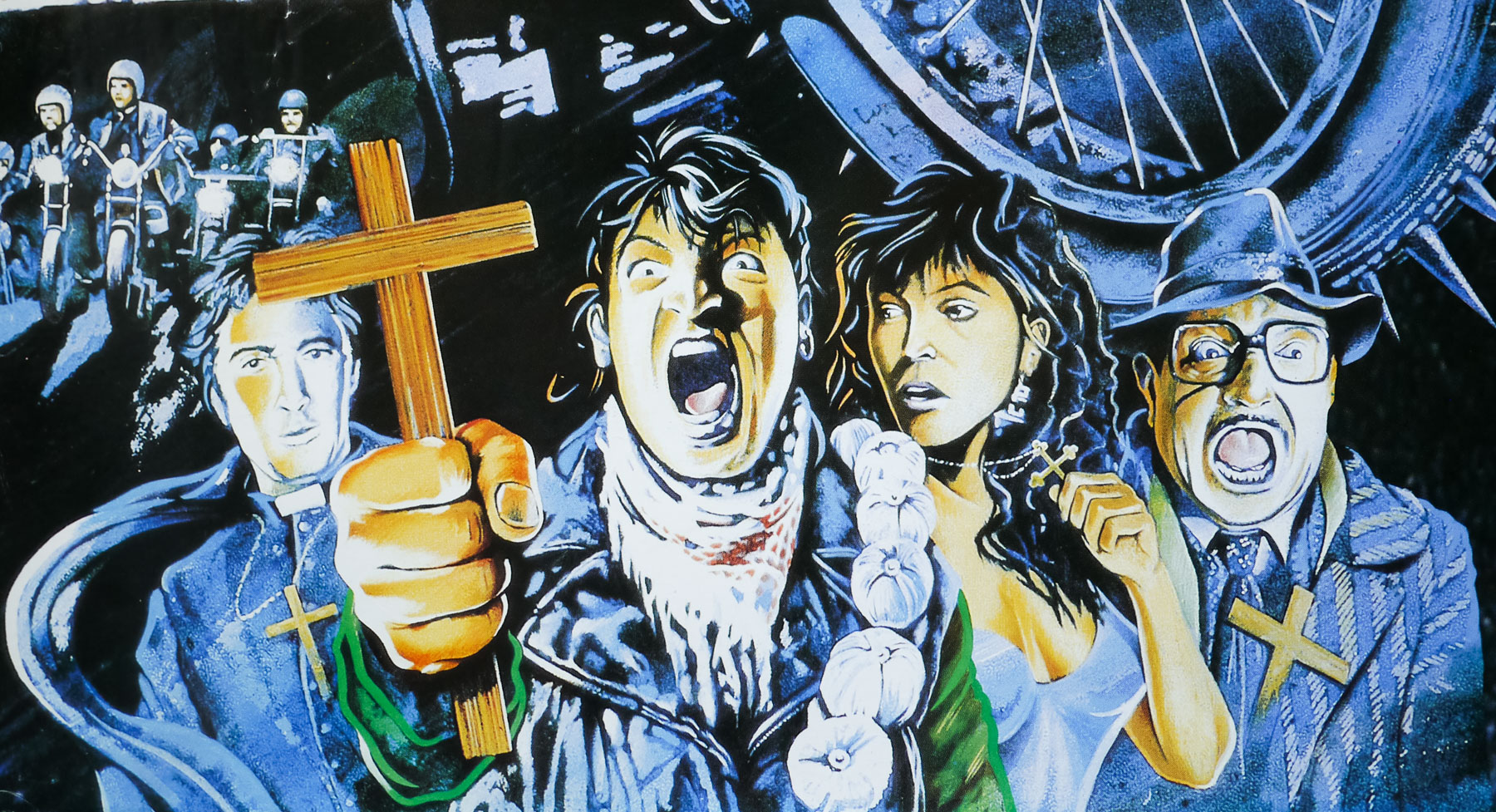
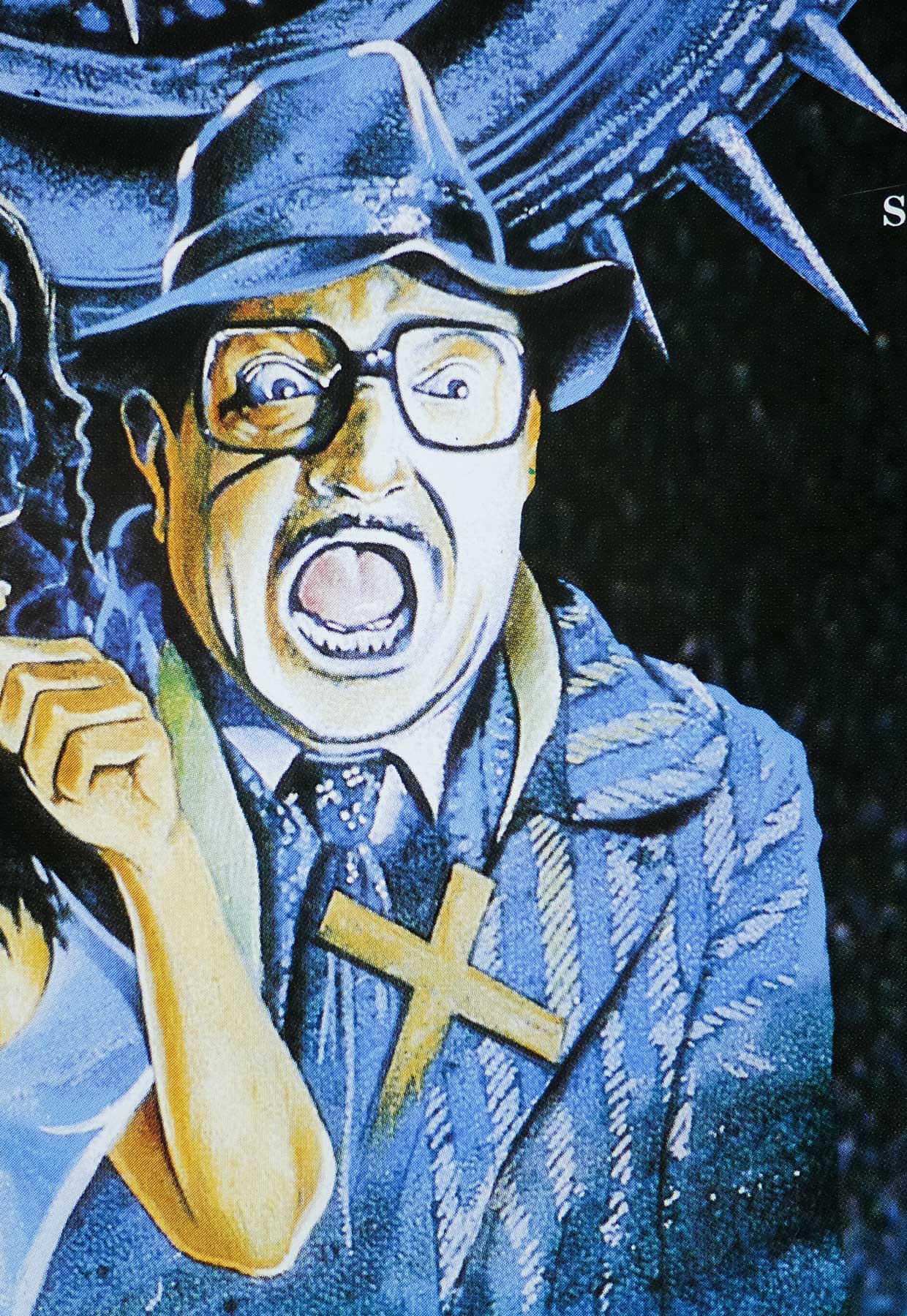
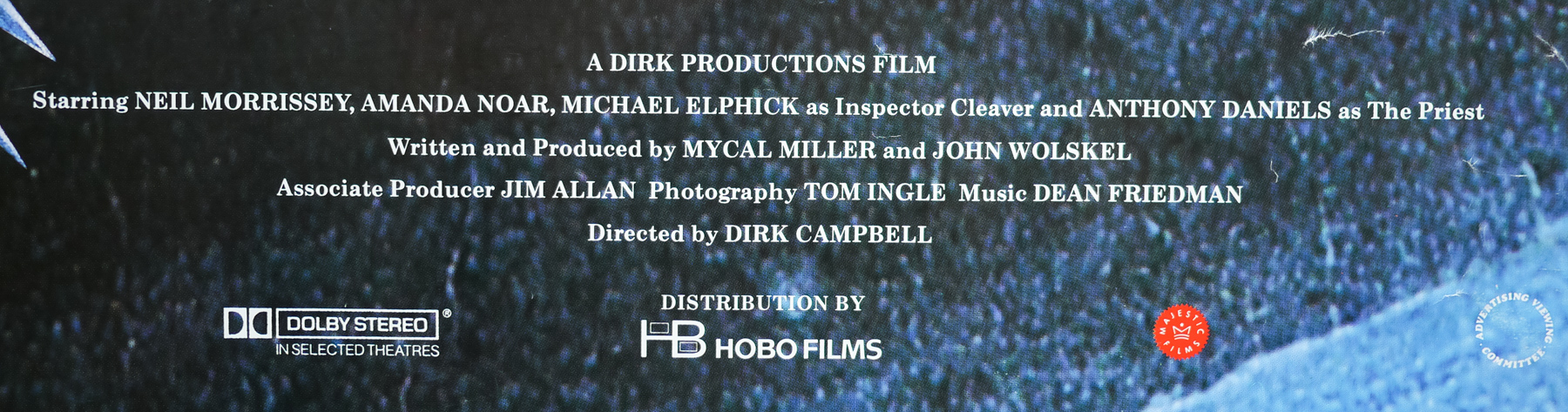
Colourful artwork features on this UK quad for the release of the 1990 ultra l0w budget horror-comedy, I Bought a Vampire Motorcycle. The film remains the sole feature film credit for the director Dirk Campbell who appears to have spent most of his career in television. The majority of the cast are also from TV backgrounds, including lead Neil Morrissey (‘Men Behaving Badly’, ‘Line of Duty’) and the late Michael Elphick. The latter is perhaps best known for playing the titular lead in Boon, which ran for 93 episodes and also starred Morrissey. The production of the film apparently utilised the sets of Boon without the TV company being aware and several other members of the cast and crew were involved.
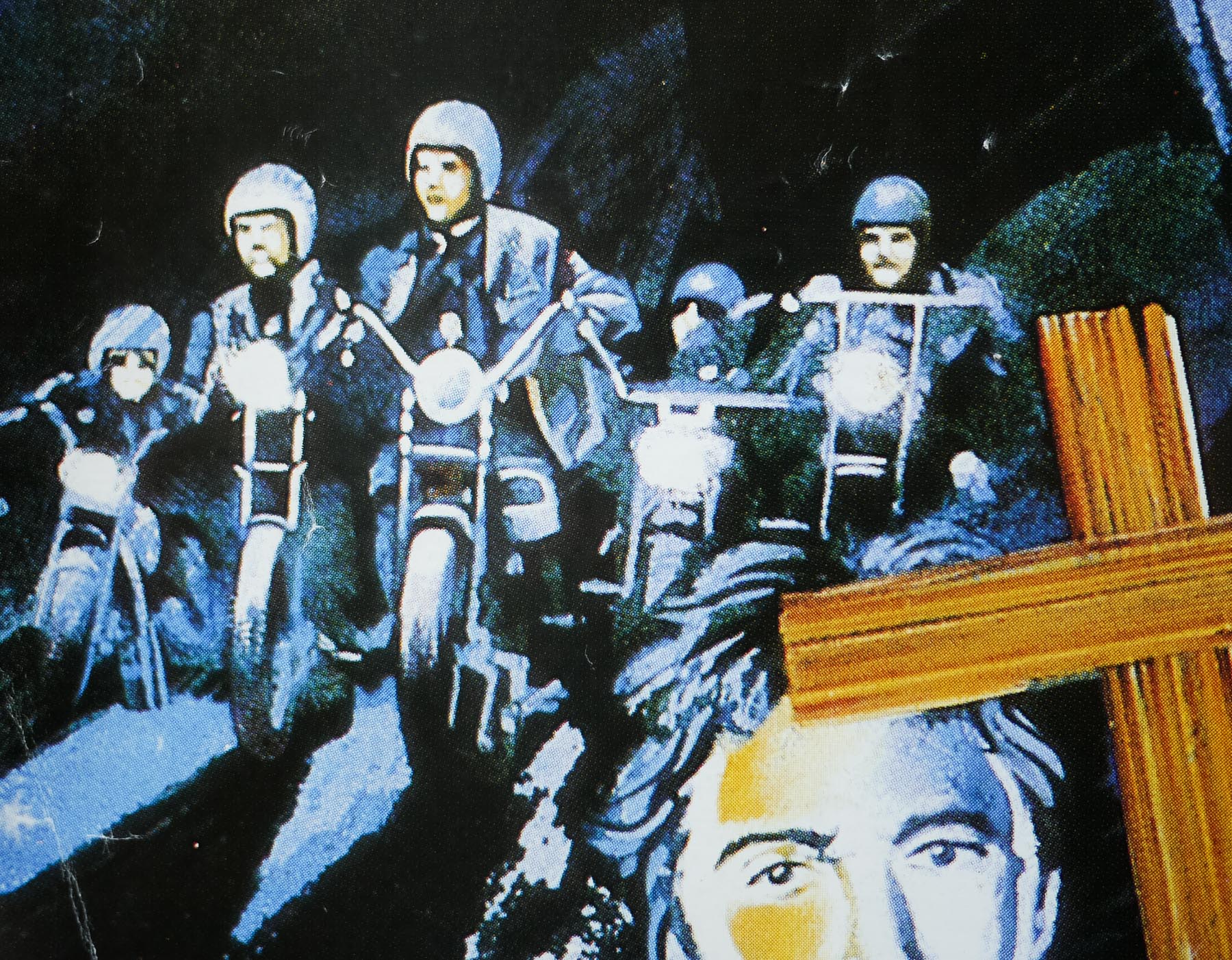
Set in and around Birmingham, the film opens with a demonic ritual being performed by a biker gang at night. Just as the ceremony is about to be completed they are attacked and murdered by a rival gang led by Roach (Andrew Powell). During the mayhem, the demon is shown to have been summoned and it quickly enters the body of the lead occultist. After Roach’s gang have fled the scene, the demonic presence reanimates the dead body and then drips its blood into the petrol tank of the occultist’s motorbike.

The next day, motorcycle courier Noddy (Morrissey) meets with a mechanic who has taken ownership of the demonic bike and is selling it without realising what is inside. Although everything seems normal to begin with, Noddy and his partner Kim (Amanda Noar) gradually realise that the bike is no ordinary machine, especially when their mechanic is brutally murdered at home, with blood and tire treads found all over the walls. Inspector Cleaver (Elphick) becomes involved in the case, bodies begin piling up, and soon Noddy is turning to a biker/priest (Anthony Daniels) to help exorcise the killer demon.

Despite its low-budget origins, the film is a fun watch and the script has some genuinely hilarious lines in it. There are also some inventive action scenes and the killer machine itself is well handled. There’s also one of the most surreal/gross scenes involving a dream sequence and the contents of a toilet bowl ever committed to celluloid. The film is surprisingly gory and doesn’t skimp on violence – most of the special effects are well done. I’m not saying it’s a classic, far from it, but it’s certainly worth a watch!

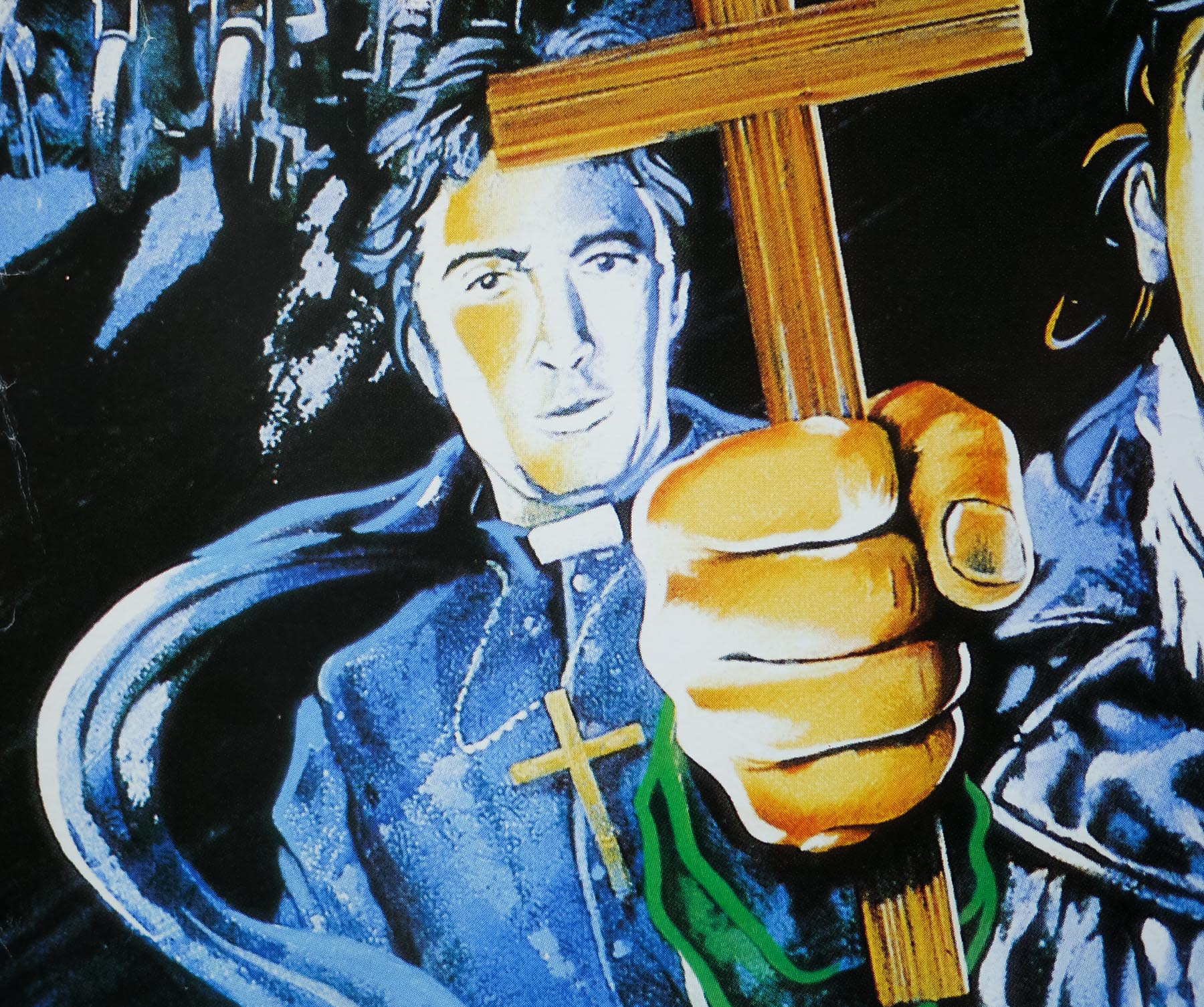
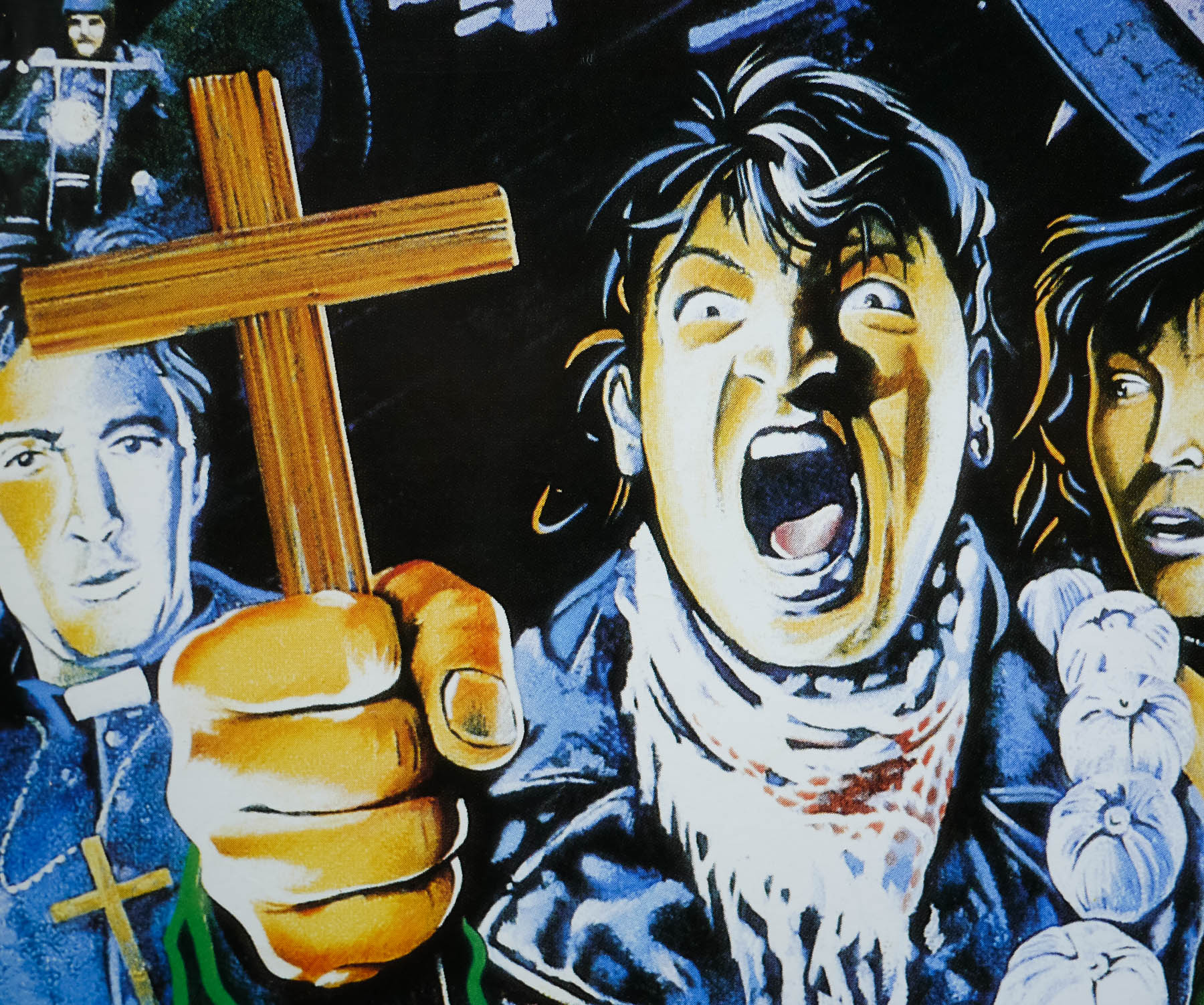
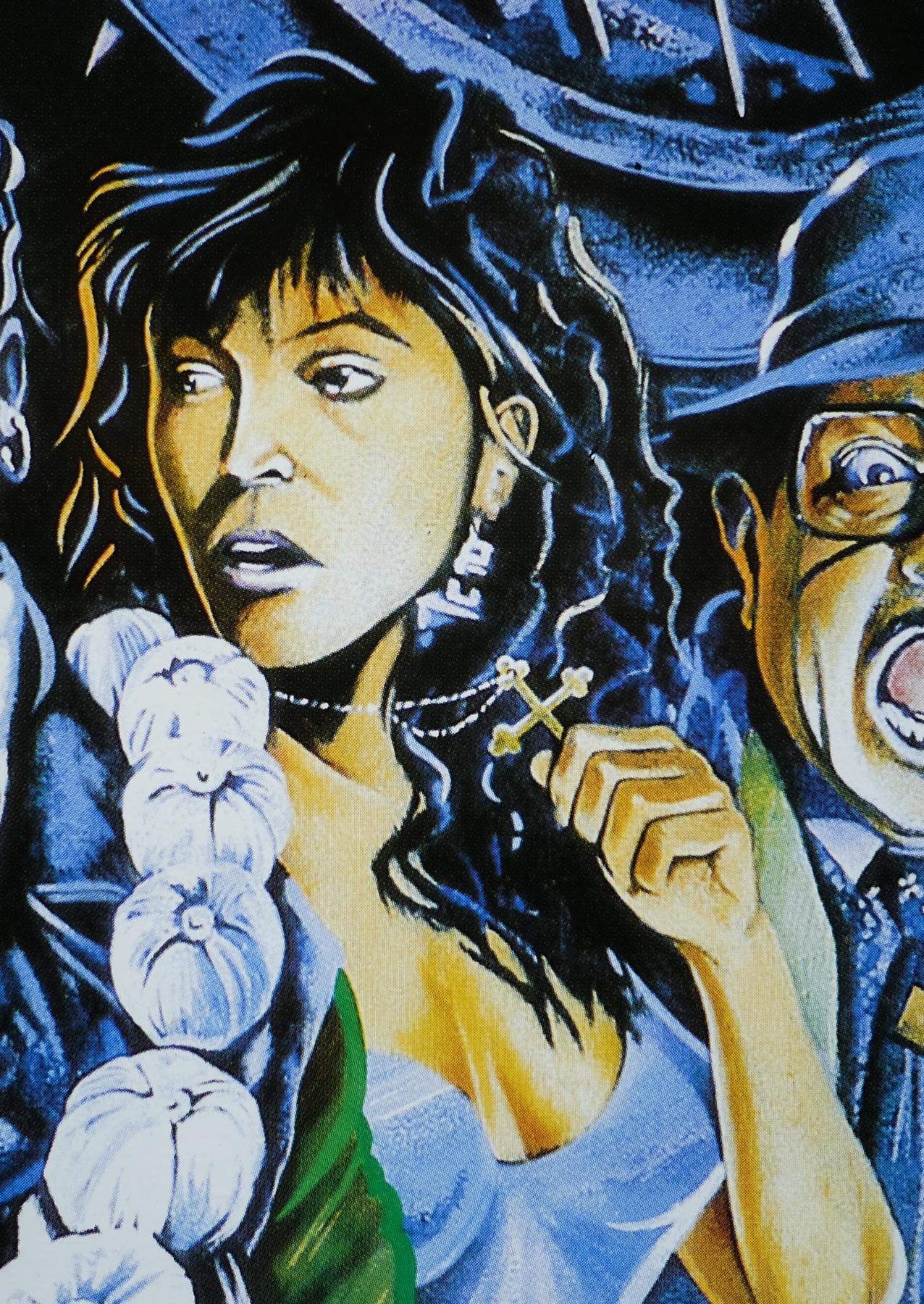
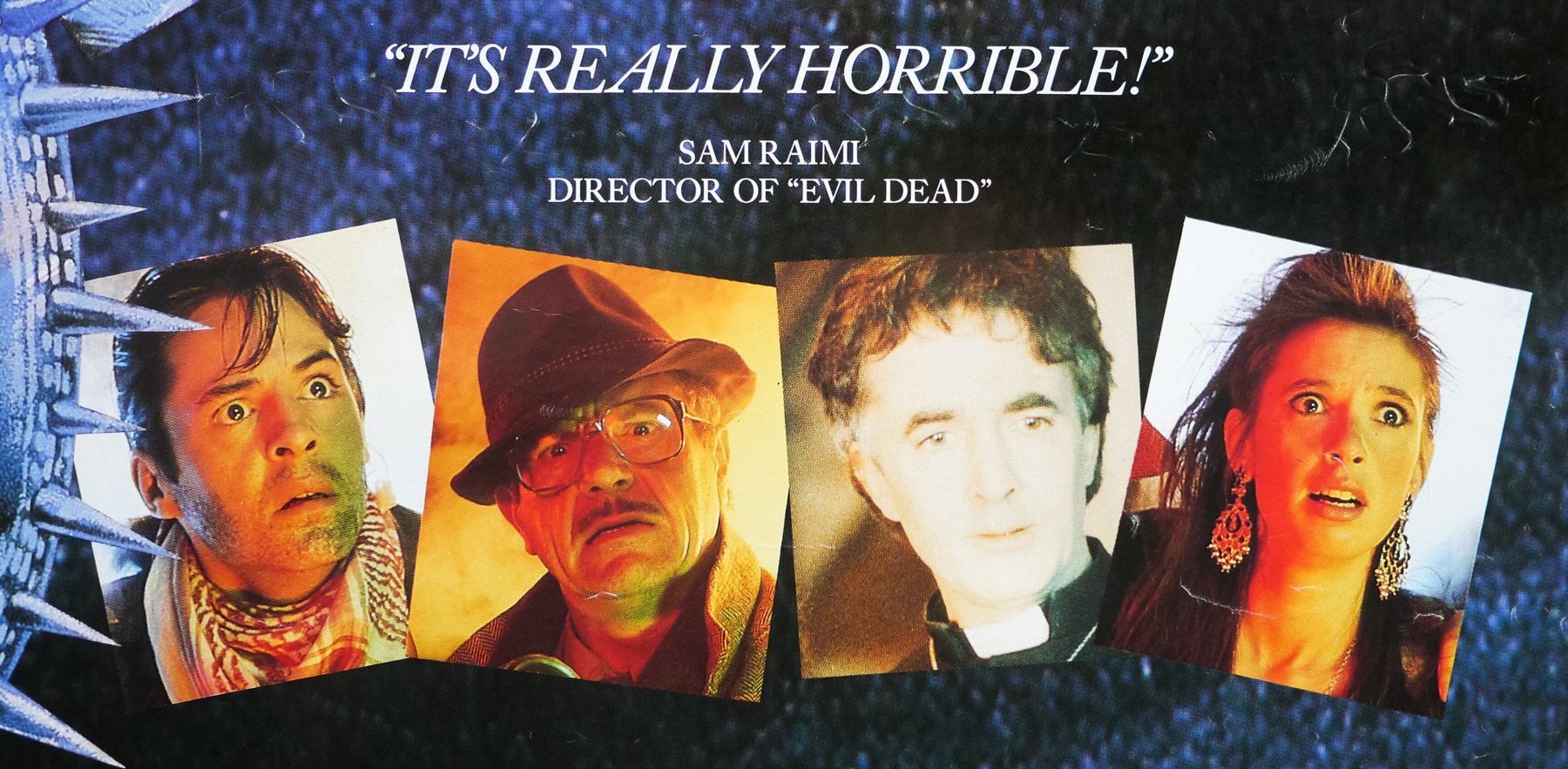
Frustratingly, I’ve struggled to find out who was responsible for the artwork on this country of origin poster. I am certain that it’s not the work of Graham Humphreys as I had this confirmed to me in an email from the man himself. If anyone has any ideas please get in touch. Note the rather brilliant quote from Sam Raimi (Evil Dead)!

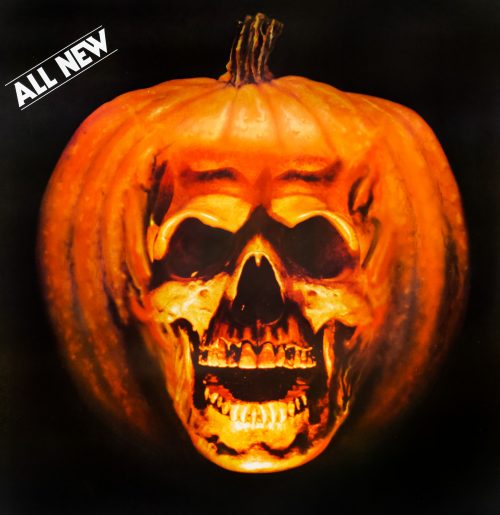
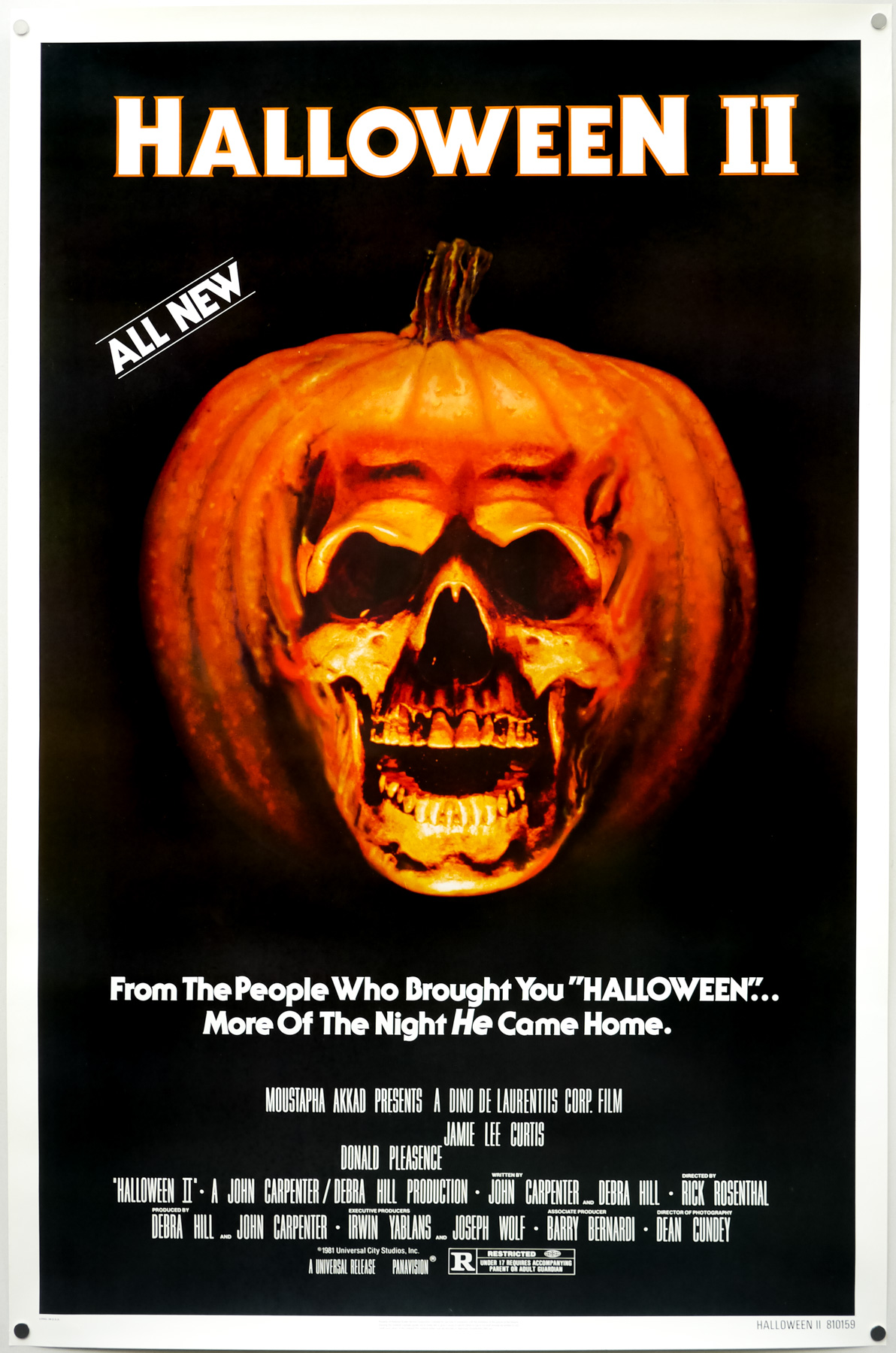
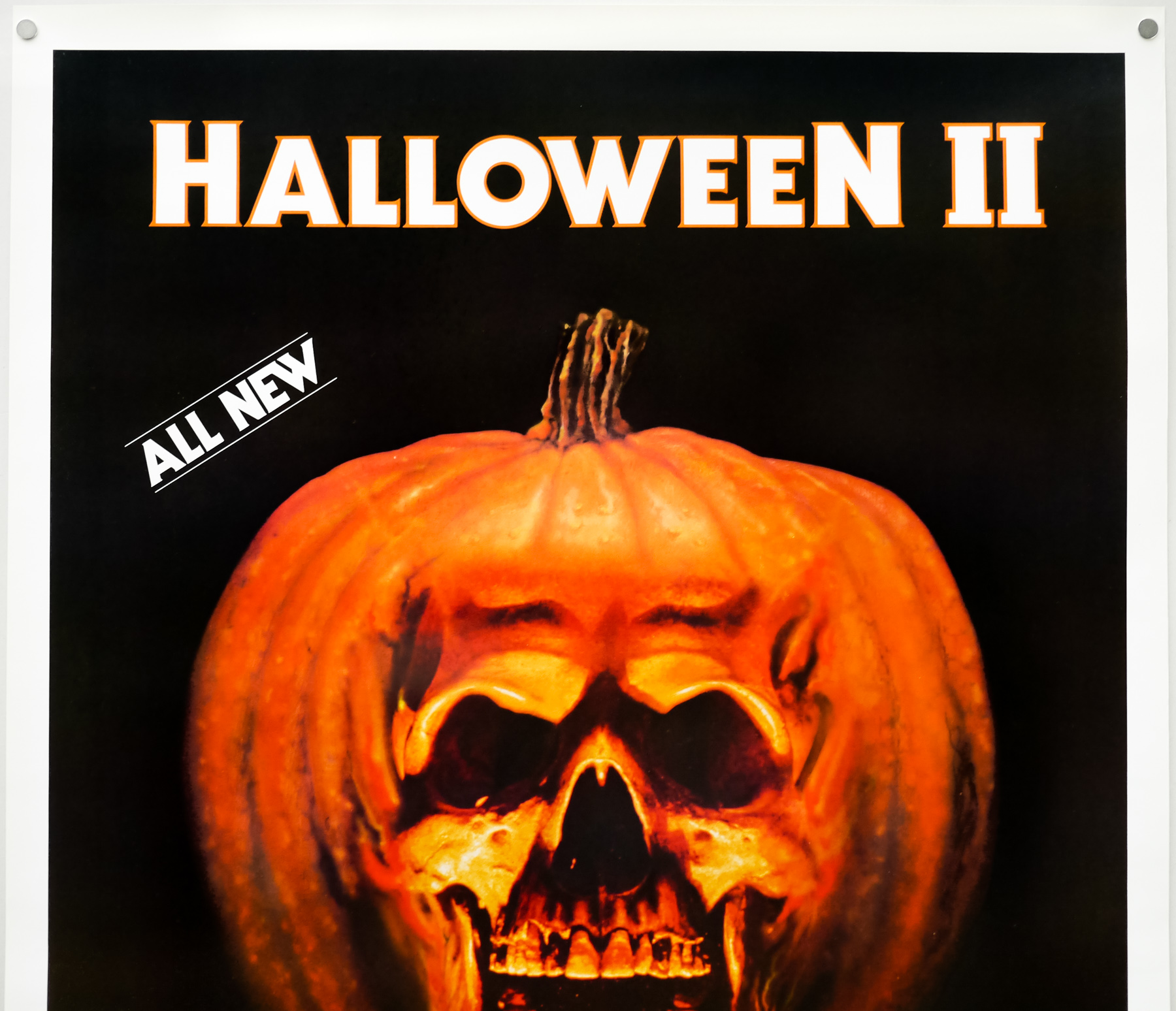
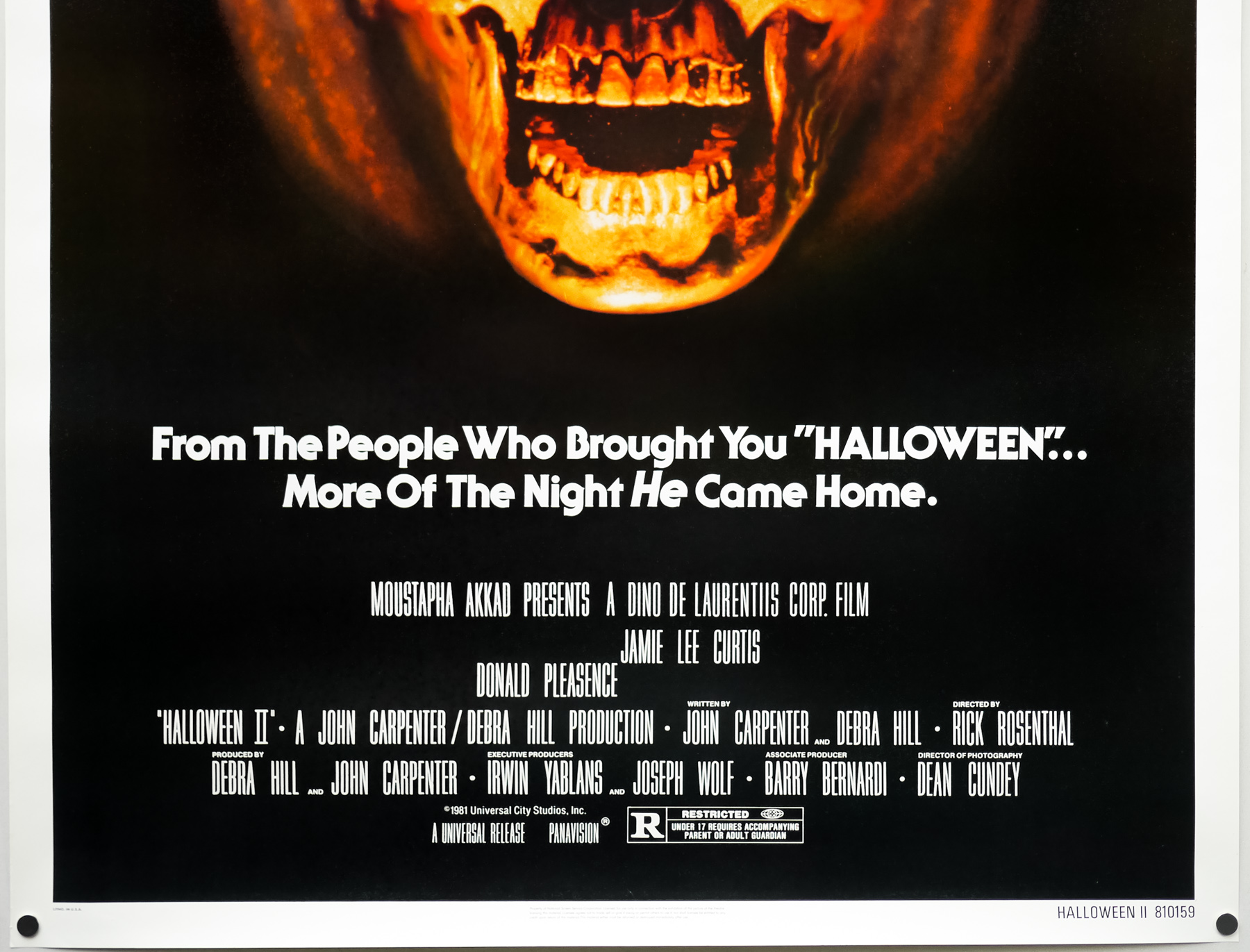
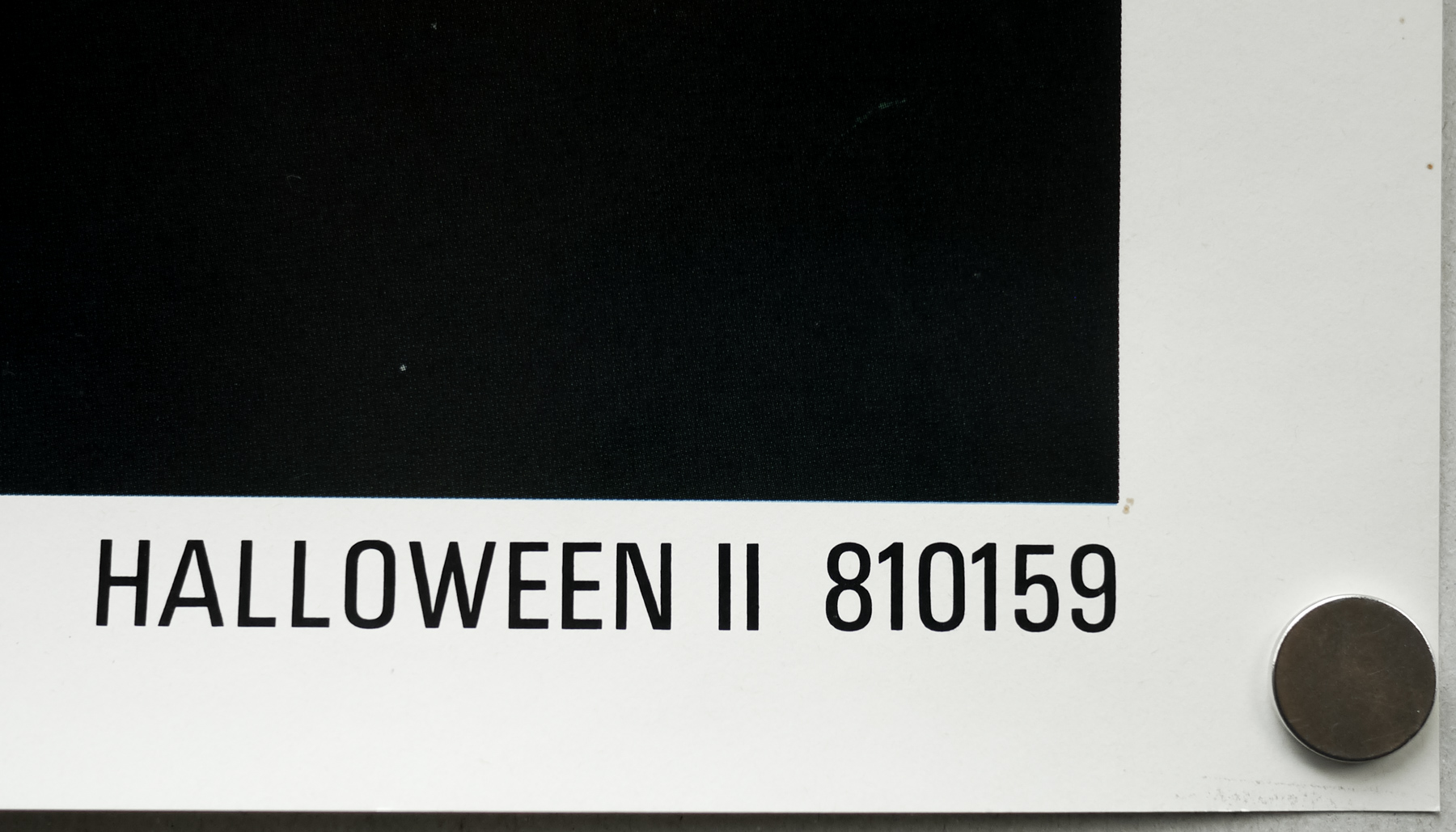
Halloween II / one sheet / USA

01.11.13

Poster Poster
Title
Halloween II
AKA
Boogey Man (Japan) | Il signore della morte [The lord of death] (Italy)
Year of Film
1981
Director
Rick Rosenthal
Starring
Jamie Lee Curtis, Donald Pleasence, Charles Cyphers, Jeffrey Kramer, Lance Guest, Pamela Susan Shoop, Hunter von Leer
Origin of Film
USA
Genre(s) of Film
Jamie Lee Curtis, Donald Pleasence, Charles Cyphers, Jeffrey Kramer, Lance Guest, Pamela Susan Shoop, Hunter von Leer,
Type of Poster
One sheet
Style of Poster
--
Origin of Poster
USA
Year of Poster
1982
Designer
Unknown
Artist
--
Size (inches)
27" x 41"
SS or DS
SS
NSS #
810159
Tagline
From The People Who Brought You "Halloween"... More of the Night He Came Home

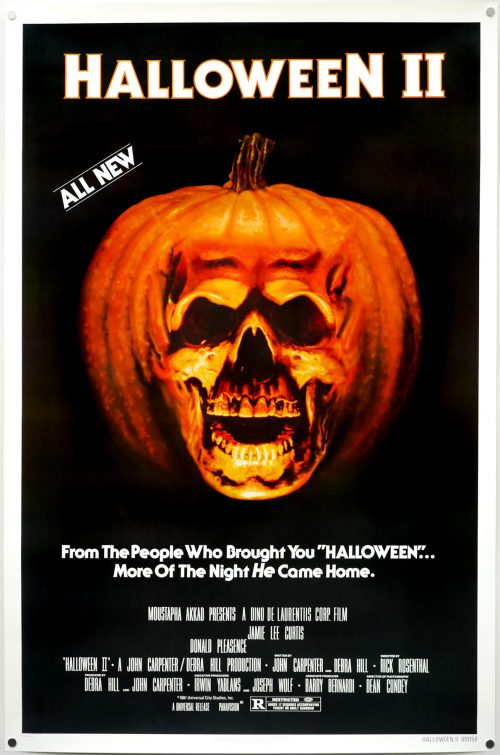
After John Carpenter’s original horror classic Halloween made over $70 million at the global box-office on a budget of $325k – earnings equivalent to $250 million adjusted for ticket price inflation – it was only a matter of time before a sequel was put into production. Carpenter passed on the chance to direct Halloween II, but offered to both produce and write the screenplay (and apparently even direct a few scenes) and the film was put into production with a significantly increased budget of $2.5 million. A relatively unknown director called Rick Rosenthal was offered the job and filming got underway with a targeted release date of Halloween 1981.

This is one of those sequels that picks up immediately after the events at the end of the previous film and Laurie Strode (Jamie Lee Curtis) is being loaded into an ambulance having survived the attack by Michael Myers who was shot by Dr Sam Loomis (Donald Pleasence) before escaping into the night. We follow Myers as he stalks the neighbourhood, murdering an unlucky teenager as he searches for the whereabouts of Laurie. Dr Loomis and the Haddonfield police desperately hunt the killer as the true extent of his actions in the previous film come to light. Meanwhile, Laurie arrives at the town’s hospital and soon falls into a catatonic state thanks to the shock of her ordeal. When Michael learns of her whereabouts after overhearing a news broadcast he heads towards the hospital and the carnage begins again.

Rosenthal is definitely no Carpenter but it’s still a strong horror film, which has several creepy moments despite upping the body count and leaning towards quick, gross-out murders rather than tense, drawn-out pursuit sequences. It’s interesting to see the aftermath of the events in the first film and the hospital makes for an excellent location for Myers to stalk his prey. At the time, the explosive ending seemed to draw a line under the story of Michael Myers and, infamously, Halloween III made no mention of him, but when that film was something of a box-office flop the producers of the next sequel brought the man in the mask back from the dead.