You searched for: Iron%2520Man%25202

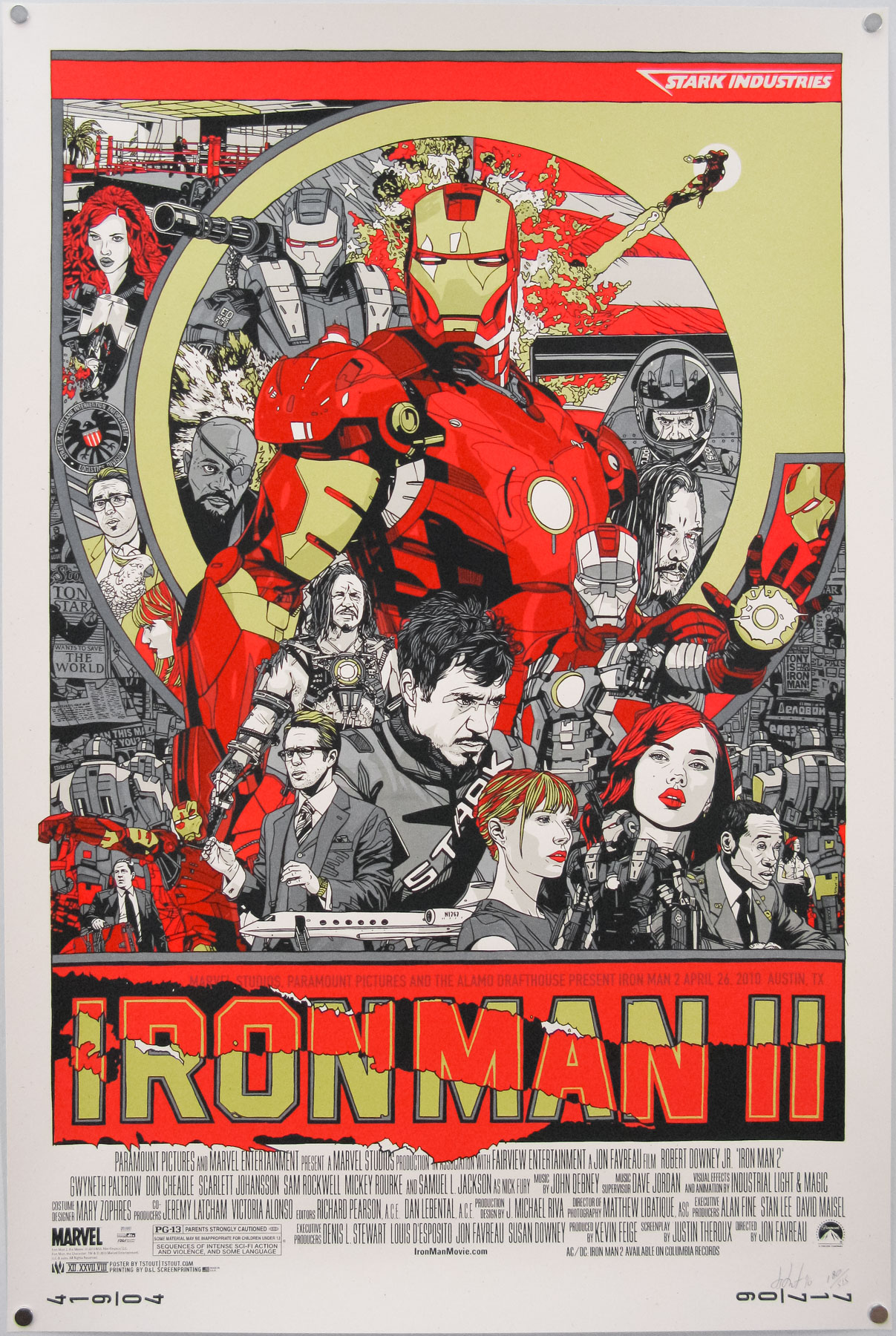
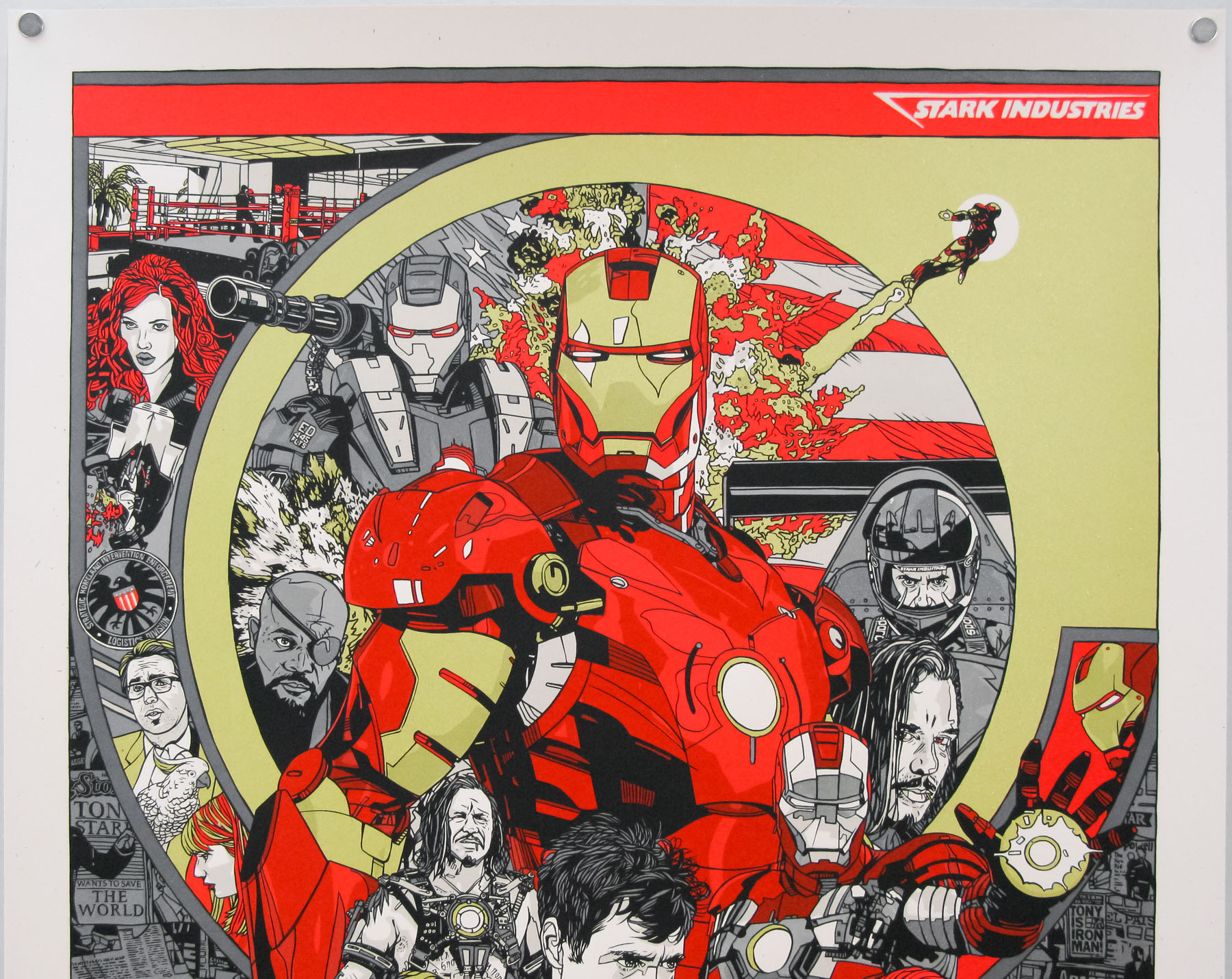
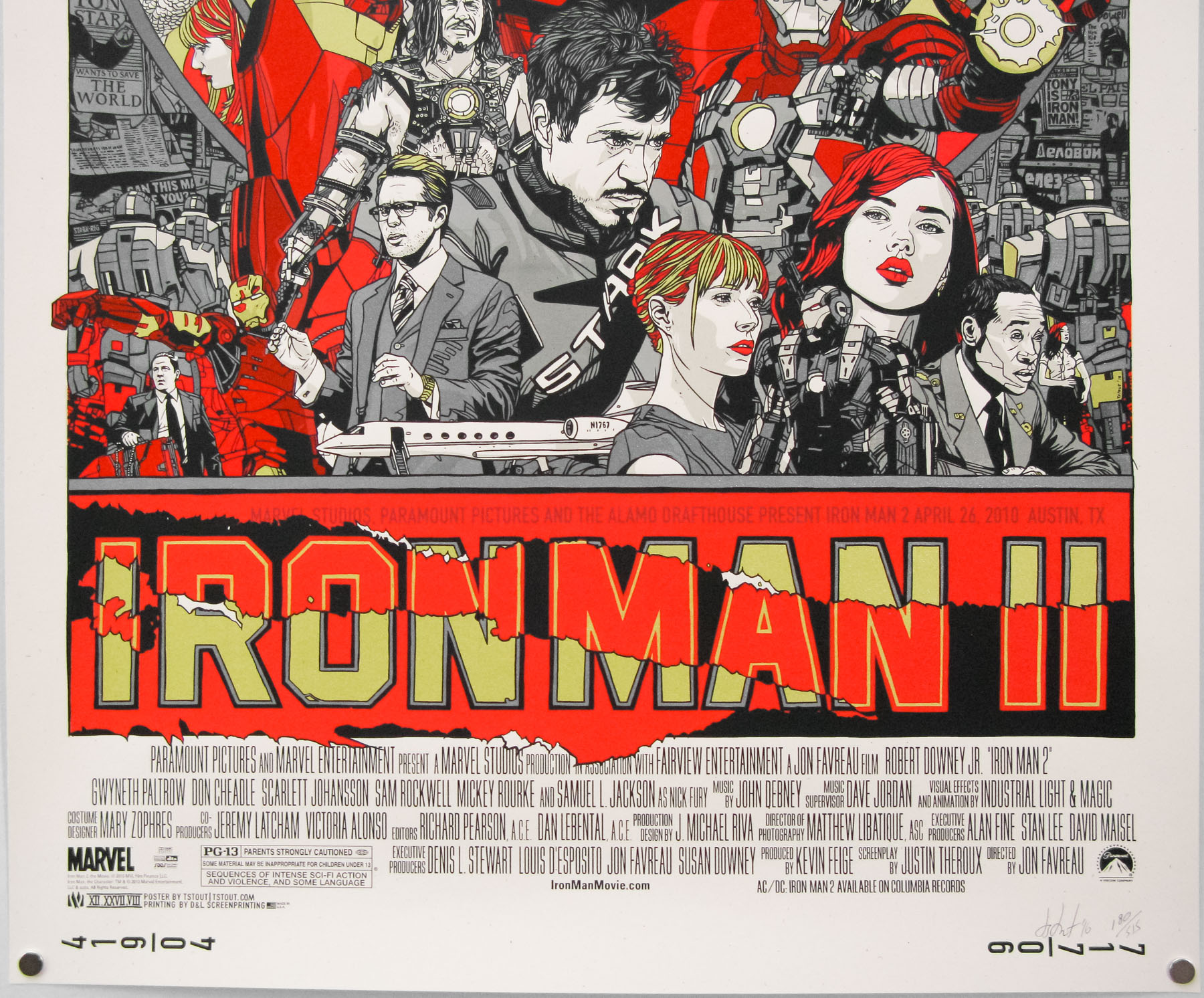
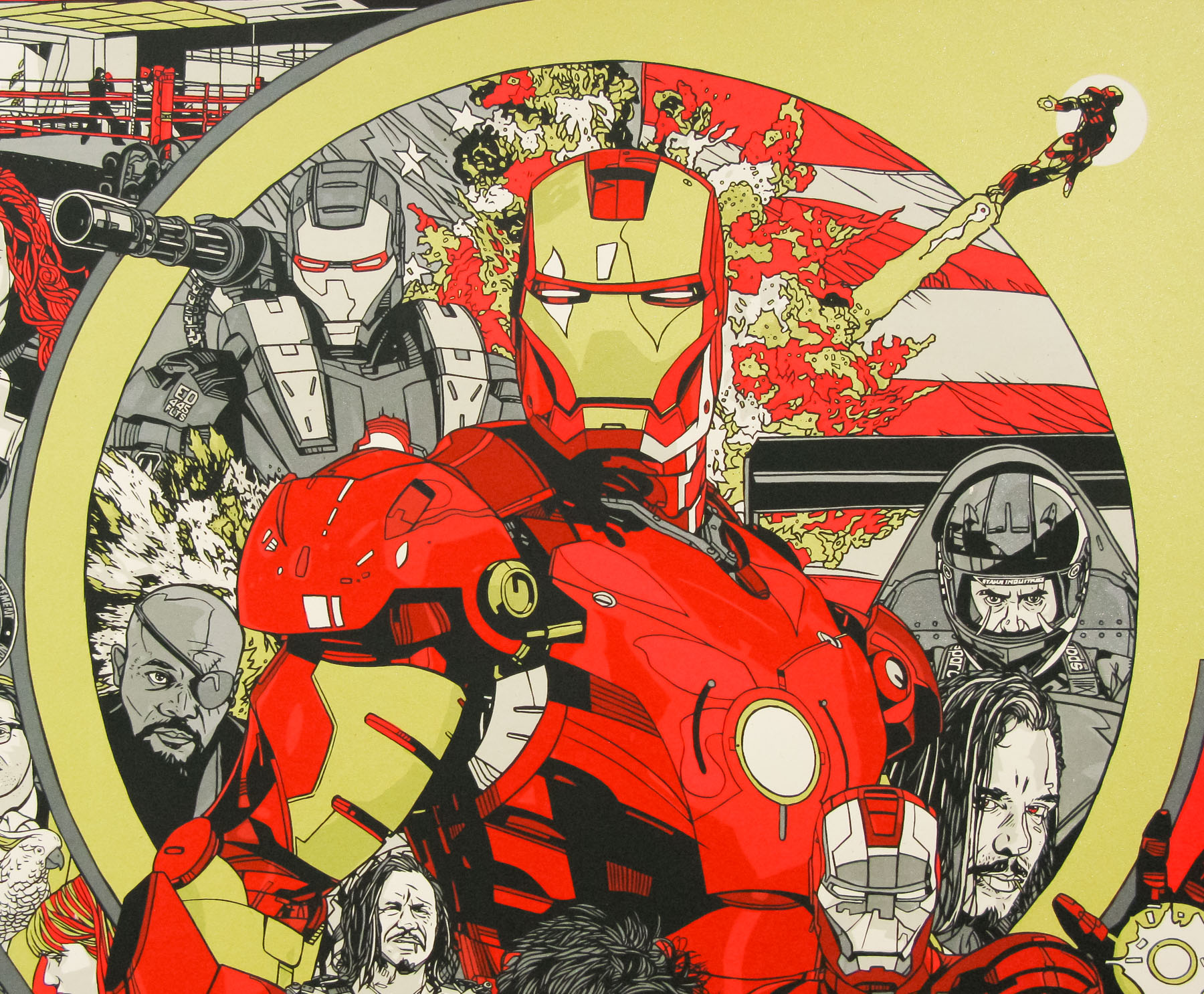
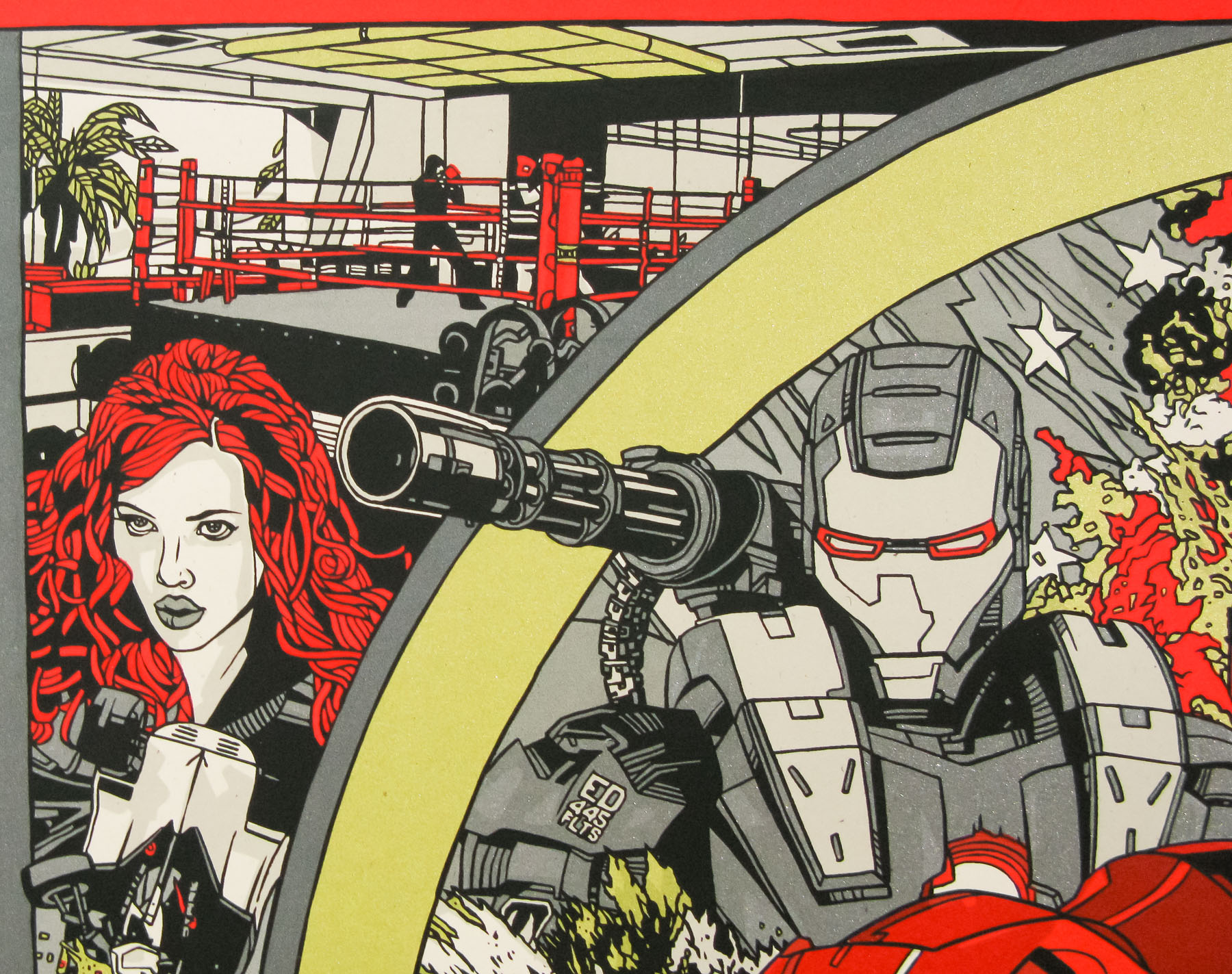
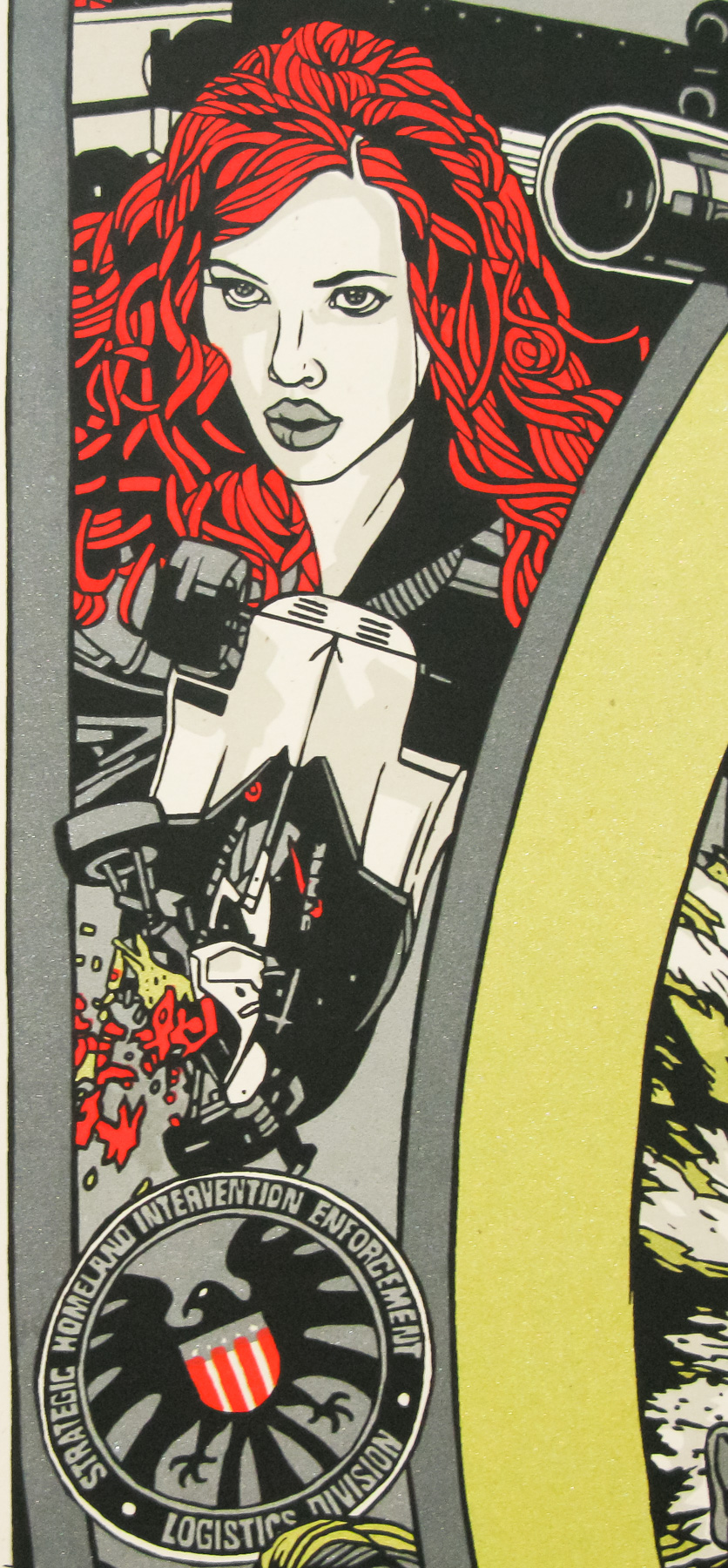
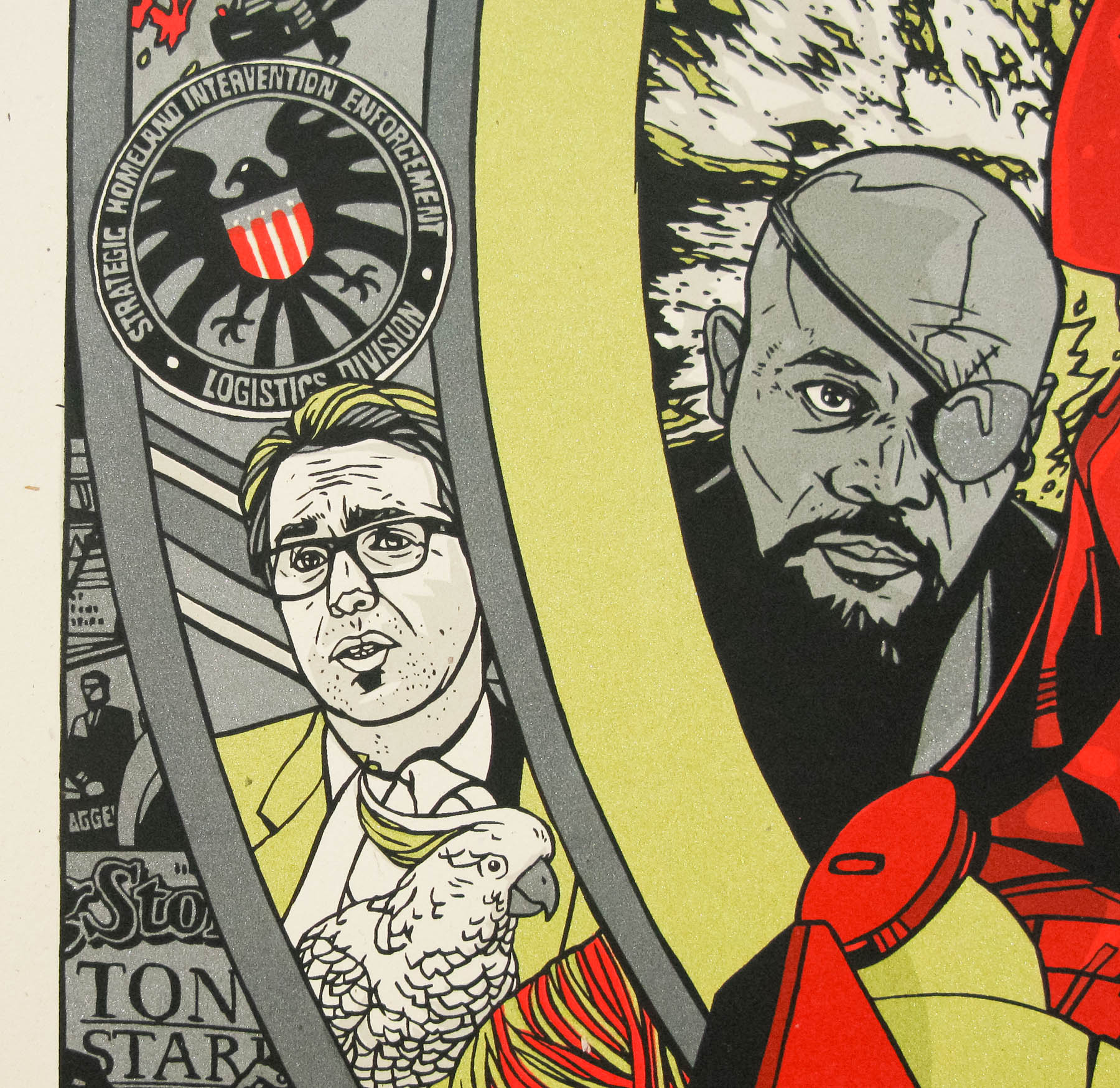
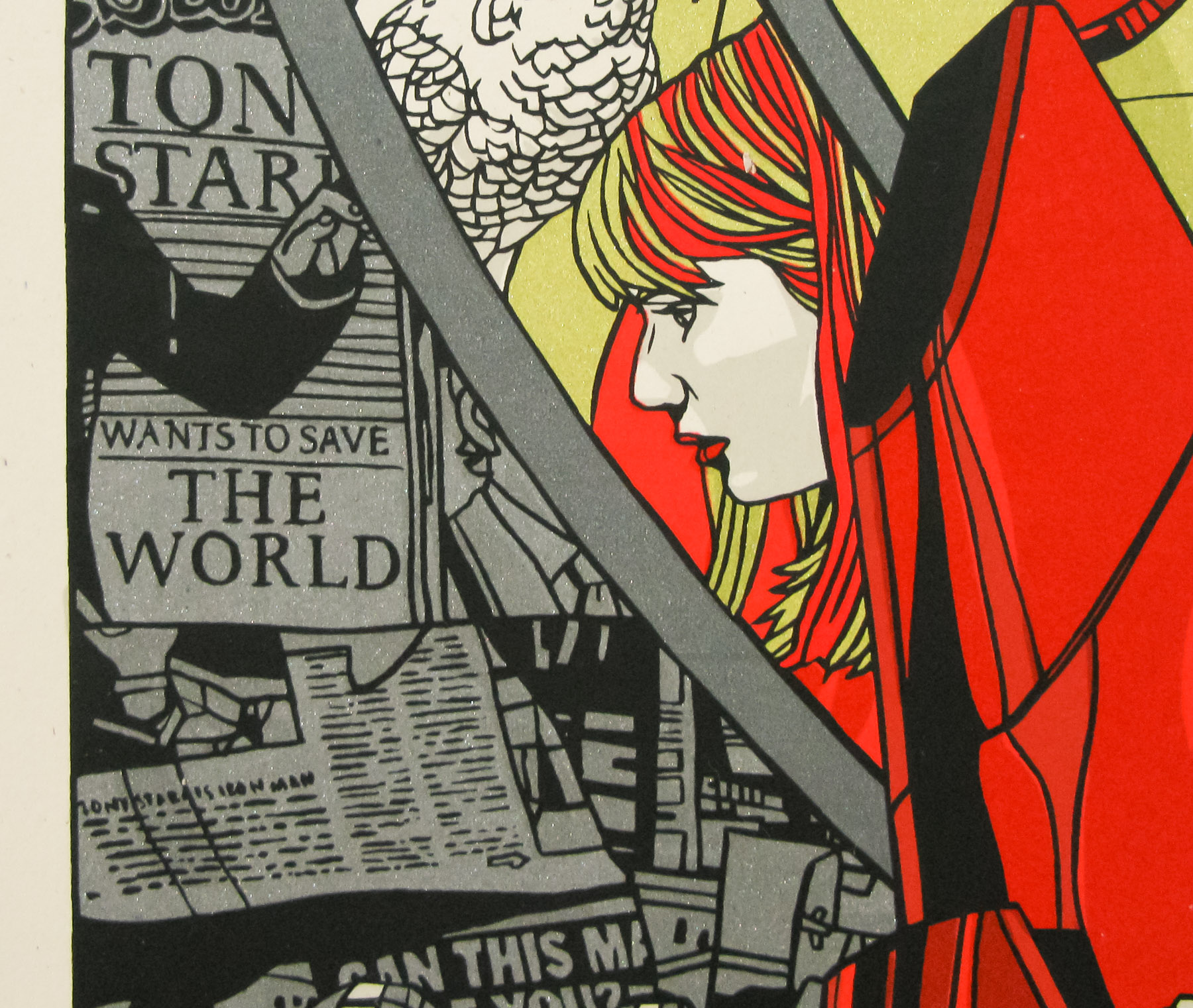
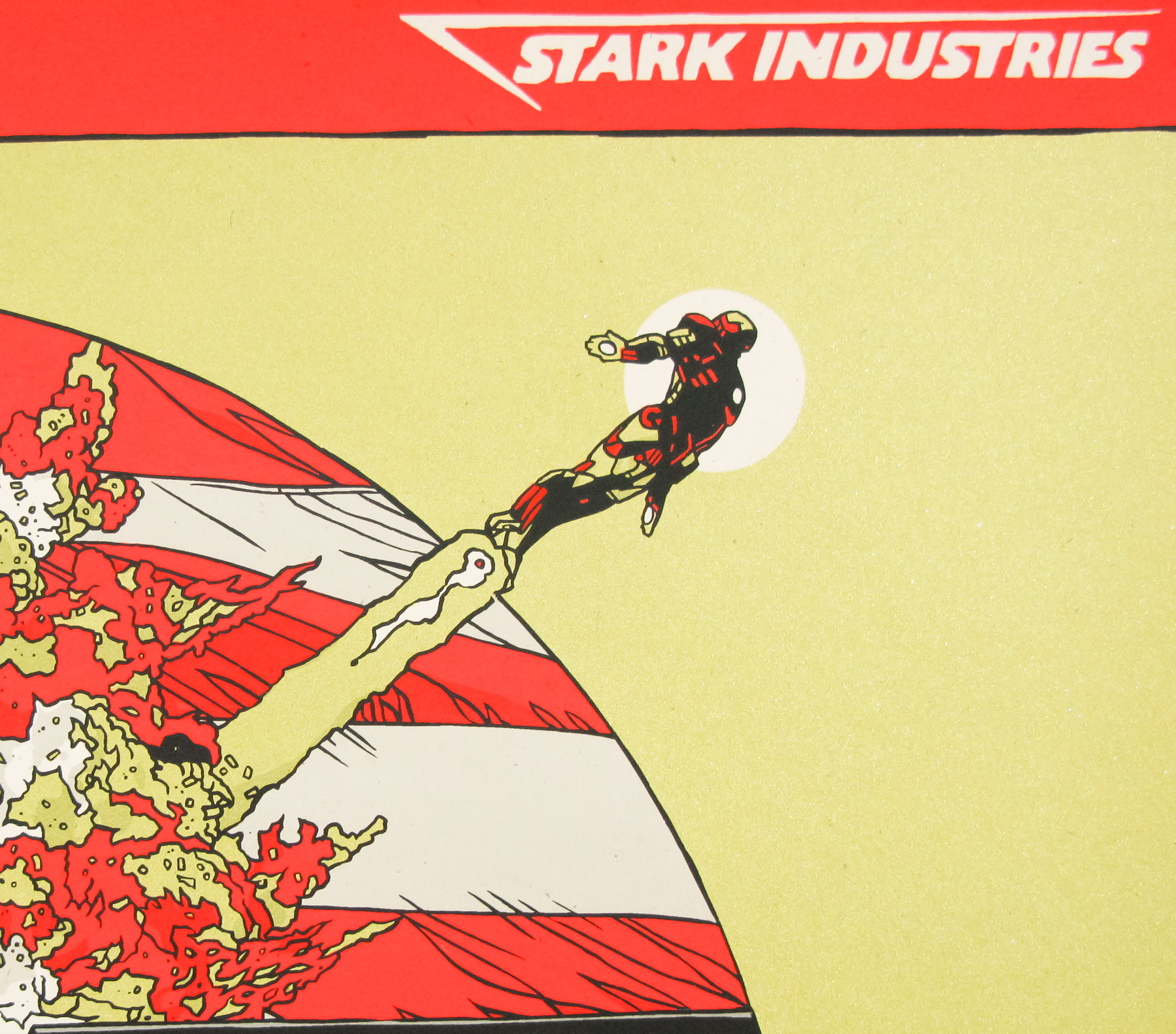
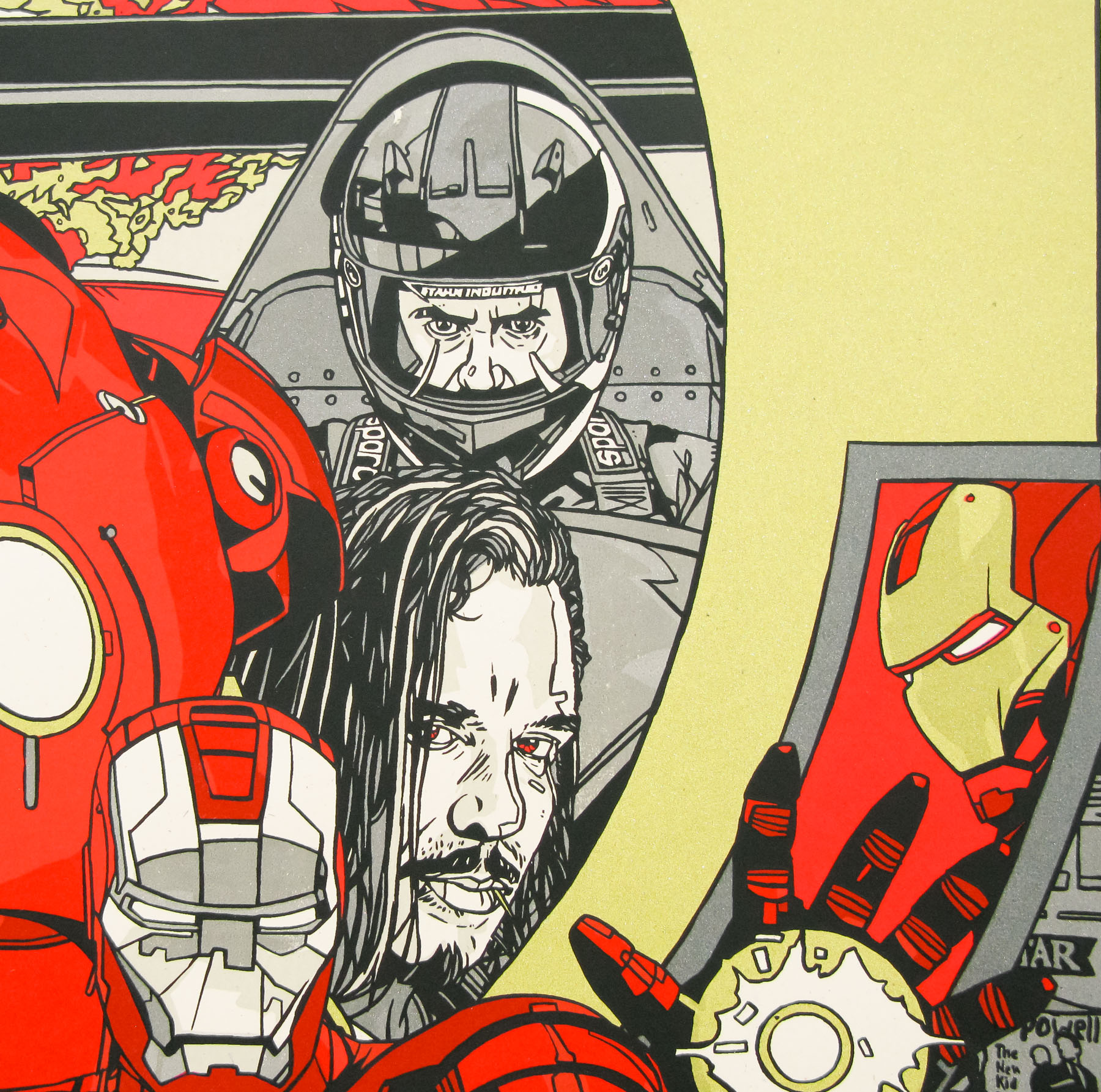
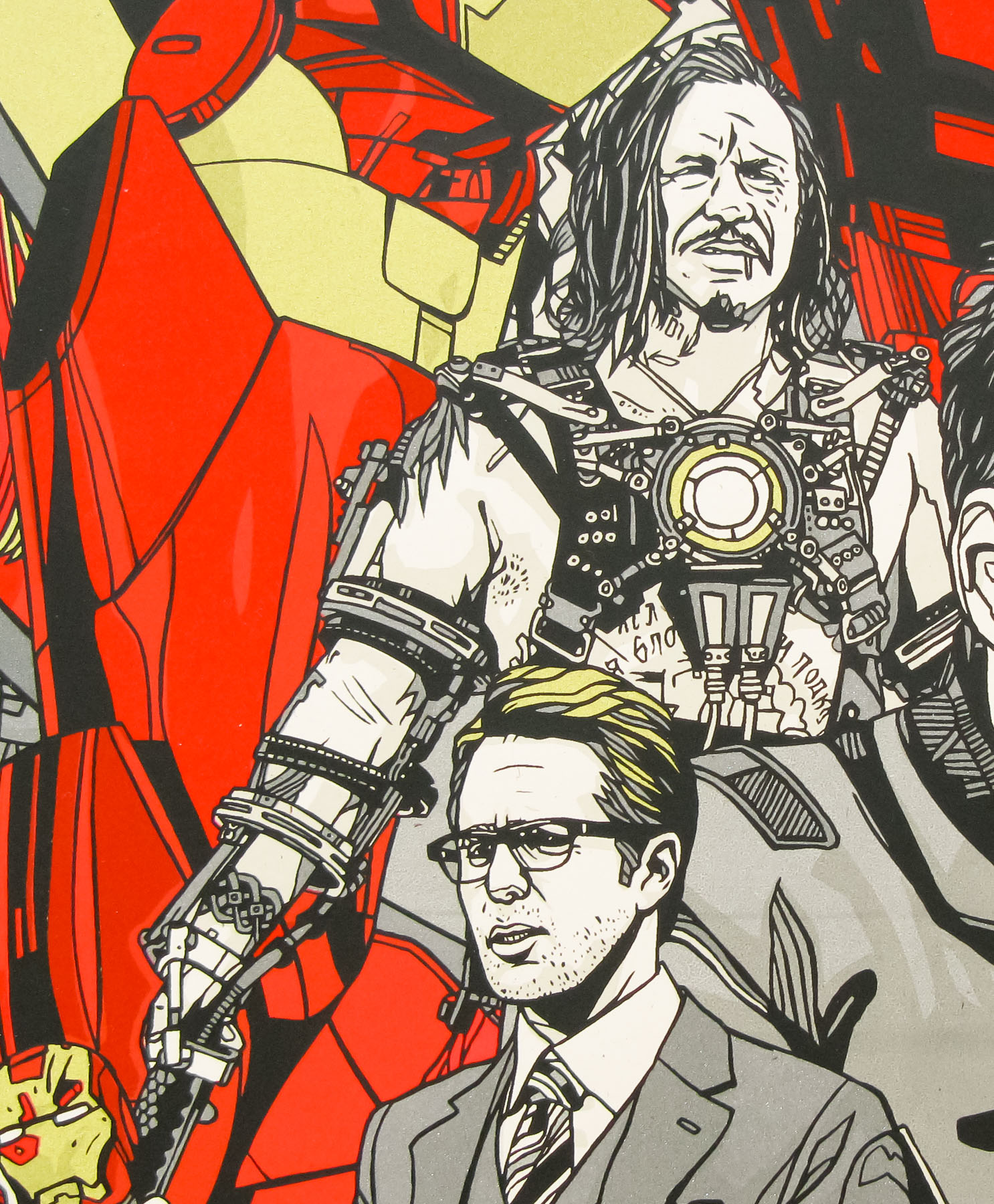
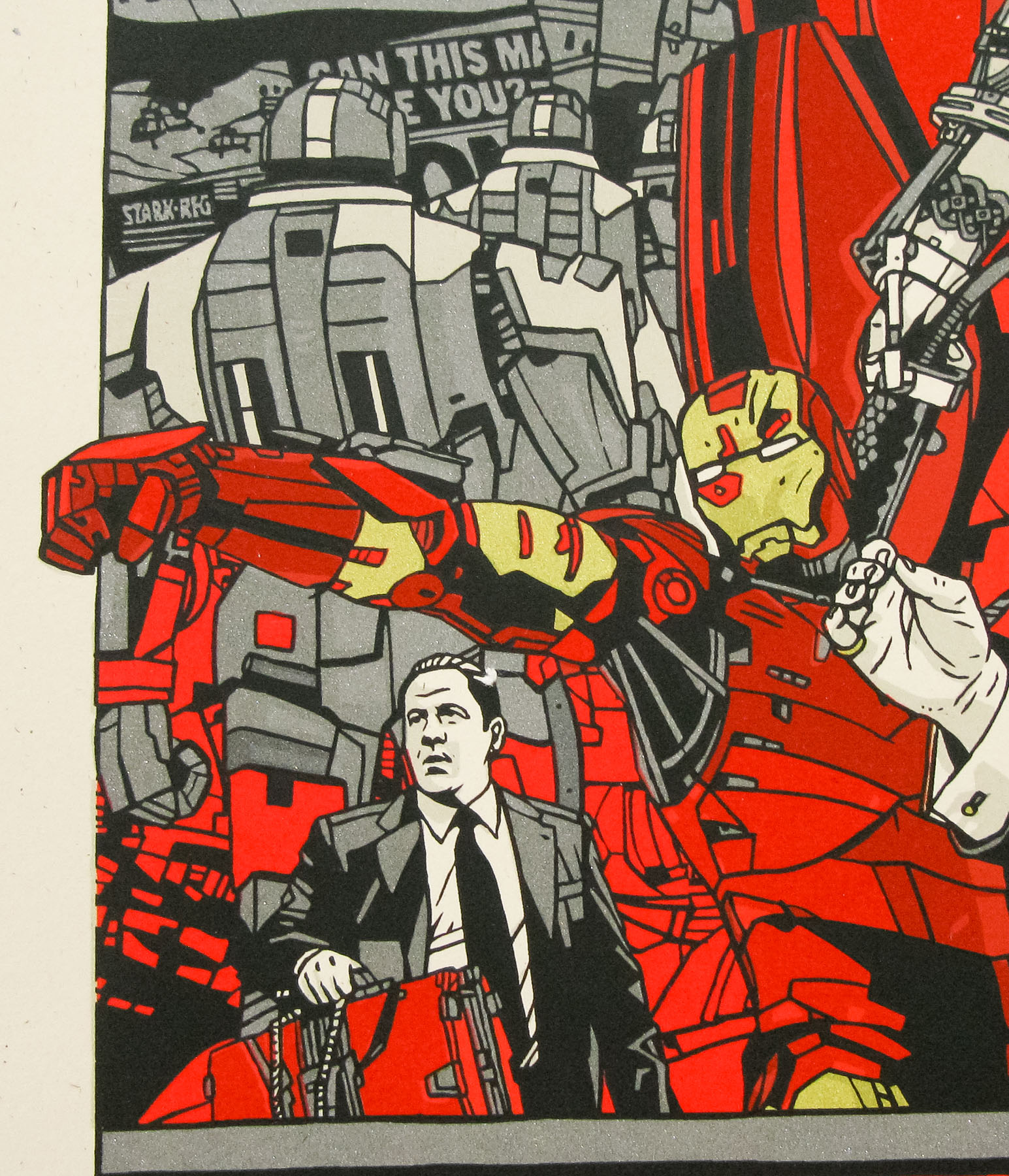
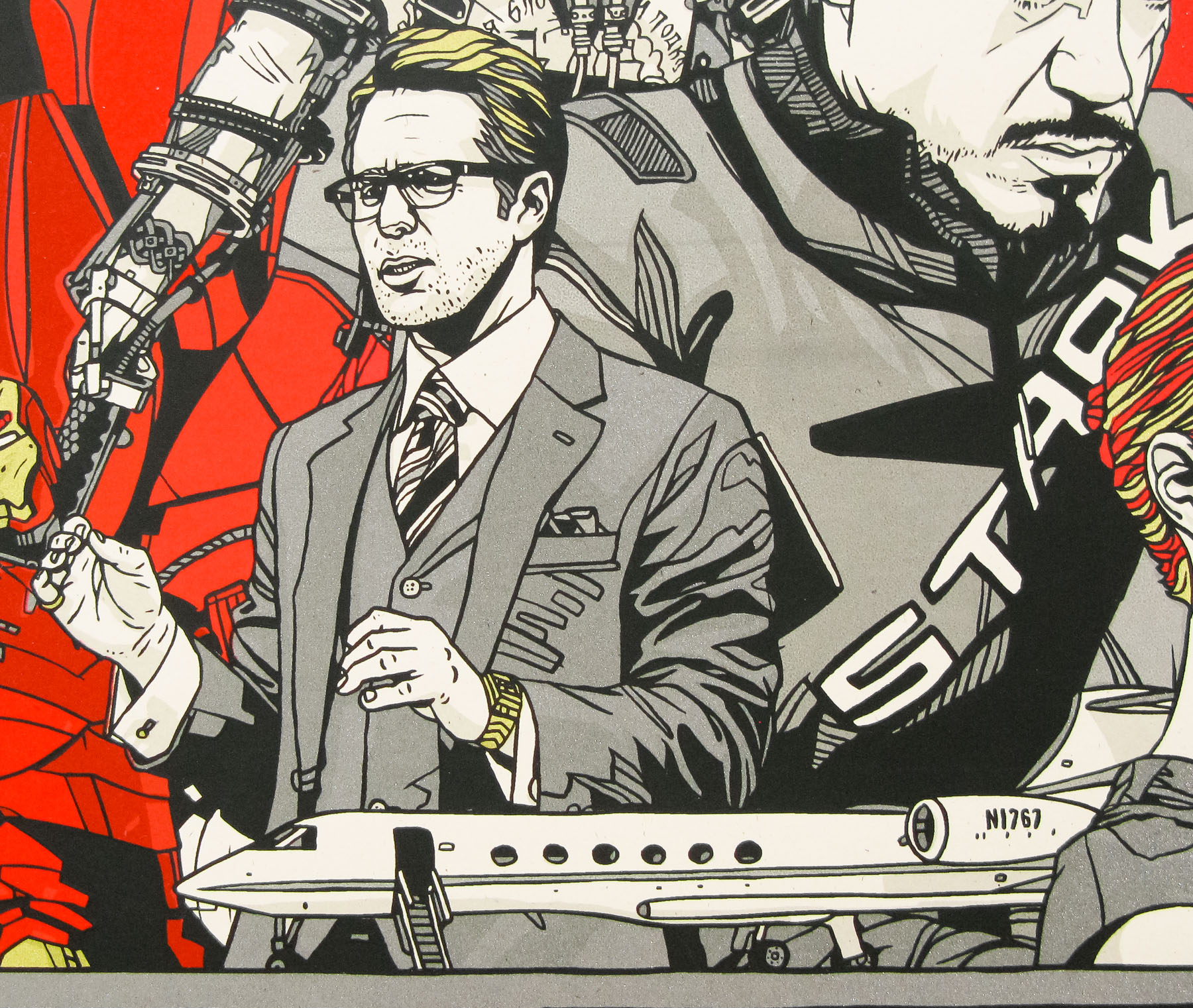
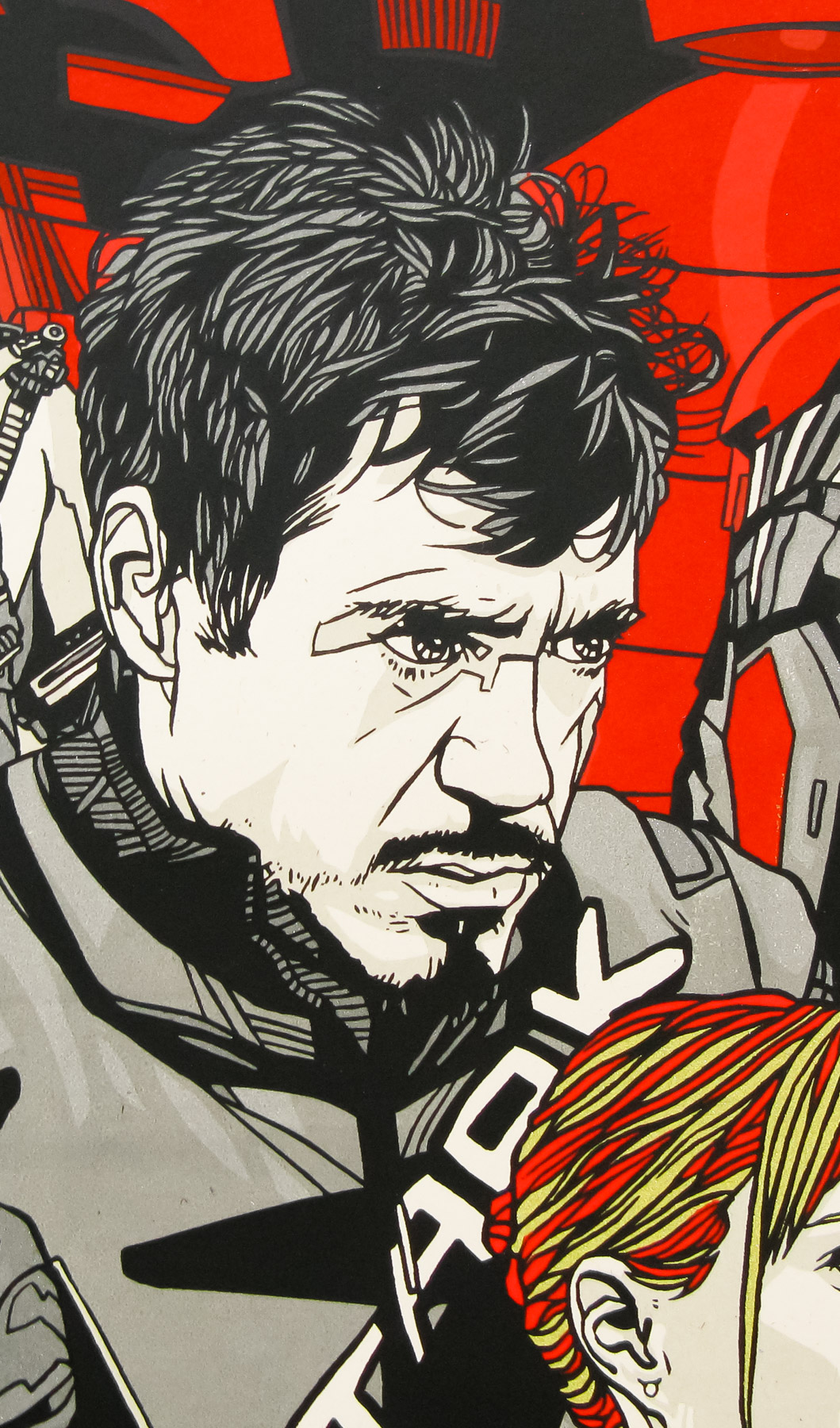
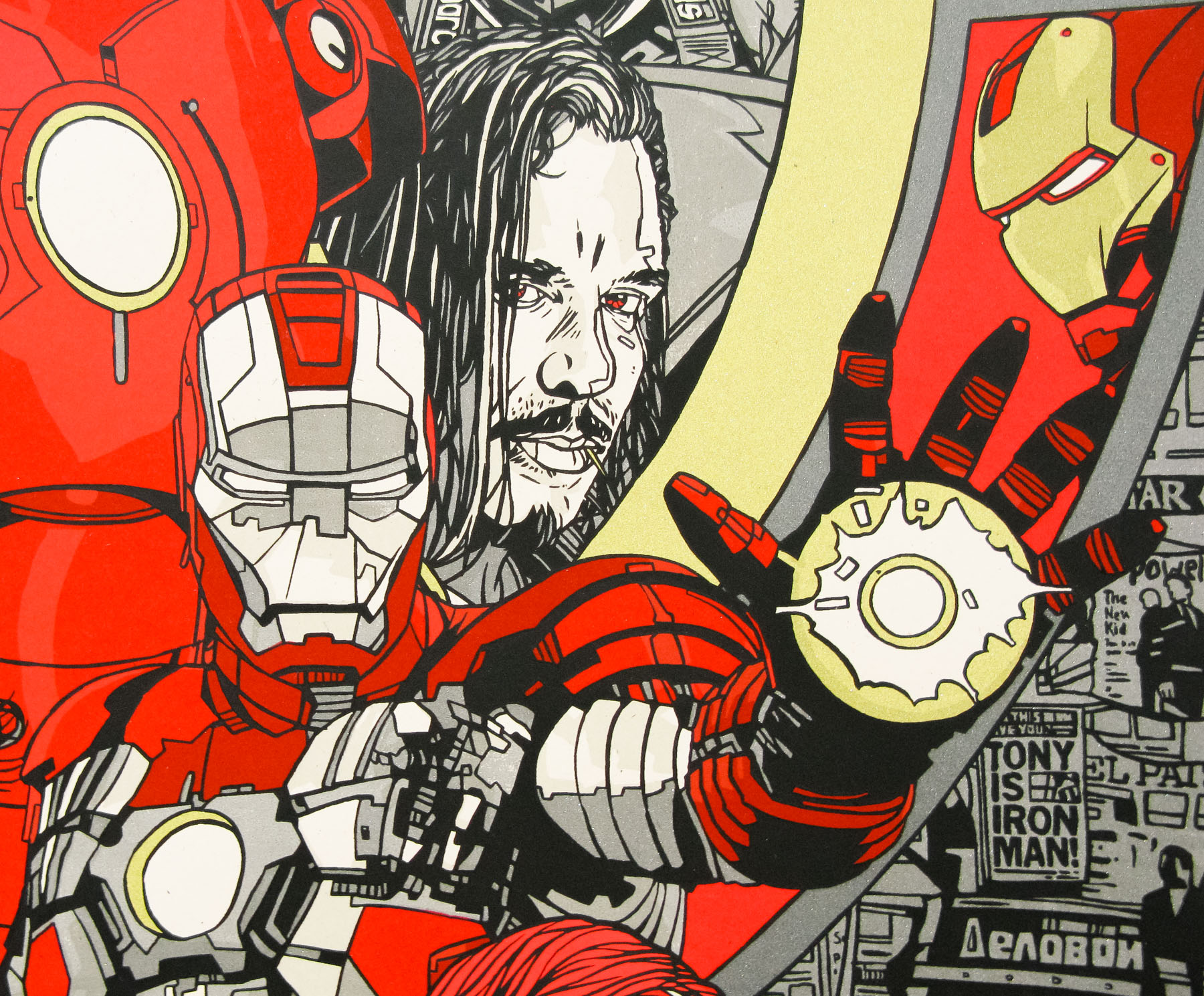
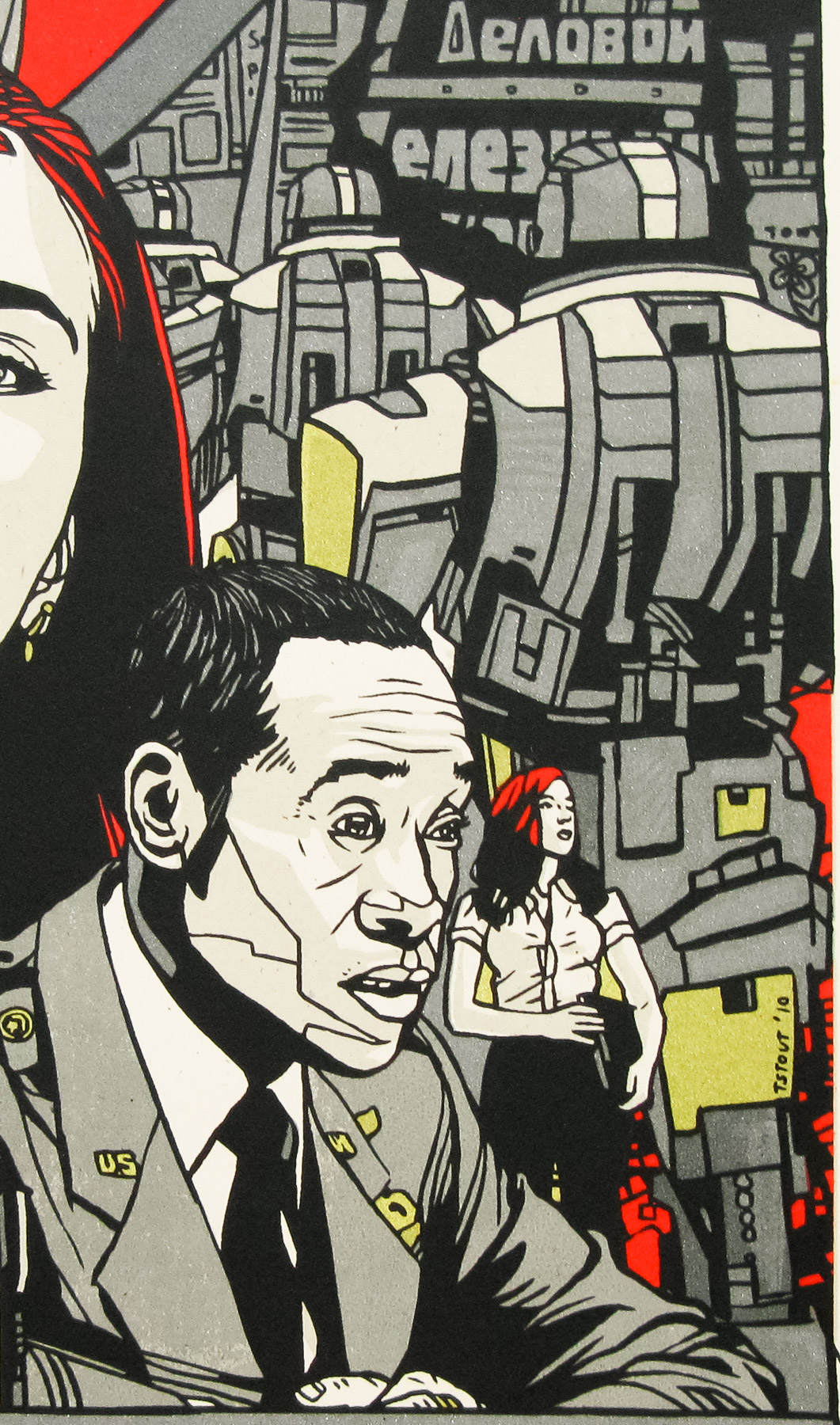
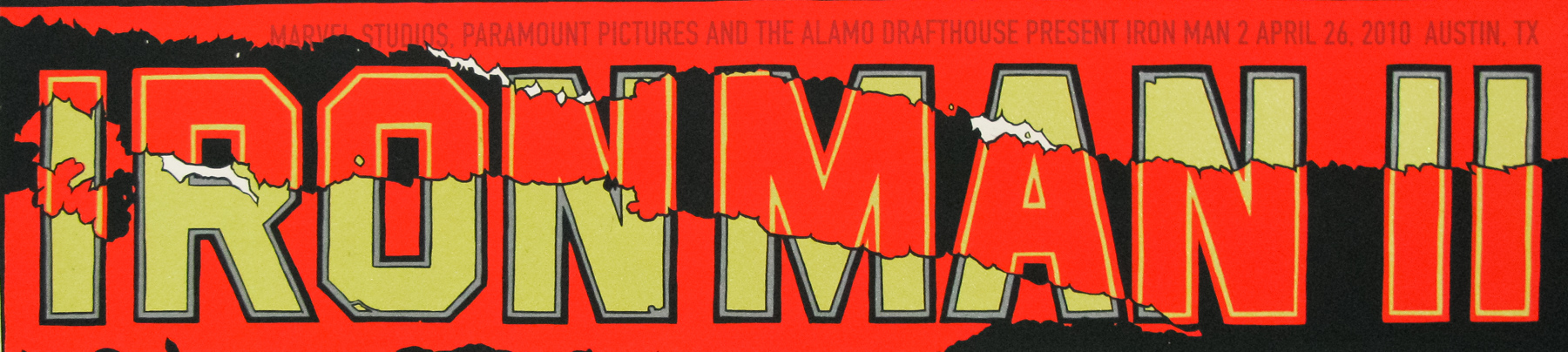
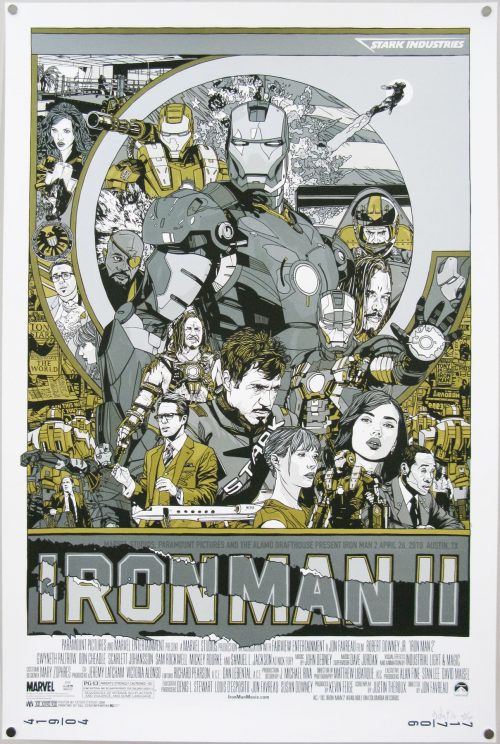
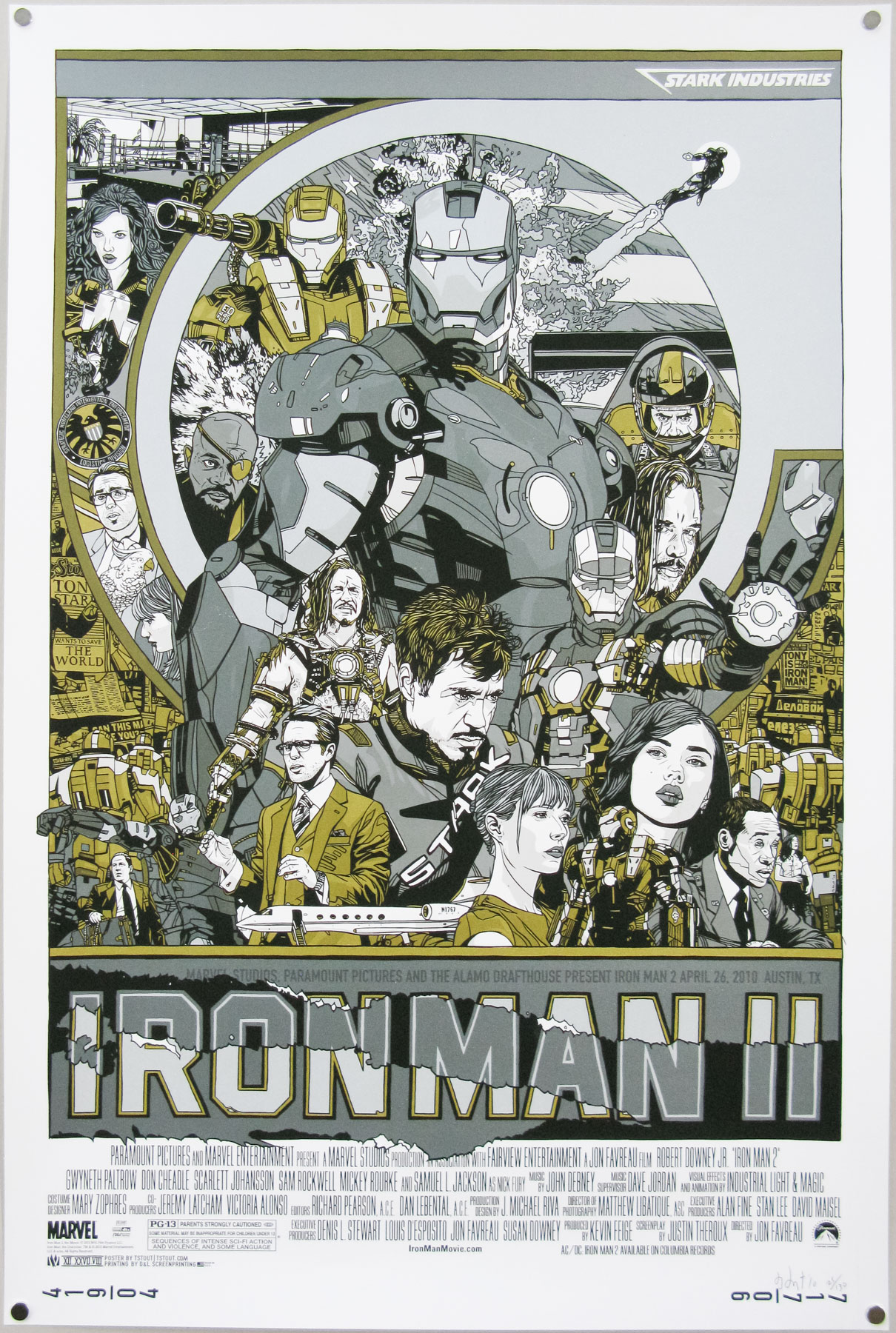
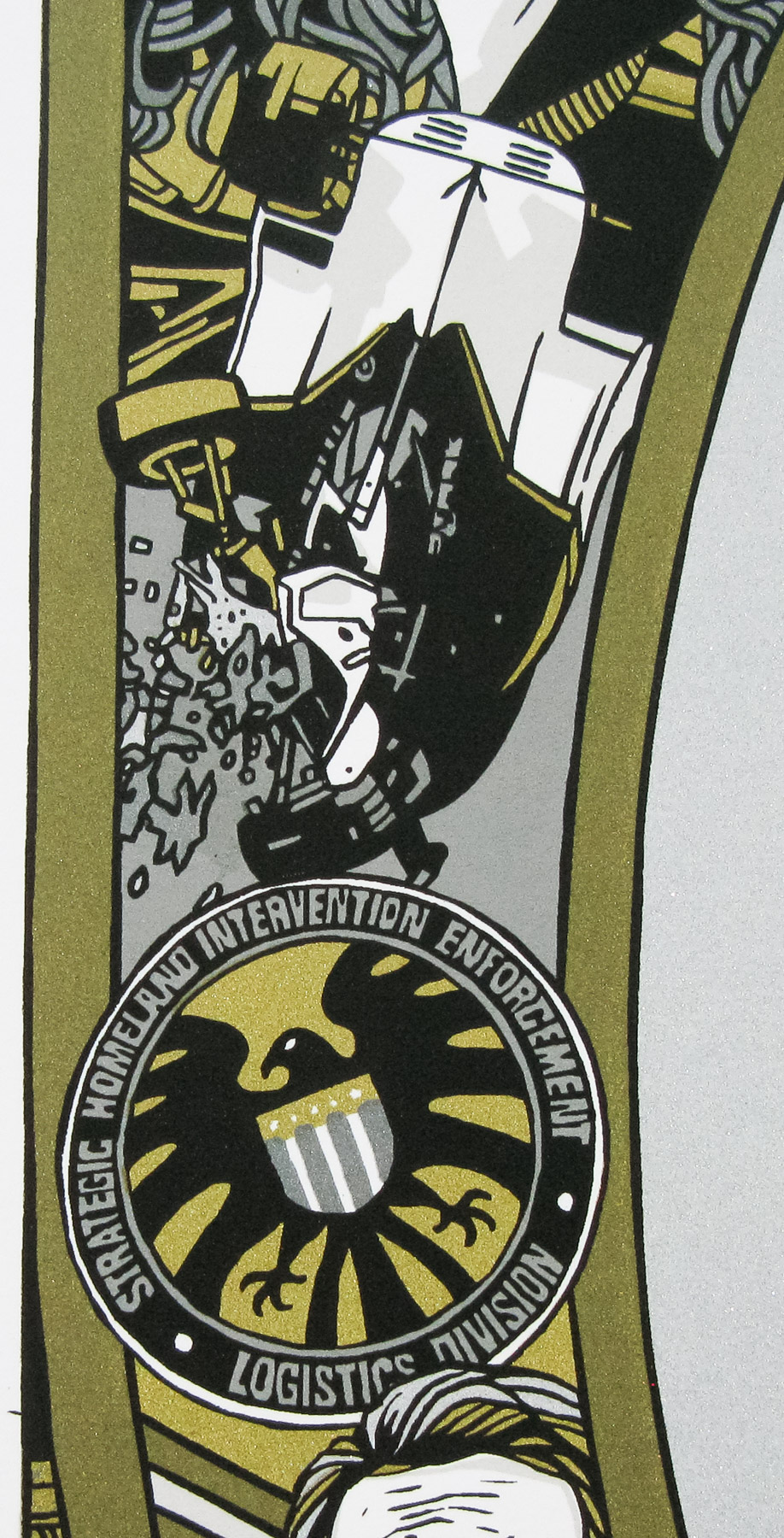
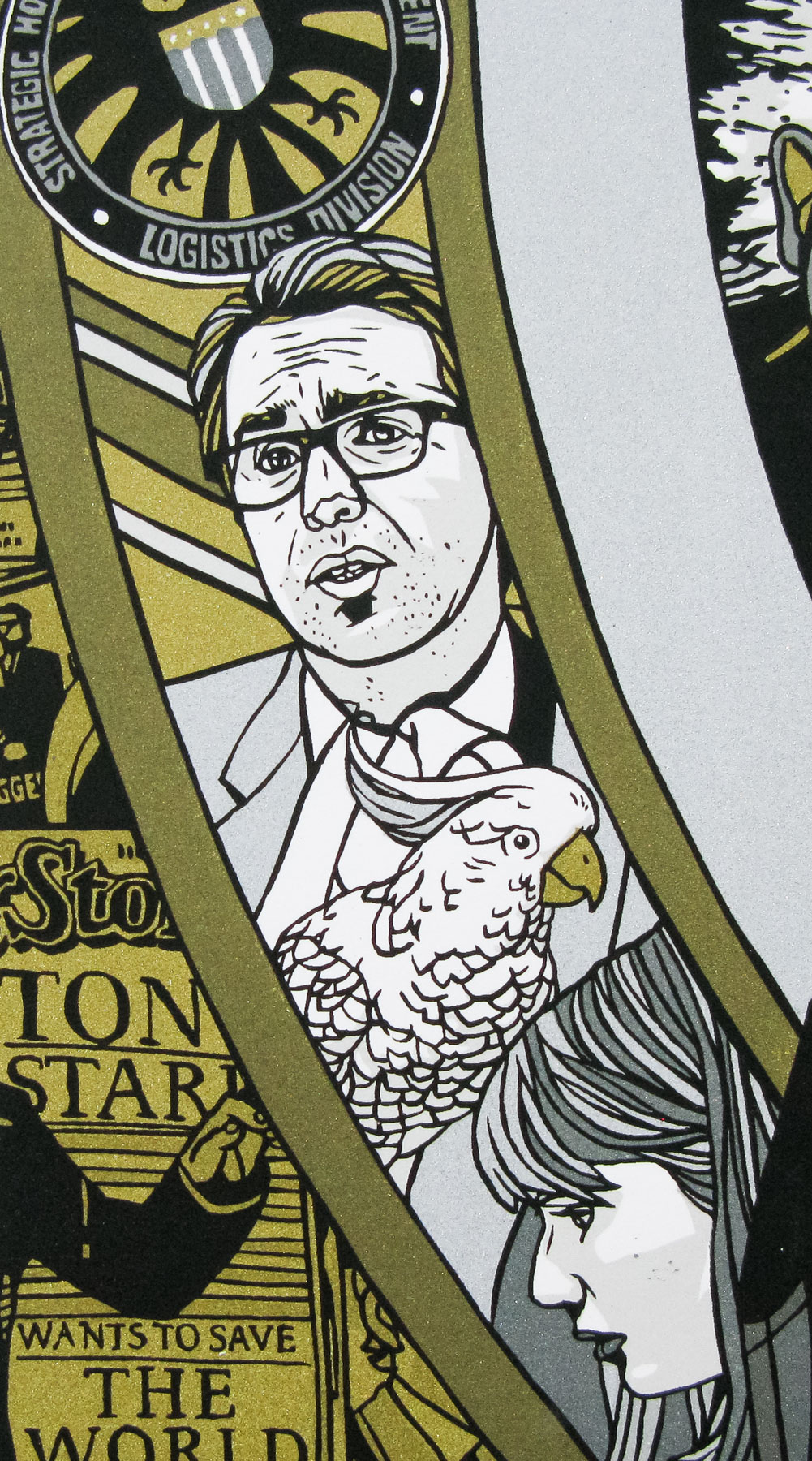
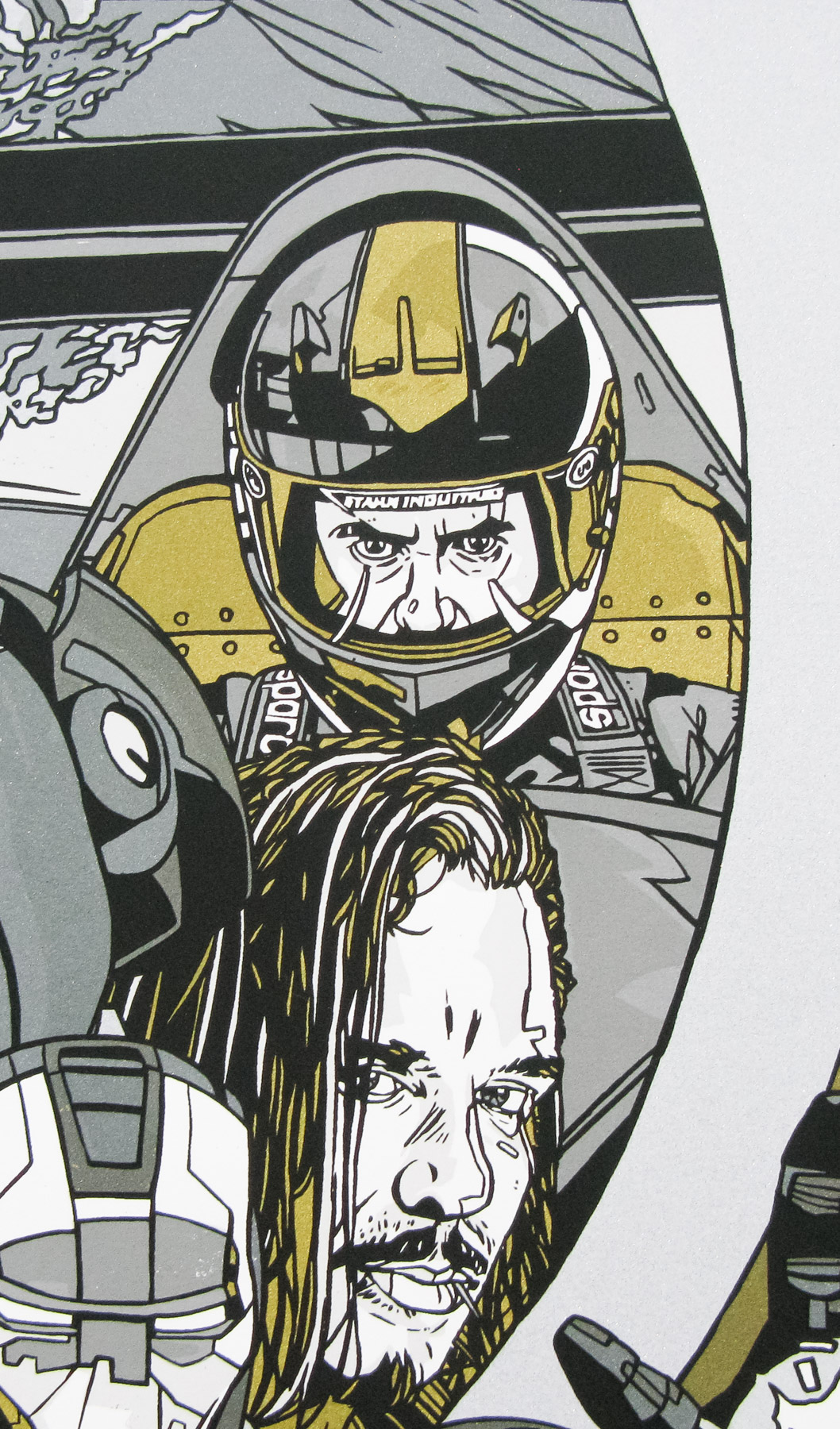
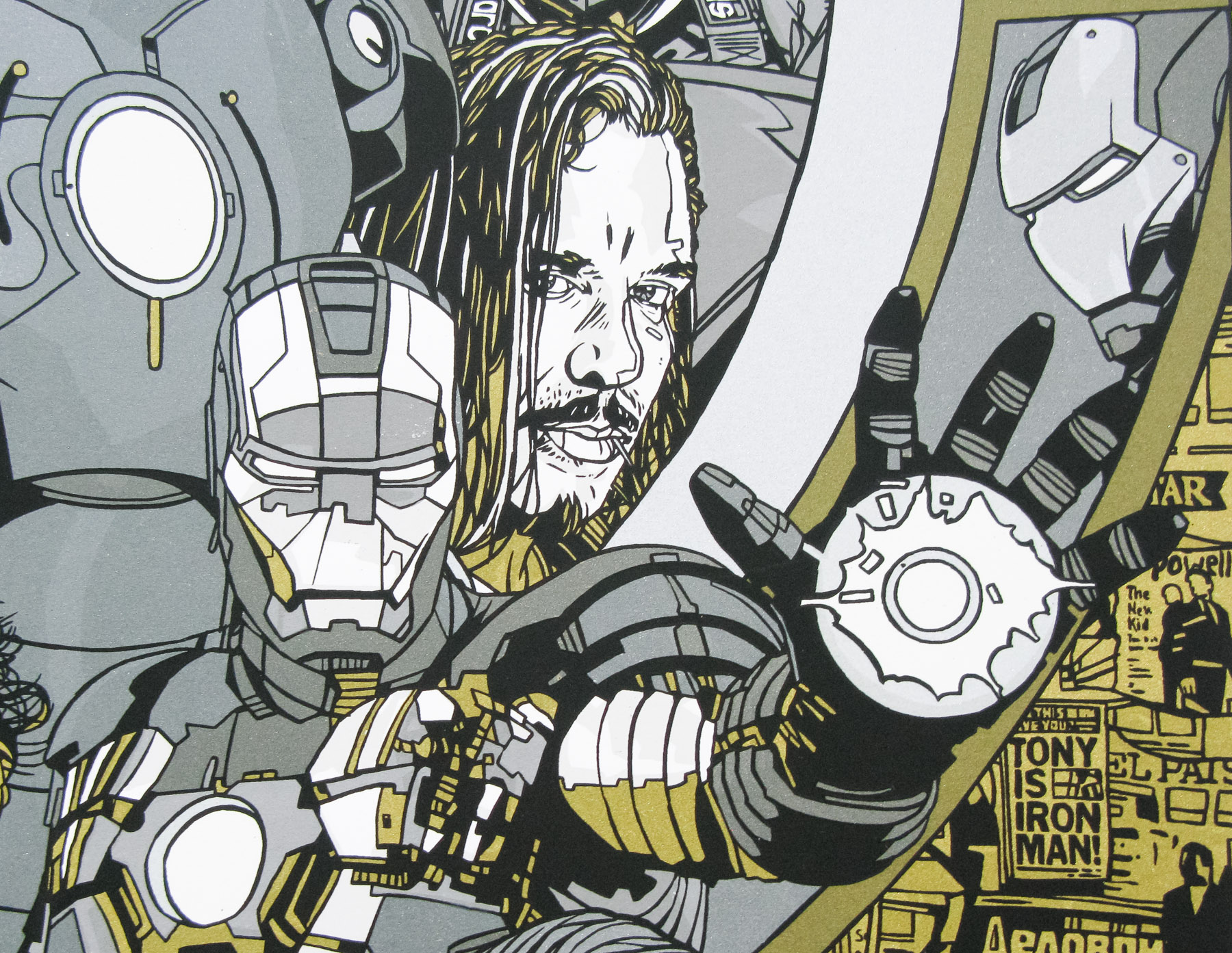
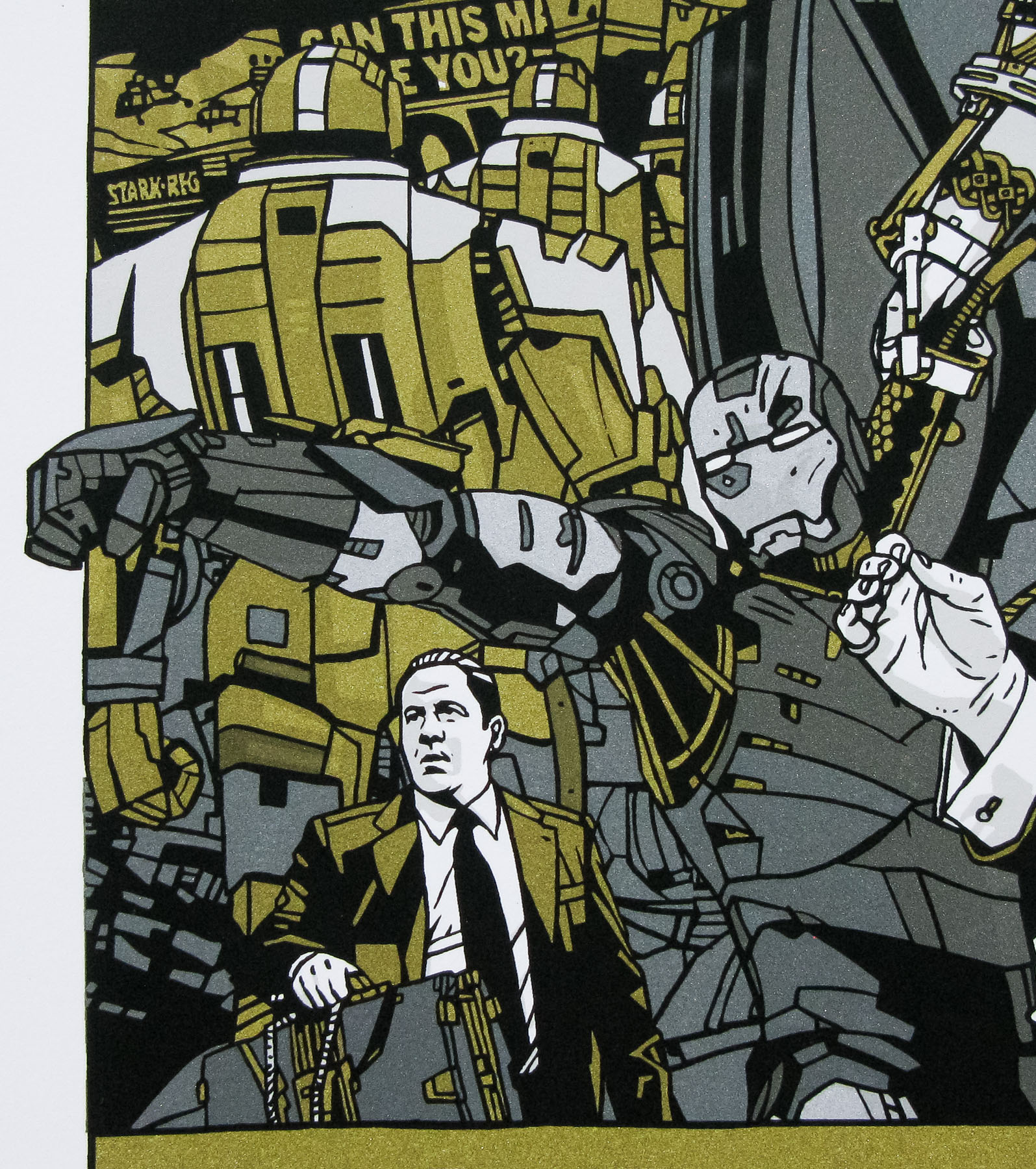
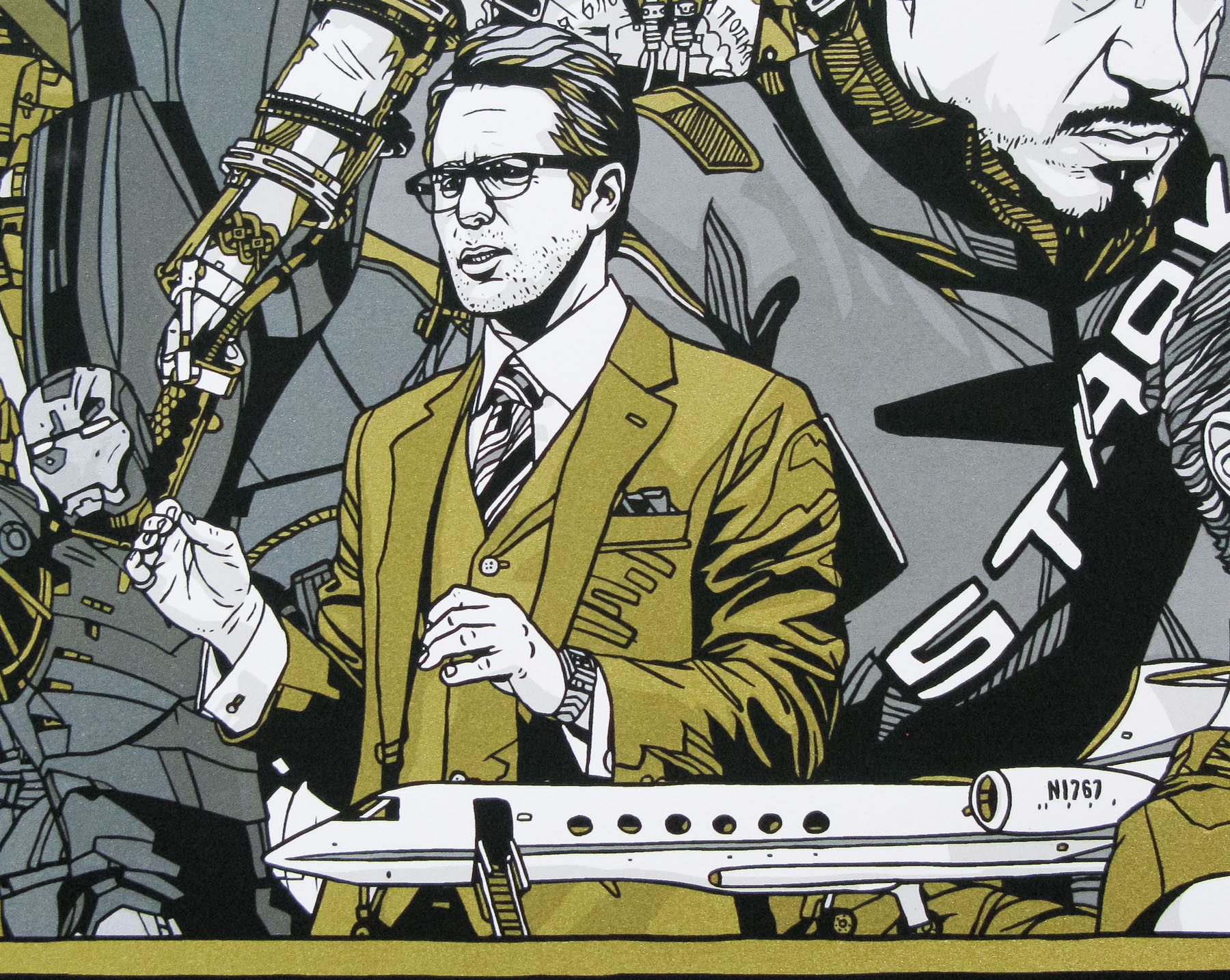
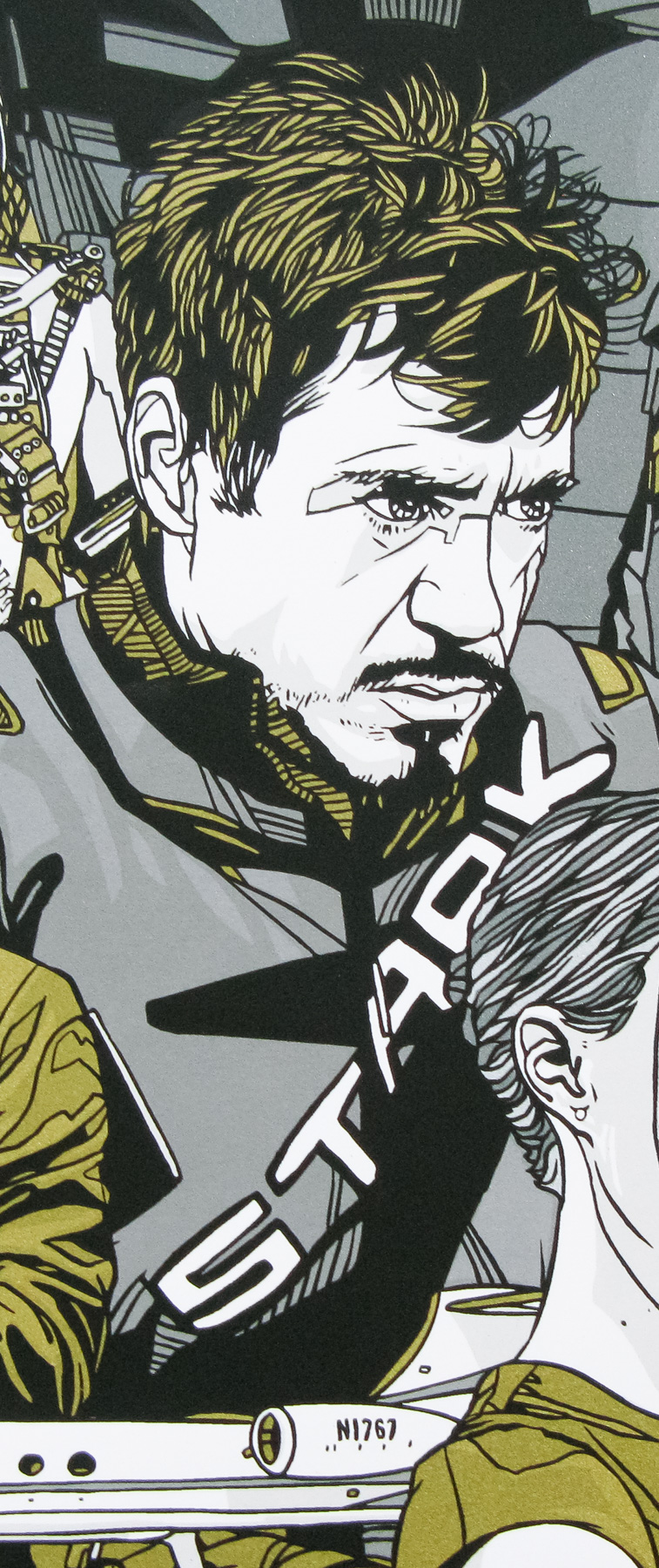
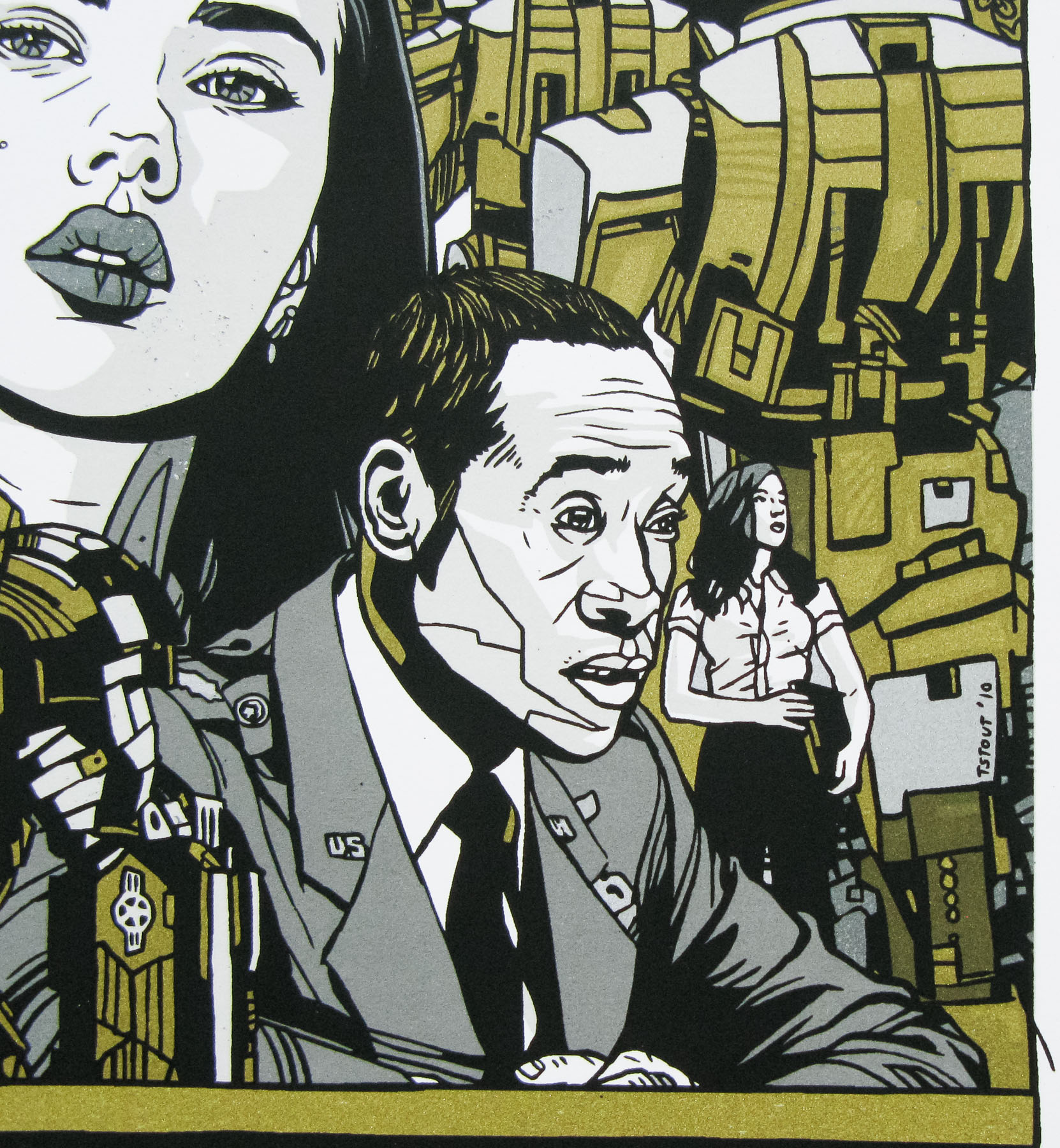
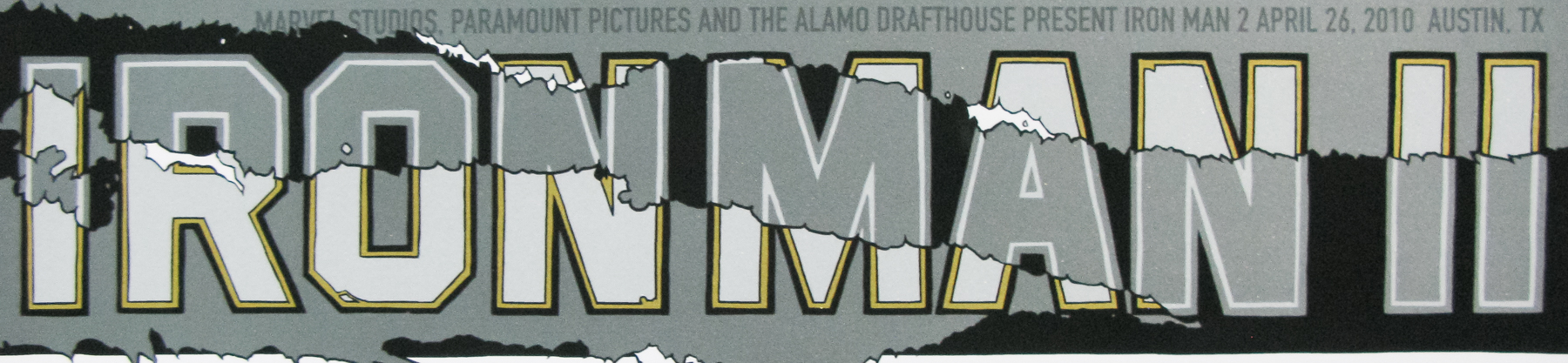
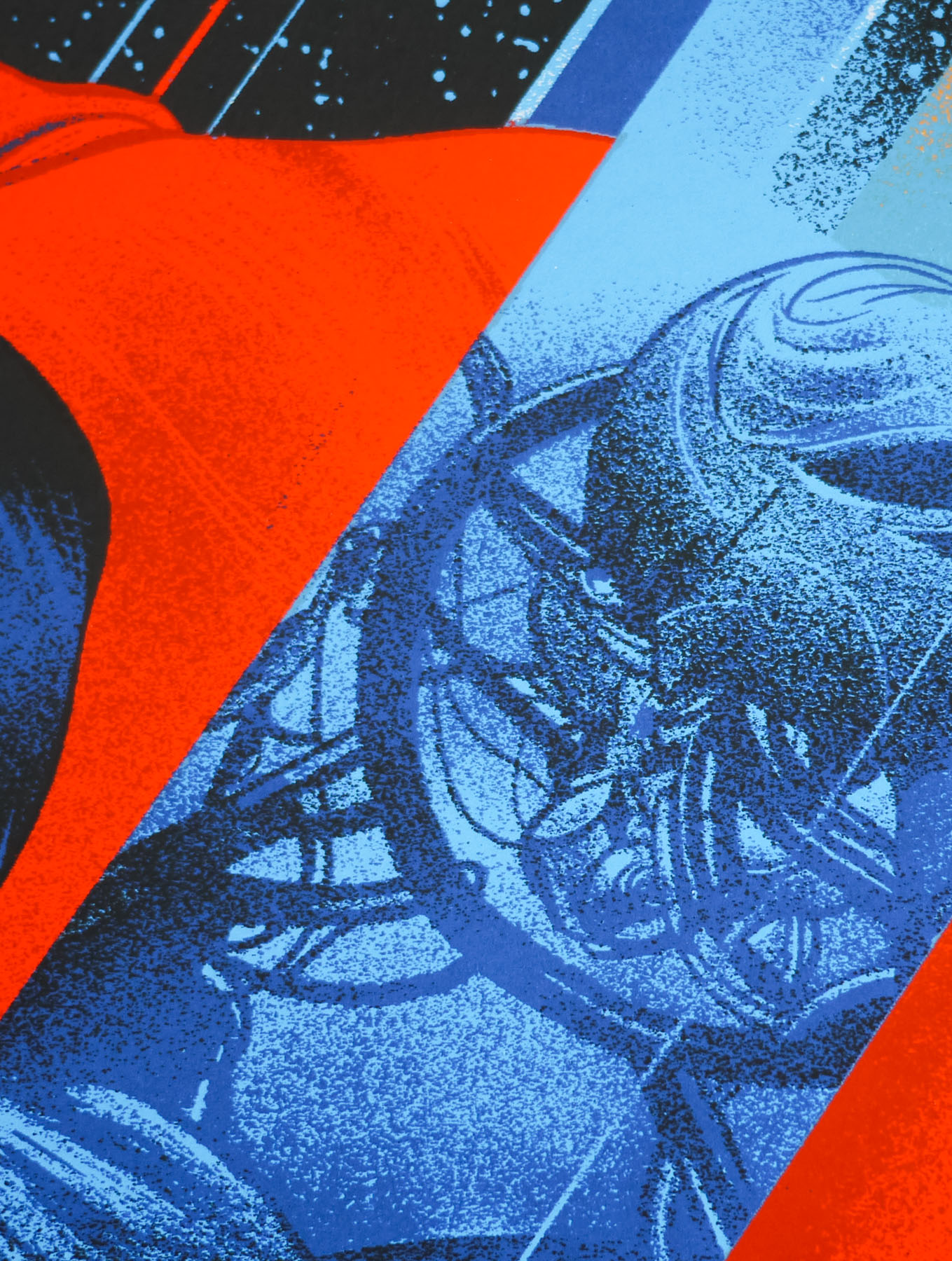
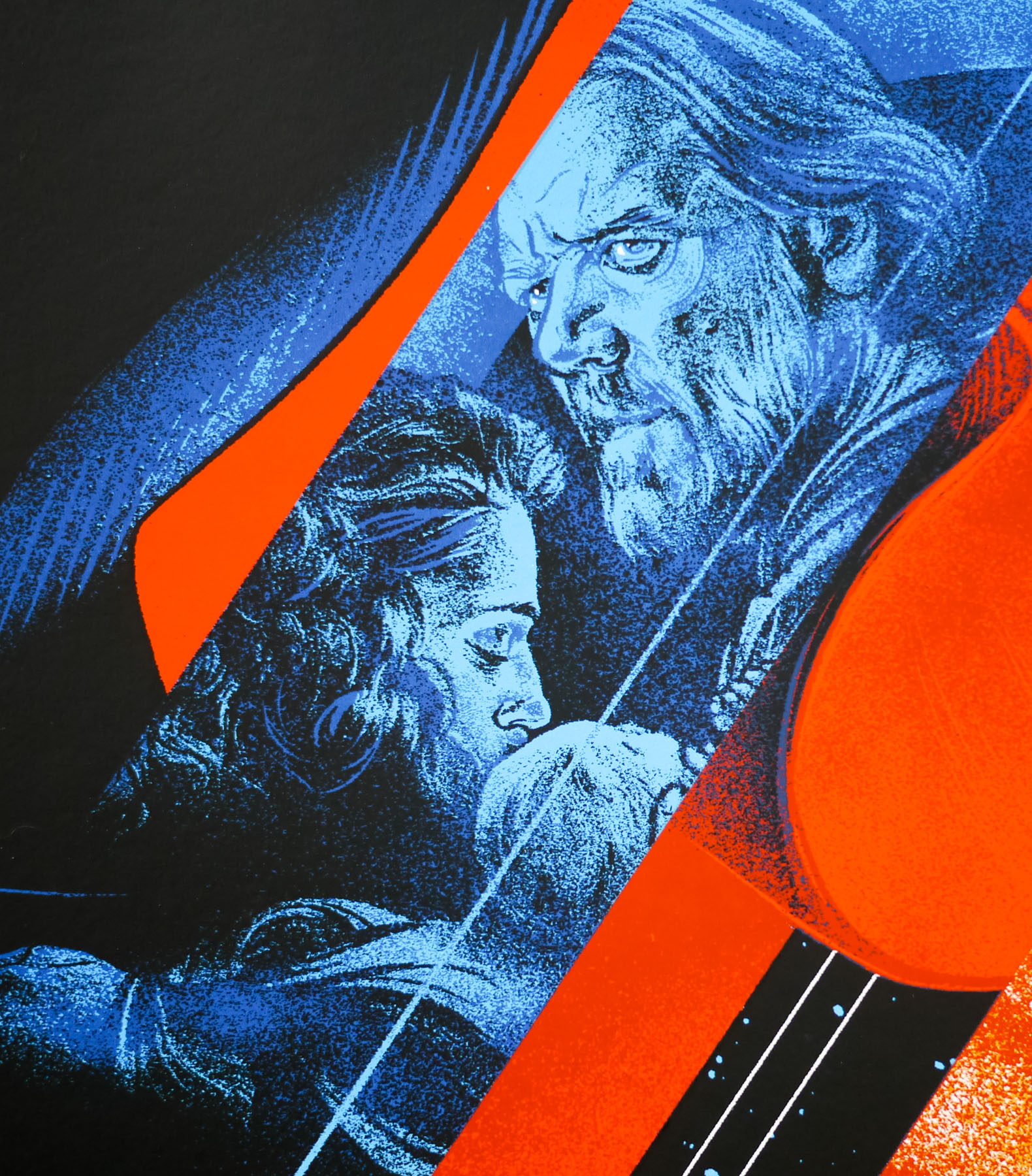
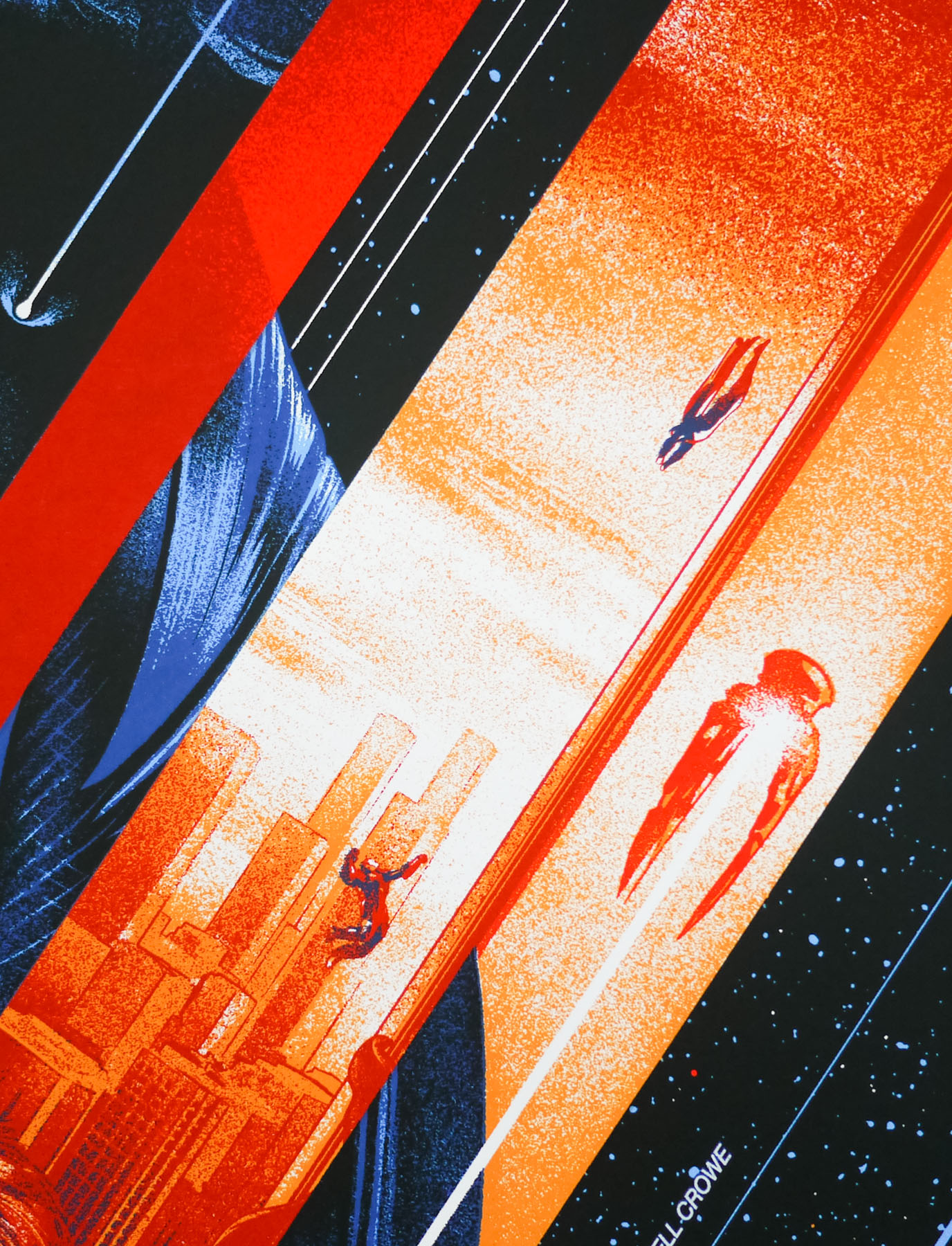
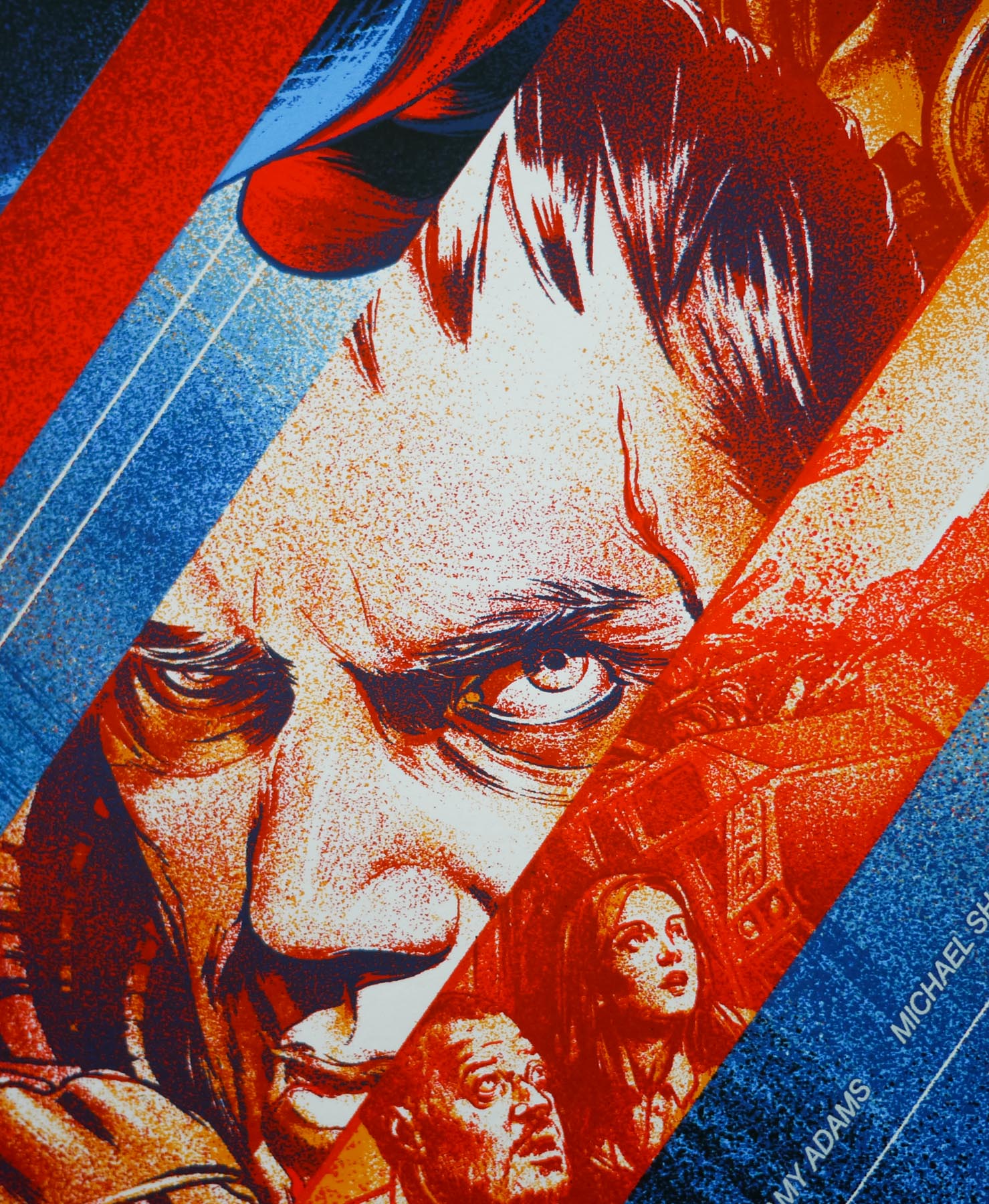
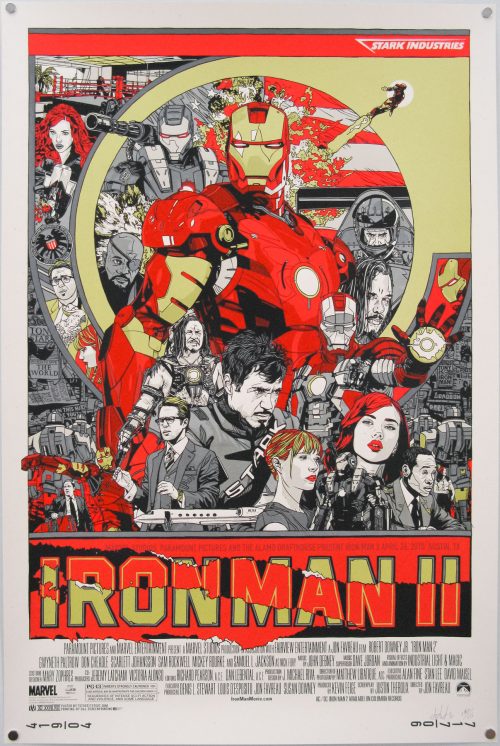
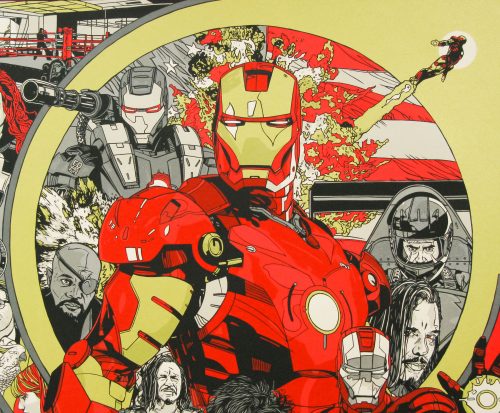
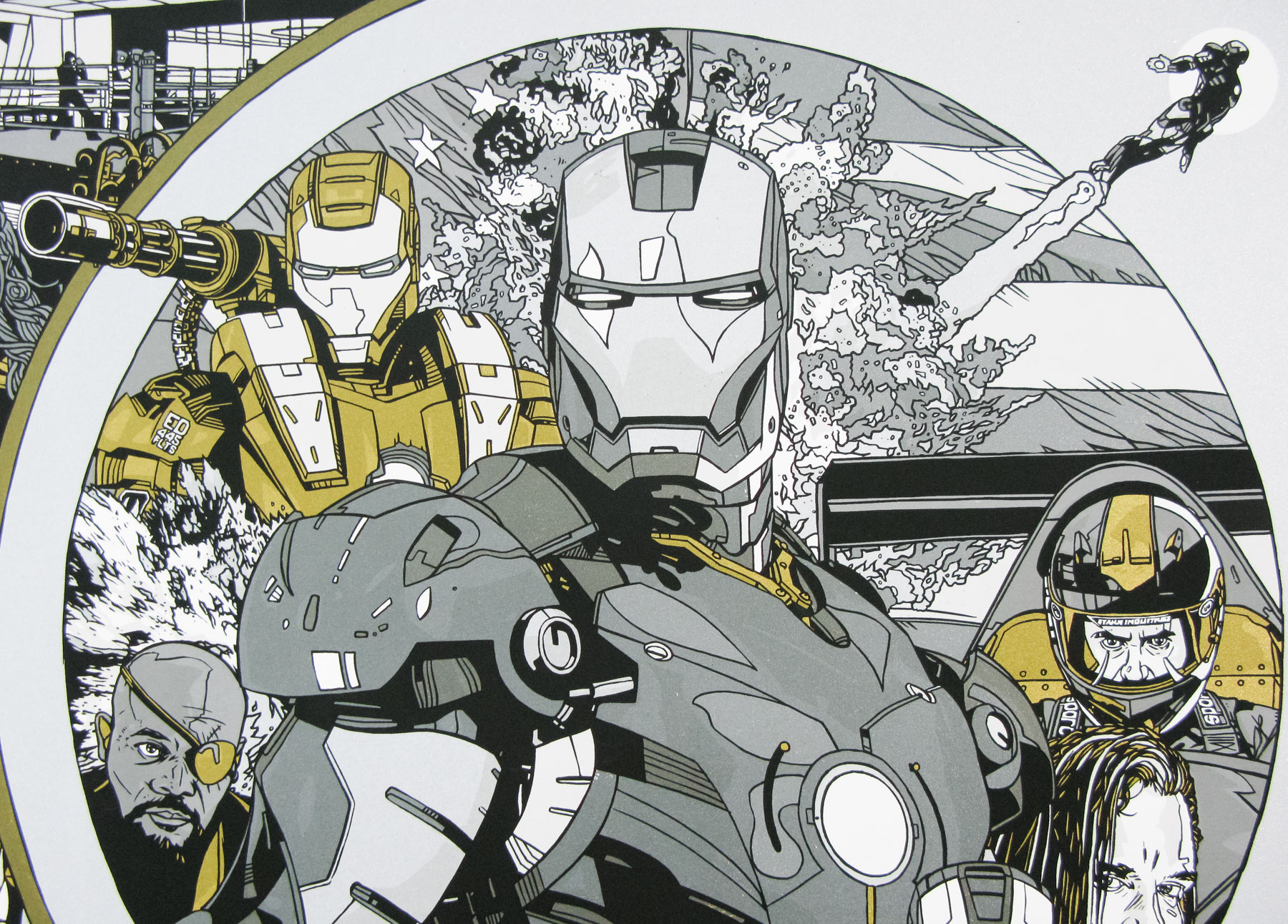
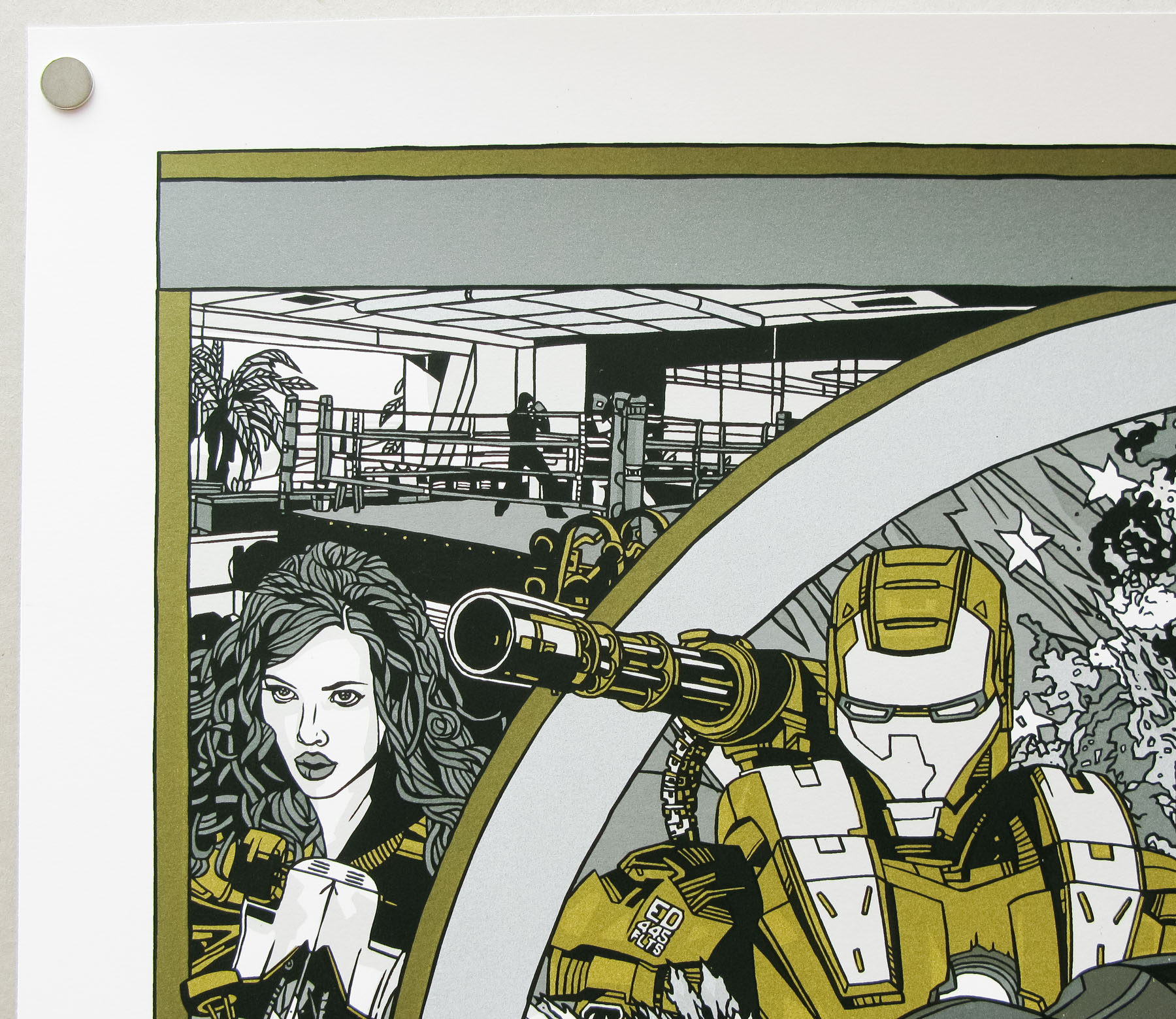
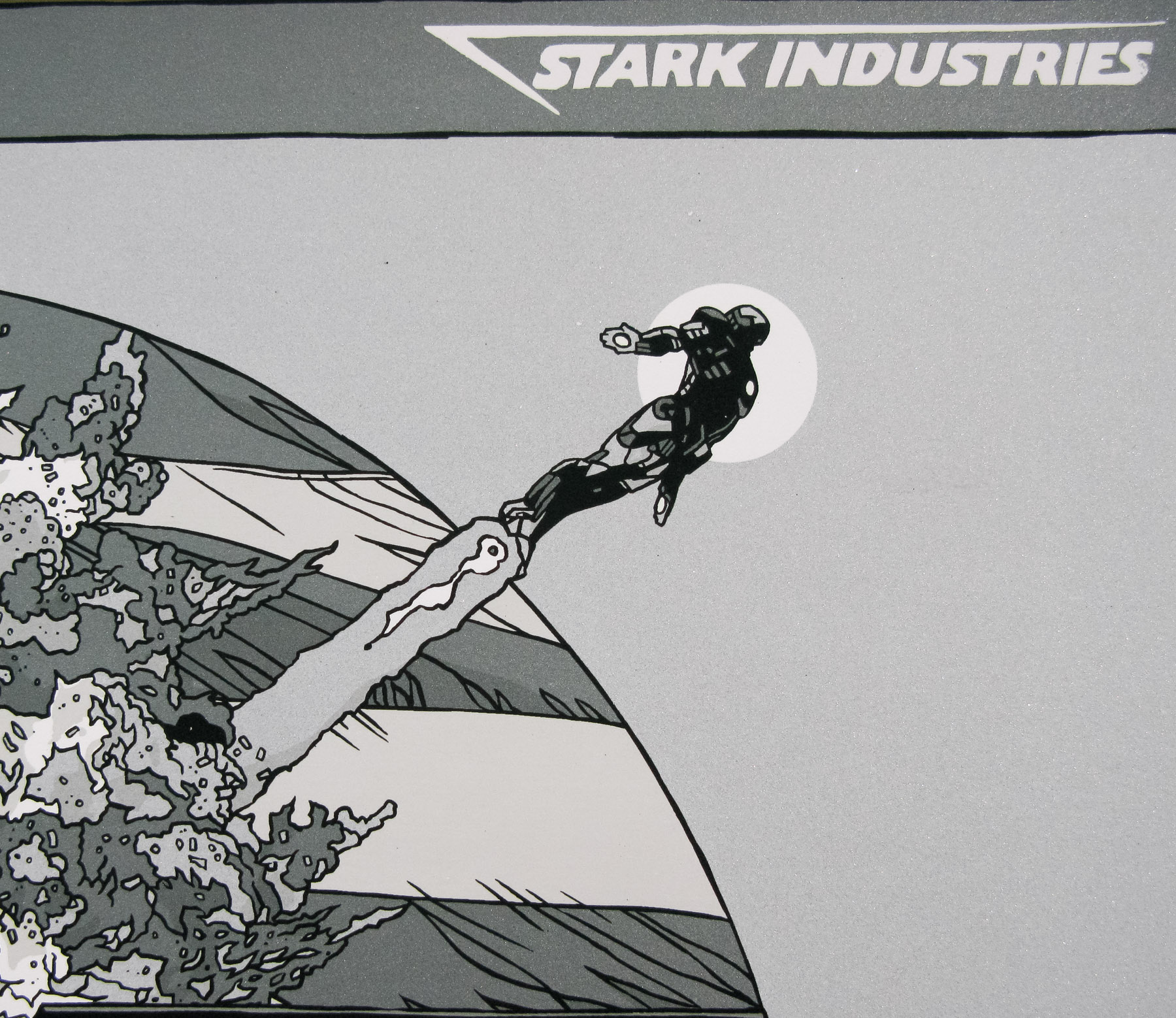
Iron Man 2 / screen print / Tyler Stout / regular / USA

17.05.11

Poster Poster

Iron Man 2 / screen print / Tyler Stout / variant / USA

17.05.11

Poster Poster

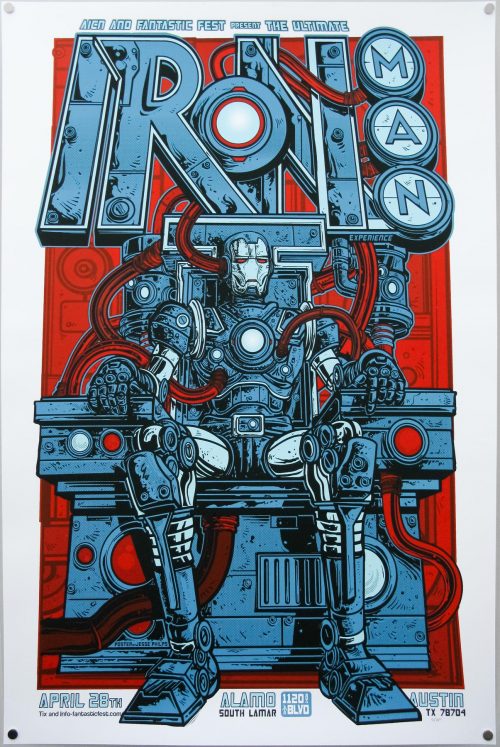
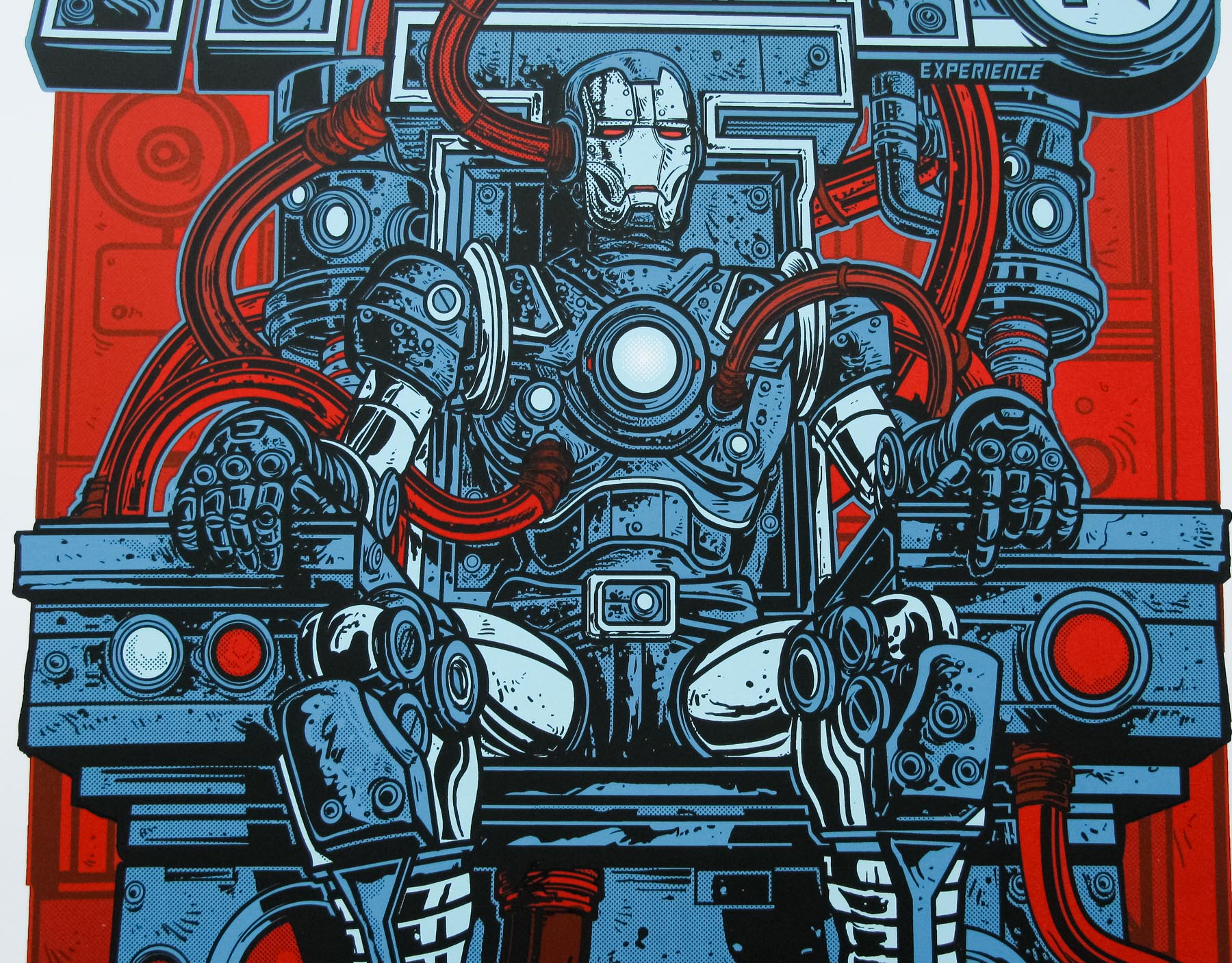
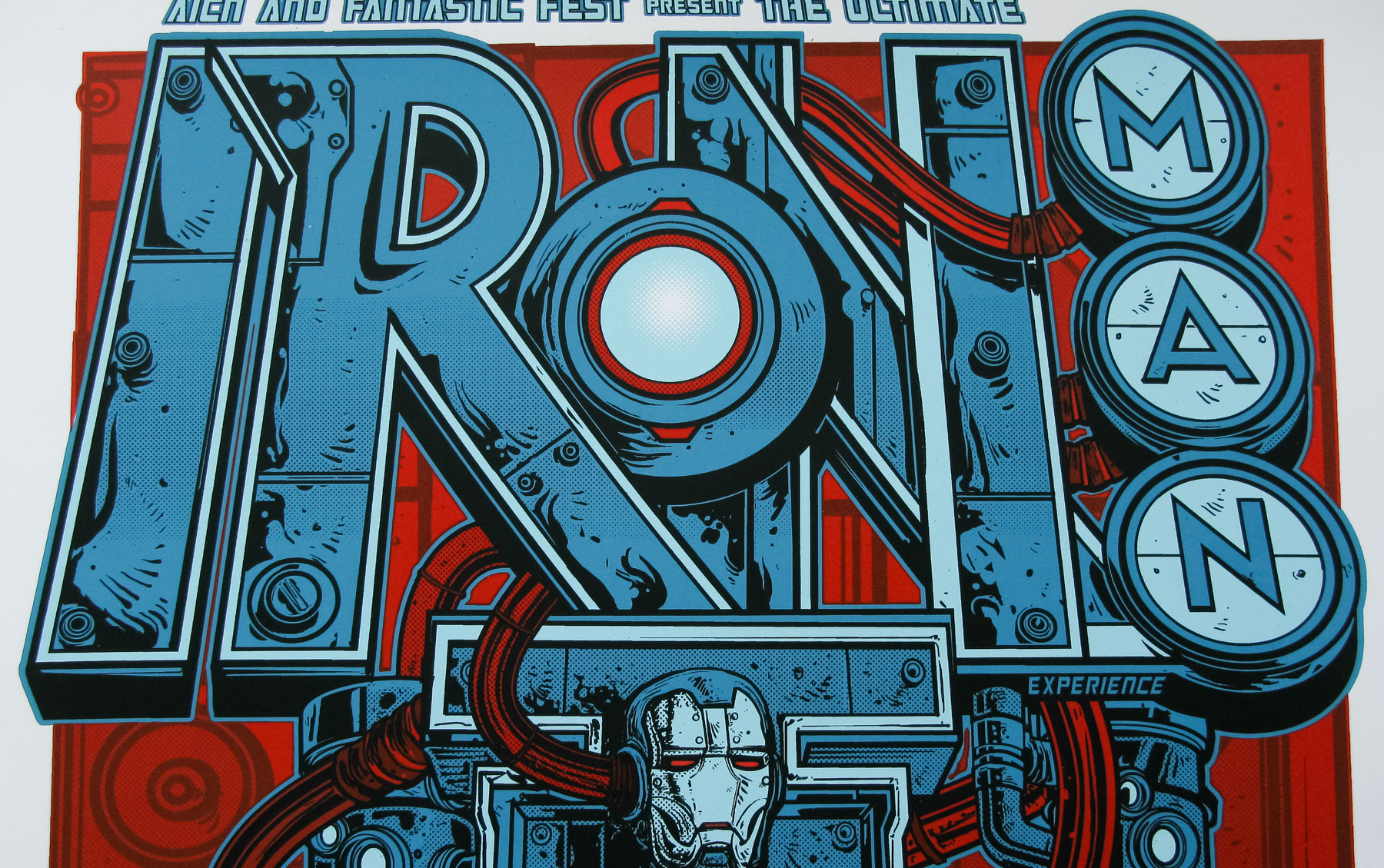
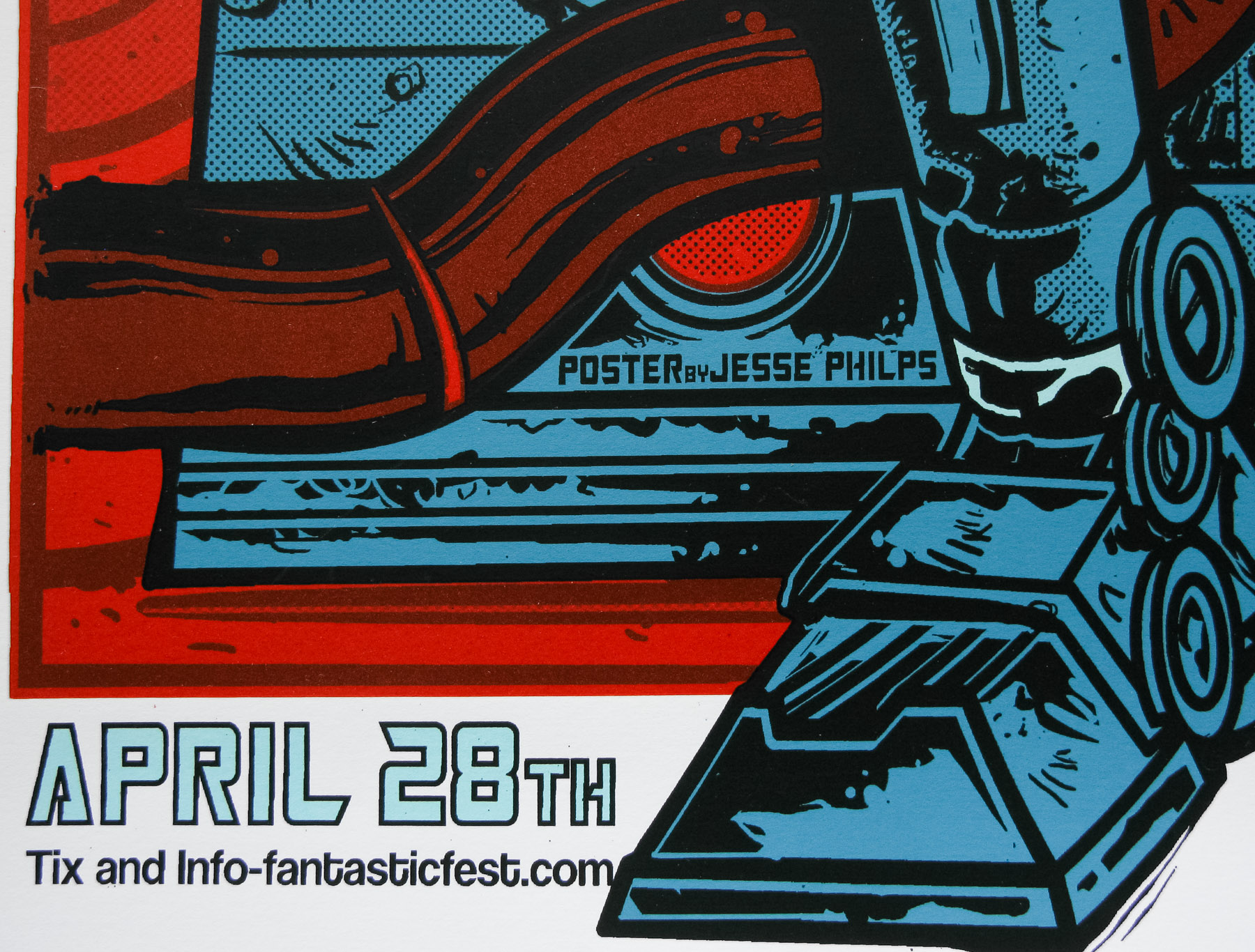
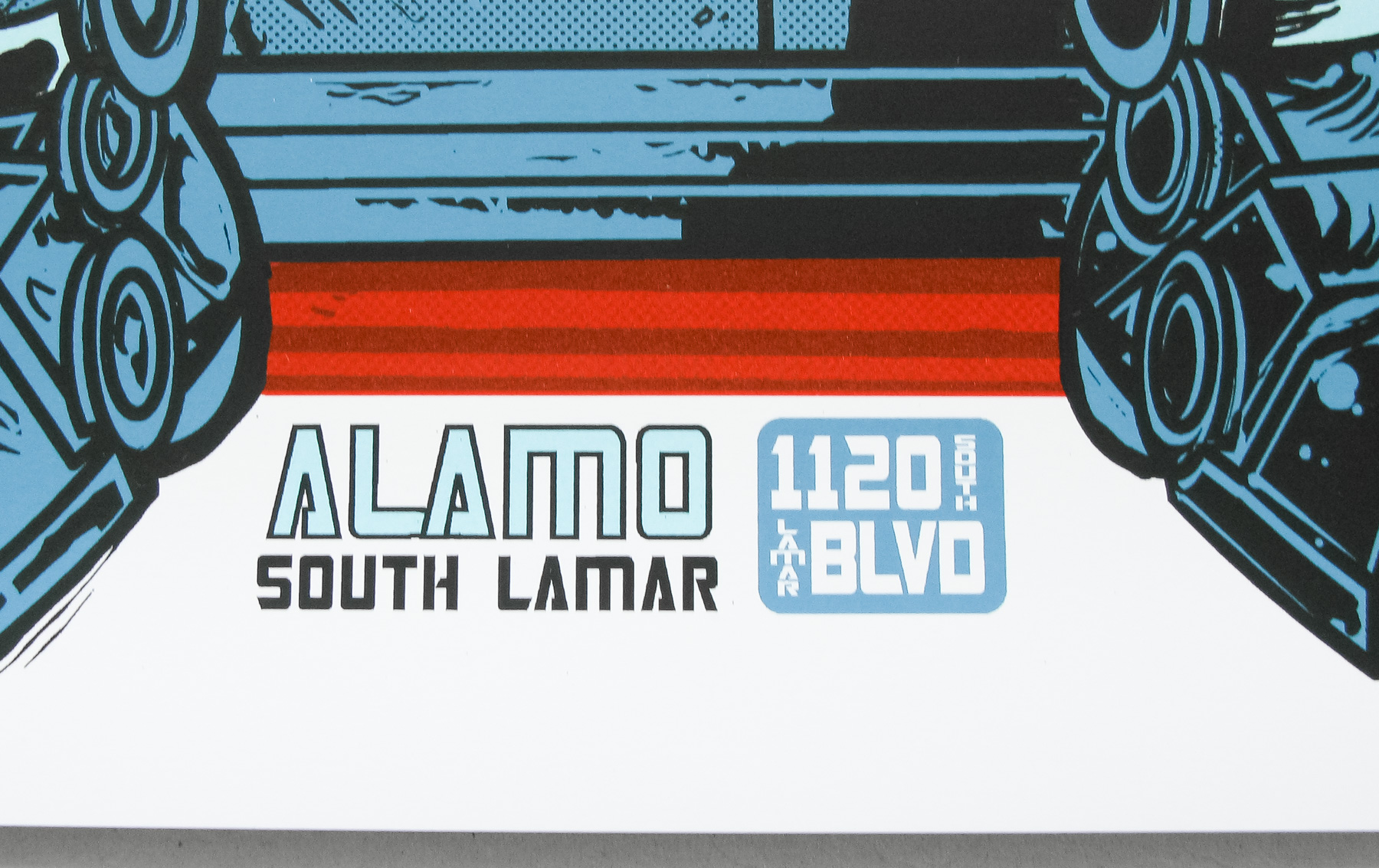
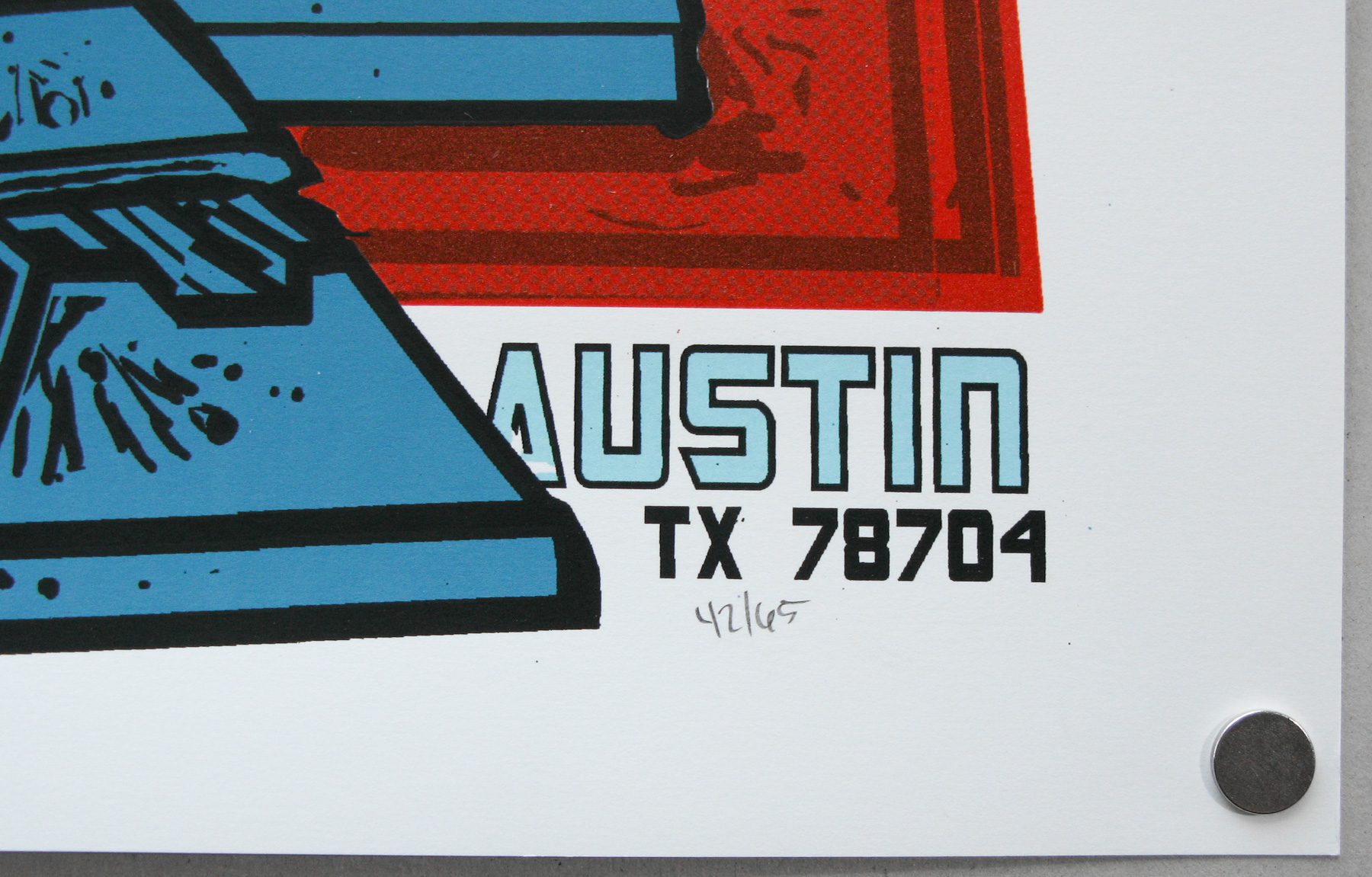
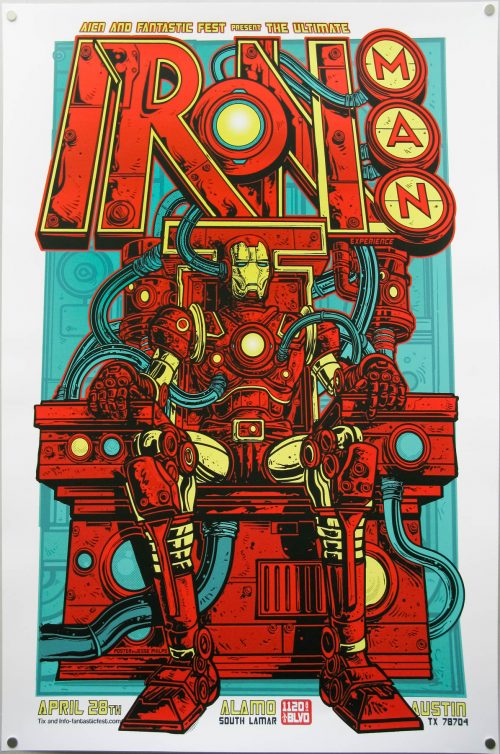
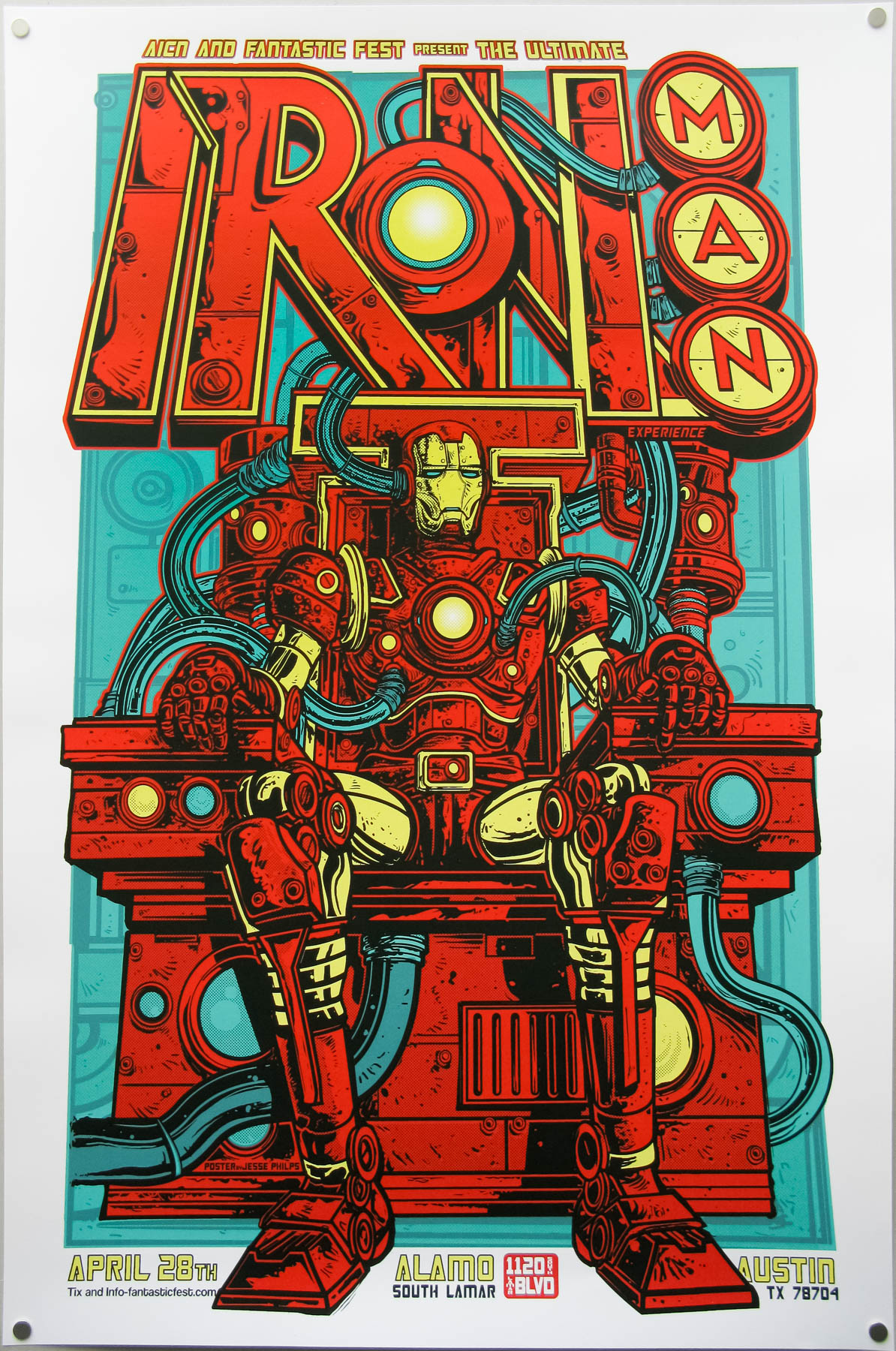
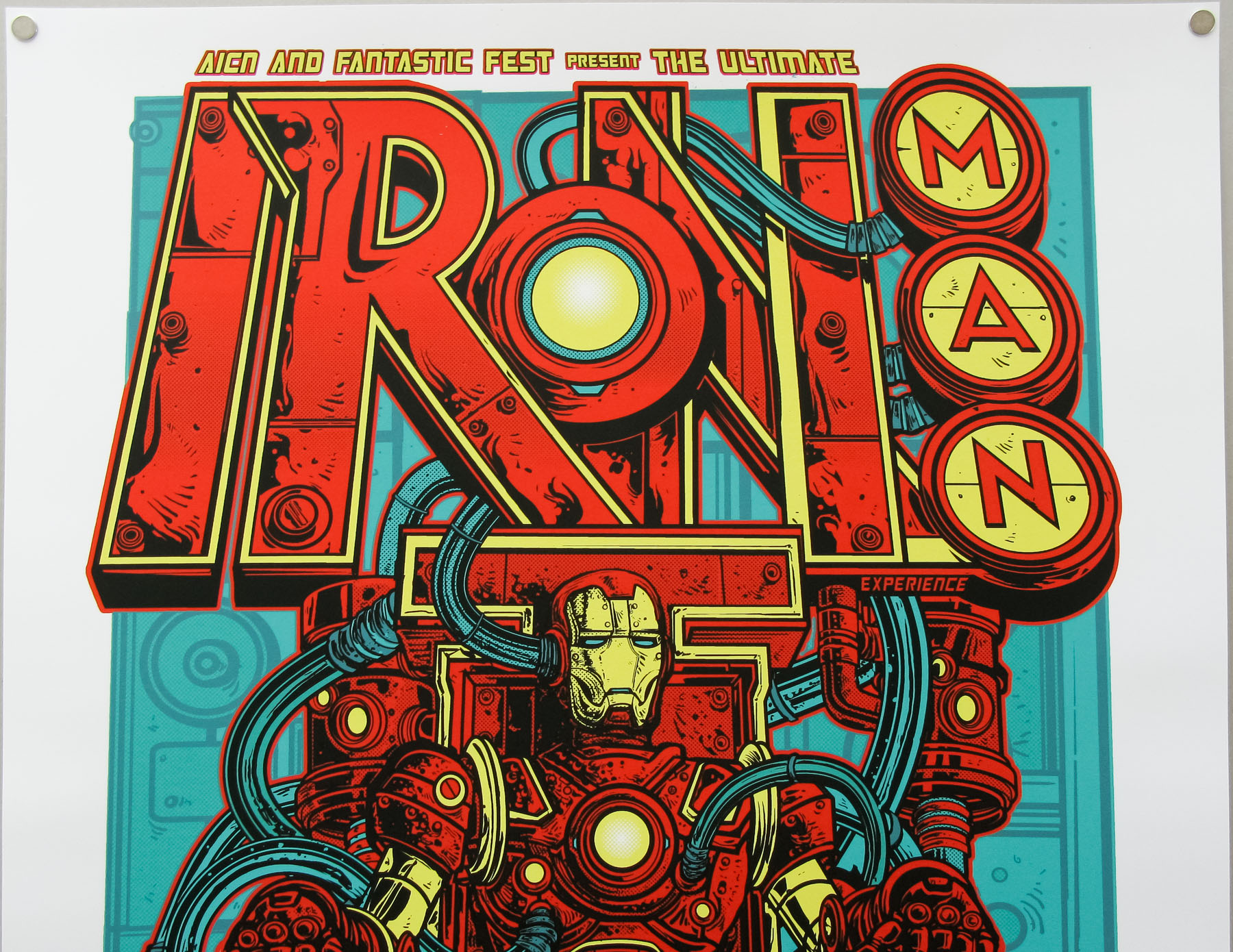
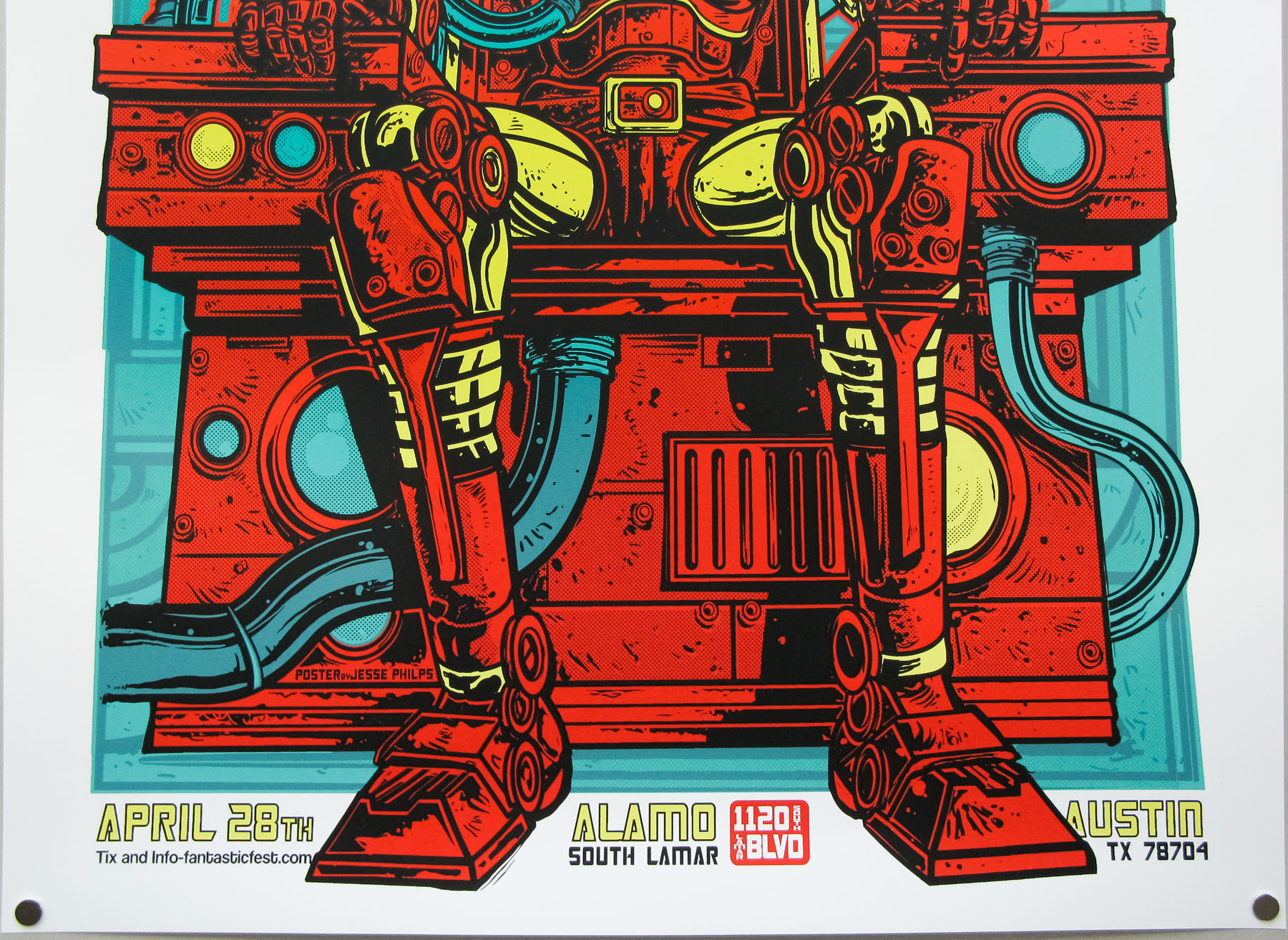
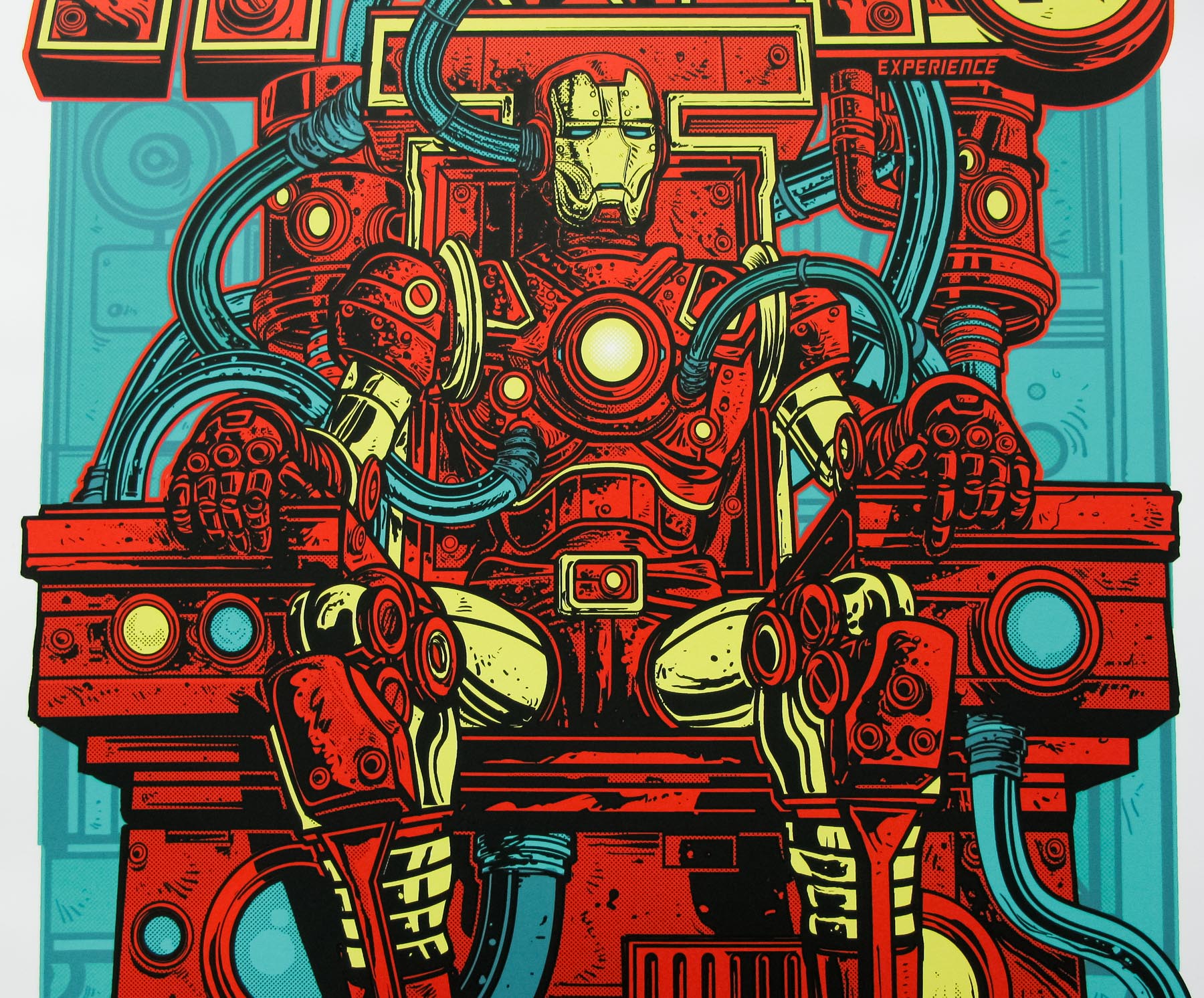
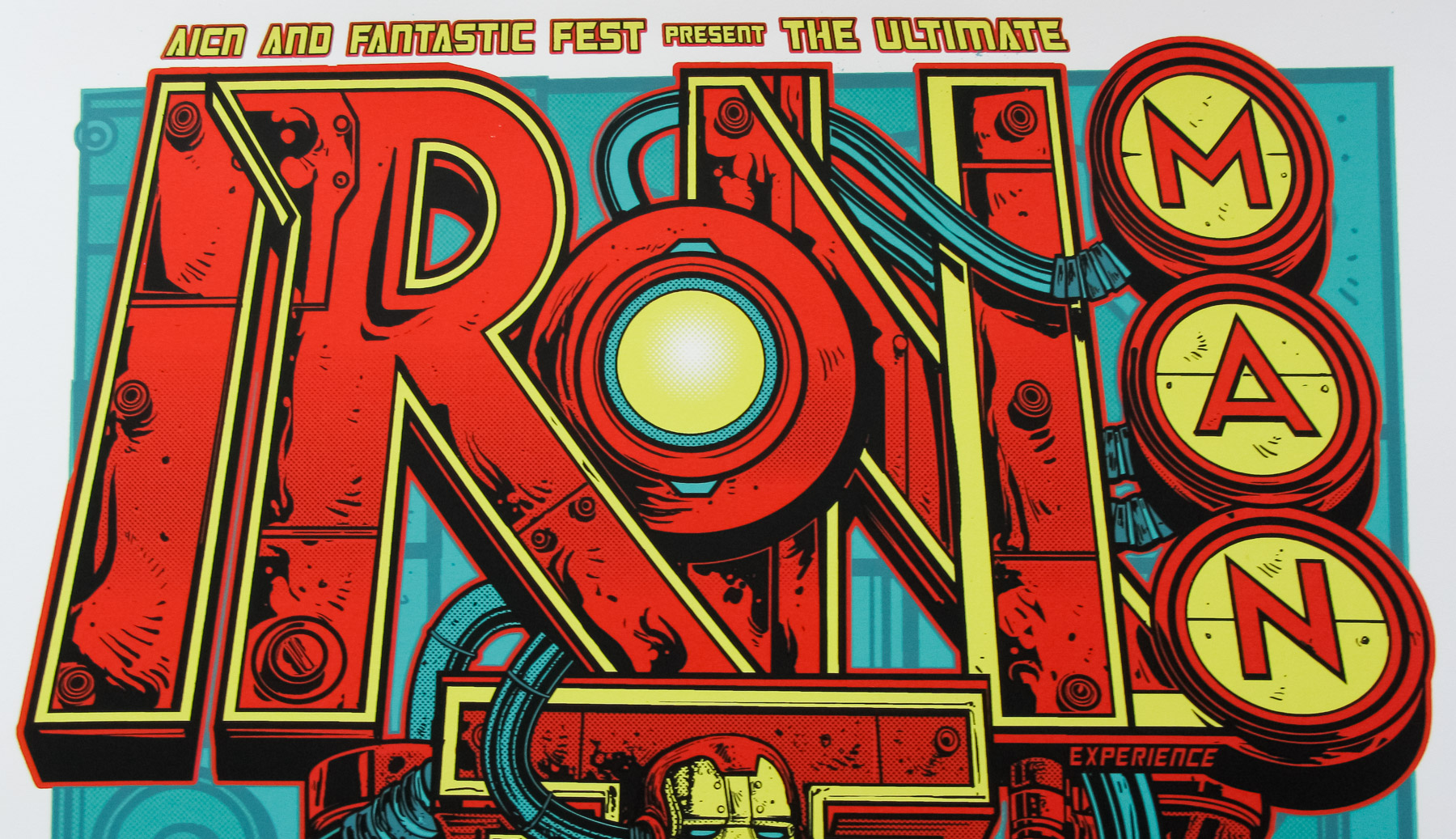
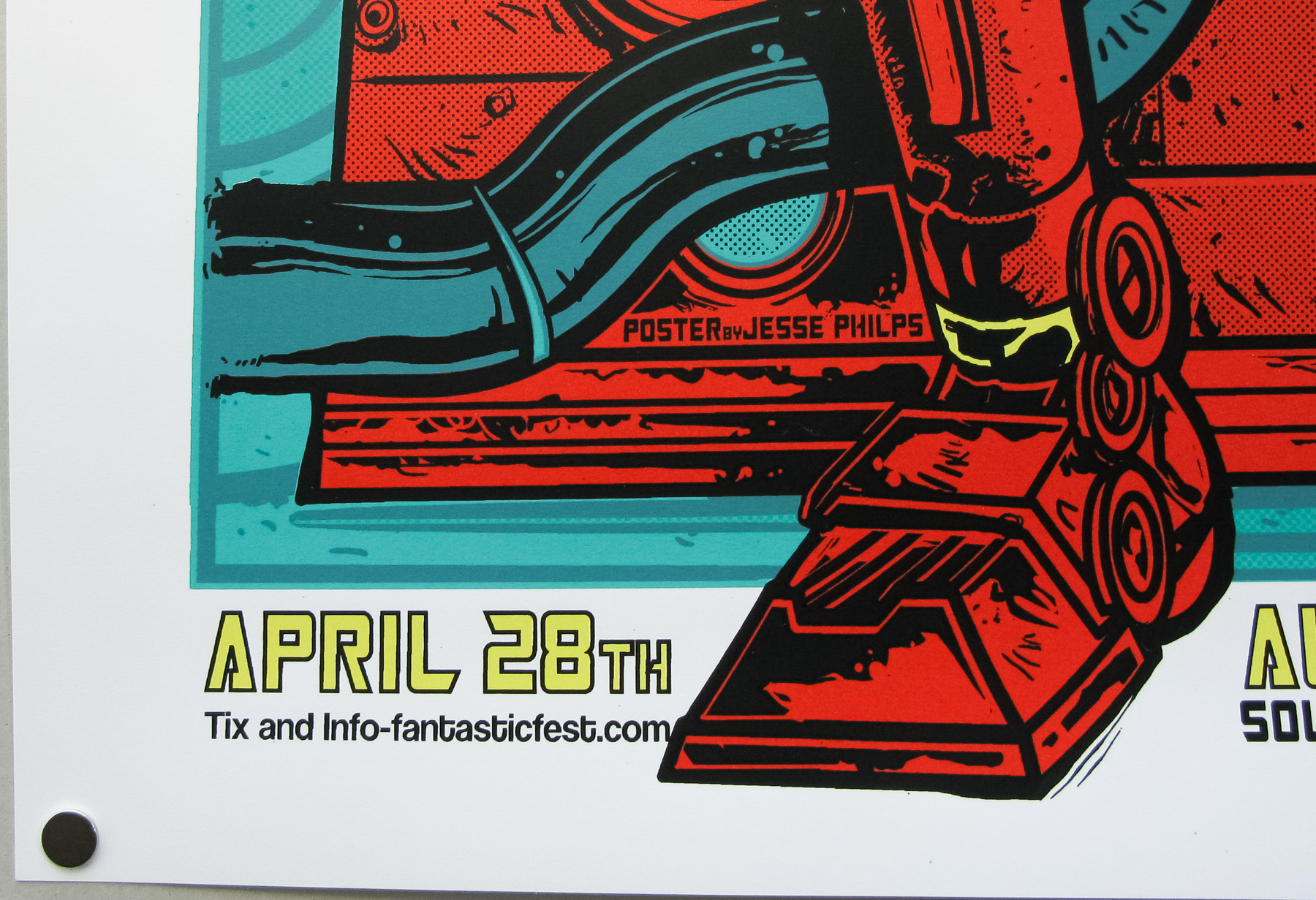
Iron Man / screen print / Jesse Philips / variant / USA

17.05.11

Poster Poster

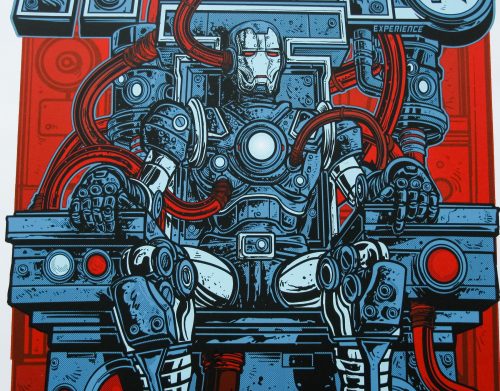
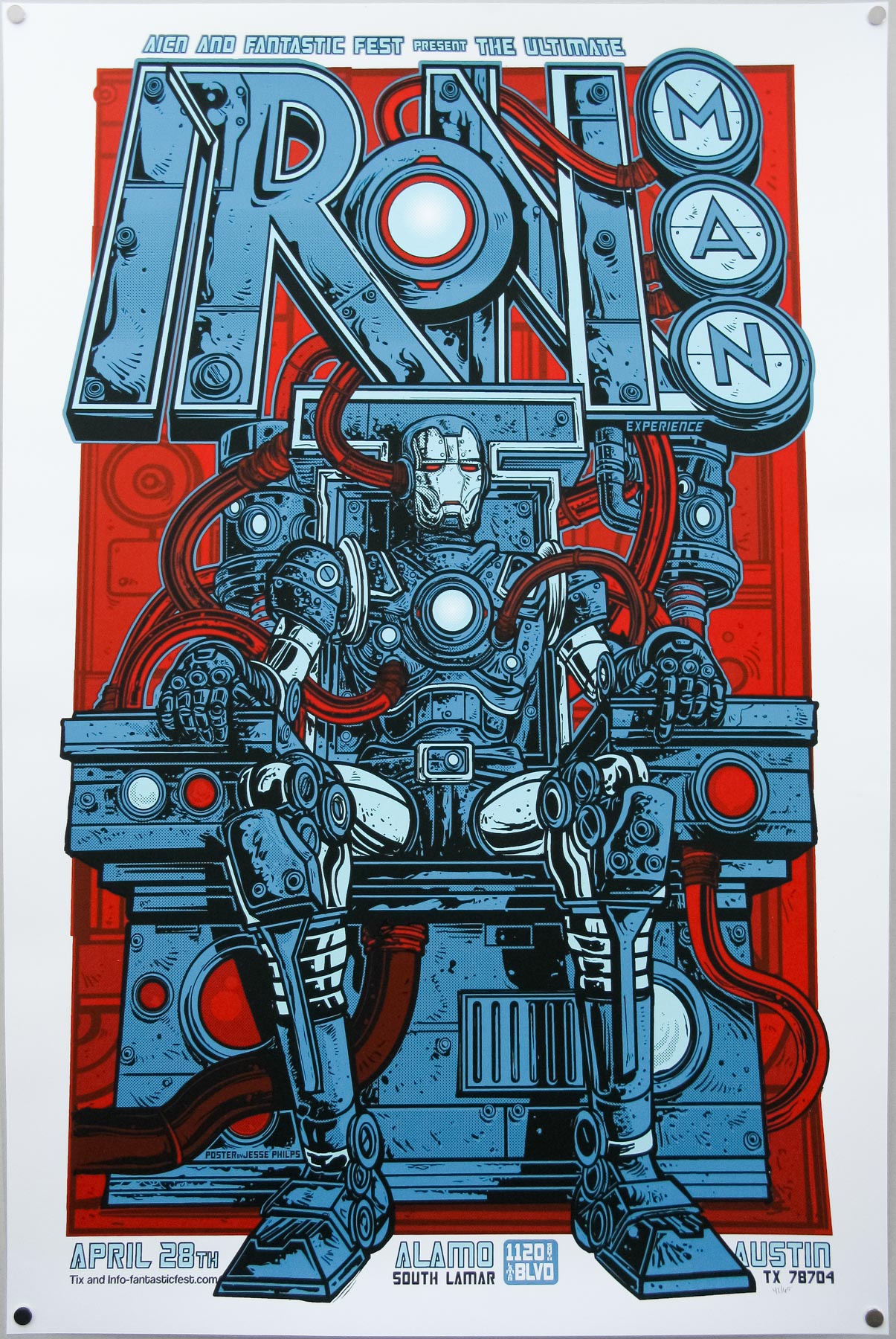
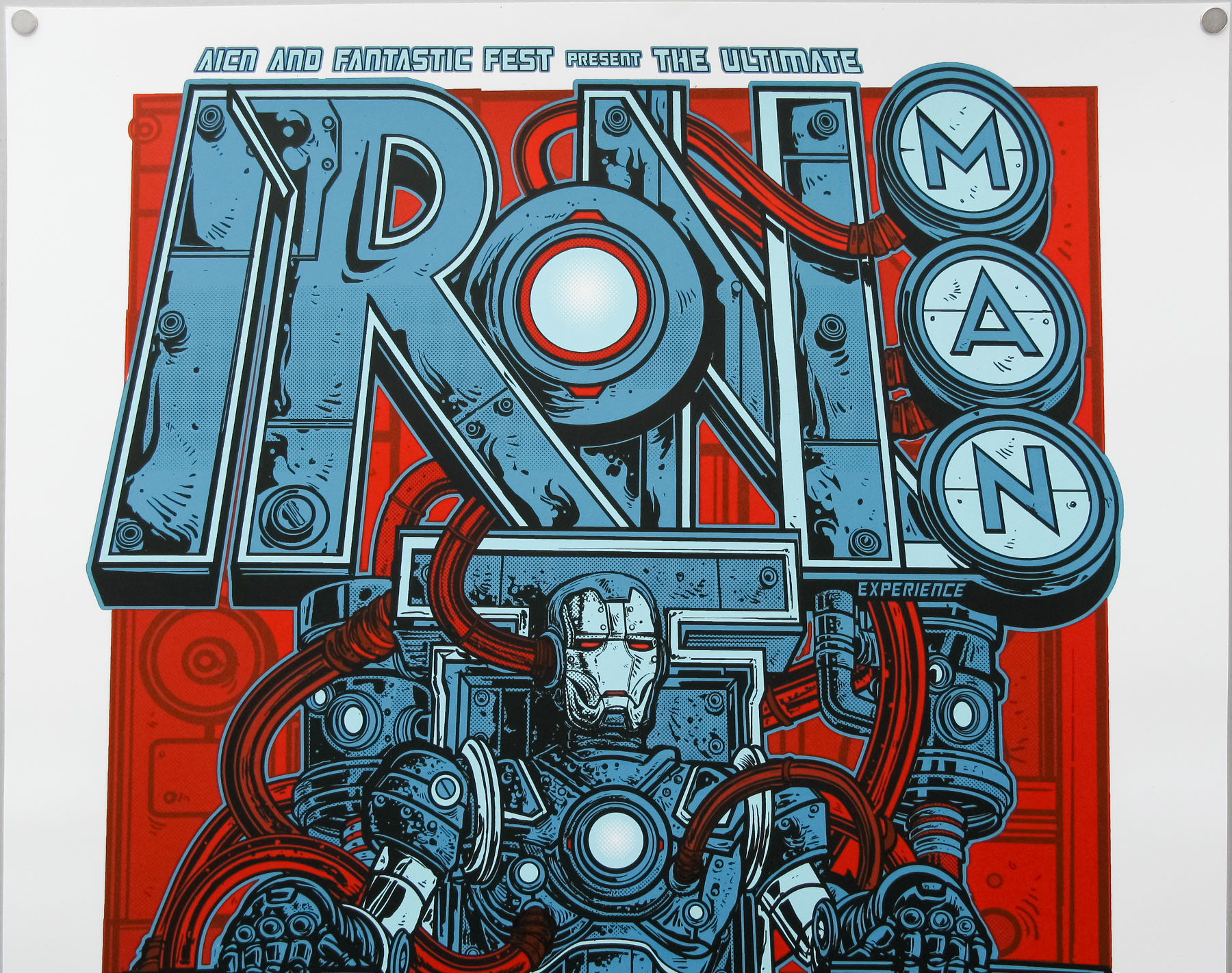
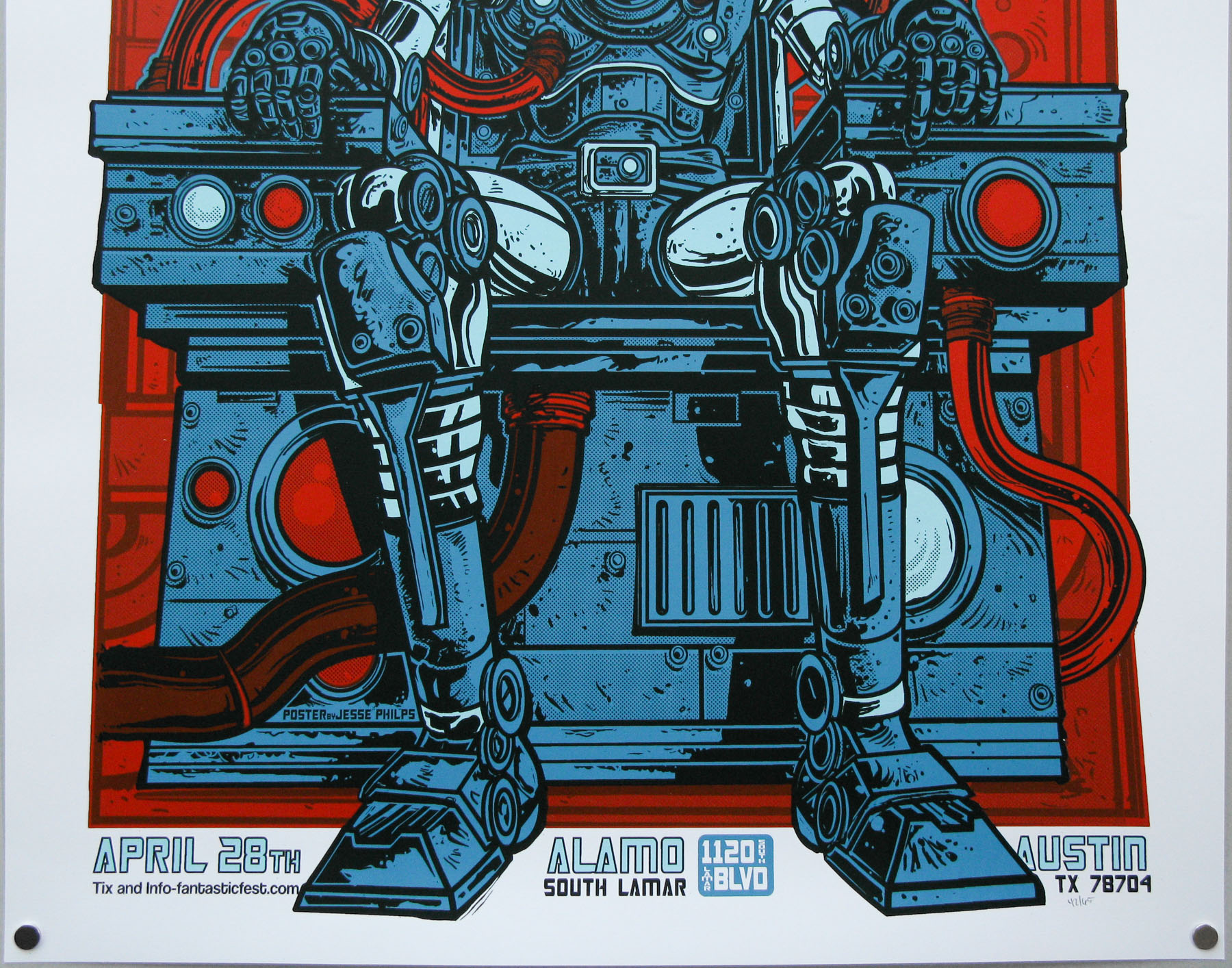
Iron Man / screen print / Jesse Philips / regular / USA

17.05.11

Poster Poster

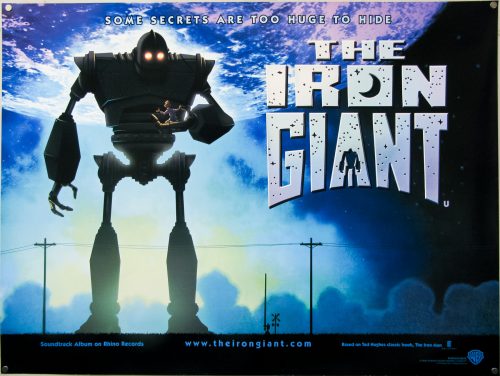
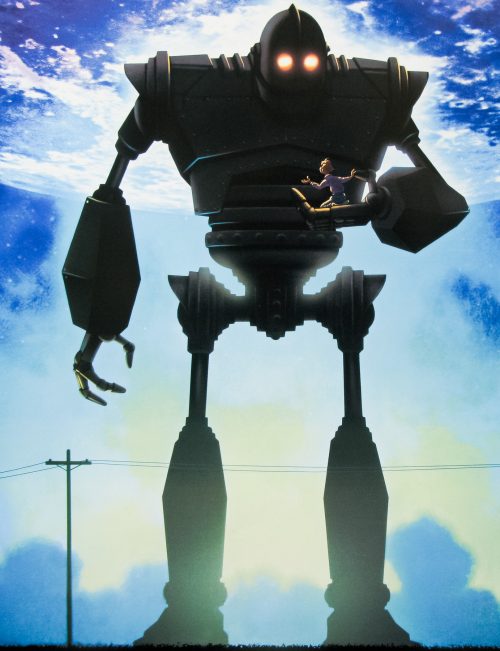
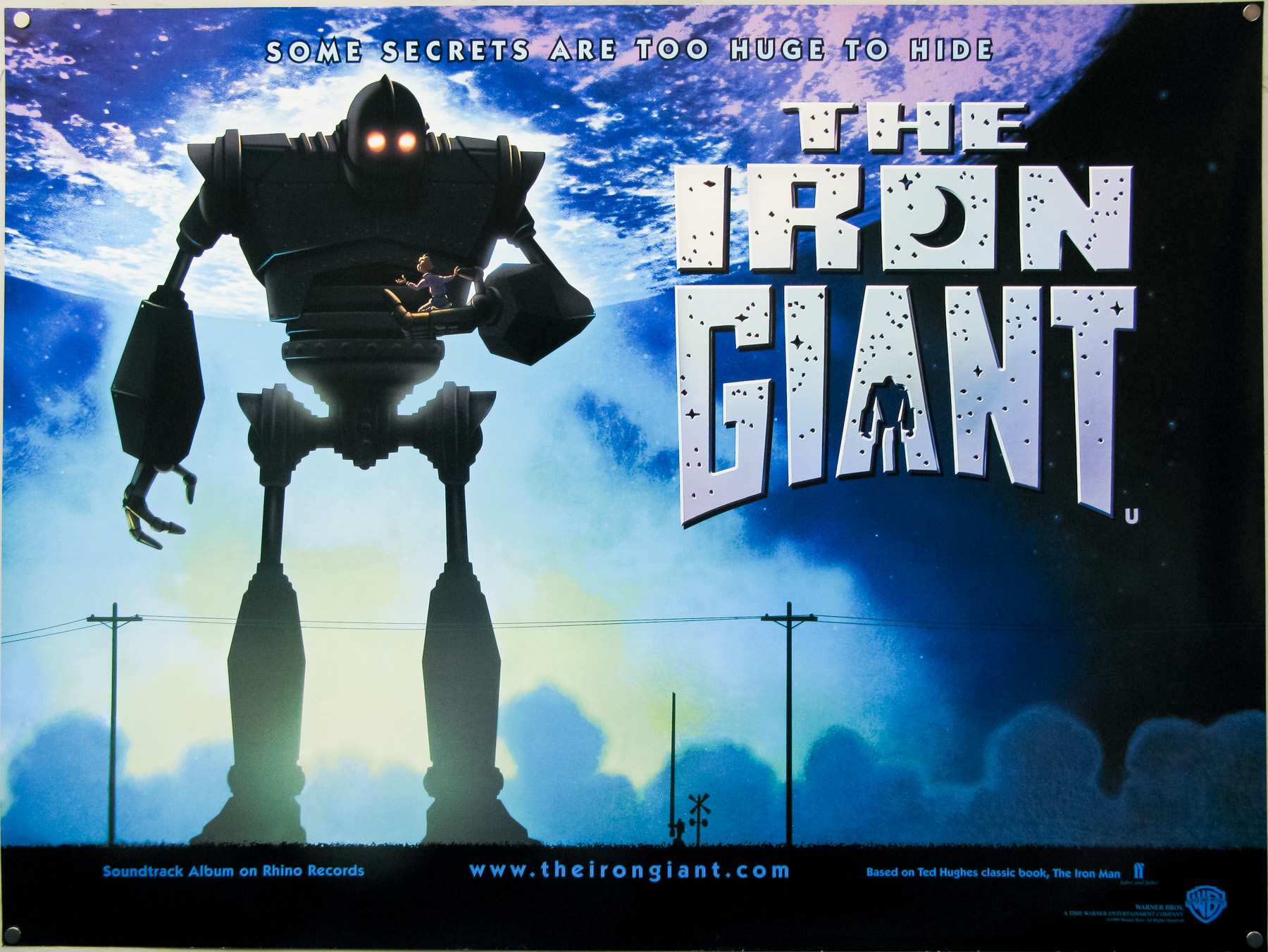
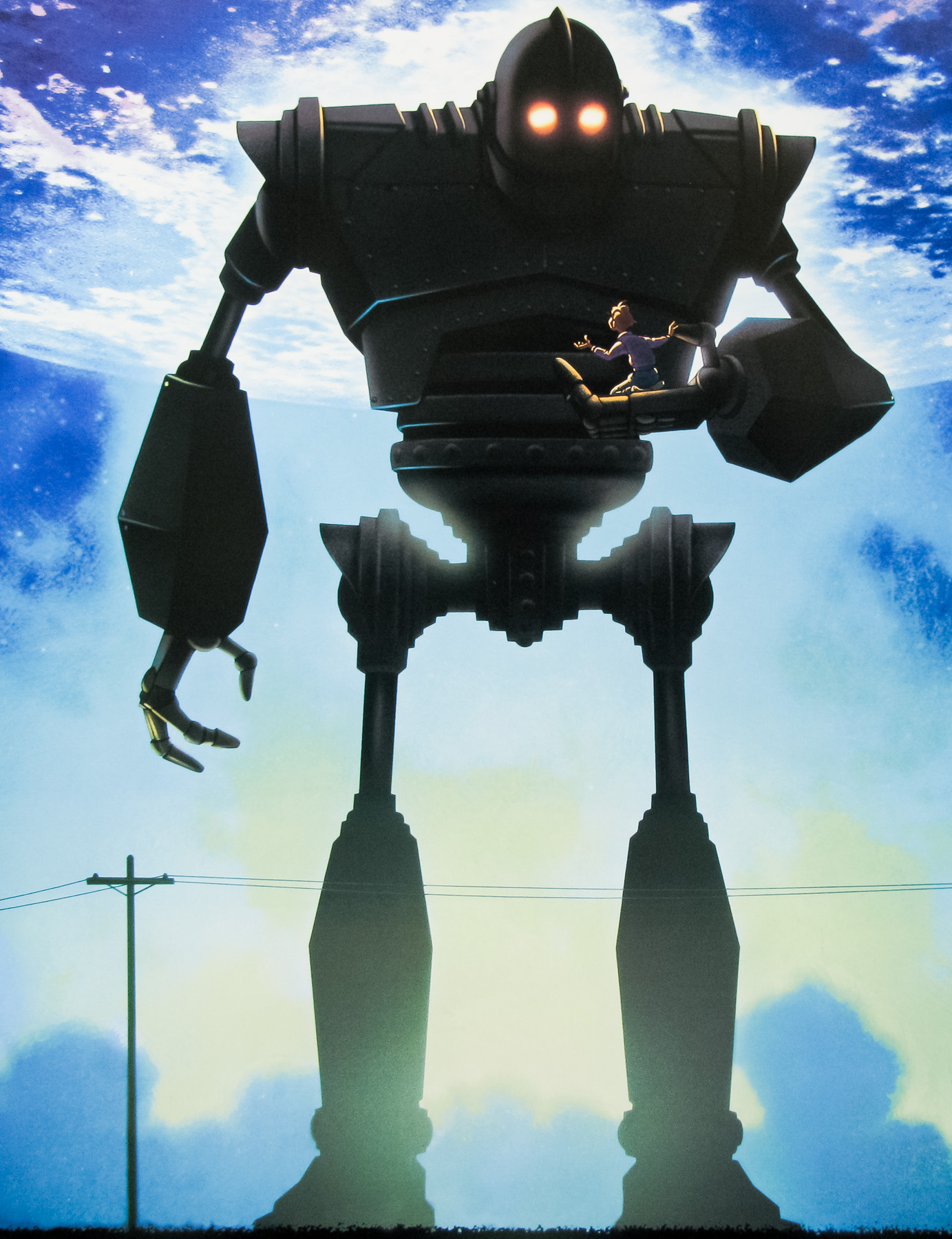
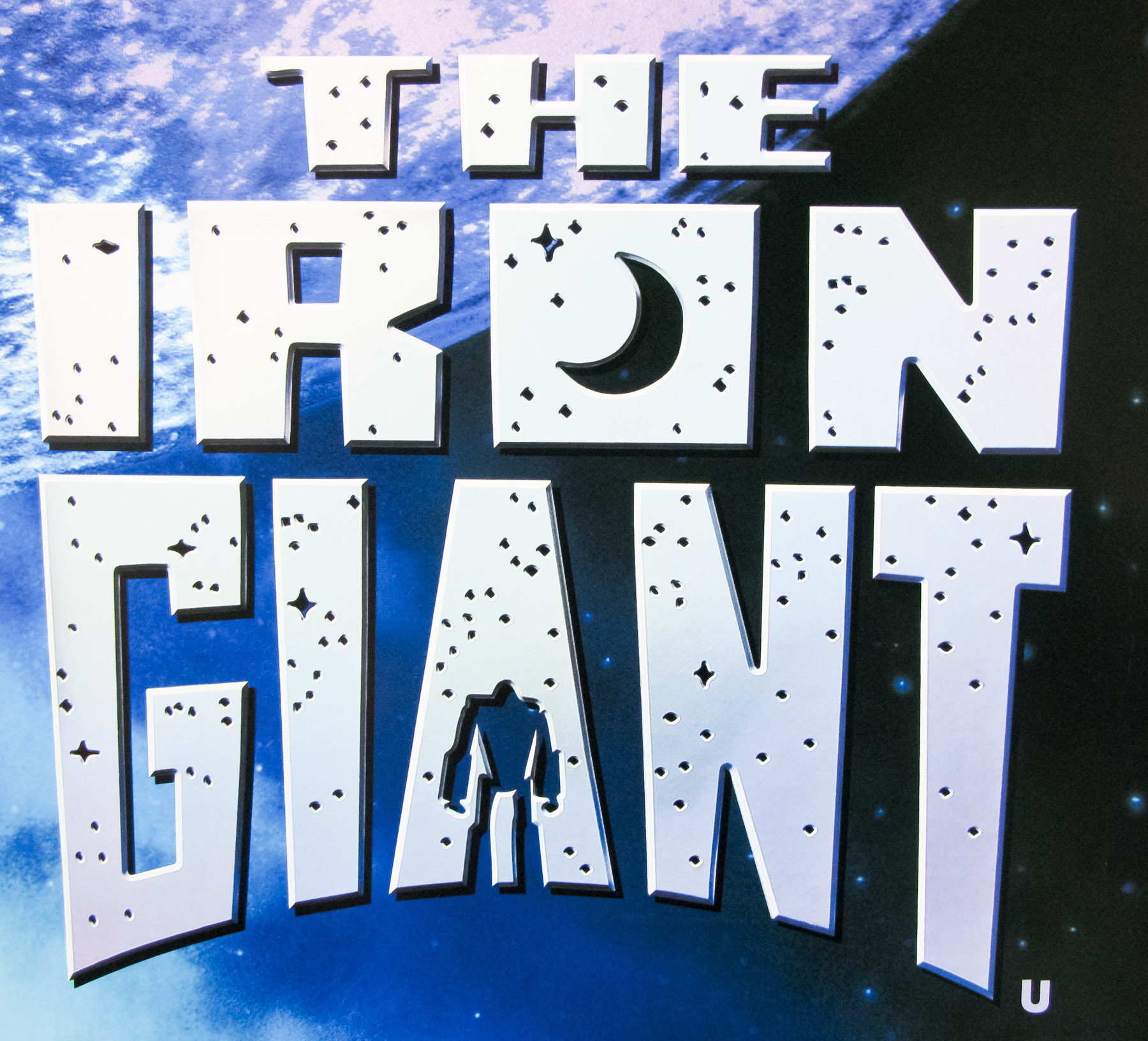
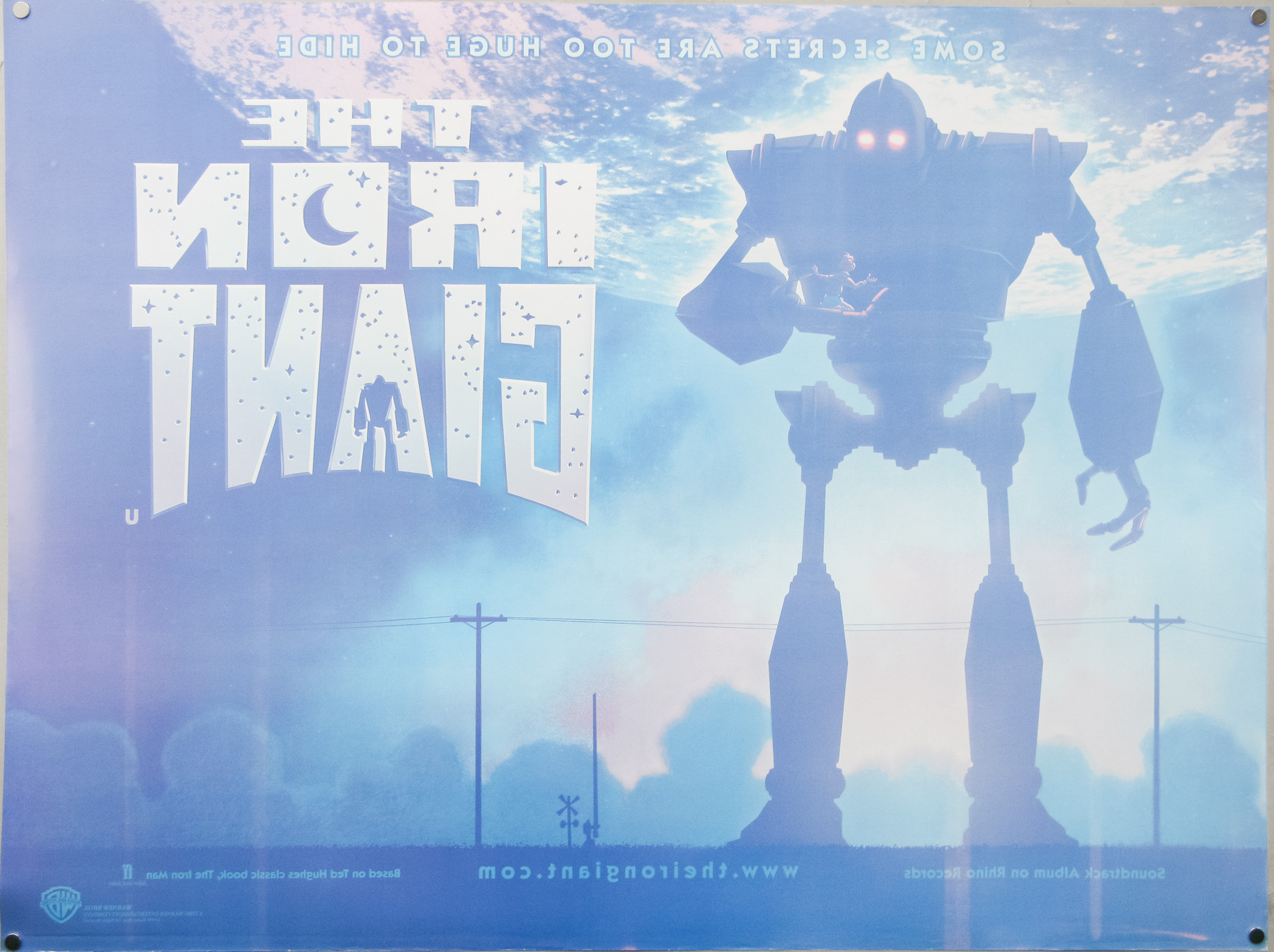
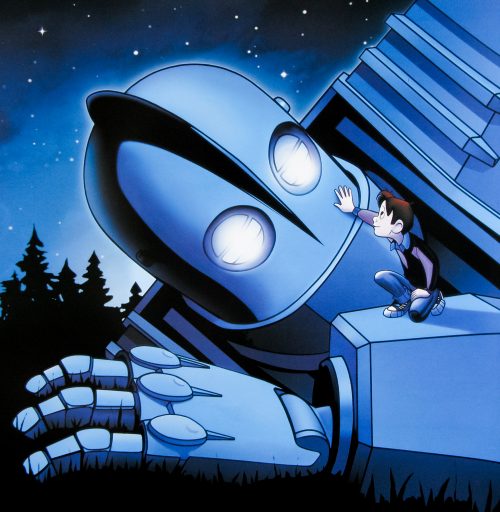
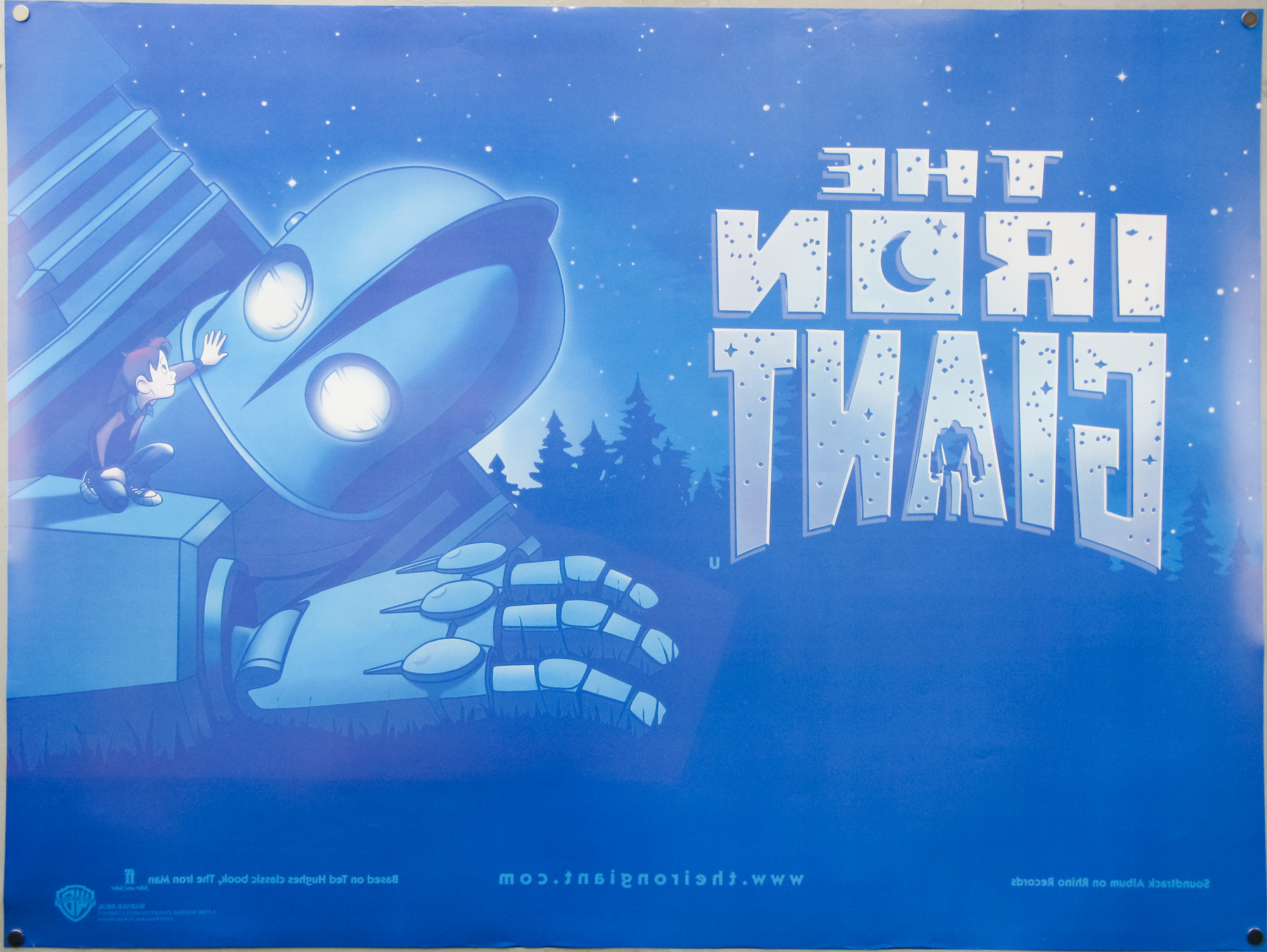
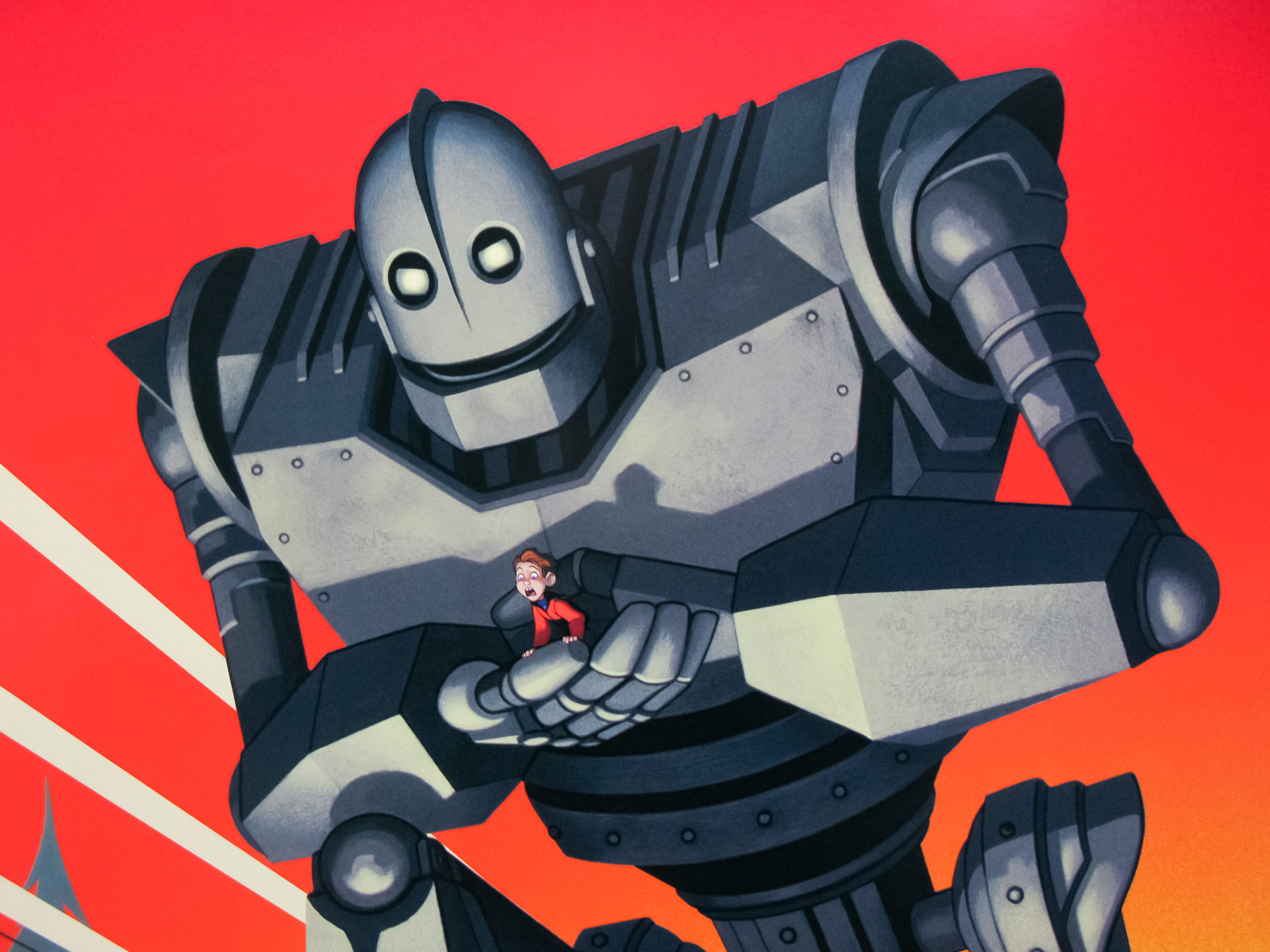
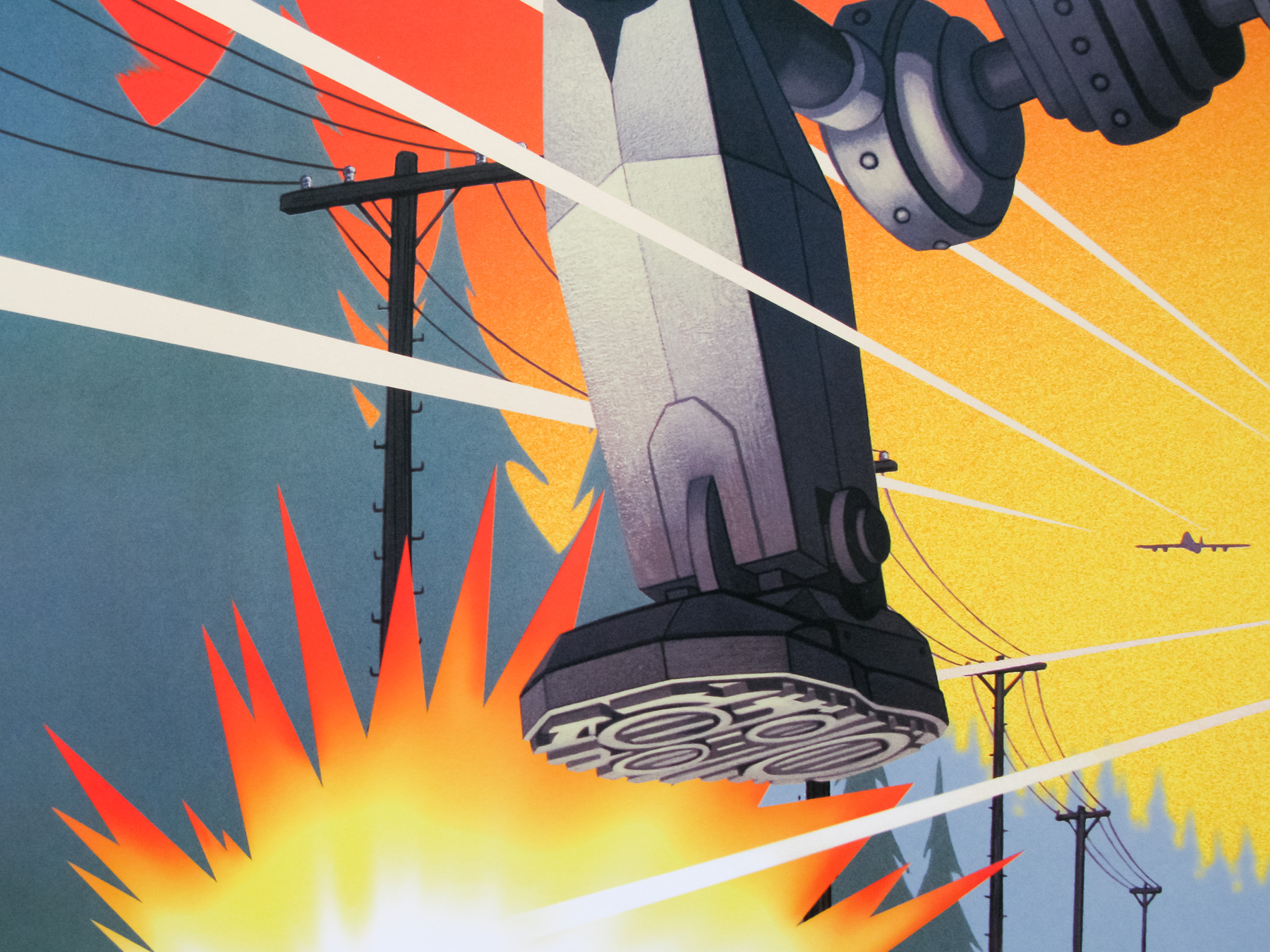
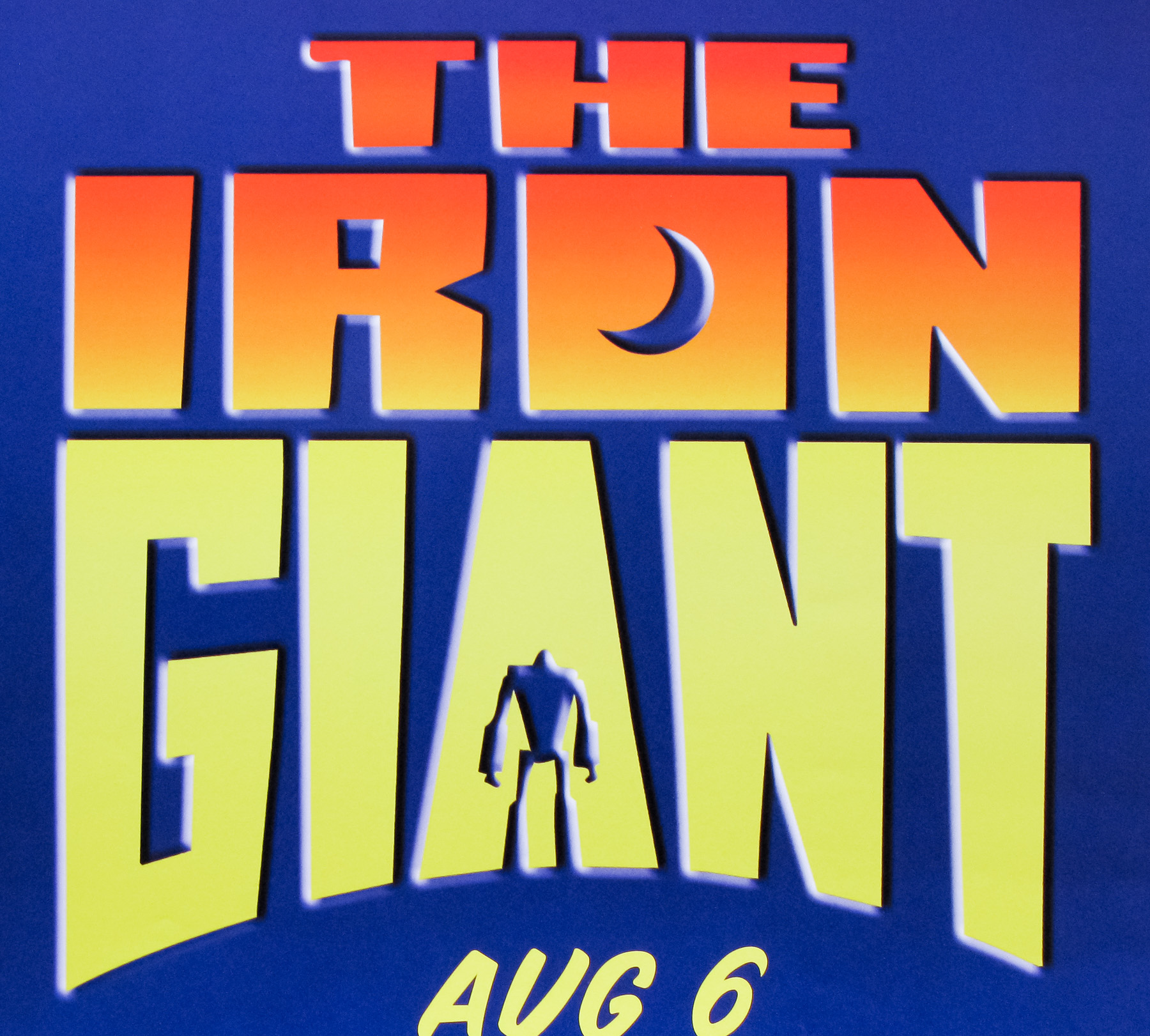
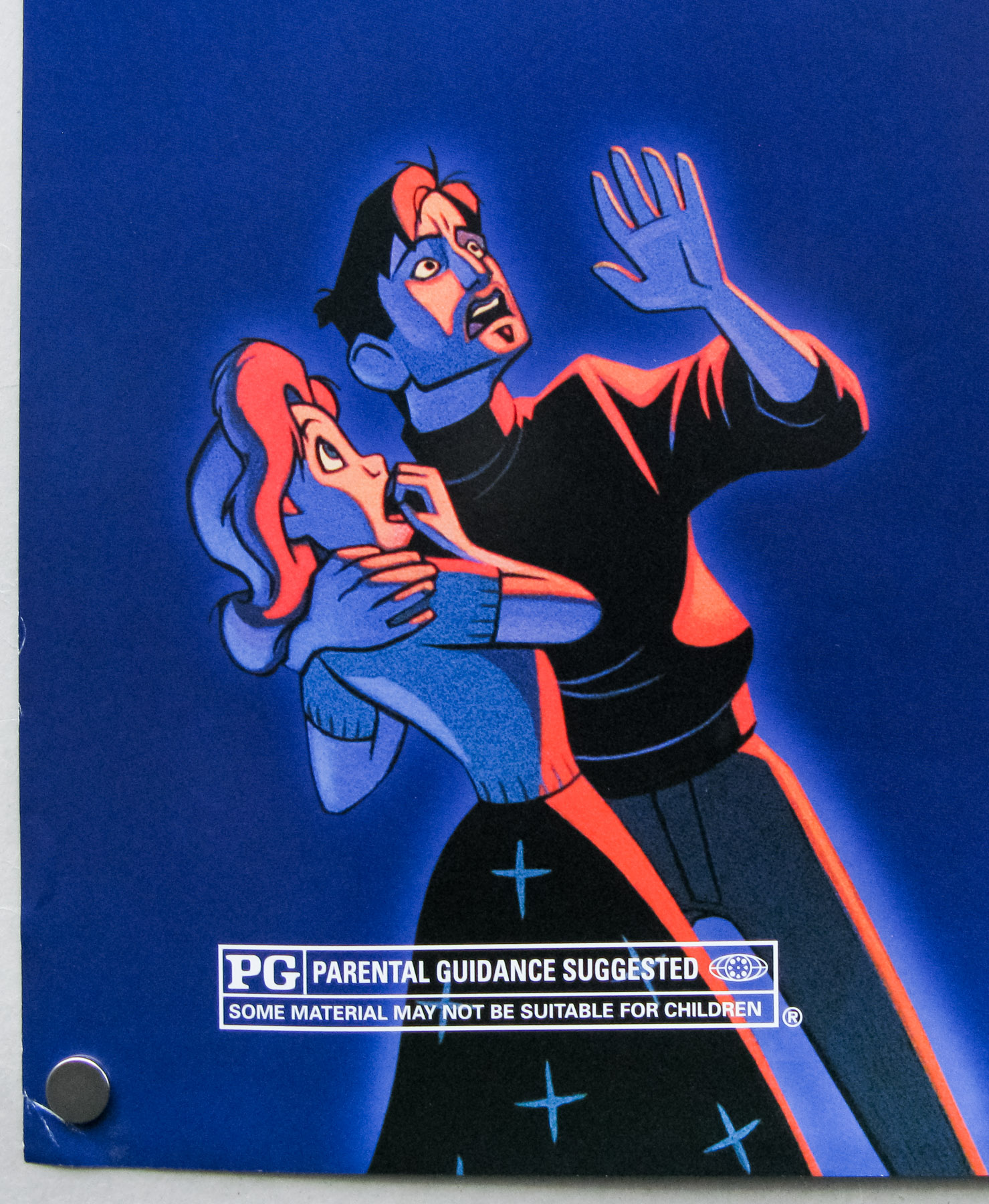
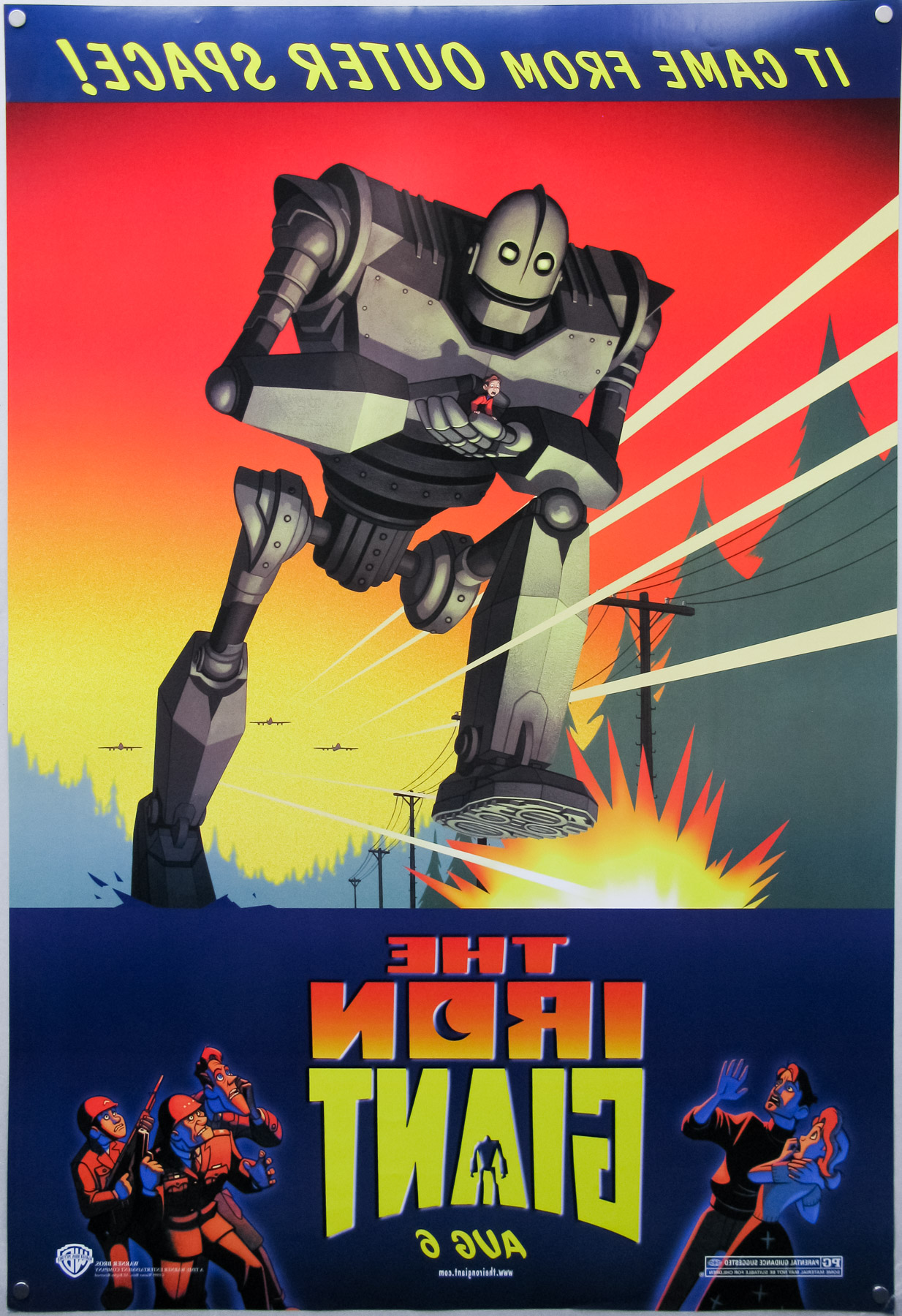
The Iron Giant / quad / Giant standing style / UK

18.05.11

Poster Poster

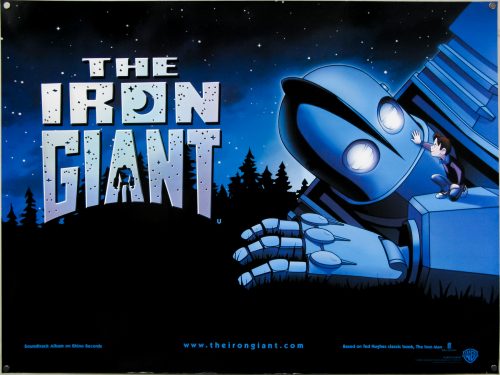
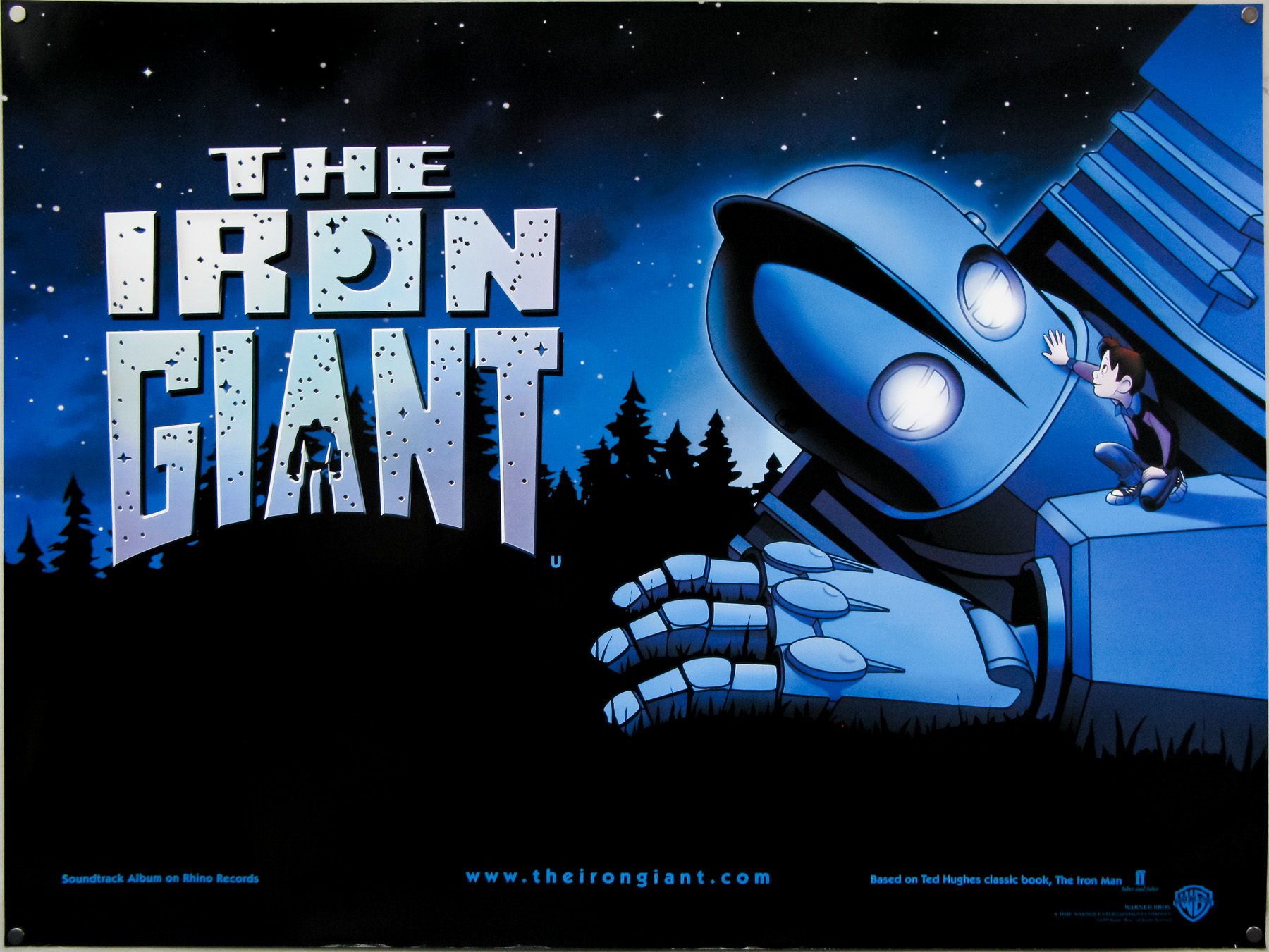
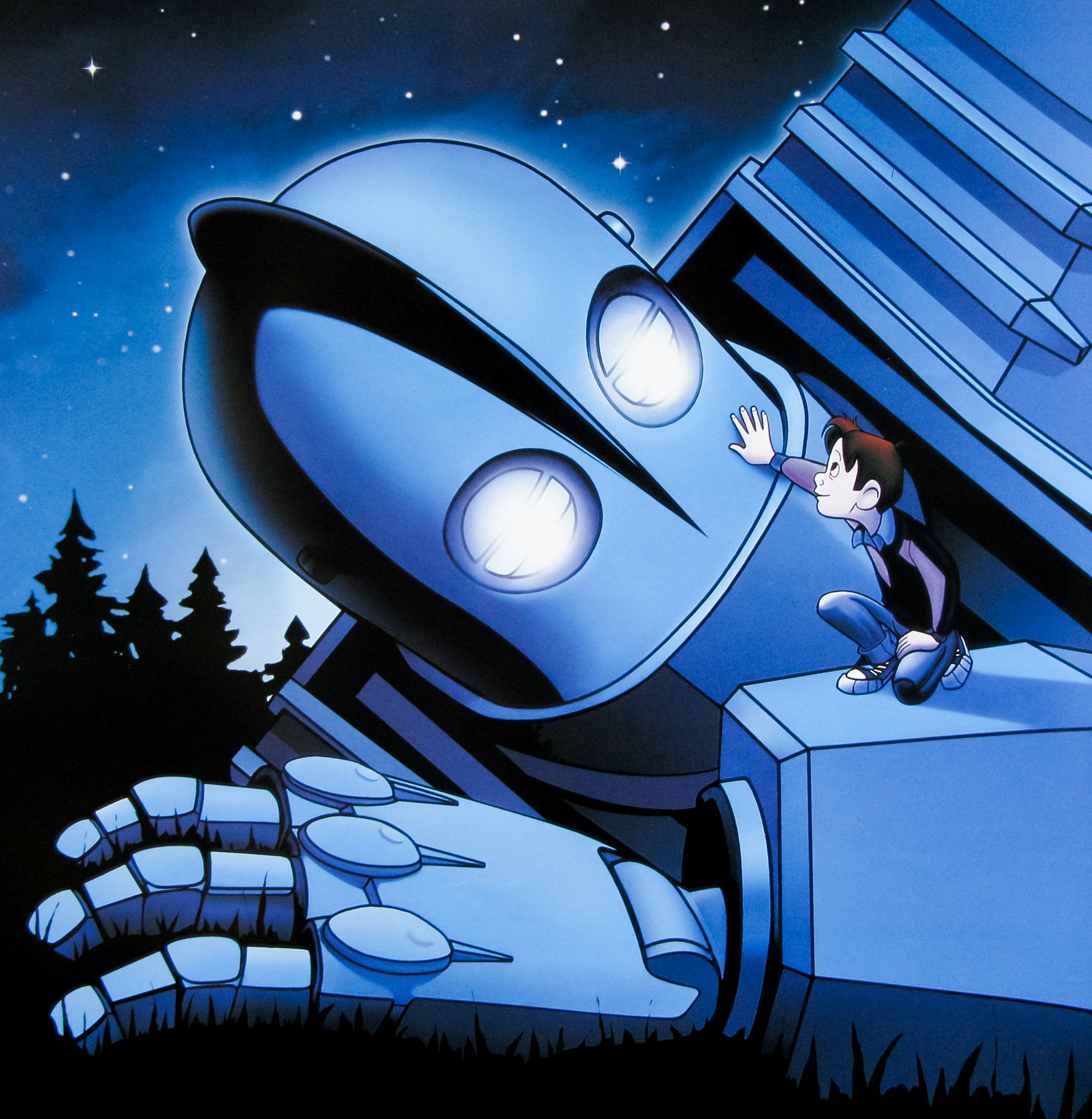
The Iron Giant / quad / Giant lying down style / UK

18.05.11

Poster Poster

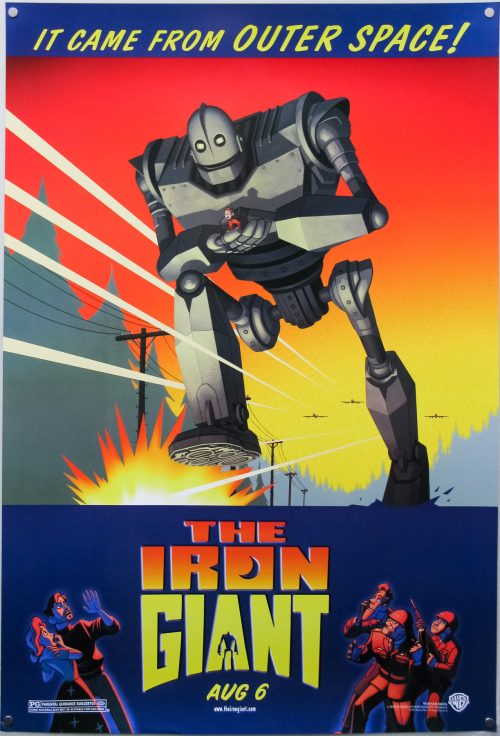
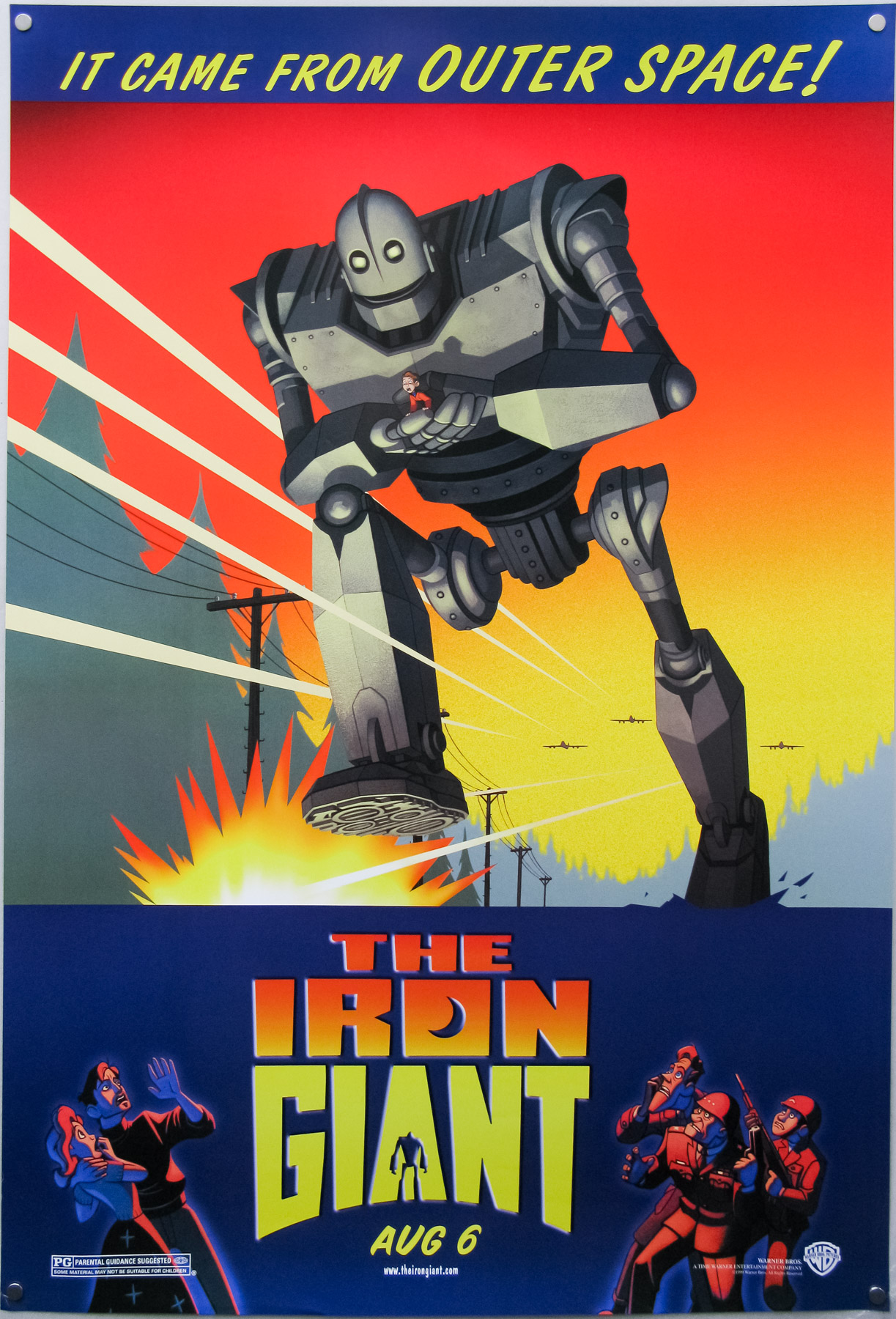
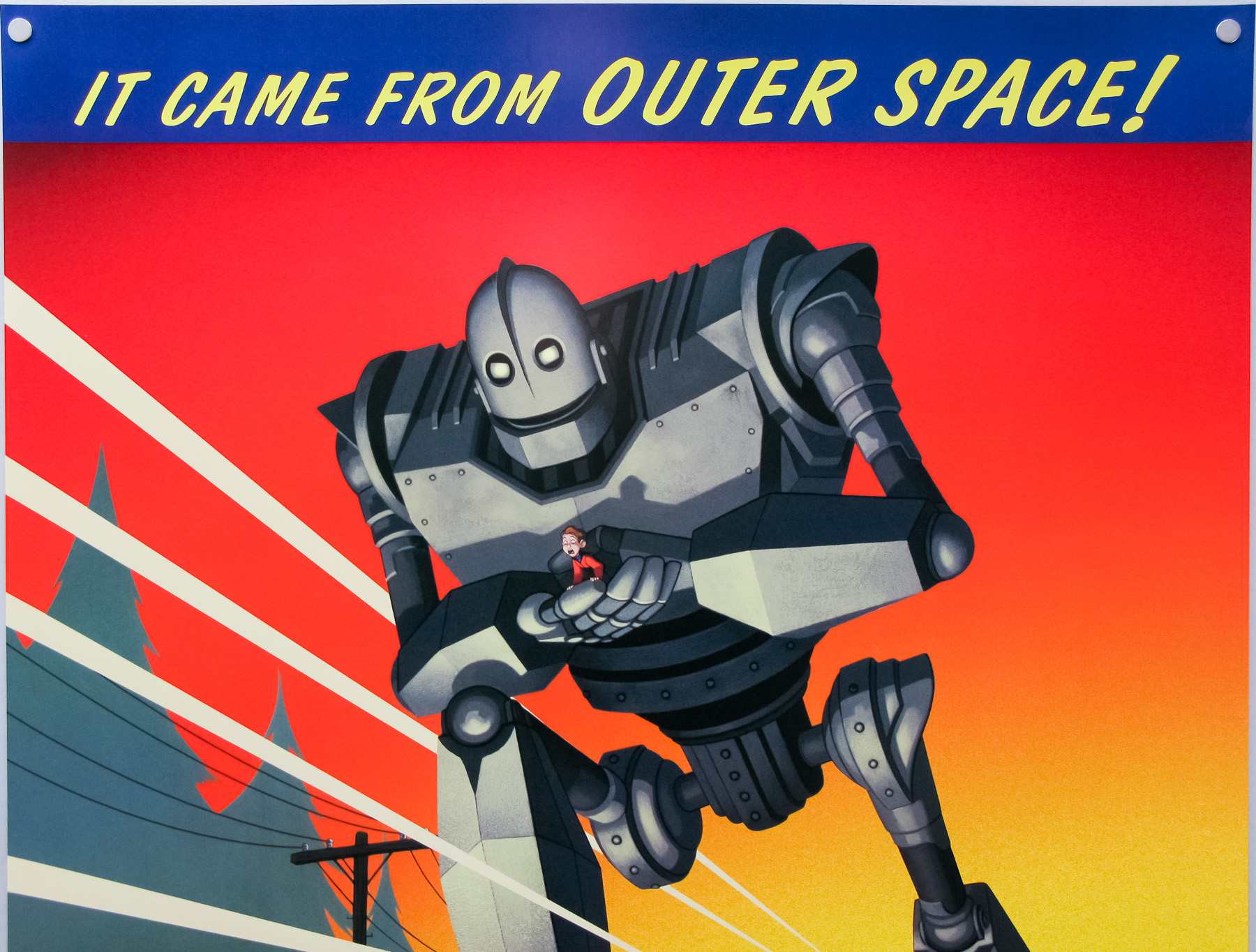
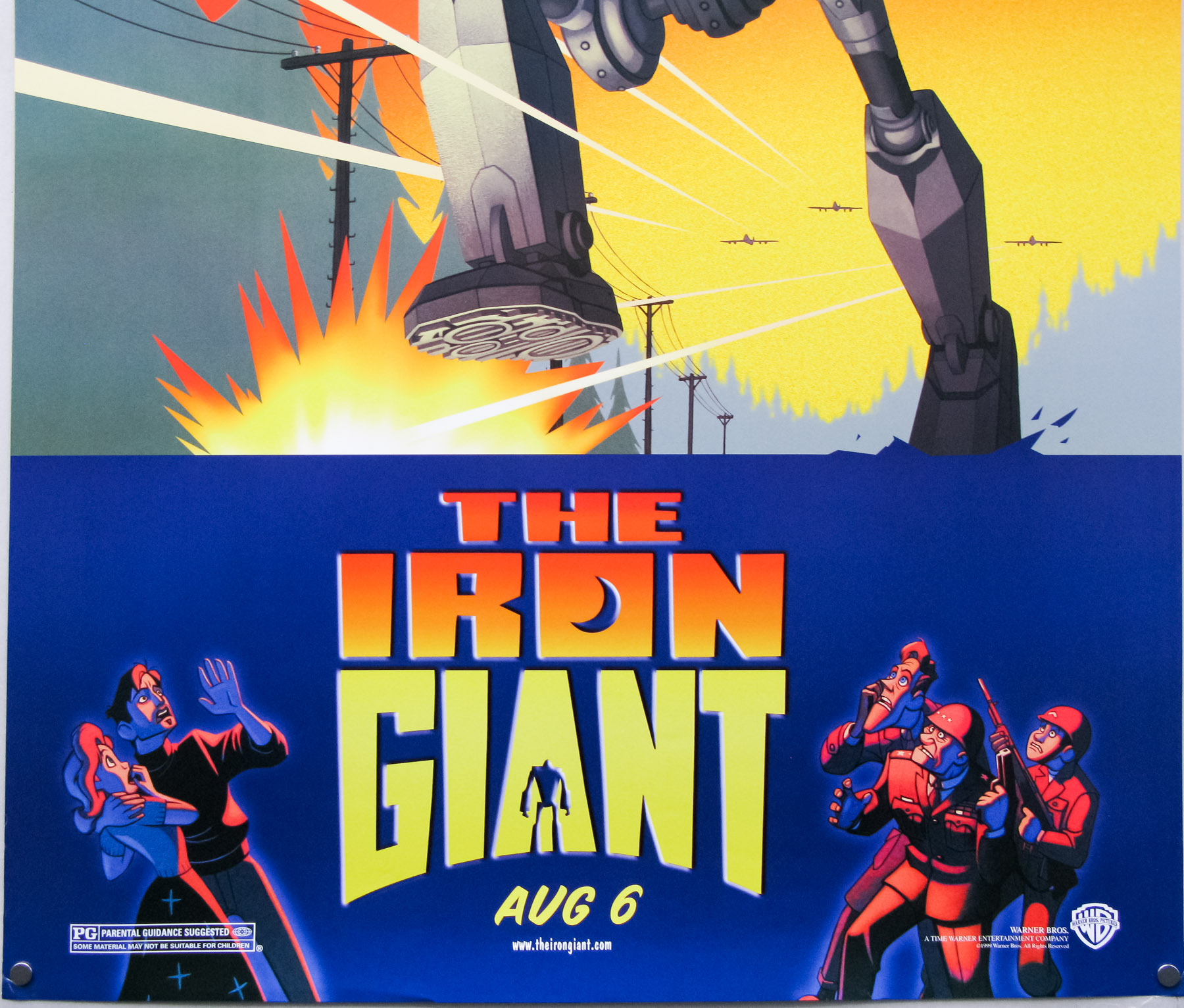
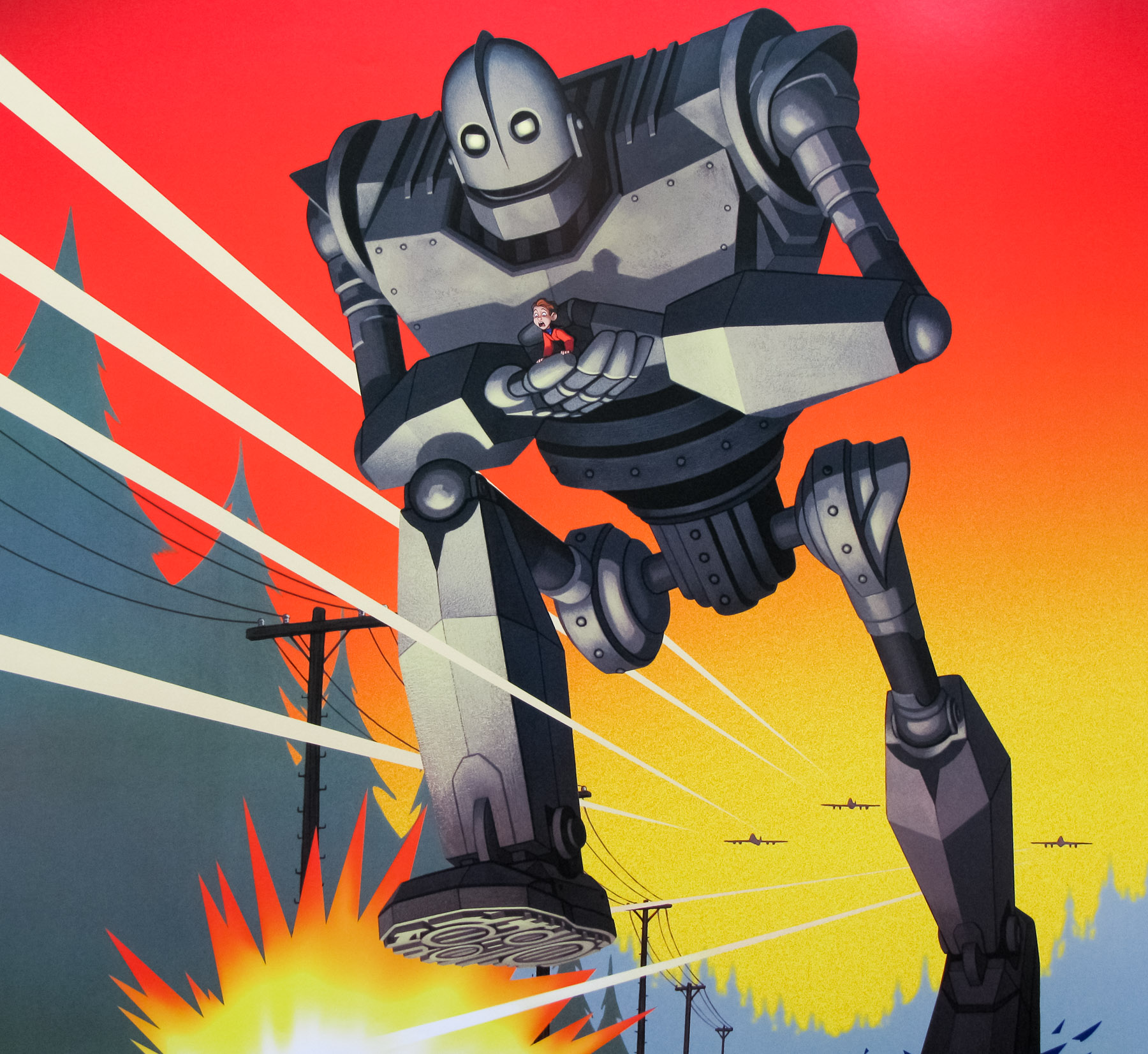
The Iron Giant / one sheet / advance / USA

17.05.11

Poster Poster

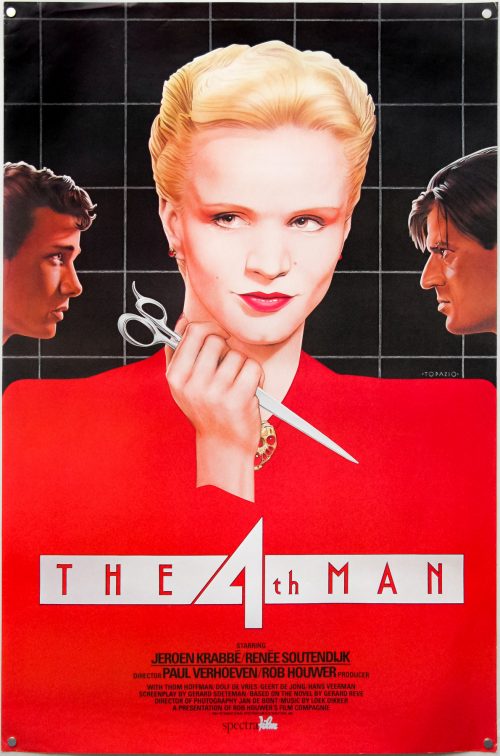
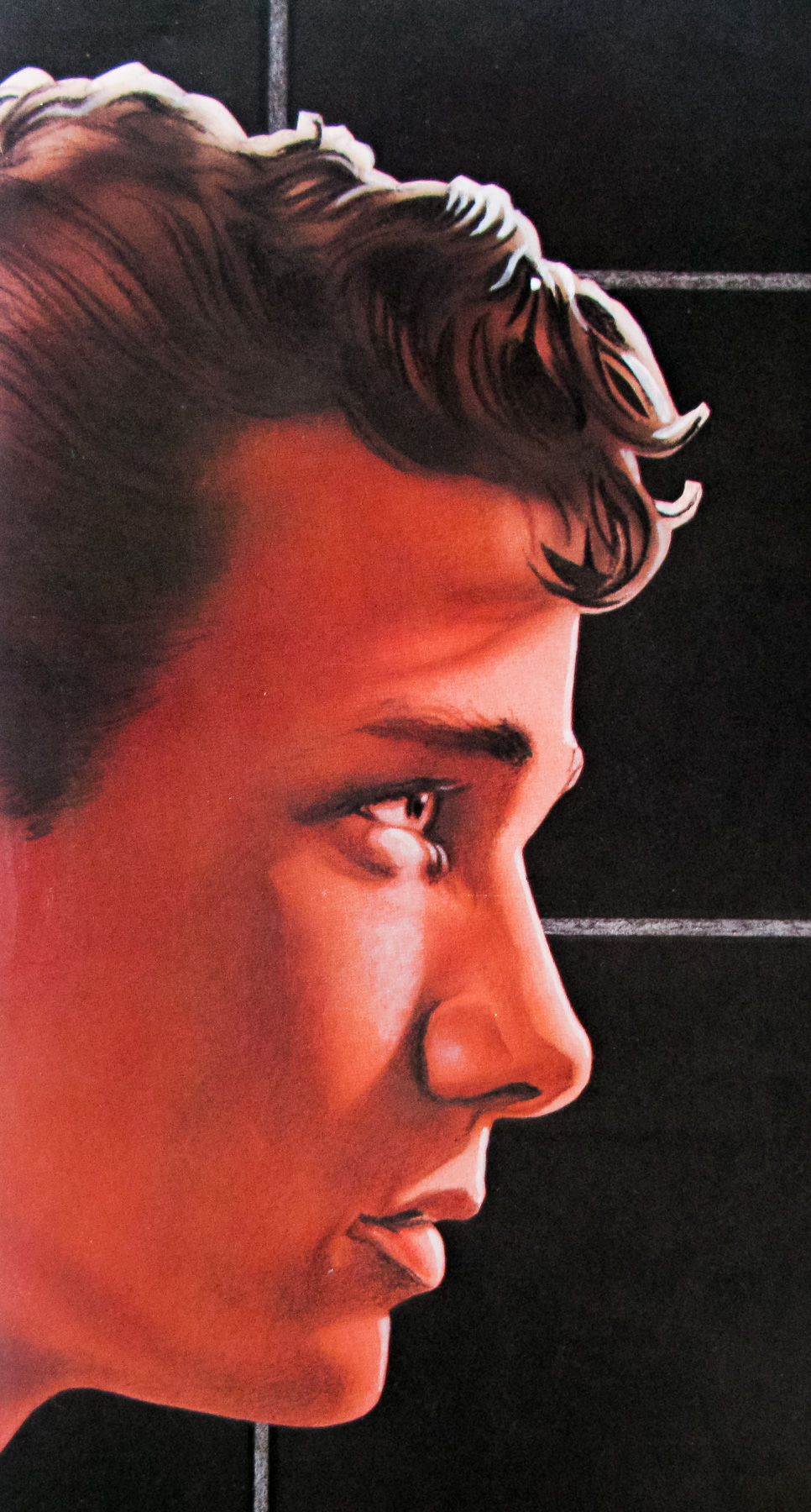
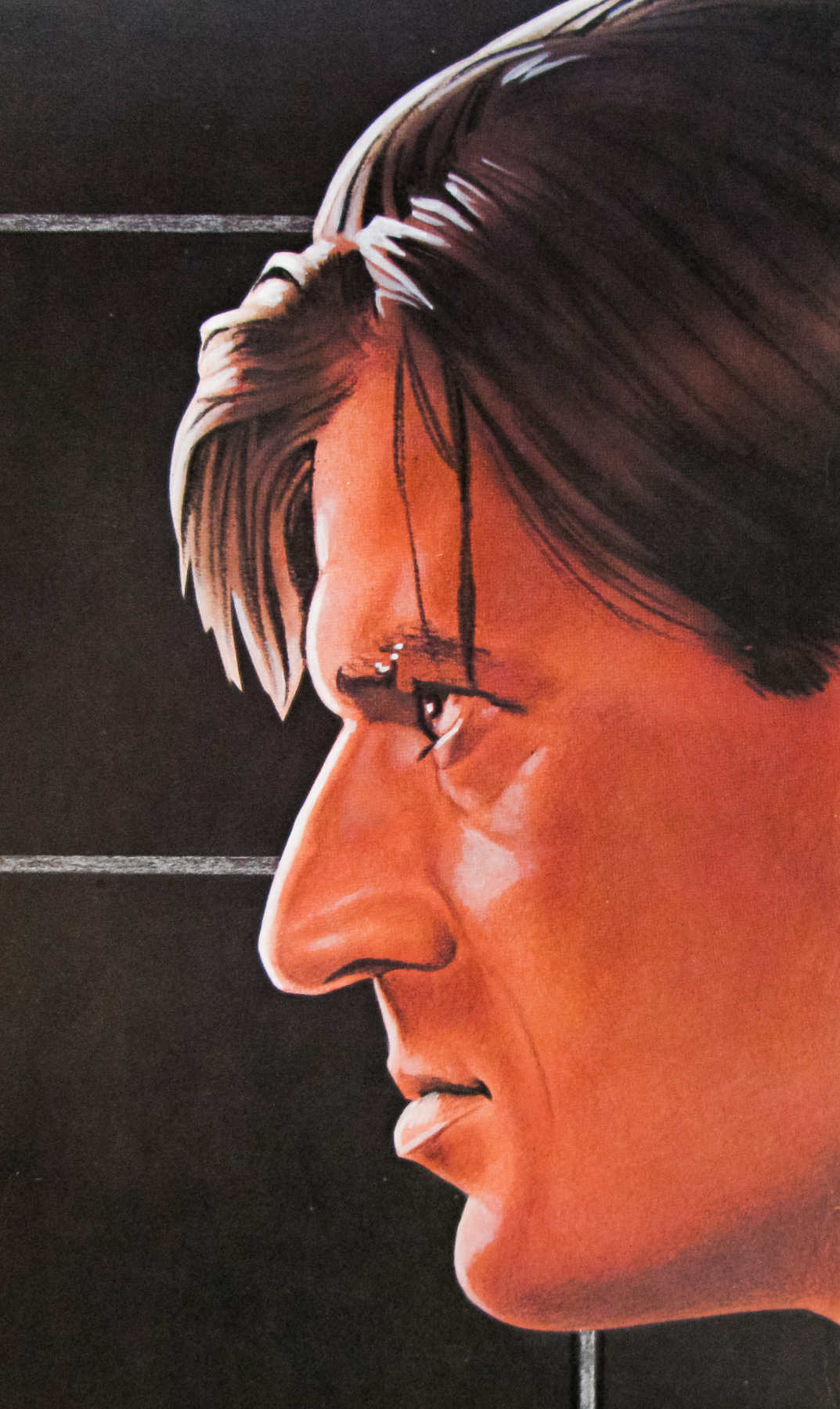
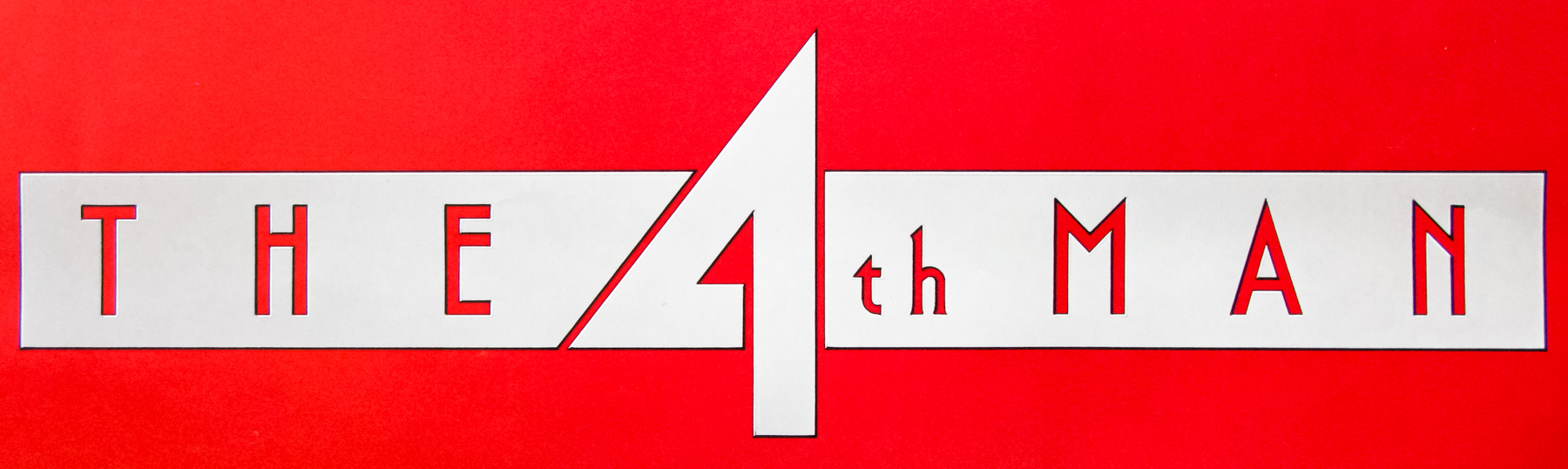
The 4th Man / one sheet / USA

17.05.11

Poster Poster

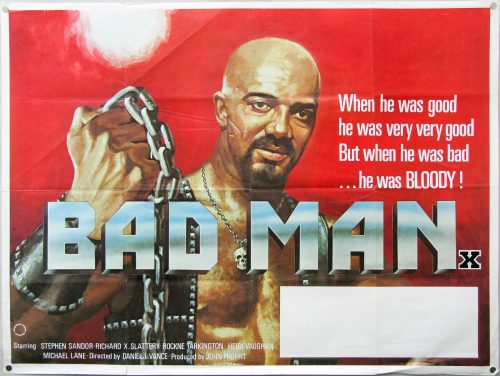
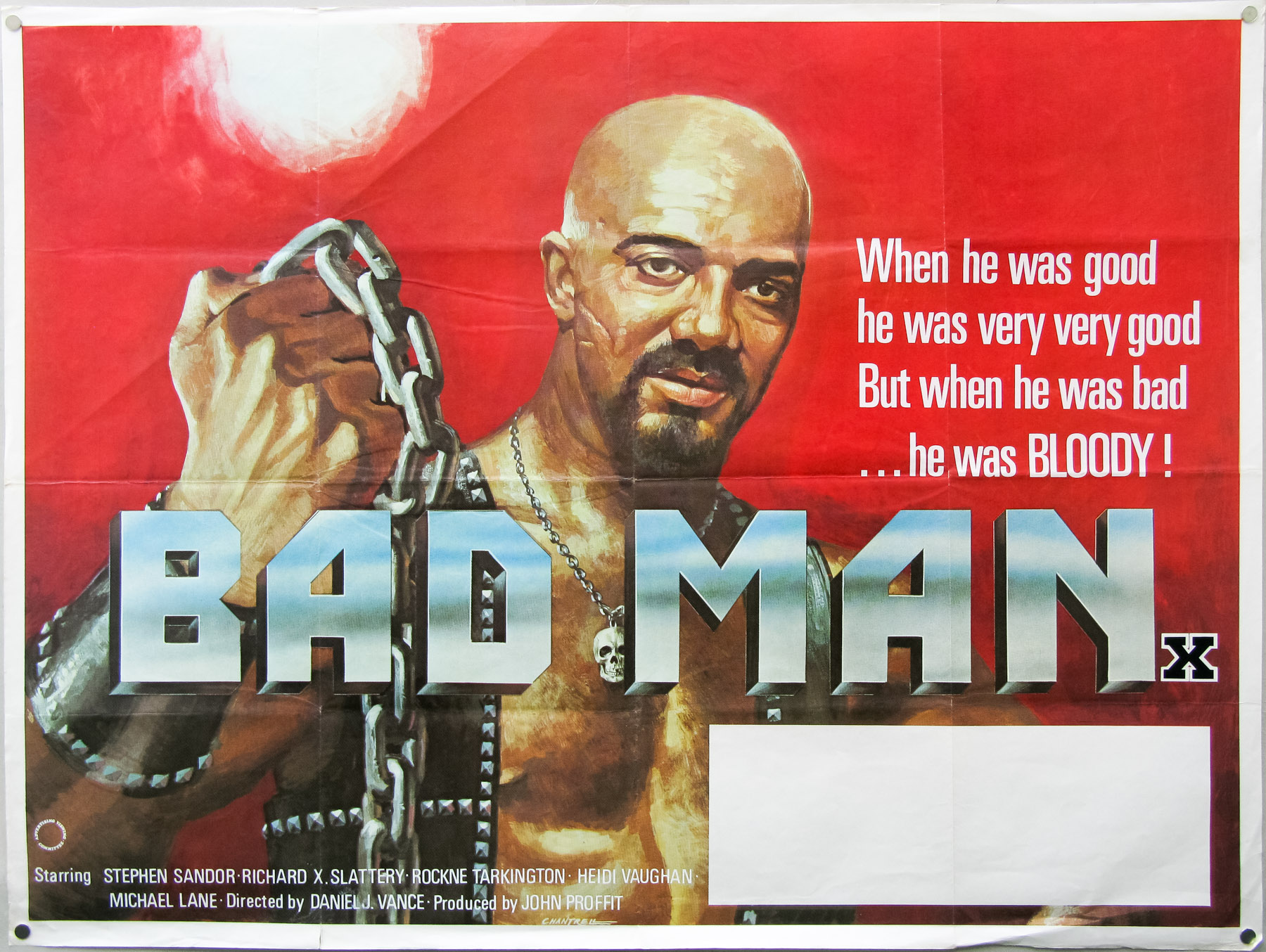
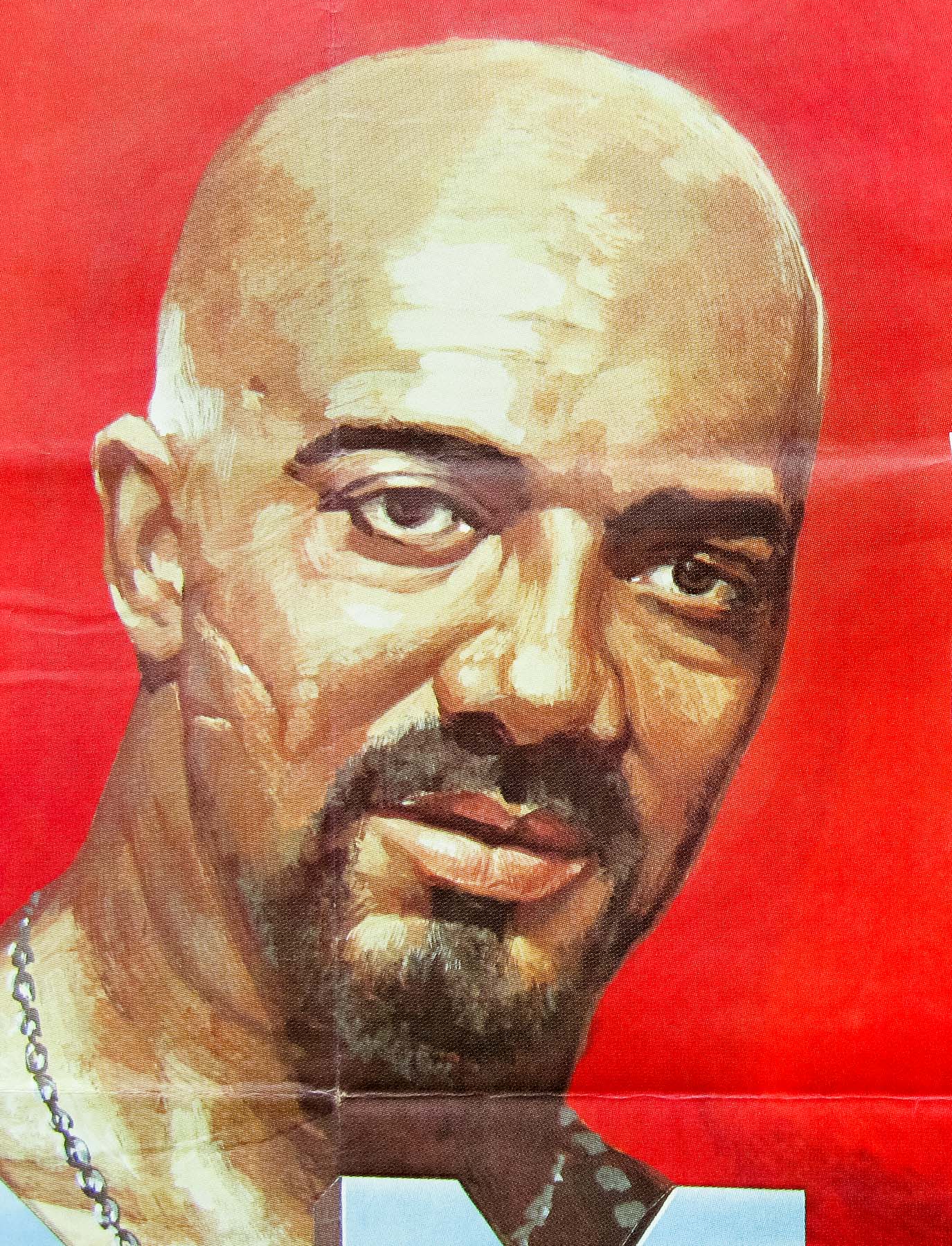
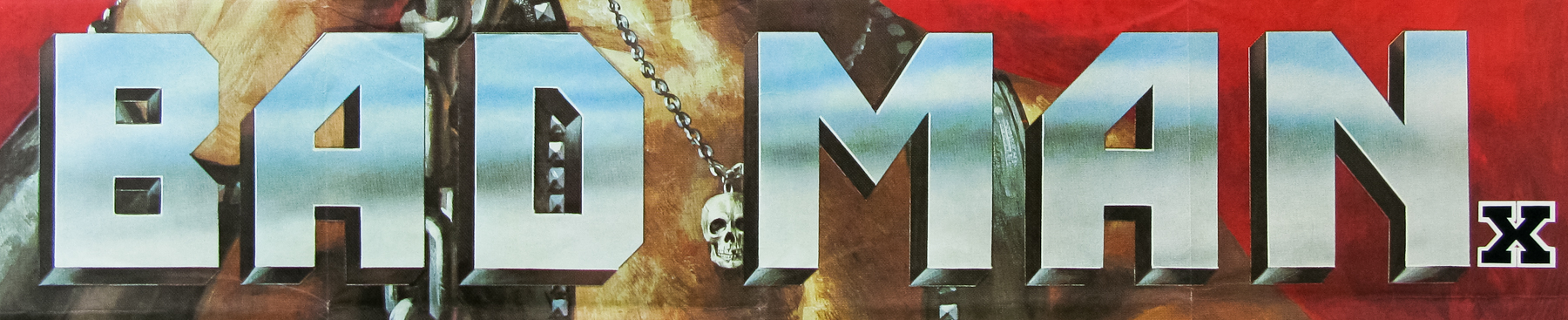
Bad Man / quad / UK

21.05.11

Poster Poster

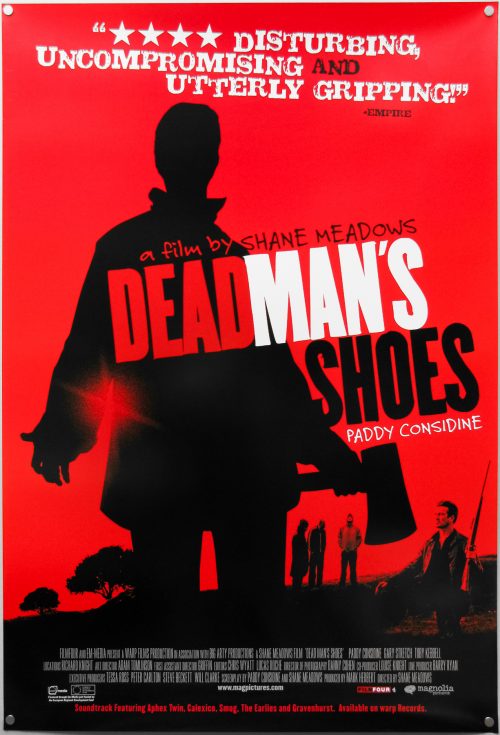
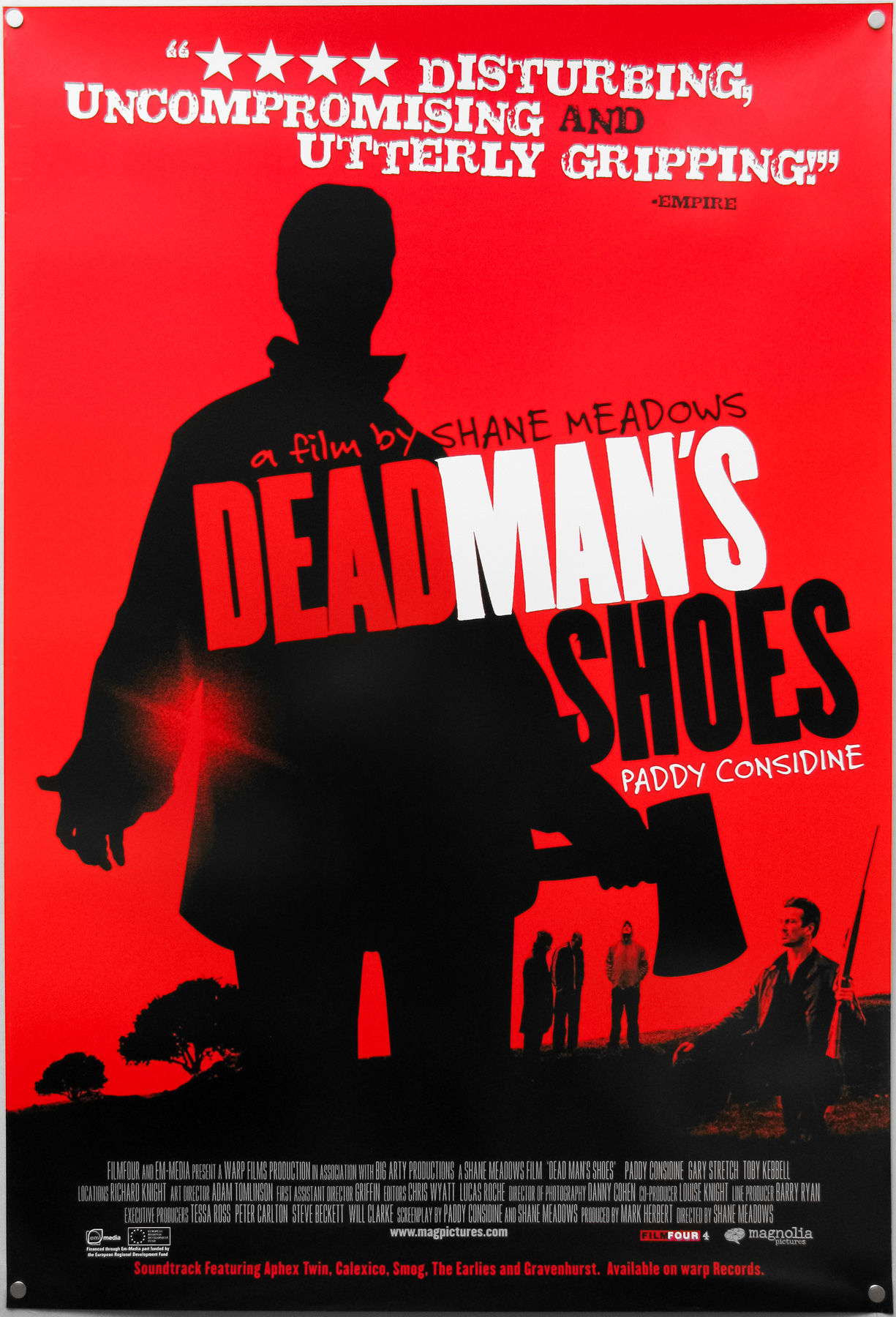
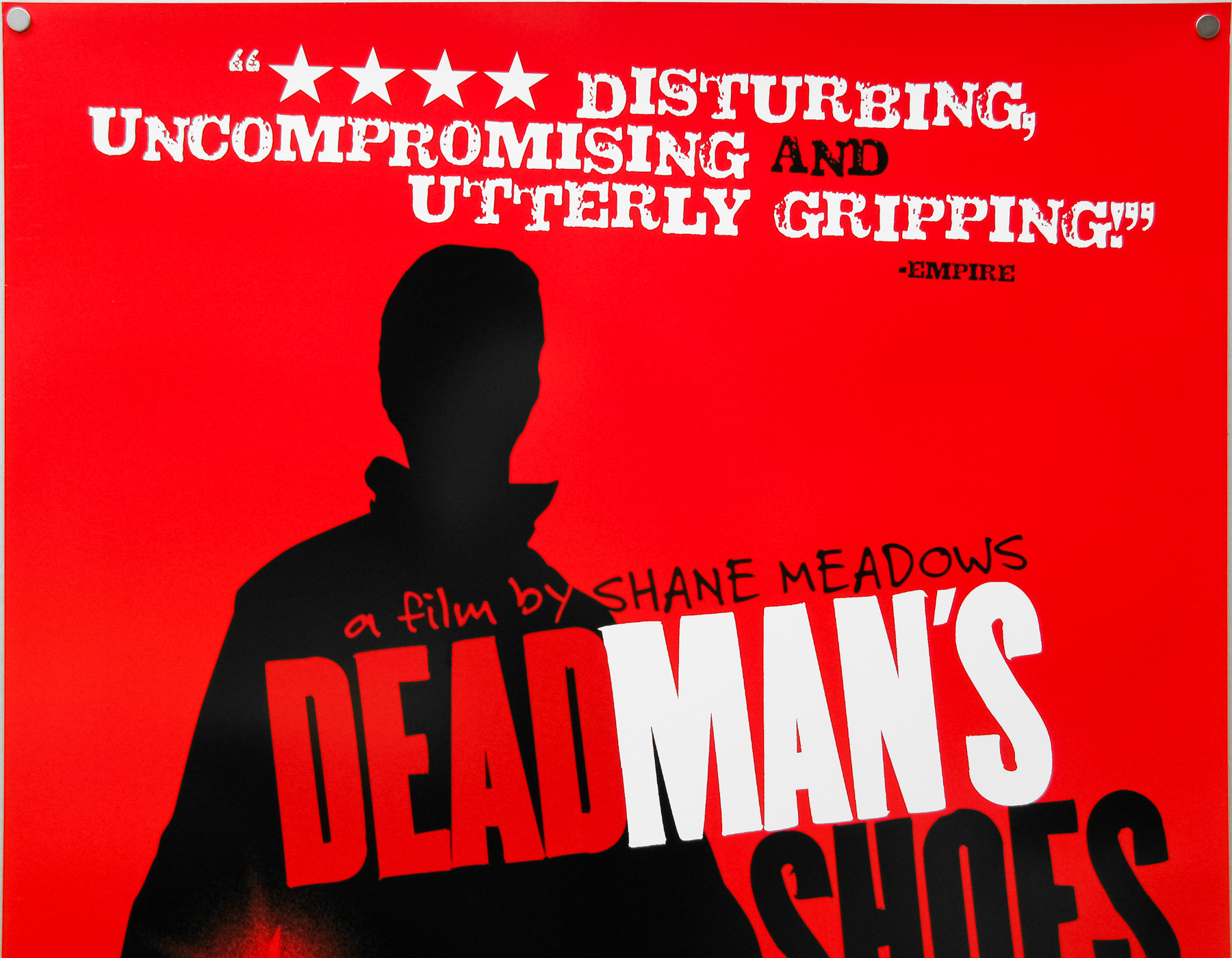
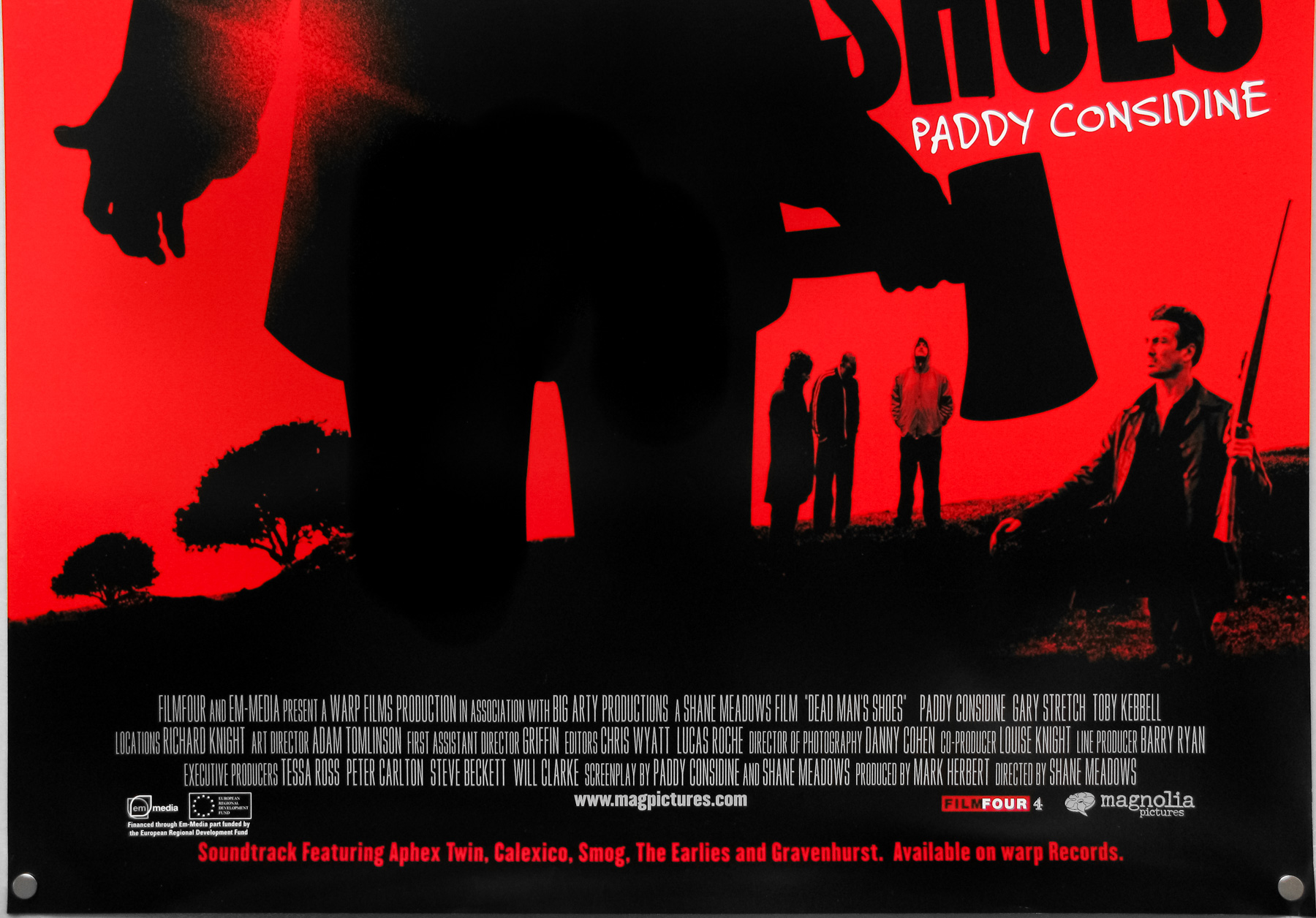
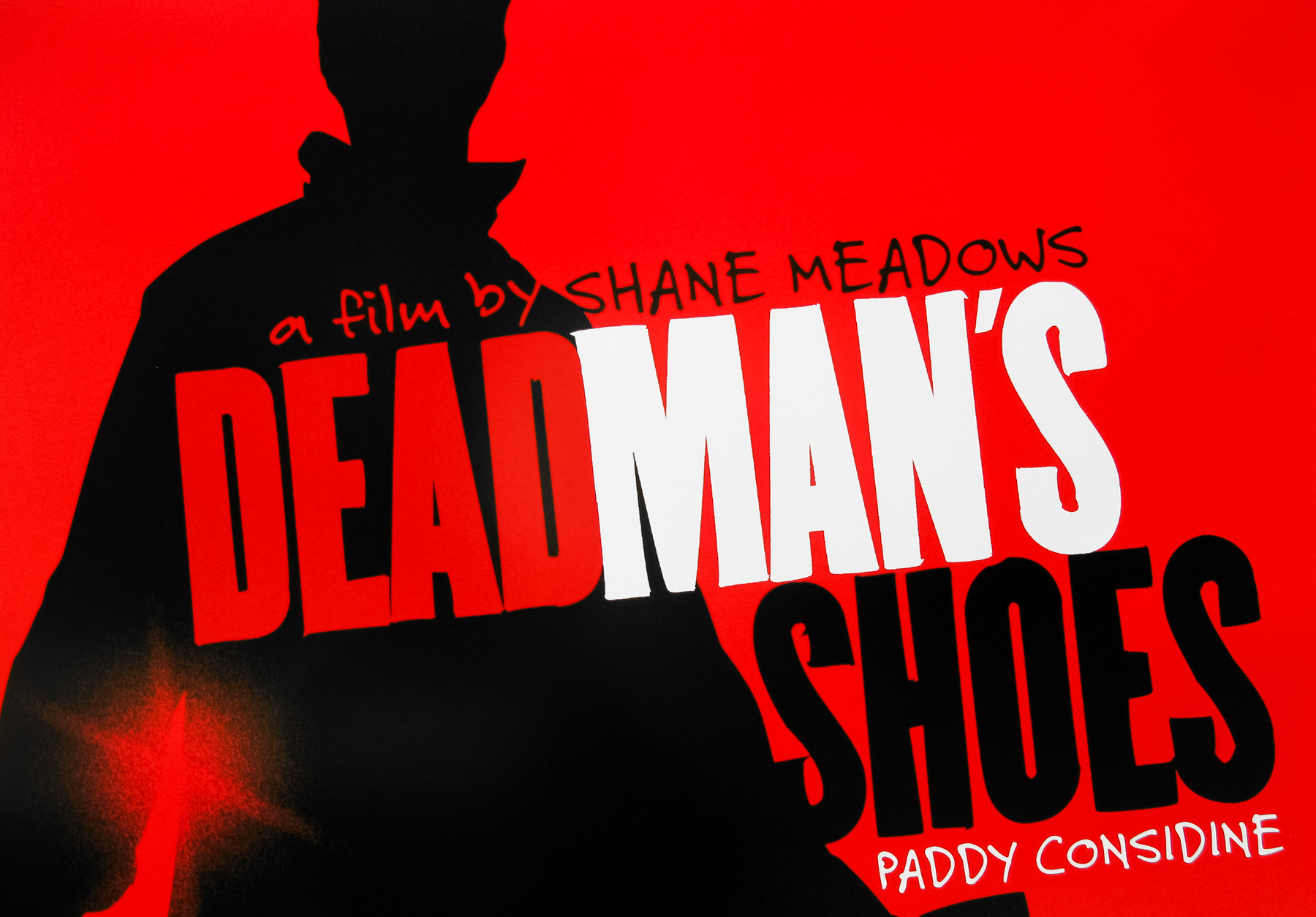
Dead Man’s Shoes / one sheet / USA

17.05.11

Poster Poster

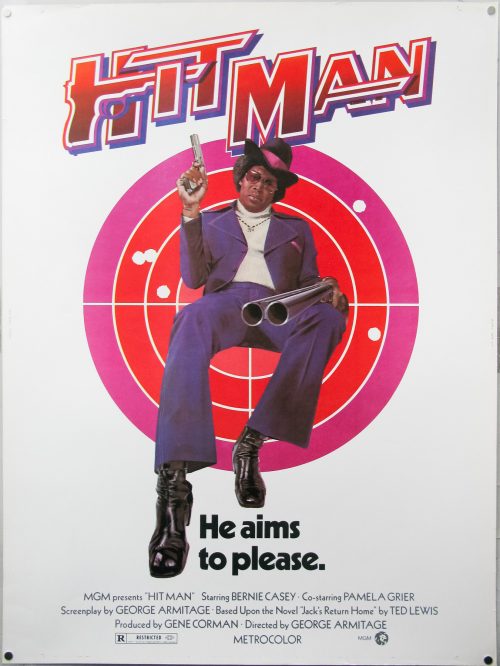
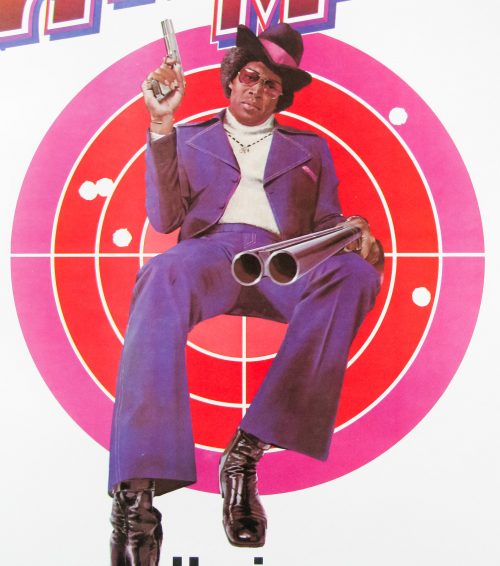
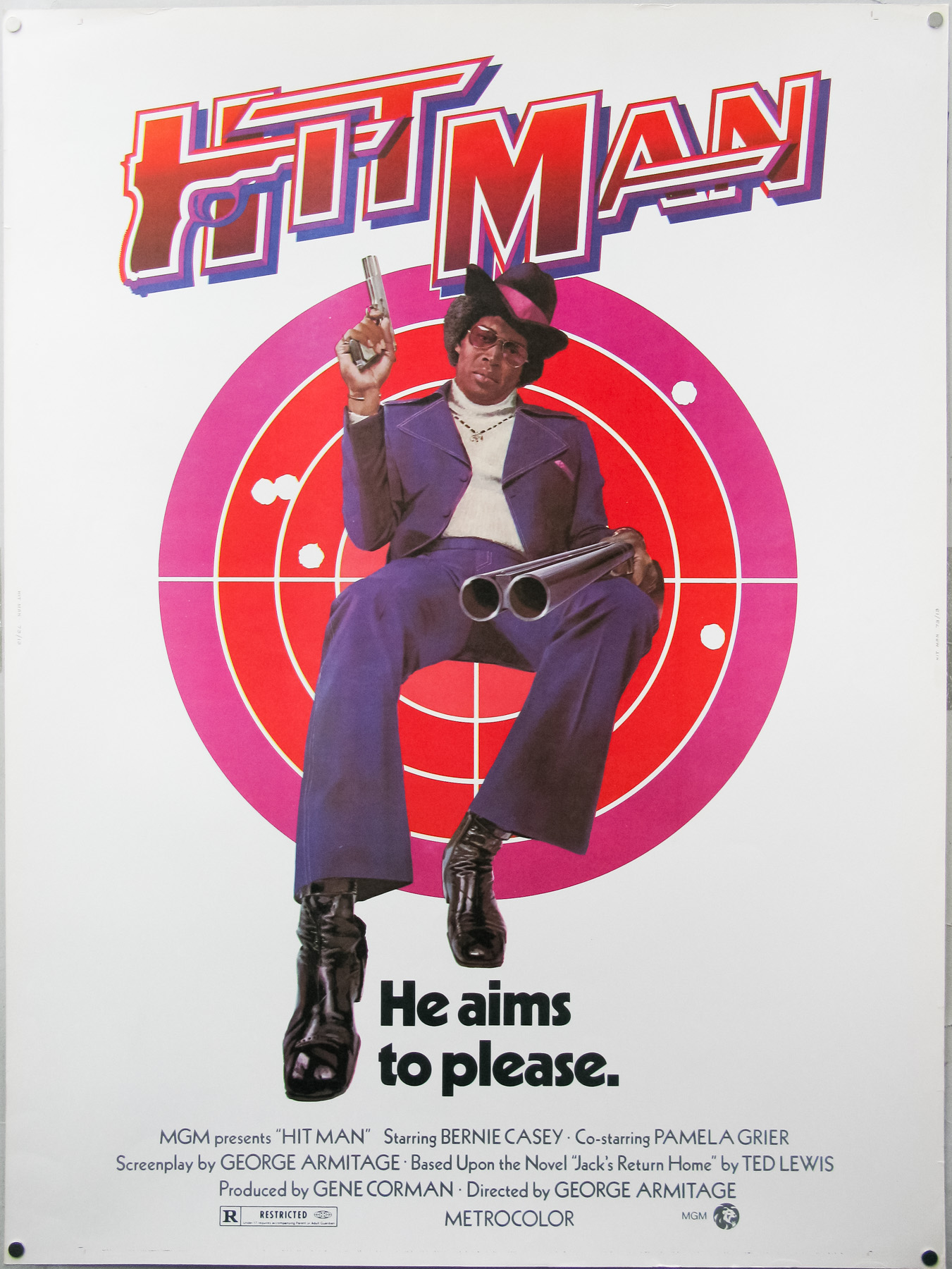
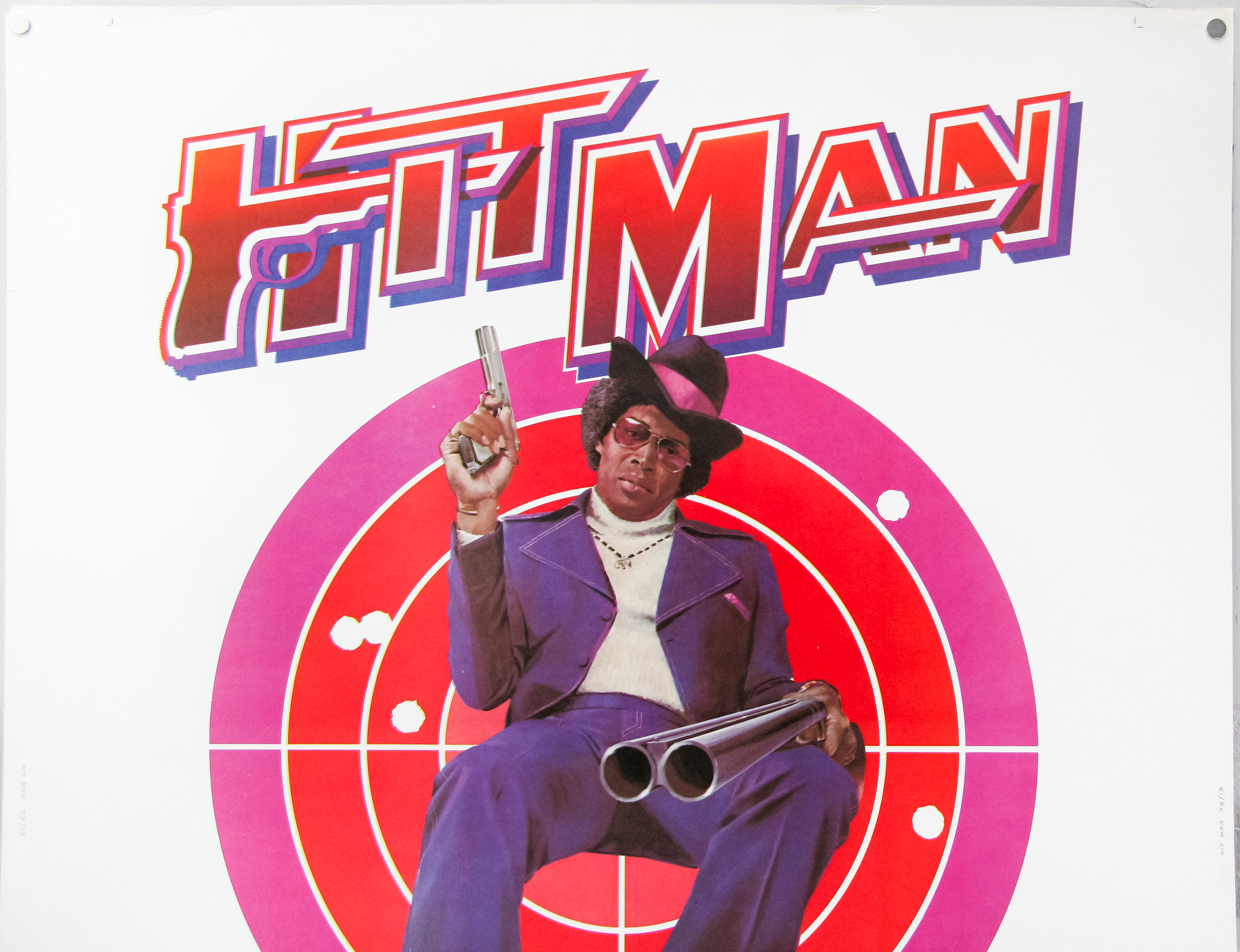
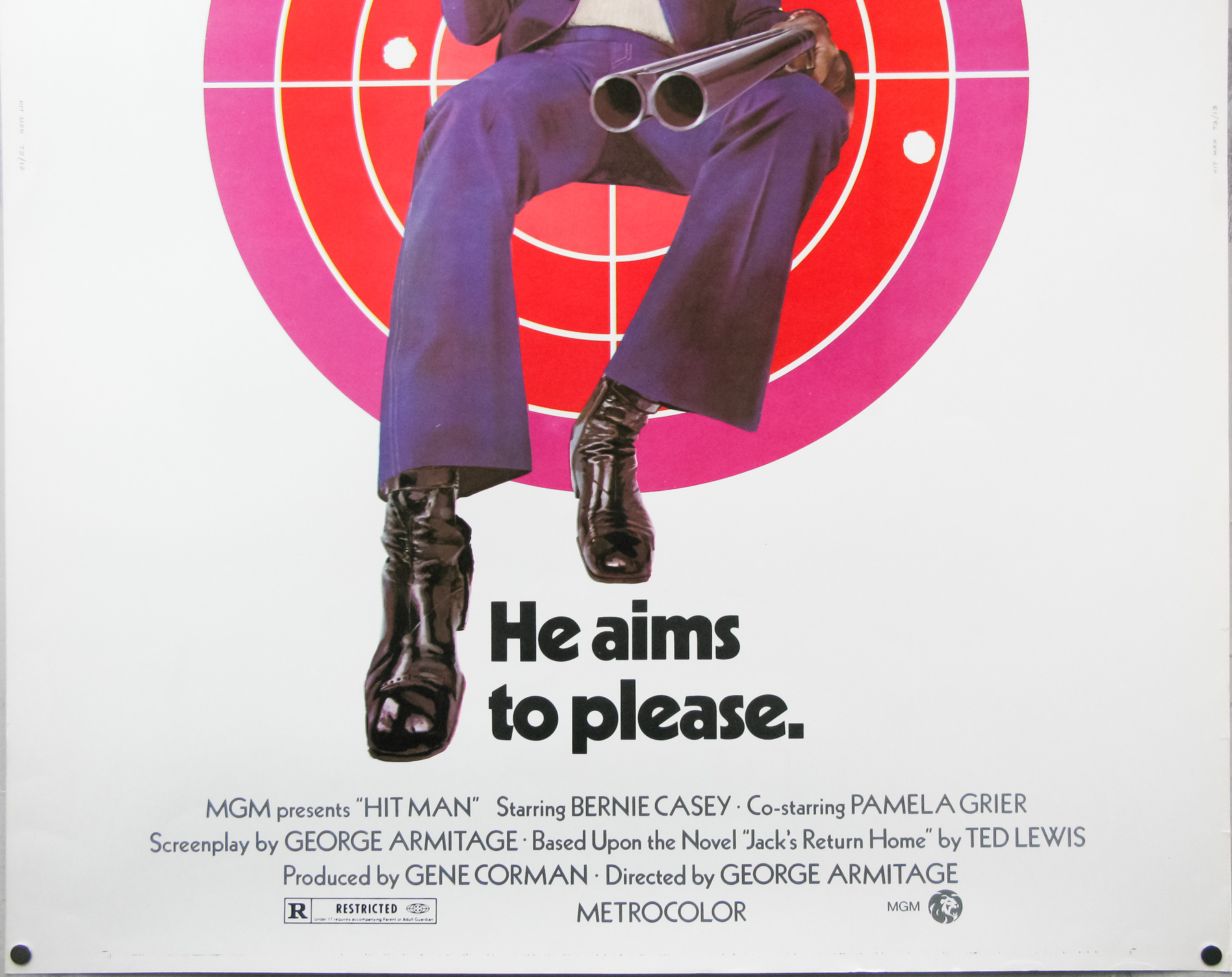
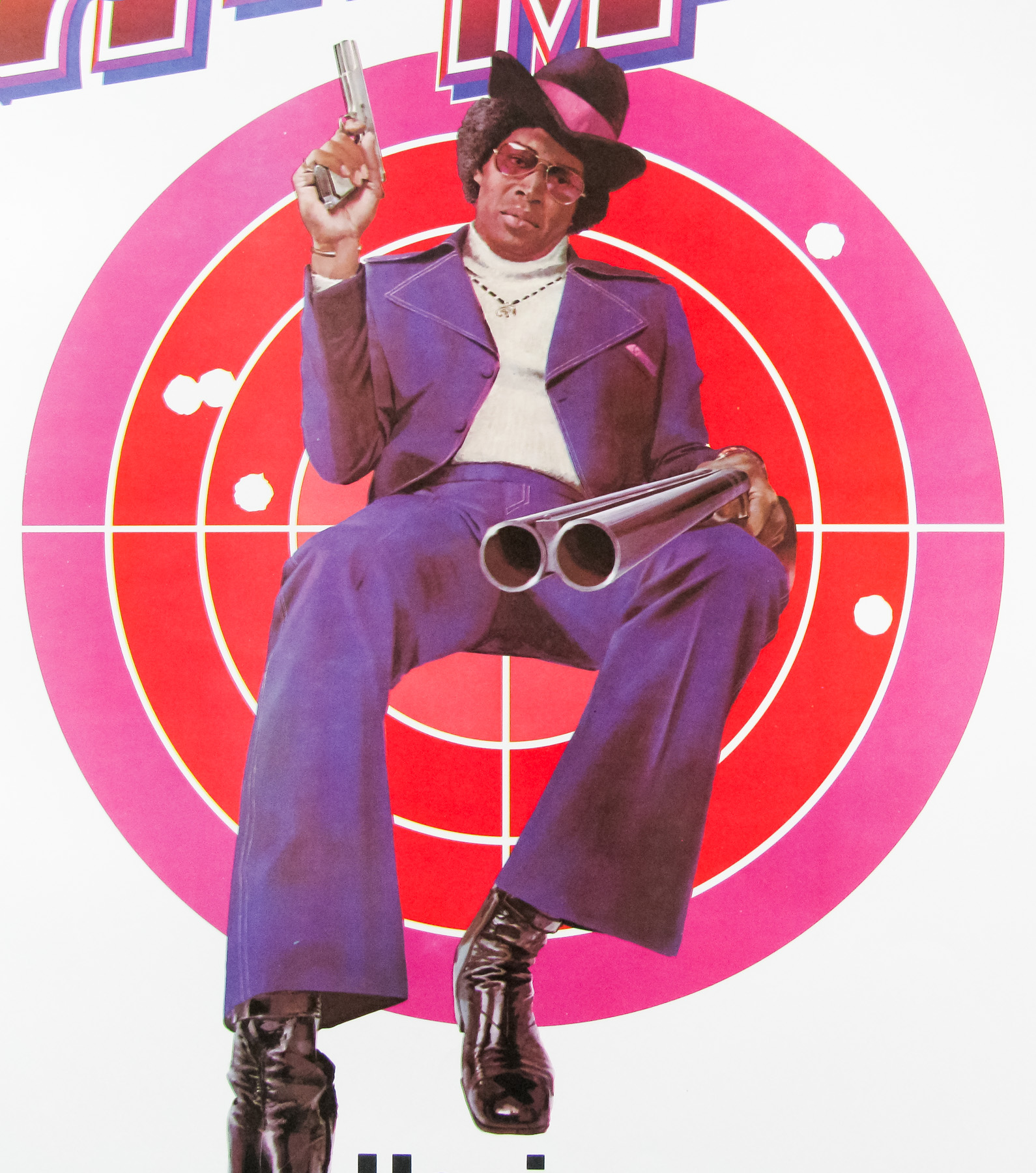
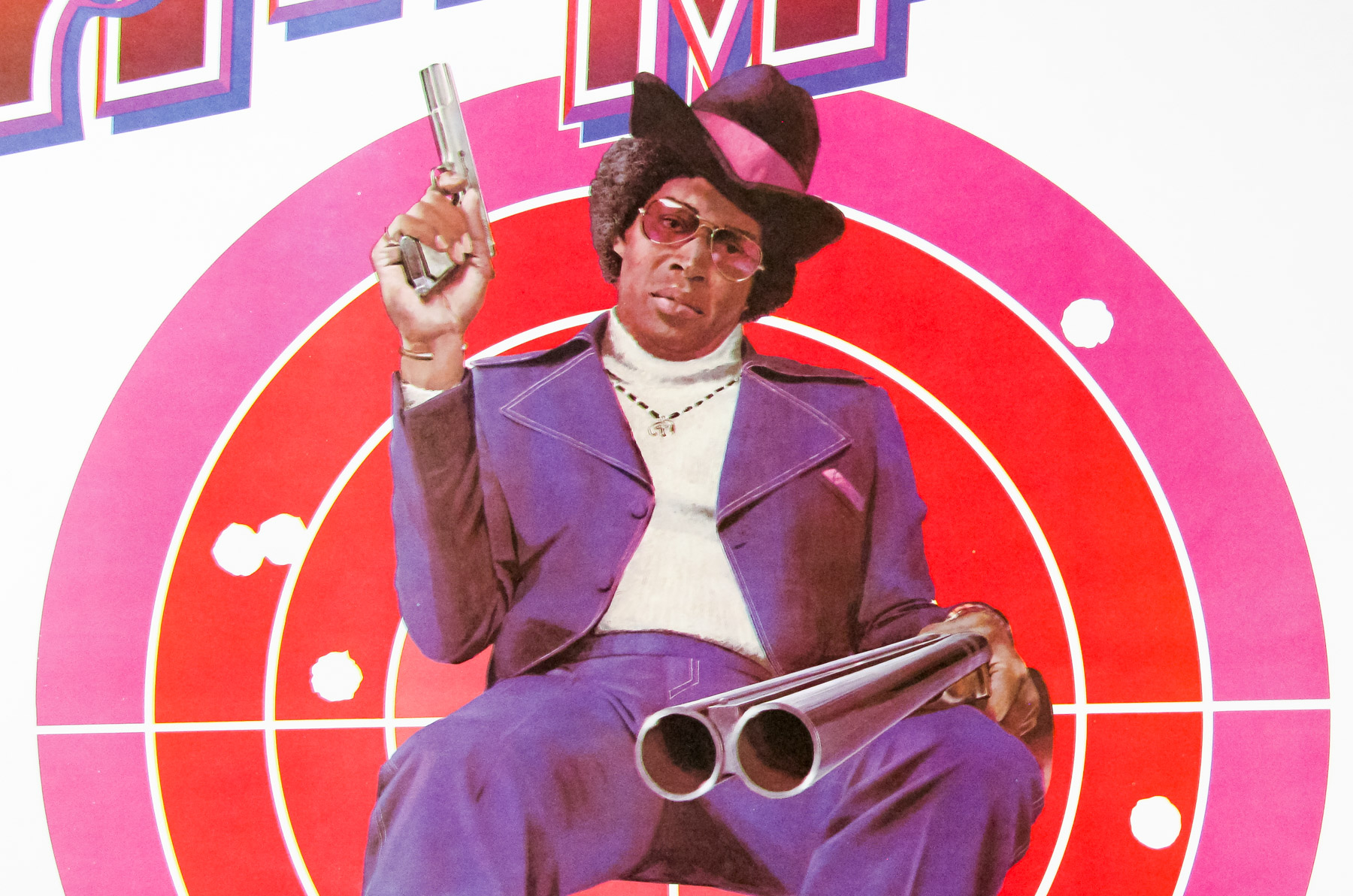
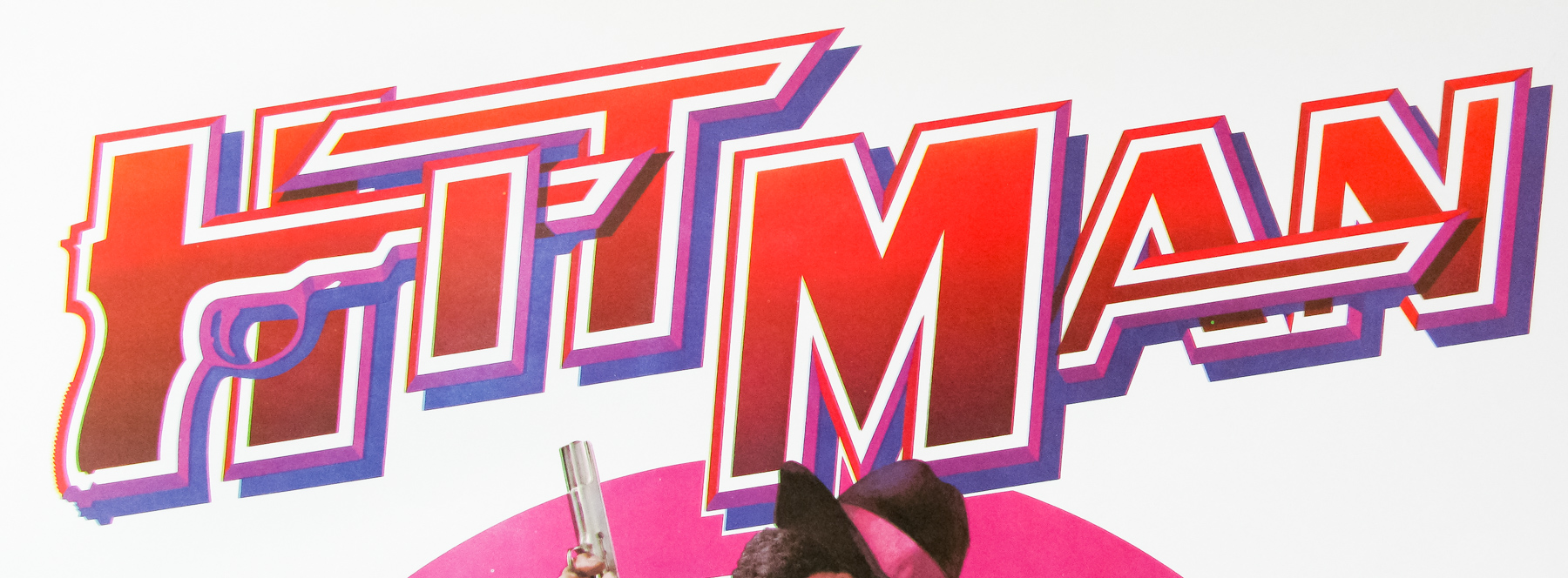
Hit Man / 30×40 / USA

14.09.11

Poster Poster
Title
Hit Man
AKA
--
Year of Film
1972
Director
George Armitage
Starring
Bernie Casey, Pam Grier, Lisa Moore, Bhetty Waldron, Sam Laws, Candy All, Don Diamond, Ed Cambridge, Bob Harris
Origin of Film
USA
Genre(s) of Film
Bernie Casey, Pam Grier, Lisa Moore, Bhetty Waldron, Sam Laws, Candy All, Don Diamond, Ed Cambridge, Bob Harris,
Type of Poster
30x40
Style of Poster
--
Origin of Poster
USA
Year of Poster
1972
Designer
Unknown
Artist
Unknown
Size (inches)
30 2/16" x 40"
SS or DS
SS
NSS #
73/13
Tagline
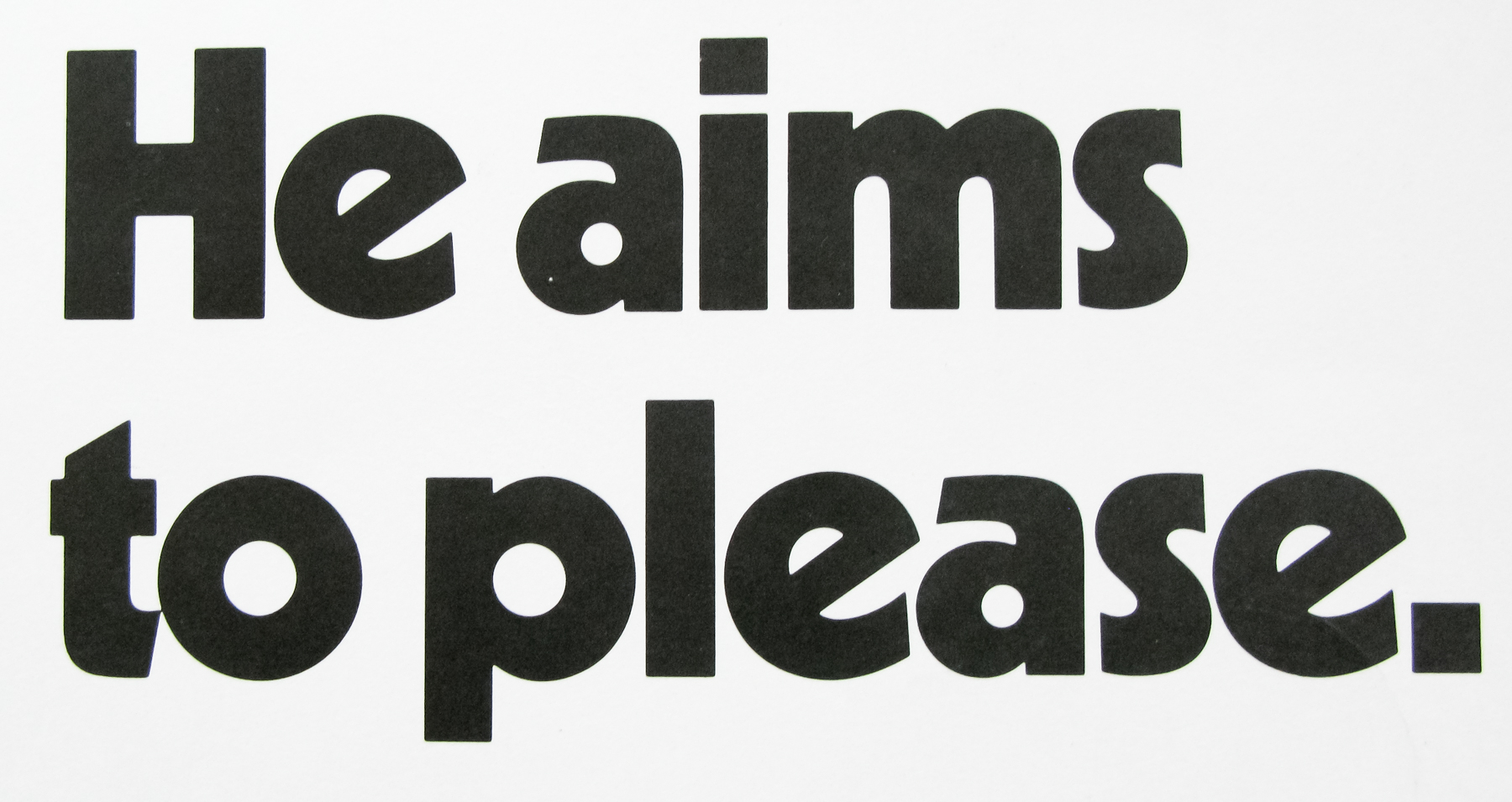
He aims to please.

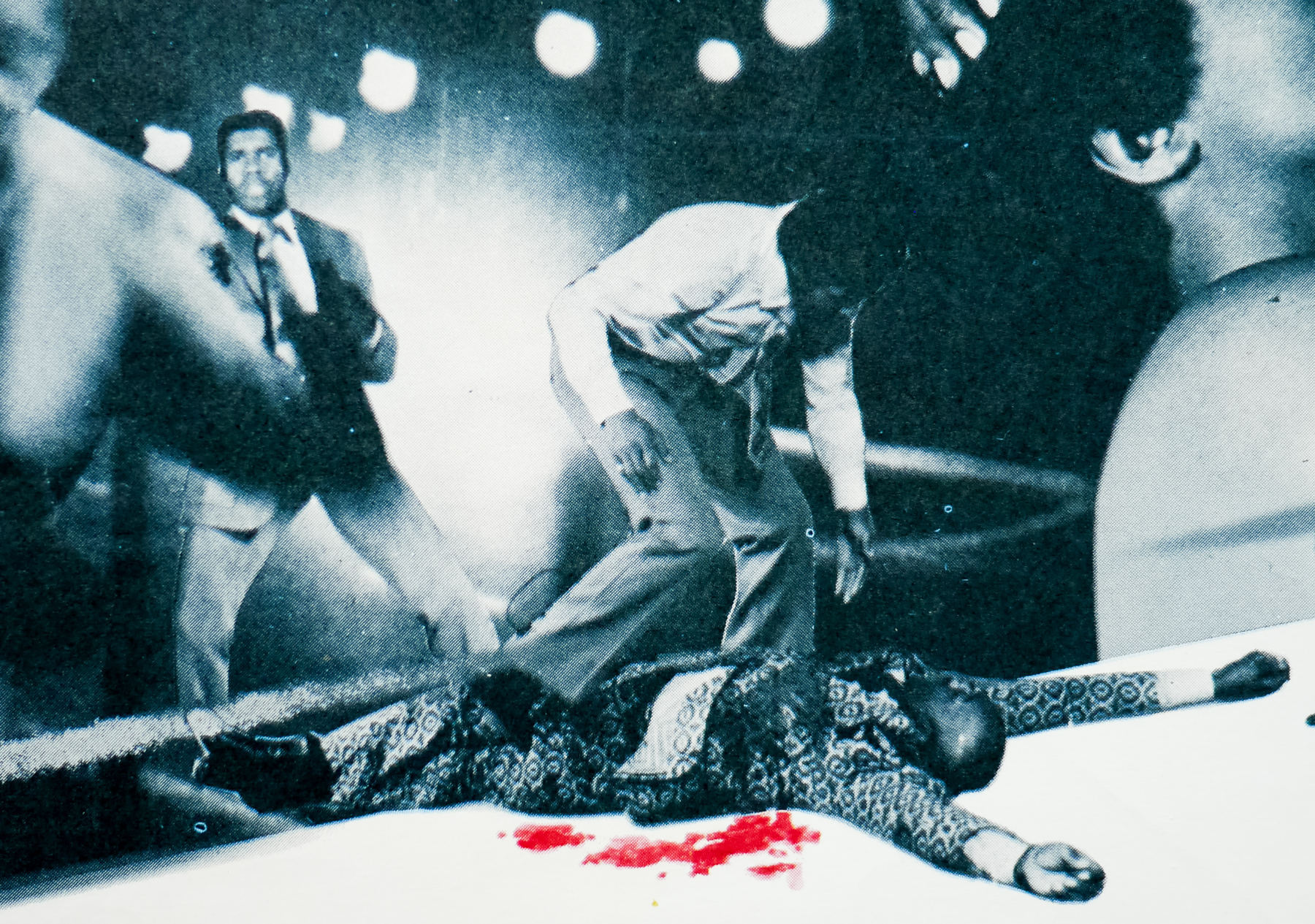
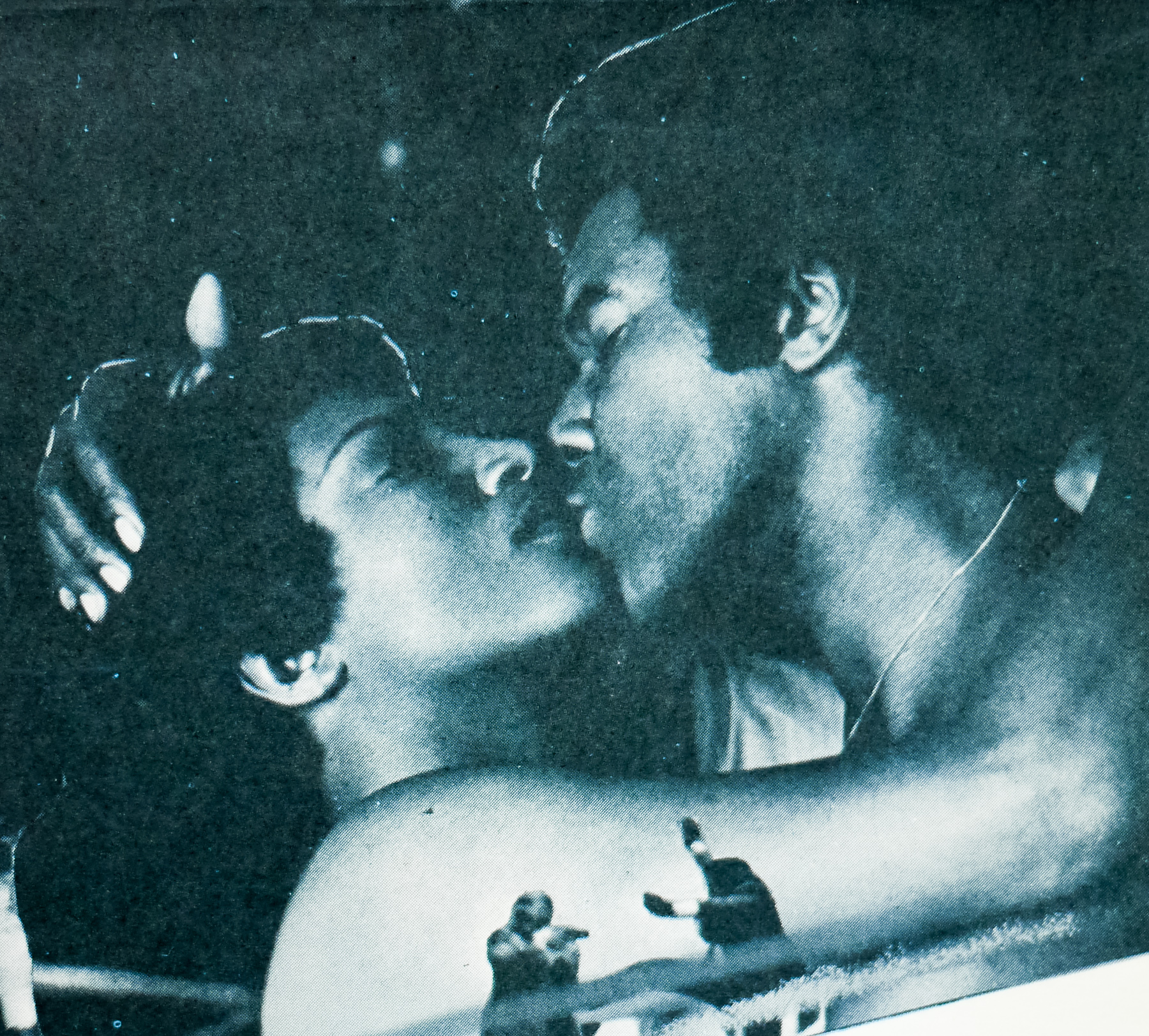
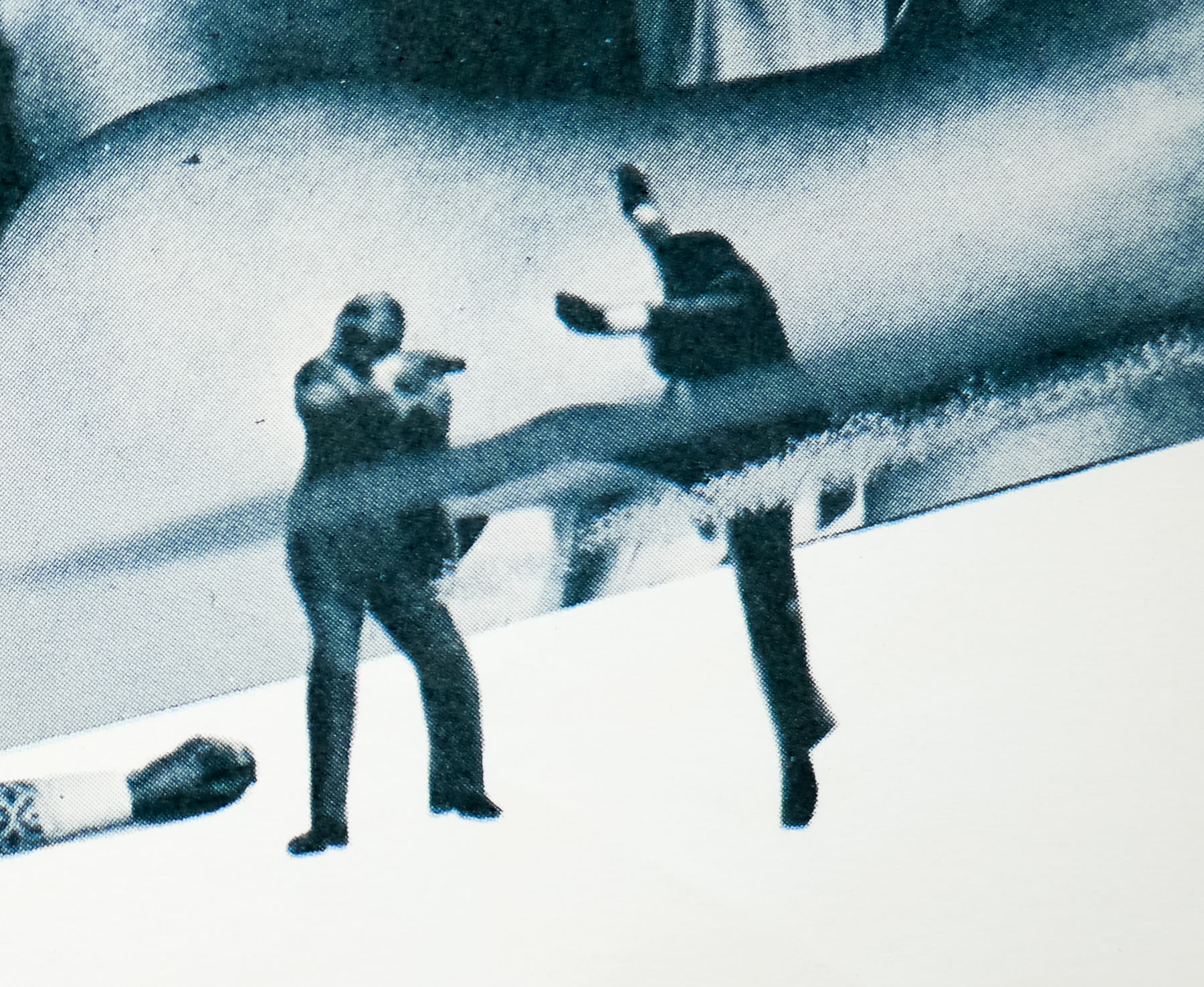
Excellent artwork for this entry into the 1970s Blaxploitation genre. Hit Man was based on the novel Jack’s Return Home by Ted Lewis that had been previously filmed as the British classic Get Carter a year before this.

Check out the superb trailer on YouTube.

This particular poster is the 30×40 version, printed on thicker paper and typically used for drive-in screenings or at larger cinemas. You’ll notice that the NSS and copyright information at the bottom has been cut off, probably due to a printing error (it hasn’t been trimmed).

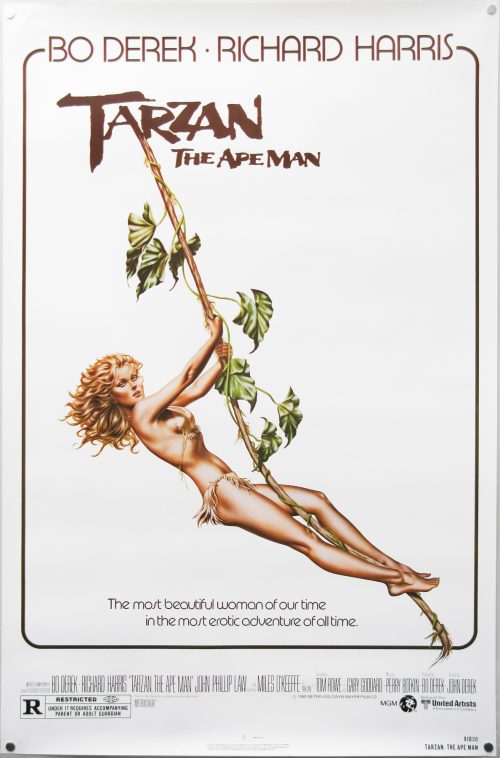
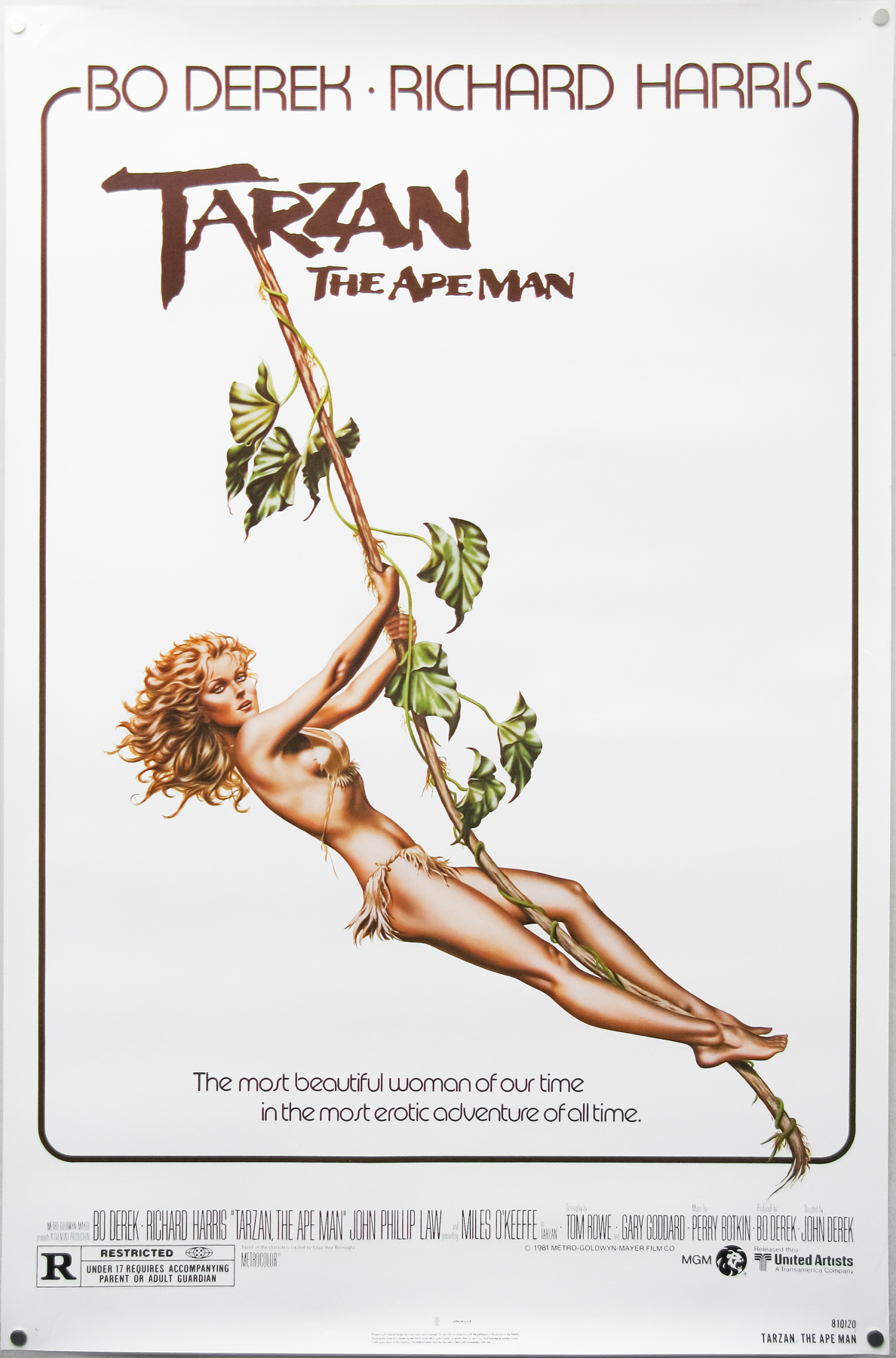
Tarzan The Ape Man / one sheet / USA

23.04.12

Poster Poster
Title
Tarzan The Ape Man
AKA
--
Year of Film
1981
Director
John Derek
Starring
Bo Derek, Richard Harris, John Phillip Law, Miles O'Keeffe
Origin of Film
USA
Genre(s) of Film
Bo Derek, Richard Harris, John Phillip Law, Miles O'Keeffe,
Type of Poster
One sheet
Style of Poster
Final
Origin of Poster
USA
Year of Poster
1981
Designer
Spiros Angelikas
Artist
Olivia De Berardinis
Size (inches)
27 1/16" x 41 1/16"
SS or DS
SS
NSS #
810120
Tagline
The most beautiful woman of our time in the most erotic adventure of all time.

A film that is perhaps only notable for a bizarre scene in which a nude Bo Derek nurses a small chimpanzee (link here and NSFW, obviously), Tarzan the Ape Man was an attempt to tell the classic Edgar Rice Burroughs story from the point of view of Jane, rather than the titular hero.

Directed by Bo’s husband John Derek (this was one of four collaborations between the pair) the production was reportedly sued by the Edgar Rice Burroughs estate for containing too much erotic content. The estate apparently failed in their bid to prevent the release of the film but succeeded in having over three minutes of footage excised from the theatrical release.

According to the film’s Wikipedia page, the film was quite a success at the US box office (taking over $36 million), despite being critically mauled and winning six Golden Raspberry Awards.

Bo Derek featured in an issue of Playboy magazine around the release of the film and I have the advance one sheet for this film advertising the fact, which can be seen here.

The artist responsible for the artwork on this one sheet is Olivia De Berardinis, known simply as Olivia, an American artist who is famed for her paintings of women in a pinup or ‘cheesecake’ style. Born in California, Olivia spent most of her youth on the East Coast, attending the New York School of Visual Arts from 1967 to 1970. By 1975 she was taking on commercial work, which included illustrations for novel covers, periodicals, advertisements and movie posters. She’s perhaps best know for the paintings she did for adult magazines, including most famously for Playboy. She had a regular slot in the magazine since 2004, often accompanied by a Hugh Hefner caption. She now resides in Malibu, California and continues to work and sell her previous paintings to fans. One of the other movie posters she worked on was for the 1981 romantic sexploitation comedy Babe, which can be seen here.

The original trailer is on YouTube.

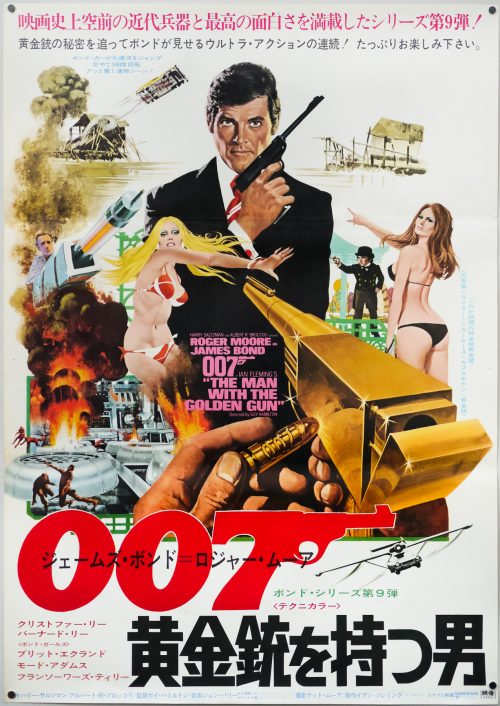
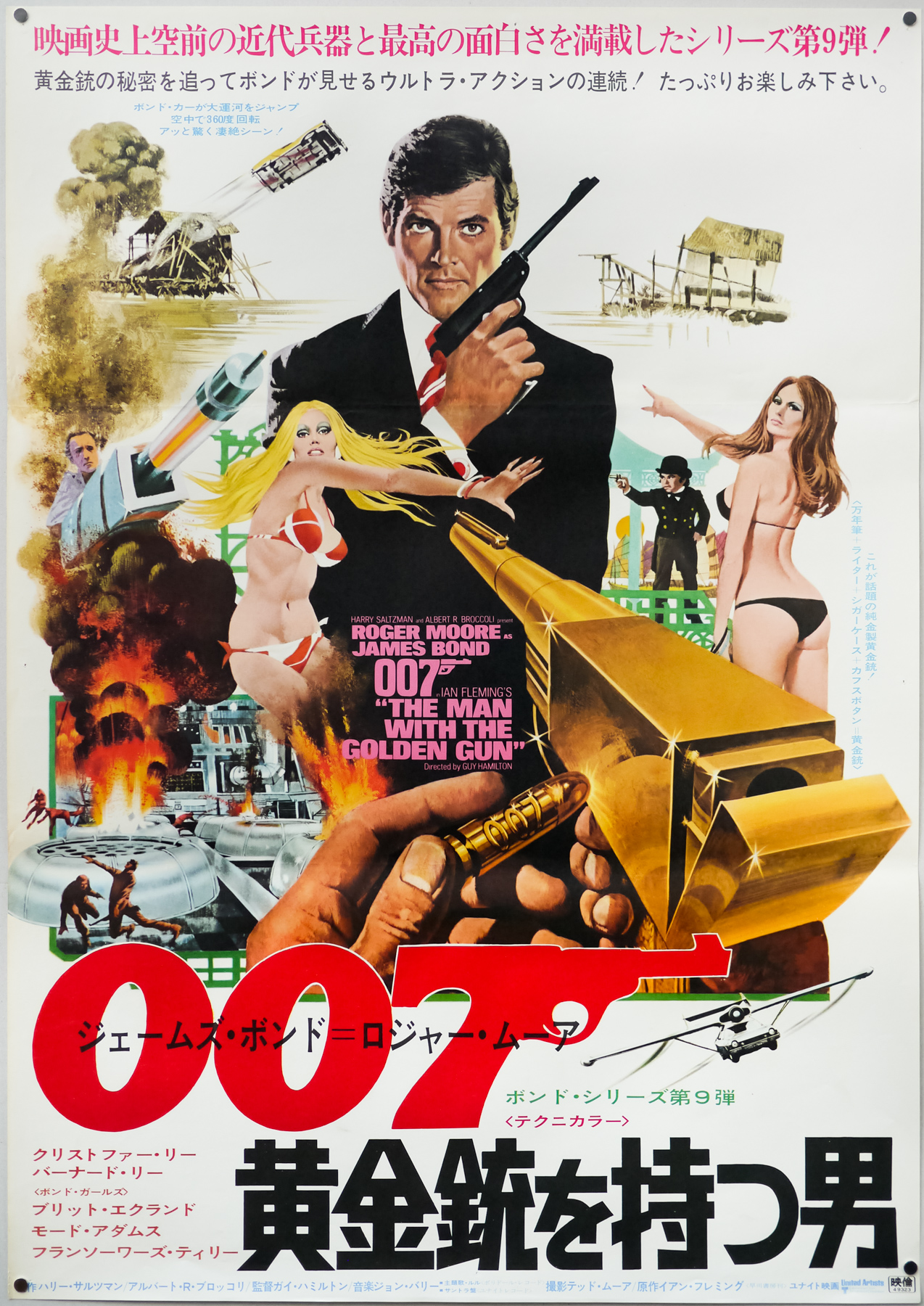
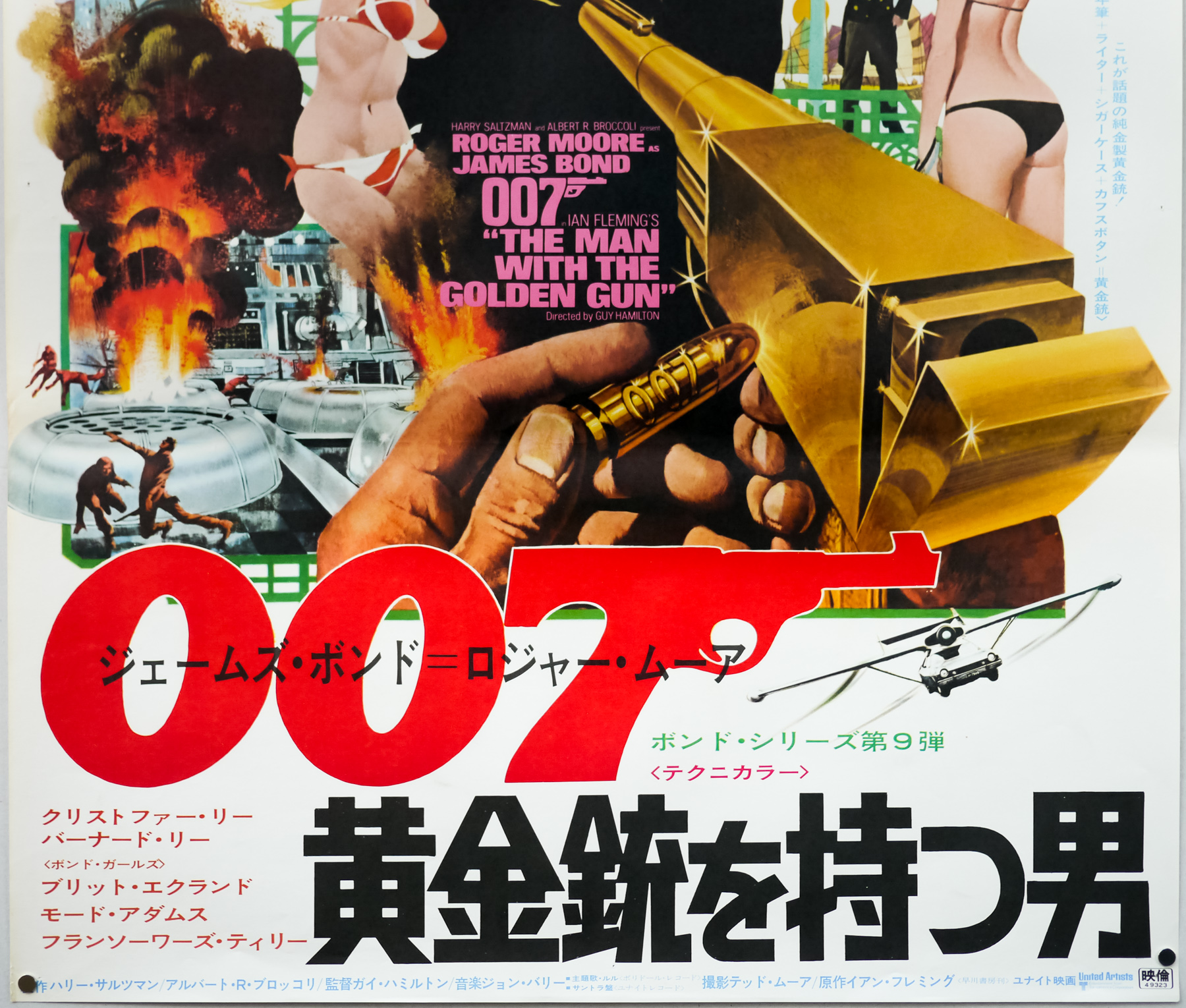
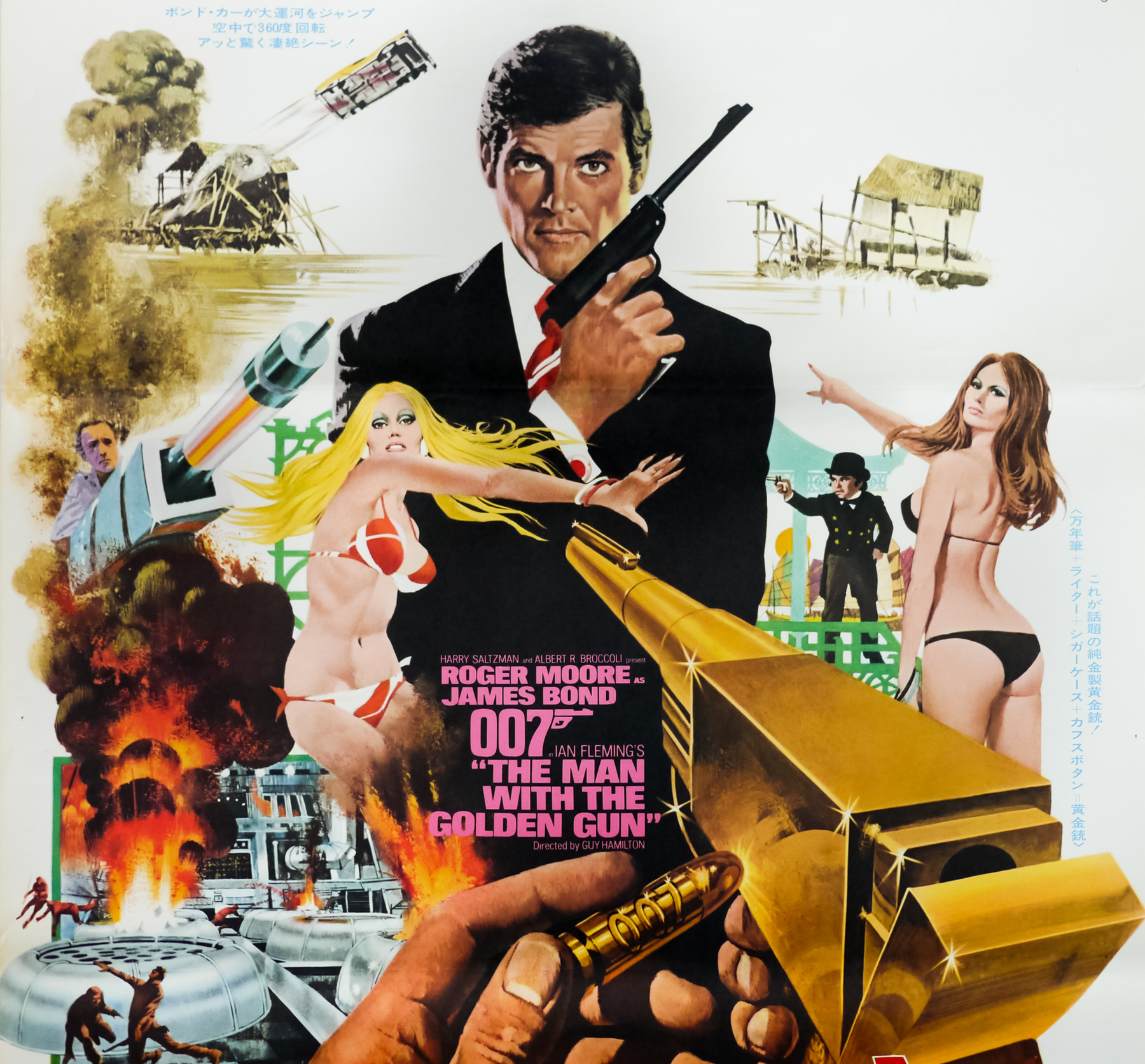
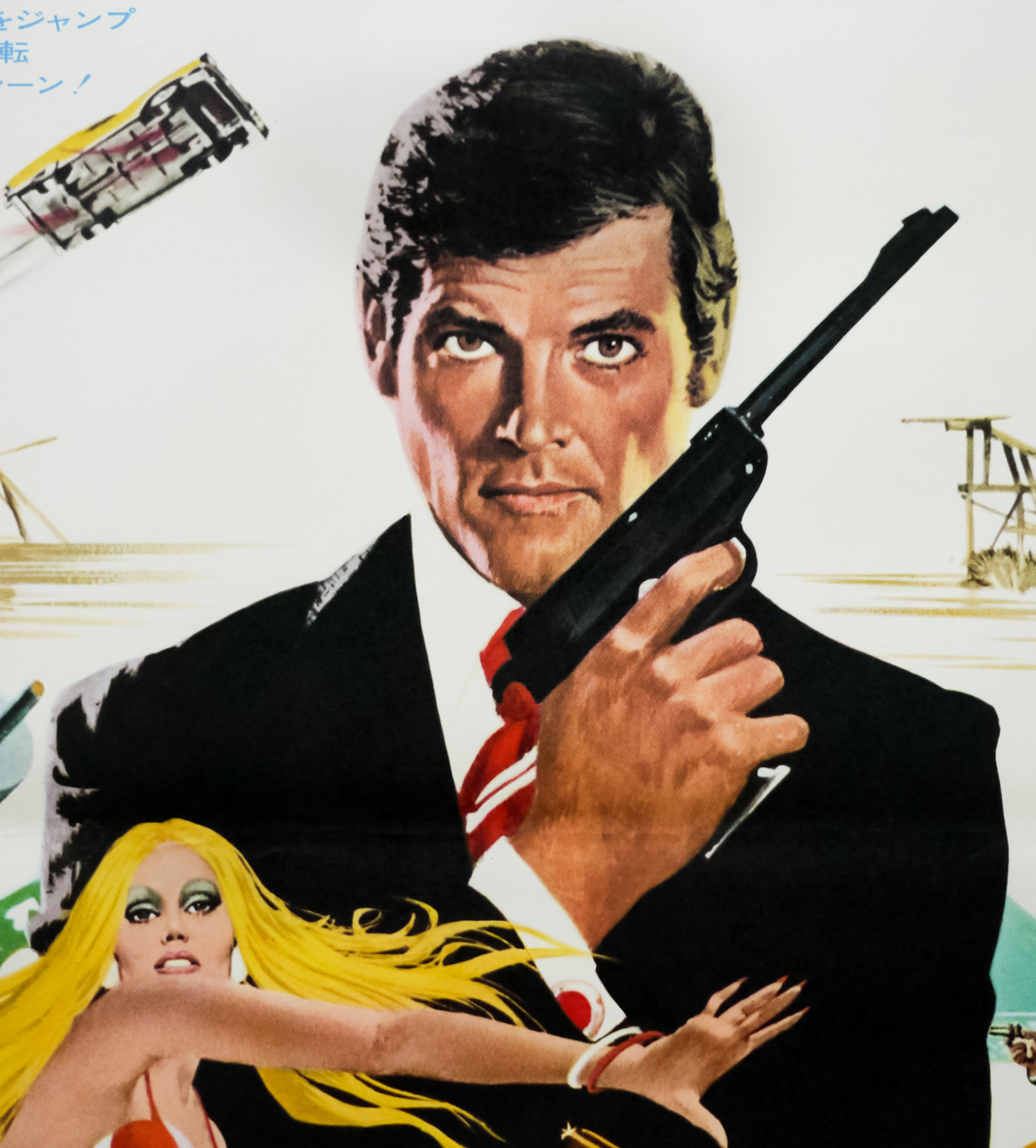
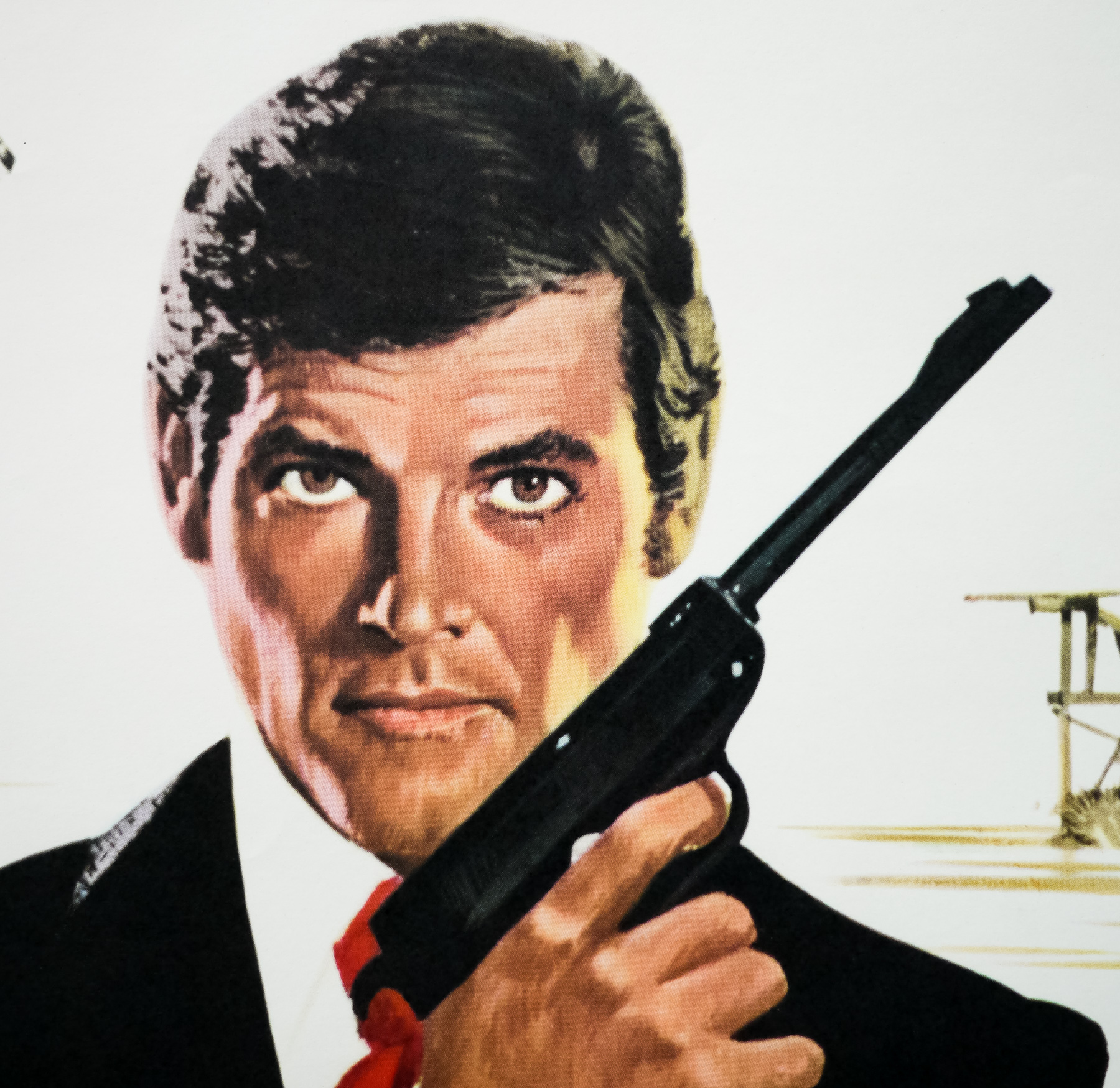
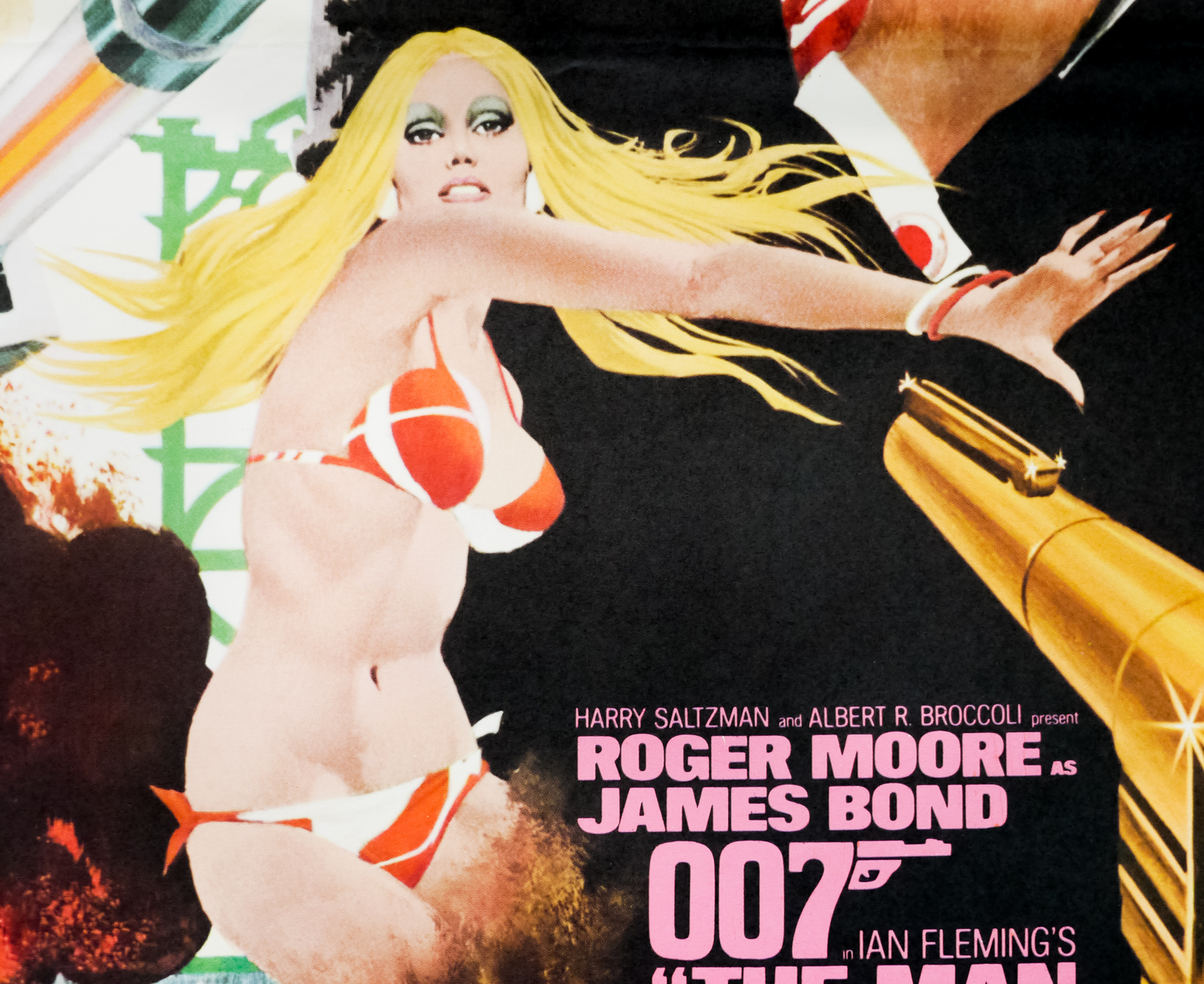
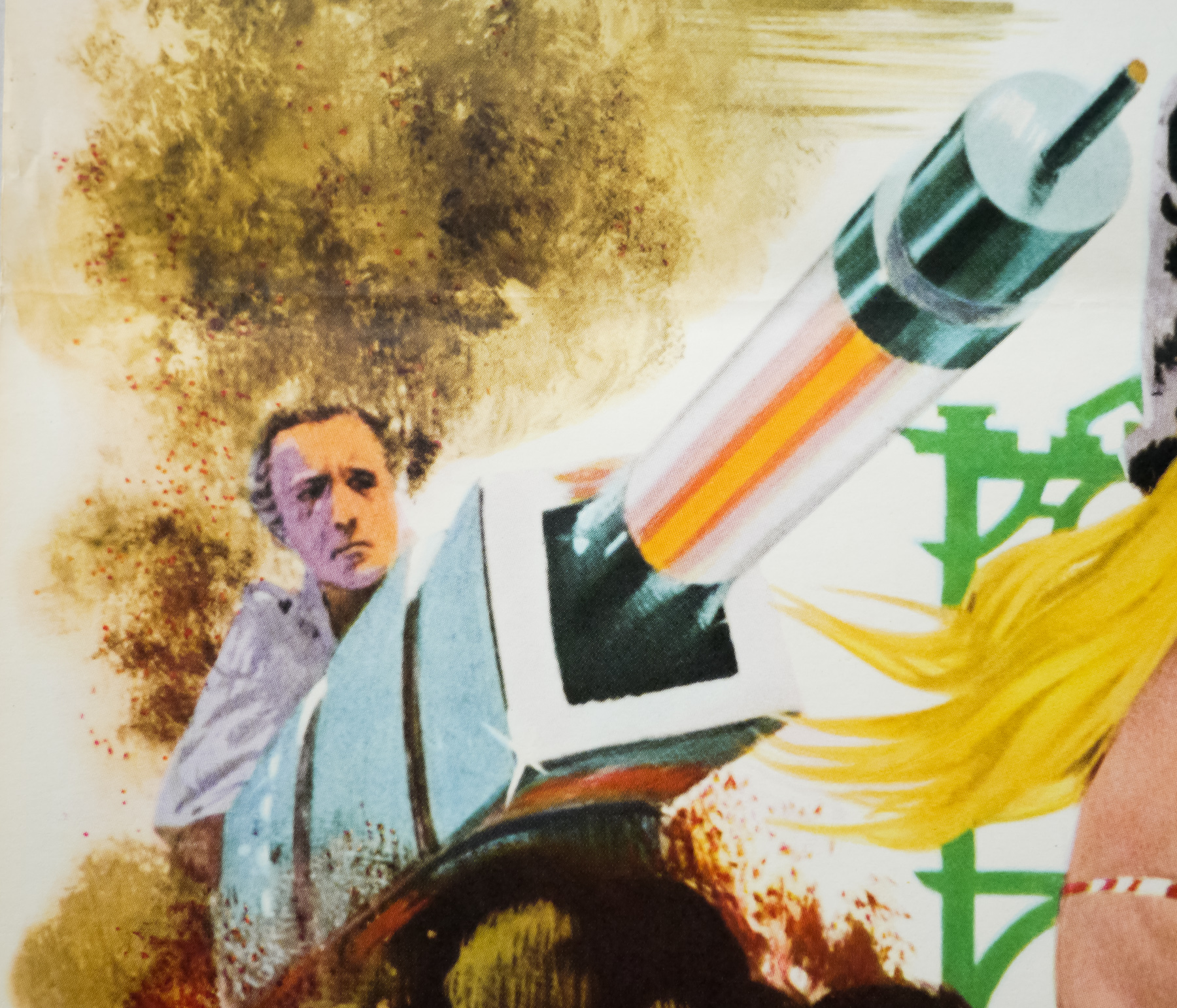
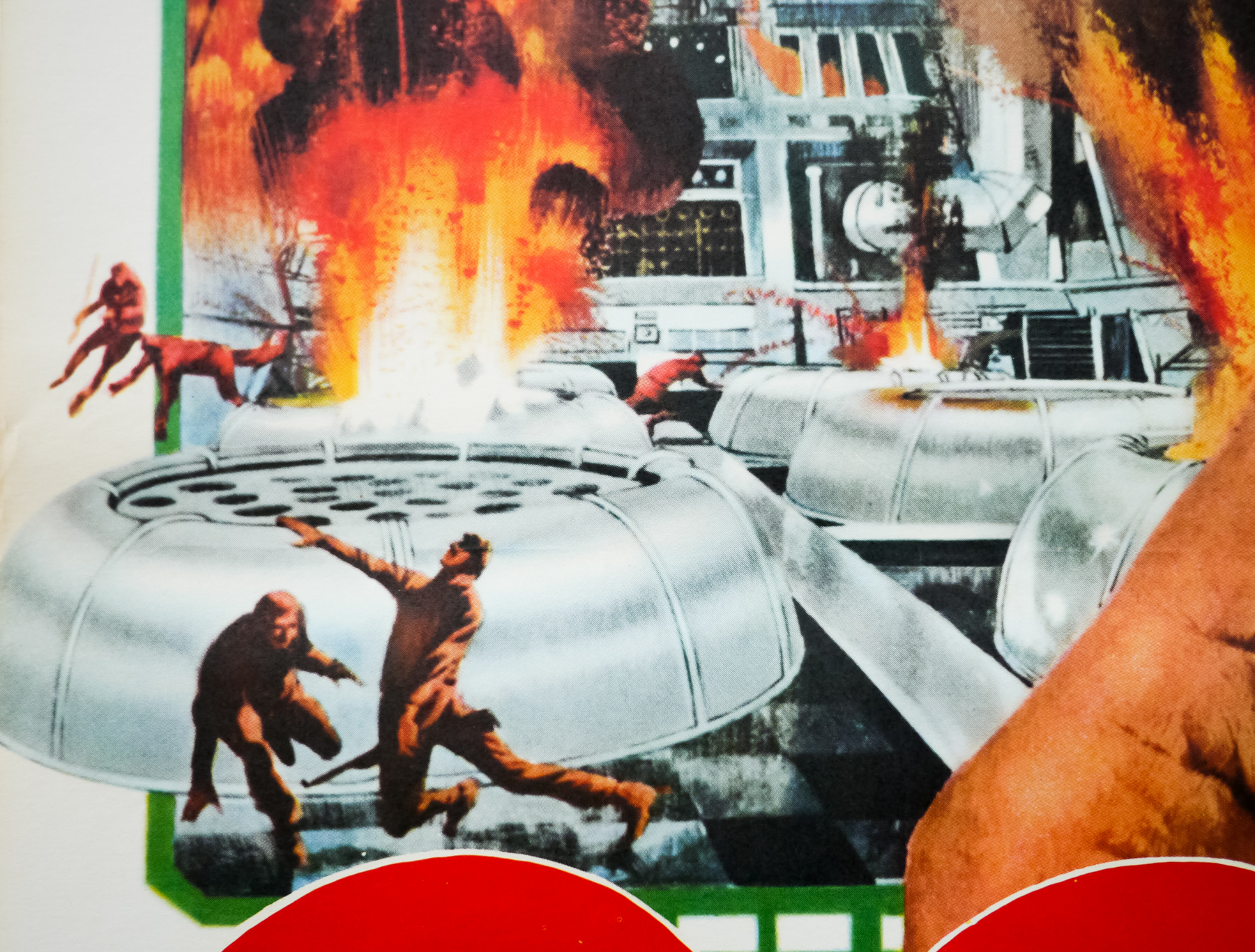
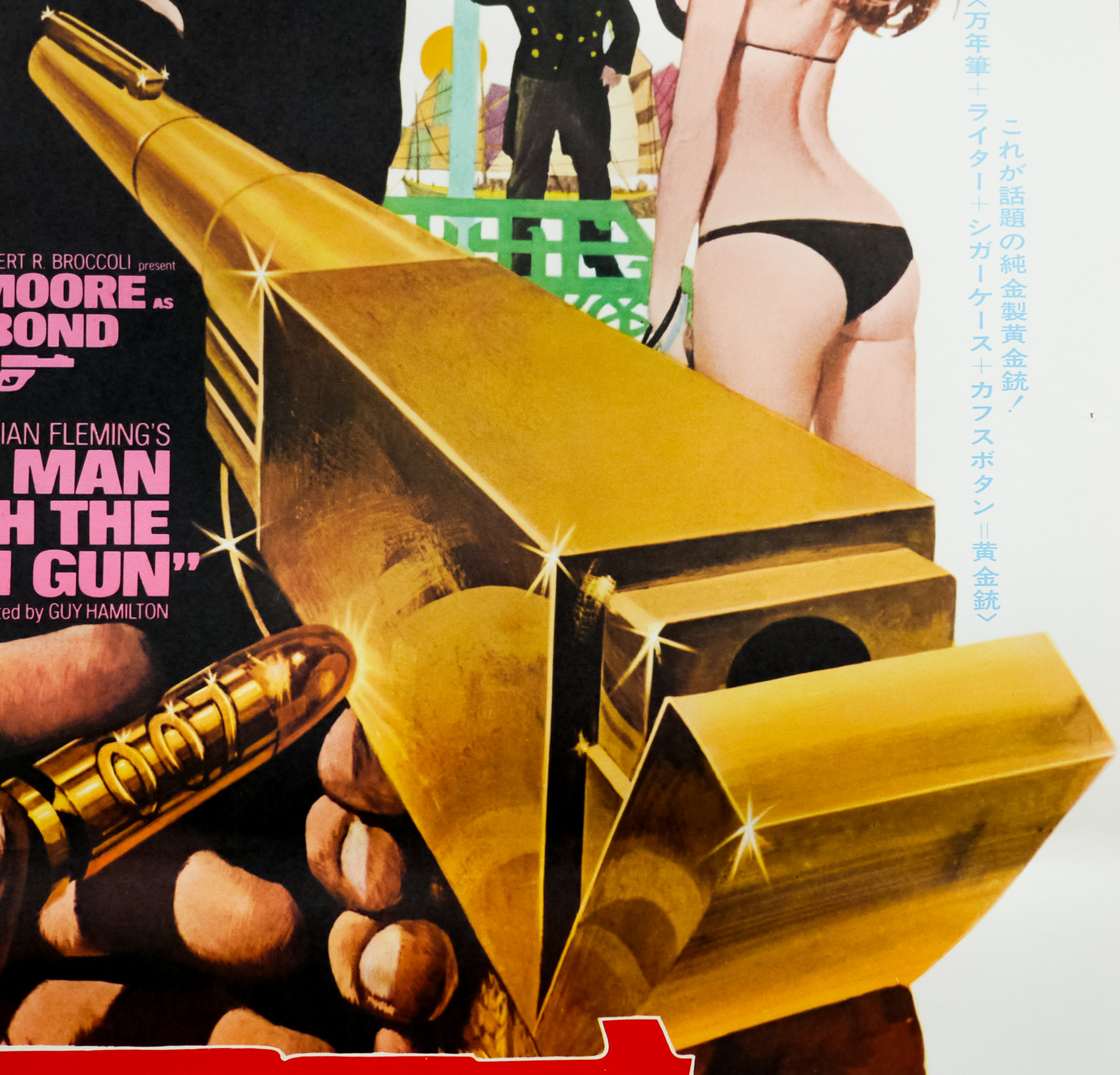
The Man With The Golden Gun / B2 / Japan

16.06.14

Poster Poster

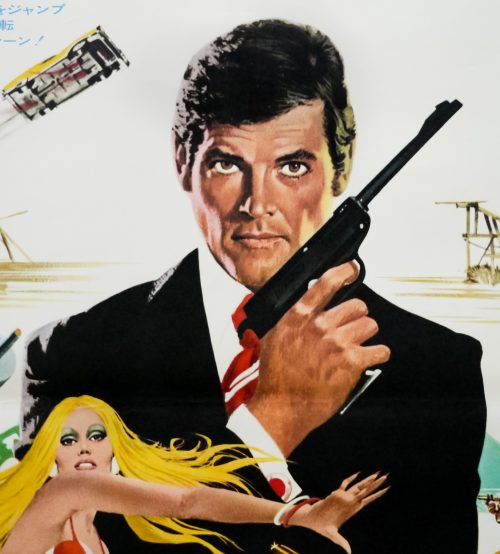
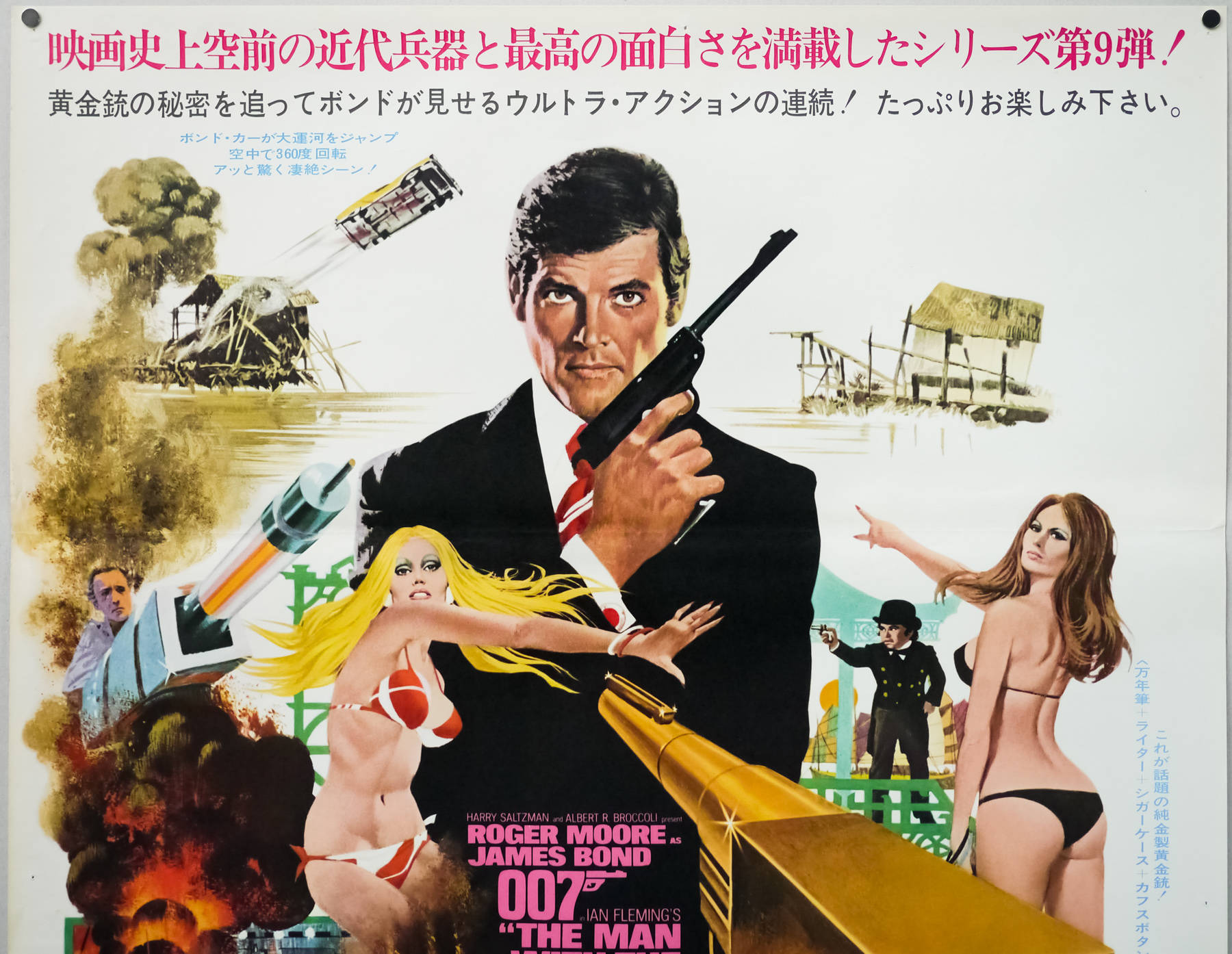
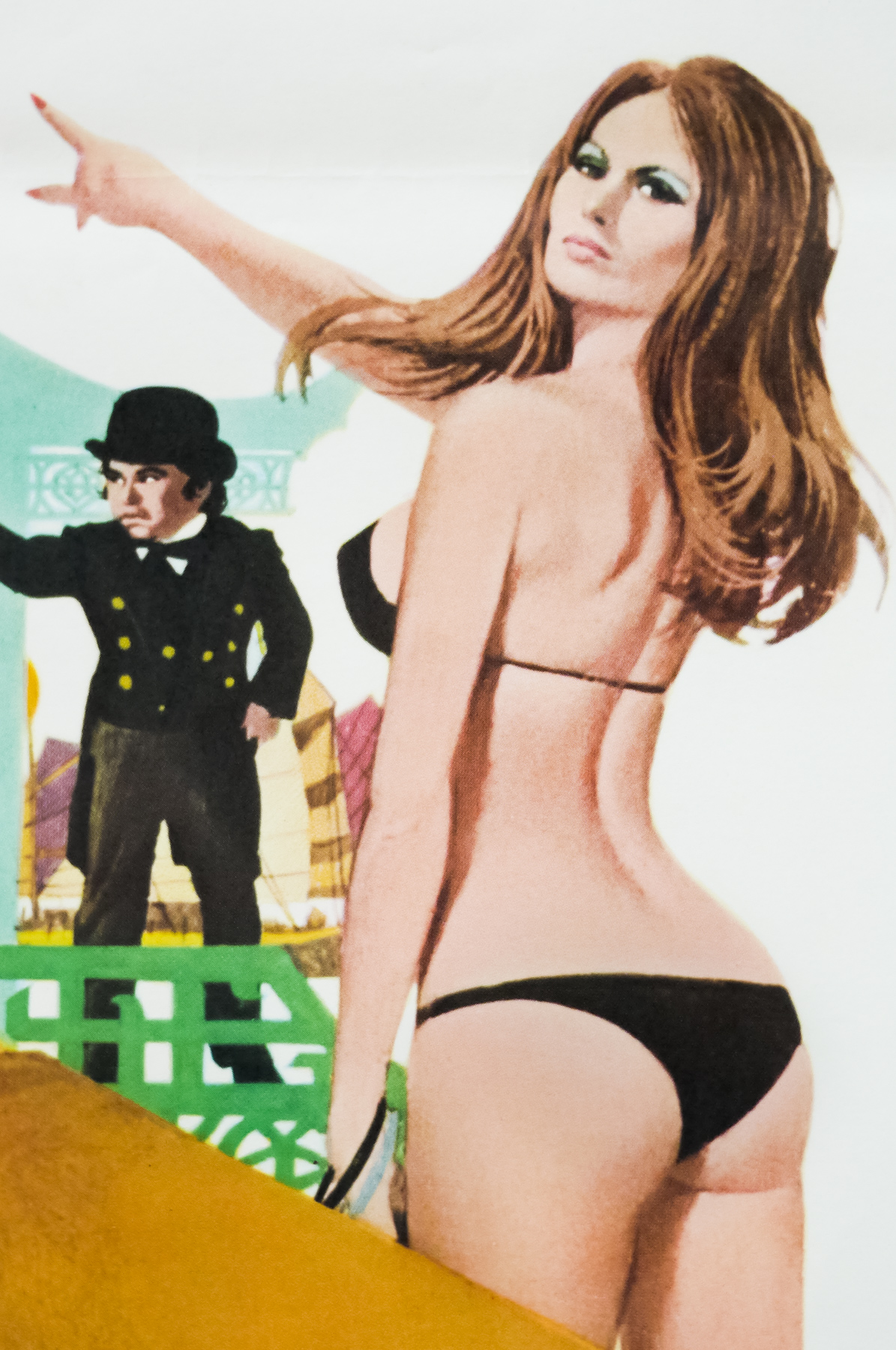
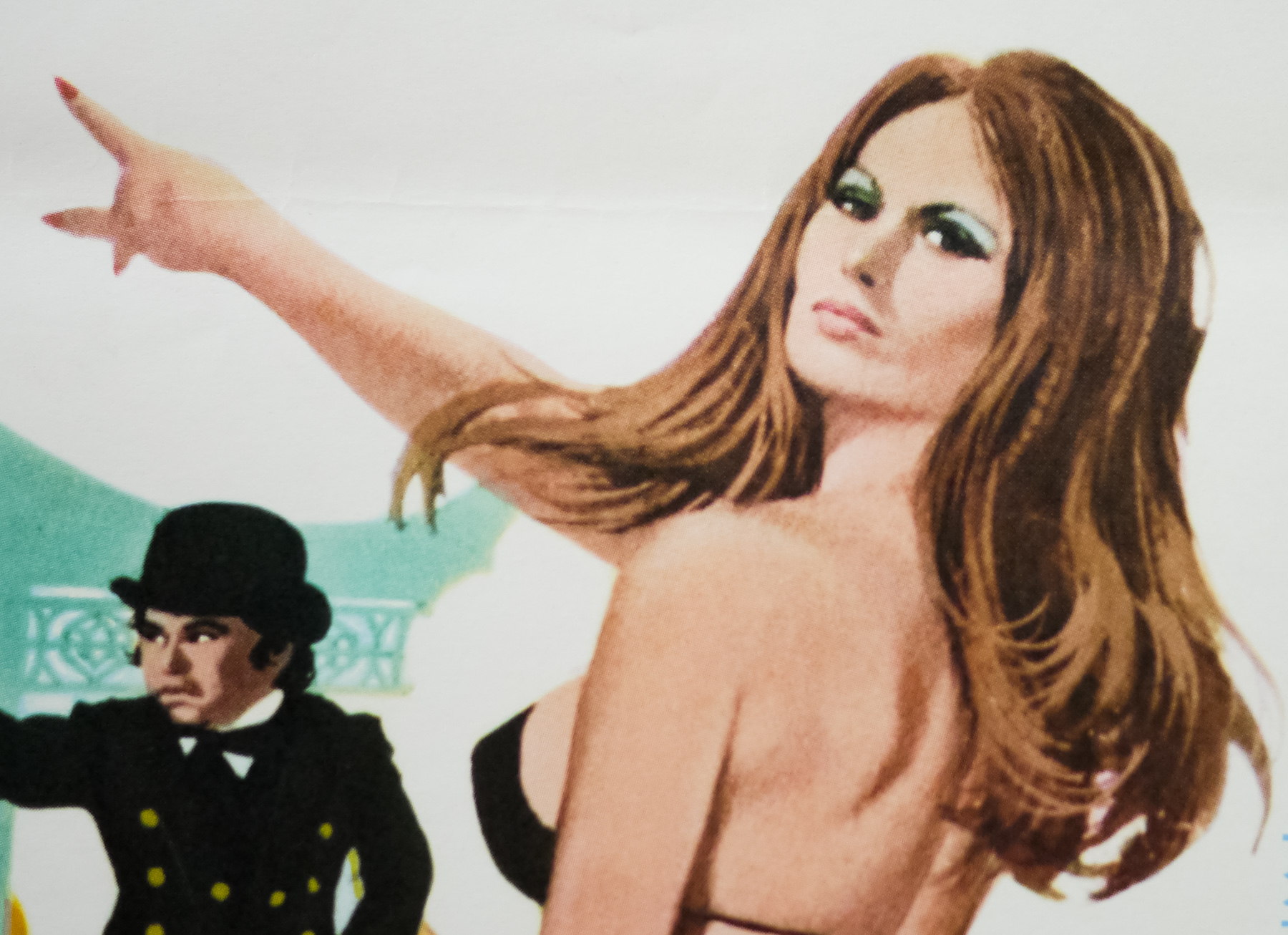
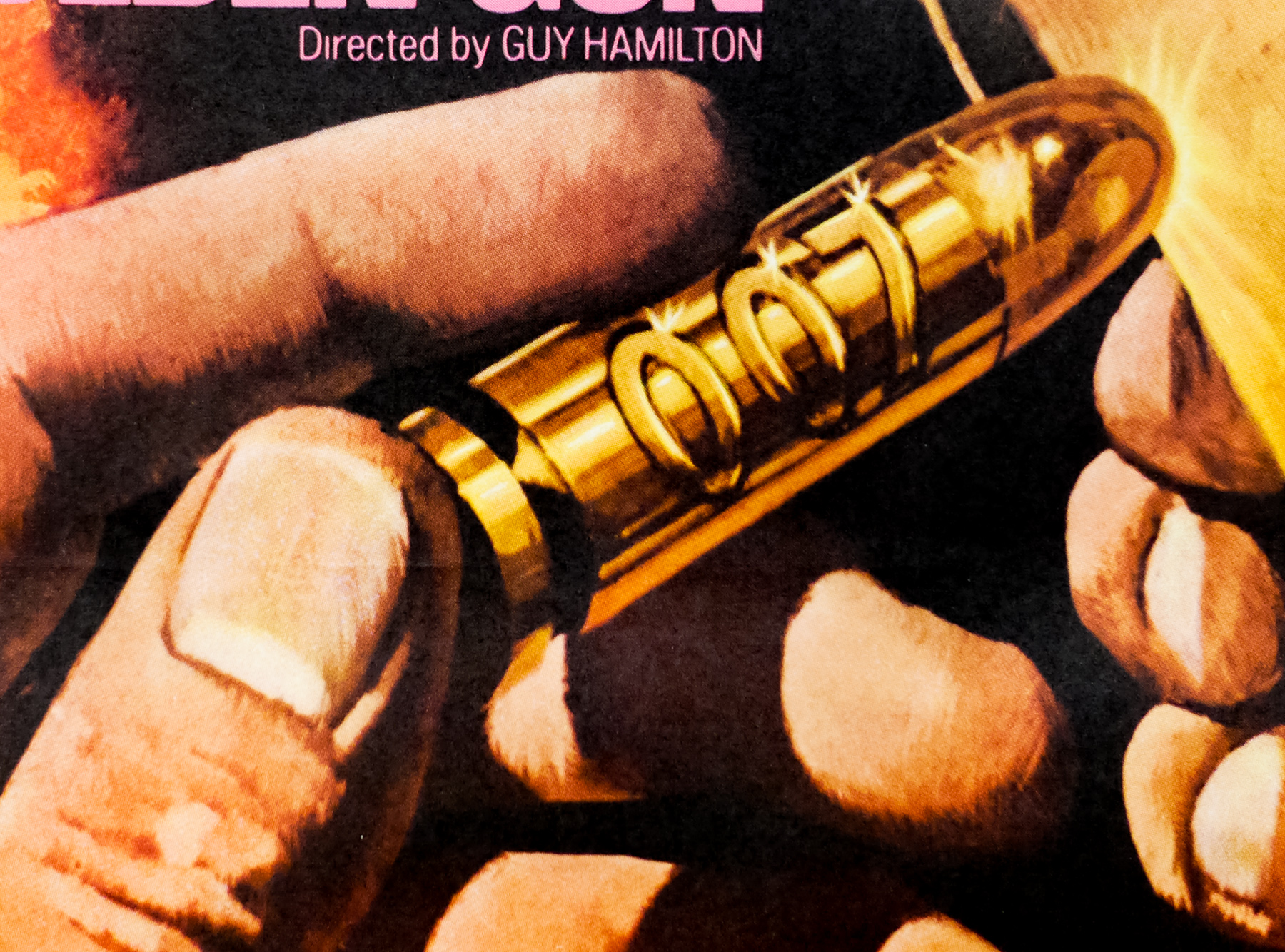
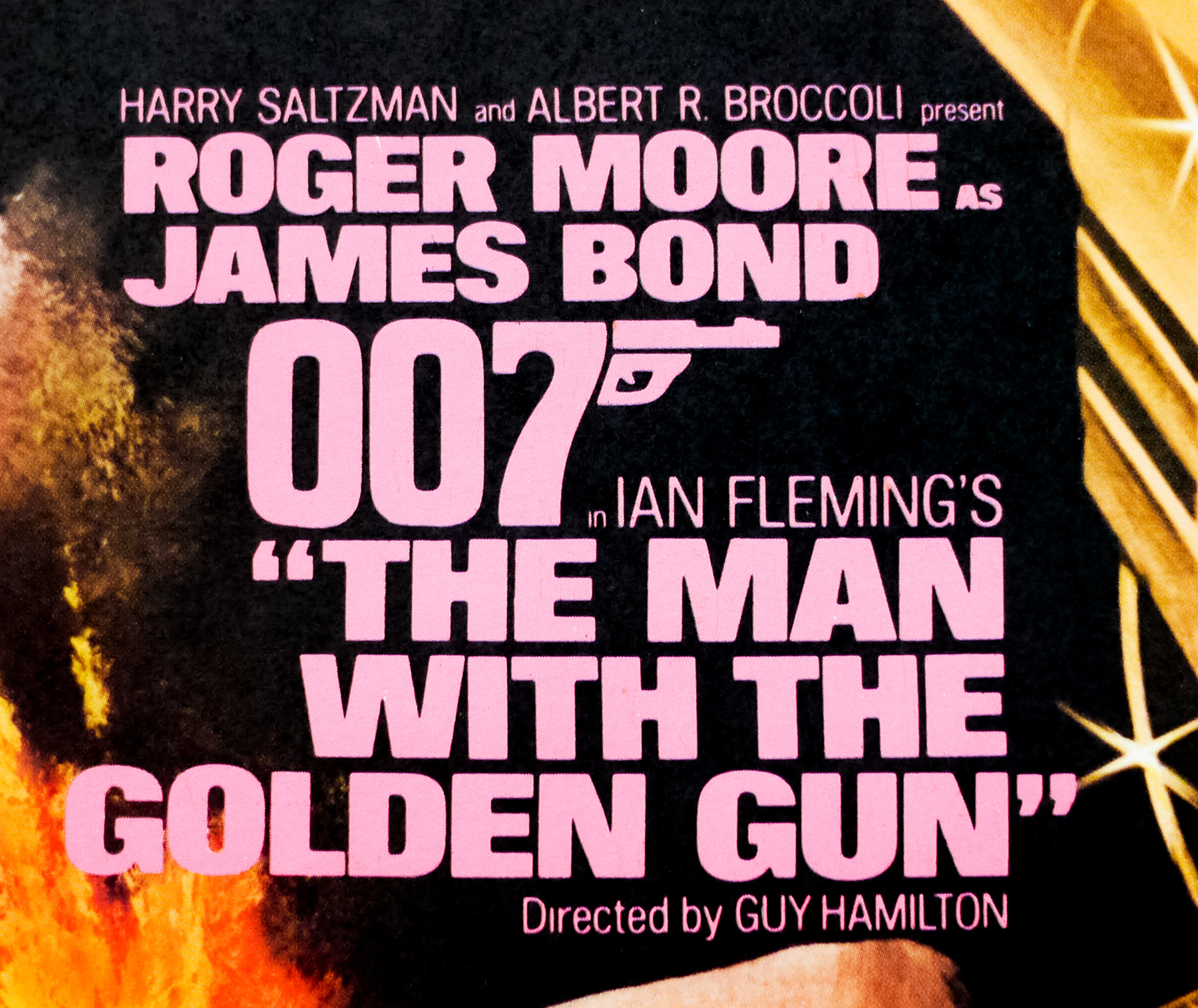
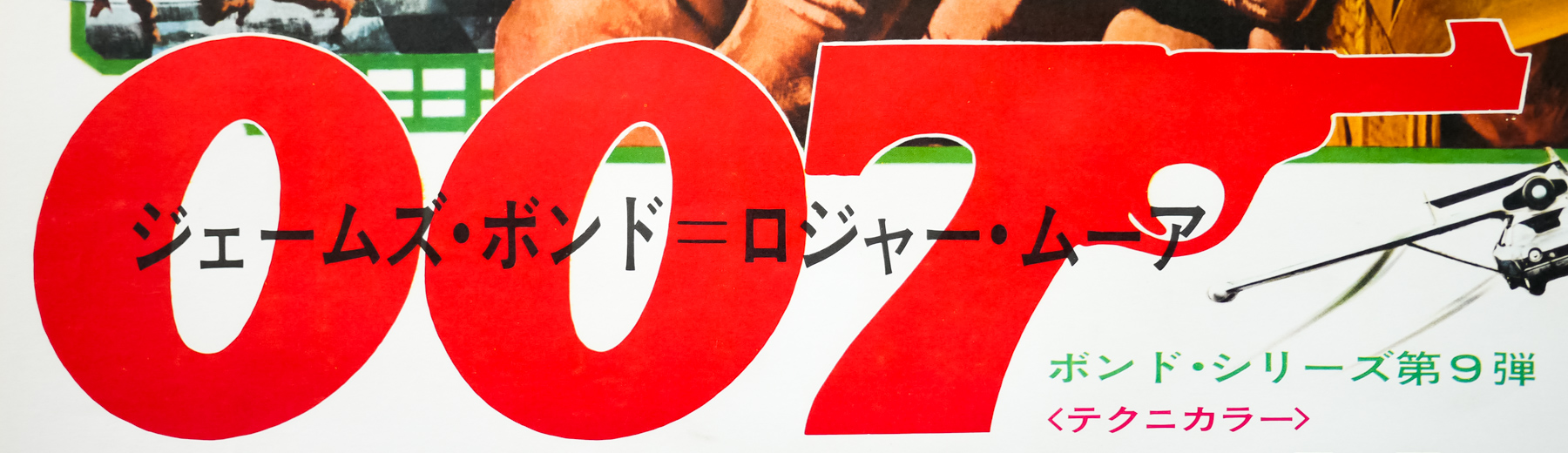
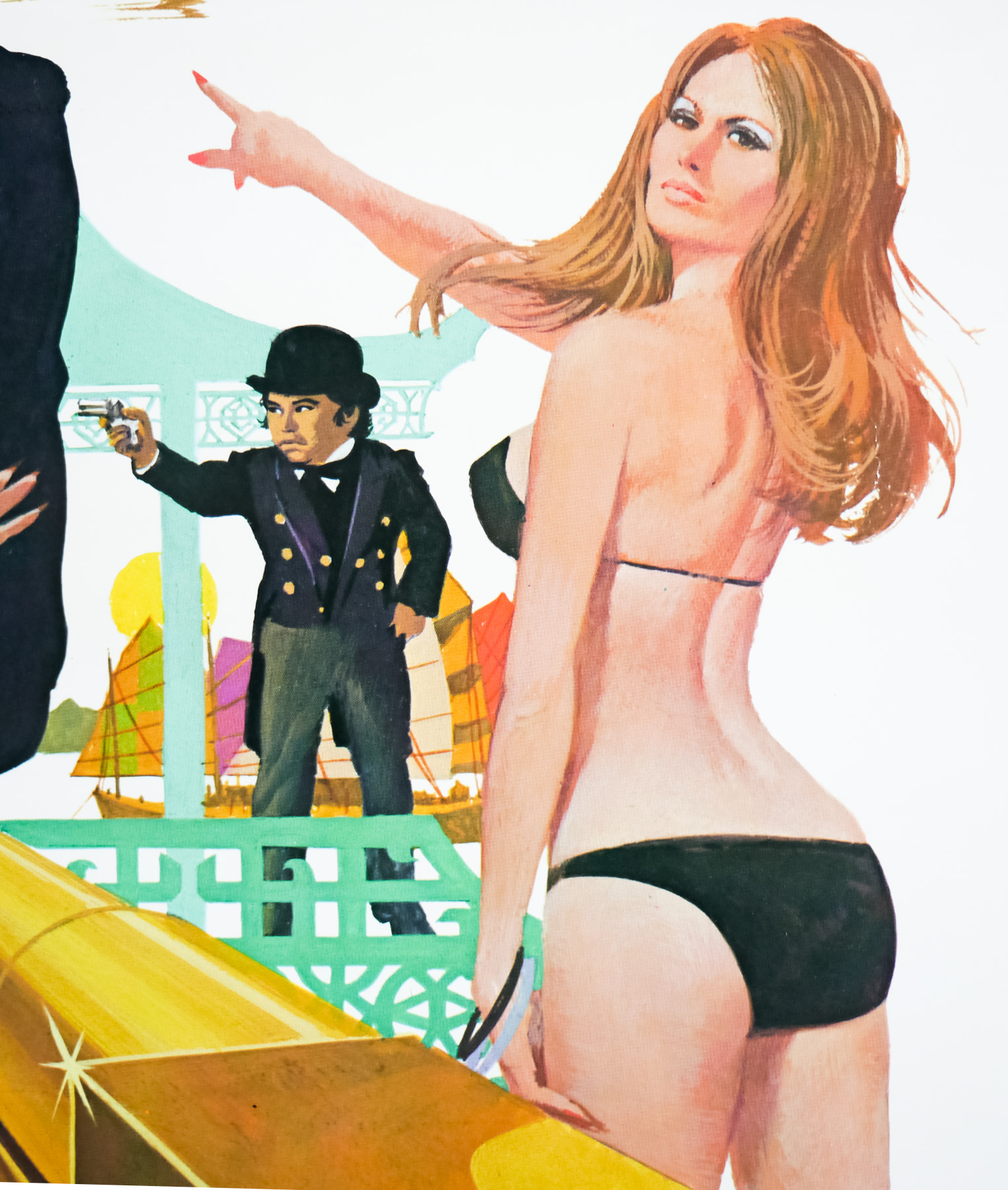
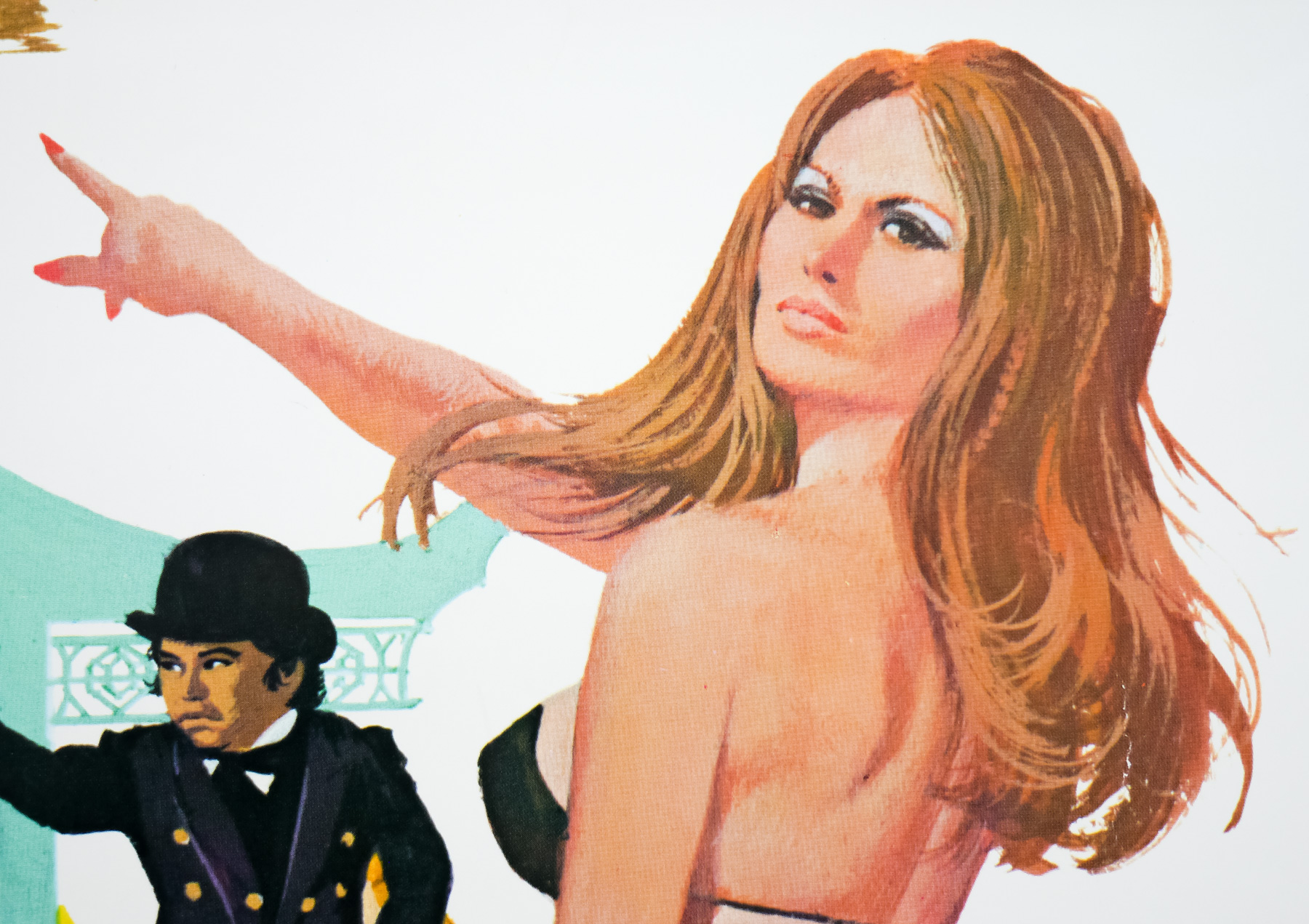
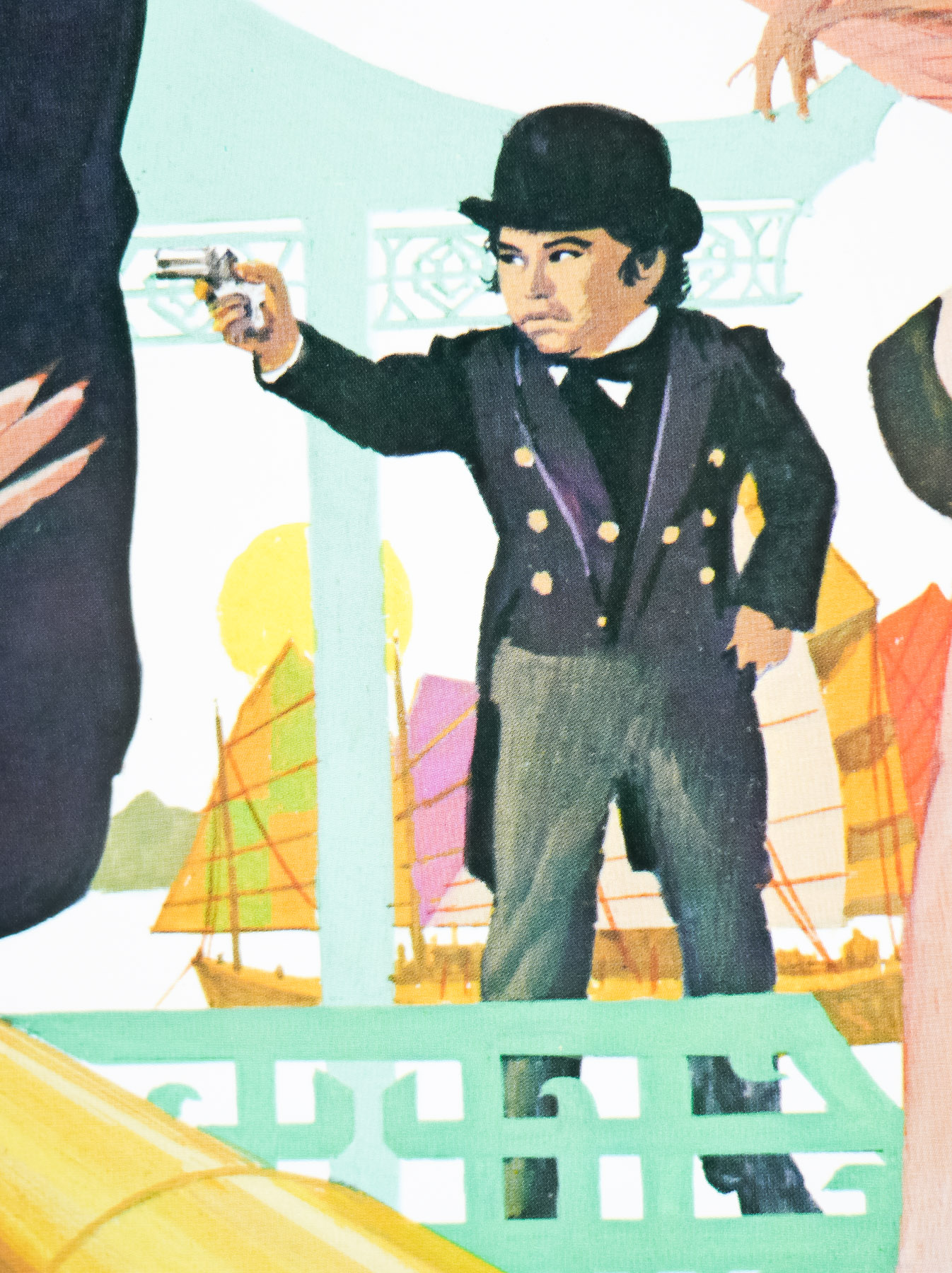
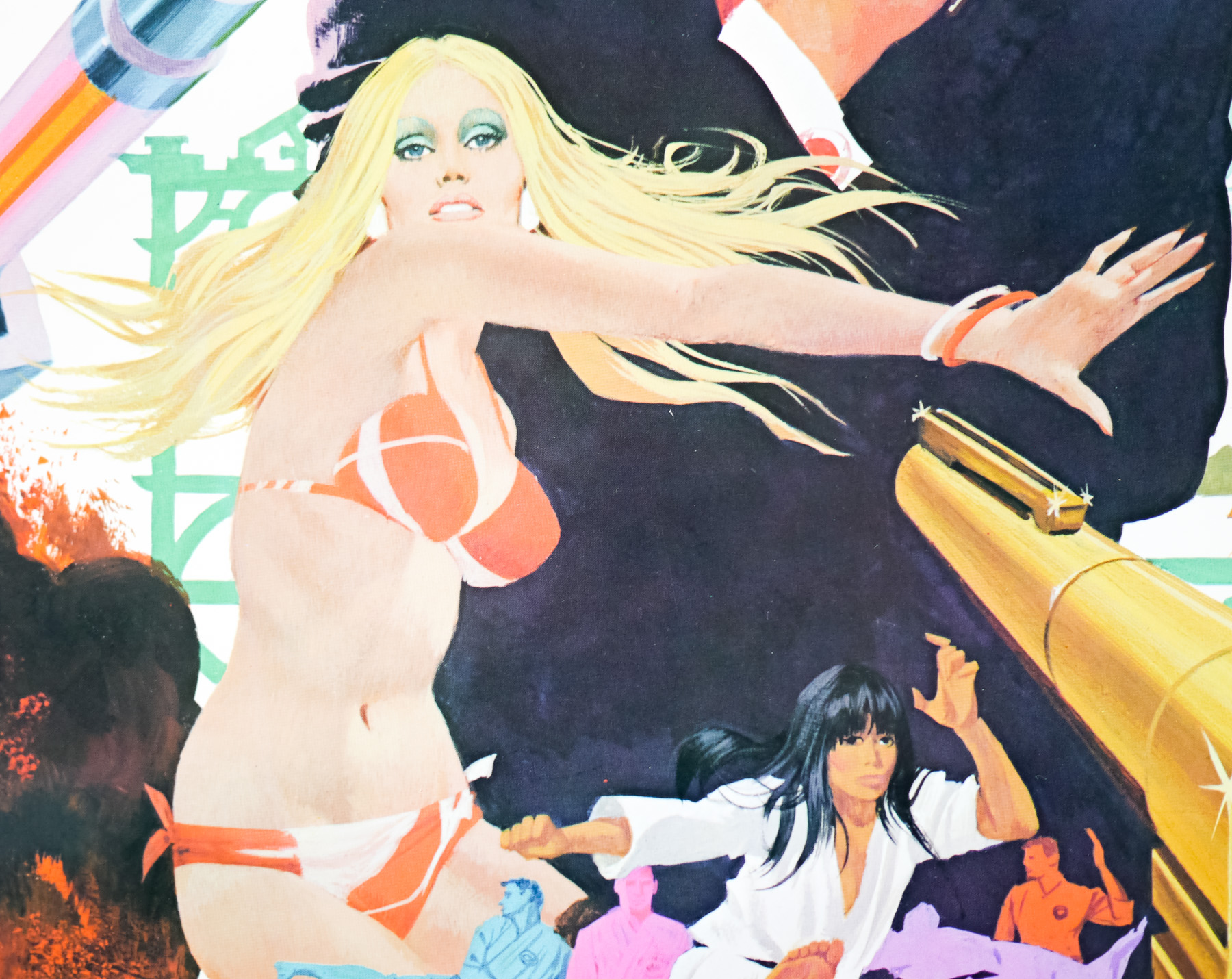
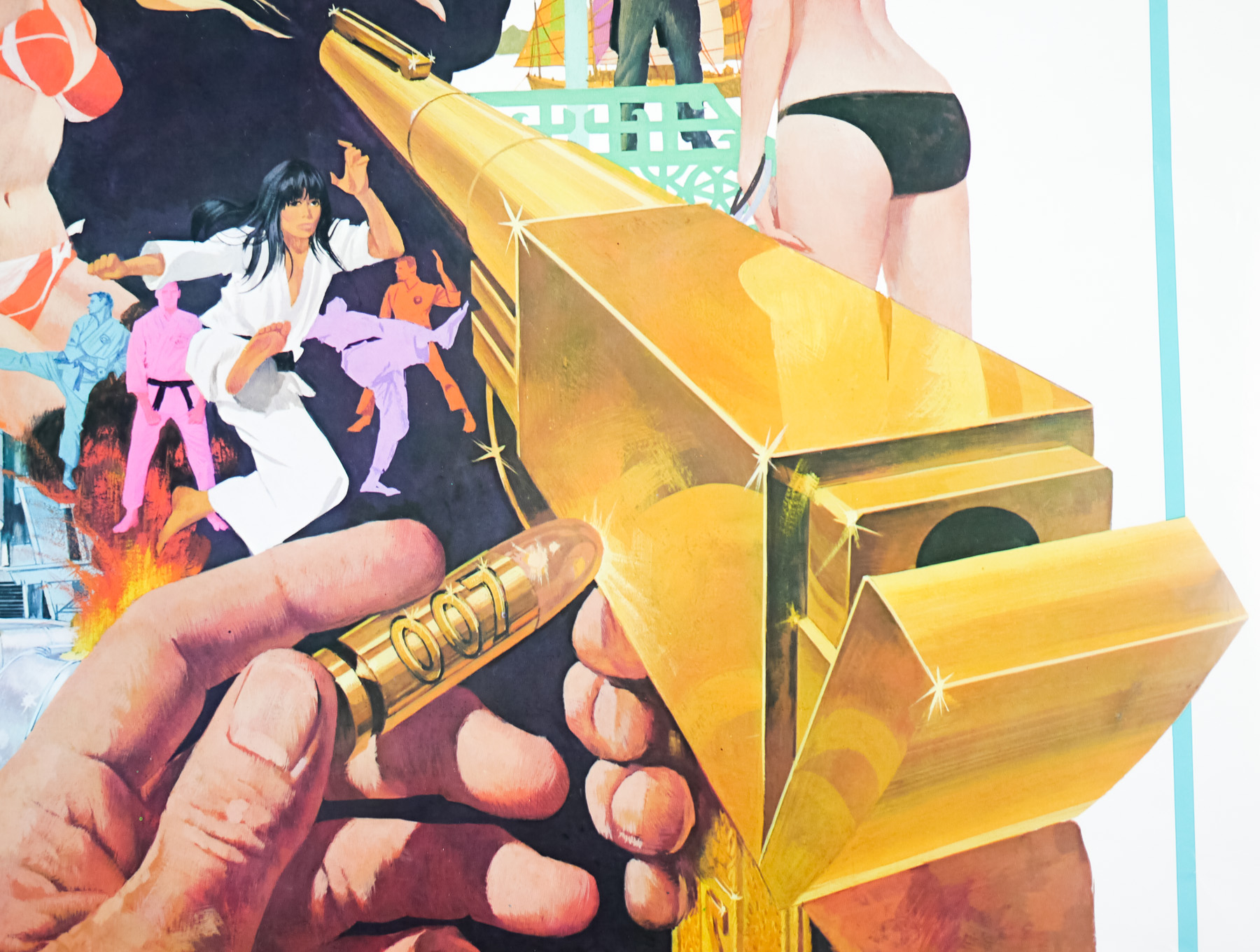
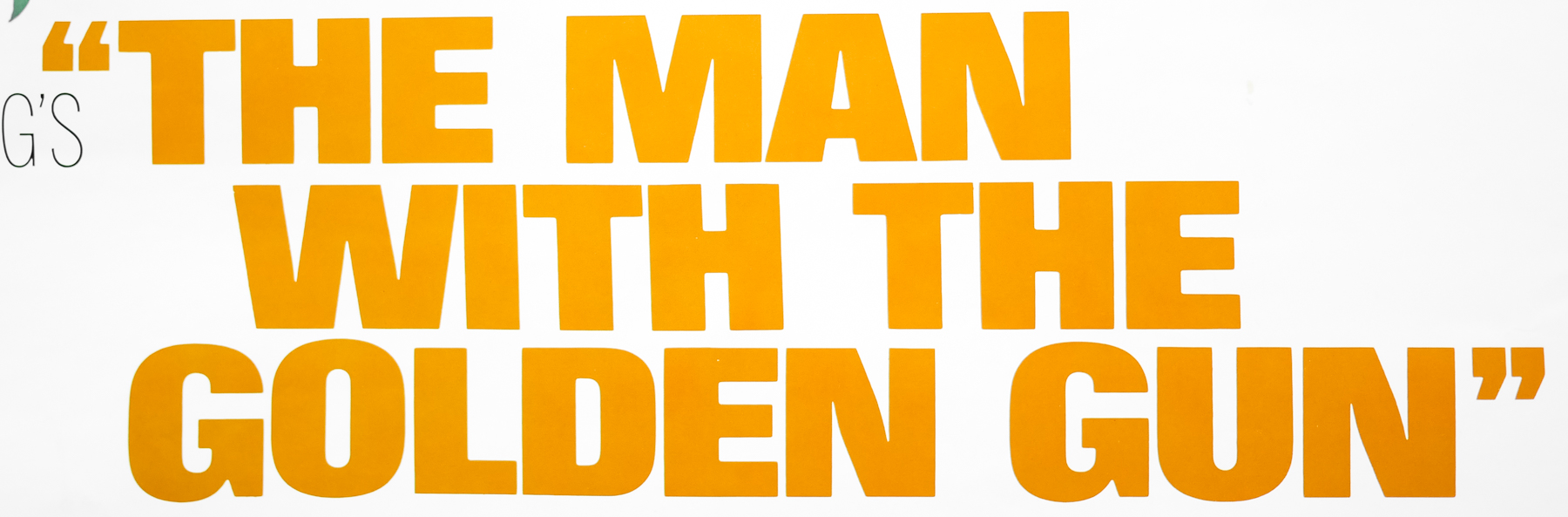
This is the Japanese B2 poster for the release of The Man With the Golden Gun, the ninth James Bond film and the second to star Roger Moore as the legendary secret agent. It’s definitely one of the weaker films in the long-running series and certainly not Moore’s finest hour, but it has several elements that make it worth watching, including a host of interesting far-eastern locales, strong production design and a very memorable bad guy in the shape of Christopher Lee‘s Scaramanga. Guy Hamilton returned as director for the fourth and last time in the series and the script, written by Richard Maibaum and Tom Mankiewicz, takes place amidst the climate of energy worries that followed the 1973 oil crisis. It also reflected the then craze for martial arts movies that followed the release of films like Bruce Lee’s Enter the Dragon with several kung-fu sequences and exotic locations.

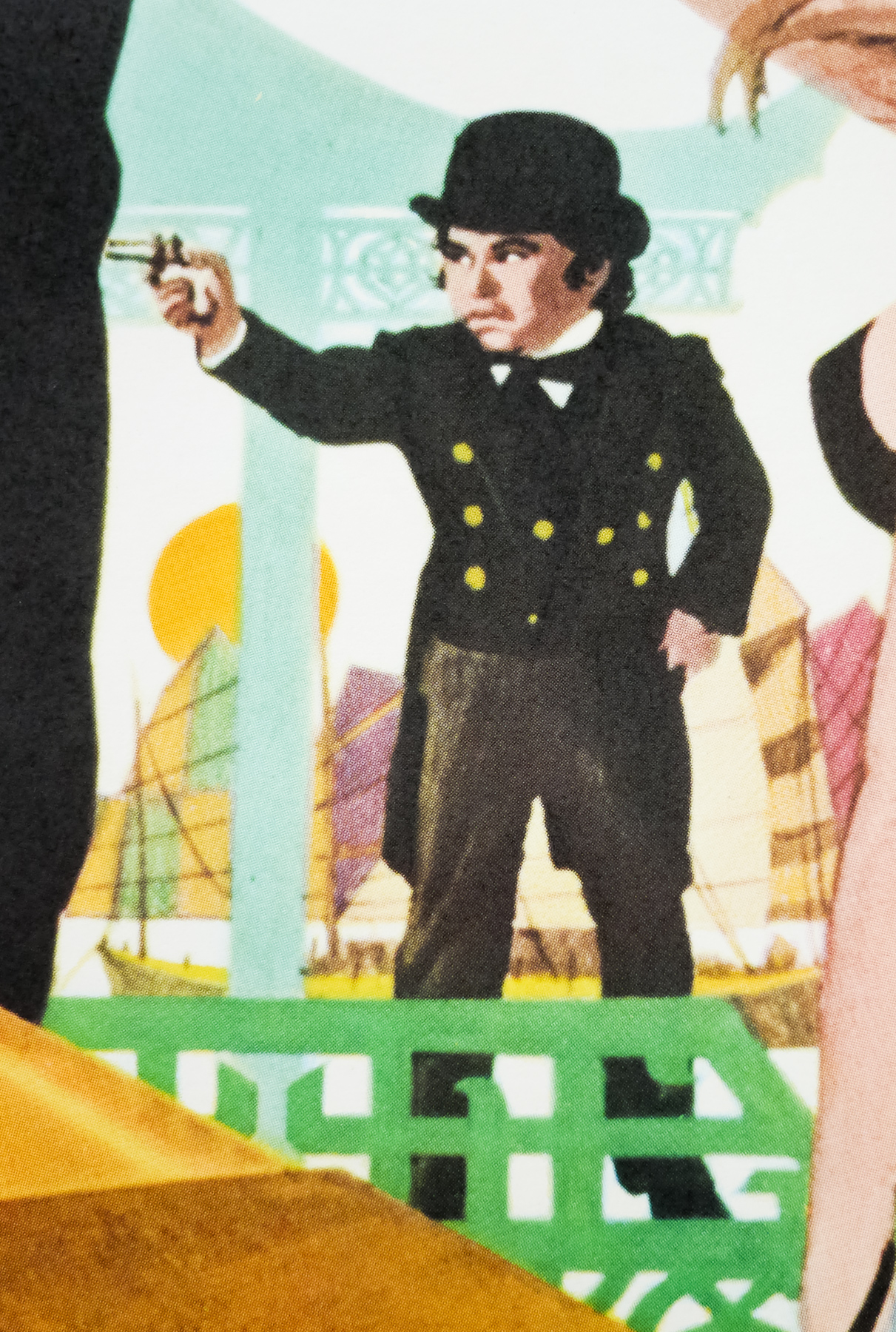
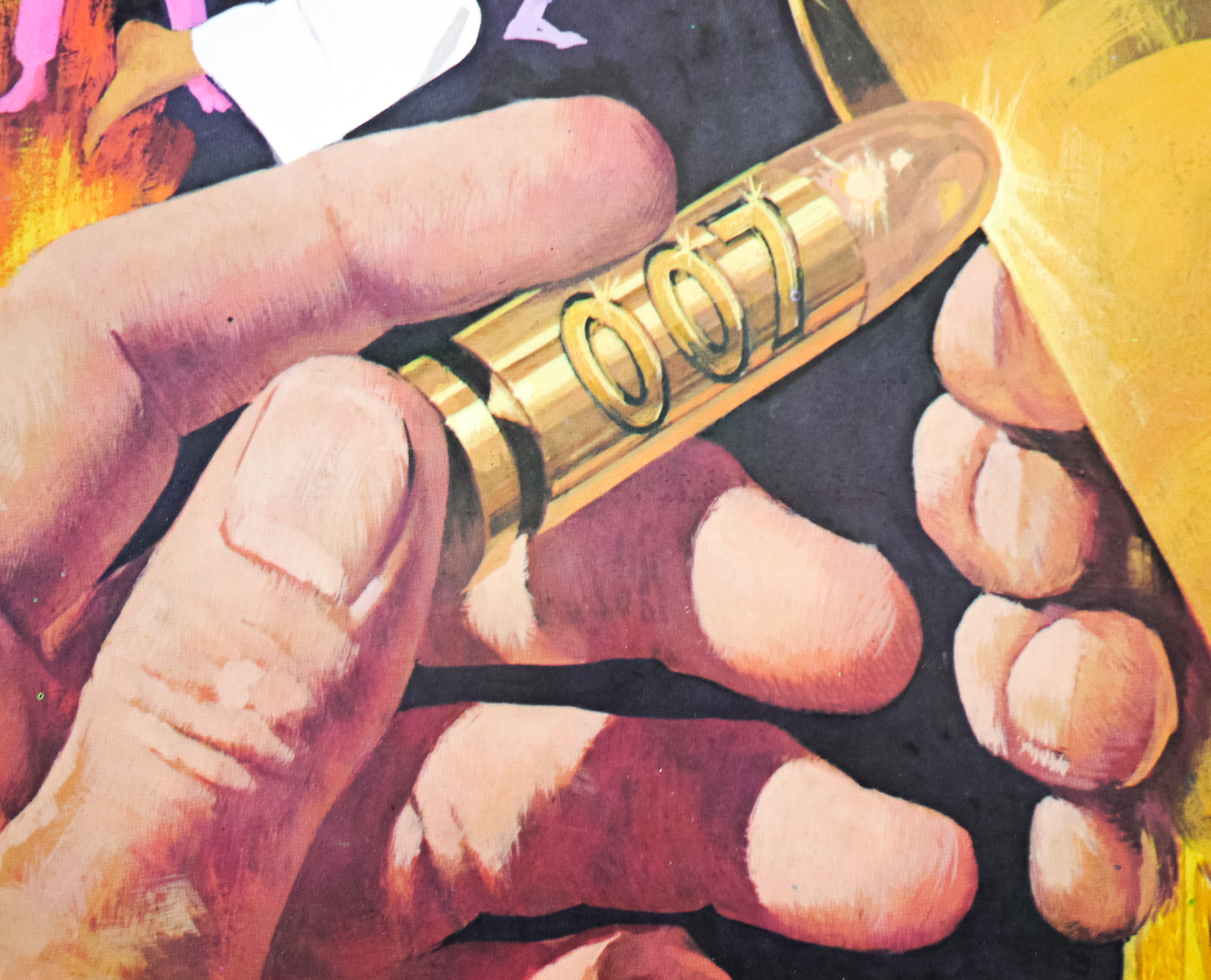
The story starts as MI6 receive a golden bullet with 007 etched into it, leading them to believe that Bond’s life is at threat from the notorious international assassin Scaramanga so they decide to remove him from active duty. The agent was on the trail of a scientist who it is thought could help with the energy crisis and he is frustrated to have been stopped in his pursuit so he sets off to find Scaramanga without official approval. Bond follows a trail of assassinations which lead him from Macau to Bangkok and eventually to Scaramanga’s private island hideout where he discovers that the master assassin has an interest in solar power. Soon Bond is challenged to a duel to the death and he must use his wits to survive the traps set around Scaramanga’s hideout. Dwarf actor Hervé Villechaize has a memorable role as the assassin’s servant Nick Nack, and Clifton James returns as the (perhaps ill-advised) comic relief figure of Sheriff J.W. Pepper, as featured in Live and Let Die.

The artwork on this poster also features on the US one sheet and was painted by Robert McGinnis who is responsible for some of the best James Bond posters, including Thunderball, Live and Let Die and Diamonds are Forever as well as multiple other classic posters from the 60s, 70s and 80s. He was born in Cincinatti, Ohio in 1926 and was given an apprenticeship at Walt Disney studios before studying fine art at Ohio State University. After serving in the Merchant Marines during World War II, he started work in the advertising industry and later moved into painting book jackets for several notable authors, as well as editorial artwork for the likes of Good Housekeeping, TIME and The Saturday Evening Post. McGinnis’ first film poster was the now iconic one sheet for Breakfast at Tiffany’s, painted in 1962, and he went on to paint over 40 others during his career, including one for The Incredibles in 2004.

To see the other posters I’ve collected that were painted by McGinnis click here and to see the other James Bond posters in the Film on Paper collection click here.
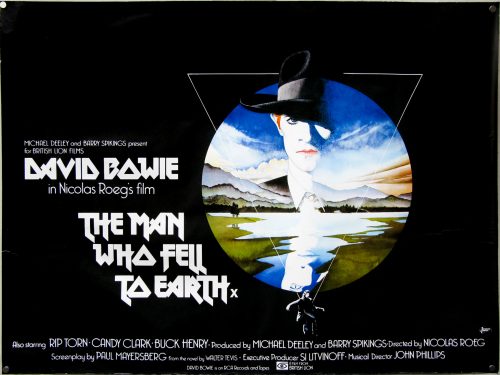
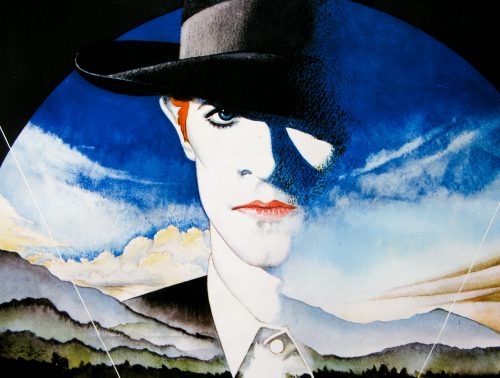
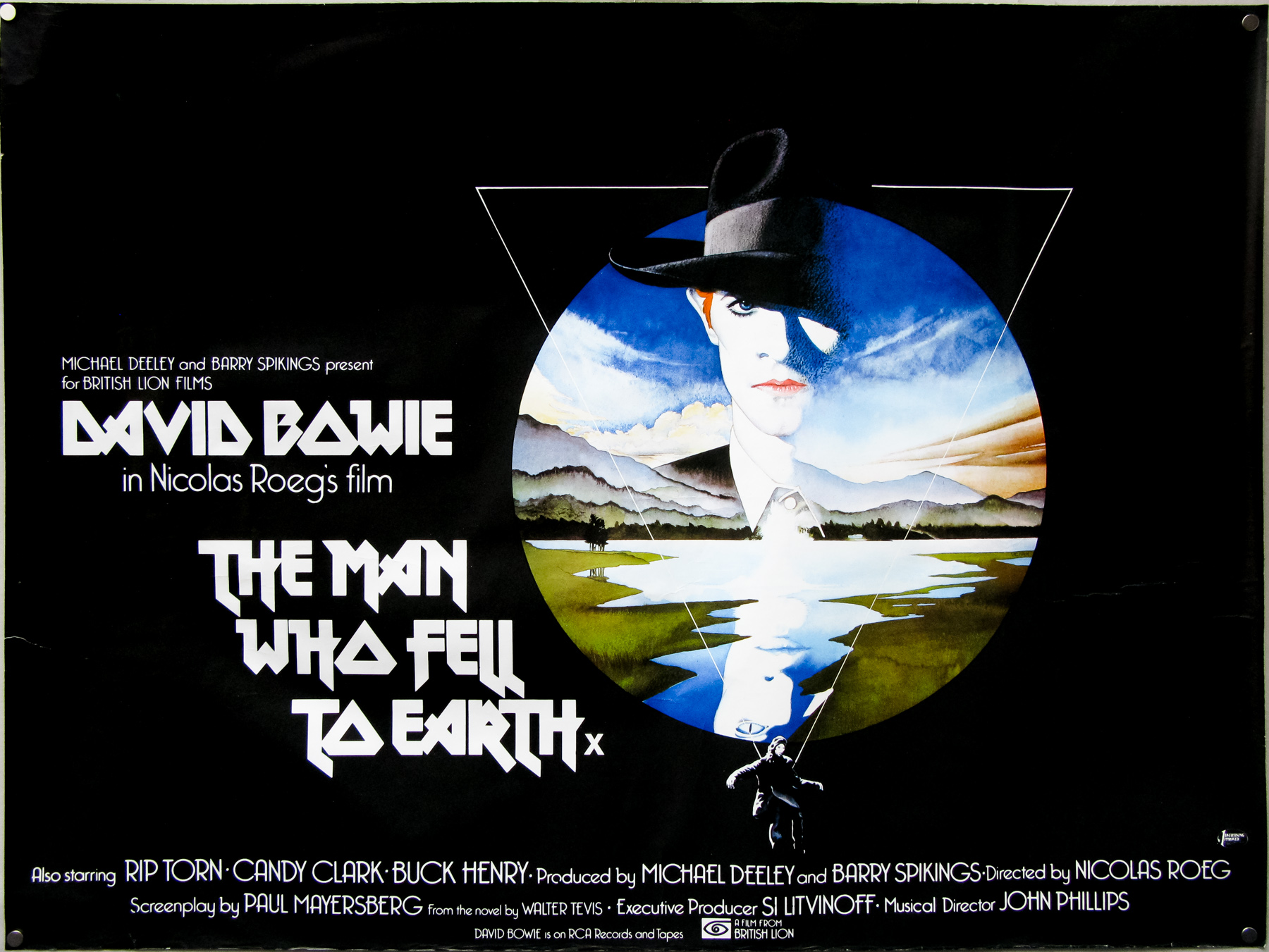
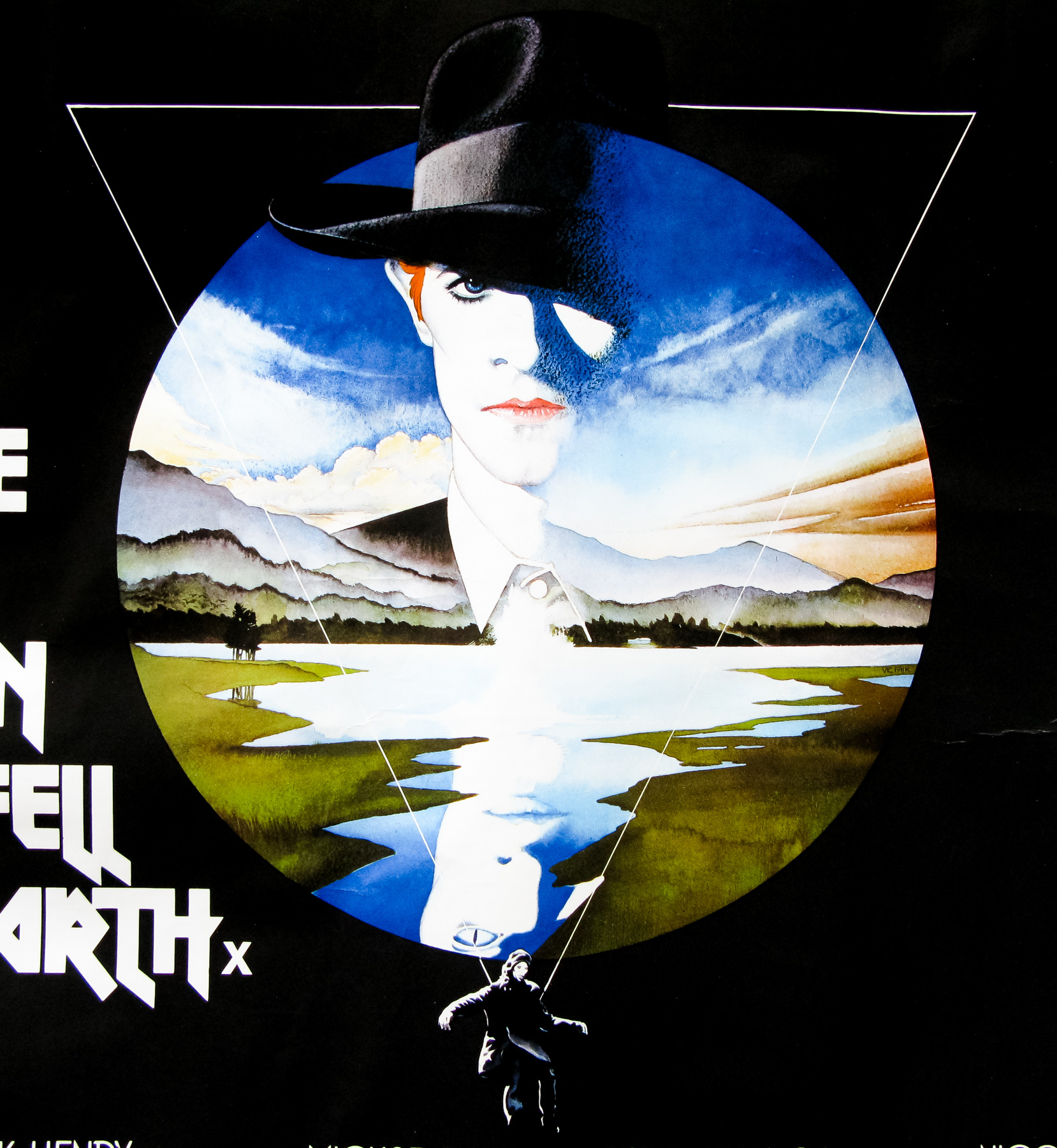
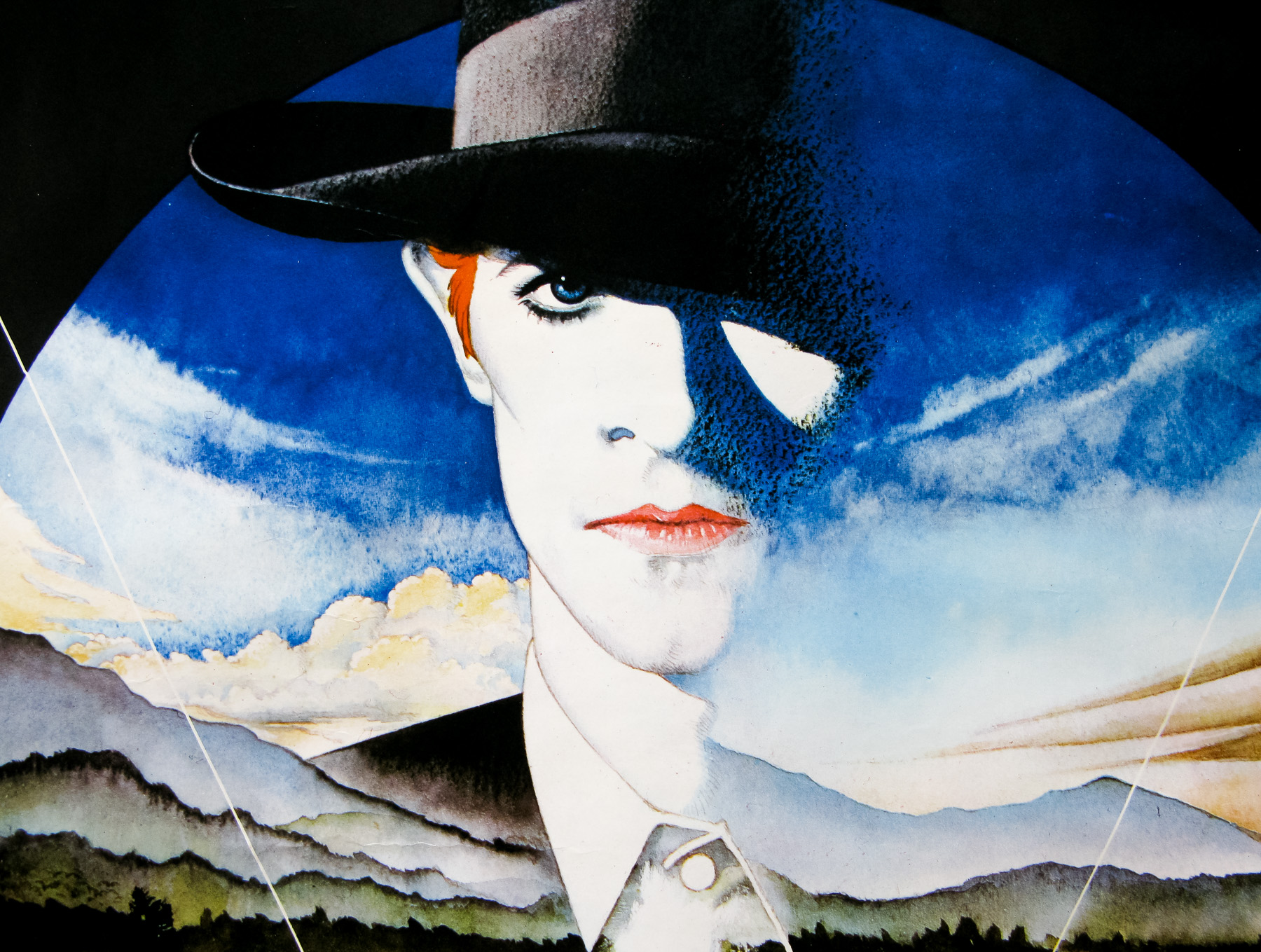
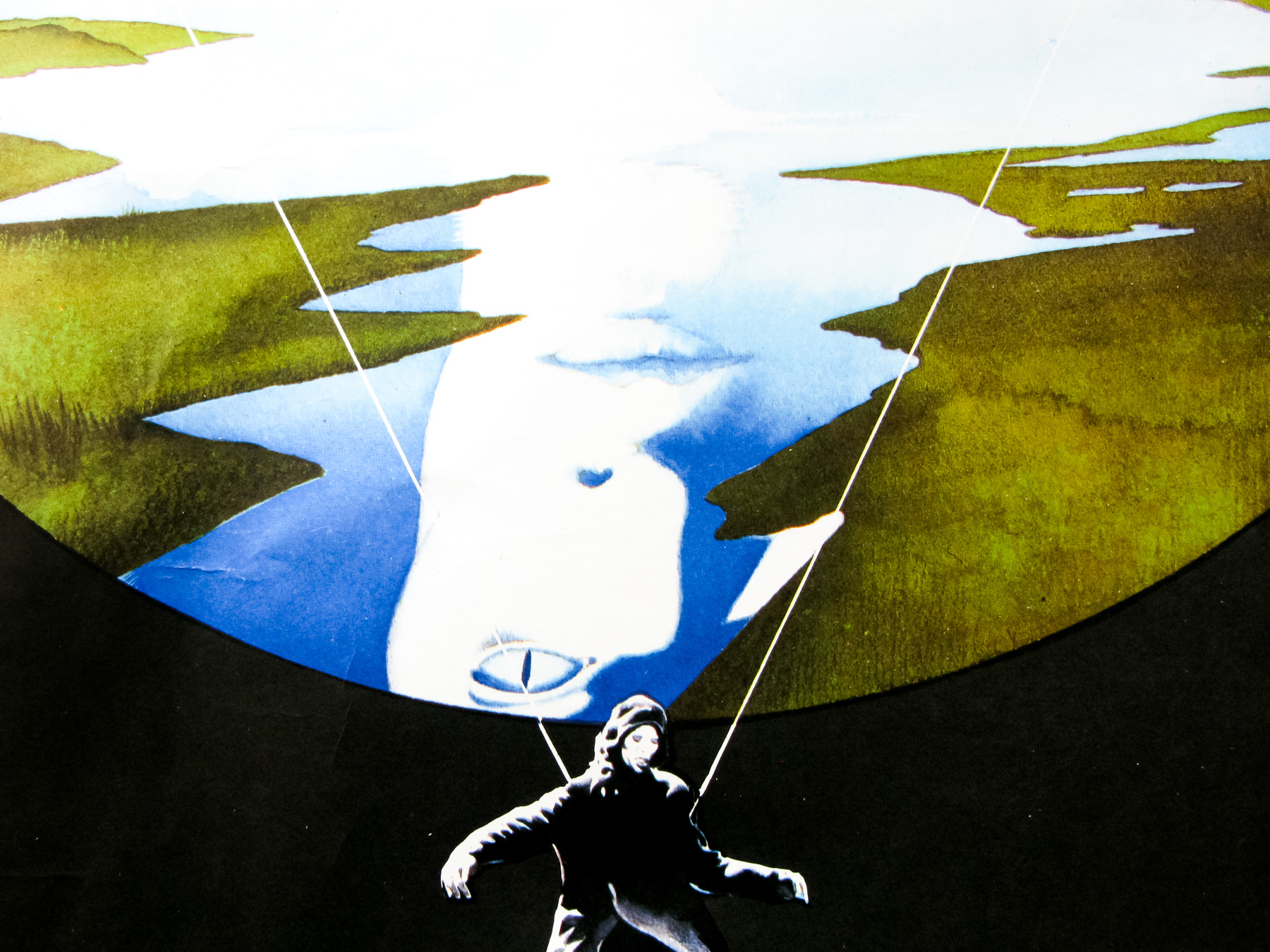
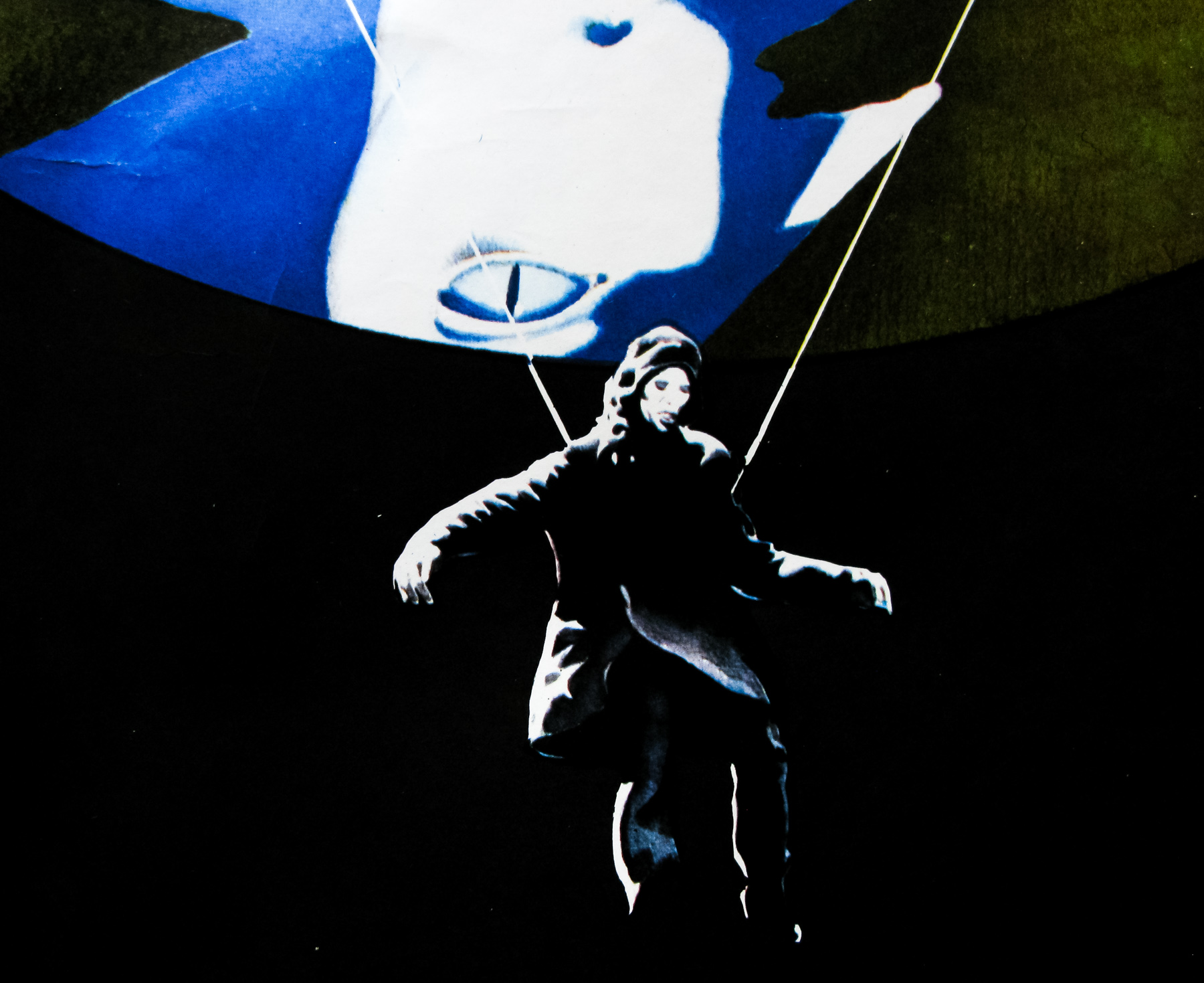
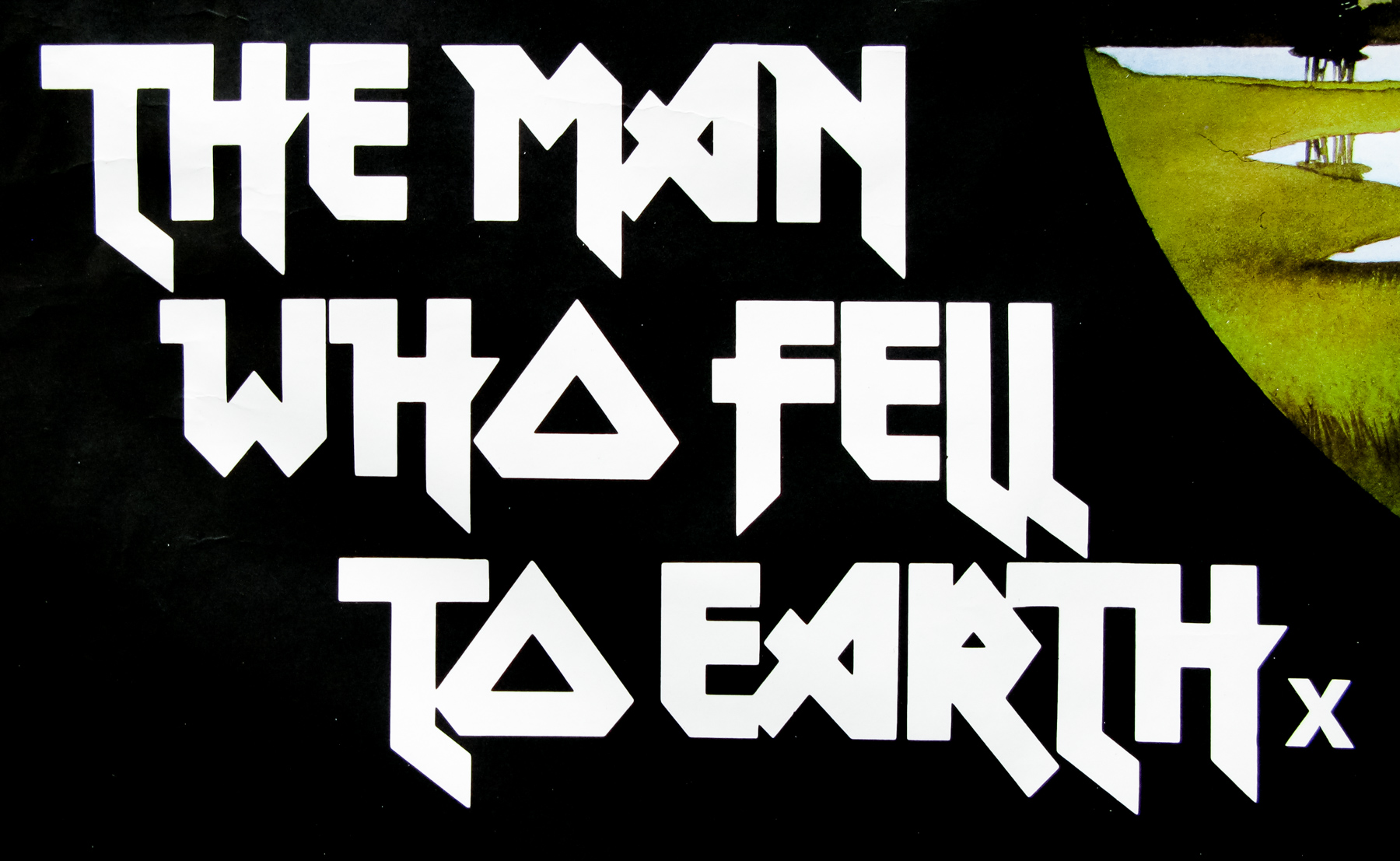
The Man Who Fell to Earth / quad / UK

18.08.11

Poster Poster

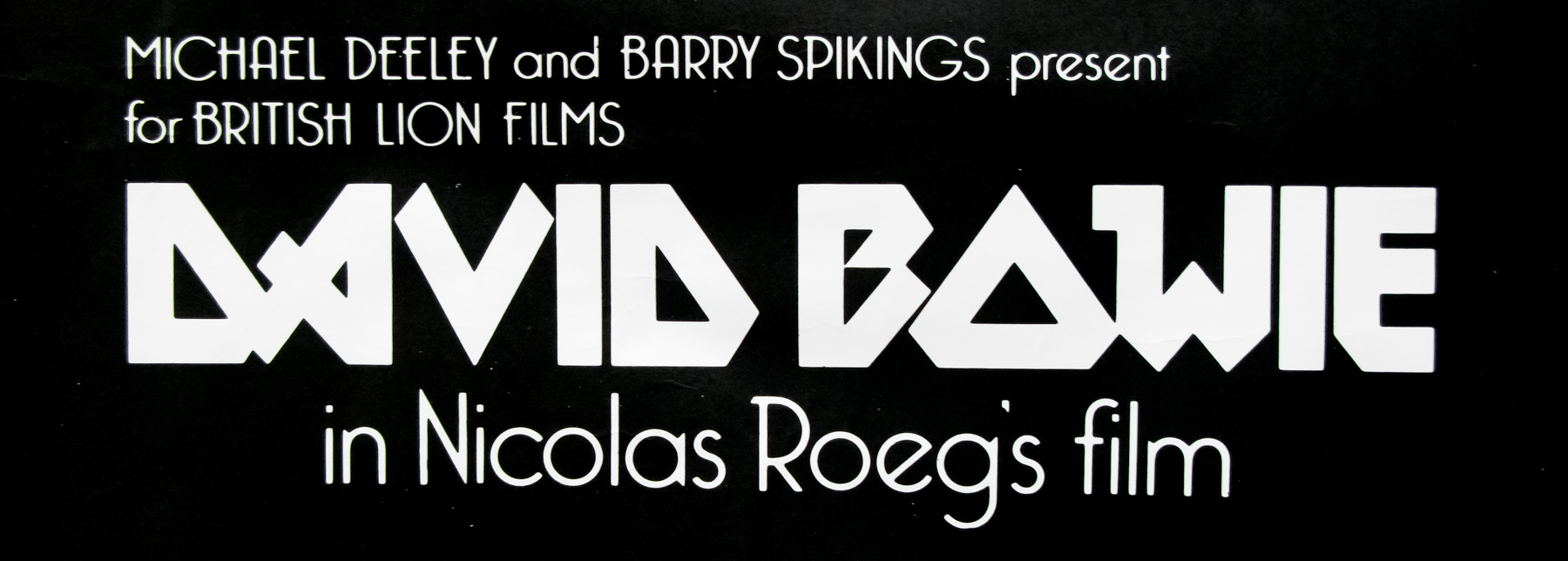
An absolutely superb design by British artist Vic Fair for Nic Roeg’s seminal sci-fi film The Man Who Fell to Earth. The typography alone is a thing of beauty, particularly that of the main title – I’m not sure who designed it but it’s an undoubted classic. The rock band Iron Maiden later used it for their own band logo.

This is perhaps the best known of Vic Fair’s designs, though he is responsible for many other great posters from the sixties, seventies and eighties, including several for Hammer Horror, Lisztomania and quads for the infamous ‘Confessions…’ series of films. I plan to post another of his best designs in the next few weeks.

This poster is featured in Sim Branaghan’s superb ‘British Film Posters: An Illustrated History’ and he notes:

Probably the best known of Fair’s posters, and the only one regularly credited to him, since he liked it so much at the time he actually signed it.

I personally think this is David Bowie’s finest starring role and no one else could have portrayed the oddity that is Thomas Newton quite as well as him. It’s not my favourite of Nic Roeg’s films though (that would be Don’t Look Now).

The brilliantly nuts original US trailer can be seen on YouTube.


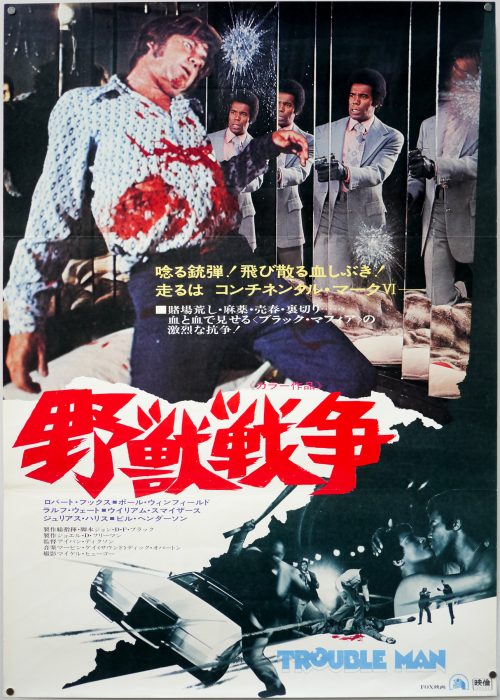
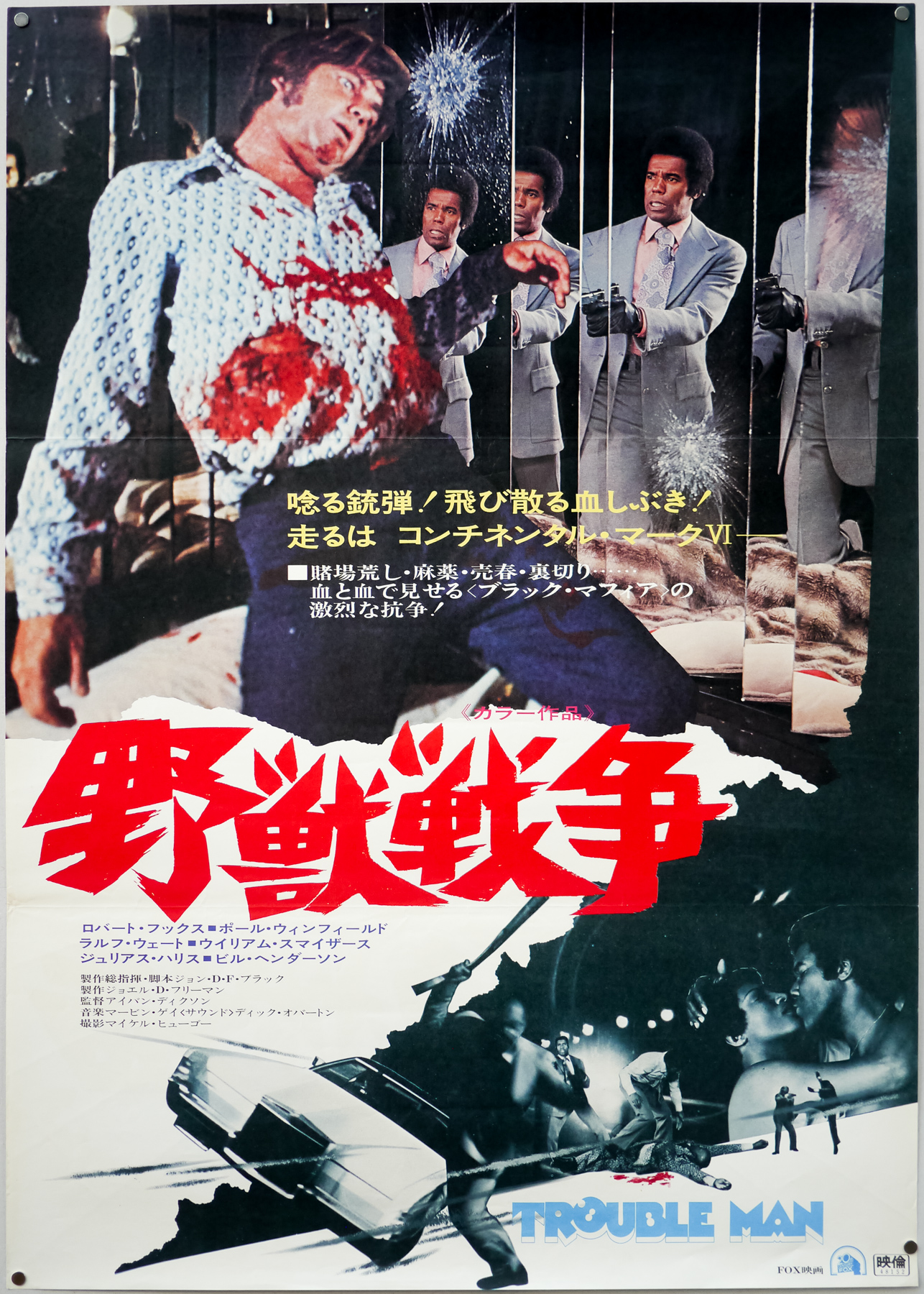
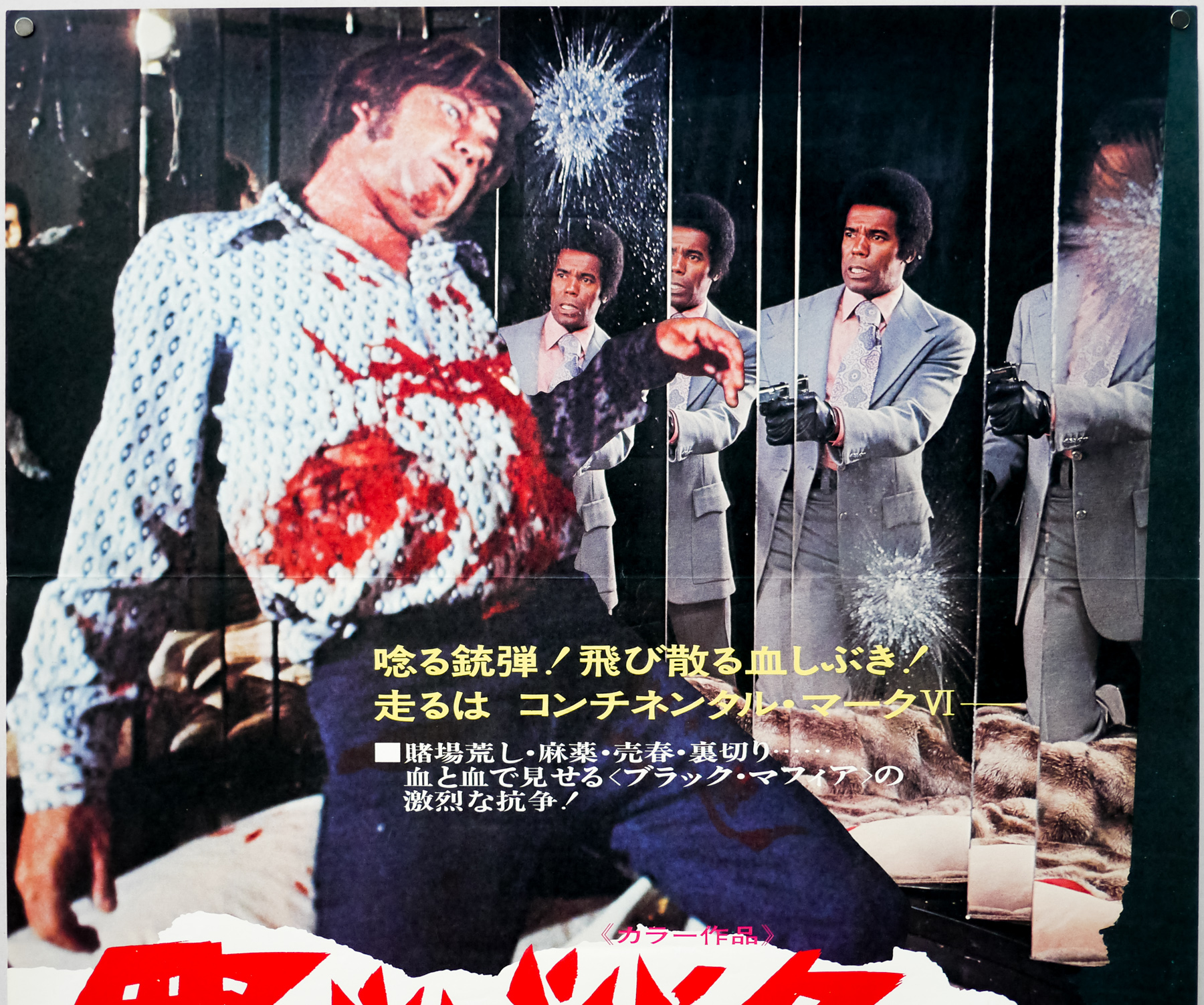
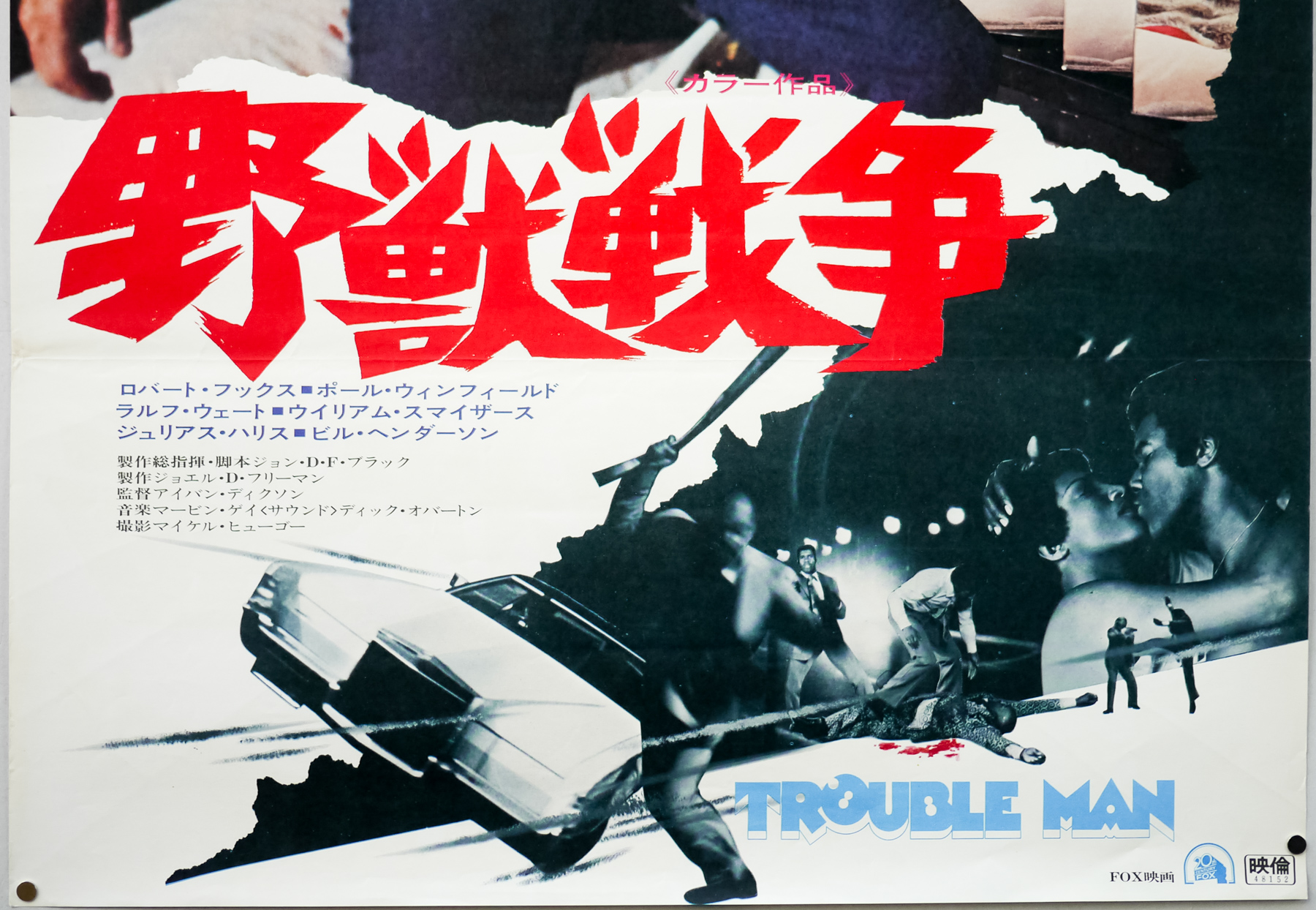
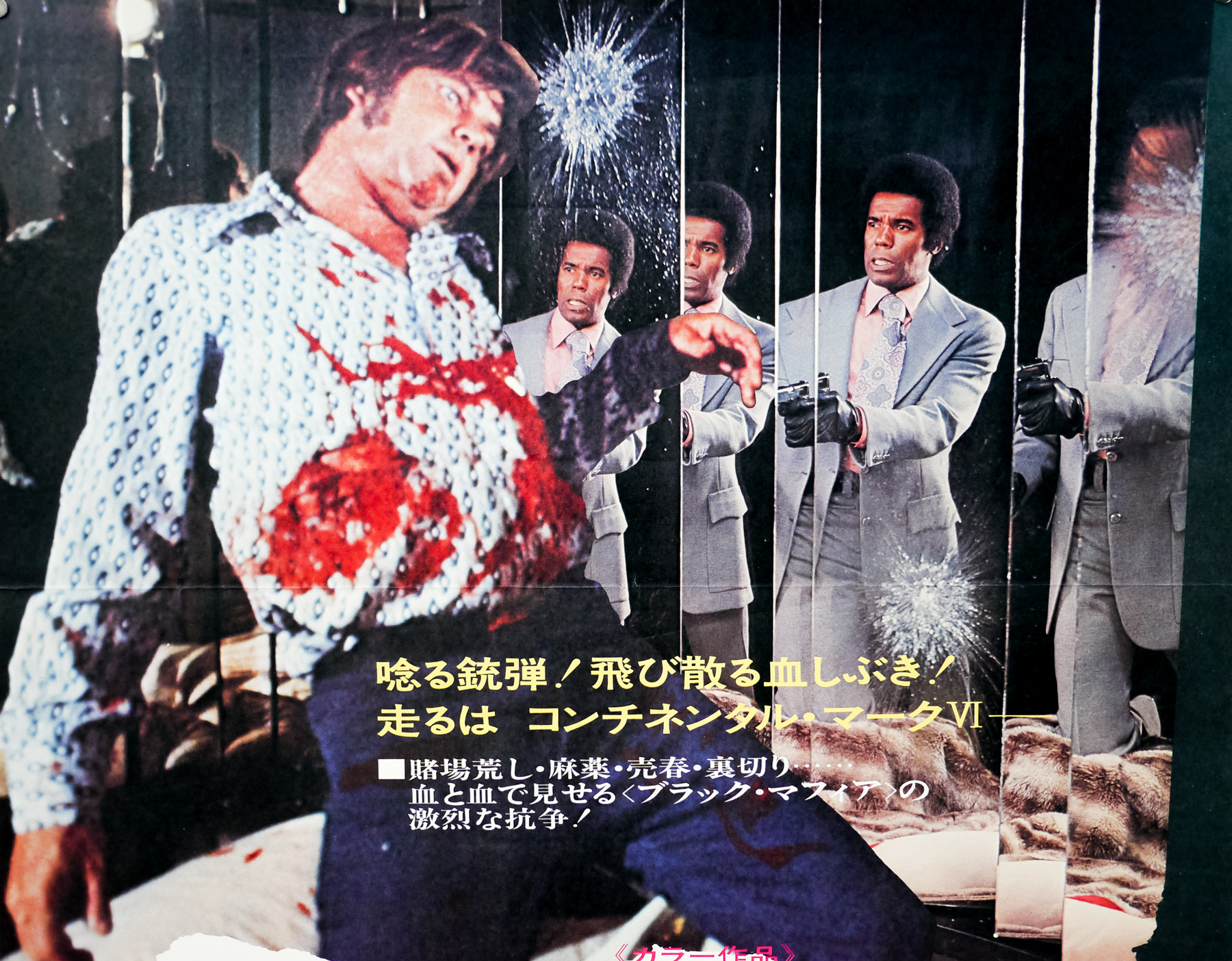
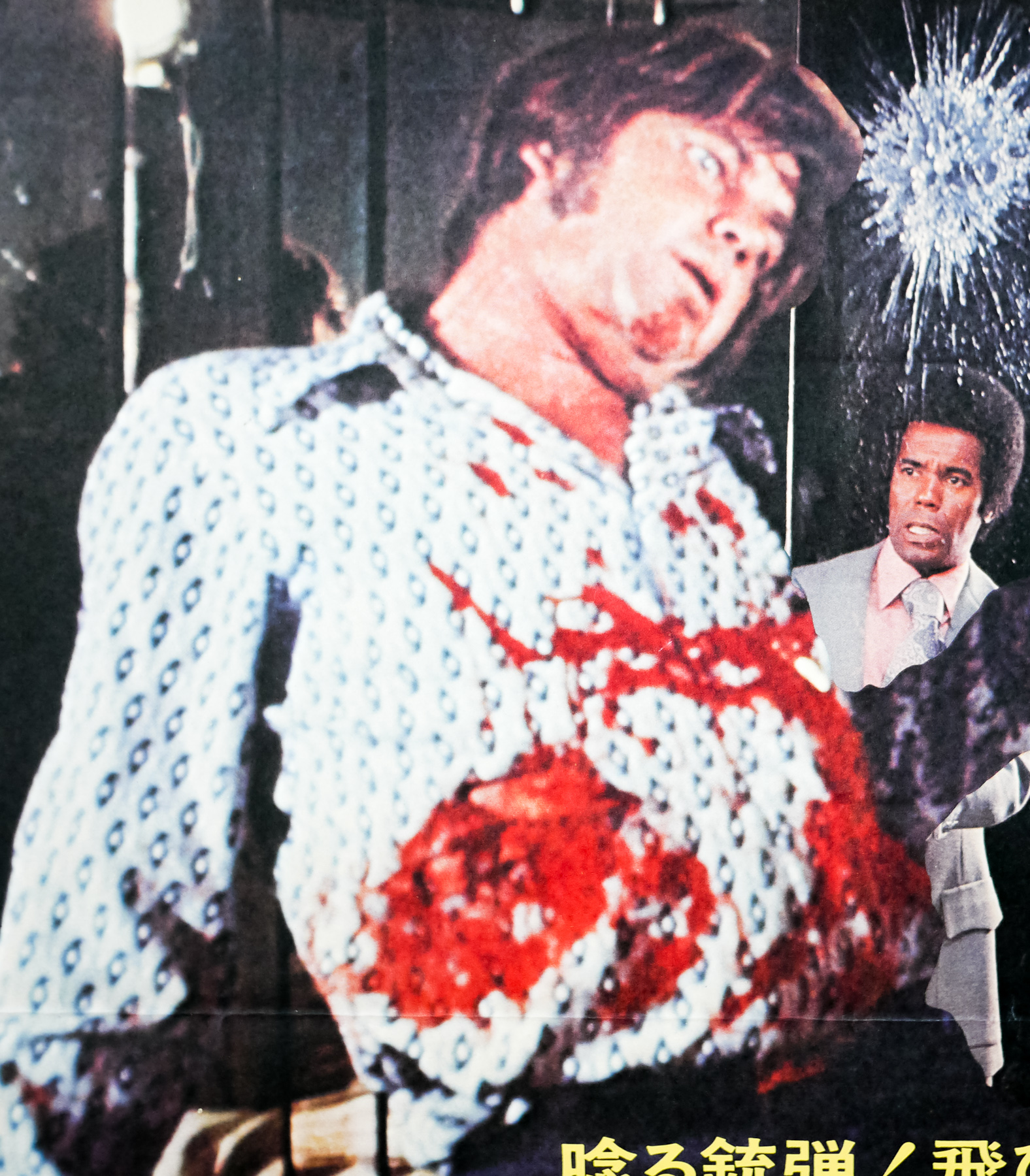
Trouble Man / B2 / Japan

12.02.14

Poster Poster
Title
Trouble Man
AKA
Fureur Noire [Black Fury] (France)
Year of Film
1972
Director
Ivan Dixon
Starring
Robert Hooks, Paul Winfield, Ralph Waite, William Smithers, Paula Kelly, Julius Harris, Bill Henderson, Wayne Storm, Akili Jones, Vince Howard
Origin of Film
USA
Genre(s) of Film
Robert Hooks, Paul Winfield, Ralph Waite, William Smithers, Paula Kelly, Julius Harris, Bill Henderson, Wayne Storm, Akili Jones, Vince Howard,
Type of Poster
B2
Style of Poster
--
Origin of Poster
Japan
Year of Poster
1973
Designer
Unknown
Artist
--
Size (inches)
20 6/16" x 28 12/16"
SS or DS
SS
Tagline
--

Actor turned director Ivan Dixon helmed Trouble Man, a blaxploitation thriller from 1972, starring Robert Hooks and featuring an original soundtrack by Marvin Gaye. Mr T (Hooks) is a former hustler turned private eye who has allies on both sides of the law and operates out of a pool hall where he sharks during his spare time. One day he is approached by Chalky (Paul Winfield) and Pete (Ralph Waite), two former pimps who have been running illegal dice games around the local neighbourhood which they claim have been robbed several times by a gang of masked men, despite them having changed the location several times.

Mr T agrees to help the pair discover who’s behind the heists for a price, but what he assumes to be a routine assignment soon turns out to be nothing of the sort when Chalky and Pete double cross him and leave him caught between a gang led by the kingpin Big (Julius Harris) and the local police captain. T must fight to survive and clear his name whilst getting even with Chalky and Pete before its too late. Often compared favourably to perhaps the best known blaxploitation feature Shaft, the film has something of a cult reputation today which is helped by the memorable Marvin Gaye soundtrack.

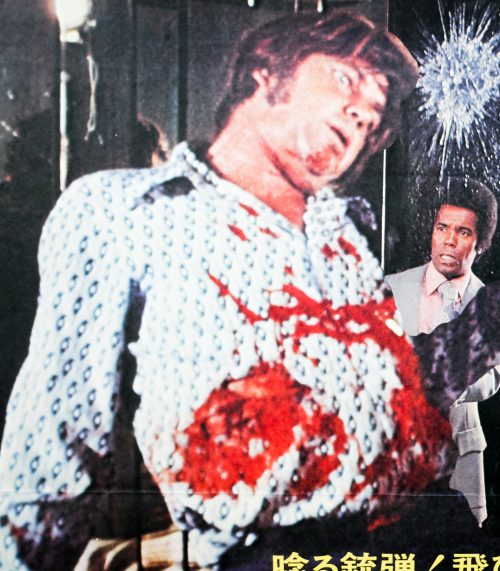
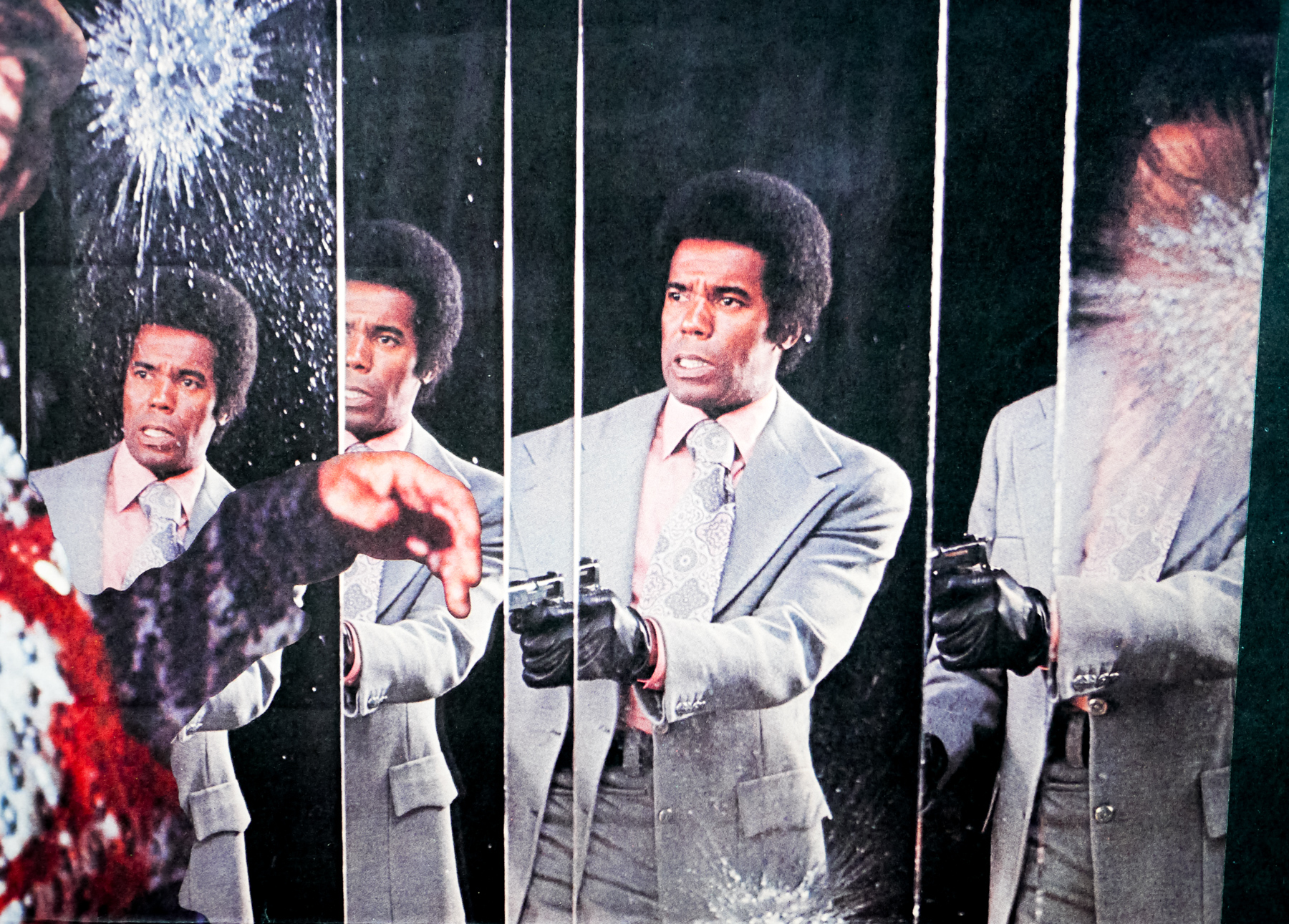
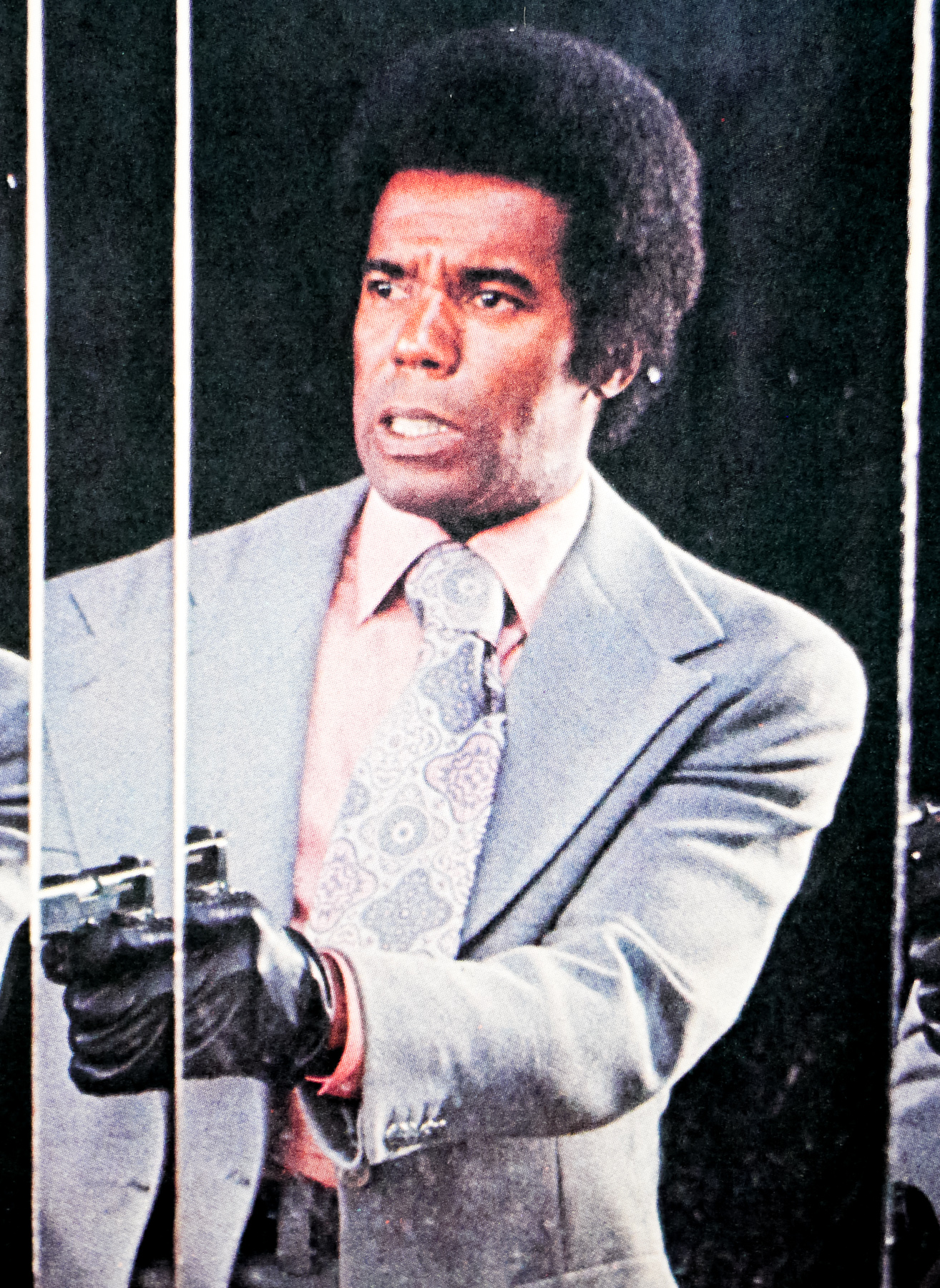
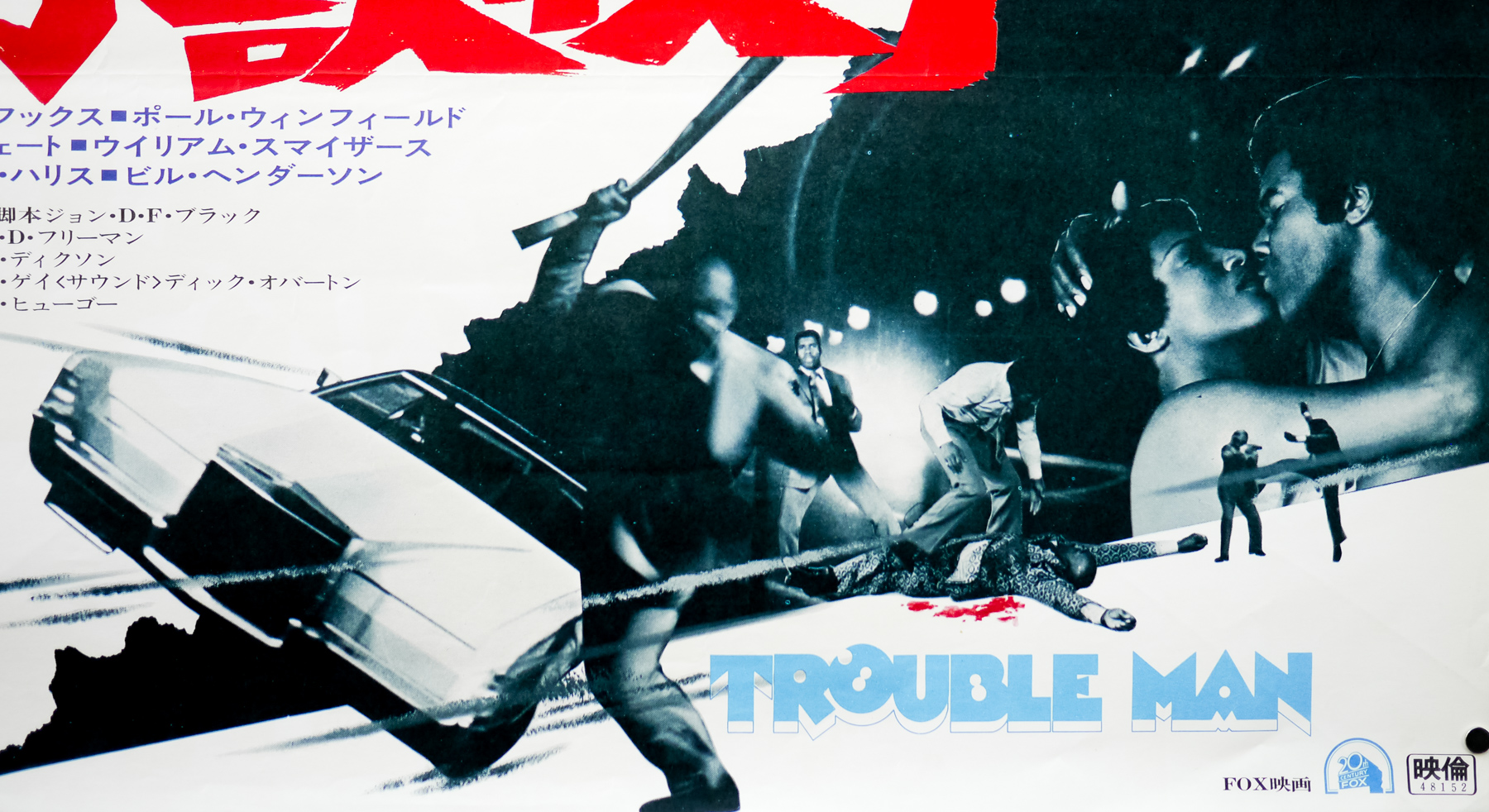
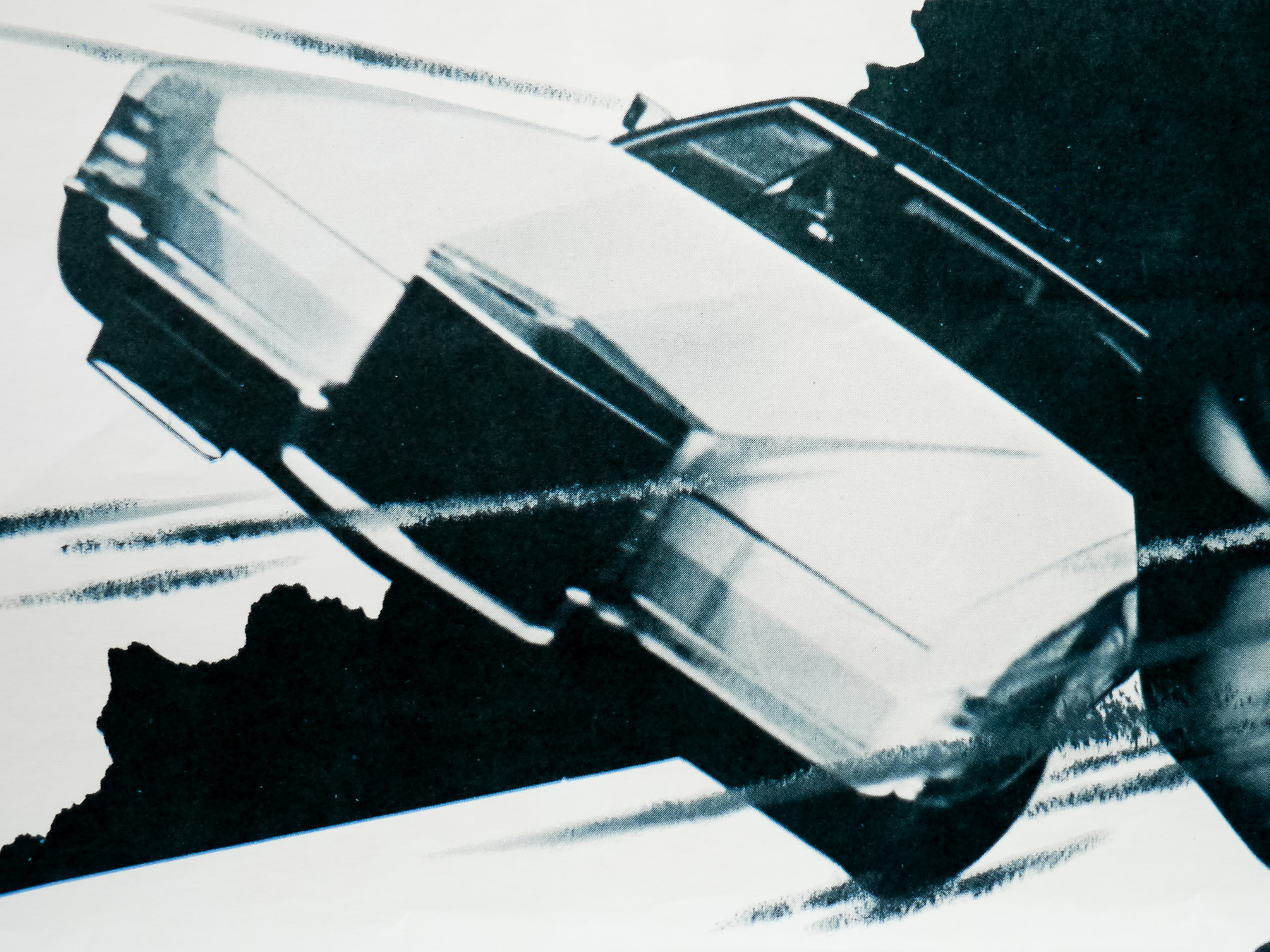
This Japanese B2 features a photo of Mr T in front of mirrors that is similar to the American one sheet, although this poster is obviously more violently explicit.

The excellent original trailer is on YouTube.

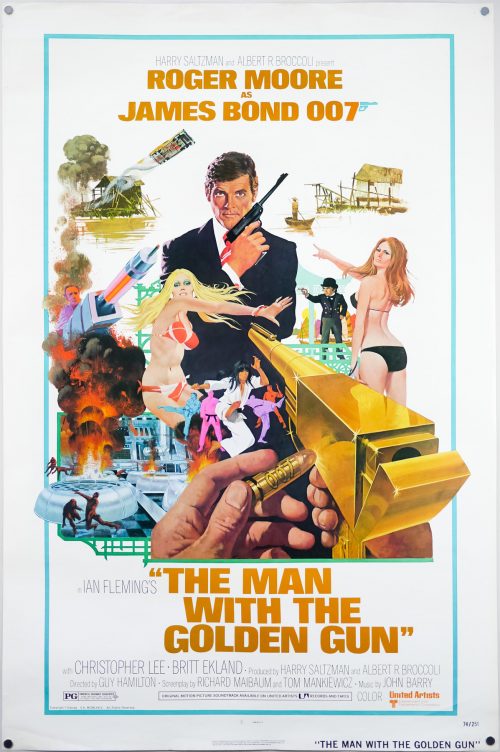
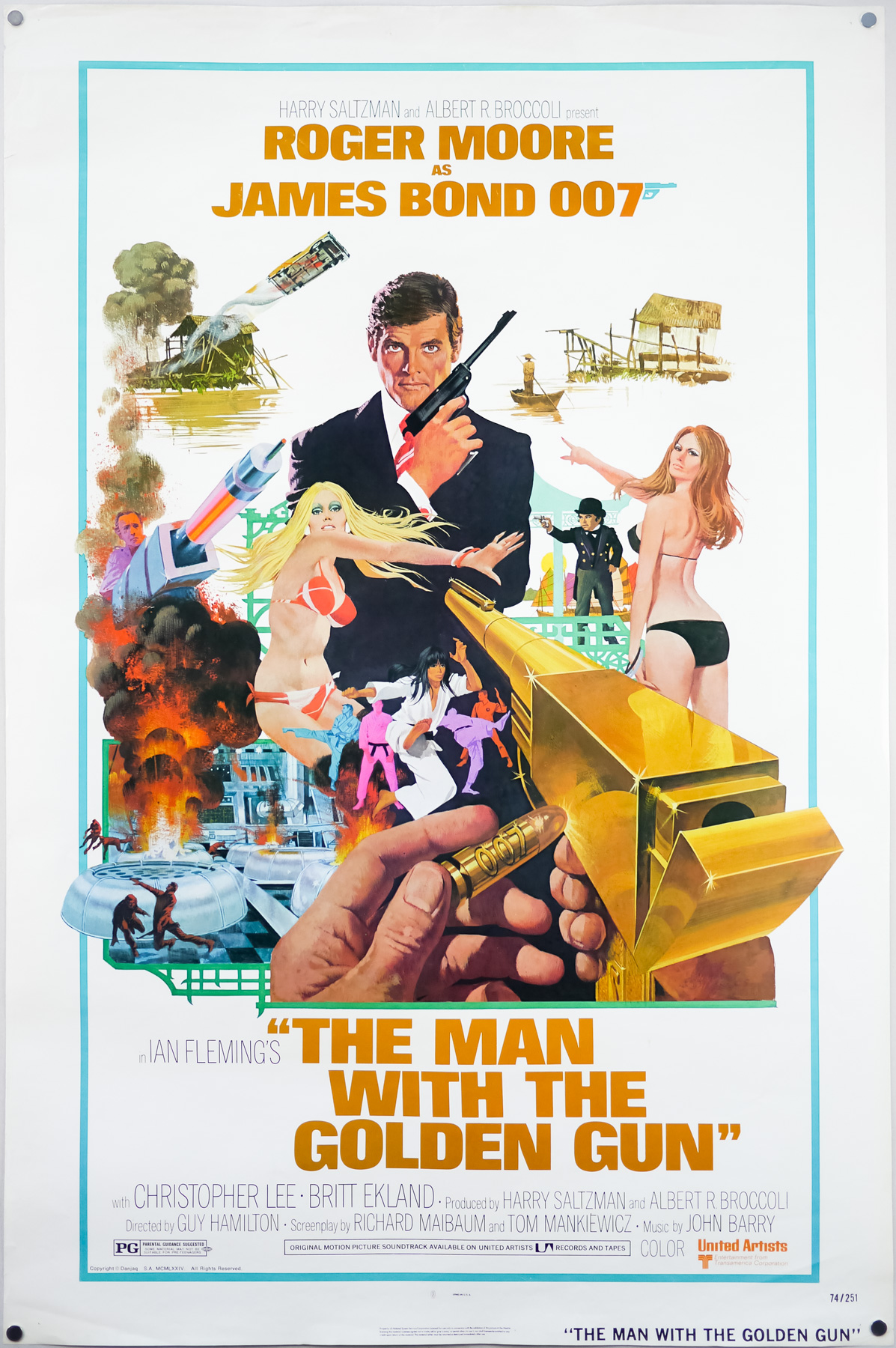
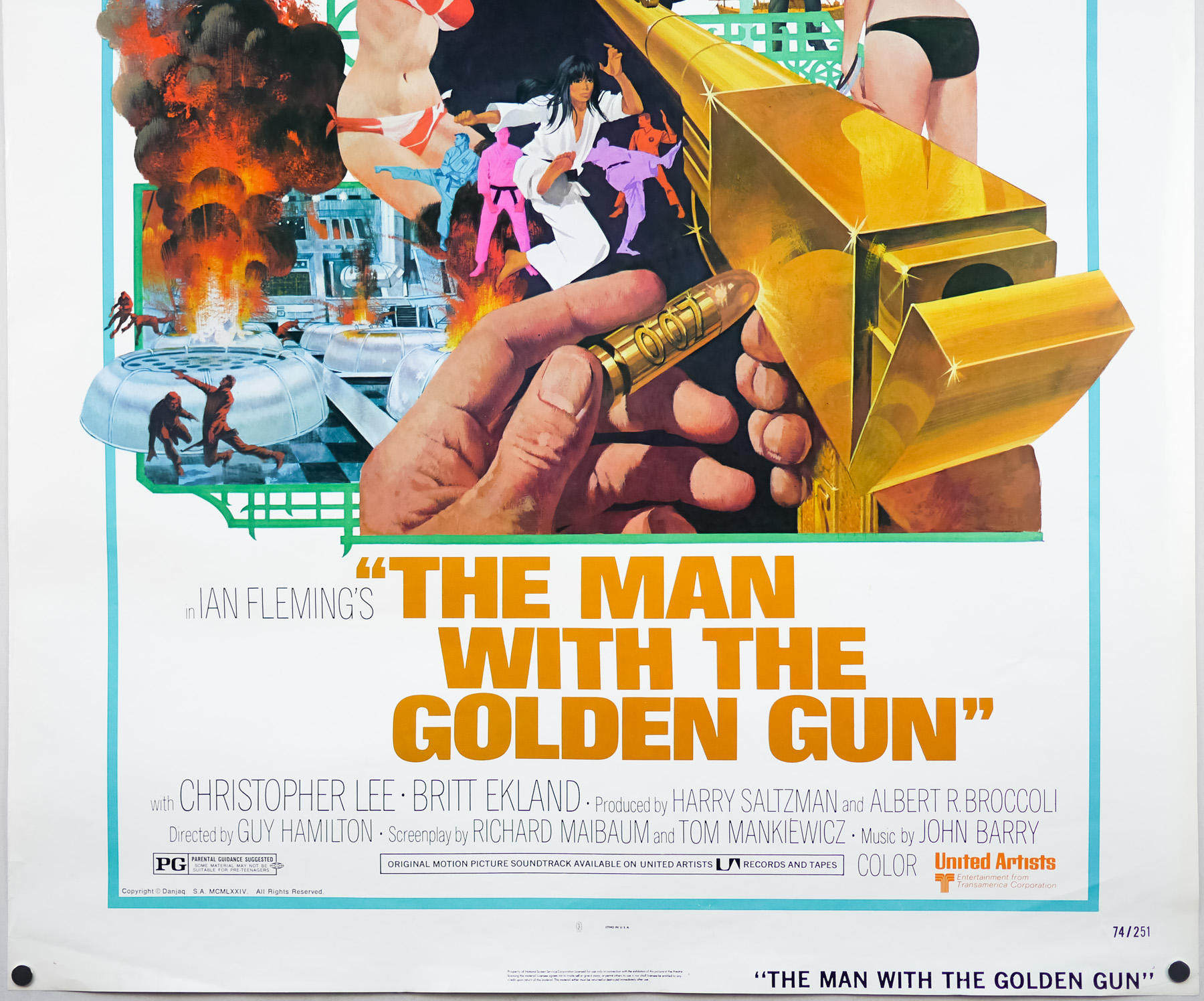
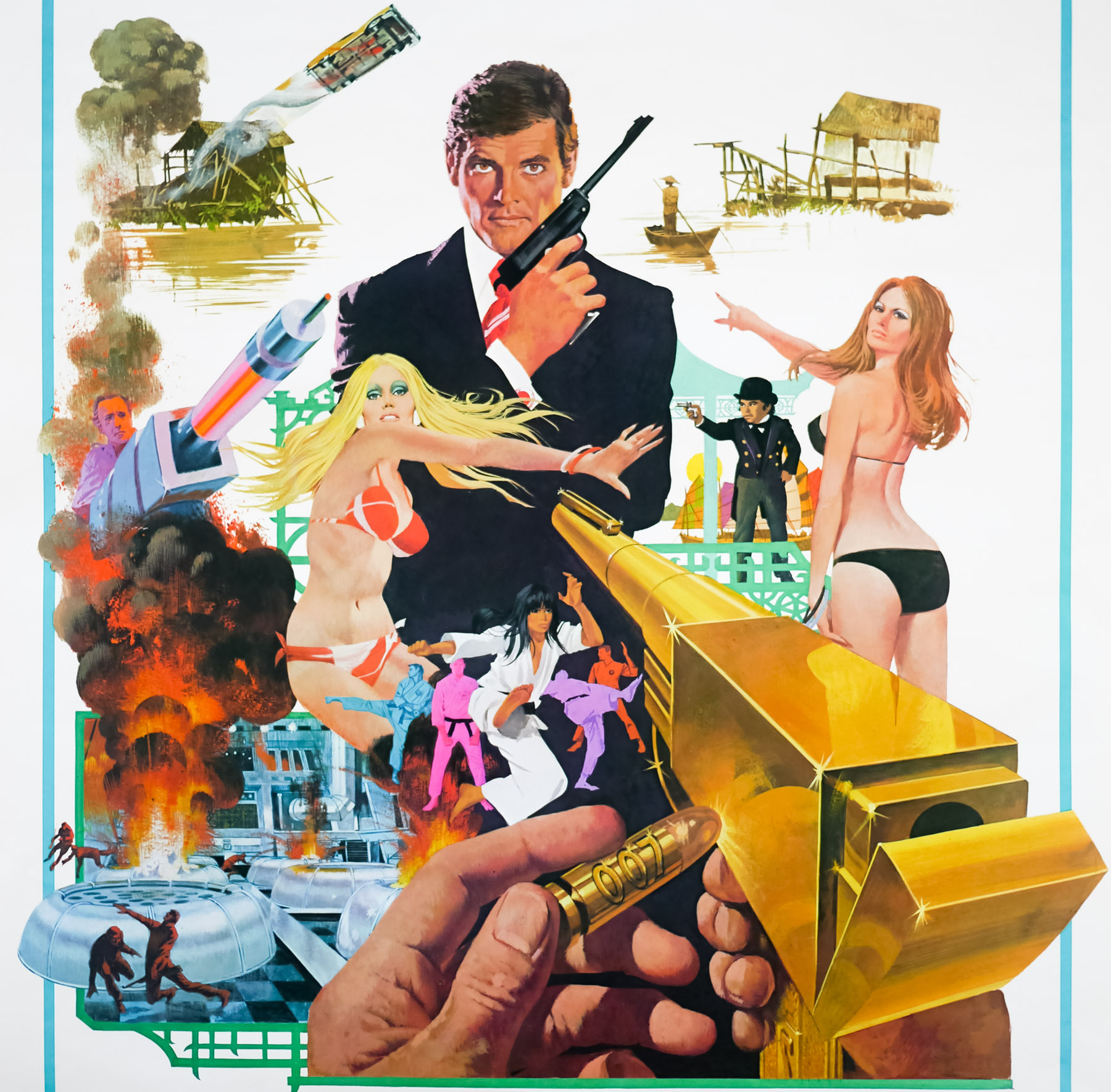
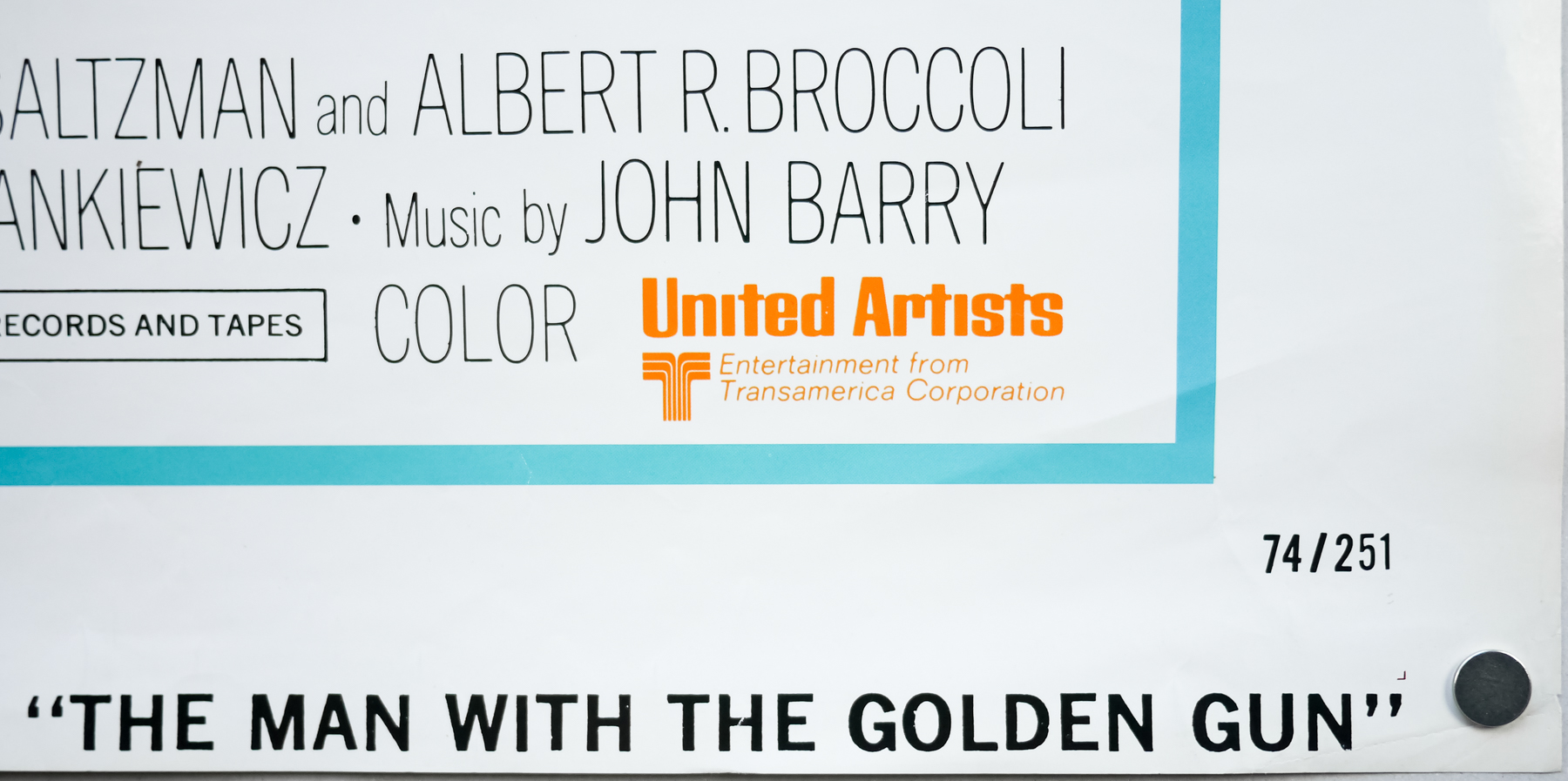
The Man With The Golden Gun / one sheet / USA

17.12.14

Poster Poster

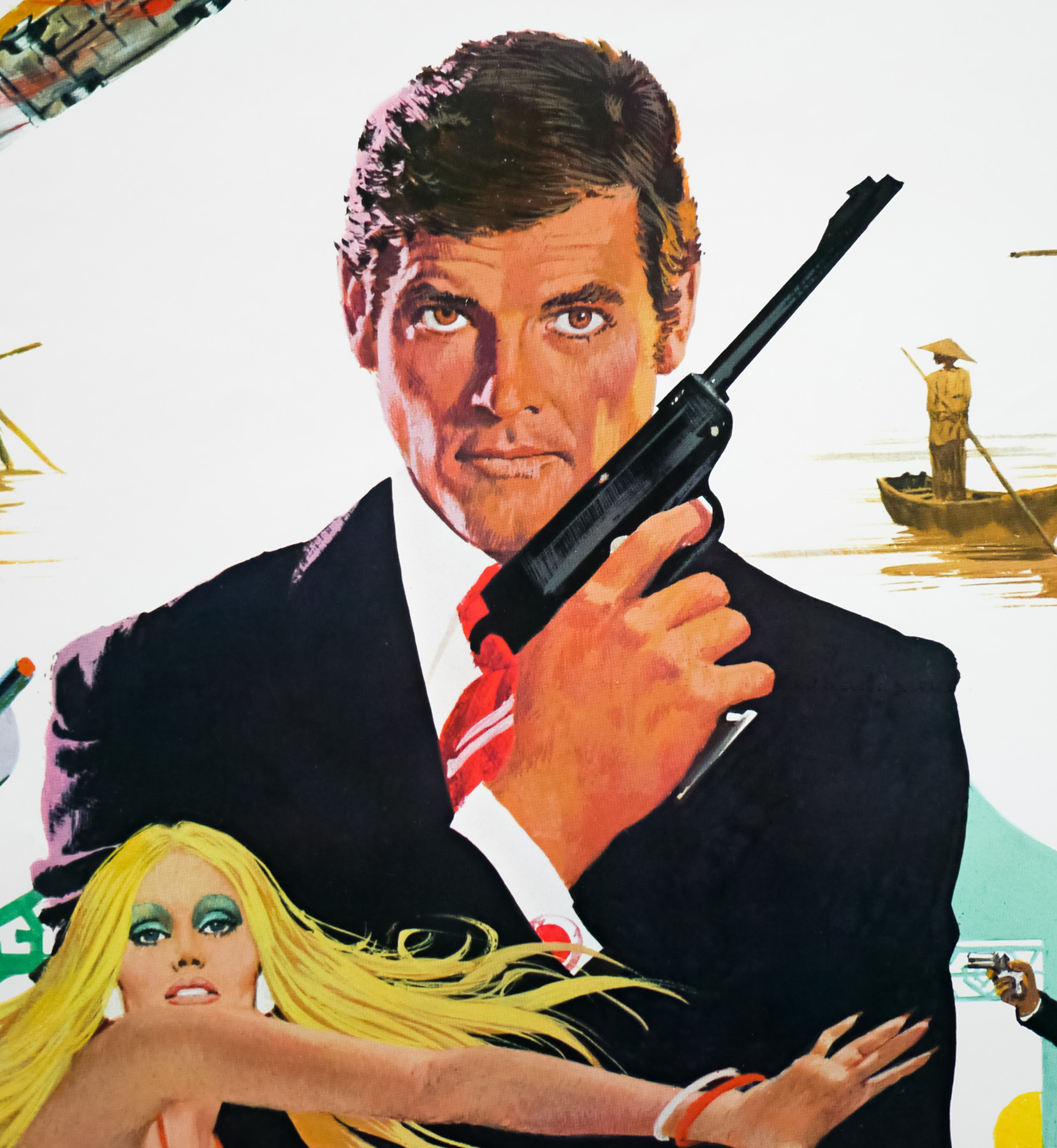
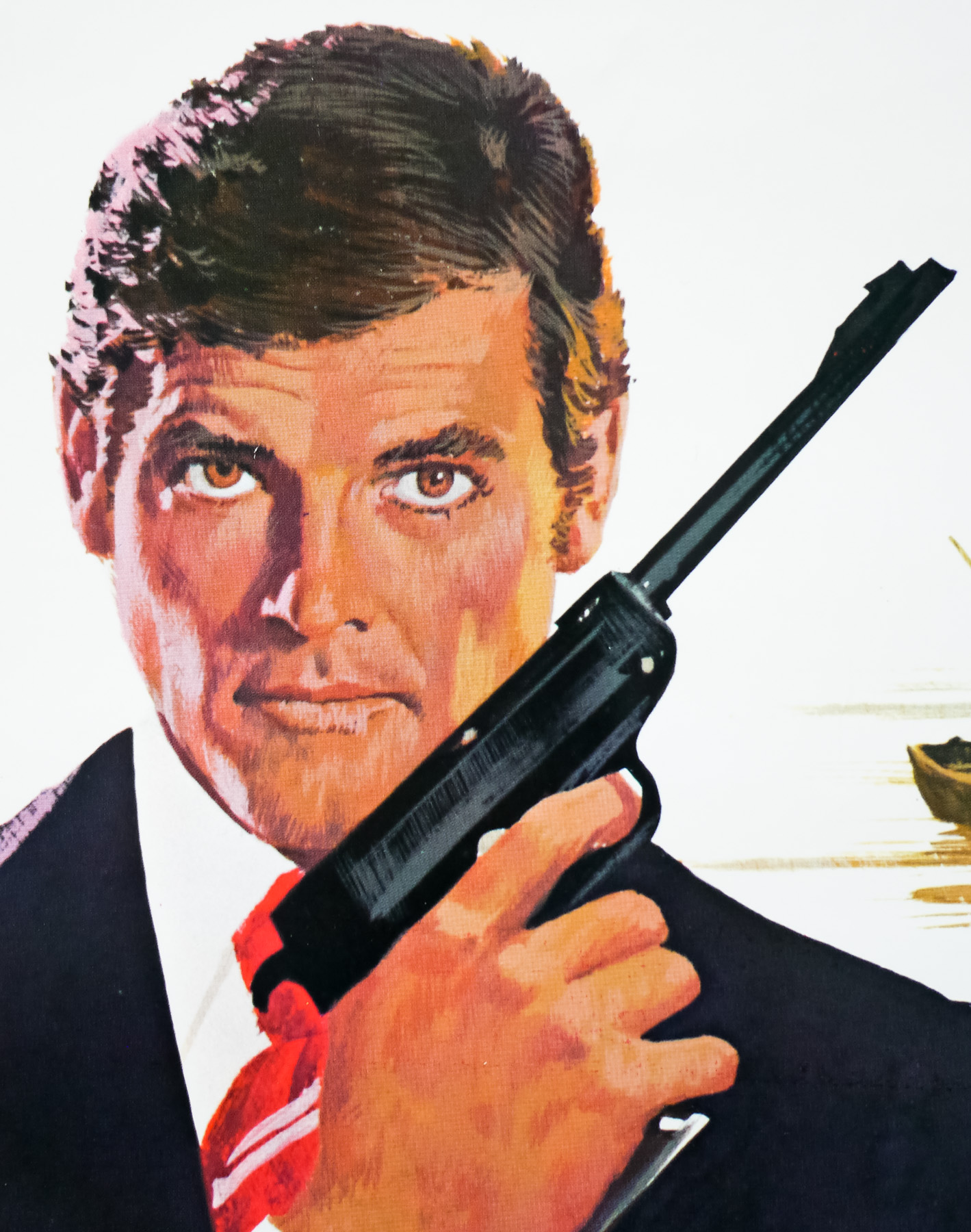
This is the original US one sheet for the release of The Man With the Golden Gun, the ninth James Bond film and the second to star Roger Moore as the legendary secret agent. It’s definitely one of the weaker films in the long-running series and certainly not Moore’s finest hour, but it has several elements that make it worth watching, including a host of interesting far-eastern locales, strong production design and a very memorable bad guy in the shape of Christopher Lee‘s Scaramanga. Guy Hamilton returned as director for the fourth and last time in the series and the script, written by Richard Maibaum and Tom Mankiewicz, takes place amidst the climate of energy worries that followed the 1973 oil crisis. It also reflected the then craze for martial arts movies that followed the release of films like Bruce Lee’s Enter the Dragon with several kung-fu sequences and exotic locations.

The story starts as MI6 receive a golden bullet with 007 etched into it, leading them to believe that Bond’s life is at threat from the notorious international assassin Scaramanga so they decide to remove him from active duty. The agent was on the trail of a scientist who it is thought could help with the energy crisis and he is frustrated to have been stopped in his pursuit so he sets off to find Scaramanga without official approval. Bond follows a trail of assassinations which lead him from Macau to Bangkok and eventually to Scaramanga’s private island hideout where he discovers that the master assassin has an interest in solar power. Soon Bond is challenged to a duel to the death and he must use his wits to survive the traps set around Scaramanga’s hideout. Dwarf actor Hervé Villechaize has a memorable role as the assassin’s servant Nick Nack, and Clifton James returns as the (perhaps ill-advised) comic relief figure of Sheriff J.W. Pepper, as featured in Live and Let Die.

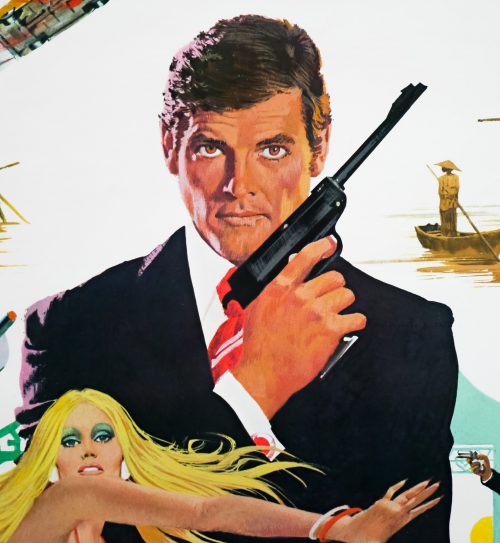
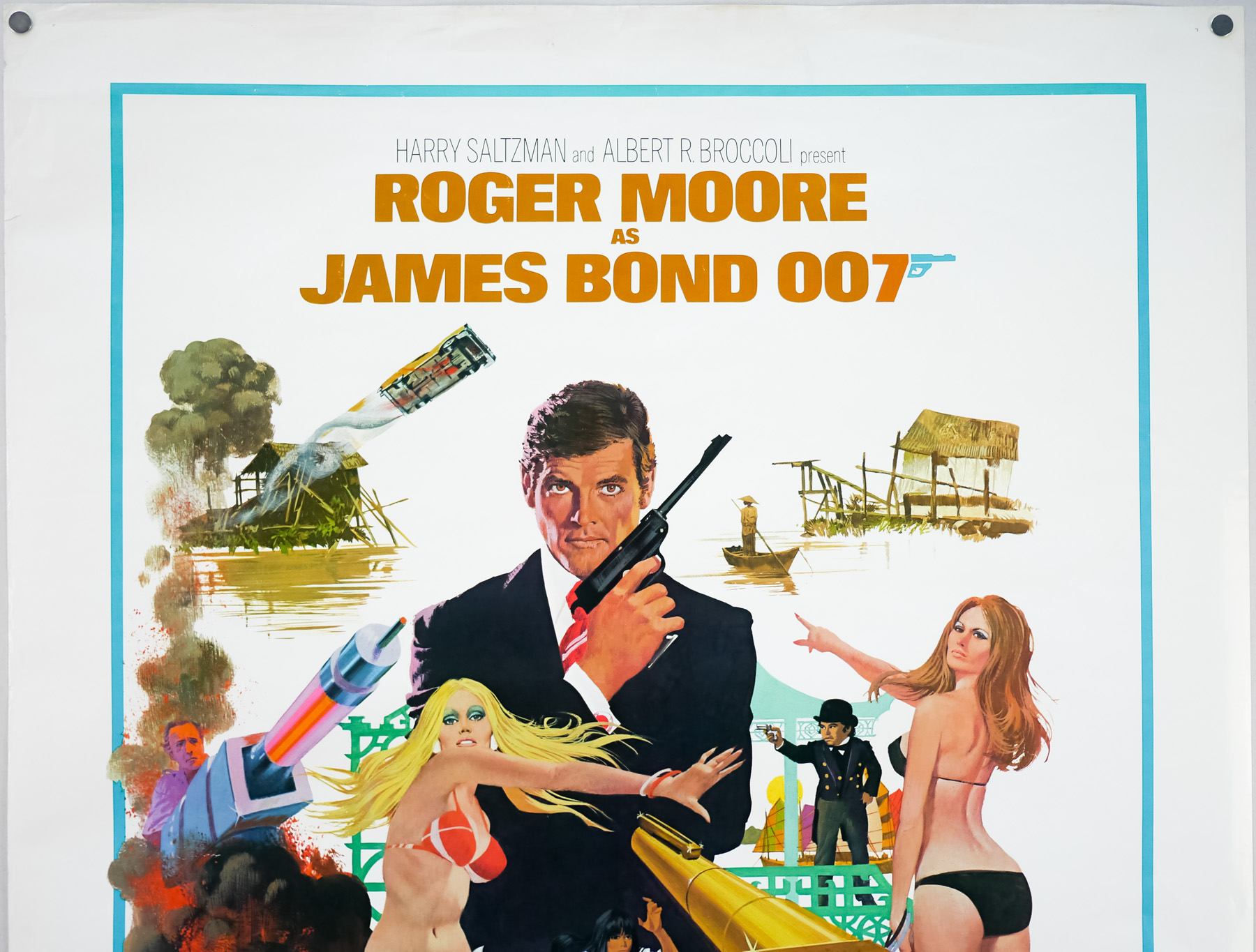
The artwork on this poster also features on the US one sheet and was painted by Robert McGinnis who is responsible for some of the best James Bond posters, including Thunderball, Live and Let Die and Diamonds are Forever as well as multiple other classic posters from the 60s, 70s and 80s. He was born in Cincinatti, Ohio in 1926 and was given an apprenticeship at Walt Disney studios before studying fine art at Ohio State University. After serving in the Merchant Marines during World War II, he started work in the advertising industry and later moved into painting book jackets for several notable authors, as well as editorial artwork for the likes of Good Housekeeping, TIME and The Saturday Evening Post. McGinnis’ first film poster was the now iconic one sheet for Breakfast at Tiffany’s, painted in 1962, and he went on to paint over 40 others during his career, including one for The Incredibles in 2004.

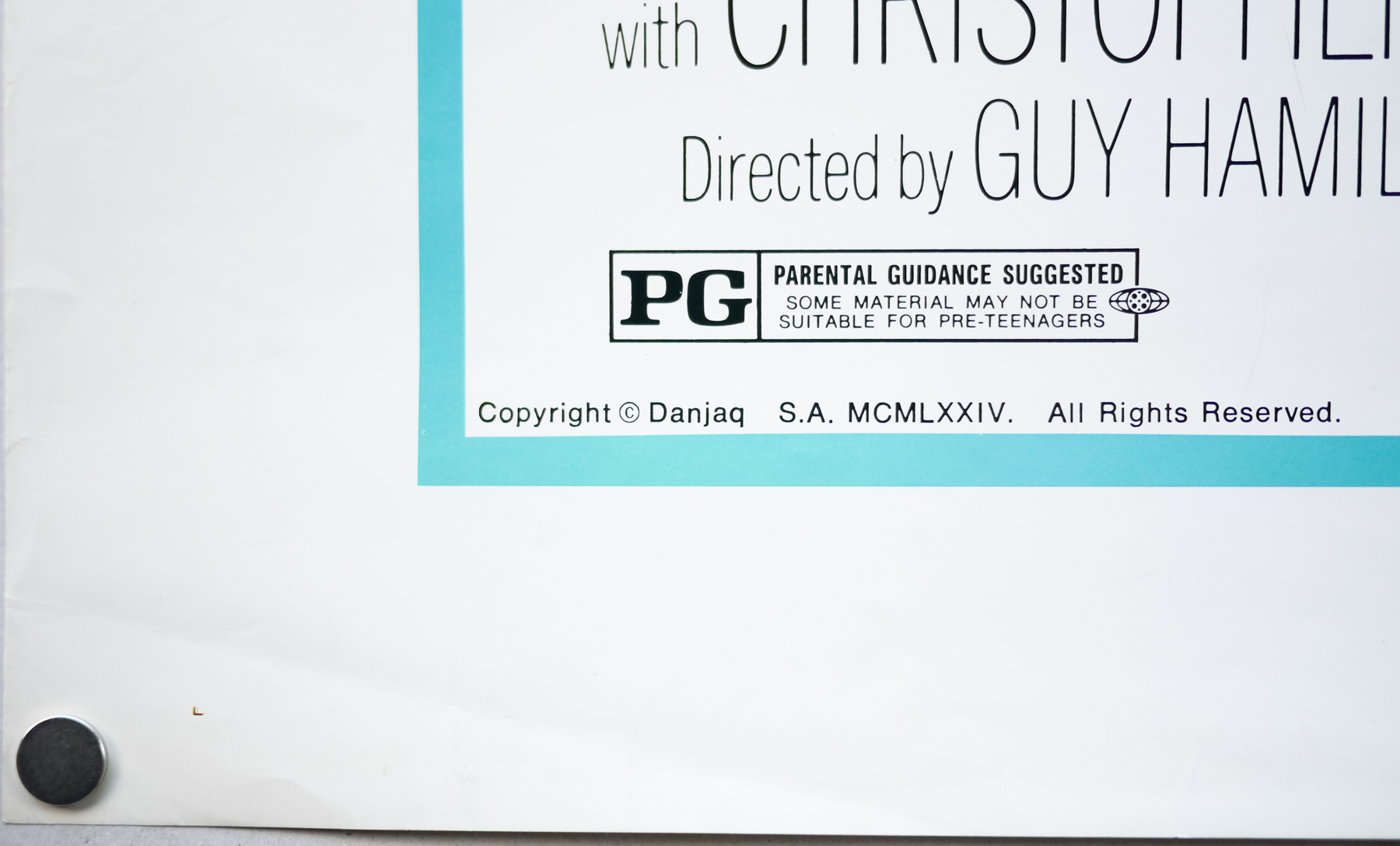
One interesting thing about this particular poster is that it missing the ‘East/West Hemi’ text that appears on most copies of this poster and on a few other Bond posters of the era, including the Live and Let Die one sheet that’s in the Film on Paper collection. This page on Learn About Movie Posters explains what the significance of that text is. An excerpt:

[Albert] Broccoli met with [Harry] Saltzman and tried to acquire the rights but Saltzman refused to sell. They instead decided to co-produce them. [….] After some success they decided to divide the production credits and entered into a contractual agreement for top billing and so was created the Hemi’s. [….] They divided the world into hemispheres. Harry took the East Hemisphere and Albert took the West Hemisphere. So Saltzman would get the European countries and Broccoli would get the Americas.

I’m not sure why it’s missing on this copy but I’ve heard of other examples like this turning up and I’m confident it’s an original. If anyone has any ideas please get in touch.

To see the other posters I’ve collected that were painted by McGinnis click here and to see the other James Bond posters in the Film on Paper collection click here.
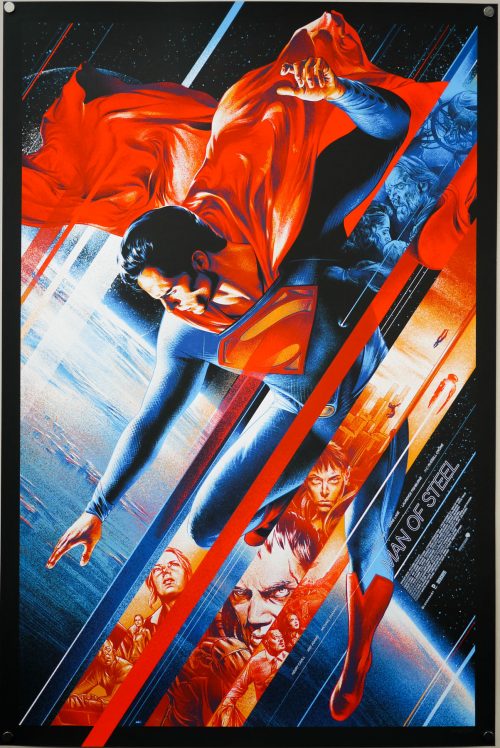
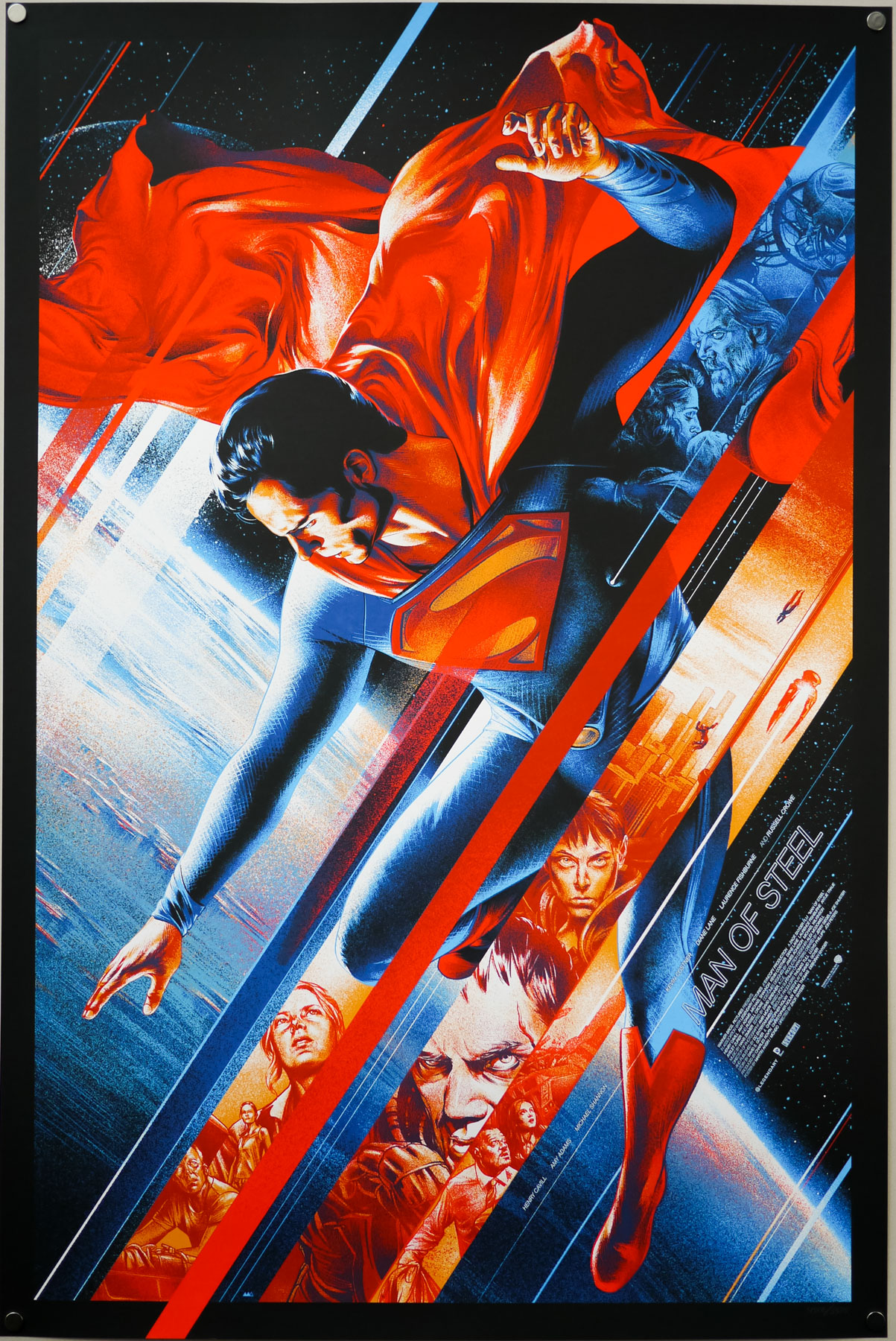
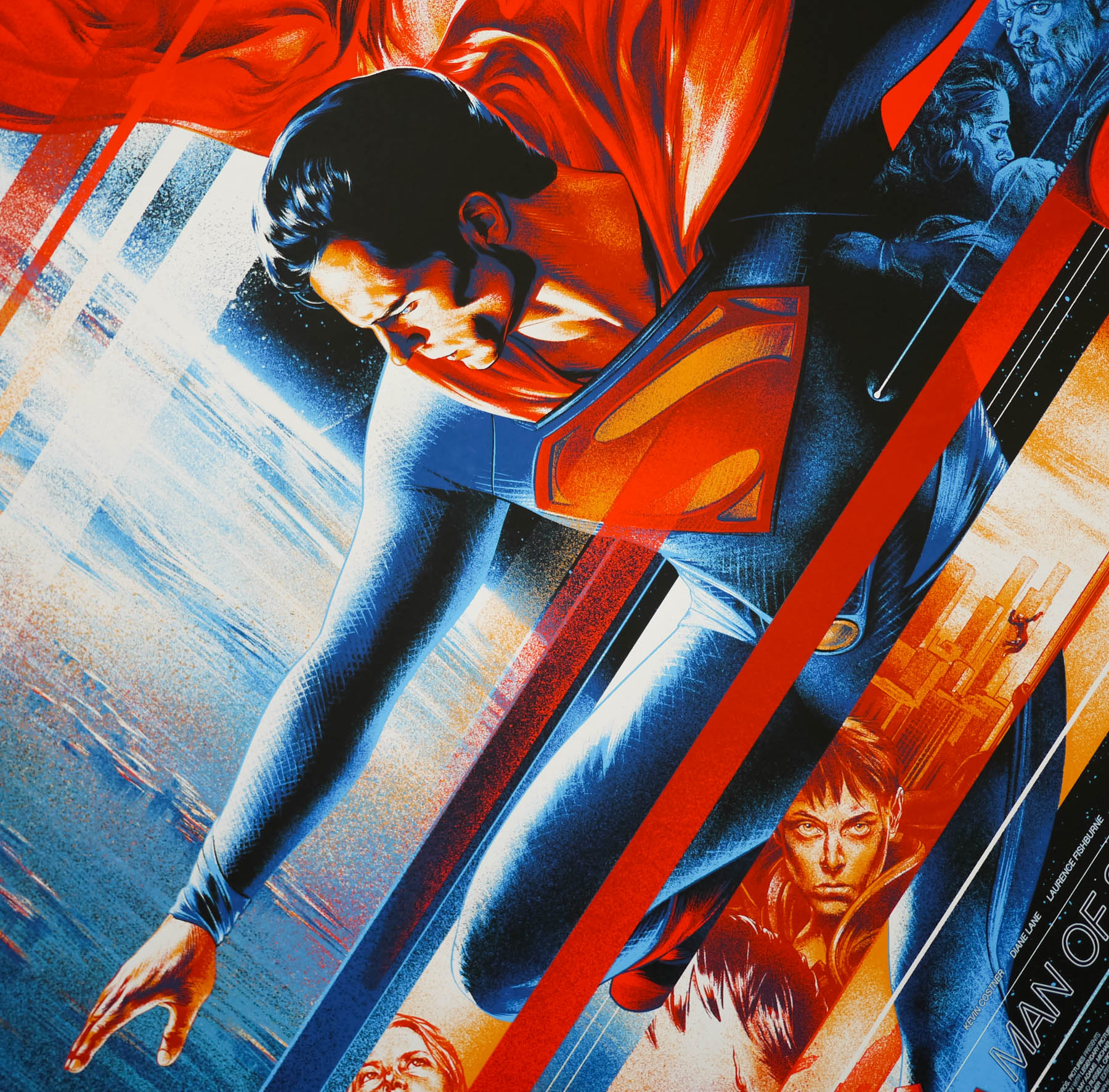
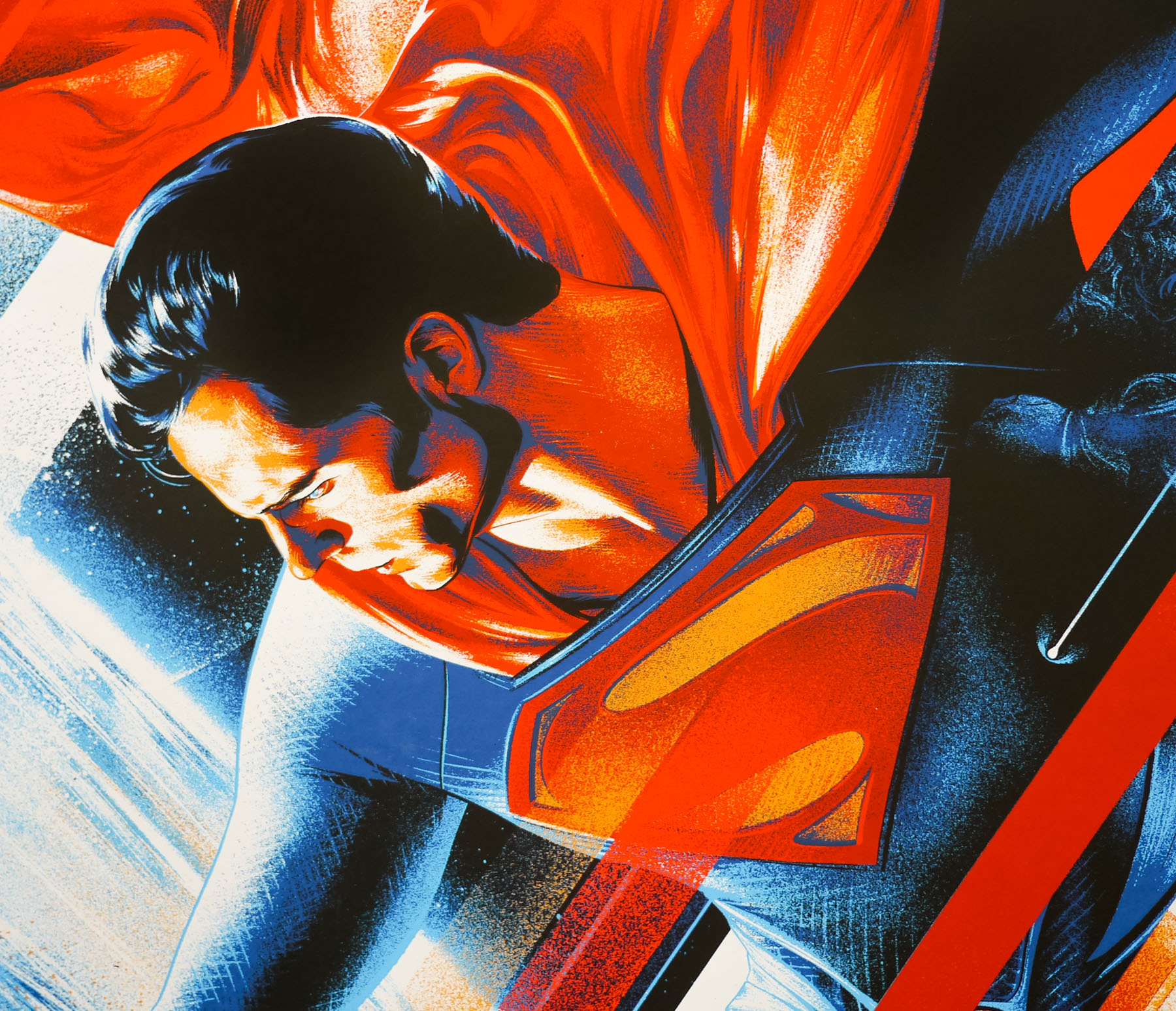
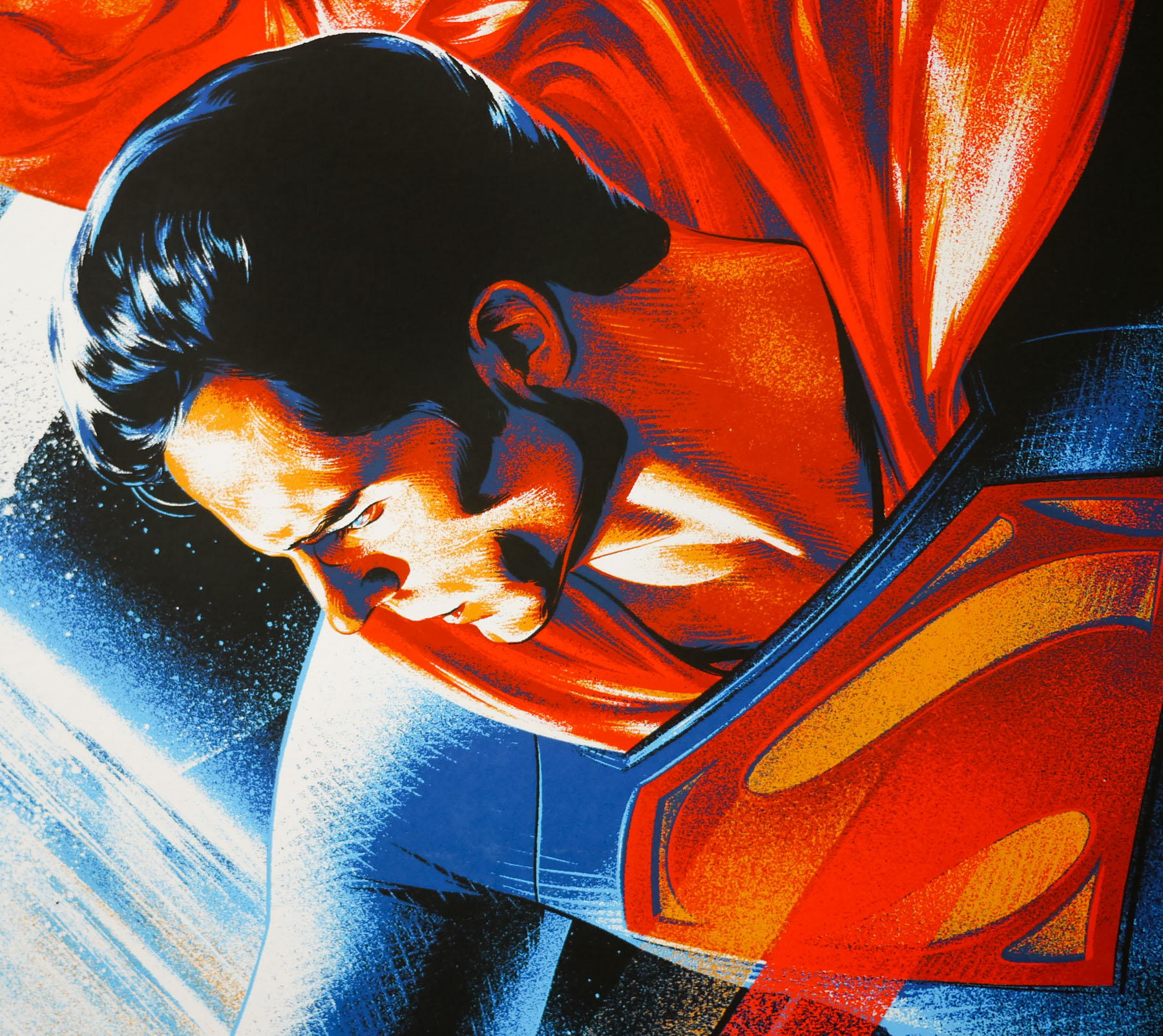
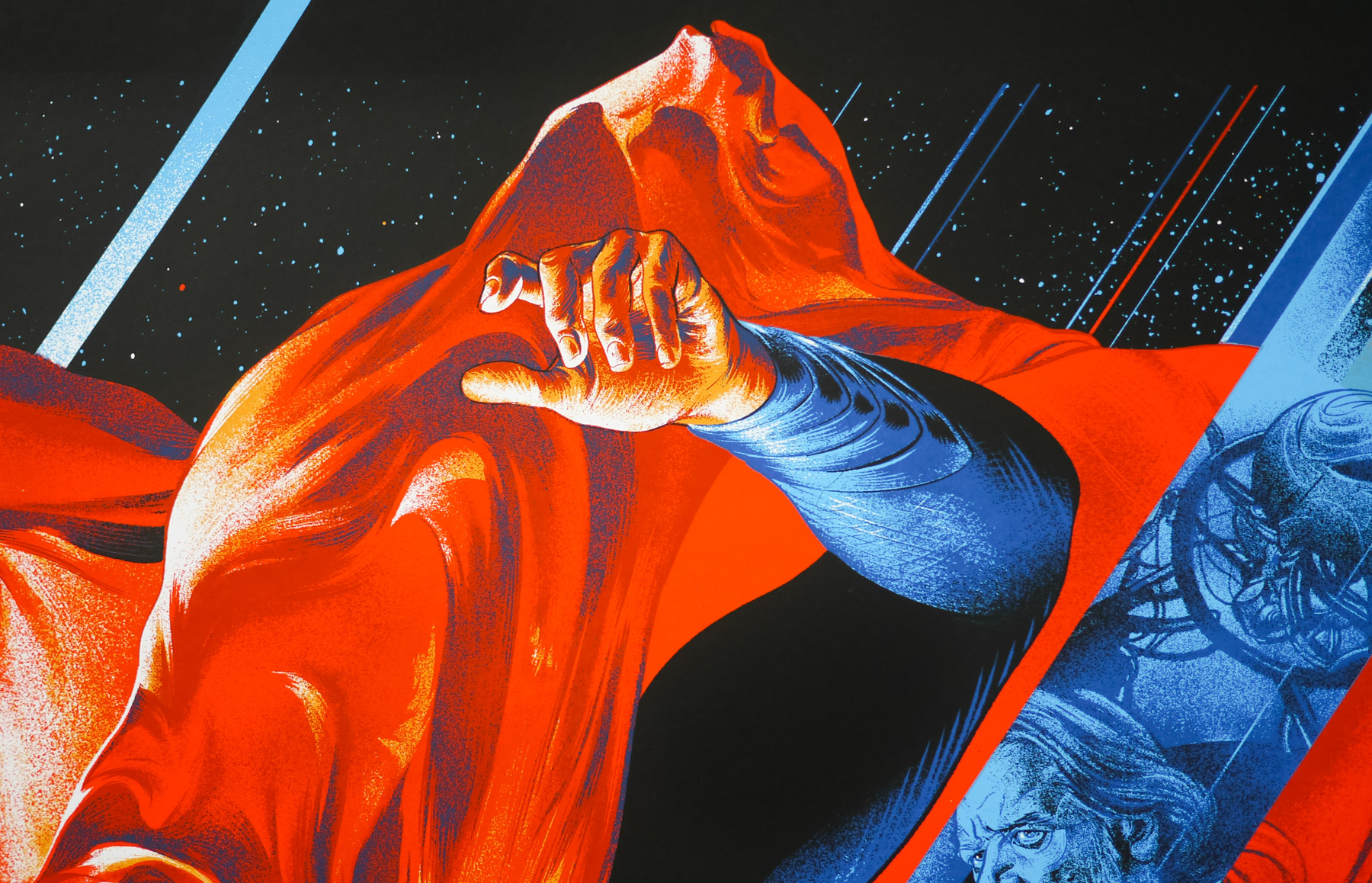
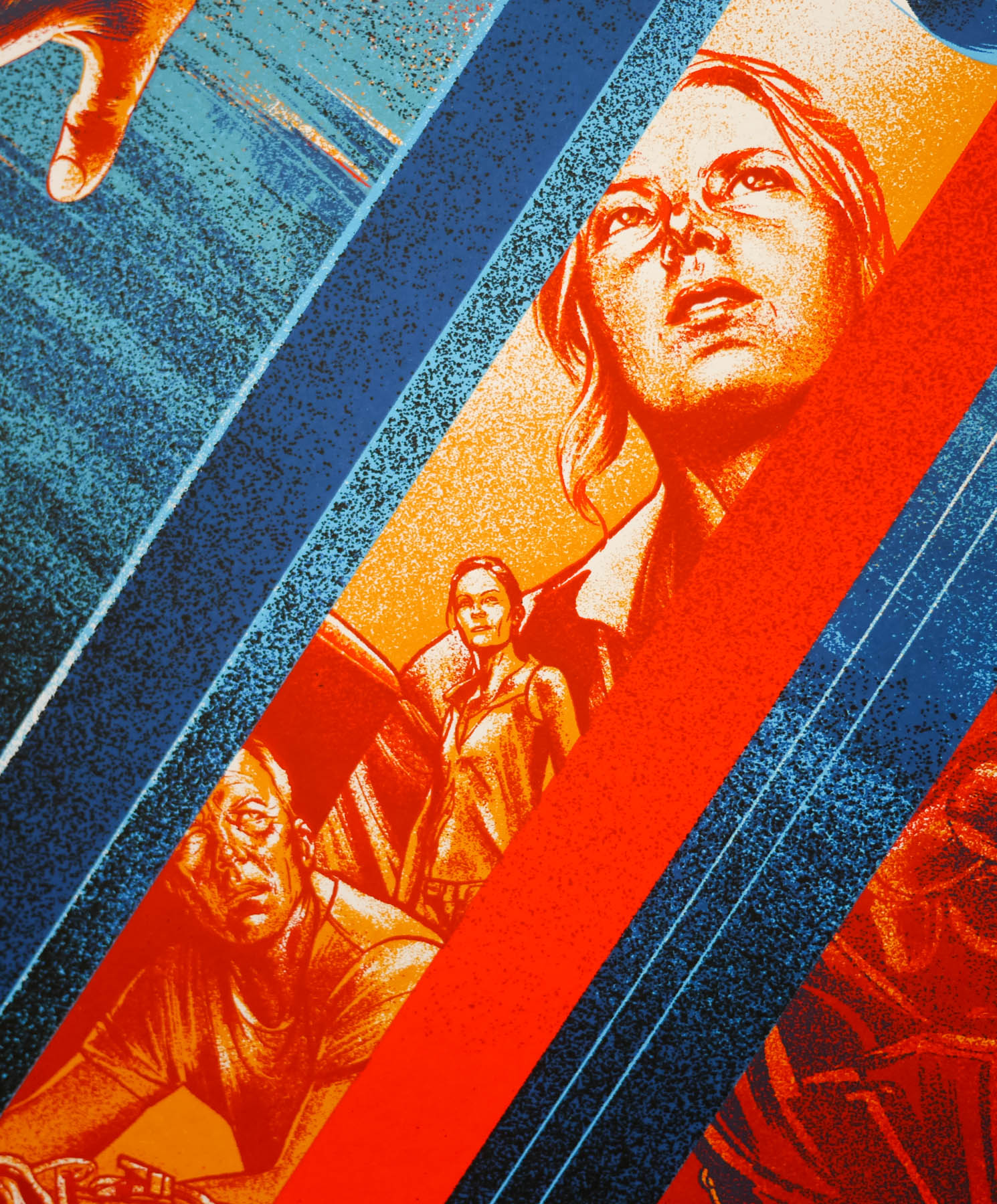
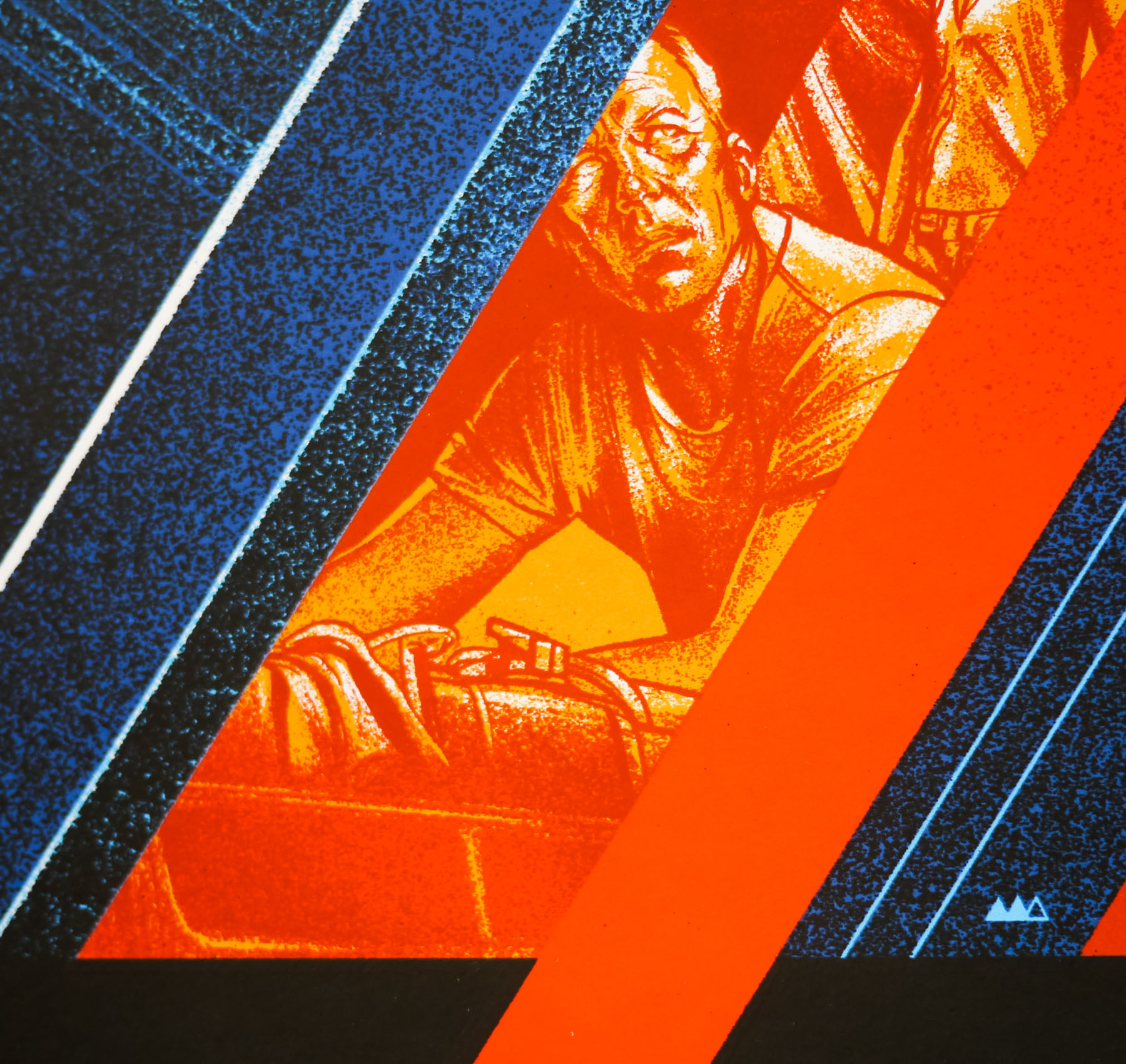
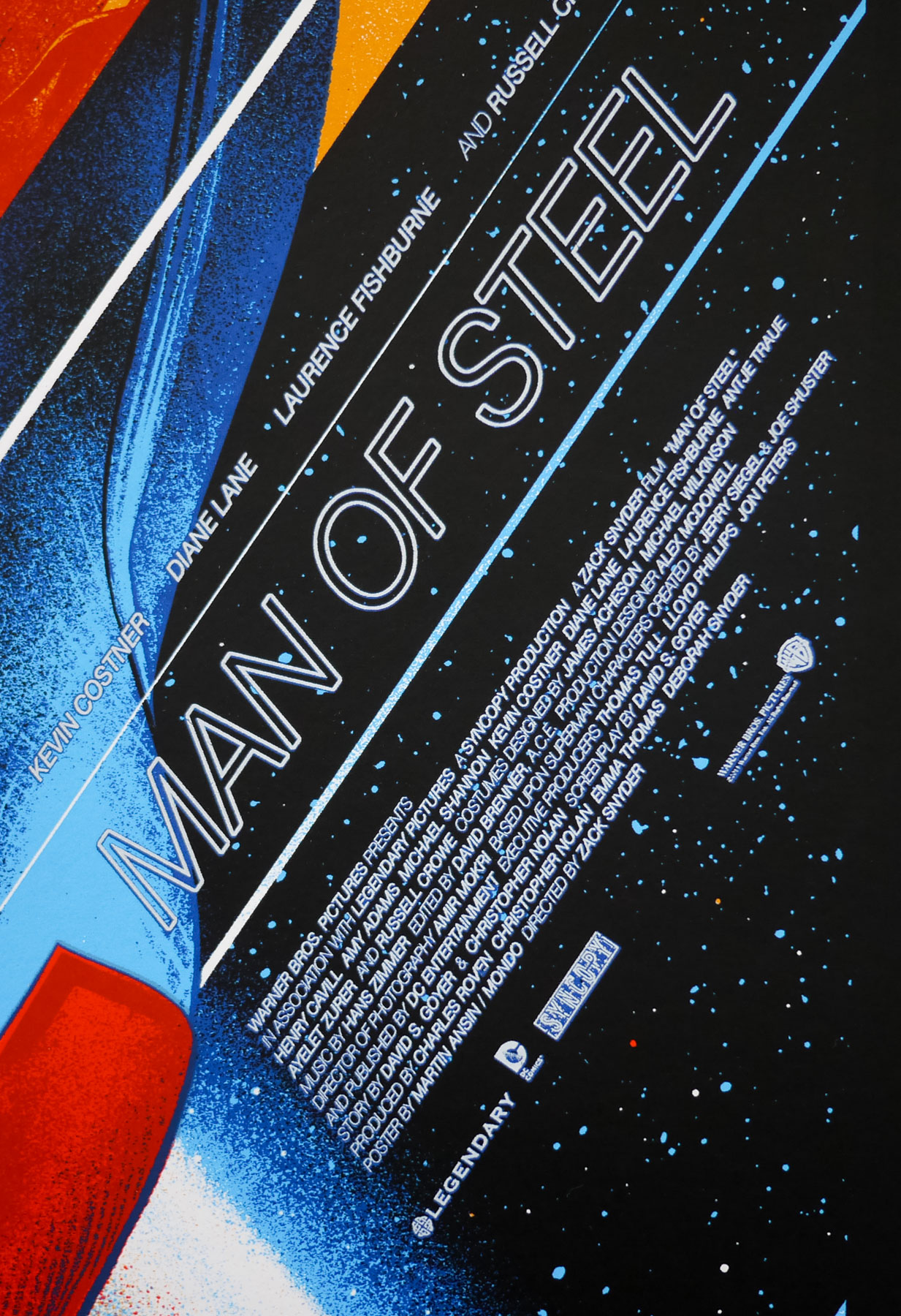
Man of Steel / screen print / Martin Ansin / USA

03.07.15

Poster Poster

It’s fair to say that Zack Snyder’s Superman reboot Man of Steel divided both critics and audiences upon its release in 2013. Following Bryan Singer’s failed attempt to rekindle the franchise with the disappointment that was 2006’s Superman Returns, expectations were high for this film, coming as it did with production backing from Christopher Nolan who’d struck gold with his Batman trilogy. British actor Henry Cavill stepped into the role of Clark Kent / Kal-El and was joined by a number of notable actors, including Kevin Costner as Jonathan Kent, his adoptive father, and Amy Adams as Lois Lane. The film is effectively an origin story and opens with the destruction of Superman’s home planet of Krypton, resulting in the death of his father Jor-El (Russell Crowe) and mother Faora-Ul (Antje Traue). The rest of the film deals with his arrival on earth and adoption by the Kent family, whose attempts to conceal their adopted son’s identity are threatened by the arrival of the evil Kryptonian General Zod (Michael Shannon) and his gang of miscreants.

The film is undoubtedly visually stunning with state of the art special effects but is lacking something in the storytelling department, certainly not helped by a fairly clunky script. A lot of the criticism about the film was levelled at the final quarter of the film that sees Superman face off against Zod in the middle of a Metropolis that is smashed to pieces by the two Kryptonians with seemingly no thought for the potential loss of life in the city. Additionally, the climactic scene is often cited as being very un-Superman. It also served as a prelude to 2016’s Batman vs Superman and the much anticipated Justice League film due the year after.

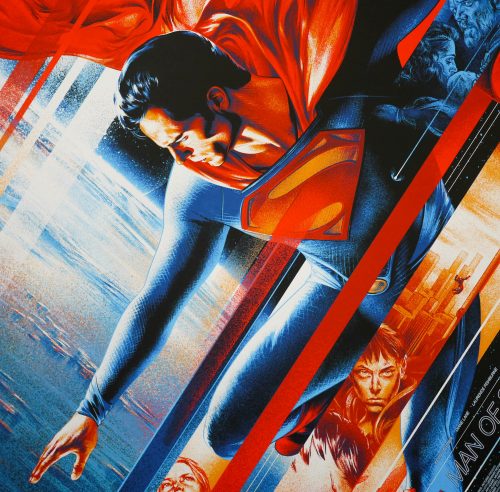
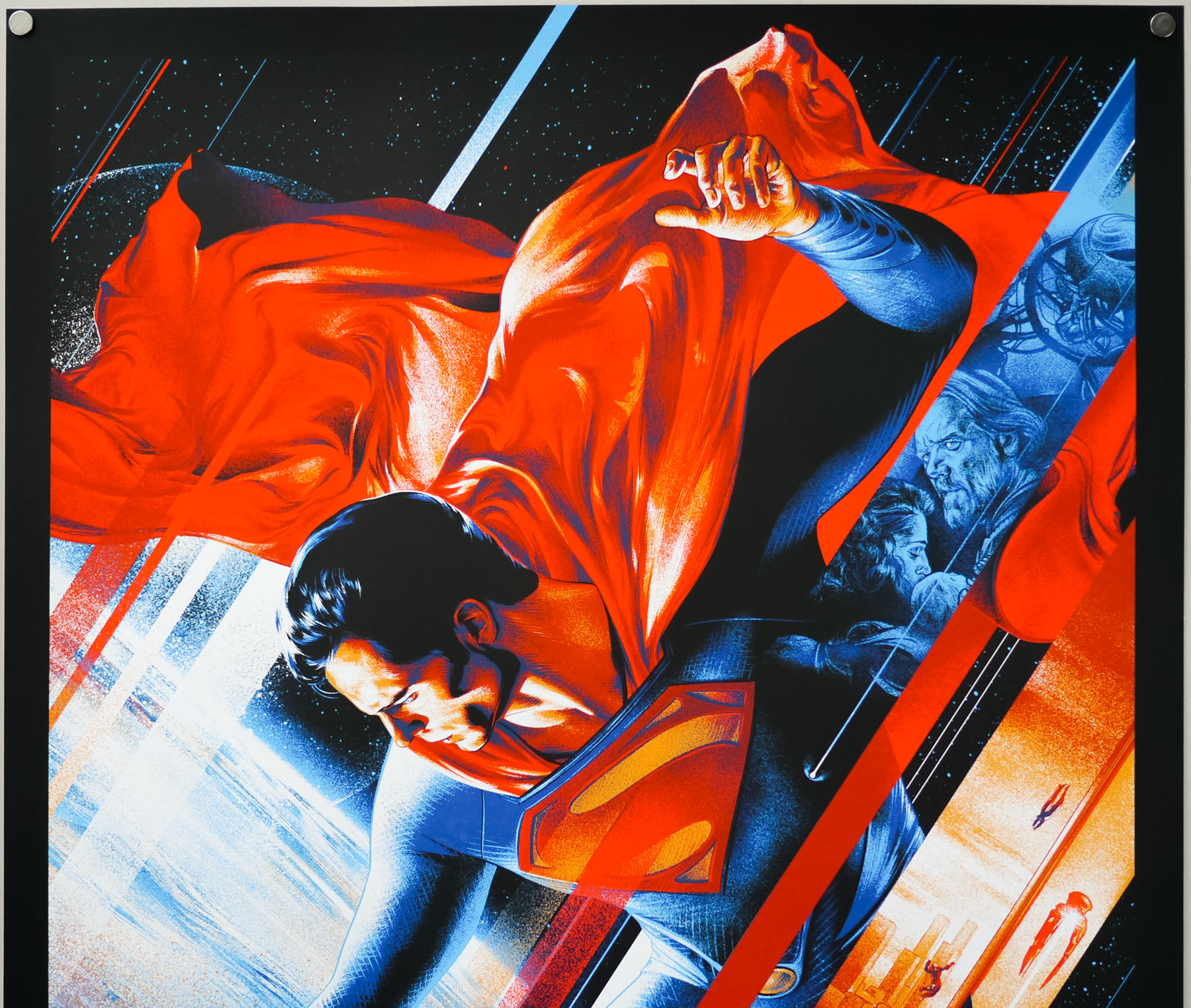
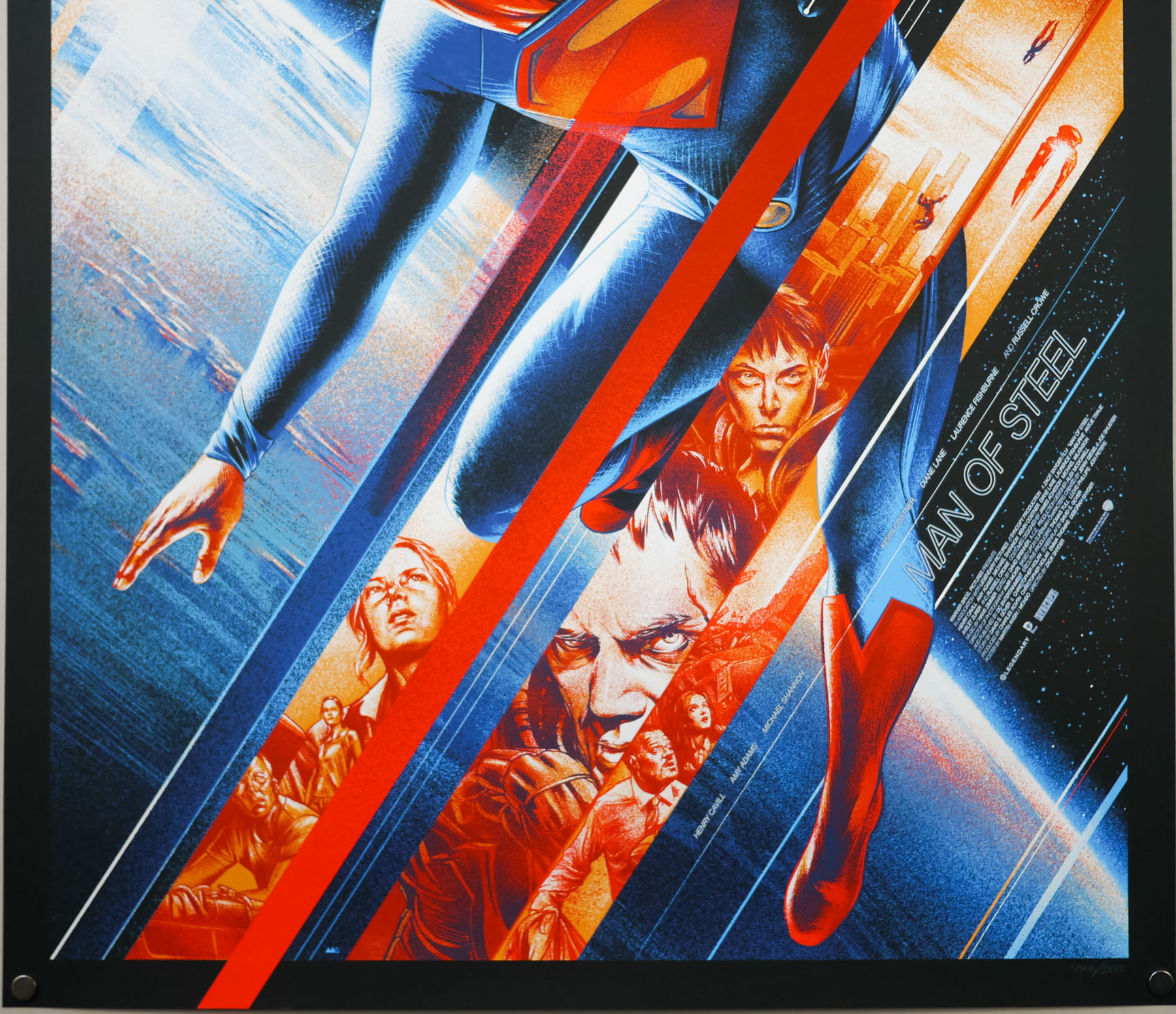
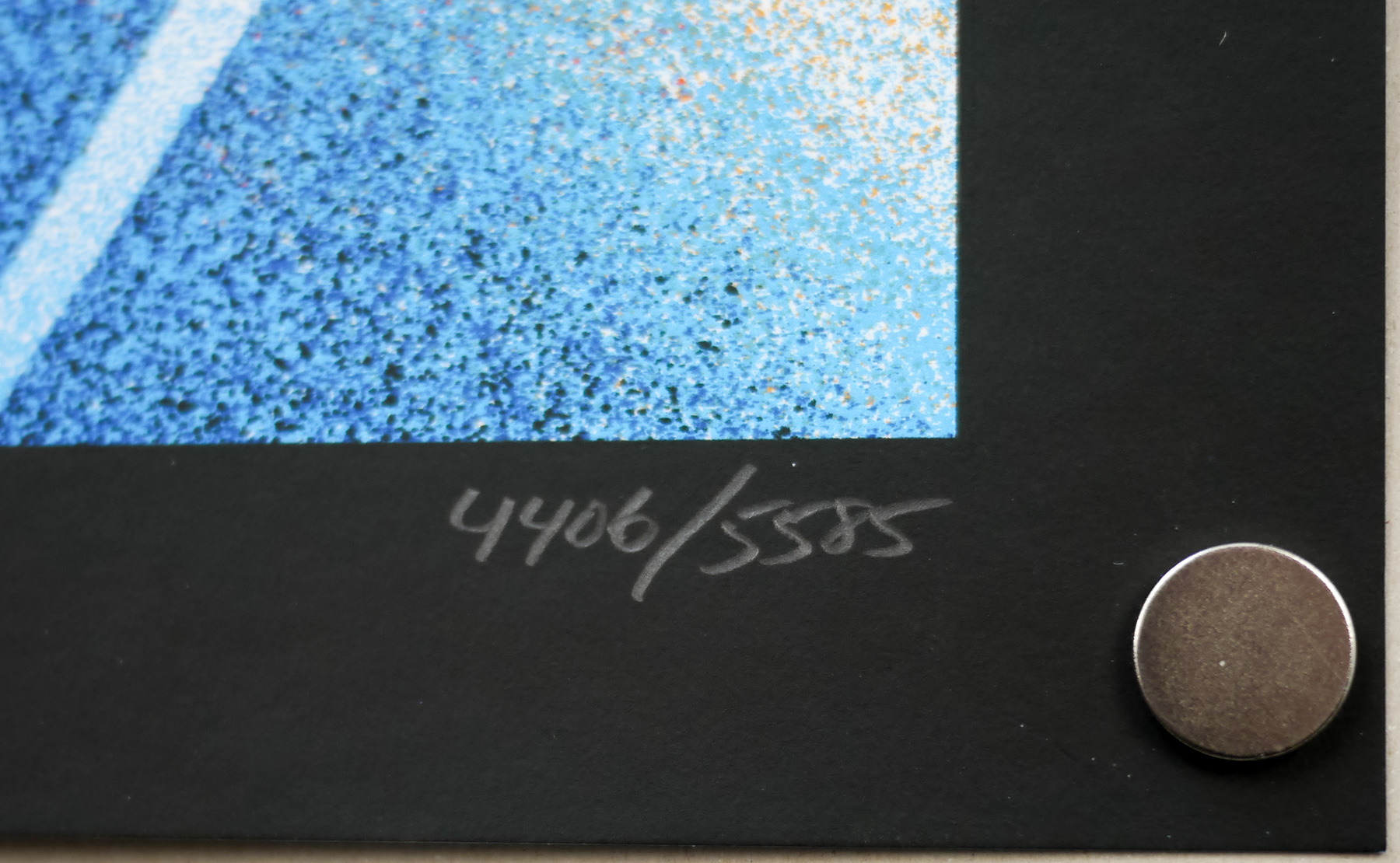
This screen print by the Uruguayan artist Martin Ansin was released by the incomparable Mondo, the Austin-based purveyors of limited edition posters and film merchandise. There is a variant that was printed onto a sheet of steel and only 130 of those were released. The regular edition was a timed-release and was available to purchase over a period of three days (standard Mondo releases are done at a random time on a first-come, first-served basis). This meant that the edition of the regular print ended up being 5585.

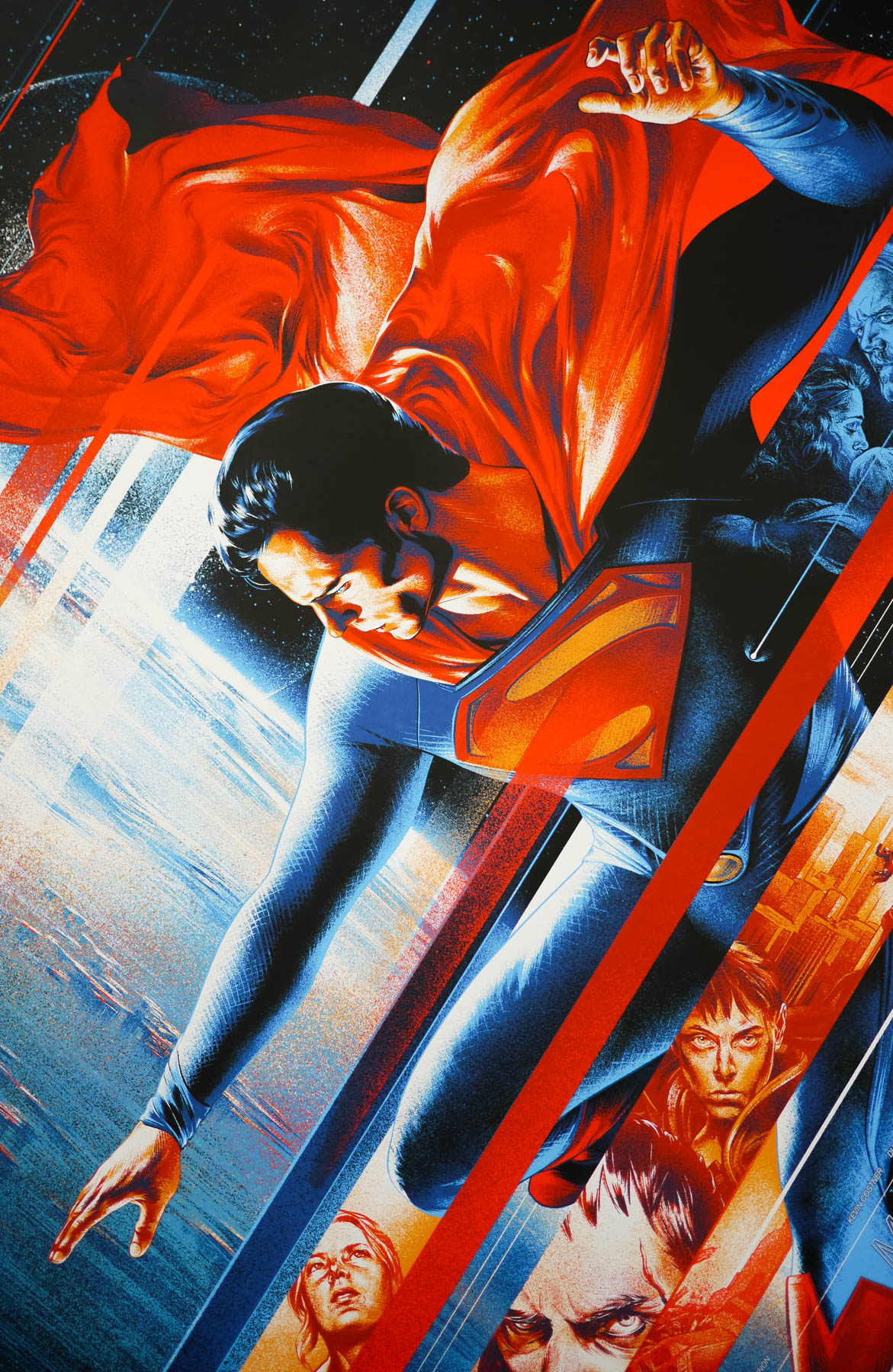
The pose of Superman was apparently inspired by a painting by the celebrated artist Alex Ross, which is itself a homage to the first issue of the Superman comic that was printed in 1939.

One of my favourite artists active today, Martin Ansin‘s work has graced many of the best posters released by Mondo, including several in the Universal Monsters series like this amazing Phantom of the Opera print and an excellent Dracula (1931) one. You only have to look at the gallery on his official site to see how talented an artist he is, with an eye for composition and detail unmatched by most of the artists in Mondo’s roster. To see the other posters I’ve collected so far that were designed by Ansin, click here.
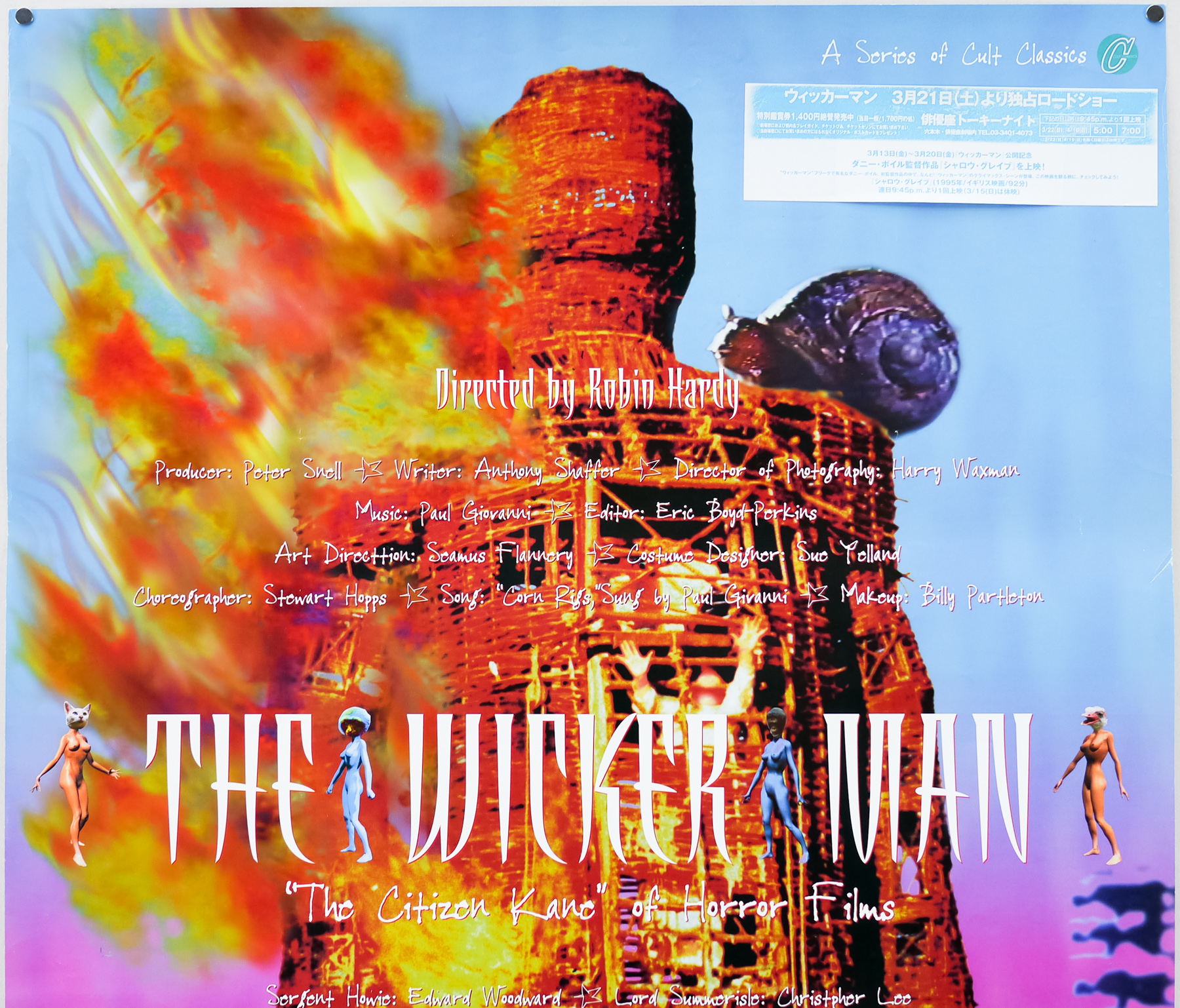
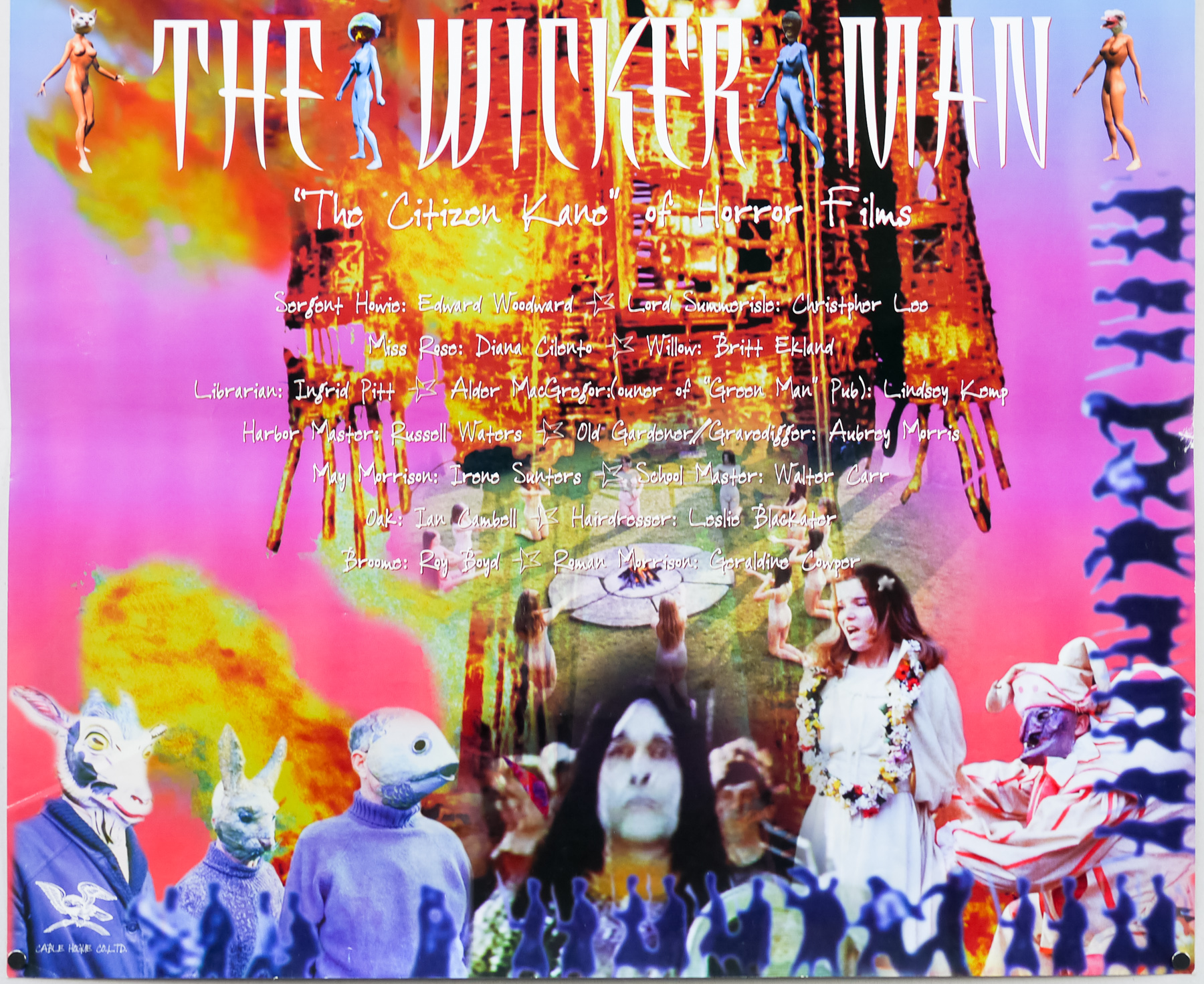
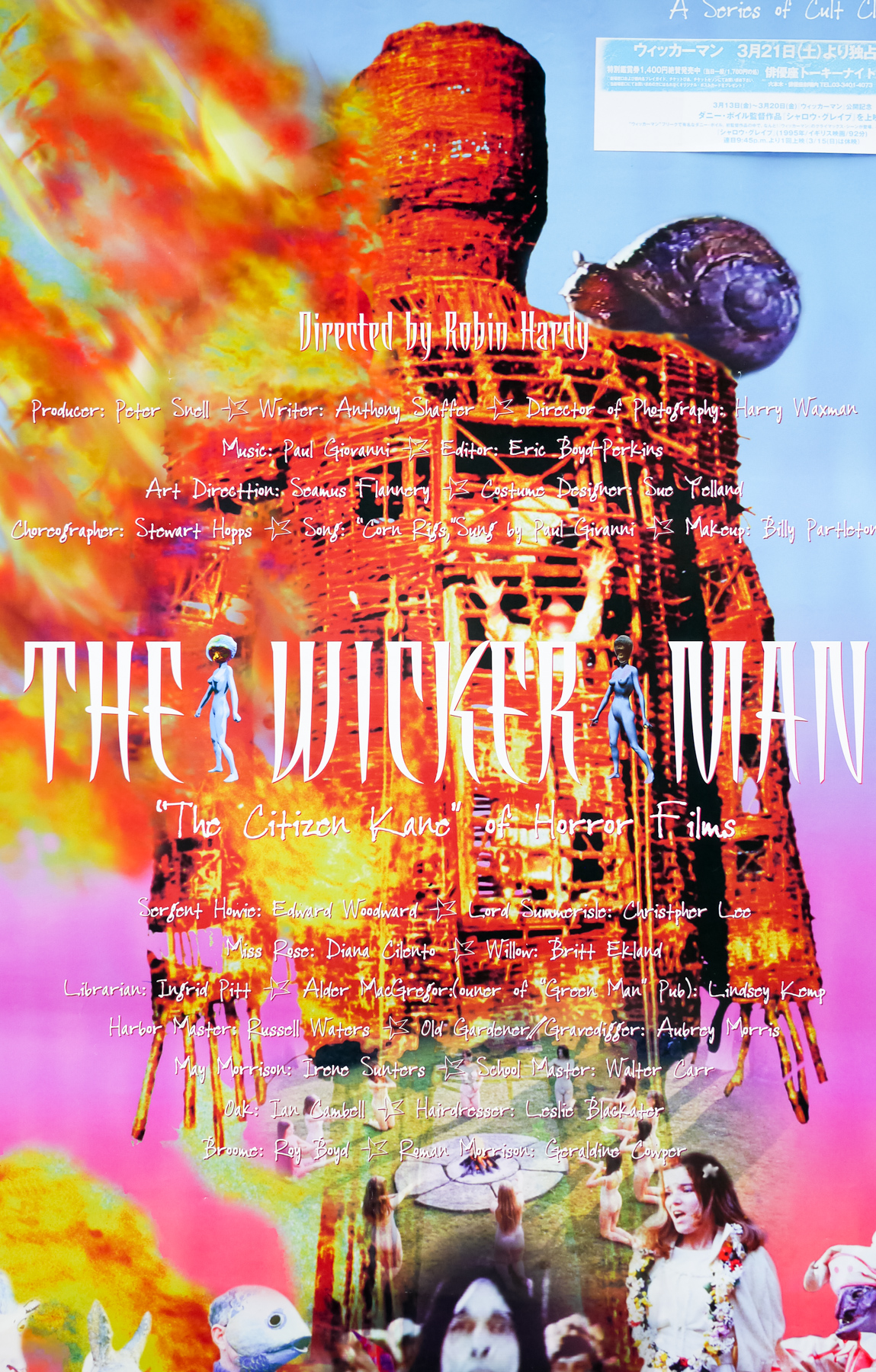
The Wicker Man / B2 / Japan

20.02.13

Poster Poster

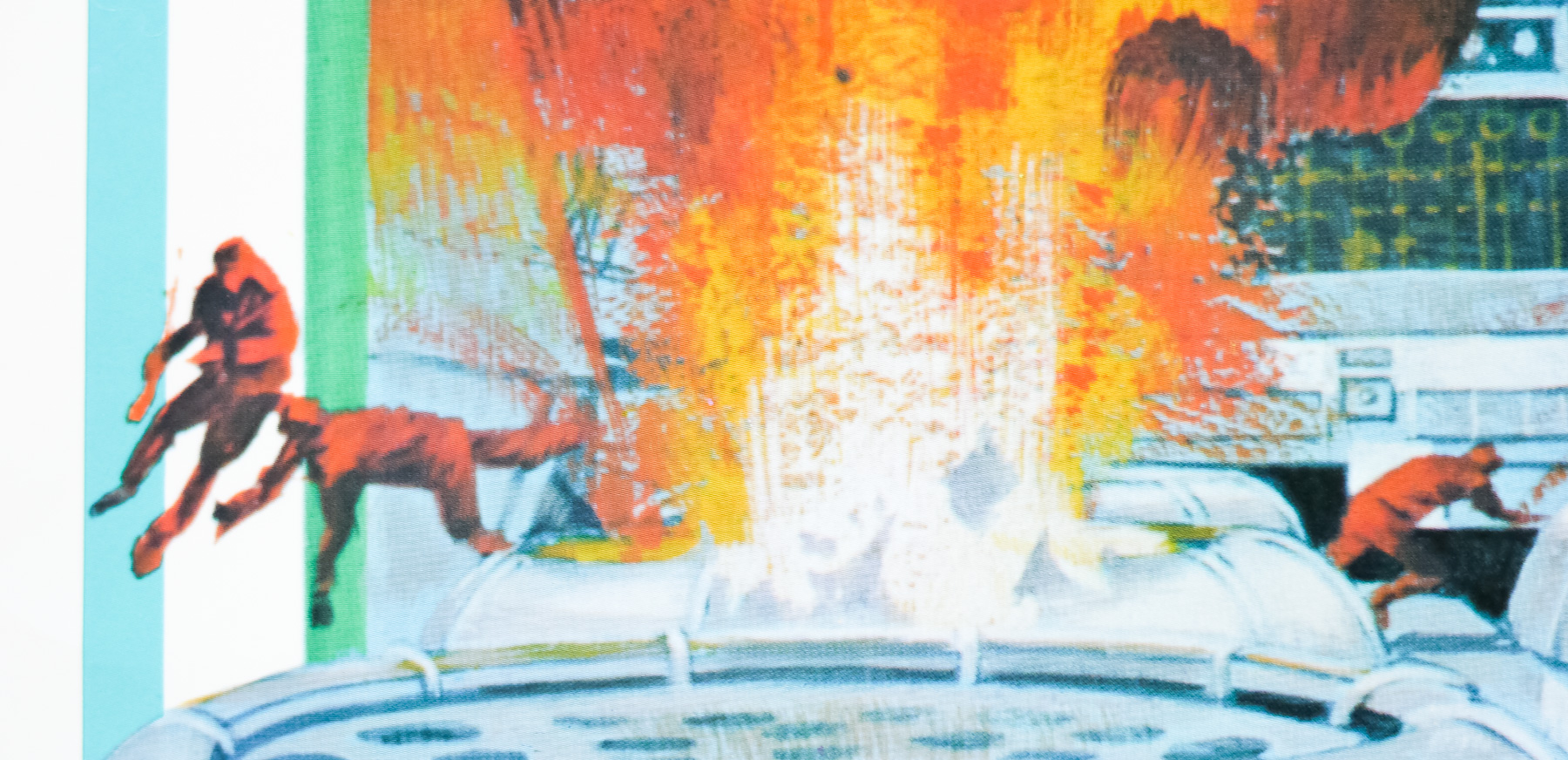
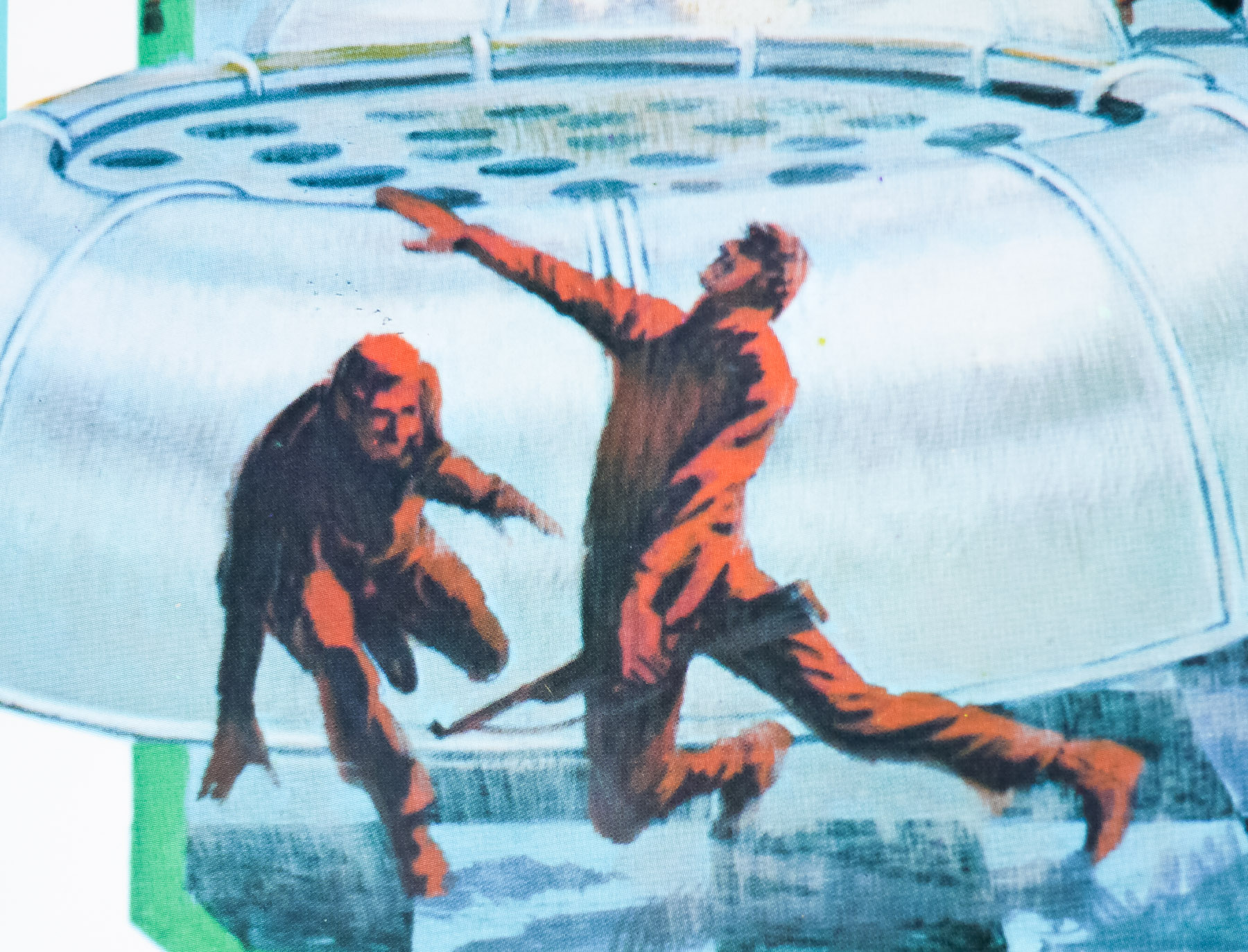
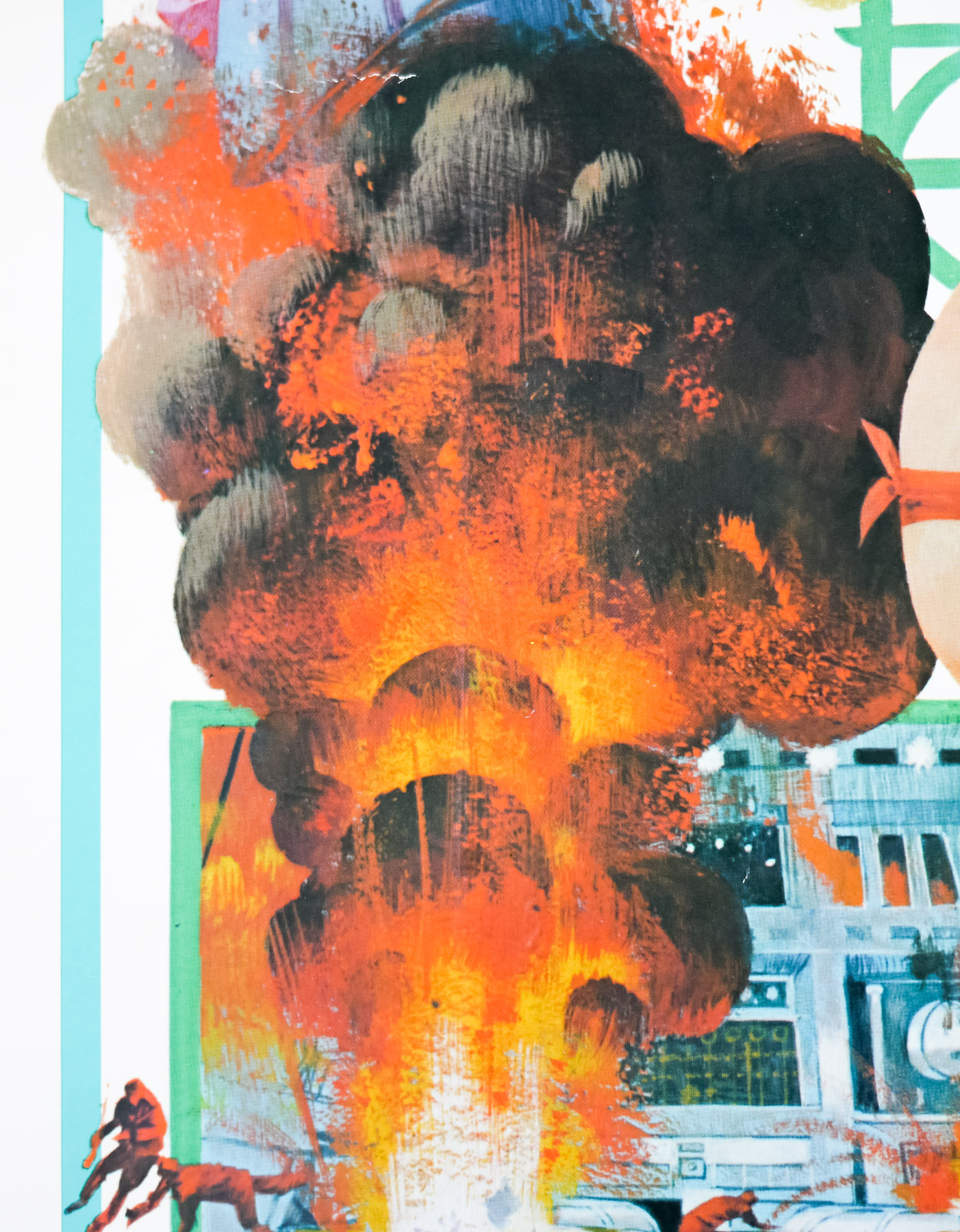
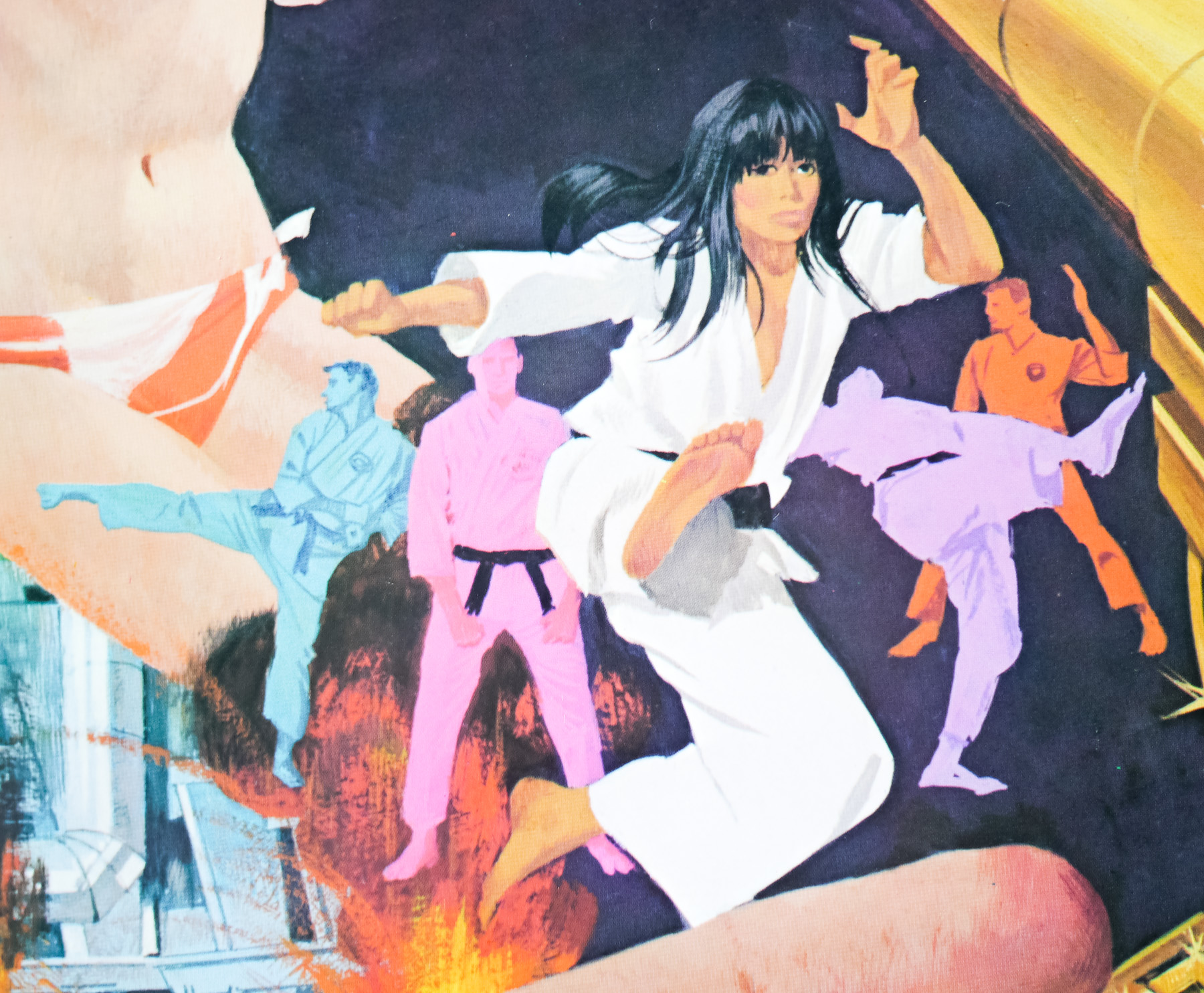
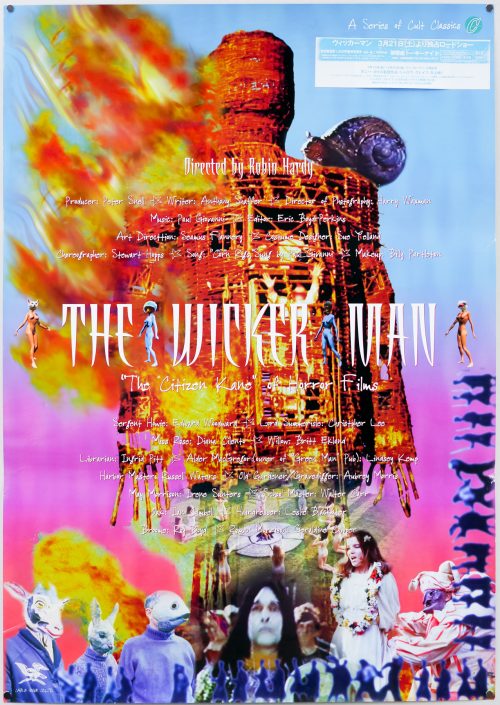
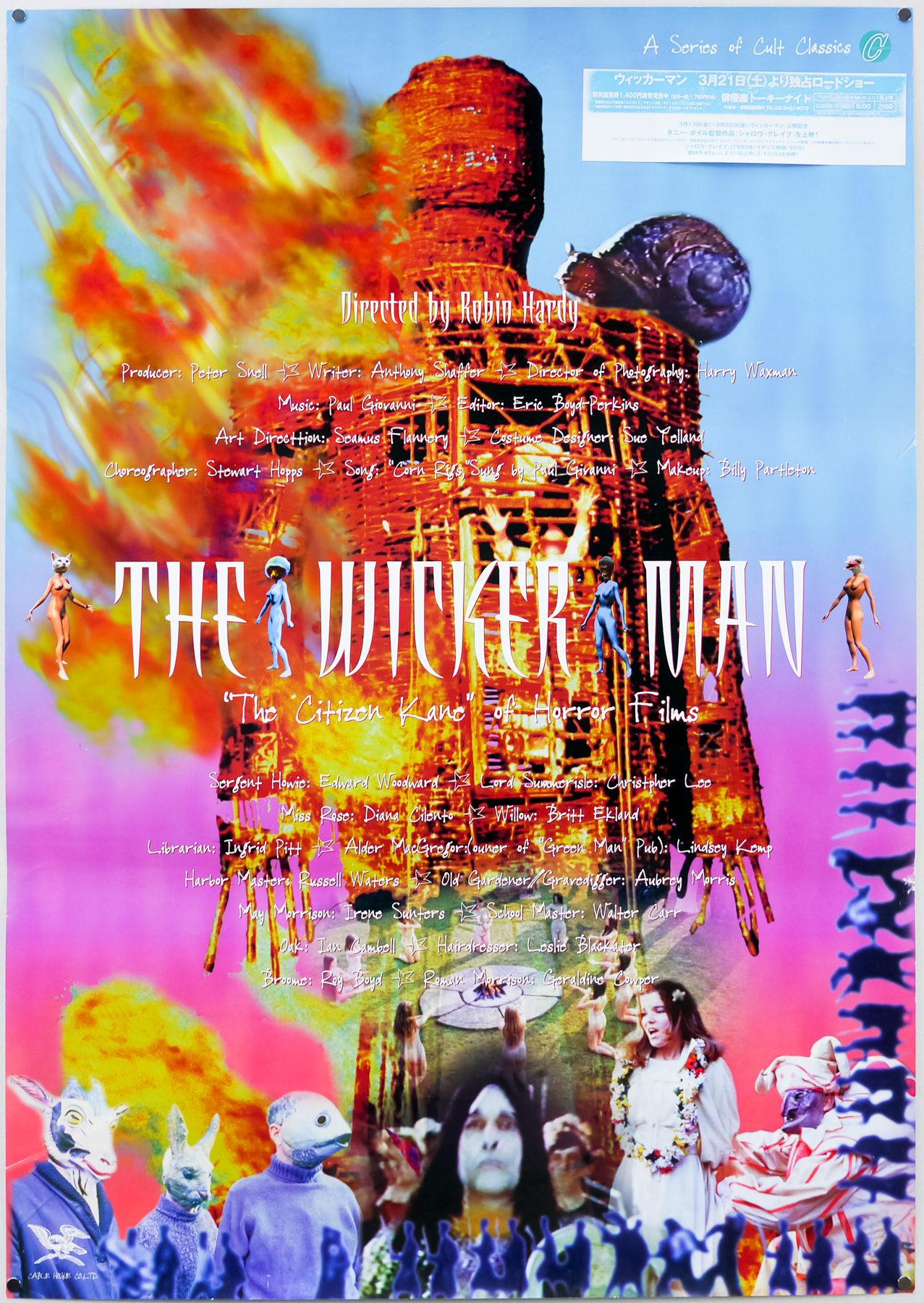
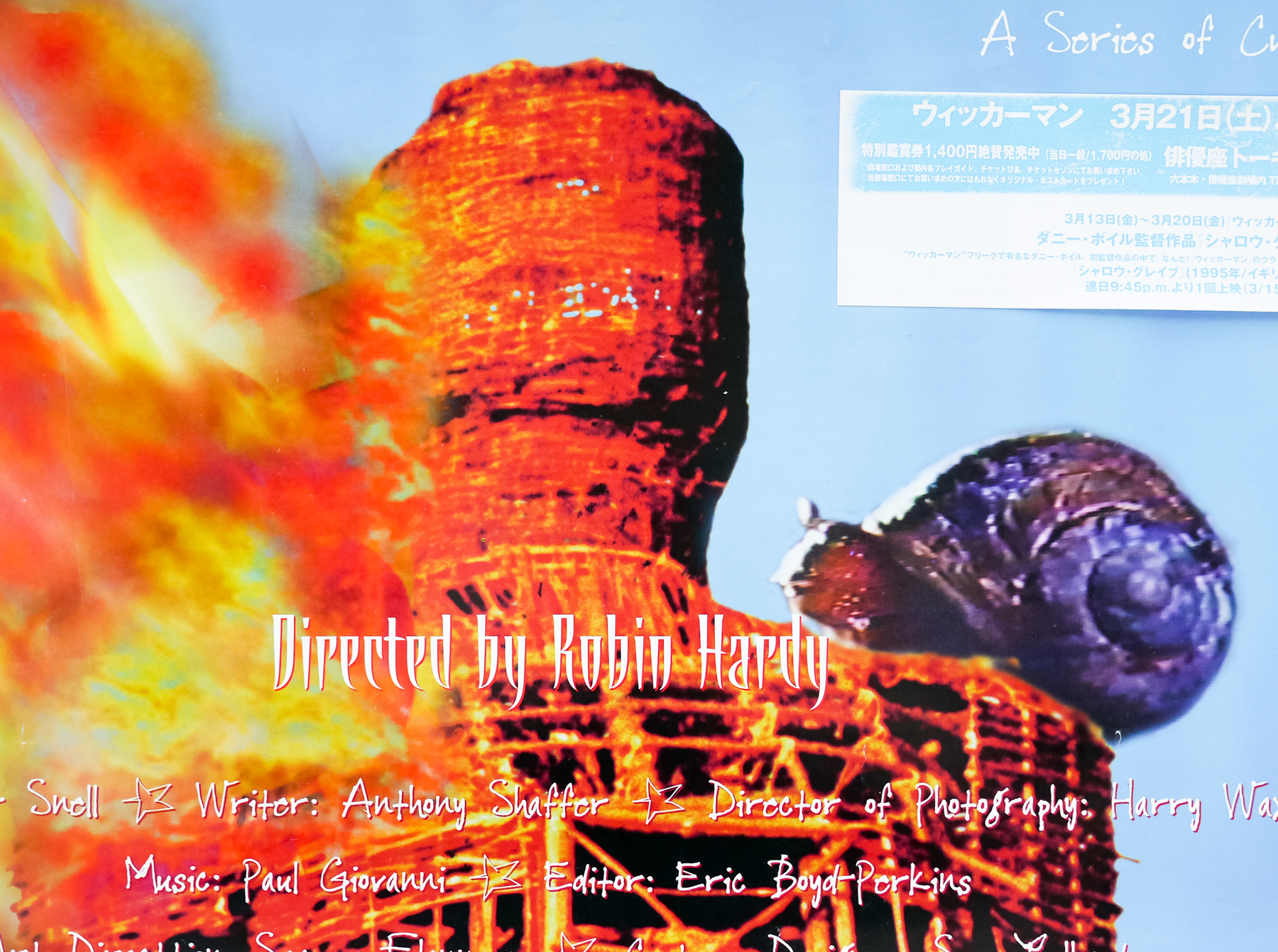
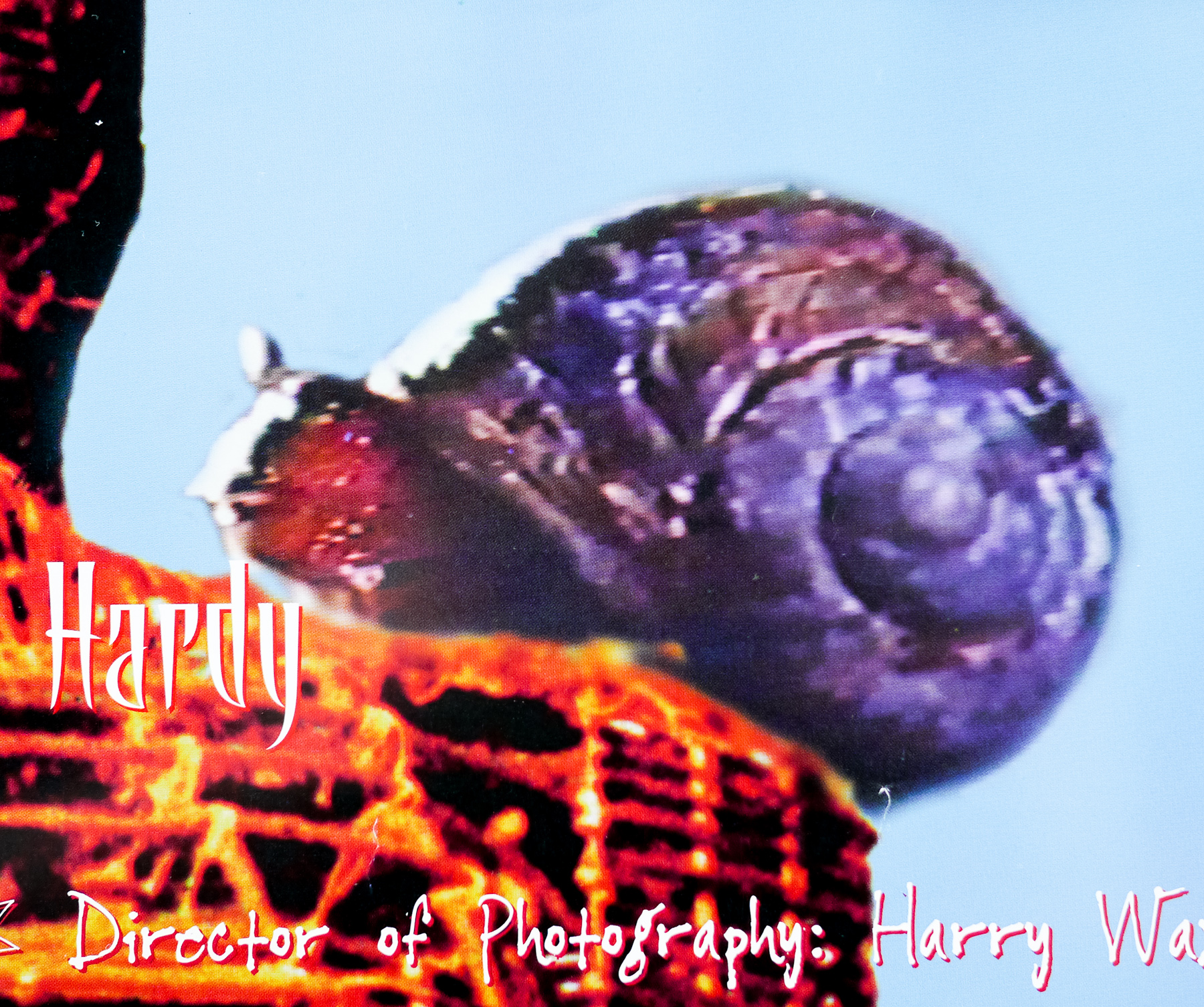
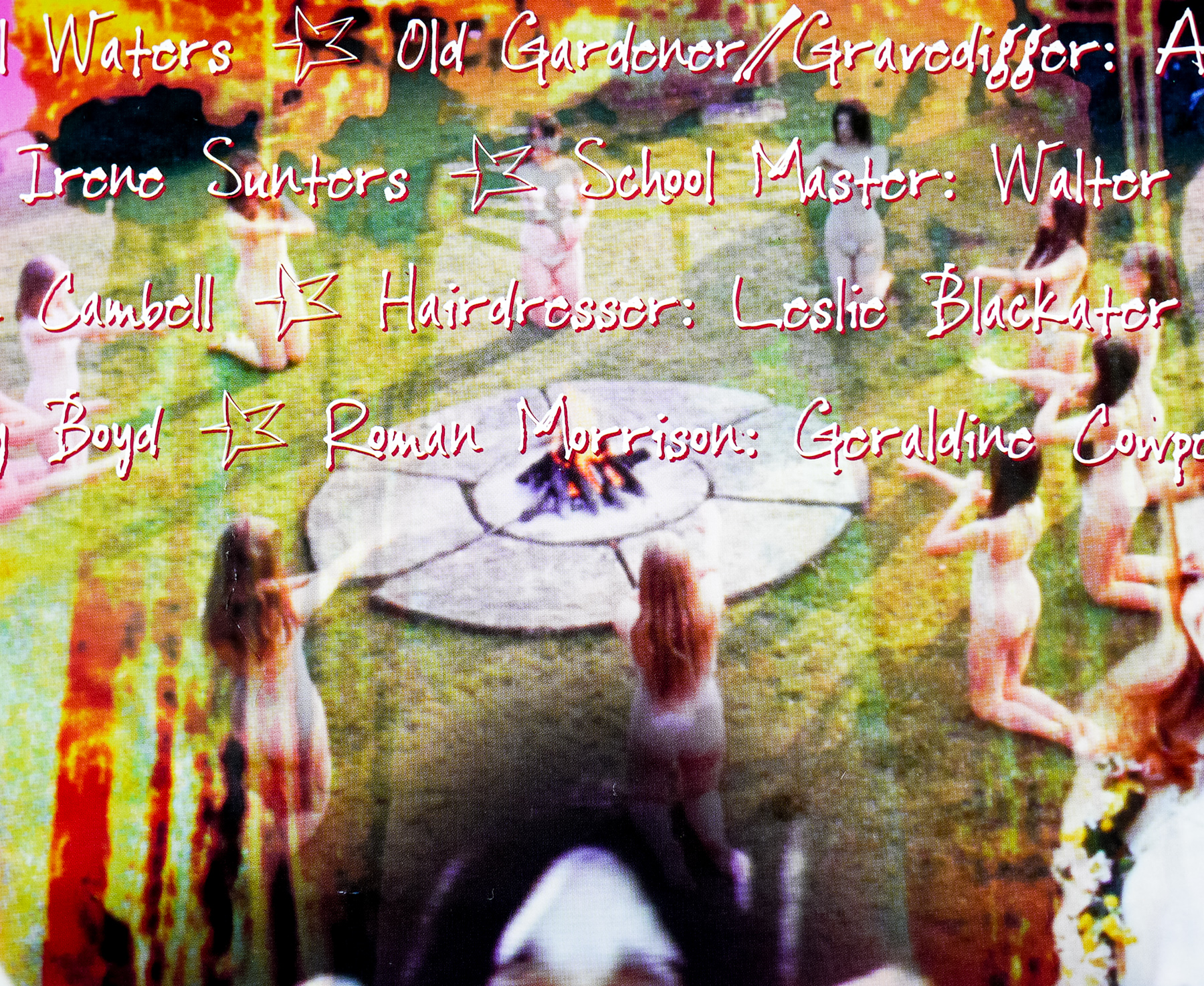
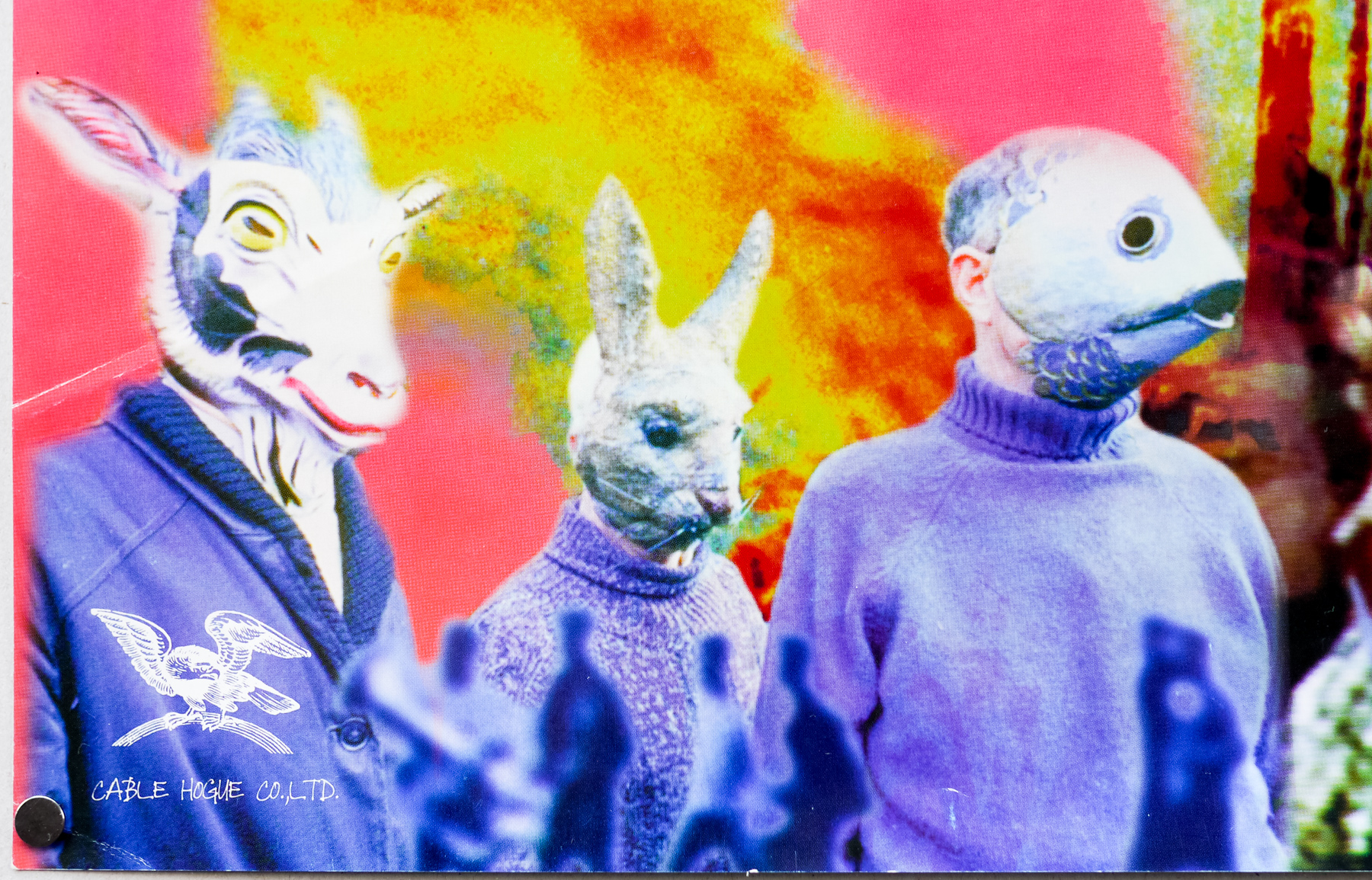
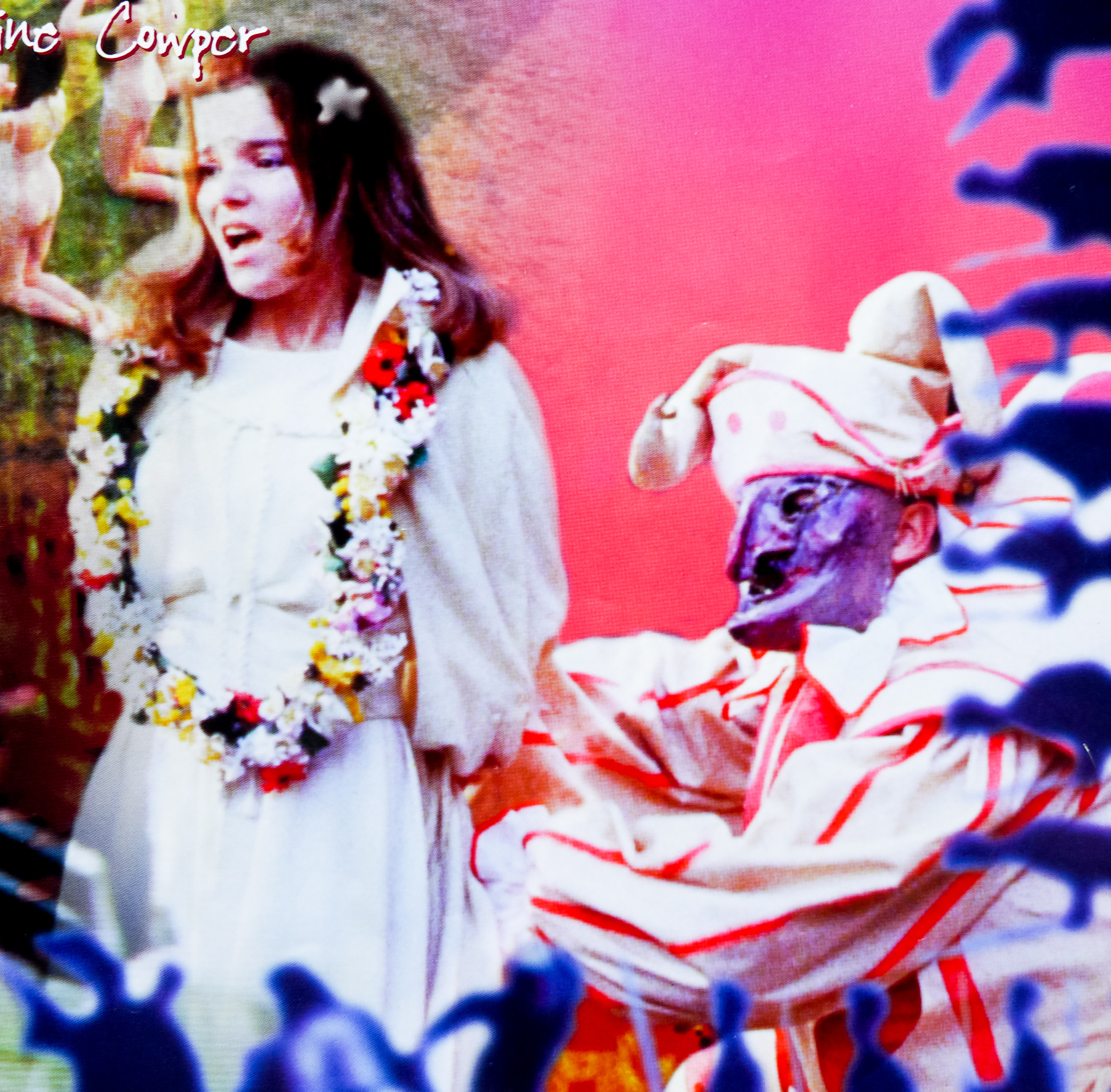
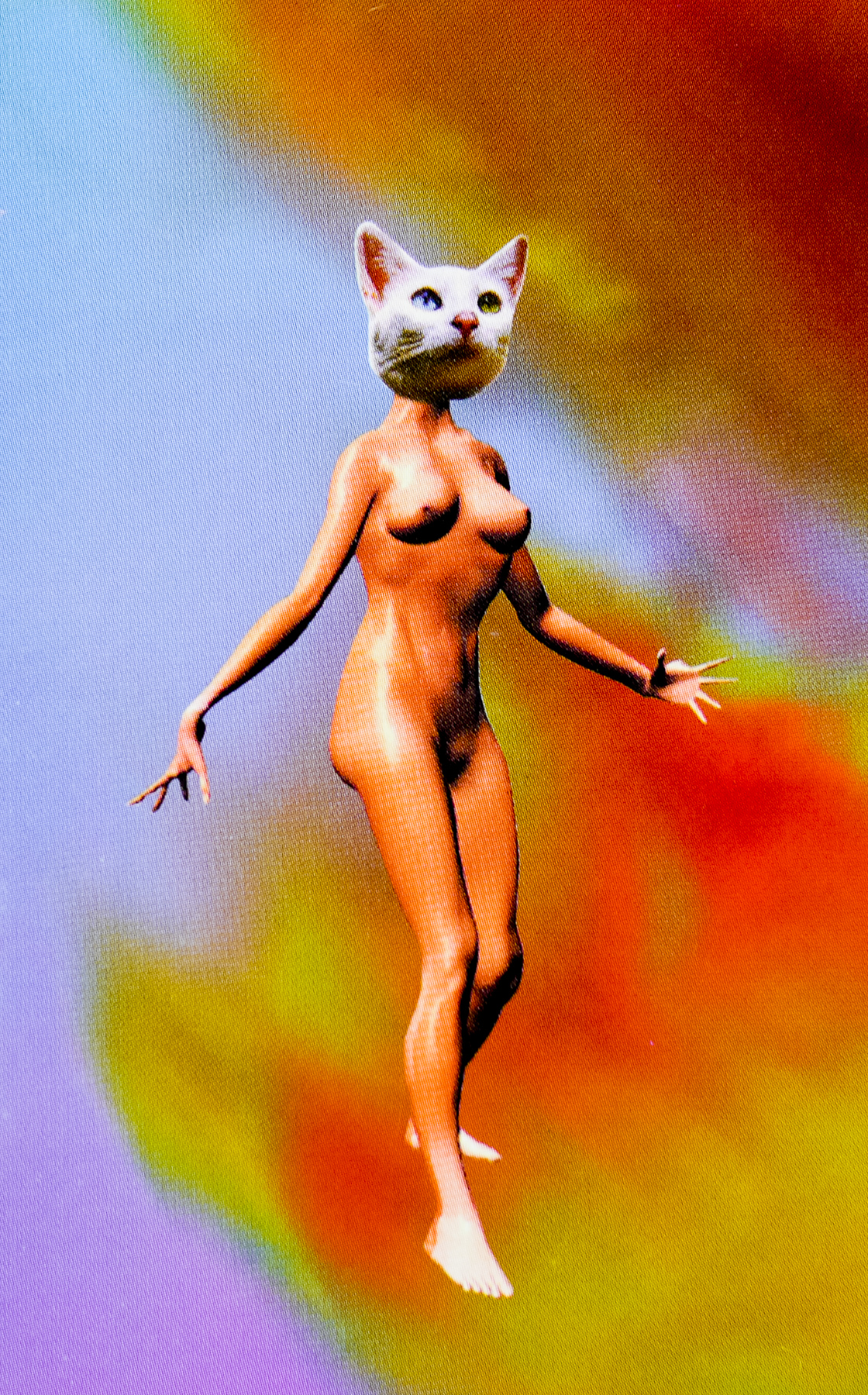
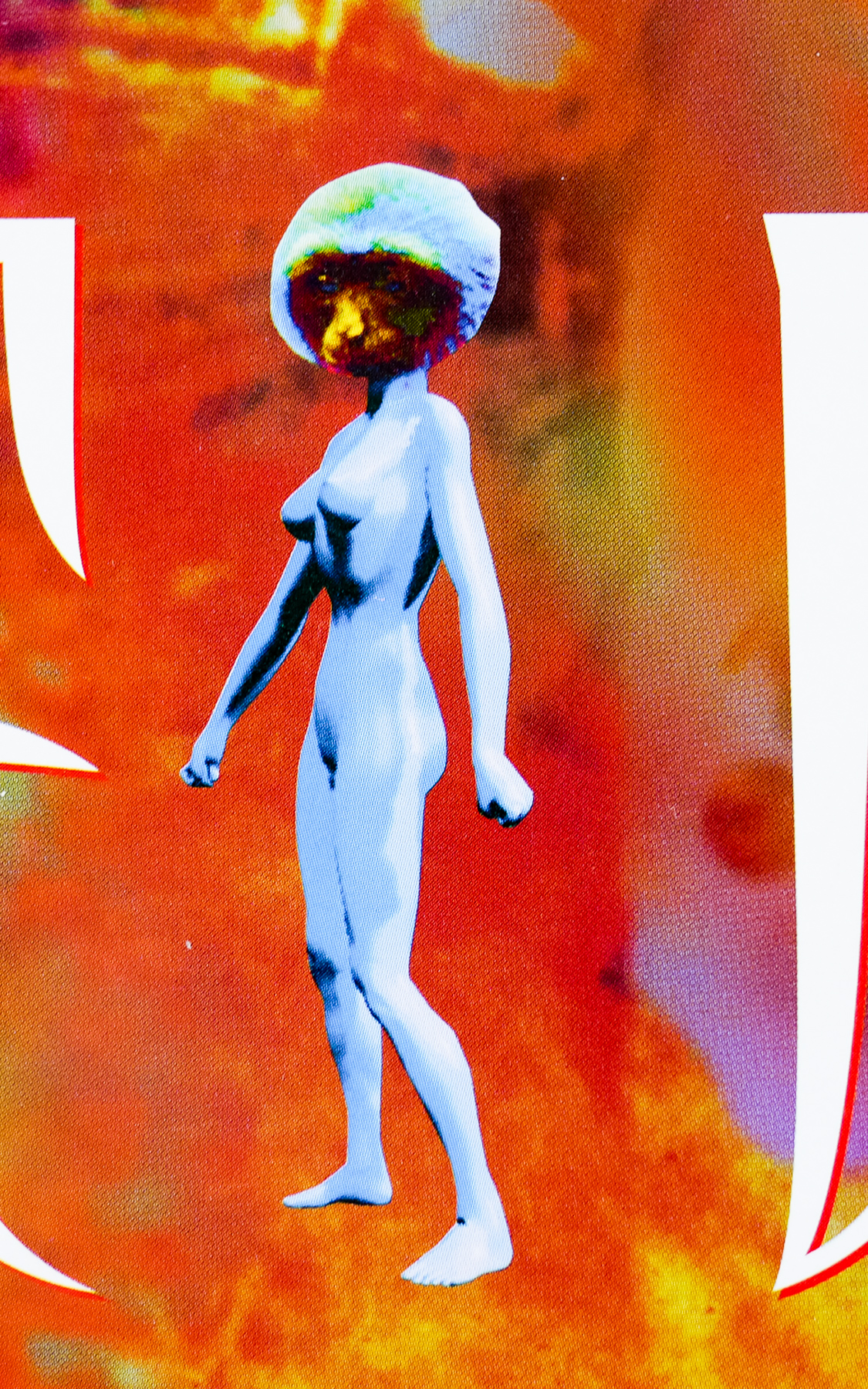
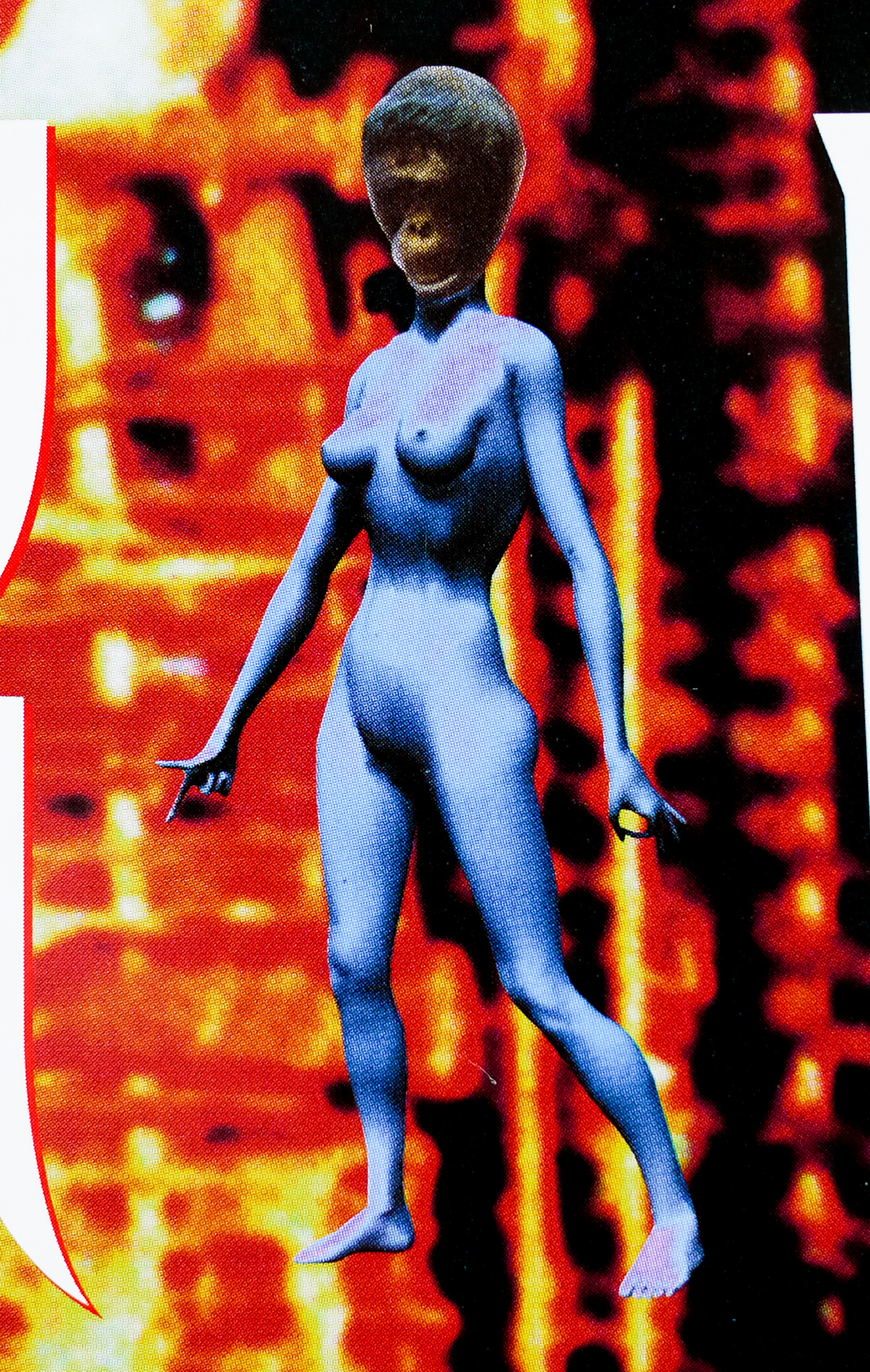
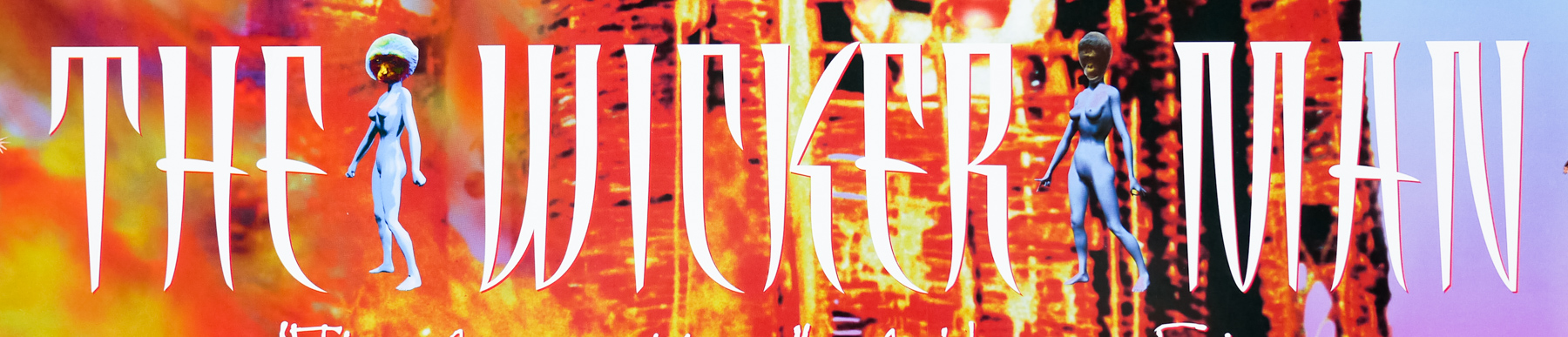
Remember the giant snail sitting on the shoulder of the titular statue as it burns during the climax of the British classic The Wicker Man? The designer of this poster for the first release of the film in Japan (in March 1998) must have seen a different print than the rest of us; perhaps the infamous lost footage is safe and well over there, and also features the appearance of a large mollusc? As for the naked torsos with the animal heads – your guess is as good as mine!

The Wicker Man is a true British classic and even though it started life as a low-budget b-feature the film has lost none of its power since its release forty years ago this year. Based on a script by celebrated screenwriter Anthony Shaffer, who had previously seen great success with the play Sleuth (1970), The Wicker Man was helmed by first time director Robin Hardy and was filmed on location around Scotland, with several coastal settings chosen to stand-in for the fictional island of Summerisle. It’s unfair to call the film a horror as it’s a mix of murder-mystery with occult undertones and features an unforgettable finale that lingers in the mind for a long time after the credits roll.

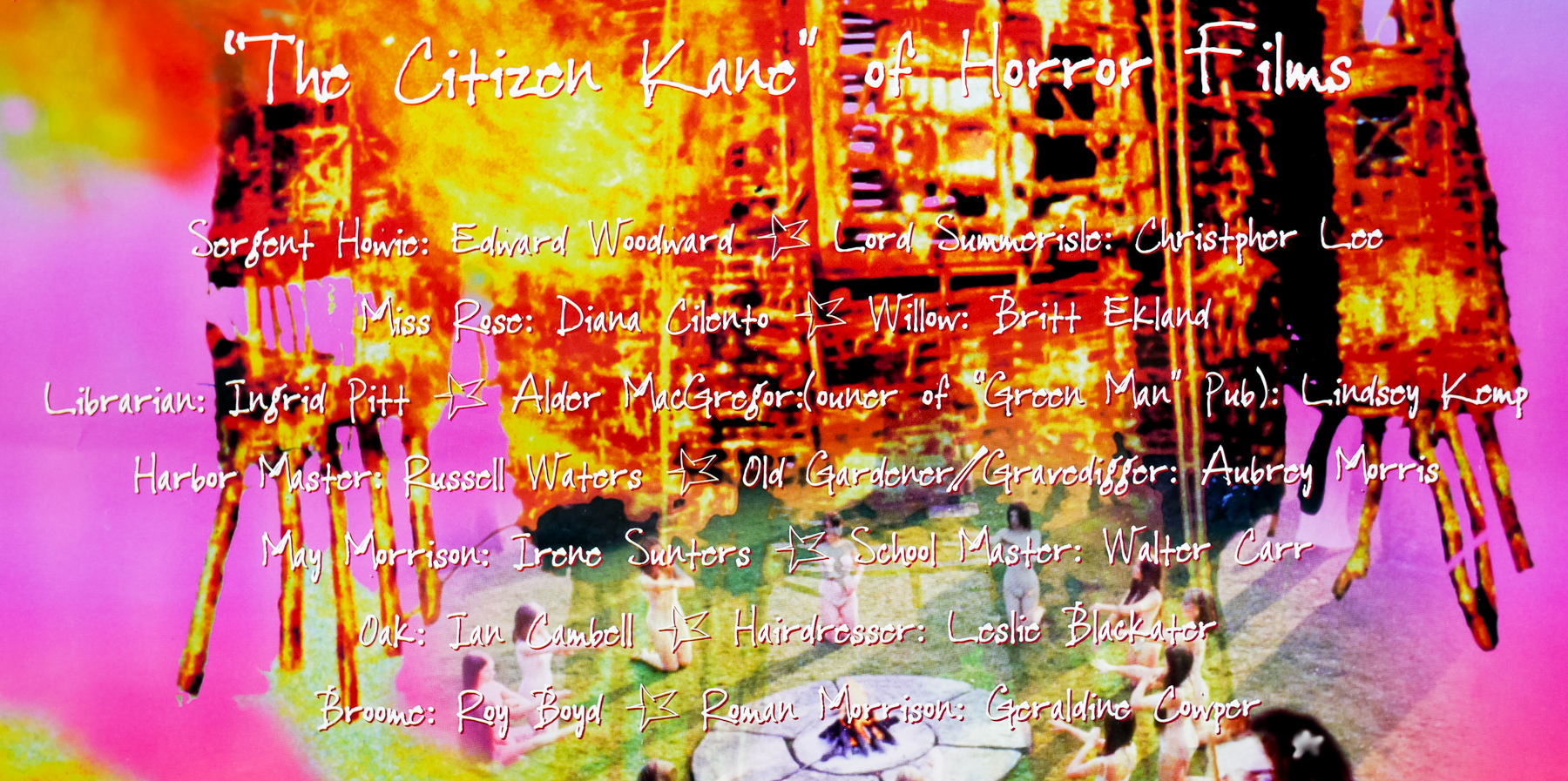
Edward Woodward stars as Sergeant Howie, a strait-laced policeman sent from the Scottish mainland to to investigate the mysterious disappearance of a local girl. After encountering indifference and hostility from the inhabitants, Howie decides to investigate the islands’ de facto leader Lord Summerisle (A memorable Christopher Lee) and soon discovers that this charismatic figure’s influence and beliefs hold sway over the population. The policeman realises too late that he has been brought to the island for reasons more sinister than the supposed disappearance of a local girl, and things are about to get very heated indeed for the unlucky Sergeant Howie.

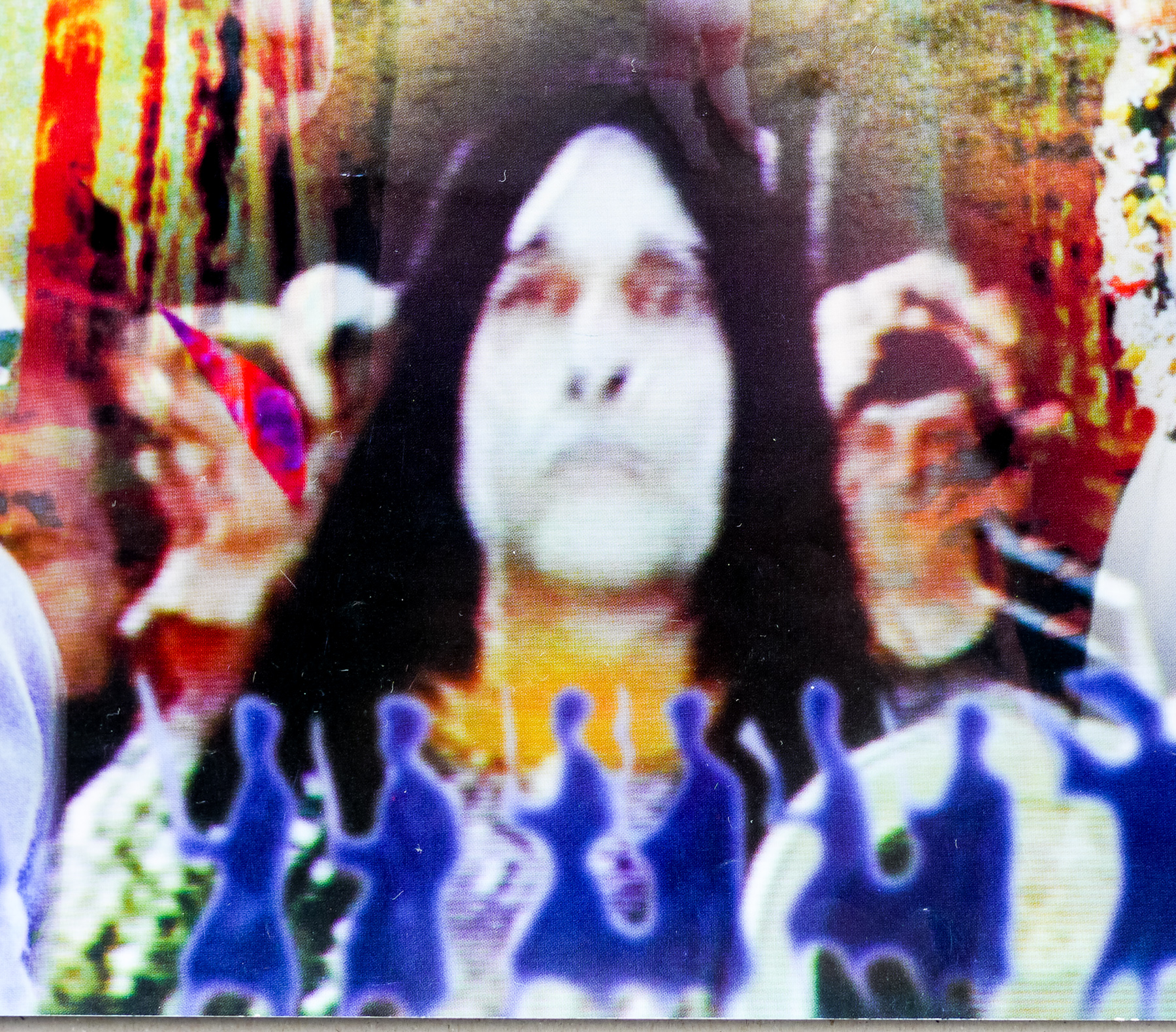
This poster features images from the film, including the scenes where the islanders dress up for a procession (hence the animal masks) and a sinister-looking Lee in the make-up his character wears during these moments. Over the years the actor has repeatedly claimed that The Wicker Man was the finest script he’d ever read and is very proud of his role in the film, even if he does express annoyance about the missing scenes. Note that the paper snipe in the top right features details of the film’s showtimes and other details, which features on every copy of this poster that I have ever seen.

In addition to this poster I also have the UK one sheet and the large American 40×60 poster.

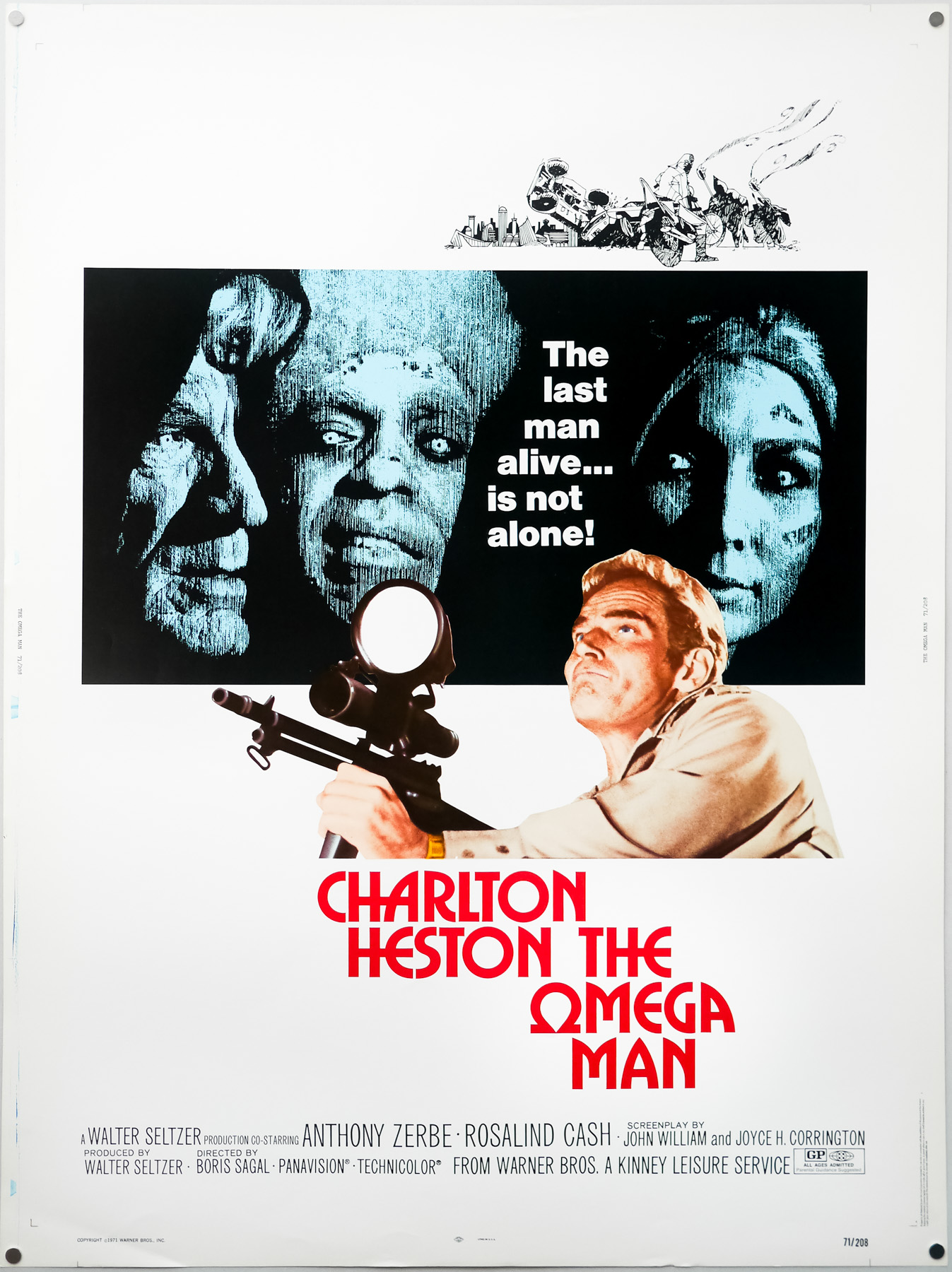
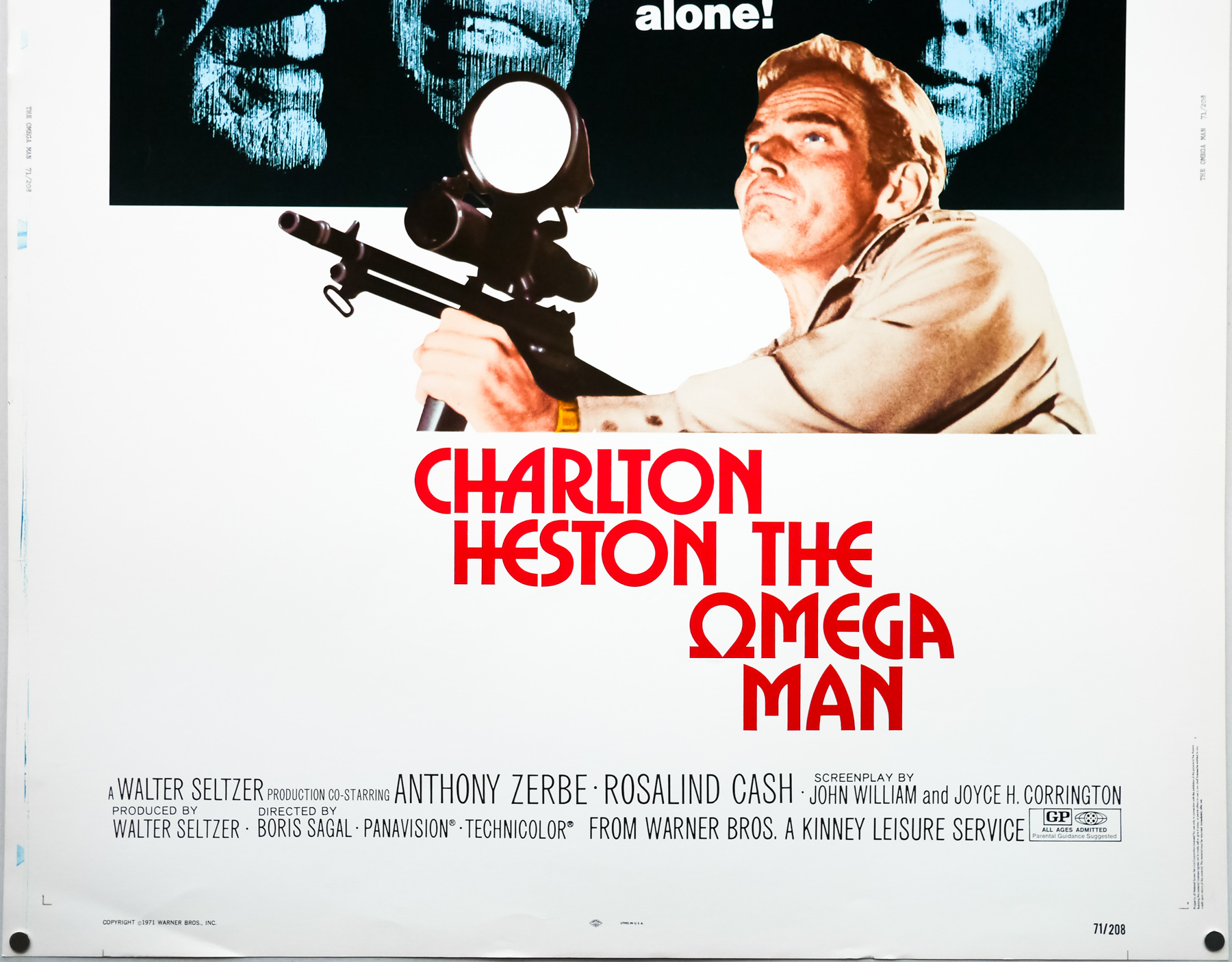
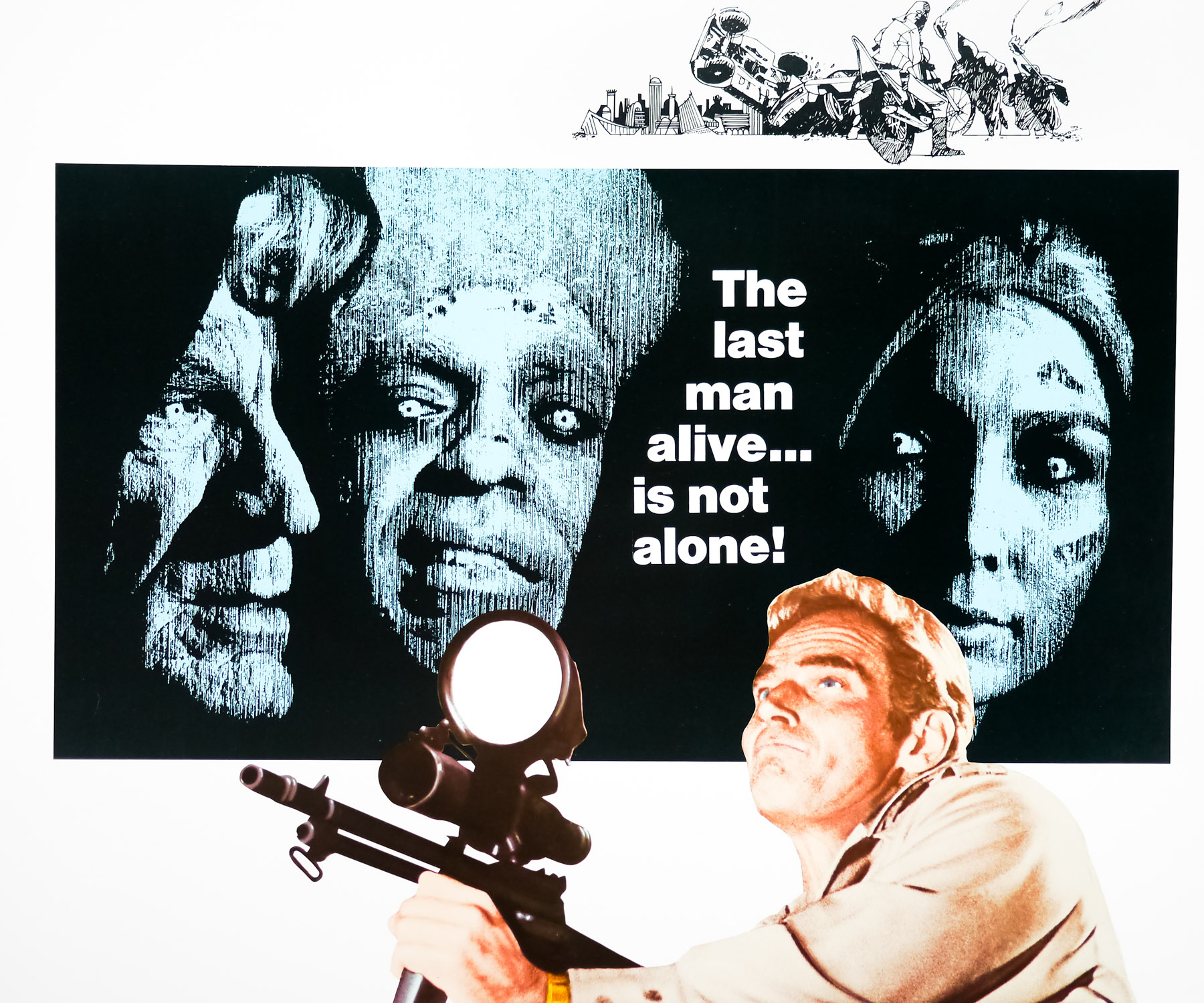
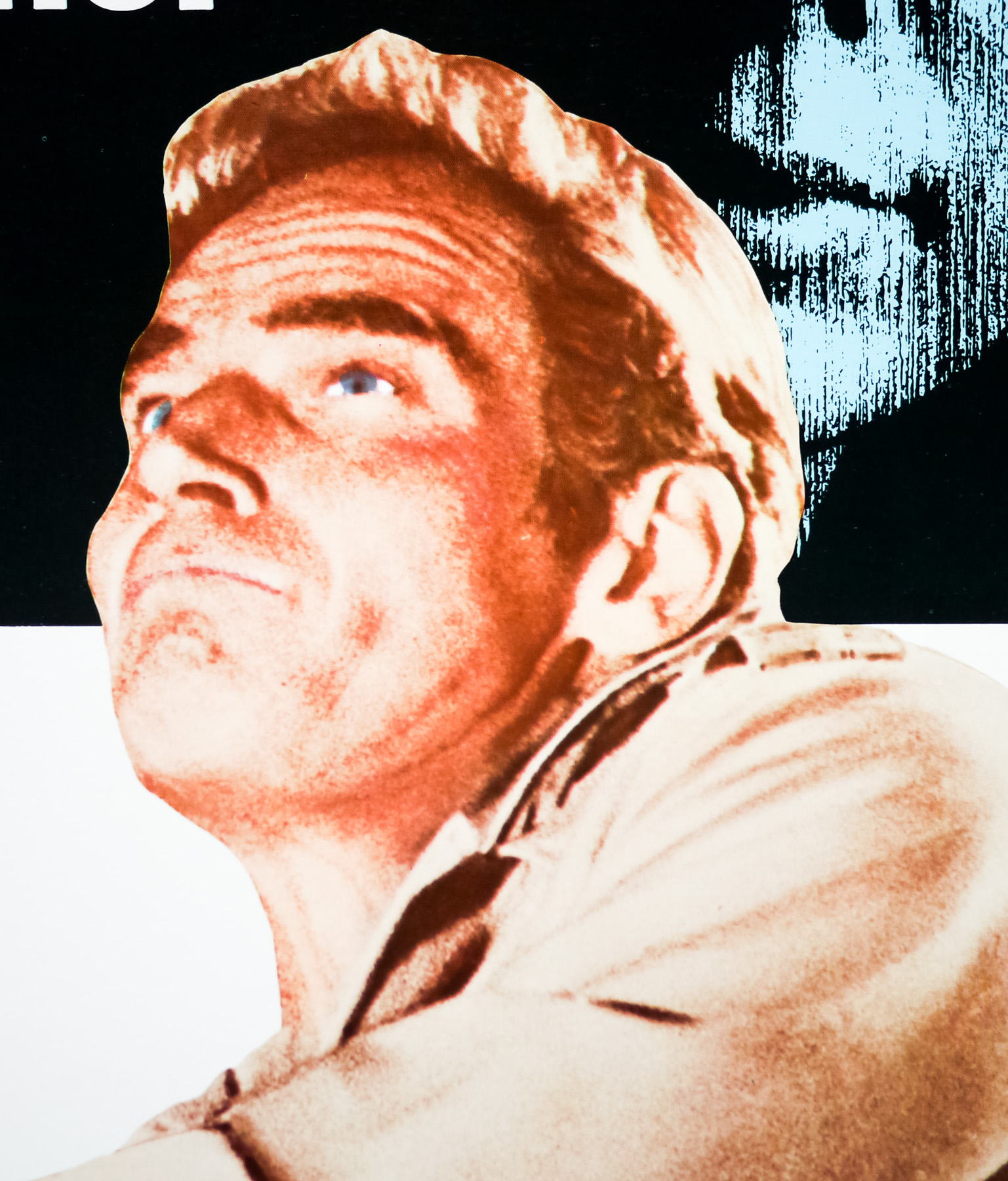
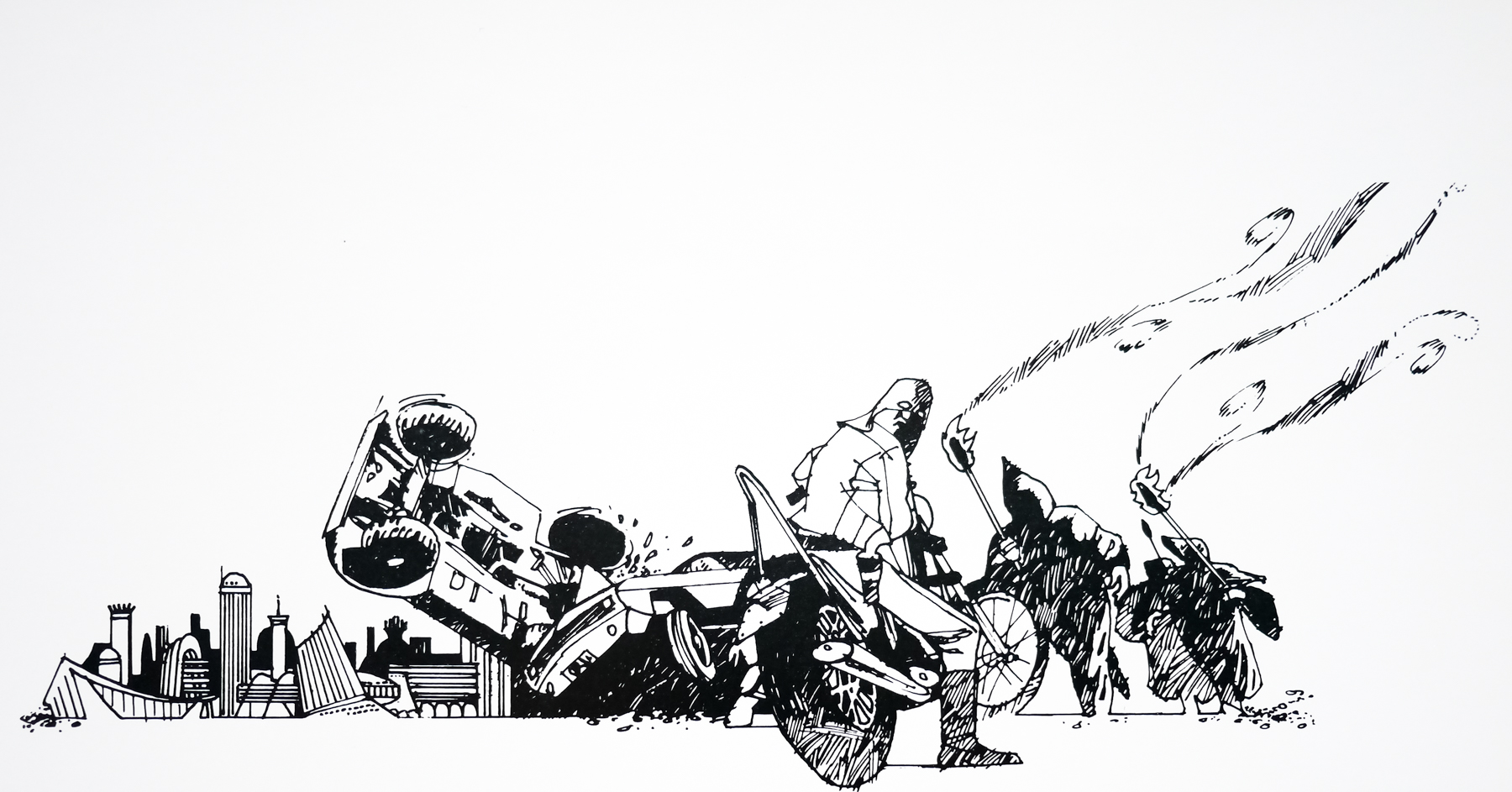
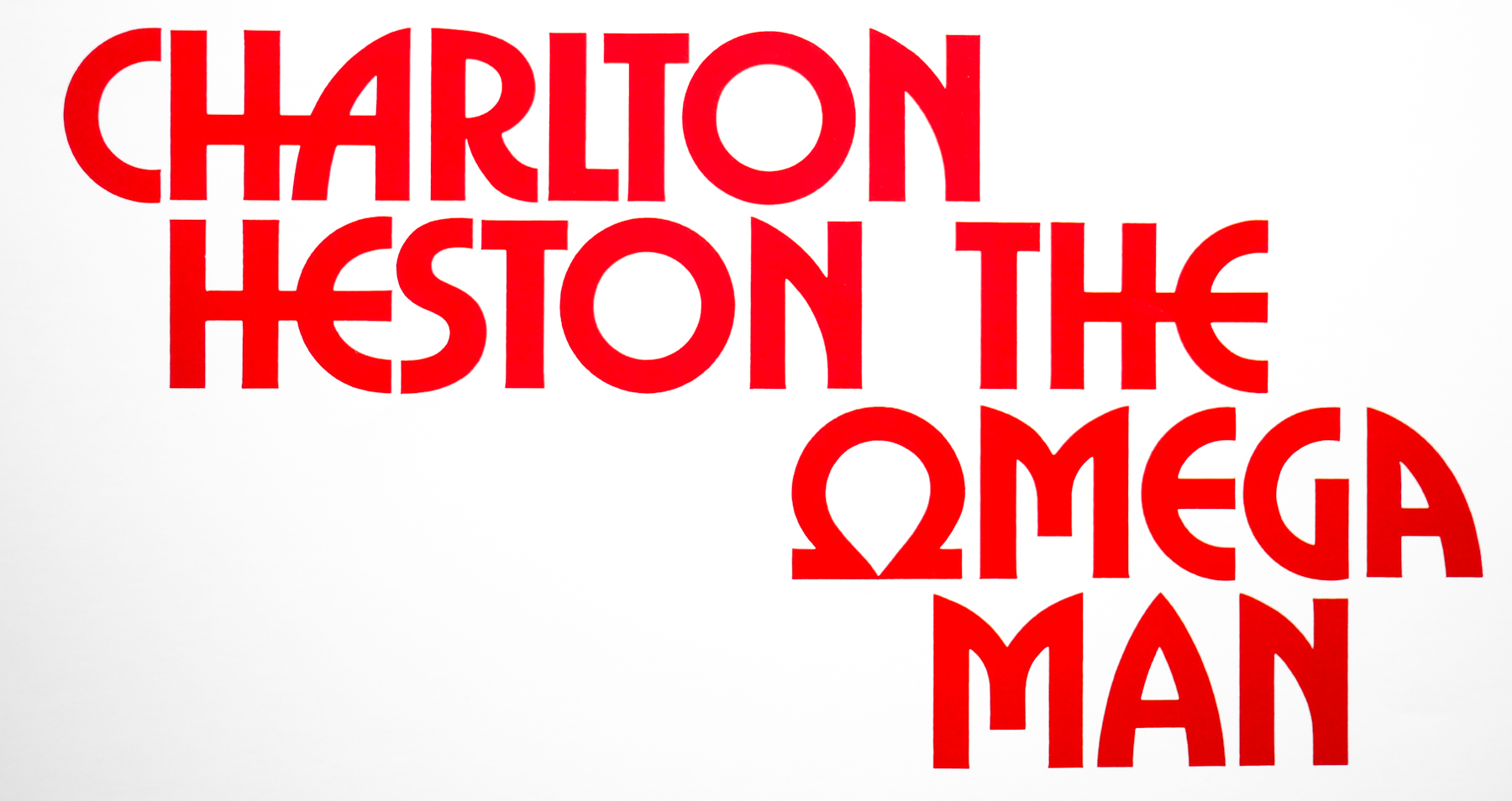
The Omega Man / 30×40 / USA

20.03.13

Poster Poster
Title
The Omega Man
AKA
1975: occhi bianchi sul pianeta Terra [White eyes on planet earth] (Italy)
Year of Film
1971
Director
Boris Sagal
Starring
Charlton Heston, Anthony Zerbe, Rosalind Cash, Paul Koslo, Eric Laneuville, Lincoln Kilpatrick, Jill Giraldi
Origin of Film
USA
Genre(s) of Film
Charlton Heston, Anthony Zerbe, Rosalind Cash, Paul Koslo, Eric Laneuville, Lincoln Kilpatrick, Jill Giraldi,
Type of Poster
30x40
Style of Poster
--
Origin of Poster
USA
Year of Poster
1971
Designer
Unknown
Artist
Unknown
Size (inches)
30 1/16" x 40"
SS or DS
SS
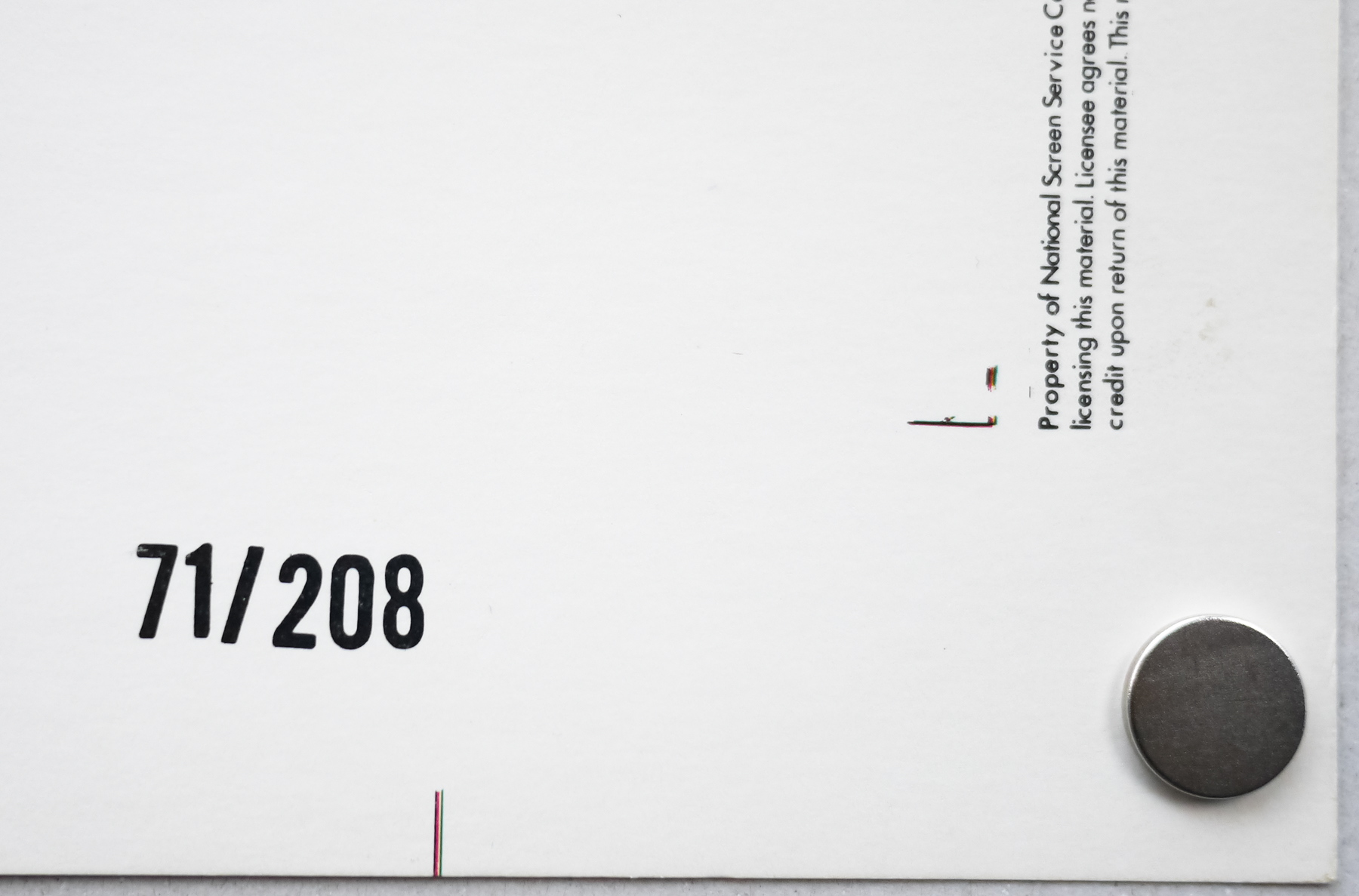
NSS #
71/208
Tagline
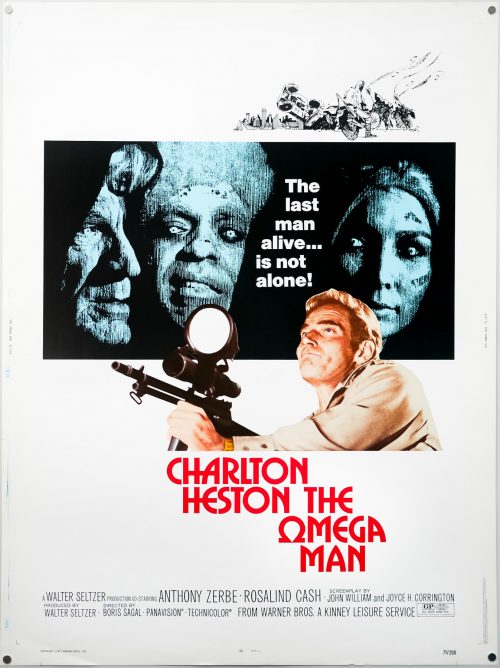
The last man alive... is not alone!

American author Richard Matheson‘s 1954 post-apocalyptic tale I Am Legend has been adapted for the screen three times, first in 1964 as the Vincent Price-starring The Last Man on Earth that was shot in Rome and co-directed by Italian Ubaldo Ragona and American Sidney Salkow. The rights to the story had originally been bought by Tony Hinds of the British Hammer Studios and Matheson was asked to write the screenplay, but worries about the gruesome content being too much for British censors saw the script being sold to the American producer Robert Lippert. Matheson was apparently so disappointed with his own screenplay and resultant film that he asked to be credited with the pseudonym Logan Swanson. The Last Man on Earth’s limited success at the box-office might explain why The Omega Man was put into production only seven years later.

Charlton Heston stars as Robert Neville, the Army scientist who manages to inject himself with an experimental vaccine just as the world’s population is obliterated by biological warfare between the Chinese and Russians. Two years later Neville believes himself to be the only surviving human and spends his days exploring a deserted Los Angeles and hunting down a group of infected mutants known as The Family. One day whilst exploring a shopping centre Neville has an encounter with another human survivor but quickly dismisses it as a hallucination, having been alone for so long. When he is captured by The Family and almost burned at the stake his rescue comes from a ragtag bunch of human survivors who ask for his help in saving a group of children that are infected and slowly succumbing to the disease. Neville decides to see if his blood can be used to create a serum to save them, but The Family are not done with him yet…

The Omega Man has several memorable scenes, particularly during the first half of the film as Neville explores a convincingly deserted Los Angeles, which was achieved with out any visual effects by shooting in the city’s business district early on Sunday mornings. The soundtrack is also excellent and Heston does a solid job in the lead role, supported by Rosalind Cash who’s memorable as one of the other survivors with whom Heston shares a controversial (for the time) interracial kiss. The make-up for the mutants has dated rather badly but it’s nowhere near as poor as the terrible CGI abominations that all but sank 2007’s I Am Legend, starring Will Smith in the lead role.

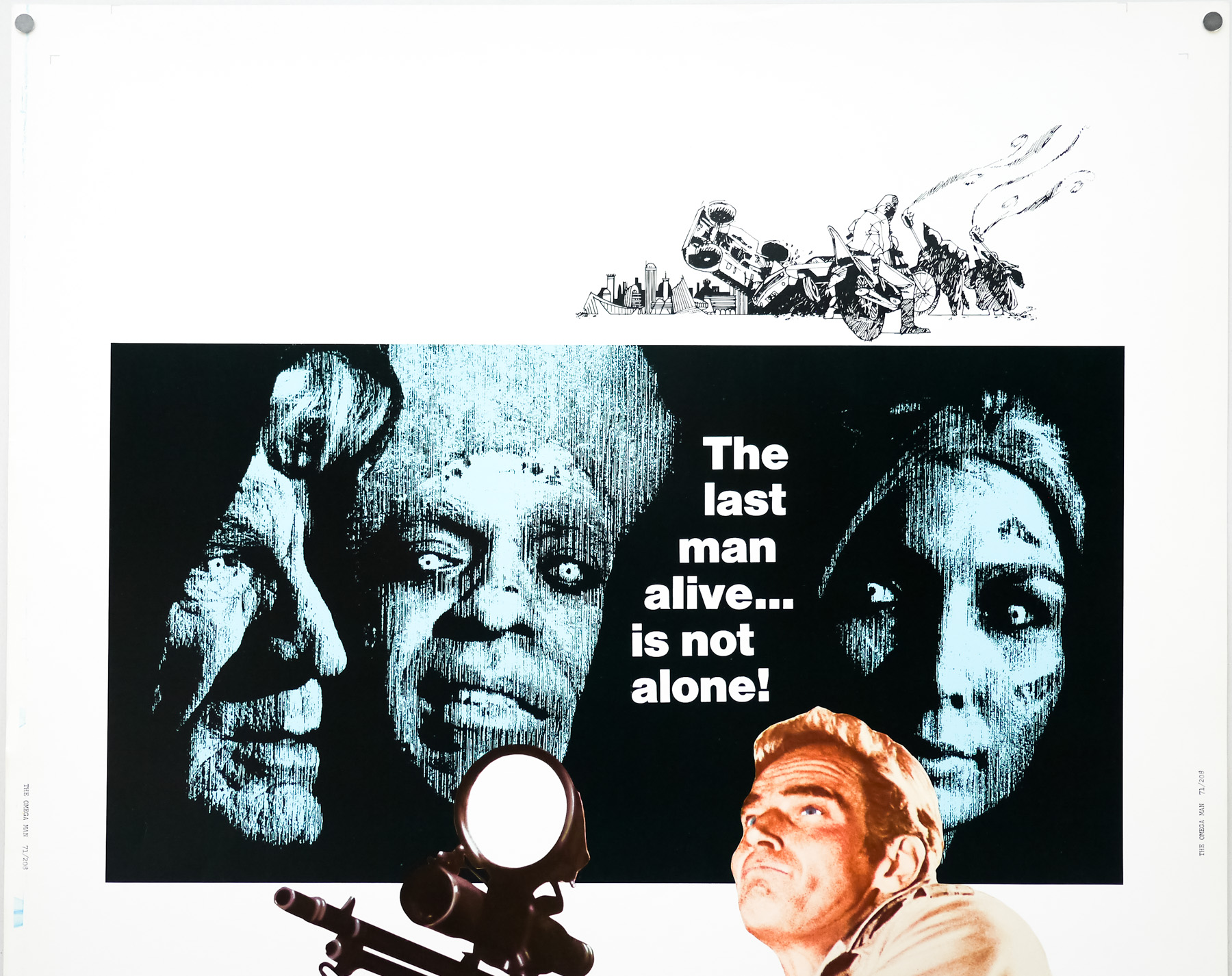
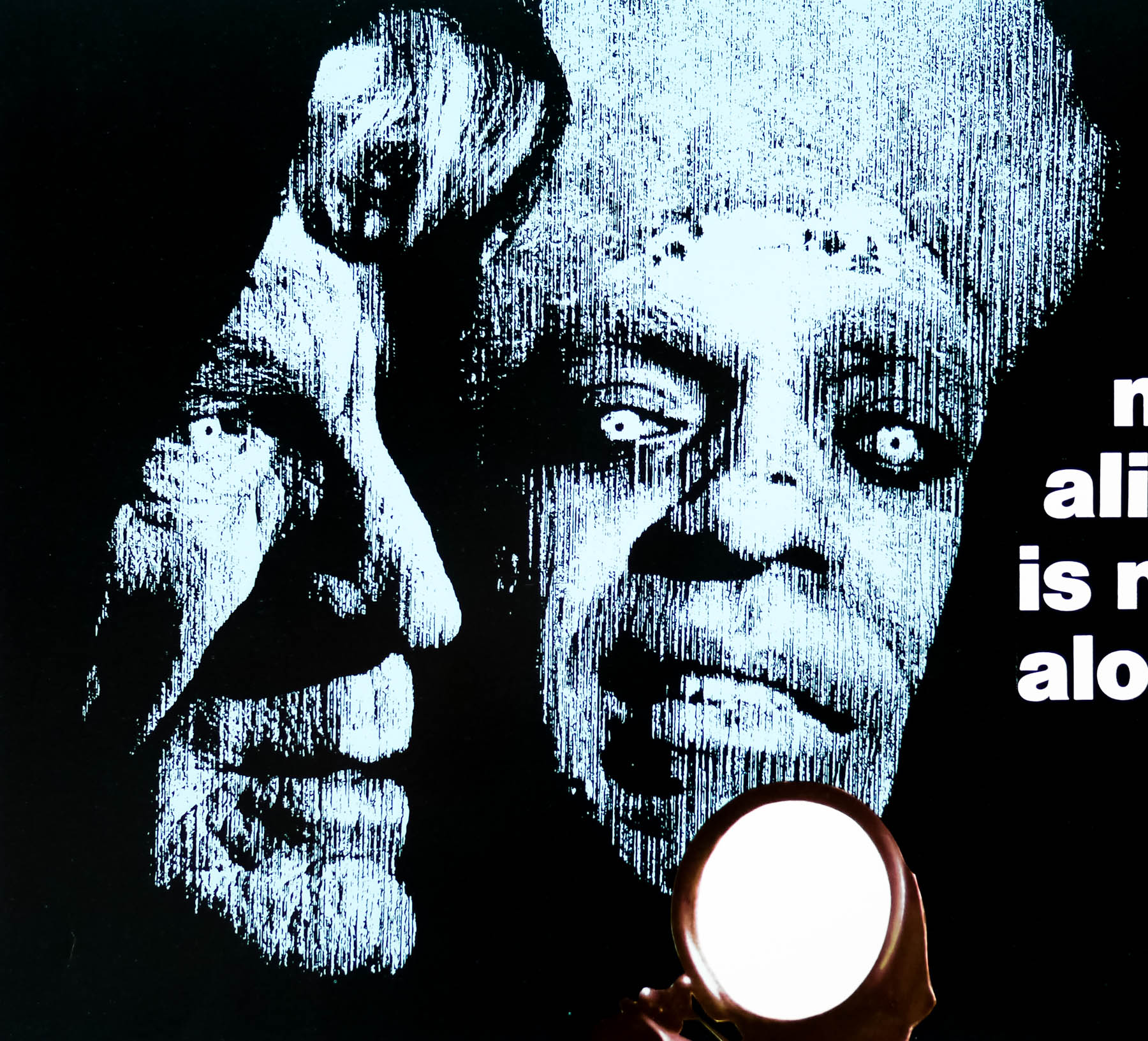
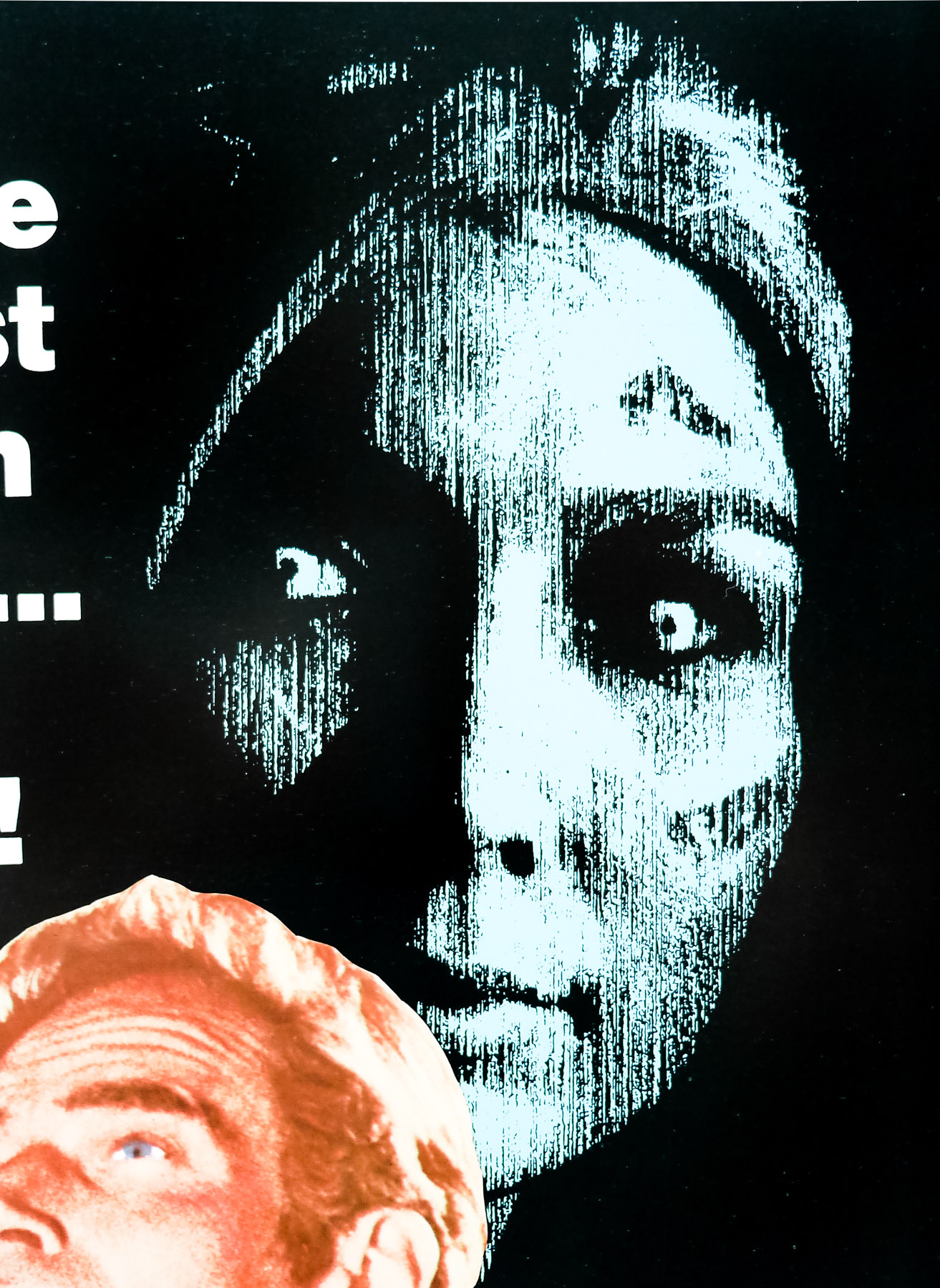
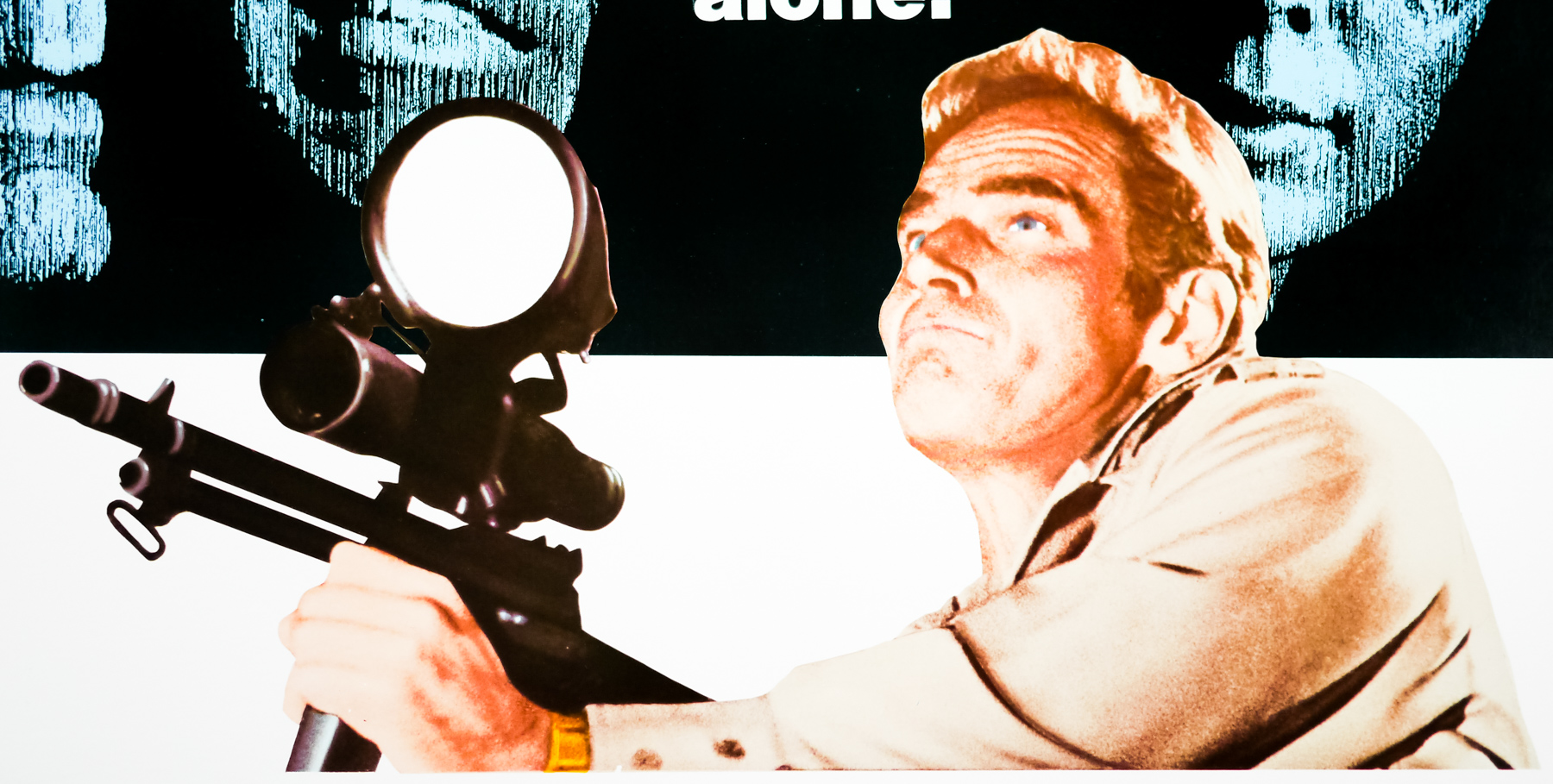
I’m unsure who is responsible for the design of this poster but the pencil drawing is similar to the one seen on the Dirty Harry one sheet that was designed by Bill Gold, so I suspect the same artist may be credited and that Gold was also behind the design. If anyone knows for sure please get in touch.

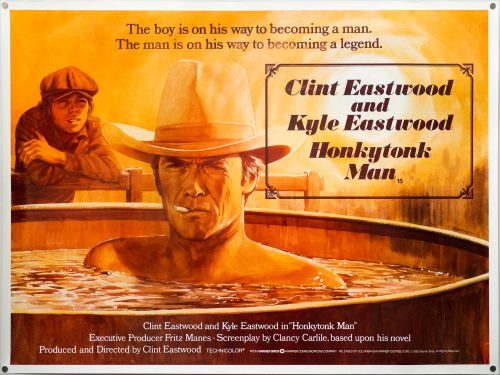
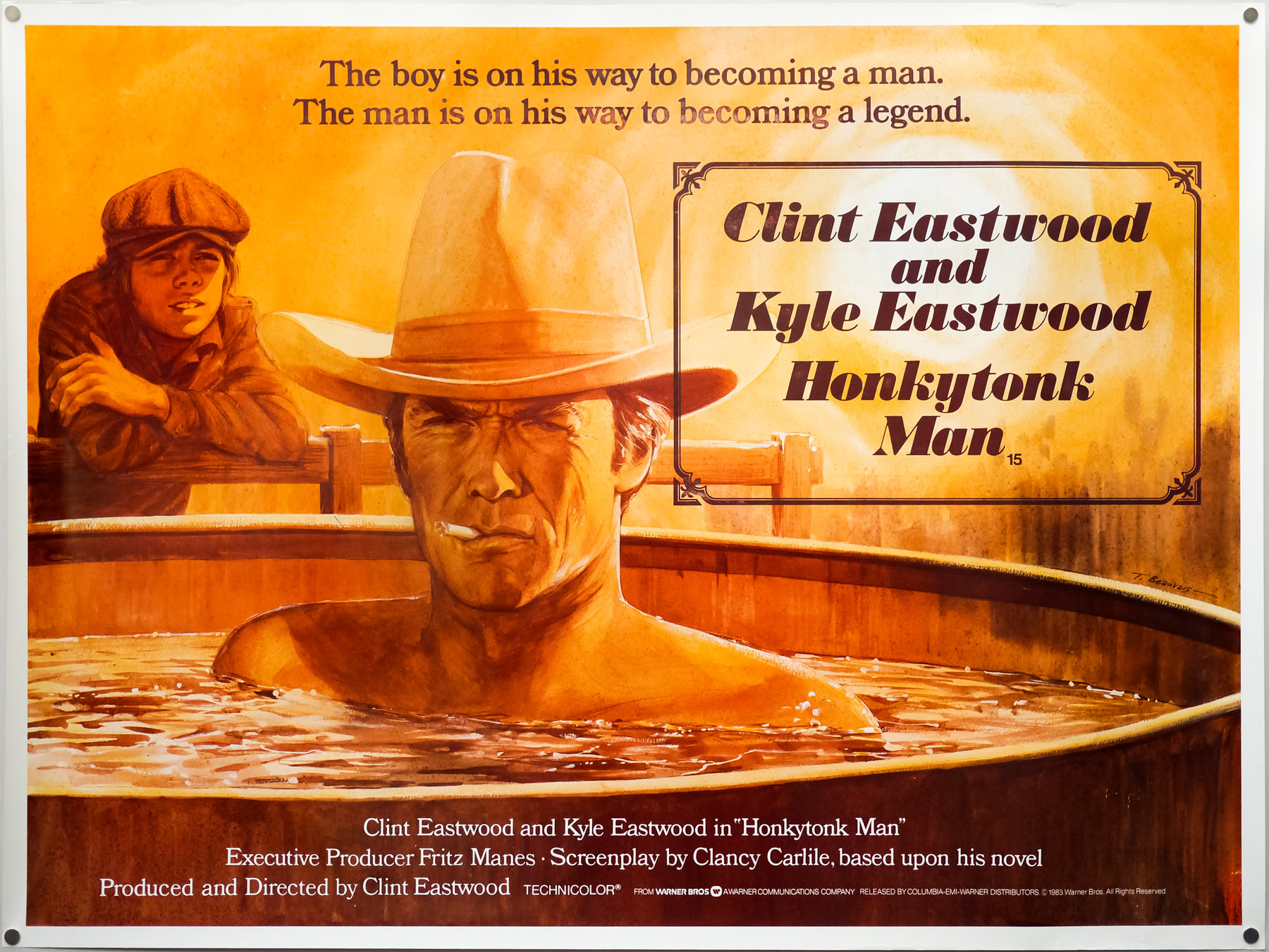
Honkytonk Man / quad / UK

27.02.14

Poster Poster
Title
Honkytonk Man
AKA
--
Year of Film
1982
Director
Clint Eastwood
Starring
Clint Eastwood, Kyle Eastwood, John McIntire, Alexa Kenin, Verna Bloom, Matt Clark, Barry Corbin, Jerry Hardin, Tim Thomerson, Macon McCalman, Joe Regalbuto, Gary Grubbs
Origin of Film
USA
Genre(s) of Film
Clint Eastwood, Kyle Eastwood, John McIntire, Alexa Kenin, Verna Bloom, Matt Clark, Barry Corbin, Jerry Hardin, Tim Thomerson, Macon McCalman, Joe Regalbuto, Gary Grubbs,
Type of Poster
Quad
Style of Poster
--
Origin of Poster
UK
Year of Poster
1982
Designer
Tom Beauvais
Artist
Tom Beauvais
Size (inches)
30" x 39 13/16"
SS or DS
SS
Tagline
The boy is on his way to becoming a man. The man is on his way to becoming a legend.

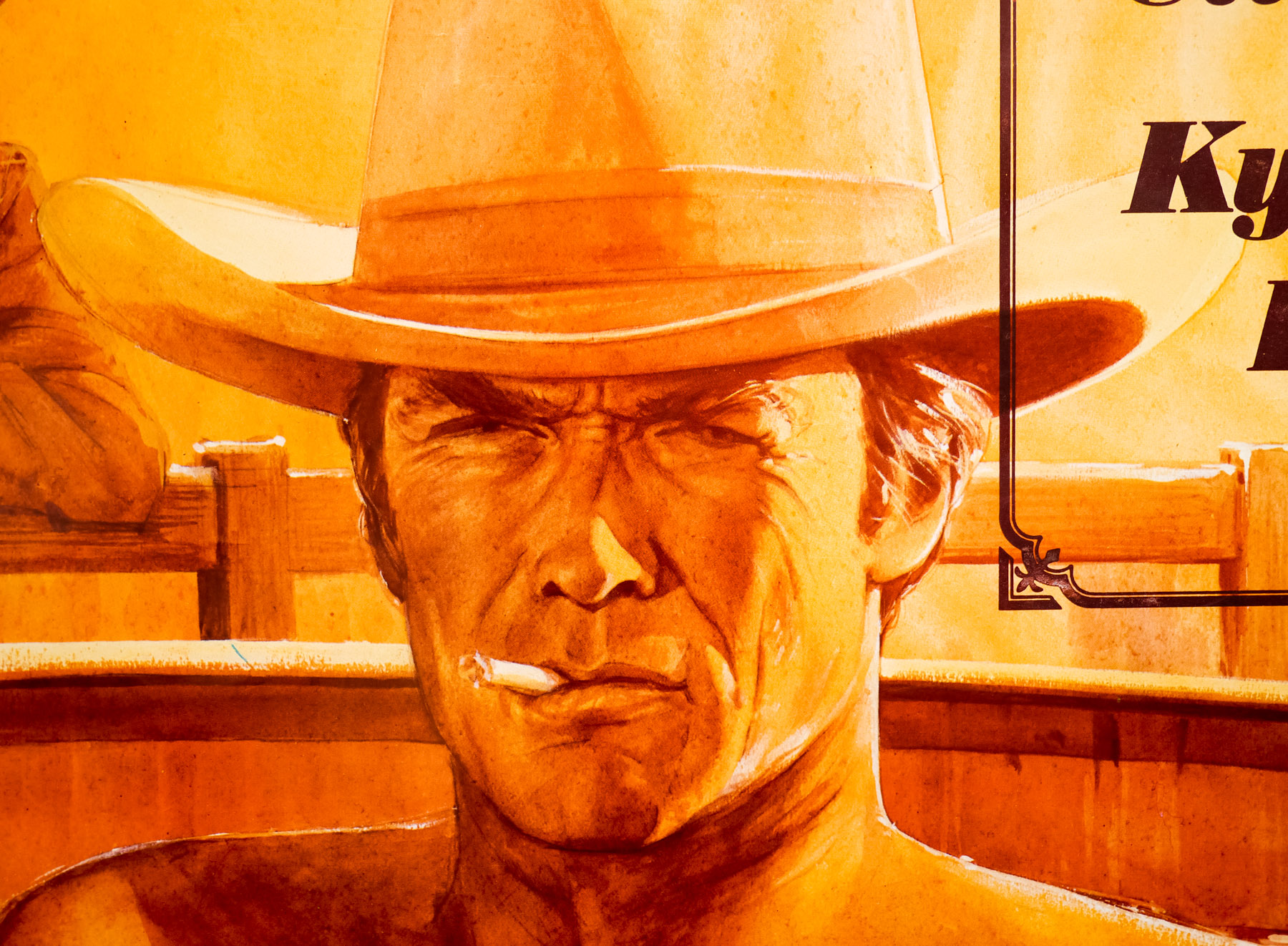
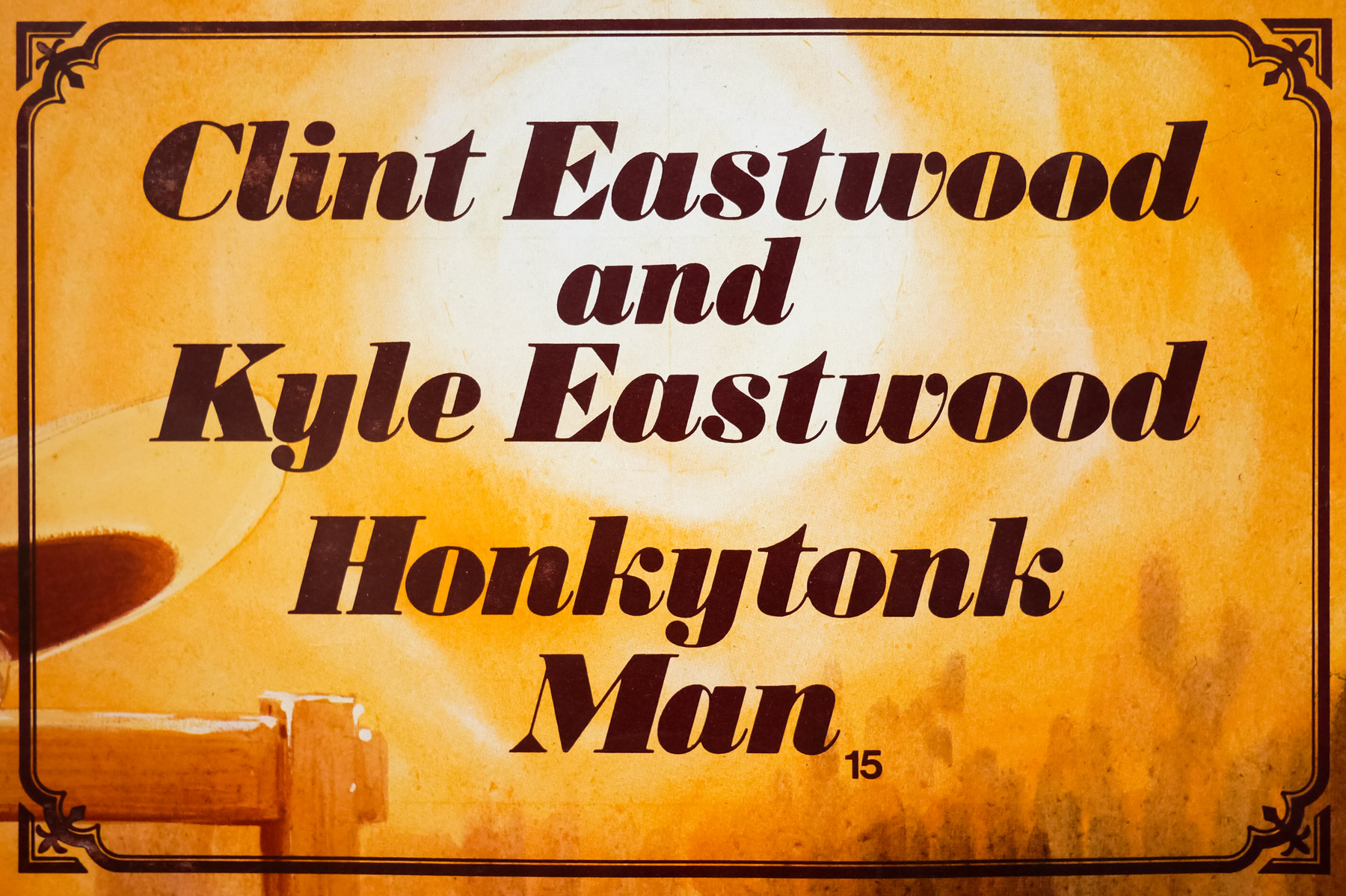
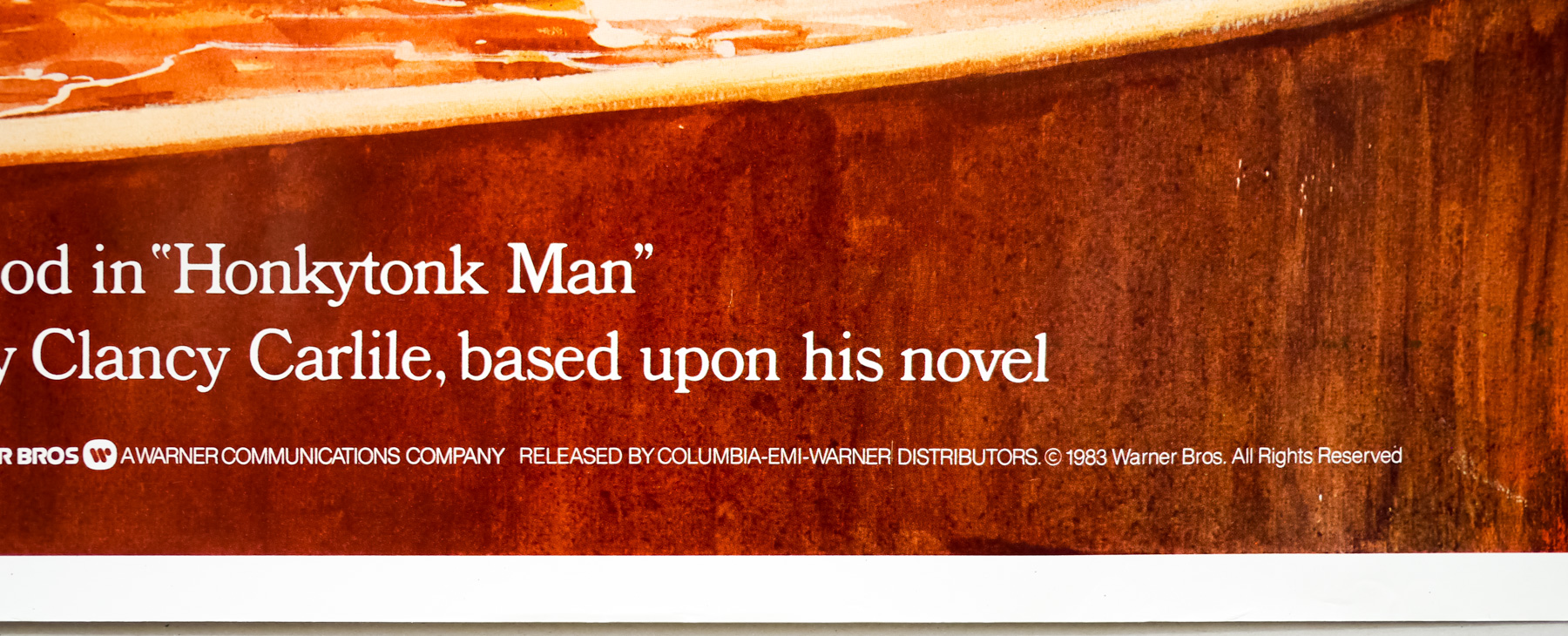
This is the British quad for the release of Honkytonk Man, which was produced and directed by Clint Eastwood who also stars alongside his son Kyle Eastwood. Set during the Great Depression of the 1930s, the film follows the western singer Red Stovall (Eastwood snr.) who is suffering from tuberculosis and is living on a dust-ruined farm in Oklahoma. He decides to take a chance at making it big in Nashville and sets off in a vintage Lincoln convertible accompanied by his nephew Whit (Eastwood jr.).

The film follows the pair’s escapades along the way as they meet a whole host of unique characters and Red takes Whit to a whore house to ‘make him a man’. When they eventually make it to Nashville, Red manages to impress a record executive who gives him a chance to make a recording, but his illness is quickly catching up with him.

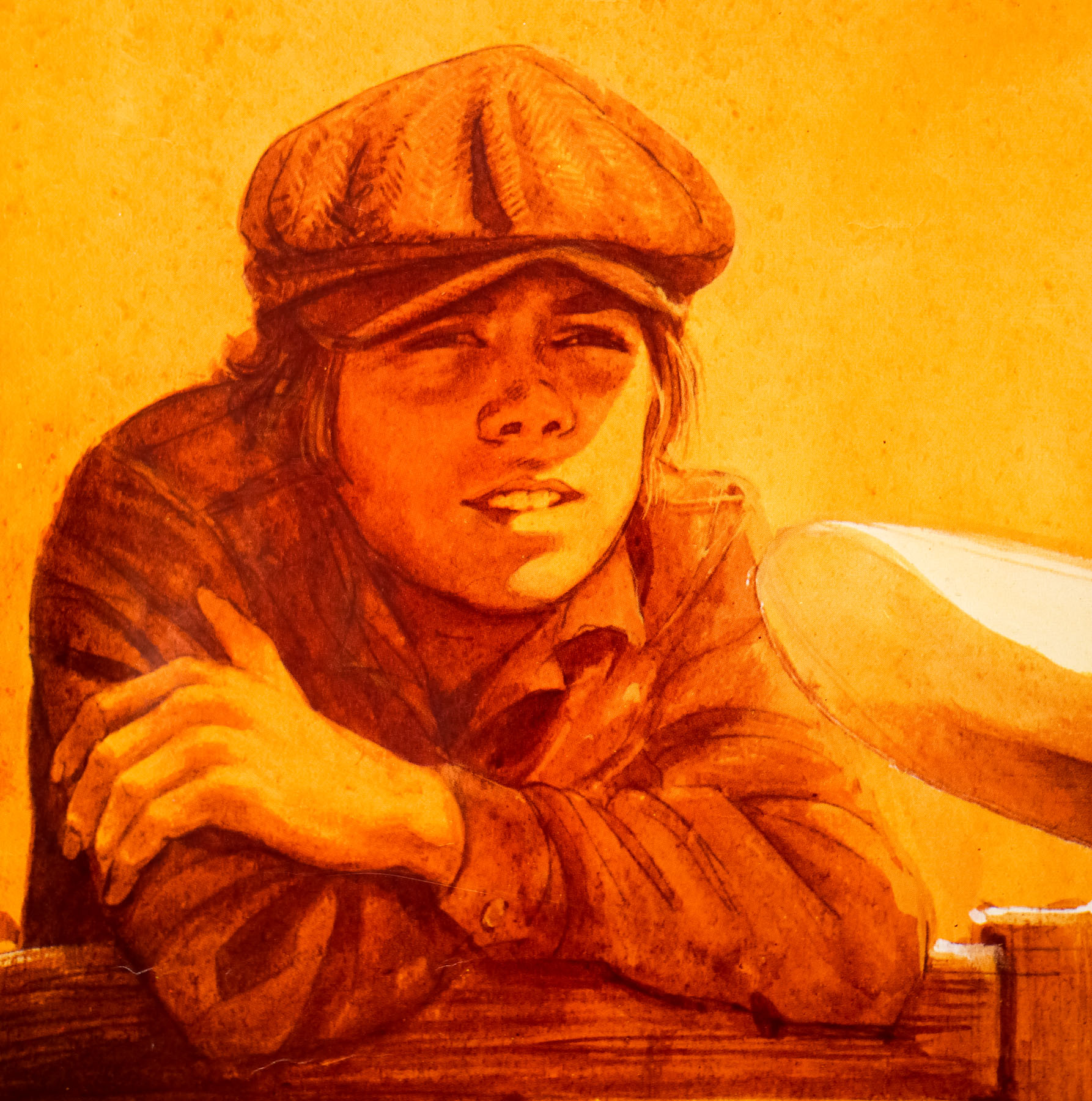
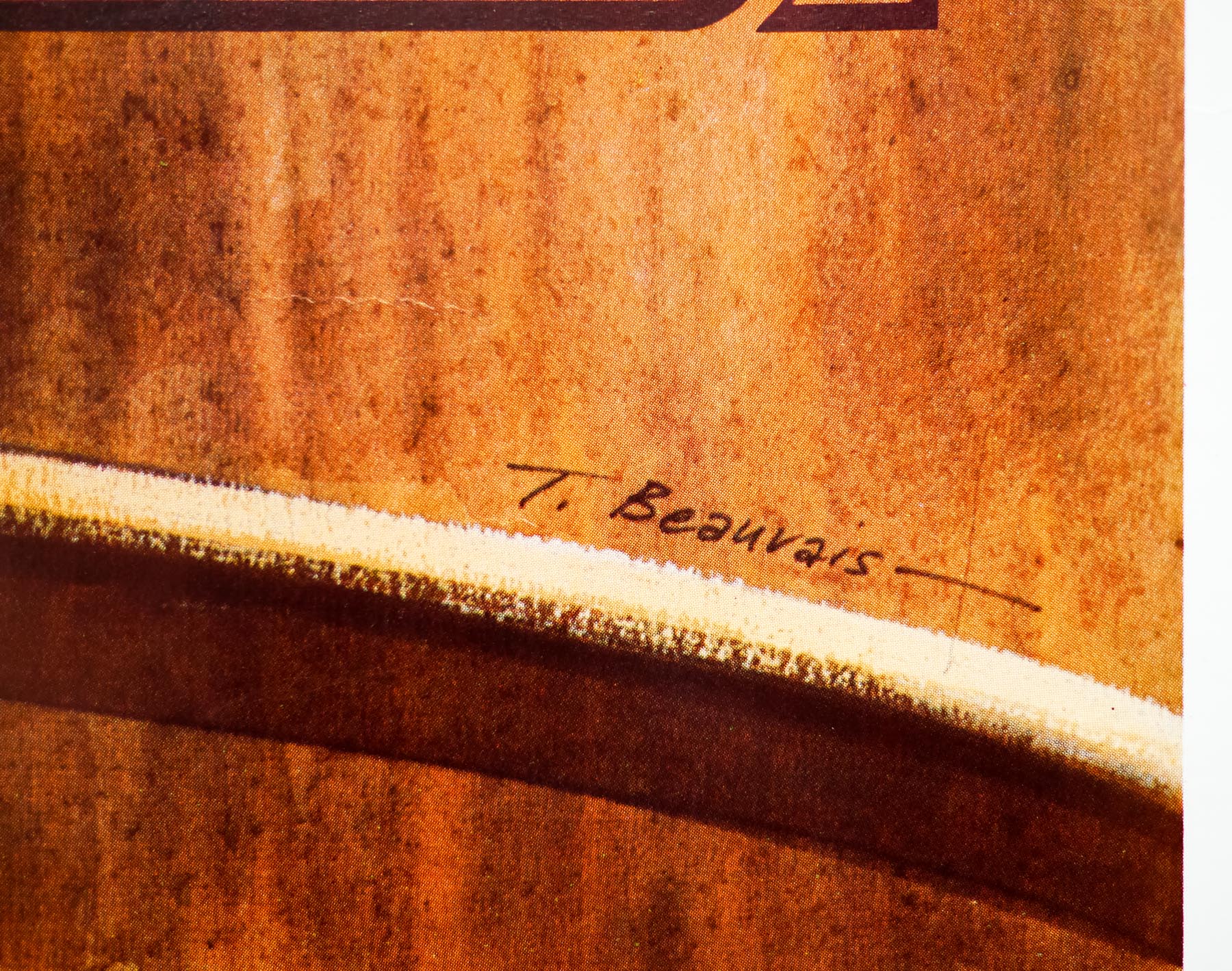
This poster artwork is unique to the UK poster and was painted by the British artist Tom Beauvais who I was lucky enough to interview for this site in 2013. This poster was discussed during the interview and the following is an excerpt:

I wondered if I could ask you about the two posters you painted featuring Clint Eastwood, Bronco Billy and The Honkytonk Man?
With Bronco Billy, the bit that was on the left of the giant circus advert was taken from the American poster but the British distributor felt that it wasn’t enough and they requested a close-up of Clint Eastwood holding guns. I painted the portrait from a still and then married it together with the American art.

The figure of the boy on the Honkytonk Man poster is actually based on a reference pose by my son Keith. There was a still of Clint in the bathtub and also a still of Kyle Eastwood, who played the son in the film, but it was only a headshot so I got Keith to pose with his elbows on the back of a chair.

To see the other posters in the collection that are designed and/or illustrated by Tom Beauvais click here.
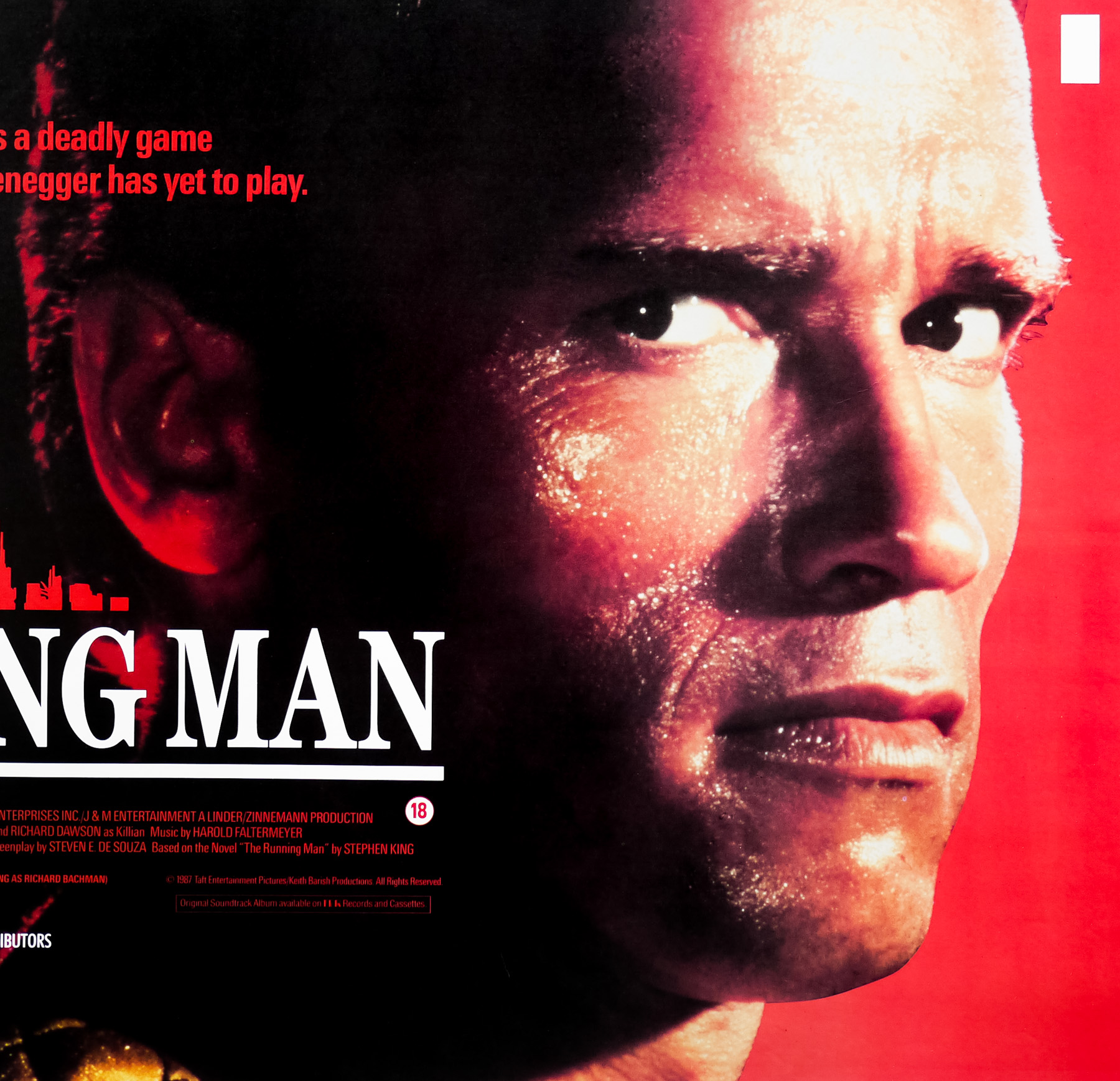
The Running Man / quad / UK

25.10.13

Poster Poster
Title
The Running Man
AKA
L'implacabile [The remorseless] (Italy)
Year of Film
1987
Director
Paul Michael Glaser
Starring
Arnold Schwarzenegger, Richard Dawson, María Conchita Alonso, Yaphet Kotto, Jim Brown, Jesse Ventura, Sven-Ole Thorsen, Erland Van Lidth, Marvin J. McIntyre, Mick Fleetwood, Gus Rethwisch
Origin of Film
USA
Genre(s) of Film
Arnold Schwarzenegger, Richard Dawson, María Conchita Alonso, Yaphet Kotto, Jim Brown, Jesse Ventura, Sven-Ole Thorsen, Erland Van Lidth, Marvin J. McIntyre, Mick Fleetwood, Gus Rethwisch,
Type of Poster
Quad
Style of Poster
--
Origin of Poster
UK
Year of Poster
1987
Designer
Unknown
Artist
--
Size (inches)
30 2/16" x 40"
SS or DS
SS
Tagline
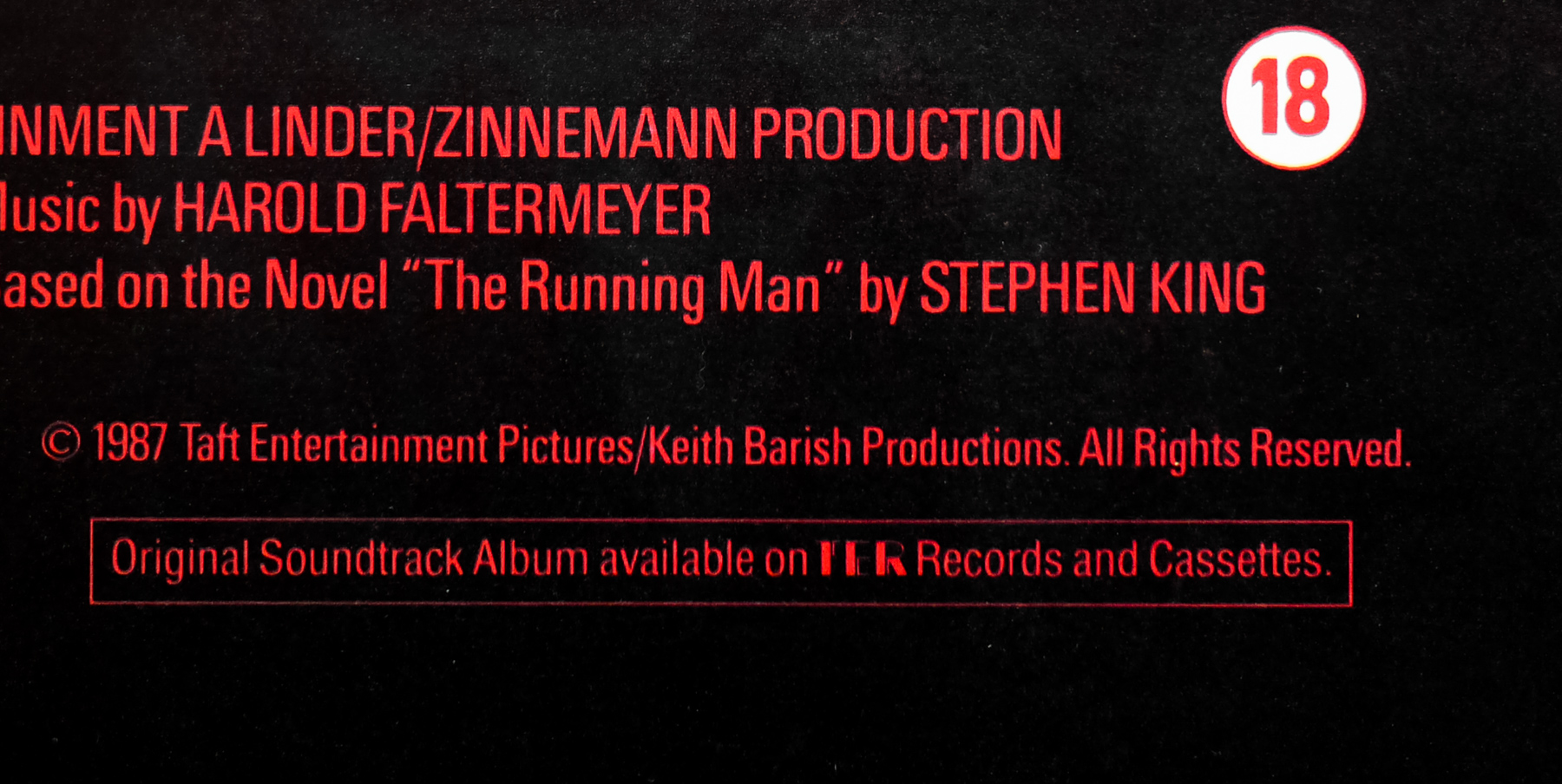
It is the year 2019. The "Running Man" is a deadly game no one has ever survived. But... Schwarzenegger has yet to play.

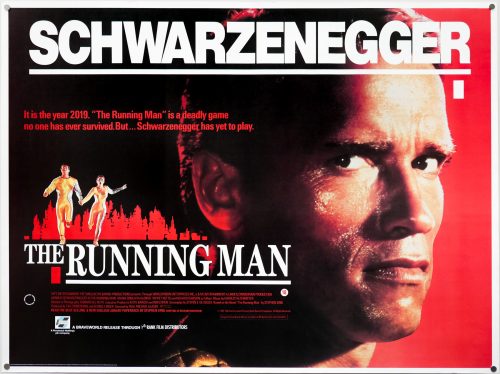
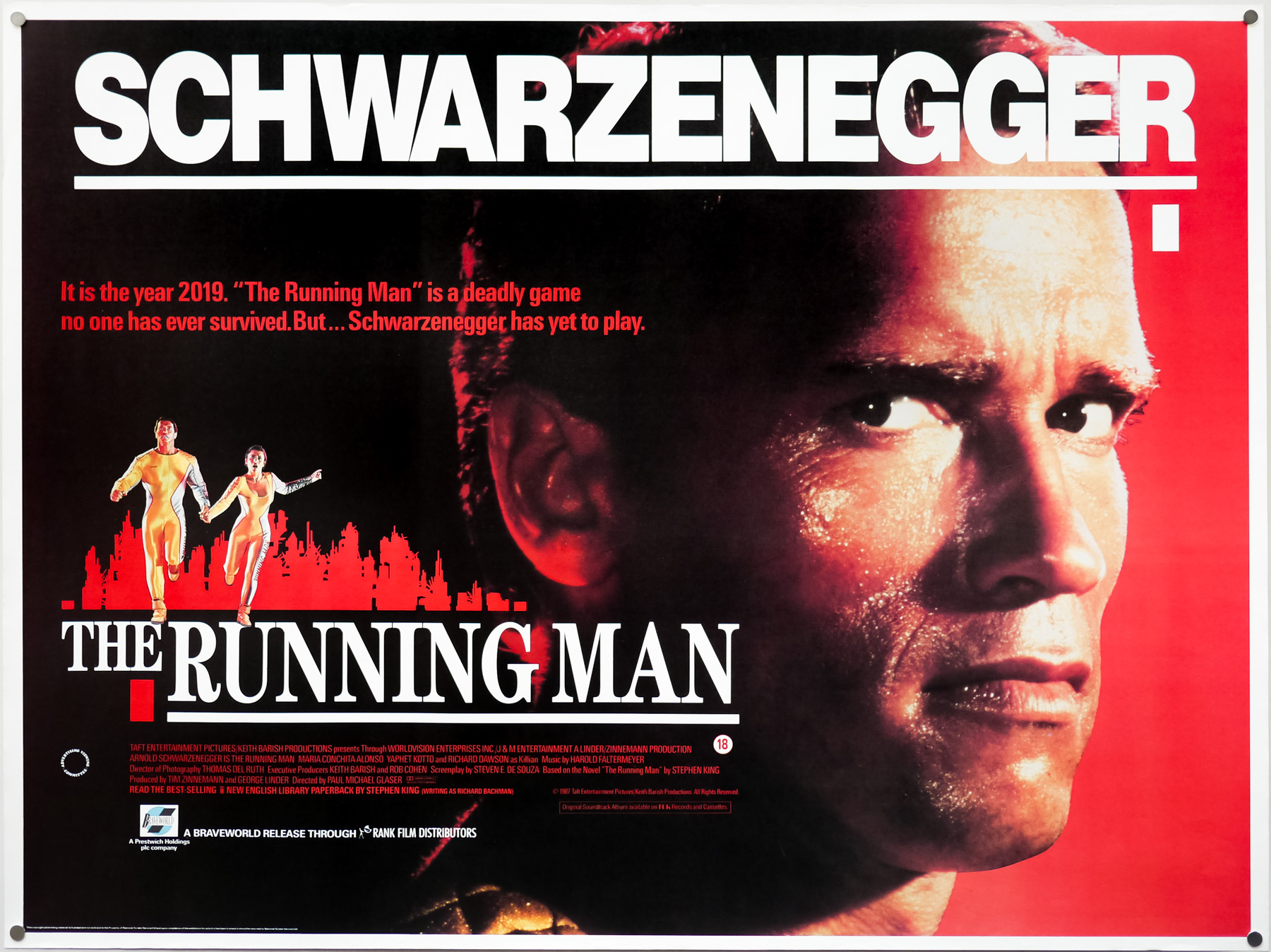
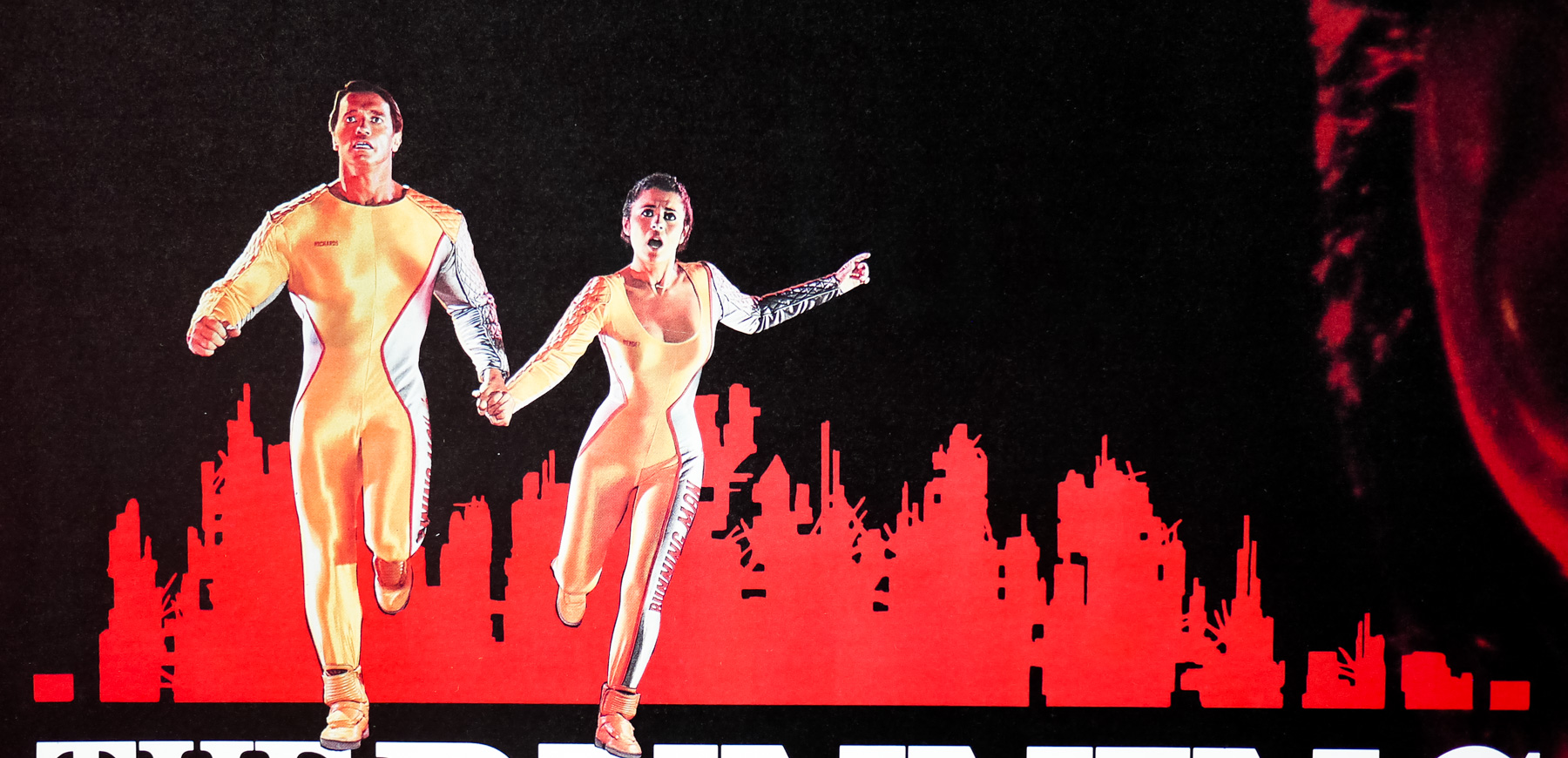
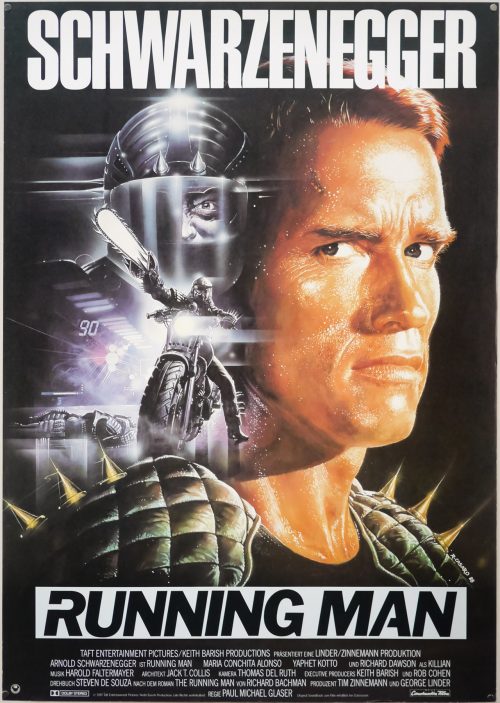
In the mid 1980s there were few actors who could get away with having their head dominate a film poster, and fewer still who could couple that with their surname in giant letters spread across the entirety of a 40″ wide poster, but then there was Arnold Schwarzenegger and this British quad for the 1987 film The Running Man. Set in the dystopian future of 2017 where the world’s economy is in ruins and America is a totalitarian police state, the populace is pacified by the broadcasting of a series of gameshows that see convicted prisoners fighting for their lives across various kinds of formats. The most popular of these shows is the titular Running Man in which the unwilling participants must try to survive in a closed-off area against an onslaught of vicious killers with catchy names and different methods of dispatching their prey.

Ben Richards (Schwarzenegger) is a former police helicopter pilot who was wrongly convicted of massacring a crowd of people and sent to prison. After escaping several months later with a pair of fellow convicts, Richards is preparing to flee the country but is turned into the authorities by Amber Mendez (Maria Conchita Alonso), a composer for the network that he finds living in his brother’s apartment. He is taken to the Running Man studio where he meets the ruthless show host Damon Killian (a memorable turn by the late Richard Dawson) who informs him that unless he takes part in the show his two friends will be sent in his place. After agreeing to get dropped into the play zone, Richards finds that Killian has tricked him and has also sent his pals into the arena. The trio must face-off against the killers whilst trying to work out how to escape the arena and put an end to the show once and for all. When Amber looks a little too closely at the reasons for Ben Richards’ incarceration, she too is captured and dropped into the Running Man arena (she’s pictured next to Arnie on this quad).

Ably directed by Paul Michael Glaser, best known for his acting career – he was Starsky in the classic 1970s cop show Starsky and Hutch – the film is well paced and features several memorable scenes, whilst not holding back on the the violence and gore. The bad guy killers, including Sub Zero, Fireball and Captain Freedom and particularly memorable. It’s definitely a highlight of the Austrian Oak’s filmography, although it was released the same year as the incredible Predator, which is unquestionably the better film. Note that the tagline on this British quad fudges the date that the film is set – 2019 instead of the correct 2017.

The Running Man / A1 / Germany

15.08.14

Poster Poster

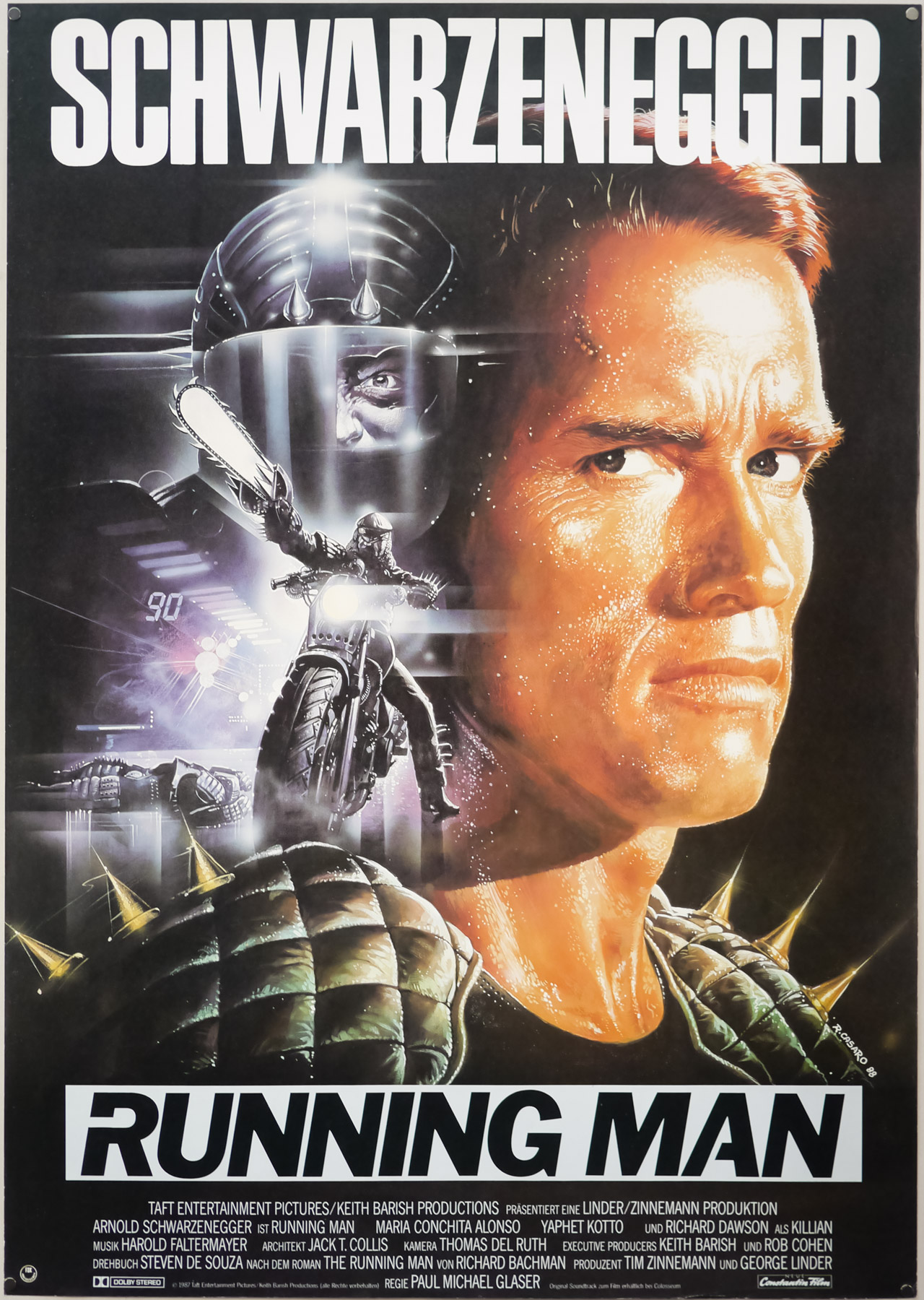
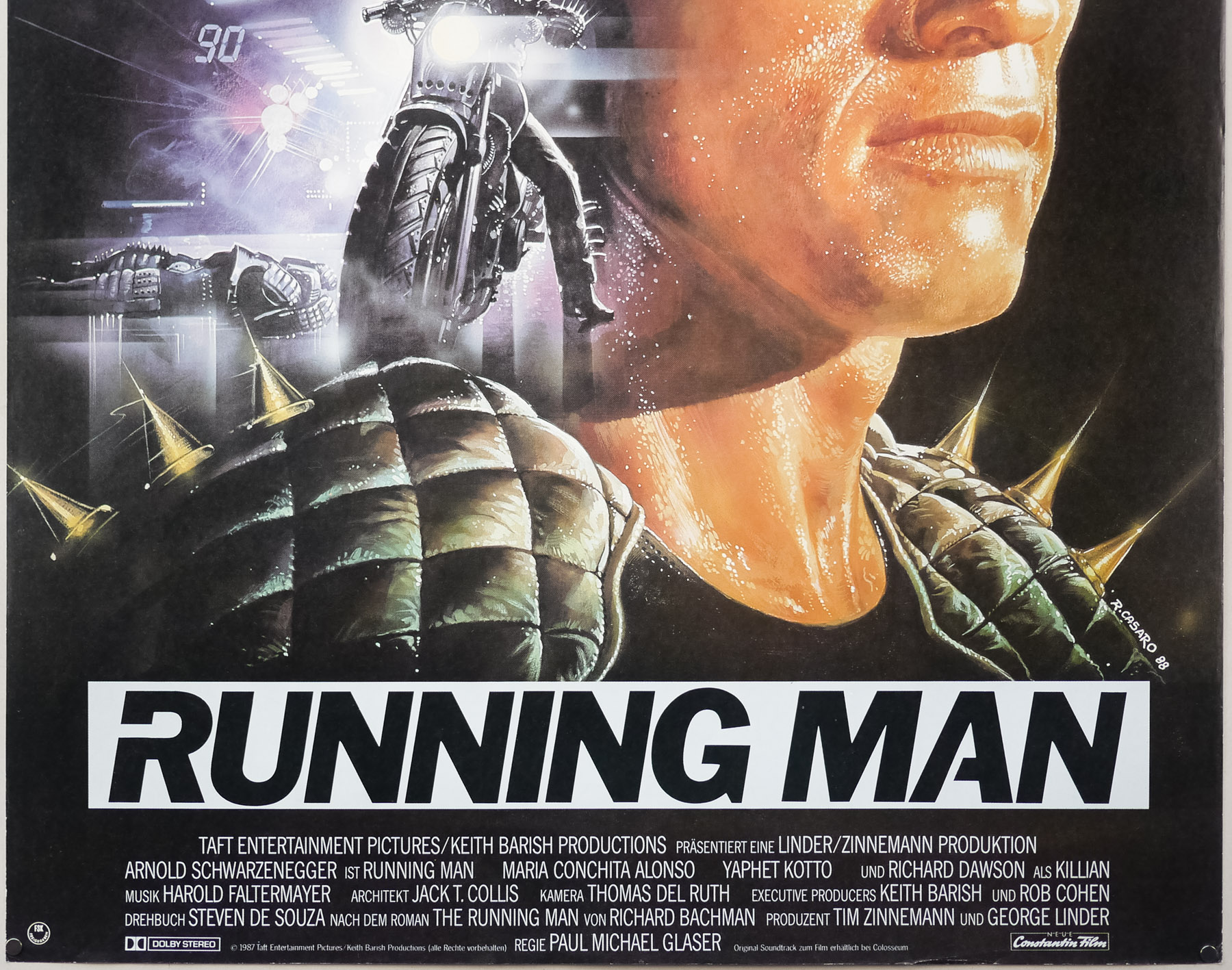
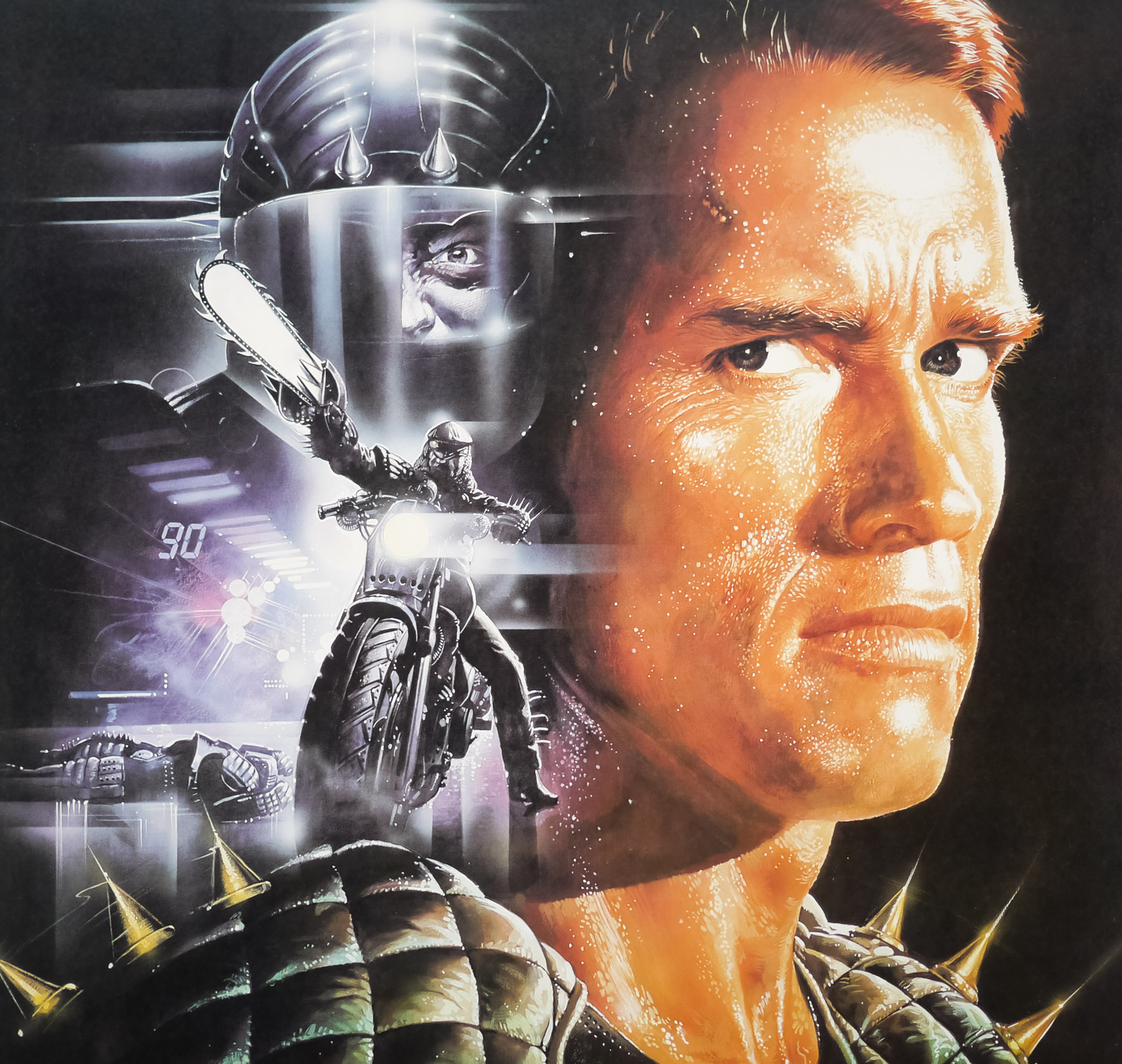
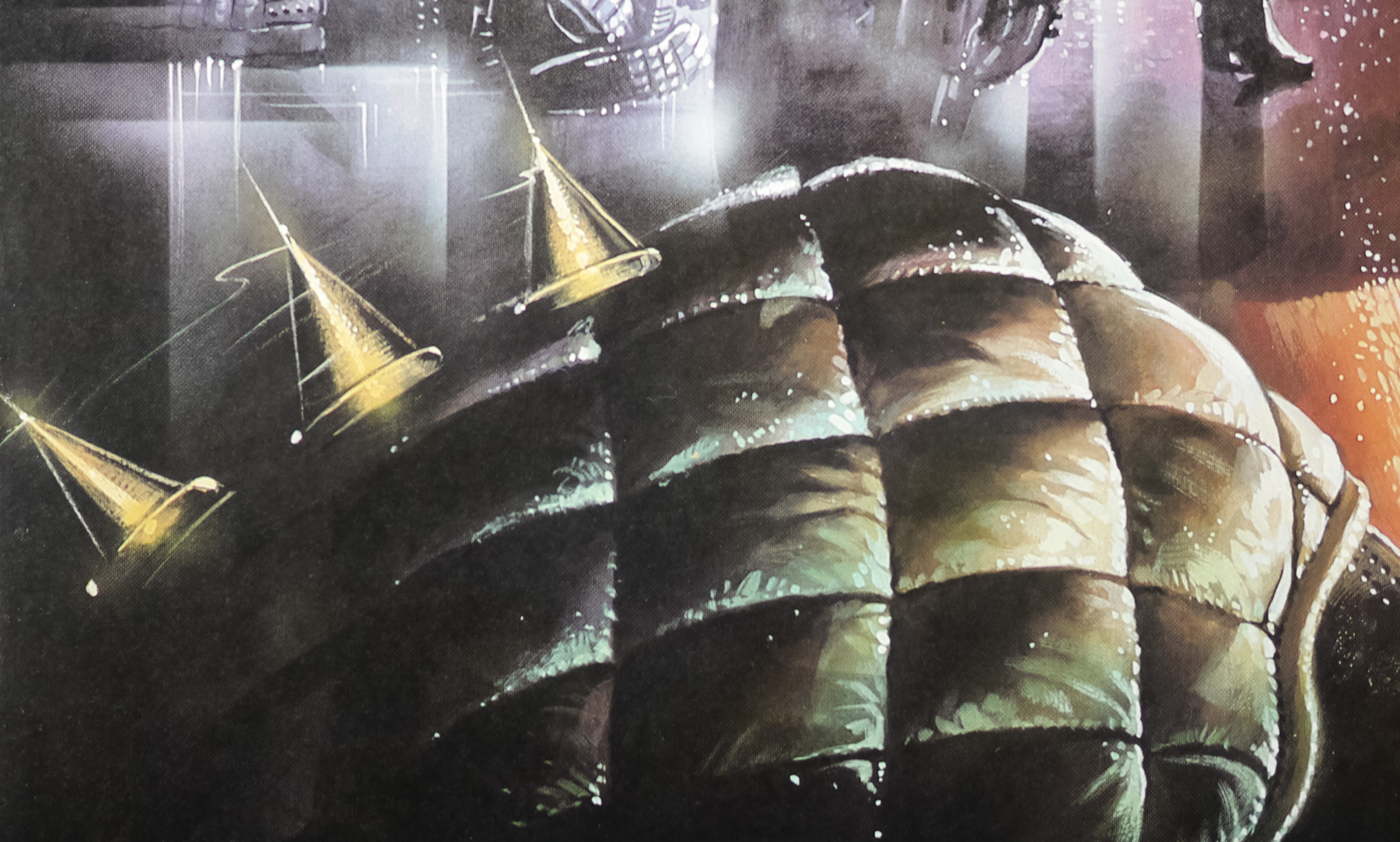
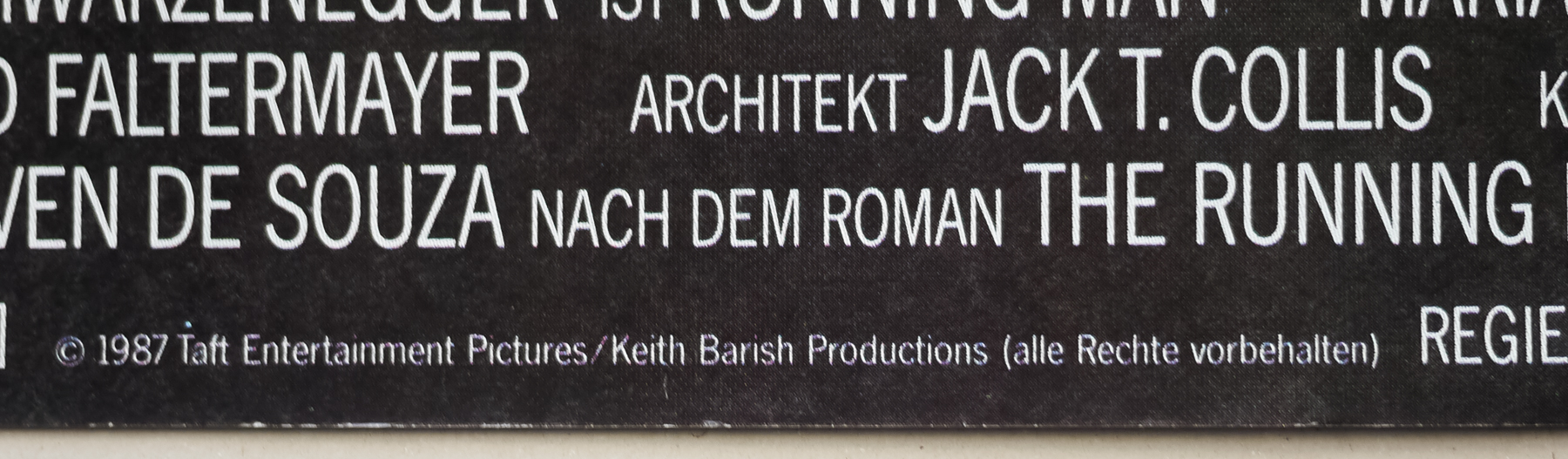
In the mid 1980s there were few actors who could get away with having their head dominate a film poster, and fewer still who could couple that with their surname in giant letters spread across the full width of the poster. One such actor was Arnold Schwarzenegger, the star of several action flicks including The Running Man. Set in the dystopian future of 2017 where the world’s economy is in ruins and America is a totalitarian police state, the populace is pacified by the broadcasting of a series of gameshows that see convicted prisoners fighting for their lives across various kinds of formats. The most popular of these shows is the titular Running Man in which the unwilling participants must try to survive in a closed-off area against an onslaught of vicious killers with catchy names and different methods of dispatching their prey.

Ben Richards (Schwarzenegger) is a former police helicopter pilot who was wrongly convicted of massacring a crowd of people and sent to prison. After escaping several months later with a pair of fellow convicts, Richards is preparing to flee the country but is turned into the authorities by Amber Mendez (Maria Conchita Alonso), a composer for the network that he finds living in his brother’s apartment. He is taken to the Running Man studio where he meets the ruthless show host Damon Killian (a memorable turn by the late Richard Dawson) who informs him that unless he takes part in the show his two friends will be sent in his place. After agreeing to get dropped into the play zone, Richards finds that Killian has tricked him and has also sent his pals into the arena. The trio must face-off against the killers whilst trying to work out how to escape the arena and put an end to the show once and for all. When Amber looks a little too closely at the reasons for Ben Richards’ incarceration, she too is captured and dropped into the Running Man arena (she’s pictured next to Arnie on this quad).

Ably directed by Paul Michael Glaser, best known for his acting career – he was Starsky in the classic 1970s cop show Starsky and Hutch – the film is well paced and features several memorable scenes, whilst not holding back on the the violence and gore. The bad guy killers, including Sub Zero, Fireball and Captain Freedom and particularly memorable. It’s definitely a highlight of the Austrian Oak’s filmography, although it was released the same year as the incredible Predator, which is unquestionably the better film.

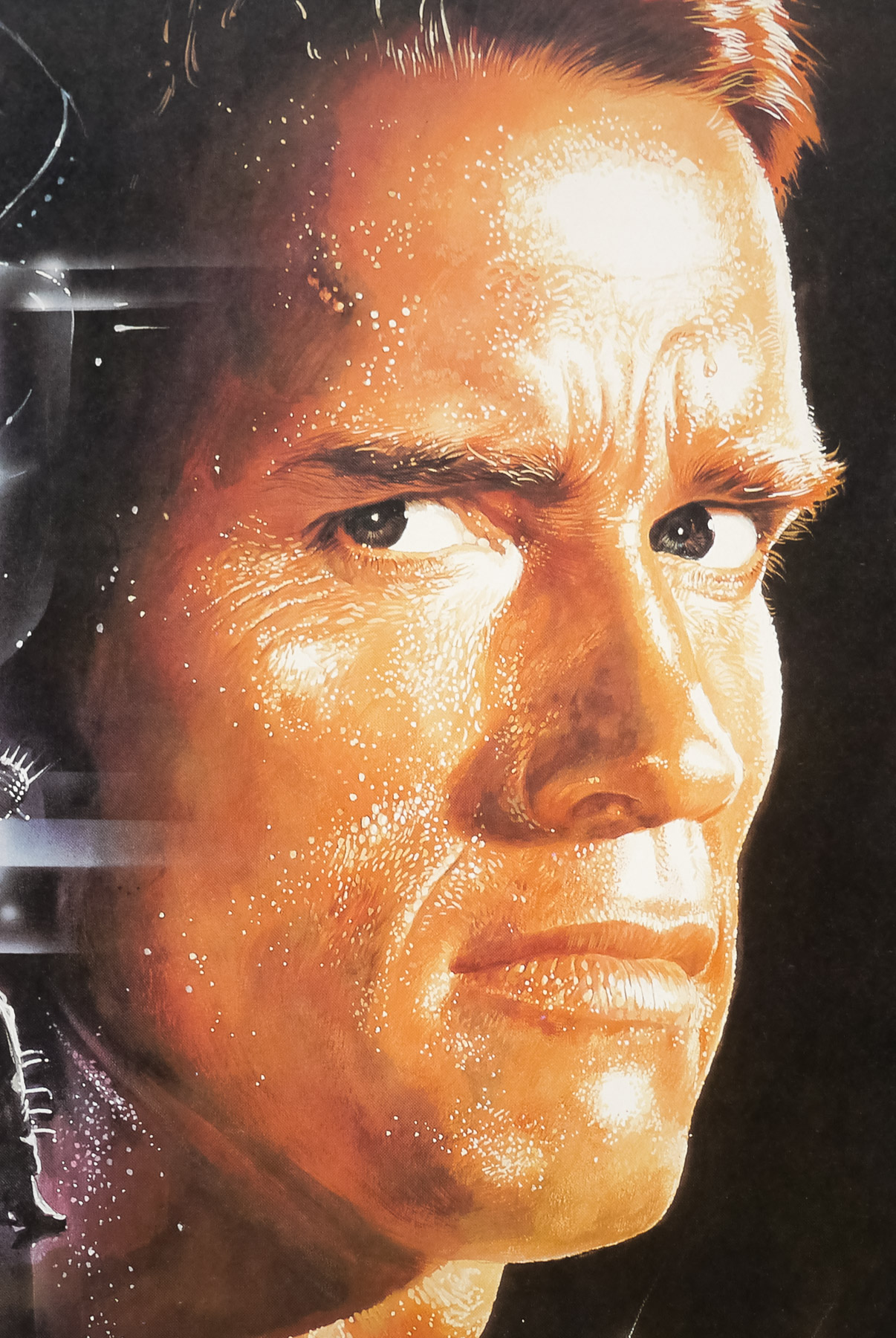
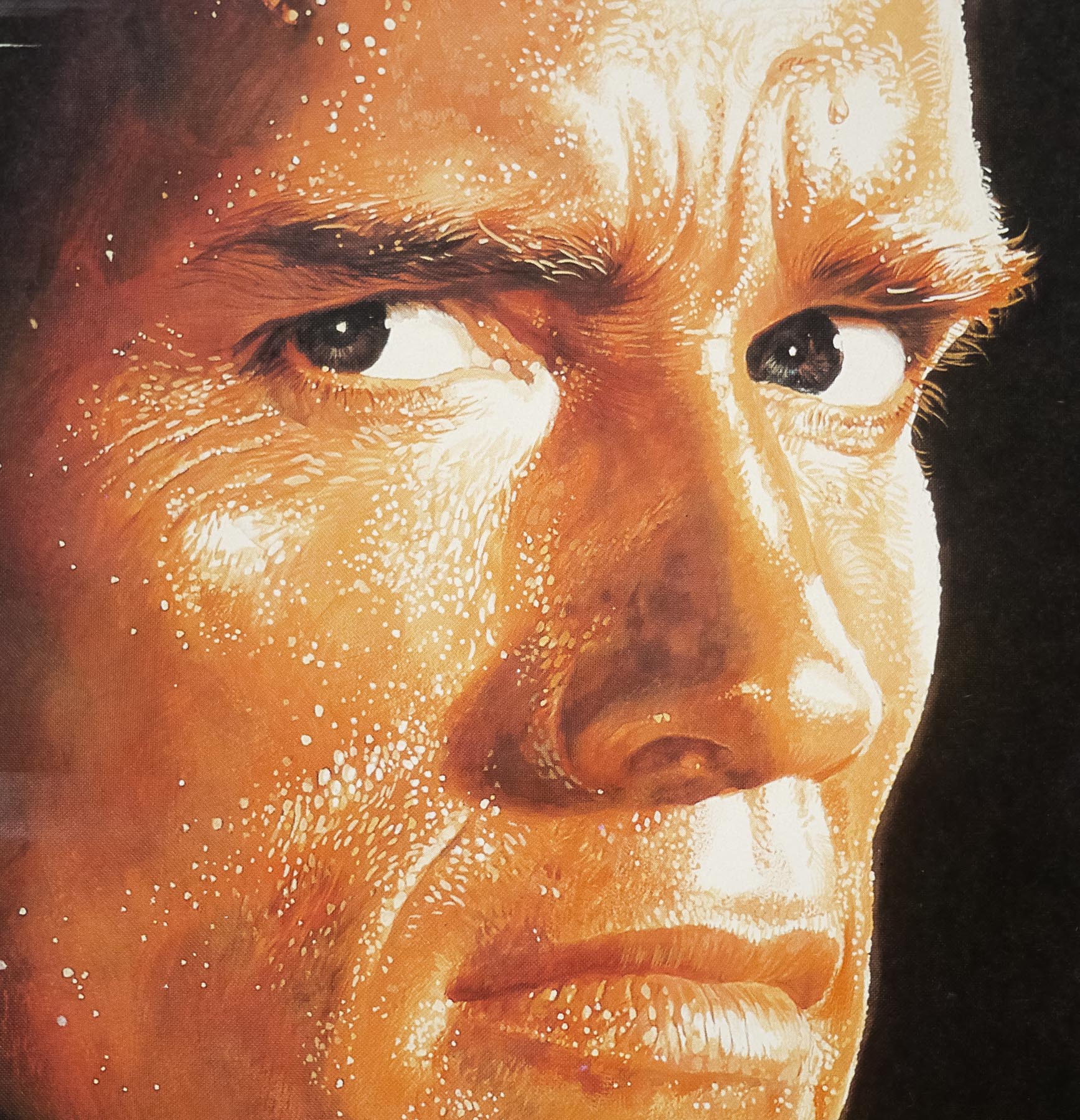
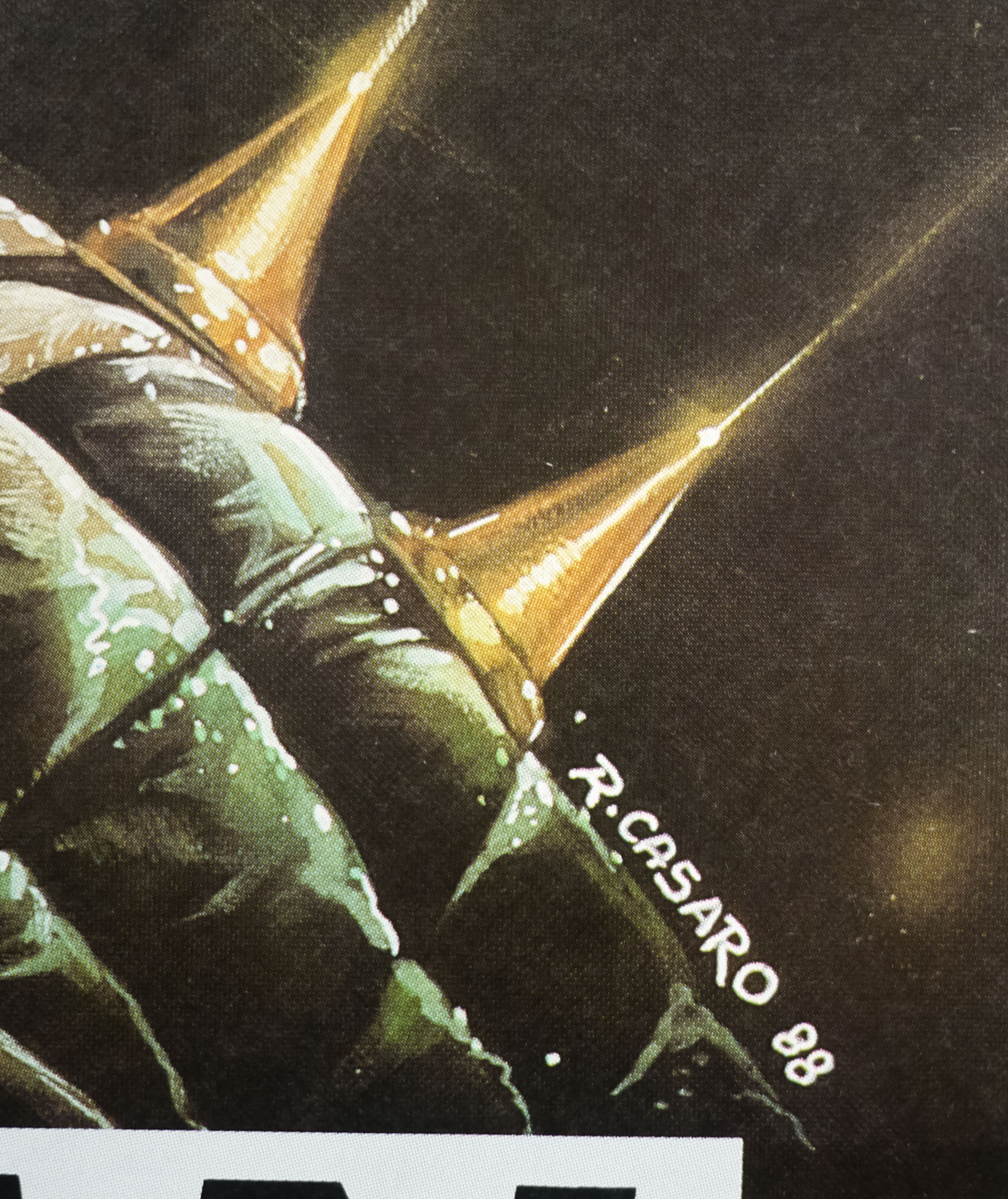
The excellent artwork on this German A1 was painted by the celebrated Italian artist Renato Casaro who worked on a significant number of German posters during the 1980s and 1990s. In March 2014 I published a lengthy interview I carried out with Renato and that can be read by clicking here. The other posters I’ve collected by the artist can be seen by clicking here.
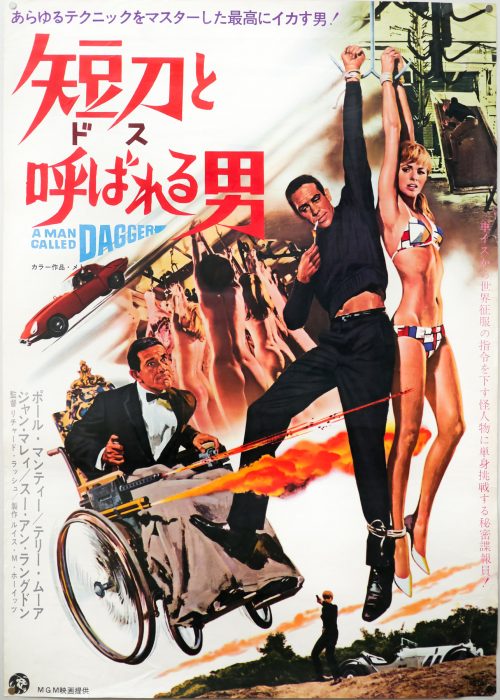
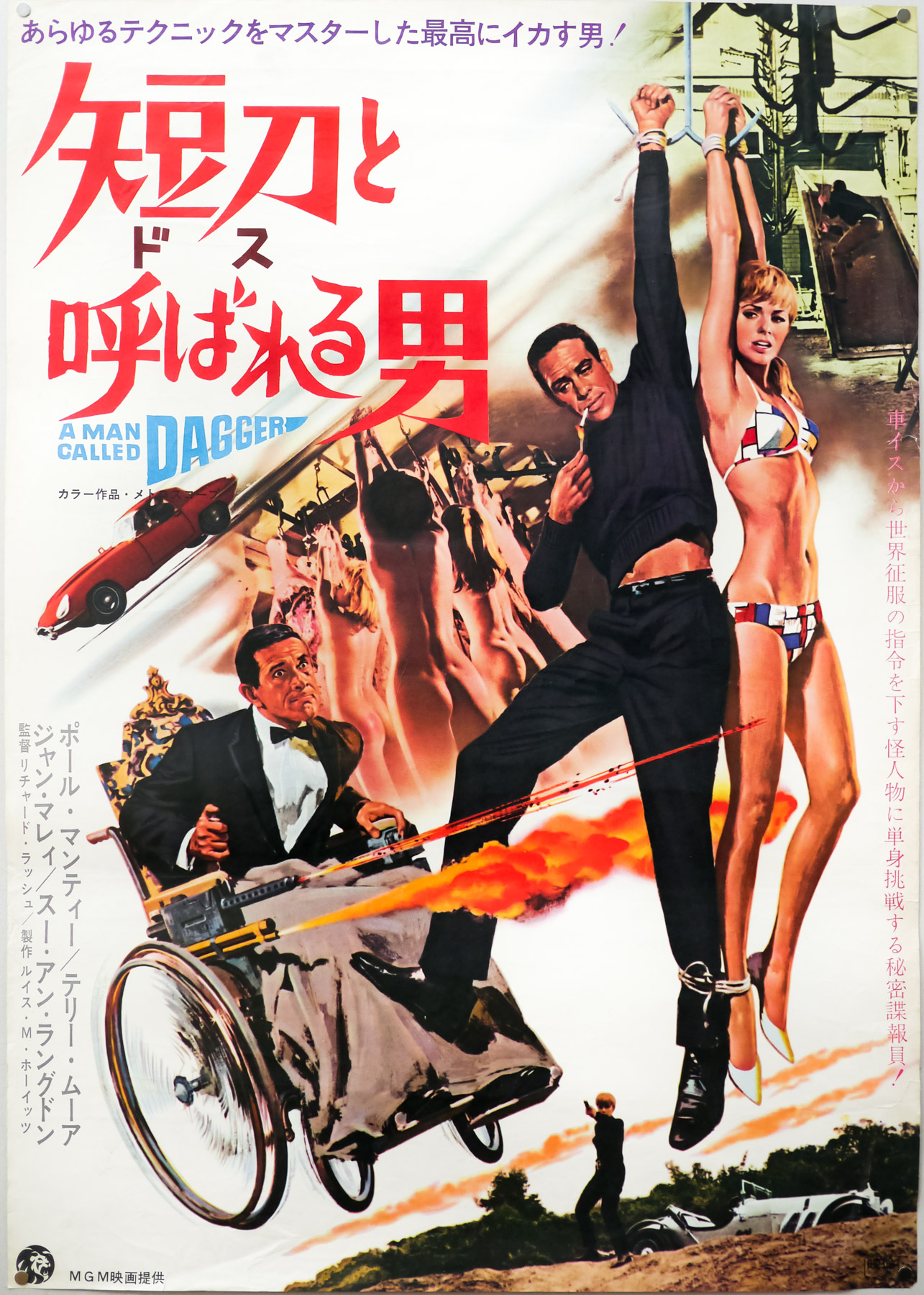
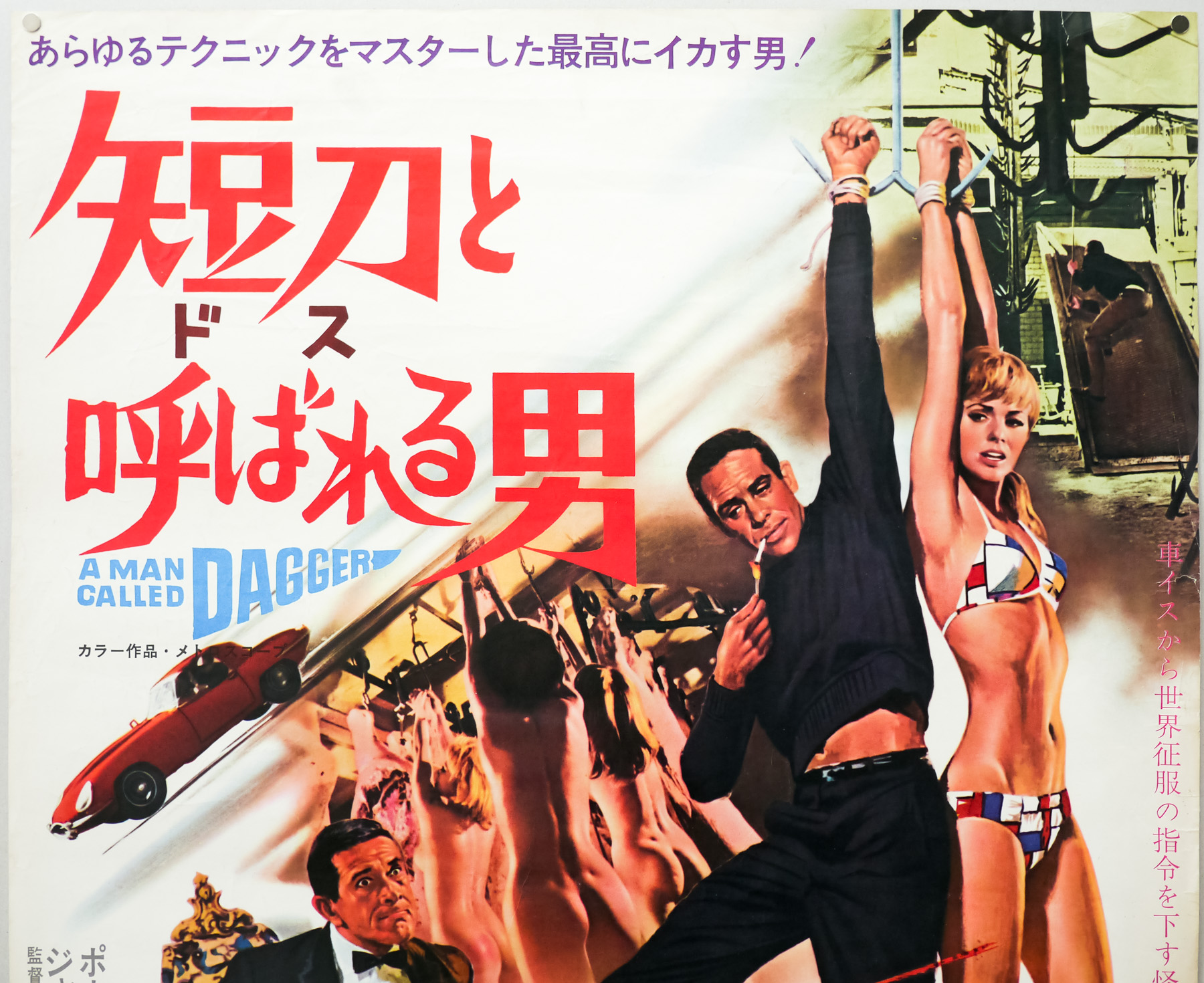
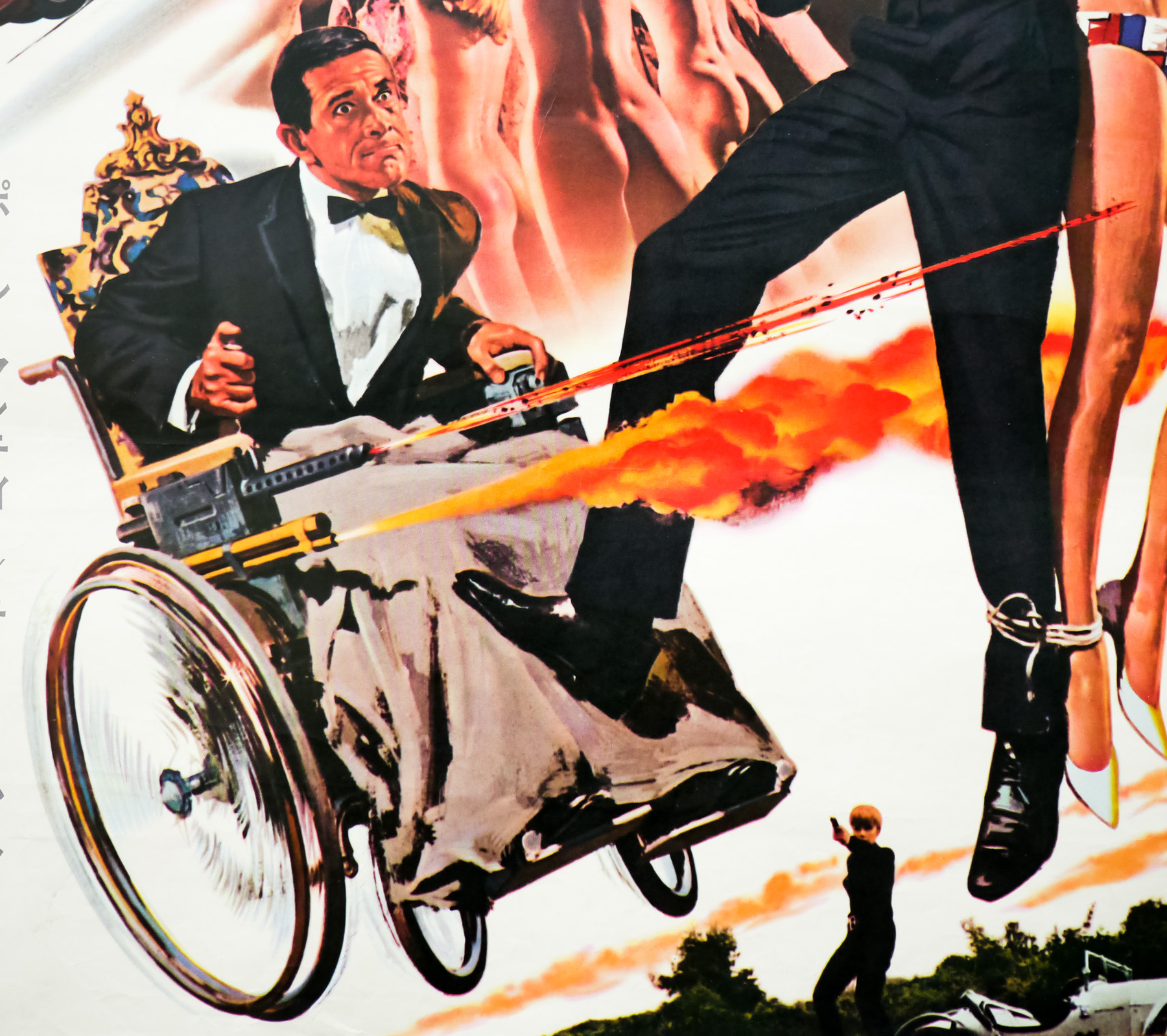
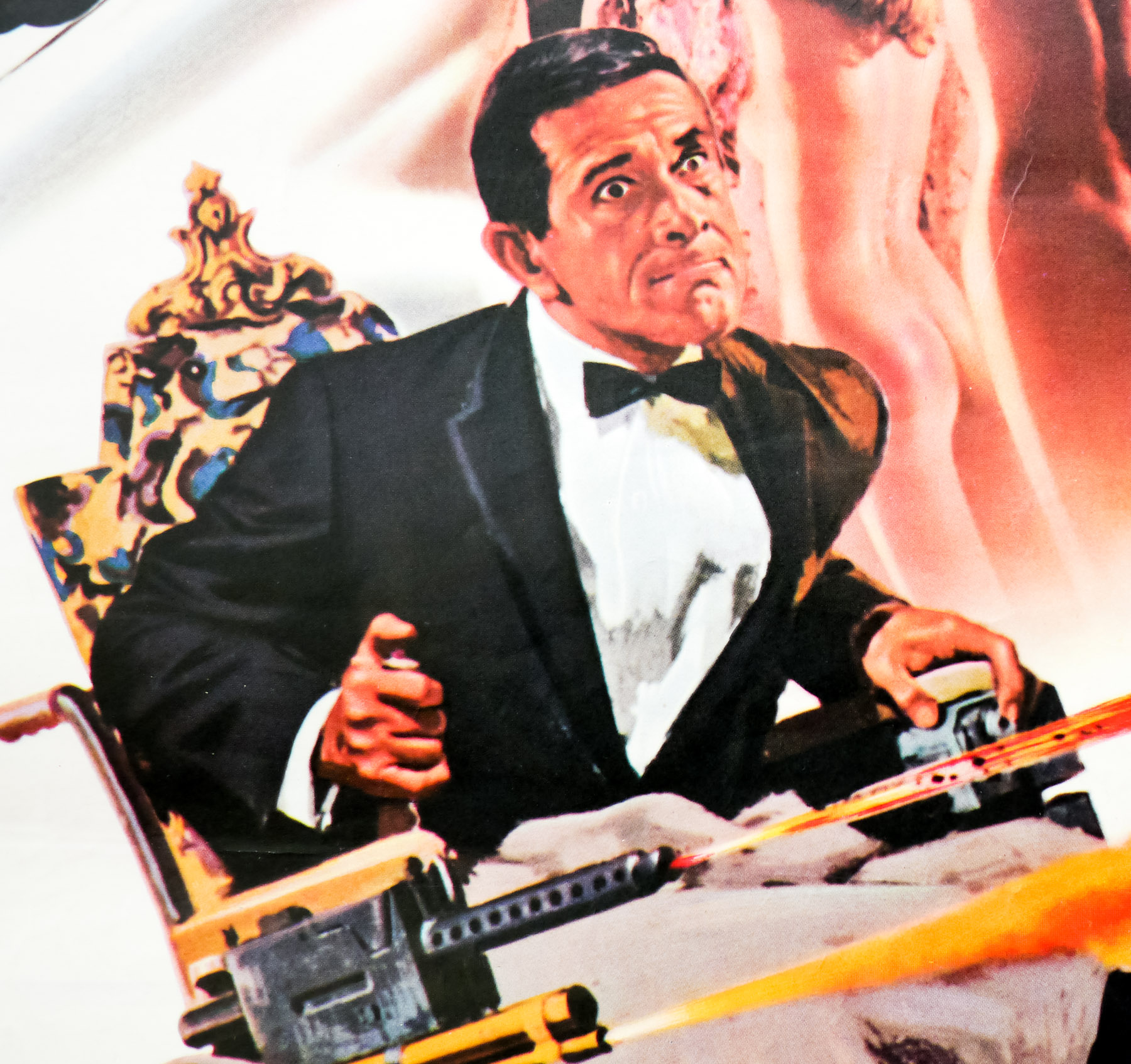
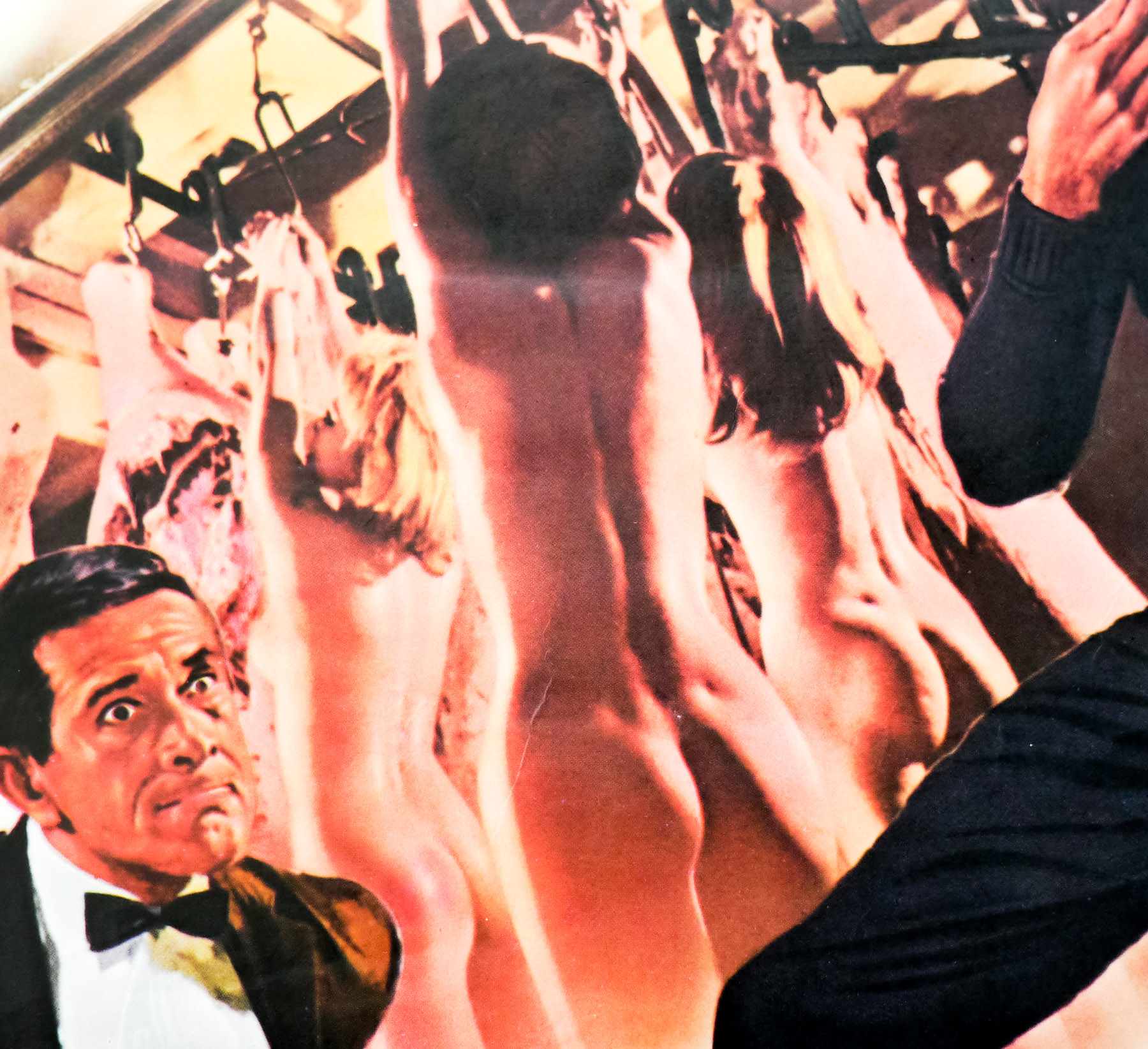
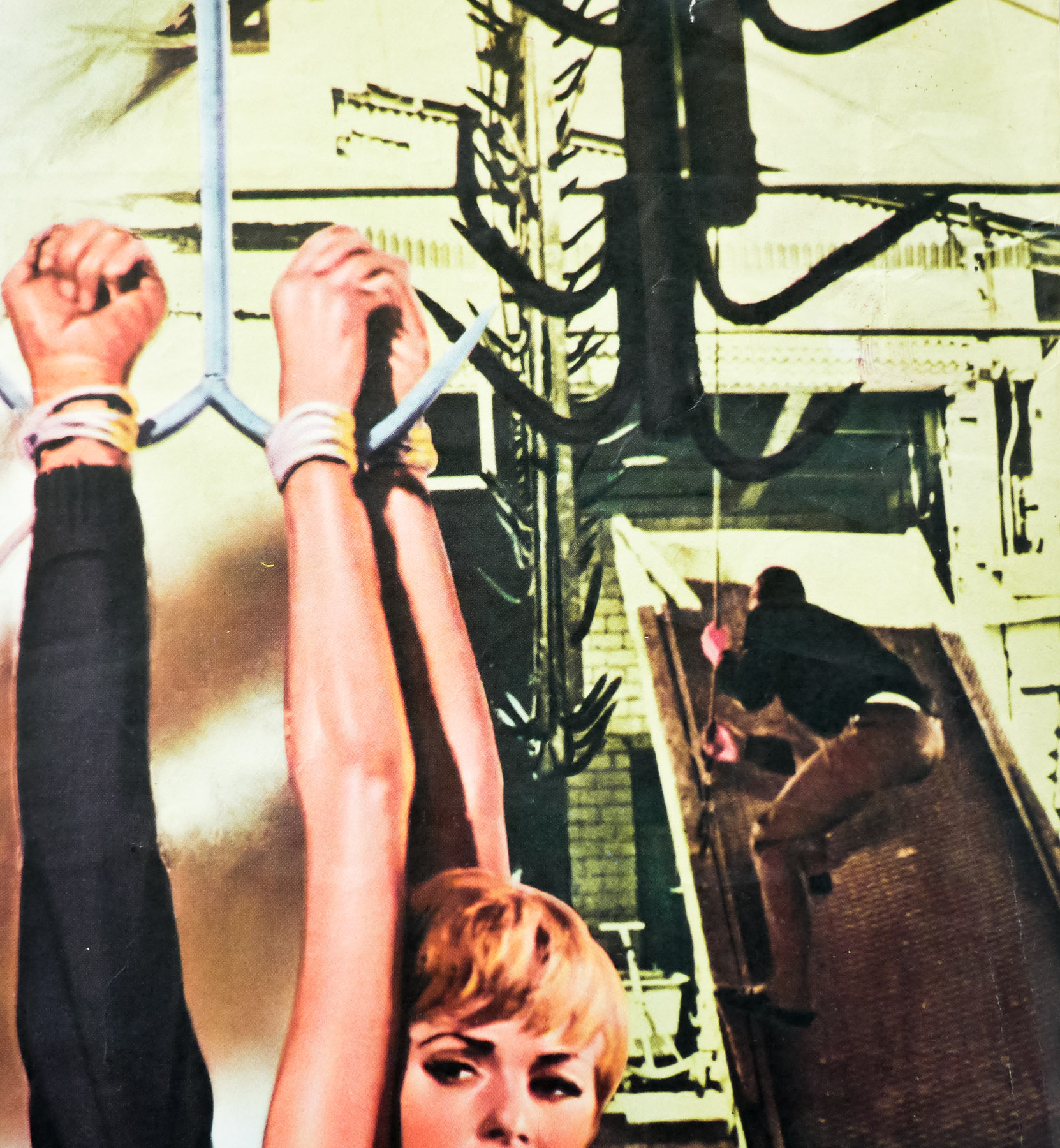
A Man Called Dagger / B2 / Japan

28.07.14

Poster Poster
Title
A Man Called Dagger
AKA
--
Year of Film
1967
Director
Richard Rush
Starring
Paul Mantee, Terry Moore, Jan Murray, Sue Ane Langdon, Eileen O'Neill, Maureen Arthur, Leonard Stone, Richard Kiel
Origin of Film
USA
Genre(s) of Film
Paul Mantee, Terry Moore, Jan Murray, Sue Ane Langdon, Eileen O'Neill, Maureen Arthur, Leonard Stone, Richard Kiel,
Type of Poster
B2
Style of Poster
--
Origin of Poster
Japan
Year of Poster
1968
Designer
Unknown
Artist
Unknown
Size (inches)
20 4/16" x 28 13/16"
SS or DS
SS
Tagline
--

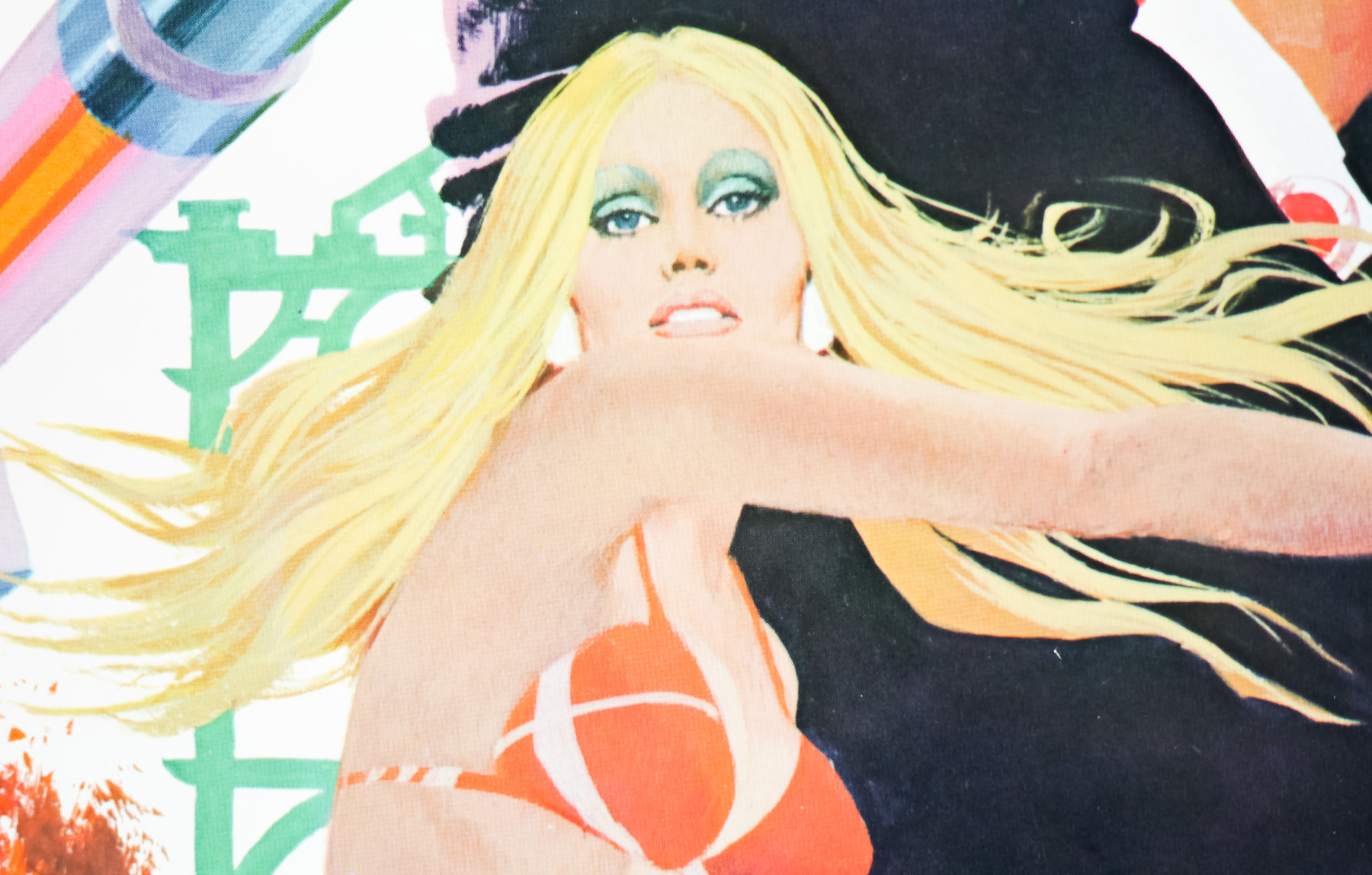
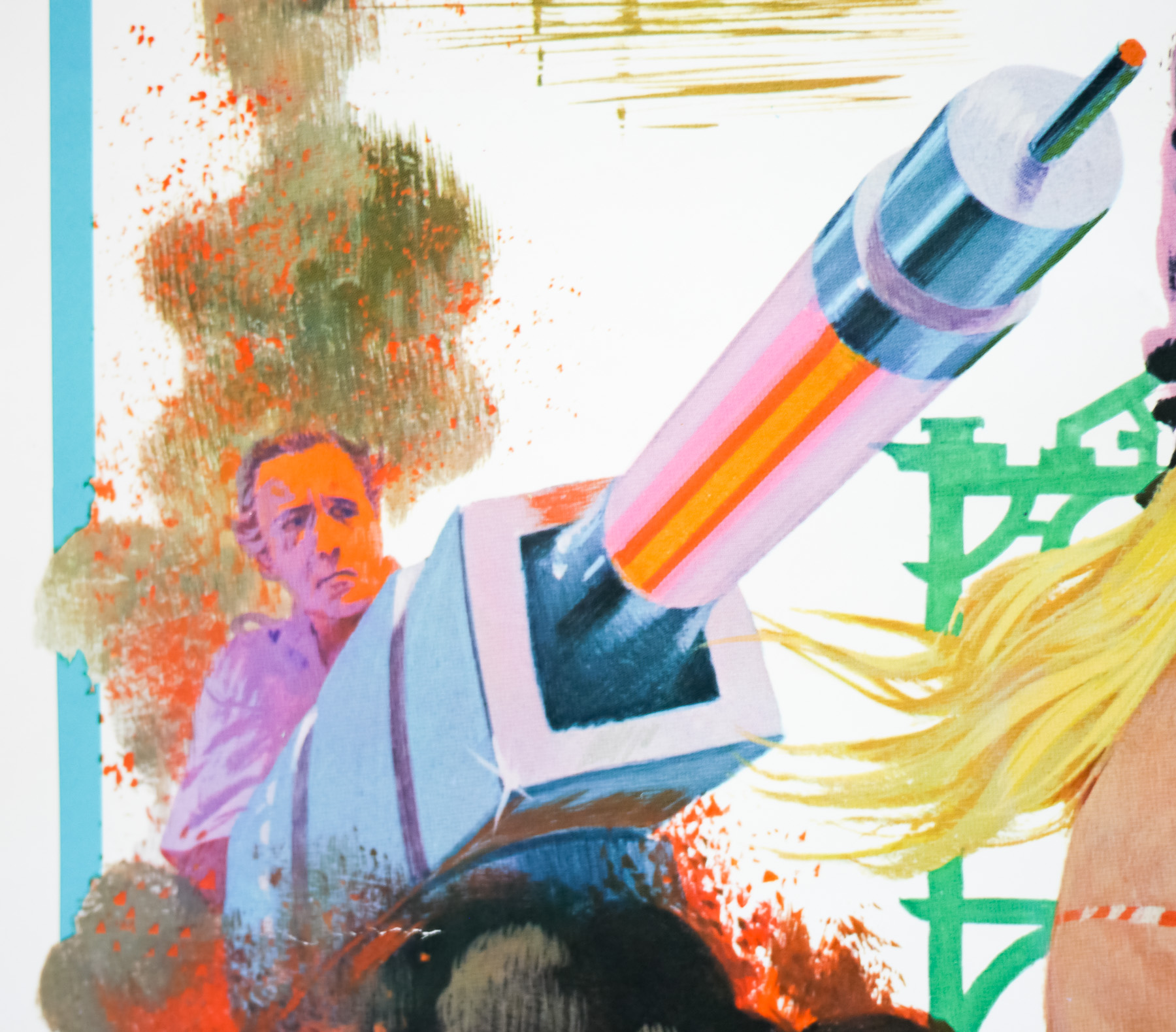
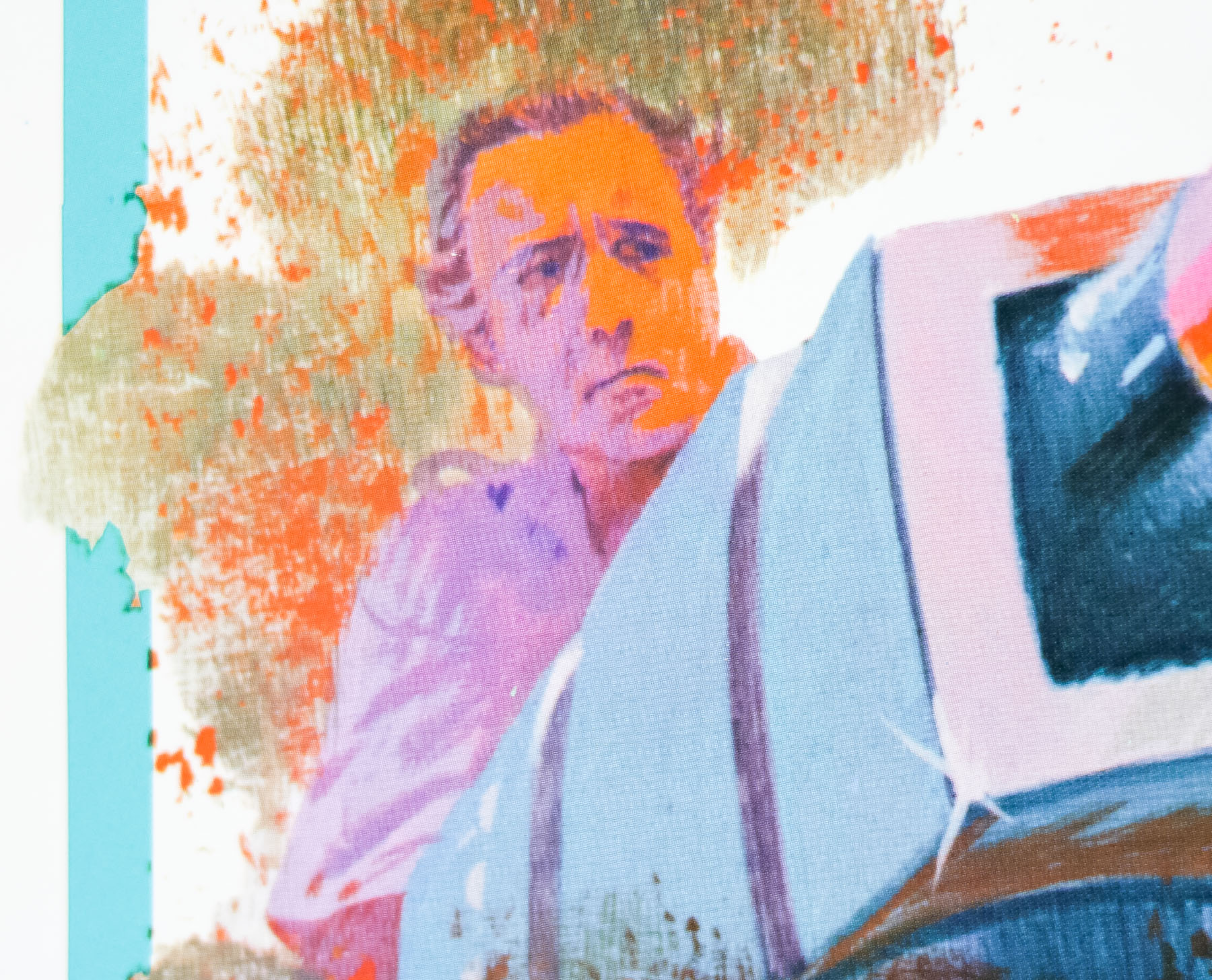
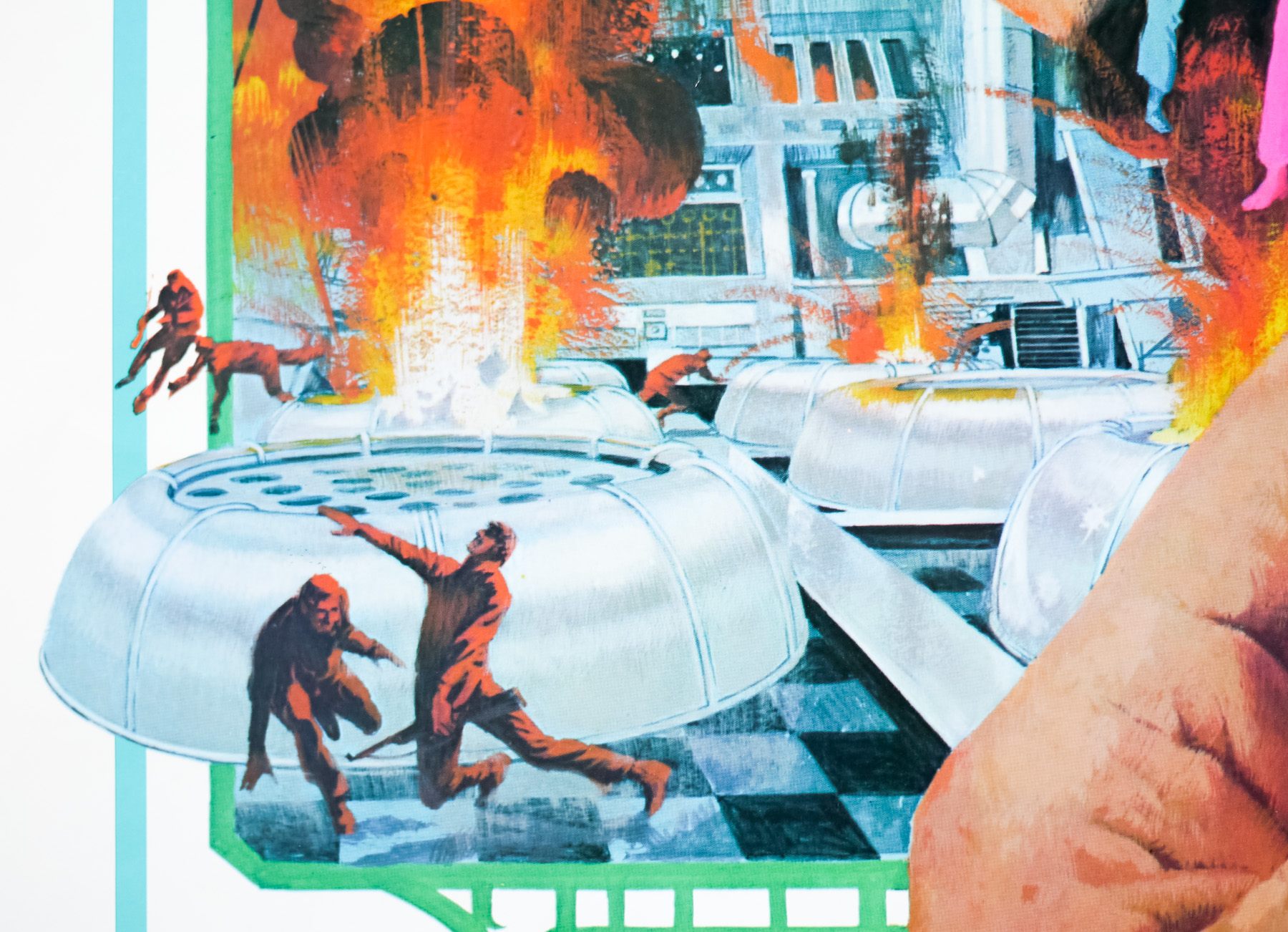
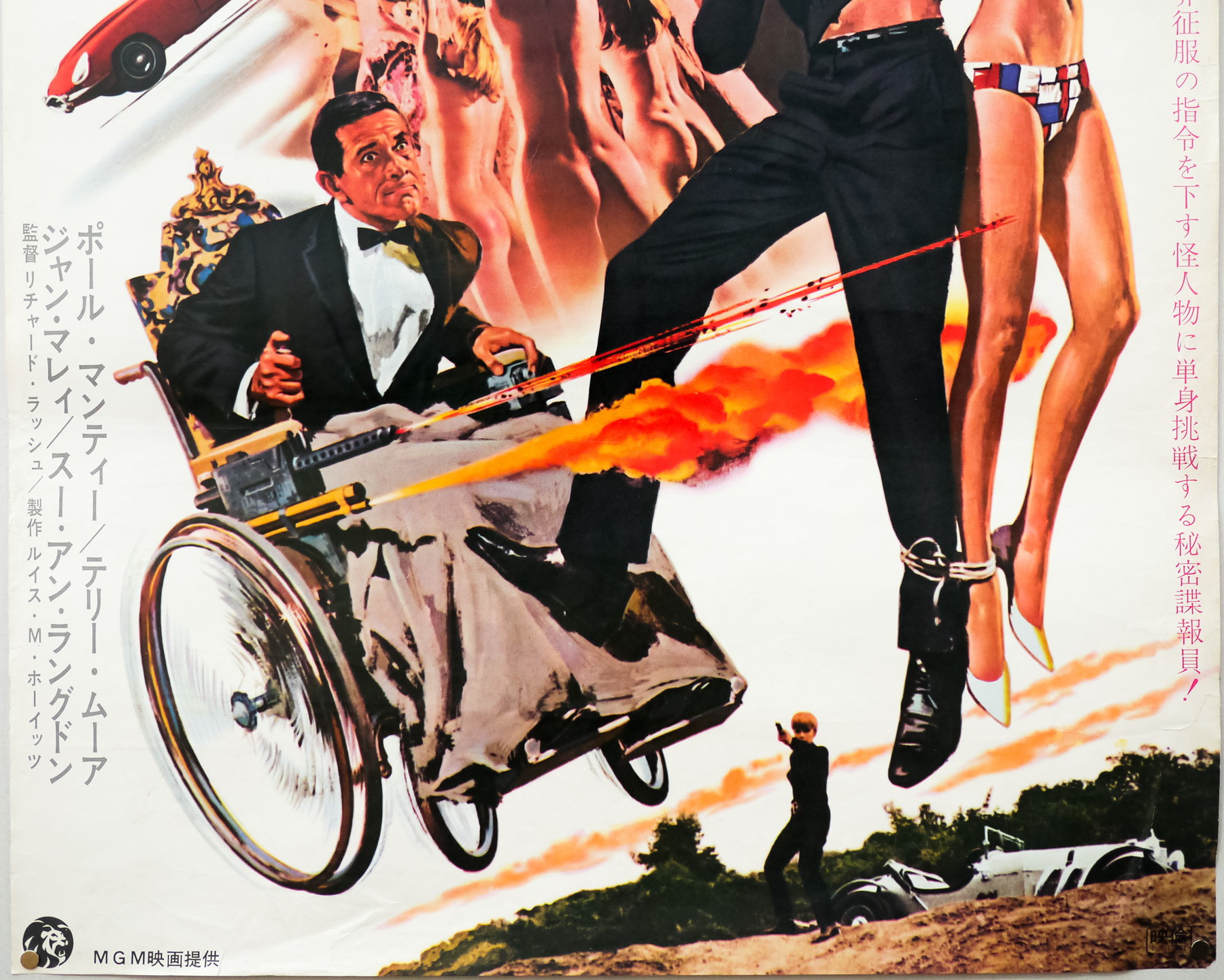
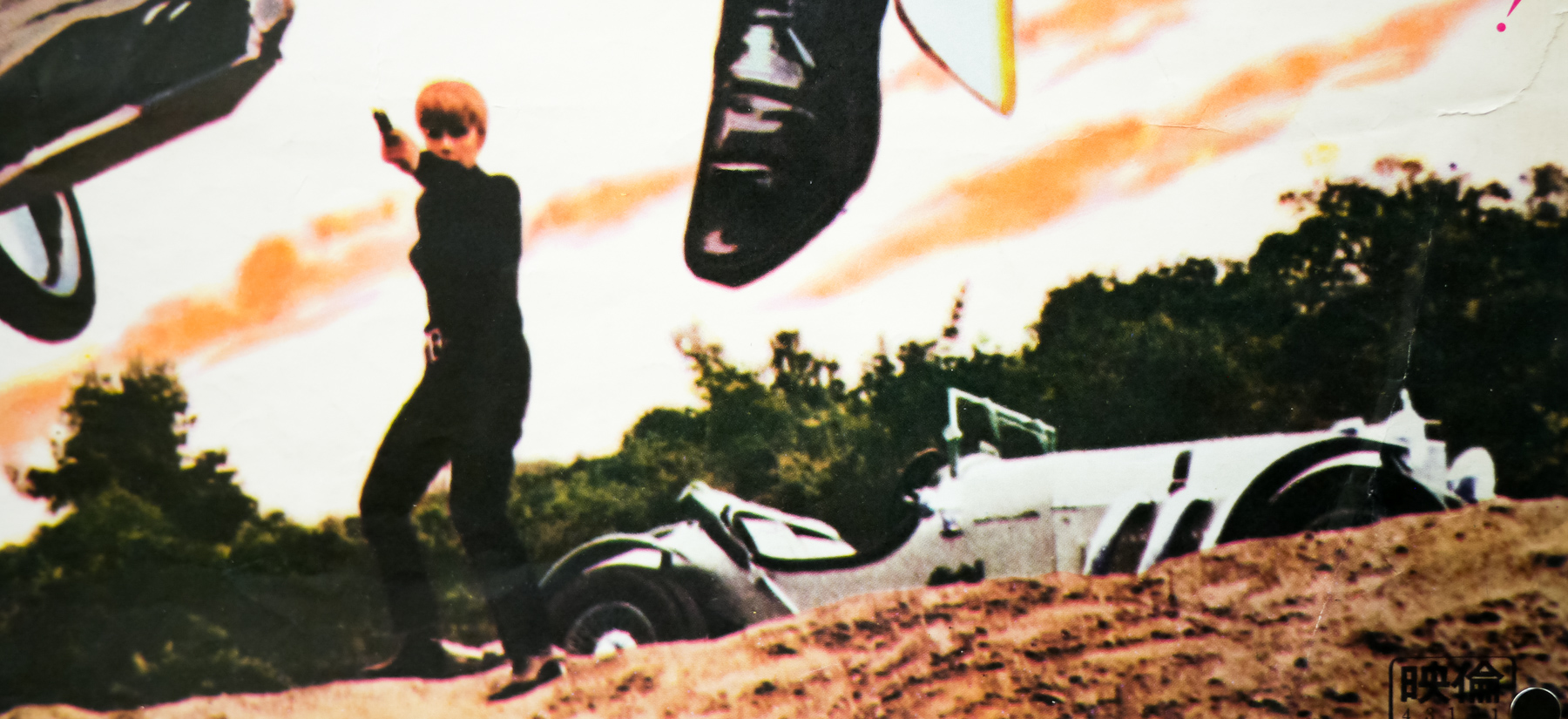
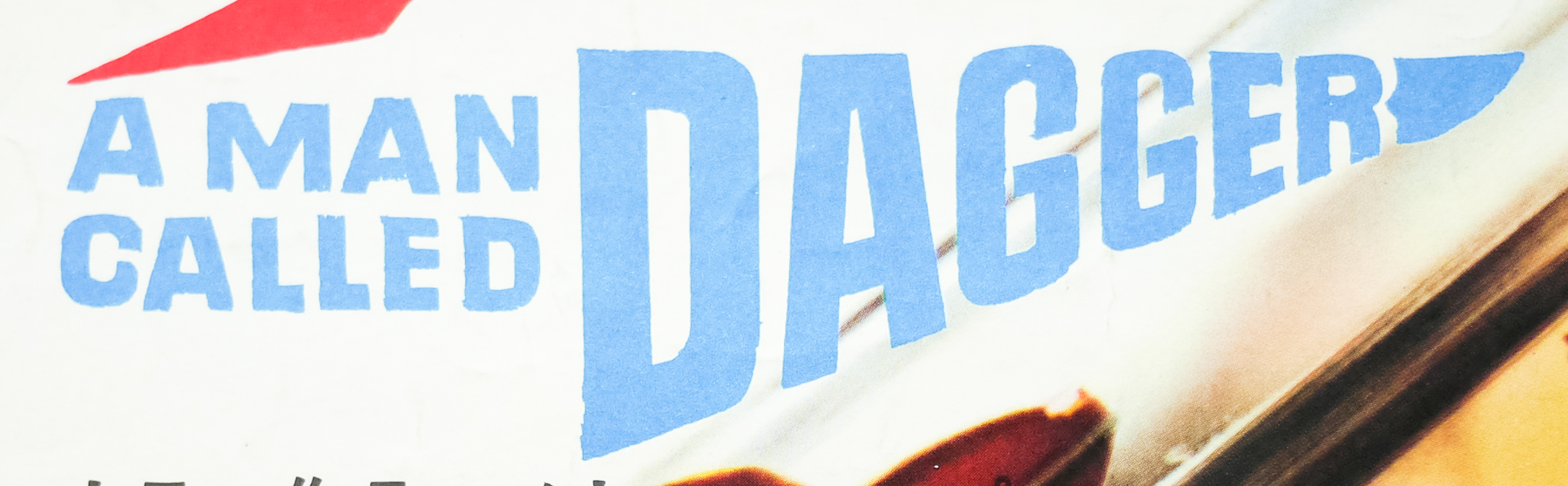
A relatively obscure spy thriller from 1967, A Man Called Dagger saw limited release around the globe and, as far as I can tell, this Japanese poster is one of the few examples of a theatrical release (I don’t believe the UK was treated to a cinema outing). Originally filmed in 1966, it fell victim to a collapse of relations between its original production company, Lew Horwitz’s Global Screen Associates (GSA), and distributors Cinema Distributors of America. It languished for almost a year before being picked up by MGM. The film is essentially a low-grade James Bond homage (the original title was ‘Why Spy?’) and it’s clear that the original producers wanted to cash in on the global popularity of Ian Fleming’s famous creation.

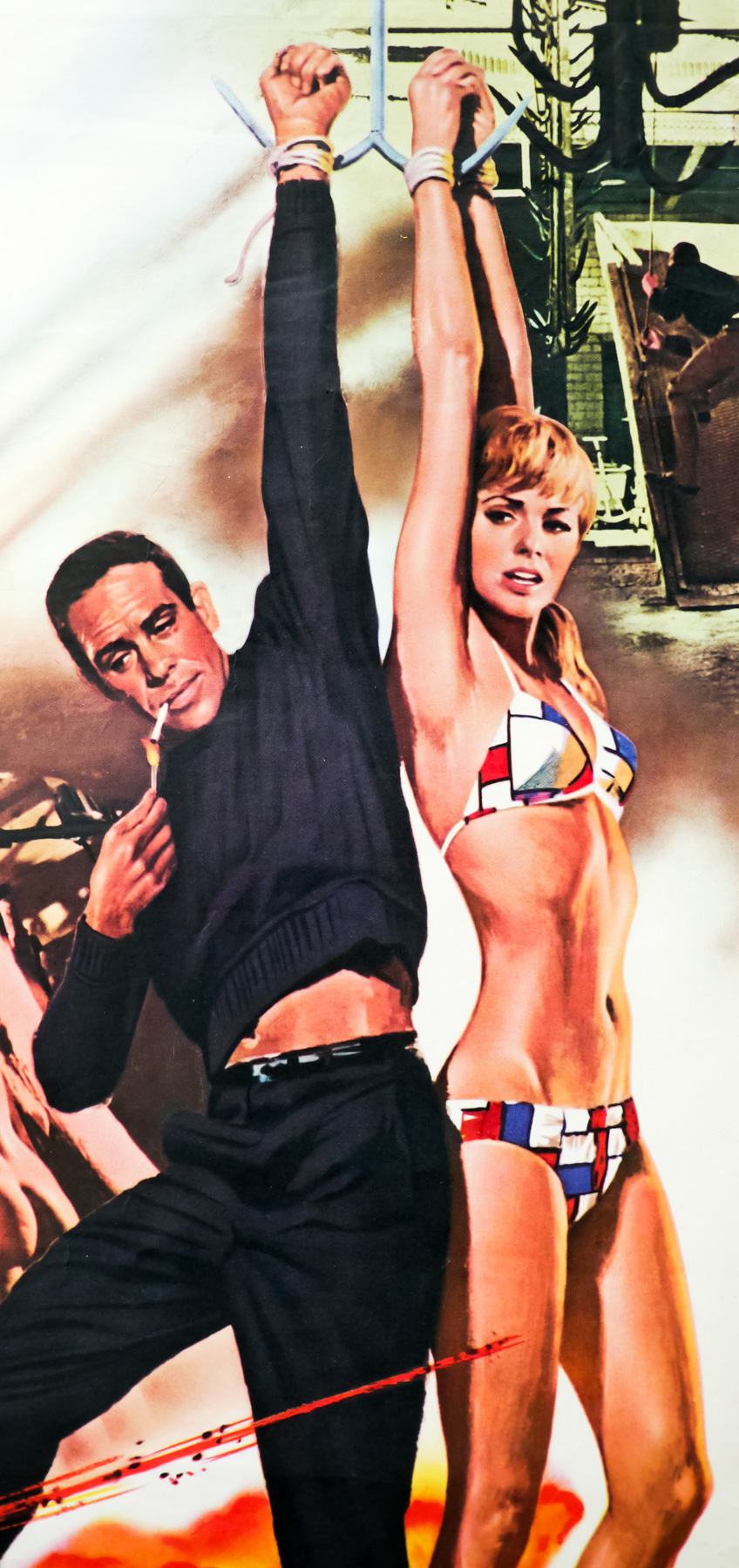
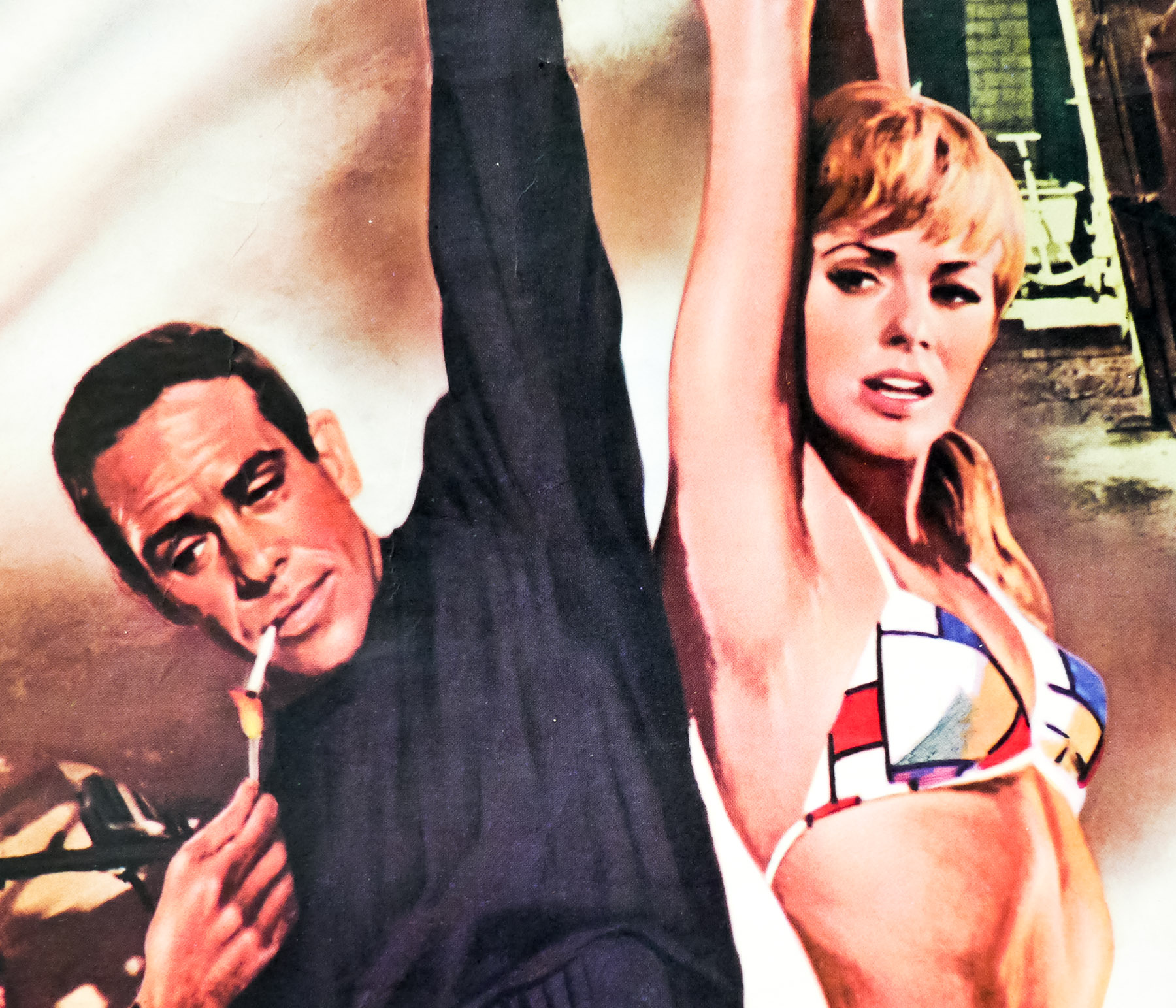
Richard Rush (most known for 1980’s The Stunt Man) was at the helm and Paul Mantee (a cult figure from his performance in Robinson Crusoe on Mars, 1964) plays the unfortunately monikered Dick Dagger (isn’t that a weapon from David Fincher’s Seven?), a crime-fighting spy who teams up with female agent Harper Davis (Terry Moore) in a bid to track down wheelchair bound Nazi war criminal Rudolph Koffman (Jan Murray). Koffman is holed up in a meat-packing plant and is using less than legal supplies in its production. With several damsels in distress, including Harper, Dagger must his ingenuity and gadgets, including a dodgy laser watch to save the day.

This B2 poster is a combination of the original US one sheet artwork (artist unknown) and a few photographic stills. If you have any idea who is responsible for the artwork please get in touch.

Check out the original trailer on YouTube.
The Terminal Man / B2 / Japan

04.02.14

Poster Poster
Title
The Terminal Man
AKA
--
Year of Film
1974
Director
Mike Hodges
Starring
George Segal, Joan Hackett, Richard Dysart, Donald Moffat, Michael C. Gwynne, William Hansen, Jill Clayburgh, Norman Burton, James Sikking
Origin of Film
USA
Genre(s) of Film
George Segal, Joan Hackett, Richard Dysart, Donald Moffat, Michael C. Gwynne, William Hansen, Jill Clayburgh, Norman Burton, James Sikking,
Type of Poster
B2
Style of Poster
--
Origin of Poster
Japan
Year of Poster
1974
Designer
Unknown
Artist
--
Size (inches)
20 5/16" x 28 12/16"
SS or DS
SS
Tagline
--

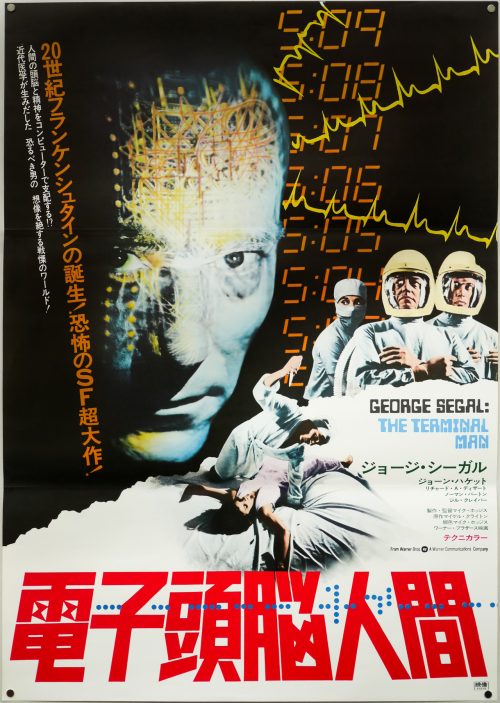
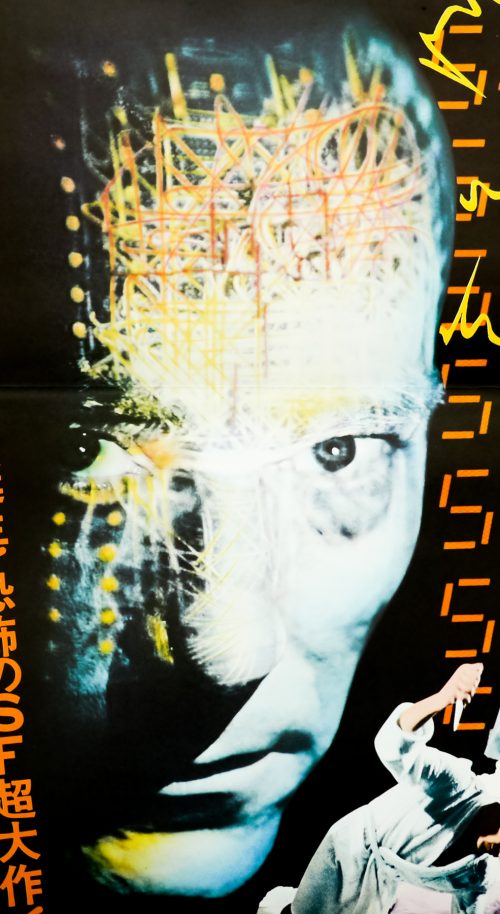
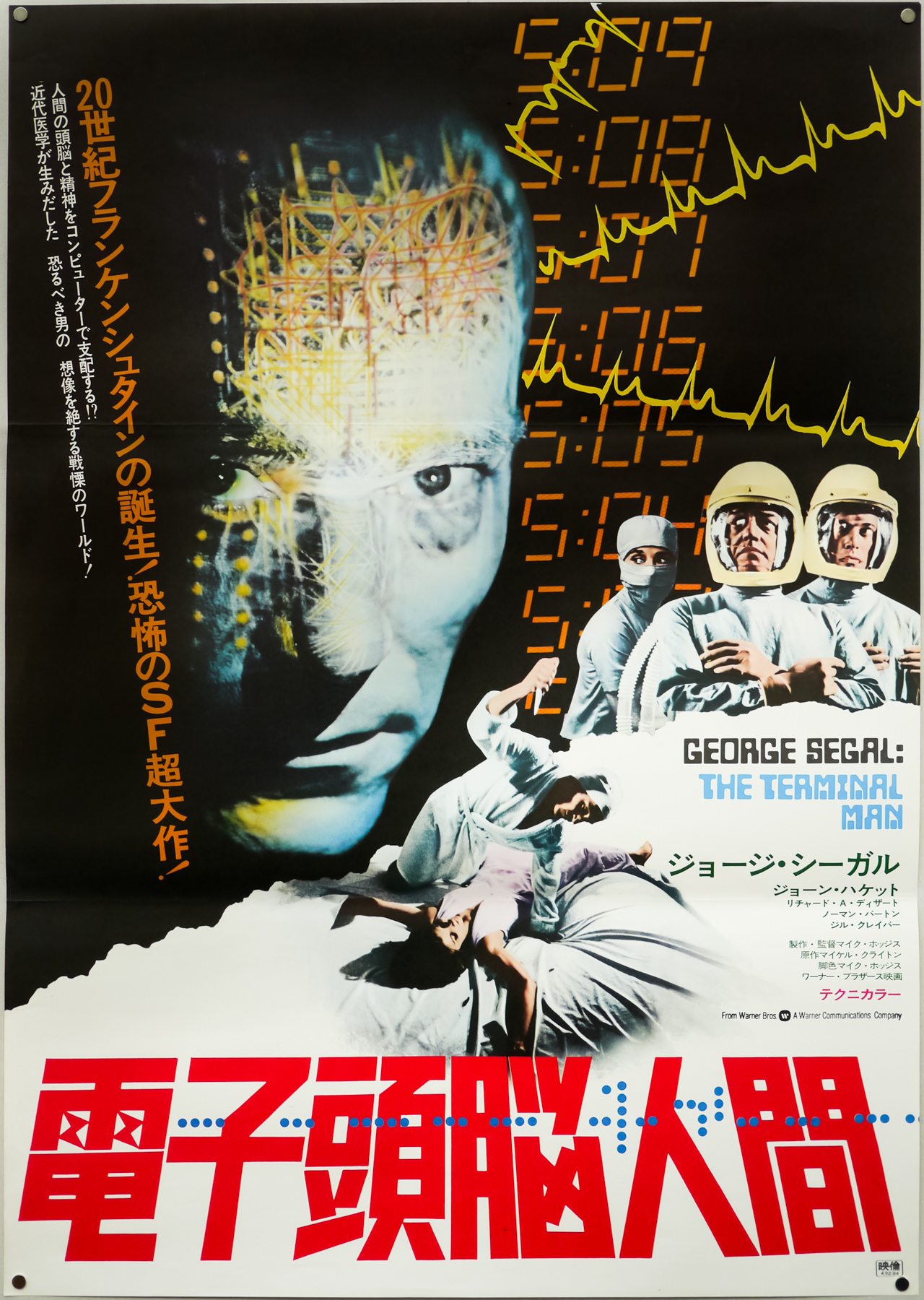
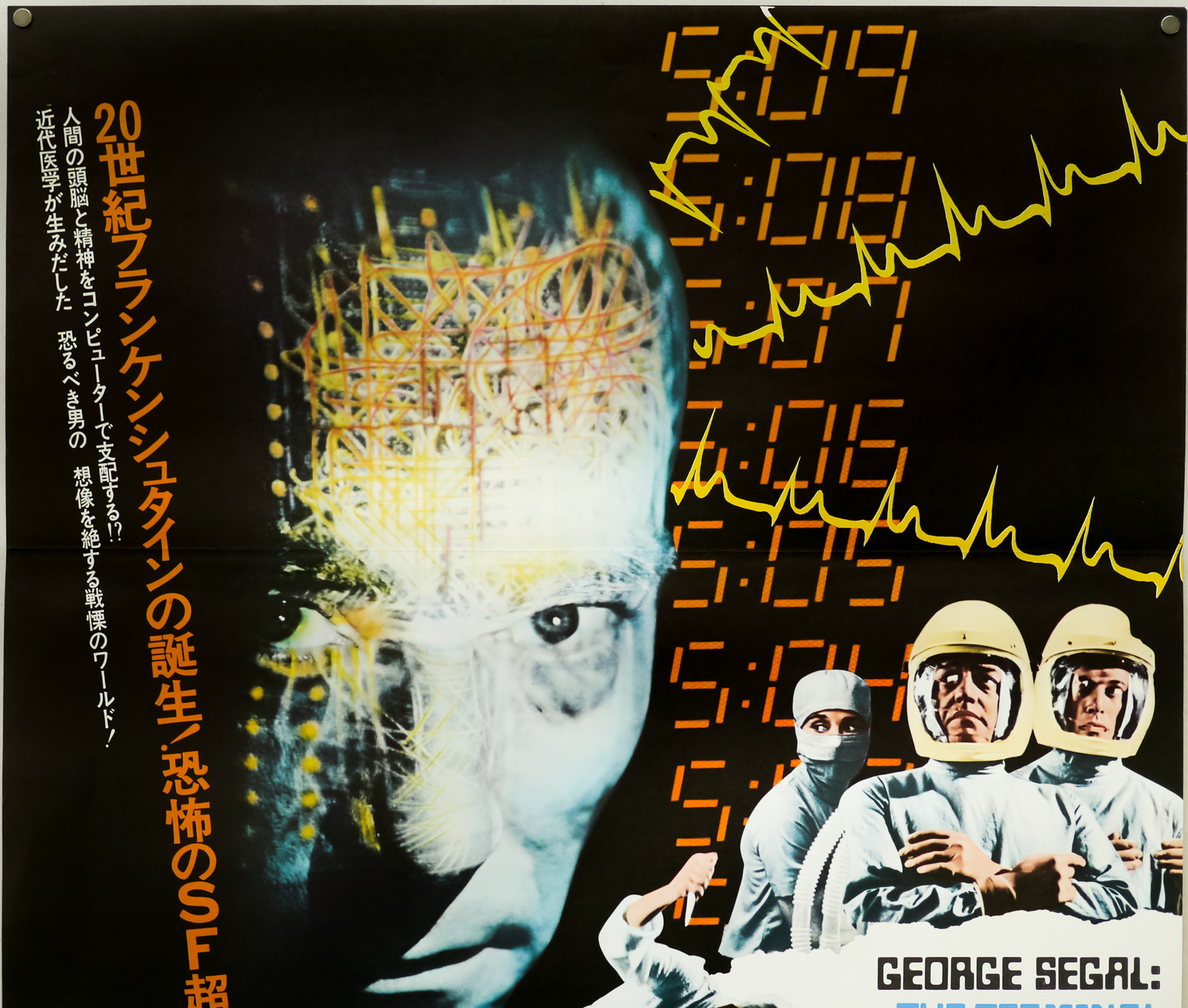
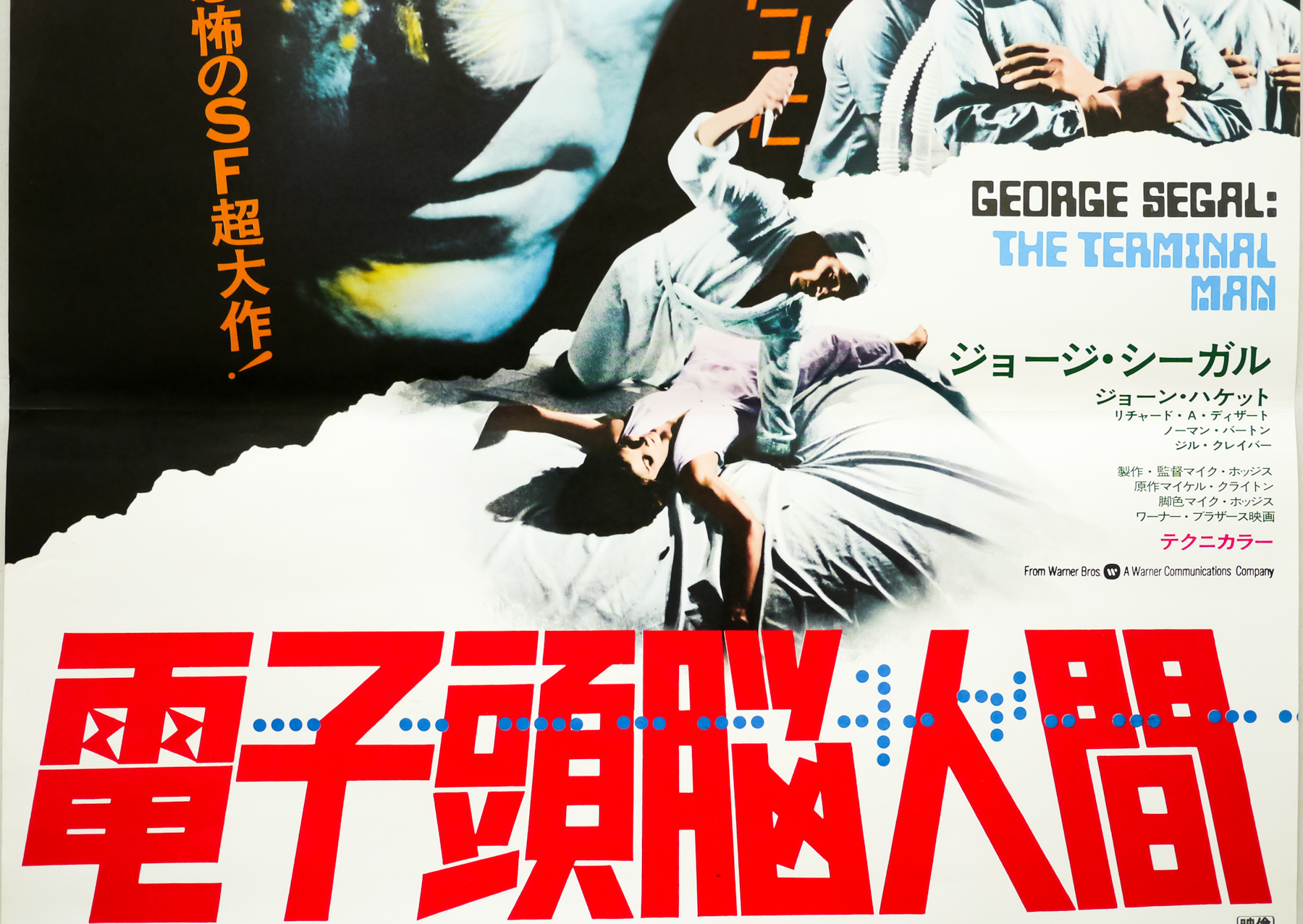
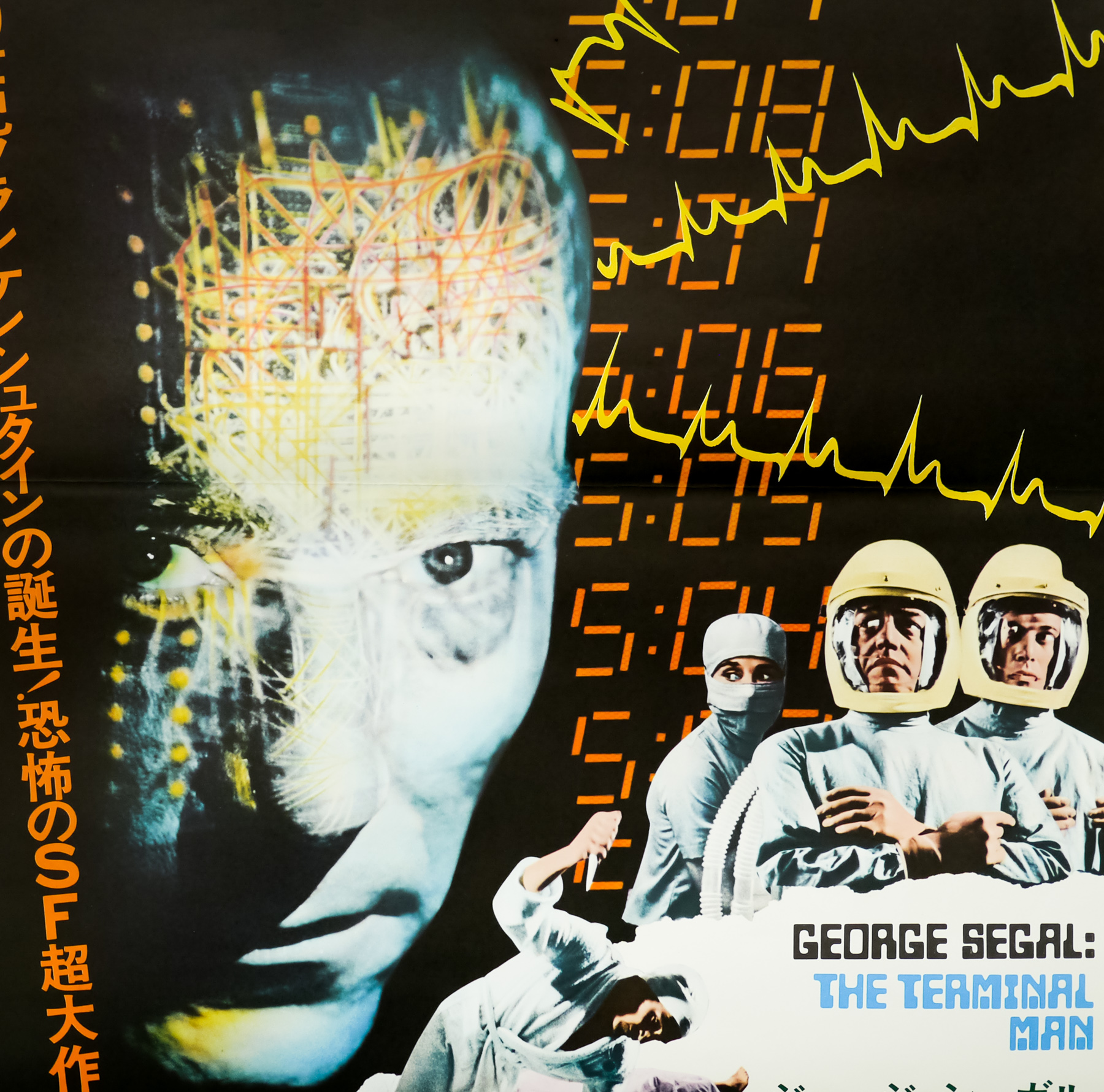
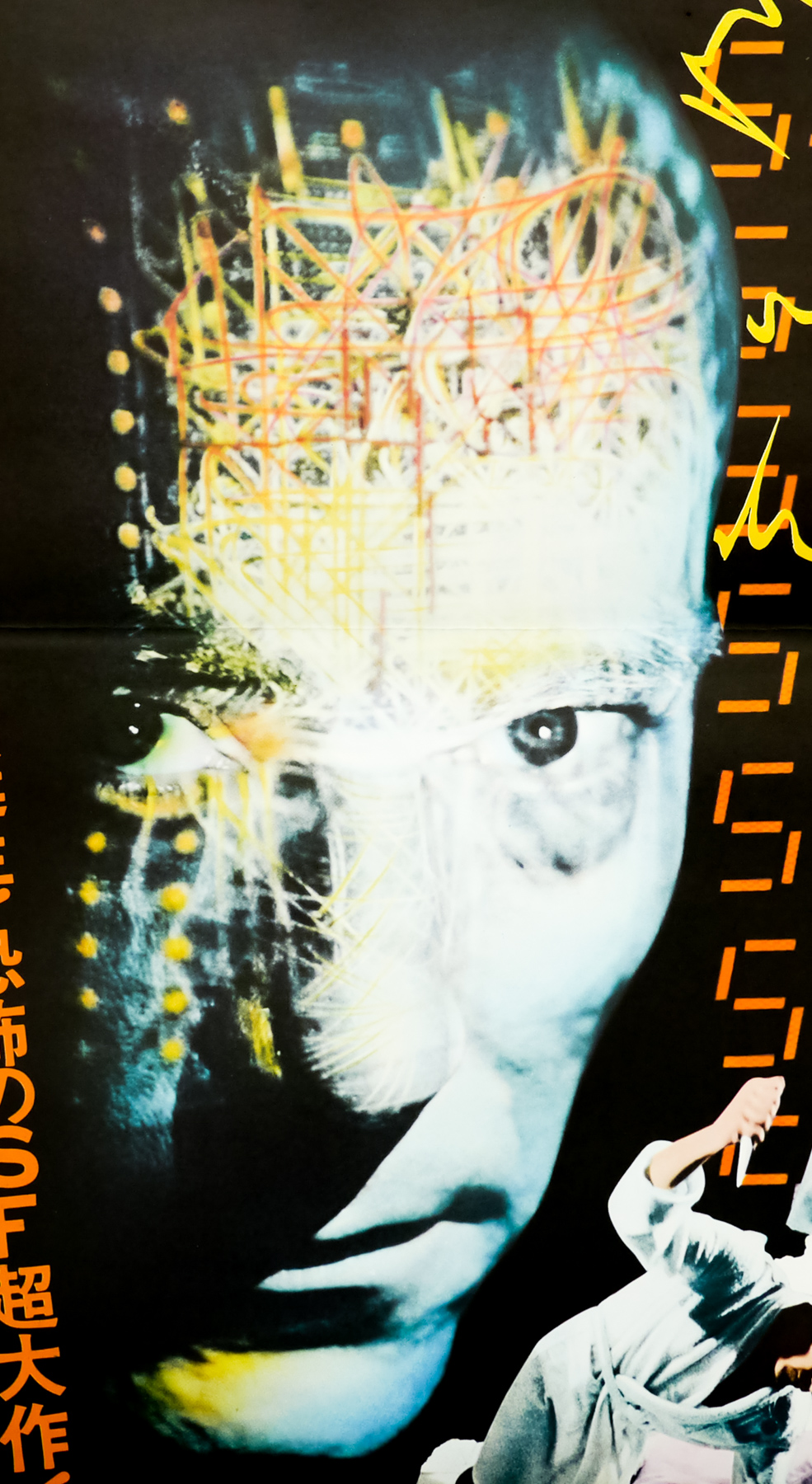
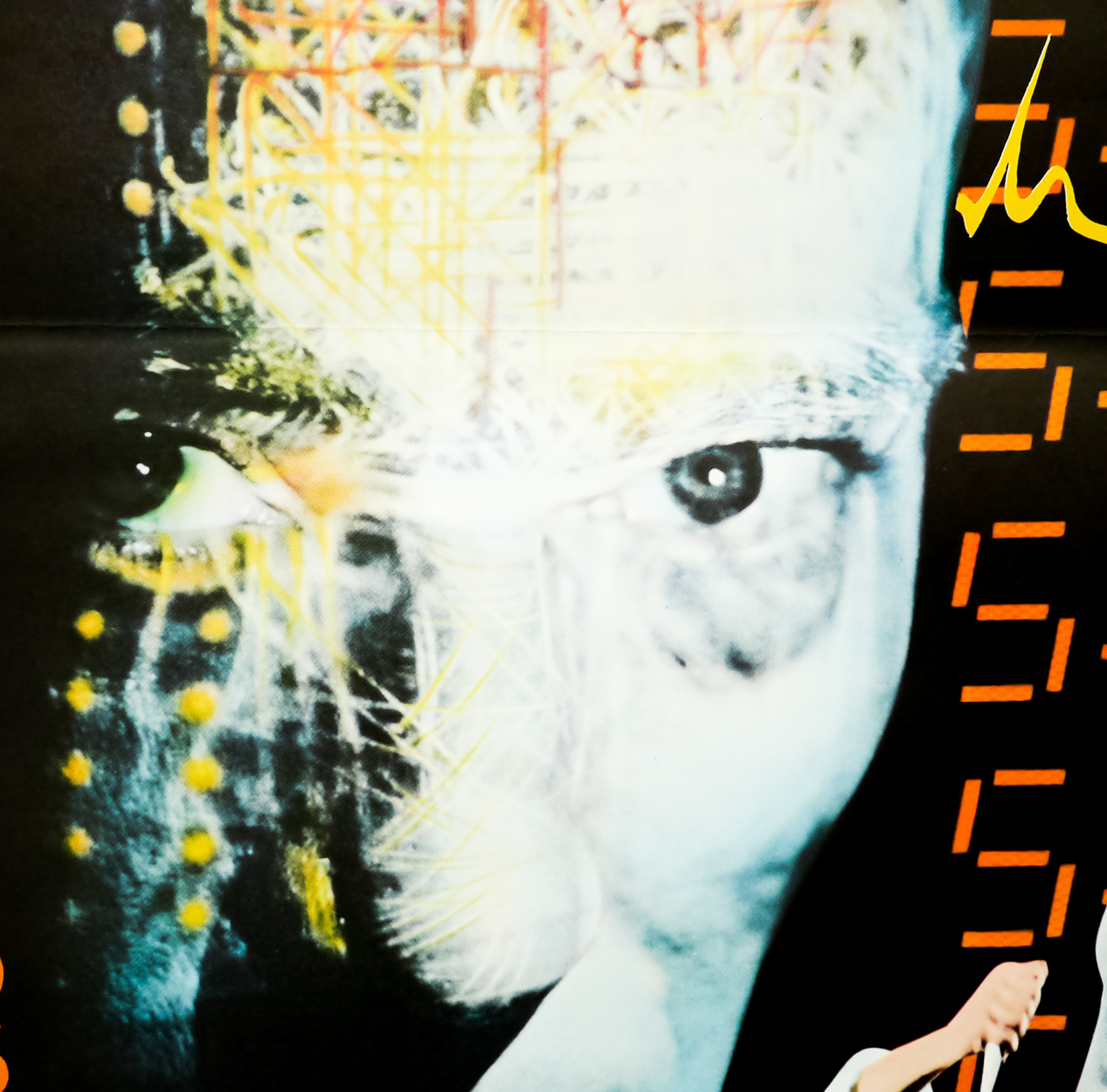
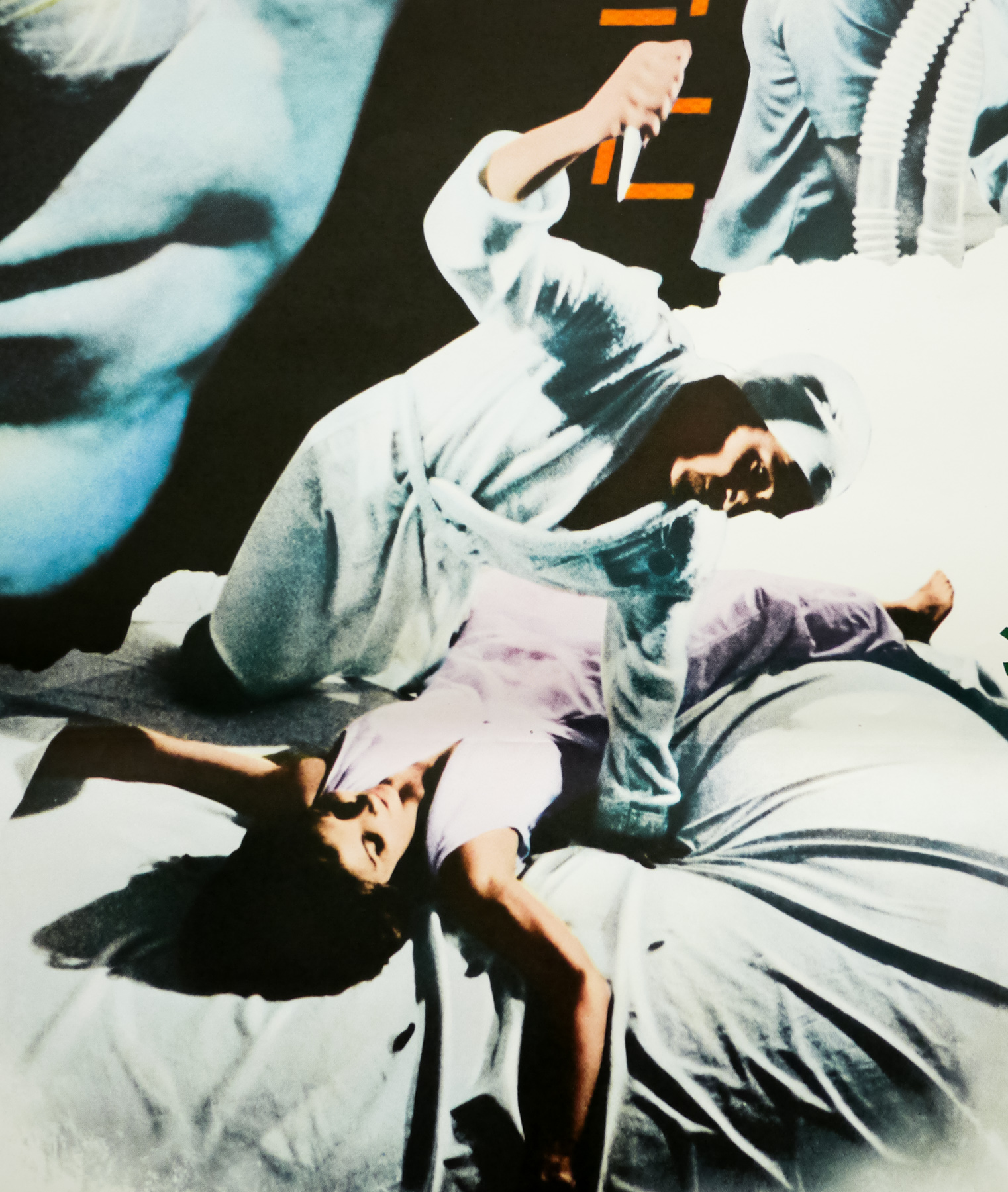
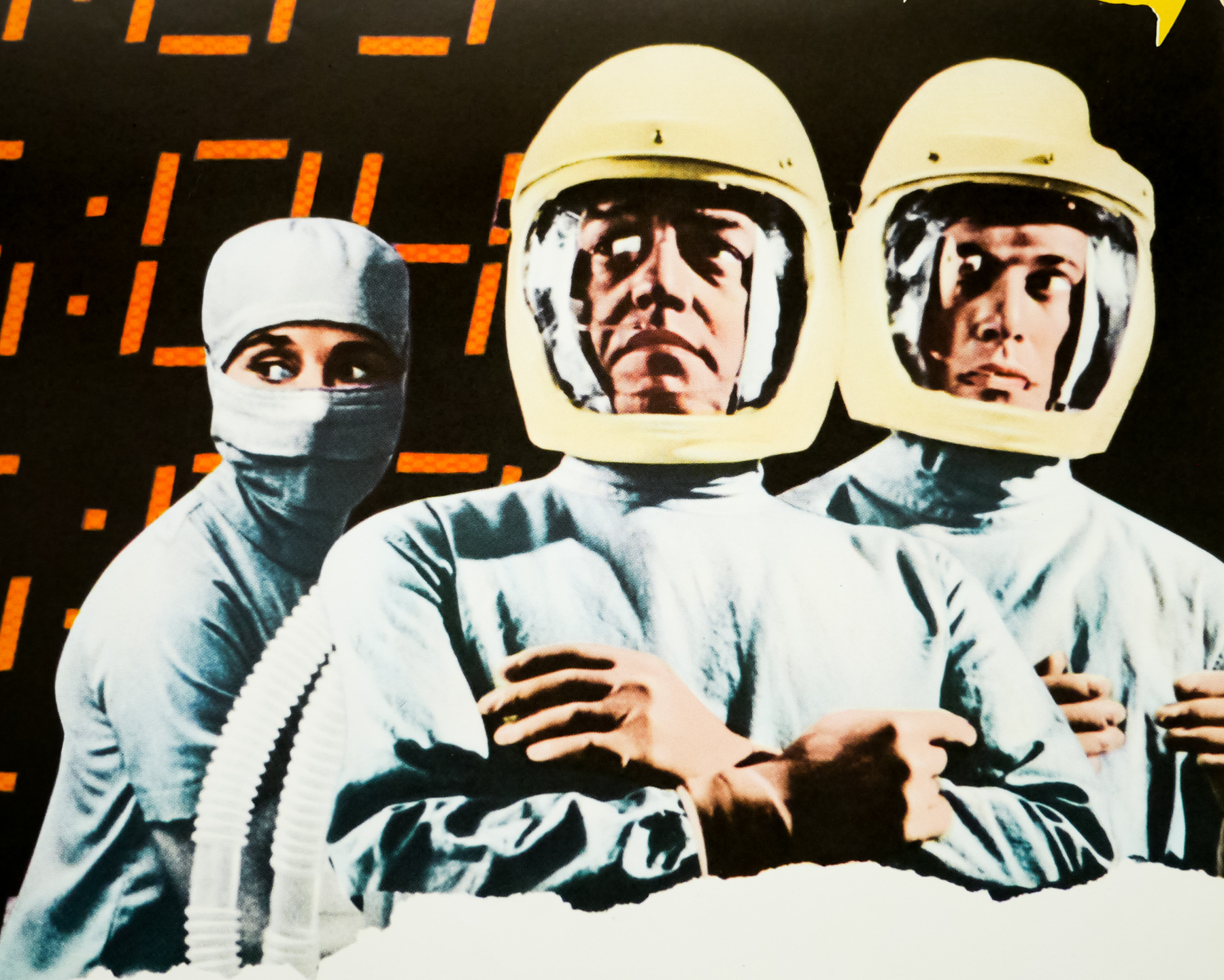
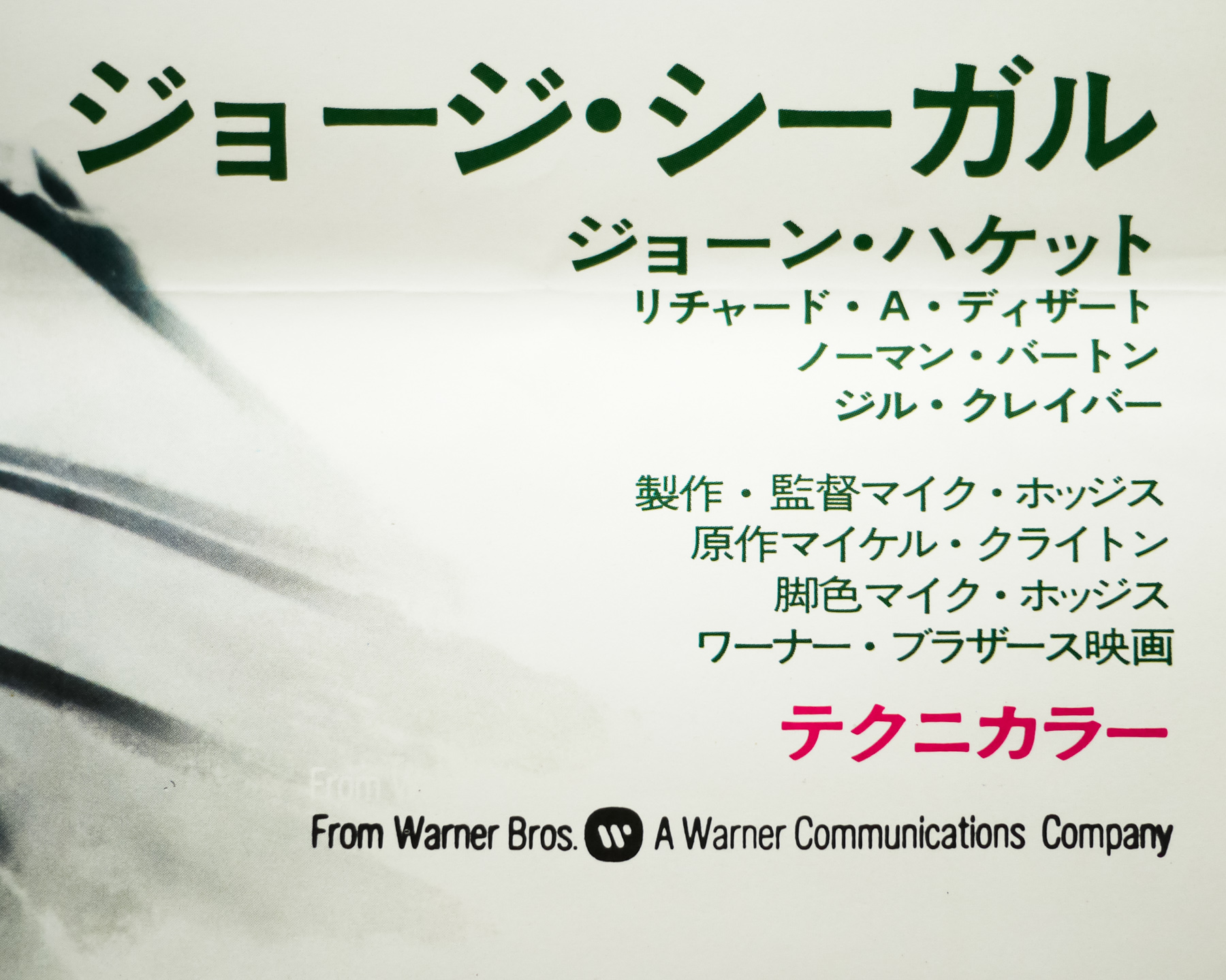
This is the Japanese B2 poster for the release of The Terminal Man, a 1972 sci-fi film from Mike Hodges, the director of Get Carter and Flash Gordon, and based on the Michael Crichton novel of the same name. George Segal stars as a computer scientist who, after suffering a series of seizures and violent episodes, agrees to have a microcomputer inserted into his brain. Unfortunately the operation has some unwanted side effects and triggers his brain into craving more violent stimuli, sending him over the edge.
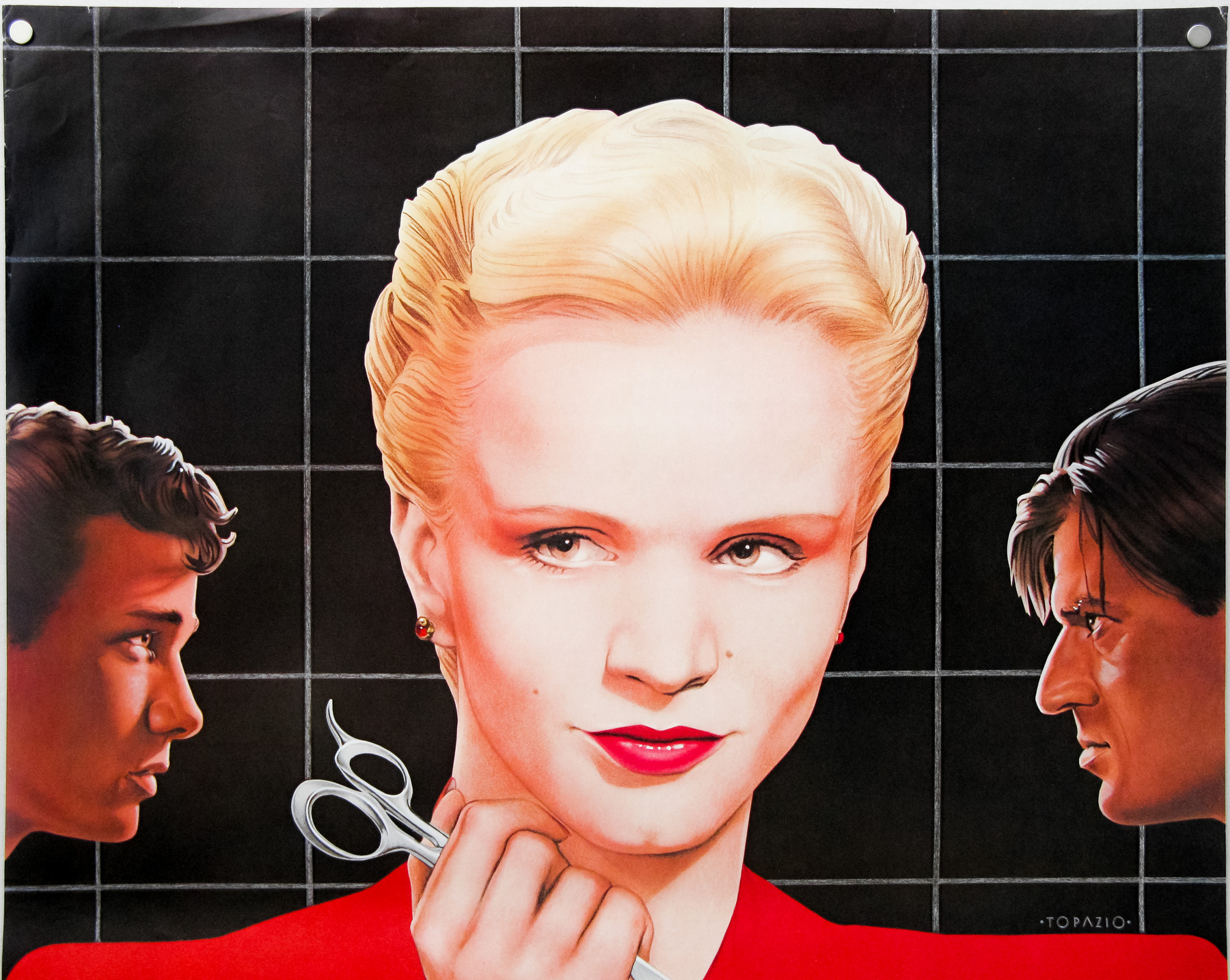
The film wasn’t particularly well received at the box office and was never given a UK cinema release. It was only released on DVD in 2009 as a part of the on demand Warner Archive program.

There’s a strange bit of trivia on the Wikipedia page for the film:  Terrence Malick, the director of Badlands, reportedly has written to Hodges expressing how much he loved watching The Terminal Man.

The original trailer is on YouTube.

The Terminal Man / 30×40 / USA

21.09.11

Poster Poster
Title
The Terminal Man
AKA
--
Year of Film
1974
Director
Mike Hodges
Starring
George Segal, Joan Hackett, Richard Dysart, Donald Moffat, Michael C. Gwynne, William Hansen, Jill Clayburgh, Norman Burton, James Sikking
Origin of Film
USA
Genre(s) of Film
George Segal, Joan Hackett, Richard Dysart, Donald Moffat, Michael C. Gwynne, William Hansen, Jill Clayburgh, Norman Burton, James Sikking,
Type of Poster
30x40
Style of Poster
--
Origin of Poster
USA
Year of Poster
1974
Designer
Unknown
Artist
Ken Barr
Size (inches)
30" x 40"
SS or DS
SS
NSS #
74/2
Tagline
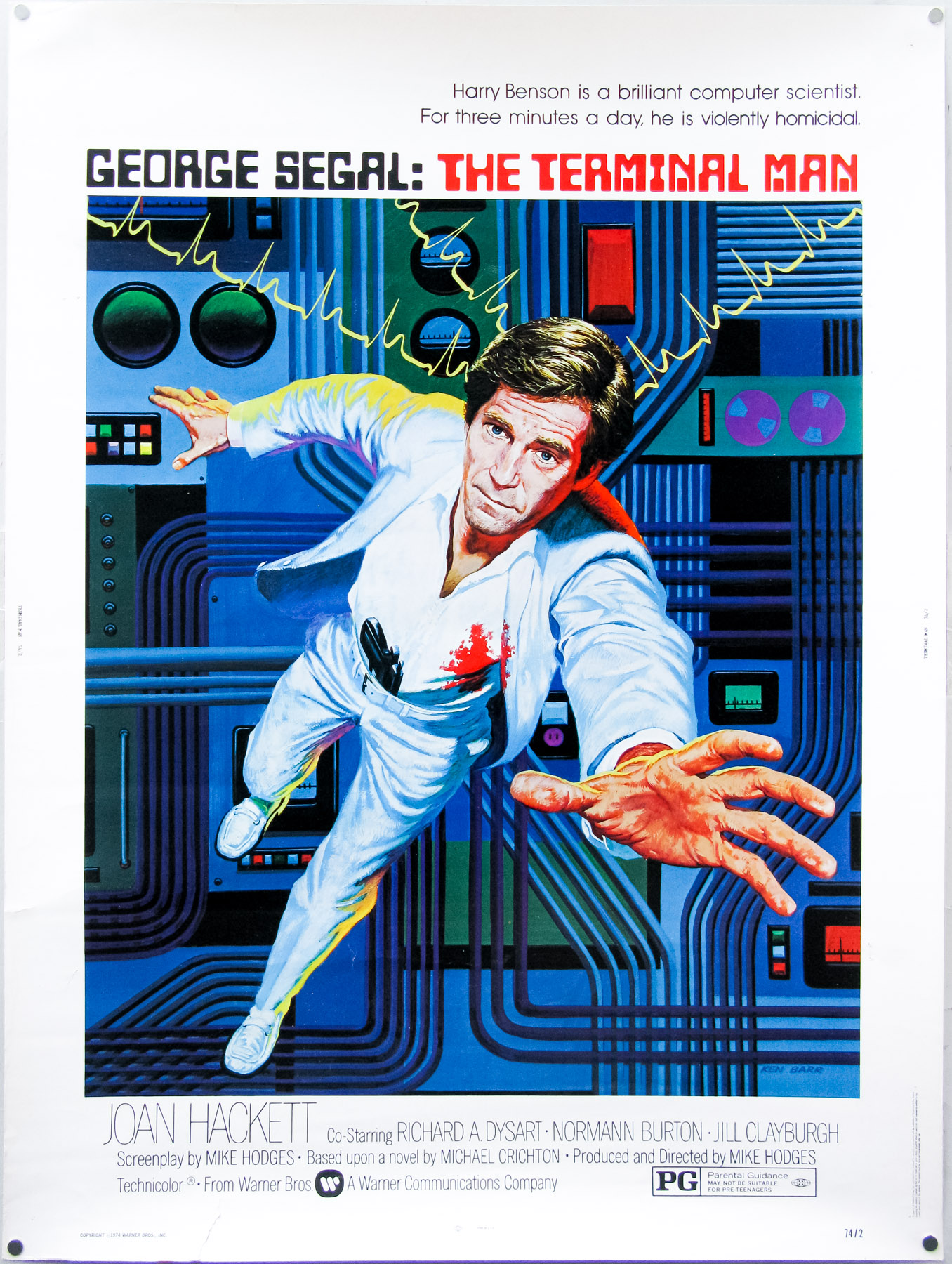
Harry Benson is a brilliant computer scientist. For three minutes a day, he is violently homicidal.

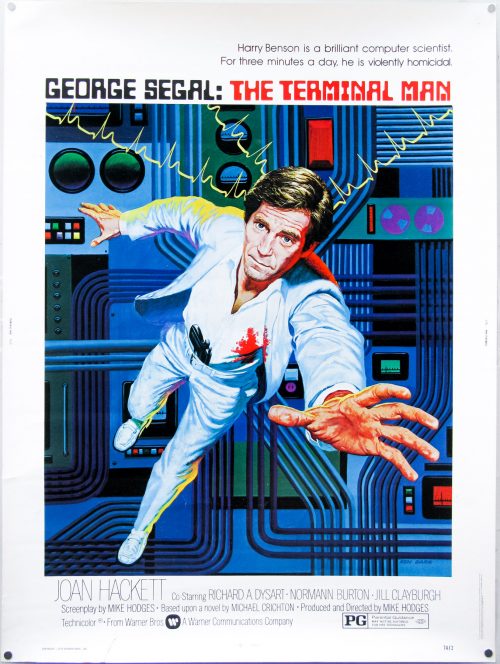
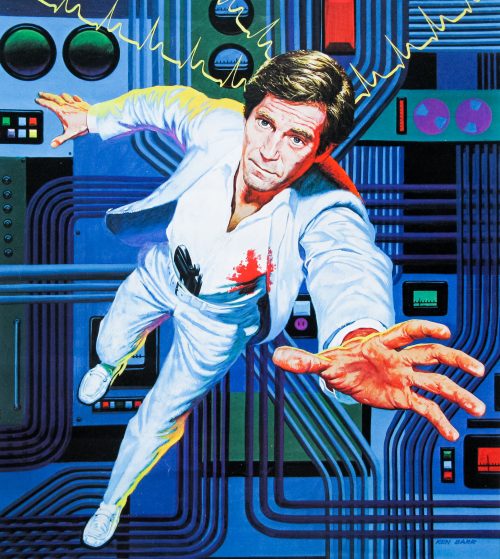
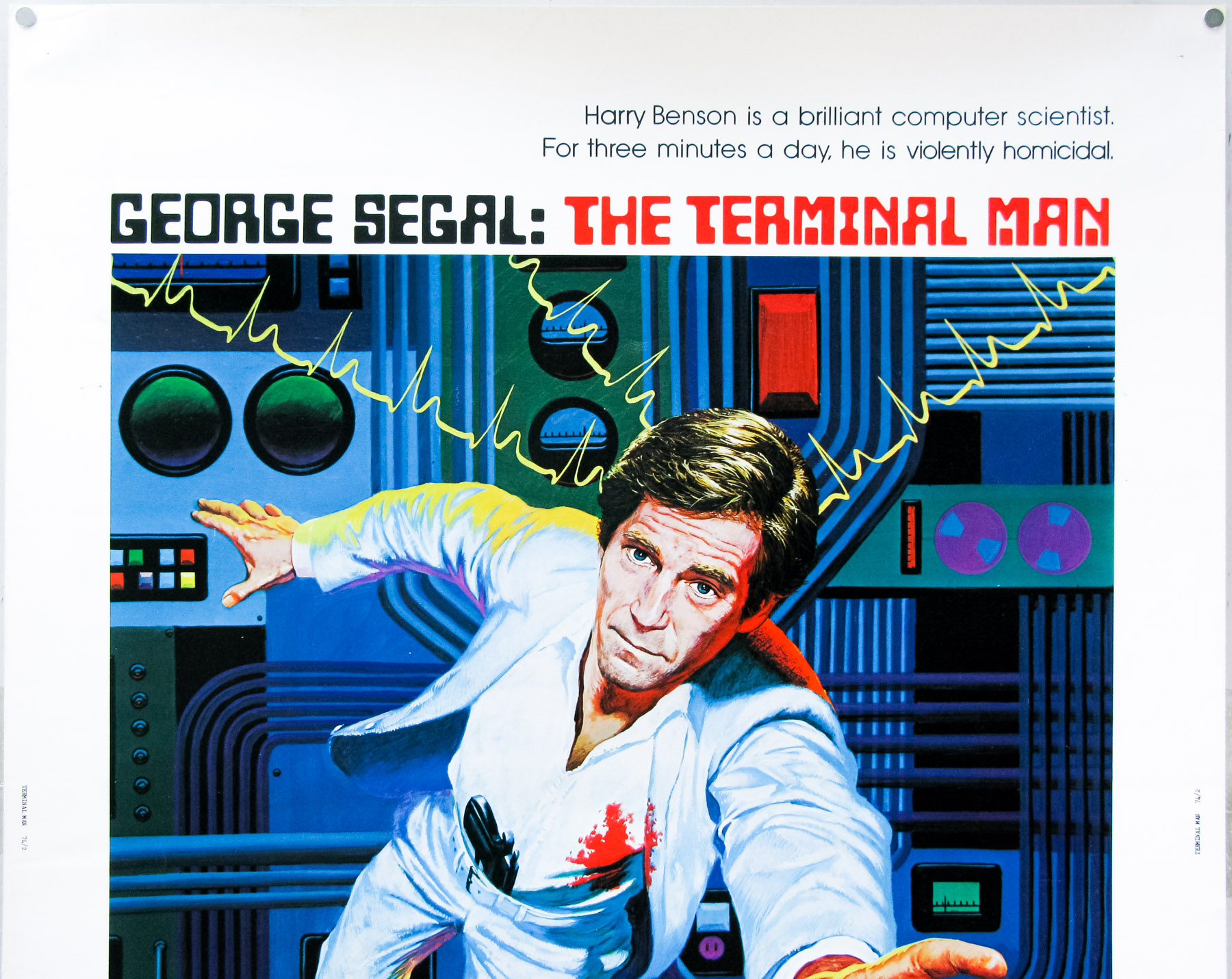
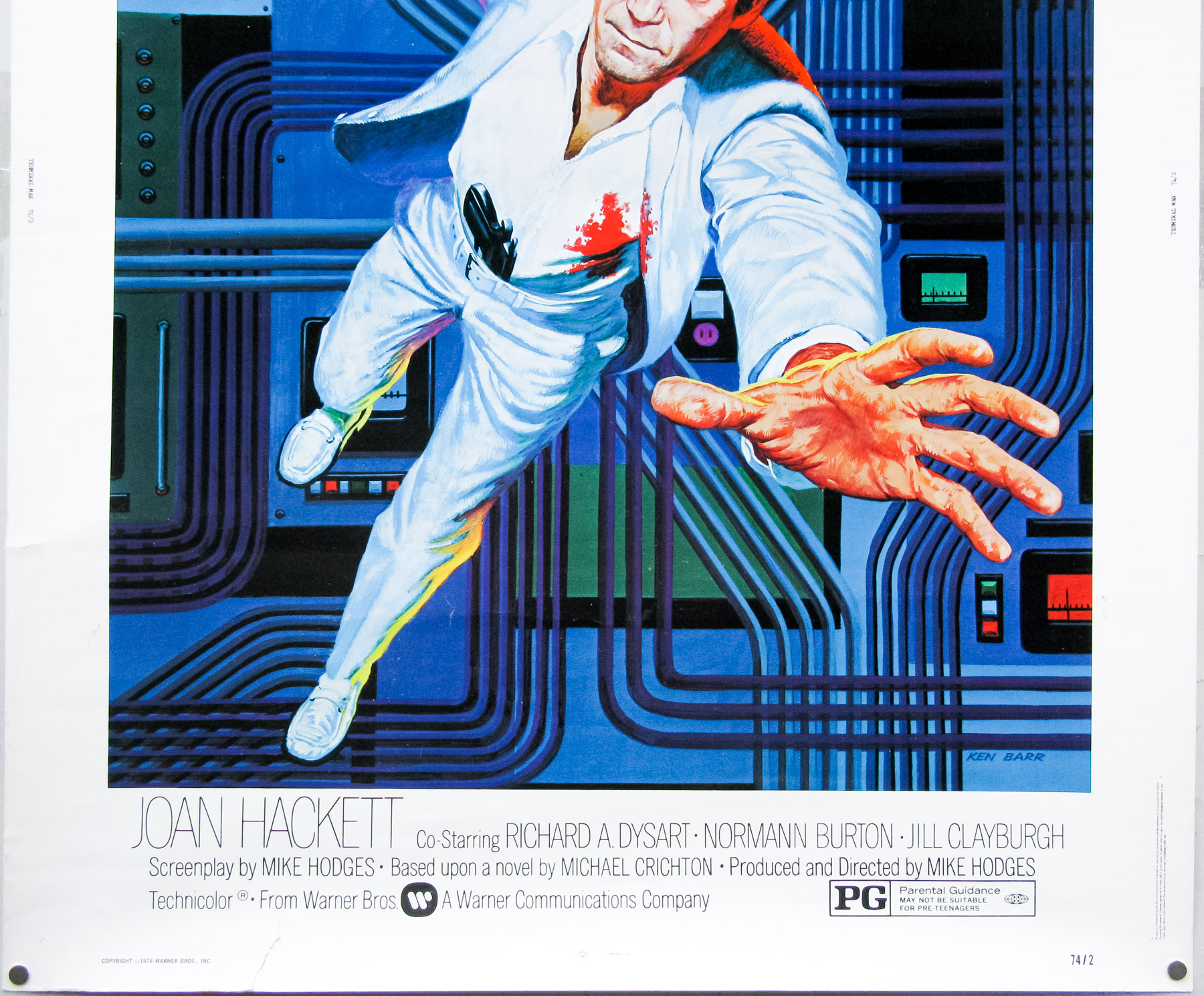
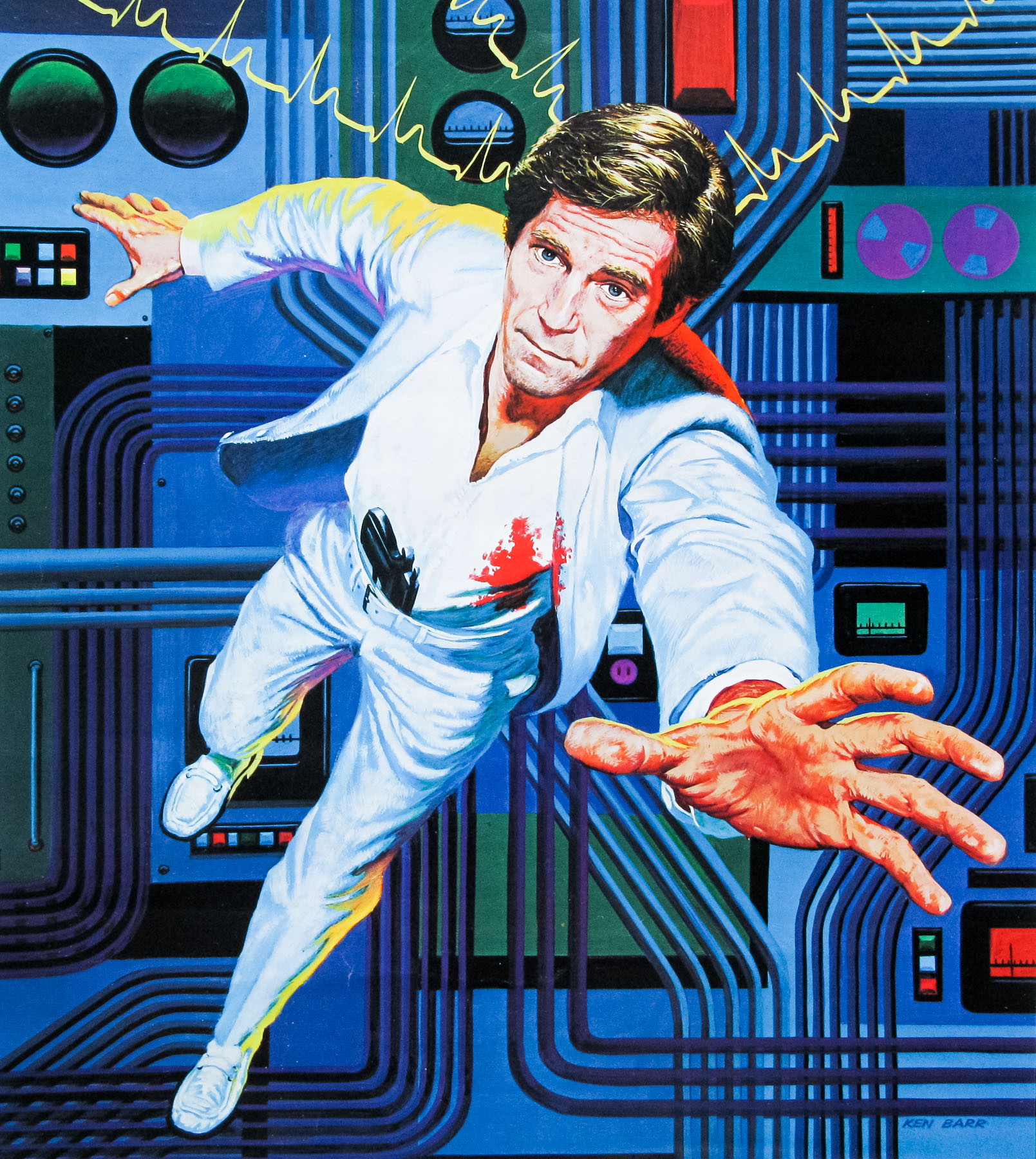
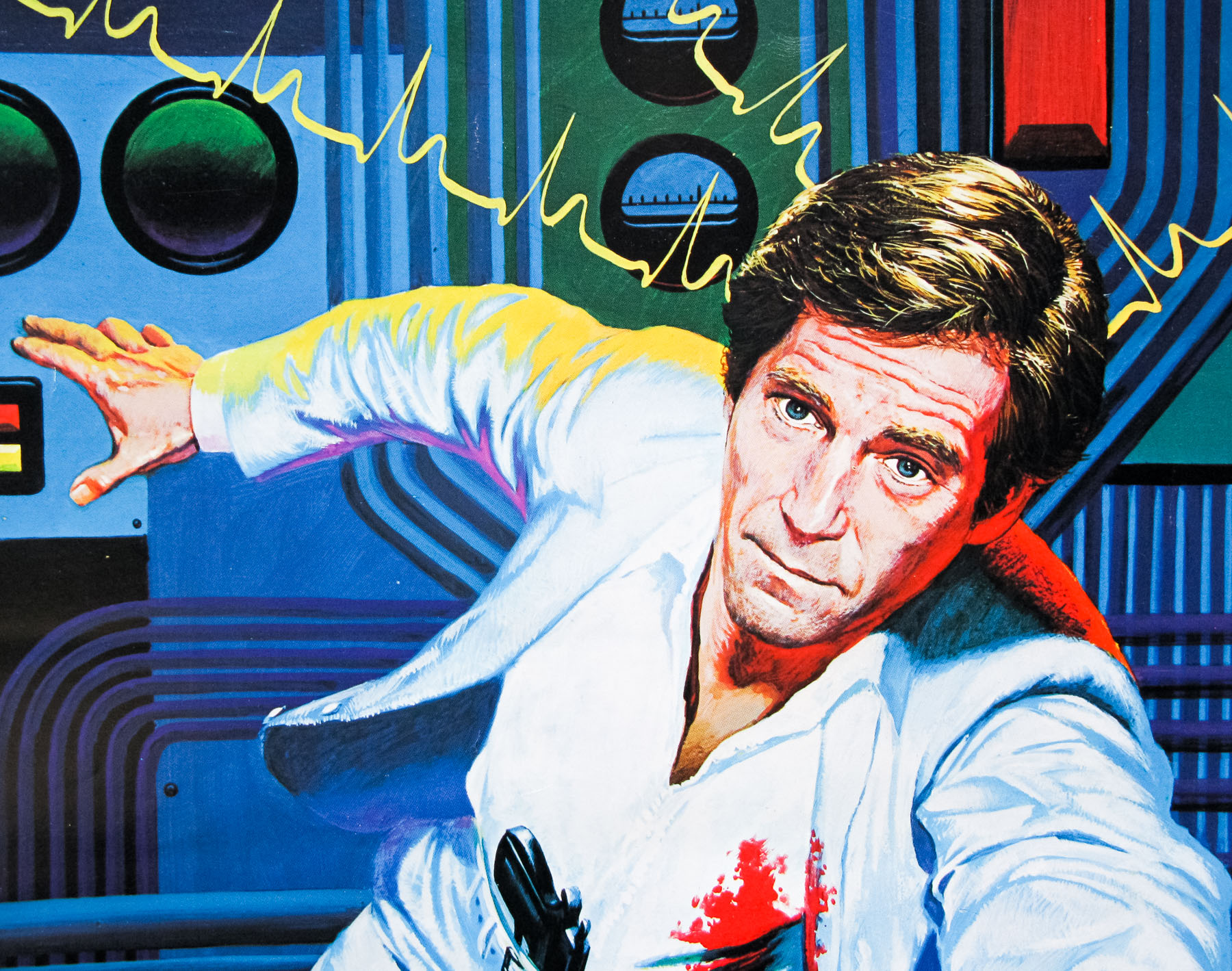
Great artwork by Ken Barr for this 1972 sci-fi film from Mike Hodges, the director of Get Carter and Flash Gordon, based on the Michael Crichton novel of the same name. The Terminal Man wasn’t particularly well received and was never given a UK cinema release. It was only released on DVD in 2009 as a part of the on demand Warner Archive program.

There’s a strange bit of trivia on the Wikipedia page for the film: 

Terrence Malick, the director of Badlands, reportedly has written to Hodges expressing how much he loved watching The Terminal Man.

The original trailer is on YouTube.