You searched for: John%2520G.%2520Avildsen

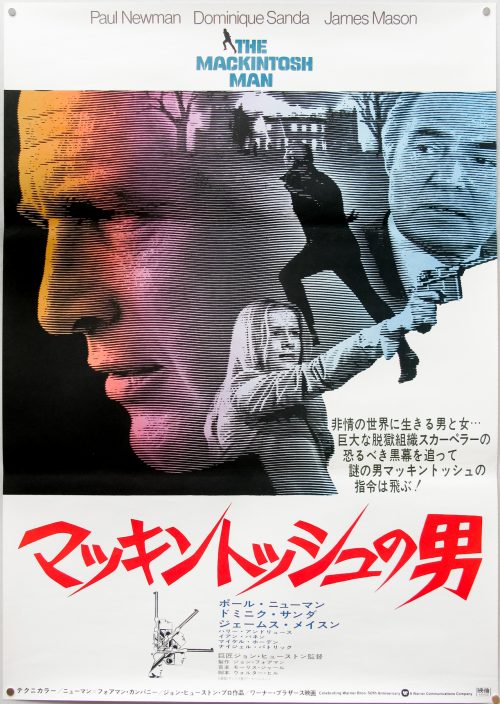
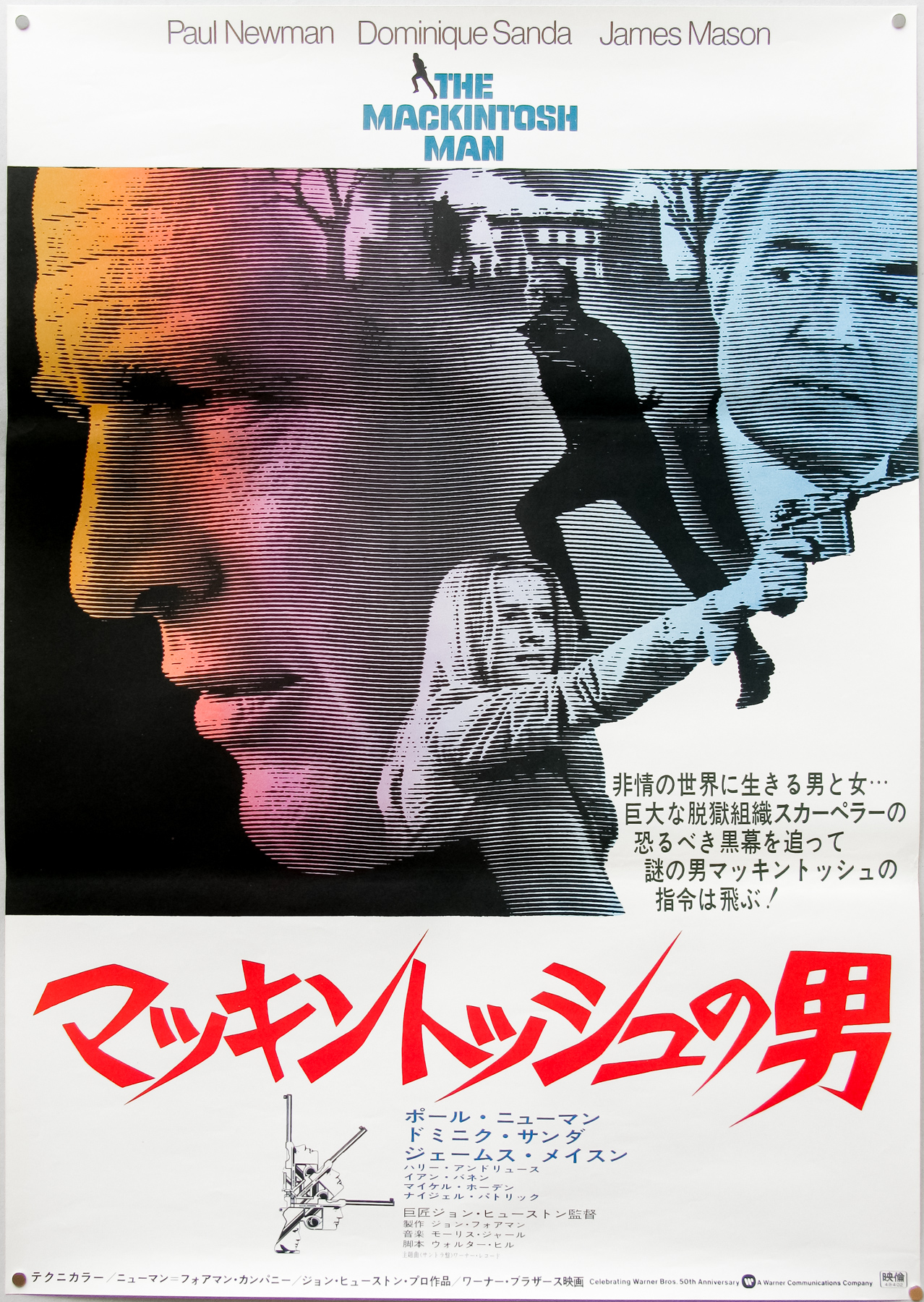
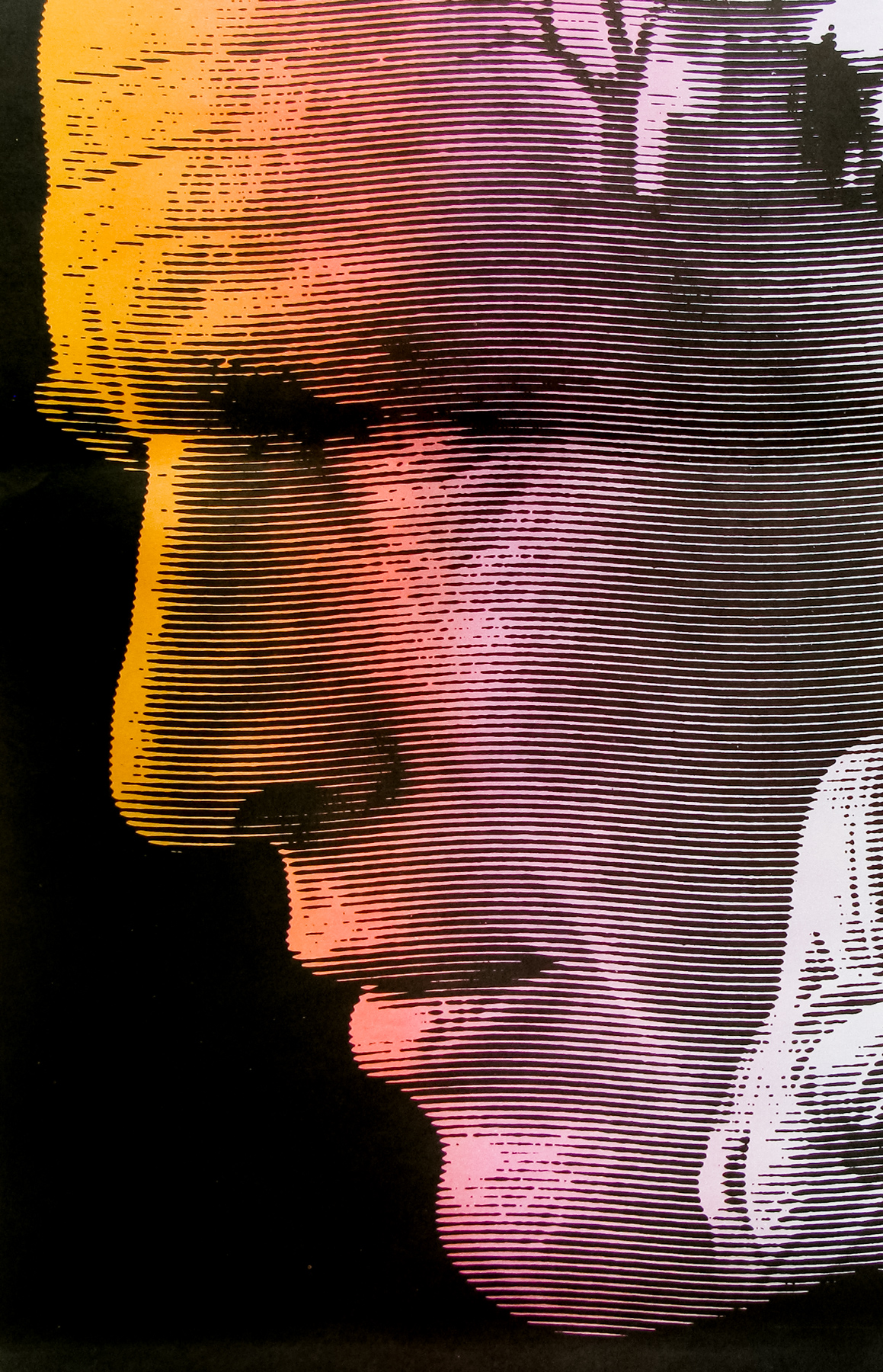
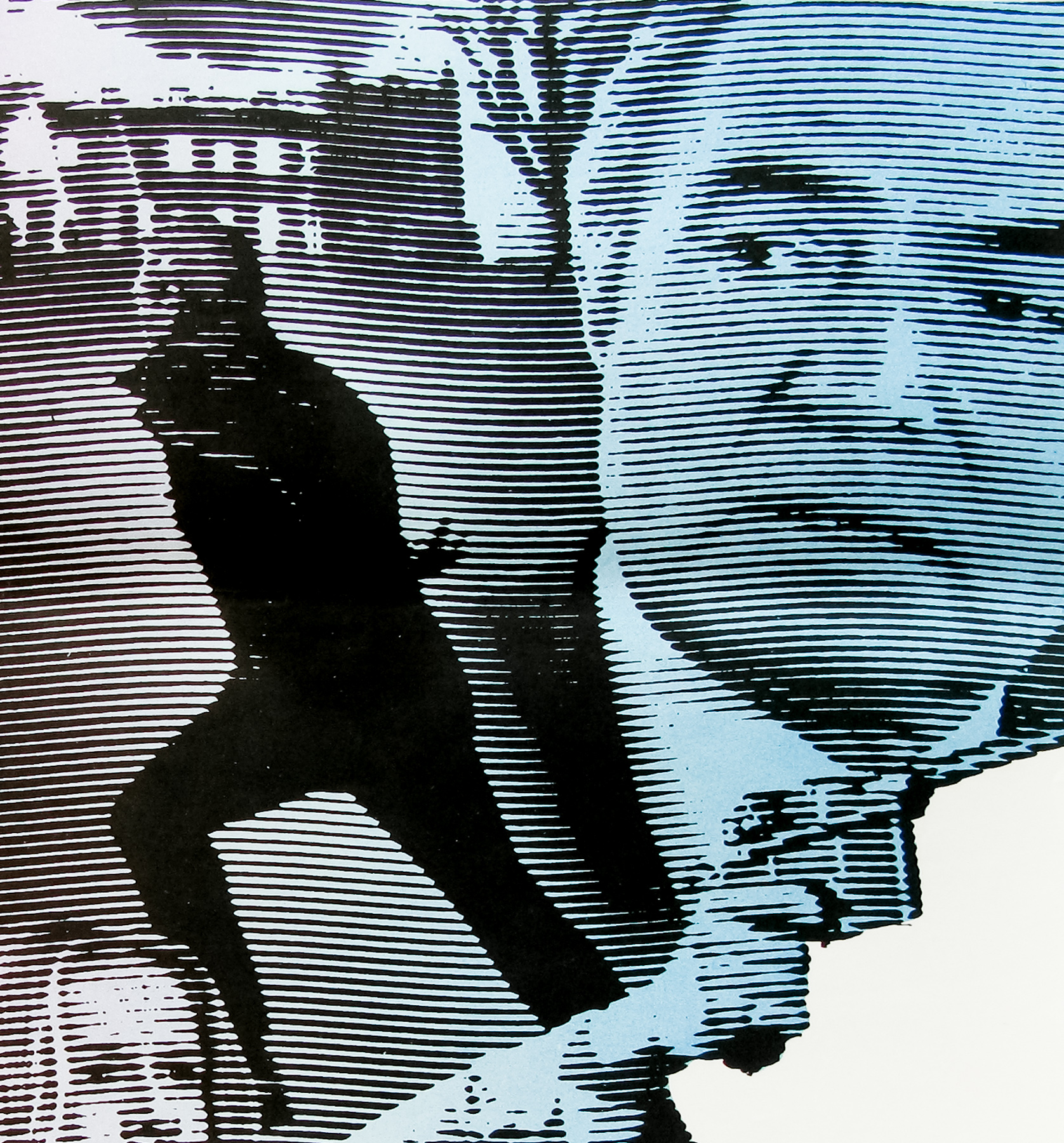
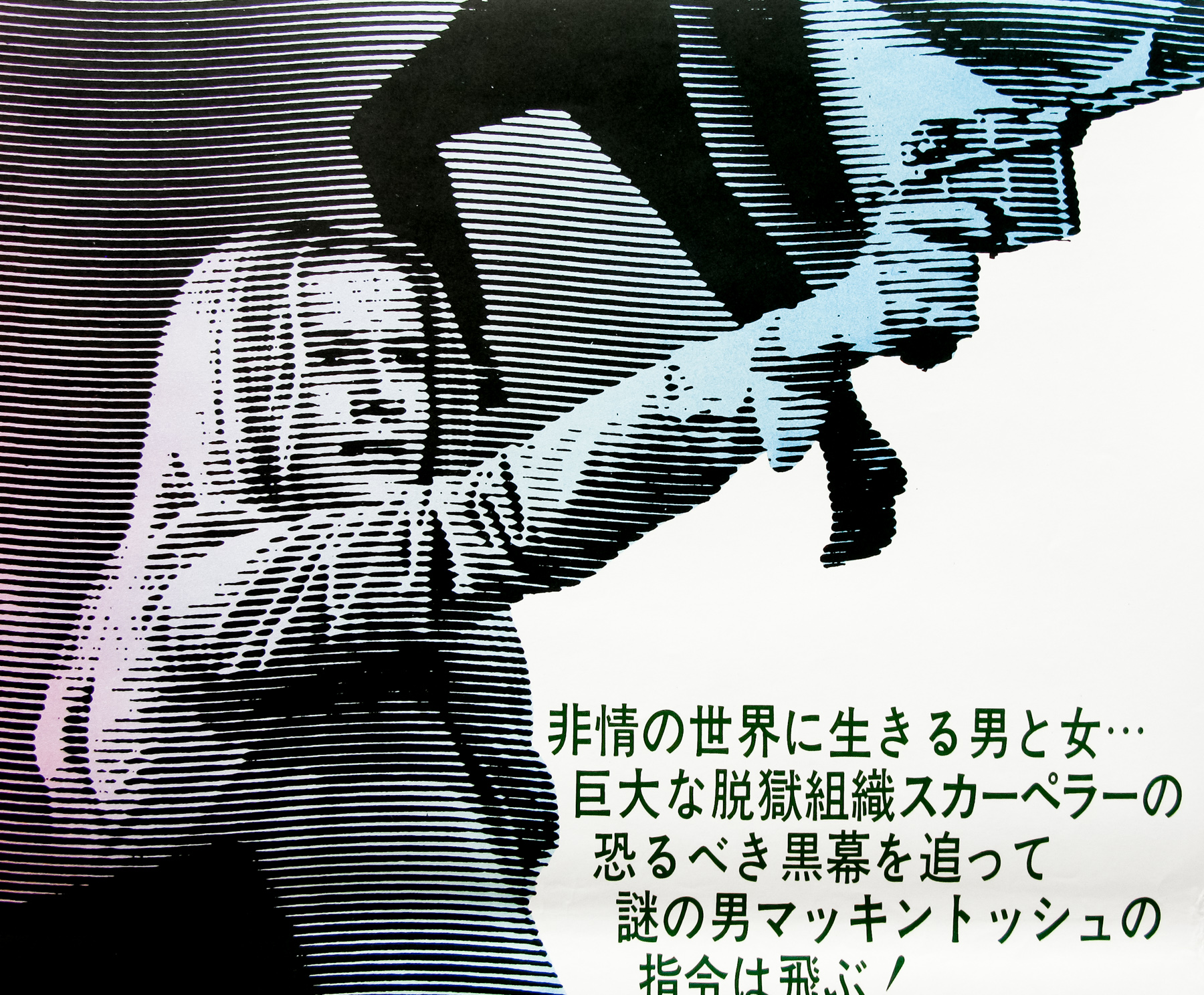
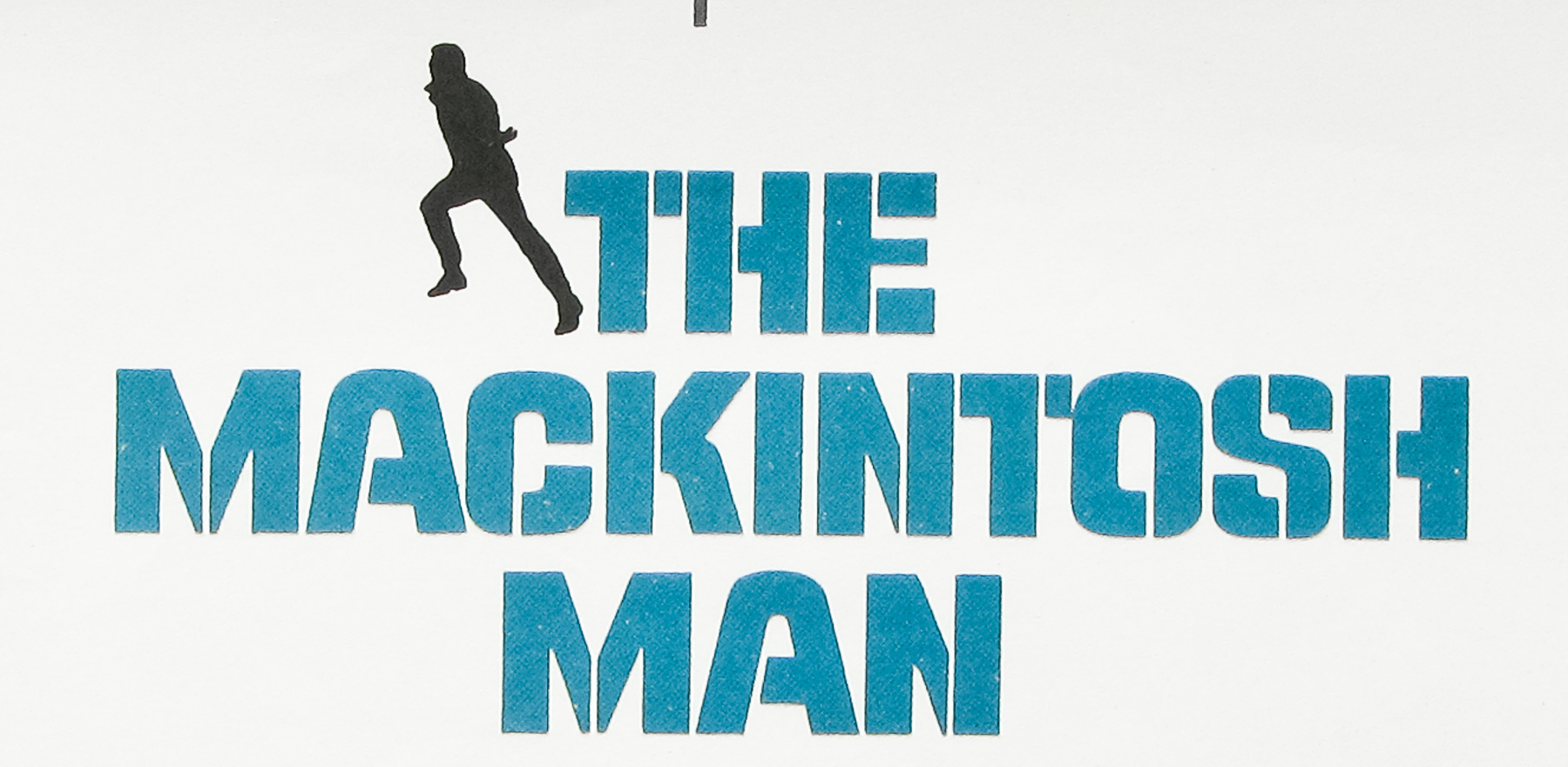
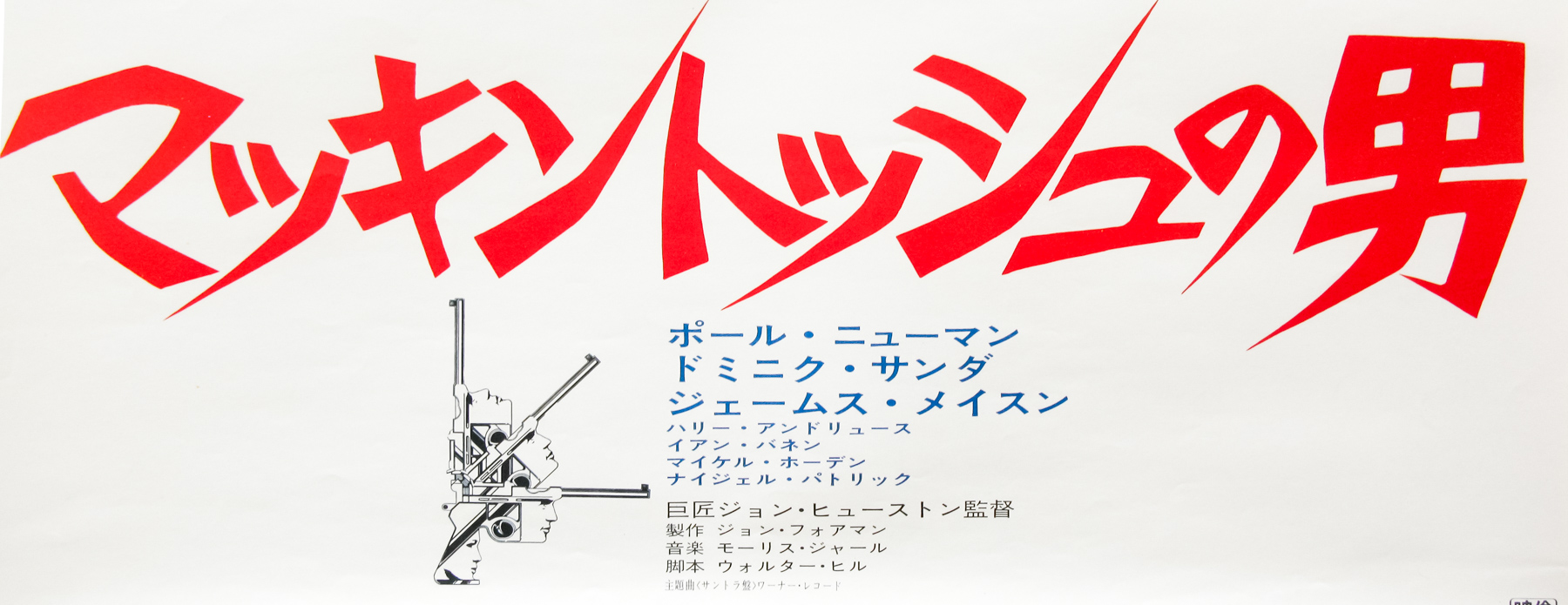
The Mackintosh Man / B2 / Japan

17.05.11

Poster Poster

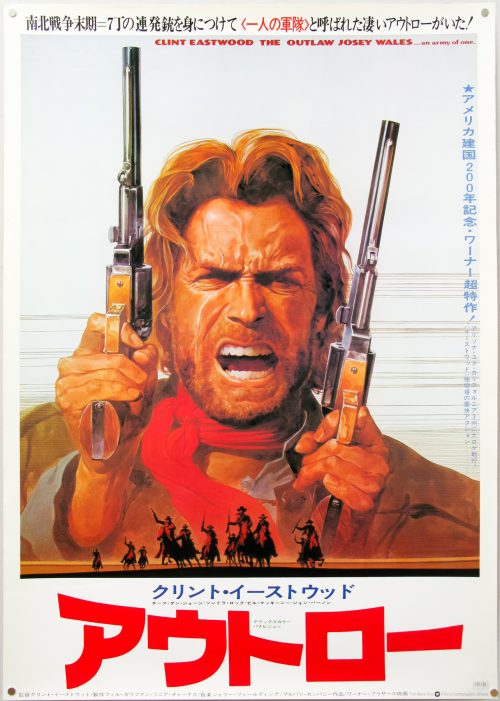
The Outlaw Josey Wales / B2 / style C / Japan

17.05.11

Poster Poster

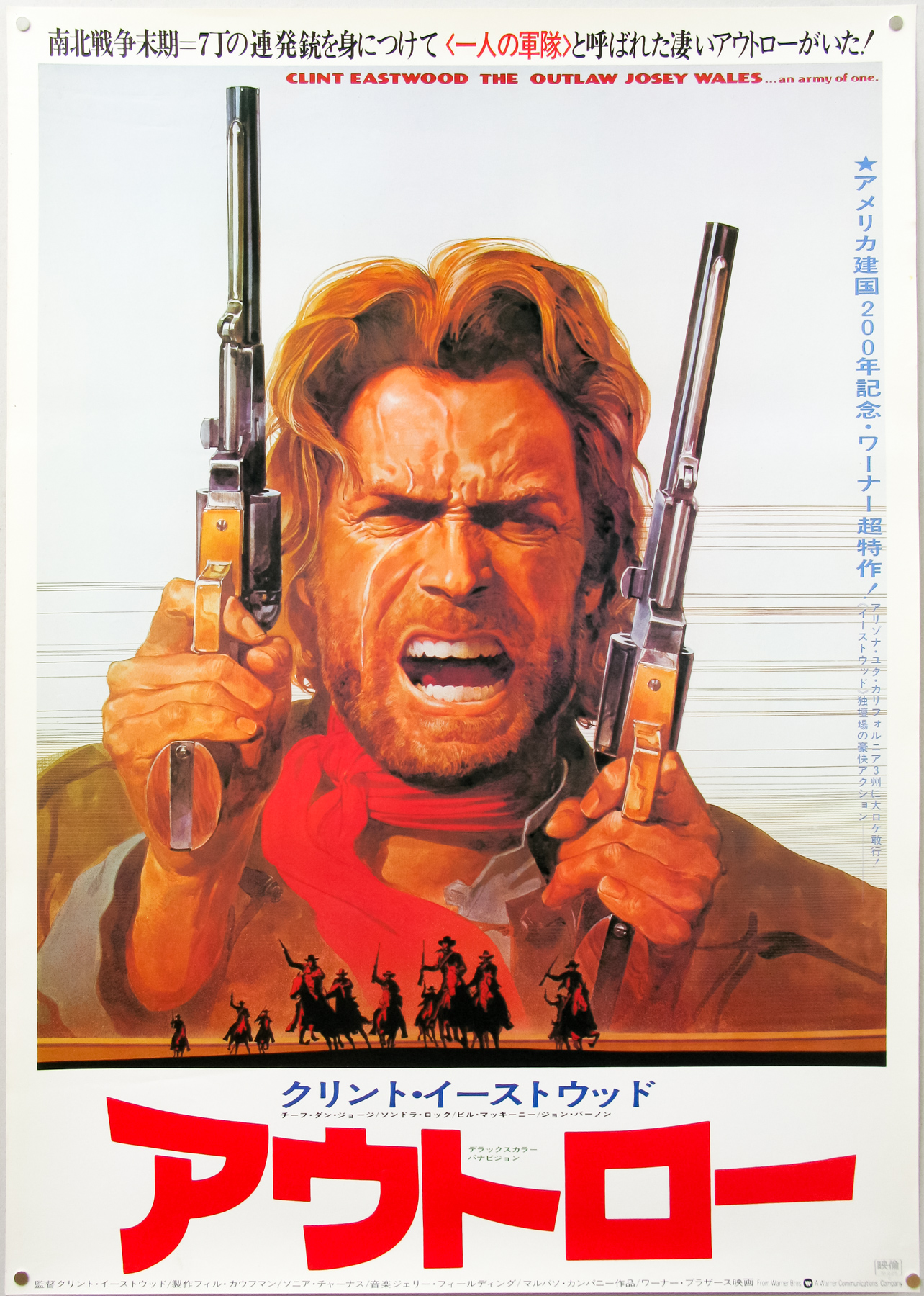
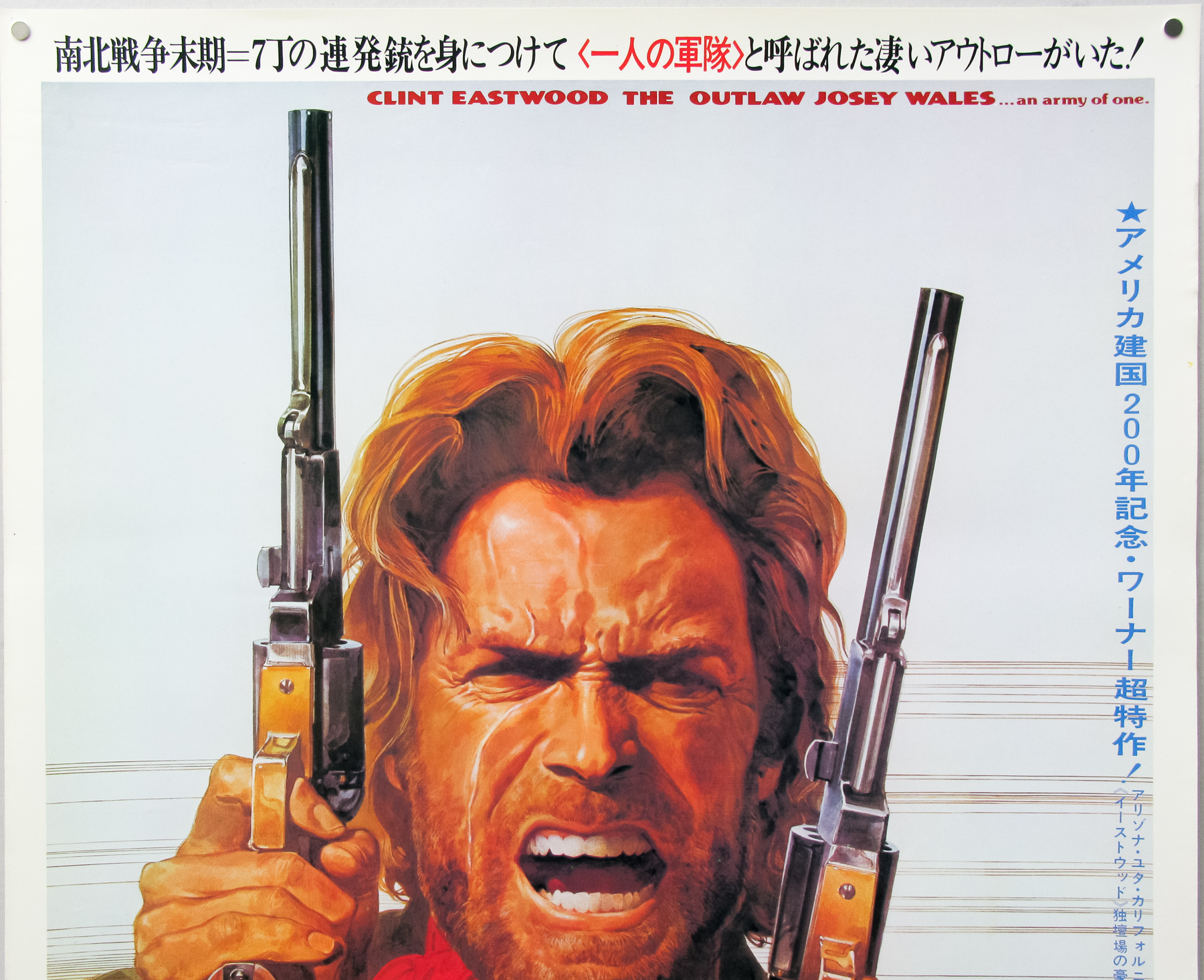
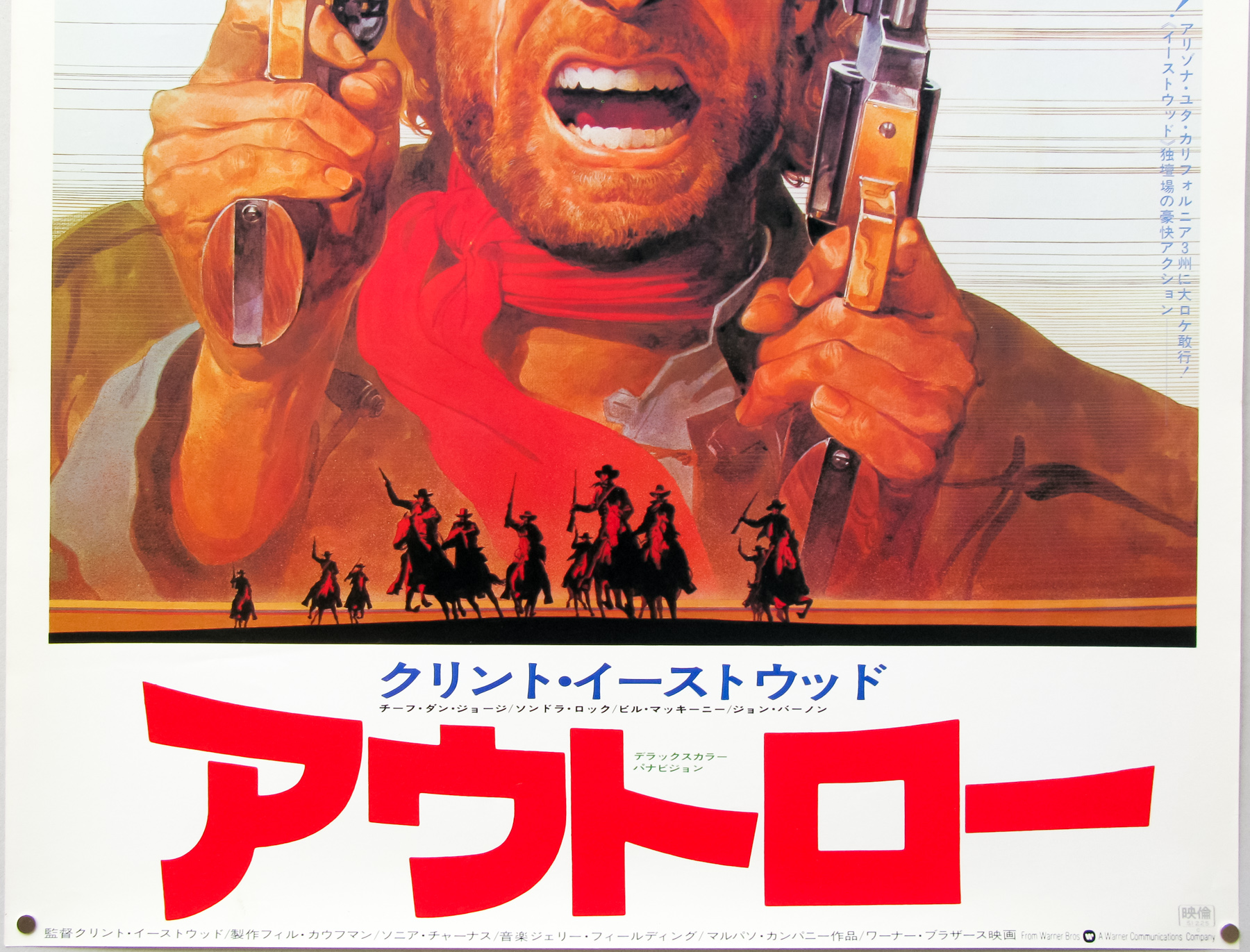
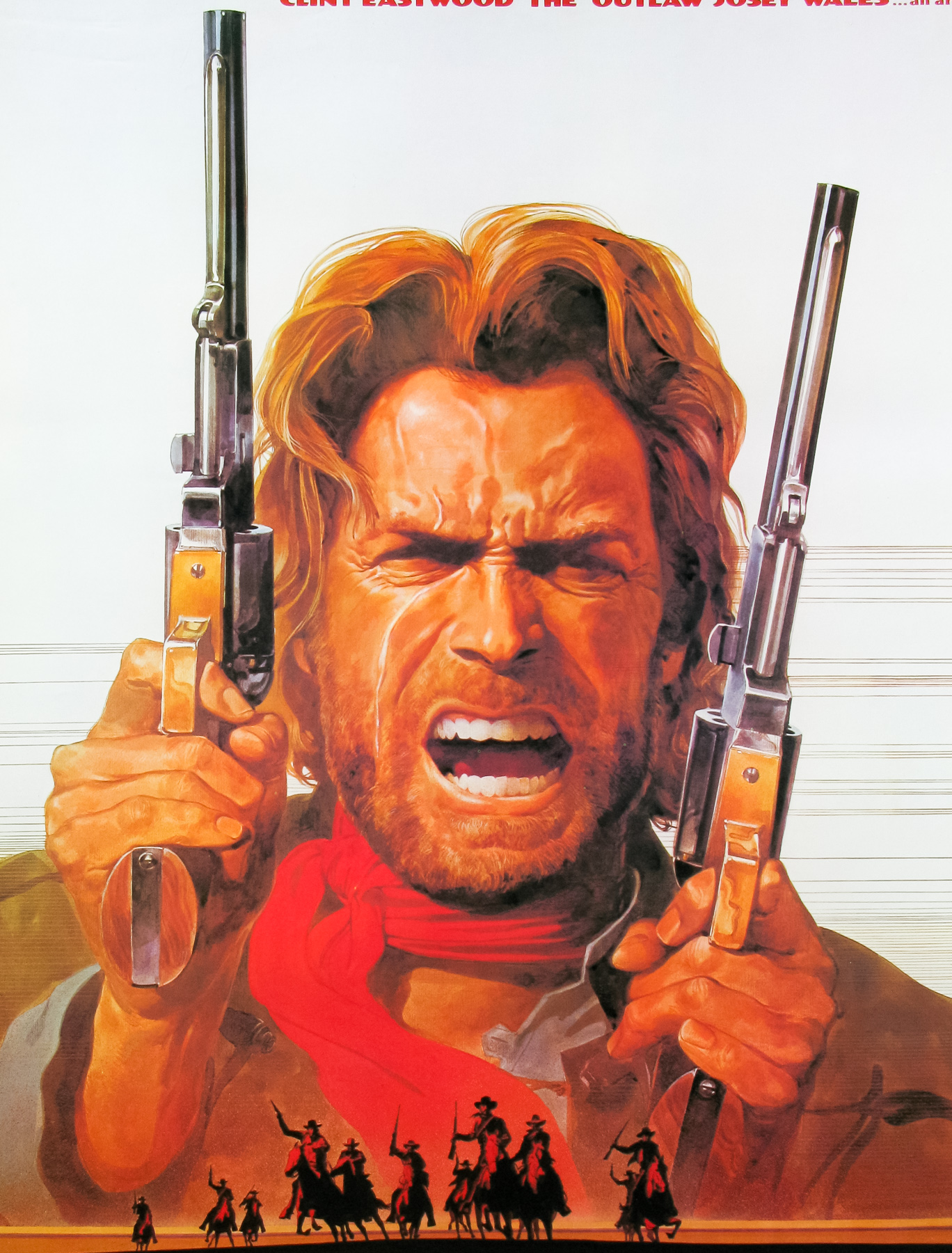
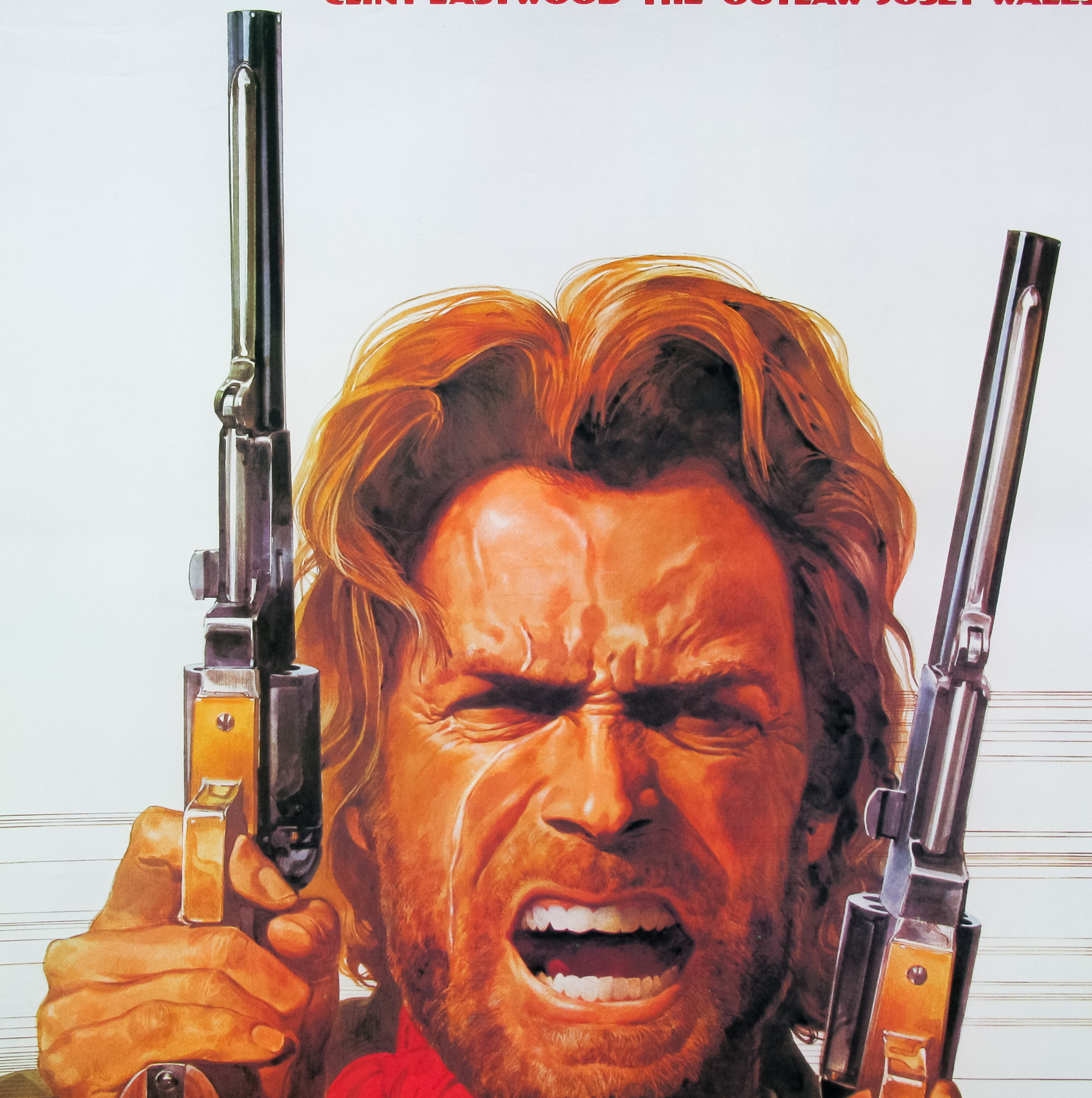
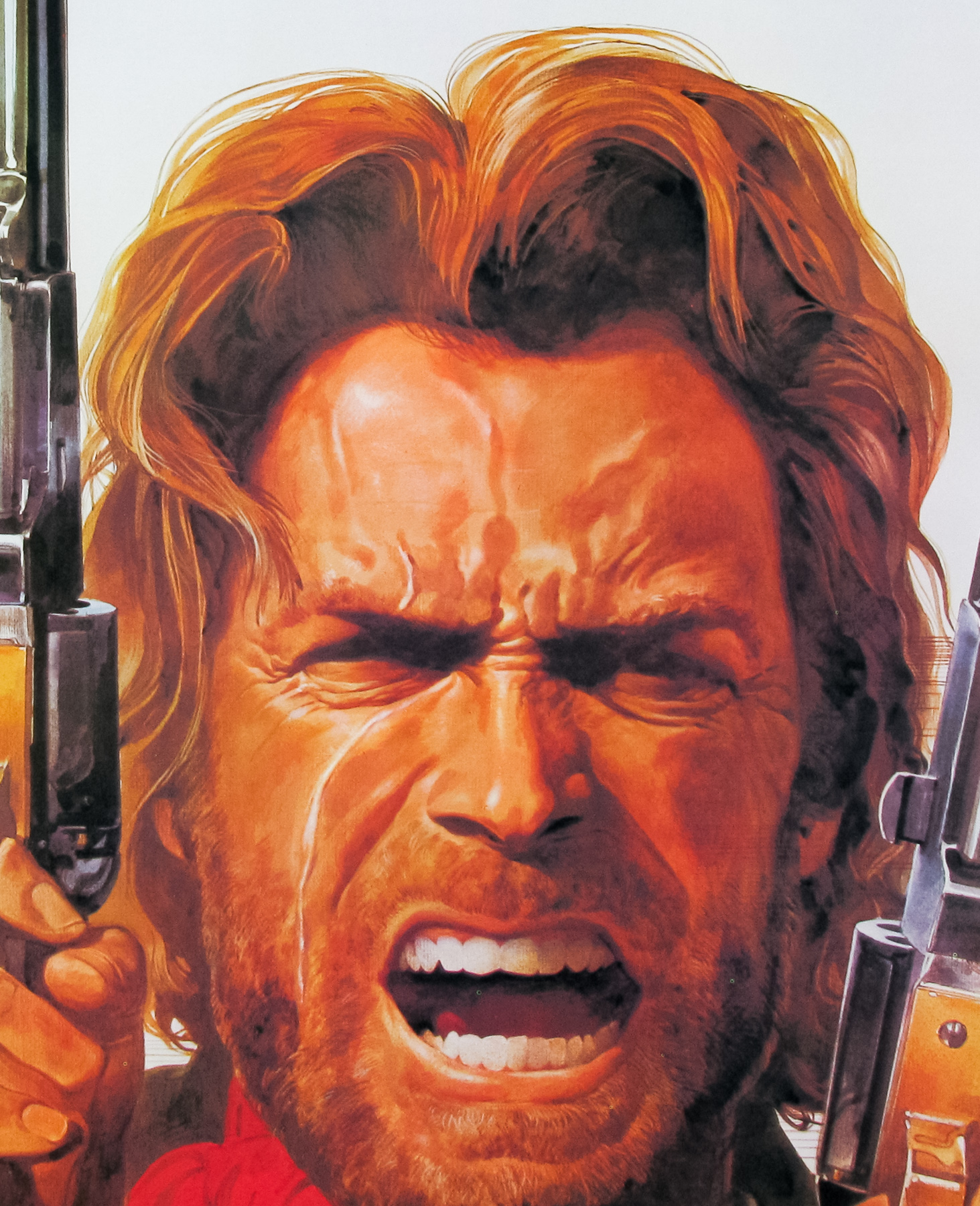
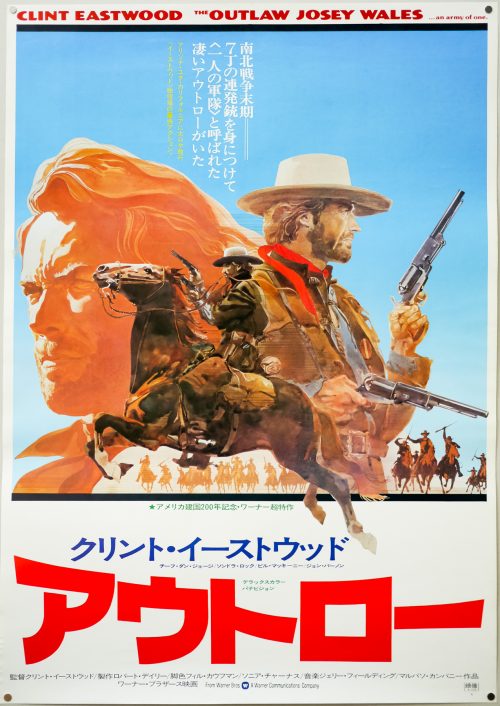
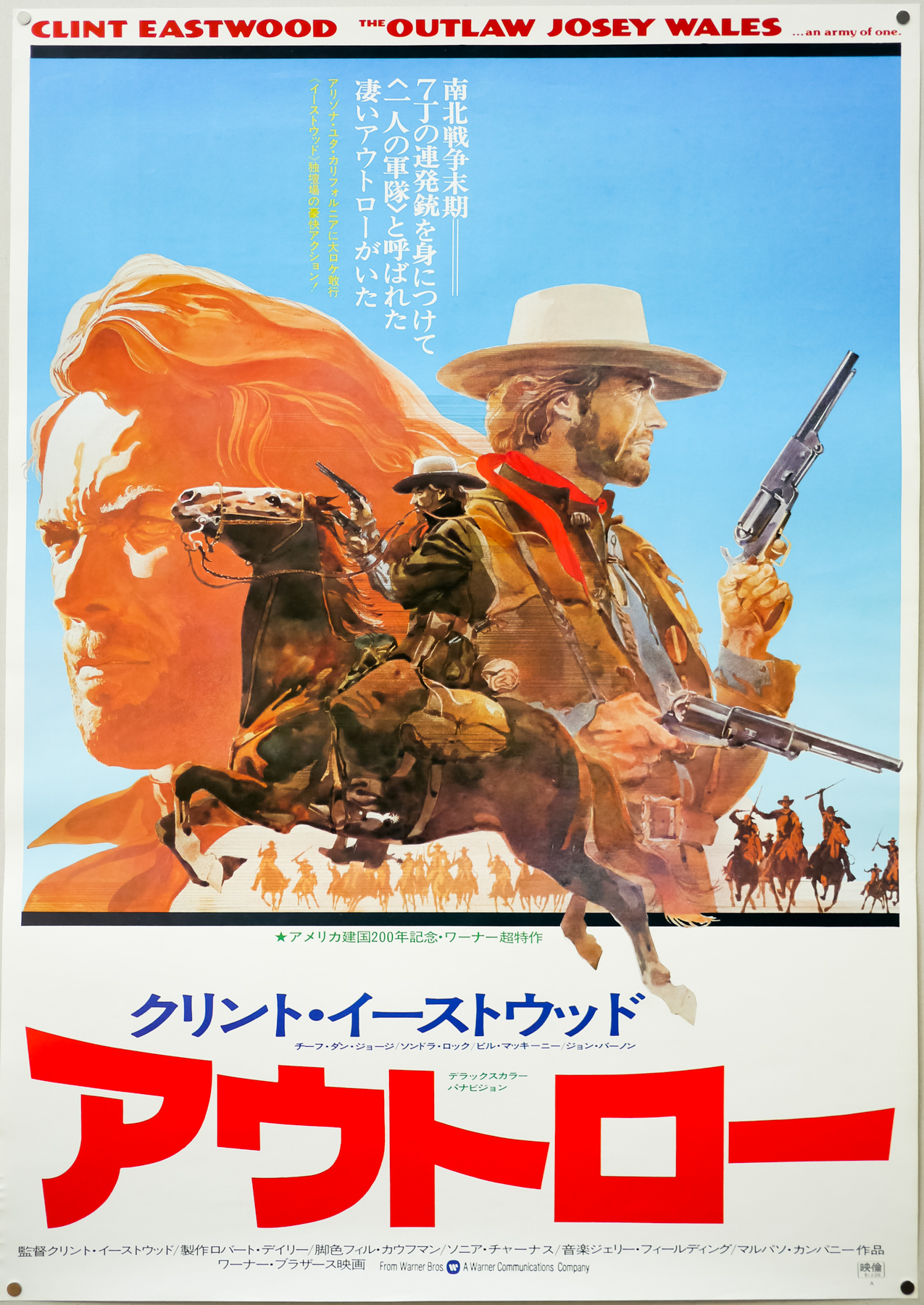
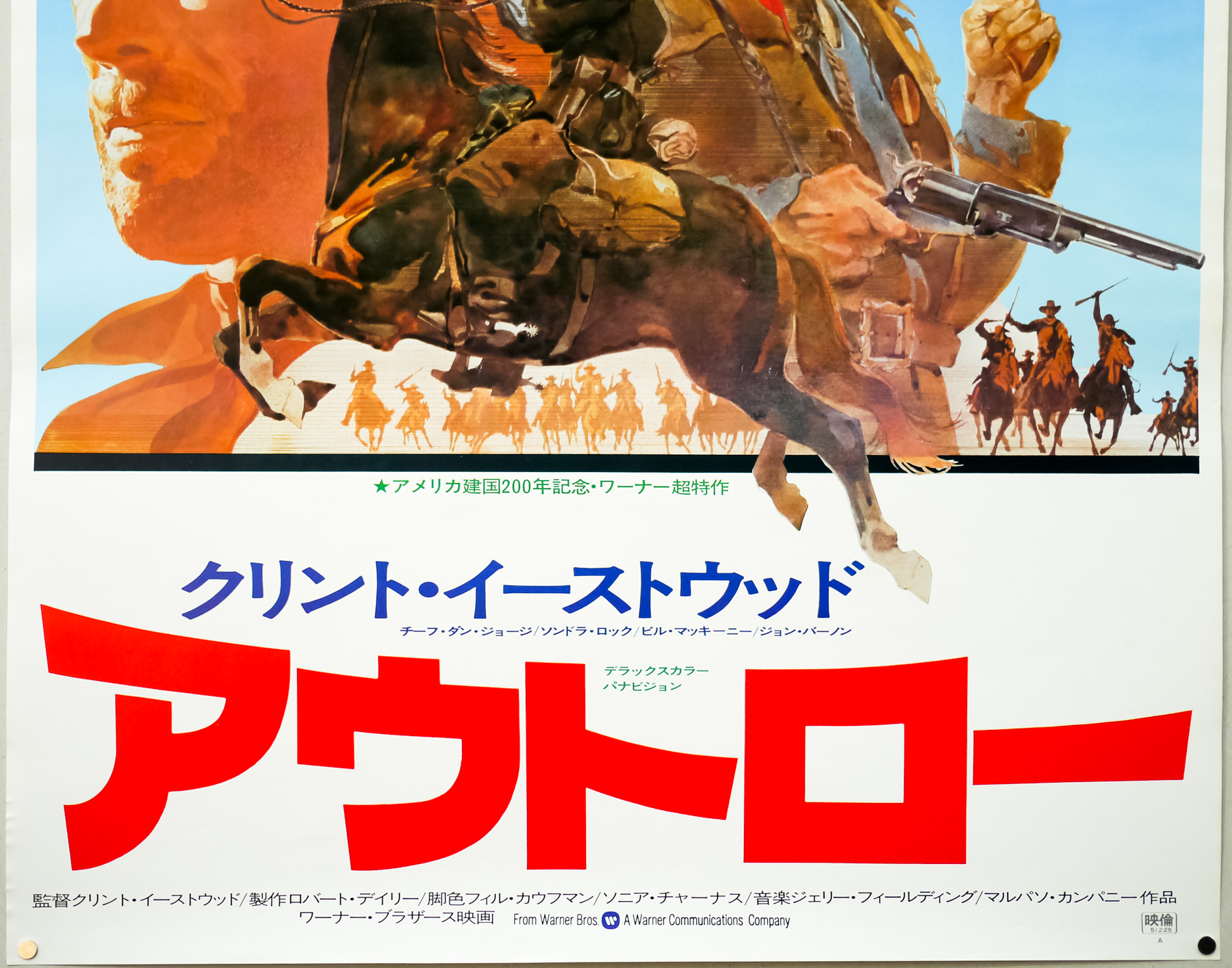
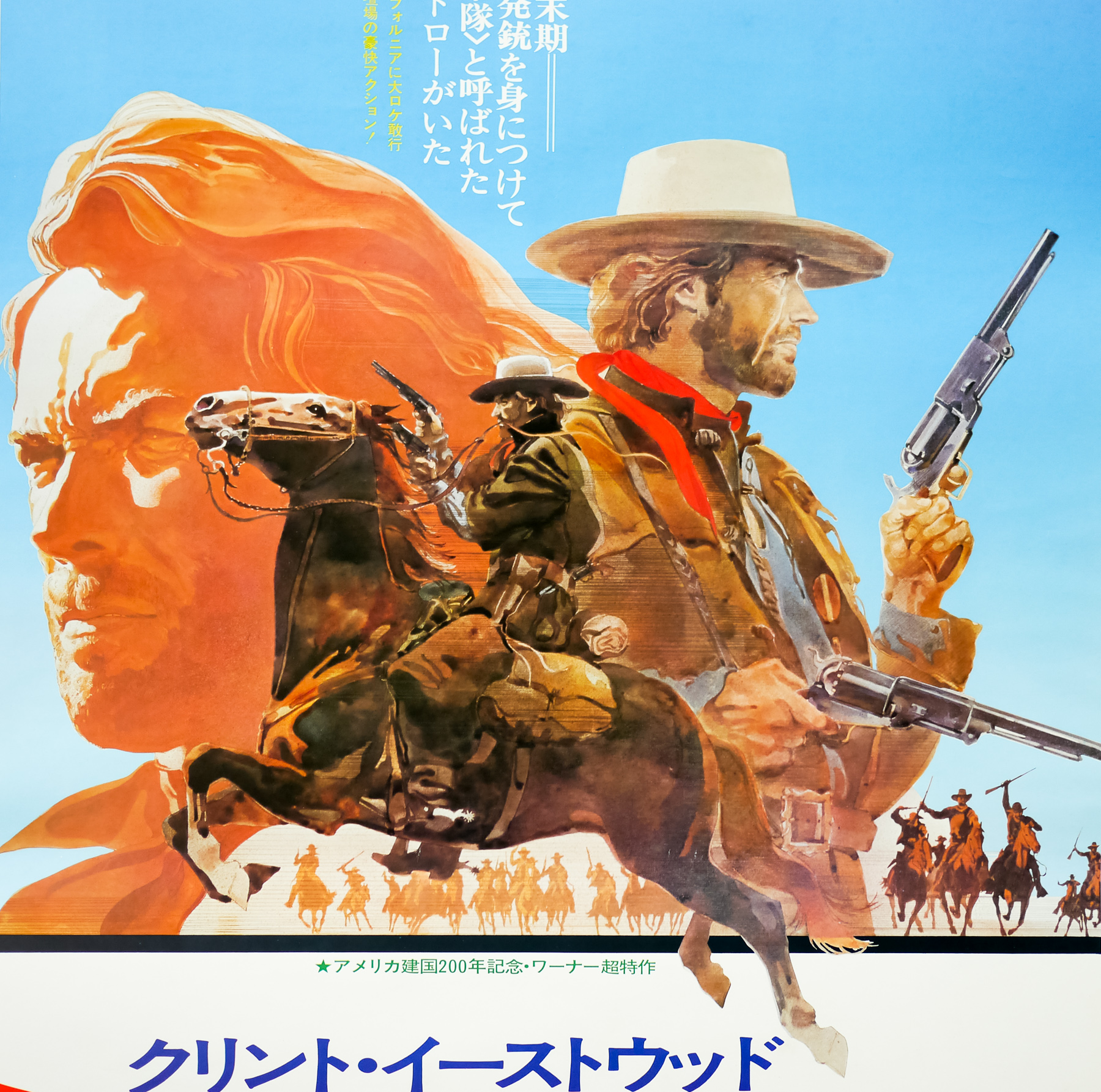
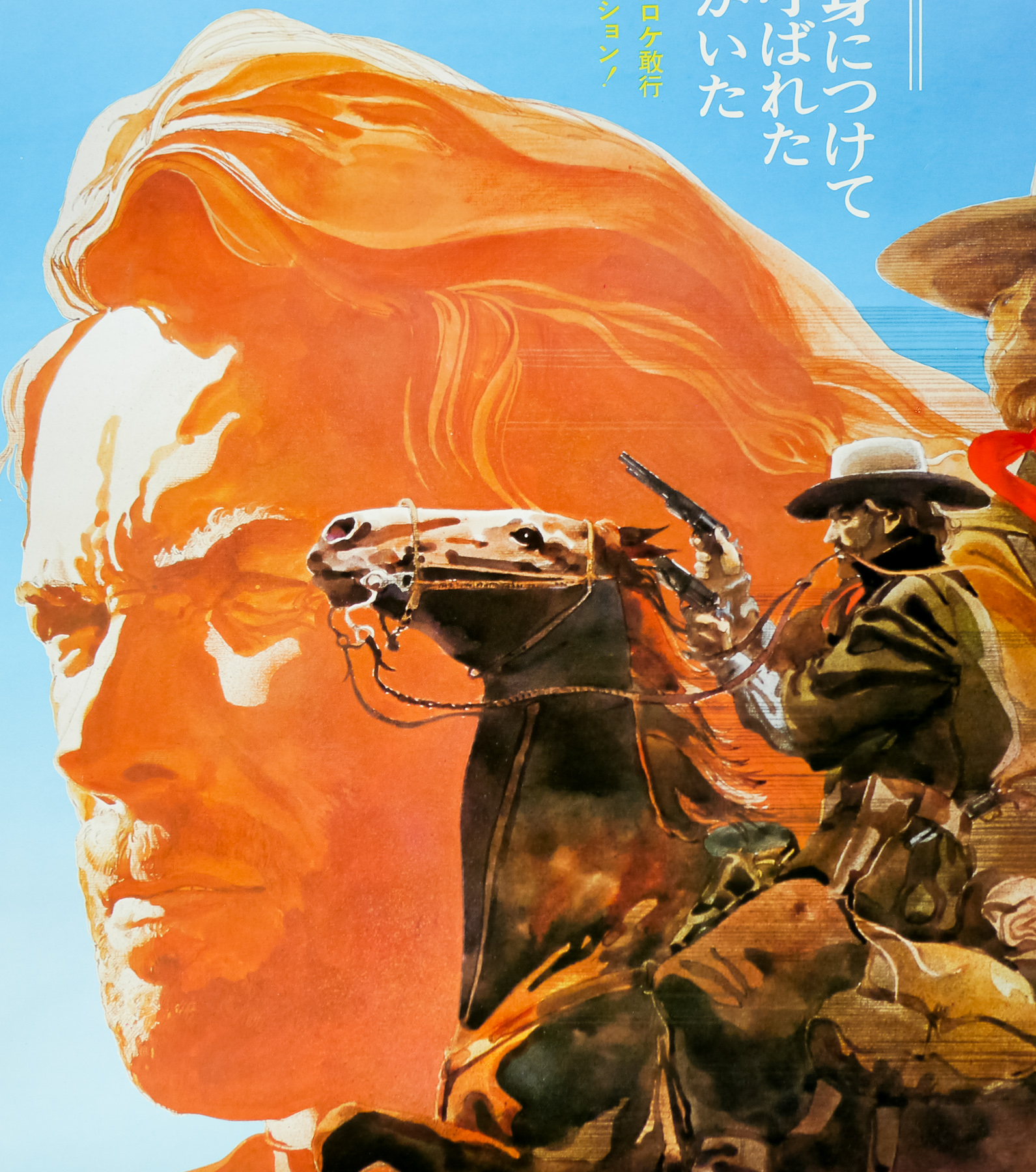
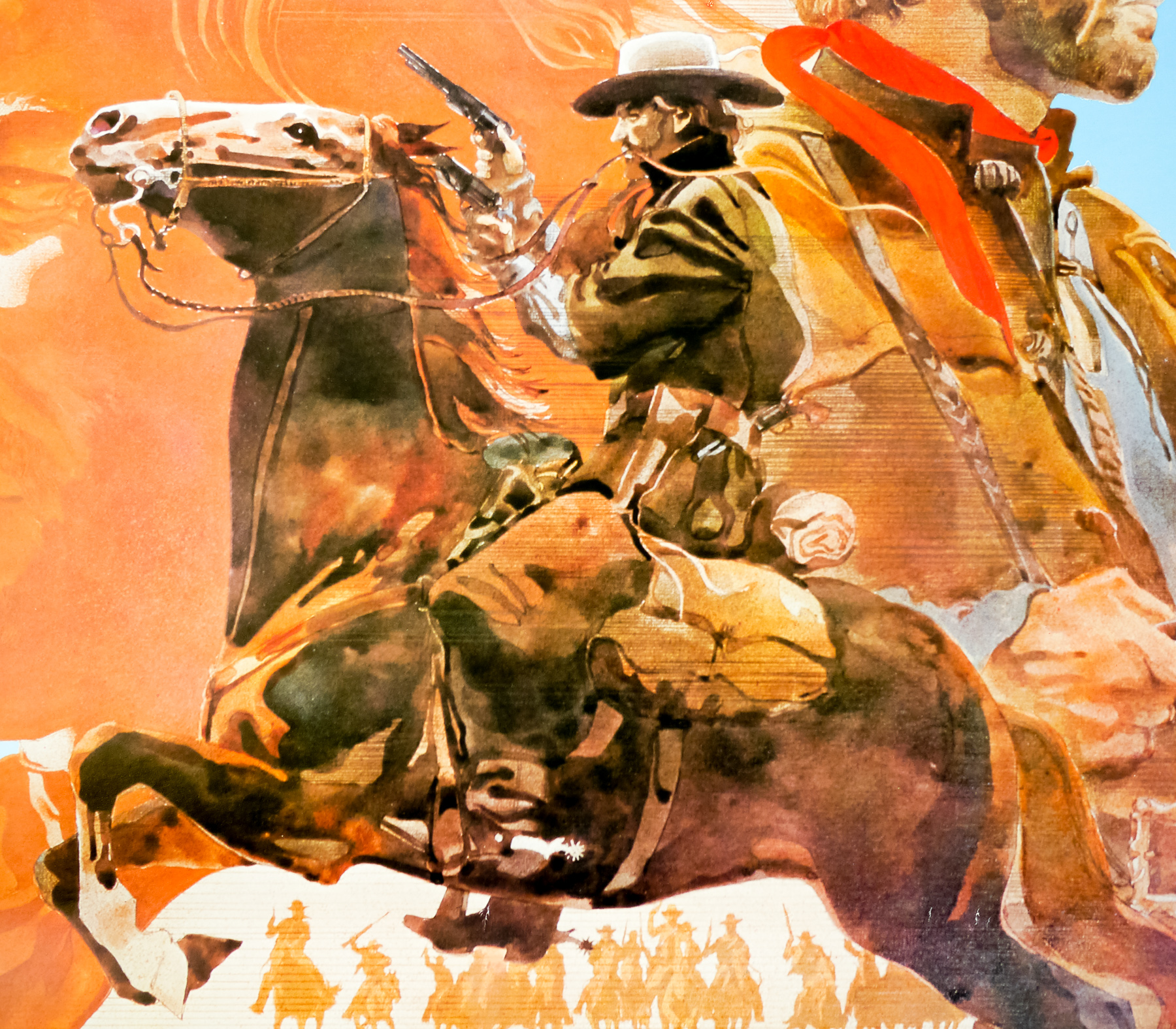
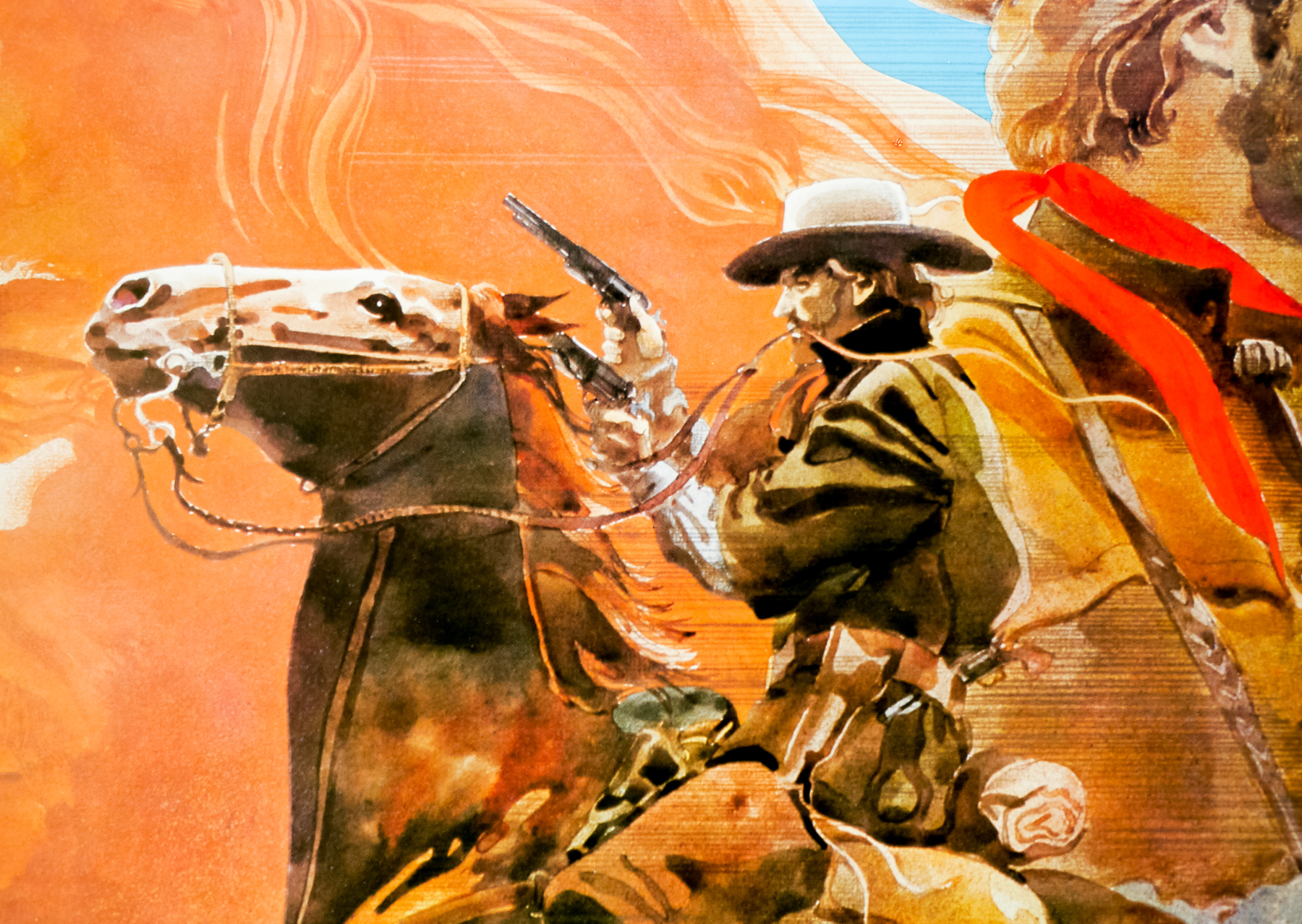
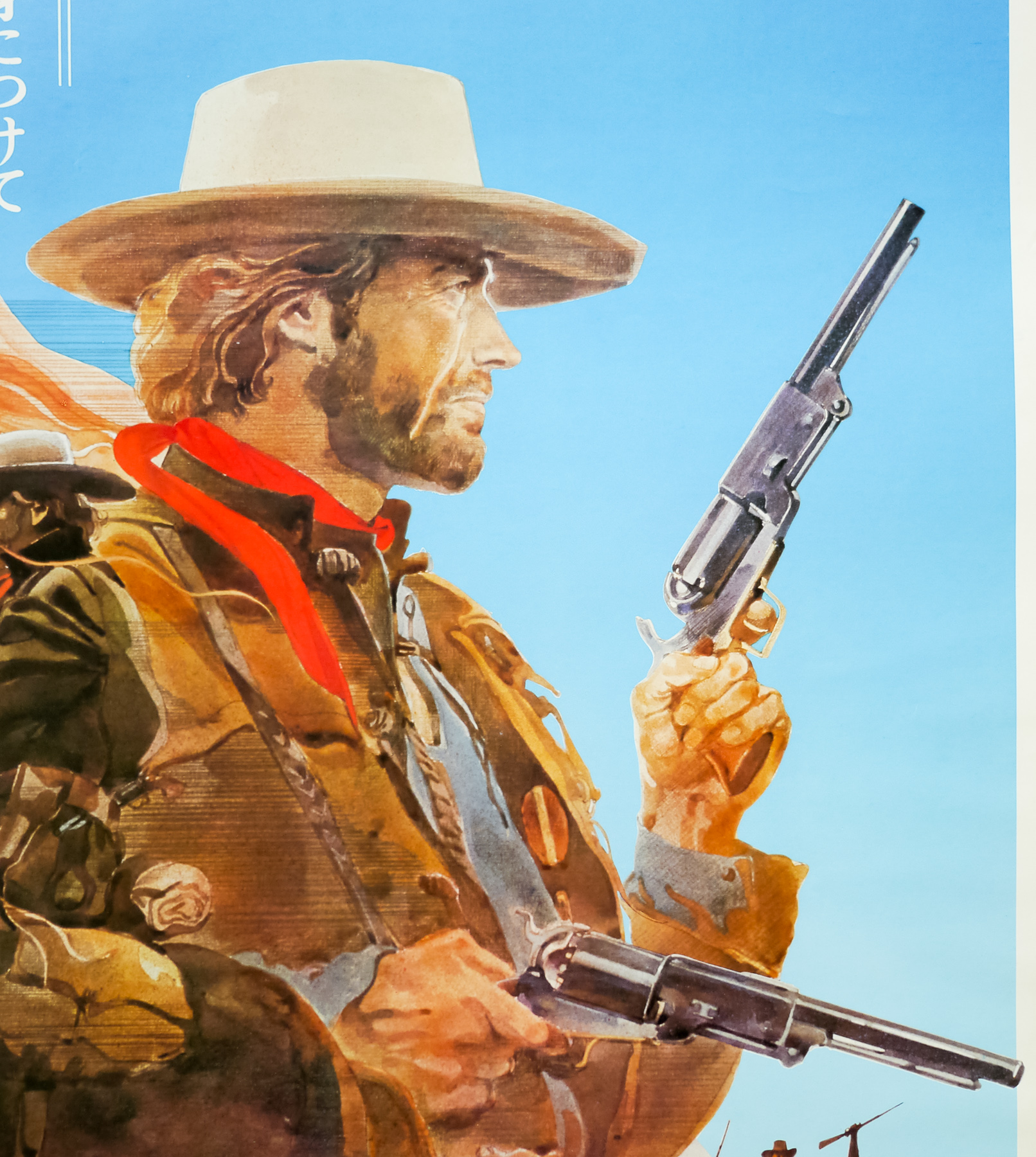
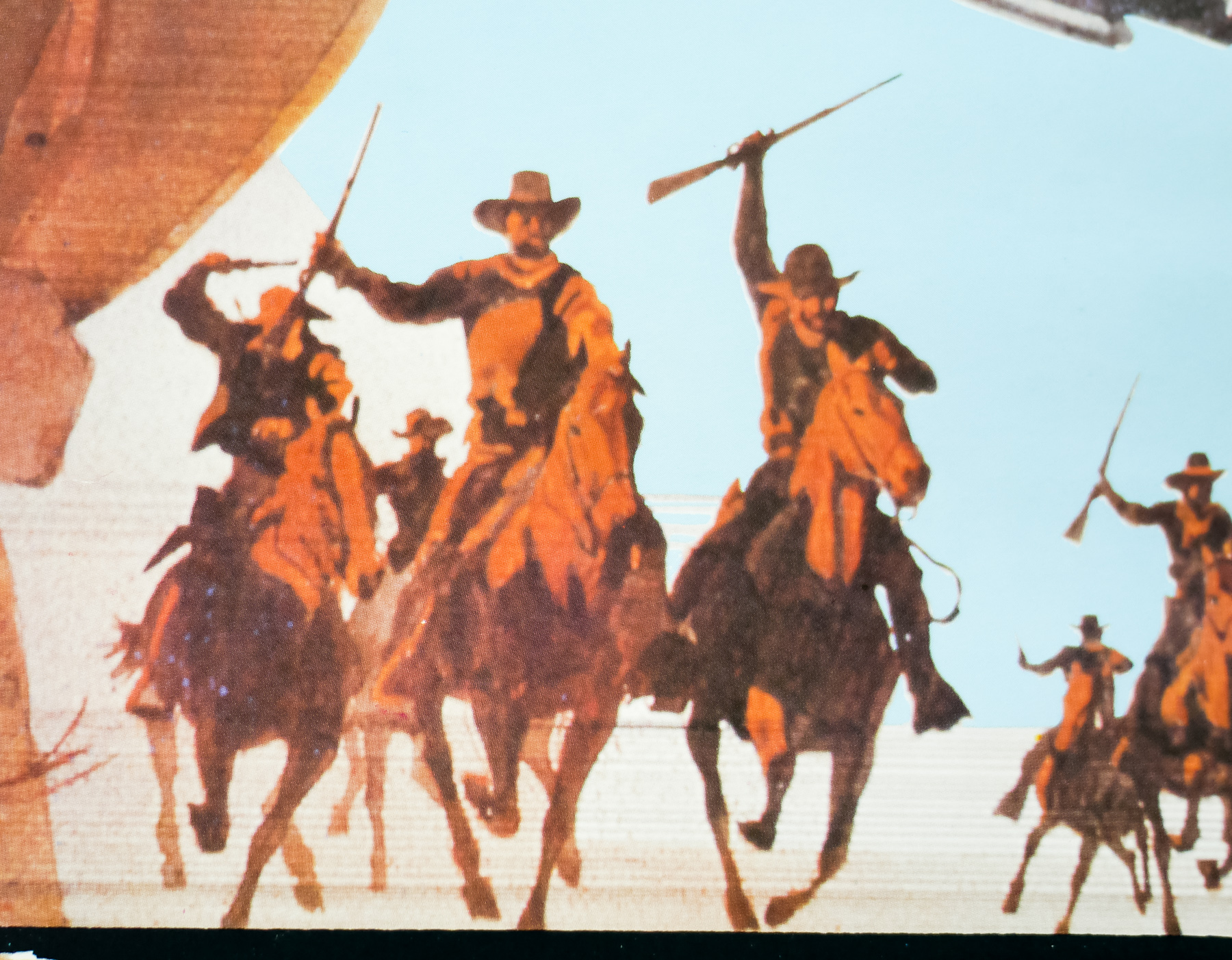
The Outlaw Josey Wales / B2 / style A / Japan

12.07.13

Poster Poster

The Outlaw Josey Wales is widely considered to be one of the best Westerns of all time, and certainly one of Clint Eastwood‘s finest efforts. Inspired by the 1972 novel The Rebel Outlaw: Josey Wales by Forrest Carter, the film was originally to be helmed by Philip Kaufman who had written the script and been through pre-production before being fired from the set a few days into filming, with Eastwood himself taking the director’s chair for the remainder of the production. Set towards the end of the American Civil War, Josey Wales (Eastwood) is a peaceful Missouri farmer who is driven to revenge after his family is brutally murdered by a sadistic Union officer and his farm razed to the ground.

Wales joins a group of pro-Confederate rebels to fight and when the war ends his group is ordered to surrender peacefully, which Wales refuses to be part of. Following the massacre of most of his group, Wales attacks and kills several men and the Union captain places a bounty on his head as he flees. On his journey, Wales reluctantly picks up a diverse bunch of companions, including two Native American Indians, and he tries his best to evade the union troops and bounty hunters on their trail and start a new life for himself. This was the first film that paired Sondra Locke with Eastwood and was the beginning of their romance that lasted for fourteen years.

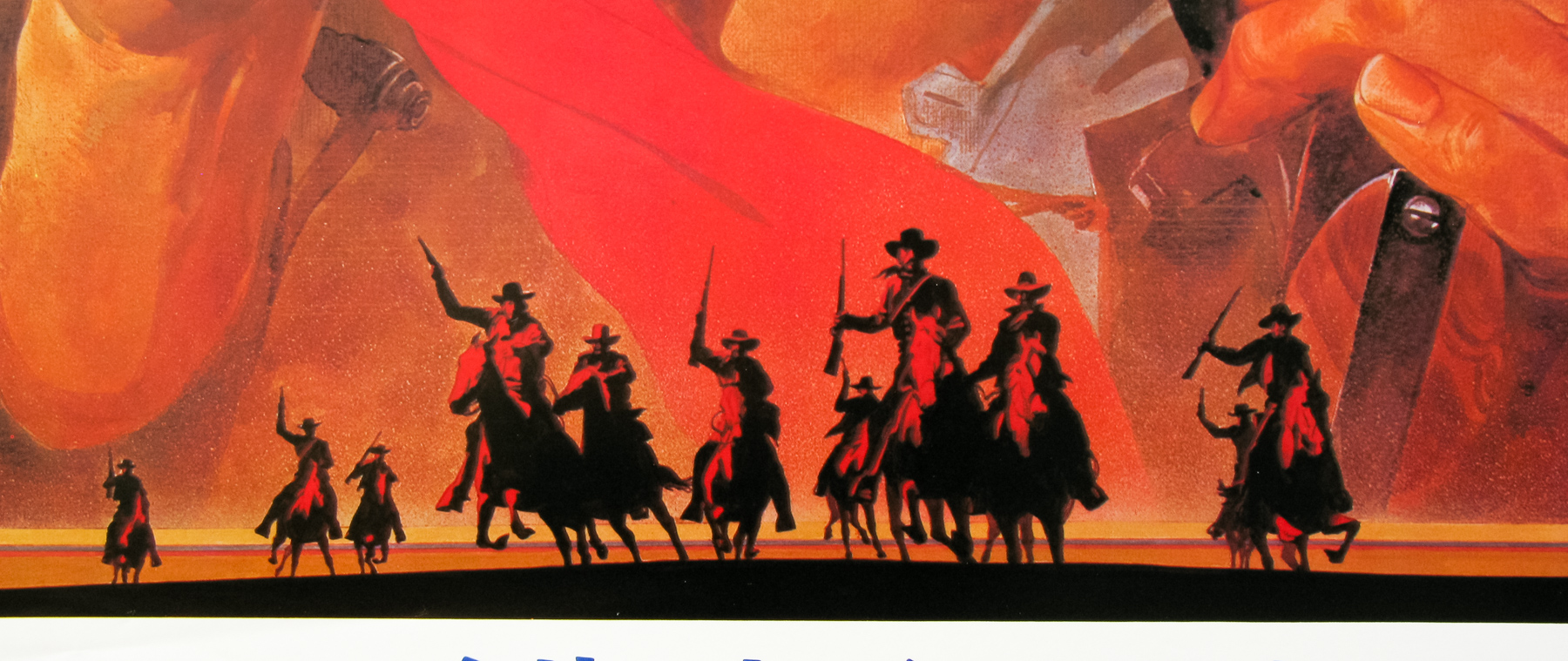
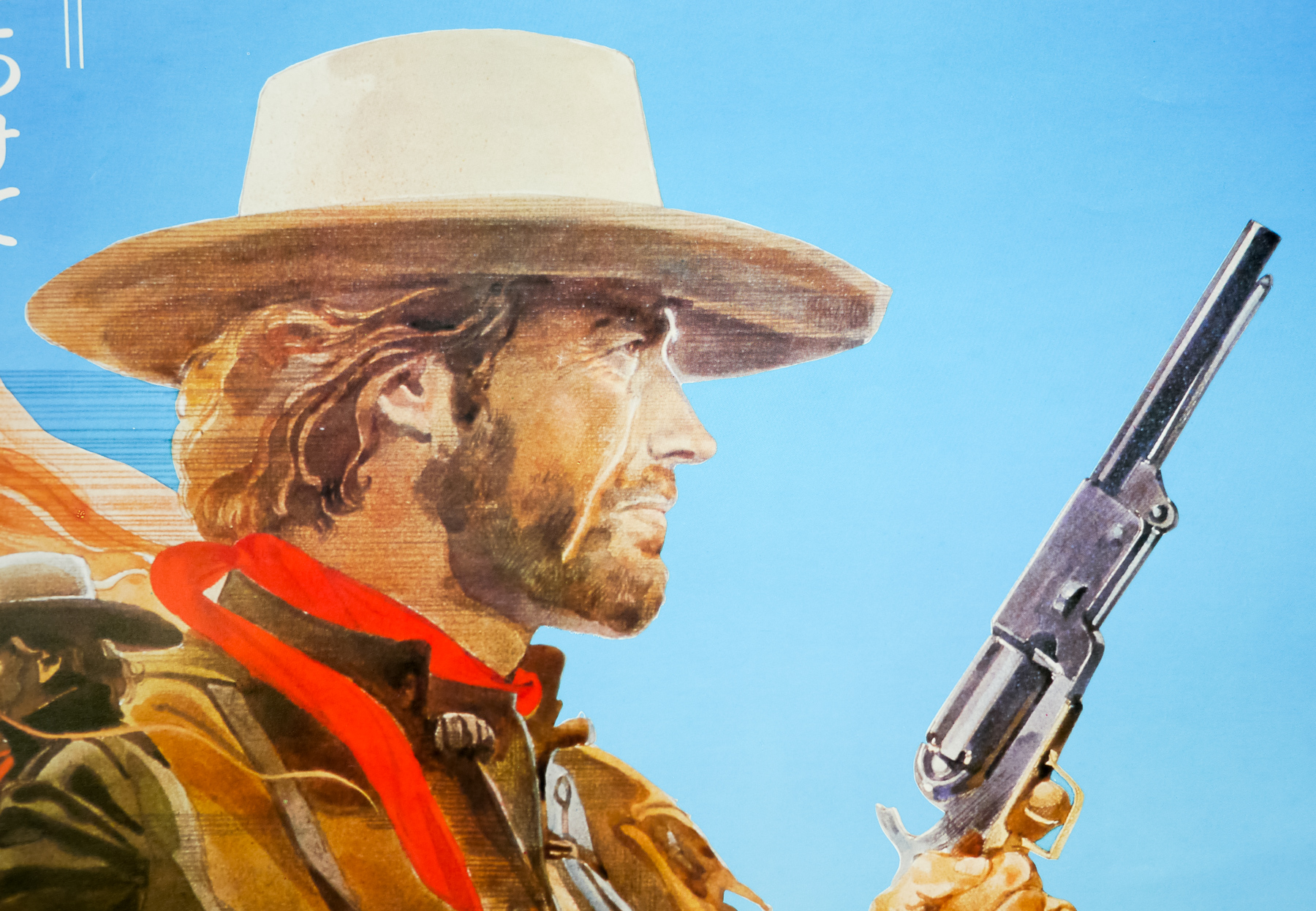
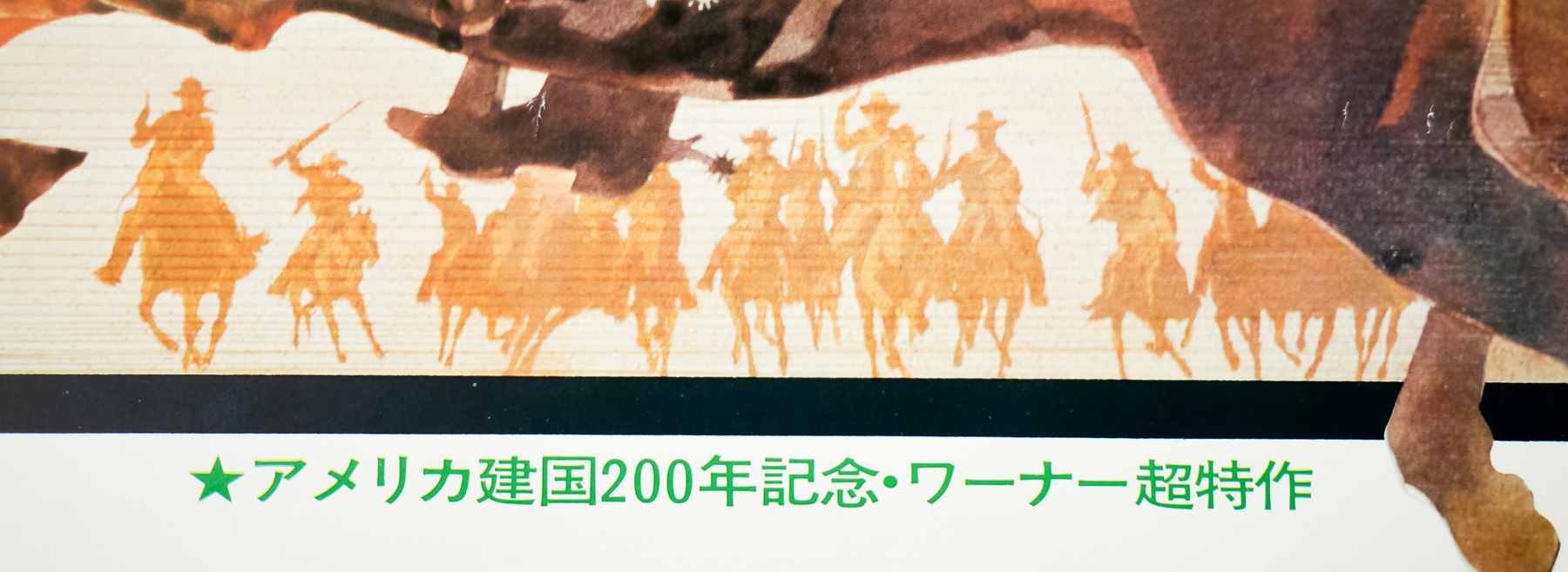
This Japanese B2 is the ‘style A’ poster for the film’s release there and there are three B2s in total, including the style C, which uses the same artwork as the US one sheet. This artwork is an adapted version of the alternative artwork as seen on the US 40×60 and half-sheet posters. All original American posters were designed by Eastwood’s long-time film marketing collaborator, the great Bill Gold, and this painting was by an American artist call Roy Andersen. According to this biography Andersen passed away last year but throughout his career he was known for his work depicting Native Americans and Old West images, including cowboys and related scenes. Artnet has an extensive gallery of his works here.

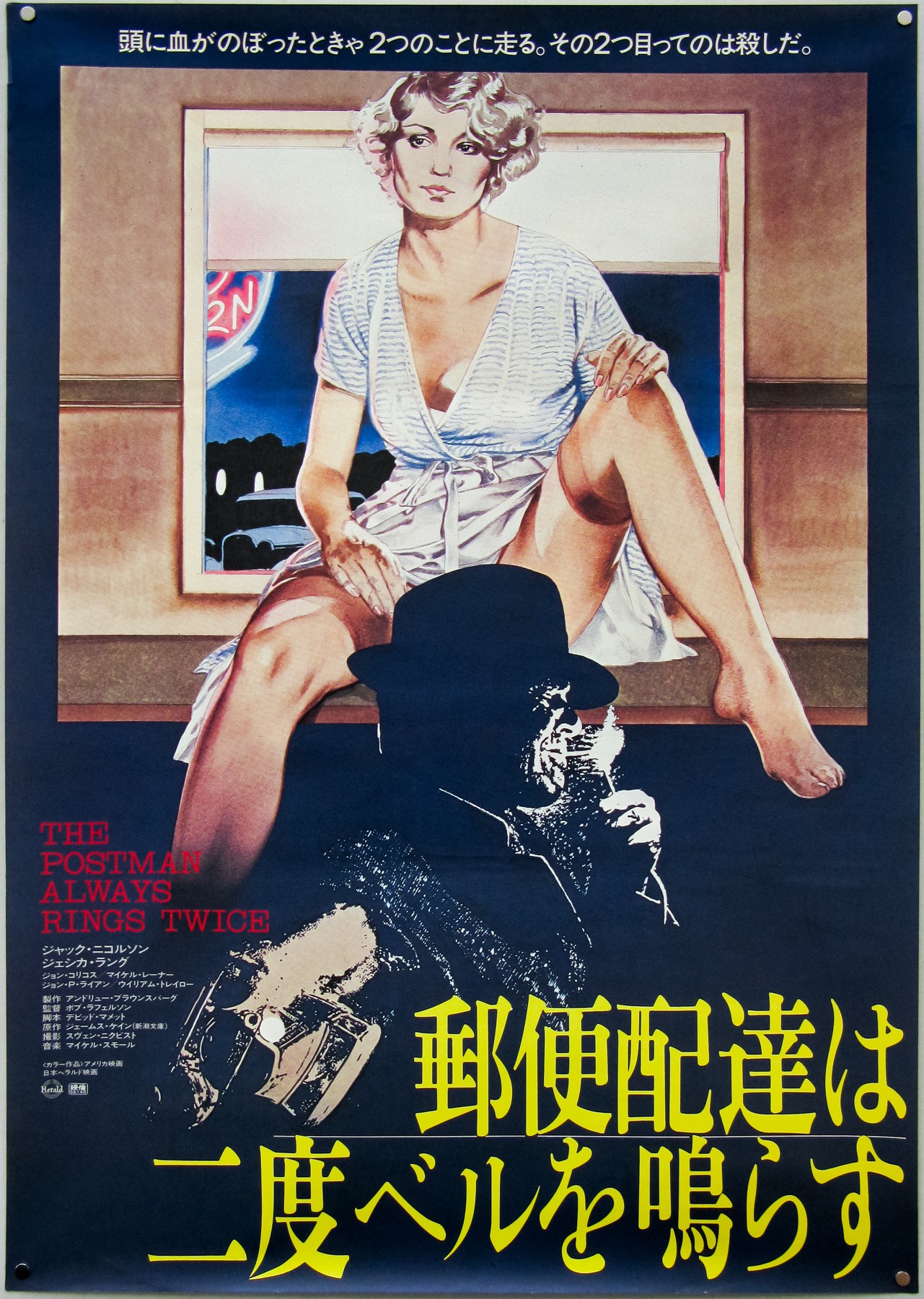
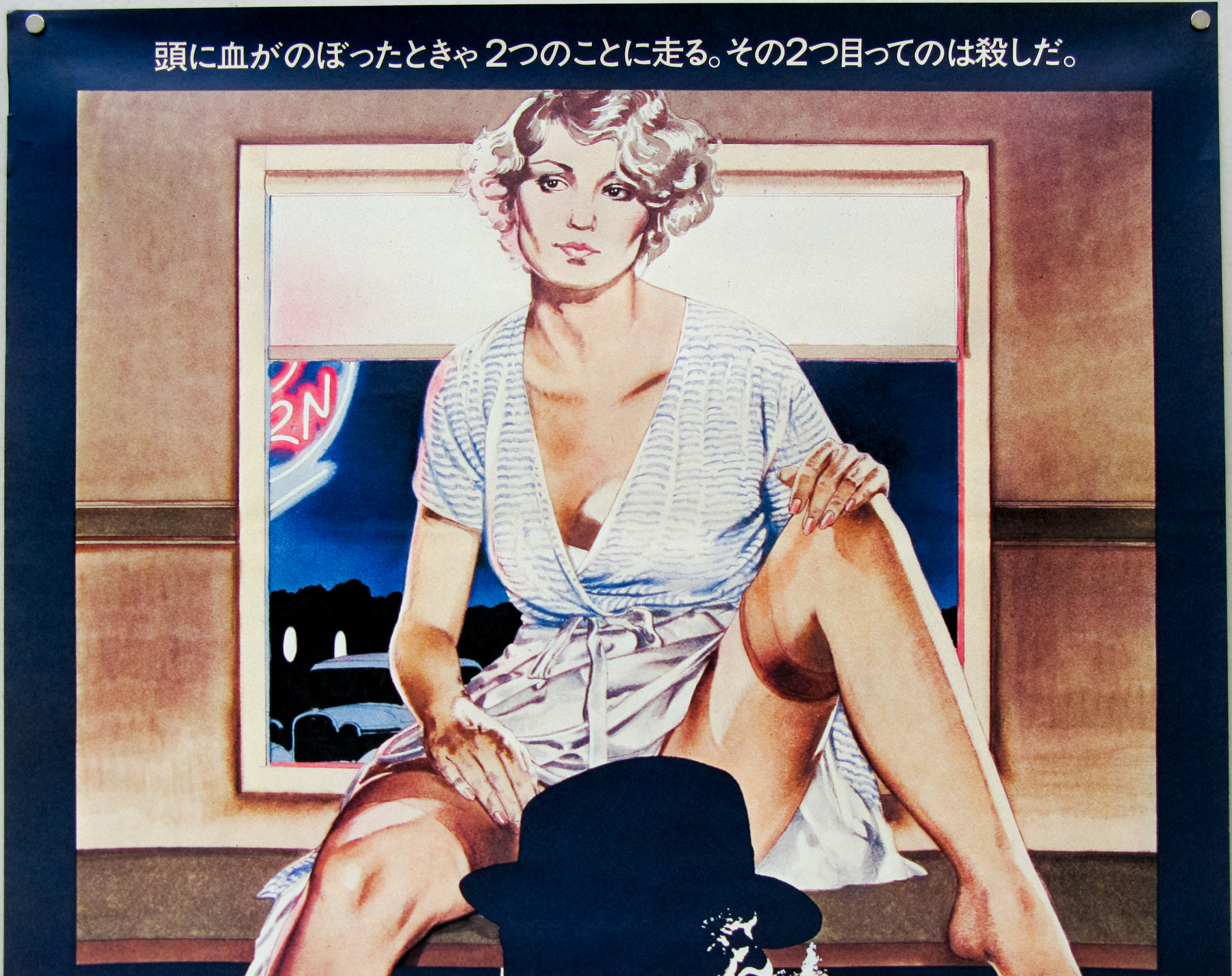
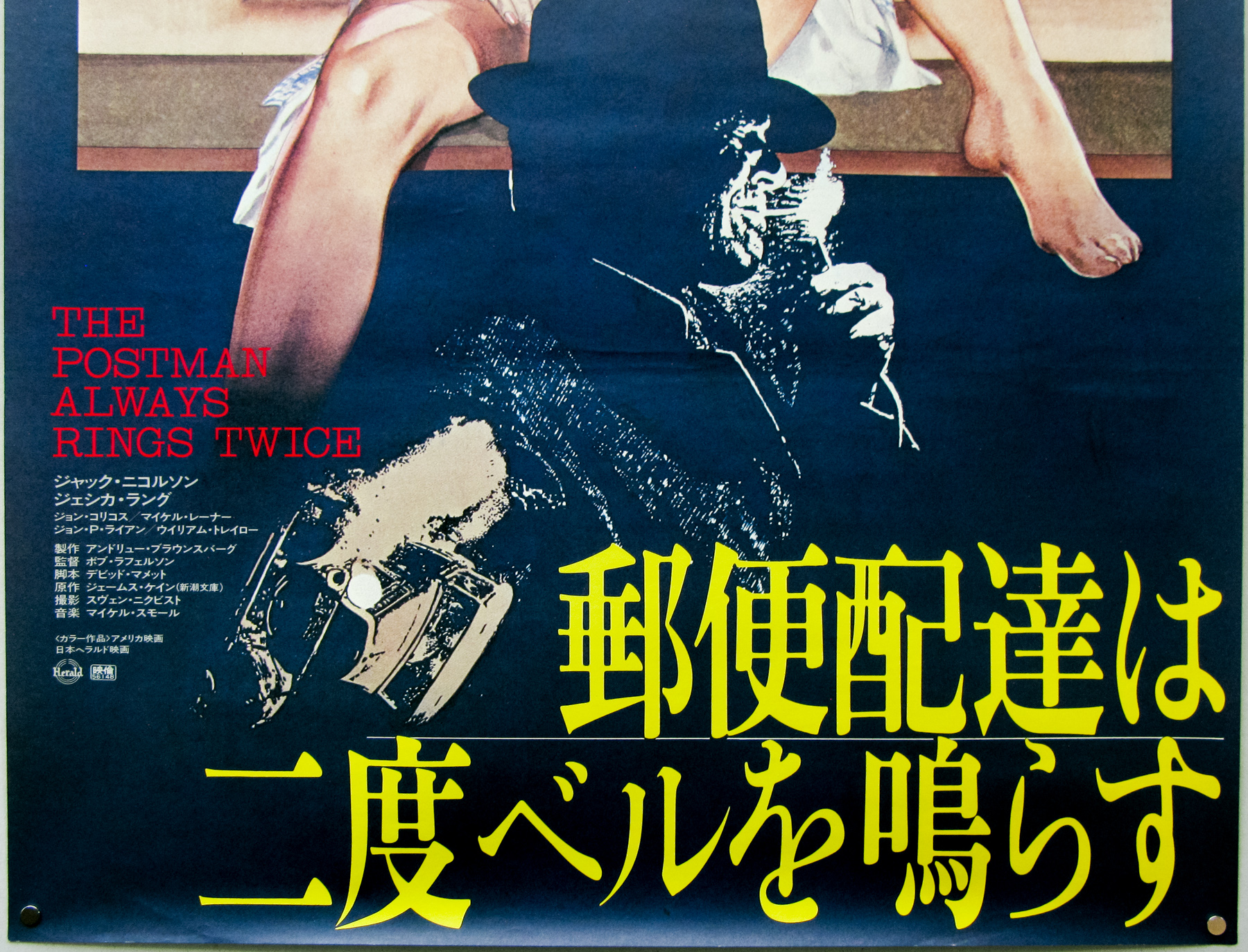
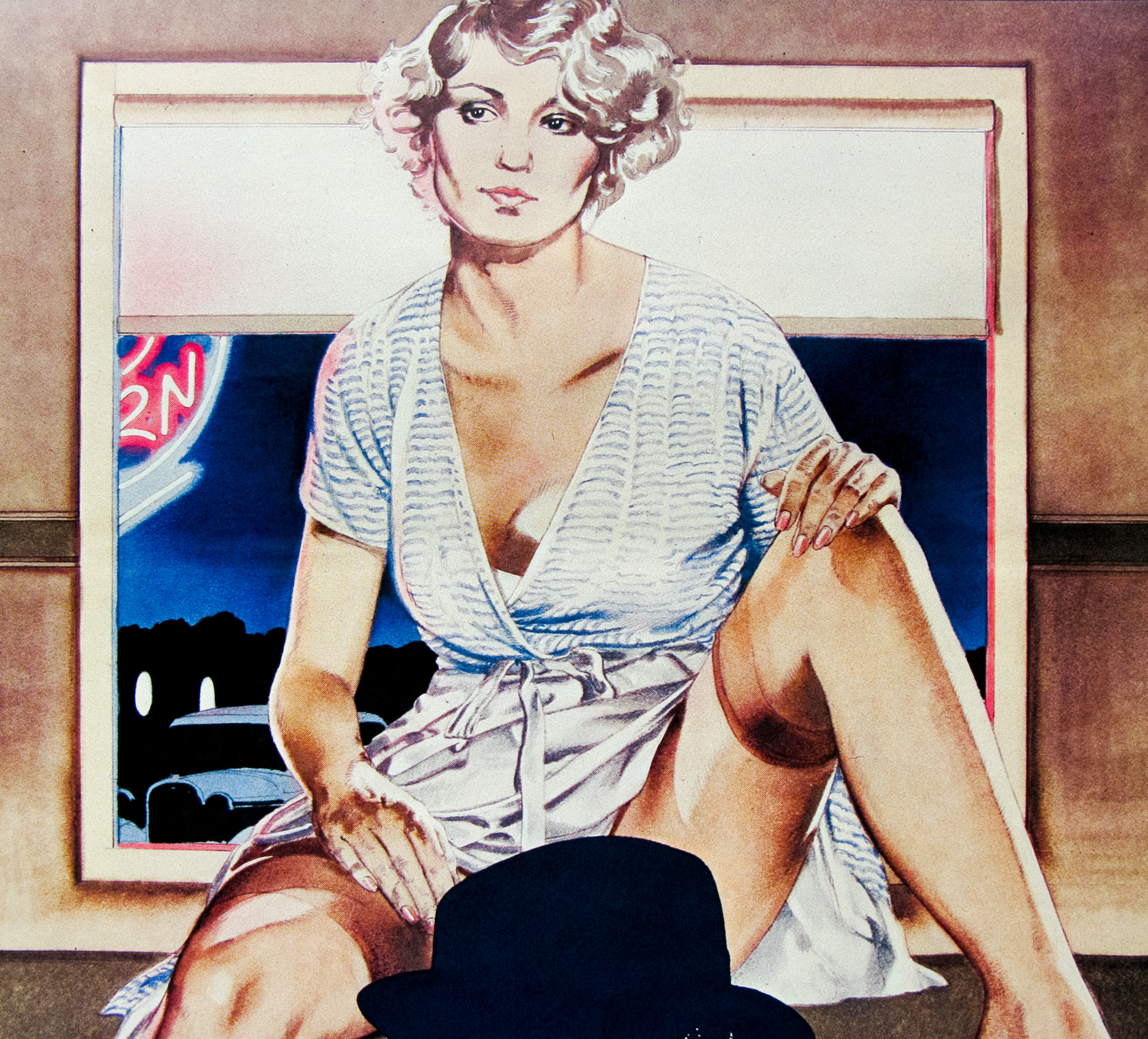
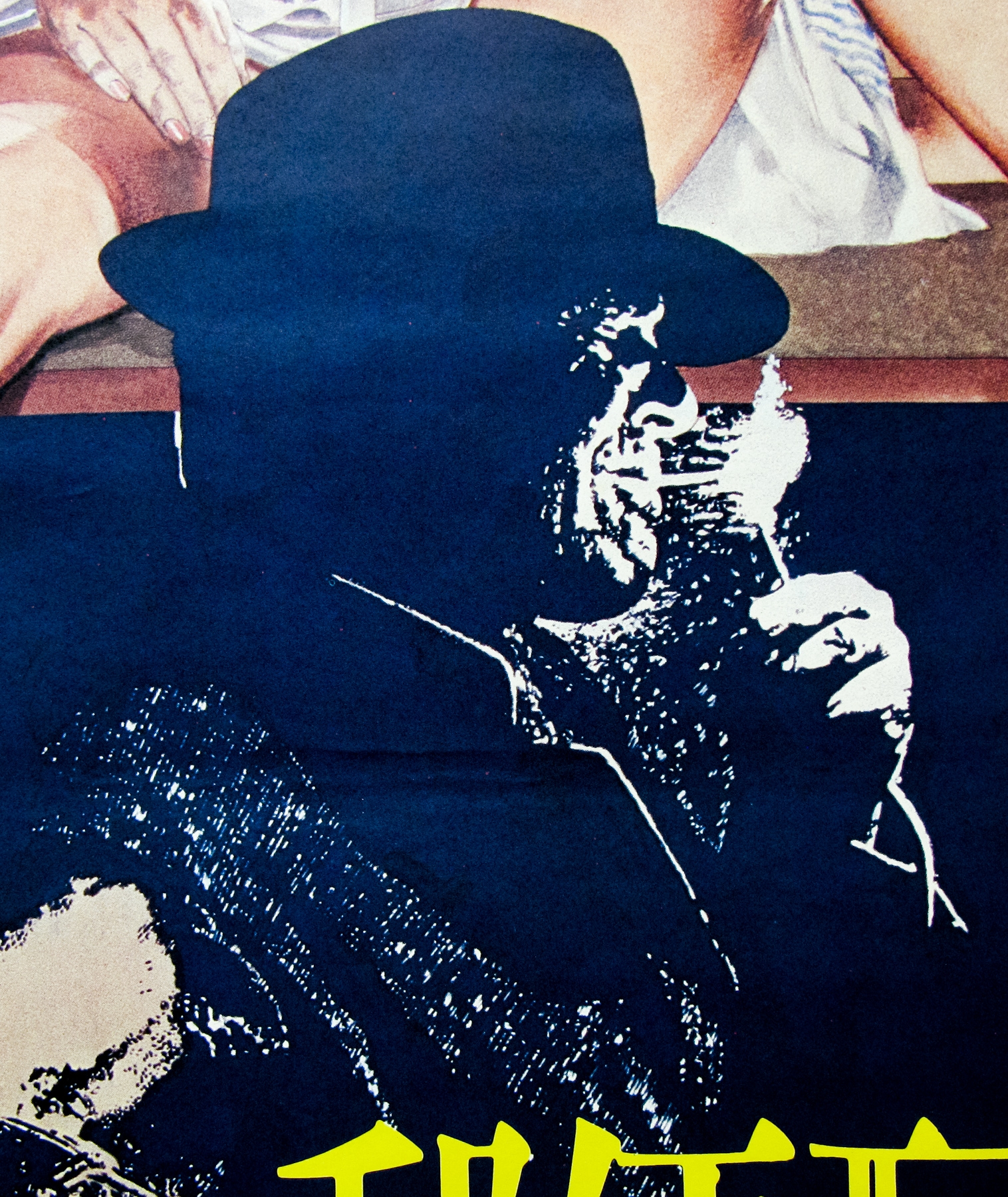
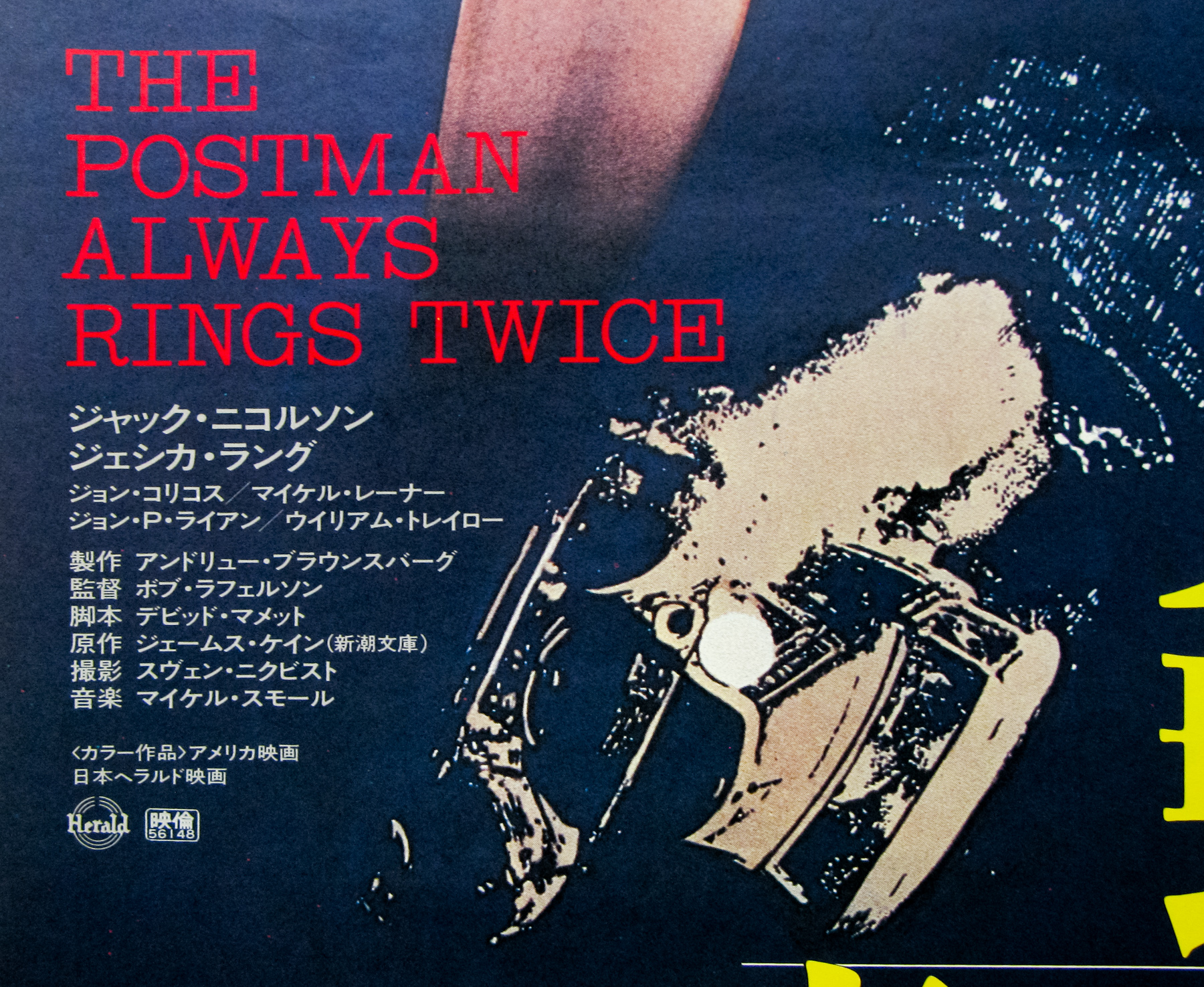
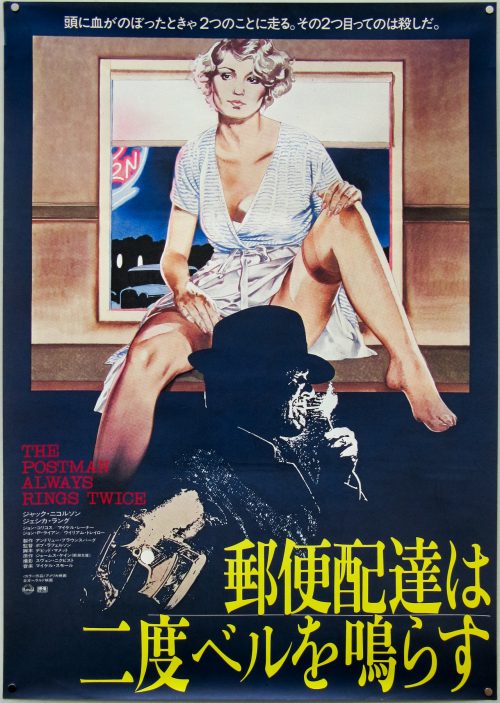
The Postman Always Rings Twice / B2 / artwork style / Japan

17.05.11

Poster Poster

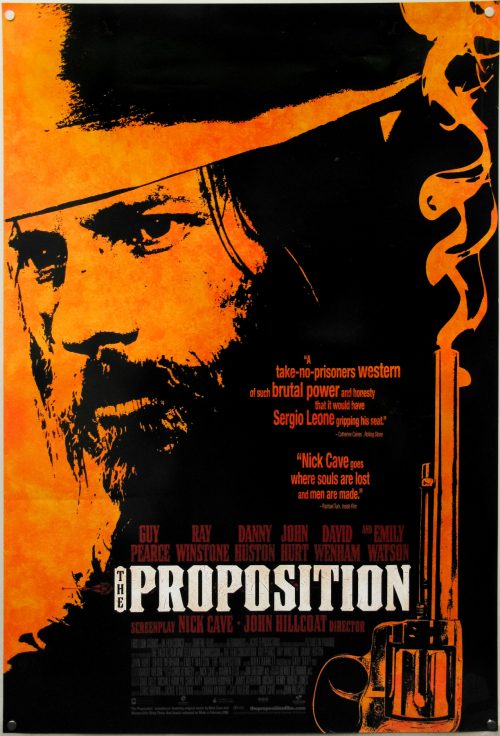
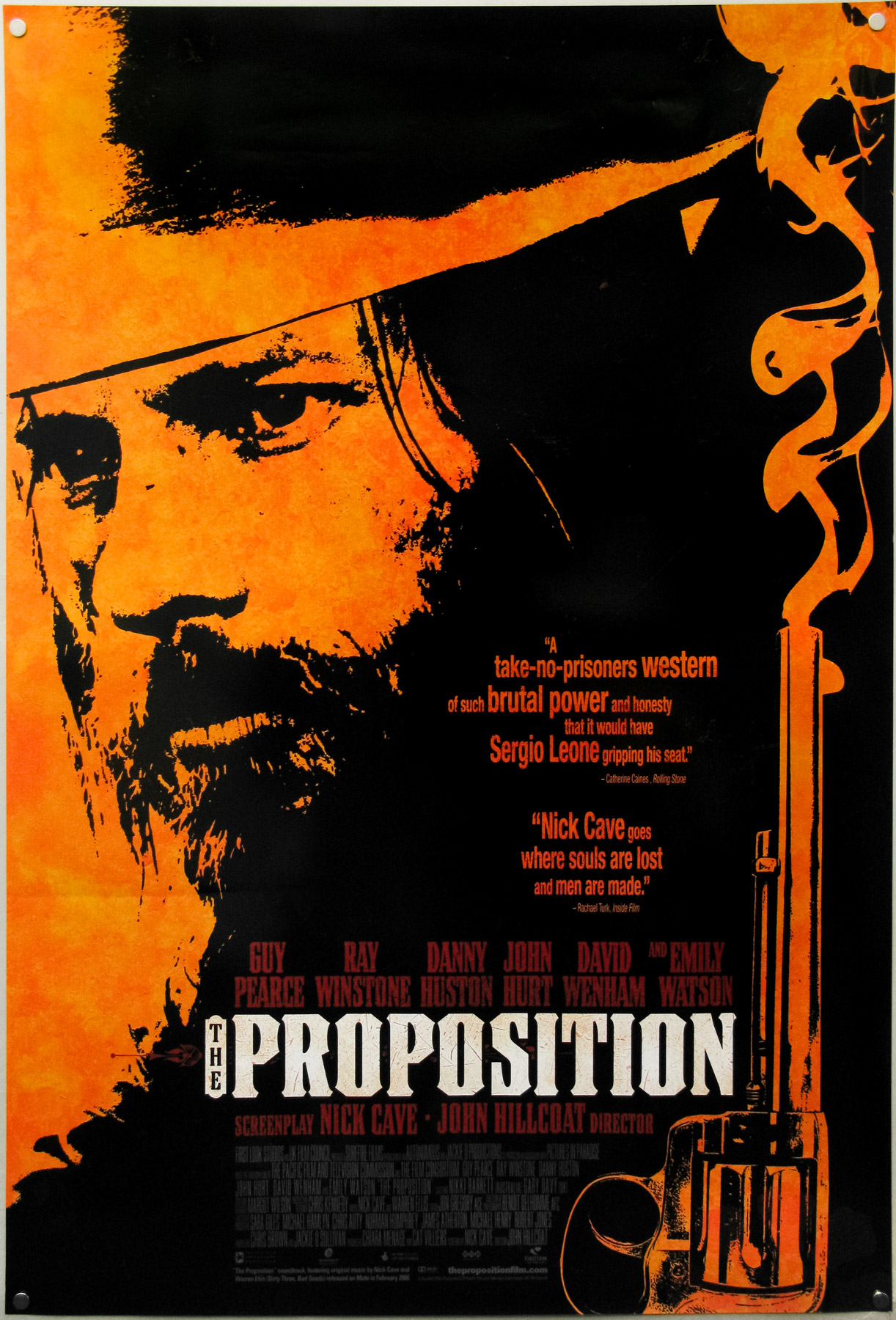
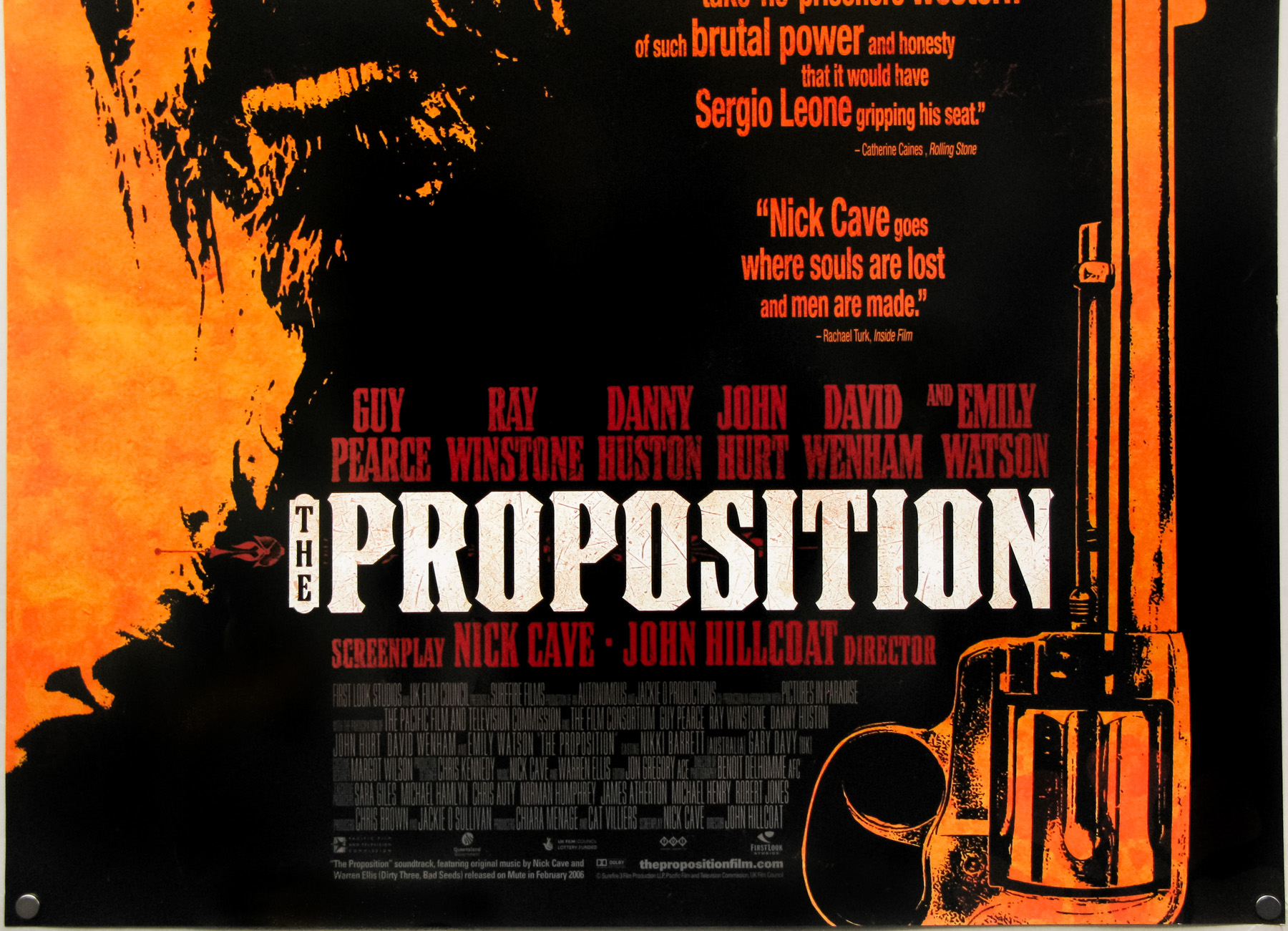
The Proposition / one sheet / USA

17.05.11

Poster Poster

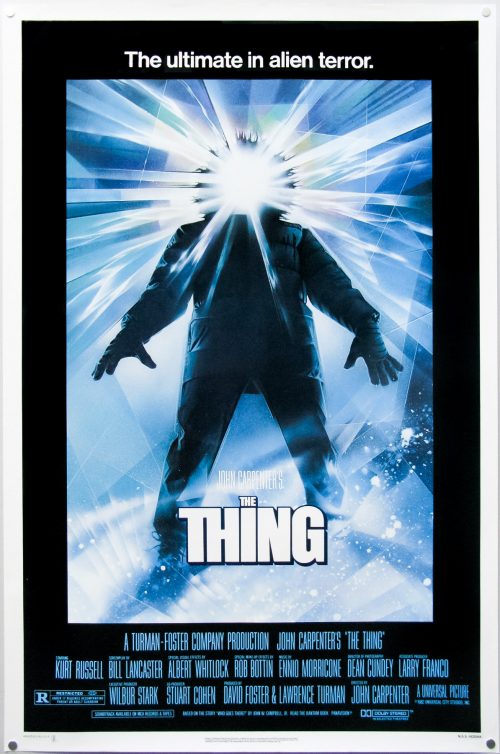
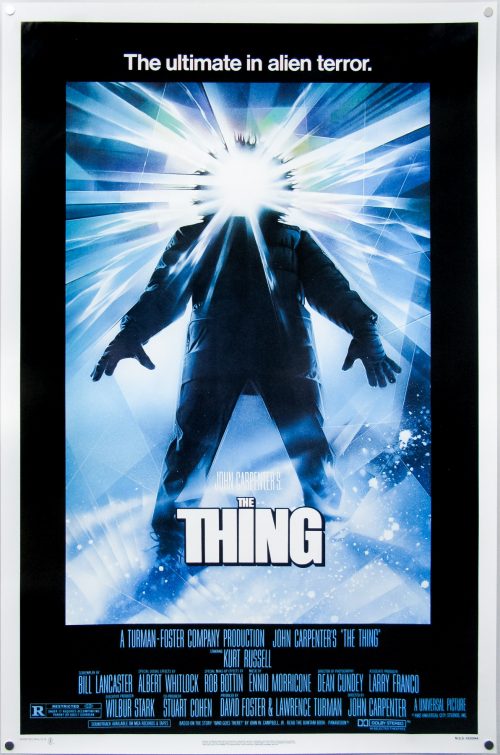
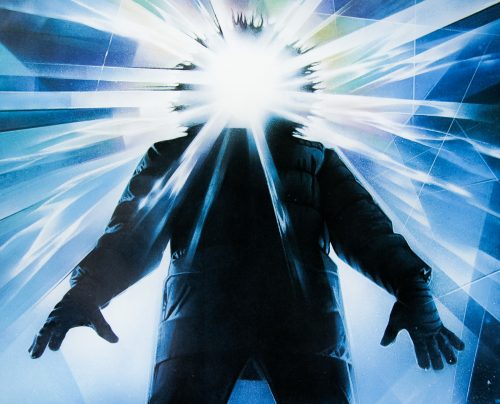
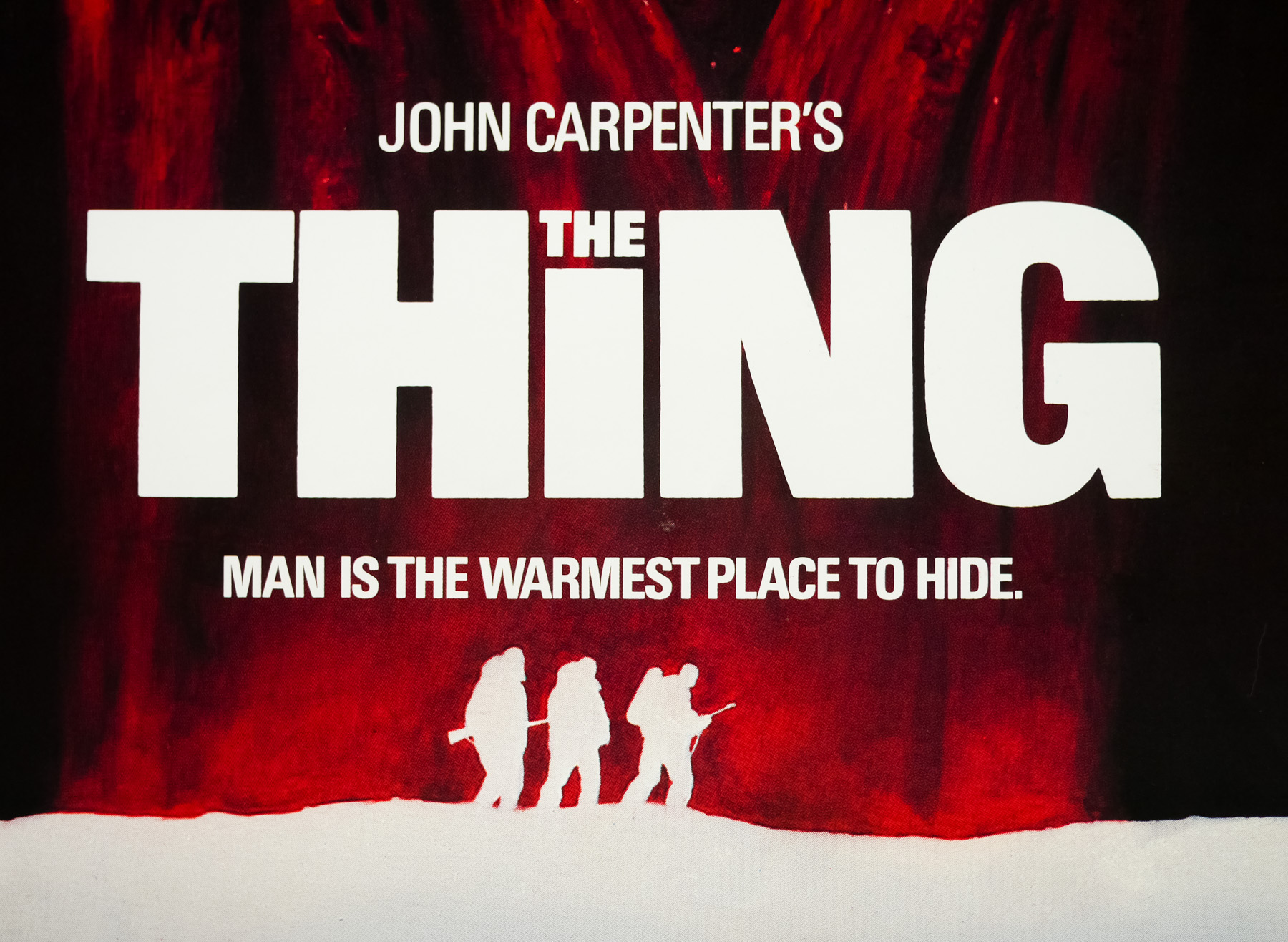
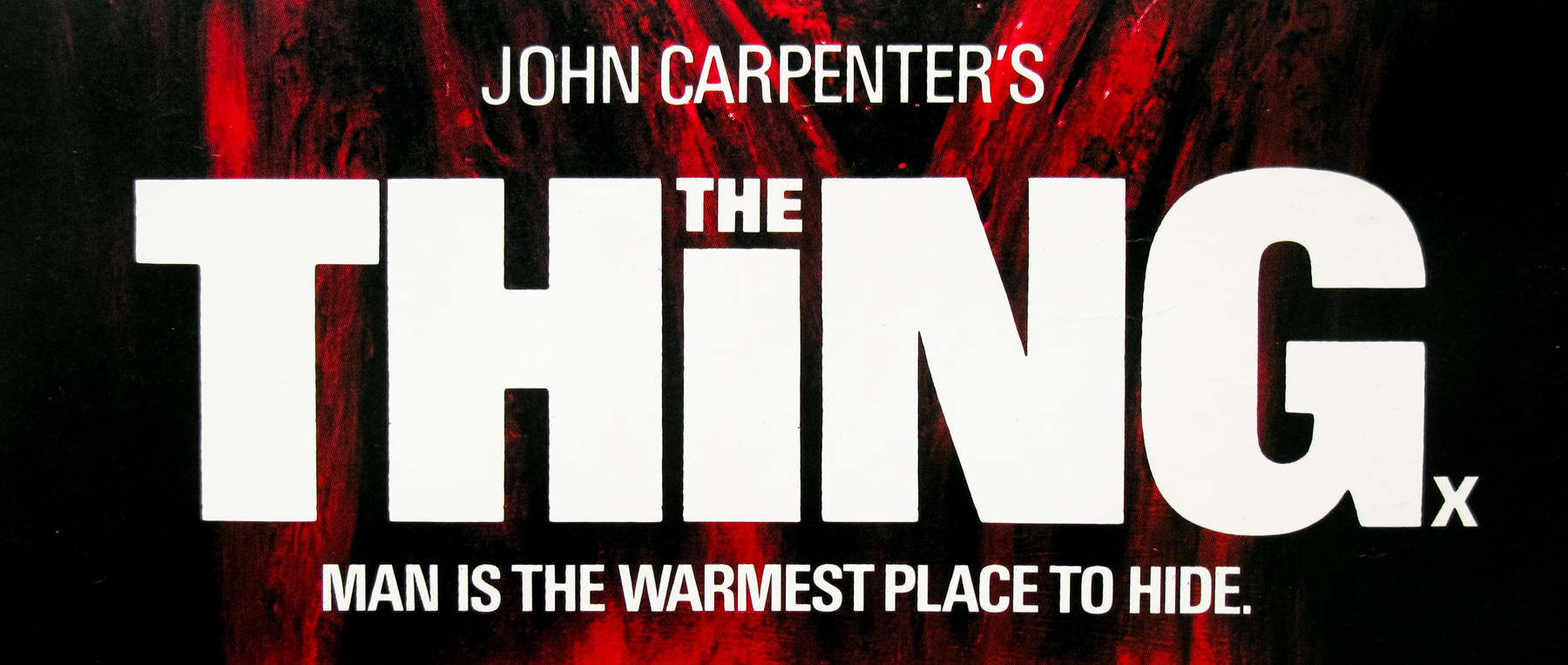
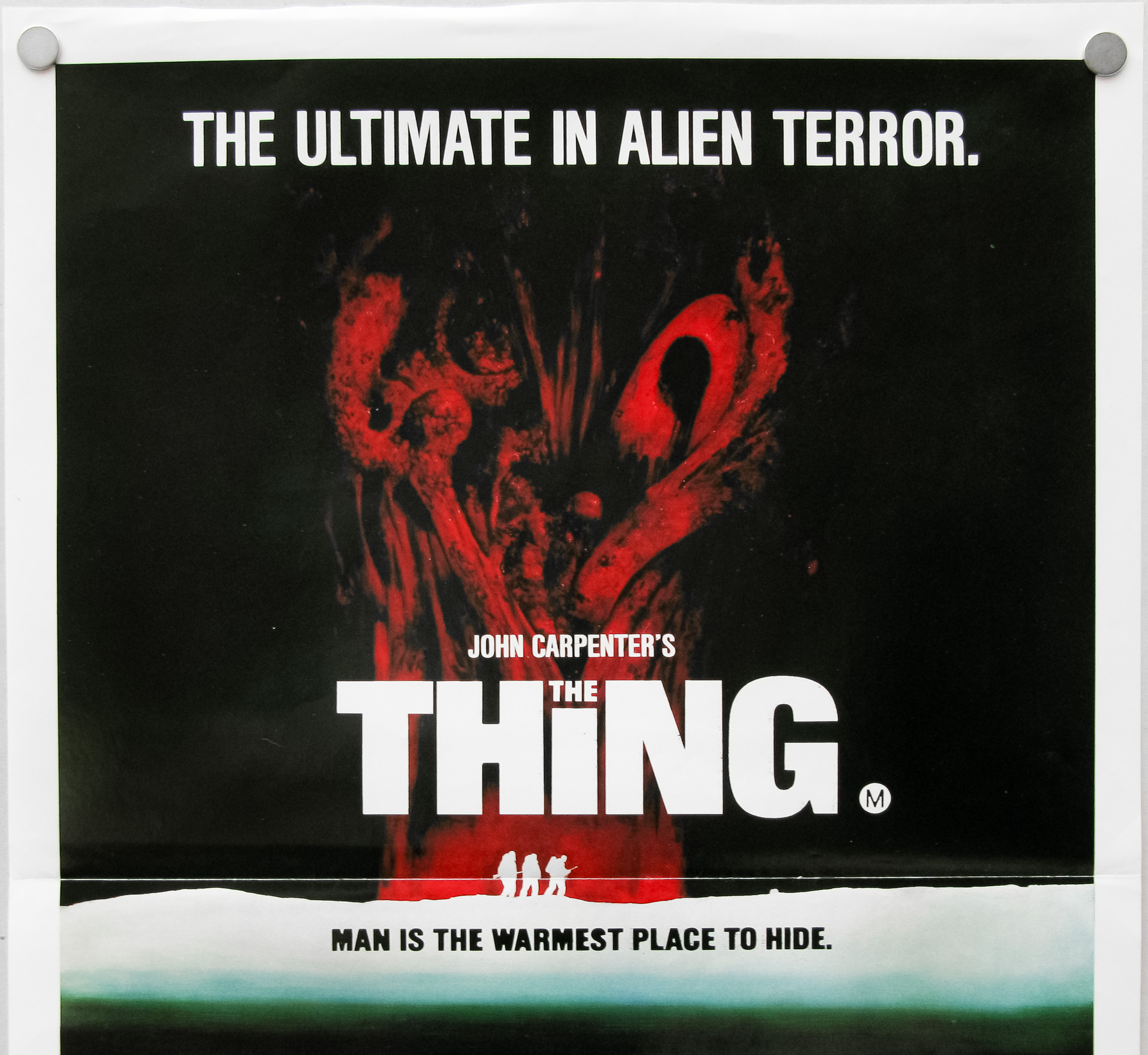
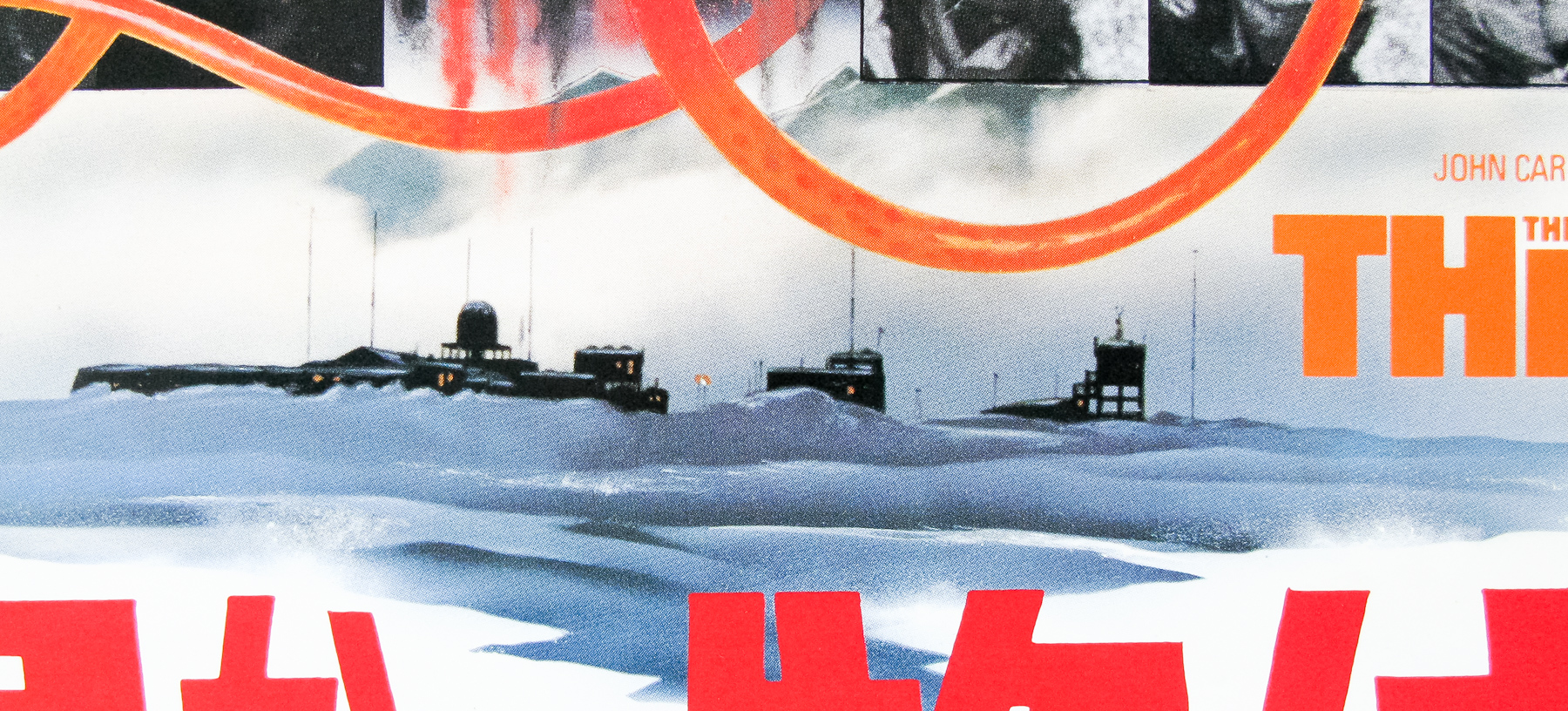
The Thing / one sheet / USA

17.05.11

Poster Poster

The Thing / one sheet / Kurt Russell credit version / USA

17.05.11

Poster Poster

The Thing / one sheet / UK

17.05.11

Poster Poster

The Thing / quad / UK

18.05.11

Poster Poster

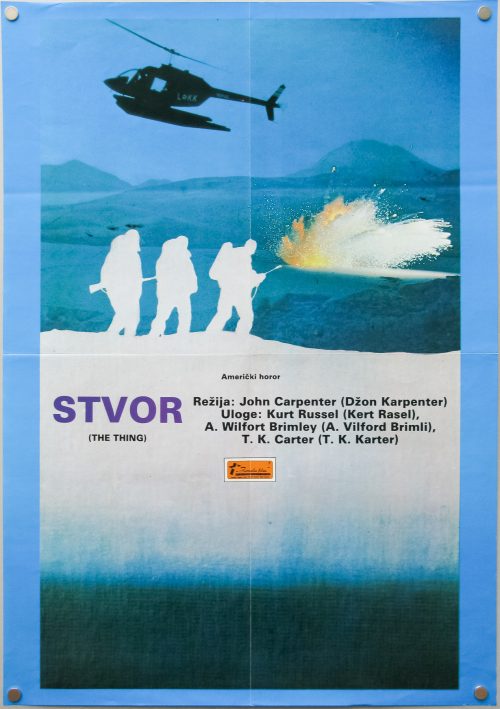
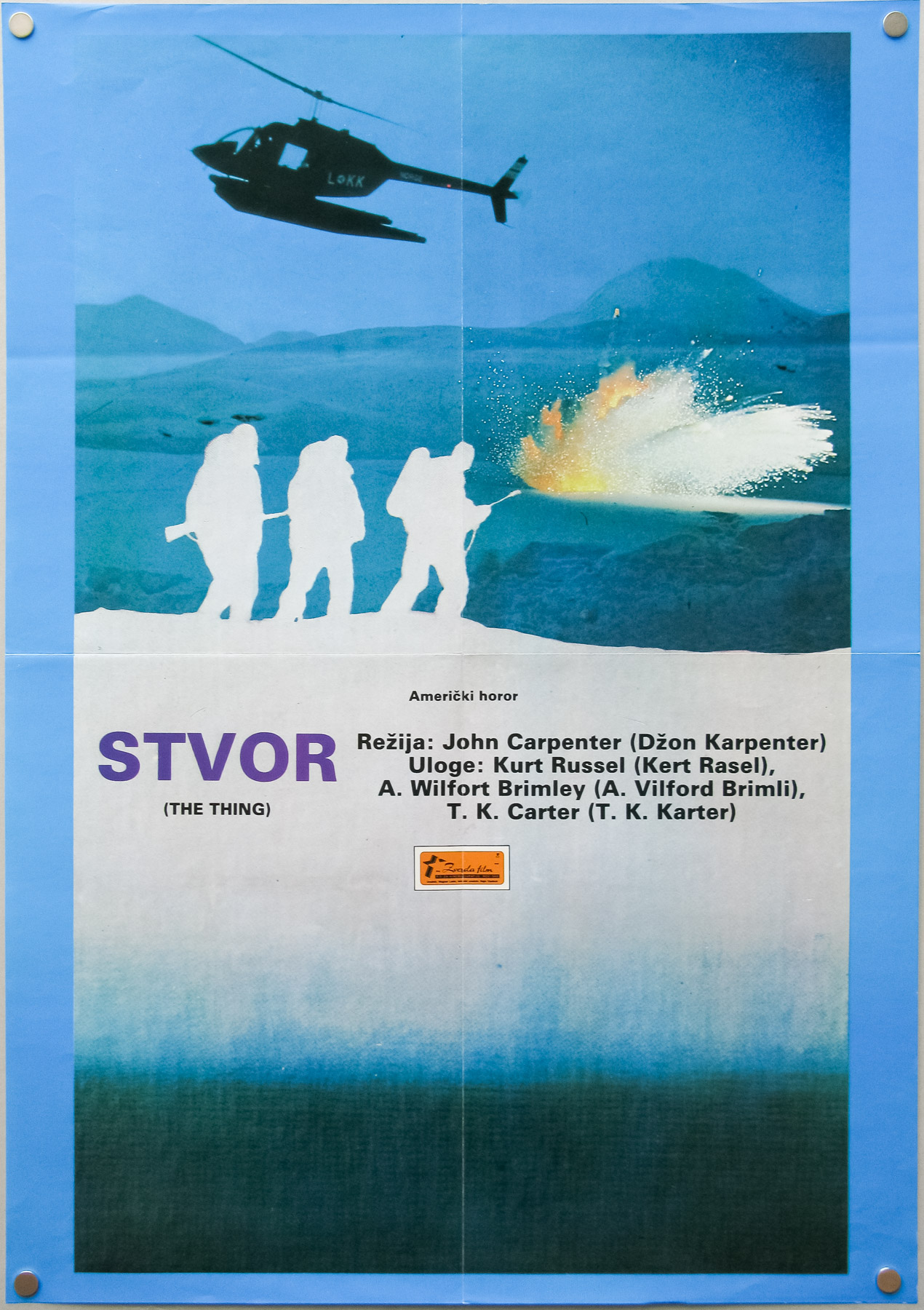
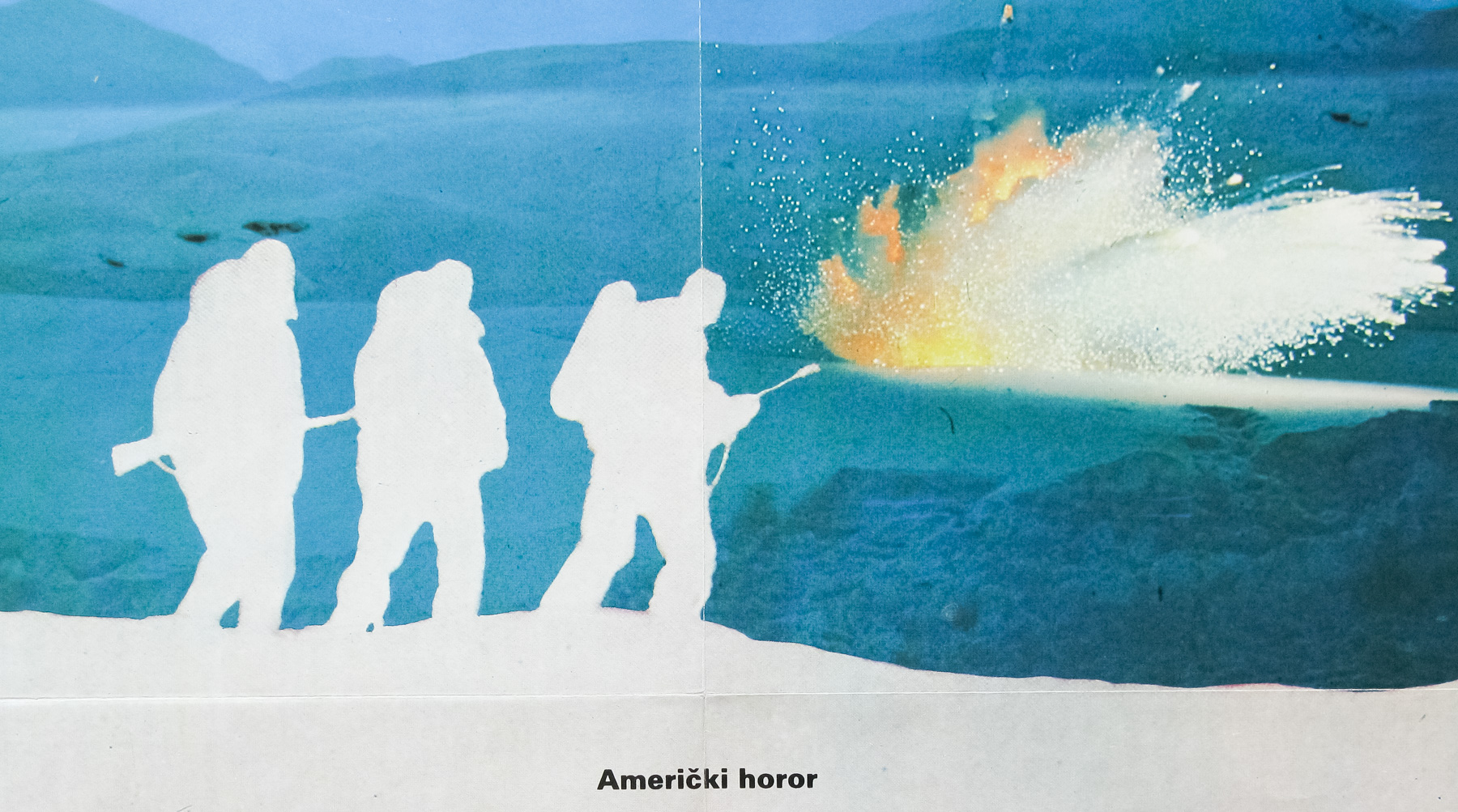
The Thing / Ex-Yugoslavia

17.05.11

Poster Poster

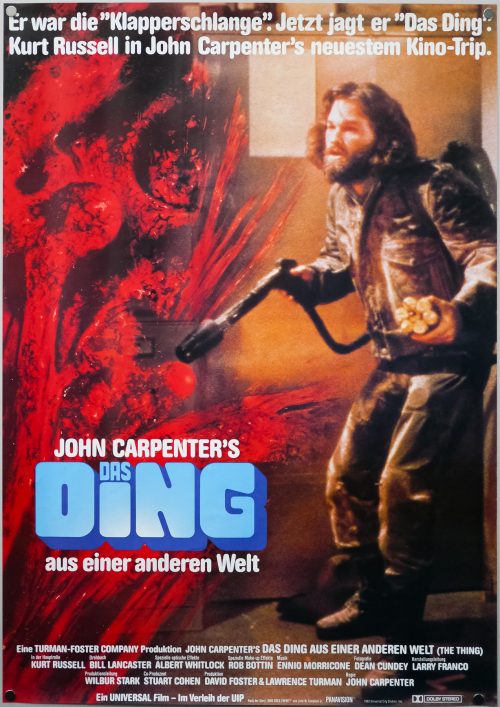
The Thing / A1 / Germany

17.05.11

Poster Poster

The Thing / daybill / Australia

17.05.11

Poster Poster

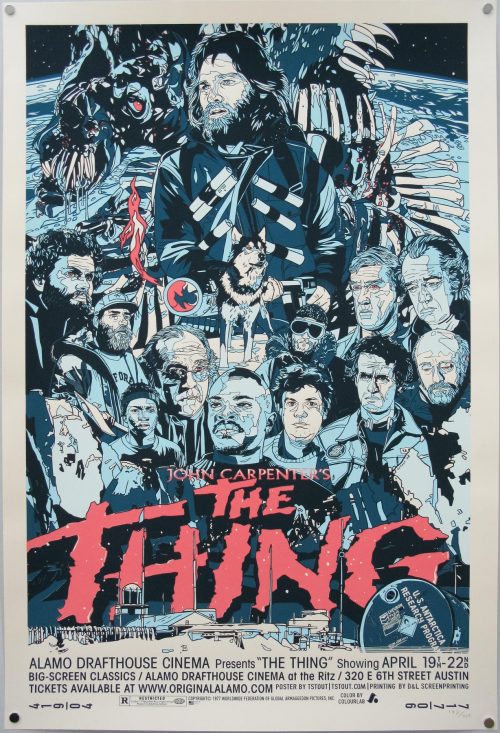
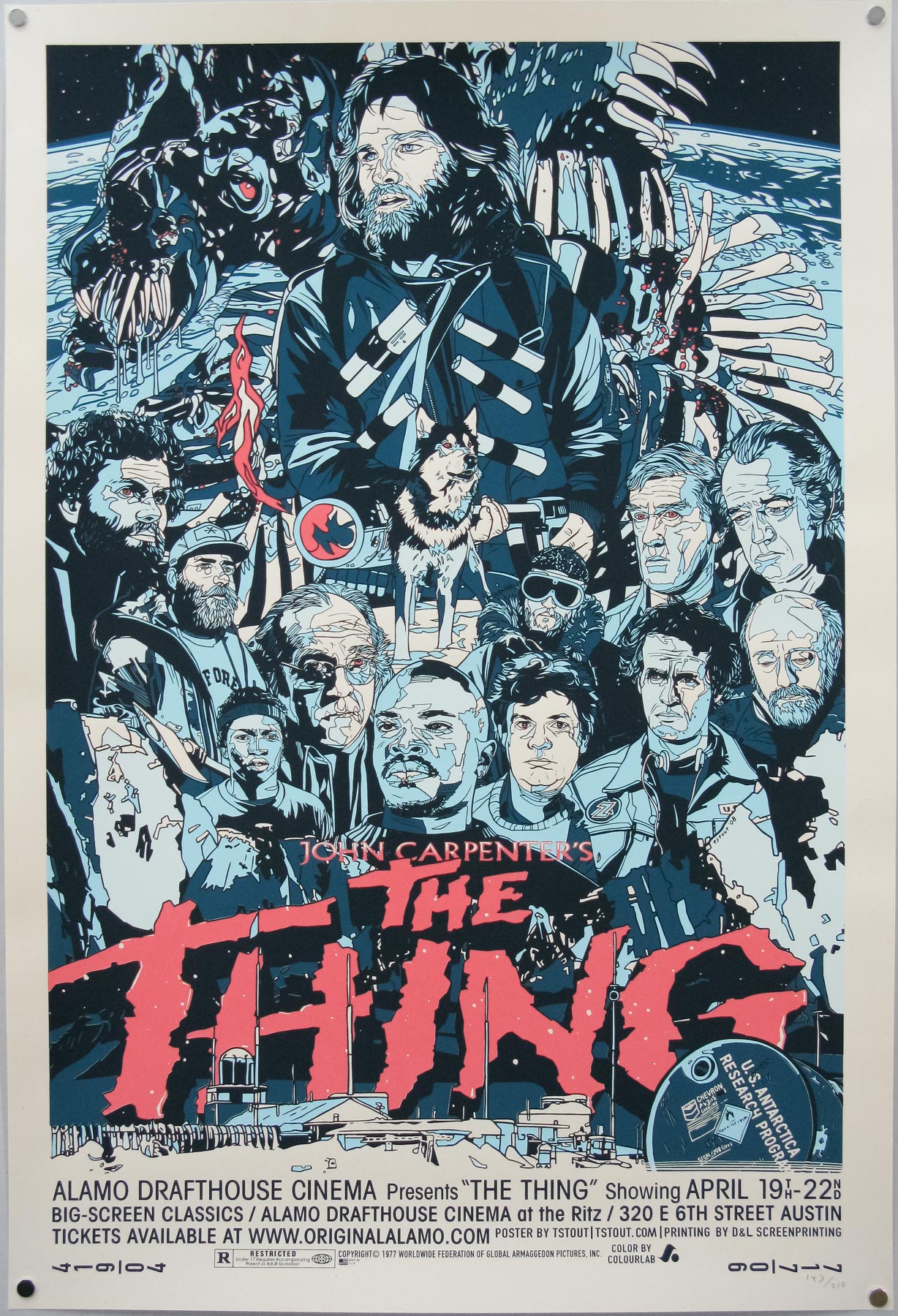
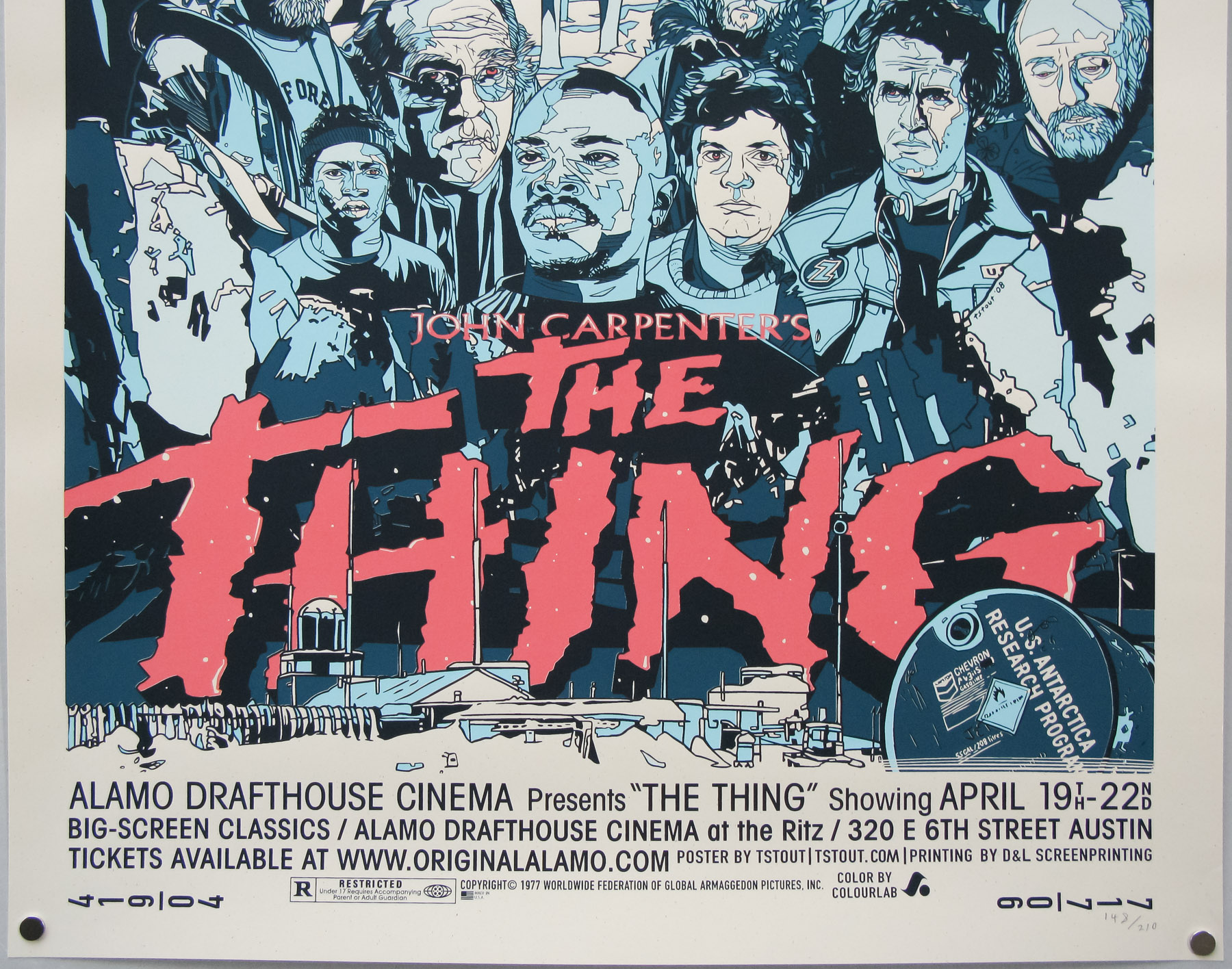
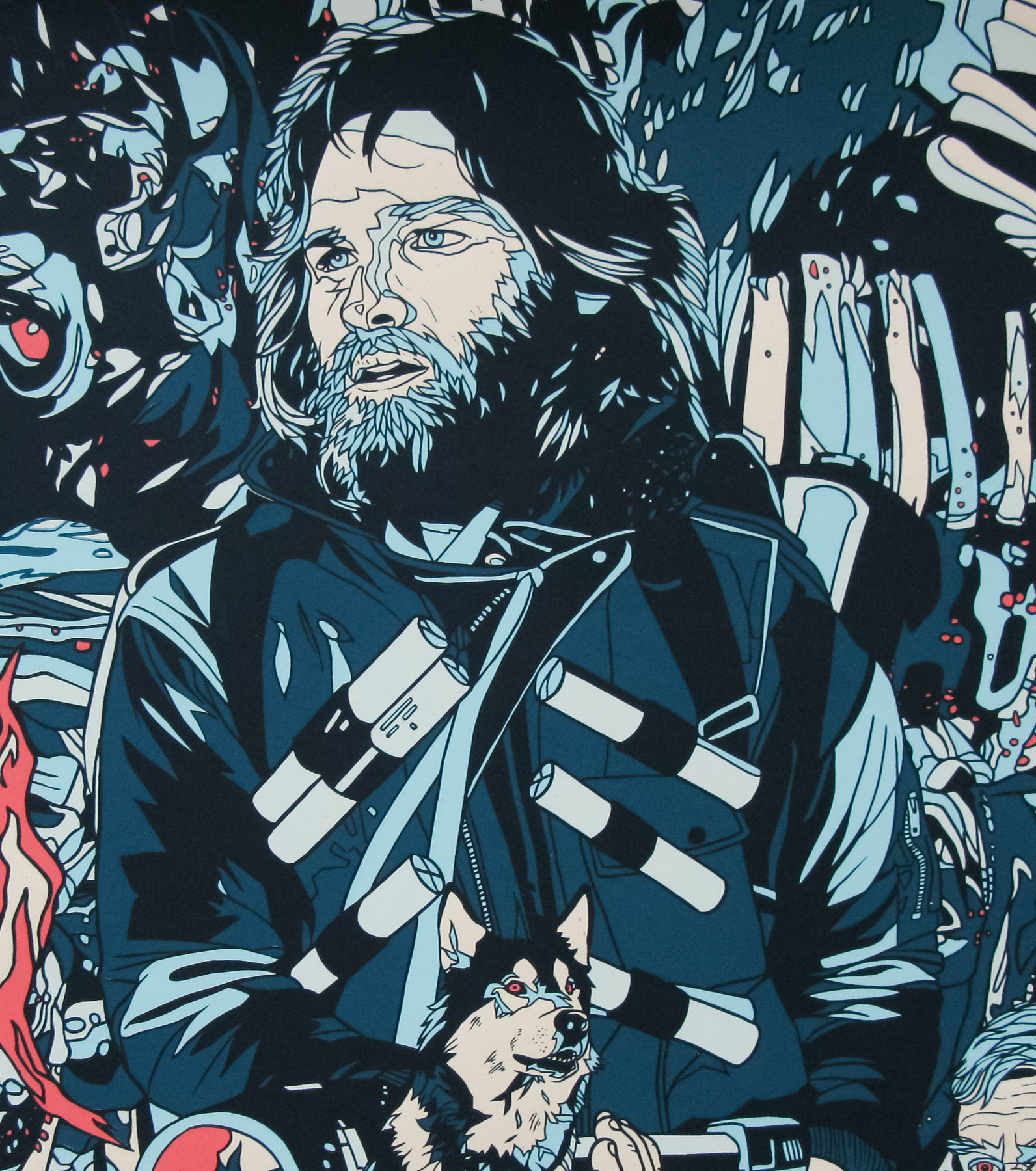
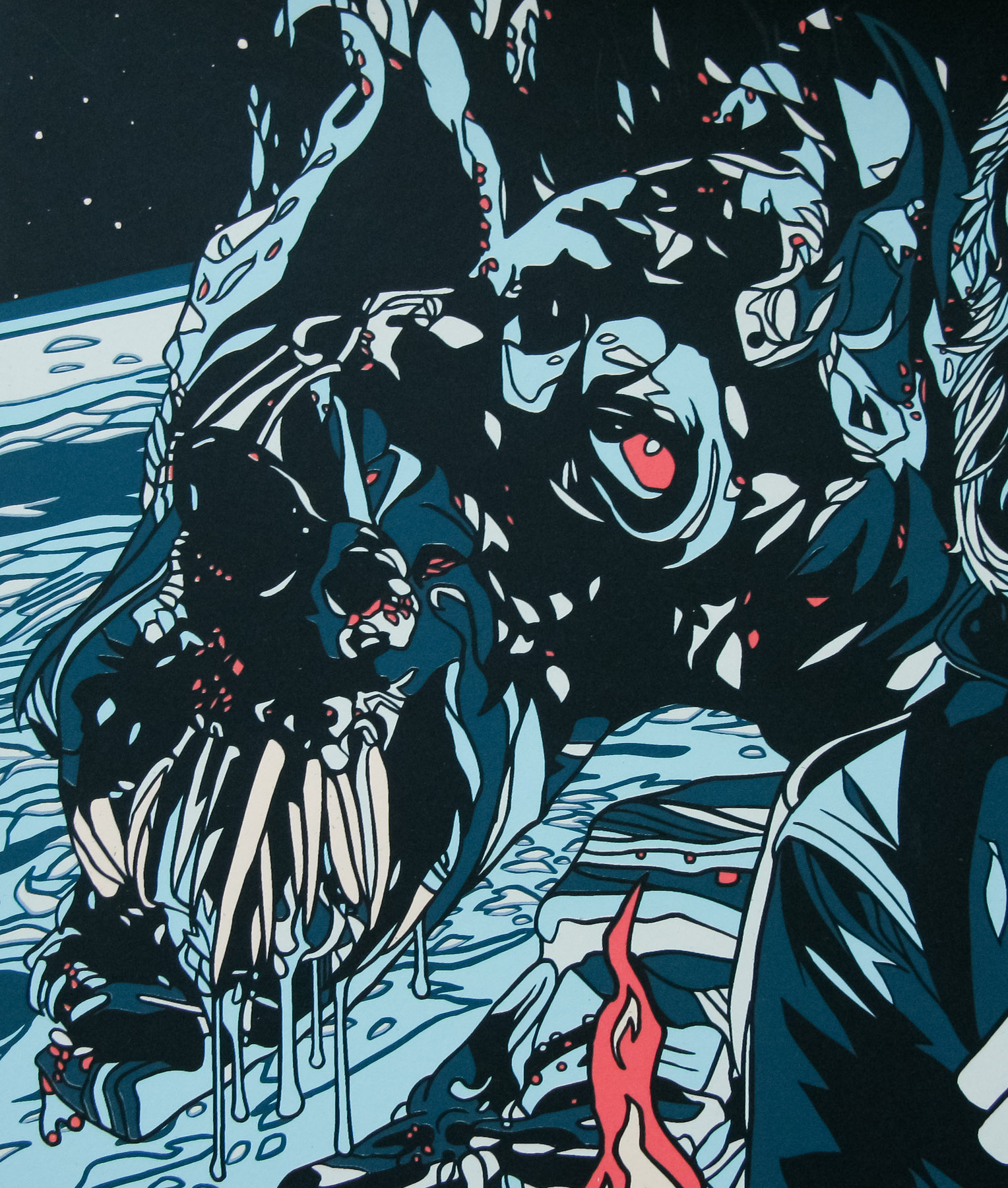
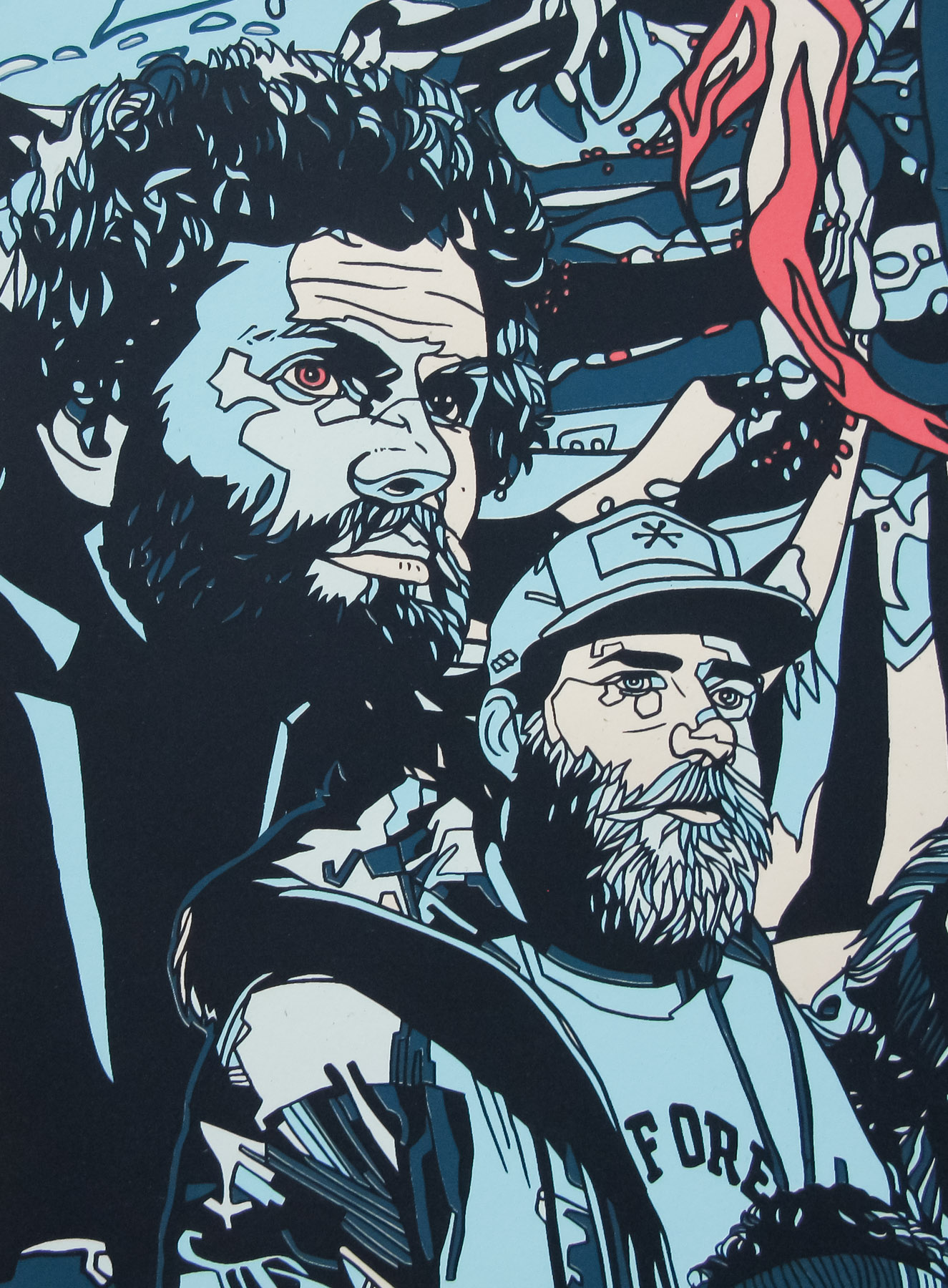
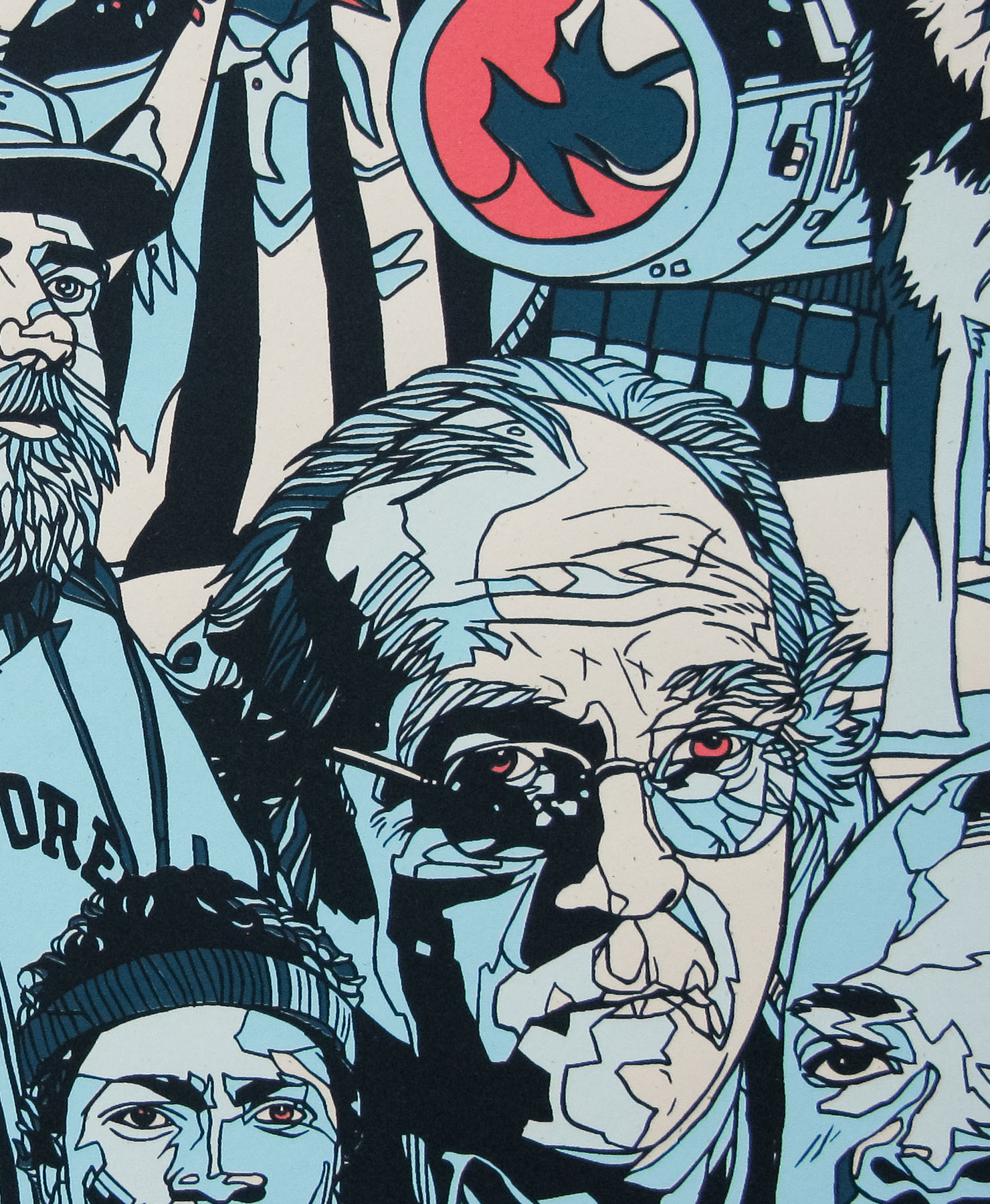
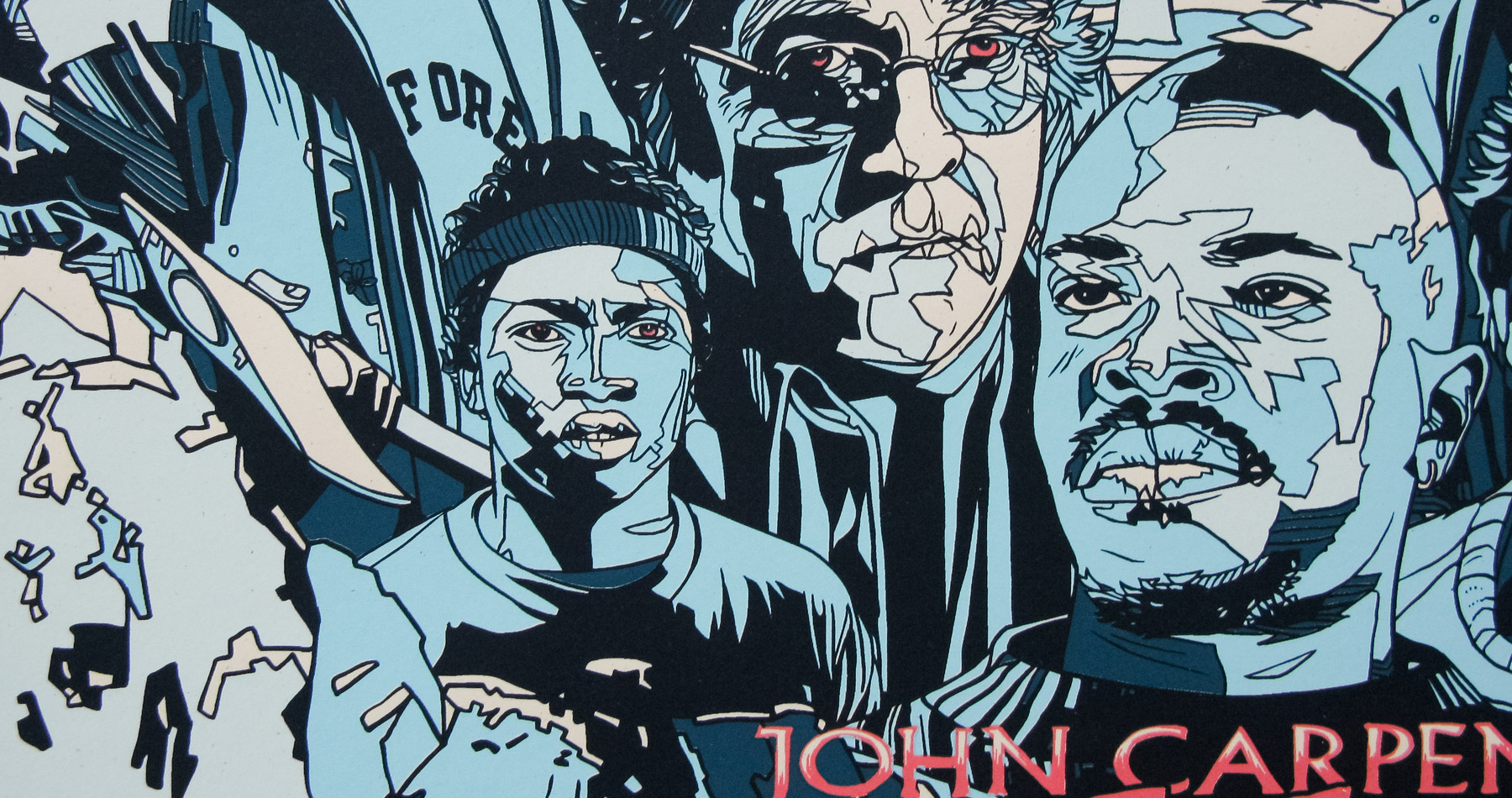
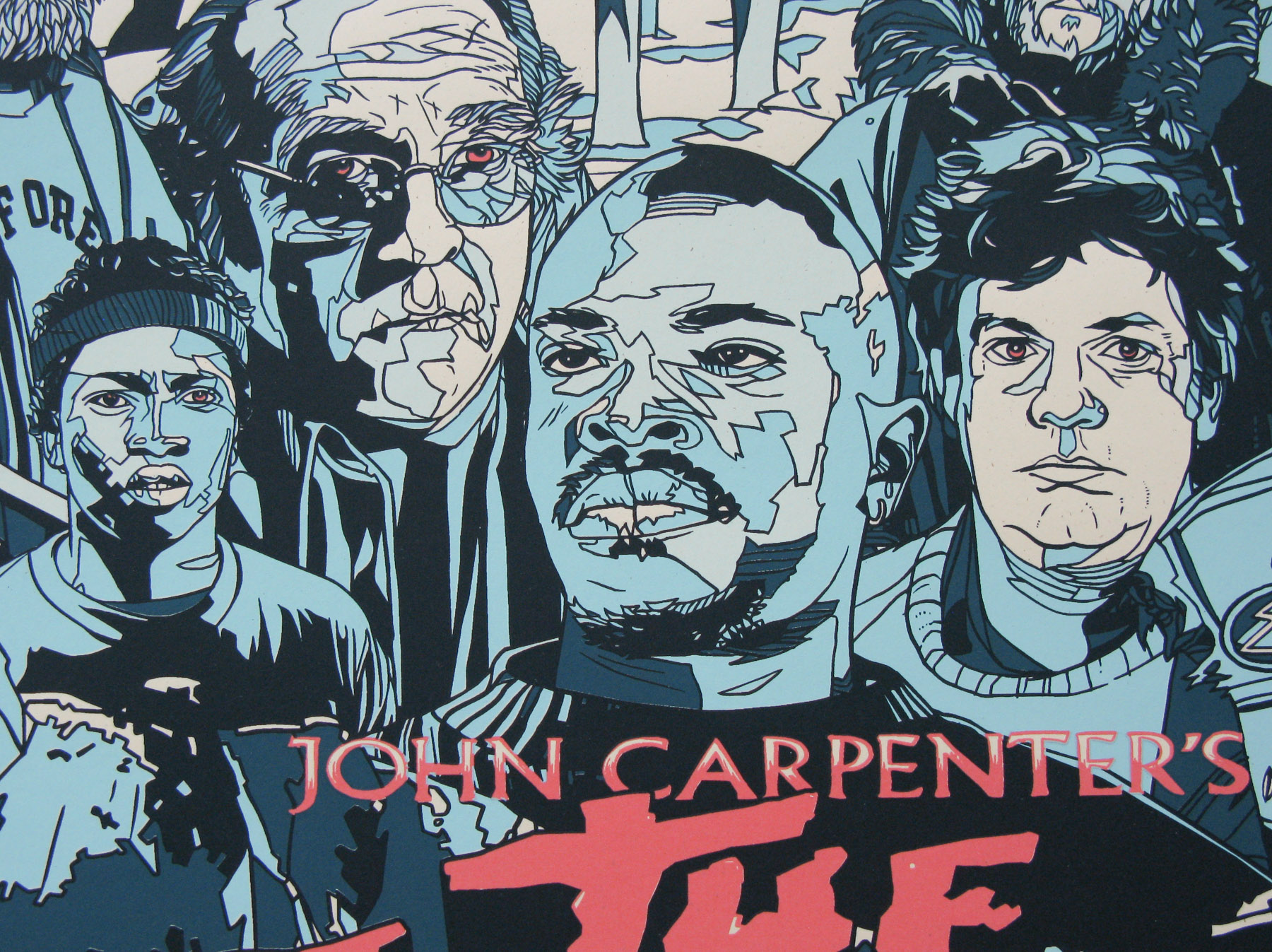
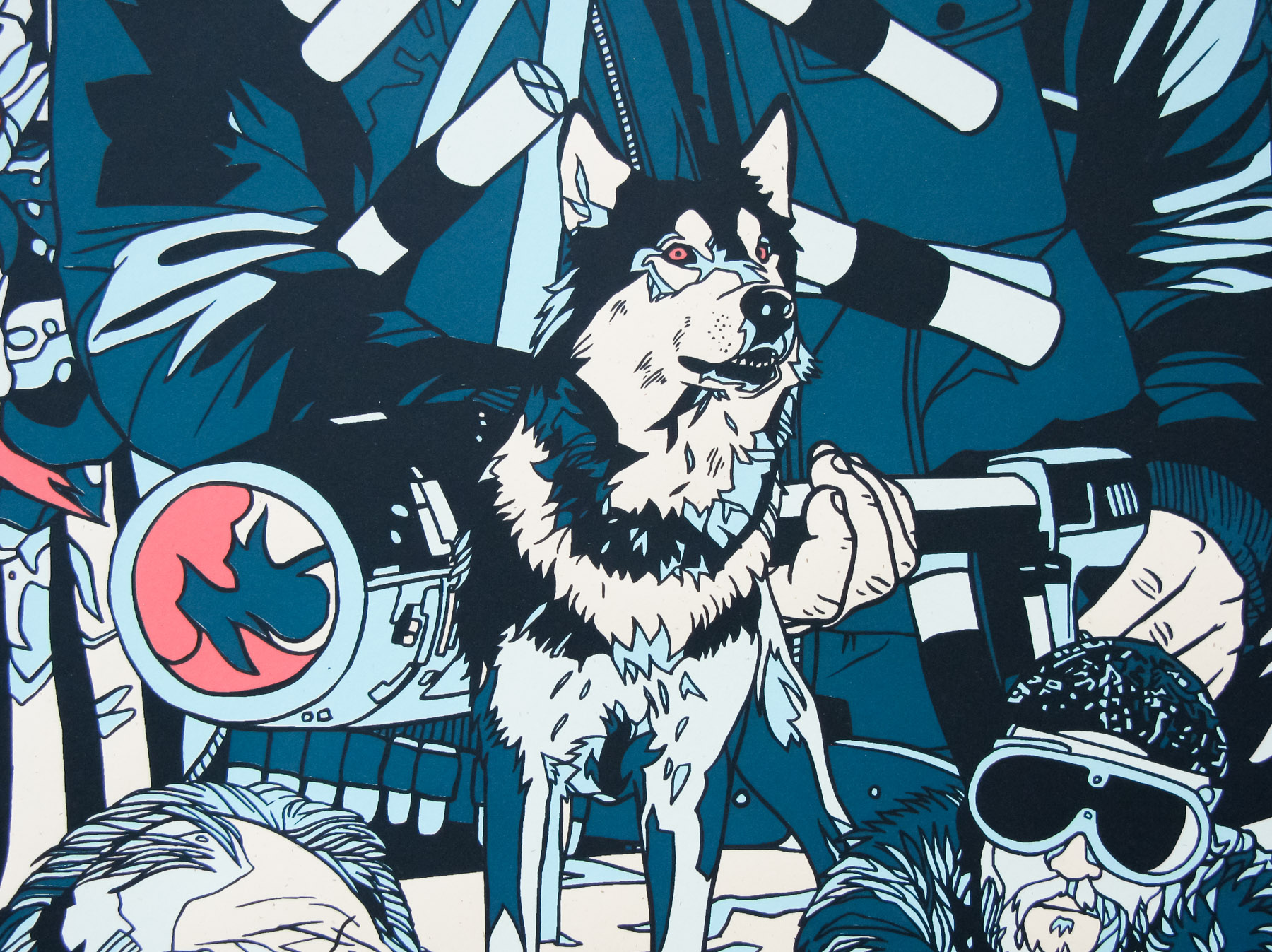
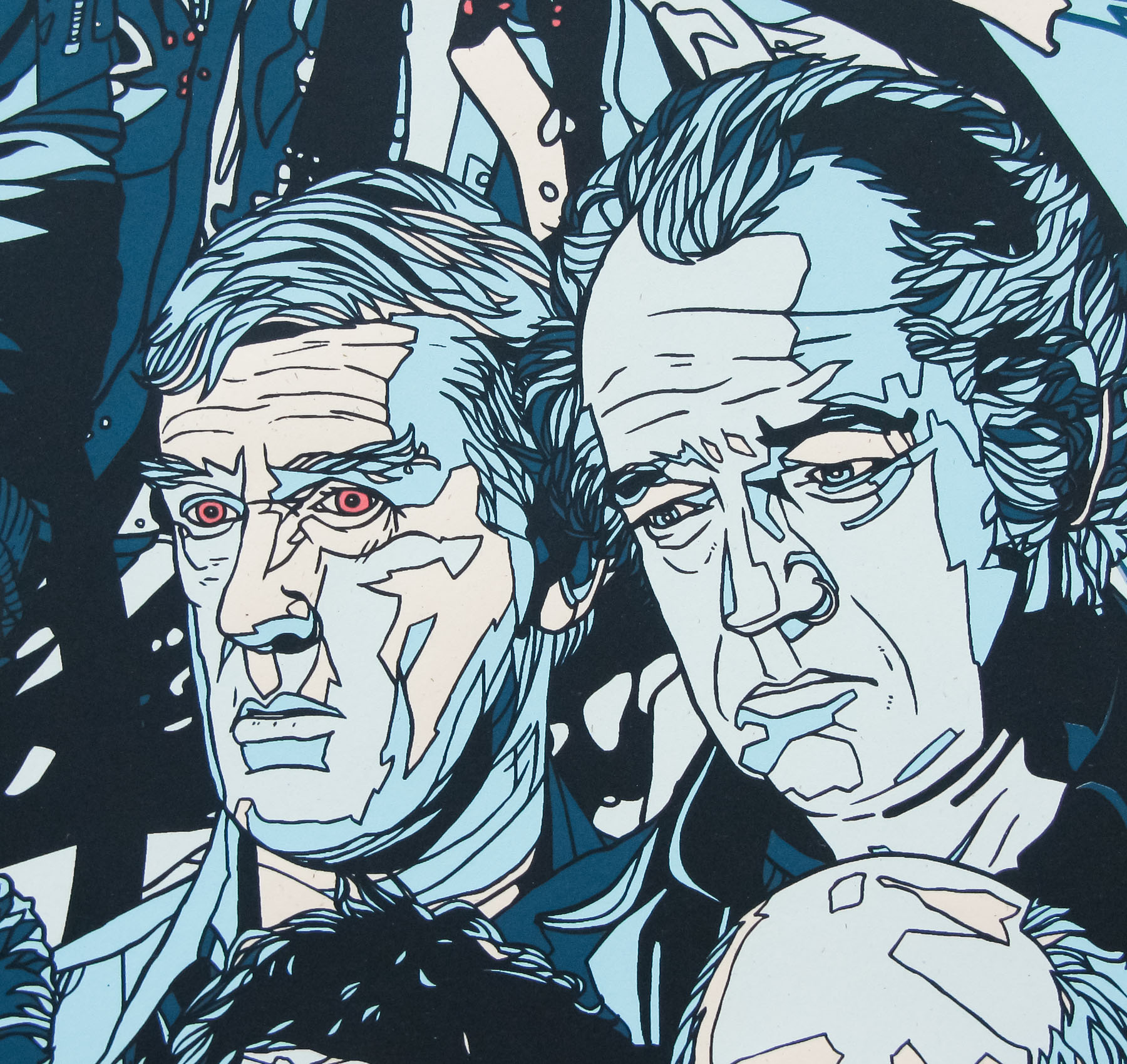
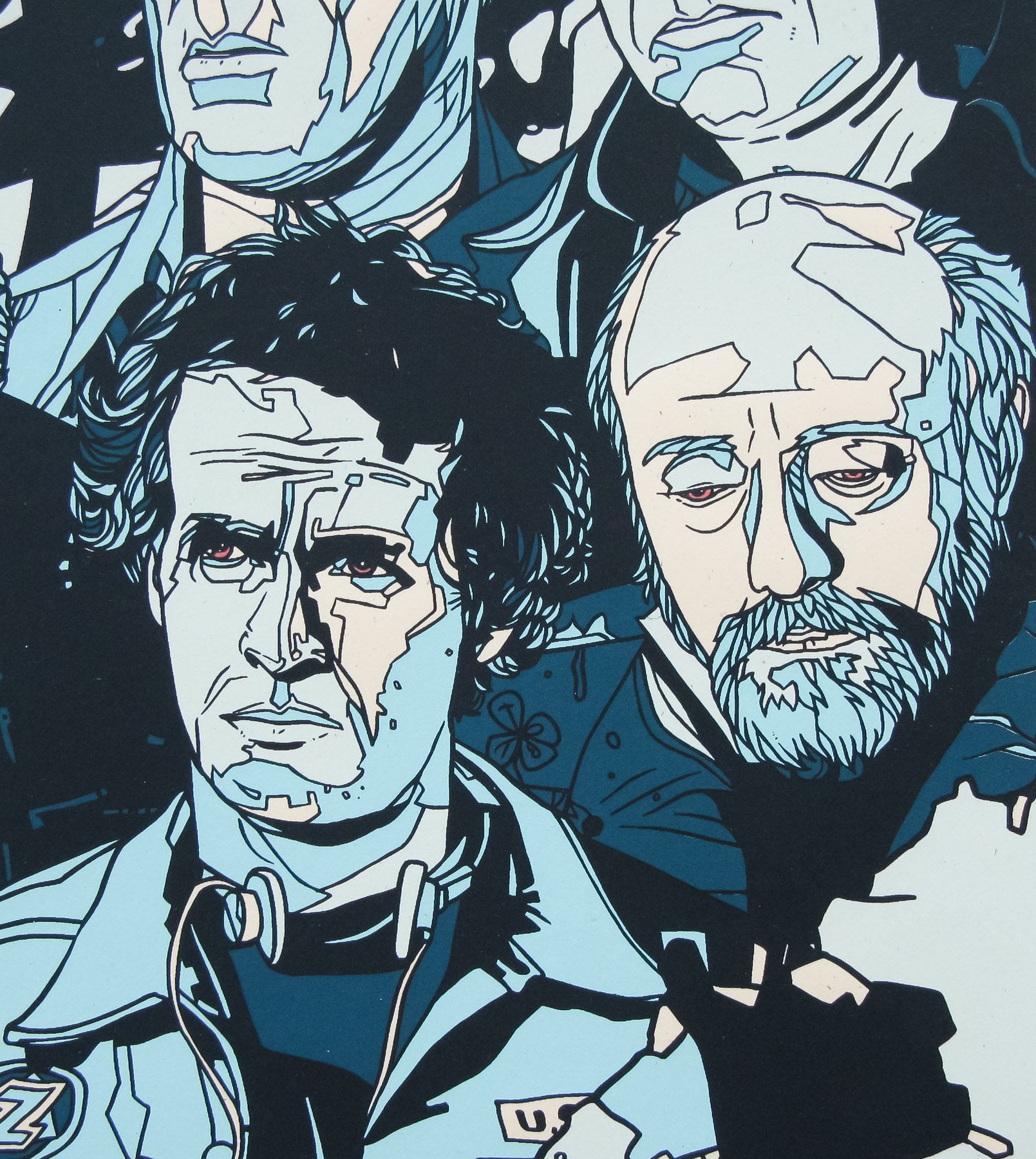
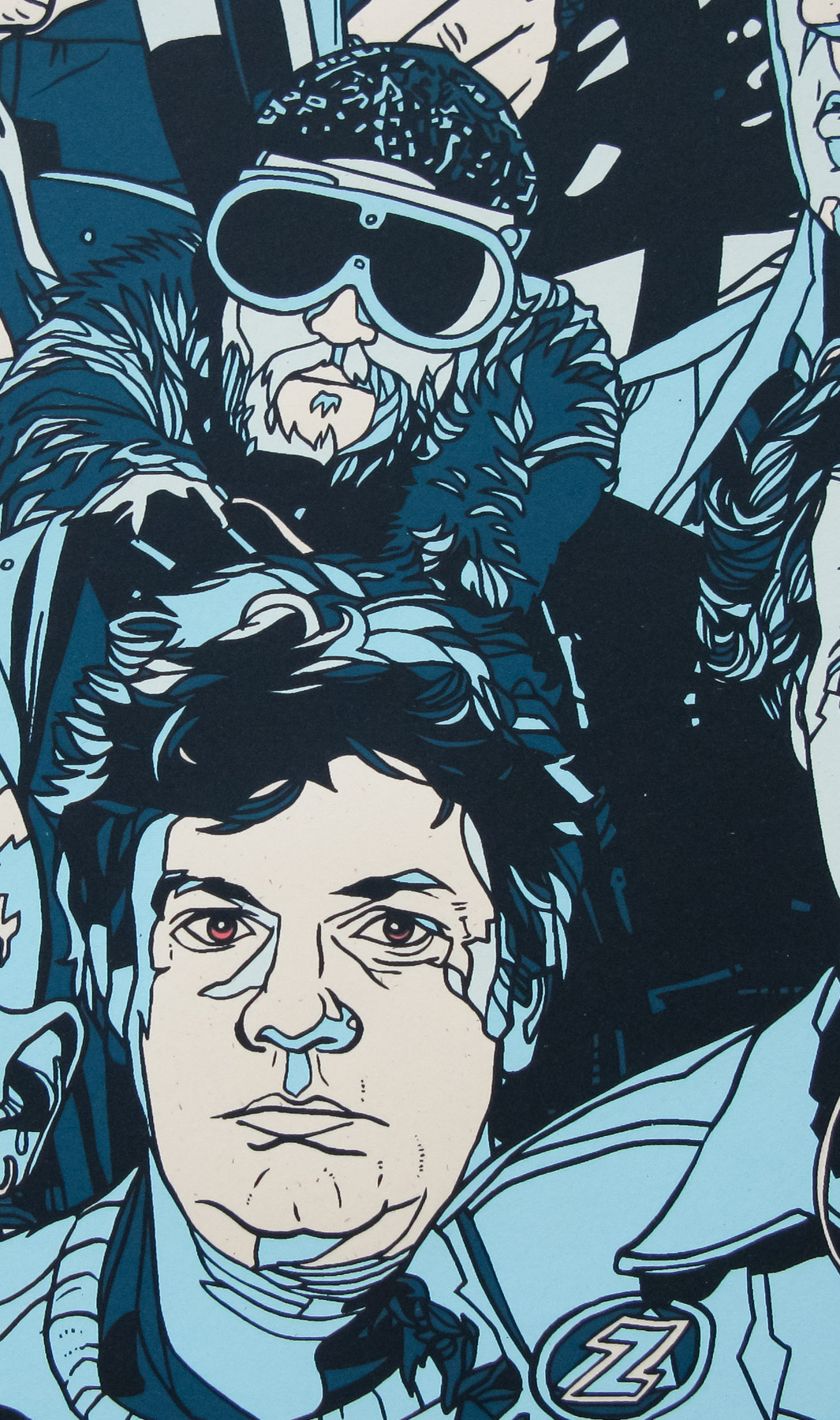
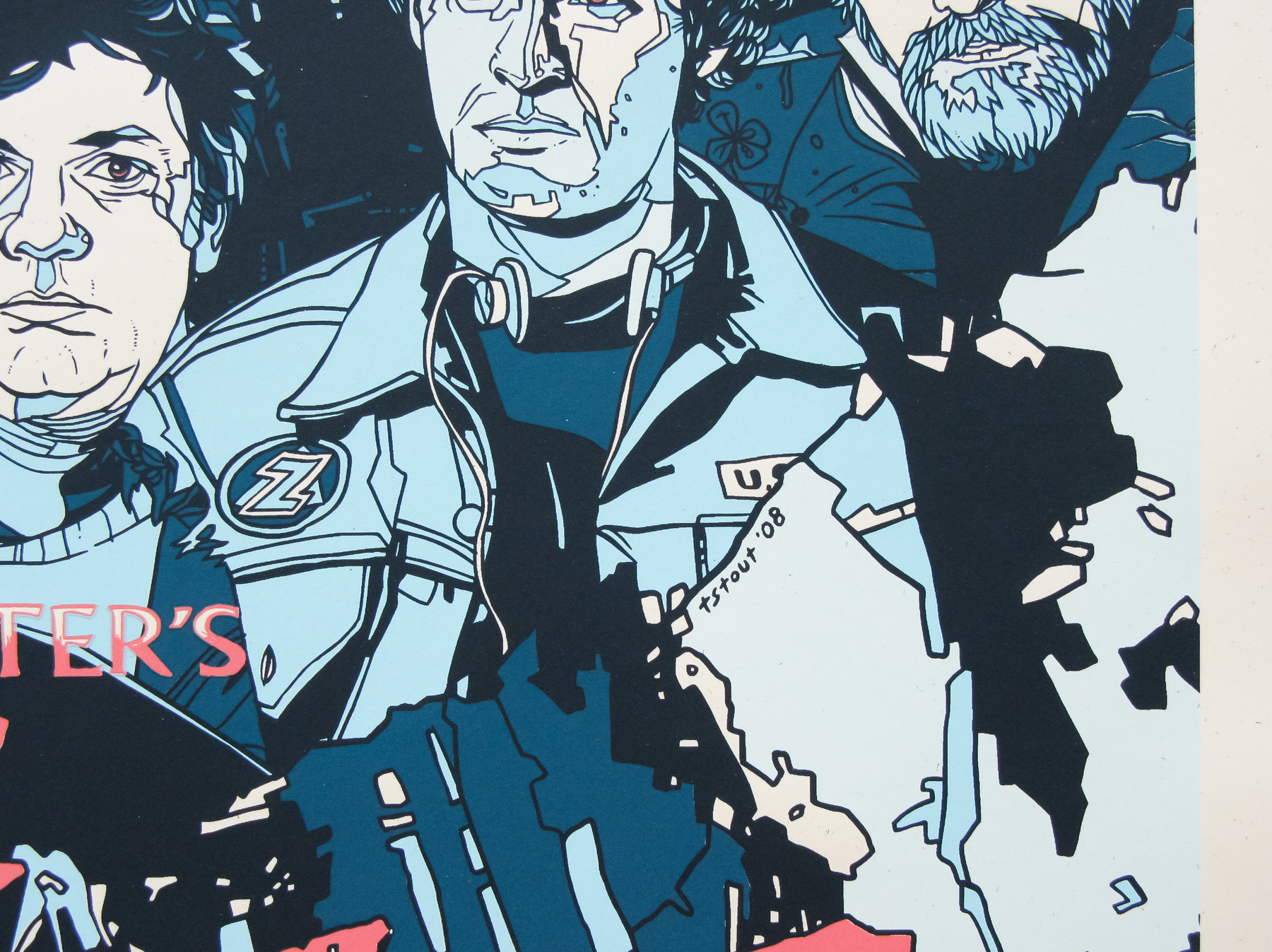
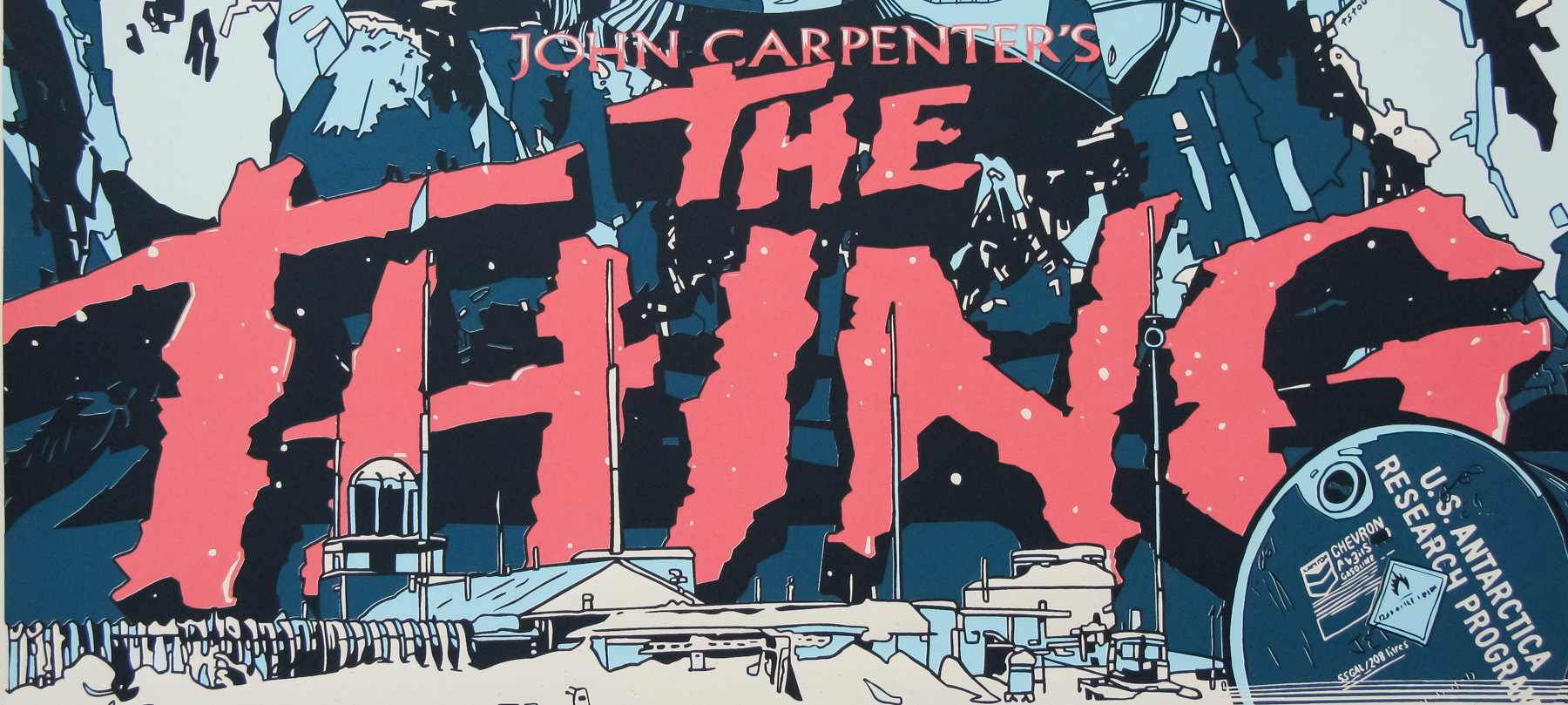
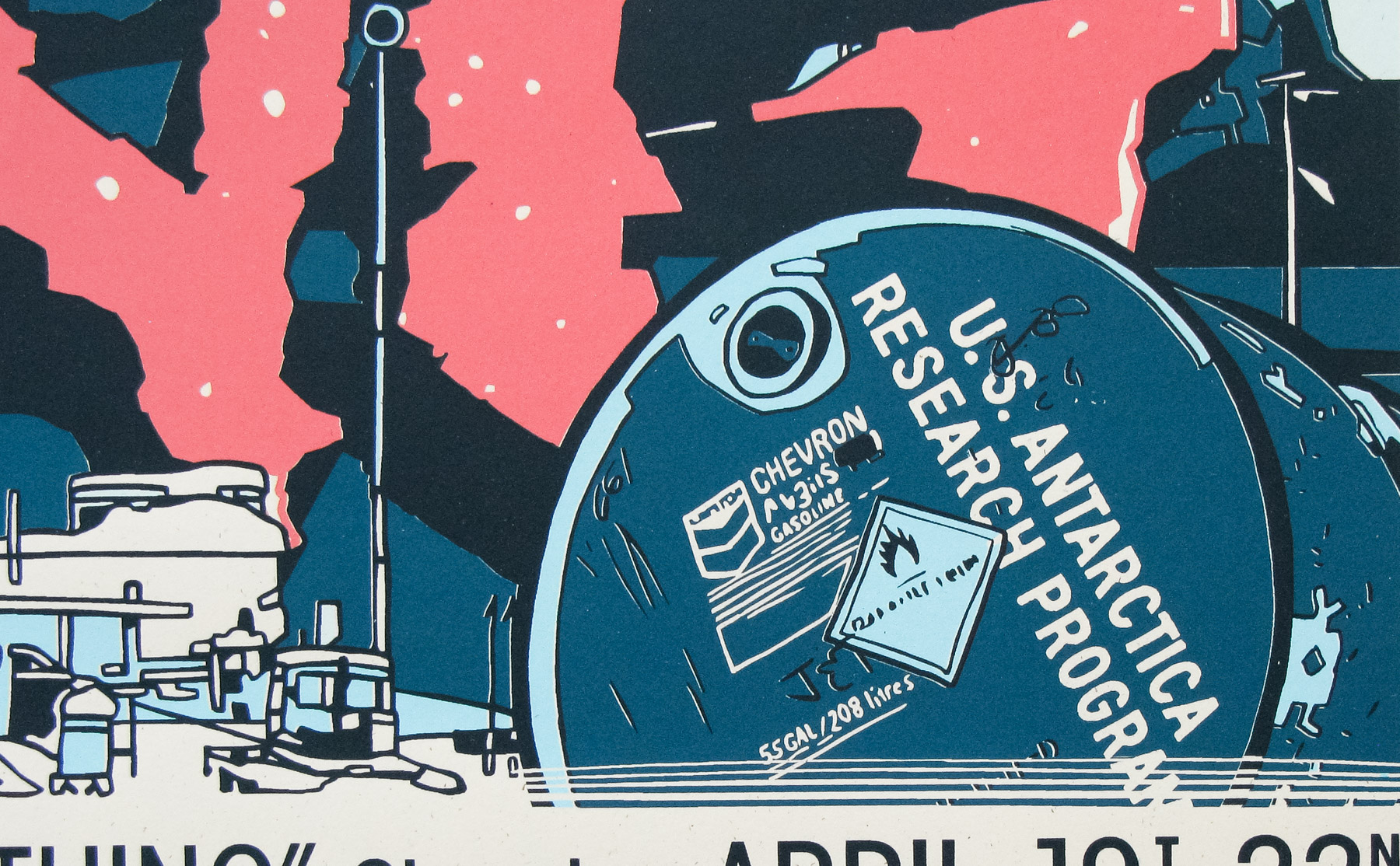
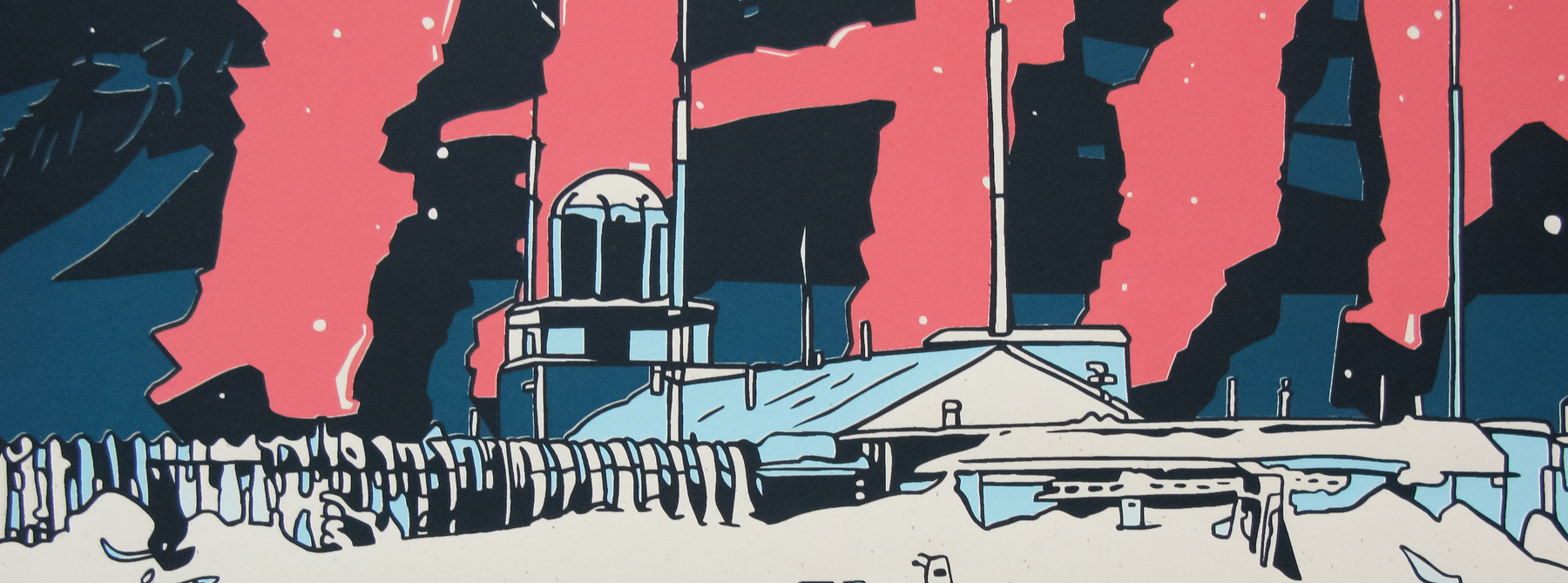
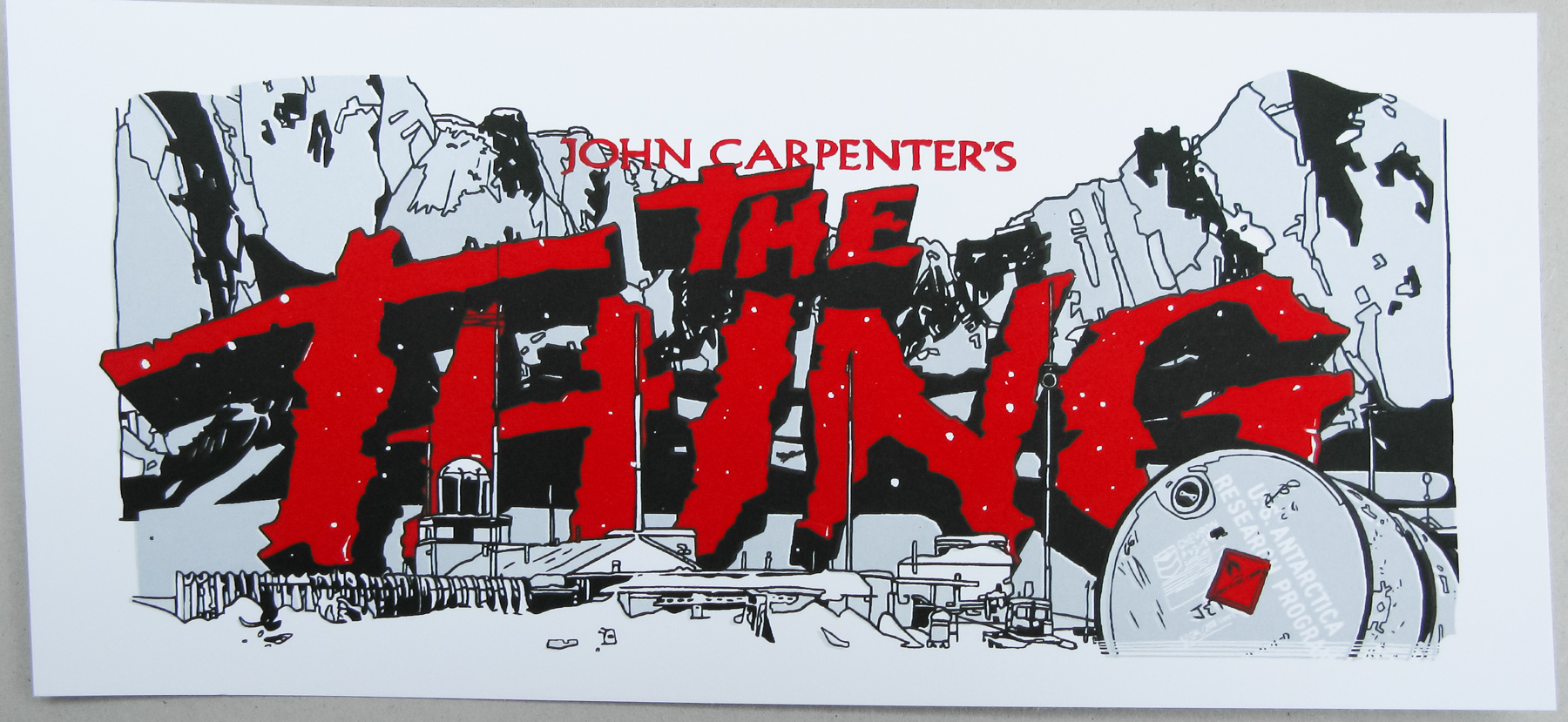
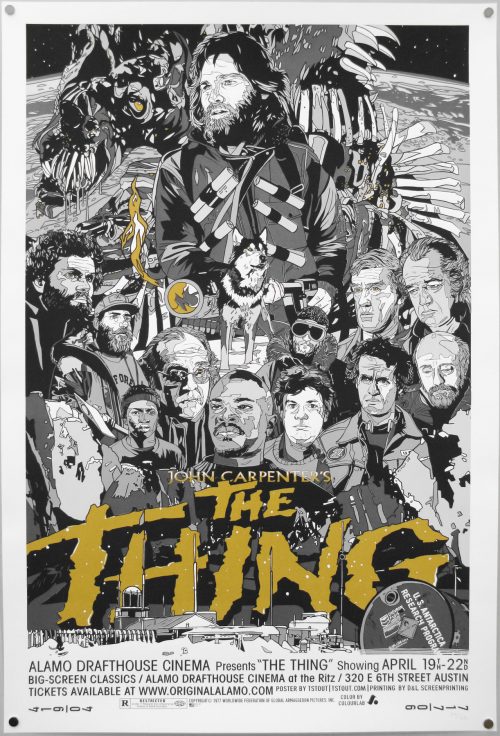
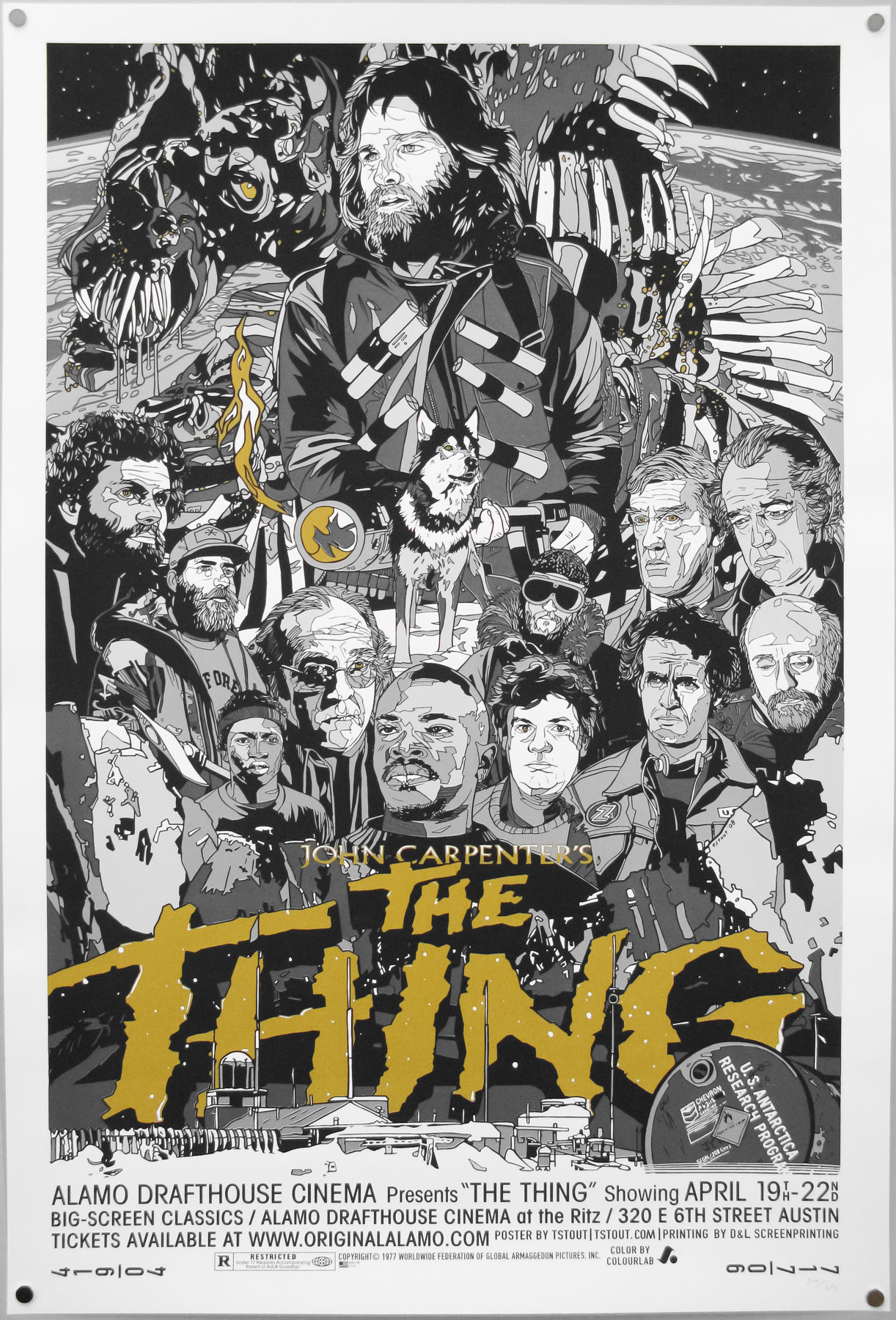
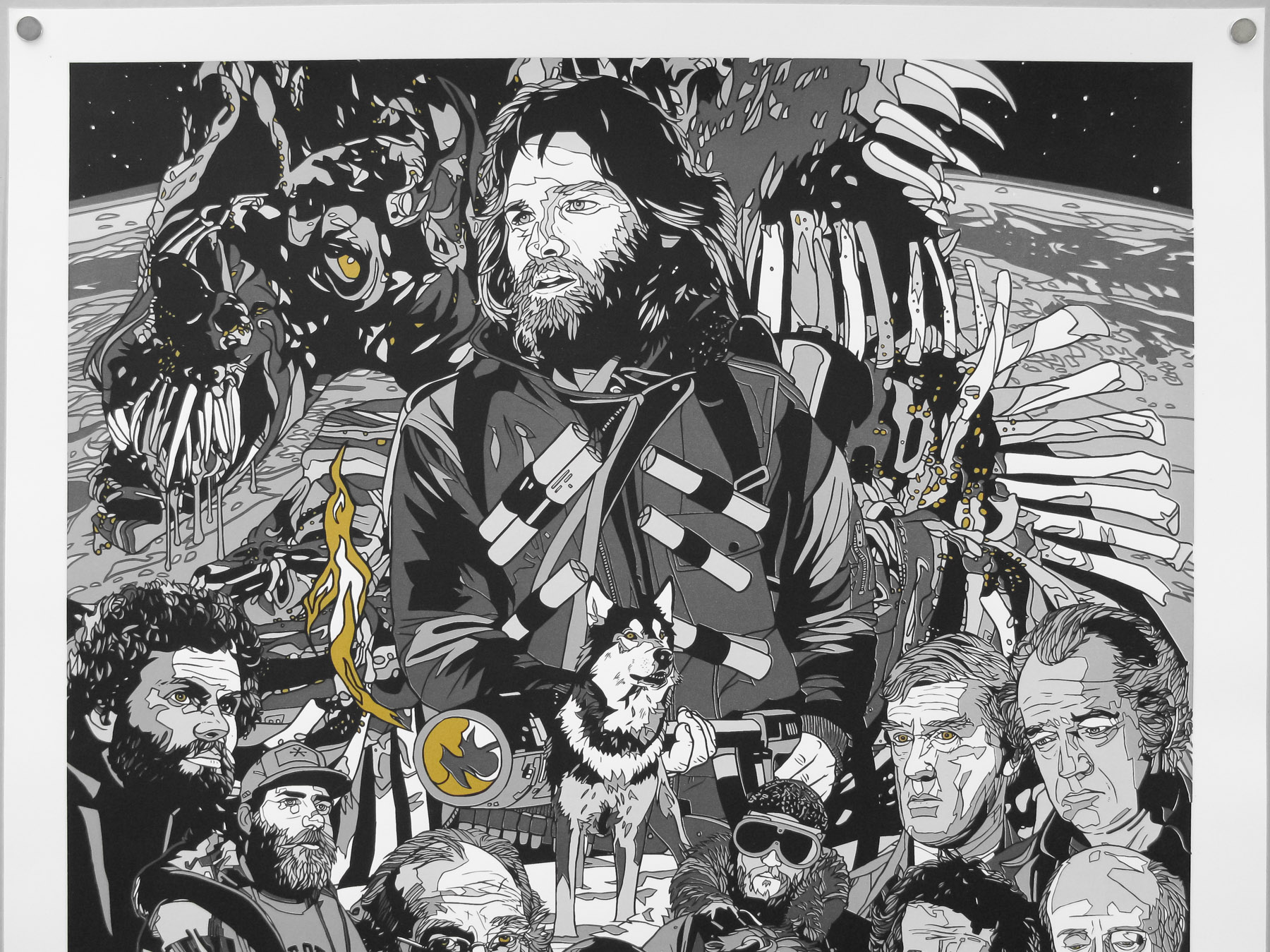
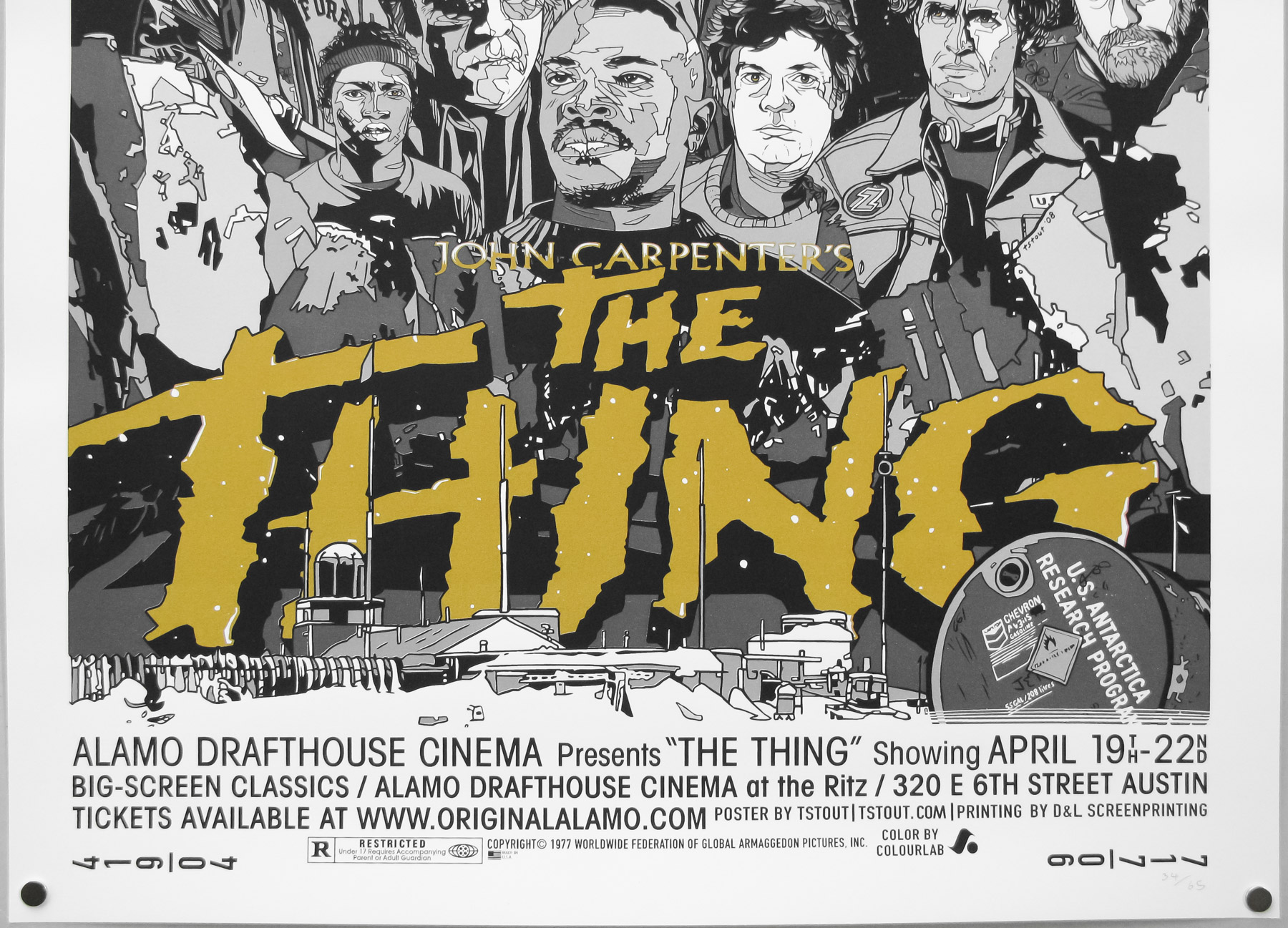
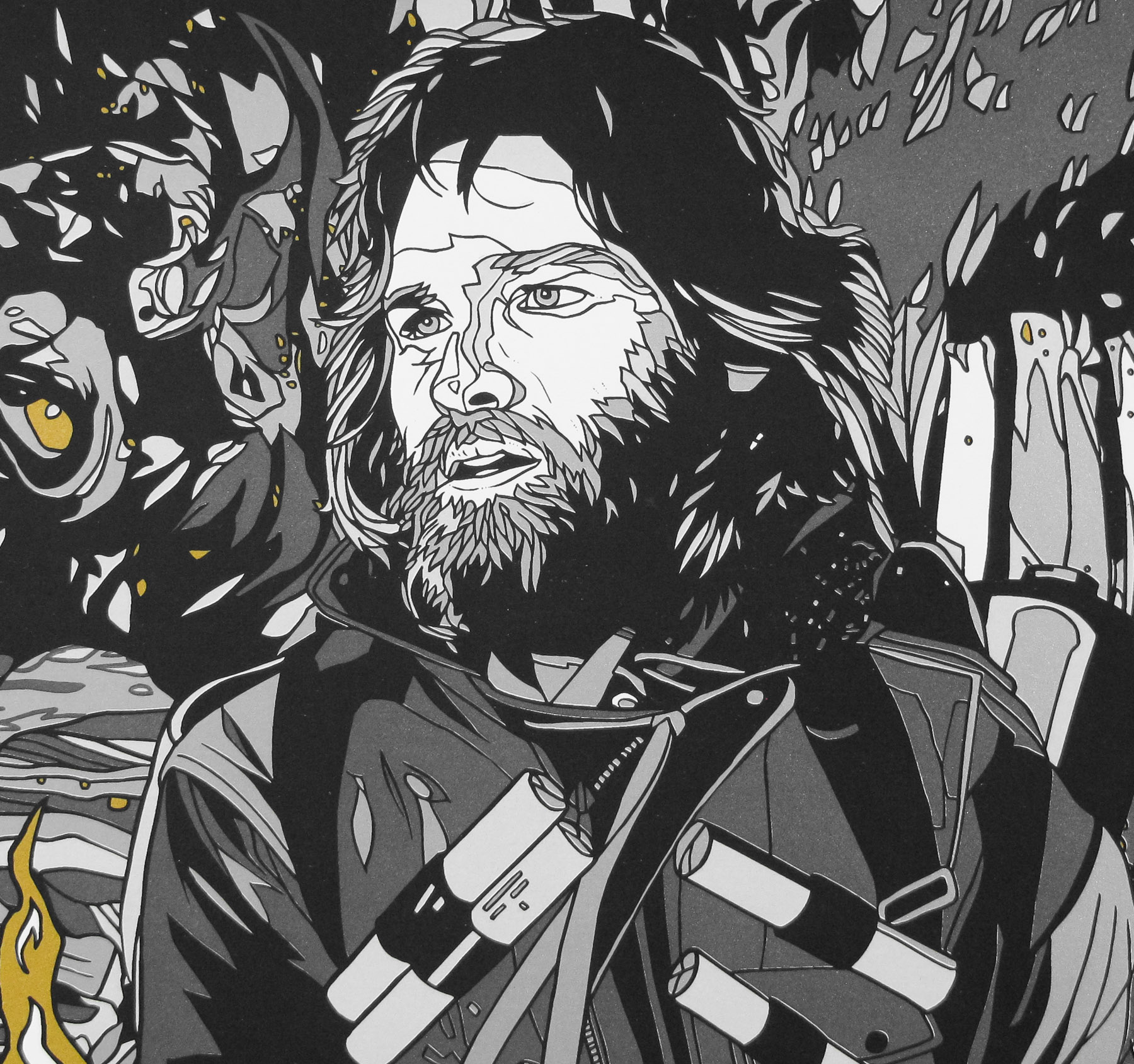
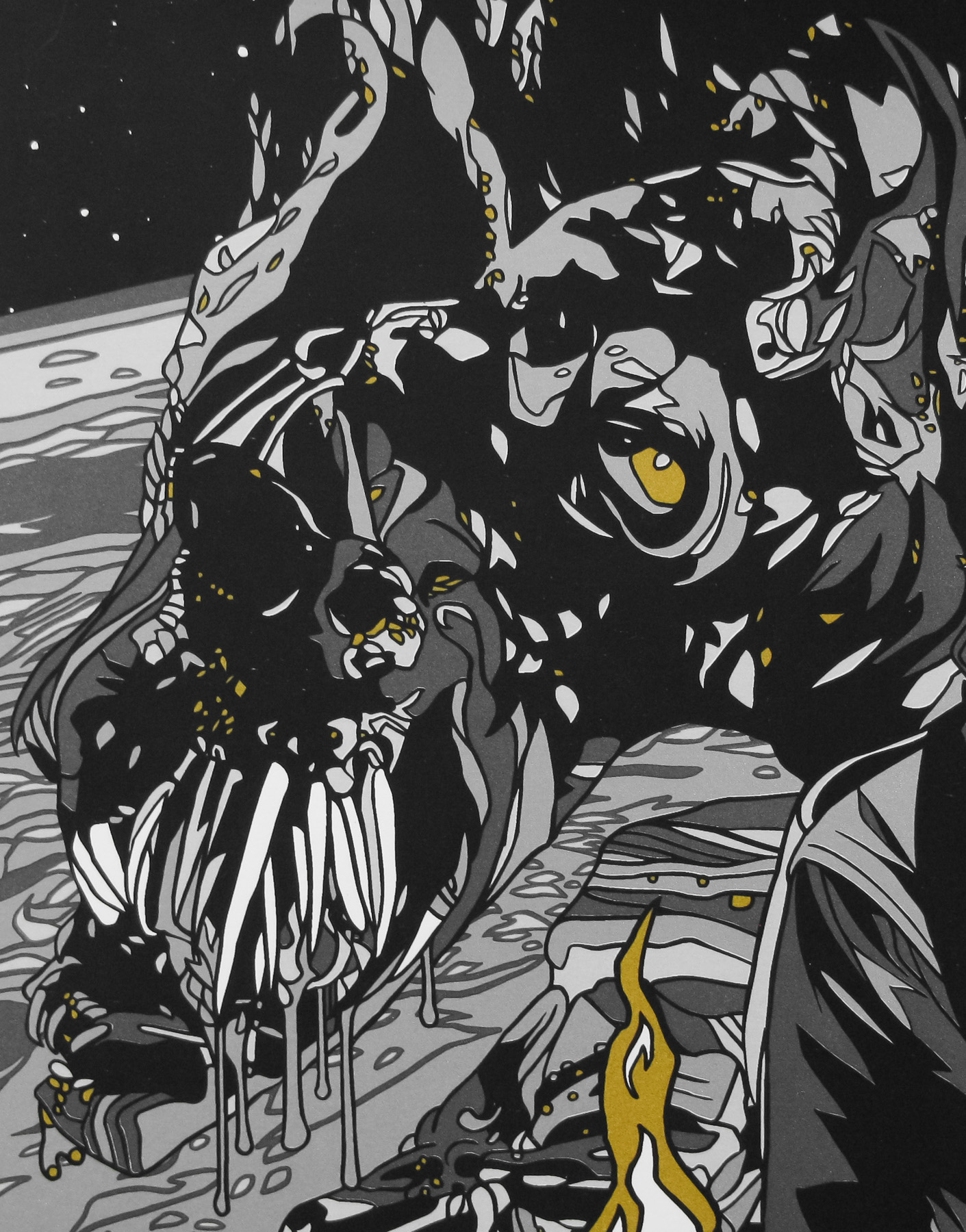
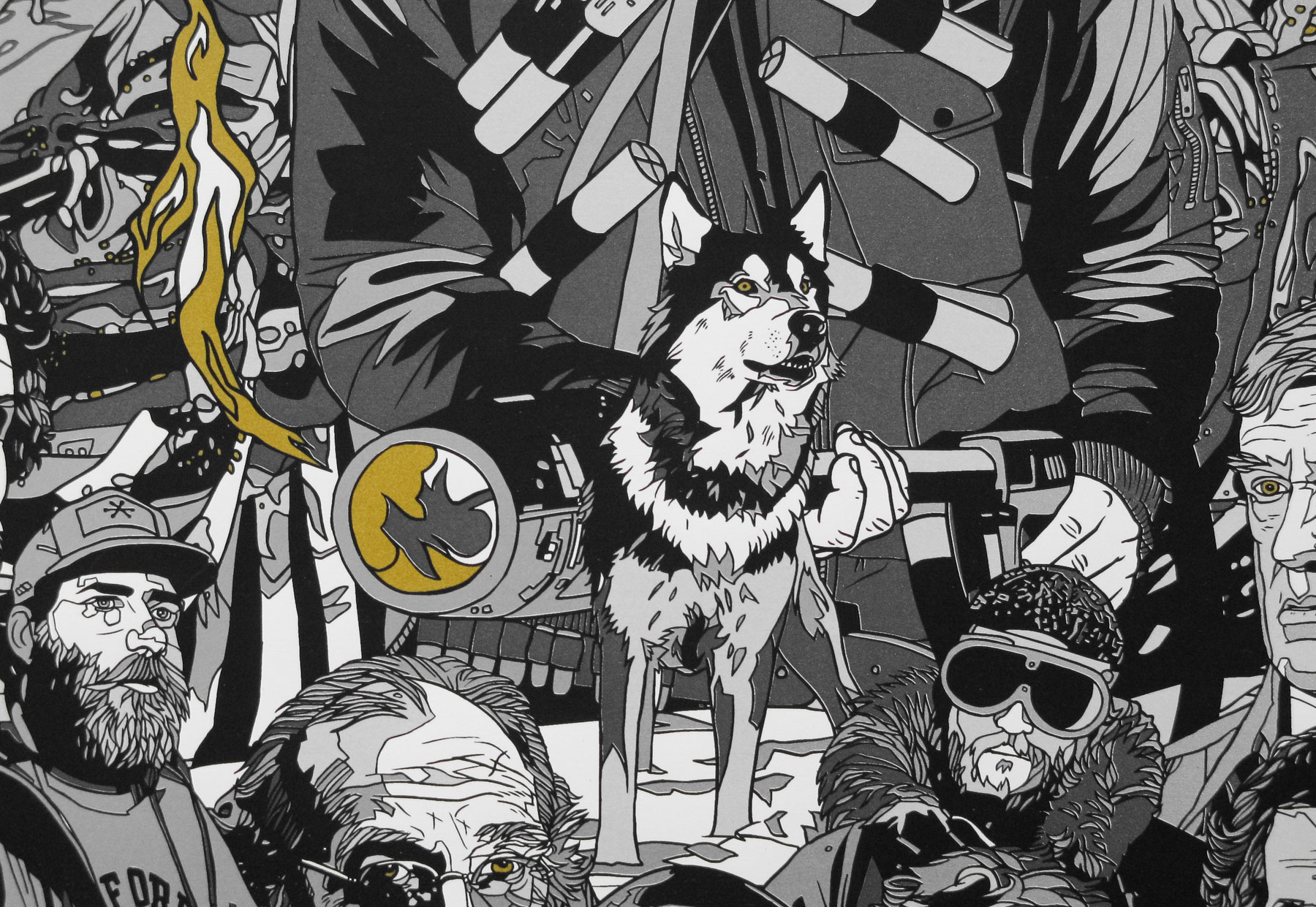
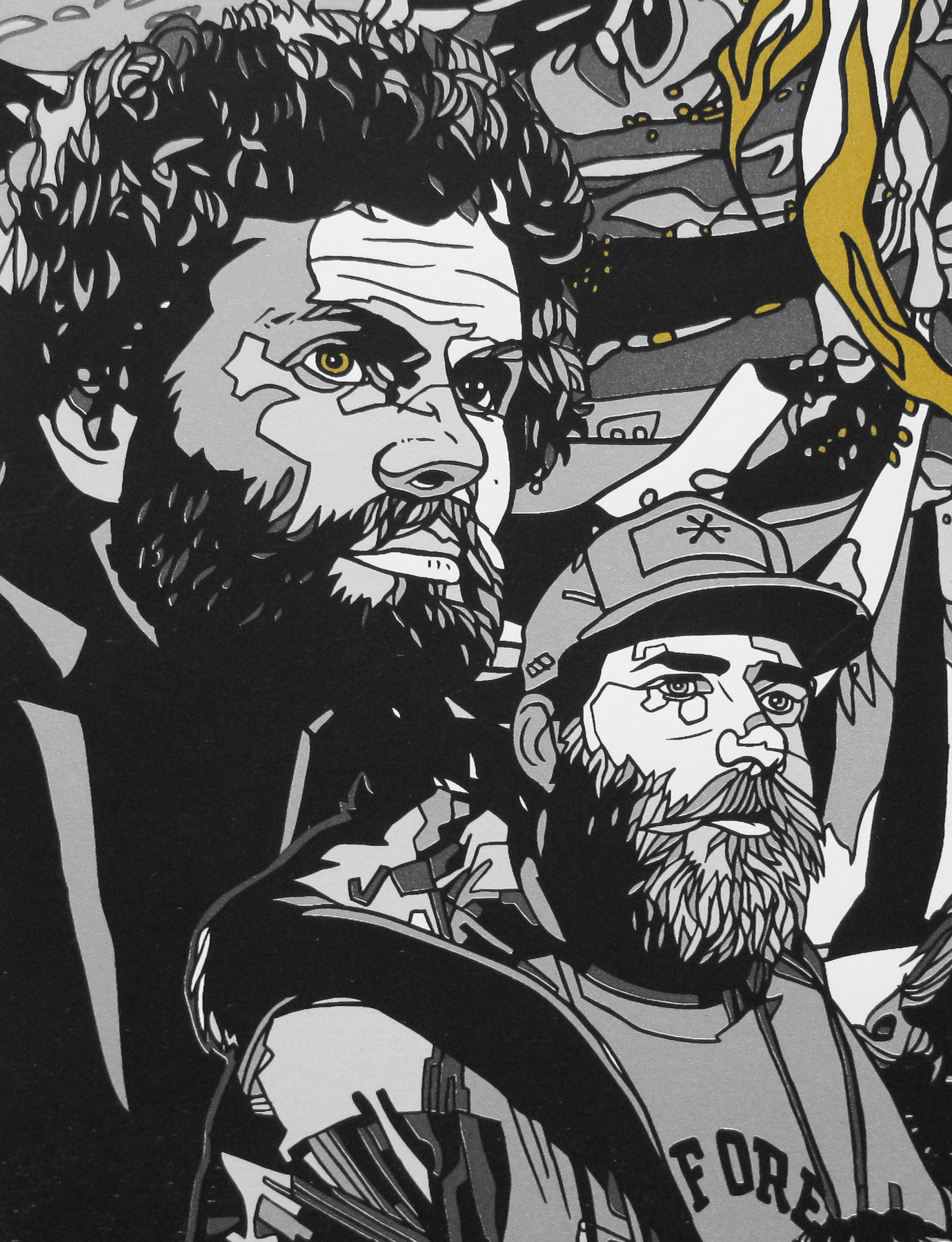
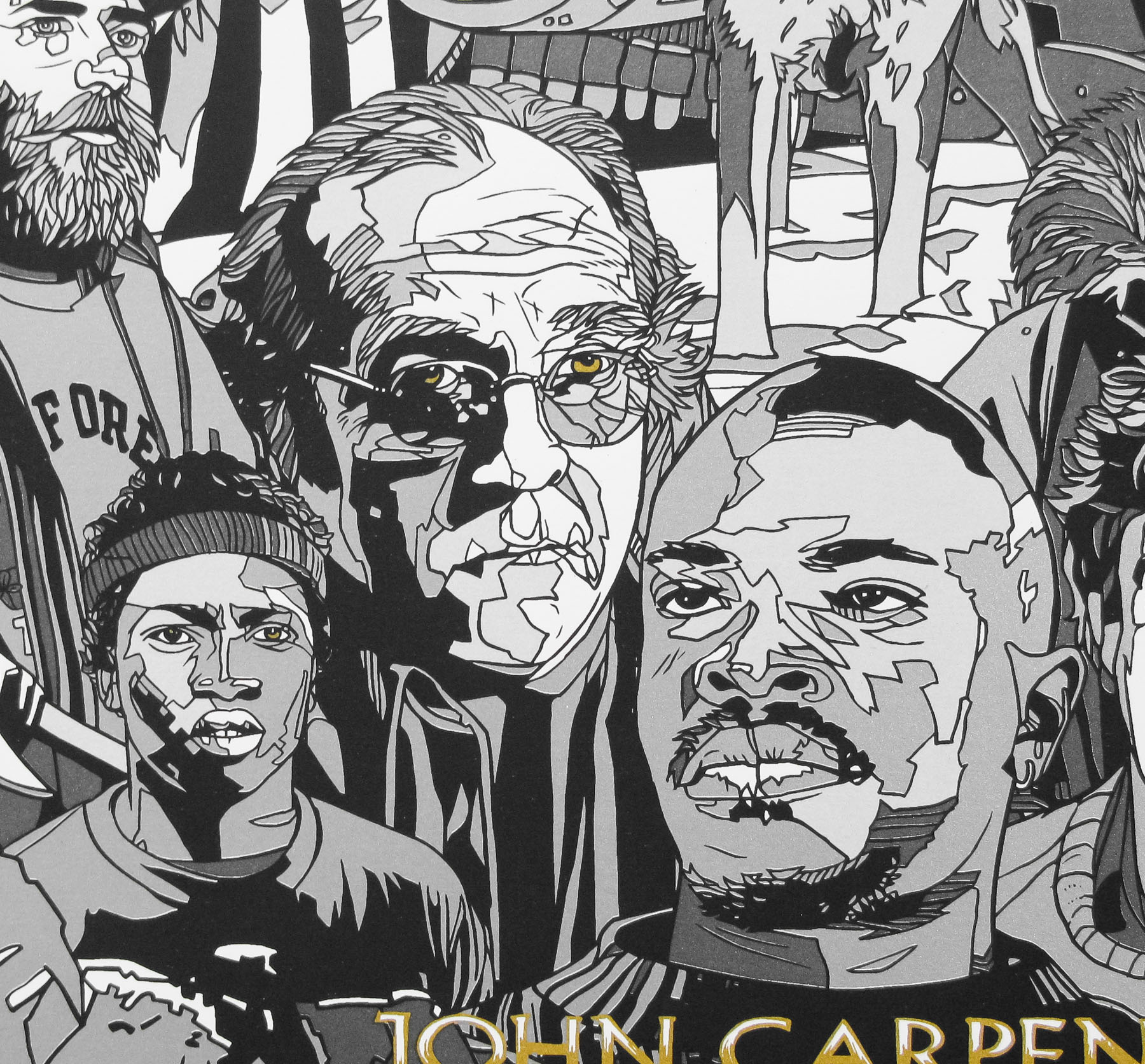
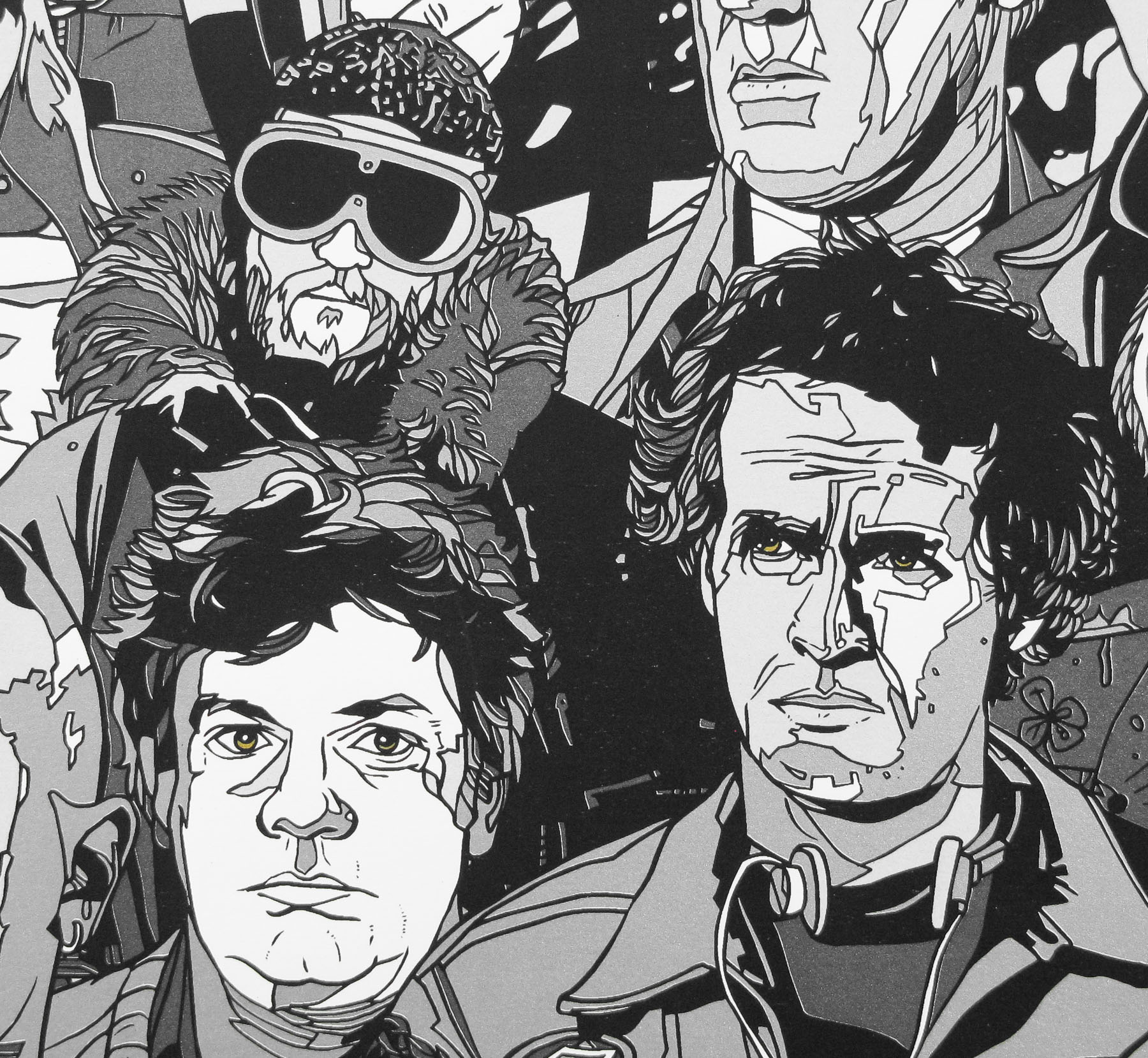
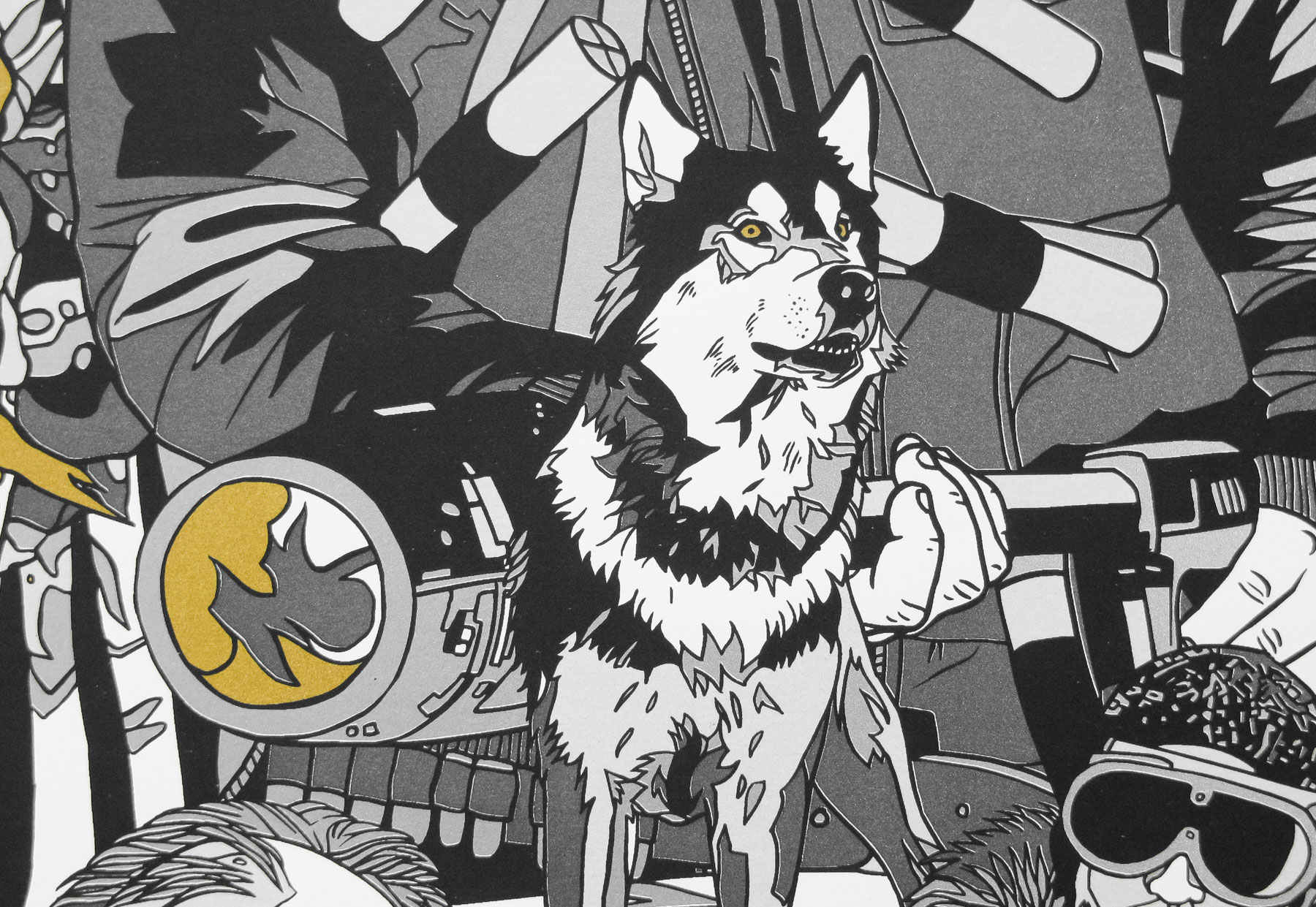
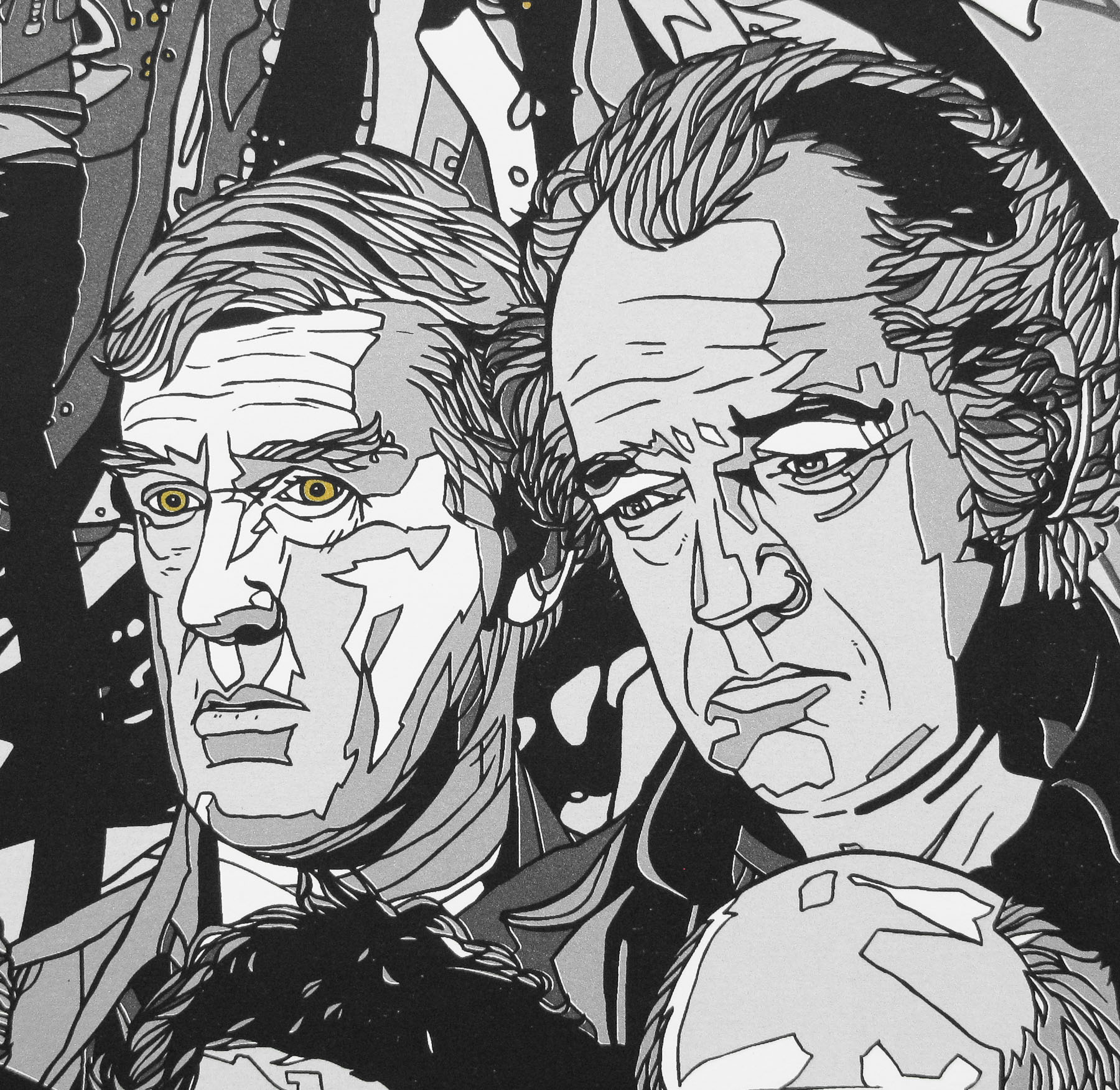
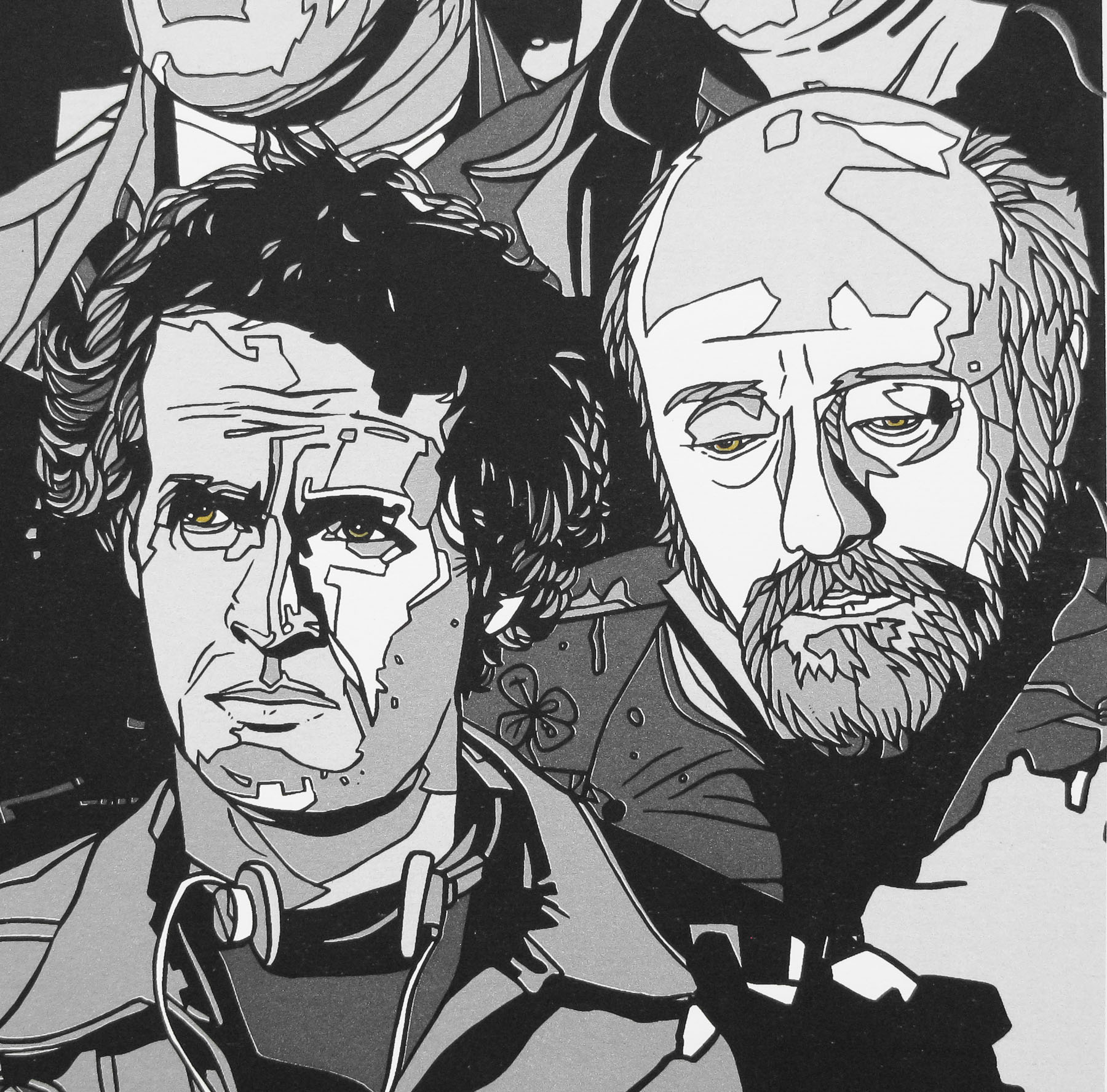
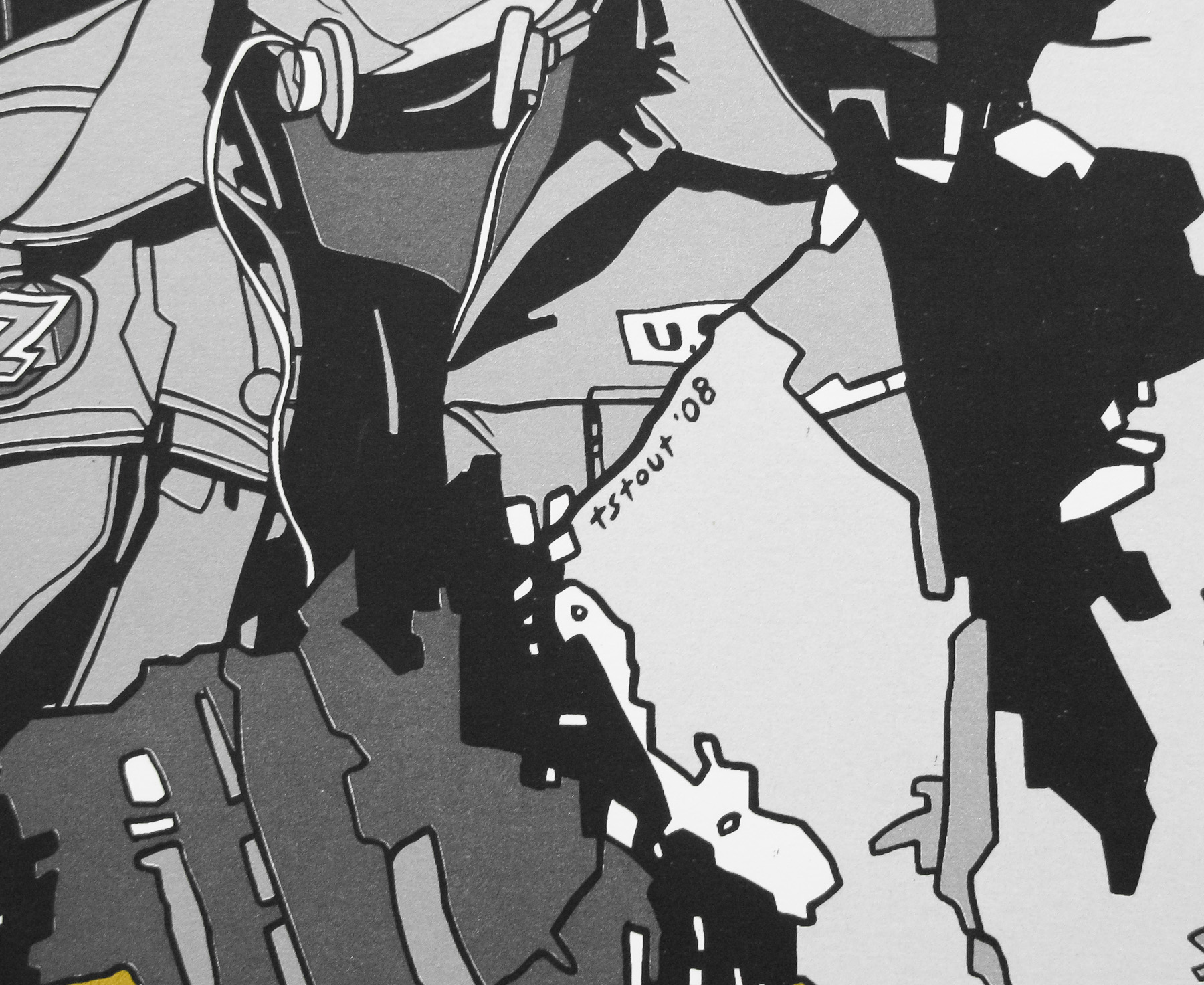
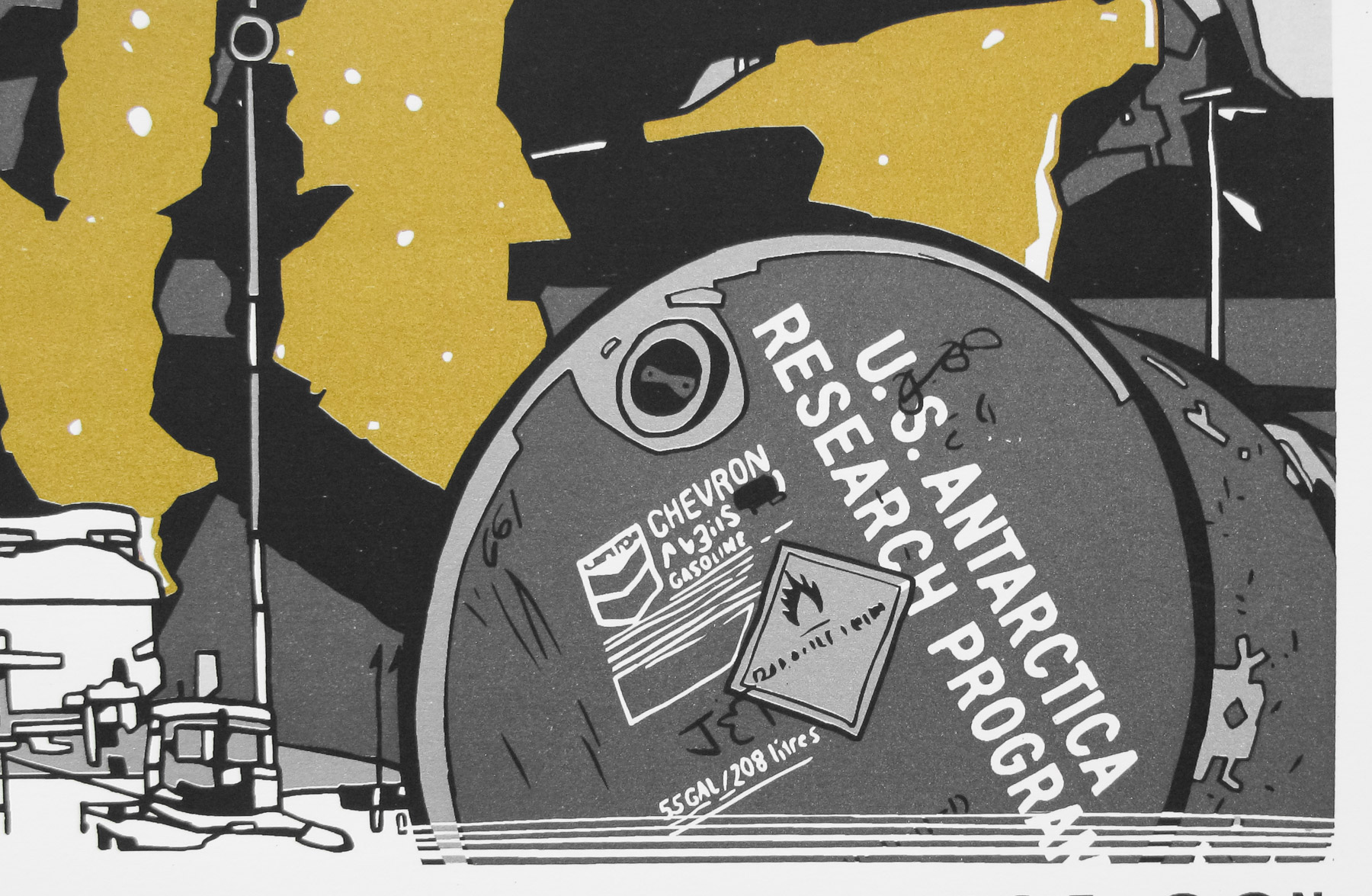
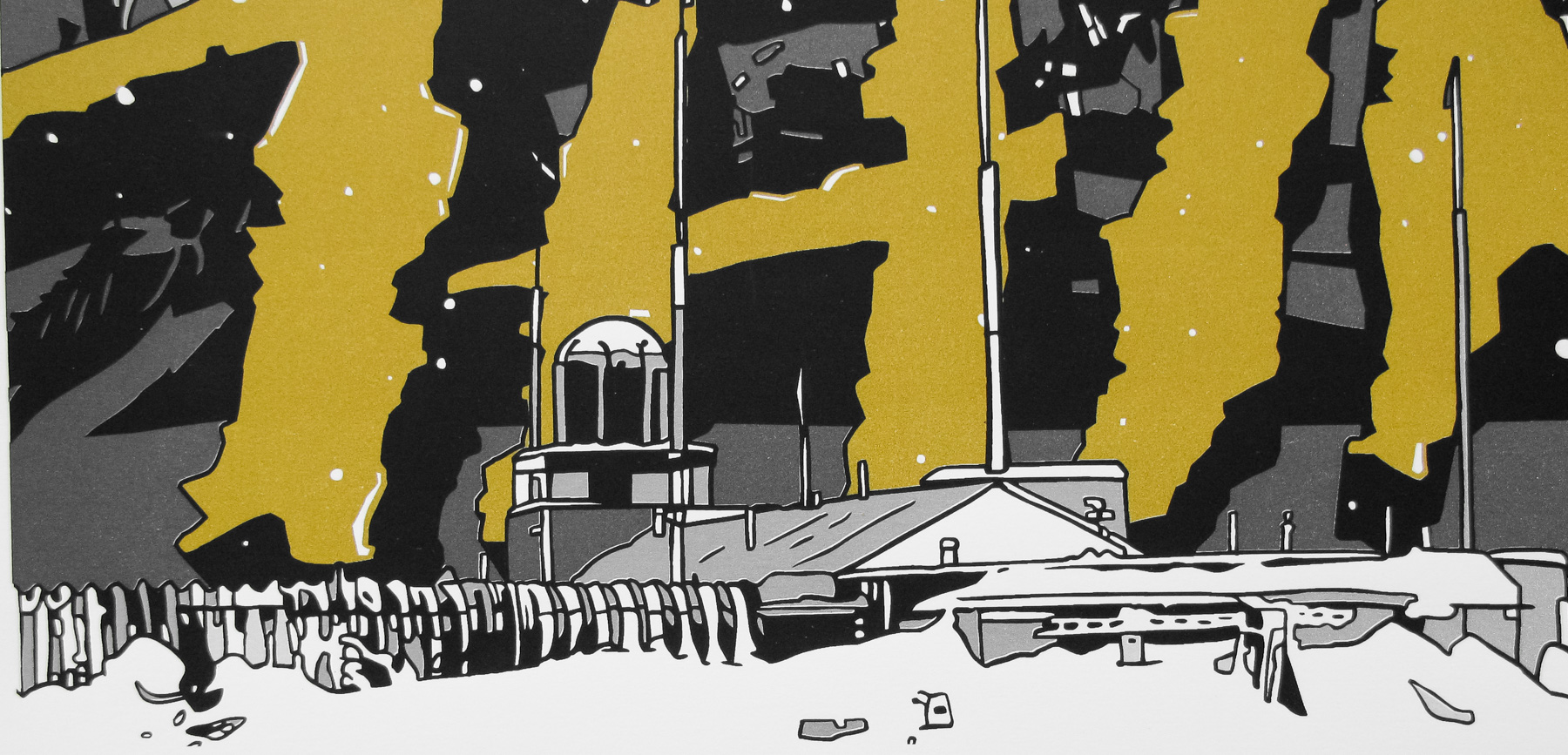
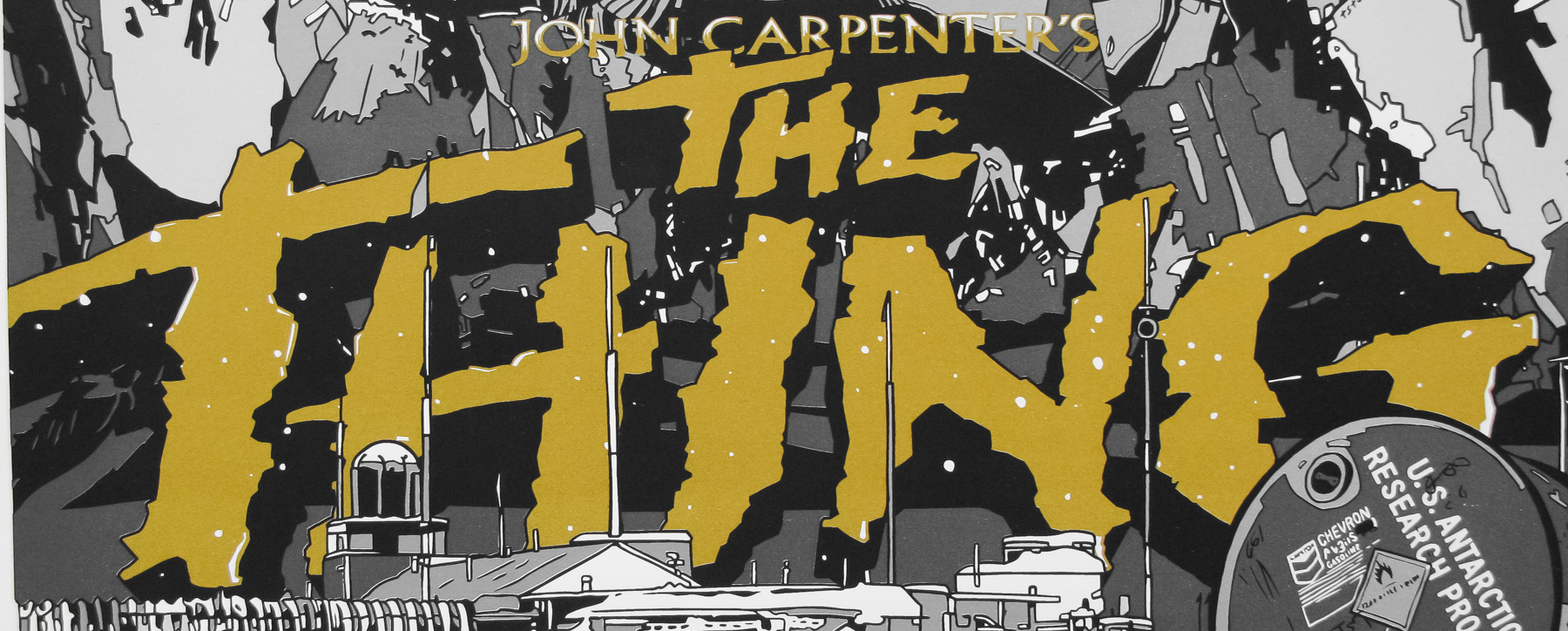
The Thing / screen print / Tyler Stout / regular / USA

17.05.11

Poster Poster

The Thing / screen print / Tyler Stout / variant / USA

17.05.11

Poster Poster

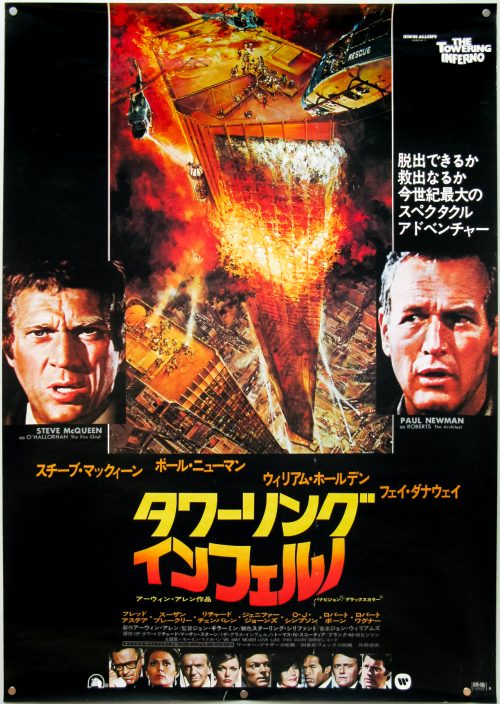
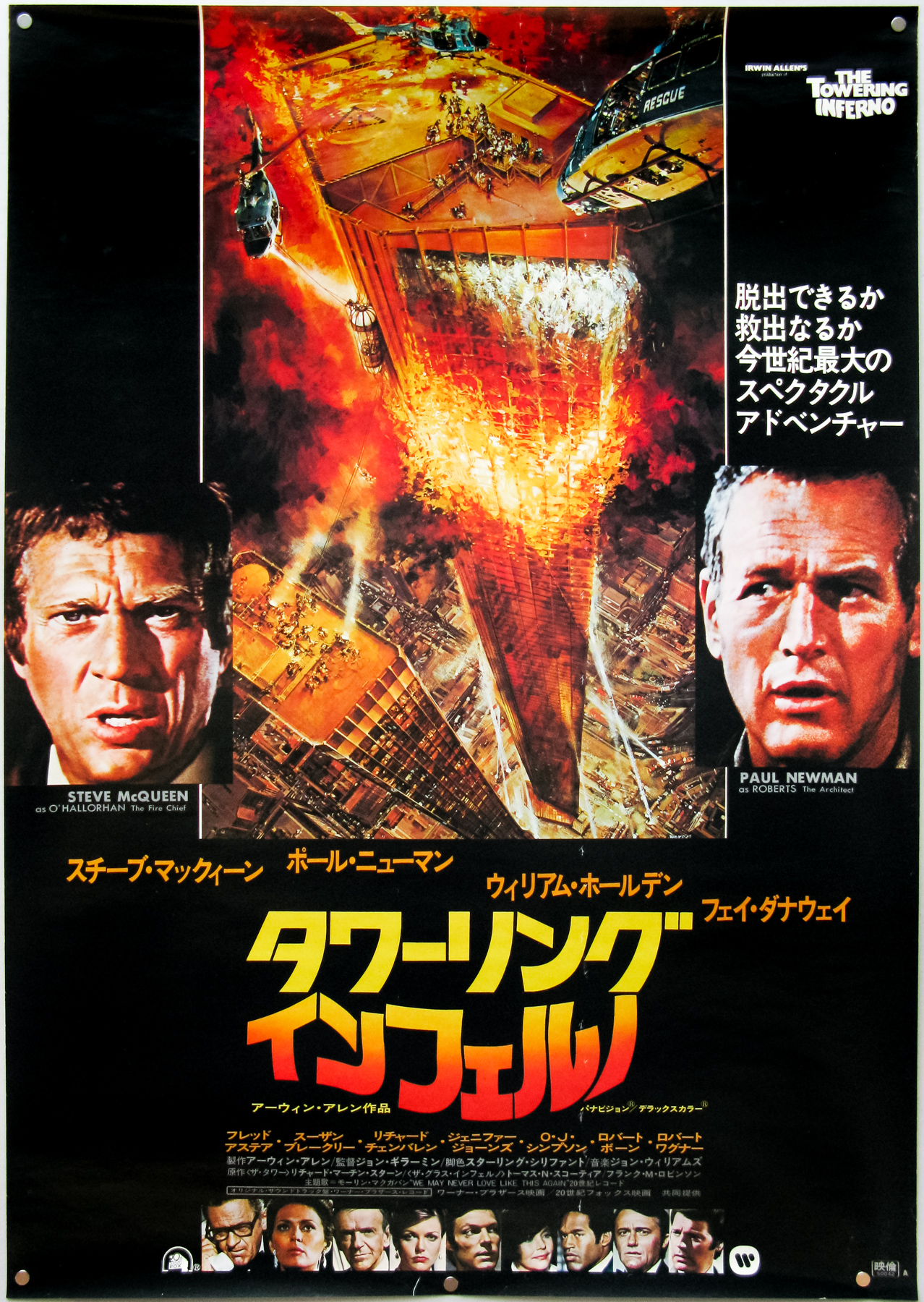
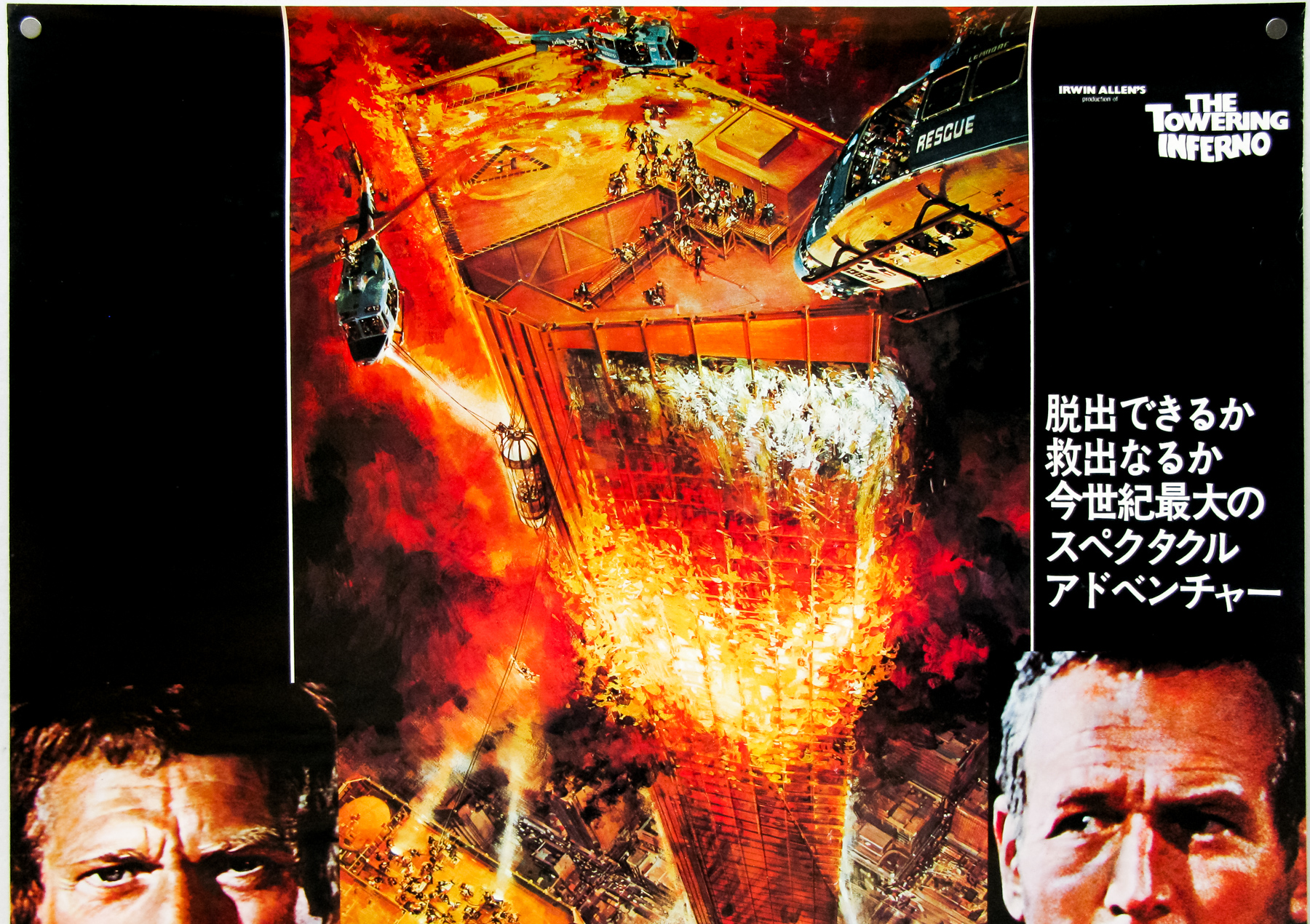
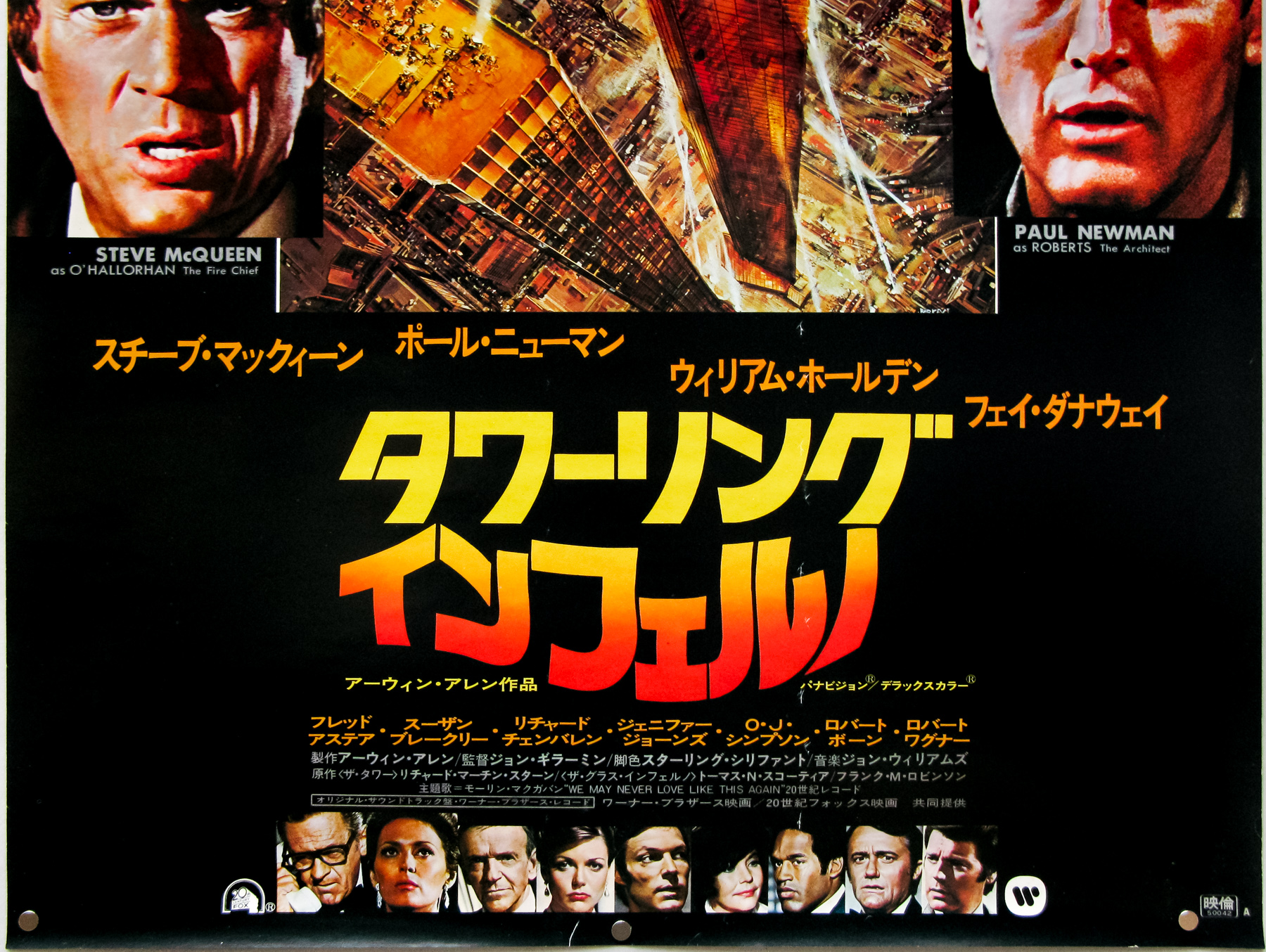
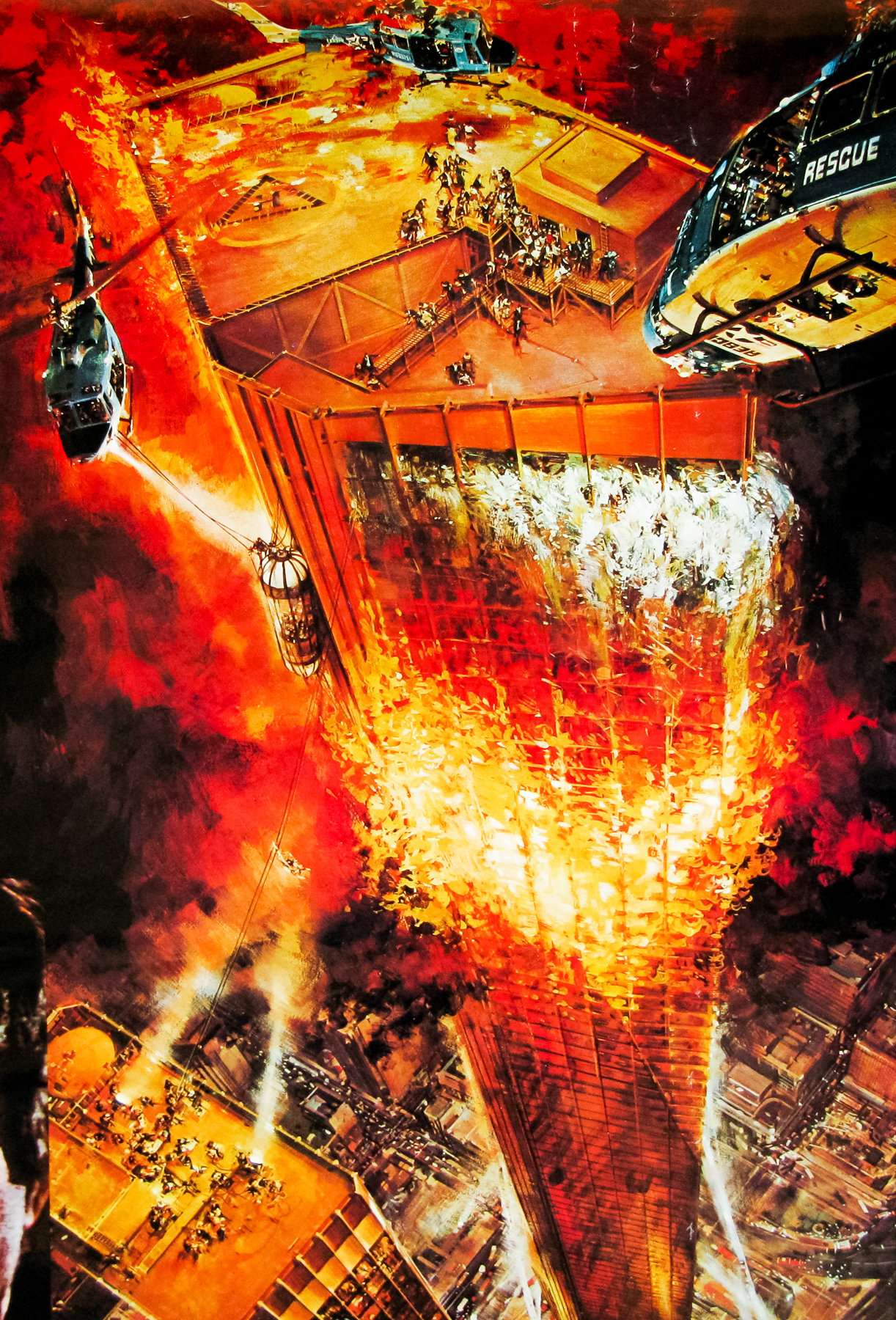
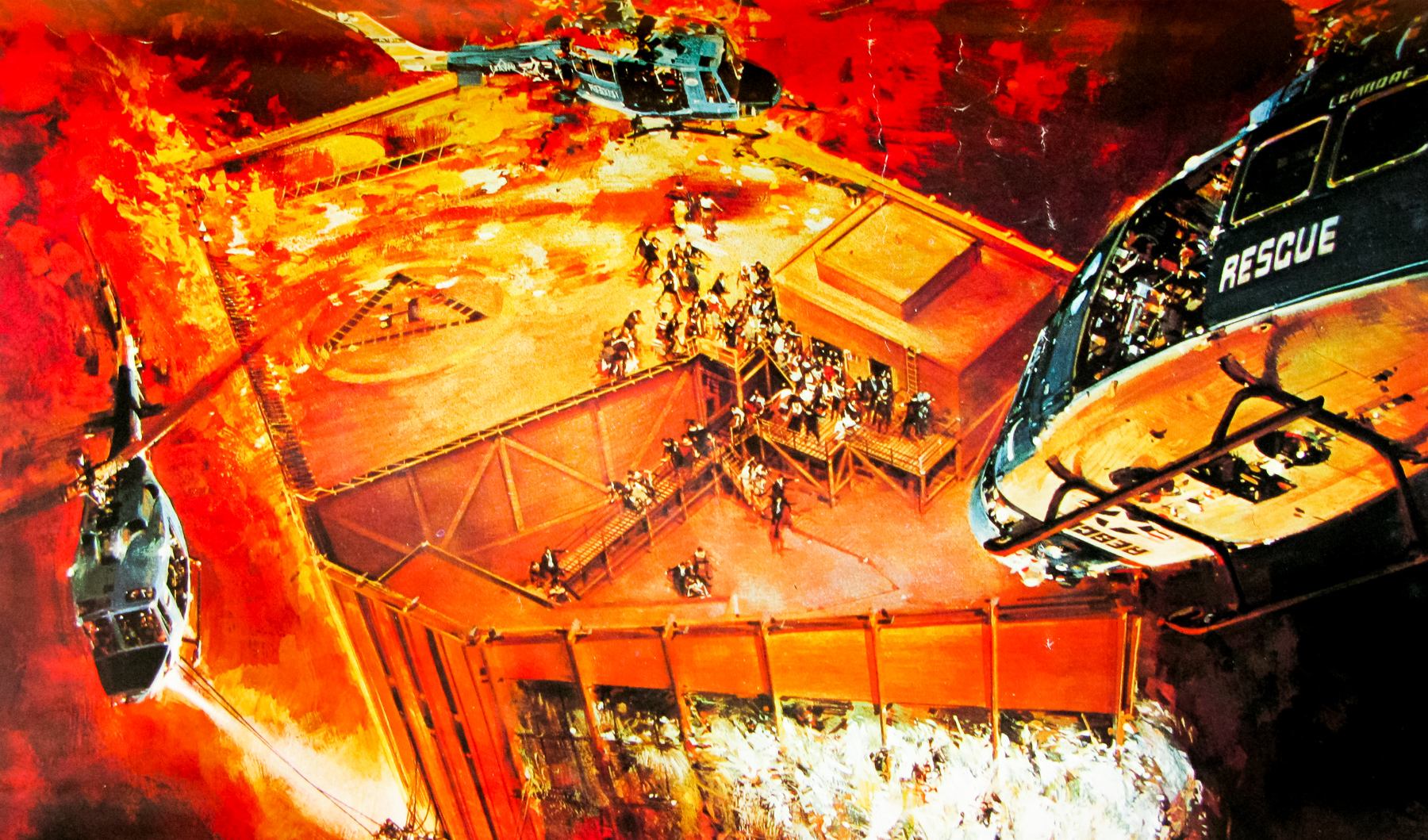
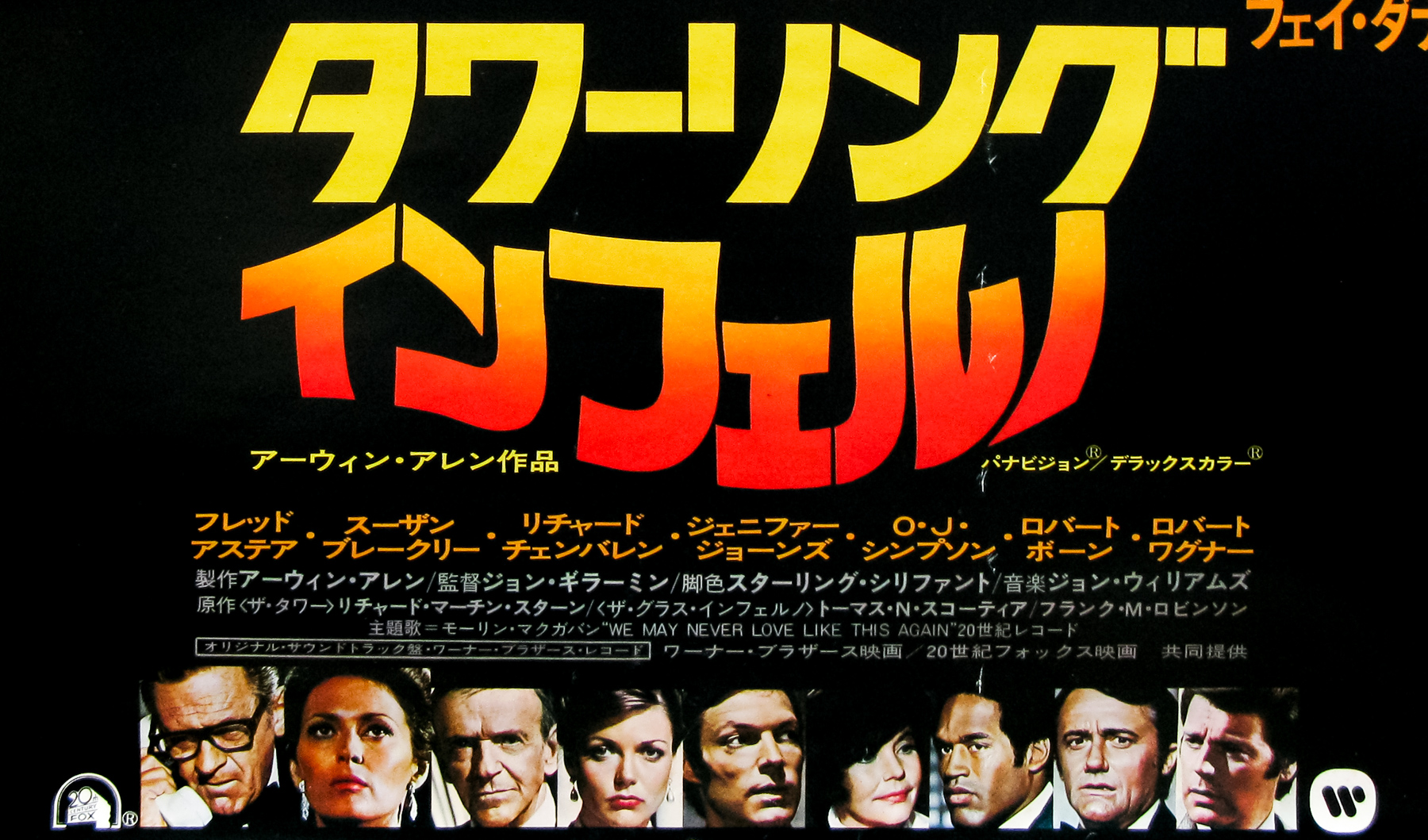
The Towering Inferno / B2 / style A / Japan

17.05.11

Poster Poster

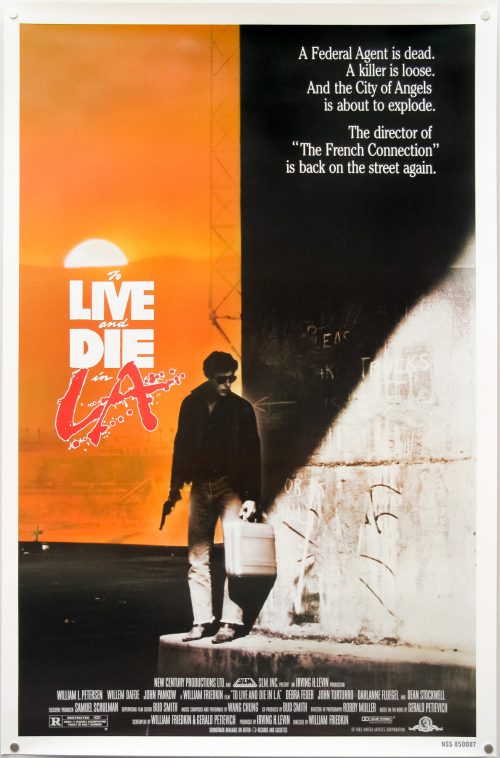
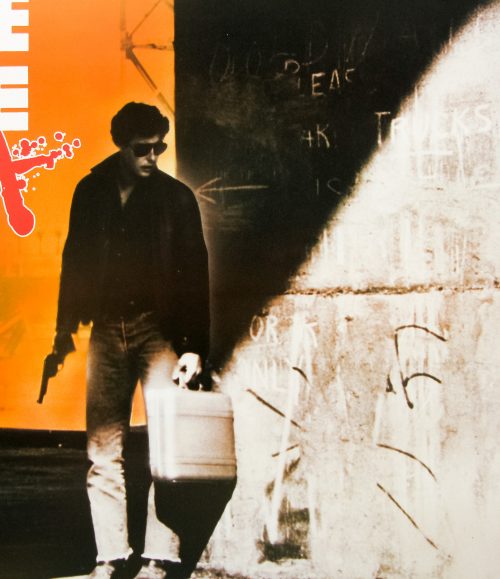
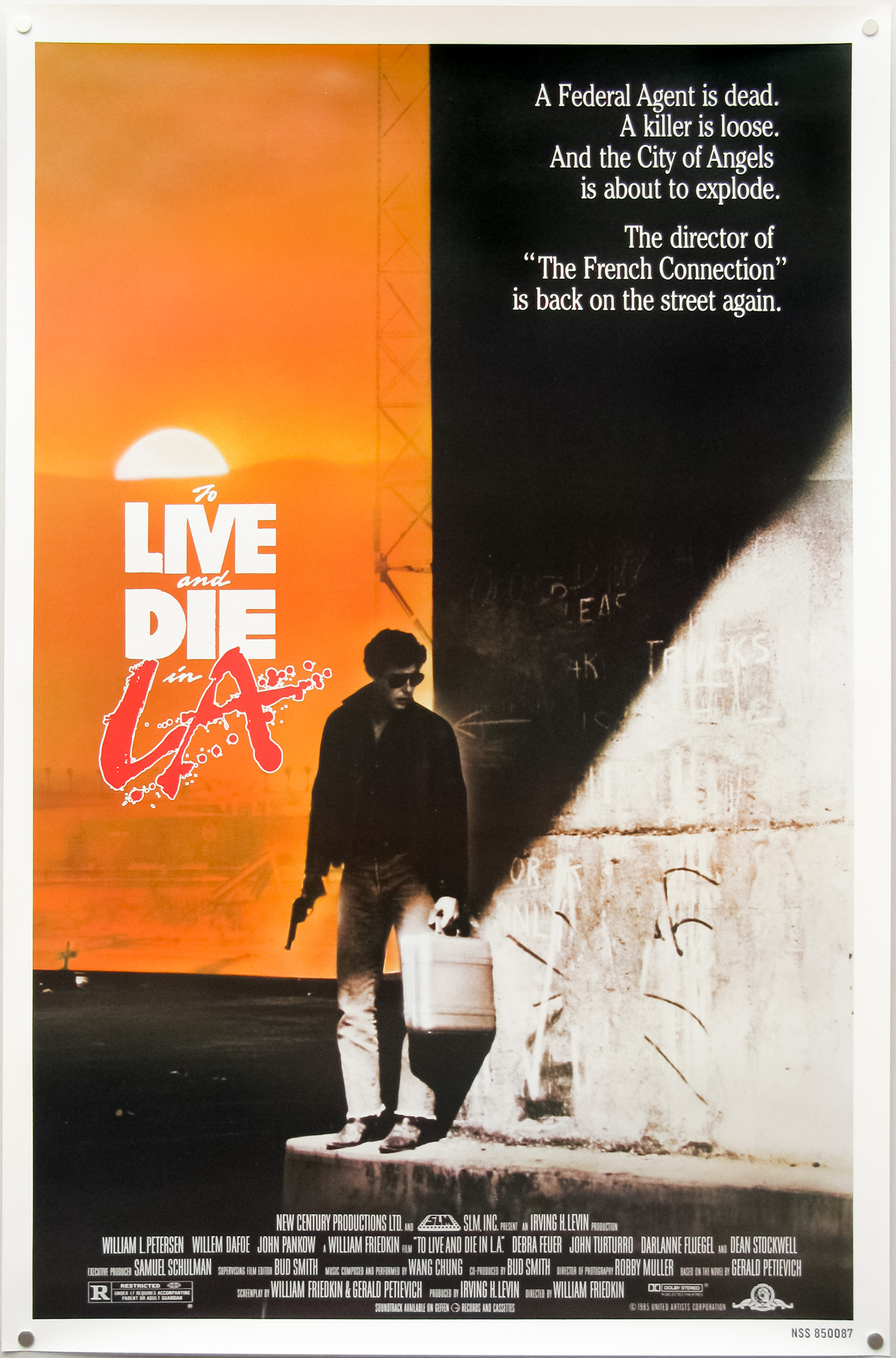
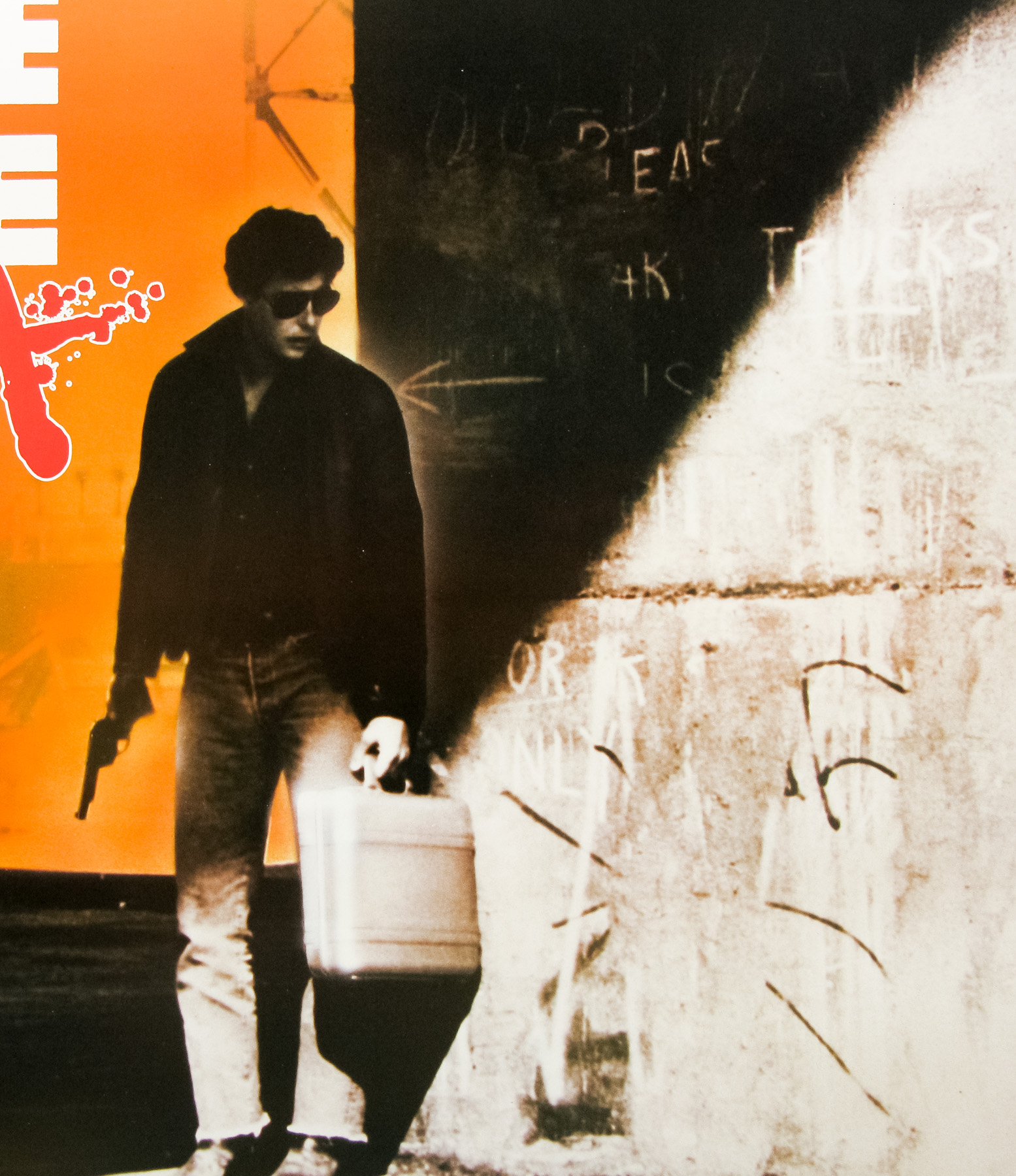
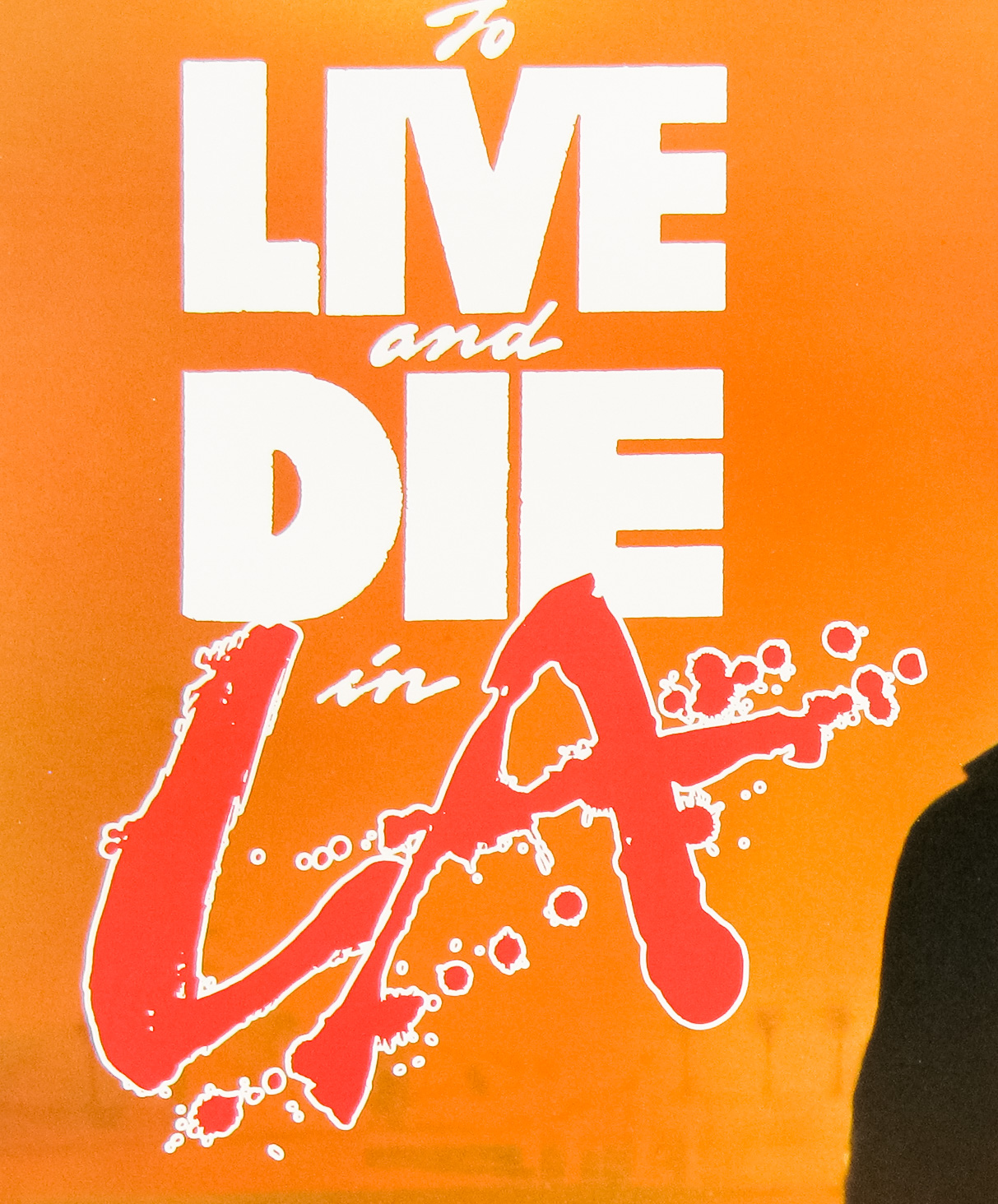
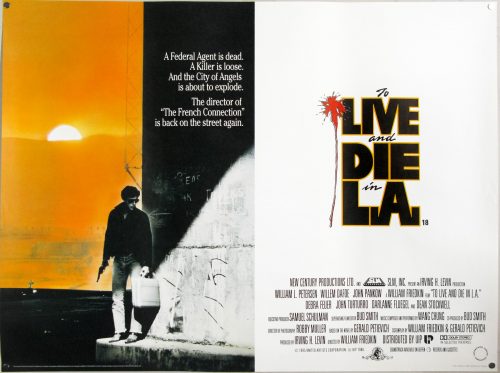
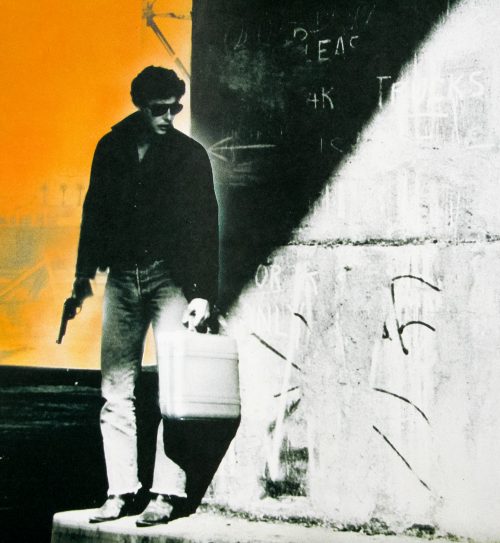
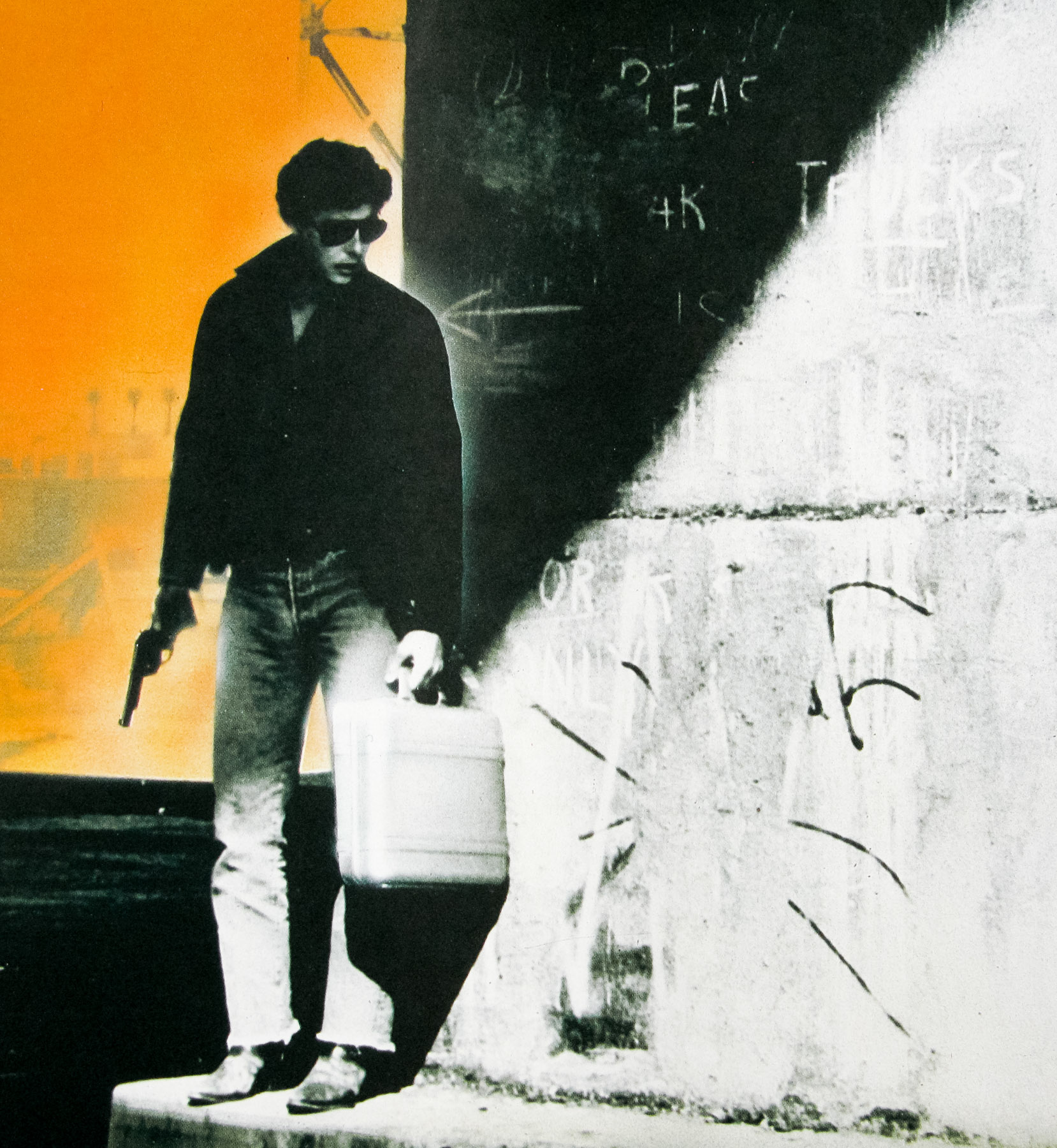
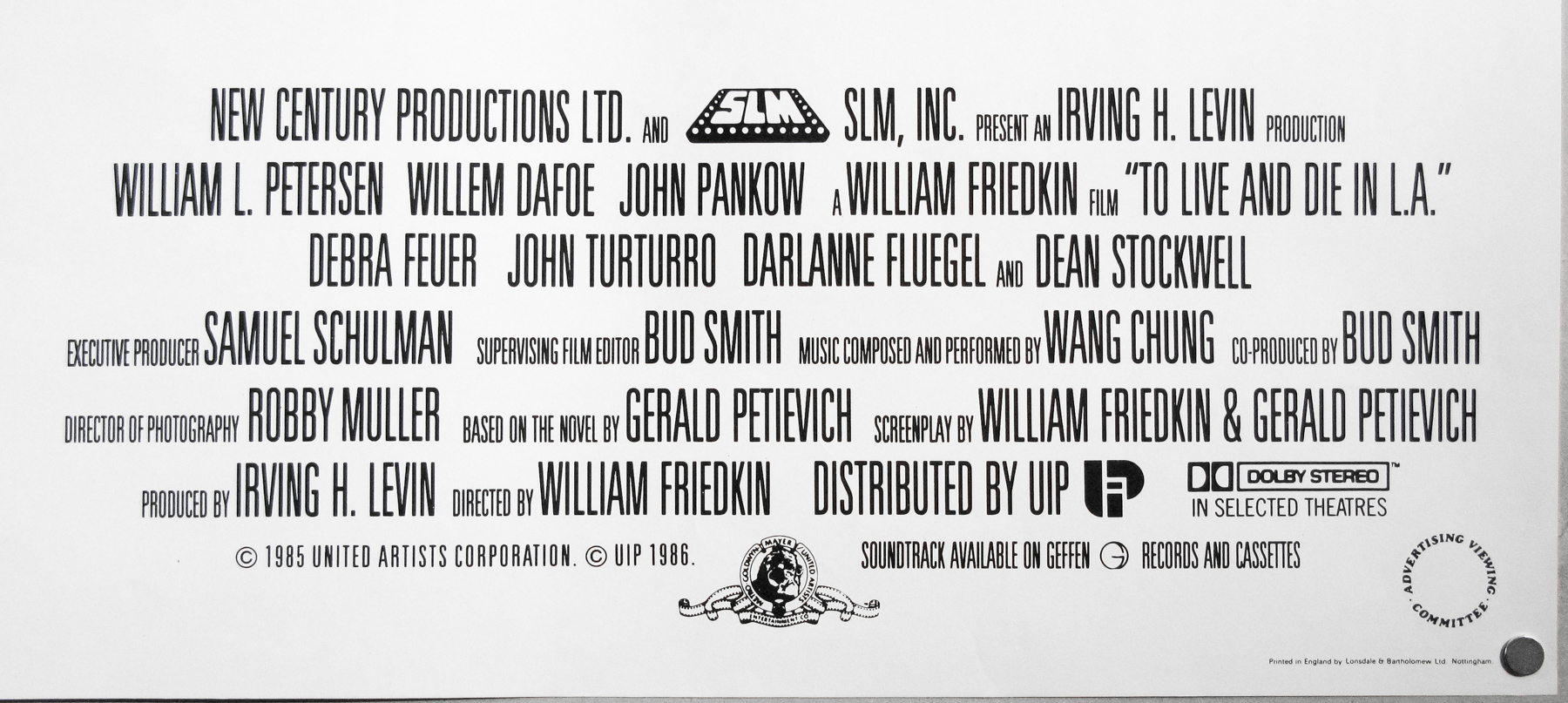
To Live and Die in LA / one sheet / USA

17.05.11

Poster Poster

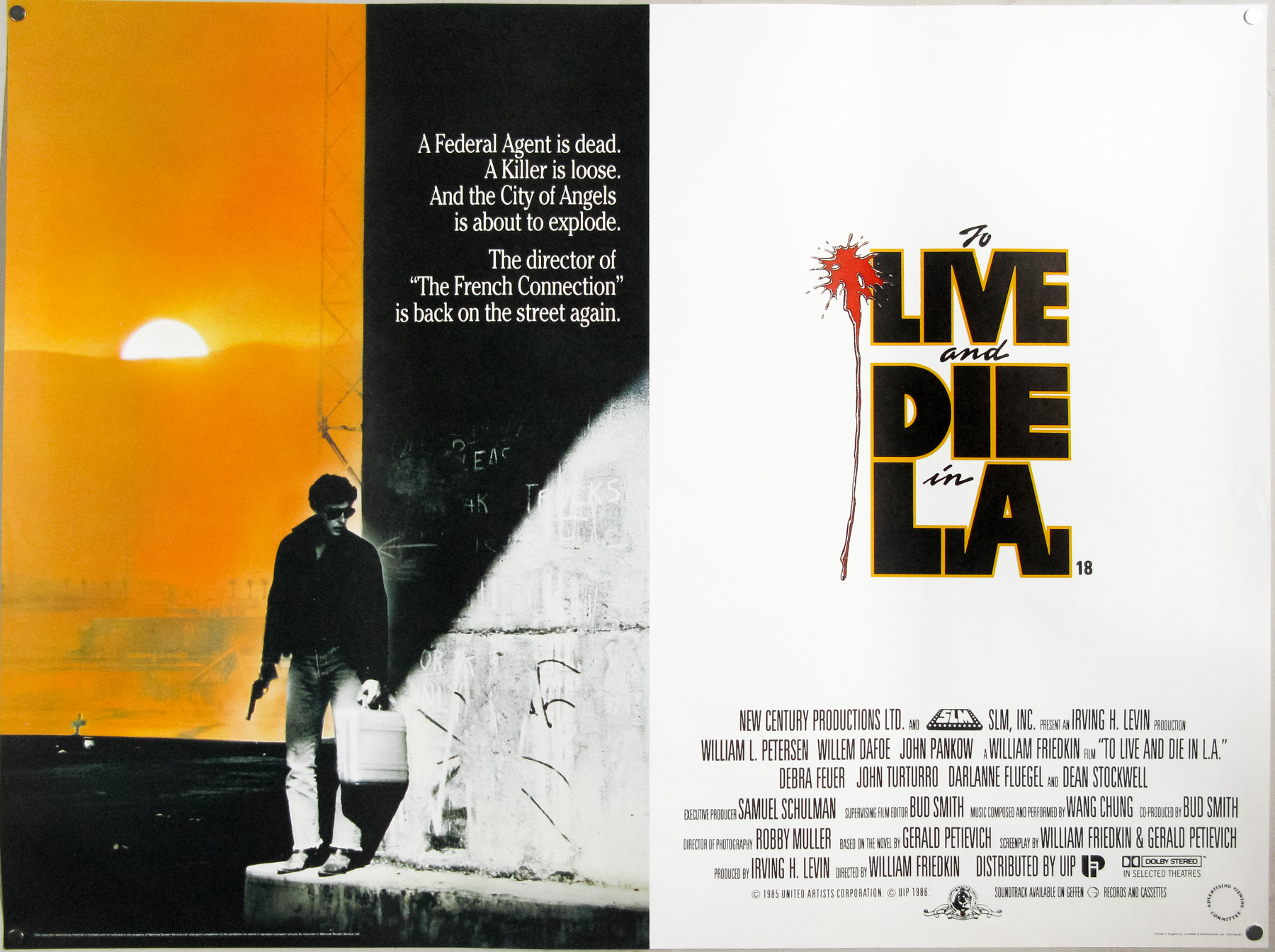
To Live and Die in LA / quad / UK

18.05.11

Poster Poster

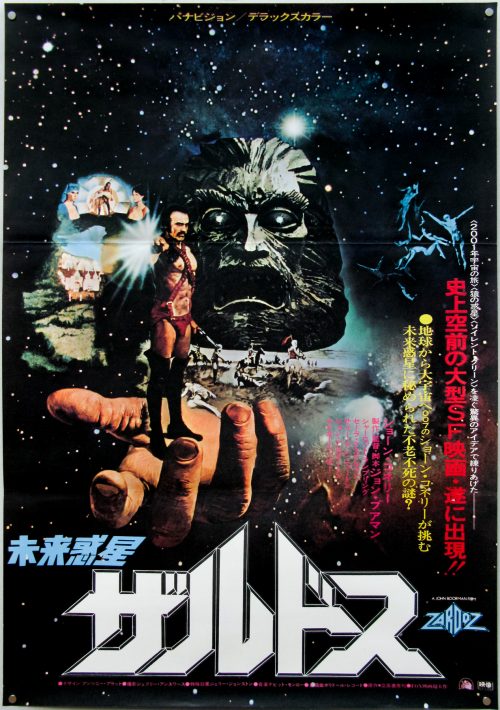
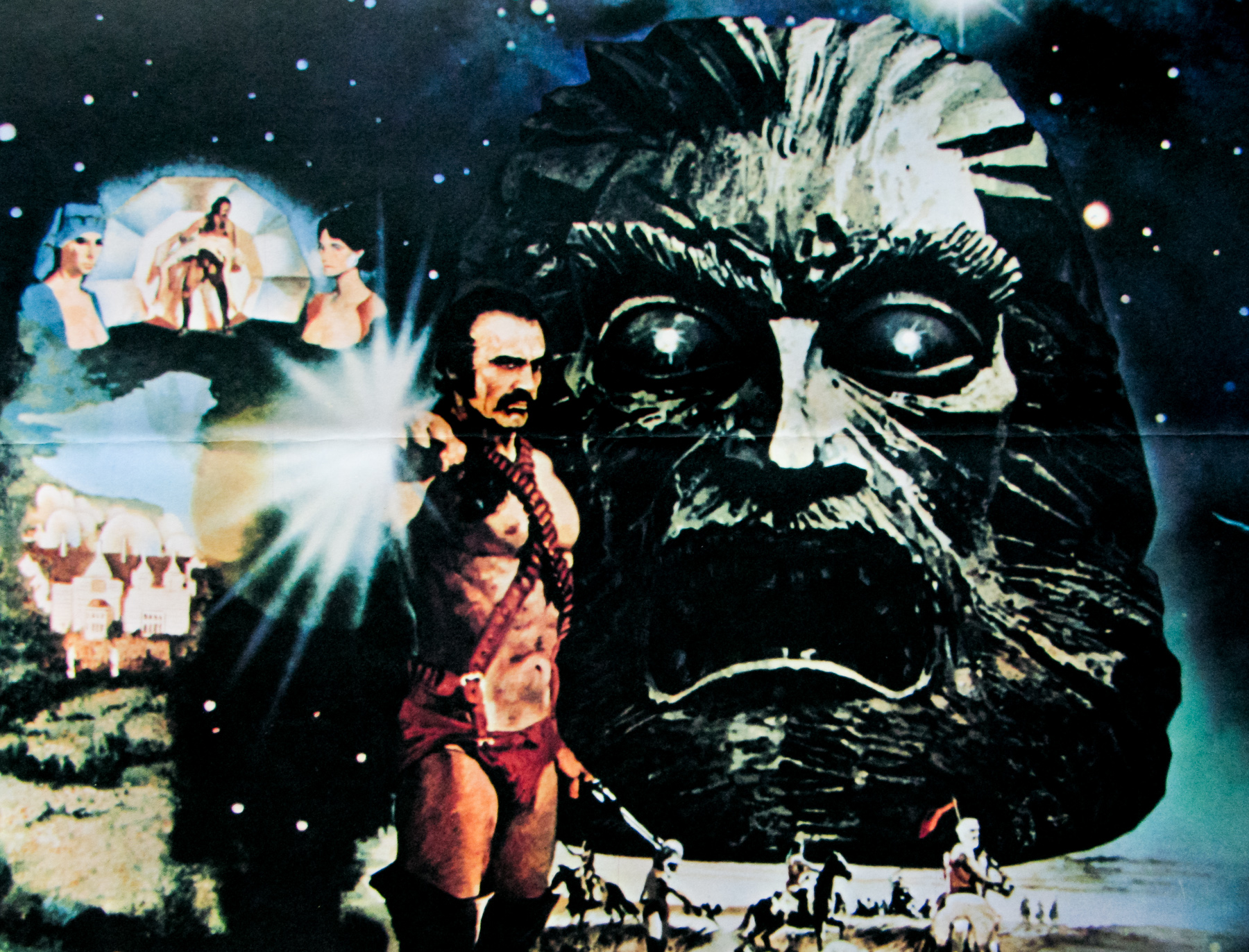
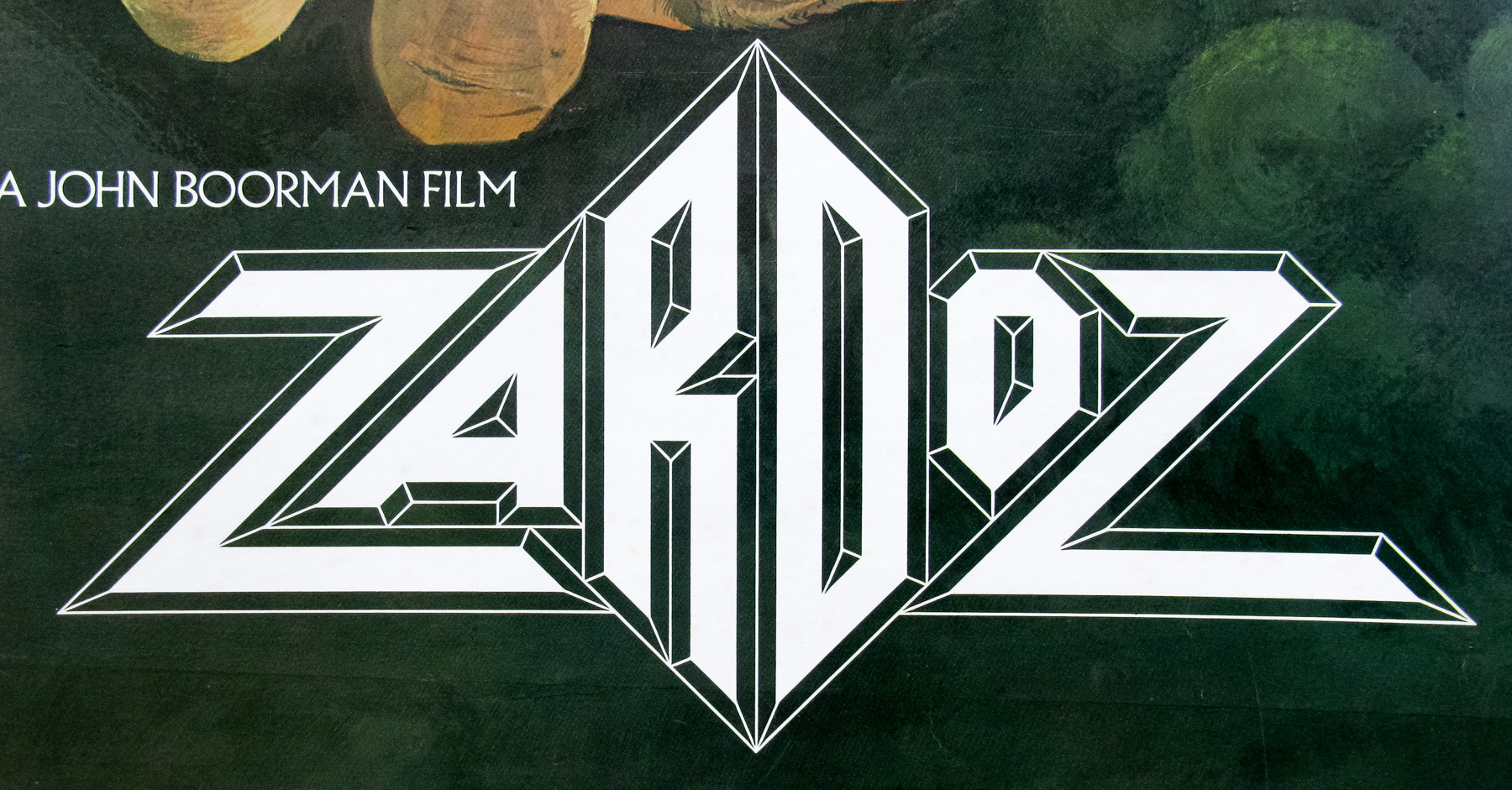
Zardoz / B2 / Japan

17.05.11

Poster Poster

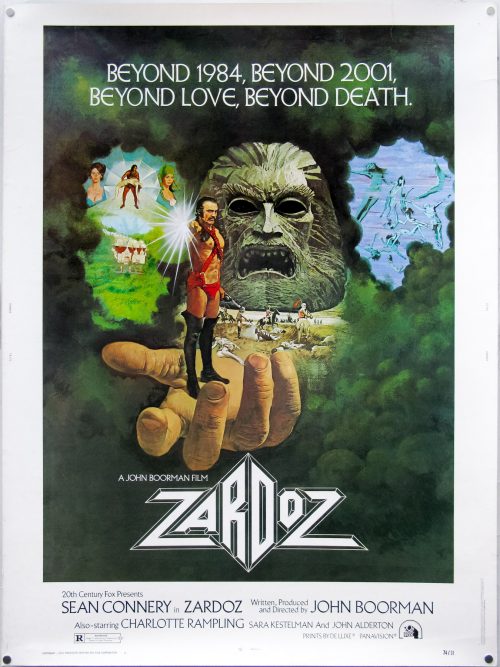
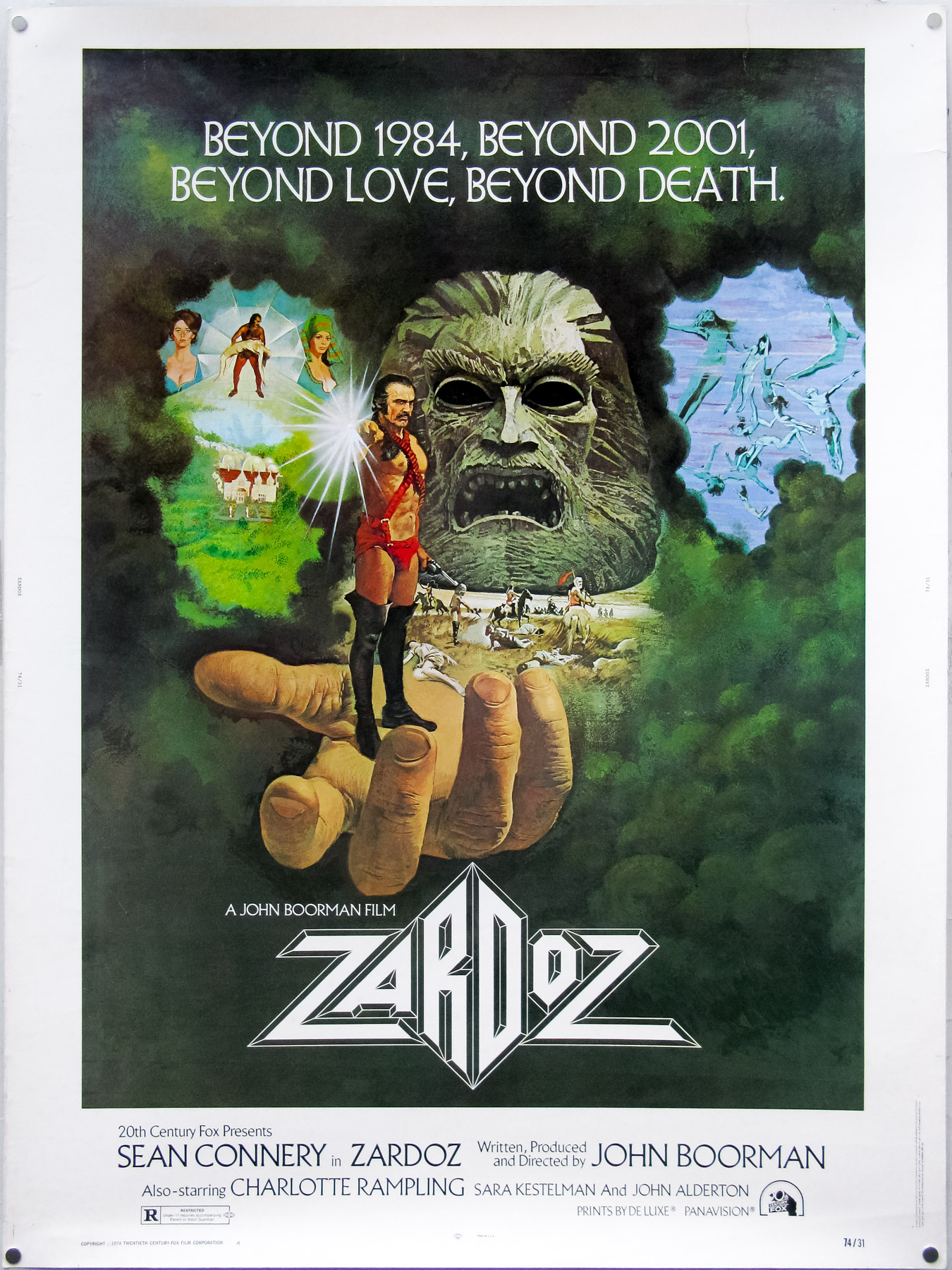
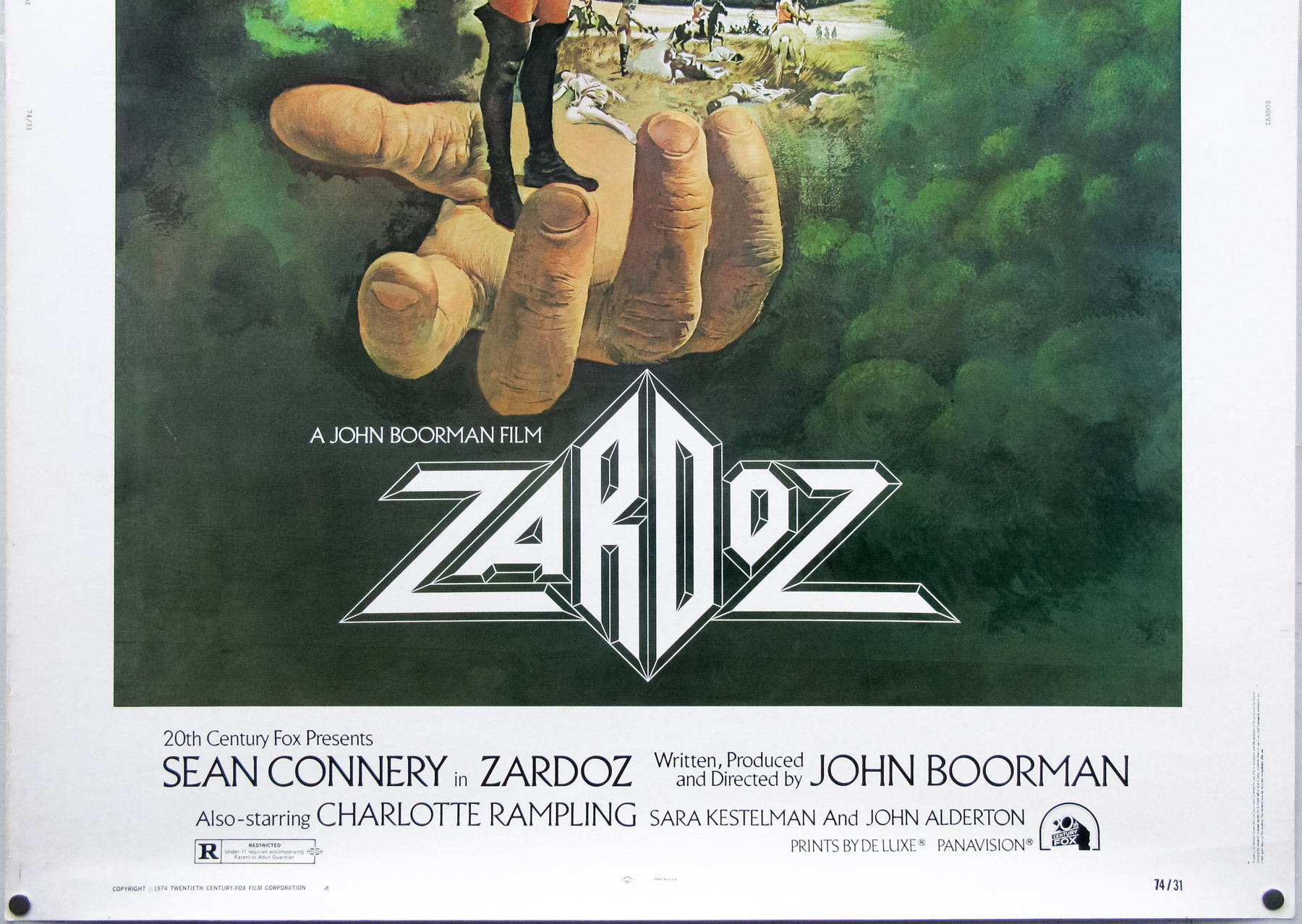
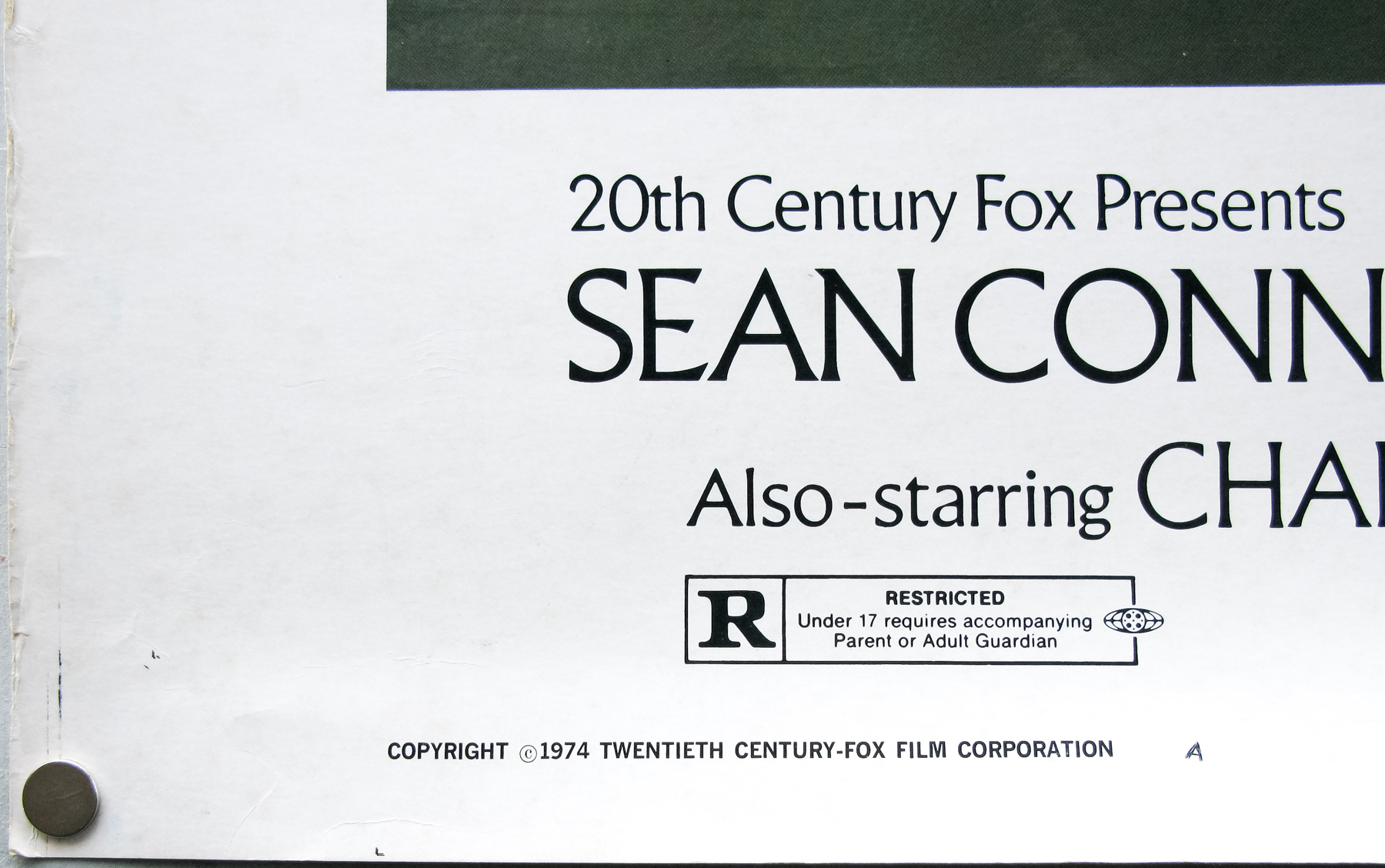
Zardoz / 30×40 / USA

03.10.11

Poster Poster
Title
Zardoz
AKA
--
Year of Film
1974
Director
John Boorman
Starring
Sean Connery, Charlotte Rampling, Sara Kestelman, John Alderton, Sally Anne Newton, Niall Buggy, Bosco Hogan, Jessica Swift, Reginald Jarman
Origin of Film
UK
Genre(s) of Film
Sean Connery, Charlotte Rampling, Sara Kestelman, John Alderton, Sally Anne Newton, Niall Buggy, Bosco Hogan, Jessica Swift, Reginald Jarman,
Type of Poster
30x40
Style of Poster
--
Origin of Poster
USA
Year of Poster
1974
Designer
Unknown
Artist
Ron Lesser
Size (inches)
30" x 40"
SS or DS
SS
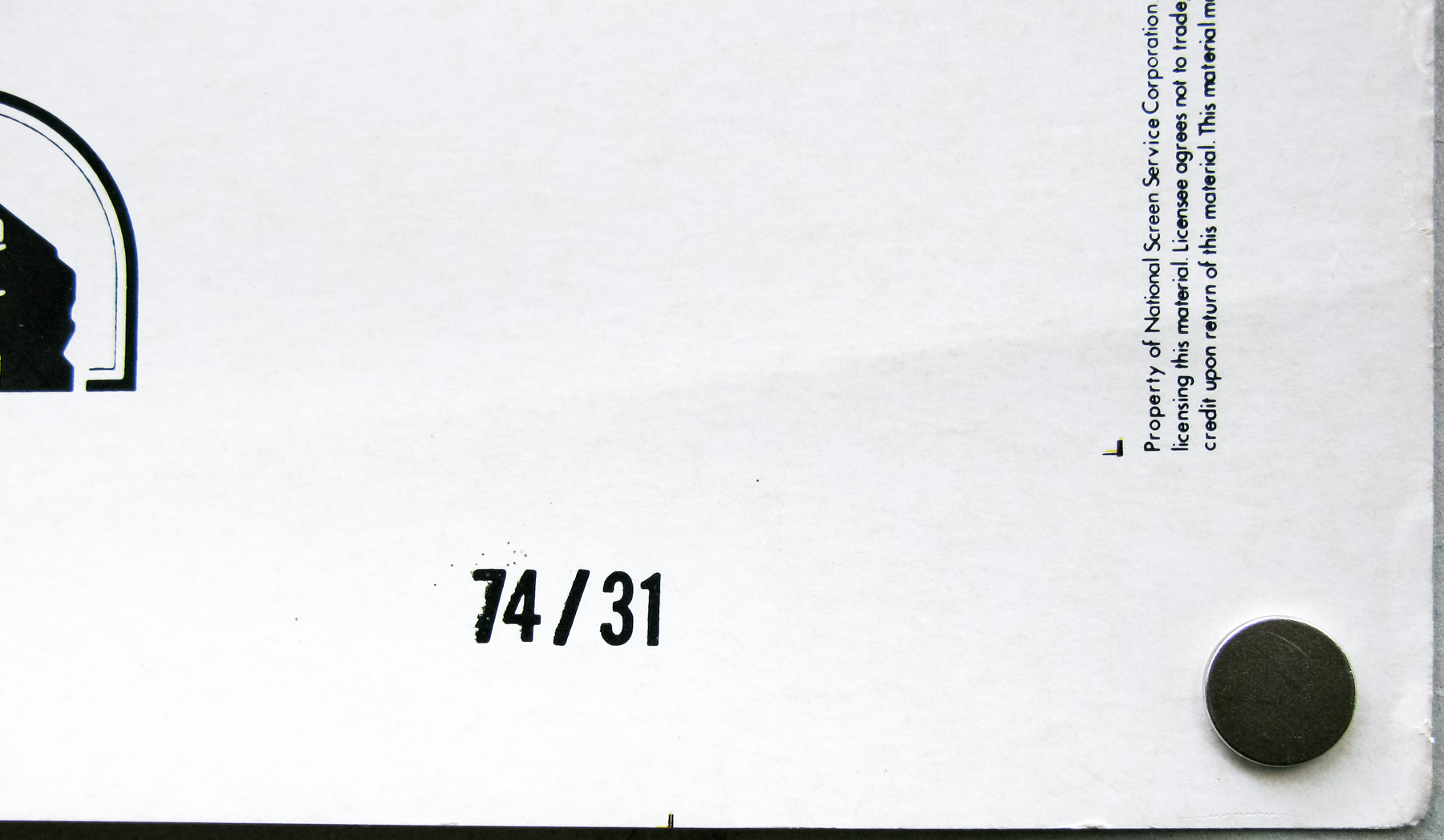
NSS #
74/31
Tagline
Beyond 1984, Beyond 2001, Beyond Love, Beyond Death.

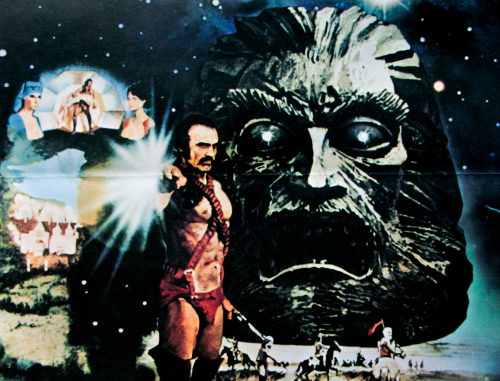
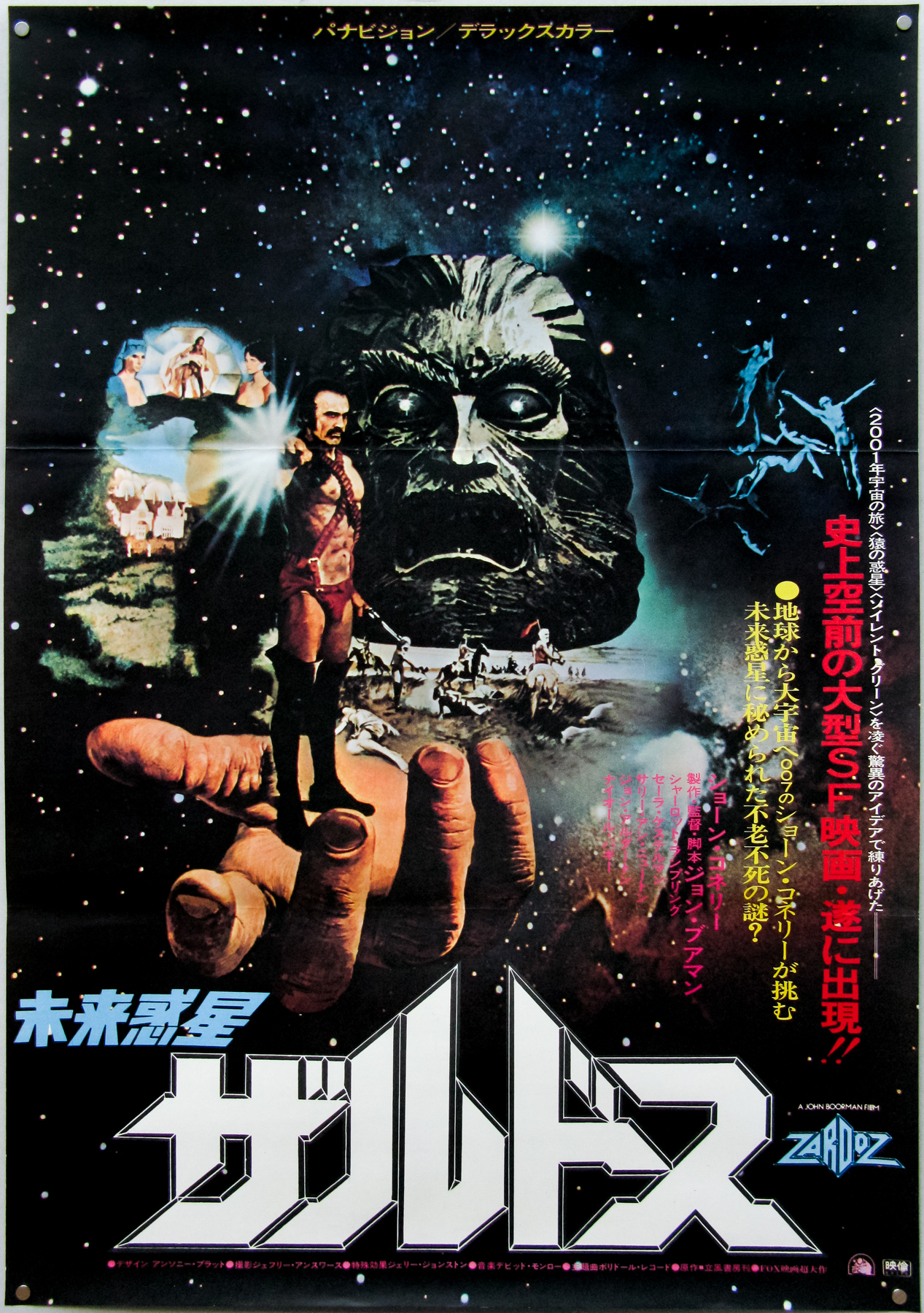
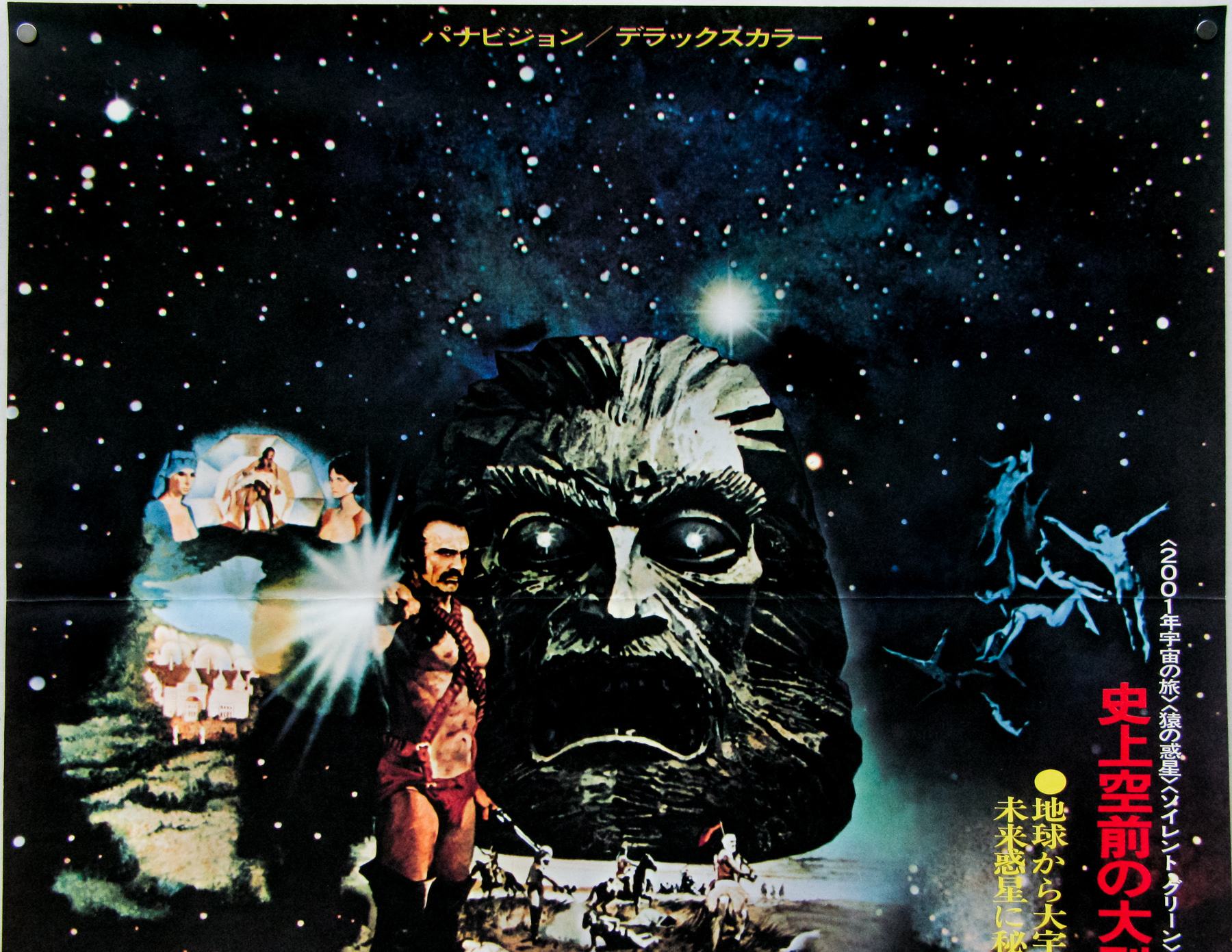
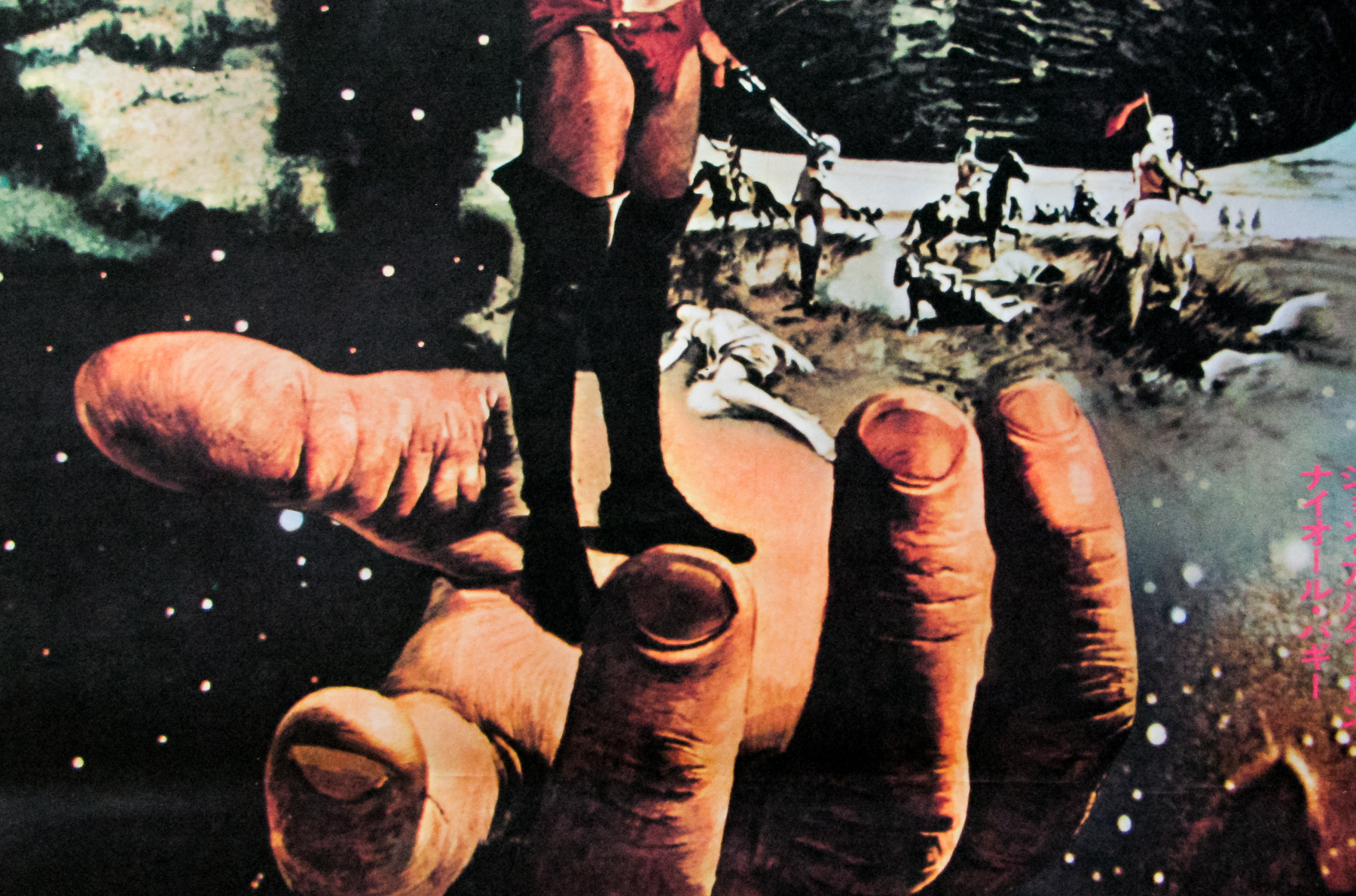
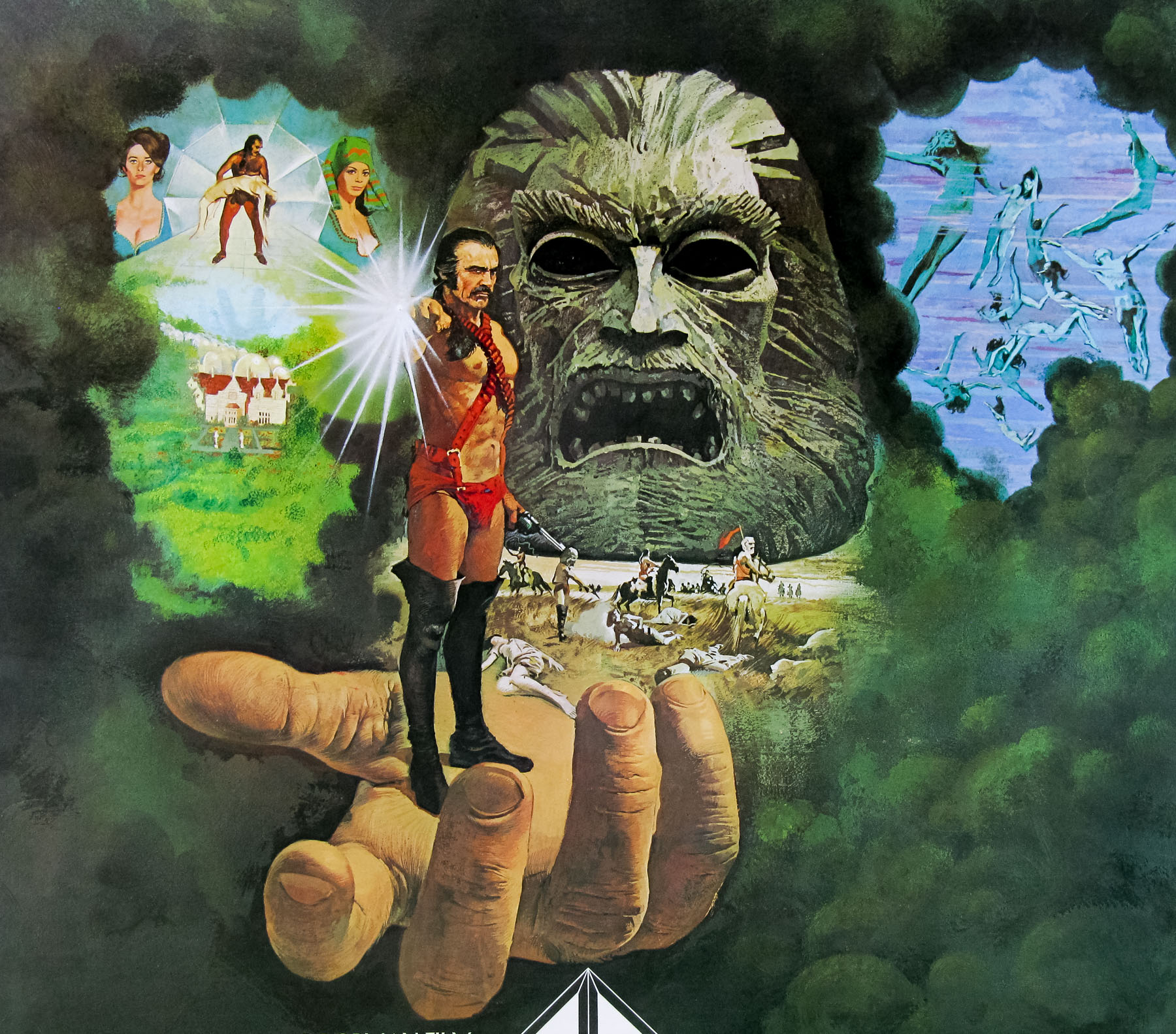
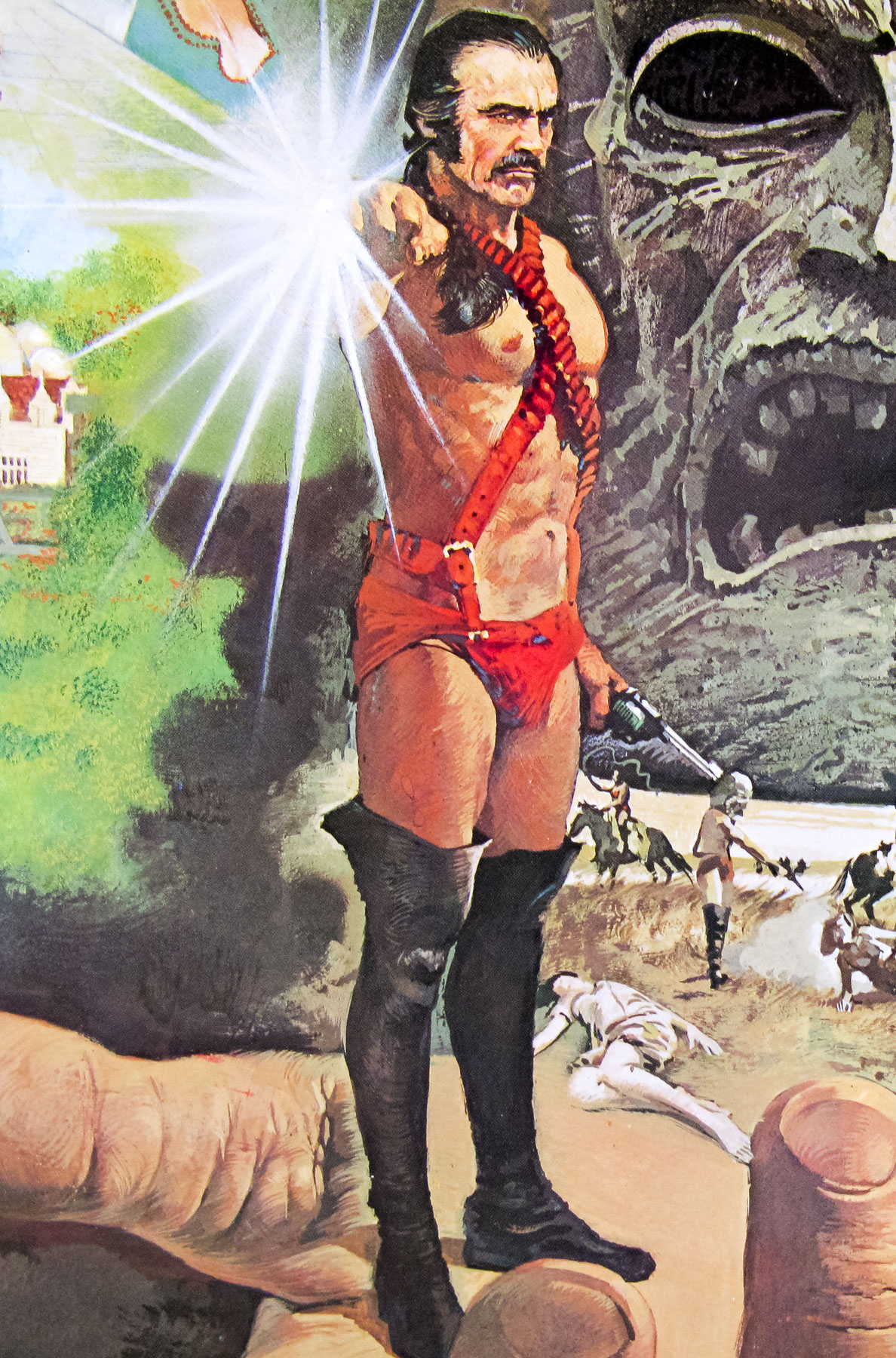
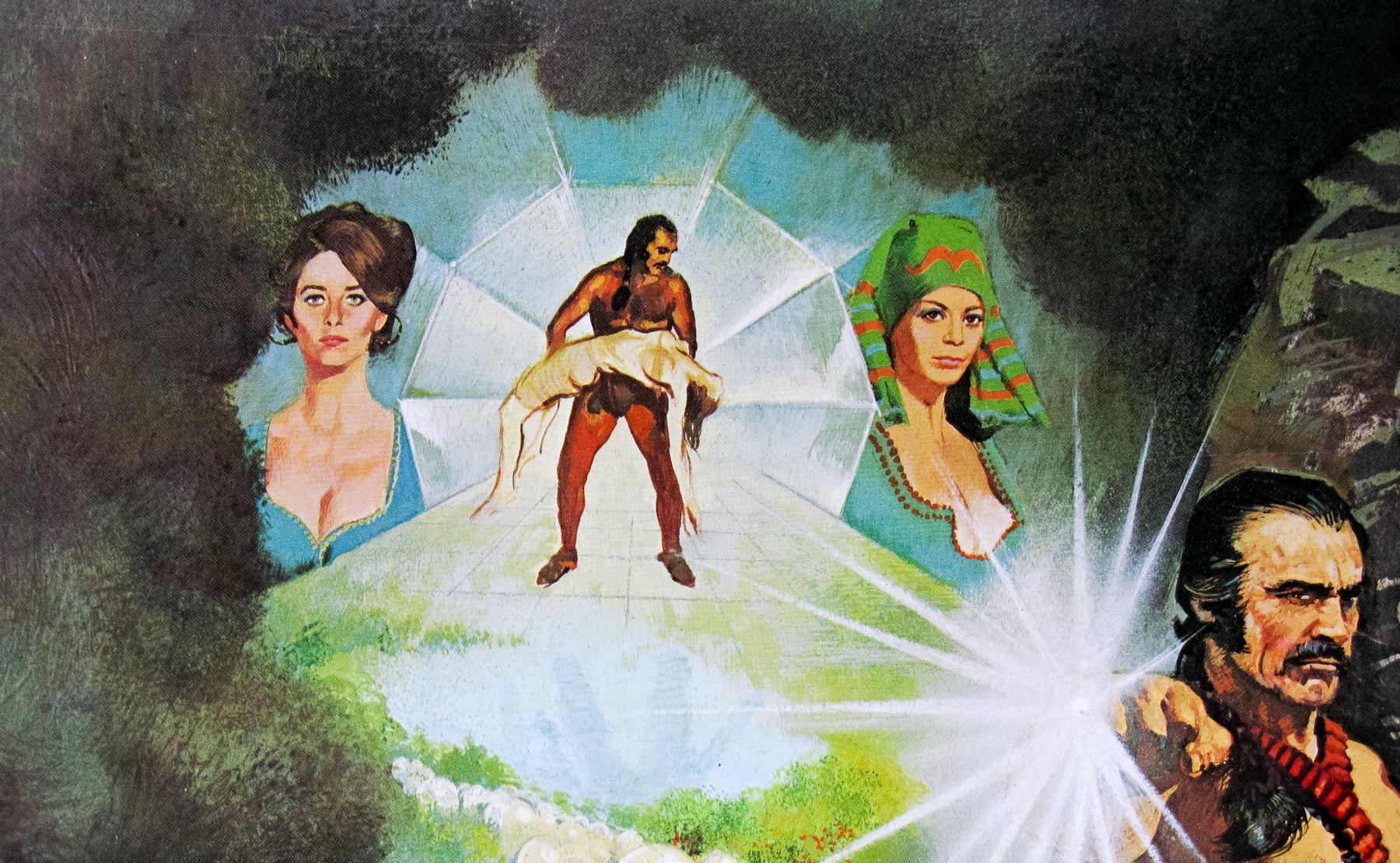
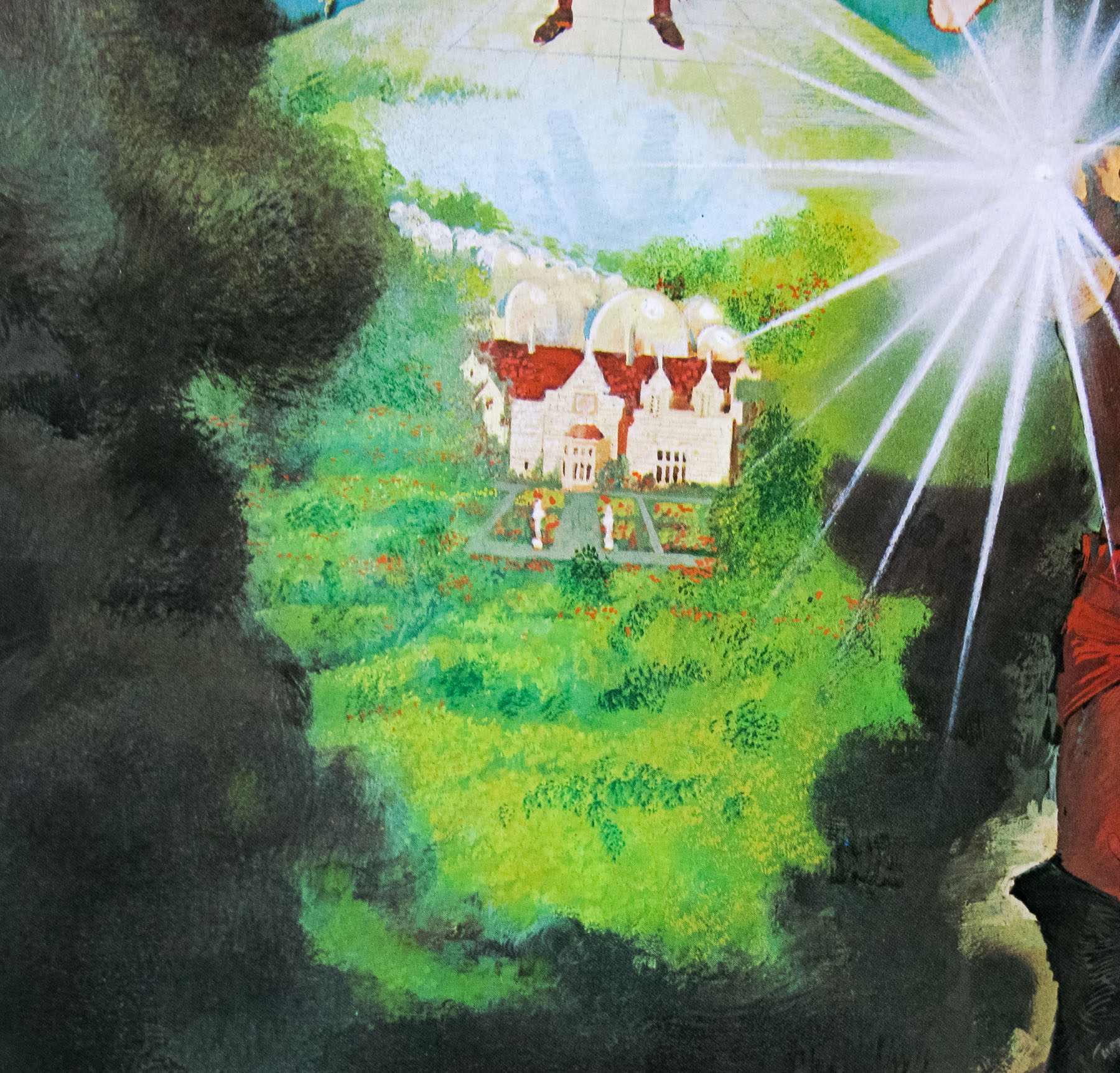
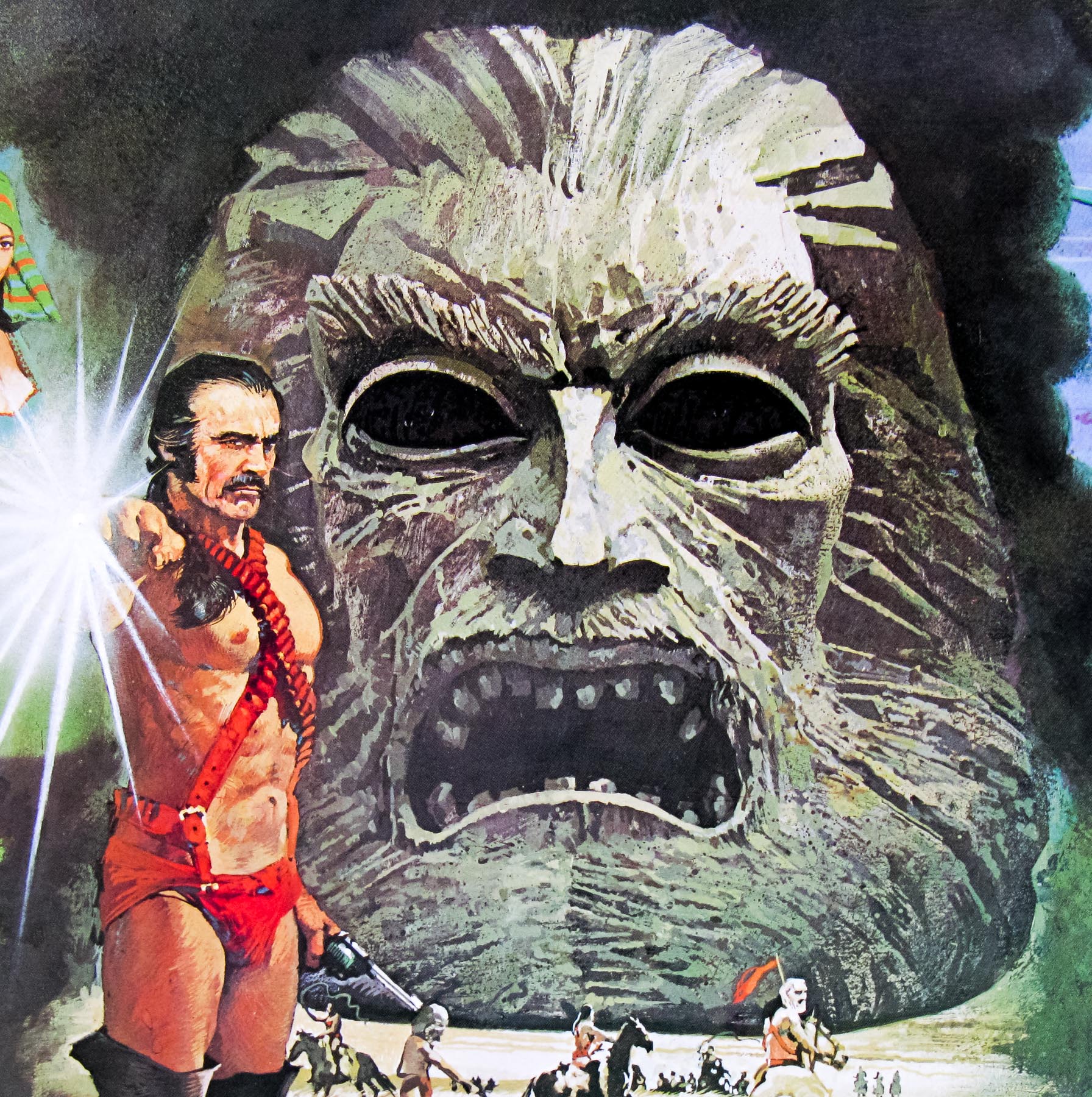
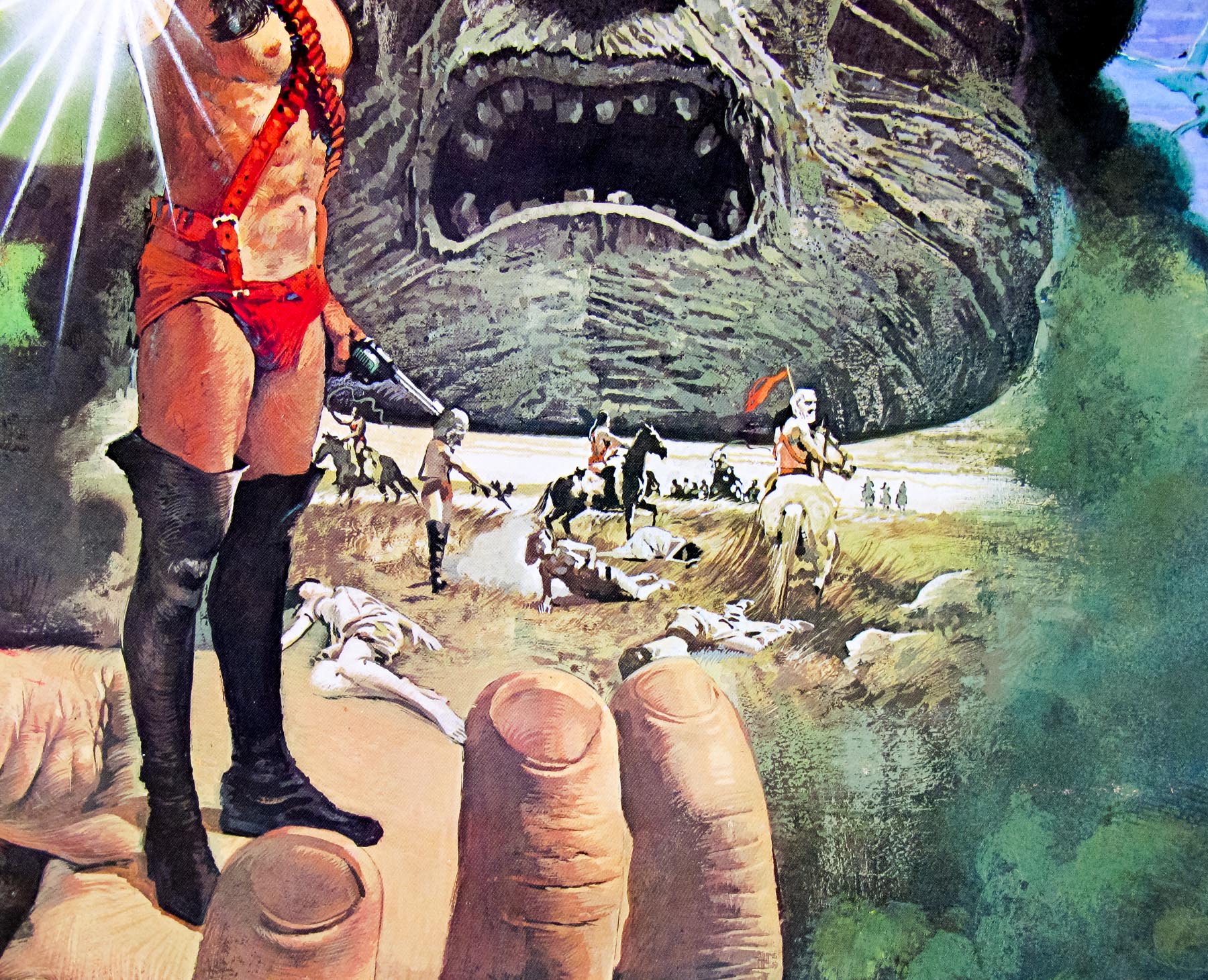
Utterly bonkers, laughably terrible, bizarrely brilliant; Zardoz is one of those films that you have to see at least once just to believe that it was even made. There are countless unforgettable images in the film, not least of which is Sean Connery in a red leather nappy and knee-high boots. There’s also a moment where he dons a wedding dress.

The script is also rather special; ‘The Penis is evil! The Penis shoots Seeds, and makes new Life to poison the Earth with a plague of men, as once it was. But the Gun shoots Death and purifies the Earth of the filth of Brutals. Go forth, and kill! Zardoz has spoken”

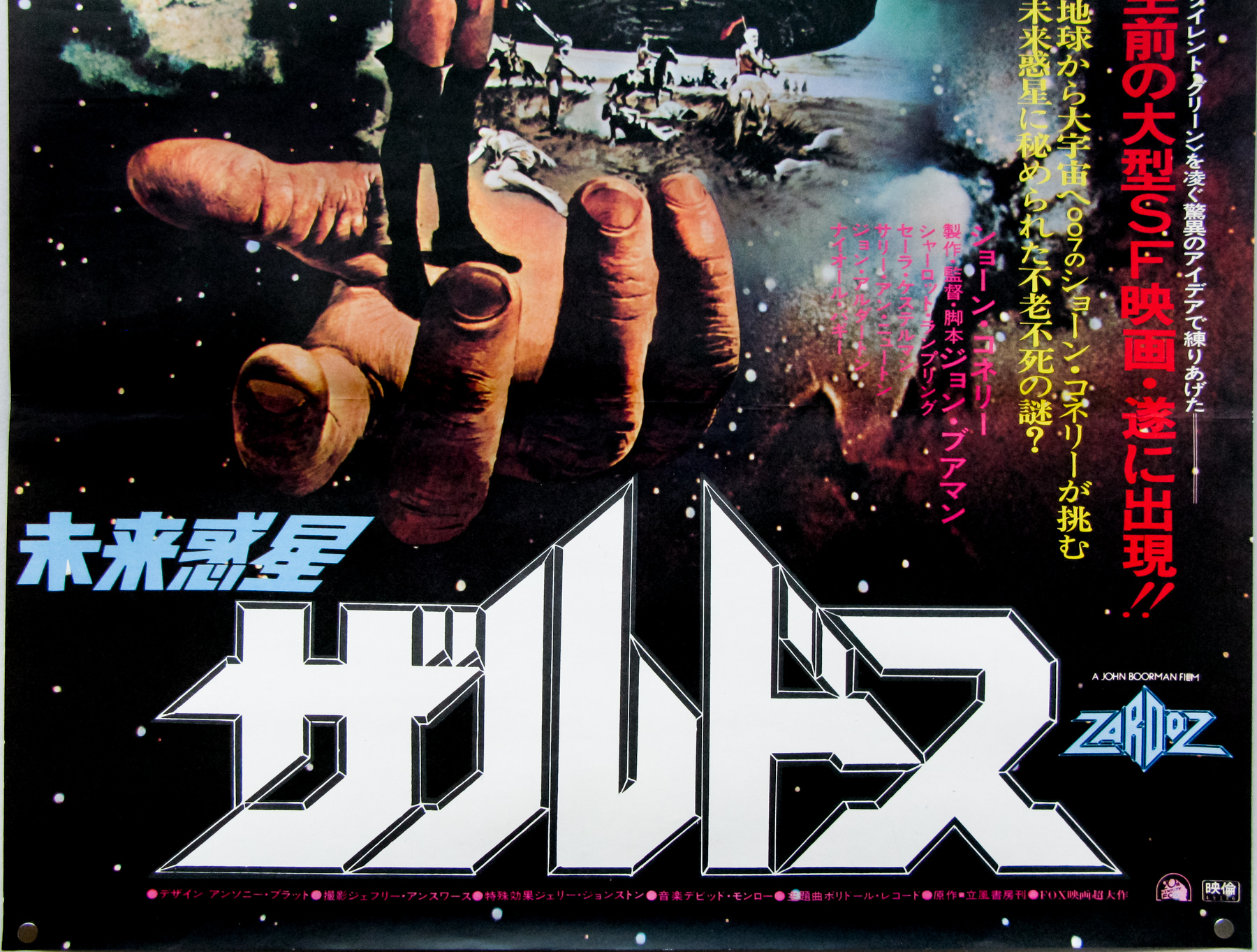
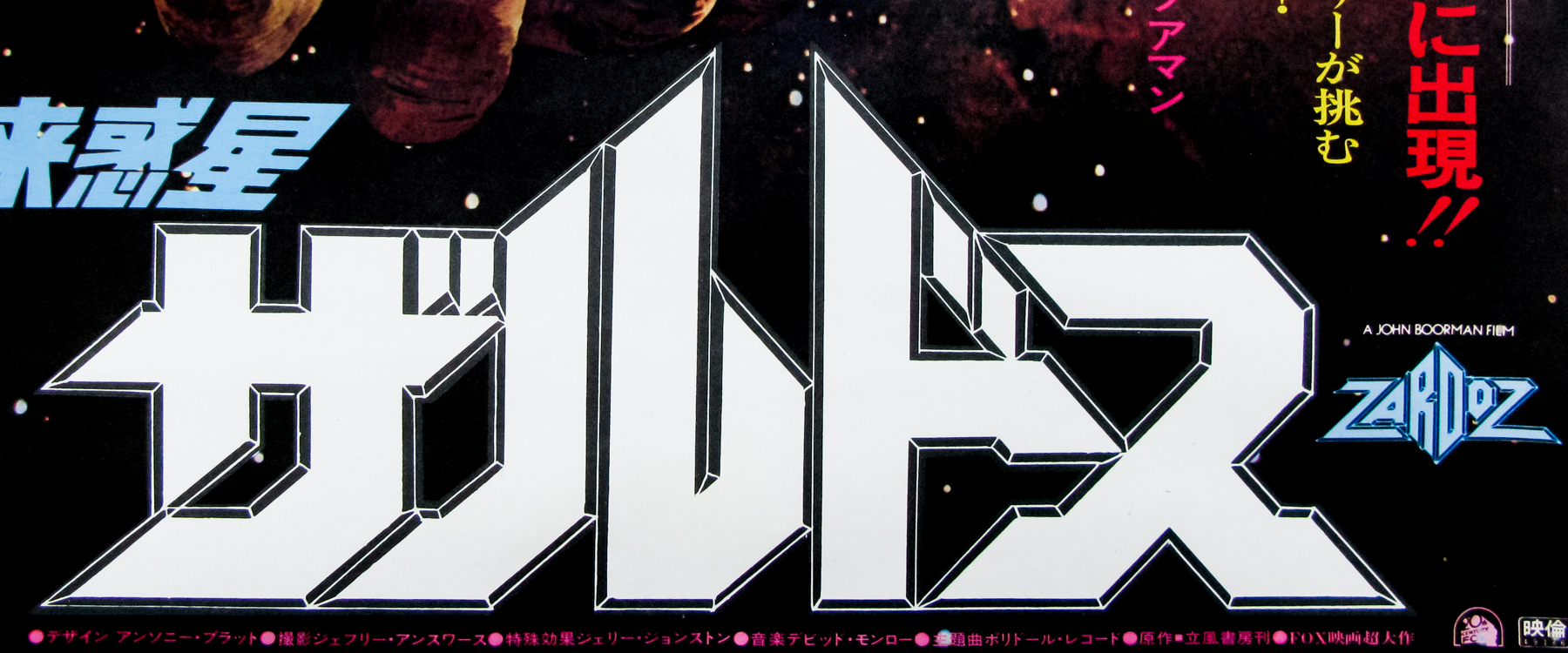
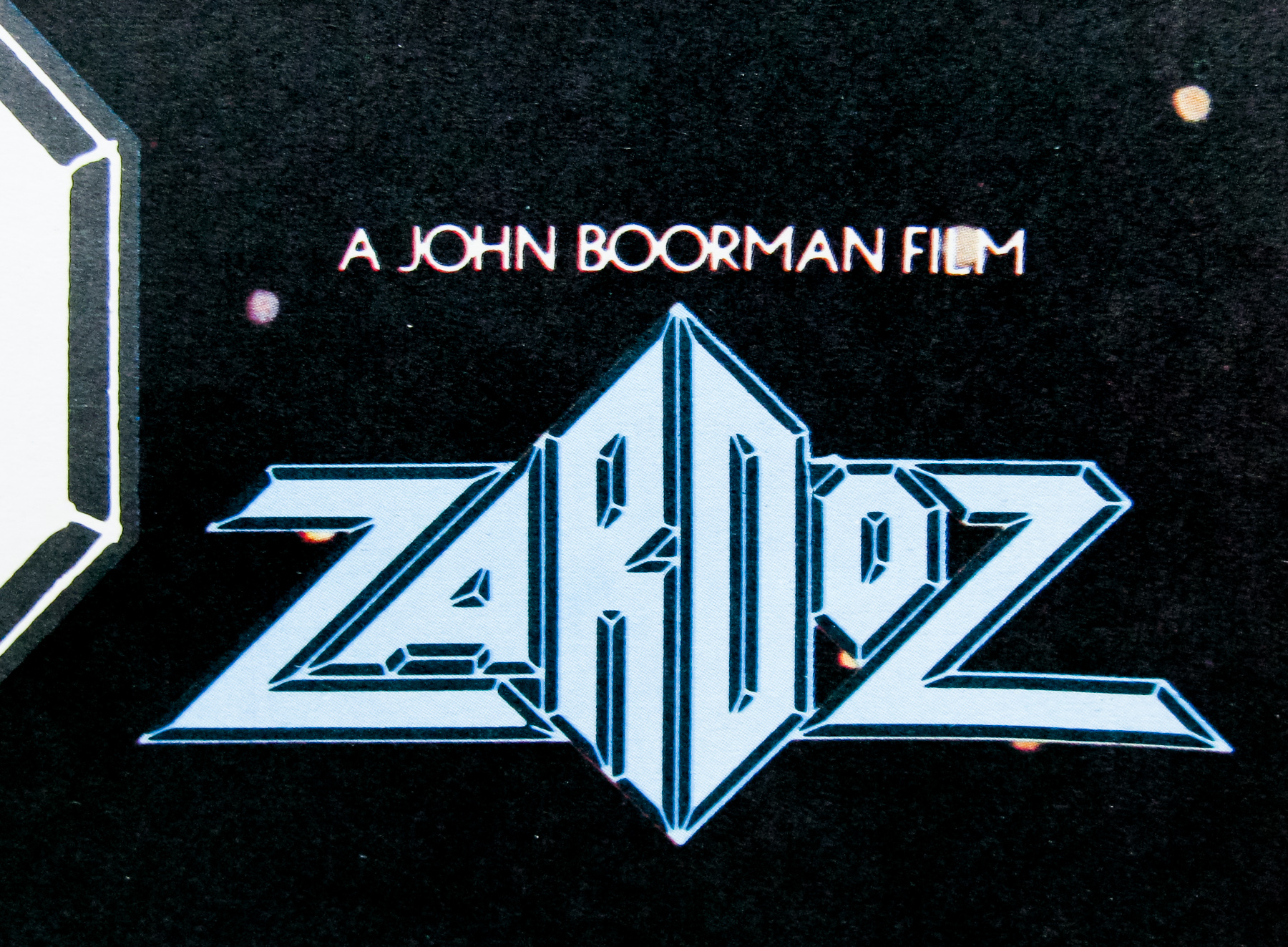
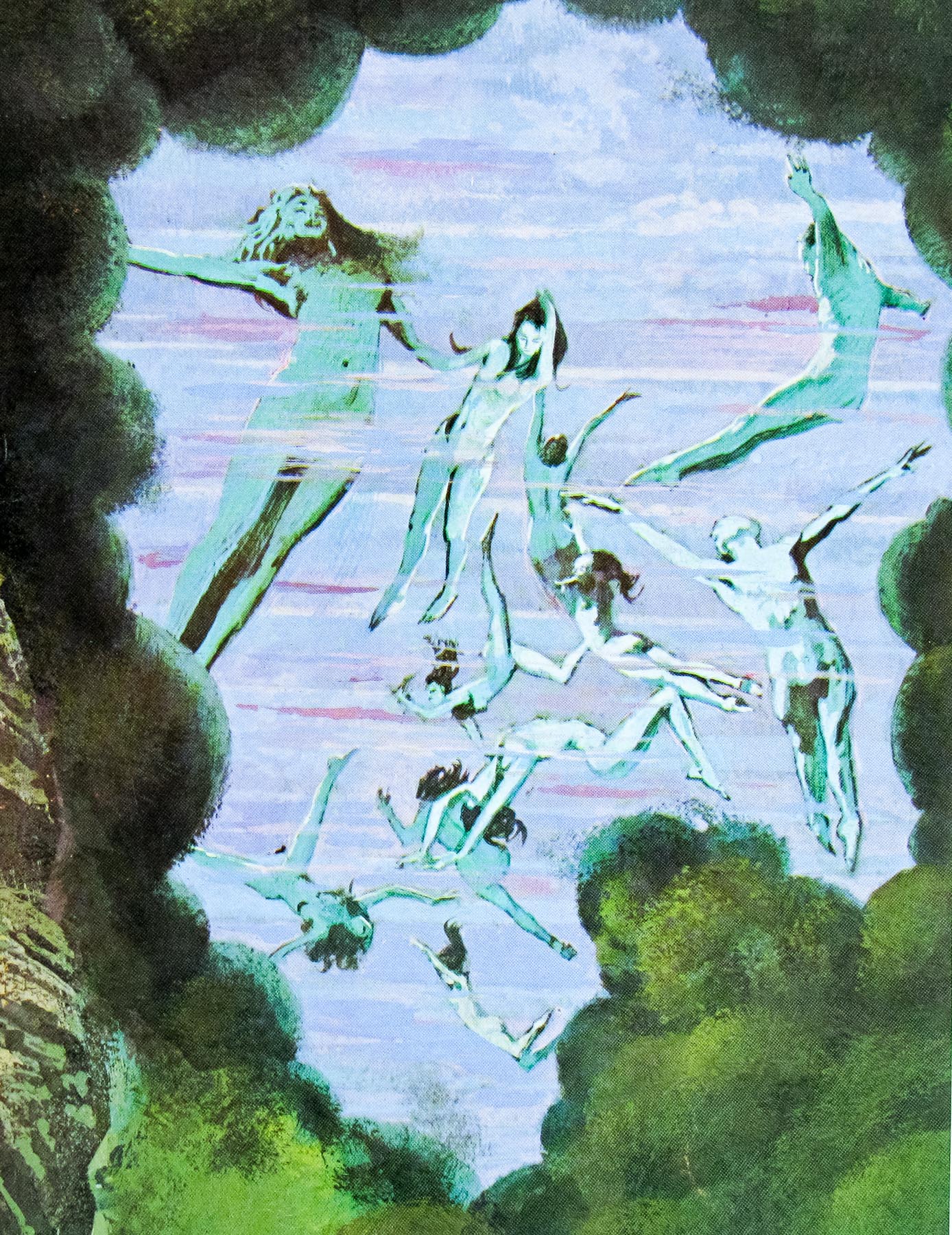
I’m a fan of this poster for a number of reasons, including the tagline and the strange choice of images to depict from the film, but it’s the film’s logo that deserves special mention as surely one of the best of the 1970s, if not ever.

The artist for this poster is American artist Ron Lesser, who is also responsible for the excellent High Plains Drifter one sheet (thanks to MightyMcT for confirming this).

Check out the trailer to get a taste of the wonder of Zardoz. If you want to see the best bits someone has made a short film entitled ‘Zardoz in 10 minutes’.

Finally, bear witness to Zardoz dog!

The Big Lebowski / B2 / Japan

22.12.11

Poster Poster

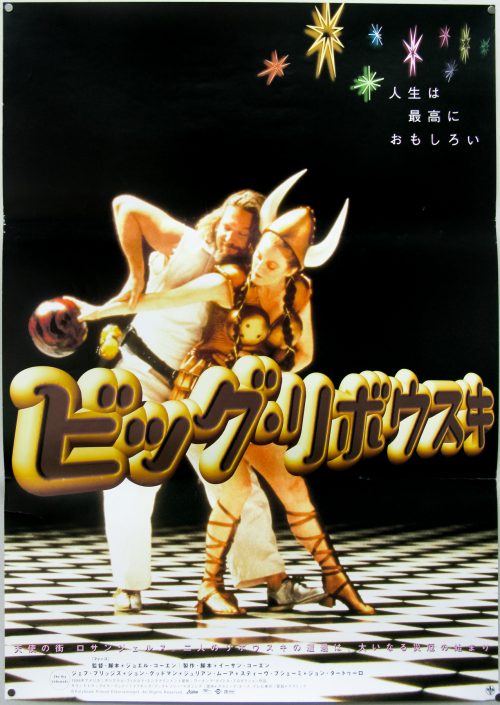
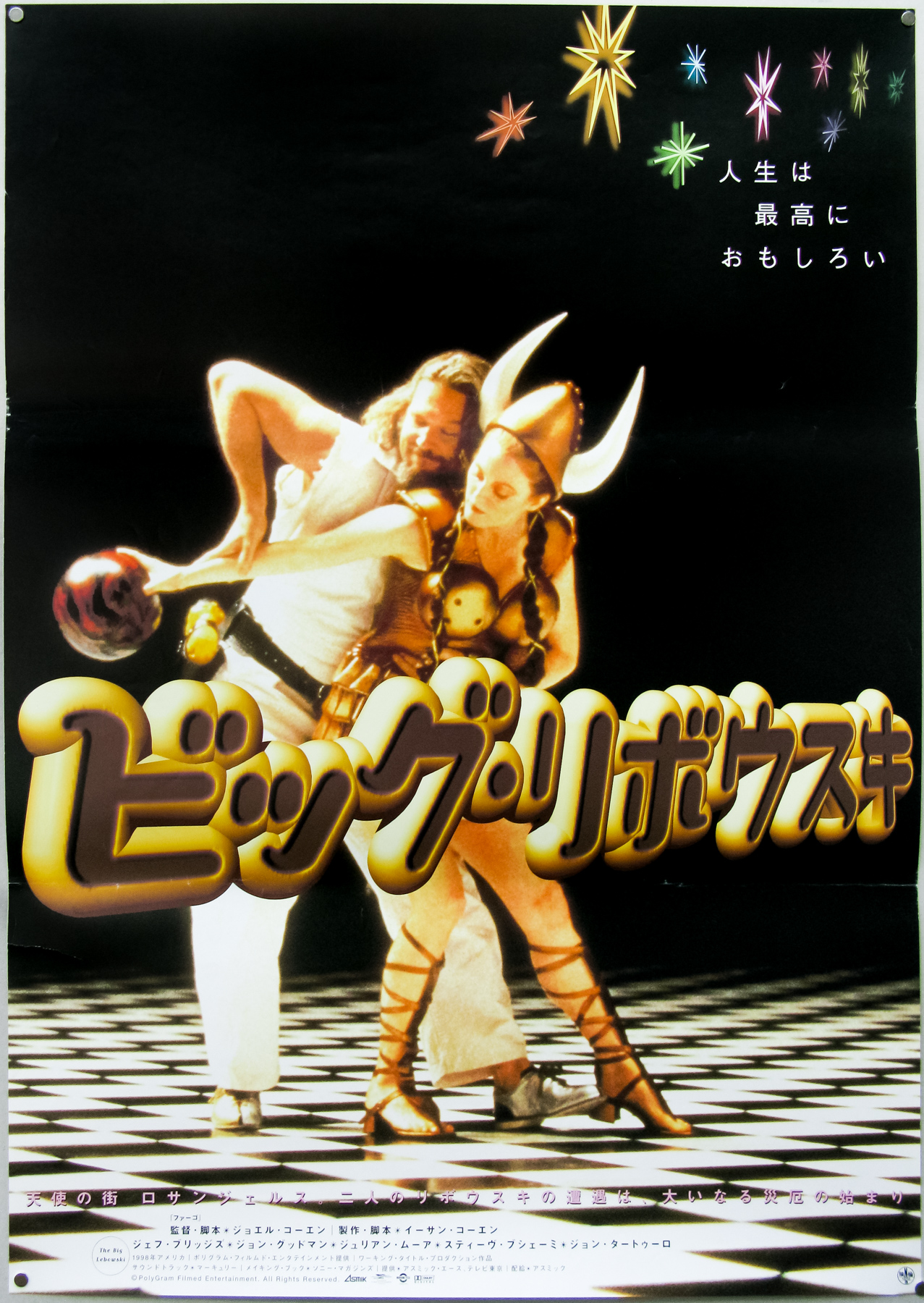
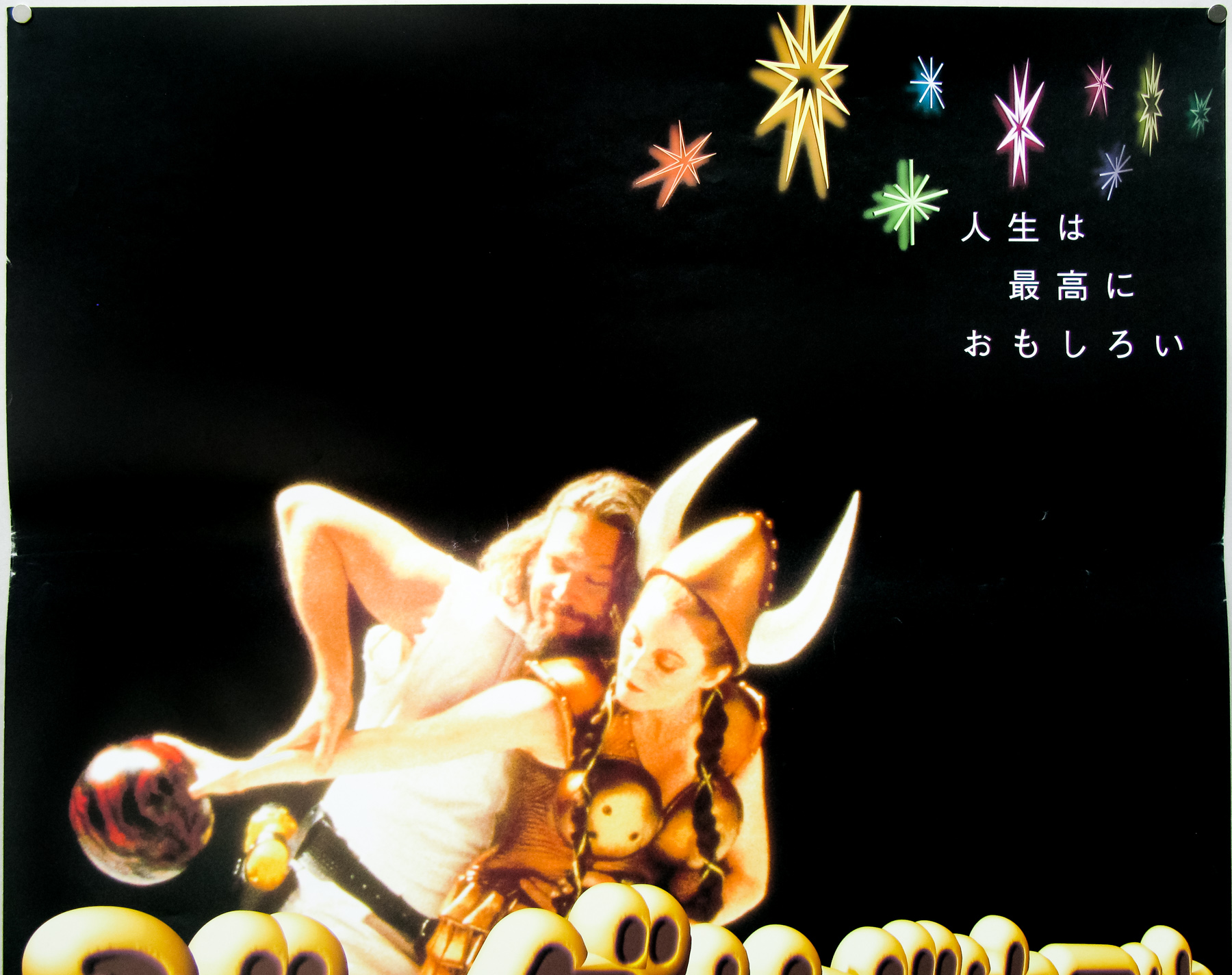
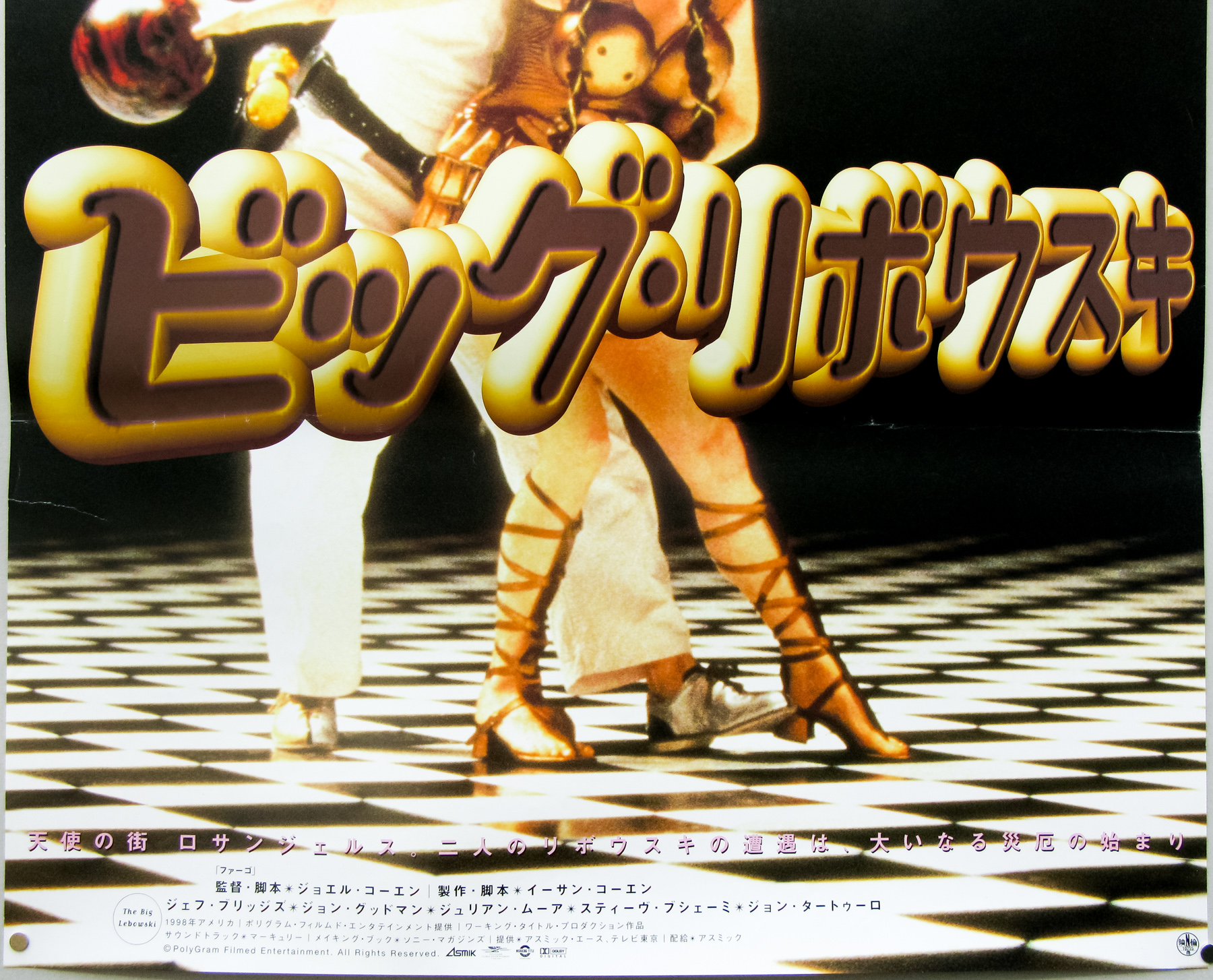
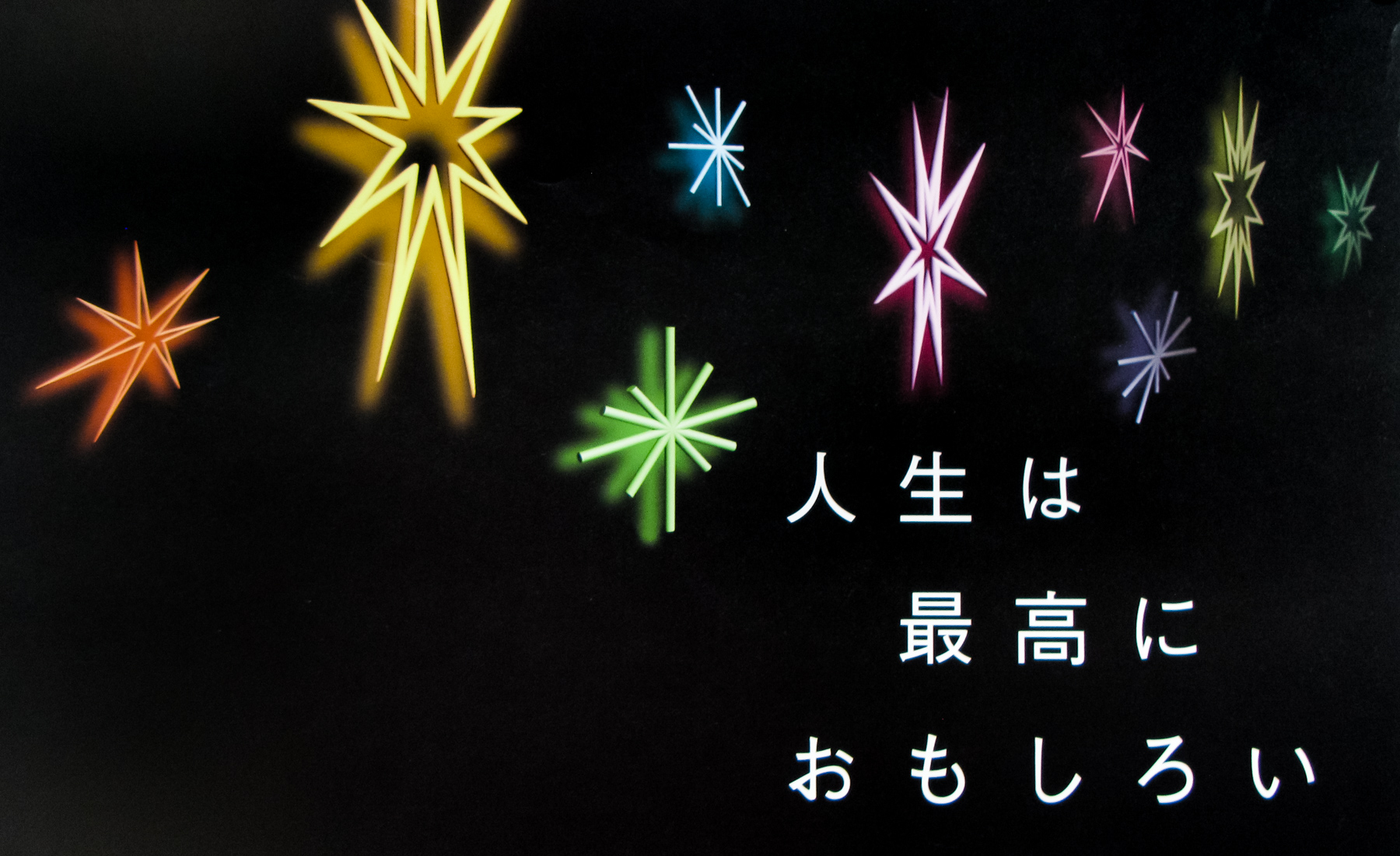
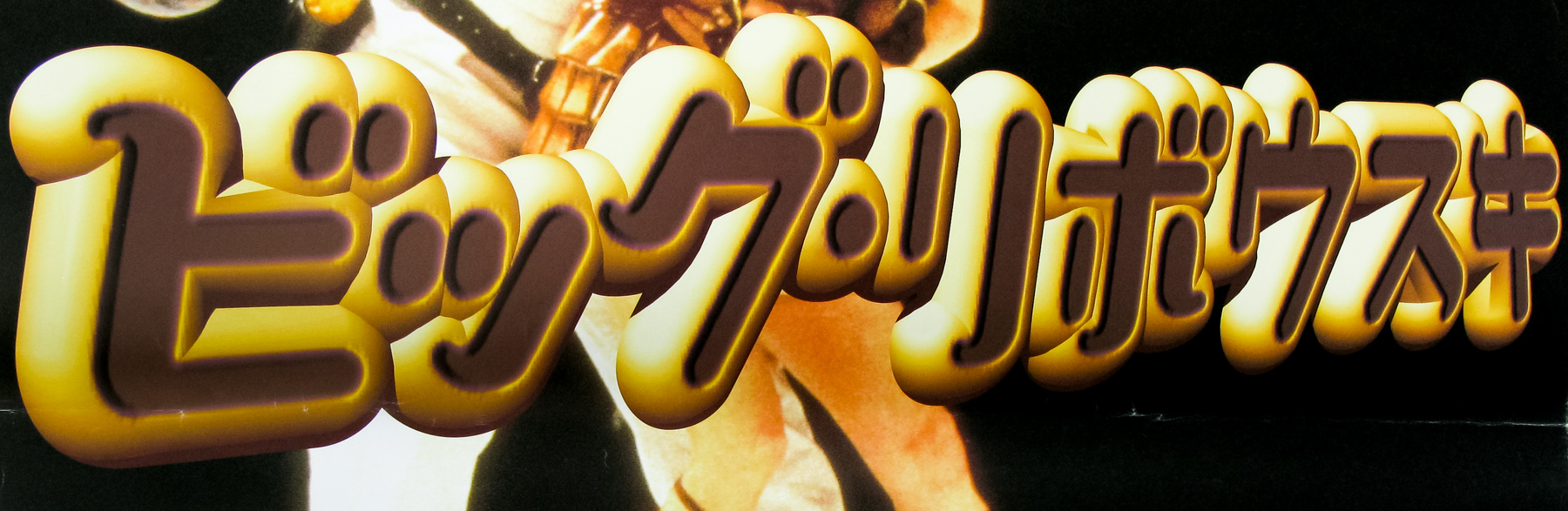
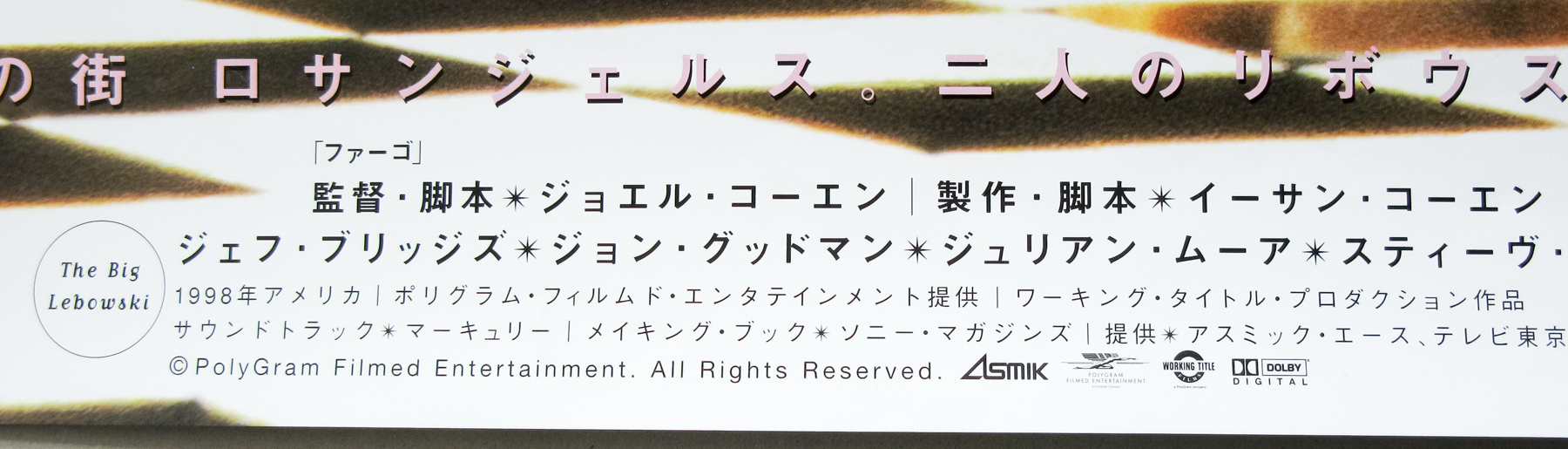
Unique artwork on this poster for the Japanese release of the much-loved Coen Brothers classic, The Big Lebowski. To say the film has become something of a cultural phenomenon since its release 13 years ago would be an understatement. There’s the annual Lebowski-Fest, which started in 2002 in Louisville, Kentucky and has since been held in several other cities. Jeff Bridges iconic ‘The Dude’ character is even the focus behind a form of religion called Dudeism.

I have a hard time choosing between this and Fargo as my favourite Coen Brothers film, although Raising Arizona and Barton Fink are also strong contenders.

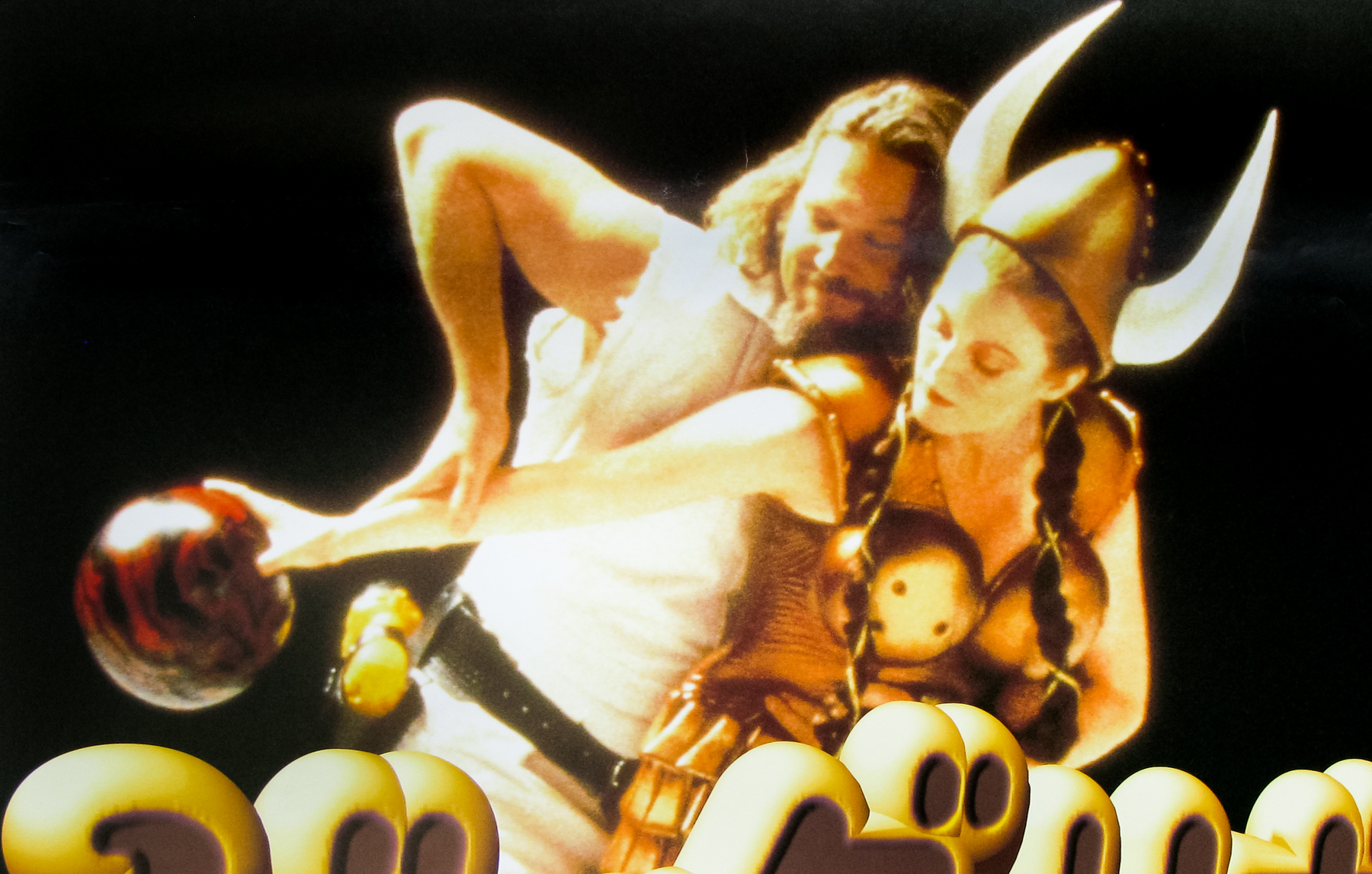
The image on this poster is a shot from the brilliant dream sequence, after The Dude has his drink spiked by Jackie Treehorn. It’s clear that the designer was experimenting with 3D text effects in Photoshop (v4.0, as it would have been at the time).

I recently spotted this rather excellent GIF.

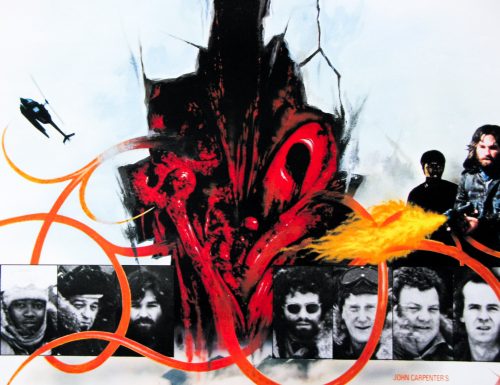
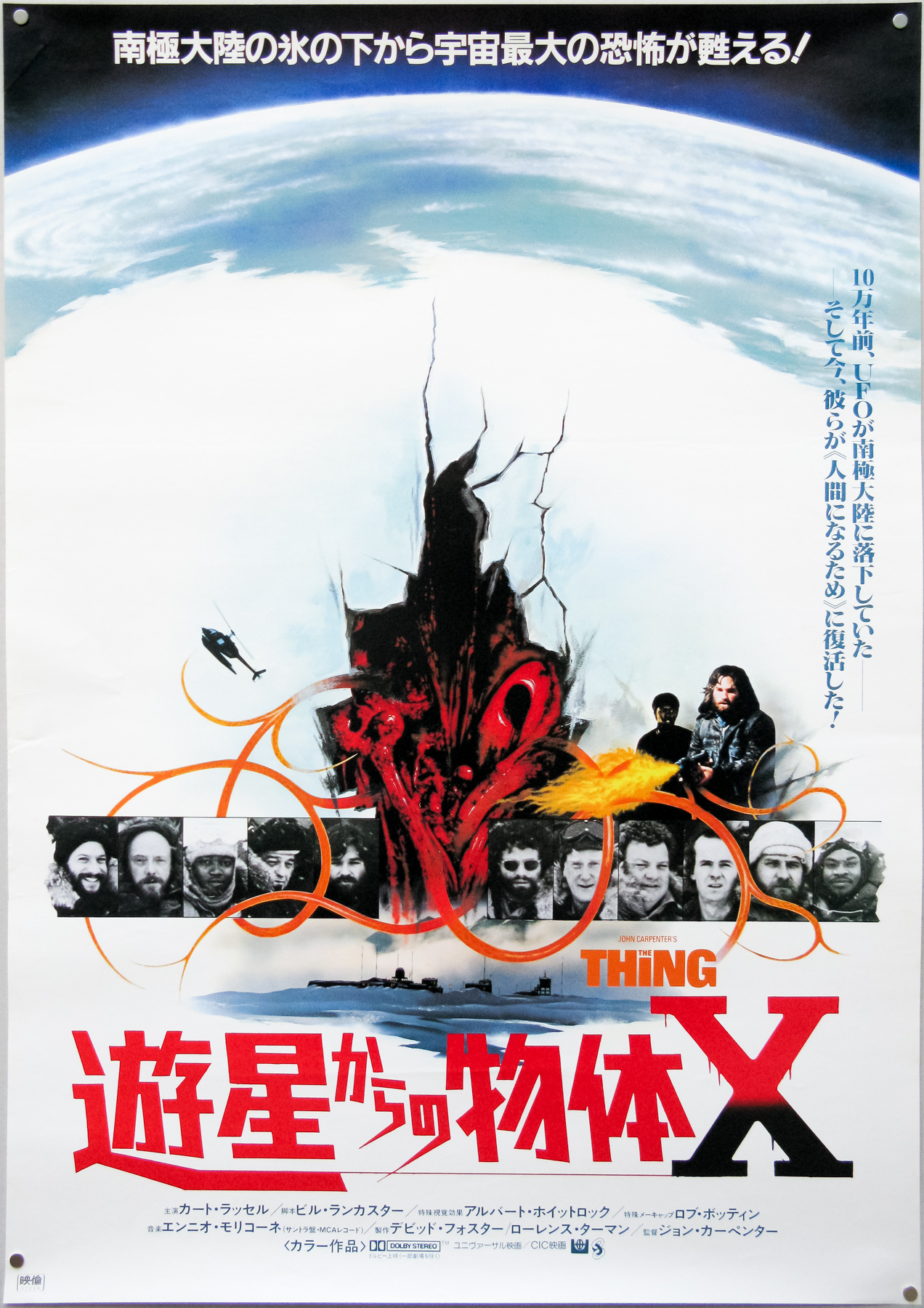
The Thing / B2 / Japan

17.05.11

Poster Poster

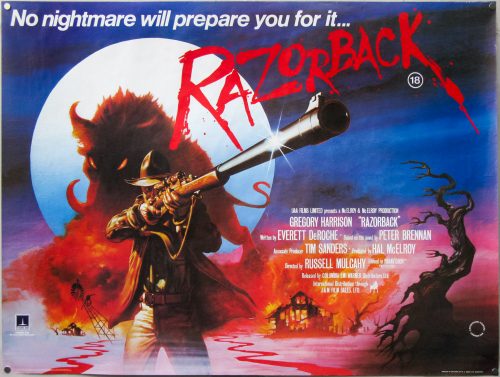
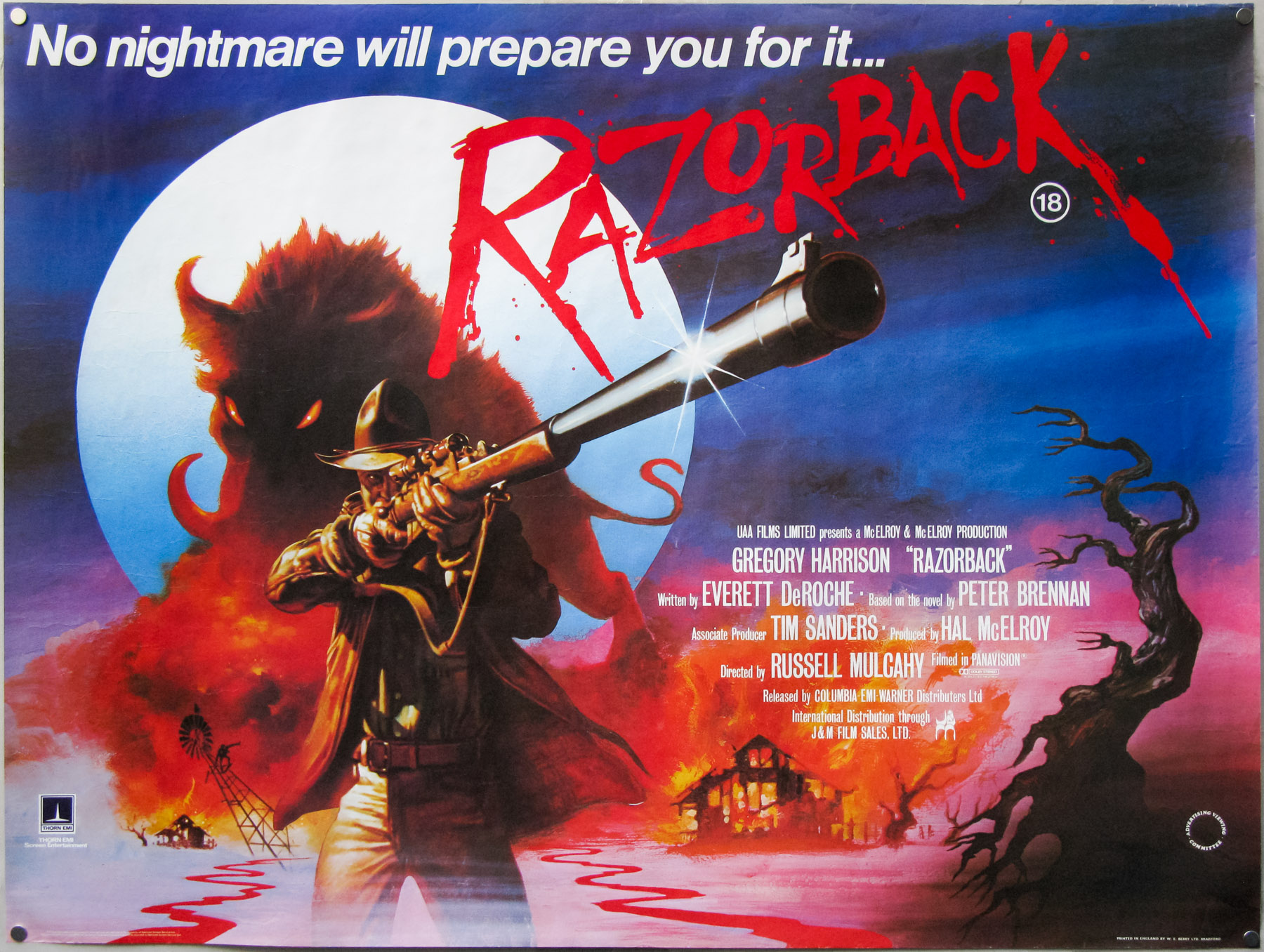
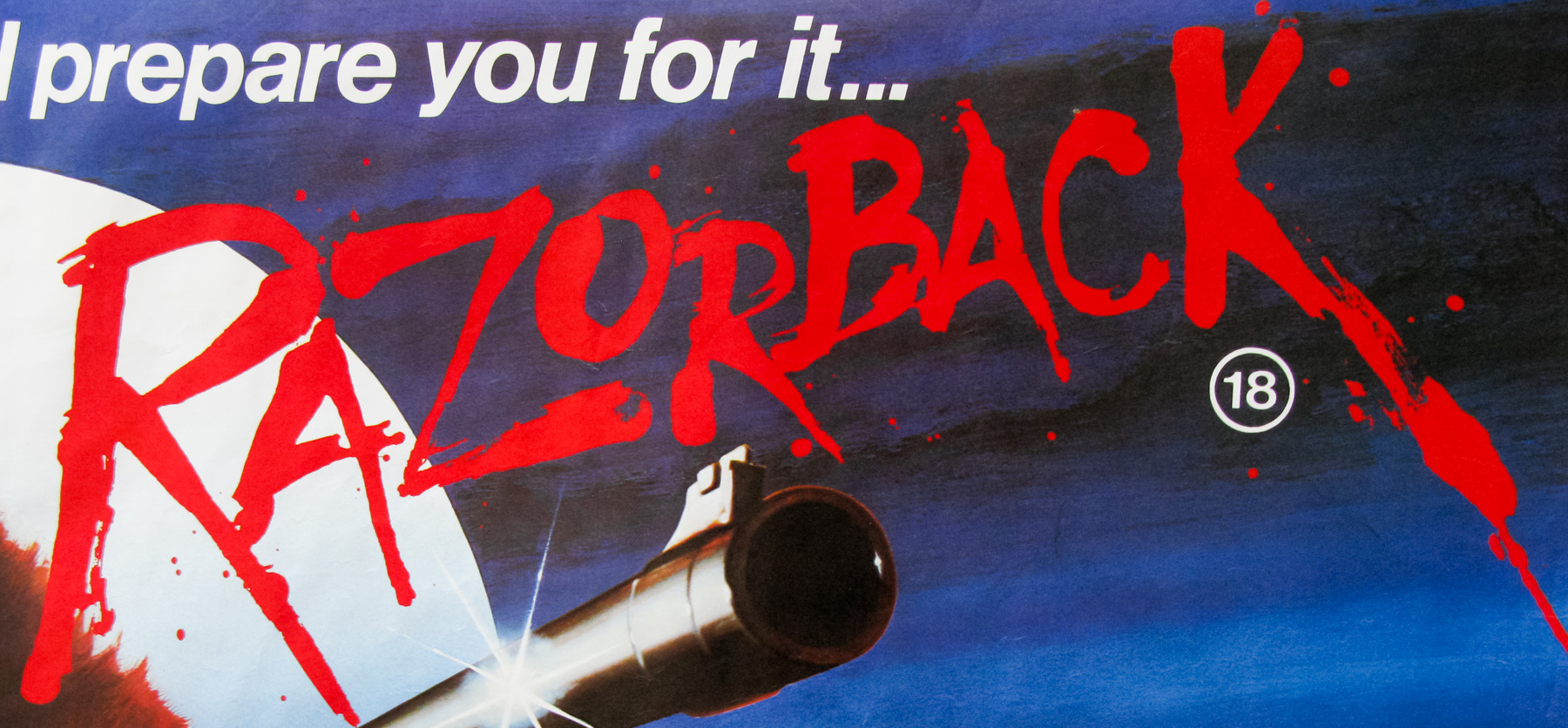
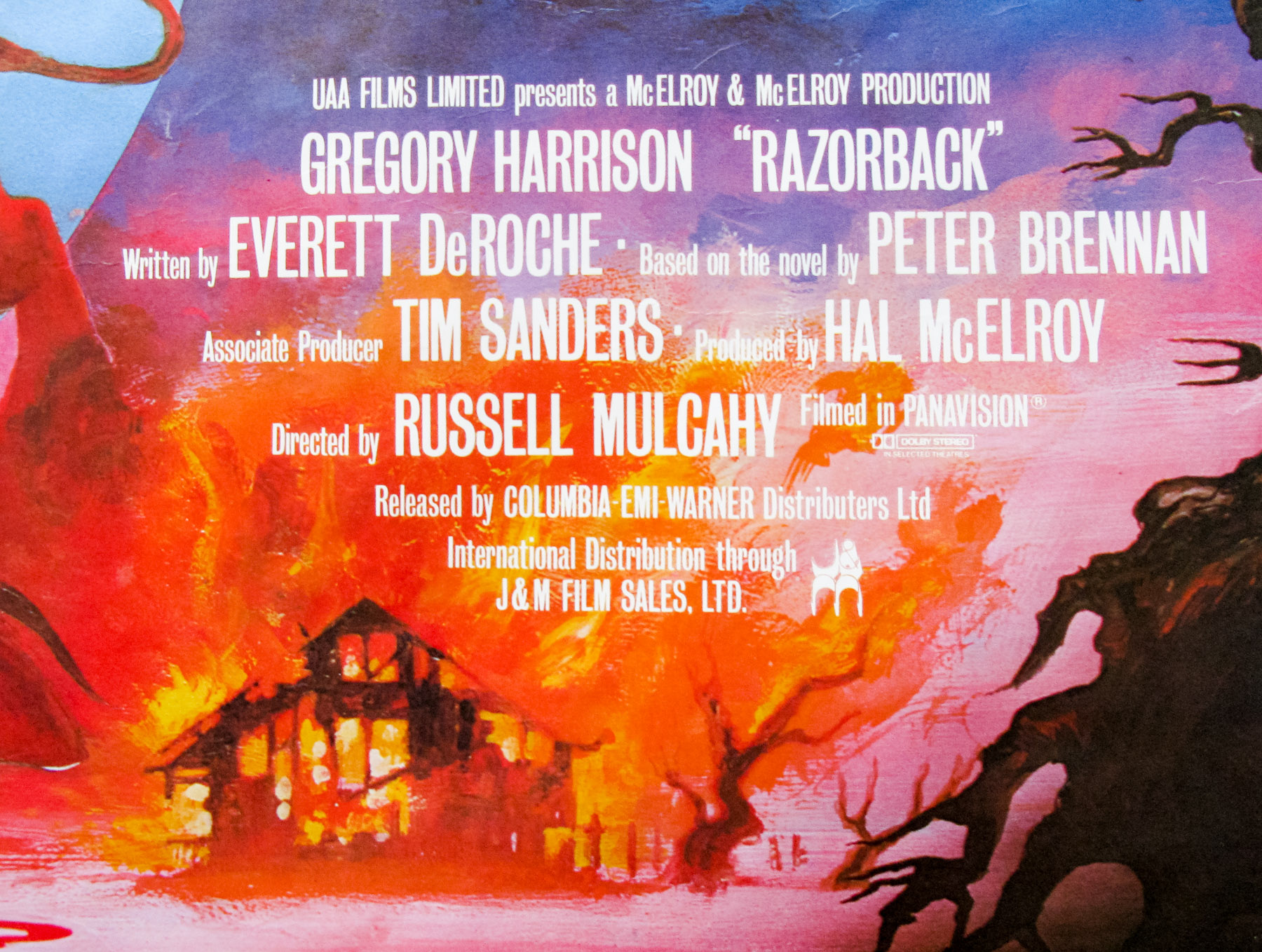
Razorback / quad / UK

24.02.12

Poster Poster
Title
Razorback
AKA
--
Year of Film
1984
Director
Russell Mulcahy
Starring
Gregory Harrison, Arkie Whiteley, Bill Kerr, Chris Haywood, David Argue, Judy Morris, John Howard, John Ewart
Origin of Film
Australia
Genre(s) of Film
Gregory Harrison, Arkie Whiteley, Bill Kerr, Chris Haywood, David Argue, Judy Morris, John Howard, John Ewart,
Type of Poster
Quad
Style of Poster
--
Origin of Poster
UK
Year of Poster
1984
Designer
FEREF
Artist
Boris Vallejo
Size (inches)
30 1/16" x 39 15/16"
SS or DS
SS
NSS #
--
Tagline
No nightmare will prepare you for it...

‘Jaws with boars’, Razorback was the debut feature of Australian director Russell Mulcahy, probably best known for the 1986 fantasy classic Highlander. Prior to shooting the film Mulcahy had been working as a successful music video director for several years and is credited with the first video ever to air on MTV (Video Killed the Radio Star by The Buggles).

Set and filmed in the Australian outback, the story sees American Carl Winters (Gregory Harrison) traveling there to investigate the mysterious disappearance of his wife, a reporter who was looking at the illegal hunting of outback wildlife. Carl soon discovers that she was attacked by an oversized Razorback boar and teams up with a local hunter (Bill Kerr), whose grandson was killed by the beast, and his friend Sarah (Arkie Whiteley). They set out to track down and stop the creature before it can kill again but have to contend with a pair of deranged locals intent on covering up their part in the death of Carl’s wife.

Mulcahy’s direction and Dean Semler’s award-winning cinematography elevate the film above the usual low-budget horror fare. The special effects used to realise the titular beast aren’t particularly great but there a handful of scenes that are well done, including some long shots of the rhino-sized animatronic monstrosity. The ending feels notably rushed and an interview with Alan Jones (critic, and friend of Mulcahy) on the DVD makes it clear that the director was forced to film the last few minutes against his wishes; Mulcahy having planned an alternative ending.

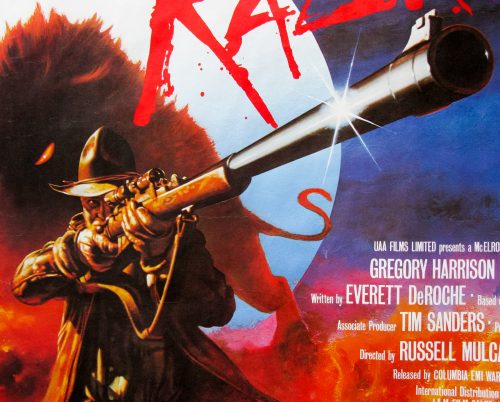
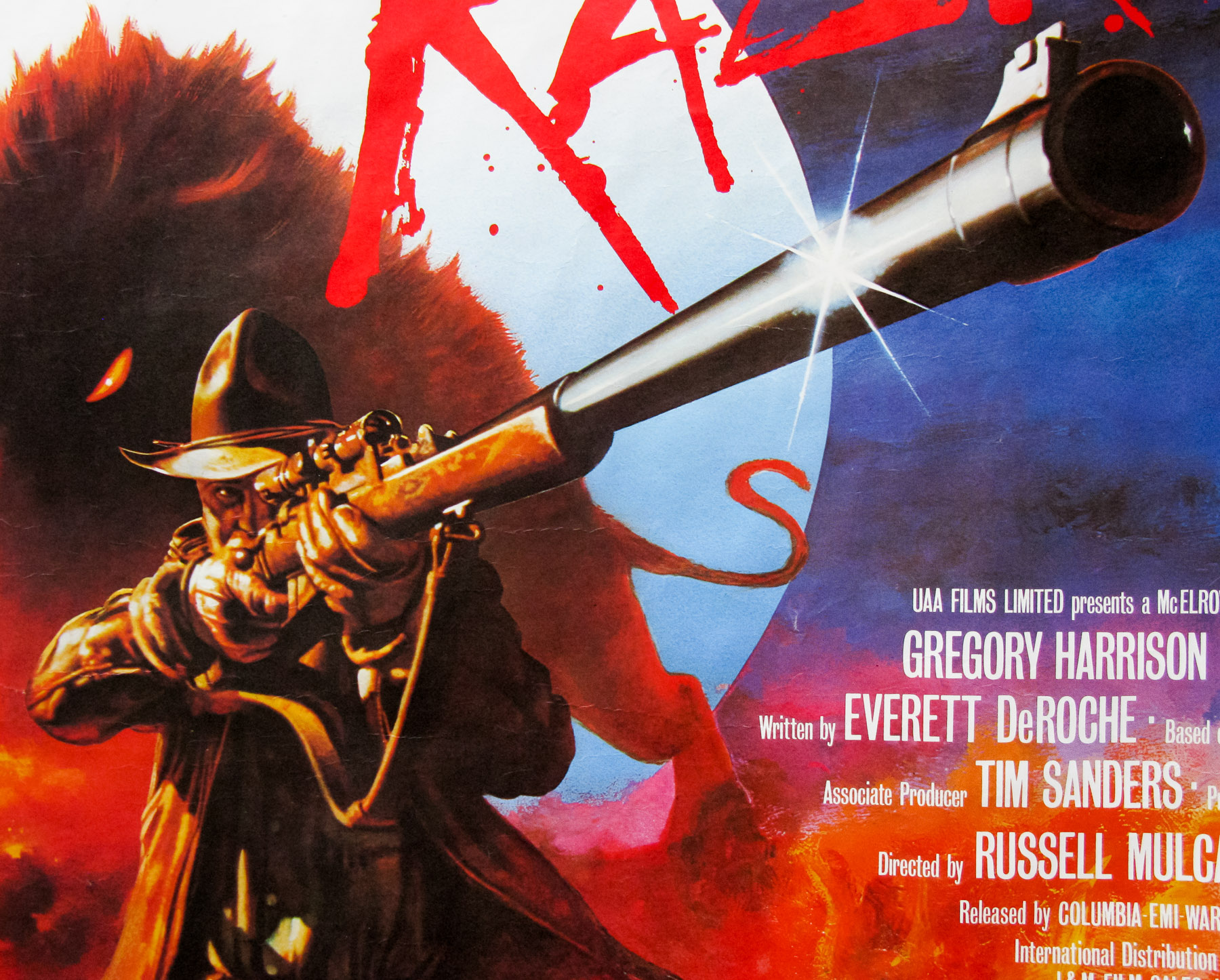
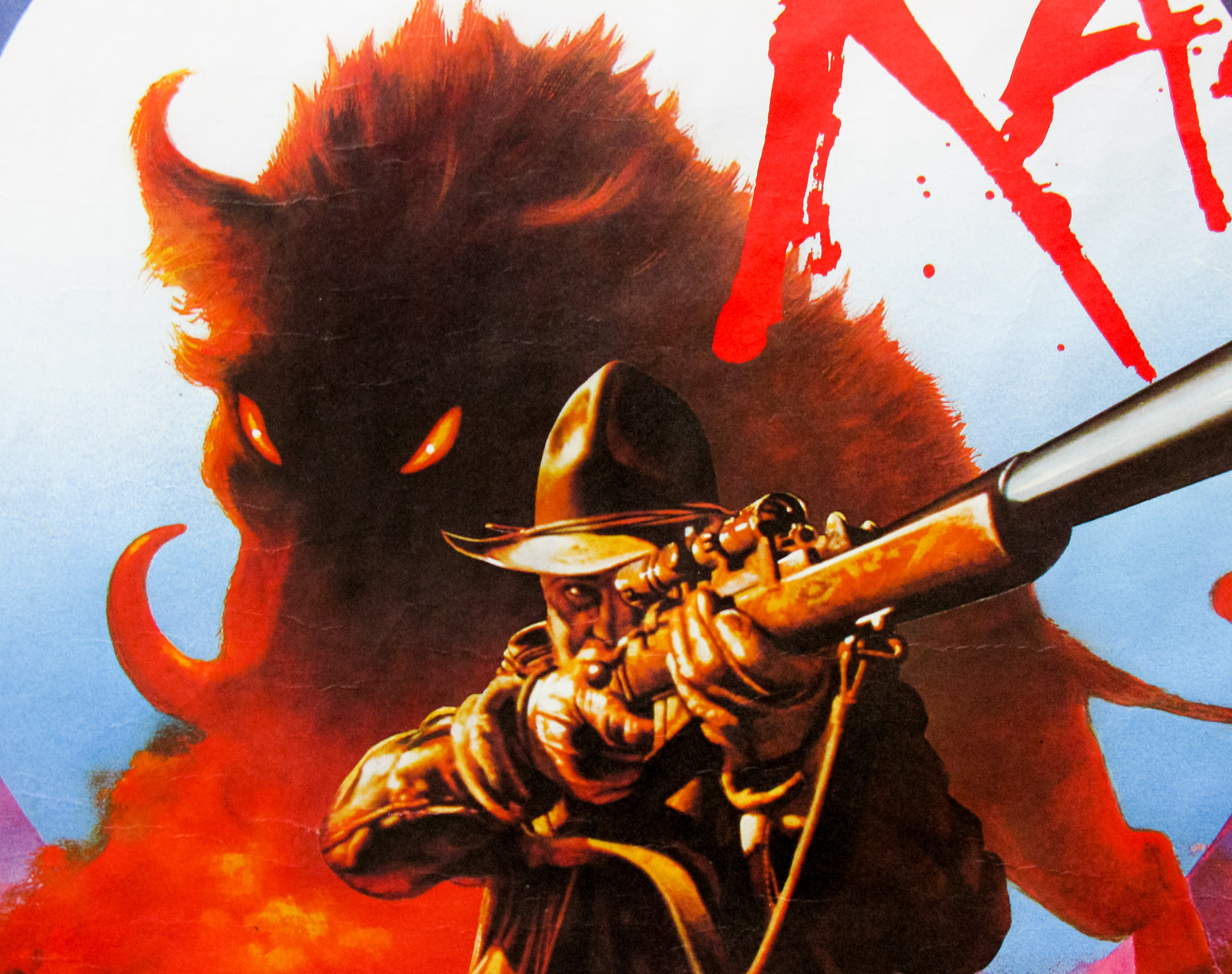
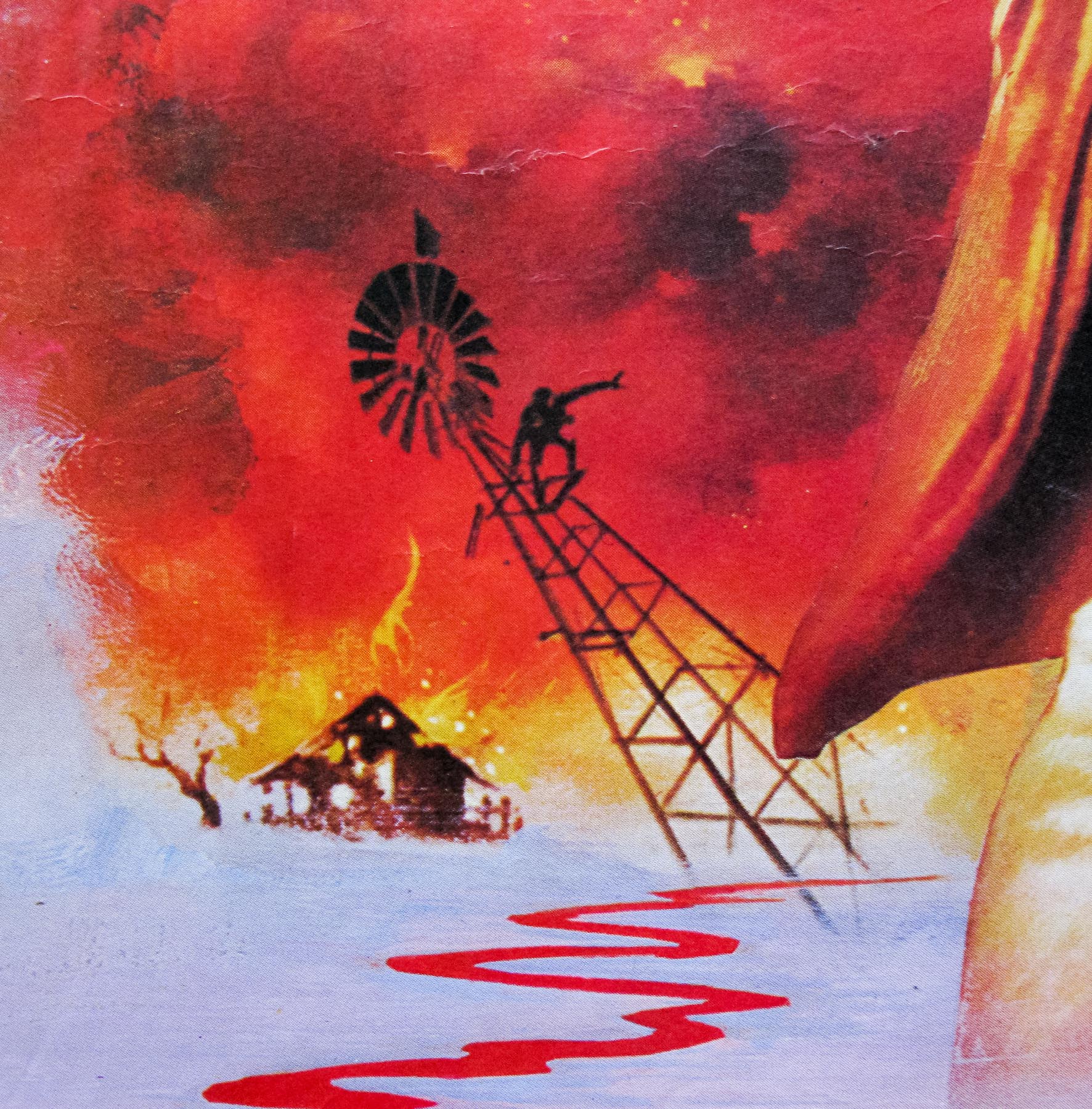
I’m crediting the artwork to ace illustrator Boris Vallejo, despite the lack of his usual signature, because it’s clearly his work as seen on this signed Belgian poster (image taken from emovieposter). It could be that Boris worked on a landscape layout, but It’s likely that a British designer was tasked with adapting his original artwork to the quad format. It’s equally possible that a British illustrator was asked to ape his style with a new layout. Regardless, it’s only fair that he is given the credit.

The original trailer is on YouTube.

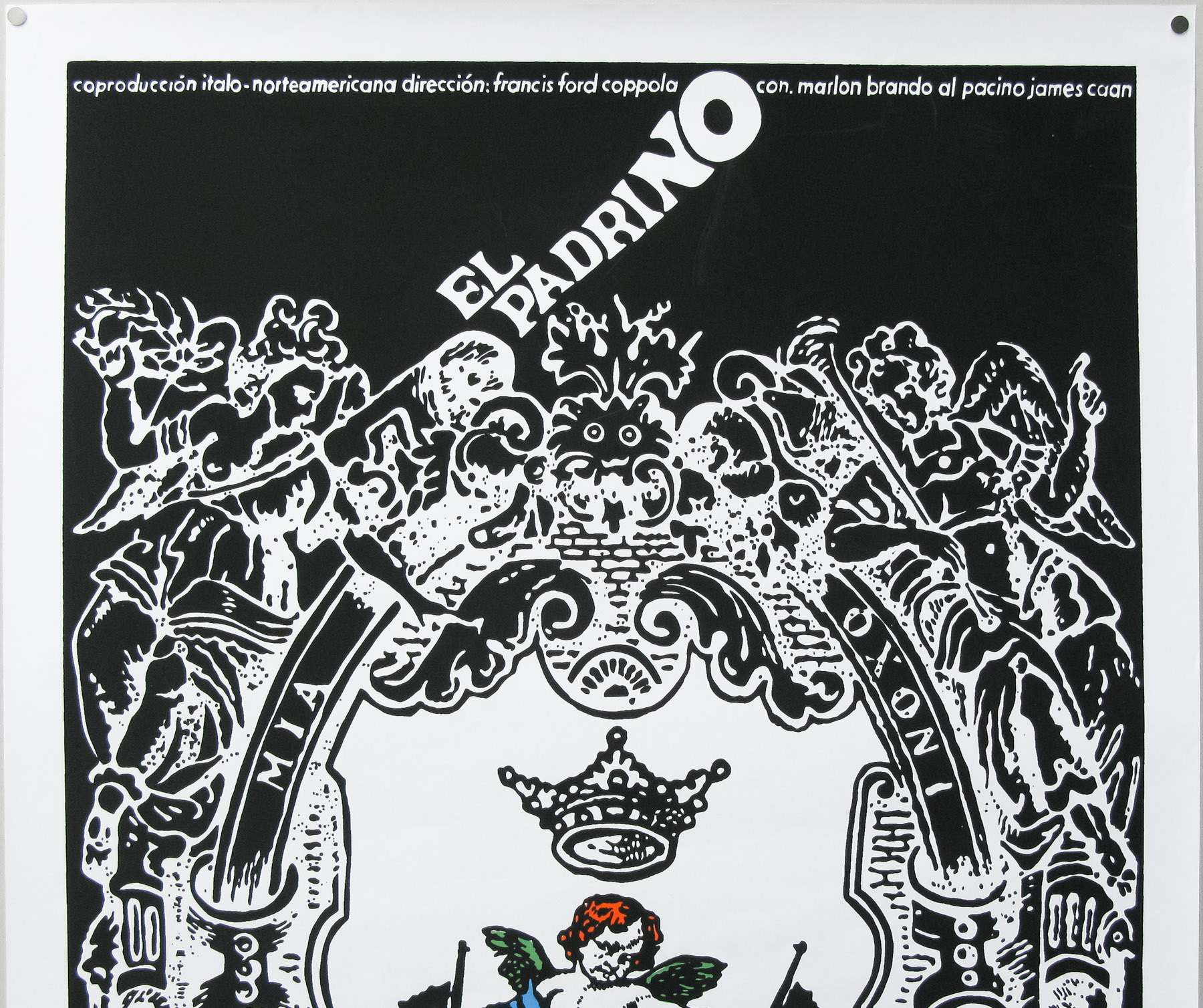
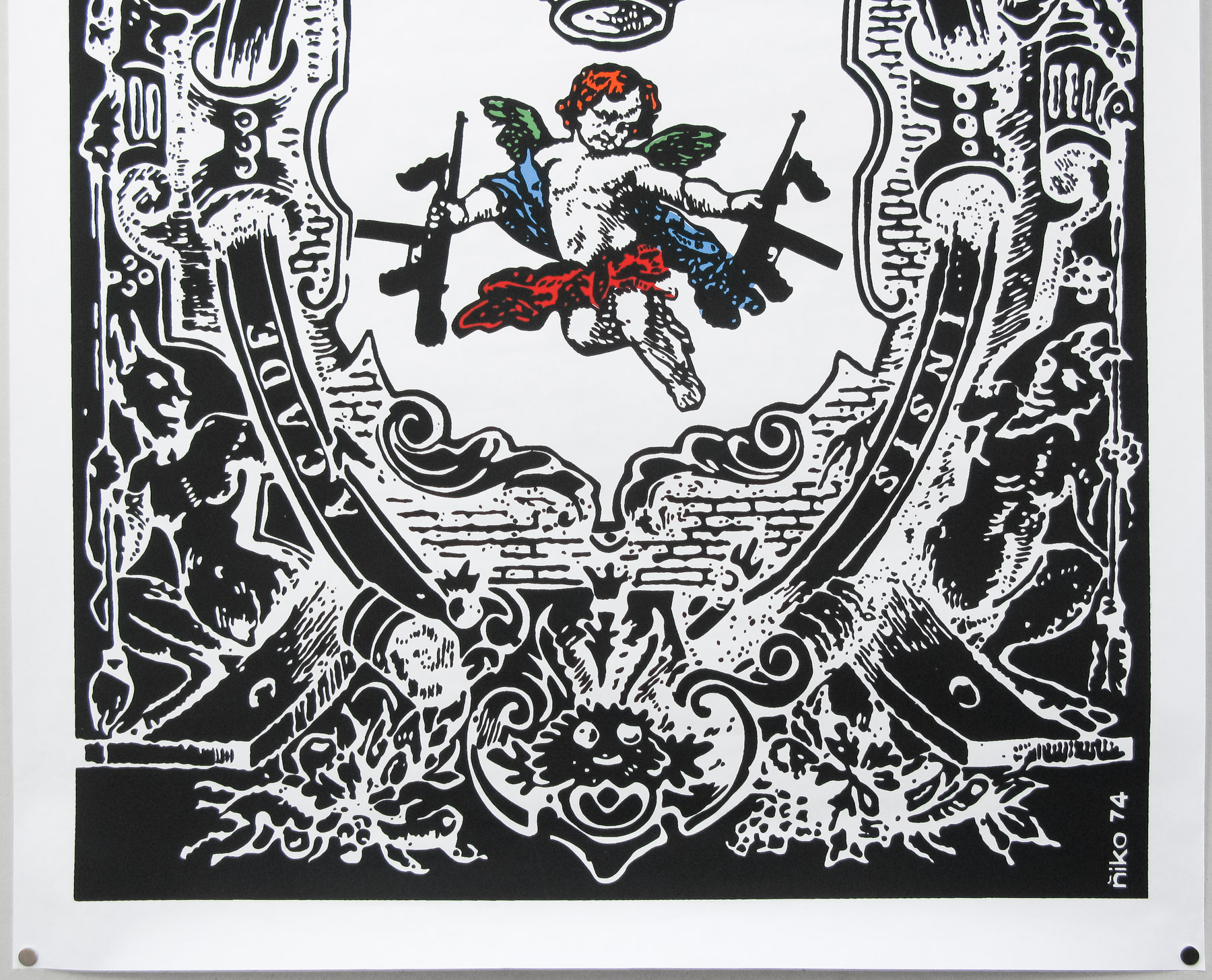
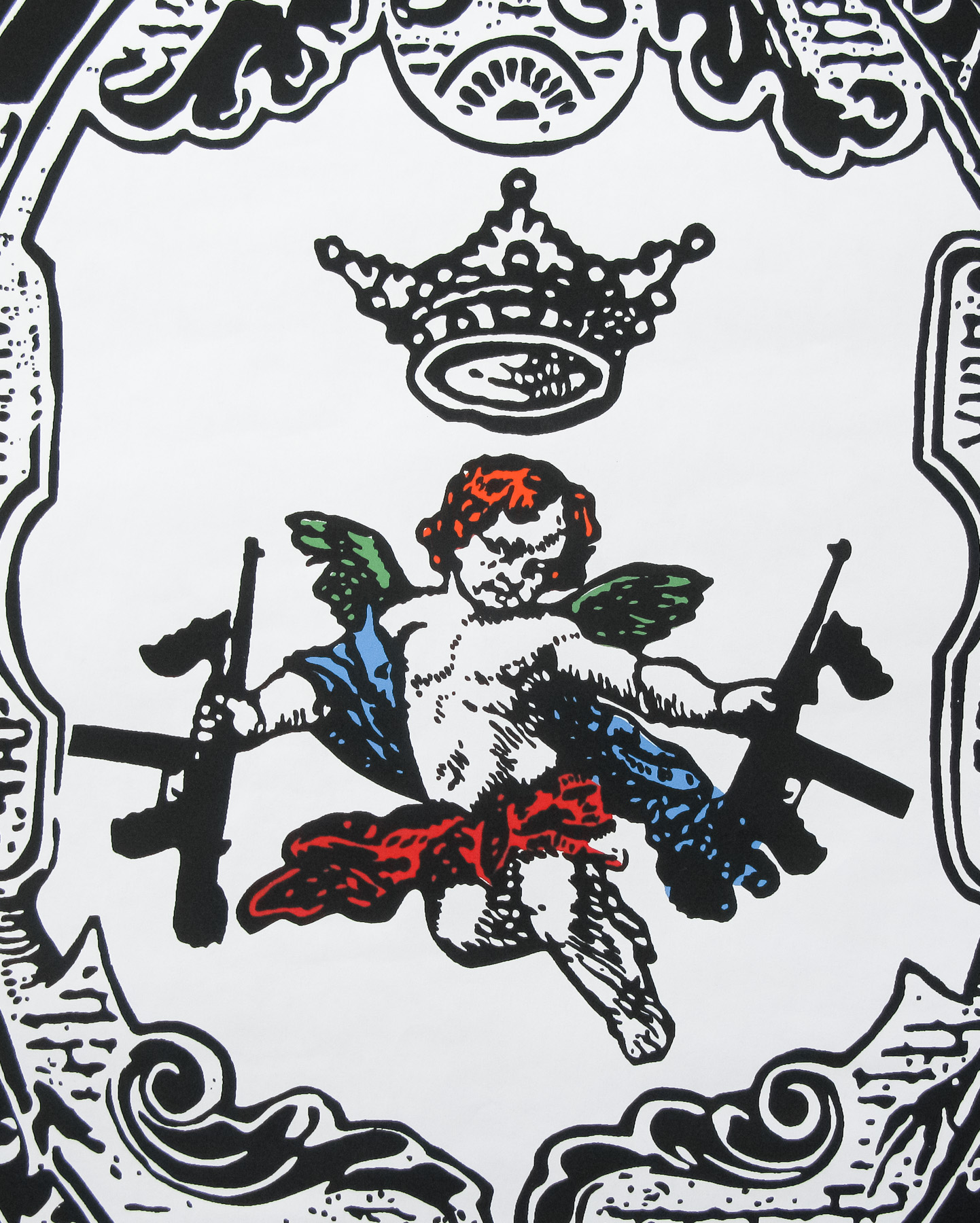
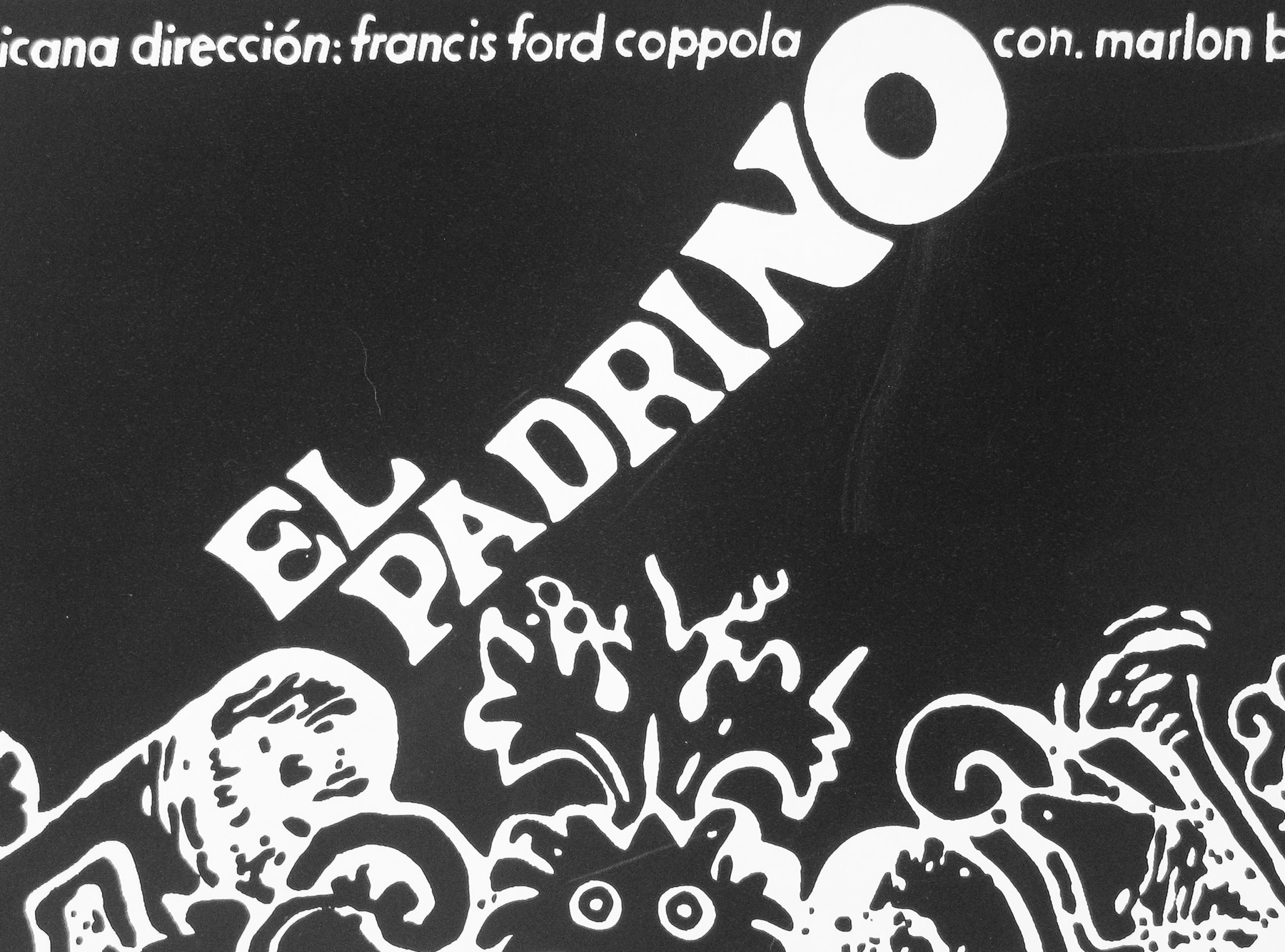
The Godfather / screen print / Ñiko / Cuba

18.06.12

Poster Poster

In August 2011 I was lucky enough to visit the island of Cuba for a ten day trip, which was a fantastic experience. It really does feel like a country stuck in a time warp, circa 1965, particularly once you leave the capital and head into the countryside. It’s a stunningly beautiful island with very hospitable people but the relative poverty of the country is clear to see. It’s often said that the government is likely to relax the current freeze on foreign (particularly Western) investment once ‘Comandante’ Fidel Castro passes away, although with his brother Raul currently in charge very little has changed. This article on the BBC gives you an insight into the current situation.

The Cuban people’s love for film and cinema-going is legendary and our guidebook claimed that at the end of the 1950s there were over 300 cinemas in the capital Havana alone. Today, these great old buildings continue to thrive and whilst there I witnessed the queues of people lining up to see the latest releases. I took this picture of the Yara cinema in the Vedado area of Havana before the evening crowds descended.

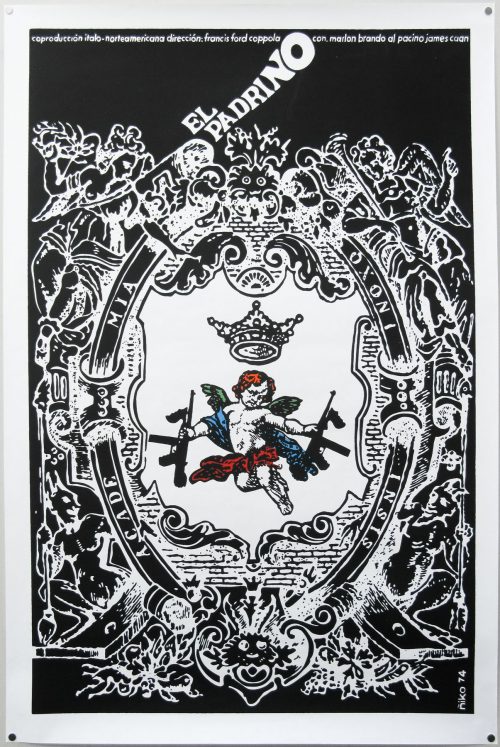
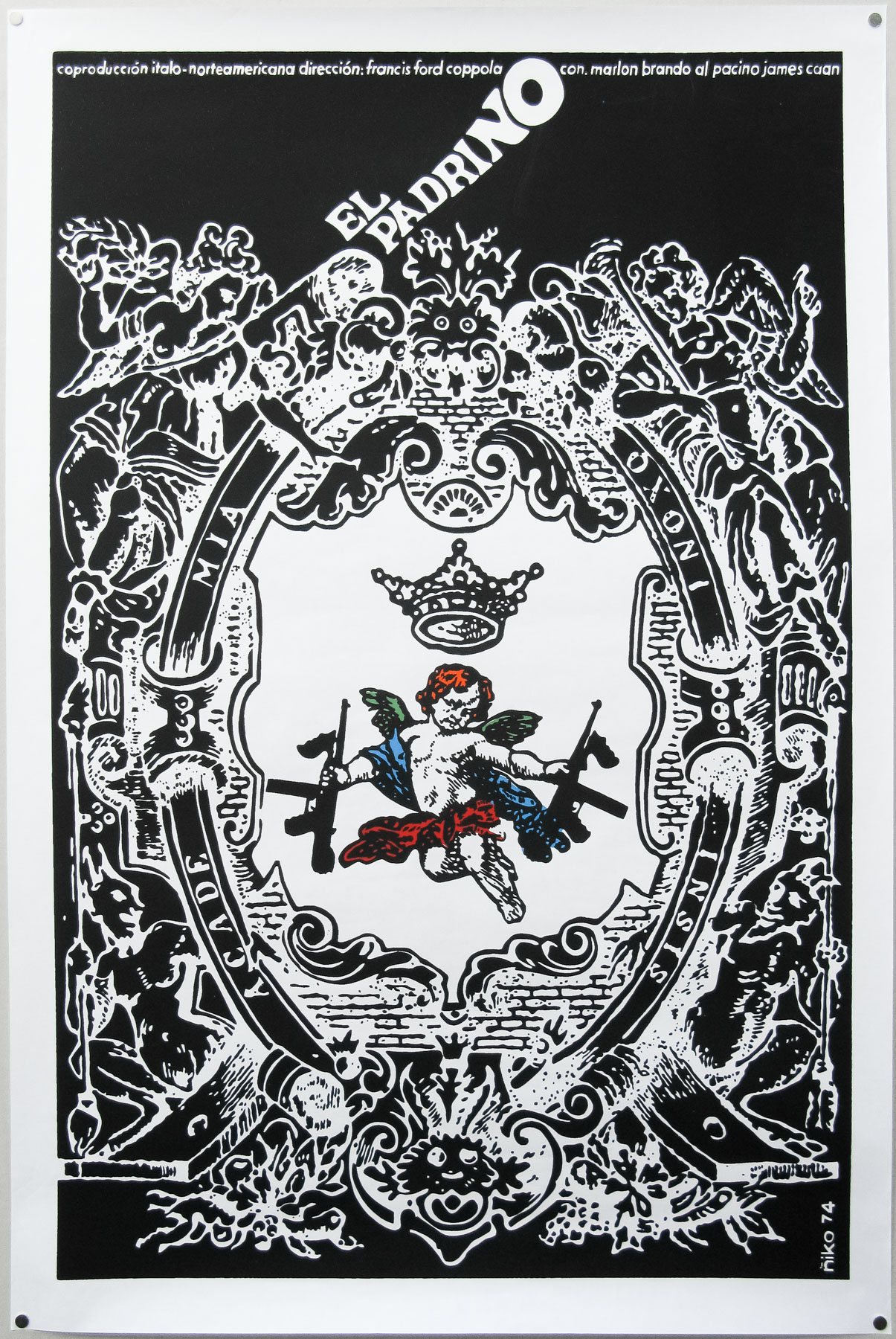
Whilst in Havana I visited a bookshop that was selling original Cuban propaganda posters printed in the 1950s and 60s by OSPAAAL. They also had a handful of screen-printed film posters, all of which were reprints of the original Cuban cinema posters or re-imagined designs by local artists. They are officially screen printed by the ICAIC (Instituto Cubano de Artes Industrias Cinematografia) in Havana.

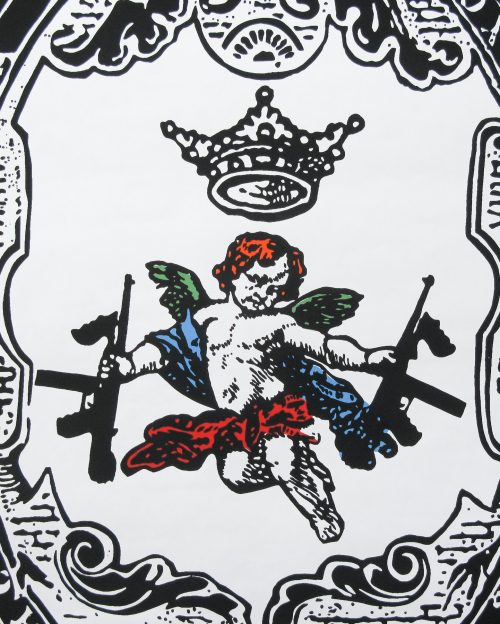
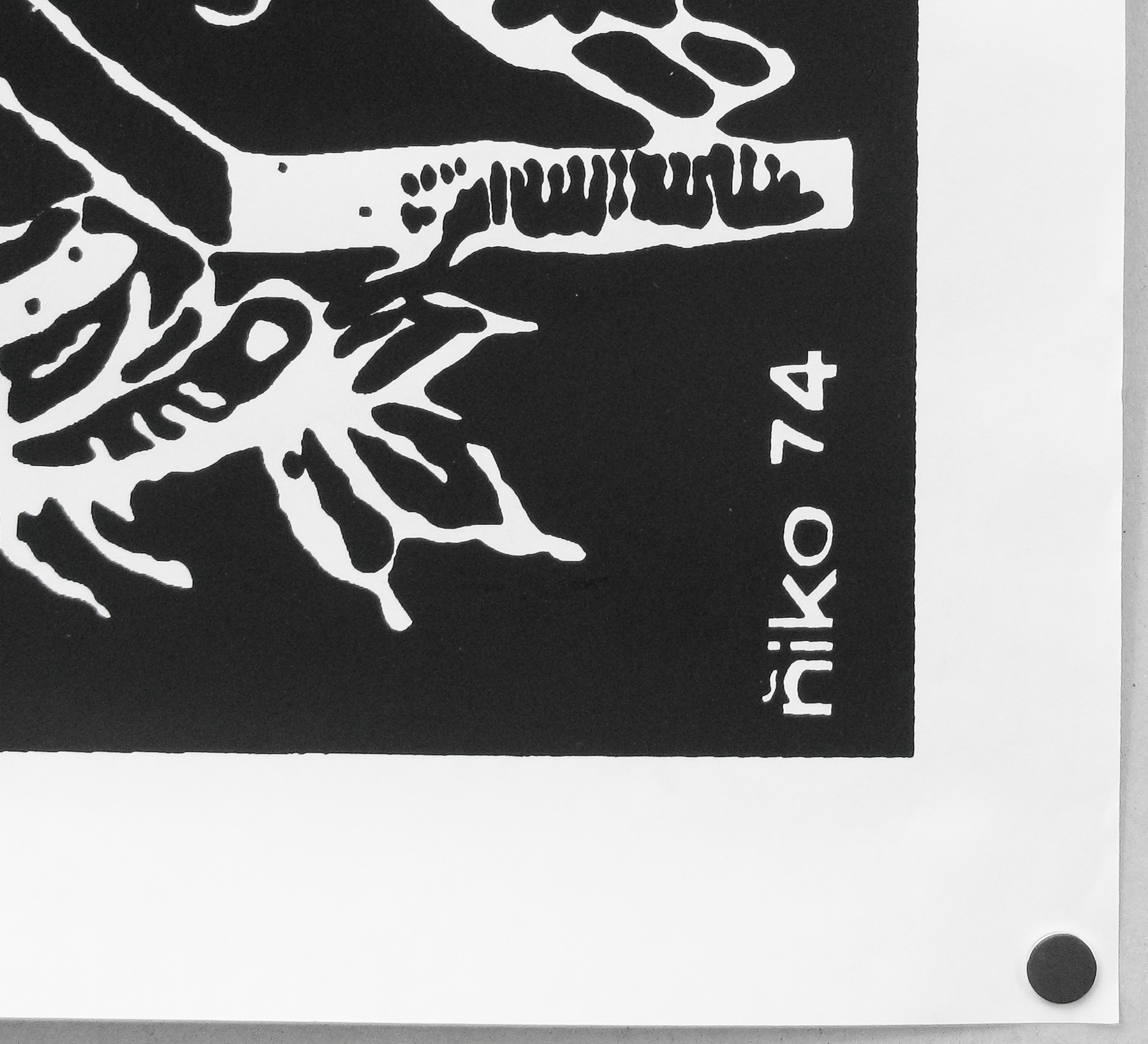
This poster for Francis Ford Coppola‘s classic crime epic The Godfather was designed and illustrated by Antonio Pérez González Ñiko. Born in Havana in 1941, Ñiko (as he is known) studied a Bachelor degree in Art at the city’s university before getting a job at a graphic design agency. He was instrumental in designing multiple posters for the Cuban revolutionary movement in the 1960s and 1970s as well as many film posters in conjunction with the ICAIC.

Now a resident of Mexico, Ñiko works as a professor of Graphic Design at the Gestalt Design School in Xalapa, Veracruz. He continues to design and paint and his work has been featured in countless exhibitions around the world. His personal blog can be viewed here. Galleries of his work can be viewed on his Cargo Collective website here, and the sheer number of film posters he’s worked on is nothing short of incredible.
Whilst in Havana I also picked up a few other posters, one of which (A Clockwork Orange) I have already posted here.
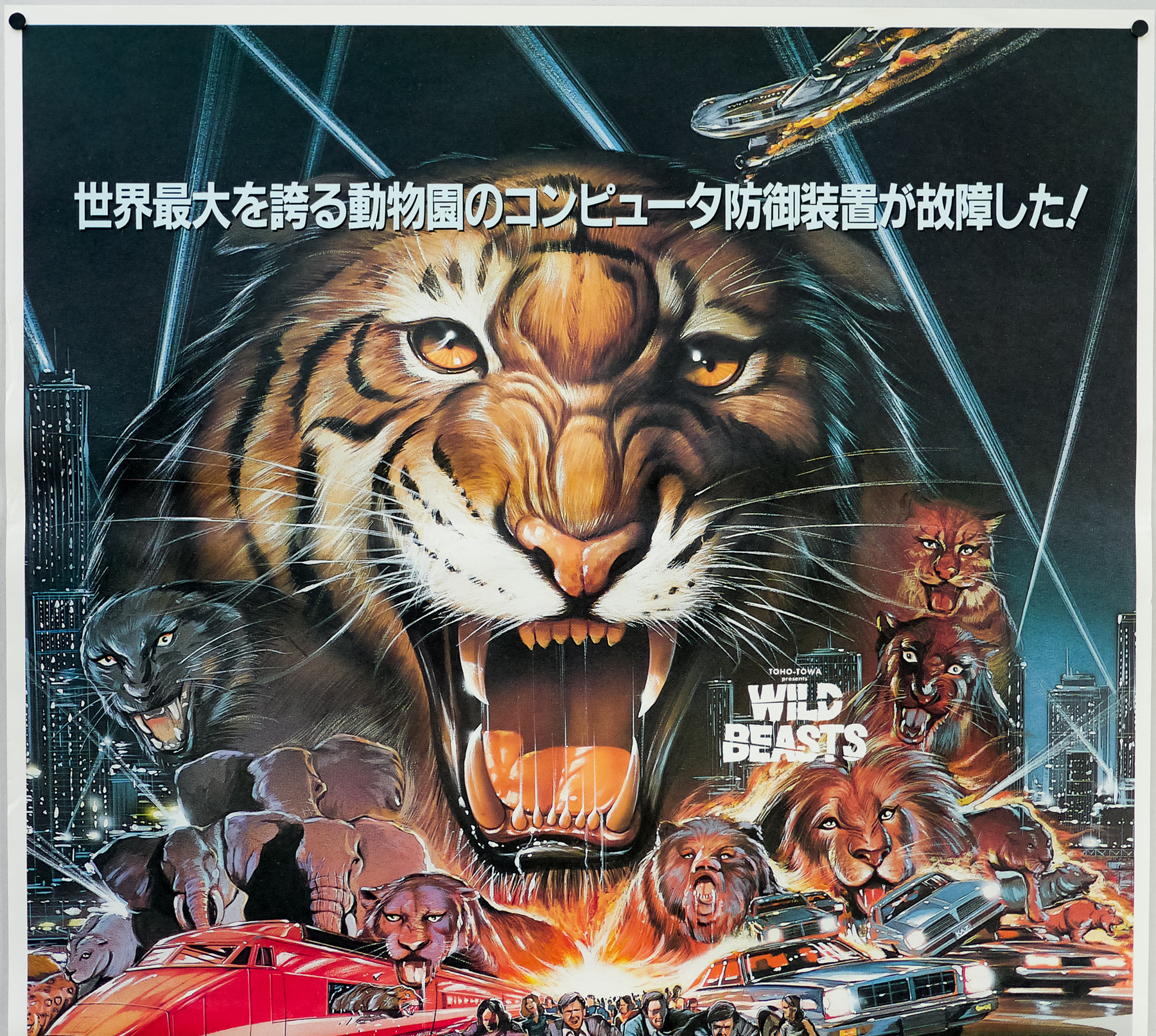
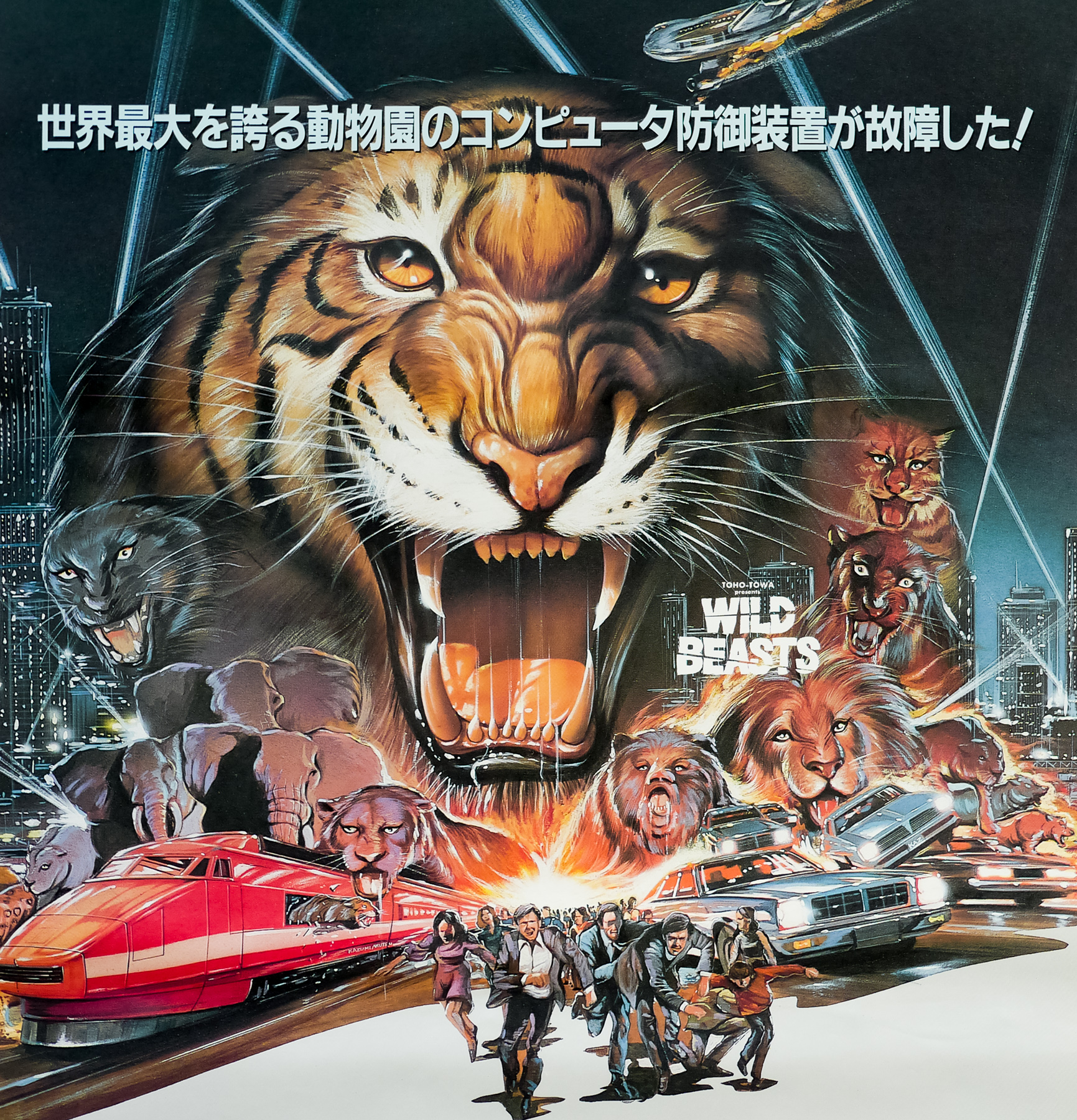
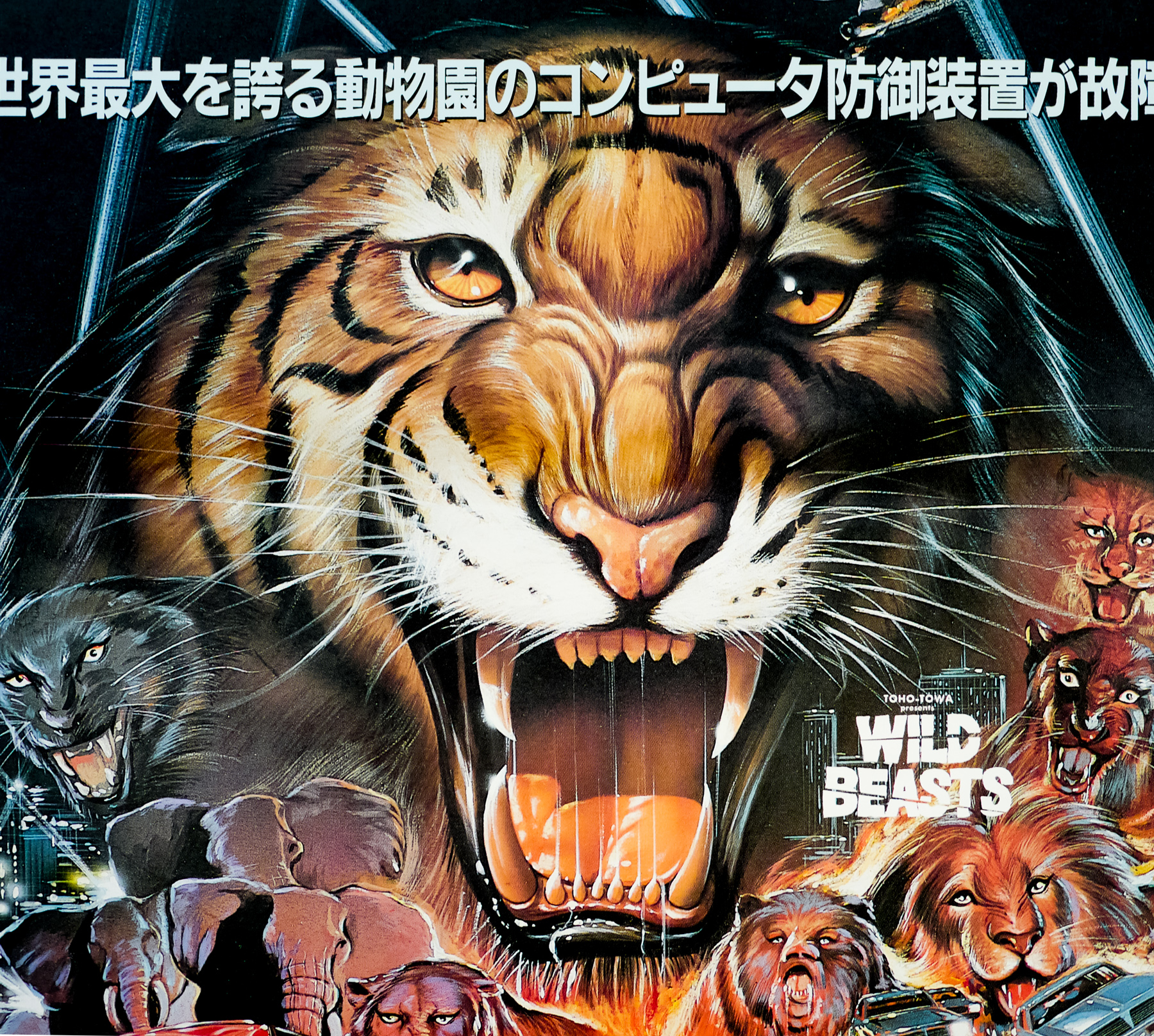
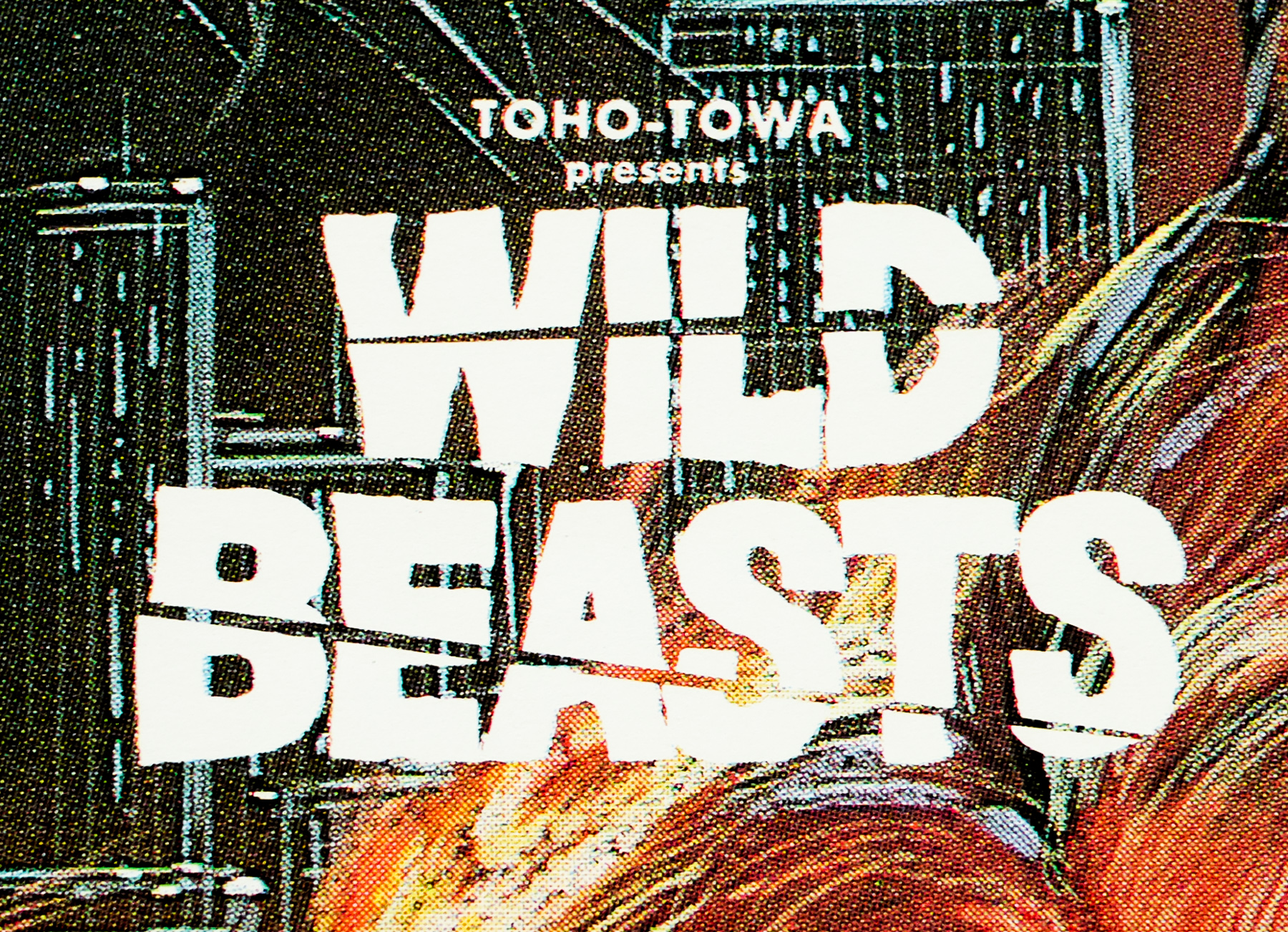
Wild Beasts / B2 / Japan

05.11.12

Poster Poster

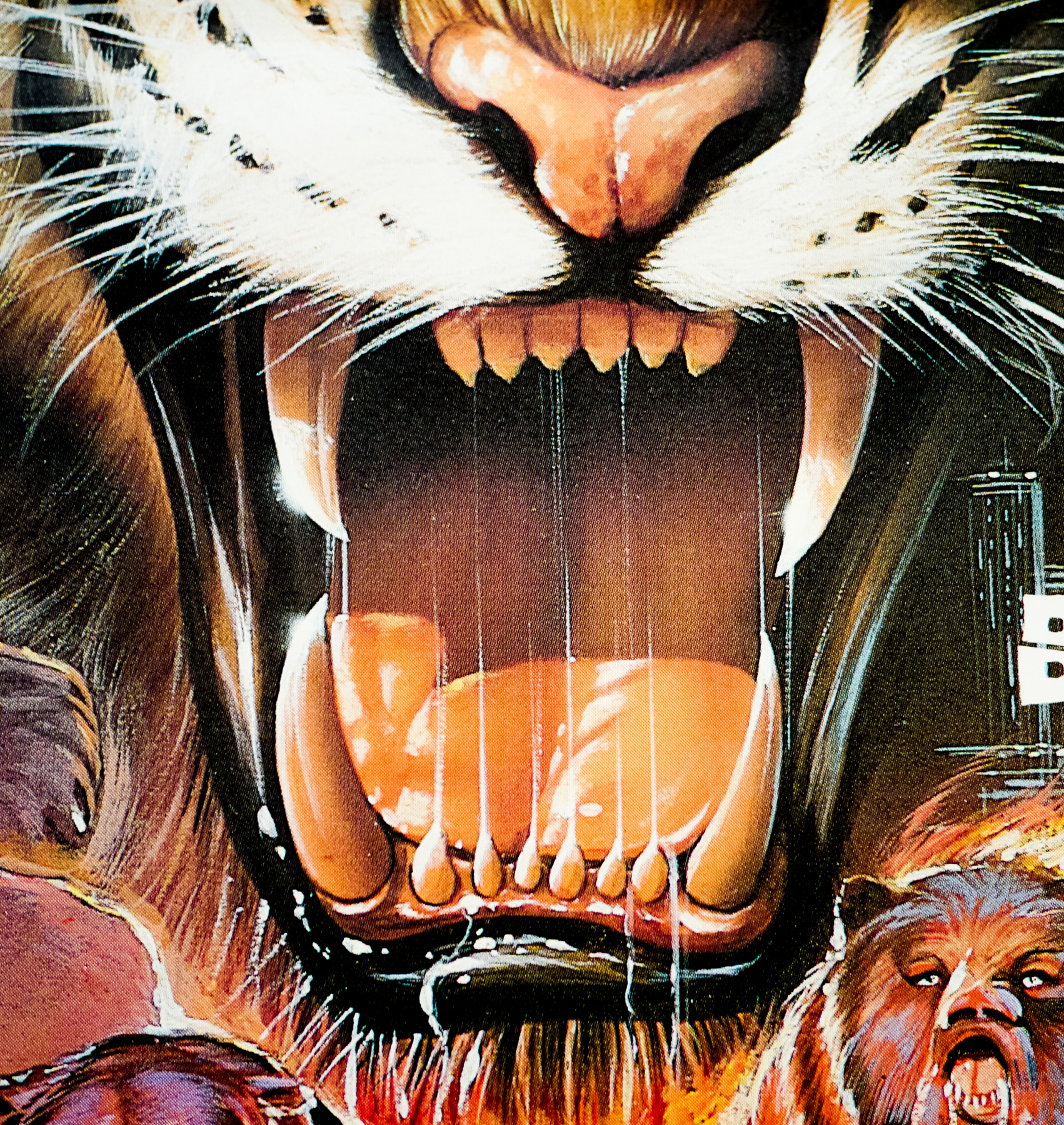
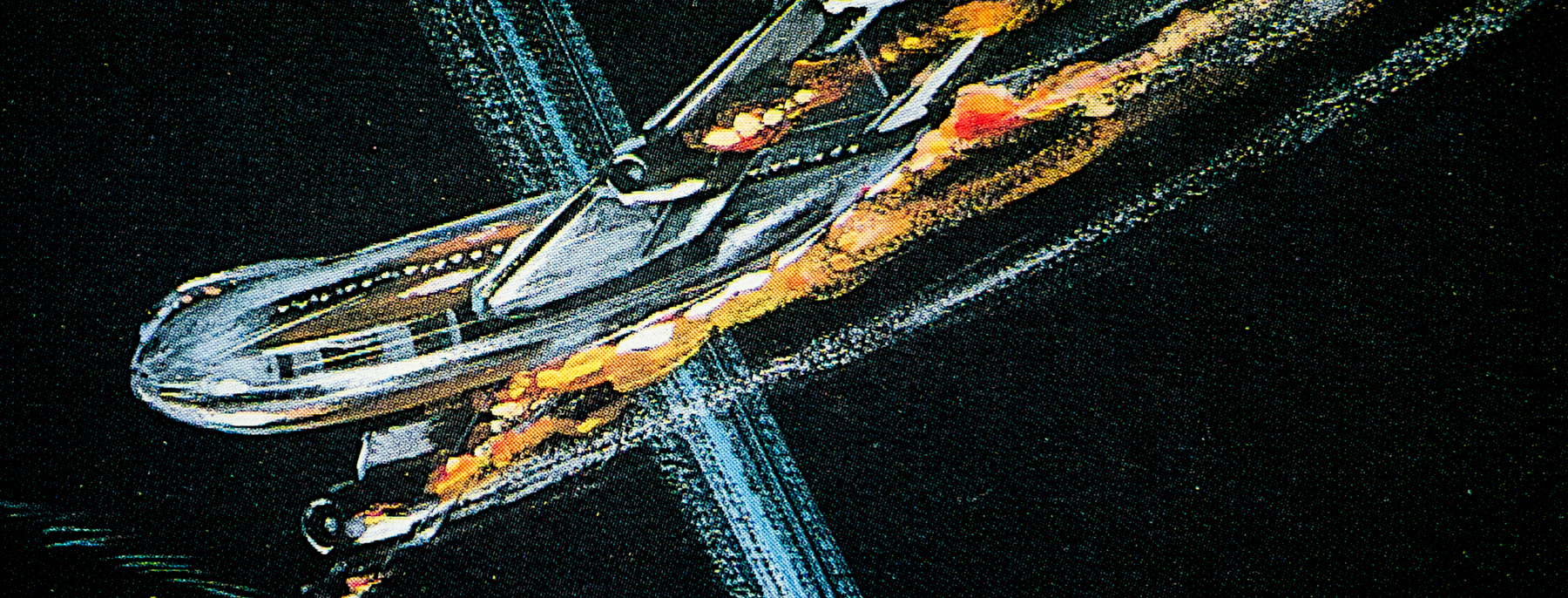
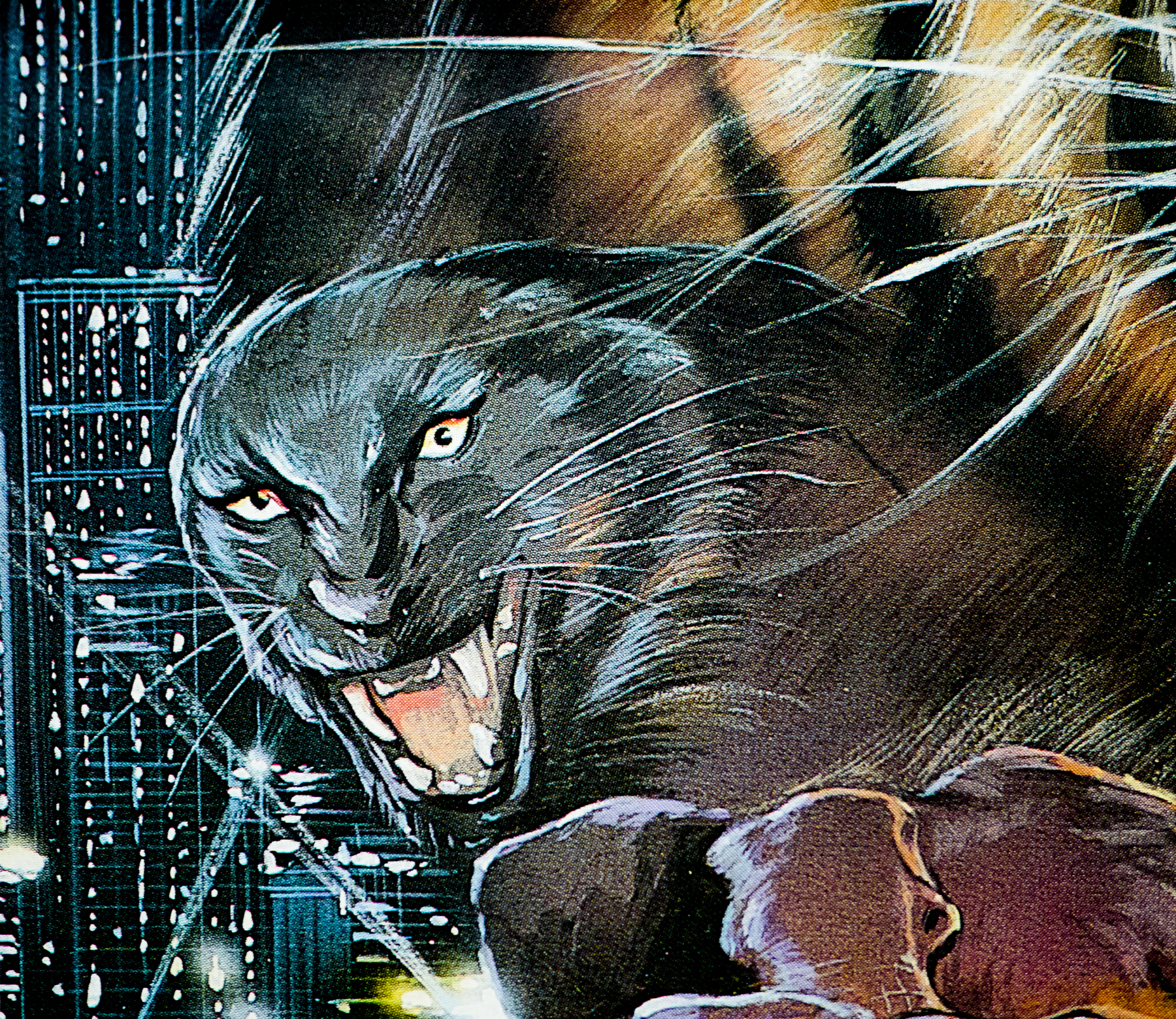
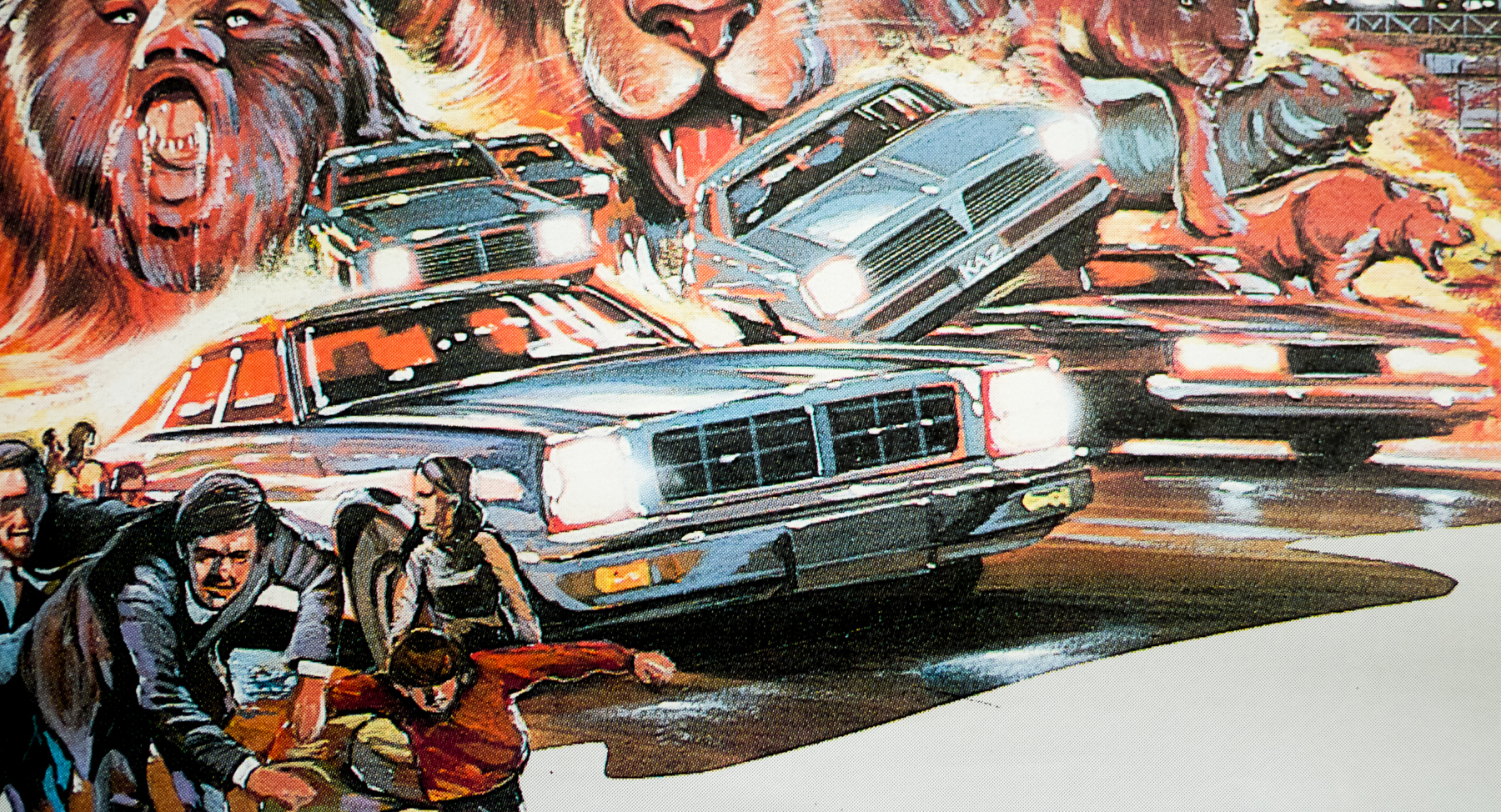
Italian director Franco Prosperi is best known as the co-creator of the infamous Mondo Cane ‘shockumentary’, which consisted of a series of travelogue-style vignettes looking at strange cultural practices from around the world with the intention of shocking Western audiences. Made in 1962, the film had an emphasis on taboo subjects including sex, death, ritual killings and cannibalism, and it was such a success that it spawned a slew of sequels and copycat films, and created it’s own mondo genre of exploitation films. Despite being presented as genuine documentary footage, many of the scenes in mondo movies were clearly staged by the producers.

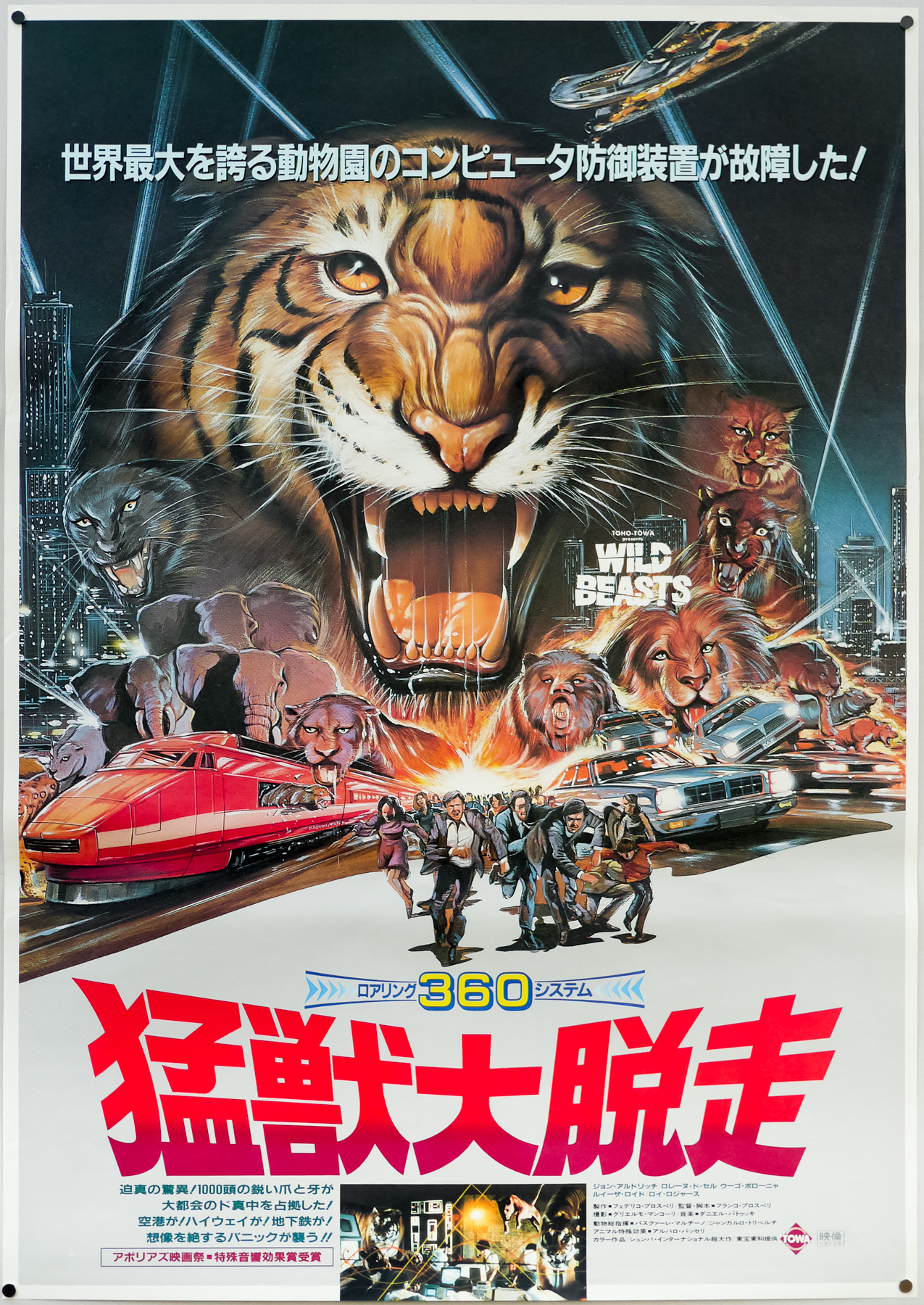
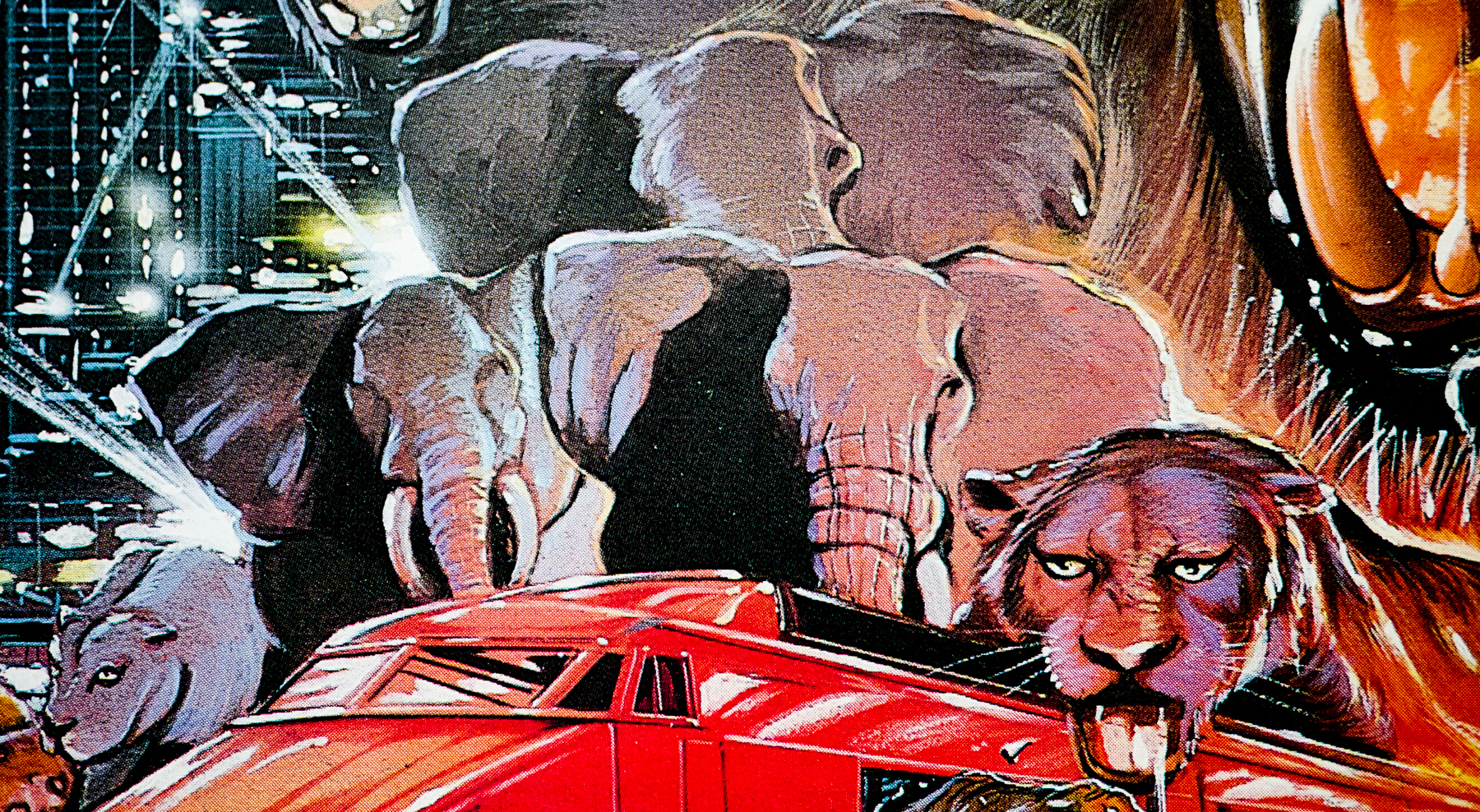
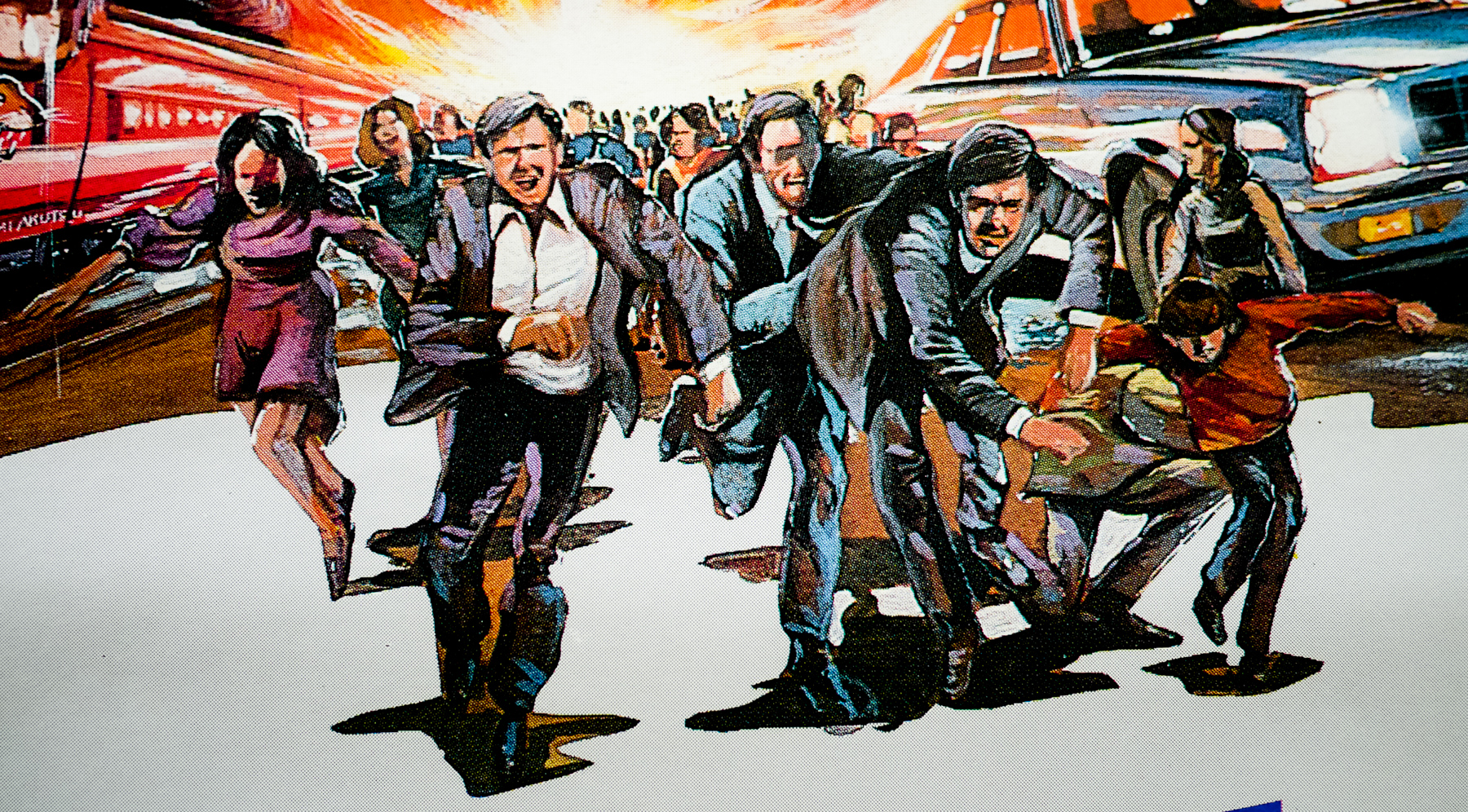
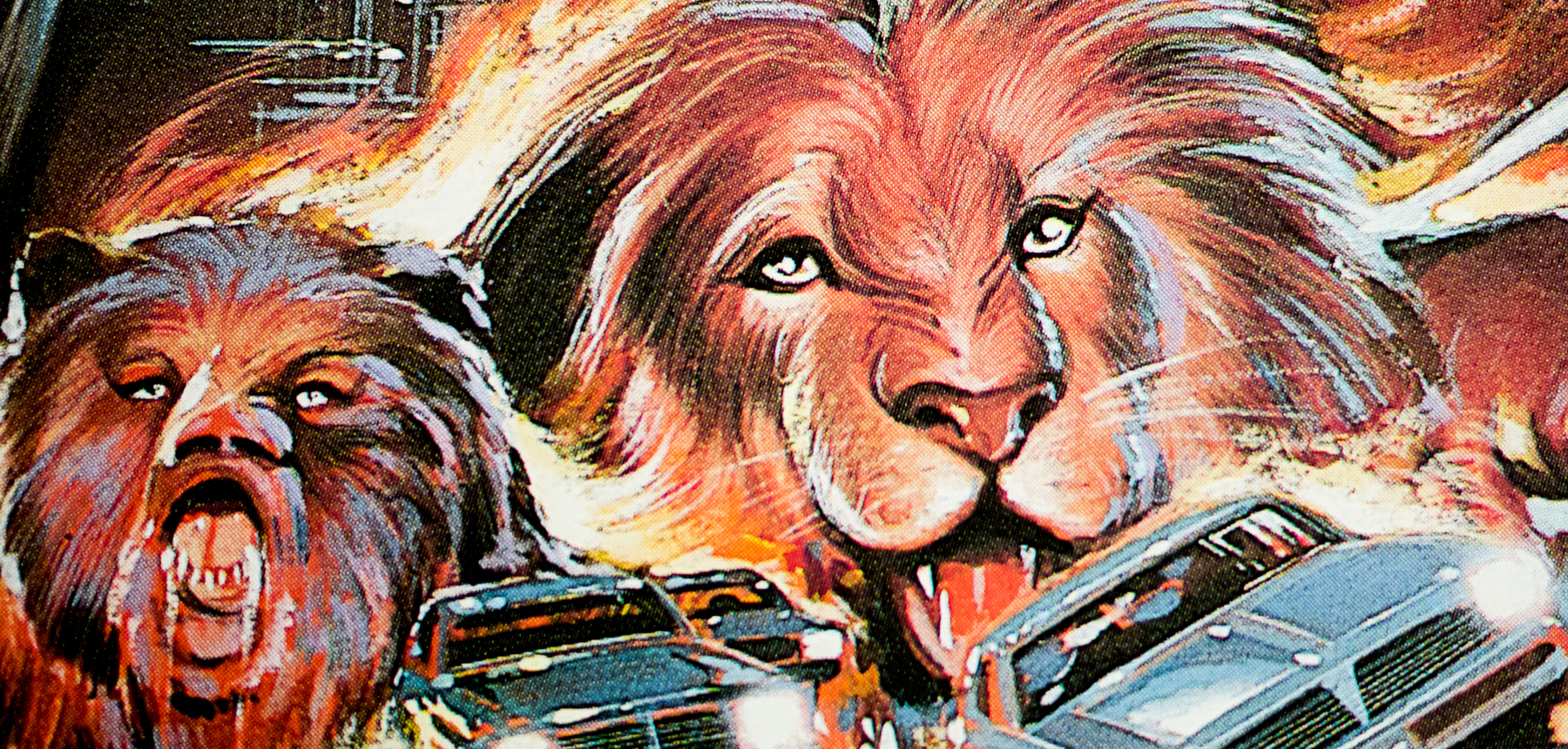
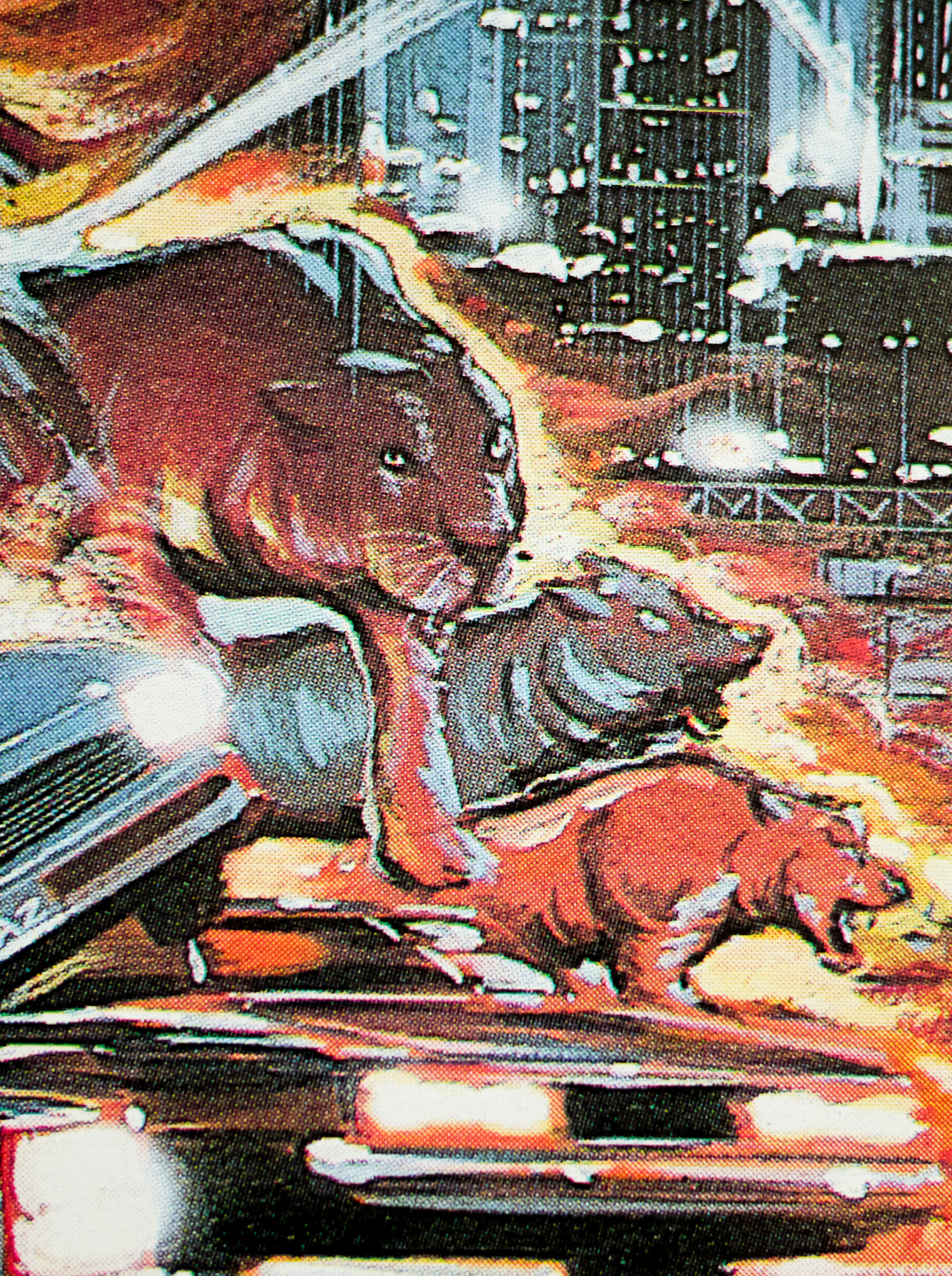
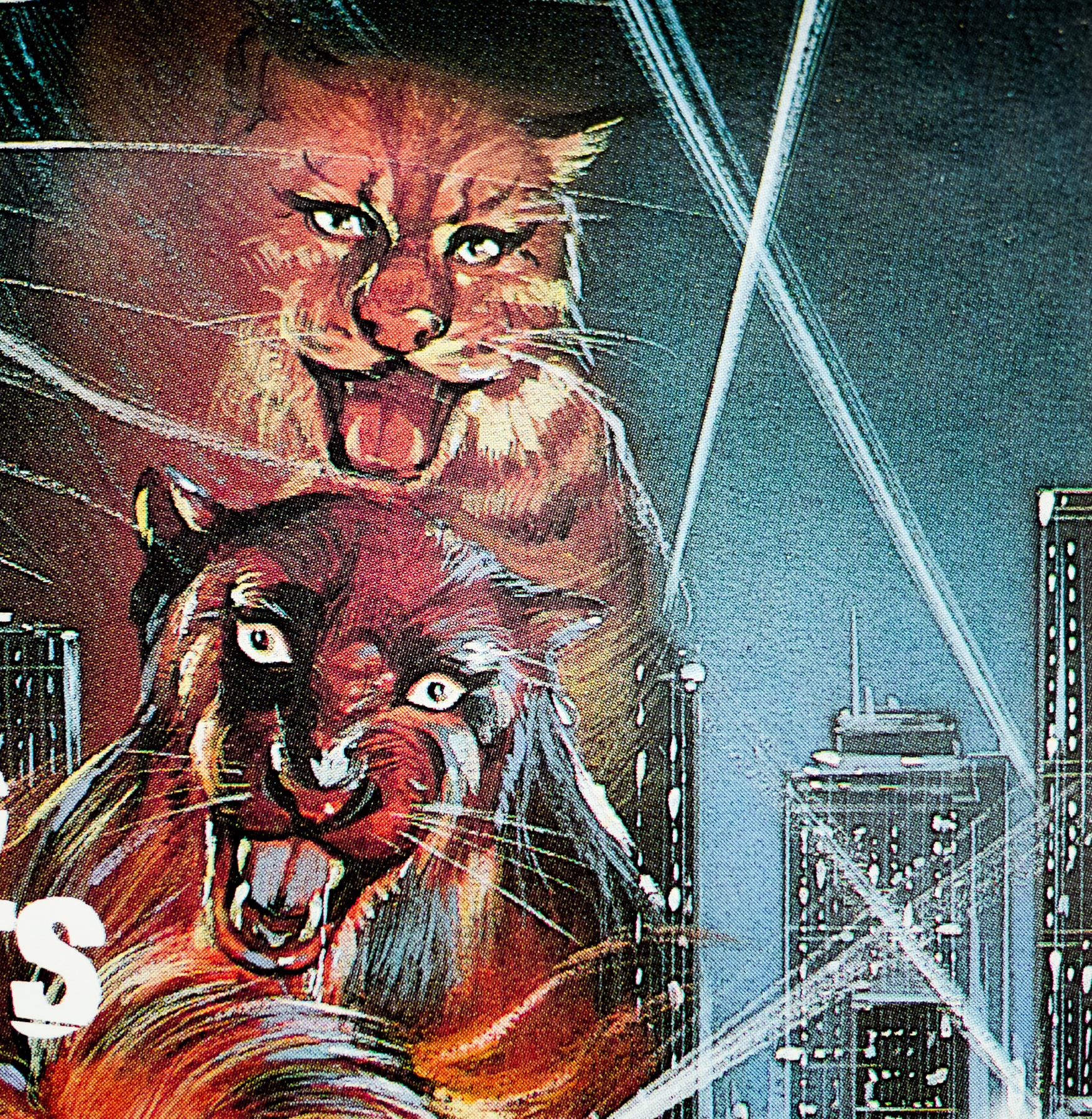
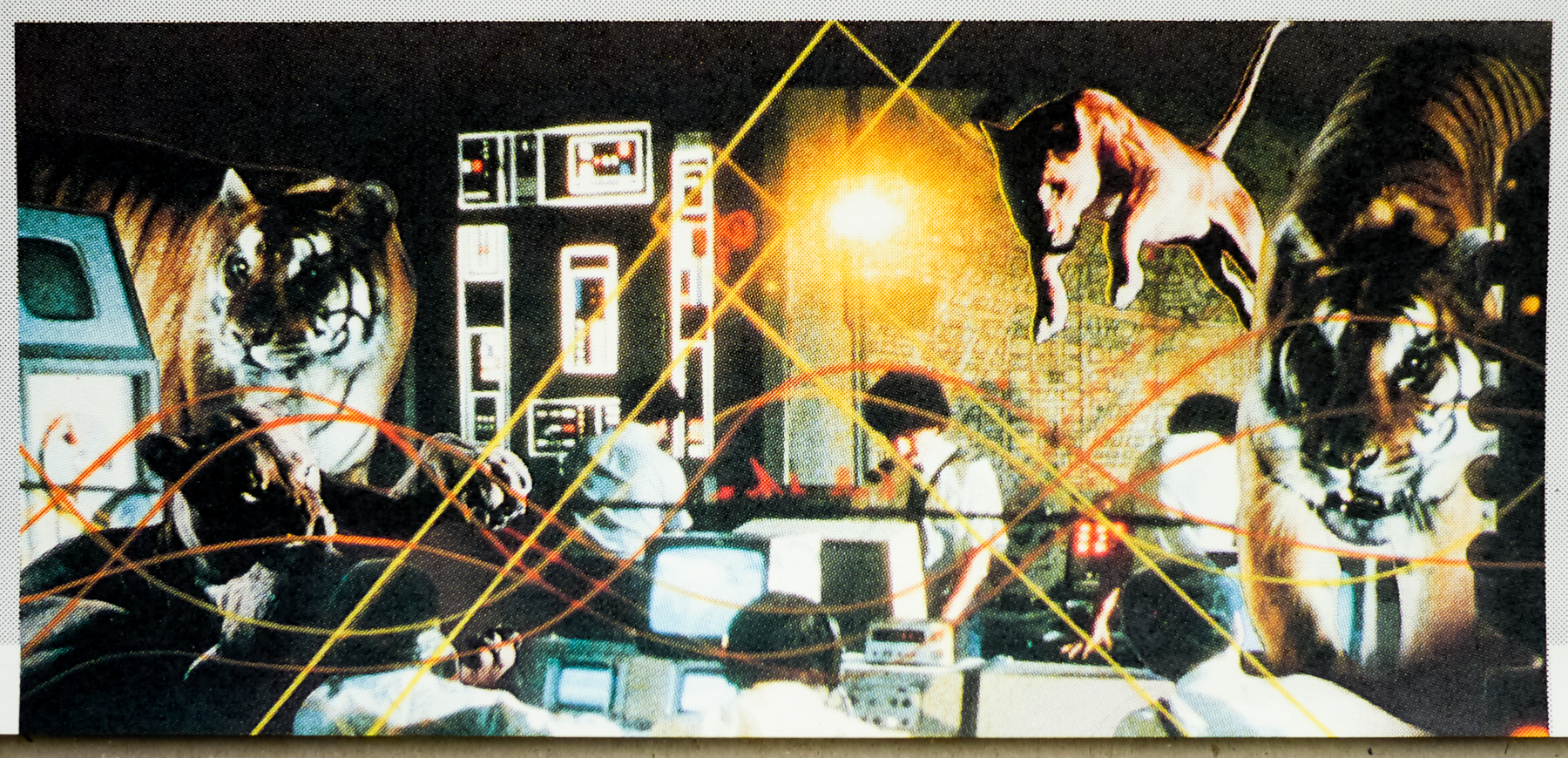
One recurring aspect of the genre was animal deaths and cruelty, and Prosperi continued this theme when he directed Wild Beasts, a 1984 horror set in an unnamed European city (actually Frankfurt in Germany). The film sees PHP inadvertently being released into the water supply for the local zoo and the crazed animals wreaking havoc on the city. Some of the carnage sees an elephant trampling a car (and the heads of the occupants), a guide-dog turning on his blind owner and rats devouring a series of unlucky victims. Working with animal handlers Prosperi used editing to achieve most of the attack scenes but unfortunately the film does feature moments of actual animal cruelty, including the live torching of the aforementioned rats. Because of these scenes I don’t believe the film was ever given a cinema release in the UK, although it appears to now be available here via import DVD.

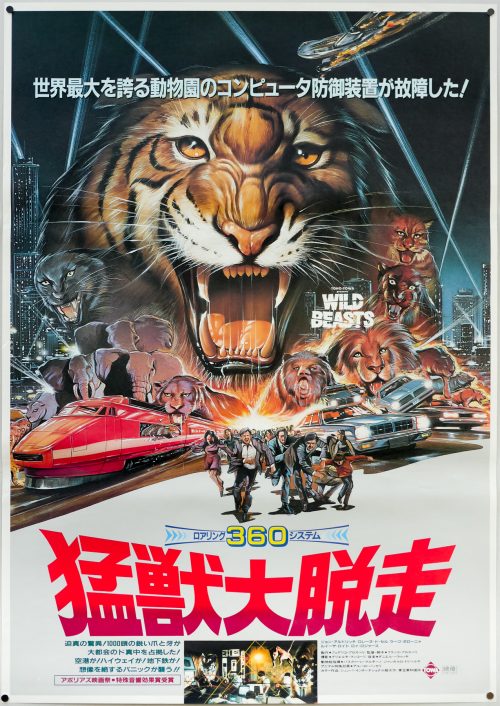
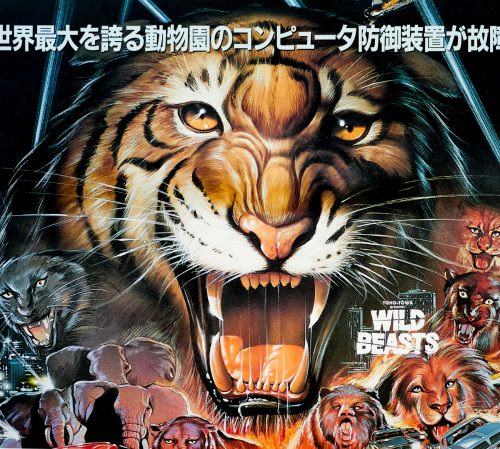
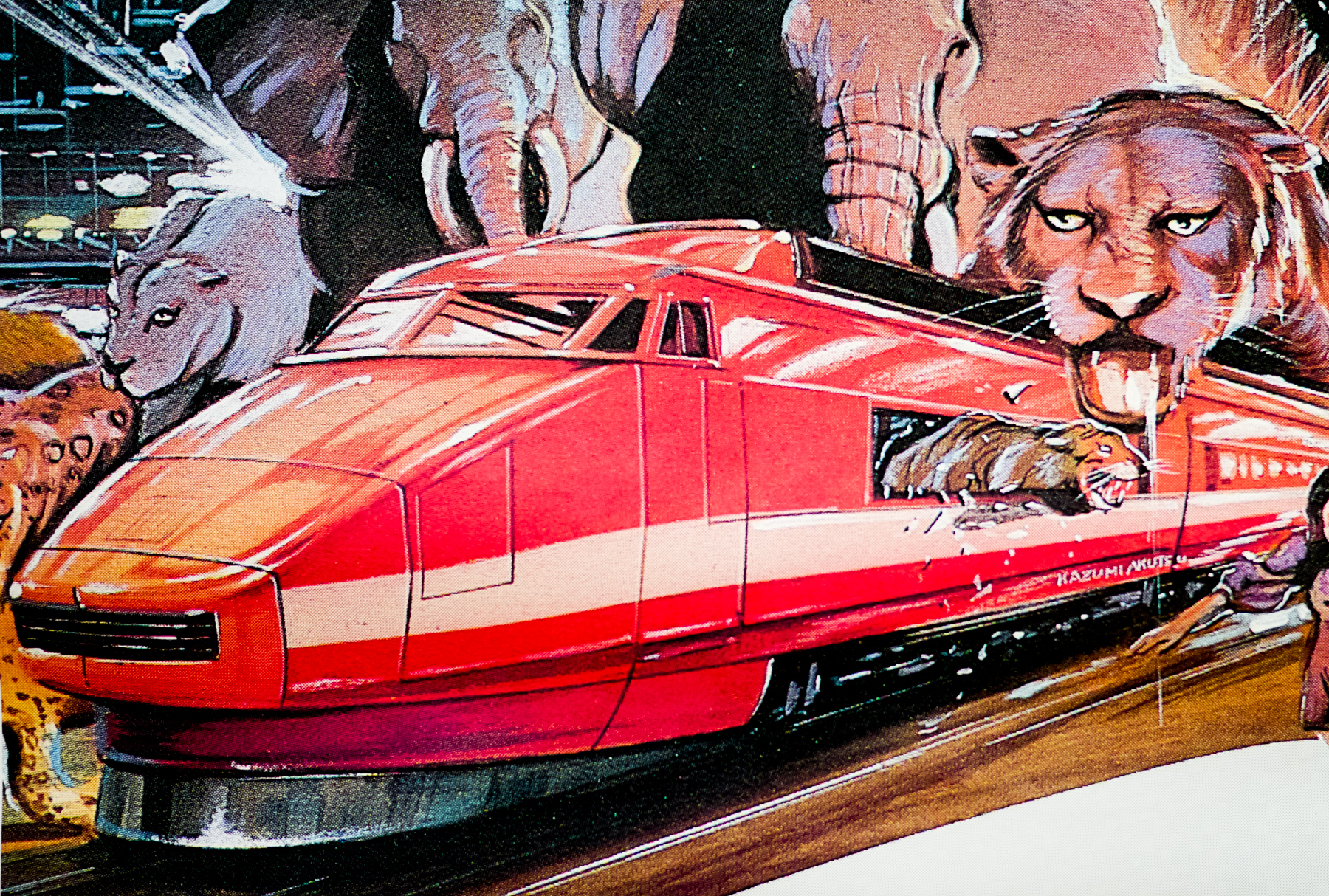
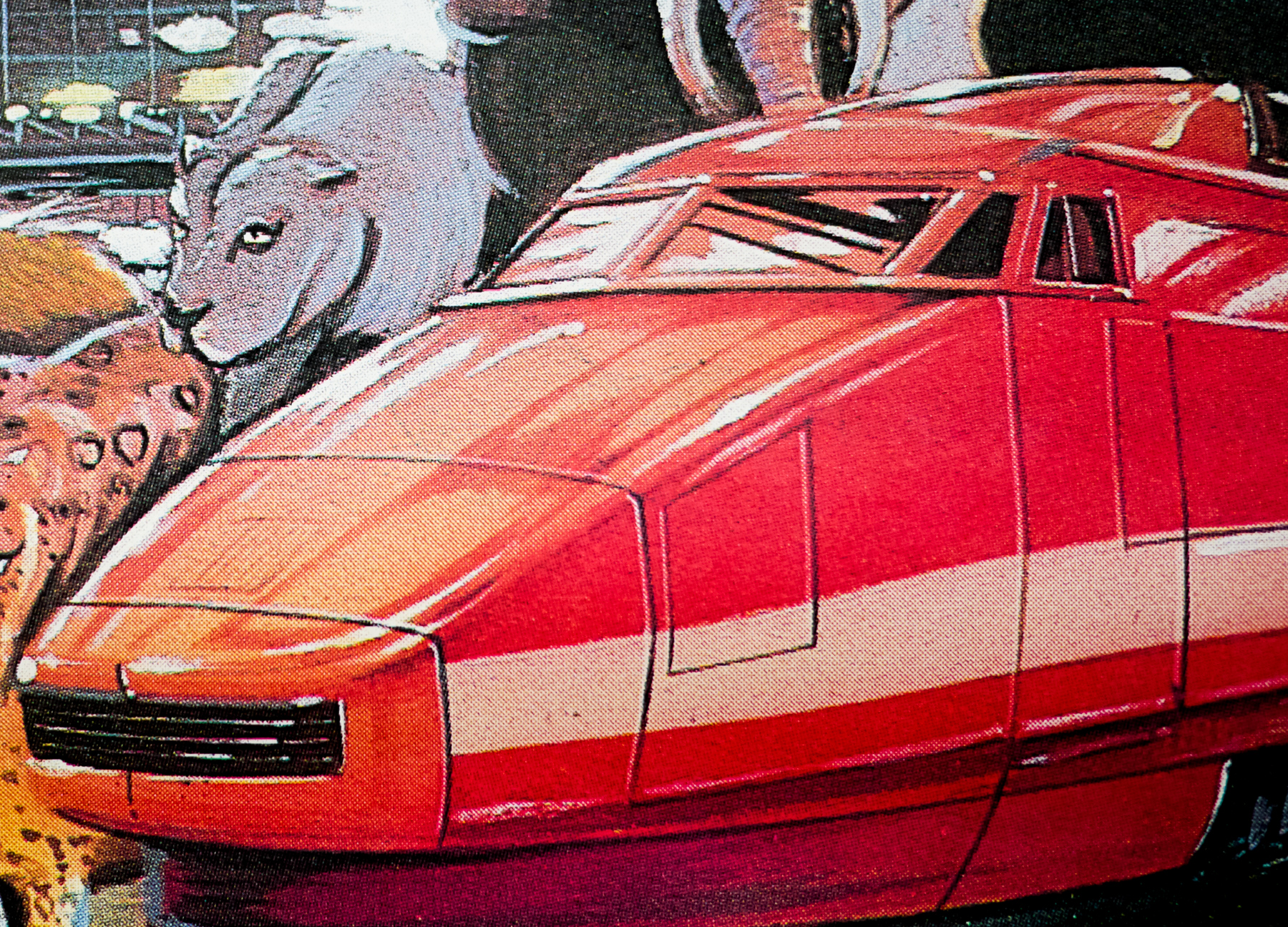
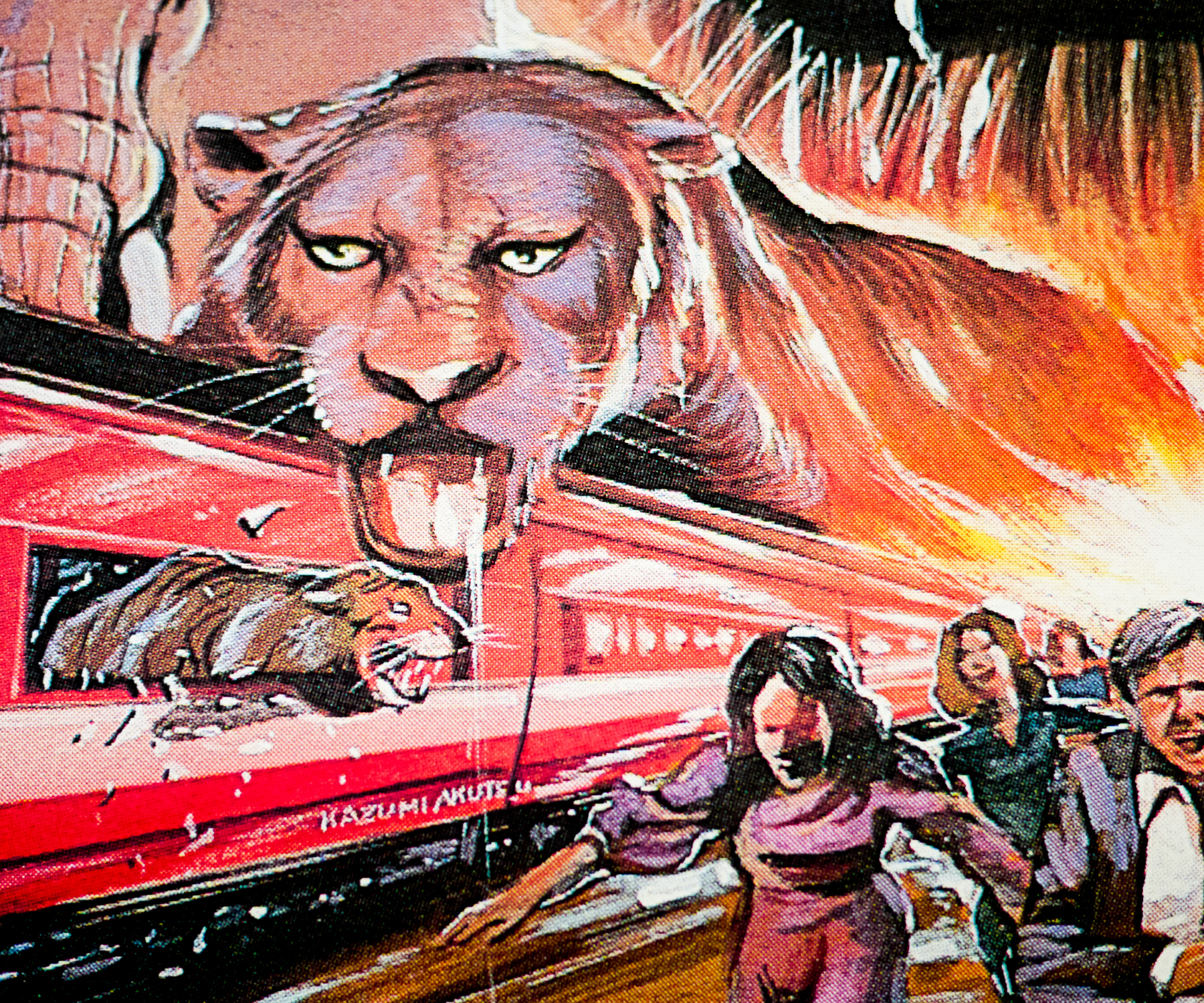
This is the poster for the Japanese release of the film and it features brilliantly exaggerated scenes of carnage, overselling the sequences from the film. The artist appears to be someone called Kazumi Akutsu according to the signature featured on the side of the speeding train, although it could be that I have one of the letters wrong in the surname. I’ve been unable to find out anything about the artist so please get in touch if you have any ideas. I’d strongly advise you not to perform a google image search for the name with safe search off!
The original Italian trailer is on YouTube.

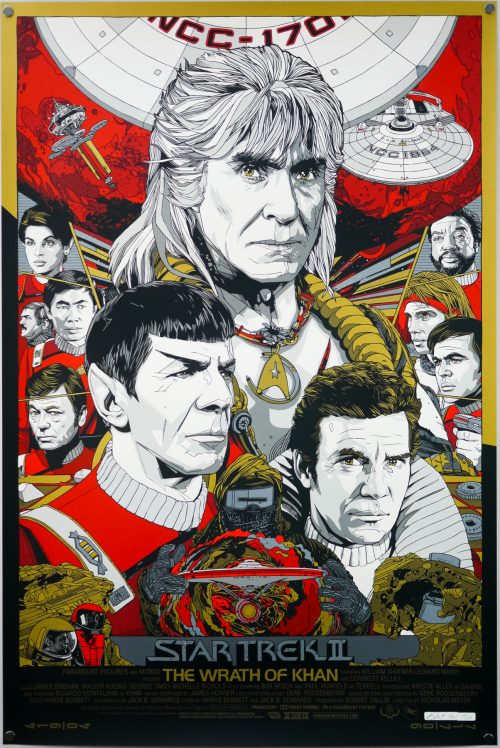
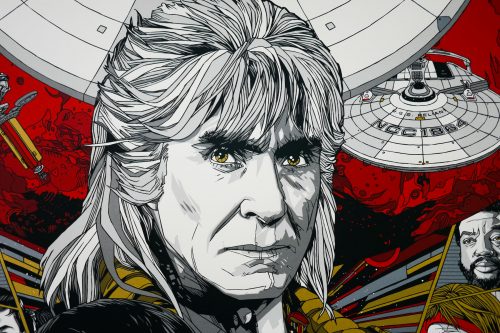
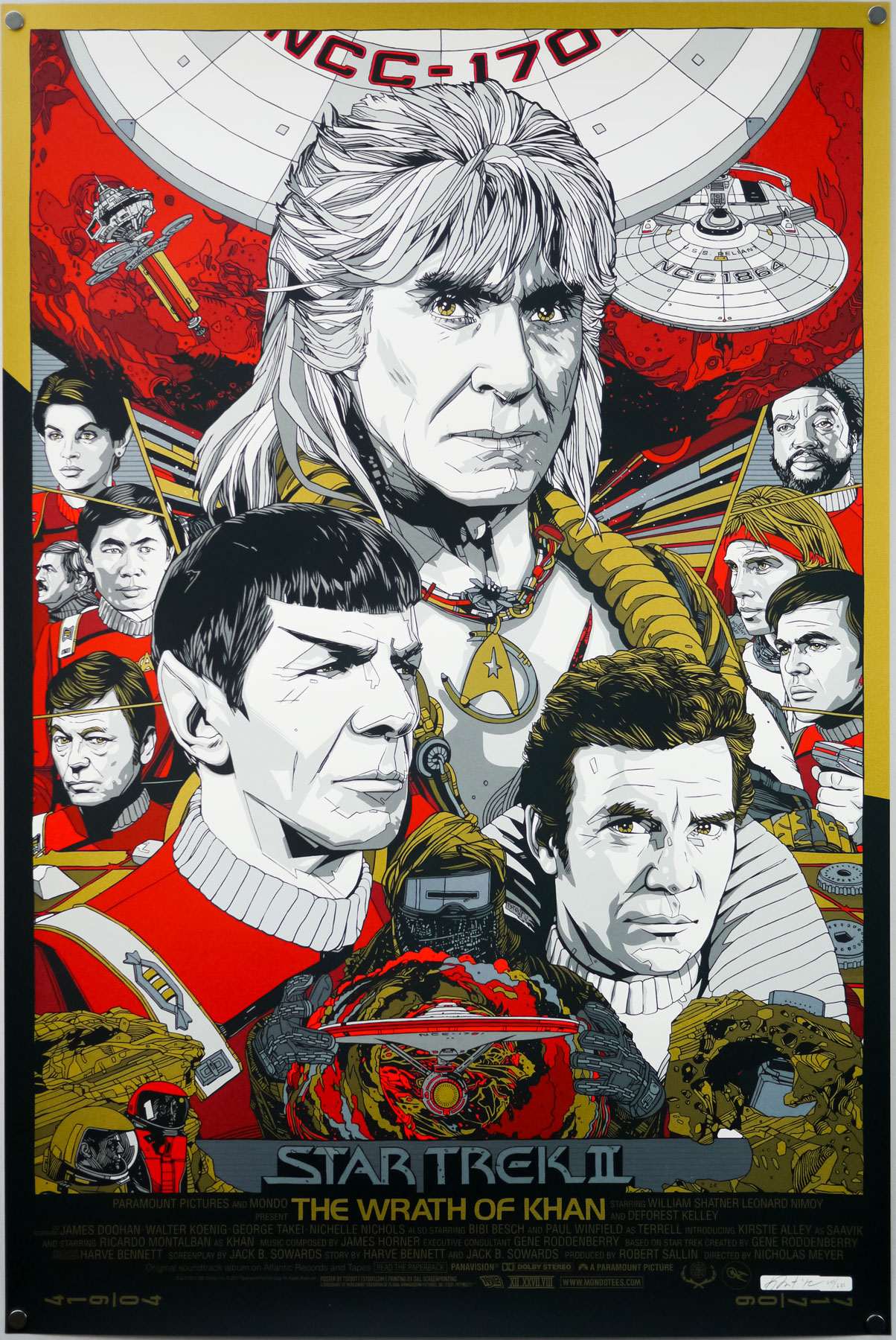
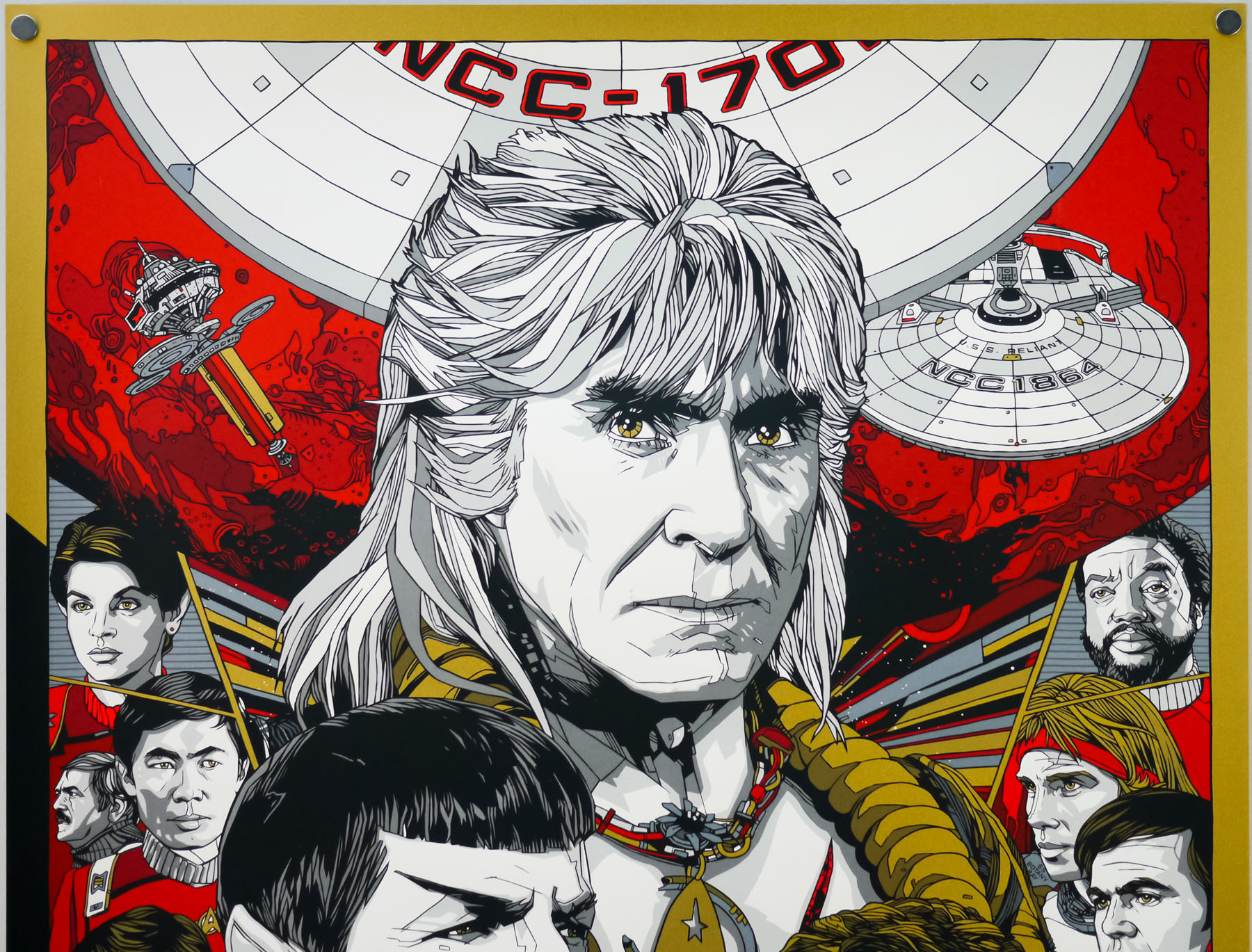
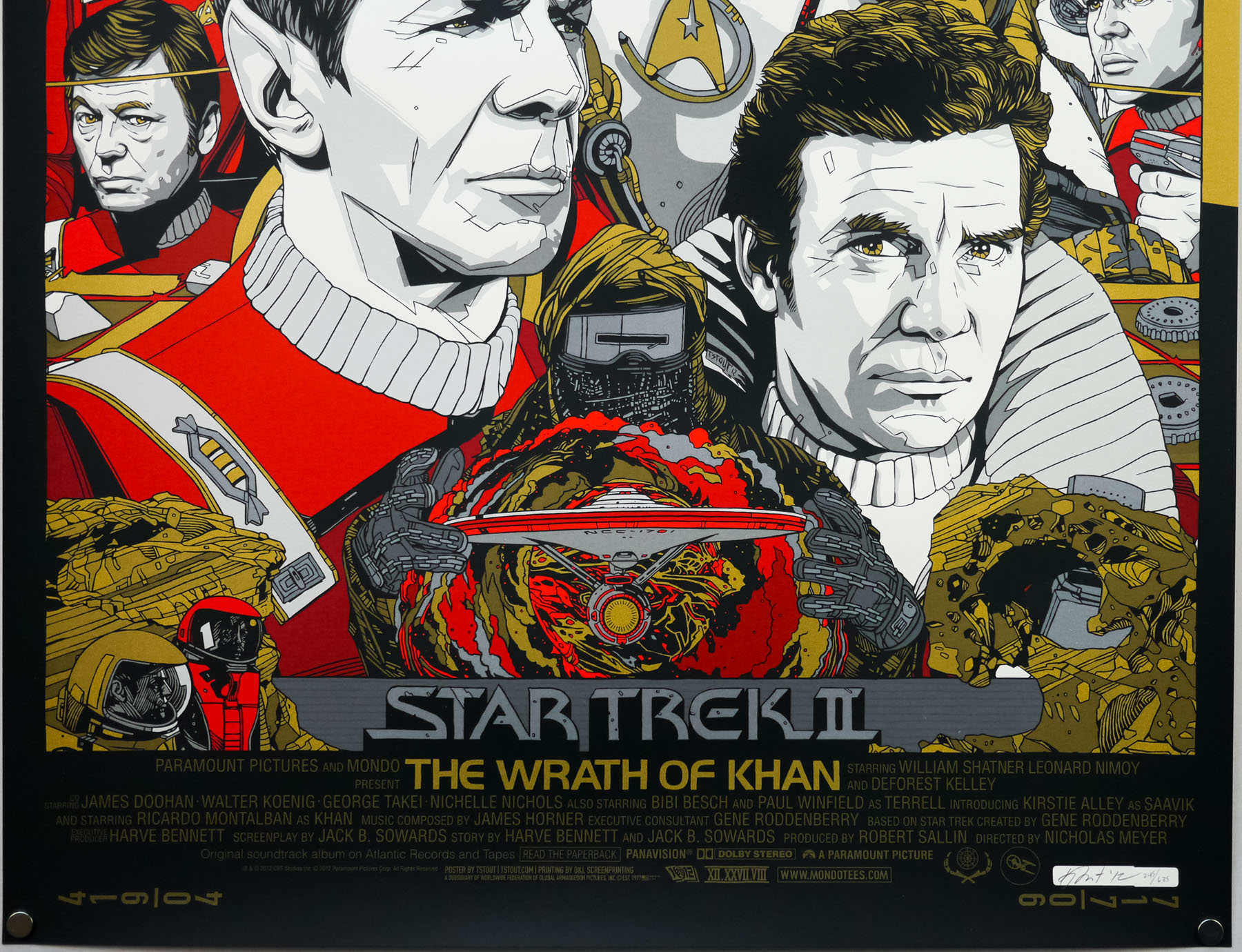
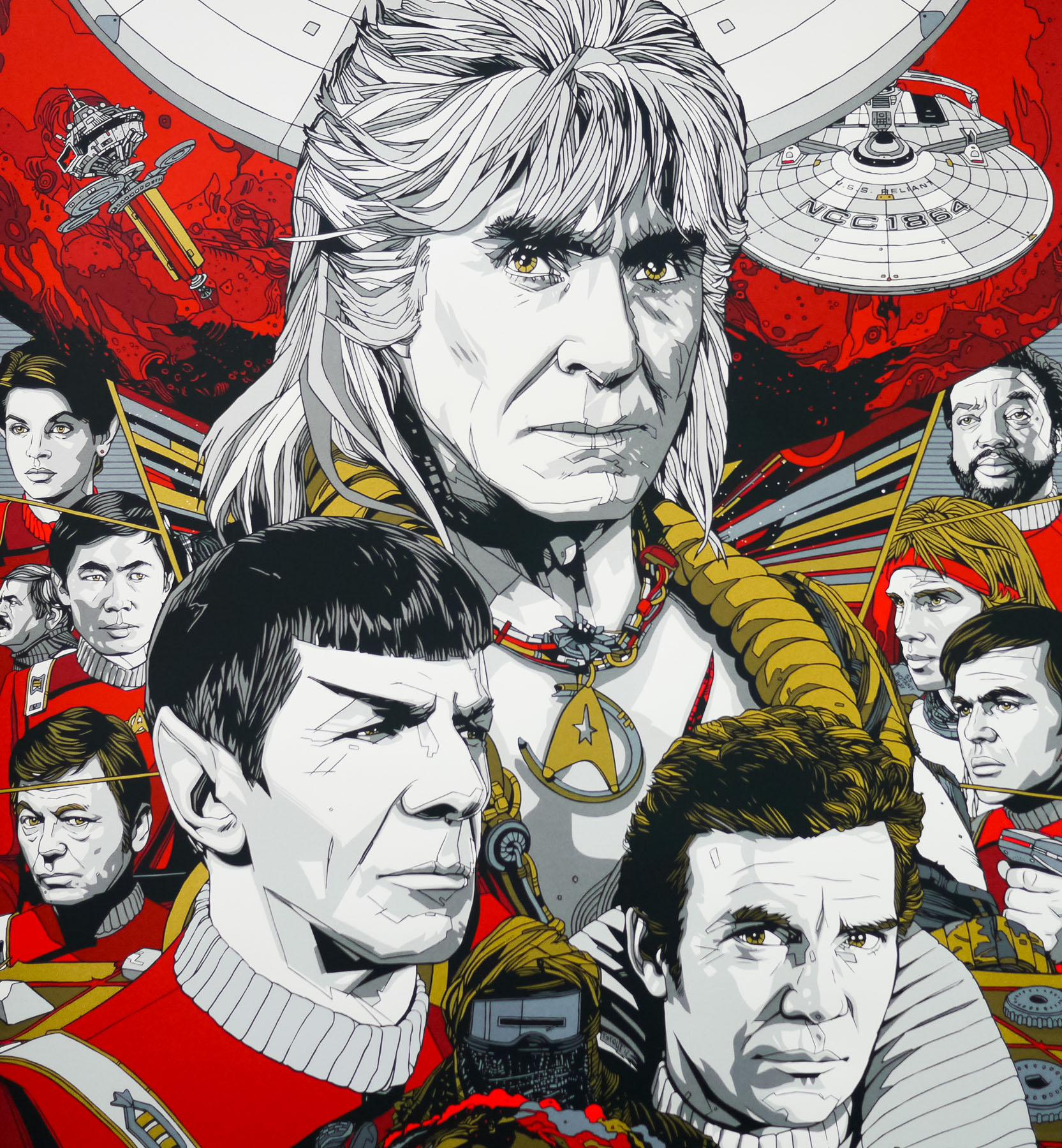
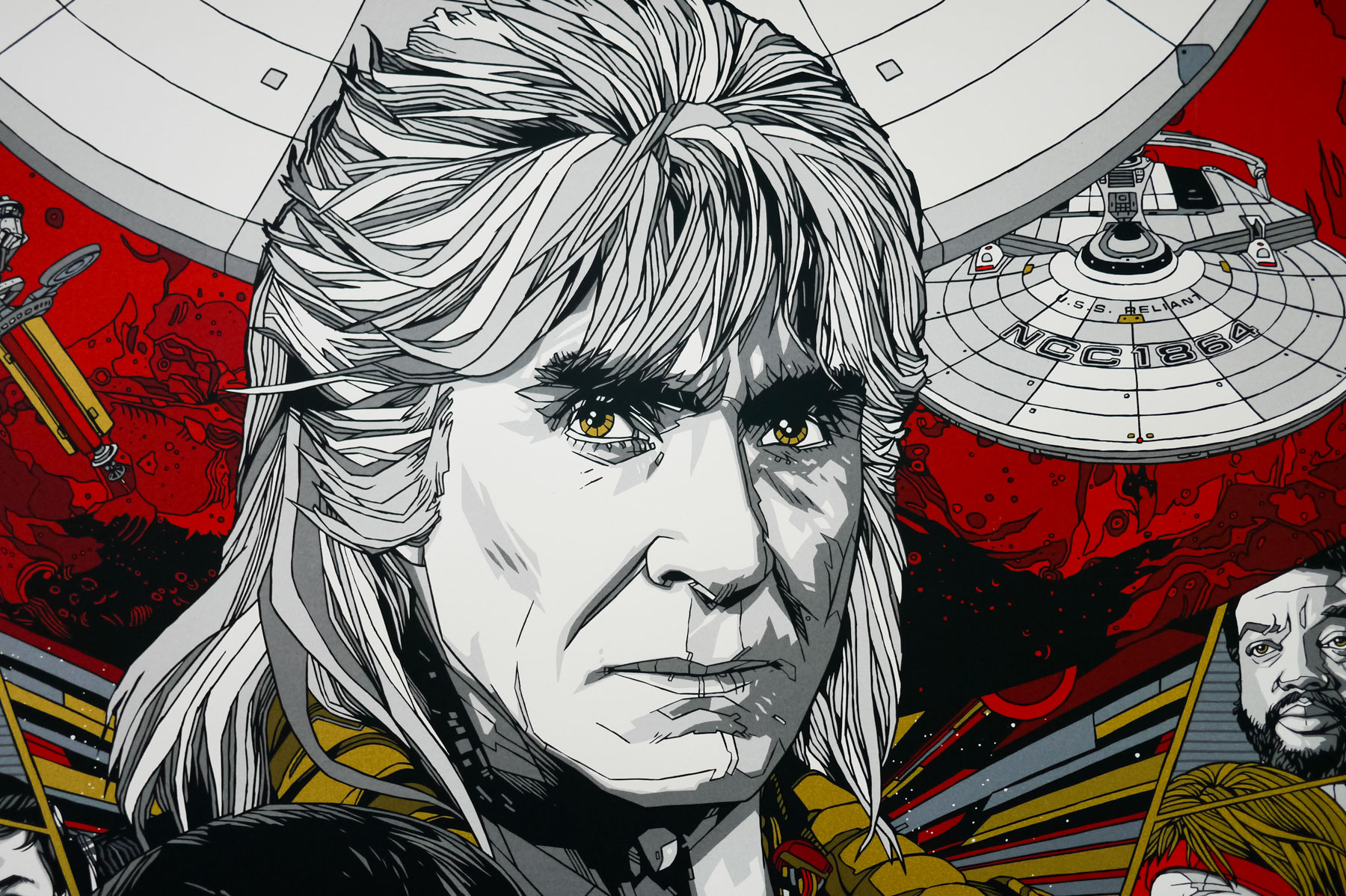
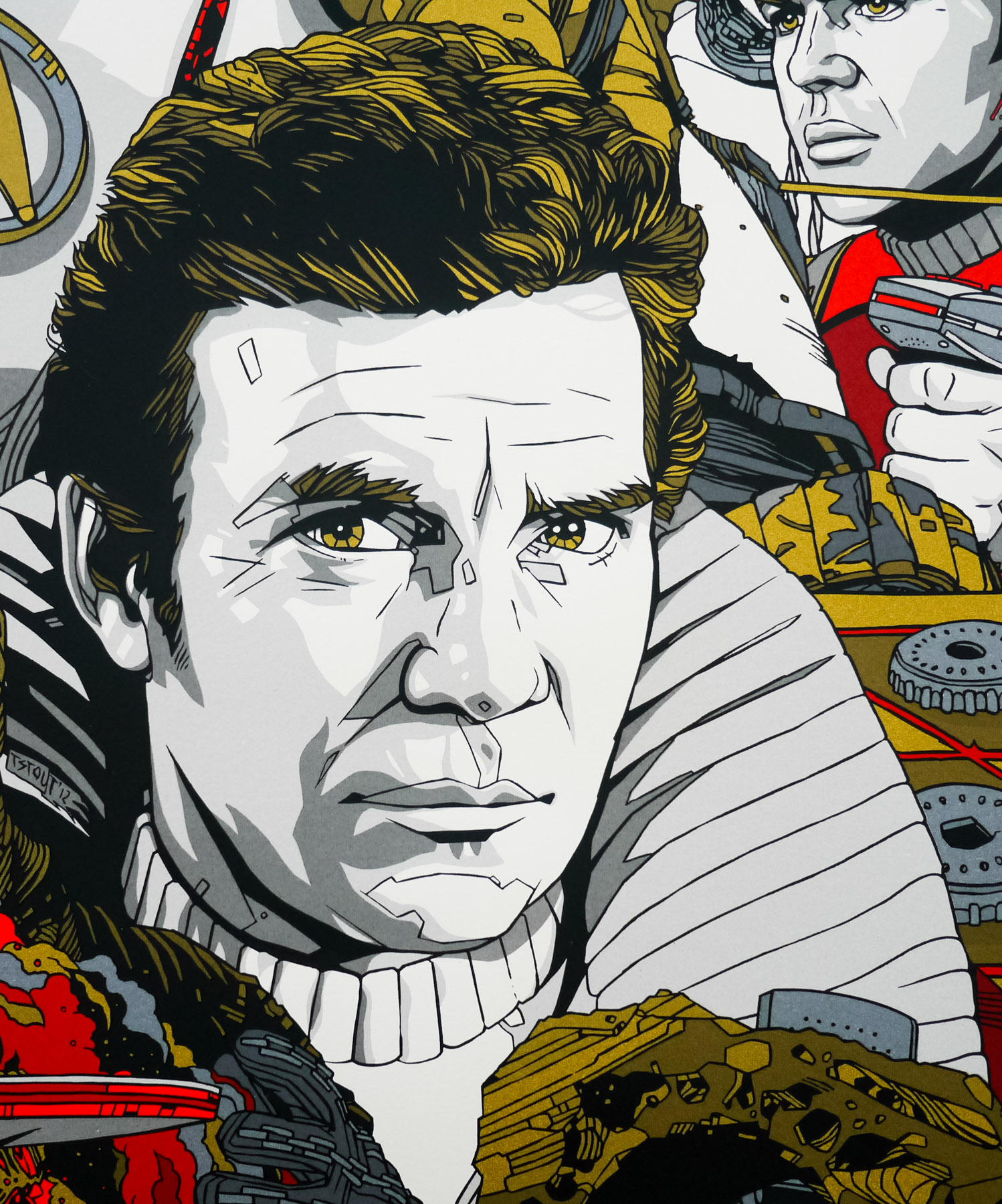
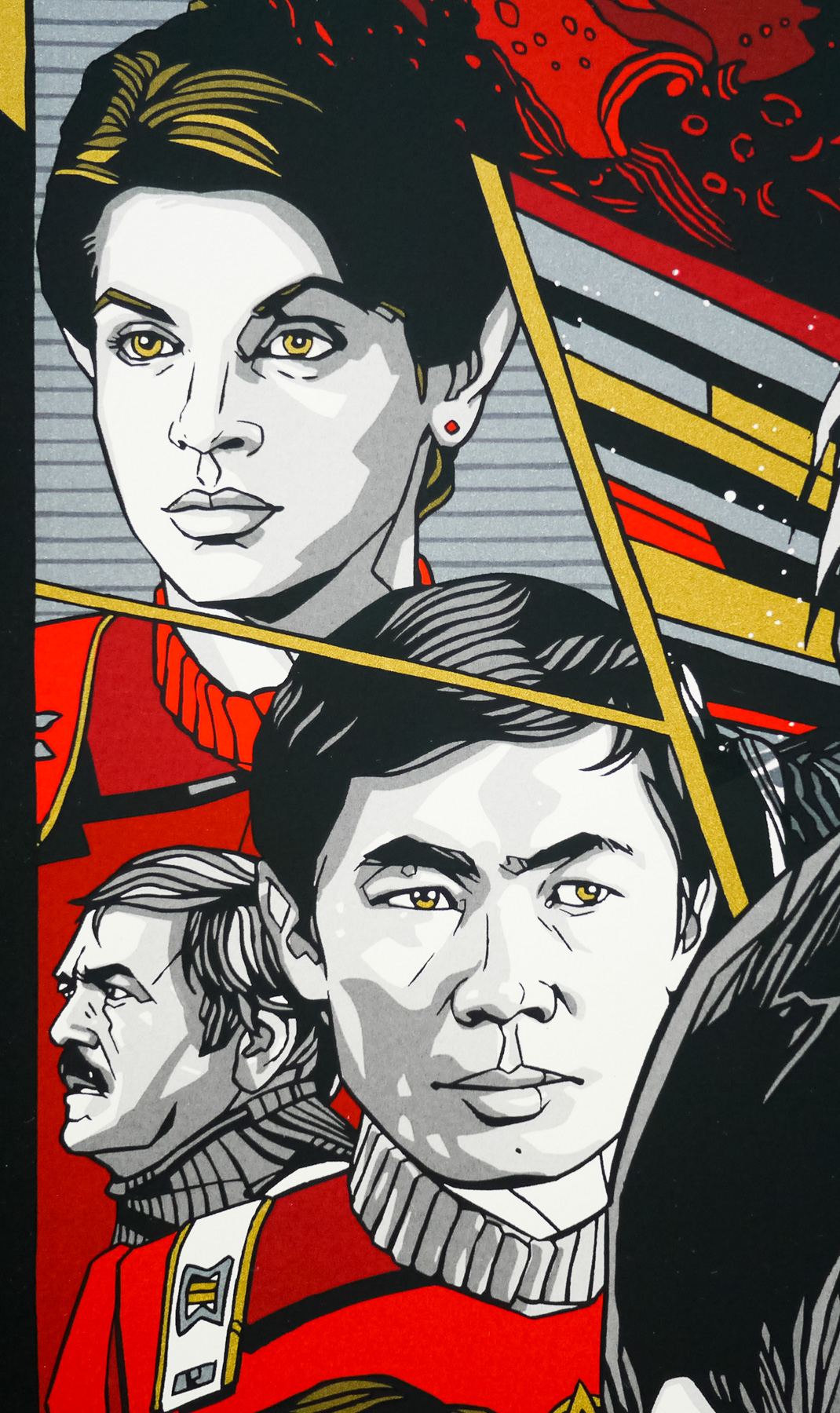
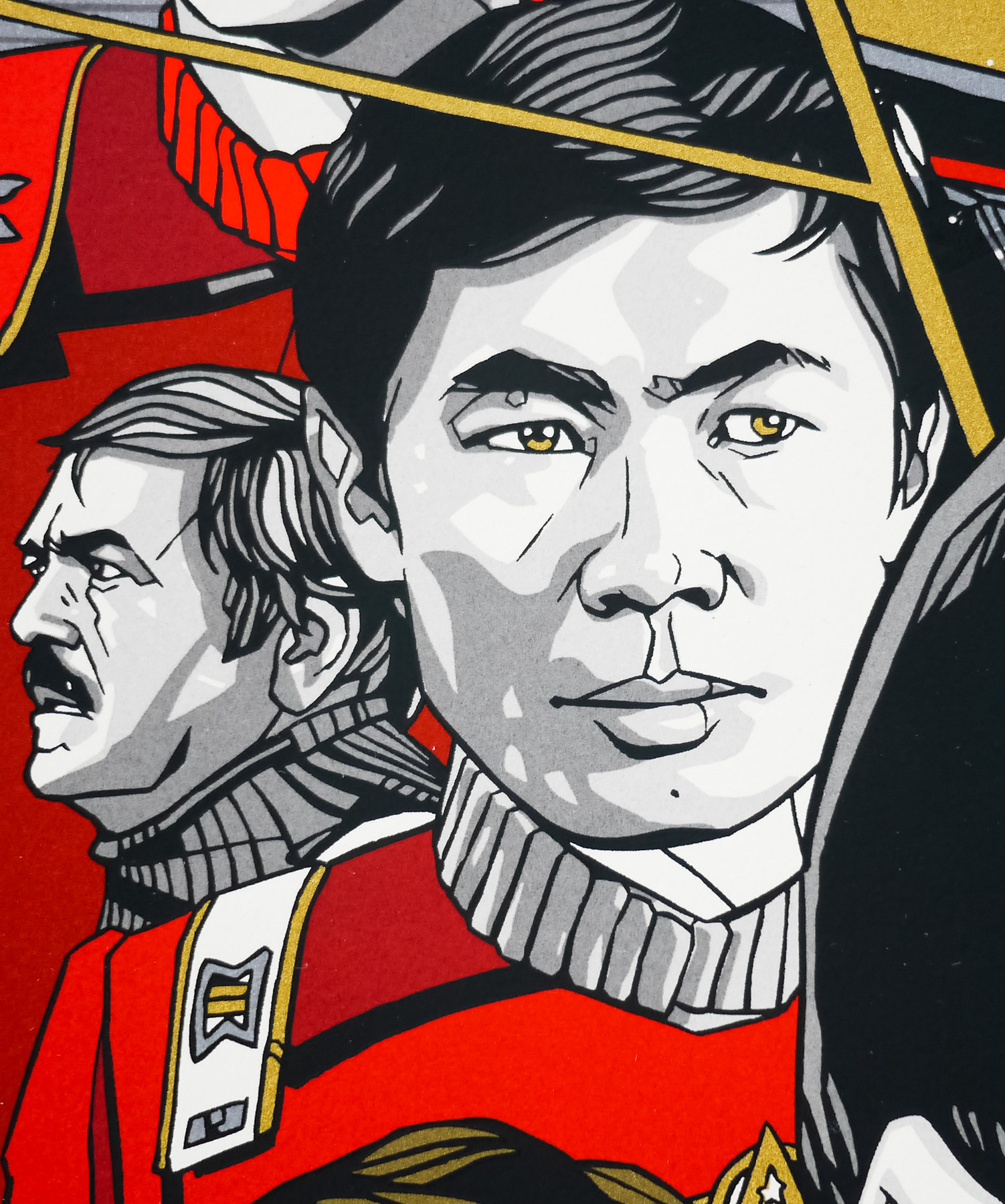
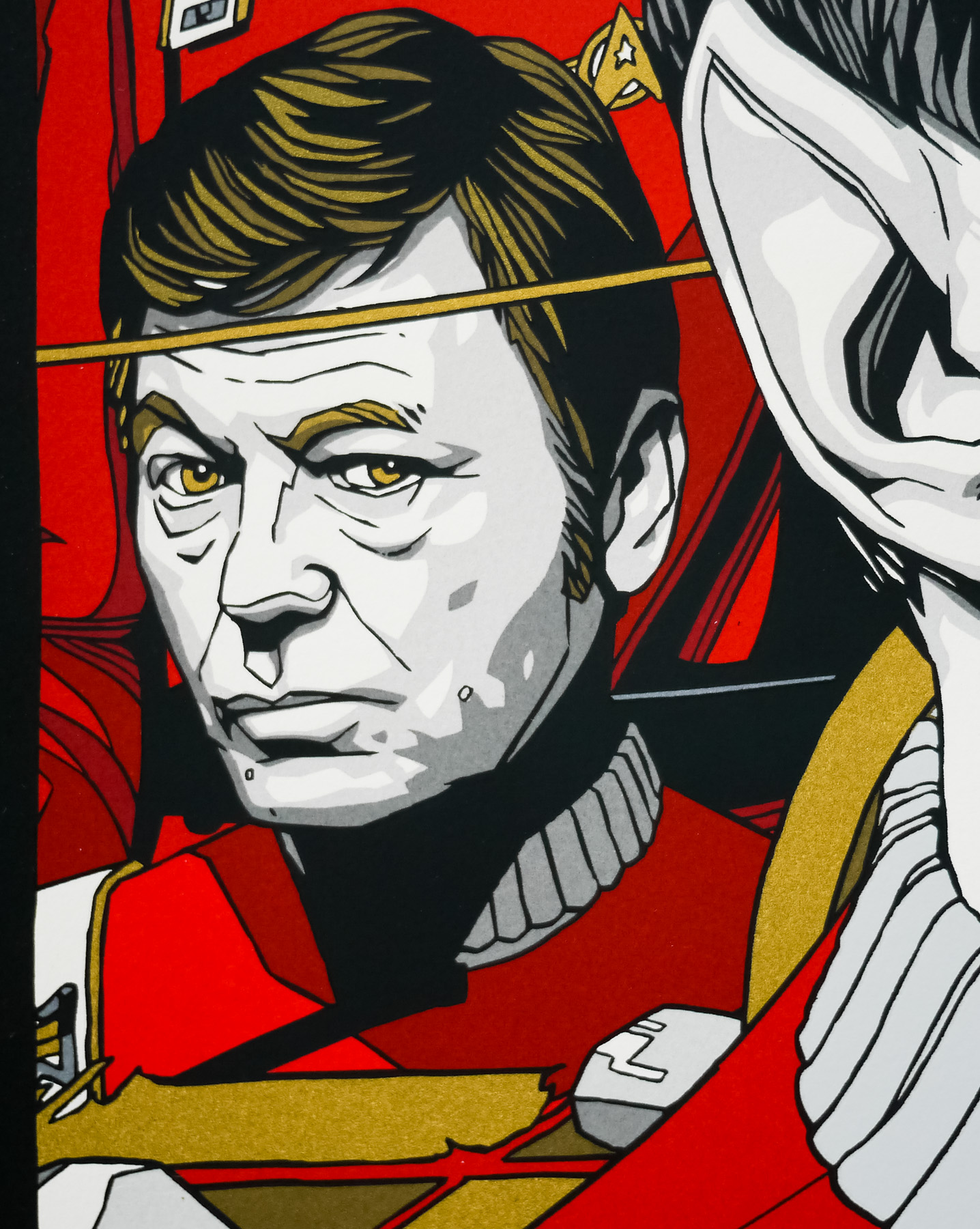
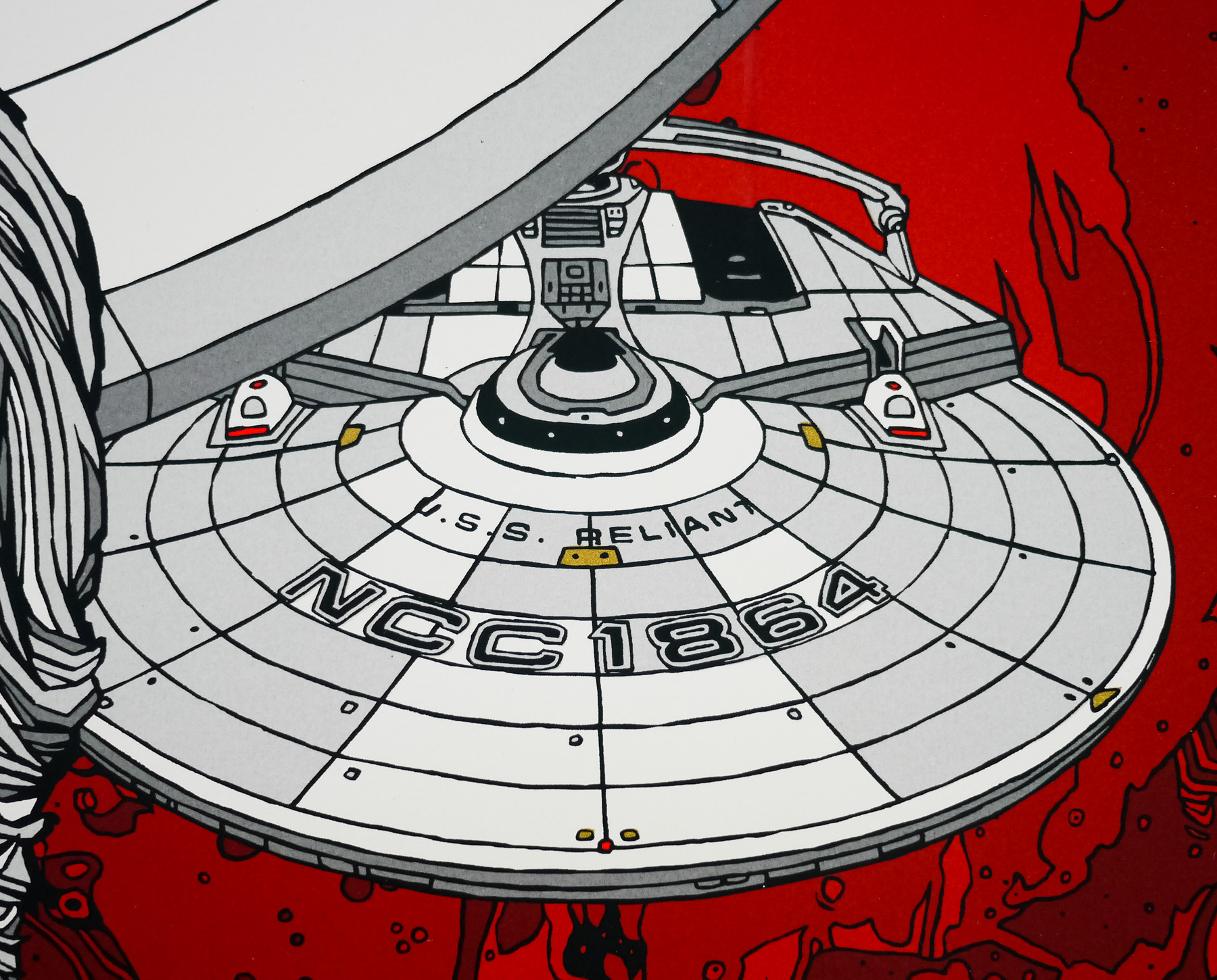
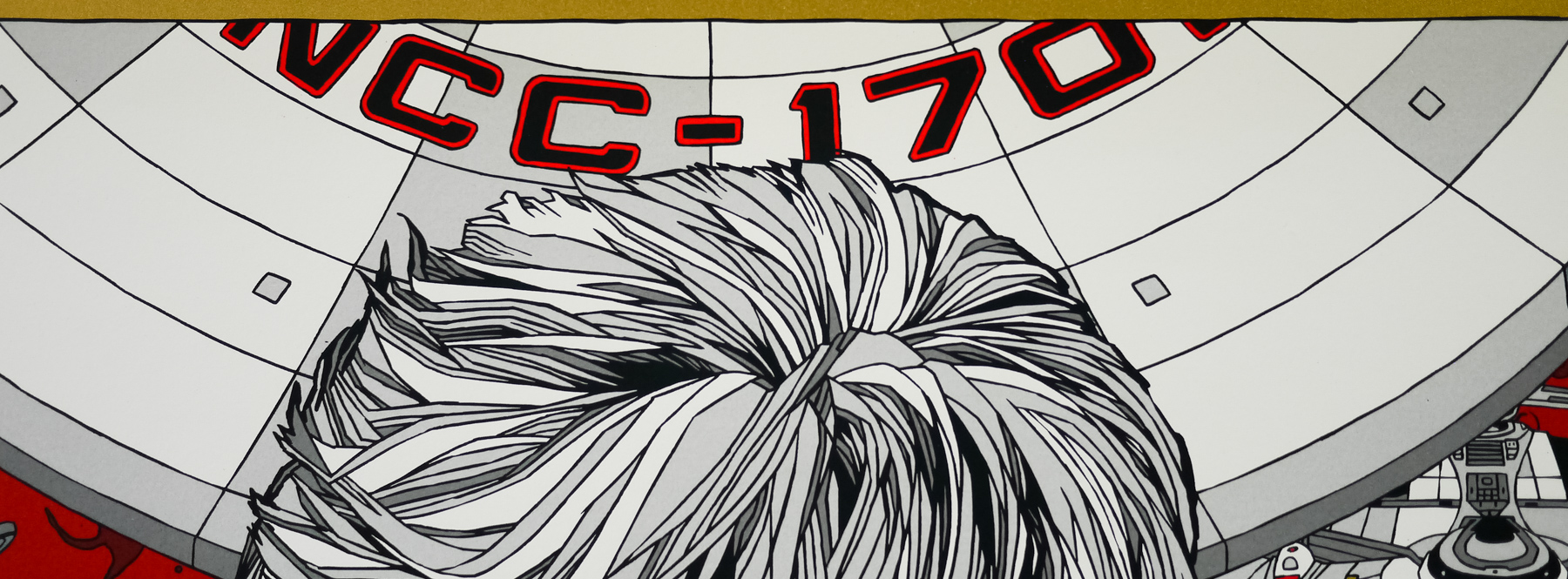
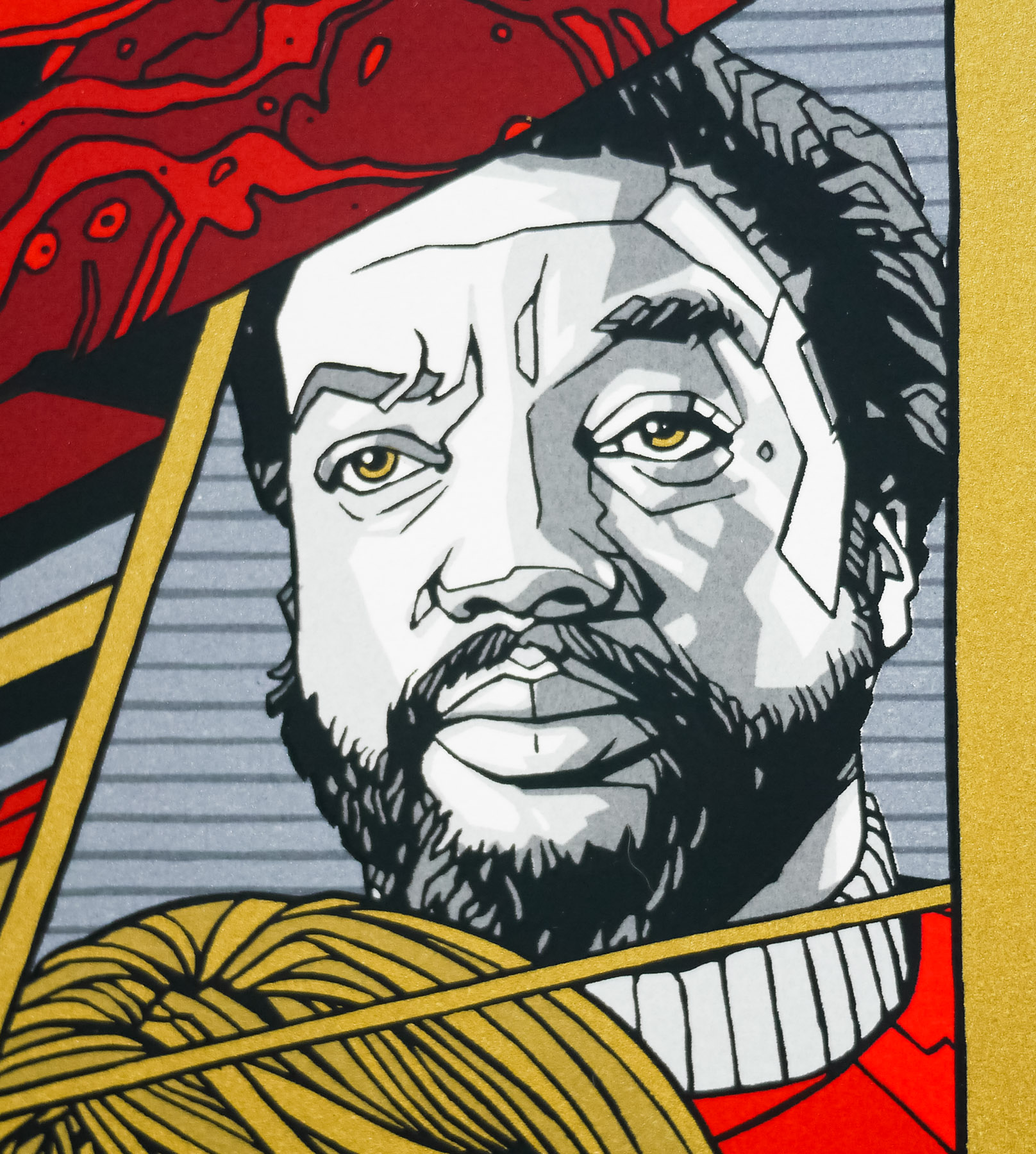
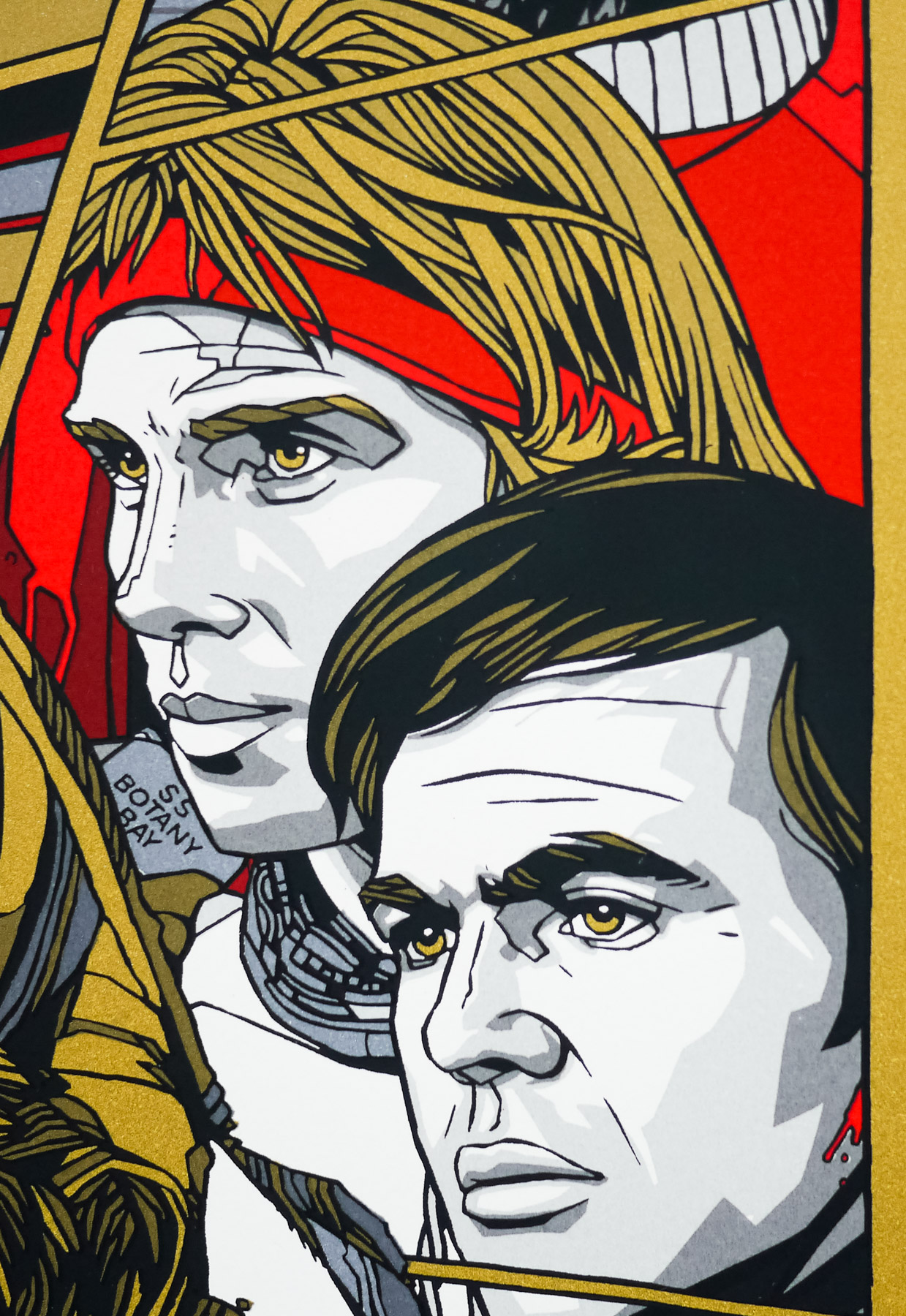
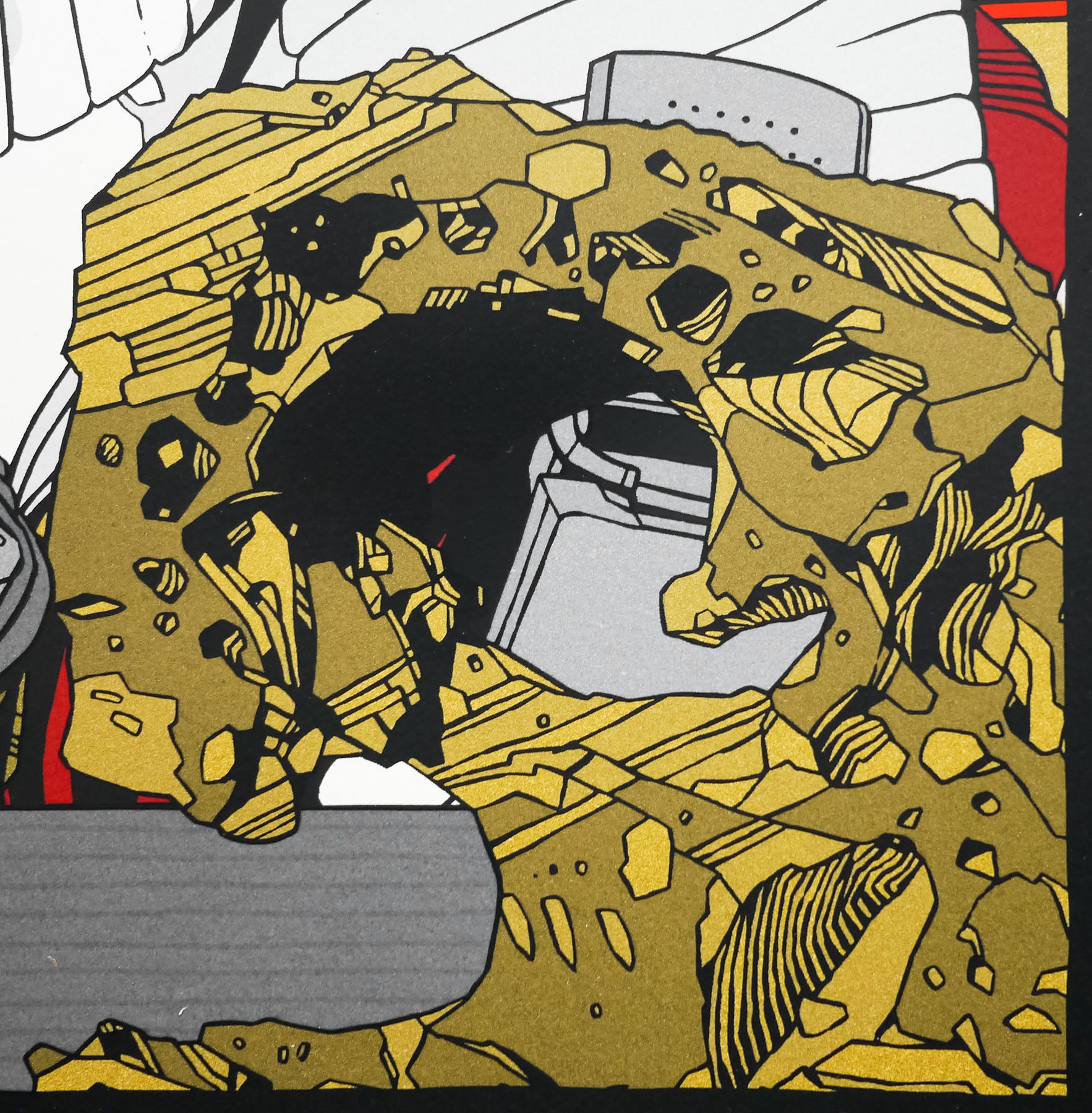
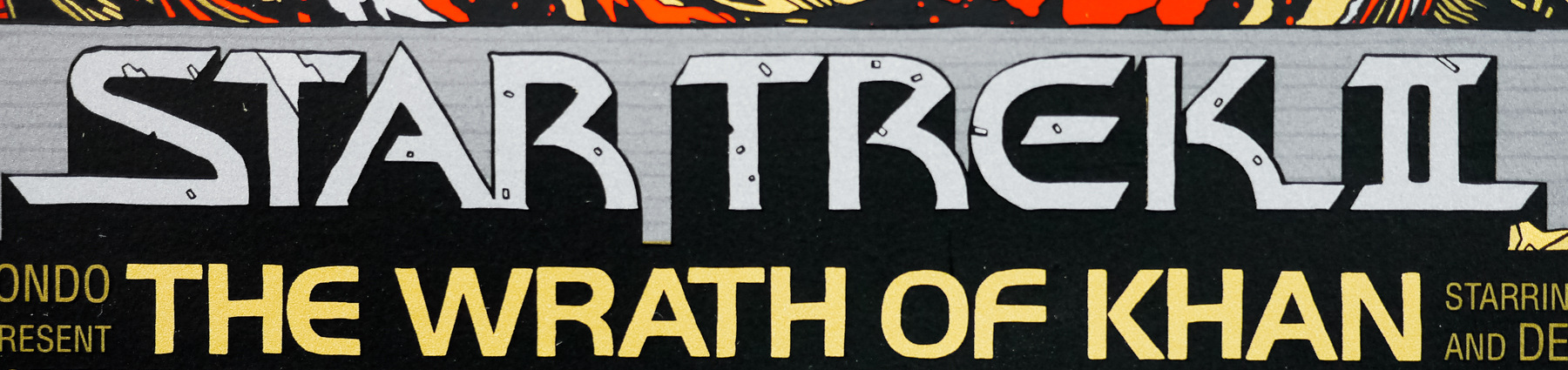
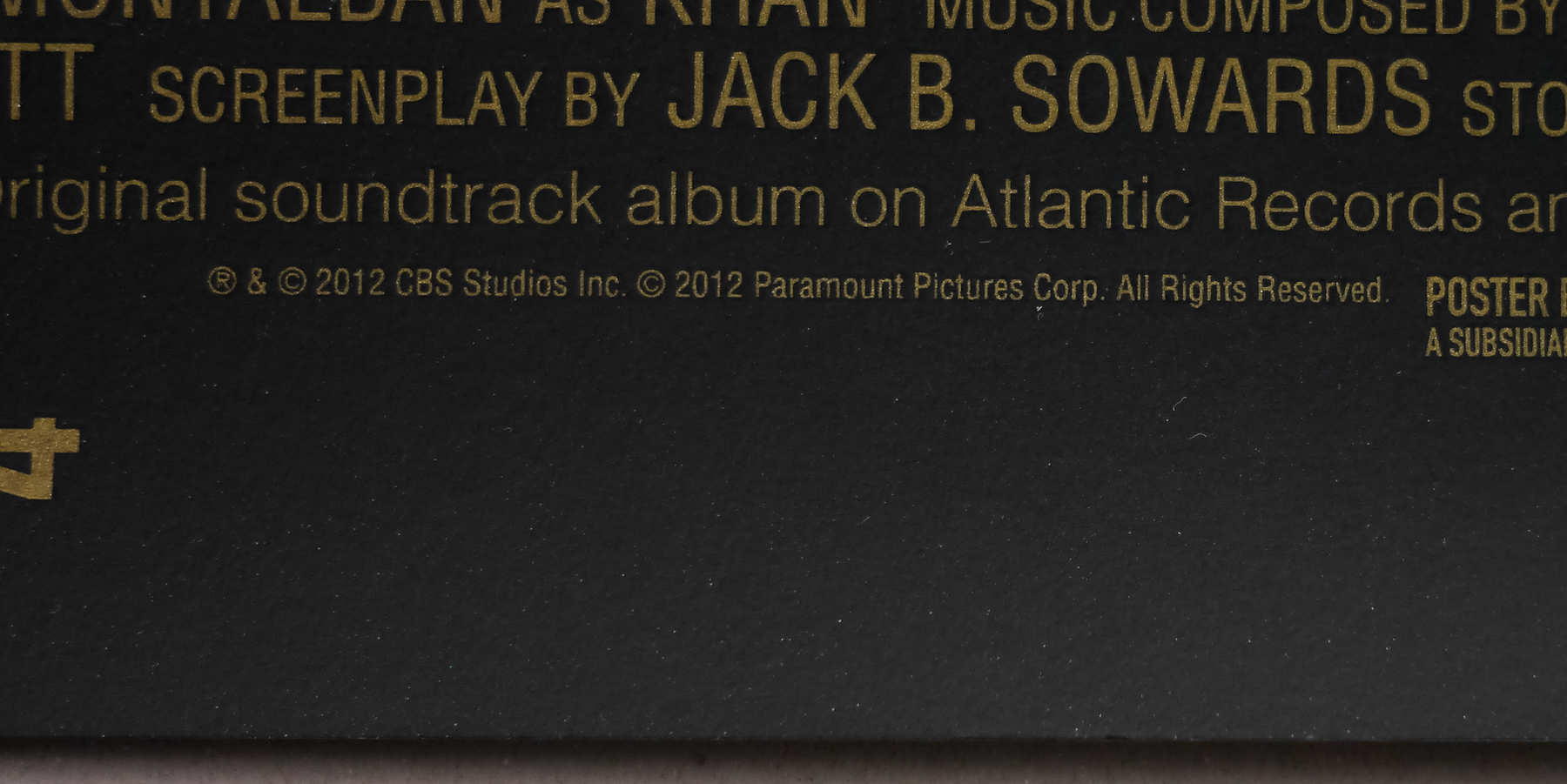
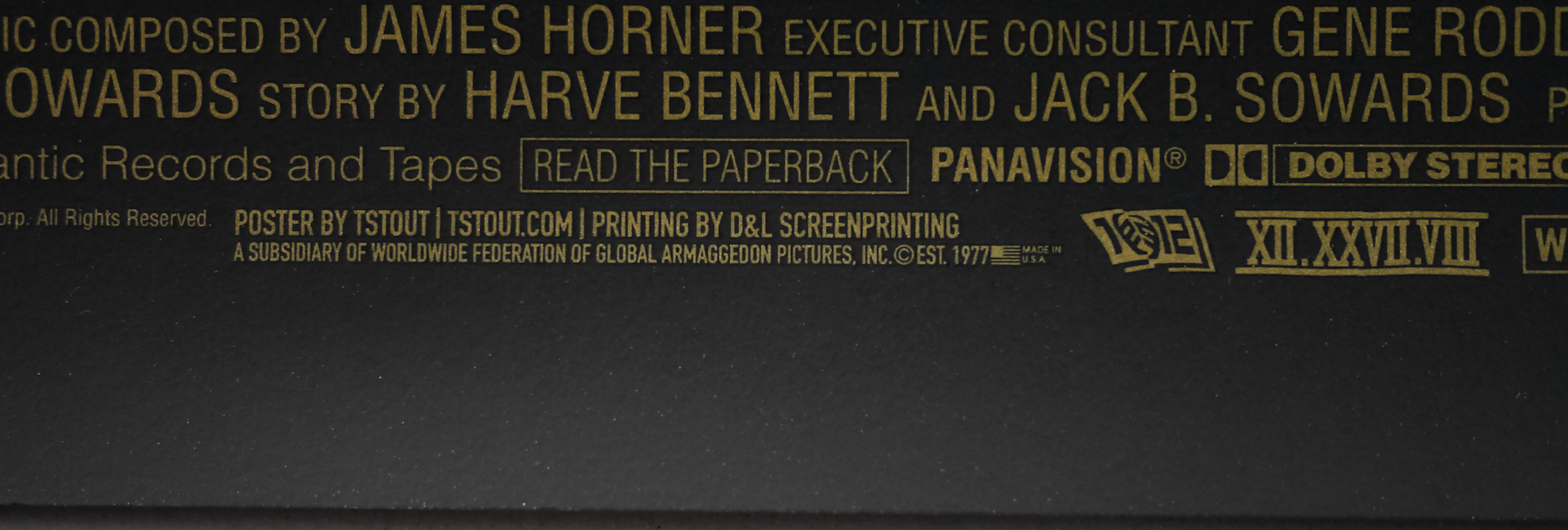
Star Trek II – The Wrath of Khan / screen print / regular / Tyler Stout / USA

29.04.13

Poster Poster

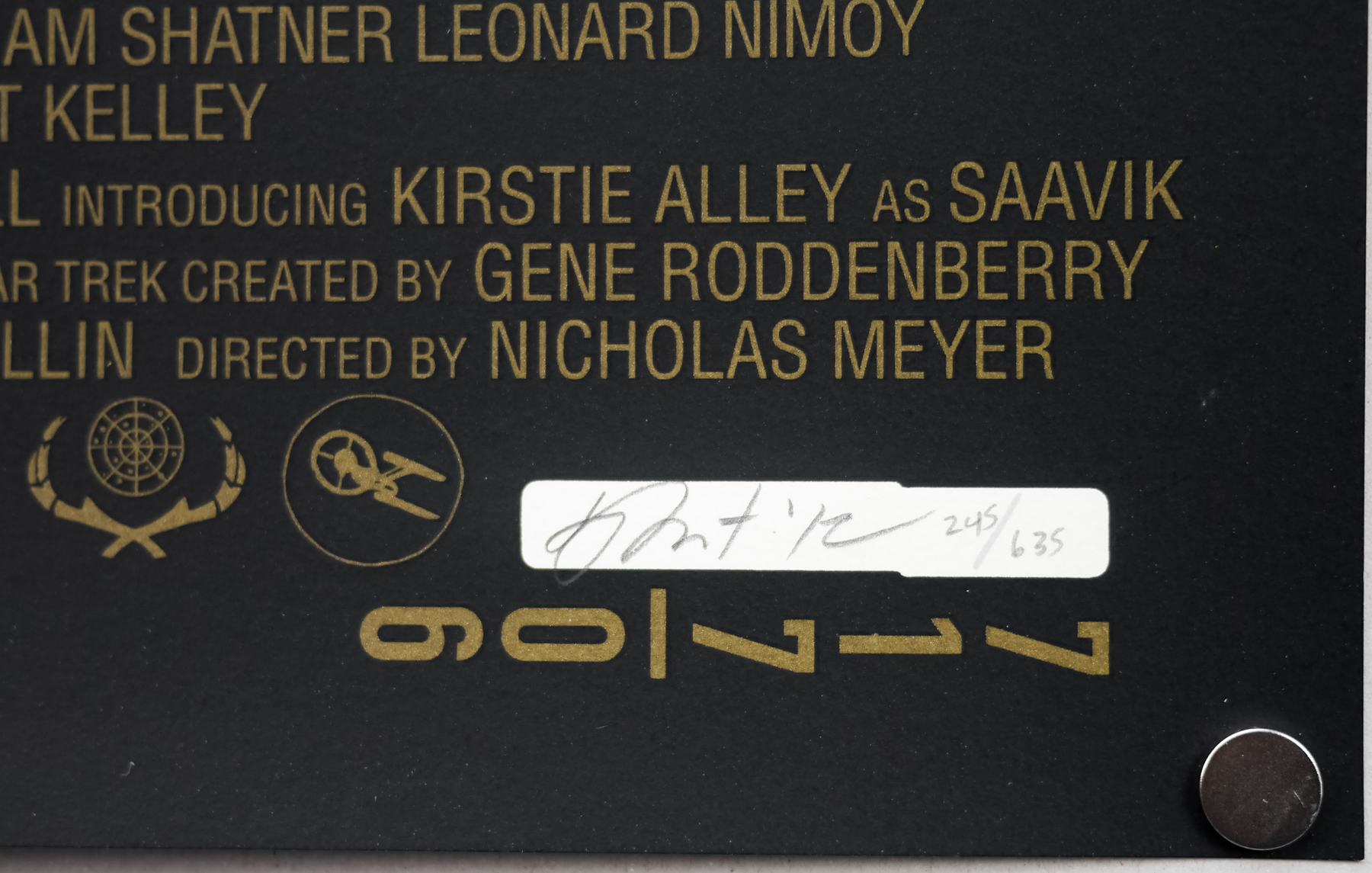
The Wrath of Khan was the follow up to 1979s Star Trek – The Motion Picture, which was the first feature film to hit cinemas following the ending of the original series 10 years previously. Even though the show was cancelled by the network (NBC) after only three seasons, it had garnered a significant cult following and had made a major impact on popular culture, helped greatly by broadcast syndication on channels across the US during the 1970s. Despite earning significant box-office takings, many critics and fans of the original series were disappointed with the first feature film and reviews tended to criticise it as overlong, bereft of any significant action and, worst of all, boring.
A sequel was inevitable, but Gene Roddenberry, the creator of the original series and executive producer of the first film, was removed from its production by Paramount after they claimed that Roddenberry had forced the first film over budget and had muddled the script with too many re-writes. His replacement was Harve Bennett, with Roddenberry given an ‘executive consultant’ role. Bennett studied the original series for inspiration having decided that the film should be more action-packed and regain some of the swashbuckling feel that had been lost in the first film. Deciding that the sequel needed a decent bad guy, Bennett settled on the character of Khan Noonien Singh, a genetically engineered super solider, who had featured in the first series episode Space Seed, which had long been a fan favourite. At the end of that episode Khan and some of his comrades had been banished to the inhospitable planet of Ceti Alpha V so his return in the film would not be against the series’ canon.

Mexican actor Ricardo Montalban agreed to reprise his role as Khan and the story sees him escaping exile and seeking revenge against Captain Kirk, whom he blames for the death of his wife. After commandeering the USS Reliant, Khan learns of the Genesis Device, a torpedo which is intended to reorganise matter to create a hospitable world but can also destroy planets if used in the wrong way. The crew of the Starship Enterprise sets out to stop Khan but their intervention will not be without sacrifice and the ending of the film sees Leonard Nimoy’s Spock seemingly dead after sacrificing himself to save his comrades. This story arc would continue for two more films, concluding with The Voyage Home in 1986. Among several memorable scenes is the moment when Khan taunts Kirk with a threat against his wife, leading to this infamous outburst. KHAAAAAAAAAN!

When Mondo, the incomparable limited-edition screen print outfit, announced they were opening a gallery in their hometown of Austin, anticipation quickly reached fever pitch, with fans desperate to see what artwork would be on the walls when the doors opened for the first time. The answer was kept secret until the evening of March the 10th, 2012 when the opening night was held and the theme of their first show was revealed to be that of classic sci-fi. Most of Mondo’s premier artists turned in some incredible pieces for the show, as can be seen on this recap blog post on their website and on this SlashFilm post.

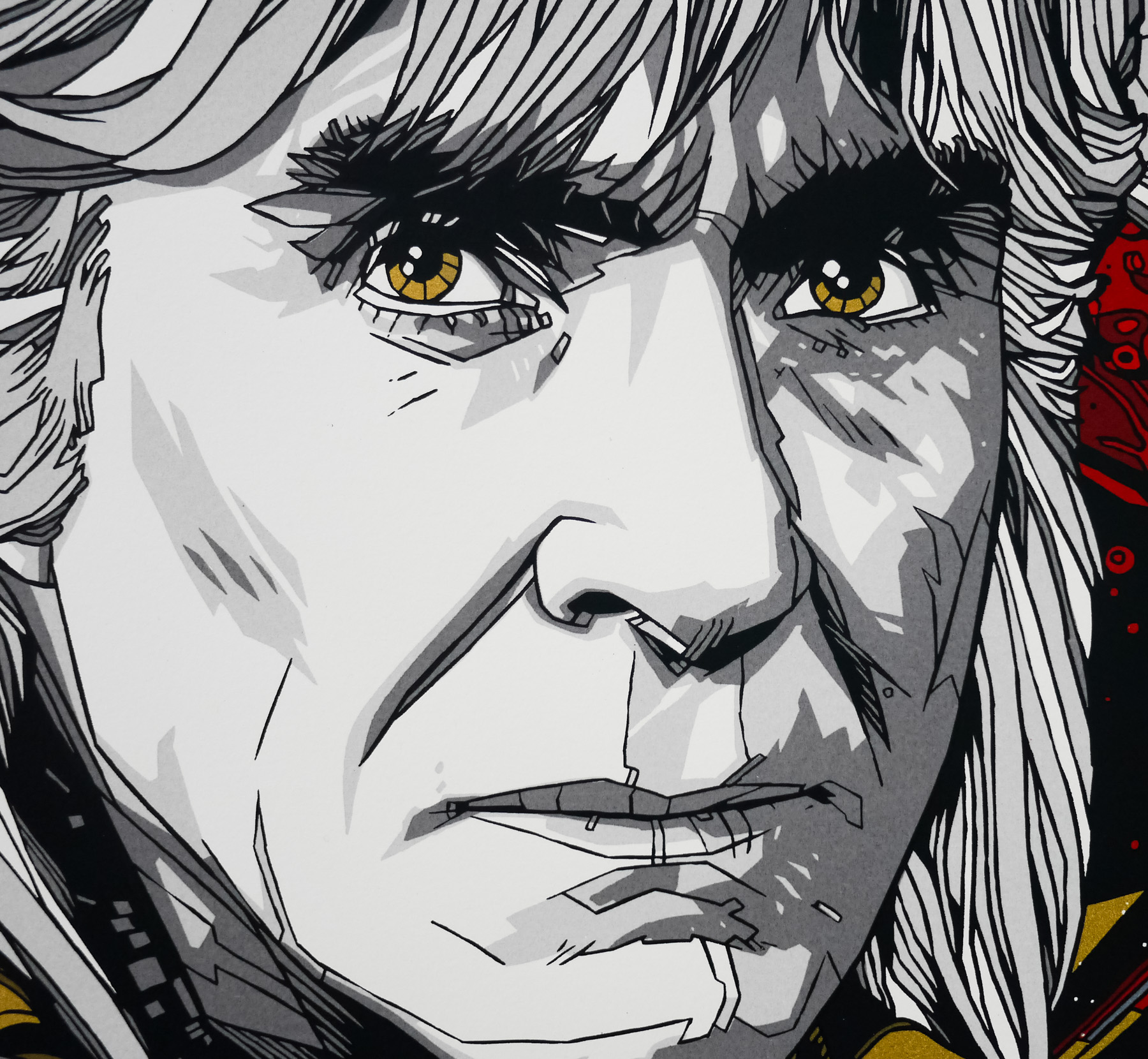
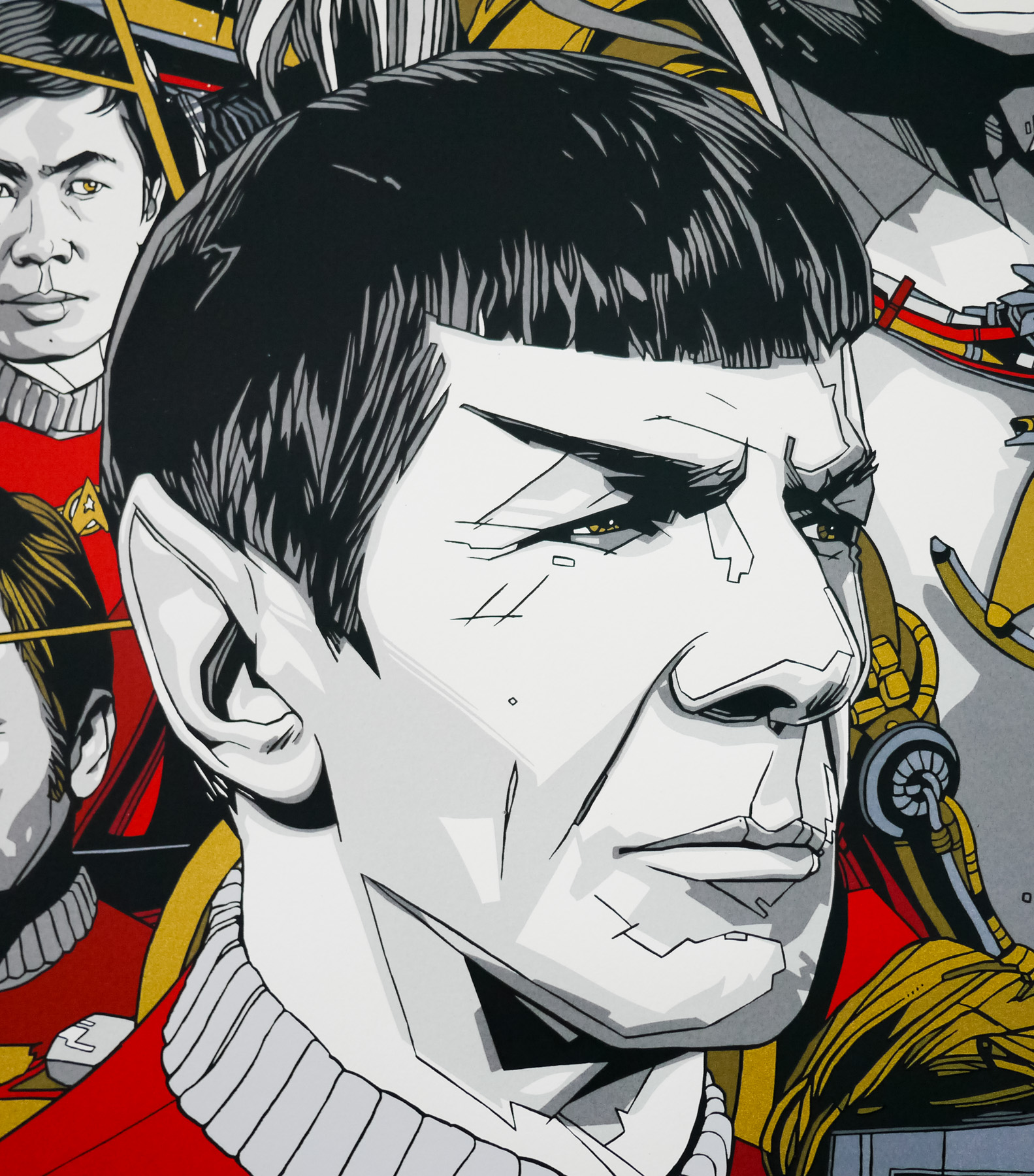
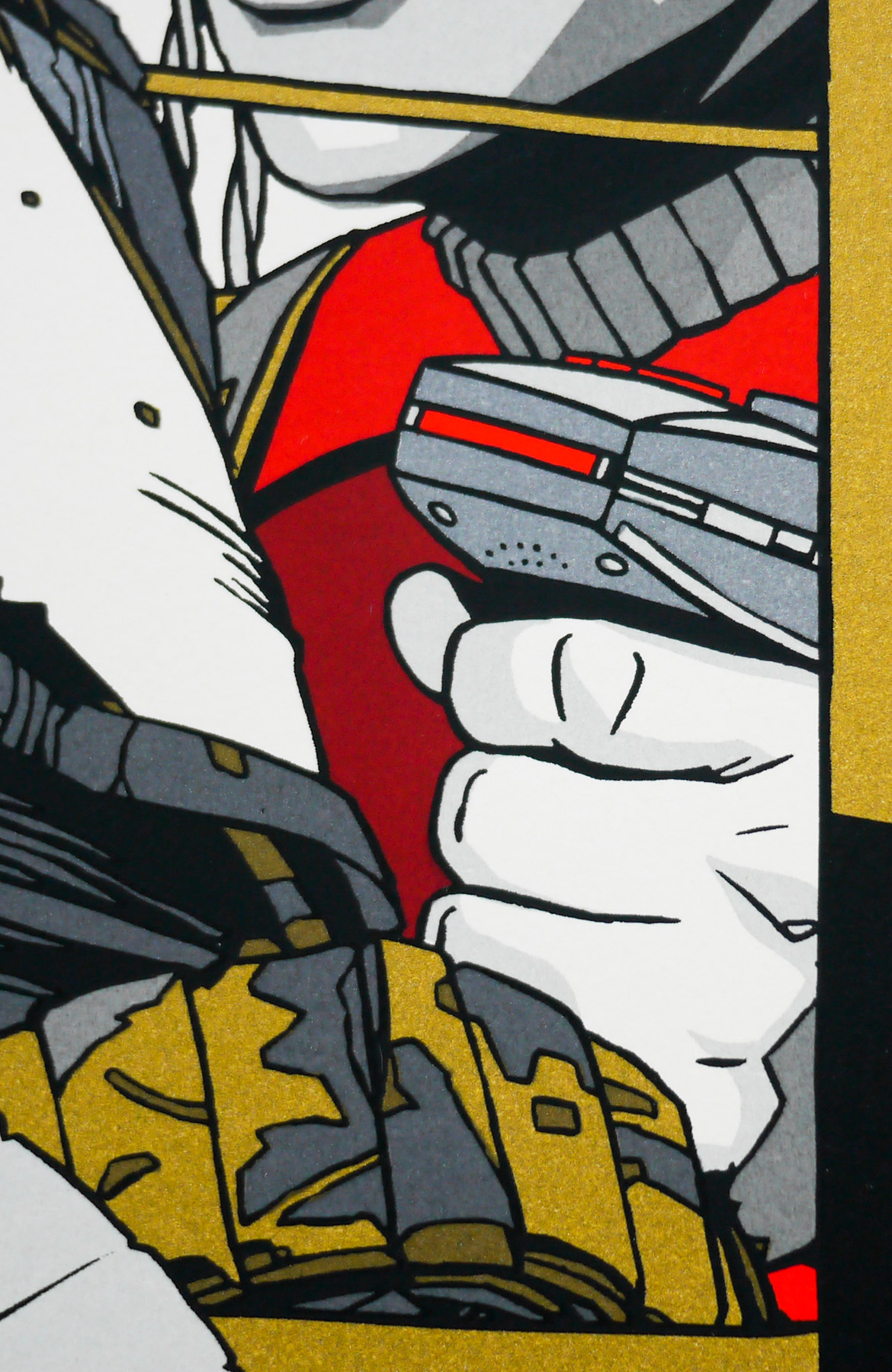
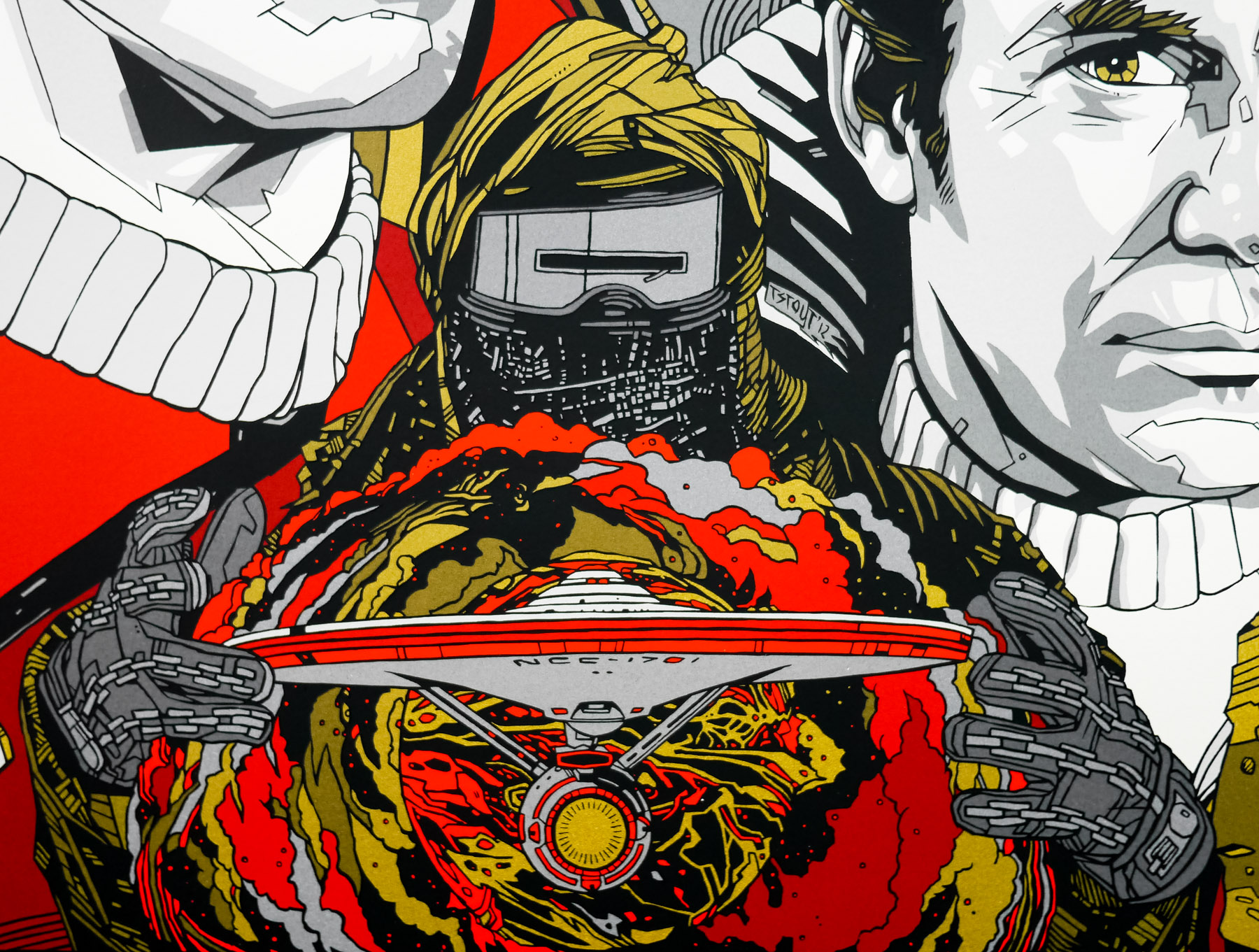
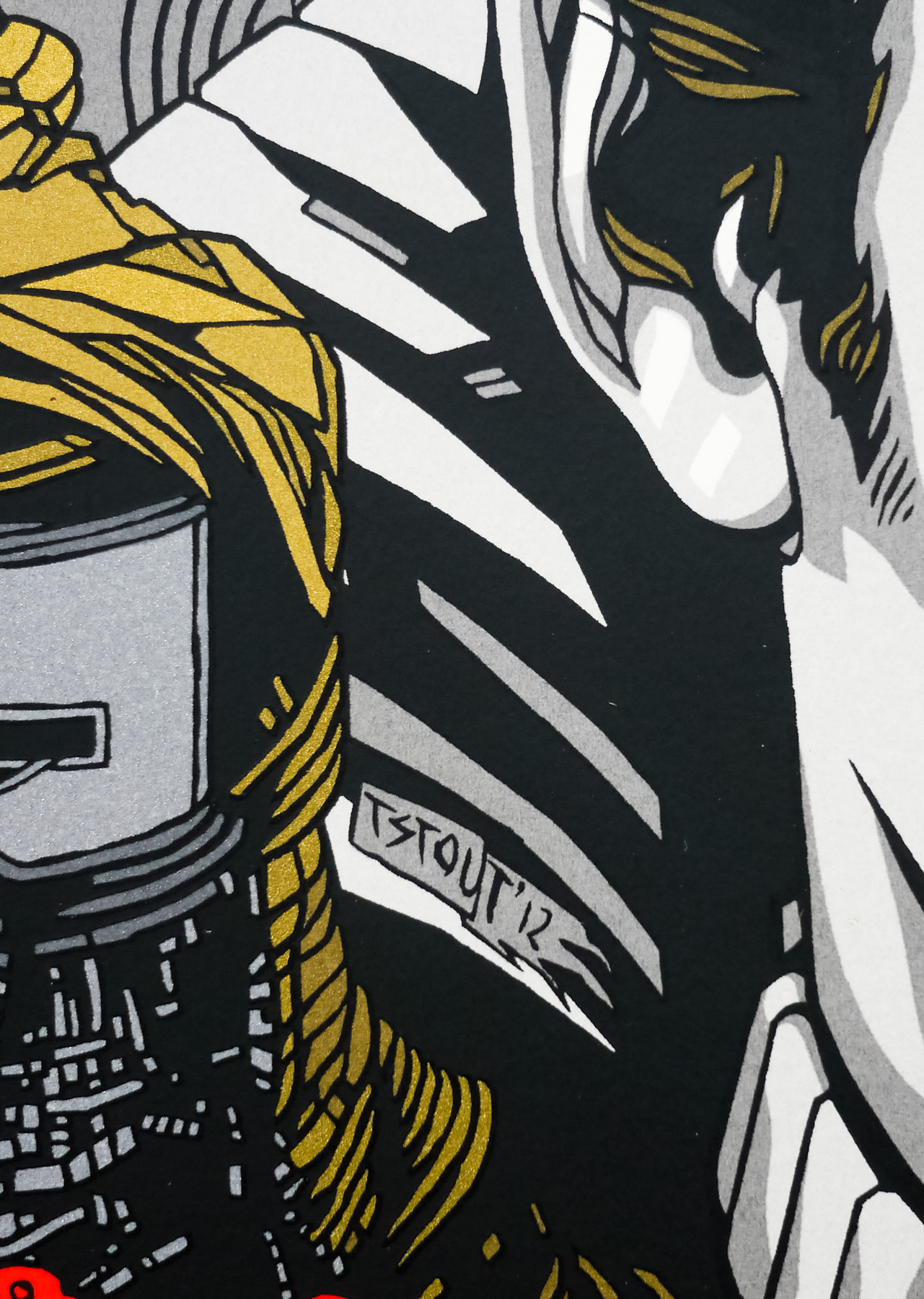
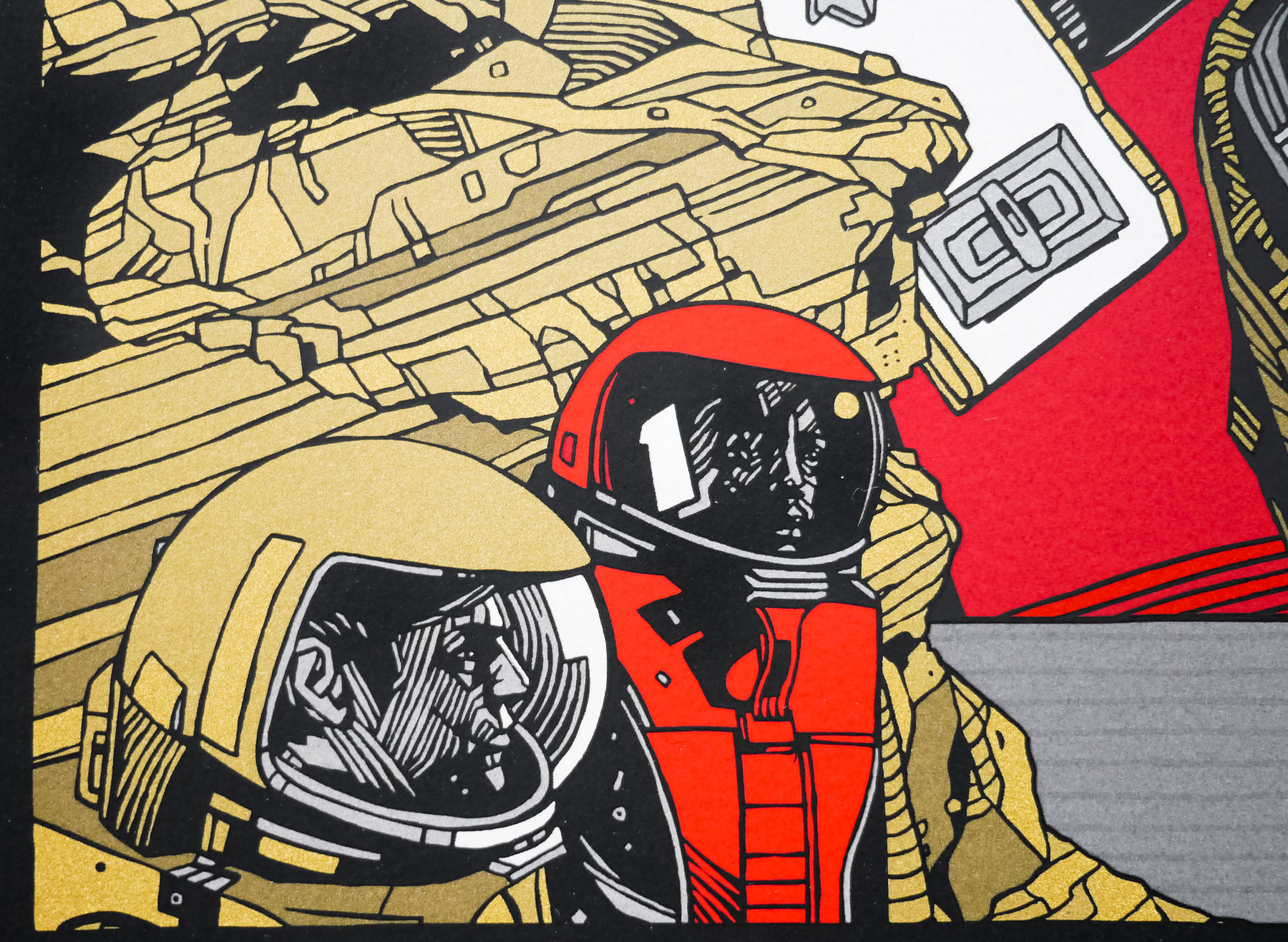
One of the highlights of the show was fan-favourite artist Tyler Stout’s print for The Wrath of Khan. A brilliantly composed image featuring Ricardo Montalban‘s unforgettable, titular bad guy, the poster was printed in two flavours; a red and gold regular and a silver and gold variant. Whilst adding the regular version to the Film on Paper collection I wanted to interview the man himself about the creation of the poster and that article can be read here.