You searched for: P.R.%2520Paul

The Stone Killer / quad / UK

29.11.16

Poster Poster
Title
The Stone Killer
AKA
Le cercle noir [The black circle] (France) | América violenta [Violent America] (Spain)
Year of Film
1973
Director
Michael Winner
Starring
Charles Bronson, Martin Balsam, Jack Colvin, Paul Koslo, Norman Fell, David Sheiner, Stuart Margolin, Ralph Waite, Alfred Ryder, Walter Burke, Kelley Miles
Origin of Film
Italy | USA
Genre(s) of Film
Charles Bronson, Martin Balsam, Jack Colvin, Paul Koslo, Norman Fell, David Sheiner, Stuart Margolin, Ralph Waite, Alfred Ryder, Walter Burke, Kelley Miles,
Type of Poster
Quad
Style of Poster
--
Origin of Poster
UK
Year of Poster
1973
Designer
Unknown
Artist
--
Size (inches)
30" x 39 13/16"
SS or DS
SS
Tagline
This cop plays dirty! | Take away his badge and he'd top the Ten Most Wanted list!

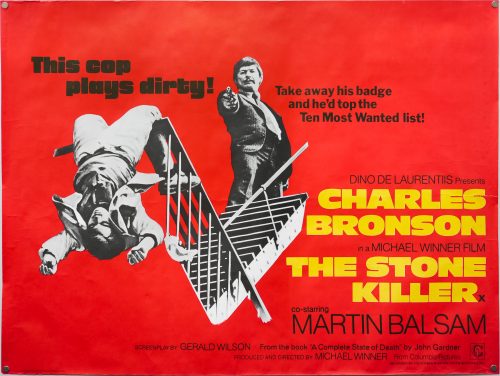
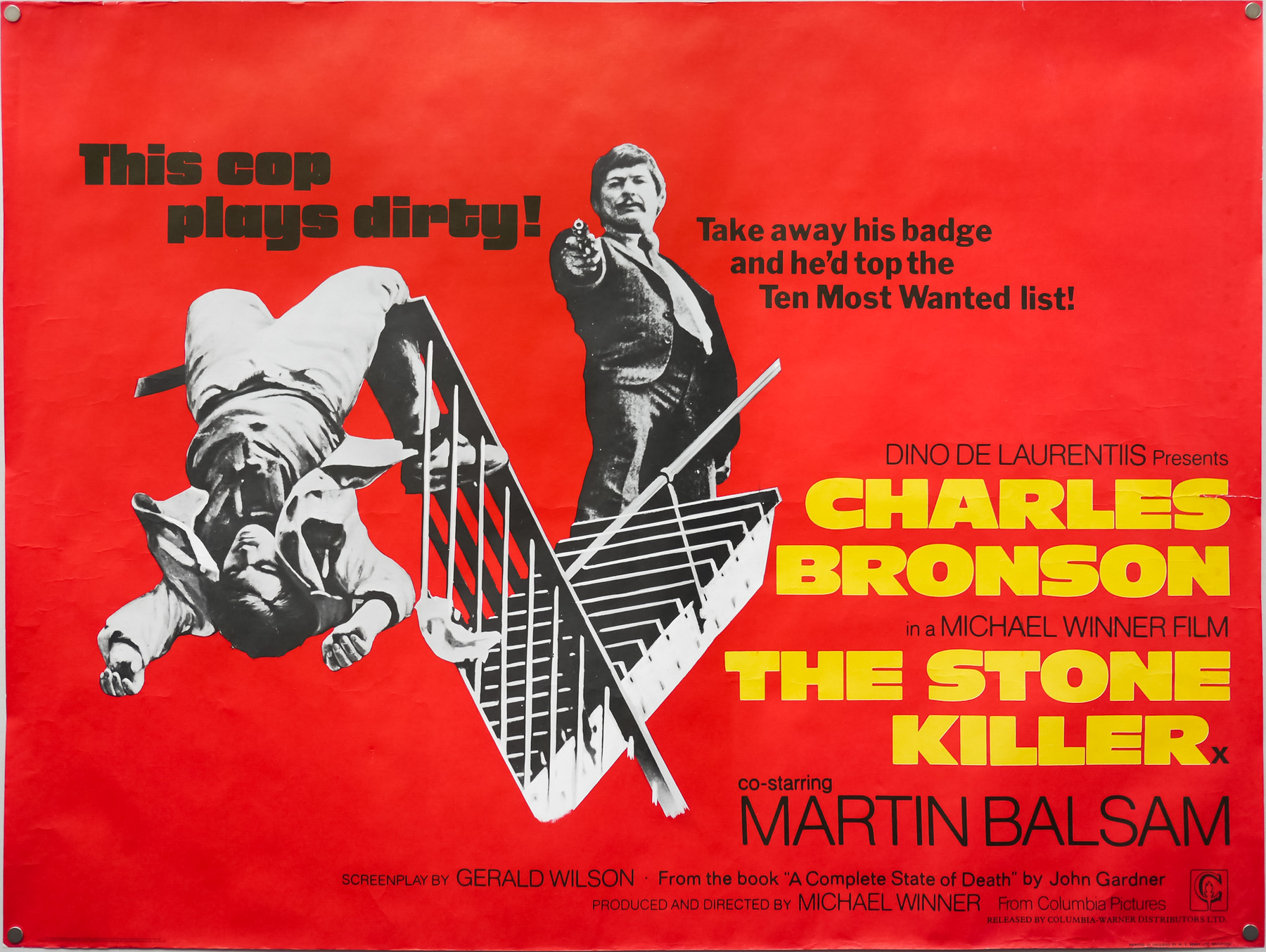
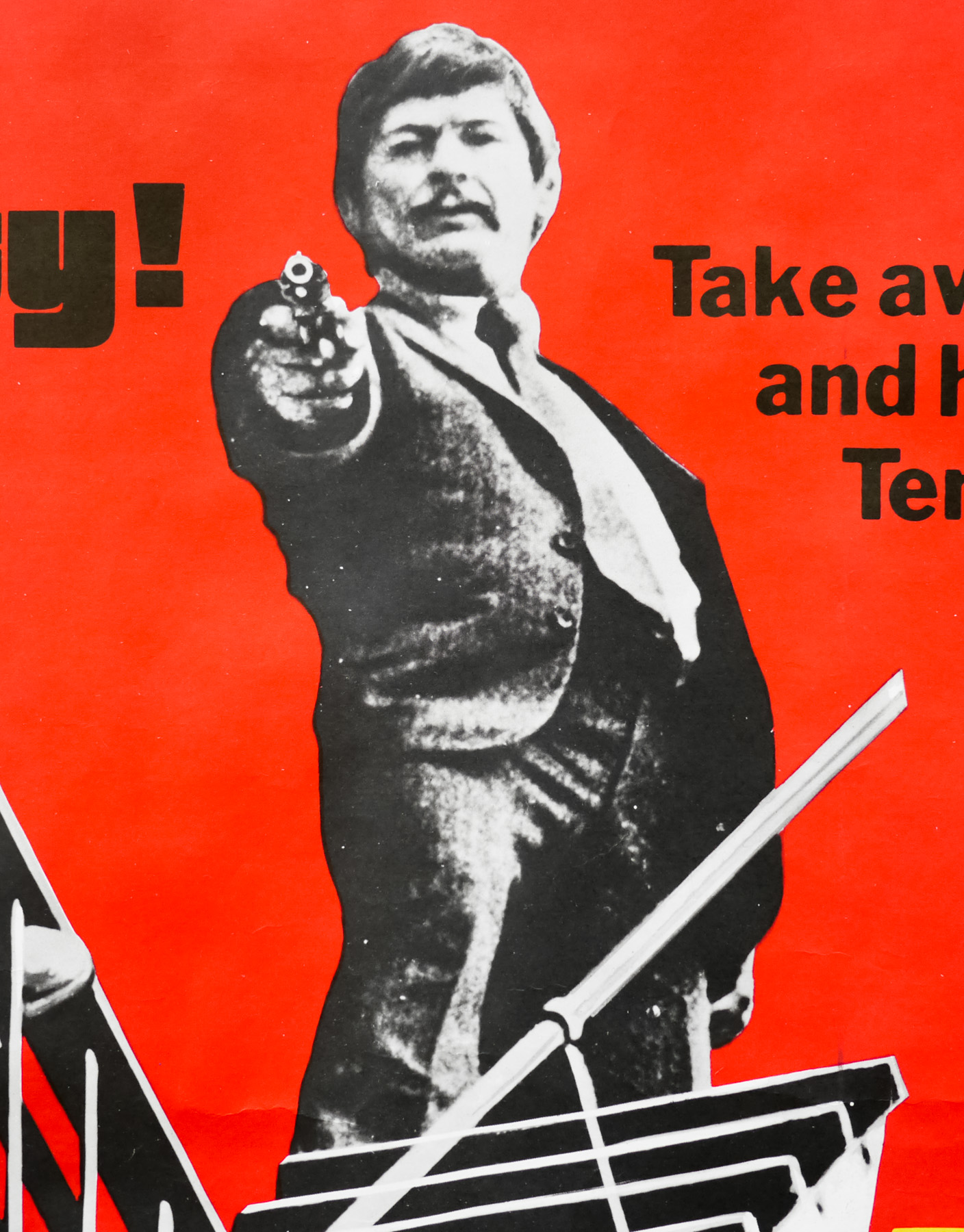
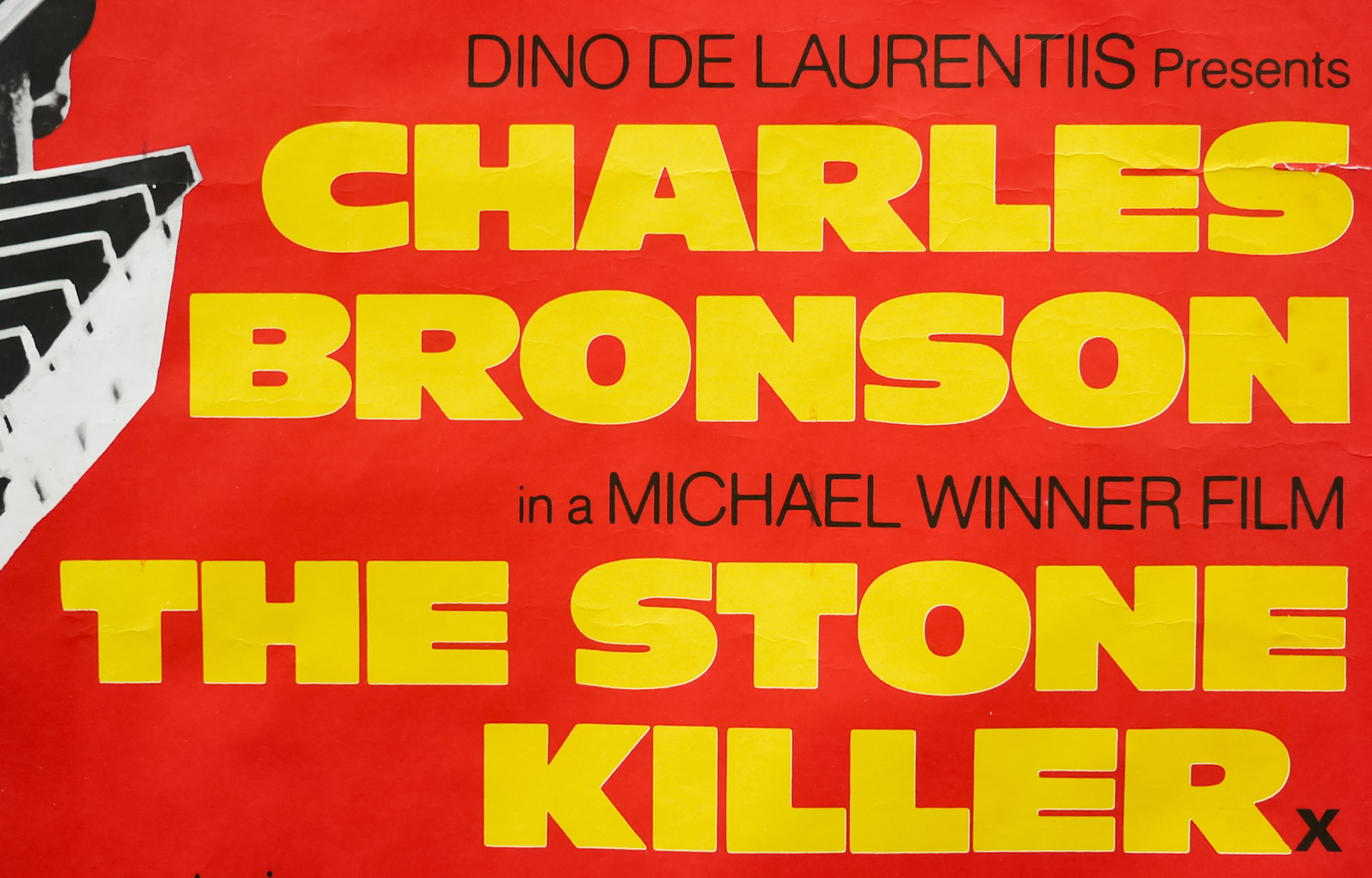
This is the British quad poster for the release of the 1973 crime drama The Stone Killer. The film was one of a number that starred action legend Charles Bronson and was directed by Michael Winner. Their most successful collaboration (in box-office terms), Death Wish, was released a year later. The film features a cop who bends the rules to crack a case and was made in the wake of the hugely successful Clint Eastwood film, Dirty Harry (1971). That film also focused on a detective willing to play dirty, as this poster’s tagline shouts.

Bronson plays detective Lou Torrey who has recently been transferred to a Los Angeles beat. After the murder of a former hitman, he uncovers a plot involving the local mafia. The don, Al Vescari (Martin Balsam) has instigated a number of murders in revenge for killings that took place in 1931. This spree saw Sicilian capos executed across the US (a real-life crime dubbed the Night of the Sicilian Vespers). Vescari has decided to use Vietnam vets to carry out the killings and Torrey must race against time to stop the hitmen before the revenge plot is complete.

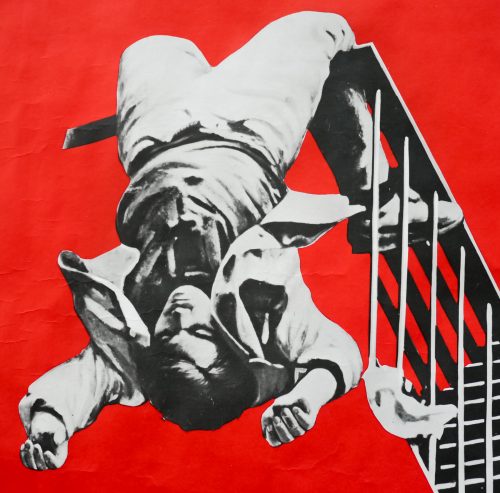
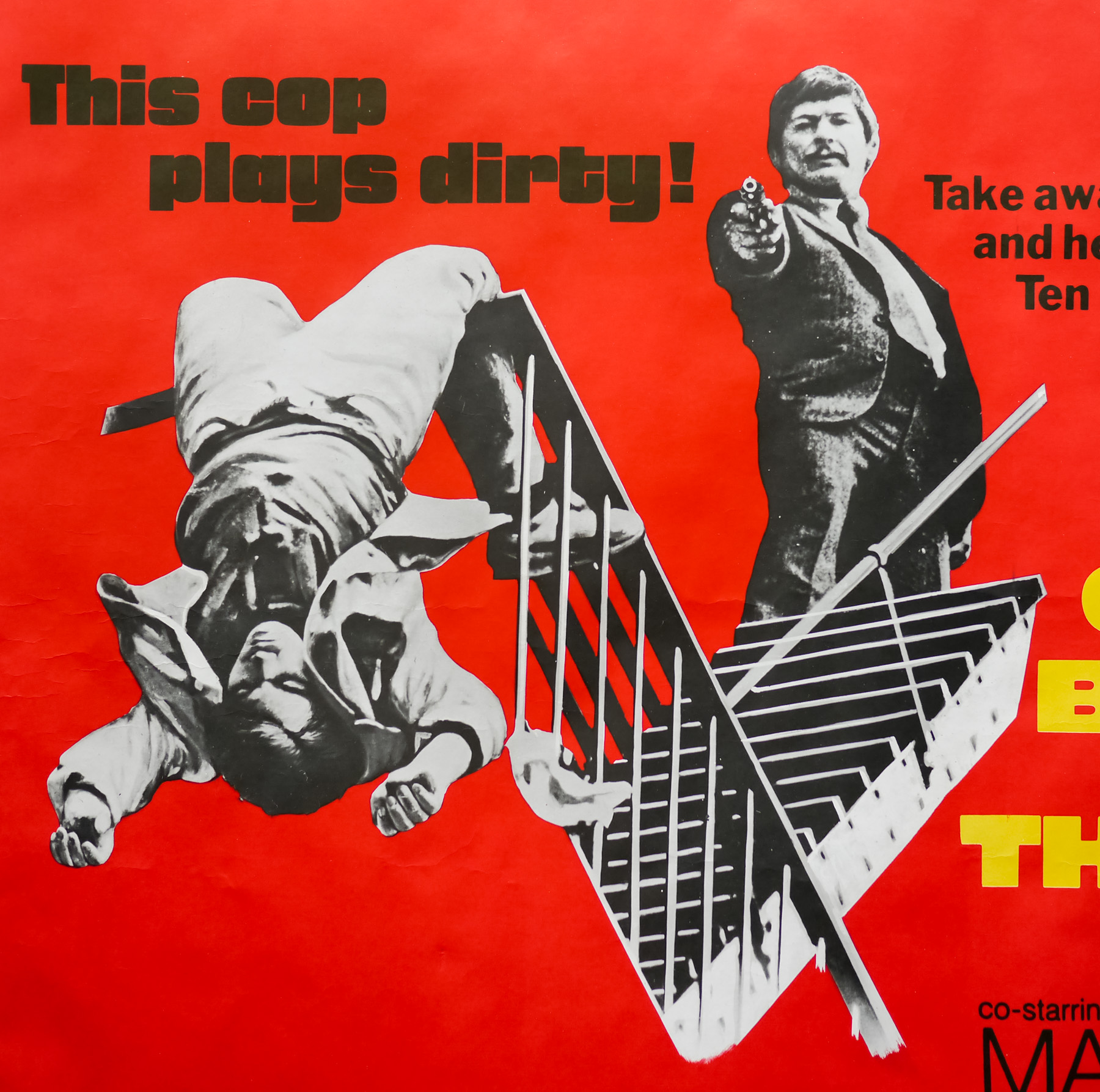
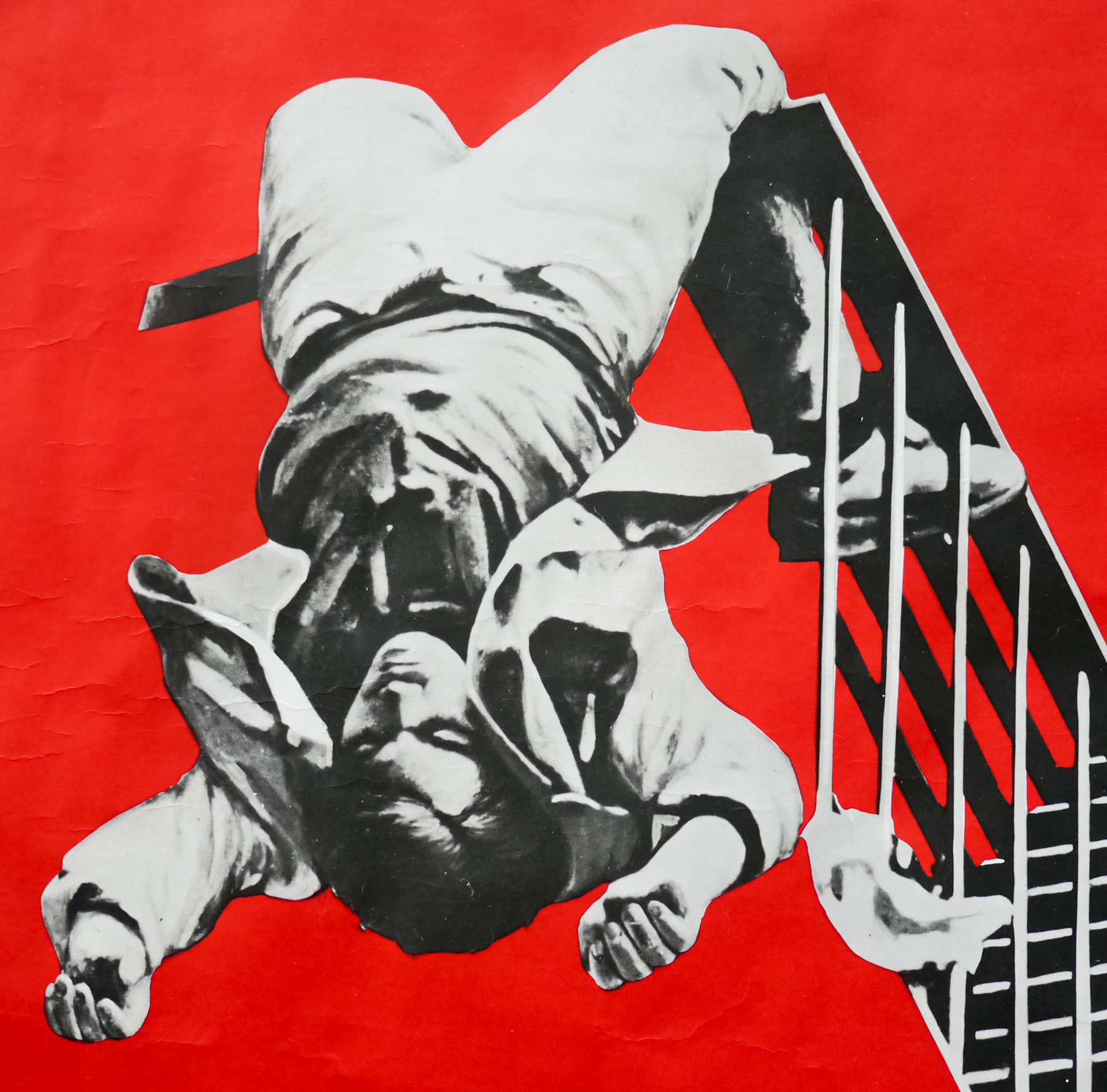
The stark imagery on this quad also featured on the US one sheet (see here) and the title block and main tagline have also been recycled by the British designer.
Anguish / one sheet / USA

22.03.17

Poster Poster
Title
Anguish
AKA
Angustia (Spain - original title)
Year of Film
1987
Director
Bigas Luna
Starring
Zelda Rubinstein, Michael Lerner, Talia Paul, Àngel Jové, Clara Pastor, Isabel García Lorca
Origin of Film
Spain
Genre(s) of Film
Zelda Rubinstein, Michael Lerner, Talia Paul, Àngel Jové, Clara Pastor, Isabel García Lorca,
Type of Poster
One sheet
Style of Poster
--
Origin of Poster
USA
Year of Poster
1988
Designer
Unknown
Artist
--
Size (inches)
27 2/16" x 41"
SS or DS
SS
NSS #
--
Tagline
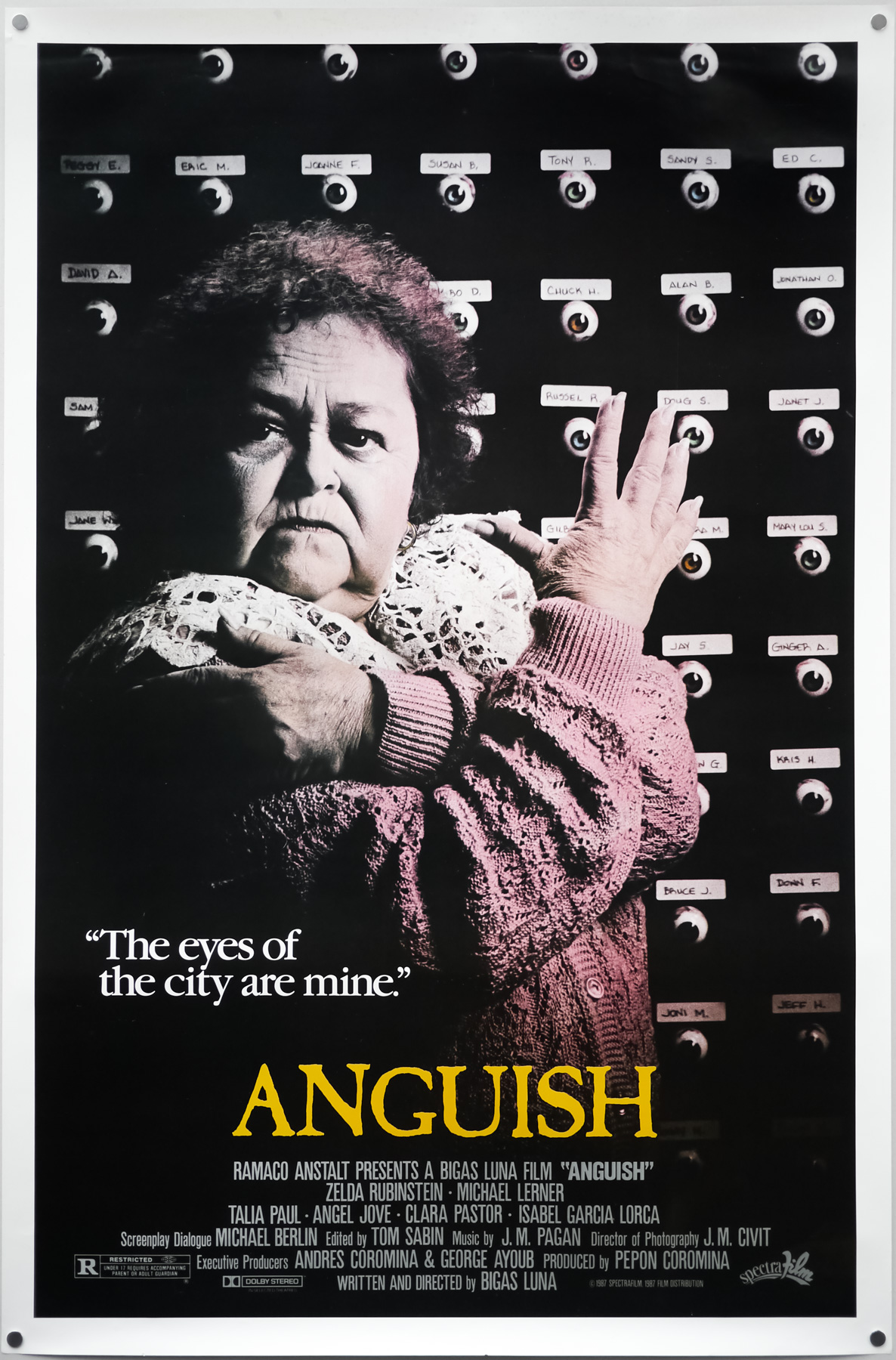
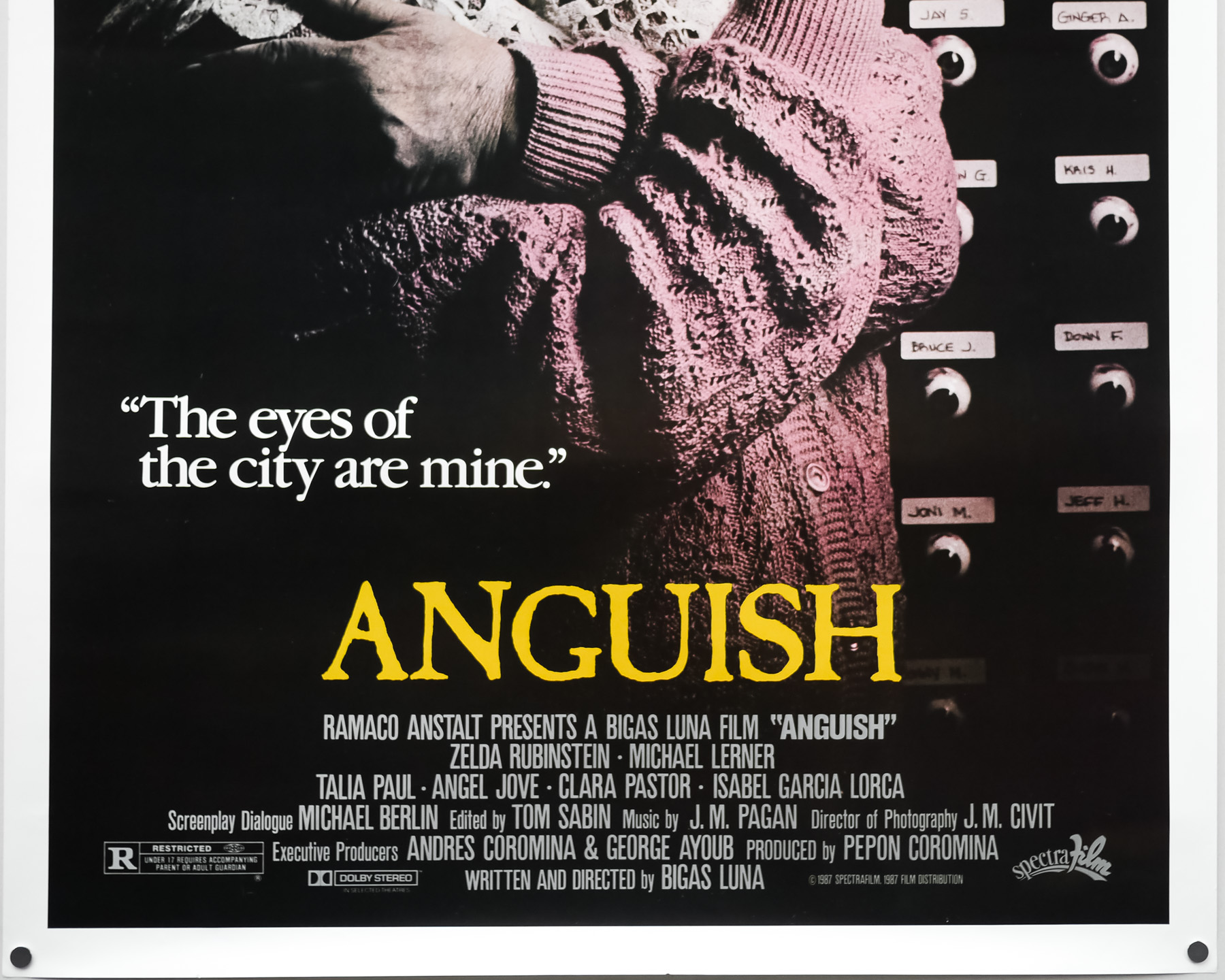
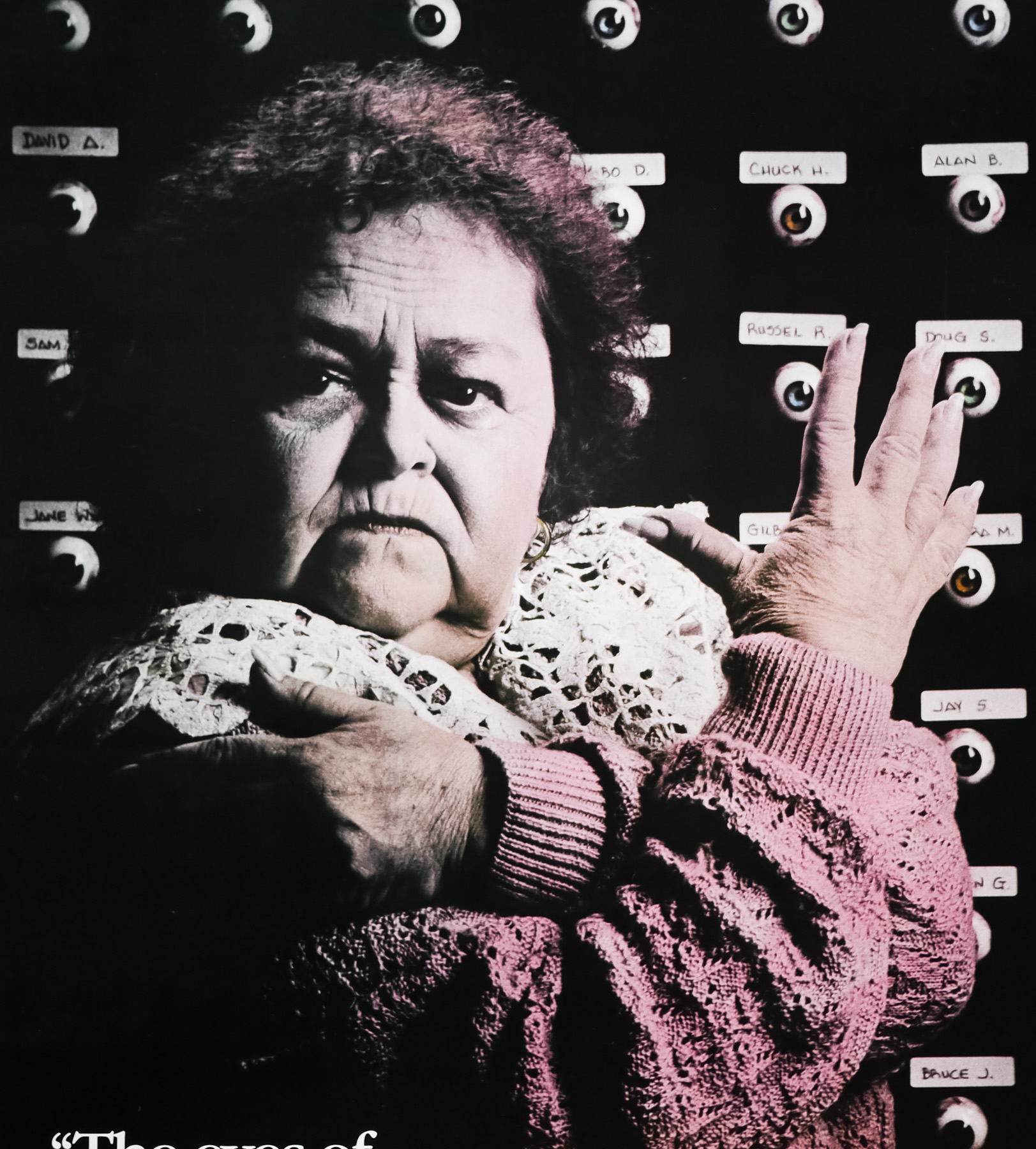
"The eyes of the city are mine"

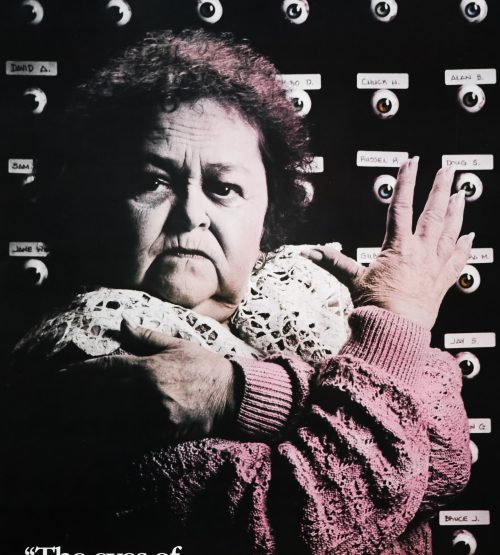
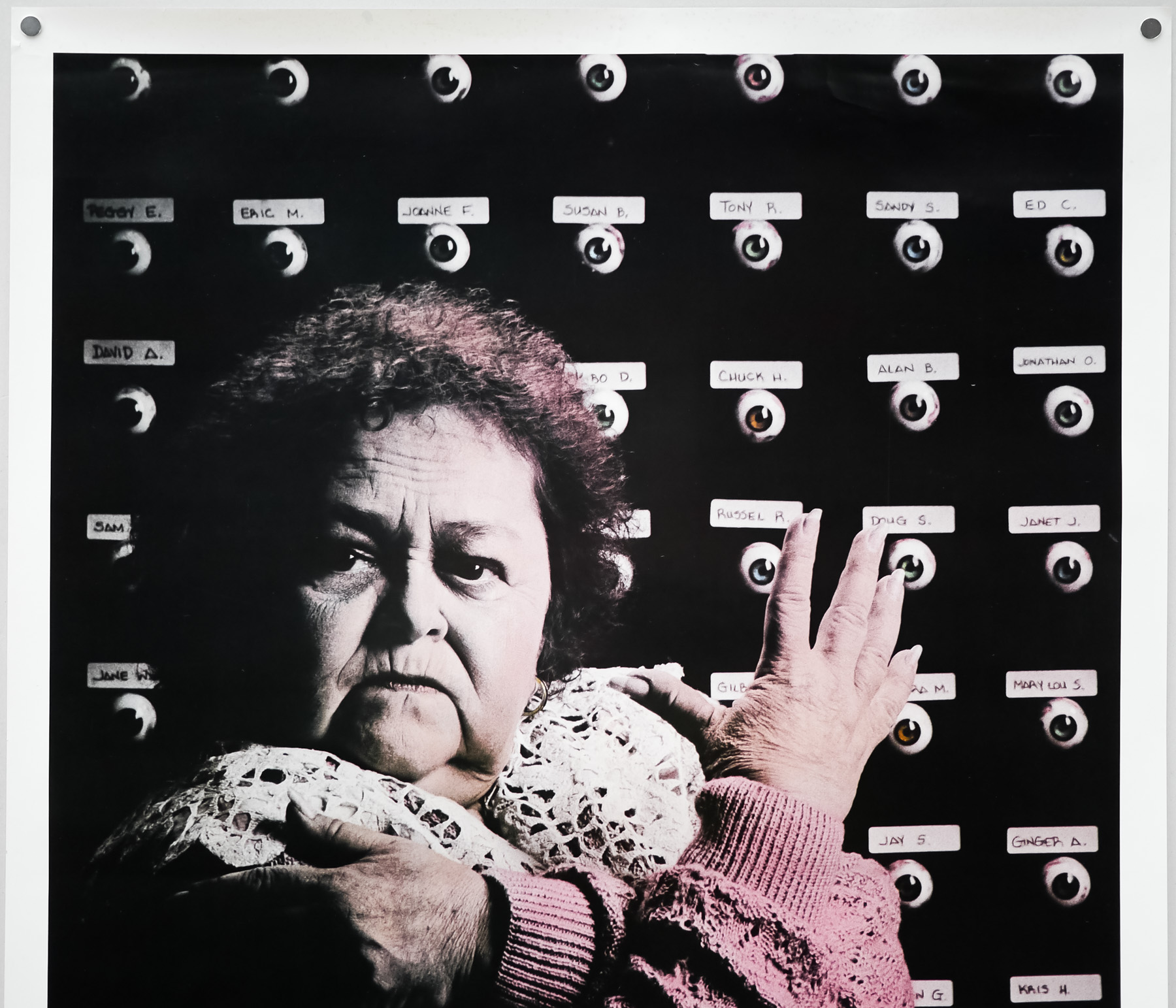
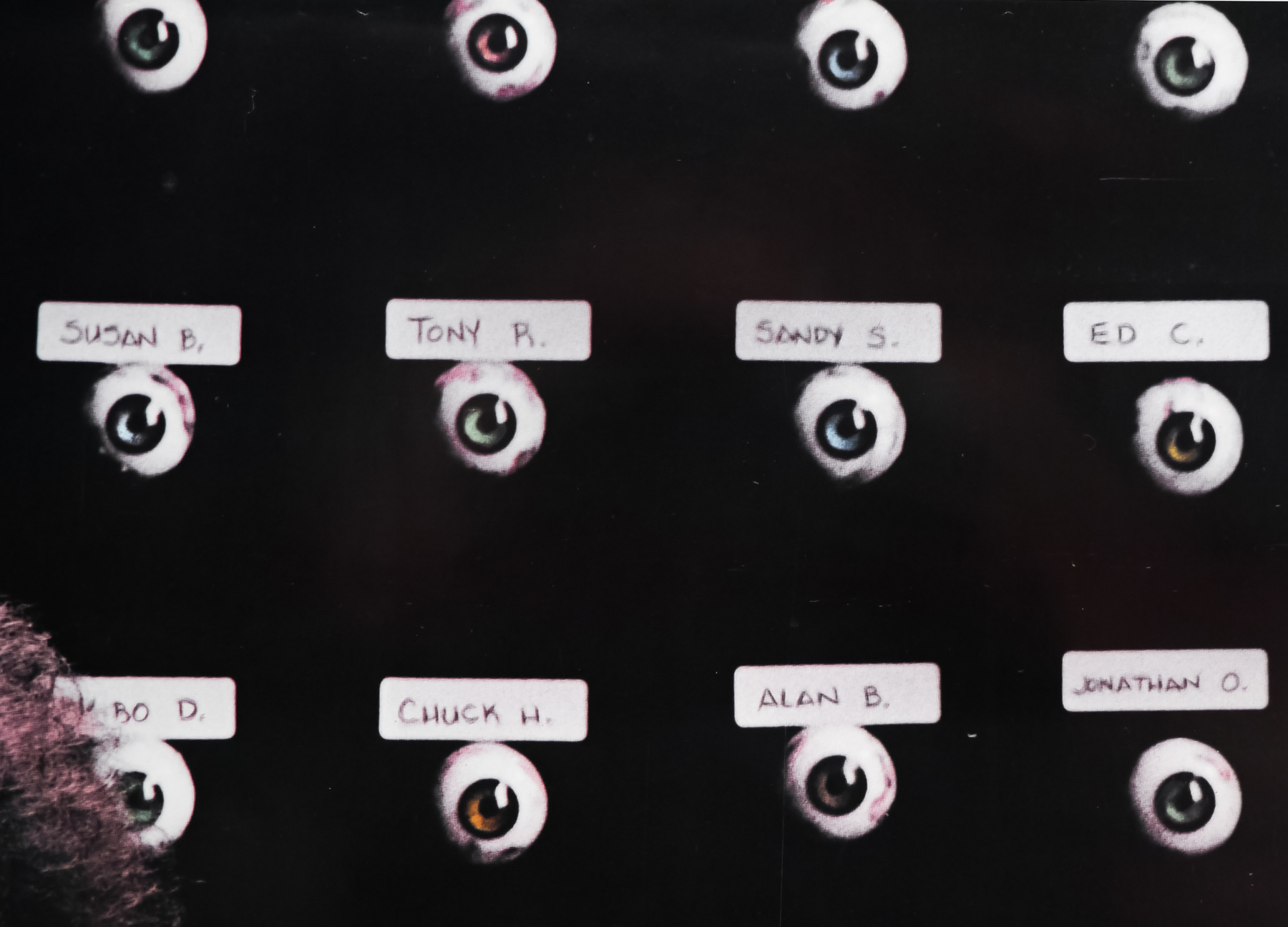
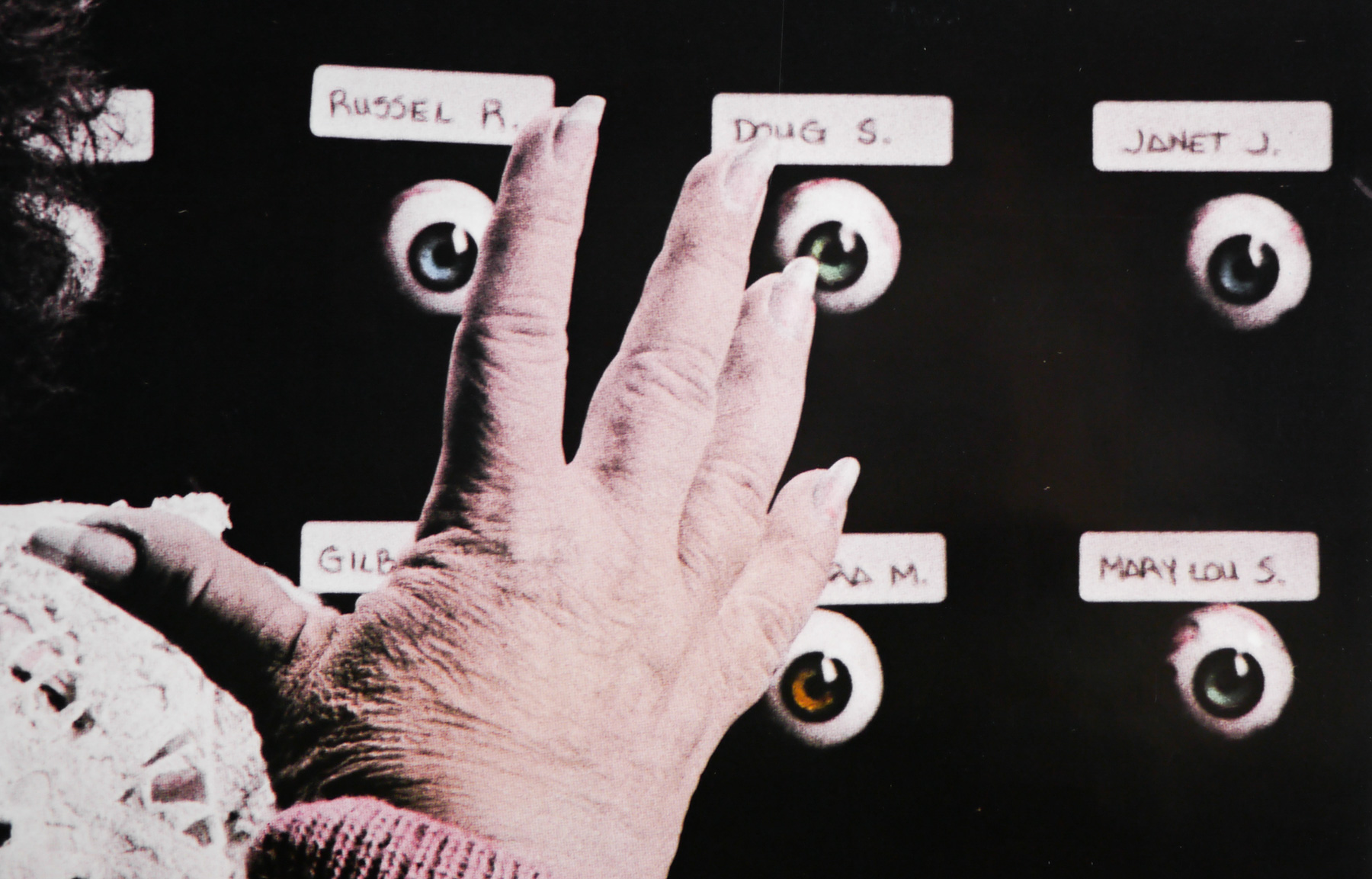
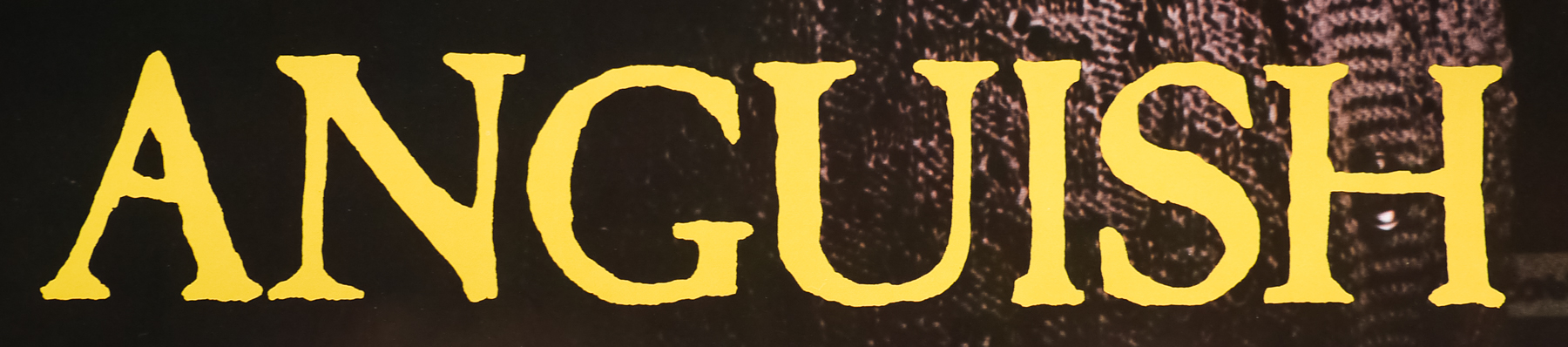
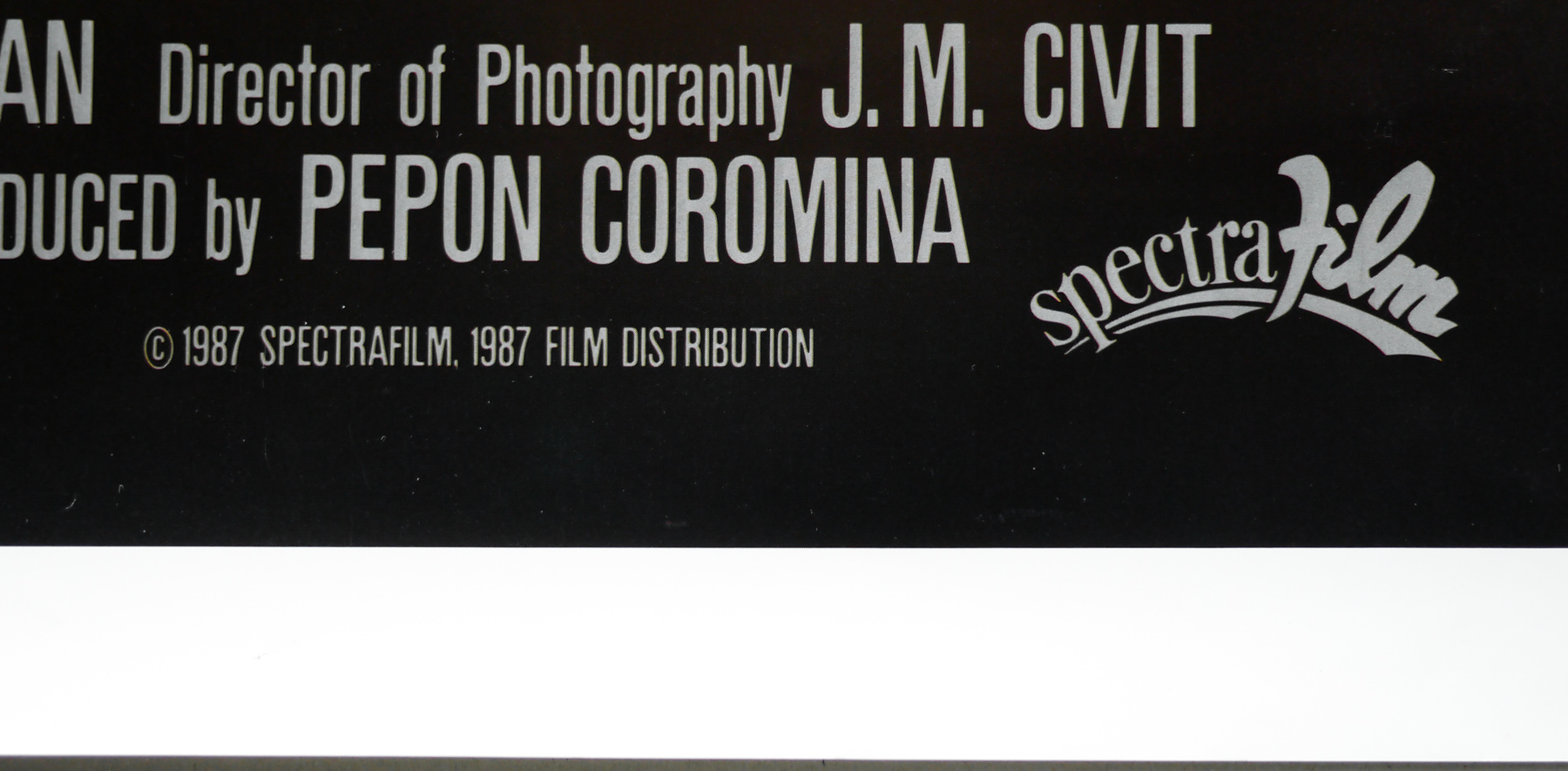
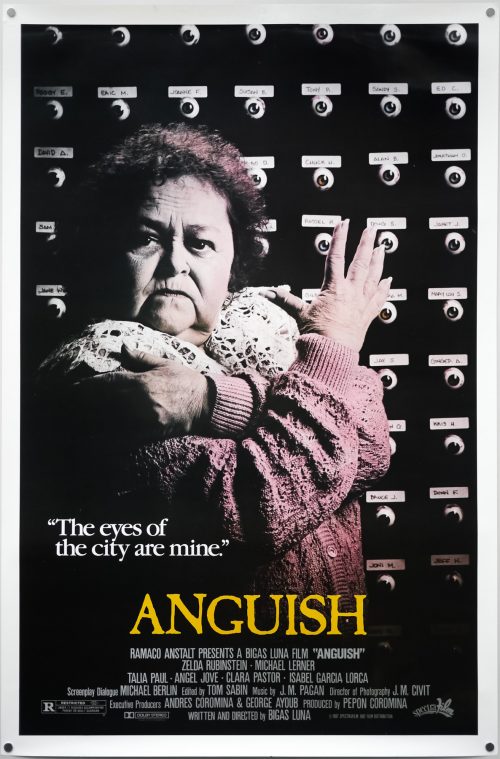
A striking image of actress Zelda Rubinstein (best known for her appearance in 1982’s Poltergeist) for the 1987 horror, Anguish. The film was directed by the Spaniard Bigas Luna (best known for Jamón, Jamón, 1992) and was filmed in his native country. As well as Rubinstein, the film also features the American actor Michael Lerner, but the majority of the cast are Spanish actors playing American. Written by Luna, the film has a fairly original concept which sees a film within a film, featuring Rubinstein and Lerner, unfold in front of a Los Angeles cinema audience. They are then subjected to their own horror attack, seemingly influenced by the film they are watching.

Rubinstein plays the character of Mother in the projected film, which is called The Mommy. For reasons that aren’t exactly clear, she uses hypnotism to control her loner son John (Lerner) and coerce him into killing people then removing their eyeballs. The Mommy features a frankly bonkers hypnotism sequence which apparently has an effect on some of the audience in the Los Angeles cinema. John is shown to visit a cinema showing the classic film The Lost World where he proceeds to attack staff and audience members. At the same time, an agitated man in the LA cinema kills two women working at the front desk before entering the auditorium and shooting at the audience. Eventually the police are called and a hostage scene develops. All the while The Mommy continues to play on the screen.

Anguish doesn’t hold back on the gore and there are a few shocking scenes which serve to keep the audience on edge. Although the concept of a film within a film is not new, the way Luna edits and develops the story gives it a unique feel. It’s certainly worth a watch, despite it’s clearly low budget origins.

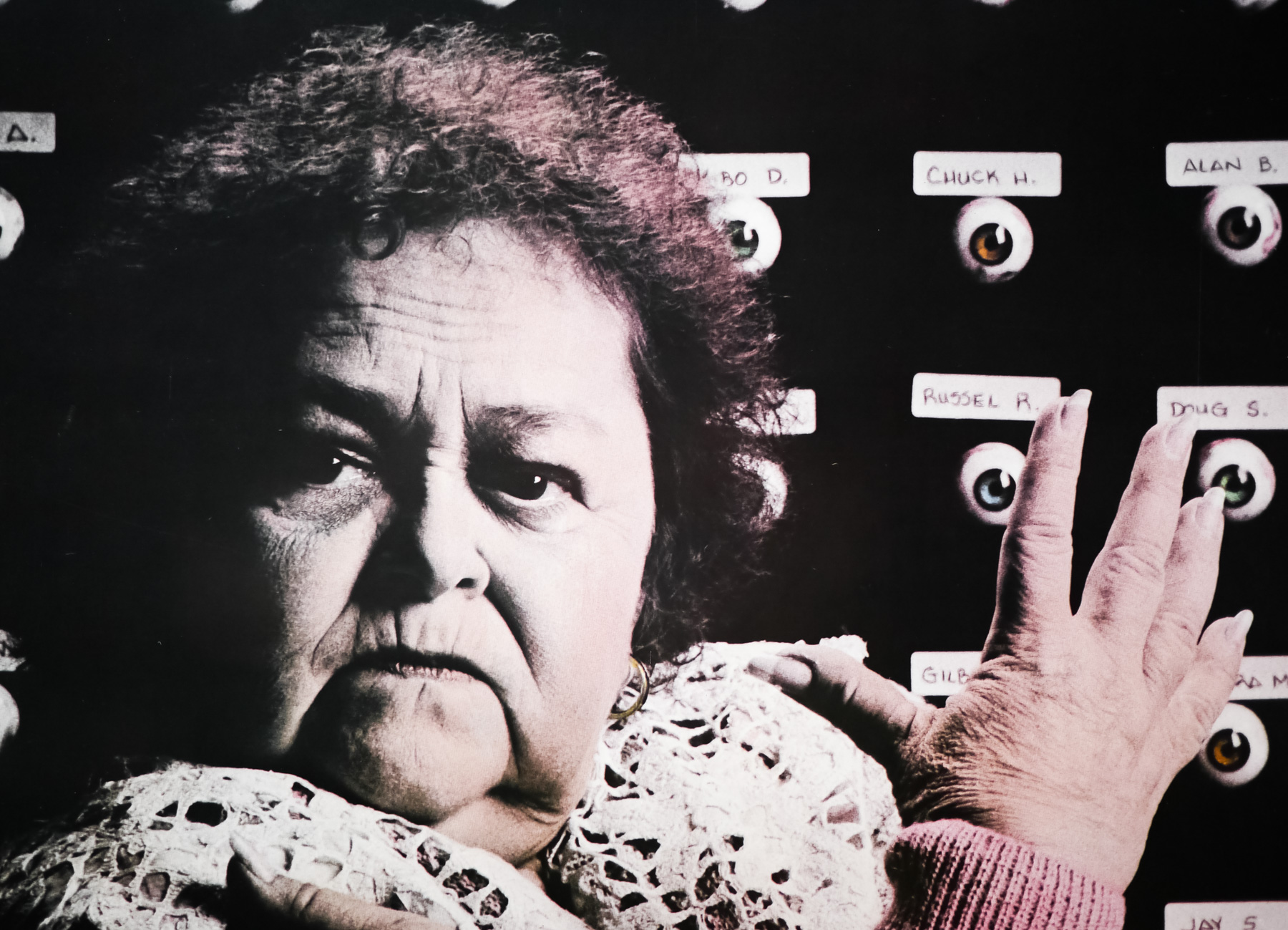
The image of Rubinstein in front of a wall of eyes must have been mocked up for this poster as I watched it recently and didn’t see anything like this. It’s possible that there was a deleted scene with it in but it feels too mocked up for that.

Frightmare / quad / UK

10.04.17

Poster Poster
Title
Frightmare
AKA
Cover Up (USA)
Year of Film
1974
Director
Pete Walker
Starring
Rupert Davies, Sheila Keith, Deborah Fairfax, Paul Greenwood, Kim Butcher, Fiona Curzon, John Yule, Trisha Mortimer
Origin of Film
UK
Genre(s) of Film
Rupert Davies, Sheila Keith, Deborah Fairfax, Paul Greenwood, Kim Butcher, Fiona Curzon, John Yule, Trisha Mortimer,
Type of Poster
Quad
Style of Poster
--
Origin of Poster
UK
Year of Poster
1974
Designer
Unknown
Artist
Unknown
Size (inches)
30" x 39 14/16"
SS or DS
SS
Tagline
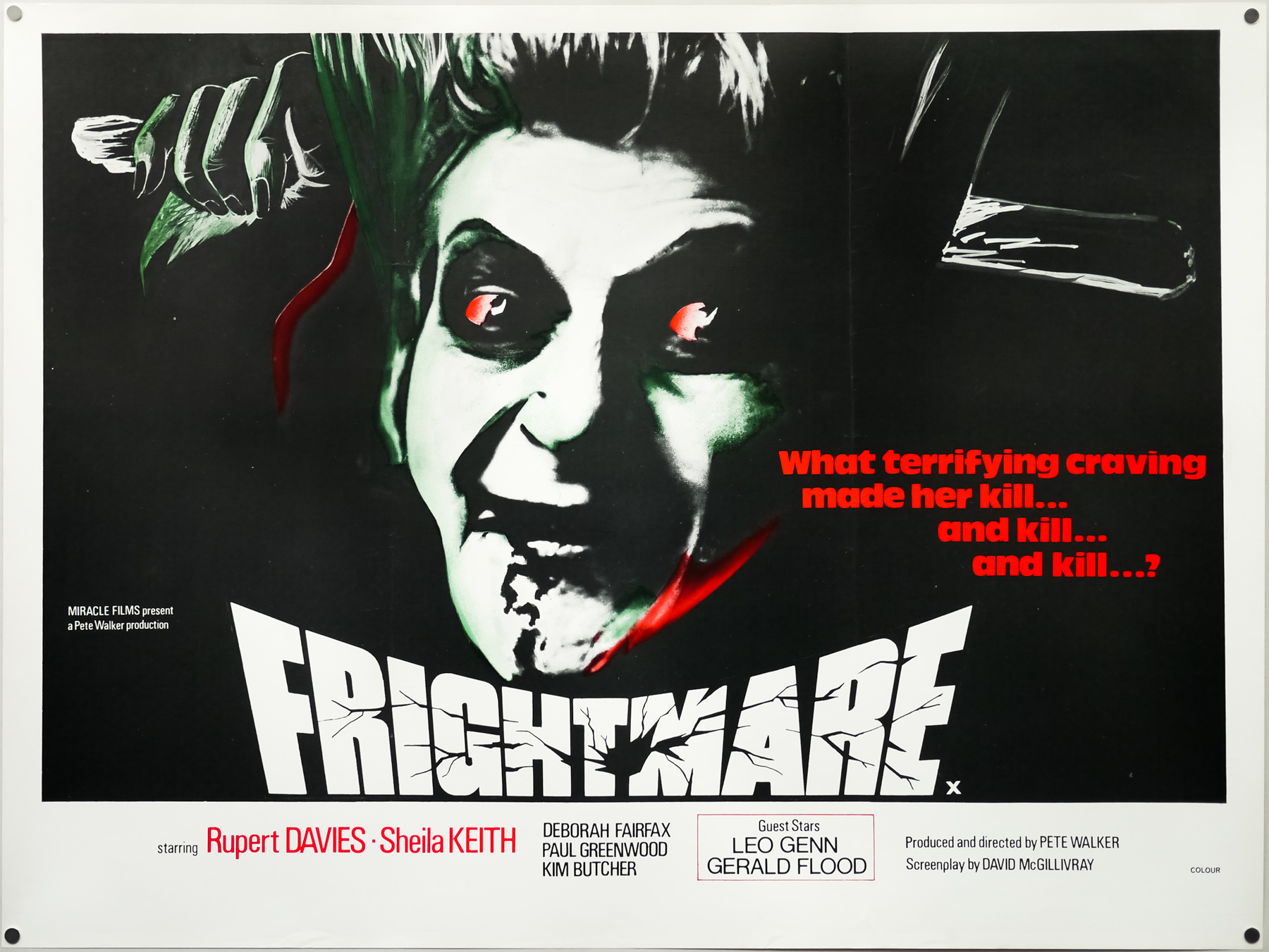
What terrifying craving made her kill... and kill... and kill...?

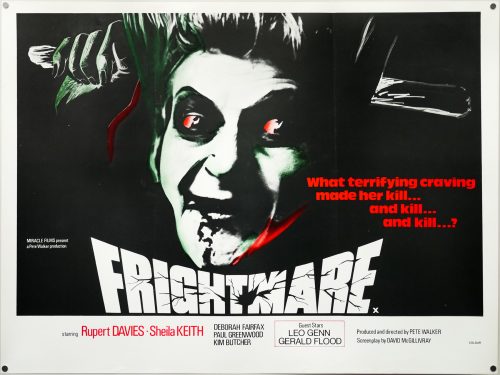
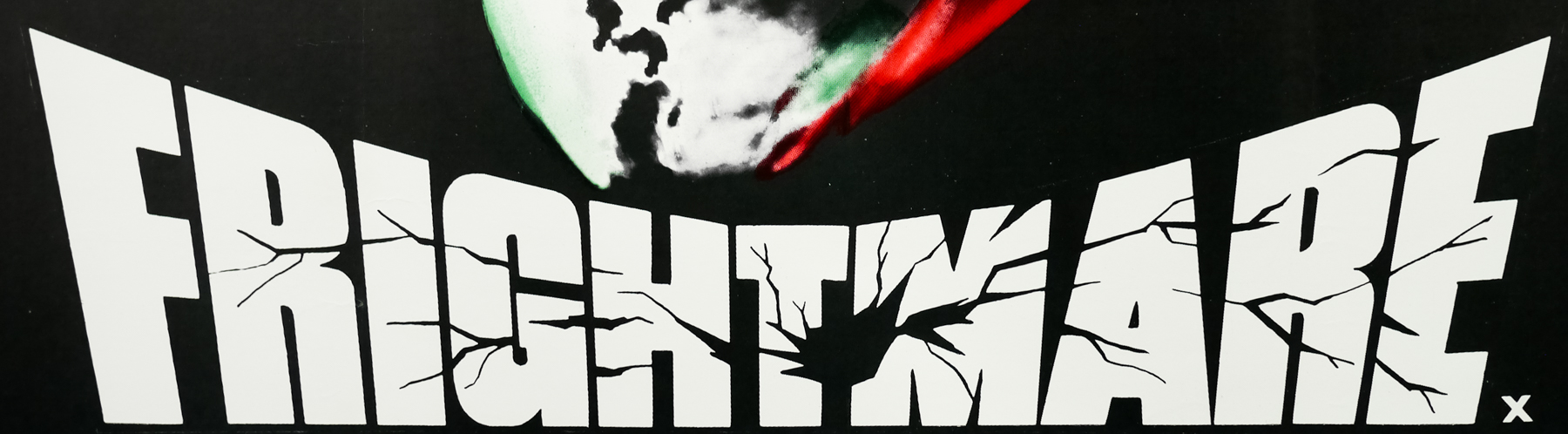
This is the original UK quad for the release of Frightmare, a 1974 film by the British director, producer and writer Pete Walker, who specialised in exploitation pictures during the 1960s and 1970s. Walker started out making shoestring budget sexploitation pictures, including School for Sex that were often relative hits in the UK. This worked out well for him since his films were almost always self-financed and thus most of the profits were his to keep and plough into the next feature. In the early 1970s, Walker grew tired of feeding the ‘dirty mack brigade’ and turned his hand to horror.

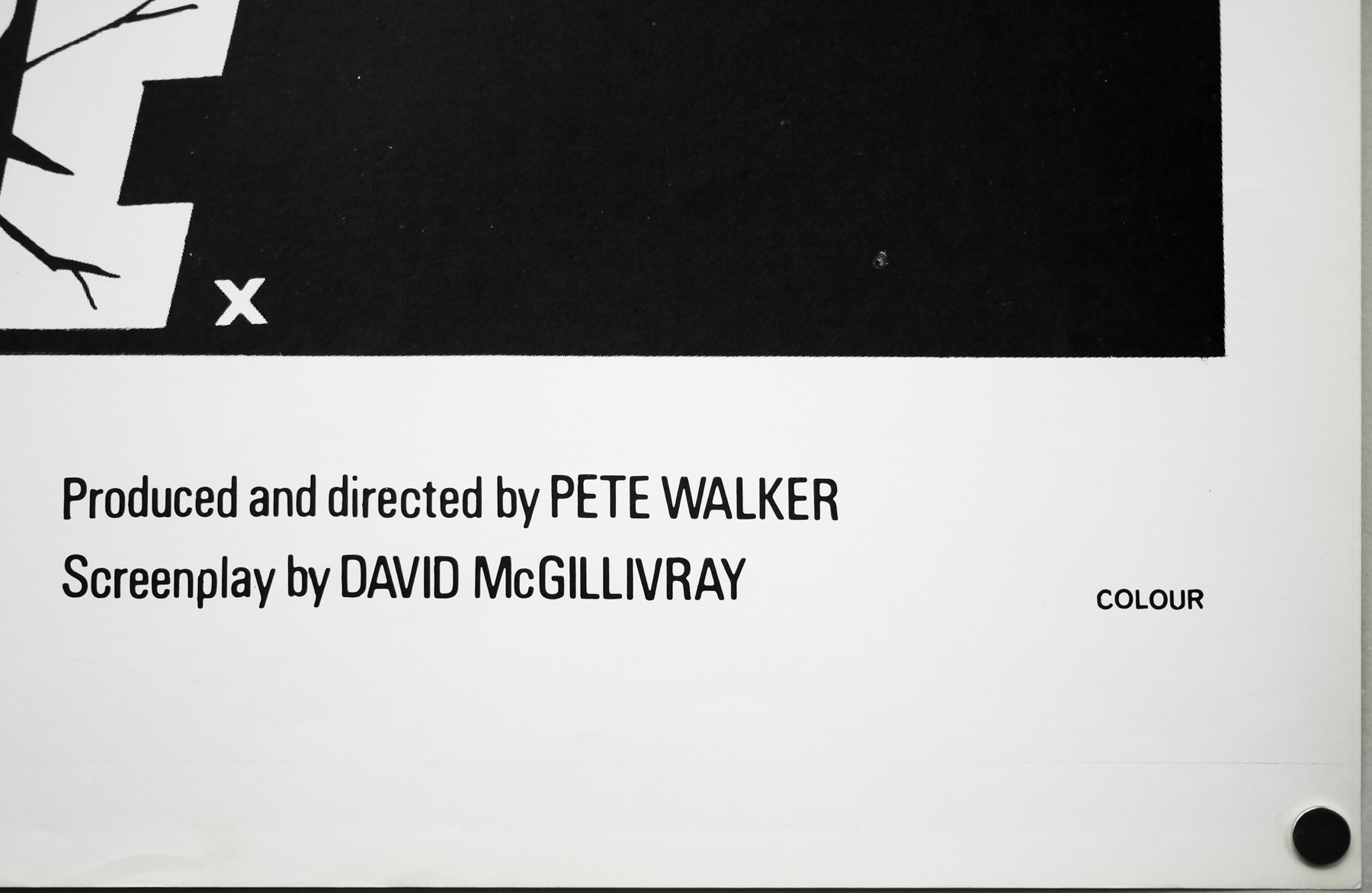
Frightmare, released in the US as Cover Up, was one of two horror films that Walker directed in 1974, with the other being the private-prison set House of Whipcord. Both films saw Walker reuniting with his regular screenwriting partner David McGillivray, and both feature memorable appearances by Sheila Keith, who would become another regular. In this film she plays Dorothy Yates, a cannibalistic killer who at the start of the film is sentenced to 15 years in prison. She is sent down along with her husband Edmund (Rupert Davies) who chose to take the punishment with her, even though he had nothing to do with the killings. The film picks up after their release and we find that their adopted daughter Jackie (Deborah Fairfax) is living in London and struggling to care for their biological daughter Debbie (Kim Butcher) a wayward 15-year-old who doesn’t realise her parents are still alive.

We follow Jackie as she leaves London to visit her parents, now living in a remote farmhouse. There she delivers a mysterious package to her mother who appears frail and innocent. Edmund fears that his wife is up to her old tricks but Jackie isn’t convinced and returns back to London. Soon we discover that Dorothy has put an advert in a magazine offering Tarot Card readings and willing customers are visiting the farmhouse. When she begins by checking that they have no close family or friends, or indeed anyone that would miss them, it’s fair to say that things aren’t looking up for her clueless customers. At the same time, Jackie struggles to control Debbie who is beginning to show signs that she has inherited her mother’s habits.

Arguably the best of Walker’s feature films, Frightmare is a masterclass in building tension and working towards a shocking final act. The film makes great use of various locations, including several in a London which looks barely recognisable today. Sheila Keith’s performance, in particular, is hugely memorable and her ability to portray frail innocence in one scene followed by genuinely disturbing menace in another has to be seen. In this Guardian article about Walker and his films, he describes his working relationship with Keith and how her on screen presence definitely didn’t match her off screen one; “Sheila Keith was a lady who lived a quiet life with her dogs and her cats and came into work to do, brilliantly, whatever was asked of her,” says Walker. “She was like your nice old aunt who would serve you cucumber sandwiches before ripping into a dismembered limb – without complaining.”
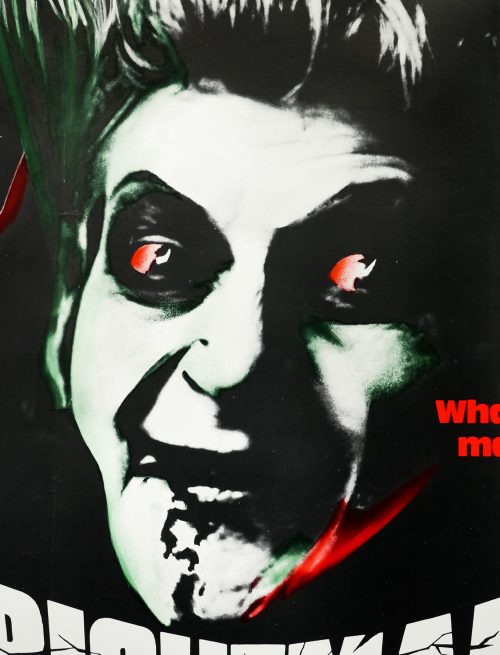
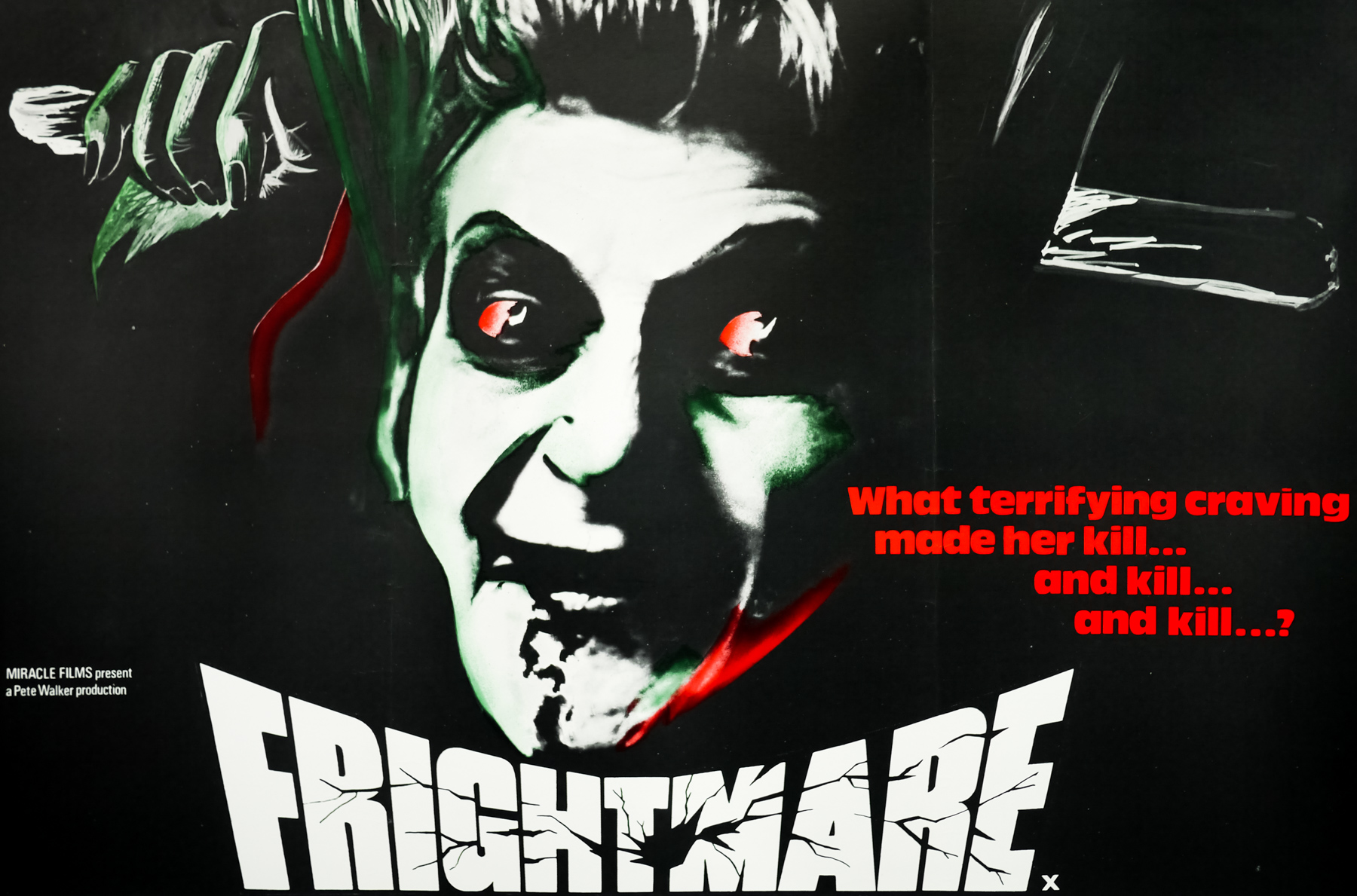
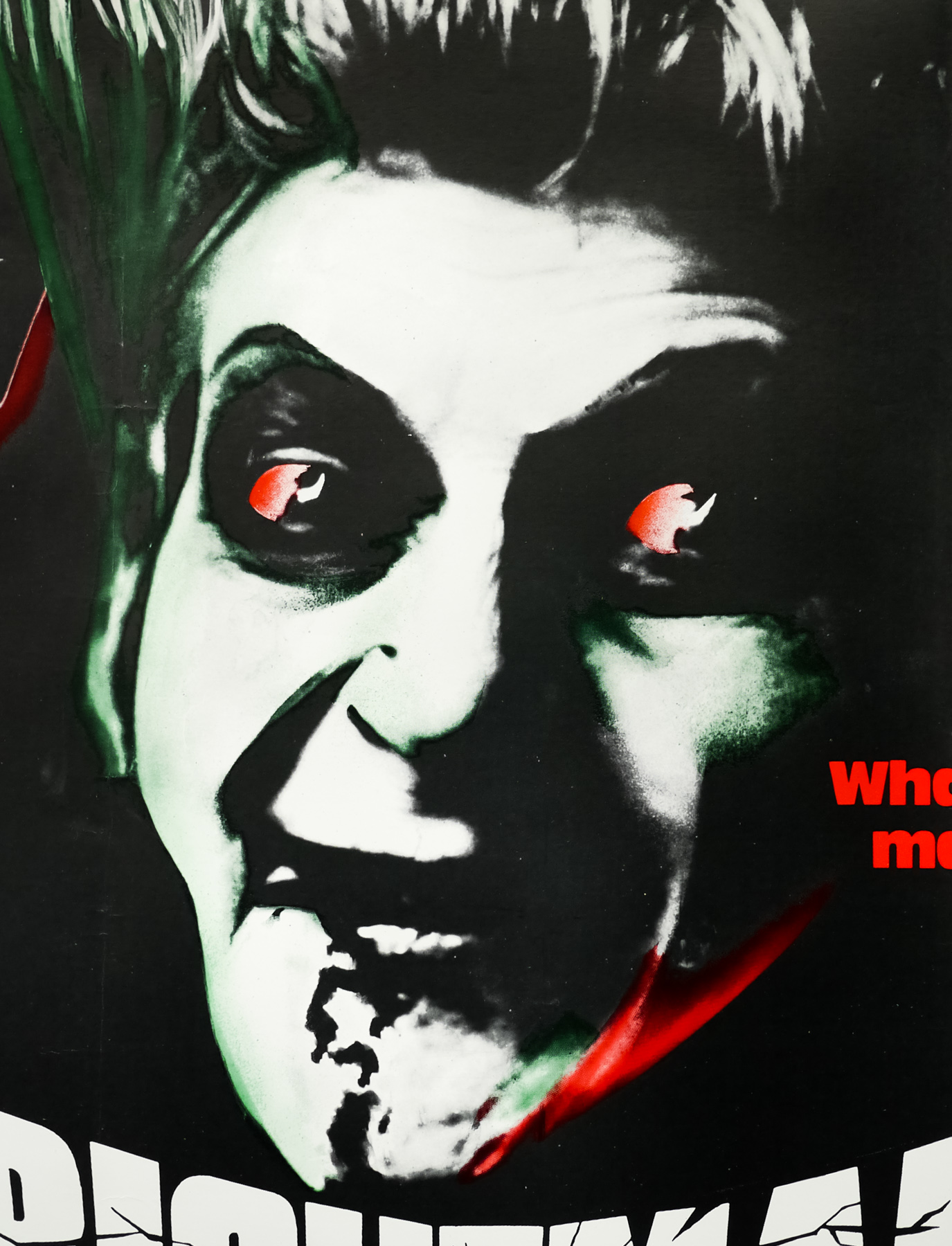
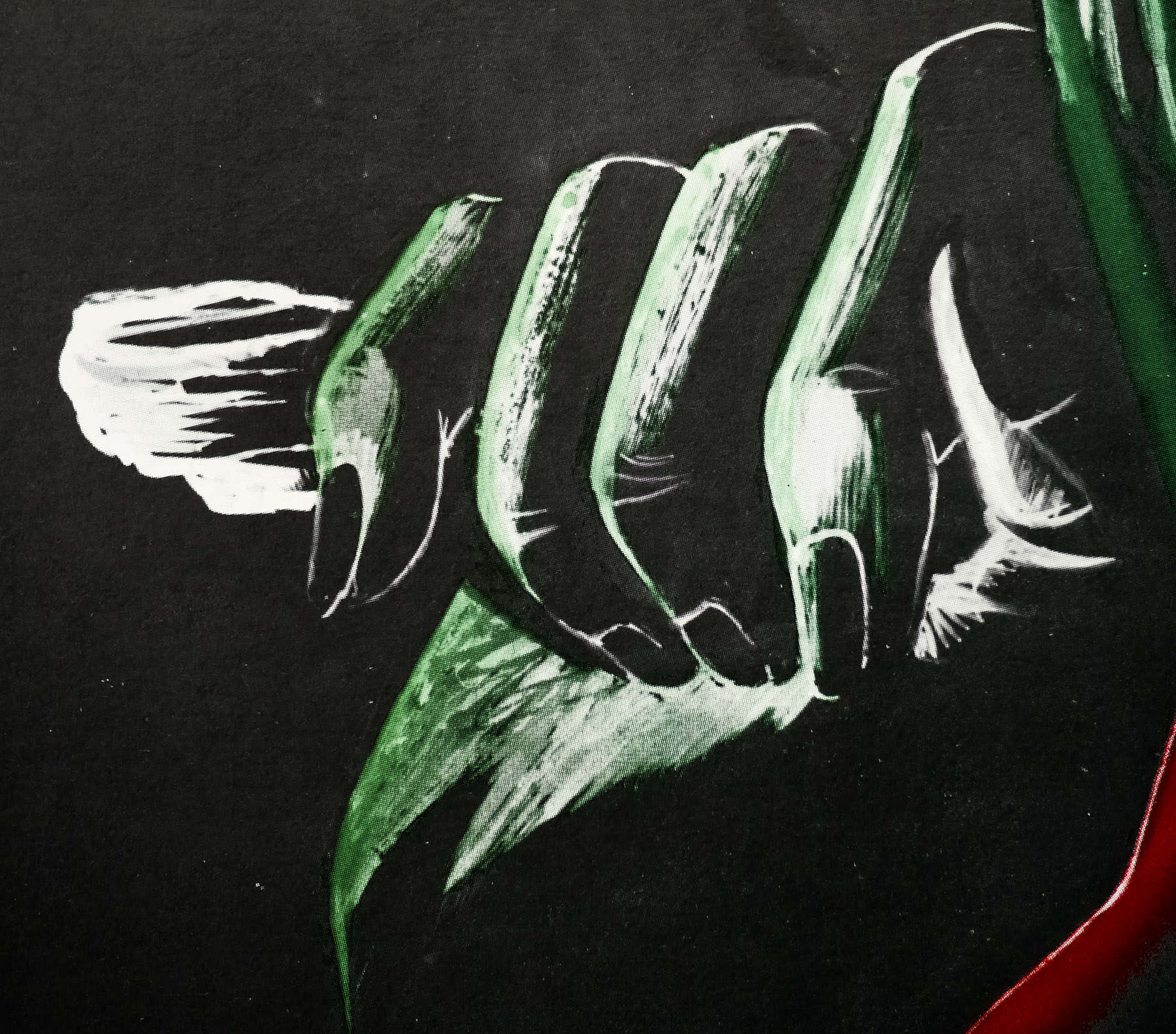
This British quad, which features crude artwork of a menacing Sheila Keith, was clearly designed by the team responsible for the quad for House of Whipcord (see here) and I feel fairly certain that the same artist or artists were involved too. If anyone knows who was responsible please get in touch.

The Sender / one sheet / USA

11.10.17

Poster Poster
Title
The Sender
AKA
--
Year of Film
1982
Director
Roger Christian
Starring
Kathryn Harrold, Zeljko Ivanek, Shirley Knight, Paul Freeman, Sean Hewitt, Harry Ditson, Olivier Pierre
Origin of Film
UK | USA
Genre(s) of Film
Kathryn Harrold, Zeljko Ivanek, Shirley Knight, Paul Freeman, Sean Hewitt, Harry Ditson, Olivier Pierre,
Type of Poster
One sheet
Style of Poster
--
Origin of Poster
USA
Year of Poster
1982
Designer
Spiros Angelikas
Artist
Spiros Angelikas
Size (inches)
27 2/16" x 41"
SS or DS
SS
NSS #
820173
Tagline
He has the power to make you live his nightmares... And he's dreaming about you. | Your dreams will never be the same.

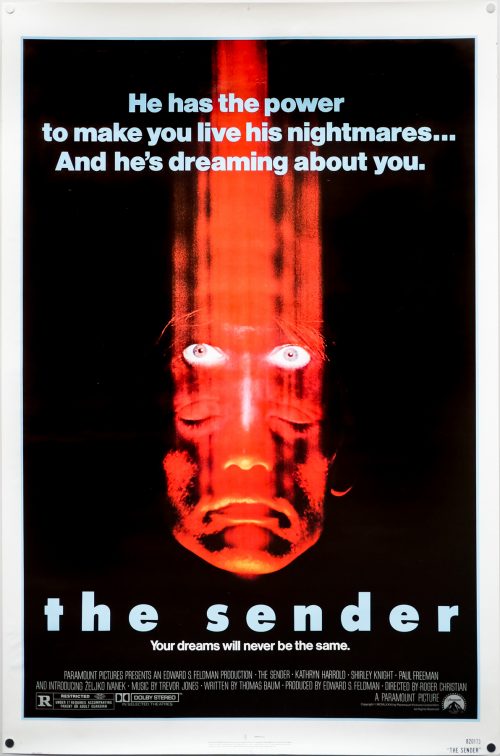
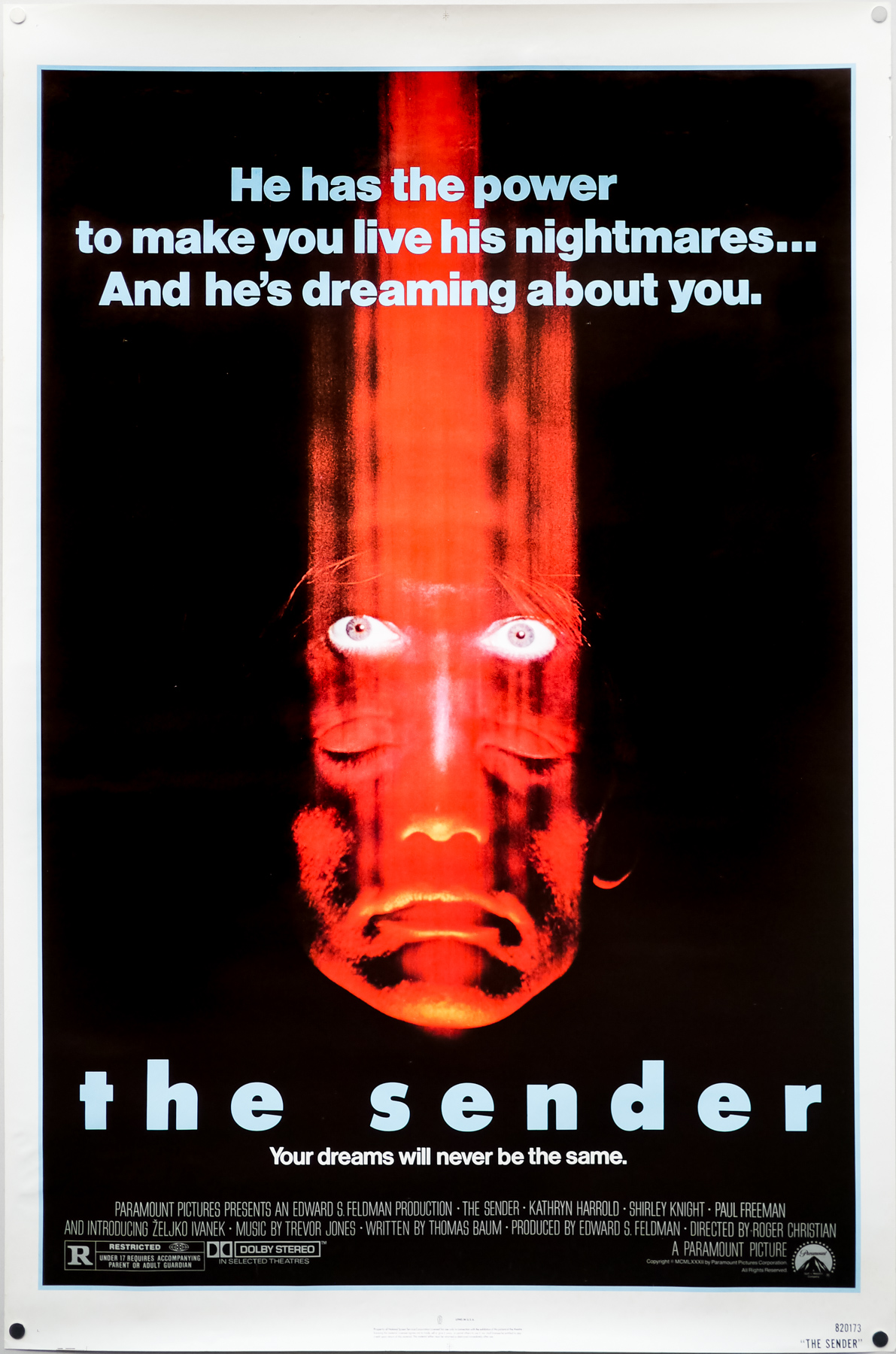
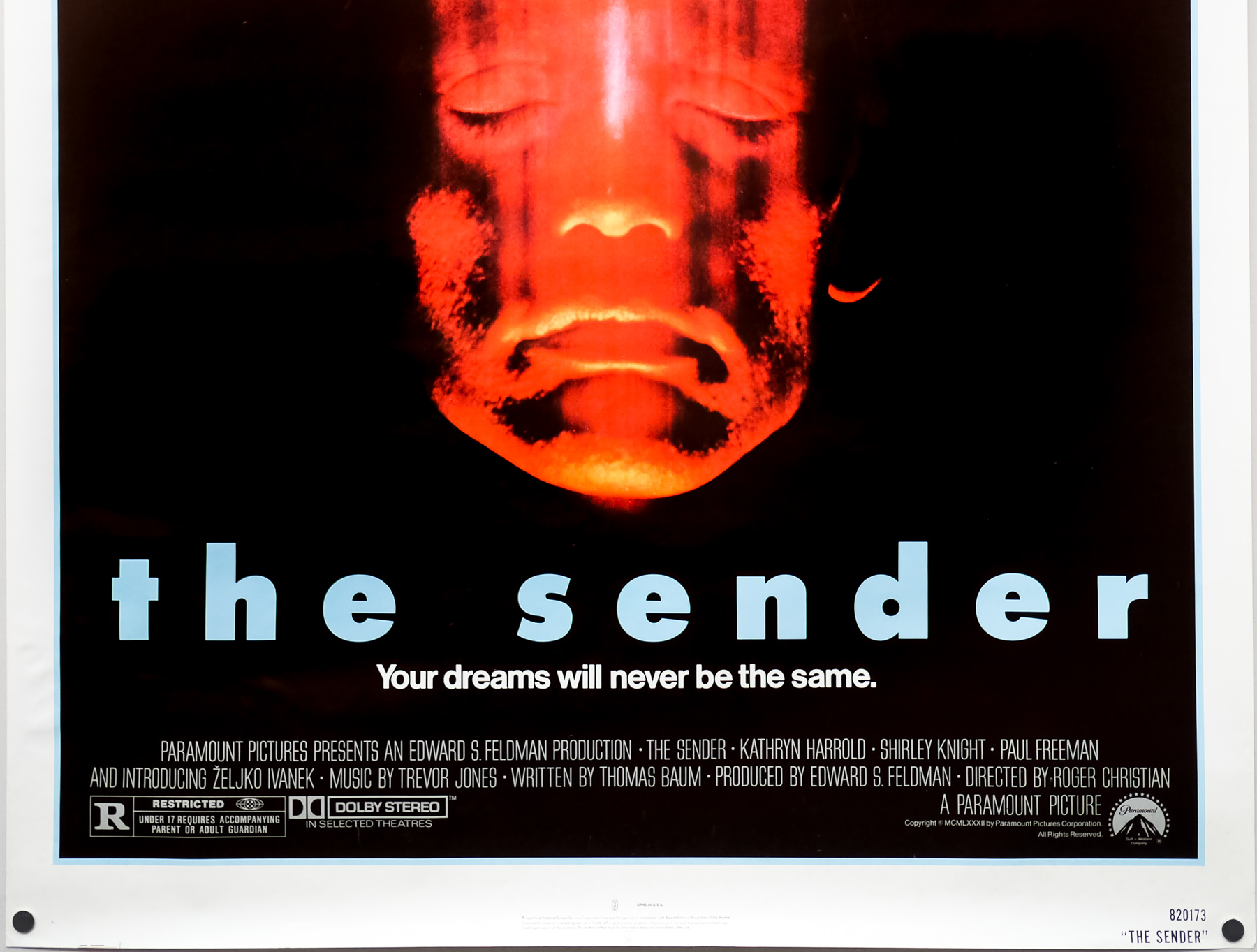
A striking design appears on this US one sheet for the release of the 1982 horror film The Sender. The film was the feature debut of Roger Christian, a British man who began his prolific career working as an assistant art decorator on productions for the likes of Hammer Studios. This eventually saw him to working as a set decorator on the UK-based sets of the first Star Wars, for which Roger would go on to win an Academy Award. He collaborated with Ridley Scott as a production designer on Alien (1979) and George Lucas again for Return of the Jedi. After completing a few shorts he helmed The Sender in 1982. His most infamous work is the ill-fated, John Travolta-starring Battlefield Earth, which is widely considered to be one of the worst films ever made.
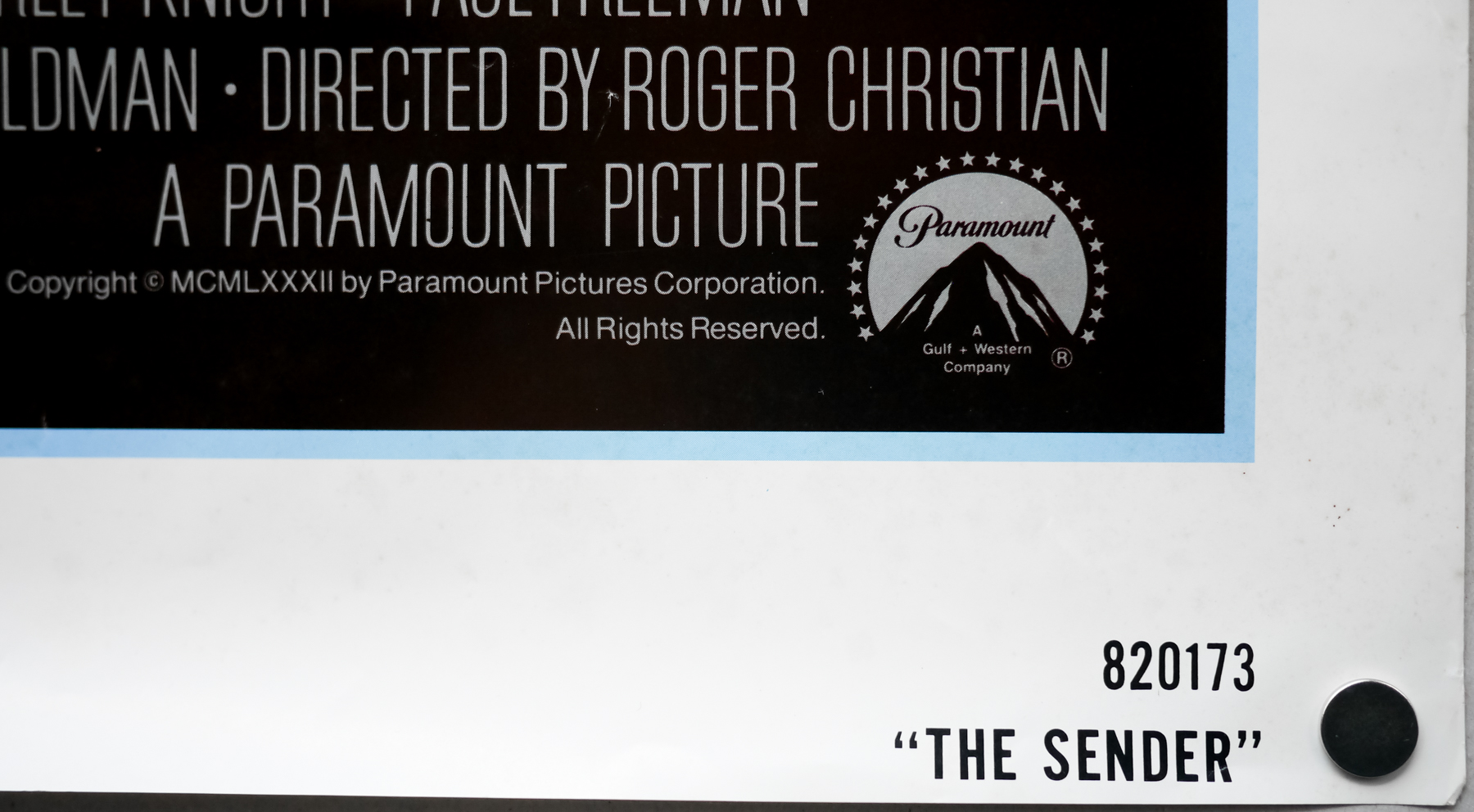
The sender was written by Thomas Baum (The Manhattan Project) and the plot is described on Wikipedia:

A young man (Zeljko Ivanek, in his motion-picture debut) is admitted to a state mental hospital after he attempts suicide at a public beach by filling the pockets of his clothes with rocks and walking into the water in hopes that he will drown. As he shows no signs of being able to remember even his own name, the doctors call him John Doe #83.

Soon after his arrival, Dr. Gail Farmer (Kathryn Harrold) is assigned to him. But before long, she begins seeing and hearing things around her that have no explanation. Soon she begins to make the terrifying connection the things she has been seeing and hearing have to her amnesiac patient.

The film was apparently given a limited release in the US by Paramount pictures in 1982, but I don’t believe it was given a theatrical release anywhere else in the world. It did subsequently appear on home video in other countries, including the UK.

The poster was designed by Spiros Angelikas who was a prolific designer and artist of film posters during the 1970s and 1980s. He owned a design agency called Spiros Associates. Some of his most famous work includes the poster he designed for Friday the 13th, with artist Alex Ebel, and for his collaborations with the legendary artist Richard Amsel. They worked on Raiders of the Lost Ark and Nijinsky together and there’s a great article on the late artist’s website about their efforts. He also worked on several of the posters for the original Star Trek films, including the gorgeous Bob Peak original. There’s an interesting article by Angelikas’ son Harry on the Trek Core website which has photographs of concepts for the posters by Spiros that never made it to the print stage.

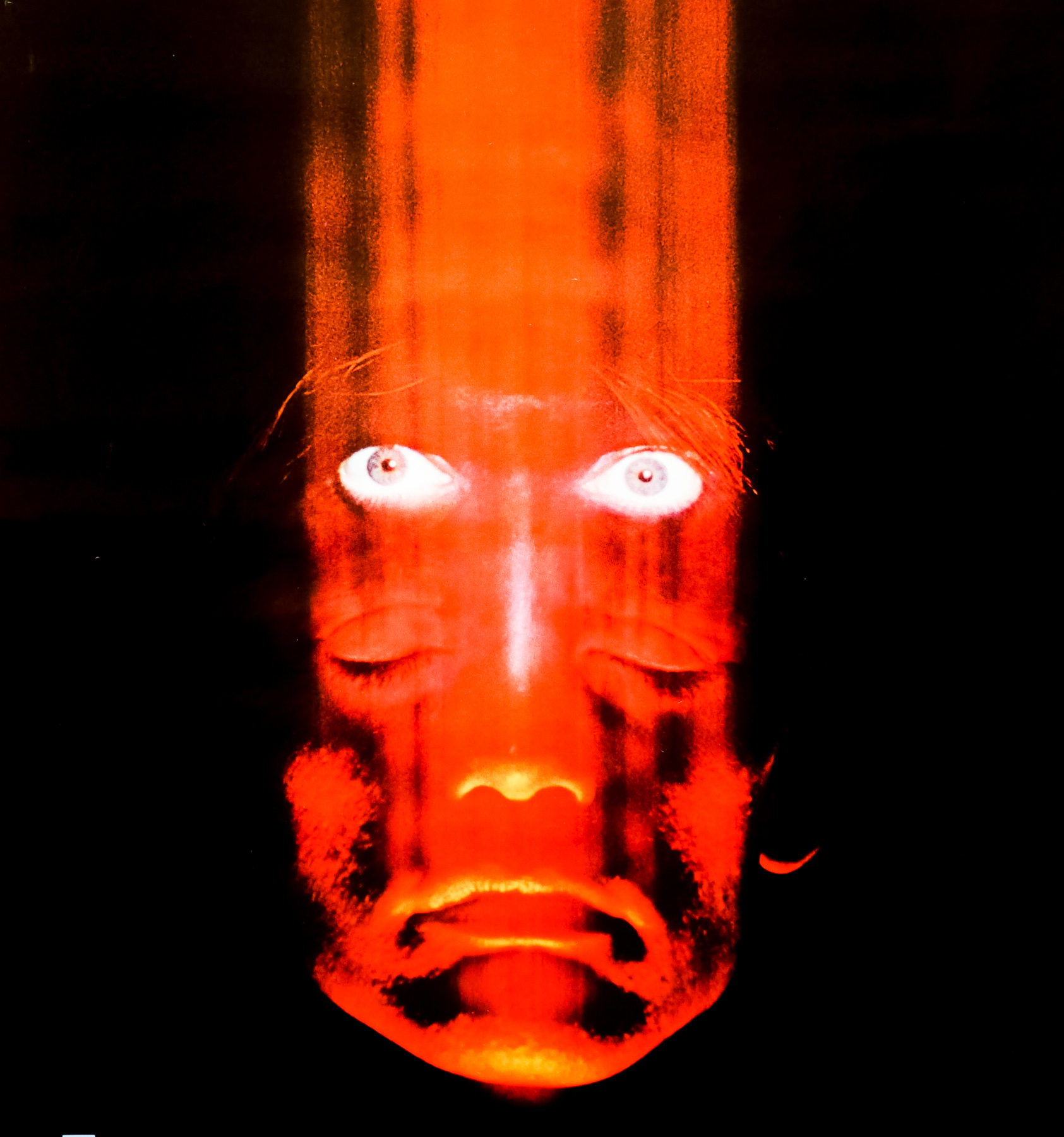
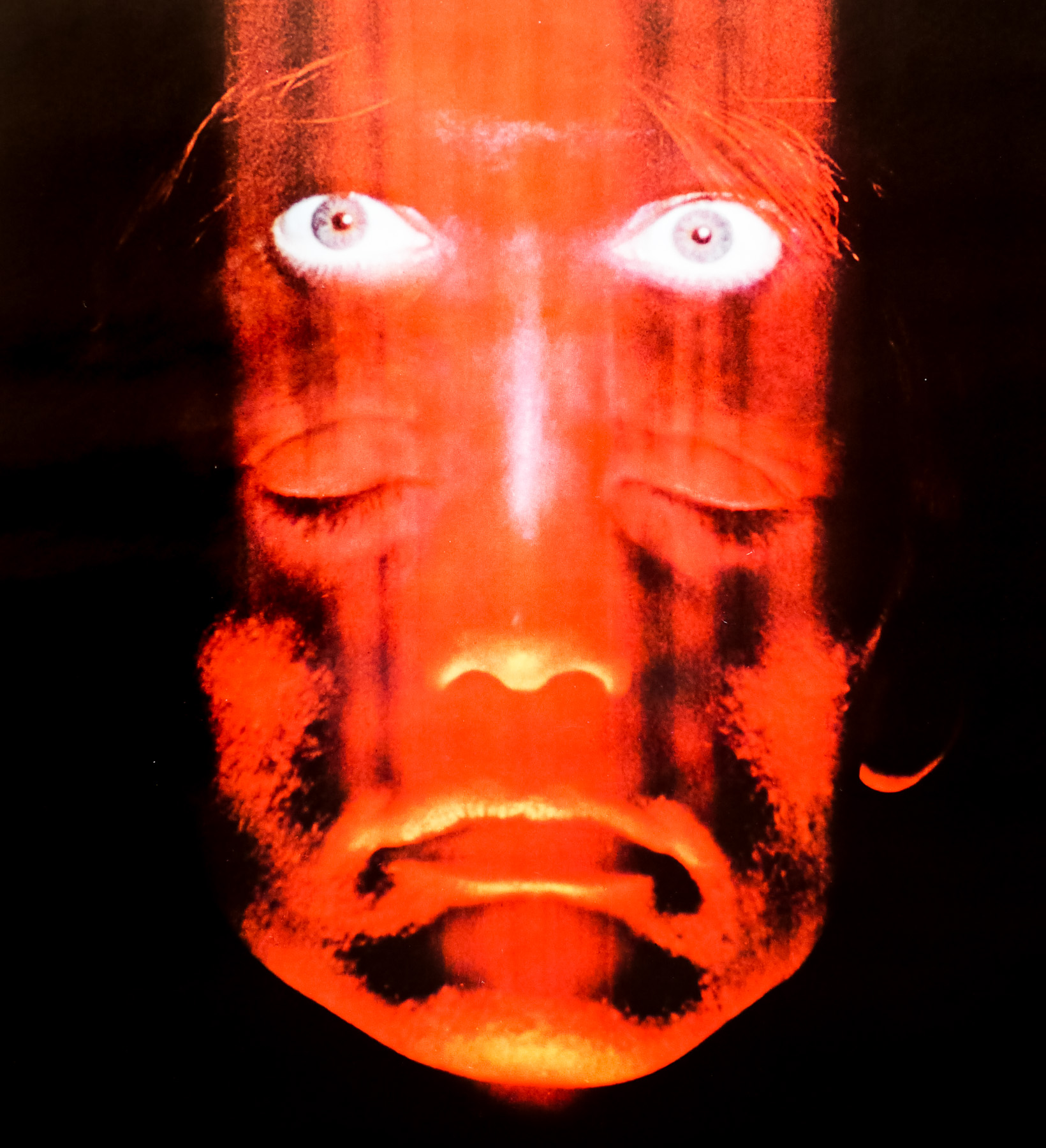
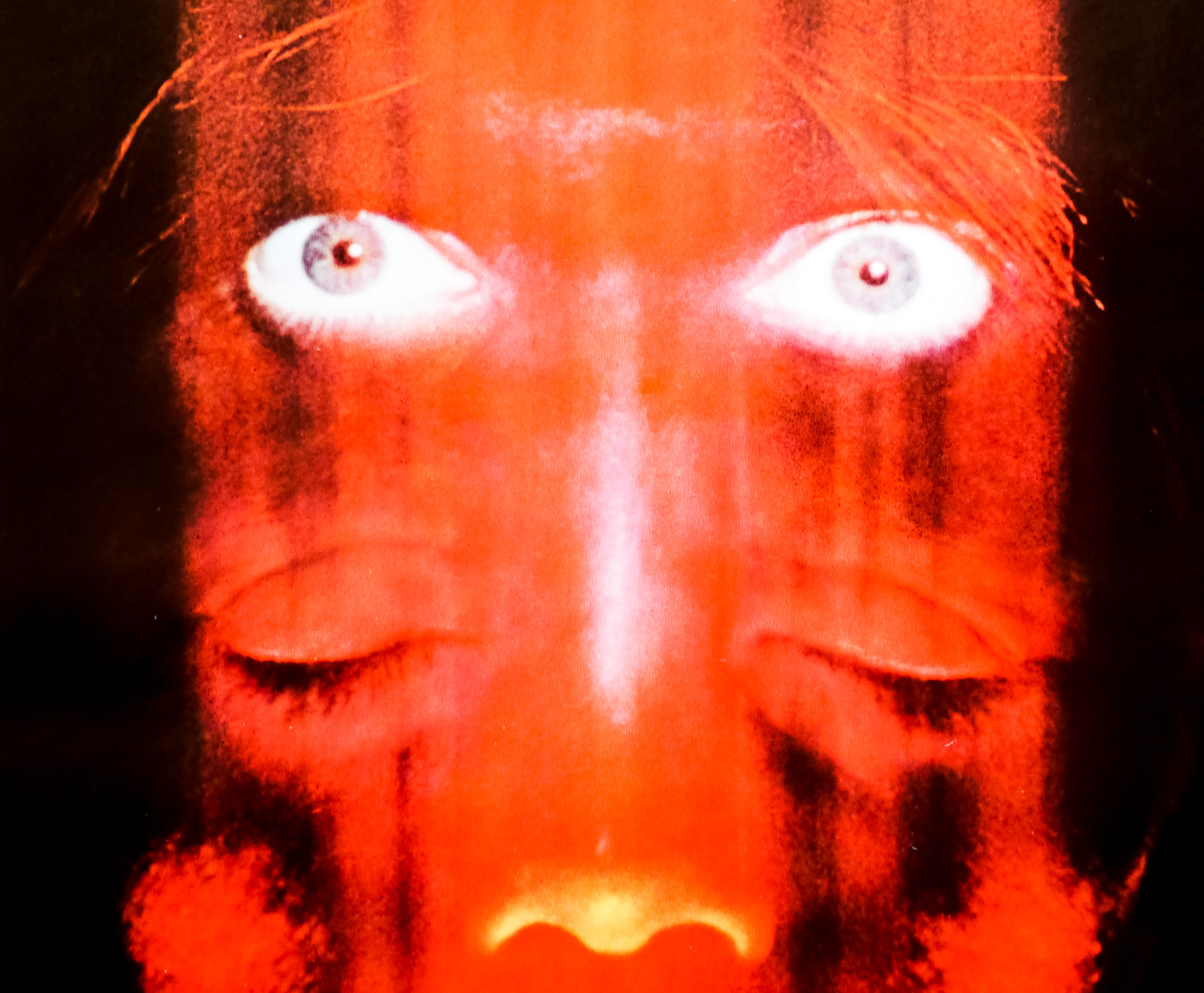
For this poster, not only did Spiros design the layout and type but he also put together the photo montage central image.

Cold Souls / one sheet / USA

02.07.14

Poster Poster
Title
Cold Souls
AKA
--
Year of Film
2009
Director
Sophie Barthes
Starring
Paul Giamatti, Dina Korzun, David Strathairn, Emily Watson, Lauren Ambrose, Katheryn Winnick
Origin of Film
USA | France
Genre(s) of Film
Paul Giamatti, Dina Korzun, David Strathairn, Emily Watson, Lauren Ambrose, Katheryn Winnick,
Type of Poster
One sheet
Style of Poster
--
Origin of Poster
USA
Year of Poster
2009
Designer
And Company
Artist
--
Size (inches)
27 1/16" x 39 11/16"
SS or DS
SS
Tagline
A soul searching comedy

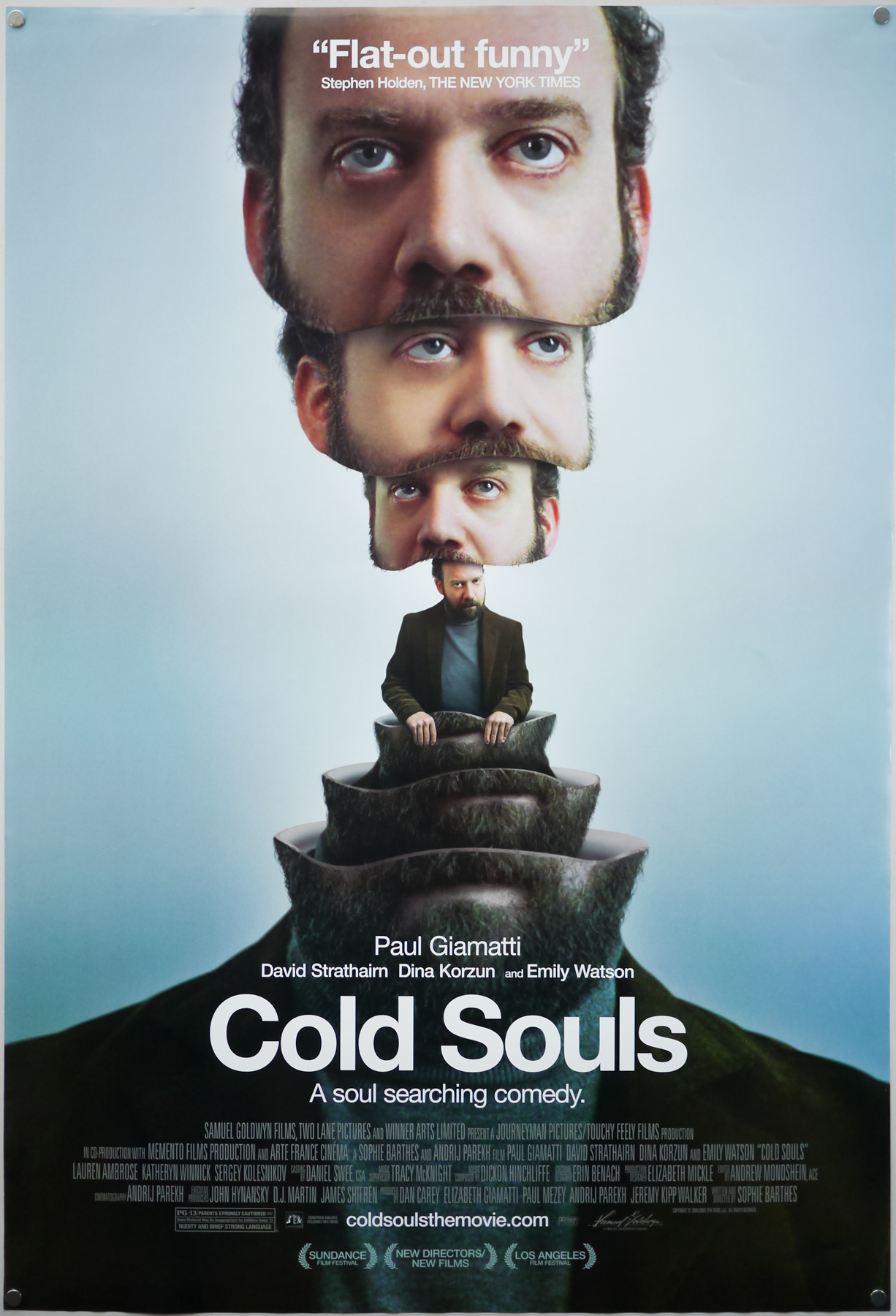
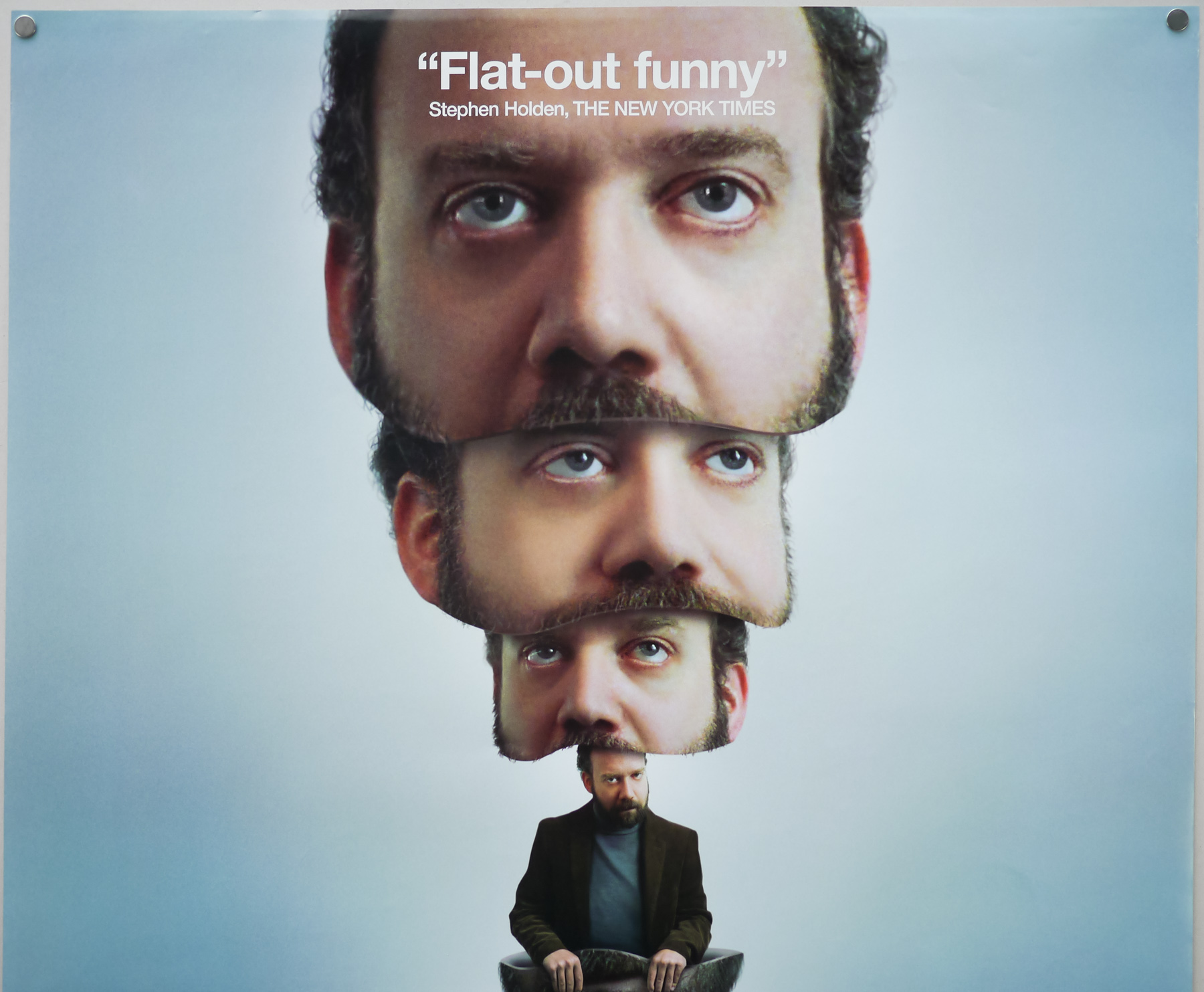
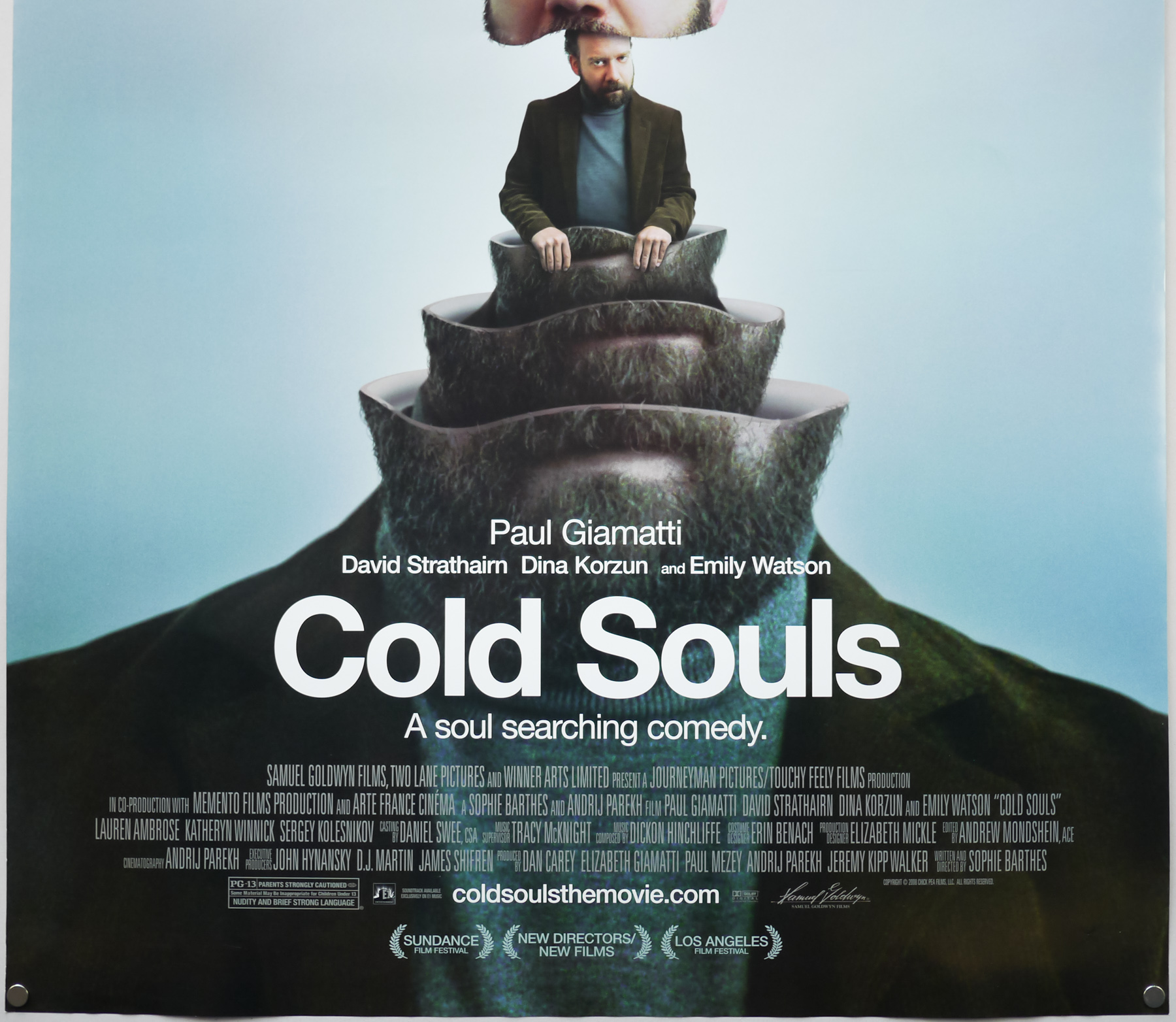
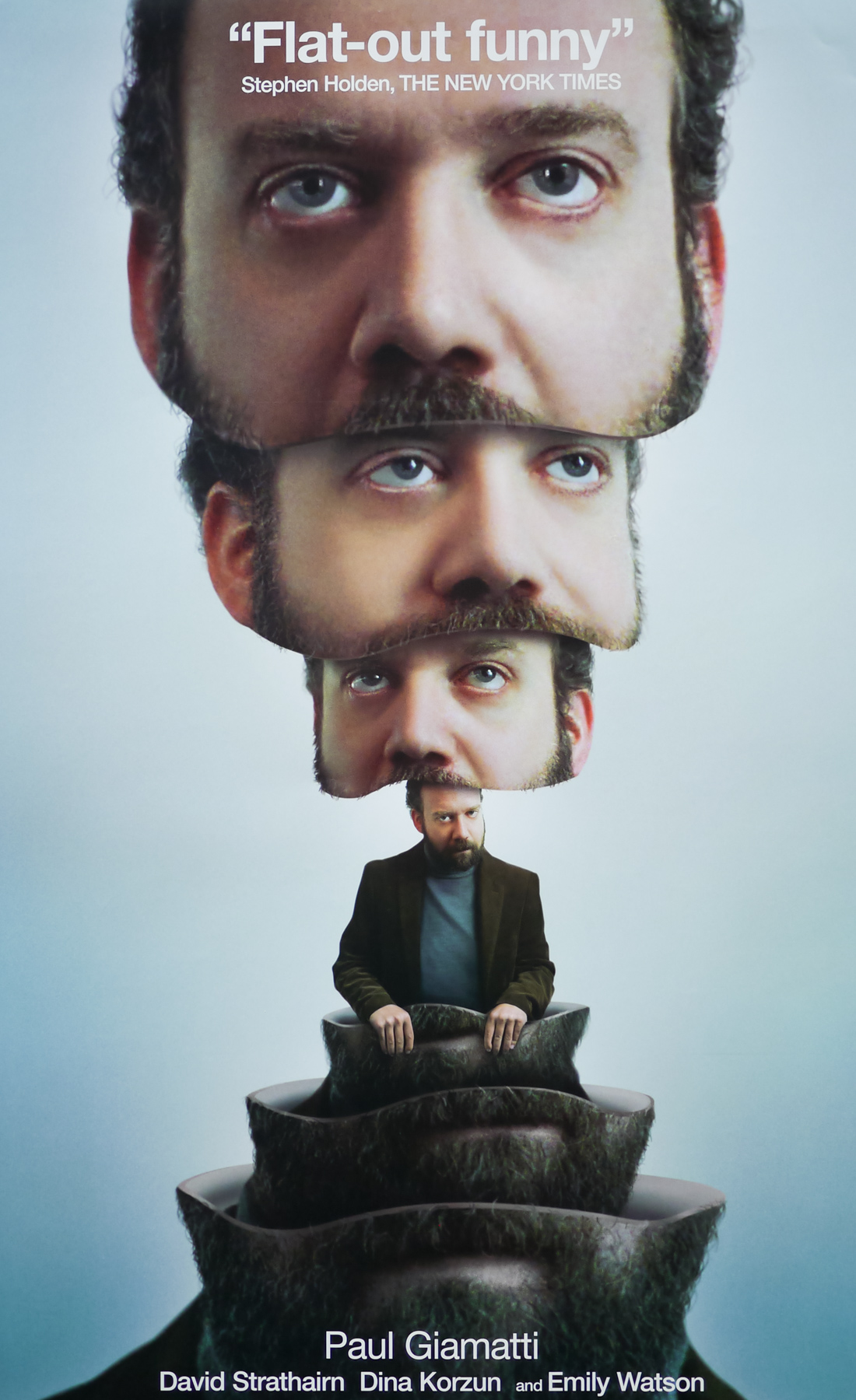
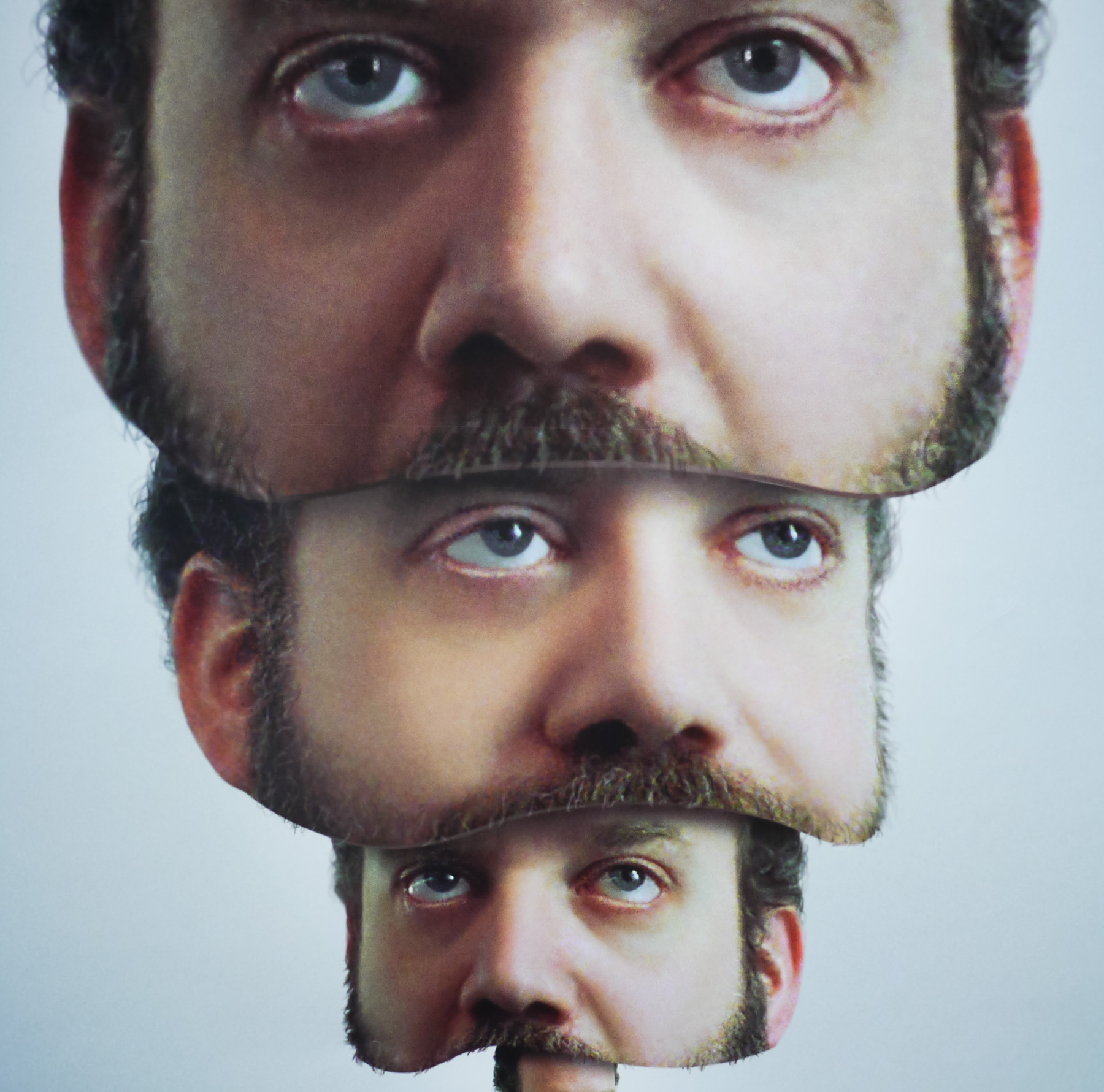
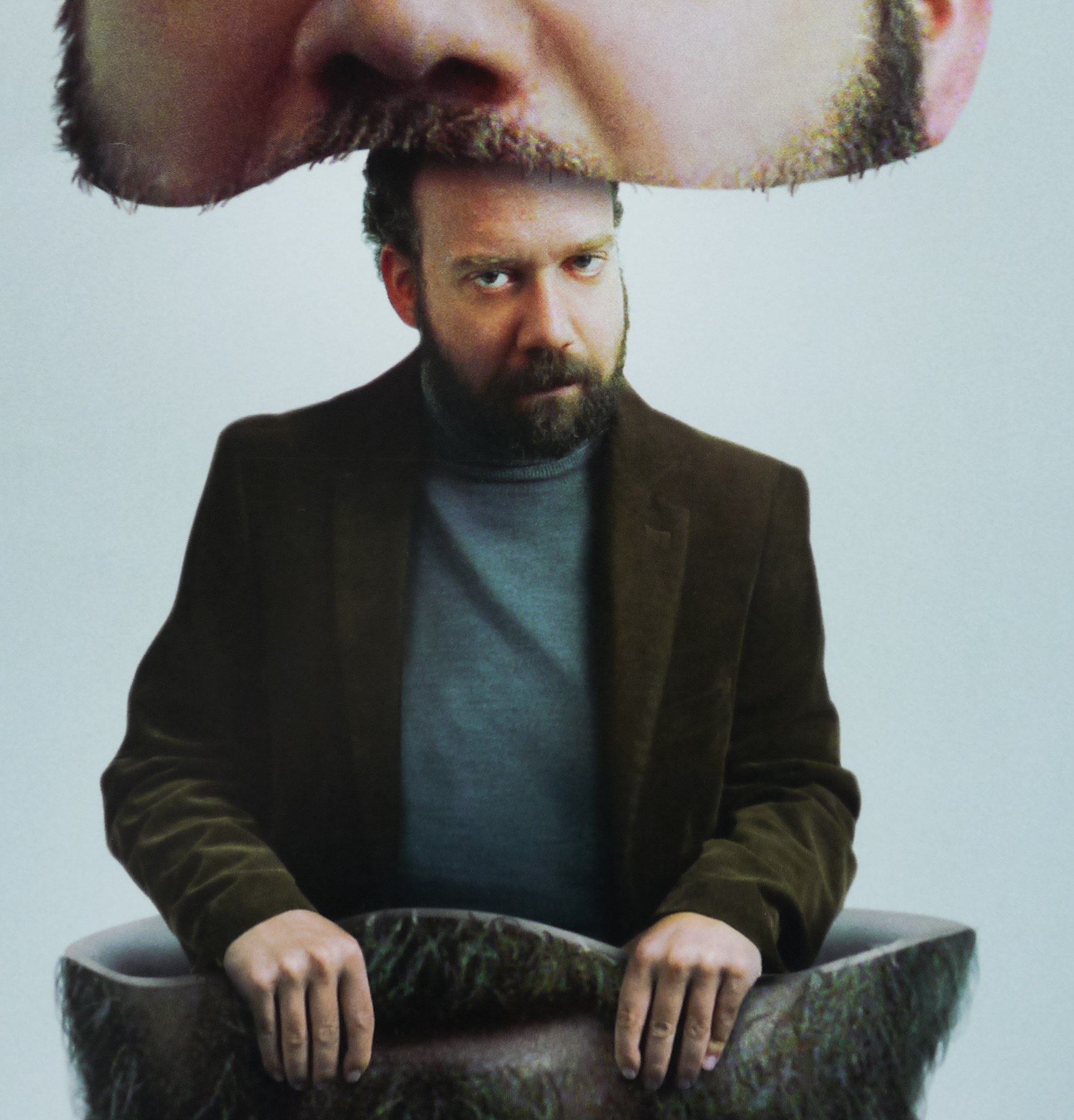
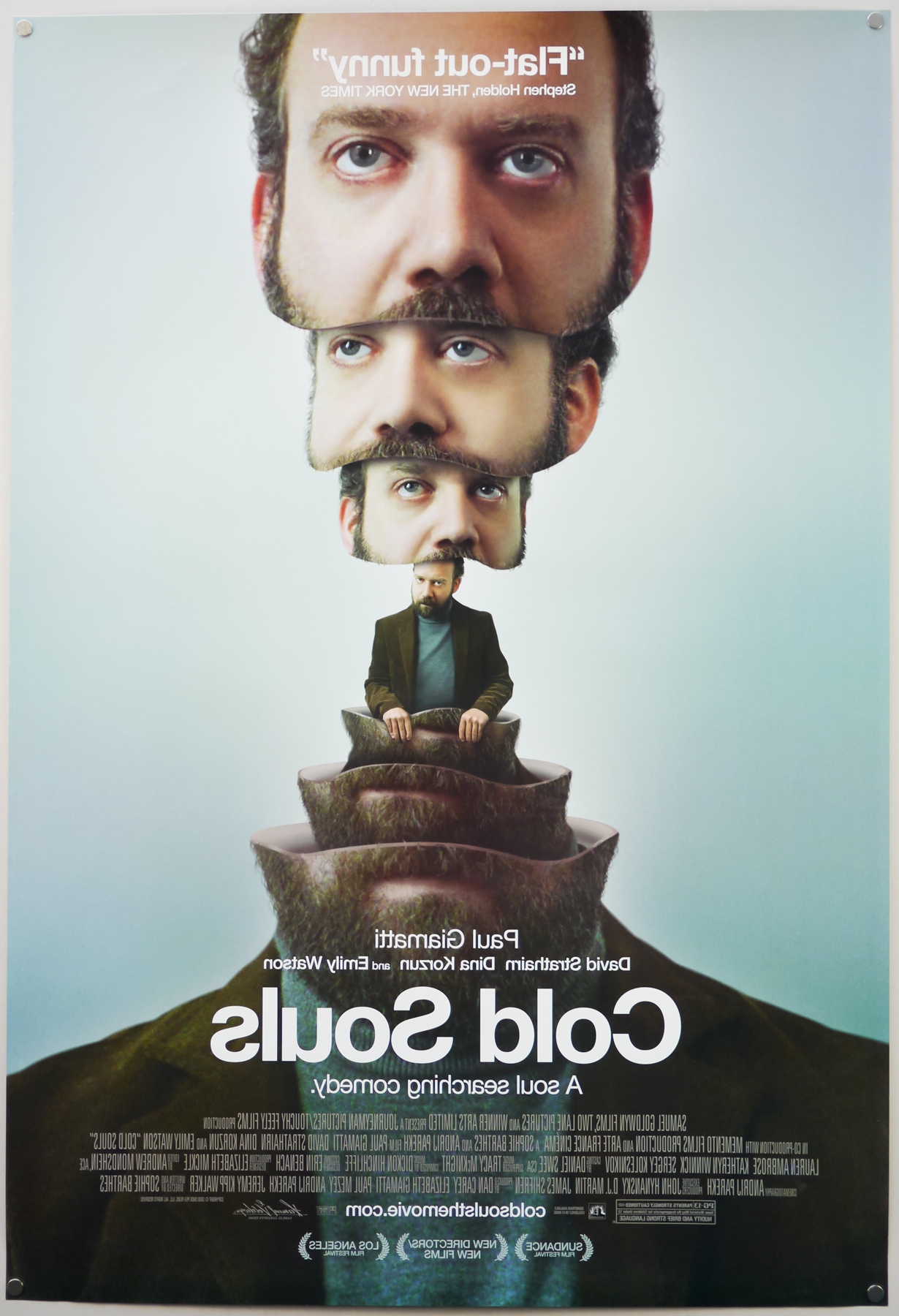
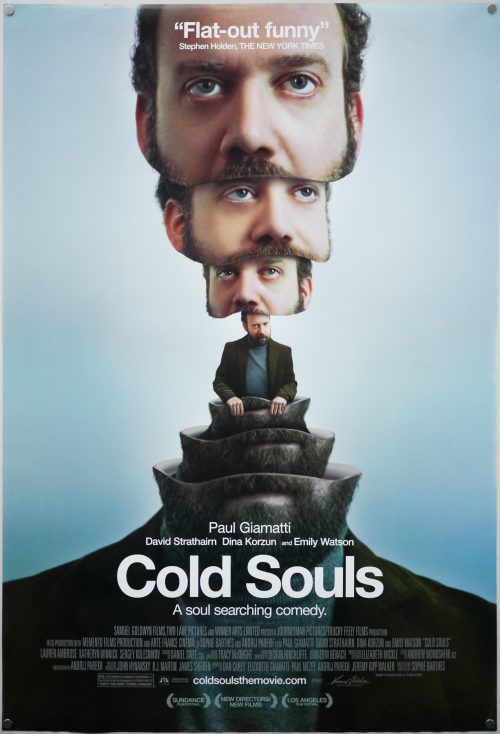
A striking design on this one sheet for the 2009 surrealist sci-fi comedy Cold Souls, in which Paul Giamatti stars as a fictionalised version of  himself. Written and directed by Sophie Barthes, the film focuses on Paul, an actor preparing to star in a stage adaptation of Chekhov’s Uncle Vanya who is suffering from profound angst. He is finding it increasingly difficult to disassociate himself from the roles he plays and is becoming overwhelmed as a result. One day he reads about a company offering to remove your soul and put it into storage, which in theory should allow you to concentrate fully on a task without all the emotional burdens and anxieties.

After meeting the doctor responsible for the procedure Paul decides to go ahead. The operation leaves him with 5% of his soul remaining and this has negative effects on both his relationship with his wife (Emily Watson) and his acting abilities. In desperation Paul agrees to have the soul of a Russian poet implanted hoping that it will help with the play, only to find the side effects of dealing with another soul overwhelming. When he decides to have his original soul returned he discovers that it’s gone missing and has been trafficked to Russia, so Paul sets out to retrieve it with the help of Nina (Dina Korzun) a ‘soul mule’.

This one sheet was designed by the Los Angeles-based And Company, which was established in 1999 and services the entertainment, automotive and food and drink industry, with branding, apps, websites and printed material. You only need to look at their IMPAwards page to see how prolific they are in terms of film and TV print campaigns. One commenter on the poster’s IMPAwards page points out that the idea of a Russian doll style image was used by the Swiss media corporation SonntagsZeitung for their ‘Insight Story’ campaign in 2008, which means that this idea is not necessarily original, but it is nonetheless still very eye-catching.

Une Partie de Plaisir / quad / UK

10.01.13

Poster Poster
Title
Une Partie de Plaisir
AKA
Pleasure Party (USA) | A Piece of Pleasure (International English title)
Year of Film
1975
Director
Claude Chabrol
Starring
Danièle Gégauff, Paul Gégauff, Clémence Gégauff, Paula Moore, Cécile Vassort, Giancarlo Sisti, Mario Santini, Michel Valette, Pierre Santini
Origin of Film
Italy | France
Genre(s) of Film
Danièle Gégauff, Paul Gégauff, Clémence Gégauff, Paula Moore, Cécile Vassort, Giancarlo Sisti, Mario Santini, Michel Valette, Pierre Santini,
Type of Poster
Quad
Style of Poster
--
Origin of Poster
UK
Year of Poster
1977
Designer
Unknown
Artist
Unknown
Size (inches)
29 9/16" x 40 1/16"
SS or DS
SS
Tagline
A frighteningly real experience yet very much a Chabrol film

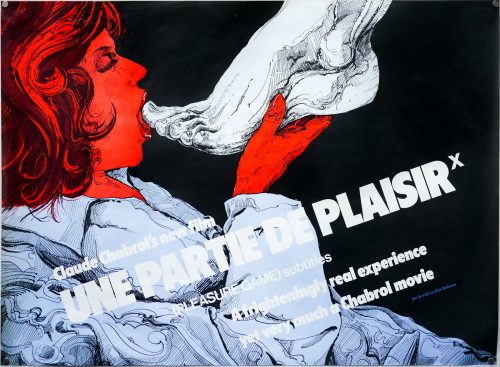
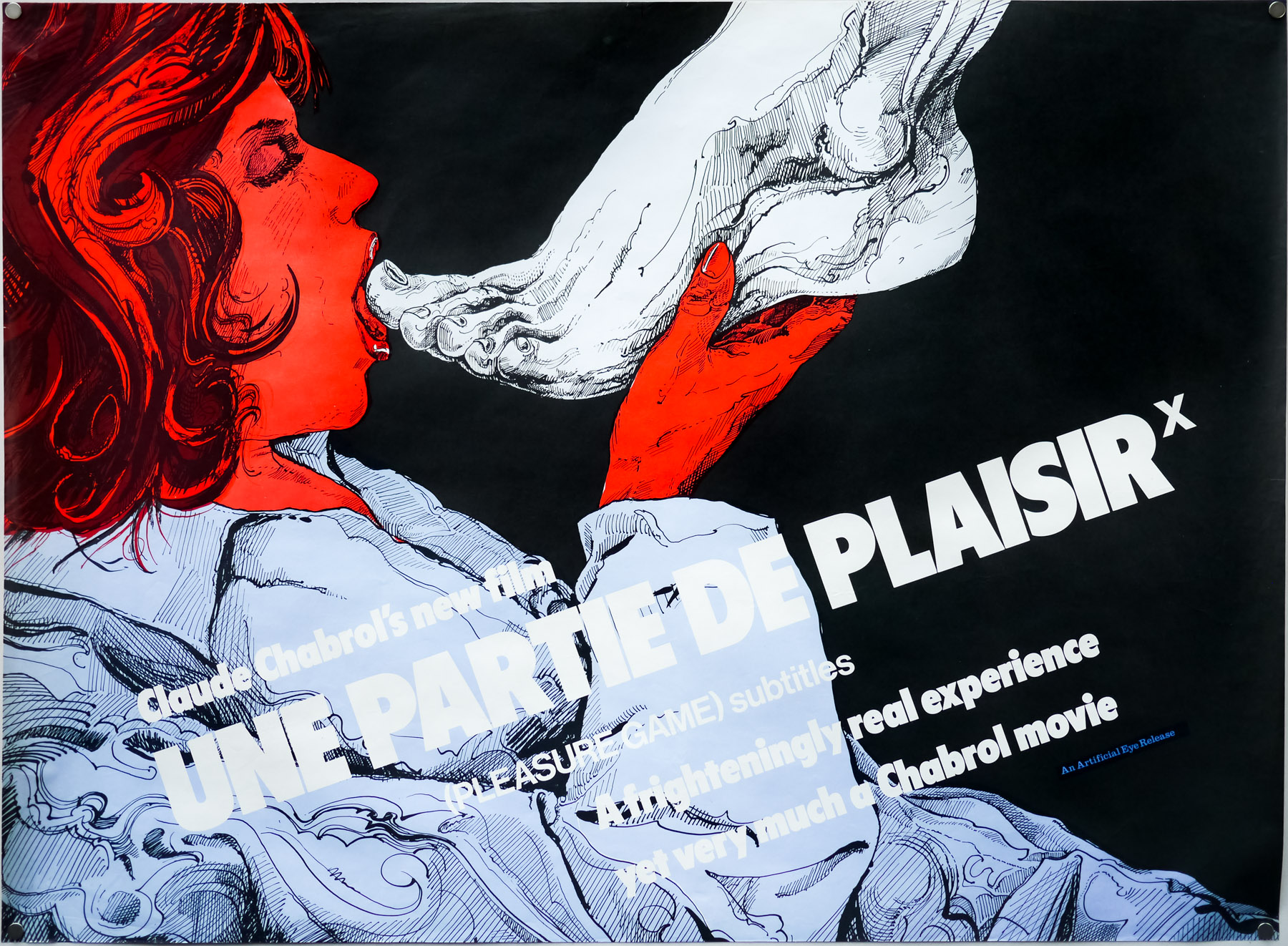
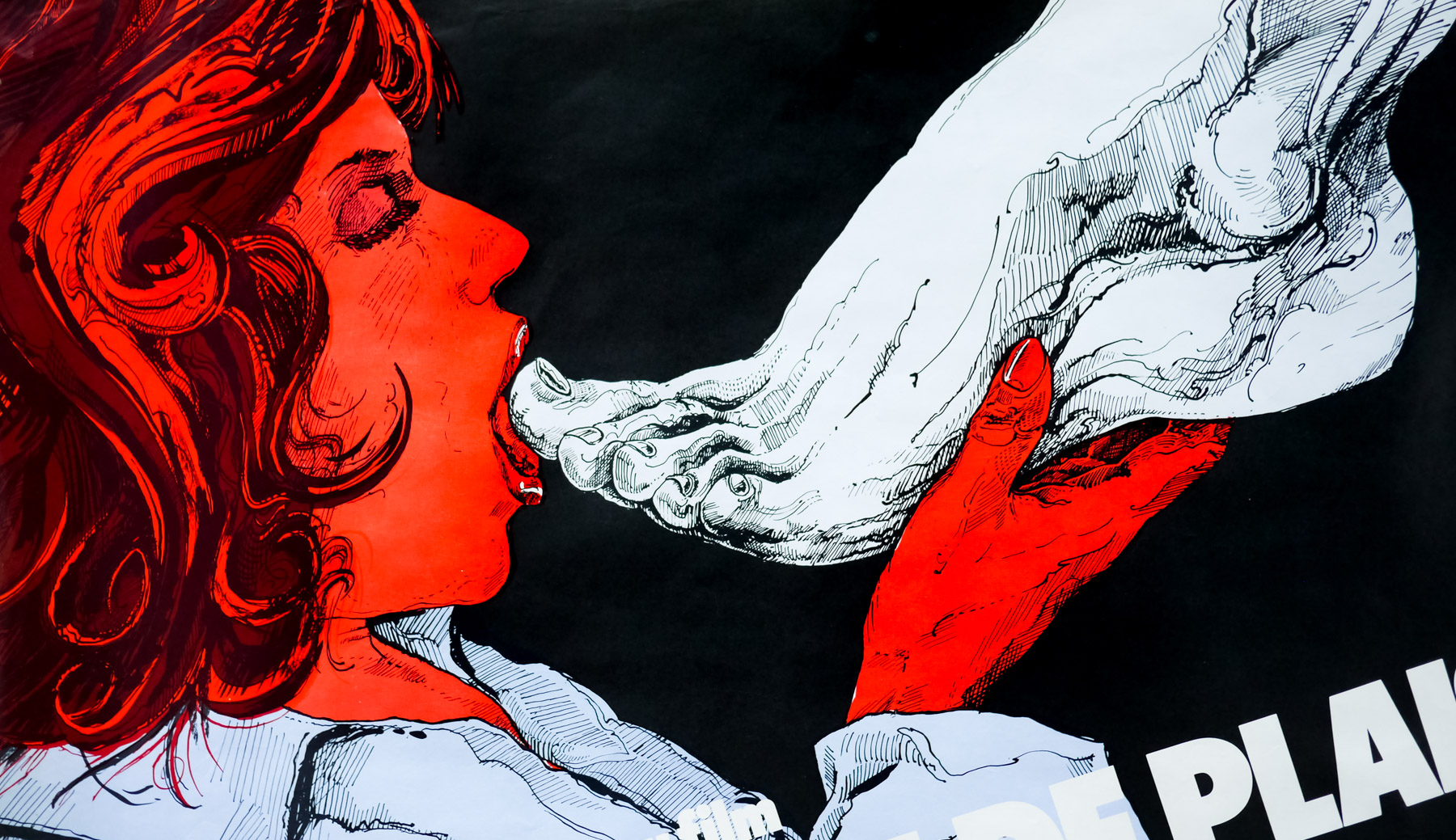
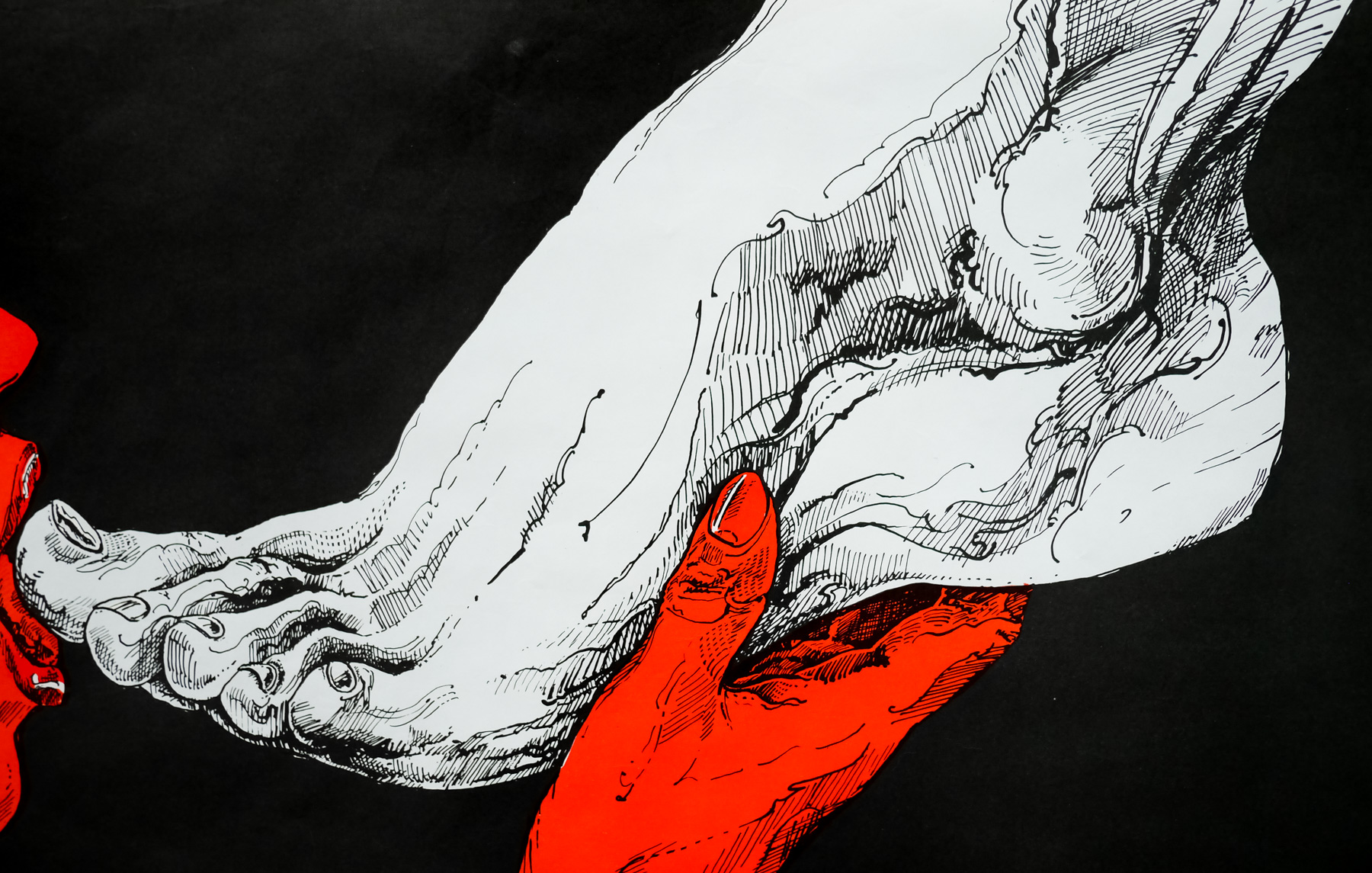
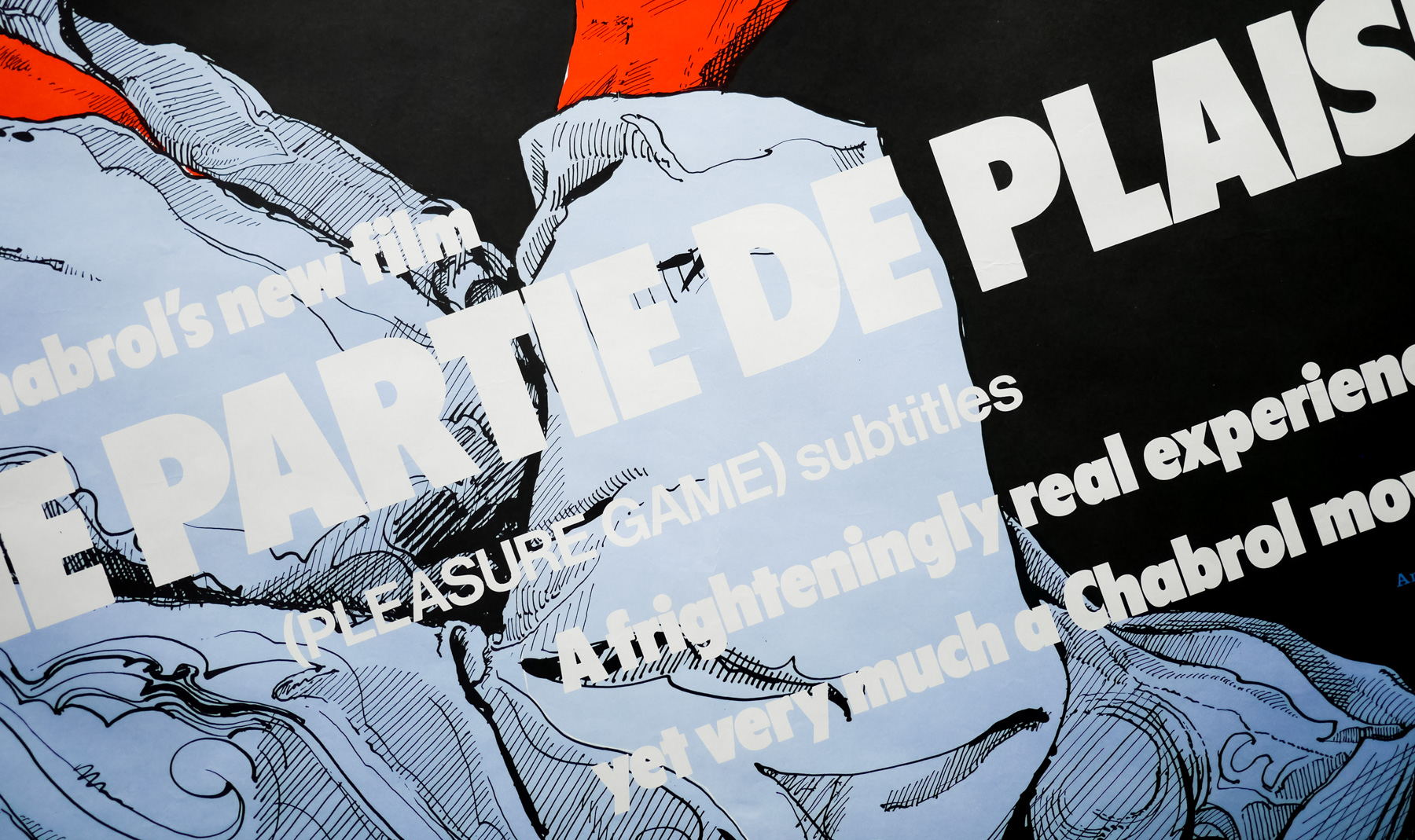
A wild design on this British quad for the 1977 release of Une Partie de Plaisir, from the late French director Claude Chabrol. The film follows middle-class couple Philipe (played by screenwriter Paul Gégauff) and Esther (his wife at the time Danièle Gégauff) whose apparently idyllic life is interrupted when they decide to add excitement to their lives by sleeping with other people and then describe the events to each other. Things turn tragic after Philipe is engulfed in jealousy. Life imitated art in 1983 when Paul Gégauff was tragically stabbed to death by his second wife on Christmas Eve, 1983. Chabrol and Gégauff had worked together on 14 films before his death.

Claude Chabrol was a critic for the influential French magazine Cahiers du cinéma before turning his hand to directing with Le Beau Serge (1958) a celebrated entry into what became known as the French New Wave (nouvelle vague) of experimental filmmaking. Chabrol was by far the most prolific director among his colleagues and contemporaries that included Jean-Luc GodardFrançois Truffaut and Éric Rohmer. He was known for his thrillers and some of his more critically acclaimed films include Les Biches (1968), Les Noches Rouges (1973) and Violette Nozière (1978). Chabrol passed away aged 80 in 2010 and the Guardian newspaper published an excellent obituary.

The film was released in the UK in 1977 by the distributor Artificial Eye which is known for specialising in foreign language and art-house films. The company was formed in 1976 so it’s likely that this film would have been one of their first cinematic releases.

I’m unsure who is responsible for the artwork on this poster so if you have any ideas please get in touch.

Where the Green Ants Dream / quad / UK

12.09.16

Poster Poster
Title
Where the Green Ants Dream
AKA
Wo die grünen Ameisen träumen (Germany - original title)
Year of Film
1984
Director
Werner Herzog
Starring
Bruce Spence, Wandjuk Marika, Roy Marika, Ray Barrett, Norman Kaye, Ralph Cotterill, Nick Lathouris, Basil Clarke, Ray Marshall
Origin of Film
West Germany | Australia
Genre(s) of Film
Bruce Spence, Wandjuk Marika, Roy Marika, Ray Barrett, Norman Kaye, Ralph Cotterill, Nick Lathouris, Basil Clarke, Ray Marshall,
Type of Poster
Quad
Style of Poster
--
Origin of Poster
UK
Year of Poster
1984
Designer
Paul Derrick
Artist
--
Size (inches)
30 4/16" x 40 2/16"
SS or DS
SS
Tagline
--

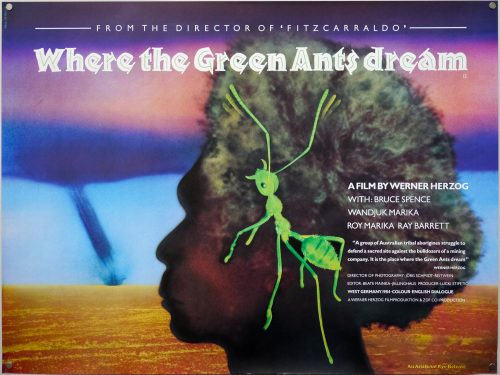
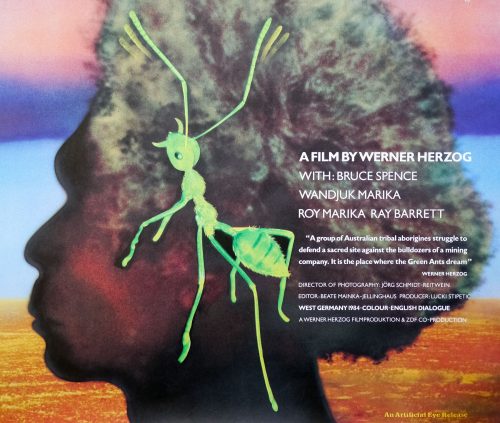
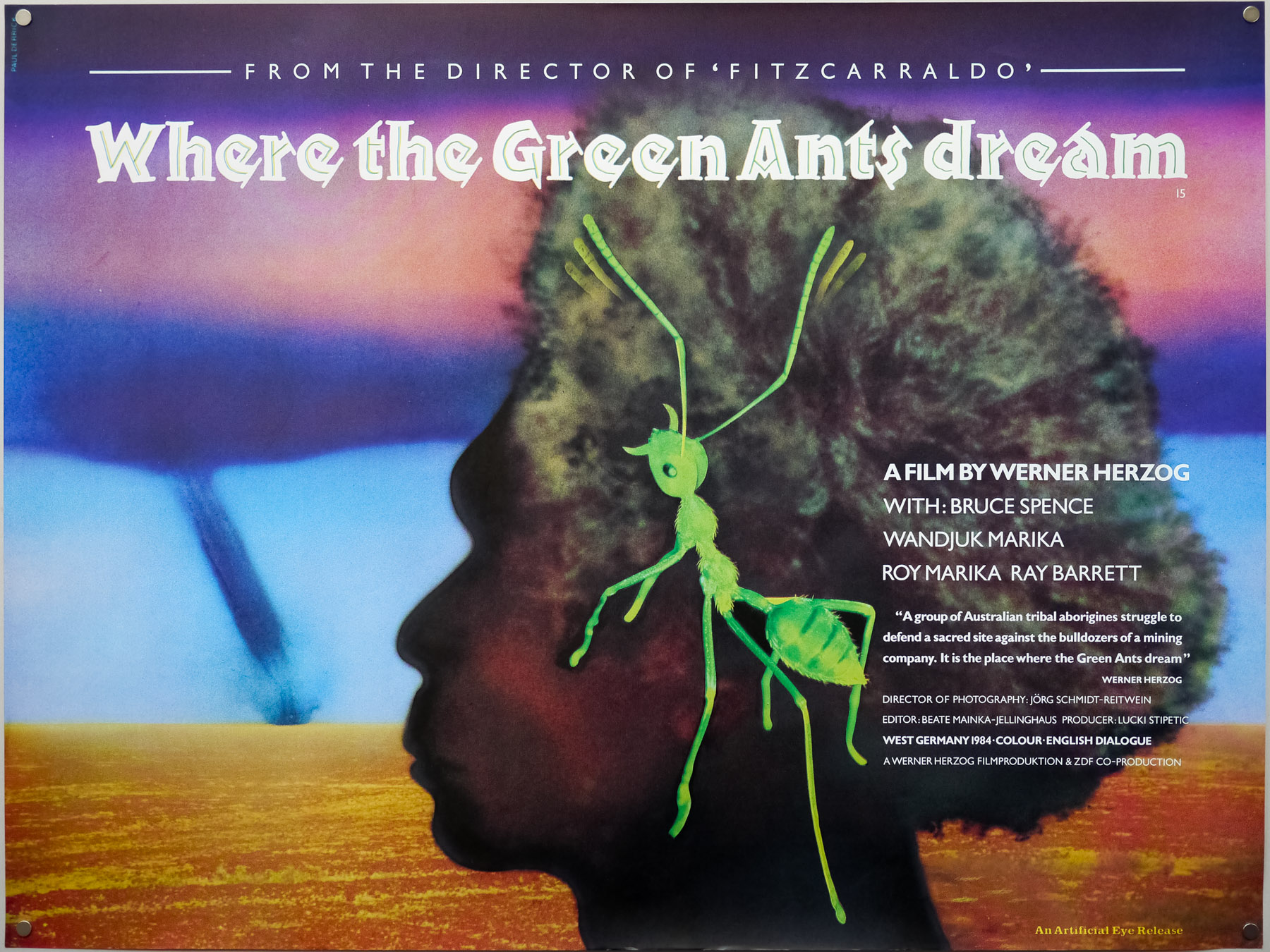
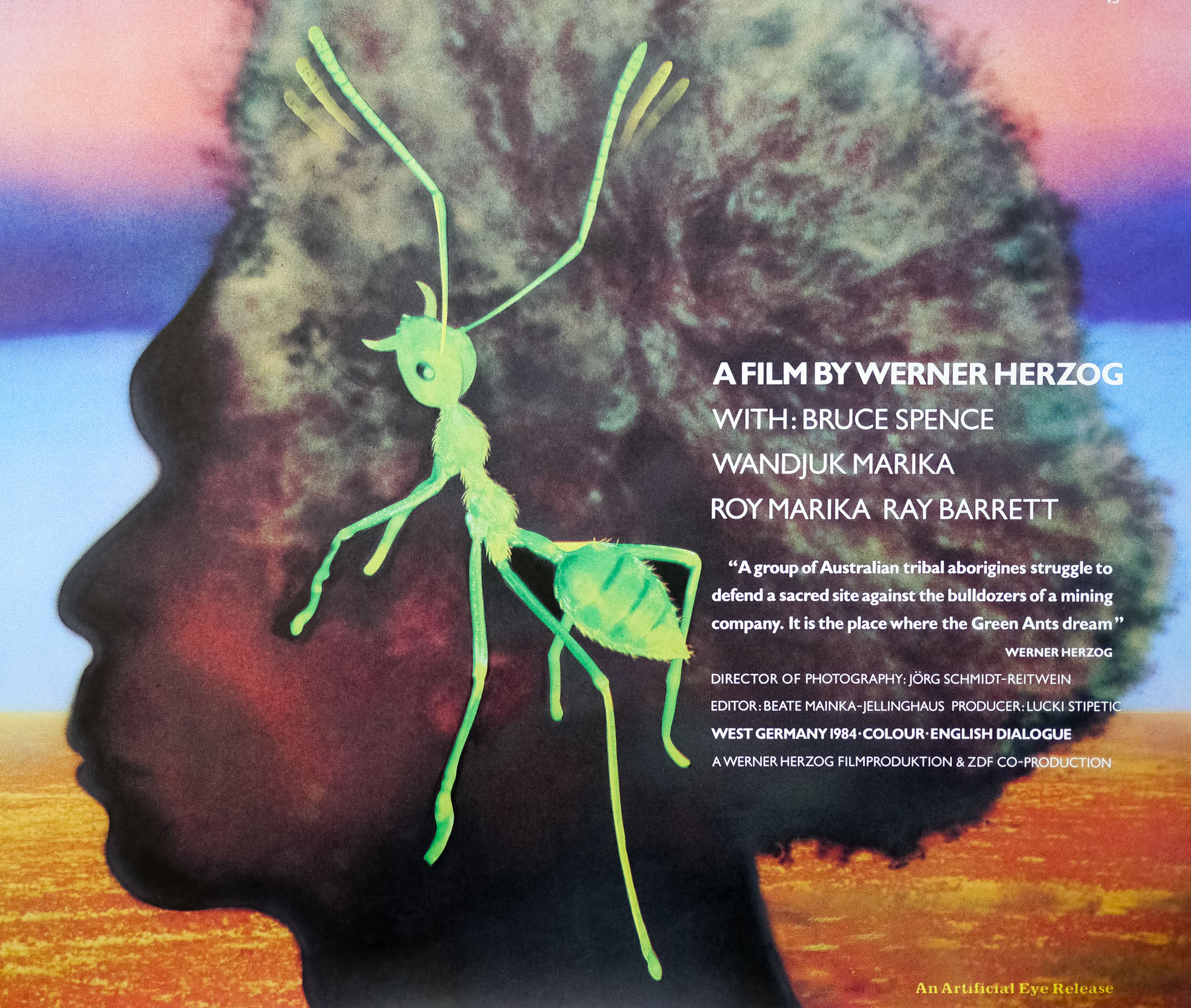
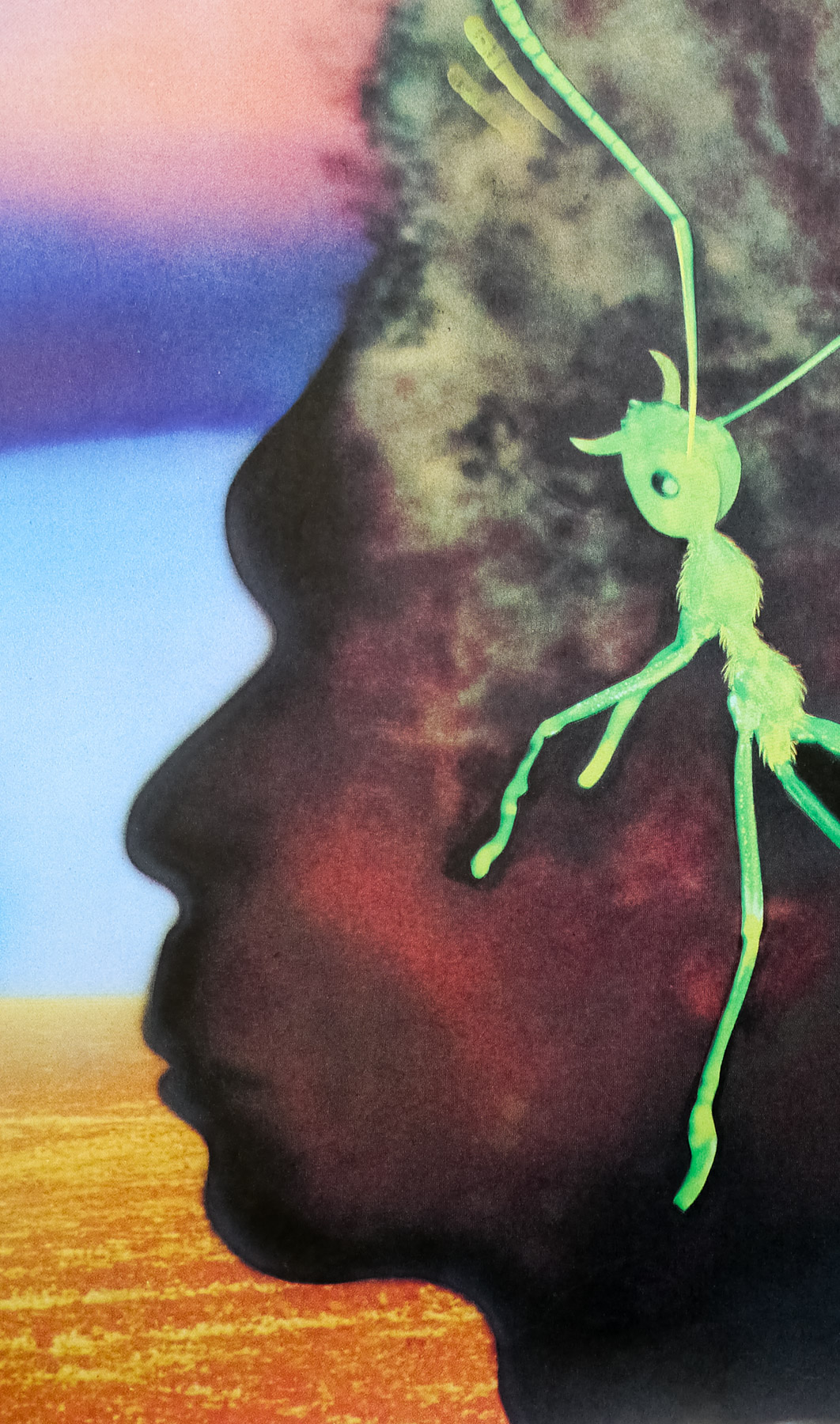
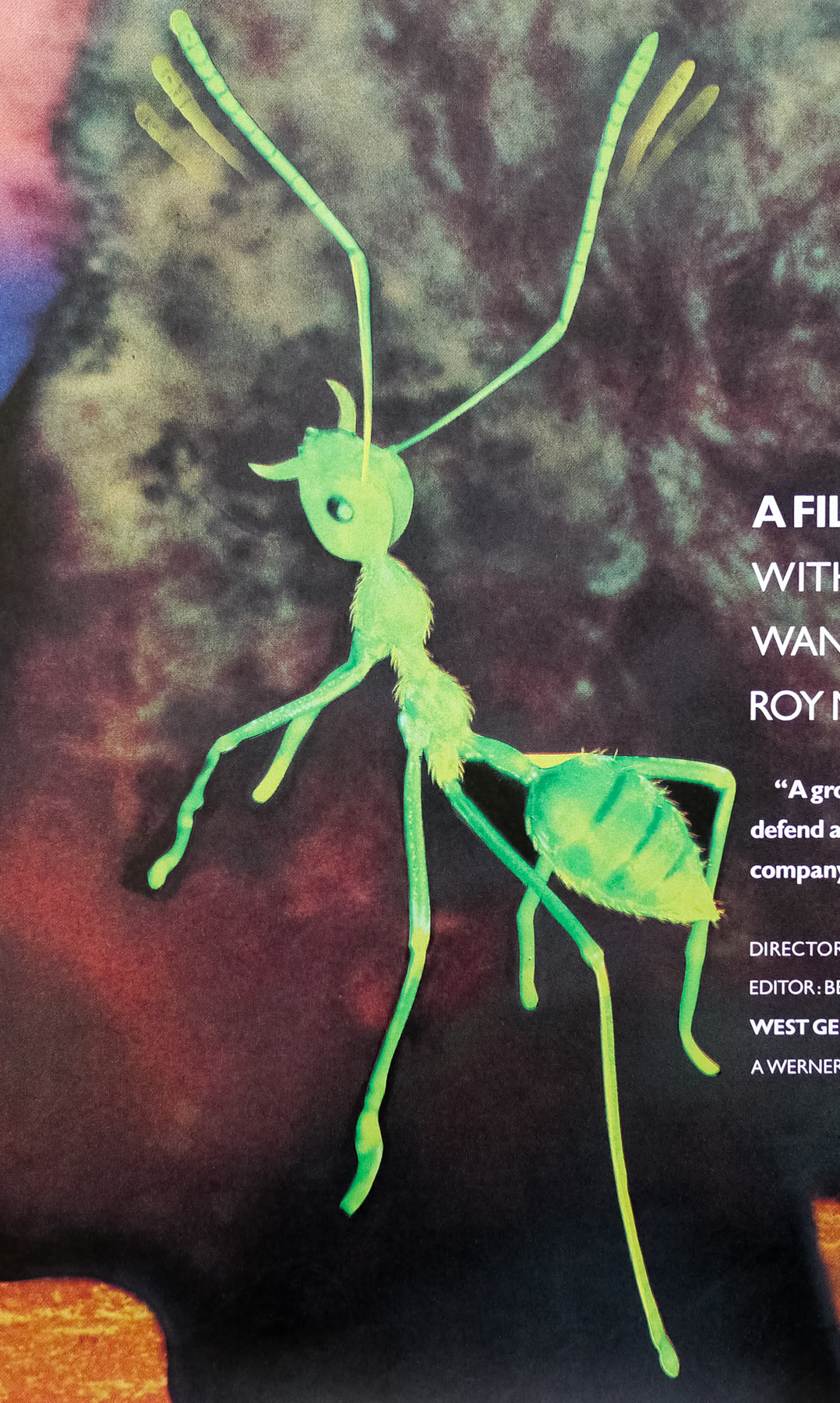
A striking image by the British designer Paul Derrick features on this UK quad for the release of maverick director Werner Herzog‘s 1984 drama Where the Green Ants Dream. The film was the directorial follow up to what many consider to be Herzog’s masterpiece, Fitzcarraldo, and is set in the Australian outback. Co-written with the Australian screenwriter Bob Ellis, the film deals with the contentious issue of aboriginal land rights that has existed ever since the British established a settlement there in the 18th Century. A mix of facts and fiction, the film features a number of aboriginal activists who had been involved in a real-life court case

Bruce Spence, who is best known as the Gyro Captain from Mad Max 2, plays Lance Hackett, a geologist working for a mining company that is carrying out a series of tests on some land that they intend to mine for Uranium. The title refers to the insects that the aborigines believe to be sacred and they fear will be disturbed by the blasting and drilling. One of the tribal elders, as featured on this poster, explains that this disturbance could bring about the end of the world. Lance is instructed to spend time with the activists and try and work out a deal with them so that the mining company can carry on their testing. When that eventually fails, even after they are given a large army plane as part of an attempted deal, the case goes to the courts. 

Paul Derrick’s official website can be viewed here and, according to the short biography on the site, he has been working for many years on publishing and visual identity projects for a wide range of clients, including arts and educational organisations as well as government clients. He also says that he is ‘experienced in undertaking, and art directing, documentary photography to create visual narratives and storytelling.’ There are a few examples of posters he worked on and the British distribution company Artificial Eye is listed in the projects section.

The Hudsucker Proxy / quad / UK

03.01.17

Poster Poster

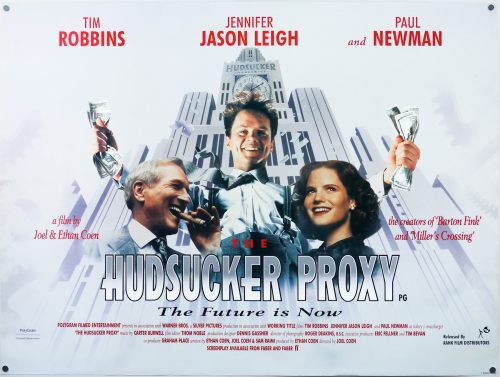
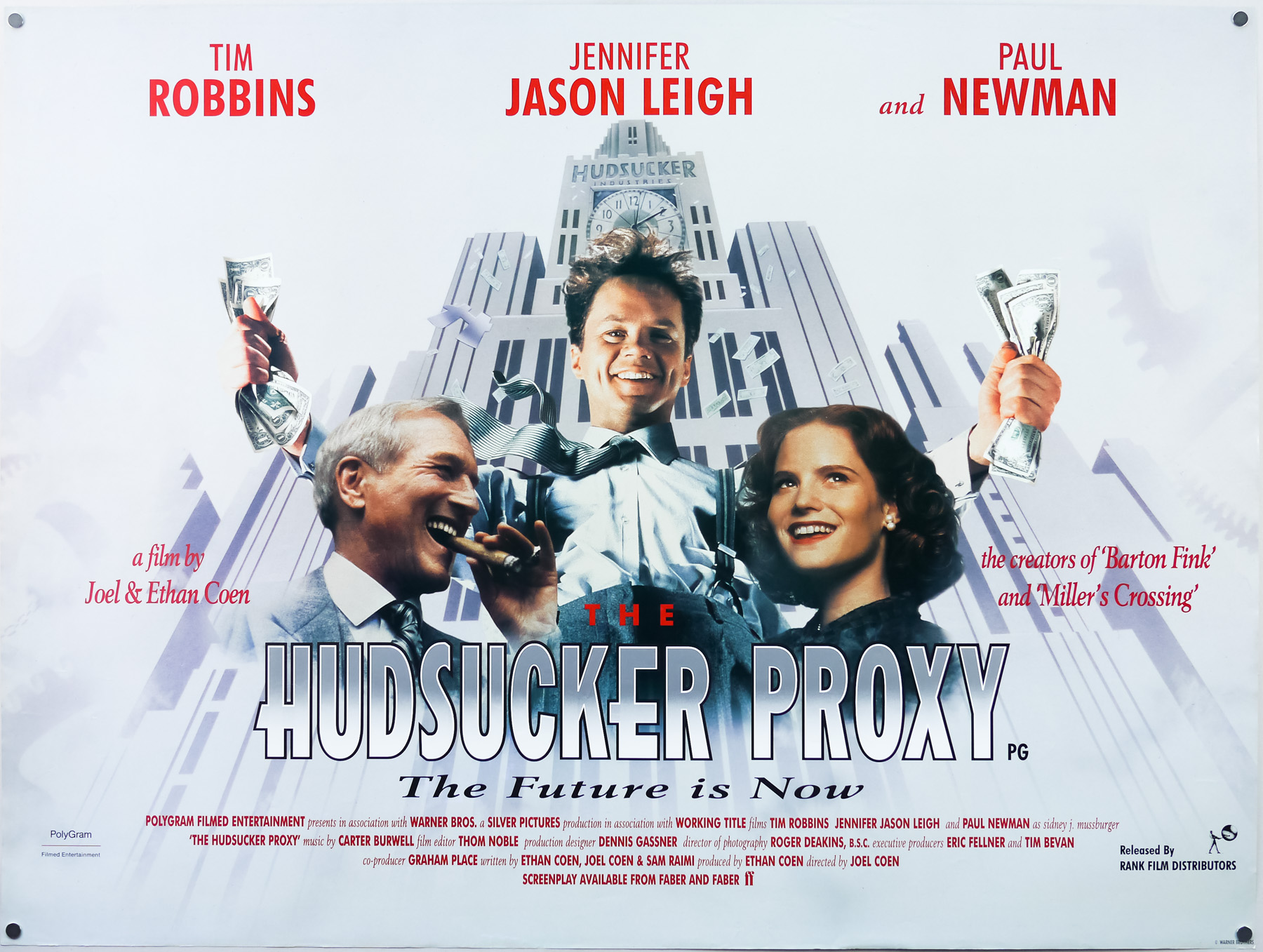
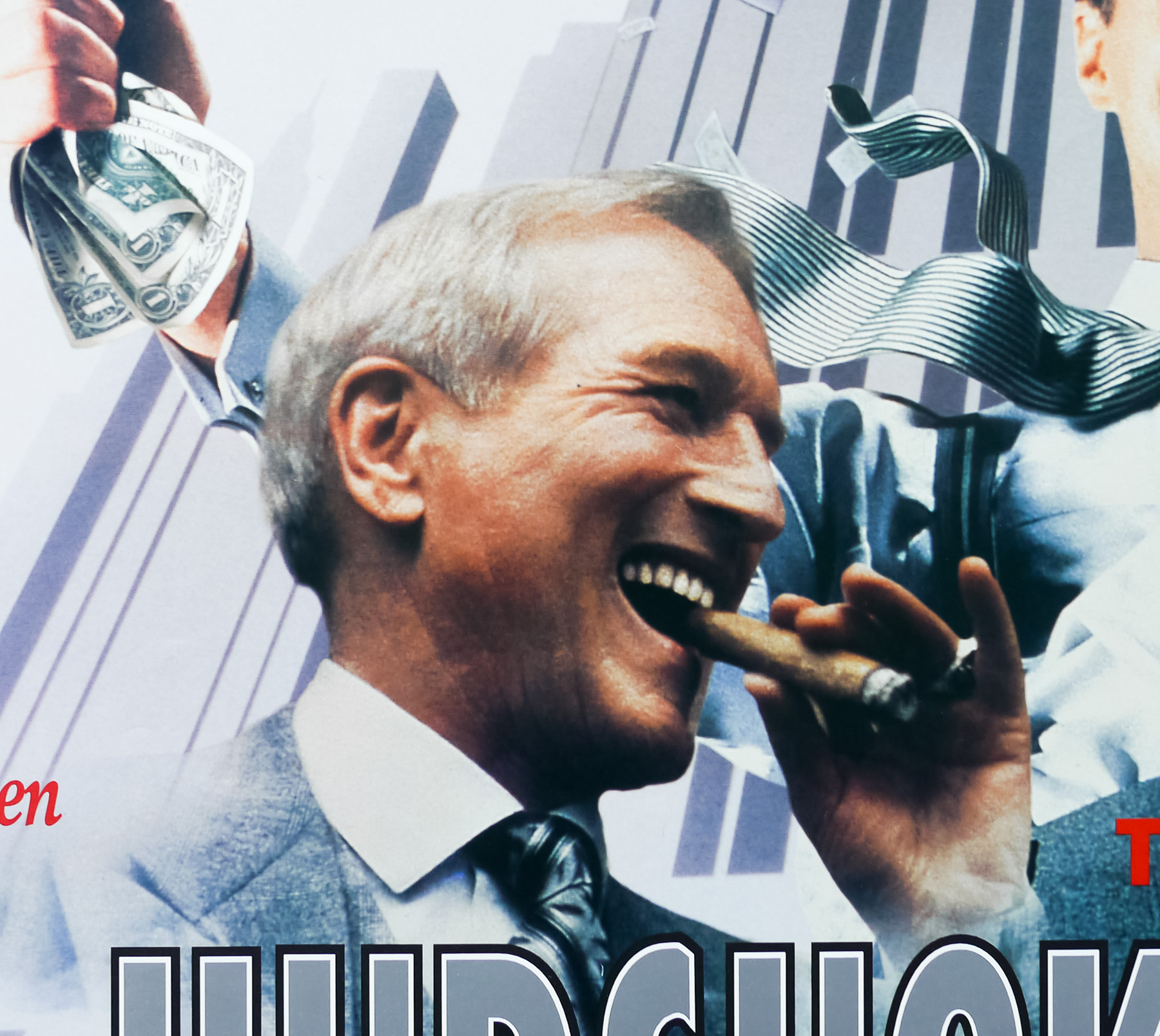
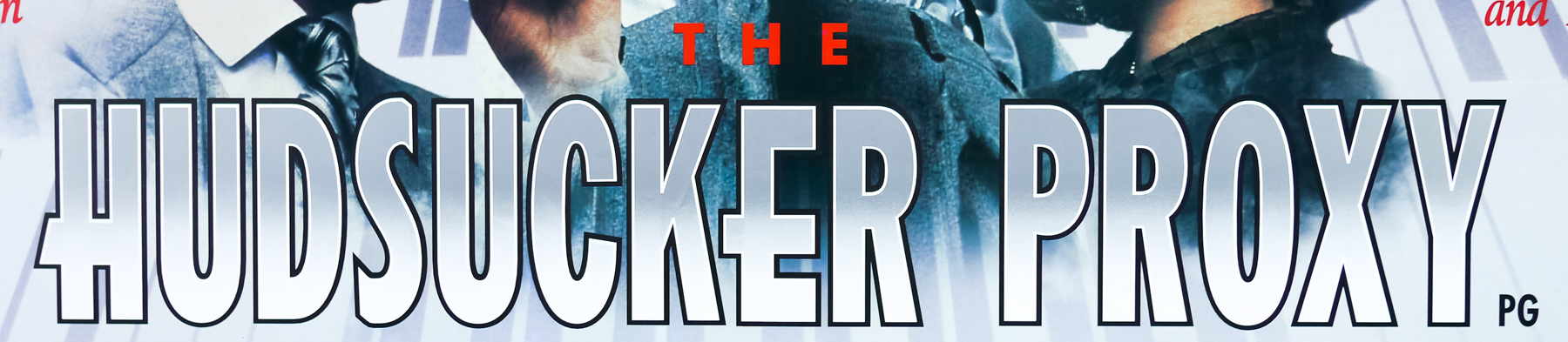
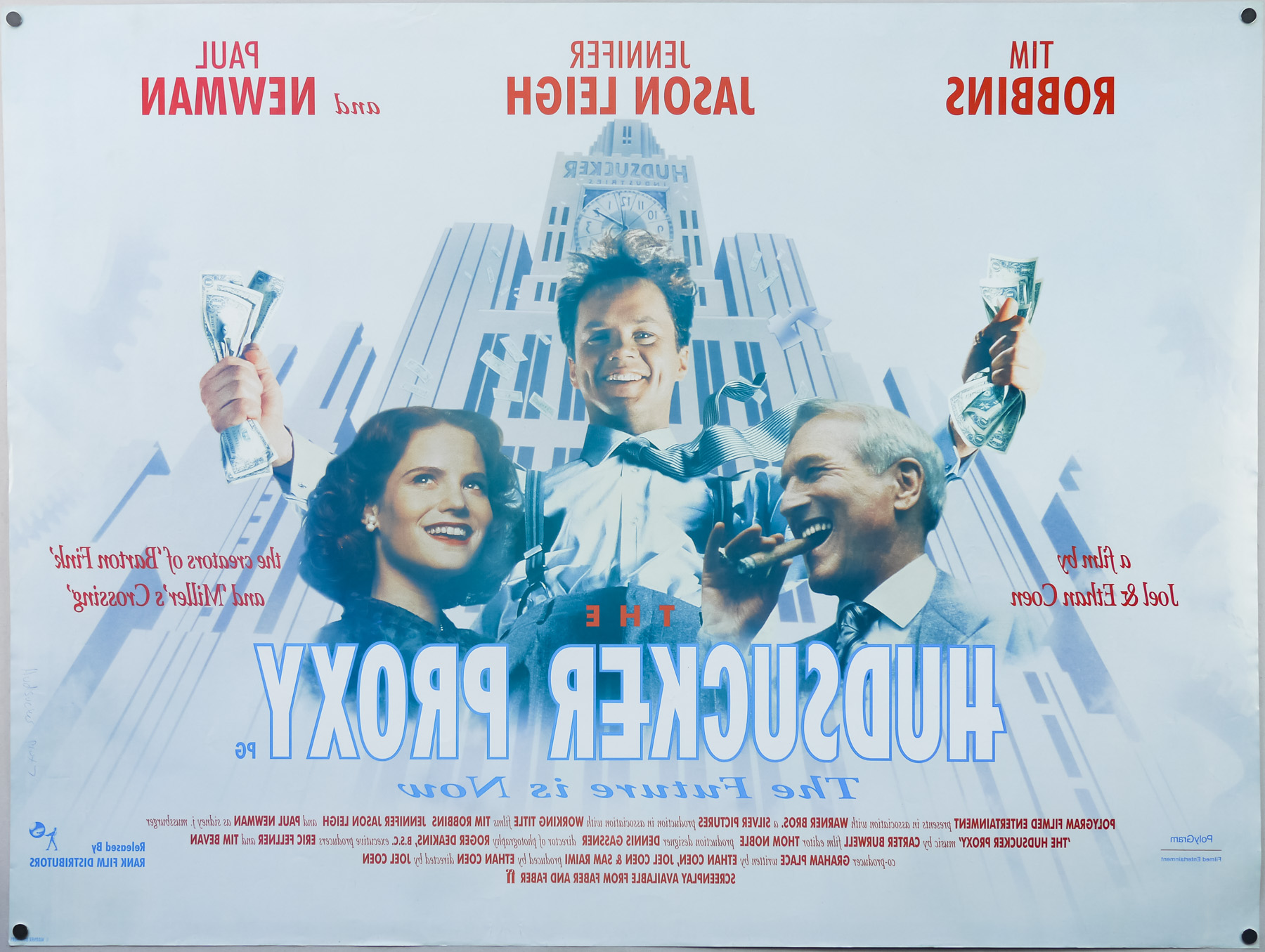
This is the UK quad for the release of the Coen Brothers’ 1994 film The Hudsucker Proxy. The script for the film was over a decade in gestation and Joel Coen began writing it with Sam Raimi during the editing of the latter’s Evil Dead (1981). The trio began sharing a house during the filming of Raimi’s Crimewave (1985) and the brothers’ Blood Simple so the script continued to evolve. It wasn’t until the completion of Barton Fink in 1991 that the brothers decided to fully focus on it.

They decided that they wanted to work on more of a more mainstream film and felt the script needed a decent budget behind it. Legendary Hollywood producer Joel Silver, who was a fan of the brothers’ previous films, agreed to help them and pitched it to Warner Bros. Further financial backing came from the now defunct PolyGram Filmed Entertainment, a British-American production company responsible for some of the biggest box-office hits of the 1980s and 1990s, including Batman (1989) and Four Weddings and a Funeral (1994). Note their logo in a prominent position on the left side of the credit block.

The film marked the first time the Coens had worked with big name stars, with most of their previous casts made up of relative unknowns (many of whom would go on to find fame afterwards). Set in 1958 in the world of big business, the story sees idealistic business school graduate Norville Barnes (Tim Robbins) arrive in New York City looking for a job. Without the necessary experience he ends up working as a mailroom clerk in a manufacturing company called Hudsucker Industries. When the founder and president Waring Hudsucker commits suicide during a business meeting (a classic scene involving an open window) the nefarious chairman of the board, Sidney J. Mussburger (Paul Newman) realises that all of Hudsucker’s shares are to be sold to the public. 

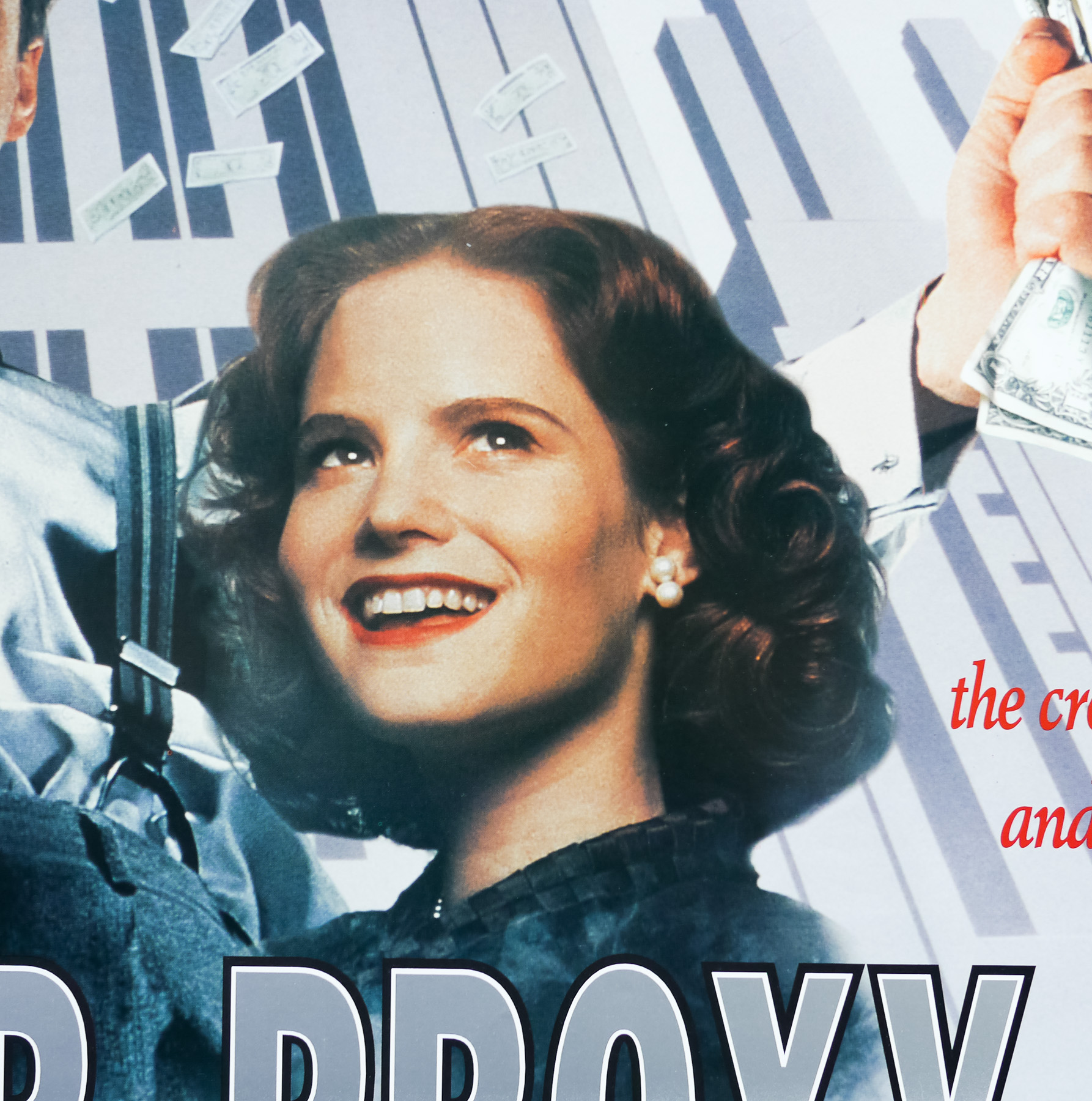
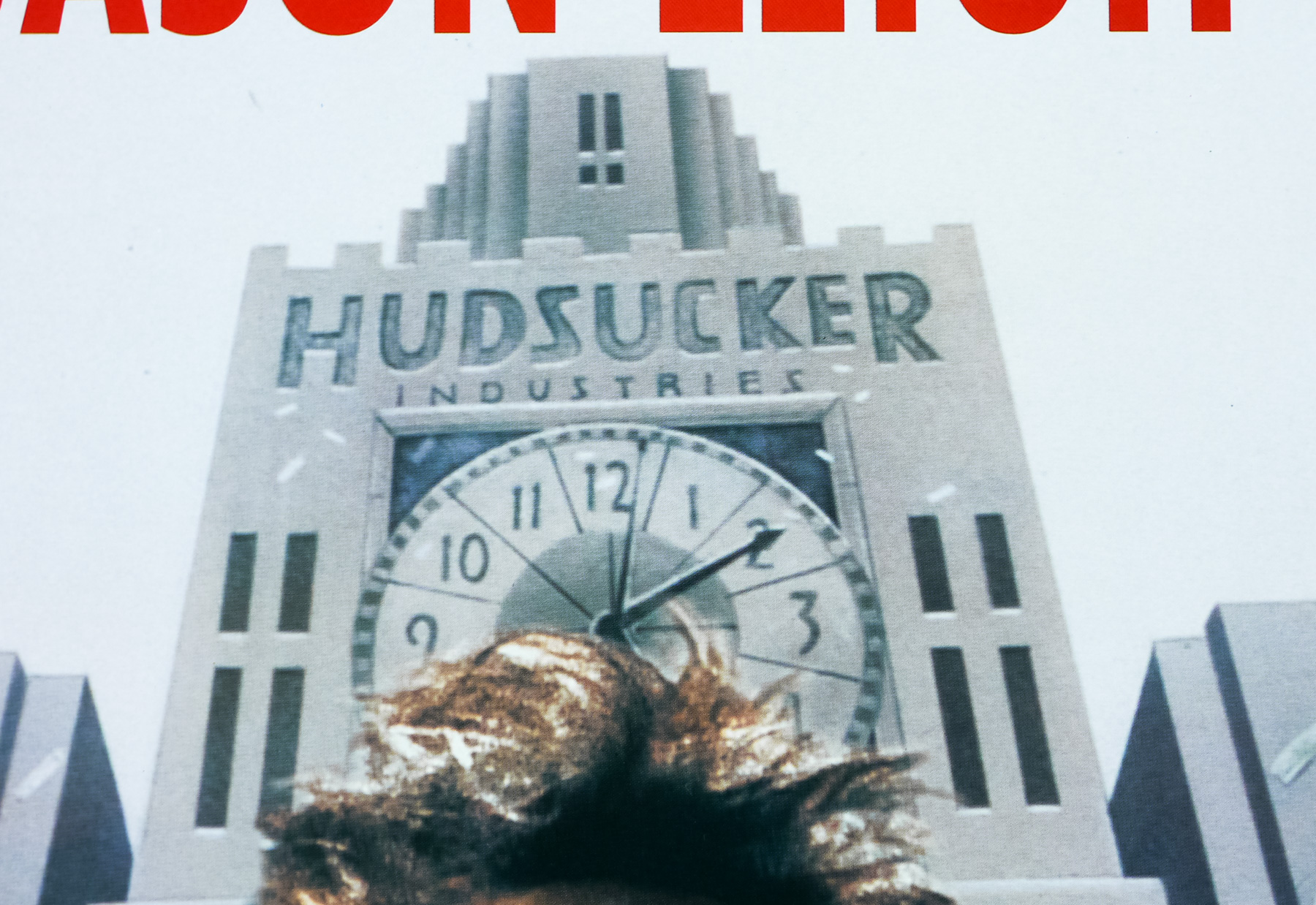
Mussburger hatches a plan to buy the stock at what will be a knockdown price by installing what he sees as an incompetent in the top role, the titular proxy, hoping to depress the share price. Whilst delivering mail one day, Norville makes a pitch to Mussburger that involves a simple drawing of a ring (“Y’know for kids!”) and the latter thinks he has found the perfect person. Things don’t go exactly to plan when the board agree to produce Norville’s idea, which turns out to be the phenomenally successful hula hoop (invented for real in 1958). Meanwhile, an undercover reporter called Amy Archer (Jennifer Jason Leigh) has joined the firm as Norville’s secretary hoping to write a juicy article on the man who replaced Hudsucker. She soon discovers the details of the plot but has a hard time convincing her superiors. Norville allows success to go to his head and begins acting like any other uncaring tycoon. However, Mussburger discovers Amy’s real identity and uses this against him. The finale takes place at the top of the firm’s tower, as depicted on this poster, and sees the Coens at their most surreal.

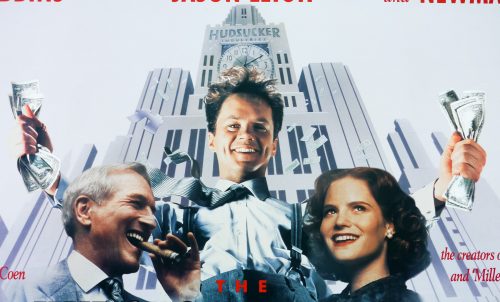
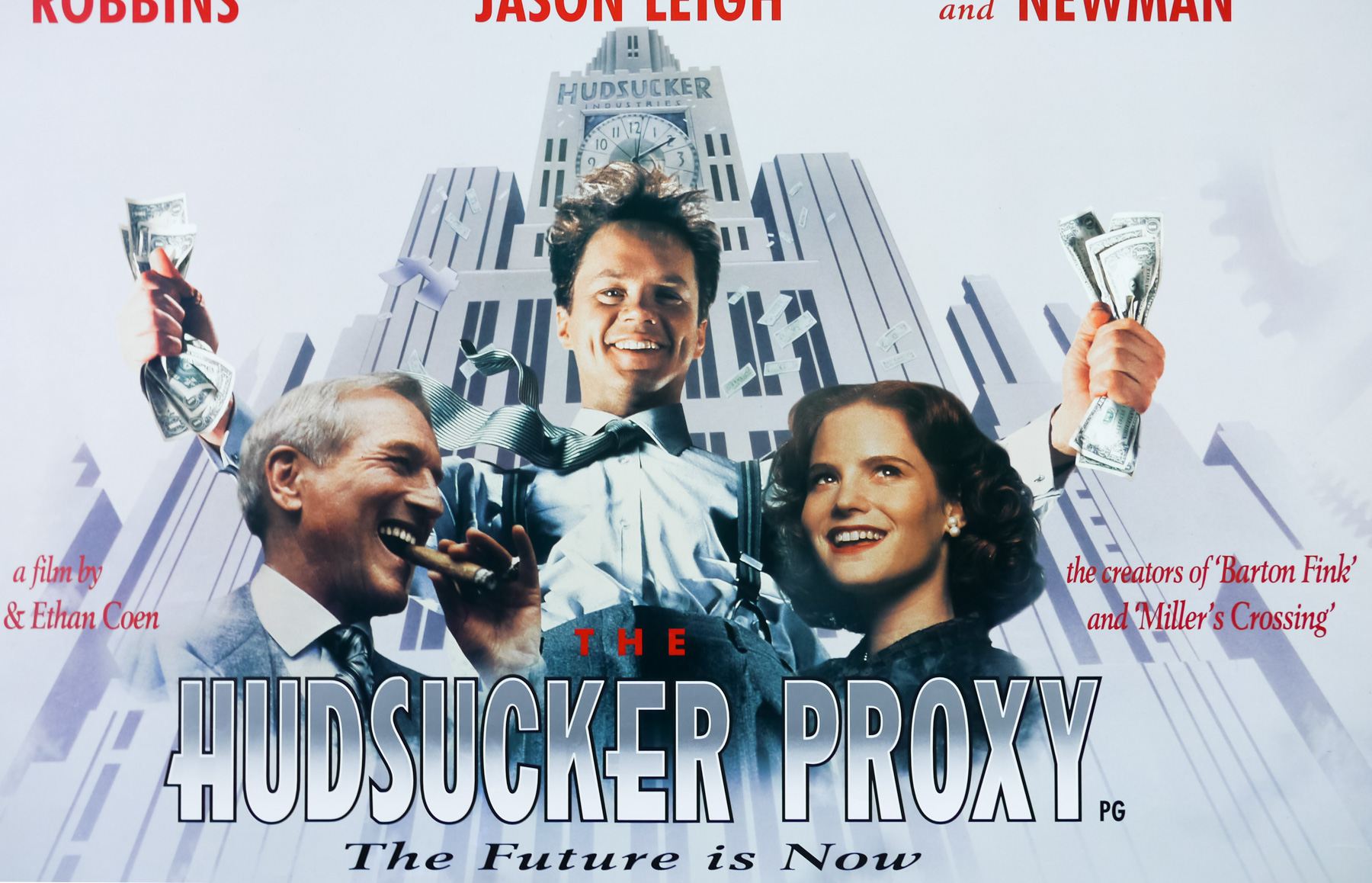
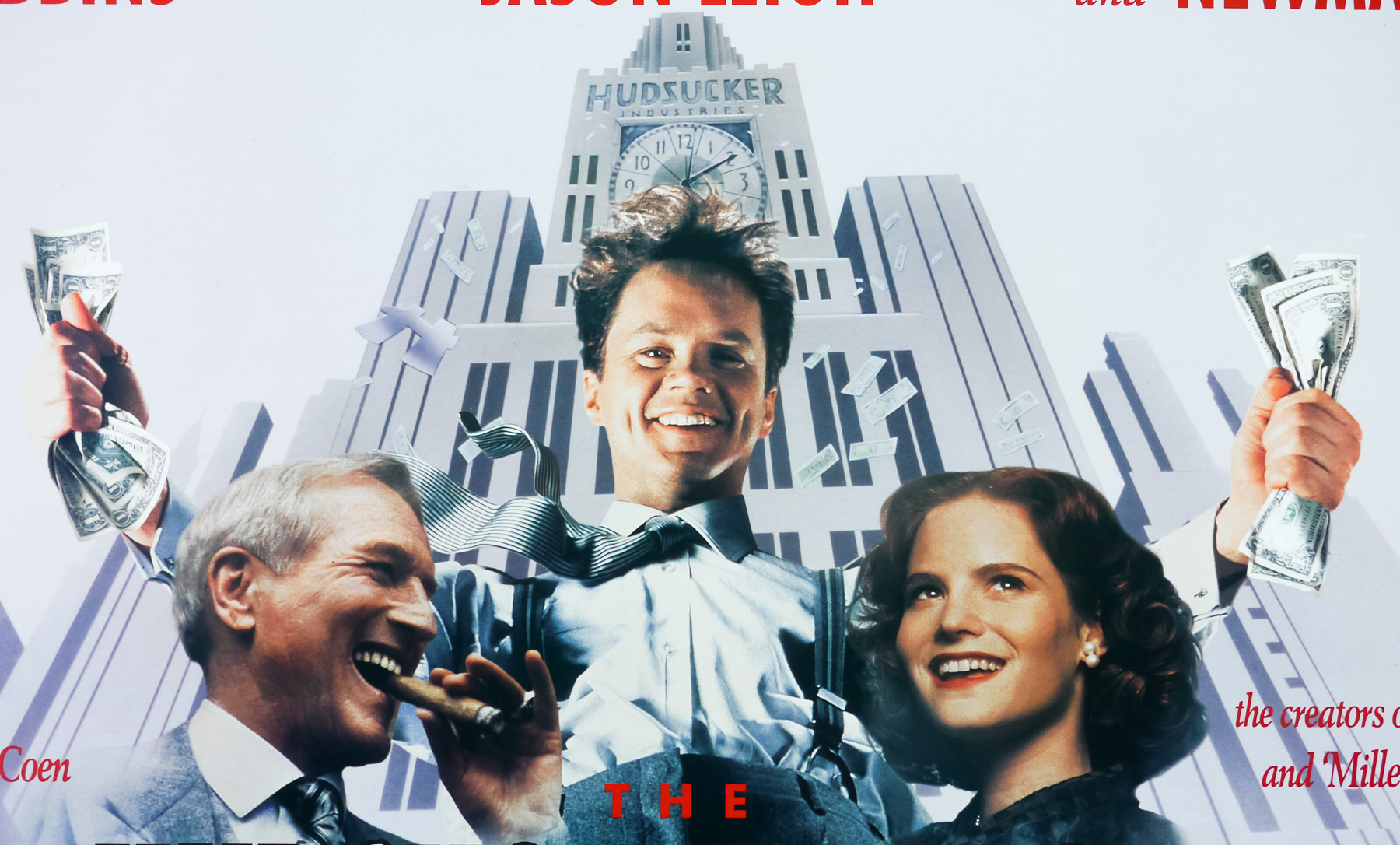
This UK quad features a design that has clearly borrowed from the US one sheet (see here) with an enterprising British designer reusing the image of Tim Robbins holding the hula hoop and replacing the hoop with wads of dollar bills. The same images of Paul Newman and Jennifer Jason Leigh are reused and the cogs seen on the one sheet are also present. If anyone has any ideas who designed it please get in touch.