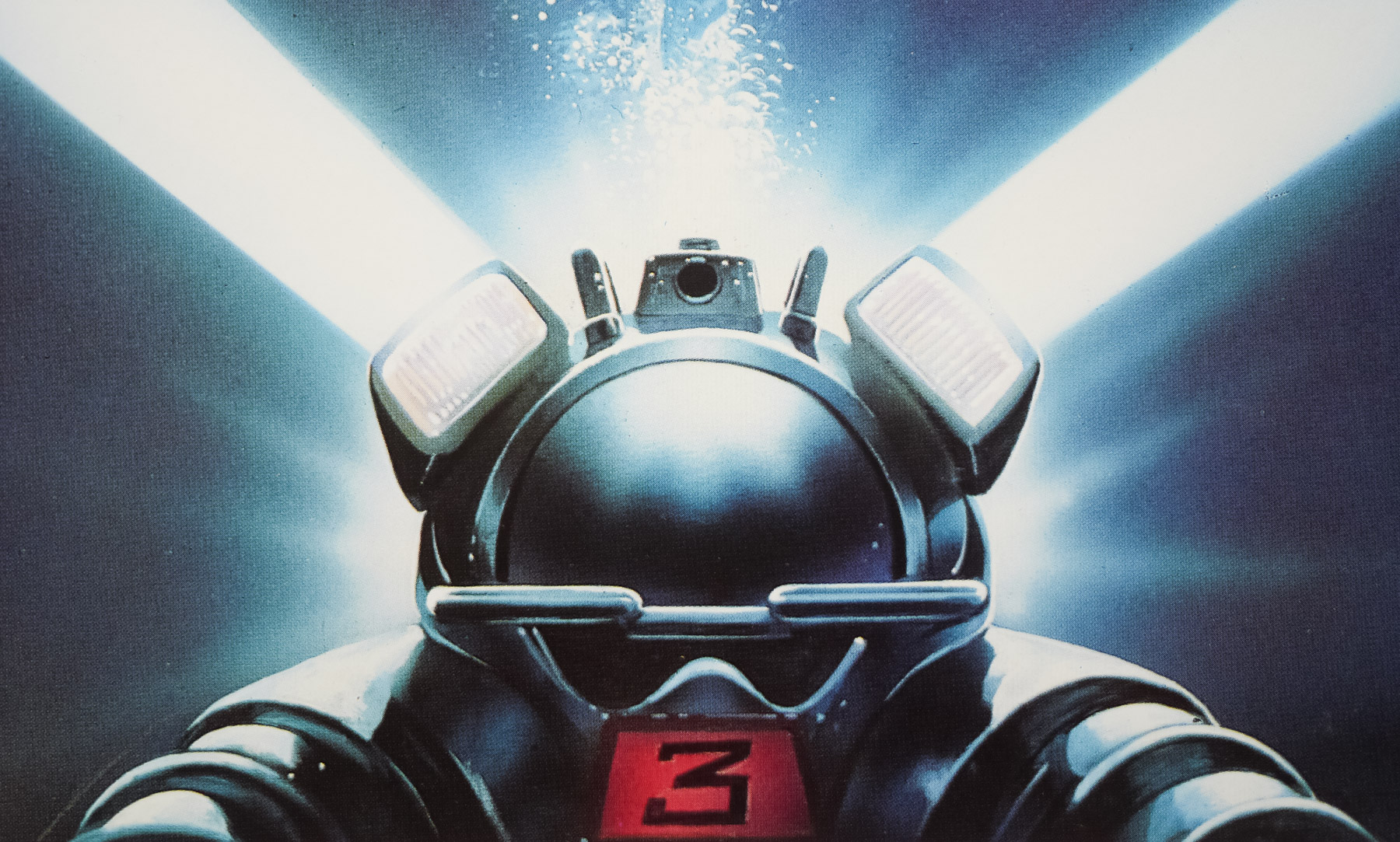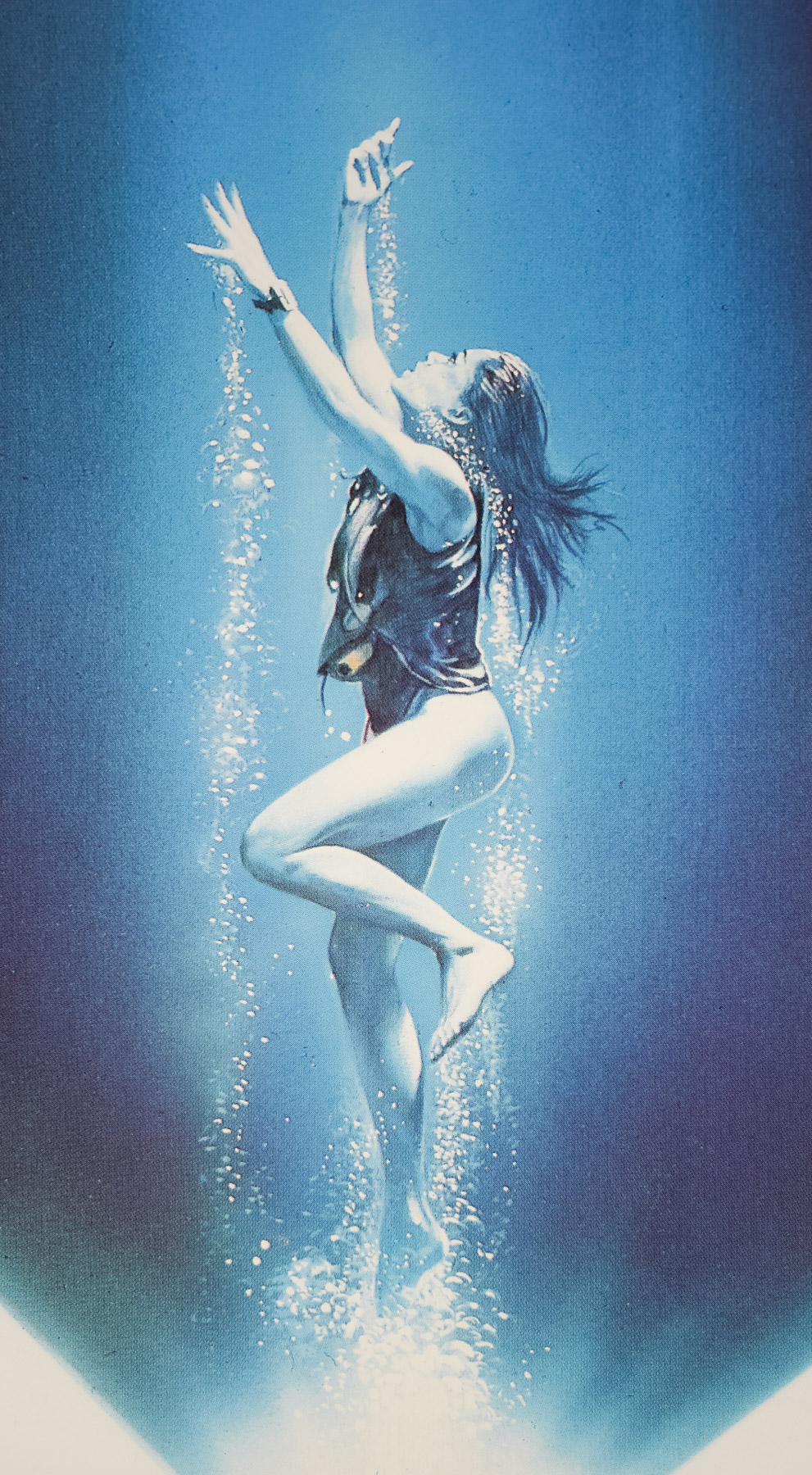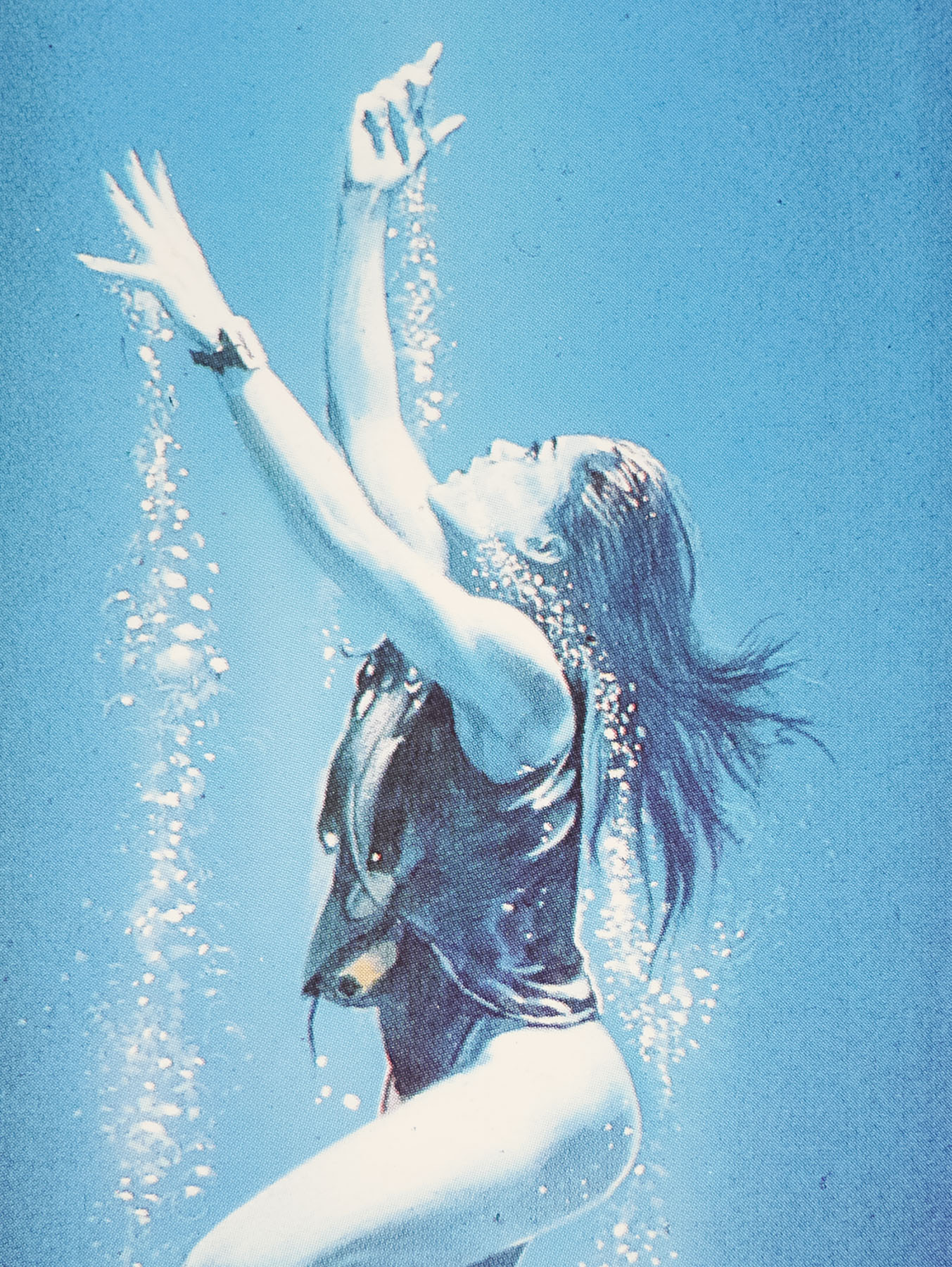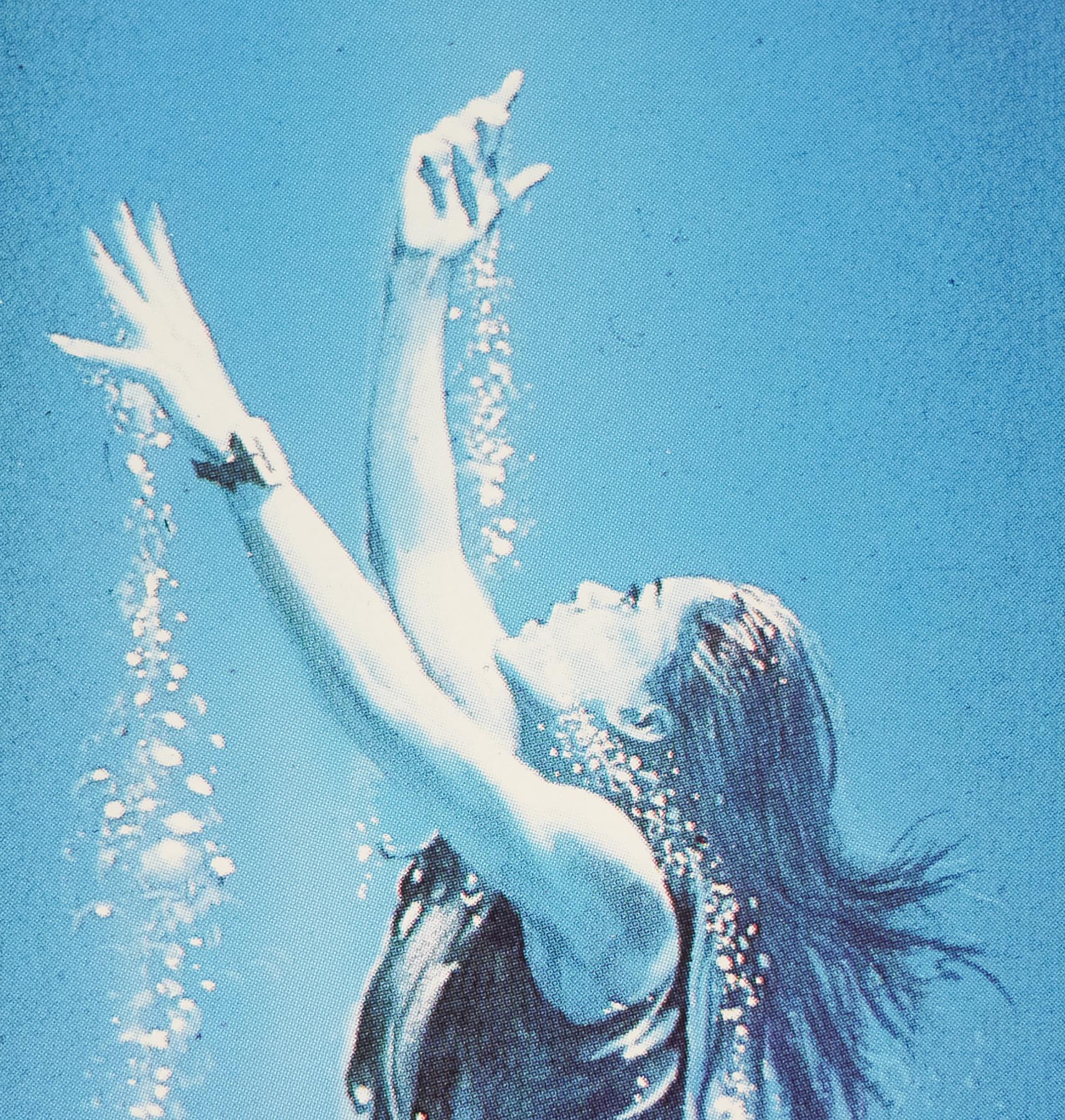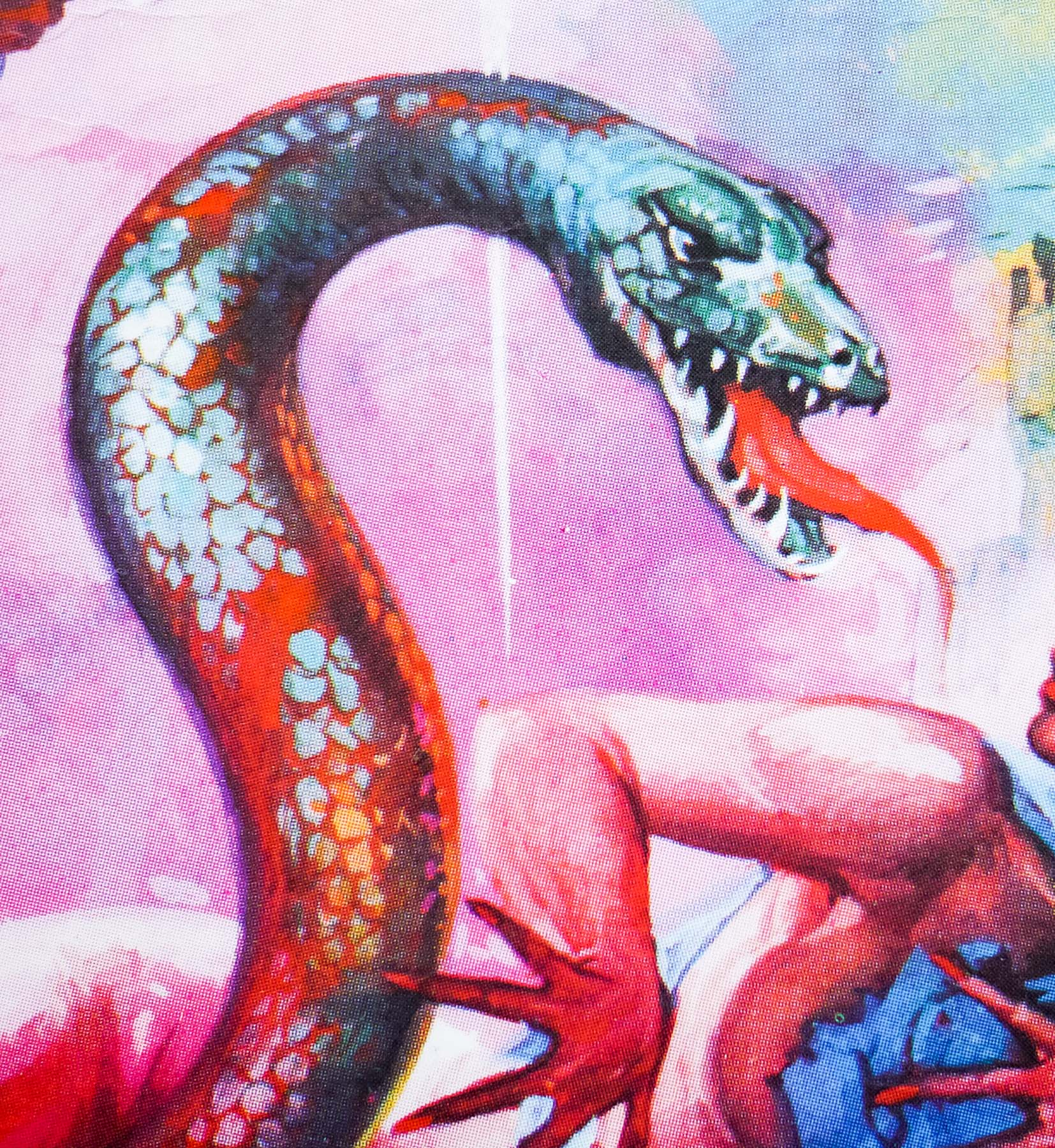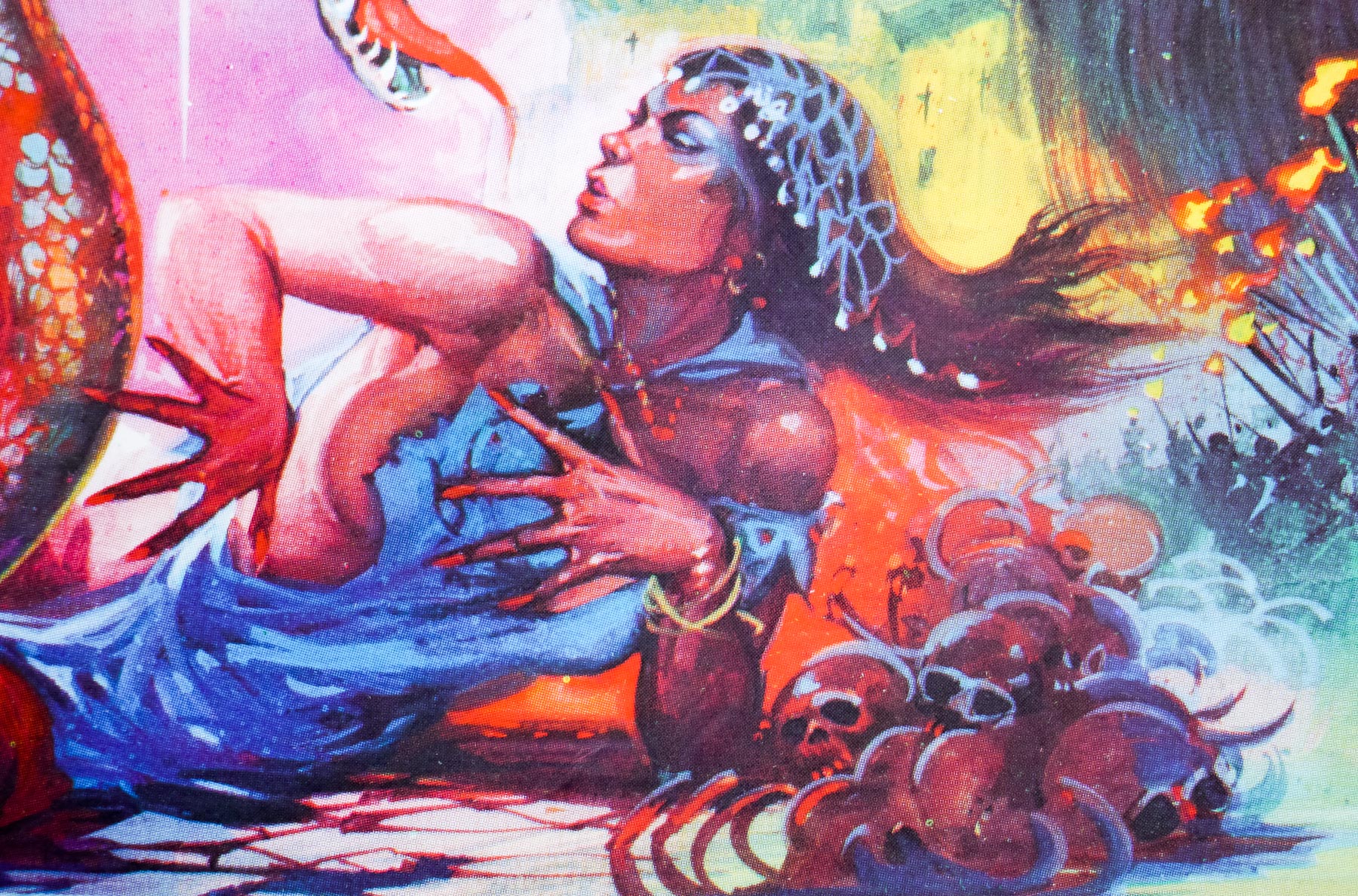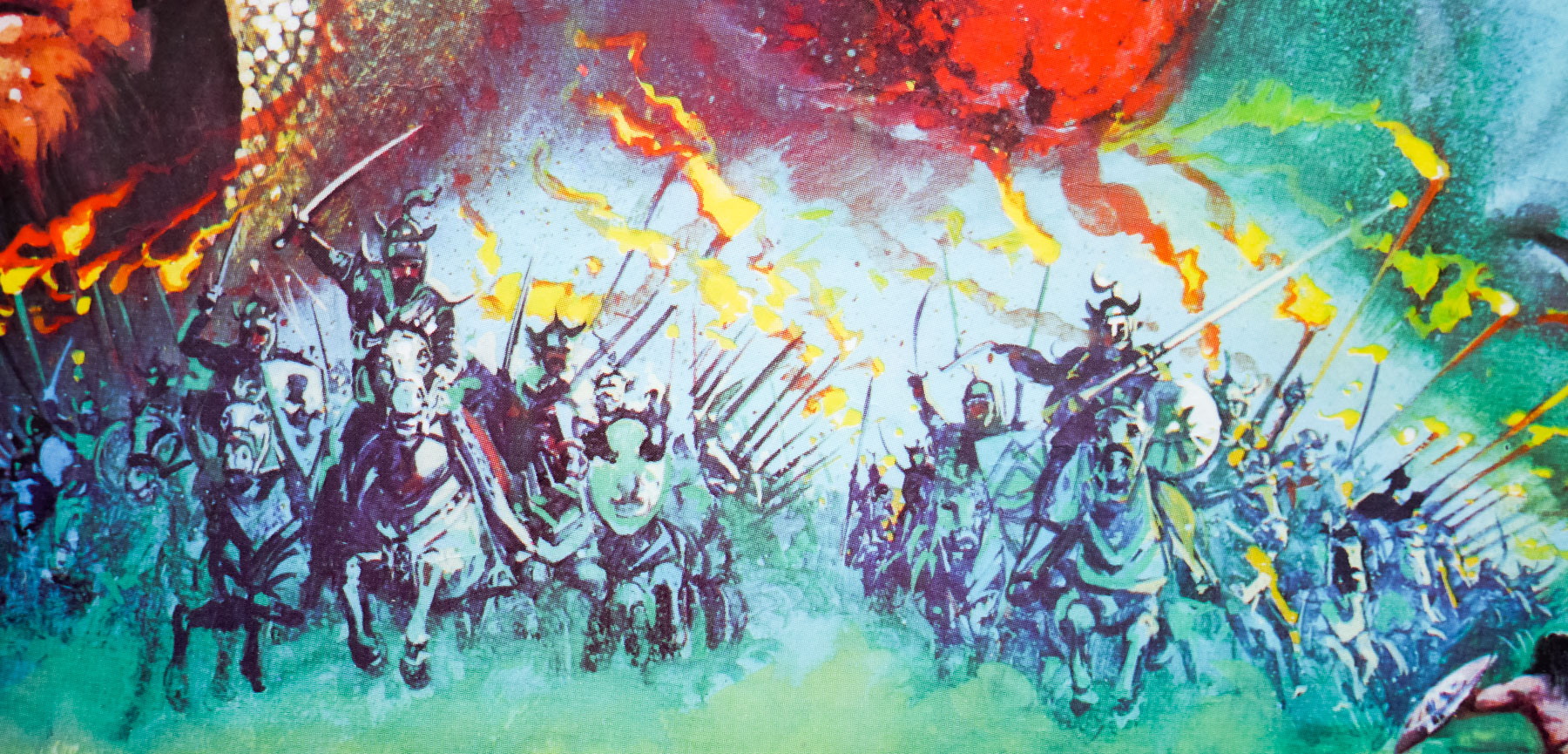


Leviathan / A1 / Germany

04.02.15

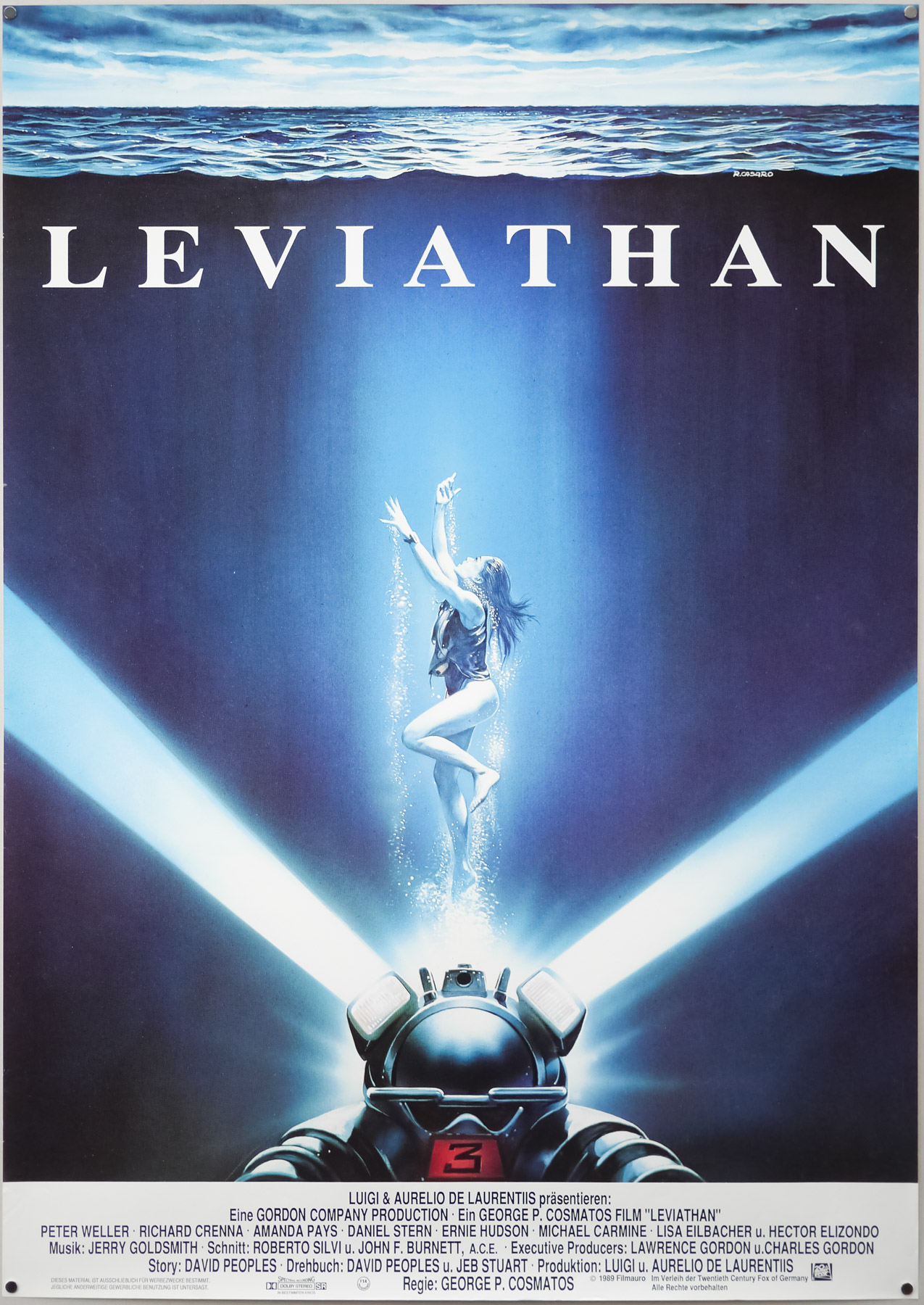
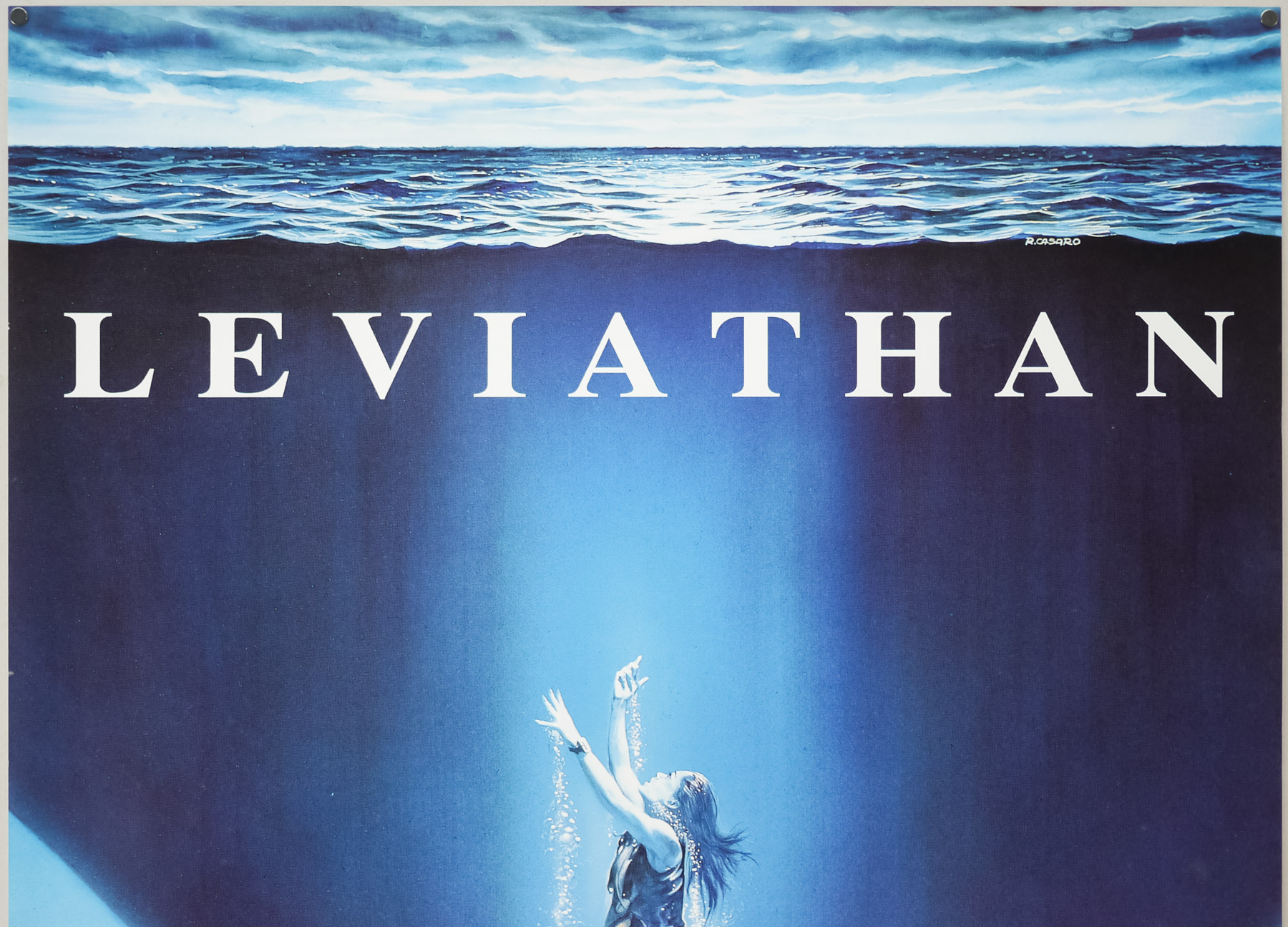
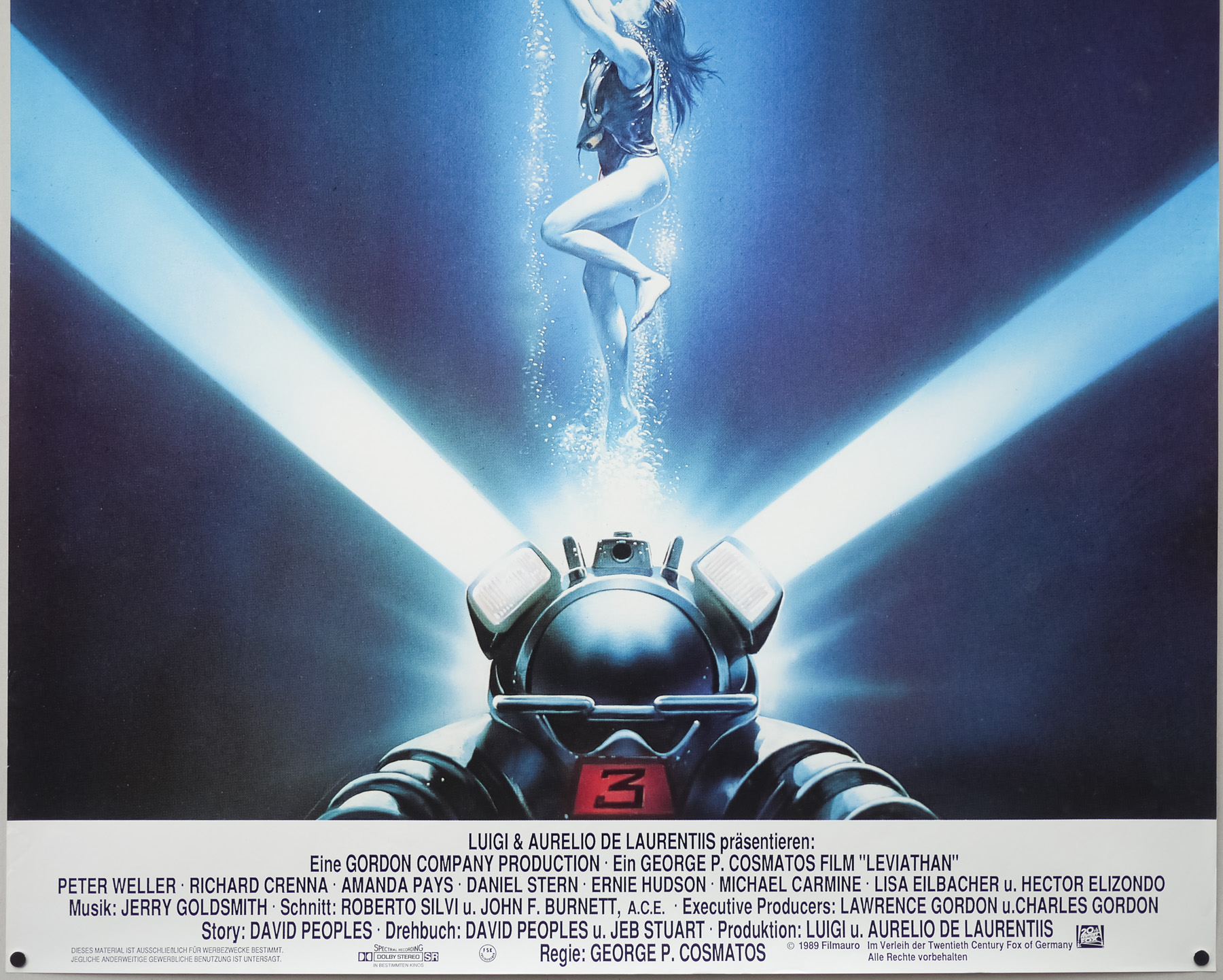
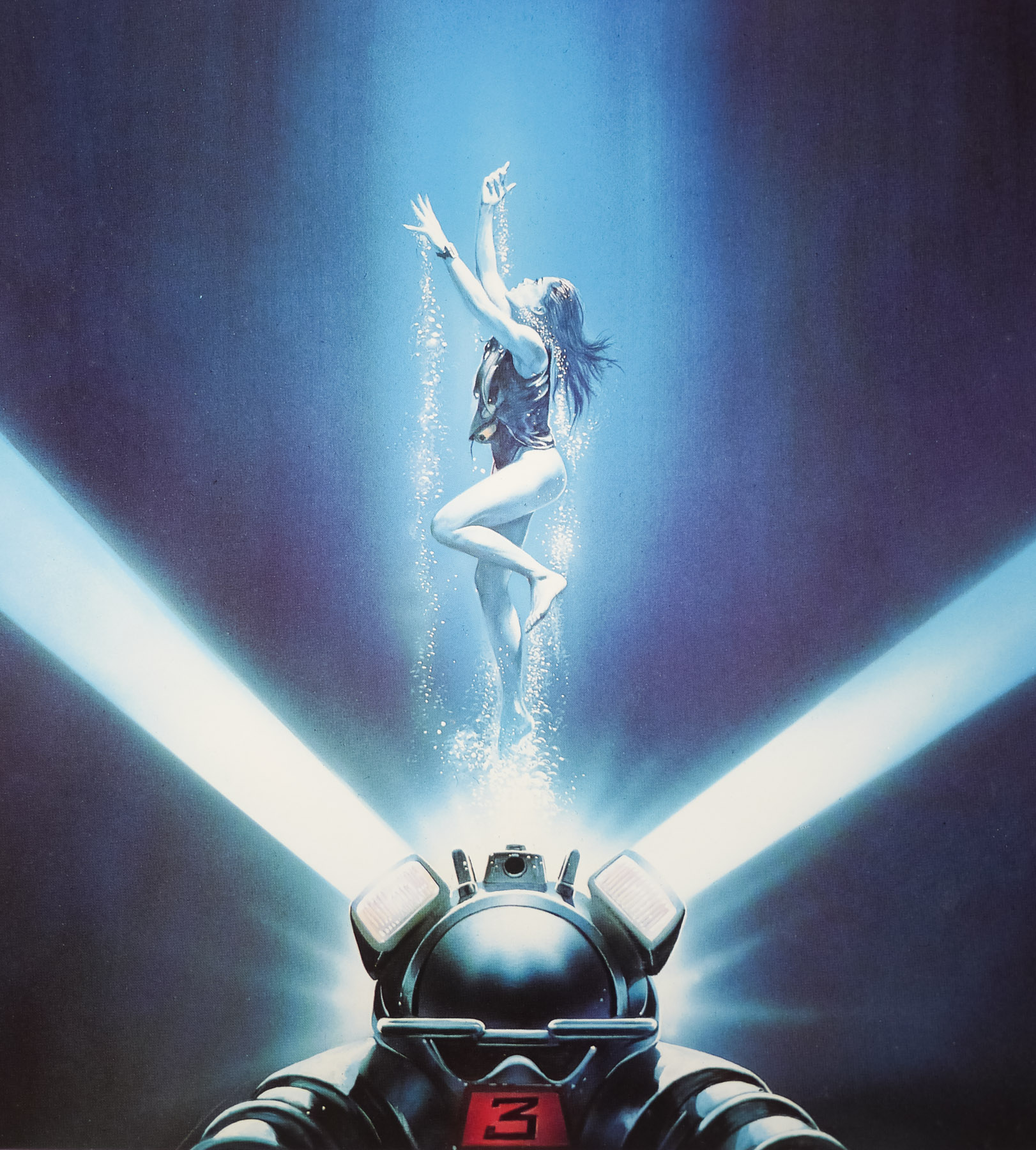
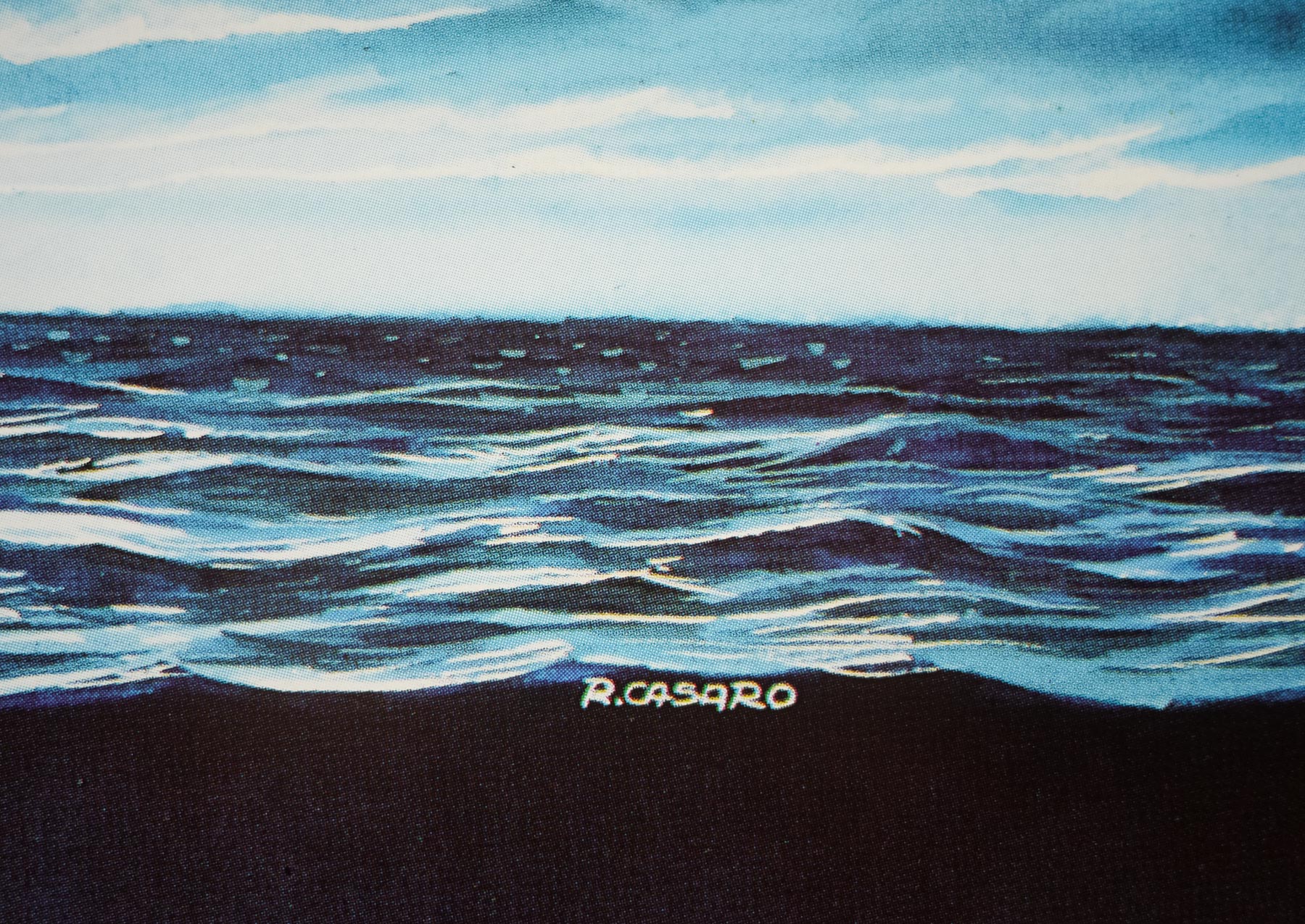
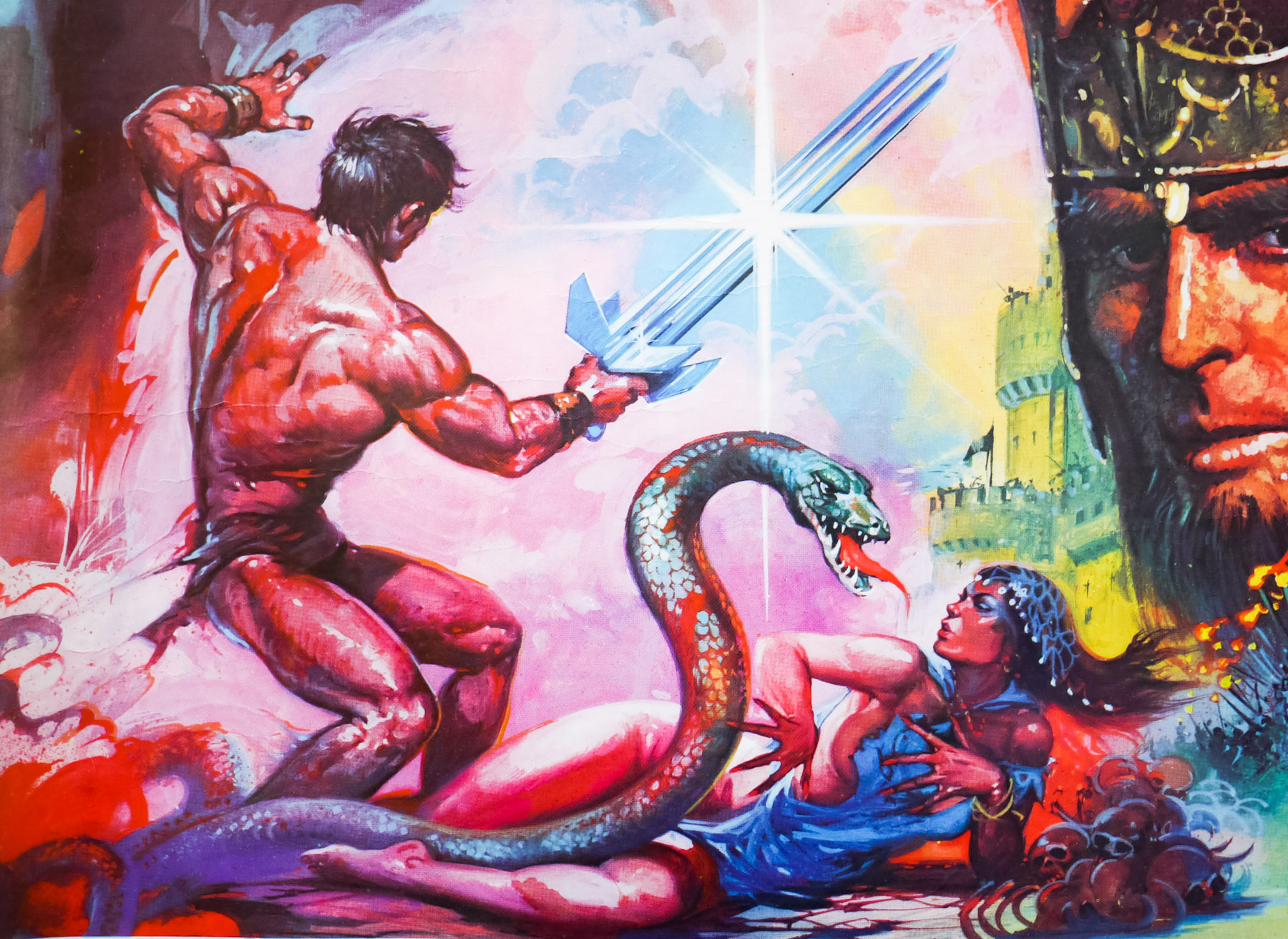
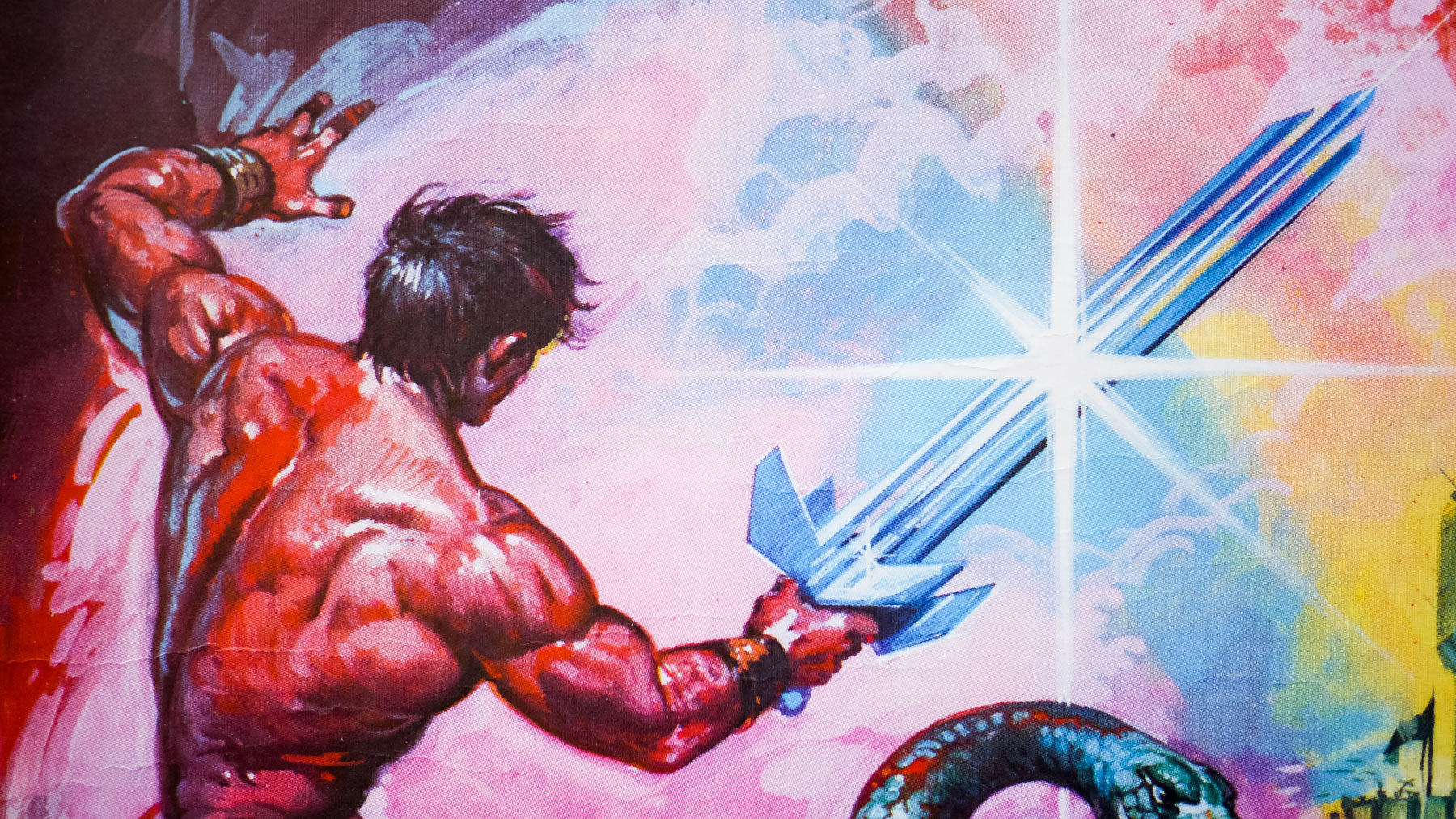
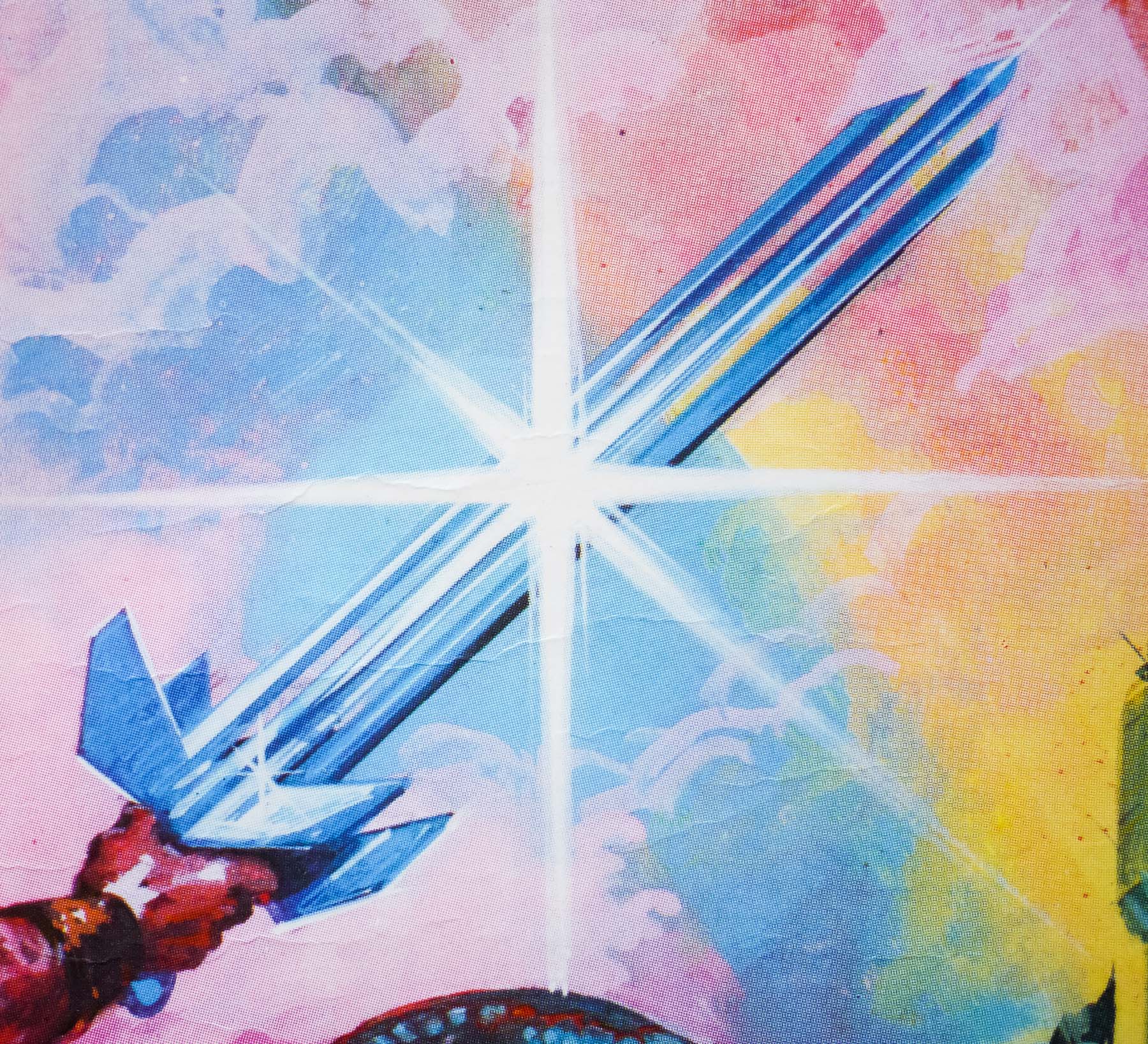
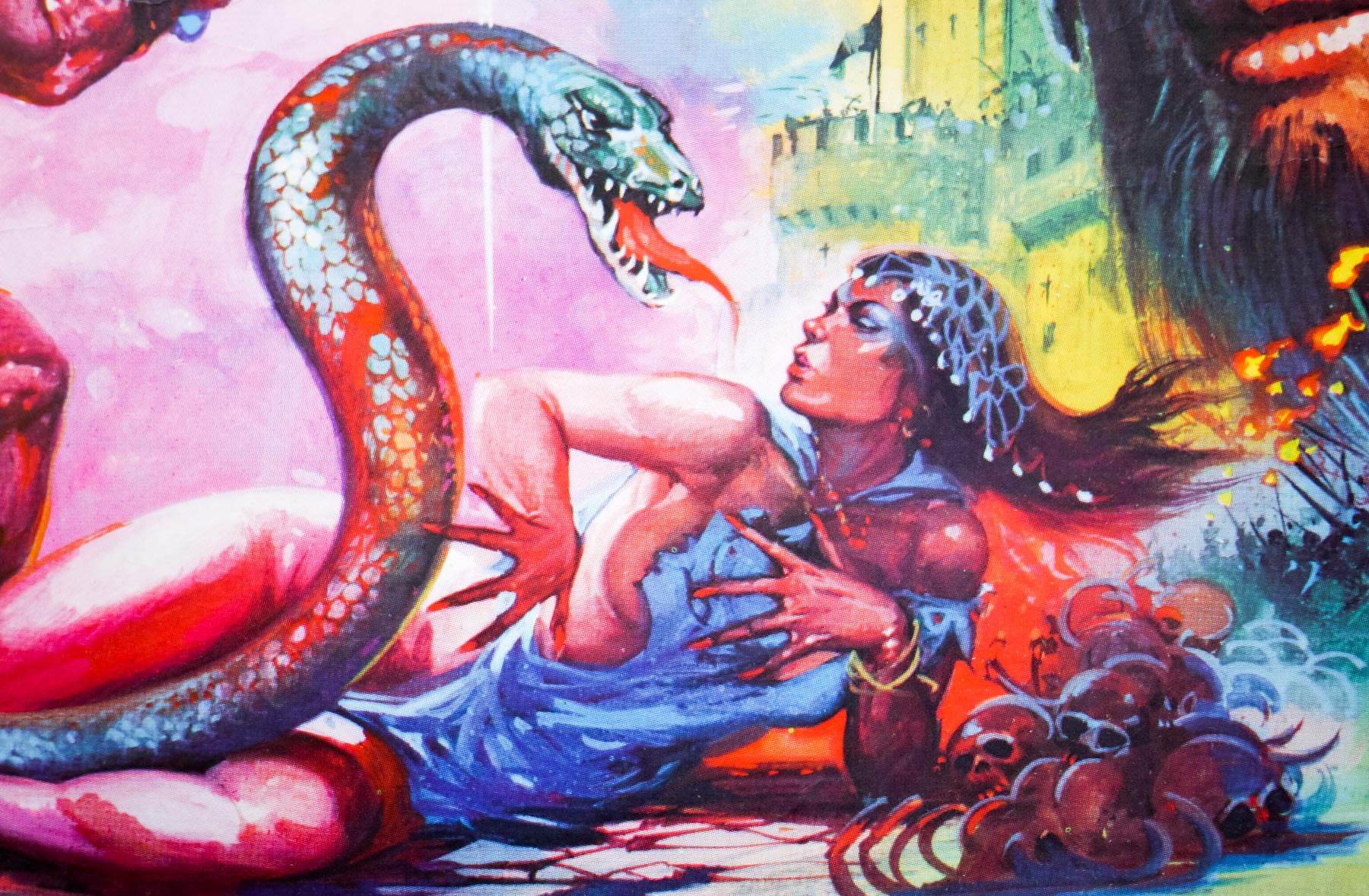
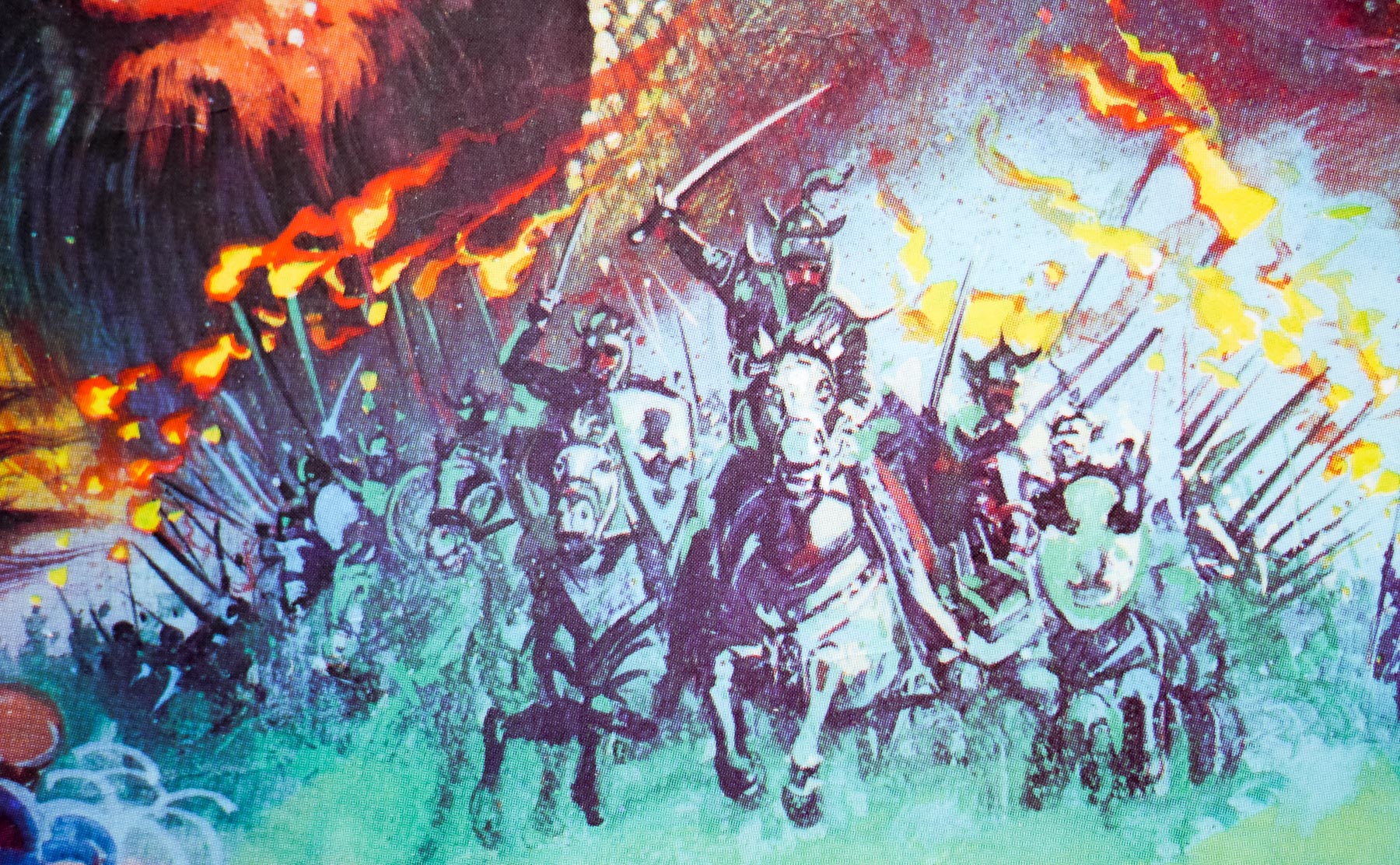
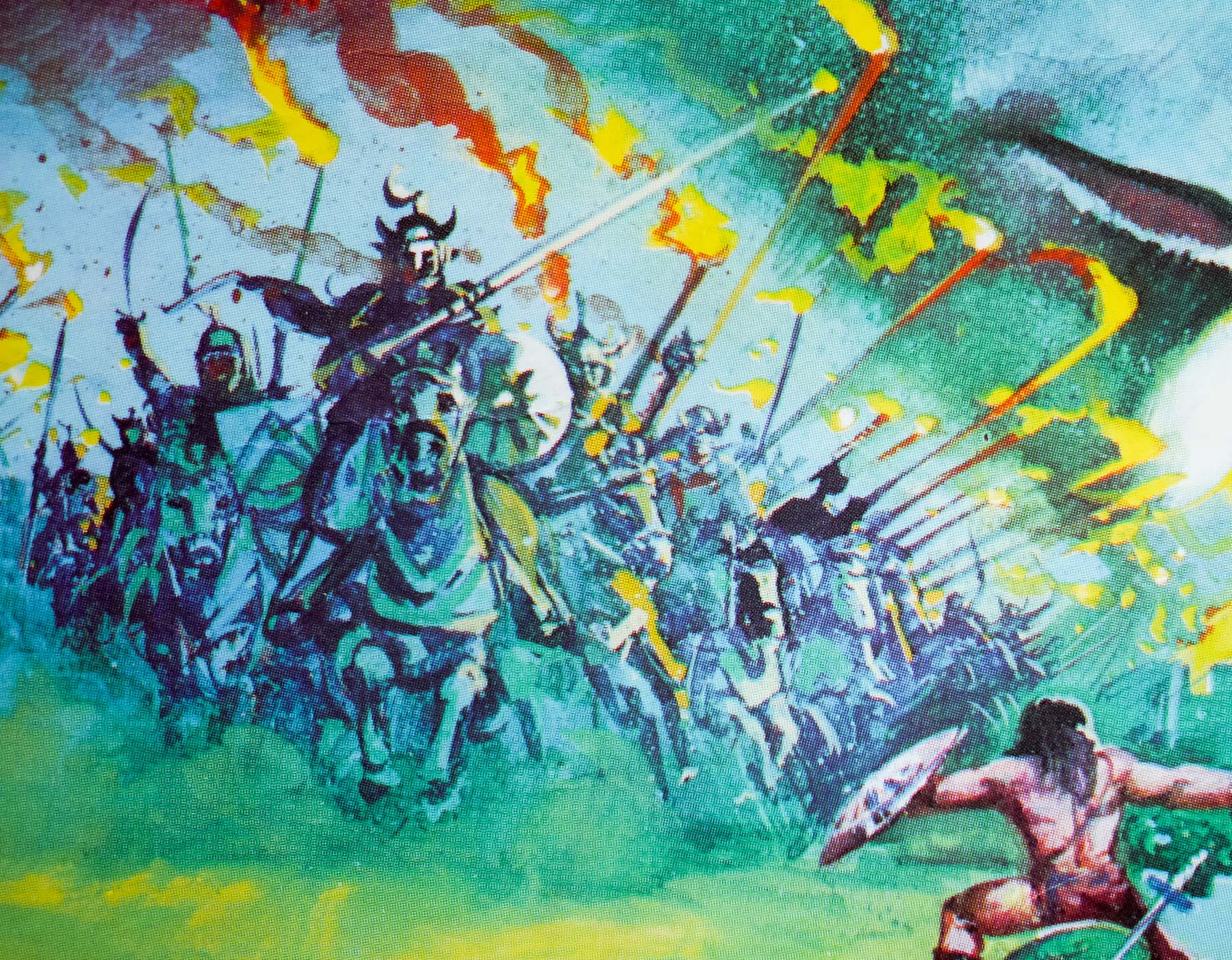
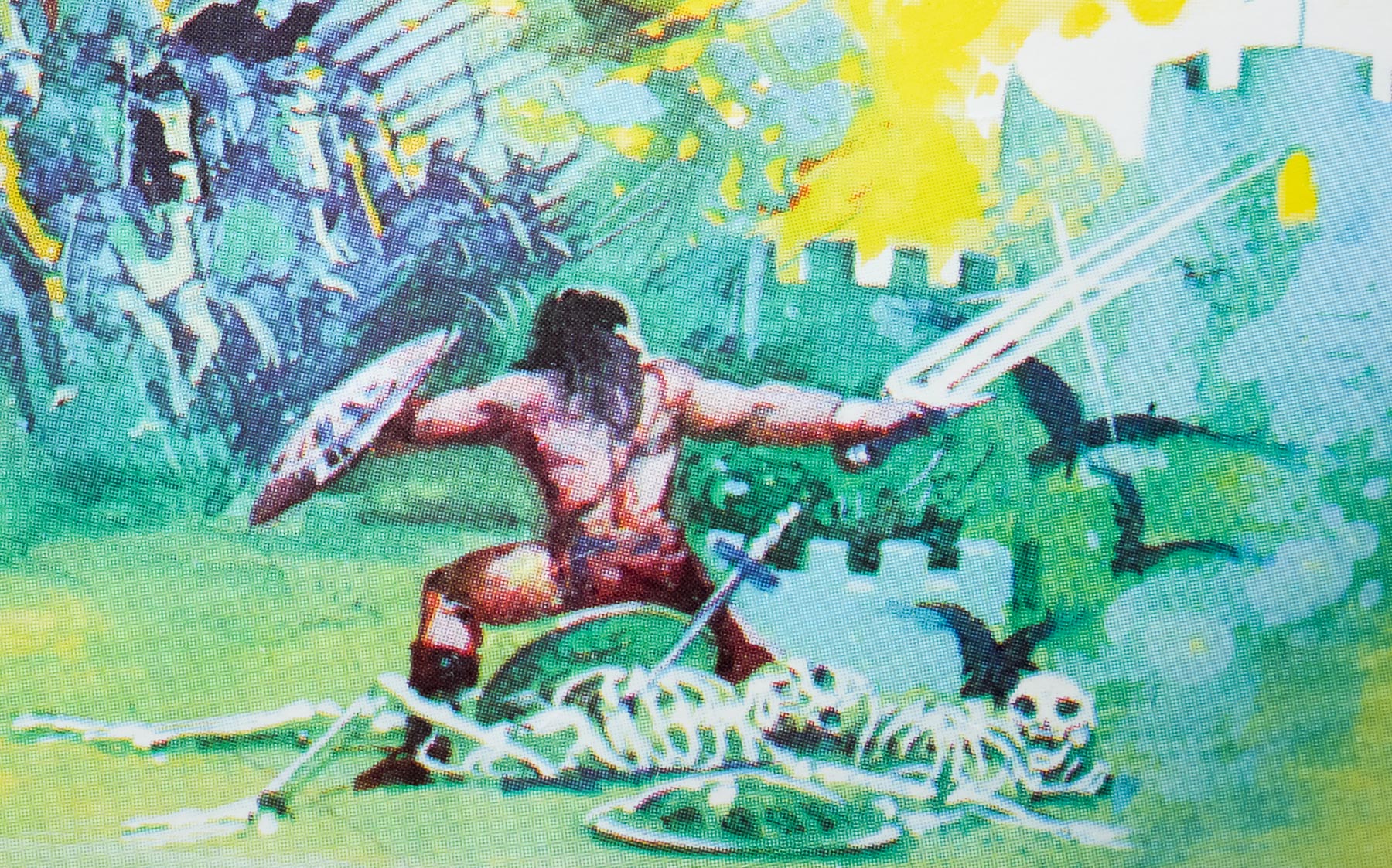
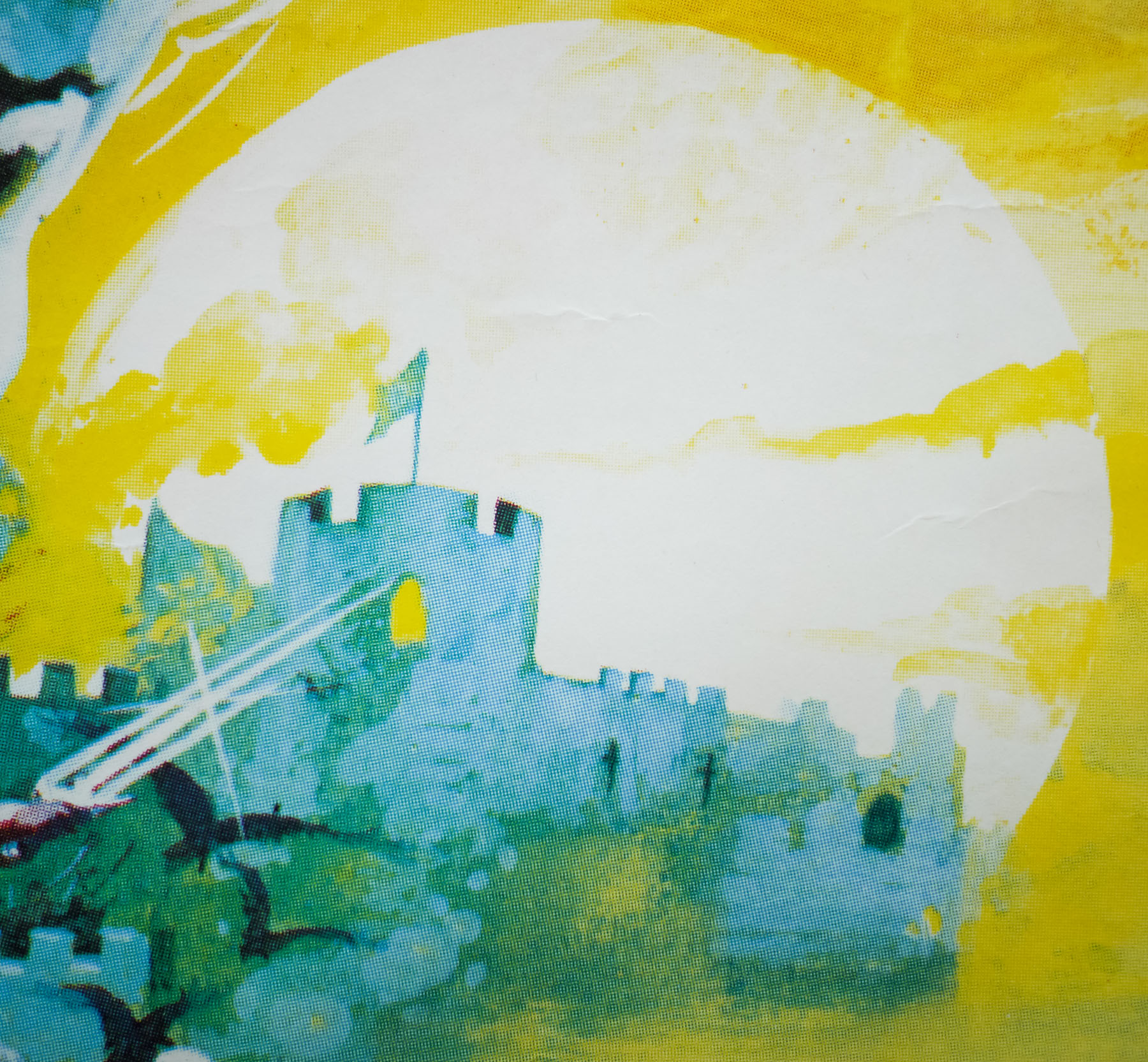
German A1 poster for Leviathan (1989). Artwork by Renato CasaroGerman A1 poster for Leviathan (1989). Artwork by Renato Casaro, image 2German A1 poster for Leviathan (1989). Artwork by Renato Casaro, image 3German A1 poster for Leviathan (1989). Artwork by Renato Casaro, image 4
Title
Leviathan
Year of Film
1989
Director
George P. Cosmatos
Starring
Peter Weller, Richard Crenna, Amanda Pays, Daniel Stern, Ernie Hudson, Michael Carmine, Lisa Eilbacher, Hector Elizondo, Meg Foster, Eugene Lipinski
Origin of Film
USA
Genre(s) of Film
Adventure | Horror | Mystery | Sci-Fi | Thriller
Type of Poster
A1
Origin of Poster
Germany
Year of Poster
1989
Designer
Renato Casaro
Artist
Renato Casaro
Size (inches)
27 1/2" x 33"
SS or DS
SS

Leviathan (opens in a new tab) was one of multiple ‘aliens in the deep’ films released in 1989, with James Cameron’s The Abyss (opens in a new tab) being by far the most successful and memorable of the lot (which also included Deep Star Six (opens in a new tab) and The Evil Below (opens in a new tab)). I have absolutely no idea what made Hollywood decide that underwater peril was the situation du jour at that time, but it wasn’t to last as most of the films performed badly at the box-office and made little critical impact. Only Cameron’s film would go on to gather any kind of cult following and the release of a Director’s Cut of the film certainly helped.

Leviathan is set on a deep-sea mining platform with a crew of eight, including geologist Steven Beck (Peter Weller (opens in a new tab)) a new recruit brought in by the Tri-Oceanic Corp to manage the team. During a routine dive one of the crew slips, falling down a ravine and when they land they discover the wreck of a Soviet submarine called Leviathan hidden in a trench. The team manage to salvage a safe from within the ship and bring it back onto the rig.

After opening it up they discover records relating to the death of crew members of the Leviathan as well as what appears to be a bottle of Vodka. Beck and the crew doctor investigate the fate of the submarine whilst some of the other crew members decide to partake in some of the booze. Unbeknownst to them it contains an alien pathogen which causes the pair who drink it to develop severe rashes and then perish before reanimating as a hideously twisted creature (very much in the vein of the creations seen in John Carpenter’s The Thing). Although Beck and the others manage to expel the creature from the rig, part of it remains onboard and mutates into a multi-tentacled beast which stalks the rest of the crew forcing them to fight for their lives and ultimately abandon the platform.

Unfortunately the film fails to generate much in the way of horror or tension and, though the set designs are top notch, the creature effects are largely woeful, particularly the painfully obviously man in bad rubber suit final version of the creature. Weller gives it his best shot but fails to convince as a hero. Apparently the film was originally going to have more in the way of creature effects and there are clearly whole scenes missing, which all points to studio interference.

This German A1 was designed and painted by Renato Casaro (opens in a new tab), an Italian-born artist who was working prolifically on German posters during the 1970s and 1980s. I interviewed him for this site in 2013 and he talked about his work for the market:

‘You worked on many posters for the German market. Was there a reason for that?
Yes, Germany didn’t really have many posters designers and artists working during the 1970s and 1980s and I certainly didn’t have much in the way of competition. In the 1950s and 60s they had several good artists working on film posters but after that they all retired or died, so there was a gap. I was really fortunate with that whole situation because I was able to work with most of the distributors over there and I was able to choose to work on some really great projects. My work was in demand so Studio Casaro was very busy, especially in the 1980s. Even when some other markets might have been quiet, there was always a project to do for a German client.’

The poster has some similarities with the US one sheet (opens in a new tab), designed and painted by John Alvin.

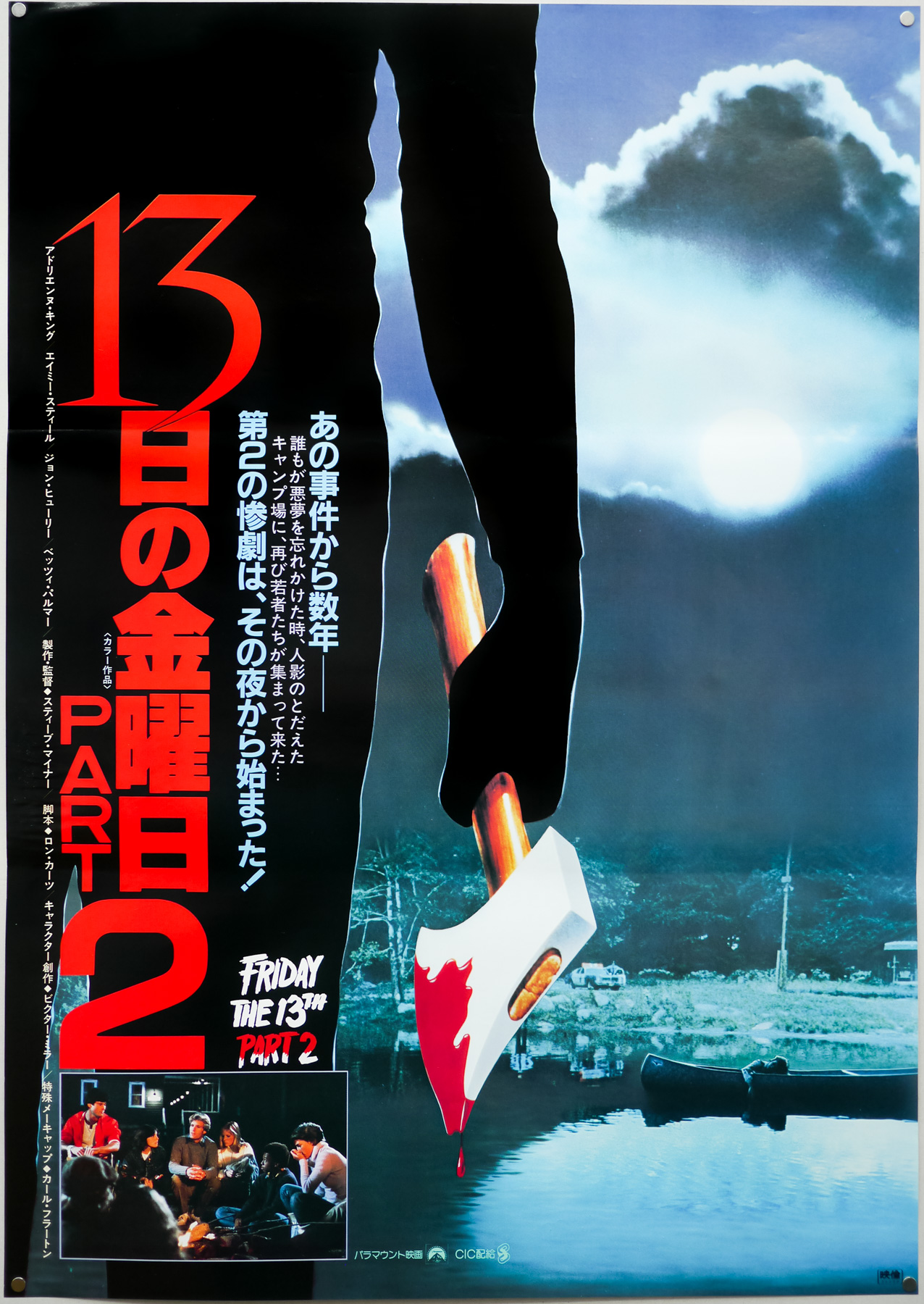
Friday the 13th Part 2 / B2 / Japan

02.02.15

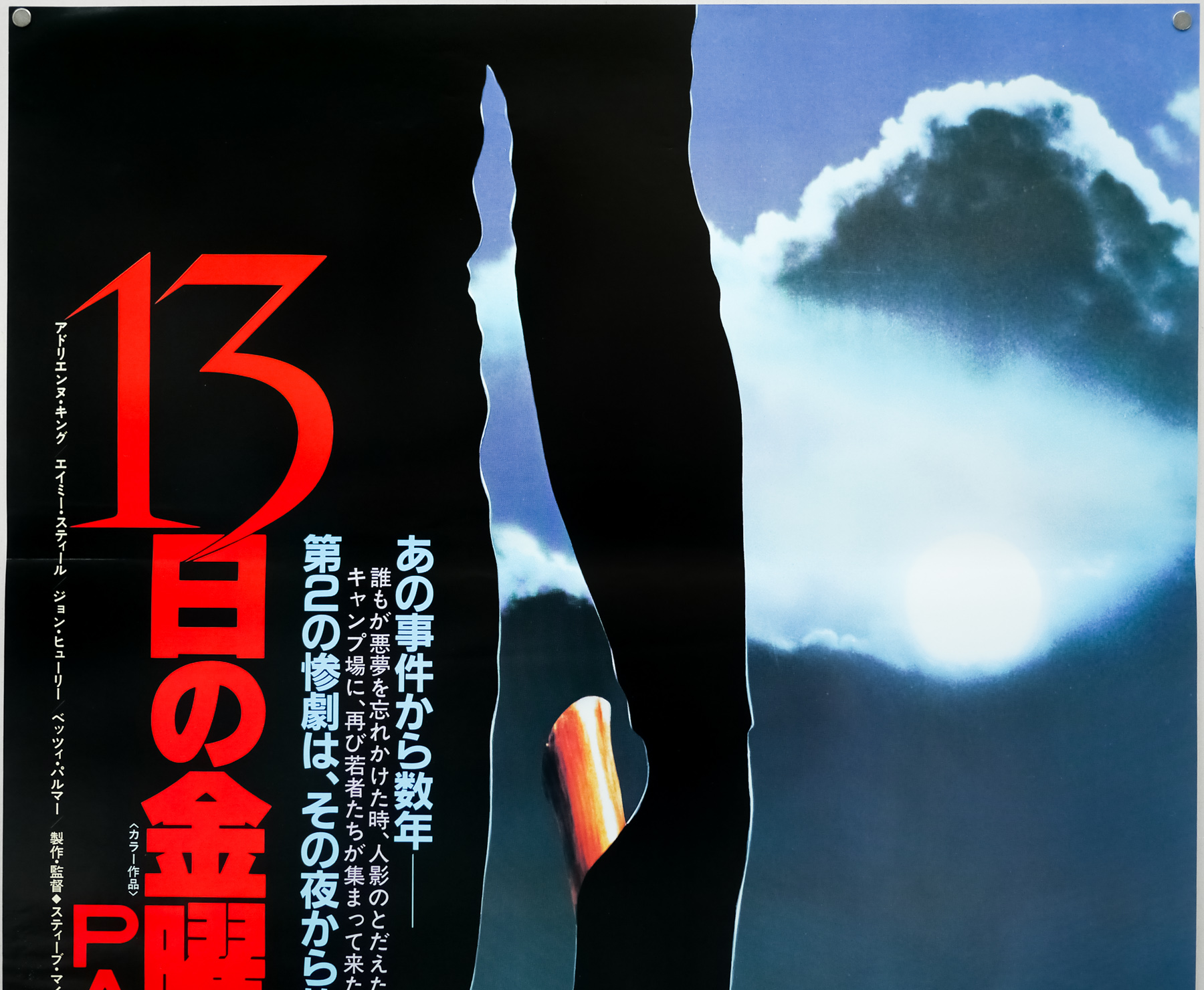
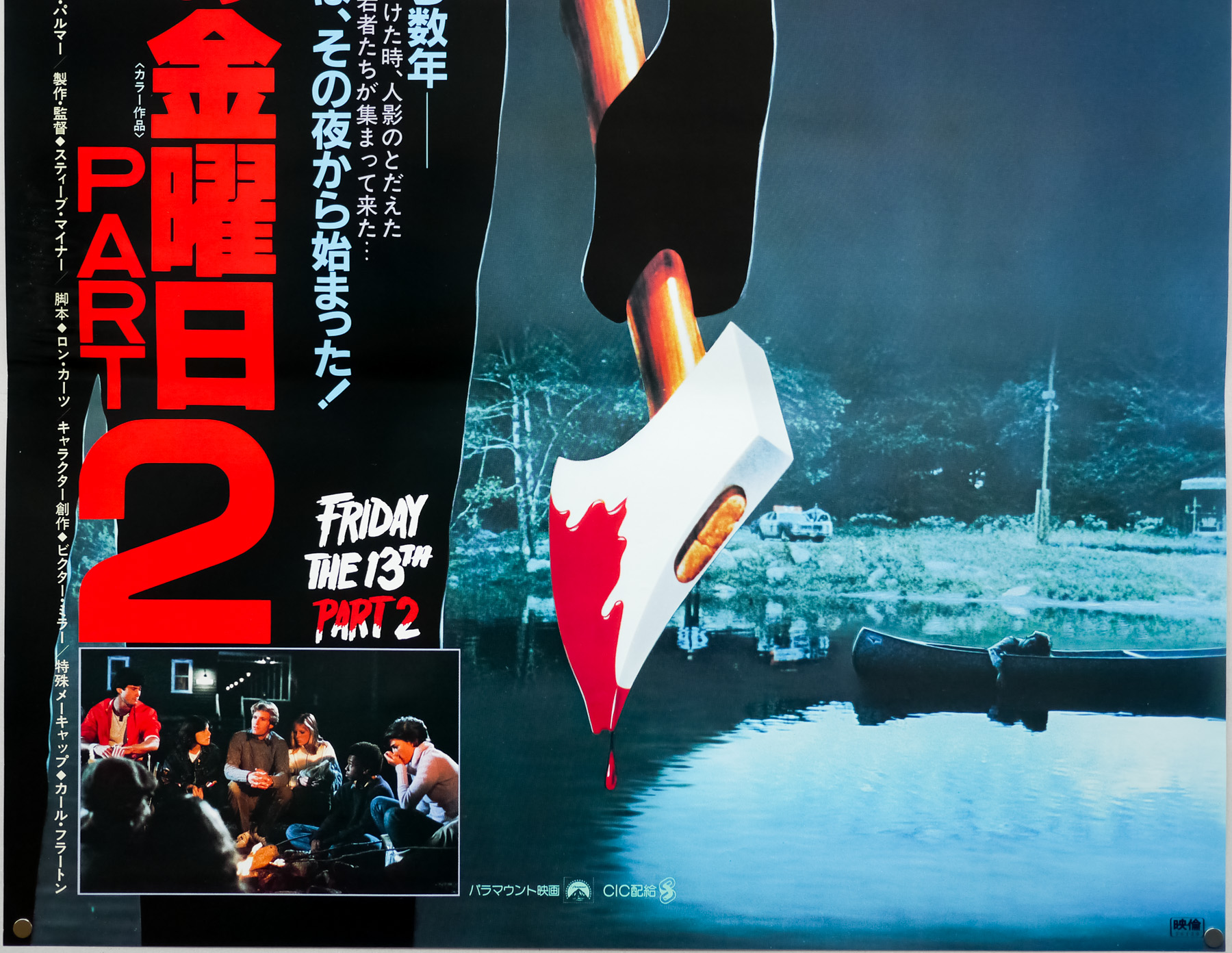
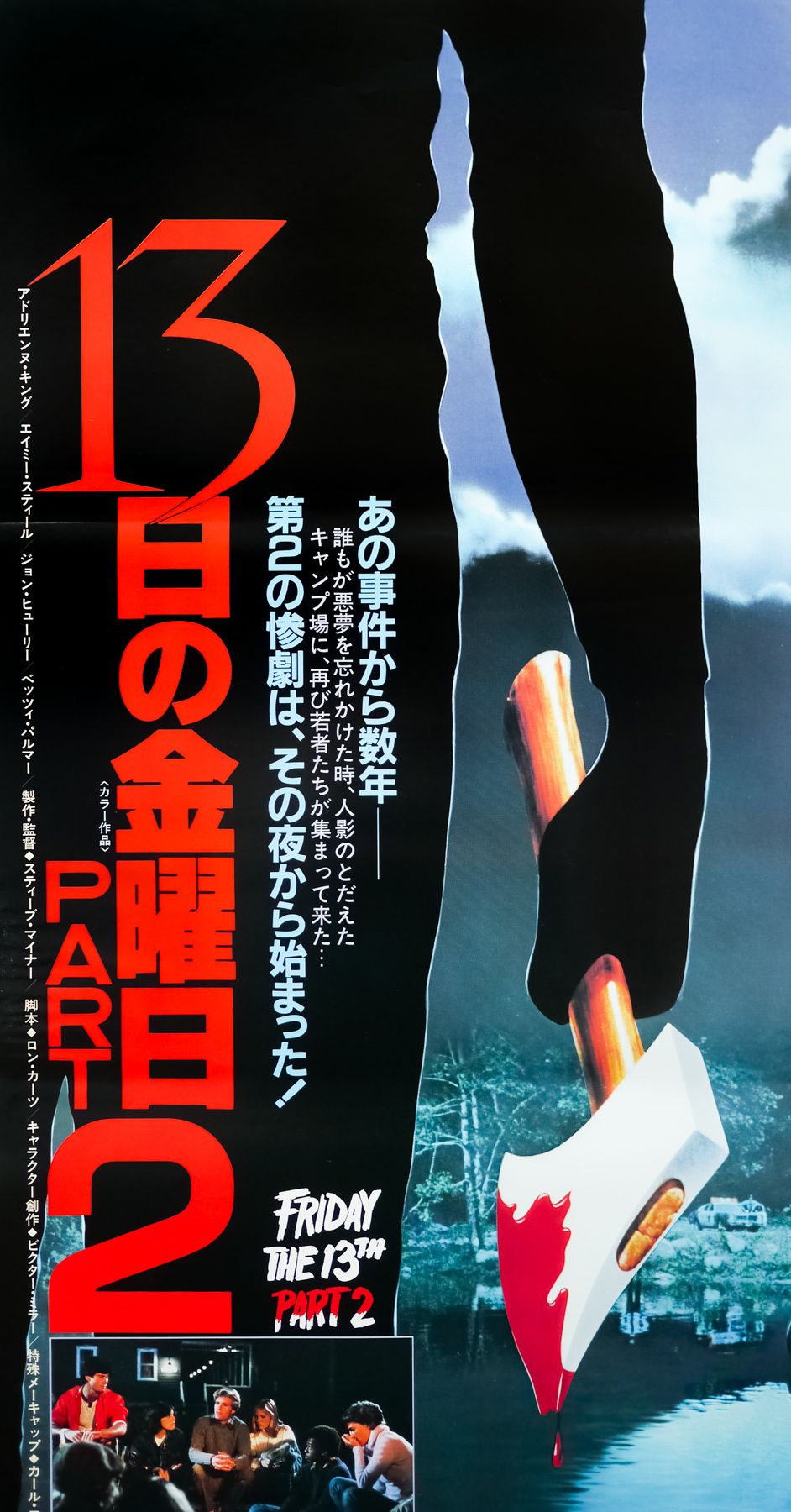
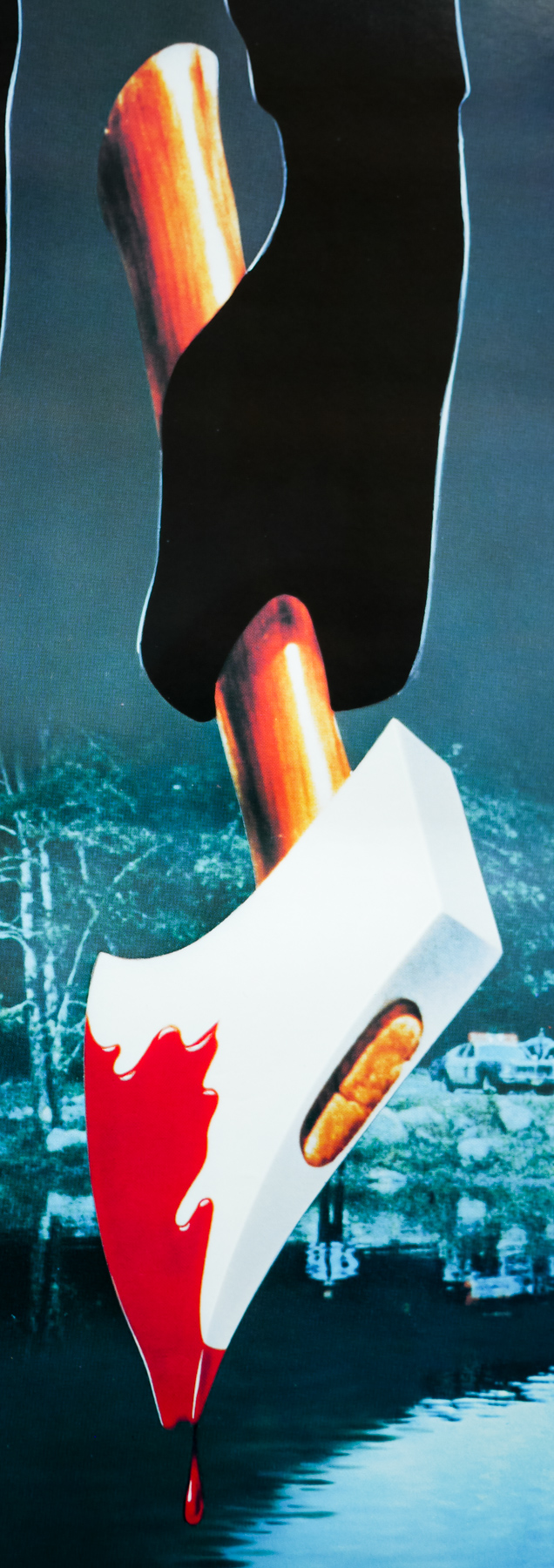
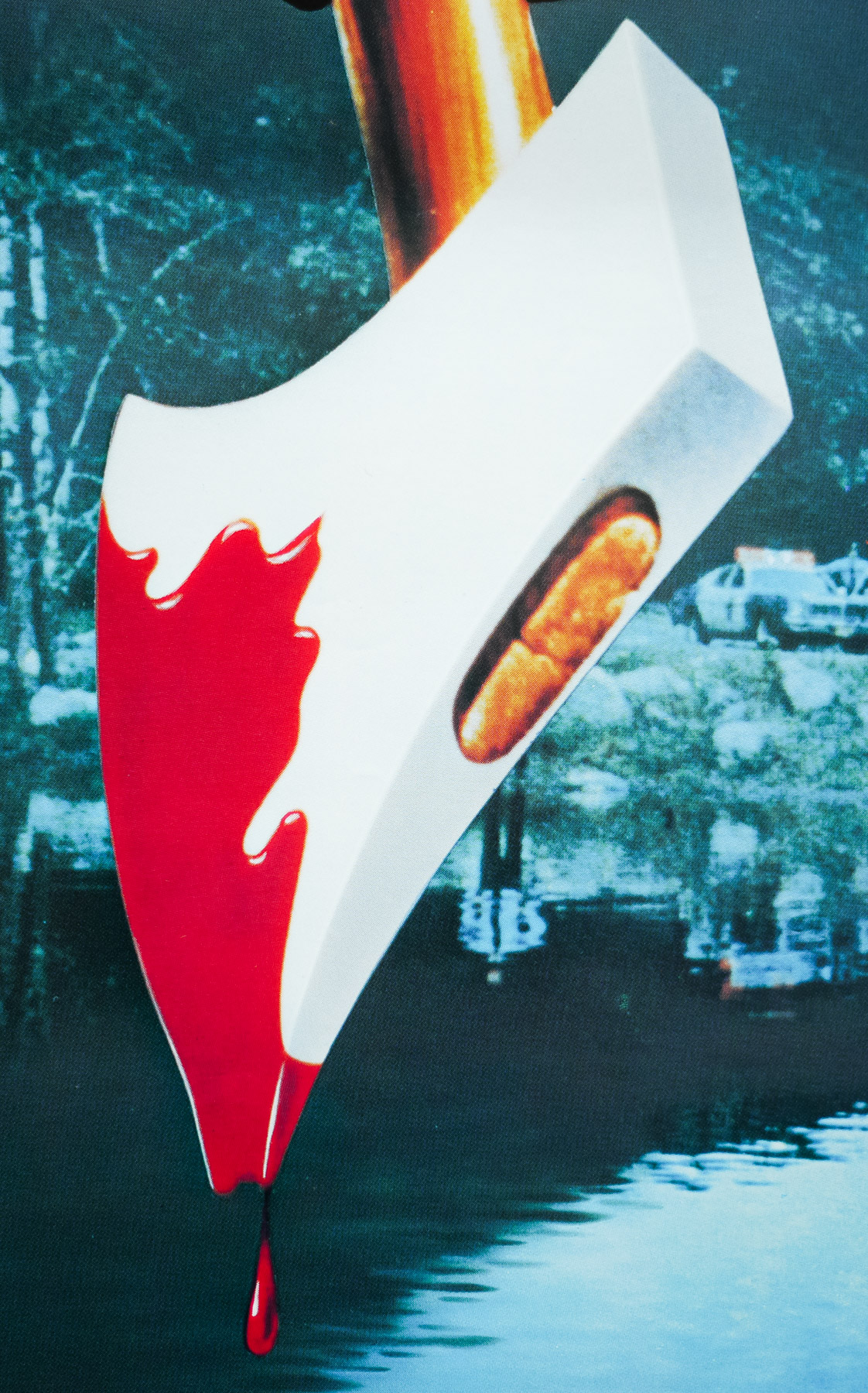
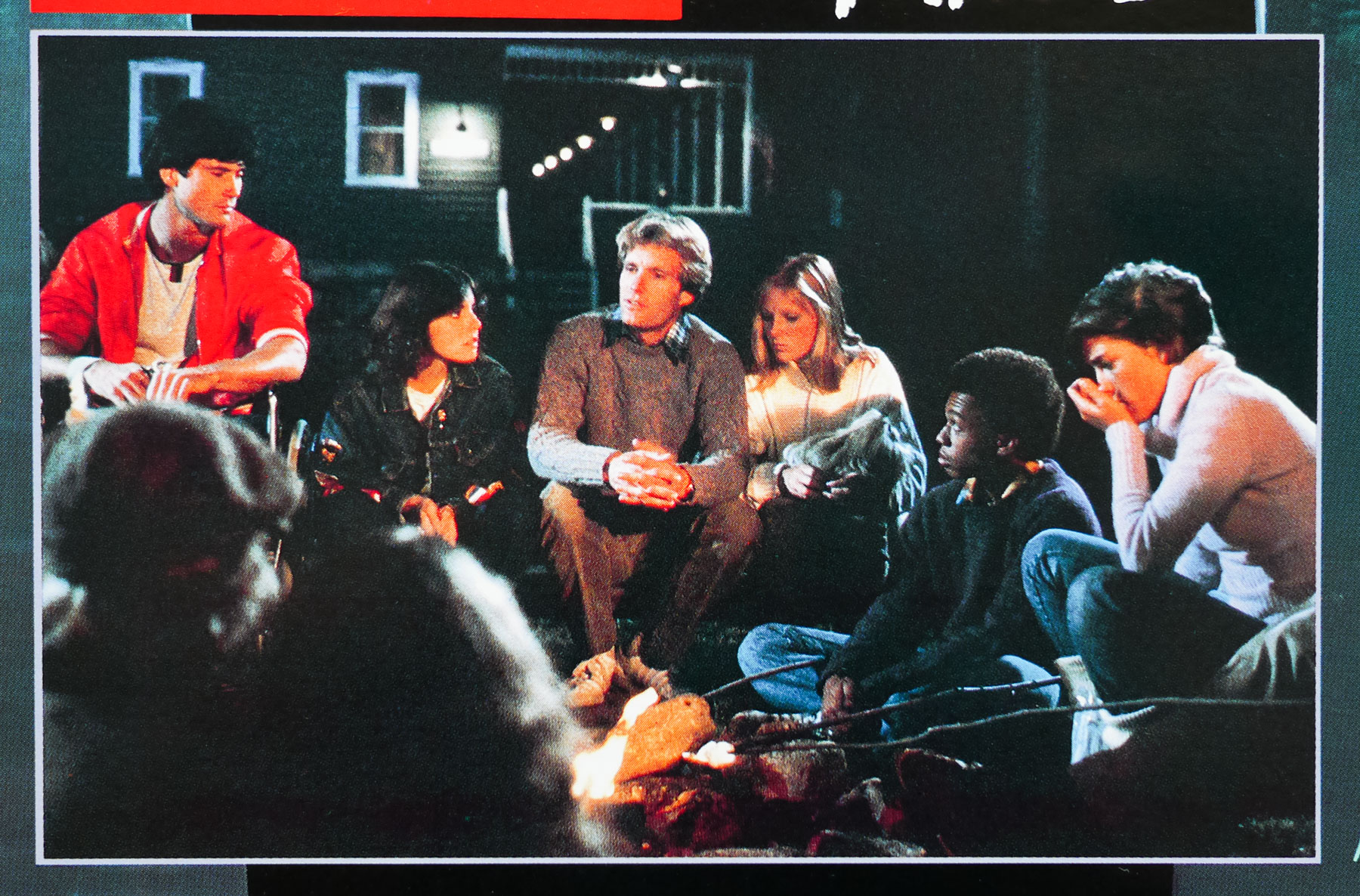
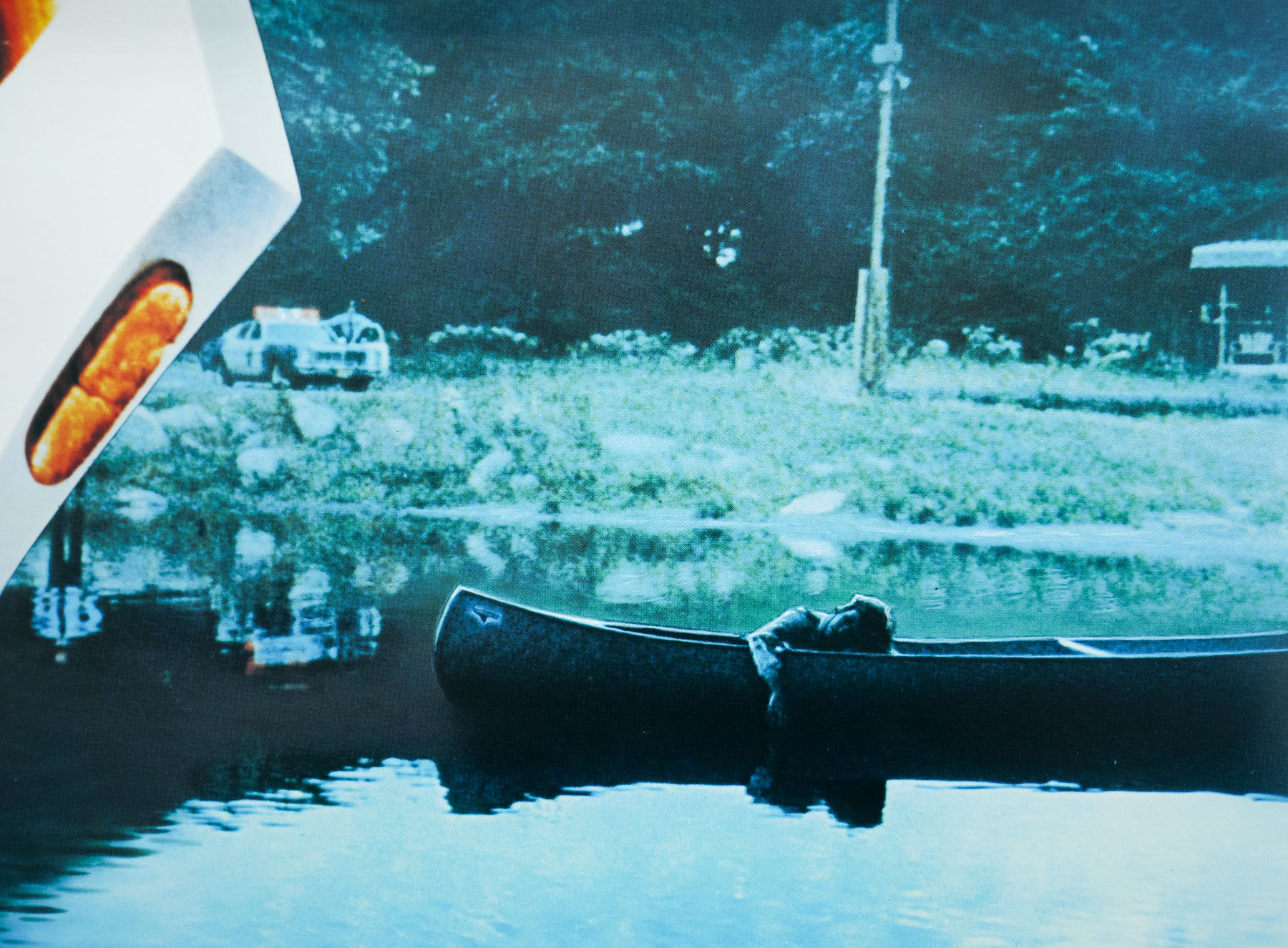
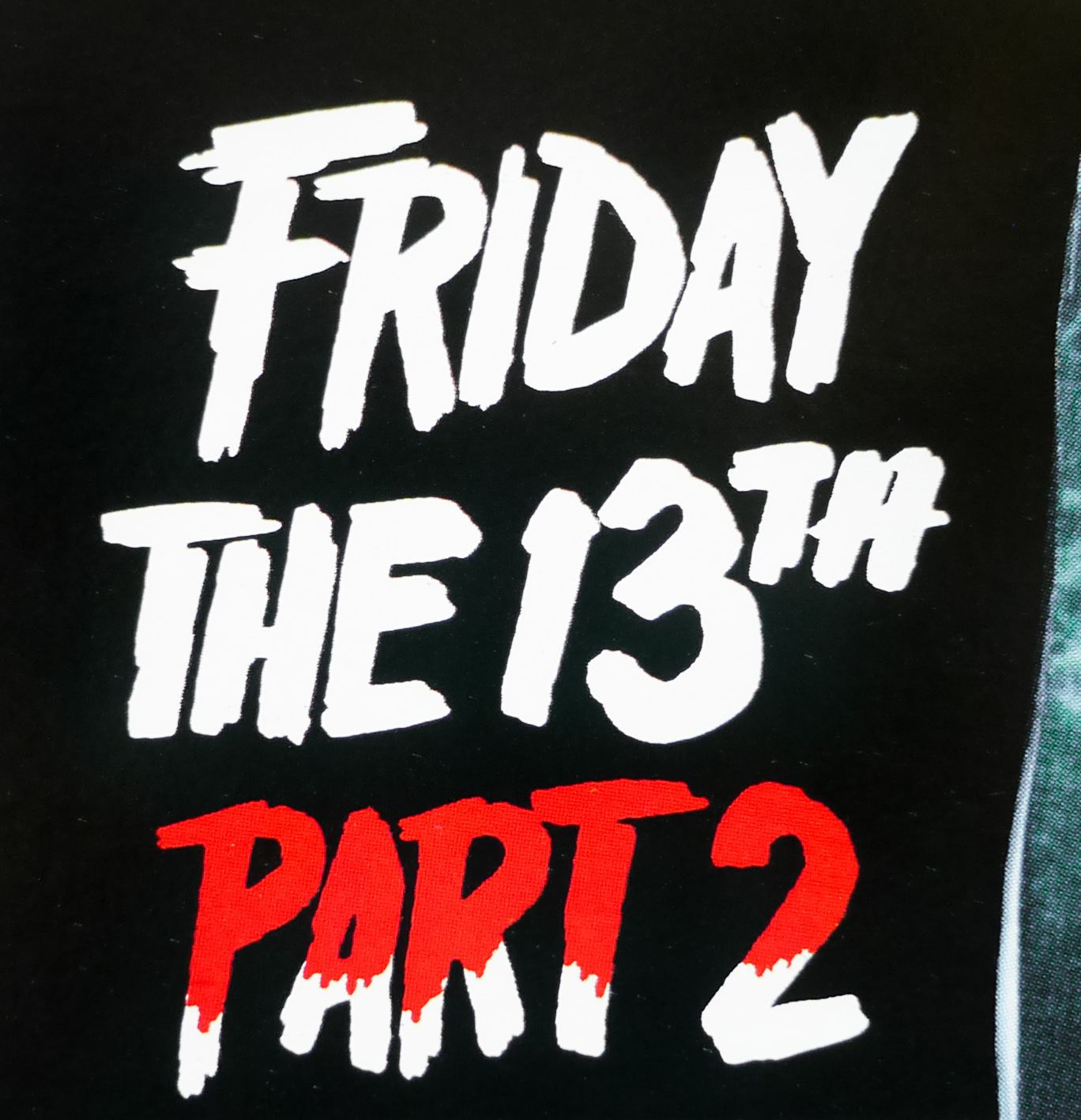
Japanese B2 poster for Friday the 13th Part 2 (1981)Japanese B2 poster for Friday the 13th Part 2 (1981), image 2Japanese B2 poster for Friday the 13th Part 2 (1981), image 3Japanese B2 poster for Friday the 13th Part 2 (1981), image 4
Title
Friday the 13th Part 2
AKA
L'assassino ti siede accanto [You're sitting next to the killer] (Italy)
Year of Film
1981
Director
Steve Miner
Starring
Amy Steel, John Furey, Adrienne King, Kirsten Baker, Stuart Charno, Warrington Gillette, Walt Gorney, Marta Kober, Tom McBride, Bill Randolph, Lauren-Marie Taylor, Russell Todd
Origin of Film
USA
Genre(s) of Film
Horror | Mystery | Thriller
Film Series
Friday the 13th
Type of Poster
B2
Origin of Poster
Japan
Year of Poster
1981
Designer
Unknown
Artist
Unknown
Size (inches)
20 5/16" x 28 13/16"
SS or DS
SS

Following only a year after the release of the original film, Friday the 13th Part 2 (opens in a new tab) stuck very close to the formula that had made the first film such a surprising box office hit. The film’s original director and producer Sean S. Cunningham (opens in a new tab) decided not to return for the sequel after disagreements with studio Paramount over the direction it should take. Despite the fact that the film’s original killer had been decapitated at the end, the studio wanted to continue the same storyline, whereas Cunningham and others (including make-up maestro Tom Savini) had wanted to make the series more of an anthology with different unique storylines for each instalment. 

Steve Miner (opens in a new tab), an associate-producer on the original, was tapped to direct the sequel (he would also helm part 3) and the story was set in the same area as the first film with the action taking place at another camp on Crystal Lake along from where the original set of murders happened. The producers realised they could use the character of Jason Voorhees, the supposedly drowned son of the original killer Pamela Voorhees, as the antagonist and it’s revealed that his body was never found.

As a new set of teenagers arrive at the summer camp ahead of the influx of kids, a killer stalks and murders them one by one, in much the same fashion as the original film. The film has a similar jump-scare ending to the first but it’s fudged slightly as it’s not clear whether it was another dream or not. The character of Jason was nevertheless established as the main bad guy and the series would continue successfully for the next 25-plus years. Part 2 was a victim of the original’s success in that the MPAA (opens in a new tab) were a lot more strict in terms of the gore content this time around and several scenes were cut or truncated to appease the sensors.

This Japanese B2 is a lot more interesting than the US one sheet and I’m unsure who is responsible for the art of the axe. If anyone has any ideas please get in touch.

The Sword and the Sorcerer / quad / UK

30.01.15

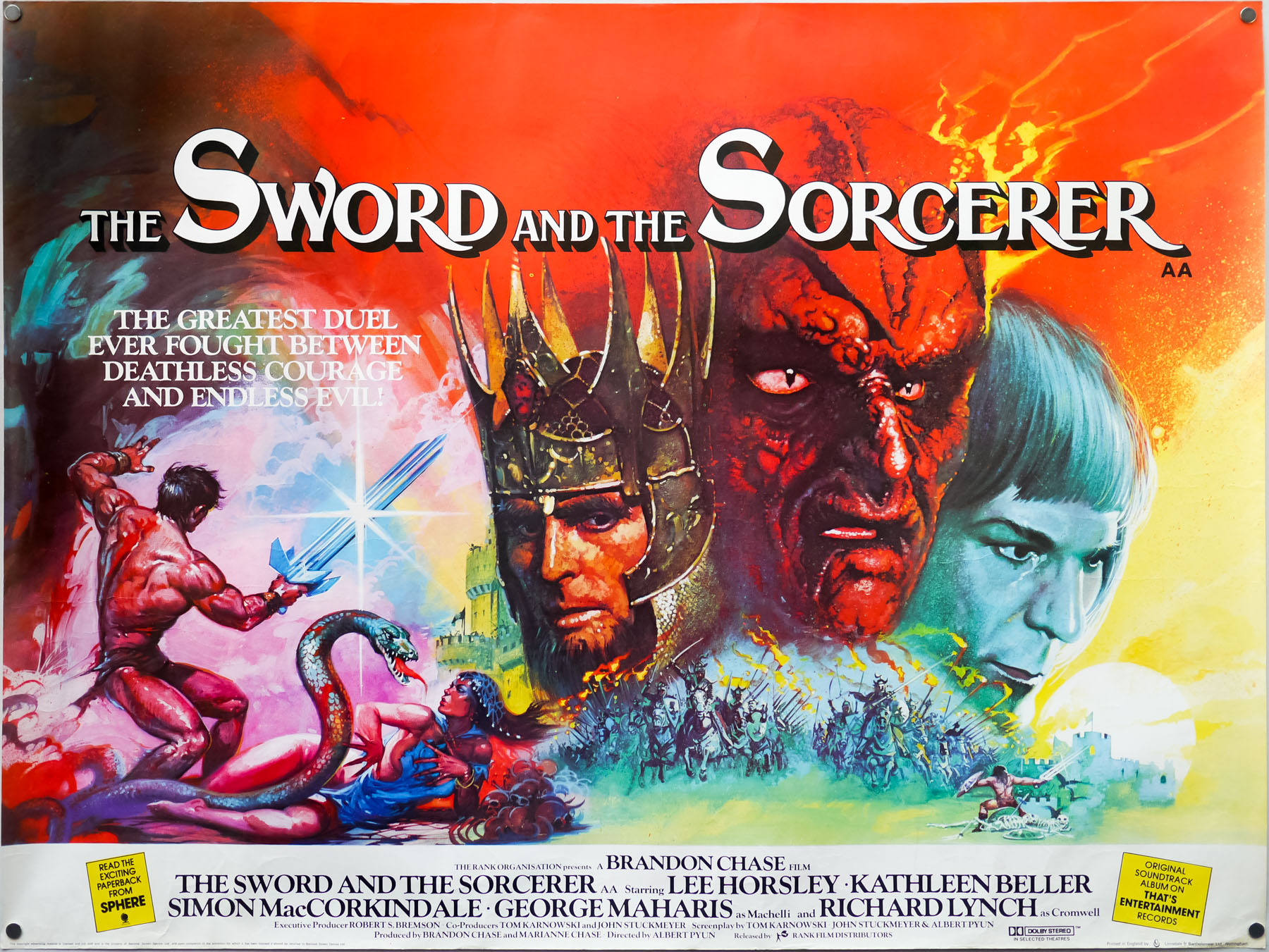
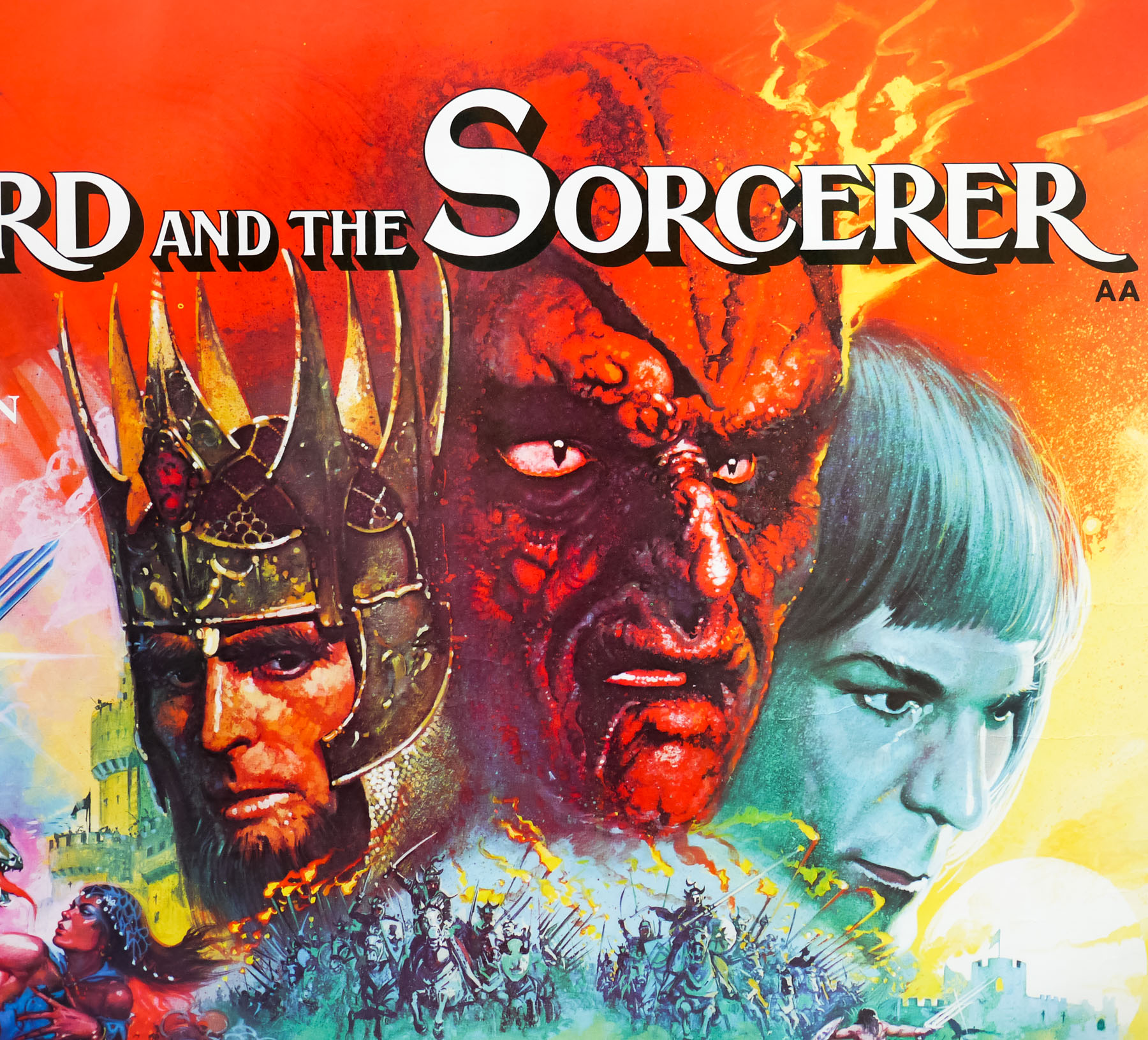
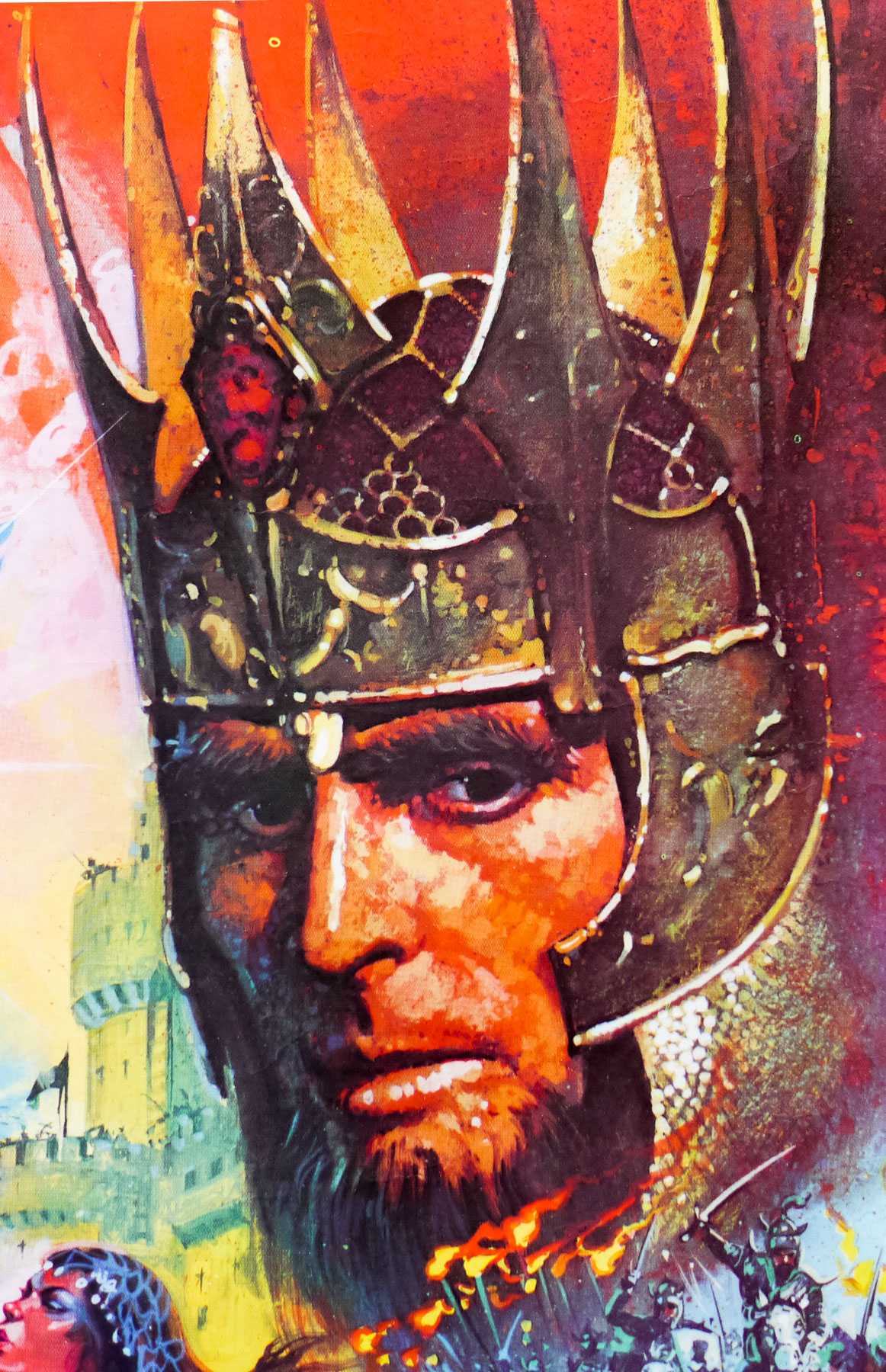
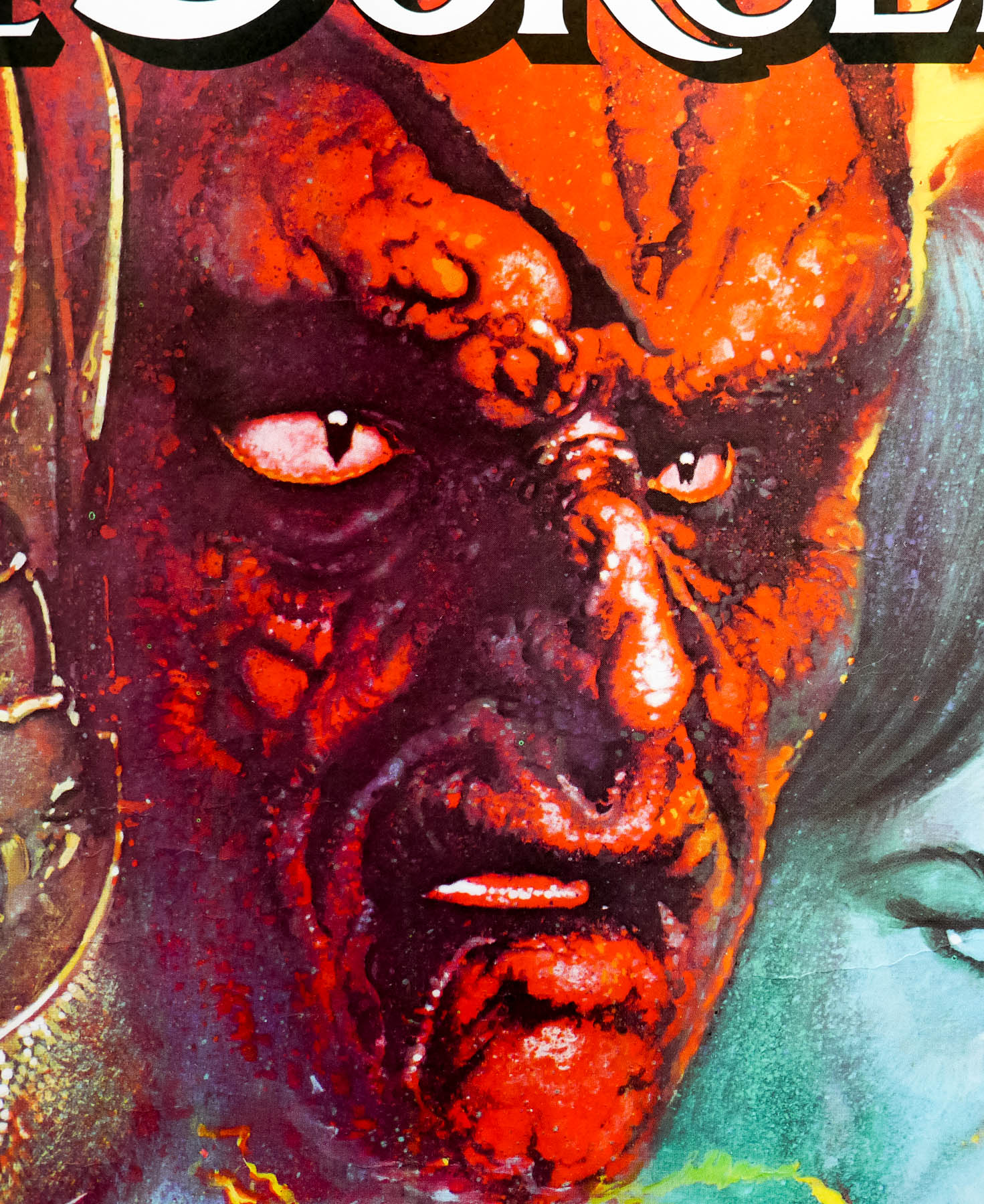
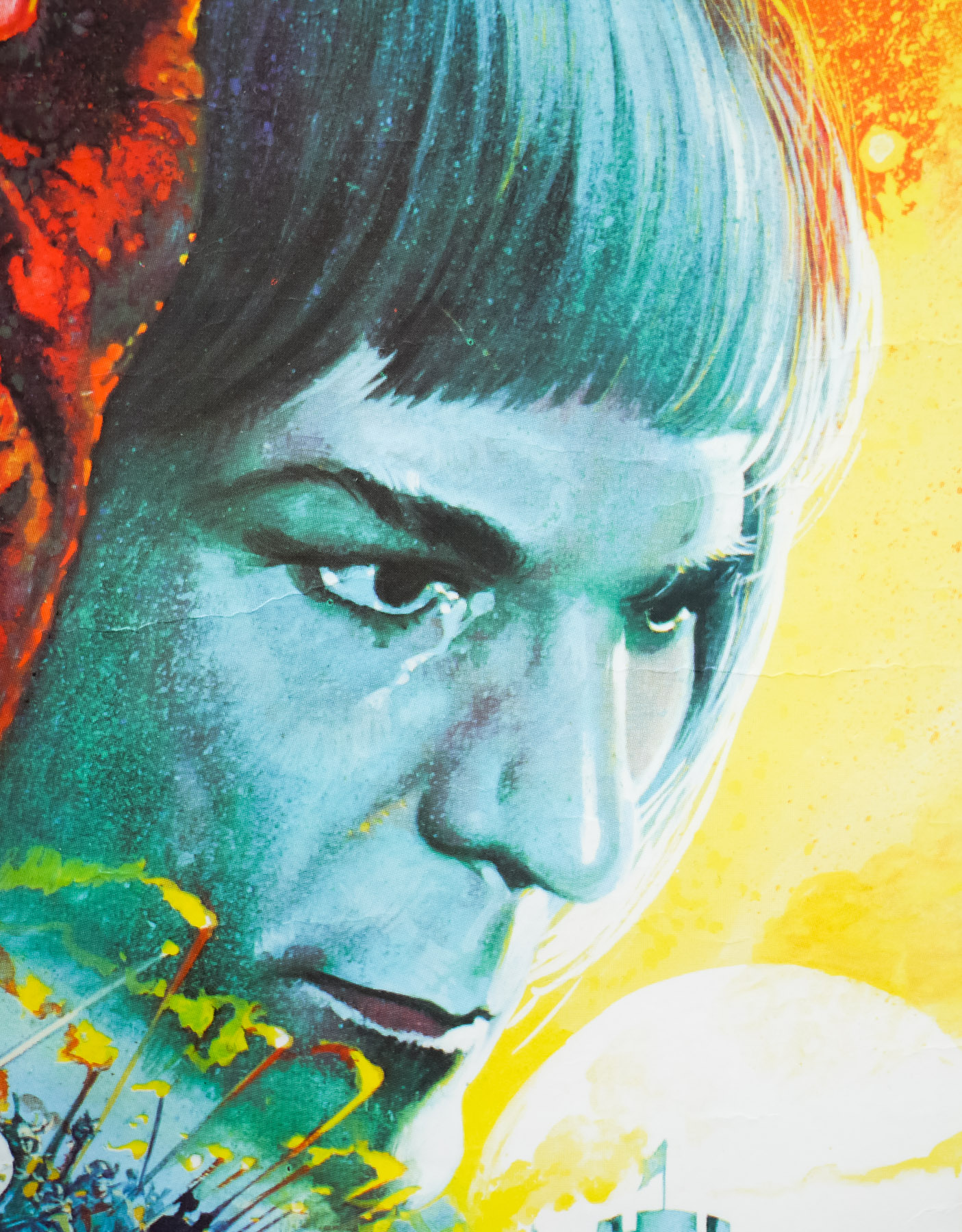
British quad poster for The Sword And The Sorcerer (1982). Artwork by Brian BysouthBritish quad poster for The Sword And The Sorcerer (1982). Artwork by Brian Bysouth, image 2British quad poster for The Sword And The Sorcerer (1982). Artwork by Brian Bysouth, image 3British quad poster for The Sword And The Sorcerer (1982). Artwork by Brian Bysouth, image 4British quad poster for The Sword And The Sorcerer (1982). Artwork by Brian Bysouth, image 5
Title
The Sword And The Sorcerer
AKA
La spada a tre lame [The sword of three blades] (Italy)
Year of Film
1982
Director
Albert Pyun
Starring
Lee Horsley, Shelley Taylor Morgan, Kathleen Beller, Simon MacCorkindale, George Maharis, Richard Lynch, Richard Moll, Anthony De Longis, Robert Tessier, Nina Van Pallandt, Anna Bjorn, Jeff Corey, Joe Regalbuto, Christina Nigra, Earl Maynard, Russ Marin
Origin of Film
USA
Genre(s) of Film
Action | Fantasy | Adventure
Type of Poster
Quad
Origin of Poster
UK
Year of Poster
1982
Designer
Brian Bysouth
Artist
Brian Bysouth
Size (inches)
30" x 39 13/16"
SS or DS
SS
Tagline
The greatest duel ever fought between deathless courage and endless evil!

The Sword and the Sorcerer (opens in a new tab) is a 1982 fantasy film directed by Albert Pyun (opens in a new tab) (in his debut) and was one of several entries in the genre that were released the same year, including Conan the Barbarian and The Beastmaster. Lee Horsley (opens in a new tab) appears in his first film role as Prince Talon the song of a King and Queen who are slain by the evil King Cromwell (Richard Lynch (opens in a new tab)) after he uses the black magic of a sorcerer named Xusia (Richard Moll (opens in a new tab)) to overthrow their kingdom.

Over a decade later, Talon returns to the kingdom as a mercenary leading a band of men on a mission to help rebels overthrow Cromwell. Talon is asked to help free Mikah (Simon MacCorkindale (opens in a new tab)), Cromwell’s war chancellor, who is secretly a double agent and is captured and imprisoned. His sister Alana (Kathleen Beller (opens in a new tab)) begs for help from Talon and the mercenary sets out to Cromwell’s castle where the final showdown with his parents’ murderer takes place.

The film was critically derided at the time but still proved a popular box-office draw, easily recouping its relatively low budget and ending up as the most profitable independent film of 1982.

This quad was painted by the British designer and artist Brian Bysouth who I interviewed for this site in 2012, There is also a quad for Willow featuring the same artwork. Brian is one of my favourite artists and worked on multiple classic posters from the 1960s to the 1980s, including the final painted poster for a James Bond film, The Living Daylights. See the other posters I’ve collected by Brian.

This poster takes elements from both the Style A US one sheet as well as the Style B one sheet, both credited to the artist Peter Andrew Jones (opens in a new tab).
Evel Knievel / B2 / Japan

28.01.15

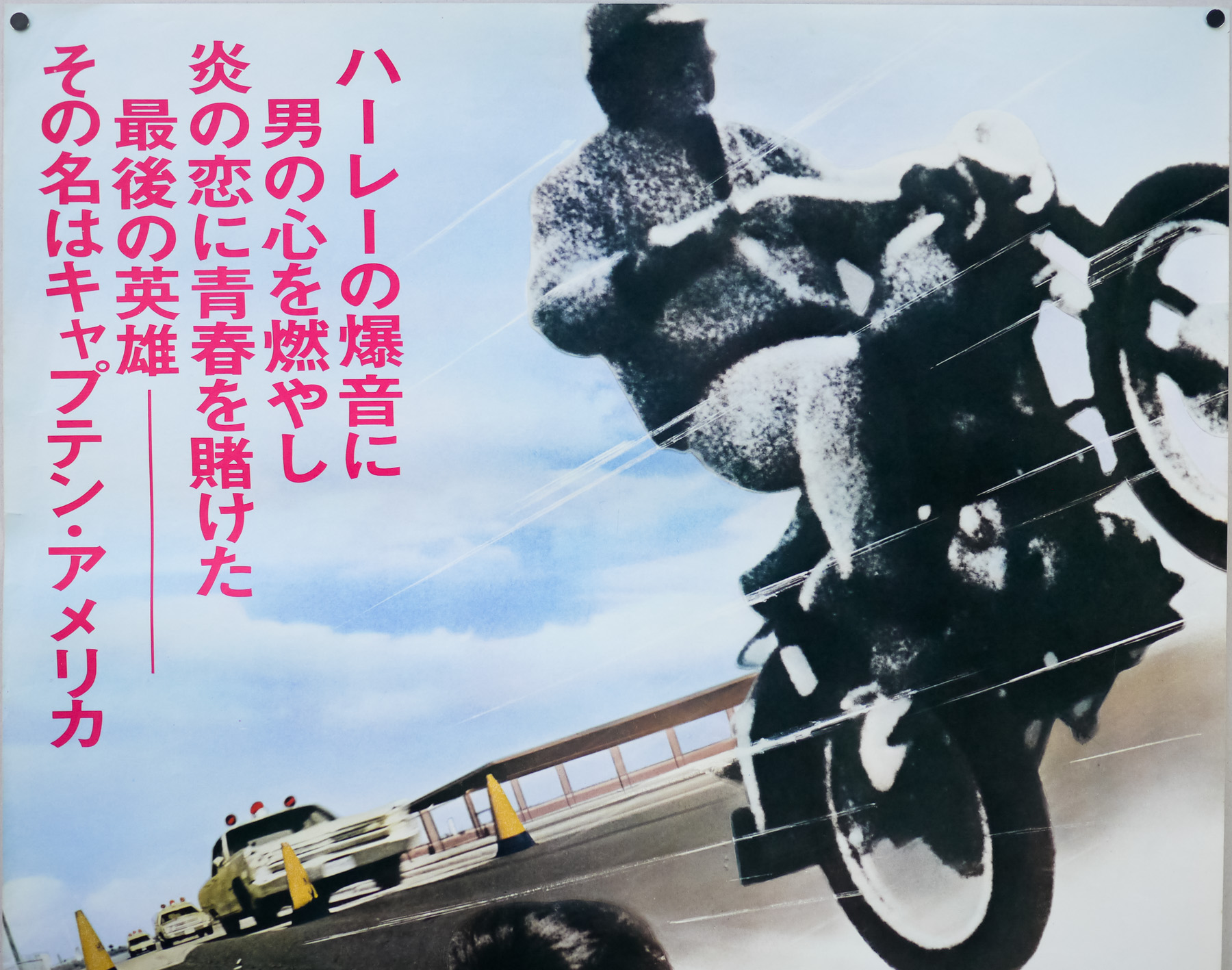
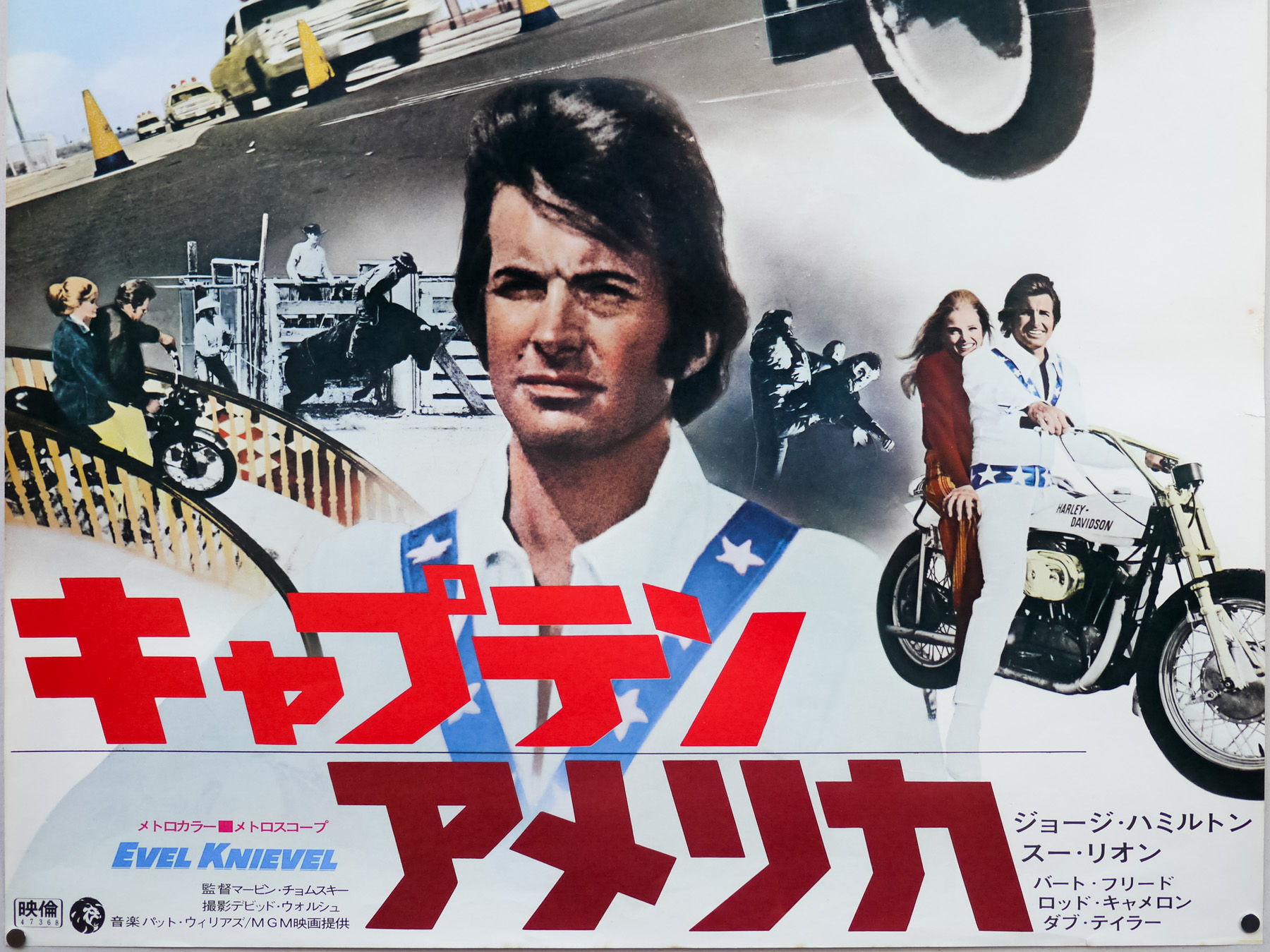
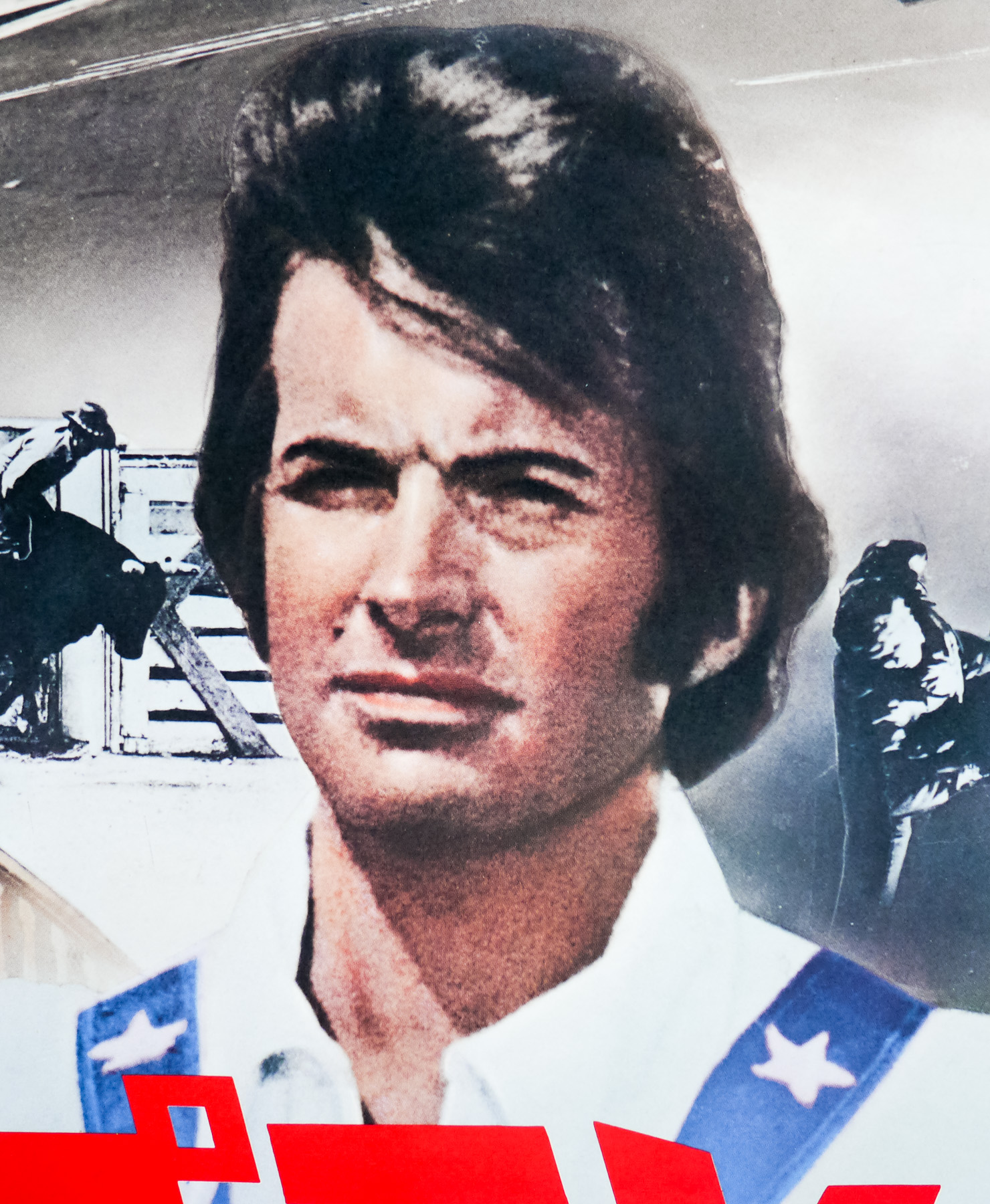
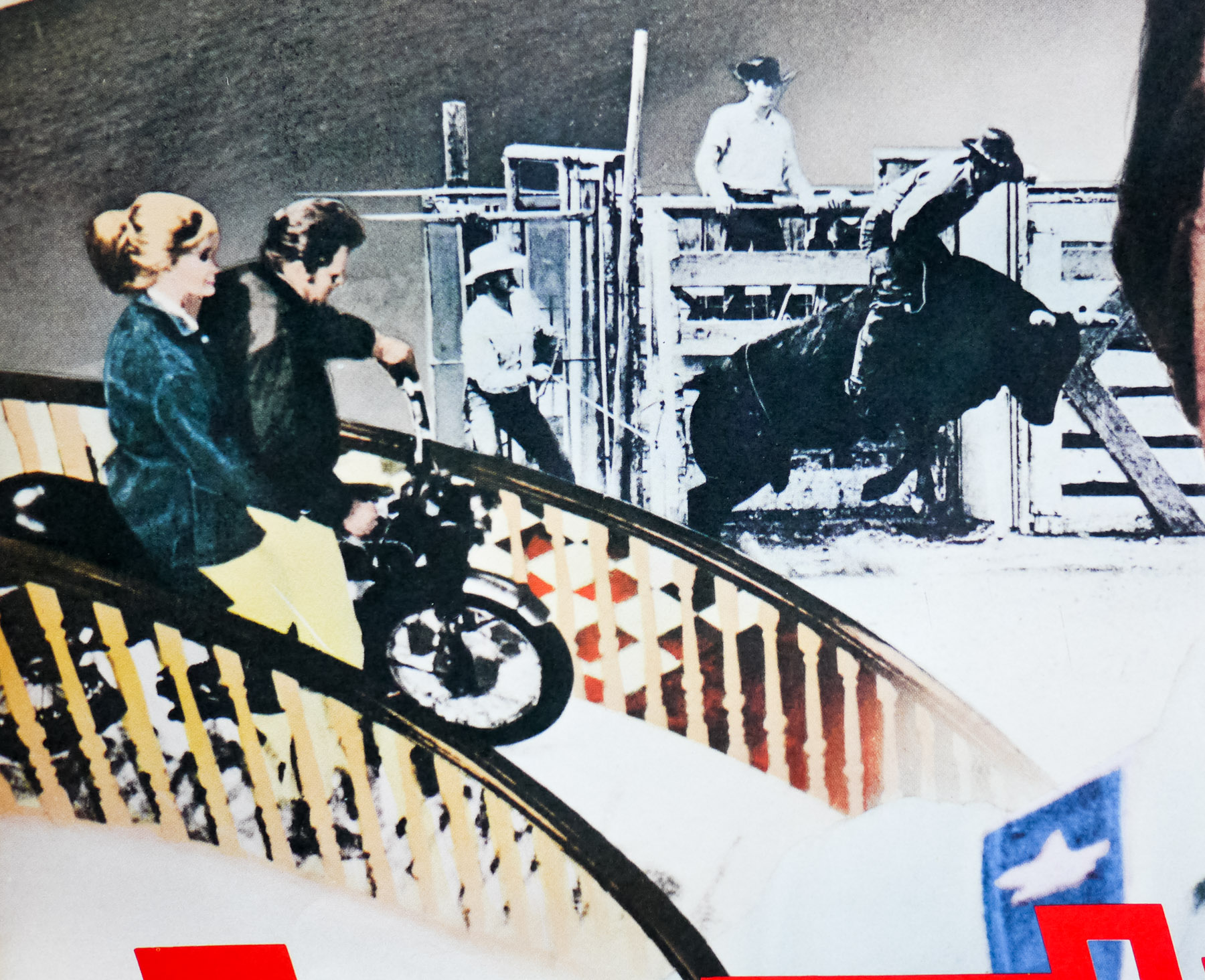
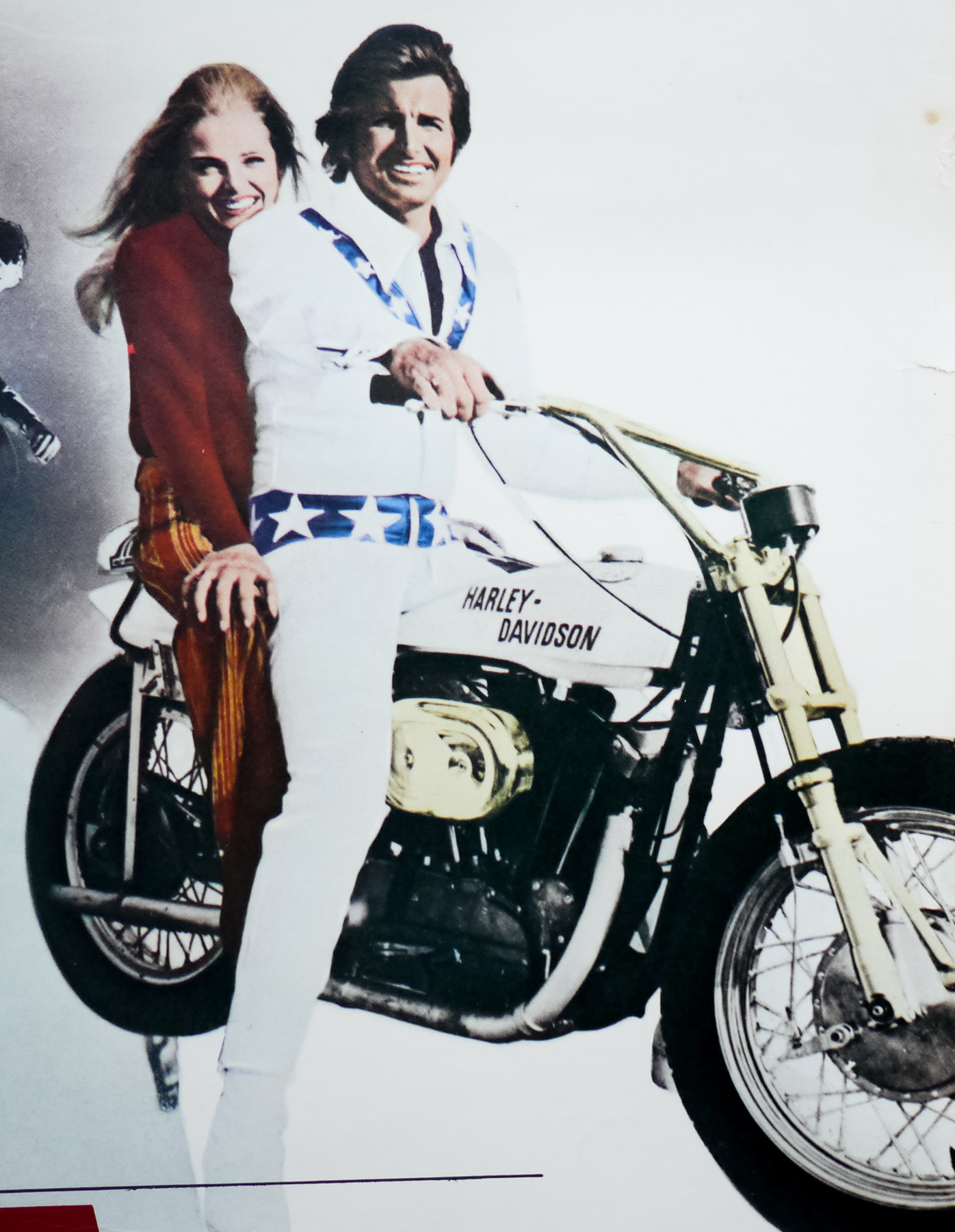
Japanese B2 poster (1972) for Evel Knievel (1971)Japanese B2 poster (1972) for Evel Knievel (1971), image 2Japanese B2 poster (1972) for Evel Knievel (1971), image 3Japanese B2 poster (1972) for Evel Knievel (1971), image 4Japanese B2 poster (1972) for Evel Knievel (1971), image 5
Title
Evel Knievel
Year of Film
1971
Director
Marvin J. Chomsky
Starring
George Hamilton, Sue Lyon, Bert Freed, Rod Cameron, Dub Taylor, Ron Masak, Hal Baylor, Judith Baldwin, Kathrine Baumann
Origin of Film
USA
Genre(s) of Film
Action | Biography | Drama
Type of Poster
B2
Origin of Poster
Japan
Year of Poster
1972
Designer
Unknown
Size (inches)
20 1/4" x 28 3/4"
SS or DS
SS

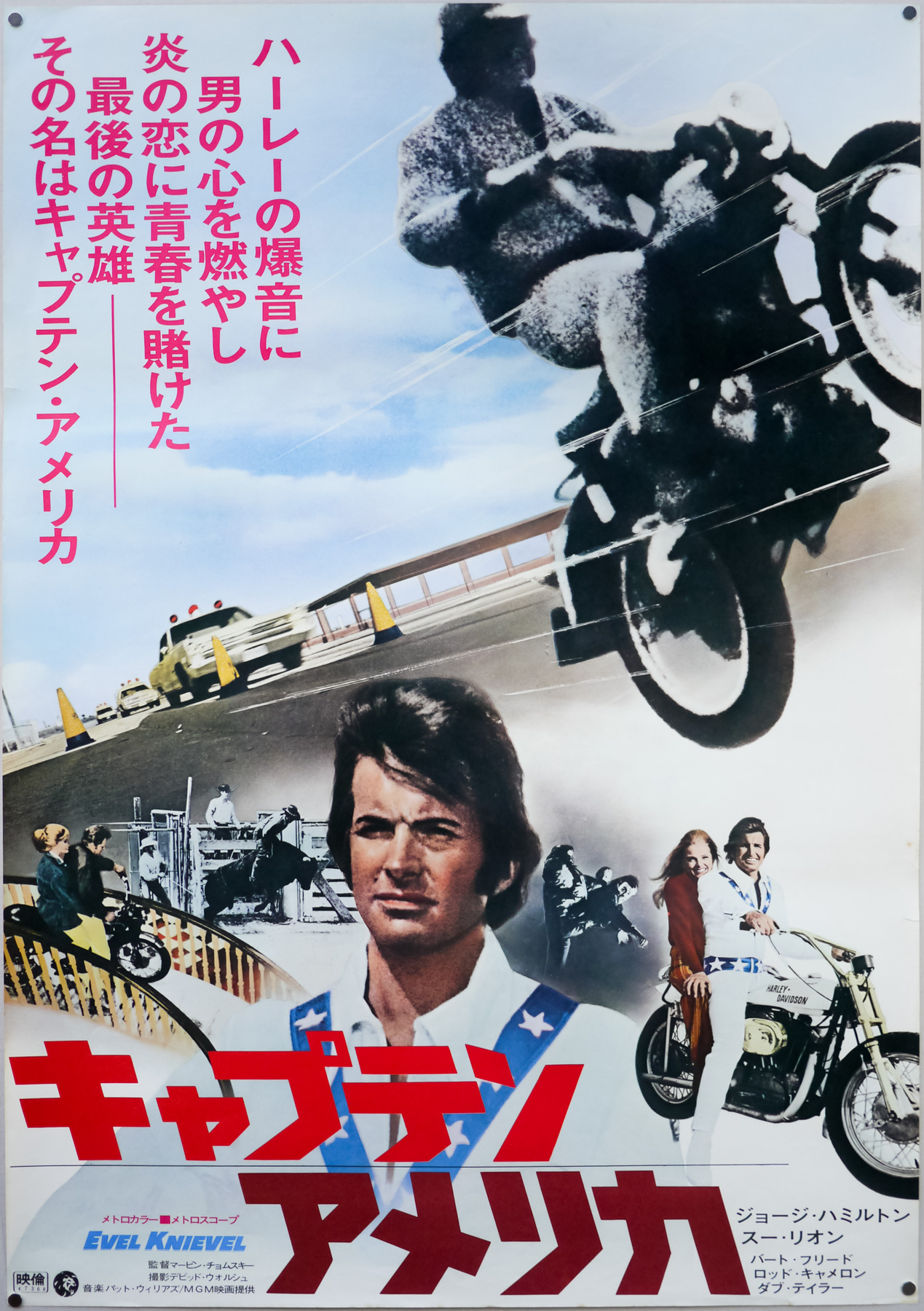
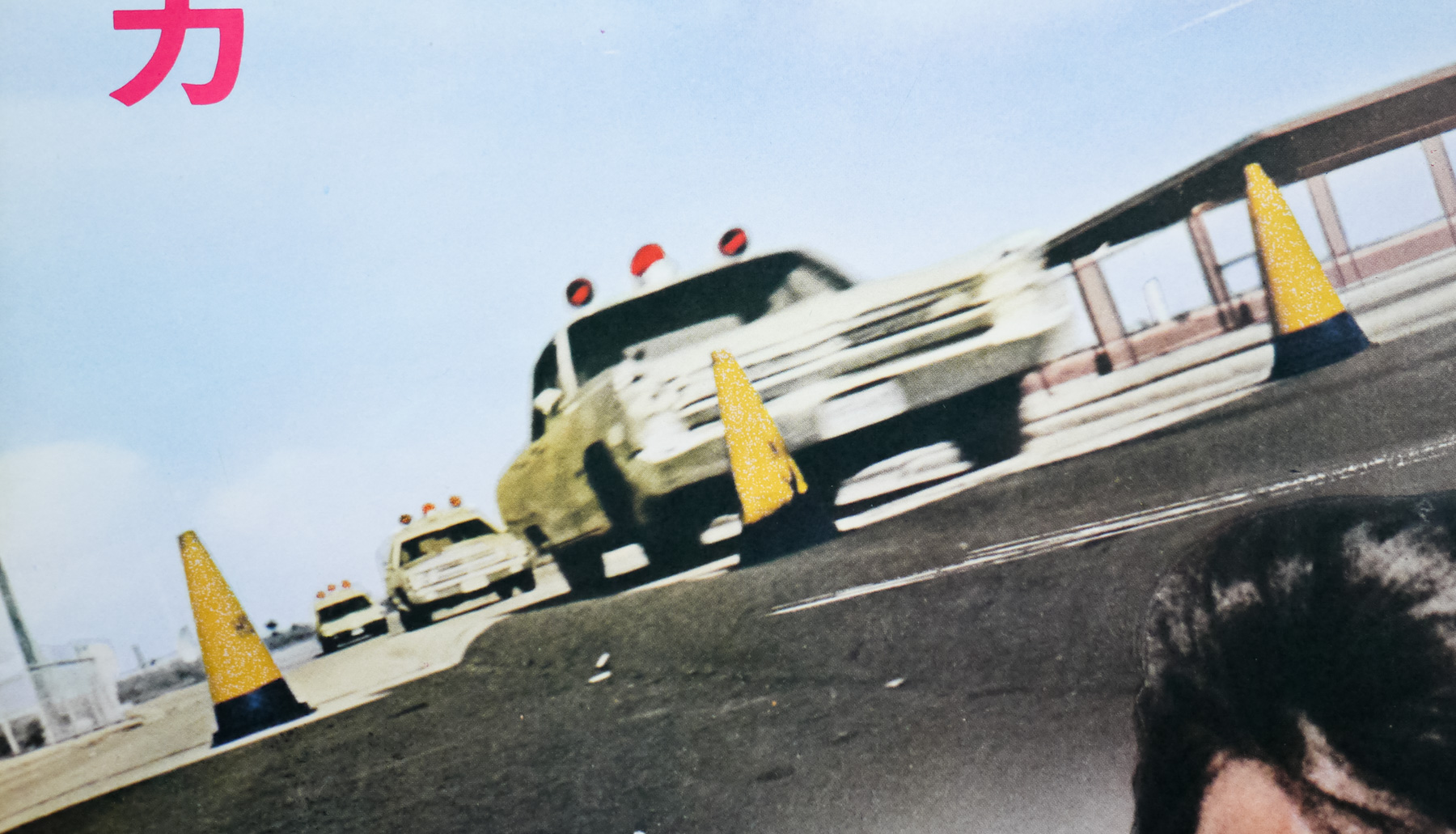
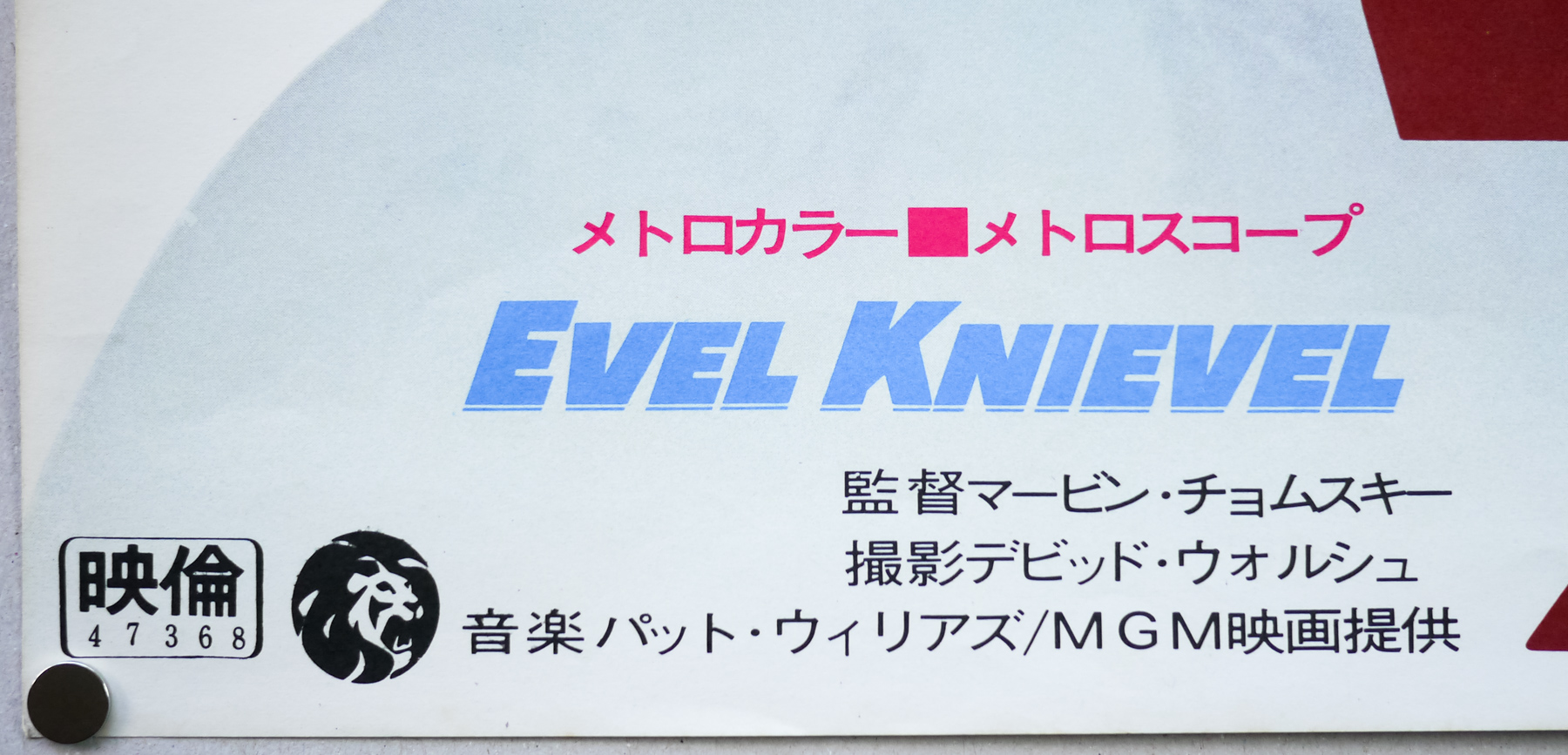
This is the Japanese B2 for the release of the 1971 biography (opens in a new tab) of the legendary stuntman Evel Knievel (opens in a new tab) that was made whilst he was only 32 years old and still at the height of his fame. It was also before his infamous attempted jumping of Snake River Canyon (opens in a new tab) in 1974 that ended in a near fatal crash. The film was shot in Evel’s home town of Butte, Montana and starred the prolific actor George Hamilton (opens in a new tab) as the man himself.

The film is told in a series of flashbacks with Evel narrating various incidents that happen throughout the film, including events regarding his relationship with his wife. It features actual footage of Knievel on his bike and completing various stunts, including one on the Ontario Motor Speedway. The film ends with Evel at the edge of the Grand Canyon because the real stuntman was planning a jump of the famous landmark that never came to pass.

The film is now out of copyright and is in the public domain, freely available to watch online (opens in a new tab) should you wish to do so.


The Boy Who Cried Werewolf / 30×40 / USA

26.01.15

US 30x40 poster for The Boy Who Cried Werewolf (1973)US 30x40 poster for The Boy Who Cried Werewolf (1973), image 2US 30x40 poster for The Boy Who Cried Werewolf (1973), image 3US 30x40 poster for The Boy Who Cried Werewolf (1973), image 4US 30x40 poster for The Boy Who Cried Werewolf (1973), image 5
Title
The Boy Who Cried Werewolf
Year of Film
1973
Director
Nathan Juran
Starring
Kerwin Mathews, Elaine Devry, Scott Sealey, Robert J. Wilke, Susan Foster, Jack Lucas, Bob Homel, George Gaynes
Origin of Film
USA
Genre(s) of Film
Horror
Type of Poster
30x40
Origin of Poster
USA
Year of Poster
1973
Designer
Unknown
Artist
Unknown
Size (inches)
30" x 40"
SS or DS
SS
NSS #
73/229
Tagline
Possible in this day and age? Those who didn't believe... are dead!

A little-seen horror from 1973, The Boy Who Cried Werewolf (opens in a new tab) was the last film that director Nathan H. Juran (opens in a new tab) (Attack of the 50 Foot Woman (opens in a new tab), The 7th Voyage of Sinbad (opens in a new tab)) worked on and it paired him for the final time with leading actor Kerwin Mathews (opens in a new tab) who was a regular collaborator (he played Sinbad, for example). The plot sees Mathews play Robert, a divorced father who takes his estranged son Richie (Scott Sealey (opens in a new tab)) to the family’s holiday mountain cabin for a short break. Whilst walking in the woods at night the pair are attacked by a werewolf and during the struggle Rob is bitten before the beast falls down a ravine and is impaled on a fence.

When they discover the body it has changed back to a man whom the local police don’t recognise. Richie’s insistence that it was a werewolf is laughed off by his father and the police and later his mother speaks to a psychologist who suggests the boy is struggling to accept that he witnessed his father killing someone and is making up a fantastic story to cope with the situation. The psychologist then recommends Robert and Richie return to the cabin to help with the healing process, but they happen to visit during the next full-moon cycle and that bite comes back to haunt Robert and Richie. Will anyone believe the boy before it’s too late?
It seems like the film was given a limited release and this is the 30×40 poster which will have been used for the film’s showing in venues like drive-ins and larger cinemas. It was also given a UK release as a double-bill with the creature feature ‘Sssss (opens in a new tab)‘, that was out the same year. The film has never been officially released on DVD and is hard to track down, should you wish to watch it.

I’m unsure who is responsible for the artwork on this poster so if you have any ideas please get in touch.


Who Framed Roger Rabbit / one sheet / Kilian mylar / style D / USA

23.01.15

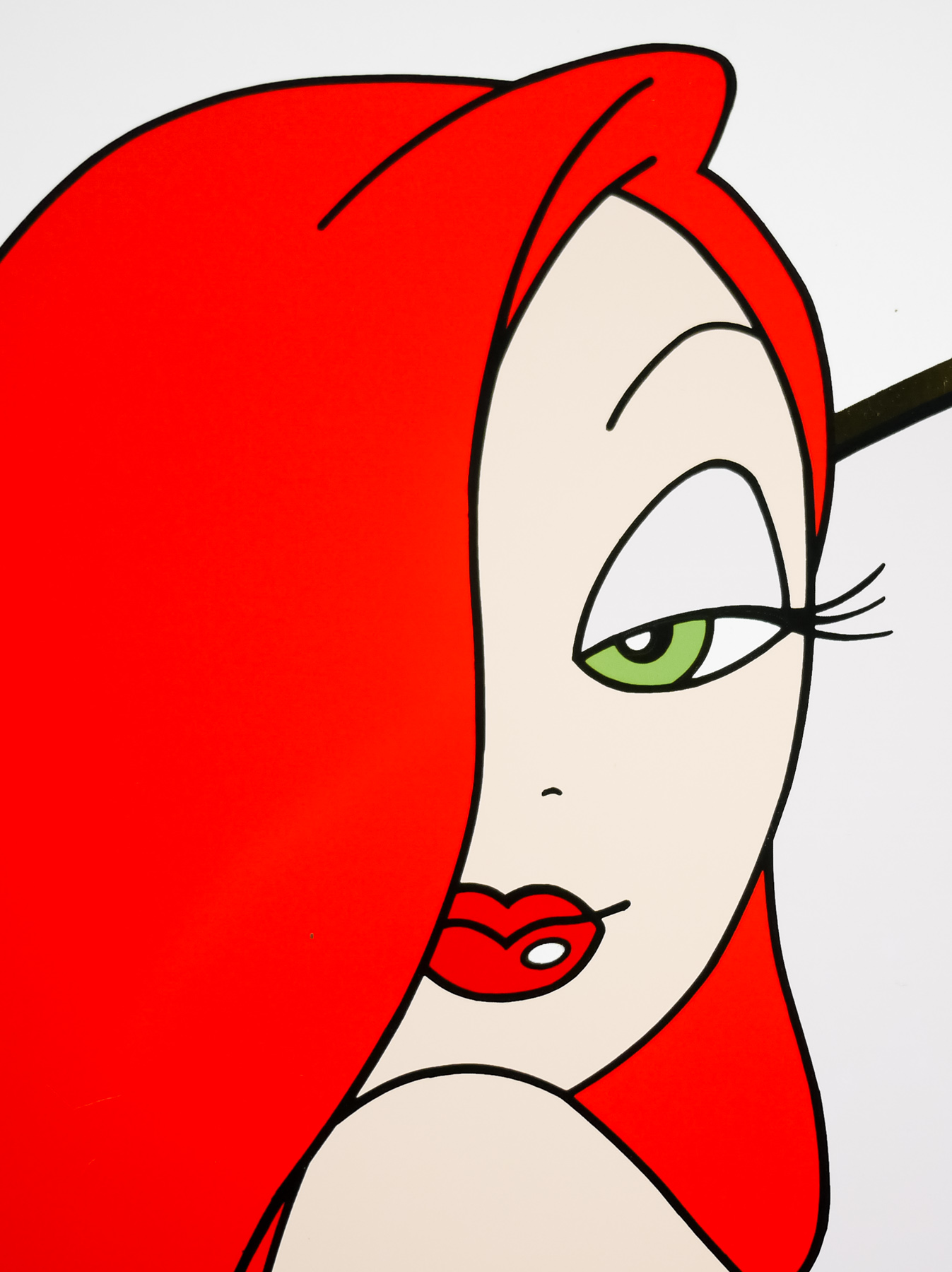
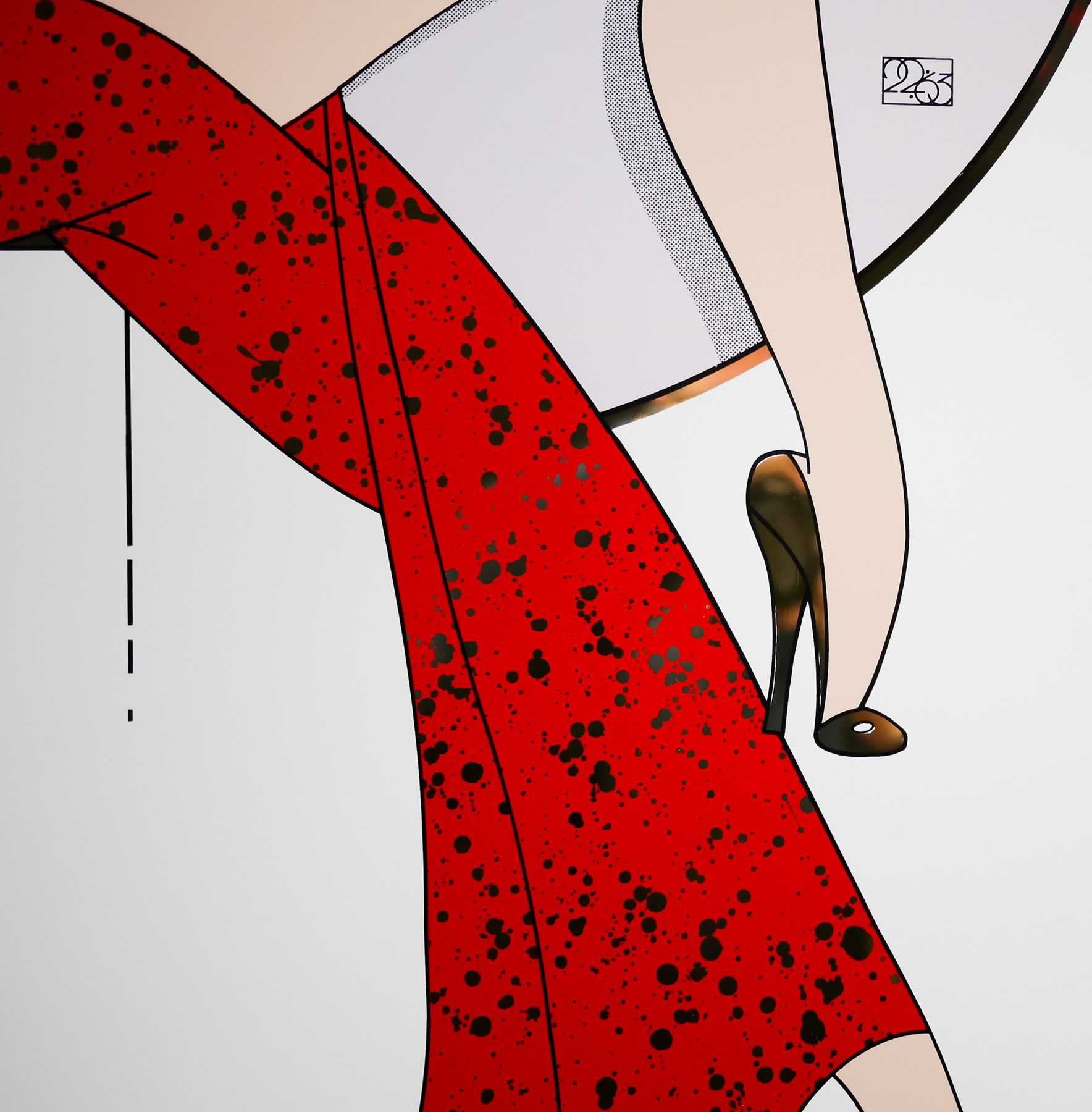
US one sheet poster (Kilian, style D, 'red dress' first version) for Who Framed Roger Rabbit (1988). Artwork by 2263 Graphics, design by Dayna StedryUS one sheet poster (Kilian, style D, 'red dress' first version) for Who Framed Roger Rabbit (1988). Artwork by 2263 Graphics, design by Dayna Stedry, image 2US one sheet poster (Kilian, style D, 'red dress' first version) for Who Framed Roger Rabbit (1988). Artwork by 2263 Graphics, design by Dayna Stedry, image 3US one sheet poster (Kilian, style D, 'red dress' first version) for Who Framed Roger Rabbit (1988). Artwork by 2263 Graphics, design by Dayna Stedry, image 4
Title
Who Framed Roger Rabbit
Year of Film
1988
Director
Robert Zemeckis, Richard Williams
Starring
Bob Hoskins, Christopher Lloyd, Joanna Cassidy, Charles Fleischer, Stubby Kaye, Alan Tilvern, Richard LeParmentier, Lou Hirsch, Betsy Brantley, Joel Silver, Paul Springer
Origin of Film
USA
Genre(s) of Film
Comedy | Fantasy | Crime
Type of Poster
One sheet
Style of Poster
Kilian - style D - 'red dress' first version
Origin of Poster
USA
Year of Poster
1988
Designer
Dayna Stedry
Artist
2263 Graphics
Size (inches)
27" x 40 13/16"
SS or DS
SS
Tagline
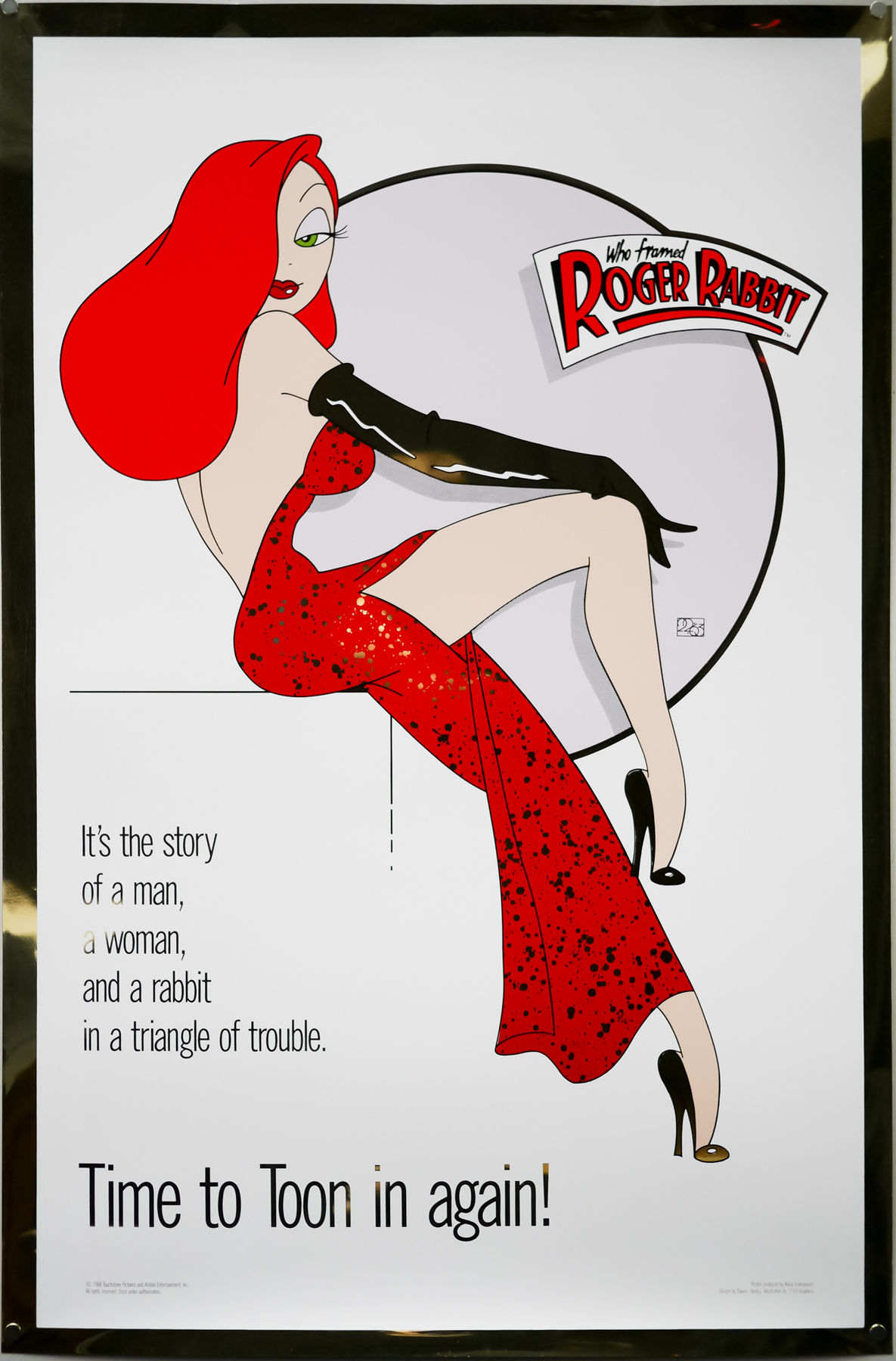
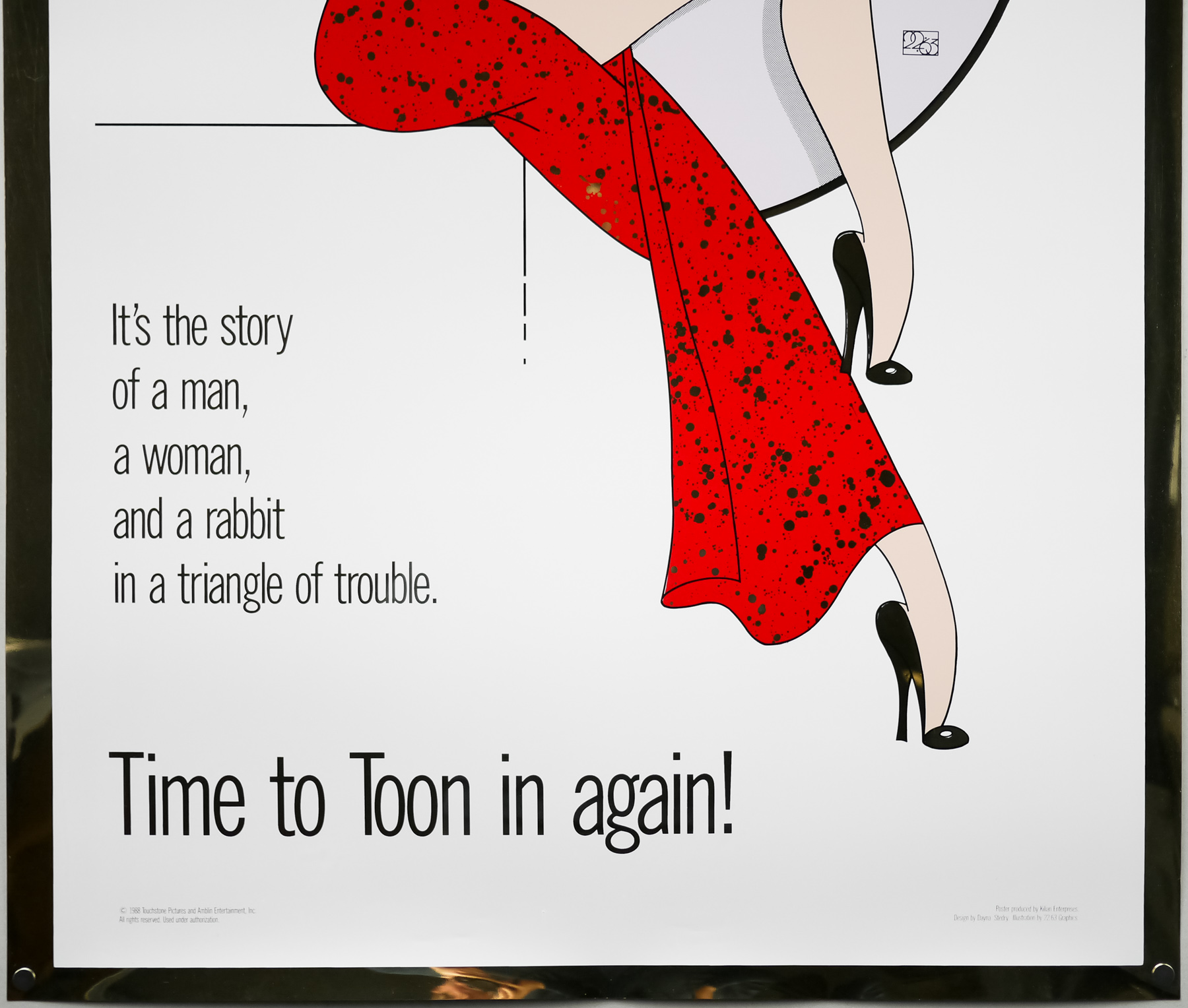
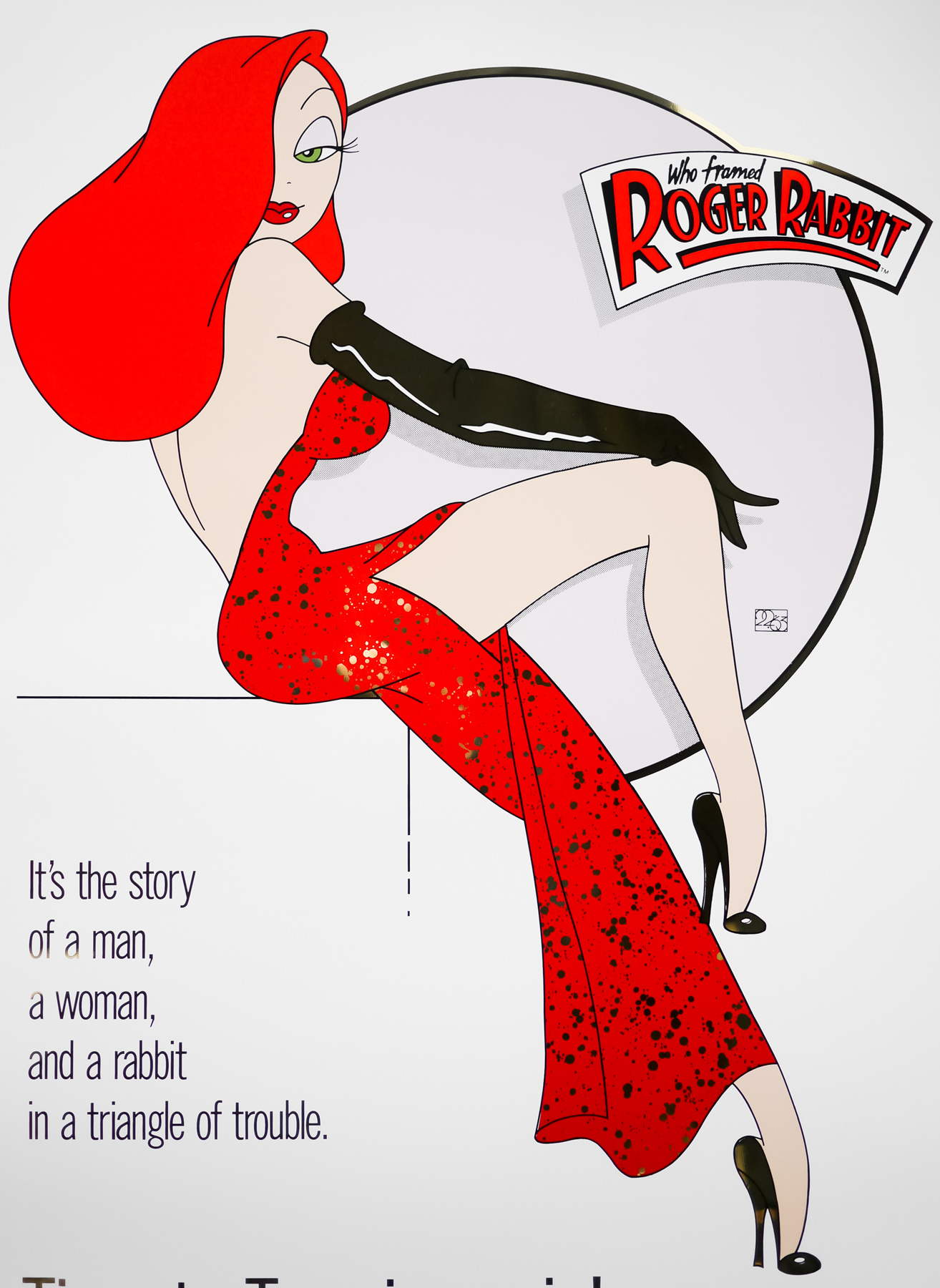
It's the story of a man, a woman, and a rabbit in a triangle of trouble. | Time to Toon in again!

Who Framed Roger Rabbit (opens in a new tab), the memorable mix of live-action and animation, is a true 80s classic and a milestone film in several ways. Although not the first time that the two mediums had been mixed, no film had attempted it on this scale before and it was the first time that iconic Warner Bros and Disney characters (Bugs Bunny, Mickey Mouse etc) had featured in the same film together. Based on Gary K. Wolf (opens in a new tab)‘s 1981 novel Who Censored Roger Rabbit? (opens in a new tab), the rights were bought by the then president of the Walt Disney Company but it would be almost 7 years before filming began, during which time the project went through several creative teams. Eventually Amblin Entertainment were approached to be involved and this meant the project had the creative clout of Steven Spielberg behind it, and his presence was instrumental in getting several studios to agree to have their characters appear.

The story is set in a version of 1940s Hollywood in which human and cartoon actors exist together in the same reality, with the ‘toons’ mostly living in a section known as Toontown. The late Bob Hoskins (opens in a new tab) appears as the washed-up private detective Eddie Valiant who has worked in Hollywood for years and, for reasons revealed during the film, has a loathing for toons. One day he is approached by the chaotic, slapstick-loving Roger Rabbit (voiced by Charles Fleischer (opens in a new tab)) and asked to help prove his innocence after Marvin Acme, the owner of Acme Corporation and Toontown, is murdered and all fingers point to Roger. Rumours that Roger’s wife, the voluptuous Jessica Rabbit (an uncredited performance from Kathleen Turner (opens in a new tab)), had been playing ‘pattycake’ with Acme don’t help and Eddie sets out to prove Roger’s innocence before the psychotic Judge Doom (a memorable performance from Christopher Lloyd (opens in a new tab)) catches him and executes him via deadly ‘dip’.

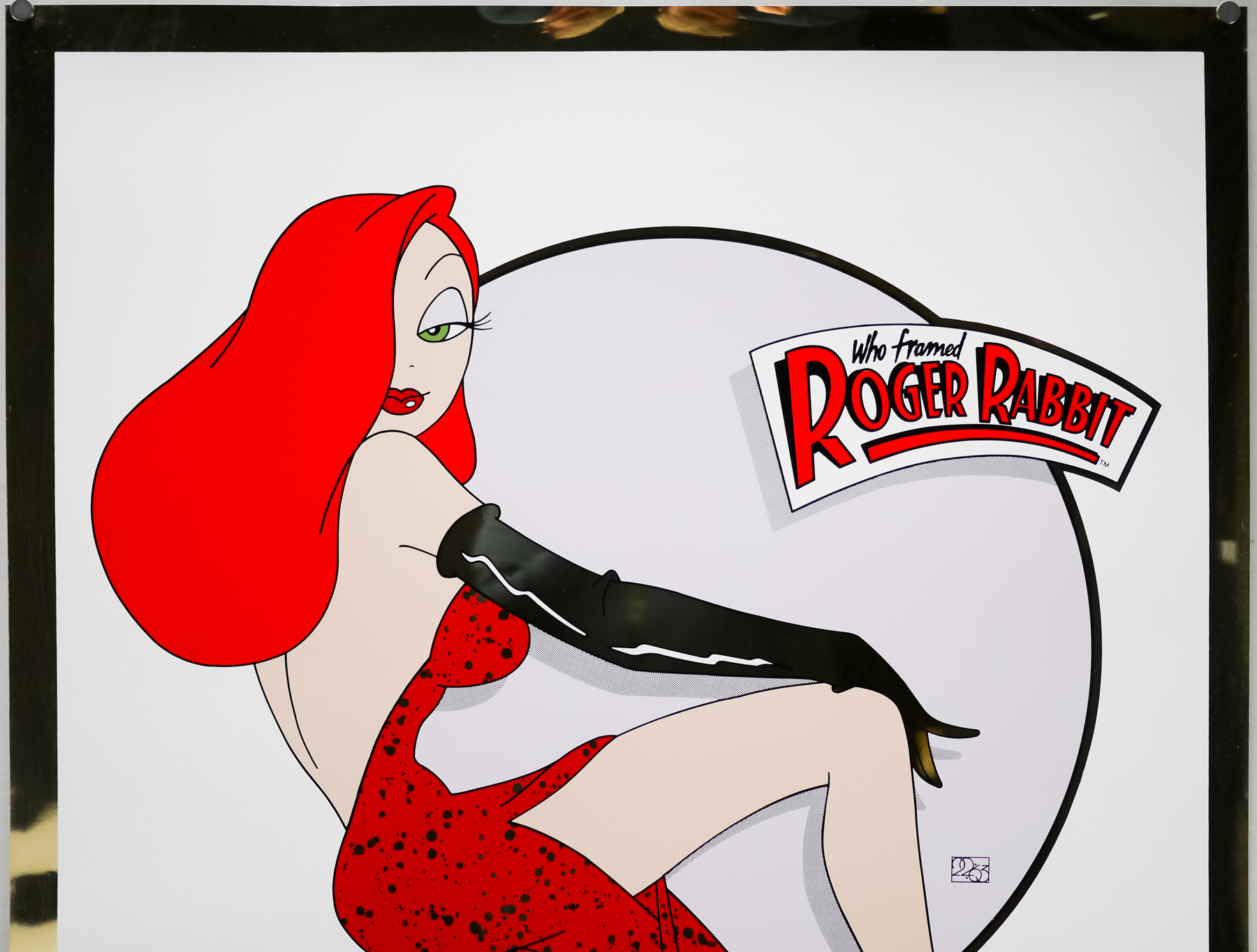
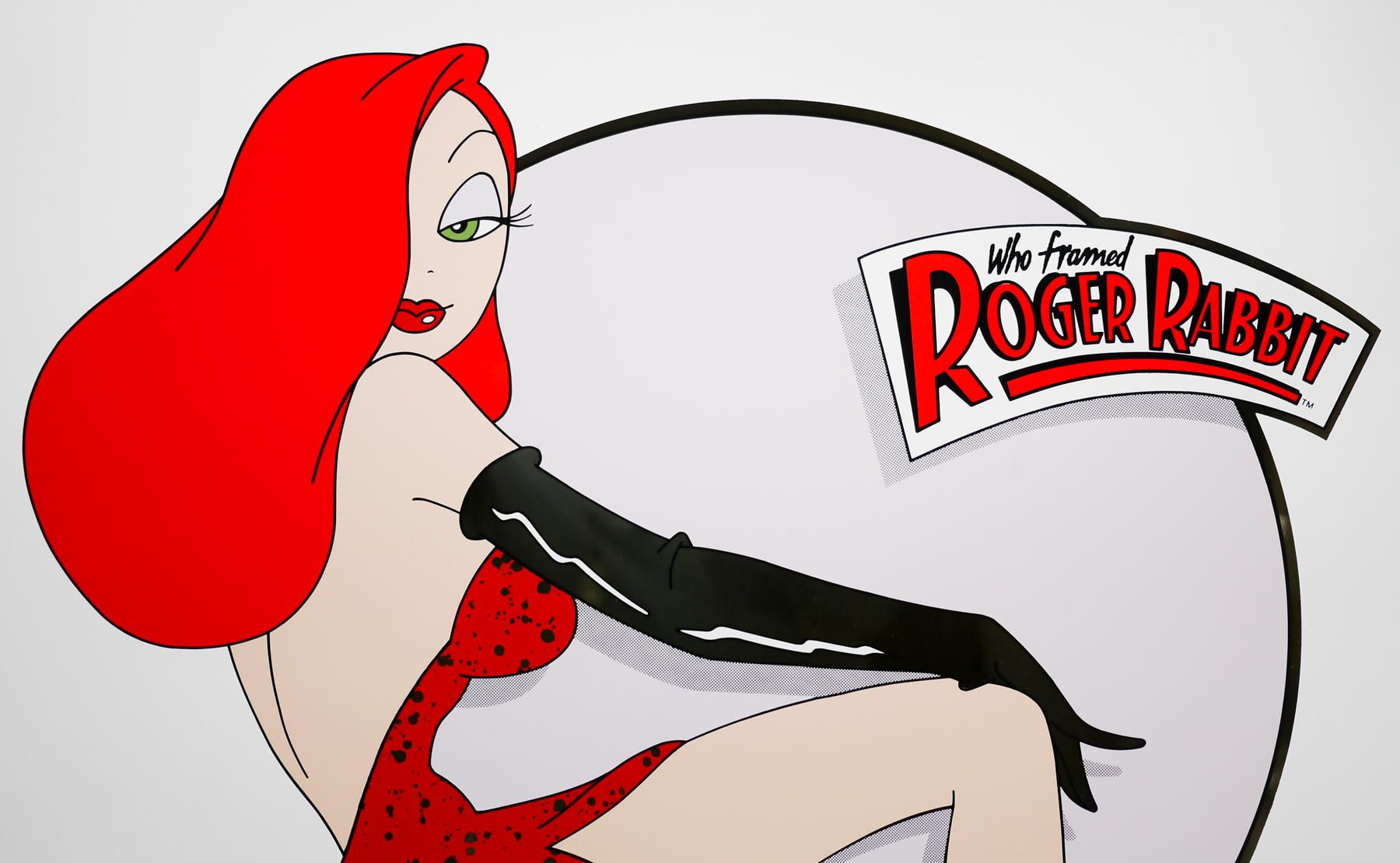
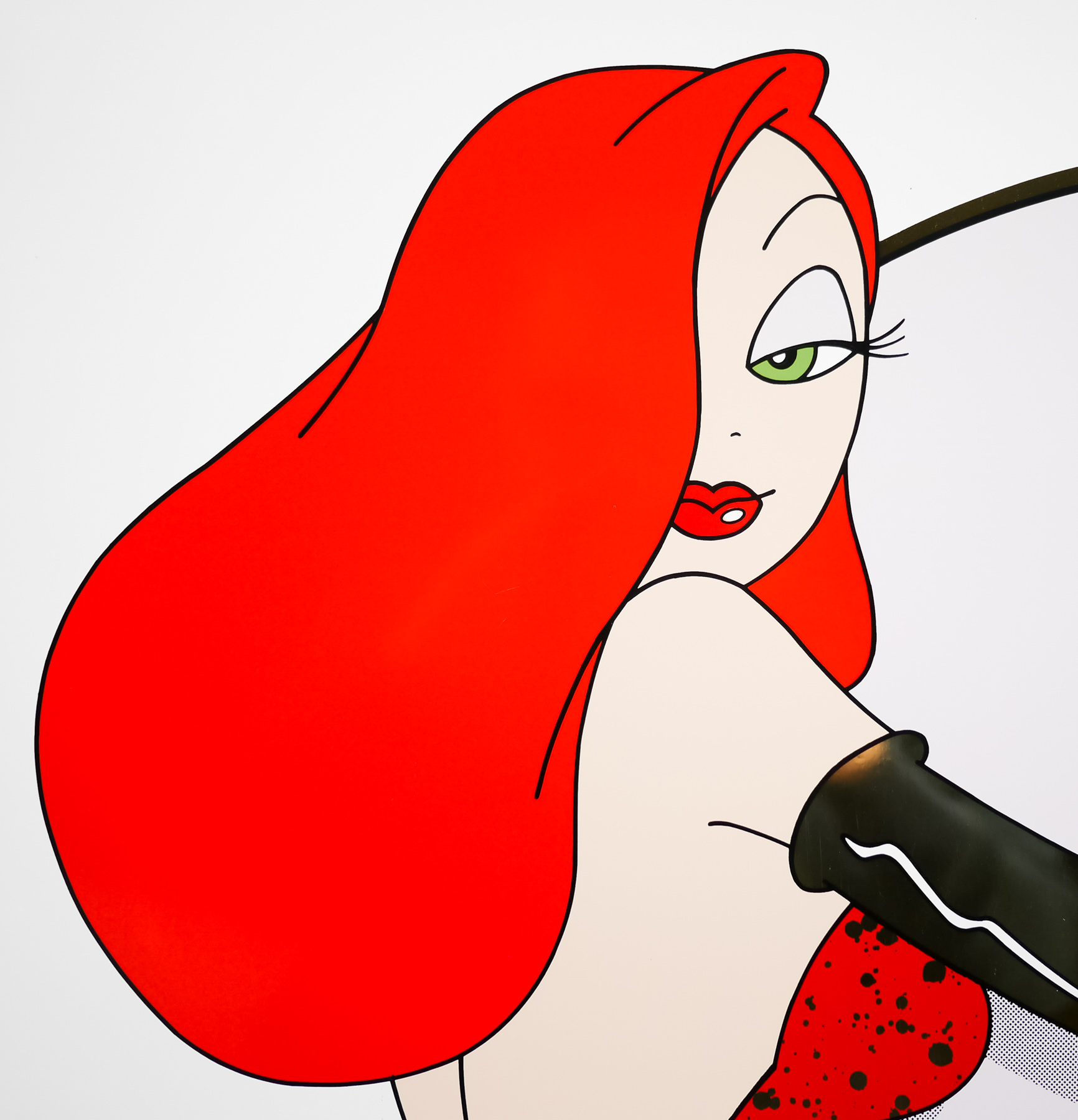
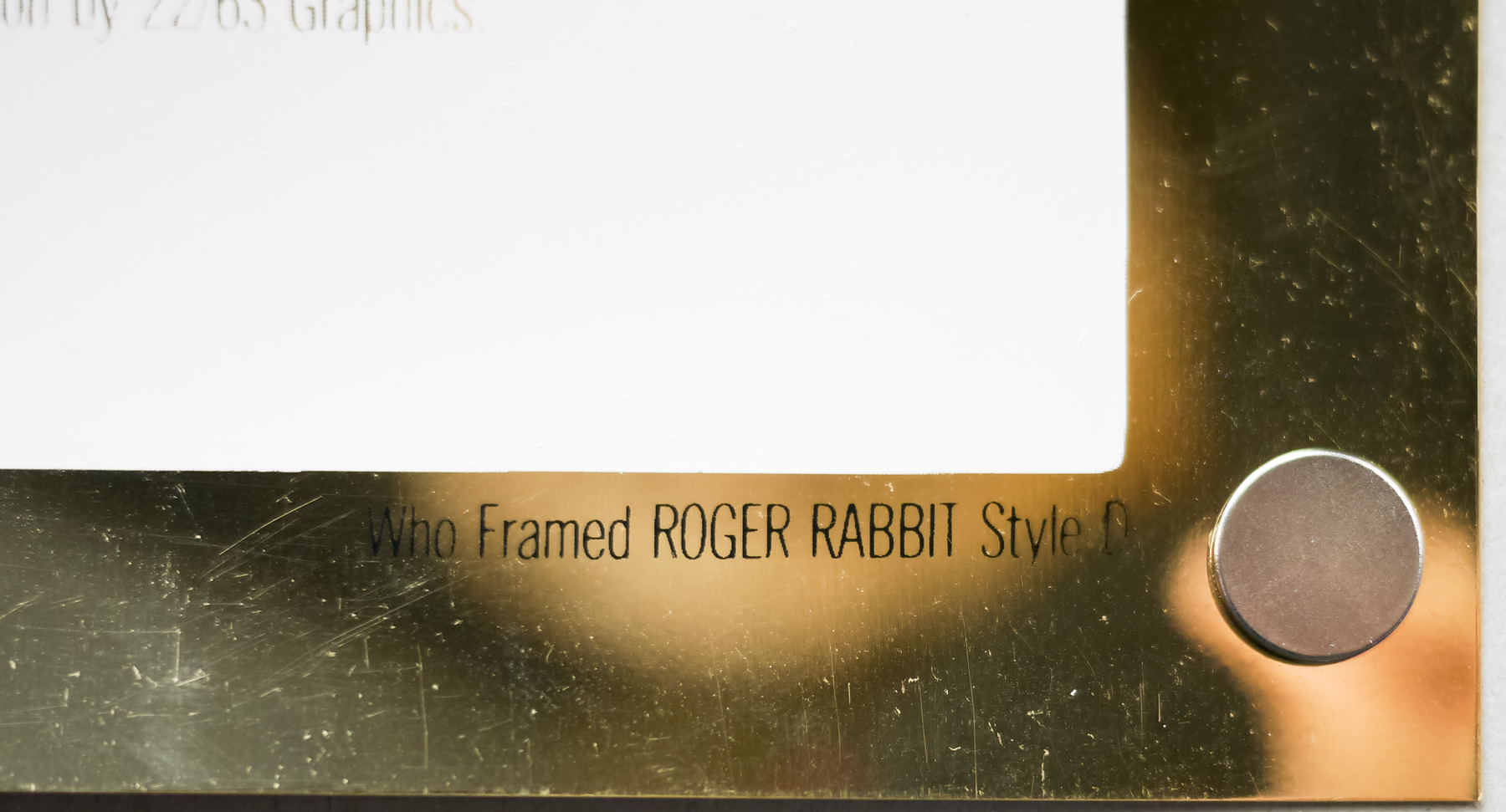
This one sheet was created by a company called Kilian (owned by Jeff Kilian) and printed around the time of the film’s release for sale to collectors and fans of the film. The company was mostly active during the 1980s and early 90s and worked with film studios and production companies to produce officially licensed alternative posters and limited-edition prints (LAMP features more information (opens in a new tab) about them). They produced several for Roger Rabbit, including two printed on gold mylar (opens in a new tab) (glossy plastic), of which this is the style D version. The other styles can be seen in emovieposter.com’s auction history (opens in a new tab).

Emovieposter also note (requires site login) (opens in a new tab) that this particular print of style D was actually done in error and there are two versions of it out there:

Also note that this is the ultra-rare “red dress” variant of the Style D poster! These posters were sent as a sample to Disney (who insisted that the dress be changed to pink) and less than 100 were printed!