You searched for: Japan

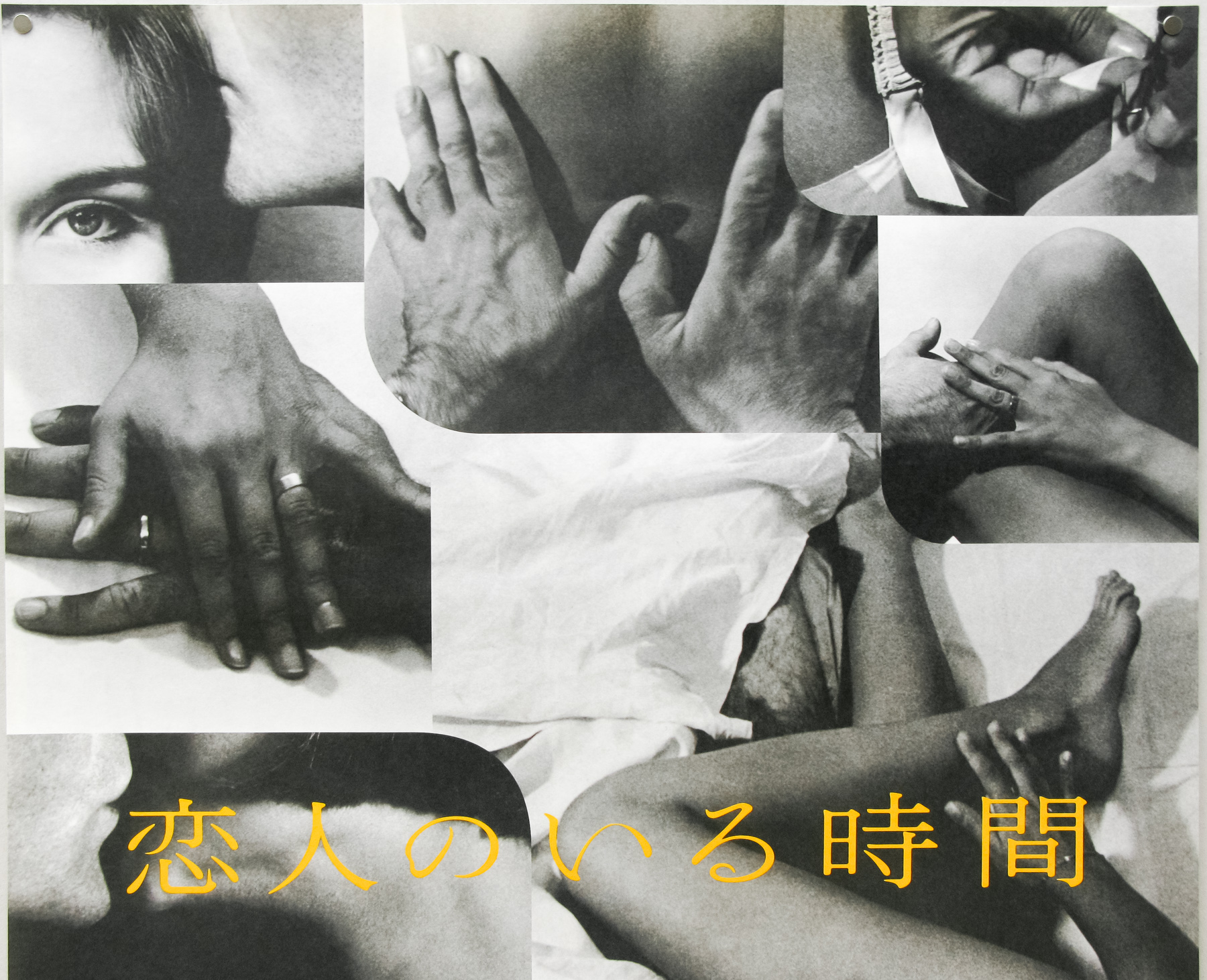
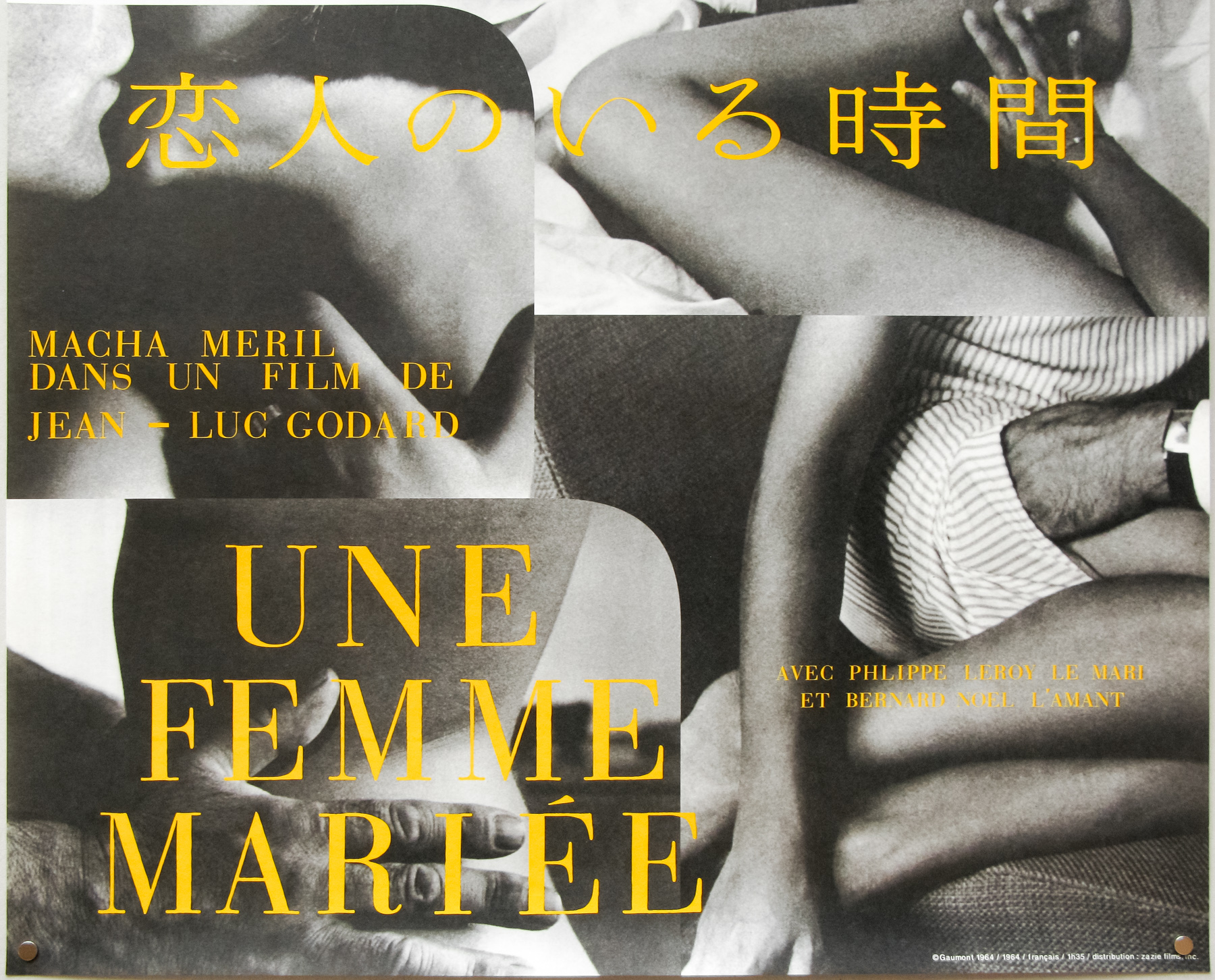
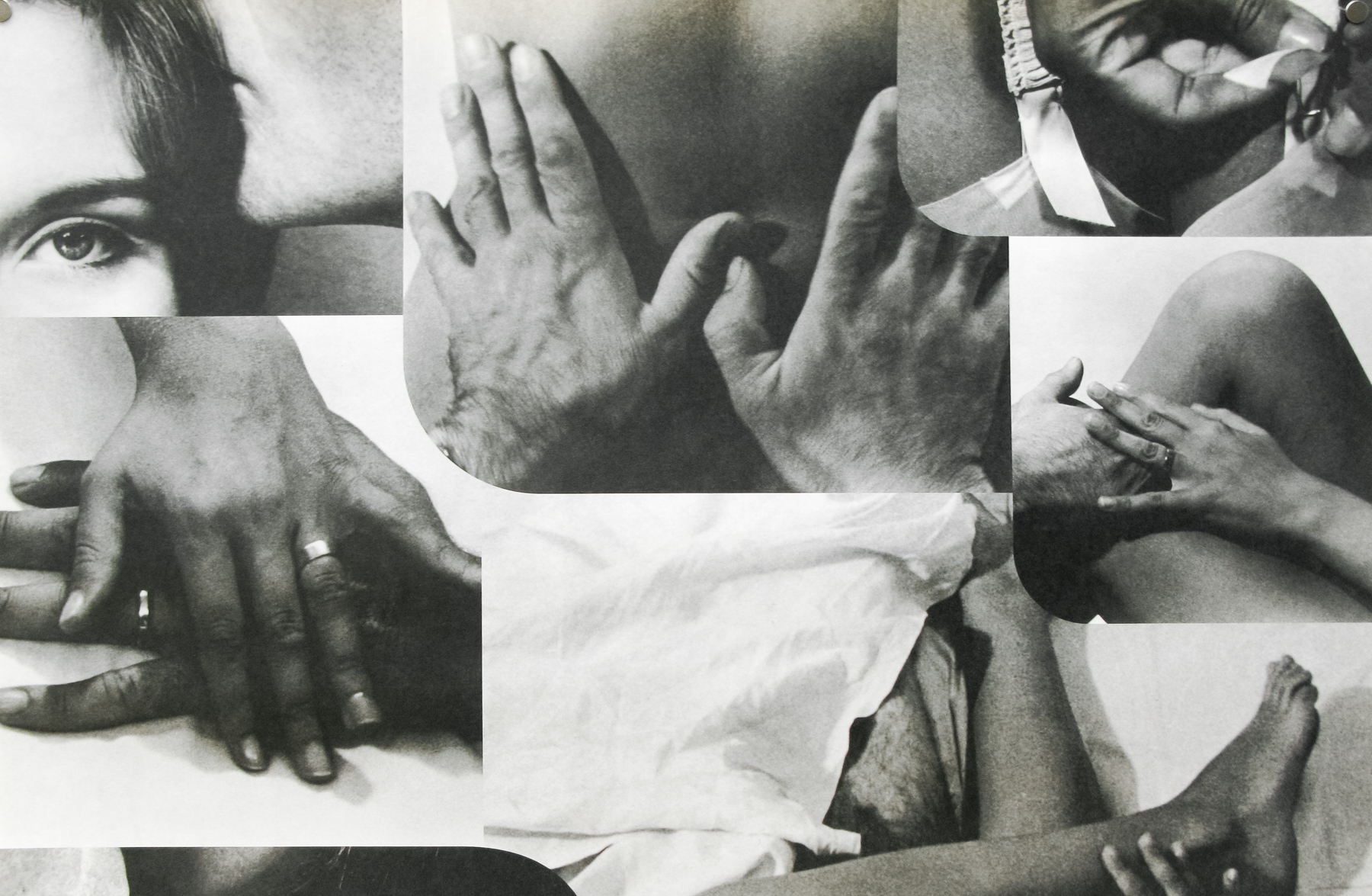
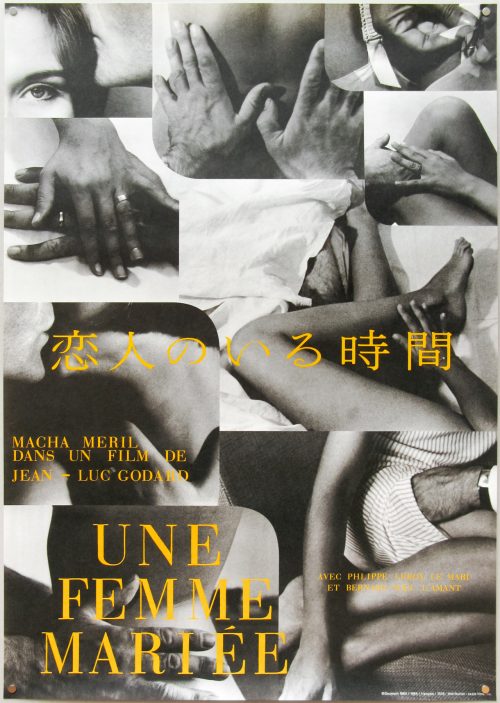
Une Femme Mariée / B2 / 1997 re-release / Japan

17.05.11

Poster Poster

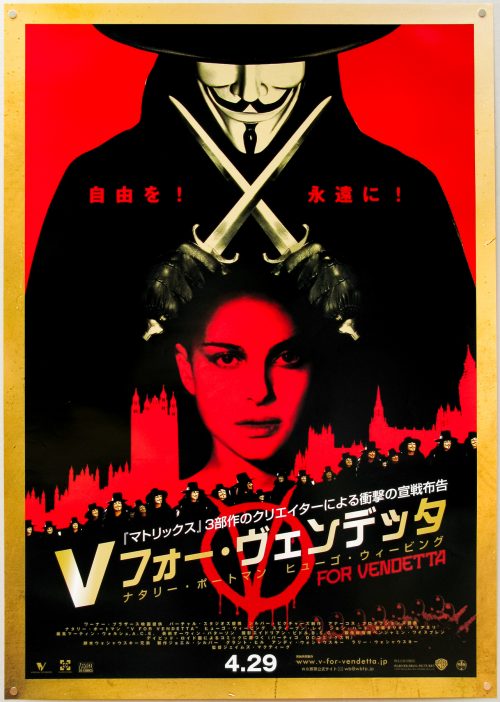
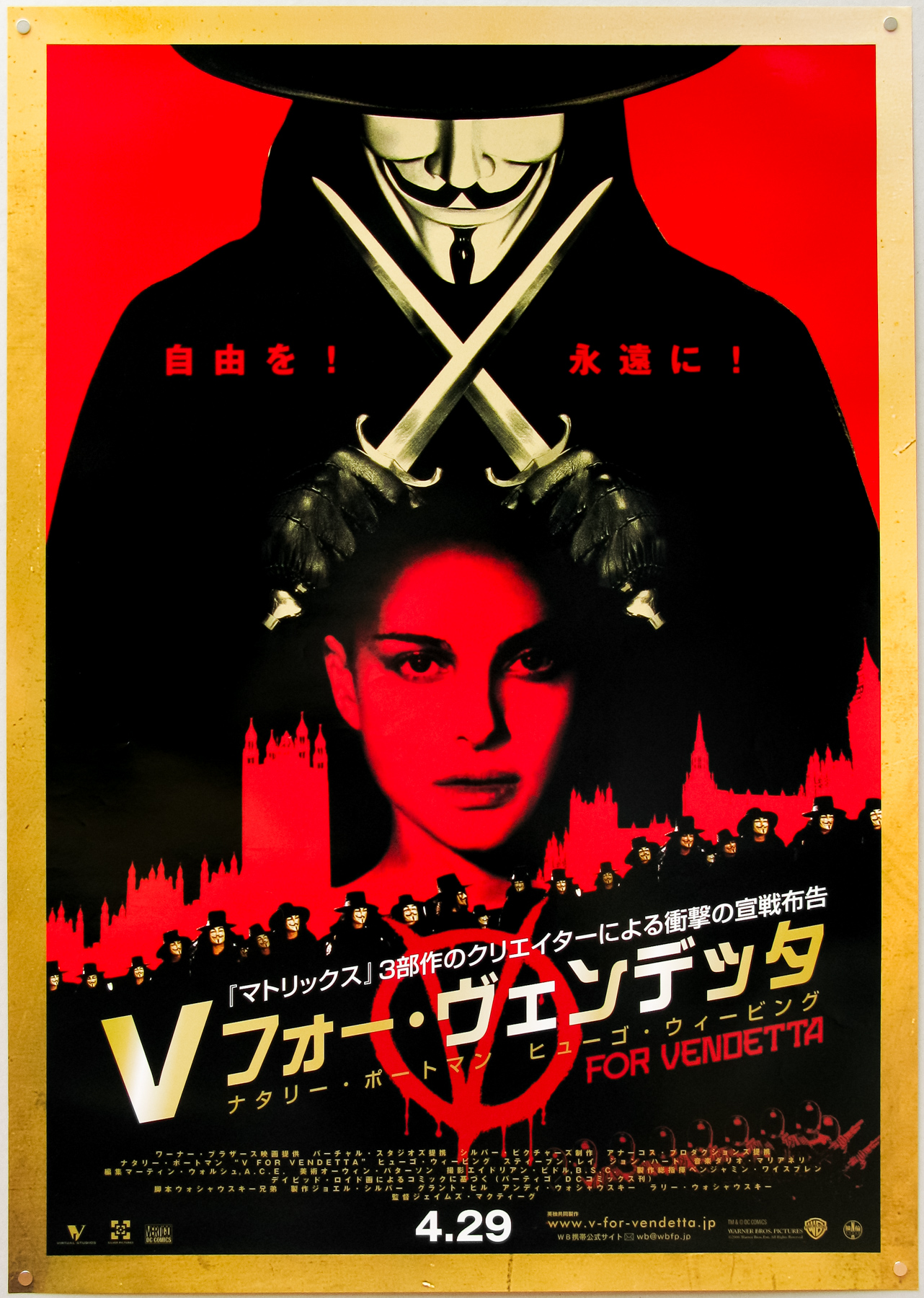
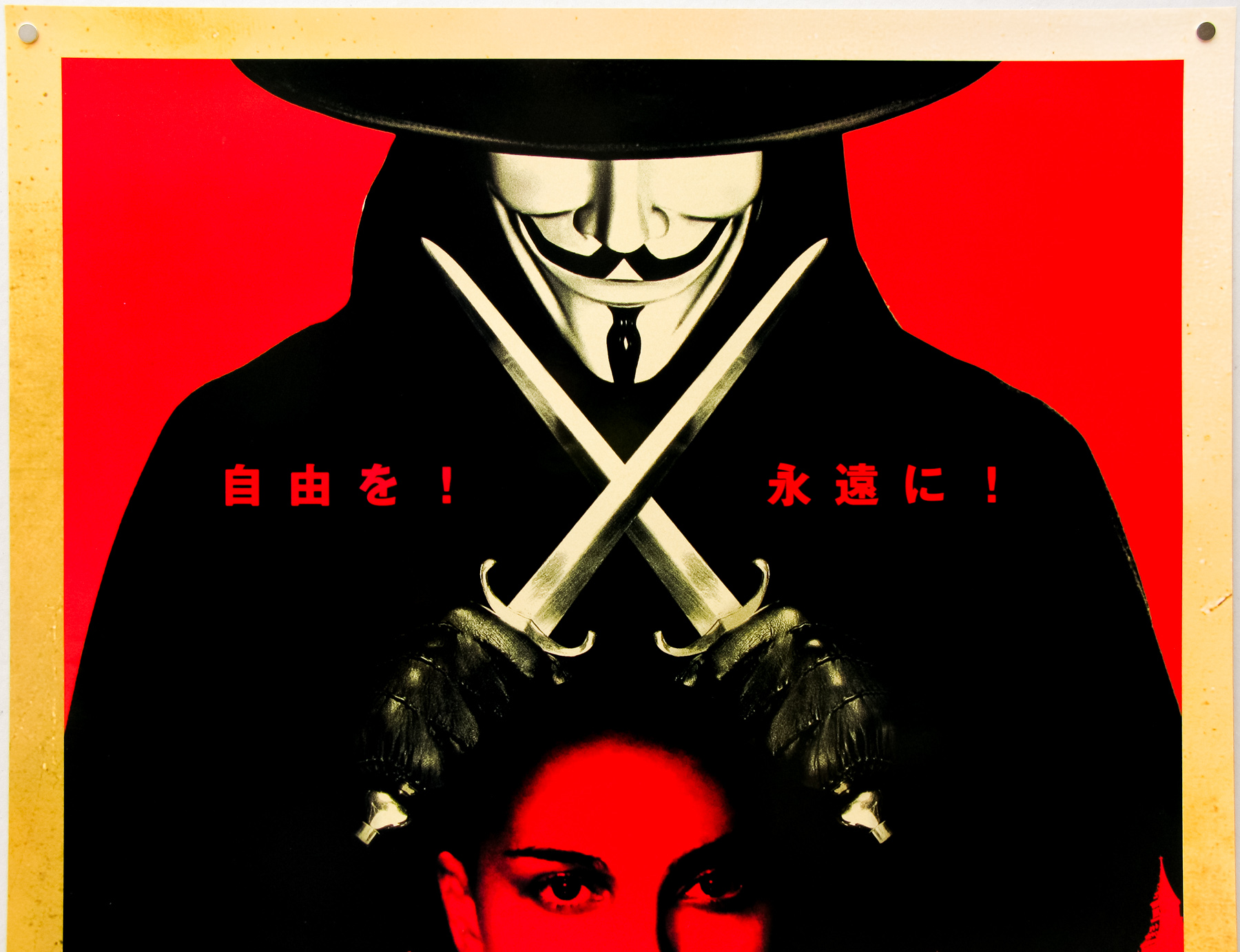
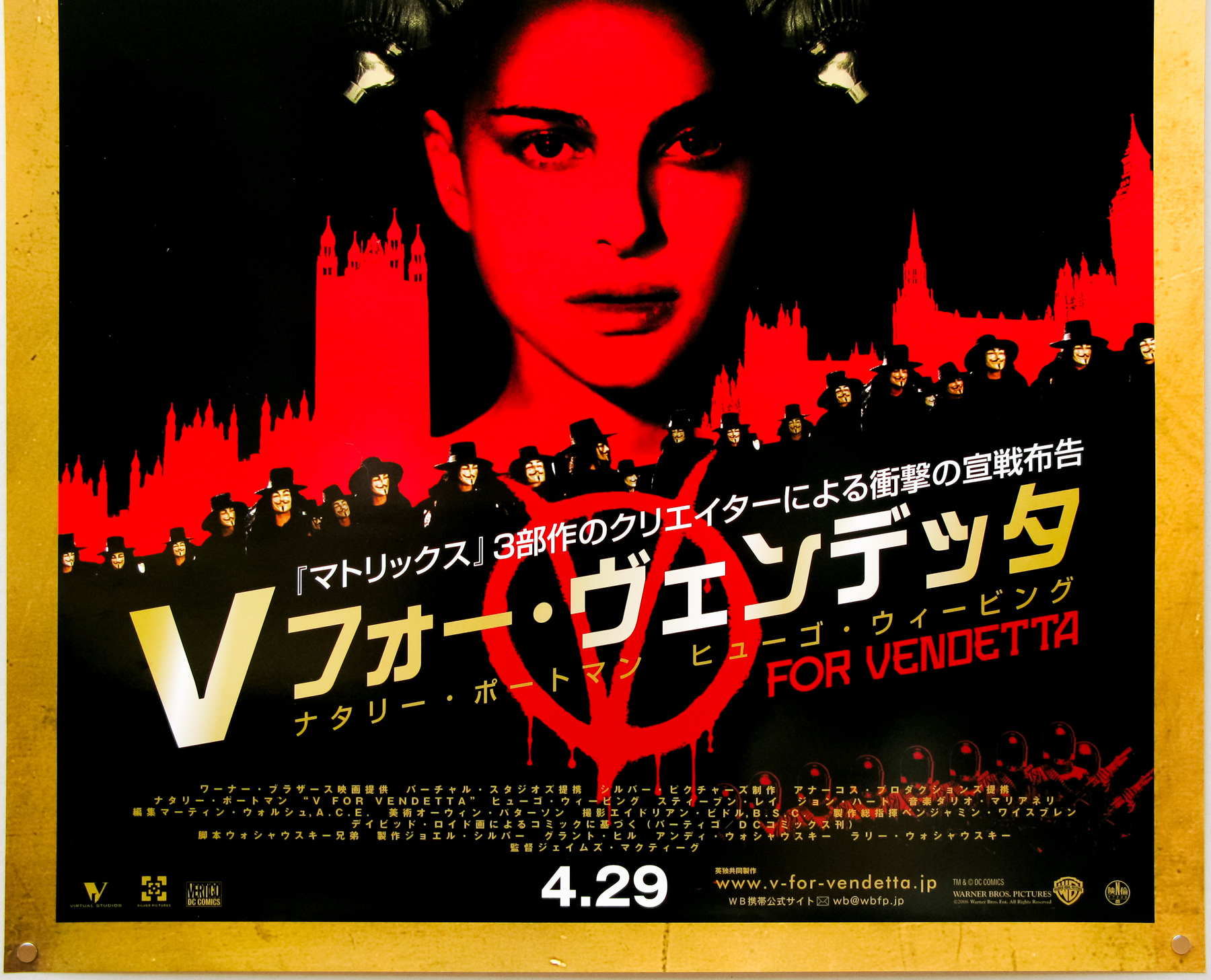
V for Vendetta / B2 / Japan

17.05.11

Poster Poster

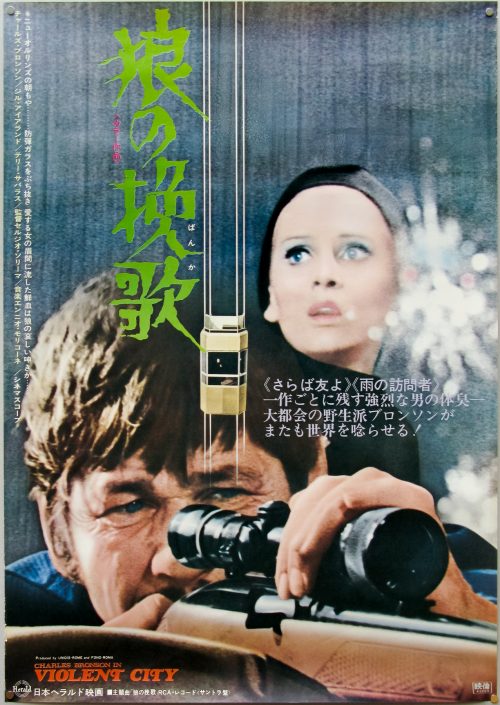
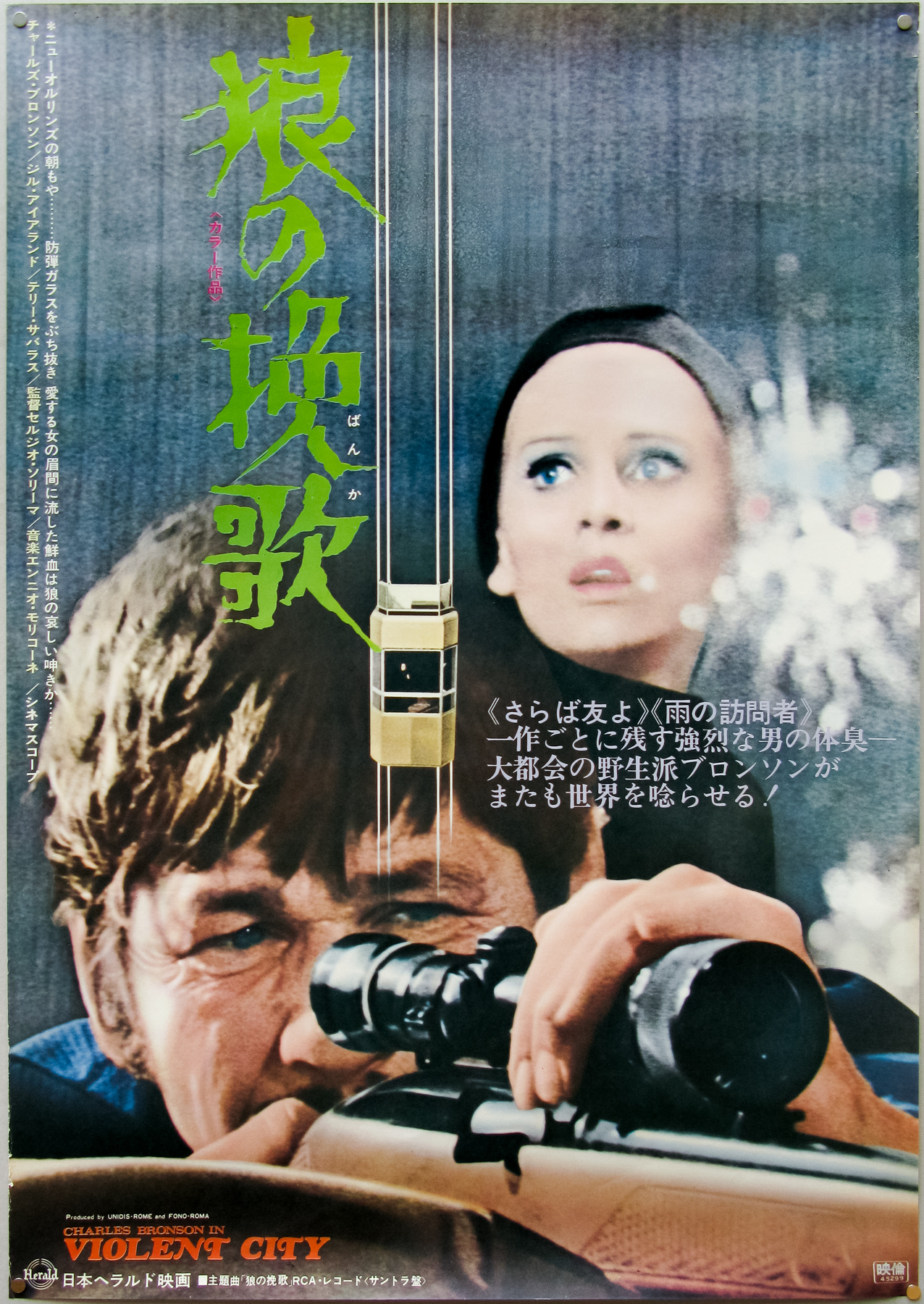
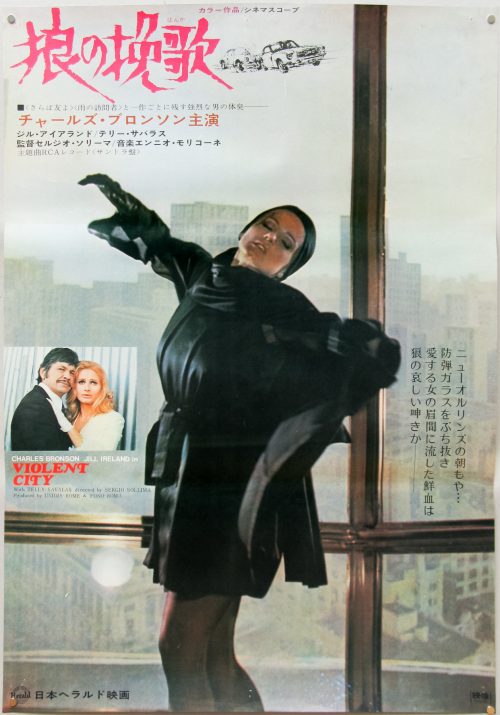
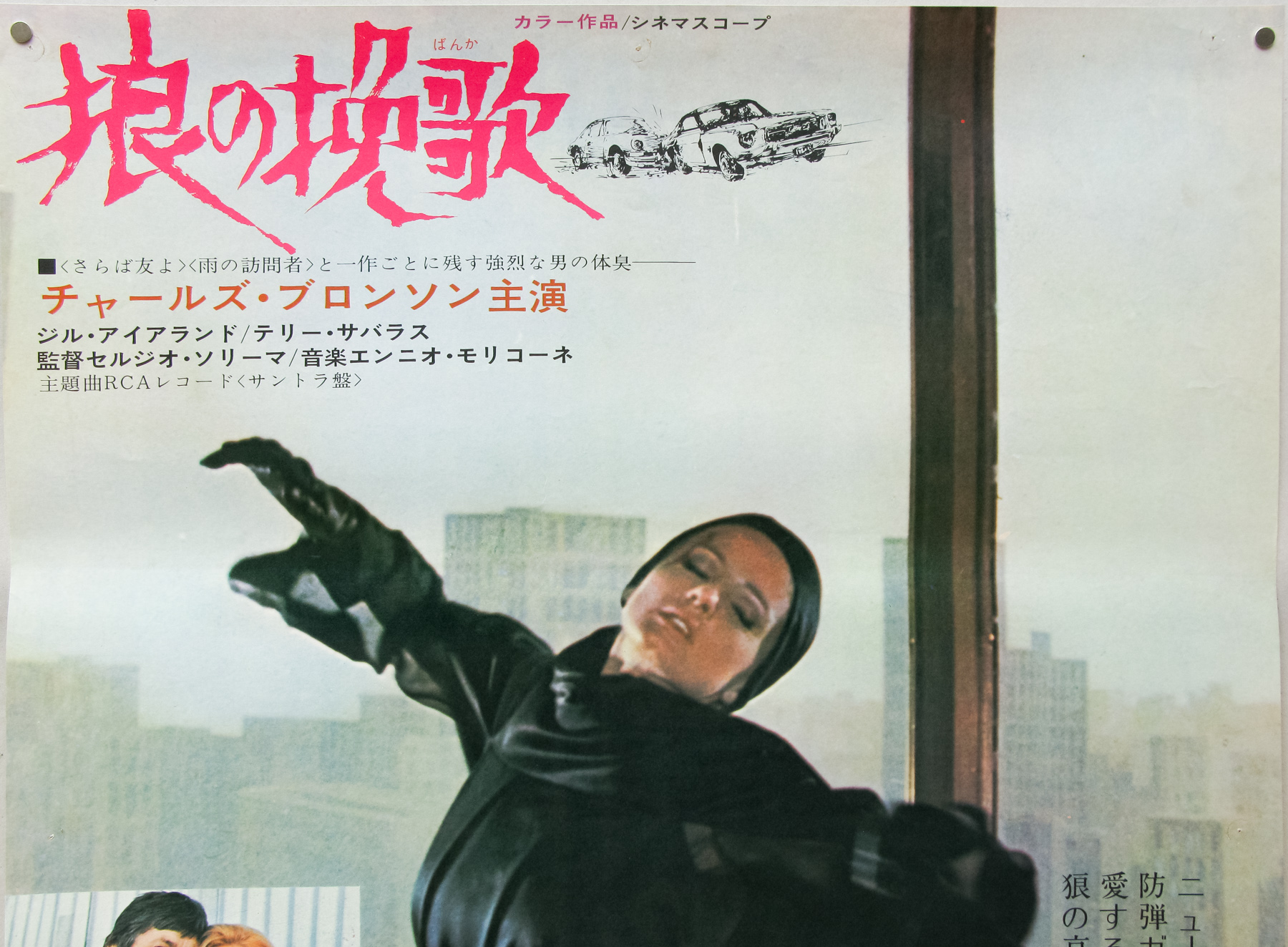
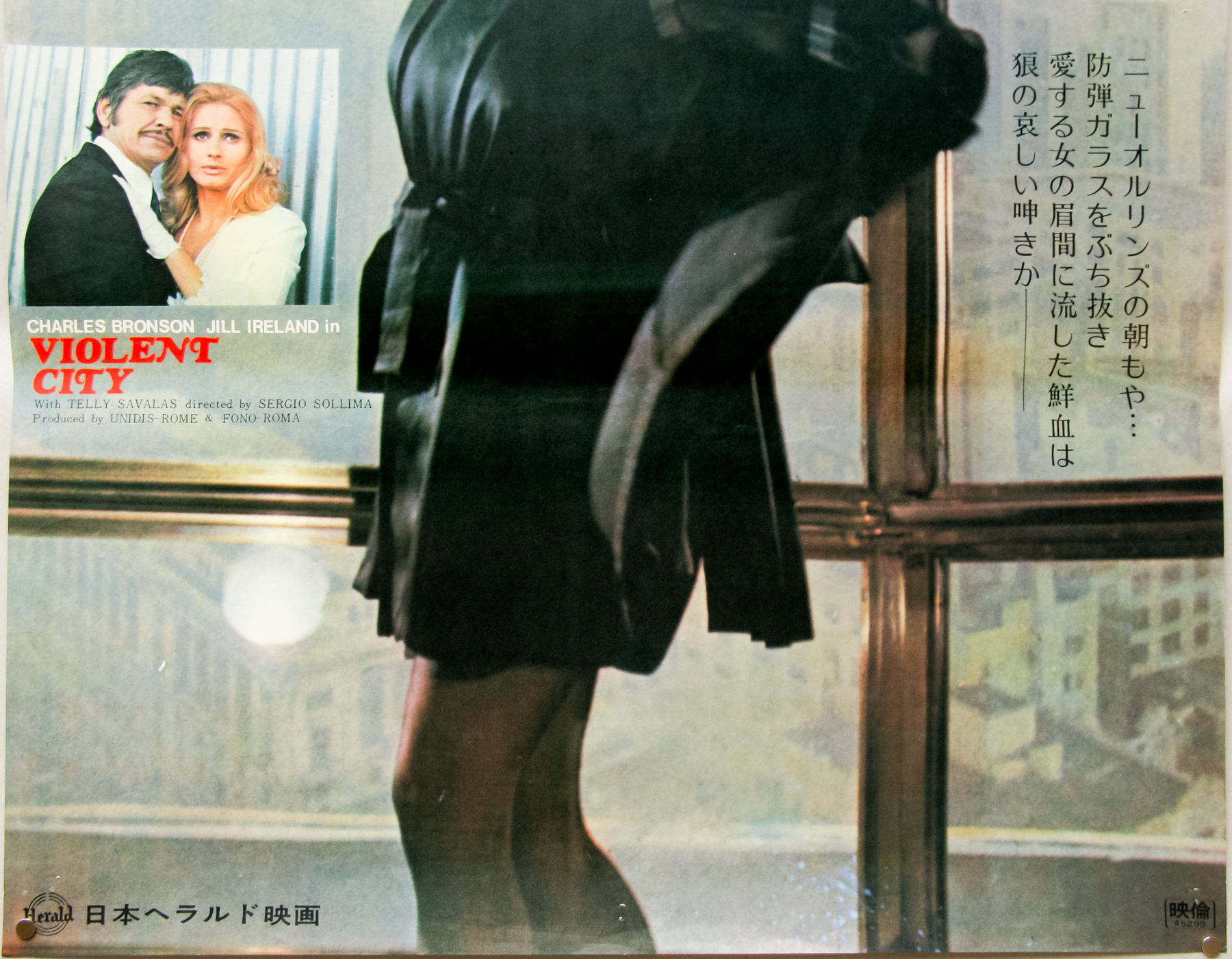
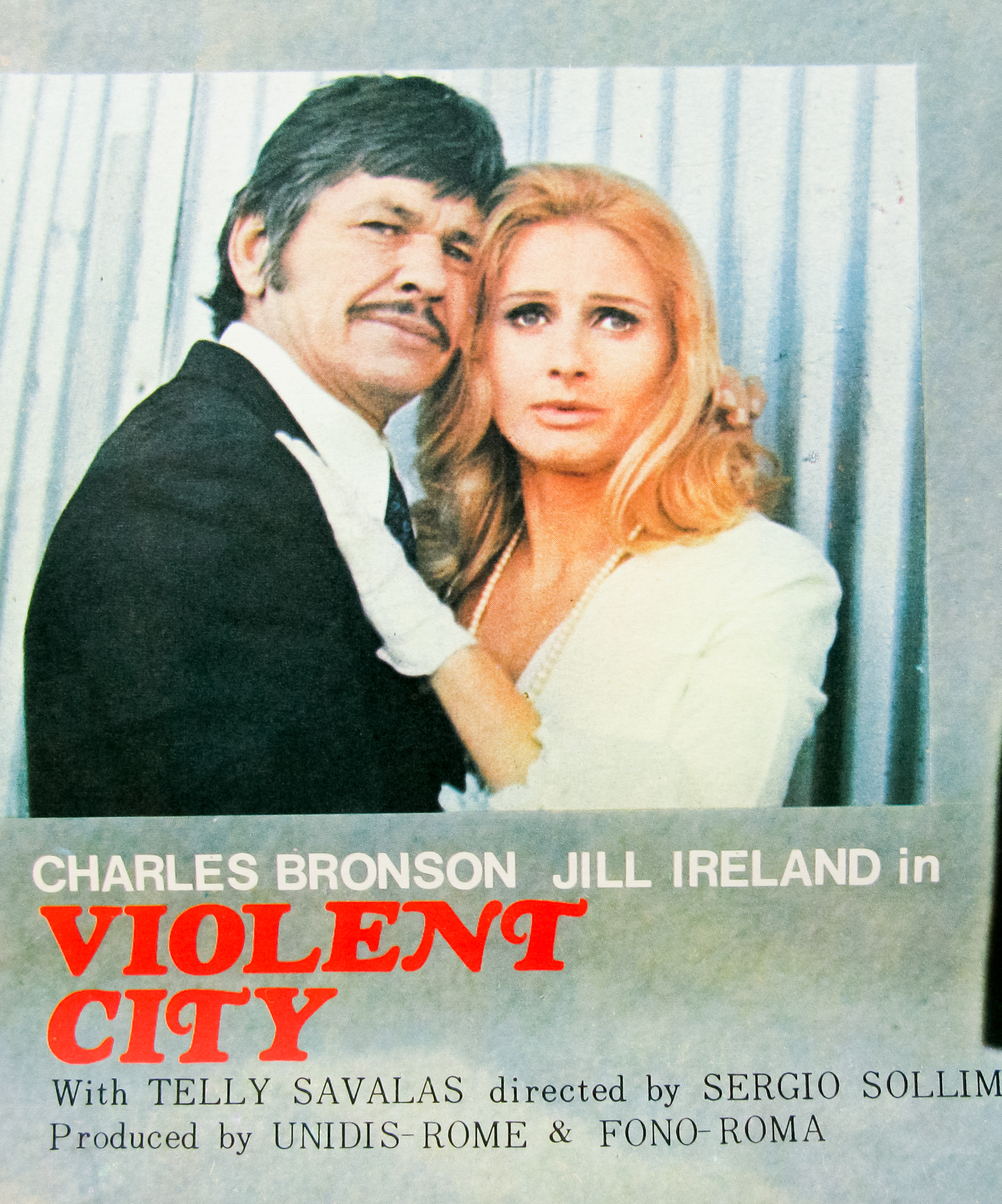
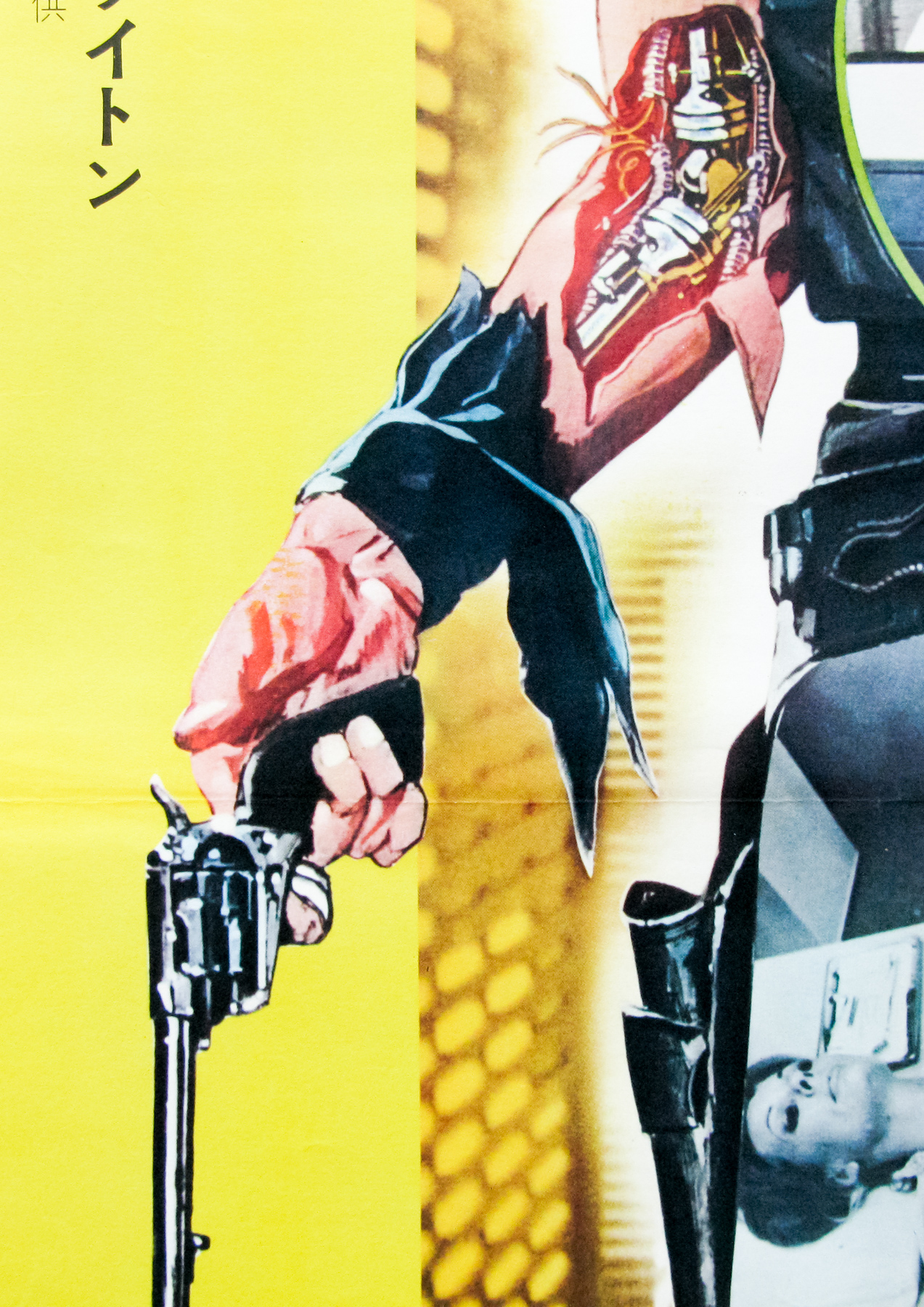
Violent City / B2 / gun style / Japan

17.05.11

Poster Poster

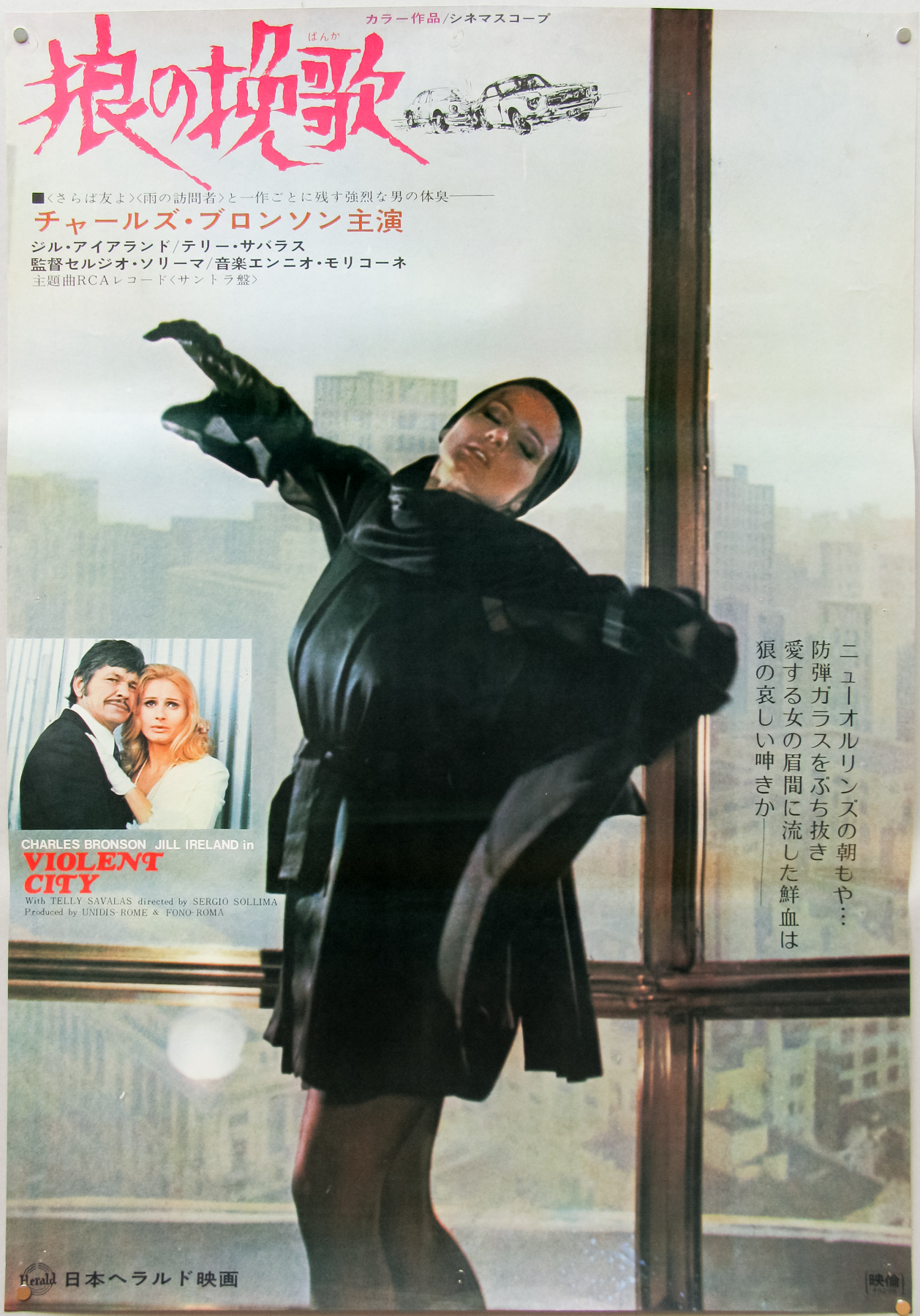
Violent City / B2 / woman style / Japan

17.05.11

Poster Poster

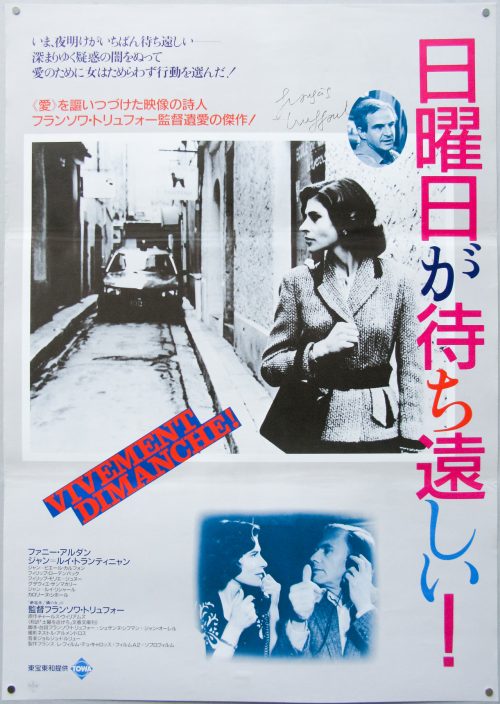
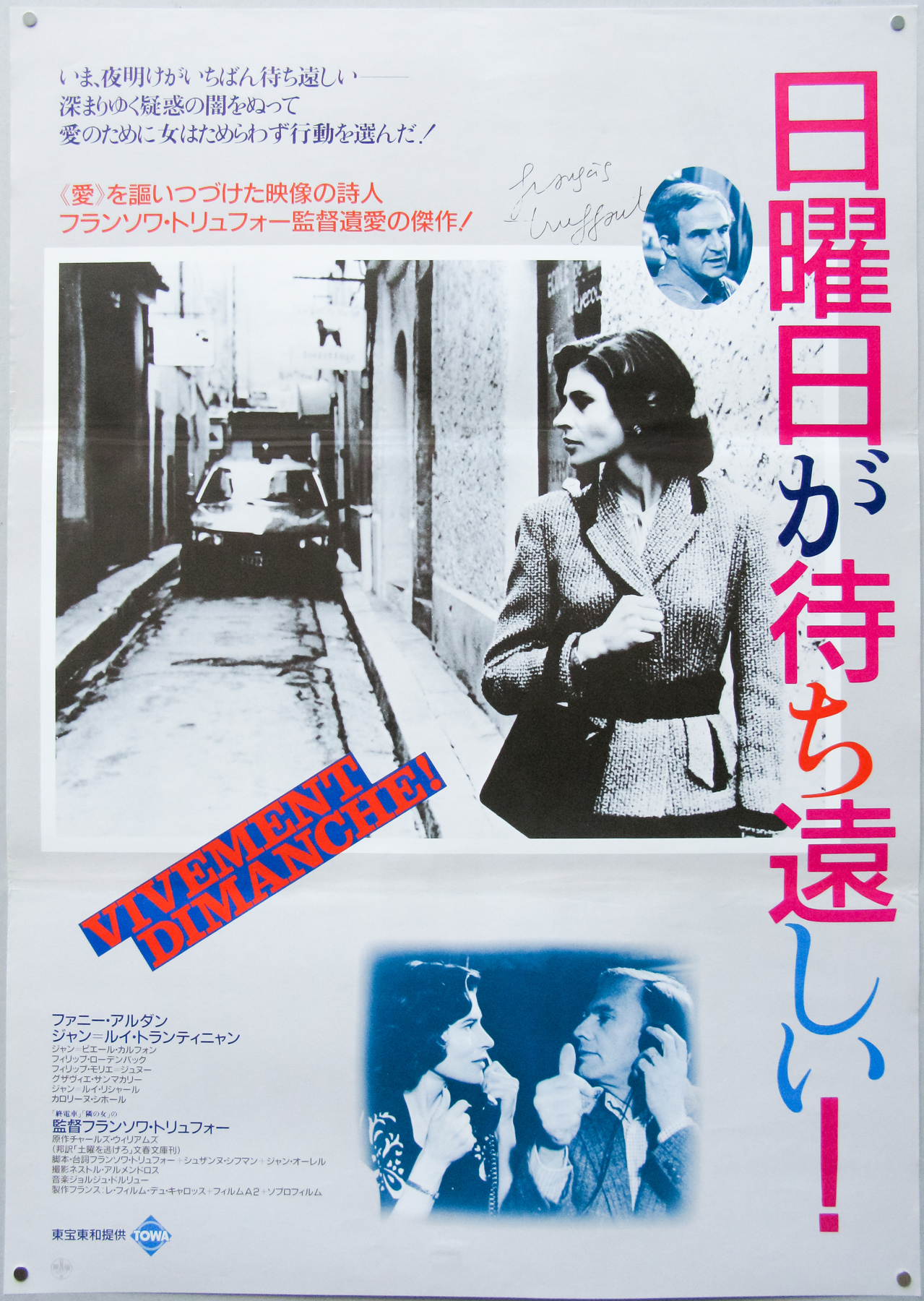
Vivement Dimanche! / B2 / Japan

17.05.11

Poster Poster

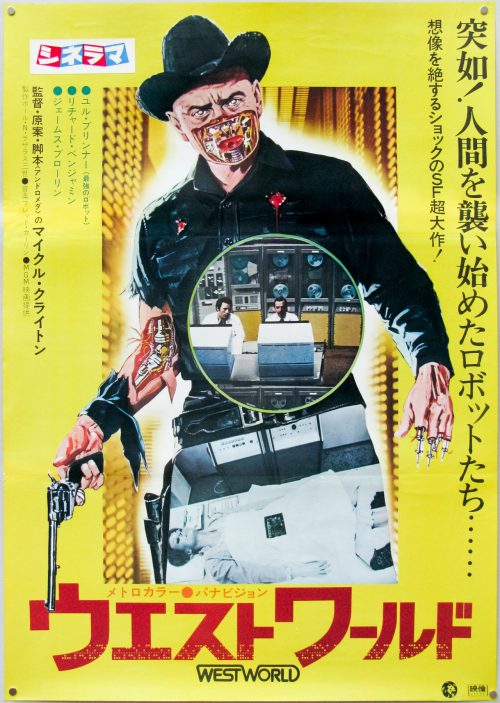
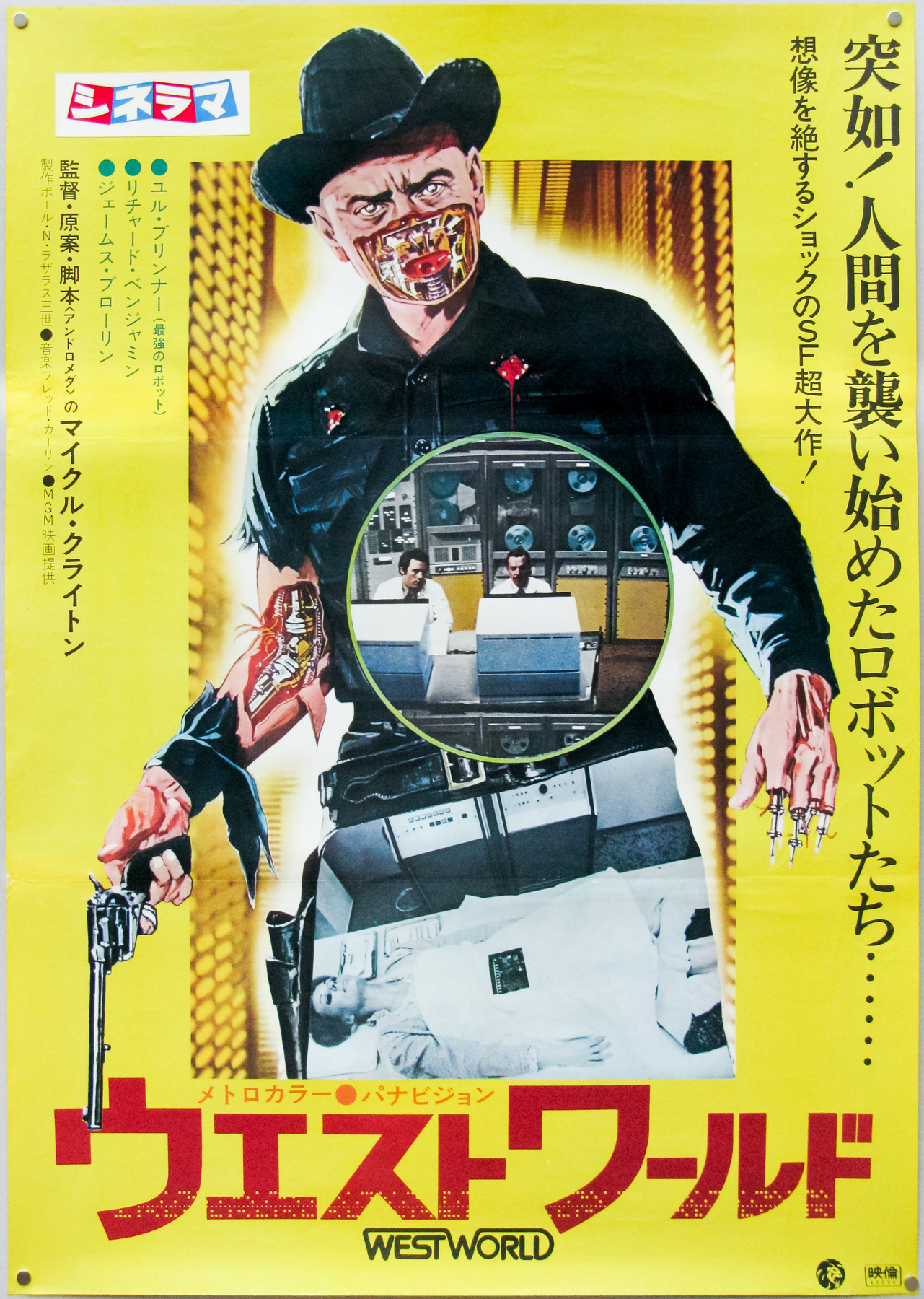
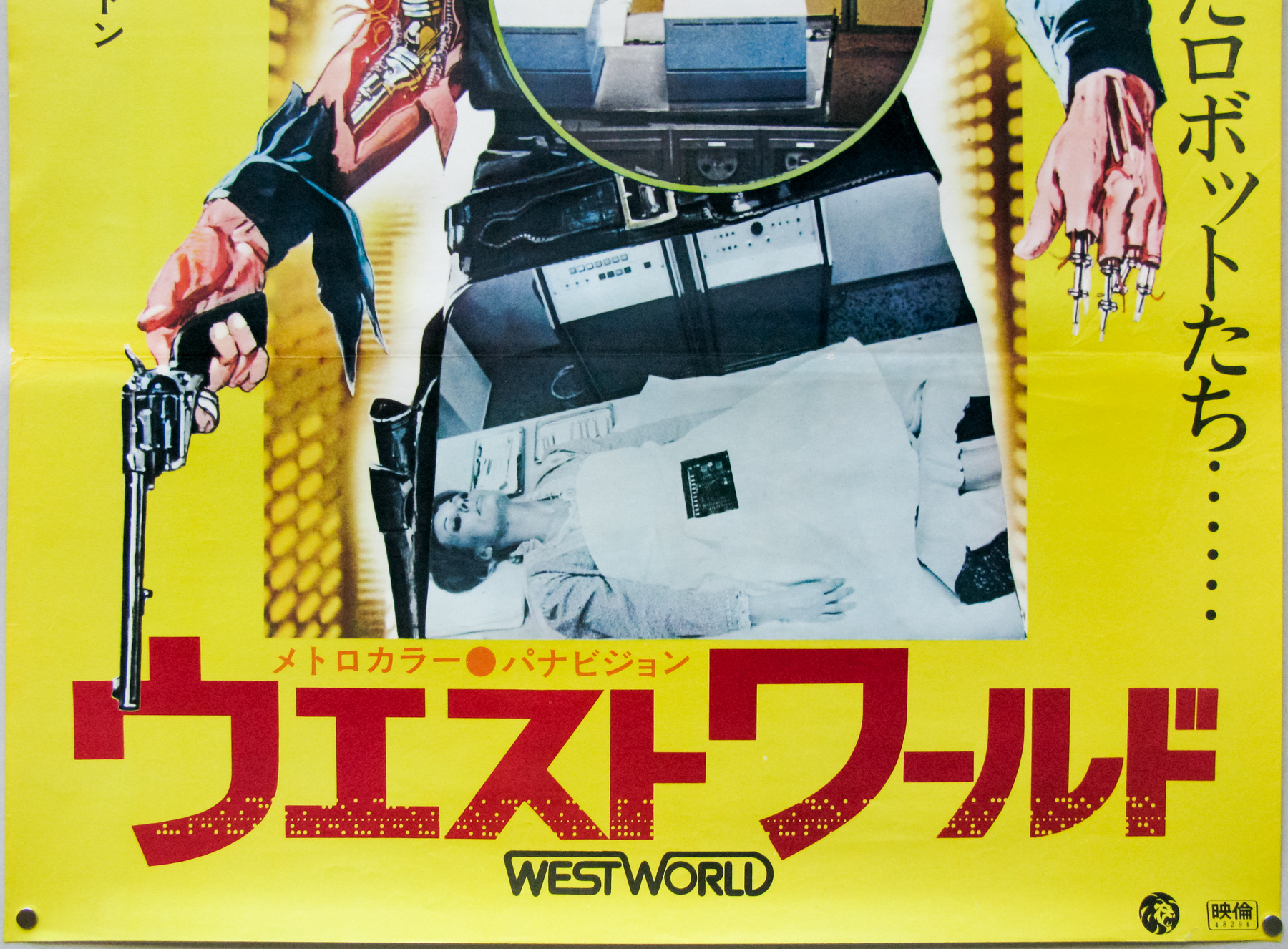
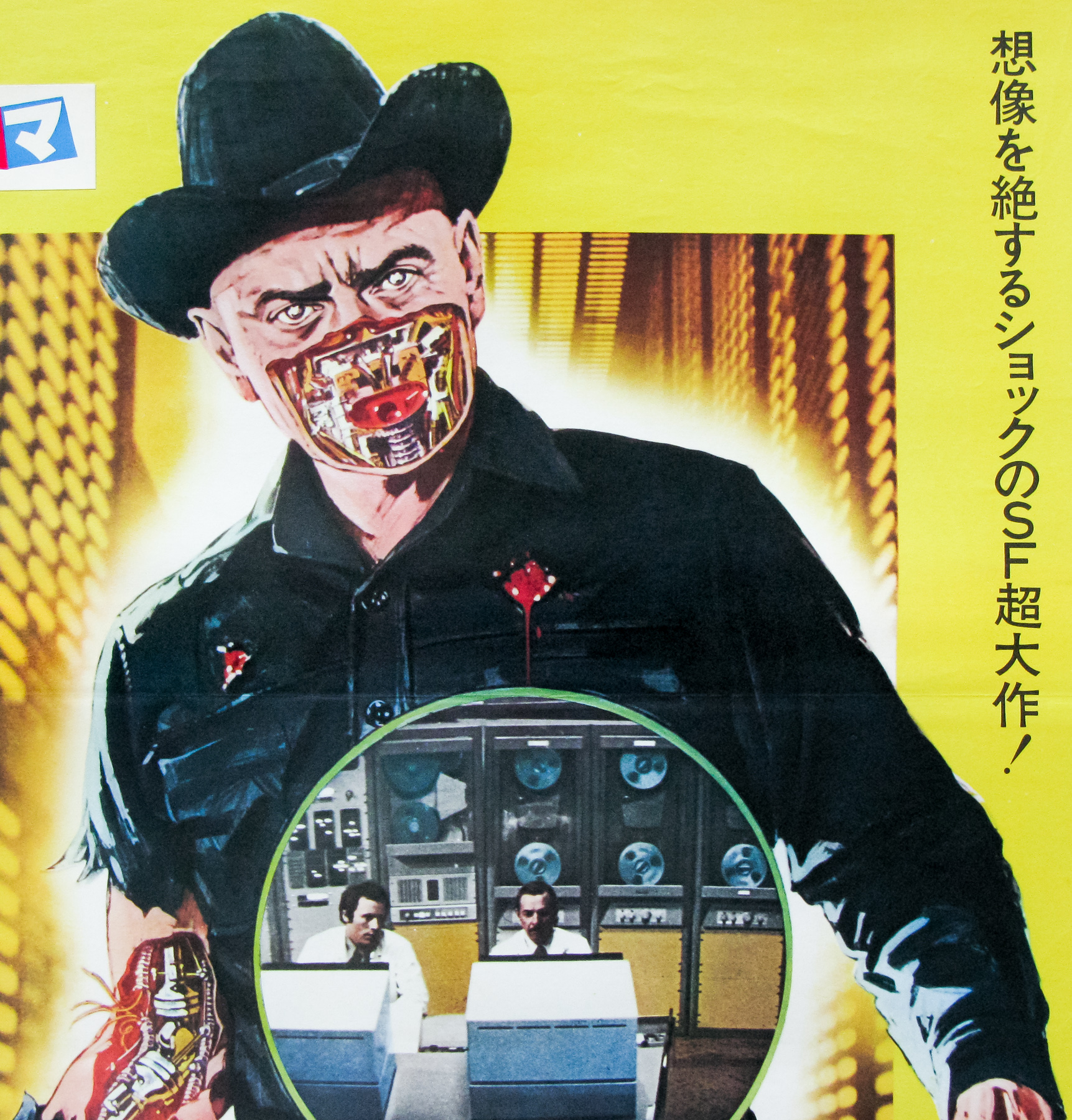
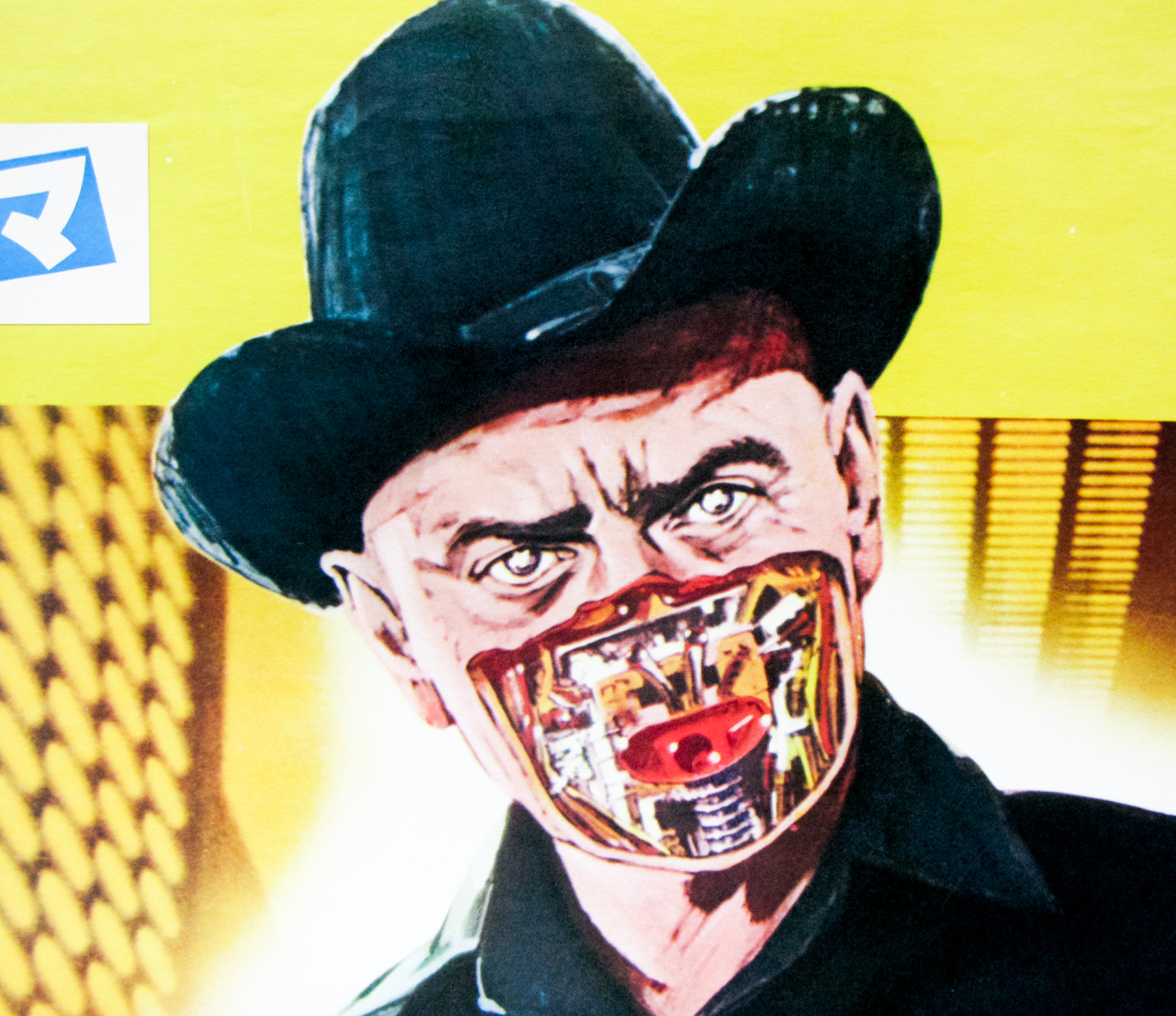
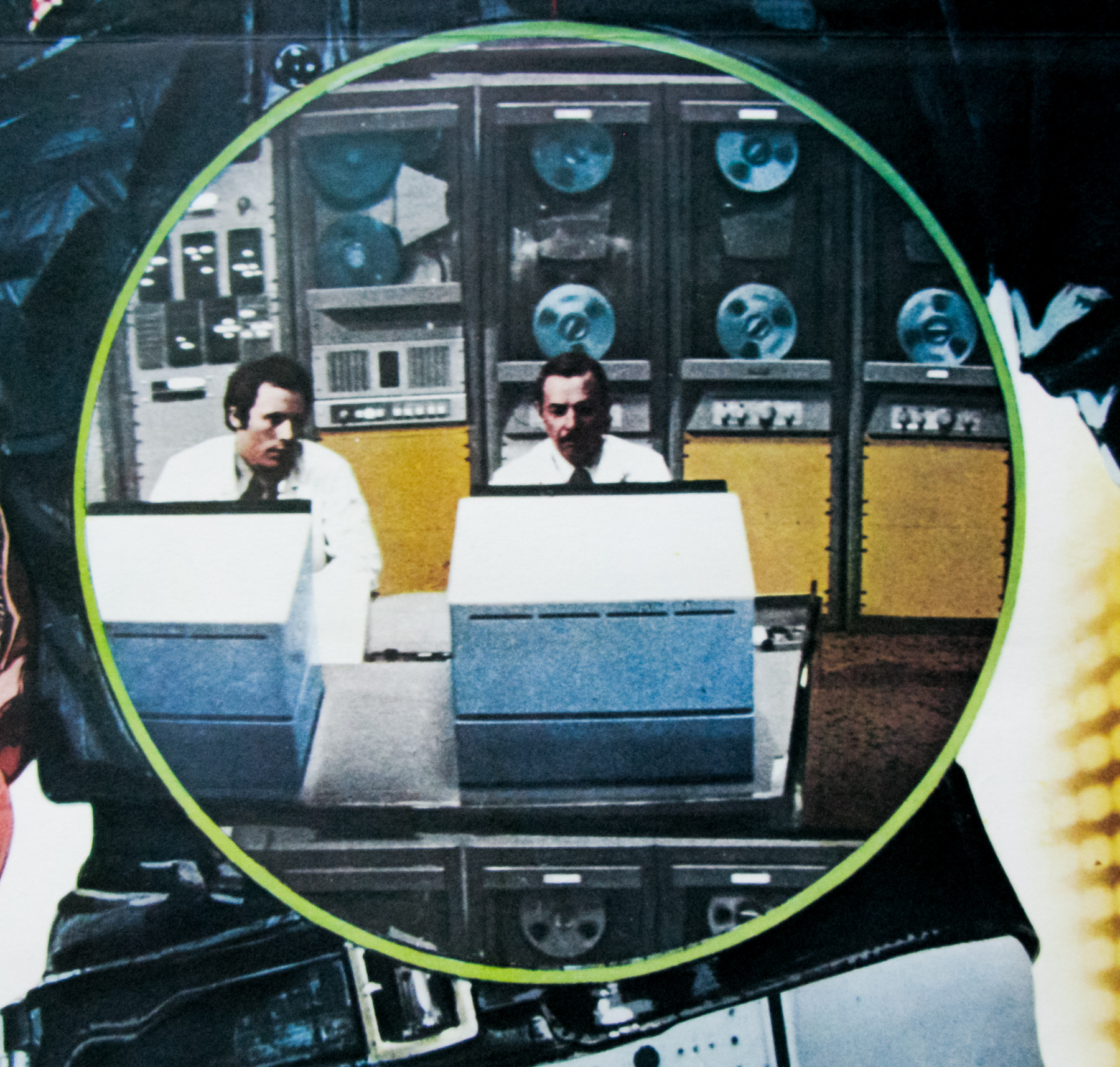
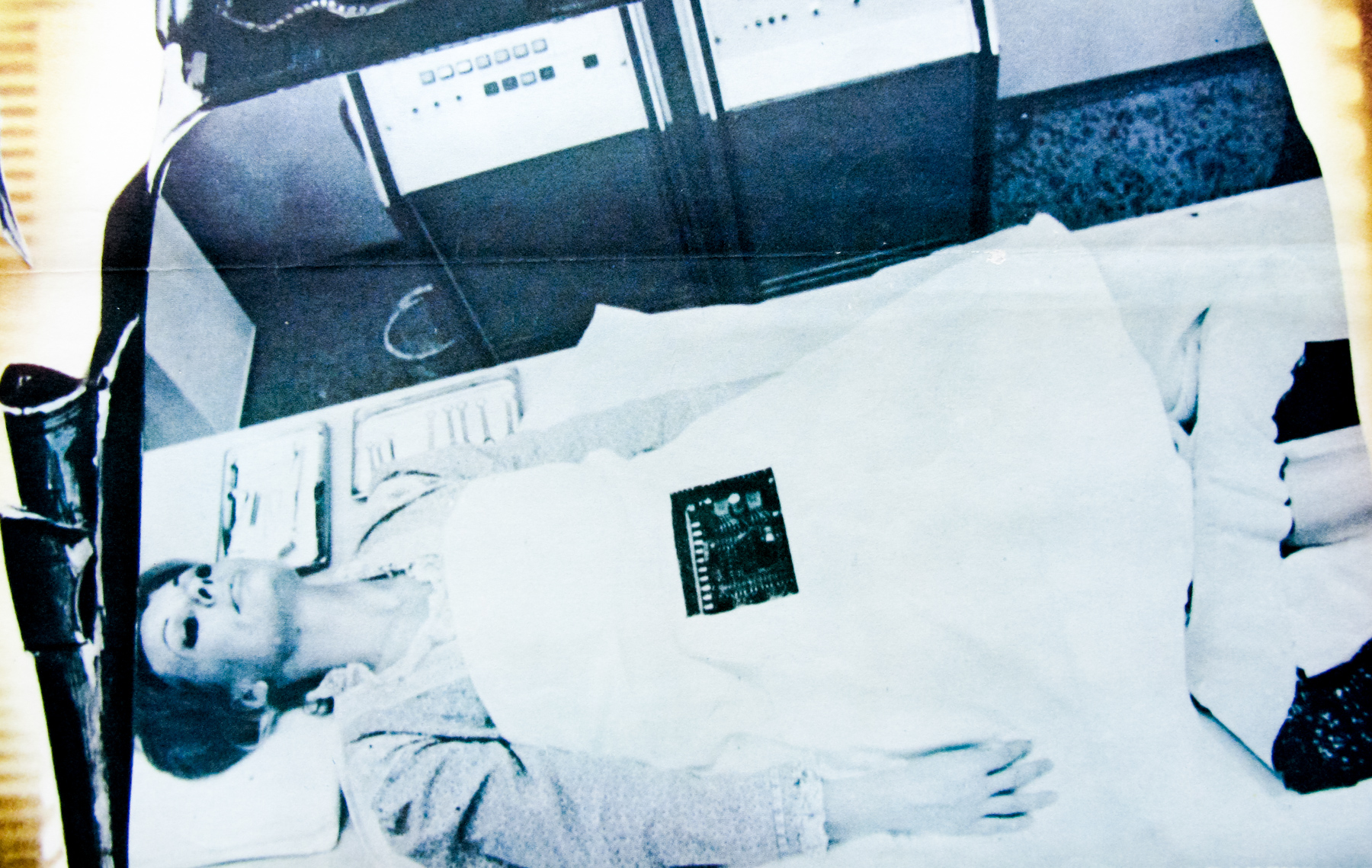
Westworld / B2 / Japan

17.05.11

Poster Poster

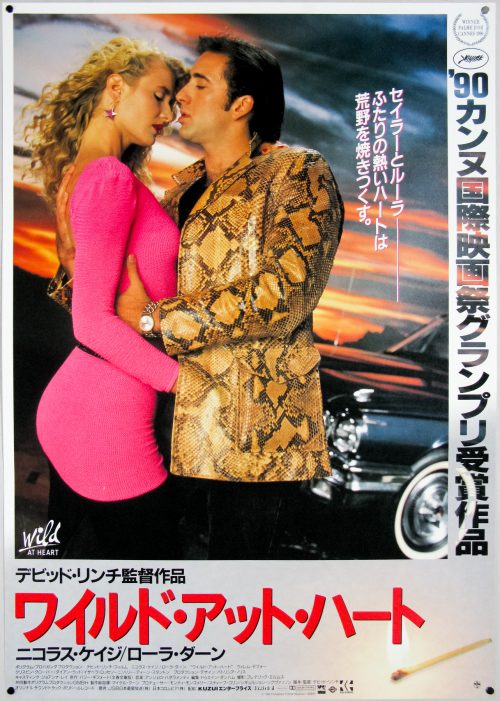
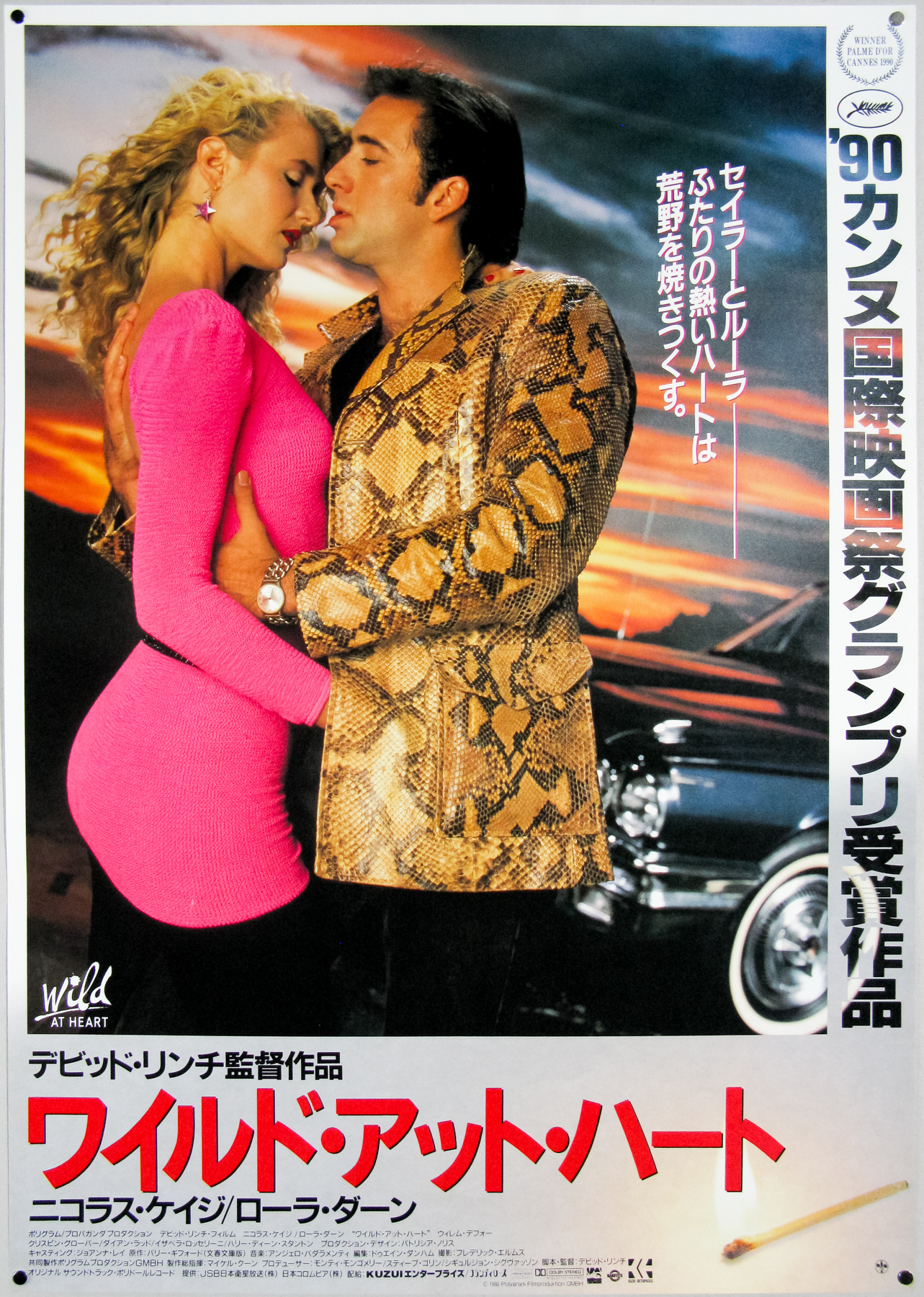
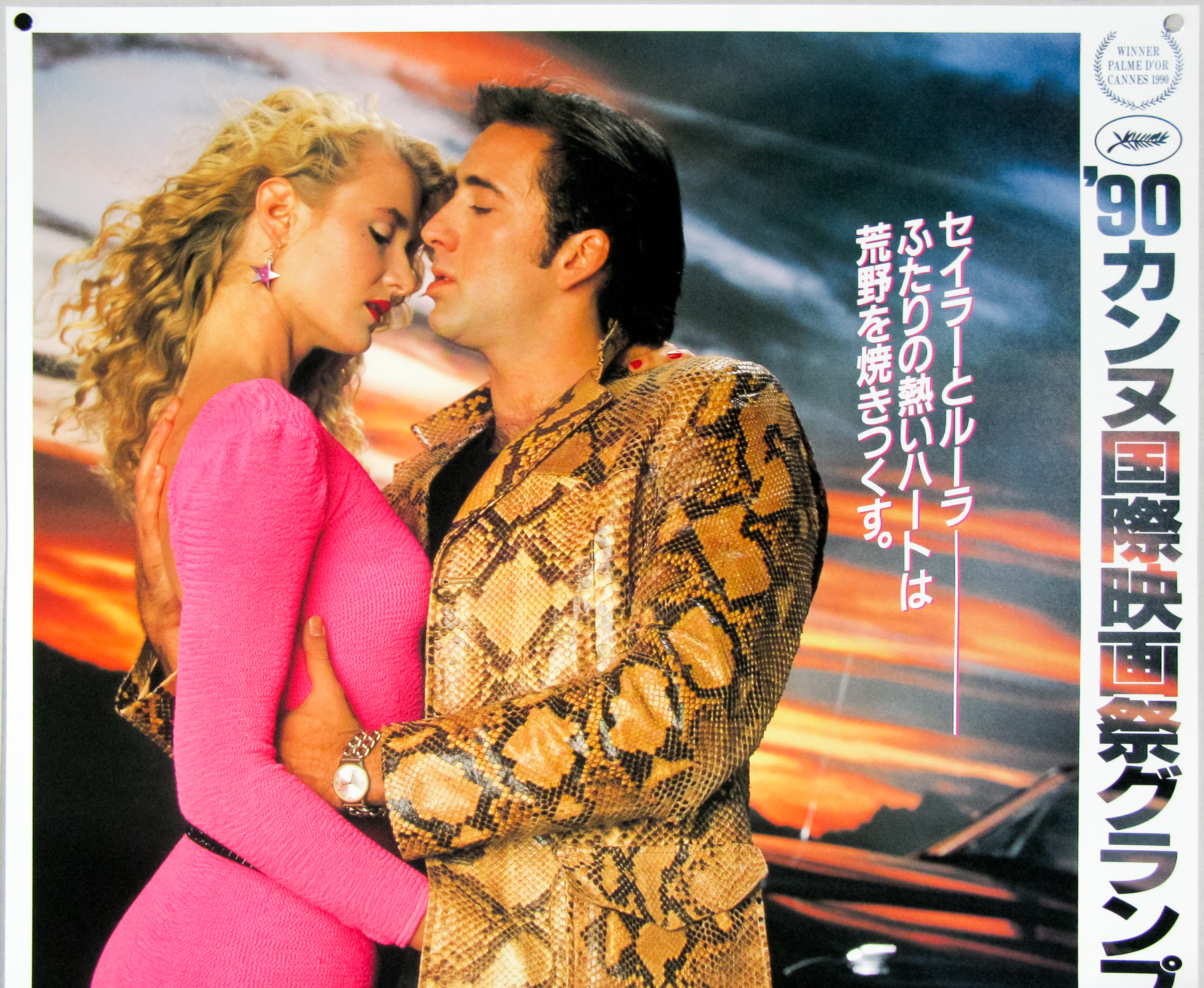
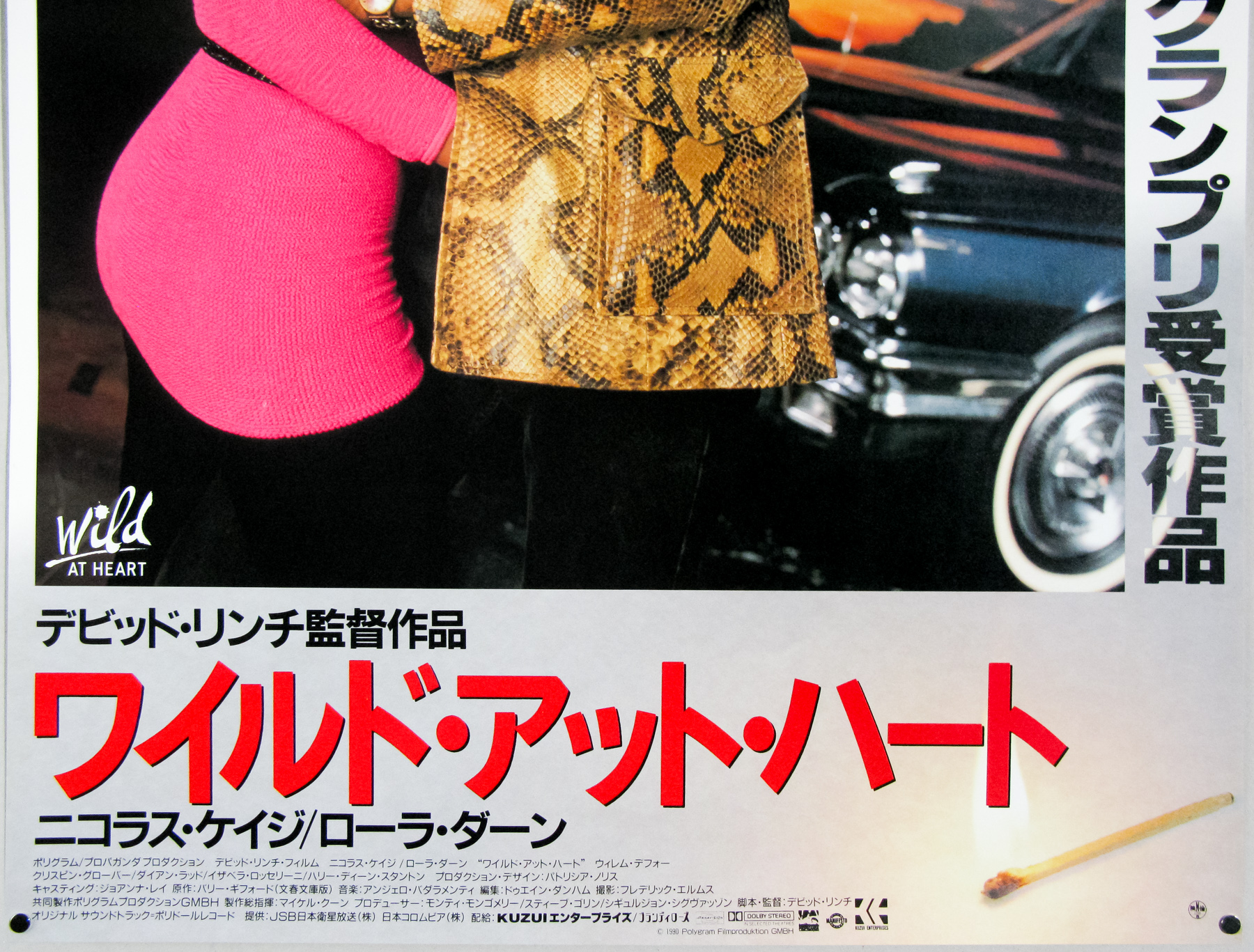
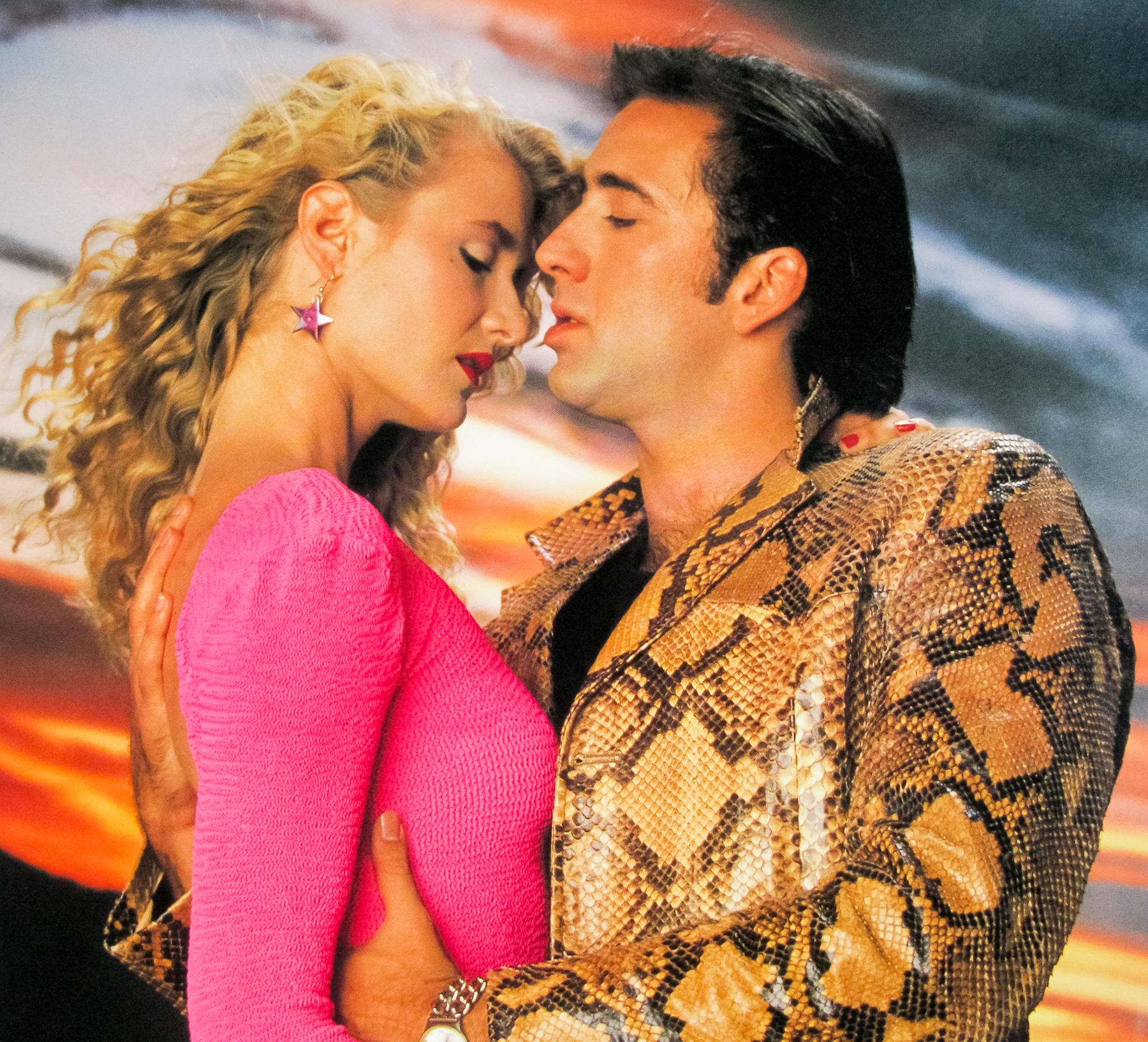
Wild At Heart / B2 / Japan

17.05.11

Poster Poster

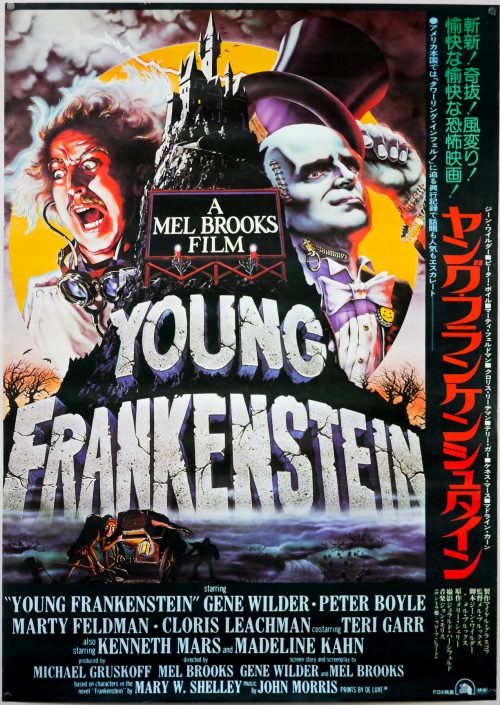
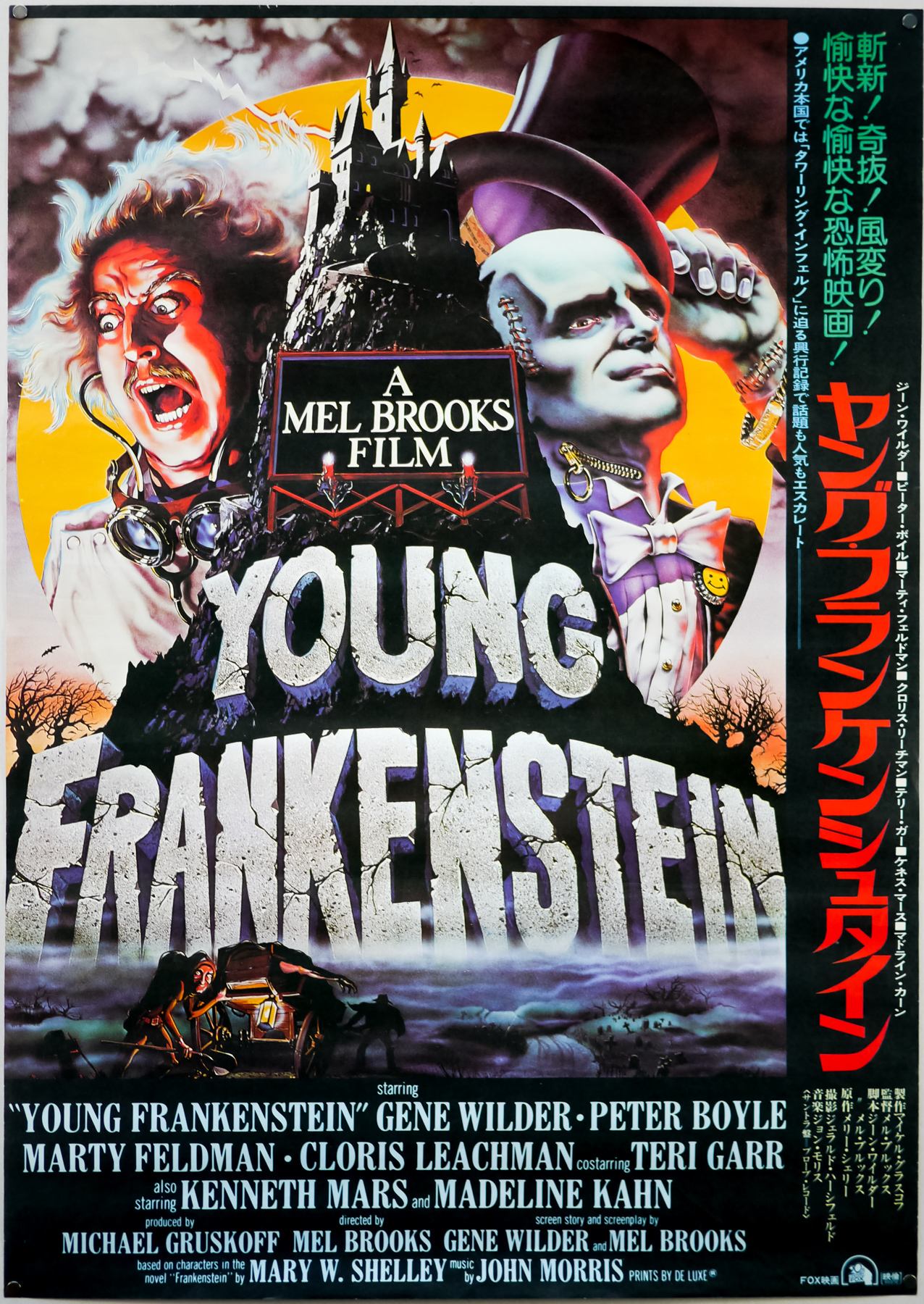
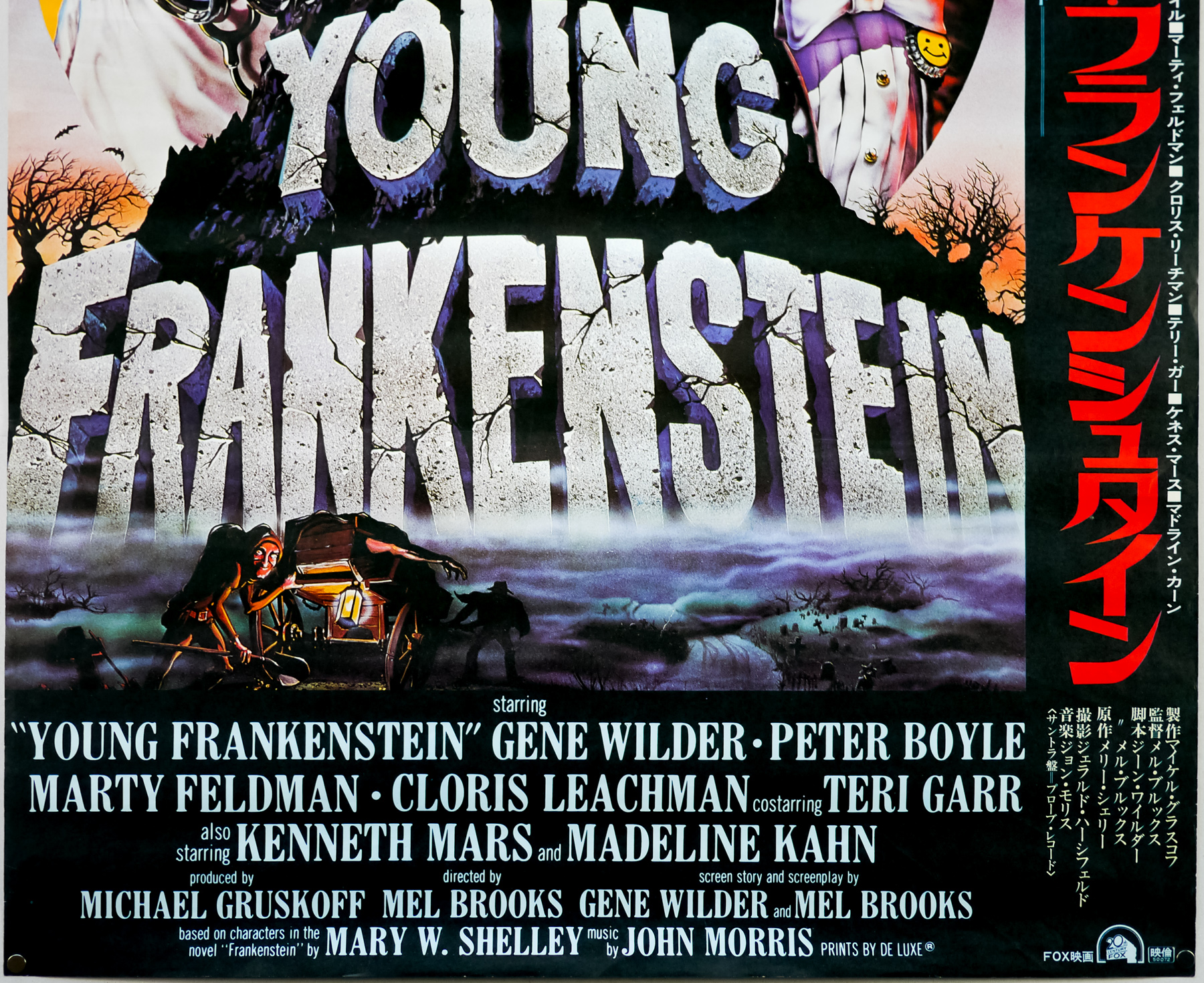
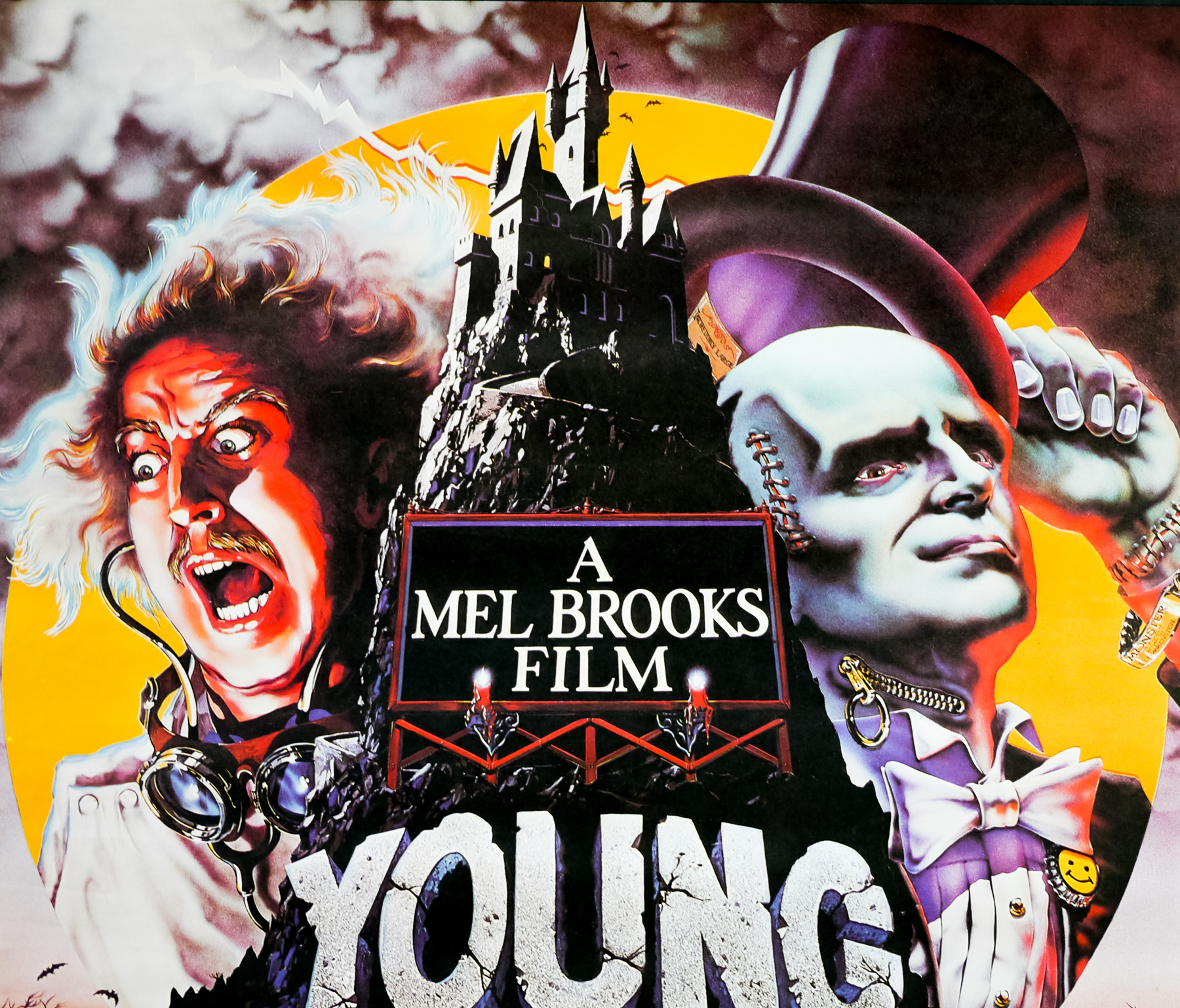
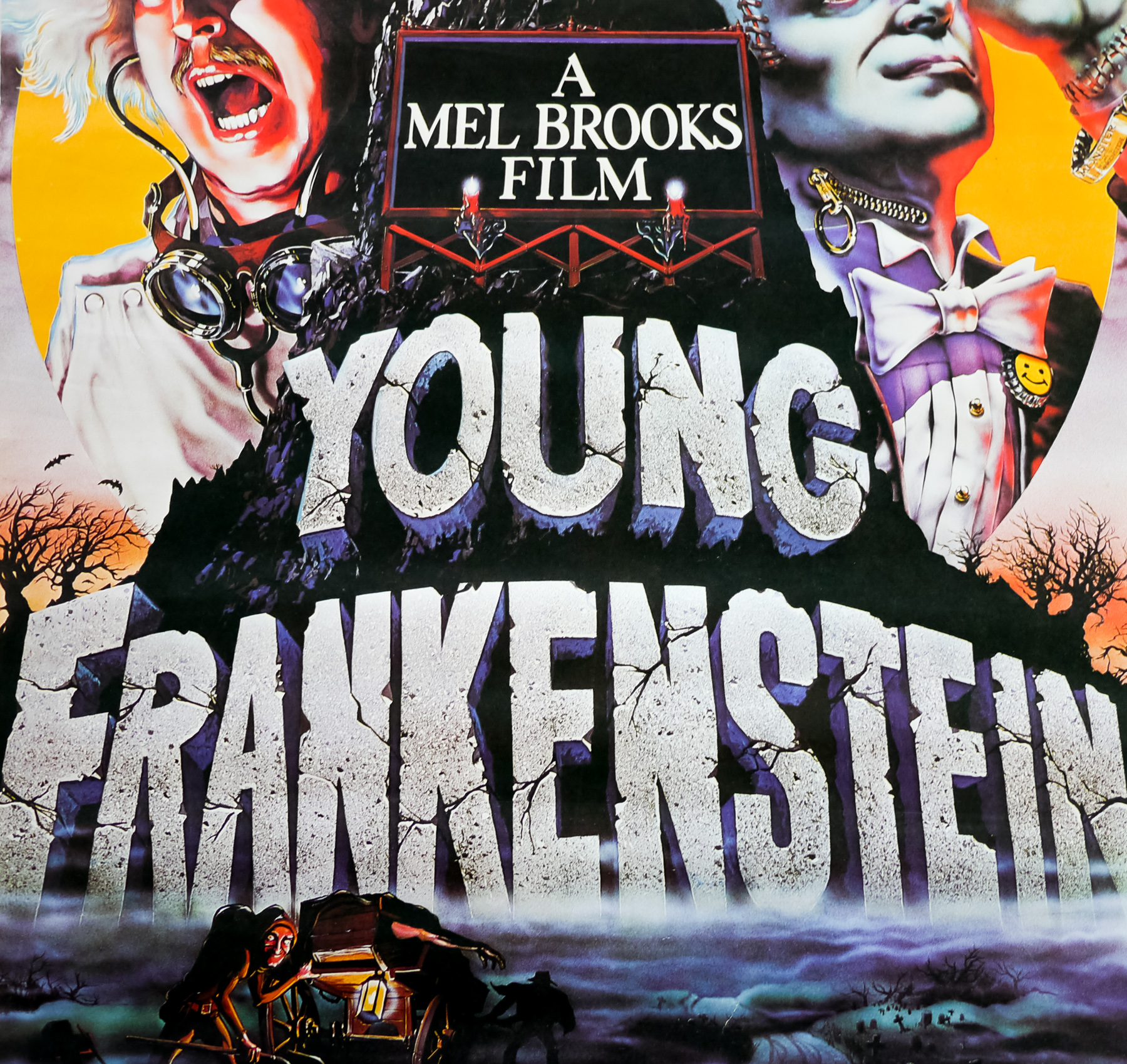
Young Frankenstein / B2 / Japan

17.05.11

Poster Poster

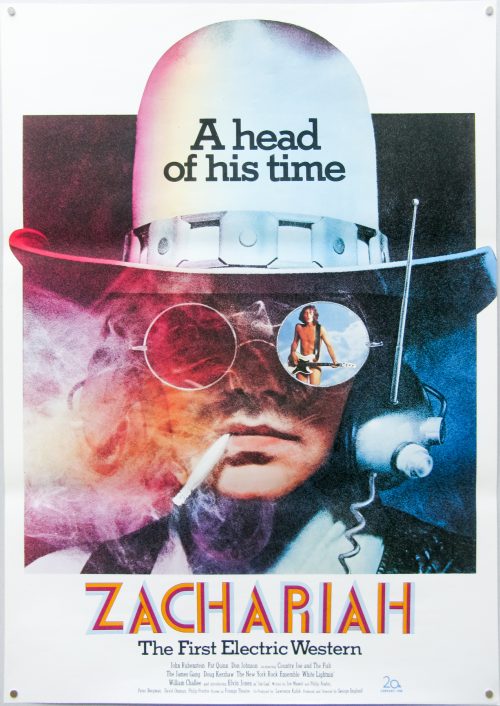
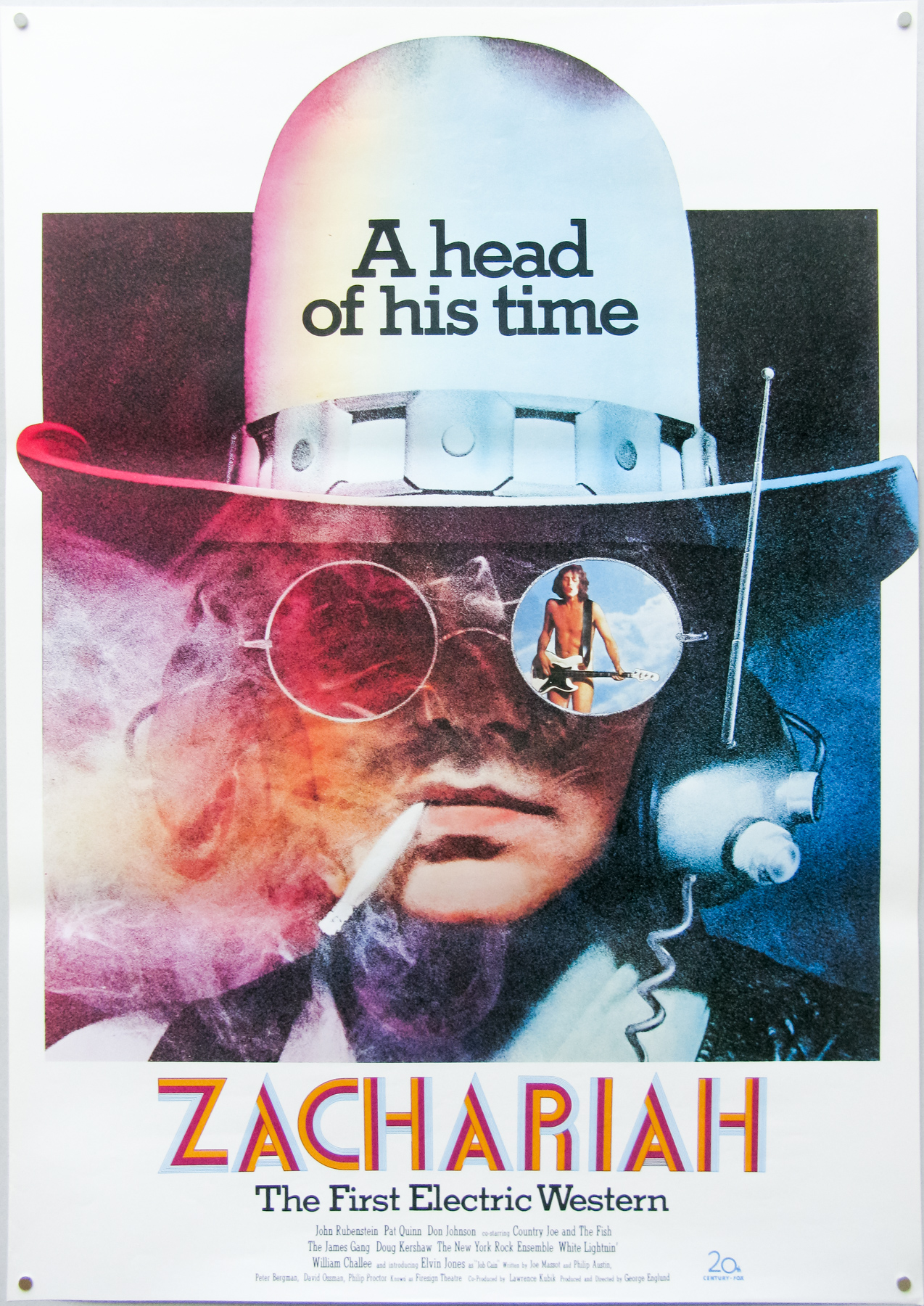
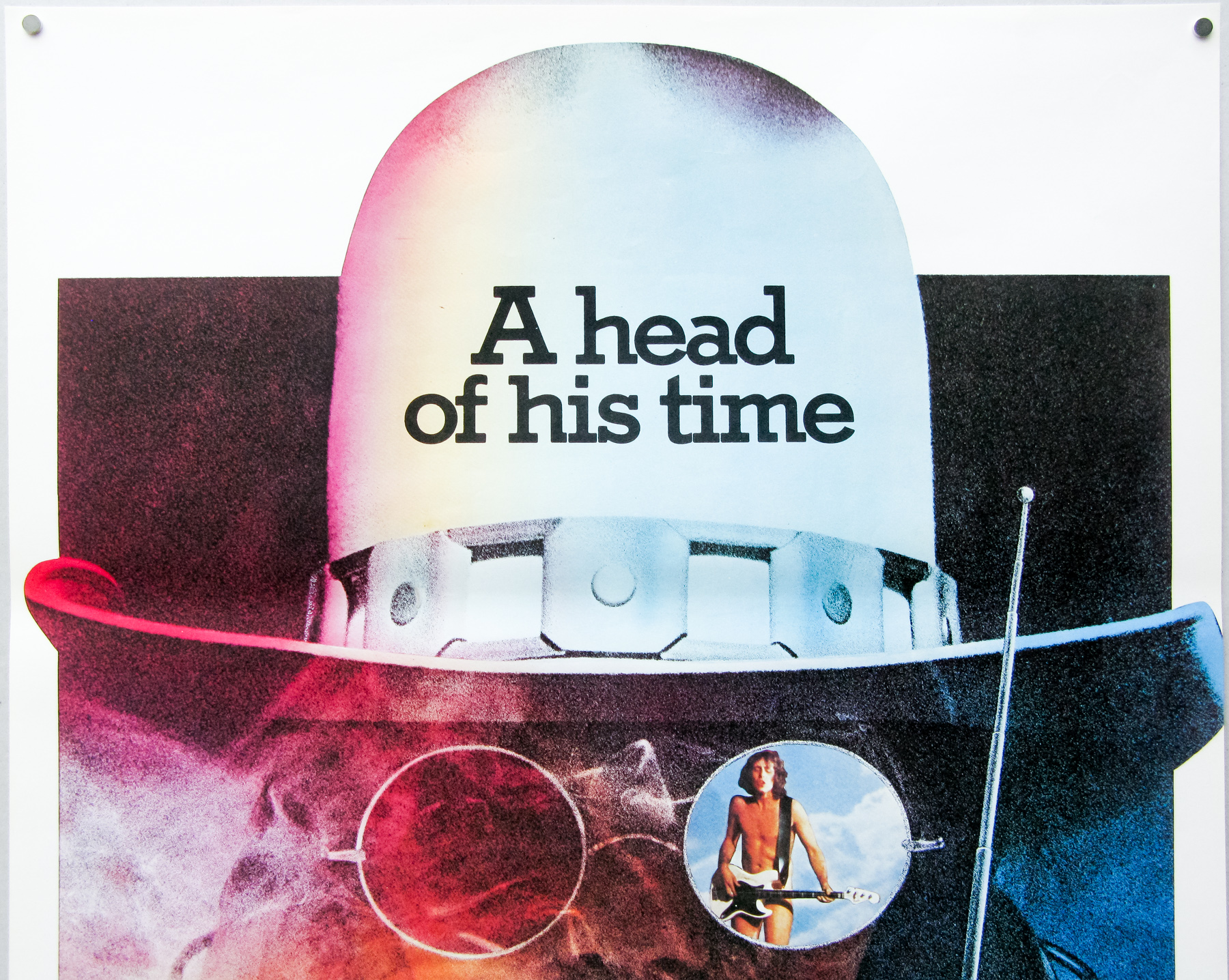
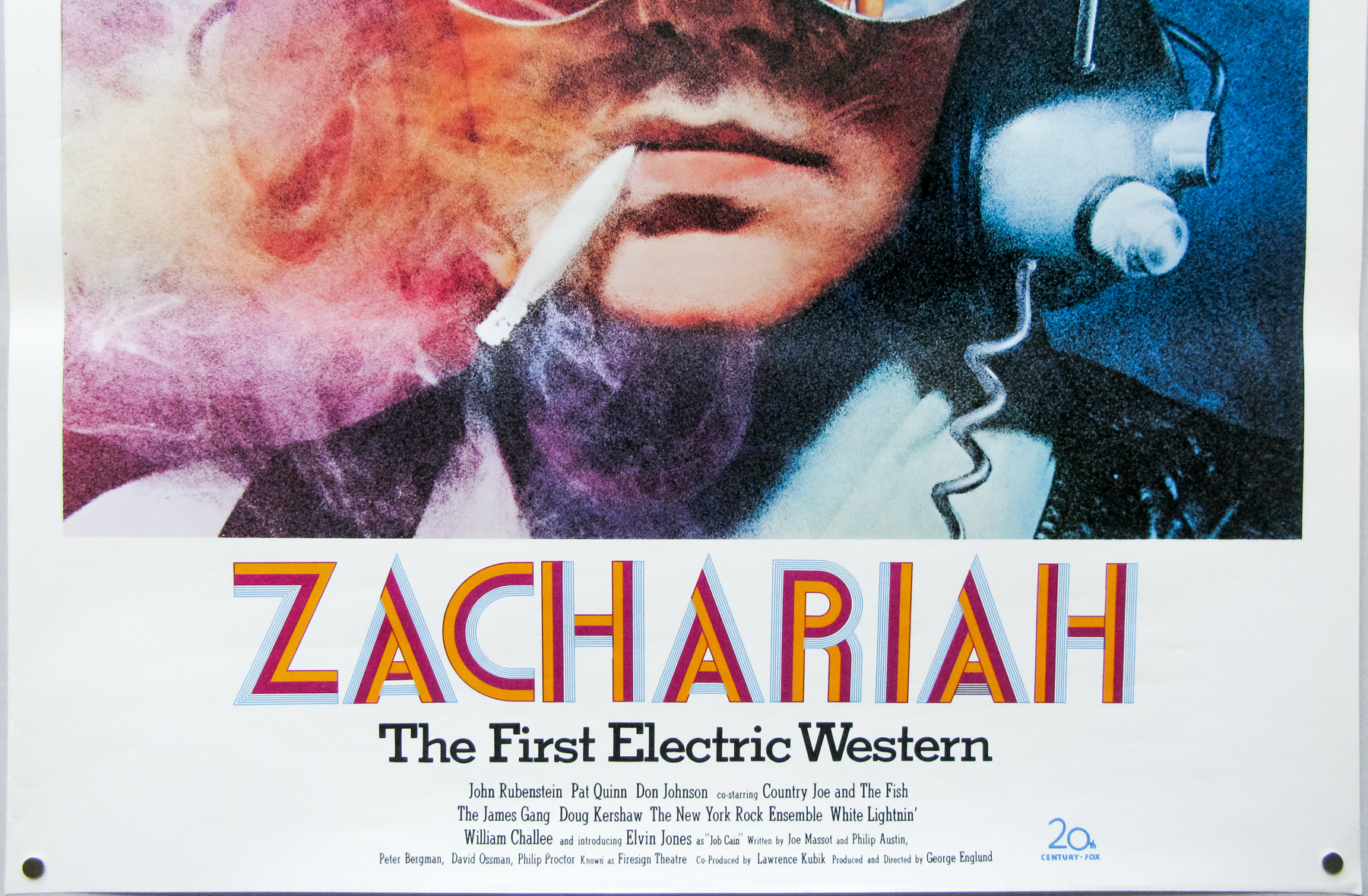
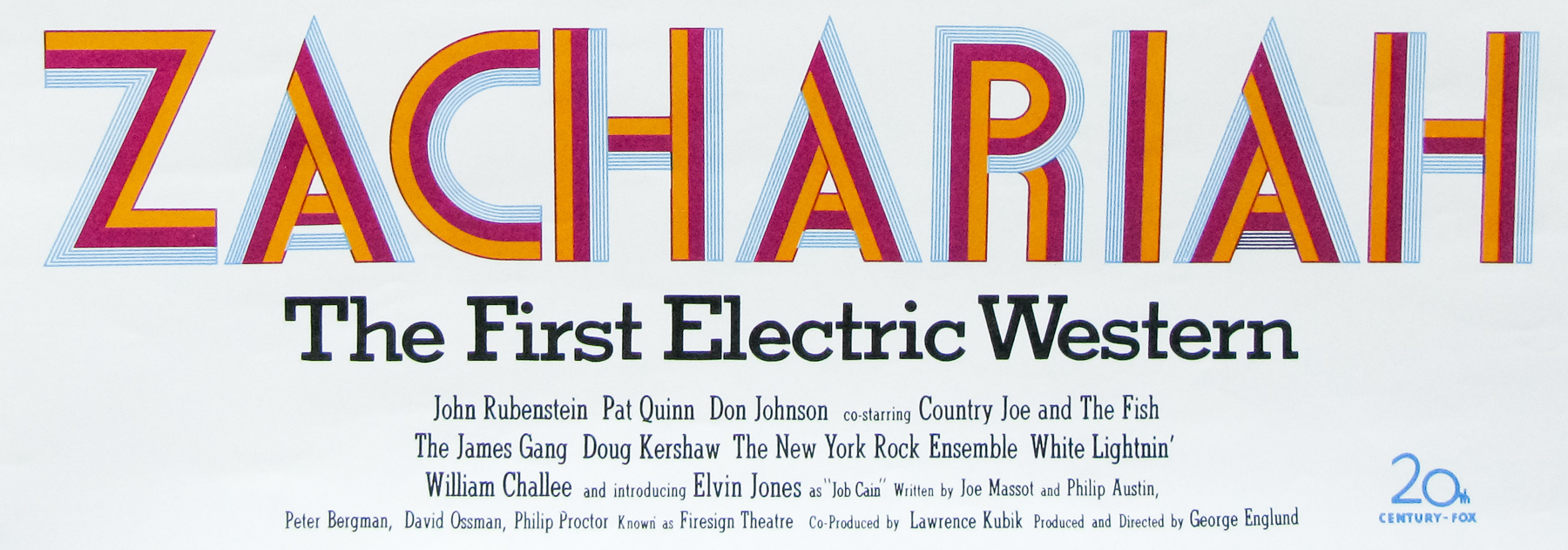
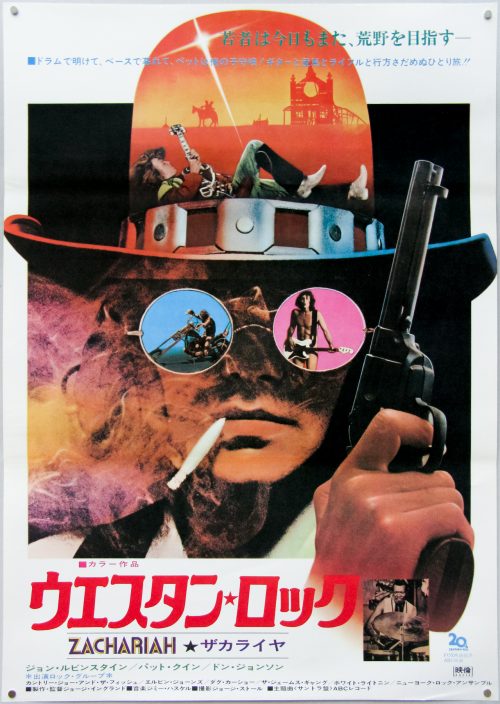
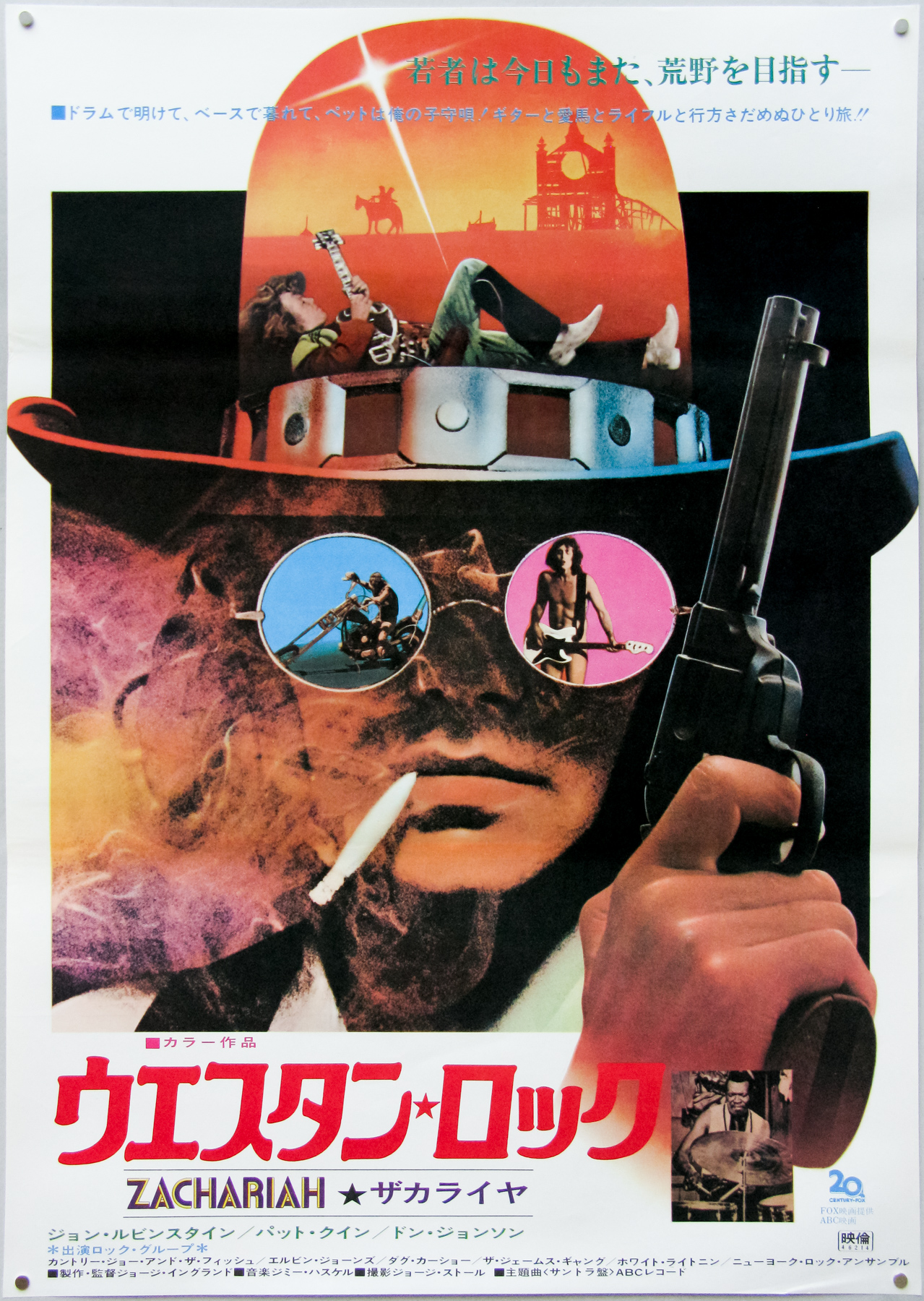
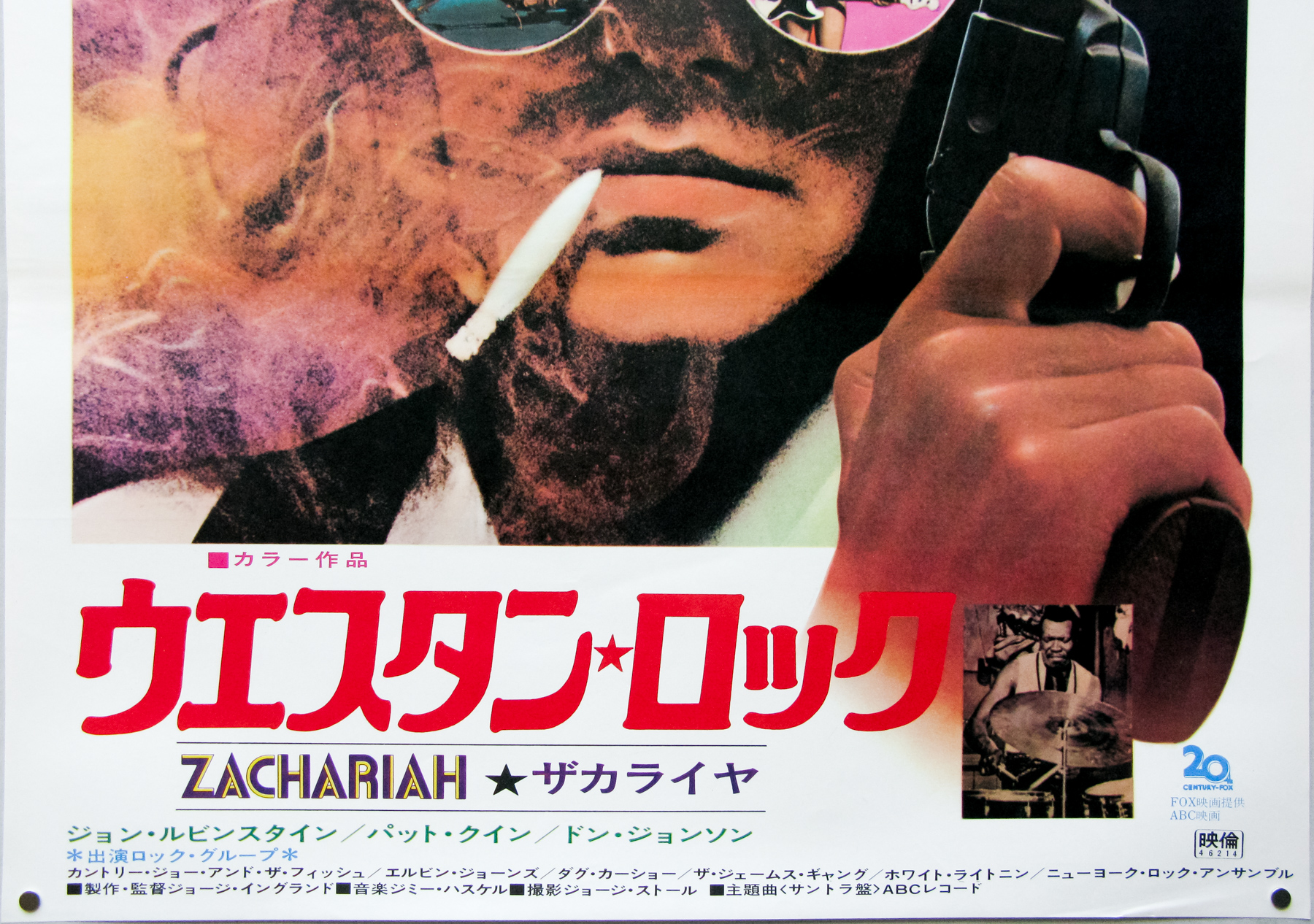
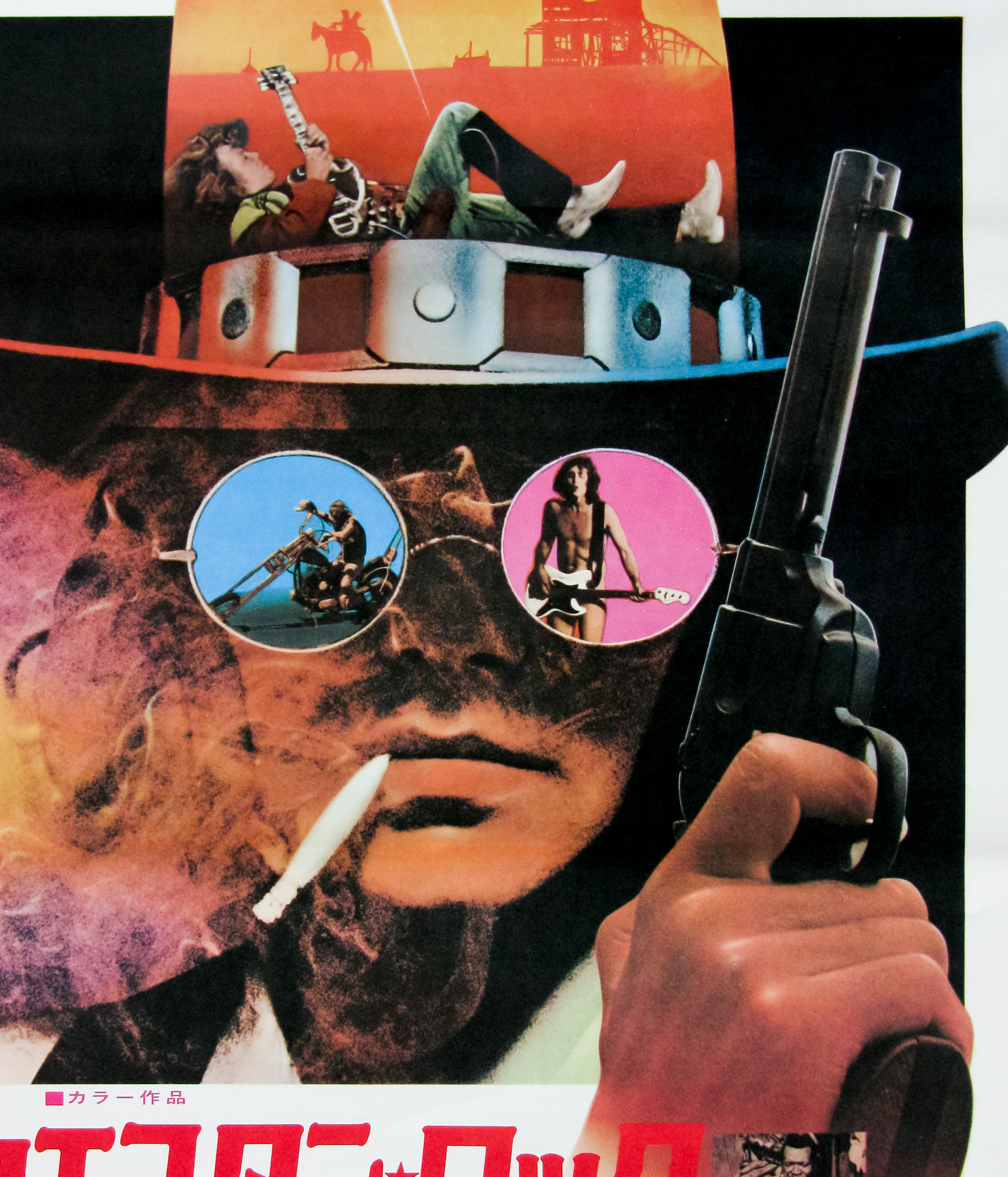
Zacariah / B2 / English text version / Japan

17.05.11

Poster Poster

Zacariah / B2 / Japanese text version / Japan

17.05.11

Poster Poster

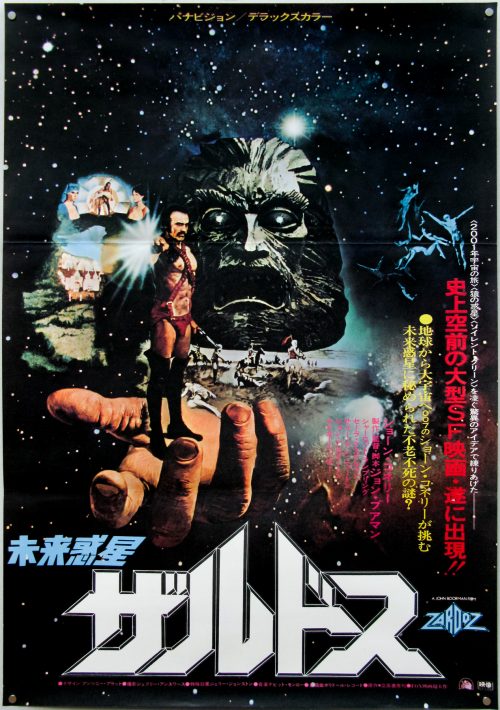
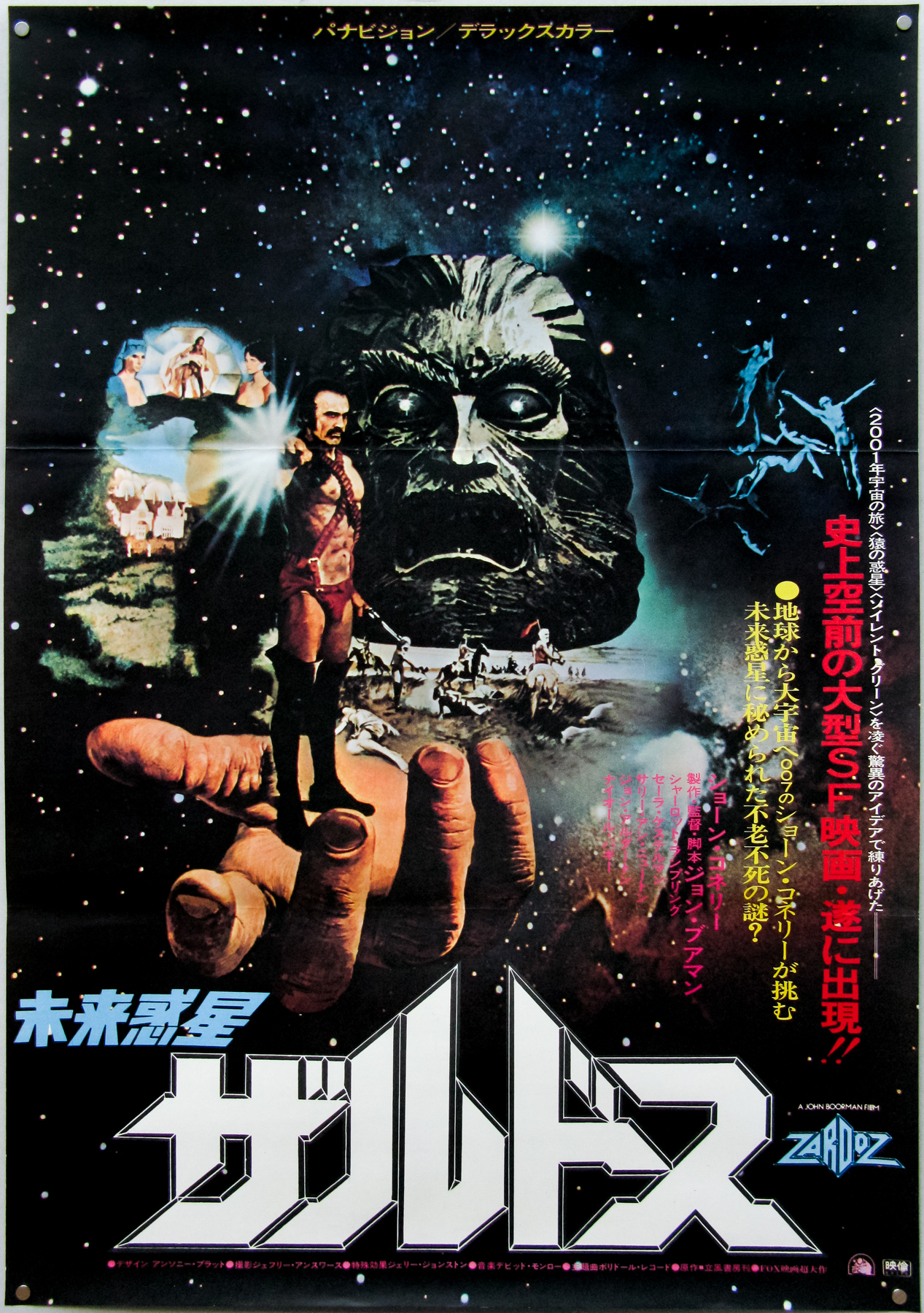
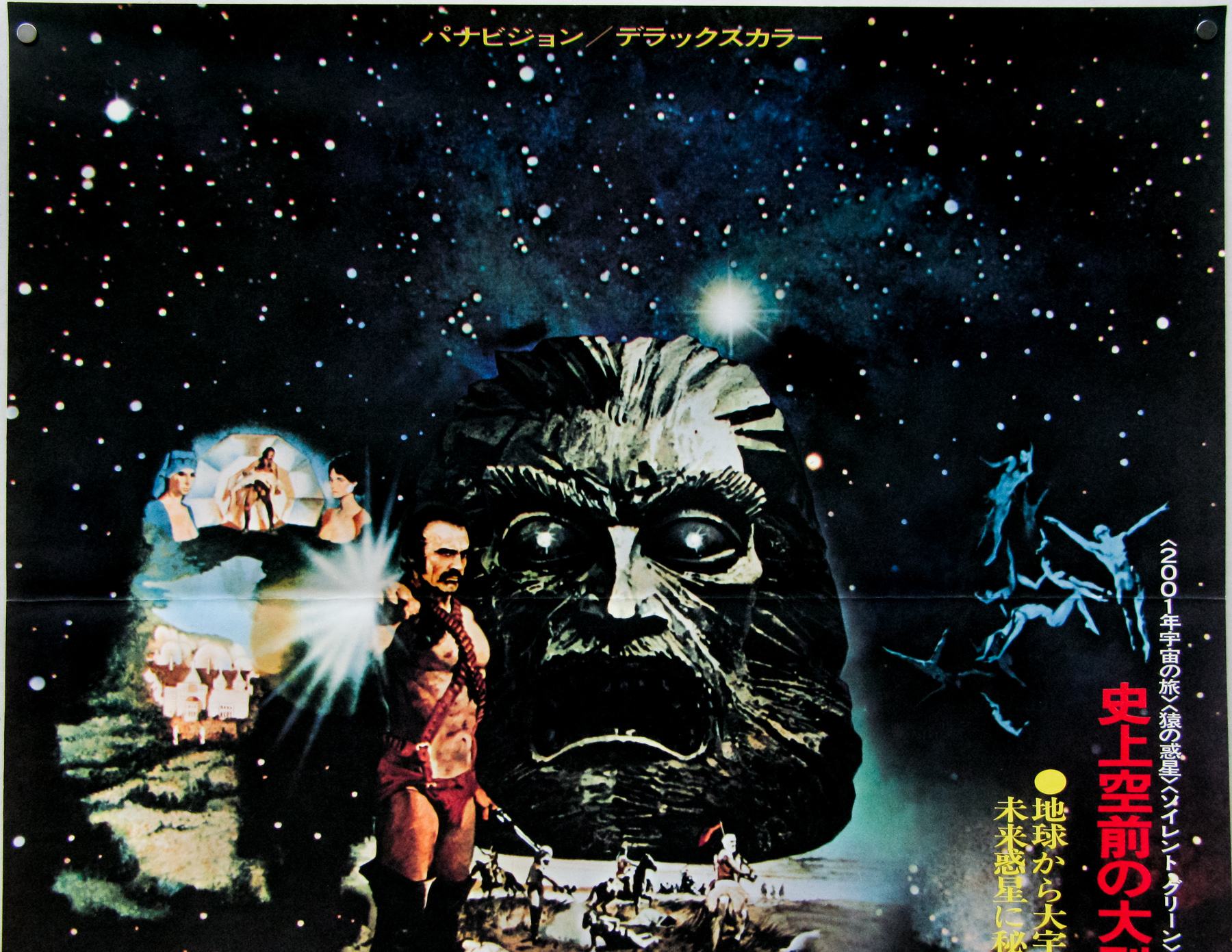
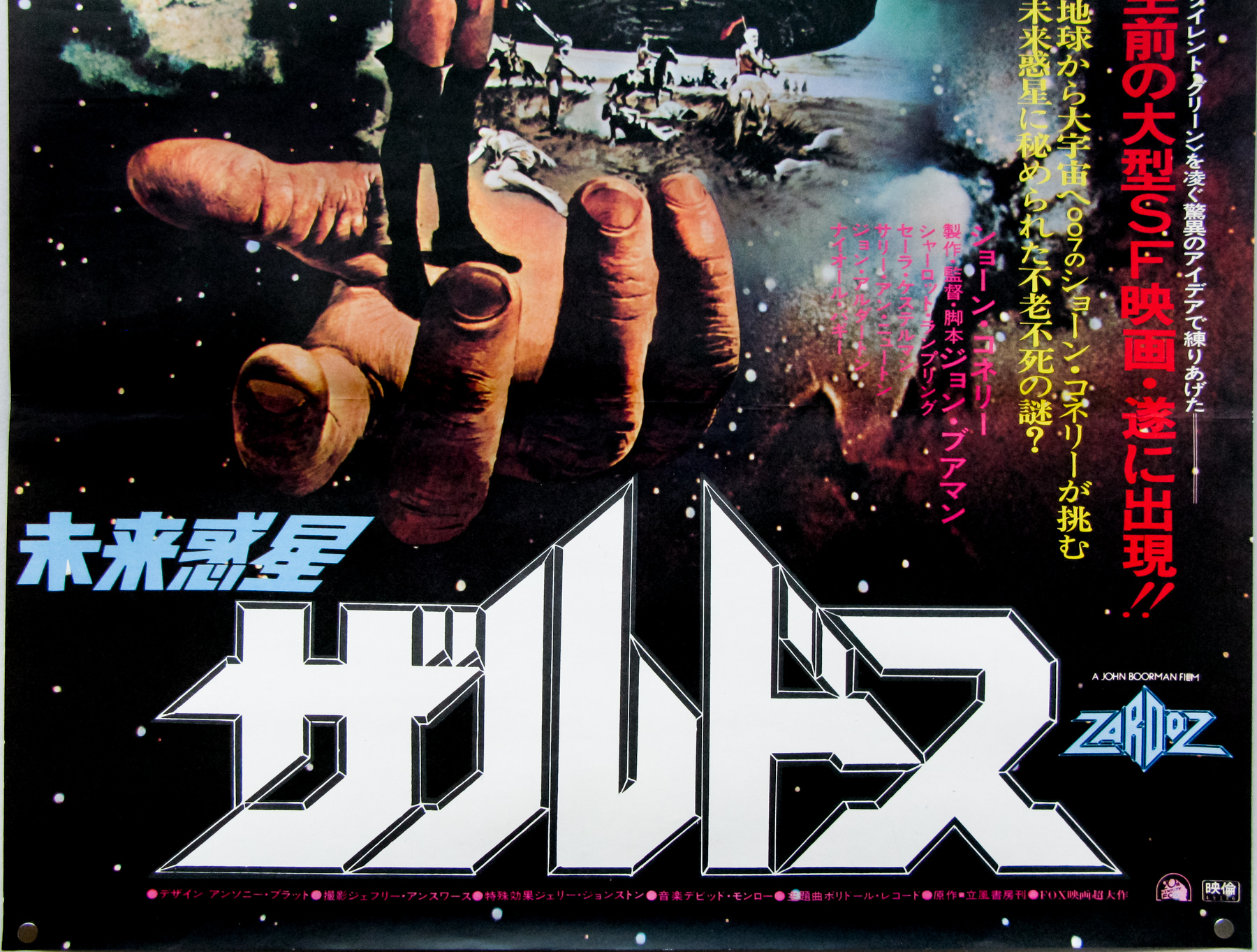
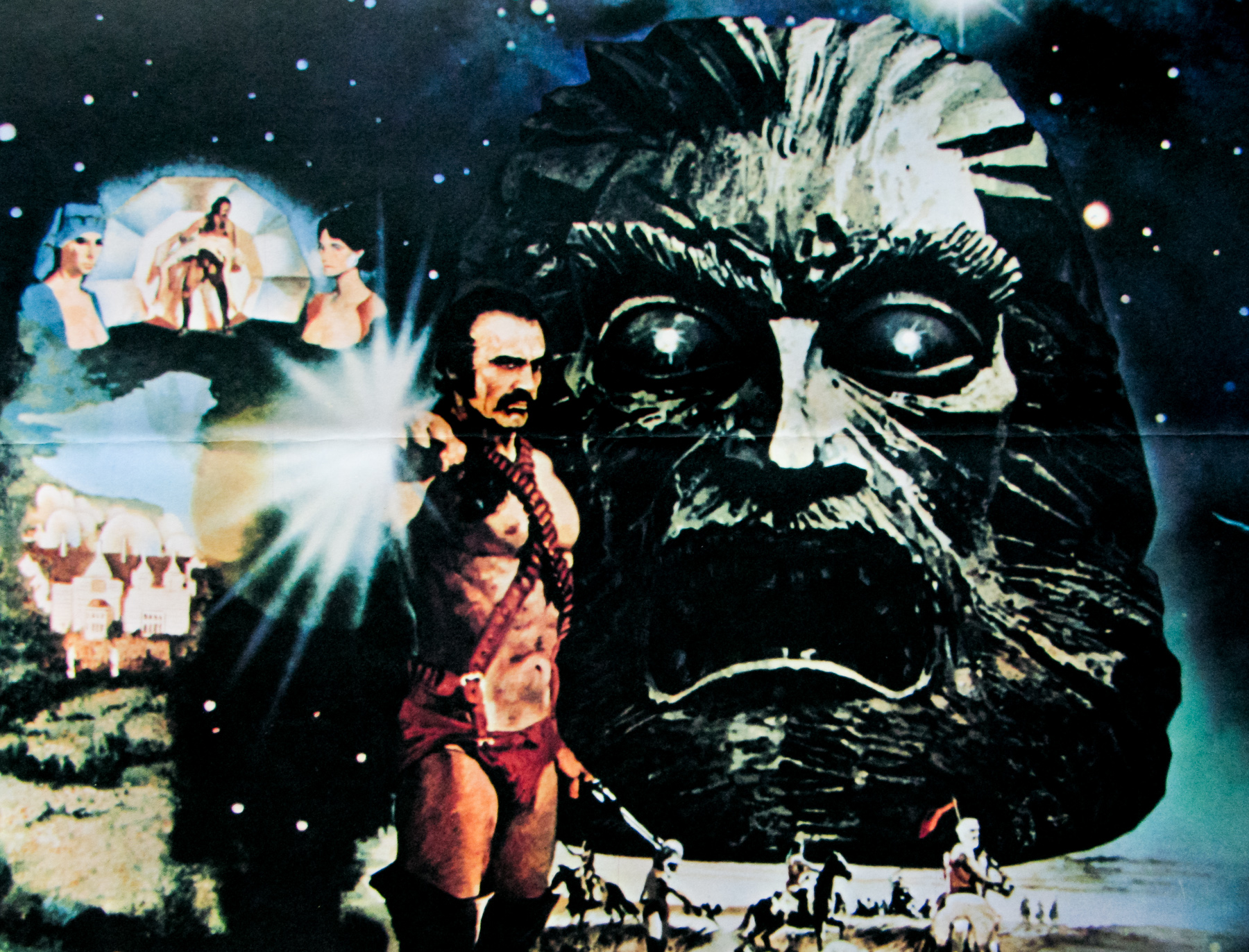
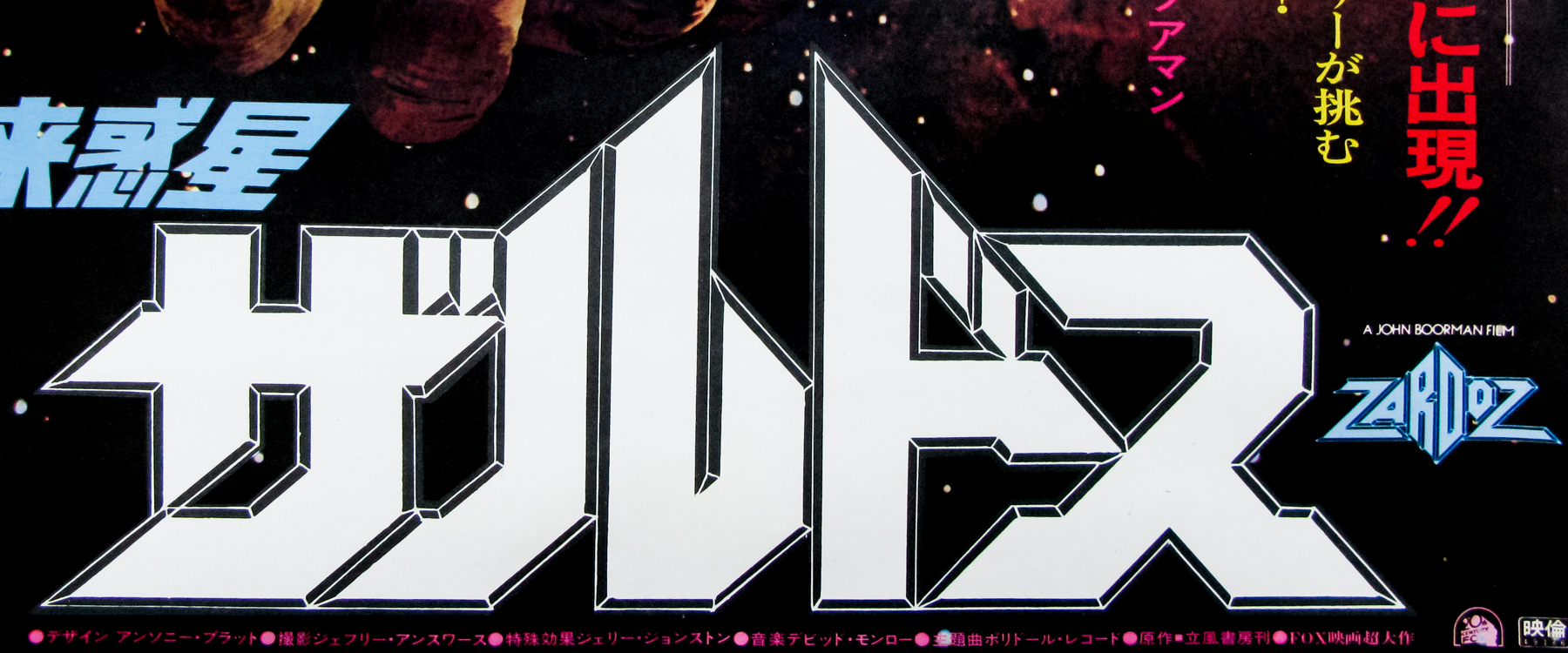
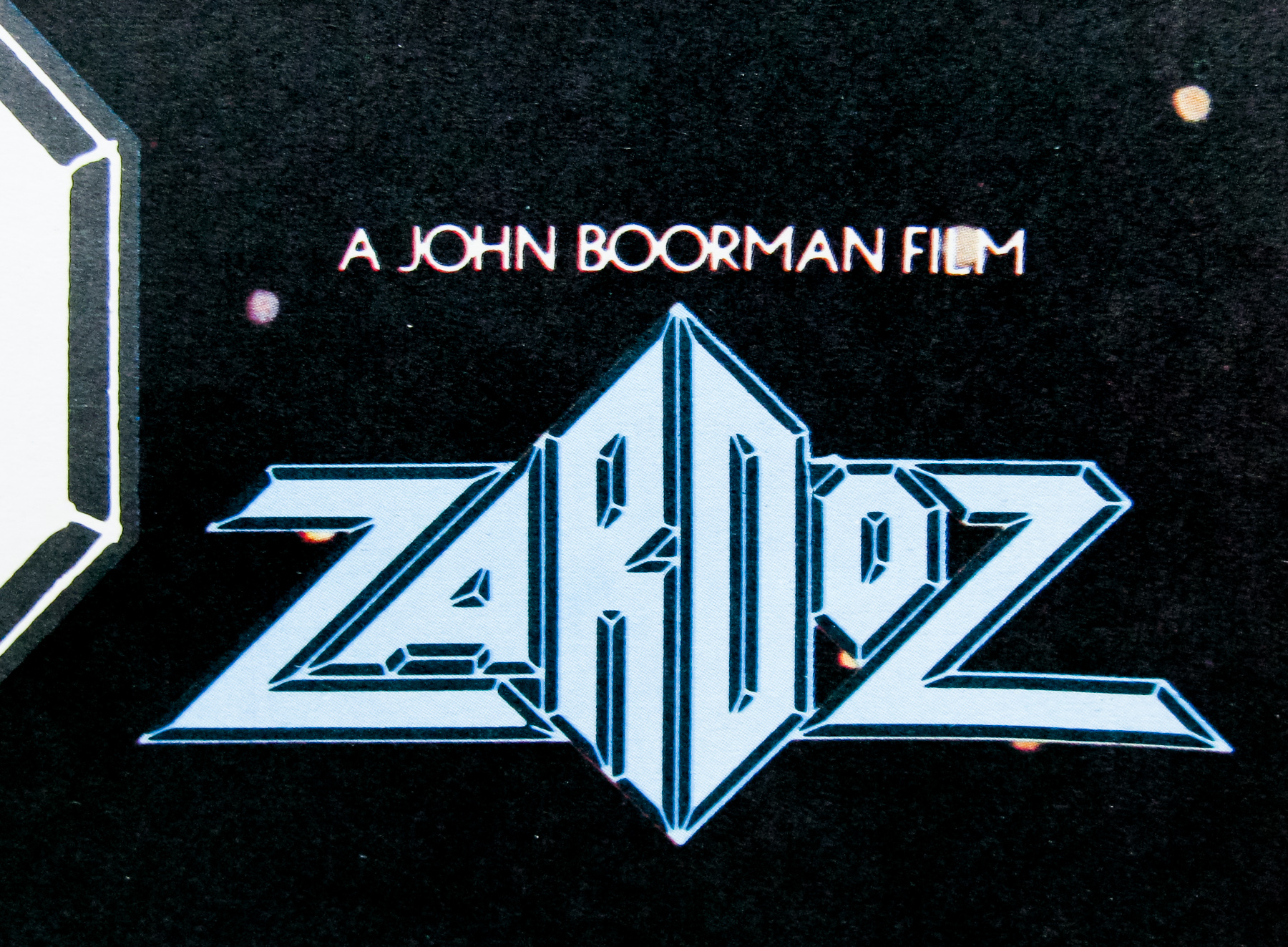
Zardoz / B2 / Japan

17.05.11

Poster Poster

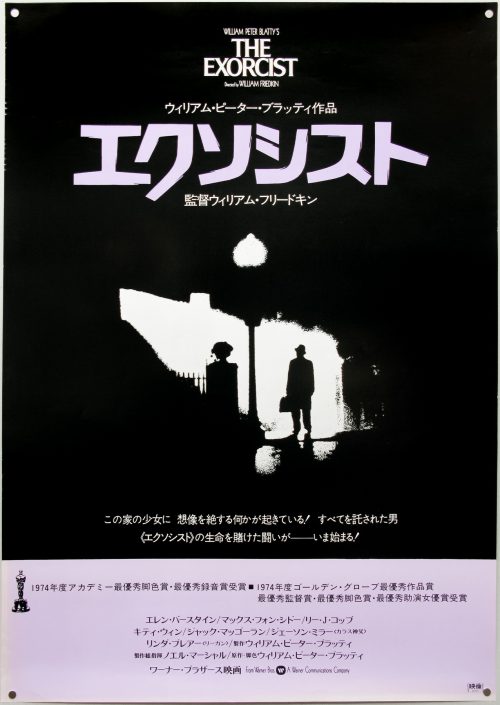
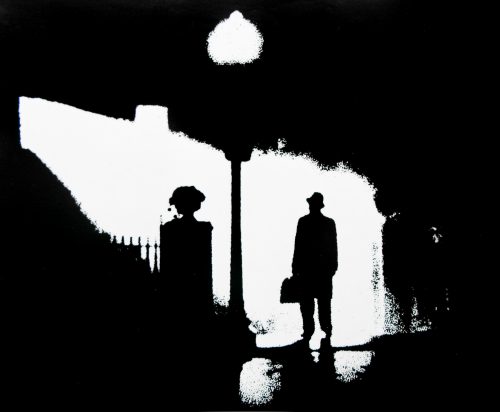
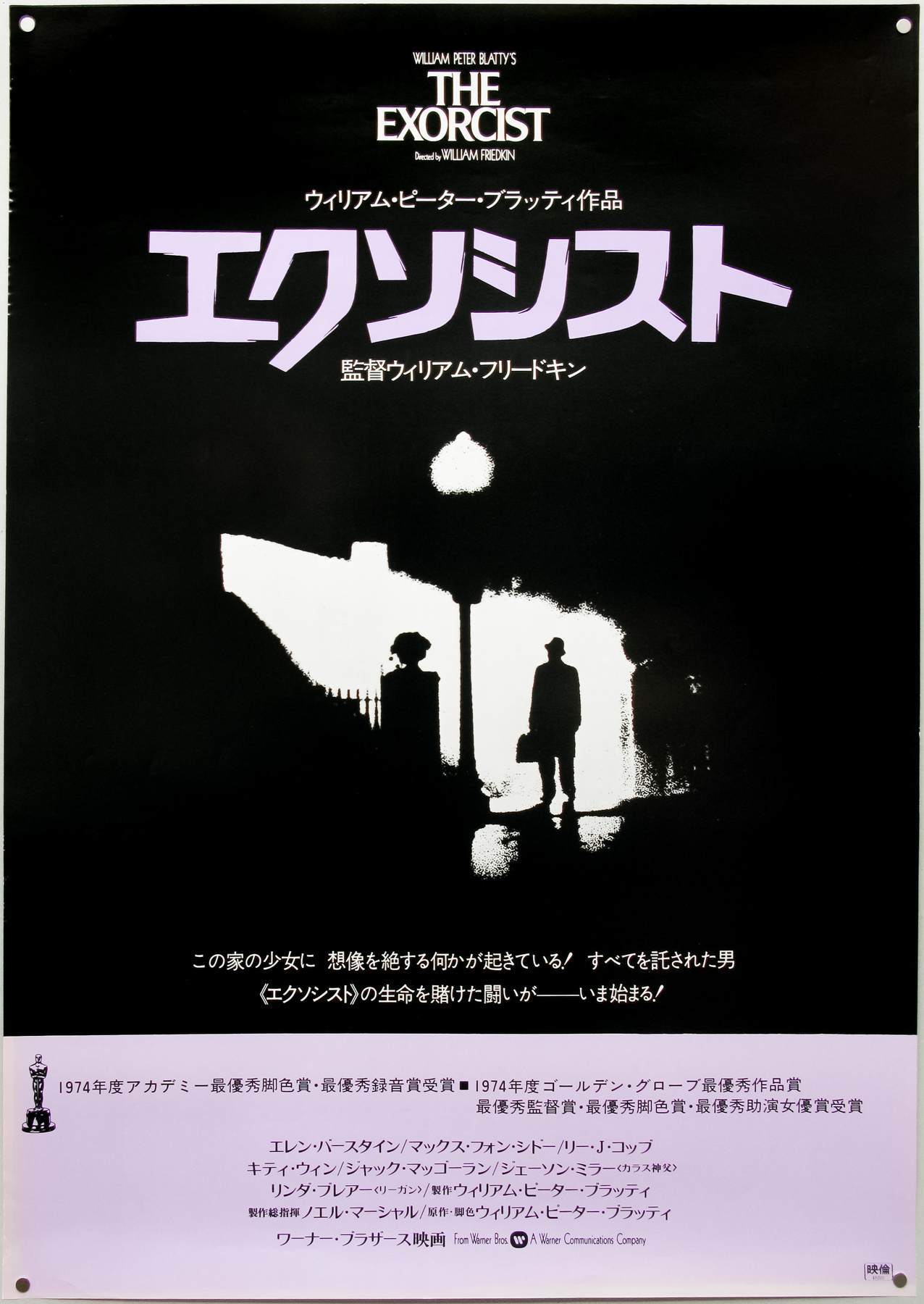
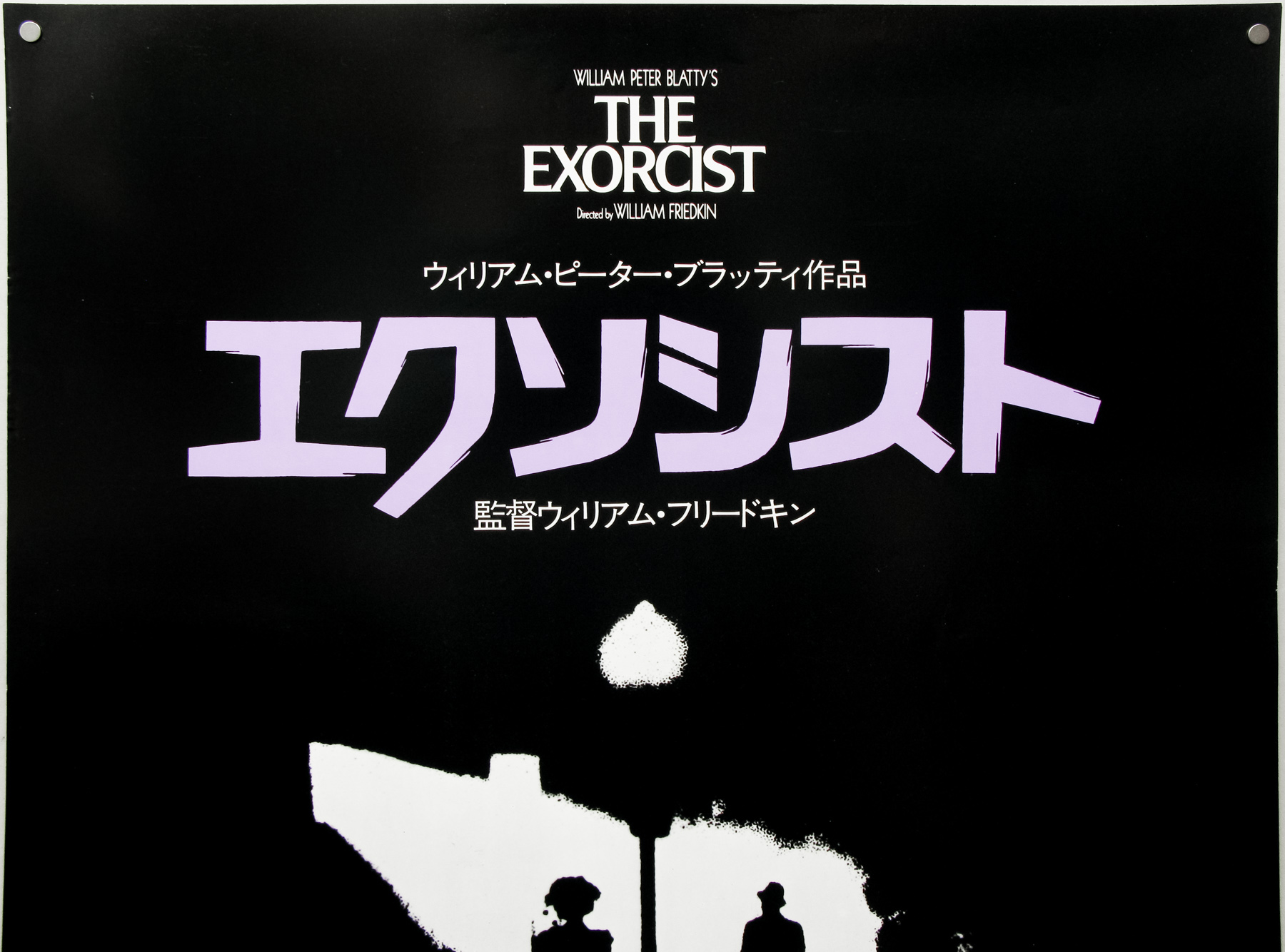
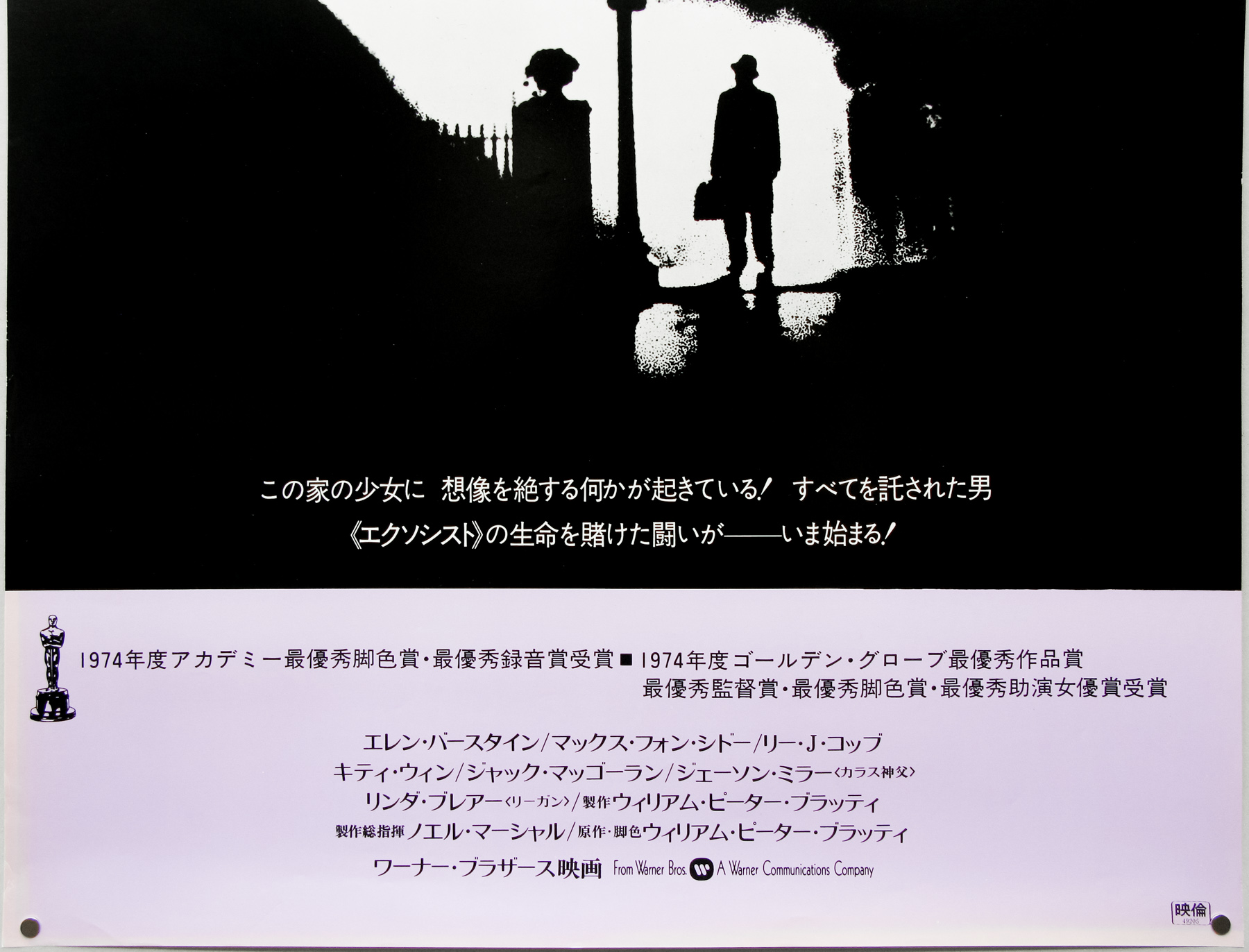
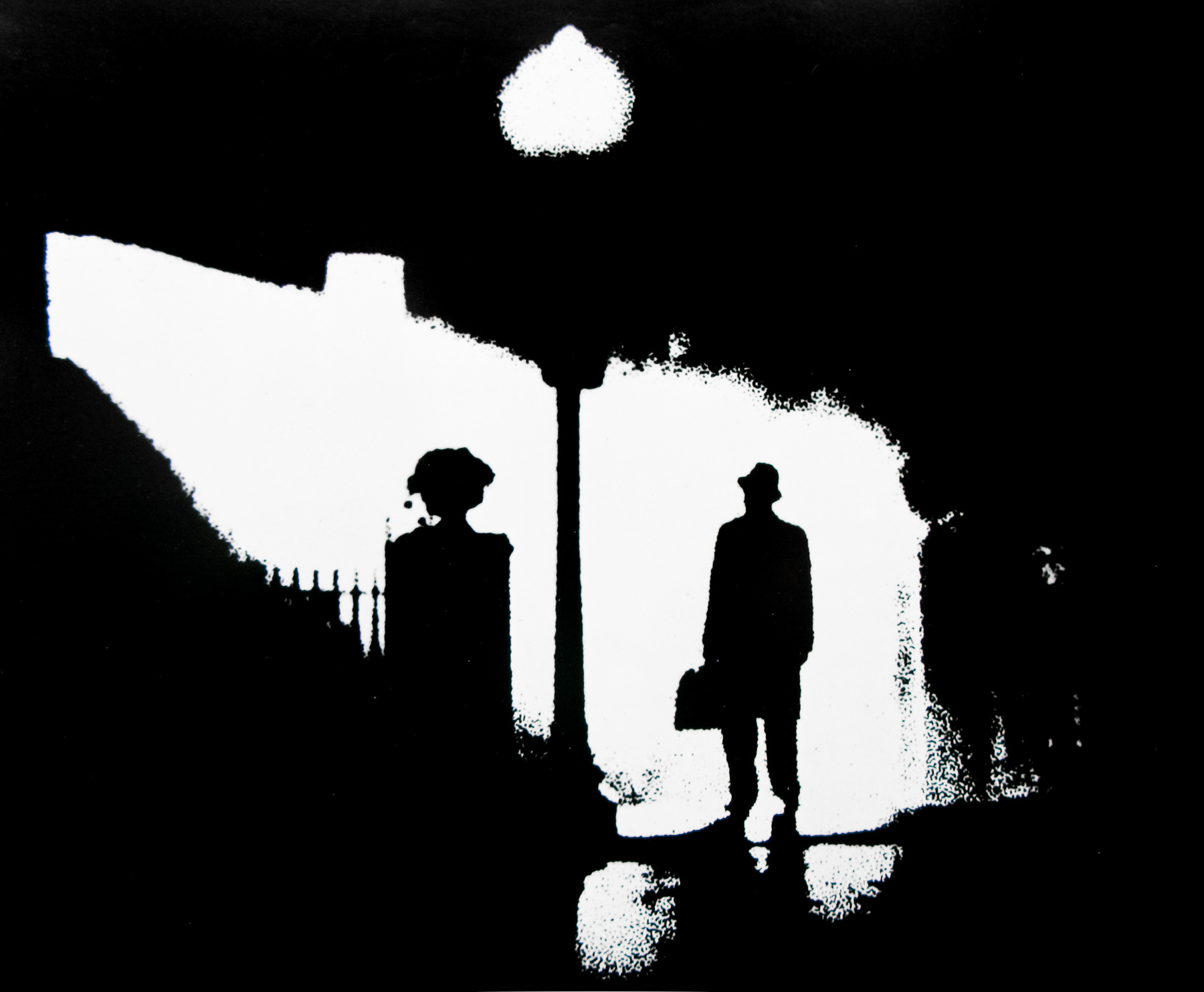
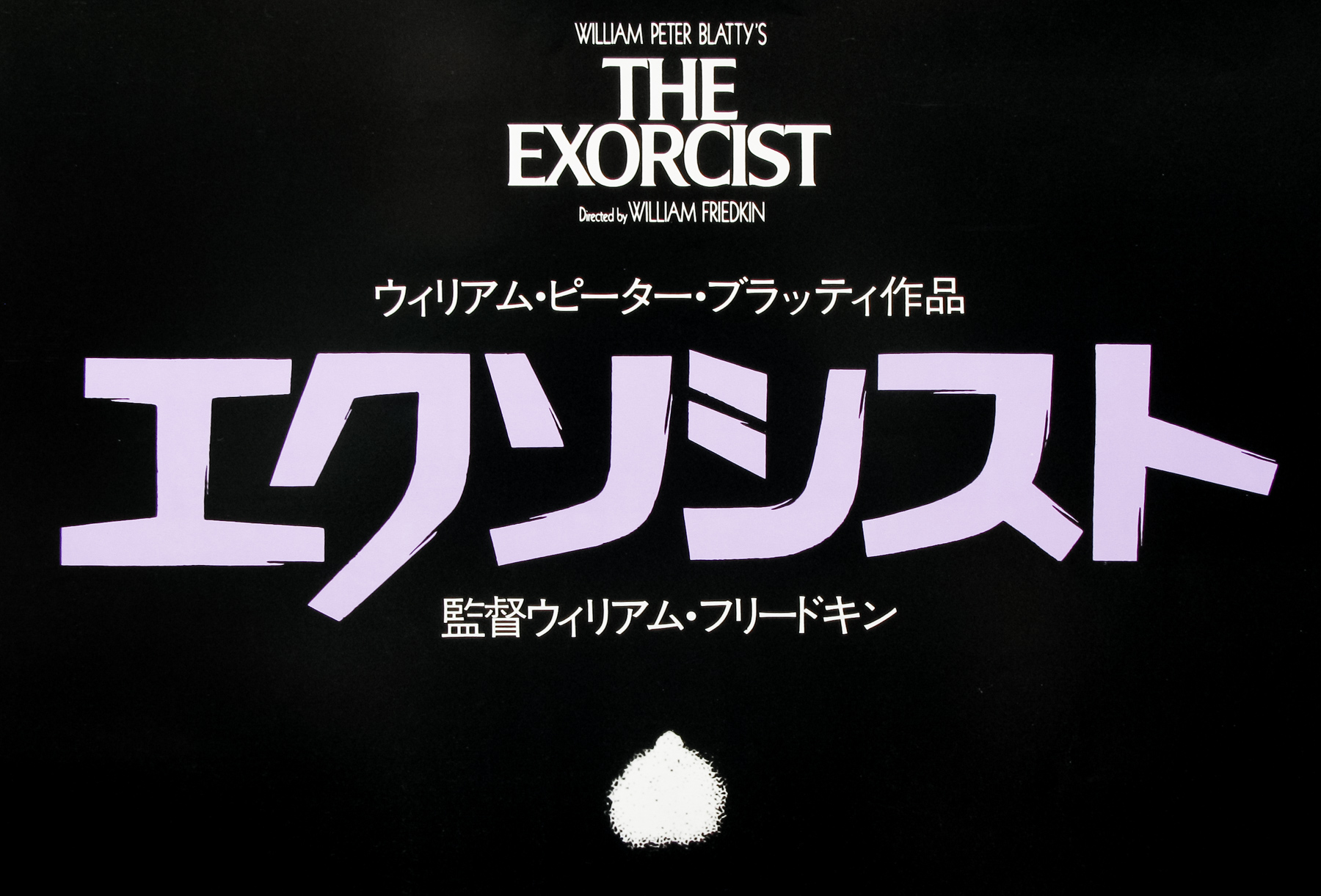
The Exorcist / B2 / street style / Japan

17.05.11

Poster Poster

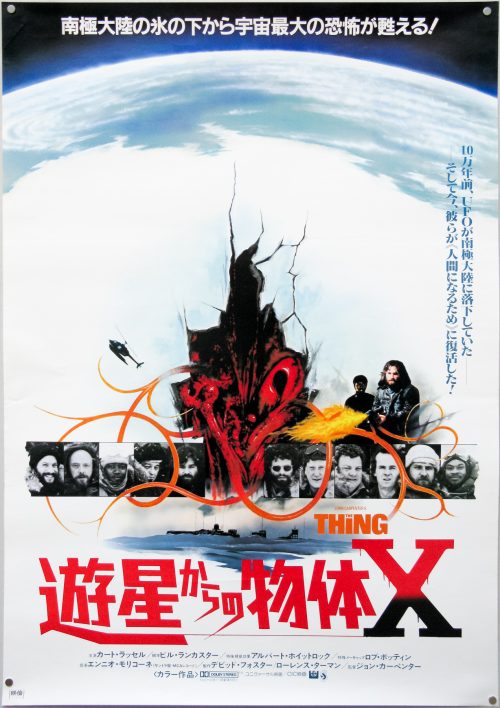
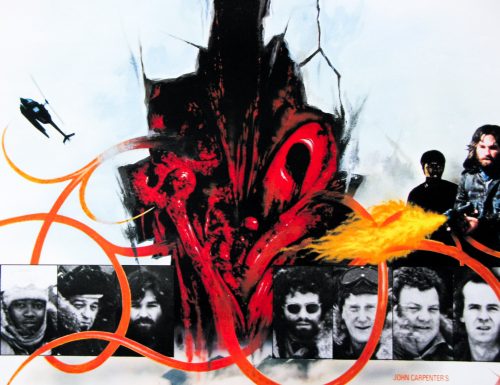
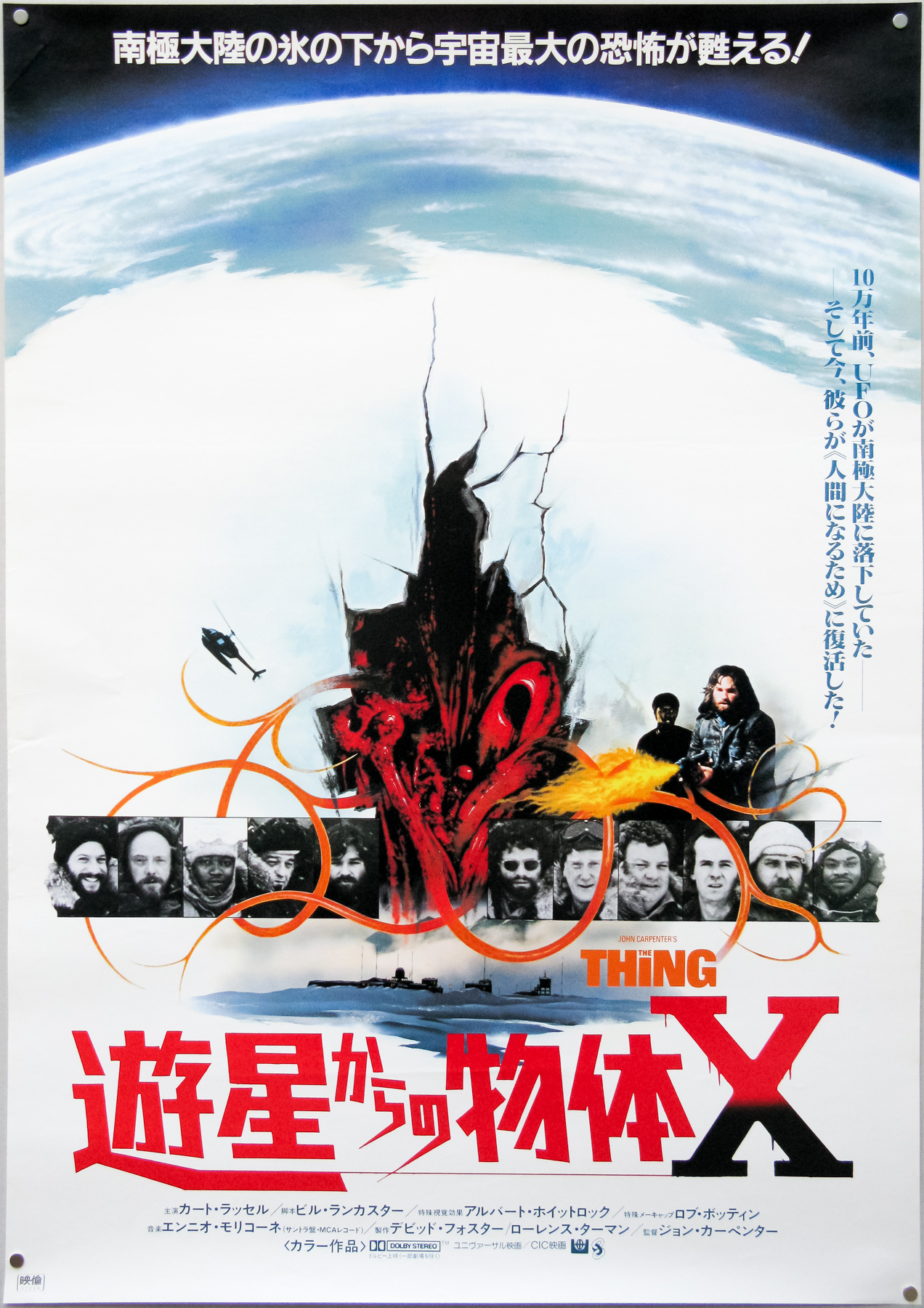
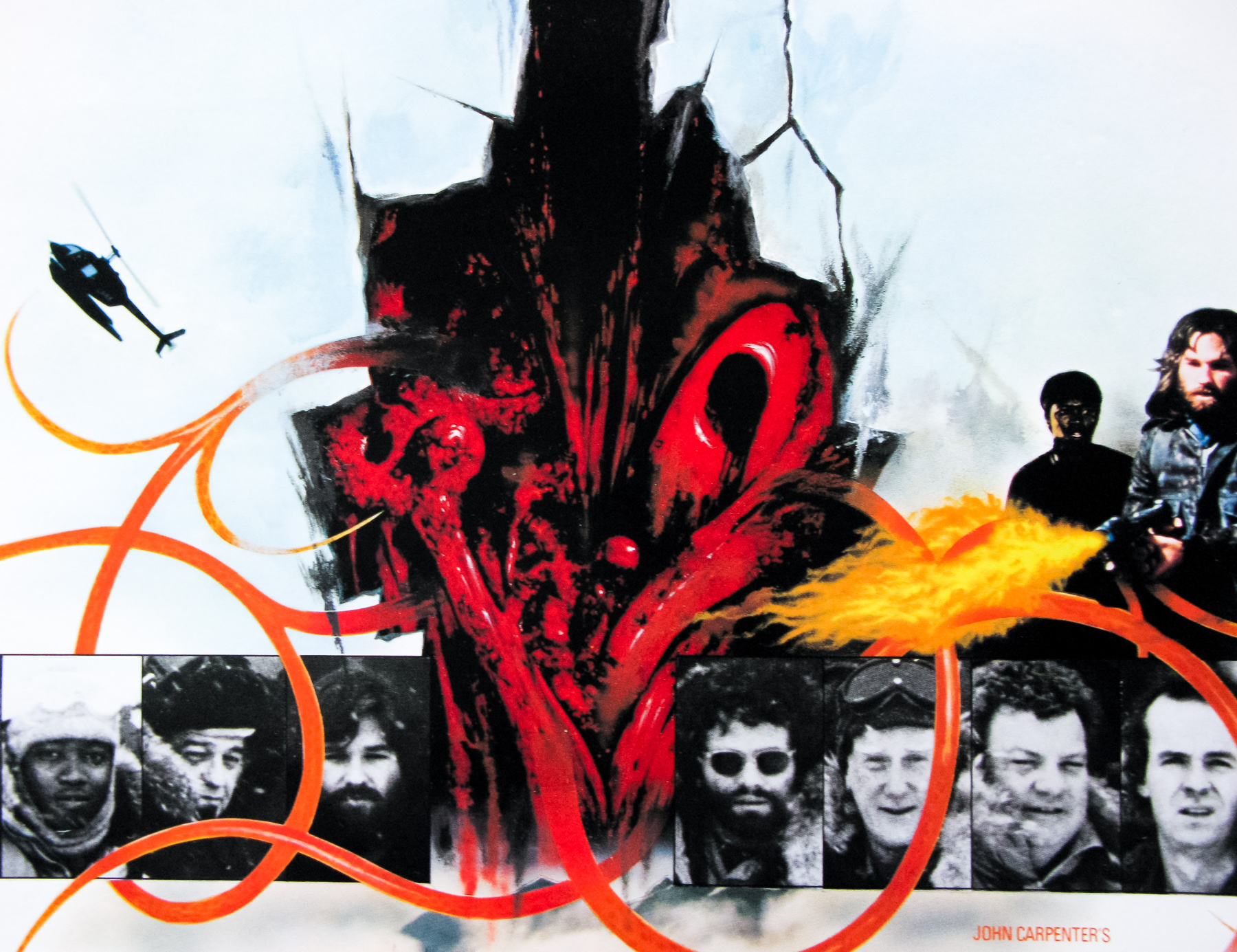
The Thing / B2 / Japan

17.05.11

Poster Poster

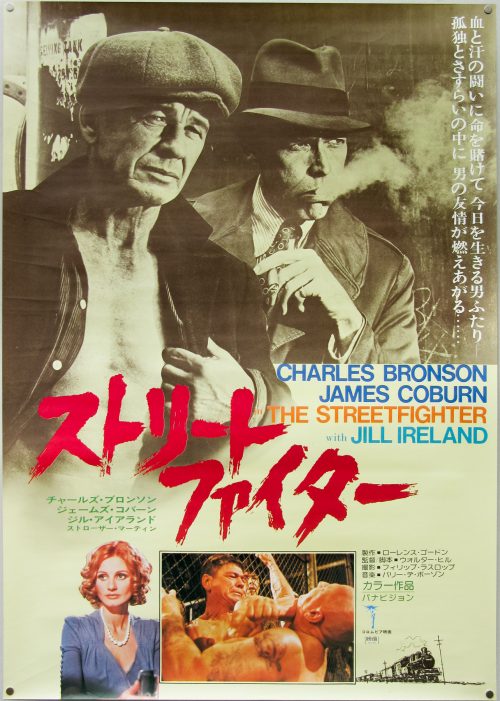
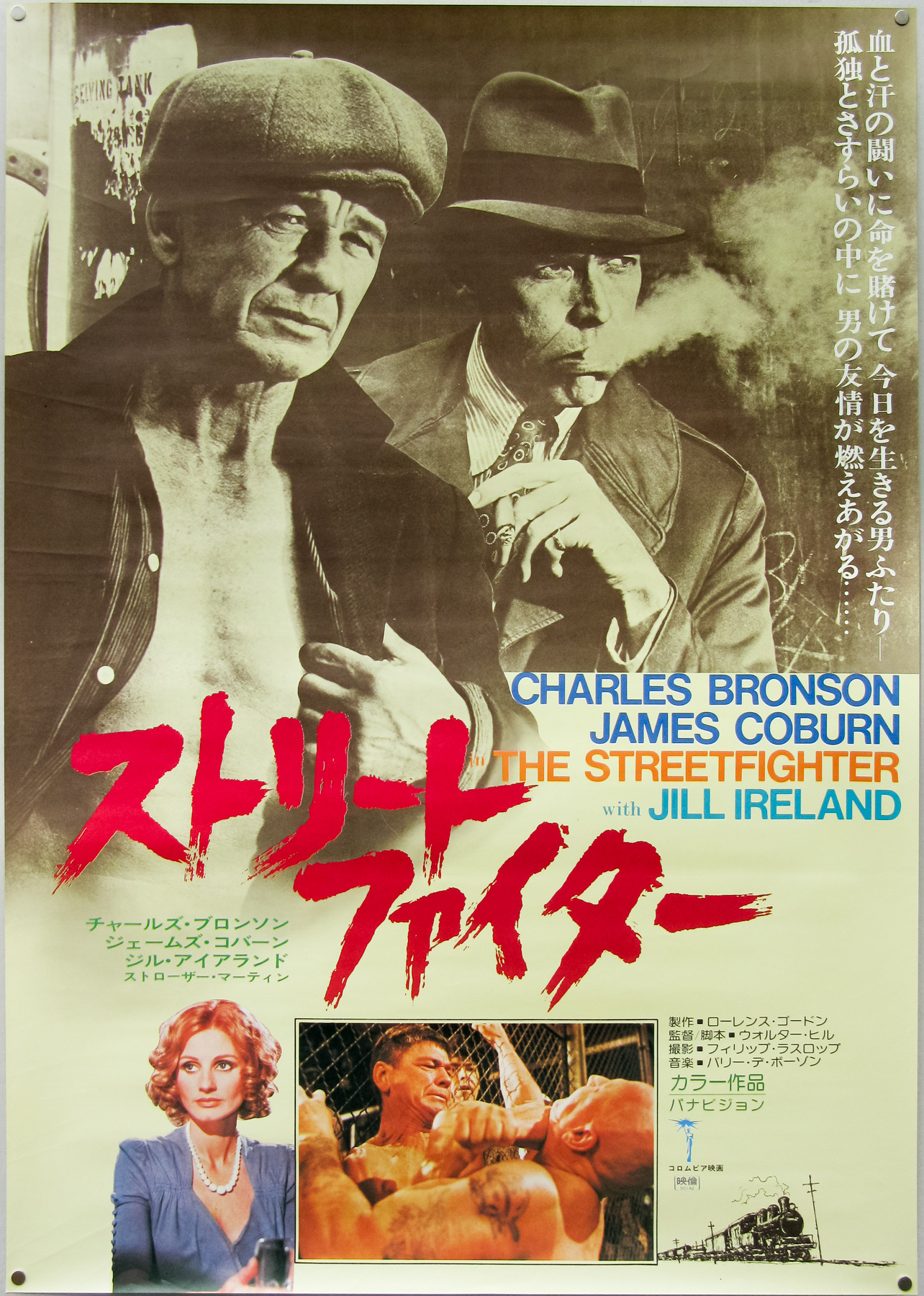
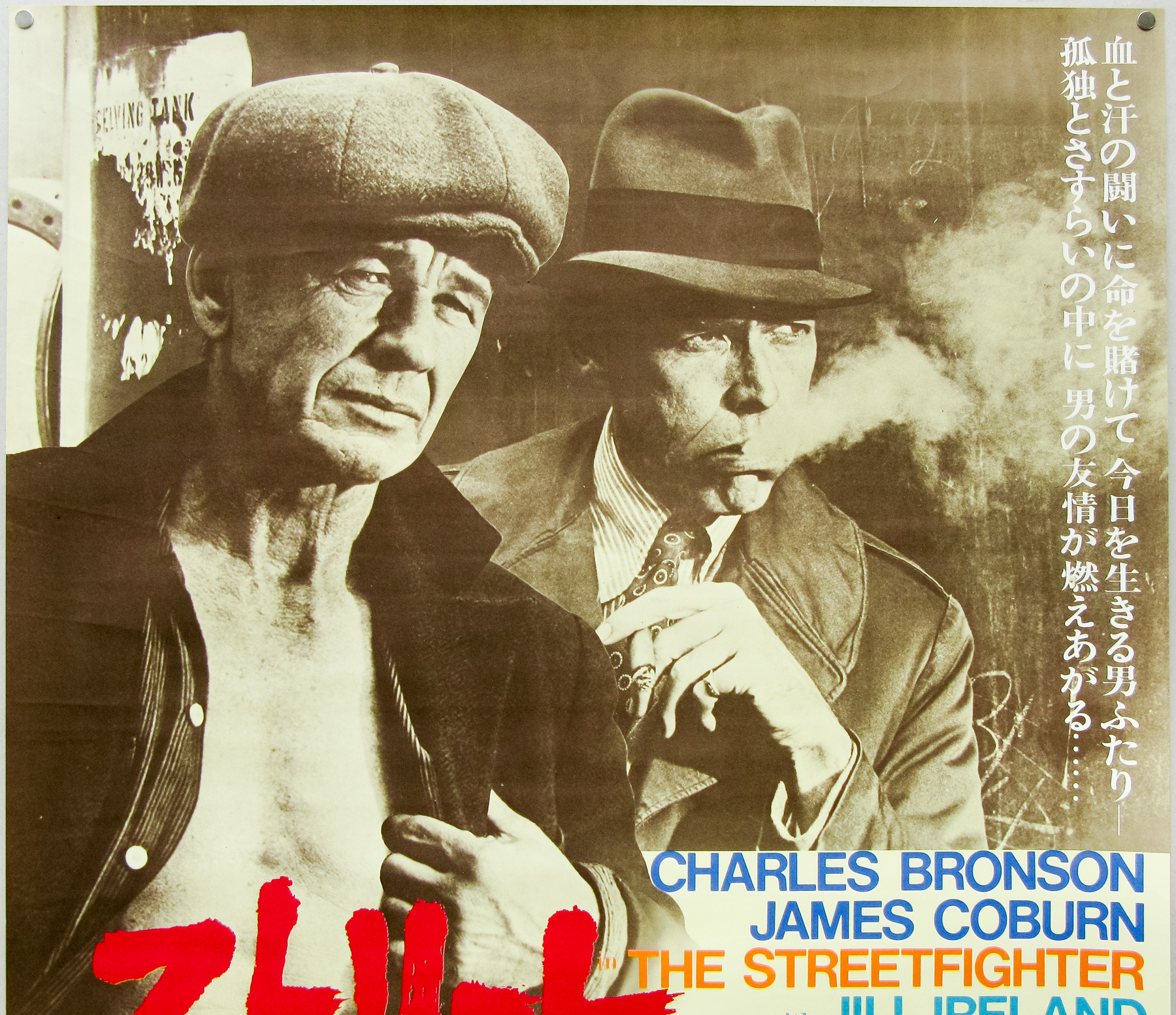
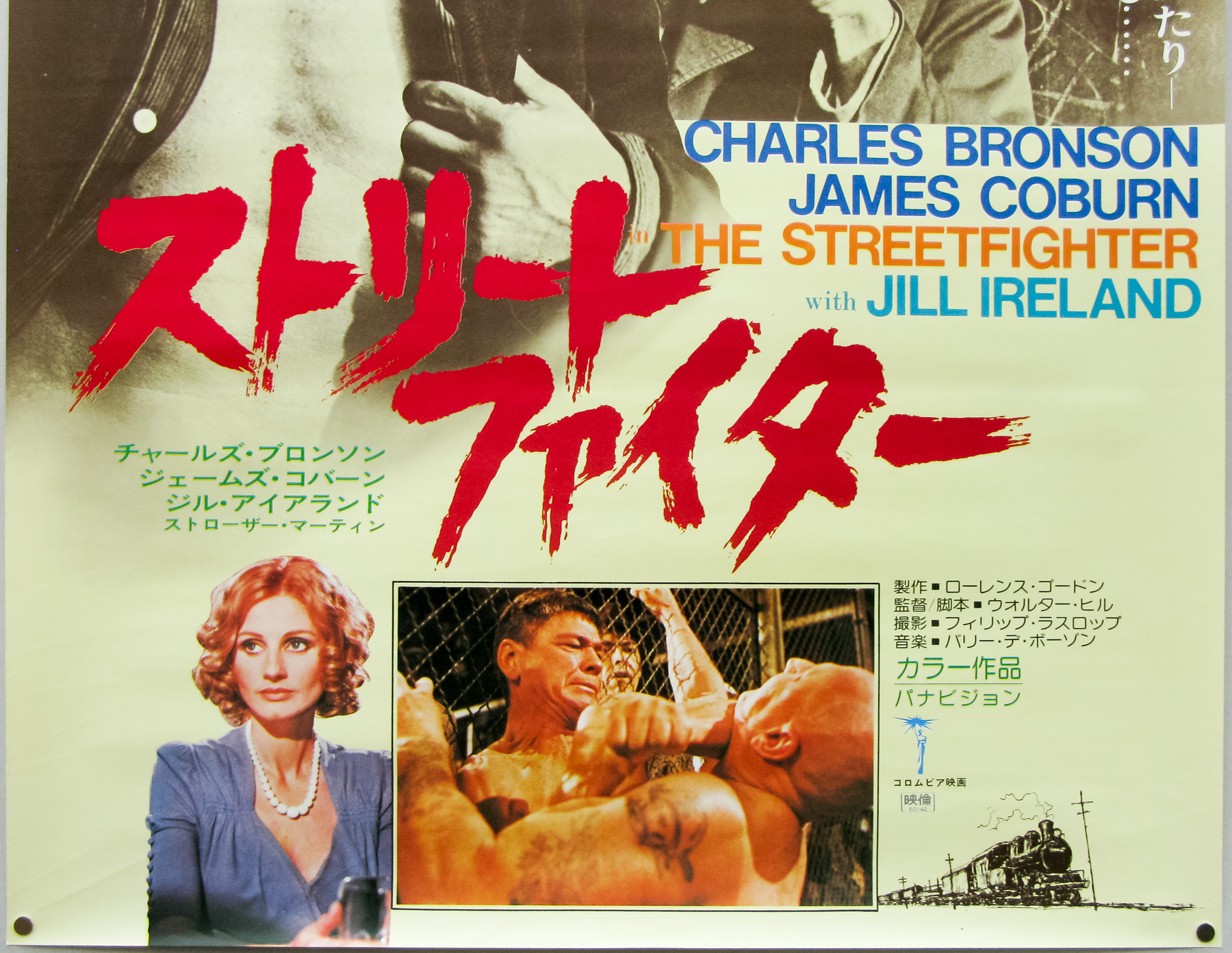
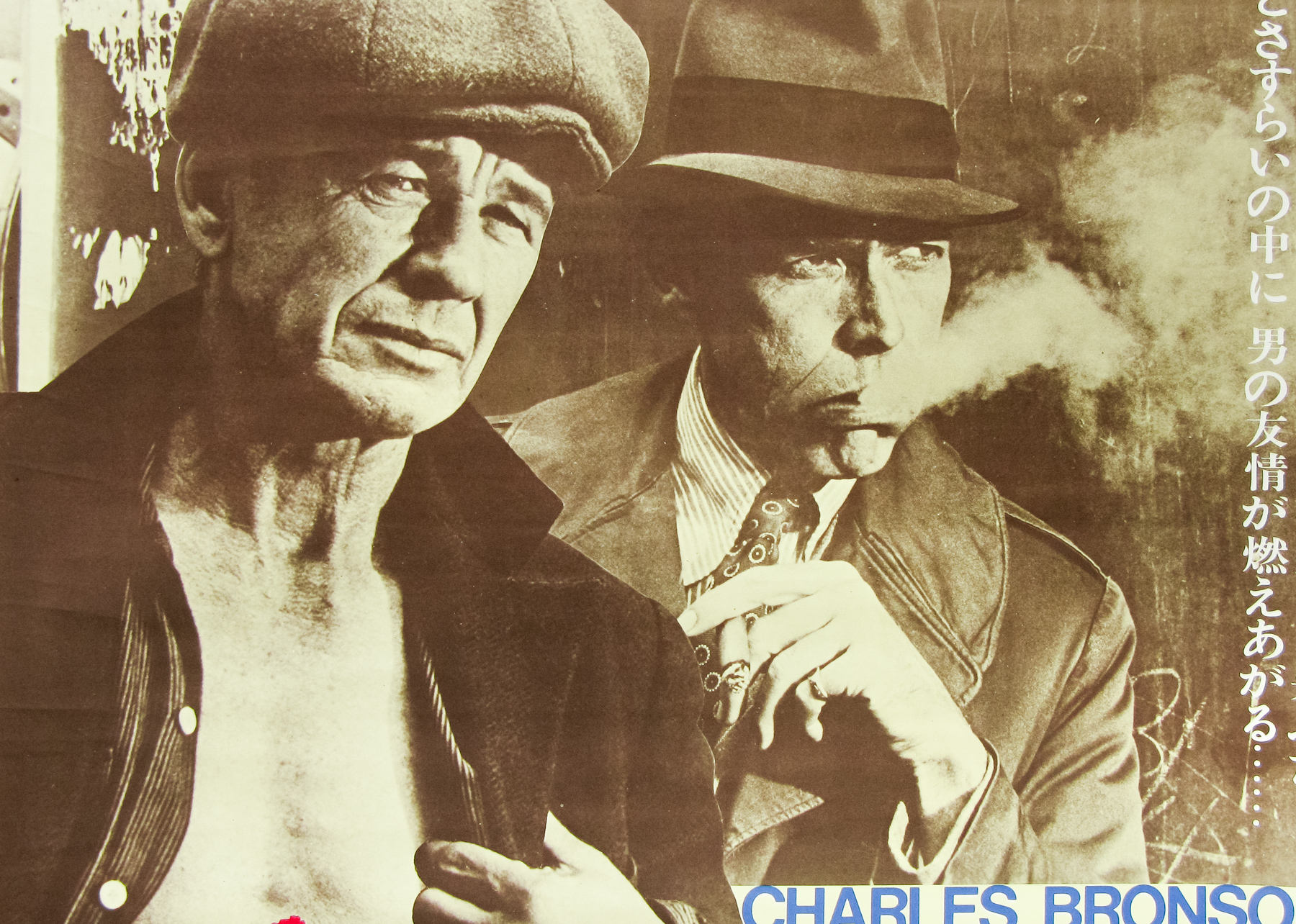
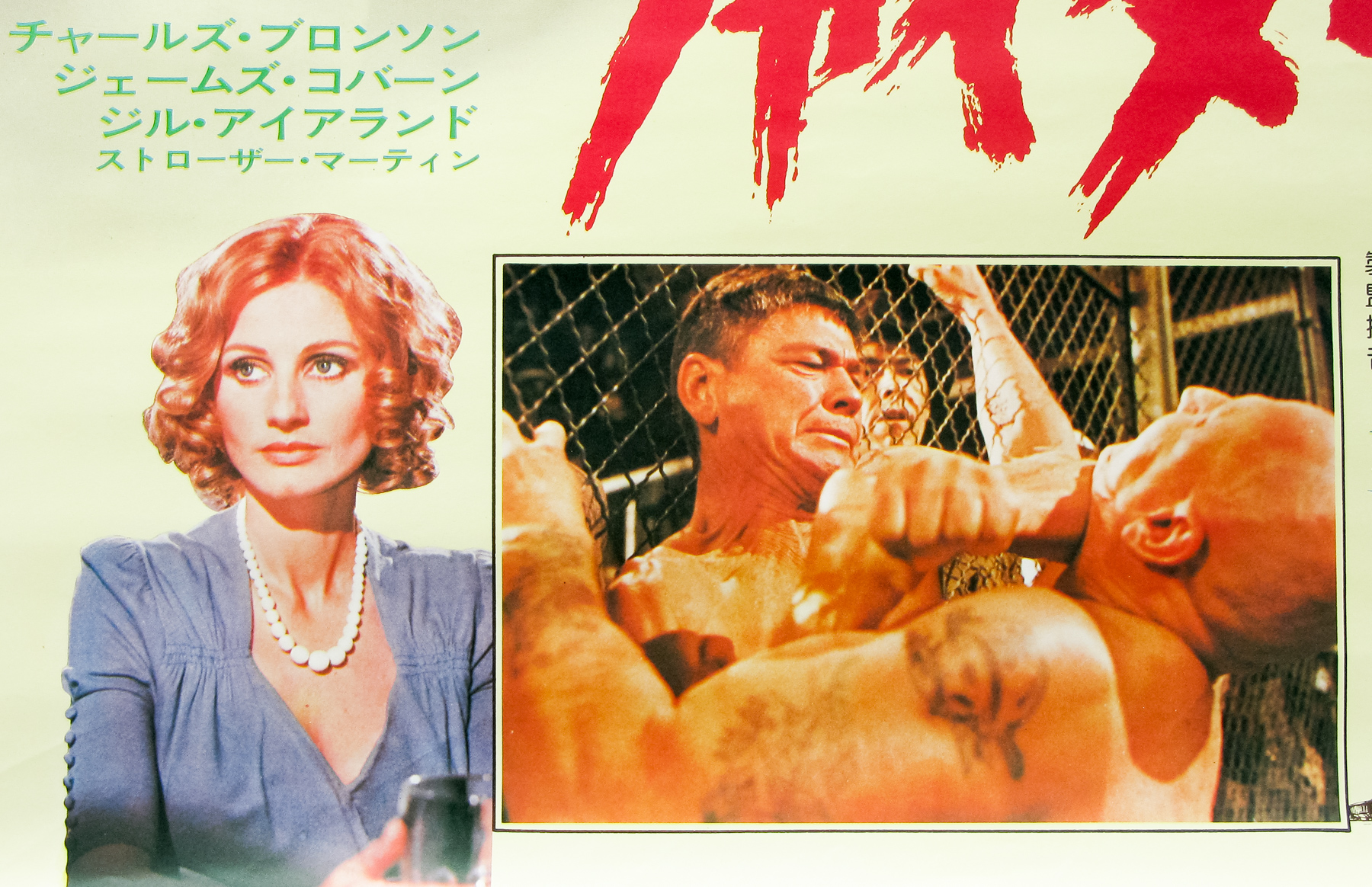
The Streetfighter / B2 / Japan

04.10.12

Poster Poster
Title
The Streetfighter
AKA
Hard Times (USA) | L'eroe della strada [The hero of the street] (Italy)
Year of Film
1975
Director
Walter Hill
Starring
Charles Bronson, James Coburn, Jill Ireland, Strother Martin, Margaret Blye, Michael McGuire, Felice Orlandi, Edward Walsh, Bruce Glover, Robert Tessier, Nick Dimitri
Origin of Film
USA
Genre(s) of Film
Charles Bronson, James Coburn, Jill Ireland, Strother Martin, Margaret Blye, Michael McGuire, Felice Orlandi, Edward Walsh, Bruce Glover, Robert Tessier, Nick Dimitri,
Type of Poster
B2
Style of Poster
--
Origin of Poster
Japan
Year of Poster
1975
Designer
Unknown
Artist
--
Size (inches)
20 6/16" x 28 12/16"
SS or DS
SS
Tagline
--

This was cult director Walter Hill’s debut feature film and starred action legend Charles Bronson in one of his more memorable roles. A mysterious drifter named Chaney (Bronson) arrives in New Orleans and has a chance meeting with Speed (James Coburn) an organiser of illegal bare-knuckled boxing matches. Chaney asks Speed to set him up with a fight and he quickly proves himself as a fearsome boxer. He also meets and begins a relationship with Lucy Simpson (Jill Ireland – Bronson’s wife at the time) but it’s not long before Speed’s chaotic nature and addiction to gambling begins to threaten more than just their partnership.

This was to be the only time Hill and Bronson would team up together with the director later recalling “We had kind of a falling out over the film. He thought I’d been a little too… how do I put this? Too draconian in my editing of his wife’s scenes.”

The film was originally released as Hard Times in the US.

The trailer can be watched on YouTube. Writer Josh Olson adds a commentary on the great Trailers From Hell site.

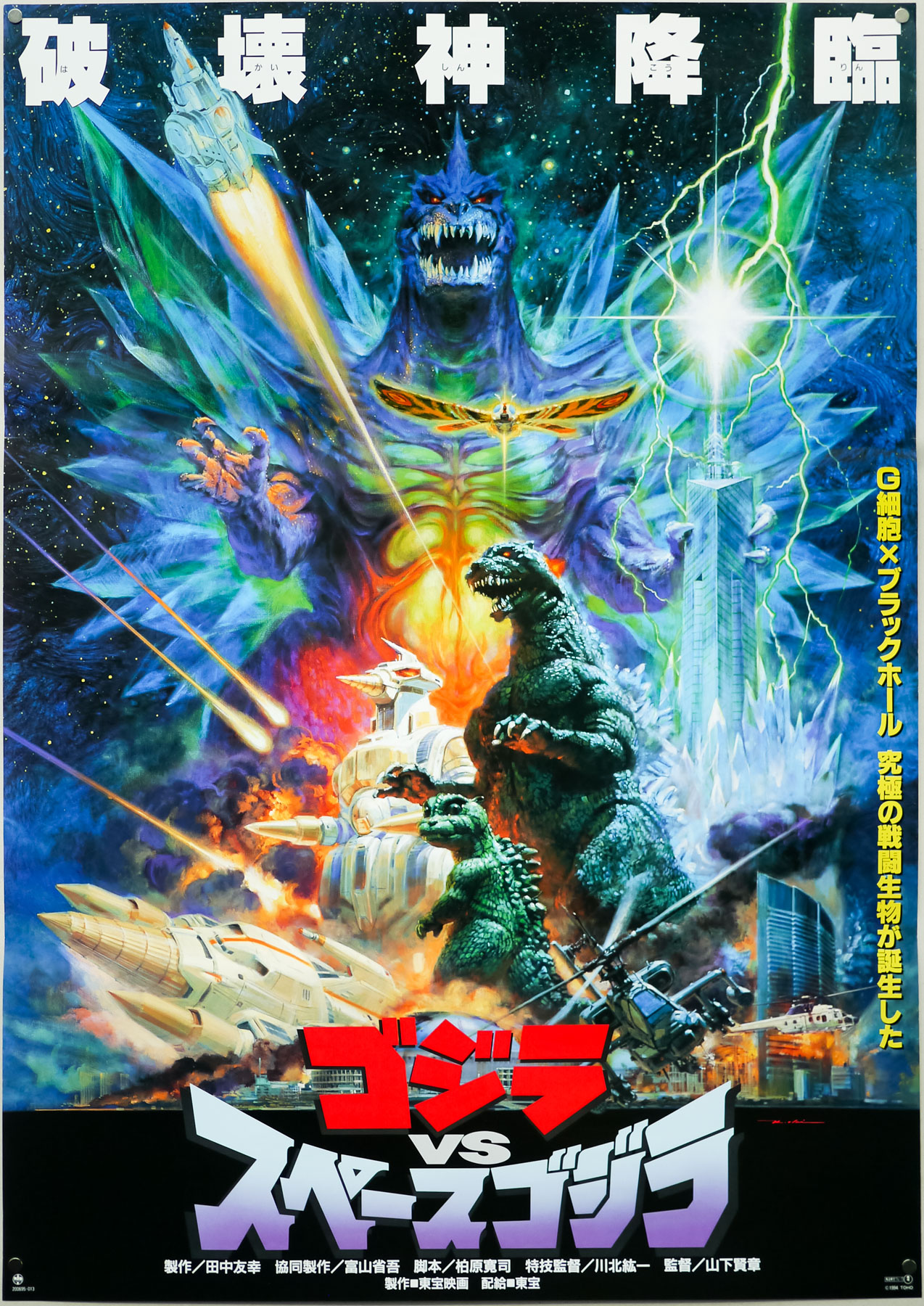
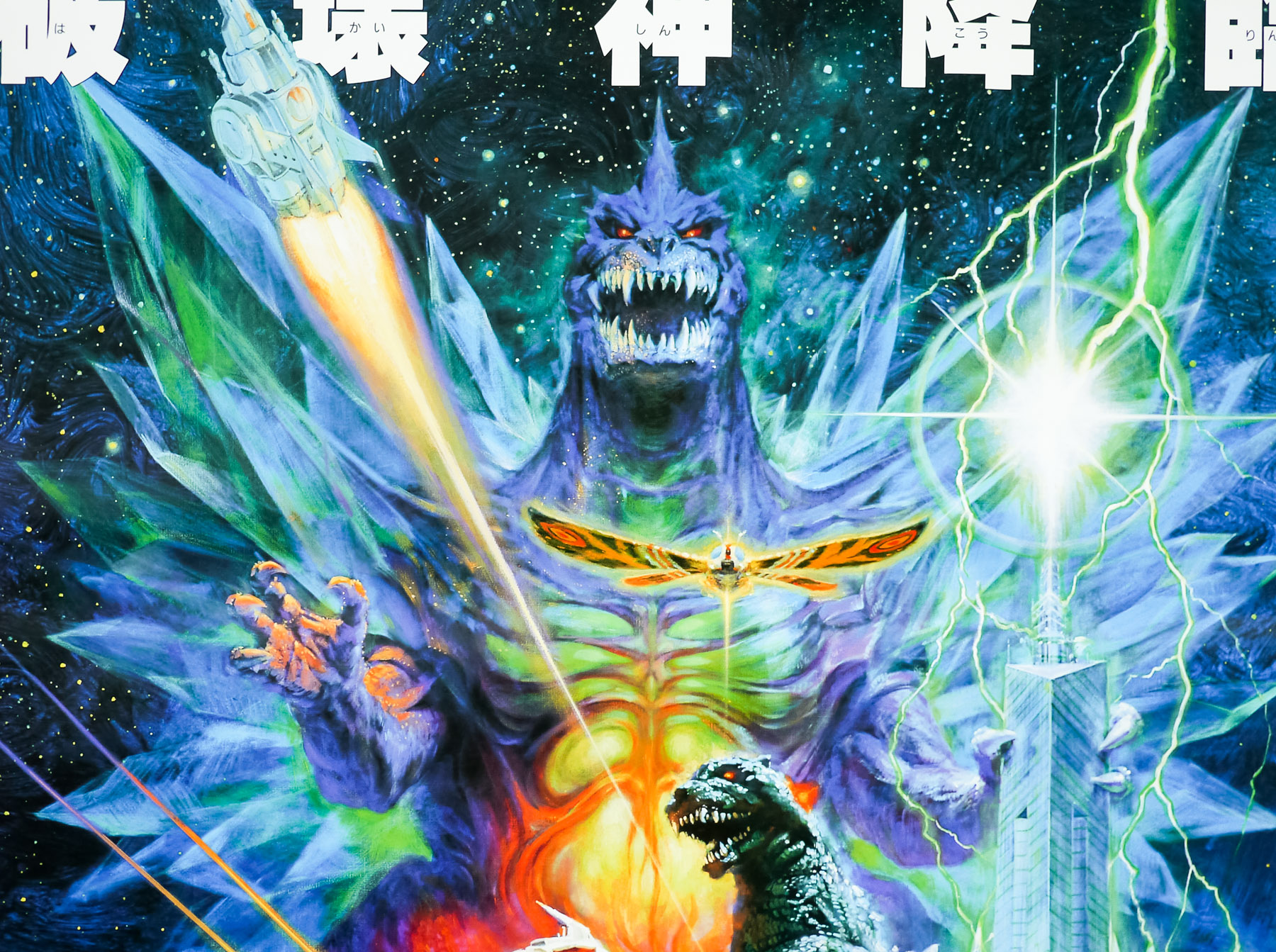
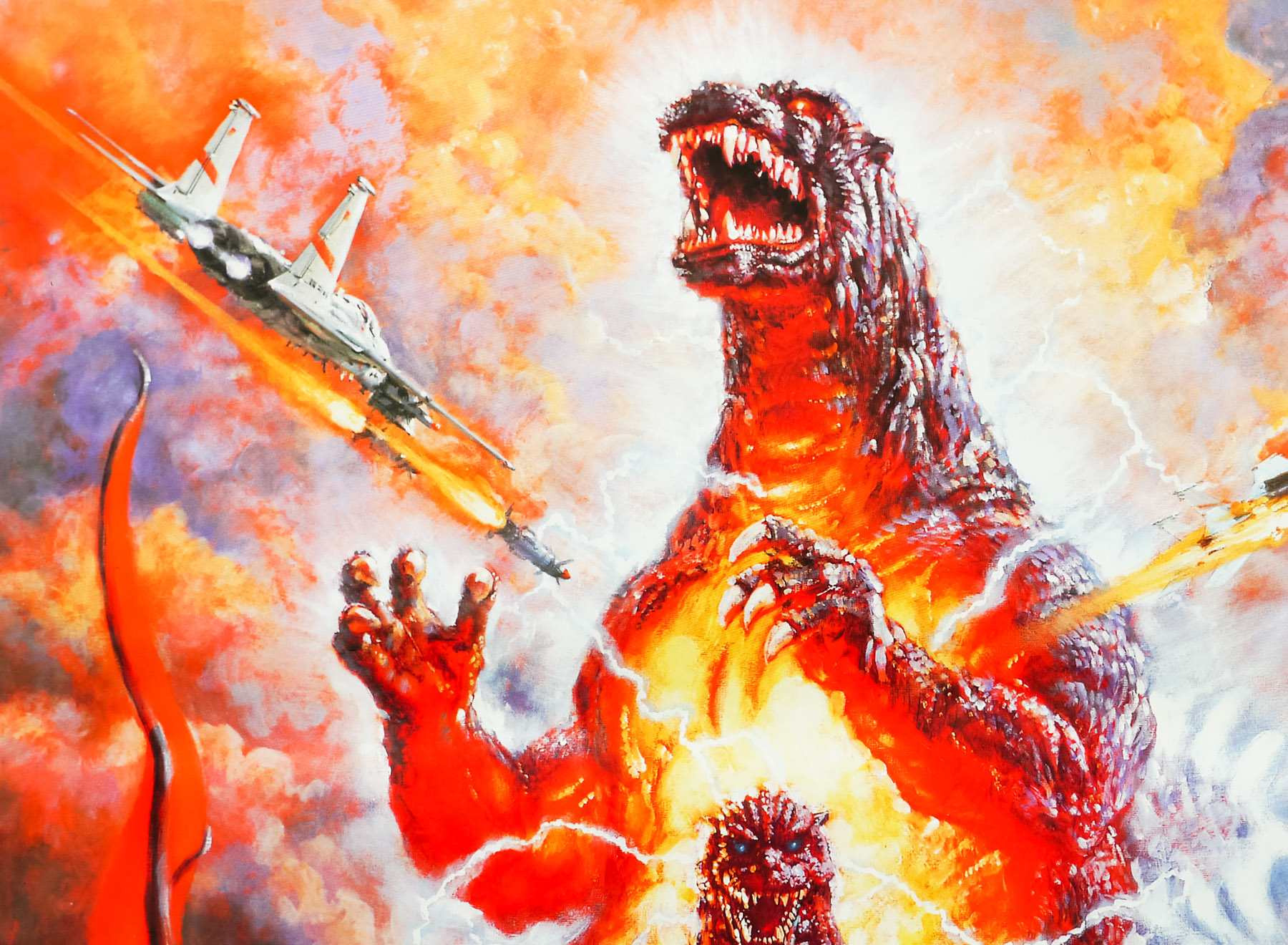
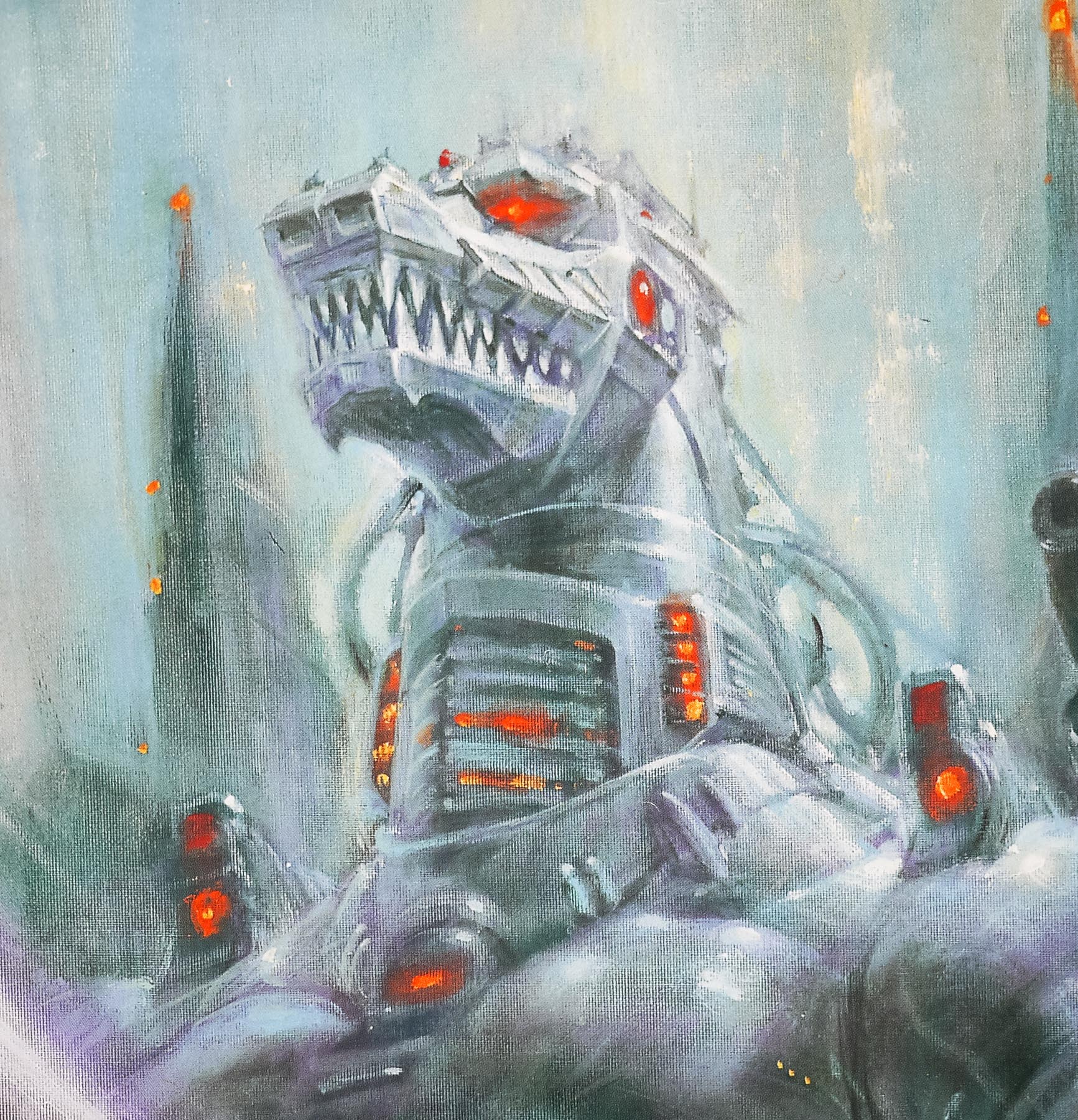
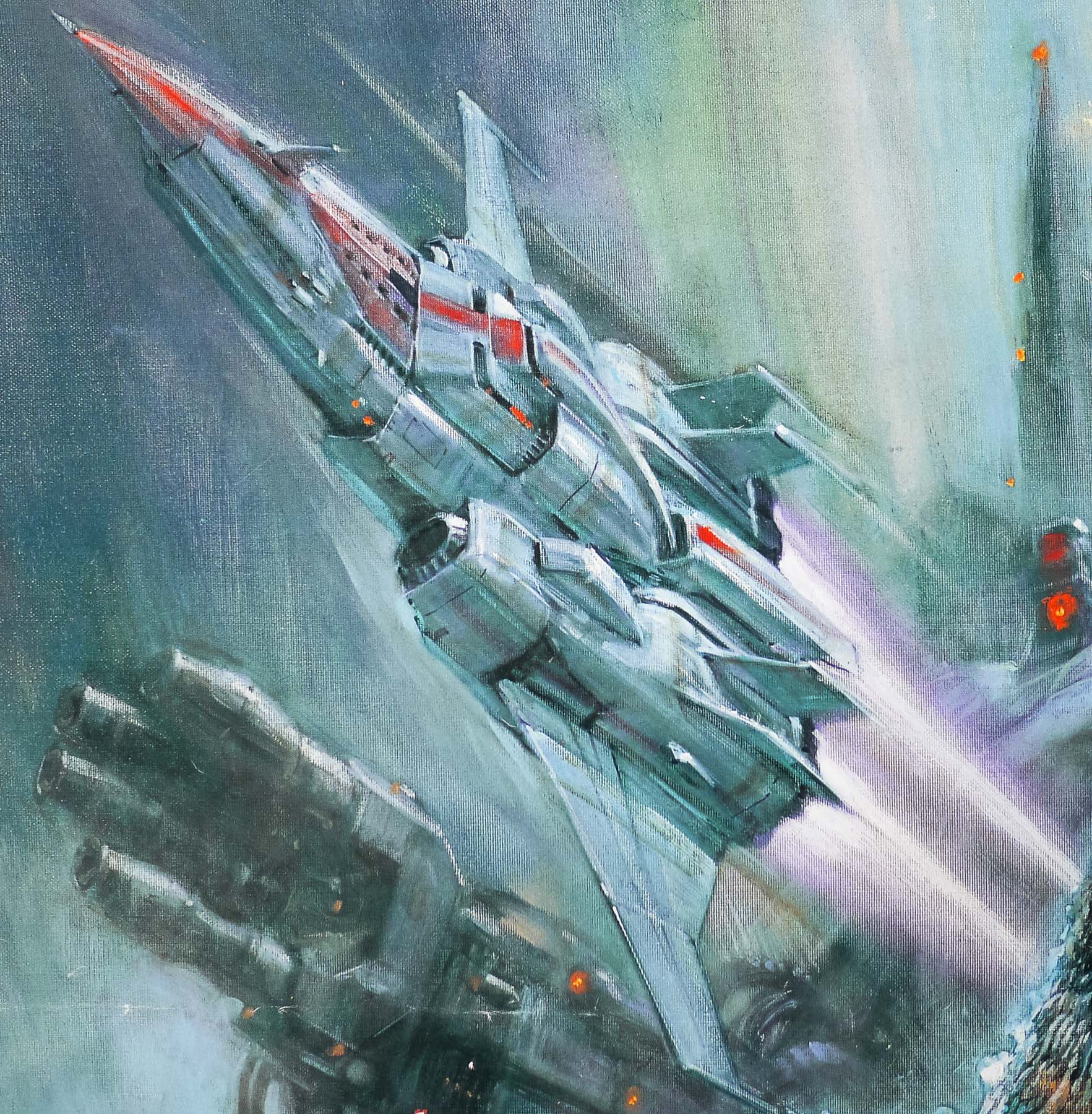
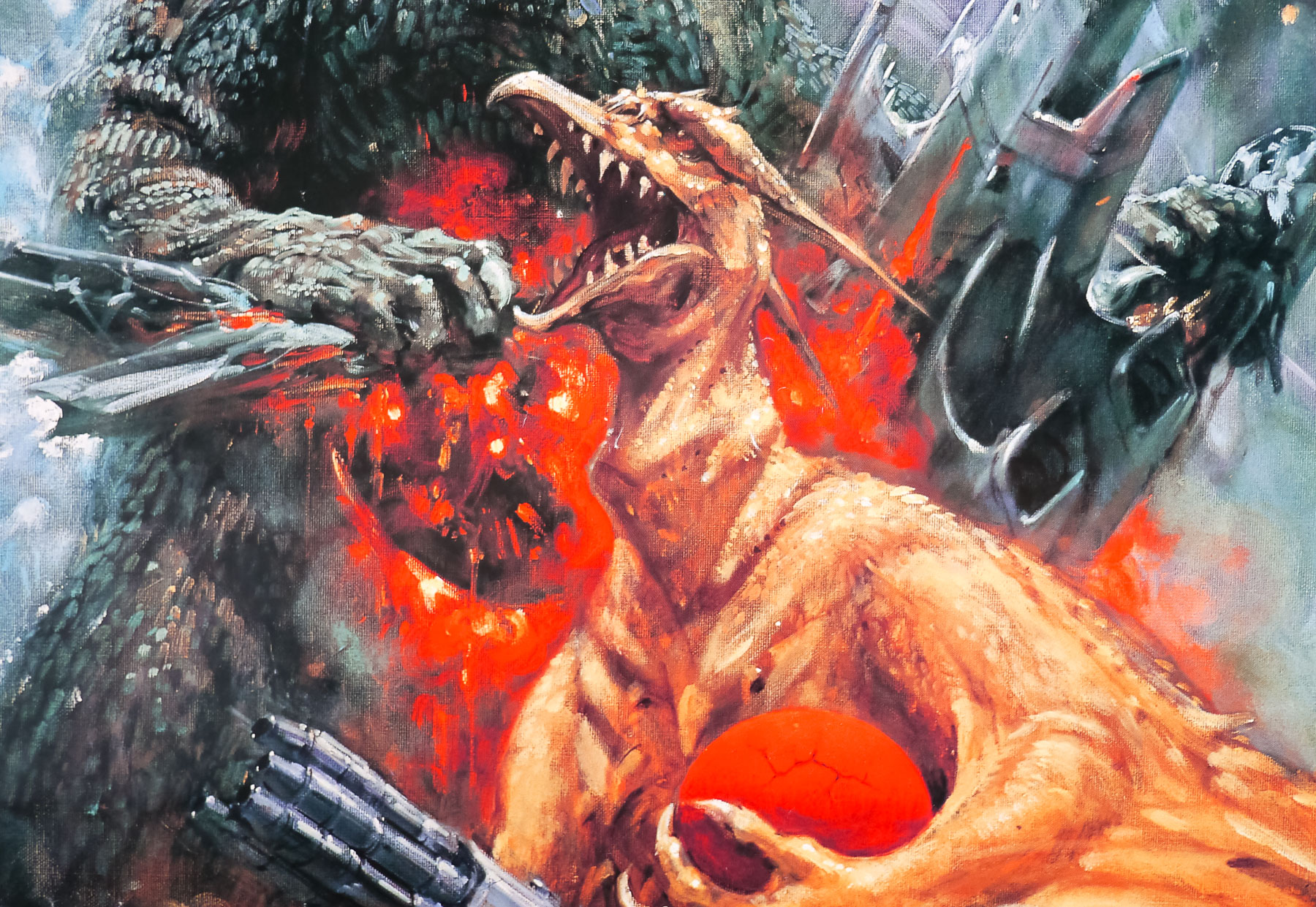
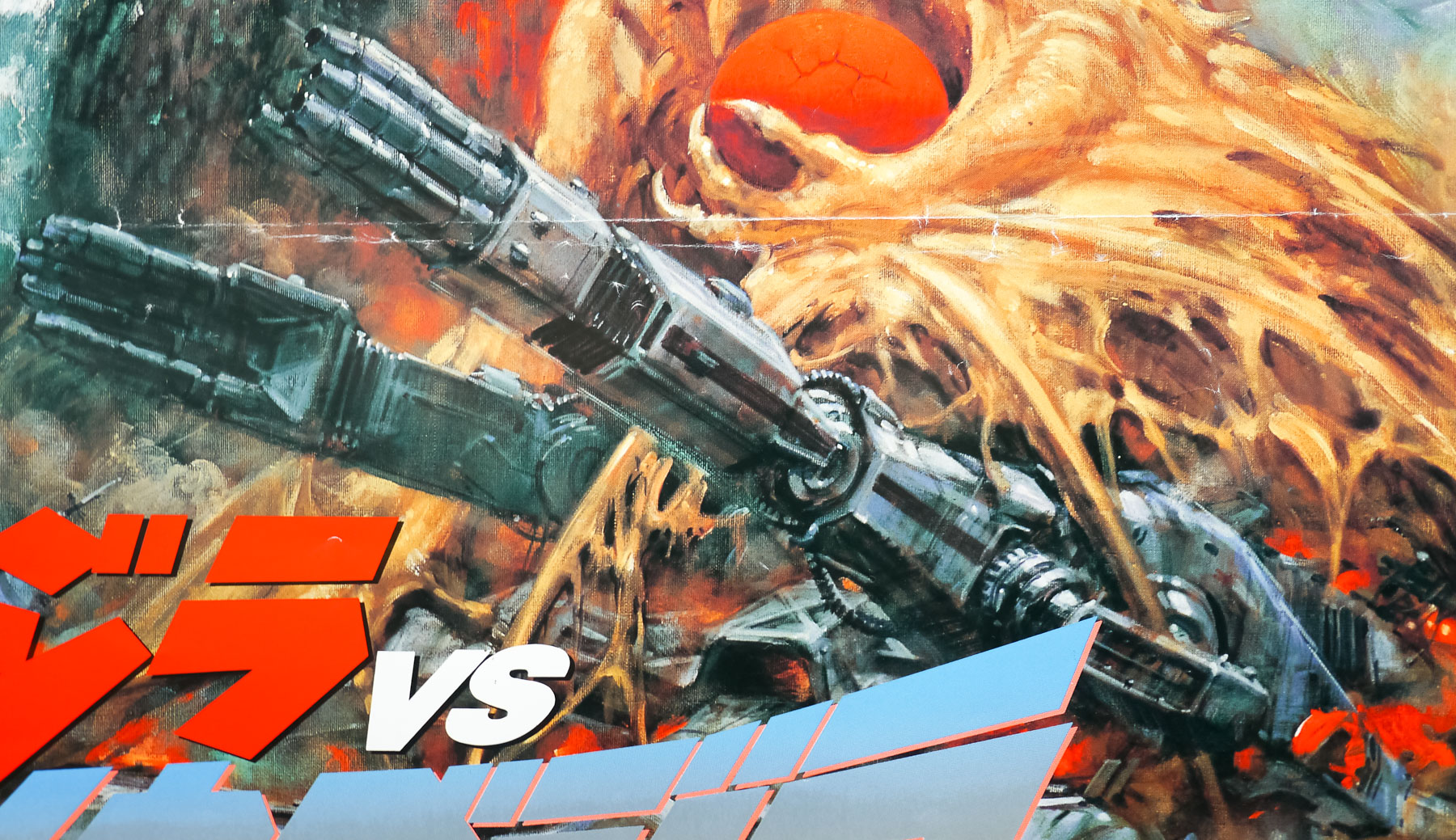
Godzilla vs SpaceGodzilla / B2 / Japan

28.01.13

Poster Poster
Title
Godzilla vs SpaceGodzilla
AKA
Gojira VS Supesugojira (Japan - original title)
Year of Film
1994
Director
Kensho Yamashita
Starring
Megumi Odaka, Jun Hashizume, Zenkichi Yoneyama, Akira Emoto, Towako Yoshikawa, Yôsuke Saitô, Kenji Sahara, Akira Nakao, Kôichi Ueda
Origin of Film
Japan
Genre(s) of Film
Megumi Odaka, Jun Hashizume, Zenkichi Yoneyama, Akira Emoto, Towako Yoshikawa, Yôsuke Saitô, Kenji Sahara, Akira Nakao, Kôichi Ueda,
Type of Poster
B2
Style of Poster
Artwork
Origin of Poster
Japan
Year of Poster
1994
Designer
Unknown
Artist
Noriyoshi Ohrai
Size (inches)
20 6/16" x 28 14/16"
SS or DS
SS
Tagline
--

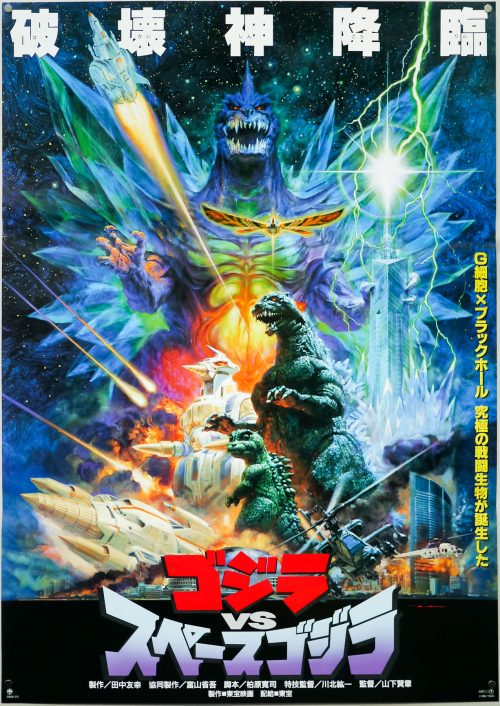
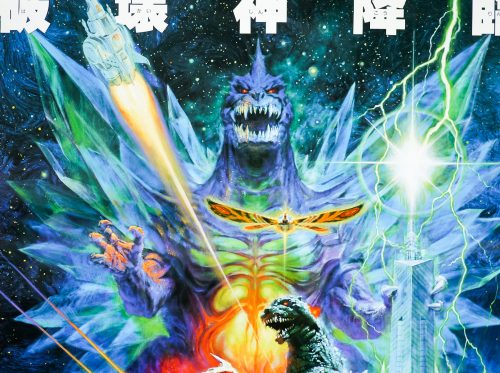
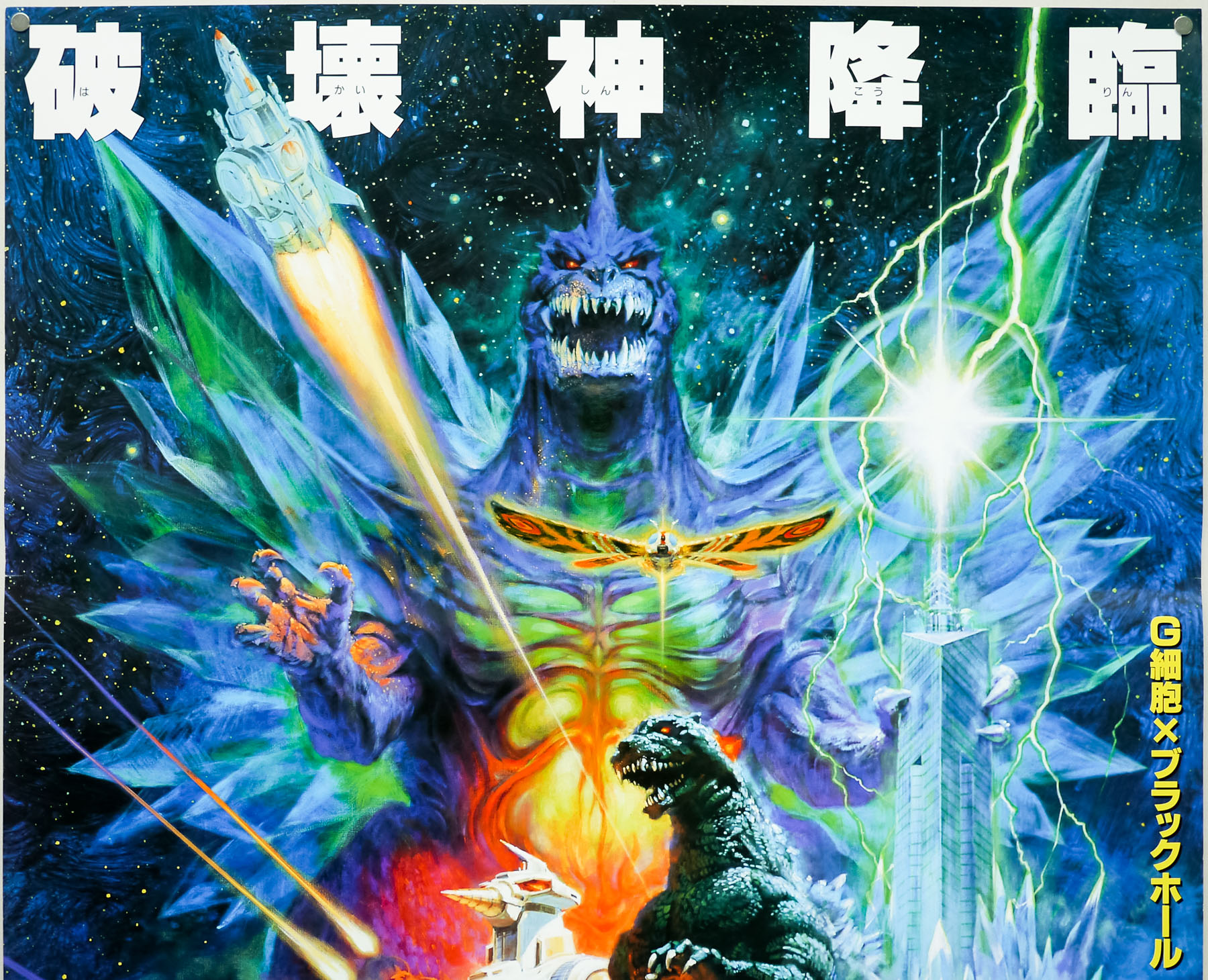
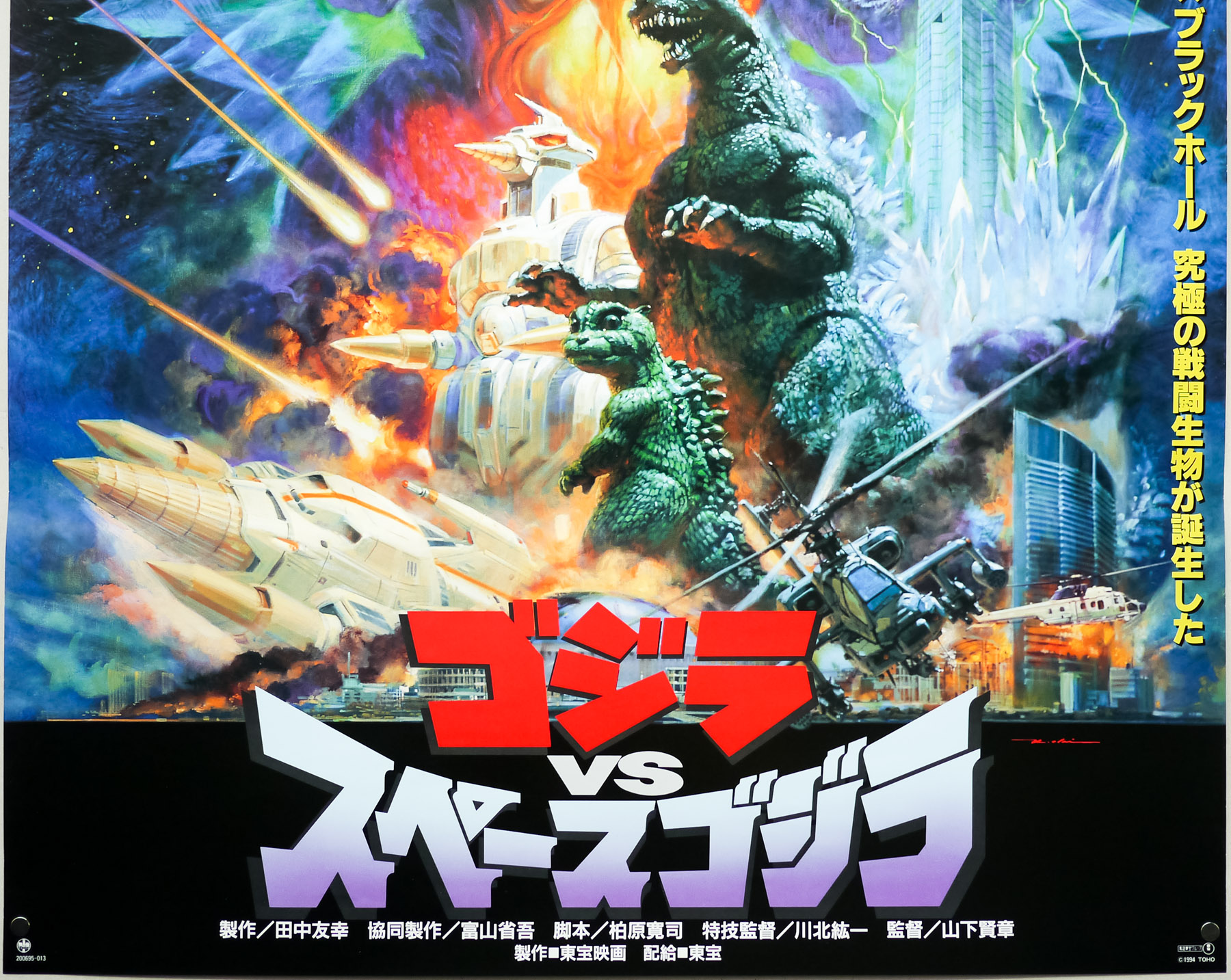
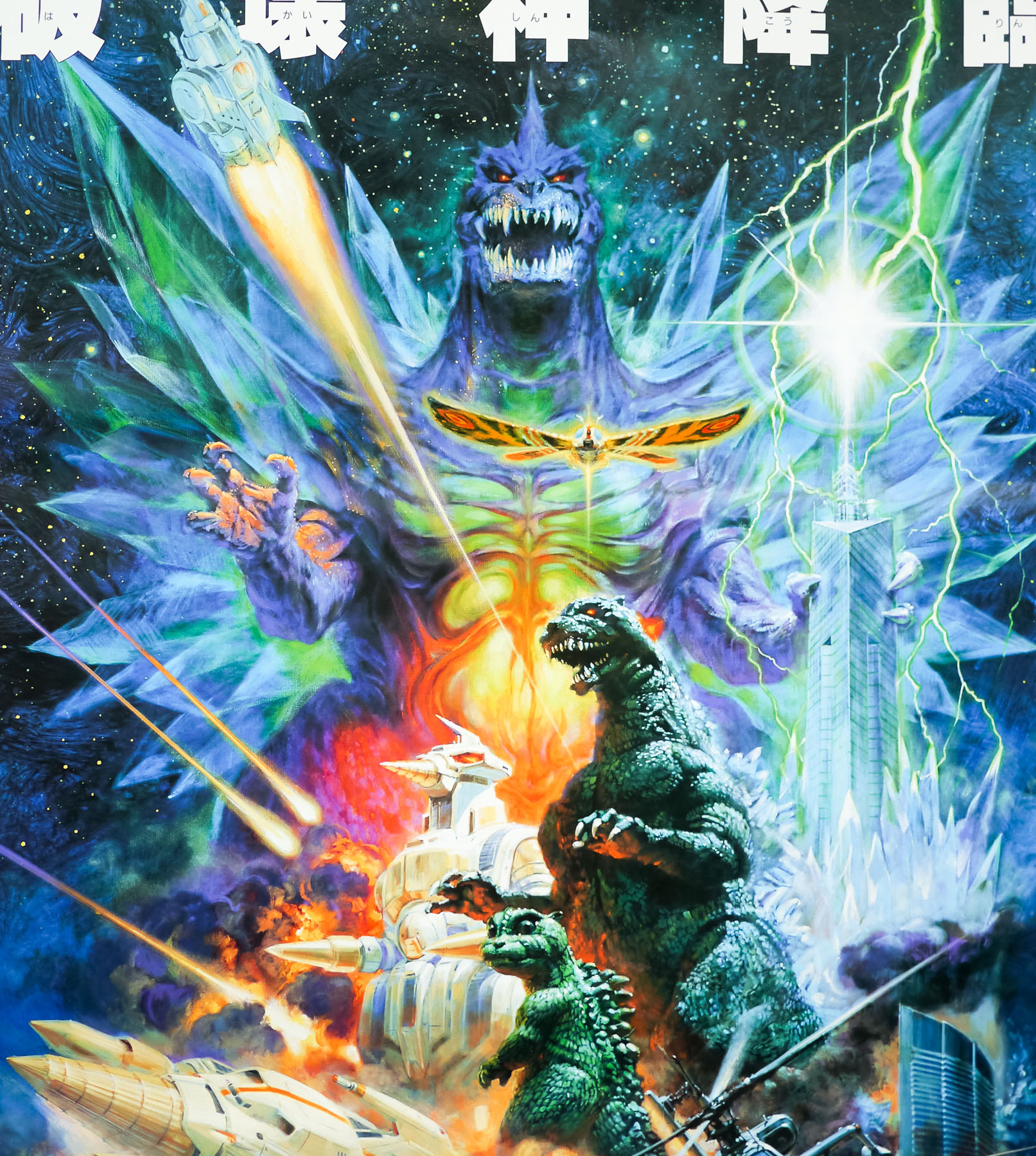
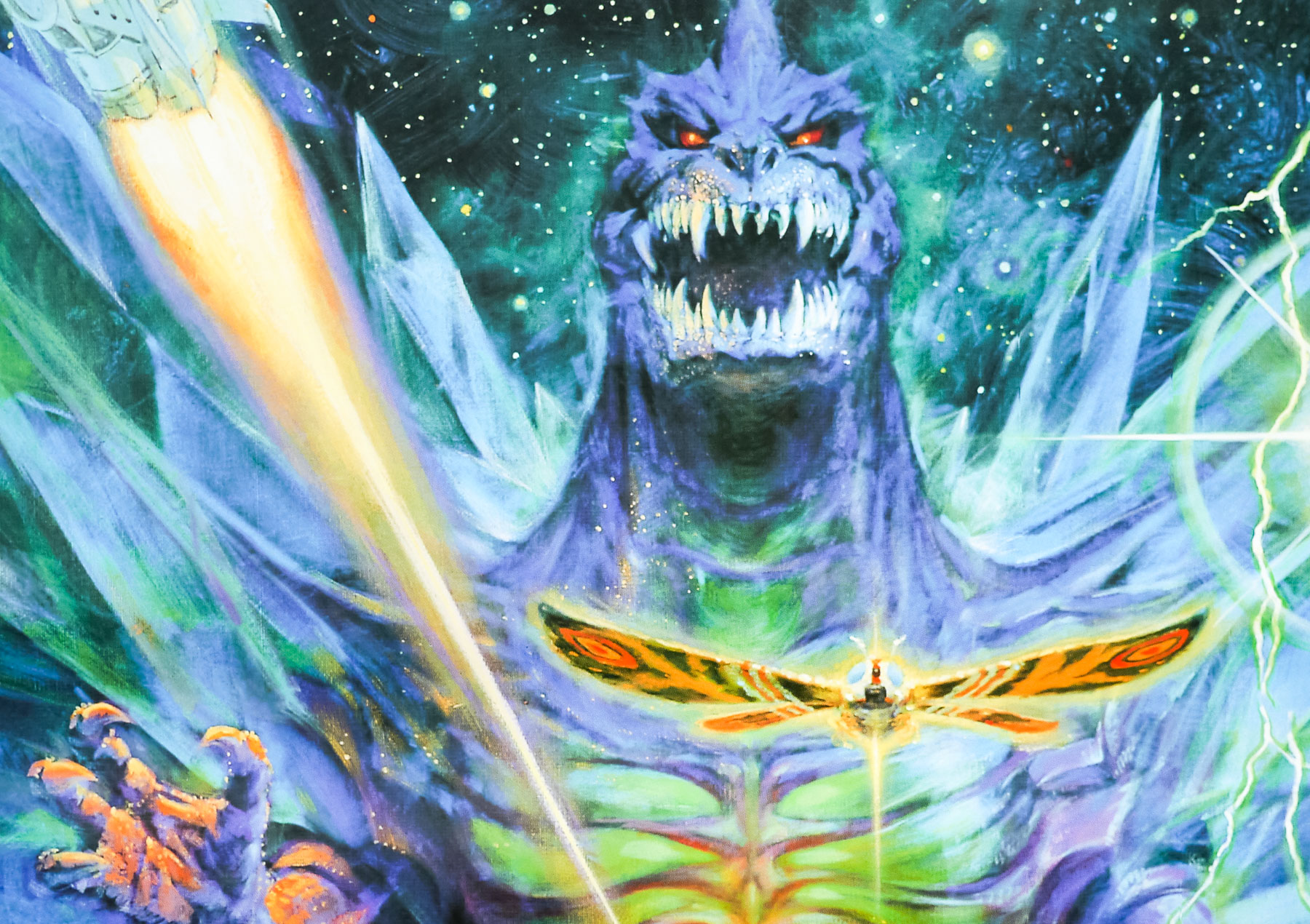
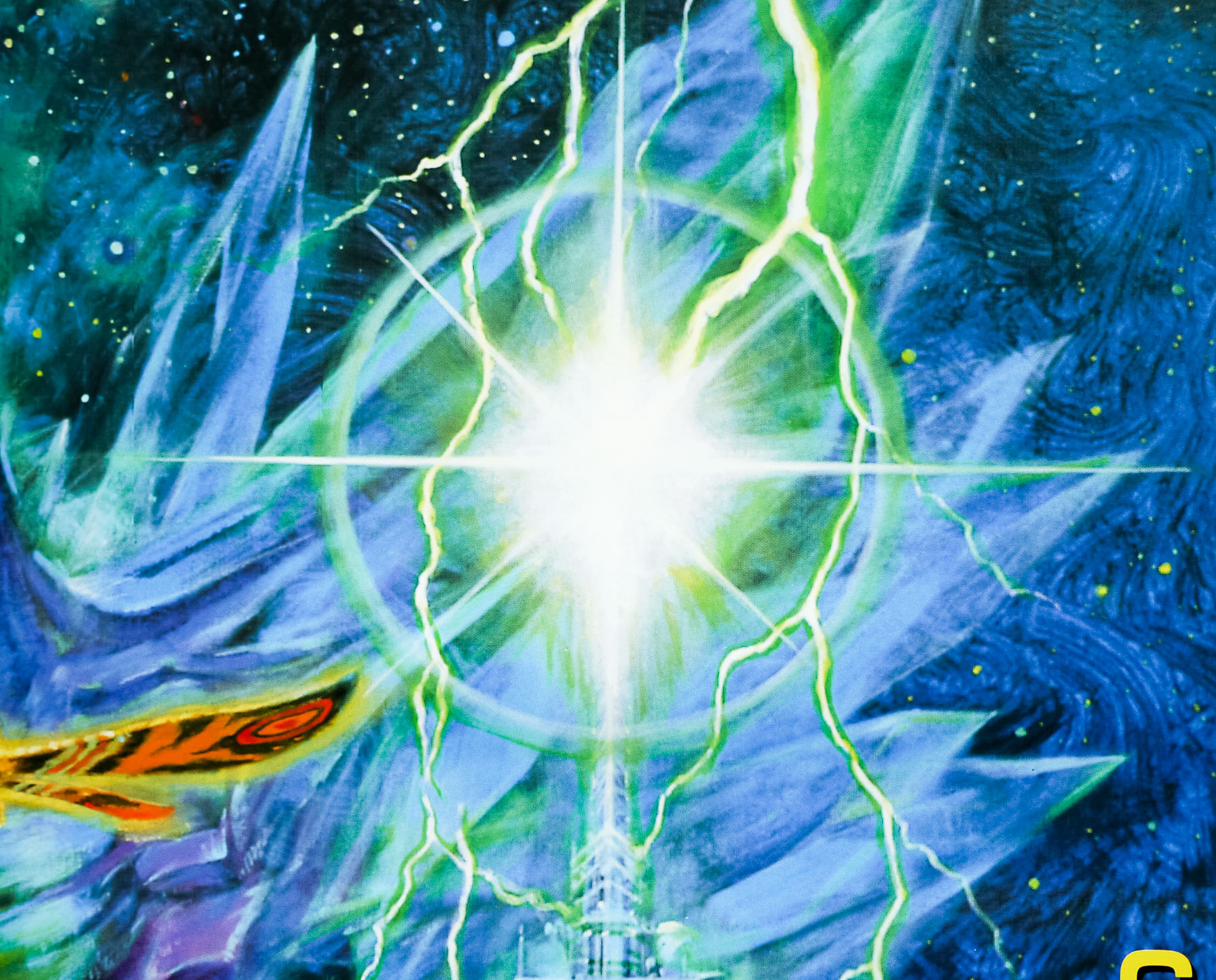
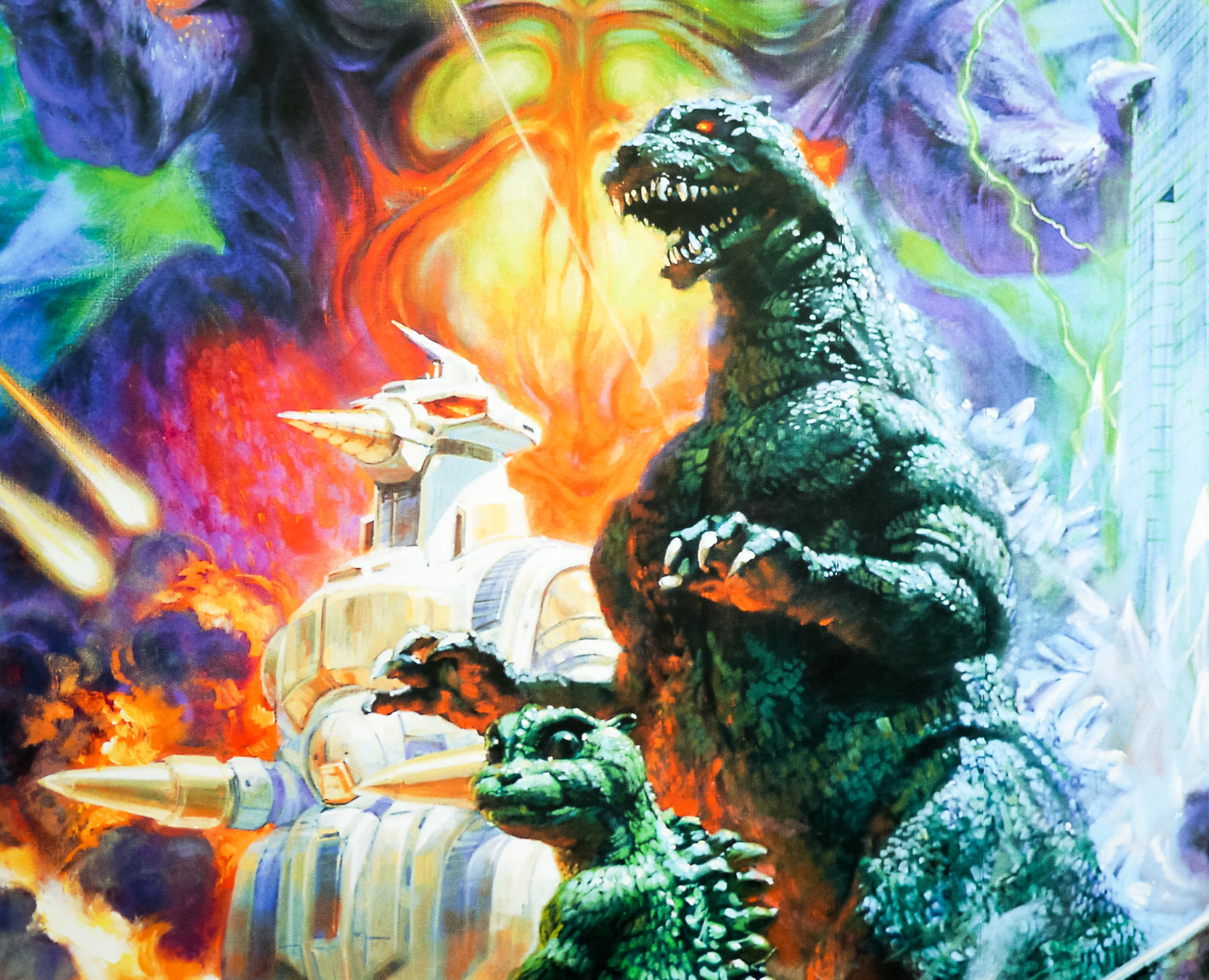
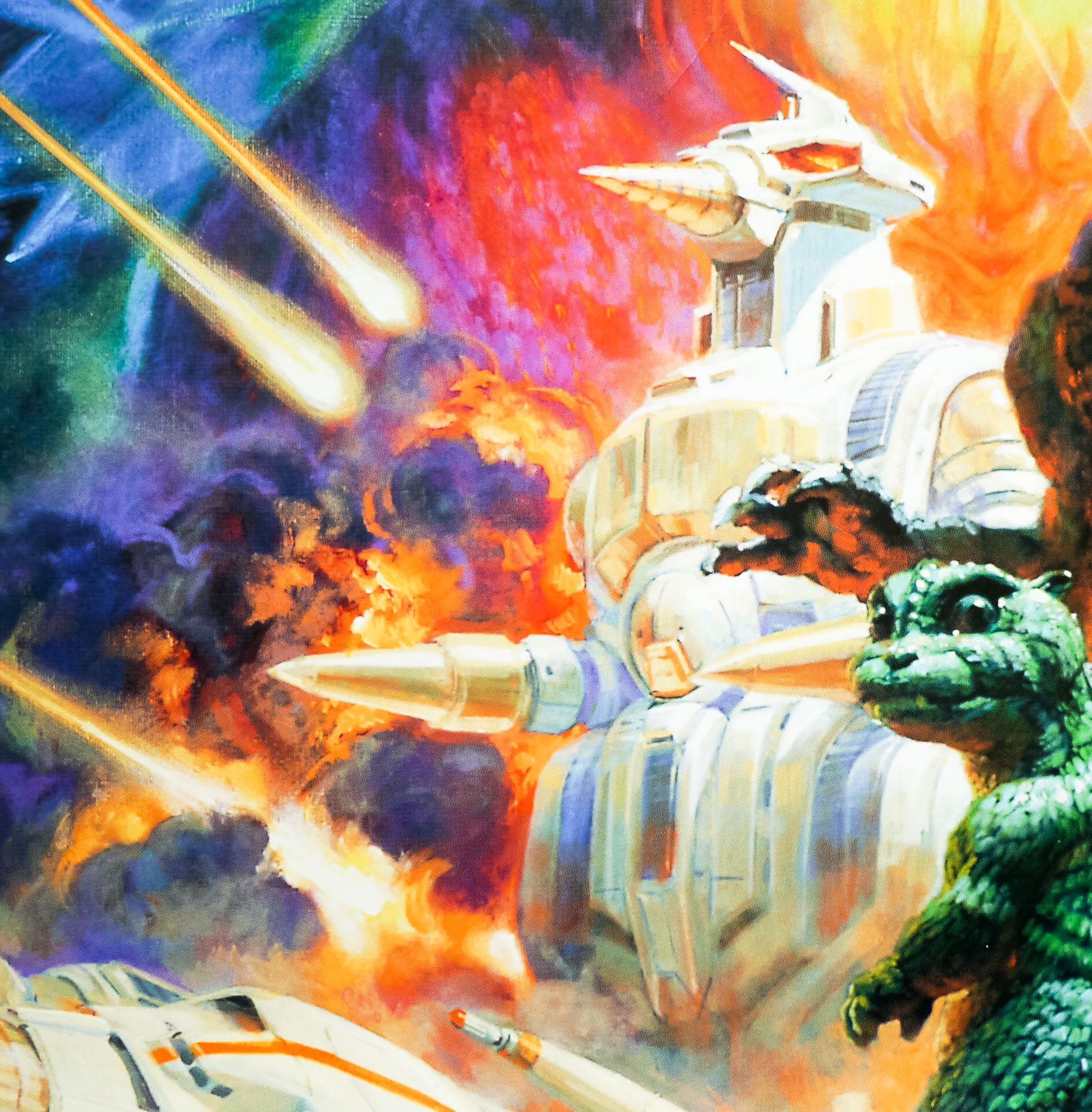
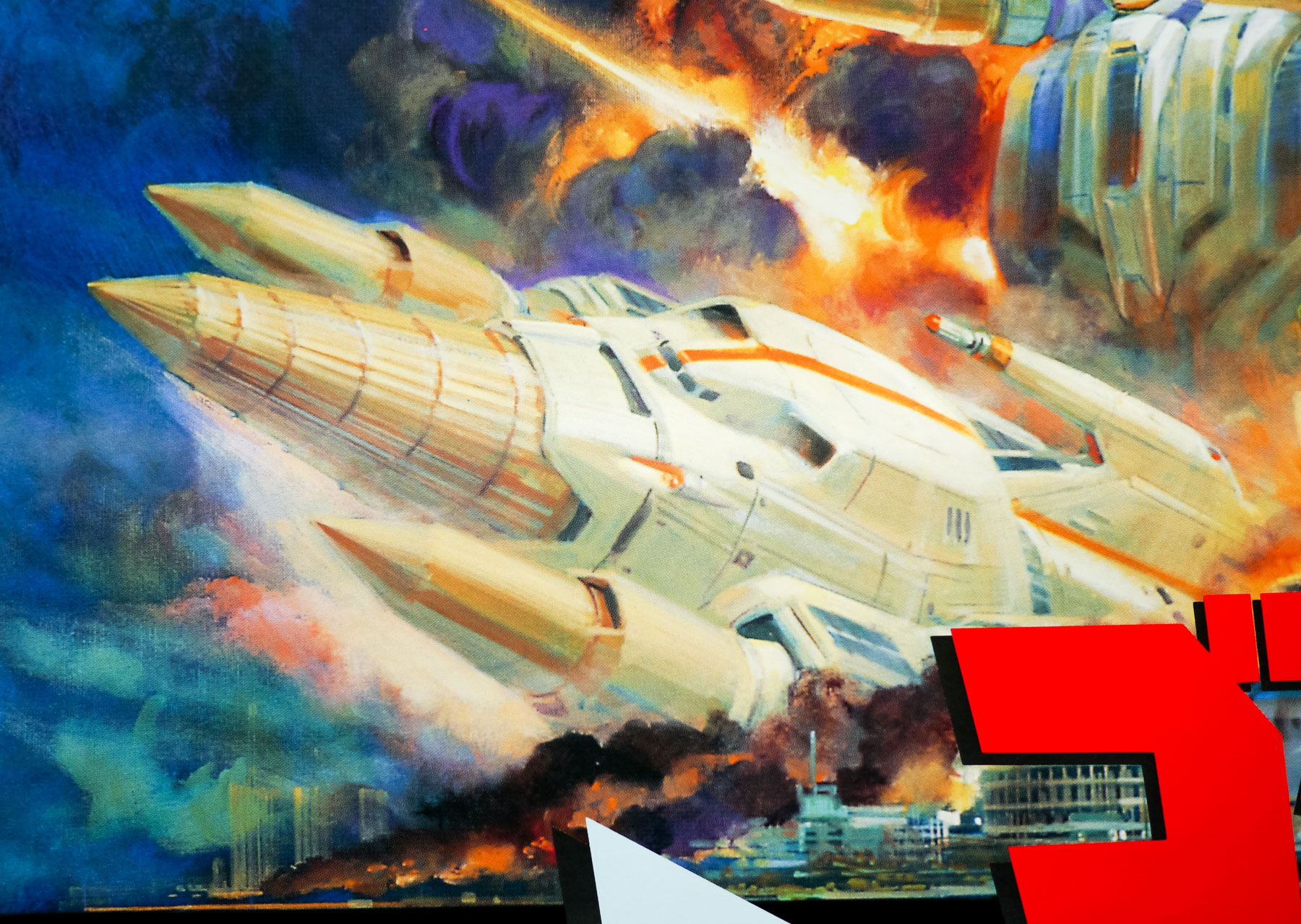
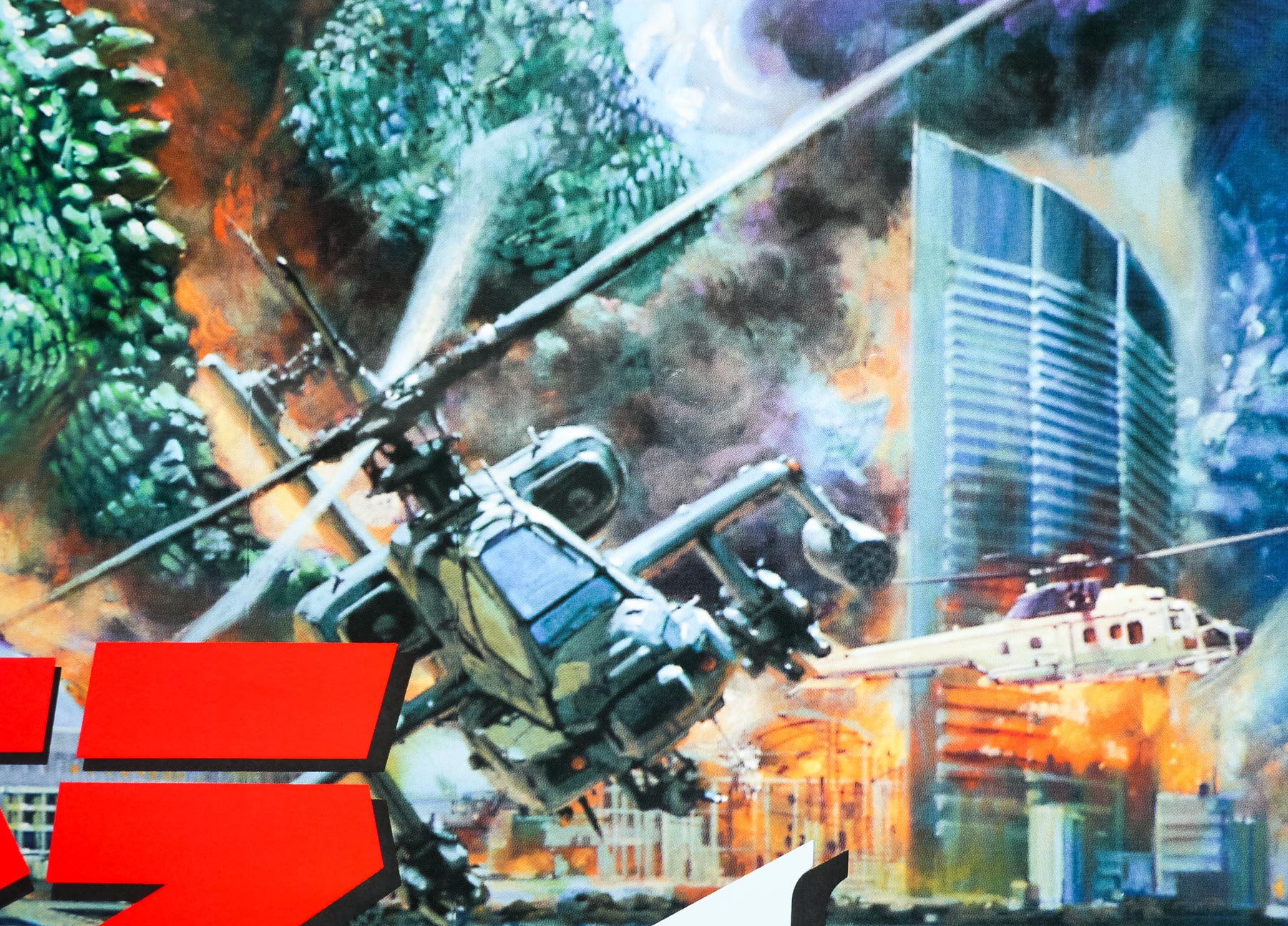
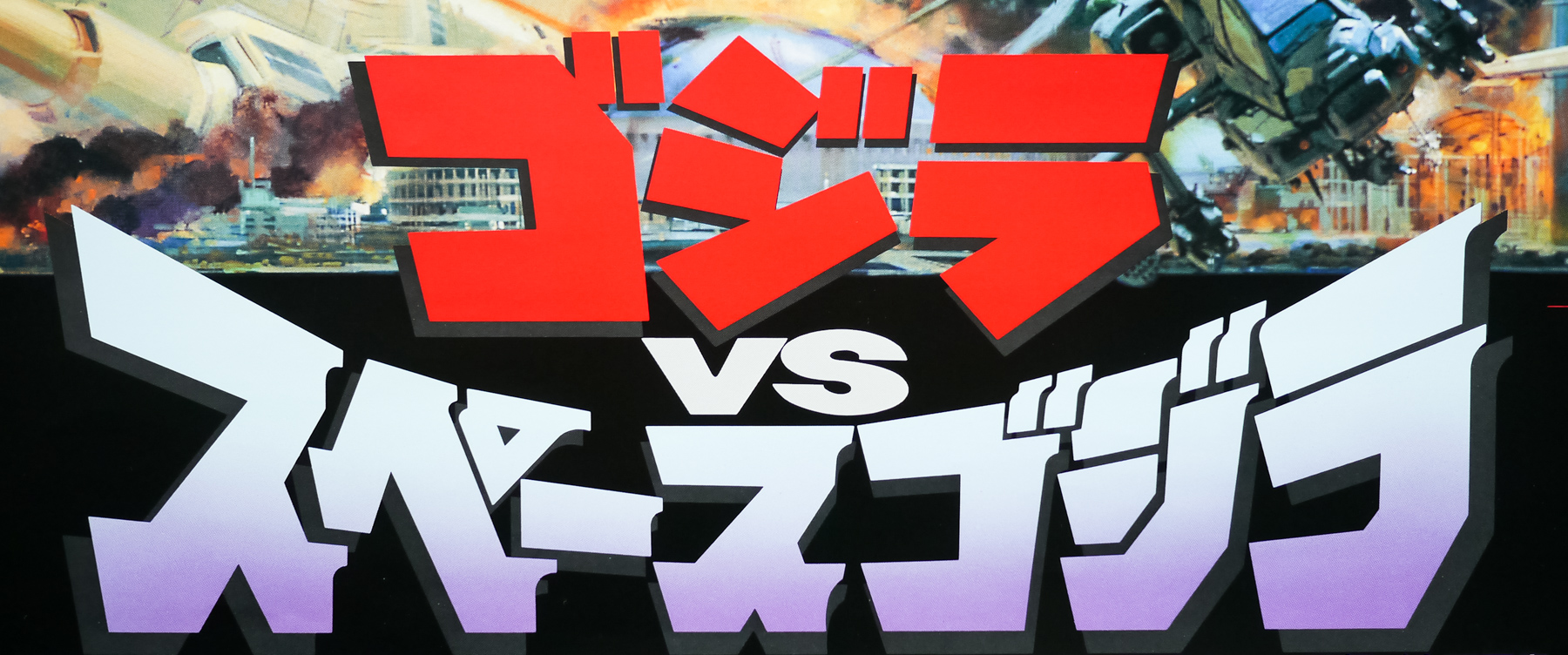
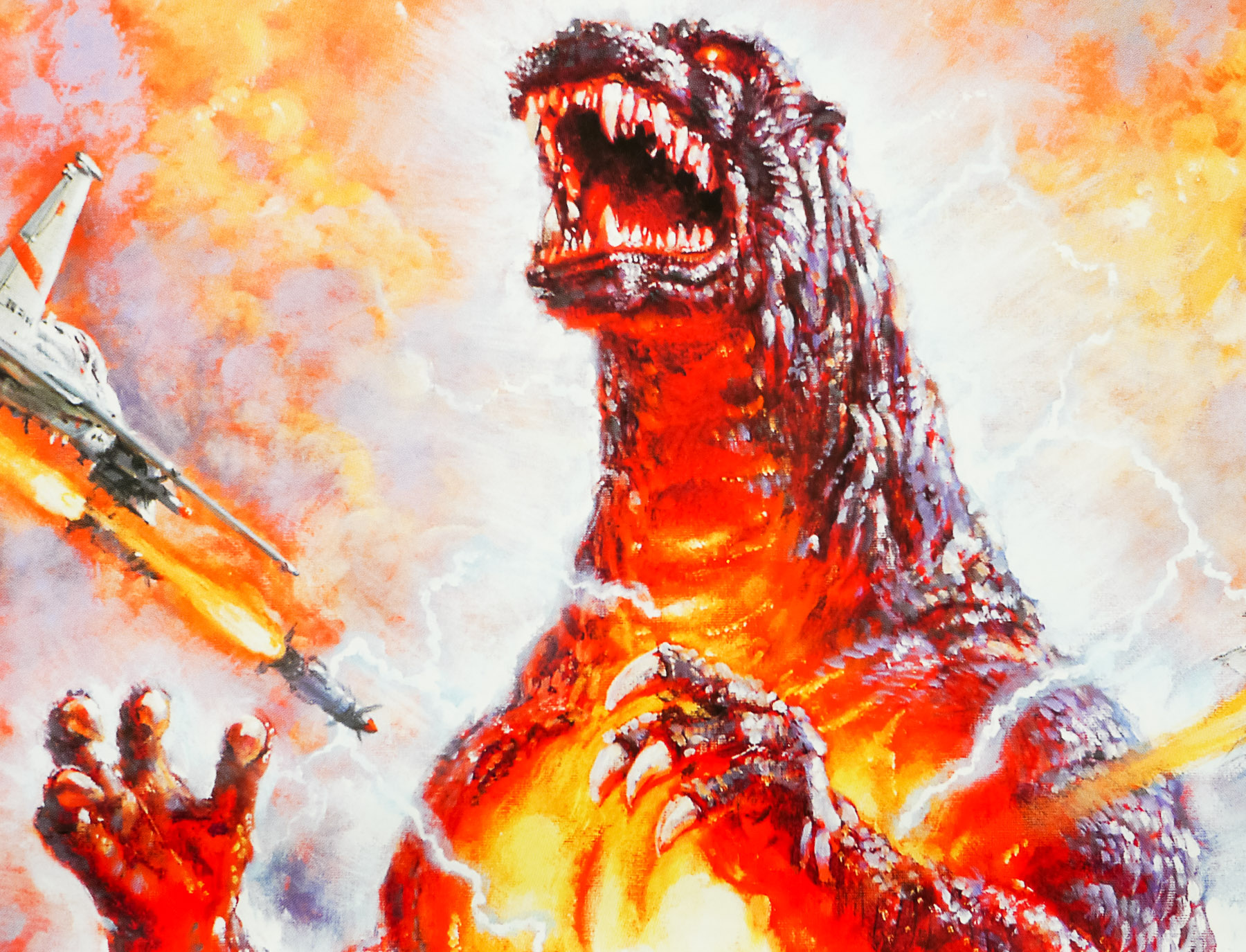
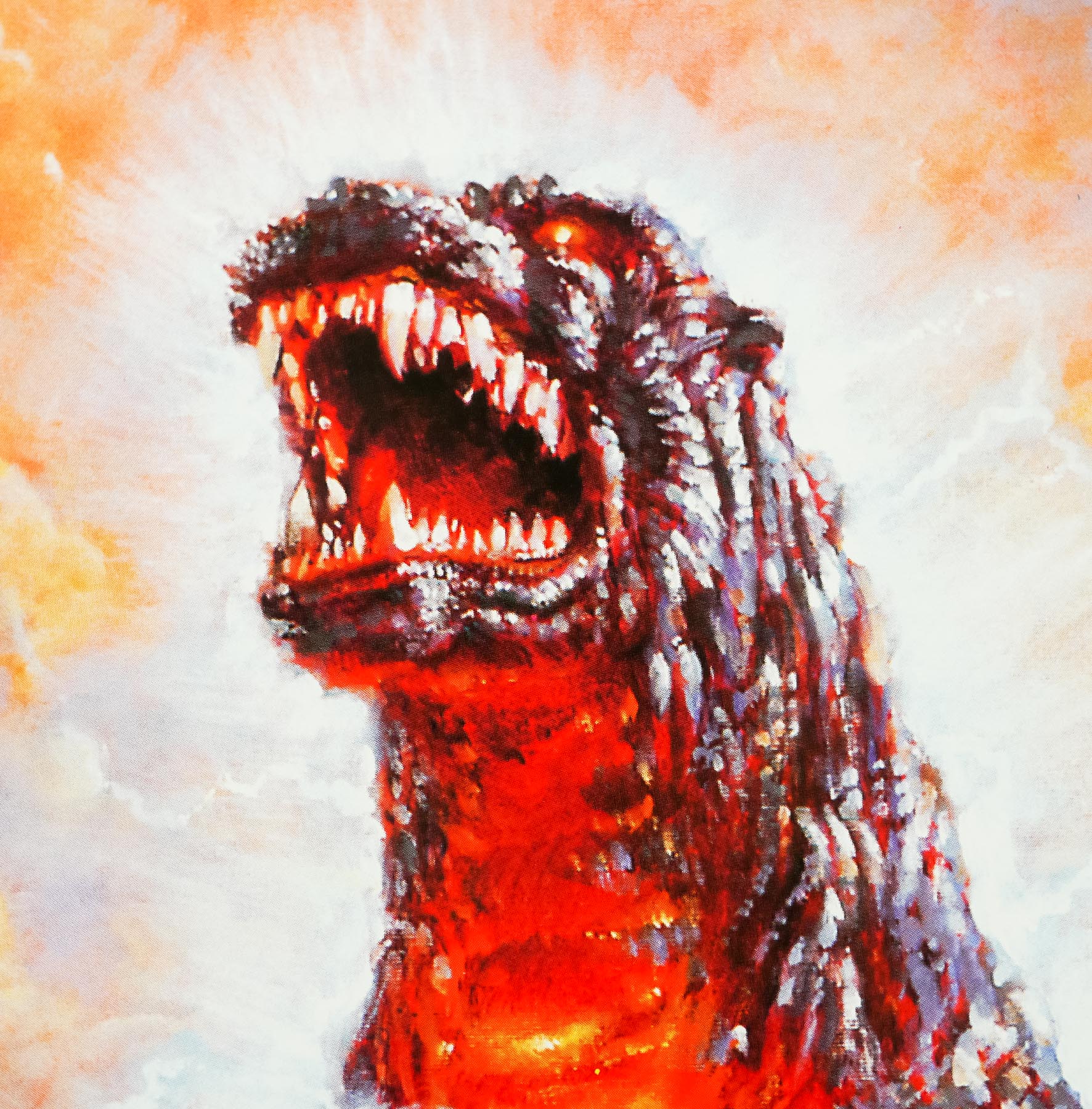
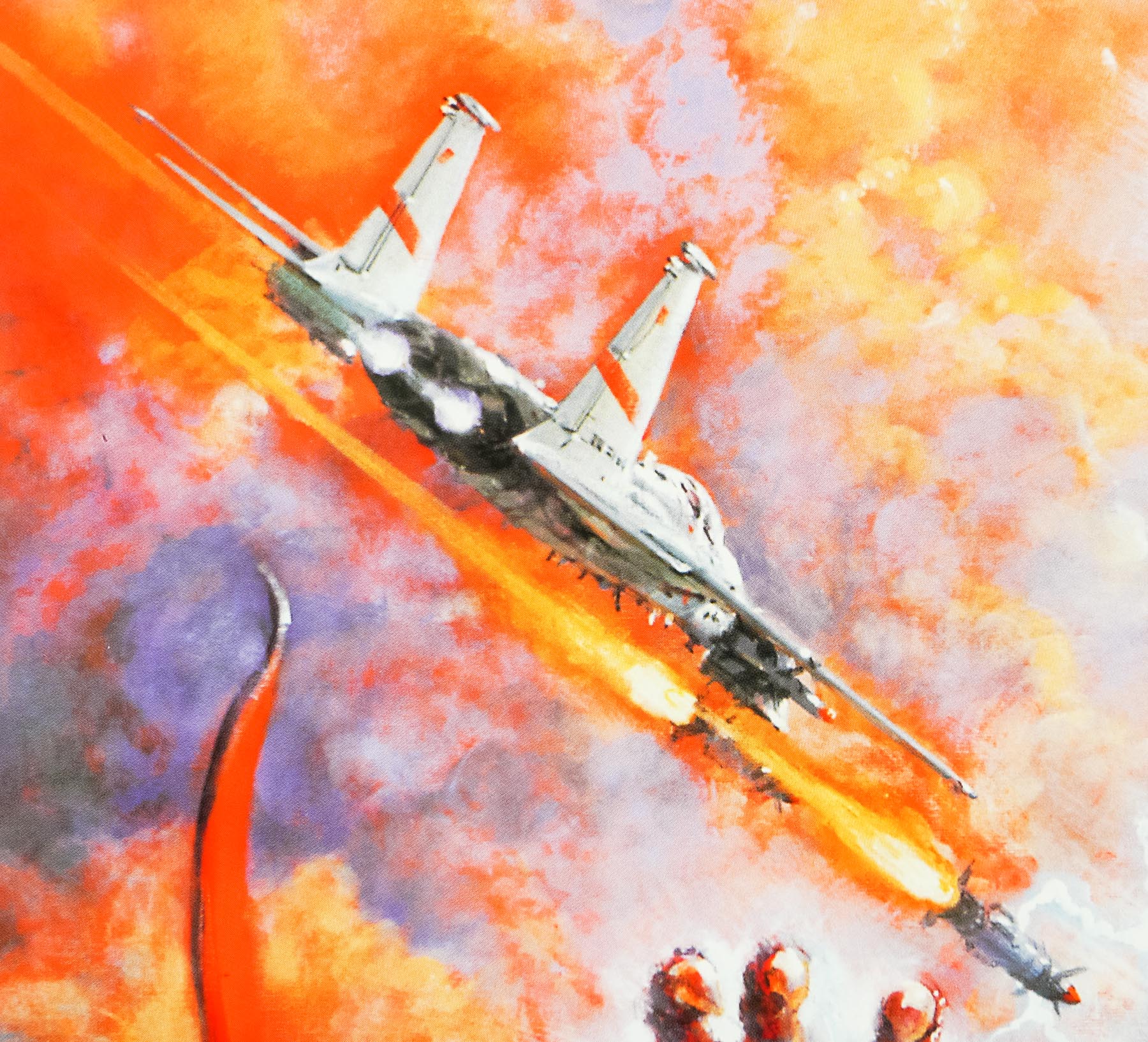
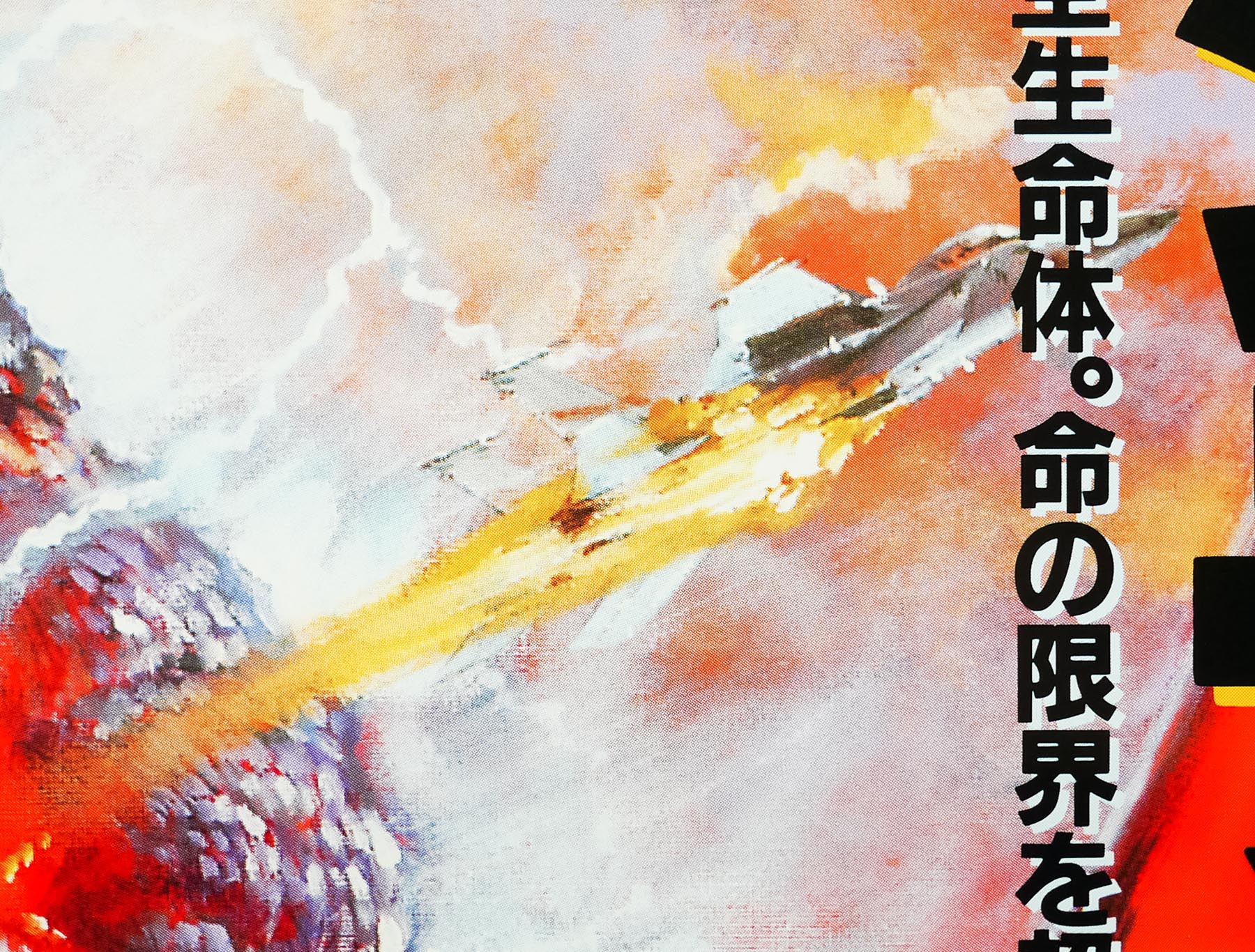
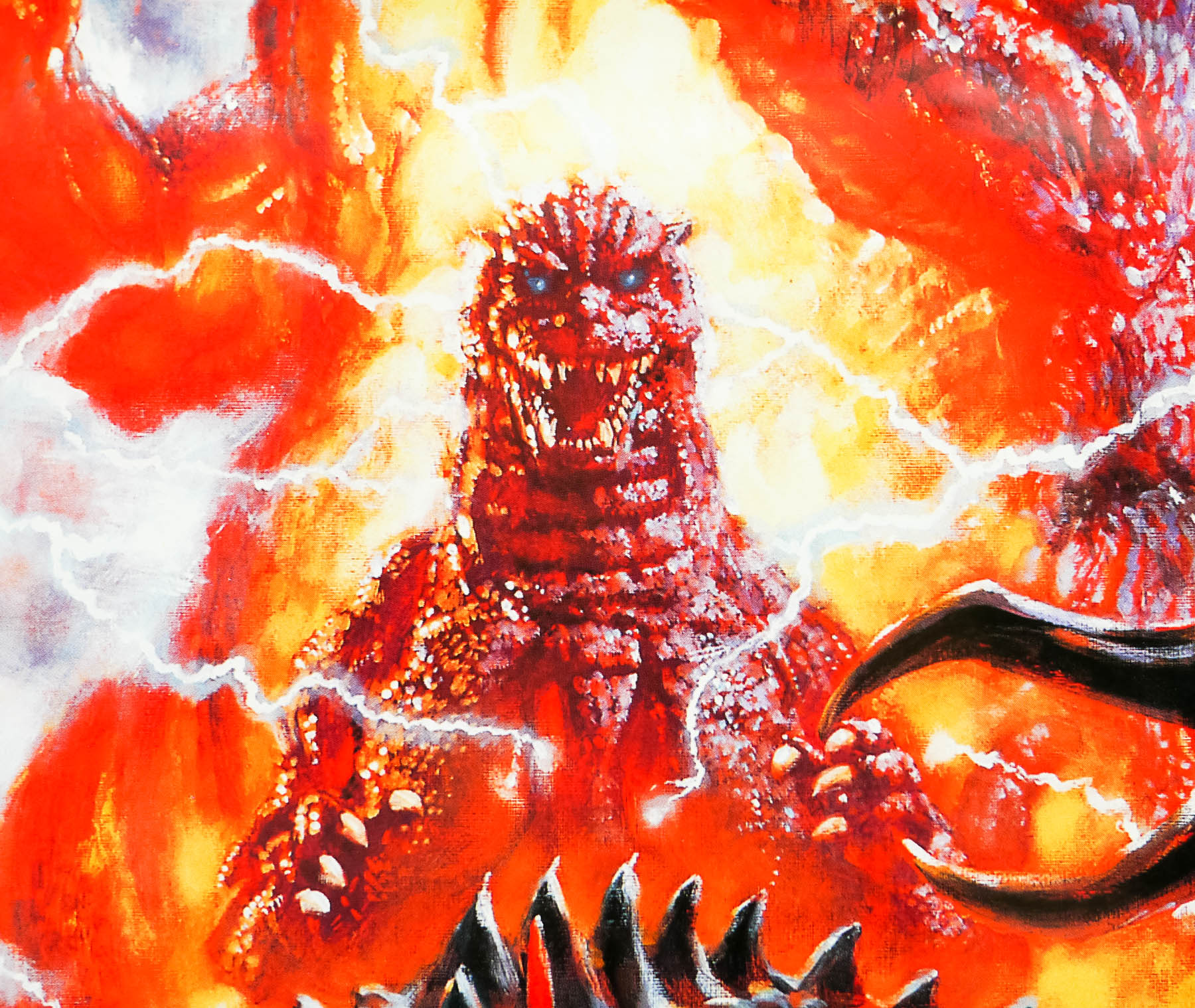
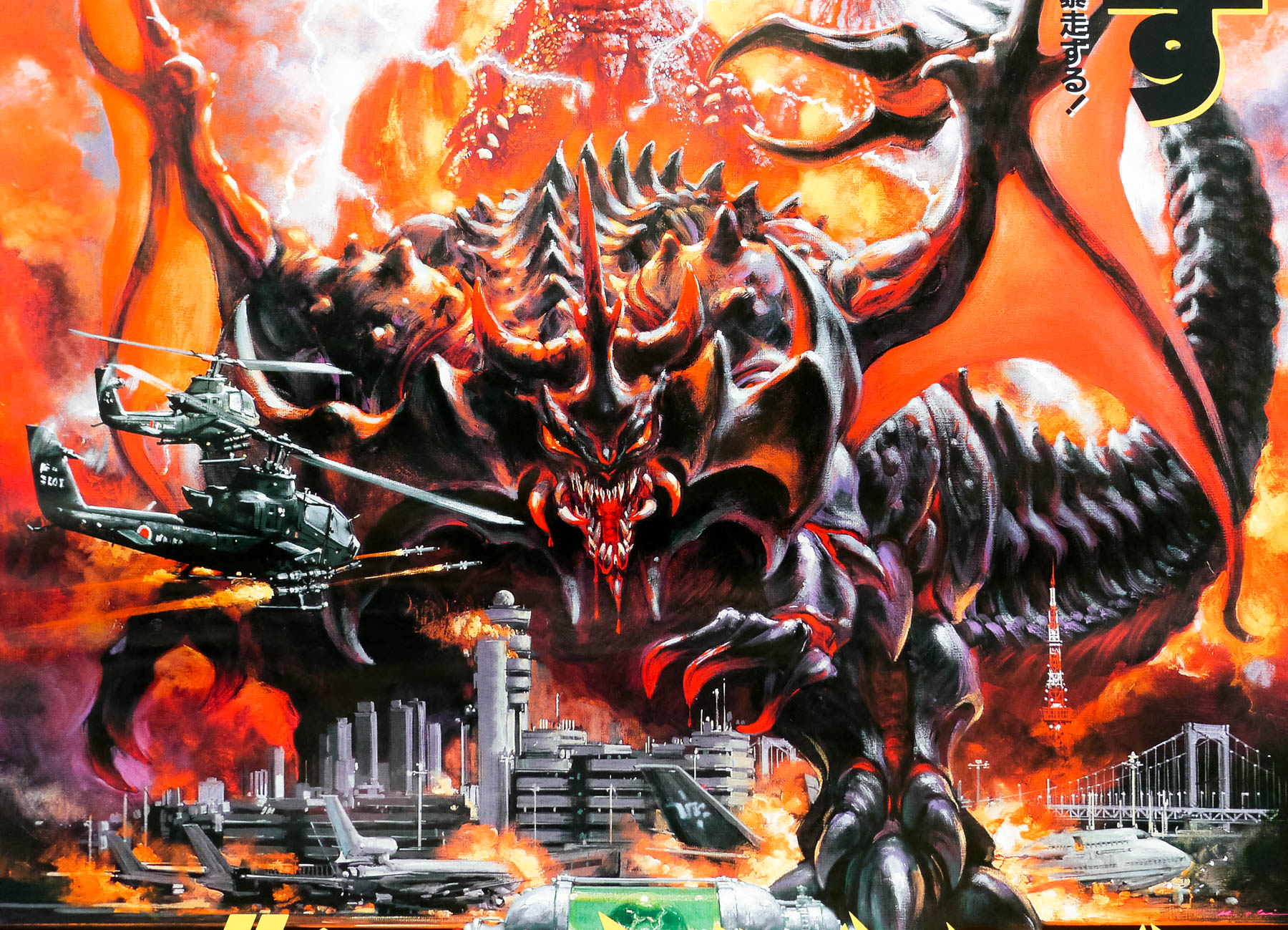
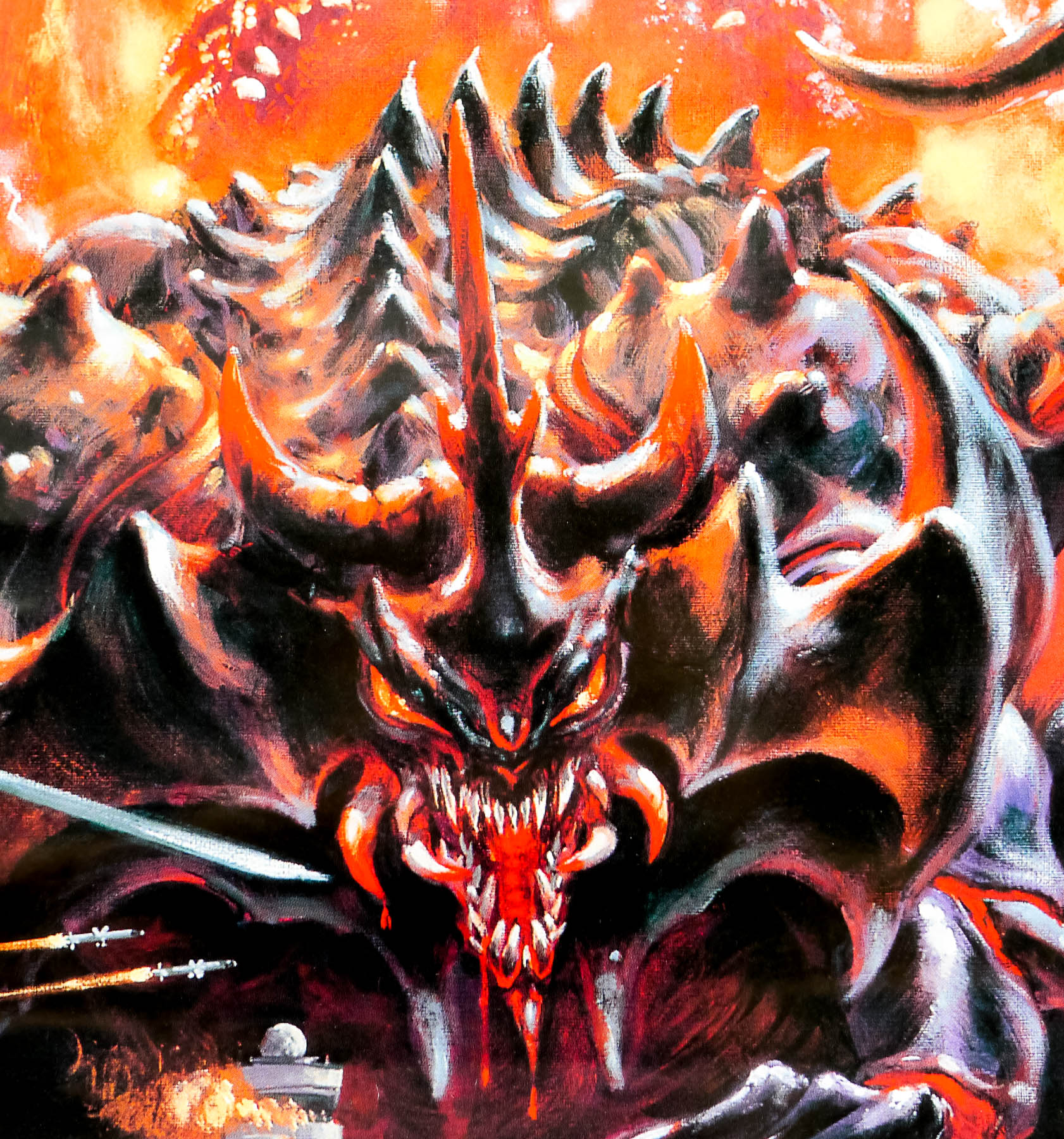
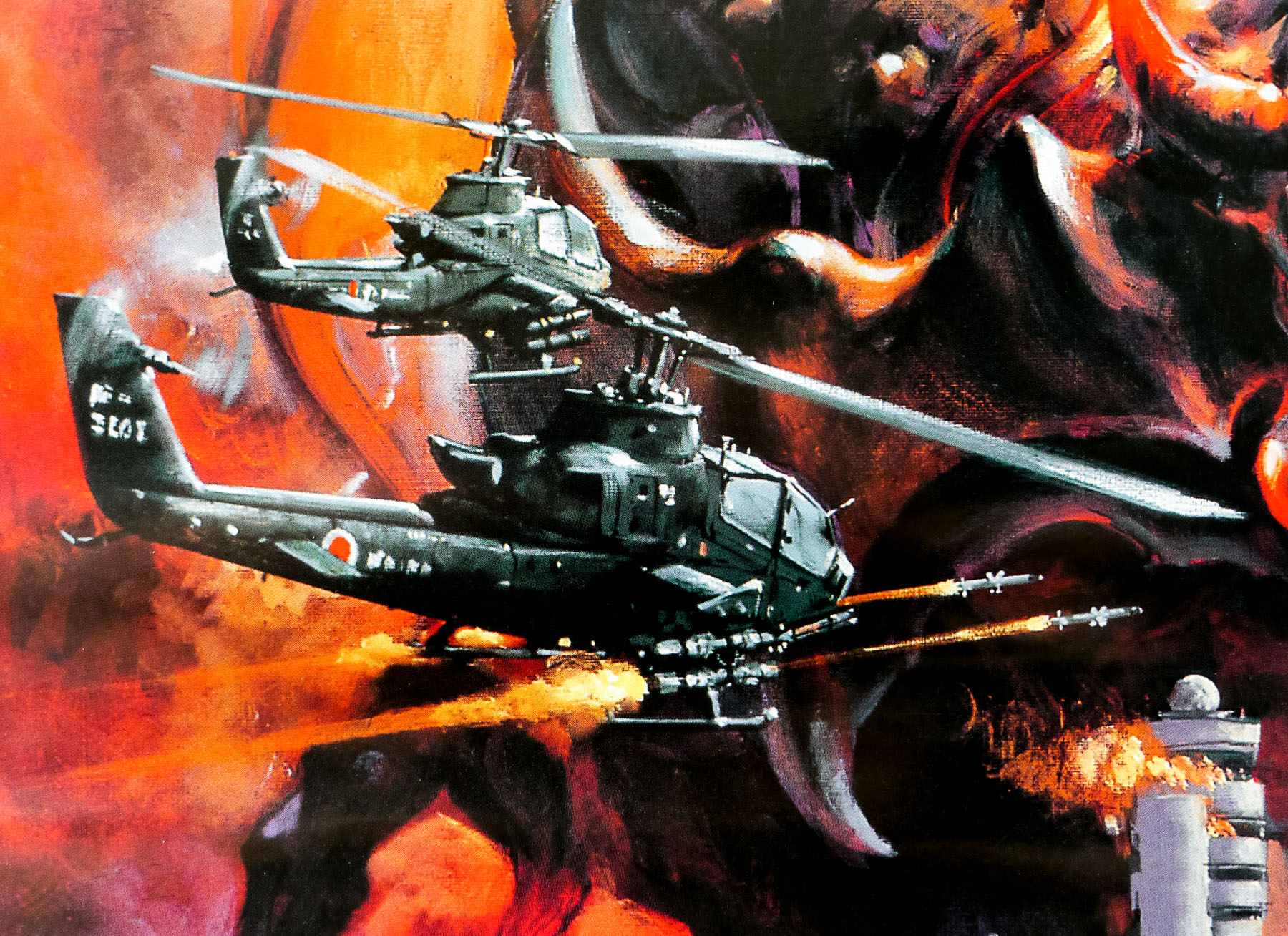
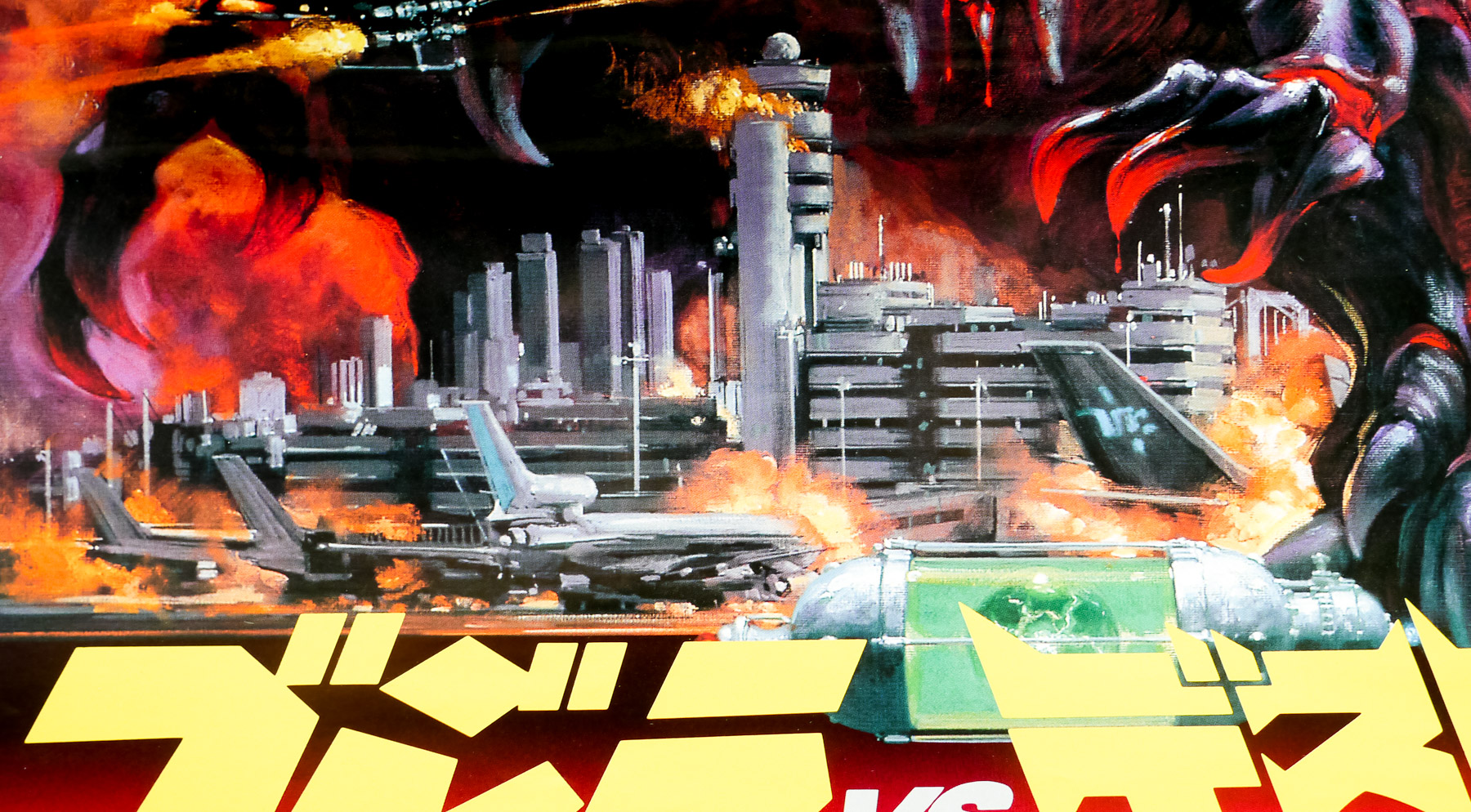
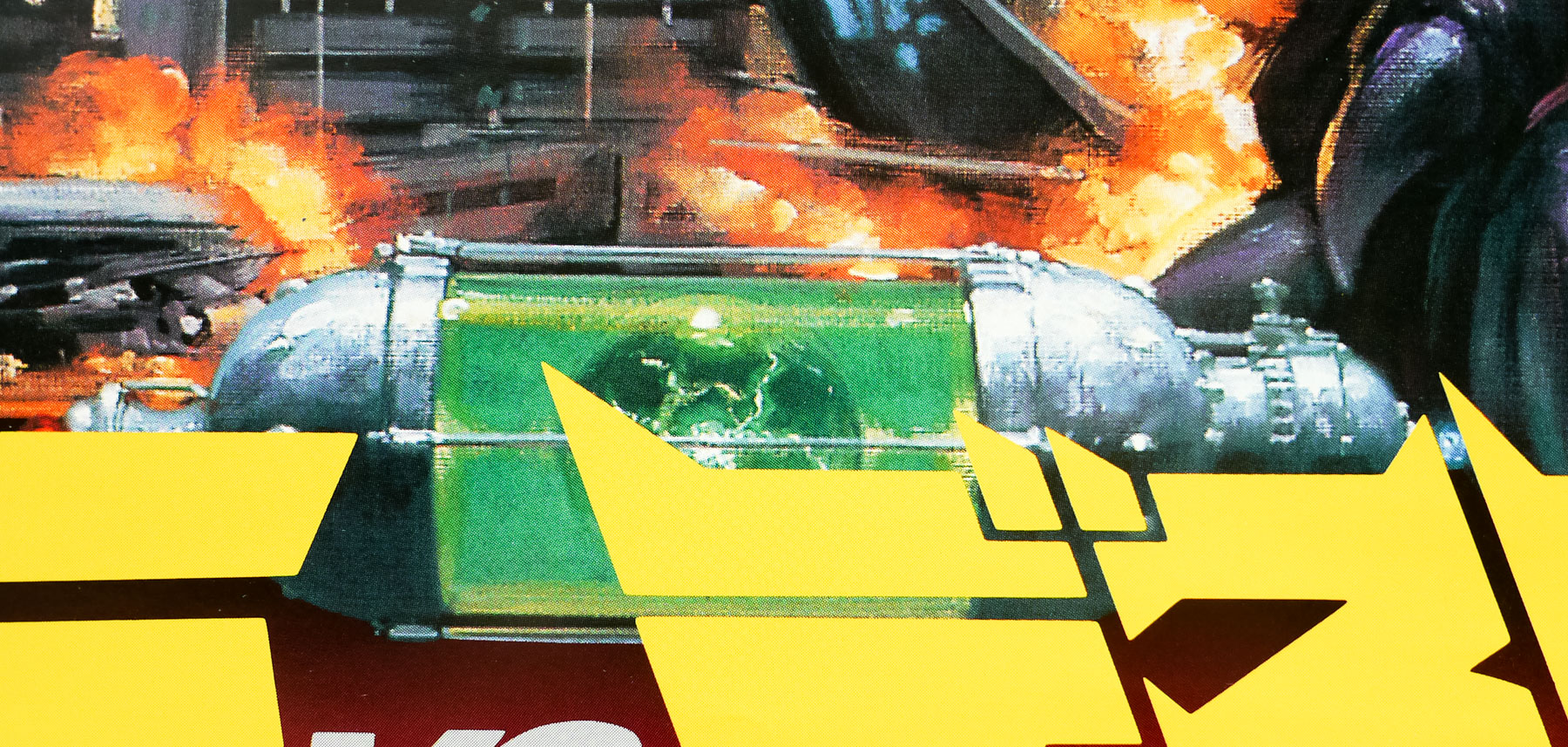
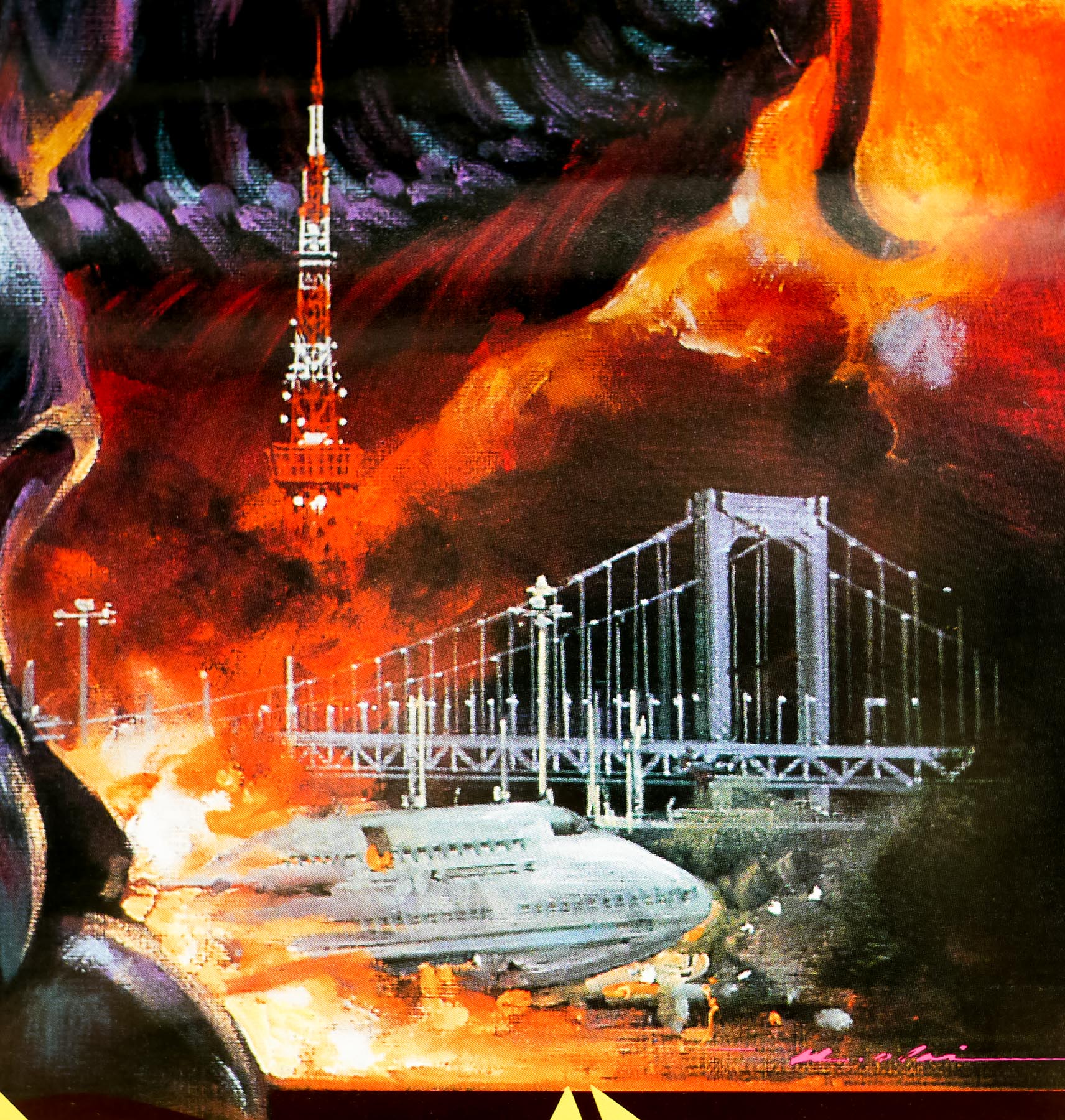
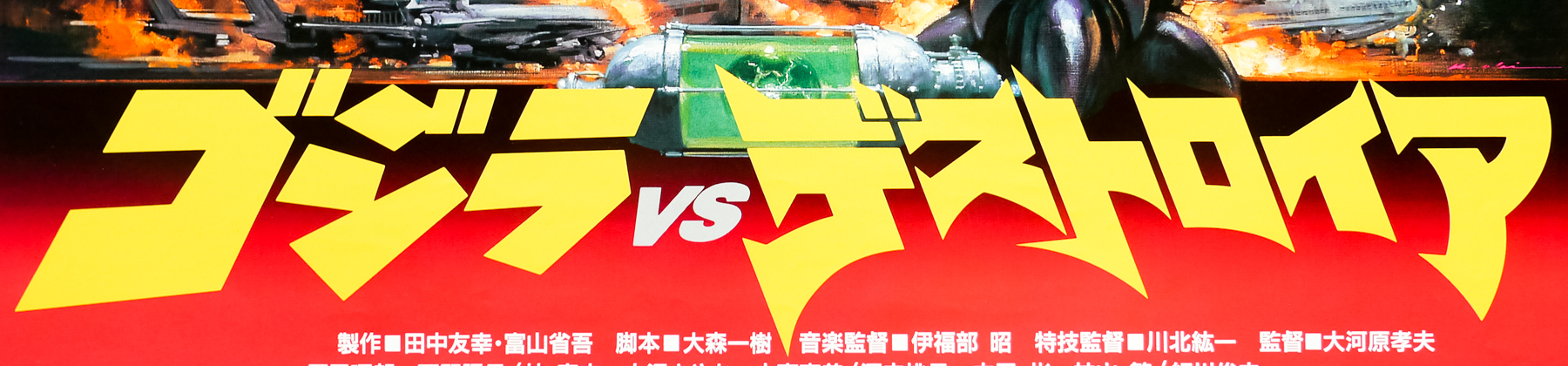
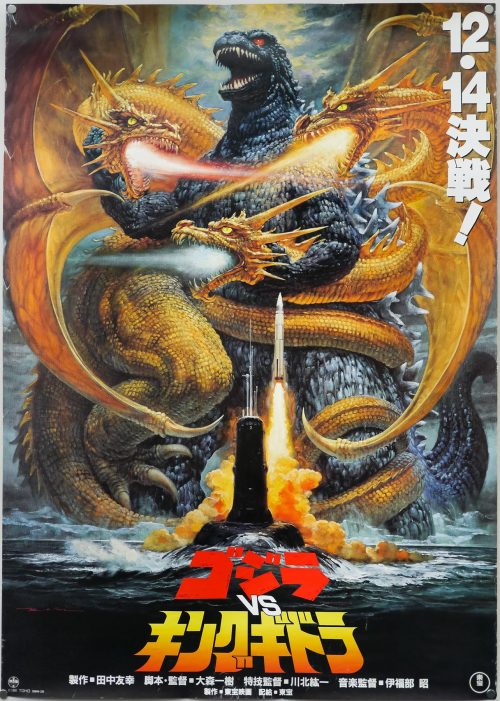
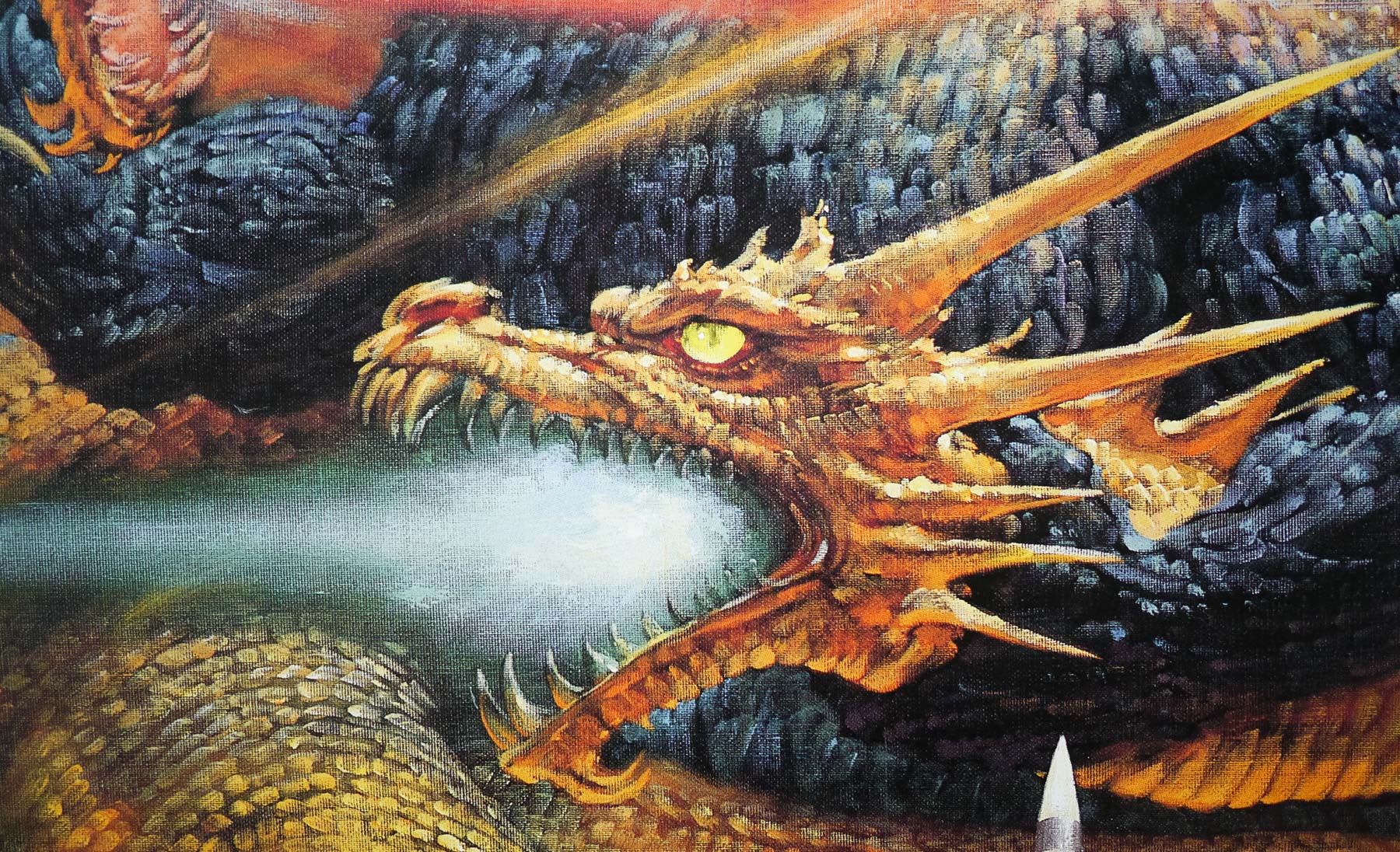
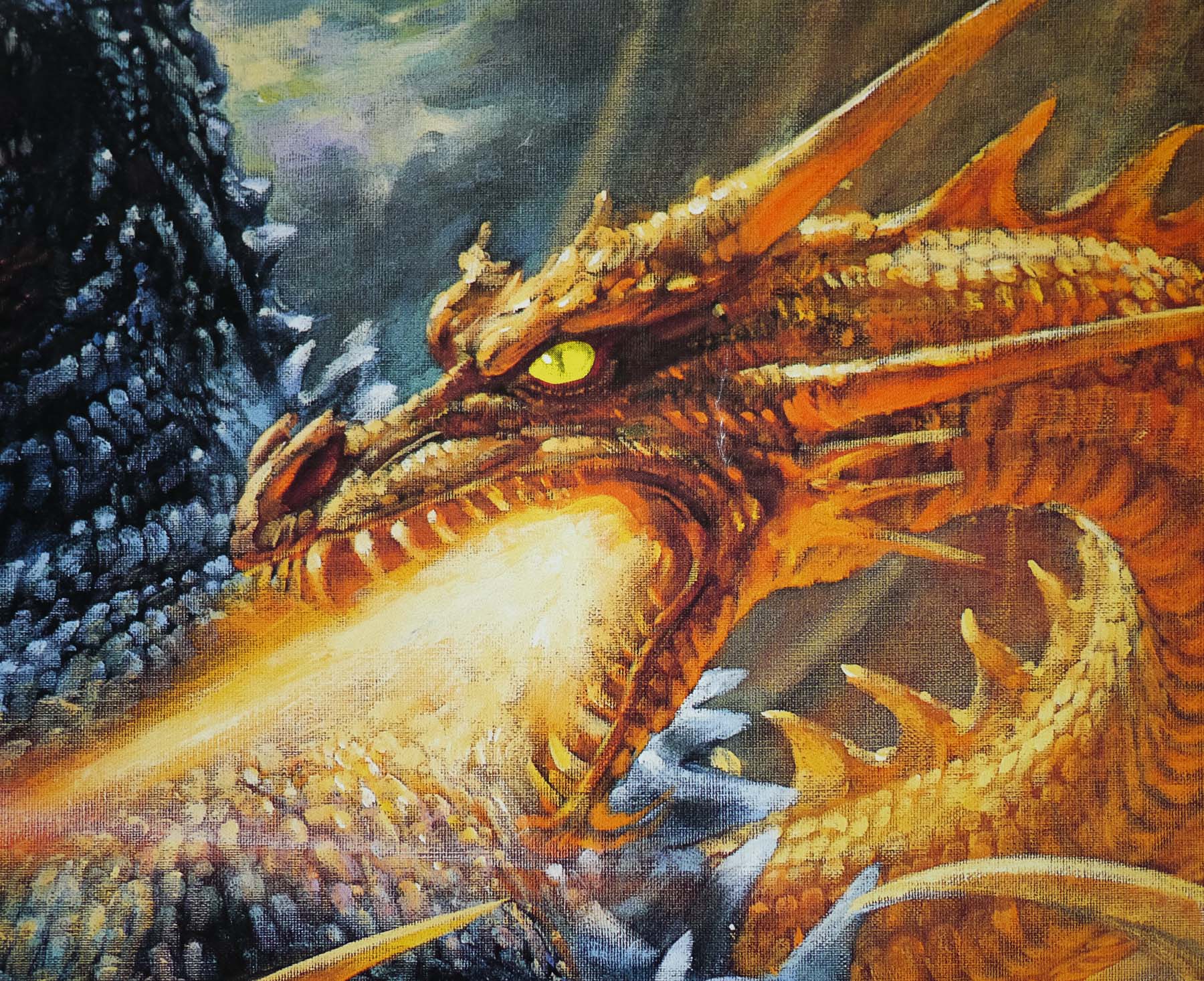
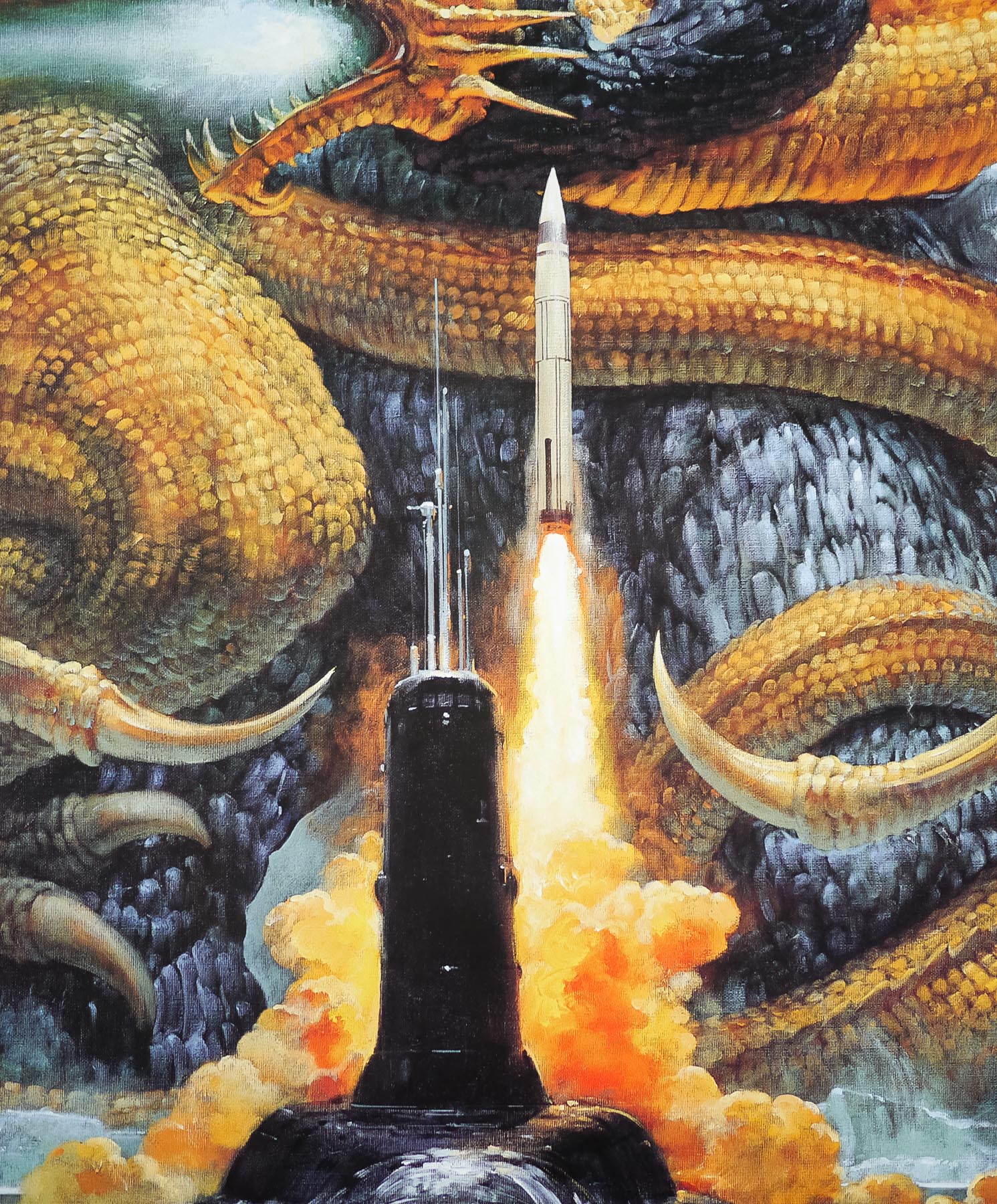
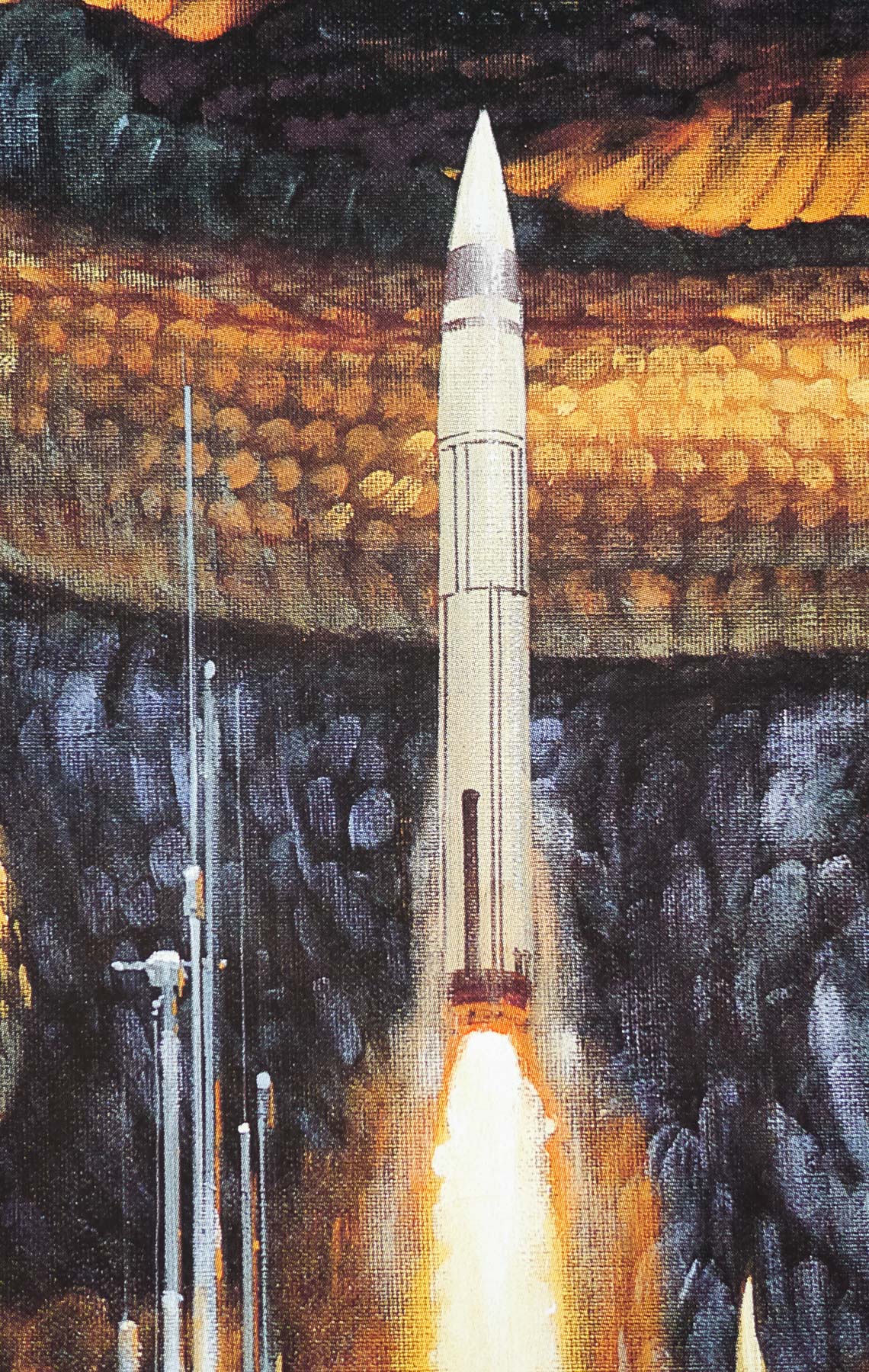
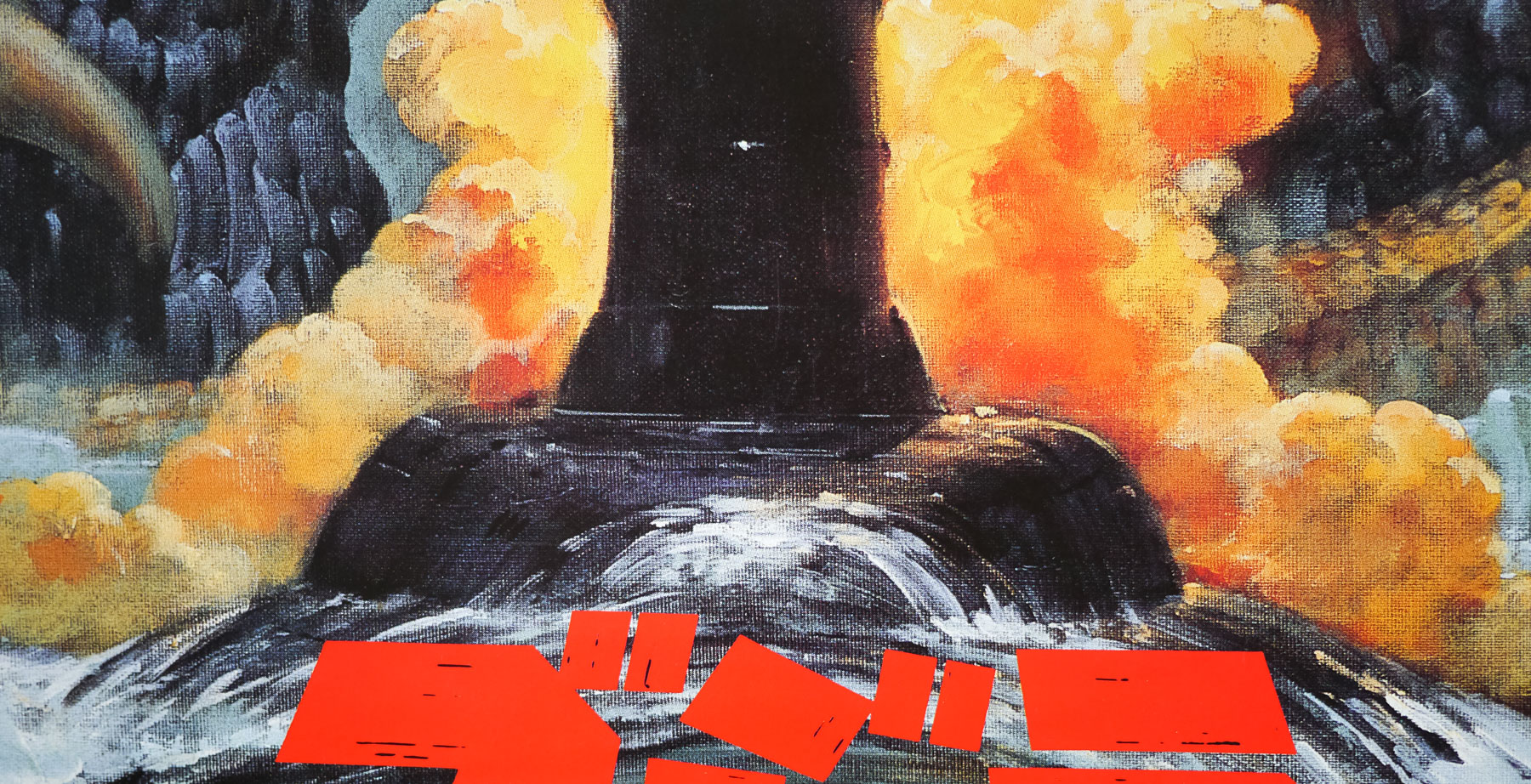
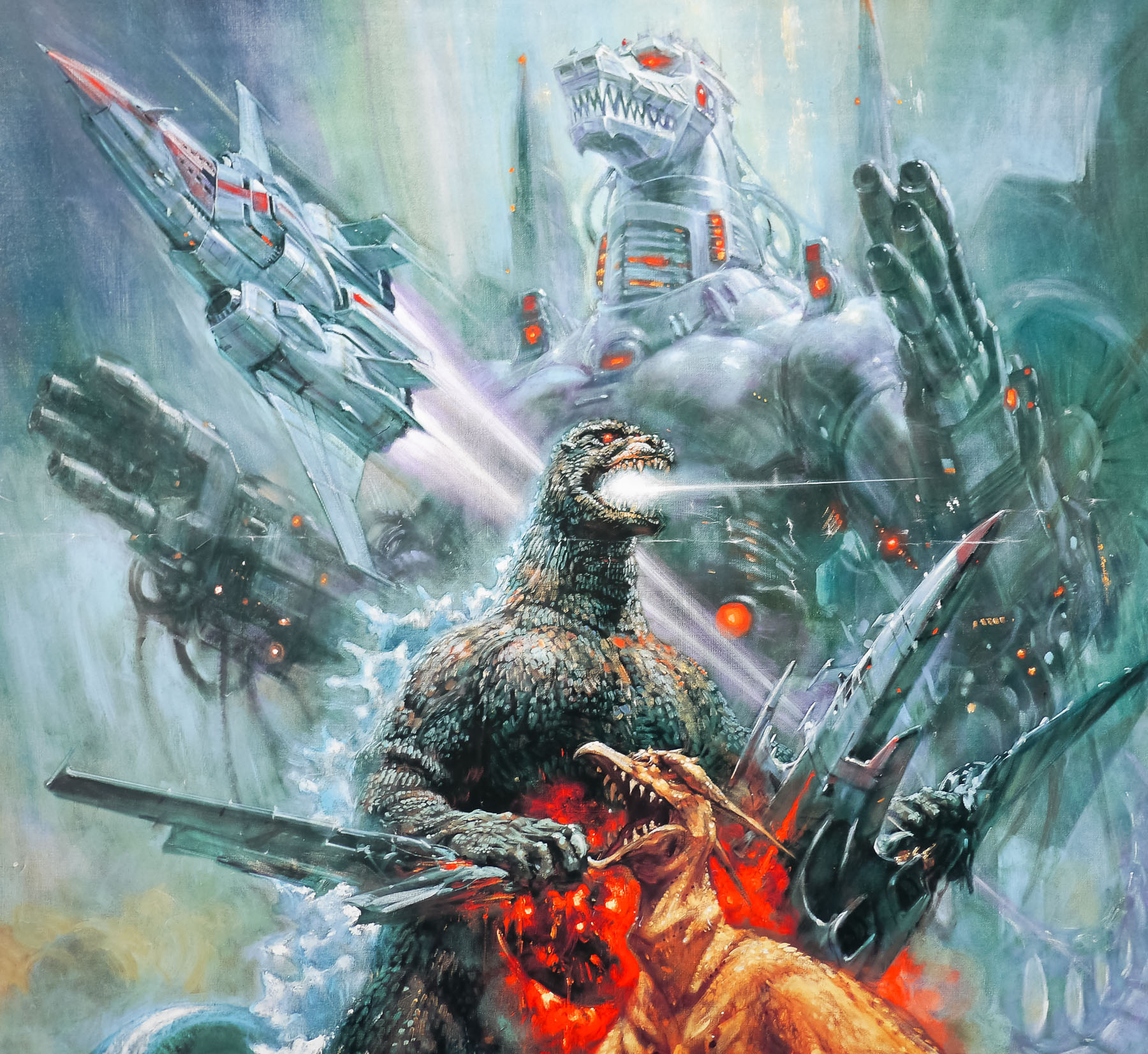
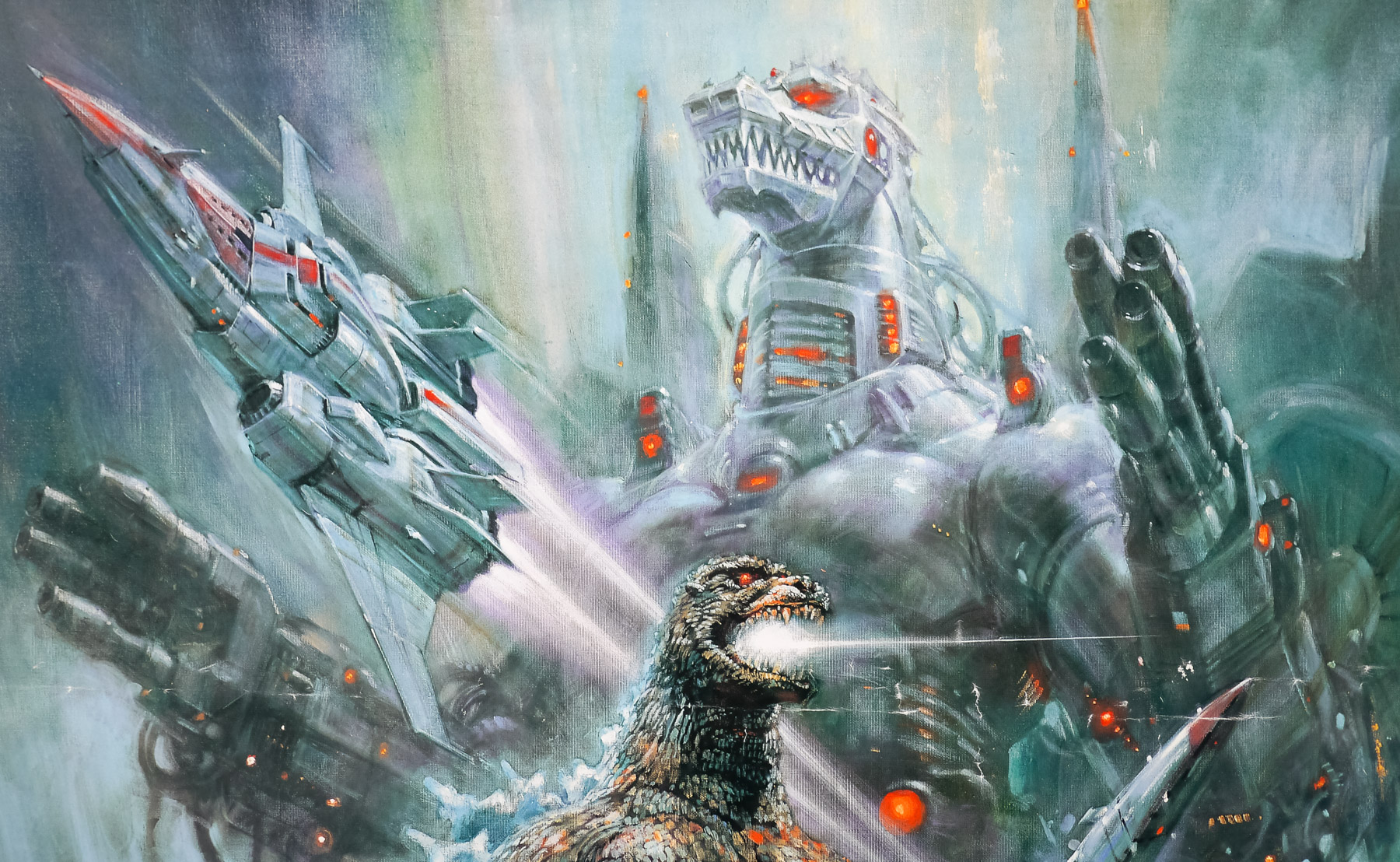
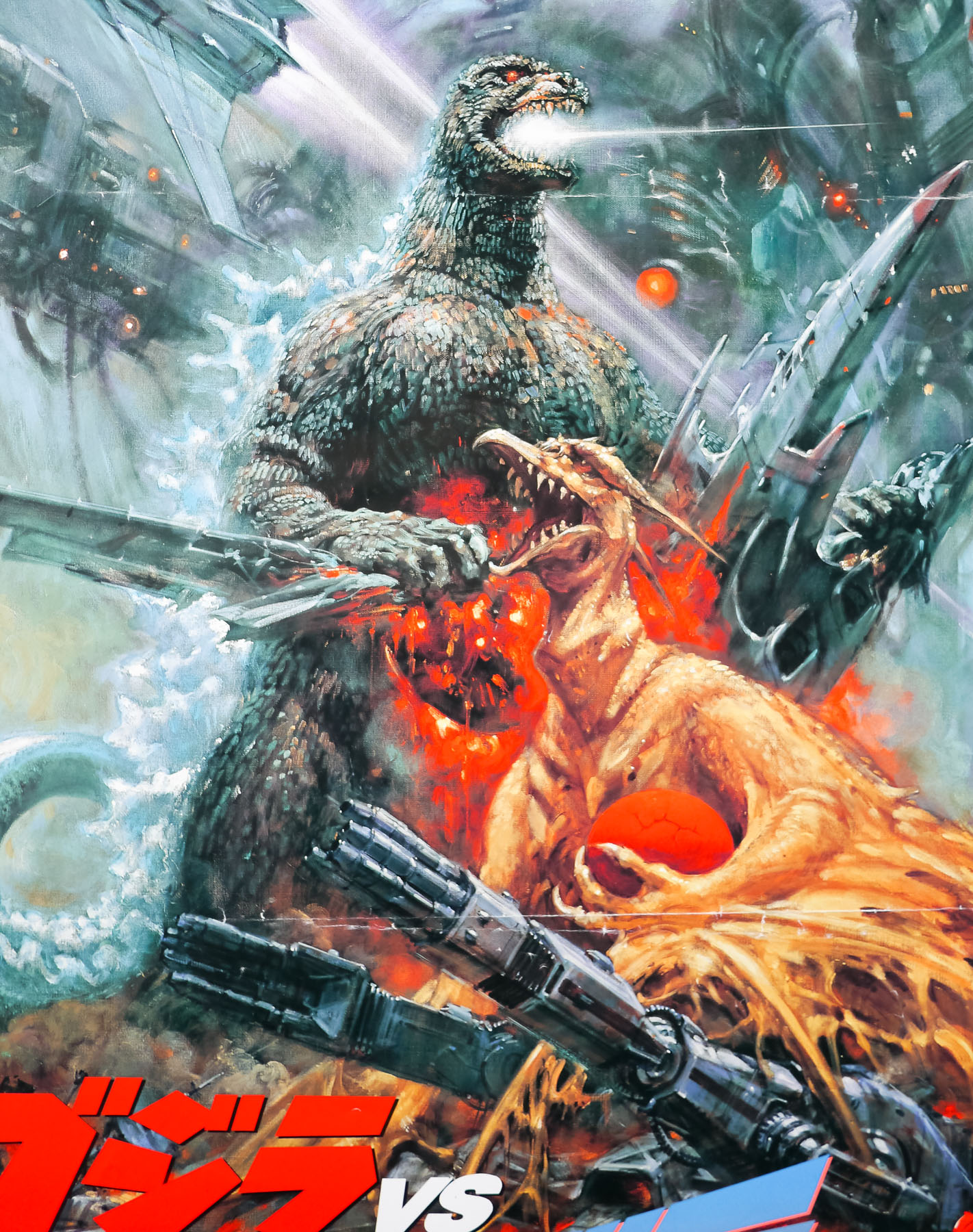
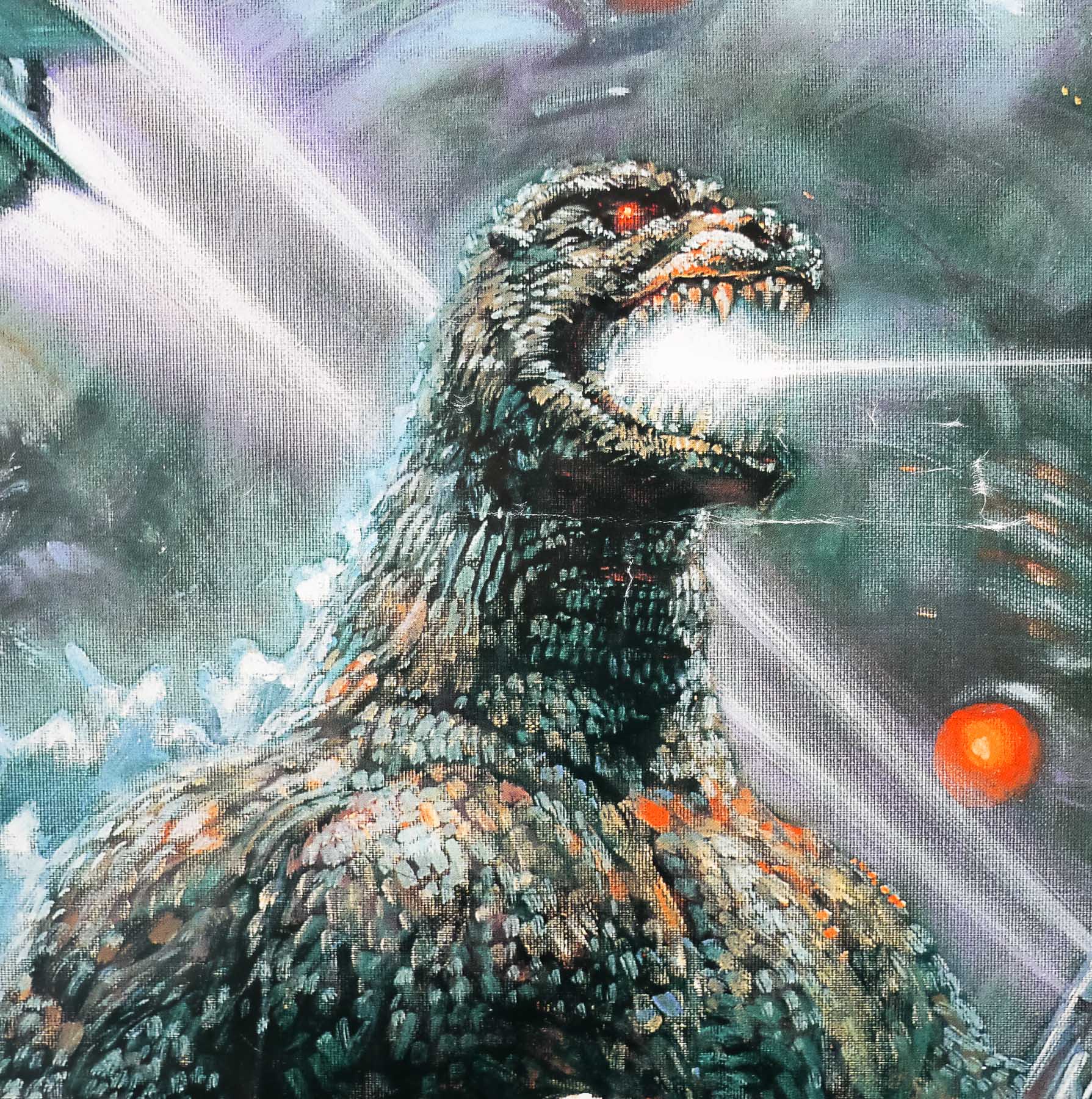
A colourful montage on this Japanese B2 poster for Godzilla vs SpaceGodzilla, which was the 21st film in the series featuring the King of the Kaiju (giant monsters). The film was the sixth release in the second generation of Godzilla films, which were part of the Heisei era of Japanese monster movies (daikaiju eiga). The monster movie eras are named after the Japanese emperor at the time, so the first generation of Godzilla films were part of the Shōwa era.

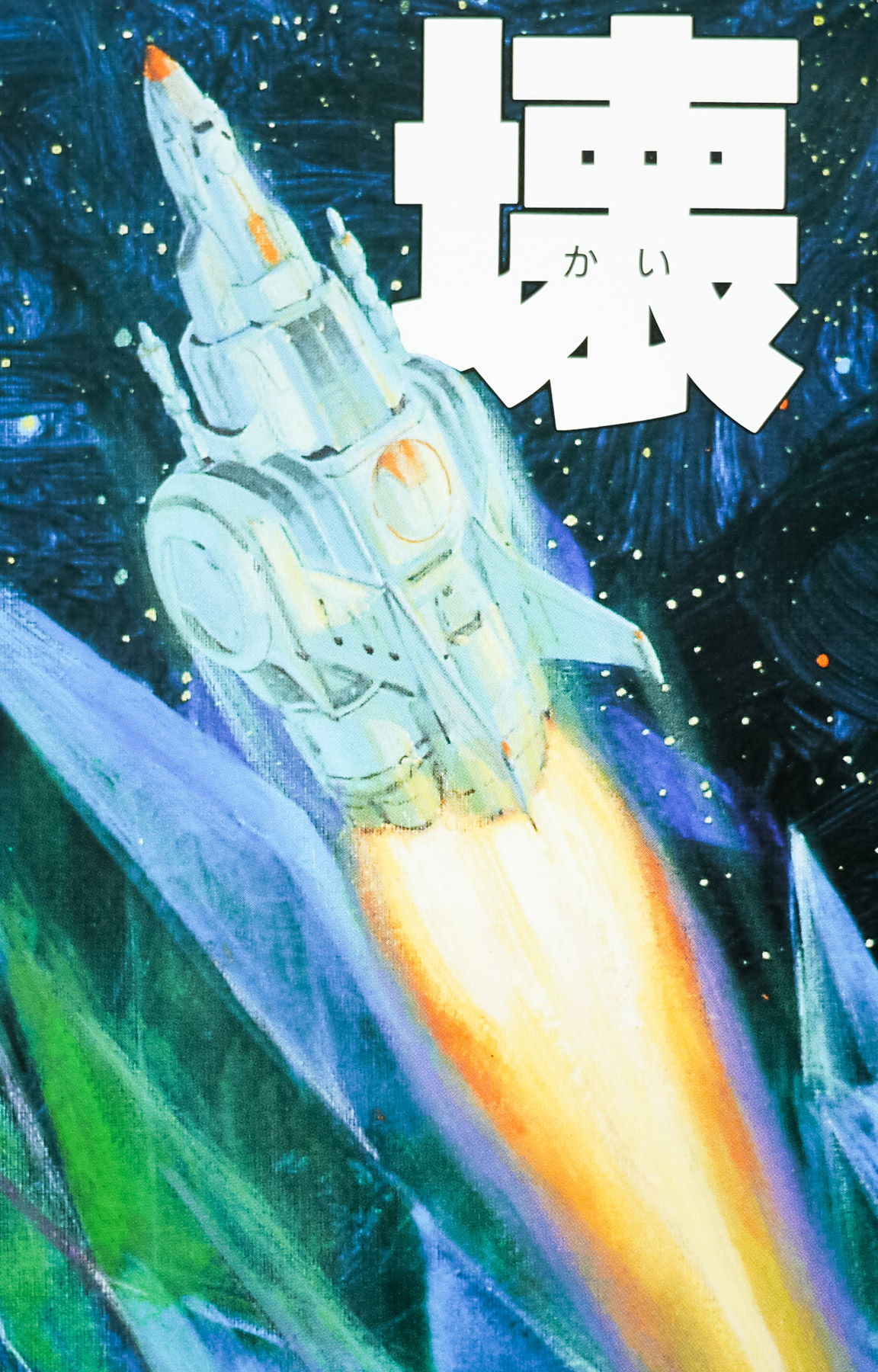
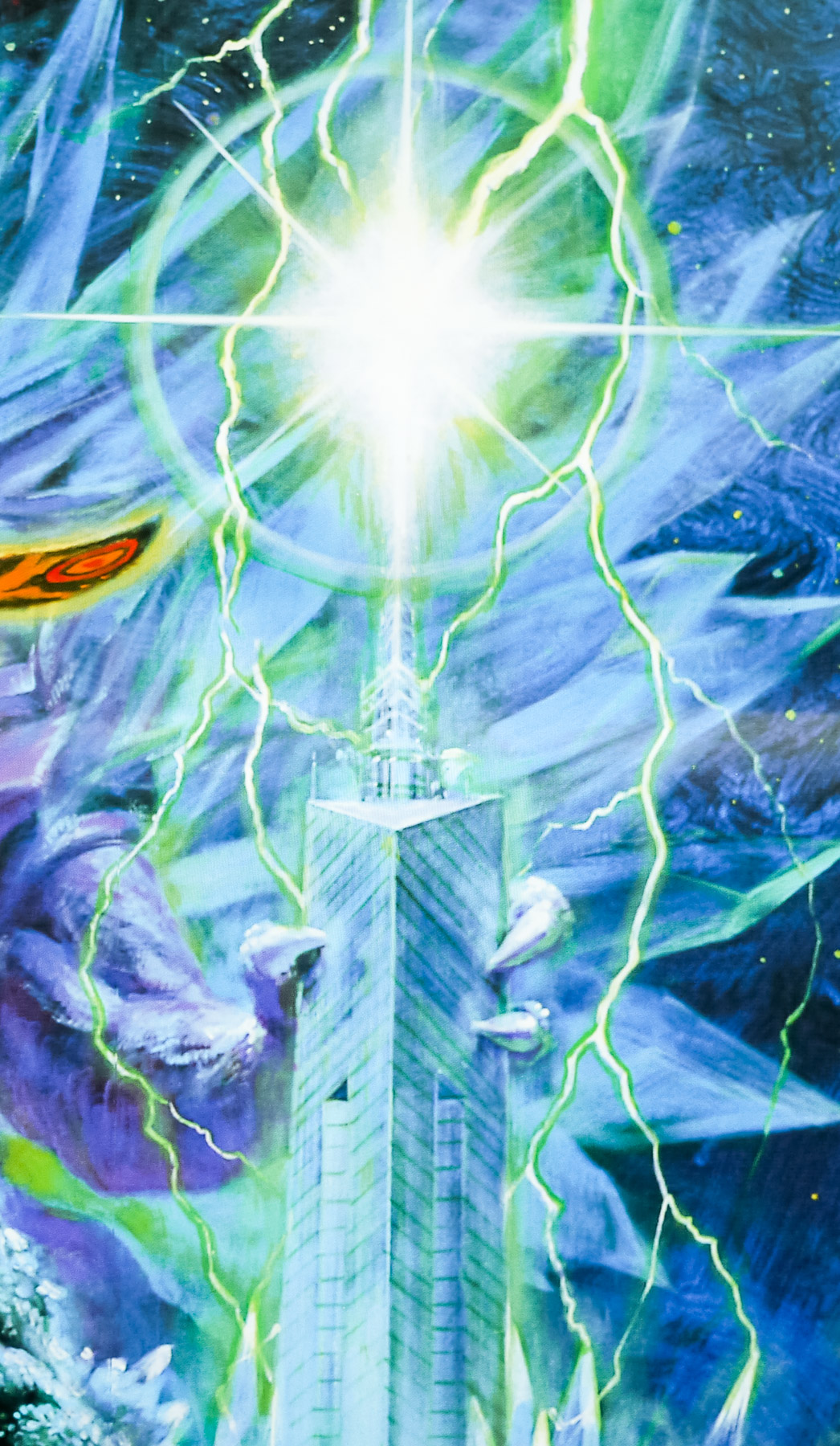
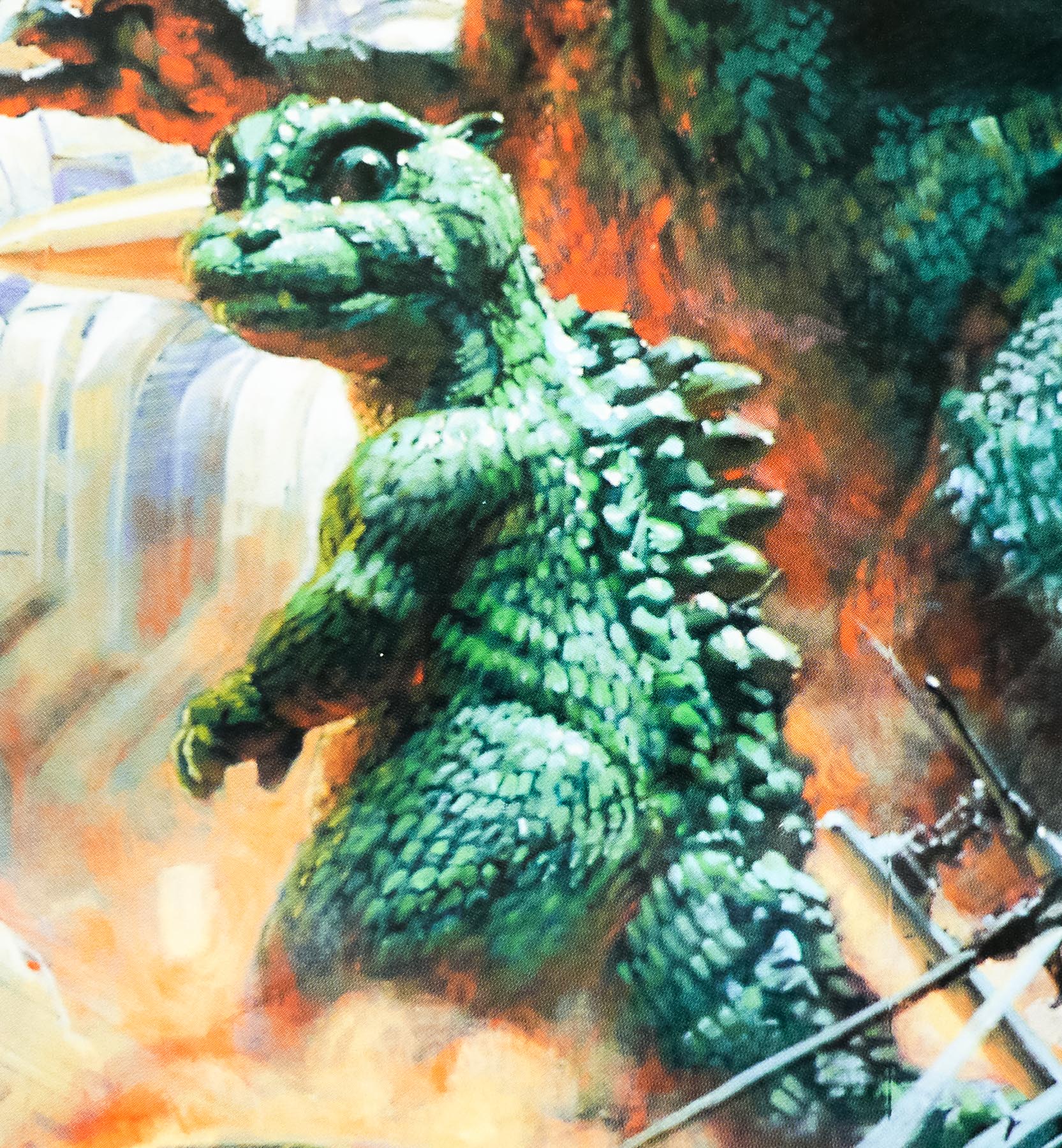
The story is typically ludicrous and sees fellow kaiju Mothra travel in to space to stop a meteor hitting earth and inadvertently exposing cells from Godzilla (and Biollante) to the radiation from a black hole, which then triggers the creation of an aggressive extraterrestrial closely resembling the famous monster. SpaceGodzilla immediately heads to earth, destroying a space station on the way, and after battling and knocking out Godzilla it imprisons his son on Birth Island and heads to Japan intent on destruction. The Japan Self Defense Forces have time to scramble their latest weapon in the fight against kaiju, the penguin-like robot called Mogeura. But is it enough to stop the rampaging alien?

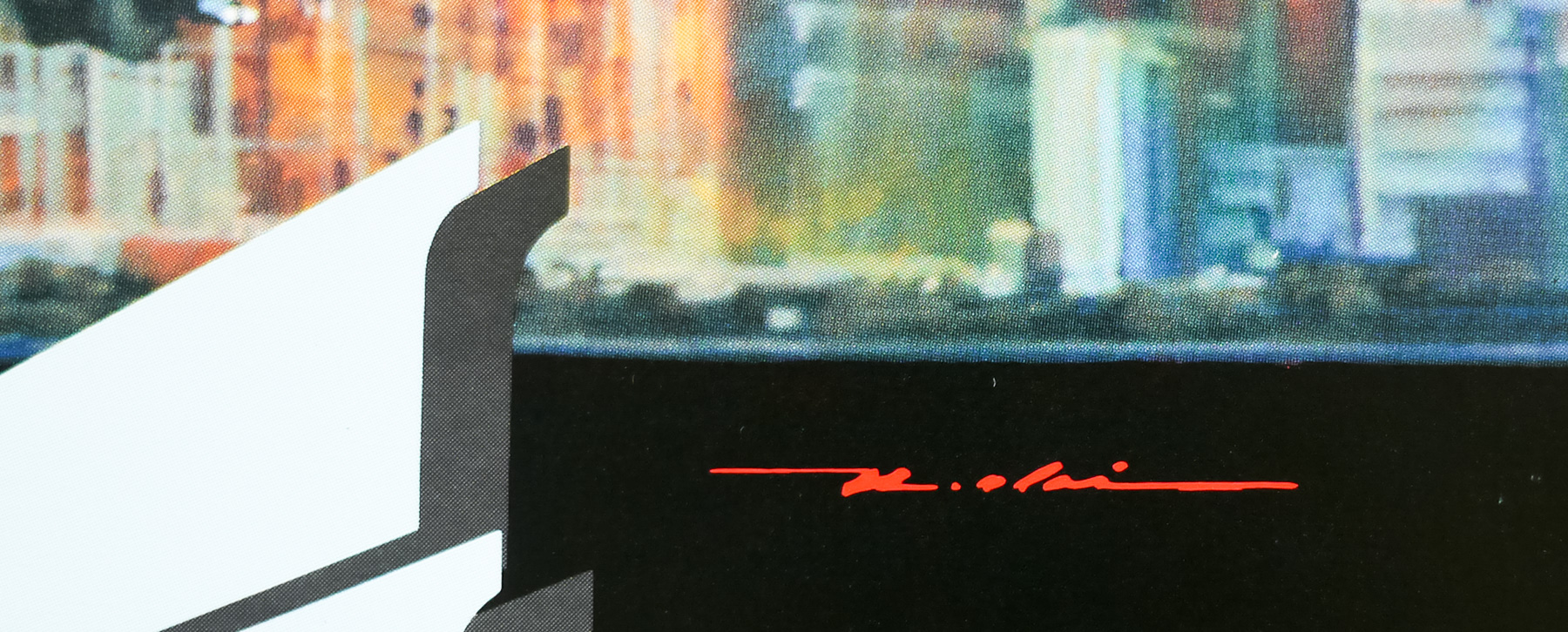
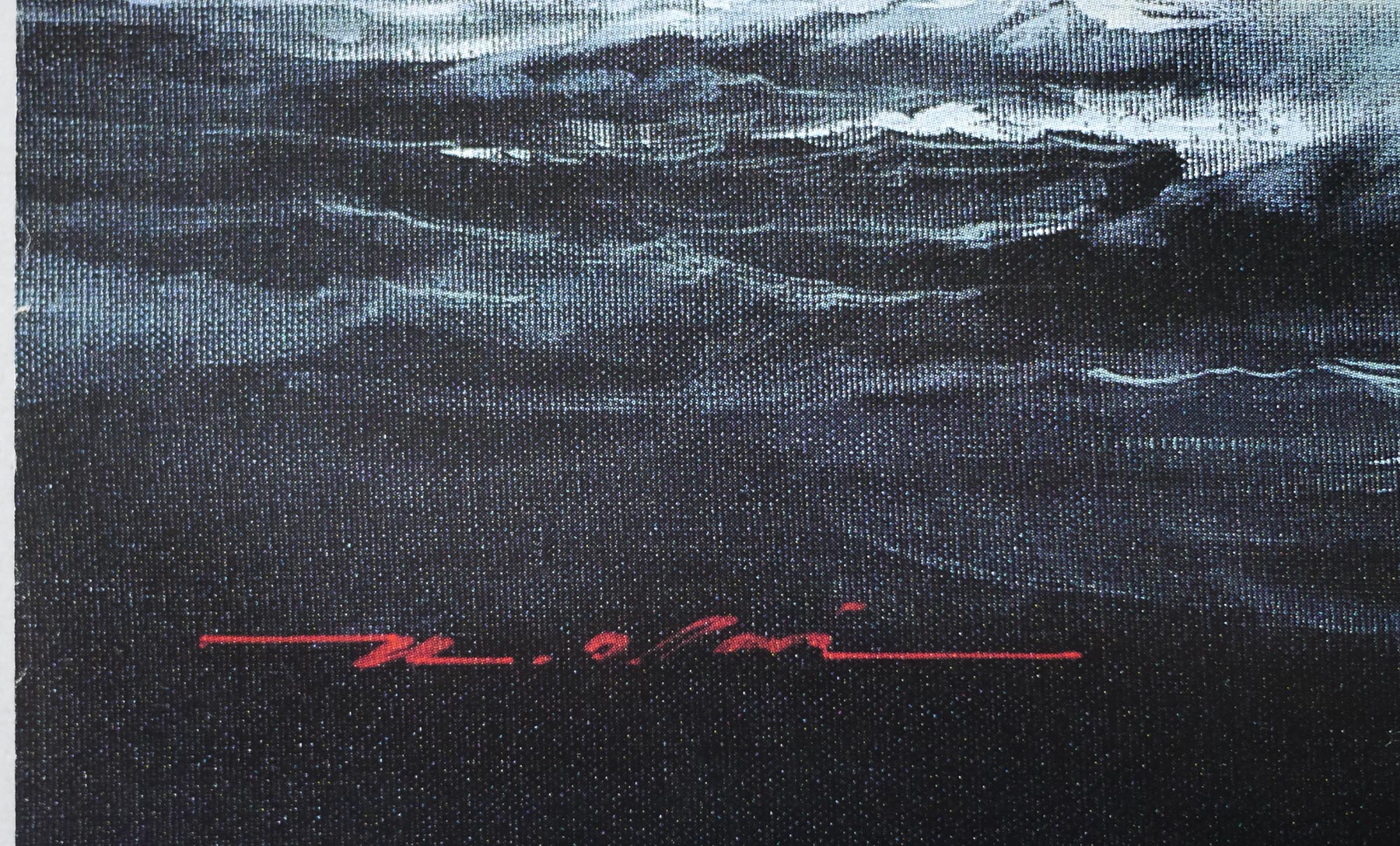
The artwork on the poster is by the late Noriyoshi Ohrai who was something of an enigma, even in his native Japan. He’s responsible for a number of Star Wars posters, including this lovely 1982 B2 to celebrate the release of the Japanese dubbed version of the original film and the brilliant design for The Empire Strikes Back.

Ohrai painted a poster for each of the Heisei era of Godzilla films, which were always accompanied by a photographic-style poster.

The other Ohrai posters I’ve added to the site so far can be seen by clicking here.

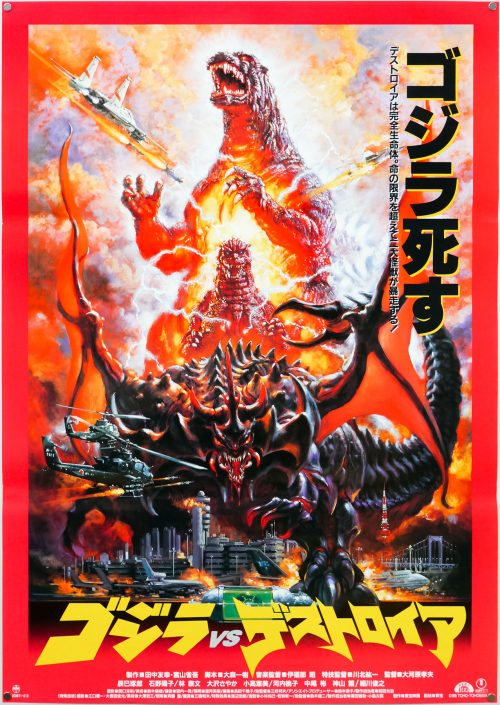
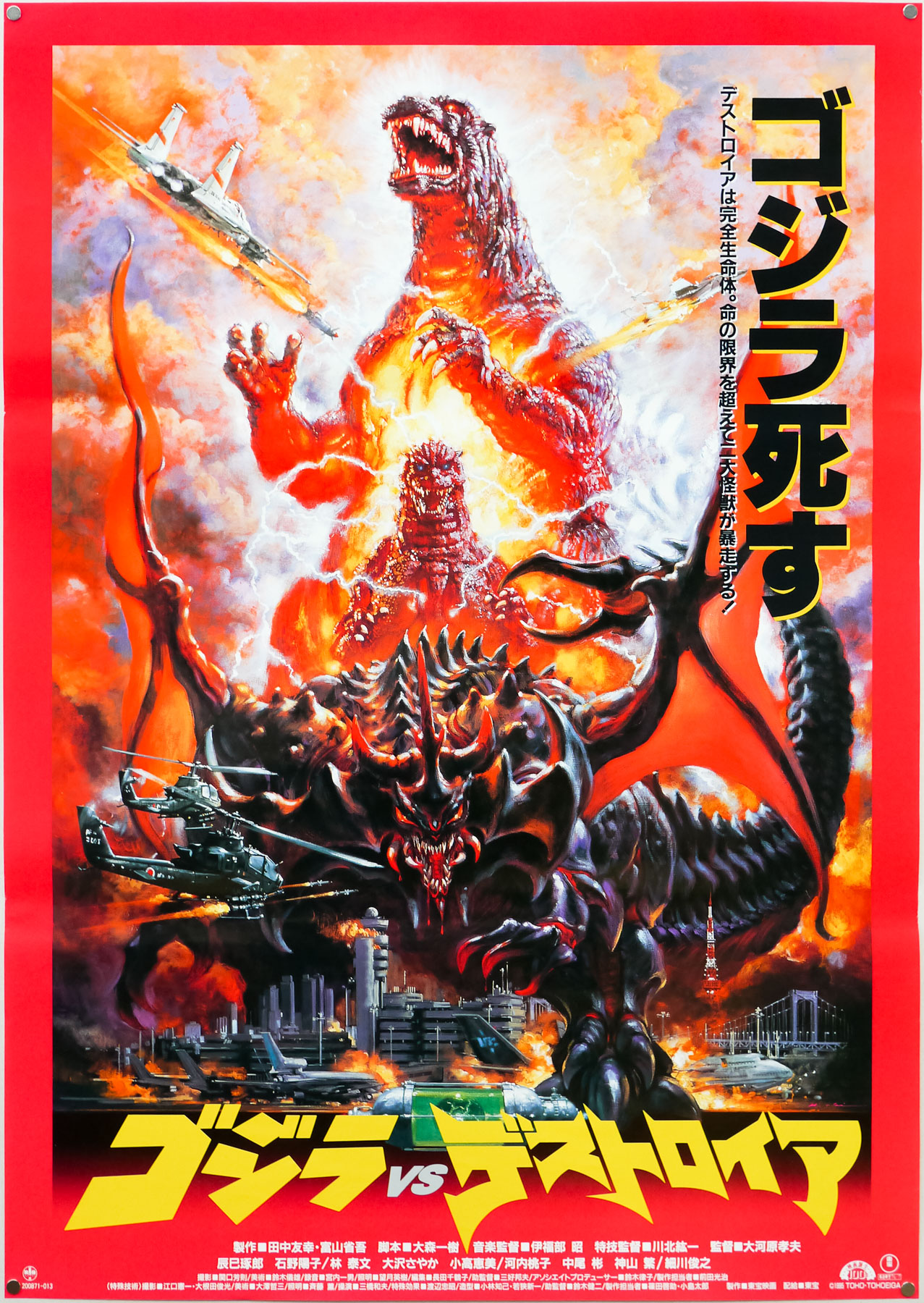
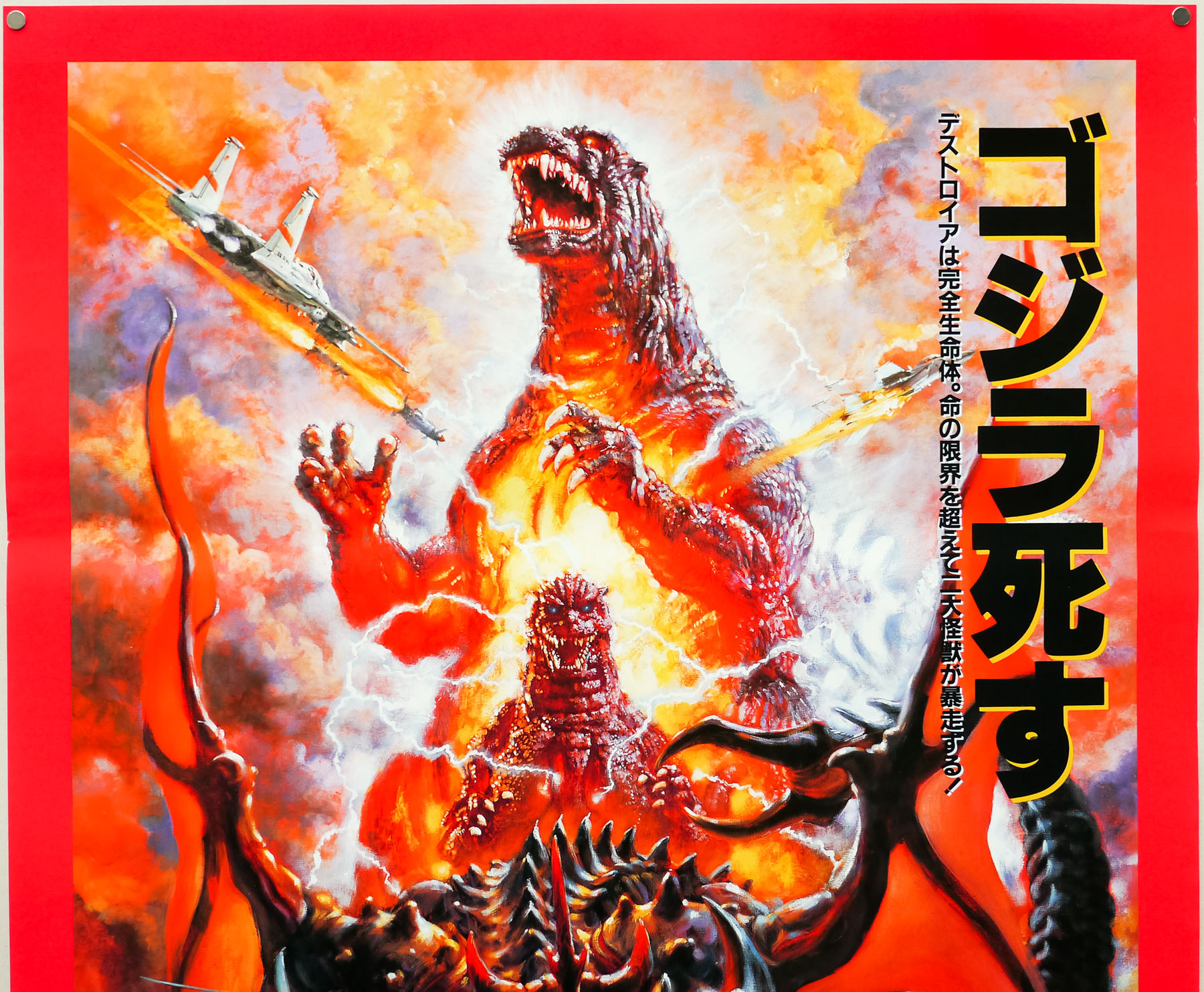
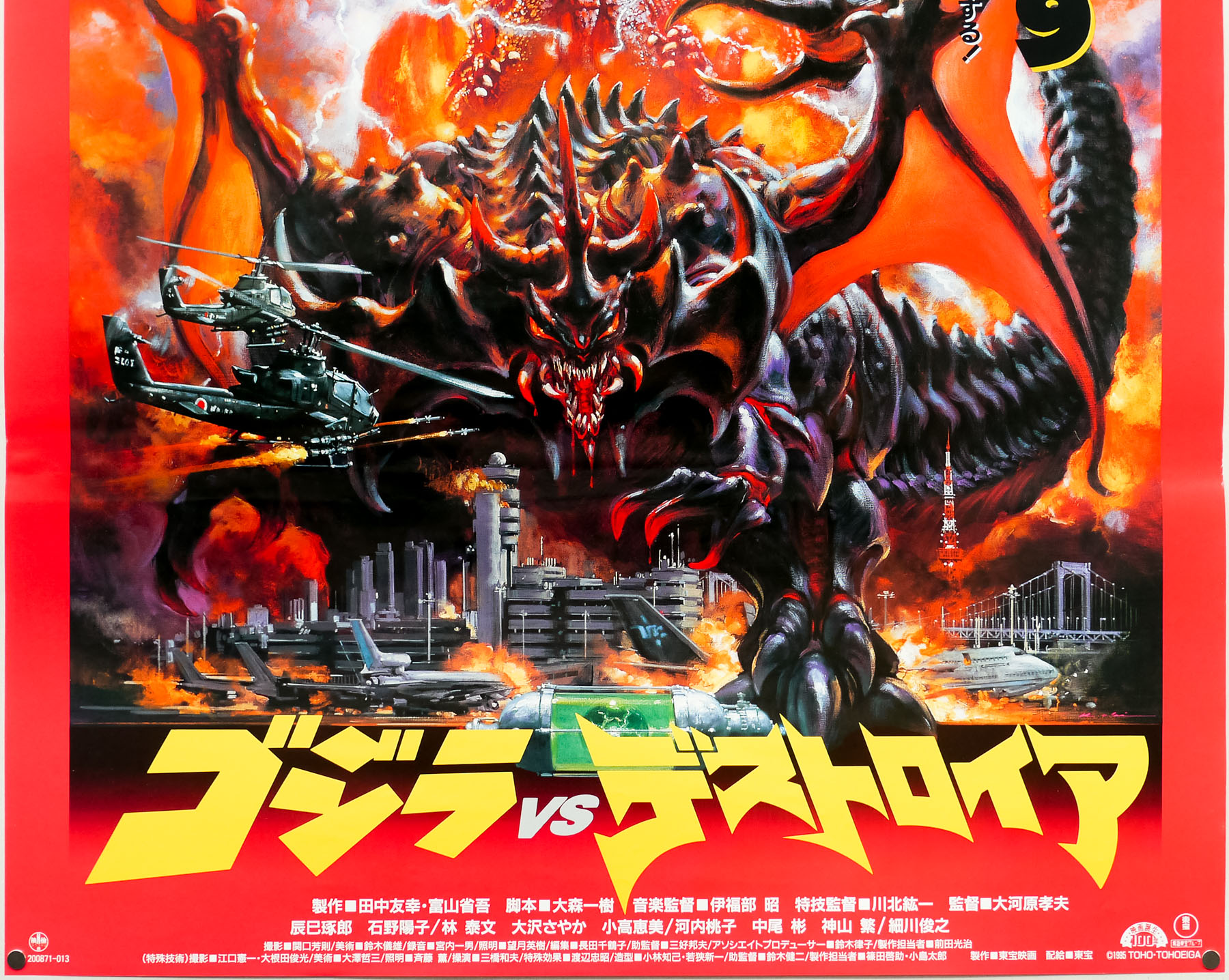
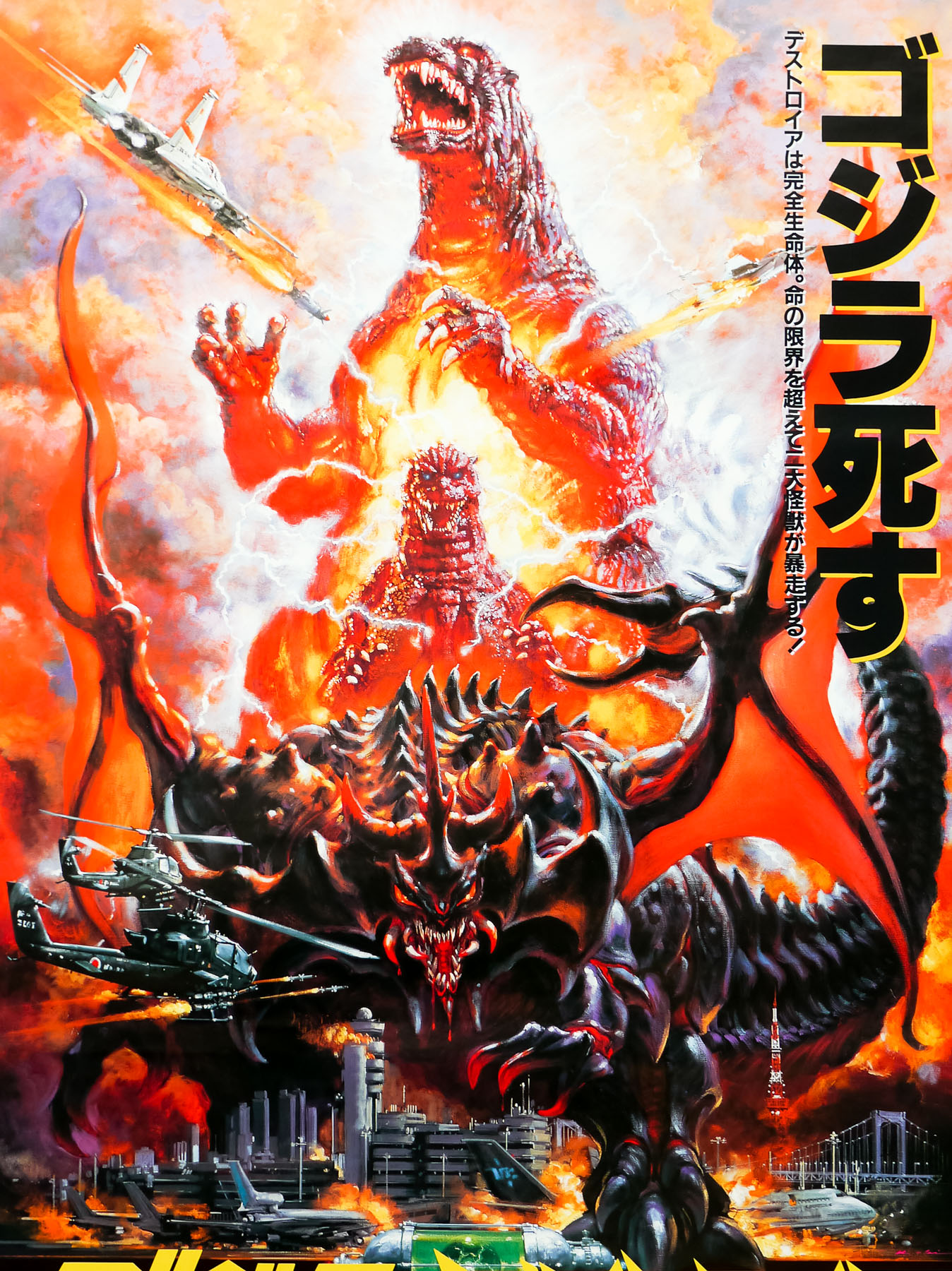
Godzilla vs Destroyah / B2 / artwork style / Japan

06.12.13

Poster Poster

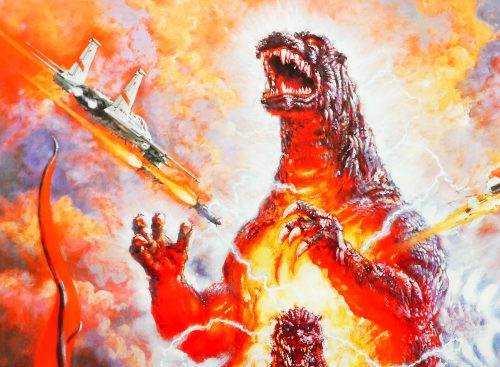
Artist Noriyoshi Ohrai provides another great illustration on this Japanese poster for the release of Godzilla vs Destroyah, which was the 22nd film in the series featuring the King of the Kaiju (giant monsters). The film was also the final release in the second generation of Godzilla films, which were part of the Heisei era of Japanese monster movies (daikaiju eiga). The eras are named after the Japanese emperor at the time, so the first generation of Godzilla films were part of the Shōwa era.

Prior to release the production company Toho announced that this film would see the death of this incarnation of the legendary kaiju in order to make way for an American version of Godzilla (a film that was eventually released in 1998 to critical derision). The film begins with Miki Saegusa (Megumi Odaka), the psychic who has has previously used her powers to communicate with Godzilla, discovering that his home on Birth Island has been completely destroyed by an unknown force. Sometime later Godzilla appears near Tokyo covered in glowing, red hot rashes and the Japan Self Defense Force instructs a scientist to investigate what’s causing his condition.

It is soon discovered that Godzilla’s heart, which is effectively a nuclear reactor, is going into meltdown and once it reaches 1200 degrees Celsius it will explode with the force of 1000 nuclear bombs. The JSDF launch the flying attack fortress Super X-III to try to keep control of the situation. Meanwhile, scientists have developed a new formula for the ‘Oxygen Destroyer’ weapon that was originally created by Dr. Serizawa back in 1954 (the original Godzilla film) but fears over its side effects are realised when a number of mutated creatures are found to have been infected by the formula and are growing at an alarming rate. Quickly they evolve into crab-like creatures that start attacking Japan and have several skirmishes with the JSDF who dub the eventual combined creature ‘Destroyah’. Godzilla Junior reappears, greatly resembling his father, and the stage is set for several showdowns between Destroyah and the two Godzillas whilst scientists race to try and prevent a meltdown disaster.

This film features several calls back to the original 1954 Godzilla, including a cameo by Momoko Kôchi who played Emiko Yamane in the original film. This bit of trivia on IMDb hints at an early planned version of the final Heisei era Godzilla film:

An original idea for this movie had Godzilla fighting the original 1954 Godzilla in ghost form. The project, “Godzilla VS Ghost Godzilla”, was scrapped because the producers thought Godzilla didn’t need to fight a clone version of himself for three movies in a row, following Godzilla vs. Mechagodzilla(1993) and Godzilla vs. Space Godzilla (1994).

The artwork on the poster is by the late Noriyoshi Ohrai who was something of an enigma, even in his native Japan. Ohrai painted a poster for each of the Heisei era of Godzilla films, which were always accompanied by a photographic-style poster. He’s responsible for a number of Star Wars posters, including this lovely 1982 B2 to celebrate the release of the Japanese dubbed version of the original film and the brilliant design for The Empire Strikes Back.

The other Ohrai posters I’ve added to the site so far can be seen by clicking here.
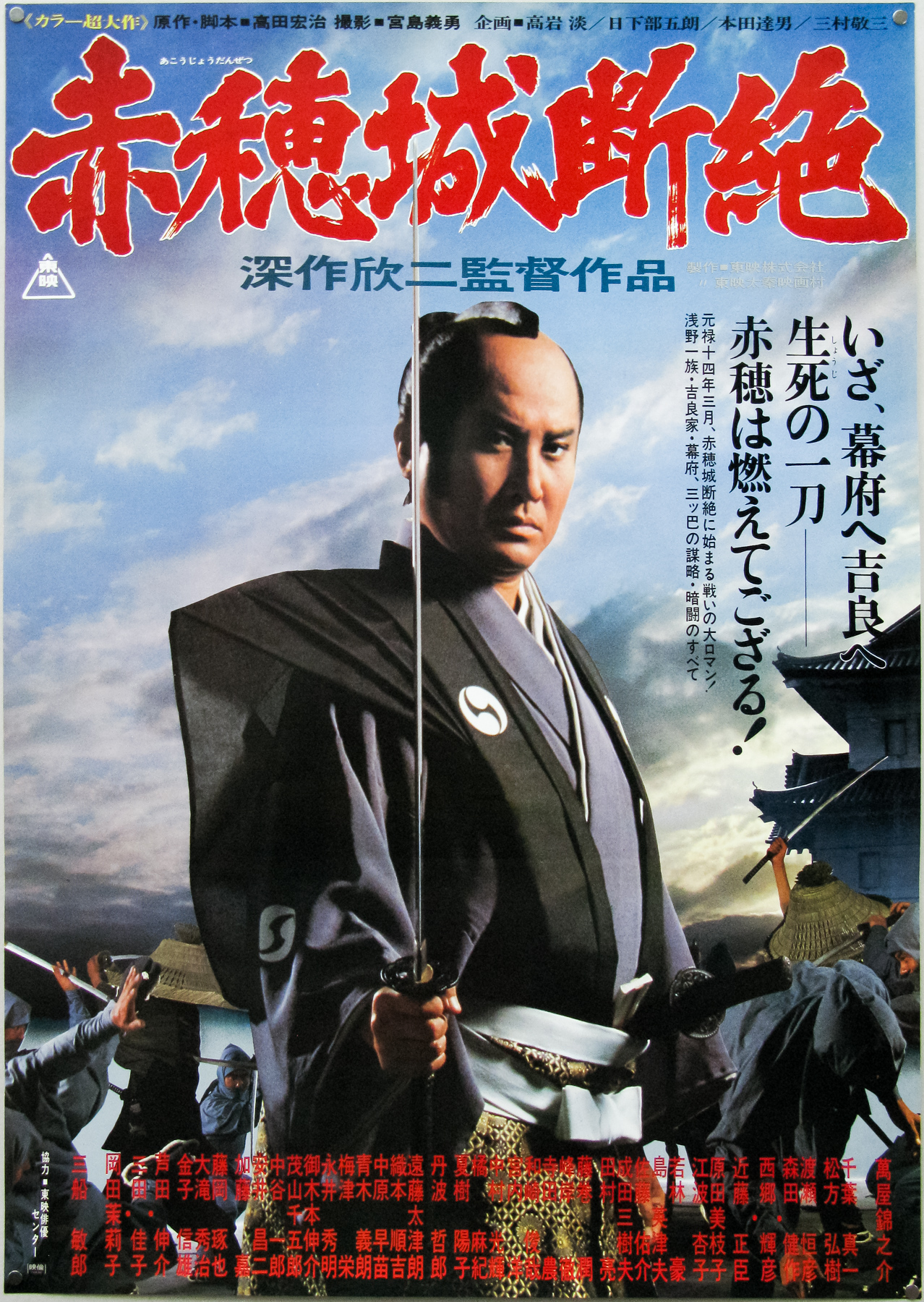
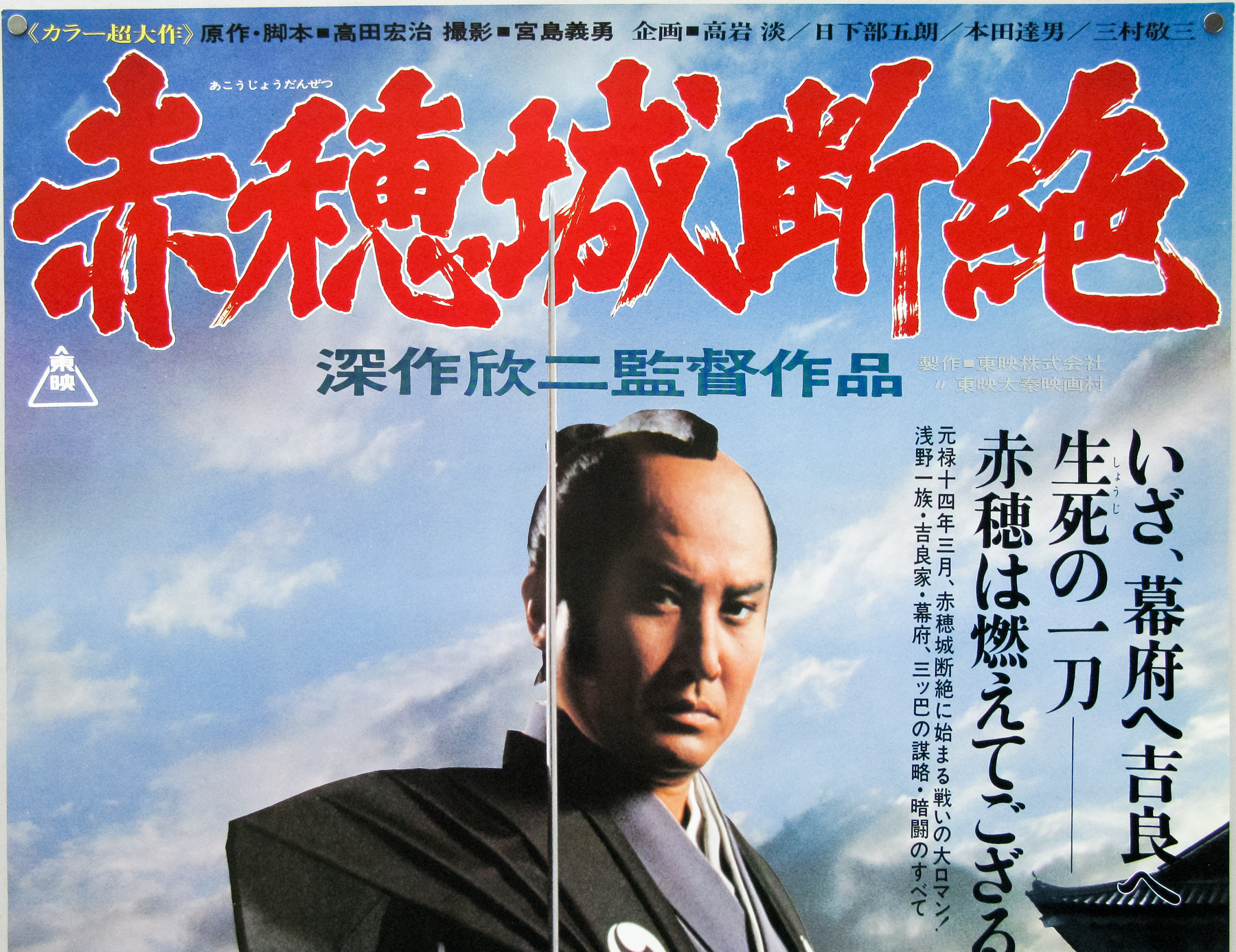
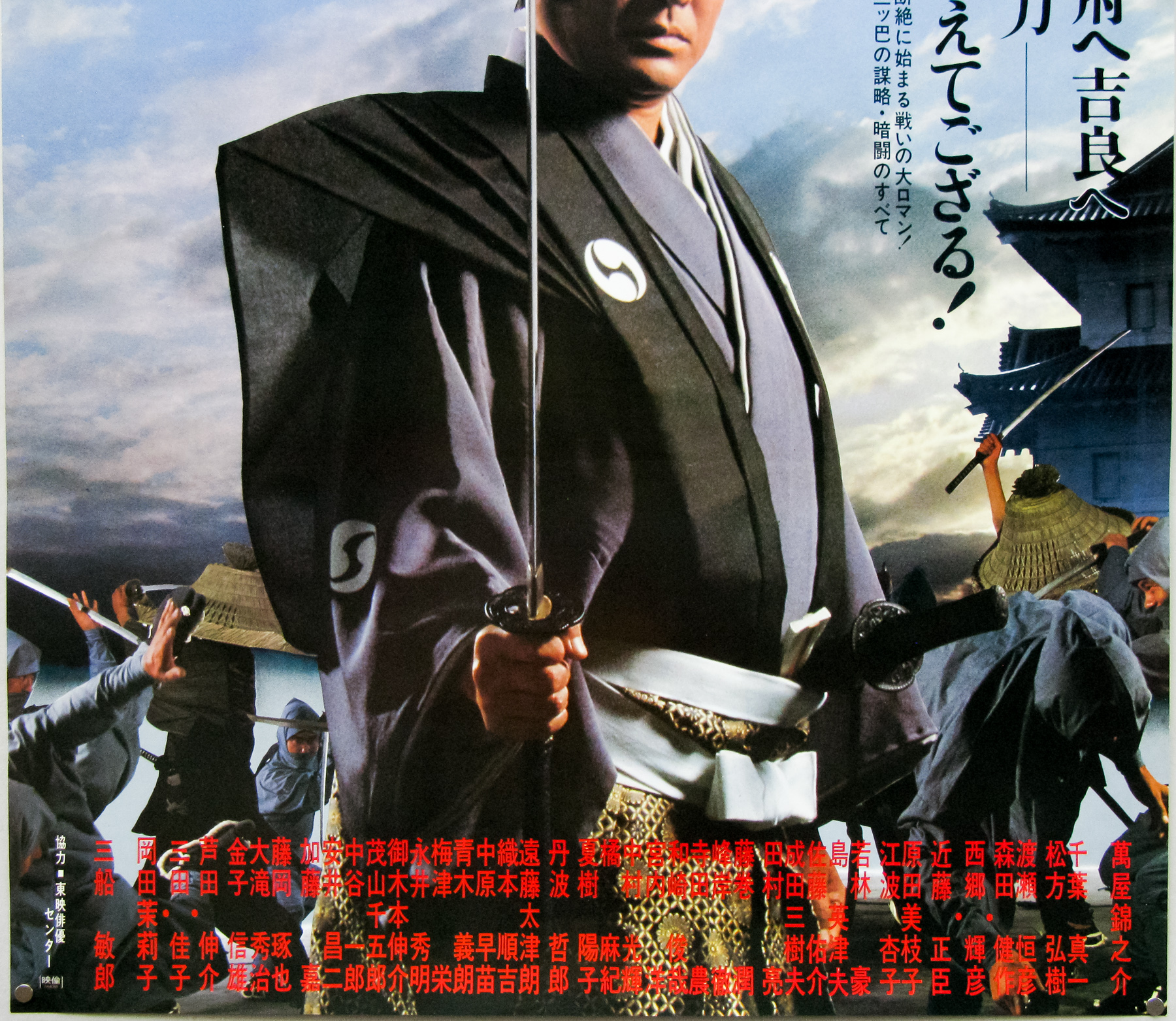
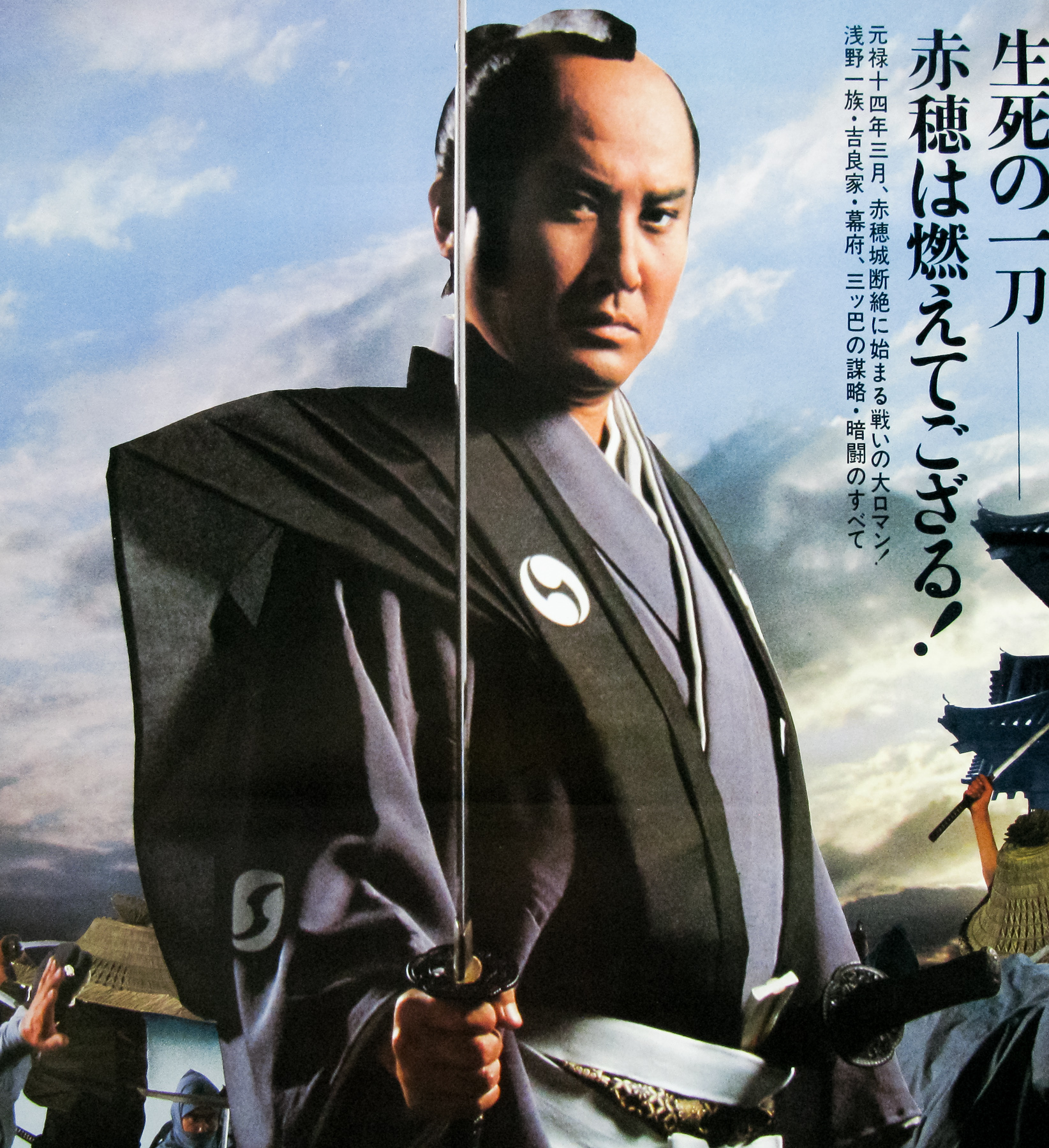
The Fall of Ako Castle / B2 / Japan

23.07.12

Poster Poster
Title
The Fall of Ako Castle
AKA
Ako-Jo danzetsu (Japan - original title) | Last of the Ako Clan (International - literal title) | Swords of Vengeance (USA - video title)
Year of Film
1978
Director
Kinji Fukasaku
Starring
Sonny Chiba, Kinnosuke Nakamura, Tsunehiko Watase, Masaomi Kondo, Toshirô Mifune, Kyôko Enami, Kasho Nakamura, Shinsuke Mikimoto
Origin of Film
Japan
Genre(s) of Film
Sonny Chiba, Kinnosuke Nakamura, Tsunehiko Watase, Masaomi Kondo, Toshirô Mifune, Kyôko Enami, Kasho Nakamura, Shinsuke Mikimoto,
Type of Poster
B2
Style of Poster
--
Origin of Poster
Japan
Year of Poster
1978
Designer
Unknown
Artist
--
Size (inches)
20 6/16" x 28 13/16"
SS or DS
SS
Tagline
--

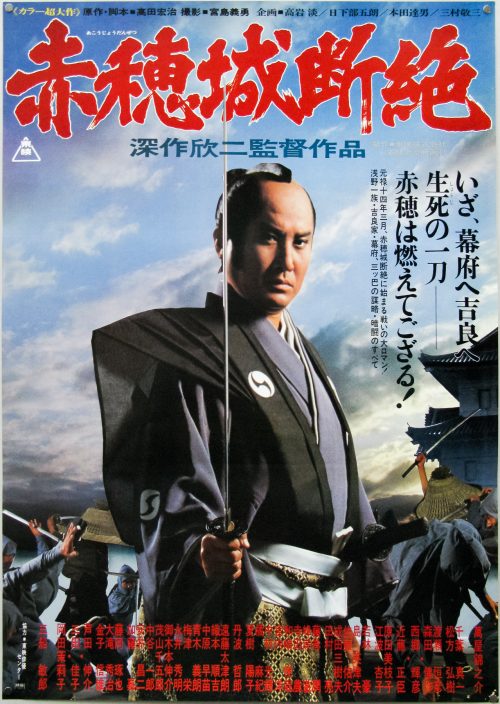
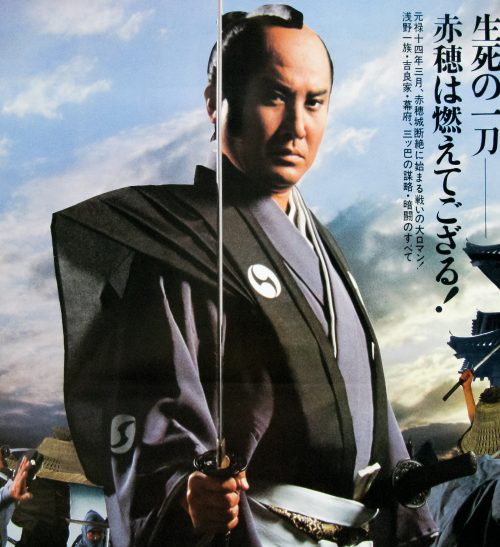
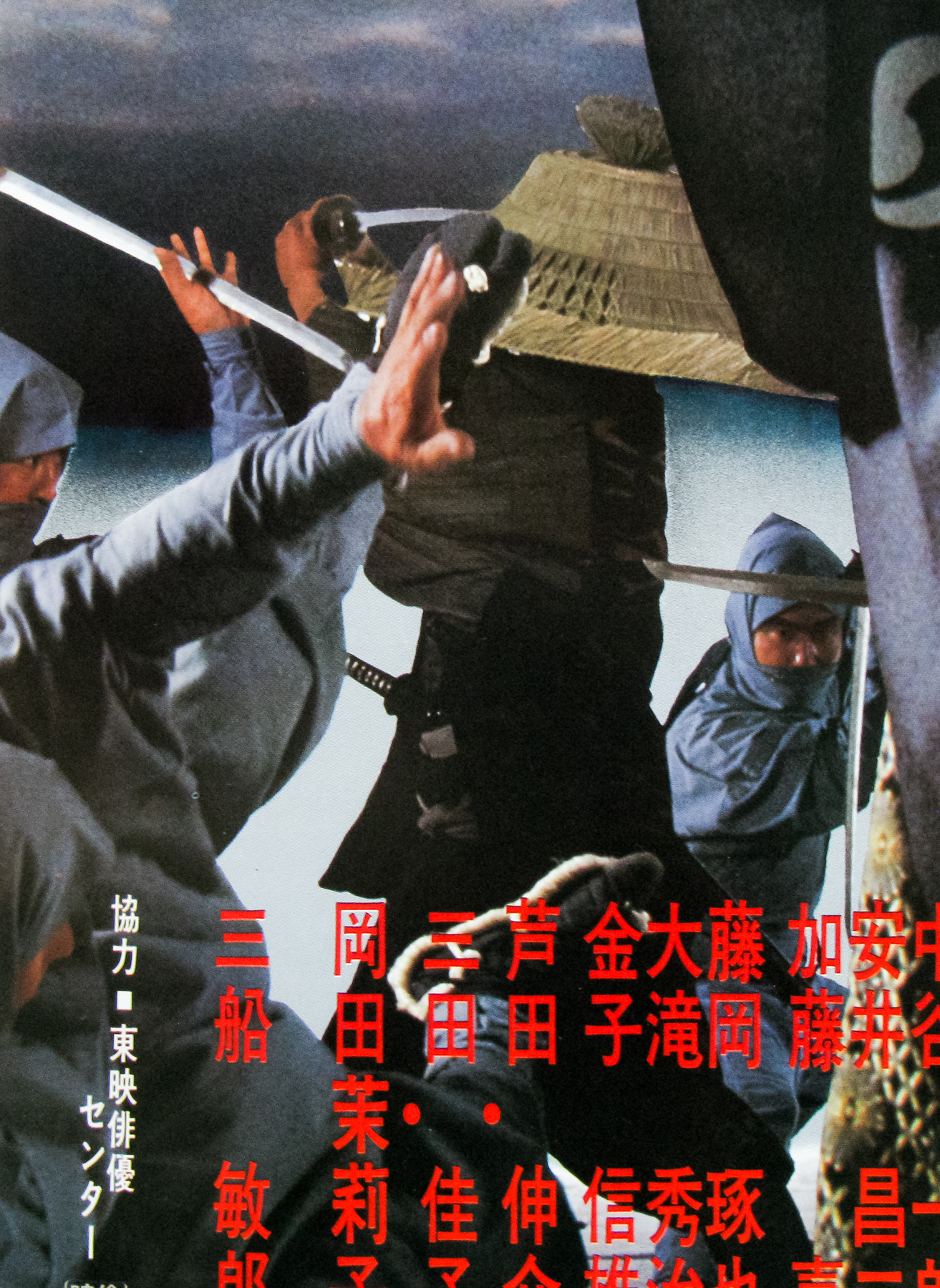
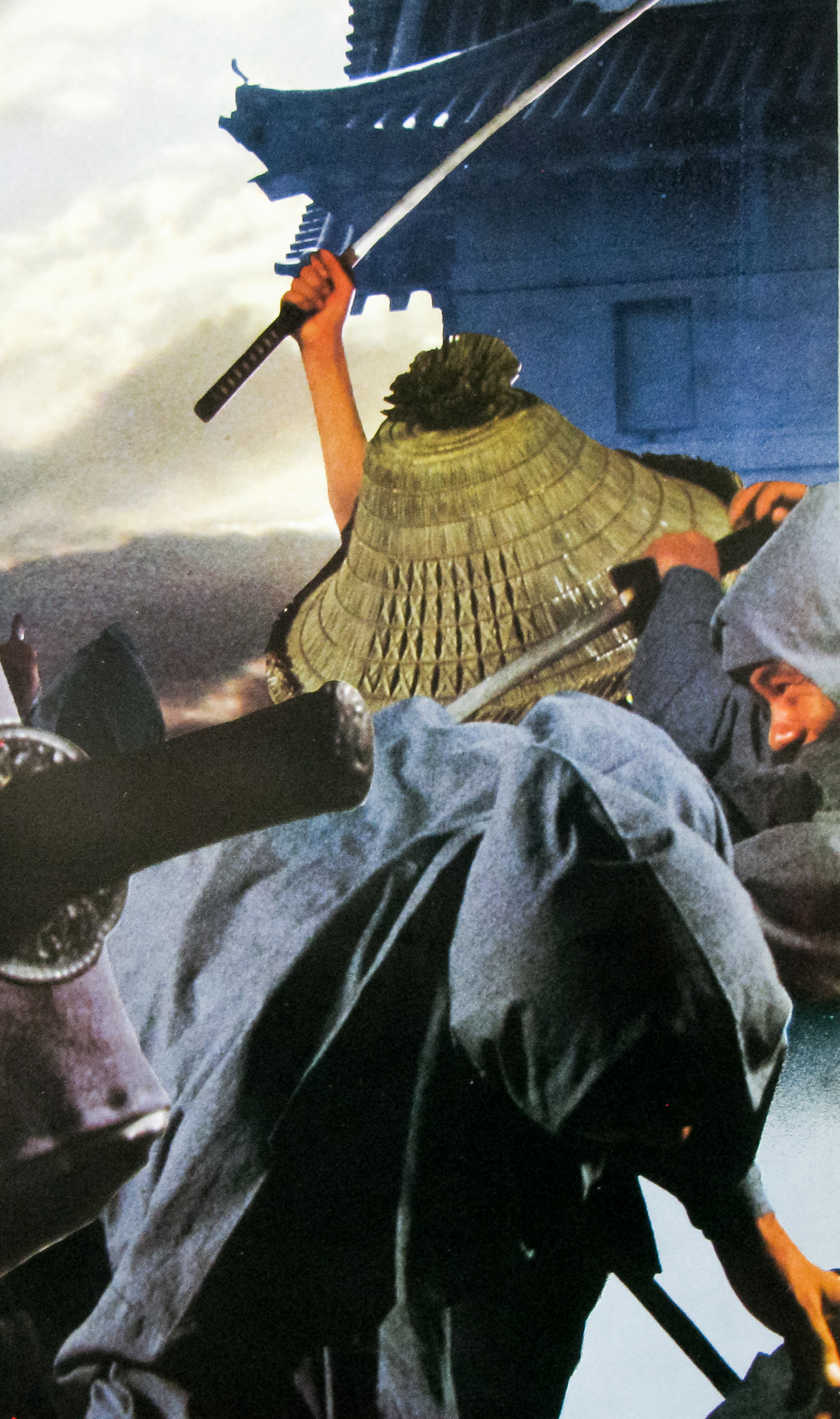
The Fall of Ako Castle (AKA Swords of Vengeance) is the late director Kinji Fukasaku‘s take on the real historical event known as the Forty-seven Ronin, which took place in early 18th Century Japan. The tale of revenge focuses on a group of samurai who were left leaderless after their feudal lord is forced to commit ritual suicide (seppuku) after assaulting a court official. The ronin spend two years planning their revenge attack and once it is complete are forced to also commit seppuku for the act of murder. The story was popularised in Japanese culture as emblematic  of the loyalty, sacrifice, persistence, and honor that all good people should preserve in their daily lives.

The story has been brought to the cinema screen at least six times, with perhaps the most famous version being Chushingura: Hana no Maki, Yuki no Maki (1962), featuring Toshirō Mifune as one of the ronin, who would also go on to feature in Fukasaku’s version. Next year Keanu Reeves is set to star in 47 Ronin, a Hollywood version of the tale that sees him play a half Japanese half British character who joins the samurai in their quest for revenge.

Superstar actor and martial artist Sonny Chiba headlined Fukasaku’s version and is perhaps best known in the West for his role in 1974’s The Street Fighter, which firmly established him as a martial arts legend. Fukasaku had earlier directed several successful samurai period and yakuza films such as Battles Without Honor and Humanity (1973) and the Japanese portion of 1970s Tora! Tora! Tora! His final film, Battle Royale (2000), is perhaps the one he is best known outside of Japan.

The film’s original trailer is on YouTube.

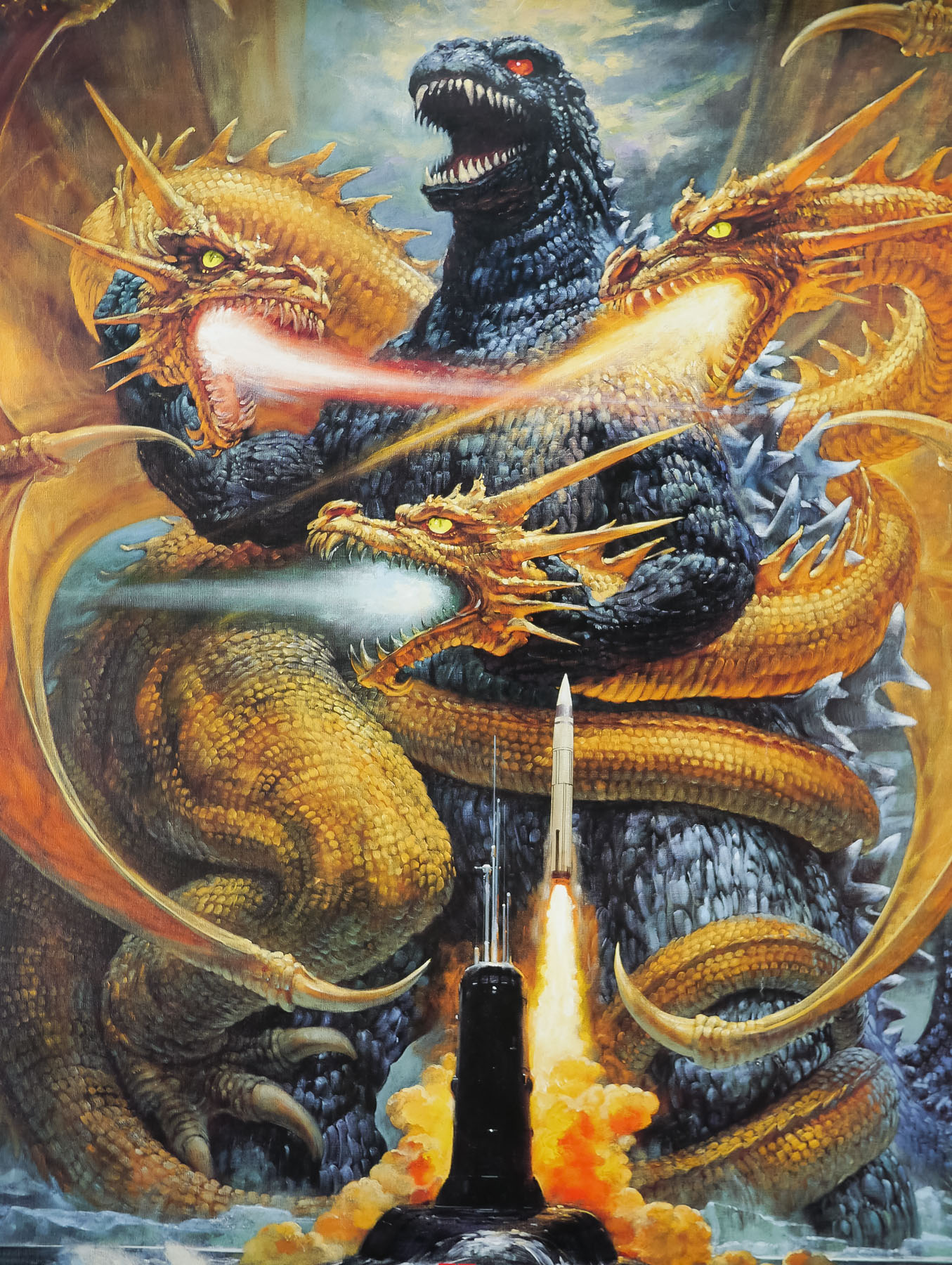
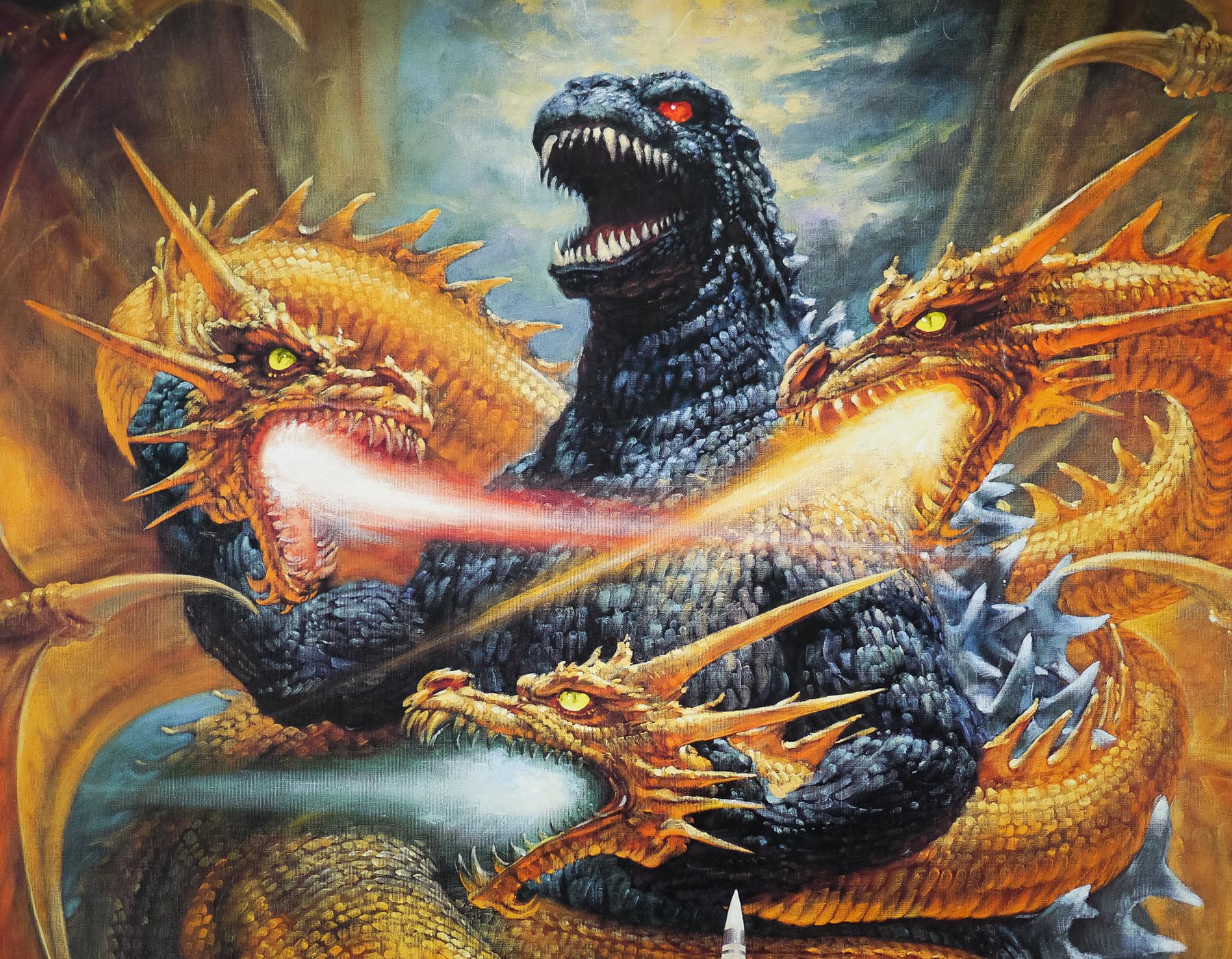
Godzilla vs King Ghidorah / B1 / advance / Japan

03.09.12

Poster Poster
Title
Godzilla vs King Ghidorah
AKA
Gojira vs. Kingu Gidorâ (Japan - original title)
Year of Film
1991
Director
Kazuki Ohmori
Starring
Kosuke Toyohara, Anna Nakagawa, Megumi Odaka, Katsuhiko Sasaki, Akiji Kobayashi, Tokuma Nishioka, Yoshio Tsuchiya, Kenji Sahara, Kôichi Ueda, Sô Yamamura
Origin of Film
Japan
Genre(s) of Film
Kosuke Toyohara, Anna Nakagawa, Megumi Odaka, Katsuhiko Sasaki, Akiji Kobayashi, Tokuma Nishioka, Yoshio Tsuchiya, Kenji Sahara, Kôichi Ueda, Sô Yamamura,
Type of Poster
B1
Style of Poster
Advance - artwork
Origin of Poster
Japan
Year of Poster
1991
Designer
Unknown
Artist
Noriyoshi Ohrai
Size (inches)
28 13/16" x 40 7/16"
SS or DS
SS
Tagline
--

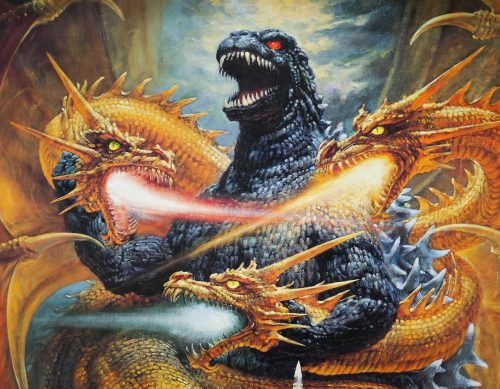
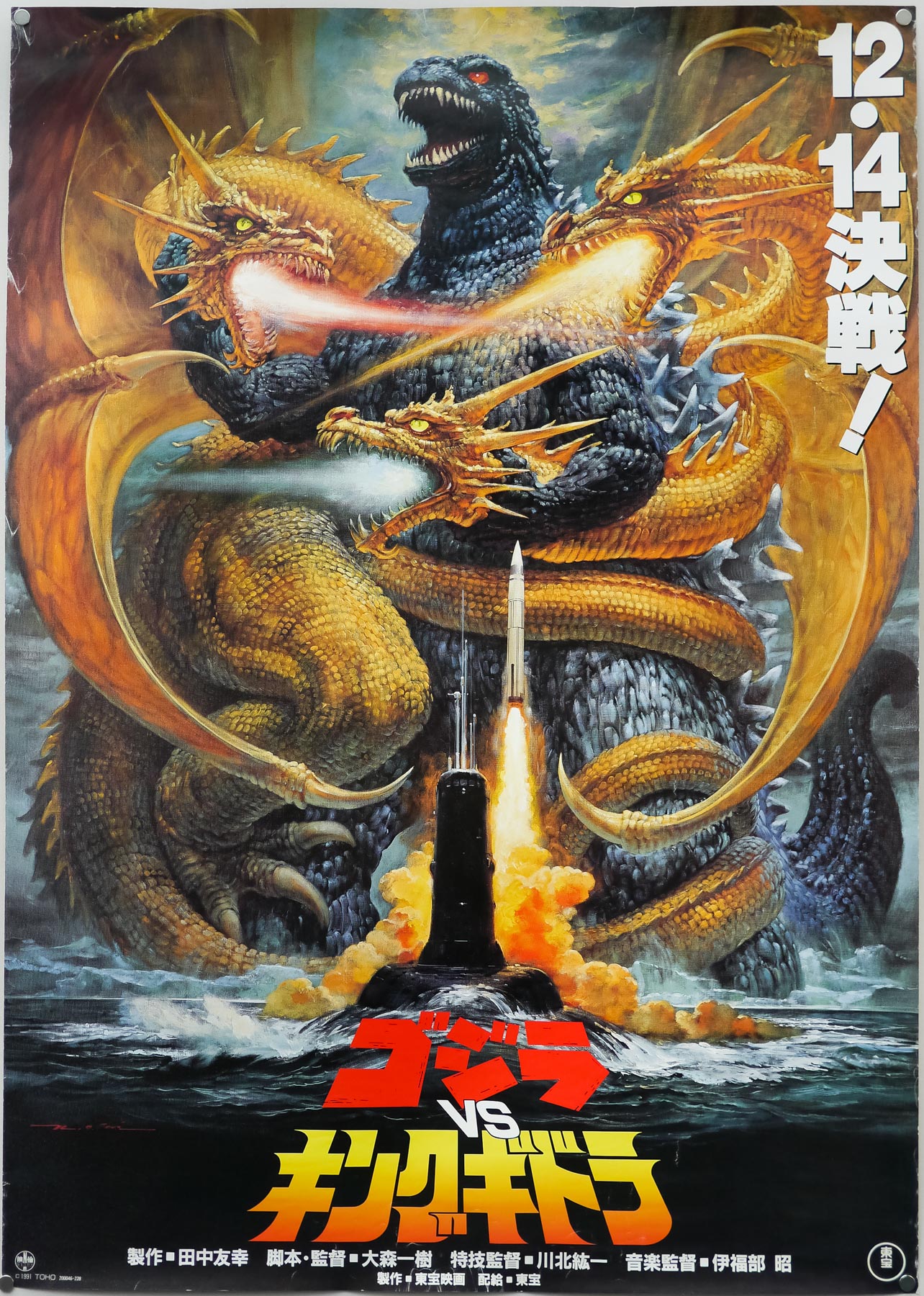
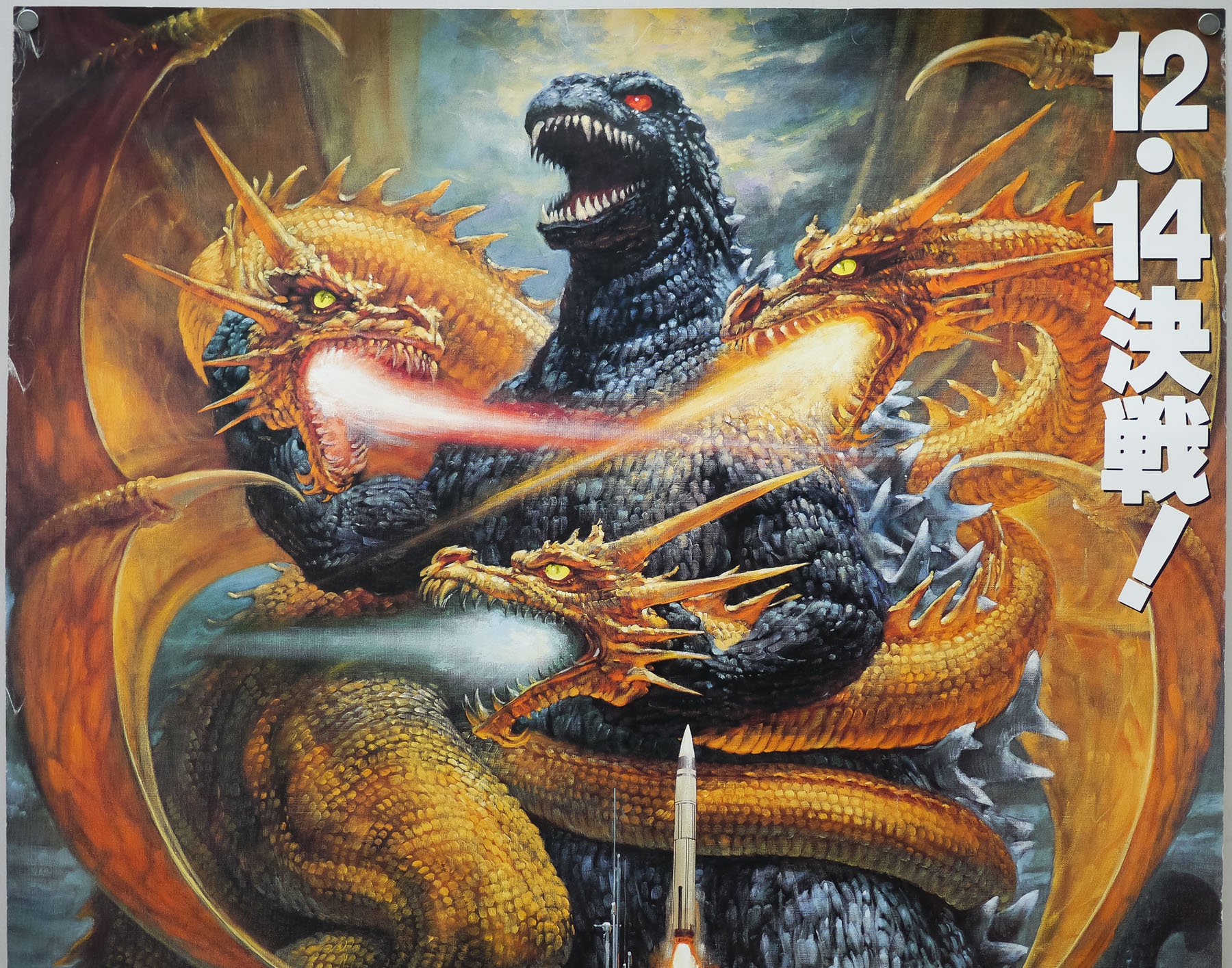
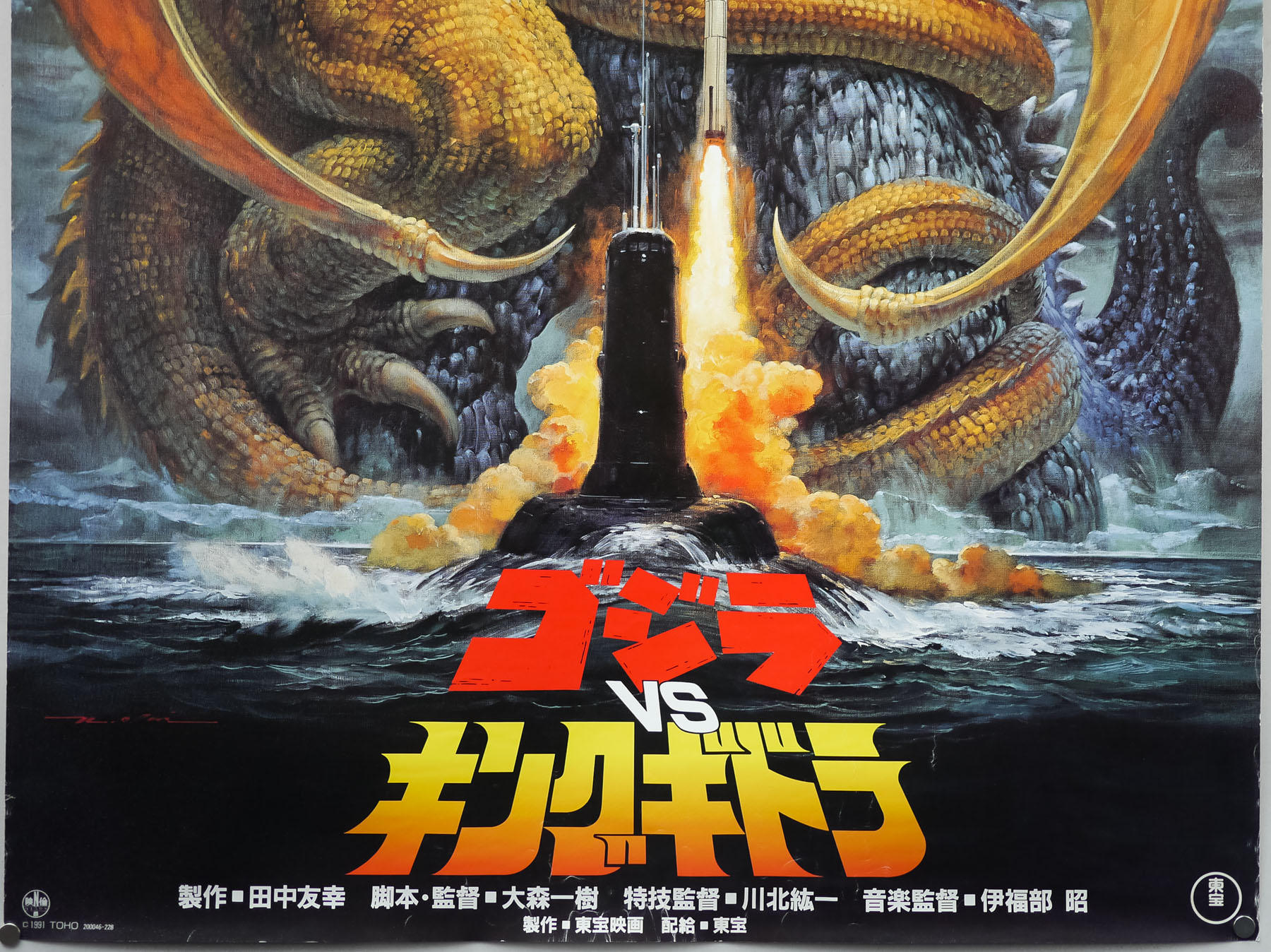
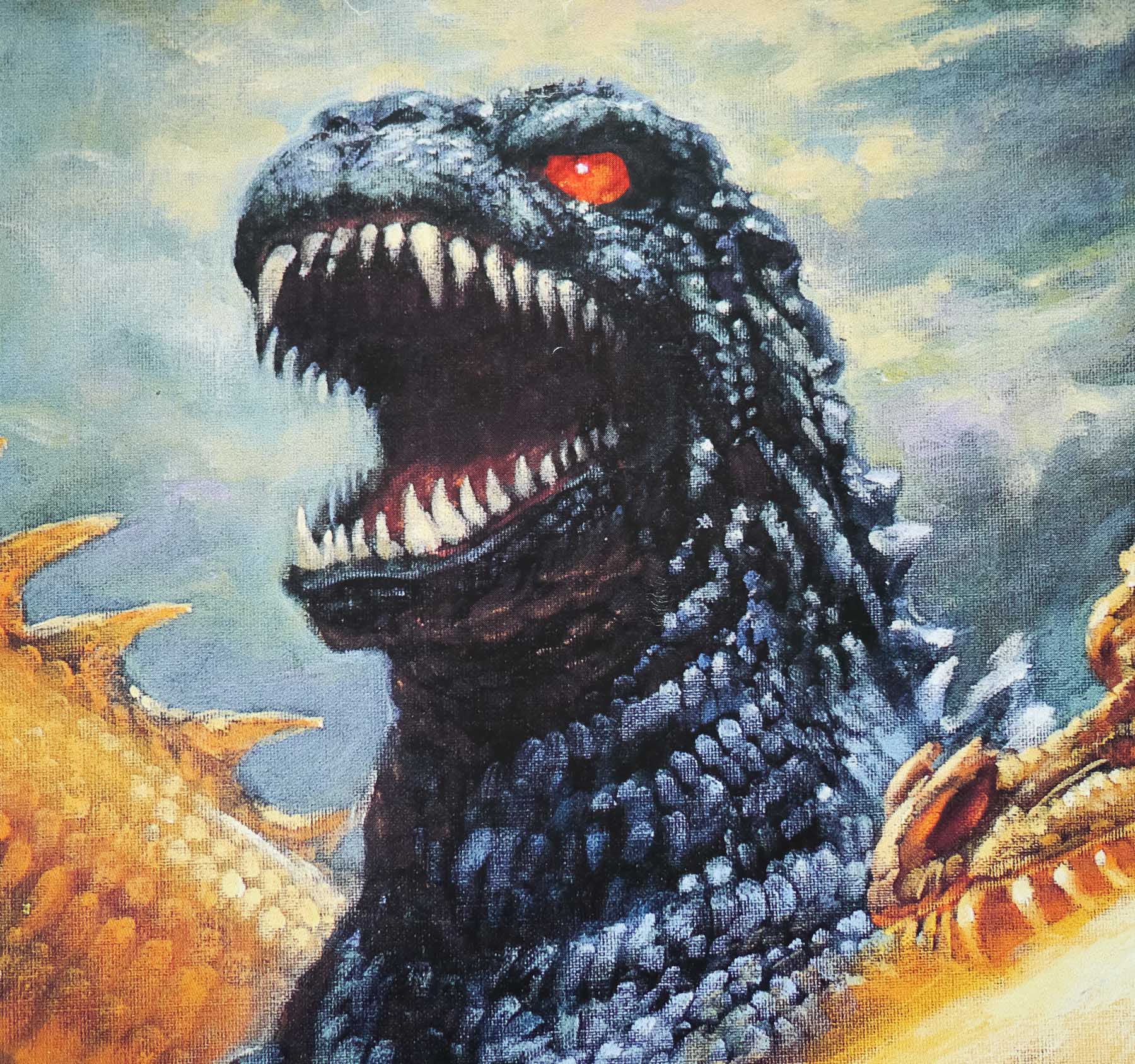
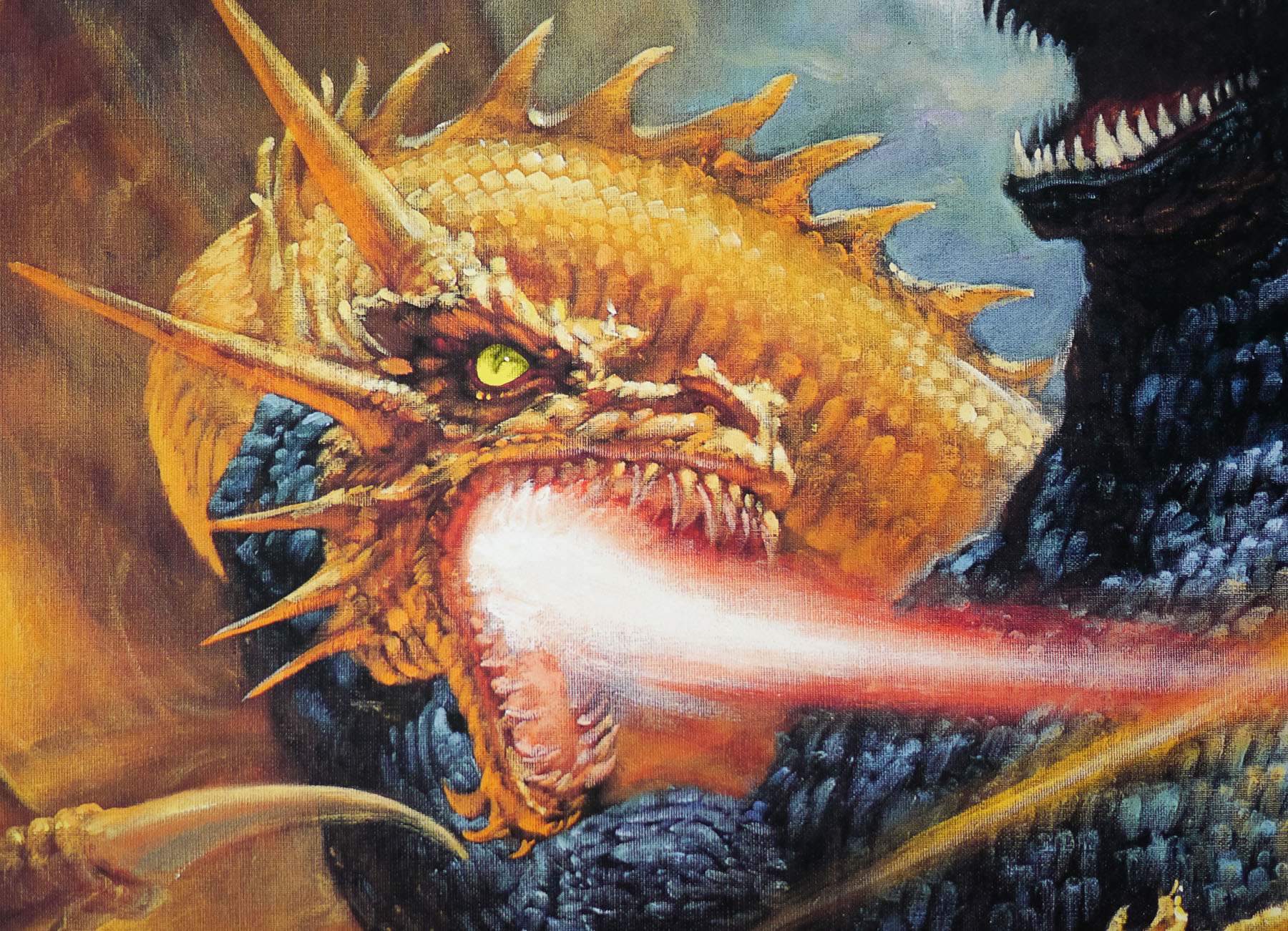
A stunning piece of artwork on this Japanese B1 poster for Godzilla vs King Ghidorah, which was the 18th film in the series featuring the King of Monsters. The film was the third release in the second generation of Godzilla films, which were part of the Heisei era of Japanese monster movies (daikaiju eiga). The monster movie eras are named after the Japanese emperor at the time, so the first generation of Godzilla films were part of the Shōwa era.

The story sees the legendary monster facing off against one of his greatest foes, the three-headed dragon monster King Ghidorah. The origin of the monster has changed over the years and this film is no exception; in this story Ghidorah is the result of the irradiated fusing of three genetically-engineered bat-like creatures called ‘Dorats’. The monster is then unleashed on Japan by the villains in the film, time-travellers from the 23rd century called the Futurians. By the end of the film Godzilla has to battle Mecha-King Ghidorah, a resurrected cyborg version that is brought to Tokyo from the future – typically brilliantly bonkers story-telling!

The artwork on the poster is by Noriyoshi Ohrai who is something of an enigma, even in his native Japan. I’ve been unable to find much about him beyond a few pages like this one on the Star Wars Wookiepedia. He’s responsible for a number of Star Wars posters, including this lovely 1982 B2 to celebrate the release of the Japanese dubbed version of the original film and the brilliant design for The Empire Strikes Back.

Ohrai painted a poster for each of the Heisei era of Godzilla films, which were always accompanied by a photographic-style poster. I will be adding more of the Ohrai Godzilla posters over the coming weeks.

The other Ohrai posters I’ve added to the site so far can be seen by clicking here.
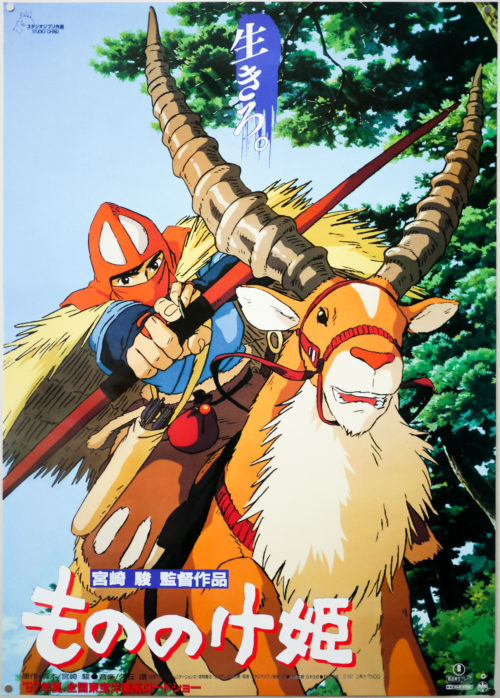
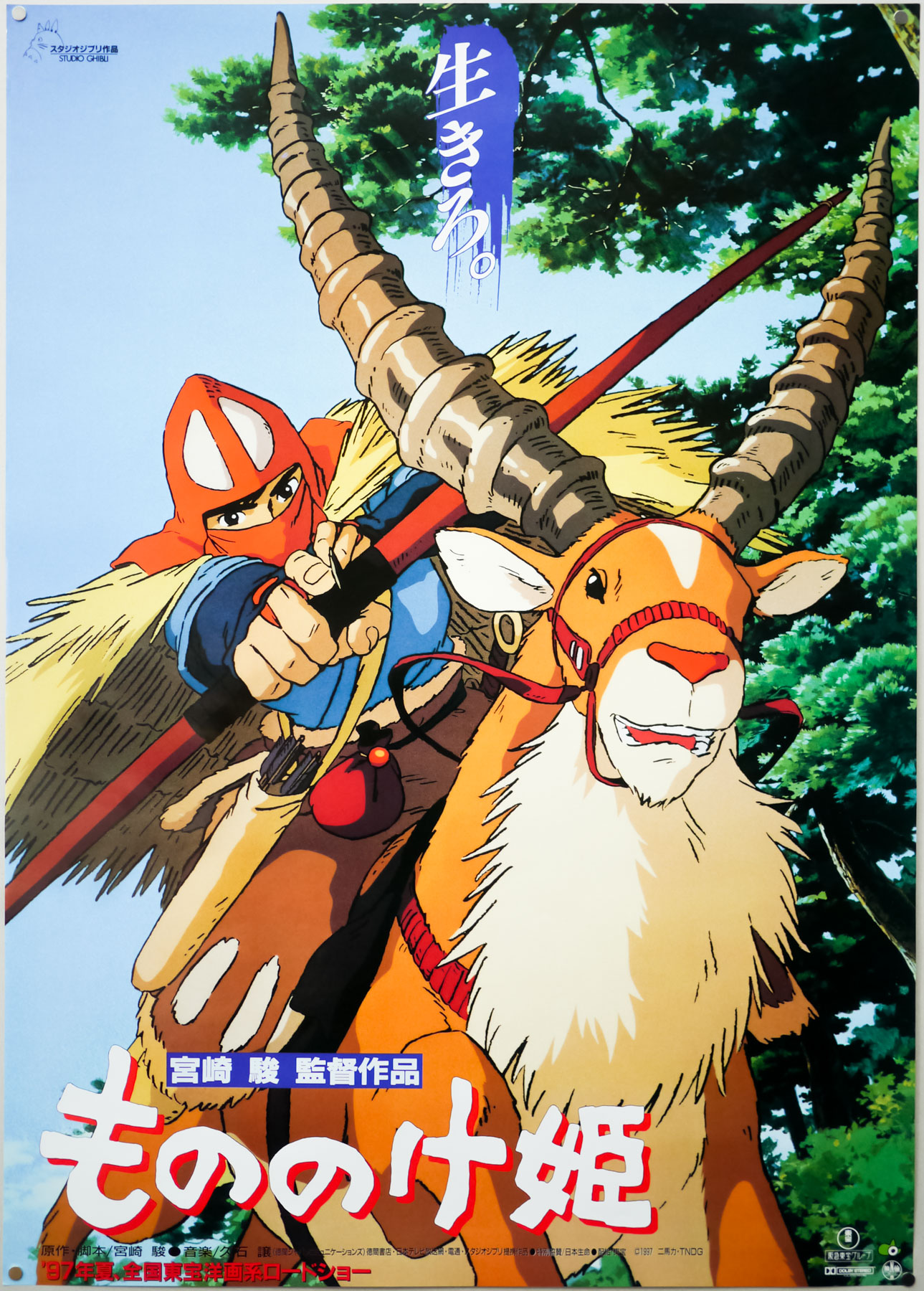
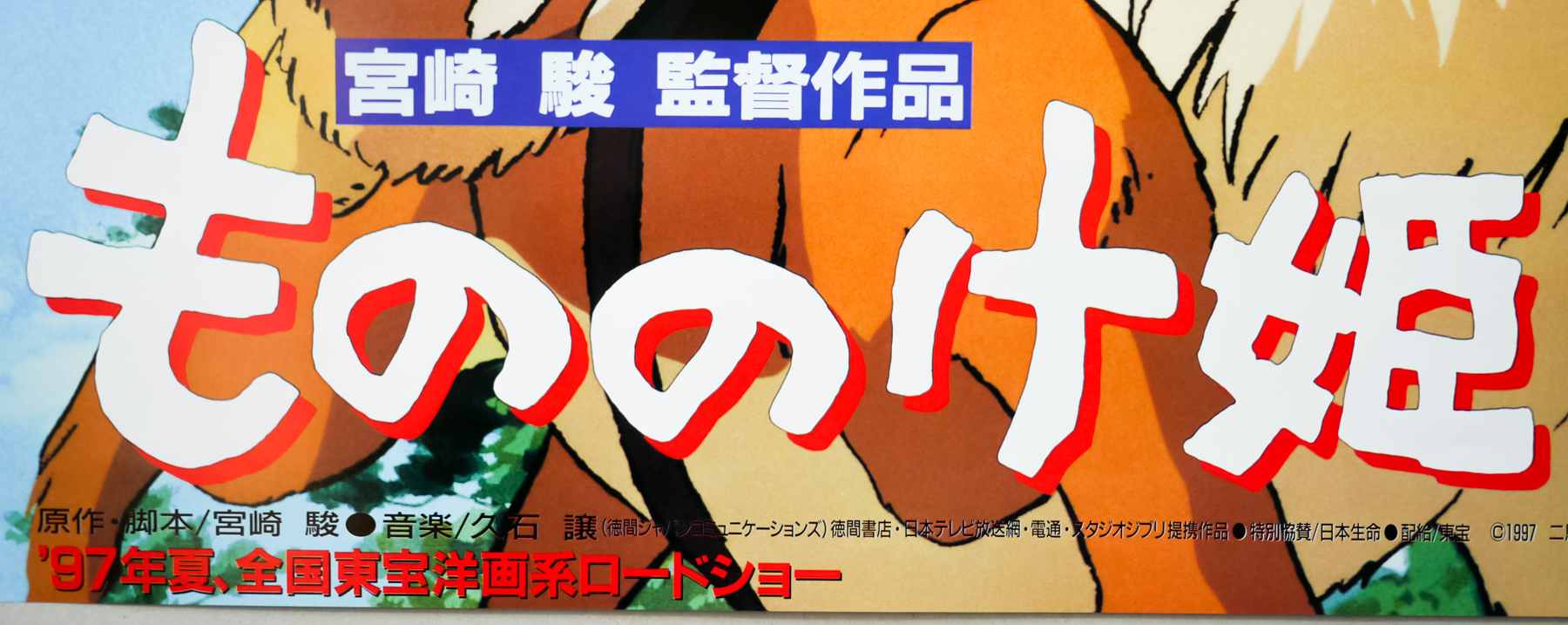
Princess Mononoke / B2 / Ashitaka style / Japan

27.03.13

Poster Poster
Title
Princess Mononoke
AKA
Mononoke-hime (Japan - original title)
Year of Film
1997
Director
Hayao Miyazaki
Starring
Yōji Matsuda, Yuriko Ishida, Yūko Tanaka, Kaoru Kobayashi, Masahiko Nishimura, Tsunehiko Kamijō, Akihiro Miwa, Mitsuko Mori, Hisaya Morishige
Origin of Film
Japan
Genre(s) of Film
Yōji Matsuda, Yuriko Ishida, Yūko Tanaka, Kaoru Kobayashi, Masahiko Nishimura, Tsunehiko Kamijō, Akihiro Miwa, Mitsuko Mori, Hisaya Morishige,
Type of Poster
B2
Style of Poster
Ashitaka style
Origin of Poster
Japan
Year of Poster
1997
Designer
Unknown
Artist
Studio Ghibil animation department
Size (inches)
20 8/16" x 28 13/16"
SS or DS
SS
Tagline
--

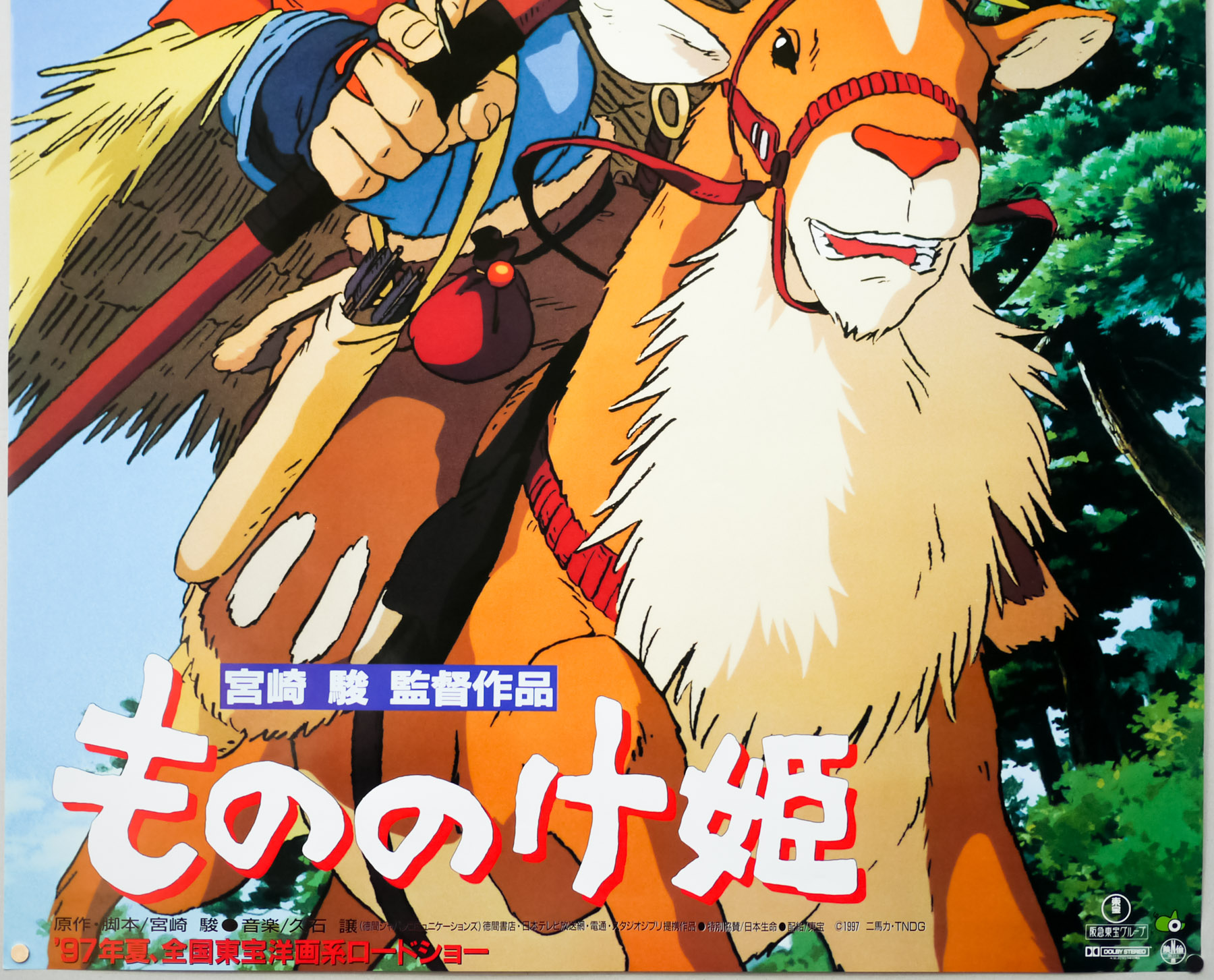
Princess Mononoke was written and directed by Hayao Miyazaki, the founder of the legendary Japanese animation outfit Studio Ghibli. Apparently around 144,000 cels were hand drawn for this film with Miyazaki personally overseeing each one and making hand-drawn amends to over 80,000 of them.

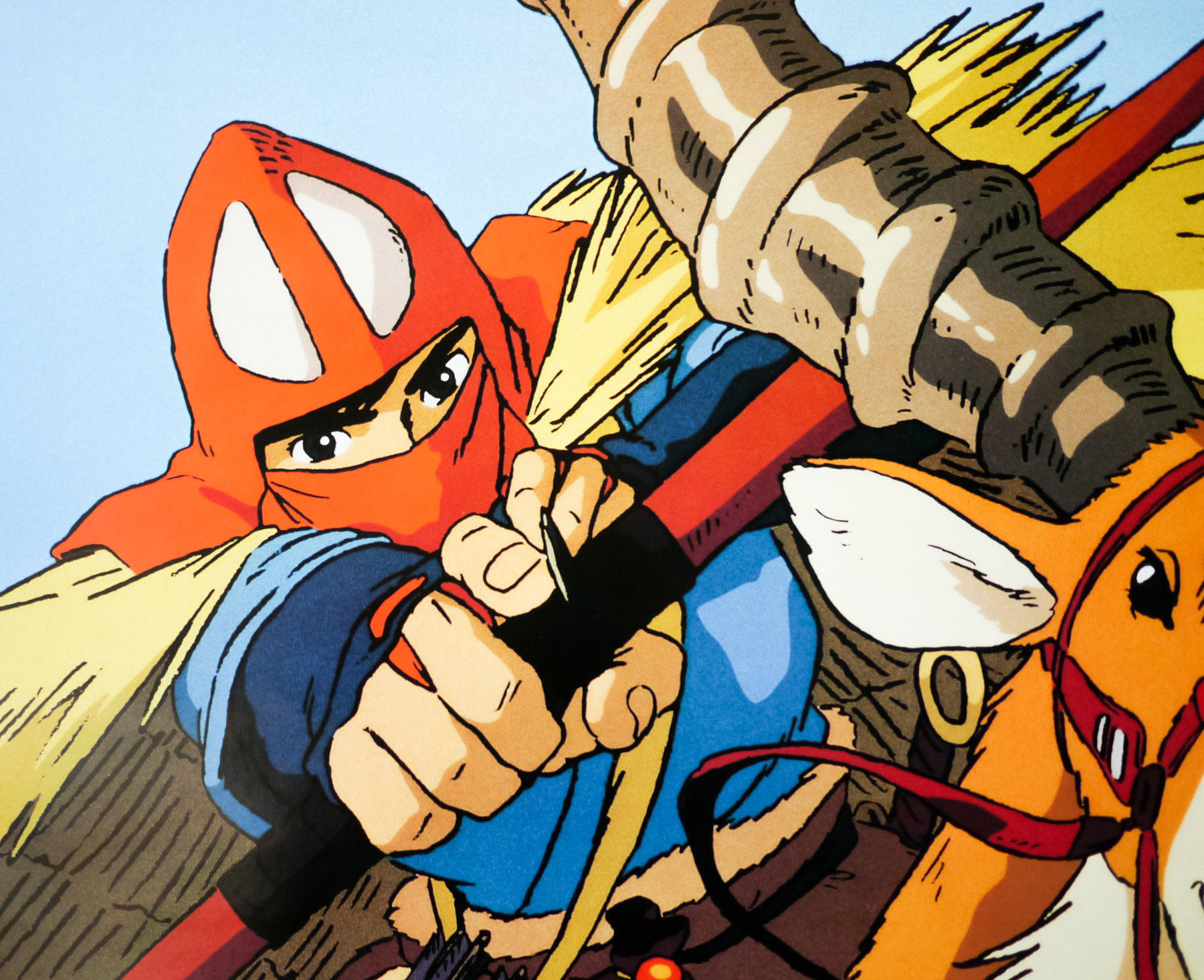
A fantasy drama set in the Muromachi period of Japan, the film follows the plight of a young warrior called Ashitaka who is stricken by a curse whilst defending his village from attack. After learning that he may be able to obtain a cure from the Great Forest Spirit (Deer God), Ashitaka travels west to try and locate it and ends up becoming involved in the battle between the animal inhabitants of the forest and the greedy humans of Irontown, who are attempting to strip the land of an important mineral called ironsand. The animals have a special ally in the form of San (AKA Princess Mononoke) a human raised by wolves, and Ashitaka must join forces with her to put an end to the conflict before all is lost.

The film was picked up for distribution in North America by Miramax Films and after the then chairman Harvey Weinstein proposed multiple edits to the film Ghibli producer Toshio Suzuki sent a Katana sword to Miramax with the simple message: ‘No cuts’.

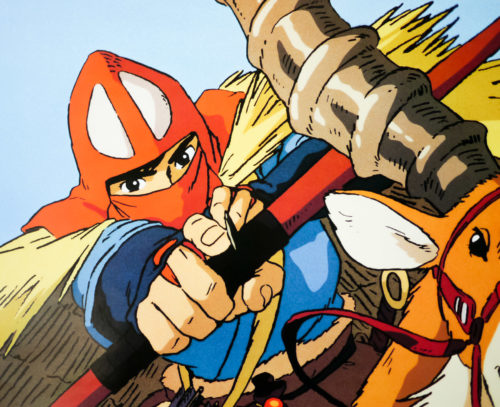
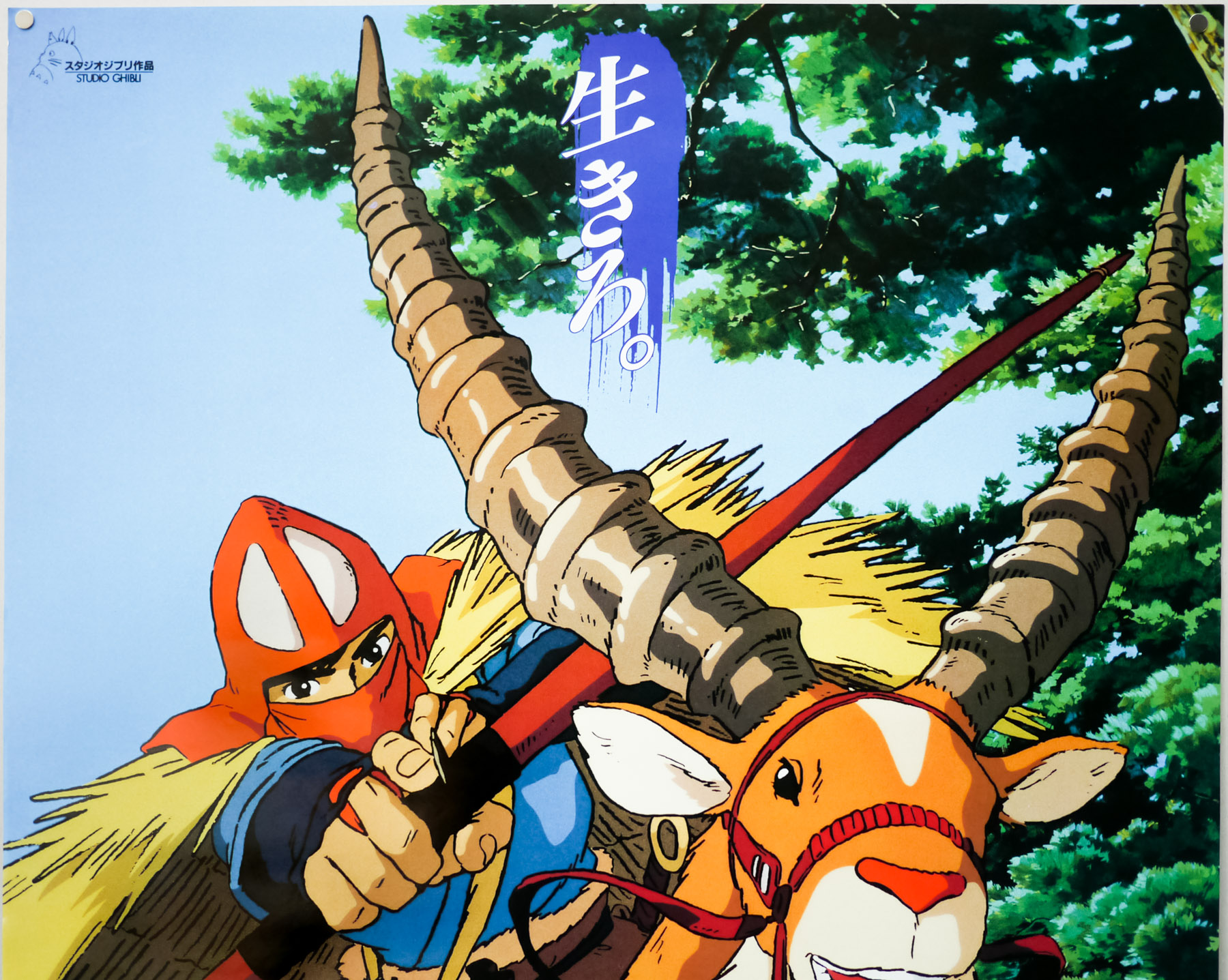
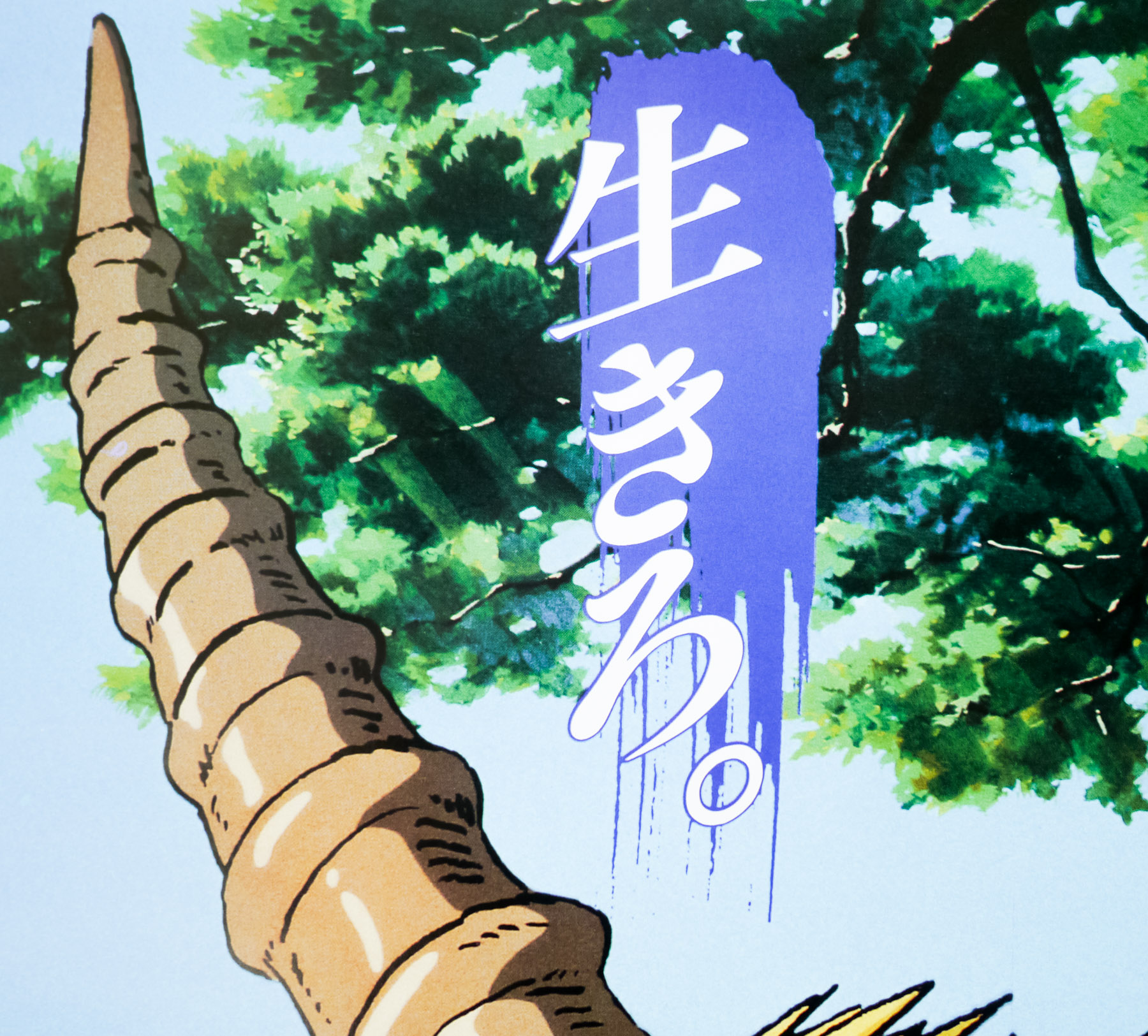
This B2 poster depicts Ashitaka but other poster styles were printed for the theatrical release of the film in Japan.

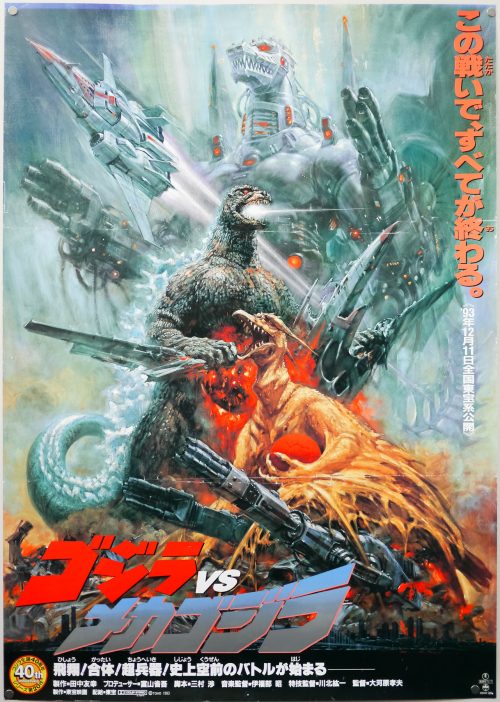
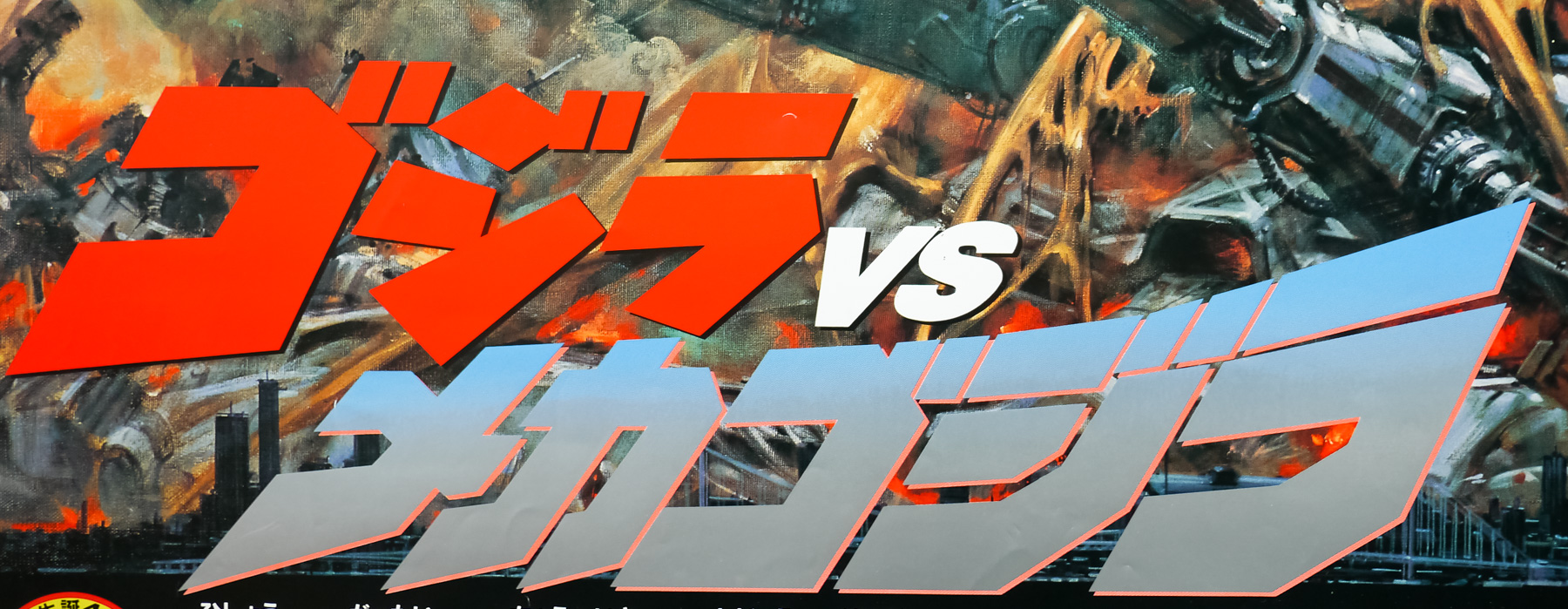
Godzilla vs Mechagodzilla / 1993 version / B1 / Japan

12.04.13

Poster Poster
Title
Godzilla vs. Mechagodzilla
AKA
Godzilla vs. Mechagodzilla II (alternative title) | Gojira VS Mekagojira (Japan - original title)
Year of Film
1993
Director
Takao Okawara
Starring
Masahiro Takashima, Ryoko Sano, Megumi Odaka, Yûsuke Kawazu, Kenji Sahara, Akira Nakao, Kôichi Ueda, Leo Meneghetti, Daijiro Harada, Tadao Takashima
Origin of Film
Japan
Genre(s) of Film
Masahiro Takashima, Ryoko Sano, Megumi Odaka, Yûsuke Kawazu, Kenji Sahara, Akira Nakao, Kôichi Ueda, Leo Meneghetti, Daijiro Harada, Tadao Takashima,
Type of Poster
B1
Style of Poster
Artwork
Origin of Poster
Japan
Year of Poster
1993
Designer
Unknown
Artist
Noriyoshi Ohrai
Size (inches)
28 12/16" x 40.5"
SS or DS
SS
Tagline
--

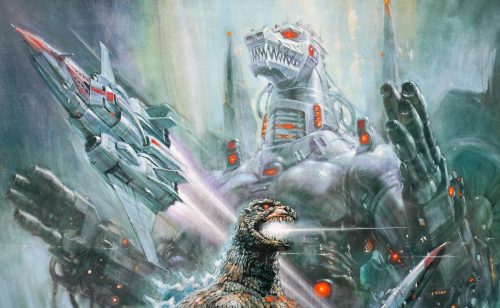
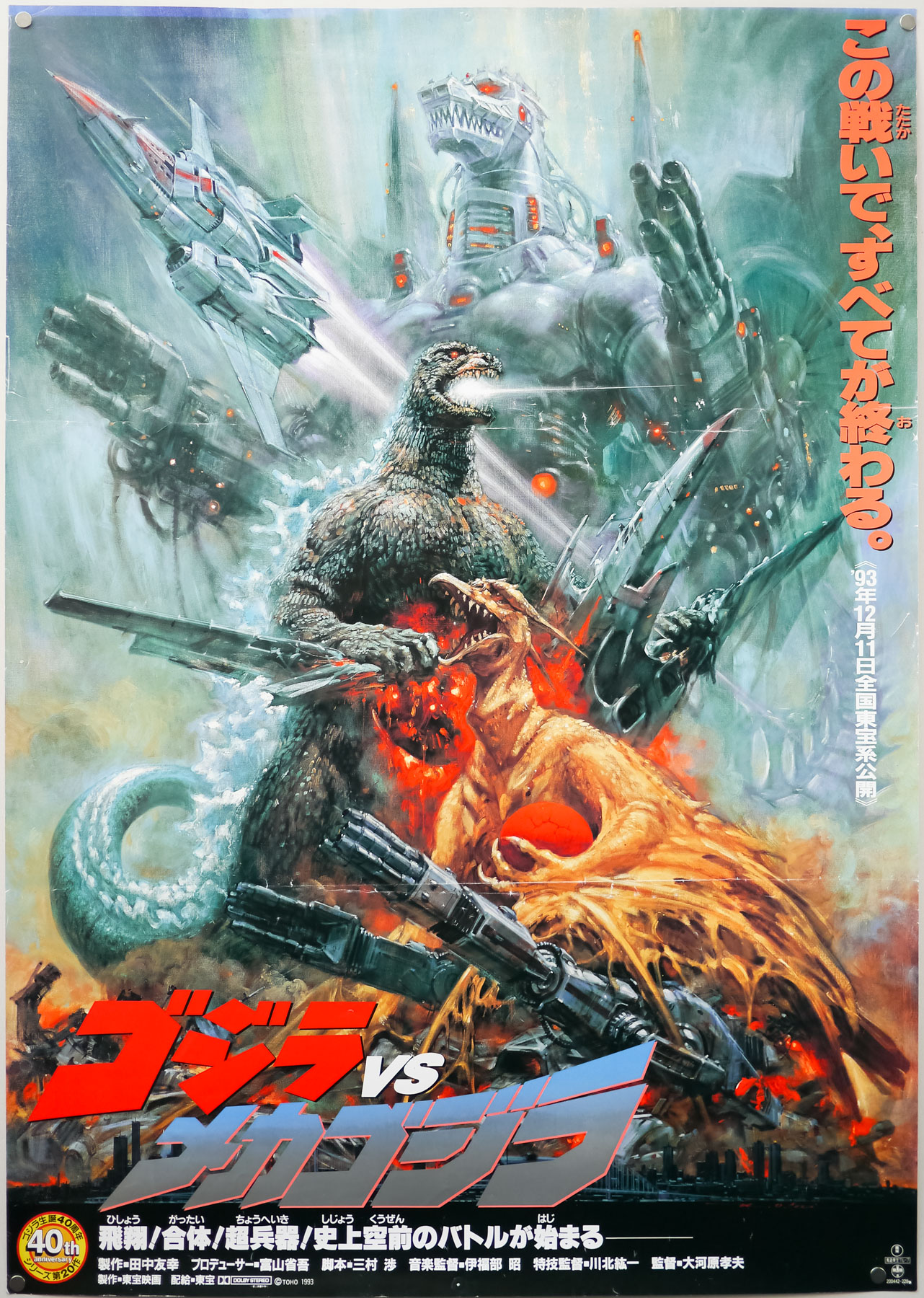
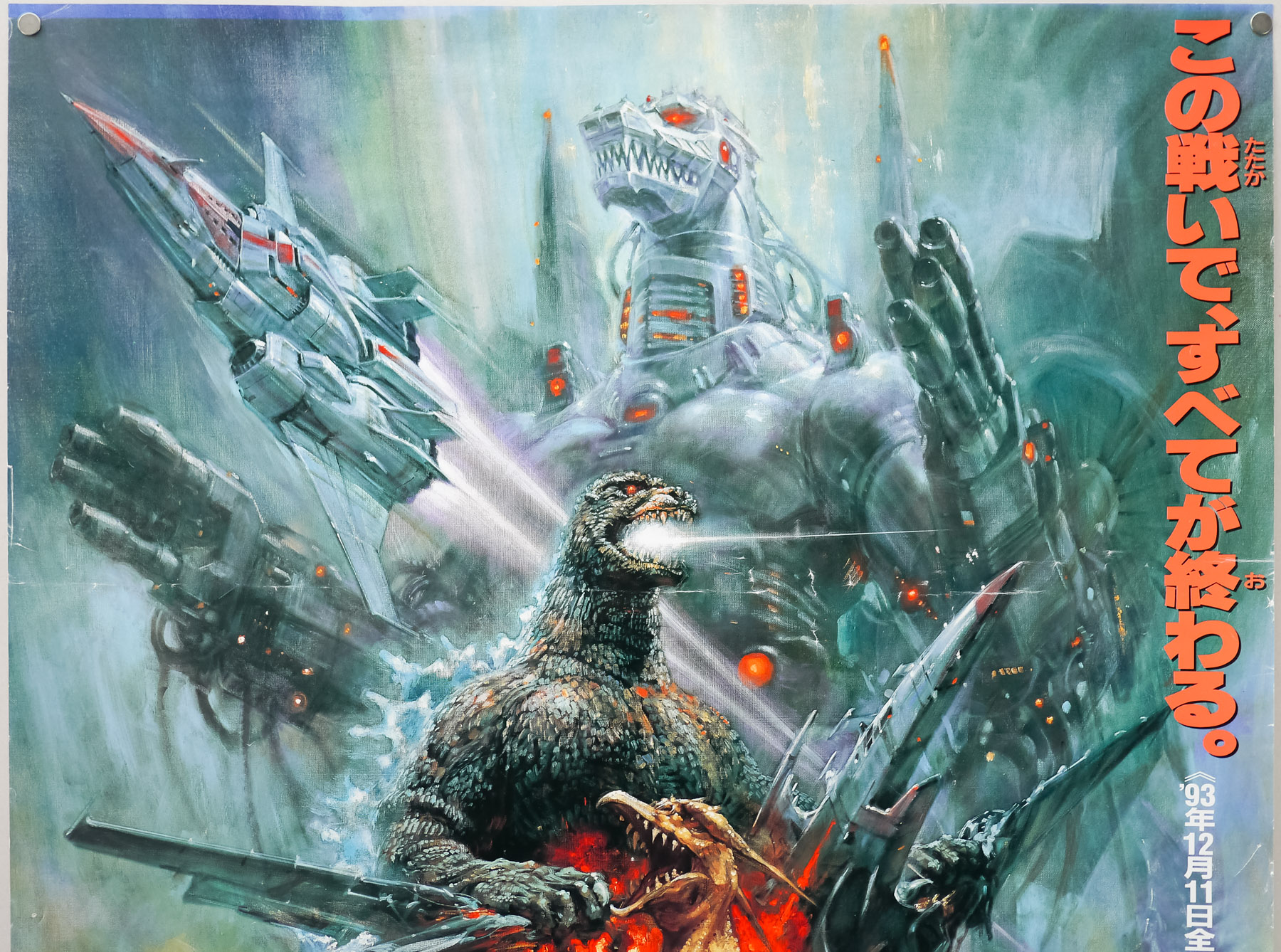
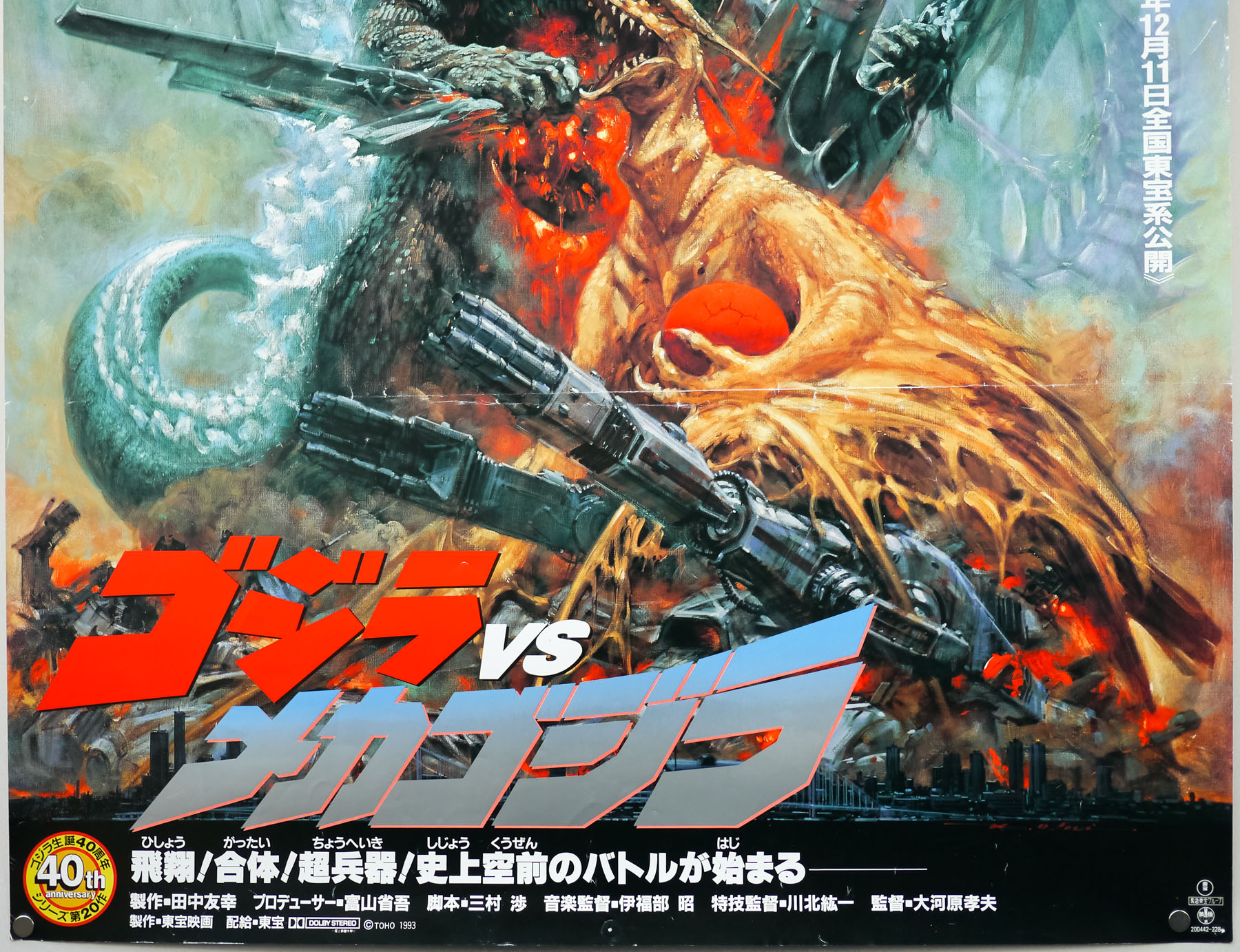
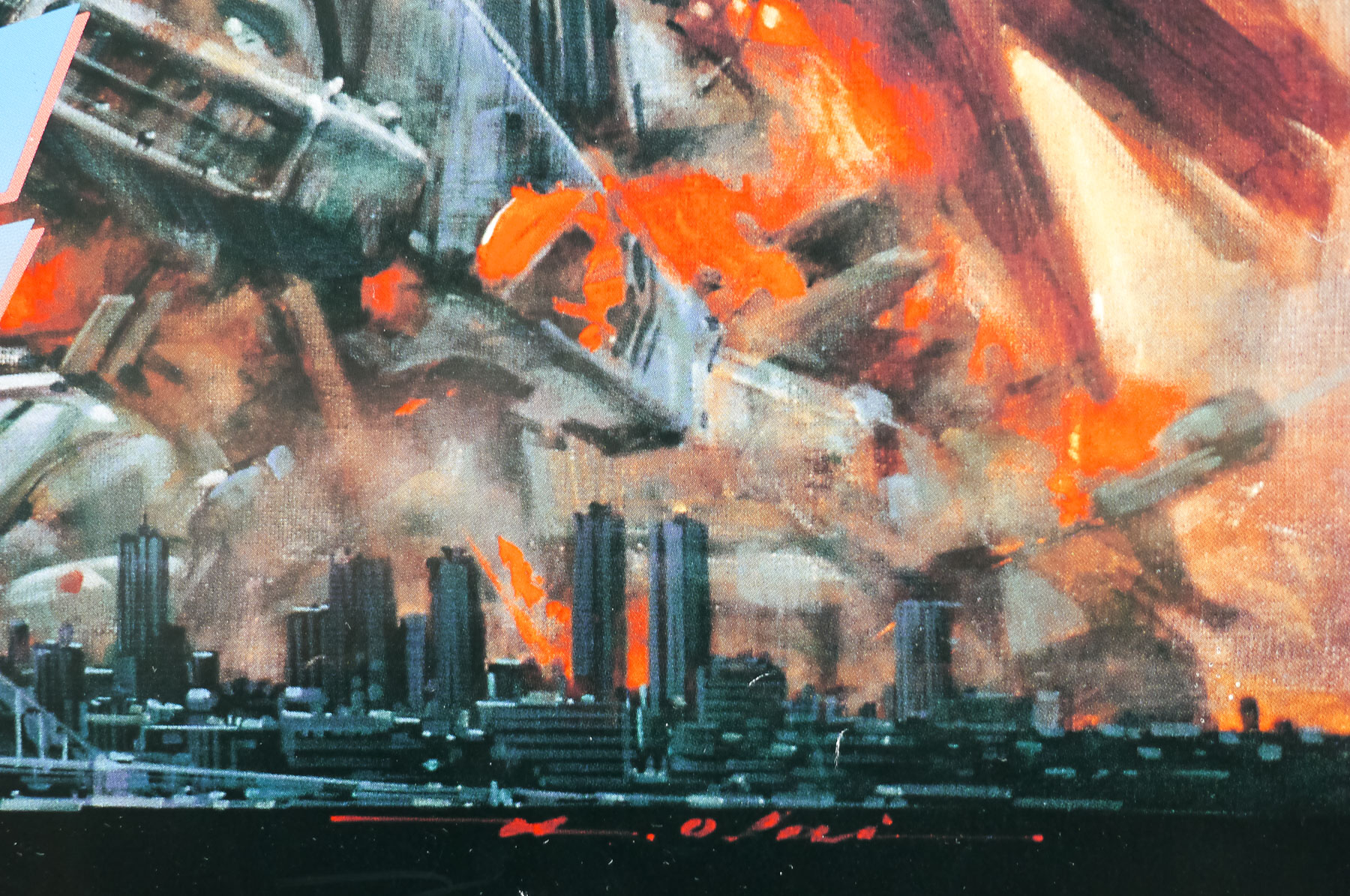
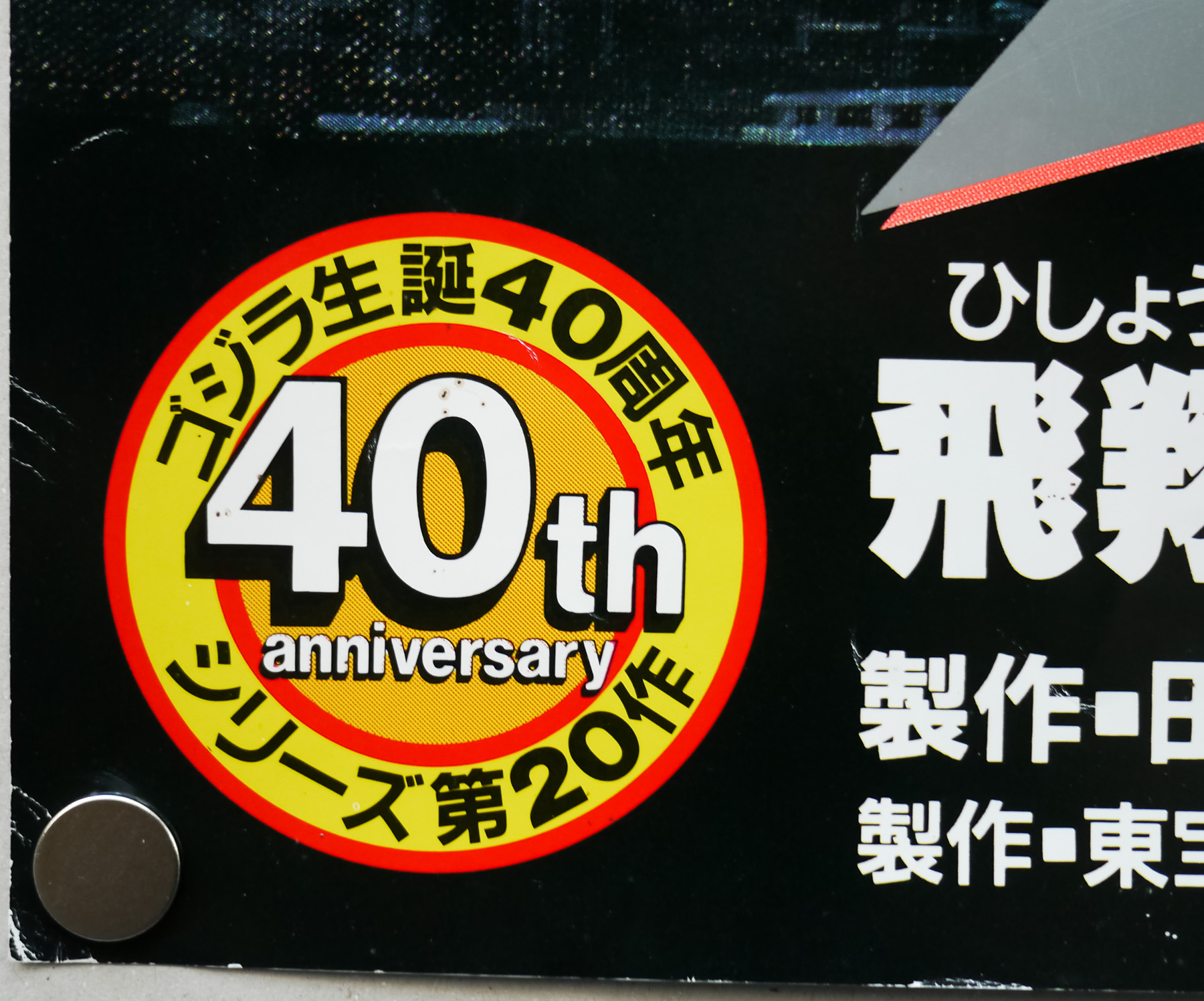
A colourful montage on this Japanese B2 poster for Godzilla vs Mechagodzilla, which was the 2oth film in the series featuring the King of the Kaiju (giant monsters) and was marketed as the 40th anniversary of the series. The film was also the fifth release in the second generation of Godzilla films, which were part of the Heisei era of Japanese monster movies (daikaiju eiga). The monster movie eras are named after the Japanese emperor at the time, so the first generation of Godzilla films were part of the Shōwa era. Despite sharing the same title with a 1974 film, this is neither a remake or a re-imagining of the earlier version.

The story sees the United Nations Godzilla Countermeasures Center (UNGCC) created in order to stop the legendary monster. Two machines are manufactured from the salvaged parts of Mecha-King Ghidorah, a mechanised abomination last seen in 1991s Godzilla vs King Ghidorah; one is a flying gunship called Garuda and the other is the titular Godzilla-like robotic beast. When a mysterious egg is discovered on an island in the Bering sea, both Godzilla and Rodan – the irradiated pteranodon seen in several previous films in the series – appear and battle over it, allowing a team to escape to a research centre in Kyoto. When the egg hatches it is revealed to be Baby Godzilla (AKA Godzilla Junior) and once again the legendary Kaiju is summoned to Japan by its psychic powers. The UNGCC decide to mobilise their new defence weapons and both Rodan and Godzilla are pitched against the metallic foes.

The artwork on the poster is by Noriyoshi Ohrai who is something of an enigma, even in his native Japan. I’ve been unable to find much about him beyond a few pages like this one on the Star Wars Wookiepedia. He’s responsible for a number of Star Wars posters, including this lovely 1982 B2 to celebrate the release of the Japanese dubbed version of the original film and the brilliant design for The Empire Strikes Back.

Ohrai painted a poster for each of the Heisei era of Godzilla films, which were always accompanied by a photographic-style poster. I will be adding more of the Ohrai Godzilla posters over the coming weeks.

The other Ohrai posters I’ve added to the site so far can be seen by clicking here.
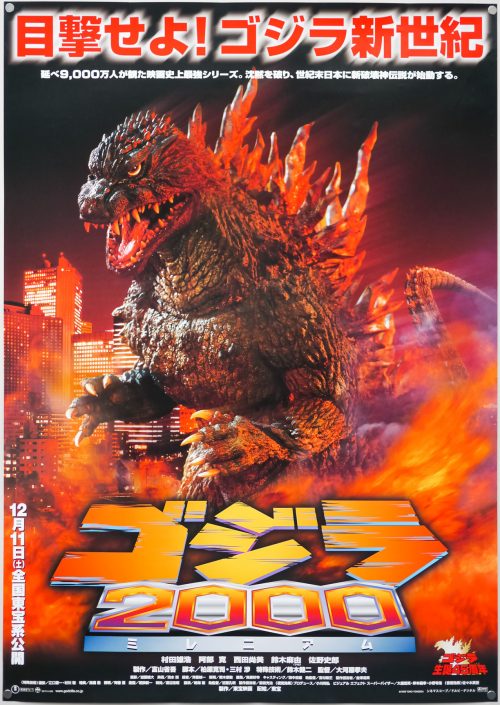
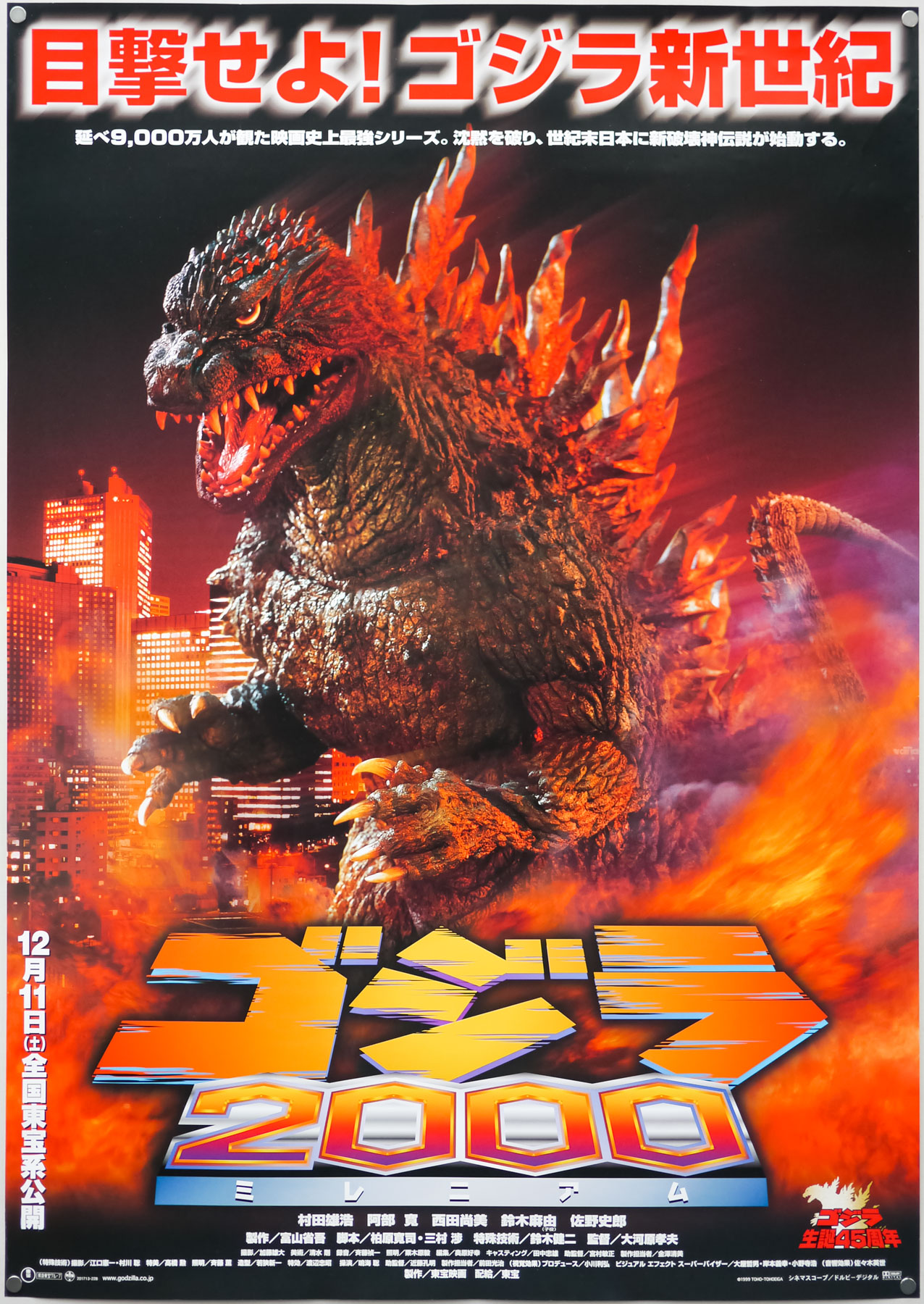
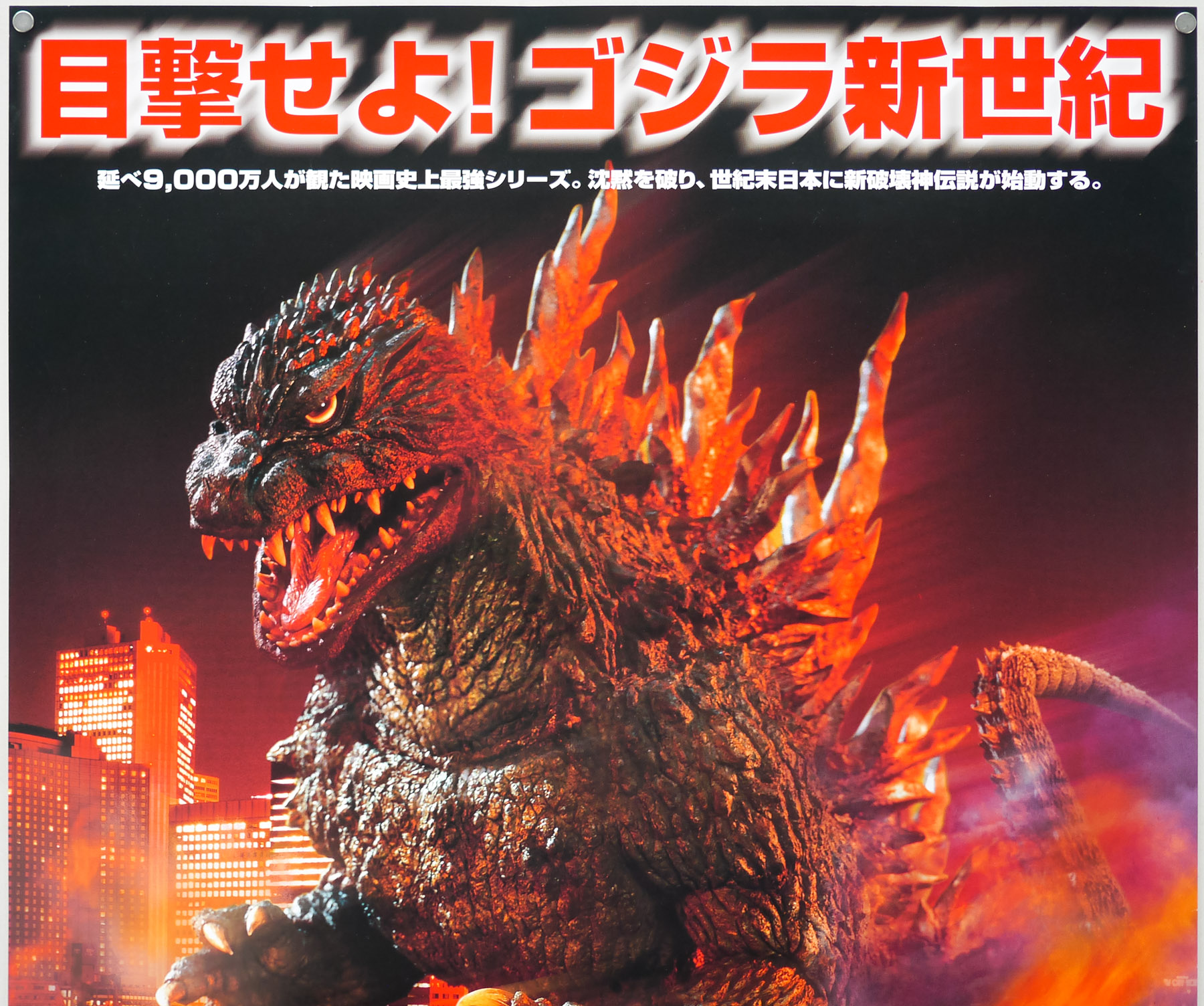
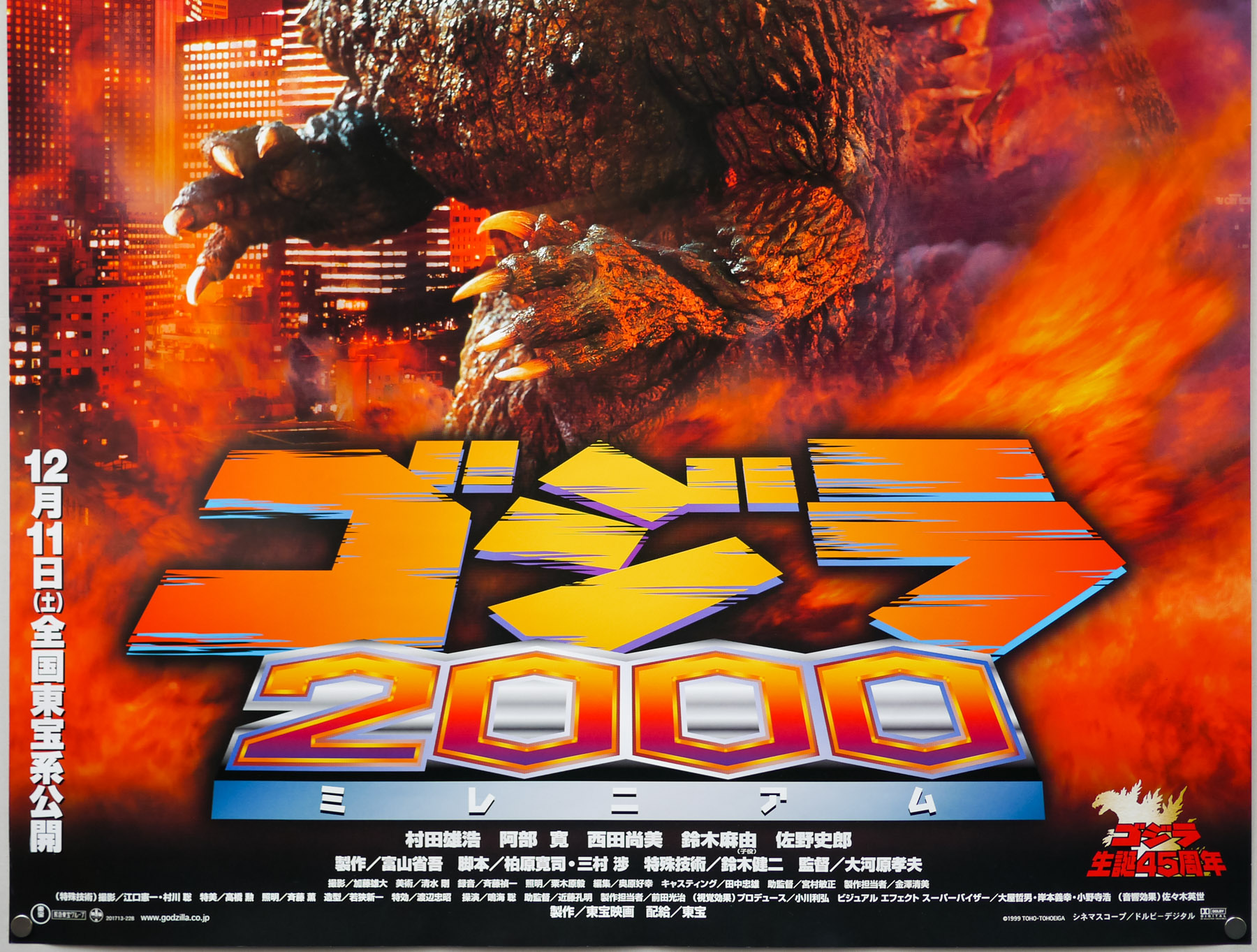
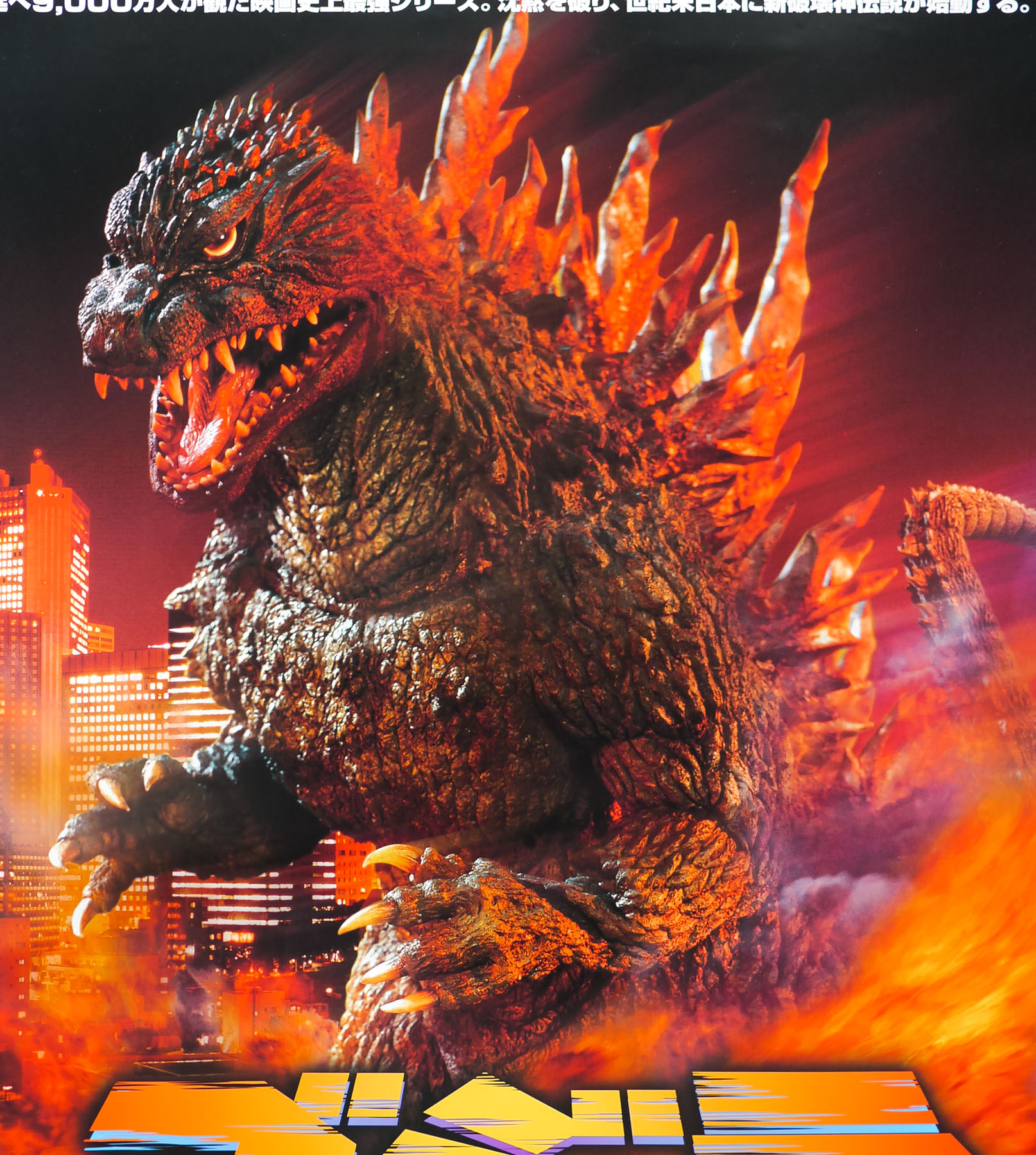
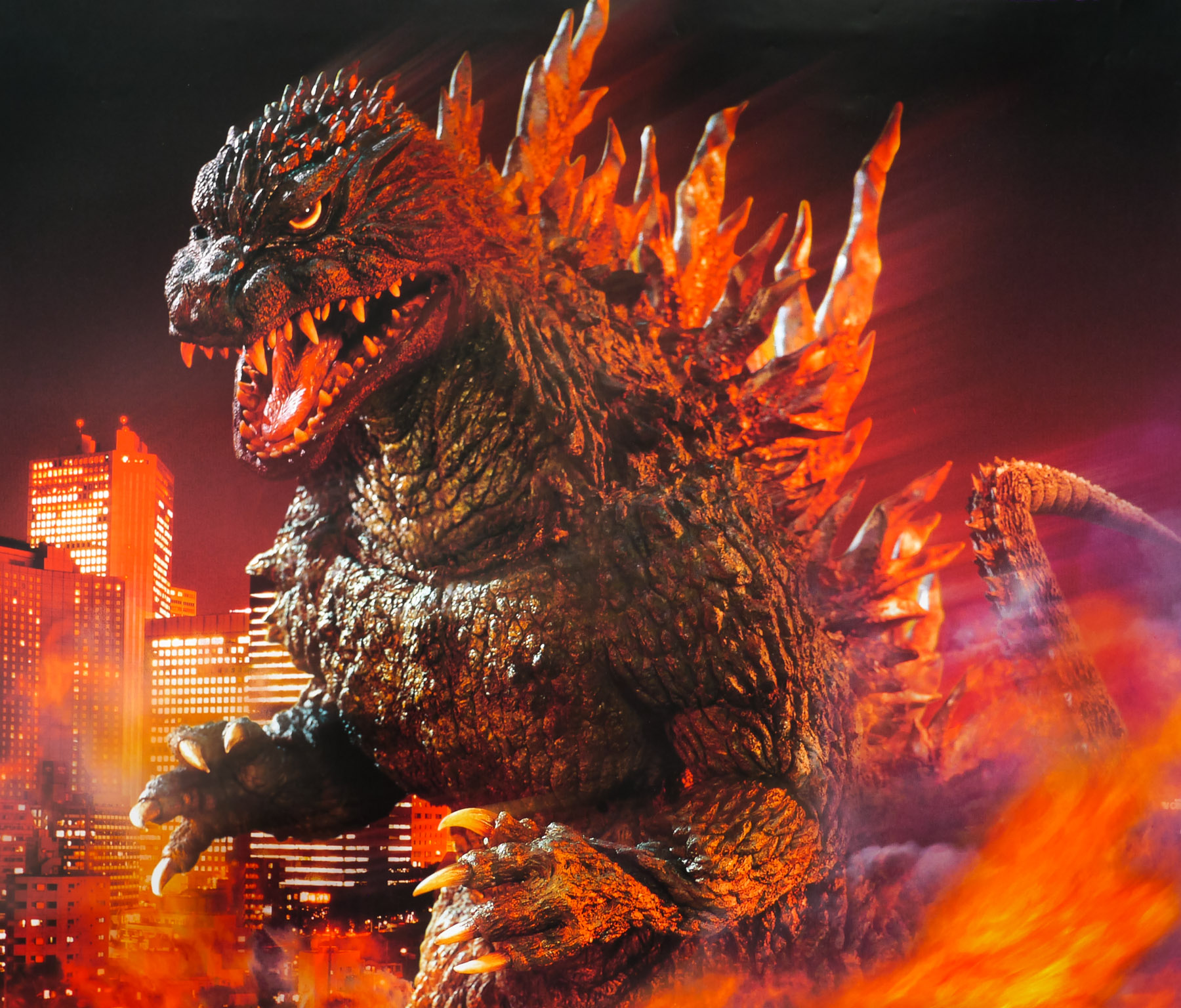
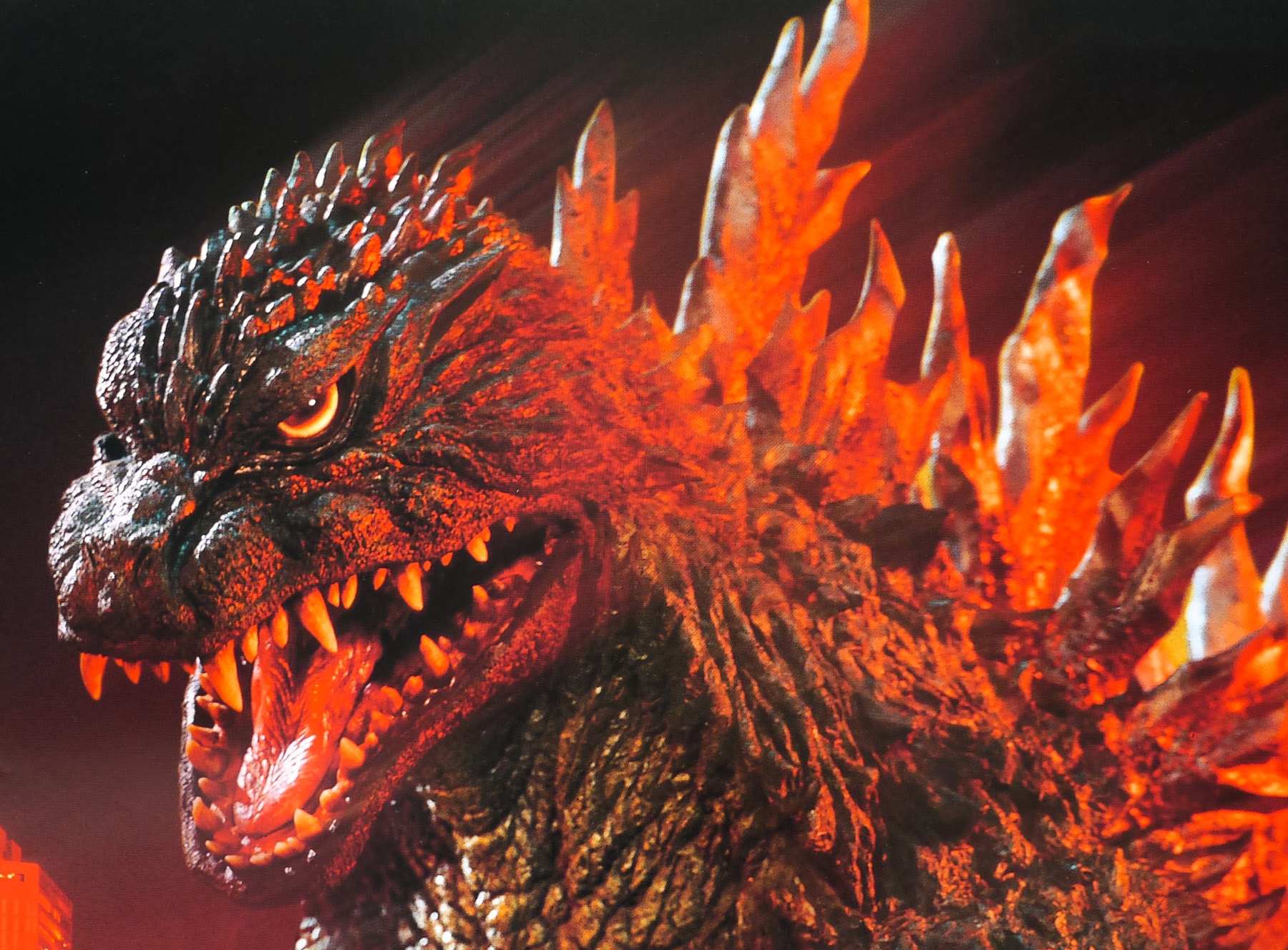
Godzilla 2000 / B1 / Japan

12.01.15

Poster Poster
Title
Godzilla 2000
AKA
Gojira ni-sen mireniamu (Japan) | Godzilla 2000: Millennium (alt. longer title)
Year of Film
1999
Director
Takao Okawara
Starring
Takehiro Murata, Hiroshi Abe, Naomi Nishida, Mayu Suzuki, Shirô Sano
Origin of Film
Japan
Genre(s) of Film
Takehiro Murata, Hiroshi Abe, Naomi Nishida, Mayu Suzuki, Shirô Sano,
Type of Poster
B1
Style of Poster
--
Origin of Poster
Japan
Year of Poster
1999
Designer
Unknown
Artist
--
Size (inches)
28 11/16" x 40.5"
SS or DS
SS
Tagline
--

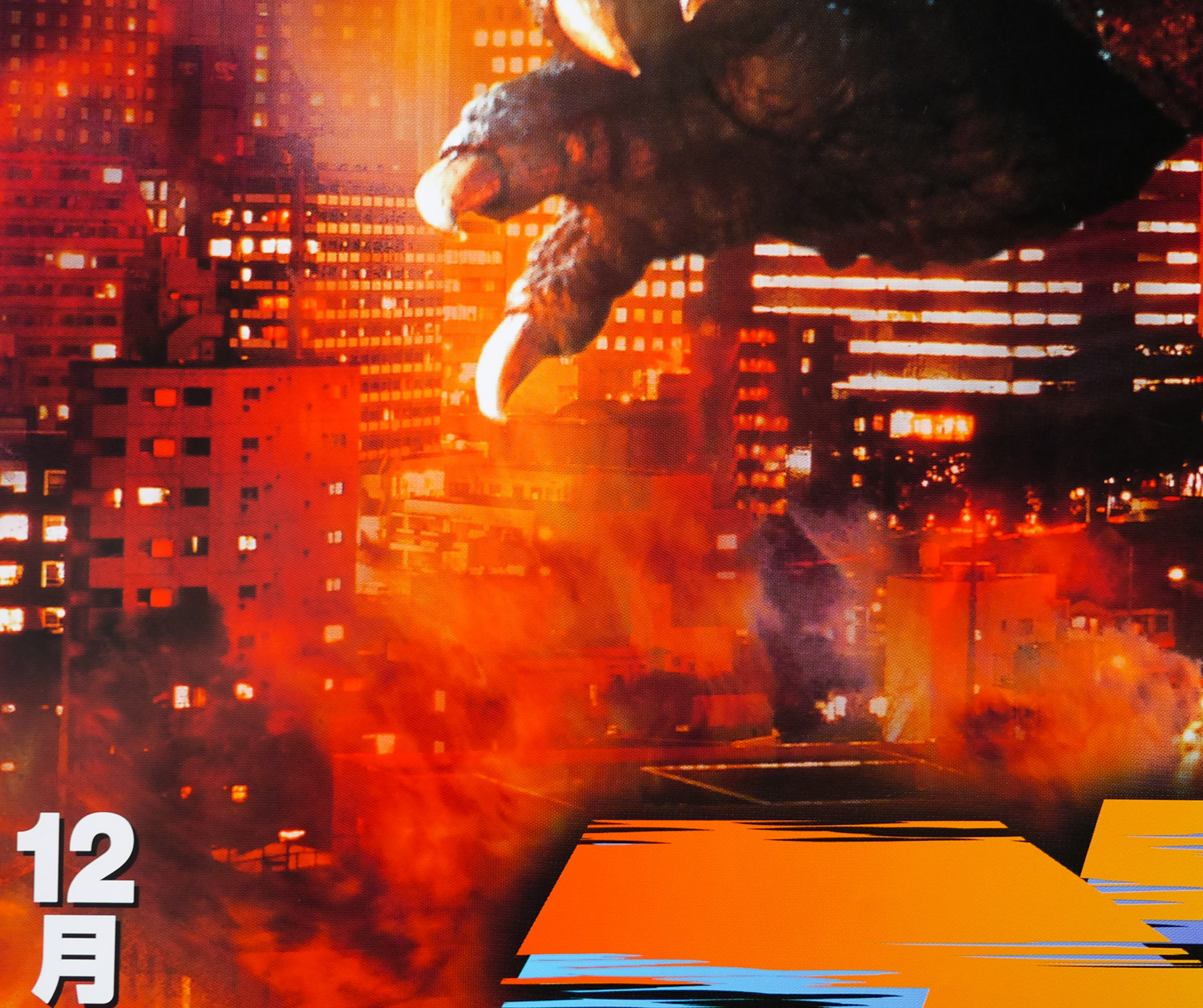
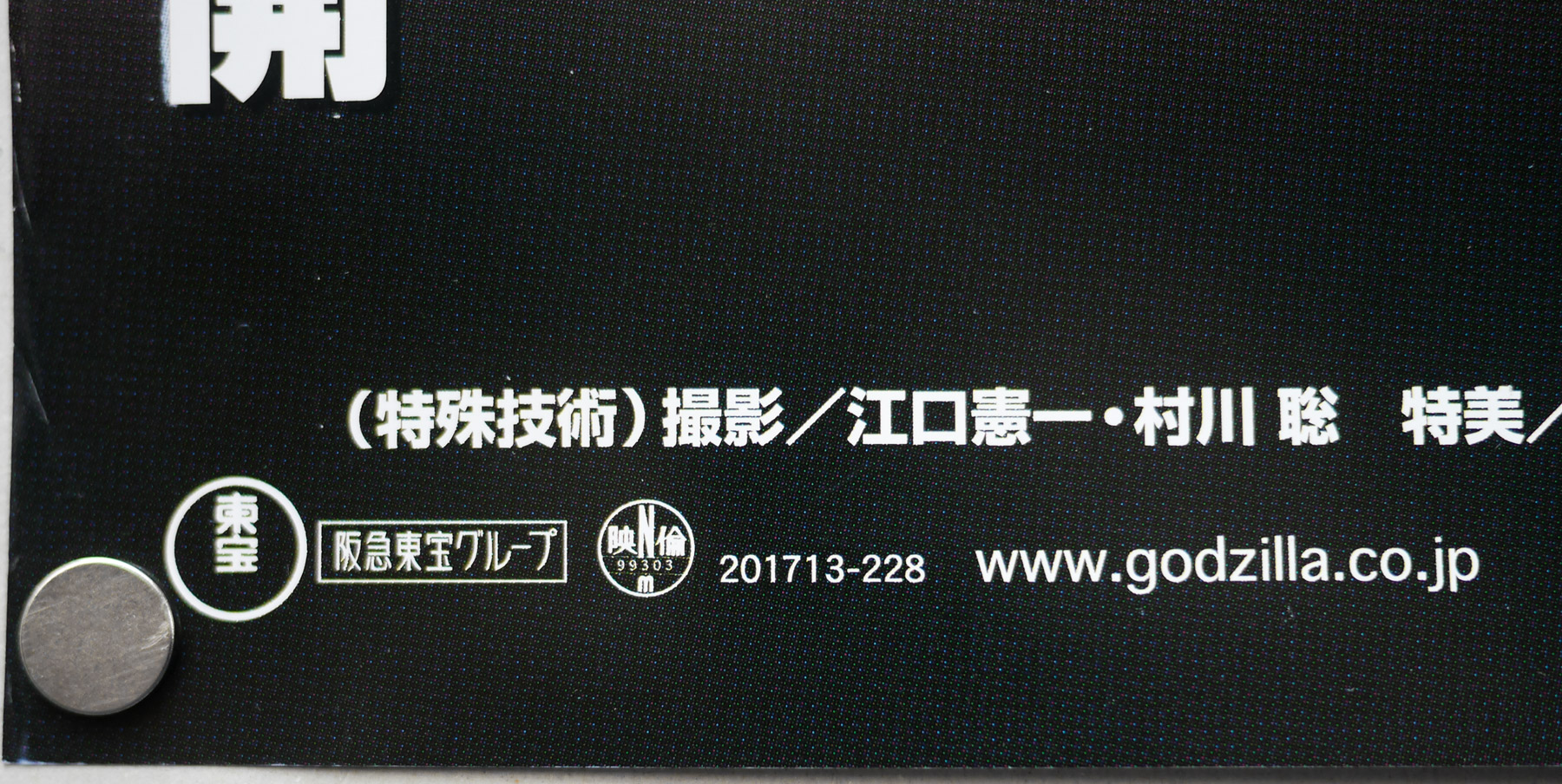
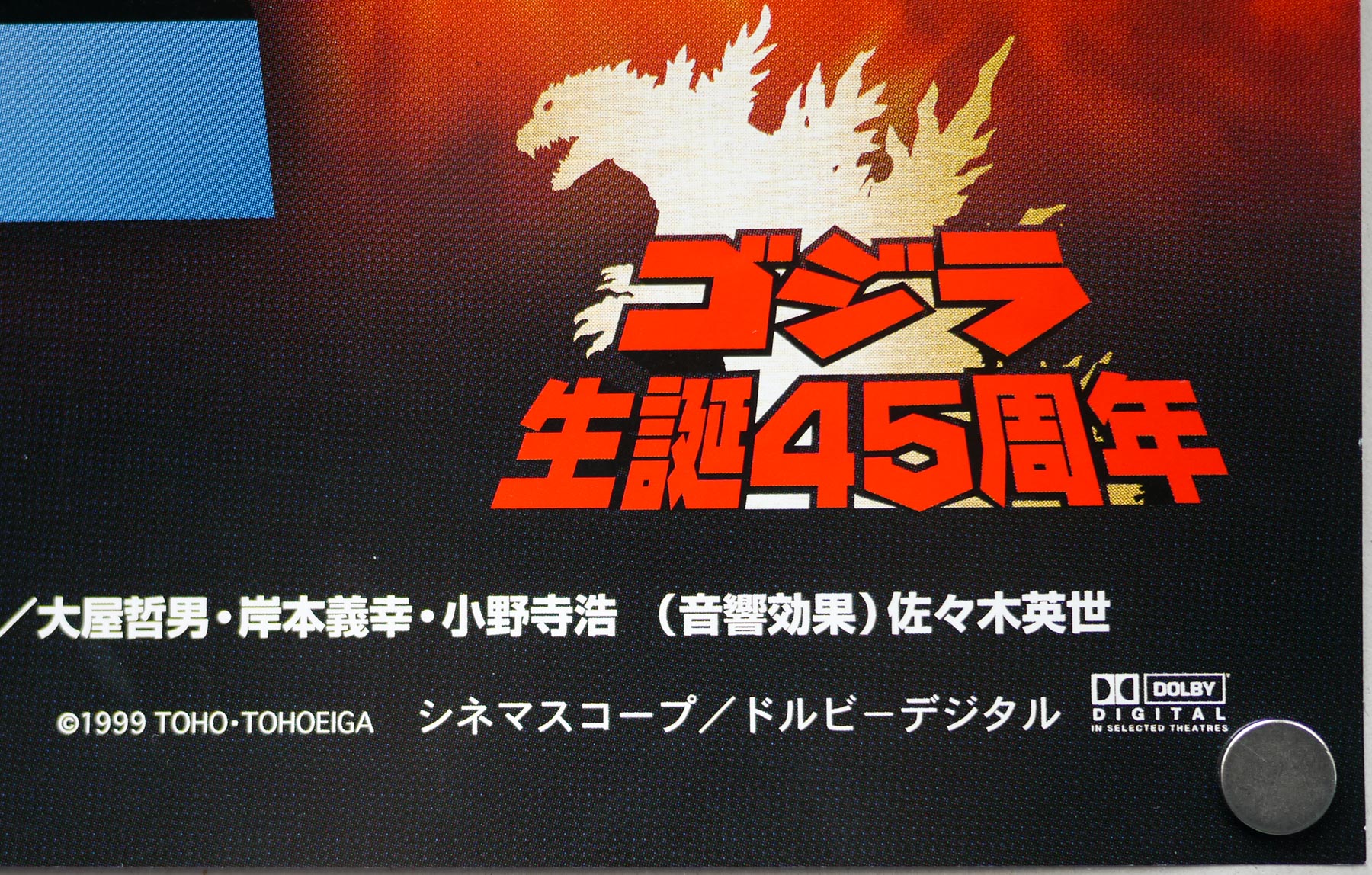
This is the Japanese B1 for the release of Godzilla 2000, the twenty-third film in the series featuring the King of the Kaiju (giant monsters). The film was also the first release in the third generation of Godzilla films, which is known as the Millennium Series. Studio Toho decided the film would be a reboot meaning it had no continuity with earlier films in the series, except for the 1954 original.

Set in 1999, we learn that Japan has suffered other Godzilla attacks since the 1950s and the Godzilla Prediction Network (GPN) was formed in response by scientists who aim to predict his next landfall. In 1999 he appears at the same time as the Crisis Control Intelligence (CCI) find a mysterious rock-like object at the bottom of the Japan Trench which takes off during an operation to salvage it. Godzilla follows and is blasted by the object causing him to retreat, but not before his atomic breath causes the rock to break open revealing an unusual blue alien craft.

The craft flies to Tokyo and begins to download information from the city’s computer network as the aliens try to discover more about Godzilla’s regenerative properties, named by the GPN scientists as Regenerator G1. When Big G arrives and once again attacks the craft, the aliens steal some of his DNA during the battle and use it to attempt to reform themselves as a giant Millennian. Unfortunately Earth’s atmosphere is different to their own and the creature mutates into the hideous gigantic Orga and begins a final battle with Godzilla.

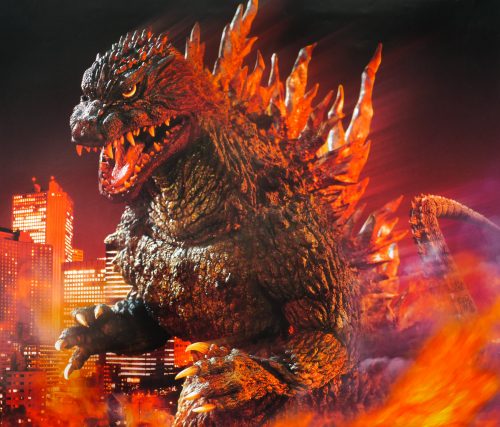
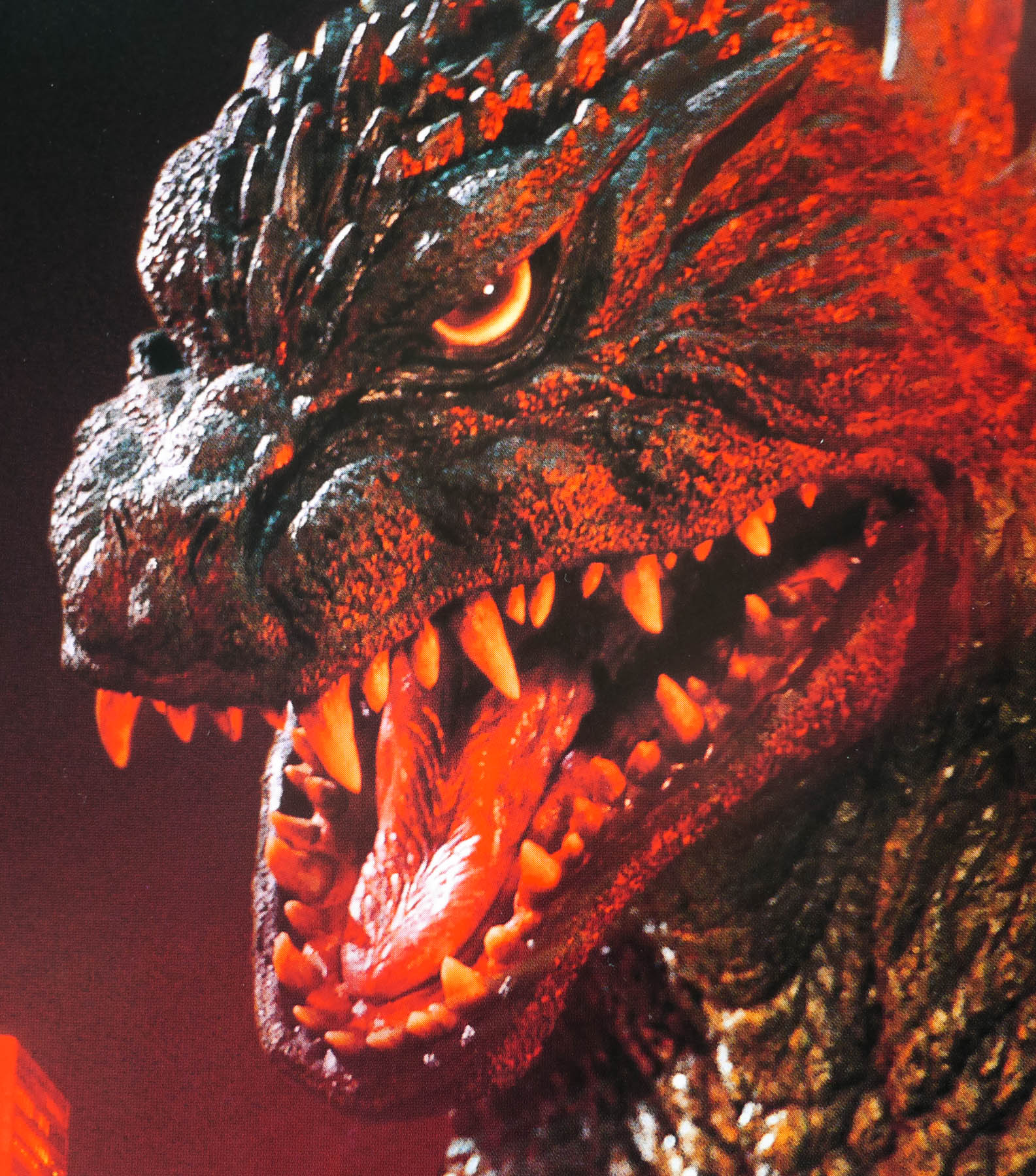
The film featured a new design of for the famous beast with a notably meaner looking face and large scales on his back, replacing the tired costume used for previous films in the series. Godzilla 2000’s relative success at the Japanese box-office saw Columbia Tristar decide to release the film in the US (the last Japanese Godzilla film to get a cinema release was Godzilla 1985). The distributor decided to edit the film for pacing reasons and removed about 8 minutes from its running time, whilst also completely re-editing the sound design and also injecting quite a bit of humour into the dubbed script. Unfortunately, poor box-office receipts meant that future entries in the Millennium series were released straight to DVD in the States.

The trailer for the US release can be viewed on YouTube.


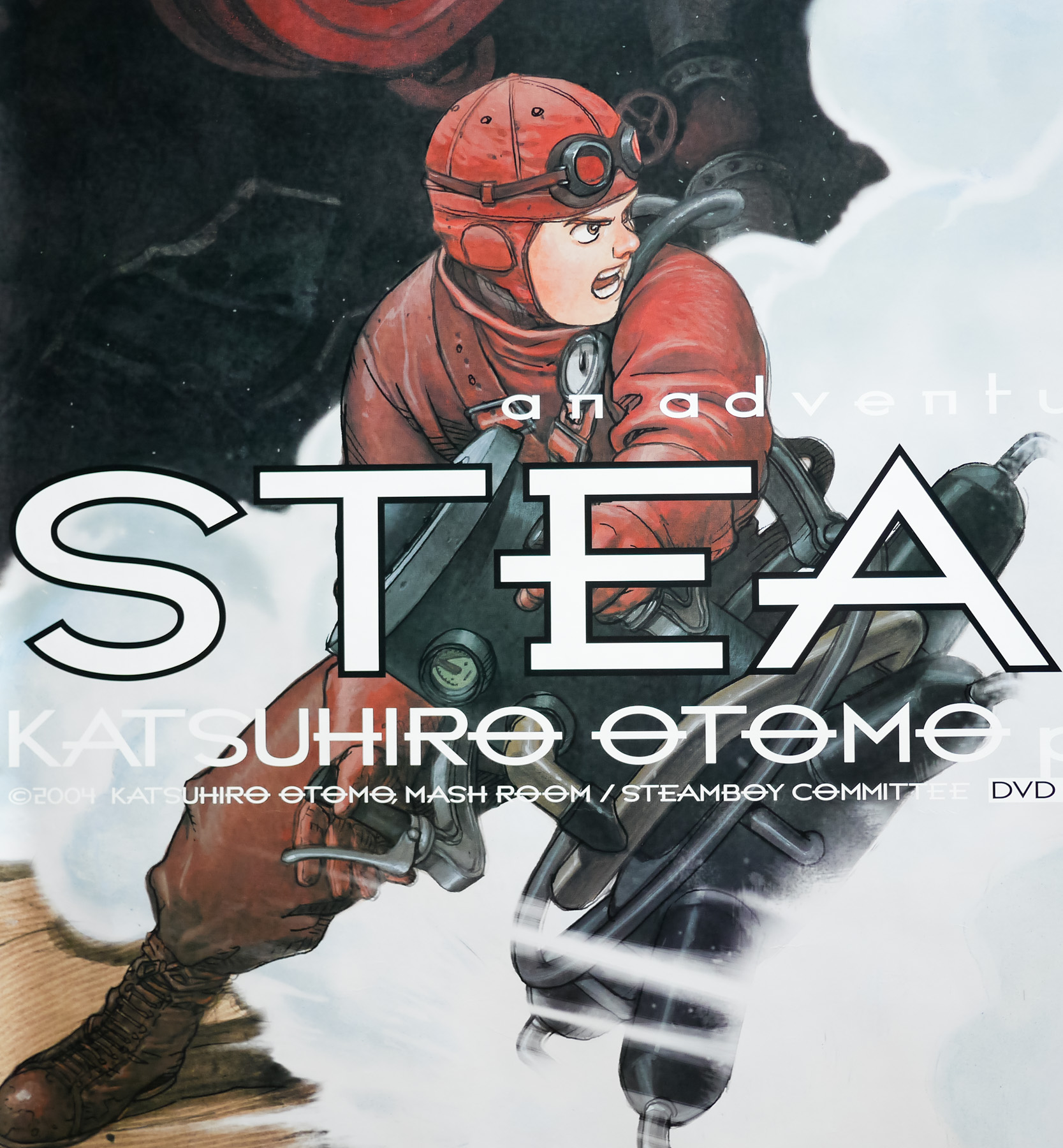
Steamboy / B0 / DVD release / Japan

05.08.16

Poster Poster
Title
Steamboy
AKA
Suchîmubôi (Japan - original title)
Year of Film
2004
Director
Katsuhiro Ôtomo
Starring
Anne Suzuki, Masane Tsukayama, Katsuo Nakamura, Manami Konishi, Kiyoshi Kodama, Ikki Sawamura, Susumu Terajima, Osamu Saka
Origin of Film
Japan
Genre(s) of Film
Anne Suzuki, Masane Tsukayama, Katsuo Nakamura, Manami Konishi, Kiyoshi Kodama, Ikki Sawamura, Susumu Terajima, Osamu Saka,
Type of Poster
B0
Style of Poster
DVD release
Origin of Poster
Japan
Year of Poster
2004
Designer
Toshiaki Uesugi (AKA Mach55Go!) | Mitsuhiro Sato (Digital composition)
Artist
Katsuhiro Ôtomo
Size (inches)
39 6/16" x 55 9/16"
SS or DS
SS
Tagline
--

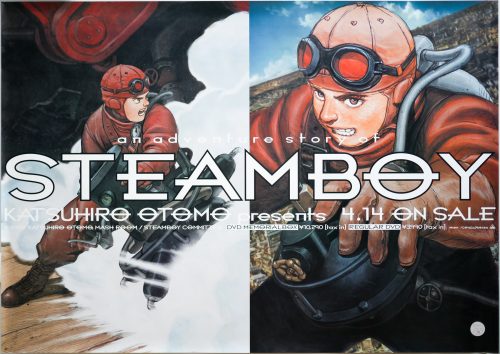
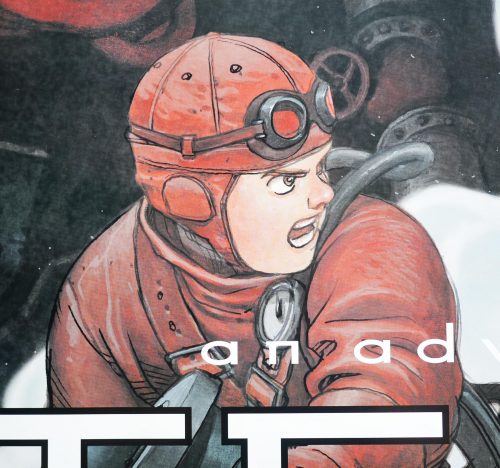
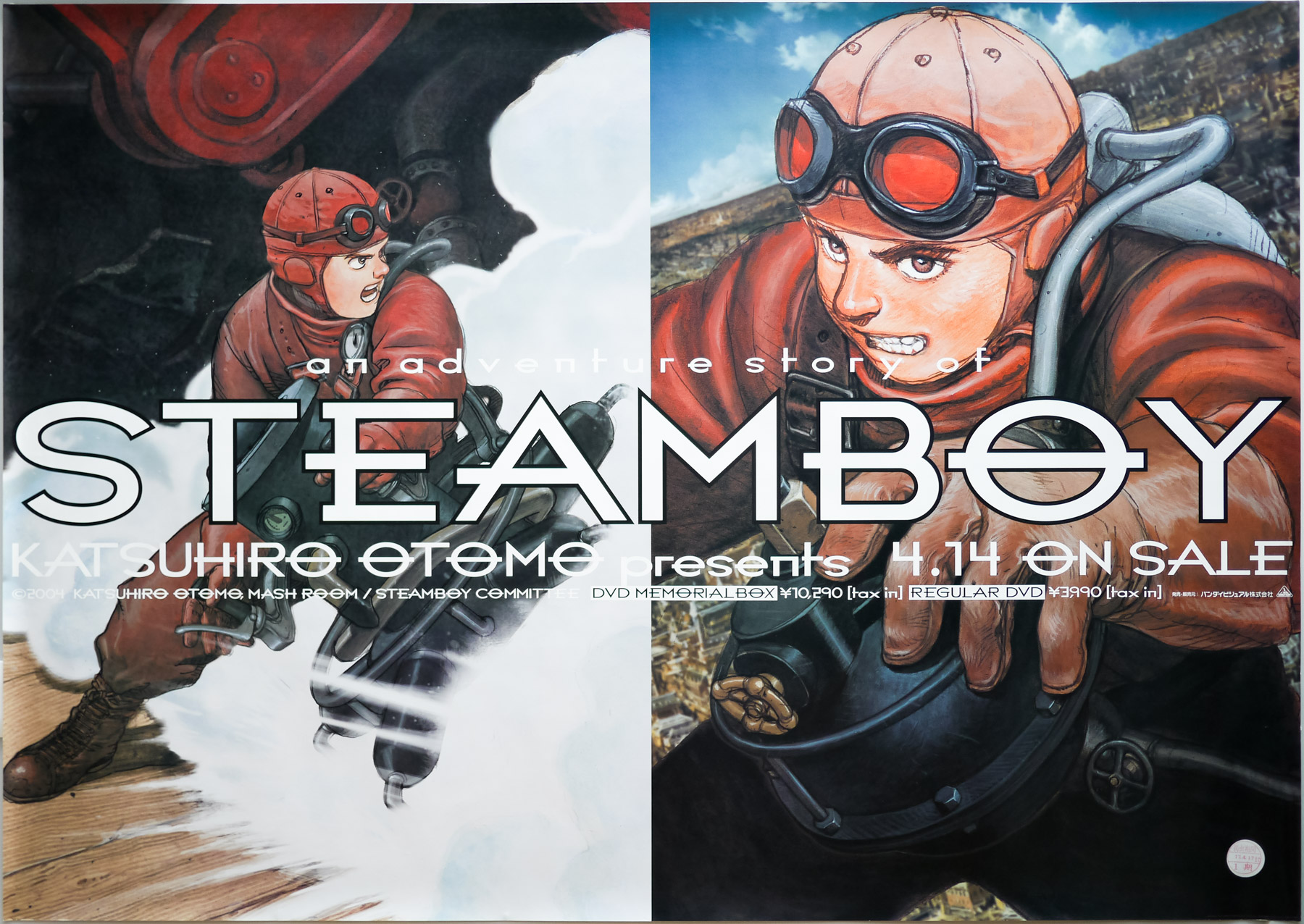
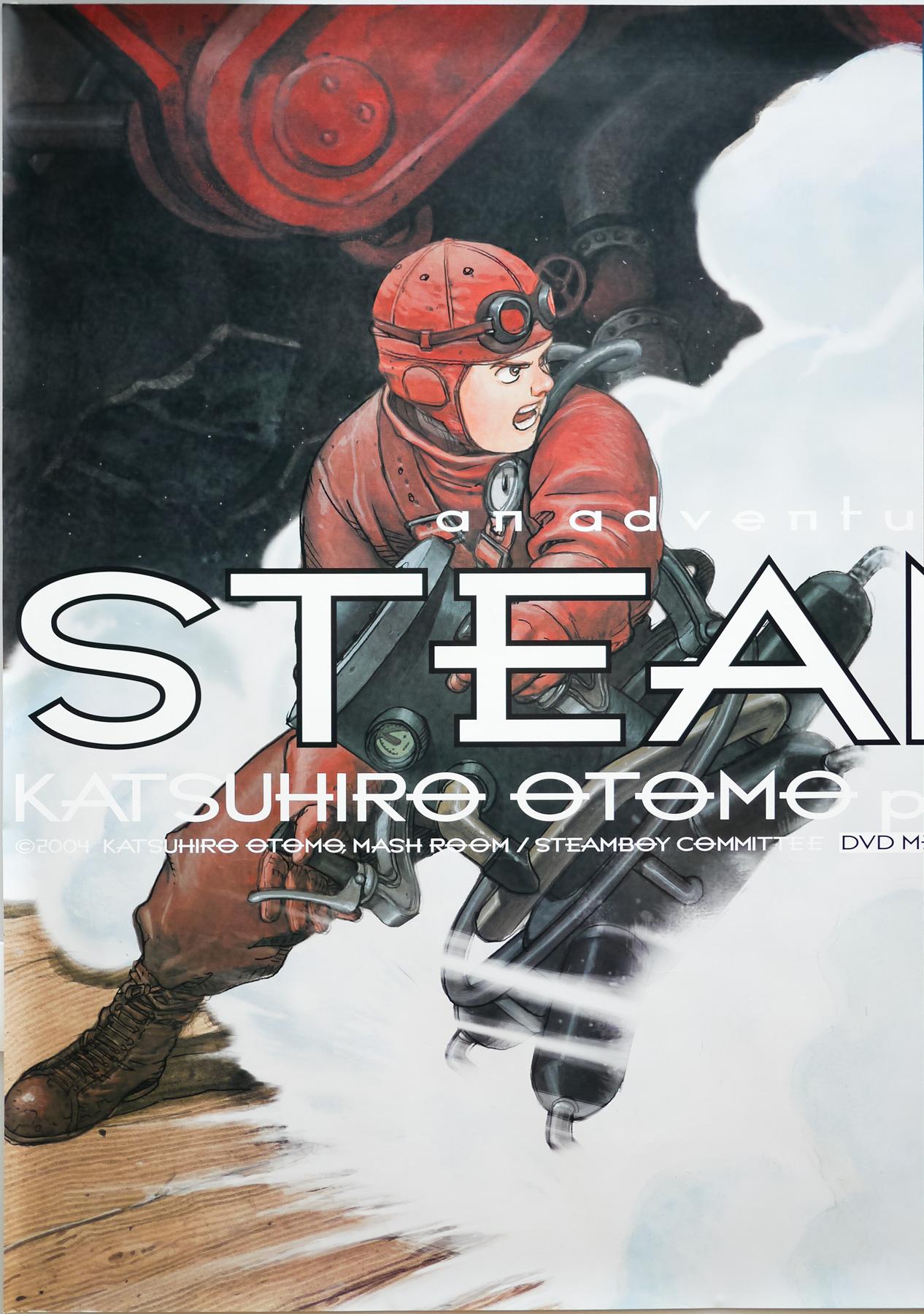
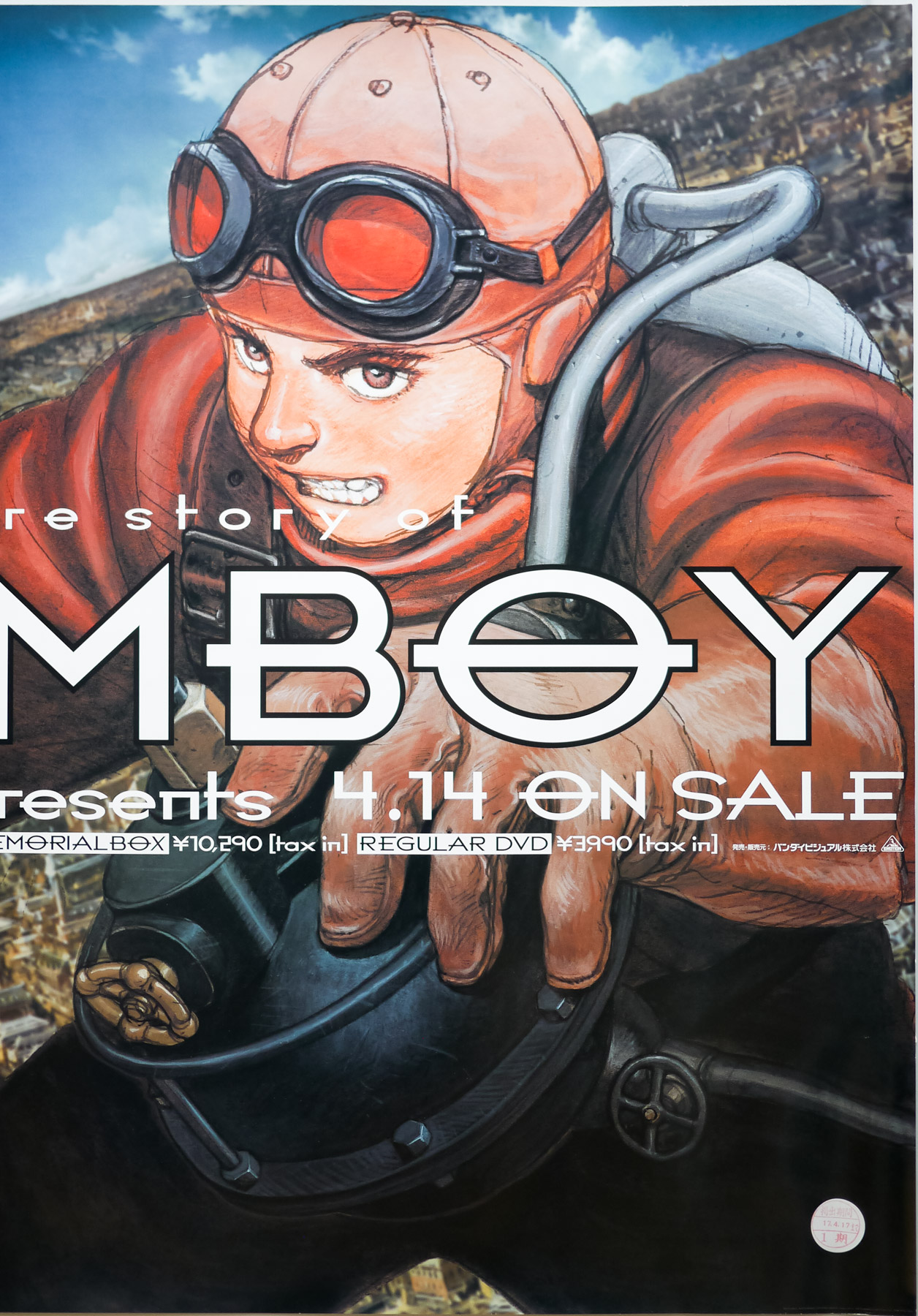
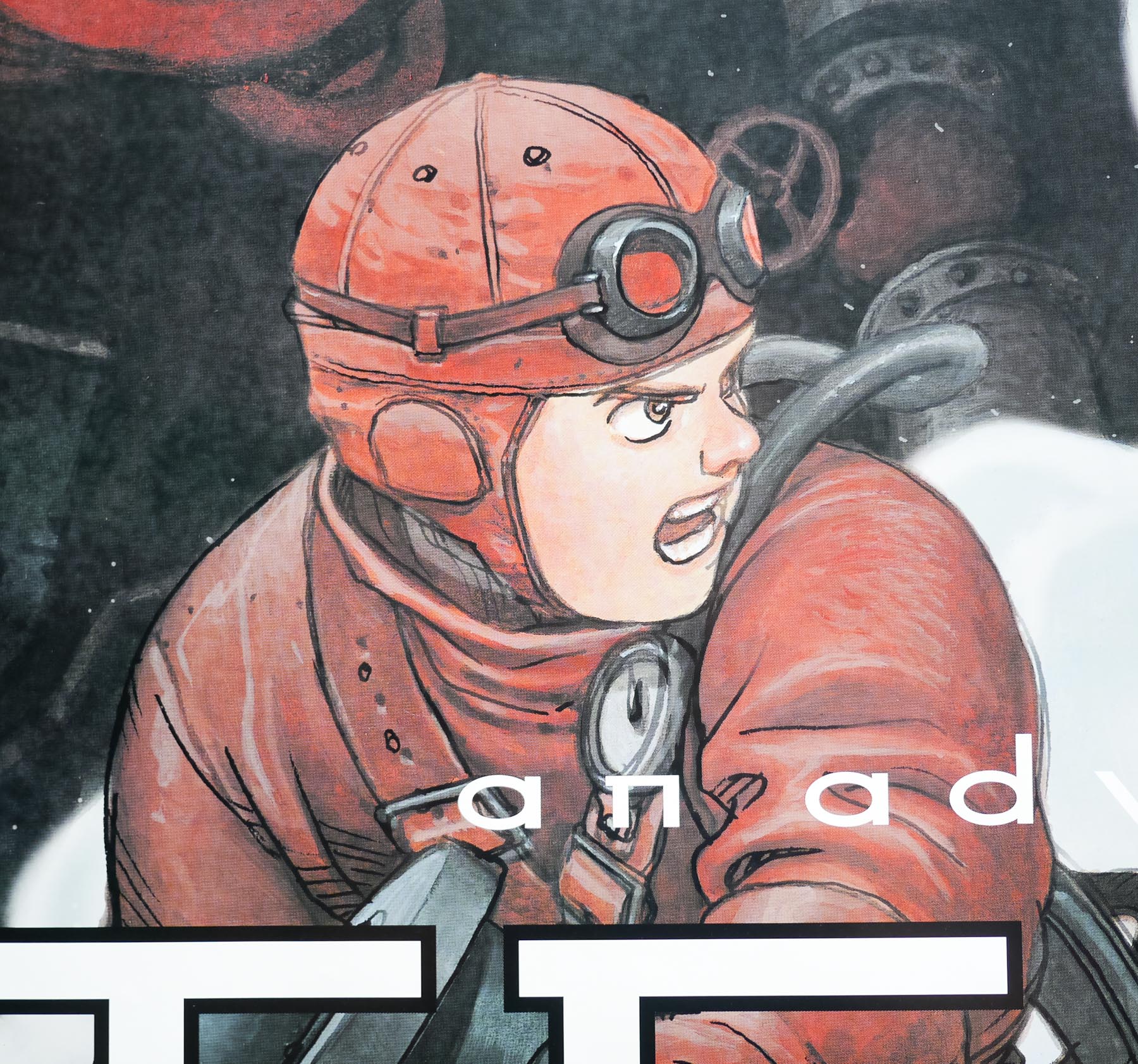
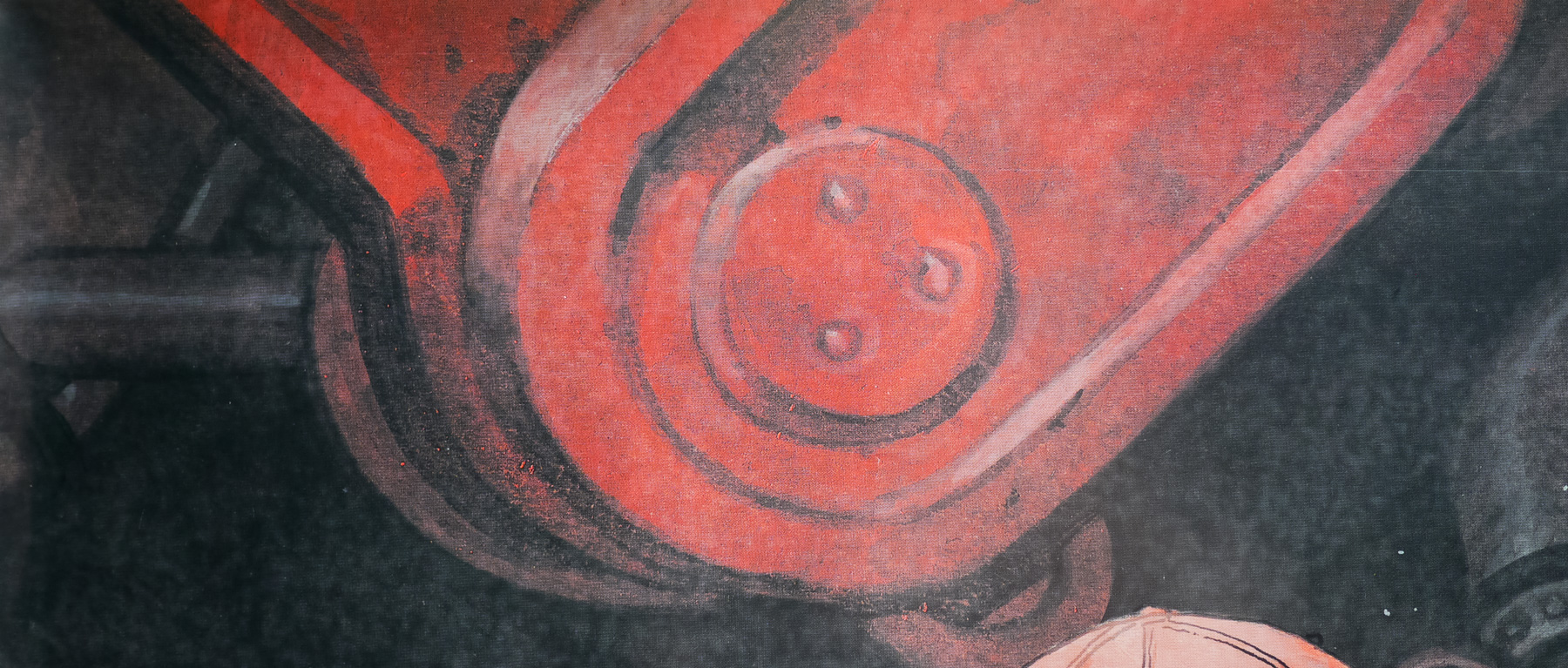
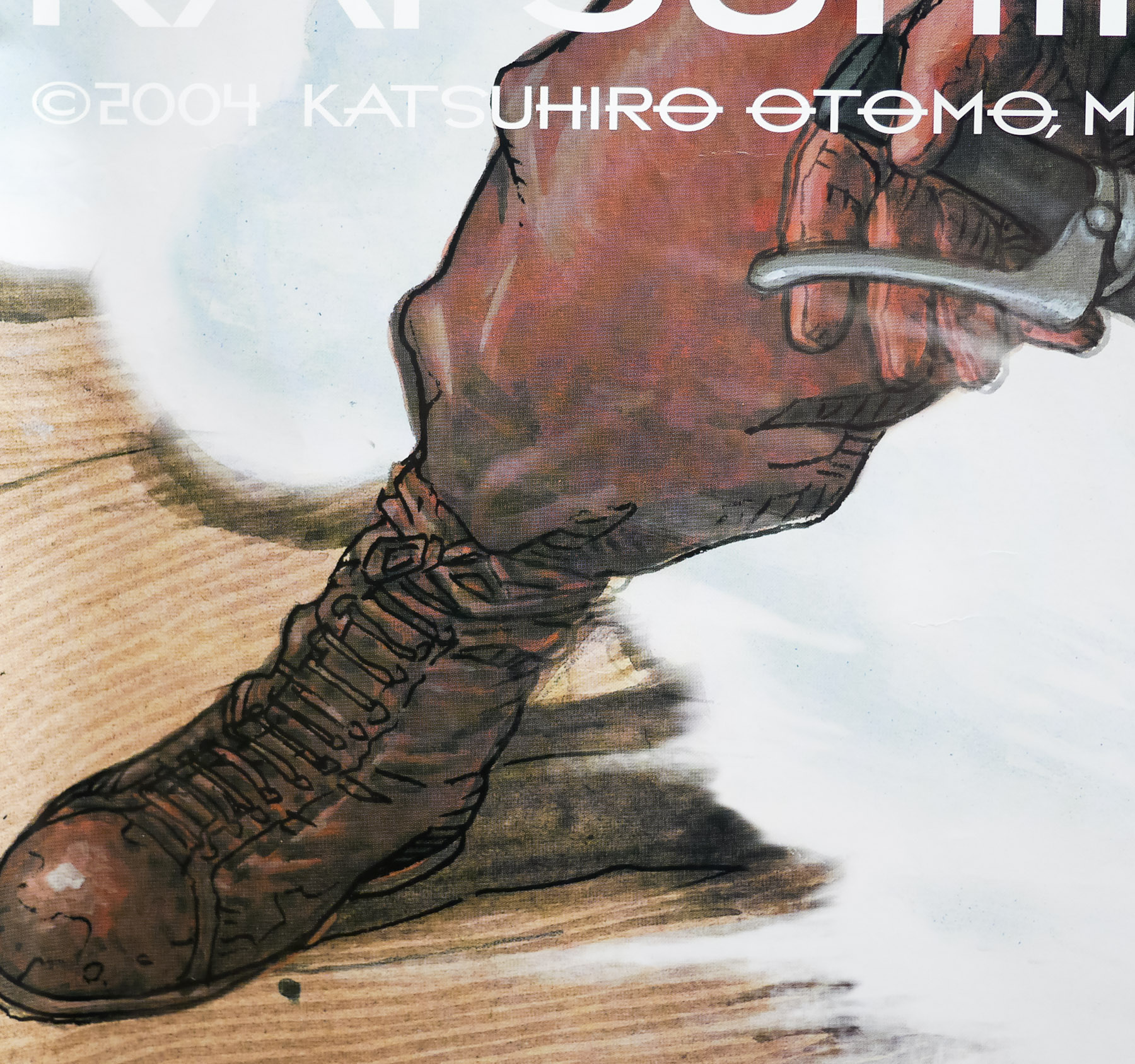
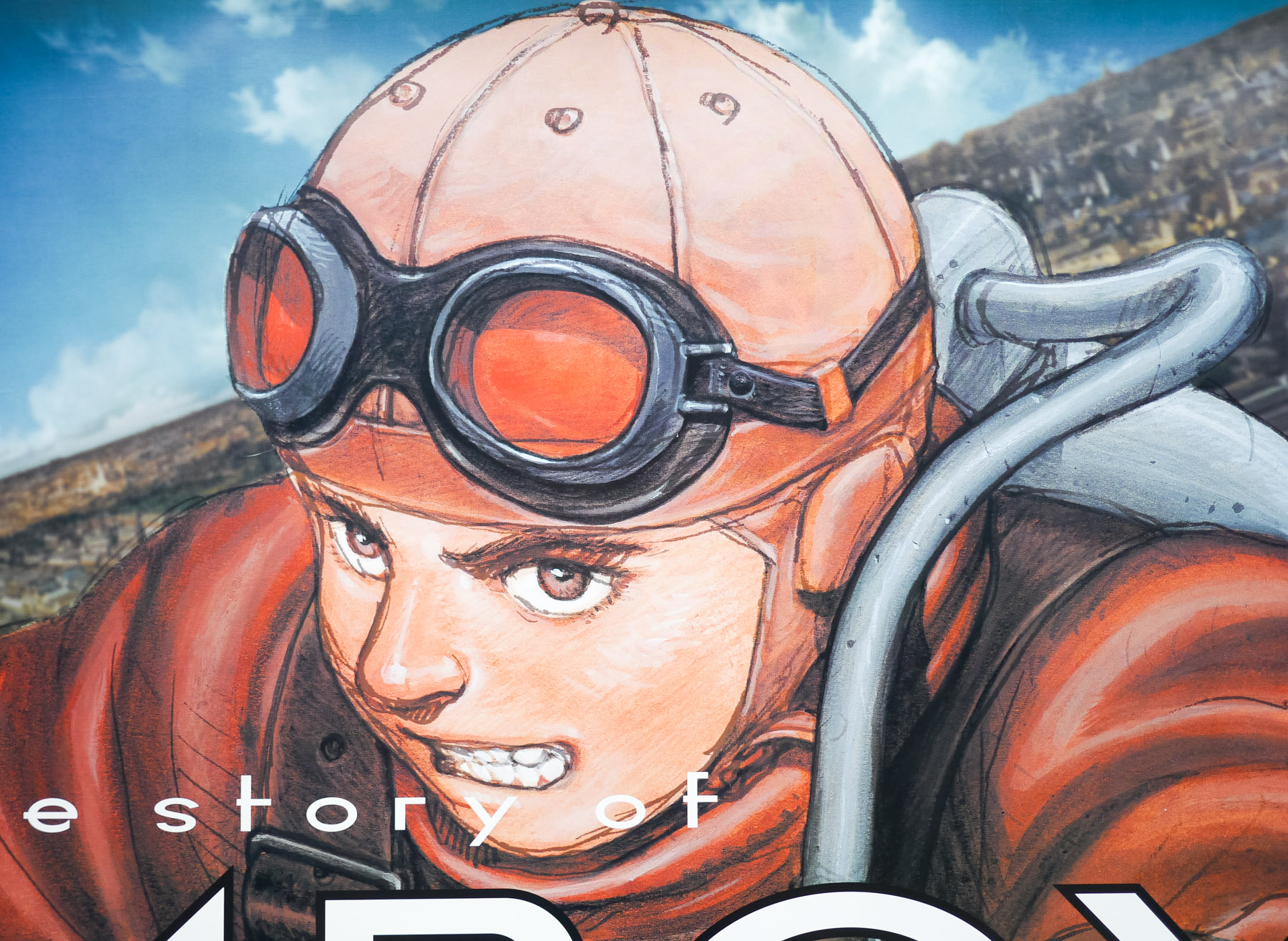
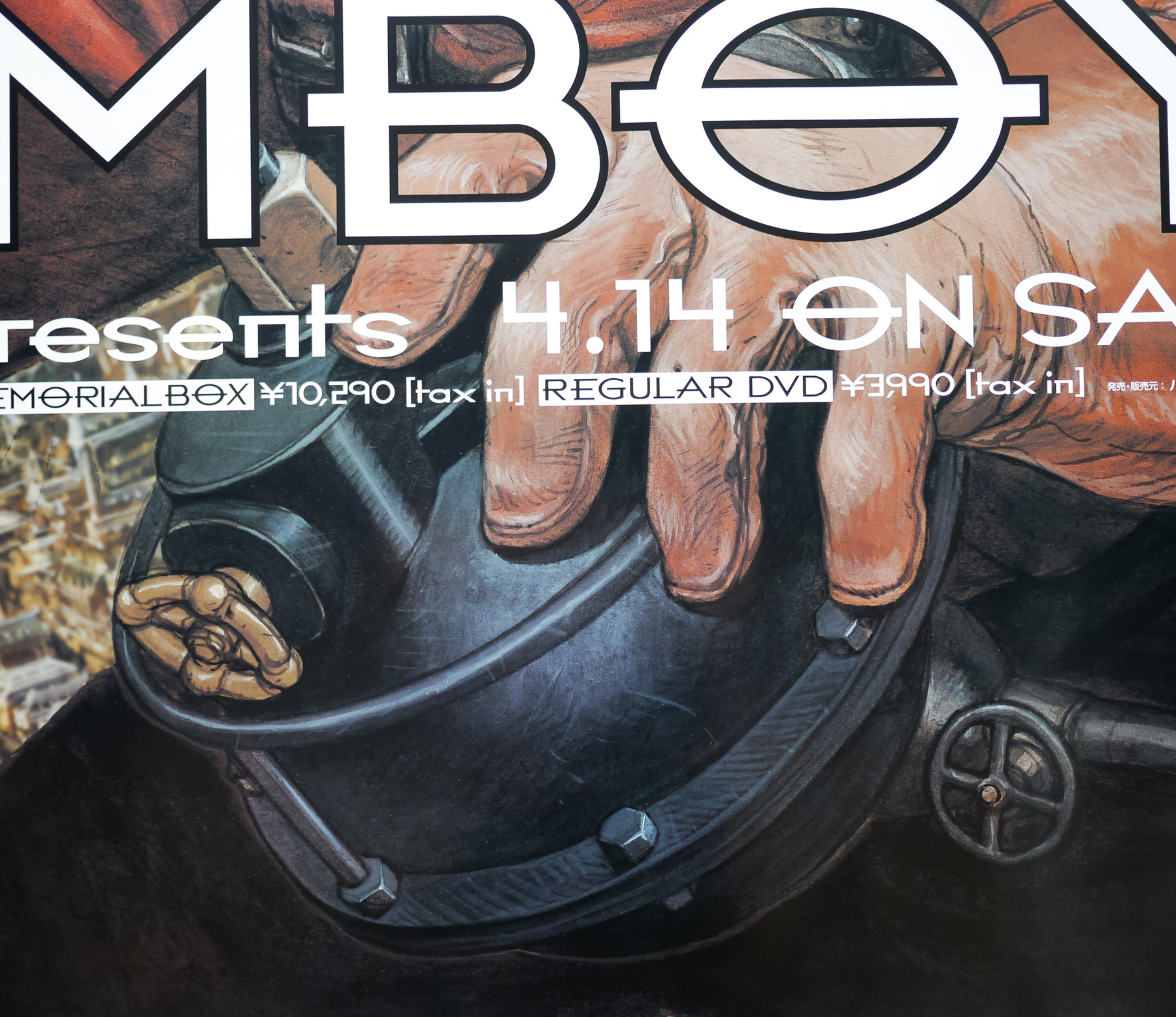
This is an incredibly scarce B0 poster that was printed to promote the 2004 DVD release of Katsuhiro Otomo‘s 2004 anime, Steamboy. It features two illustrations of the main character James Ray Steam by the director himself. The film was Otomo’s first full-length anime to be released since the landmark Akira in 1988. Otomo had been busy in the intervening years, writing and illustrating several manga and contributing to other films, including the 1995 anthology Memories as well as the screenplay for the 2001 anime Metropolis. Steamboy was over 10 years in preparation and was apparently one the most expensive anime movies made at that point. The film has a steampunk theme and is set in an alternate 19th Century Britain.

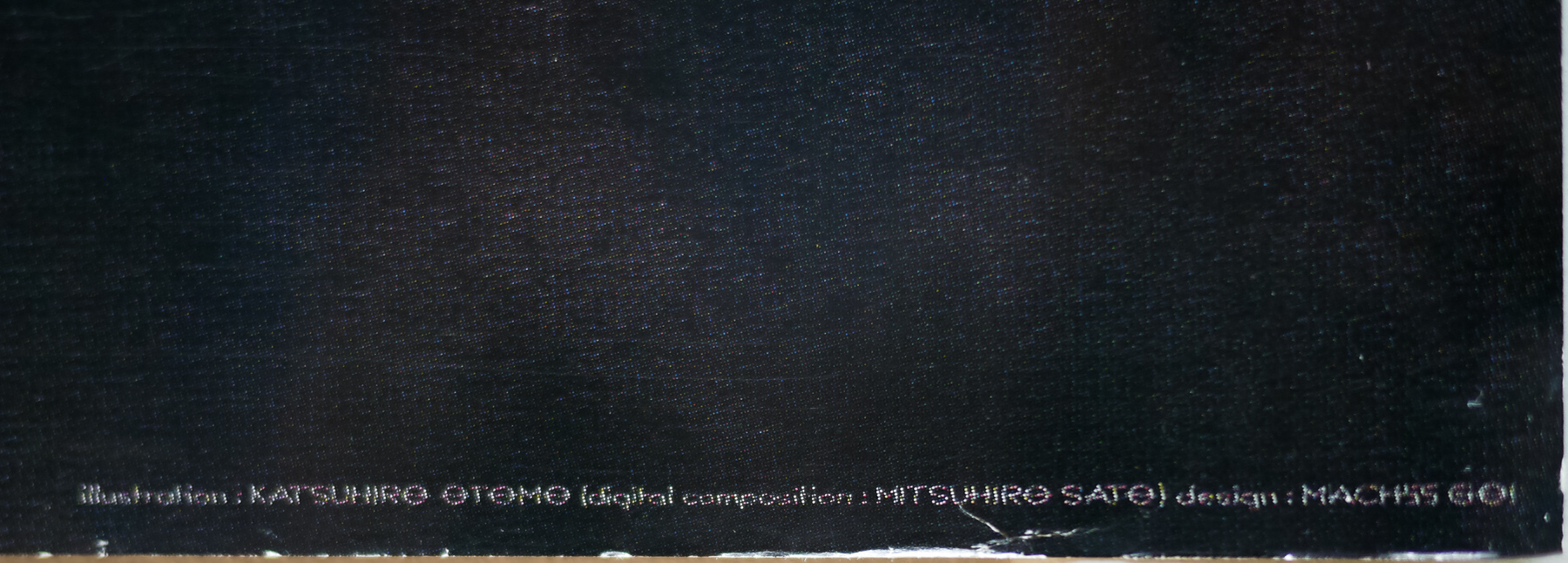
The poster was designed by Toshiaki Uesugi, a graphic designer and musician who has regularly collaborated with Otomo, and who is also known as Mach55Go! for his musical work. Uesugi’s official site is here and is significantly out of date, but this page features a list of his work, which includes other Otomo collaborations as well as his work on anime like Cowboy Bebop and Macross.

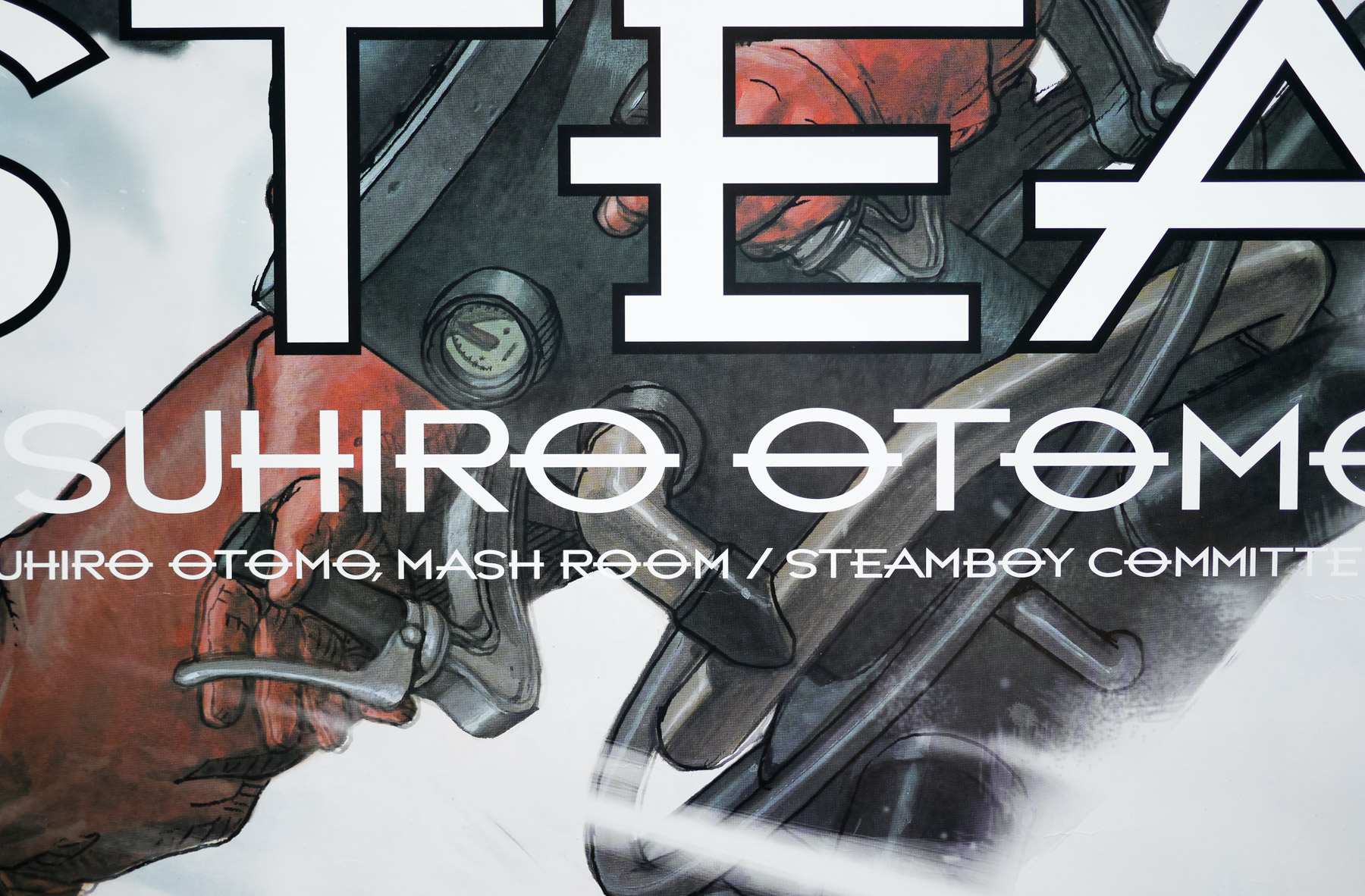
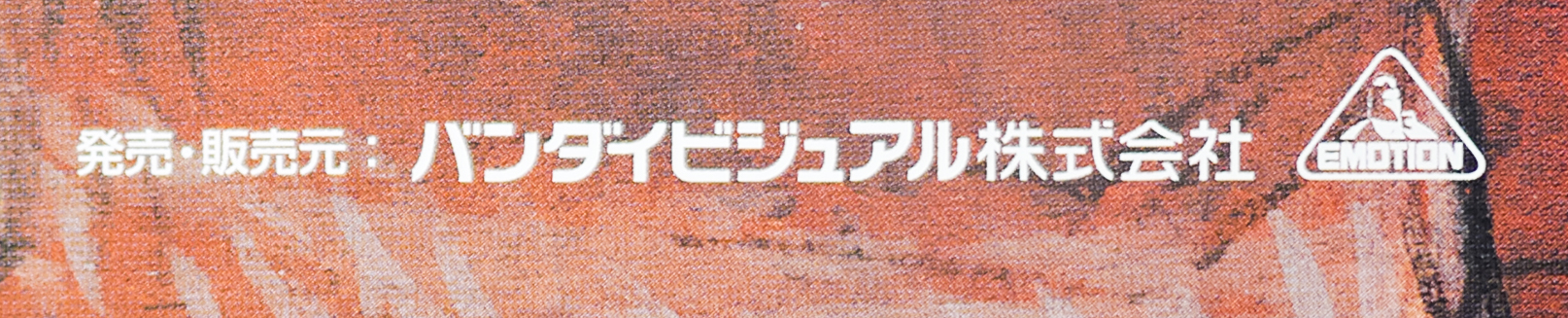
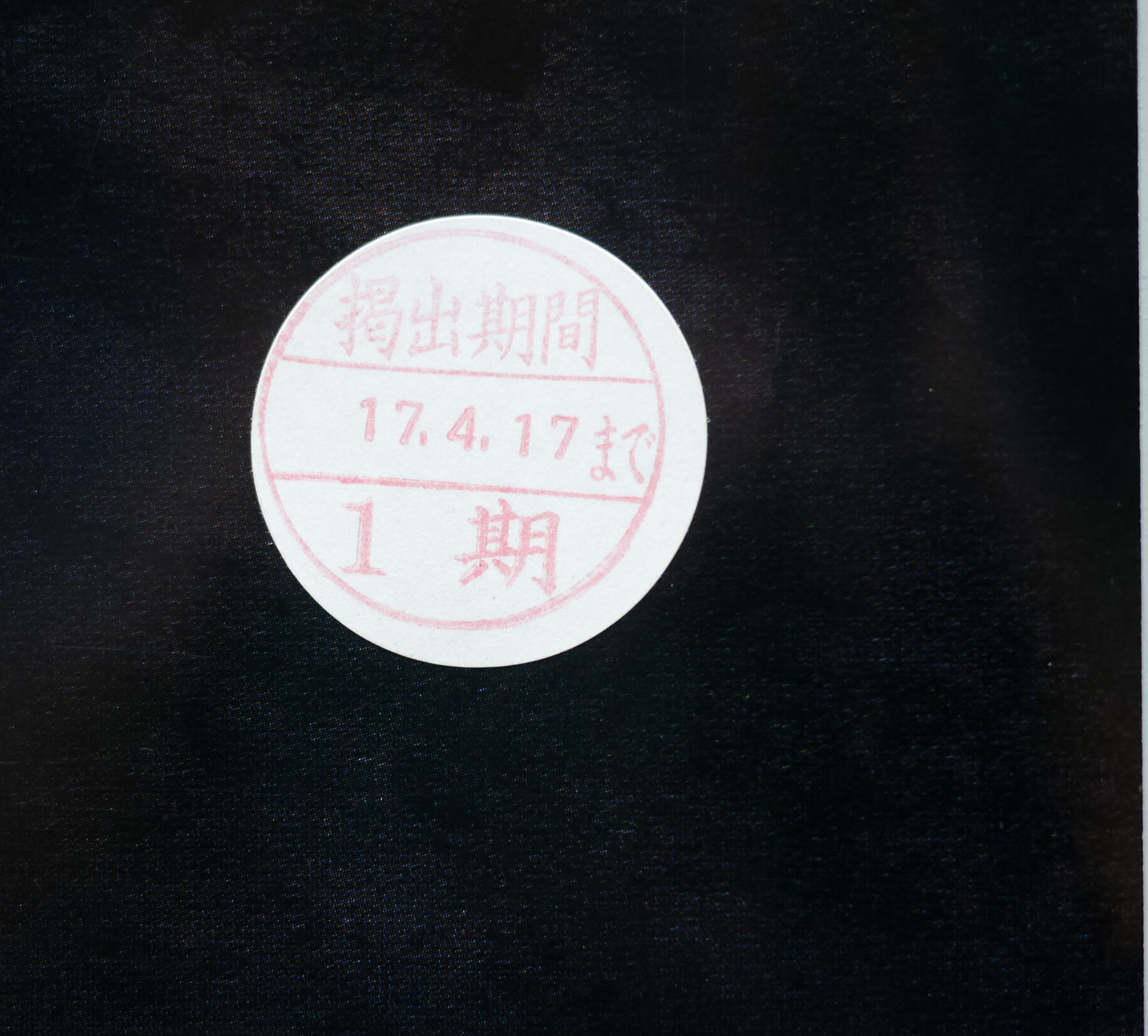
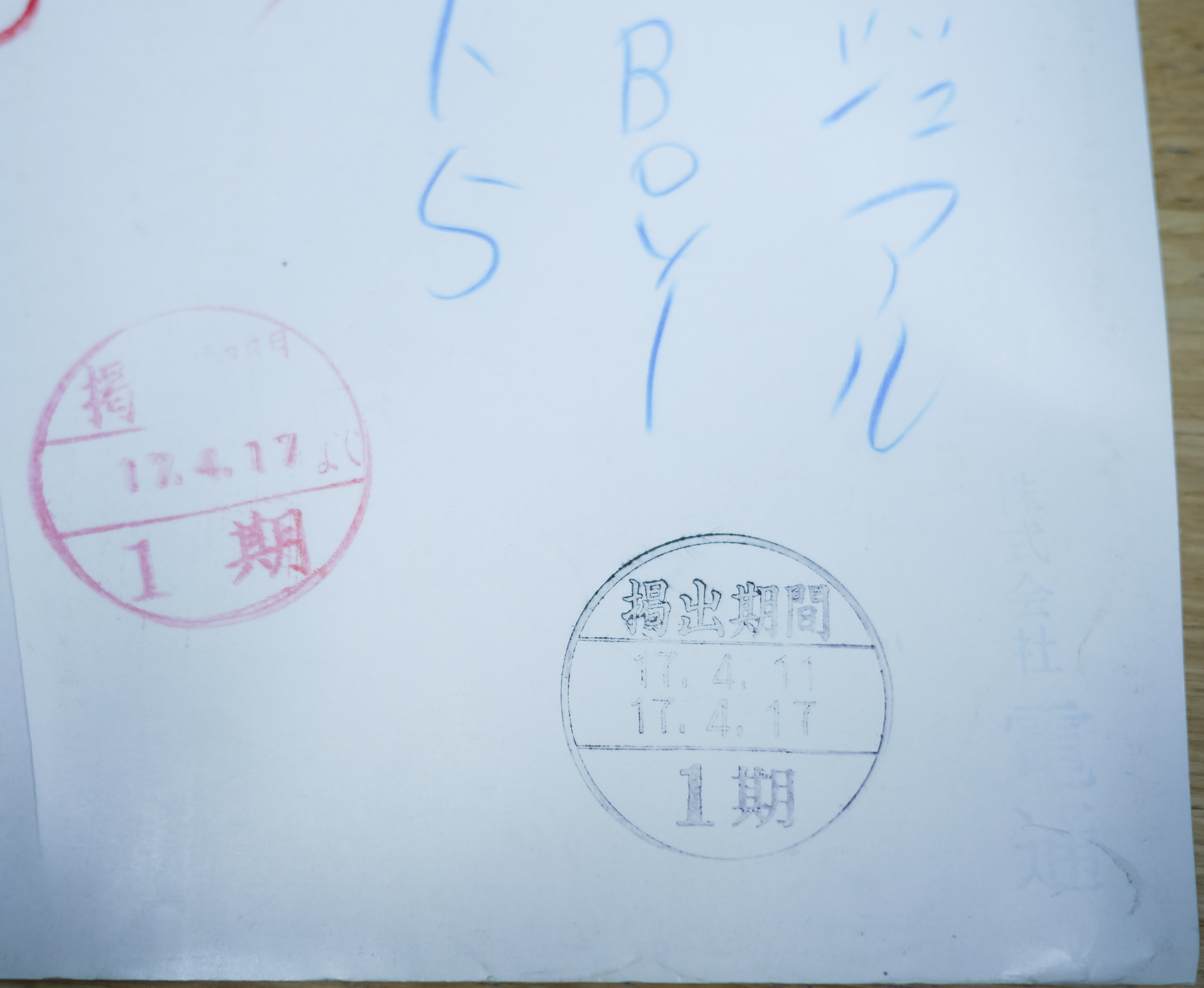
During a 2014 trip to Japan I was lucky enough to be able to visit an exhibition that was dedicated to Otomo’s poster design and I first saw this poster there along with the ultra scarce Akira B0 DVD release poster that can be seen on Film on Paper here. I assumed I would never get the chance to add the Akira B0 to my collection but almost a year later the poster appeared on Yahoo auctions Japan and I was lucky to win the auction with the help of a Japanese friend. This Steamboy poster came from the same seller. The white sticker on the bottom right corner was placed there in 2004 by the company that controls advertising on the Tokyo Metro and details when it should be taken down from display. Take a look at the last picture which displays some hand-stamped marks found on the back side of the poster.

During a 2012 visit to Tokyo I went to a retrospective exhibition of Otomo’s work called Genga (A Japanese animation term for keyframes, literally ‘original pictures’), which featured hundreds of pieces of his artwork and the original hand-drawn pages for the Akira manga. I was also able to wear Kaneda’s jacket and sit on the legendary red bike!

Alligator / B2 / black style / Japan

17.09.12

Poster Poster
Title
Alligator
AKA
Arigêtâ (Japan)
Year of Film
1980
Director
Lewis Teague
Starring
Robert Forster, Robin Riker, Michael V. Gazzo, Dean Jagger, Sydney Lassick, Jack Carter, Perry Lang, Jim Kelly, Henry Silva, Bart Braverman
Origin of Film
Japan
Type of Poster
B2
Style of Poster
Black style
Origin of Poster
Japan
Year of Poster
1981
Designer
Unknown
Artist
--
Size (inches)
20 6/16" x 28 14/16"
SS or DS
SS
Tagline
--

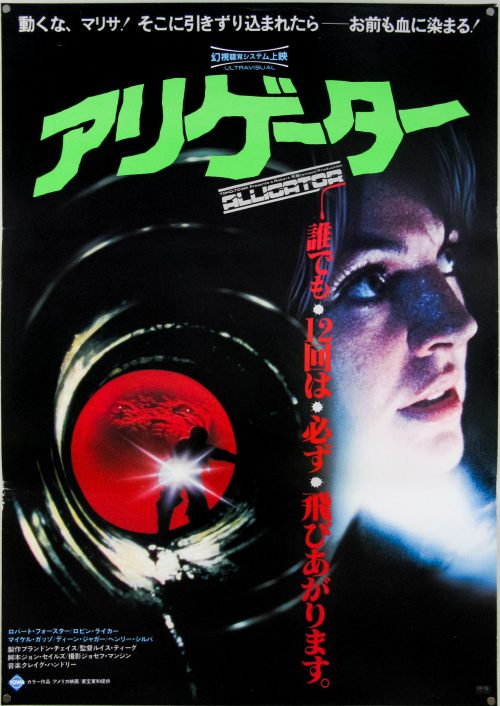
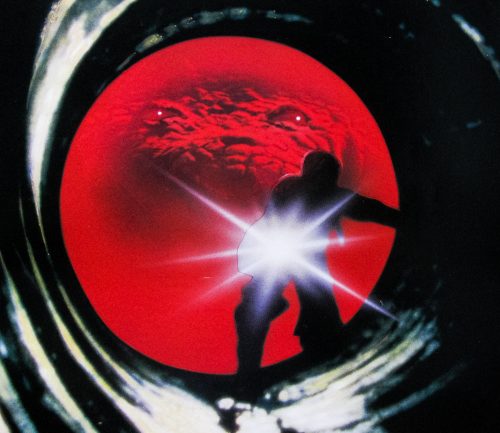
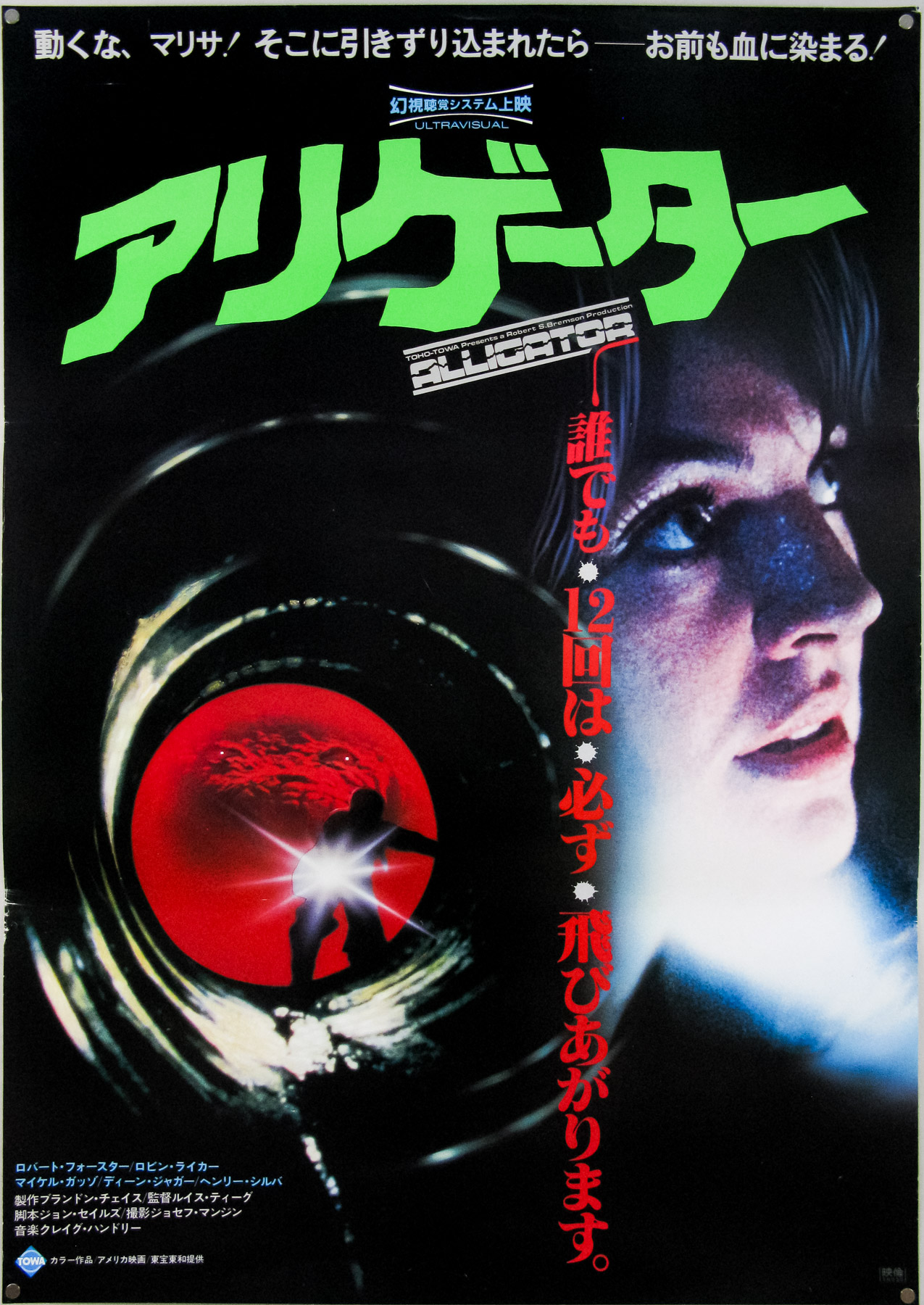
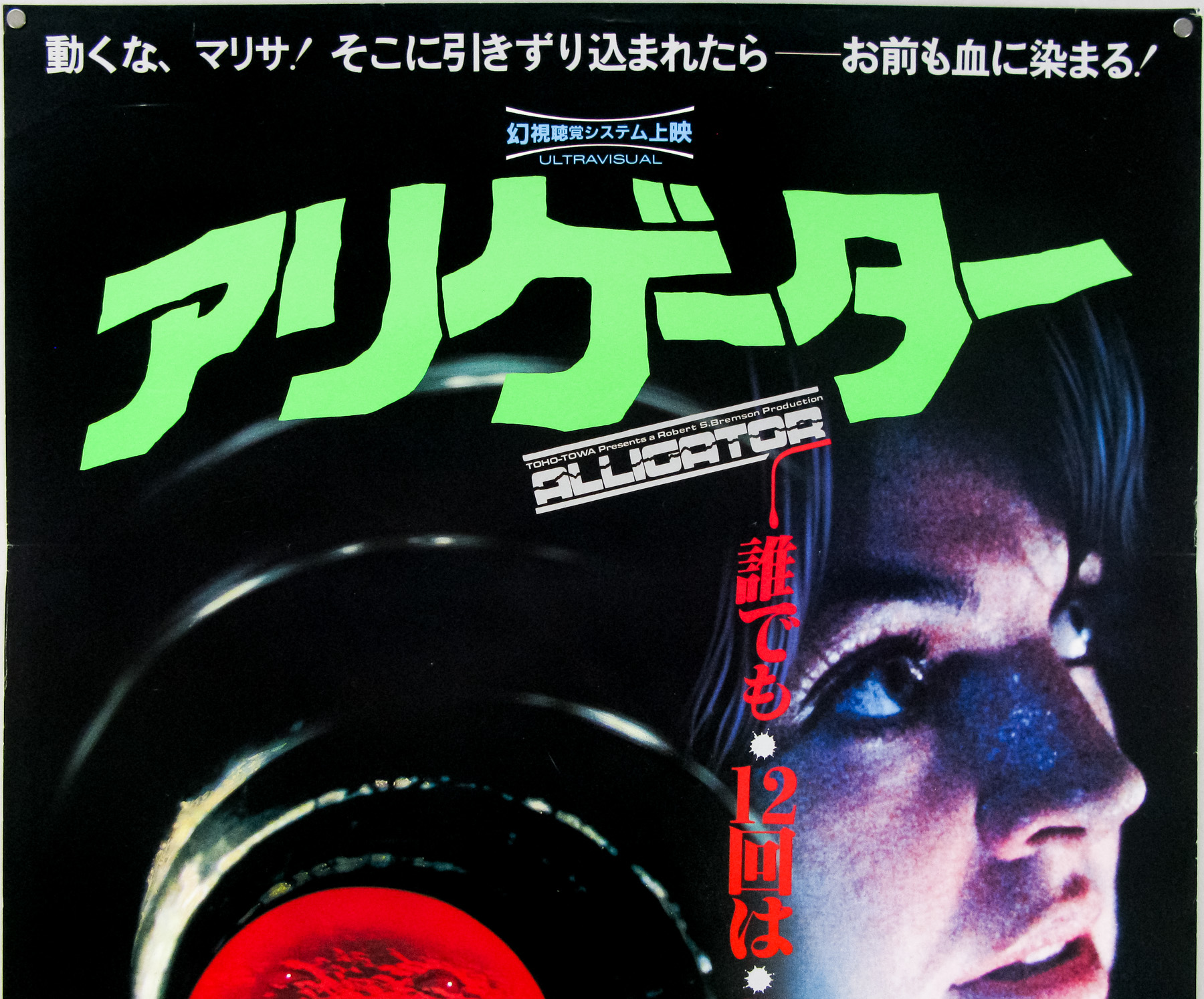
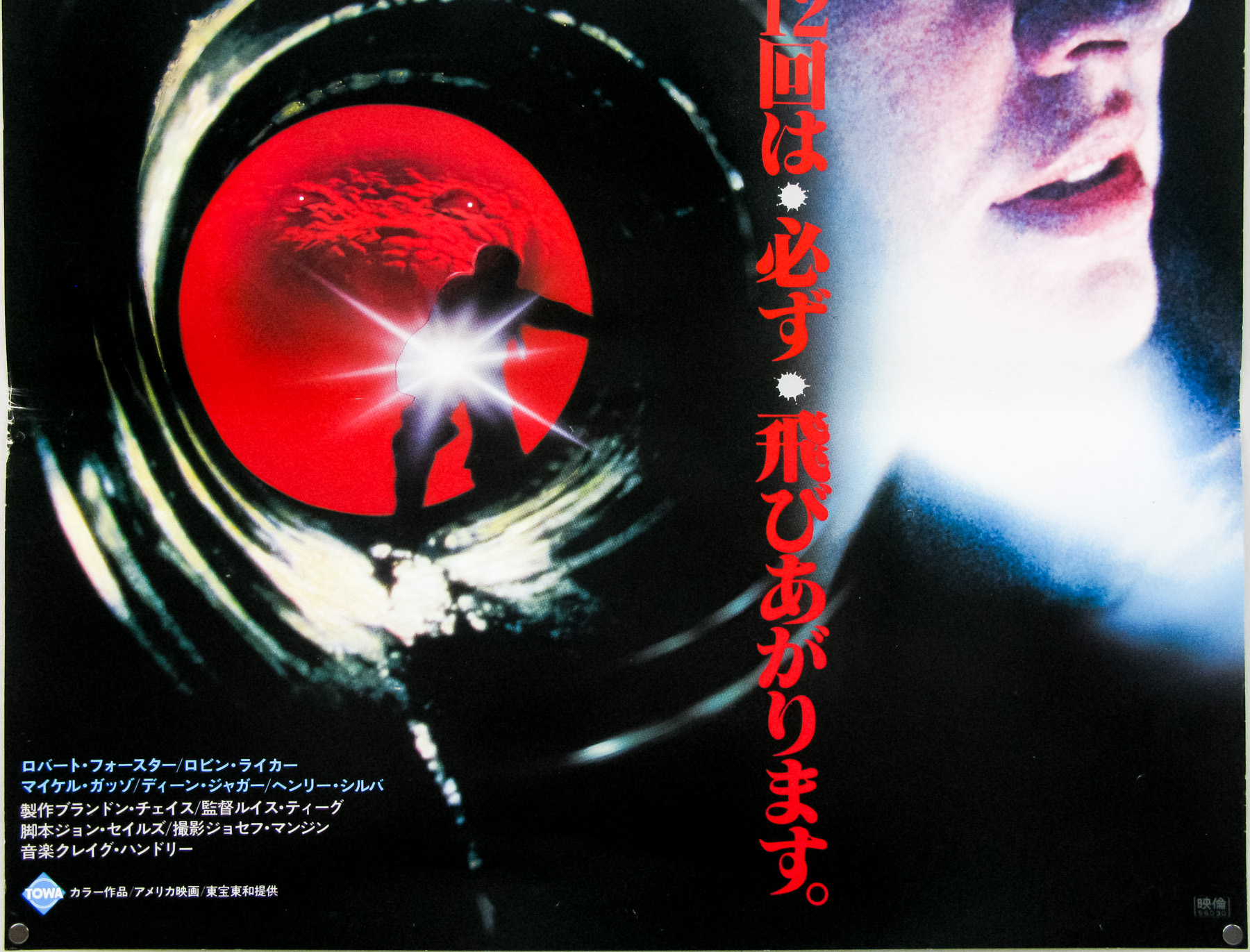
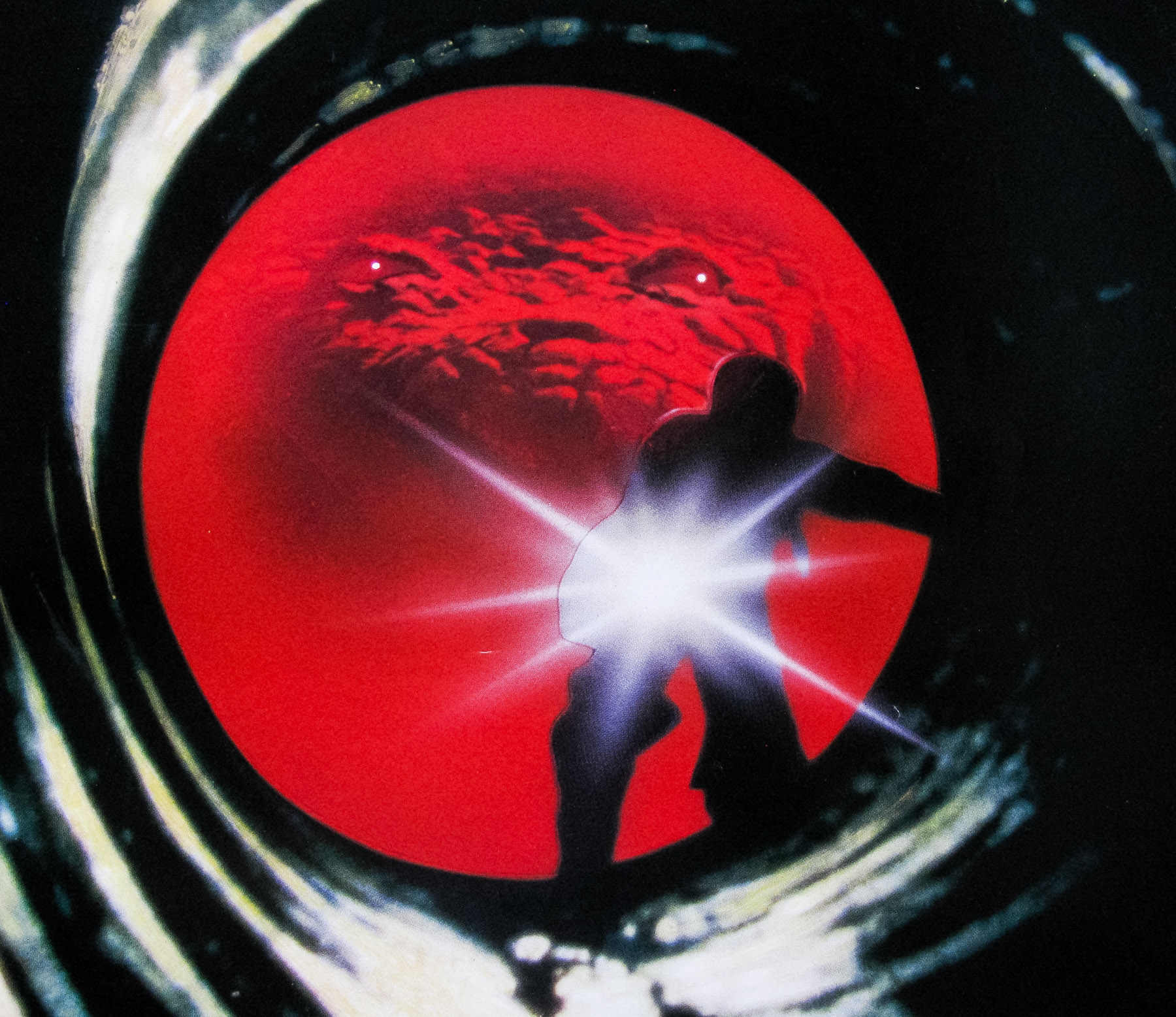
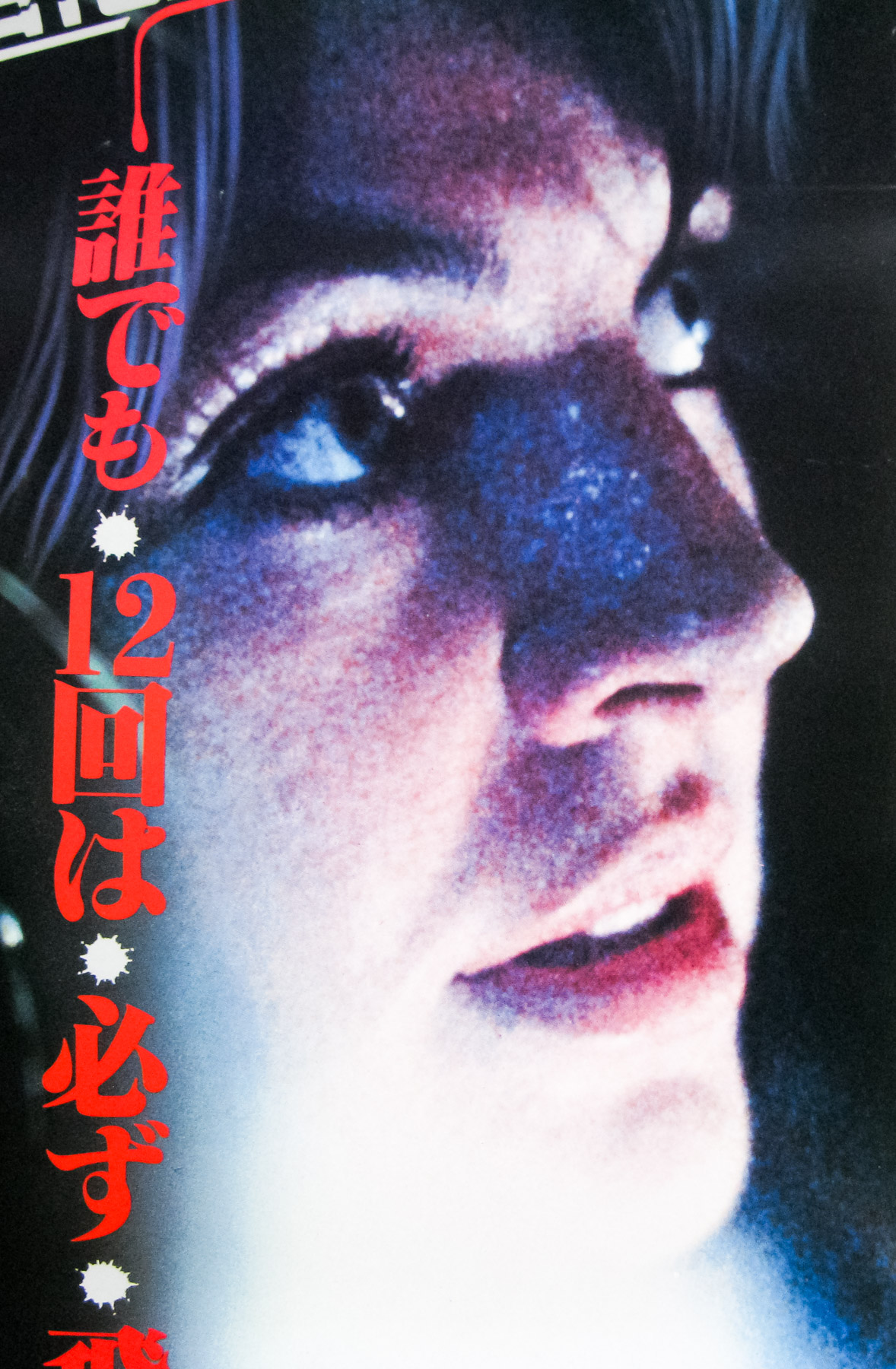
Alligator, the 1980 giant beast in the sewers b-movie, was directed by Lewis Teague (Cujo, The Jewel of the Nile) and had its screenplay written by John Sayles, who was also behind the Roger Corman-produced hit Piranha (1978). The story sees a baby alligator bought by a young girl in Florida, and subsequently named Ramón, flushed down the sewers in Los Angeles by her animal-phobic father. The film then jumps to twelve years later and the reptile has grown to the size of a bus after eating the corpses of dead pets that have been injected with a secret growth formula and dumped into the sewers. After human body parts begin showing up with alarming regularity the world-weary detective David Madison (genre stalwart Robert Forster) is sent into the sewers to investigate what’s behind the murders, along with reptile expert Marisa Kendall (Robin Riker – as pictured on this poster), the girl that originally flushed Ramón into the sewers.

The film features an infamous scene where Ramón escapes from the sewers and rampages through a high-society wedding murdering anyone who crosses his path. This scene can be viewed on YouTube.

This is one of two Japanese posters for the film that I’m aware of, and I’ve called this the ‘black style’.

The original trailer is on YouTube.

Boiling Point / B2 / Japan

04.06.14

Poster Poster
Title
Boiling Point
AKA
3-4 x jûgatsu [The Third and Fourth of October] (Japan - original title)
Year of Film
1990
Director
Takeshi Kitano
Starring
Takeshi Kitano, Yûrei Yanagi, Yuriko Ishida, Gadarukanaru Taka, Dankan, Eri Fuse, Makoto Ashikawa, Hiroshi Suzuki
Origin of Film
Japan
Genre(s) of Film
Takeshi Kitano, Yûrei Yanagi, Yuriko Ishida, Gadarukanaru Taka, Dankan, Eri Fuse, Makoto Ashikawa, Hiroshi Suzuki,
Type of Poster
B2
Style of Poster
--
Origin of Poster
Japan
Year of Poster
1990
Designer
Unknown
Artist
--
Size (inches)
20 6/16" x 28 13/16"
SS or DS
SS
Tagline
--

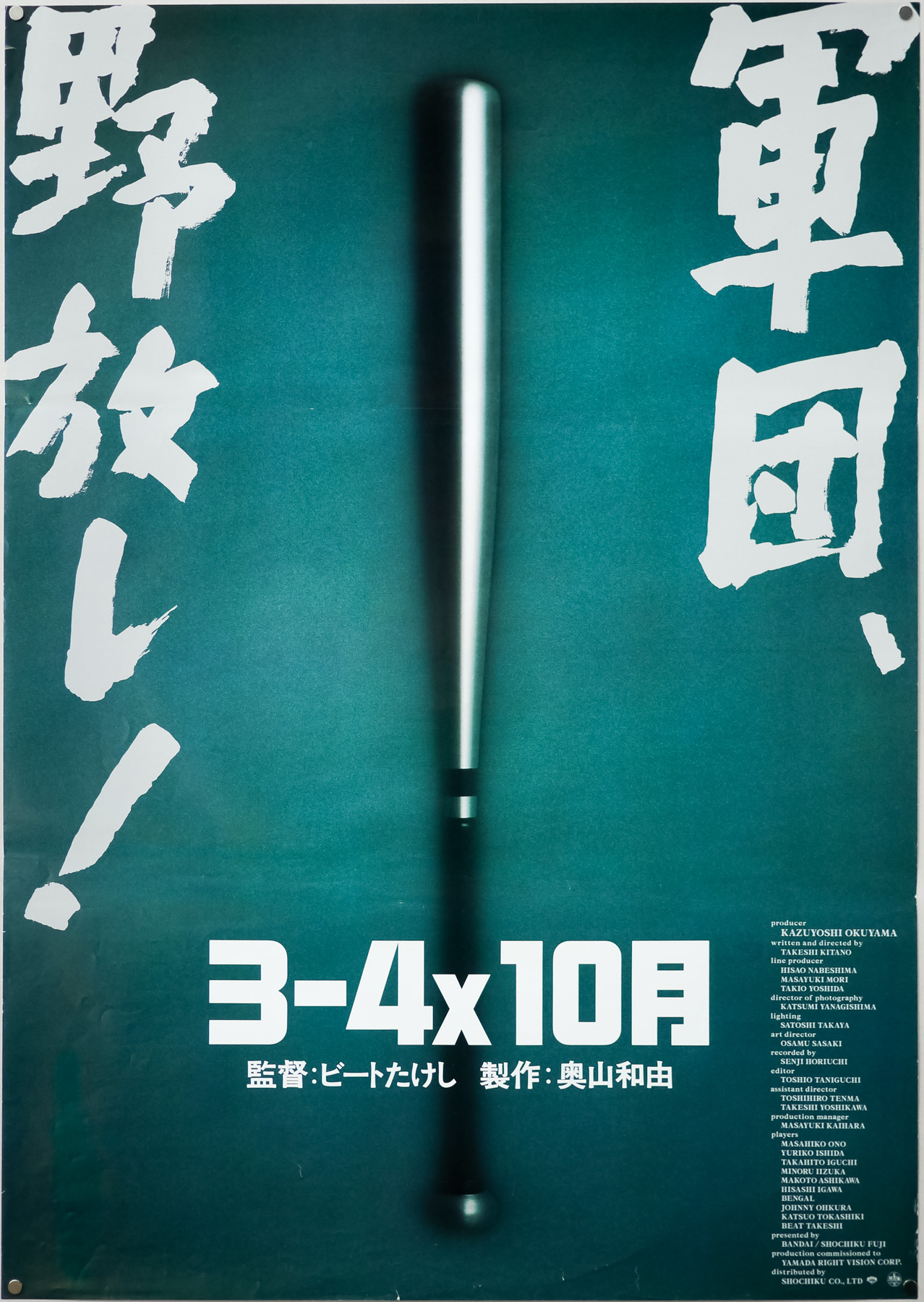
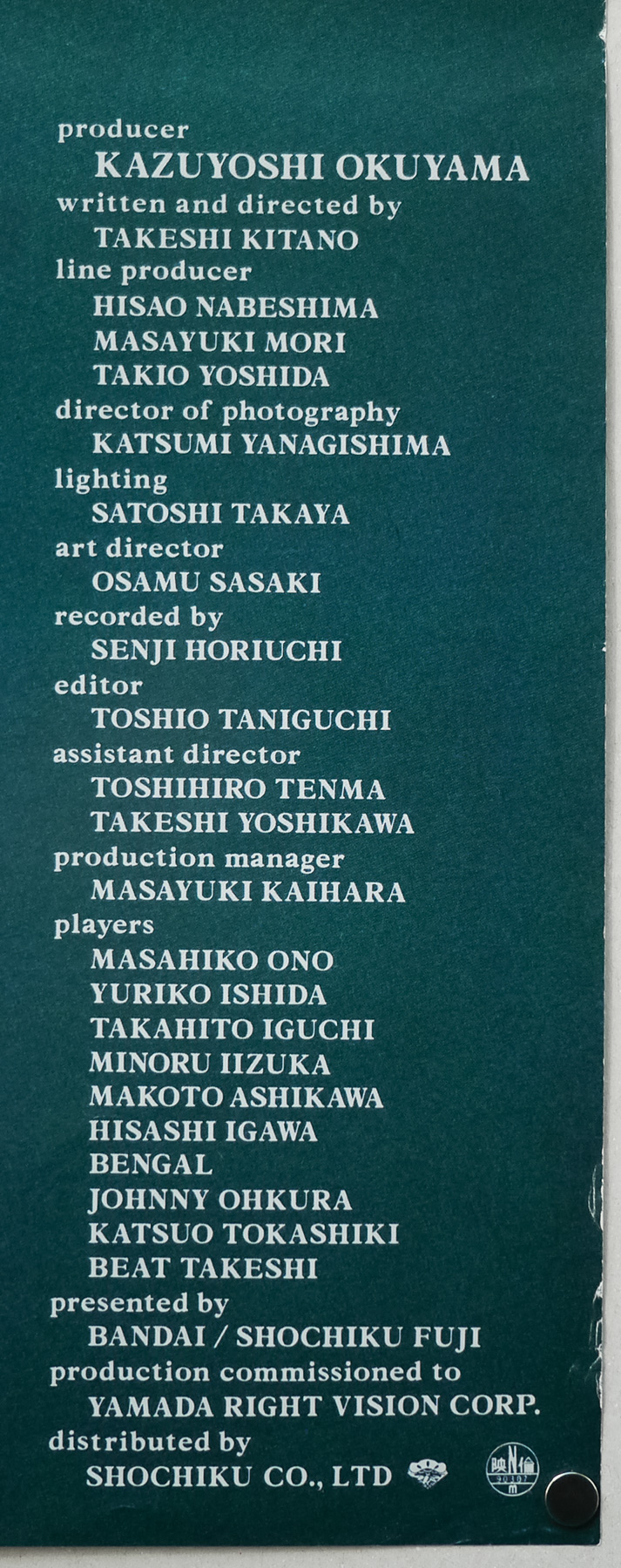
Boiling Point was Japanese legend Takeshi Kitano‘s second film as director and his first as screenwriter and shouldn’t be confused with the Wesley Snipes clunker of the same name that was released in the UK around the same time. As with many of Kitano’s directorial efforts the film features Yakuzas as a prominent story element. Yûrei Yanagi (AKA Masahiko Ono) stars as Masaki, a feckless loser stuck in a dead-end job at a gas station who also plays (badly) for a local baseball team.

One day the coach of the team is attacked and almost killed by yakuza thugs following a confrontation in which Masaki is threatened by the same gangsters. He decides to head to Okinawa to meet a contact who can supply him with a gun in order to take revenge. This contact happens to be the psychotic Uehara (Kitano himself in an extended cameo) an unpredictable, dangerous yakuza who also wants revenge against the same gang. Masaki is taken under Uehara’s wing, leading to violent and surprising encounters in the Okinawa underworld.

Kitano’s character is thoroughly unlikeable and most of his actions are reprehensible in the extreme. Following on from the critical and commercial success of Violent Cop, audience and critical reaction wasn’t quite as favourable to Boiling Point and today its often said to be one of his lesser films, if not still a must watch for fans of the actor-director.

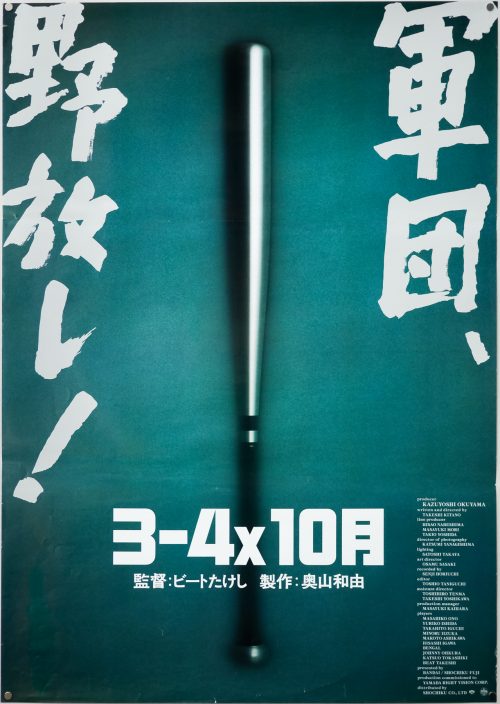
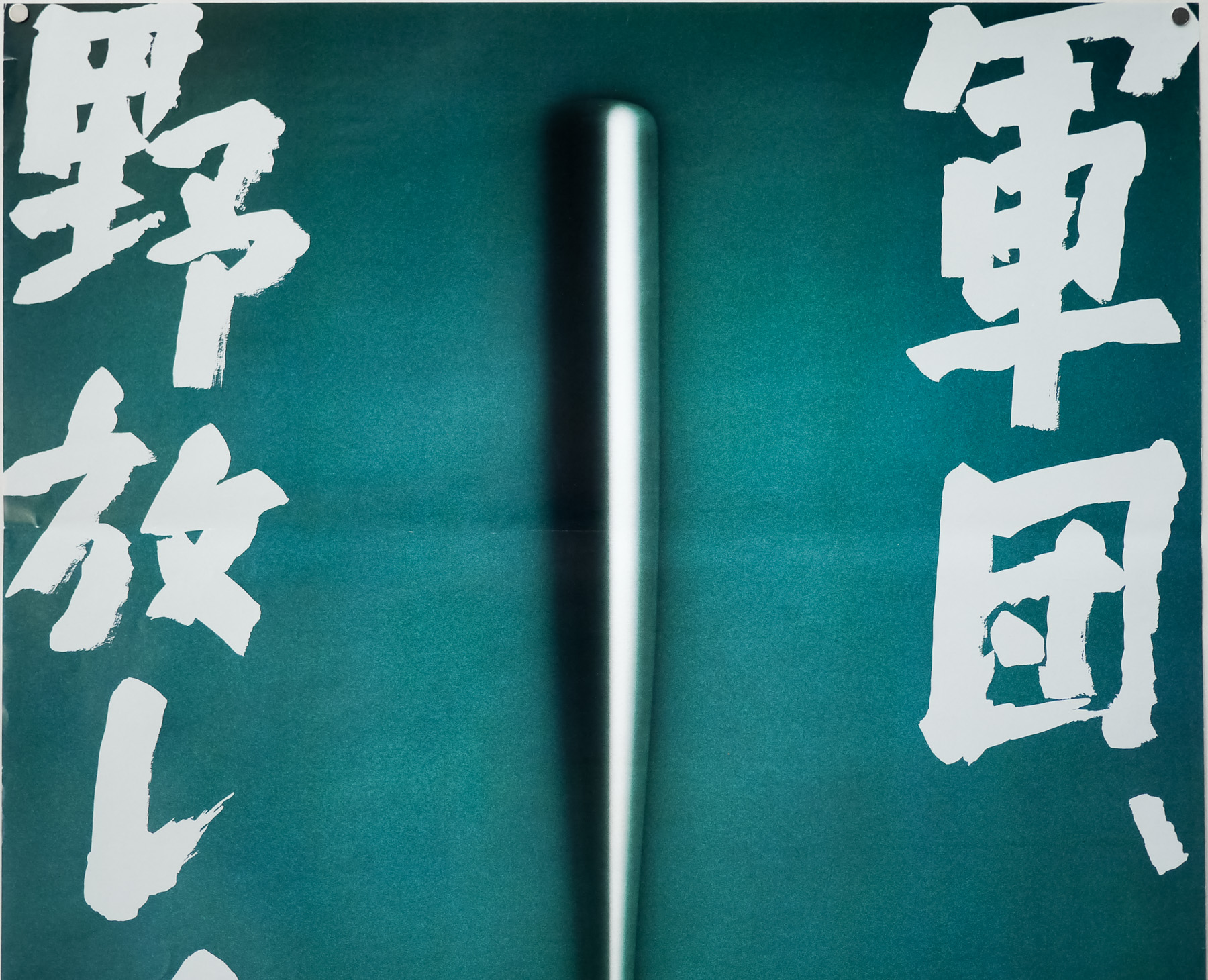
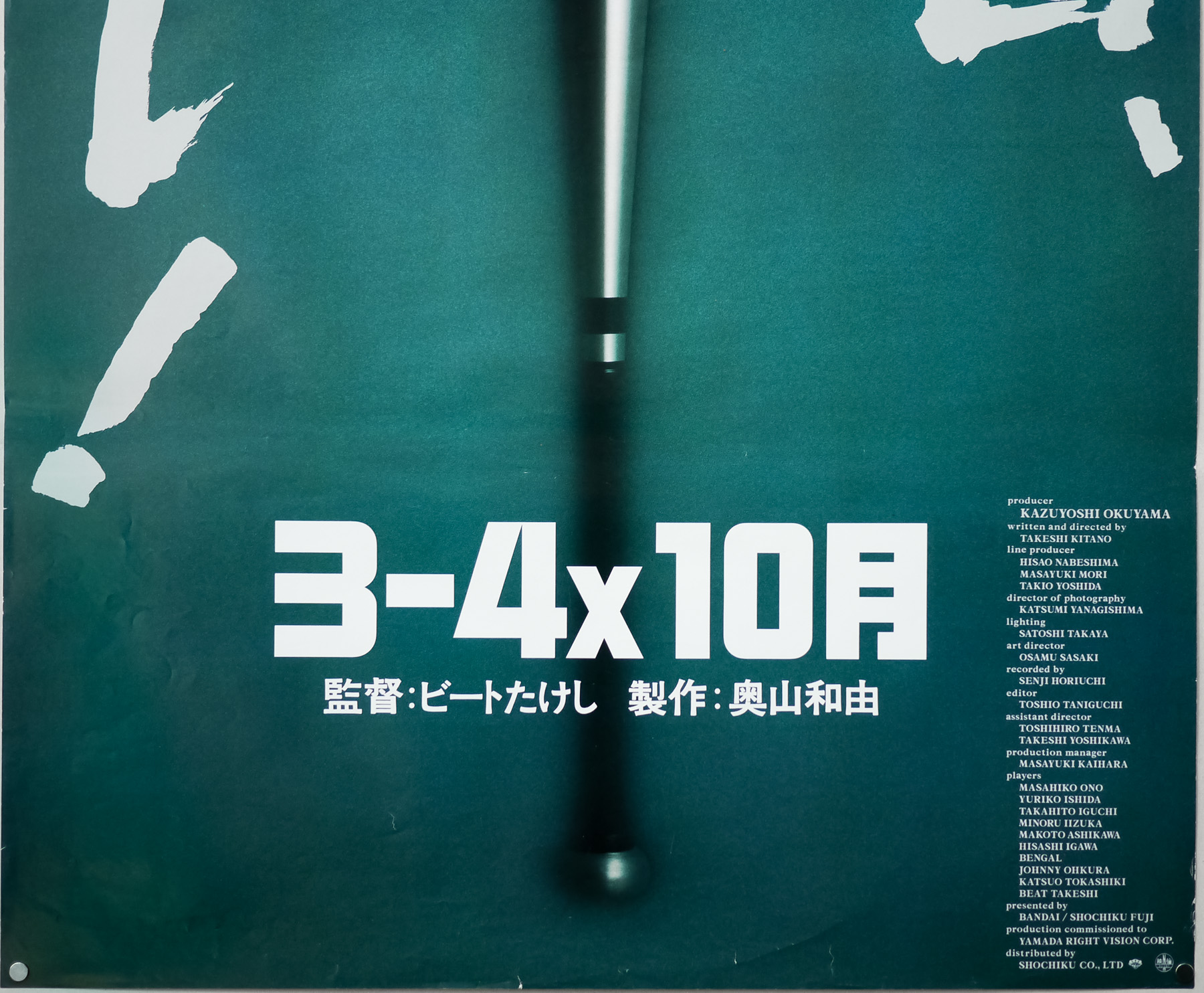
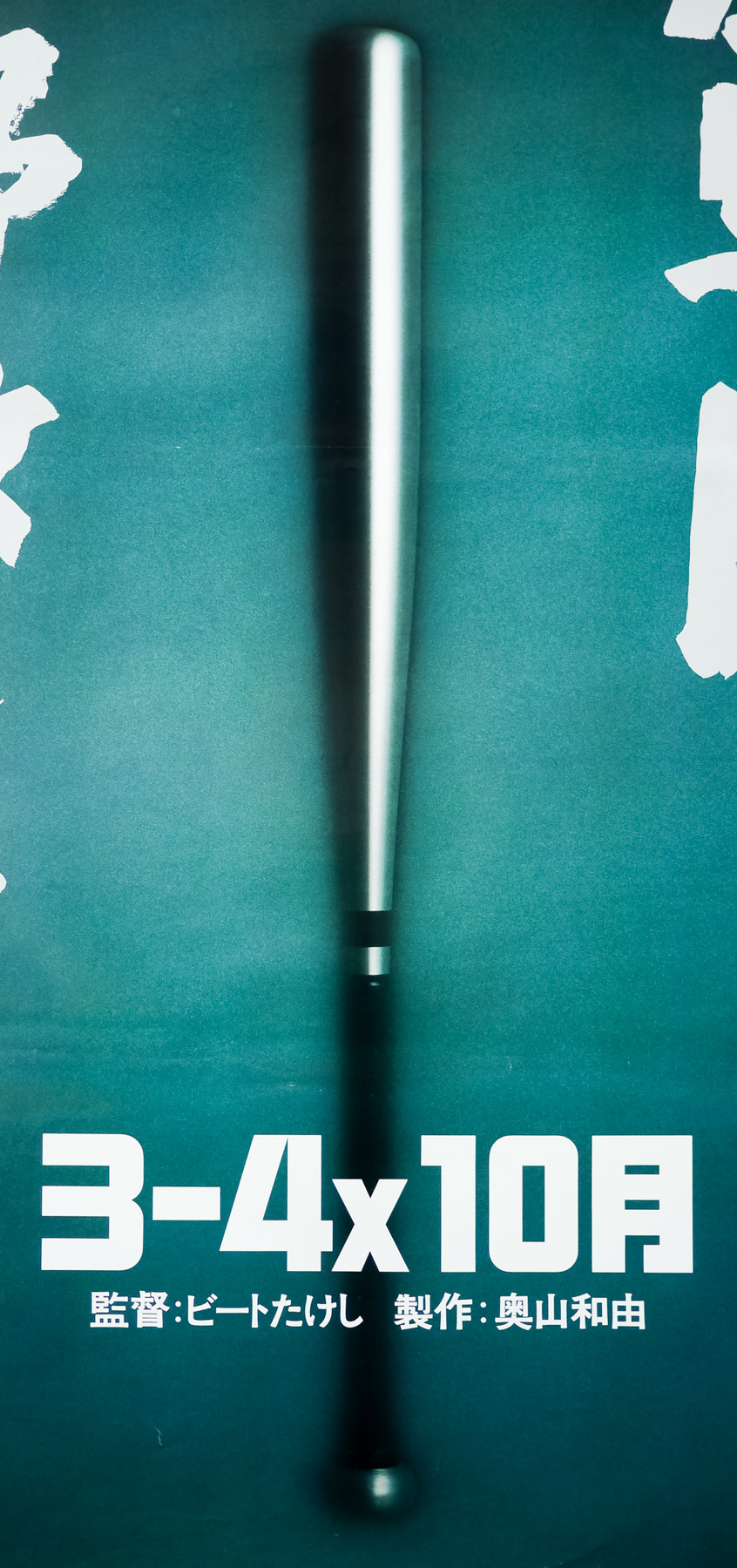
This striking B2 poster features the simple image of a metal baseball bat on a blue-green background. The Japanese title translates as ‘3-4, October’ and relates to the score of a baseball match seen in the film and the month of October, an important one in the Japanese baseball calendar.

Check out the other posters featuring Takeshi Kitano in the Film on Paper collection by clicking here.
Nausicaa / B2 / portrait style / Japan

07.08.13

Poster Poster
Title
Nausicaa
AKA
Nausicaa of the Valley of the Wind (full English title) | Kaze no tani no Naushika (Japan - original title) | Warriors of the Wind (USA - edited version)
Year of Film
1984
Director
Hayao Miyazaki
Starring
Sumi Shimamoto, Mahito Tsujimura, Hisako Kyôda, Gorô Naya, Ichirô Nagai, Kôhei Miyauchi, Jôji Yanami, Minoru Yada
Origin of Film
Japan
Genre(s) of Film
Sumi Shimamoto, Mahito Tsujimura, Hisako Kyôda, Gorô Naya, Ichirô Nagai, Kôhei Miyauchi, Jôji Yanami, Minoru Yada,
Type of Poster
B2
Style of Poster
Portrait
Origin of Poster
Japan
Year of Poster
1984
Designer
Unknown
Artist
Hayao Miyazaki
Size (inches)
20 6/16" x 28 13/16"
SS or DS
SS
Tagline
--

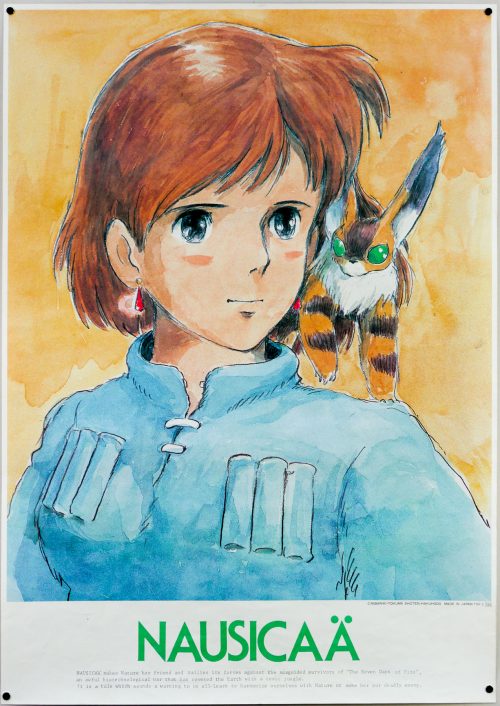
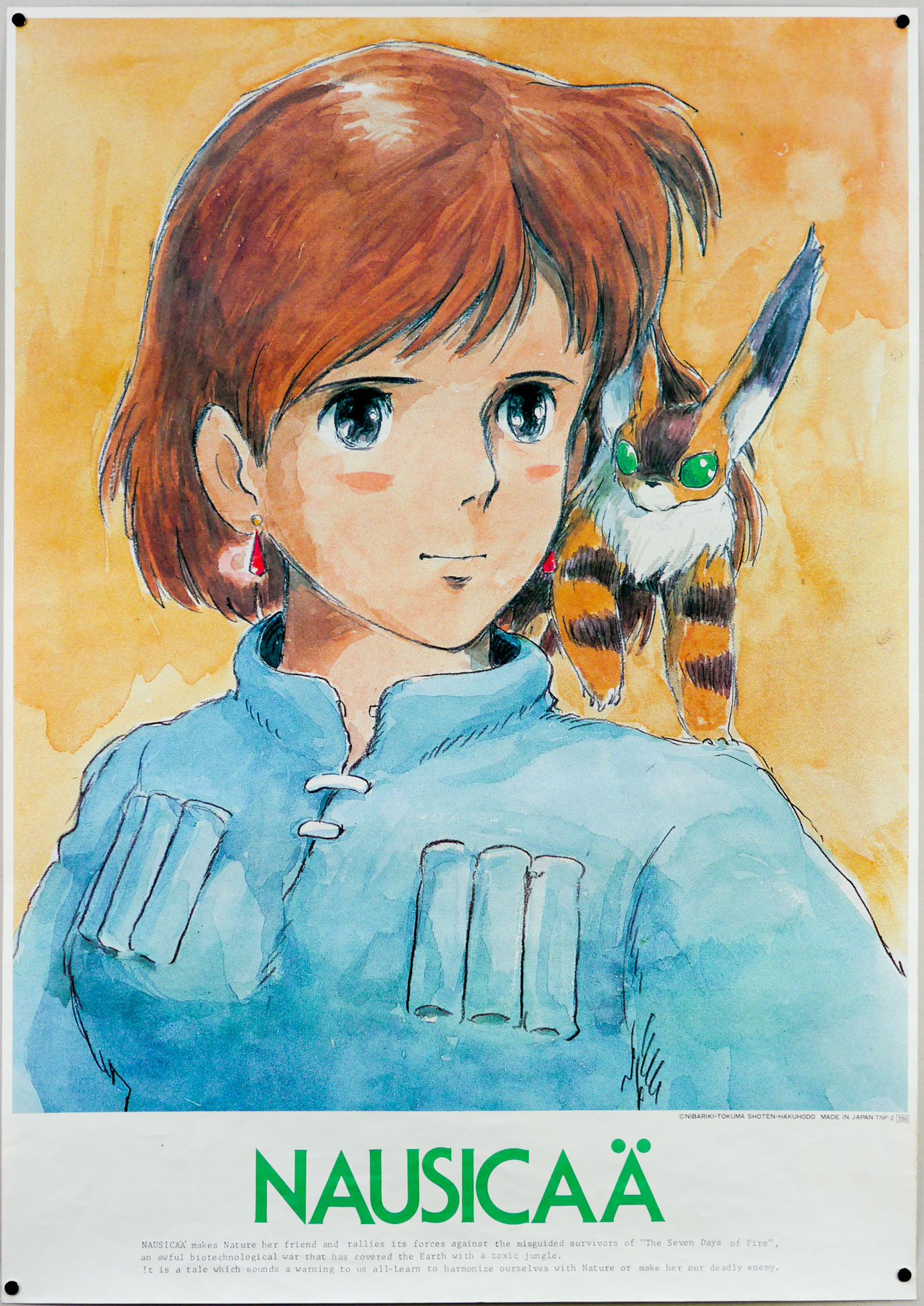
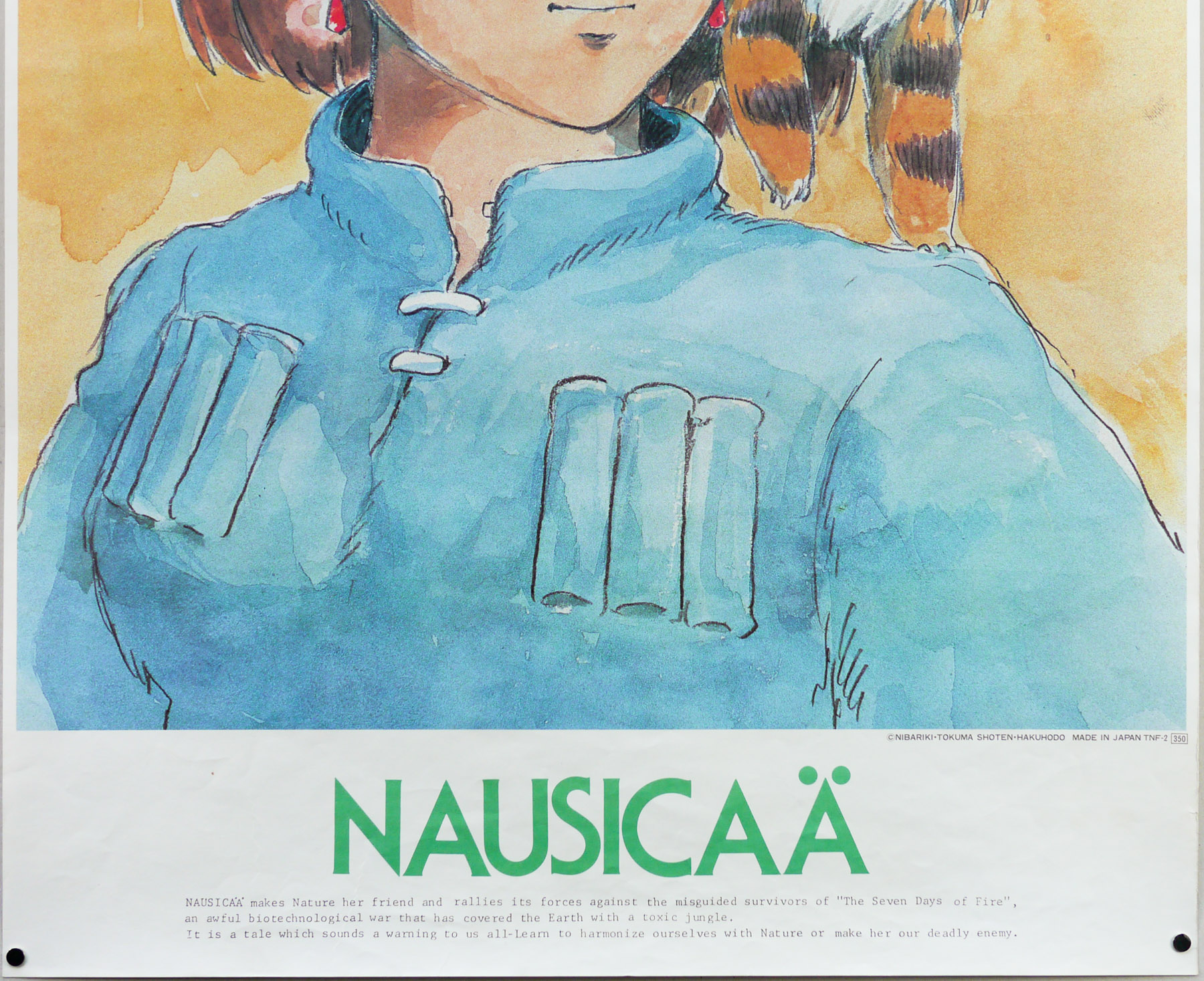
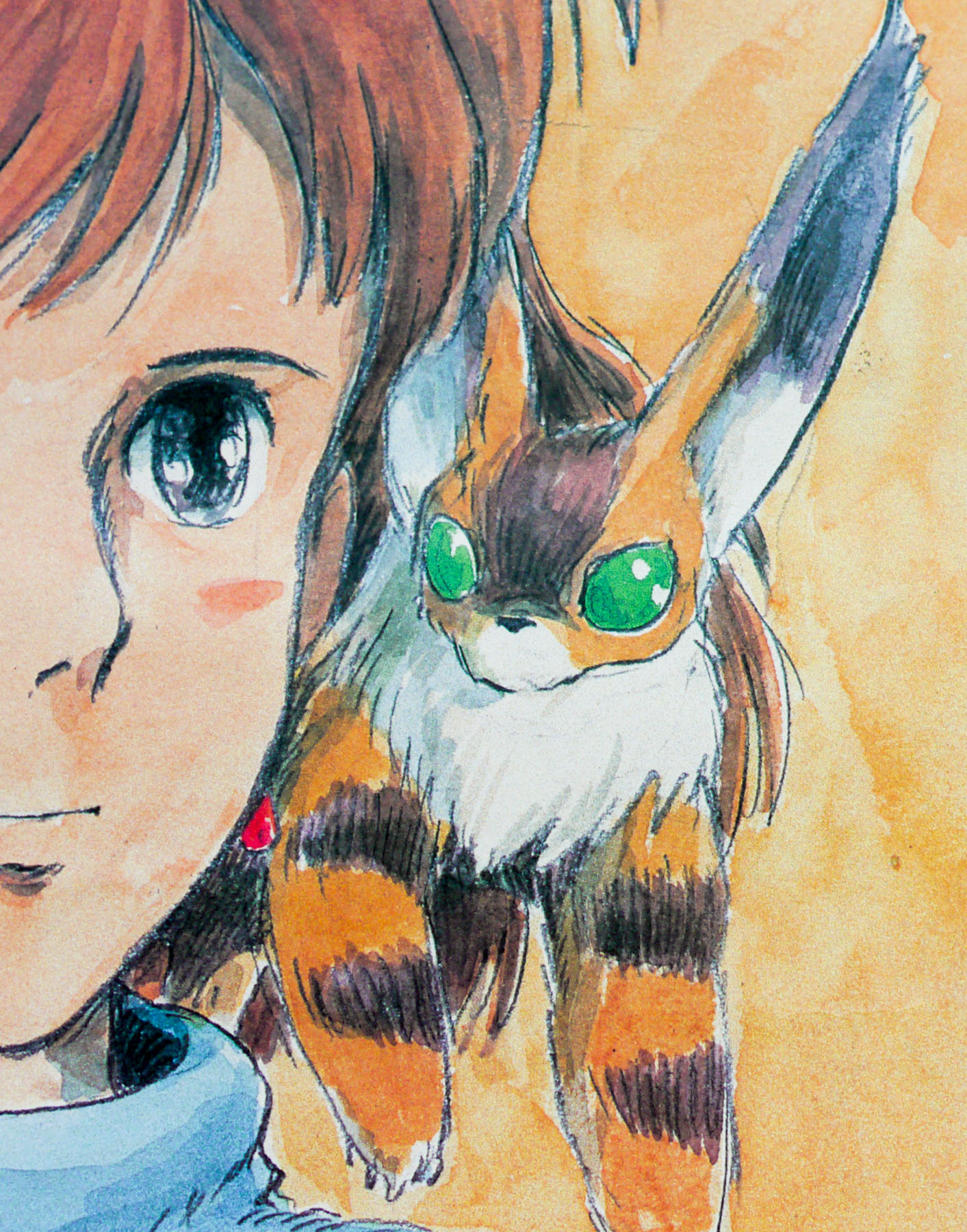
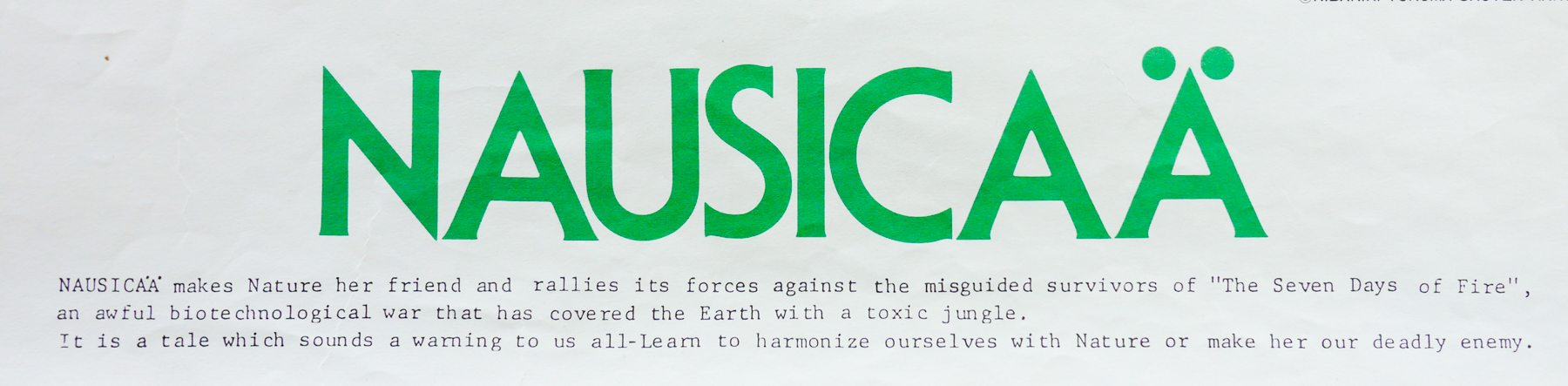
A great illustration on this Japanese B2 for Nausicaä, considered to be the first film from Studio Ghibli, the legendary animation studio founded by Hayao Miyazaki shortly after this film was released. Nausicaä was released in the US retitled as ‘Warriors of the Wind’ and was severely edited with many of the film’s themes and characters diluted.

Miyazaki has publicly stated how much he hates this version and the story goes that when Princess Mononoke was bought by Miramax Films for US distribution someone at Studio Ghibli sent a Katana sword with the simple message: ‘No cuts’. See the Wikipedia page for more details and a picture of the bizarre US poster.

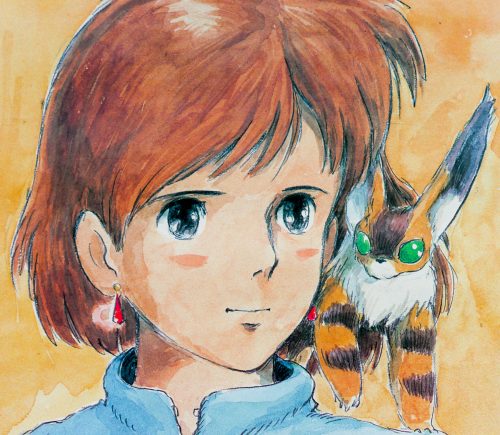
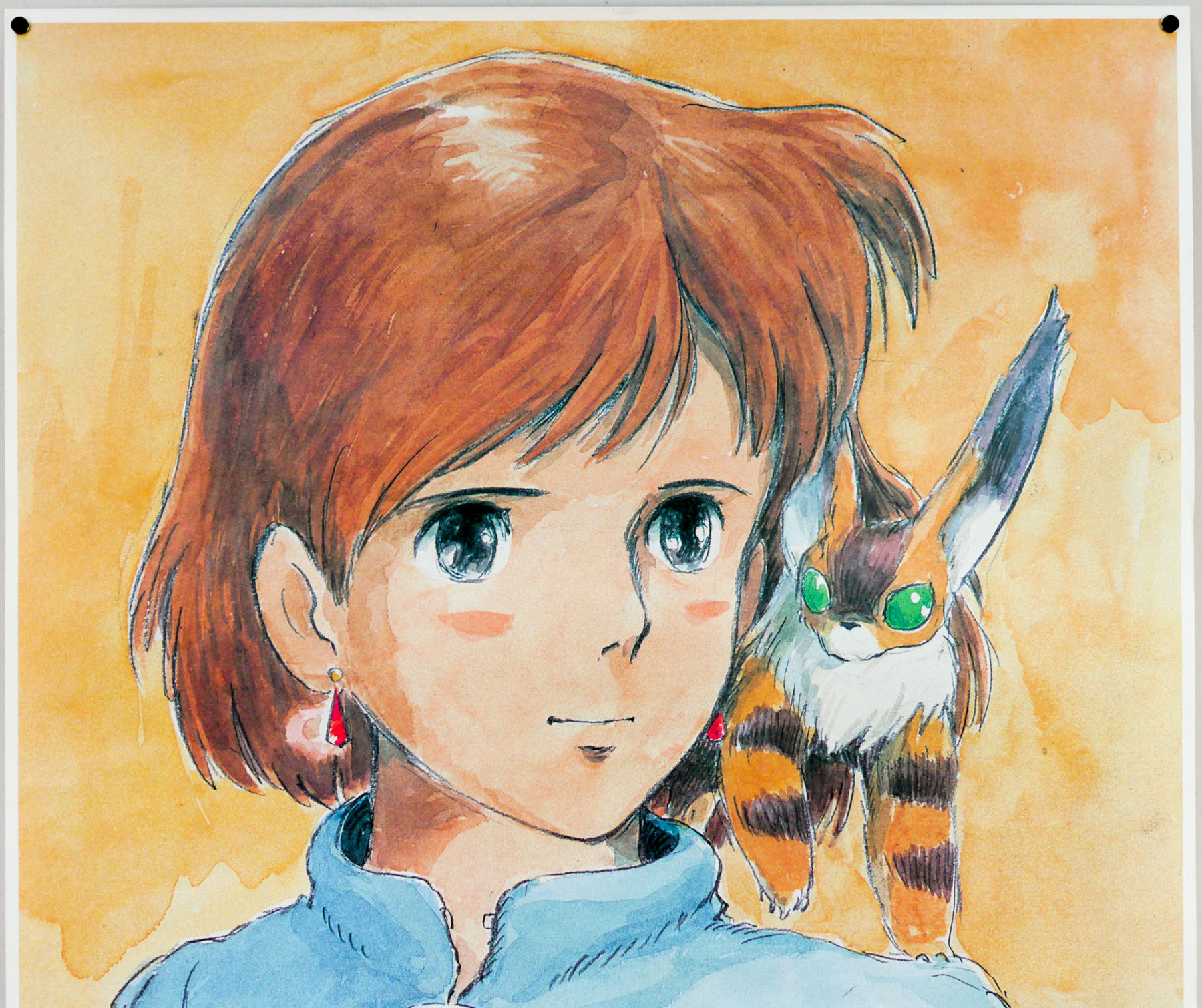
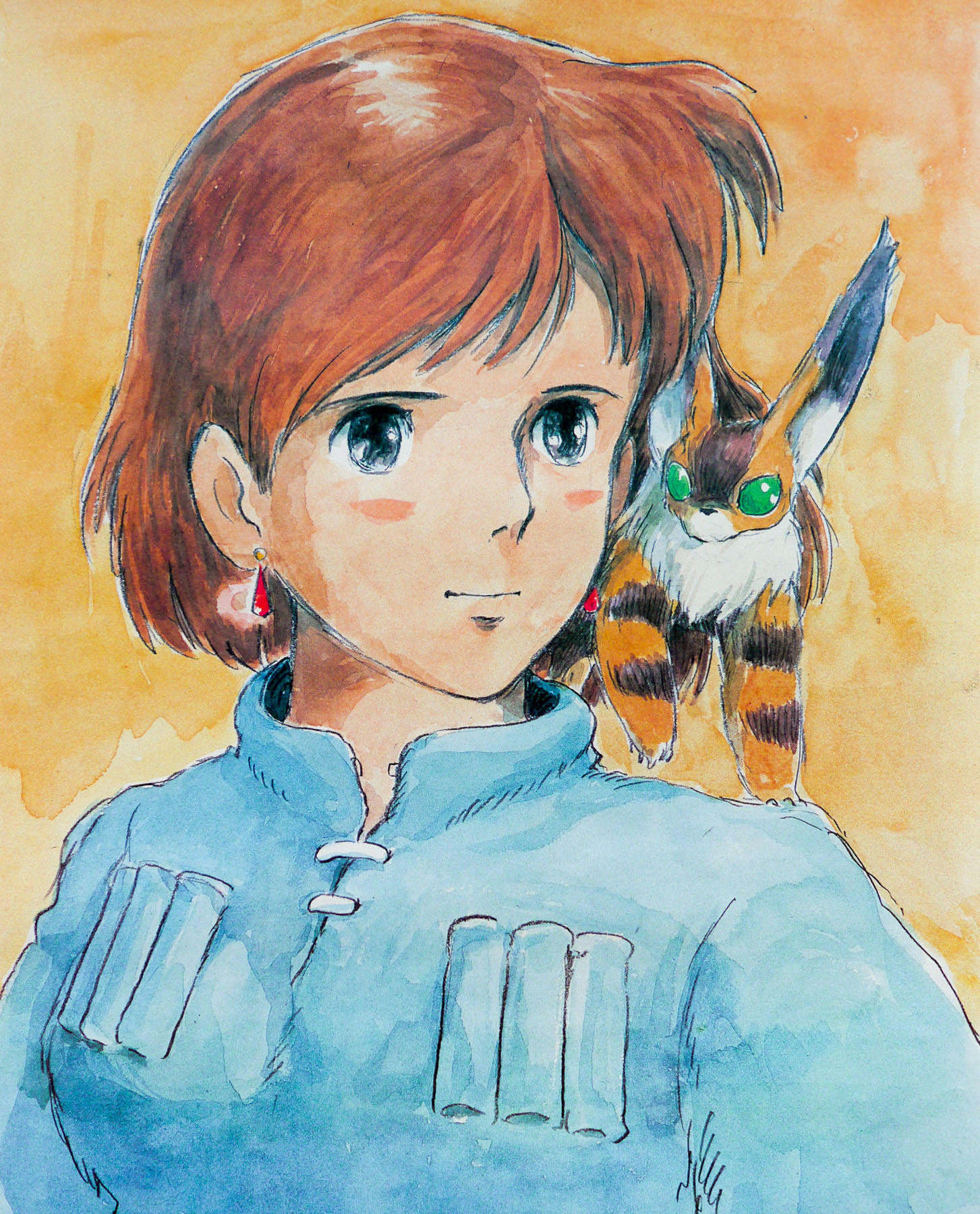
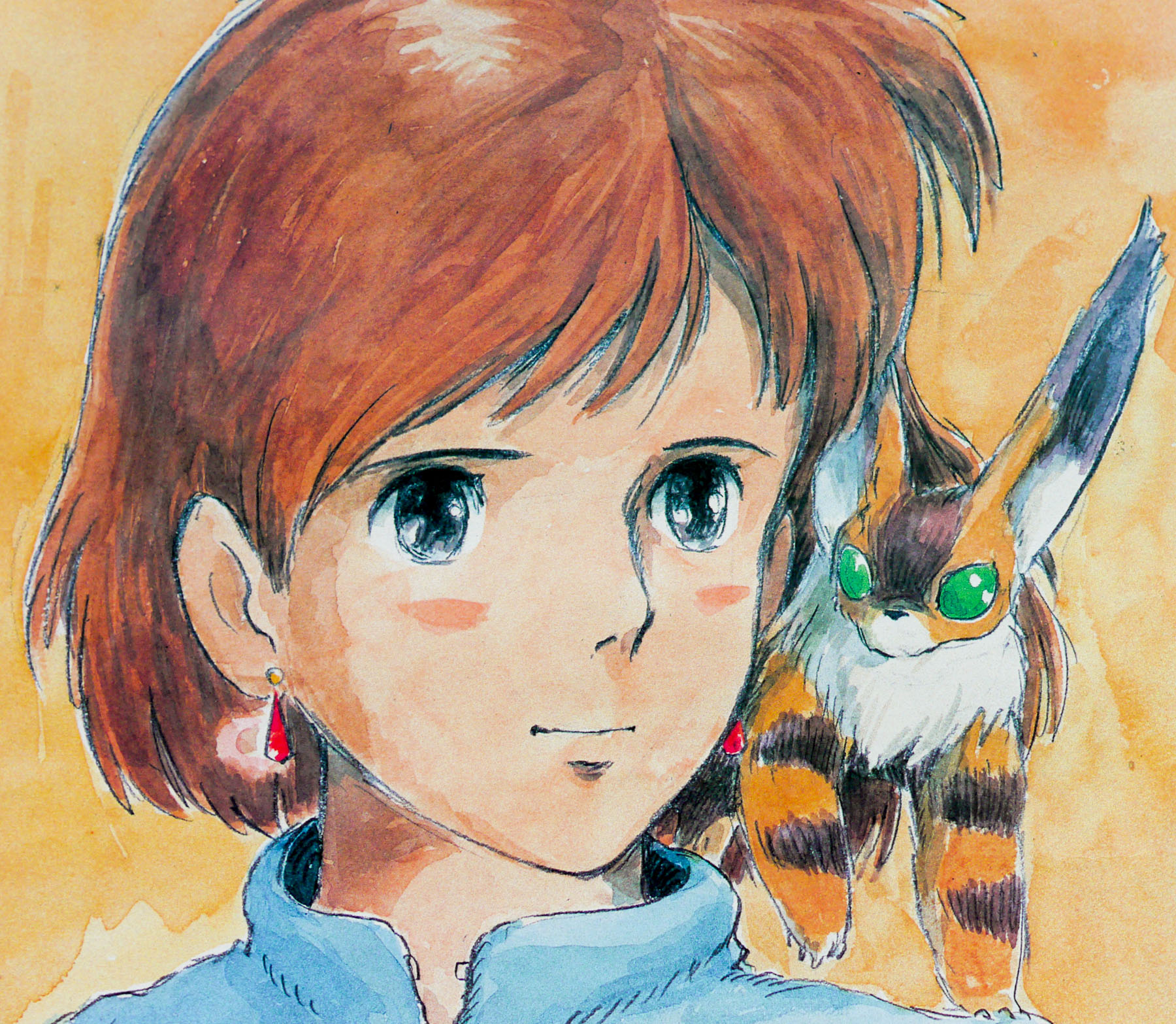
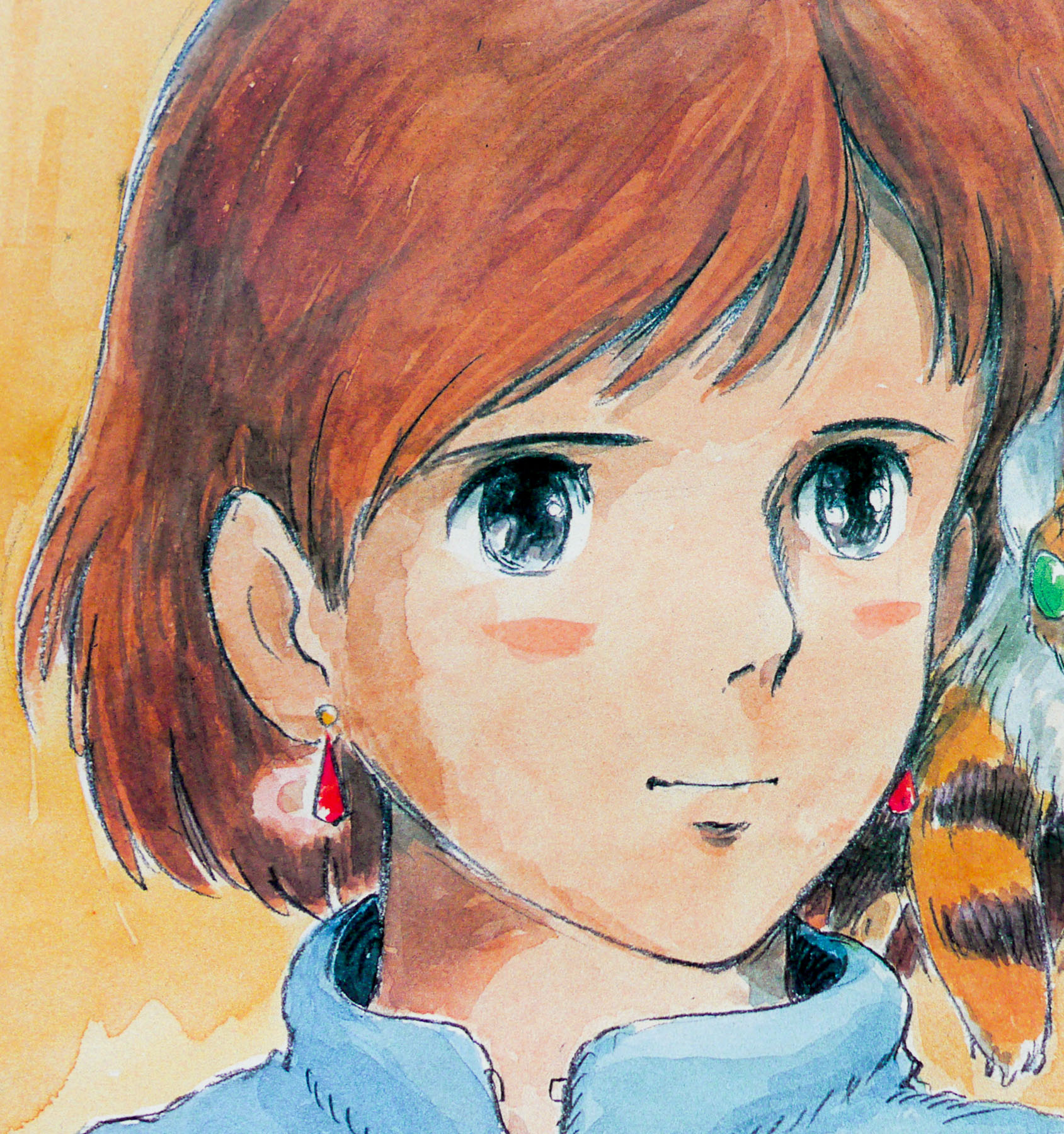
This portrait of Princess Nausicaä with her fox-squirrel companion Teto was painted by Miyazaki himself and  it appears in a book of Nausicaa art titled The Nausicaa Watercolor Collection, which includes annotations by Miyazaki. In his annotation for the image, he attributes himself as the artist, while also complaining about her posture! “I know I’m the one who drew this, but I don’t really like this picture. The Nausicaa inside me would never pose like this.” Thanks to site reader Reynold for confirming this.
The poster is missing an Eirin mark, despite being the standard B2 size, and I suspect it may have been a commercial poster sold in cinemas at the time of the original release.
Nausicaä was the first Studio Ghibli back-catalogue title to be released on blu-ray in 2011.
Here’s the trailer for the film.