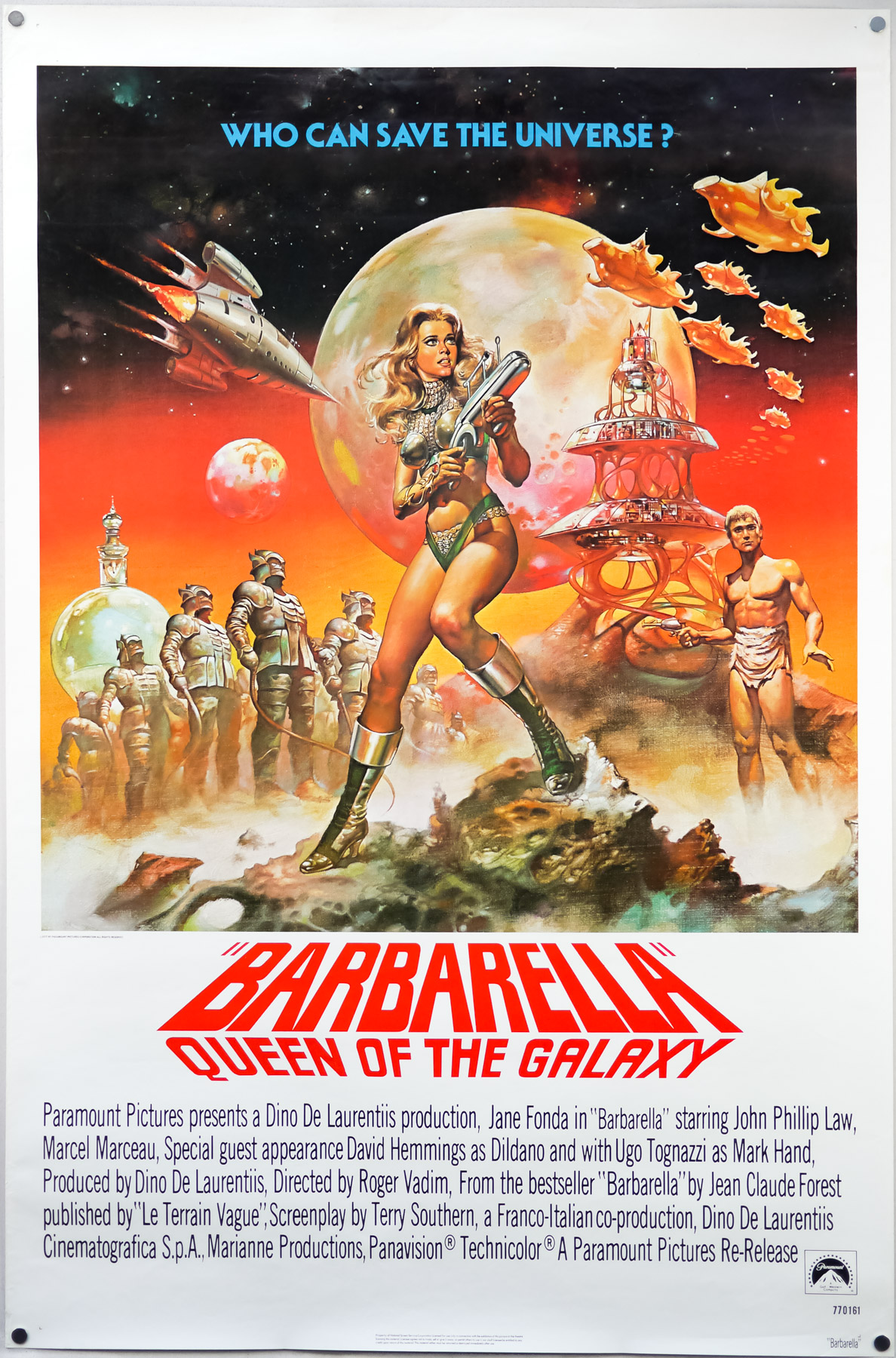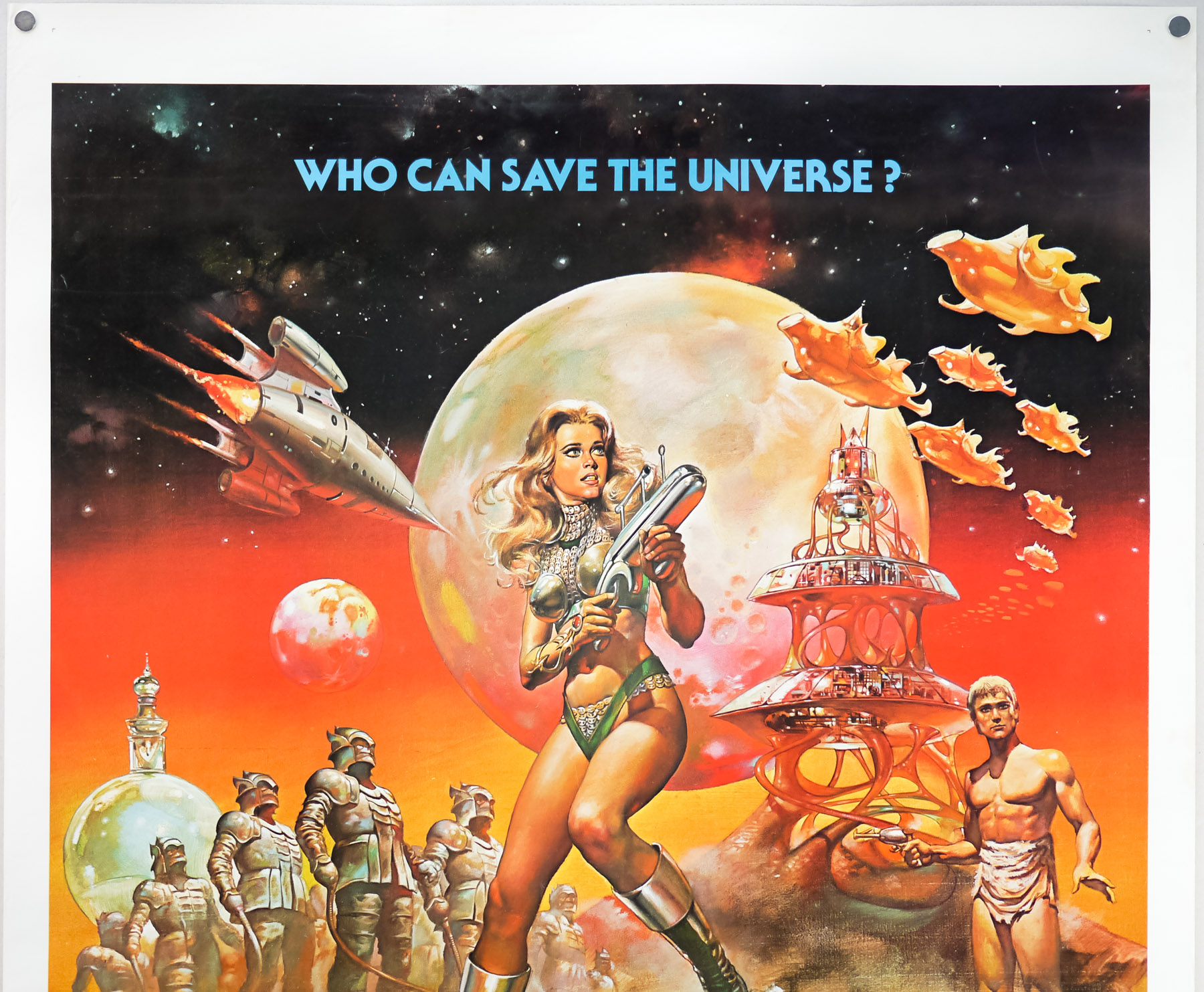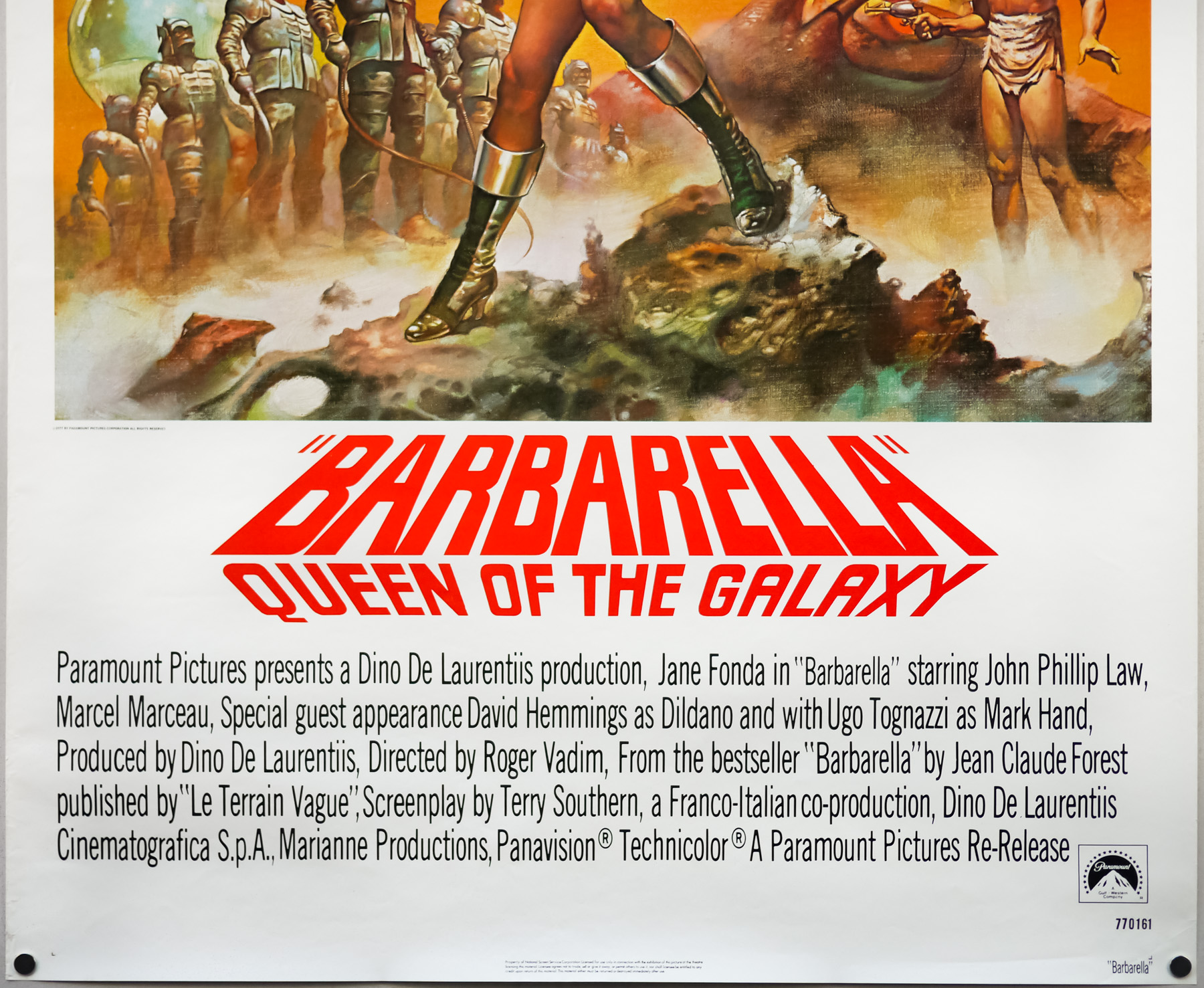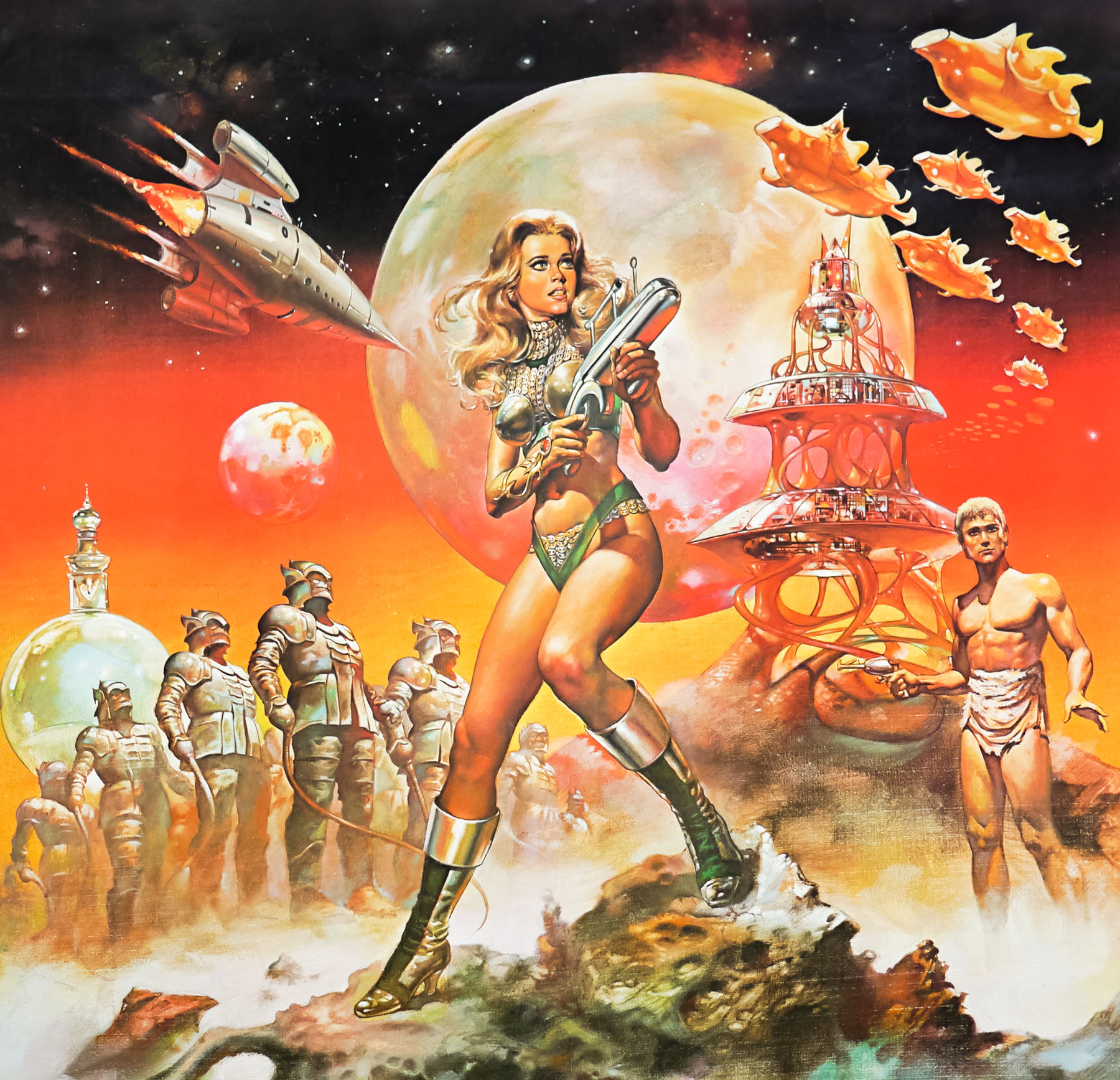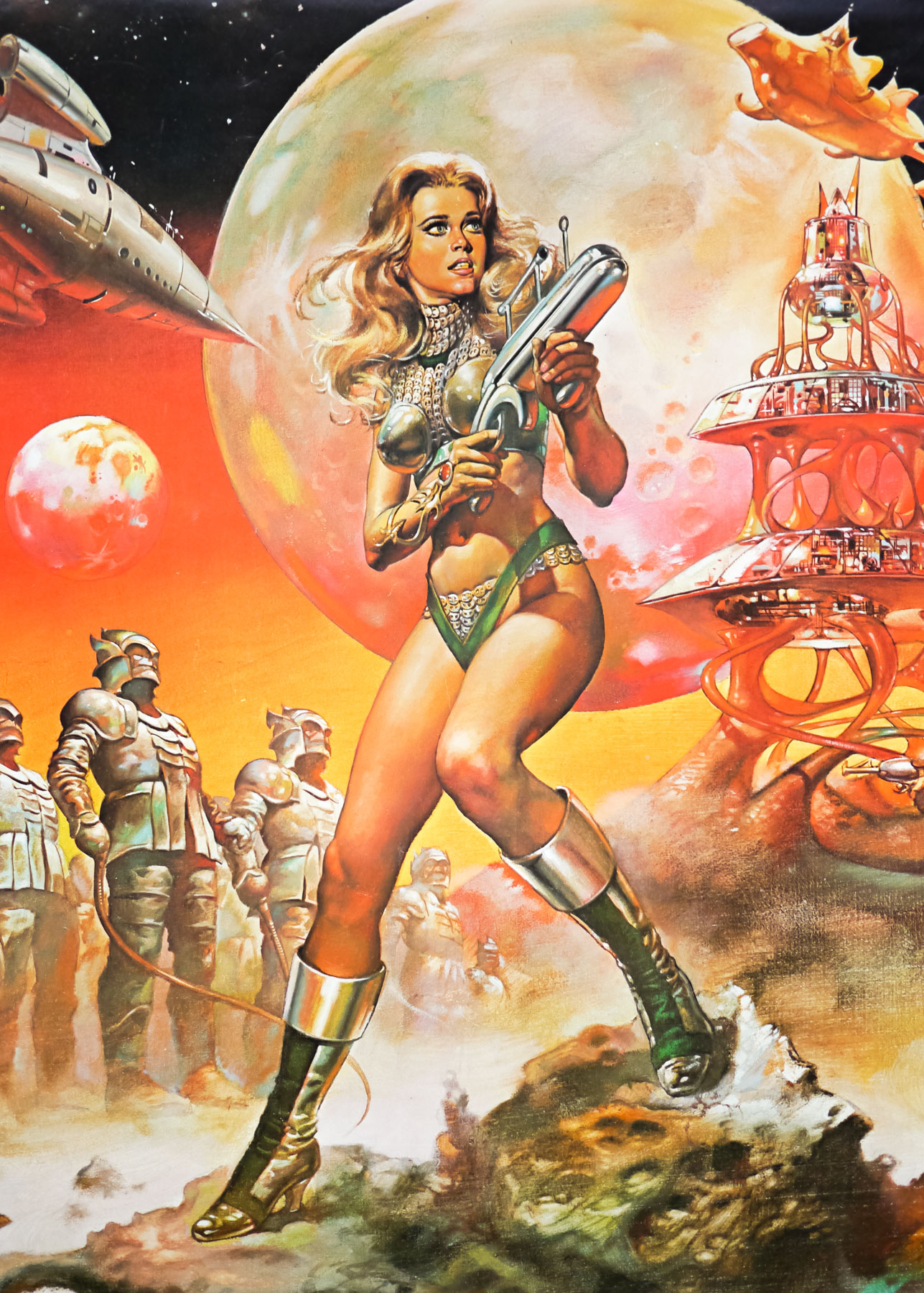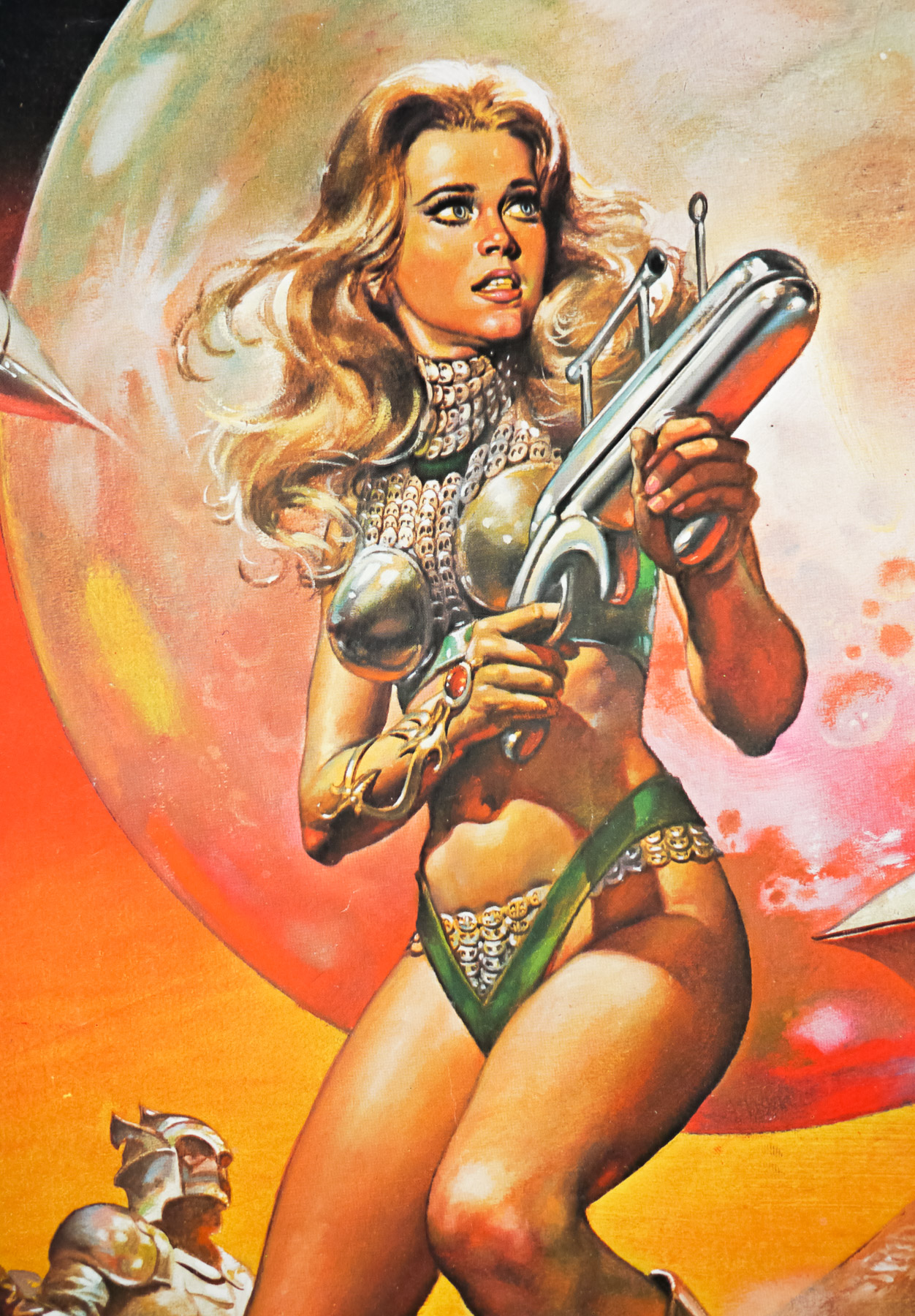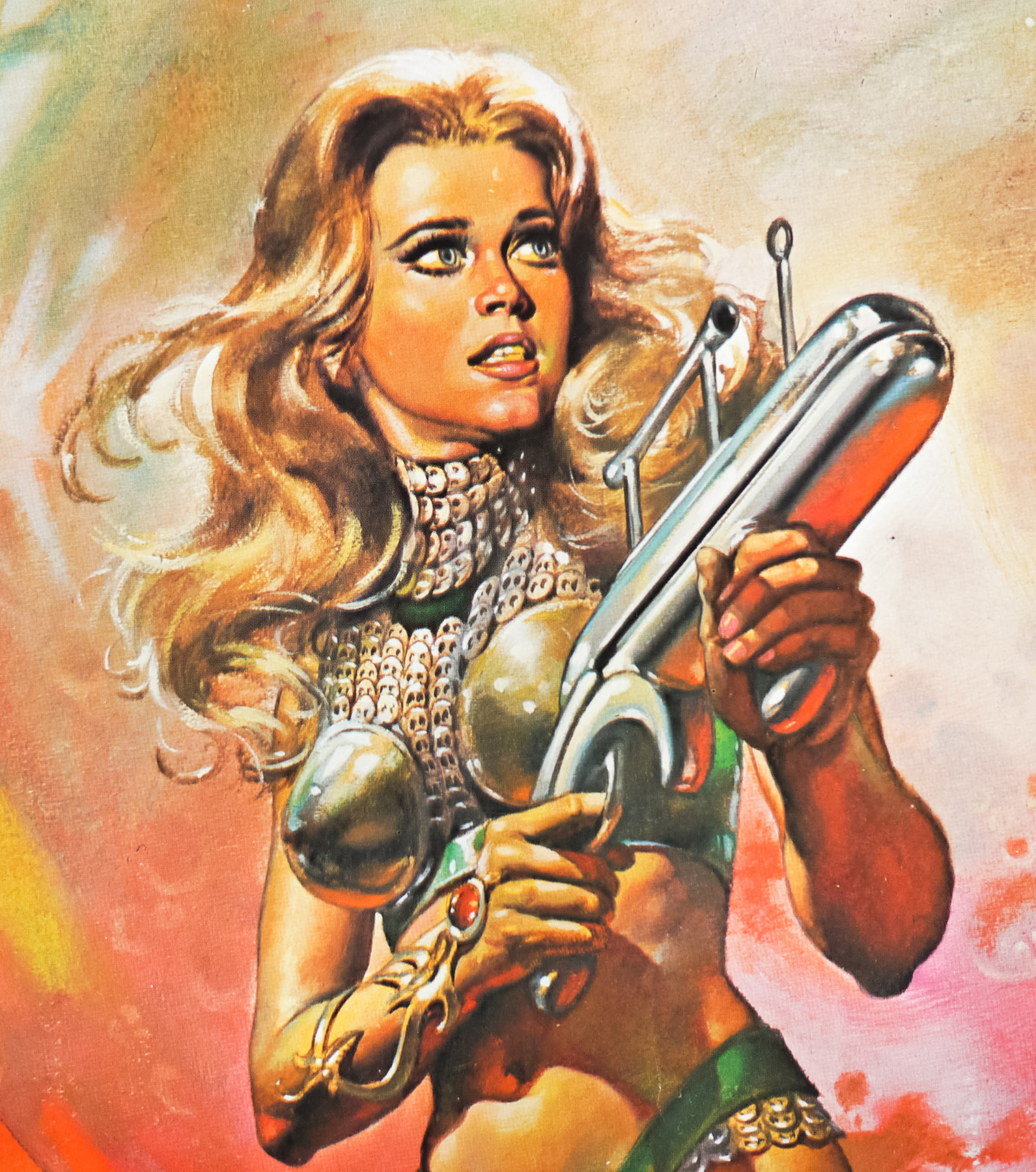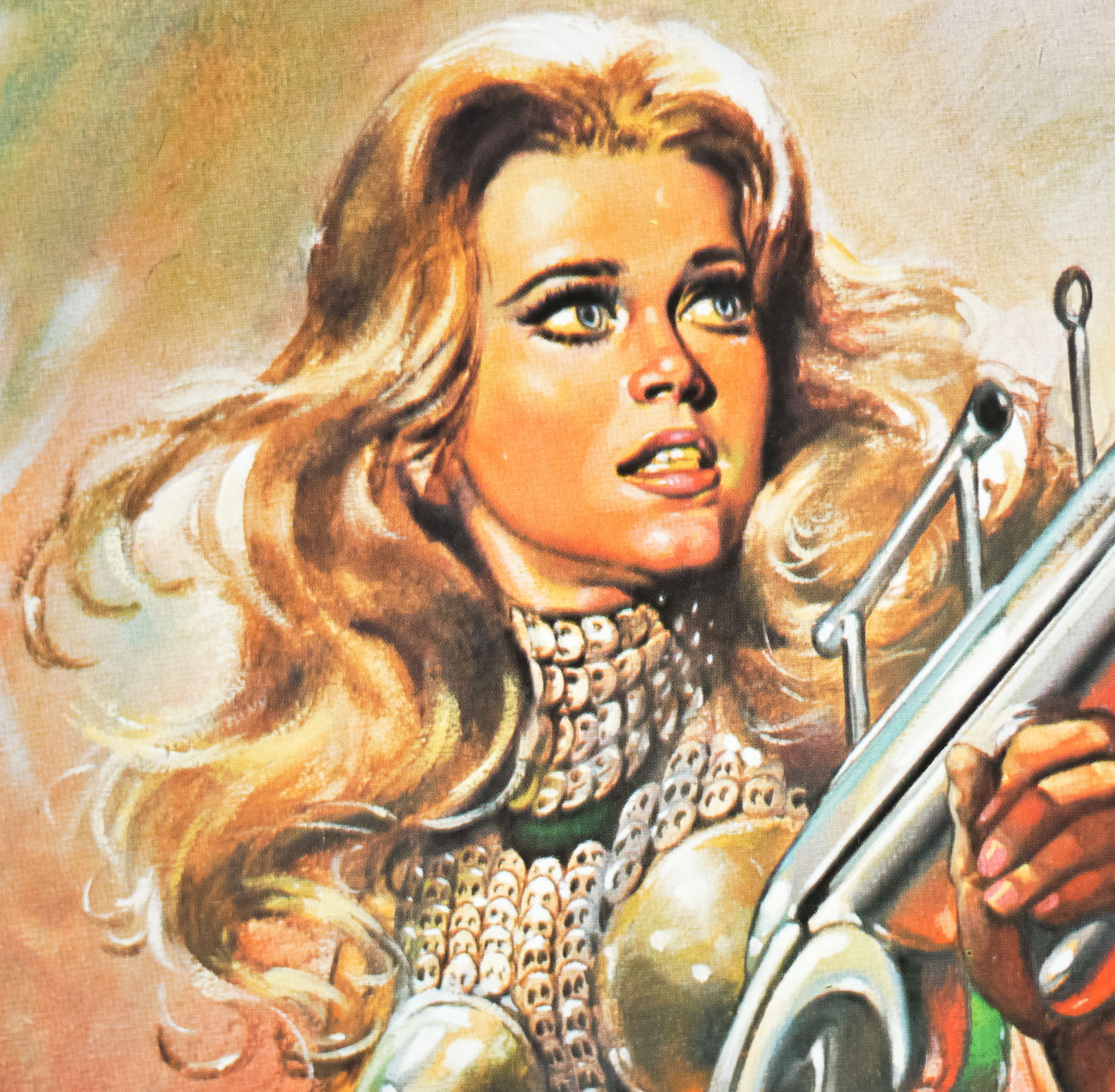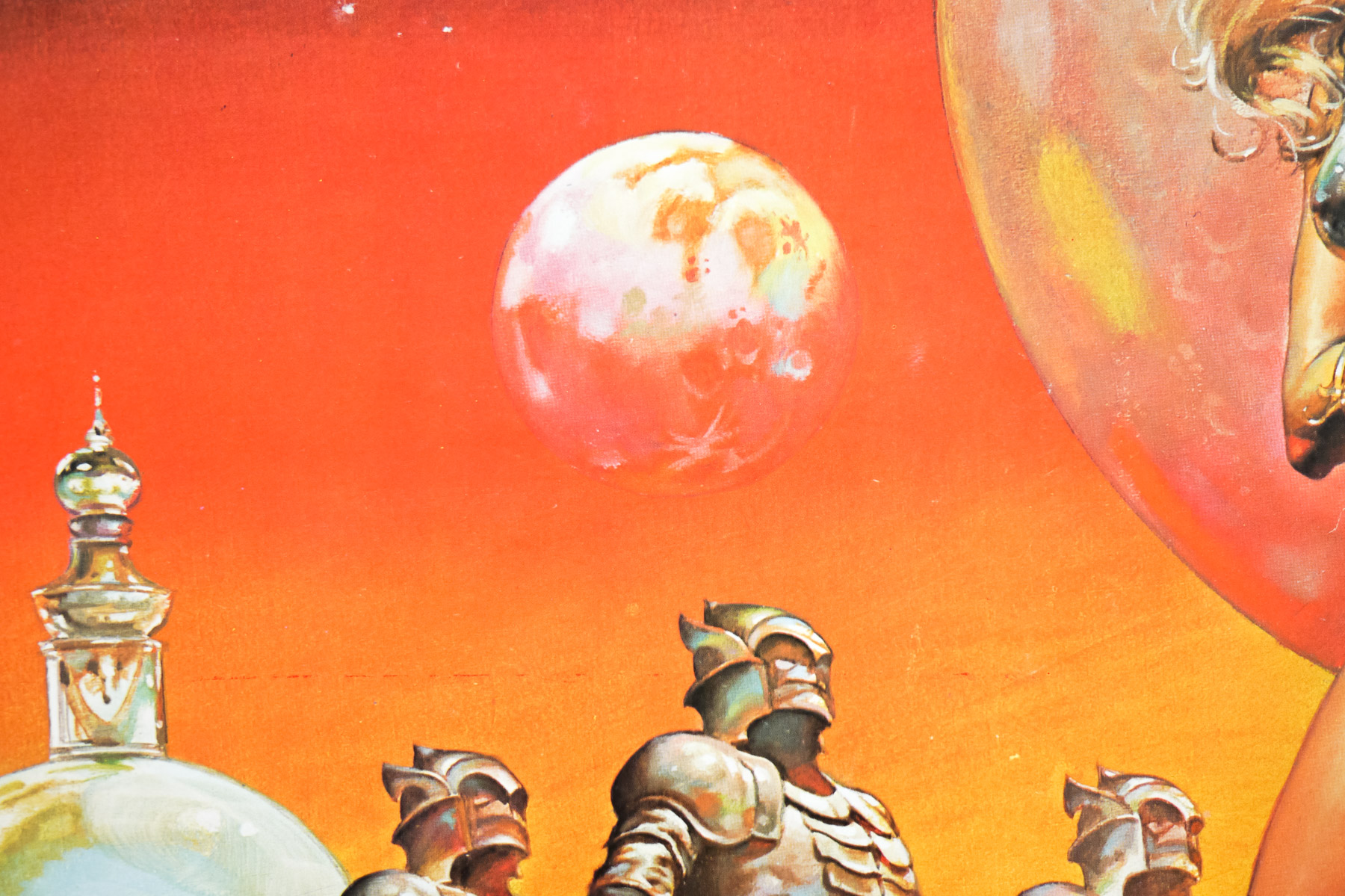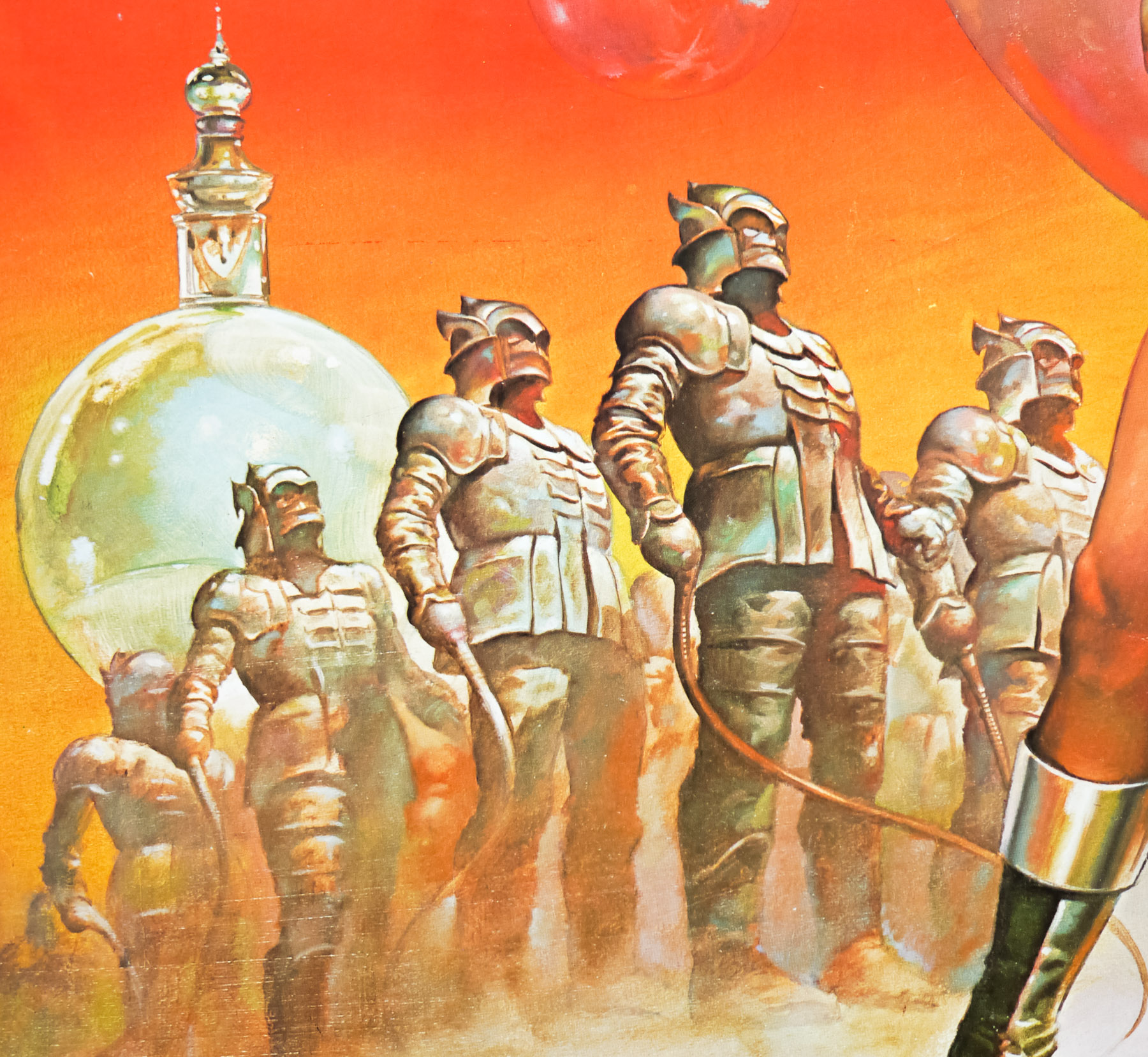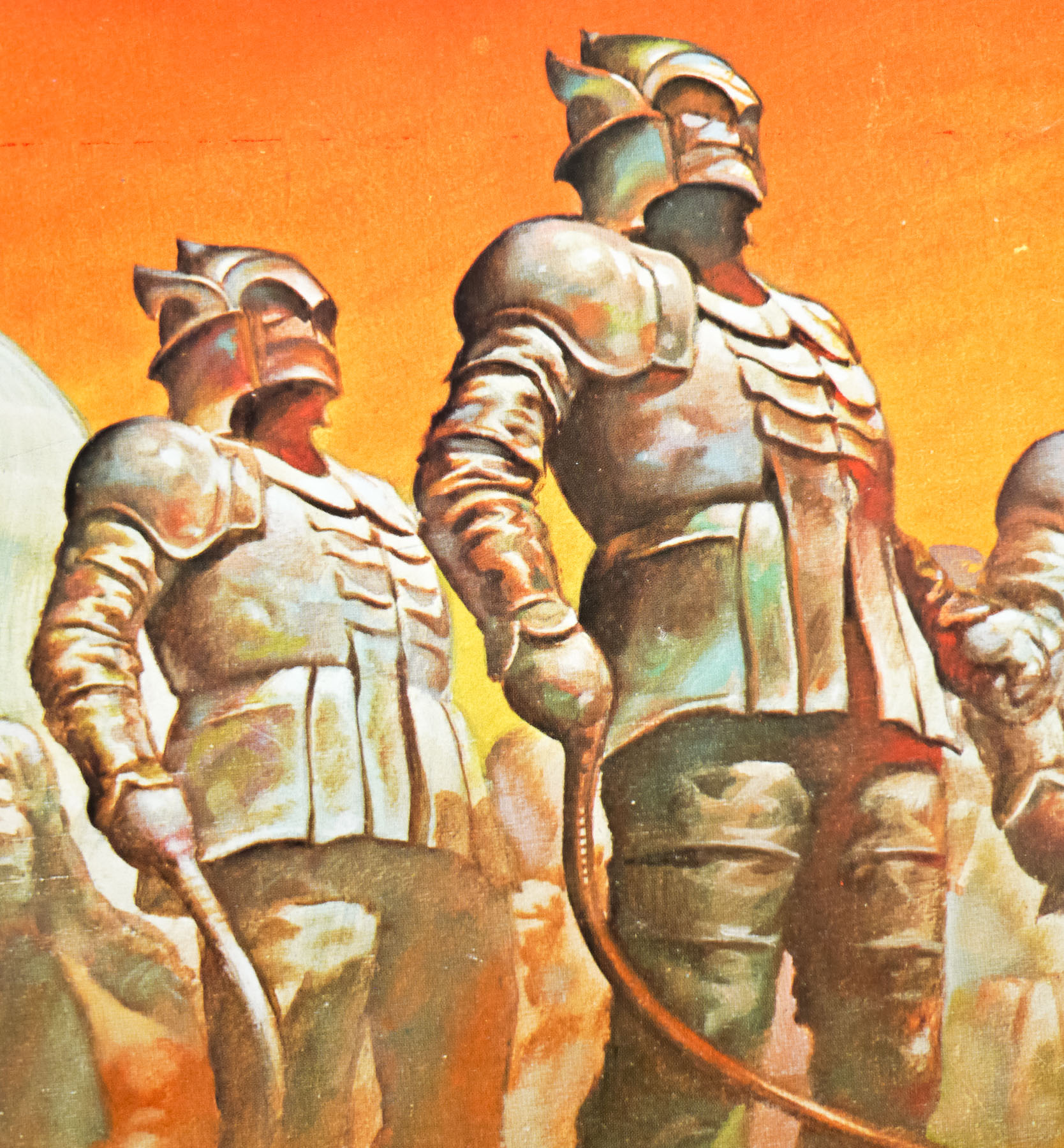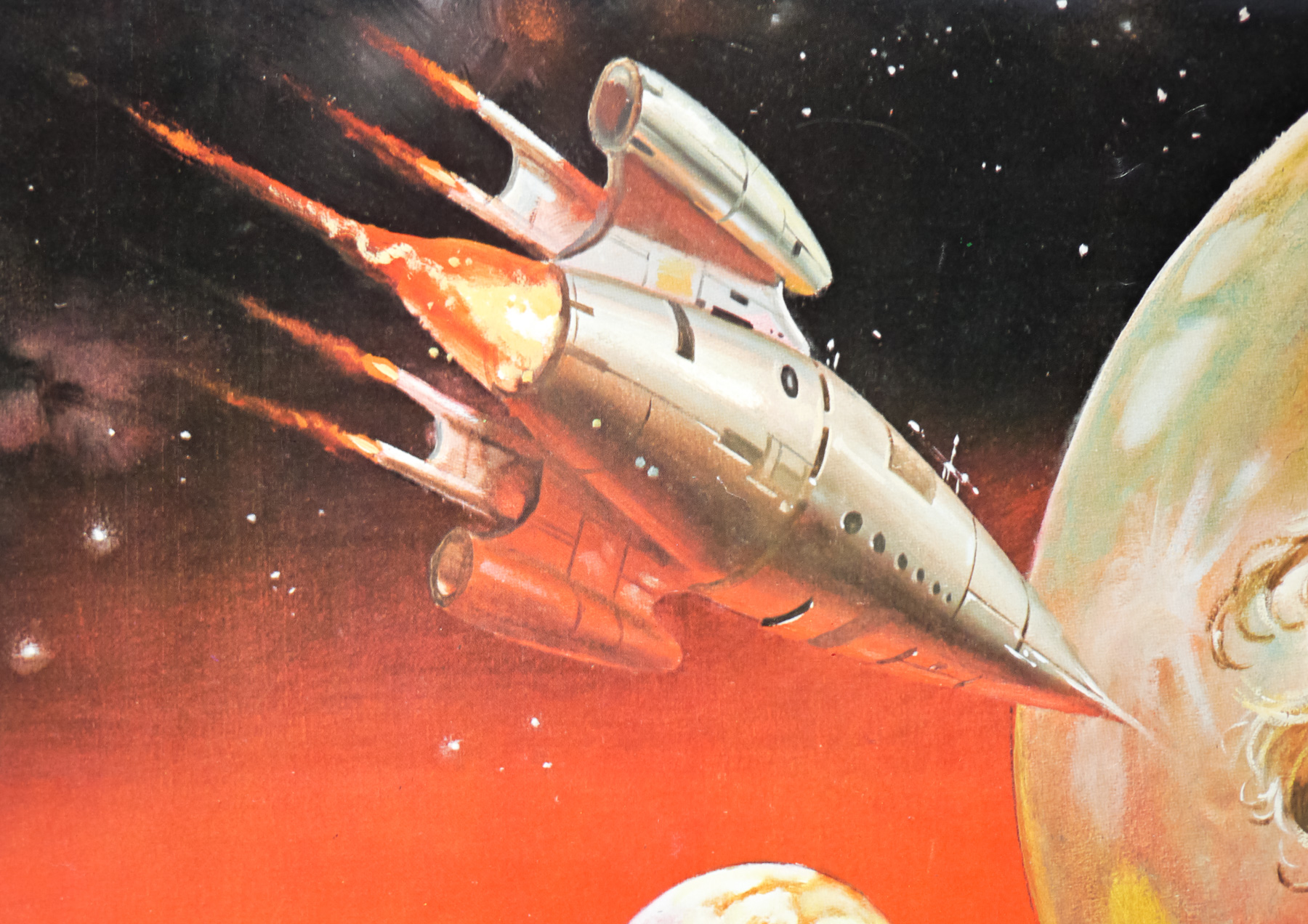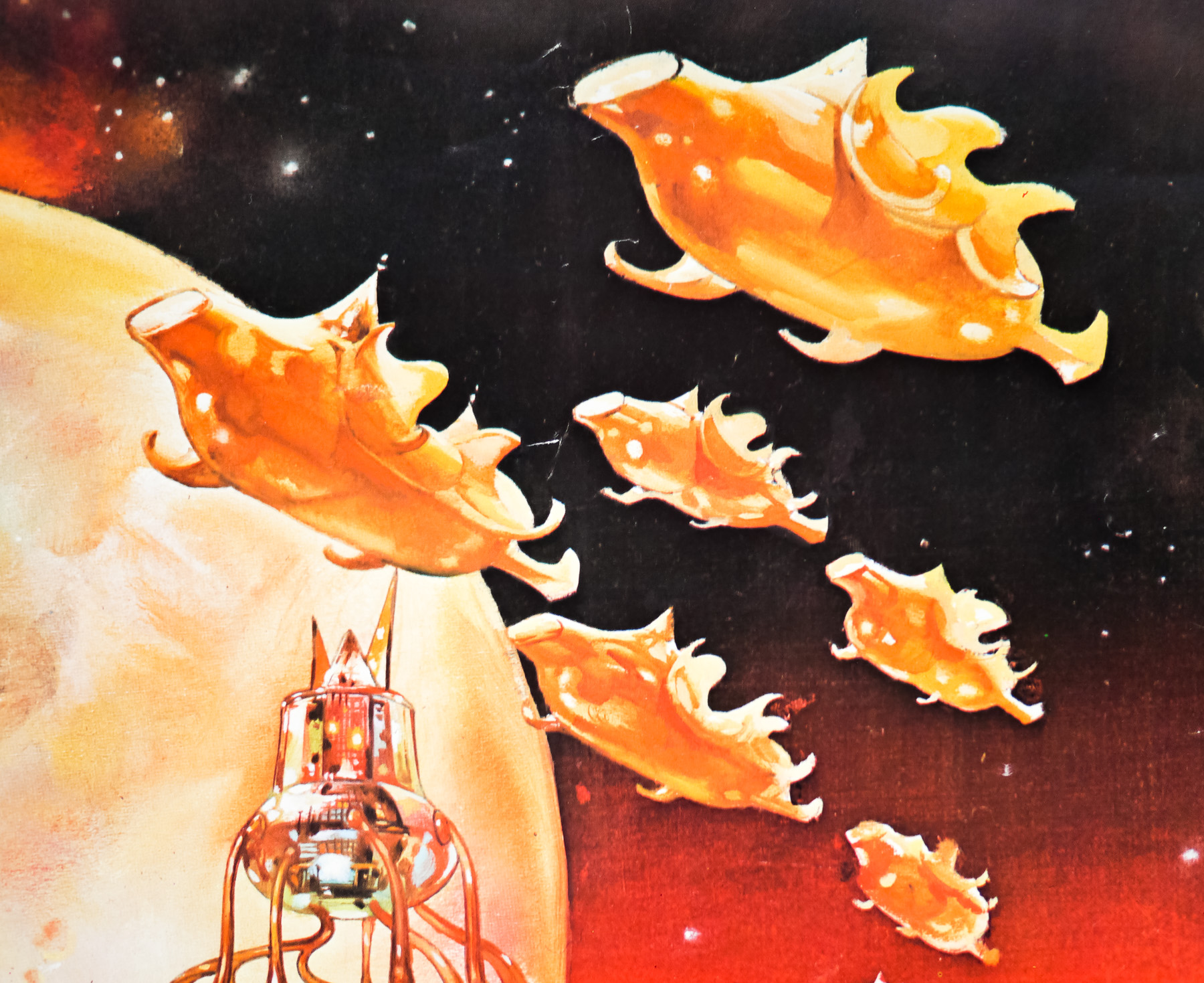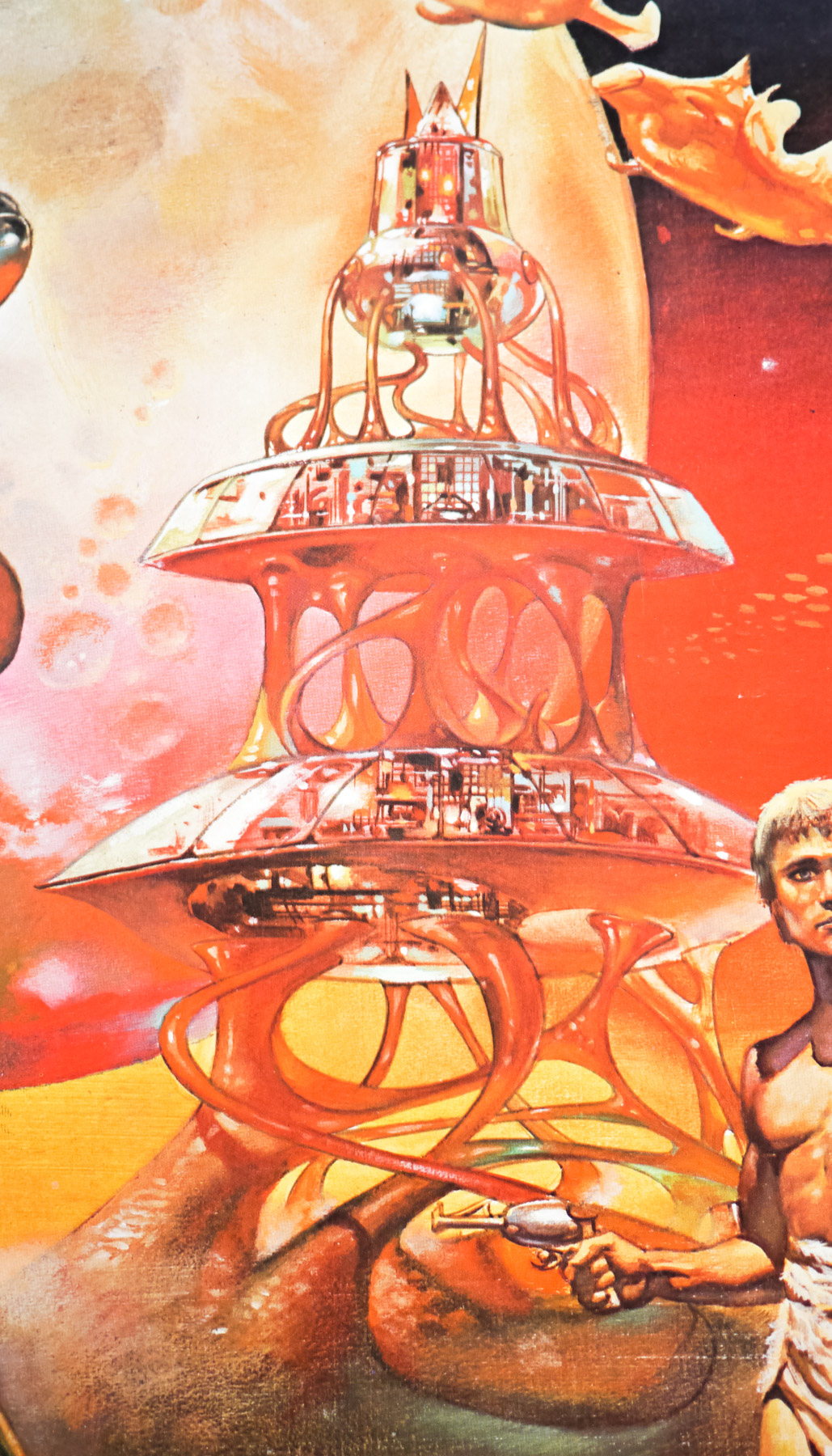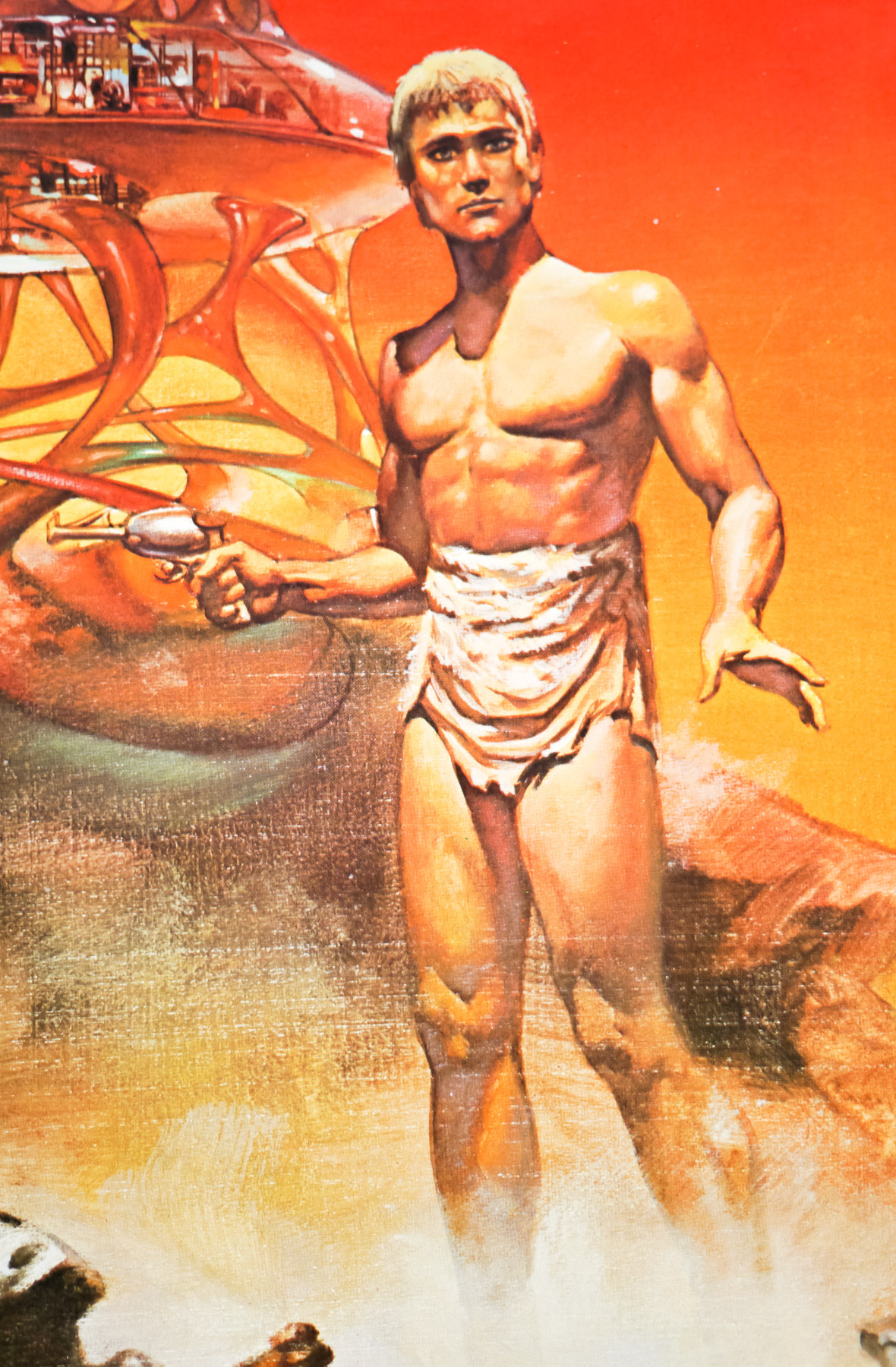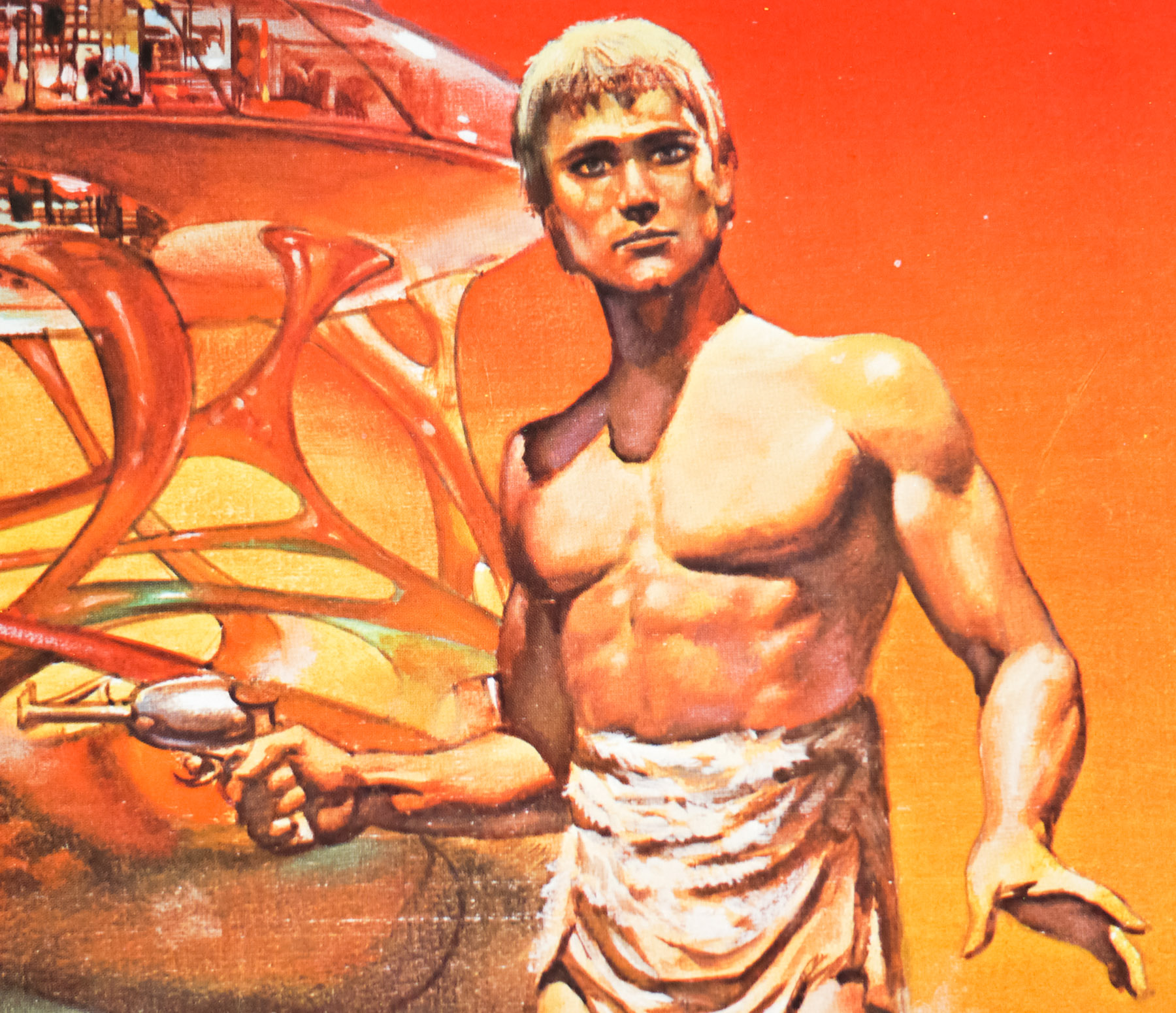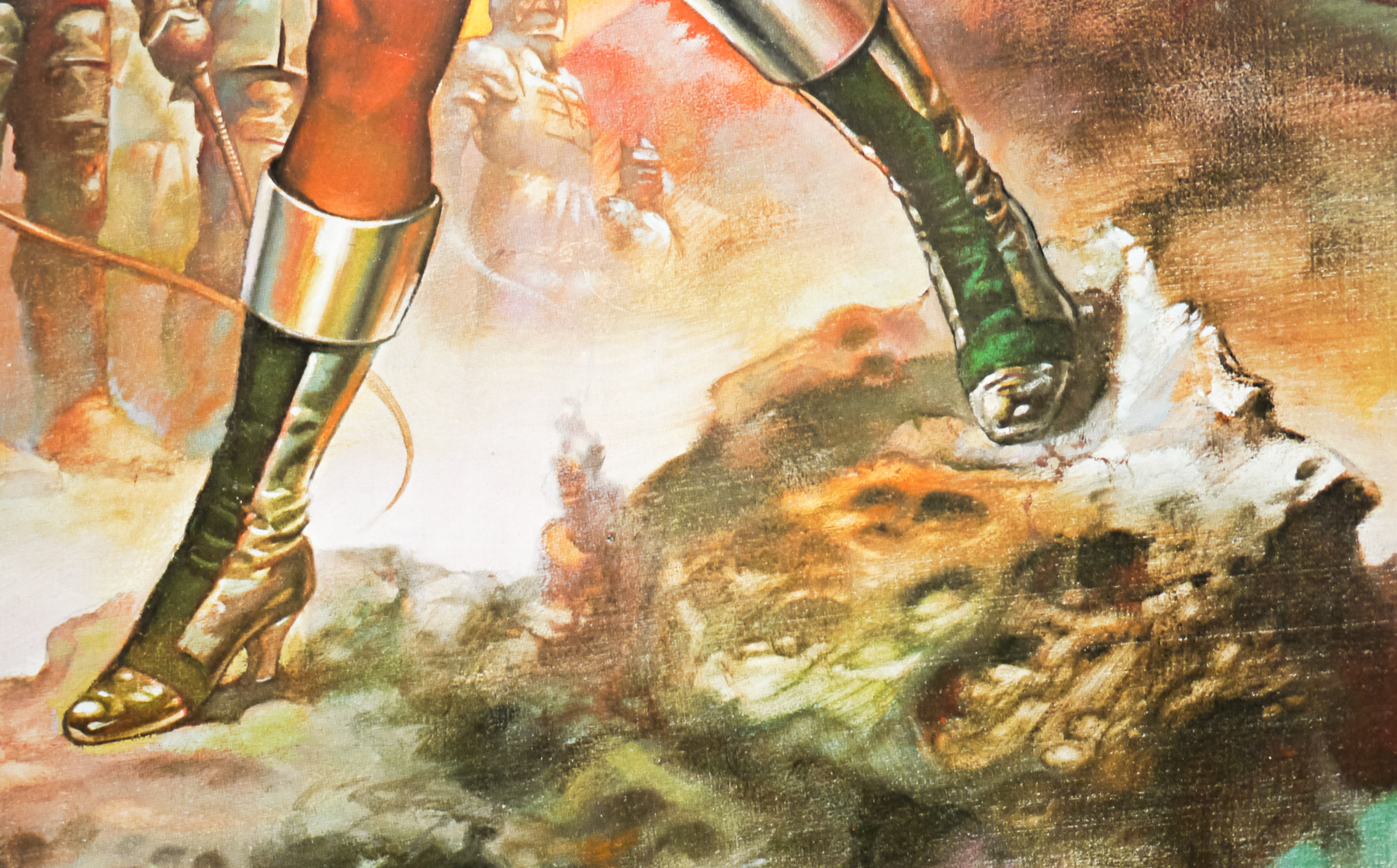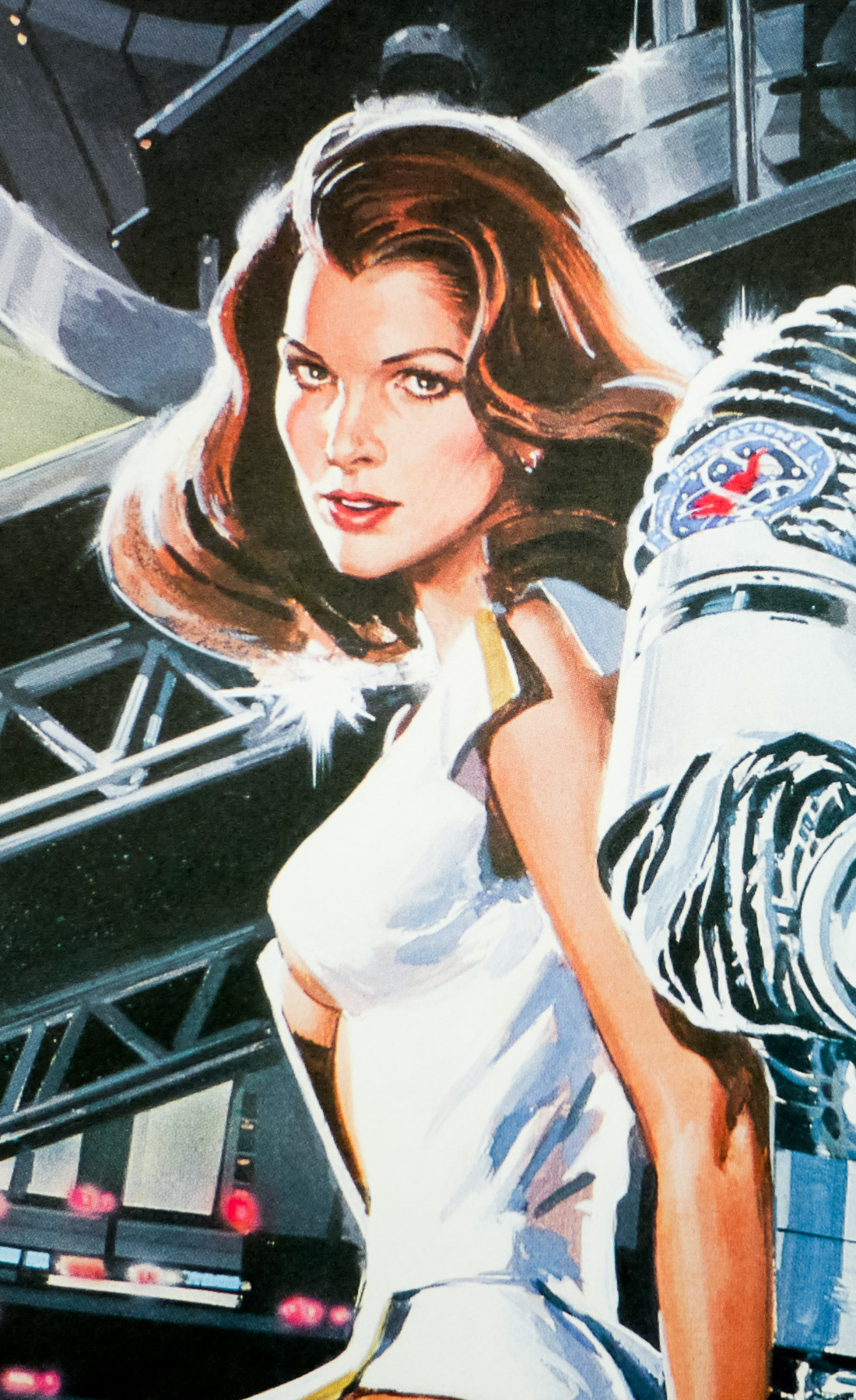


Barbarella / one sheet / 1977 re-release / International

23.05.14

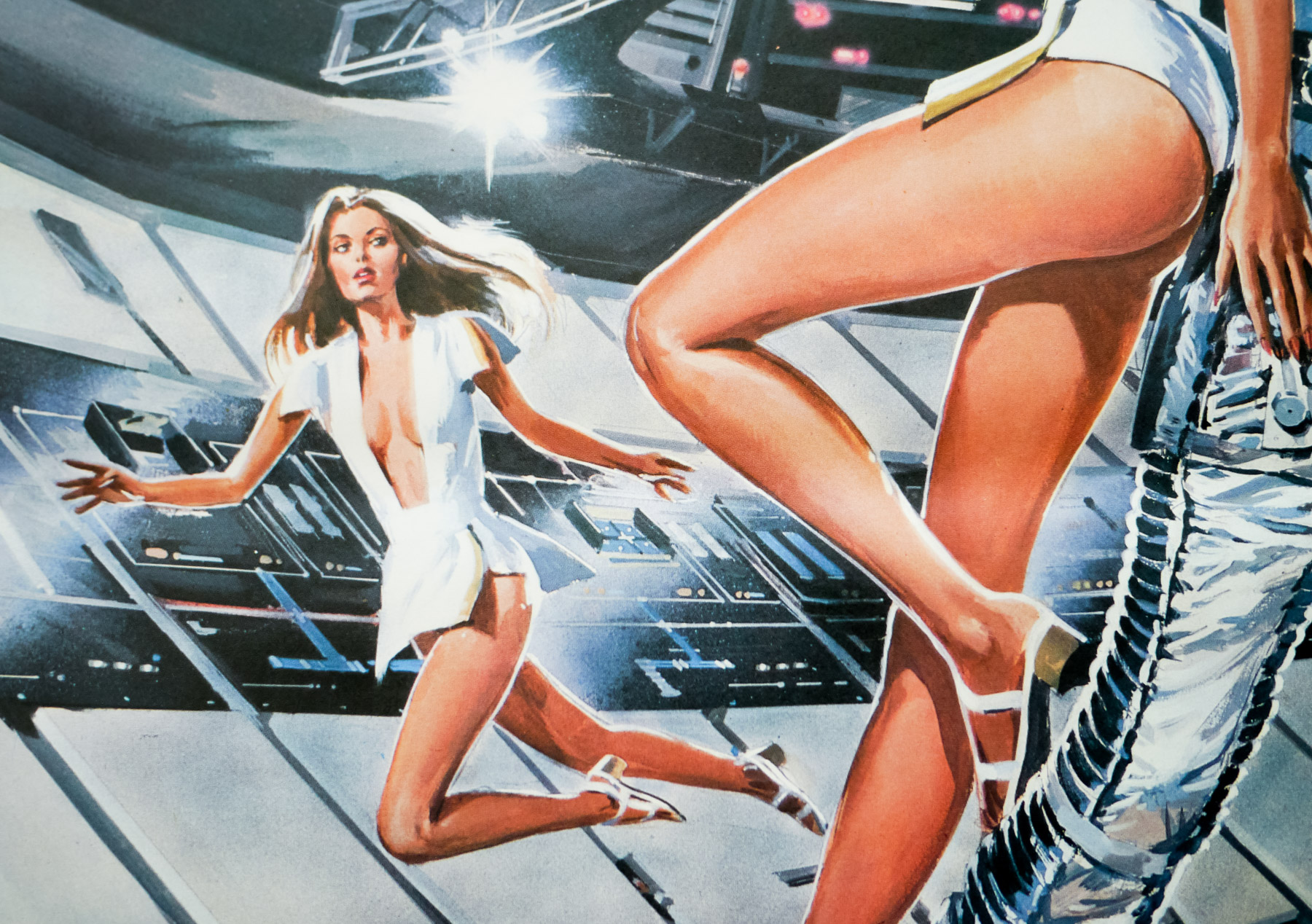
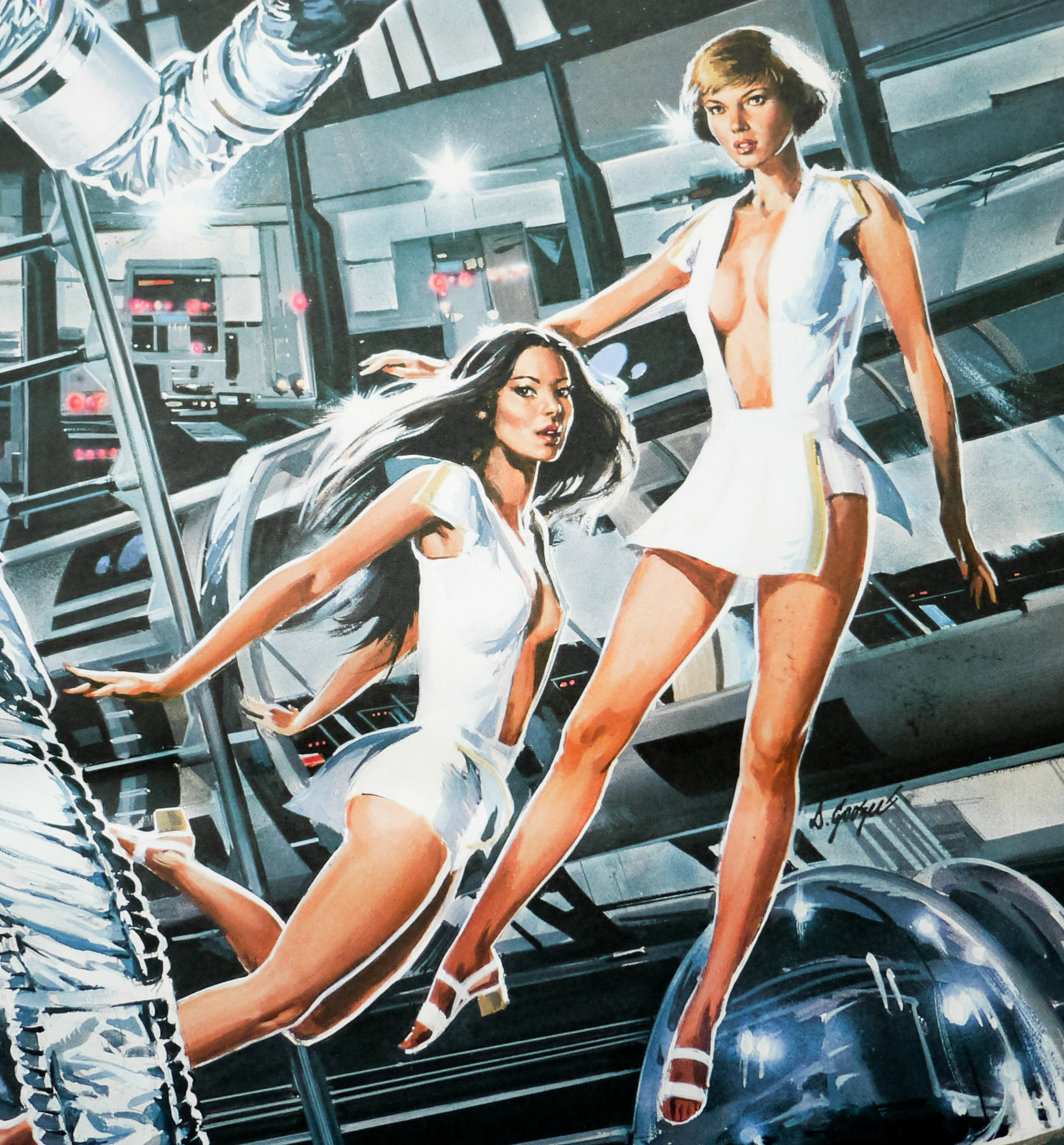
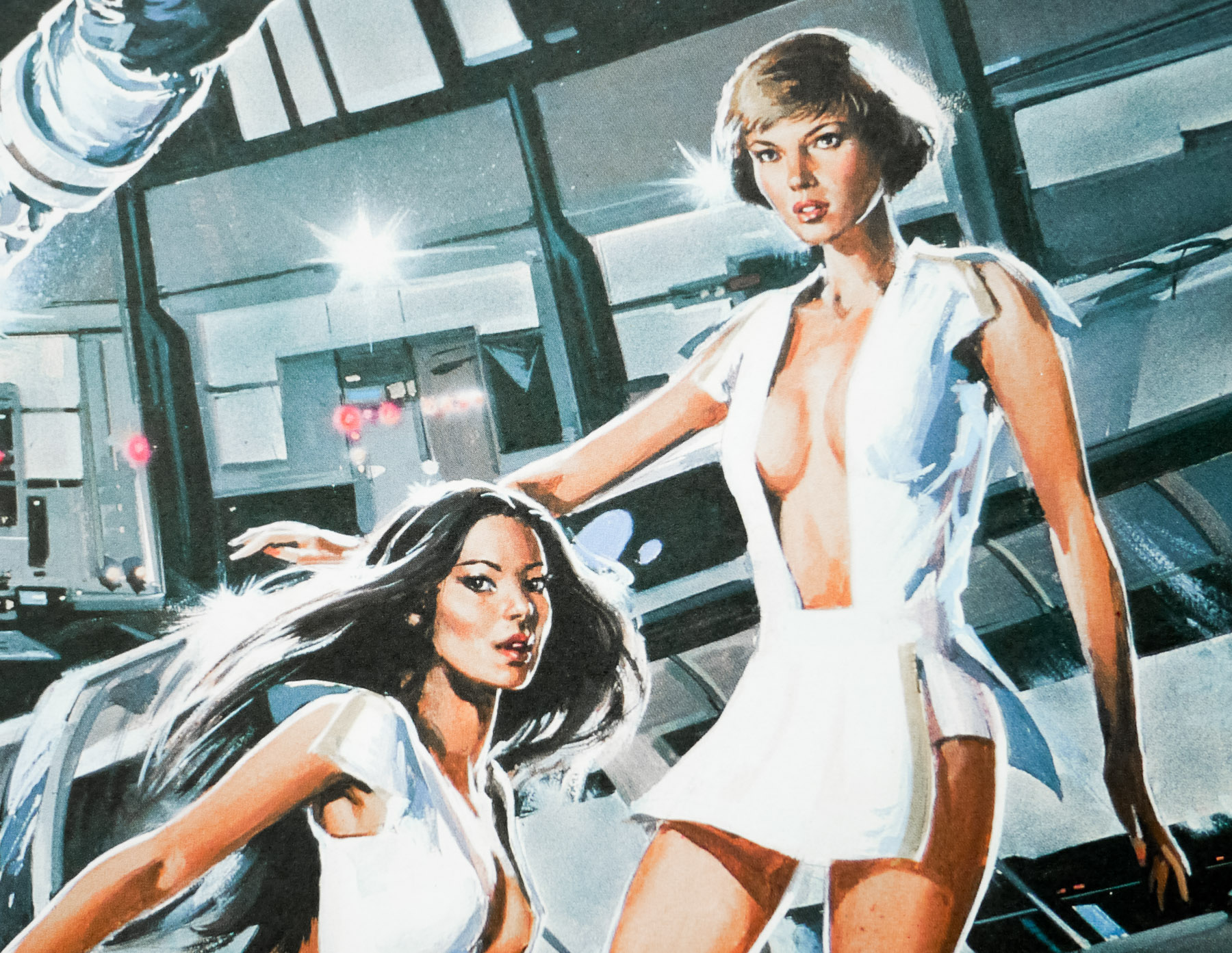
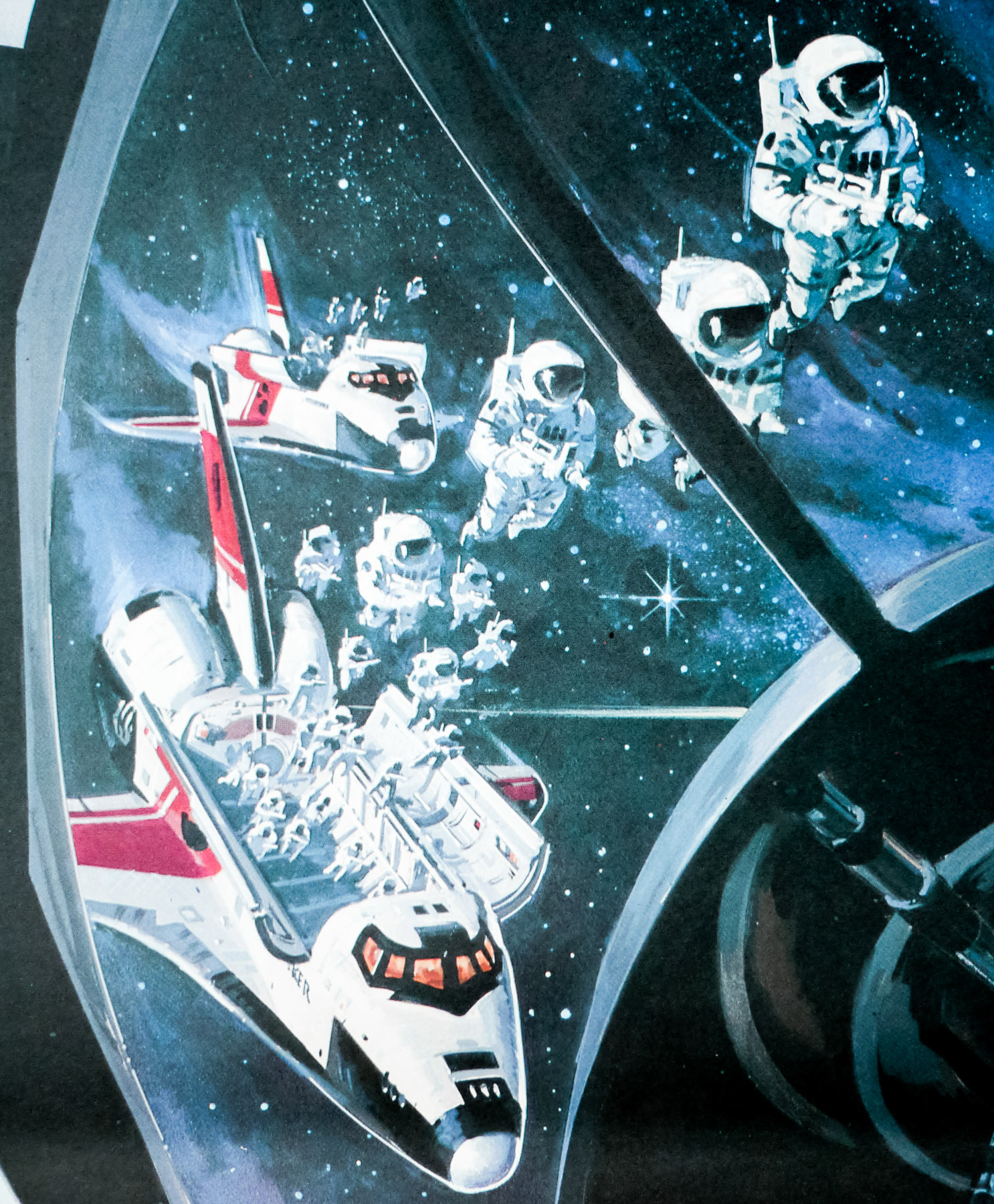
International one sheet poster (1977 re-release) for Barbarella (1968). Artwork by Boris VallejoInternational one sheet poster (1977 re-release) for Barbarella (1968). Artwork by Boris Vallejo, image 2International one sheet poster (1977 re-release) for Barbarella (1968). Artwork by Boris Vallejo, image 3International one sheet poster (1977 re-release) for Barbarella (1968). Artwork by Boris Vallejo, image 4International one sheet poster (1977 re-release) for Barbarella (1968). Artwork by Boris Vallejo, image 5
Title
Barbarella
AKA
Barbarella: Queen of the Galaxy (alt. title)
Year of Film
1968
Director
Roger Vadim
Starring
Jane Fonda, John Phillip Law, Anita Pallenberg, Milo O'Shea, Marcel Marceau, Claude Dauphin, David Hemmings, Ugo Tognazzi
Origin of Film
France | Italy
Genre(s) of Film
Adventure | Comedy | Fantasy | Sci-Fi
Type of Poster
One sheet
Style of Poster
Re-release
Origin of Poster
International
Year of Poster
1977
Designer
Unknown
Artist
Boris Vallejo
Size (inches)
27 1/8" x 41 1/16"
SS or DS
SS
NSS #
770161
Tagline
Who can save the universe?

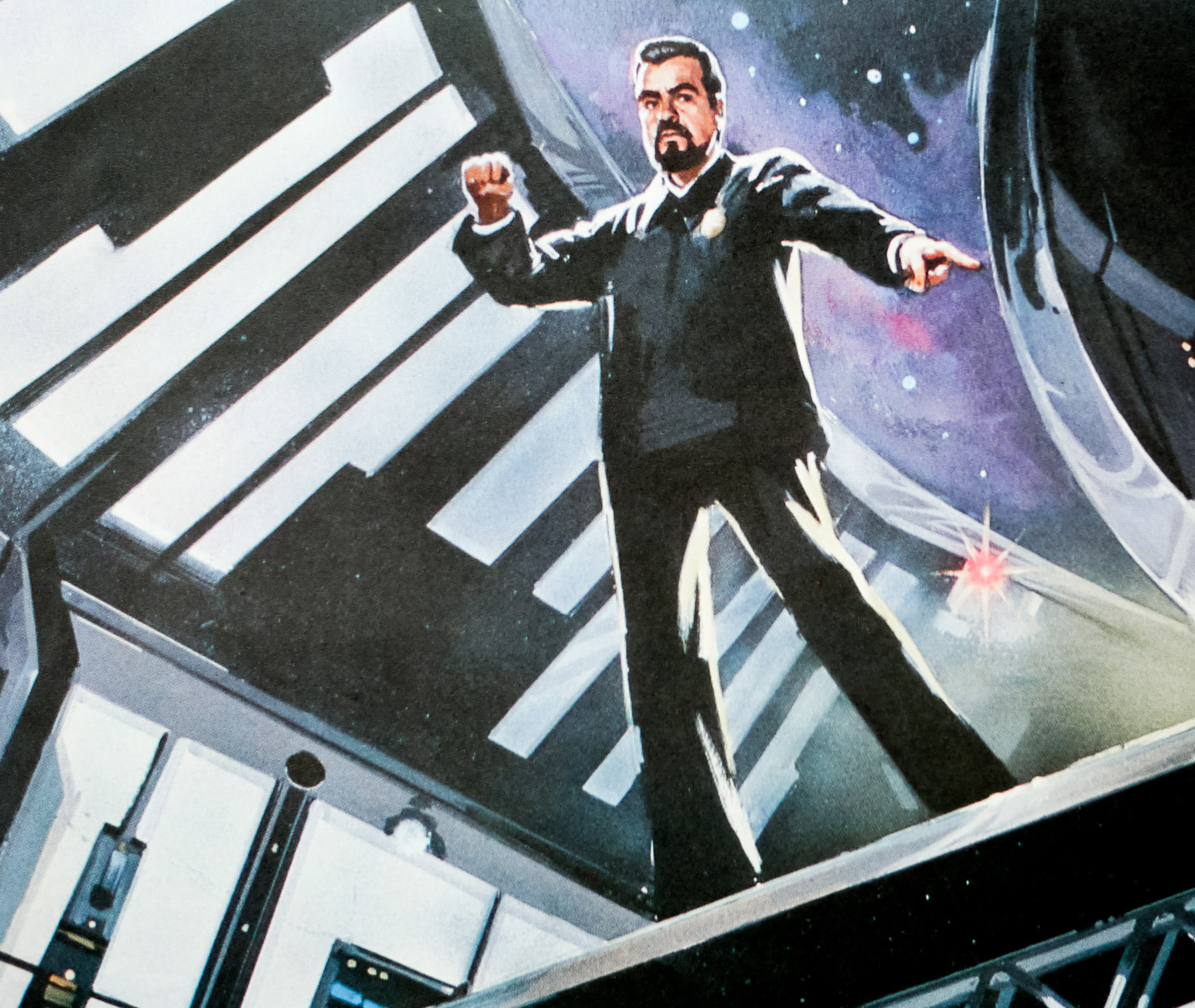
There’s nothing quite like Barbarella (opens in a new tab)! A French/Italian co-production, this kitsch sci-fi adventure is one of the downright silliest films ever committed to celluloid and was unquestionably the defining role for Jane Fonda (opens in a new tab), who plays the titular ‘astronavigator’. Based on the landmark ‘adult’ comic by Frenchman Jean-Claude Forest (opens in a new tab), the film was helmed by Roger Vadim (opens in a new tab), the French director, screenwriter (and occasional actor), who was also Fonda’s husband at the time of production. Vadim would spend most of his life dating or being married to several of the most beautiful women in film, including Brigitte Bardot (opens in a new tab), Annette Stroyberg (opens in a new tab) and Catherine Deneuve (opens in a new tab).

You don’t watch Barbarella for the plot, especially since there’s not much of one to speak of, but the film is set in the 41st century and sees our heroine dispatched from an Earth without war and violence (only love) in search of the missing scientist Durand Durand (Milo O’Shea (opens in a new tab)) who has apparently built a weapon called the Positronic Ray that threatens peace across the galaxy. After crash-landing on an icy planet, Barbarella is kidnapped by a pair of strange girls who subject her to an attack by evil dolls. She’s rescued by ‘The Catchman’ Mark Hand (Ugo Tognazzi (opens in a new tab)) who she rewards with sex before he points her in the direction of Sogo City, the realm of The Great Tyrant (Anita Pallenberg (opens in a new tab)).

The story and script may be nonsense but the film is never less than gorgeous to look at, with brilliant production and costume design throughout, whilst the music by Charles Fox is also memorable. The film also features several other cult actors, including Marcel Marceau (opens in a new tab), John Phillip Law (opens in a new tab) and David Hemmings (opens in a new tab) (Suspiria). 

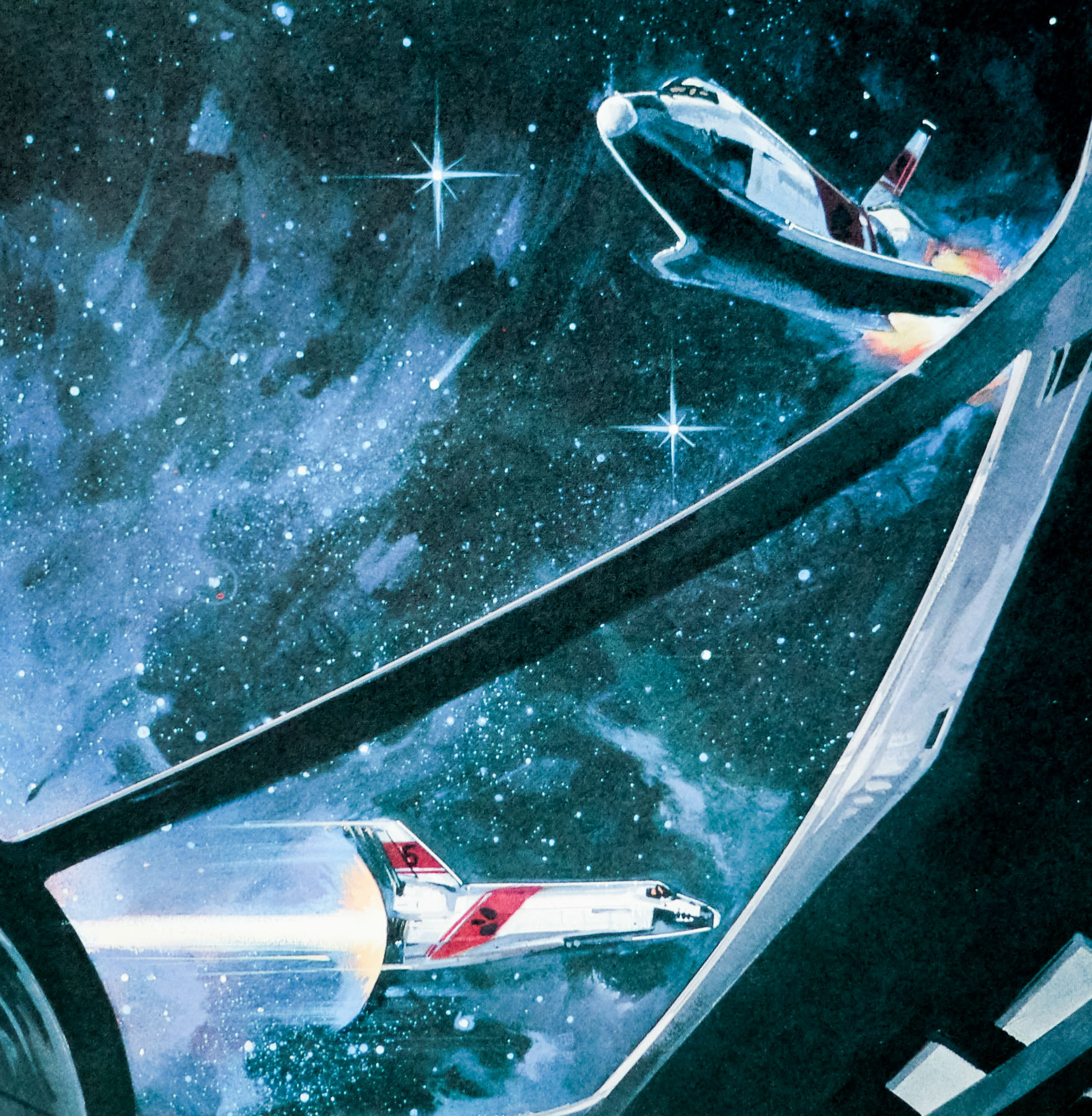
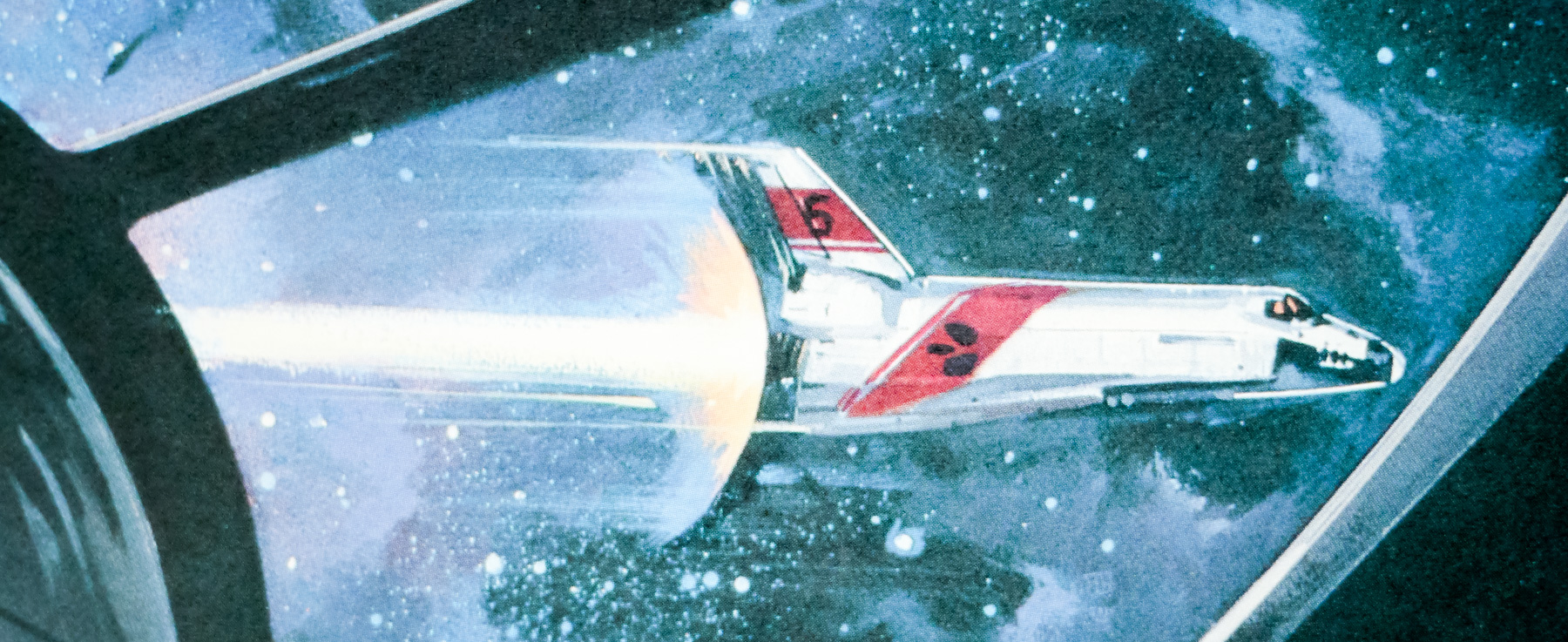
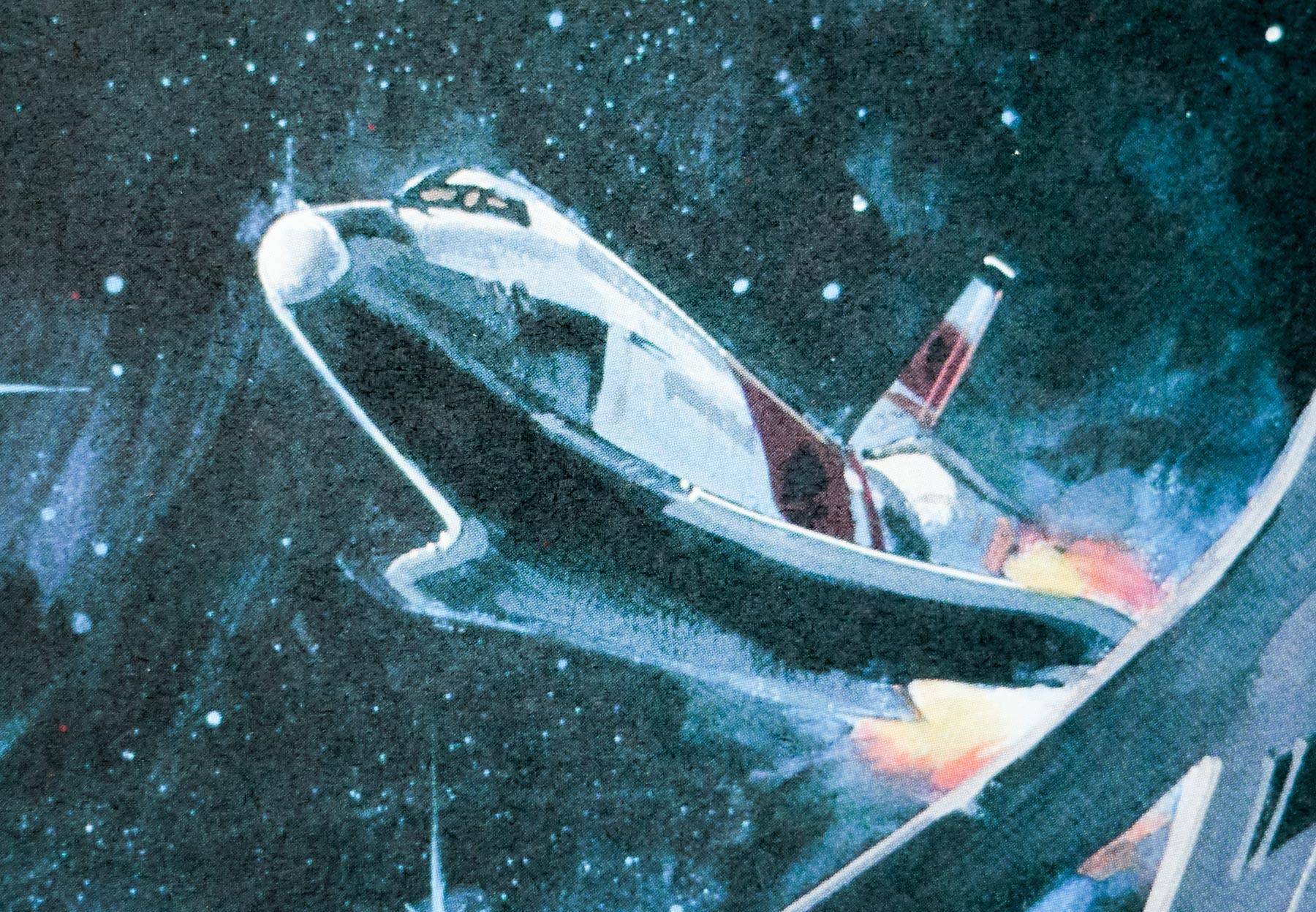
This poster is for the 1977 re-release of the film which saw the film edited to achieve a PG rating and re-released with the subtitle of ‘Queen of the Galaxy’, which was done to capitalise on the success of Star Wars. The original 1968 one sheet (opens in a new tab) had been painted by Robert McGinnis (opens in a new tab) and for this release the distributors turned to Boris Vallejo (opens in a new tab), a Peruvian painter who emigrated to the US in 1964 and was acclaimed primarily as a fantasy and erotica artist. Vallejo started out painting paperback covers for the likes of Tarzan and Conan the Barbarian and this work would lead to him being commissioned by various studios to paint the posters for films including Knightriders, Q (the Winged Serpent) and two posters for the National Lampoon series.

Vallejo continues to paint alongside his wife Julie Bell, also a fantasy artist, and the pair’s official website (opens in a new tab) features extensive galleries of work (opens in a new tab). See the other posters I’ve collected by Vallejo.

Note that this is the international one sheet because it was printed without the PG-rating box seen on the US version (opens in a new tab).

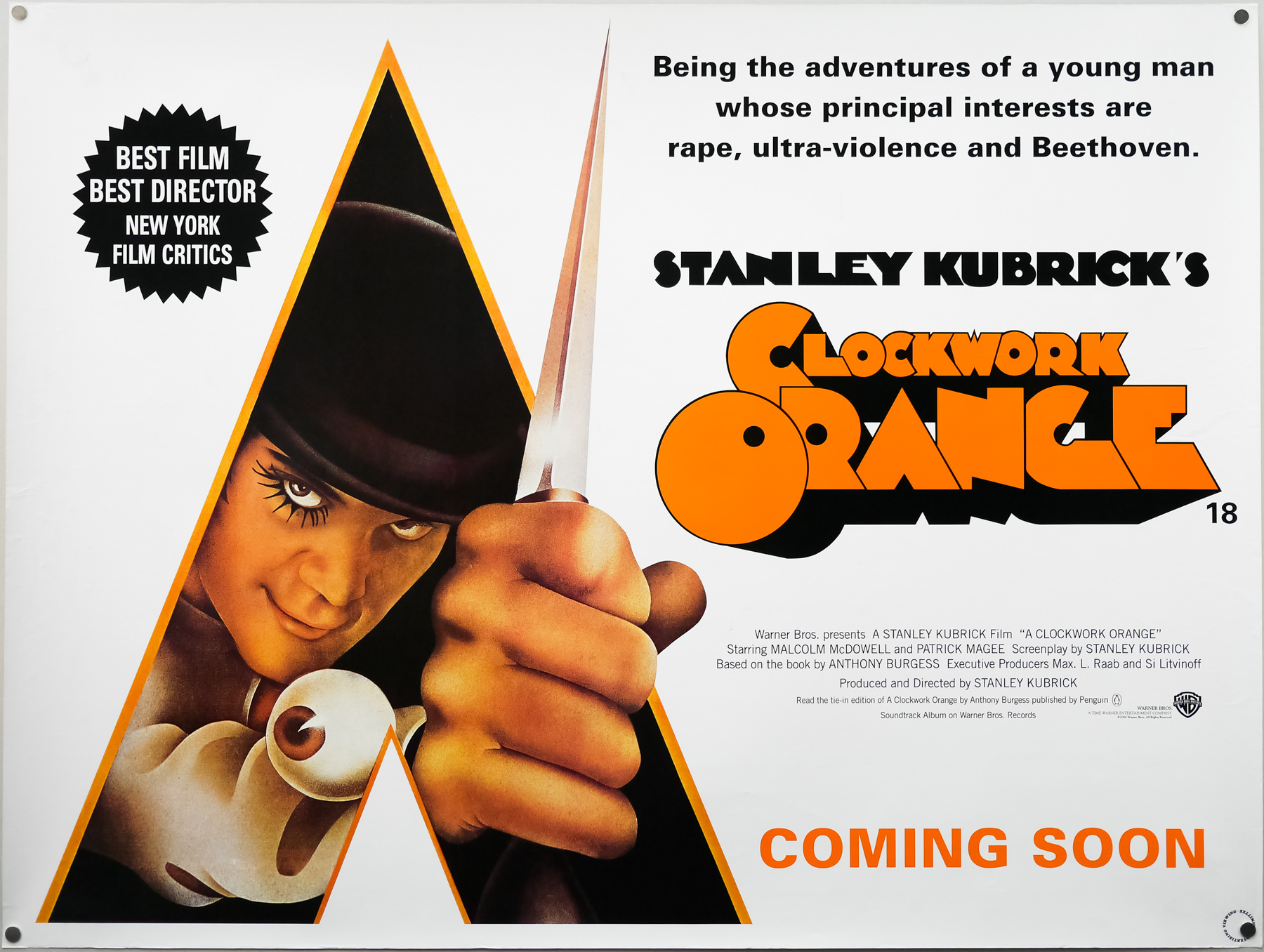
Clockwork Orange / quad / 2000 re-release / UK

21.05.14

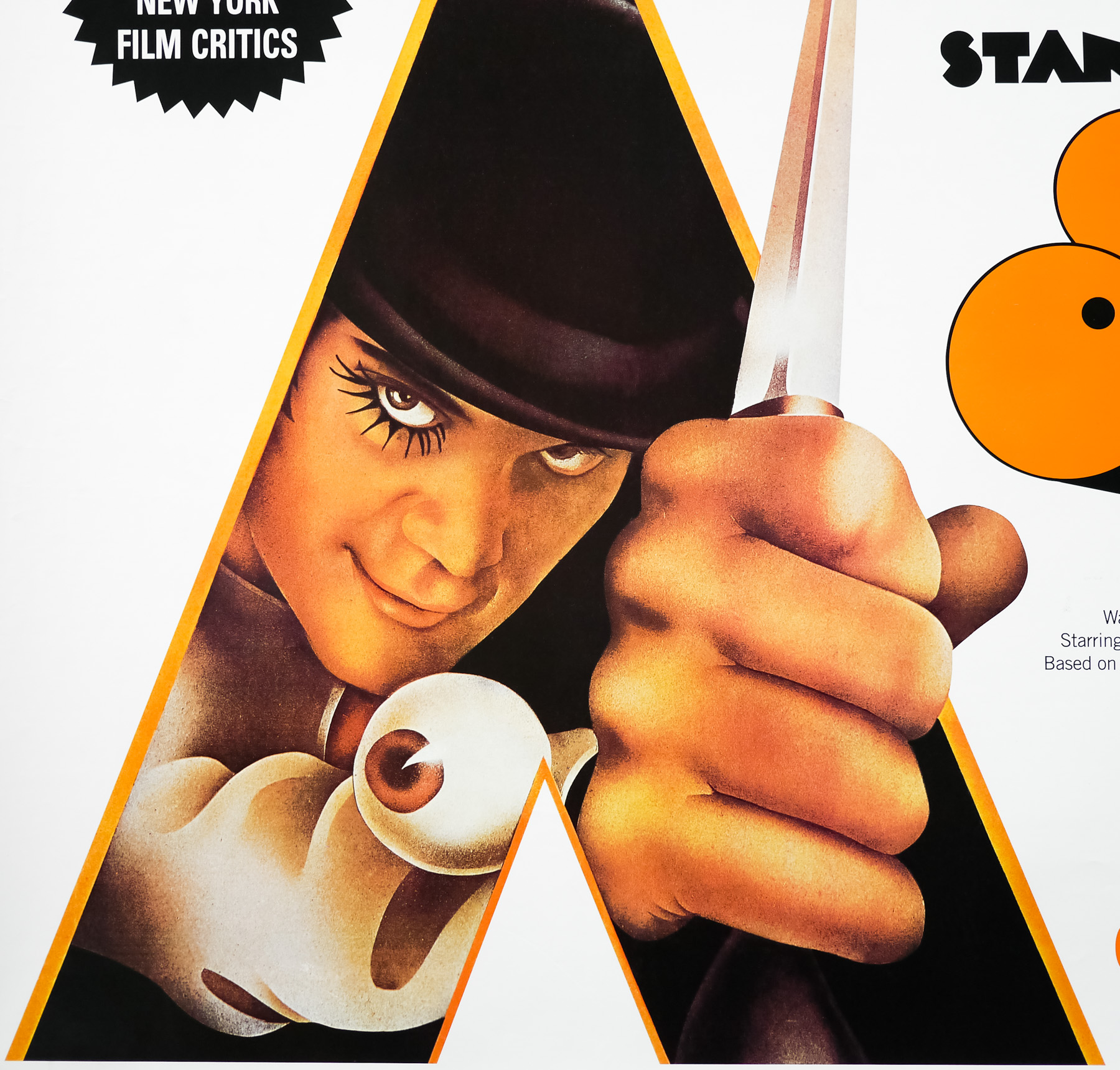
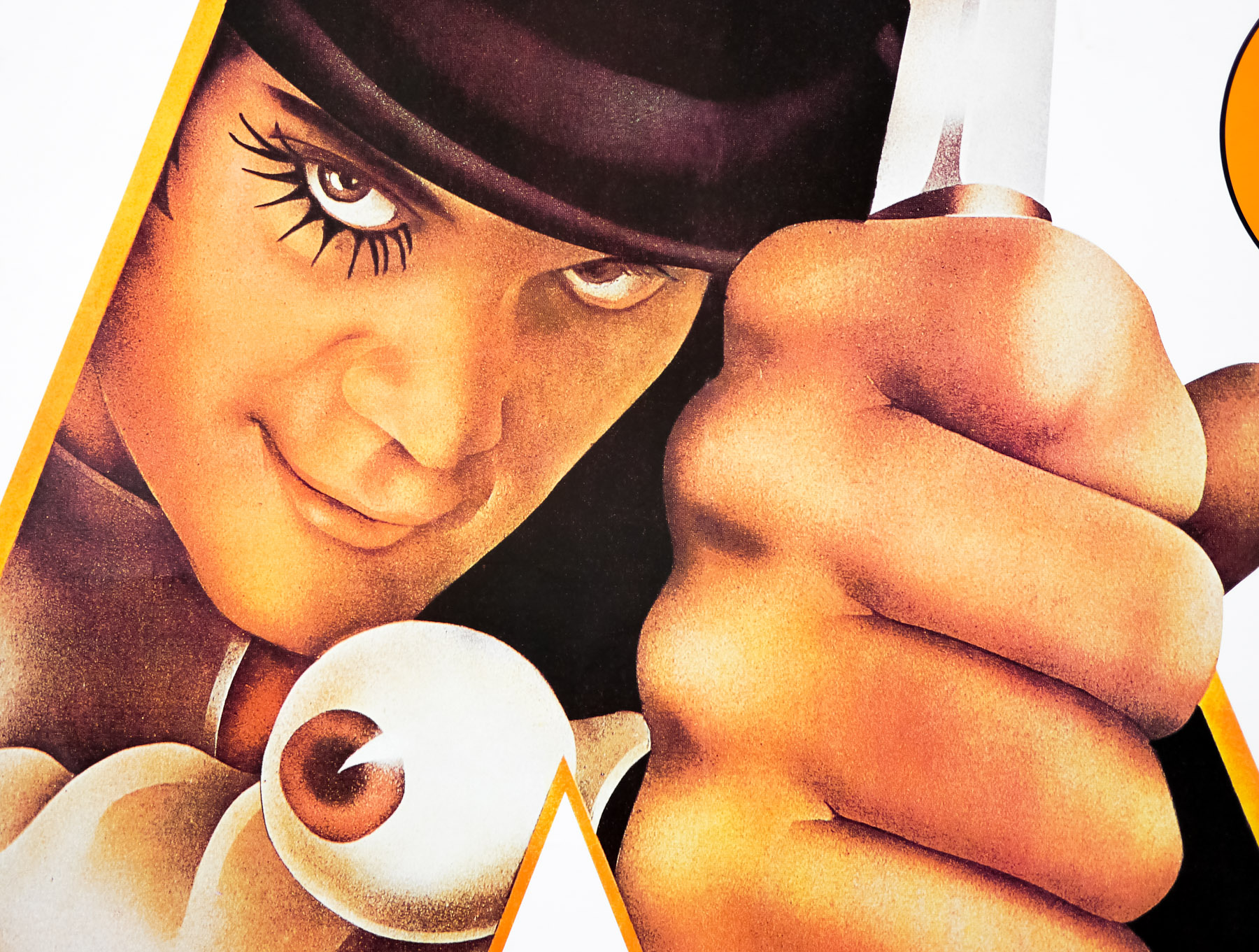
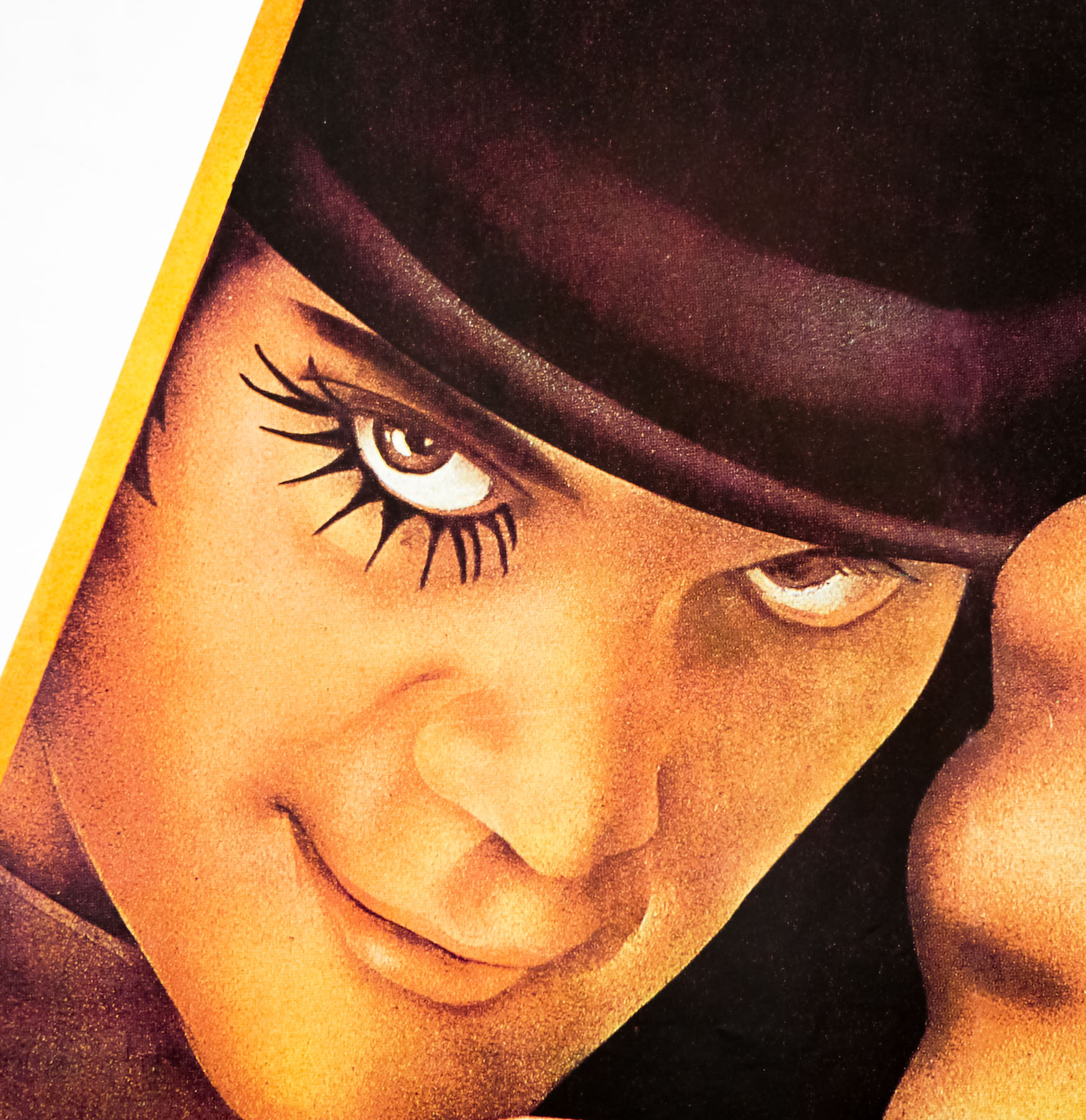
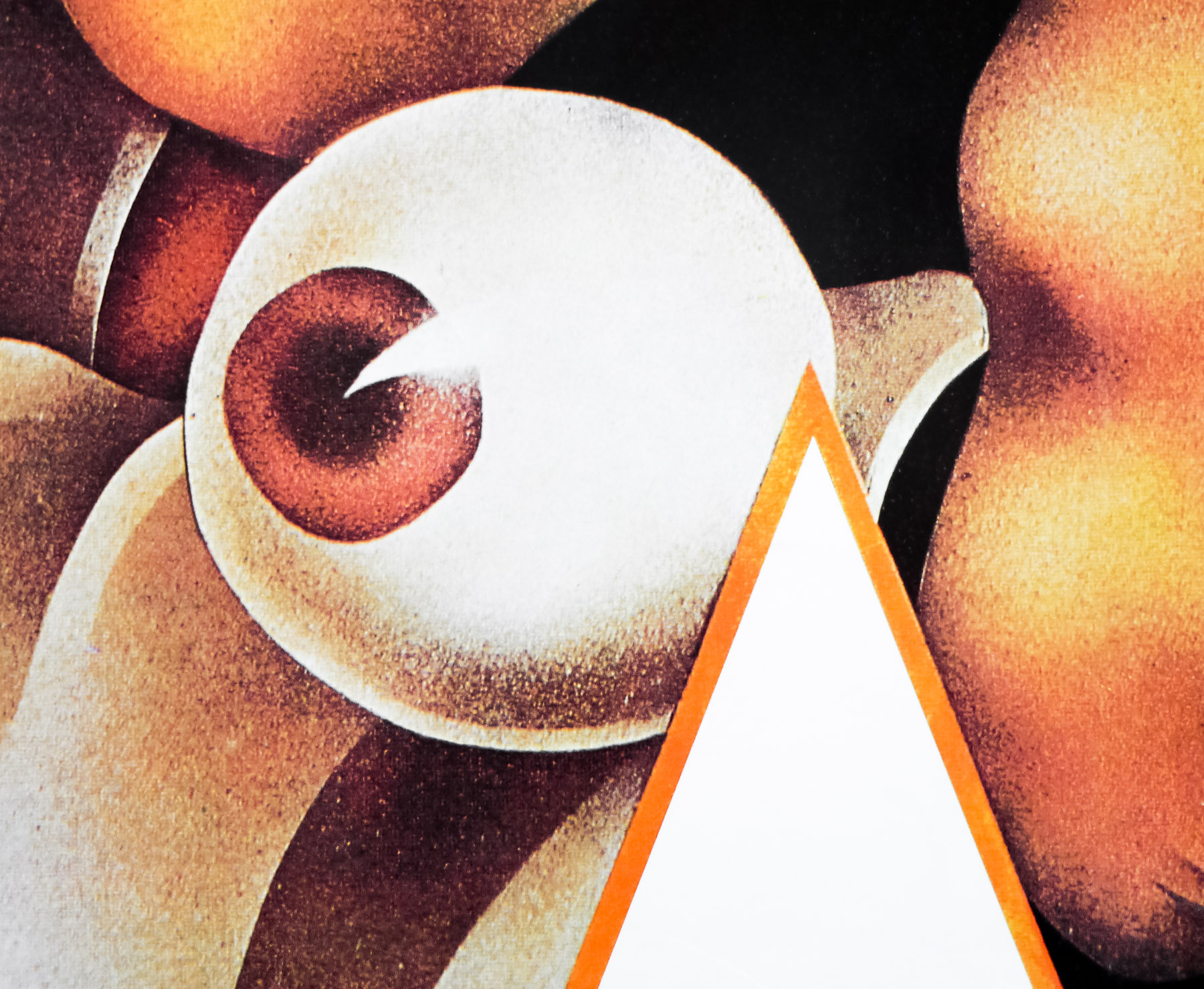
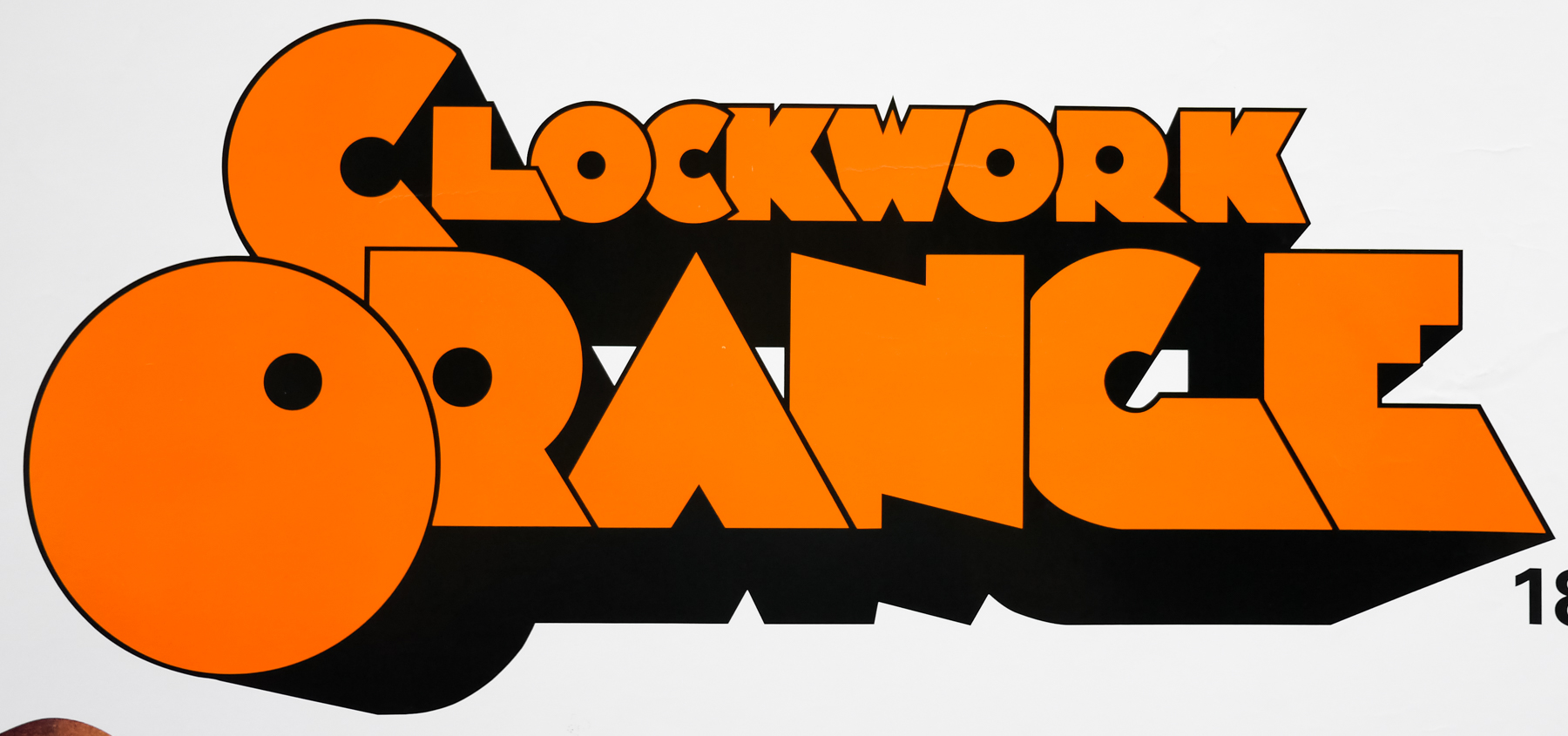
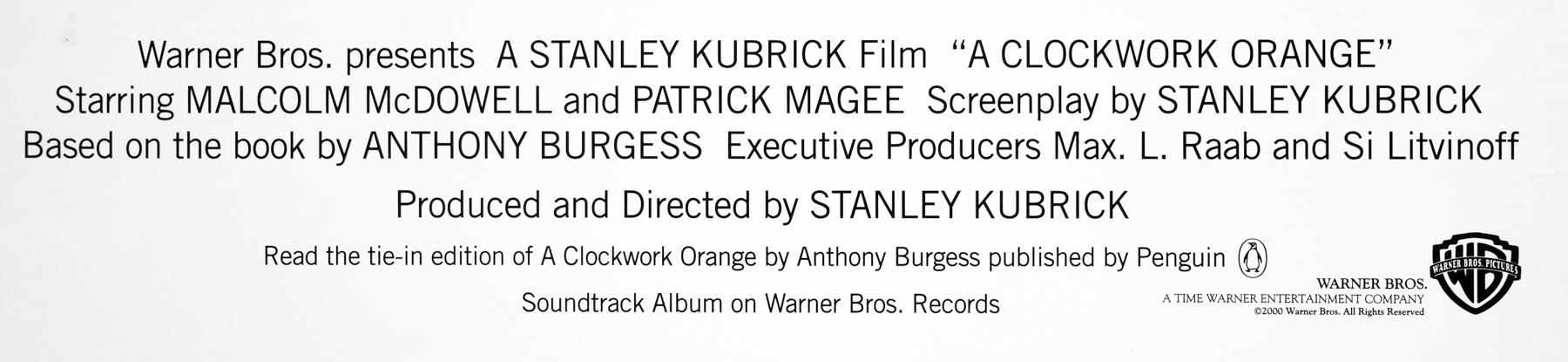
British quad poster (2000 re-release | advance) for Clockwork Orange (1971). Artwork by Philip CastleBritish quad poster (2000 re-release | advance) for Clockwork Orange (1971). Artwork by Philip Castle, image 2British quad poster (2000 re-release | advance) for Clockwork Orange (1971). Artwork by Philip Castle, image 3British quad poster (2000 re-release | advance) for Clockwork Orange (1971). Artwork by Philip Castle, image 4British quad poster (2000 re-release | advance) for Clockwork Orange (1971). Artwork by Philip Castle, image 5
Title
Clockwork Orange
AKA
Stanley Kubrick's A Clockwork Orange (USA - poster title) | Arancia meccanica (Italy)
Year of Film
1971
Director
Stanley Kubrick
Starring
Malcolm McDowell, Warren Clarke, Michael Bates, James Marcus, Michael Tarn, Patrick Magee
Origin of Film
USA | UK
Genre(s) of Film
Crime | Drama | Sci-Fi
Type of Poster
Quad
Style of Poster
Re-release | advance
Origin of Poster
UK
Year of Poster
2000
Designer
Unknown
Artist
Philip Castle
Size (inches)
30 1/16" x 39 15/16"
SS or DS
SS
Tagline
Being the adventures of a young man whose principal interests are rape, ultra-violence and Beethoven.

Stanley Kubrick’s classic 1971 dystopian sci-fi, A Clockwork Orange (opens in a new tab), was met with controversy as soon as it was released in 1971, despite being a hit with UK and US audiences and earning box-office profits several times its original production budget. Unfortunately for UK audiences, the film was withdrawn from distribution in 1973 at the insistence of Kubrick himself following a number of death threats that were apparently received by the director and his family. These threats had been the result of the film being implicated, or at least referenced, in several high-profile criminal cases, including one in which an elderly vagrant had been kicked to death, mirroring an infamous scene in Kubrick’s film.

Despite being freely available across the rest of Europe and in the US, the film remained out of UK cinemas and, during the 1980s, off British video rental shop shelves. When the legendary London cinema the Scala Film Club (opens in a new tab) decided to show the film in 1993 they were sued by Warner Bros at Kubrick’s insistence. The studio won the court case and the cinema club was effectively bankrupt, with plans for expansion quickly shelved. The club produced its last ‘what’s on’ calendar in May 1993 and the Scala converted to a music venue towards the end of the 1990s.

When Kubrick died in 1999 the ban was relaxed and the film was finally made available on VHS and DVD. A limited cinema run also took place and this quad was produced at the time. It uses part of the original artwork that featured on posters for the film around the world, which was painted by the renowned British artist Philip Castle (opens in a new tab). The final one sheet (opens in a new tab) for the film is one of the most iconic posters of all time, with the same painting being used to promote the film all over the world, and it continues to be used to promote the film to this day. The original UK quad features more of Castle’s artwork and a more muted colour scheme, but features the same tag-line.

Born in London in 1943, Philip Castle’s design career has seen him working on album covers for some of the biggest names in British music, including Wings, Mott the Hoople and Pulp. His skills were utilised for the famous cover for David Bowie’s Aladdin Sane, which saw him airbrushing over a photograph by Celia Philo. He also worked on the cover for the legendary computer game Elite (opens in a new tab). In 1987 Kubrick and Castle would collaborate once more on the poster for Full Metal Jacket, which again proved to be a seminal piece of work. There’s an interesting interview with Castle available to watch (opens in a new tab) on YouTube in which he discusses his work with Kubrick.

This page (opens in a new tab) features several examples of his brilliant work and there are multiple images tagged on Tumblr (opens in a new tab). The posters I’ve collected by him can be seen here.
Moonraker / B2 / Japan

19.05.14

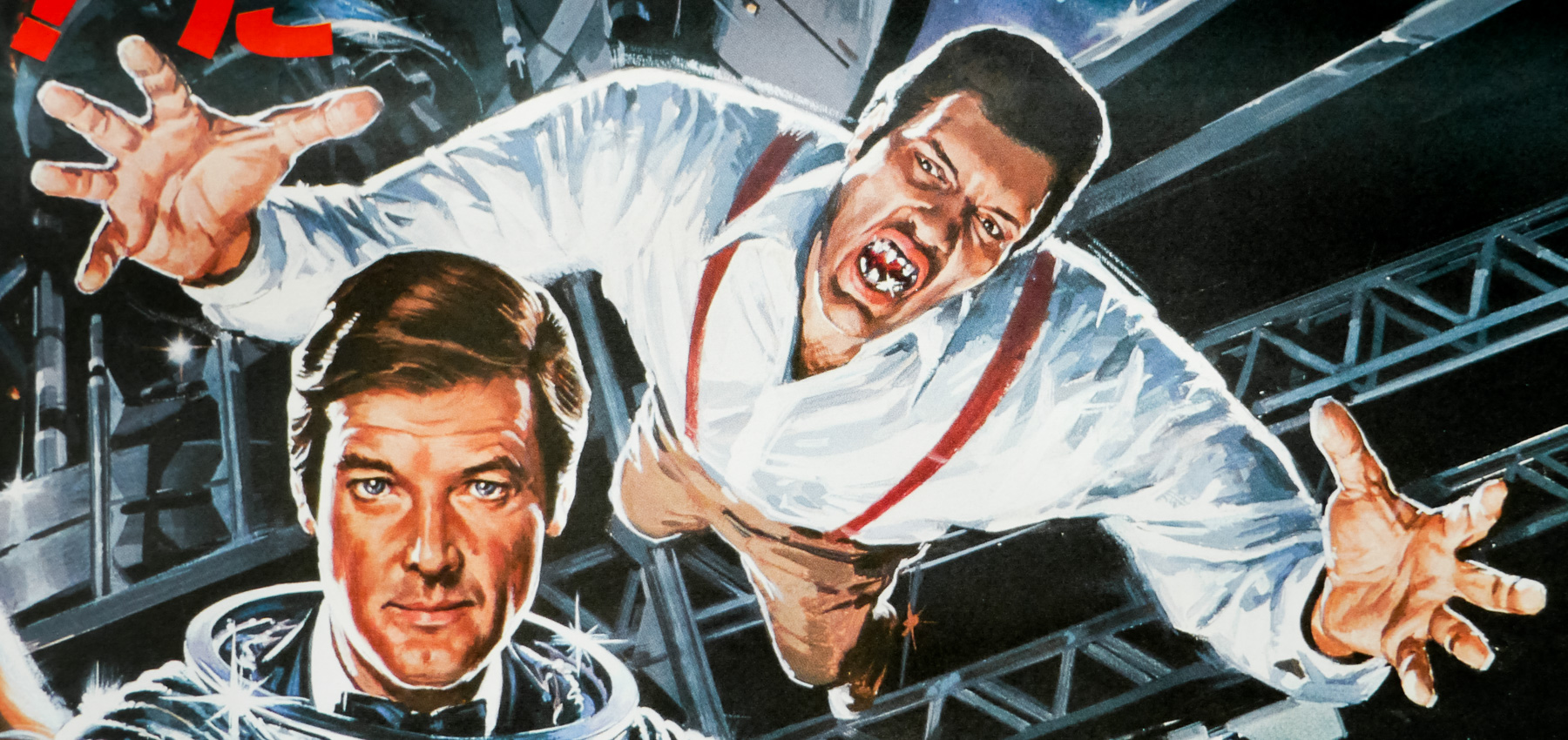
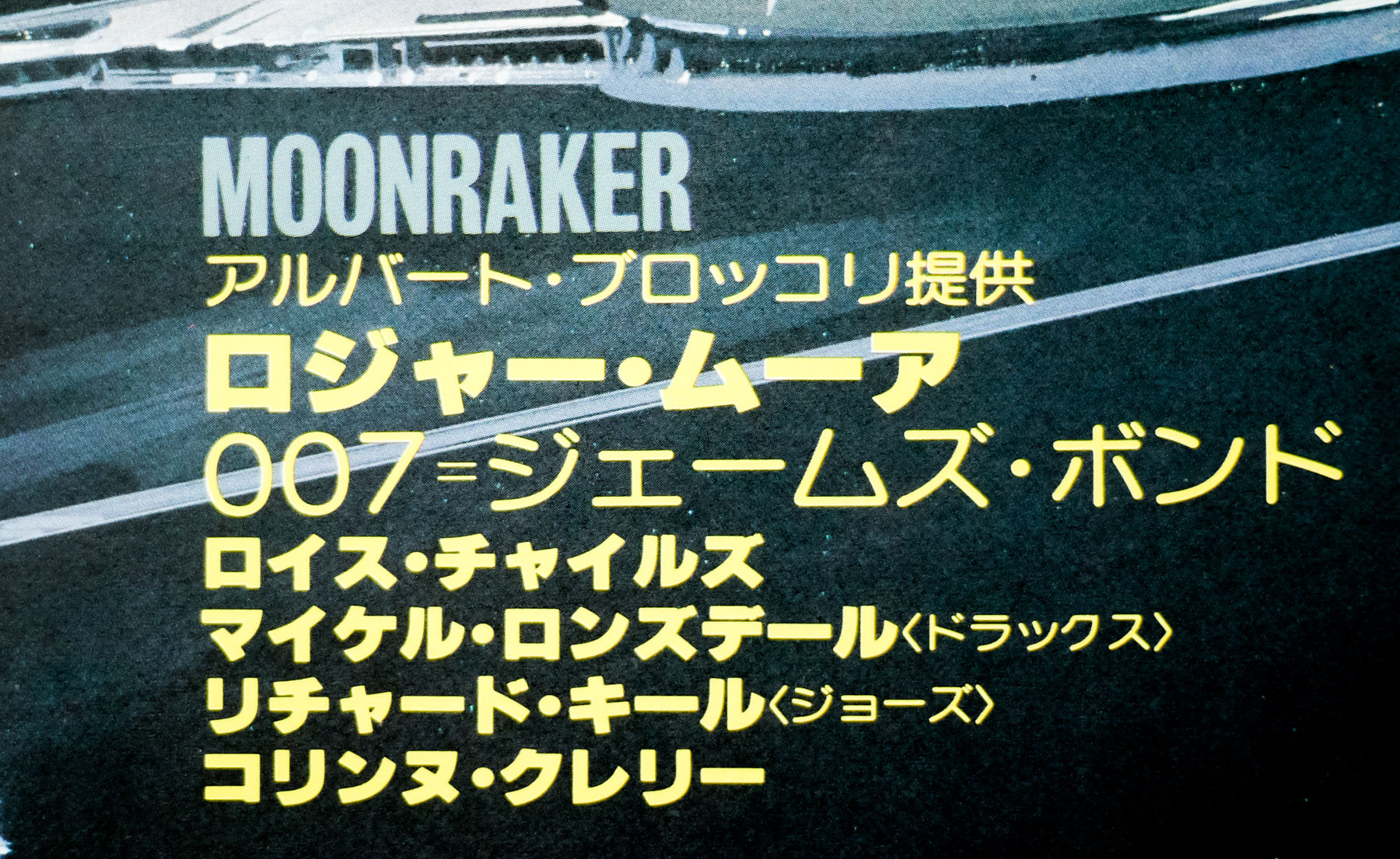
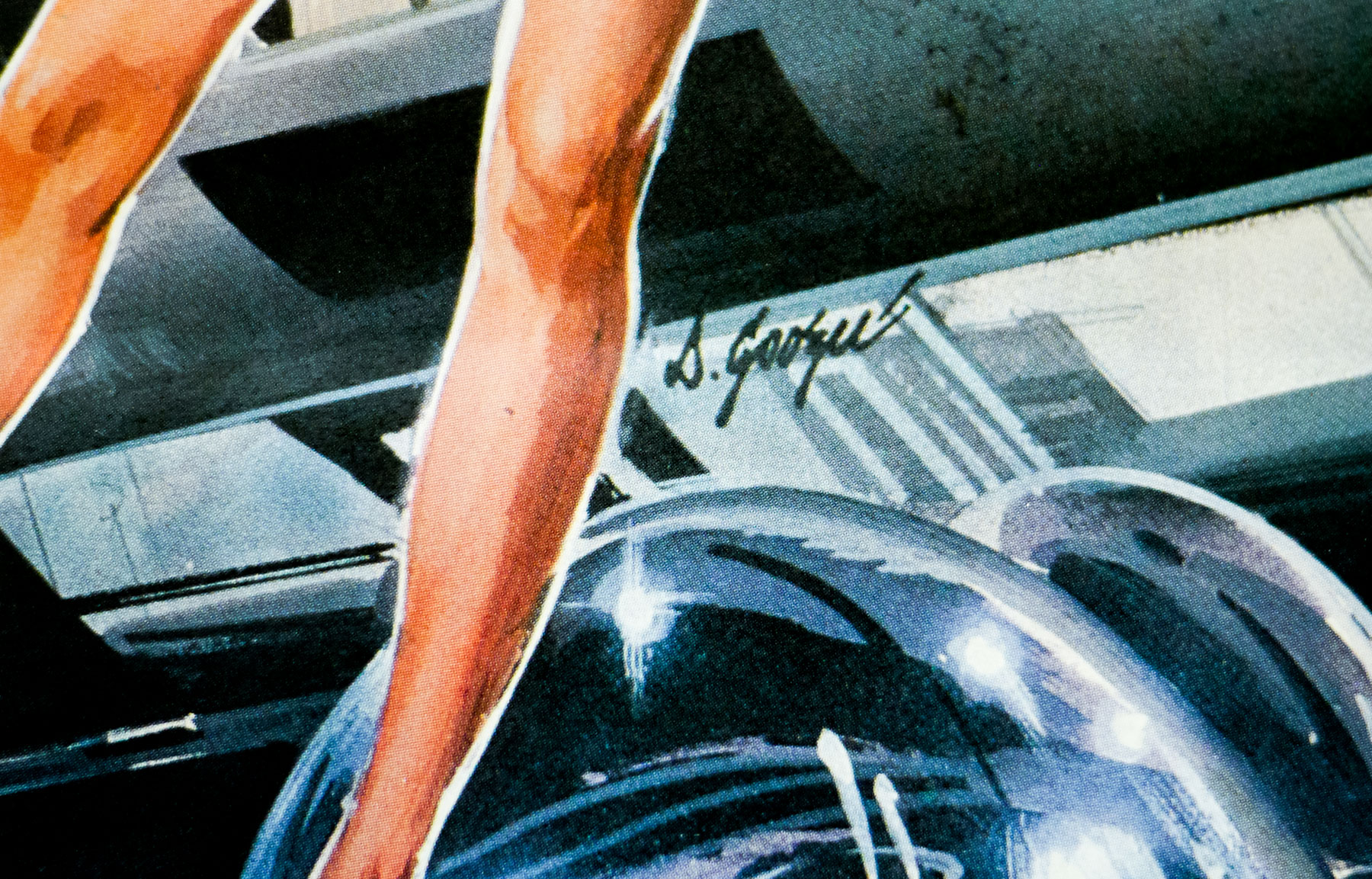
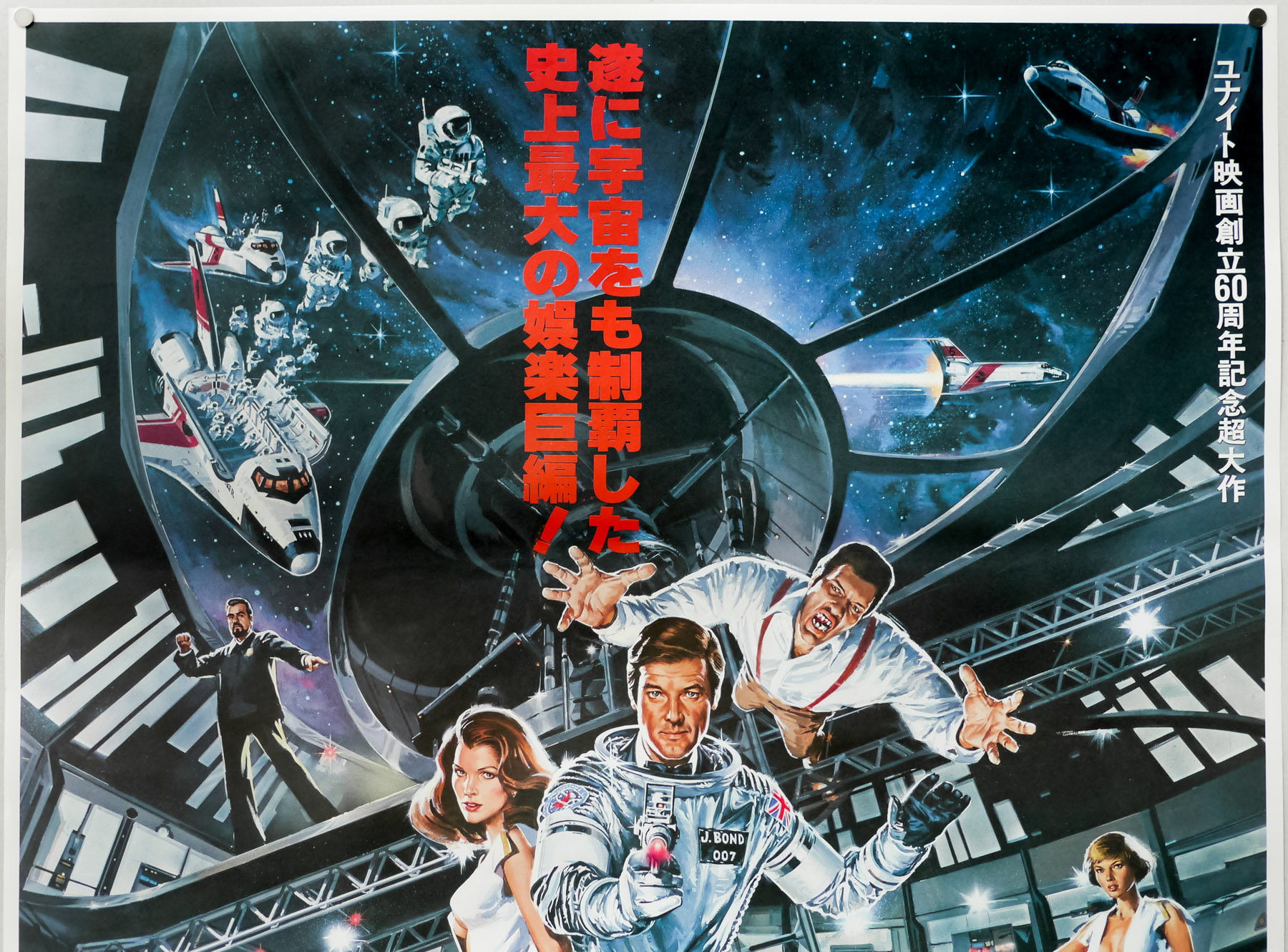
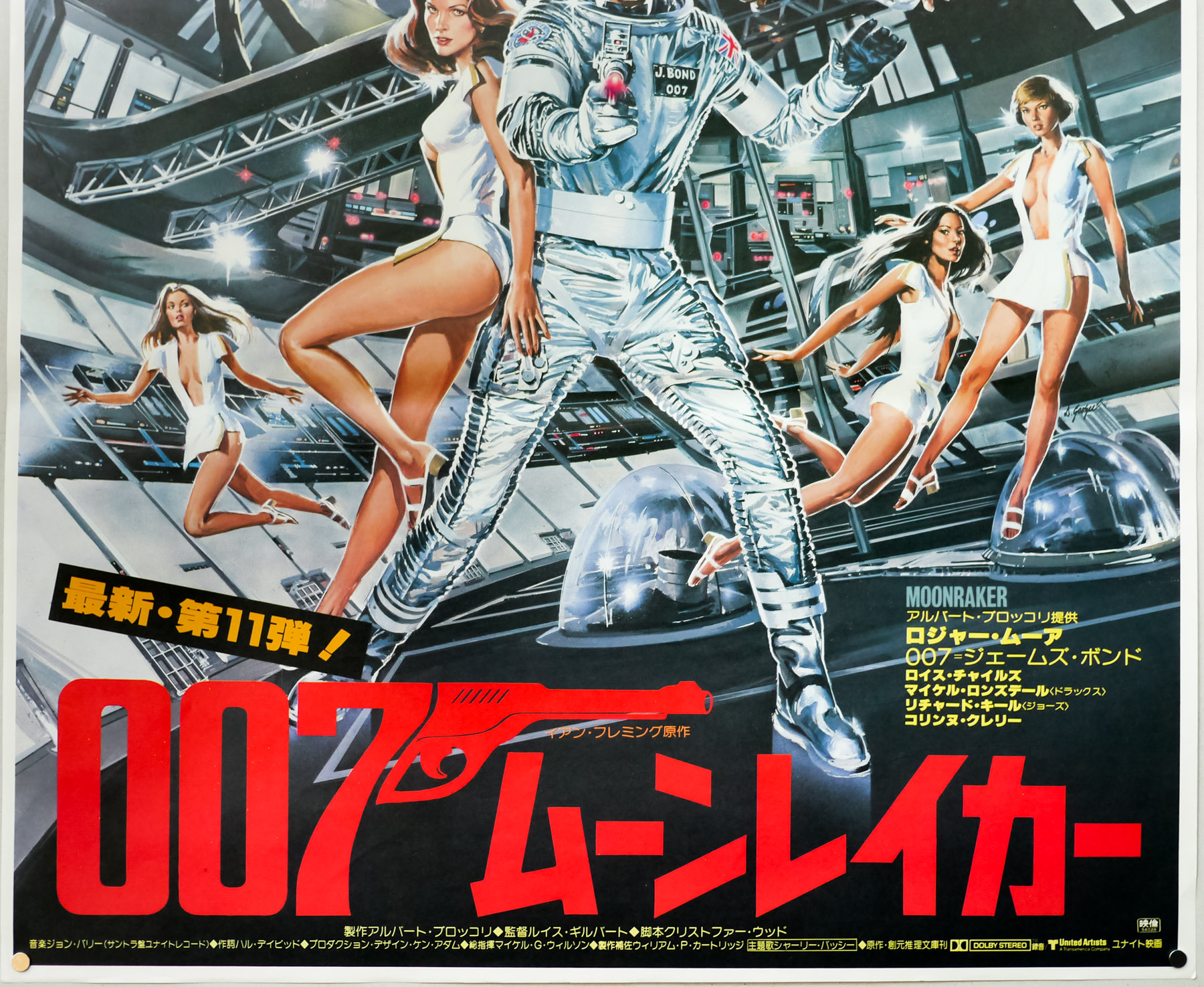
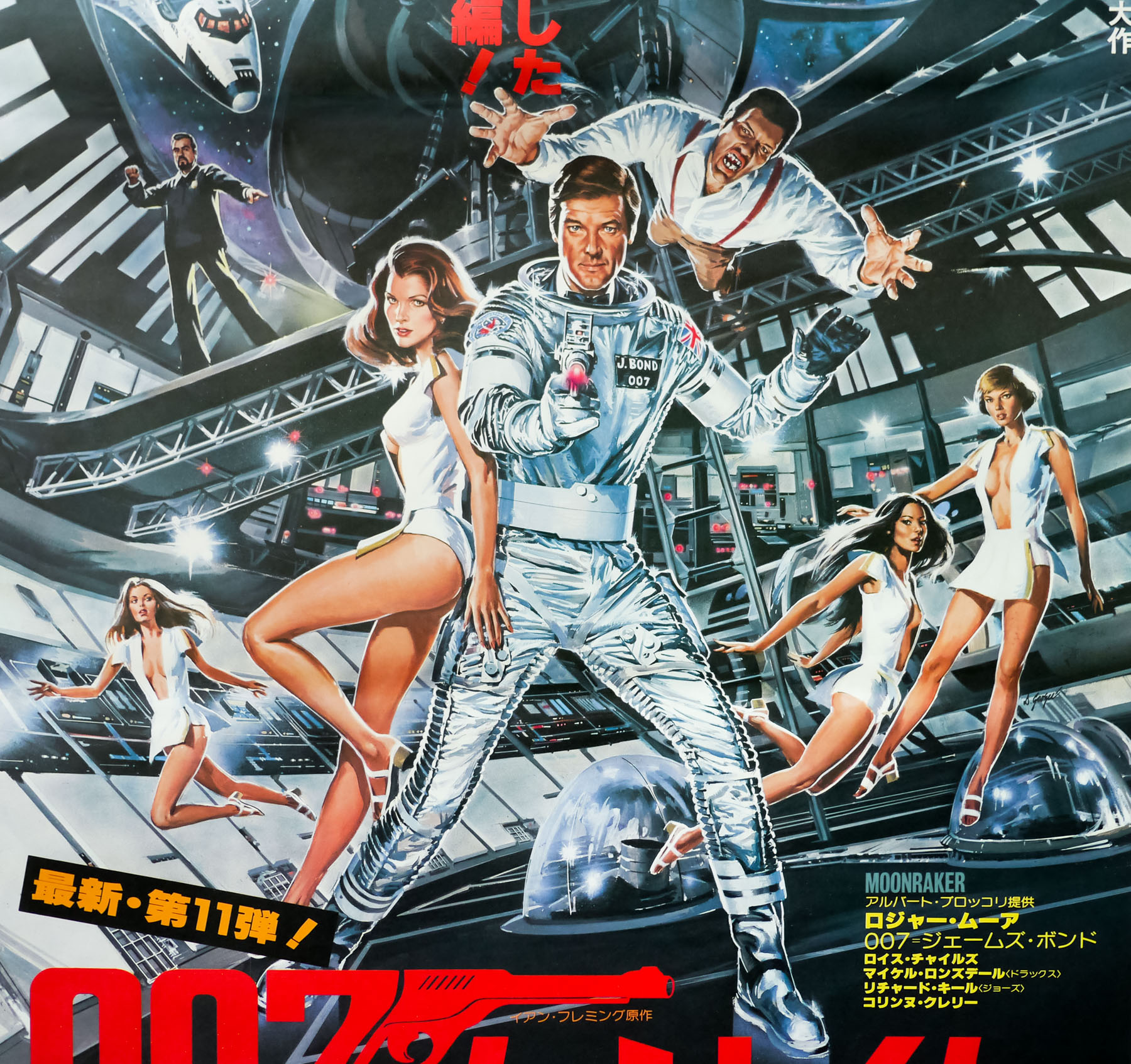
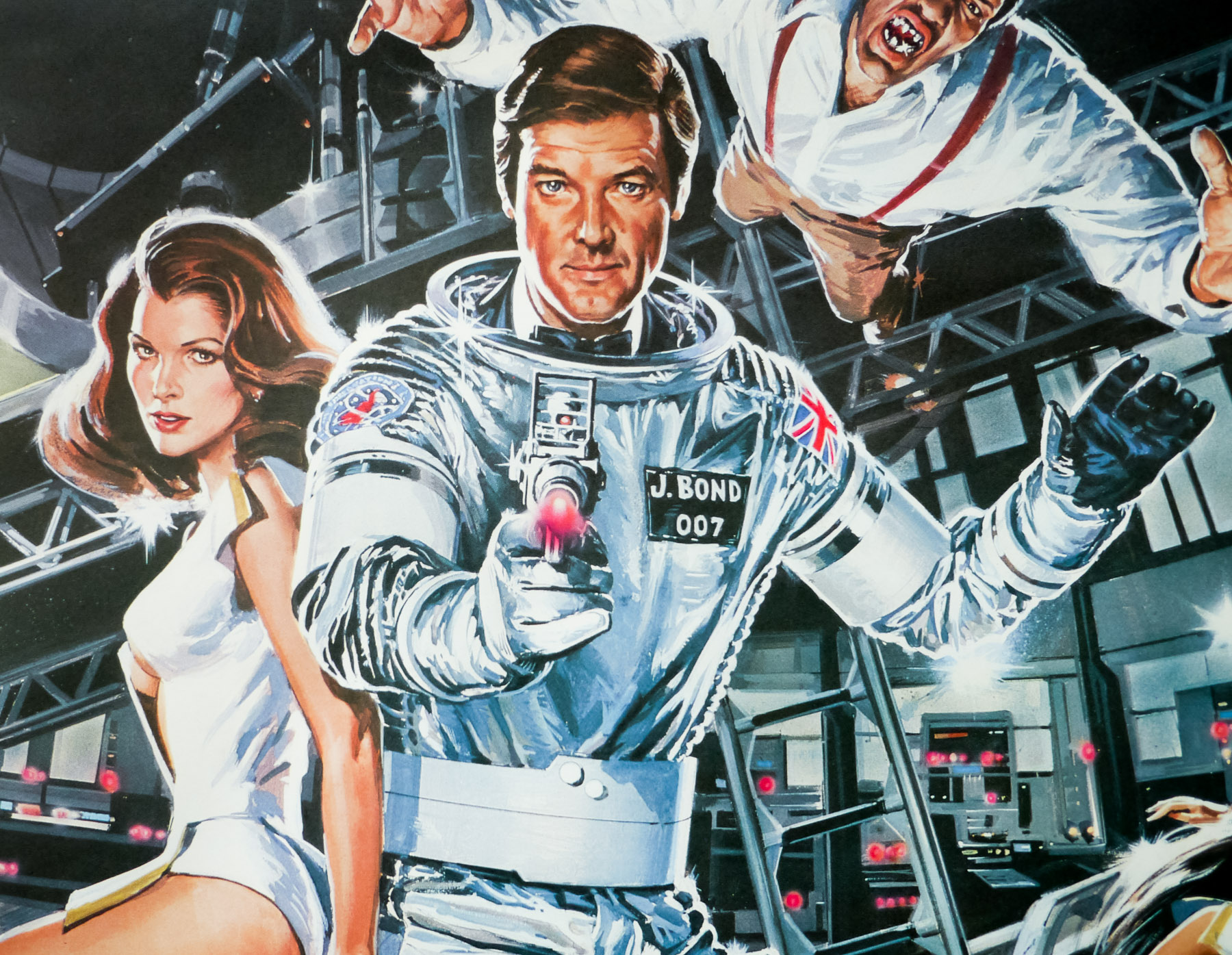
Japanese B2 poster for Moonraker (1979). Artwork by Dan GoozeeJapanese B2 poster for Moonraker (1979). Artwork by Dan Goozee, image 2Japanese B2 poster for Moonraker (1979). Artwork by Dan Goozee, image 3Japanese B2 poster for Moonraker (1979). Artwork by Dan Goozee, image 4Japanese B2 poster for Moonraker (1979). Artwork by Dan Goozee, image 5
Title
Moonraker
AKA
Agente 007, Moonraker: Operazione Spazio [Operation Space] (Italy)
Year of Film
1979
Director
Lewis Gilbert
Starring
Roger Moore, Lois Chiles, Michael Lonsdale, Richard Kiel, Corinne Clery, Bernard Lee, Geoffrey Keen, Desmond Llewelyn, Lois Maxwell, Toshirô Suga, Blanche Ravalec
Origin of Film
UK | France
Genre(s) of Film
Action
Film Series
James Bond
Type of Poster
B2
Origin of Poster
Japan
Year of Poster
1979
Designer
Unknown
Artist
Dan Goozee
Size (inches)
20 3/8" x 28 7/8"
SS or DS
SS

Although considered by most Bond fans to be one of the weakest of the series, I know I’m not the only one to have a soft spot for Moonraker (opens in a new tab), Roger Moore (opens in a new tab)‘s fifth outing as James Bond. Thanks to endless TV showings during the 1980s and early 1990s I’ve probably seen this more than any other in the series and, like Live and Let Die, it had a huge impression on my young mind.

Looking at it through the cynical fog of adulthood it’s easy to sneer at the camp script, supremely daft action sequences (motorised Gondola anyone?) and painfully obvious attempt to cash in on the success of Star Wars (a very common theme amongst films released in its wake). The film is probably the quintessential outing for Moore as Bond and only he could have pulled it off as well as he did, particularly when it comes to the hokey script and madcap action.

The film features several memorable sequences, including a cable car fight over Rio de Janeiro, and a decent bad guy in Richard Kiel (opens in a new tab)‘s inimitable ‘Jaws’ who used to scare me senseless as a kid. Also notable is John Barry (opens in a new tab)‘s soundtrack, which marked a departure from his previous Bond work by mainly using strings instead of the typical brass. The film also features one of the most (literally) eyebrow-raising character names in the form of Dr Holly Goodhead (Lois Chiles (opens in a new tab)) and one of the best/worst sign-offs of the entire series:

Sir Frederick Gray, Minister of Defence:  My God, what’s Bond doing?
Q: I think he’s attempting re-entry, sir.

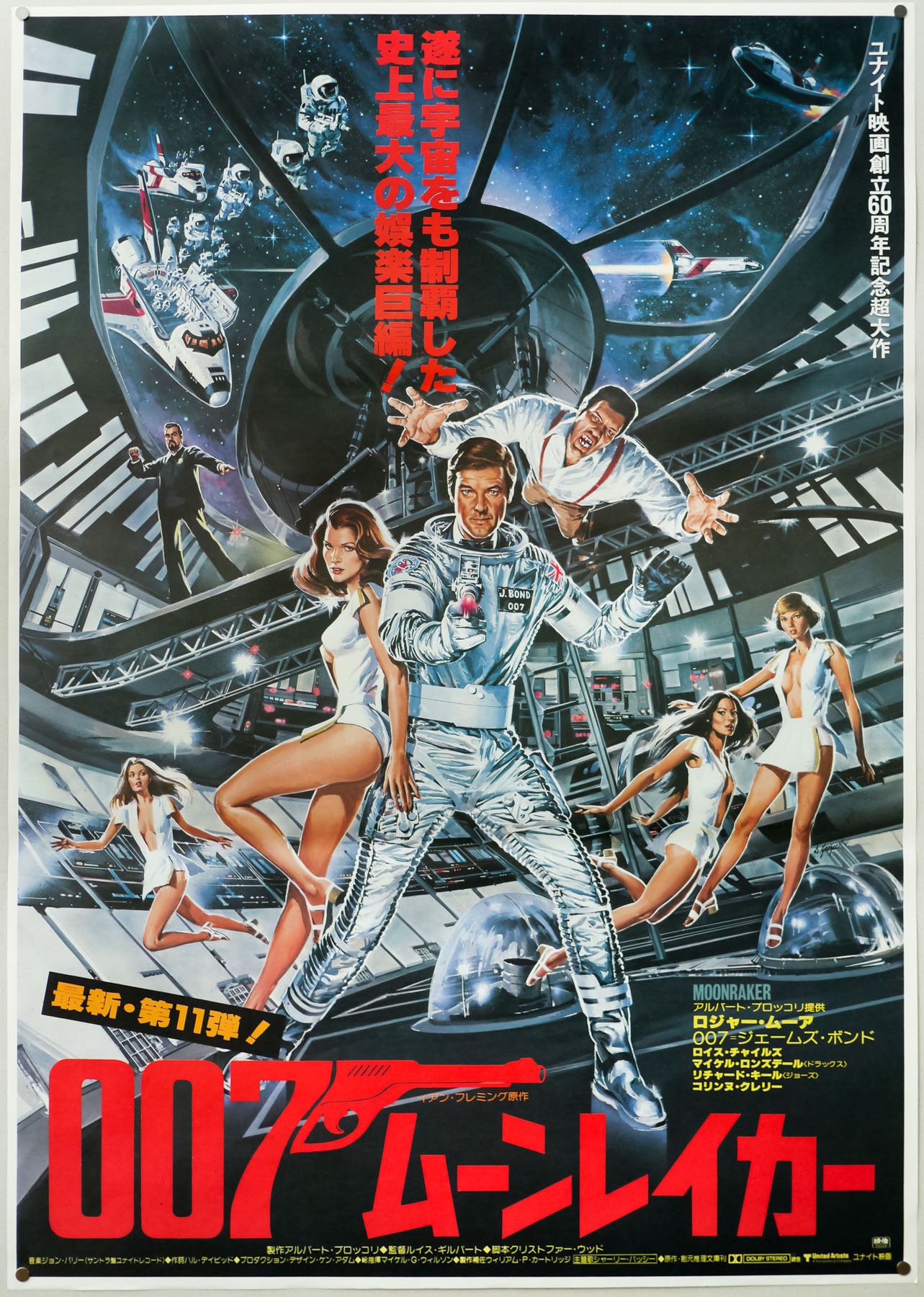
This is the Japanese B2 featuring artwork by the American artist Dan Goozee that was also used on the final Moonraker US one sheet and on the film’s posters in several other countries. Dan Goozee also worked on several other James Bond posters including the international advance one sheet for Moonraker, the artwork for Octopussy and two one sheets for A View to a Kill.

See other posters I’ve collected by Goozee.

The Exterminator / one sheet / USA

16.05.14

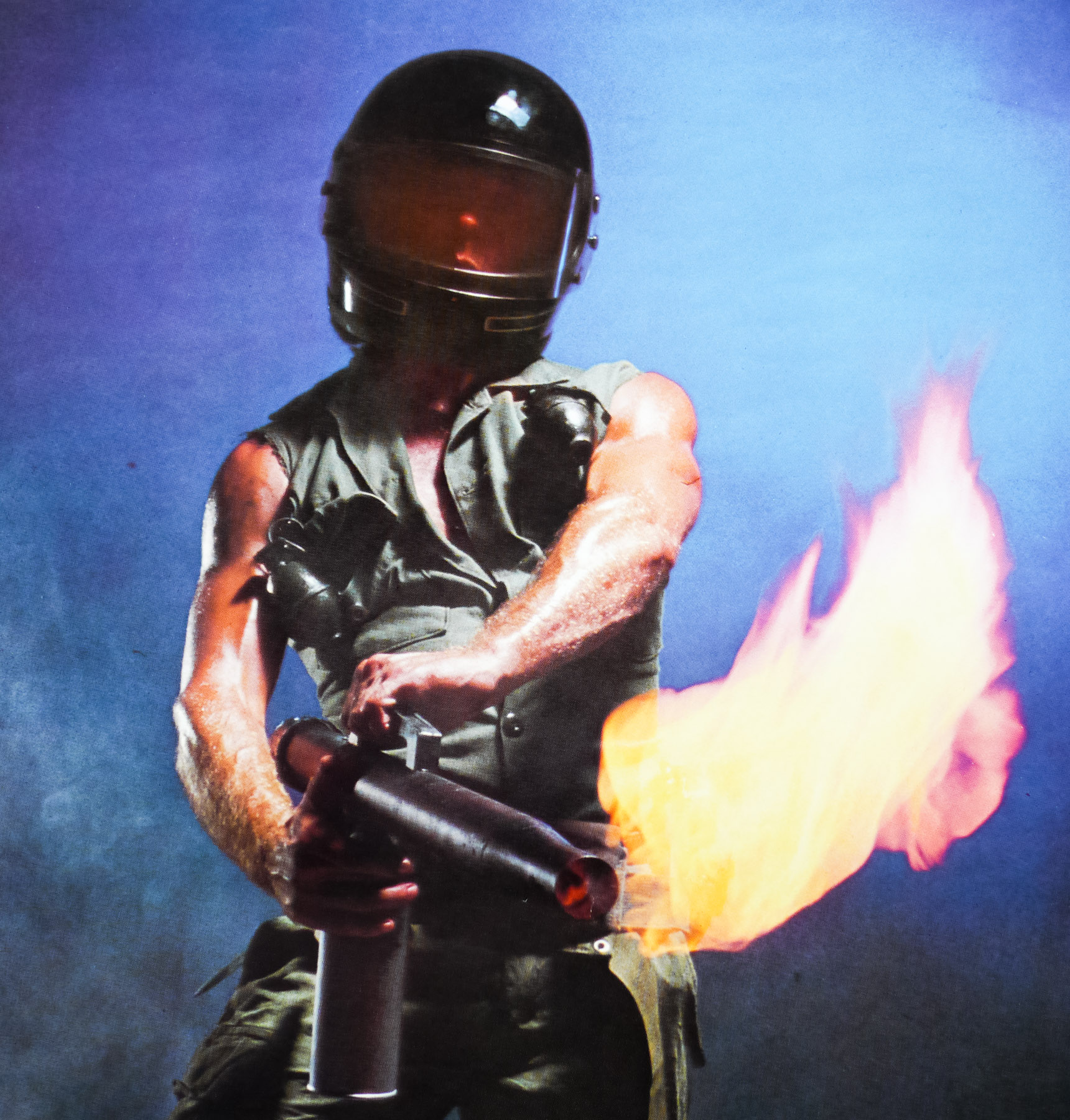
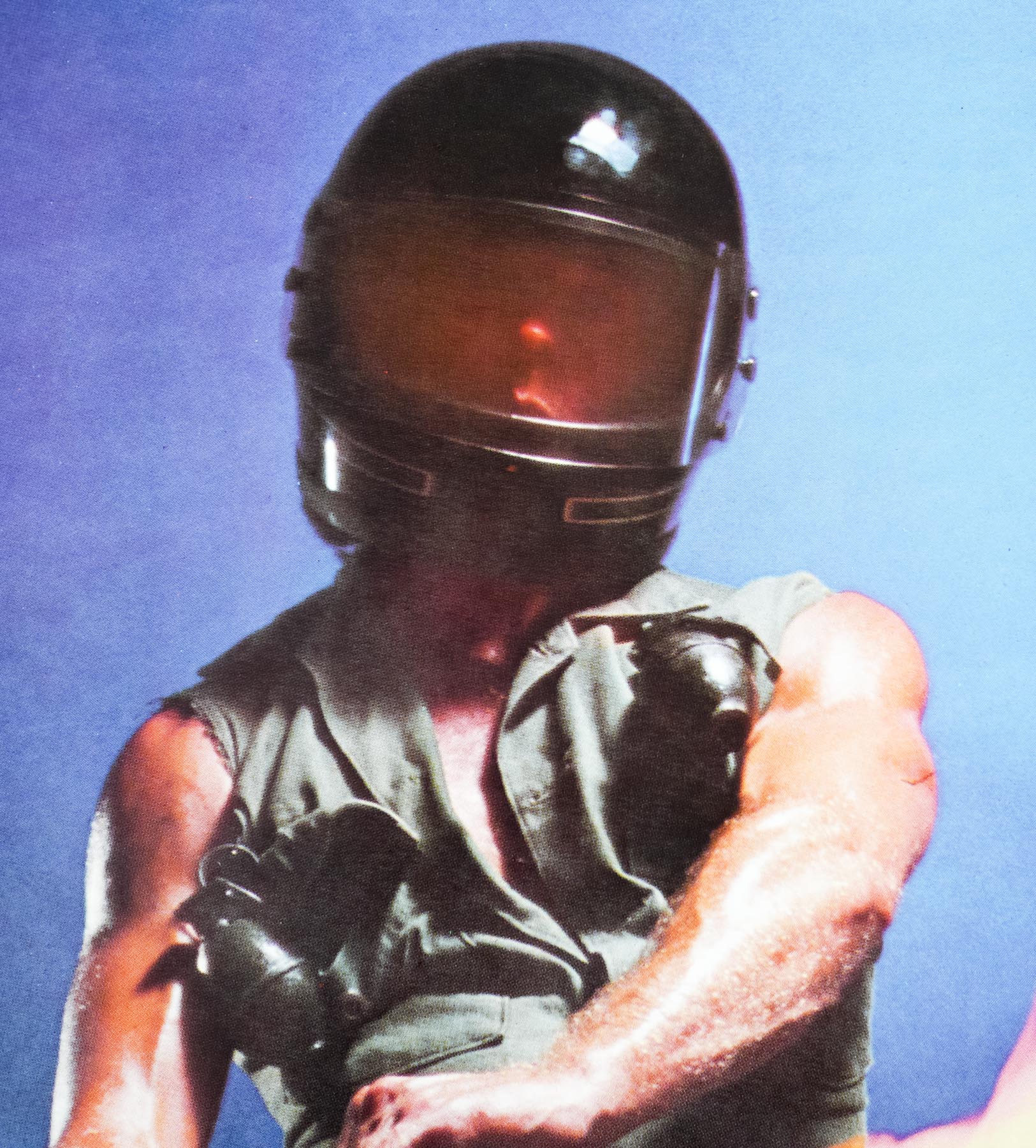
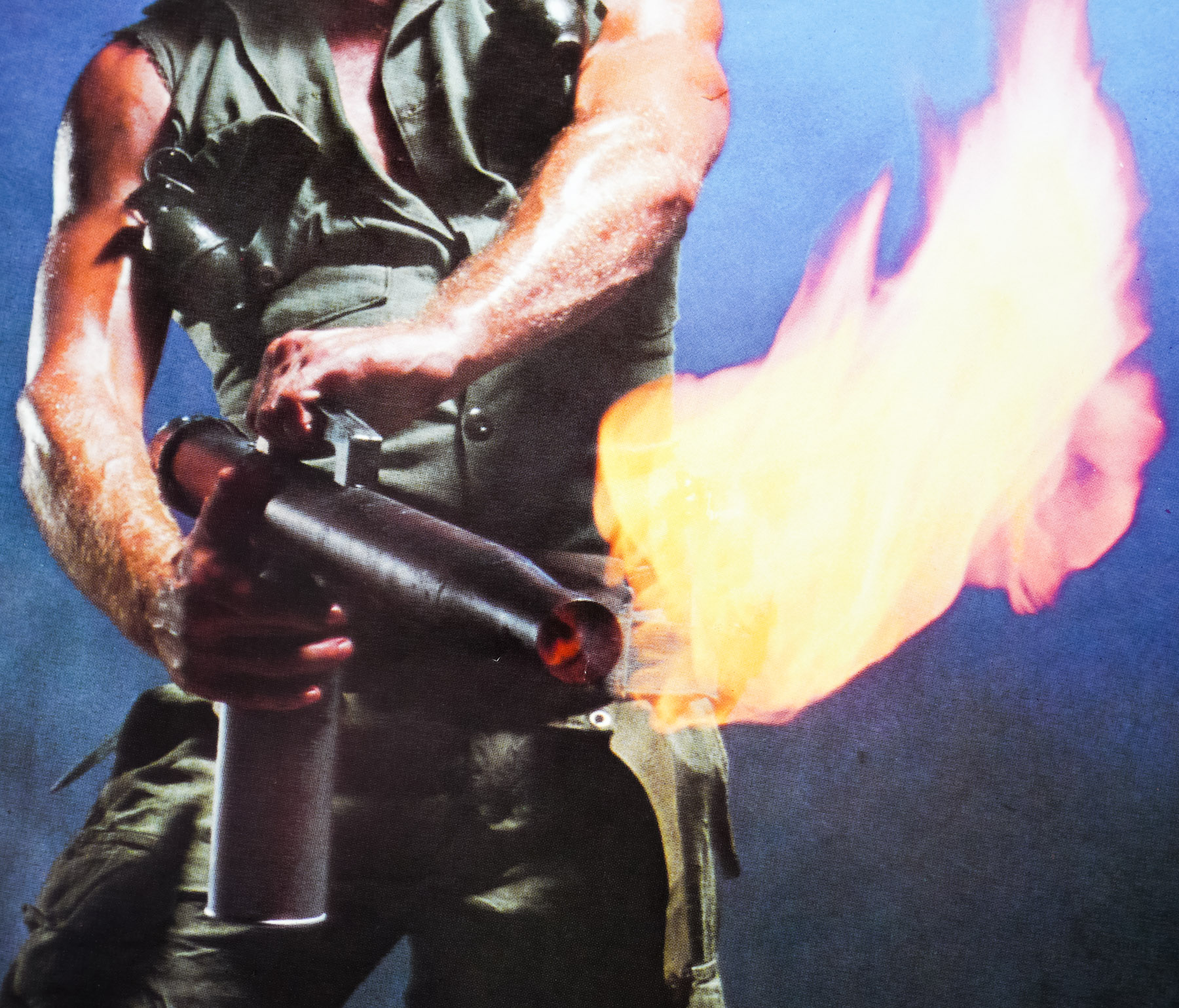
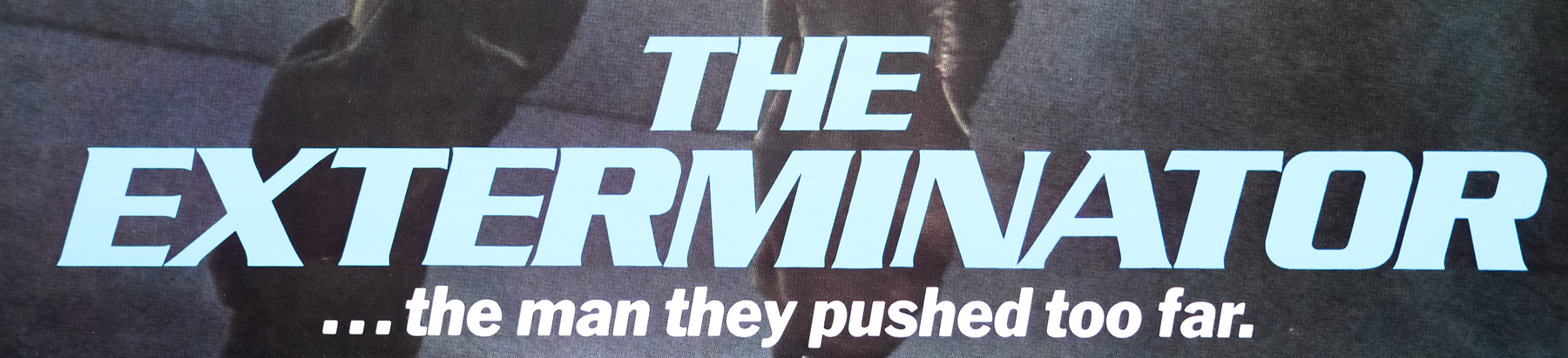
US one sheet poster for The Exterminator (1980). Designed by B.D. Fox IndependentUS one sheet poster for The Exterminator (1980). Designed by B.D. Fox Independent, image 2US one sheet poster for The Exterminator (1980). Designed by B.D. Fox Independent, image 3
Title
The Exterminator
Year of Film
1980
Director
James Glickenhaus
Starring
Christopher George, Samantha Eggar, Robert Ginty, Steve James, Tony DiBenedetto, Dick Boccelli, Patrick Farrelly, Michele Harrell
Origin of Film
USA
Genre(s) of Film
Action | Crime | Thriller
Type of Poster
One sheet
Origin of Poster
USA
Year of Poster
1980
Designer
B.D. Fox Independent
Size (inches)
27 1/16" x 41 1/16"
SS or DS
SS
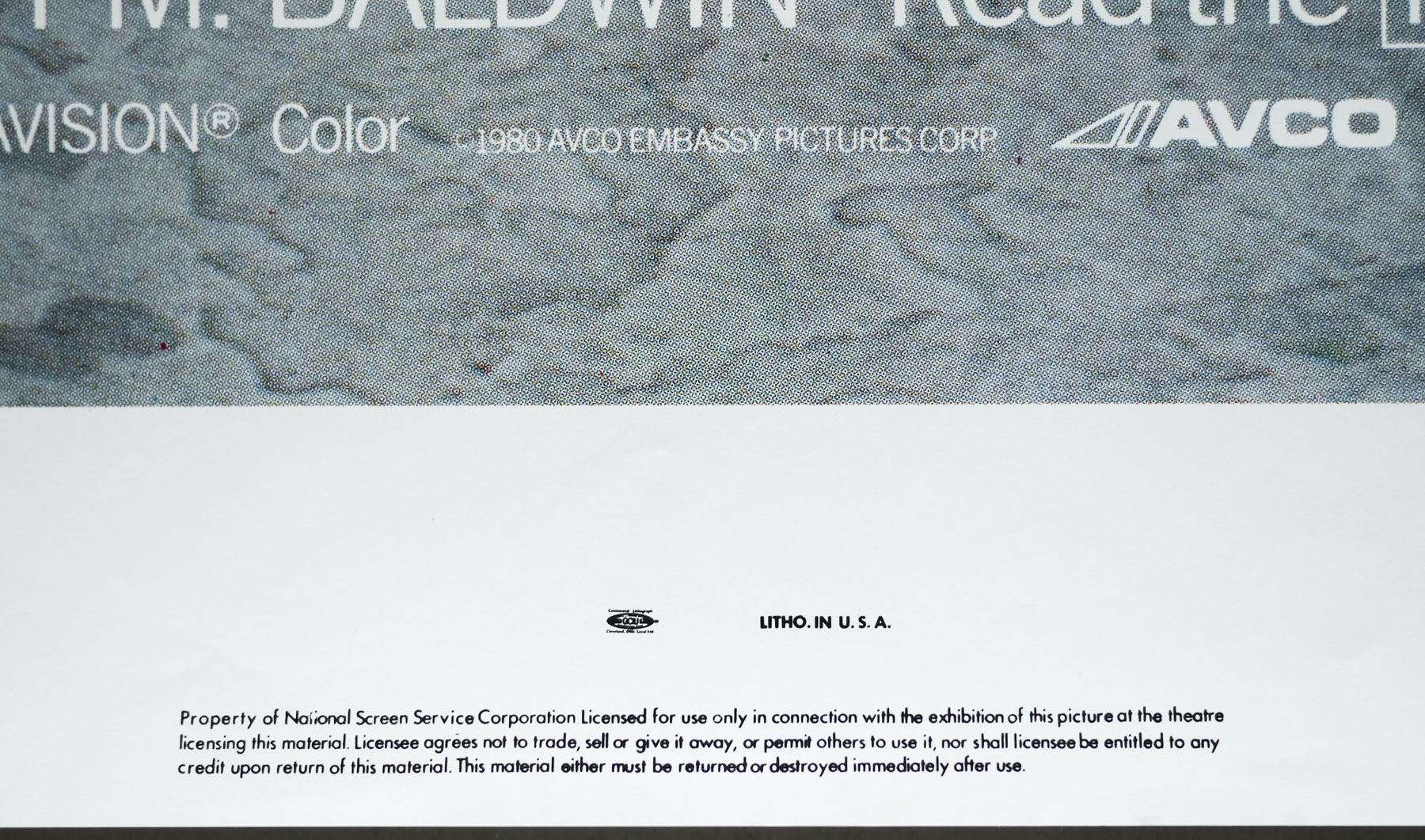
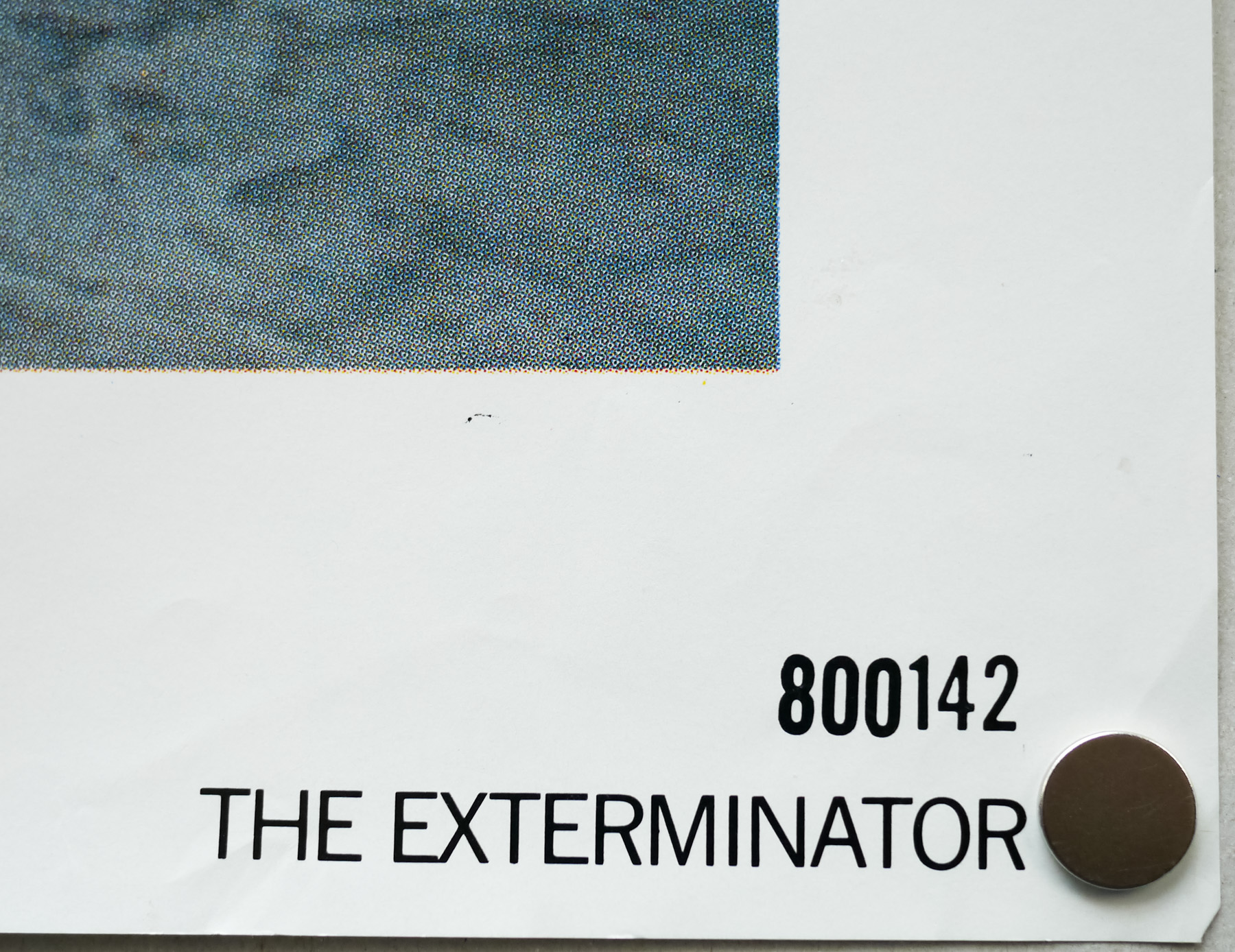
NSS #
800142
Tagline
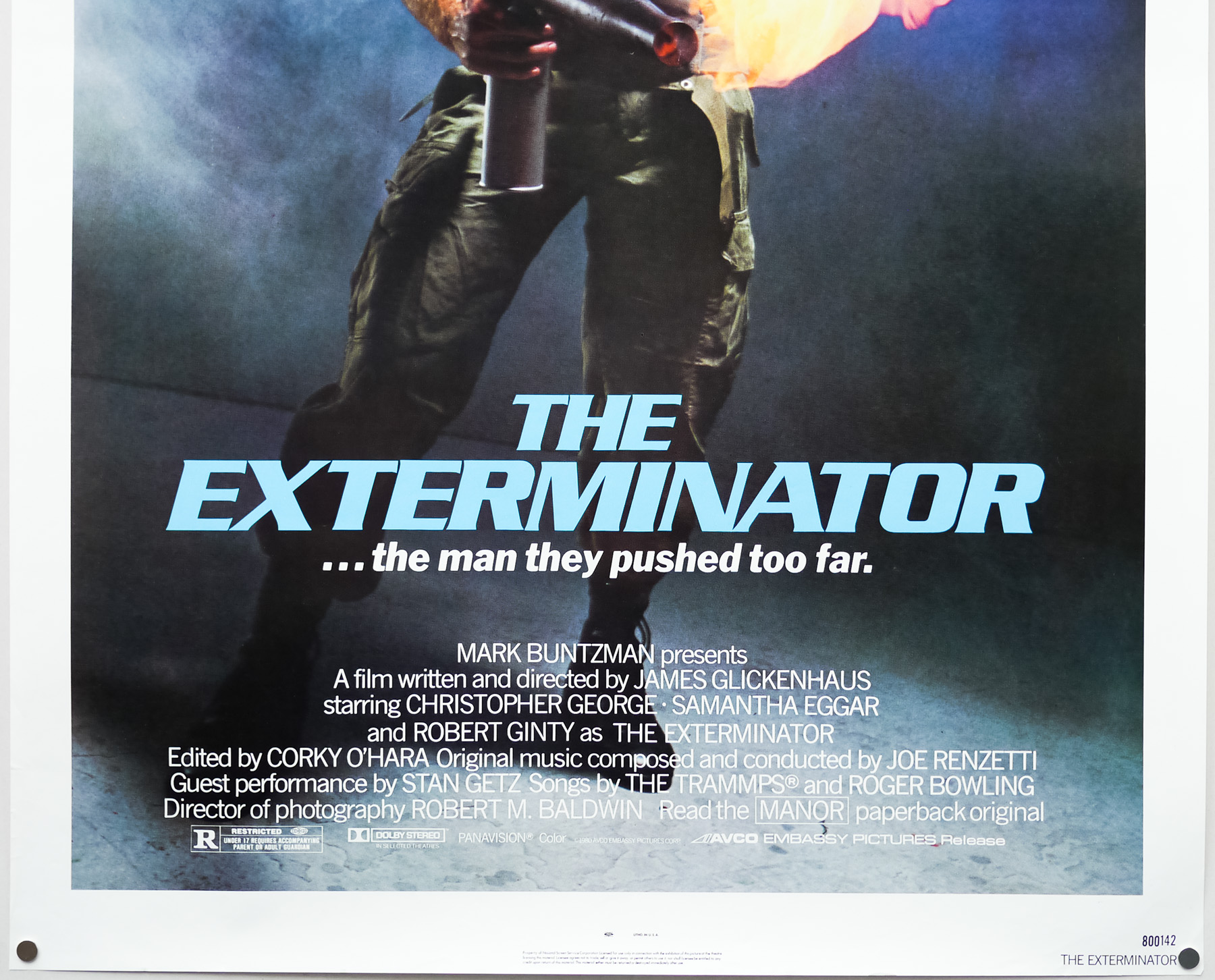
In war, you have to kill to stay alive... on the streets of New York, it's often the same. | ...the man they pushed too far.

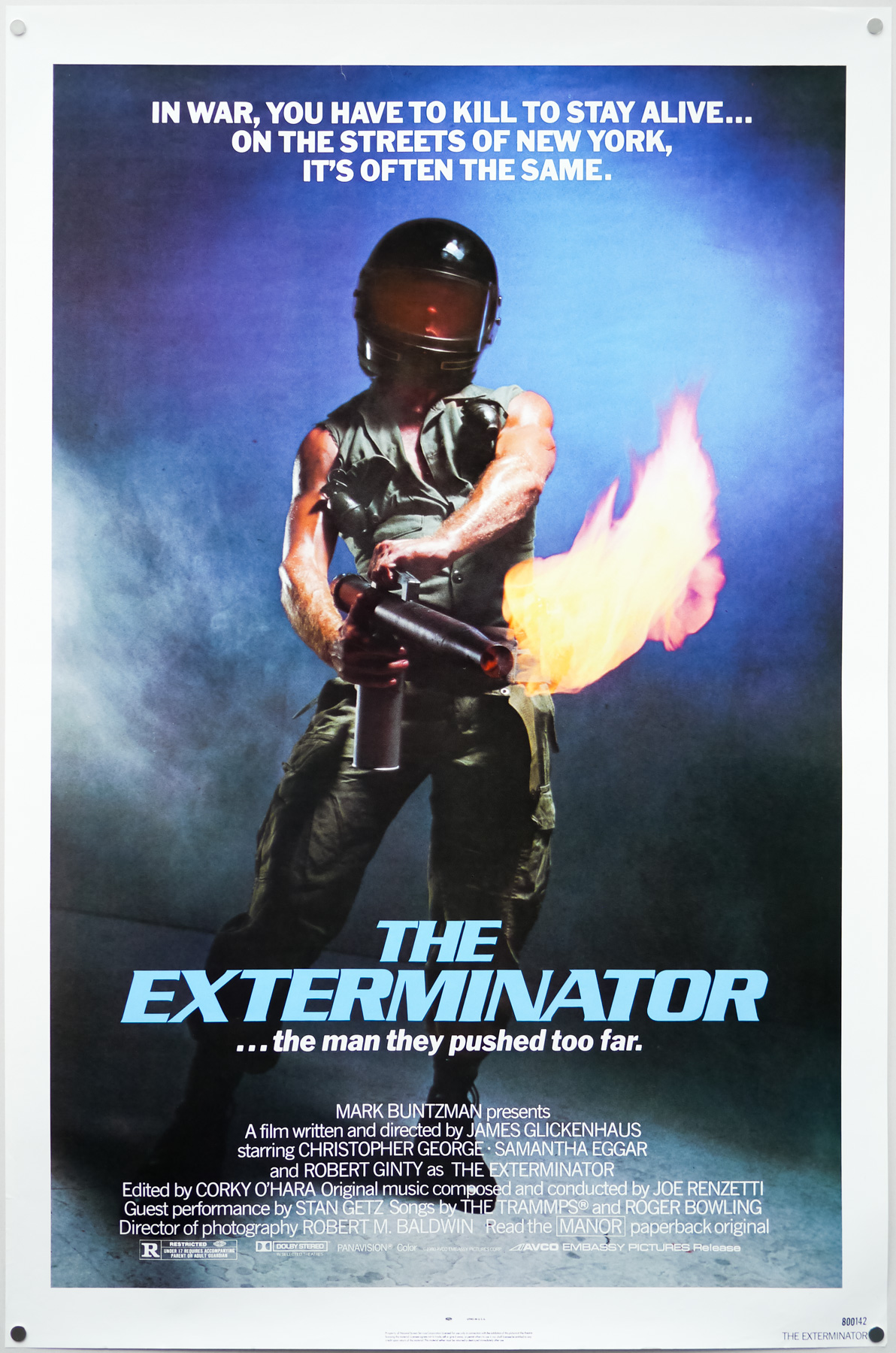
The Exterminator (opens in a new tab) is a 1980 vigilante b-movie that was written and directed by James Glickenhaus (opens in a new tab) and set in New York. Opening with a commendably over-the-top sequence in war-torn Vietnam, we’re introduced to John Eastland (Robert Ginty (opens in a new tab)) and his friend Michael Jefferson (Steve James (opens in a new tab)) who are captured by the Vietcong and forced to watch as a fellow soldier is beheaded (achieved courtesy of Stan Winston (opens in a new tab) special effects). After being rescued the pair return to their lives in New York but when Michael is attacked and paralysed by street thugs, John sets out for revenge with an army machine gun and images of the atrocities he saw in Vietnam playing over in his head. Before long, he’s attacking and killing various underworld characters who he sees as a blight on society. It’s not long before he comes to the attention of a police detective (Christopher George (opens in a new tab)) and shady elements within the CIA.

The film has a gritty atmosphere, helped no end by the fact that several scenes were set (and filmed) around New York’s 42nd street (Times Square) back when it wasn’t the family-friendly tourist trap it is today. Although Glickenhaus wanted John to be a normal, non-macho kind of guy, Robert Ginty takes it a little too far and at times is barely audible as he mumbles along with dead-eyed stare – he’s very hard to root for during each of the violent encounters. Despite a critical drubbing the film was a box-office success in the States, quickly expanding to more cinemas in the weeks following its opening. A sequel would be made a few years later without Glickenhaus’ involvement.

In an interview on the blu-ray release of the film from Arrow Video (opens in a new tab), the director talks briefly about the promotion of the film, mentioning the poster:

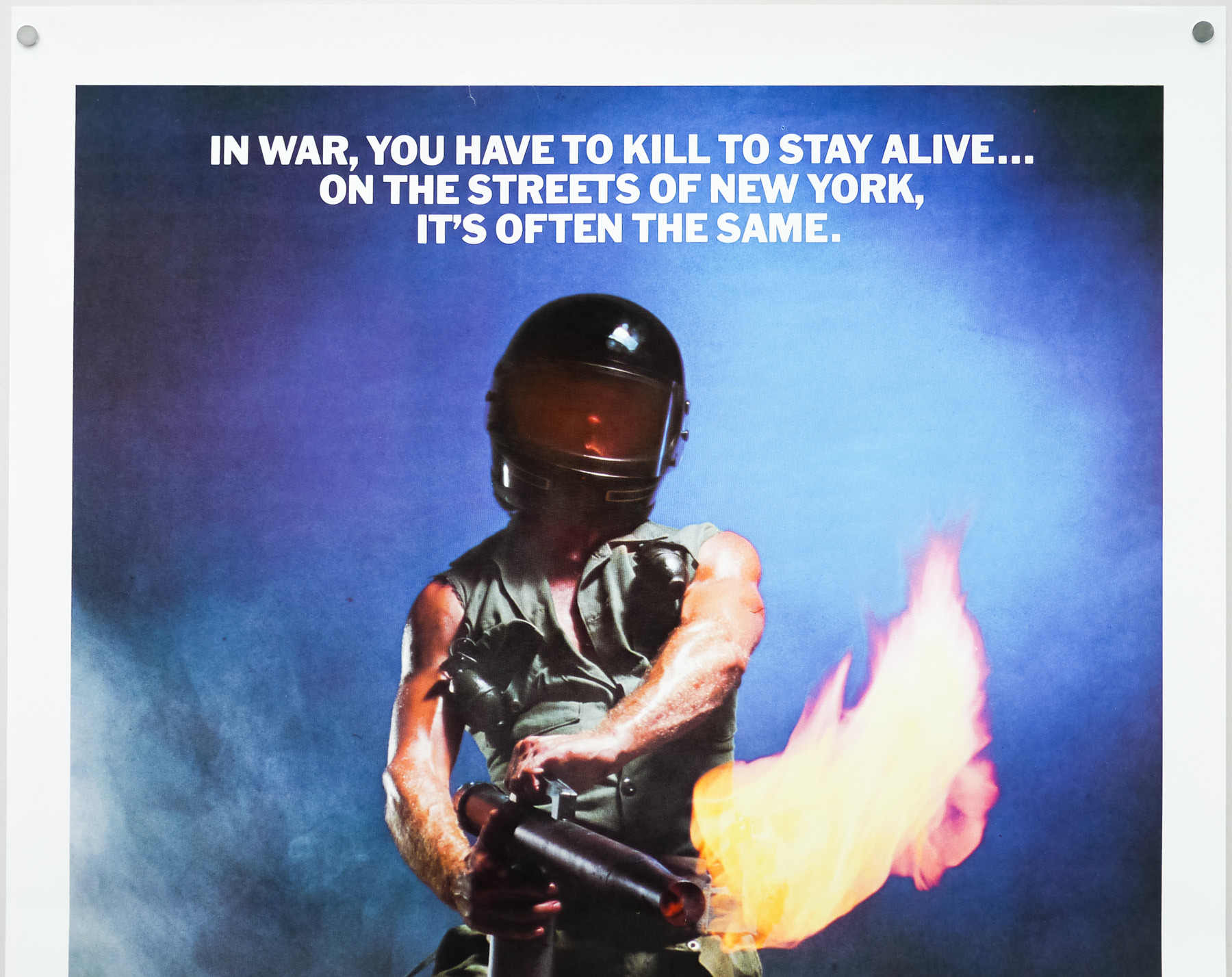
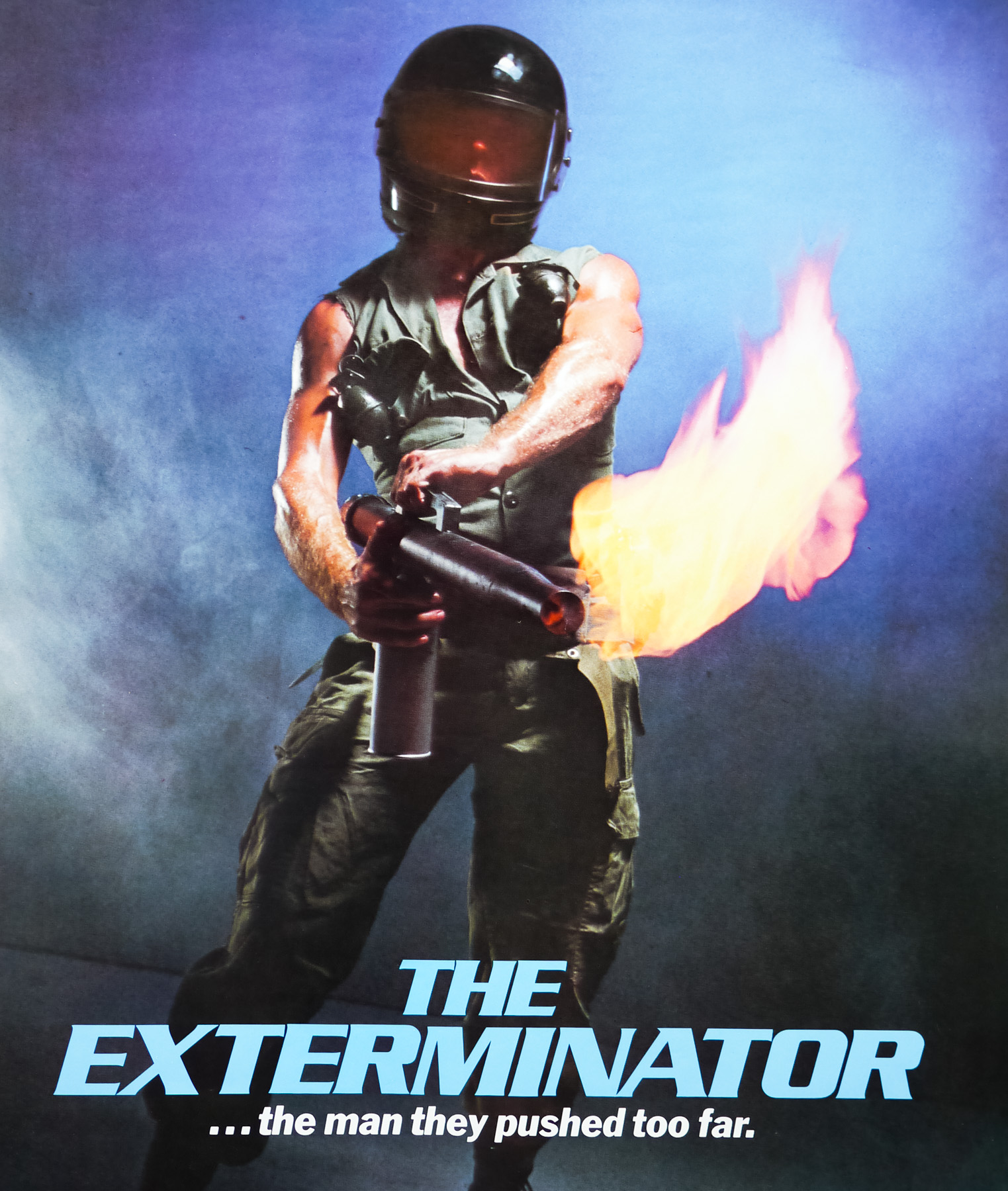
‘Avco Embassy came up with that idea and asked me and I thought it would be an interesting thing. I think they made it a little bit mysterious with the motorcycle helmet and what-not but it did become an iconic image and was copied more than a few times, including for a porno film called The Penetrator. They had a naked guy with a flame-thrower standing there, which is what it is. But it [the Exterminator poster] got people to the box-office so it worked.’

Raiders of the Lost Ark / B1 / Skull style / Poland

14.05.14

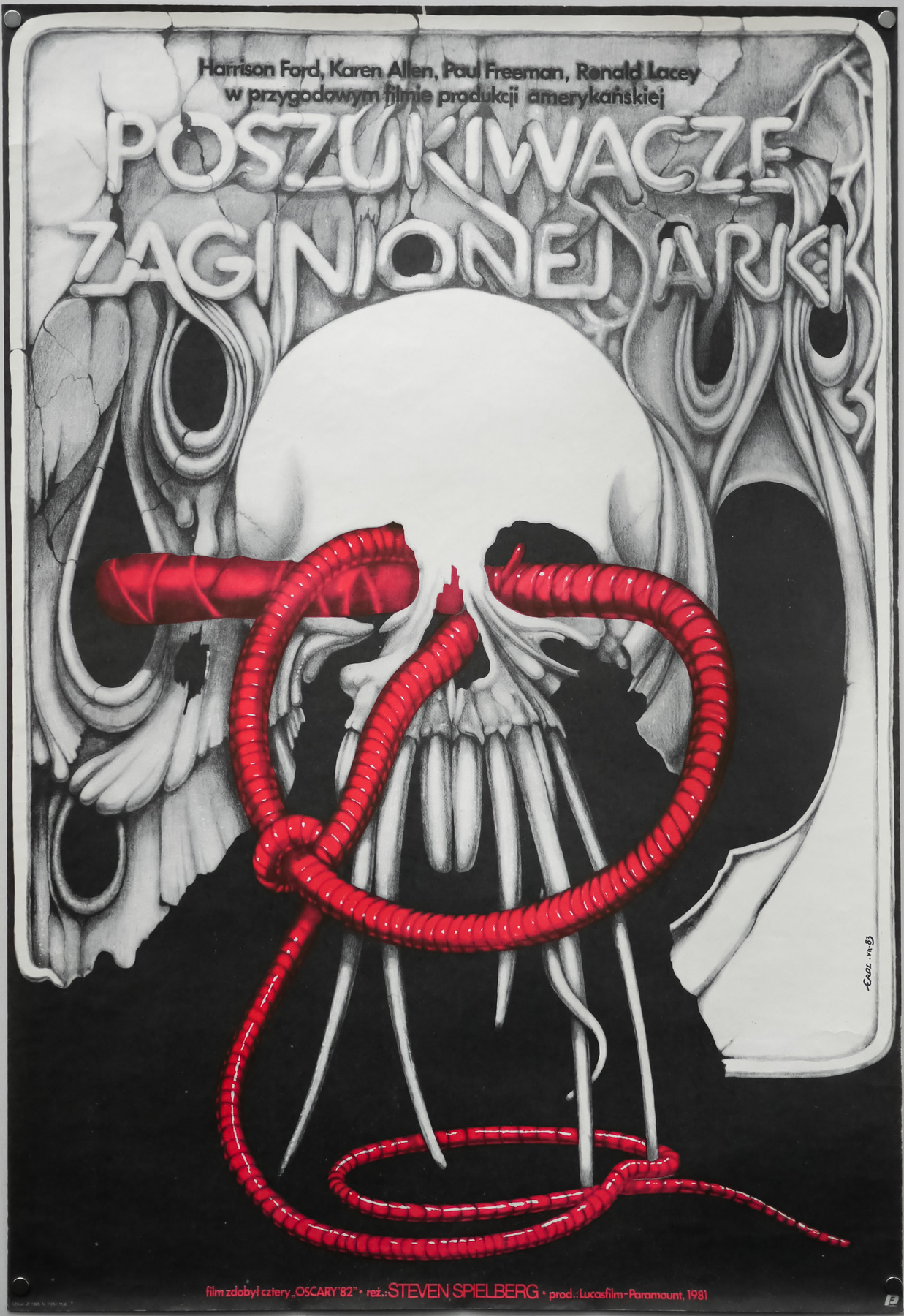
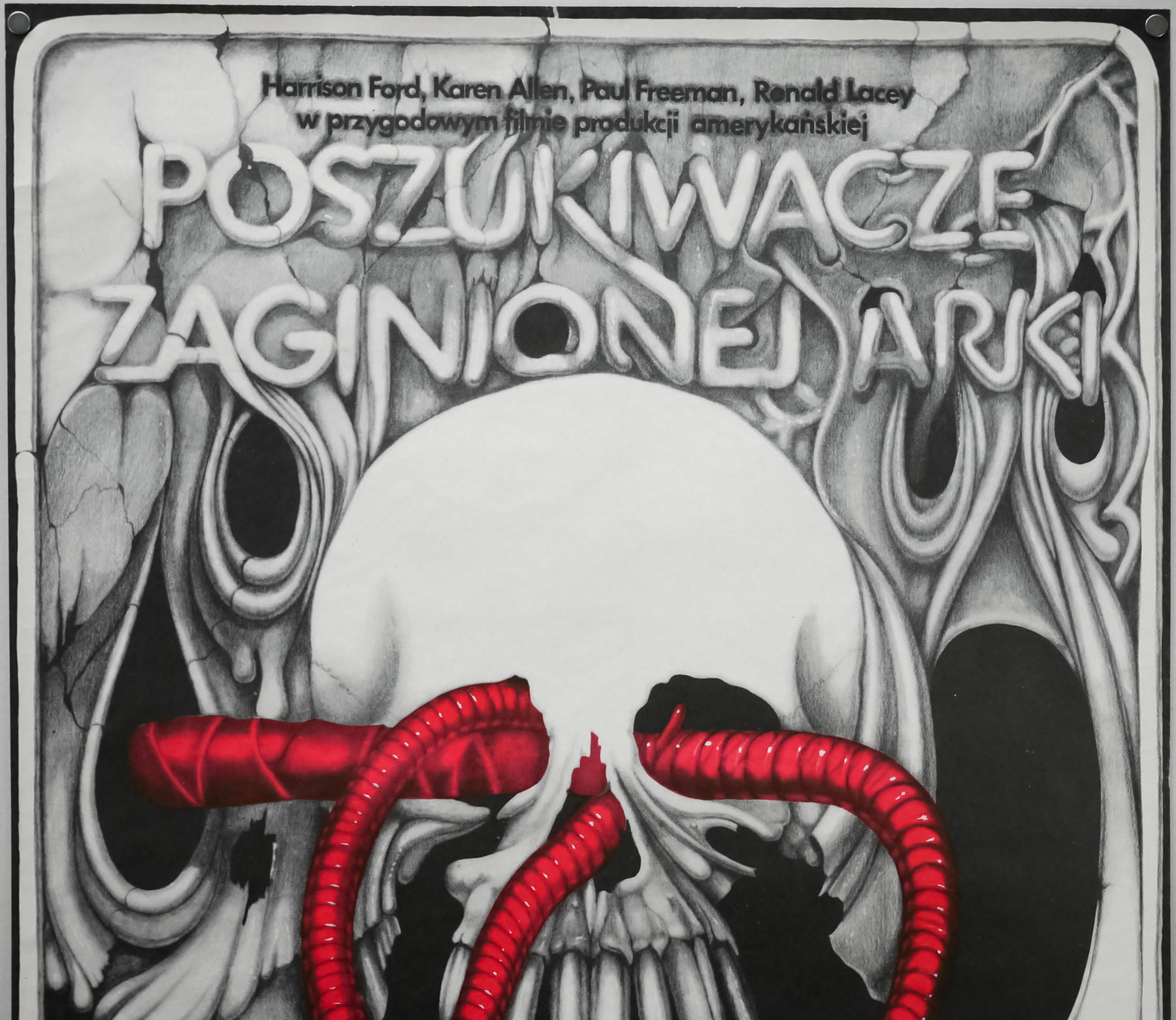
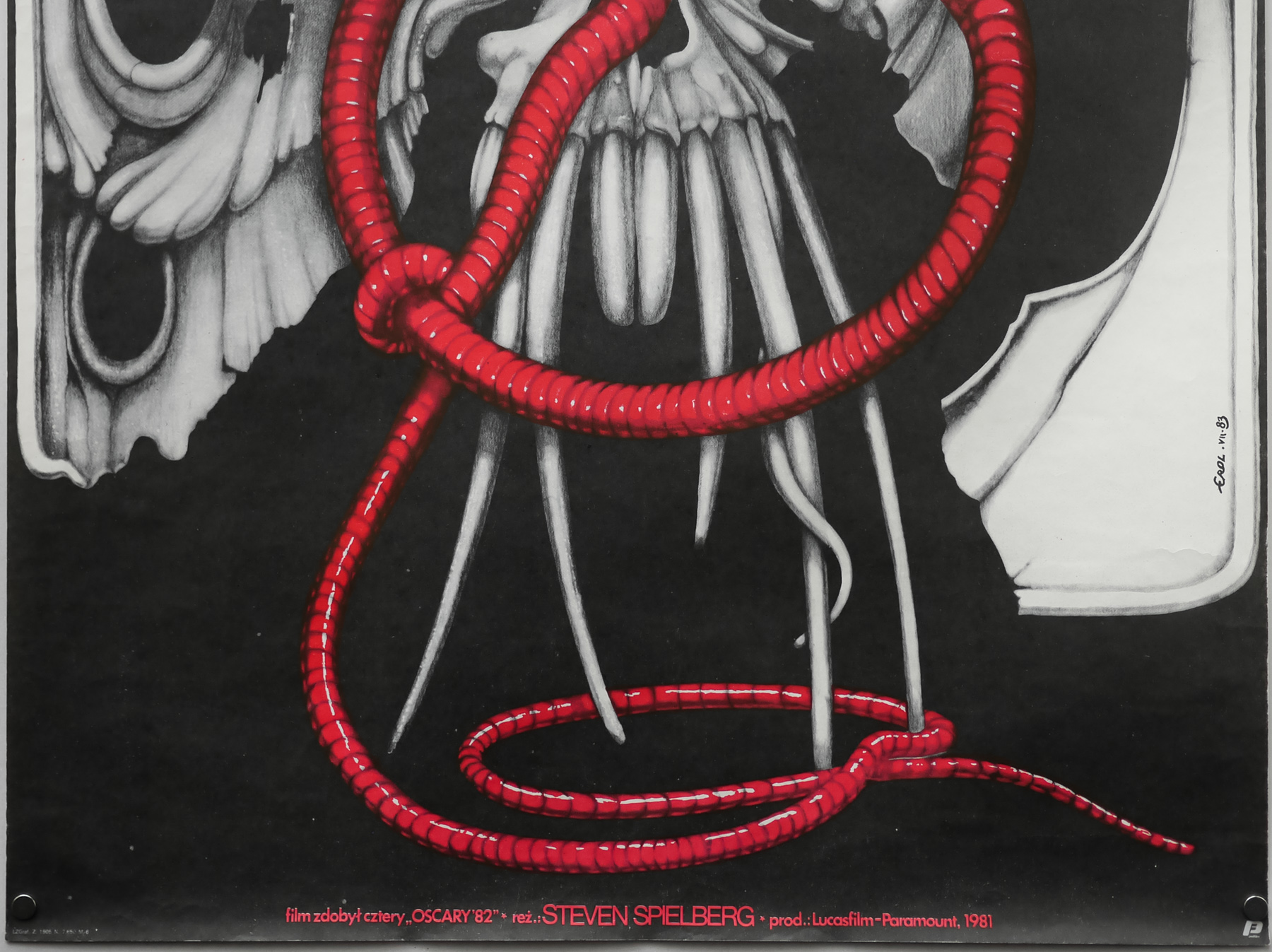
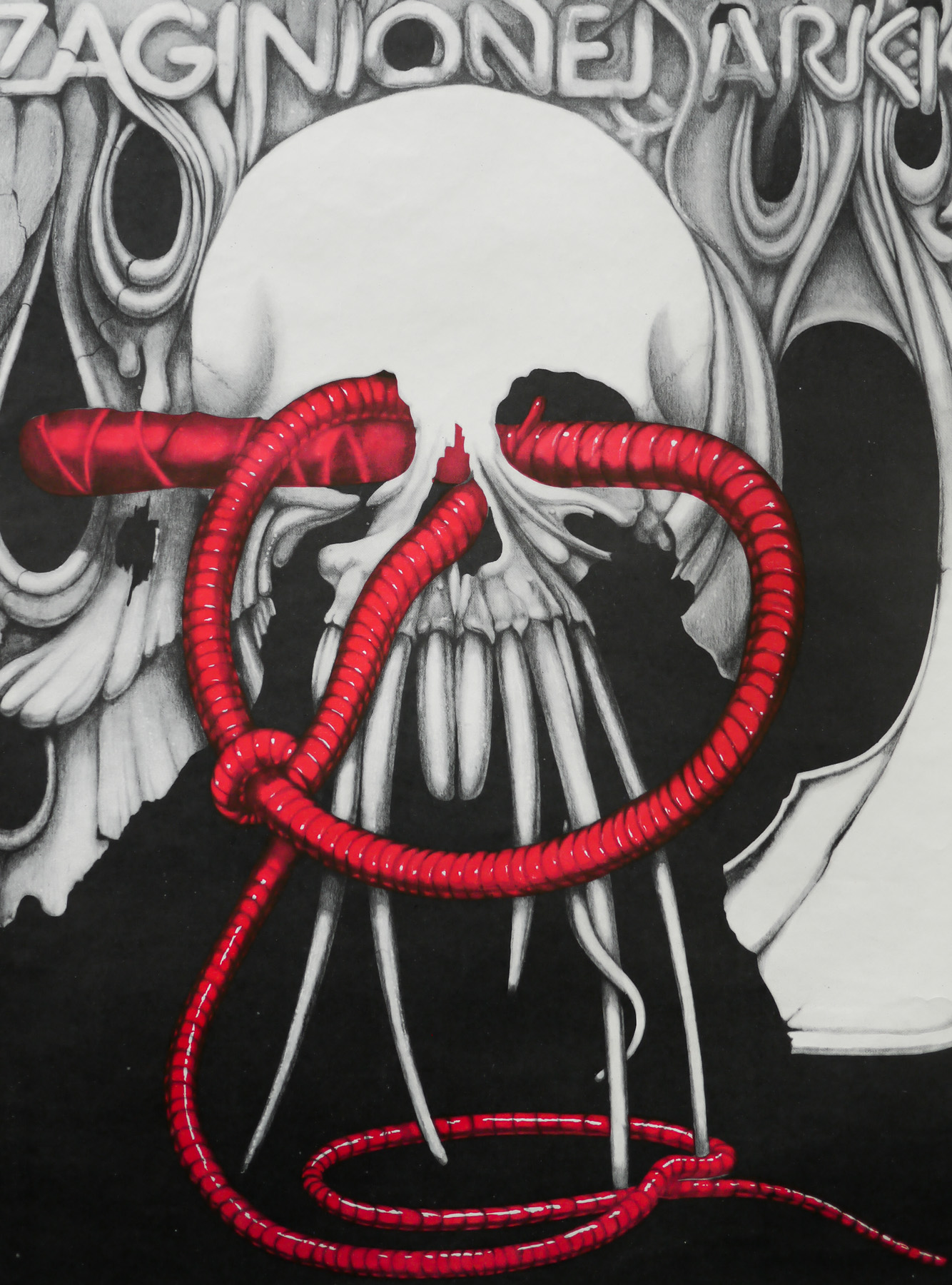
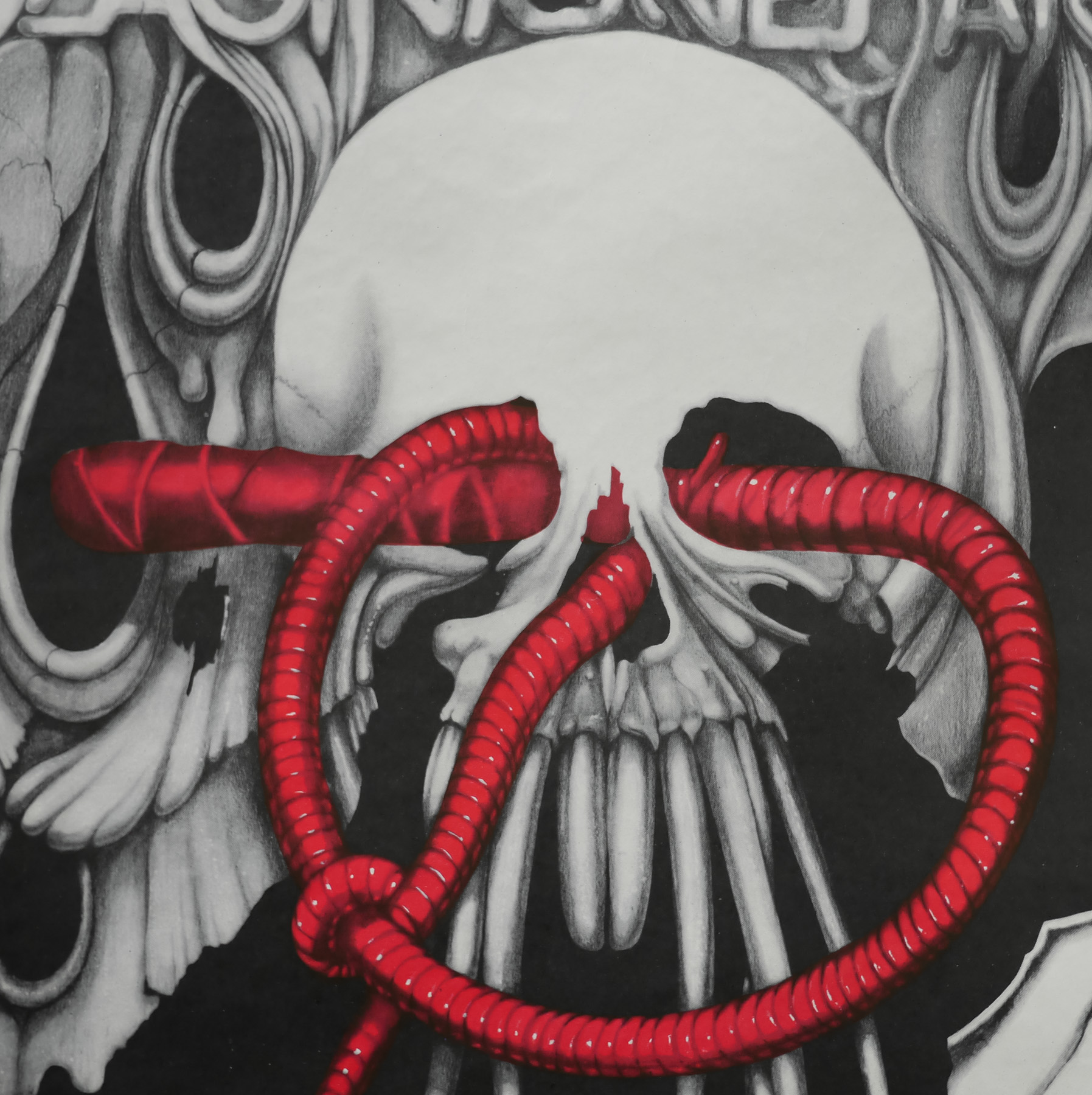
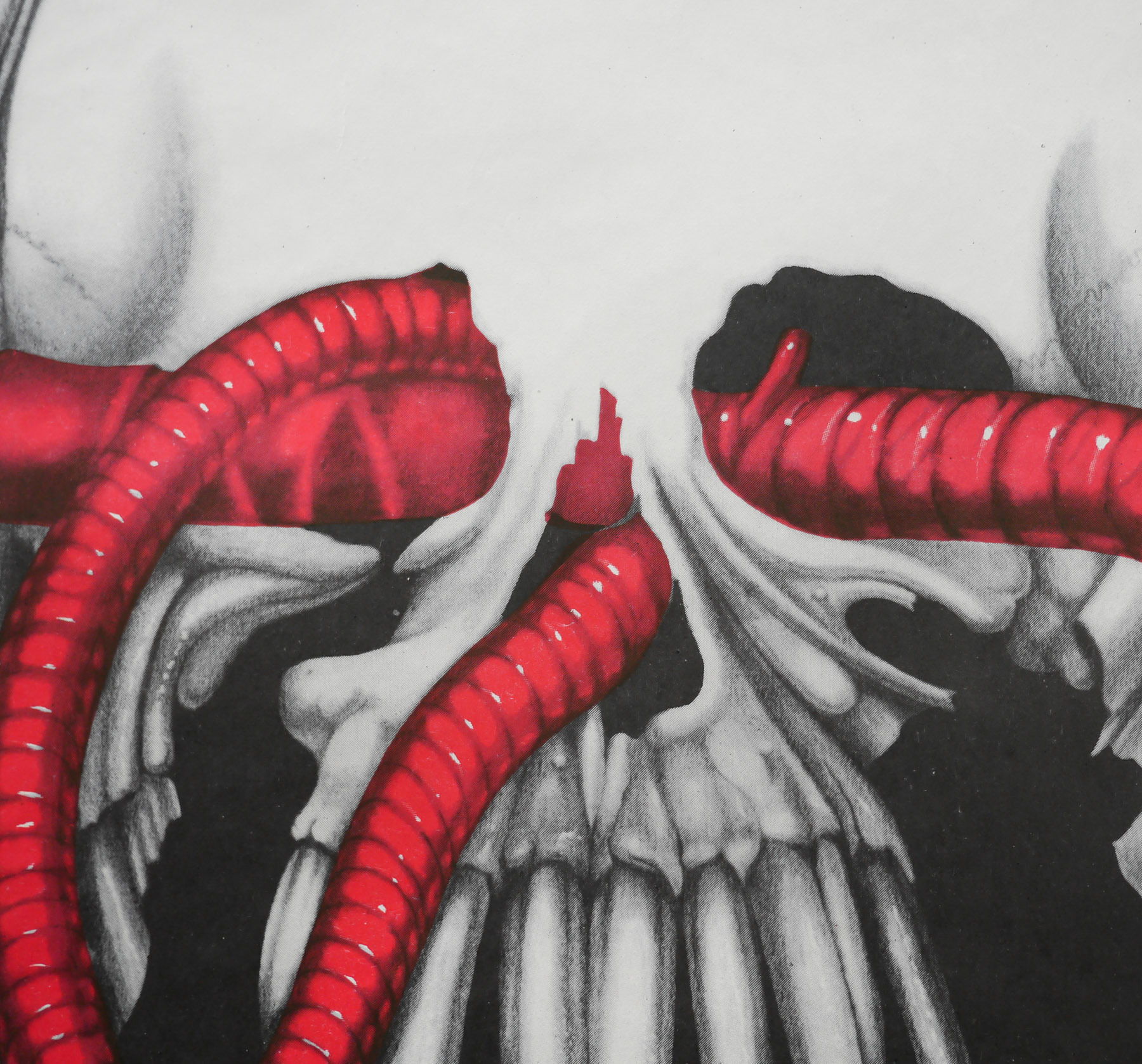
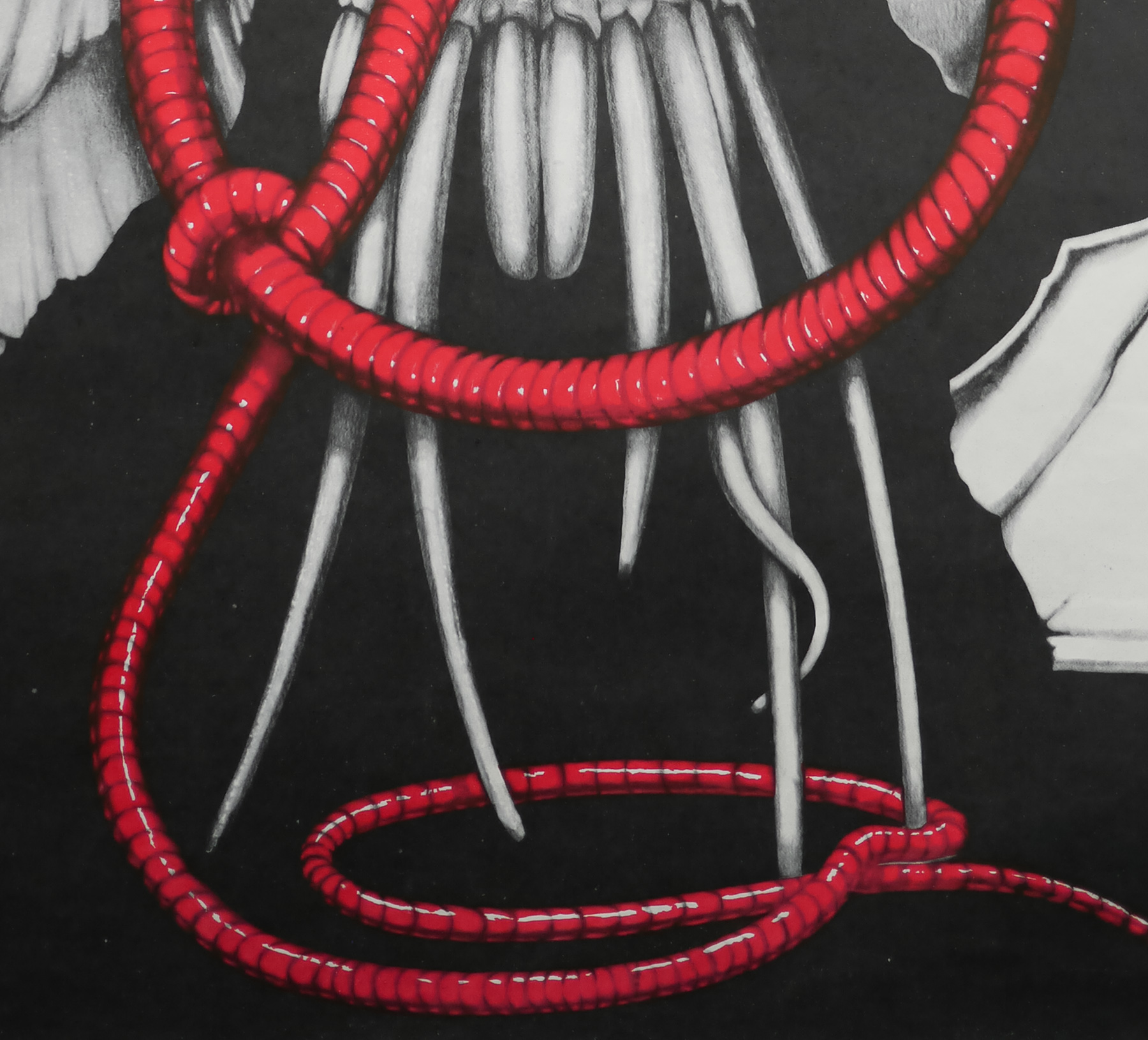
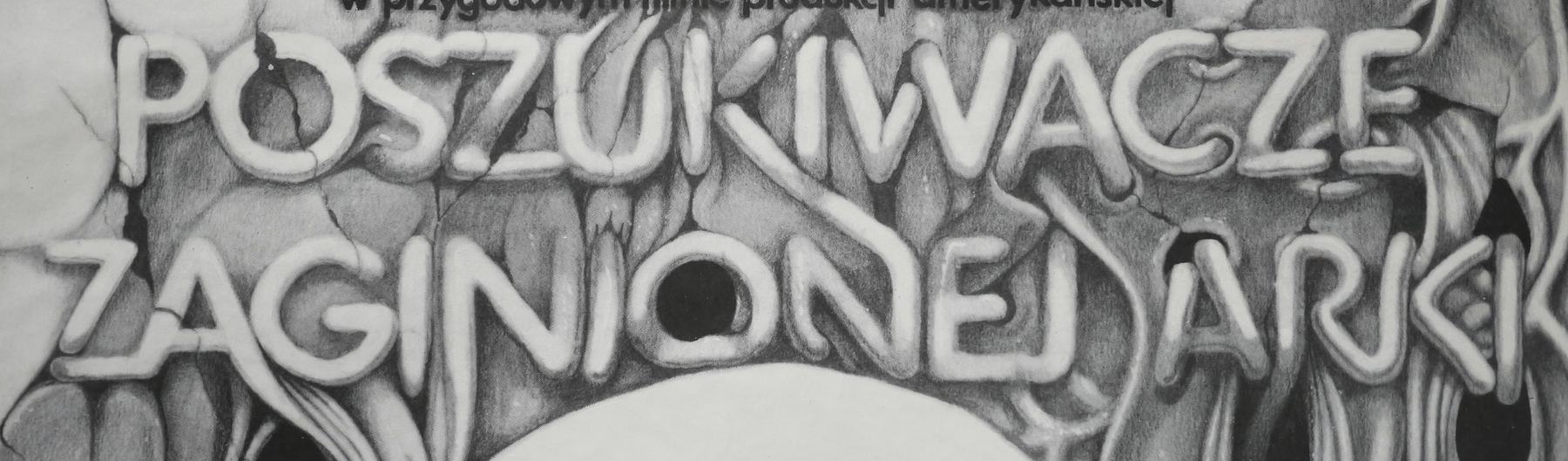
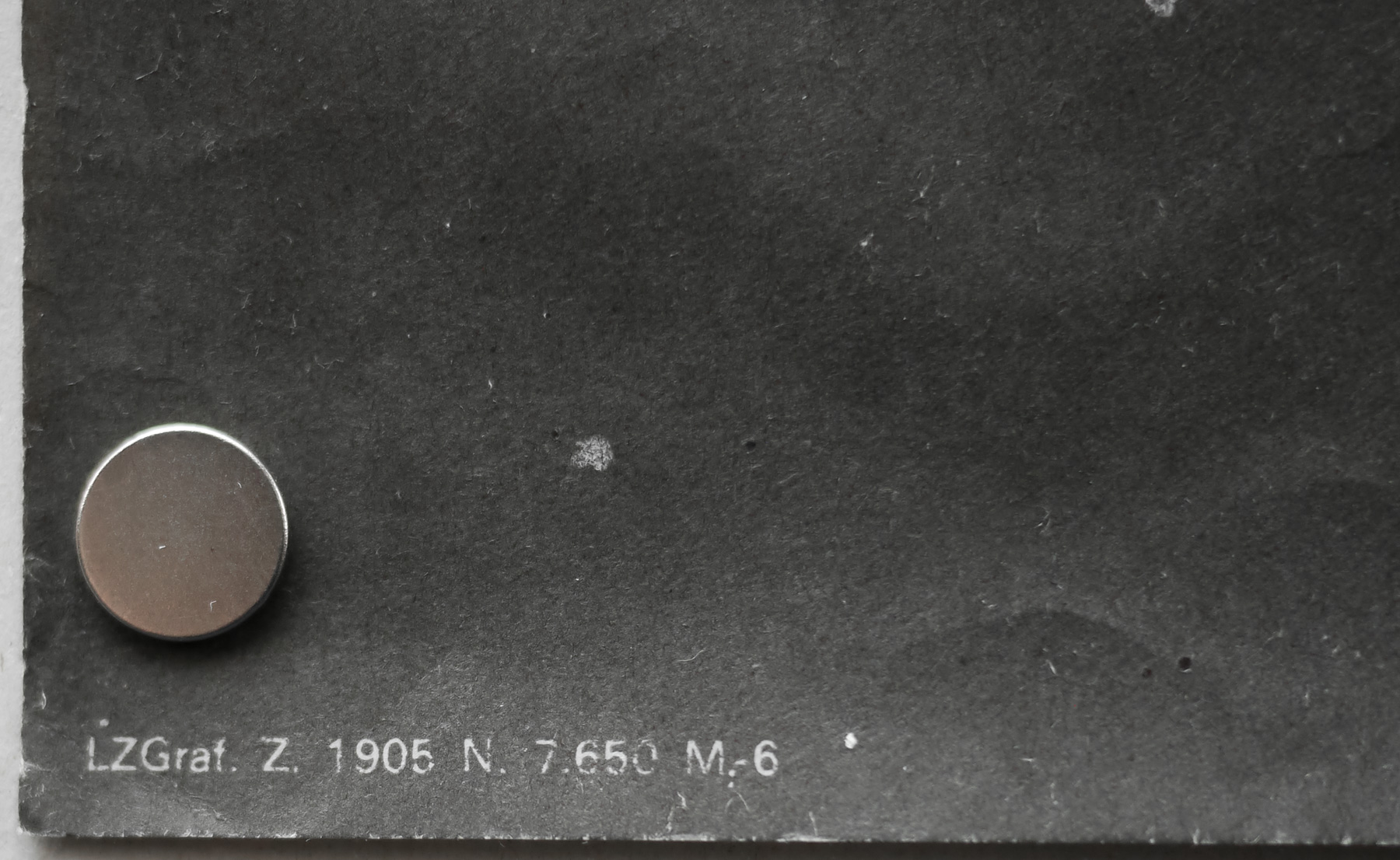
Polish B1 poster (skull style, 1983) for Raiders of the Lost Ark (1981). Artwork by Jakub ErolPolish B1 poster (skull style, 1983) for Raiders of the Lost Ark (1981). Artwork by Jakub Erol, image 2Polish B1 poster (skull style, 1983) for Raiders of the Lost Ark (1981). Artwork by Jakub Erol, image 3Polish B1 poster (skull style, 1983) for Raiders of the Lost Ark (1981). Artwork by Jakub Erol, image 4
Title
Raiders of the Lost Ark
Year of Film
1981
Director
Steven Spielberg
Starring
Harrison Ford, Karen Allen, Paul Freeman, Ronald Lacey, John Rhys-Davies, Denholm Elliott, Alfred Molina
Origin of Film
USA
Genre(s) of Film
Action | Adventure
Film Series
Indiana Jones
Type of Poster
B1
Style of Poster
Skull style
Origin of Poster
Poland
Year of Poster
1983
Designer
Jakub Erol
Artist
Jakub Erol
Size (inches)
26 1/4" x 38 3/16"
SS or DS
SS

This is the skull-style B1 poster for the Polish release (in 1983) of the first film in Steven Spielberg (opens in a new tab)‘s legendary Indiana Jones (opens in a new tab) series, Raiders of the Lost Ark (opens in a new tab). Written by George Lucas (opens in a new tab), who was in the middle of producing and releasing the original Star Wars trilogy, the story harks back to the adventure film serials (opens in a new tab) of the 1930s and 40s. Set in 1936, Harrison Ford (opens in a new tab) (also fresh from the set of The Empire Strikes Back (opens in a new tab)) plays the titular archaeologist adventurer who is hired by the US government to track down the legendary Ark of the Covenant (opens in a new tab) before an occult section of the Nazi party with nefarious intentions do so. The film is full of memorable characters, thrilling set-pieces and Ford treads a perfect, often comedic, line between surly reluctance and dashing heroism. The film would spawn two sequels over the next 8 years, with Spielberg and Ford returning for both, followed by a somewhat disappointing entry in 2008.
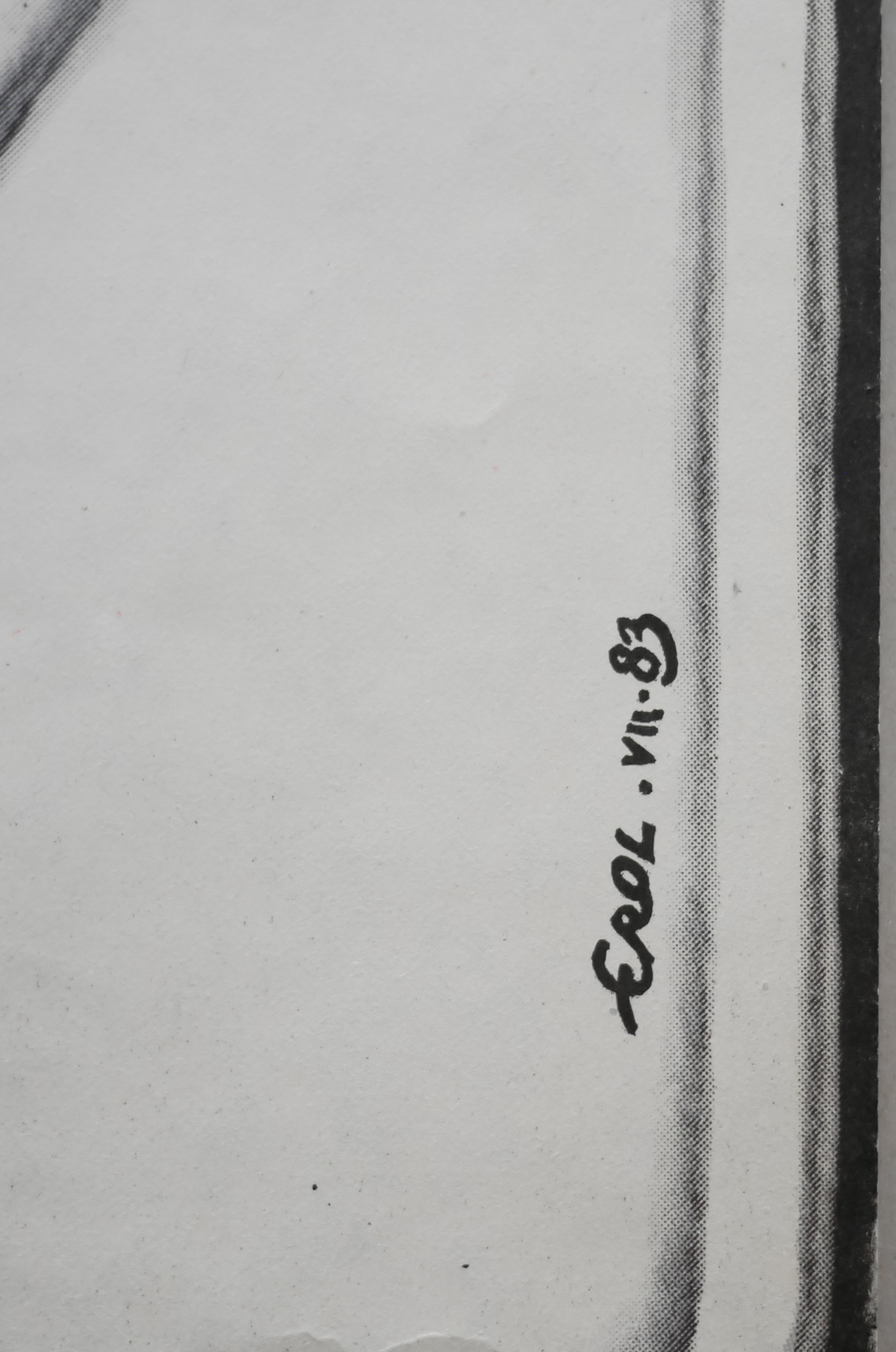
The designer and artist Jakub Erol was born in Zamość in 1941 and graduated from the Warsaw Academy of Fine Arts in 1968. He worked as a prolific poster artist for over 25 years and designed several iconic images for both Polish and American films. Some of his other poster highlights include the bizarre image he conjured up for Ridley Scott’s Alien (opens in a new tab), a striking design for James Cameron’s The Terminator and the excellent poster for Raiders of the Lost Ark.

The Polishposter.com website features many of his designs (opens in a new tab), several of which are for sale, as does the Polish Poster Gallery (opens in a new tab).
Day of the Dead / quad / UK

12.05.14

British quad poster for Day Of The Dead (1985)British quad poster for Day Of The Dead (1985), image 2British quad poster for Day Of The Dead (1985), image 3British quad poster for Day Of The Dead (1985), image 4British quad poster for Day Of The Dead (1985), image 5
Title
Day Of The Dead
AKA
Zombie 2 - Das letzte Kapitel (West Germany) | Il giorno degli zombi (Italy)
Year of Film
1985
Director
George A. Romero
Starring
Lori Cardille, Terry Alexander, Joe Pilato, Jarlath Conroy, Anthony Dileo Jr., Richard Liberty, Sherman Howard
Origin of Film
USA
Genre(s) of Film
Horror
Type of Poster
Quad
Origin of Poster
UK
Year of Poster
1985
Designer
Unknown
Size (inches)
30 1/16" x 40"
SS or DS
SS
Tagline
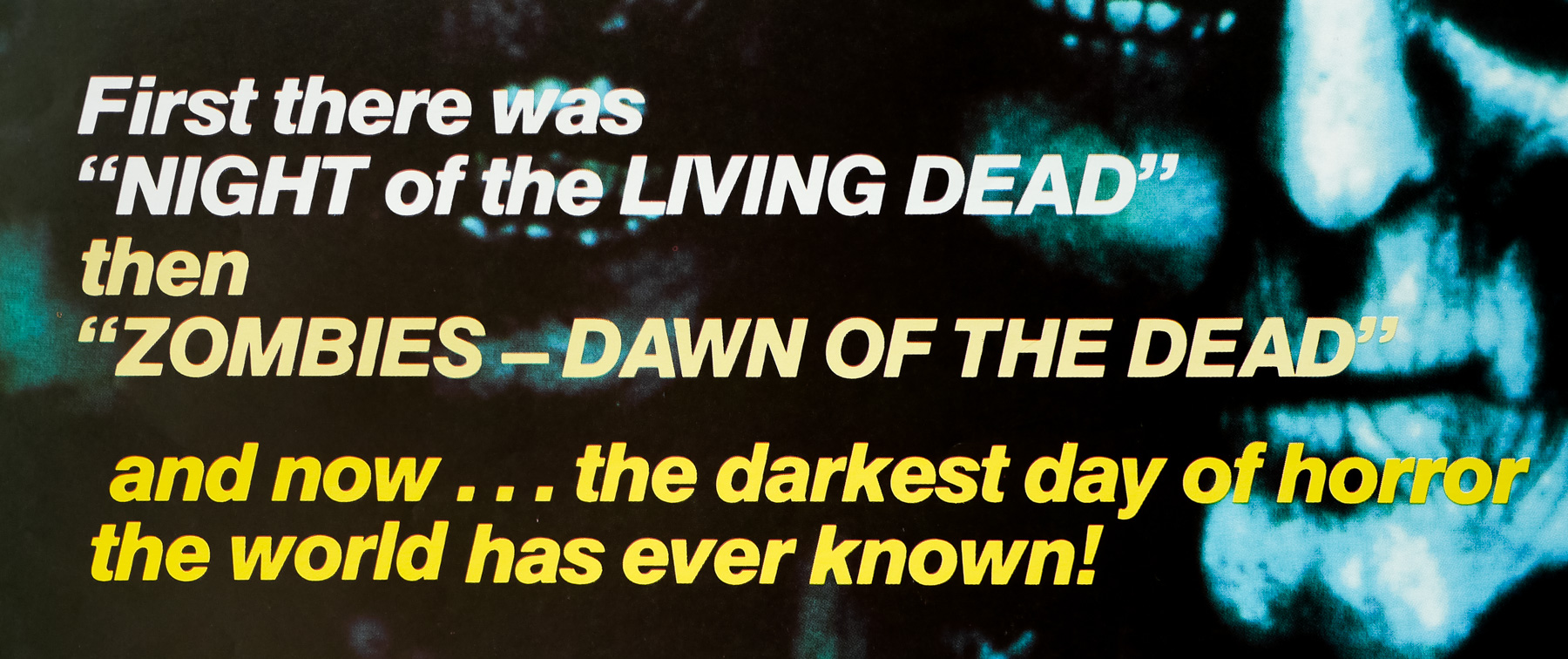
First there was "Night of the Living Dead" then "Zombies - Dawn of the Dead" and now the darkest day of horror the world has ever known

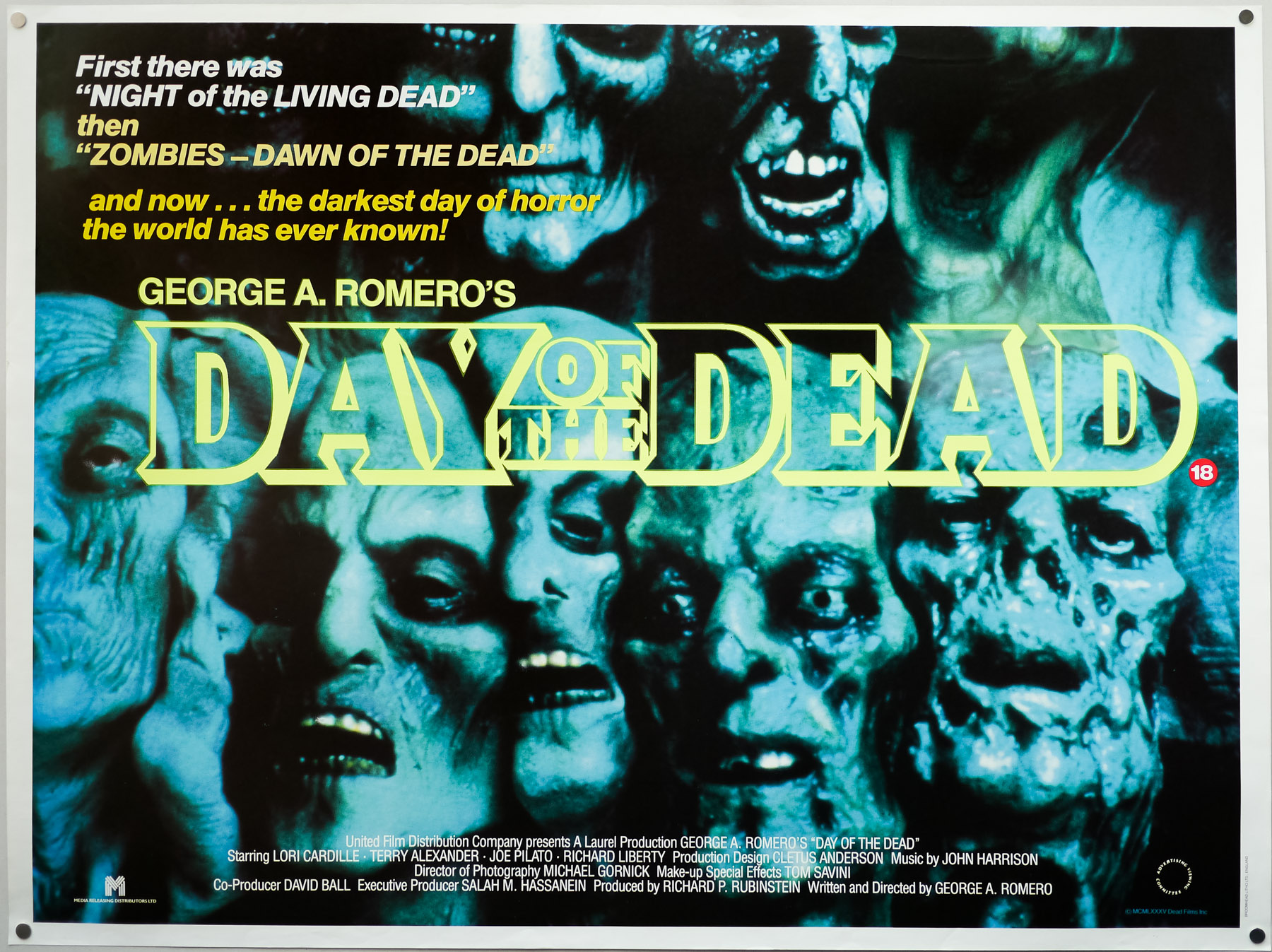
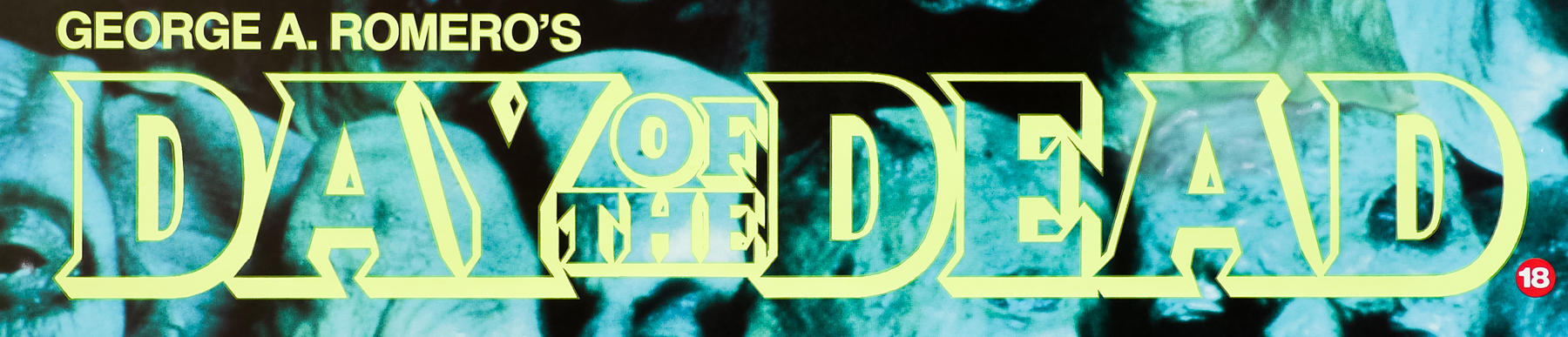
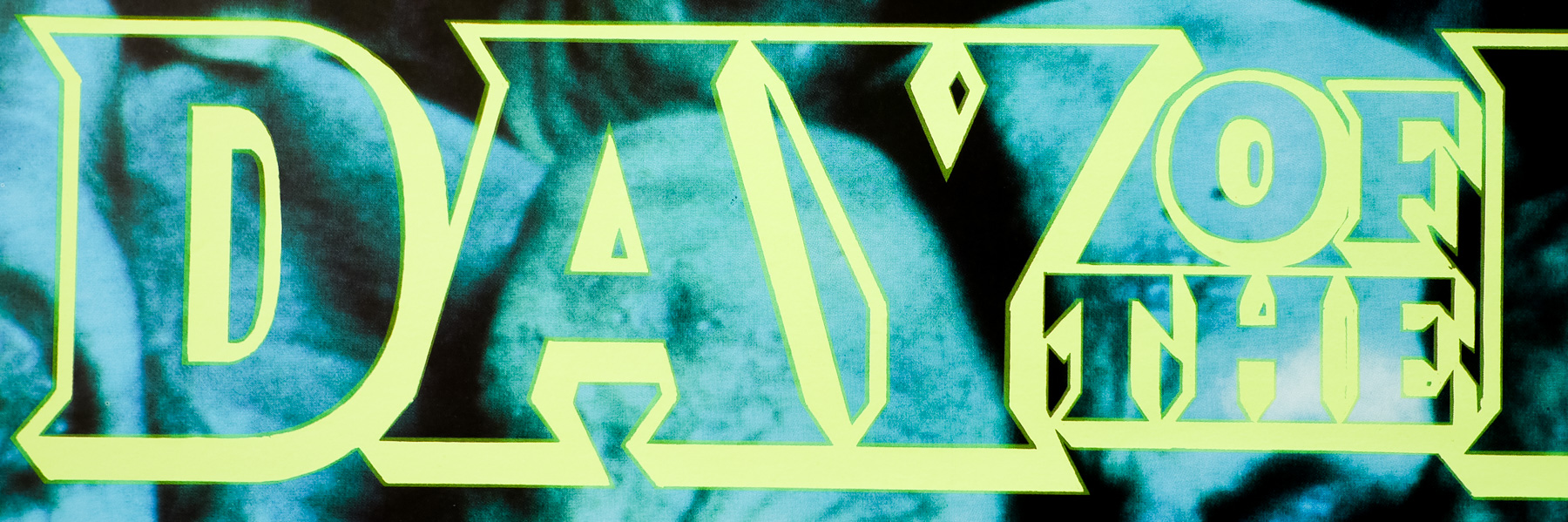
This is the British quad for the original release of the third film in George A. Romero (opens in a new tab)‘s ‘Dead’ series, Day of the Dead (opens in a new tab). In a similar situation to Dawn of the Dead (opens in a new tab) (released 7 years earlier) this film had no returning characters from the previous entry due to rights issues, so it’s set in the same universe after the zombie outbreak but shares no continuity with the earlier films. Romero’s original vision for the ‘Day…’ was scaled back to due to budget constraints, but the director has since said he’s very happy with the final product. It’s a notably darker, bleaker effort than the fan favourite ‘Dawn’ but features a unique setting, memorable characters and some of the best special effects of the entire series, courtesy of the legendary Tom Savini (opens in a new tab).
The story follows a group of survivors who have holed-up in a military bunker in Florida and make regular trips around the area looking for survivors. Underground a small group of scientists and technical specialists, including Dr Sarah Bowman (Lori Cardille (opens in a new tab)) and Dr Logan (Richard Liberty (opens in a new tab)), known as ‘Frankenstein’, are working to discover the cause of the outbreak and discover if anything can be done to make the zombies more docile. An uneasy truce is maintained by the scientists and other specialists like helicopter pilot John (Terry Alexander (opens in a new tab)), with a group of soldiers ostensibly there to protect them and deliver them test subjects from a fenced off area of the base. The soldiers are led by the psychotic Captain Rhodes (Joseph Pilato (opens in a new tab)) who discovers that Dr Frankenstein has been secretly carrying out experiments using dead soldiers, including training a zombie known as Bub (Sherman Howard (opens in a new tab)) to follow commands. At this point the truce is shattered and a series of events see the base overrun with the undead, forcing Sarah and the others to try to escape the carnage before its too late.

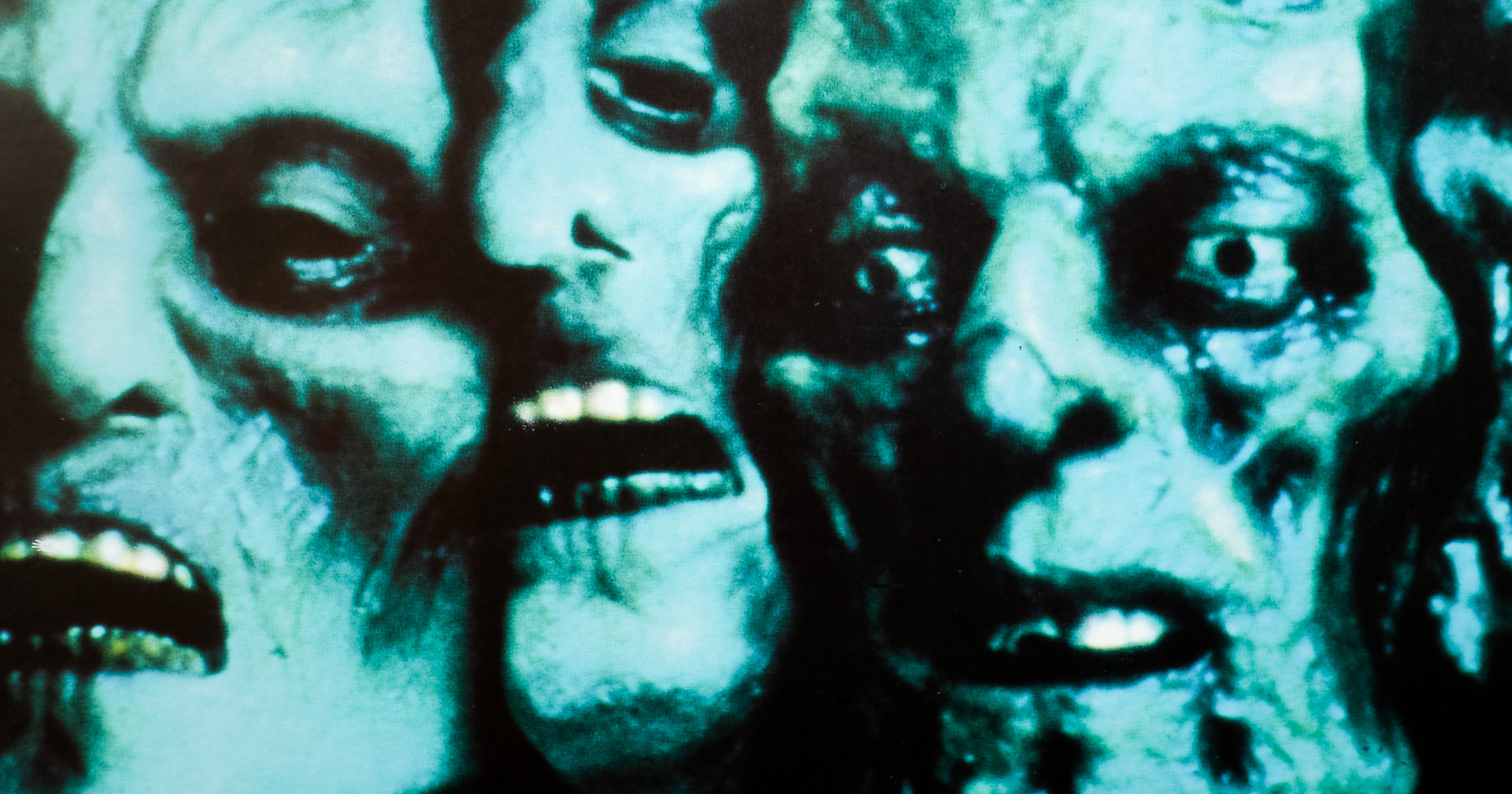
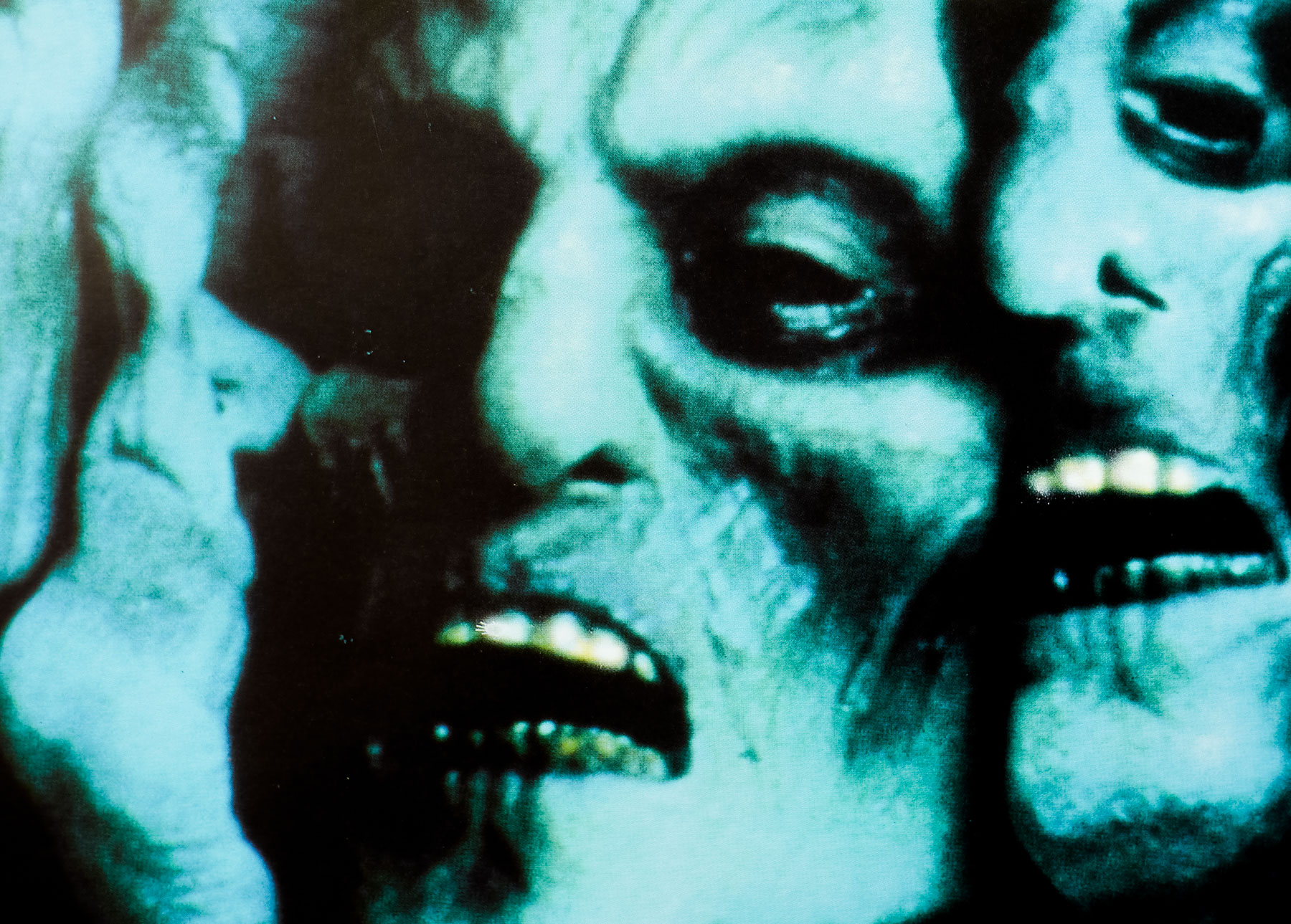
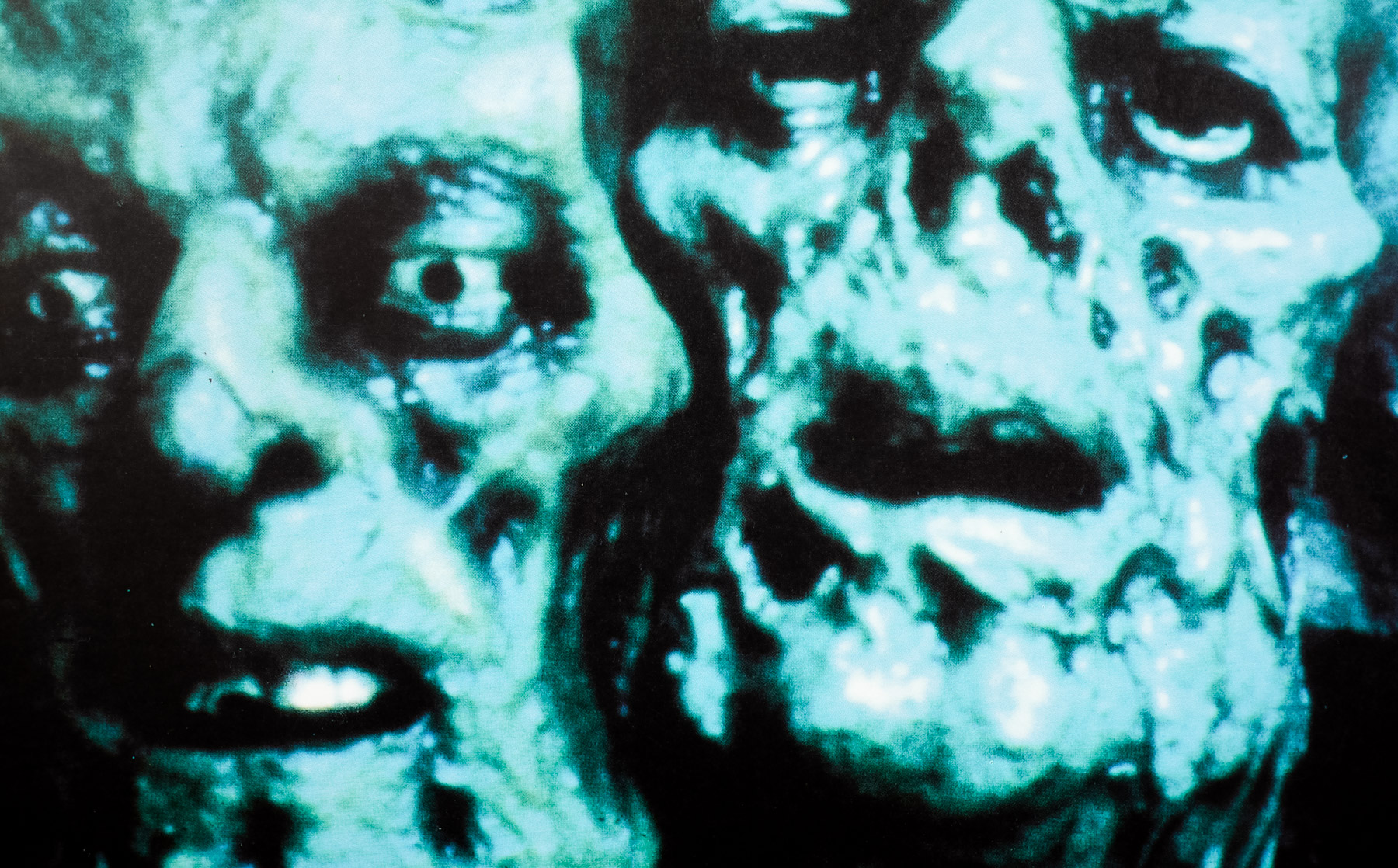
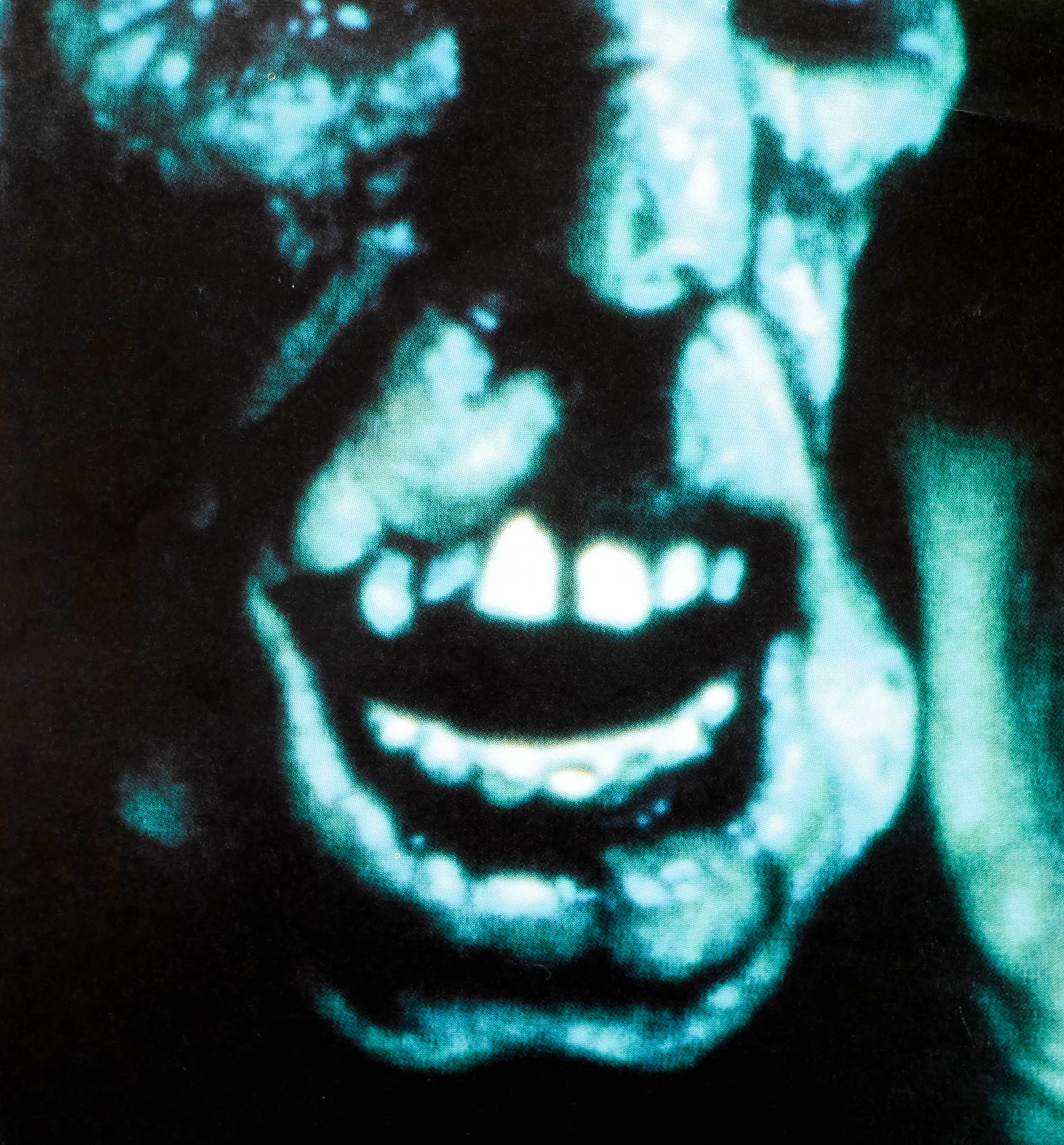
This image of a wall of zombie faces is (with thanks to a site reader) actually a photograph of the back wall of the film’s production makeup room. It features a close up of some of the 100+ zombie masks that were created for the film during a break in filming (when they were waiting to be applied to the extras playing the zombies). This explains why the faces are distorted and without eyes. The same imagery also featured on one of four Japanese B2s. The US one sheet is markedly different and an iconic horror film poster in its own right.  Note that the tagline references the alternate international title for Dawn of the Dead, ‘Zombies’.