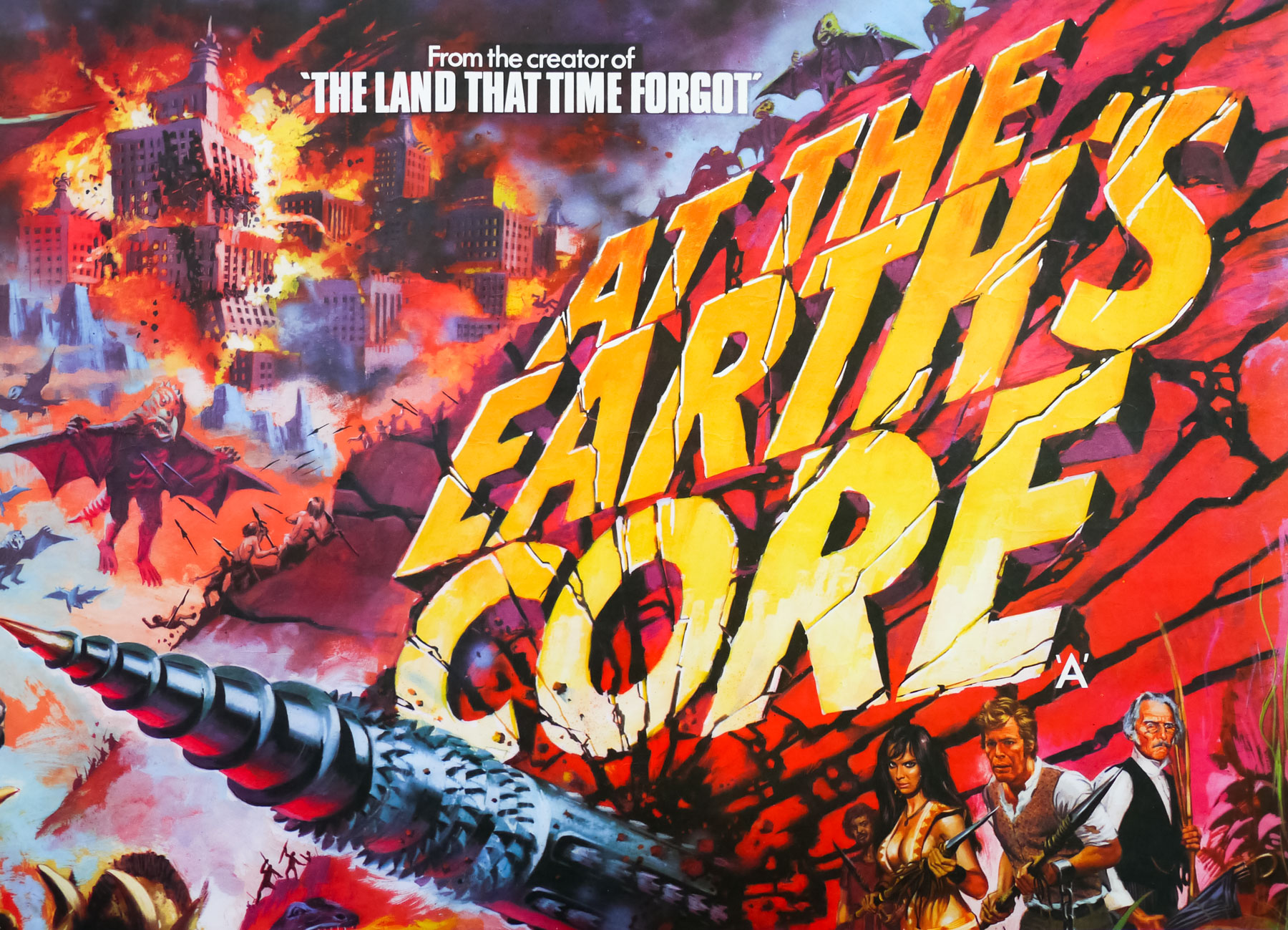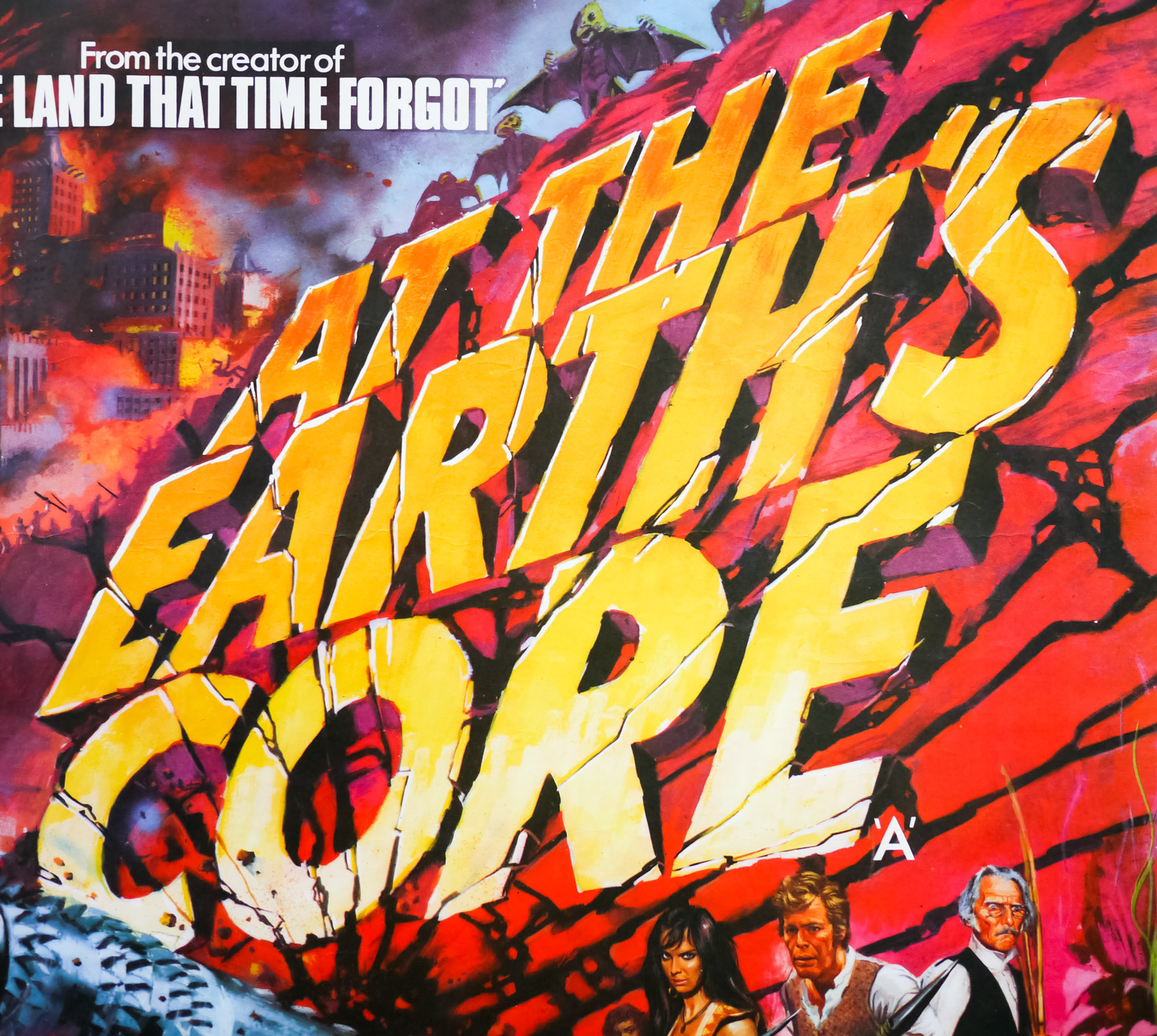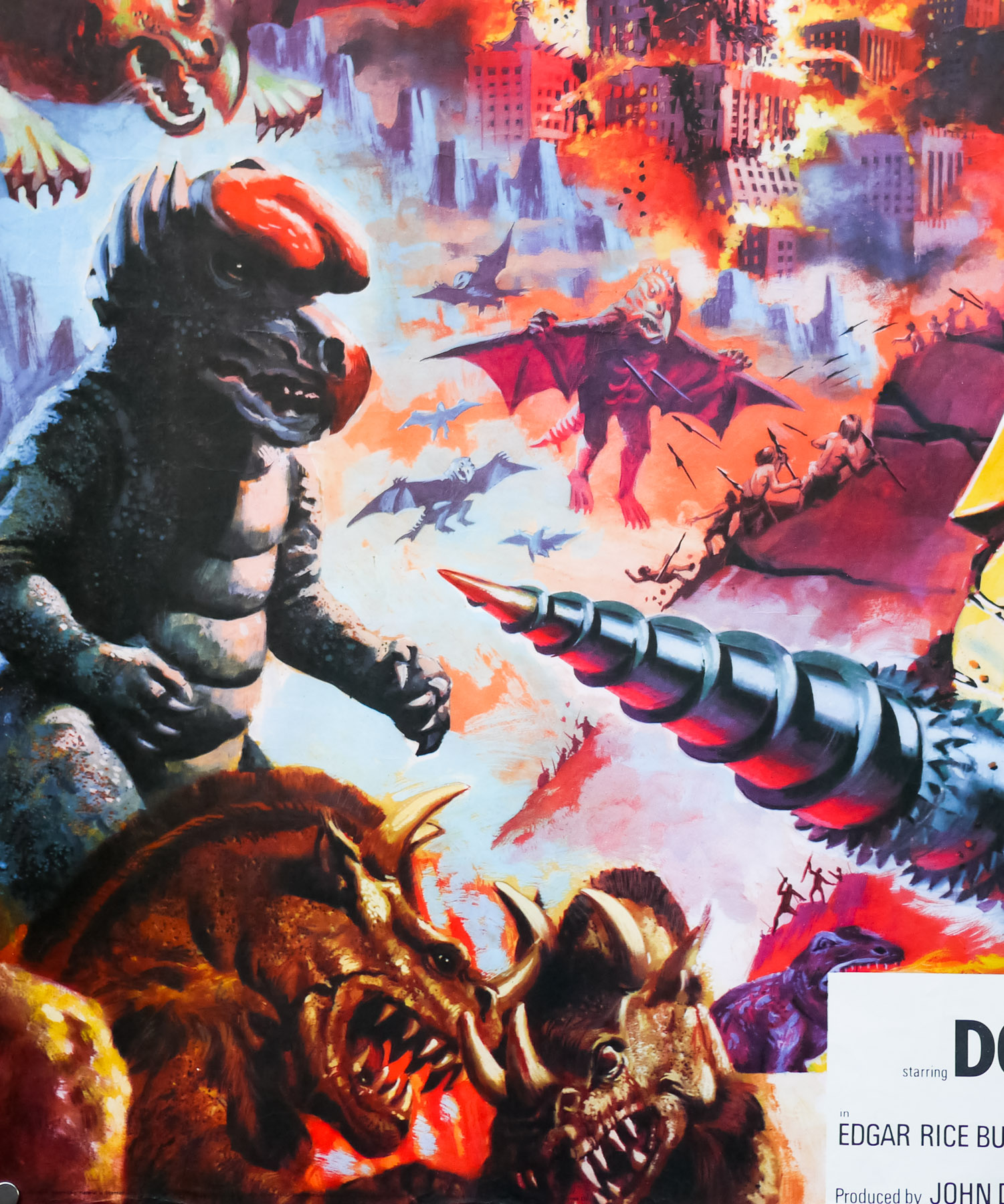

You searched for: %2520UK

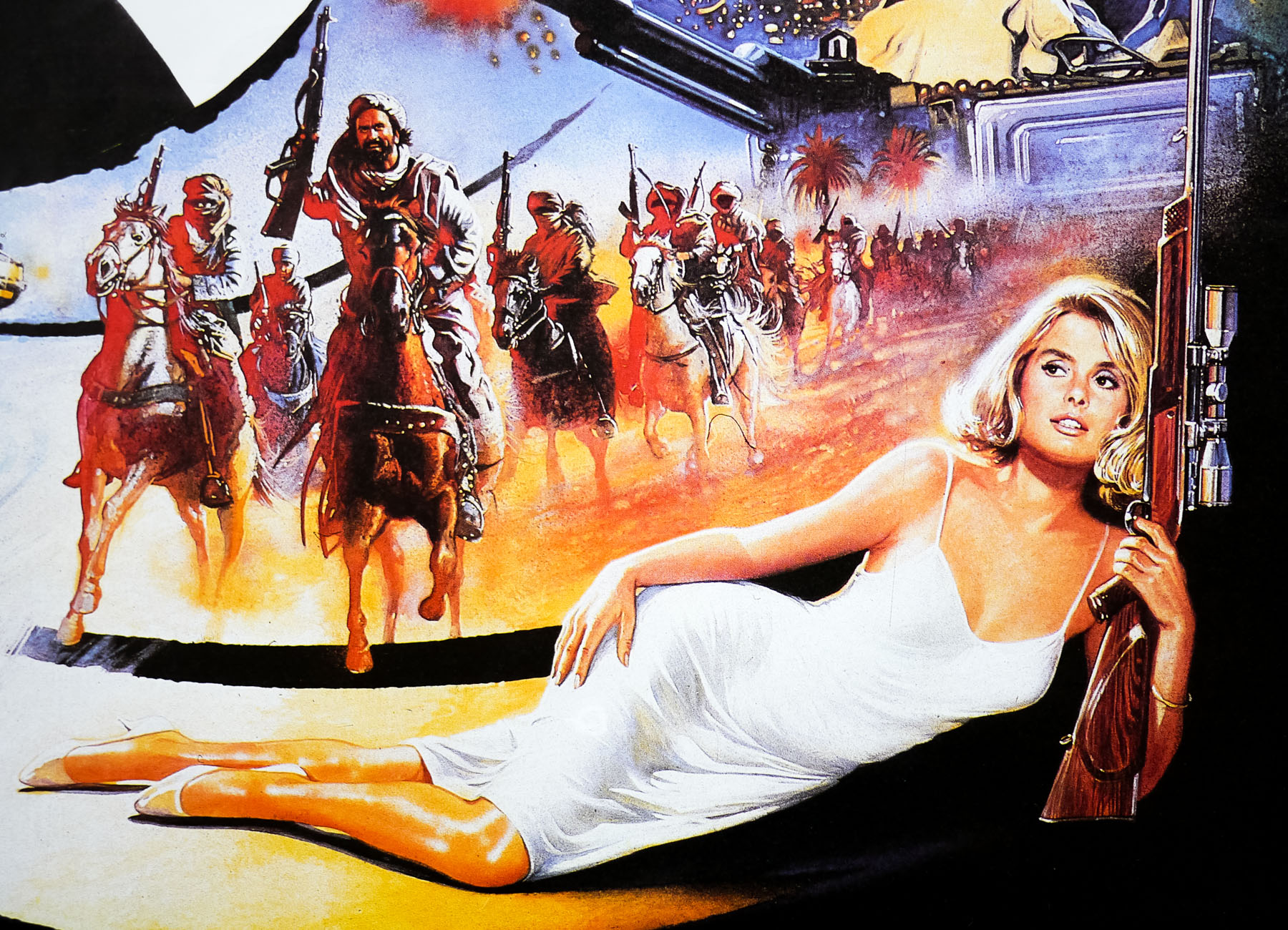
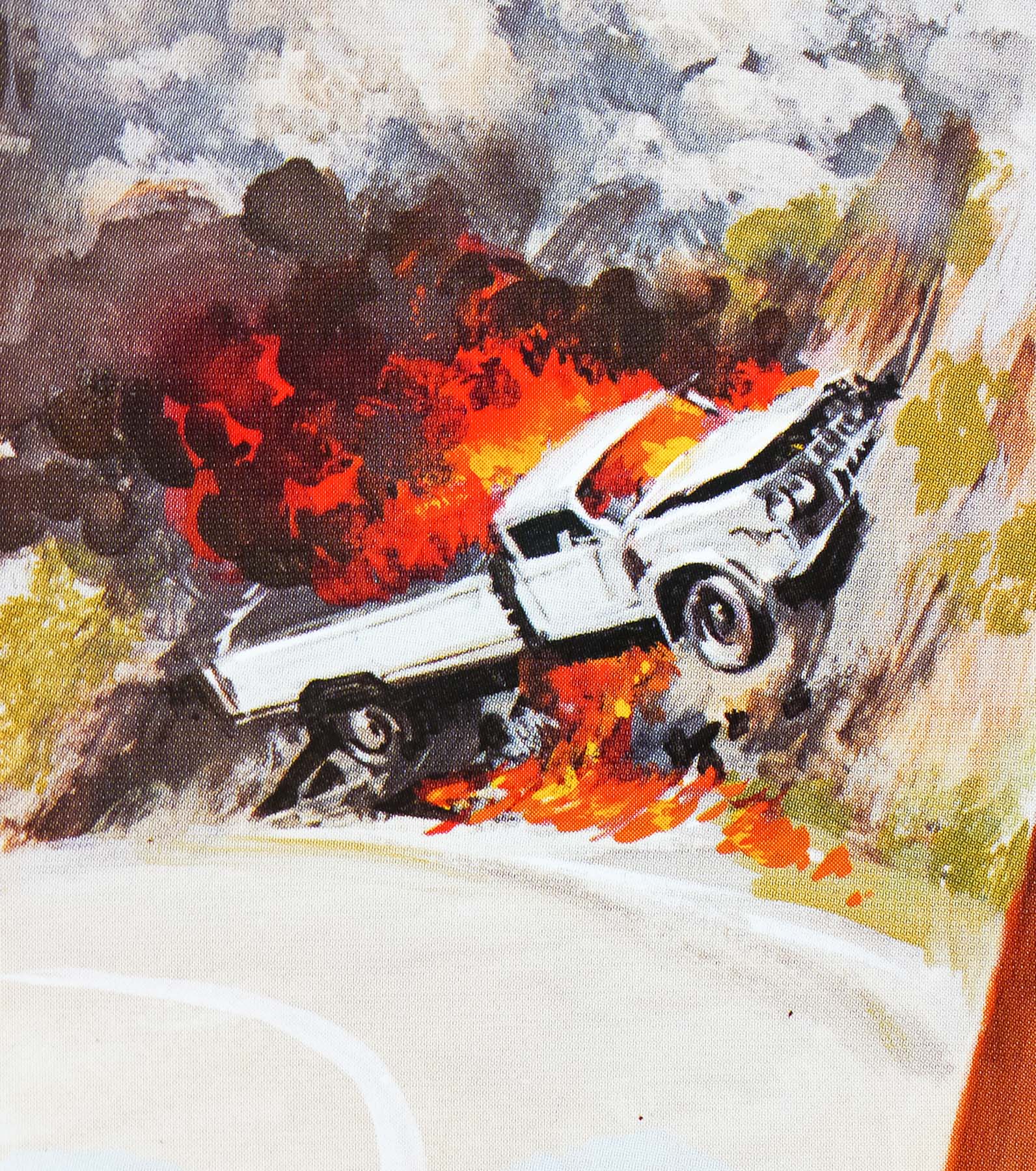
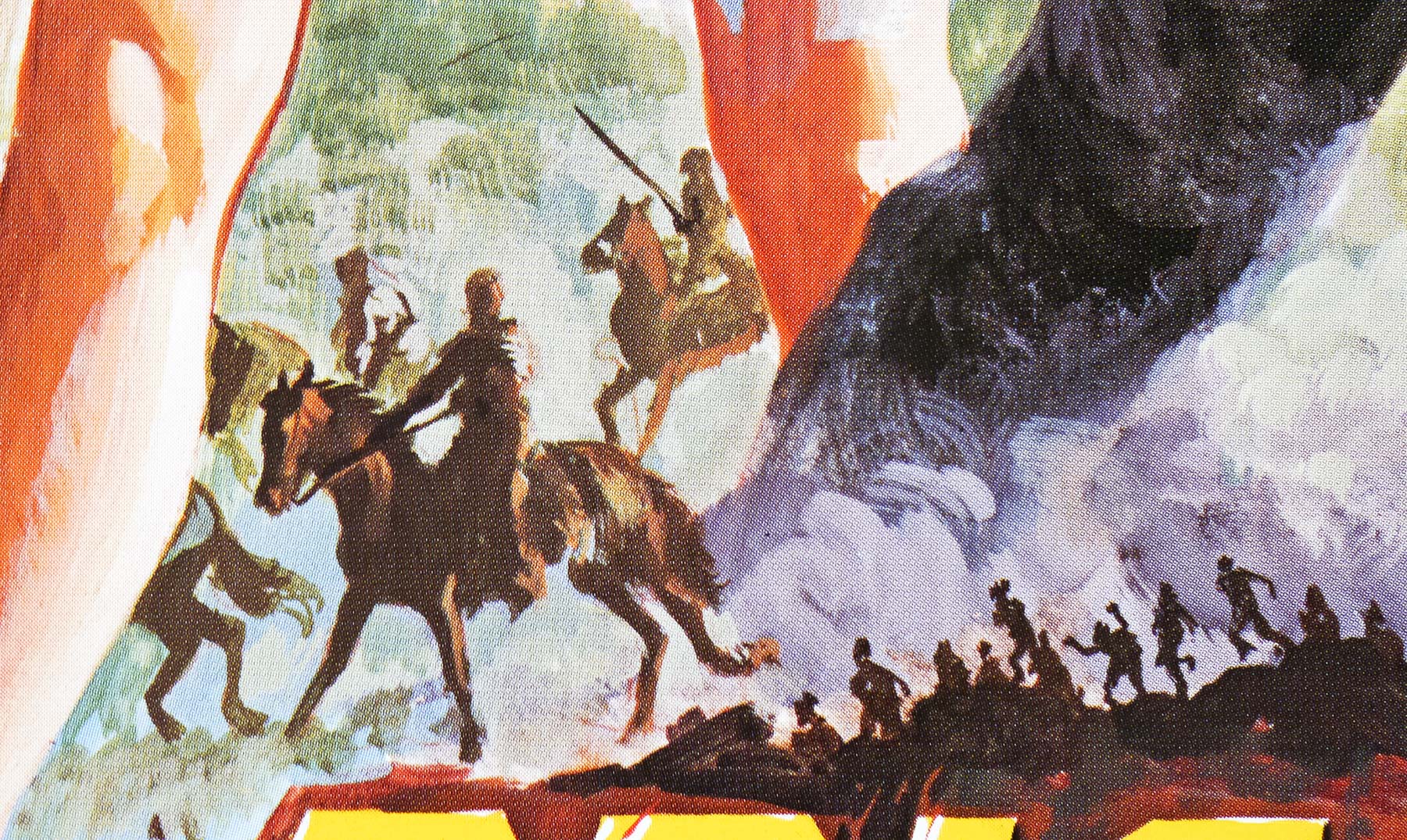
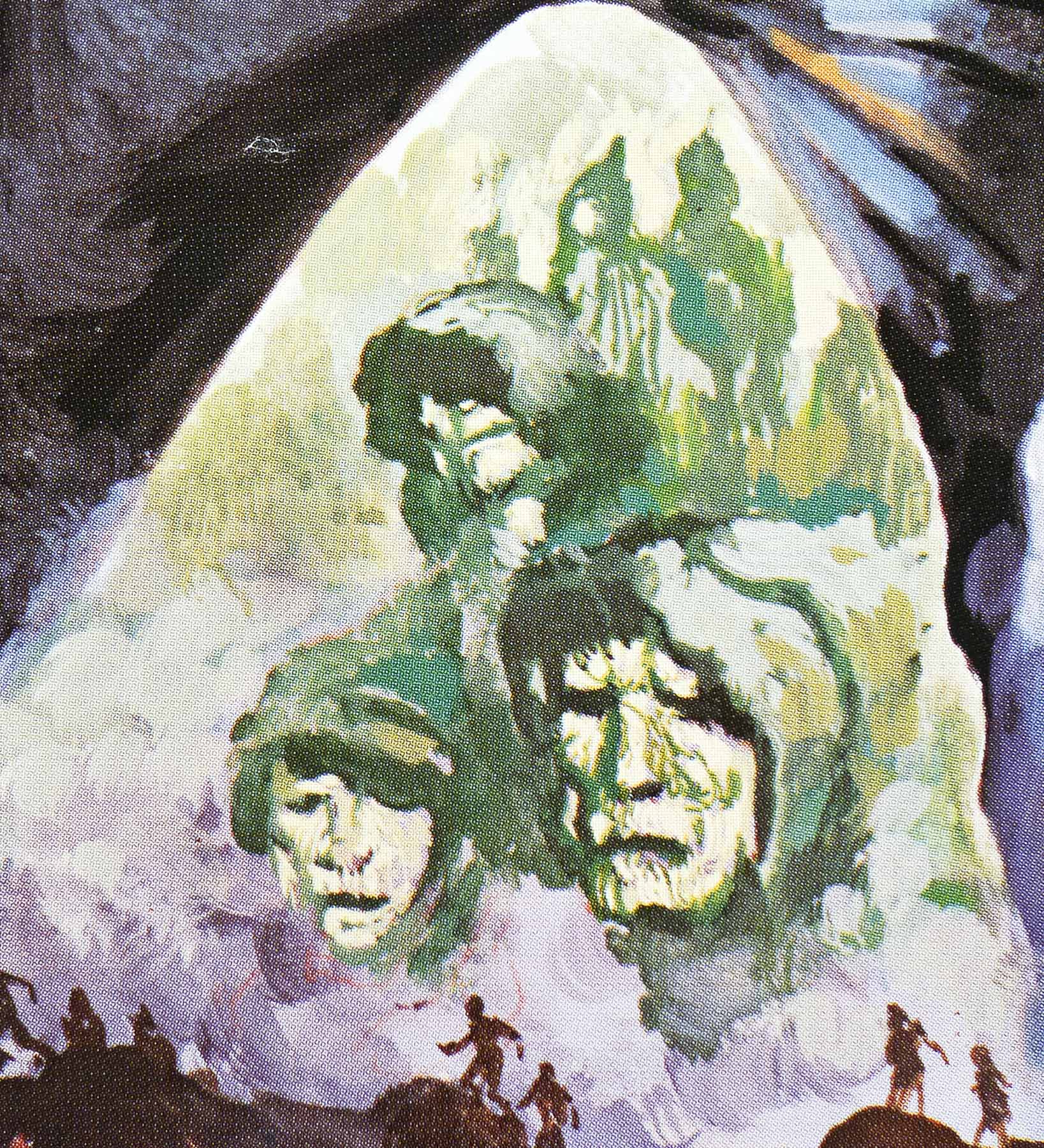
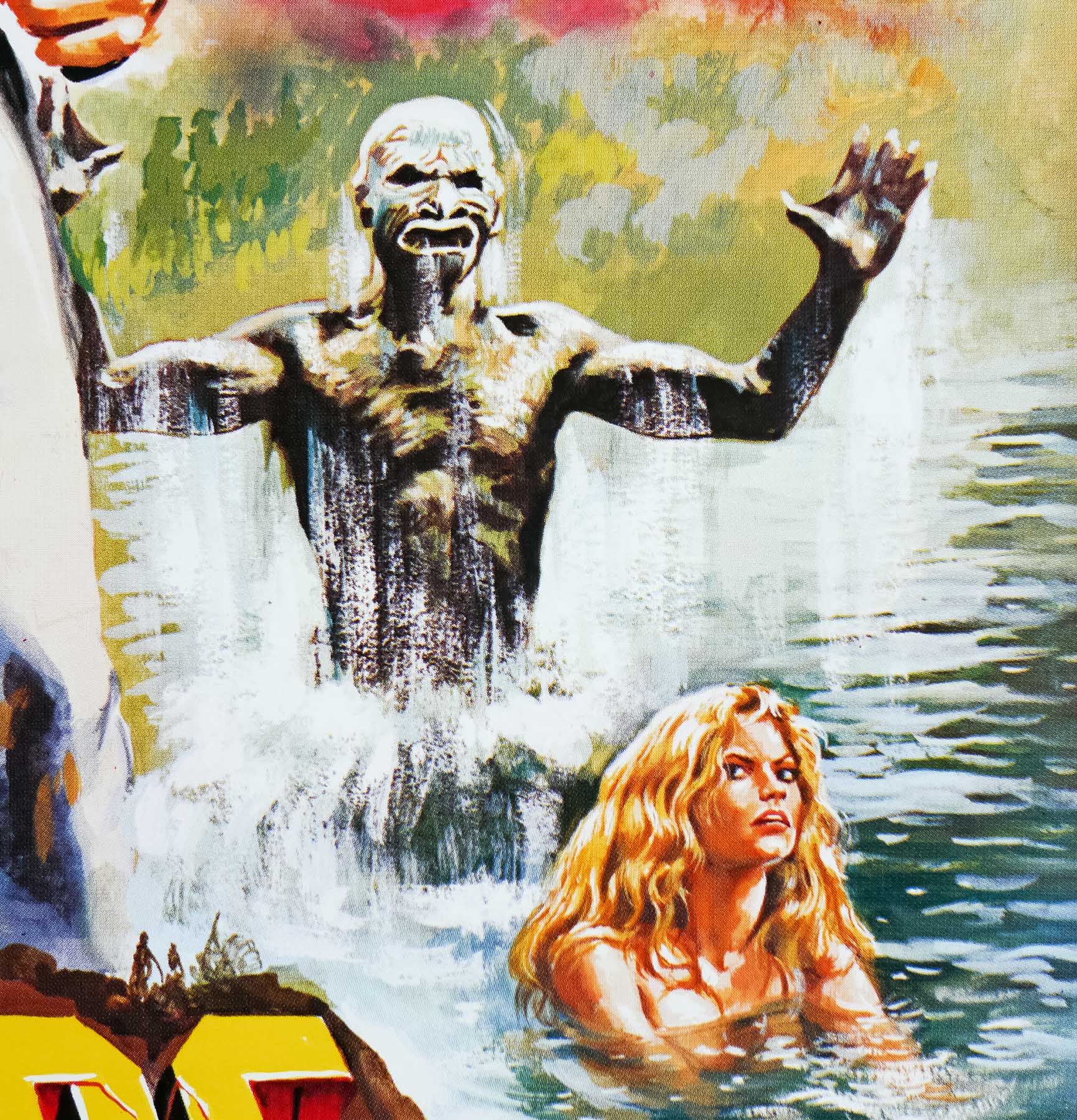
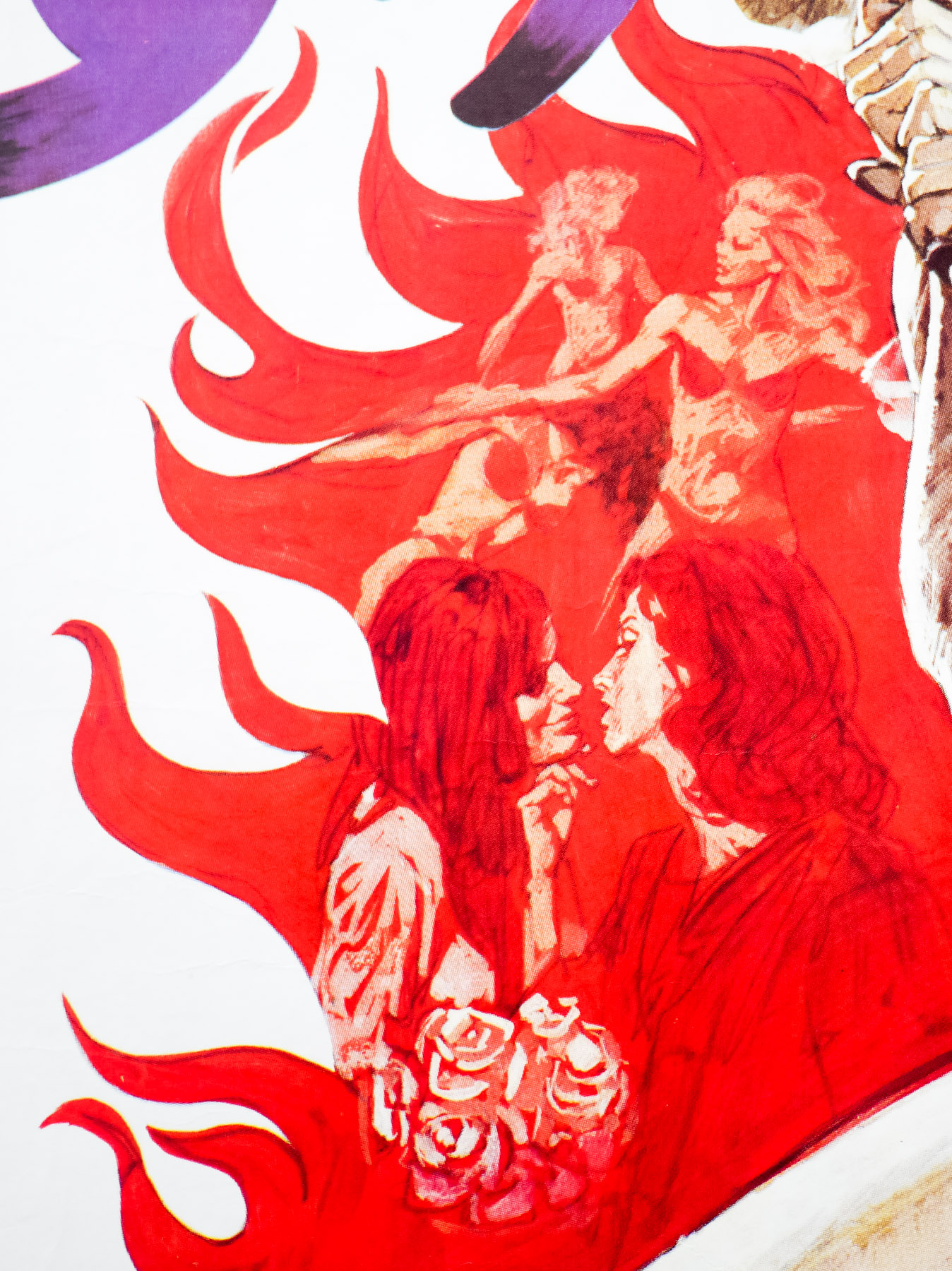
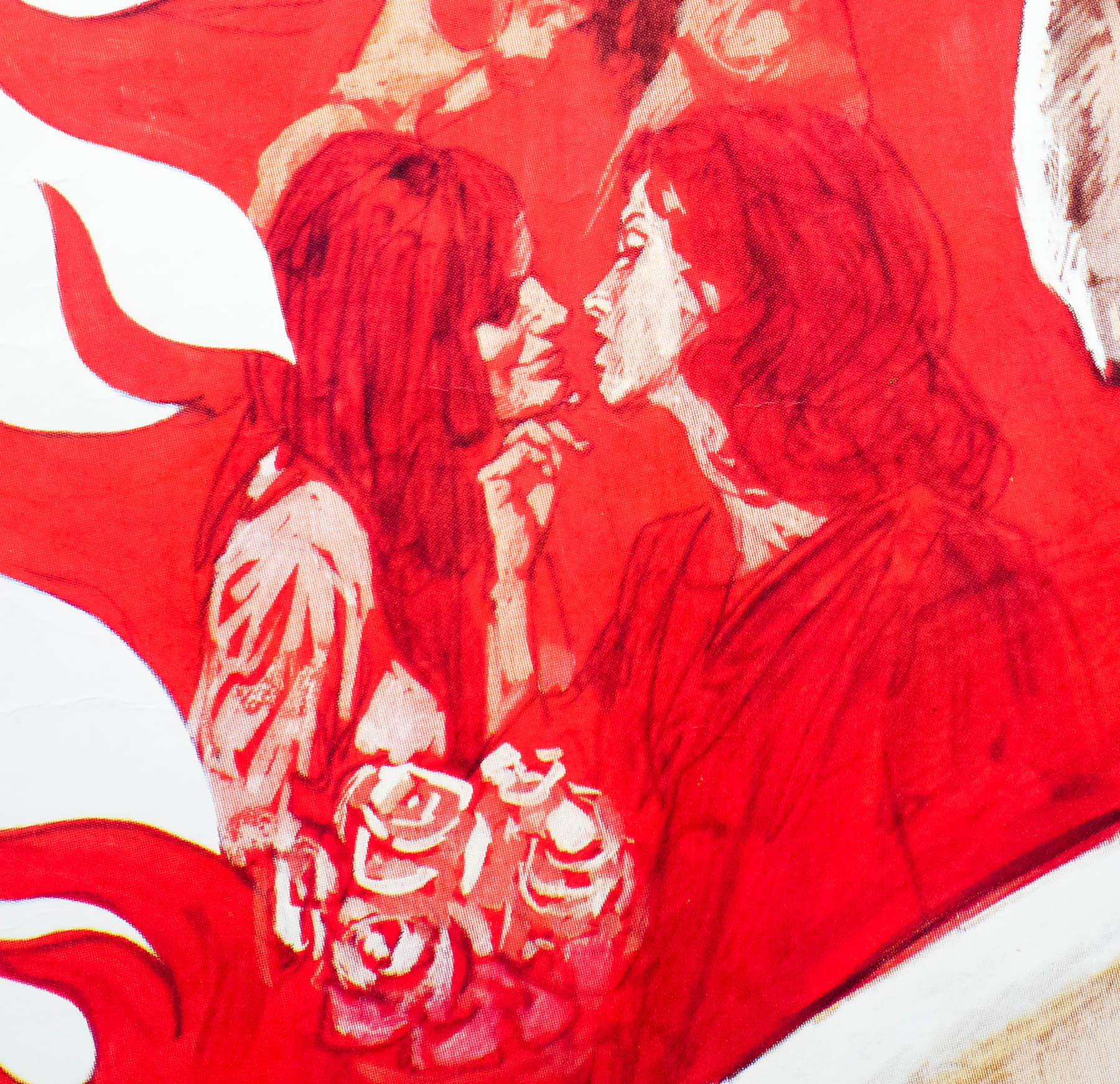
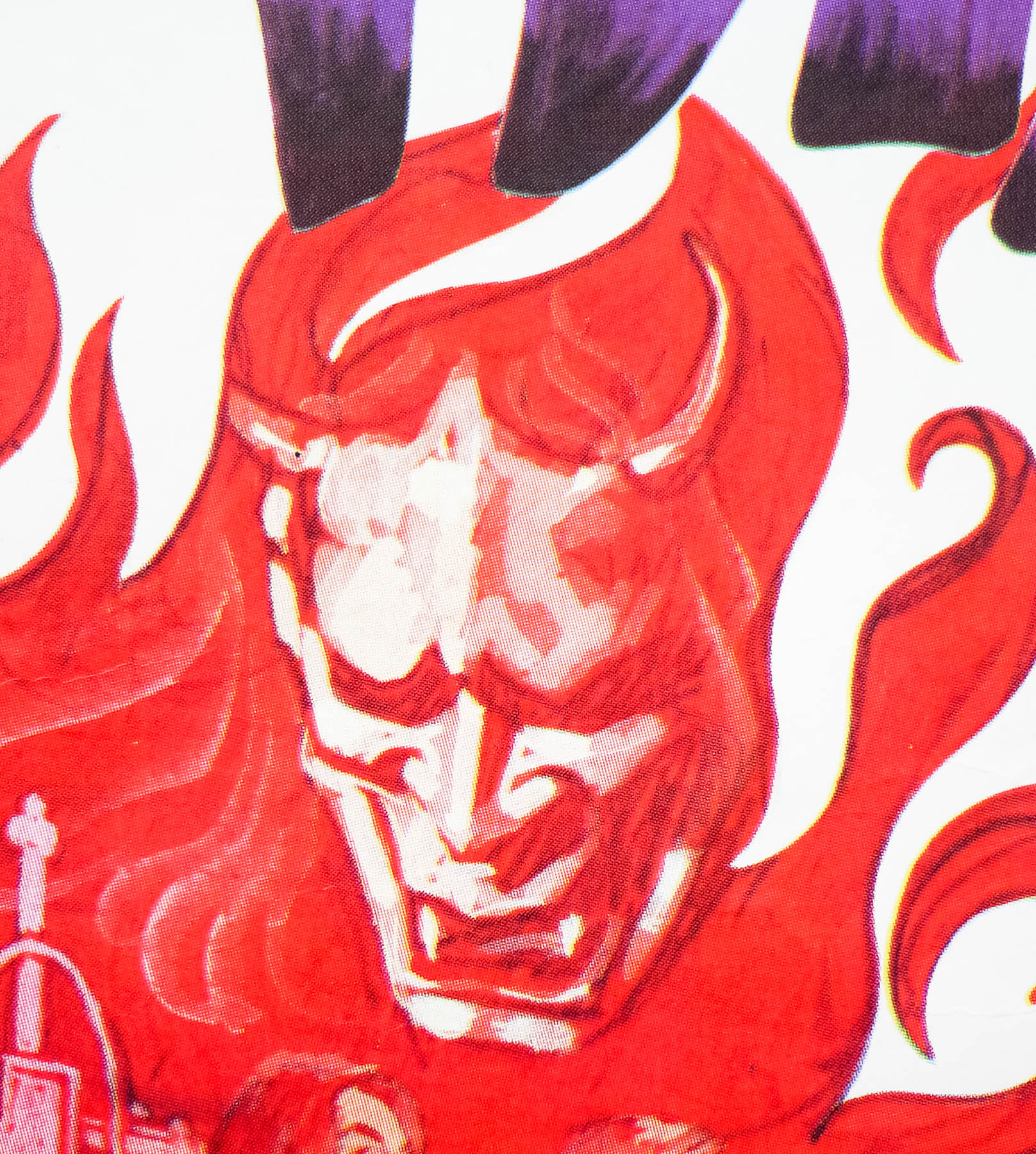
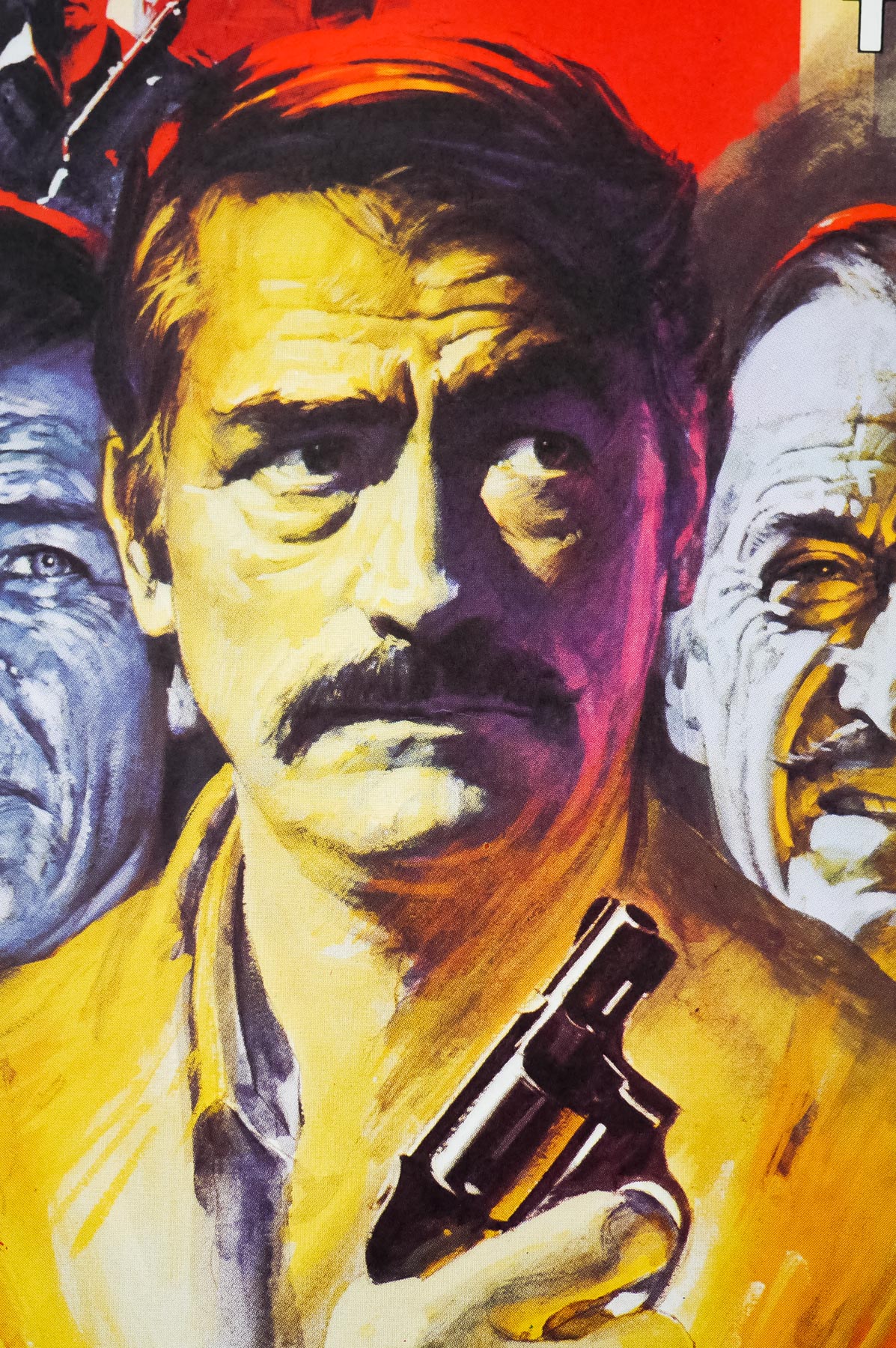
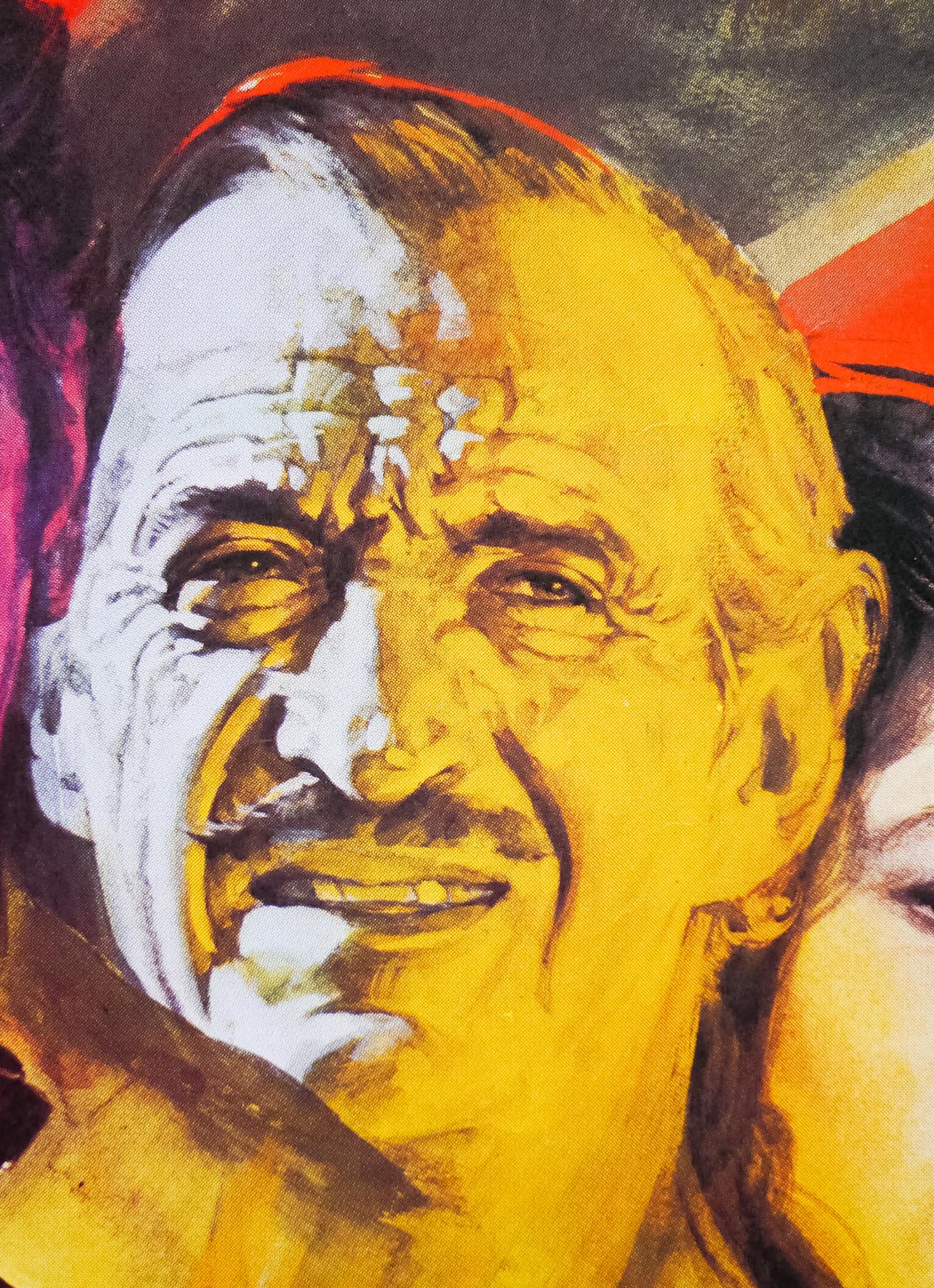
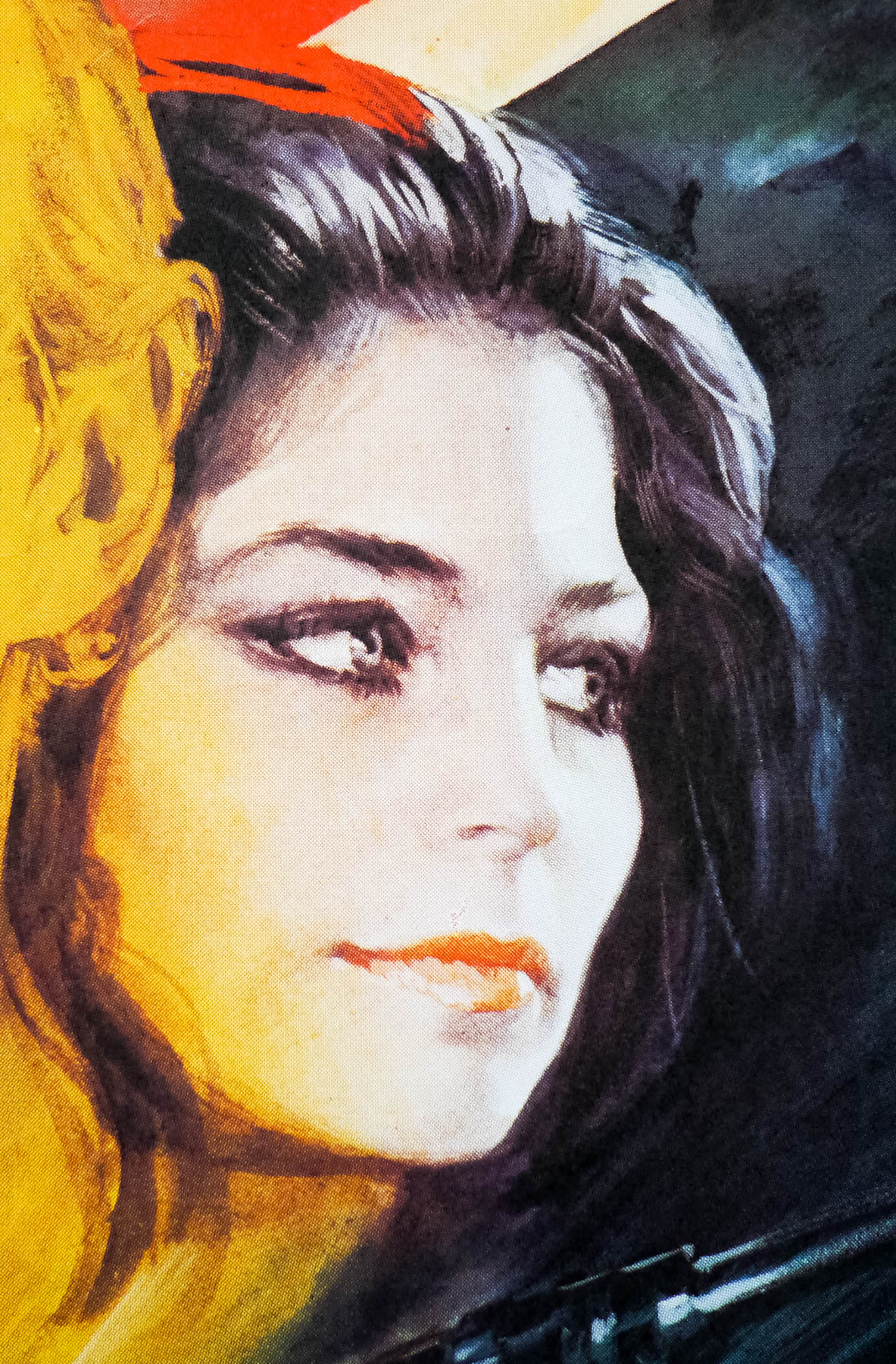
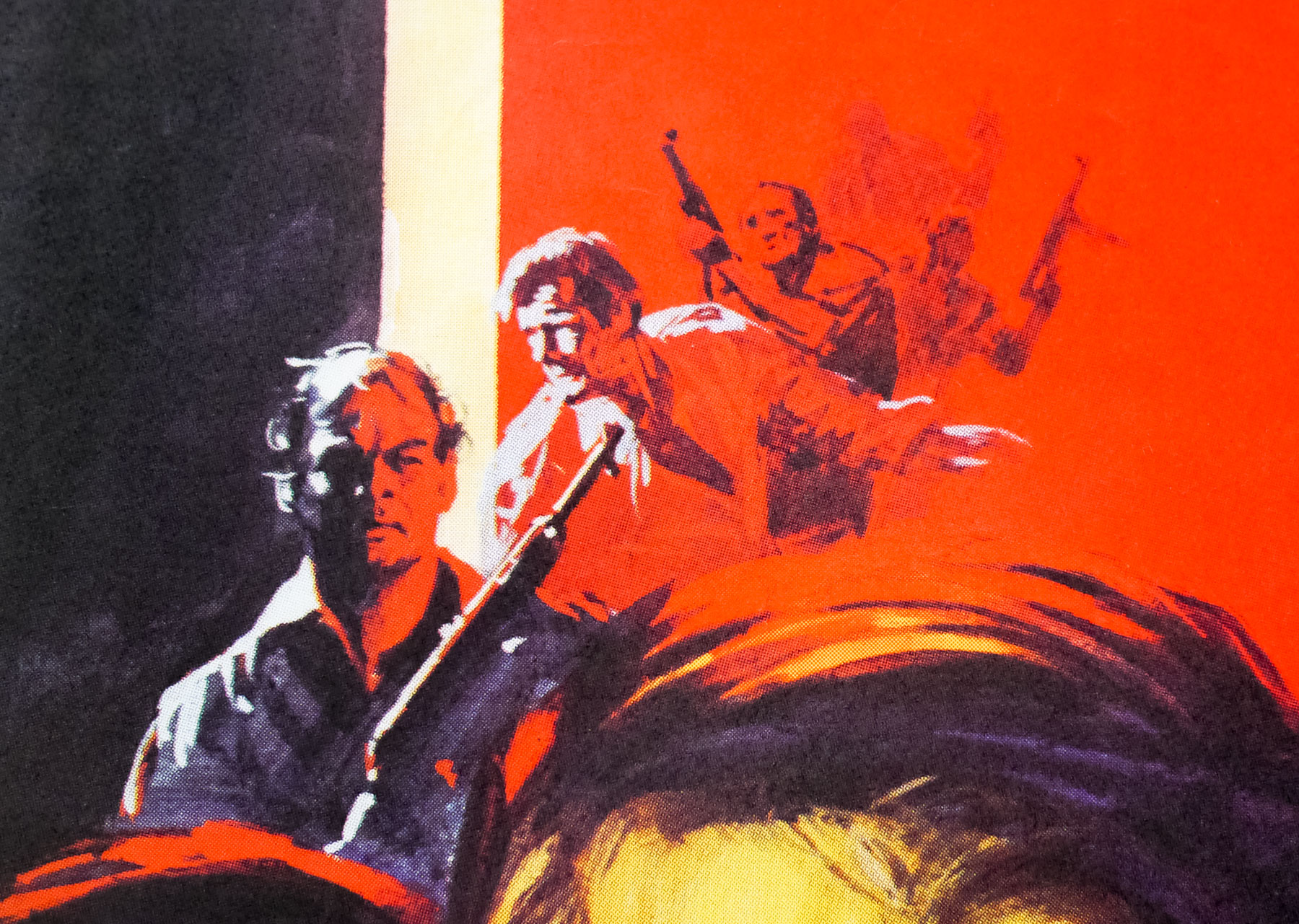
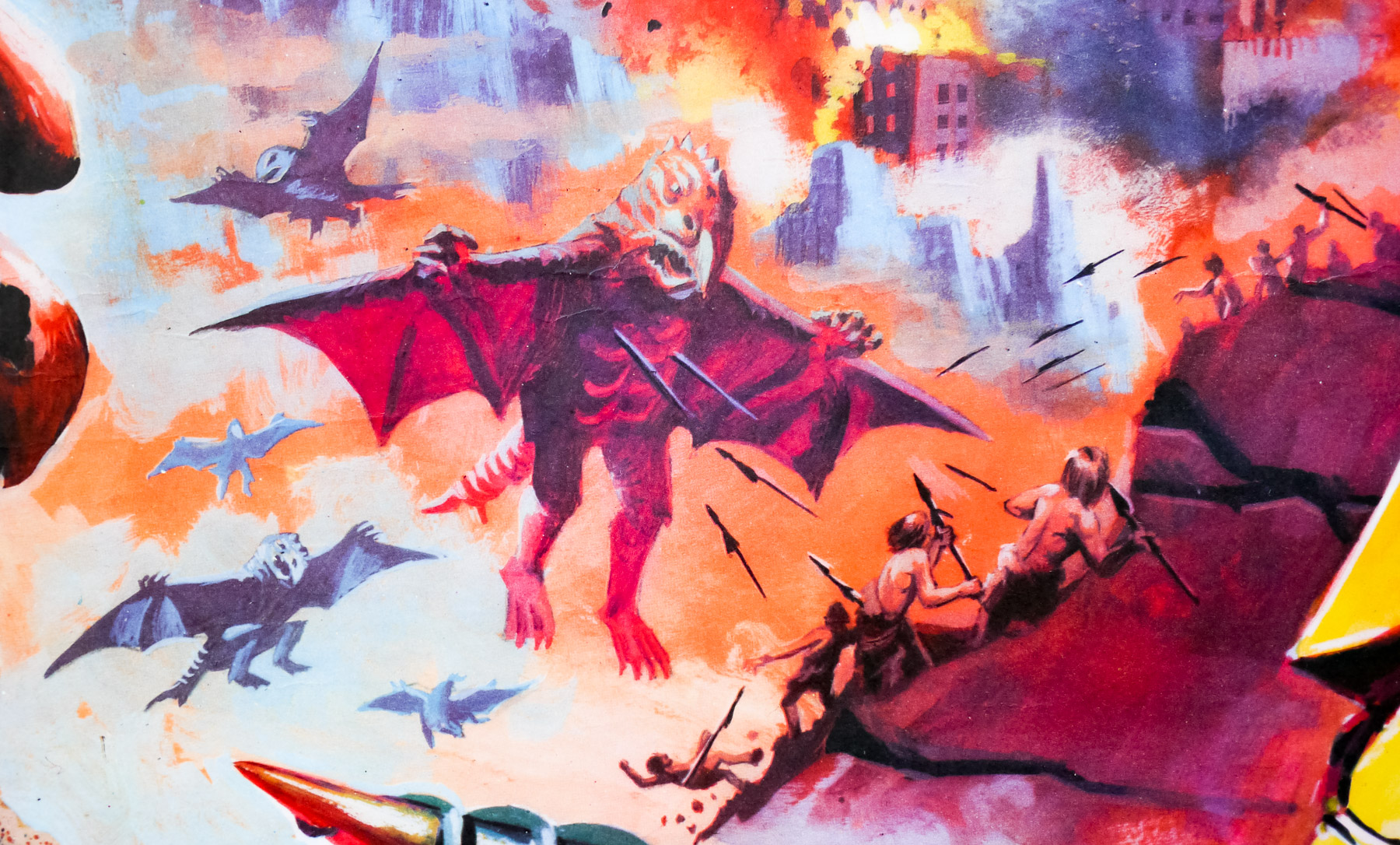
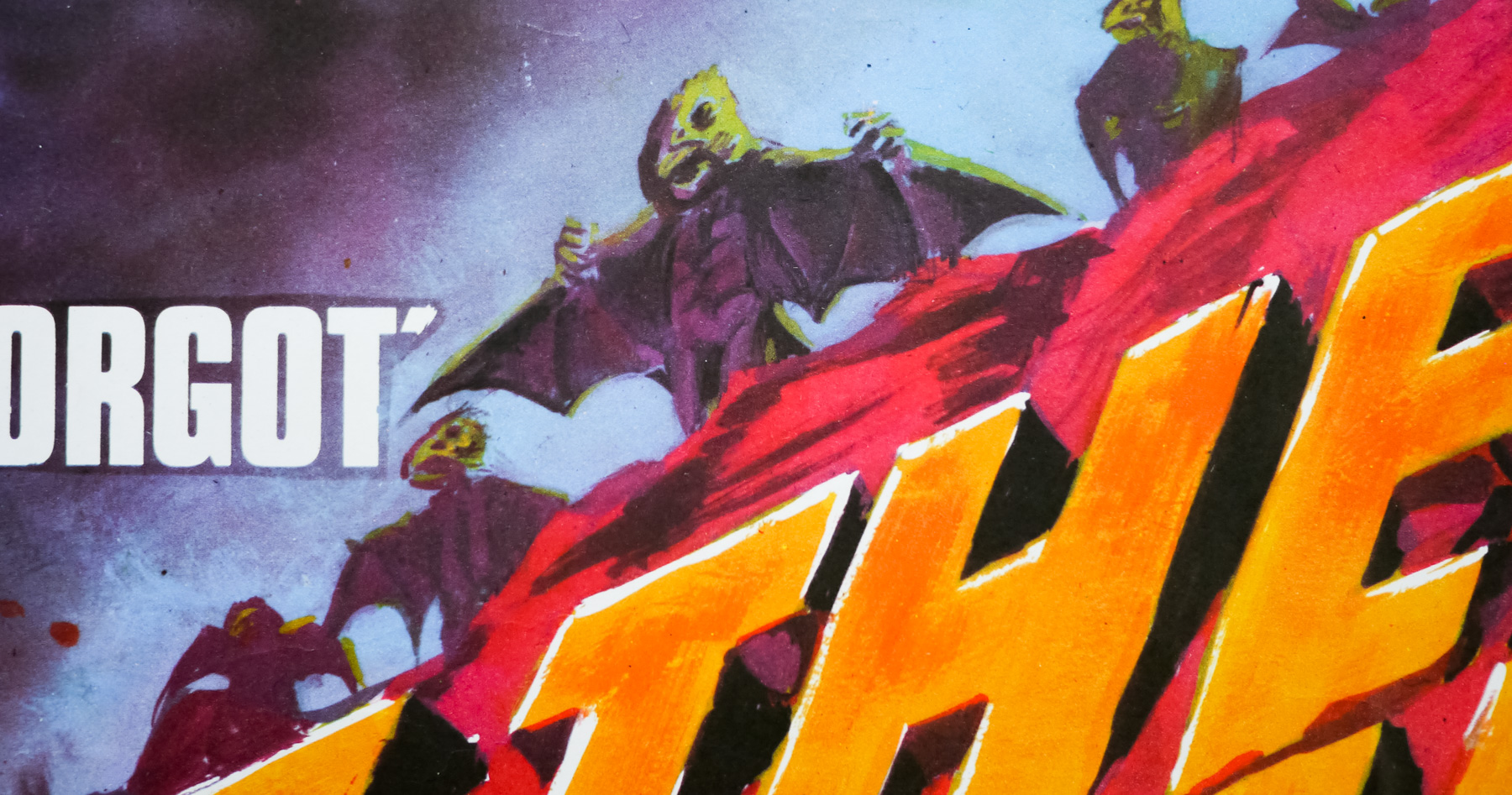
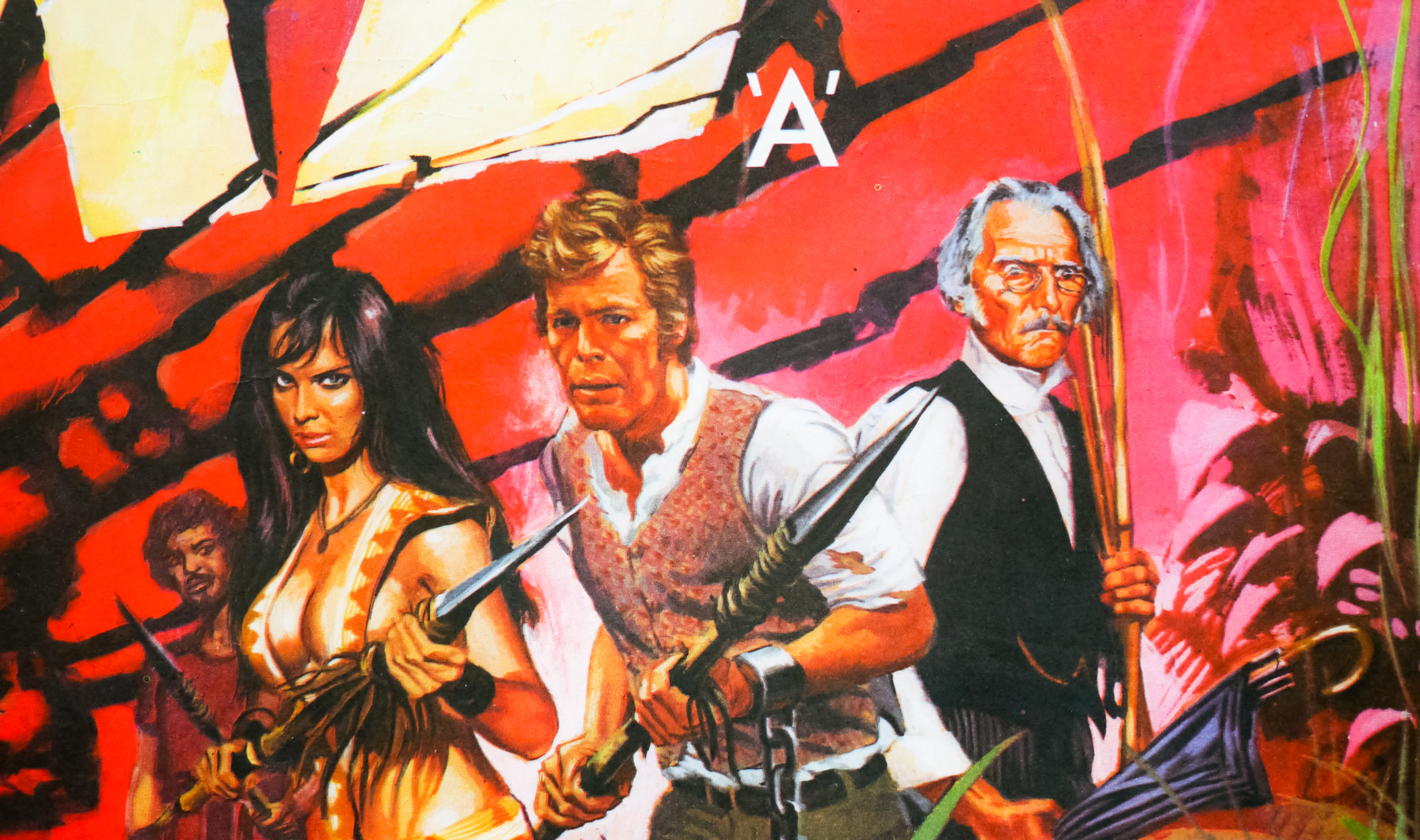
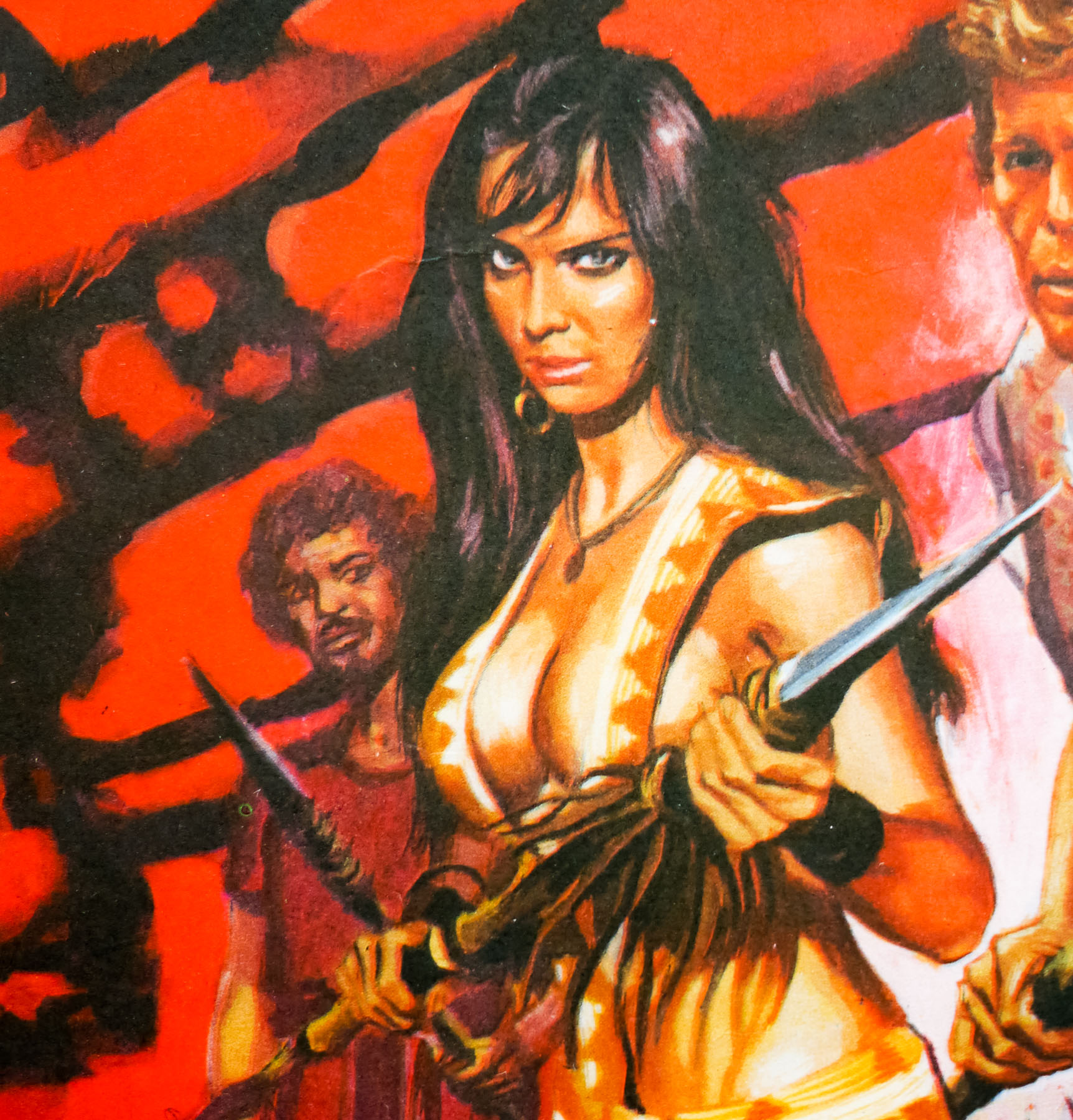
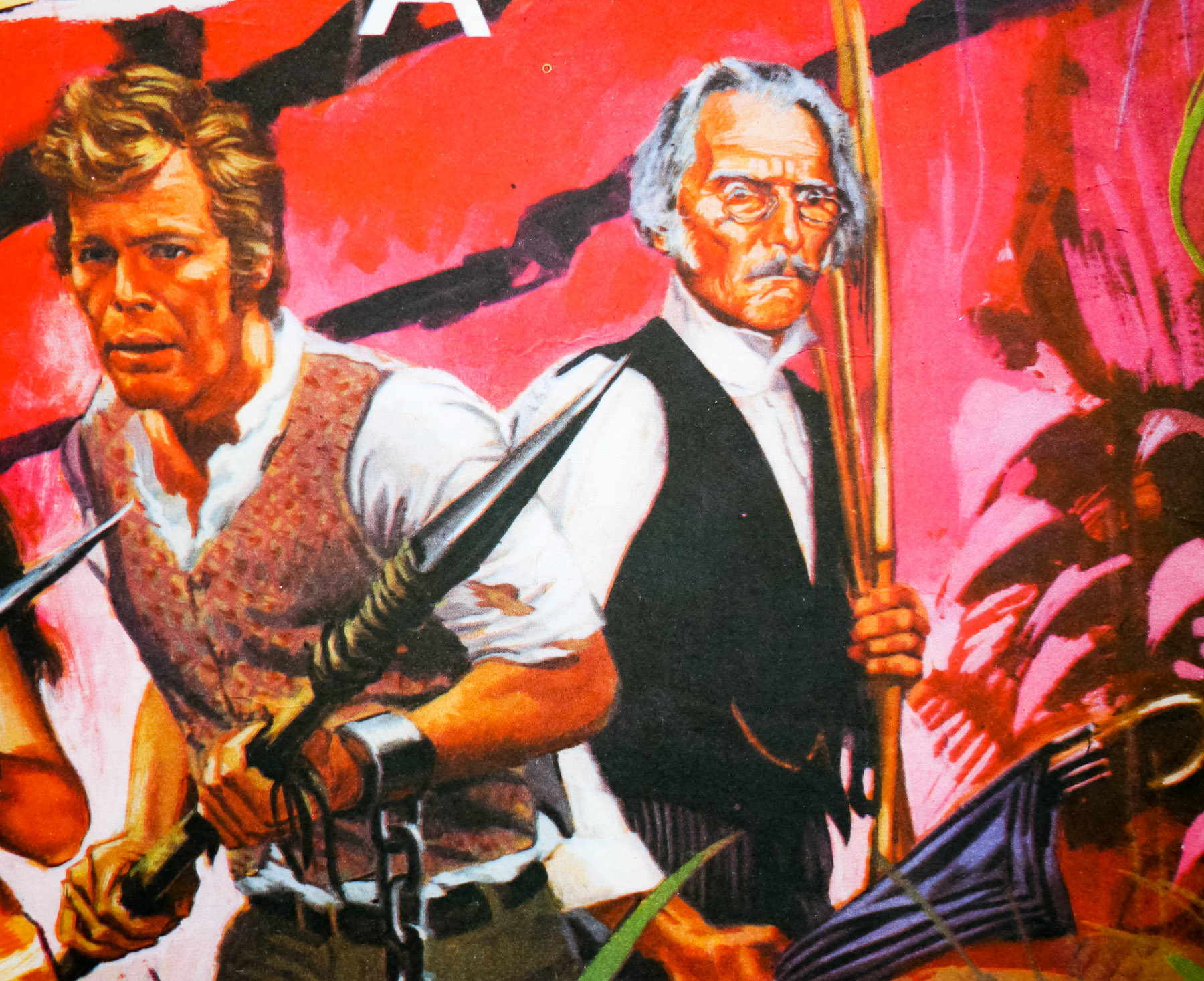
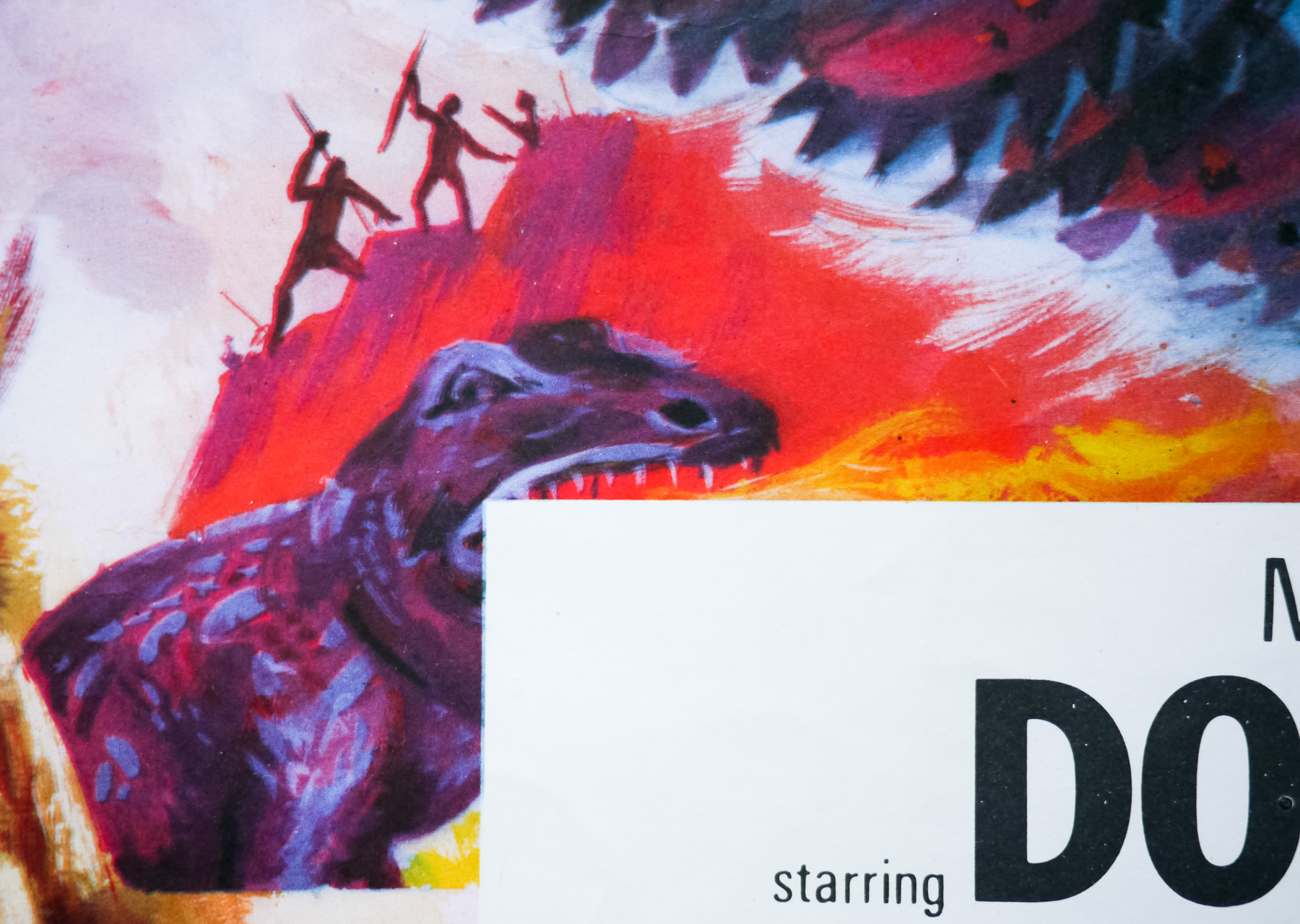
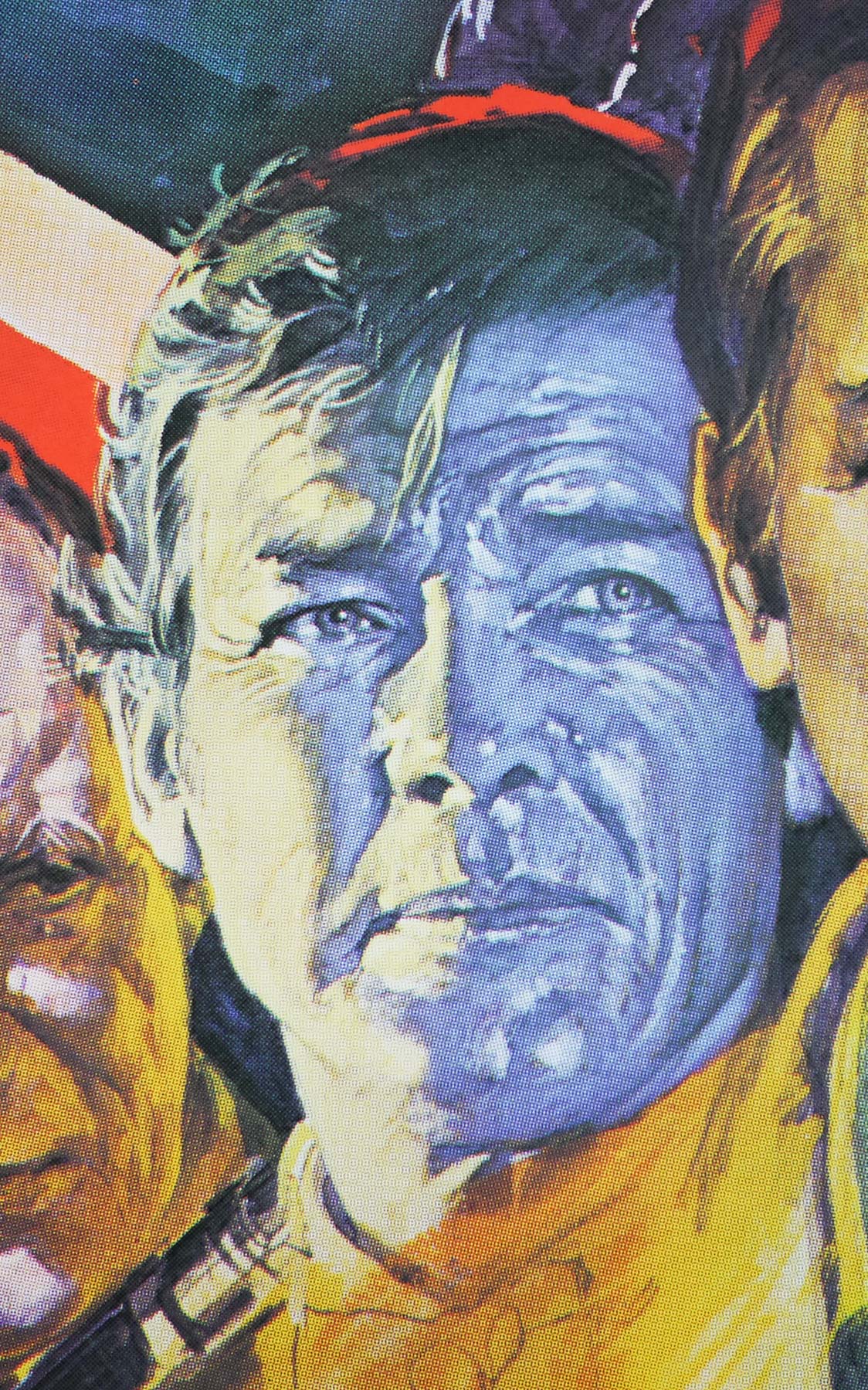
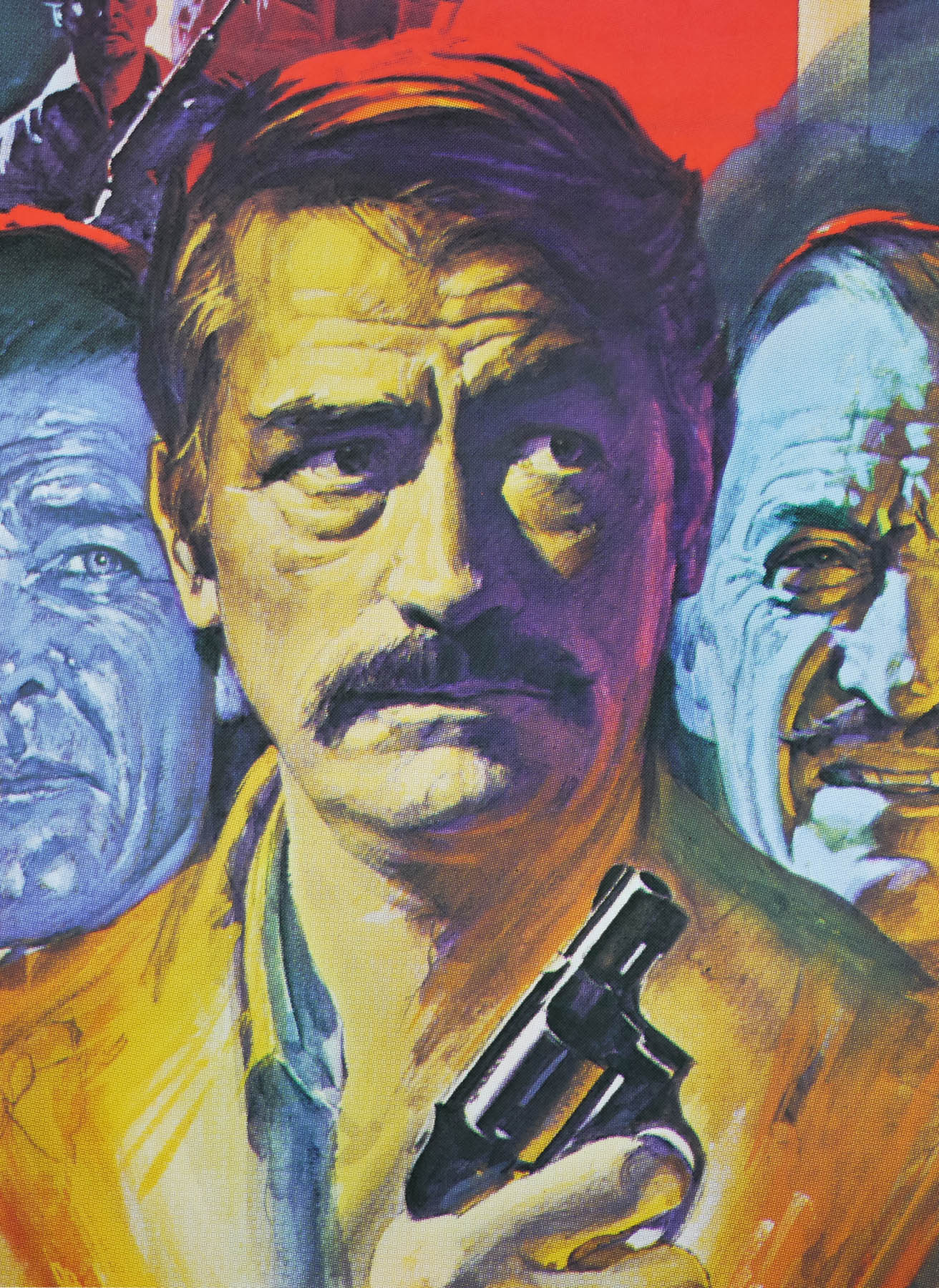
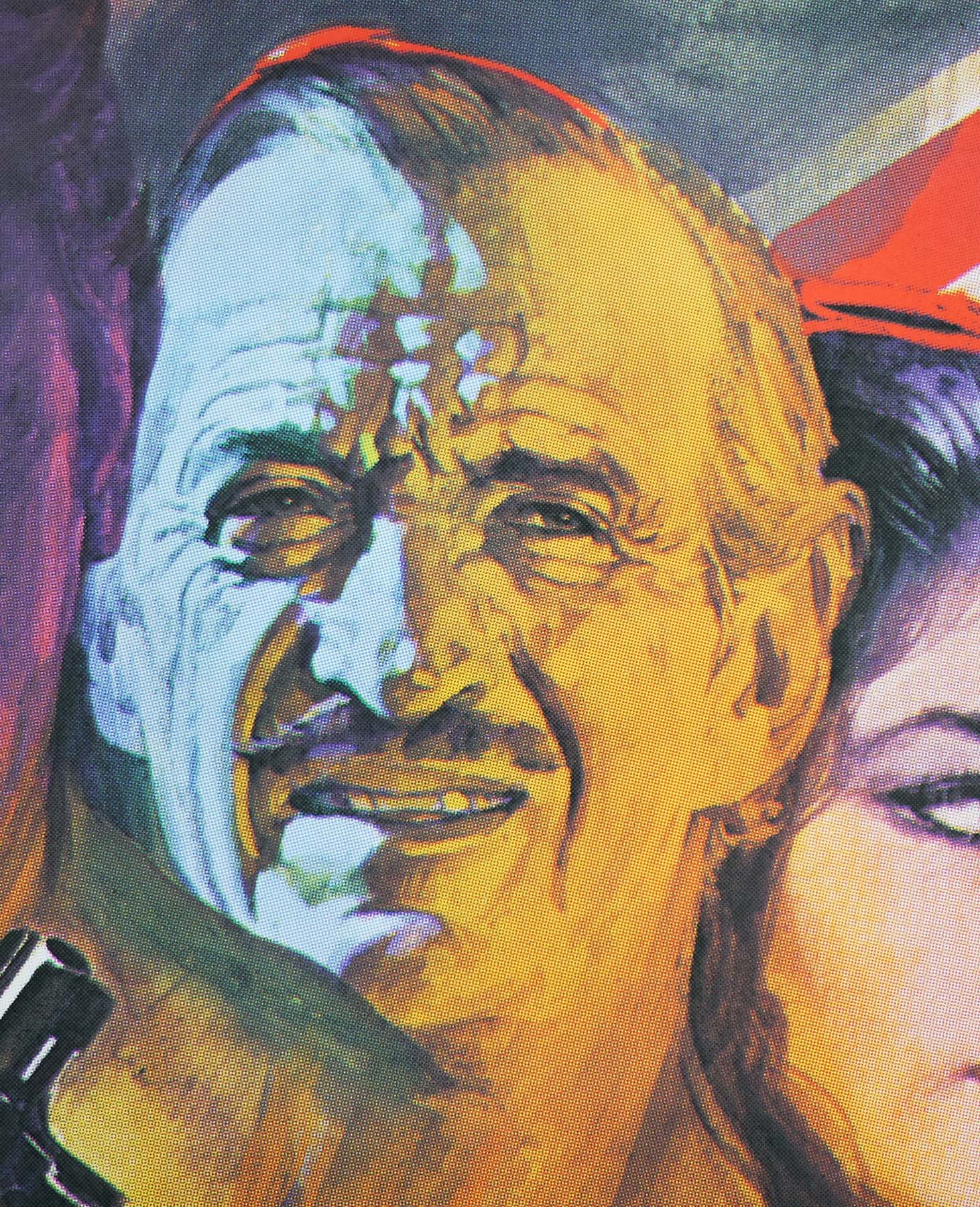
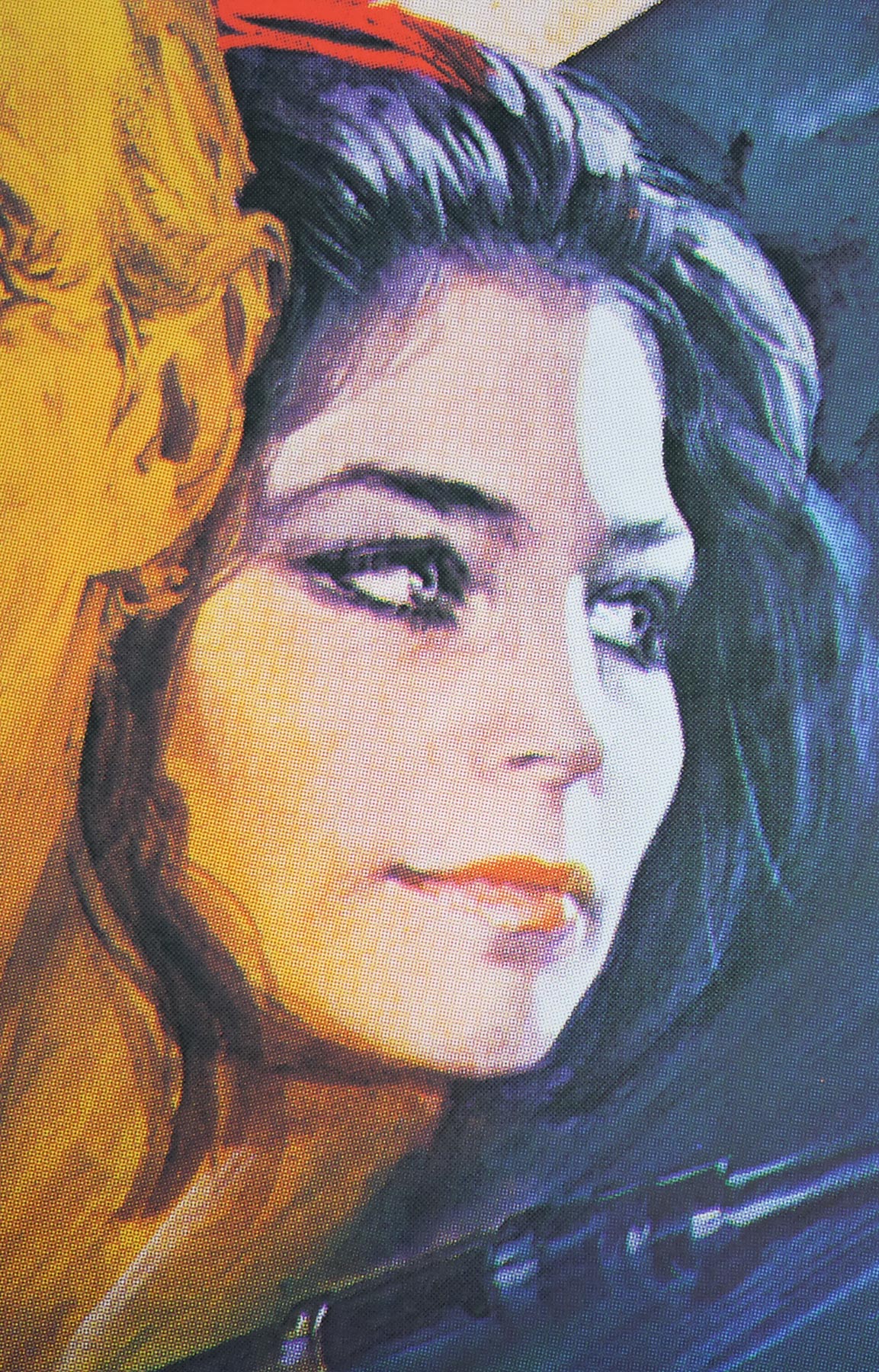
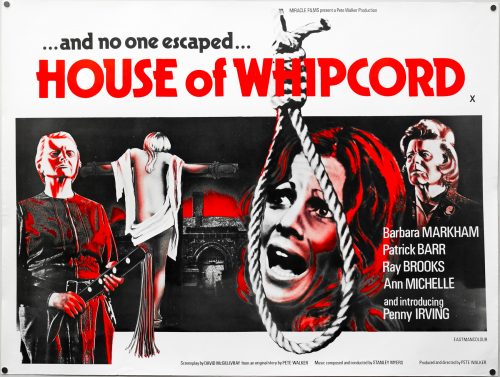
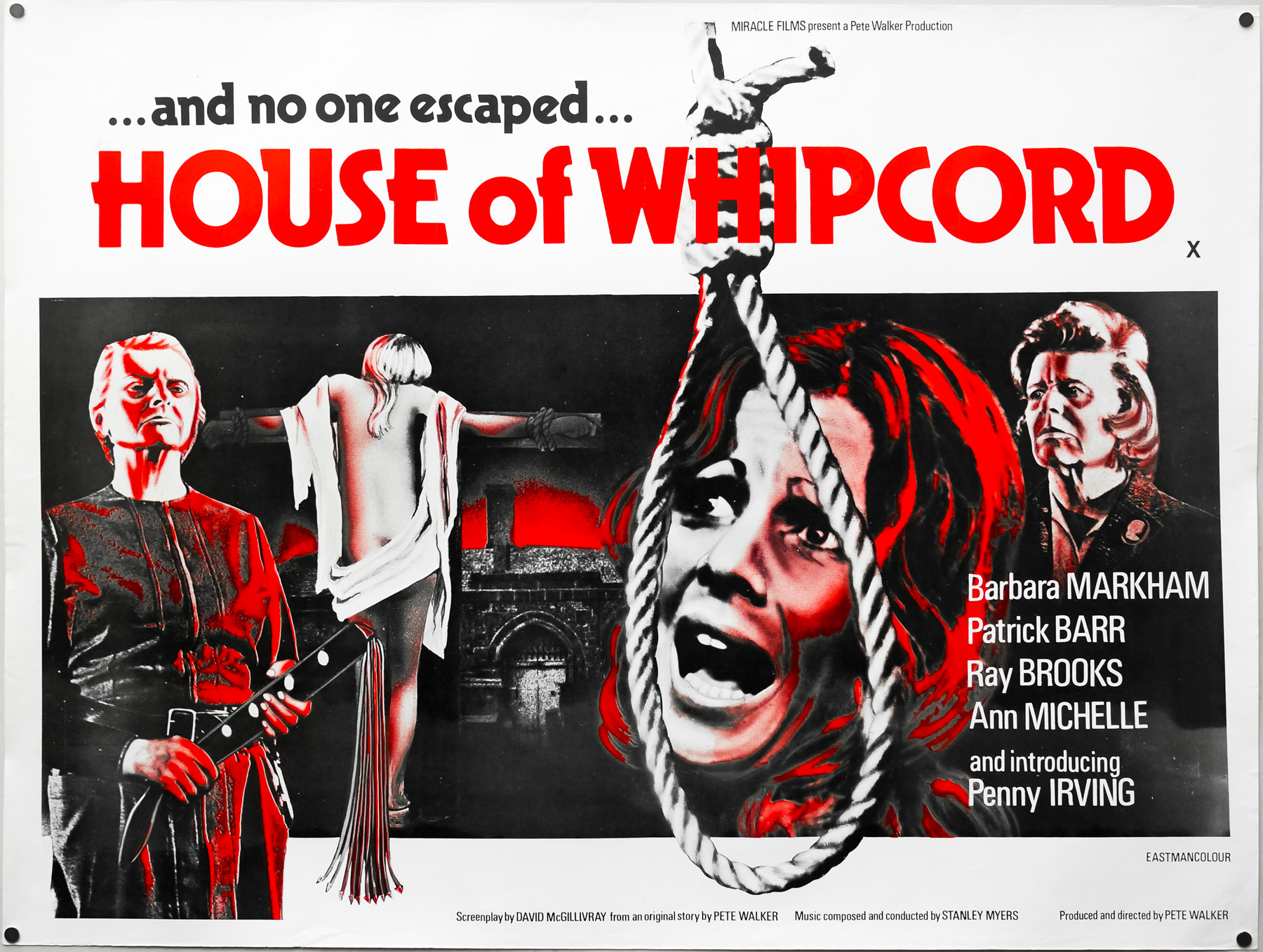
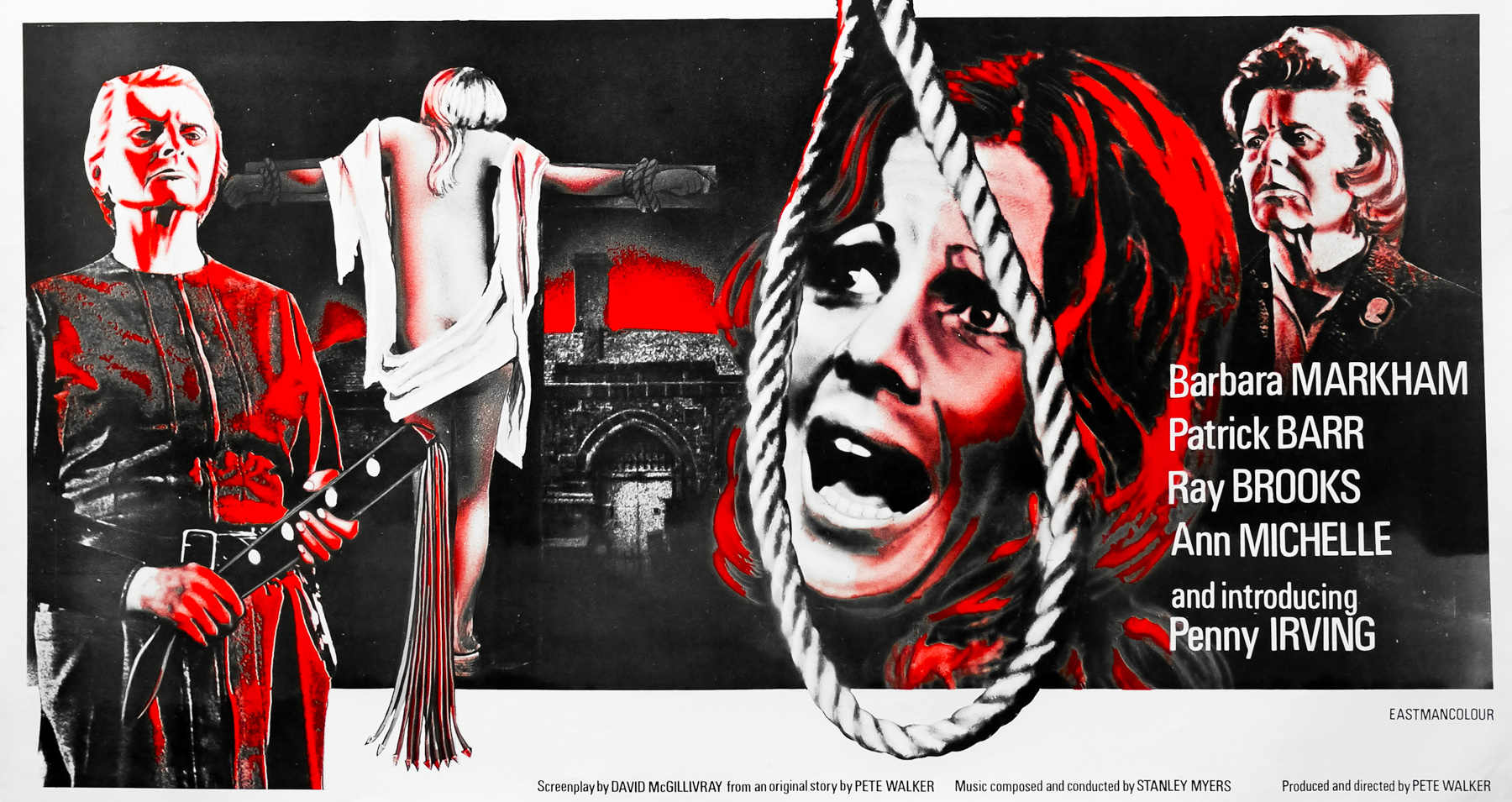
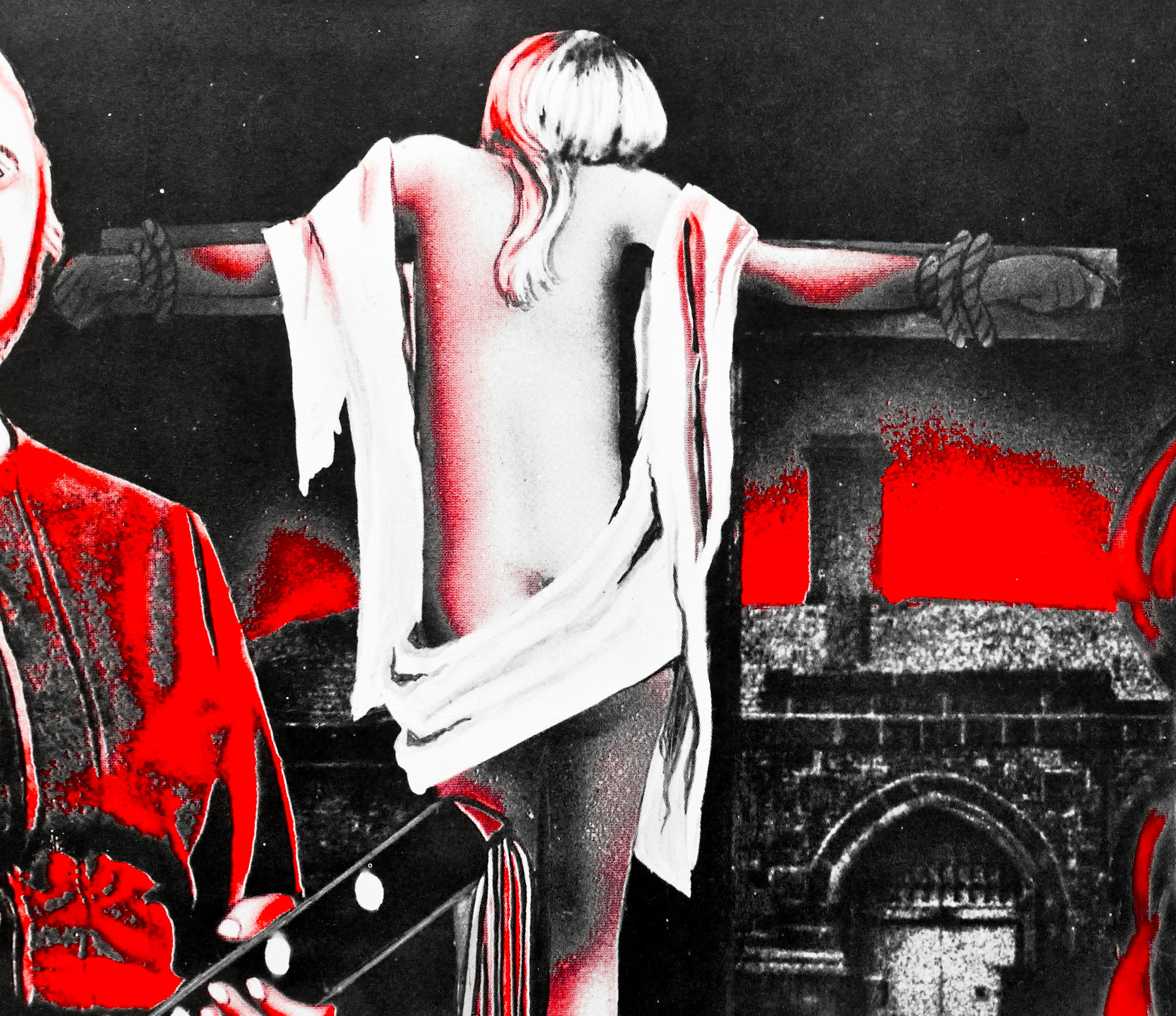
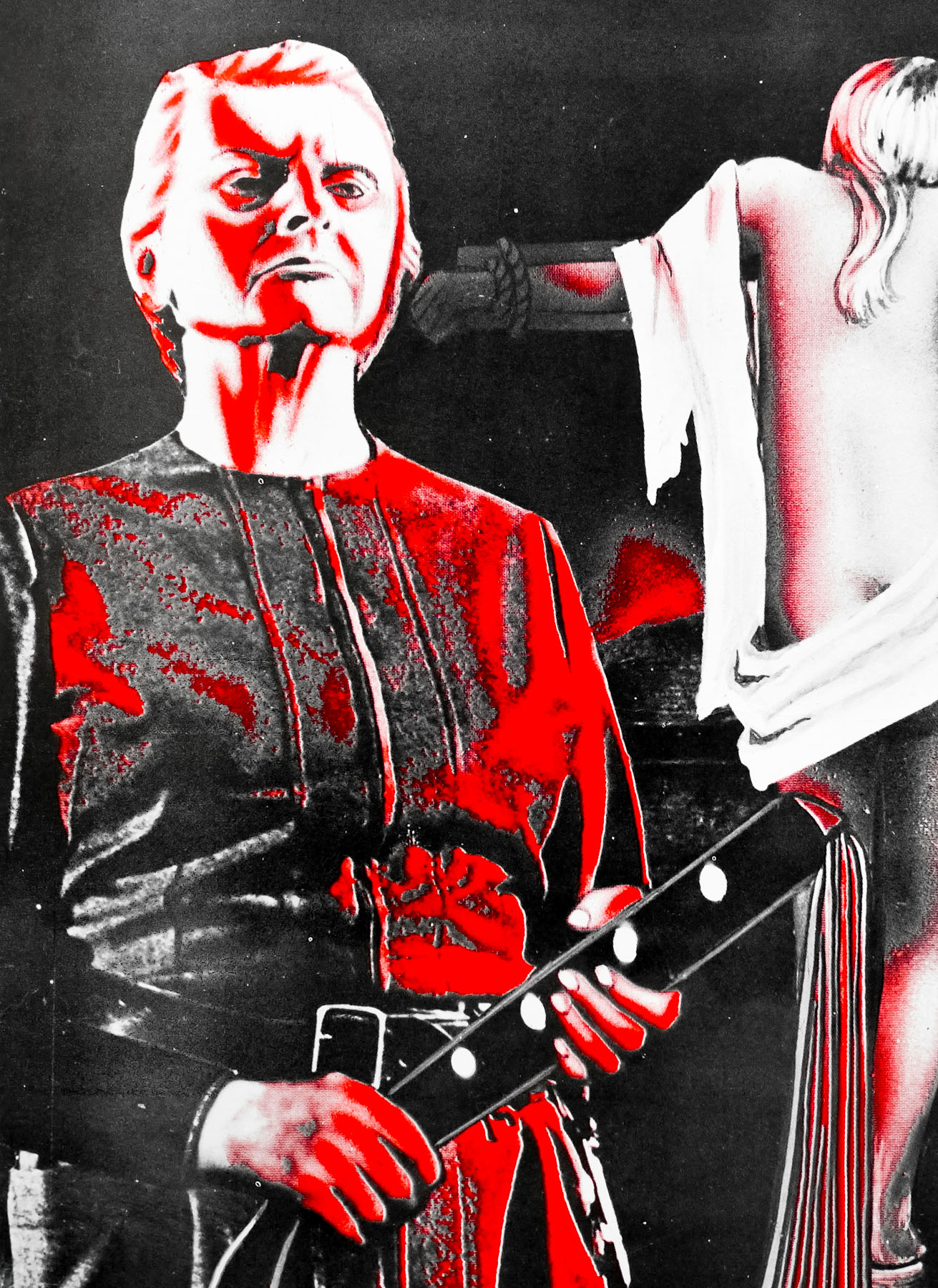
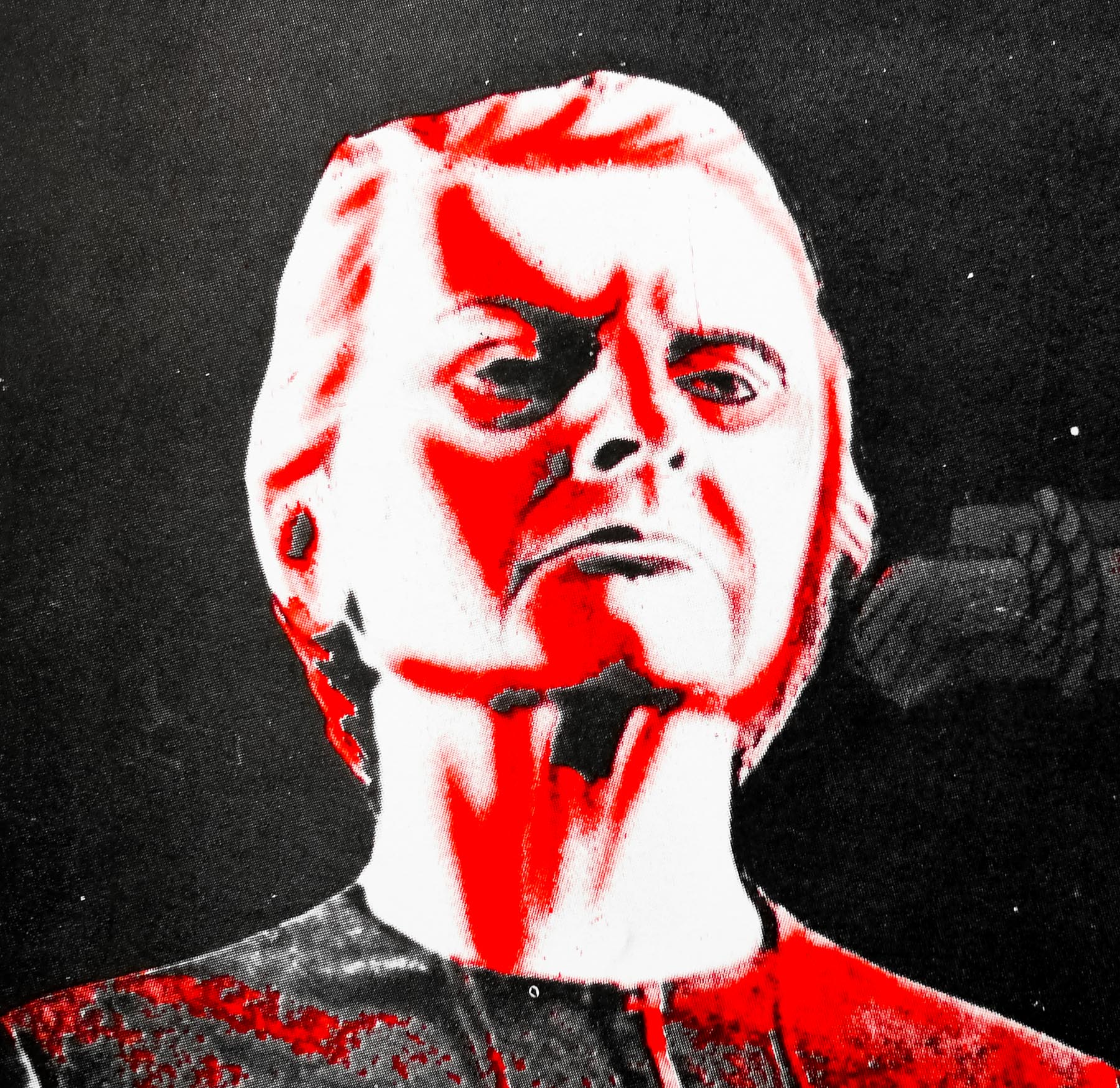
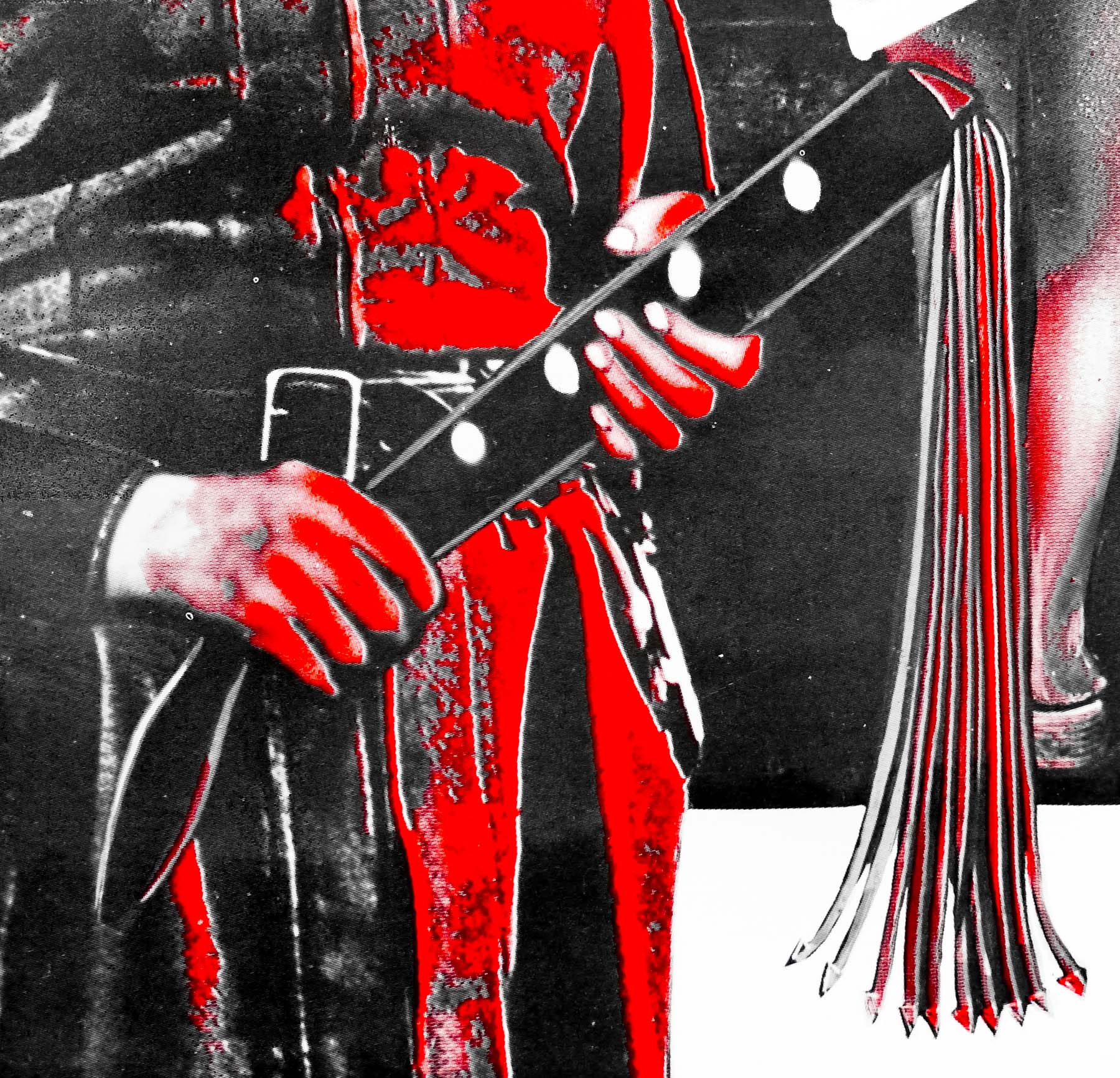
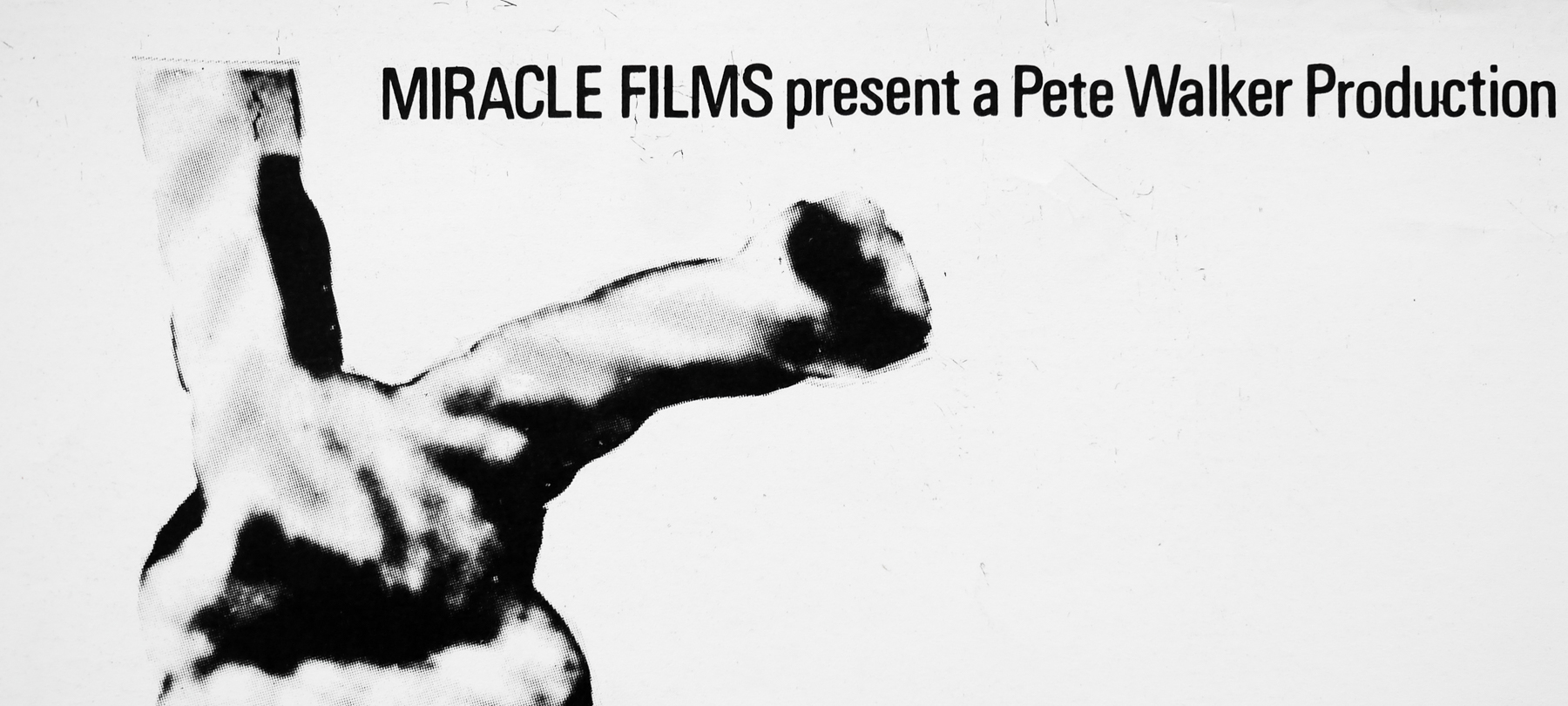
House of Whipcord / quad / UK

12.12.14

Poster Poster
Title
House of Whipcord
AKA
Stag Model Slaughter (USA - reissue)
Year of Film
1974
Director
Pete Walker
Starring
Barbara Markham, Patrick Barr, Ray Brooks, Ann Michelle, Sheila Keith, Dorothy Gordon, Robert Tayman, Ivor Salter, Karan David, Celia Quicke
Origin of Film
UK
Genre(s) of Film
Barbara Markham, Patrick Barr, Ray Brooks, Ann Michelle, Sheila Keith, Dorothy Gordon, Robert Tayman, Ivor Salter, Karan David, Celia Quicke,
Type of Poster
Quad
Style of Poster
--
Origin of Poster
UK
Year of Poster
1974
Designer
Unknown
Artist
Unknown
Size (inches)
30" x 39 13/16"
SS or DS
SS
Tagline
... and no one escaped...

This is the original UK quad for the release of House of Whipcord from the British director, producer and writer Pete Walker, who specialised in exploitation pictures during the 1960s and 1970s. Walker started out making shoestring budget sexploitation pictures, including School for Sex that were often relative hits in the UK, which worked out well for him since his films were almost always self-financed and thus most of the profits were his to keep and plough into the next feature. In the early 1970s, Walker grew tired of feeding the ‘dirty mack brigade’ and turned his hand to horror.

Whipcord is certainly one of the directors most memorable films and had a plot that was all but guaranteed to rile certain sections of the British press at the time of release. The film begins in London and focuses on young French model Ann-Marie Di Verney (Penny Irving) who has moved to the capital and has started to pose in nude photoshoots. One evening she is seduced by a mysterious character named, rather ominously Mark E. Desade (played by Robert Tayman) and a relationship develops between the pair. Sometime later Mark invites Ann-Marie to ‘visit his parents’ who live out in the country and only when she arrives does she realise that it was all a ruse to get Ann-Marie into a secret illegal prison which is being ruled over by his unhinged mother Mrs Wakehurst (Barbara Markham) and three ‘guards’, including the sadistic Walker (a memorable performance from regular collaborator Sheila Keith – note the character name!)

Mrs Wakehurst is a former school mistress whose corrupt regime led one of her charges to commit suicide but, believing she did nothing wrong and that lax morals led to the corruption in the school, she seduced the judge who was trying her, Justice Bailey (Patrick Barr), and managed to escape sentence. She then persuaded him to set up what he believed would be a private correctional institute in which ‘girls with loose morals’ would be ‘reeducated’ properly and then let back into the world. As Ann Marie and other inmates discover, the truth is far more horrifying.

The film was critically mauled over here but did solid business in cinemas and was later released in US cinemas through AIP. I’m unsure who is responsible for the design and artwork on this poster so if you have any ideas please get in touch.

The original trailer can be viewed here.
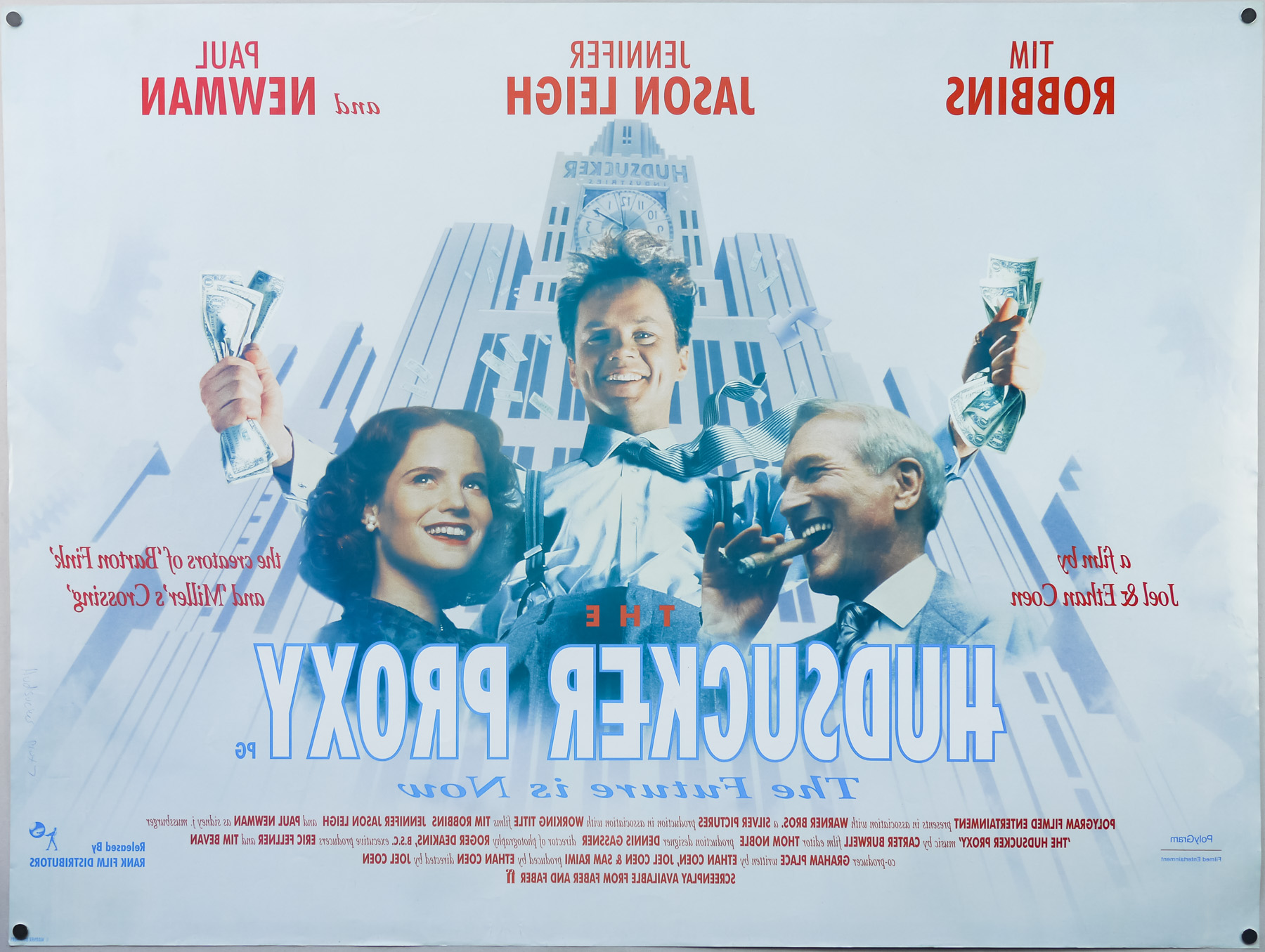
The Hudsucker Proxy / quad / UK

03.01.17

Poster Poster

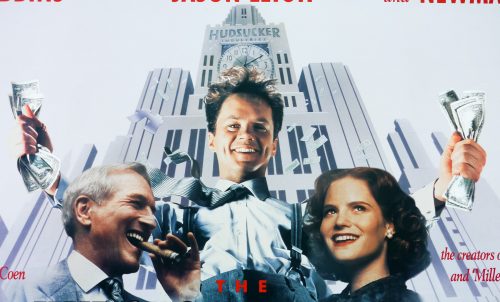
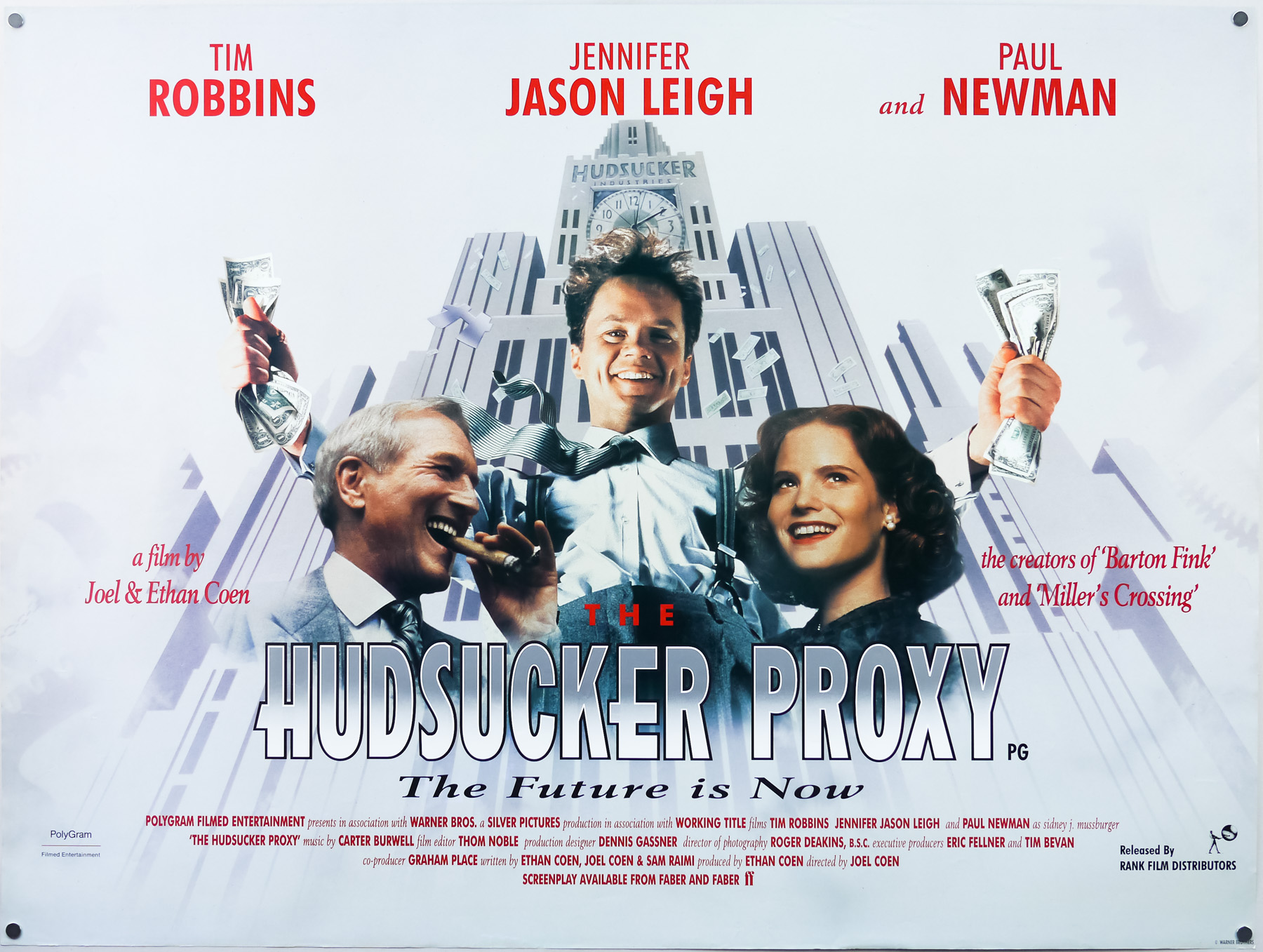
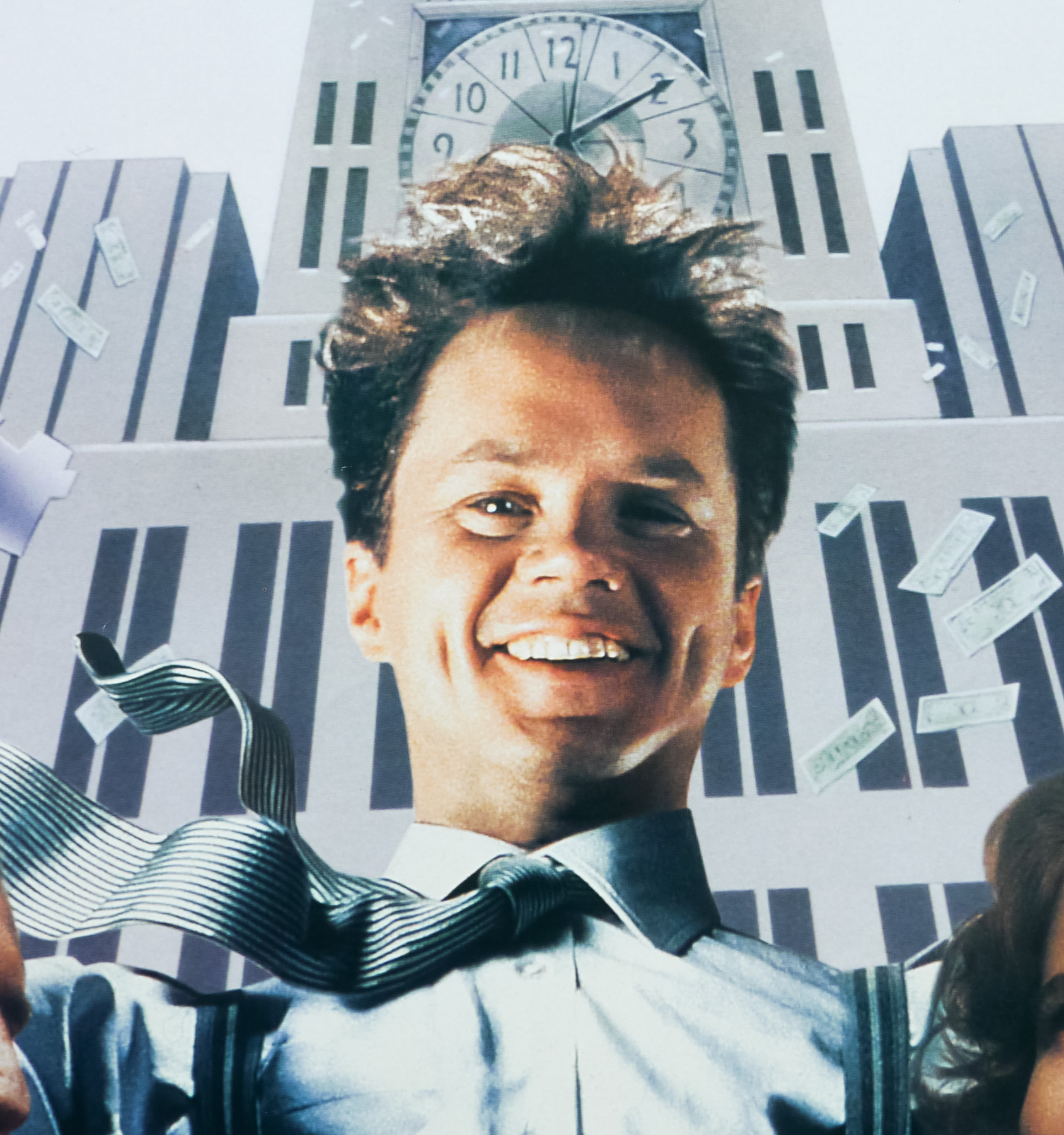
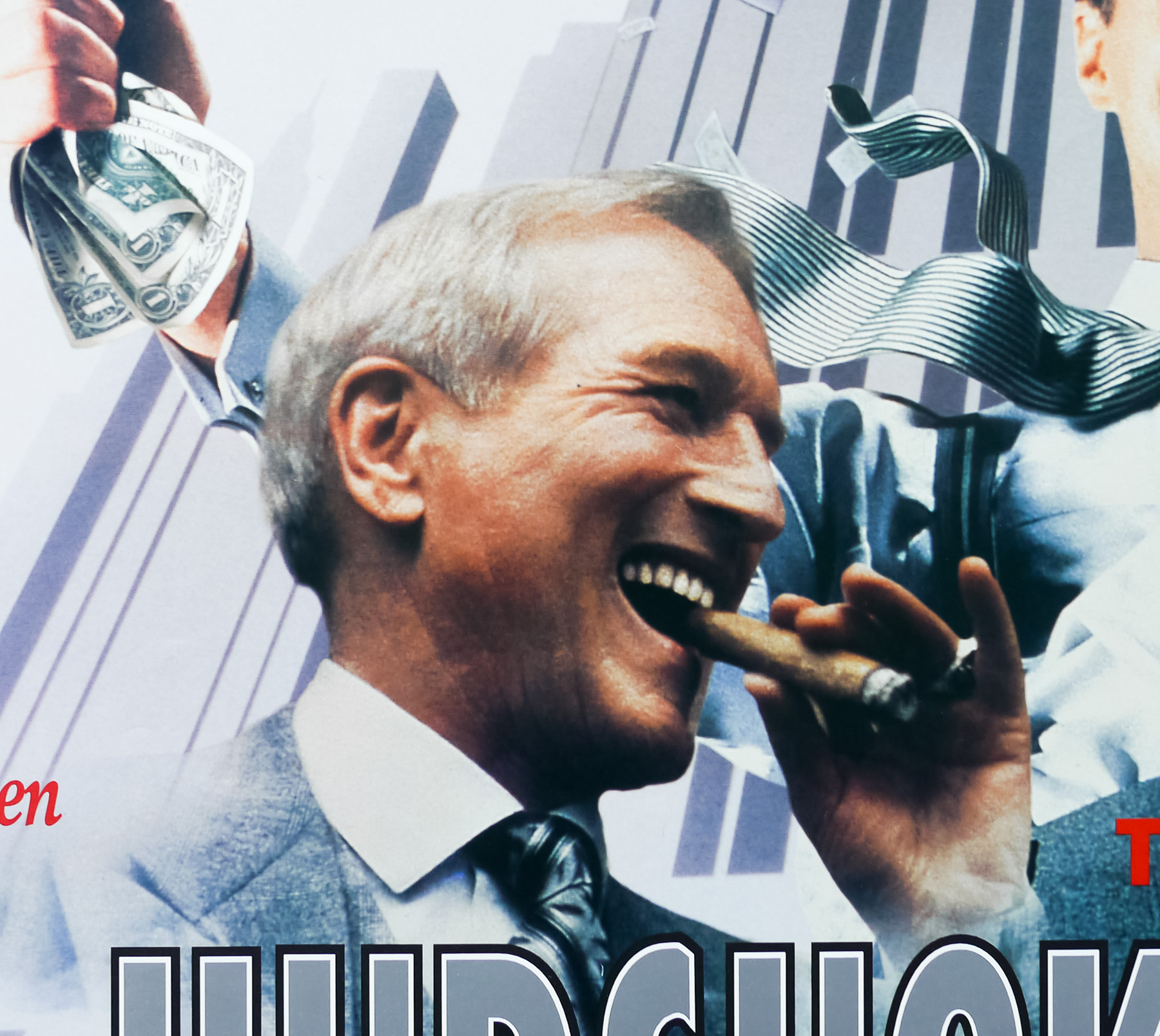
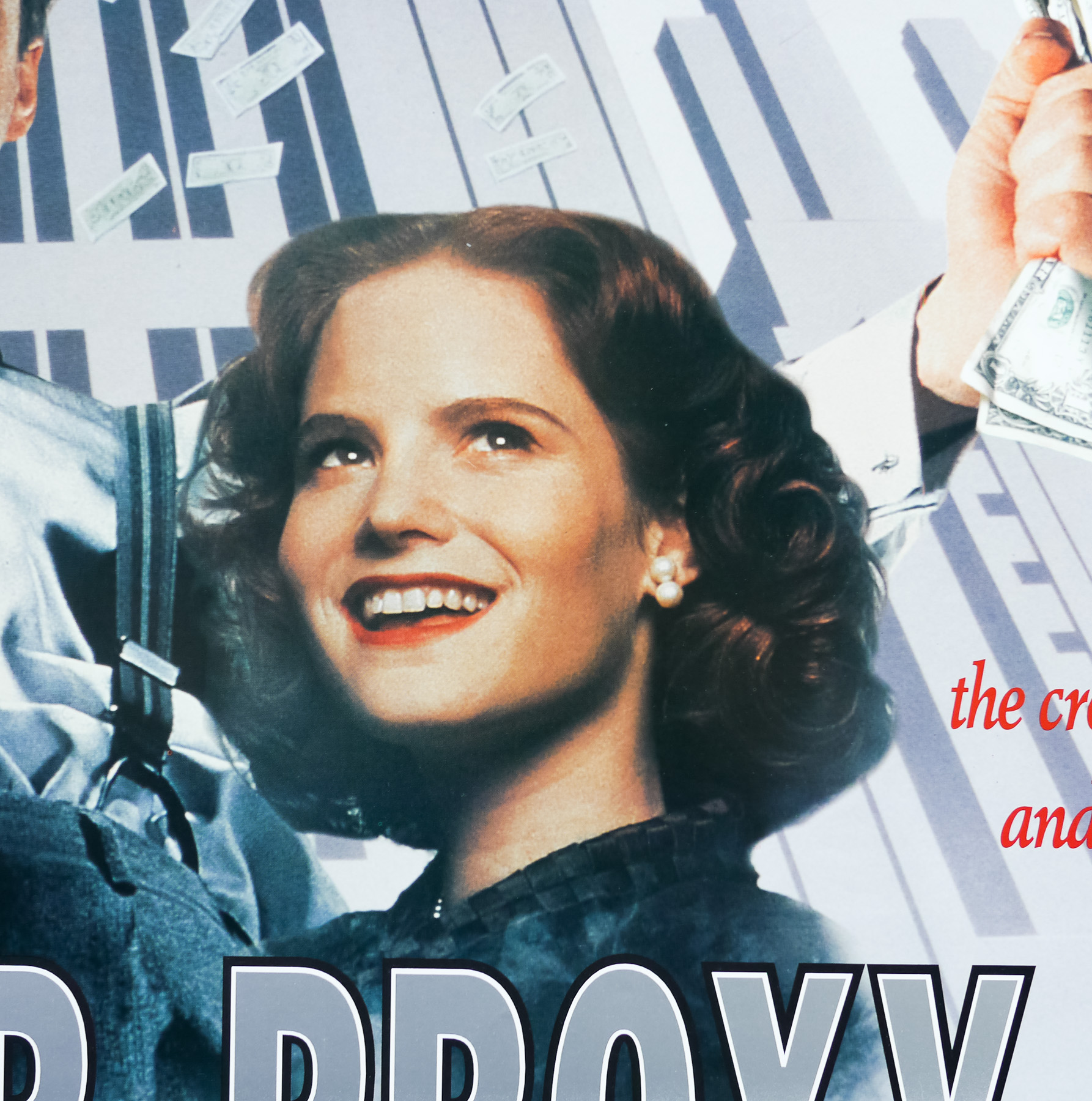
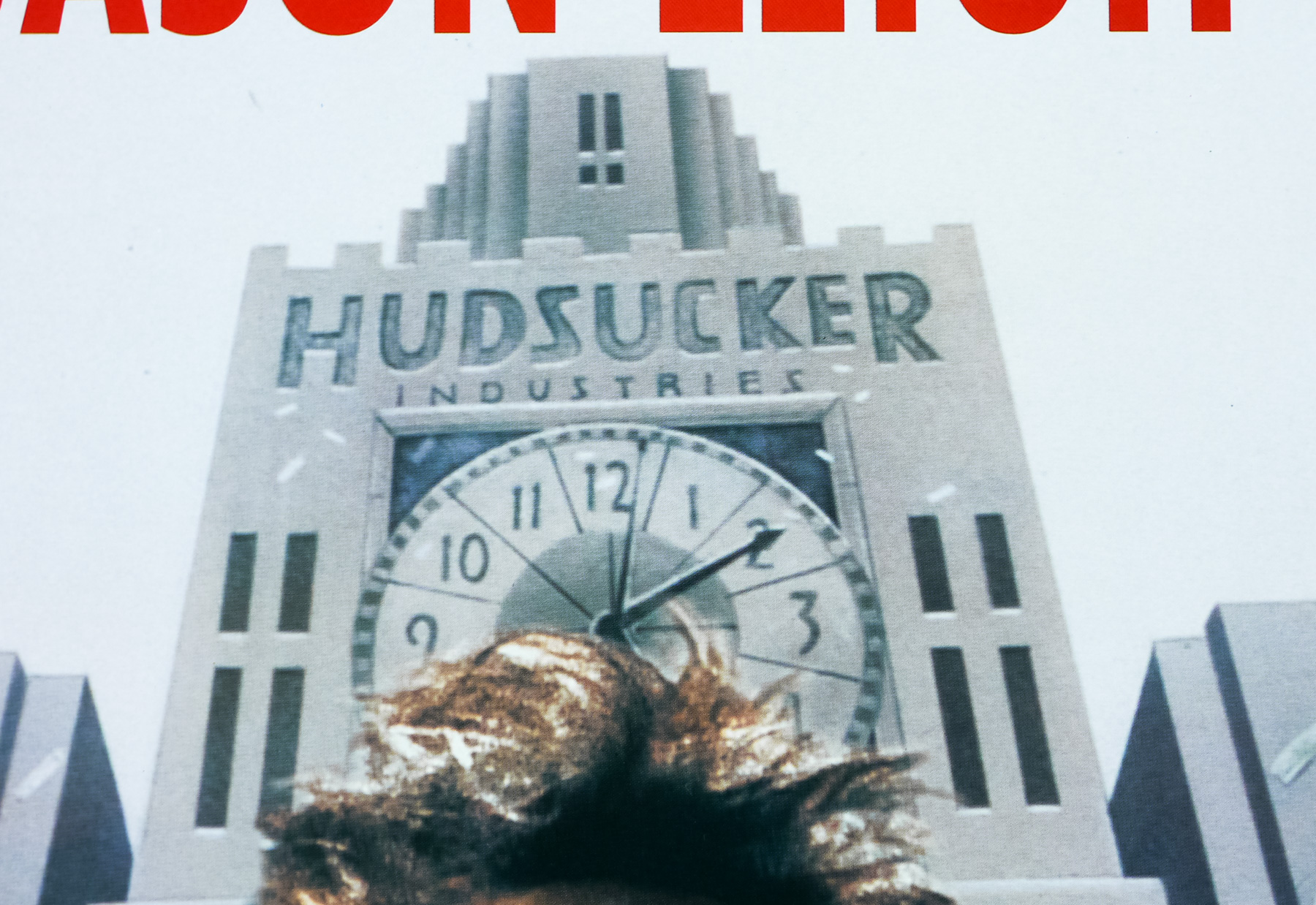
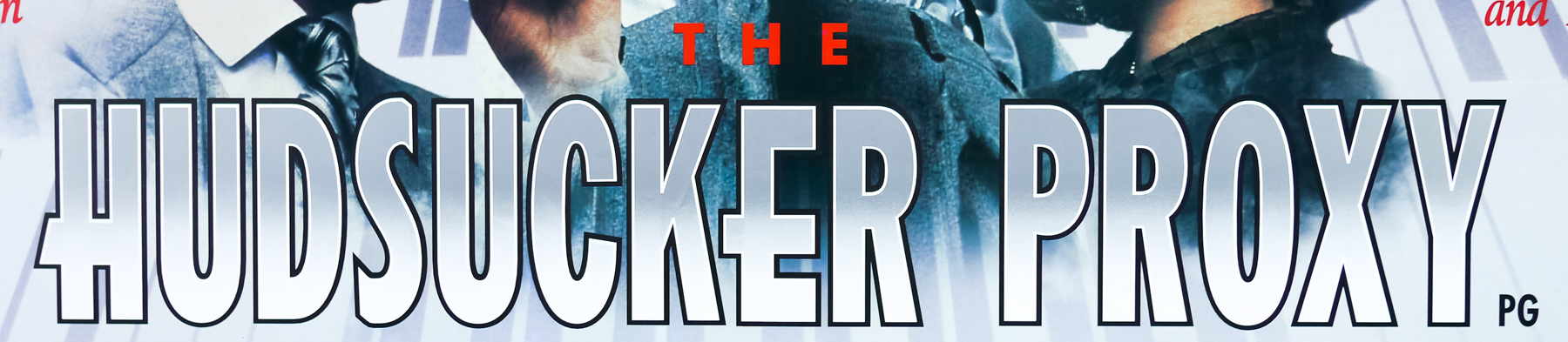
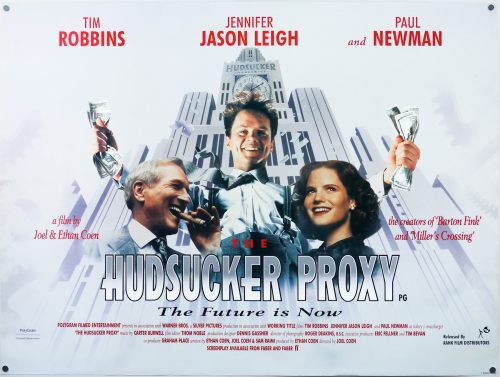
This is the UK quad for the release of the Coen Brothers’ 1994 film The Hudsucker Proxy. The script for the film was over a decade in gestation and Joel Coen began writing it with Sam Raimi during the editing of the latter’s Evil Dead (1981). The trio began sharing a house during the filming of Raimi’s Crimewave (1985) and the brothers’ Blood Simple so the script continued to evolve. It wasn’t until the completion of Barton Fink in 1991 that the brothers decided to fully focus on it.

They decided that they wanted to work on more of a more mainstream film and felt the script needed a decent budget behind it. Legendary Hollywood producer Joel Silver, who was a fan of the brothers’ previous films, agreed to help them and pitched it to Warner Bros. Further financial backing came from the now defunct PolyGram Filmed Entertainment, a British-American production company responsible for some of the biggest box-office hits of the 1980s and 1990s, including Batman (1989) and Four Weddings and a Funeral (1994). Note their logo in a prominent position on the left side of the credit block.

The film marked the first time the Coens had worked with big name stars, with most of their previous casts made up of relative unknowns (many of whom would go on to find fame afterwards). Set in 1958 in the world of big business, the story sees idealistic business school graduate Norville Barnes (Tim Robbins) arrive in New York City looking for a job. Without the necessary experience he ends up working as a mailroom clerk in a manufacturing company called Hudsucker Industries. When the founder and president Waring Hudsucker commits suicide during a business meeting (a classic scene involving an open window) the nefarious chairman of the board, Sidney J. Mussburger (Paul Newman) realises that all of Hudsucker’s shares are to be sold to the public. 

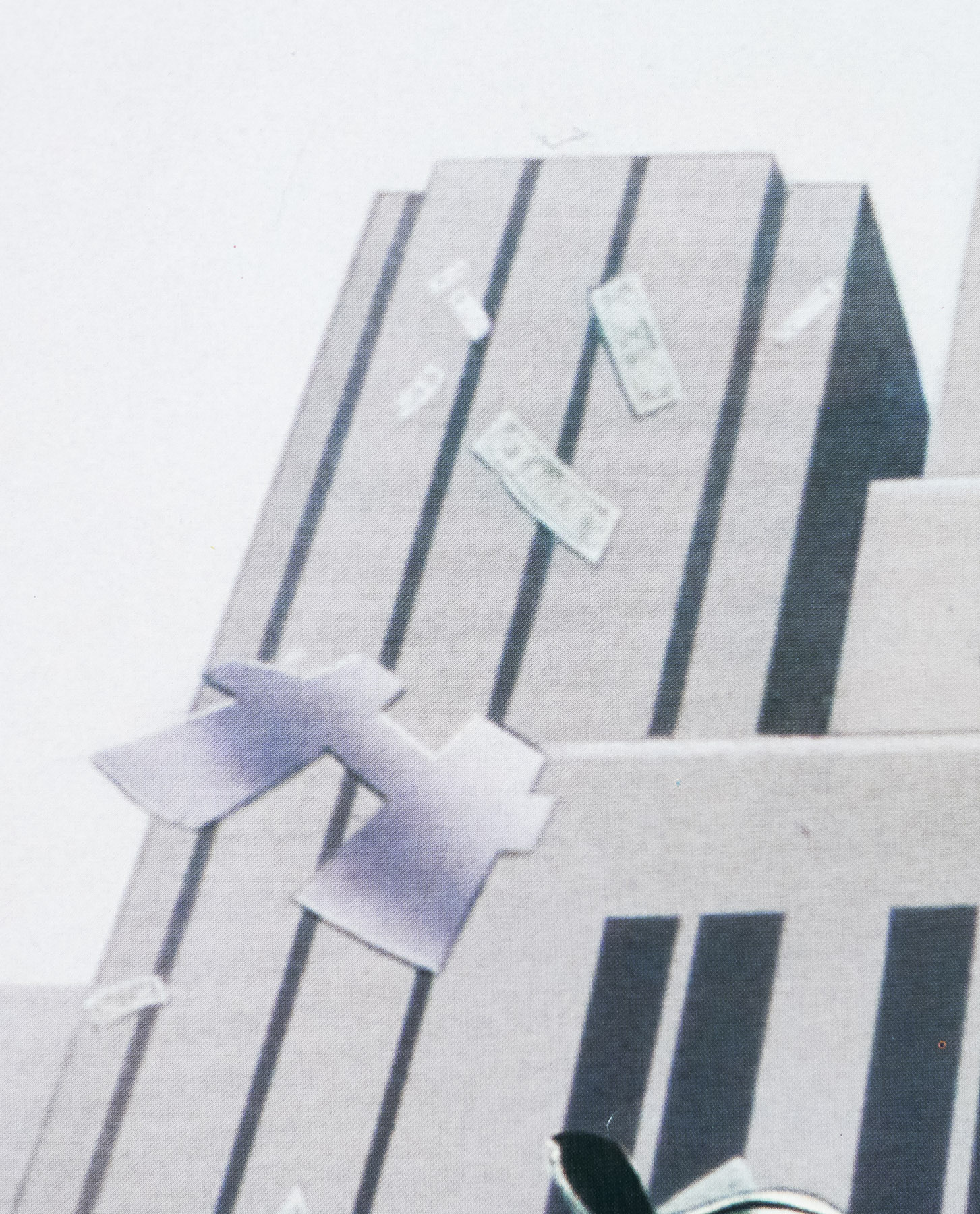
Mussburger hatches a plan to buy the stock at what will be a knockdown price by installing what he sees as an incompetent in the top role, the titular proxy, hoping to depress the share price. Whilst delivering mail one day, Norville makes a pitch to Mussburger that involves a simple drawing of a ring (“Y’know for kids!”) and the latter thinks he has found the perfect person. Things don’t go exactly to plan when the board agree to produce Norville’s idea, which turns out to be the phenomenally successful hula hoop (invented for real in 1958). Meanwhile, an undercover reporter called Amy Archer (Jennifer Jason Leigh) has joined the firm as Norville’s secretary hoping to write a juicy article on the man who replaced Hudsucker. She soon discovers the details of the plot but has a hard time convincing her superiors. Norville allows success to go to his head and begins acting like any other uncaring tycoon. However, Mussburger discovers Amy’s real identity and uses this against him. The finale takes place at the top of the firm’s tower, as depicted on this poster, and sees the Coens at their most surreal.

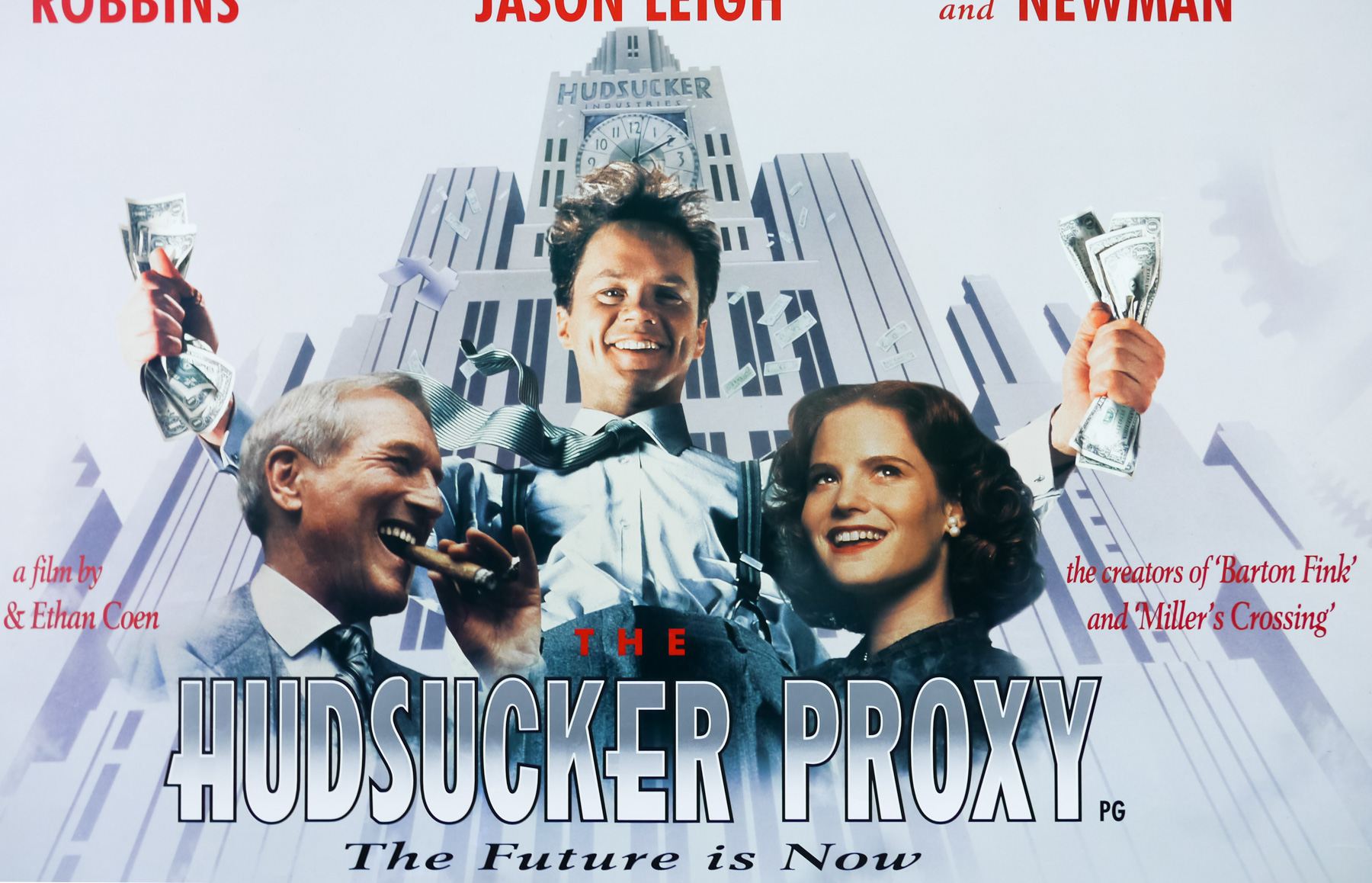
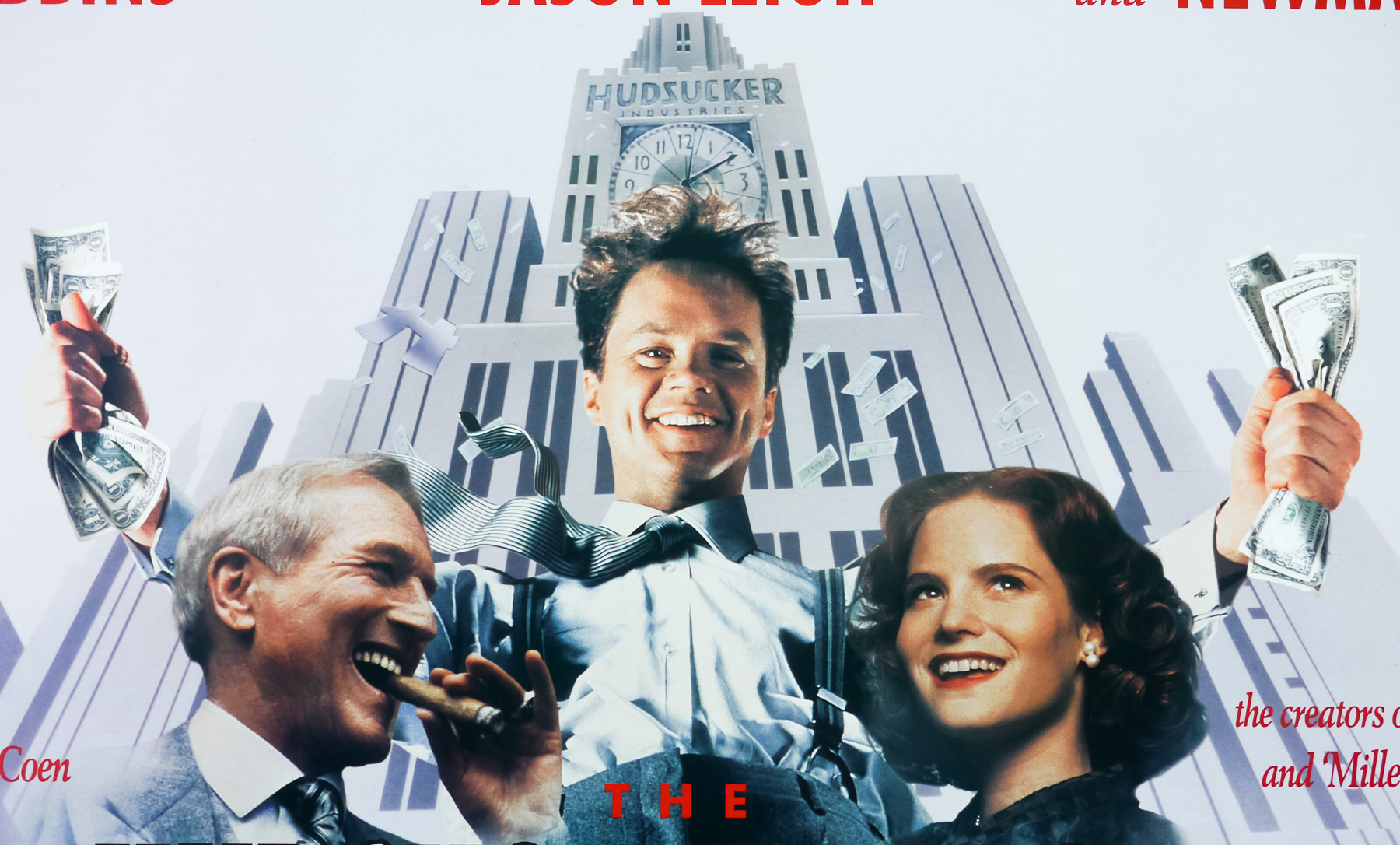
This UK quad features a design that has clearly borrowed from the US one sheet (see here) with an enterprising British designer reusing the image of Tim Robbins holding the hula hoop and replacing the hoop with wads of dollar bills. The same images of Paul Newman and Jennifer Jason Leigh are reused and the cogs seen on the one sheet are also present. If anyone has any ideas who designed it please get in touch.

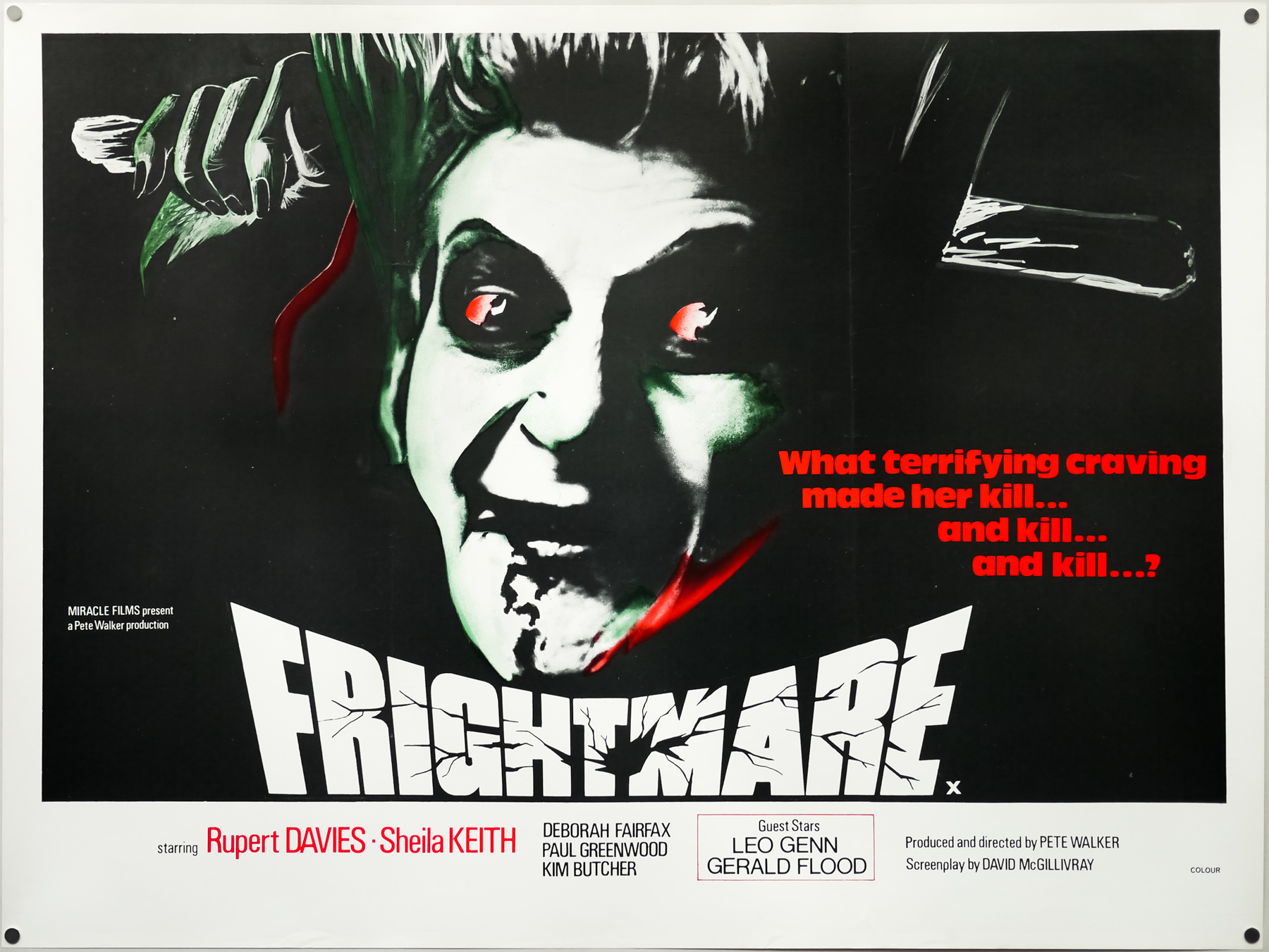
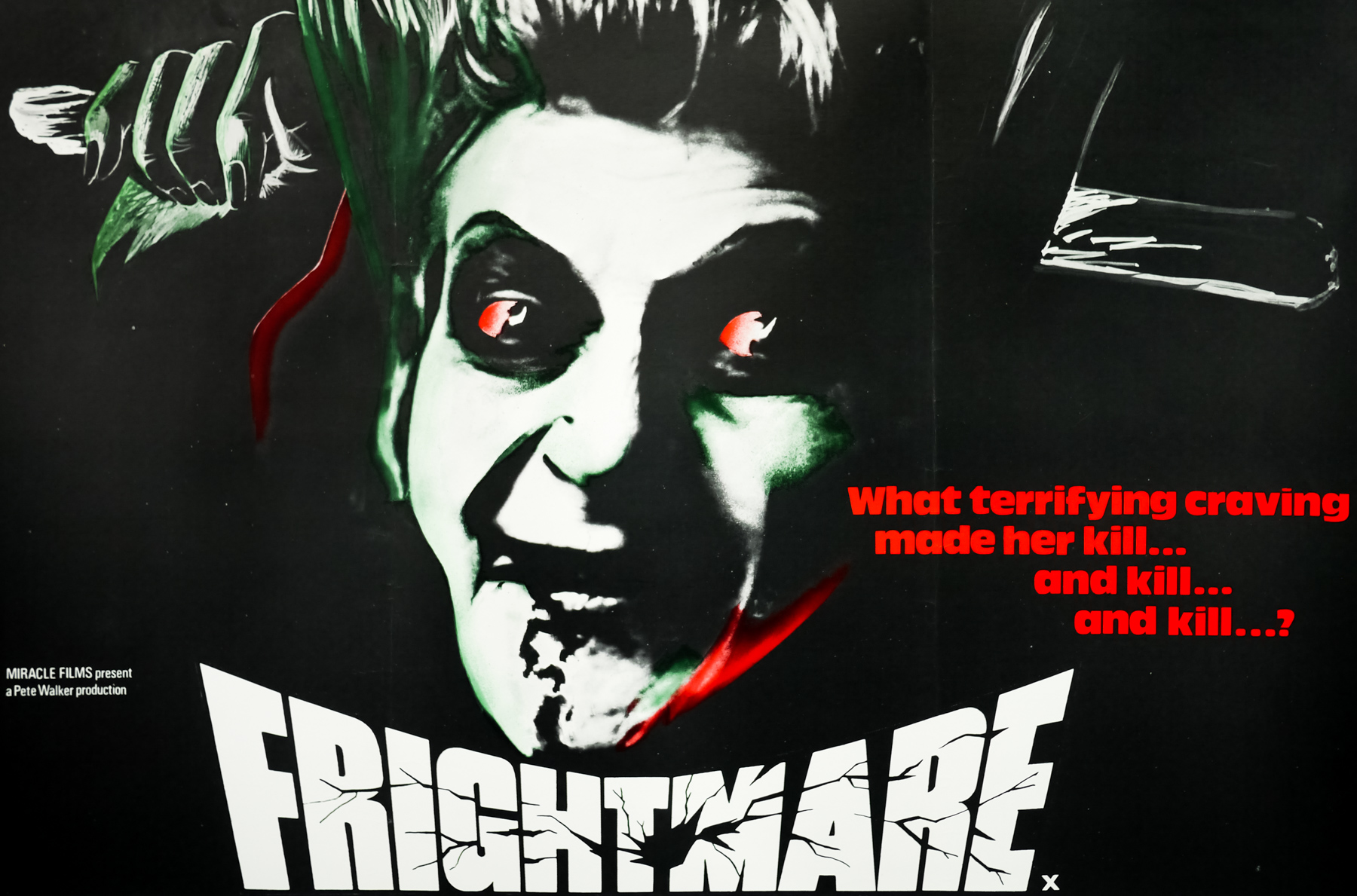
Frightmare / quad / UK

10.04.17

Poster Poster
Title
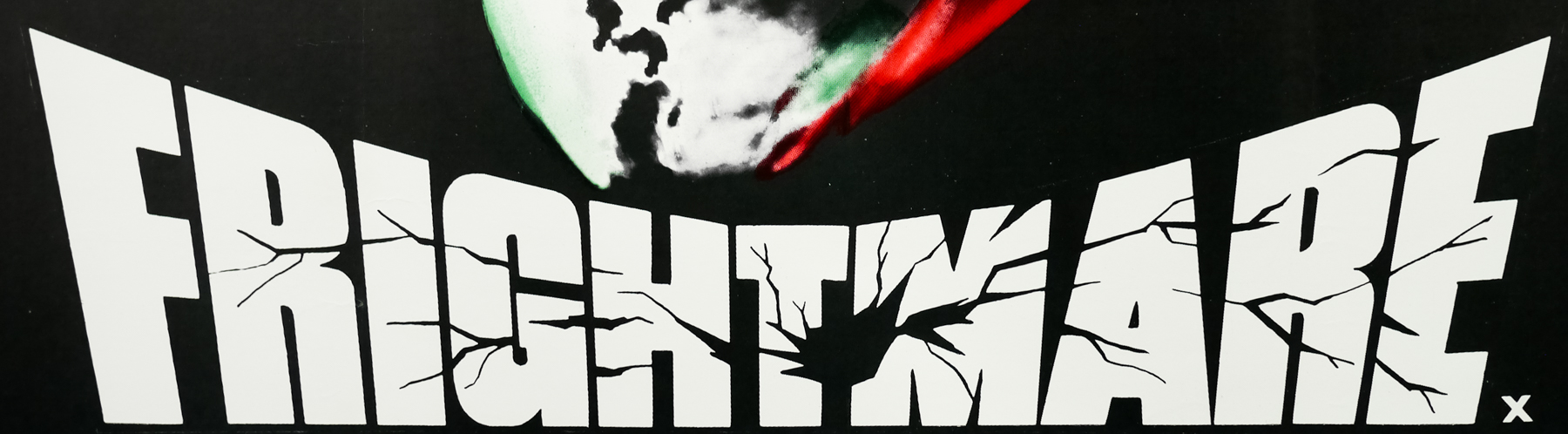
Frightmare
AKA
Cover Up (USA)
Year of Film
1974
Director
Pete Walker
Starring
Rupert Davies, Sheila Keith, Deborah Fairfax, Paul Greenwood, Kim Butcher, Fiona Curzon, John Yule, Trisha Mortimer
Origin of Film
UK
Genre(s) of Film
Rupert Davies, Sheila Keith, Deborah Fairfax, Paul Greenwood, Kim Butcher, Fiona Curzon, John Yule, Trisha Mortimer,
Type of Poster
Quad
Style of Poster
--
Origin of Poster
UK
Year of Poster
1974
Designer
Unknown
Artist
Unknown
Size (inches)
30" x 39 14/16"
SS or DS
SS
Tagline
What terrifying craving made her kill... and kill... and kill...?

This is the original UK quad for the release of Frightmare, a 1974 film by the British director, producer and writer Pete Walker, who specialised in exploitation pictures during the 1960s and 1970s. Walker started out making shoestring budget sexploitation pictures, including School for Sex that were often relative hits in the UK. This worked out well for him since his films were almost always self-financed and thus most of the profits were his to keep and plough into the next feature. In the early 1970s, Walker grew tired of feeding the ‘dirty mack brigade’ and turned his hand to horror.

Frightmare, released in the US as Cover Up, was one of two horror films that Walker directed in 1974, with the other being the private-prison set House of Whipcord. Both films saw Walker reuniting with his regular screenwriting partner David McGillivray, and both feature memorable appearances by Sheila Keith, who would become another regular. In this film she plays Dorothy Yates, a cannibalistic killer who at the start of the film is sentenced to 15 years in prison. She is sent down along with her husband Edmund (Rupert Davies) who chose to take the punishment with her, even though he had nothing to do with the killings. The film picks up after their release and we find that their adopted daughter Jackie (Deborah Fairfax) is living in London and struggling to care for their biological daughter Debbie (Kim Butcher) a wayward 15-year-old who doesn’t realise her parents are still alive.

We follow Jackie as she leaves London to visit her parents, now living in a remote farmhouse. There she delivers a mysterious package to her mother who appears frail and innocent. Edmund fears that his wife is up to her old tricks but Jackie isn’t convinced and returns back to London. Soon we discover that Dorothy has put an advert in a magazine offering Tarot Card readings and willing customers are visiting the farmhouse. When she begins by checking that they have no close family or friends, or indeed anyone that would miss them, it’s fair to say that things aren’t looking up for her clueless customers. At the same time, Jackie struggles to control Debbie who is beginning to show signs that she has inherited her mother’s habits.

Arguably the best of Walker’s feature films, Frightmare is a masterclass in building tension and working towards a shocking final act. The film makes great use of various locations, including several in a London which looks barely recognisable today. Sheila Keith’s performance, in particular, is hugely memorable and her ability to portray frail innocence in one scene followed by genuinely disturbing menace in another has to be seen. In this Guardian article about Walker and his films, he describes his working relationship with Keith and how her on screen presence definitely didn’t match her off screen one; “Sheila Keith was a lady who lived a quiet life with her dogs and her cats and came into work to do, brilliantly, whatever was asked of her,” says Walker. “She was like your nice old aunt who would serve you cucumber sandwiches before ripping into a dismembered limb – without complaining.”

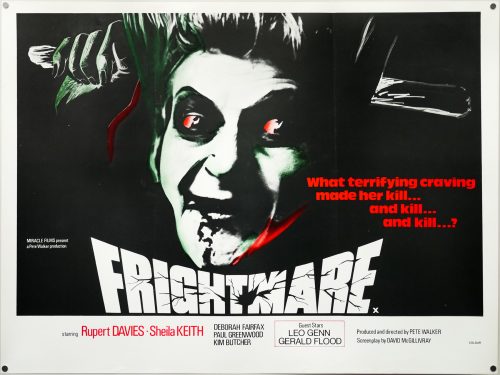
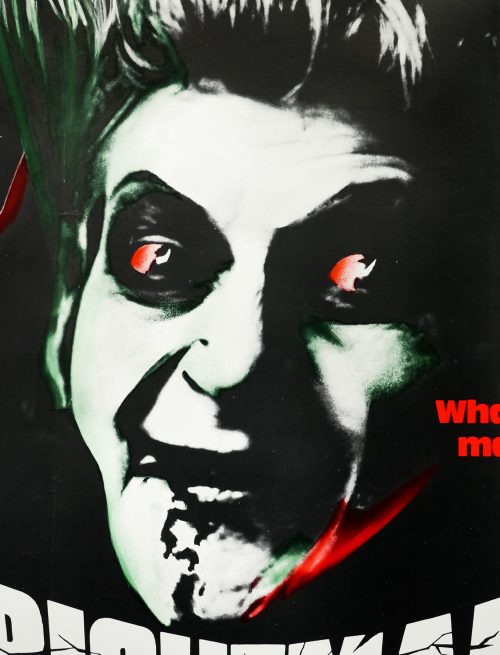
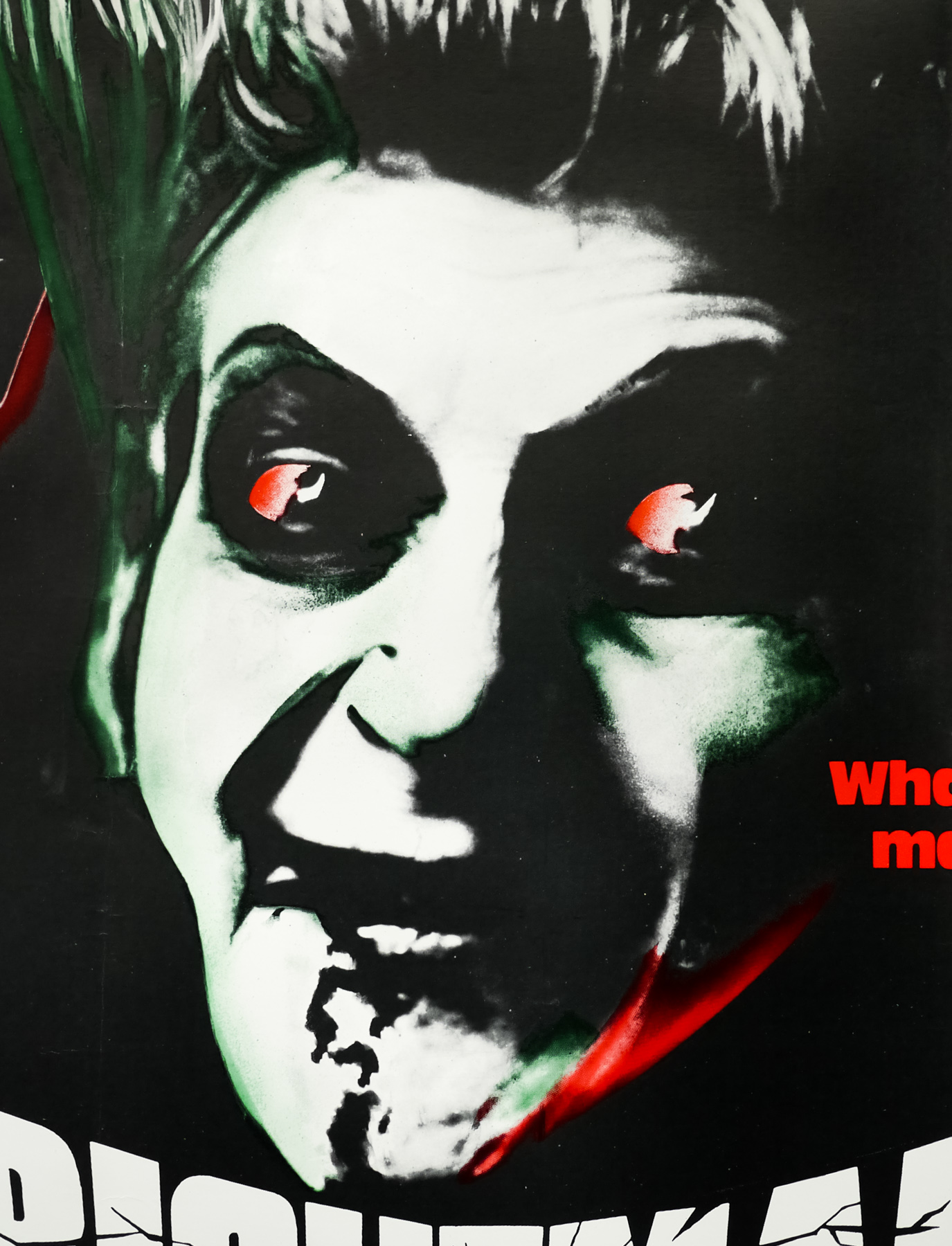
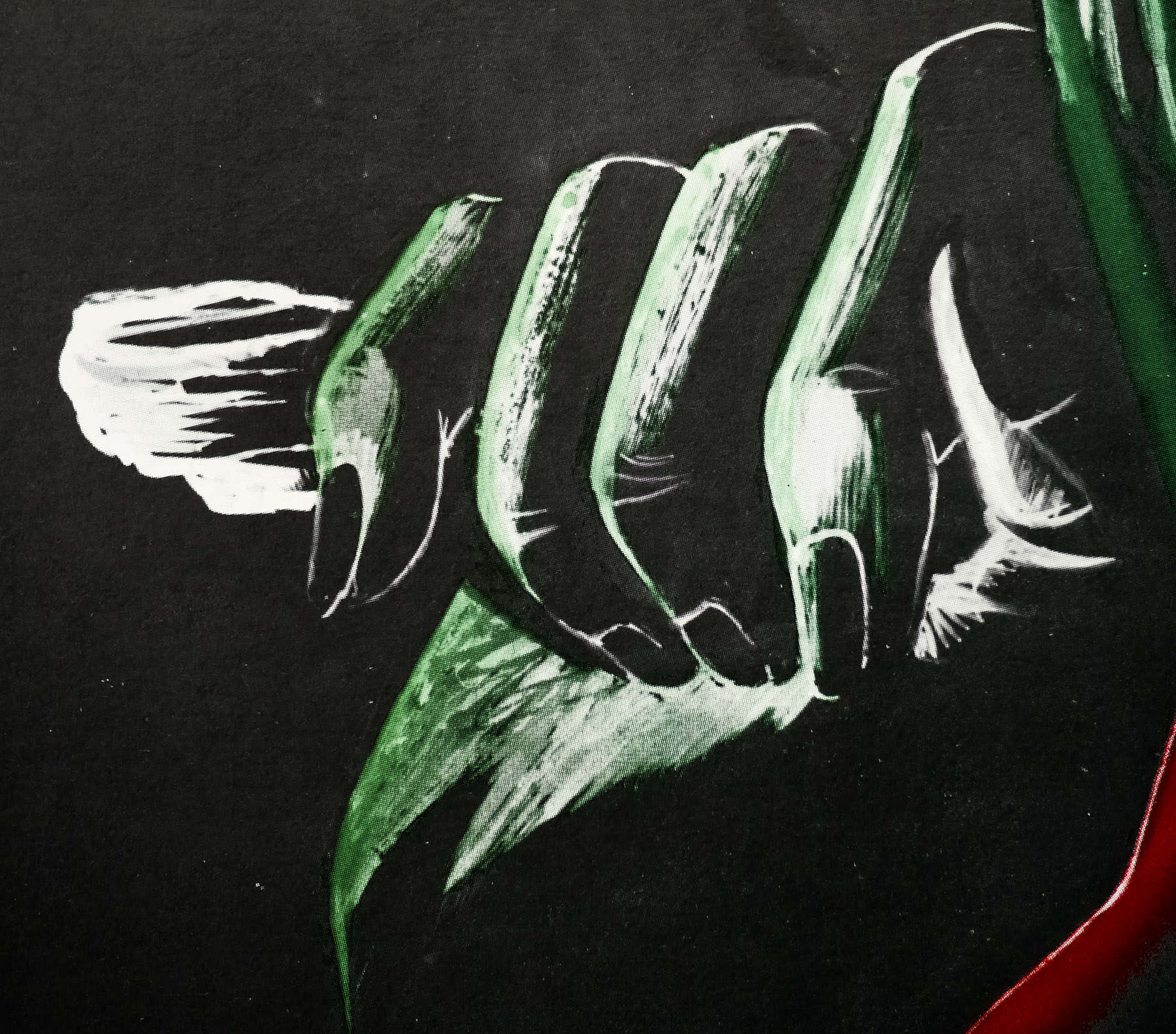
This British quad, which features crude artwork of a menacing Sheila Keith, was clearly designed by the team responsible for the quad for House of Whipcord (see here) and I feel fairly certain that the same artist or artists were involved too. If anyone knows who was responsible please get in touch.

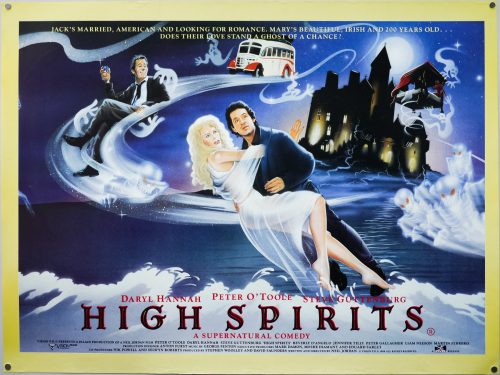
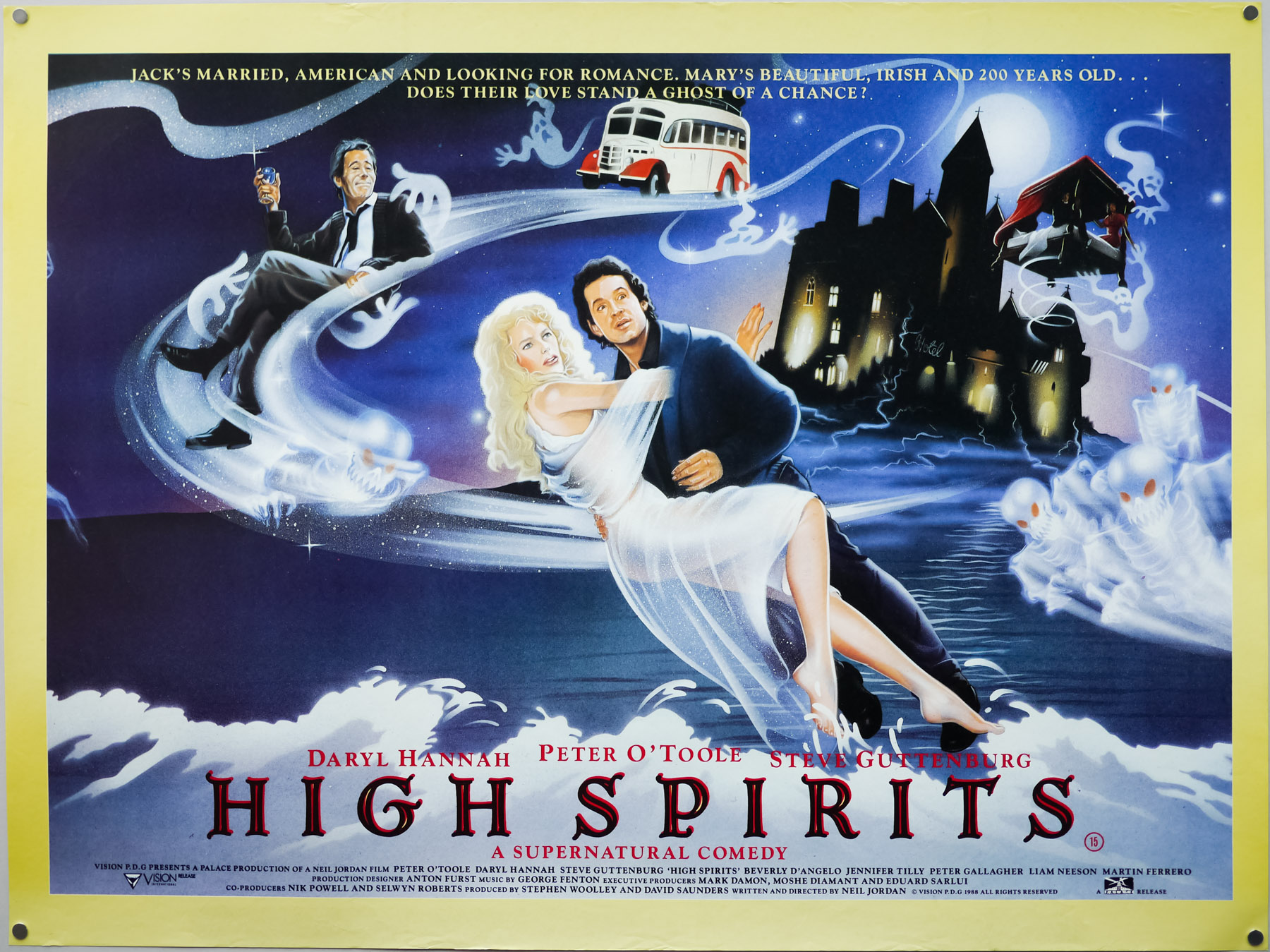
High Spirits / quad / UK

06.06.17

Poster Poster
Title
High Spirits
AKA
--
Year of Film
1988
Director
Neil Jordan
Starring
Peter O'Toole, Liz Smith, Steve Guttenberg, Beverly D'Angelo, Jennifer Tilly, Peter Gallagher, Martin Ferrero, Connie Booth, Daryl Hannah, Liam Neeson
Origin of Film
Ireland | UK | USA
Genre(s) of Film
Peter O'Toole, Liz Smith, Steve Guttenberg, Beverly D'Angelo, Jennifer Tilly, Peter Gallagher, Martin Ferrero, Connie Booth, Daryl Hannah, Liam Neeson,
Type of Poster
Quad
Style of Poster
--
Origin of Poster
UK
Year of Poster
1988
Designer
Unknown
Artist
Unknown
Size (inches)
30" x 40"
SS or DS
SS
Tagline
Jack's American, married and looking for romance. Mary's beautiful, Irish and 200 years old... Does their love stand a ghost of a chance? | A supernatural comedy

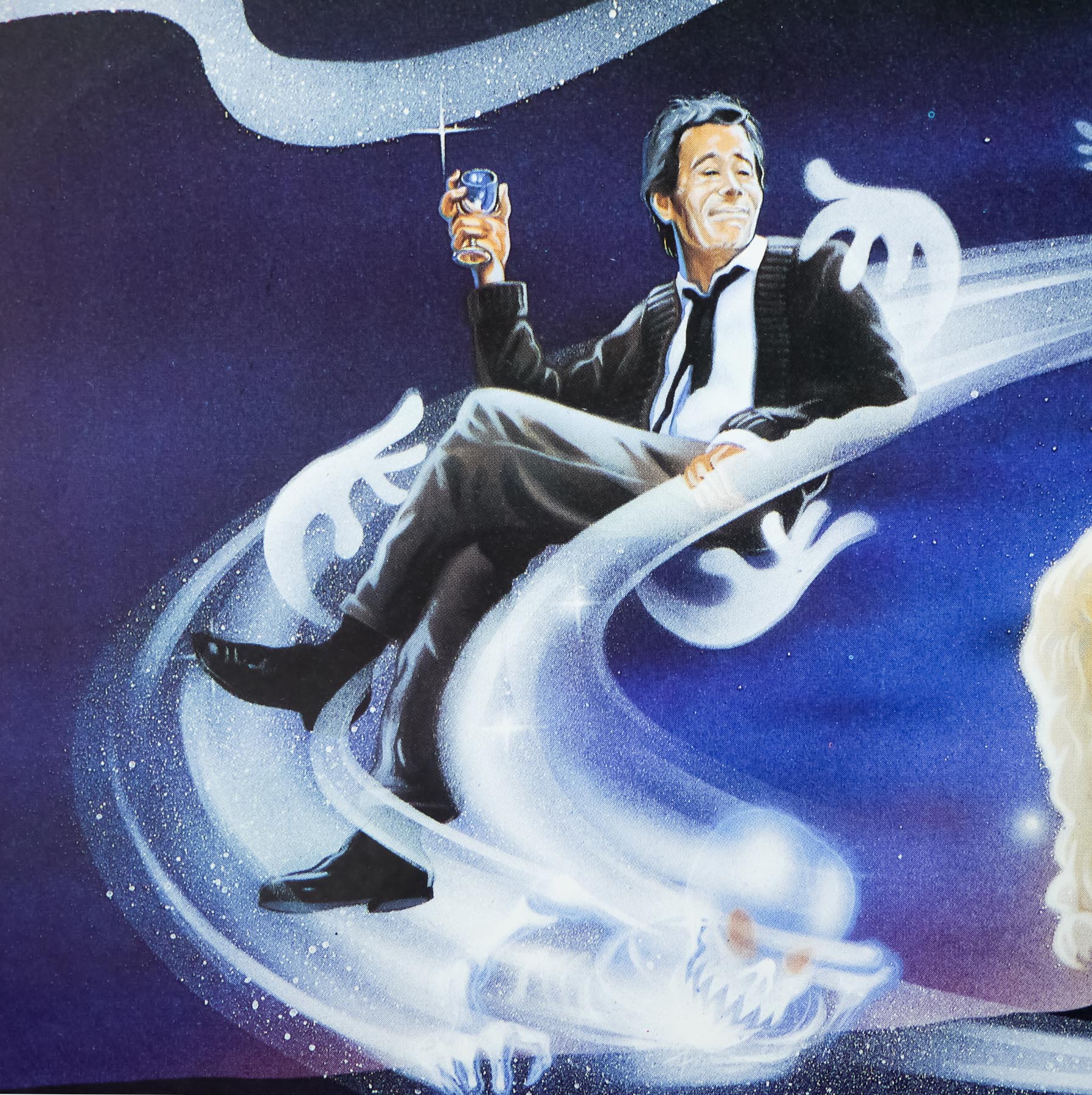
This is the UK quad for the release of Irish director Neil Jordan‘s (The Crying Game) 1988 comedy High Spirits. Filmed on location and in a studio in Ireland, the story was written by Jordan and focuses on an old, run-down castle/hotel that is home to the Plunkett family, which only consists of Peter (Peter O’Toole) and his mother (Liz Smith) and a motley group of staff. Peter owes money to an American financier and is struggling to work out how to stop the castle defaulting into his hands. After half-heartedly attempting to hang himself, he hits on the idea of selling the hotel as the most haunted in Ireland after his mother reminds him about all the ghosts that supposedly haunt the place. Following a montage of the staff setting up various haunting gags around the castle, the first group of all-American guests arrive at the castle.

Jack Crawford (Steve Guttenberg) is joined by his wife Sharon (Beverly D’Angelo, best known for National Lampoon’s Vacation films) and it’s clear that their marriage is under some strain. Also there is a sceptical paranormal investigator and his family, plus a wannabe priest on a ‘final hurrah’ and a kooky dancer (Jennifer Tilly). The staff soon stage several attempts at convincing the guests that they are surrounded by ghosts but all fall flat. Jack, despondent with how unimpressed his wife is, stumbles into an old area of the castle whilst drunk and witnesses the apparition of two real ghosts, Mary Plunkett Brogan (Daryl Hannah) and Martin Brogan (Liam Neeson). The husband and wife have been stuck in a loop, enacting the moment that Martin fatally stabbed Mary in a fit of jealous rage. Somehow Jack interrupts the ghostly murder and Mary is able to see him.

The rest of the the film sees the pair fall in love, whilst Sharon also falls for Martin. Meanwhile, the other real ghosts stage paranormal events after getting fed up of Peter’s half-hearted efforts to scare. The film is energetic for sure but fairly nonsensical in places and the acting varies wildly across the cast. Apparently Jordan claims the film was taken out of his hands during the editing stage and the version released in cinemas doesn’t match his vision for the film. It’s clear that several scenes have been cut and truncated and it barely hangs together towards the end. On a positive note, the location work is excellent and the production design is solid. O’Toole works well as the eccentric Peter and D’Angelo and Tilly are fun to watch.

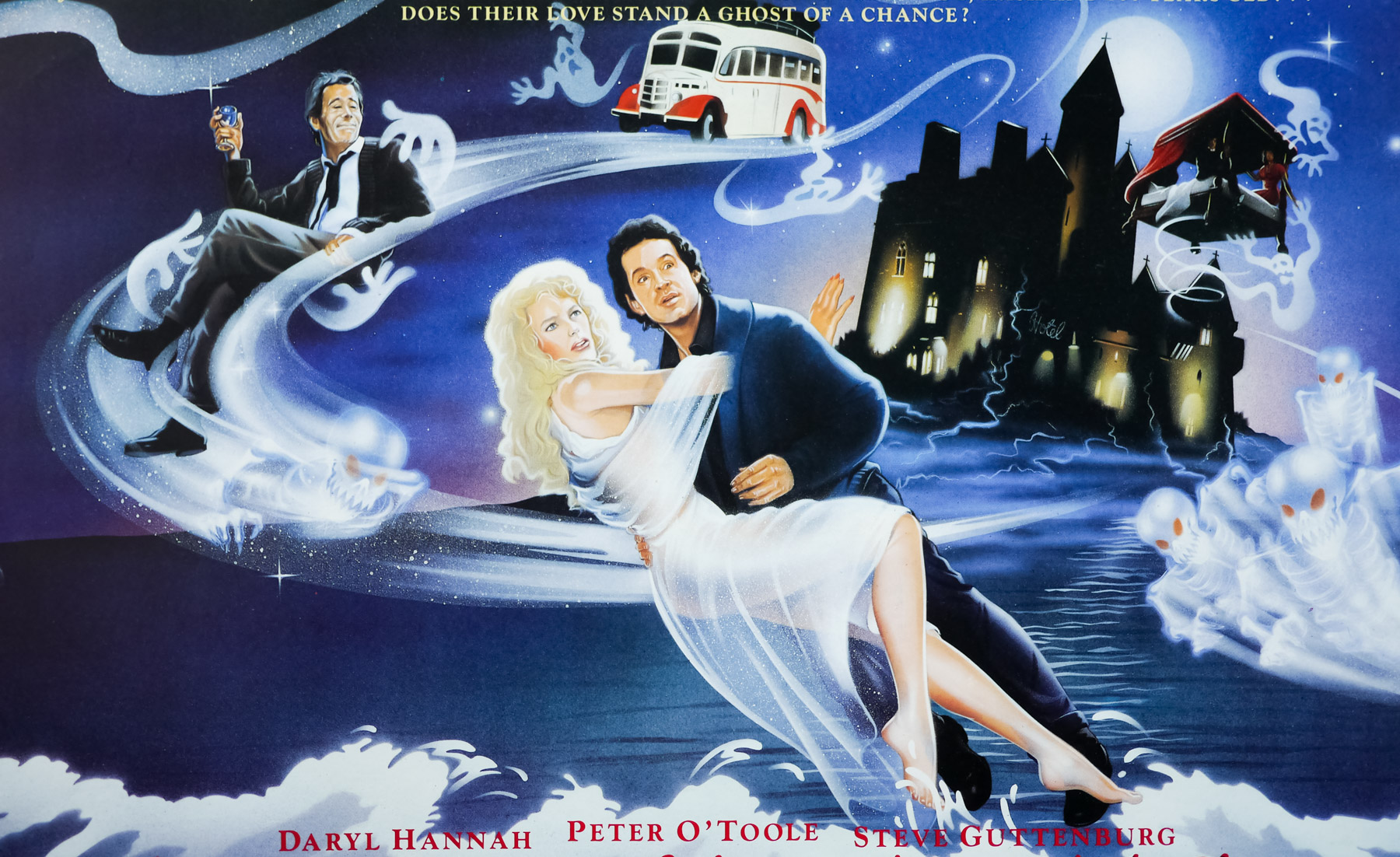
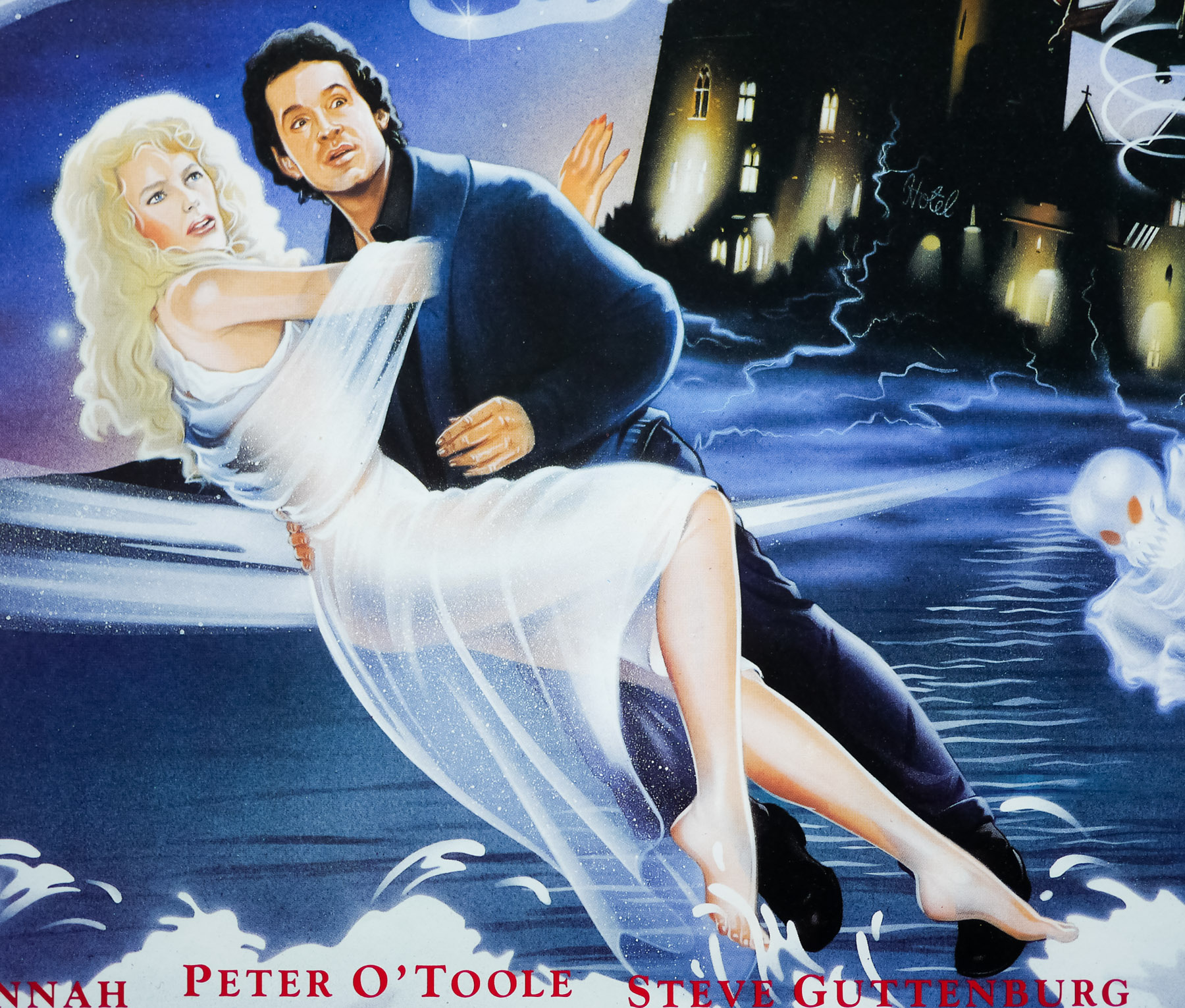
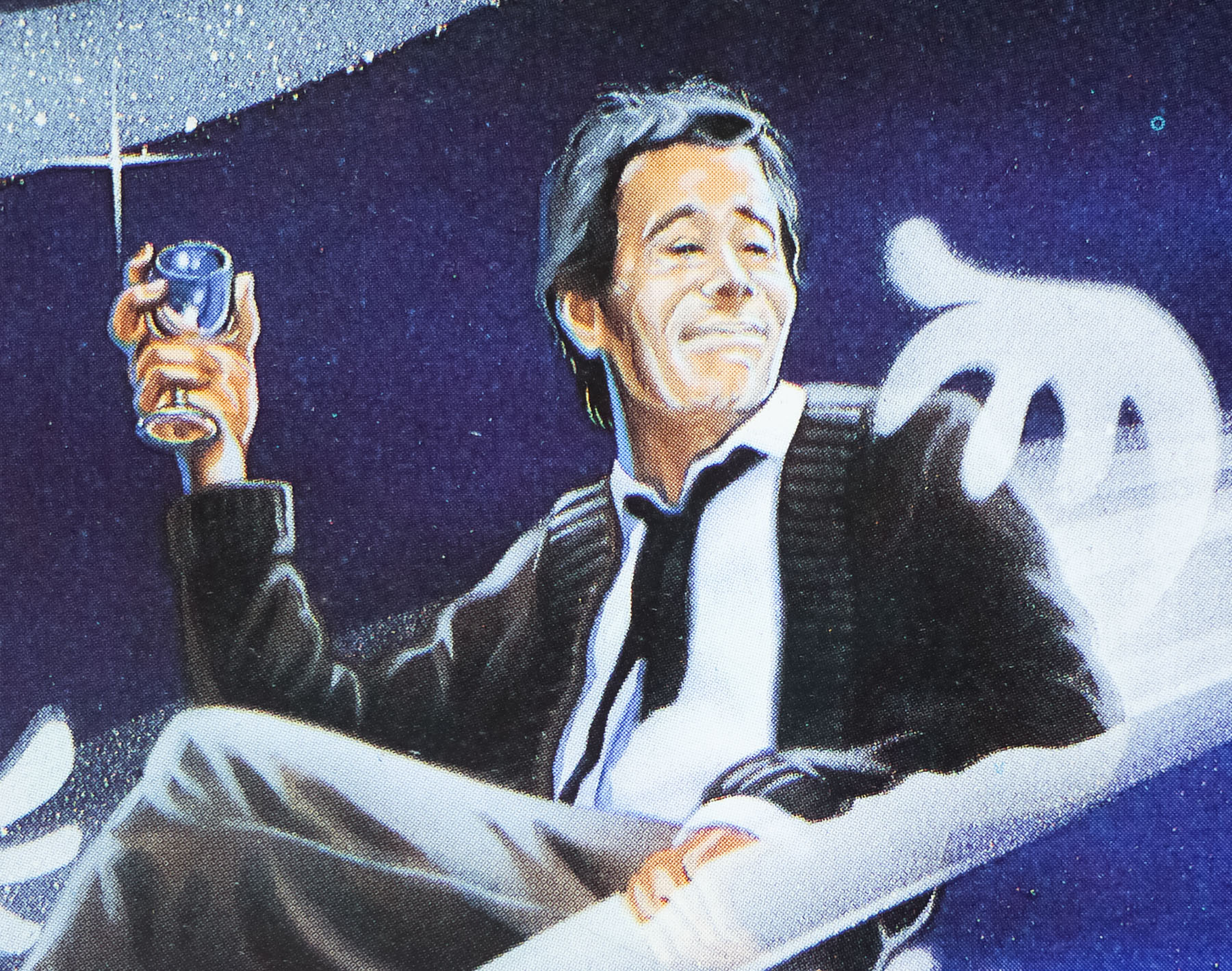
I’m not sure who is responsible for the artwork which is unique to this UK quad and there’s no obvious signature on it. If anyone has any ideas please get in touch.

Legend of the Werewolf / one sheet / UK

30.01.12

Poster Poster

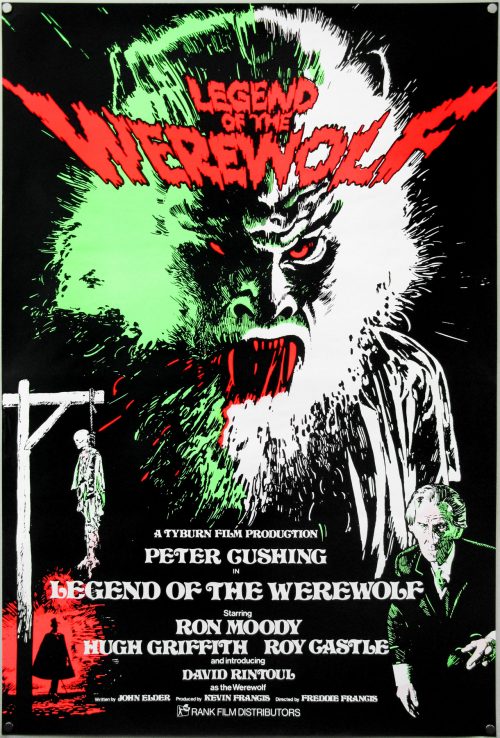
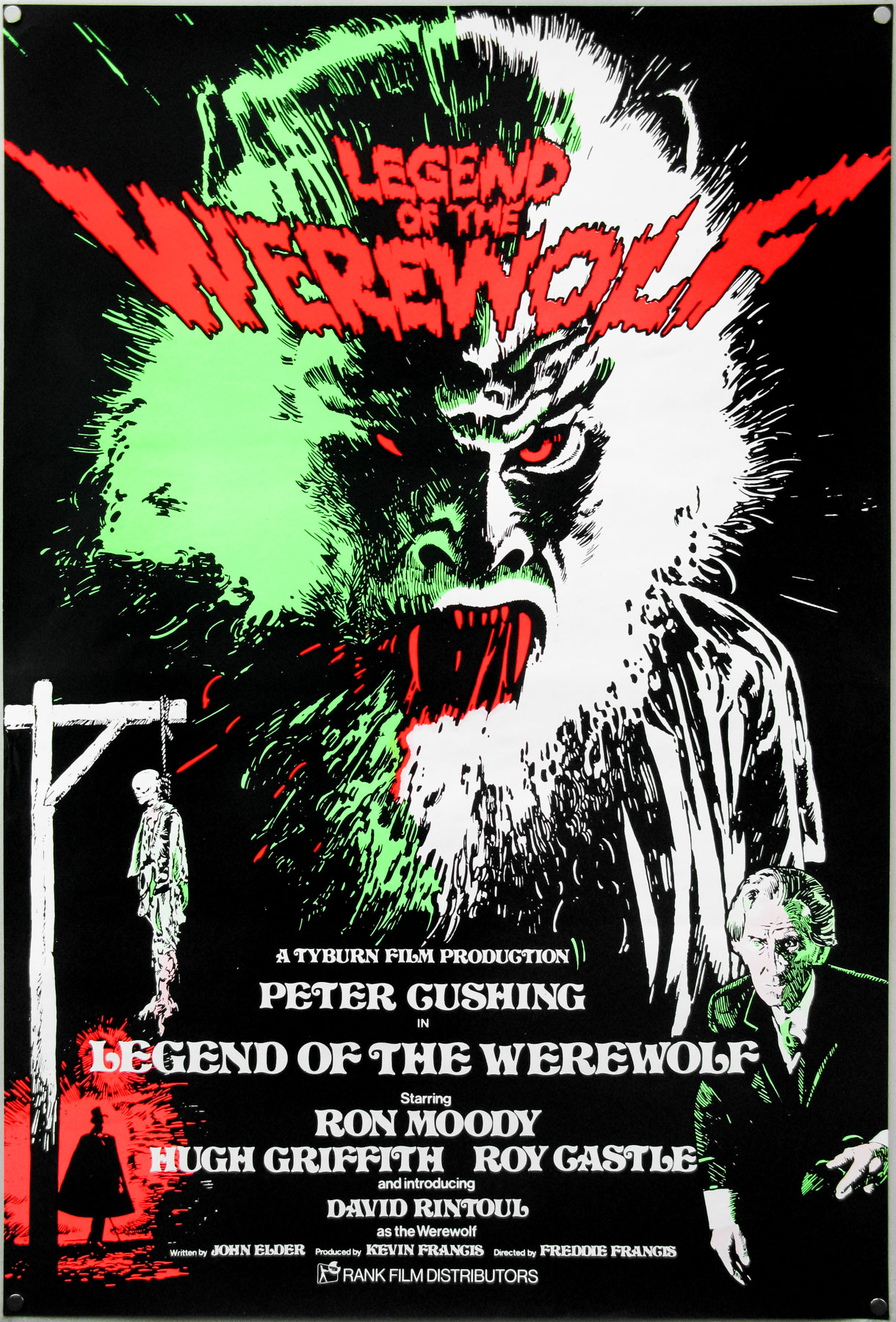
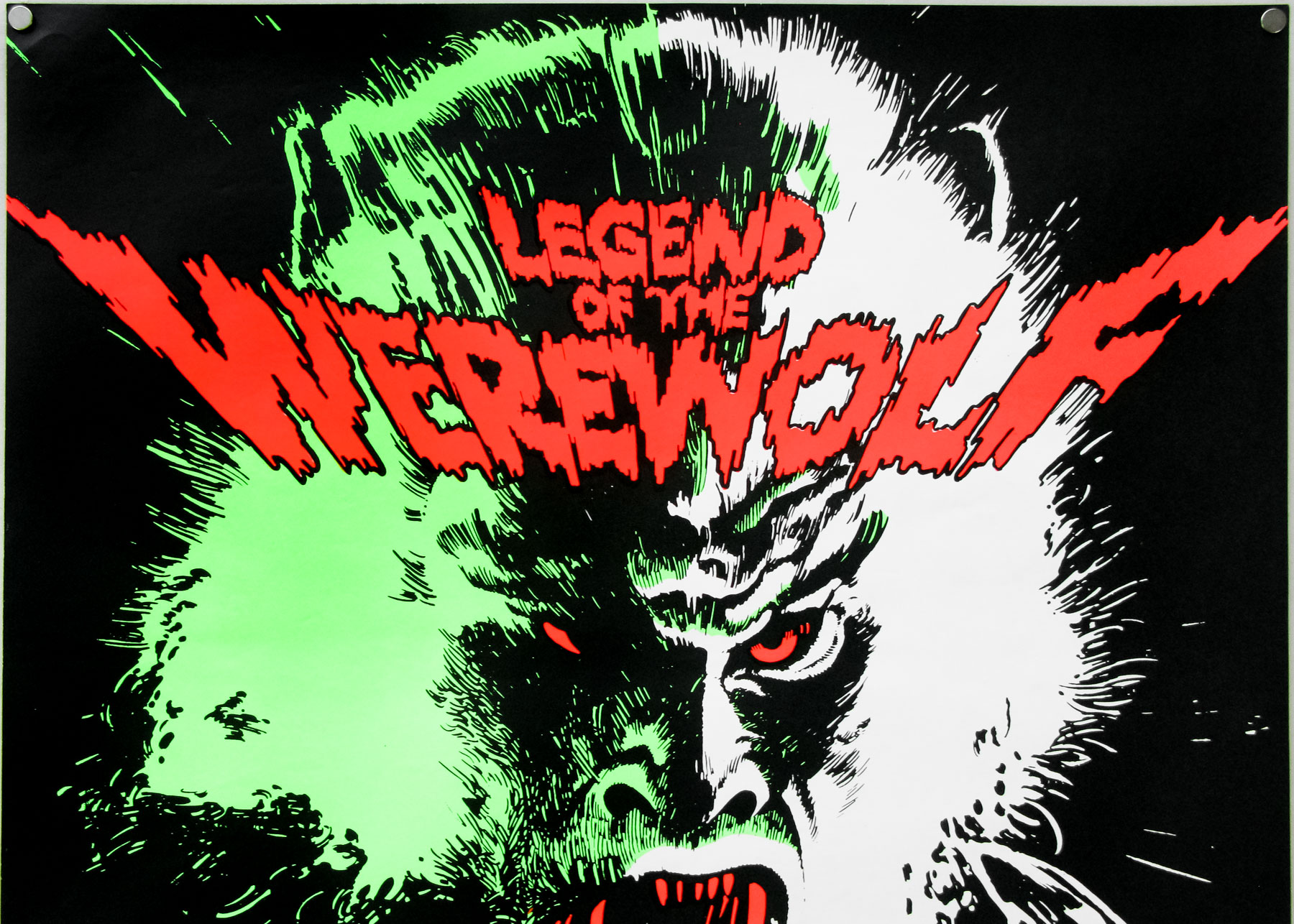
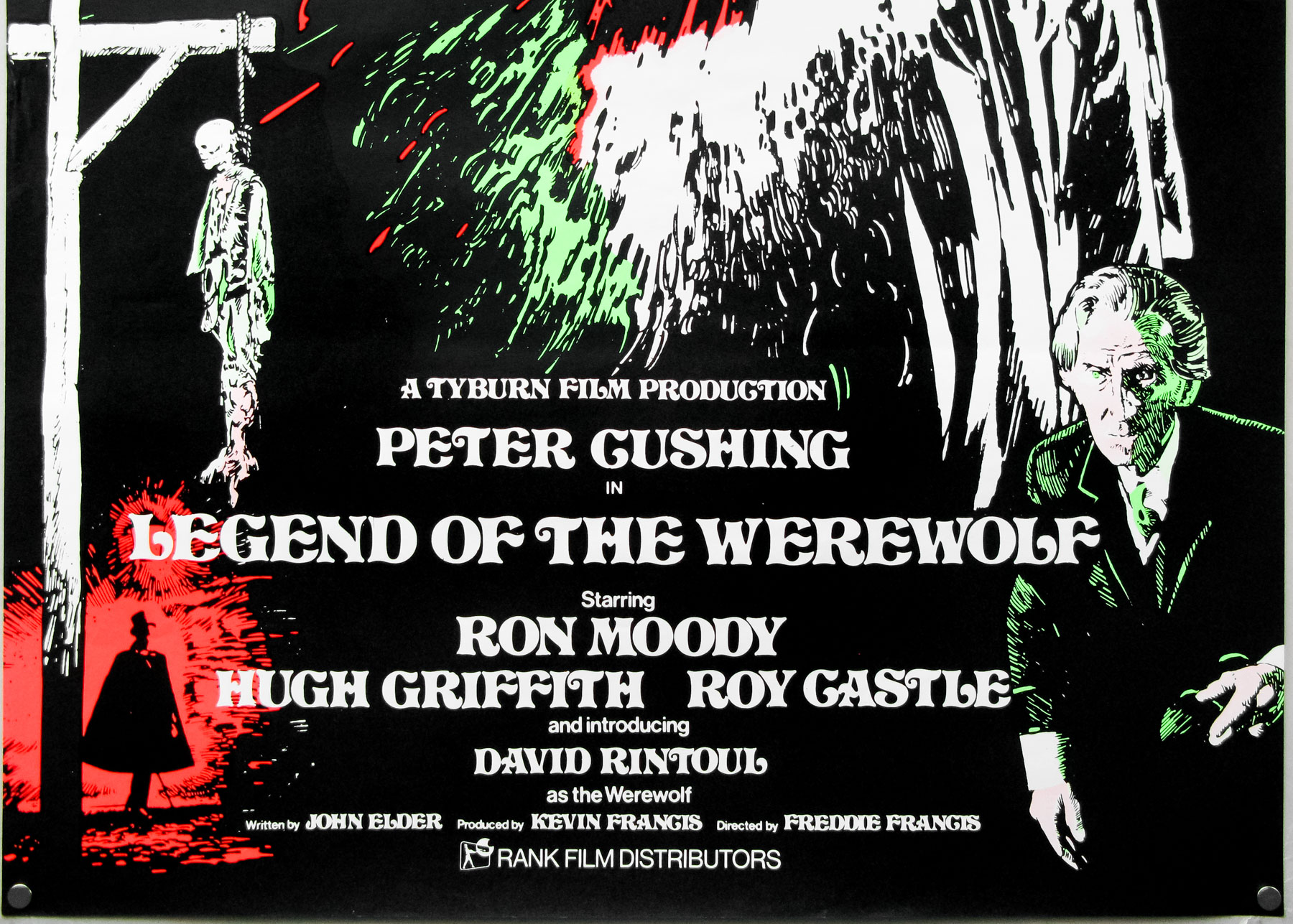
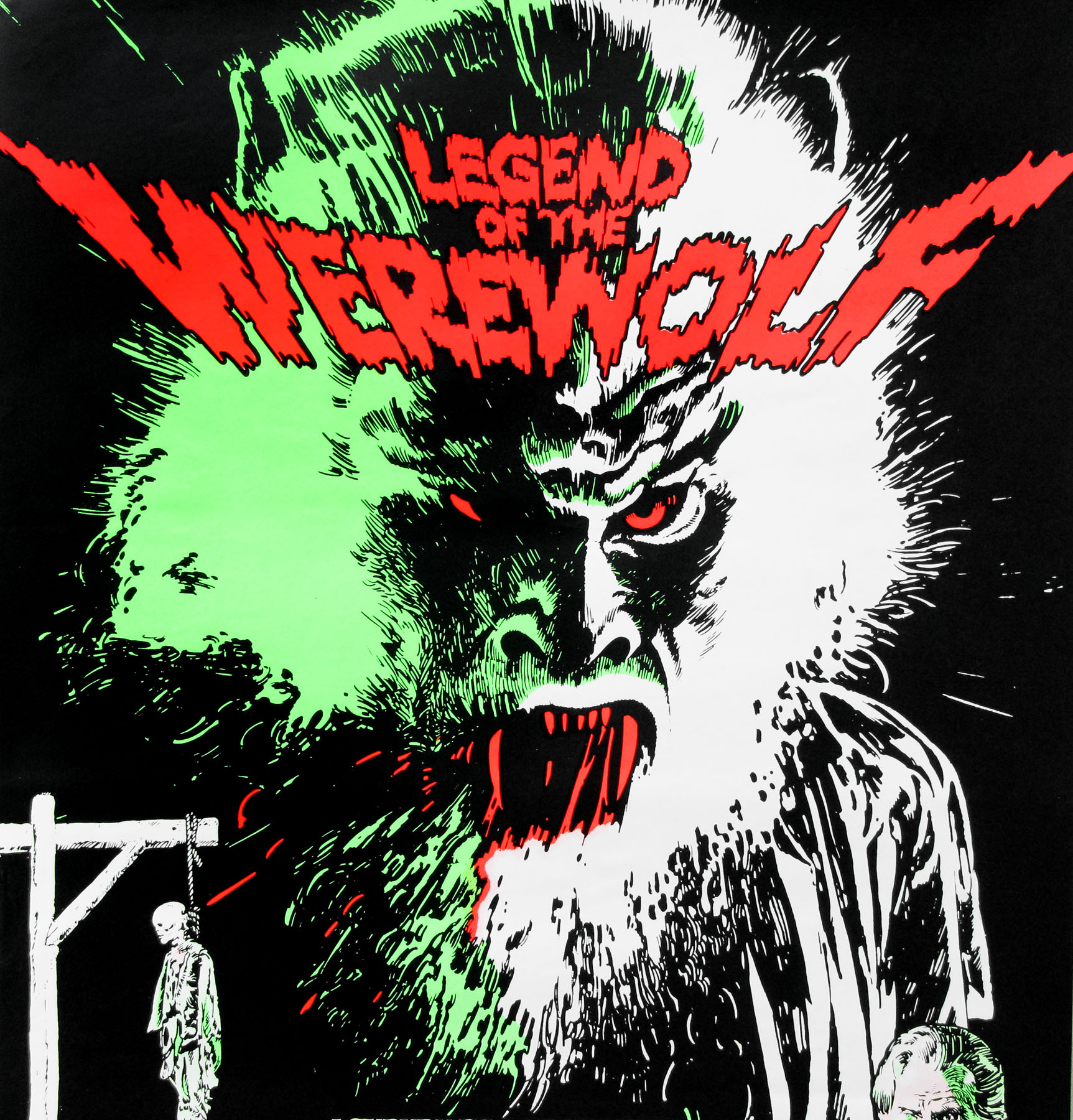
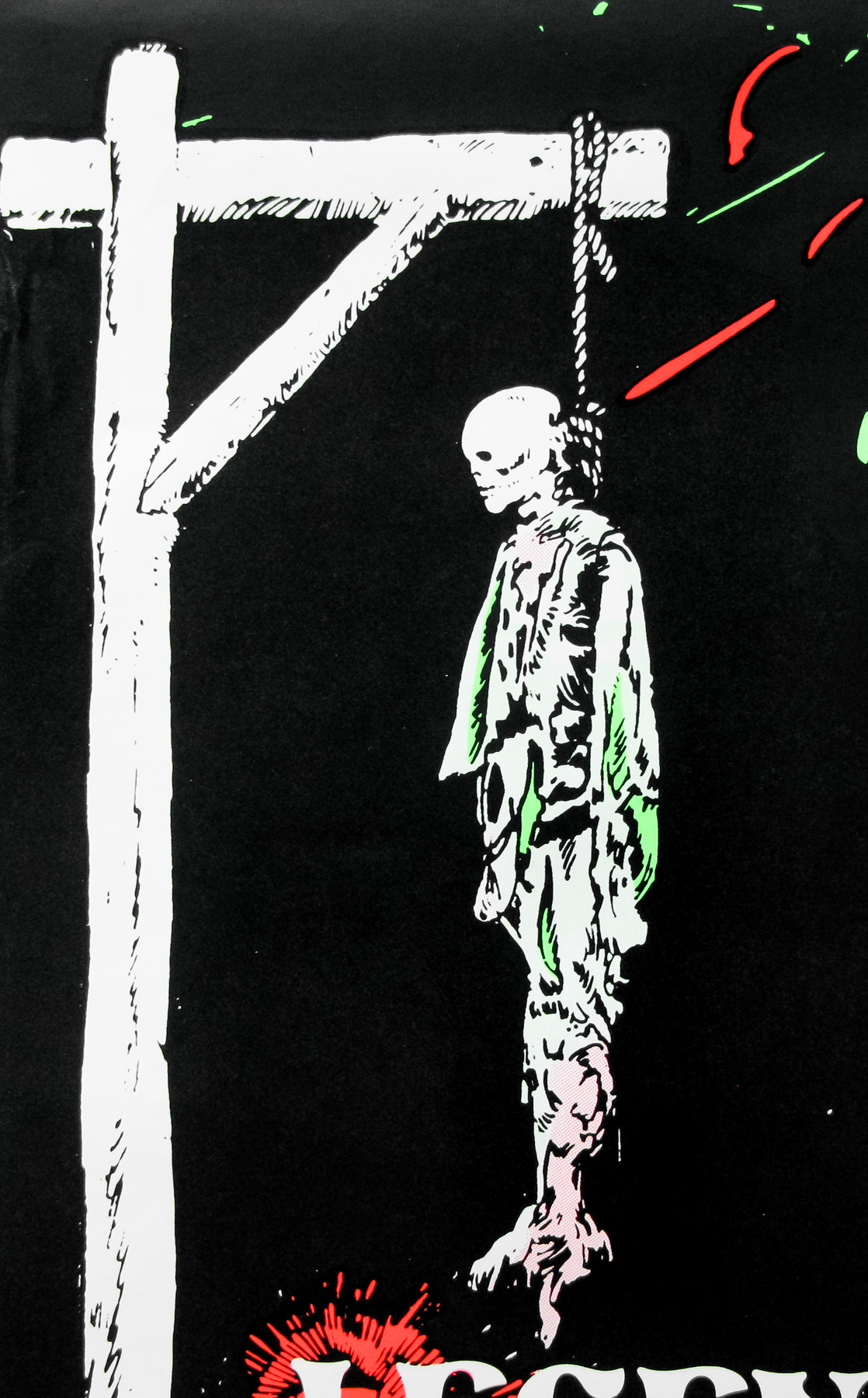
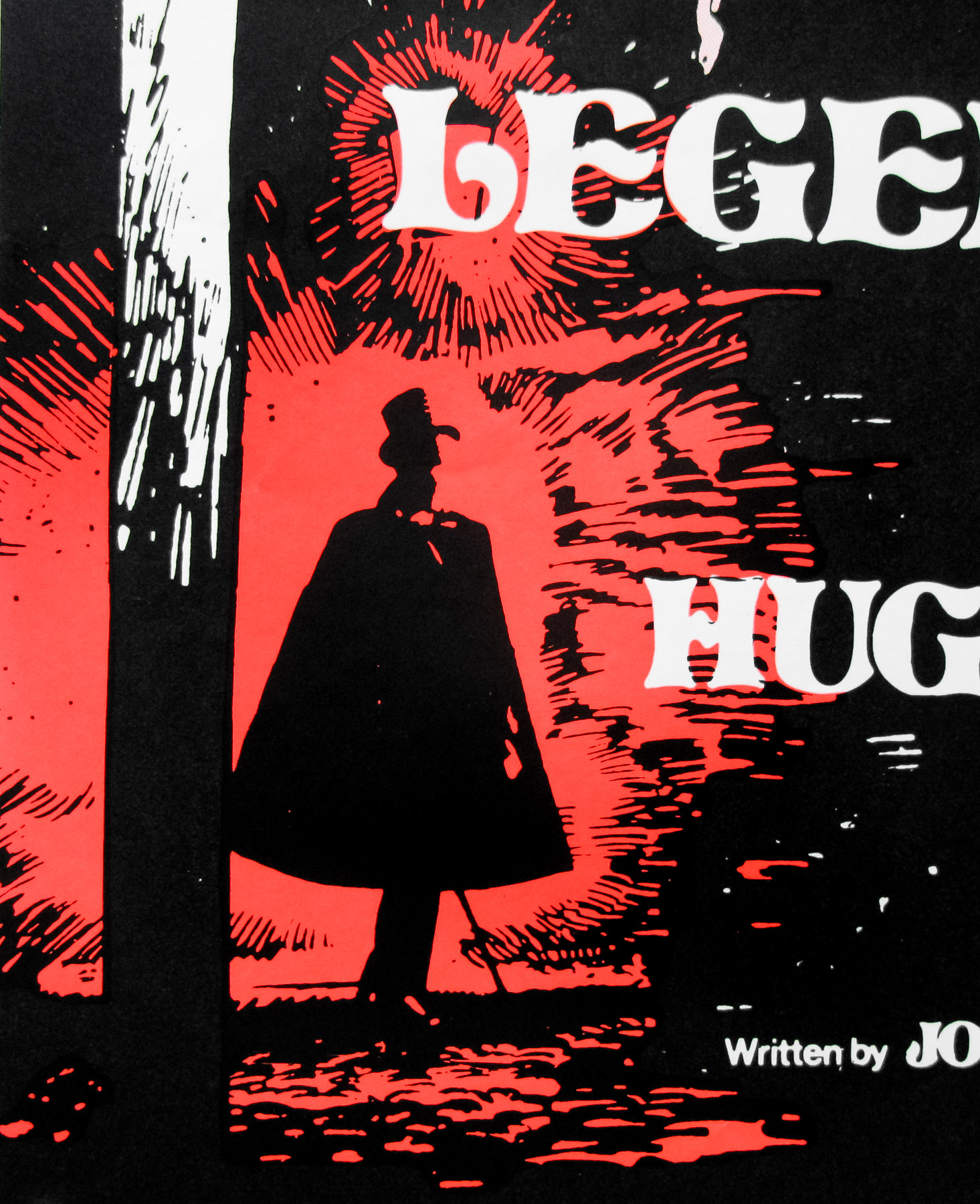
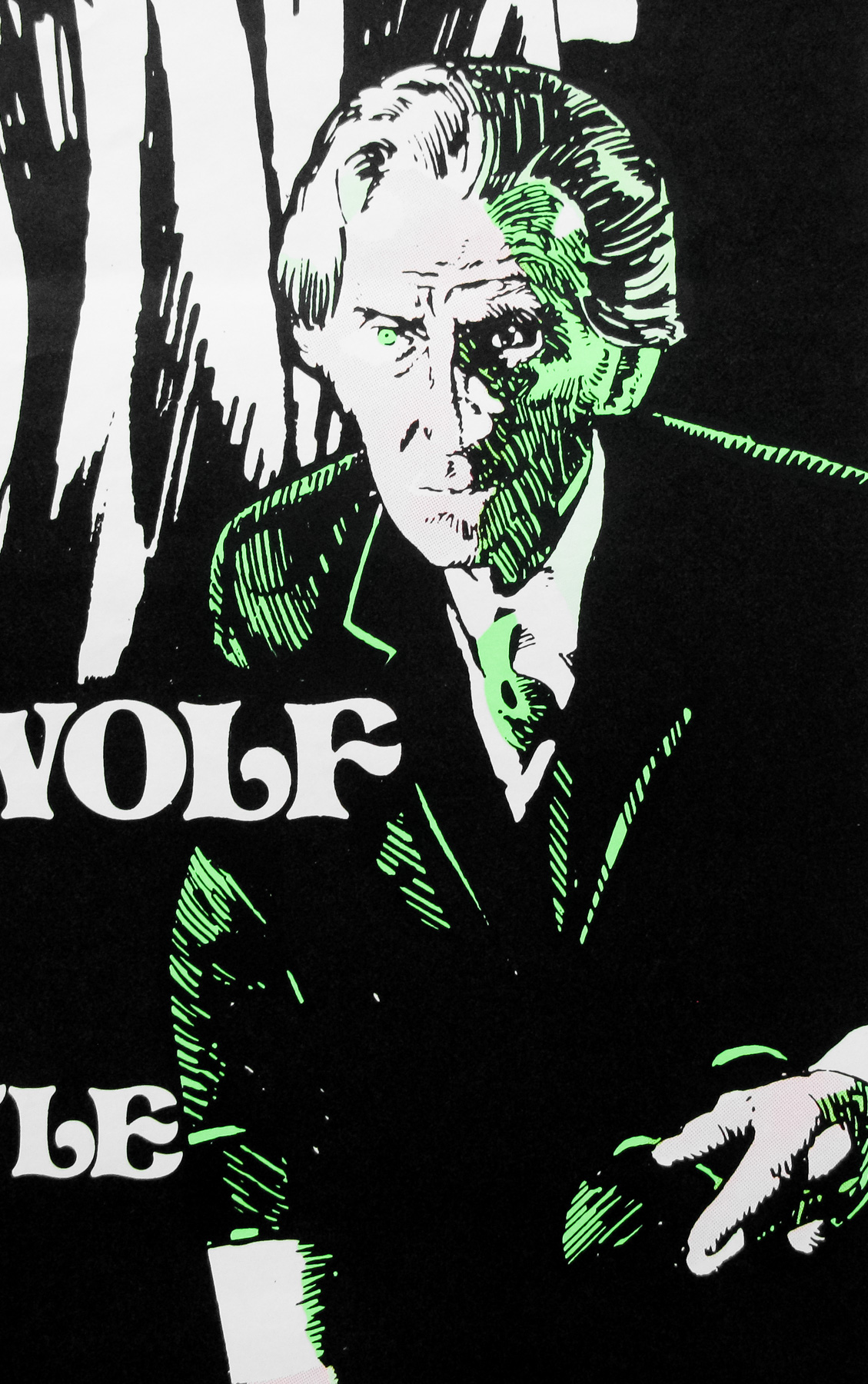
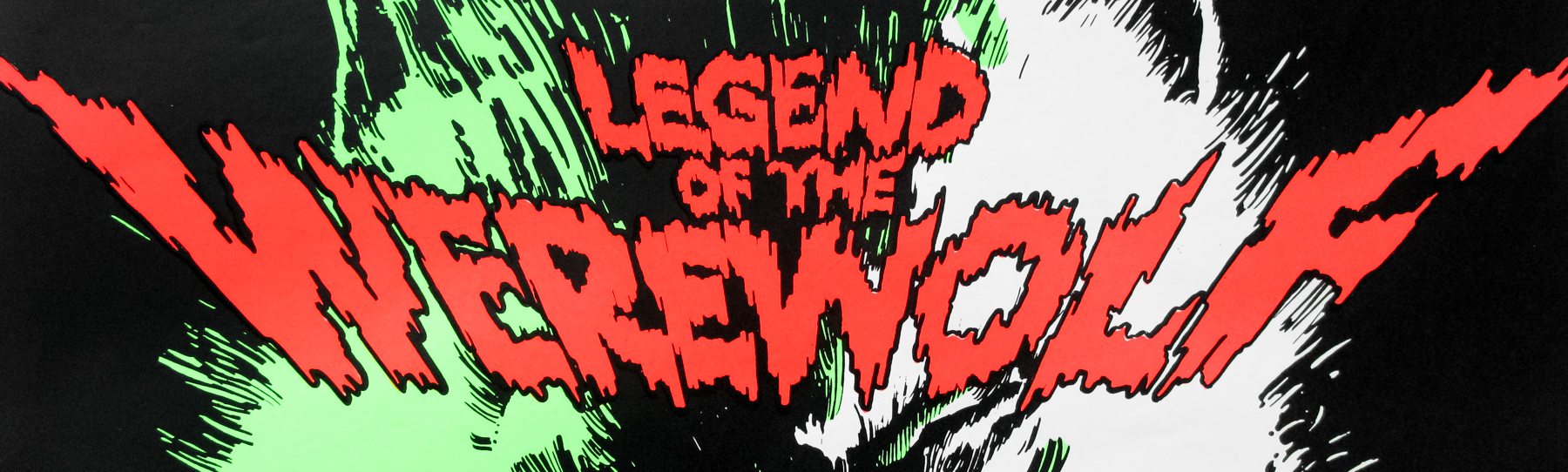
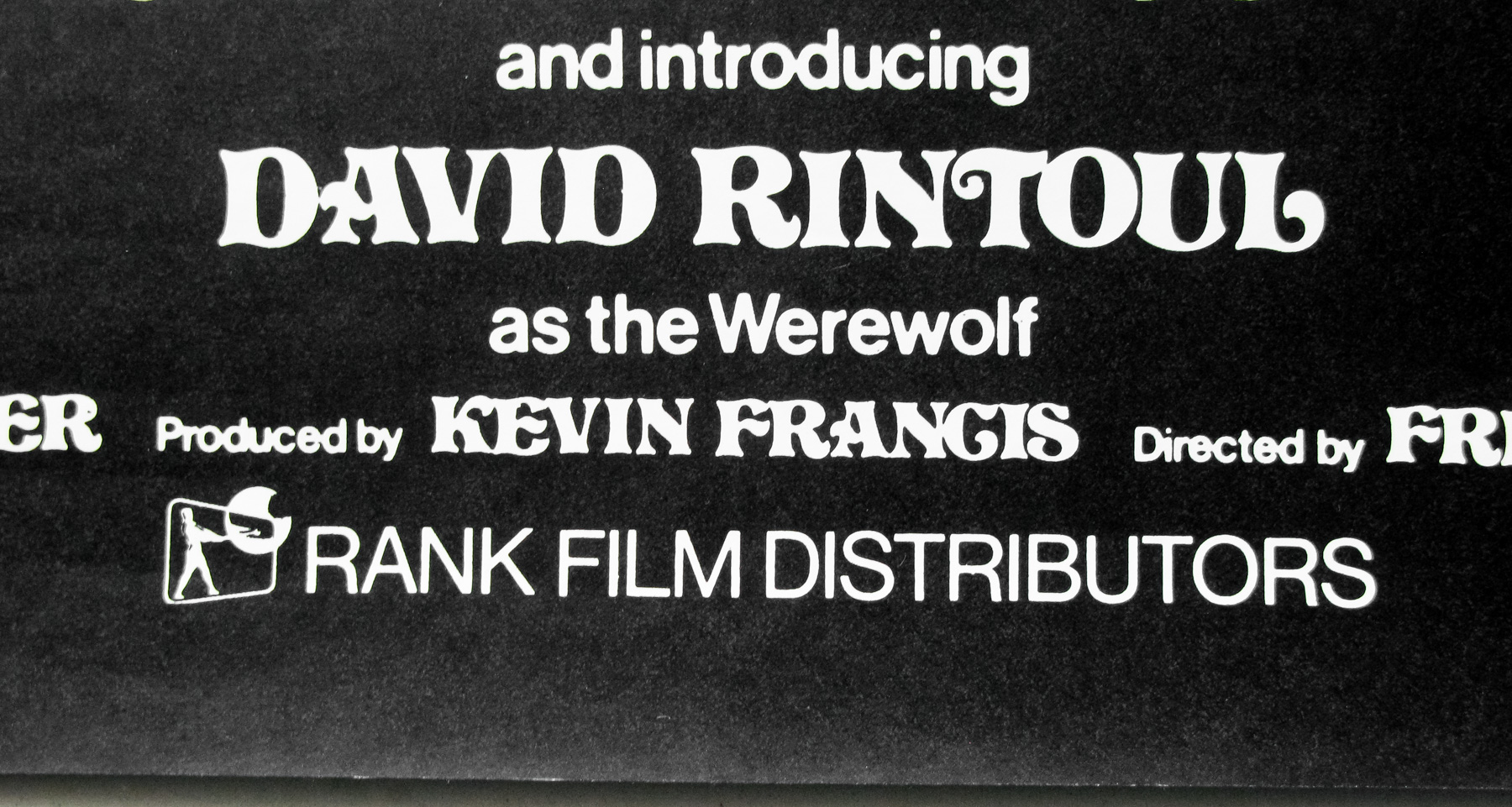
British designer and illustrator Vic Fair is responsible for the arresting poster for this 1975 horror film Legend of the Werewolf directed by Freddie Francis and produced by Tyburn Film Productions. Francis is probably best known as an Academy-Award winning cinematographer (Sons and Lovers, Glory), and he worked with David Lynch on The Elephant Man, Dune and The Straight Story. He’s also responsible for directing a slew of films for the British production companies Hammer, Amicus and Tigon, including Dr. Terror’s House of Horrors and Dracula has Risen from the Grave.

Tyburn was apparently set up by Freddie Francis’ son, Kevin, and was only active for a short period, producing three horror films in 1975, including this one, The Ghoul and Persecution. I wasn’t able to discover much more information about the company so please get in touch if you know anything of note.

The story is set in 19th century France and focuses on Etoile (David Rintoul) who is raised by wolves and is later found and adopted by a sideshow troupe traveling through the forrest. He eventually escapes to Paris and becomes infatuated with a prostitute (Lynn Dalby), but when her clients begin to be brutally murdered a police surgeon (Cushing) begins to suspect all is not quite right with Etoile.

Sim Branaghan, author of the excellent book British Film Posters: An Illustrated History is a fan of the film and sent this through to me shortly after I added the poster to the site:

I actually know a large amount about this film – and Tyburn – for the simple reason that a book was published by the BFI back in 1976, which exhaustively documented its production. The film happens to be one of my personal favourites and I think it is witty, thoughtful, and finally genuinely moving (if only in a small way). Tony Hinds’ script is classic dark-fairy-tale, the acting fine, Francis’s direction skilfully-unobtrusive and Harry Robinson’s score absolutely terrific. Cushing gives his usual model, controlled performance (rather more light-hearted than usual), Ron Moody is excellent, and David Rintoul fresh and sympathetic as the werewolf.

The supporting cast is a bit mixed, but nobody actively embarrasses themselves. Yes, the film is painfully low-budget and sometimes looks pretty threadbare, but it has HEART. Historically, it’s hugely significant as the last Costume Gothic produced in the UK (almost exactly eighteen years after the first, Curse of Frankenstein, back in autumn 1956). Hinds and Cushing worked on both of course, and the sense of fin-de-siecle here is palpable, and very poignant to a true fan of the genre.

Obviously all criticism is subjective, and you might well find plenty of other horror fans who’ll cheerfully tell you Legend is a pile of shite.  But they’d be wrong. 

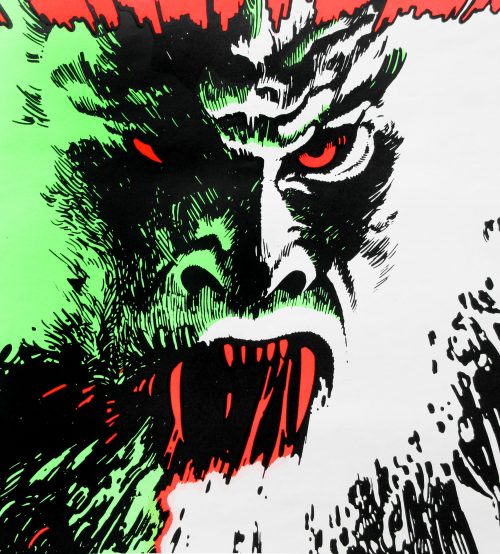
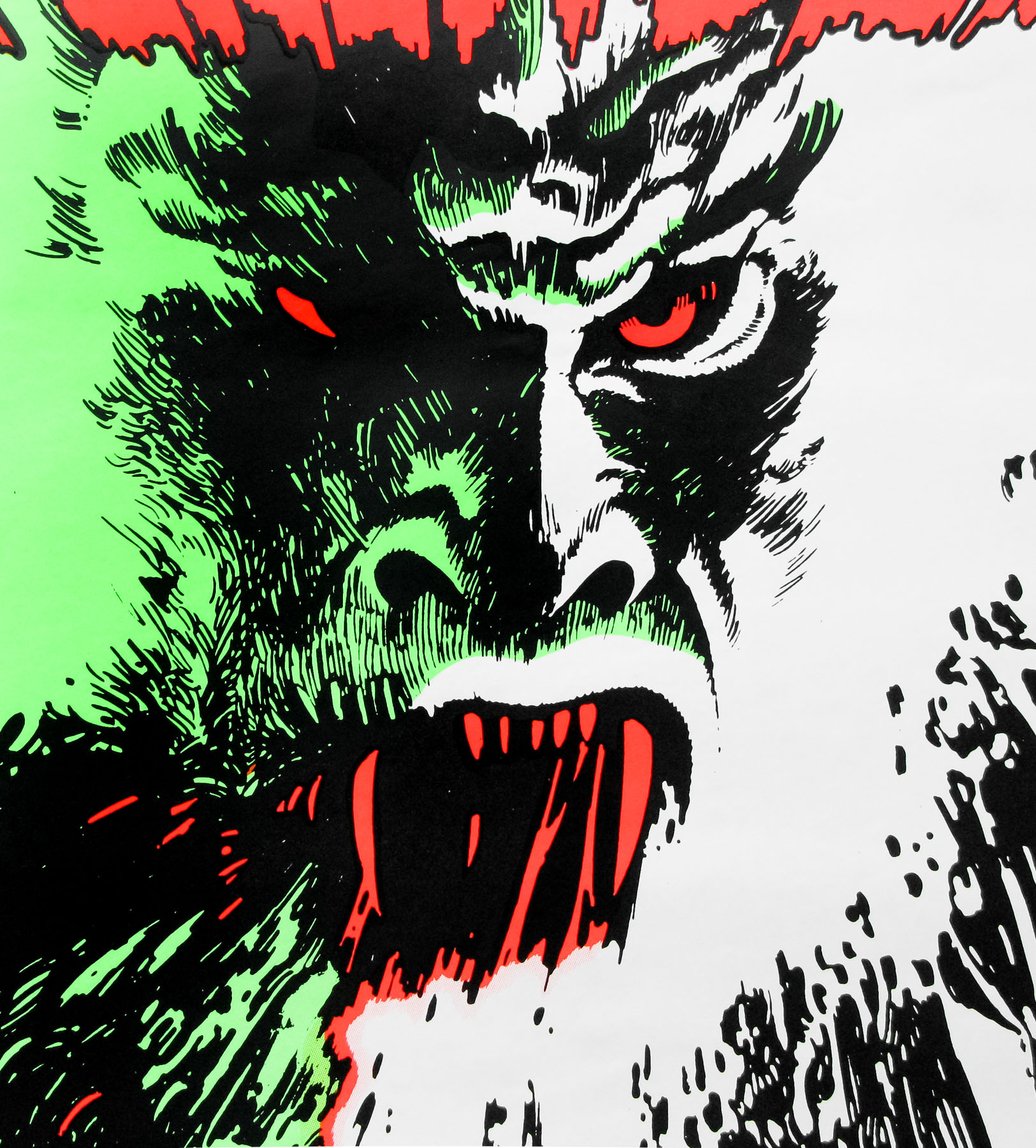
The pictures of the poster don’t do the striking neon colours justice and I believe it was done with a type of screen-printing as they are particularly solid and bright in person.

Here’s a clip from the film featuring a red-tinted werewolf-vision attack.

The Hunger / quad / UK

01.06.12

Poster Poster

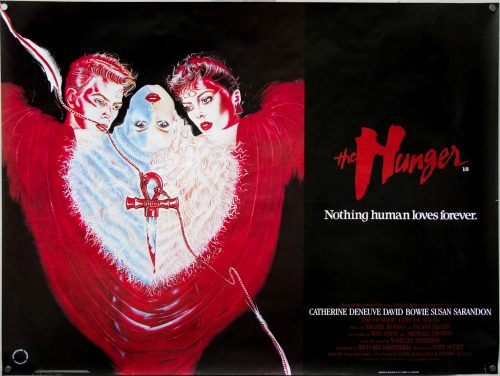
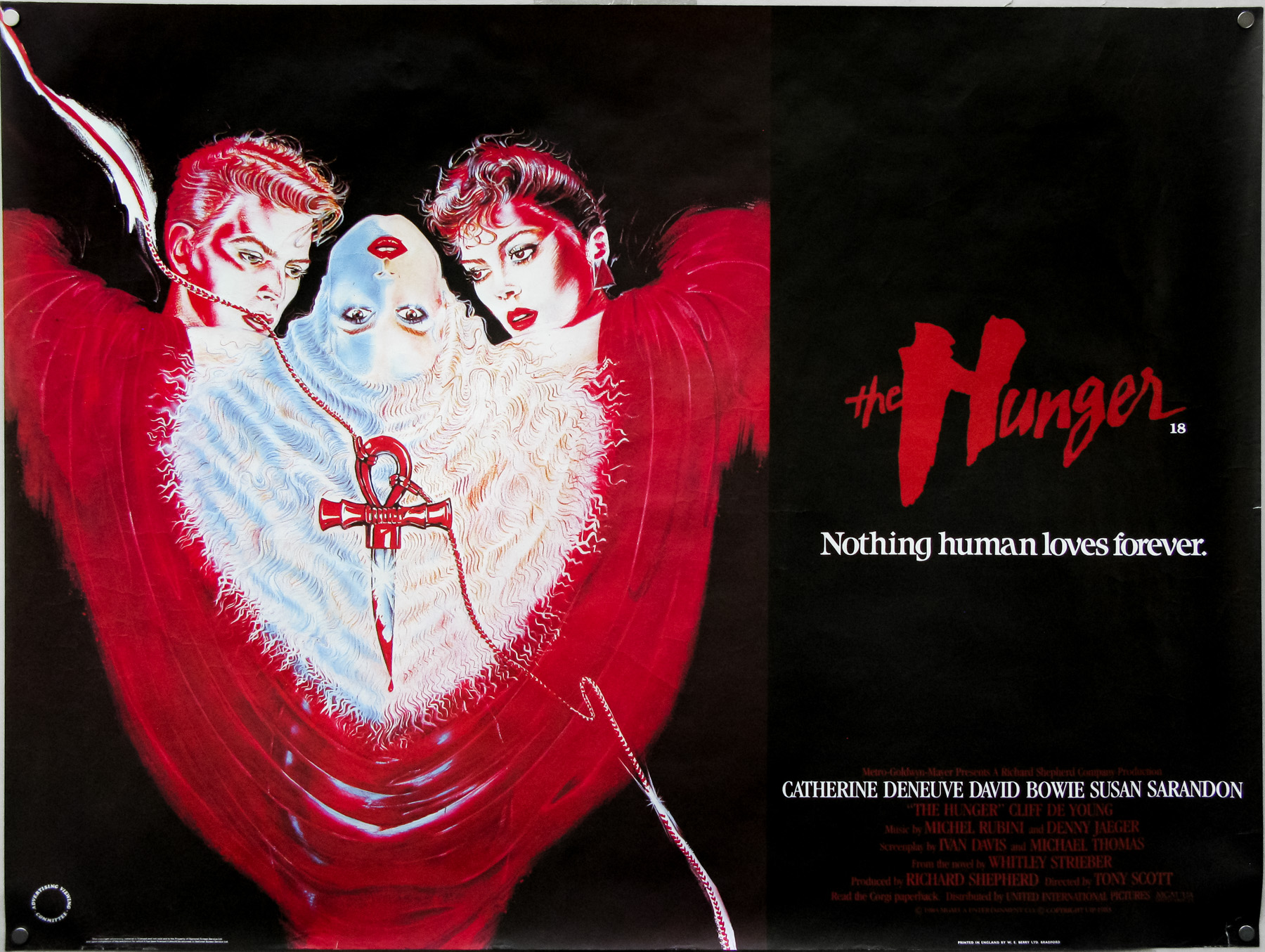
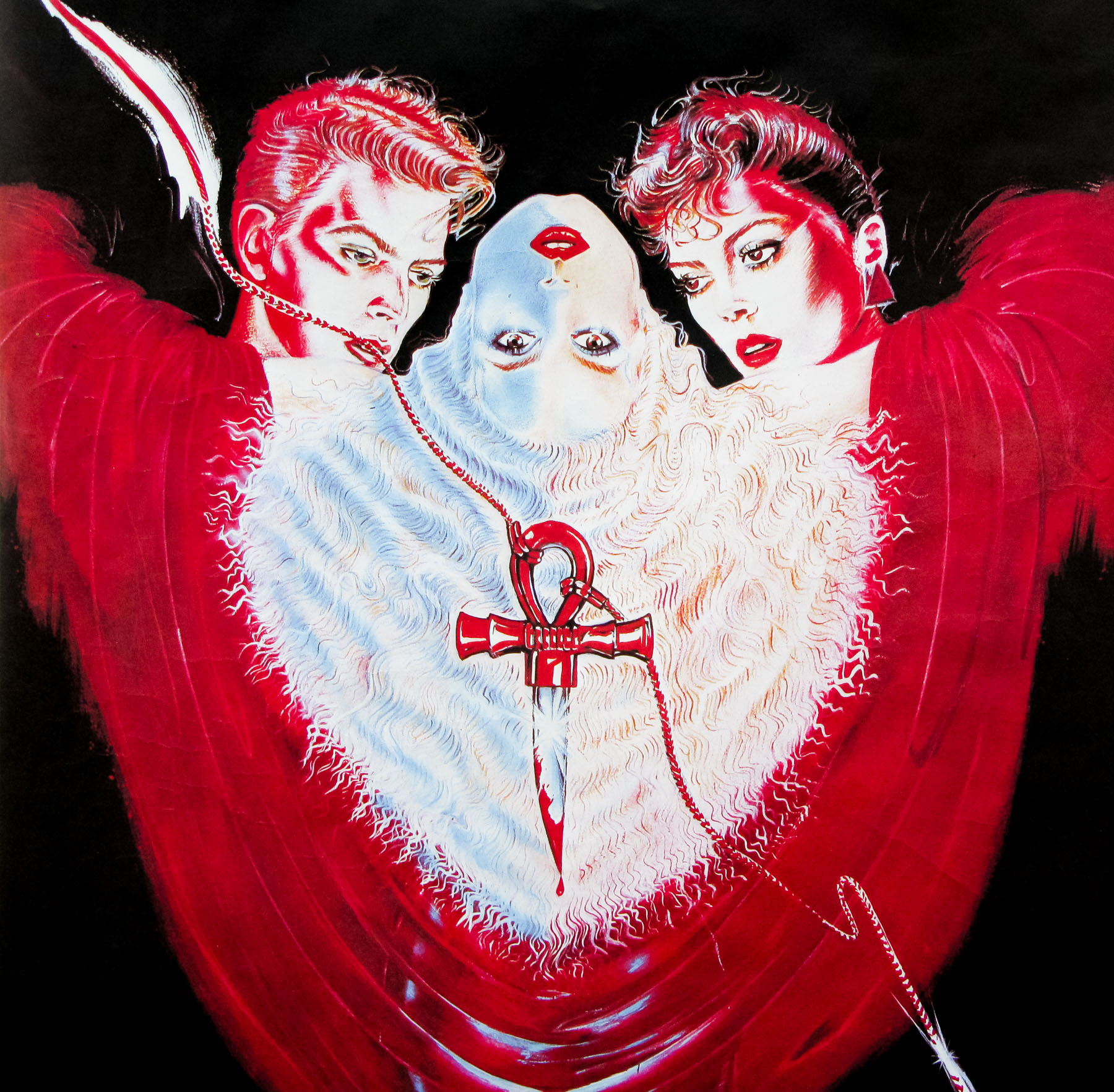
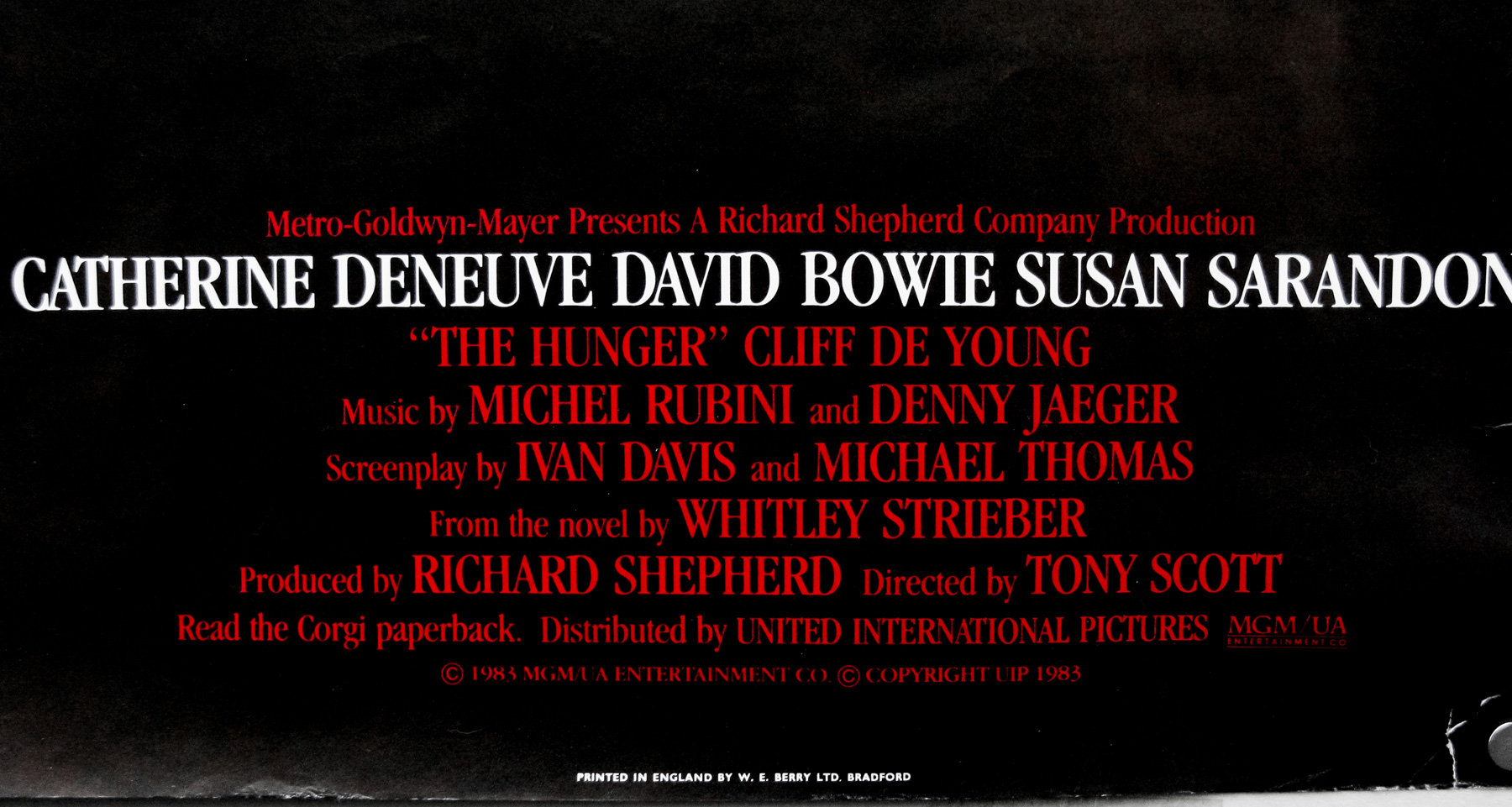
Director Tony Scott‘s feature film debut was this stylish vampire tale starring pop legend David Bowie, Catherine Deneuve and Susan Sarandon. Miriam Blaylock (Deneuve) is a centuries old Egyptian vampire who feeds upon the blood of her young lovers, both male and female, and as a result the victims don’t age; that is until she has had enough of them. John (Bowie) is one such unlucky soul who seeks the help of the scientist Dr. Sarah Roberts (Sarandon) who, after investigating John’s claims, is also caught in the vampire’s trap.

The film displays many of the characteristics that mark out a Tony Scott film, including several brilliantly shot and very stylish sequences, multiple inventive camera tricks and excellent use of classical music, although this it’s notably more subdued in tone than some of his later films. Despite the strong cast, the film failed to win over many critics on its release and was not much of a box office draw, although it has since garnered something of a cult following, particularly from the goth community.

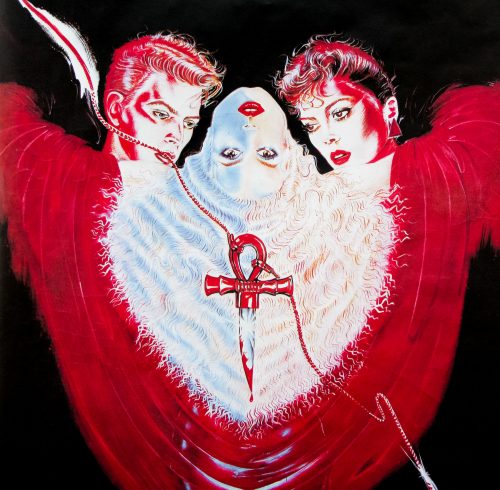
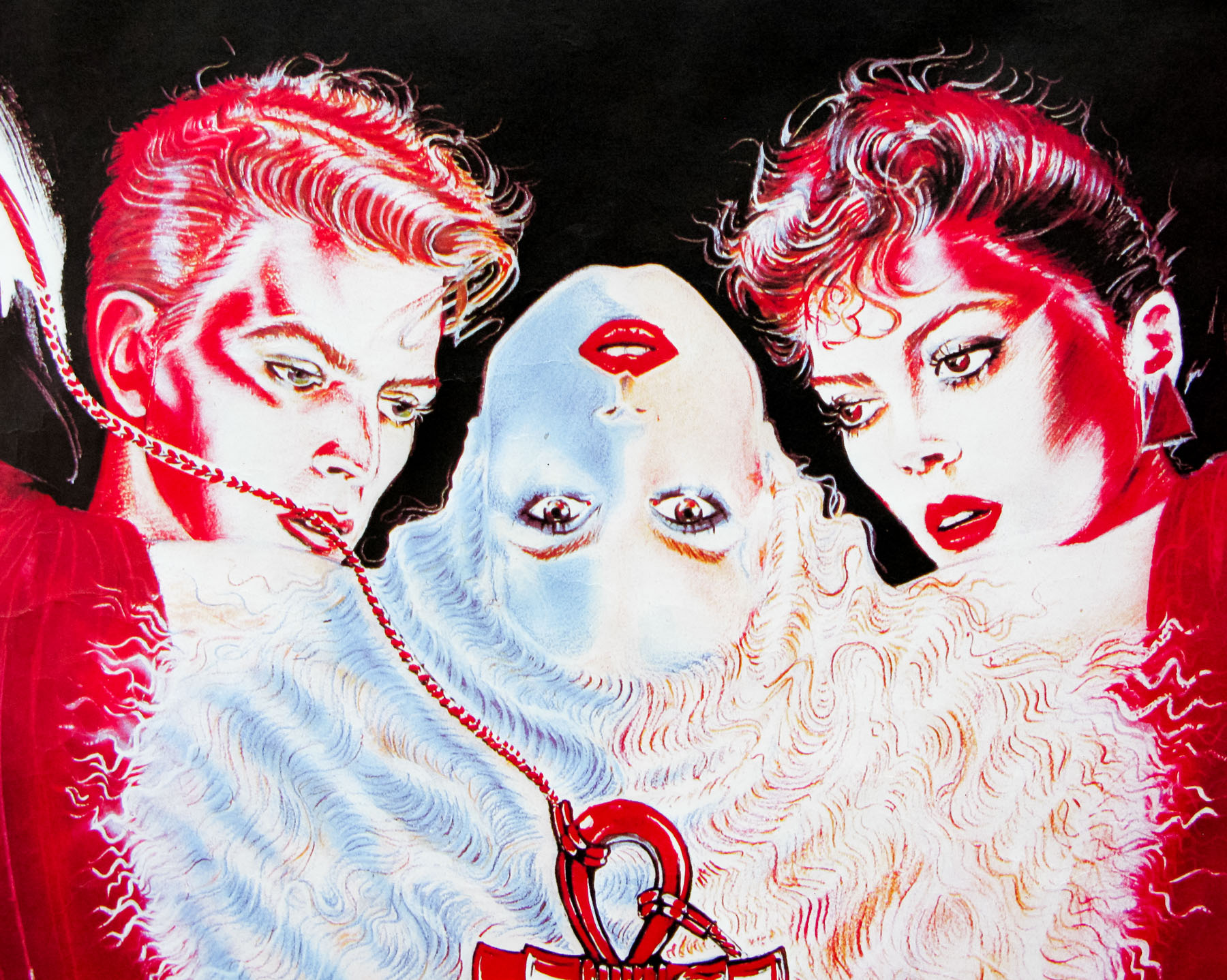
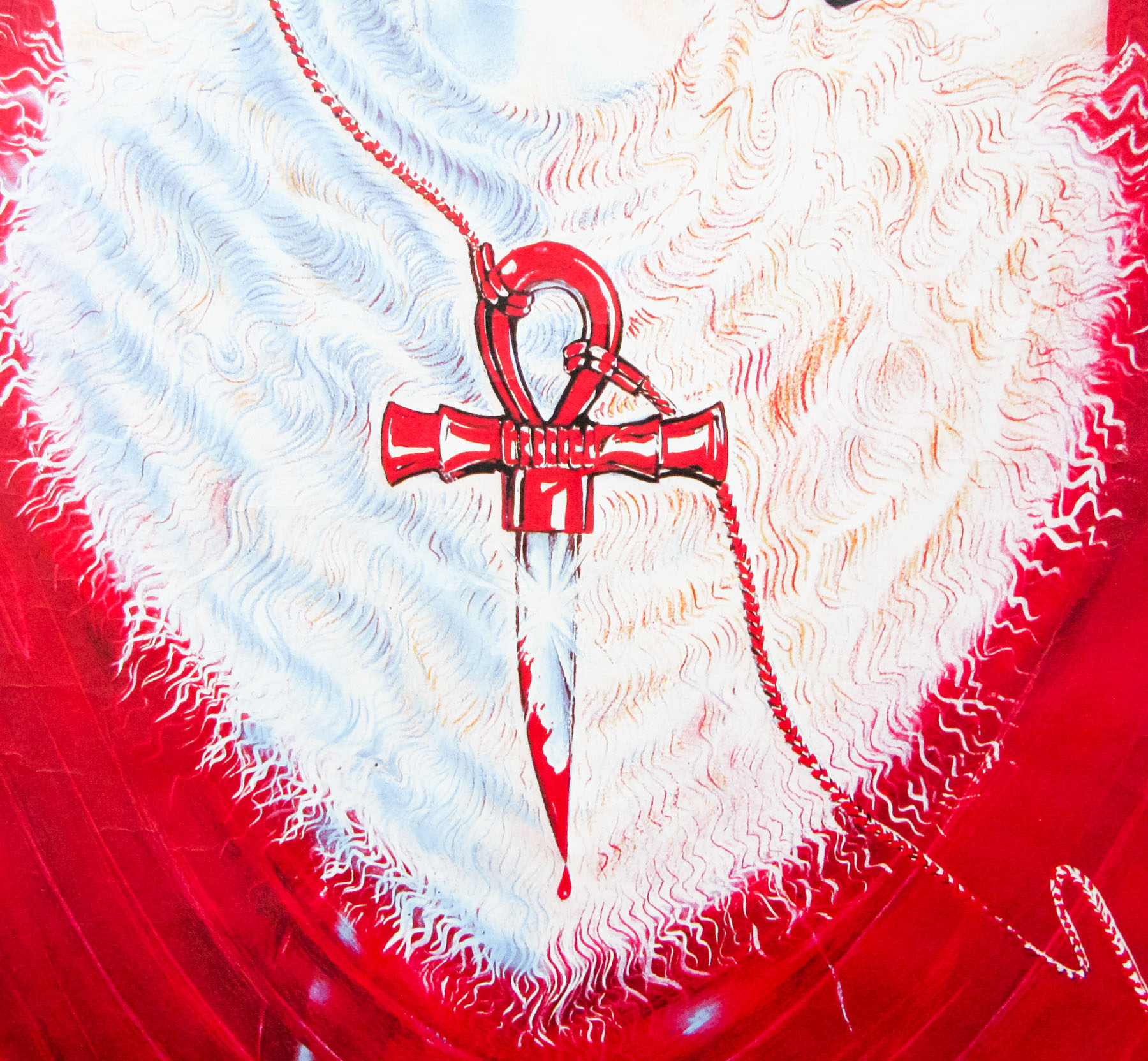
This artwork was used on the American one sheet and I believe it has simply been cut down to fit this UK quad. Attempts to discover the identity of the artist have so far proved fruitless so please get in touch if you have an idea.

The original trailer is on YouTube.


This Sporting Life / one sheet / UK

15.08.12

Poster Poster

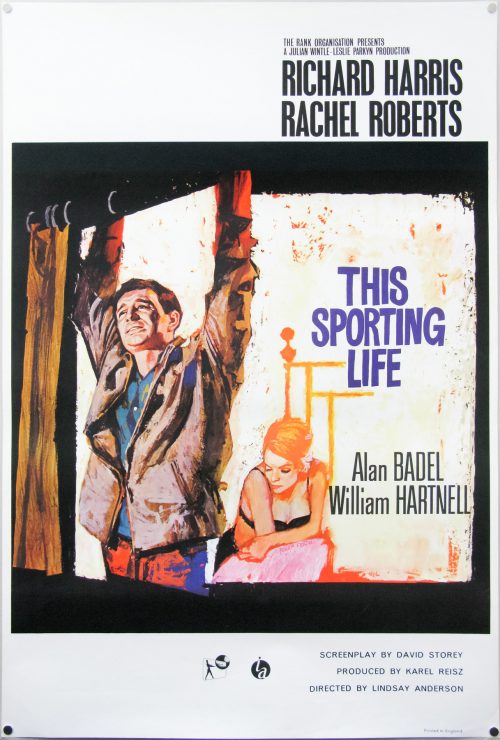
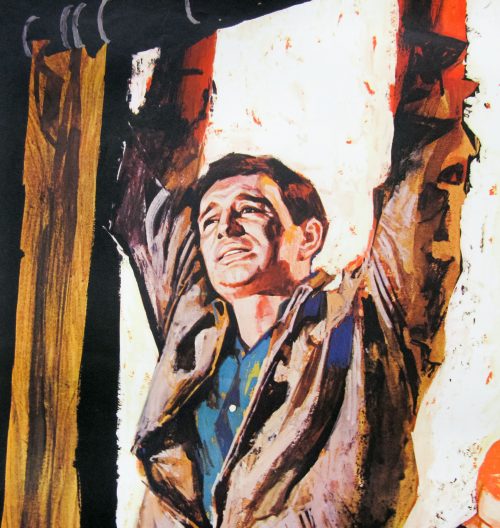
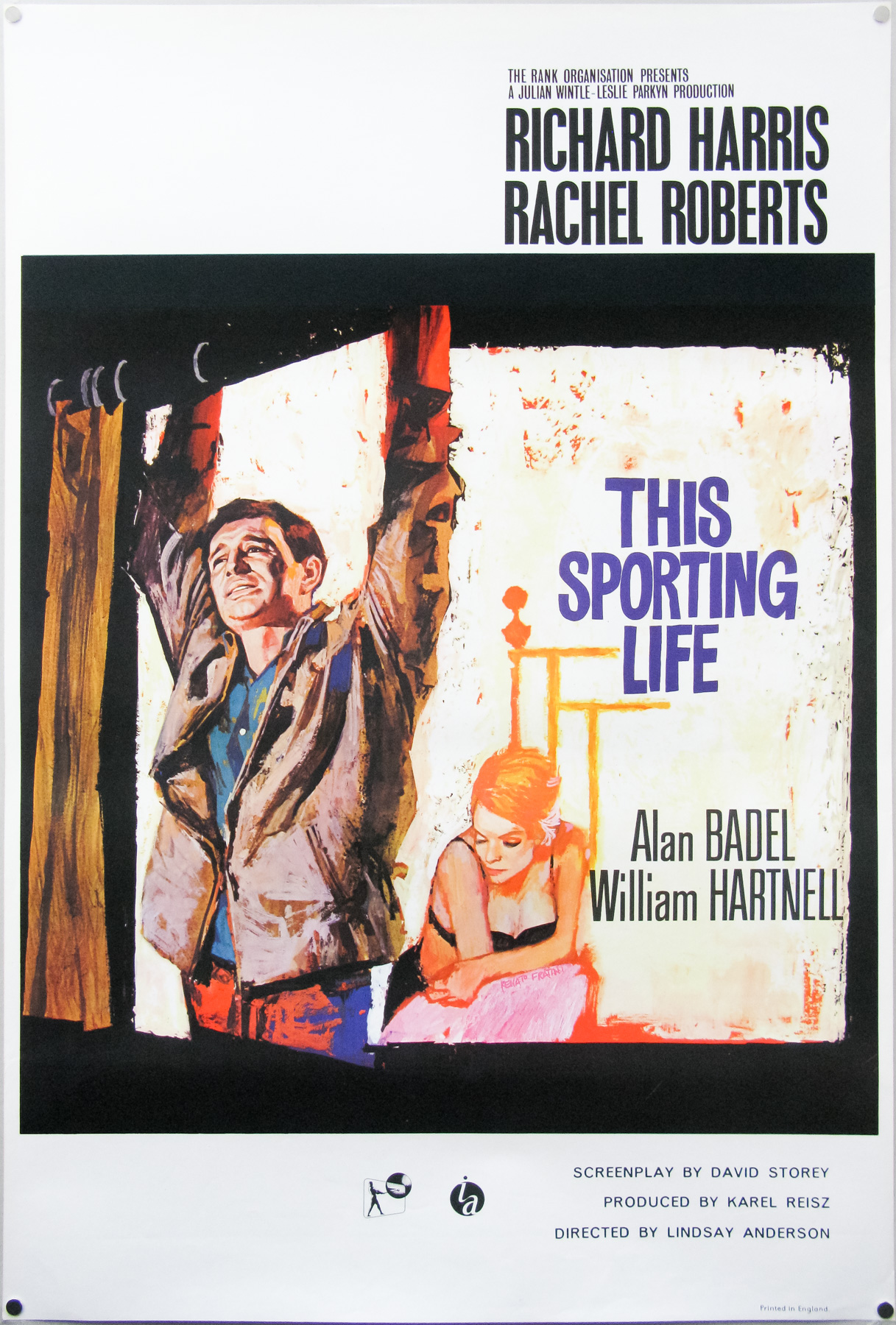
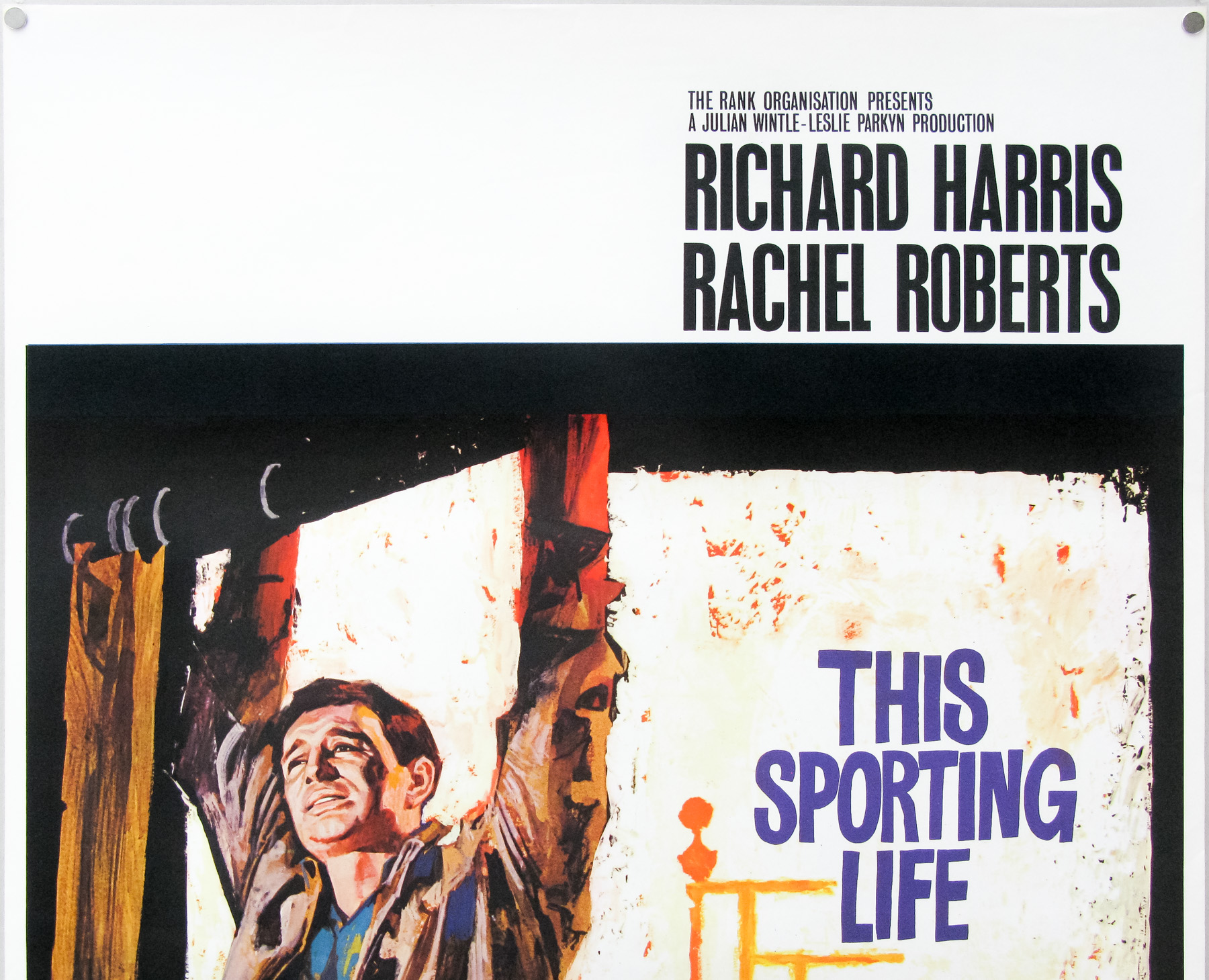
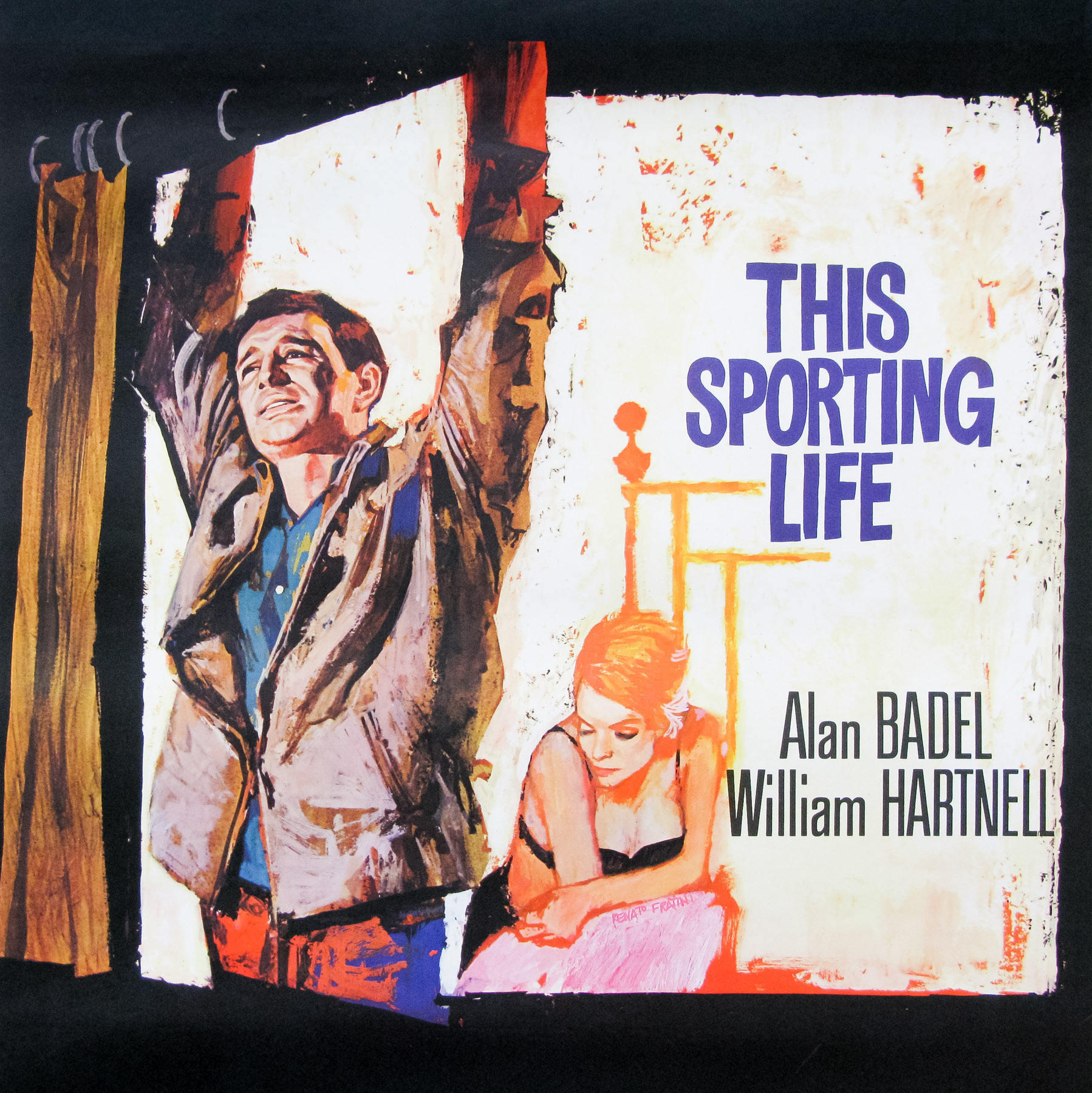
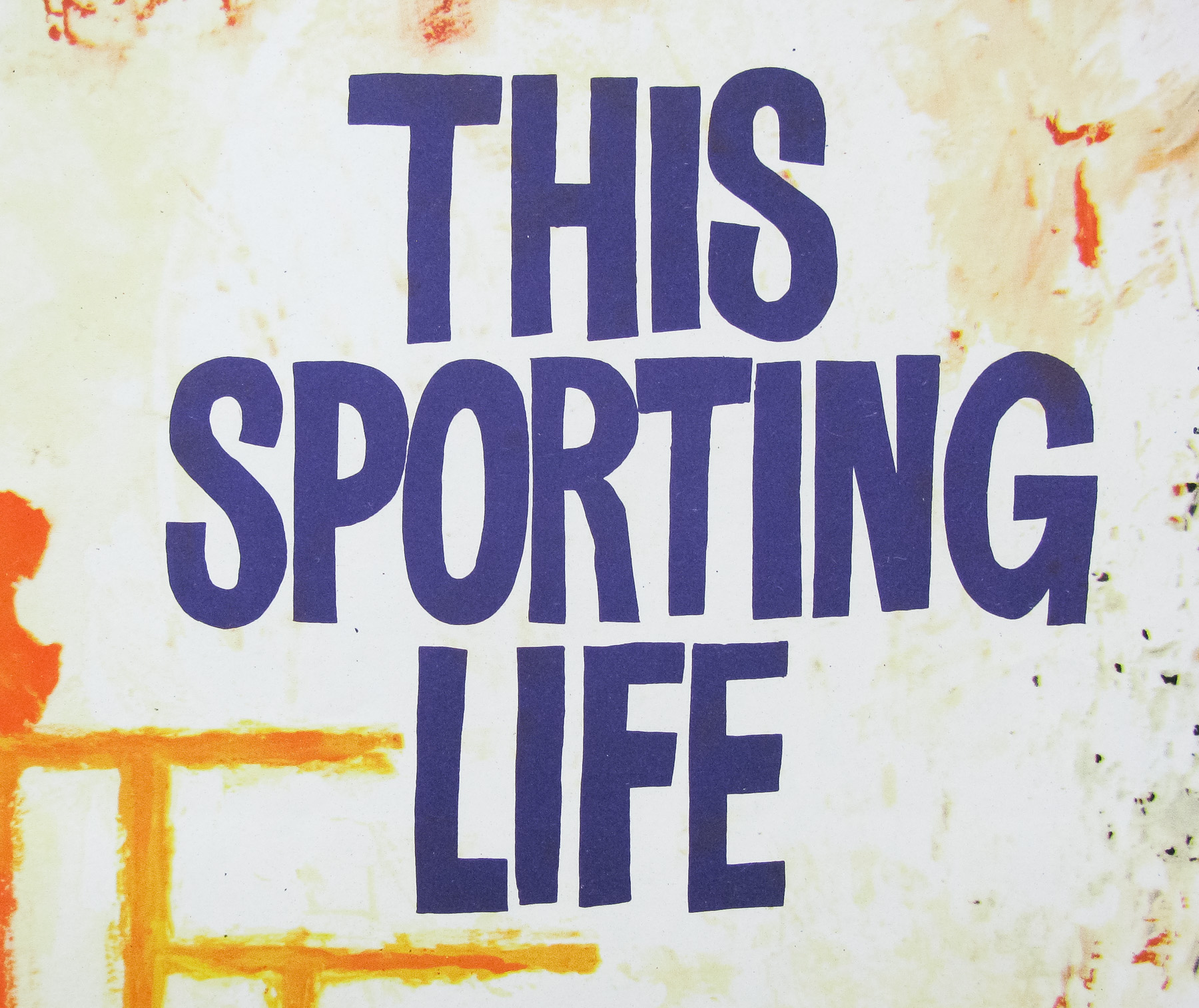
This Sporting Life was the first full-length film by the late British director Lindsay Anderson (best known for ‘If….‘ and ‘O Lucky Man!‘) and starred Richard Harris in what is now acknowledged as his breakout role. The story follows the exploits of Frank Machin (Harris) a tough, young miner in a Northern England town who finds success as a Rugby League player and must deal with his violent tendencies as he copes with his new found fame. The film also featured Rachel Roberts in a memorable turn as the widower landlady of Machin with whom he has been having a strained relationship.

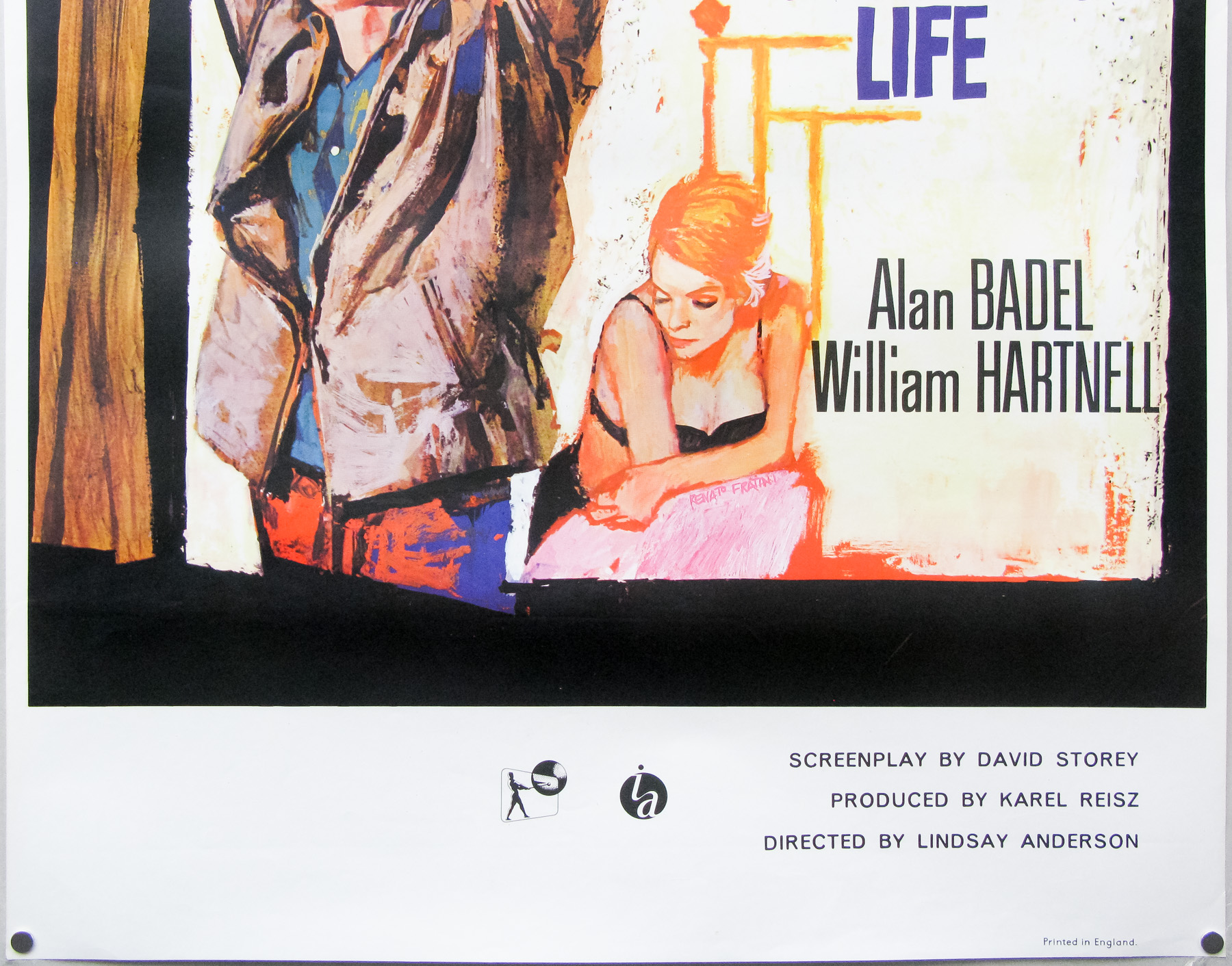
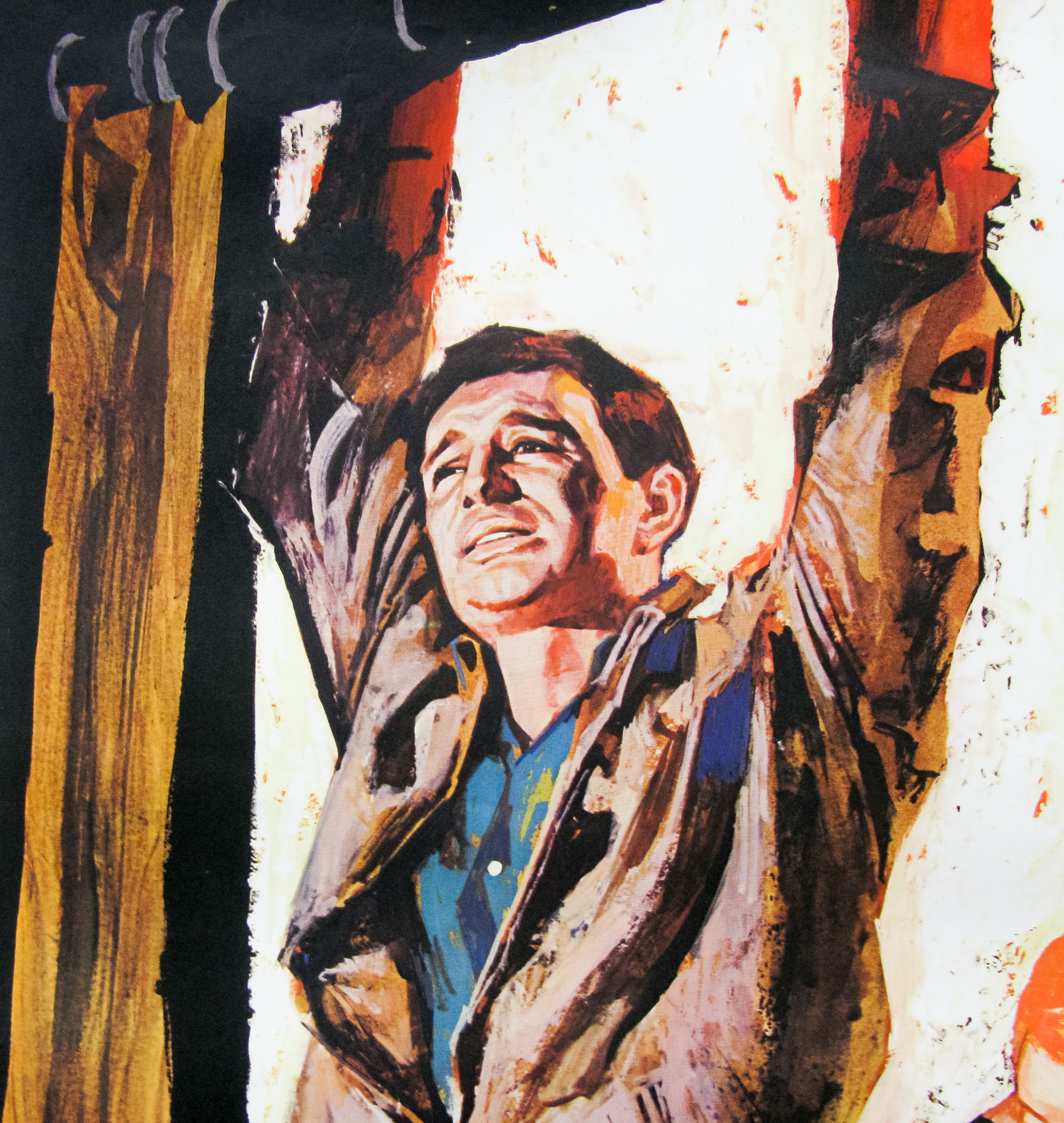
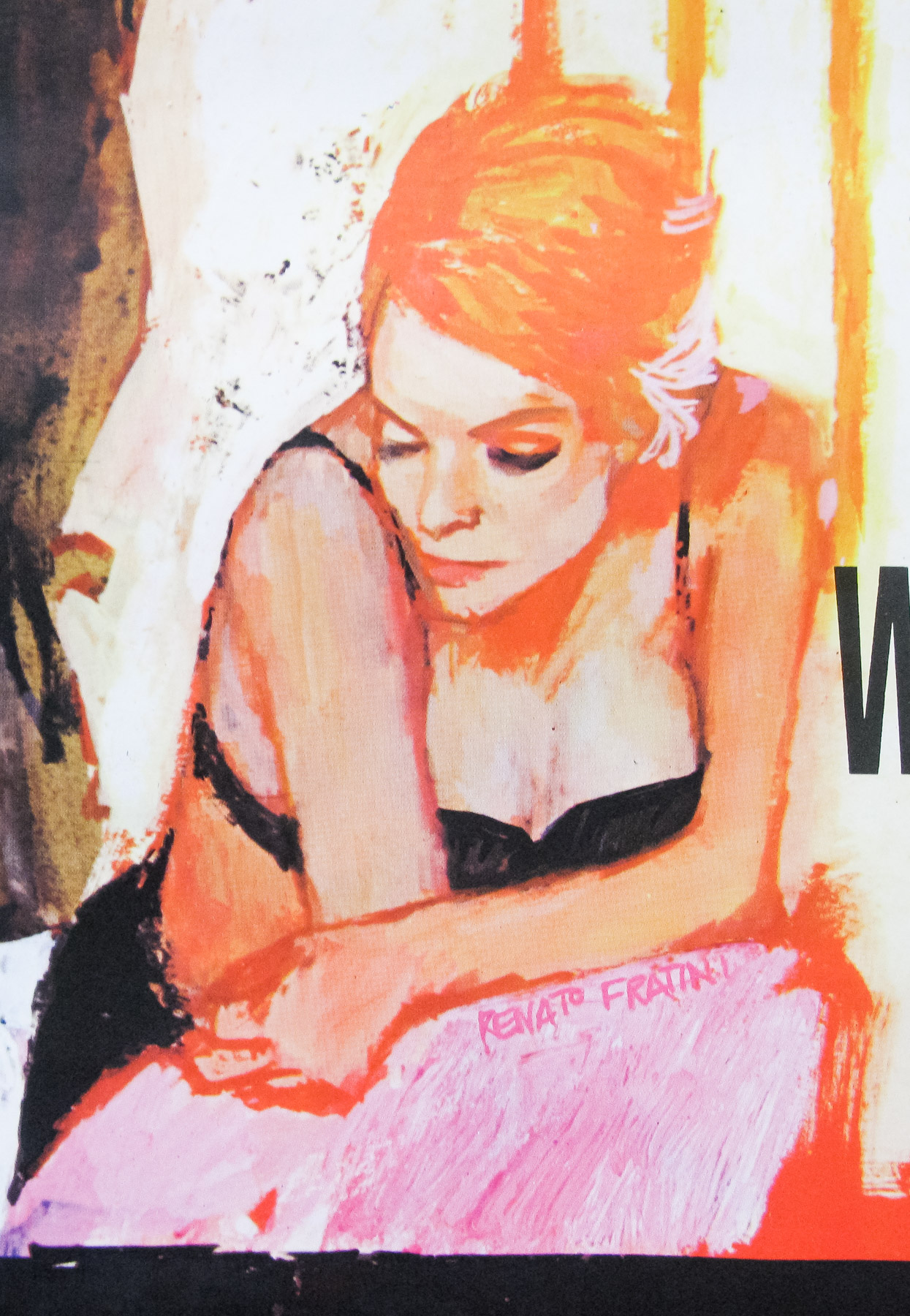
This UK one sheet features artwork by Renato Fratini, an Italian painter who came over to England to work in film publicity at the end of the 1950s and is regularly cited by many of his contemporaries as one of the greatest artists ever to have worked in the business. Fratini was born in Rome in 1932 and went on to study at the city’s Academy of Fine Art before landing a job at Studio Favalli, which was part of the legendary Cinecittà studios and handled film publicity for many Italian productions. Eric Pulford, who was head of Downton Advertising in London, began to enlist the help of the Italian artists in the mid-1950s once it became clear how much talent studio head Augusto Favalli had enlisted, and, perhaps crucially, how relatively cheap the work was.

Fratini was brought over to London by Pulford and put on a retainer for Downtons in 1958. He quickly impressed with his technical ability and skilful draughtsmanship, which was often marvelled upon by other artists working at the time. Ace British designer Vic Fair recalls the speed with which Fratini was able to work – ‘He was incredible. He was like a machine – he could just bash things out overnight’. Fratini very much enjoyed his life in London and was infamous for his love of a good party, quickly gaining a reputation as a man who enjoyed the finer things in life. Despite this he was still able to turn out stunning pieces of artwork with relatively little notice.

Perhaps Fratini’s most famous work is the quad he painted for From Russia With Love (in 1963 – the same year as this poster), which is probably the best of all the James Bond quads. Later he would work on a number of posters for the Carry On series of films, known for their colourful and brilliantly stylised designs, as well as some incredibly detailed artwork on posters such as the quad for Waterloo (1970), for which he was paid a then record fee of £2000. In 1969 Fratini had a broken marriage behind him and was losing money through tax bills, so he made the decision to leave London and head for Mexico from where he continued to paint for advertising firms in America and the odd assignment for Downtons. Sadly, in 1973 Fratini collapsed whilst at a beach party and died from massive heart attack, his years of excess finally catching up with him.

He was only 40 years old at the time and, as Sim Branaghan (author of the brilliant ‘British Film Posters‘ book) described in my interview with him, his tragic end perfectly embodies the stereotypical profile of a ‘doomed bohemian genius’. Sim’s book contains a lot more information on Fratini and is an absolute must-buy if you have even a passing interest in the artists behind these great posters.

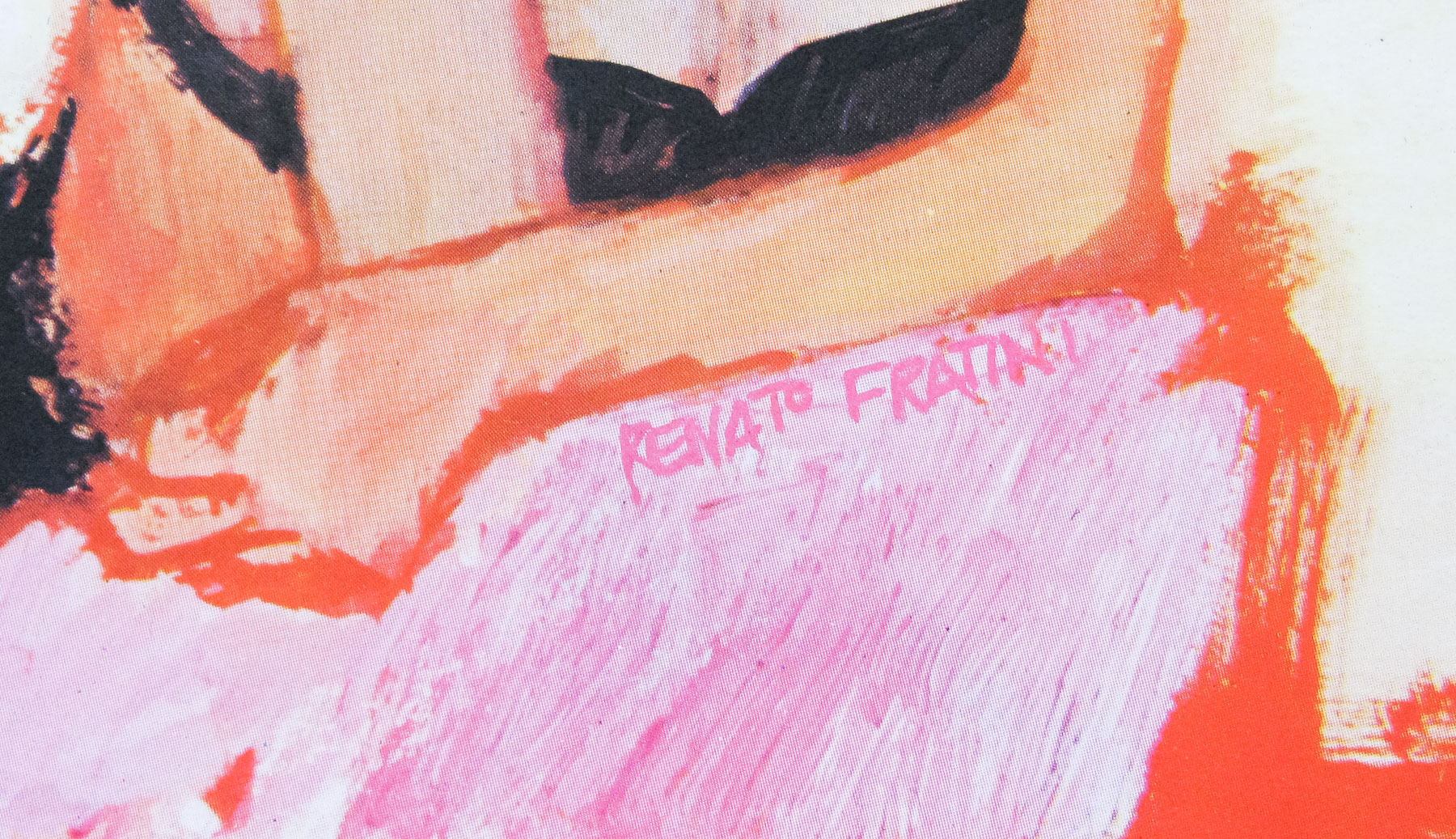
It’s worth noting that this is one of the few pieces of artwork that prominently features Fratini’s signature.

The trailer for the film is on YouTube.

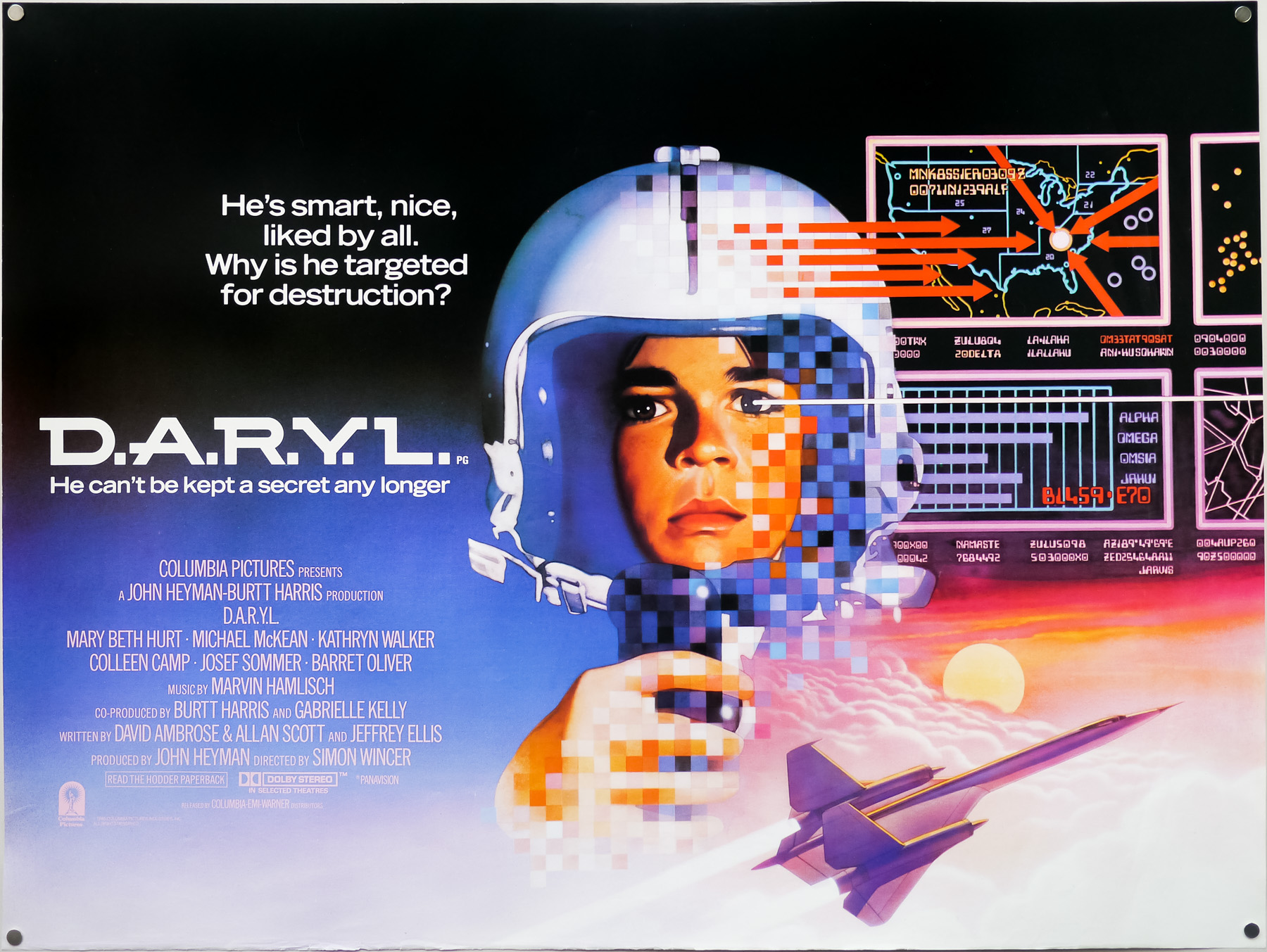
D.A.R.Y.L. / quad / UK

22.08.12

Poster Poster
Title
D.A.R.Y.L.
AKA
DARYL (alt. spelling)
Year of Film
1985
Director
Simon Wincer
Starring
Barret Oliver, Mary Beth Hurt, Michael McKean, Danny Corkill
Origin of Film
UK | USA
Genre(s) of Film
Barret Oliver, Mary Beth Hurt, Michael McKean, Danny Corkill,
Type of Poster
Quad
Style of Poster
--
Origin of Poster
UK
Year of Poster
1985
Designer
Unknown
Artist
David Jarvis
Size (inches)
30 2/16 x 40"
SS or DS
SS
NSS #
--
Tagline
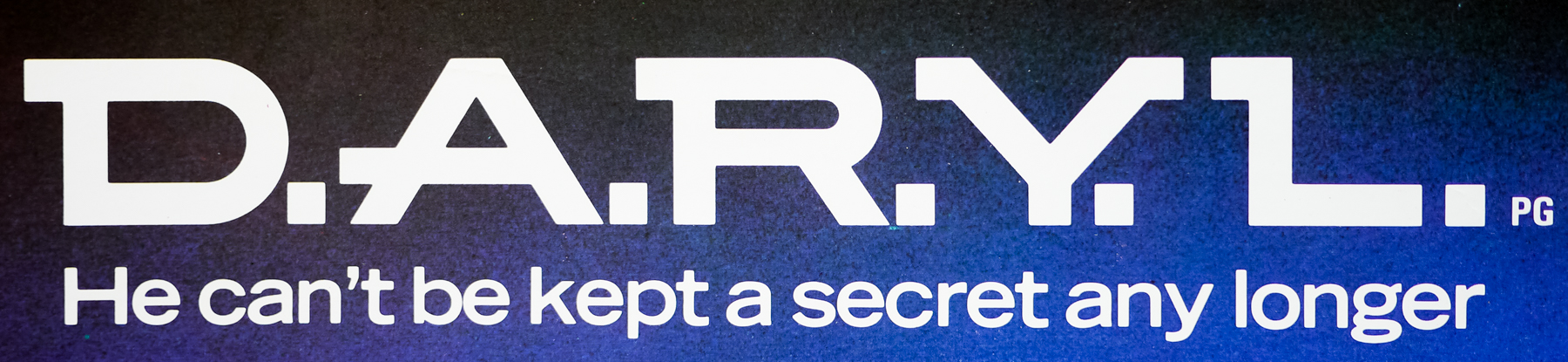
He's smart, nice, liked by all. Why is he targeted for destruction? | He can't be kept a secret any longer

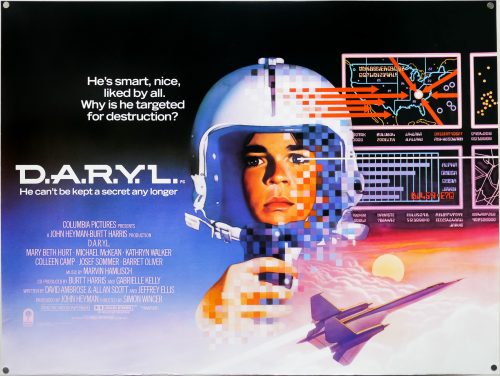
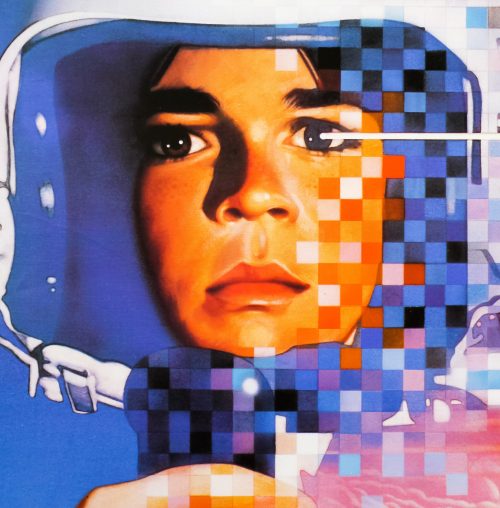
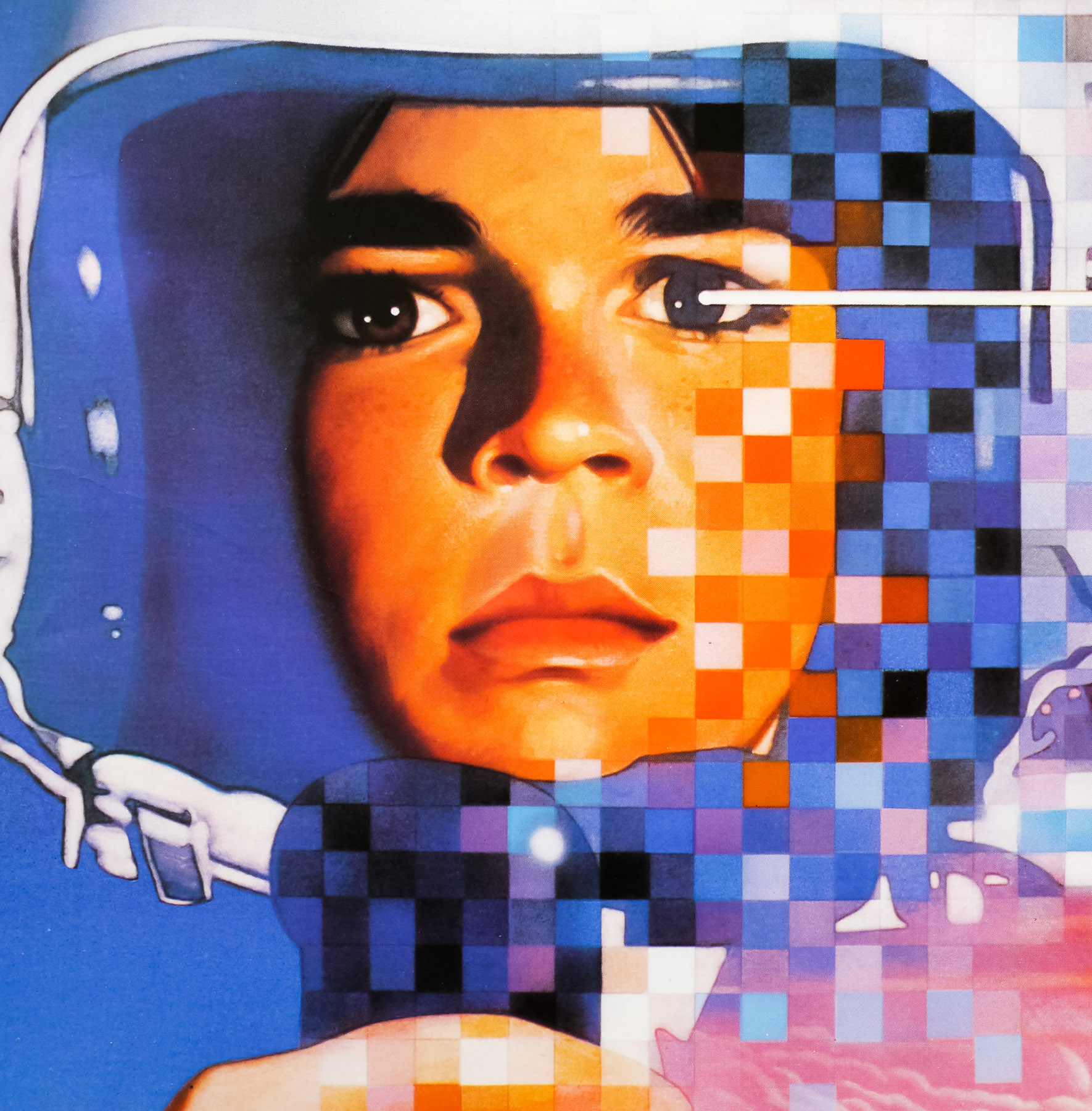
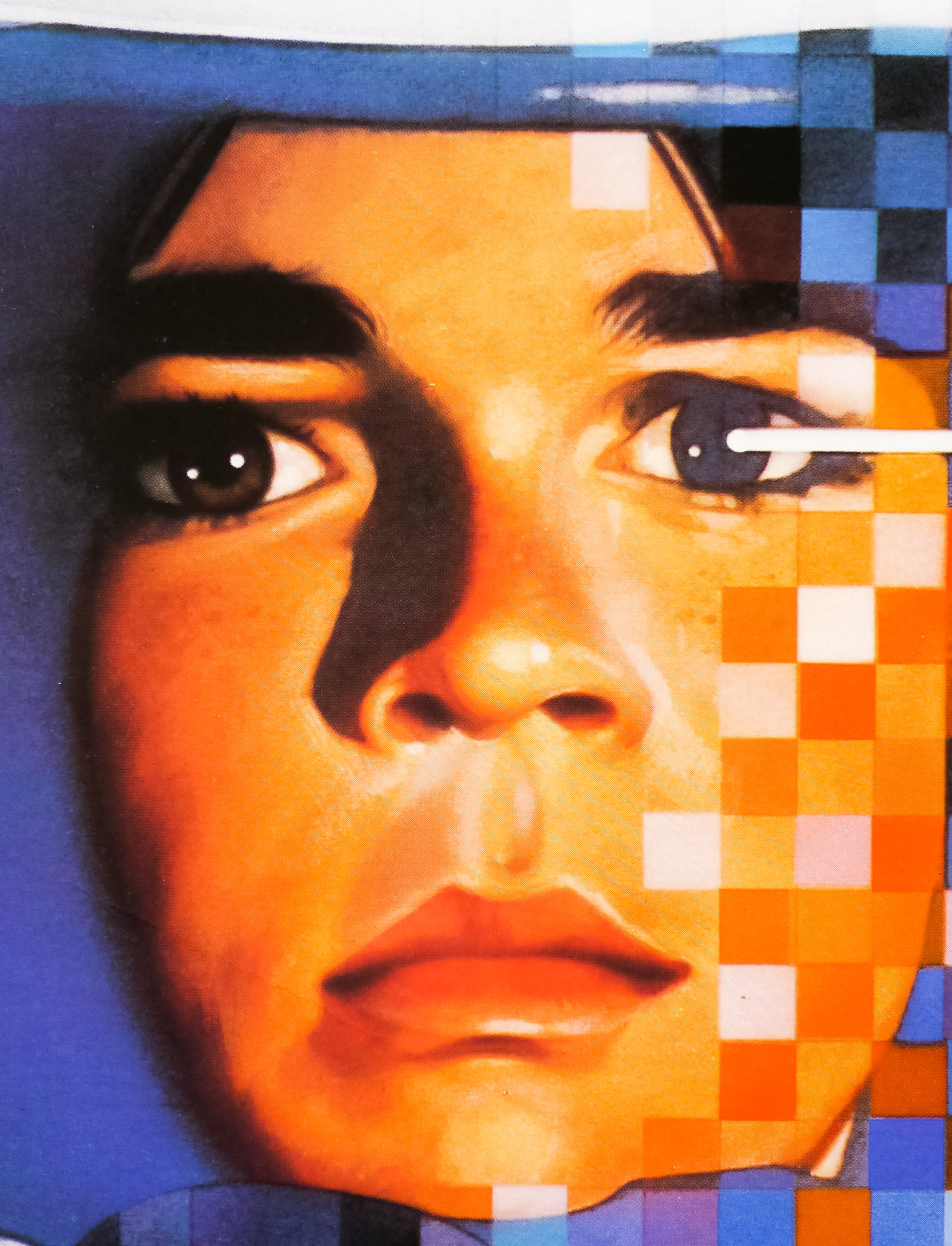
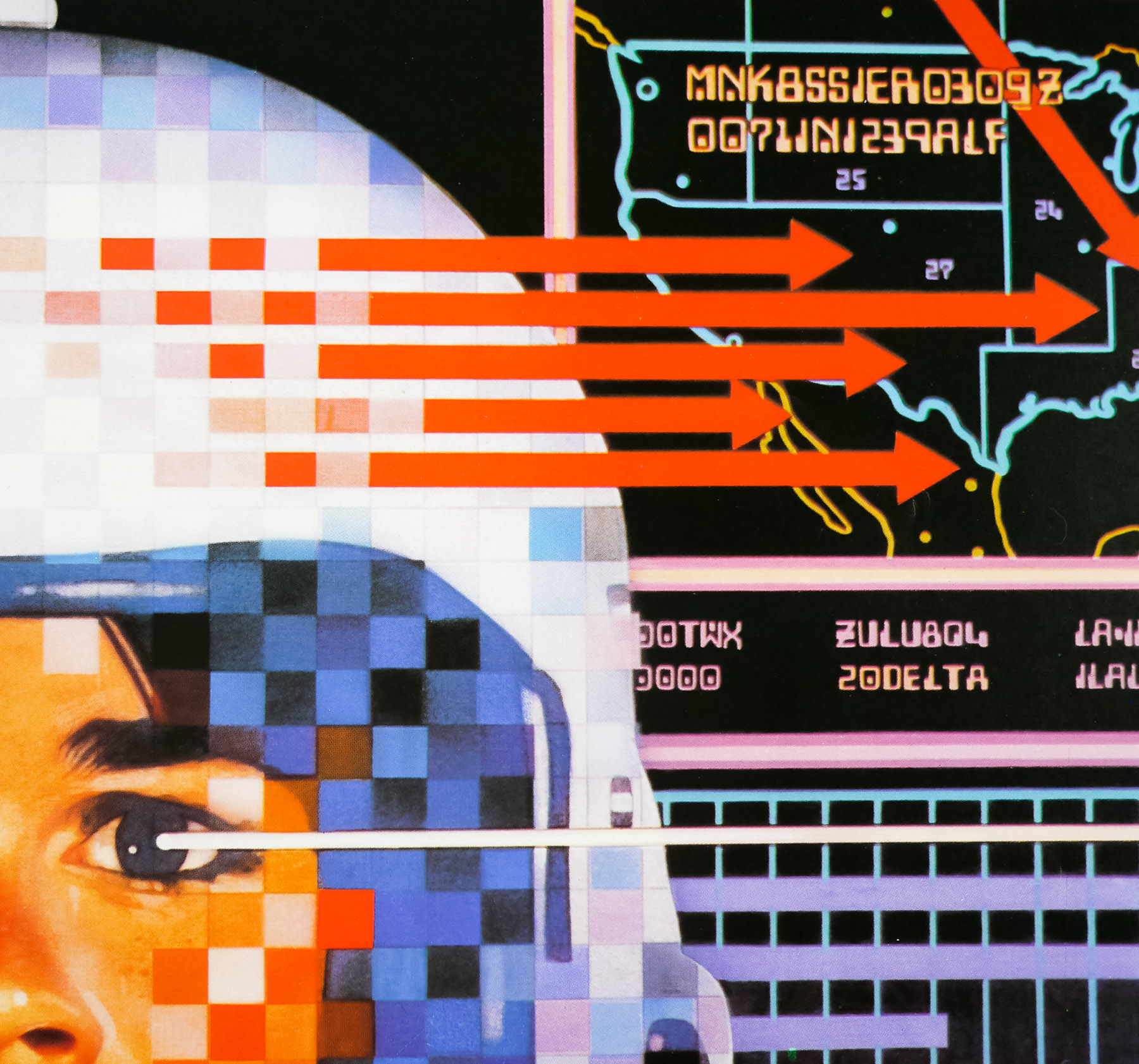
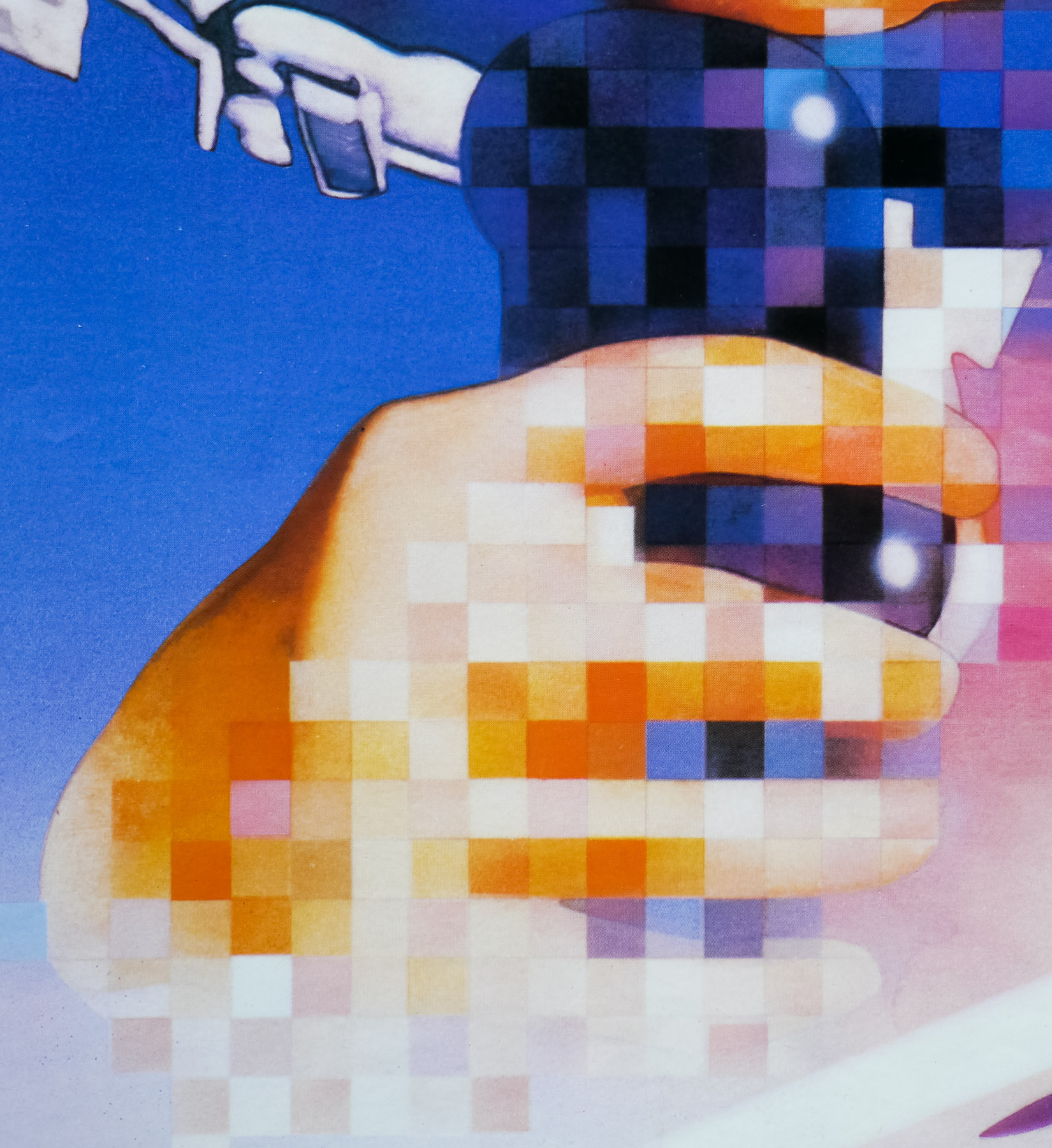
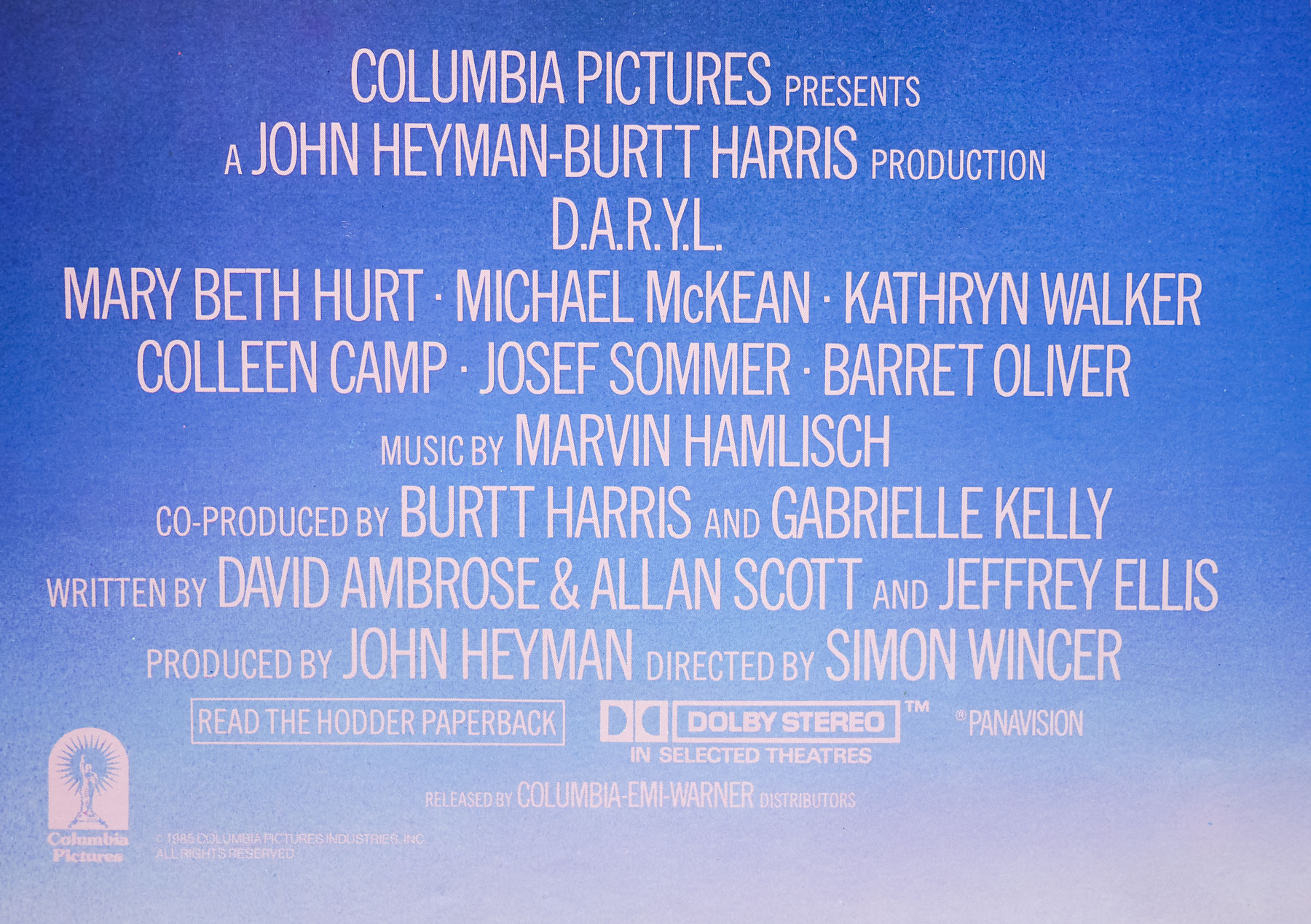
One of the staple films of my 1980s childhood, D.A.R.Y.L. (Data-Analysing Robot Youth Lifeform) tells the story of a young boy (Barret Oliver) who is found wandering alone by an elderly couple and taken to an orphanage. After being adopted by foster parents Andy Richardson (Michael McKean) and Joyce (Mary Beth Hurt) it becomes clear that Daryl is no ordinary boy as he starts to display a series of uncanny skills, including a perfect talent for baseball and the ability to manipulate funds via ATMs.

It turns out that he’s actually a cyborg with the brain of a supercomputer having been implanted into the body of a 10-year-old boy. Daryl was able to escape from a top secret facility with the help of a scientist but the military are in hot pursuit having decided that the ‘project’ should be terminated. The film was directed by Australian Simon Wincer who would later achieve great success with the family film Free Willy.

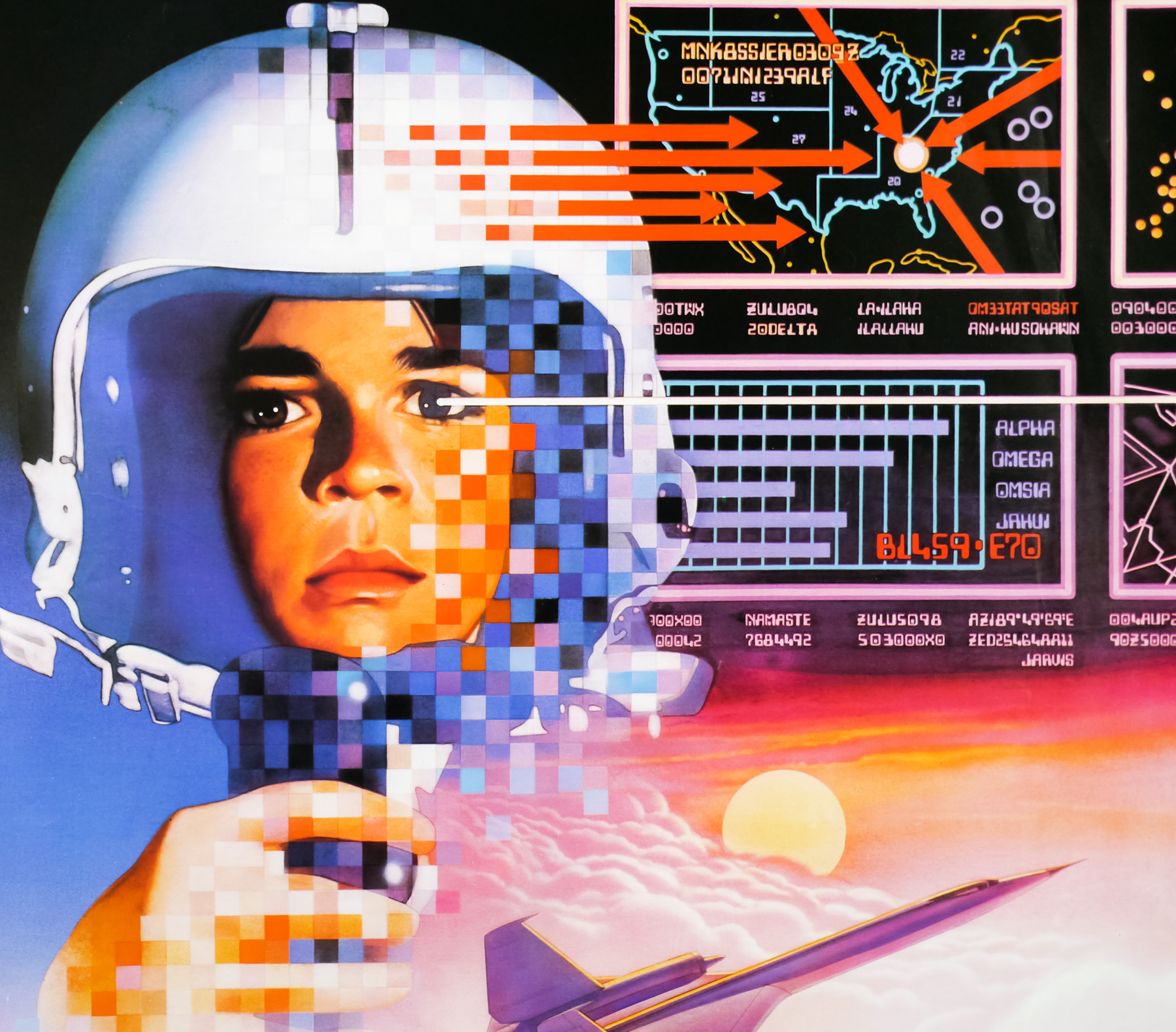
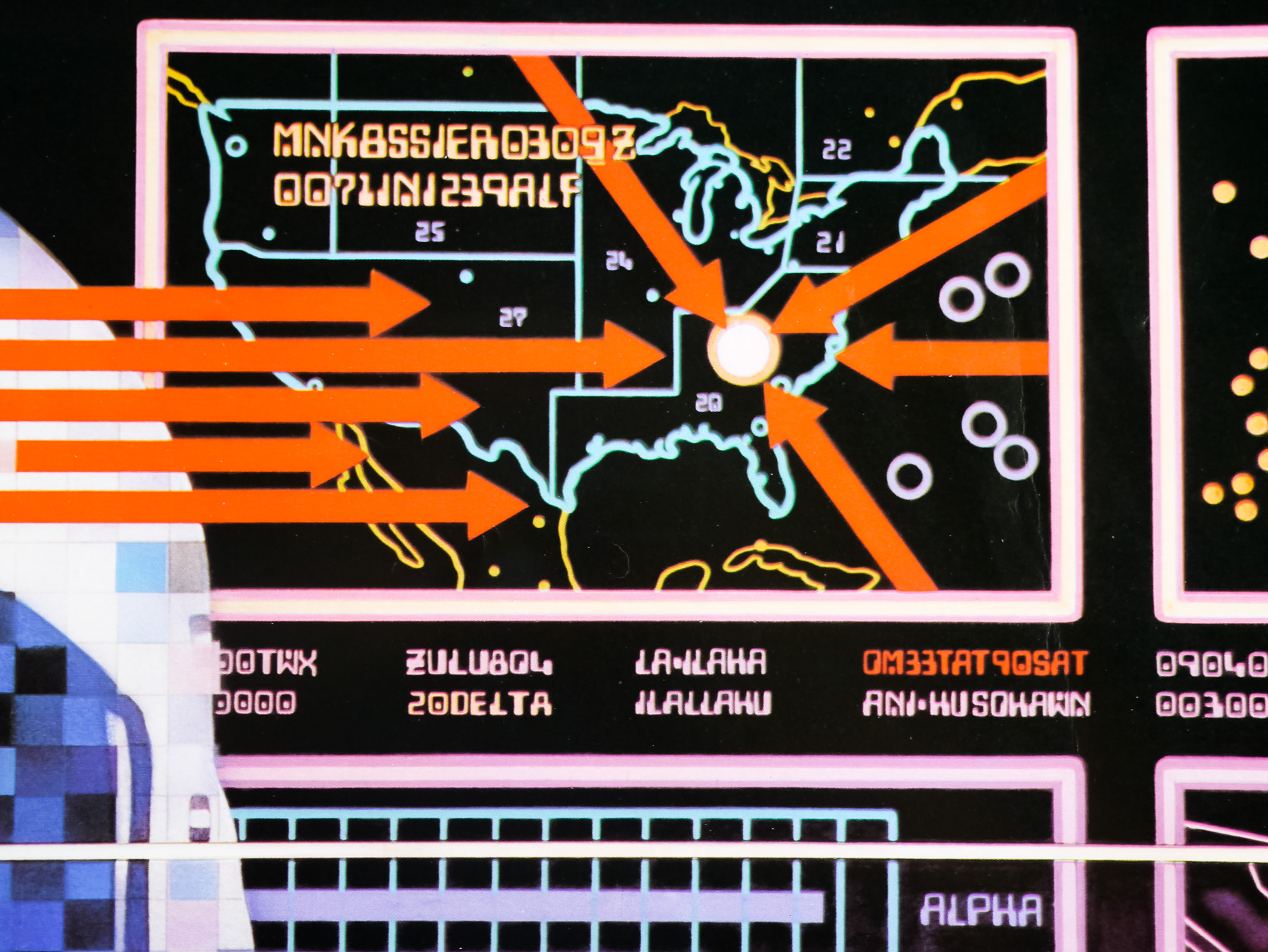
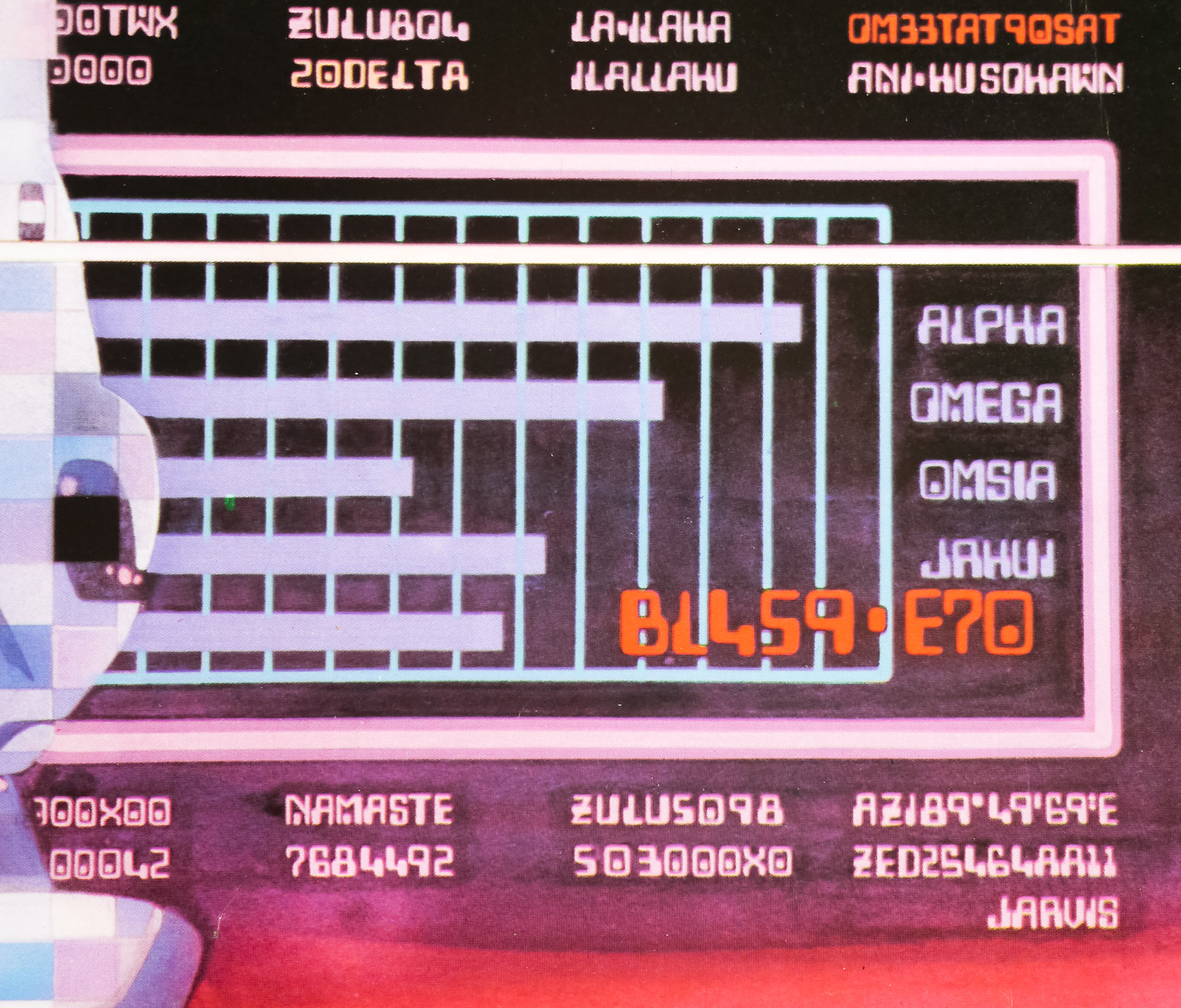
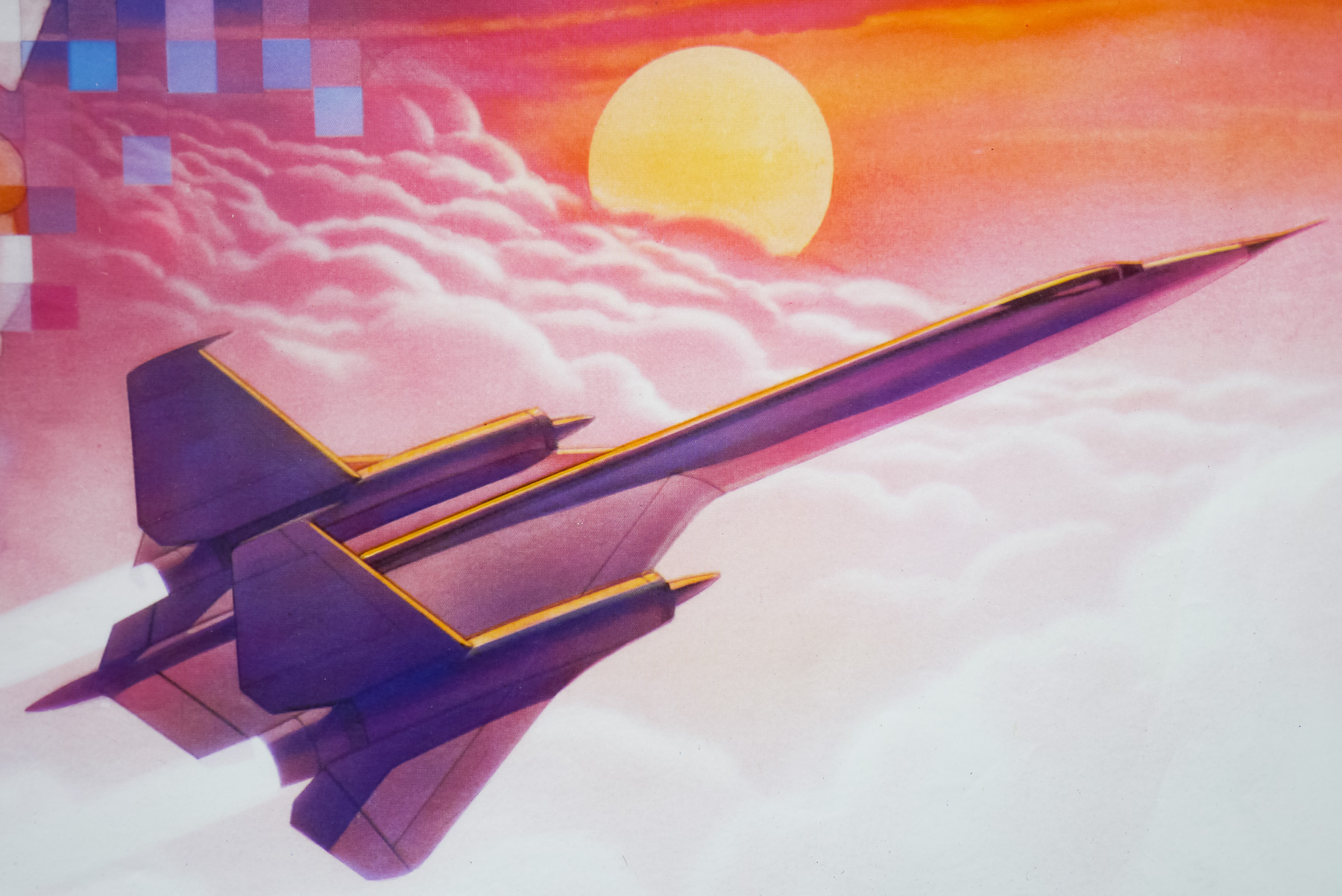
This UK quad features artwork by the American artist David Jarvis, who is perhaps best known for his illustration on the US one sheet for Walter Hill’s The Warriors. Having completed a degree in illustration at the Los Angeles Art Center College of Design, Jarvis went on to work as a freelance illustrator producing over thirty designs for film posters, as well as record sleeves, magazine covers and more. He also worked as an artist for Disney studios on the films Mulan and Tarzan. The other posters I’ve collected by him can be seen here.

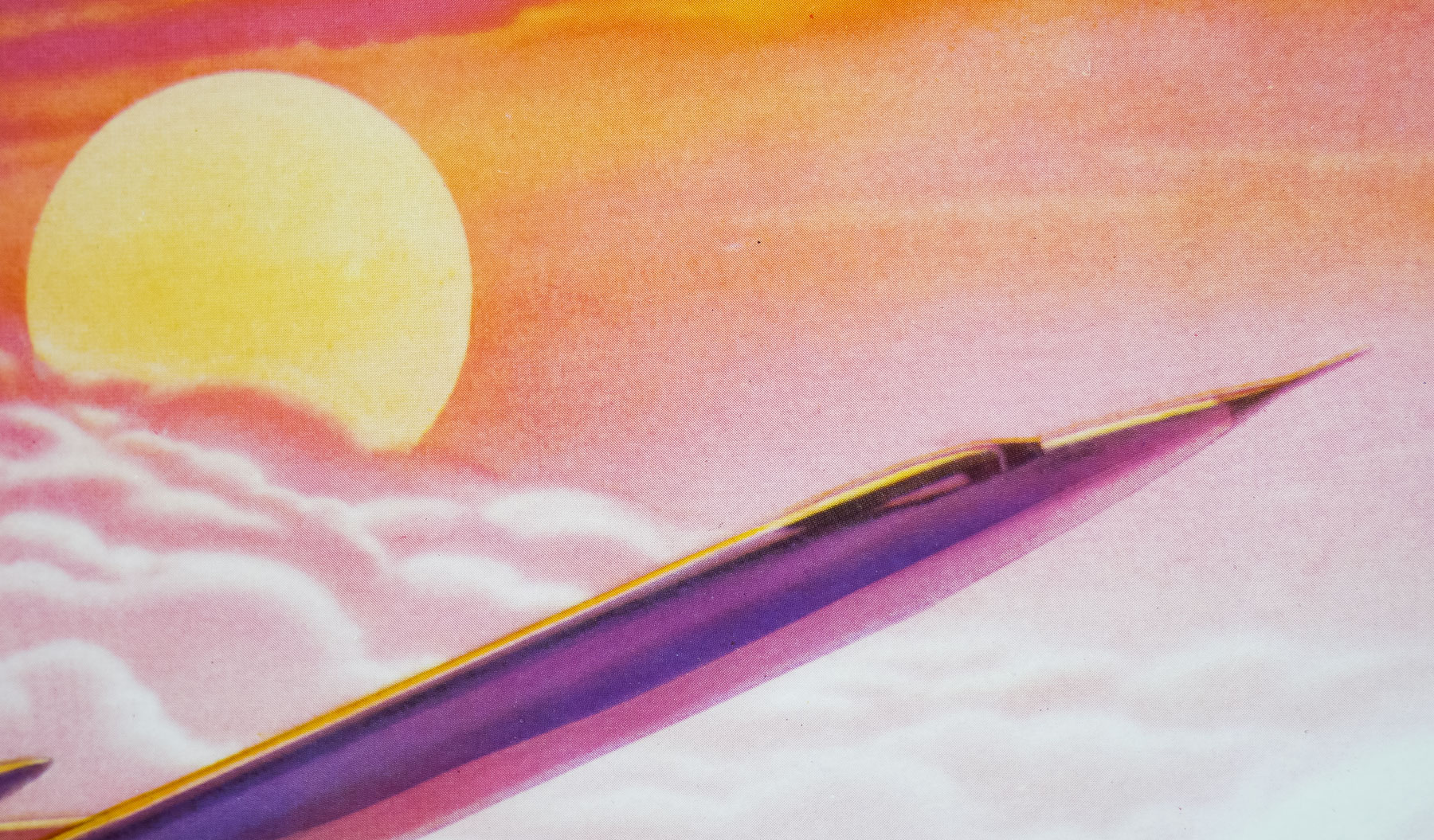
Note the hidden words in amongst the data display on the right hand side. The SR-71 Blackbird stealth plane in the bottom right of the poster plays a prominent role in an action sequence towards the end of the film.

The Emerald Forest / quad / UK

09.11.12

Poster Poster
Title
The Emerald Forest
Year of Film
1985
Director
John Boorman
Starring
Powers Boothe, Meg Foster, Yara Vaneau, William Rodriguez, Estee Chandler, Charley Boorman, Dira Paes, Eduardo Conde, Ariel Coelho
Origin of Film
UK
Genre(s) of Film
Powers Boothe, Meg Foster, Yara Vaneau, William Rodriguez, Estee Chandler, Charley Boorman, Dira Paes, Eduardo Conde, Ariel Coelho,
Type of Poster
Quad
Style of Poster
--
Origin of Poster
UK
Year of Poster
1985
Designer
Vic Fair
Artist
Brian Bysouth
Size (inches)
30 1/16" x 39 15/16"
SS or DS
SS
NSS #
--
Tagline
The Adventure Movie of the Year

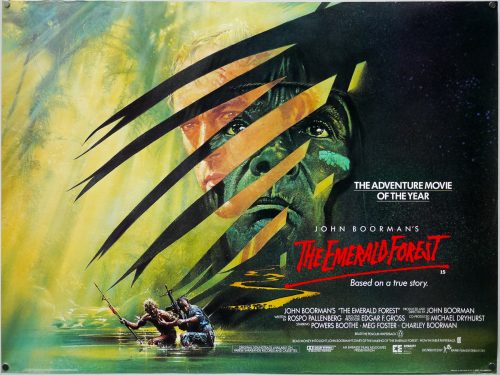
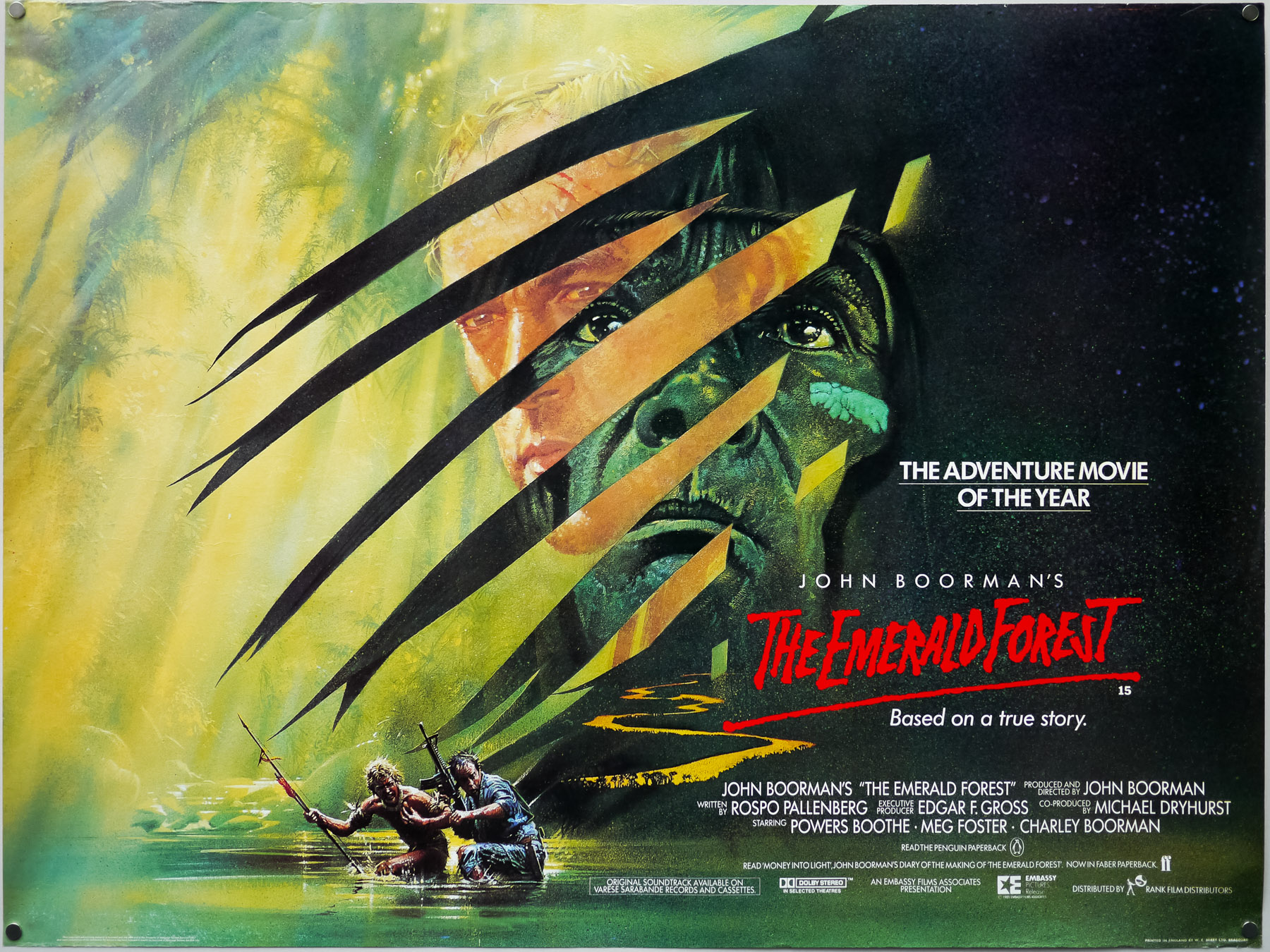
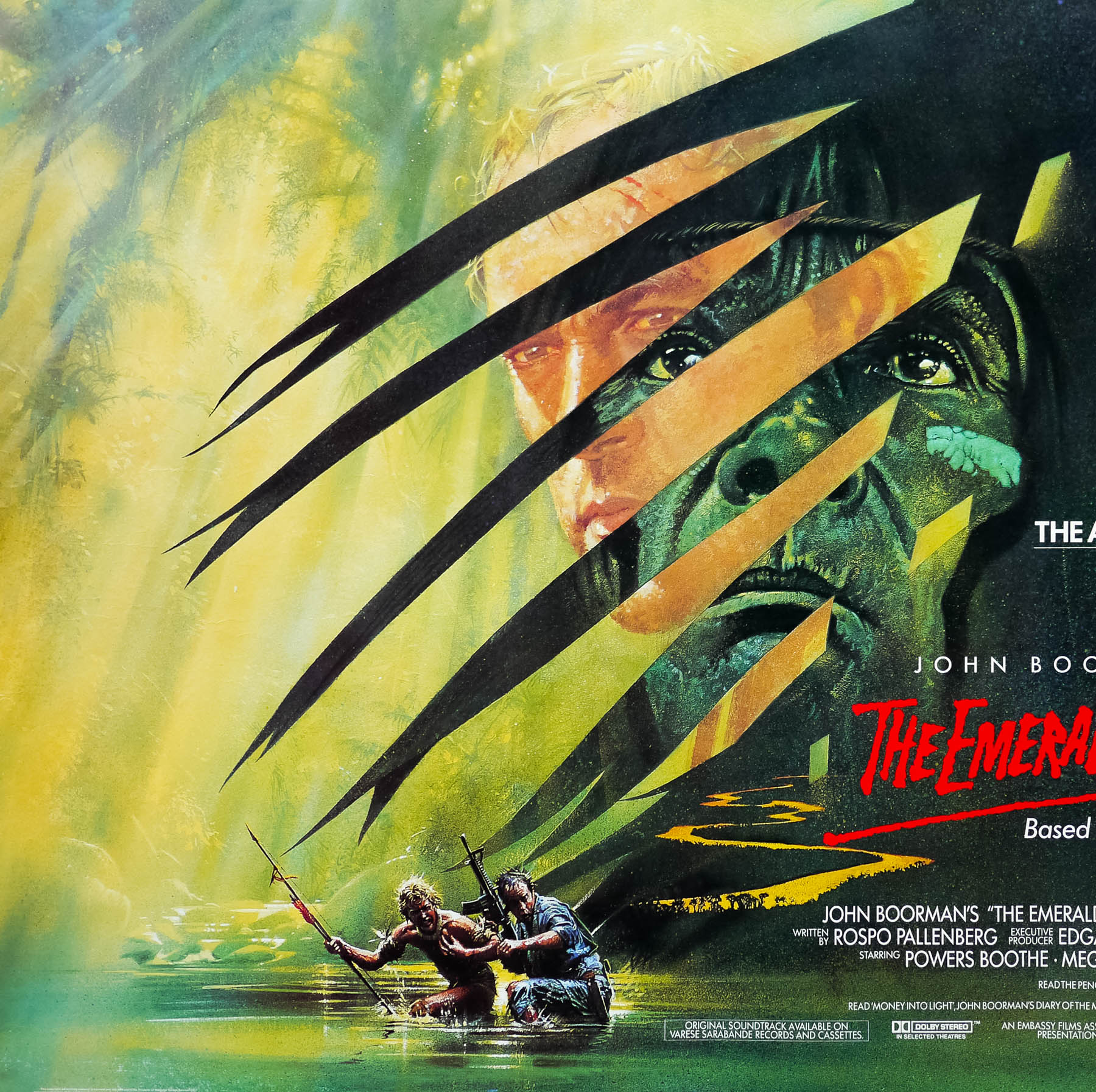
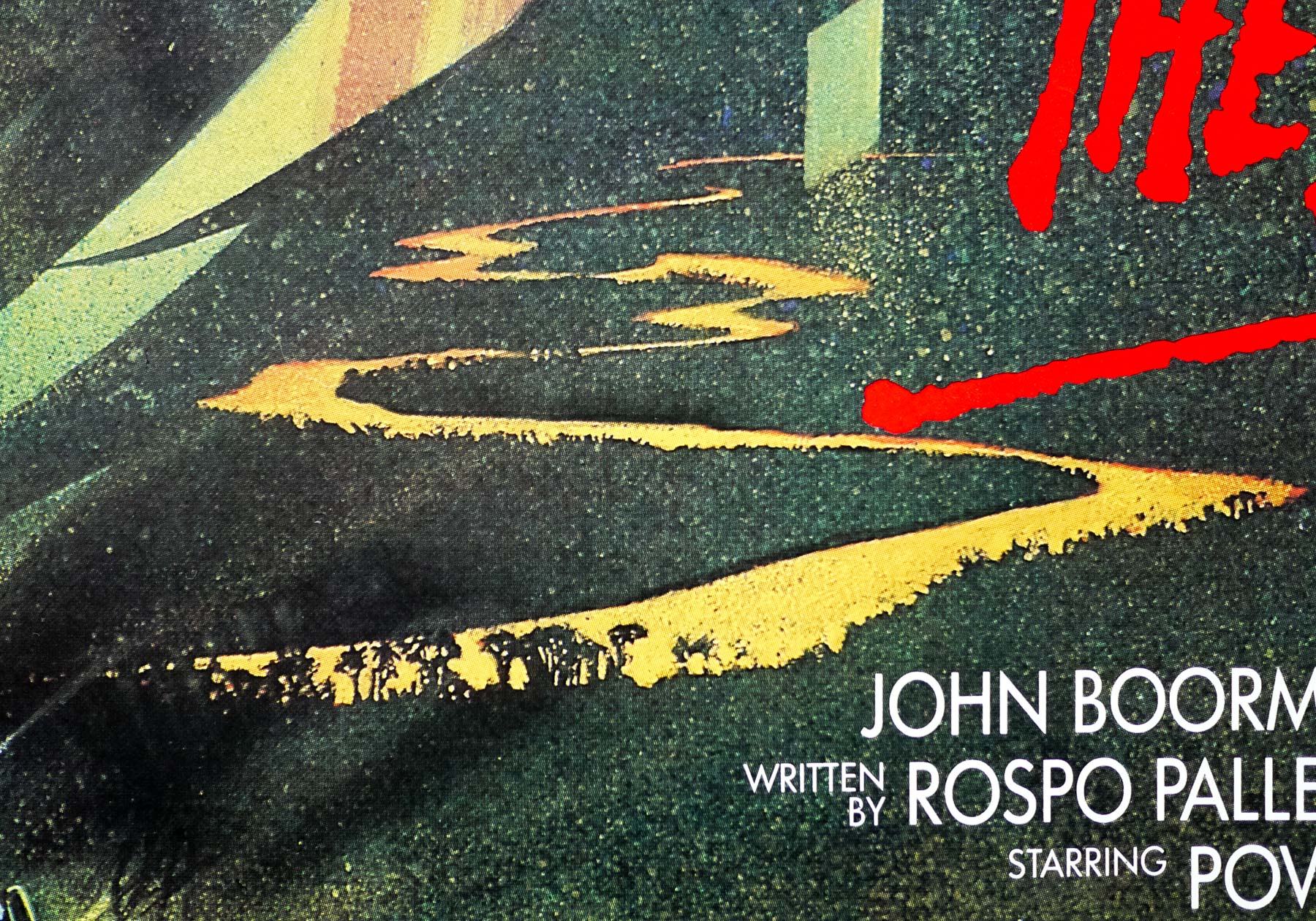
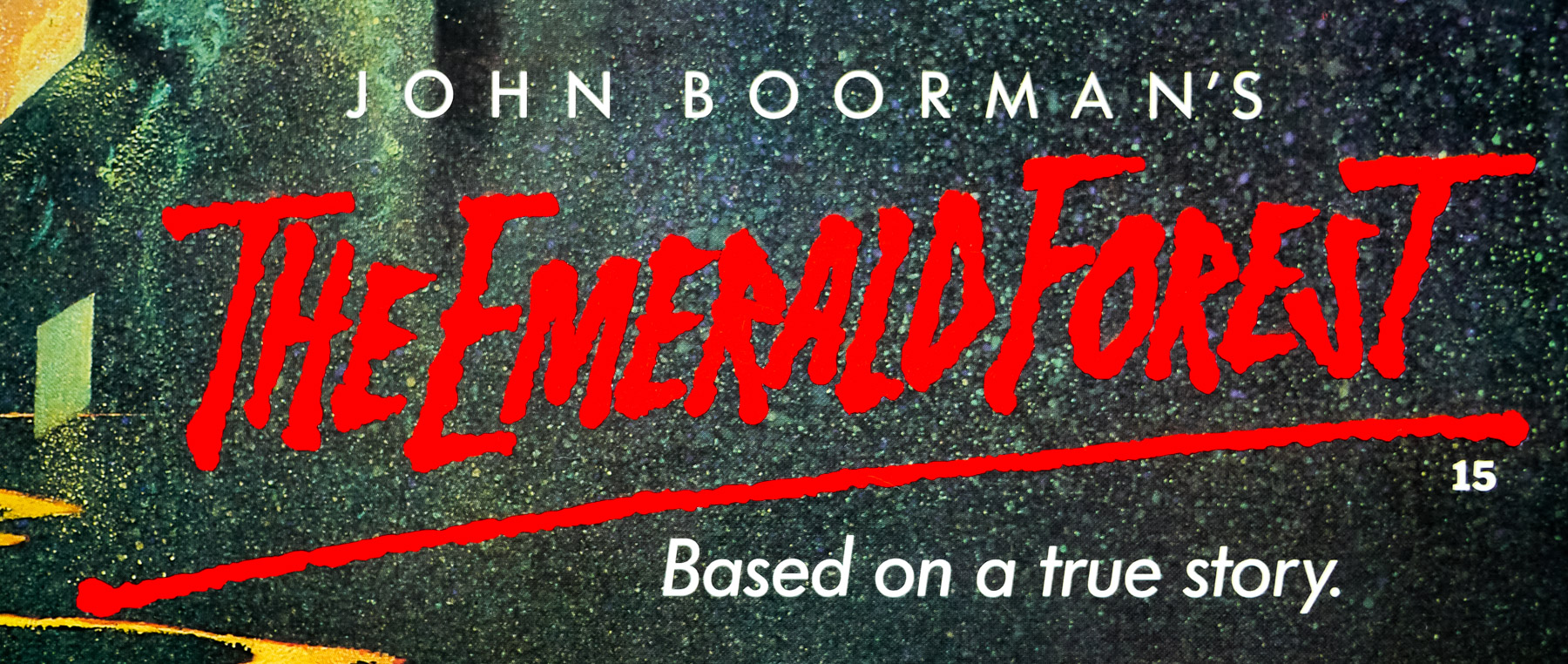
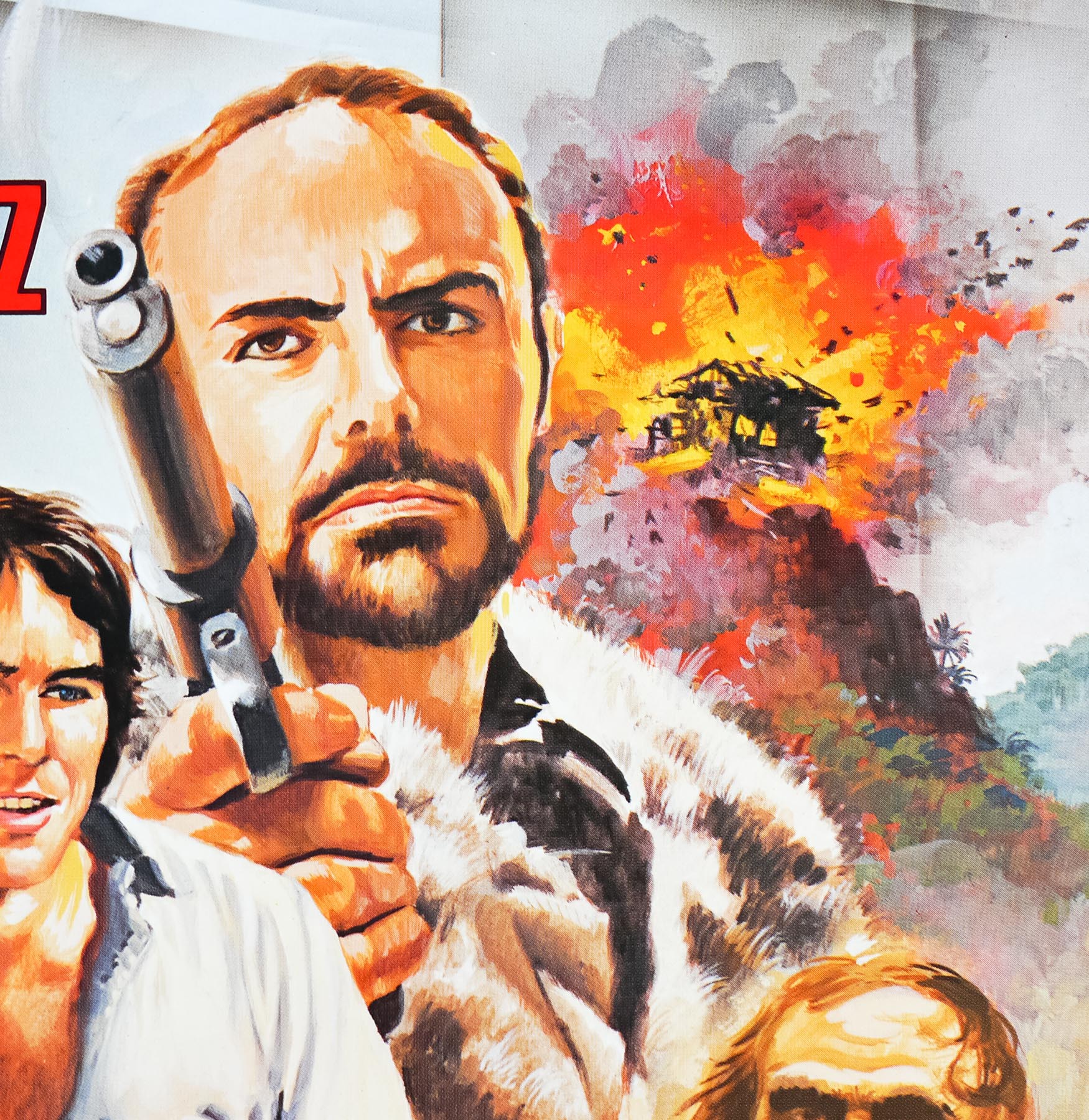
A striking design on this British quad for the release of John Boorman‘s adventure film The Emerald Forest. Bill Markham (Powers Boothe) is an engineer working on the construction of a dam in the jungles of Brazil who has brought his wife and young children with him to live there. One day his son Tommy disappears and the family discover that he has been kidnapped by an indigenous tribe called the Invisible People. Markham spends years searching for his son and it’s not until a decade later that he finally locates him, only to discover that he’s now fully assimilated into the tribe. The dam is nearing completion and Markham decides to help his son’s adopted tribe before their way of life is totally destroyed. Tommy/Tomme is played by Charley Boorman, the director’s own son.

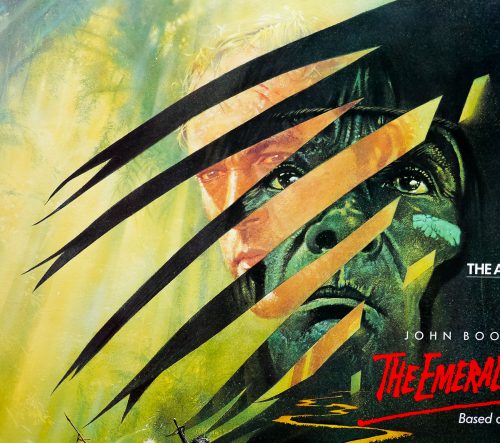
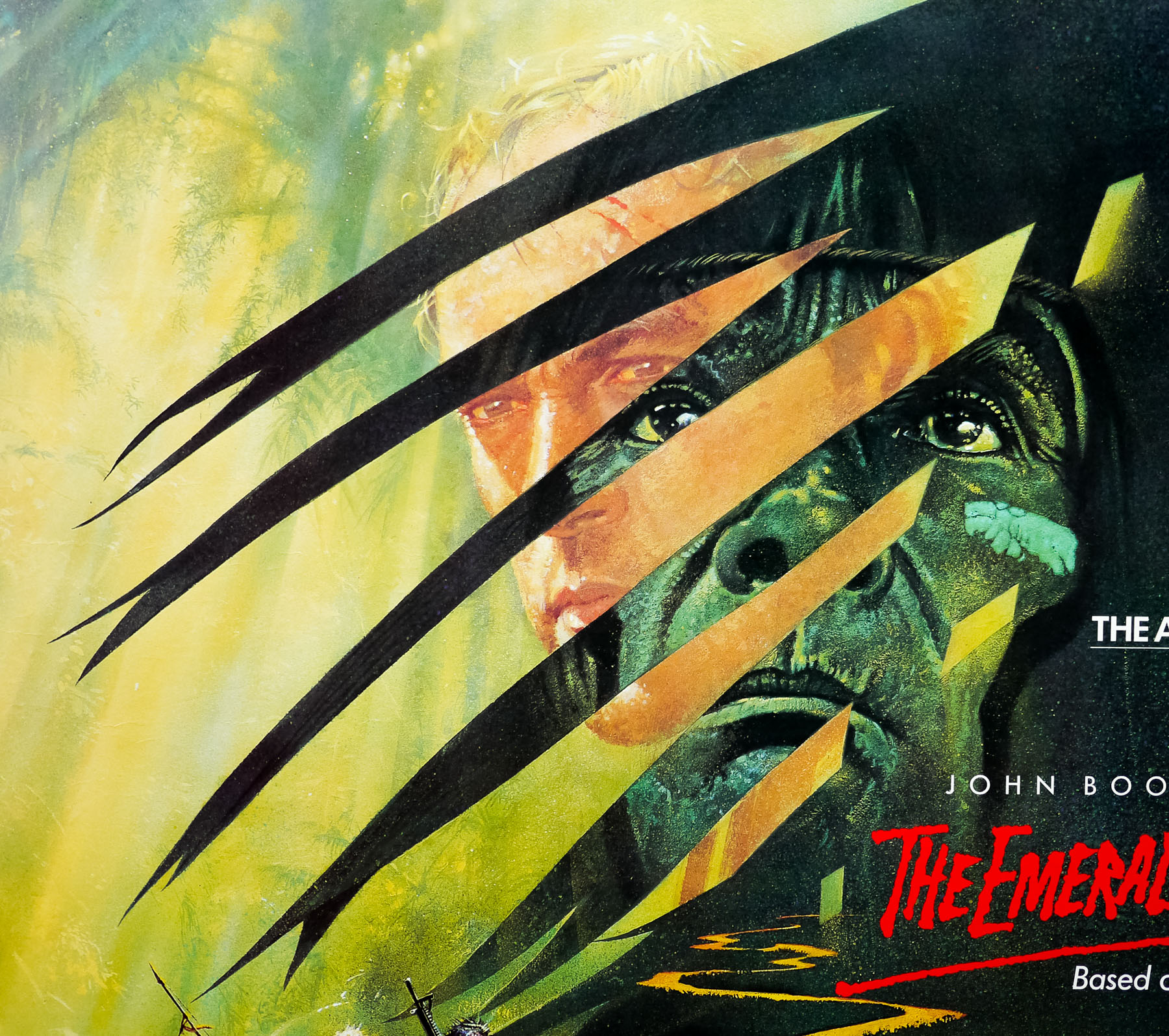
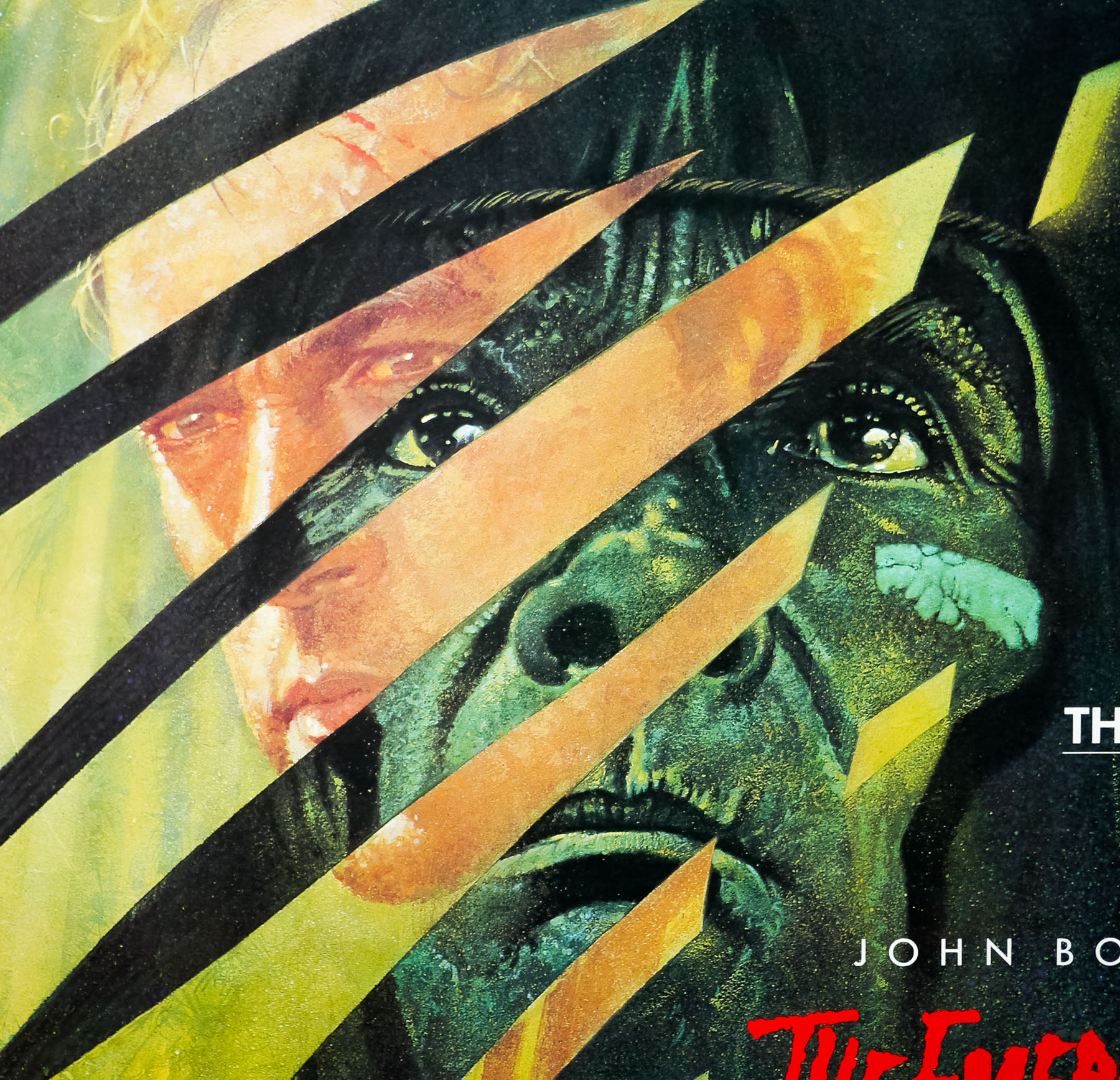
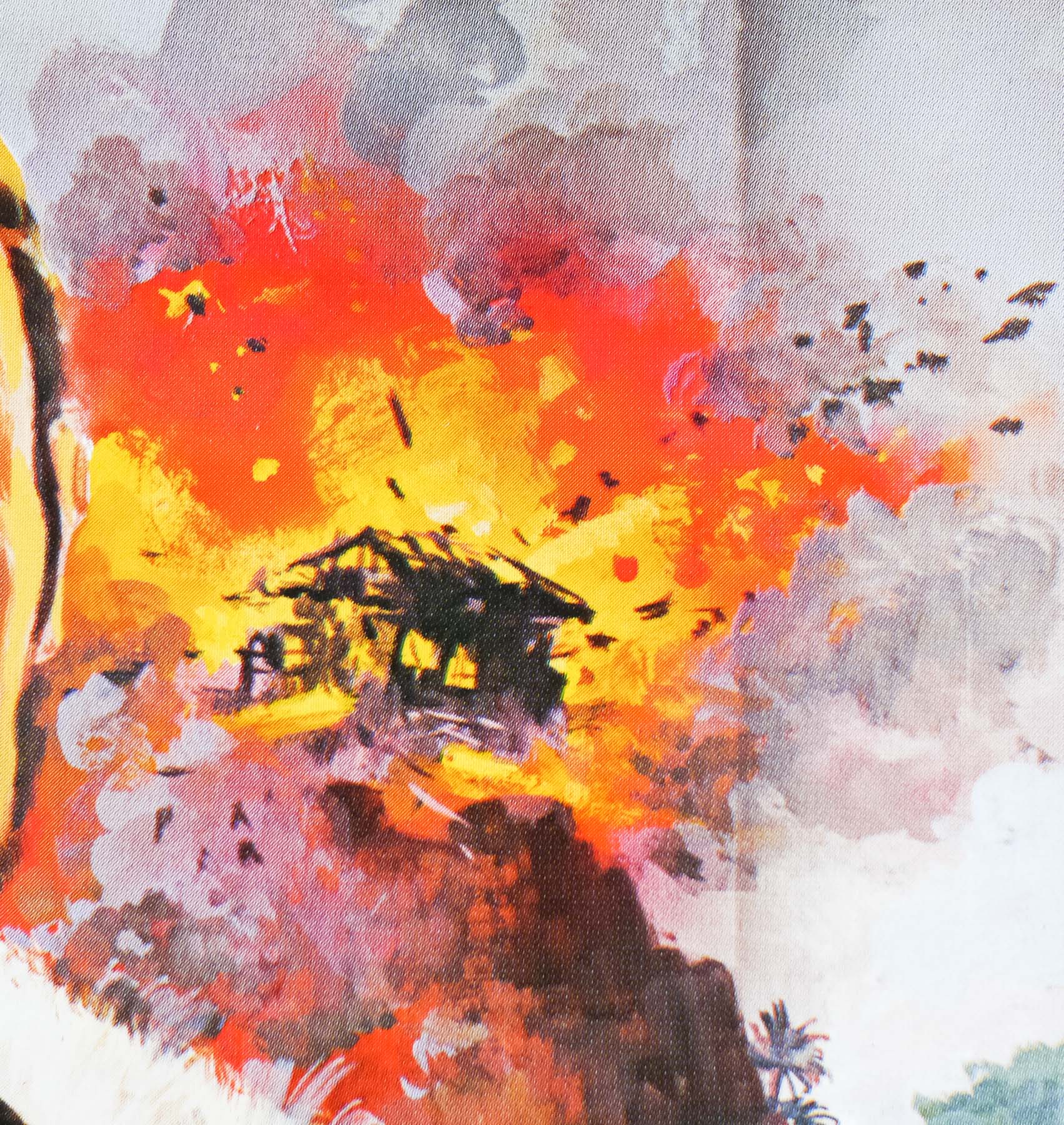
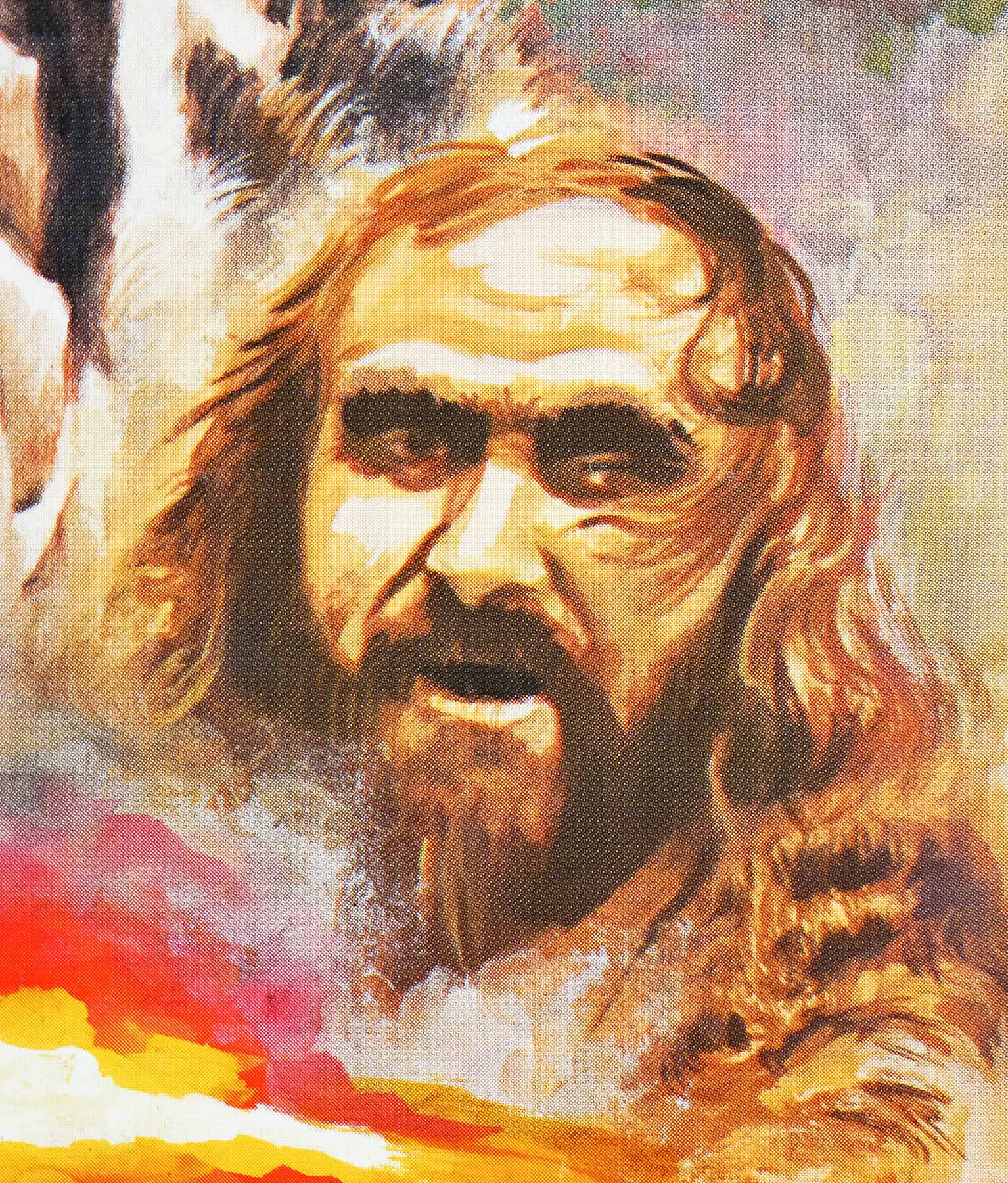
This poster was one of several collaborations between two immensely talented British designer-illustrators, Vic Fair and Brian Bysouth. Like the withdrawn A View to a Kill UK one sheet, Vic was on design duties and is responsible for this brilliantly clever composition that juxtaposes the face of Powers Boothe with that of a tribesman, using the device of the multi-stranded leaf. Brian executed the final illustration in his typically detailed style with the use of careful brush strokes and airbrush techniques to give the whole thing a nice texture.

Vic and Brian were unquestionably two of the greatest talents ever to work on British film posters, which make collaborations like this even more special. For more information on the pair I highly recommend picking up a copy of ‘British Film Posters‘ as it features sections on both men. Here are the posters I’ve collected so far by Brian Bysouth and those by Vic Fair (with more to add over the coming months).

In December 2012 I met and interviewed Brian Bysouth and this poster was discussed:

Another one you both worked on that I love is the poster for The Emerald Forest, which has a great device of the leaves dividing the two faces
That’s another superb design from Vic. The textured effects were created by using an old toothbrush to splatter the paint on quickly, and then I’d use an airbrush to finish it off. I really enjoyed painting the two figures running through the water. Being asked to do the finished illustration for such an outstanding design remains a deeply satisfying experience.

Years later, I asked Mike Wheeler, the advertising director at Rank, if he could return the artwork to me and I was astonished when it arrived by messenger the very next day. I always got on well with Mike but that kind act secured an enduring friendship.

The Harder They Come / quad / 1977 re-release / UK

30.03.13

Poster Poster

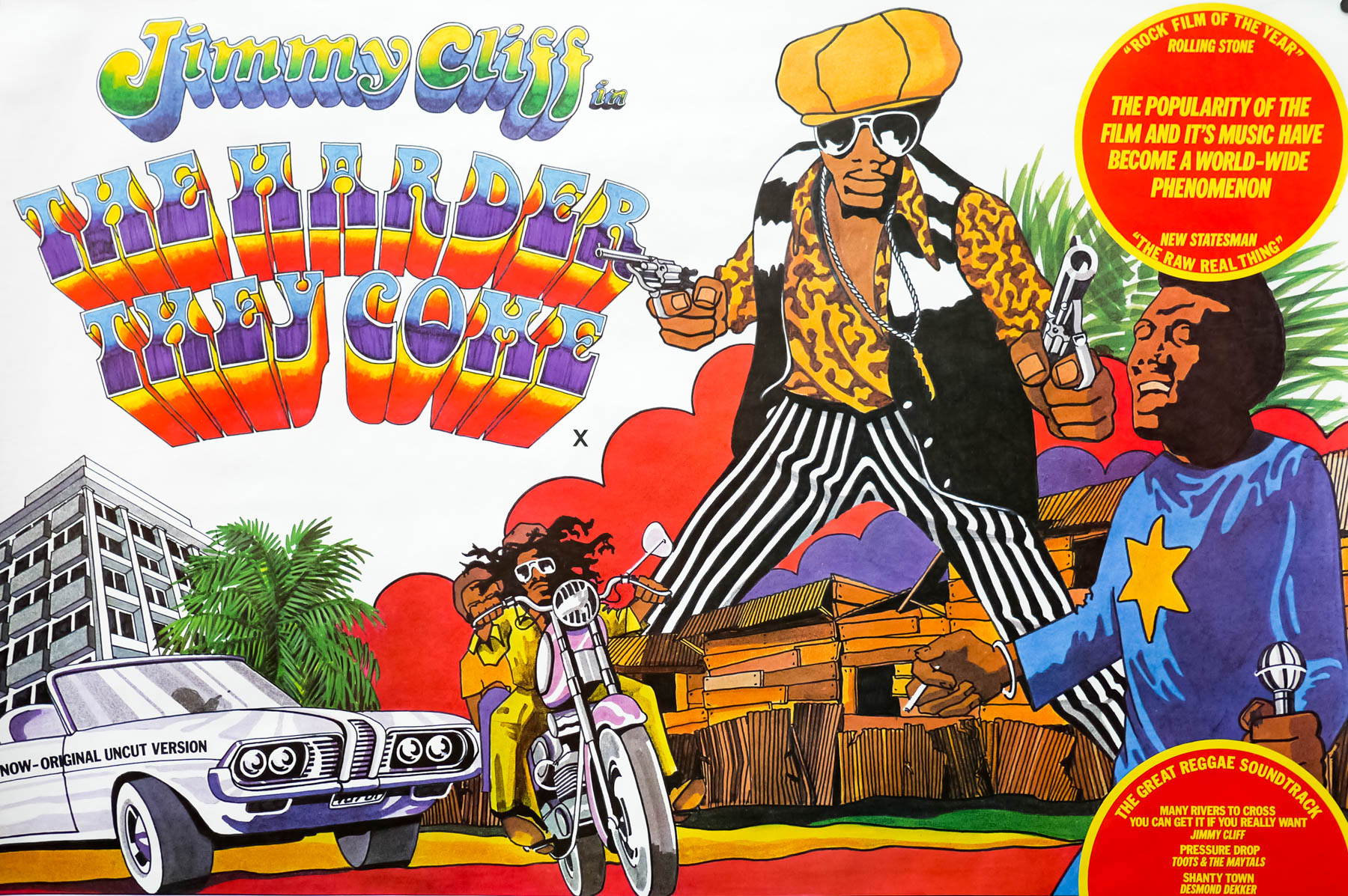
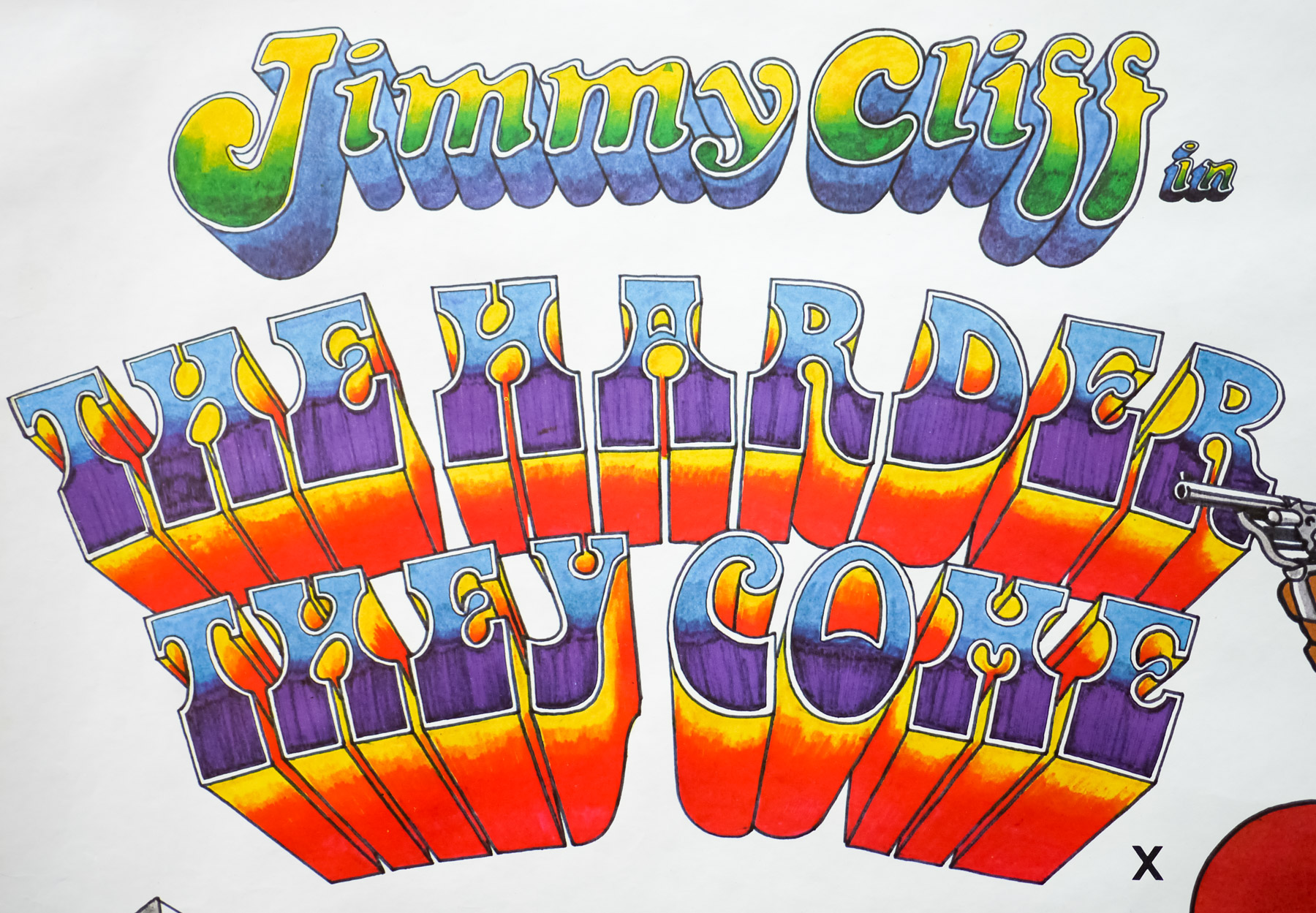
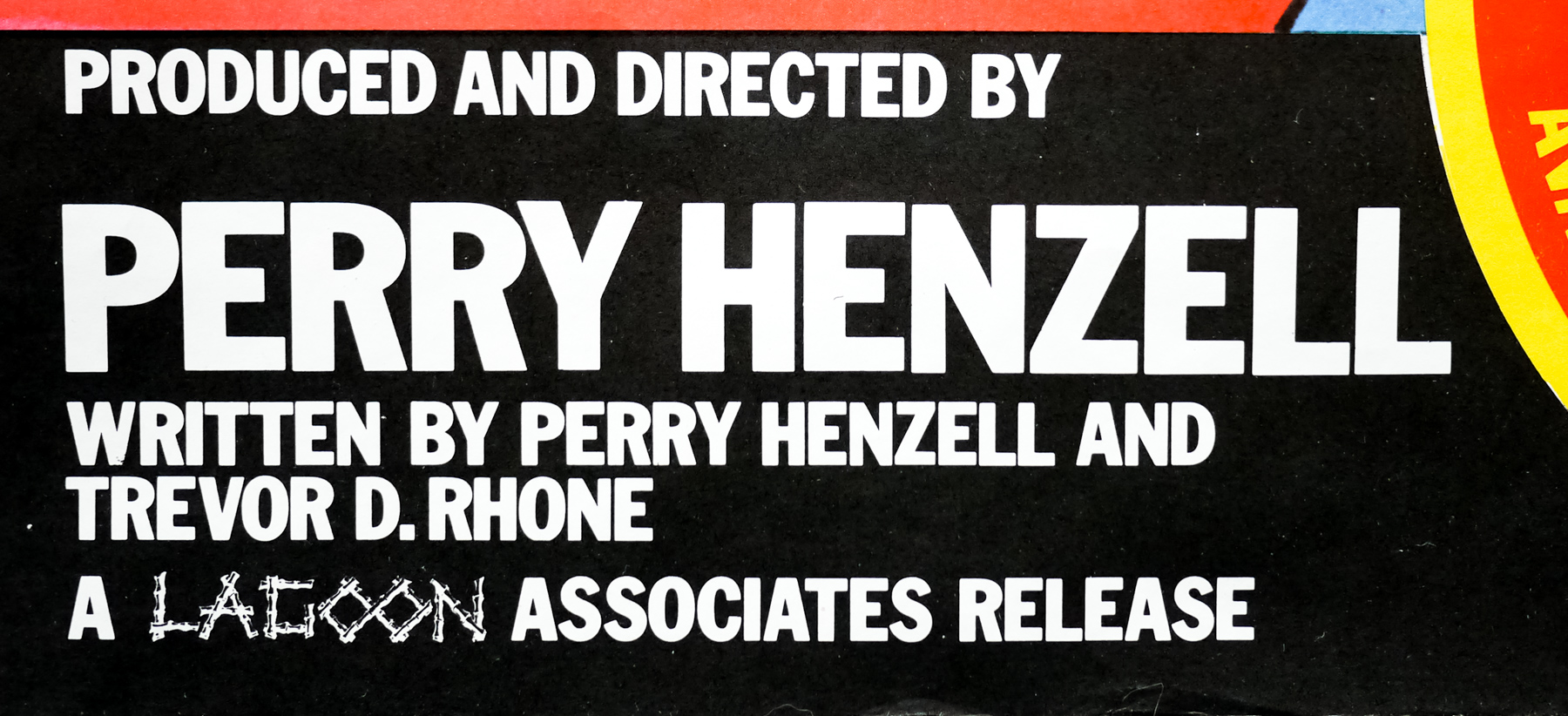
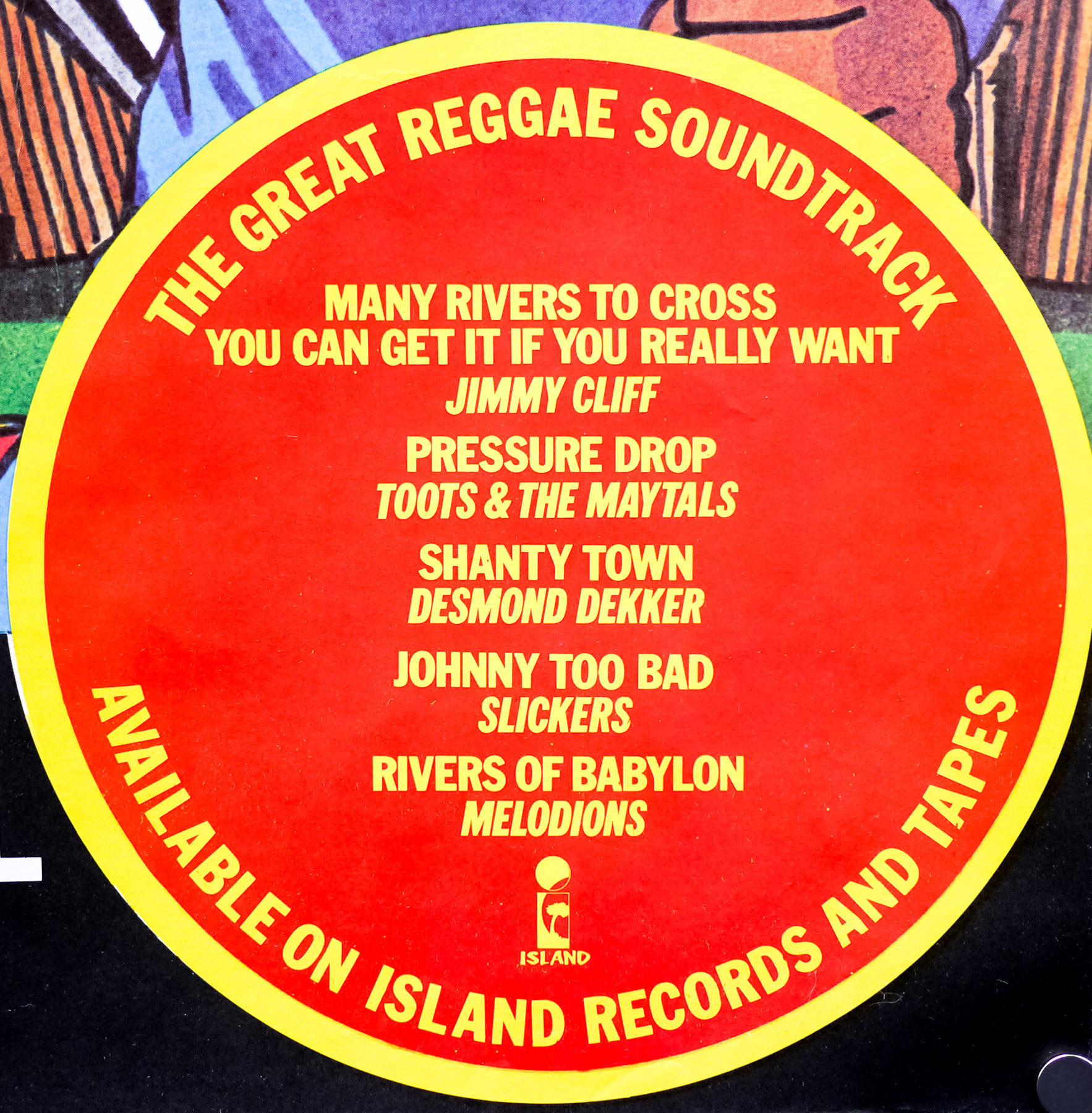
Jamaica’s first feature film They Harder They Come is often credited with introducing the rest of the world to reggae music, released as it was before Jamaican artists like Bob Marley had achieved much recognition outside of the country. The film was directed by Jamaican native Perry Henzell, who also produced and co-wrote the script, and is partially based on the true story of Ivanhoe ‘Rhyging‘ Martin. Often called the ‘original rude boy’, Martin was a Jamaican outlaw who escaped from prison and managed to evade the police for several years with the help of the Jamaican public, before a final showdown on Lime Cay in 1948. The soundtrack to the film is absolutely integral to its success and features tracks from some of Jamaica’s best reggae artists, including Desmond Dekker, Toots & the Maytals and singer Jimmy Cliff. Released on Jamaica’s own Island Records, the album went on to sell millions of copies and continues to be one of the label’s biggest sellers.

Jimmy Cliff stars as Ivan Martin and was chosen for the role after Perry Henzell saw photos of him on the packaging for one of his earlier albums. Ivan is a country boy who travels to Kingston with empty pockets and a dream of becoming a singer. After being taken in by a preacher he meets a ruthless music studio owner who eventually allows him to record a tune (the titular The Harder They Come), but is then persuaded to sign away the rights for a pittance. Realising that his dream may be over, Ivan accepts an offer from a friend to begin dealing marijuana and, although things go smoothly for a while, it’s not long before he is betrayed and set on a path of destruction after killing a policeman sent to arrest him. Ivan ends up as an outlaw on the run, helped by the people he lived amongst, but a failed attempt to escape by boat to Cuba sees him washed up on a sandy beach with the police hard on his tail.

The Harder They Come depicts the kind of life that many Jamaicans experienced in the sprawling migrant settlements of Kingston and it made no attempt to try and romanticise life on the island. In addition, little concession was made to those not used to hearing the unique Jamaican Patois spoken by the majority of the characters in the film and prints were often subtitled when projected in other countries. The film was phenomenally successful in Jamaica with the premiere at the old Carib theatre in Kingston attracting thousands of locals eager to get into the auditorium. Its popularity soon spread to other countries such as the UK and eventually to the USA. The distribution over there was eventually handled by Perry Henzell himself who personally sold the film to cinema managers in several big cities and it apparently ended up playing in one Boston cinema for eight years straight.

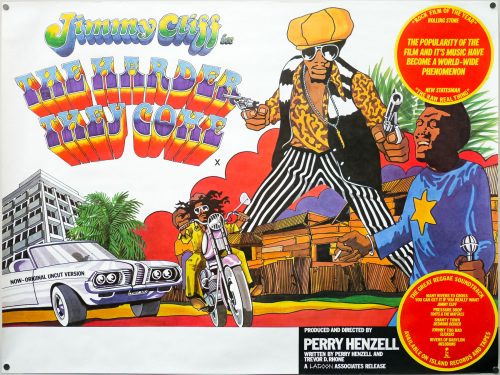
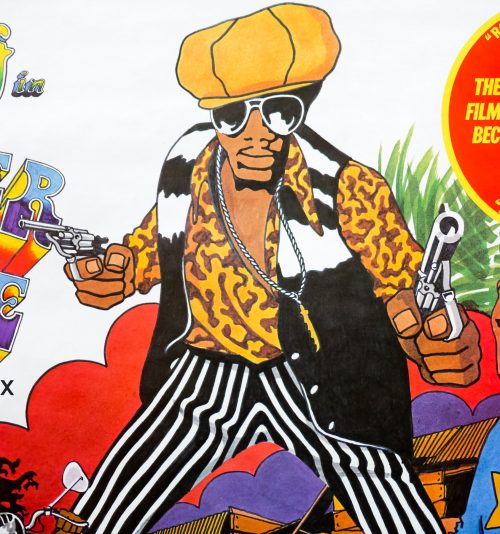
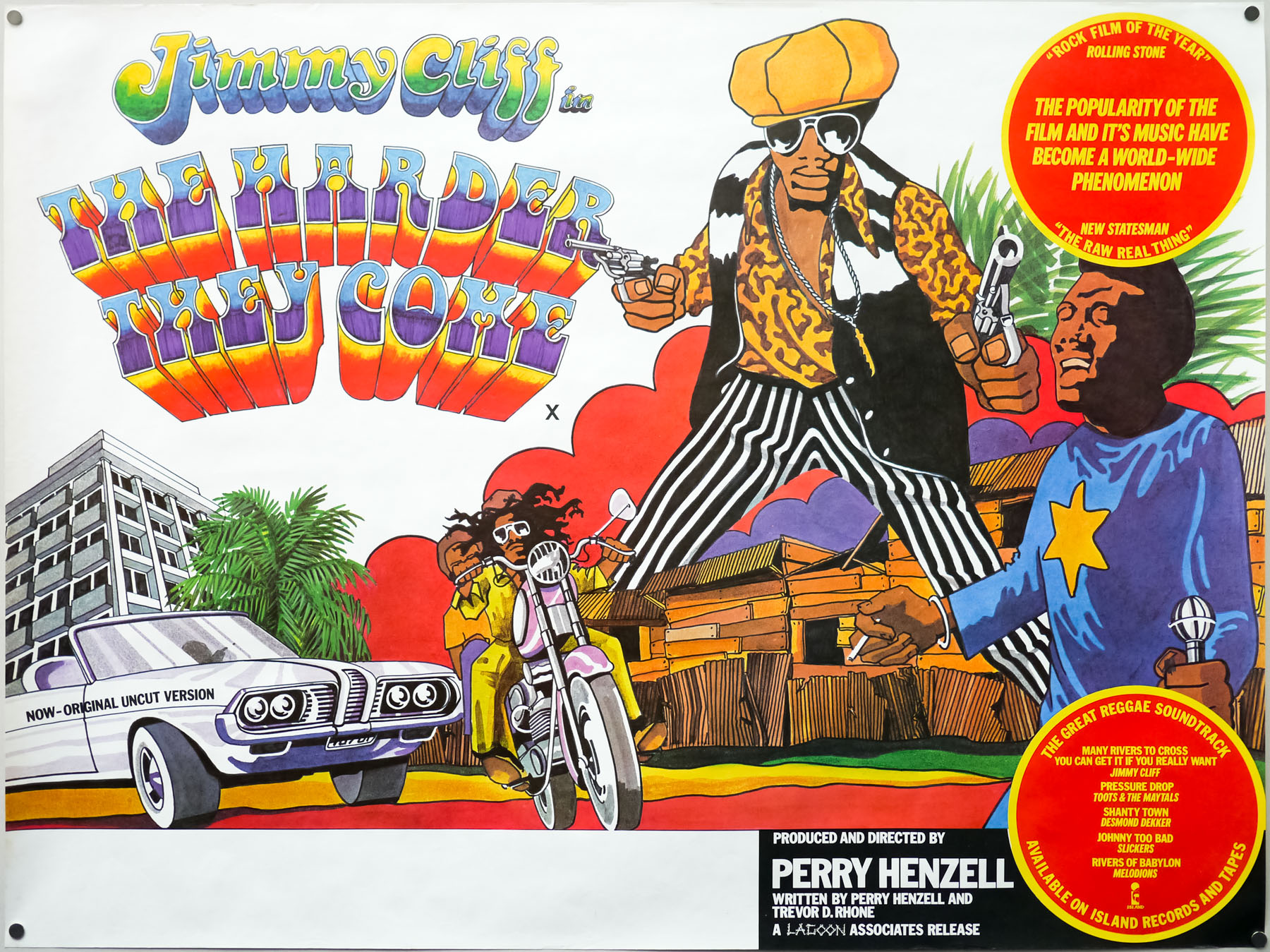
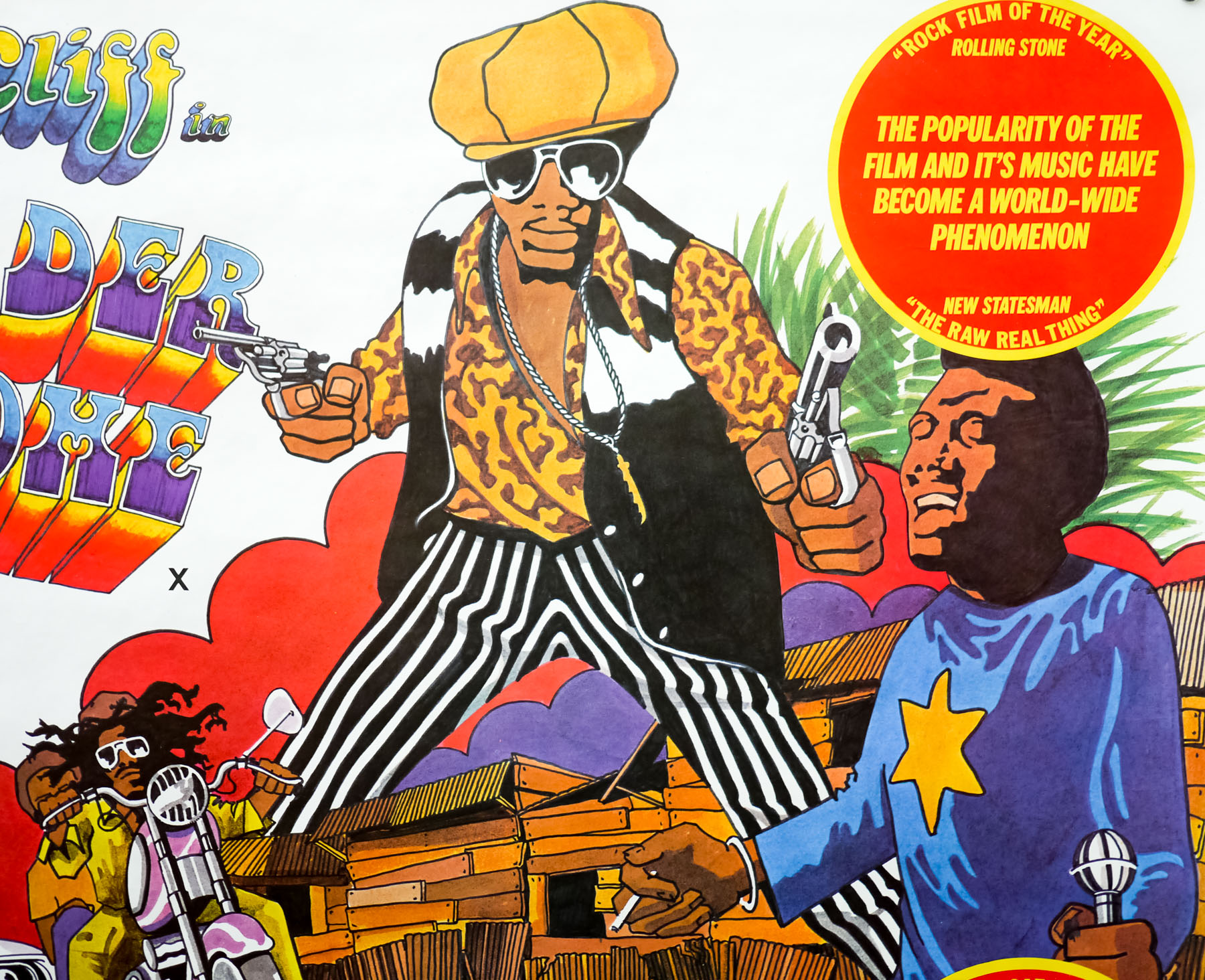
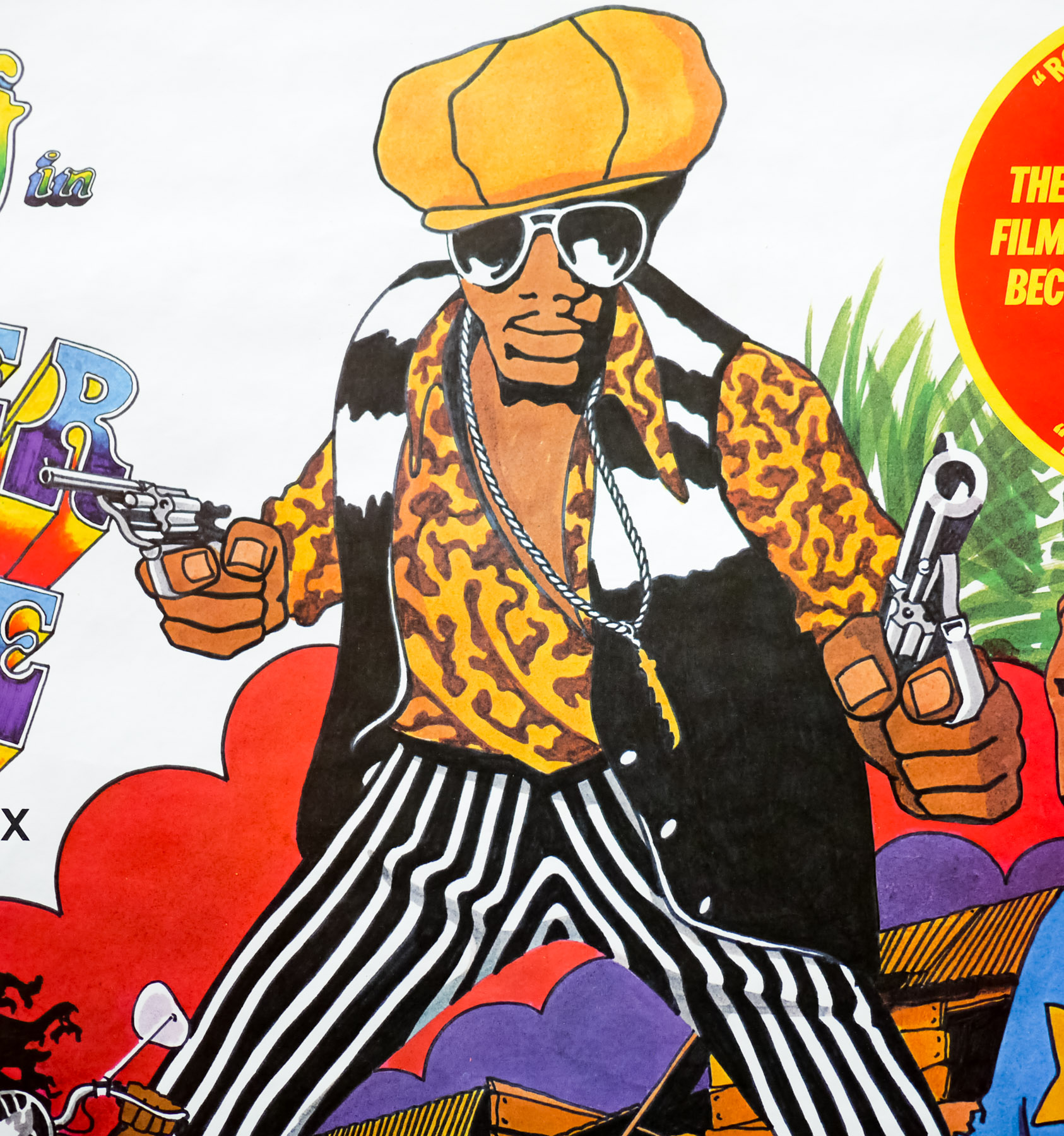
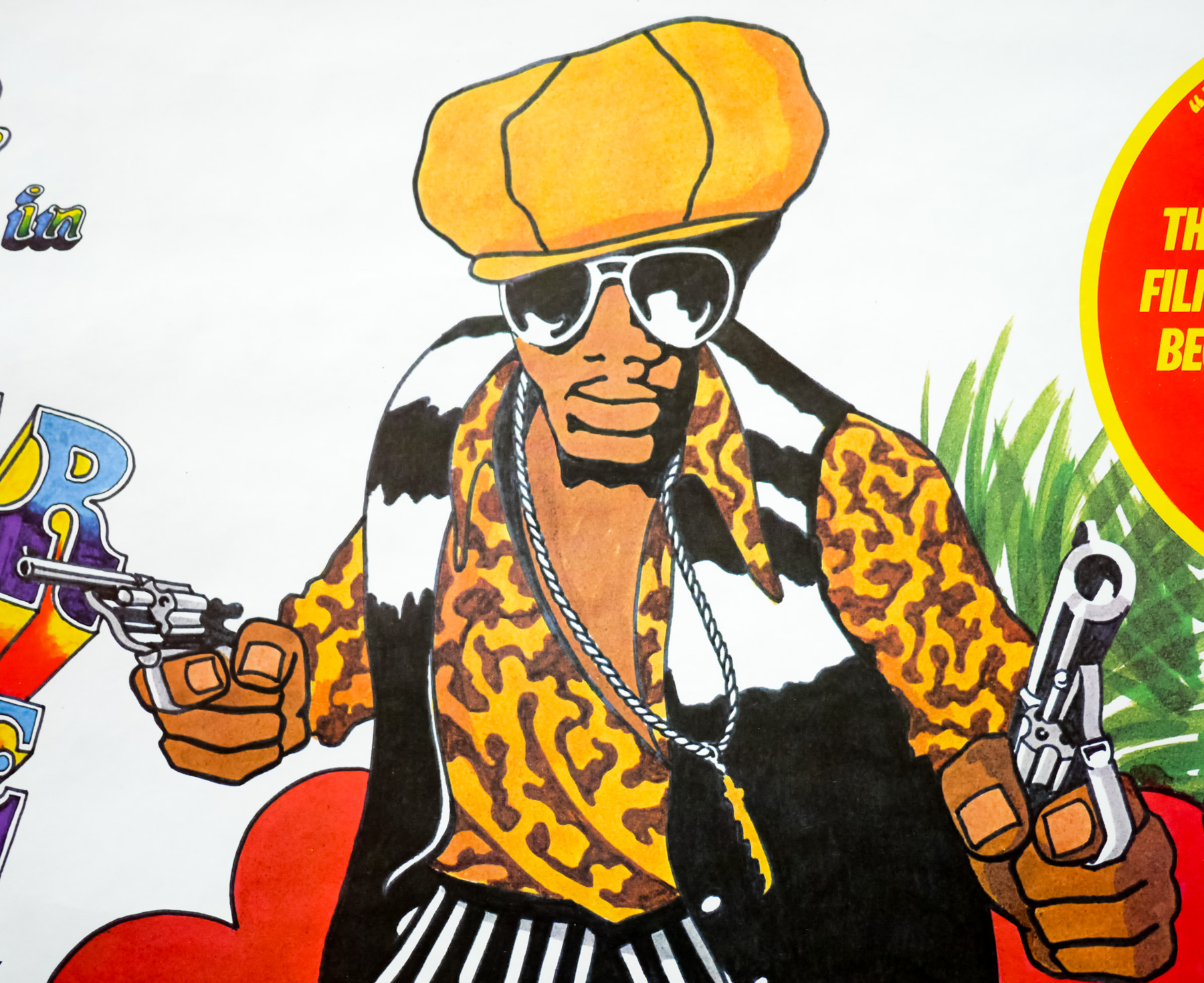
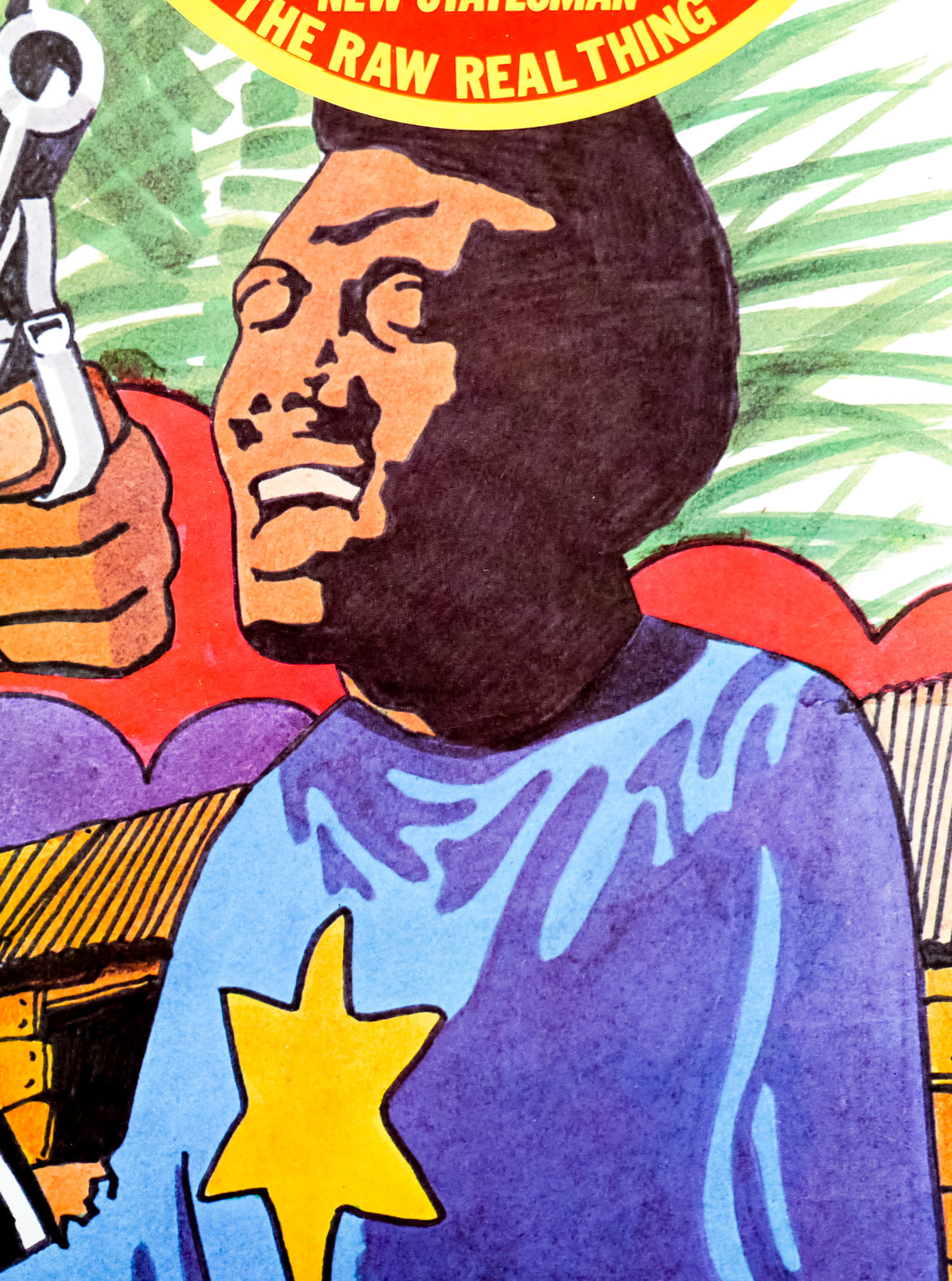
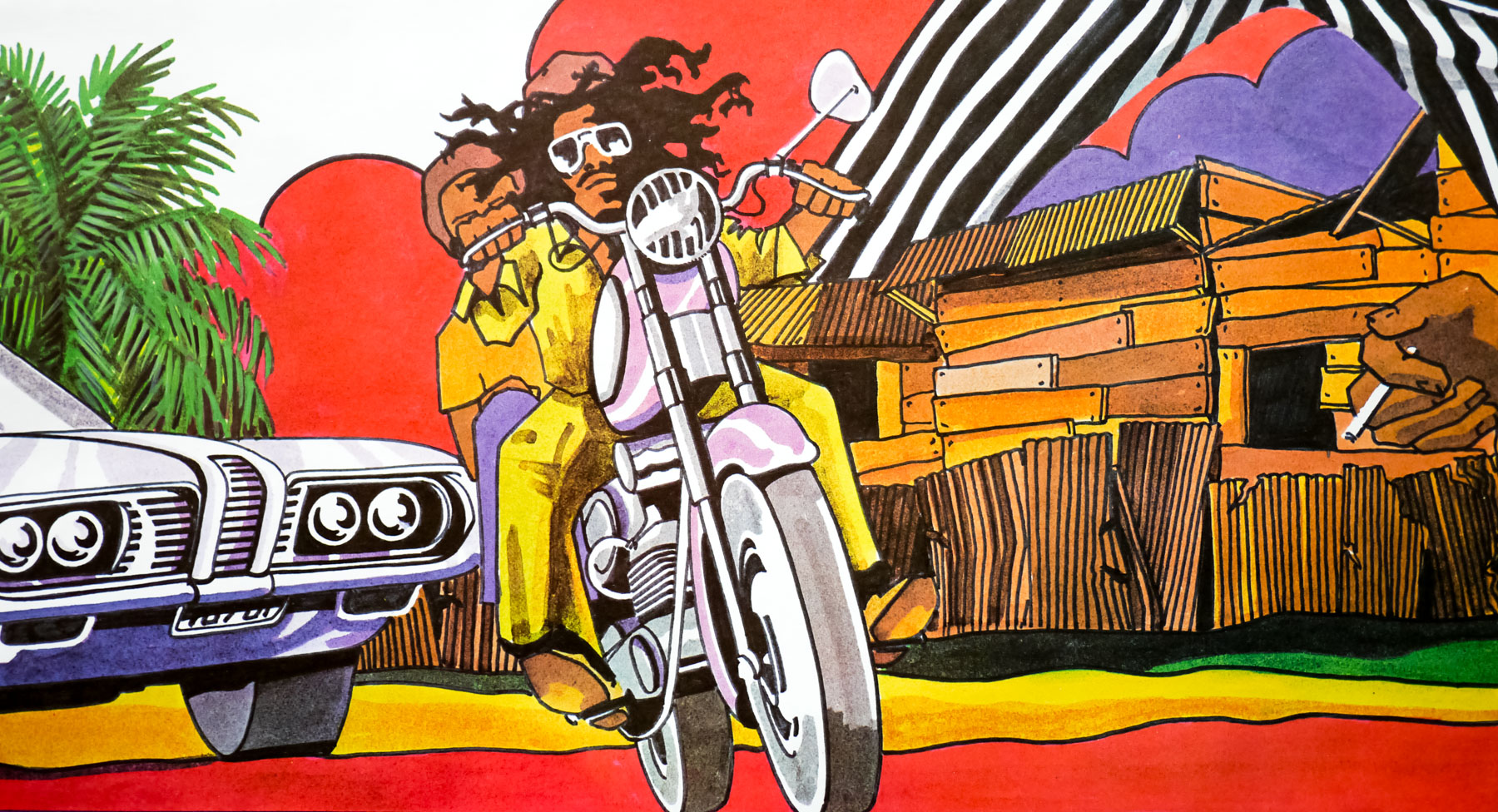
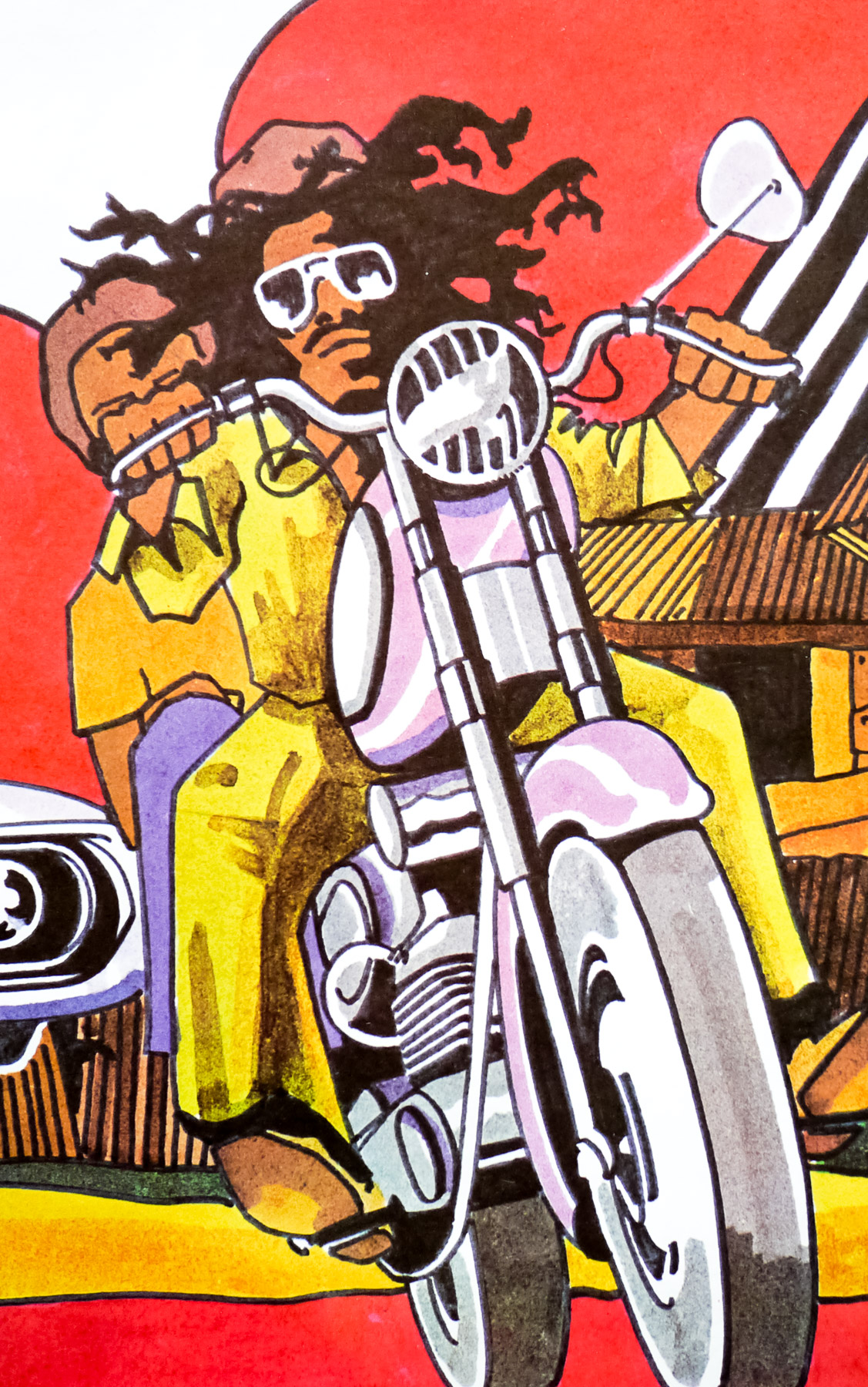
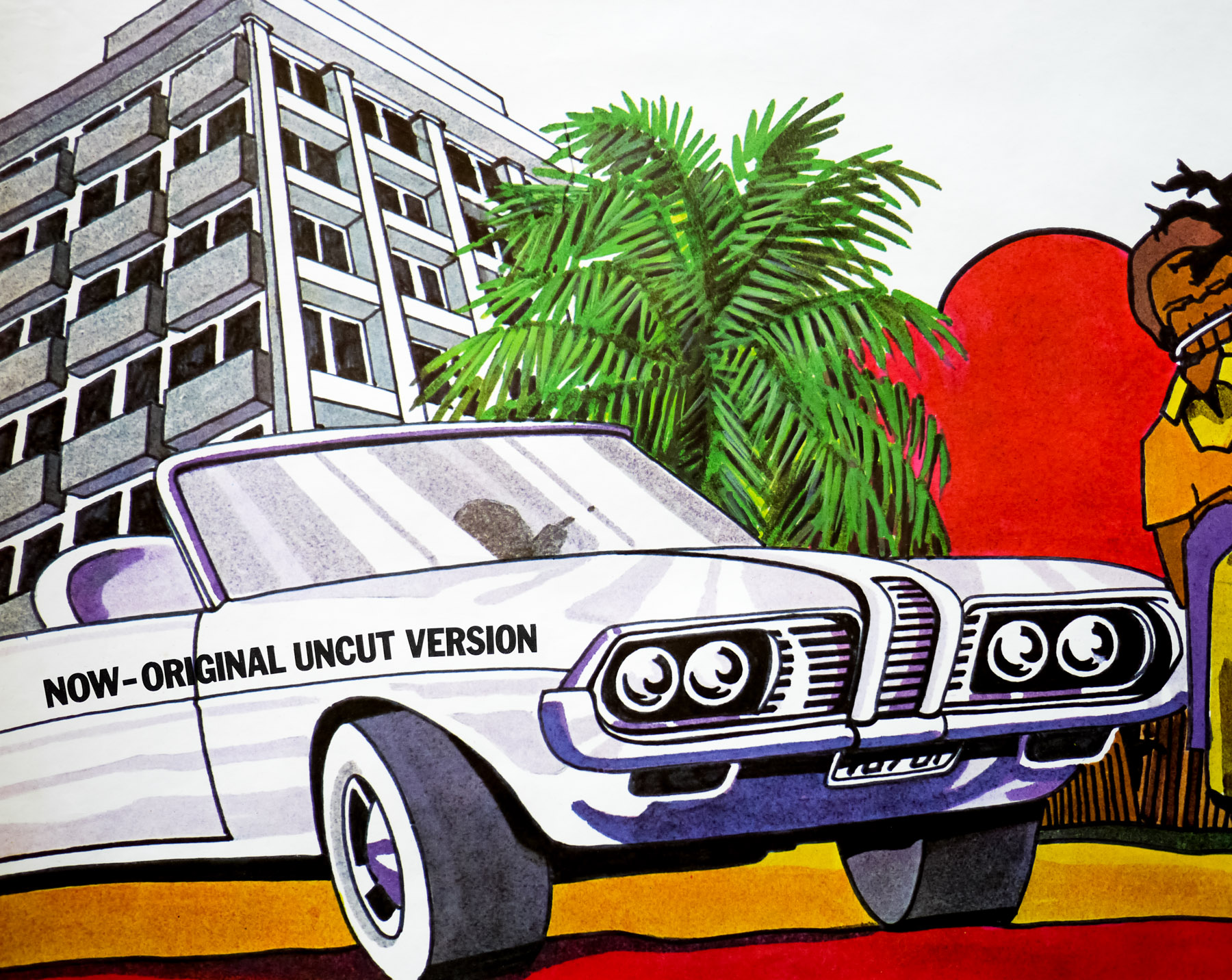
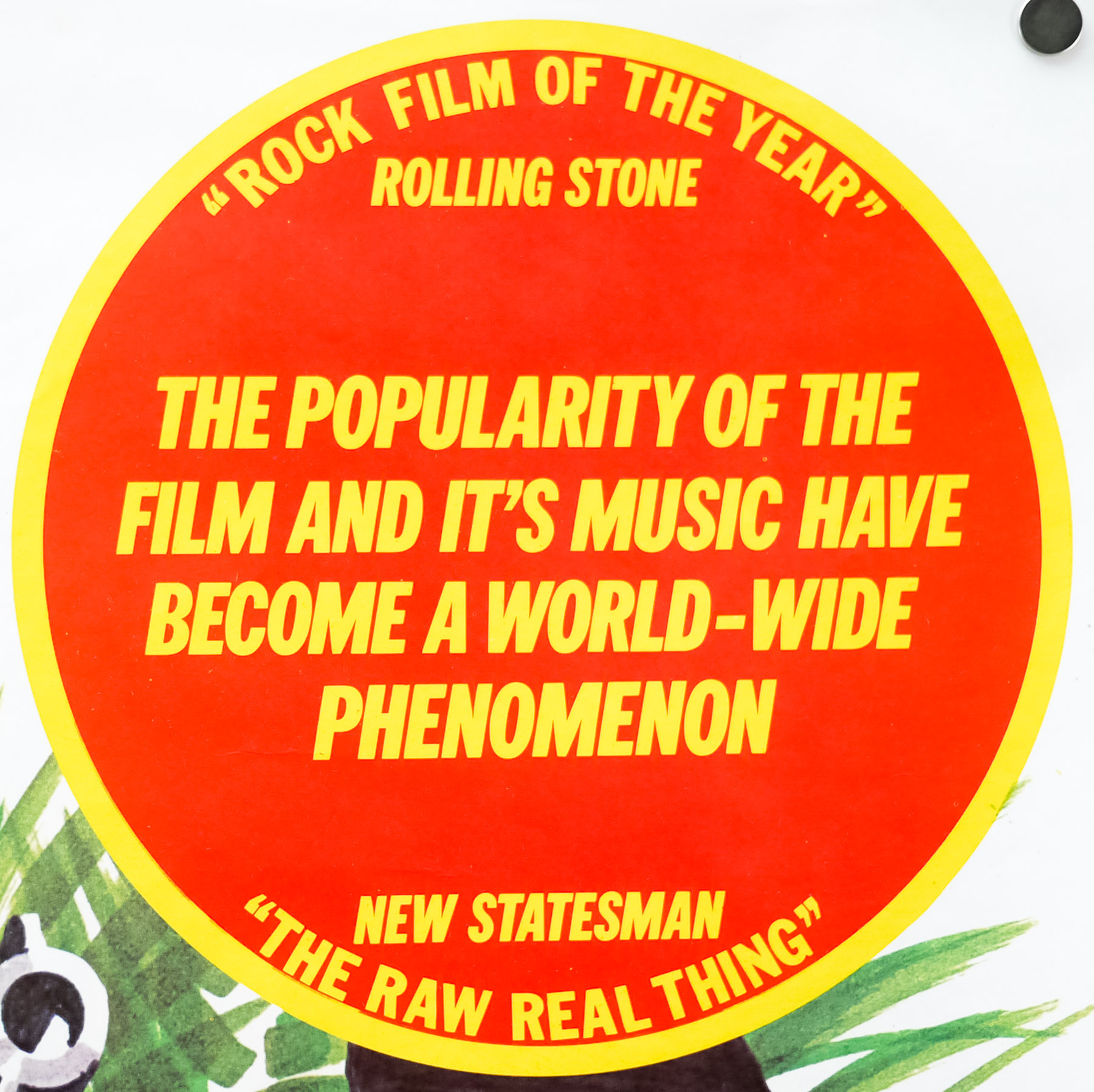
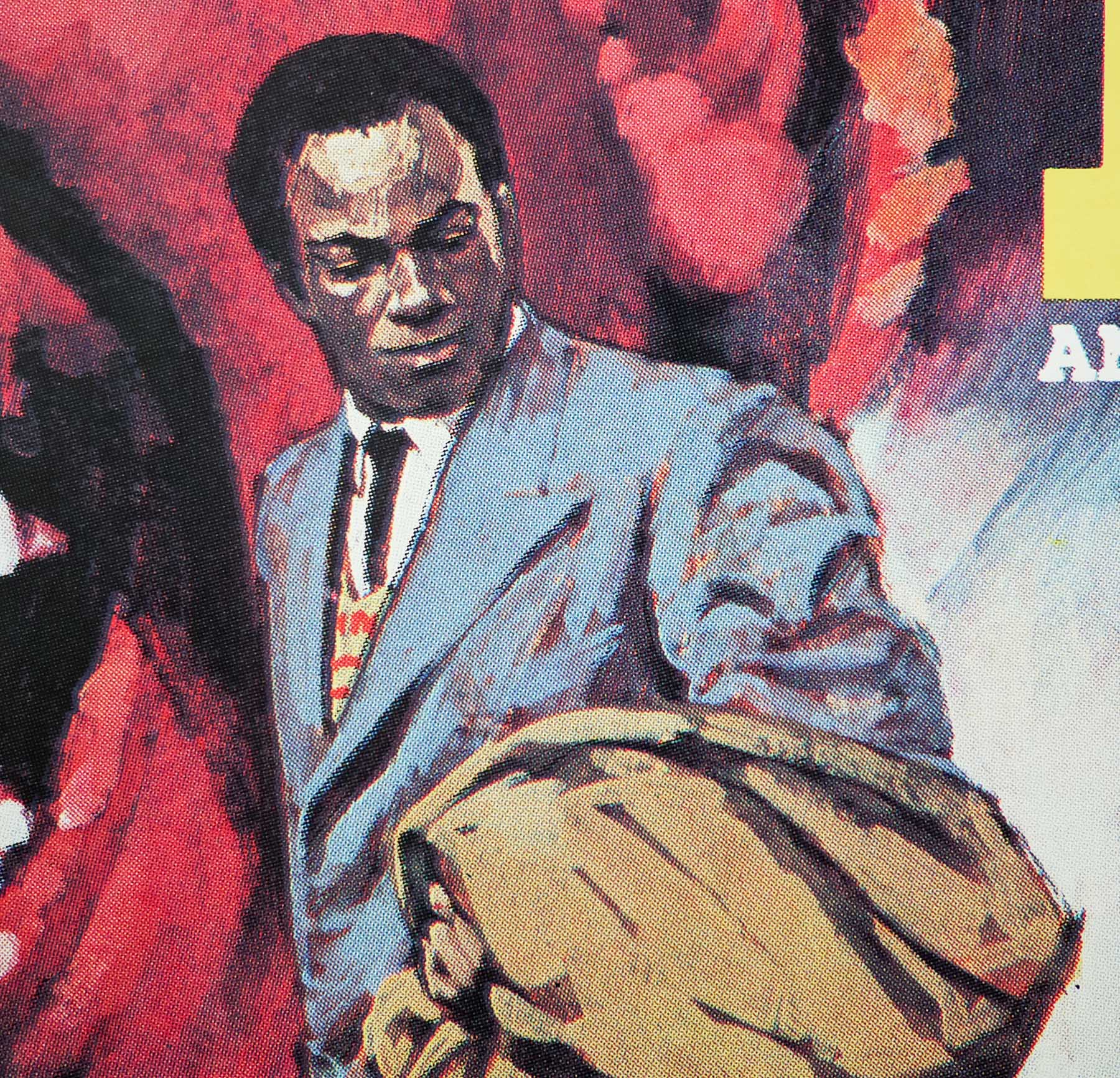
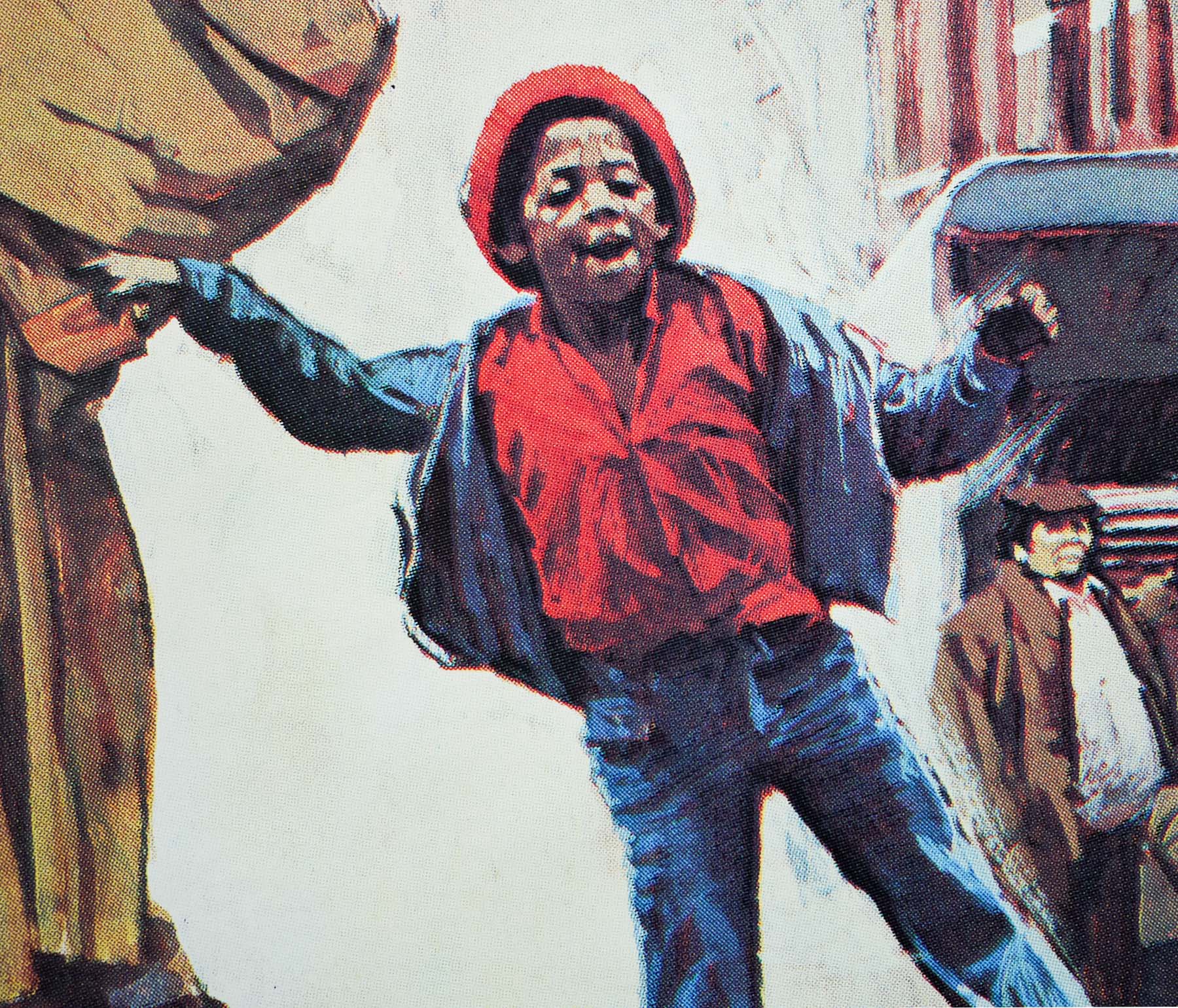
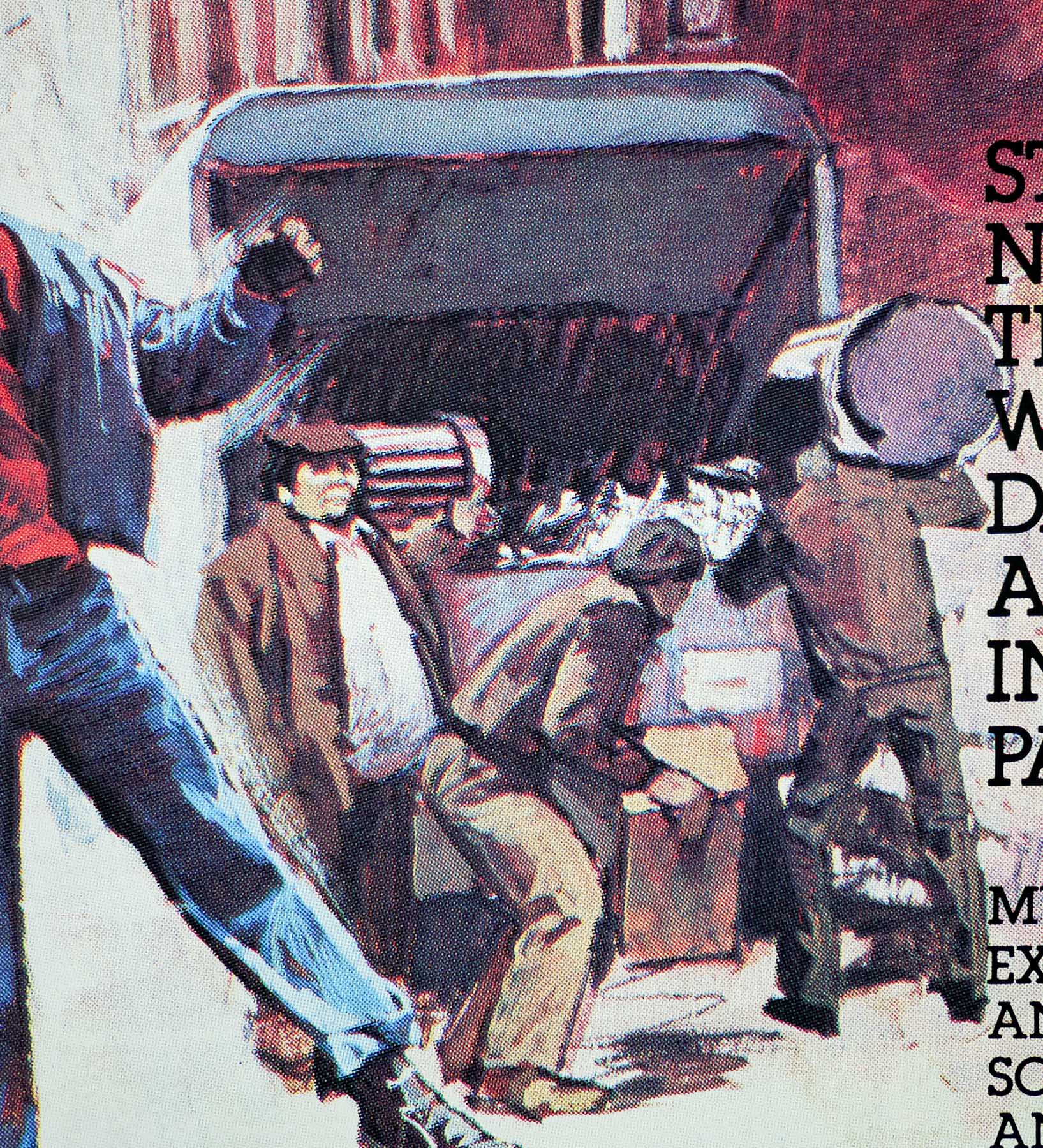
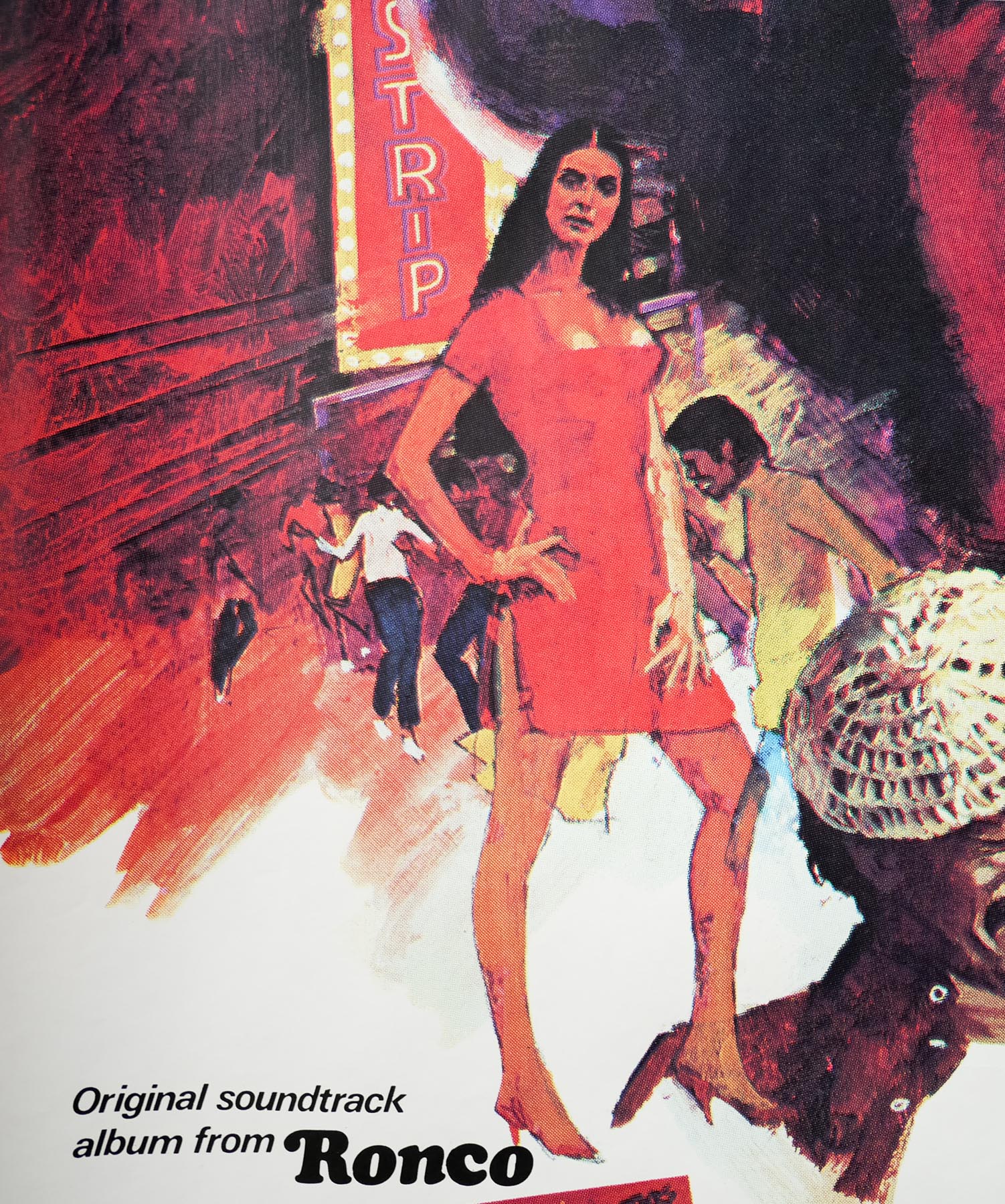
This quad is actually for the 1977 re-release of the film but I have never seen an original 1973 release quad of the film. It features the same artwork as seen on the soundtrack album, which is by a designer and artist called John Bryant about whom I’ve been unable to discover any details. The classic image of Jimmy Cliff with the two guns also features in a great sequence in the film when Ivan has his photo taken to send to newspapers in an attempt to cement his image as a bad boy outlaw. It appears that Bryant himself got in touch with the US auction house emovieposter.com to let them know a bit more about the poster and this information has been included in the auction details when this quad has been sold in the past:

‘Note that the person who originally designed this poster tells us that it was made for the late 1970s re-release of the film (the designer says likely between 1977 and 1979, and the BBFC states 1977) from the original British quad’s design, adding their company logo of “Lagoon” and the tagline at left, “Now-Original Uncut Version.’

The first release quad is unquestionably scarce but, as per the information above, must look almost identical to this poster.

Brazil / quad / UK

01.05.13

Poster Poster
Title
Brazil
AKA
--
Year of Film
1985
Director
Terry Gilliam
Starring
Jonathan Pryce, Robert De Niro, Katherine Helmond, Ian Holm, Bob Hoskins, Michael Palin, Ian Richardson, Peter Vaughan, Kim Greist, Jim Broadbent
Origin of Film
UK
Genre(s) of Film
Jonathan Pryce, Robert De Niro, Katherine Helmond, Ian Holm, Bob Hoskins, Michael Palin, Ian Richardson, Peter Vaughan, Kim Greist, Jim Broadbent,
Type of Poster
Quad
Style of Poster
Withdrawn 'dream cabinets' version
Origin of Poster
UK
Year of Poster
1985
Designer
Unknown
Artist
Unknown
Size (inches)
30 1/16" x 39 15/16"
SS or DS
SS
Tagline
--

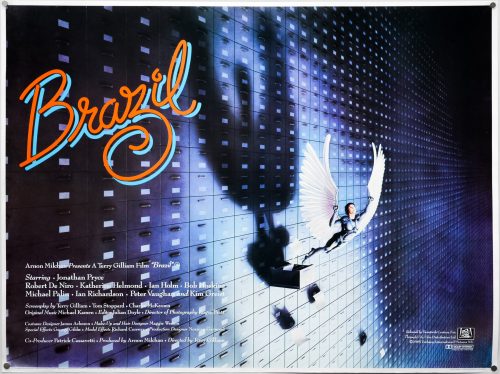
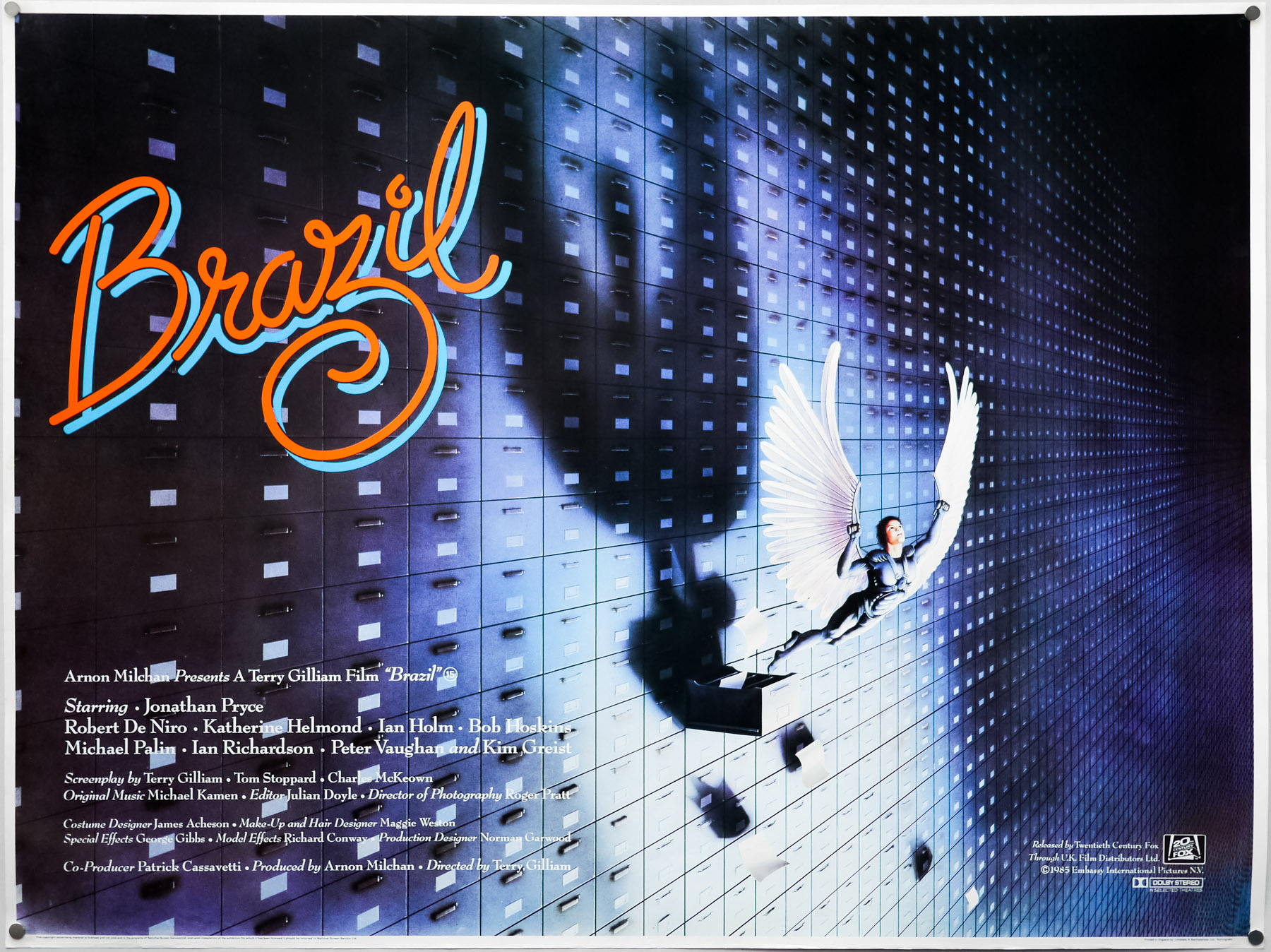
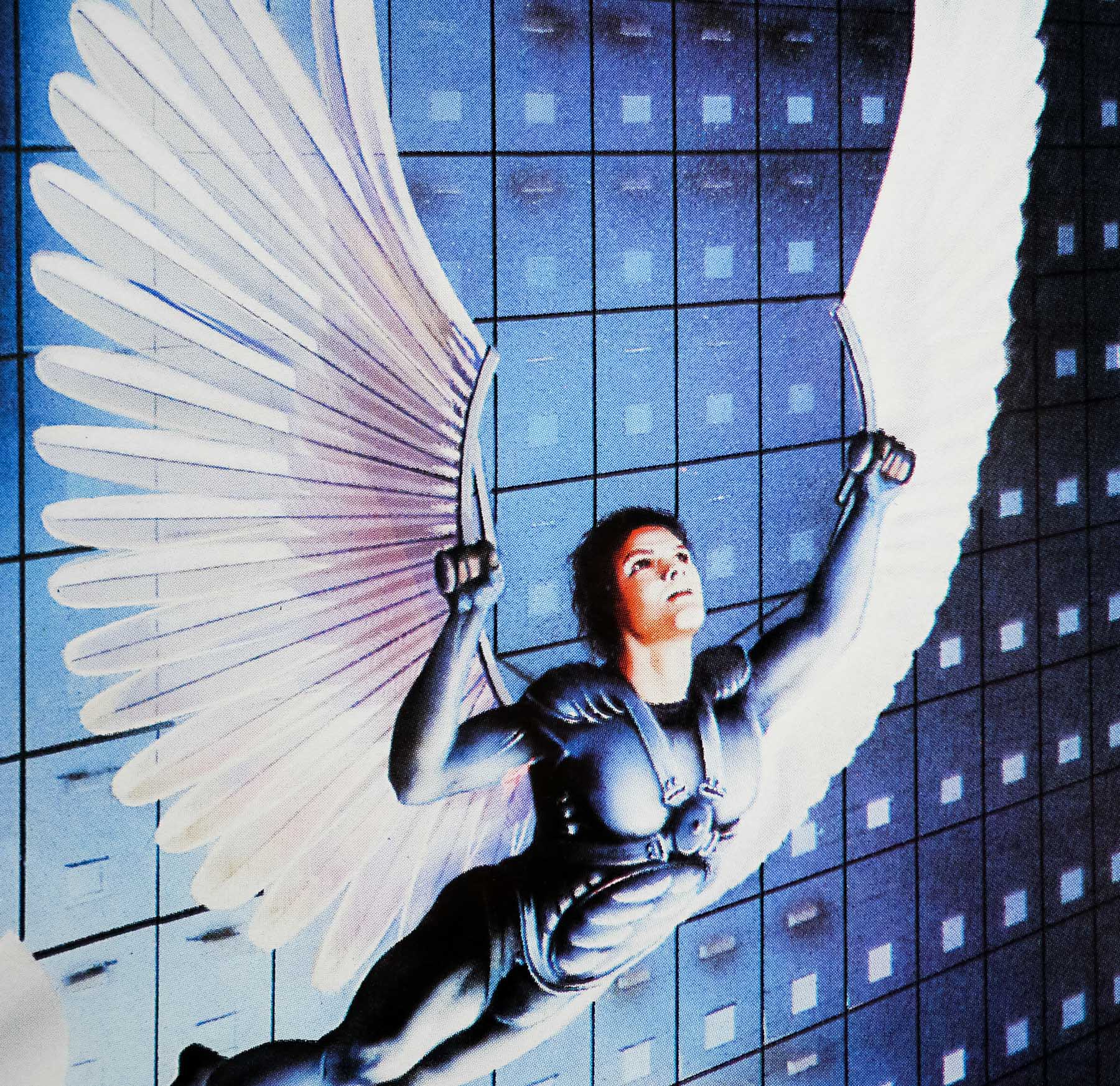
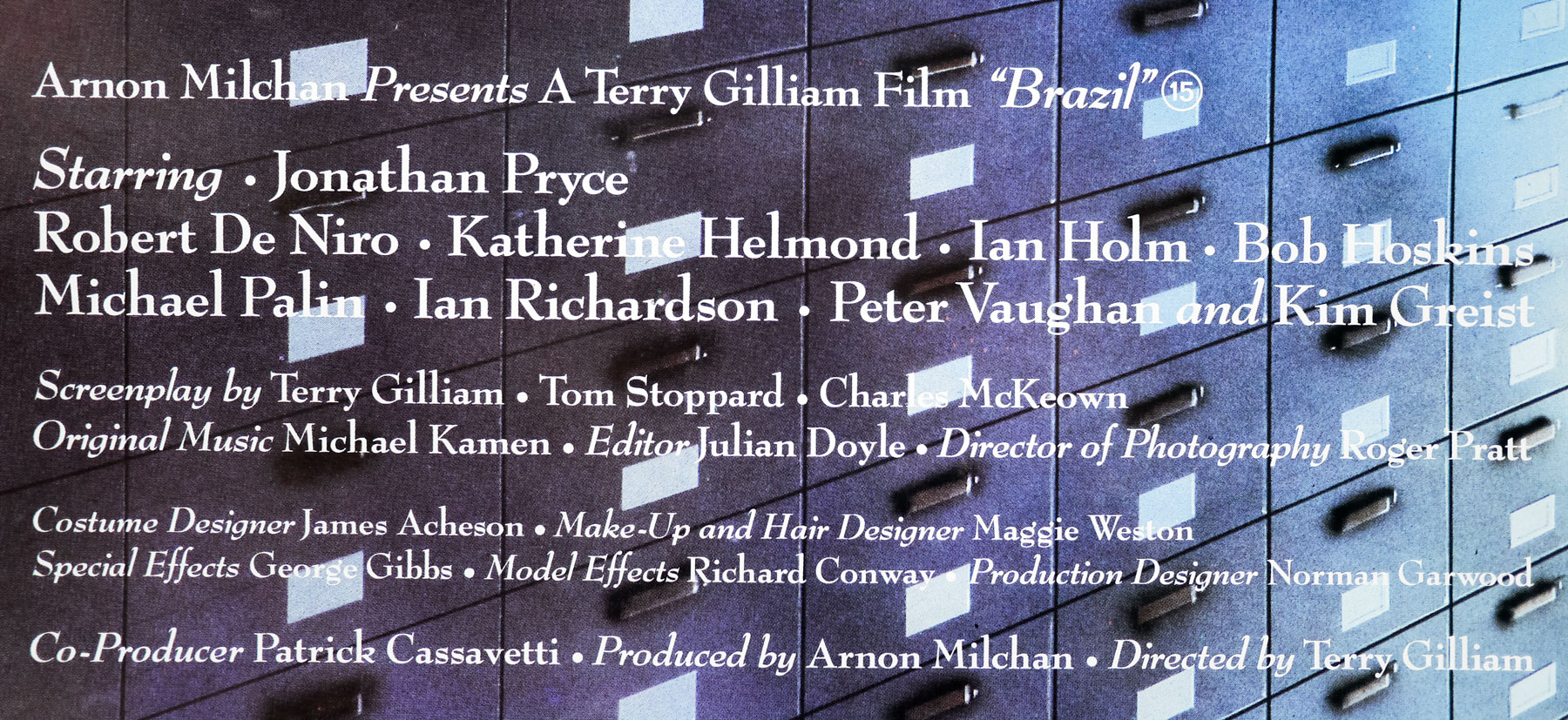
One of my favourite British posters of all time, this is the supposedly withdrawn quad for Terry Gilliam‘s 1985 masterpiece Brazil. A film that is near impossible to categorise, the story  is a heady mix of dystopian sci-fi, surreal dark fantasy and anarchic satirical comedy set in an alternative universe in which an overbearing government has practically strangled society with its mixture of paranoia, crippling bureaucracy and unreliable technology. That one of the film’s working titles was ‘1984 and 1/2’ gives you some idea of the Orwellian overtones that Gilliam and his fellow screenwriters Tom Stoppard and Charles McKeown intended to evoke.

Jonathan Pryce stars as Sam Lowry, a low-level employee at the ‘Ministry of Information’ who is seemingly content with his role as a cog in the giant machine, but at night he escapes in dreams where he is a knight is shining armour with giant wings strapped to his back, often rescuing the same damsel in distress from malicious forces. When a clerical error caused by a dead beetle falling into a printer causes the wrong man to be rounded up, tortured and killed by government forces (“we didn’t know he had a weak heart!”), Sam is given the task of correcting the error. Whilst visiting the wife of the deceased man, Sam meets Jill Layton (Kim Greist) a neighbour who bears a striking resemblance to the girl in his dreams.

Naturally he is instantly smitten and sets in motion a series of events that ends up with Sam and Jill pitched against his employer and on the run. The film features several memorable appearances from the likes of Ian Holm as Sam’s bumbling, inefficient boss, Michael Palin as an ambitious and ultimately ruthless friend within the Ministry, and Robert De Niro in a cameo role as Harry Tuttle, a rogue heating engineer who was meant to be the original target for the government round-up.

The film is visually stunning with some of the most incredible production design ever committed to celluloid. Gilliam and his skilled crew of technicians stretched every penny of the modest budget and created countless memorable sets, brilliantly realised props and entirely believable environmental details that all add up to something unforgettable. The special effects are also top notch, with the dream sequences deserving special mention, particularly Sam’s battle with a giant Samurai warrior and the literal flights of fantasy in his winged suit.

Infamously, Gilliam would end up in a bitter wrangle with the American distributors Universal after they decided his final cut was overlong, confusing and the ending was too depressing. The then Universal president Sid Sheinberg ordered a small team of editors to cut the film down from its original length of 2 hours and 20 minutes to just over 90 minutes for a version unofficially dubbed ‘The Love Conquers All’ cut. Most of the dream sequences were excised, the opening scenes completely chopped around and many scenes were horribly truncated. Worst of all, the original darker ending was replaced with a bizarre ‘happy’ denouement that completely ruined the tone of Gilliam’s film.

Understandably furious, the director refused to have anything to do with the new cut and actually began a campaign to get his original version seen by as many American film fans and critics as possible, much to the chagrin of Universal’s management. Eventually this culminated in the Los Angeles Film Critics Association awarding the original cut their prize for Best Film and this led to Universal relenting and agreeing to release a near complete version to cinemas (minus around 10 minutes from the European cut). The bastardised ‘Love Conquers All’ version never saw the inside of a cinema.

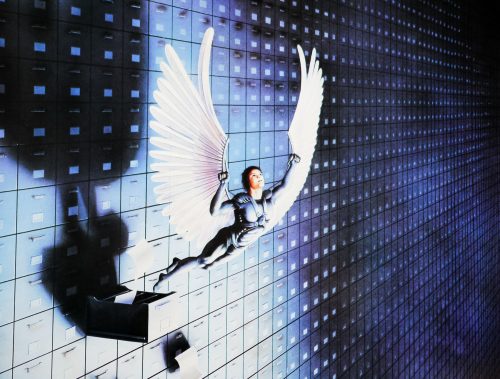
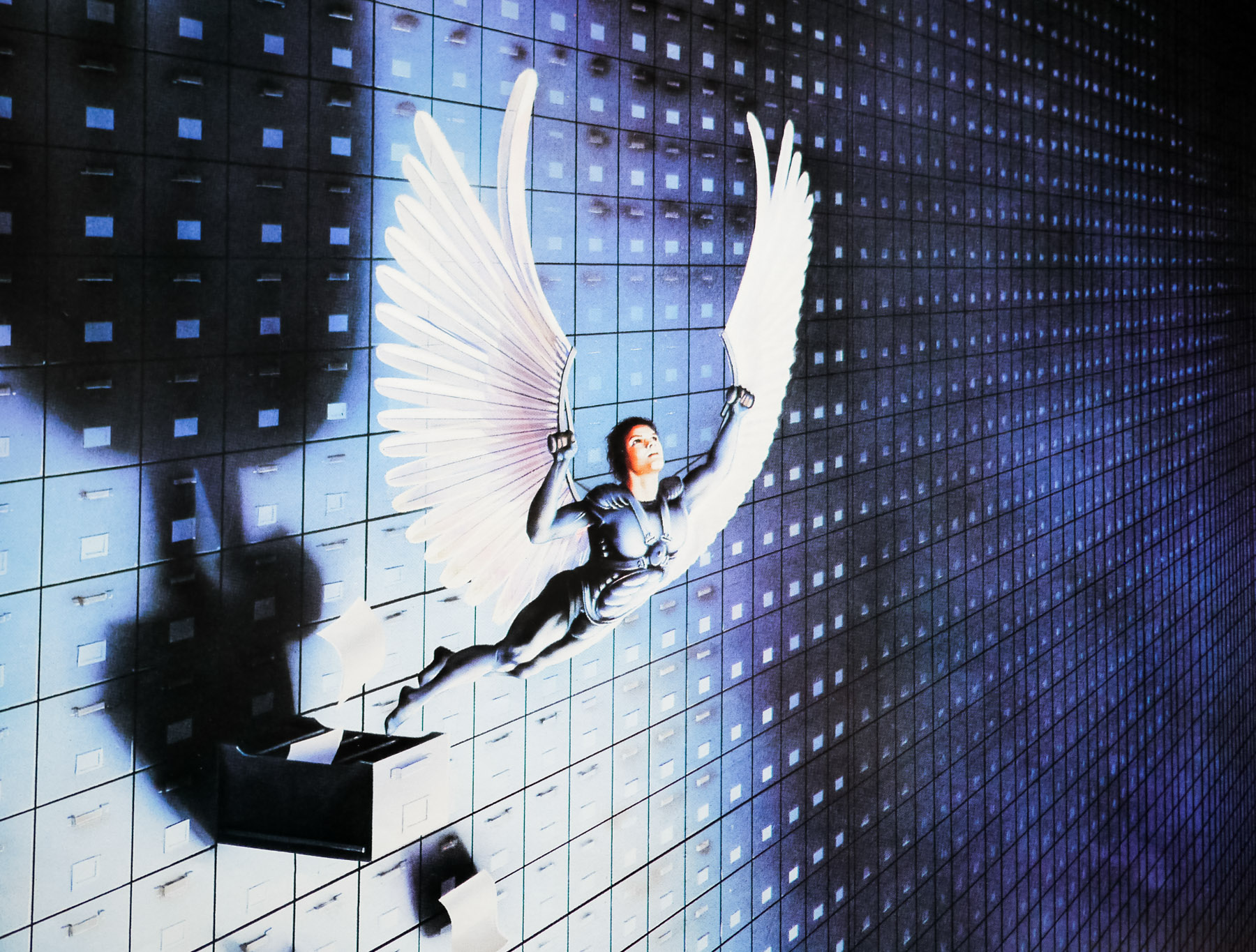
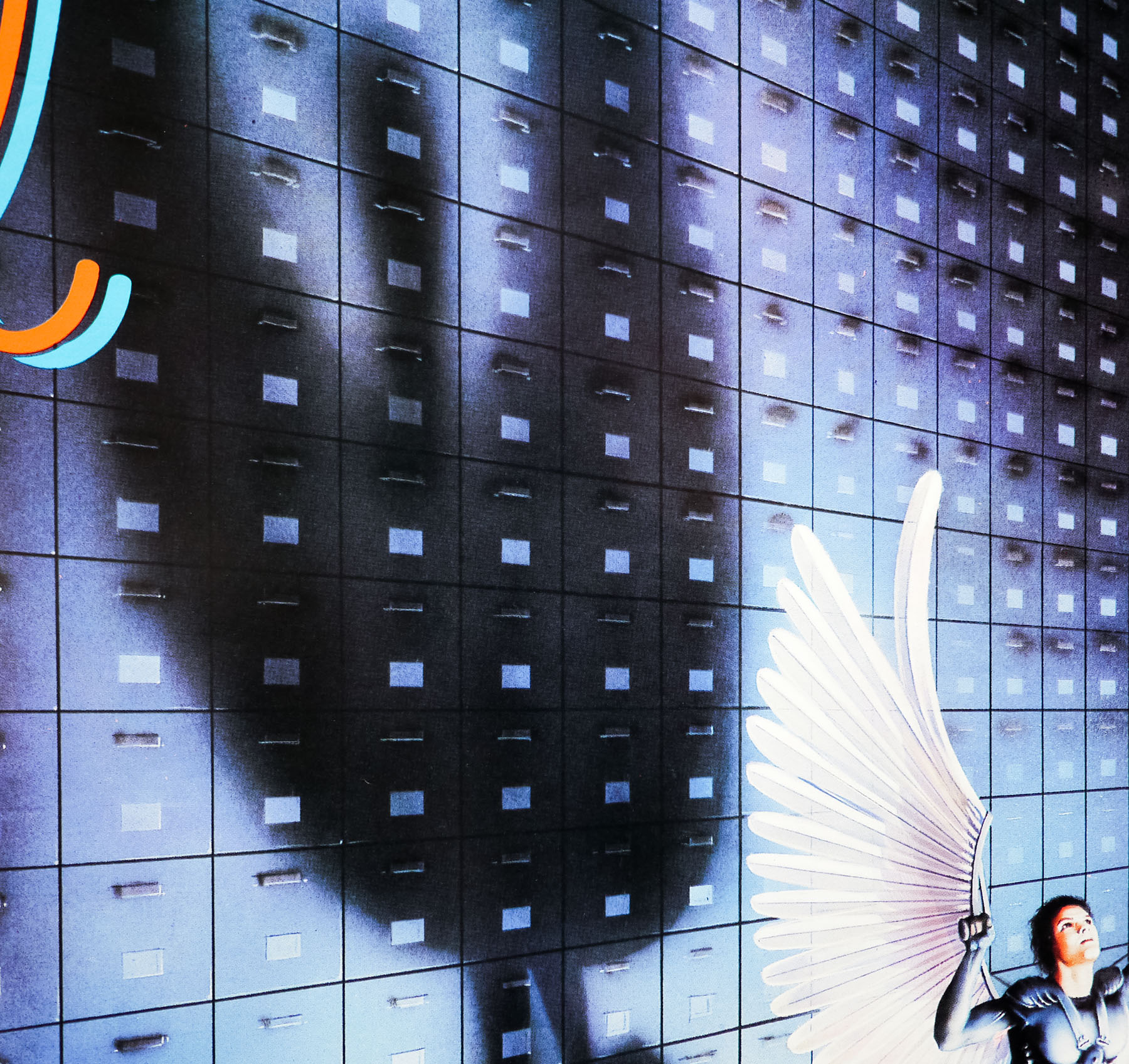
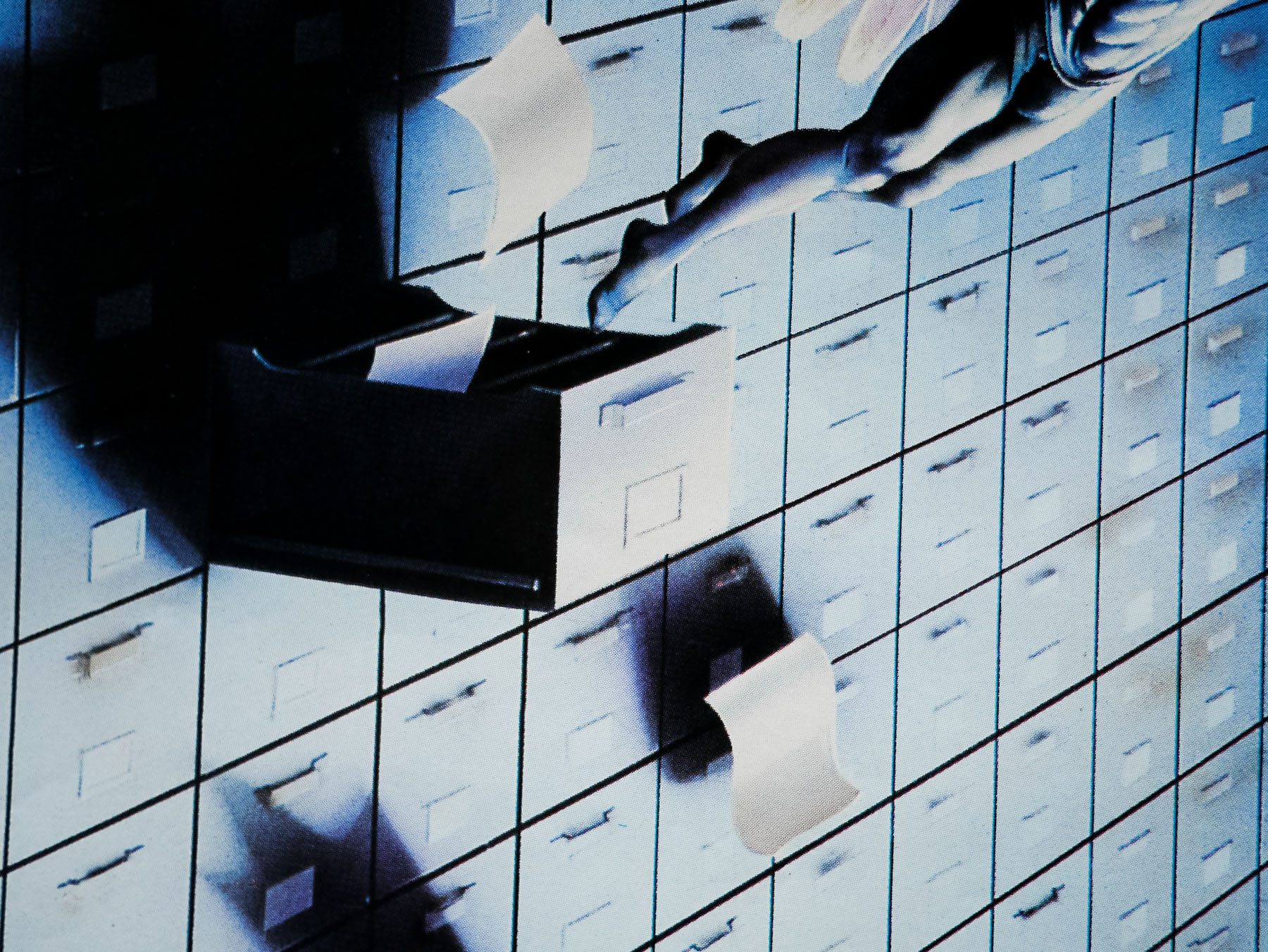
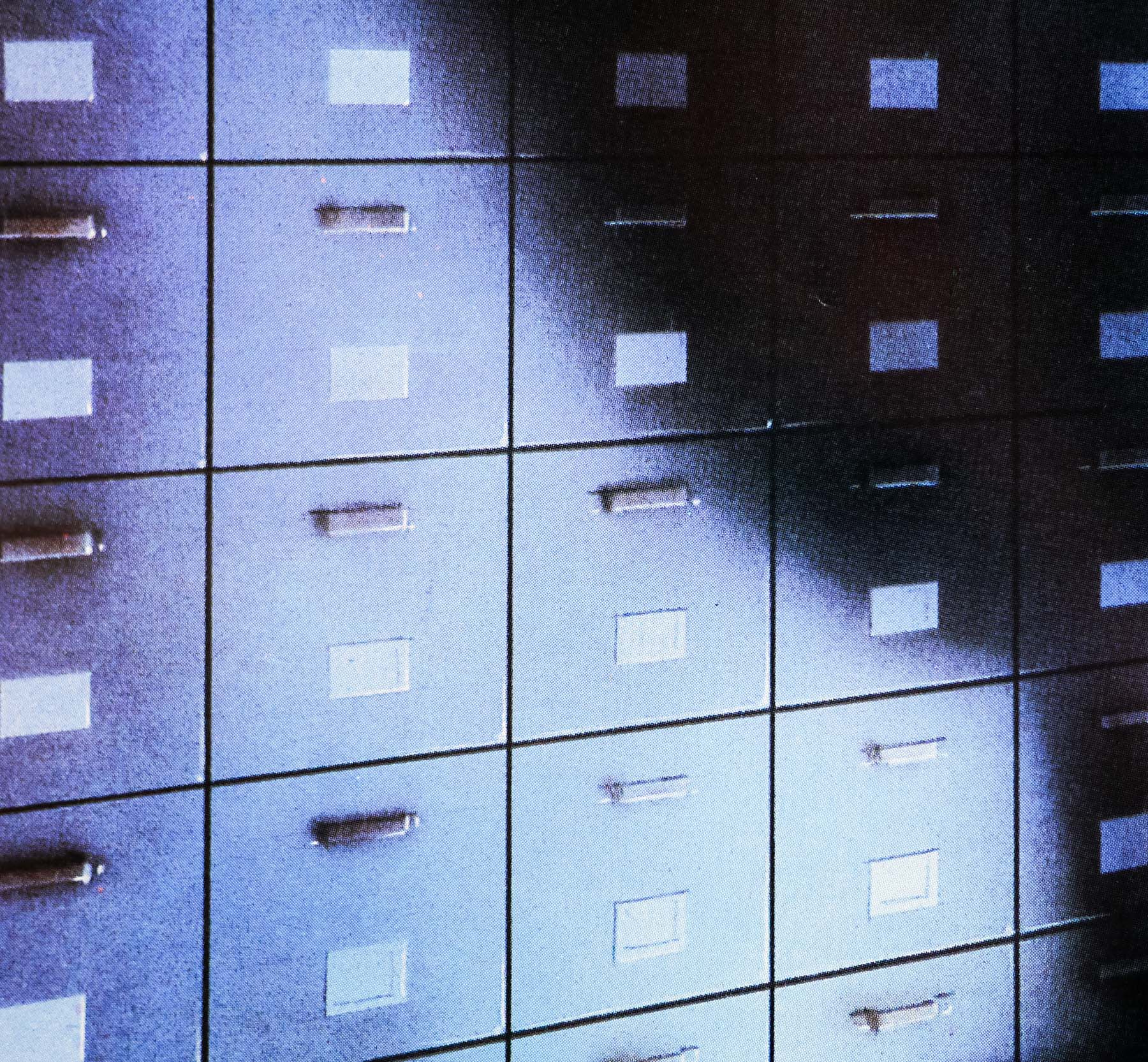
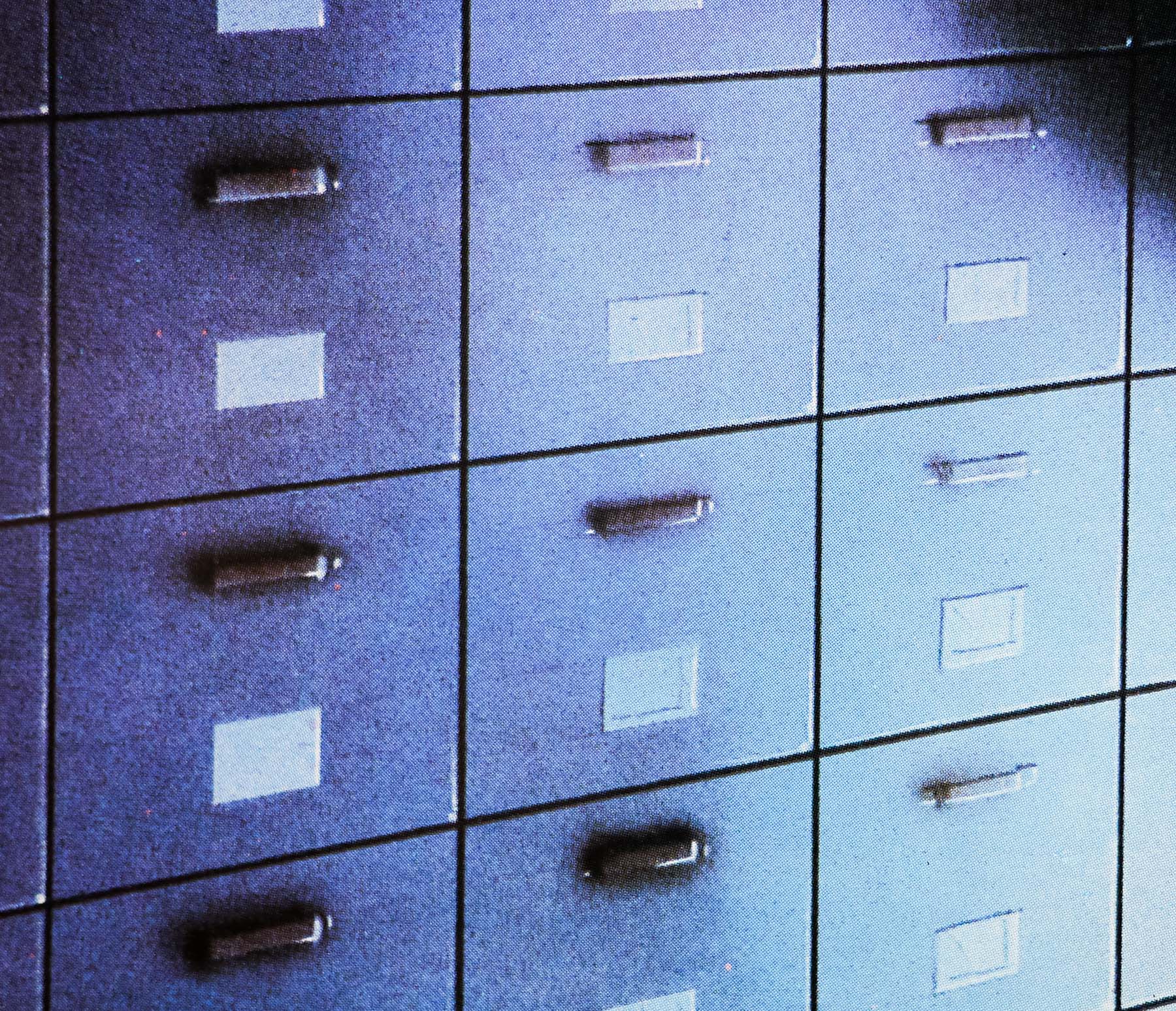
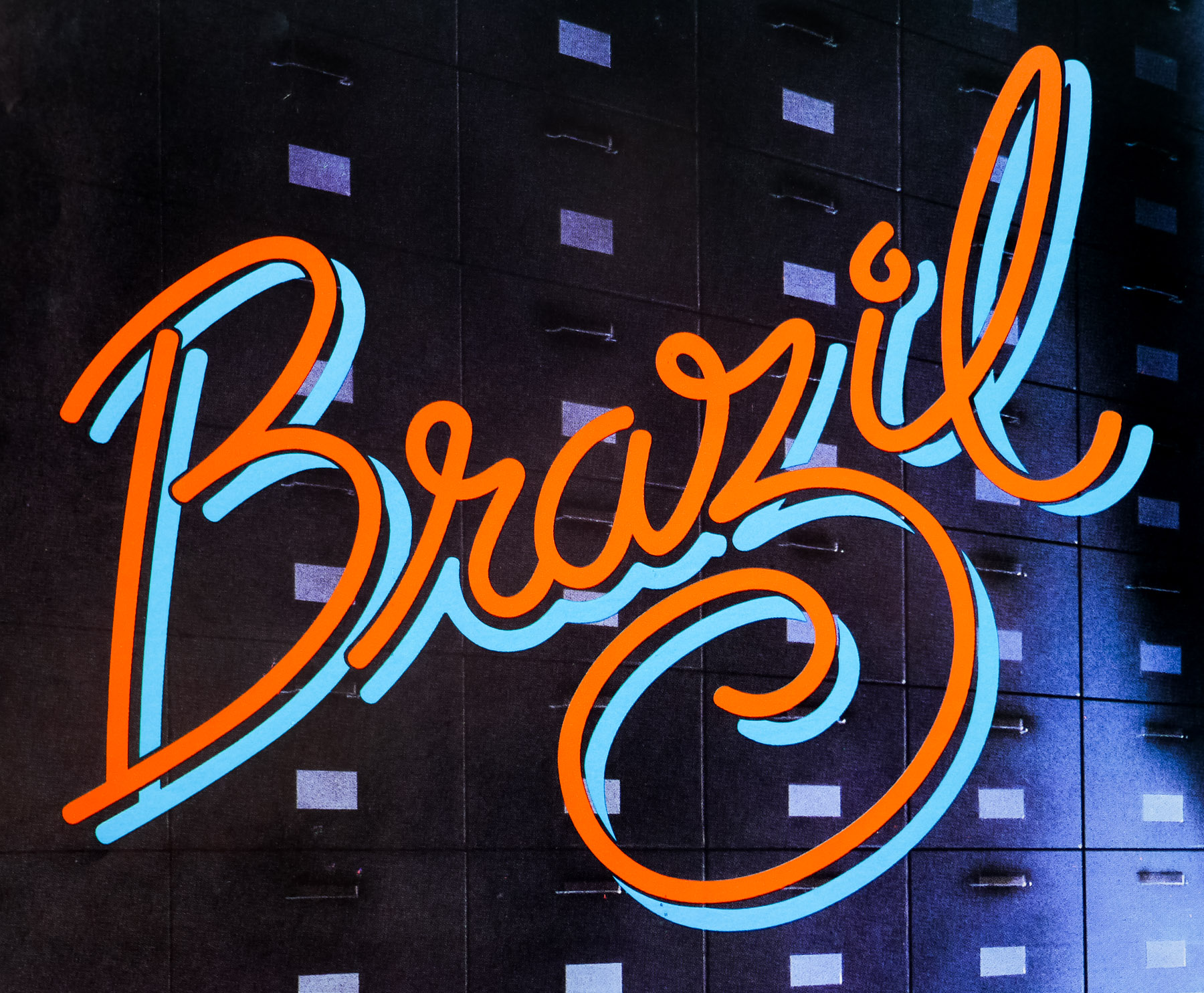
The image on this poster is actually a combination of imagery from the flying sequences and a deleted scene that was only ever storyboarded by Gilliam in which a dreaming Sam finds himself at a vast wall of filing cabinets. The title treatment is taken directly from the opening title of the film itself, which is an actual neon signage that falls away from the camera to the accompaniment of Michael Kamen’s excellent score.

I have heard from at least three independent sources that this particular quad was withdrawn from cinemas by the distributor 20th Century Fox because it was felt the image wasn’t the right one to sell the film to UK audiences and was replaced by this bizarre ‘flying bed’ quad that is a world away from this striking design. If anyone knows for sure that this quad was withdrawn or any more details about it, please get in touch.

The Living Daylights / quad / UK

24.05.13

Poster Poster
Title
The Living Daylights
AKA
007 zona pericolo [Dangerous area] (Italy)
Year of Film
1987
Director
John Glen
Starring
Timothy Dalton, Maryam d'Abo, Joe Don Baker, Art Malik, John Rhys-Davies, Jeroen Krabbé
Origin of Film
UK | USA
Genre(s) of Film
Timothy Dalton, Maryam d'Abo, Joe Don Baker, Art Malik, John Rhys-Davies, Jeroen Krabbé,
Type of Poster
Quad
Style of Poster
--
Origin of Poster
UK
Year of Poster
1987
Designer
Brian Bysouth | Bernie Goddard | Mike Bell | Stephen Laws
Artist
Brian Bysouth
Size (inches)
30 1/16" x 39 14/16"
SS or DS
SS
NSS #
--
Tagline
The new James Bond... living on the edge.

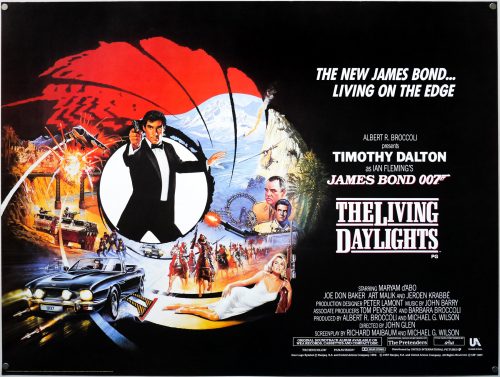
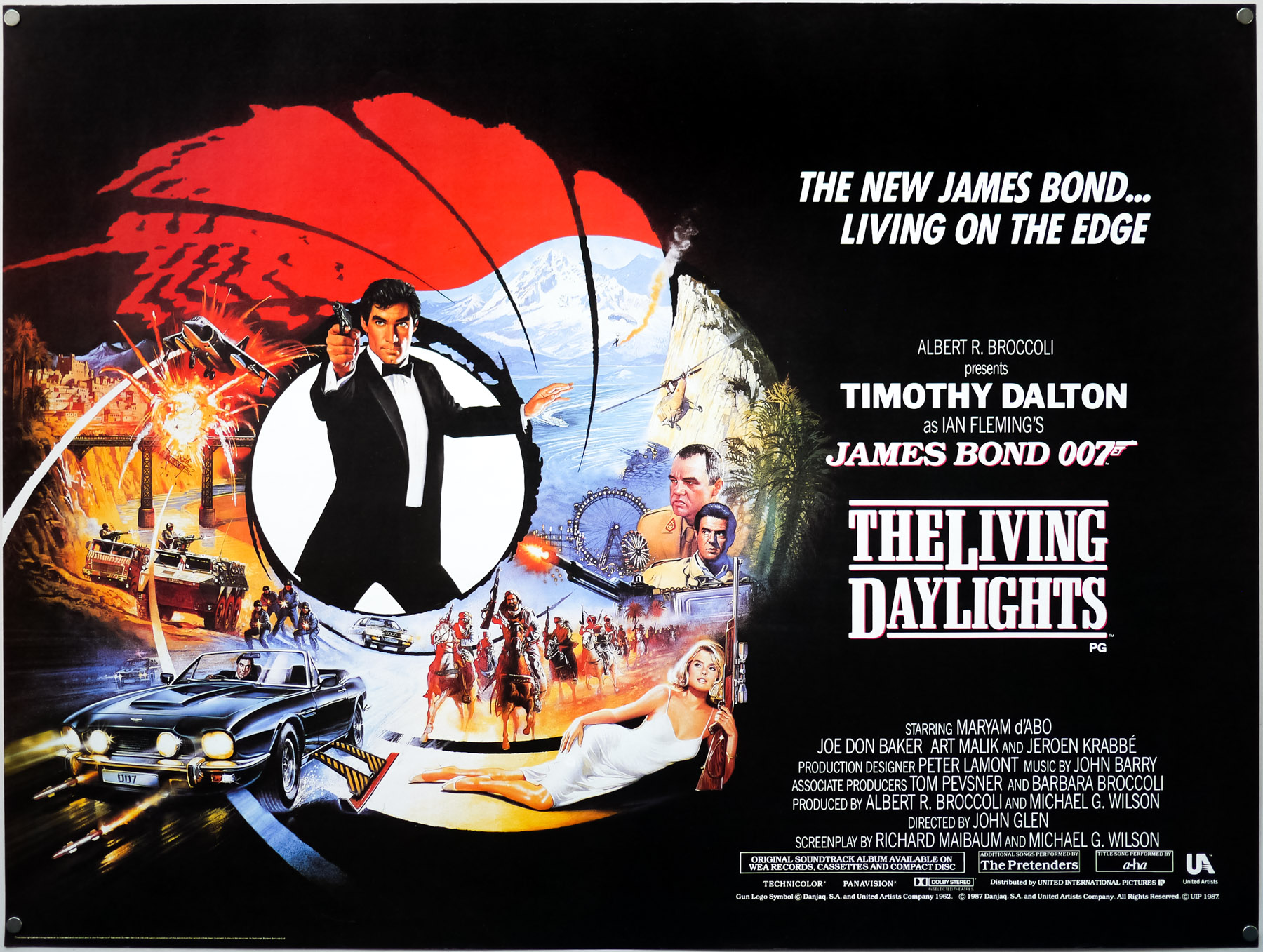
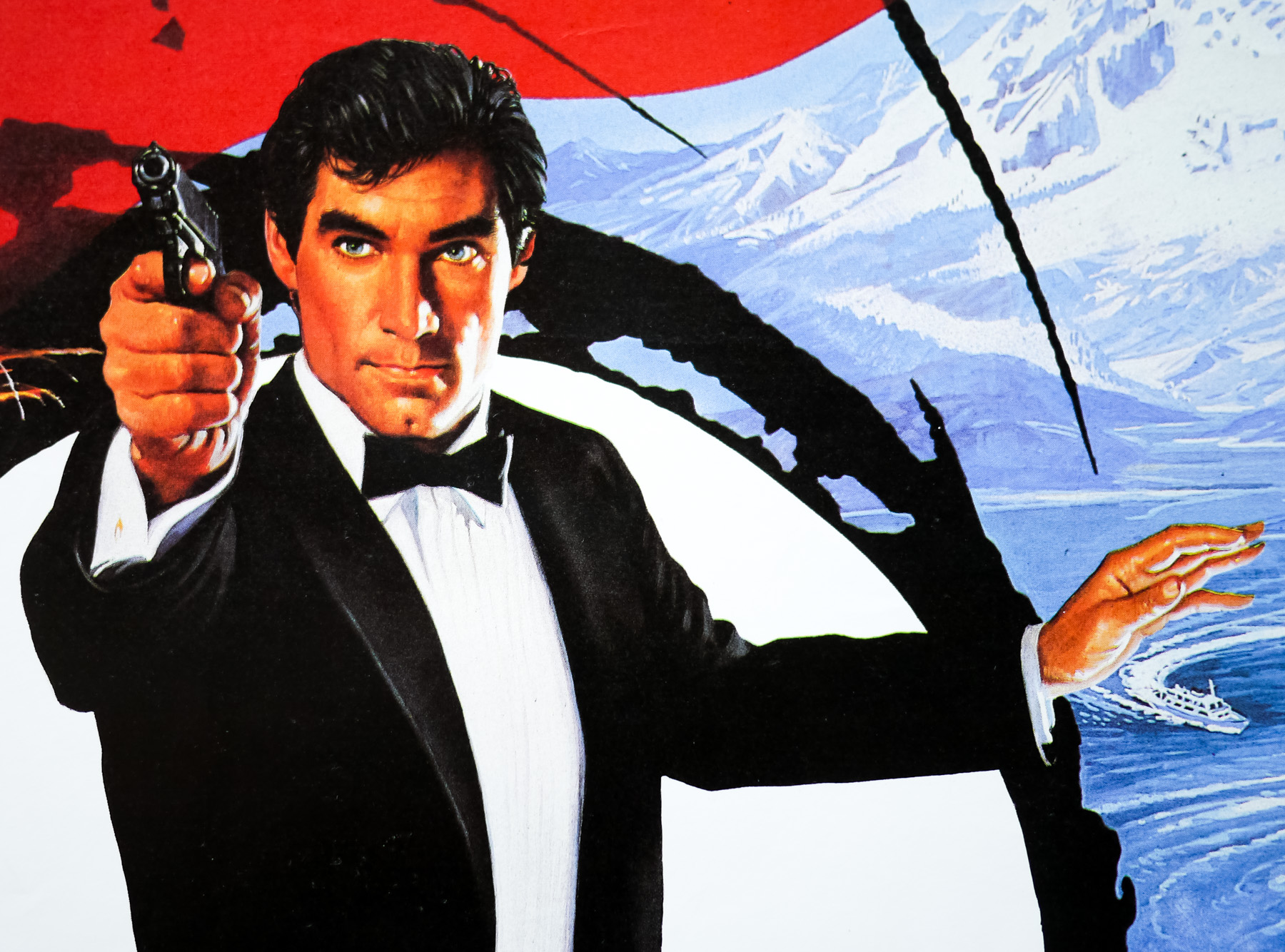
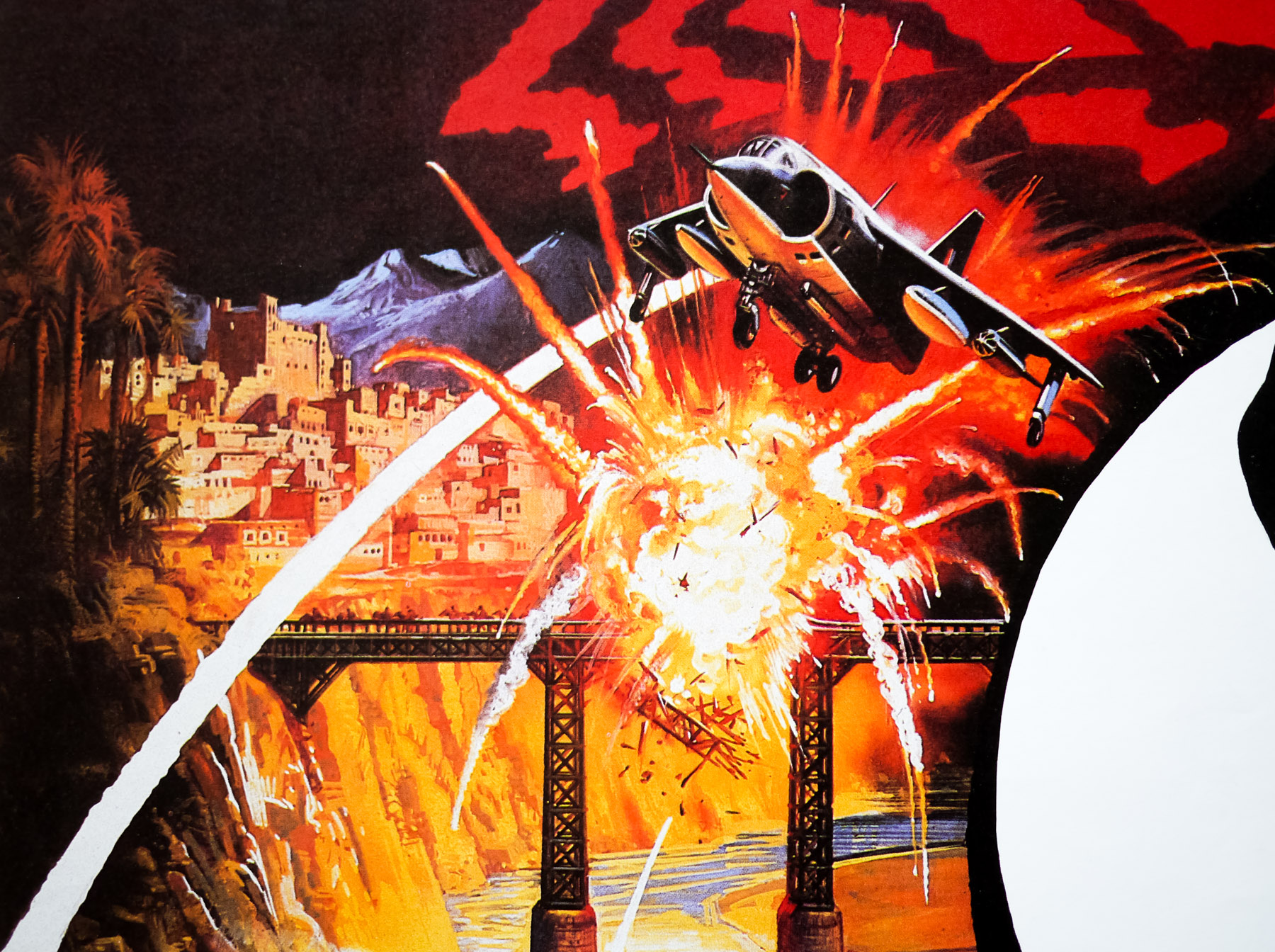
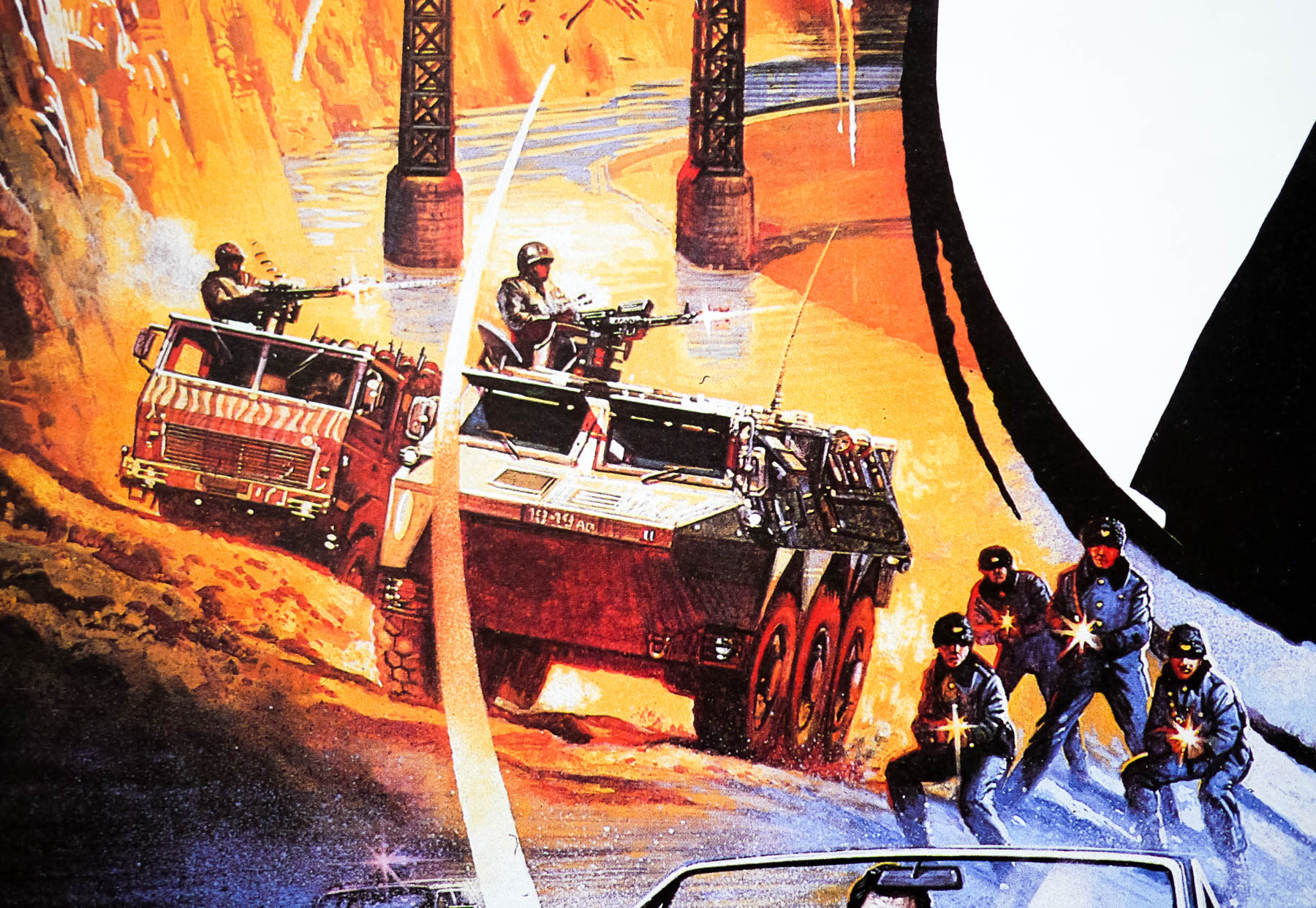
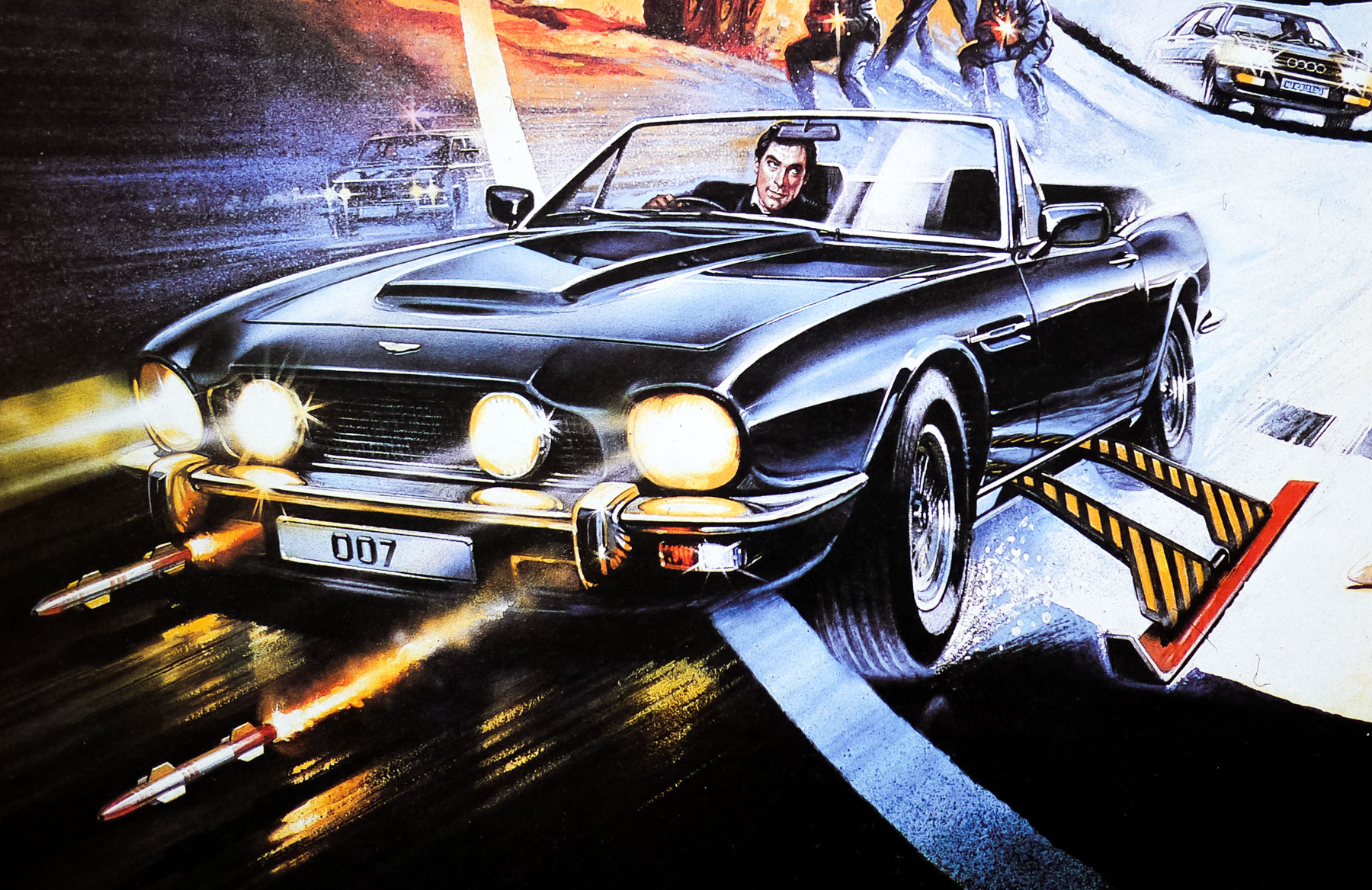
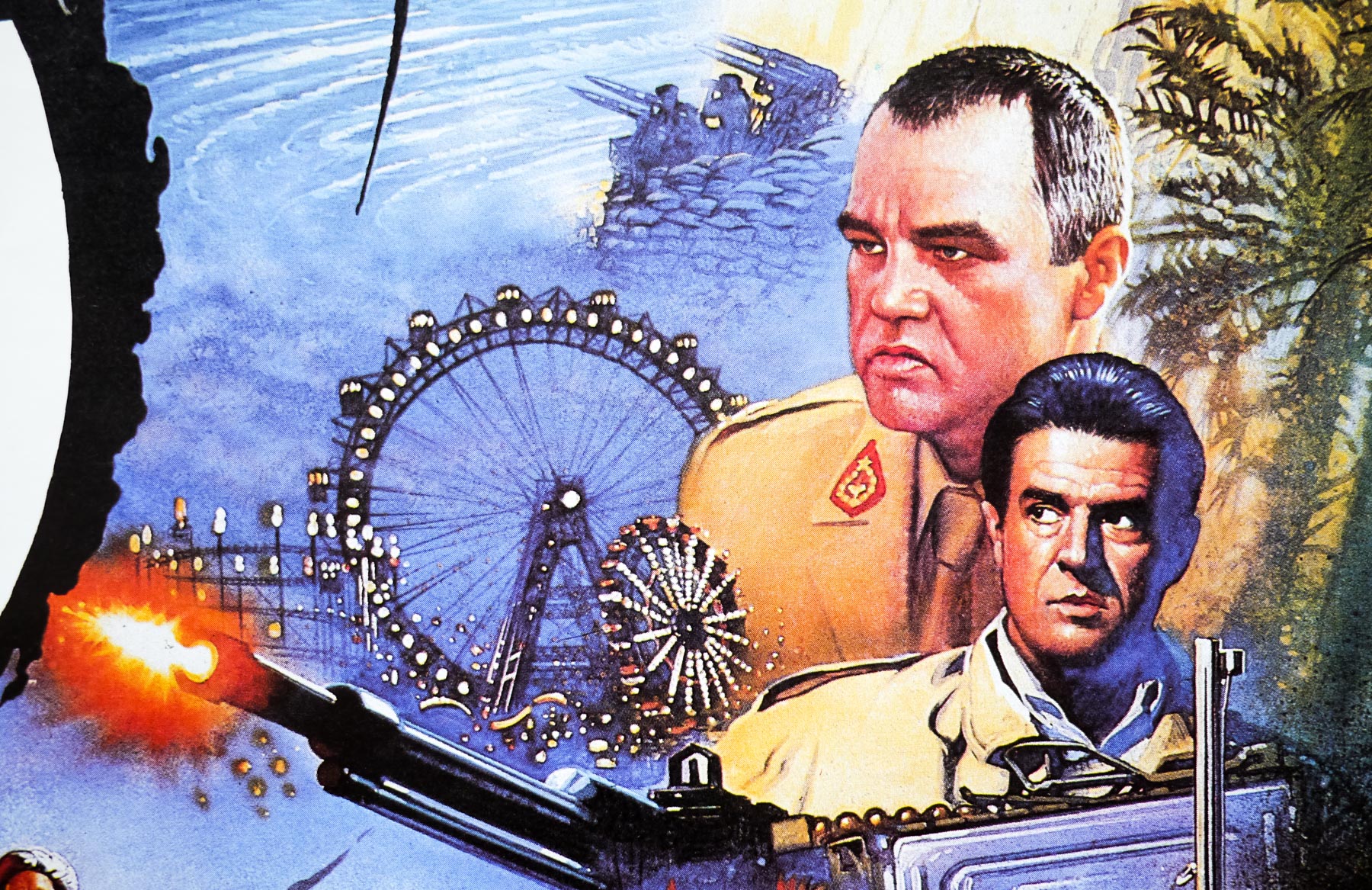
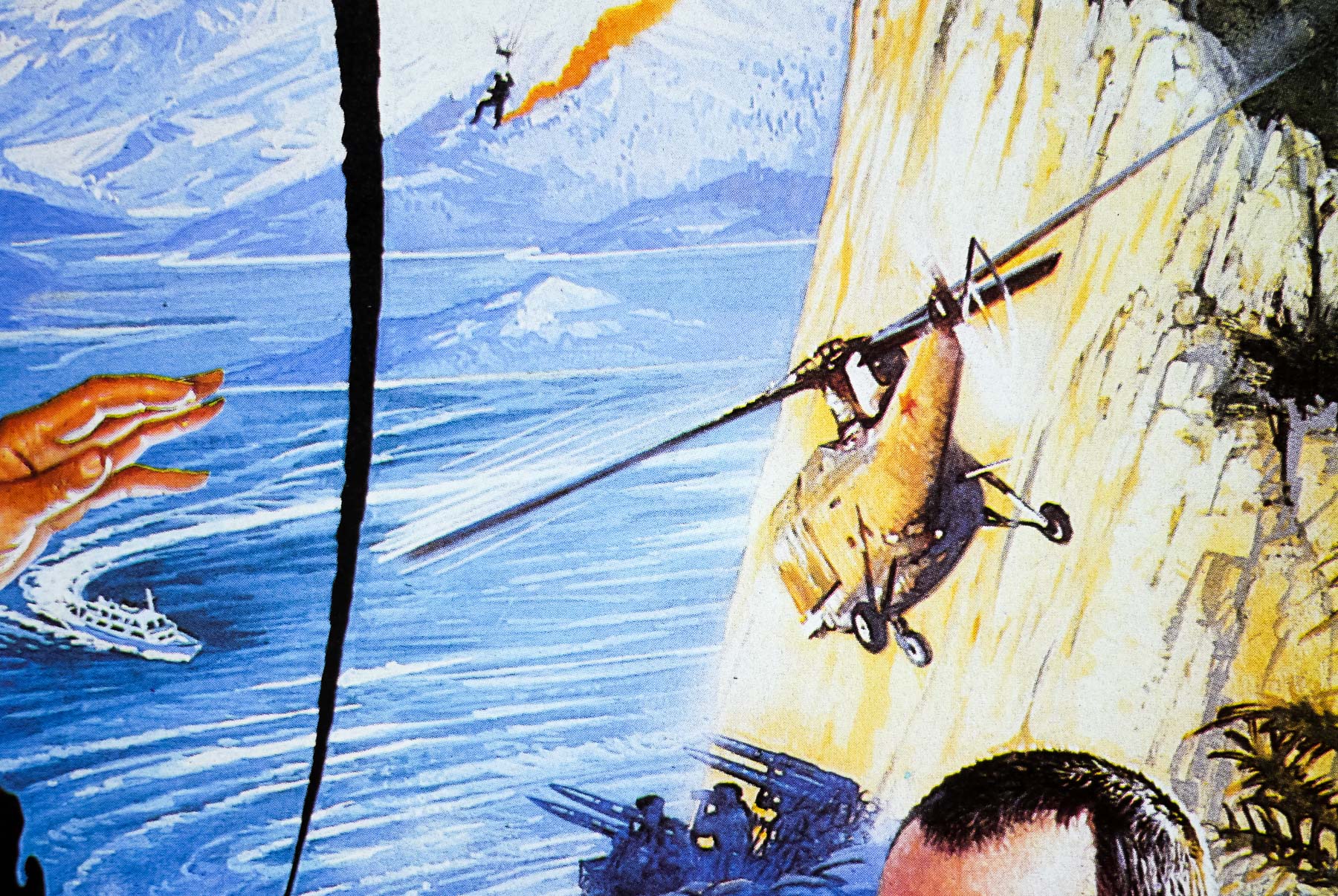
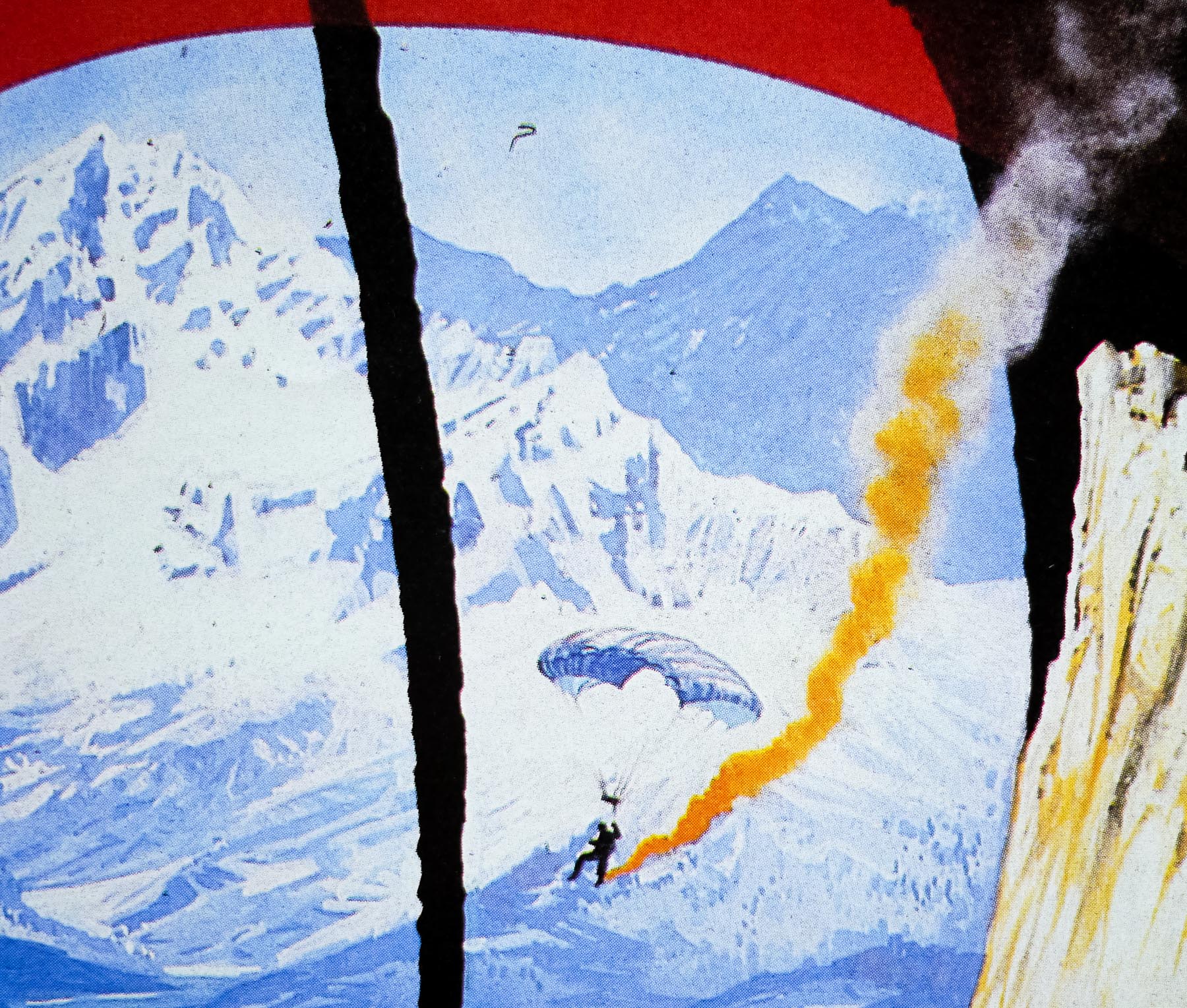
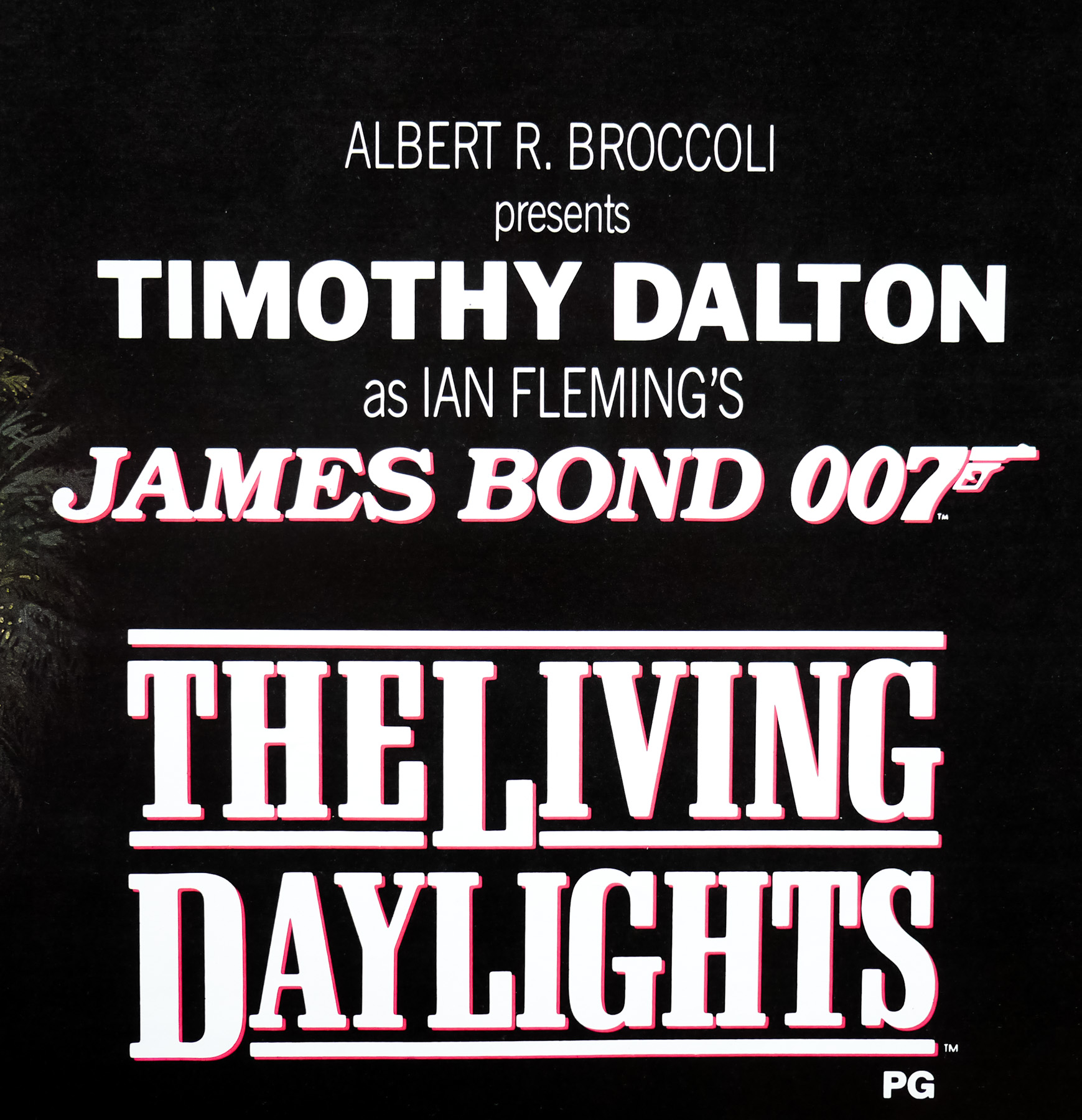
The Living Daylights was the first of two films in the long-running James Bond franchise to feature actor Timothy Dalton as the legendary spy. Dalton had been offered the role following Roger Moore’s decision not to reprise it in the wake of the disappointing performance of 1985’s A View to a Kill. The film sees Bond caught up in an international conspiracy after the abduction from a London safe-house of a recently defected KGB officer, which sees the agent travel to Czechoslovakia, Morocco, Austria and eventually Afghanistan in search of the missing man. The spy uncovers an arms-dealing plot with global ramifications and he must work with the Russian girlfriend of the missing KGB officer to get to the truth and prevent the conspirators from fulfilling their plans.

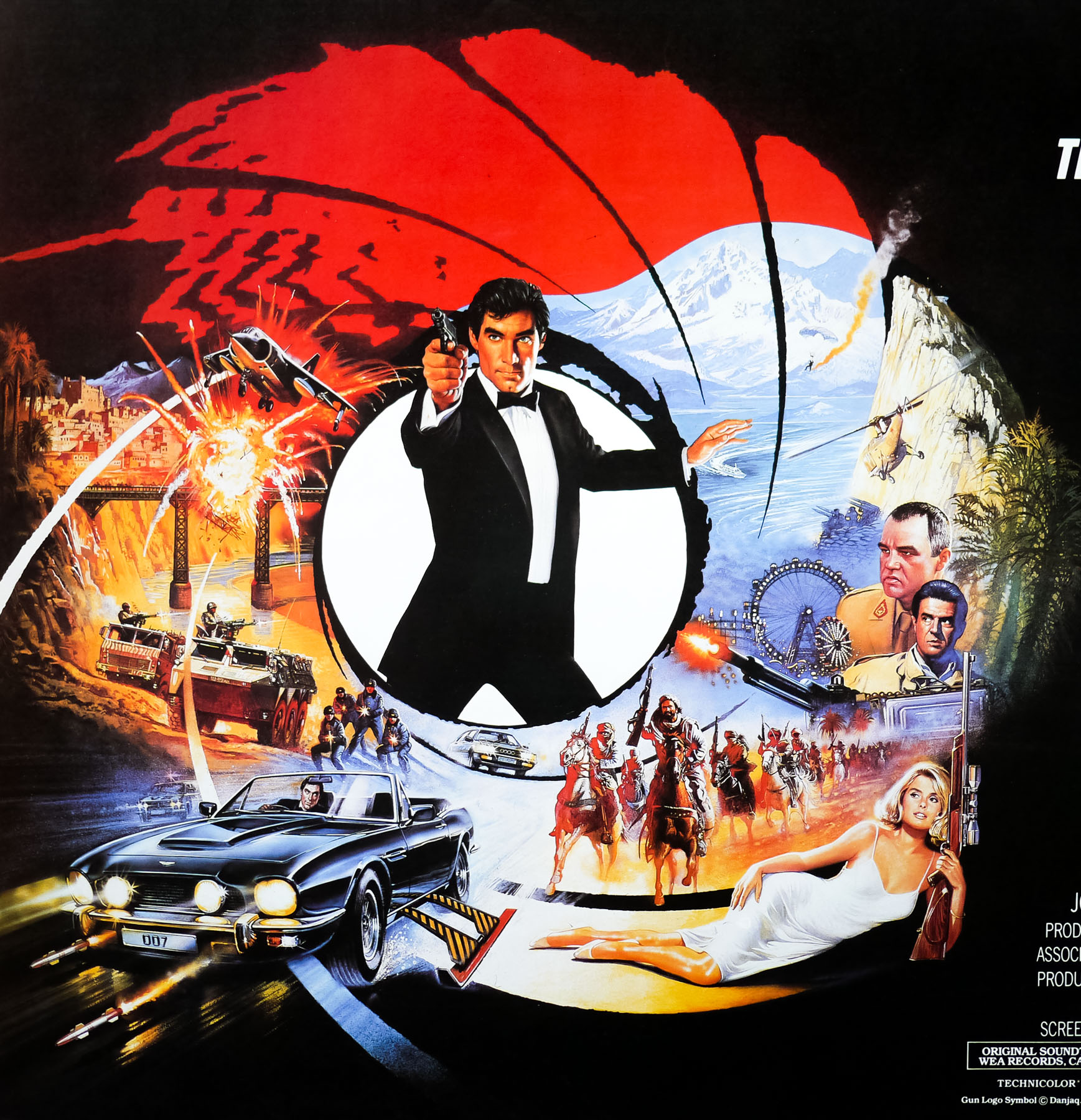
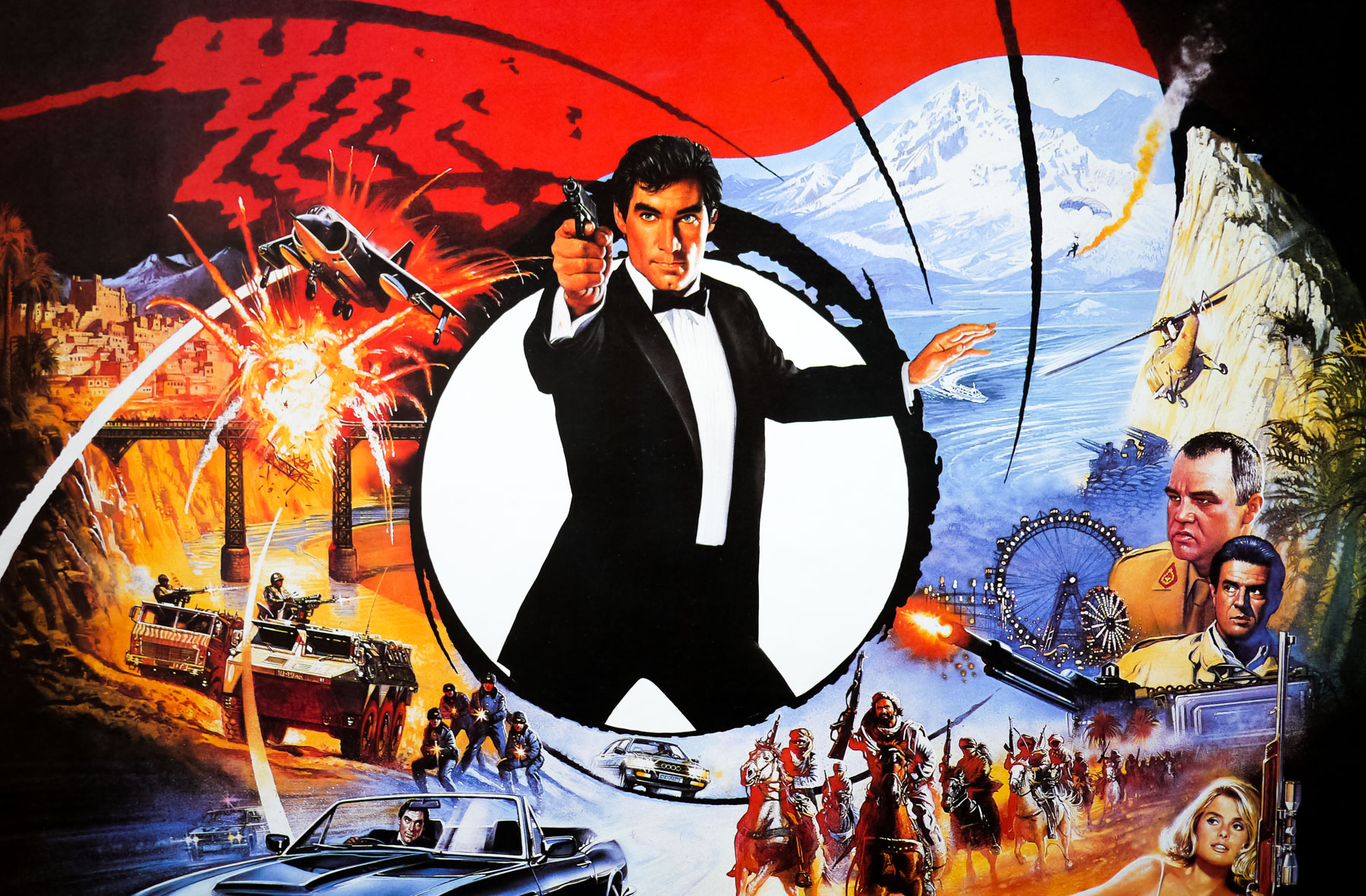
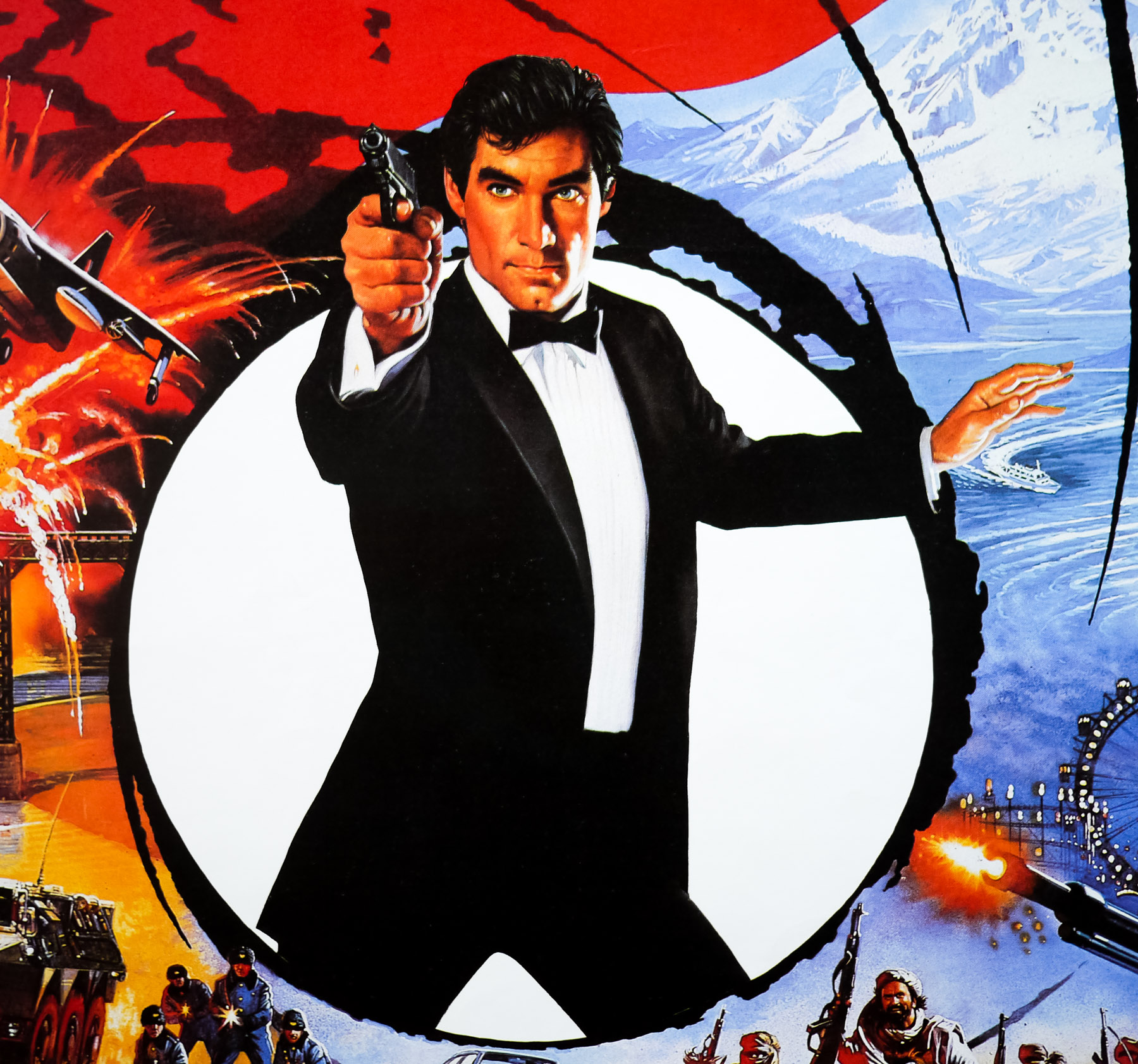
This is the UK quad and it features artwork that was used across the globe to promote the film. It’s unquestionably the last truly great Bond poster and was also the last to be entirely hand painted. The man responsible is the British artist Brian Bysouth and the poster was discussed during my 2012 interview with him:

“The last painting I did was for The Living Daylights. There were a number of us involved with the initial design ideas for that poster, including Bernie Goddard, a freelance designer who often worked with FEREF. Mike Bell and Stephen Laws also produced some concept roughs. Using the original Bond spiral gun barrel idea was a concept that featured on some of the designs and Bernie submitted one using it. The final concept was an amalgamation of ideas and I was tasked with composing the montage that became the poster. I produced the final colour rough that was sent to the client and we were all very glad when it was approved and I was able to start the finished painting.

I came across the rough a little while ago and it’s in reasonable condition considering it’s age.

That design ended up being used around the world and, as Sim Branaghan disclosed in his book, you were paid the highest fee ever given to a British film poster artist for that.
[Laughs] I probably shouldn’t have told Sim that! I don’t know if it was the highest fee ever paid, as I have no idea what other artists in Britain were getting for their work. But later I read somewhere that Bob Peak was being paid up to $50,000 for one poster at the beginning of the 1980s, and other artists such as Drew Struzan were perceived as being extremely well rewarded. I used to charge a day rate and always felt there was a downward pressure on the fees I charged. I was aware that as a director of the company I felt obliged not to inflate my prices, always making allowance for the company mark-up.  With the wisdom of hindsight, maybe I was wrong and I should have charged more. Anyway, I remember being content at the time.

I never knew how much FEREF were charging the client and I never thought to enquire. I decided that I was going to charge £3000 for my work on The Living Daylights because I had been working on the campaign for weeks. The fee was agreed and that was fine. Looking back in retrospect at an illustration that was used around the world to market a James Bond film do you really think that was a lot of money? It’s peanuts! Especially in comparison to the enormous budget the studio would have allotted to the marketing in total. Finally, I hope I am right in believing the client thought well of FEREF because we didn’t ridiculously inflate the price of the work we did for them. We sincerely believed we were the best at what we did, and it was upmost in our minds that we had to be competitive with our charges.”

The article also features pictures of the original artwork and initial sketches for this poster.

Prisoners of the Lost Universe / one sheet / UK

05.08.13

Poster Poster

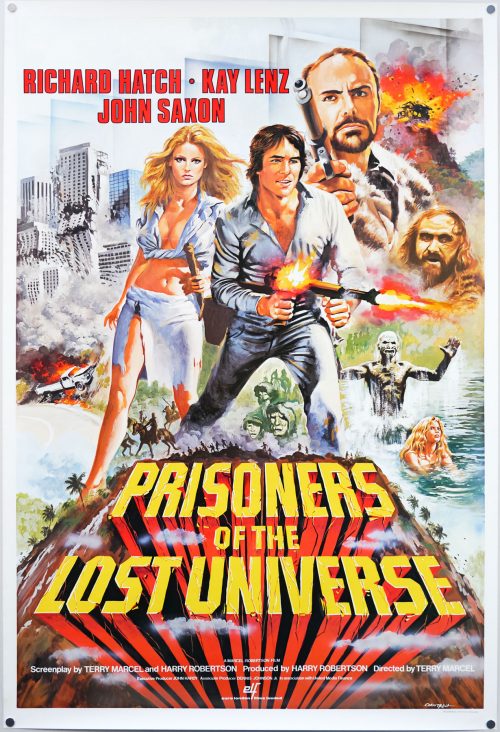
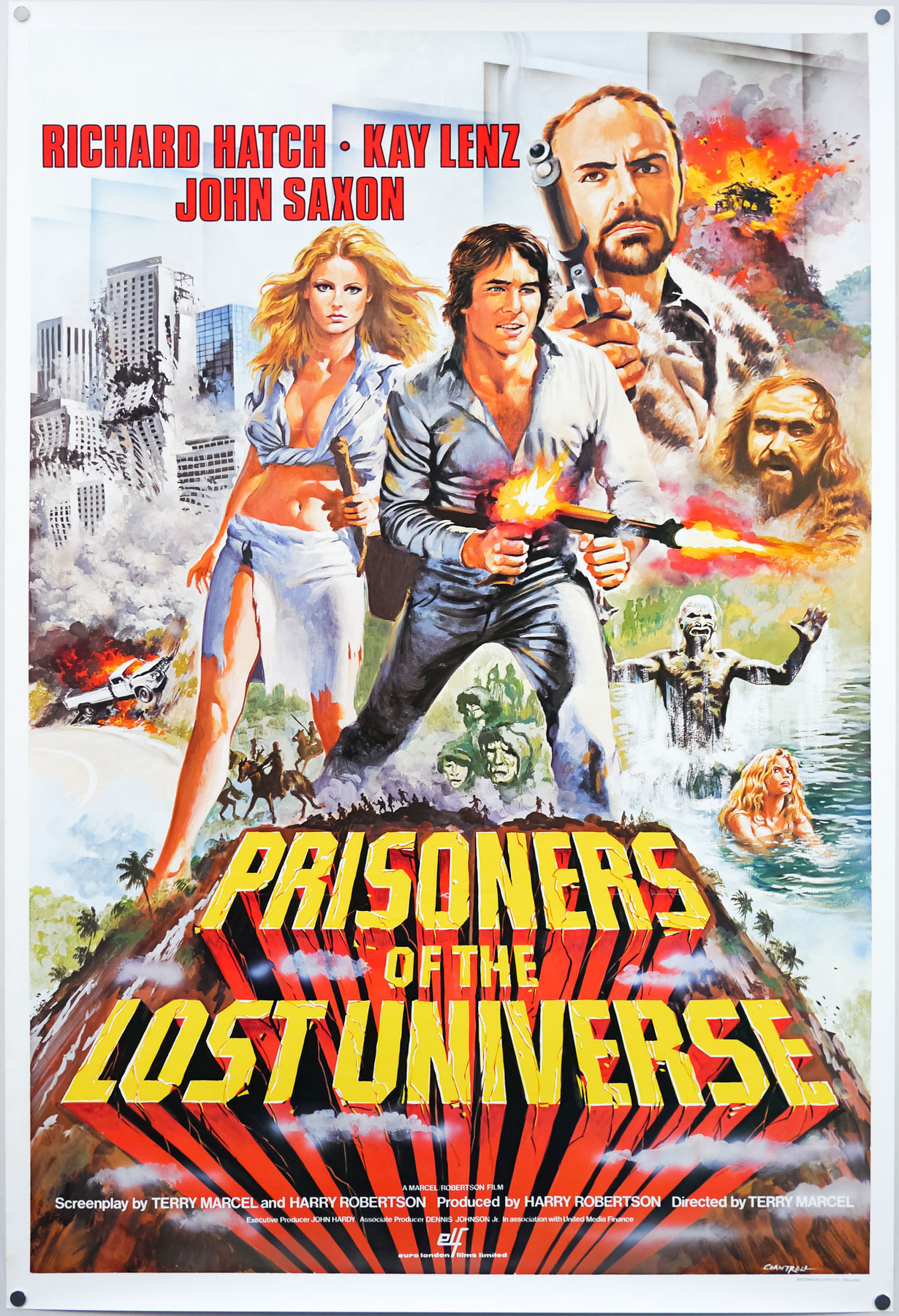
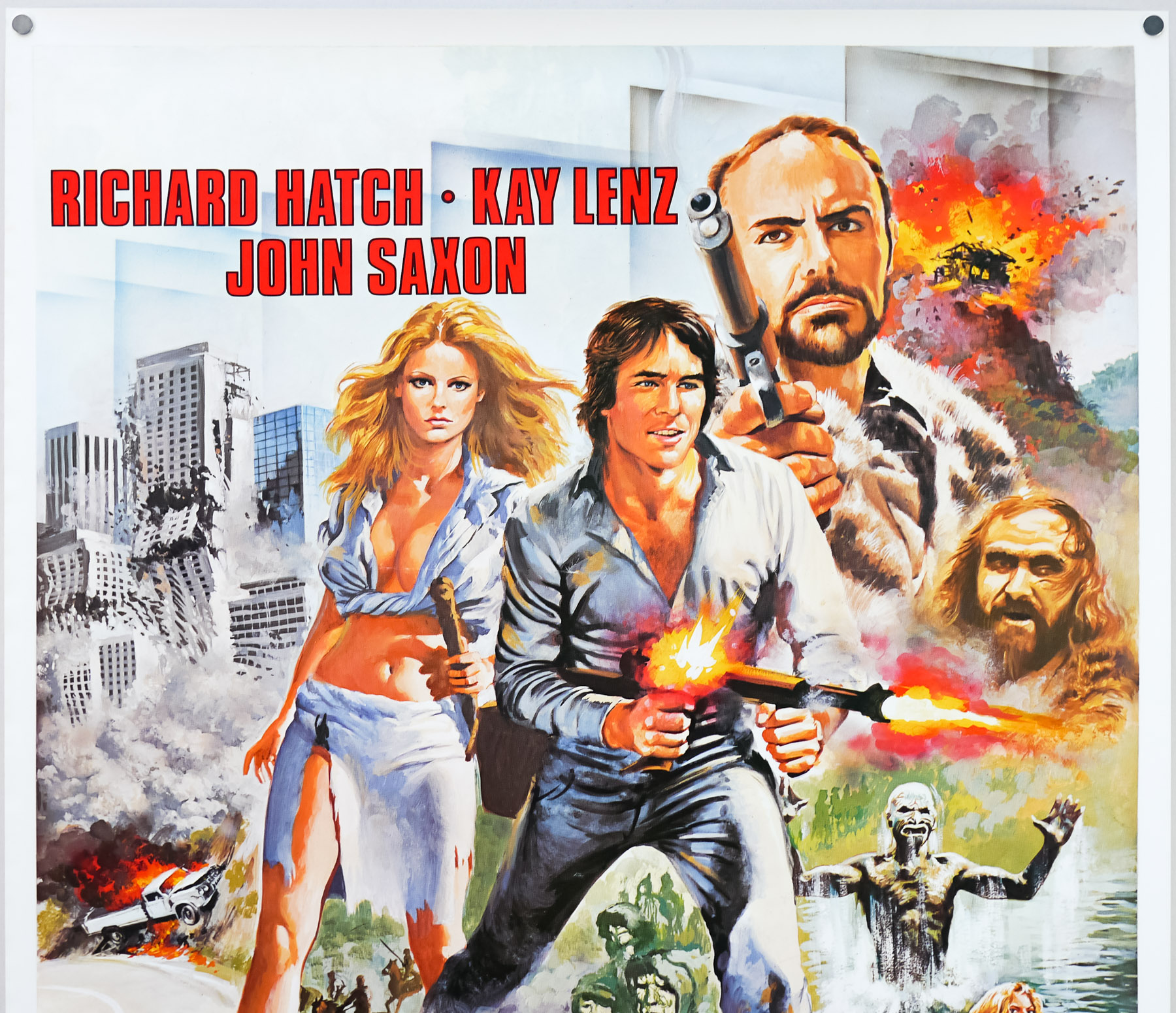
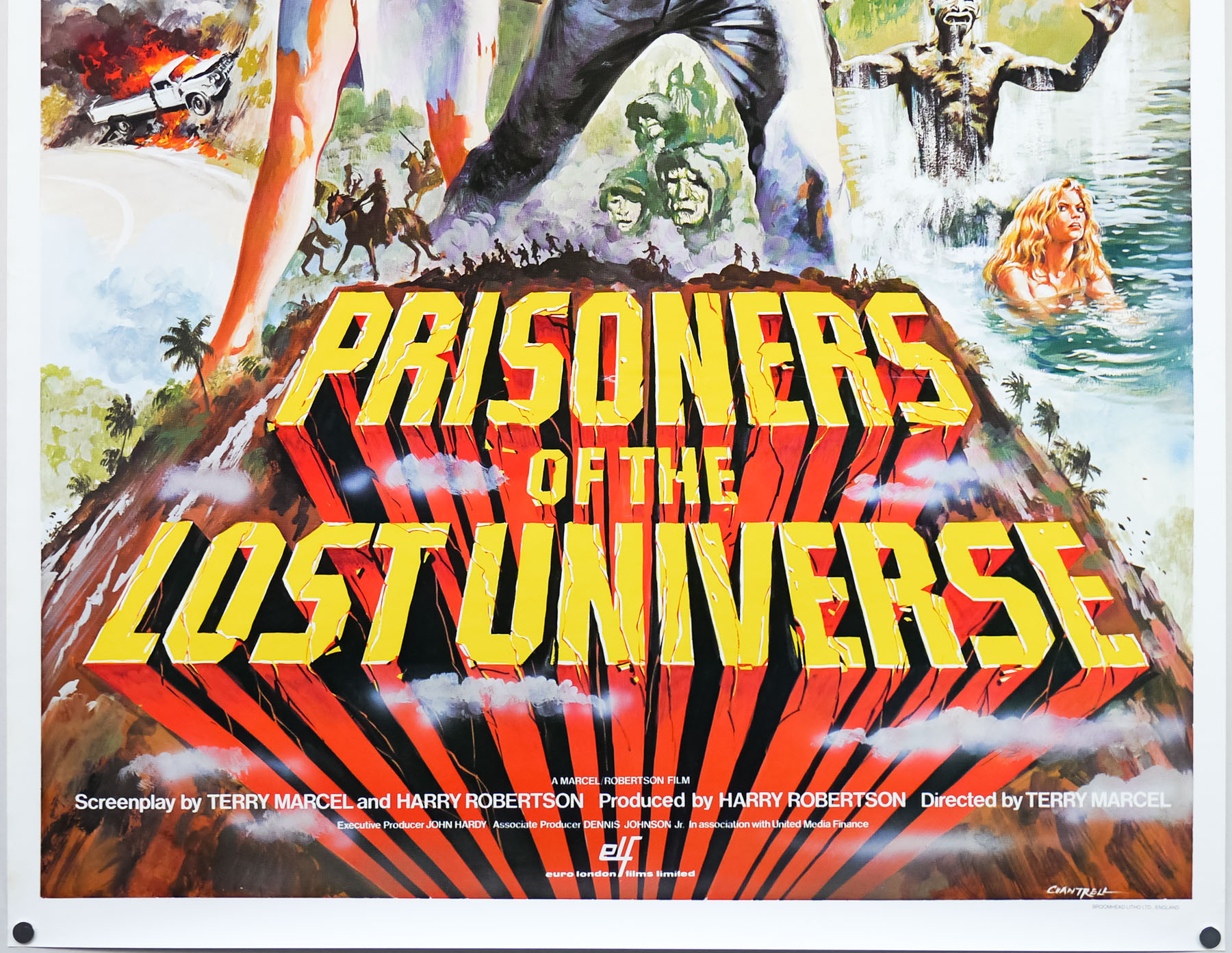
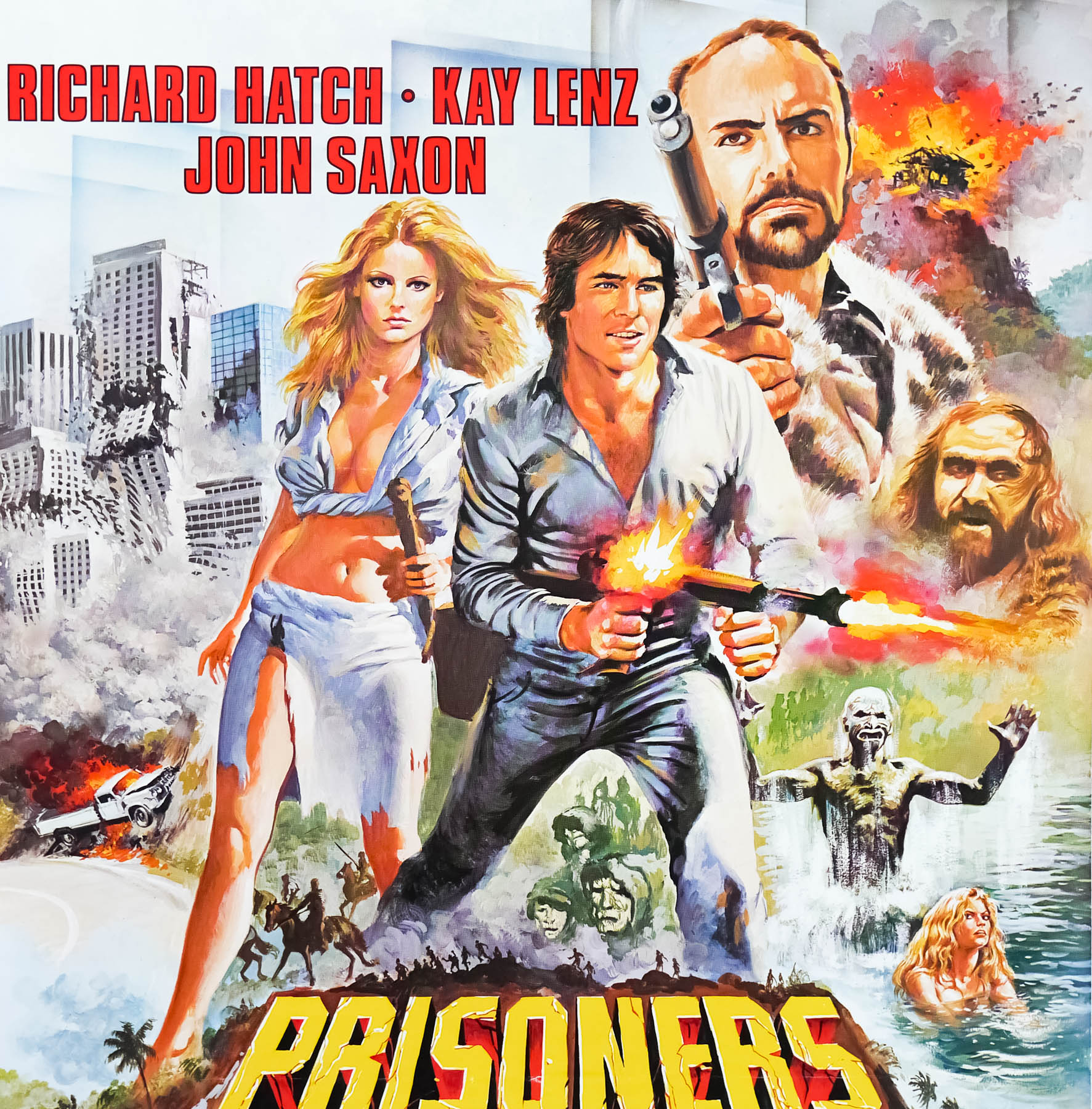
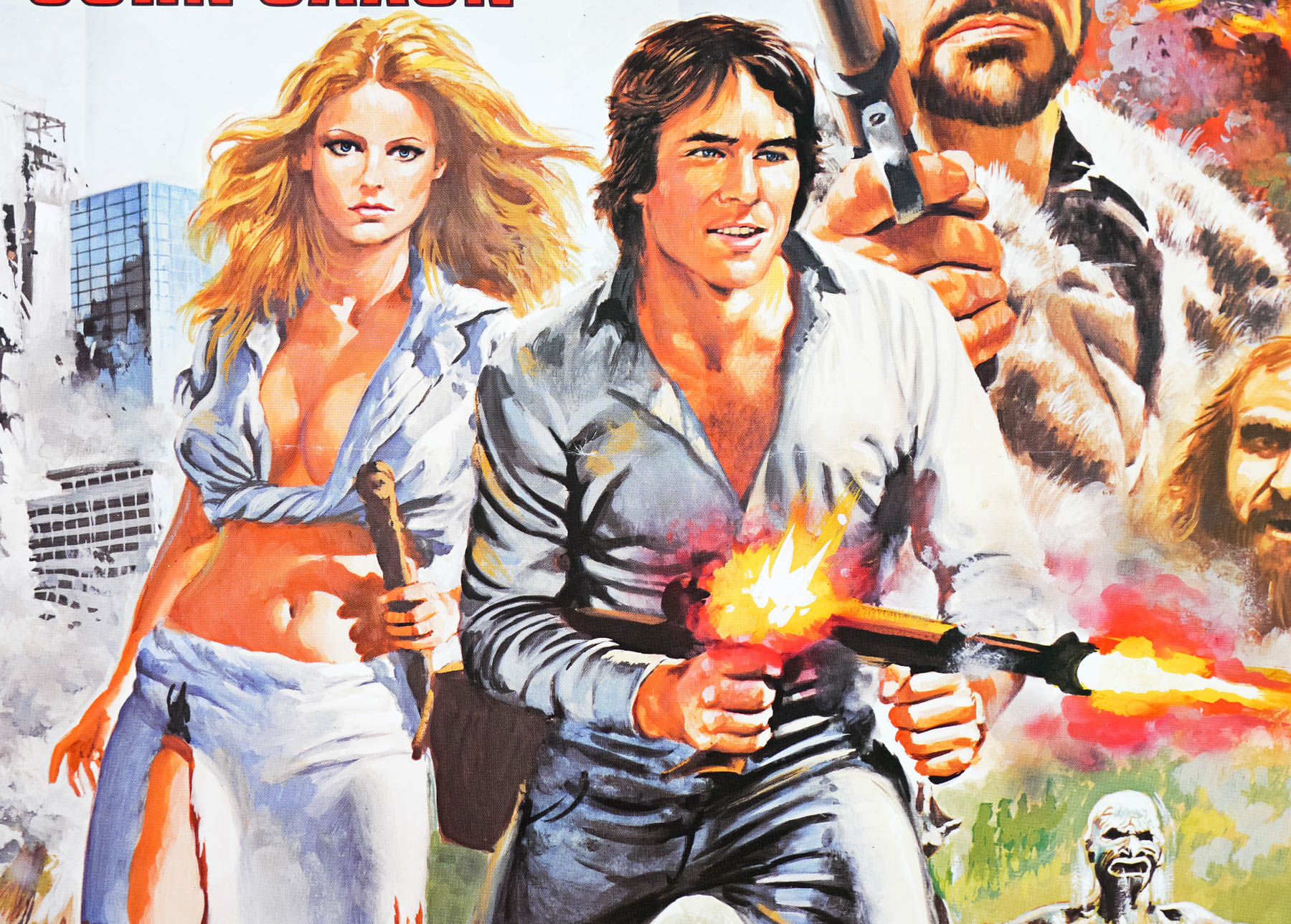
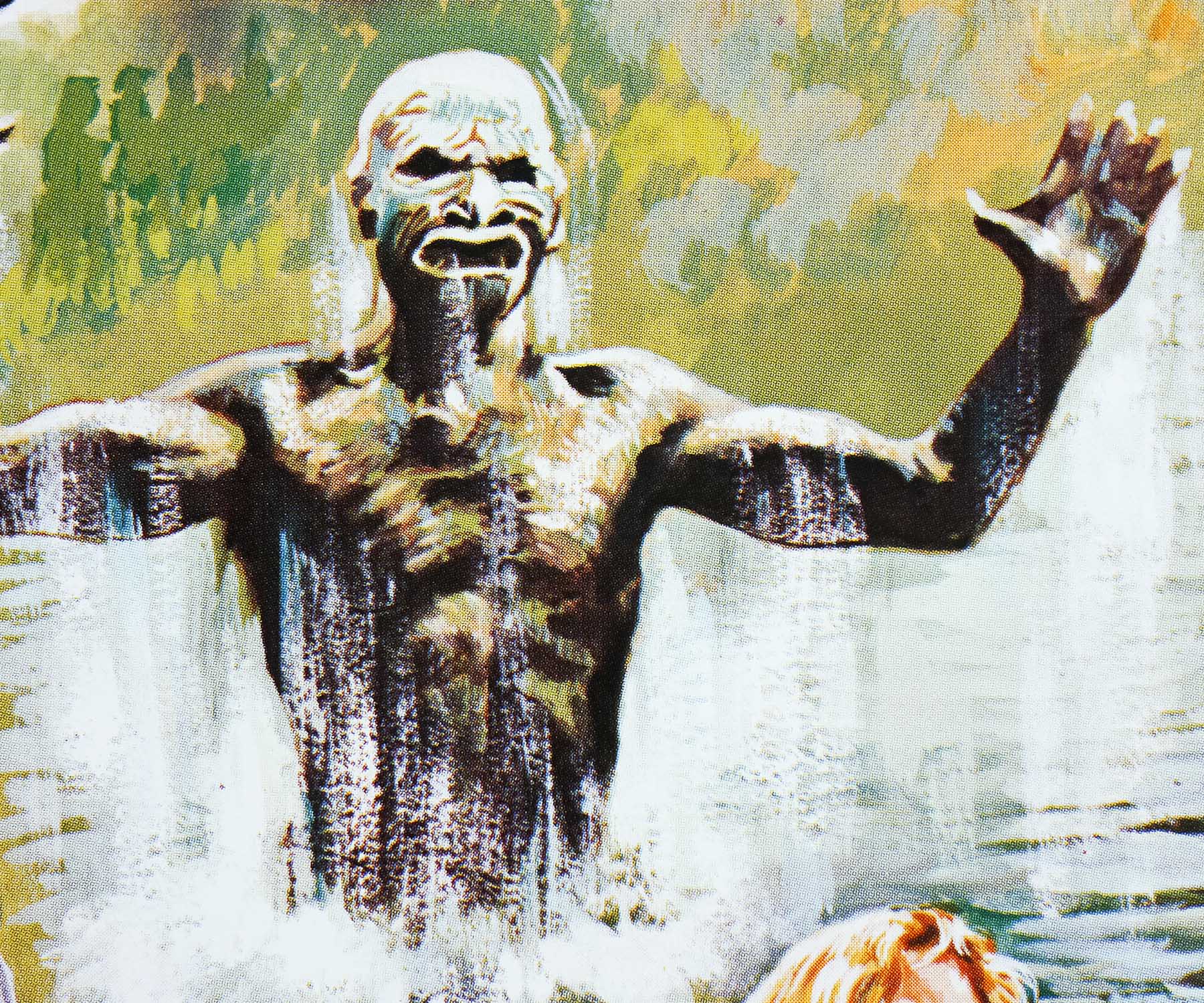
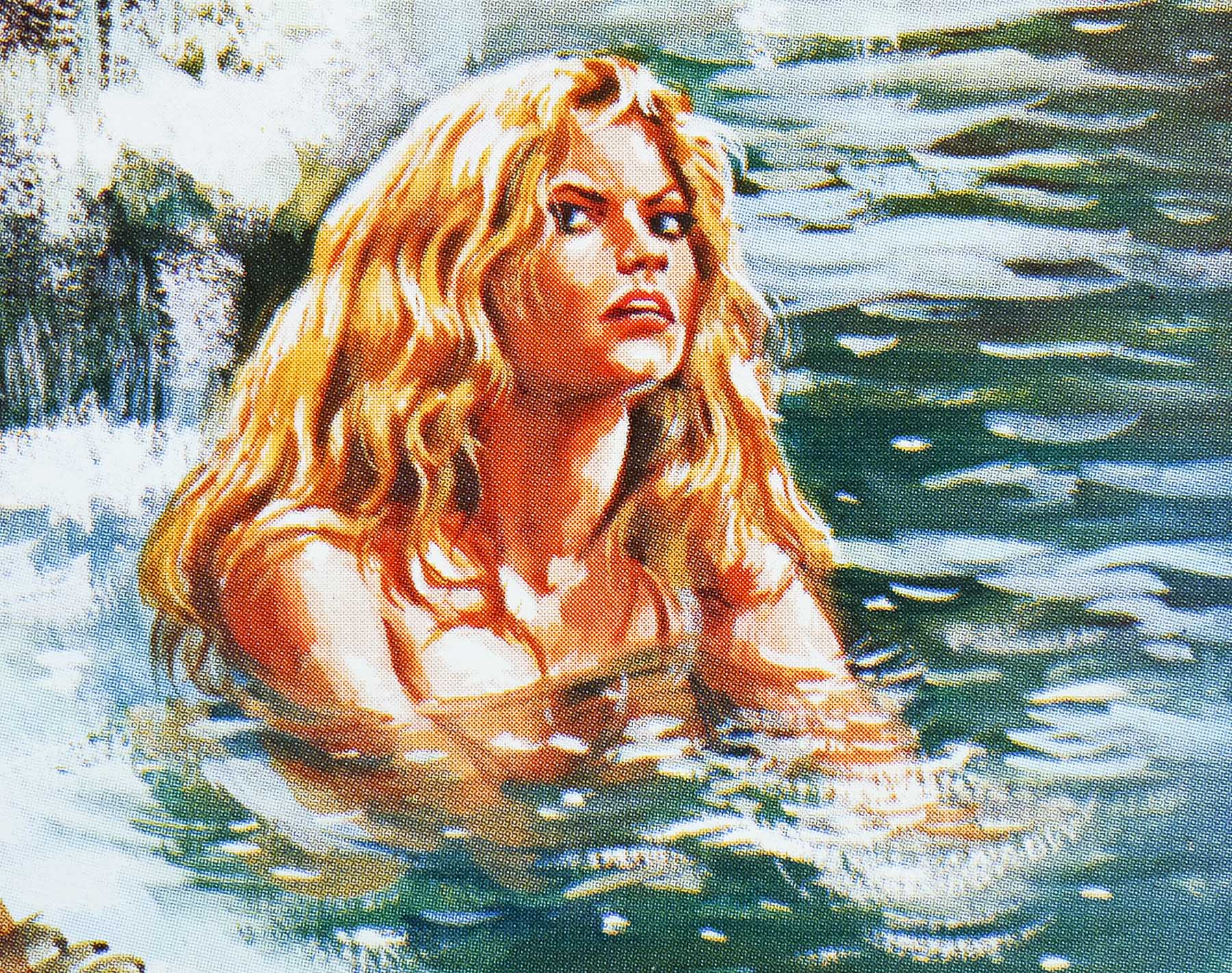
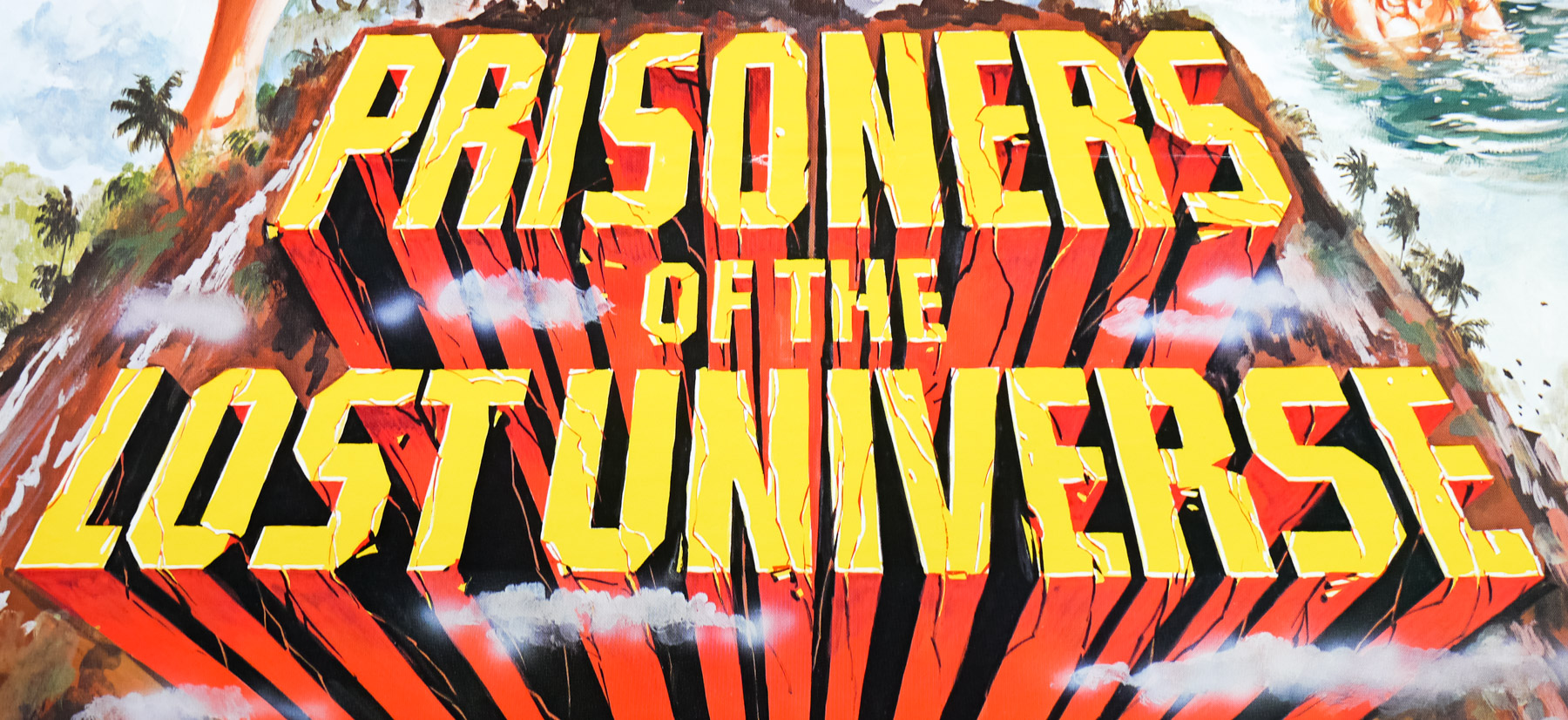
A classic case of the poster being significantly more exciting than the film it was attempting to sell to the cinema-going public, this is the UK one sheet for the release of the low-budget sci-fi adventure Prisoners of the Lost Universe. Produced by Marcel/Robertson Productions Ltd, the short-lived company who were also responsible for Hawk the Slayer (1980), filming took place in South Africa with a largely American cast and, despite seeing a cinema release in several countries, the film was given its debut on cable TV in the States.

Scientist Dr. Hartmann (Kenneth Hendel) is testing out his revolutionary matter transporter when an earthquake strikes and accidentally beams him to an alternative universe, followed shortly after by Carrie (Kay Lenz), a TV reporter sent to meet him, and Dan, a handyman who also happens to be a kendo champion (Richard Hatch). The duo must cope with the hostile, prehistoric-seeming environment of the new universe, and as they search for the scientist they meet a host of strange characters, including a mute giant, a green-skinned warrior and a cheeky thief. Before long, Carrie has been kidnapped by a warlord named Kleel (played by genre stalwart John Saxon) who has strangely modern technology compared to the rest of the people he rules over, and Dan must battle to save her from his clutches.

Low-budget and with a clunker of a script, awful production design and unsurprisingly sloppy special effects, the film has very little going for it other than a series of unintentionally hilarious moments, which might explain why it has featured on several TV shows that make fun of bad films, including This Movie Sucks! and Mystery Science Theater 3000. The film is apparently in the public domain and has been released on DVD multiple times, usually as part of a compilation of other public domain clunkers, but it can also be watched on YouTube, if you want.

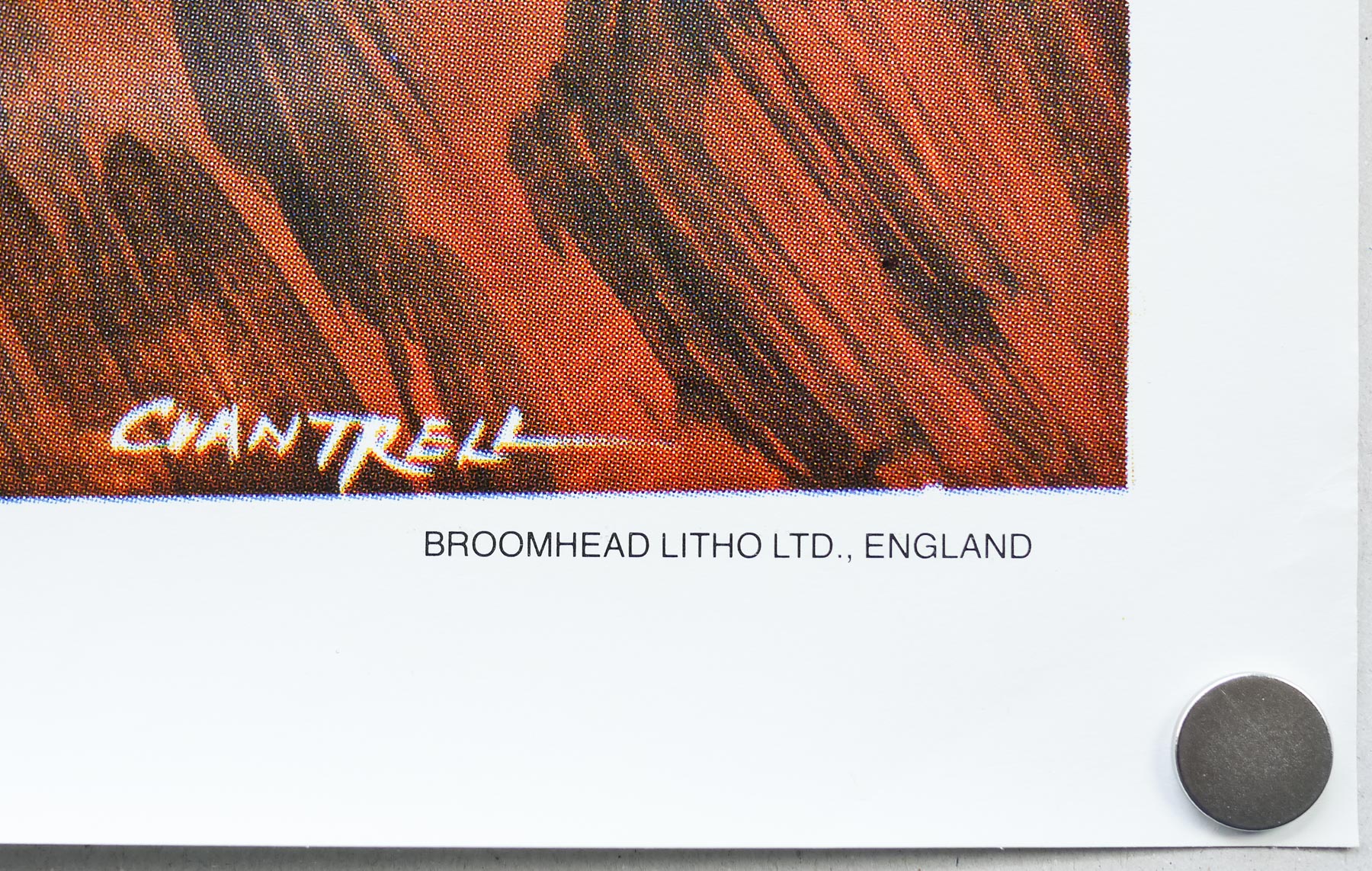
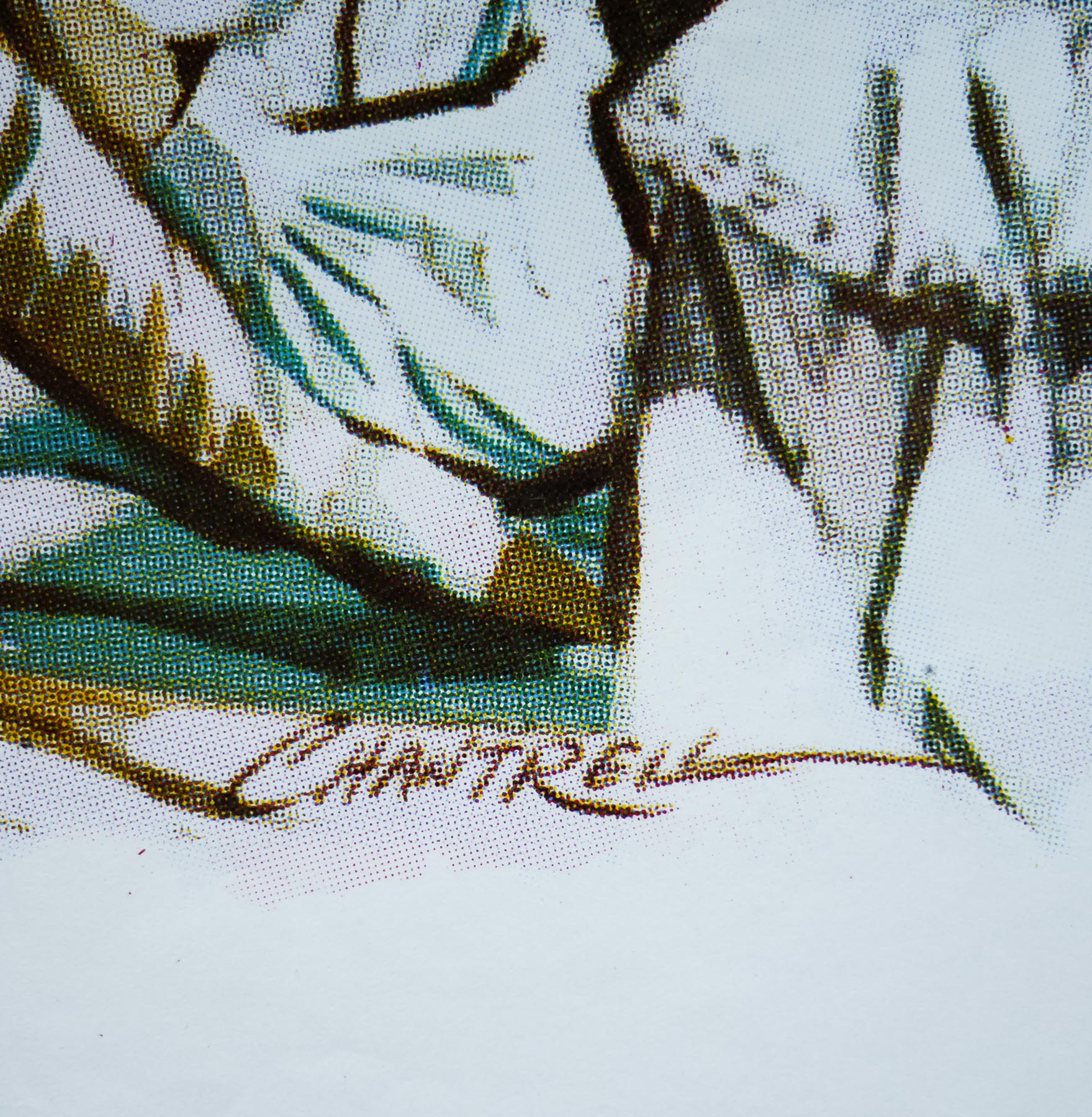
This one sheet was designed and illustrated by the late, great British artist Tom Chantrell whose dynamic and colourful work featured on hundreds of posters over a forty year period. His official website features a great biography written by Sim Branaghan, author of the must-own British Film Posters. Chantrell illustrated many classic poster designs, including several Hammer posters such as the brilliant quad for ‘One Million Years B.C.’, and was also responsible for the iconic Star Wars quad, the artwork of which ended up being used around the globe. I have a handful of other designs by him on this site.


The Company Of Wolves / one sheet / UK

16.09.13

Poster Poster

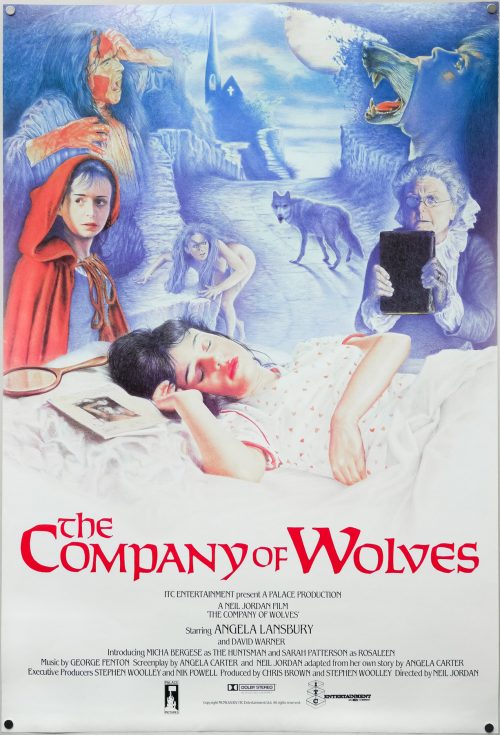
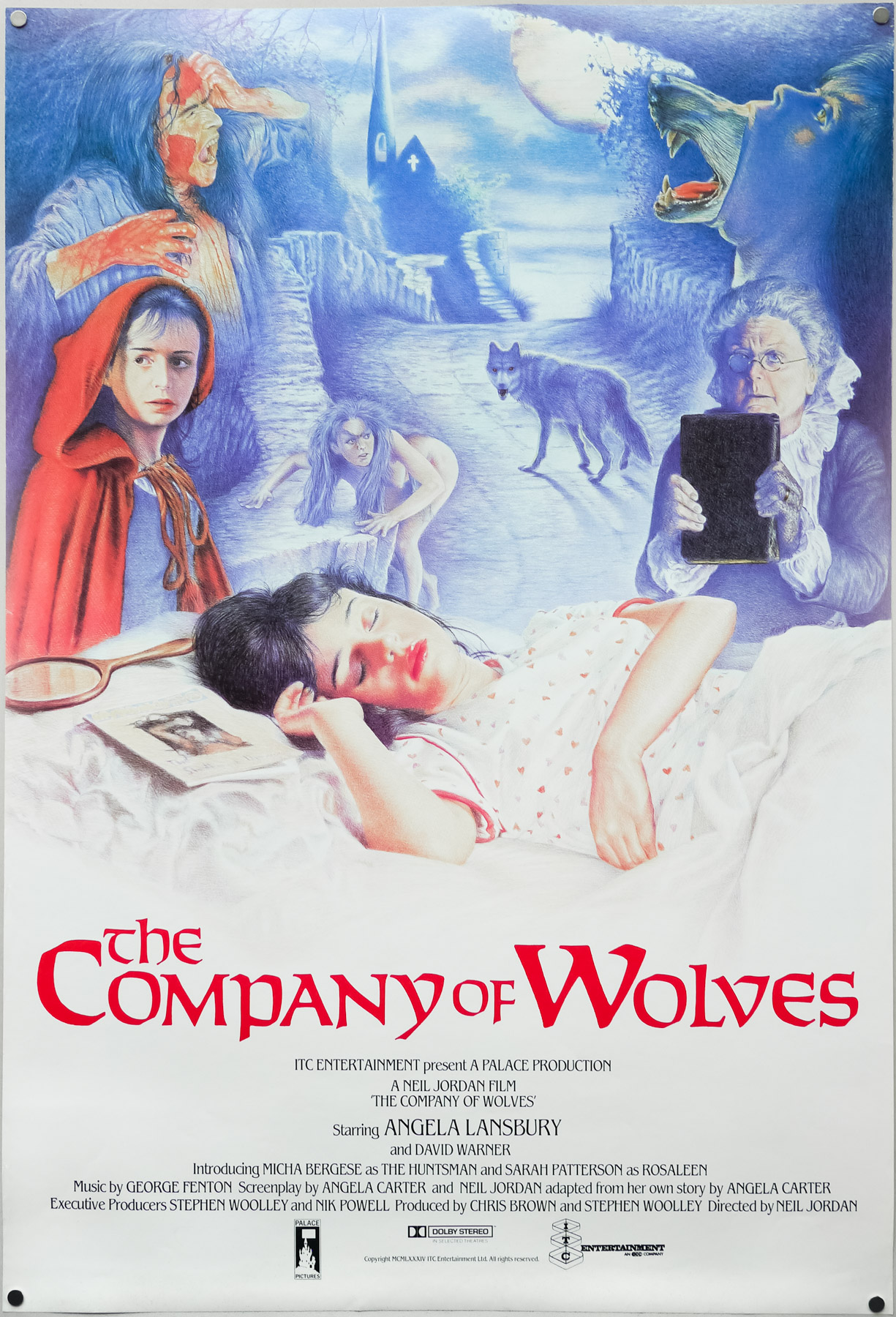
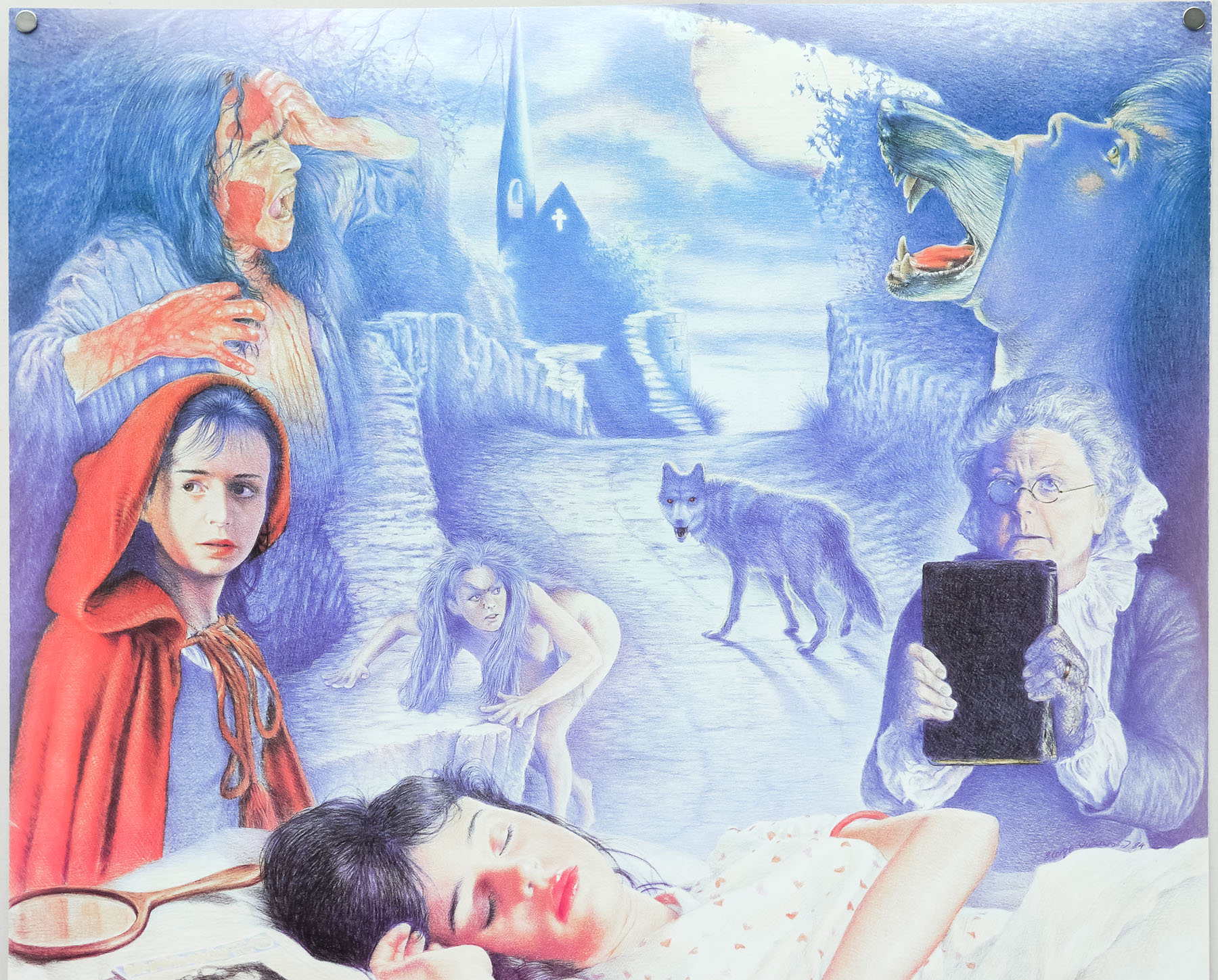
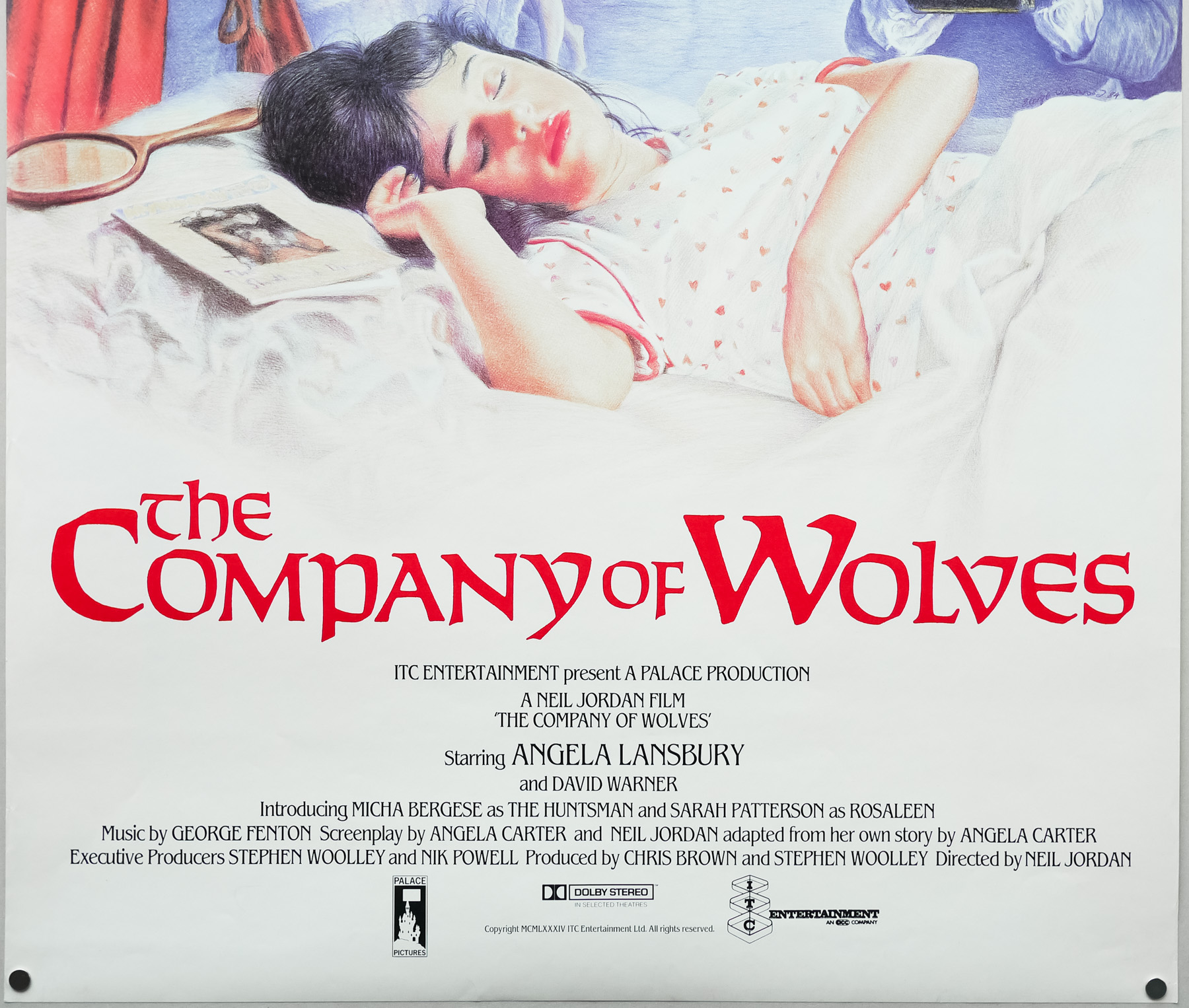
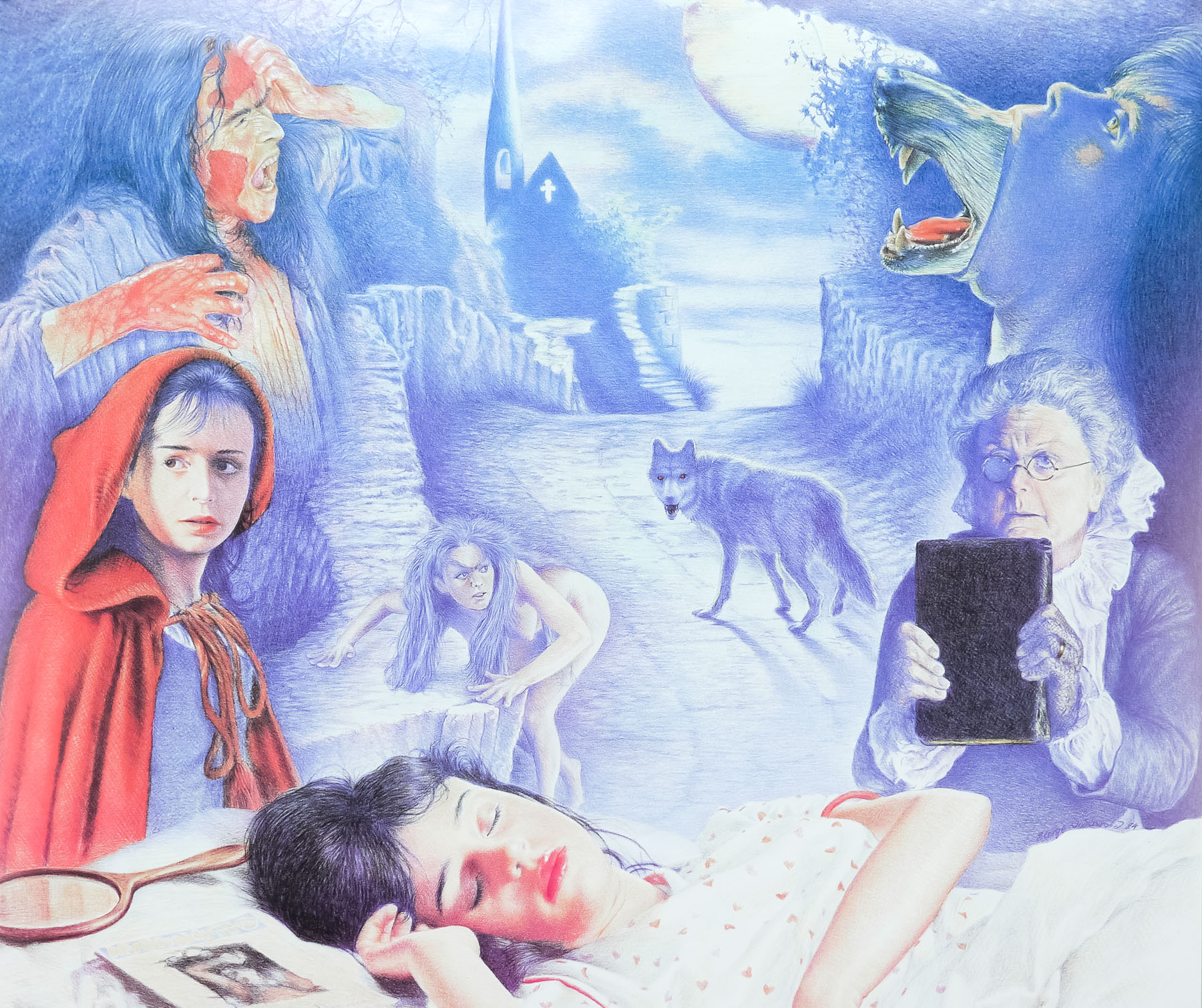
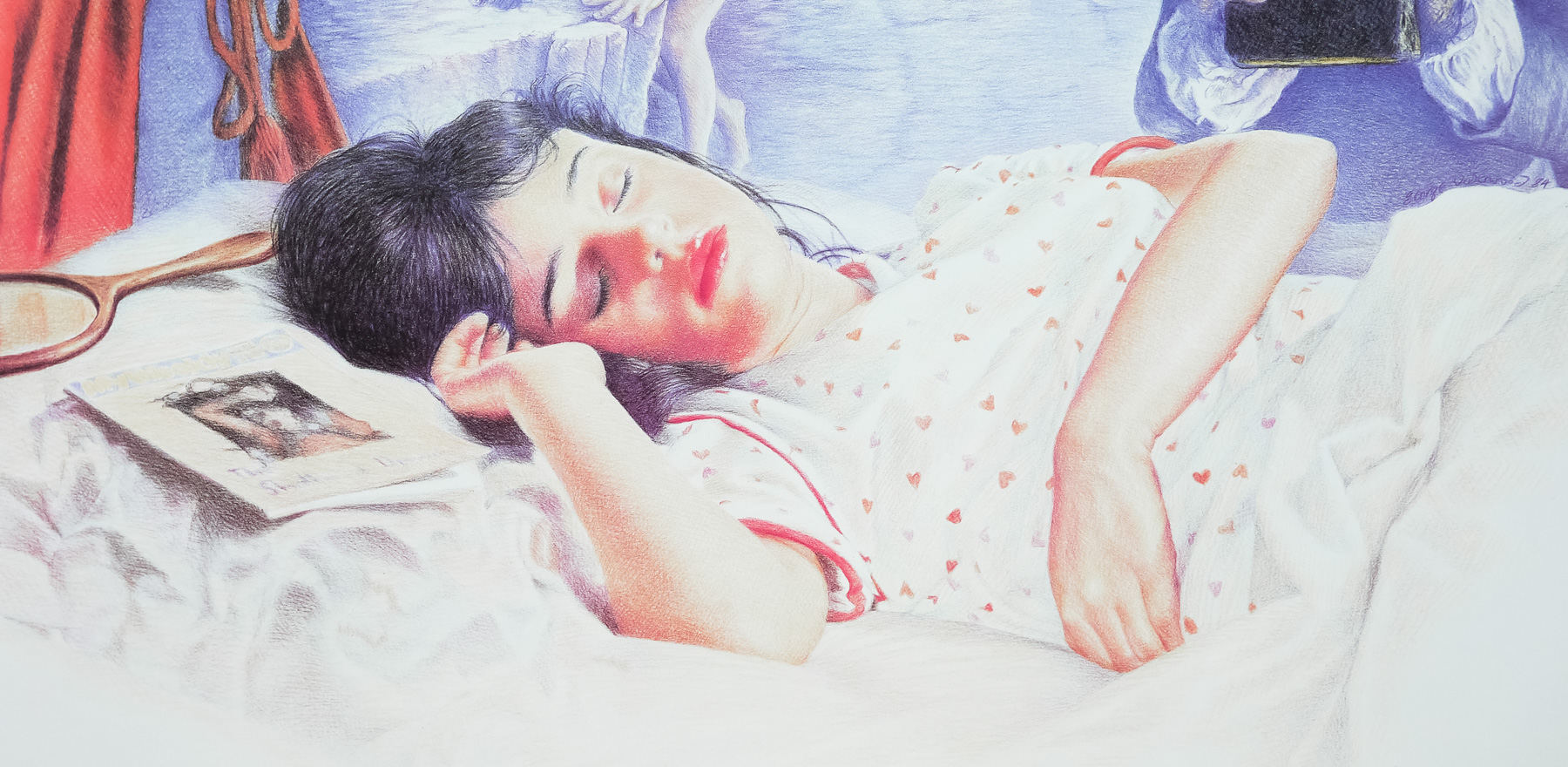
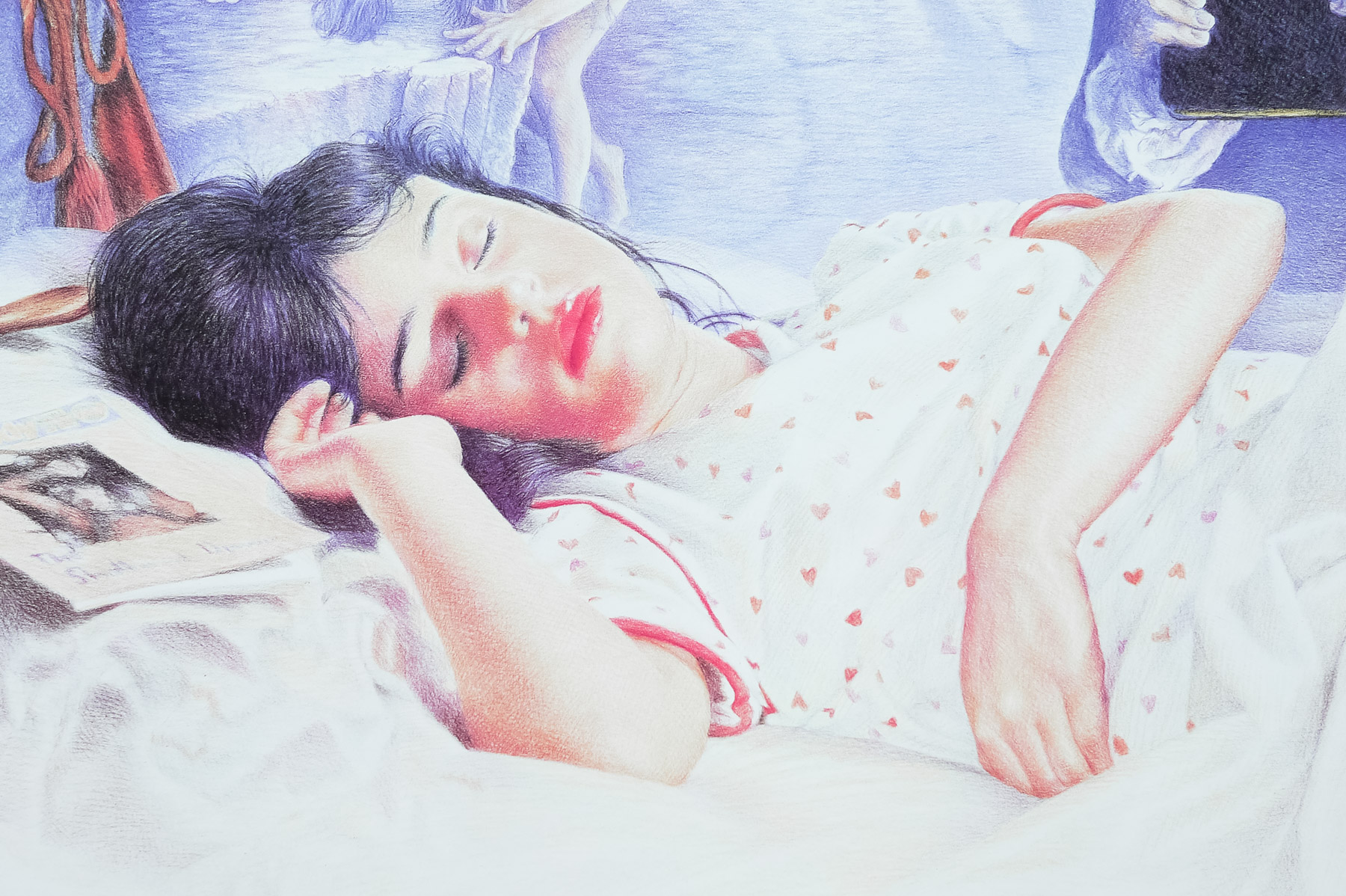
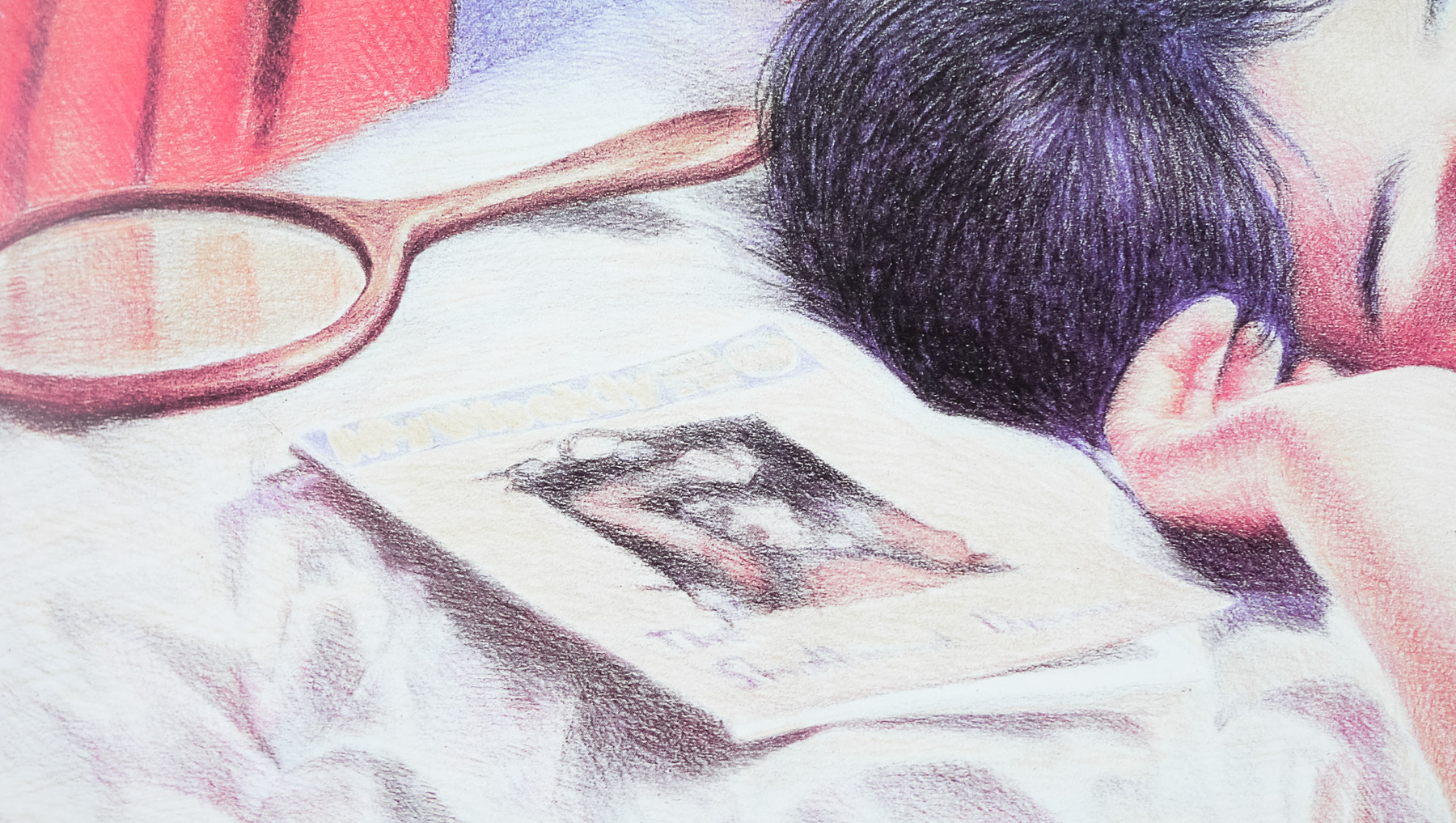
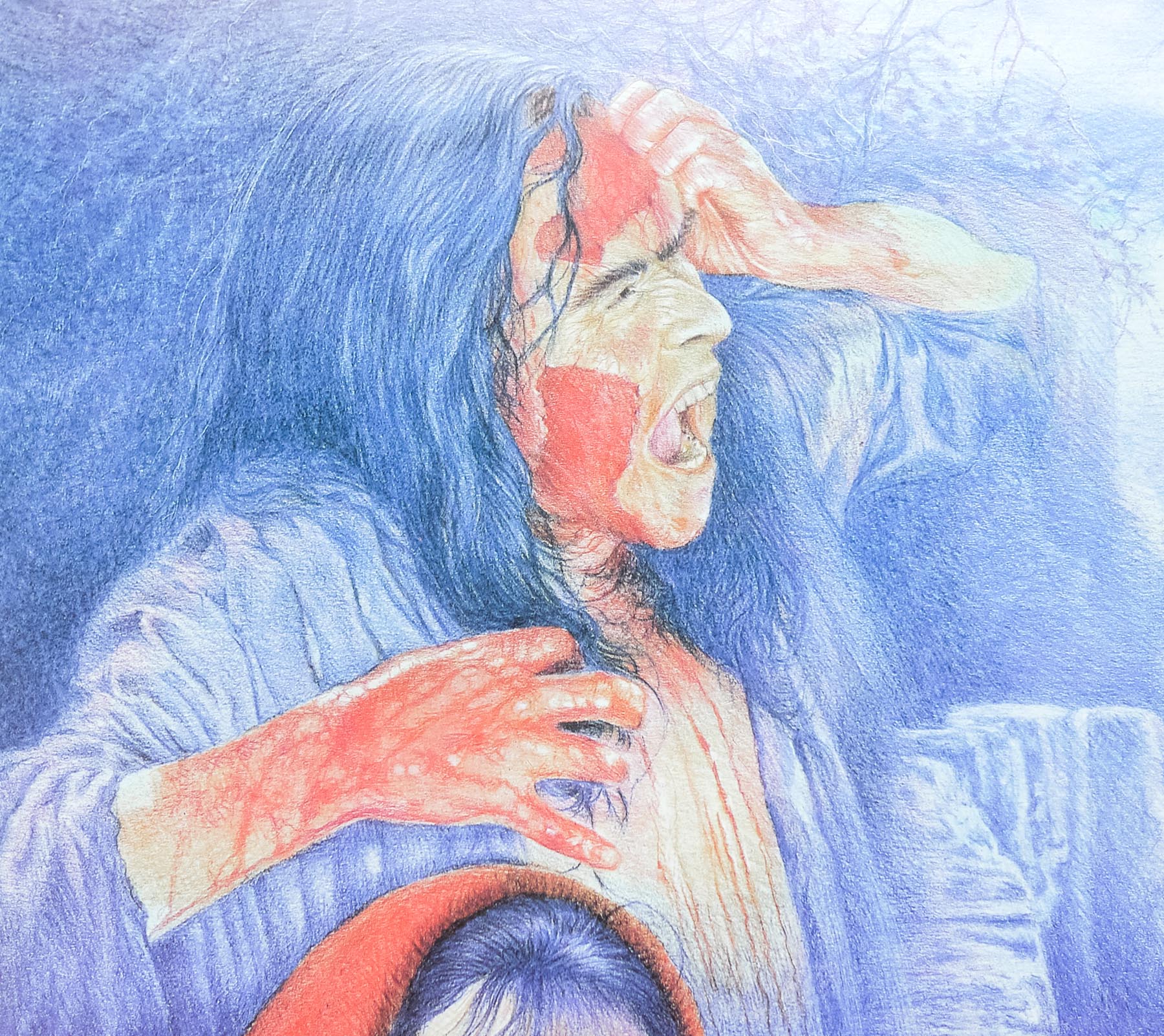
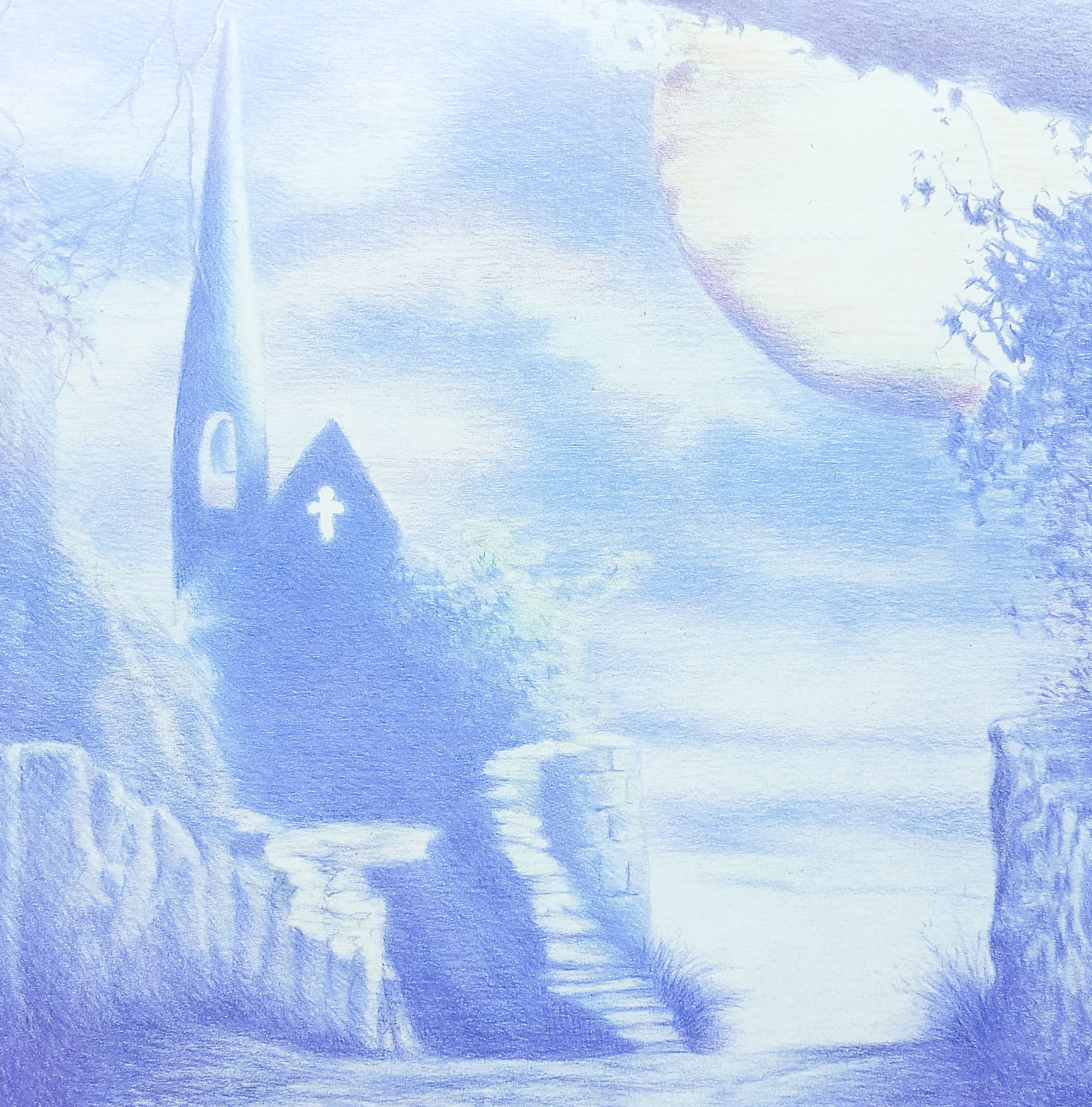
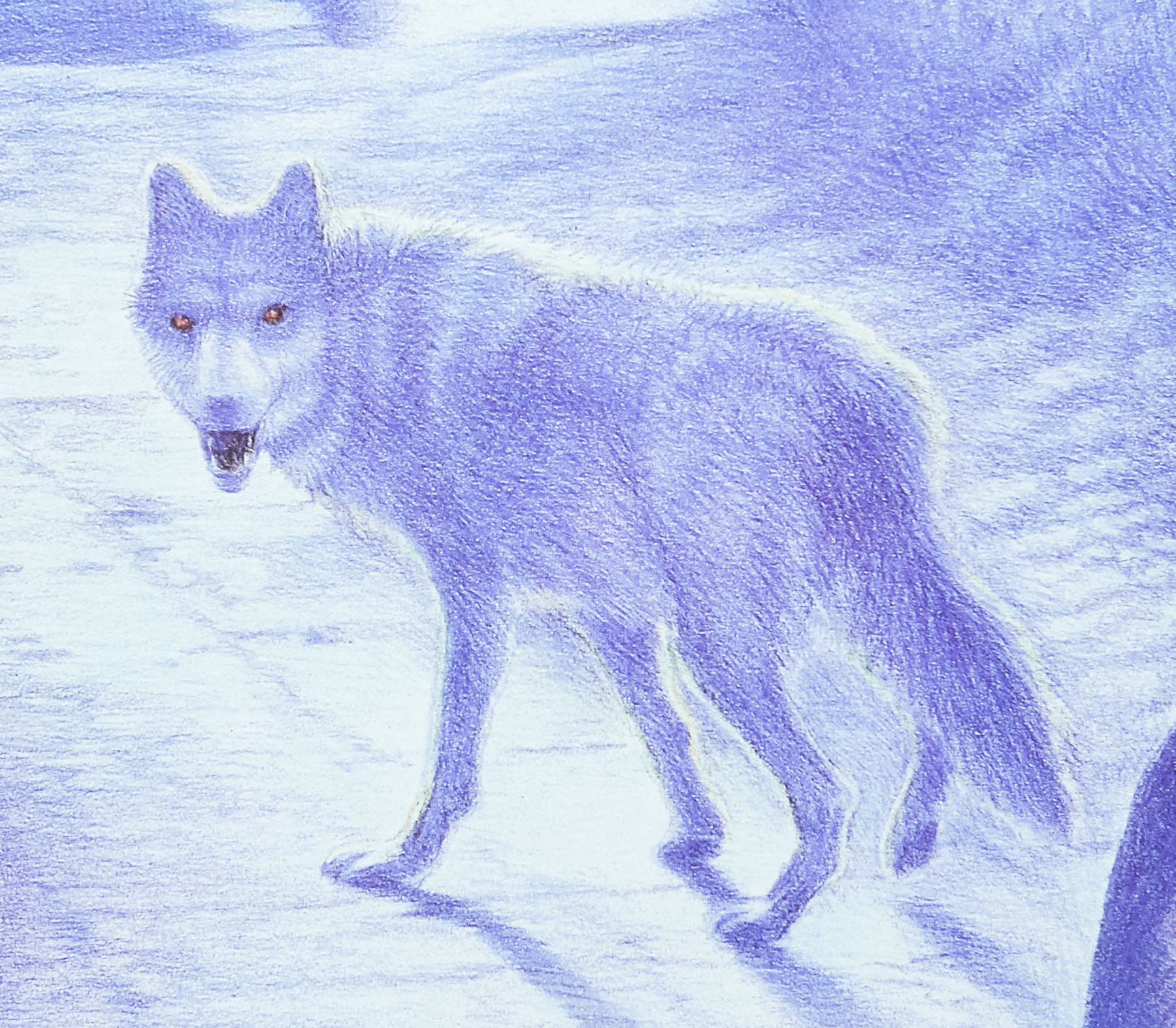
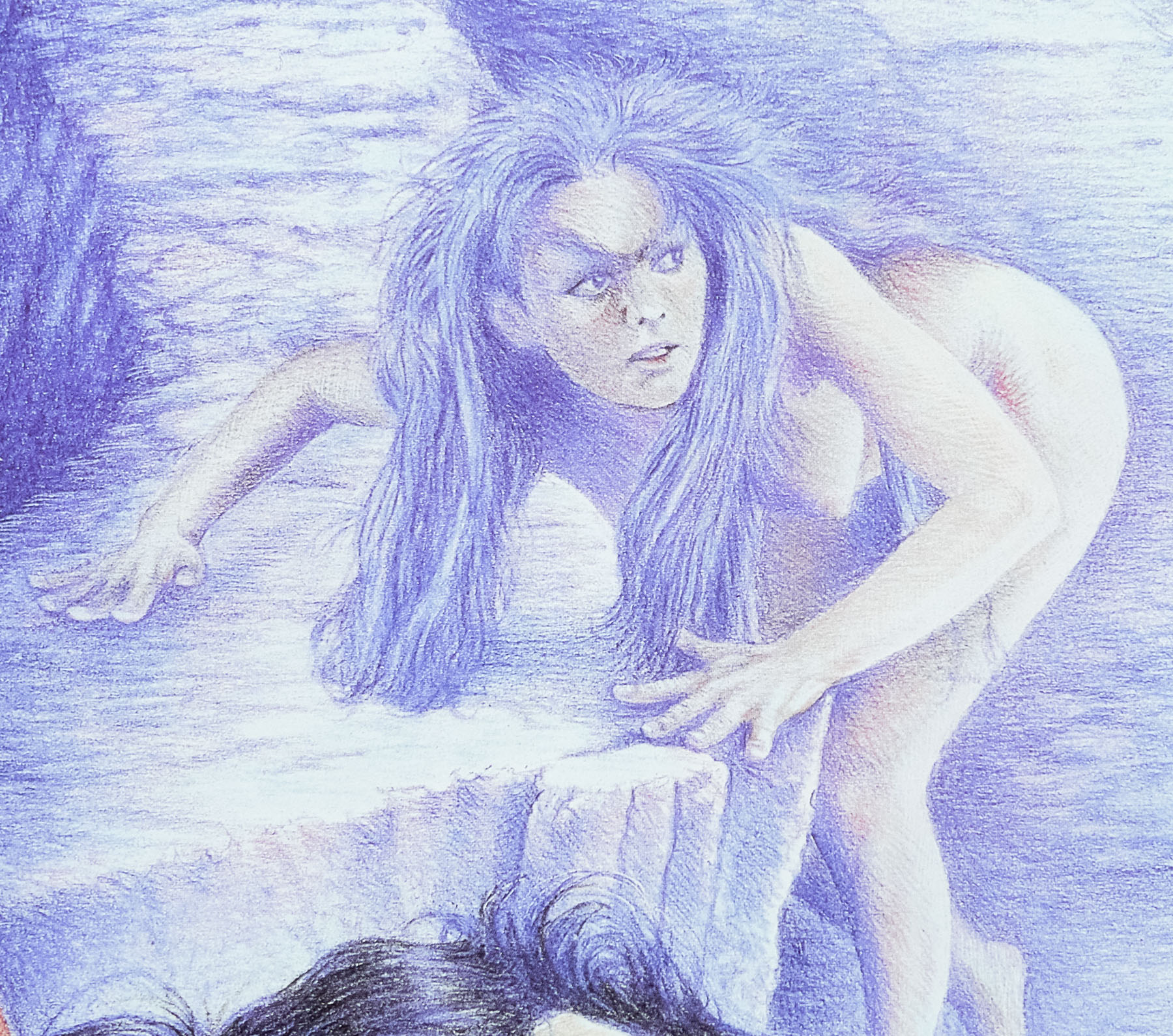
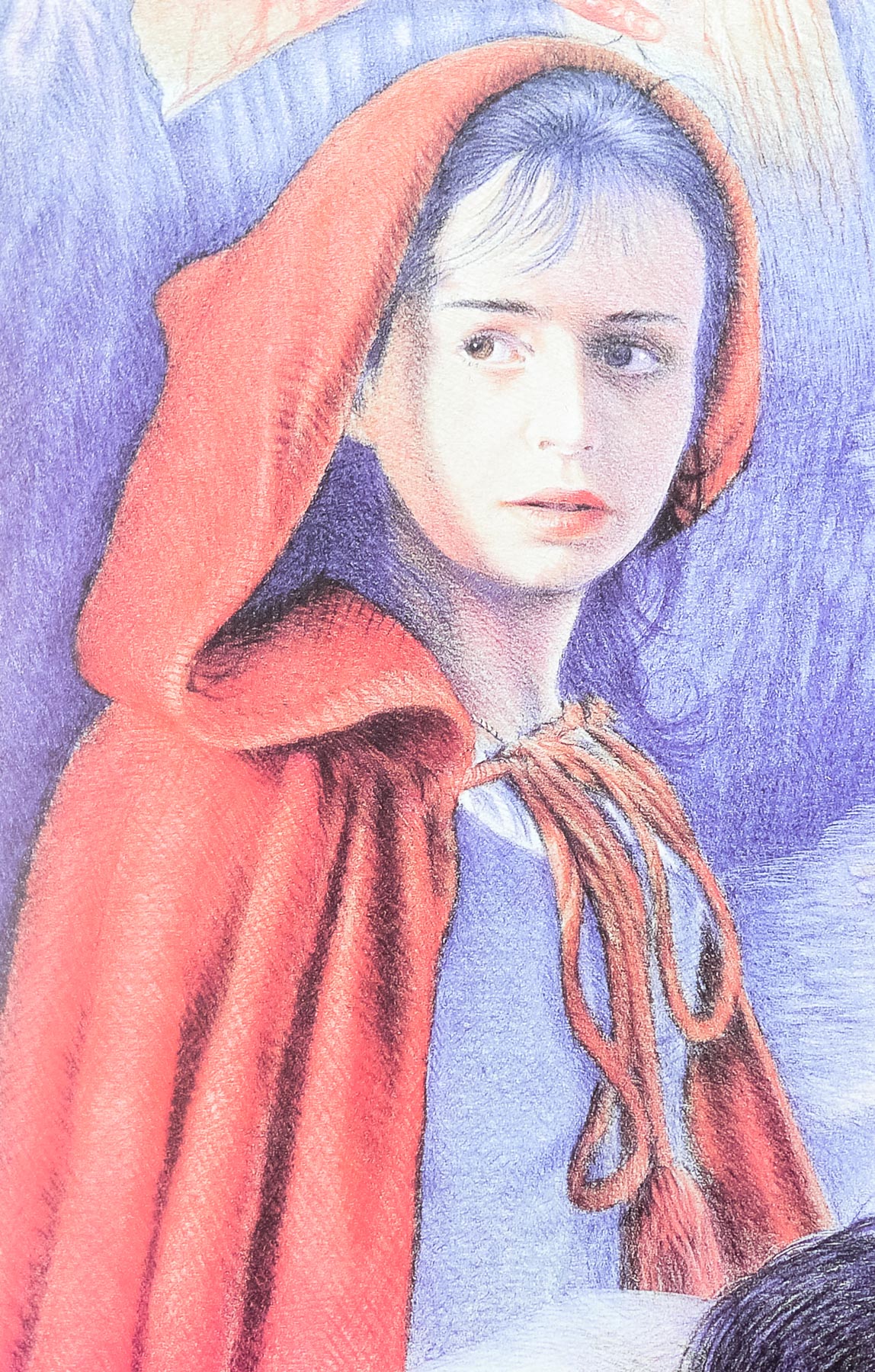
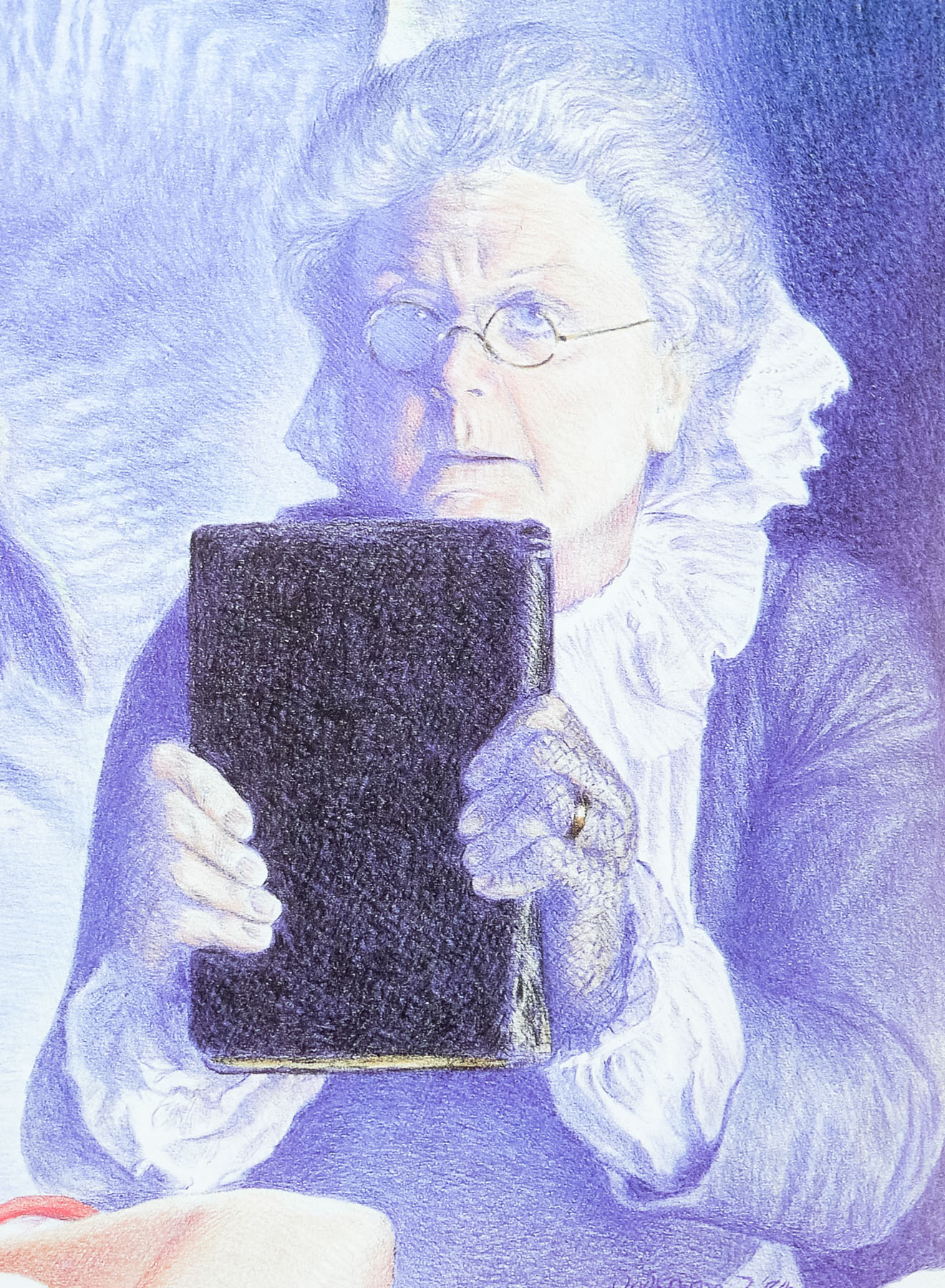
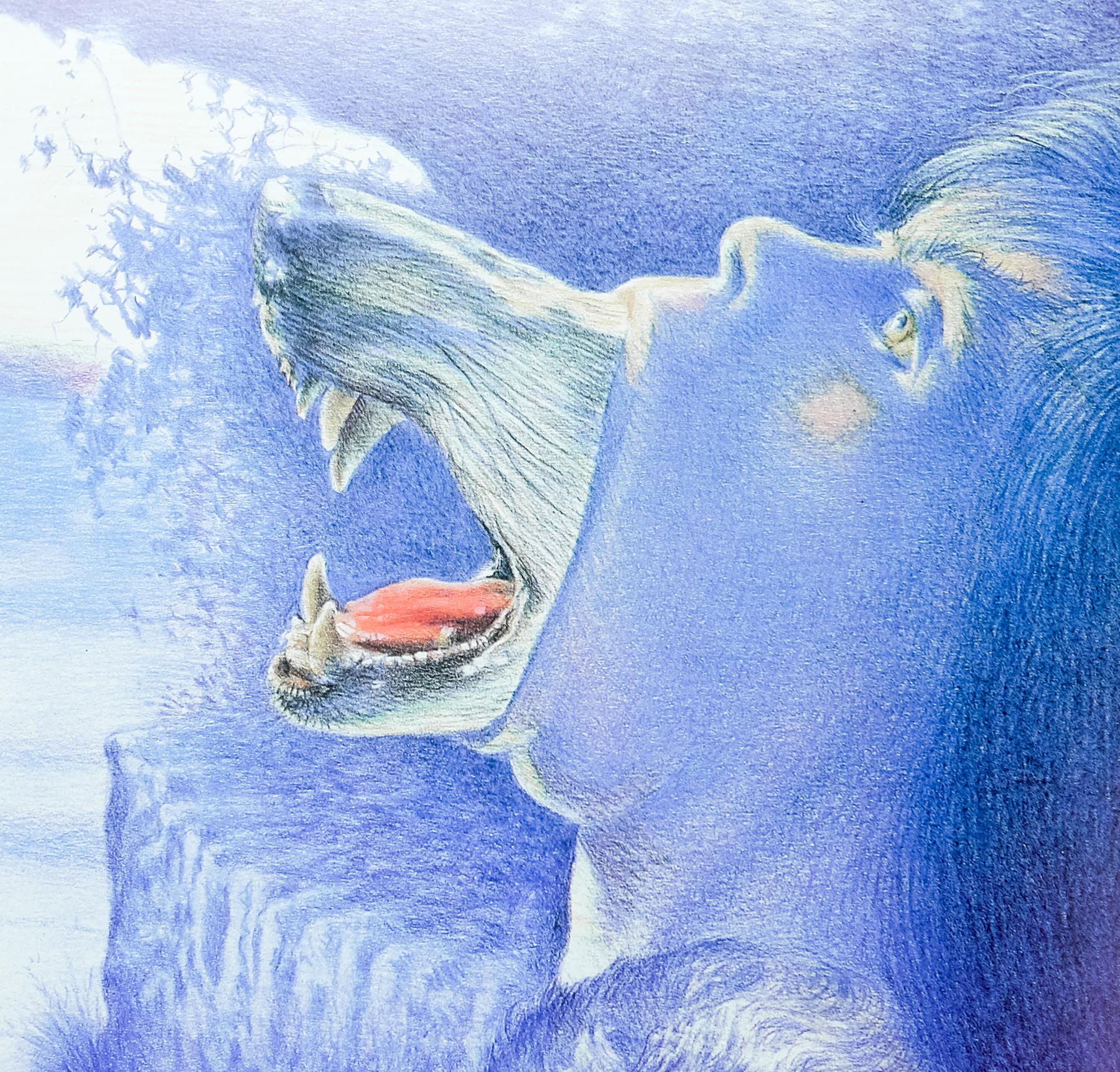
A joint collaboration between two British production companies, Palace Pictures and Lew Grade’s ITC Entertainment, The Company of Wolves was helmed by the Irish director Neil Jordan and based on a short story by the late English author Angela Carter, who also co-wrote the screenplay with Jordan. The film begins in the modern day with the  lead character Rosaleen (played by first-time actress Sarah Patterson) having moved with her parents to a large house in a forest. At night Rosaleen falls asleep and has a vivid dream in which she is a medieval peasant girl who lives with her grandma (played by Murder, She Wrote’s Angela Lansbury) in a woodland village. Sitting by the fire one evening her grandma begins to tell her a story and what follows is a series of surreal, fantasy tales, with multiple narratives and narrators, most of which feature wolves or werewolves, and all of which are ripe with hidden meanings and deeper significances (check out this page on IMDb to give you an idea).

Featuring elements of the classic Little Red Riding Hood fairytale (and indeed the film features a blood red shawl worn by a young girl) the film is a parable of the loss of innocence and the beginning of adolescence and sexual awakening – as the Grandma says at one point ‘Never stray from the path, never eat a windfall apple and never trust a man whose eyebrows meet in the middle.’ Overcoming a slight budget The Company of Wolves has a dream-like, eerie atmosphere helped in no-small part by excellent production and costume design. There is also a werewolf transformation scene that challenges the famous one seen in American Werewolf in London. Palace Pictures would re-team several more times with Neil Jordan, including for Mona Lisa (1986) and Oscar-winning The Crying Game (1992)

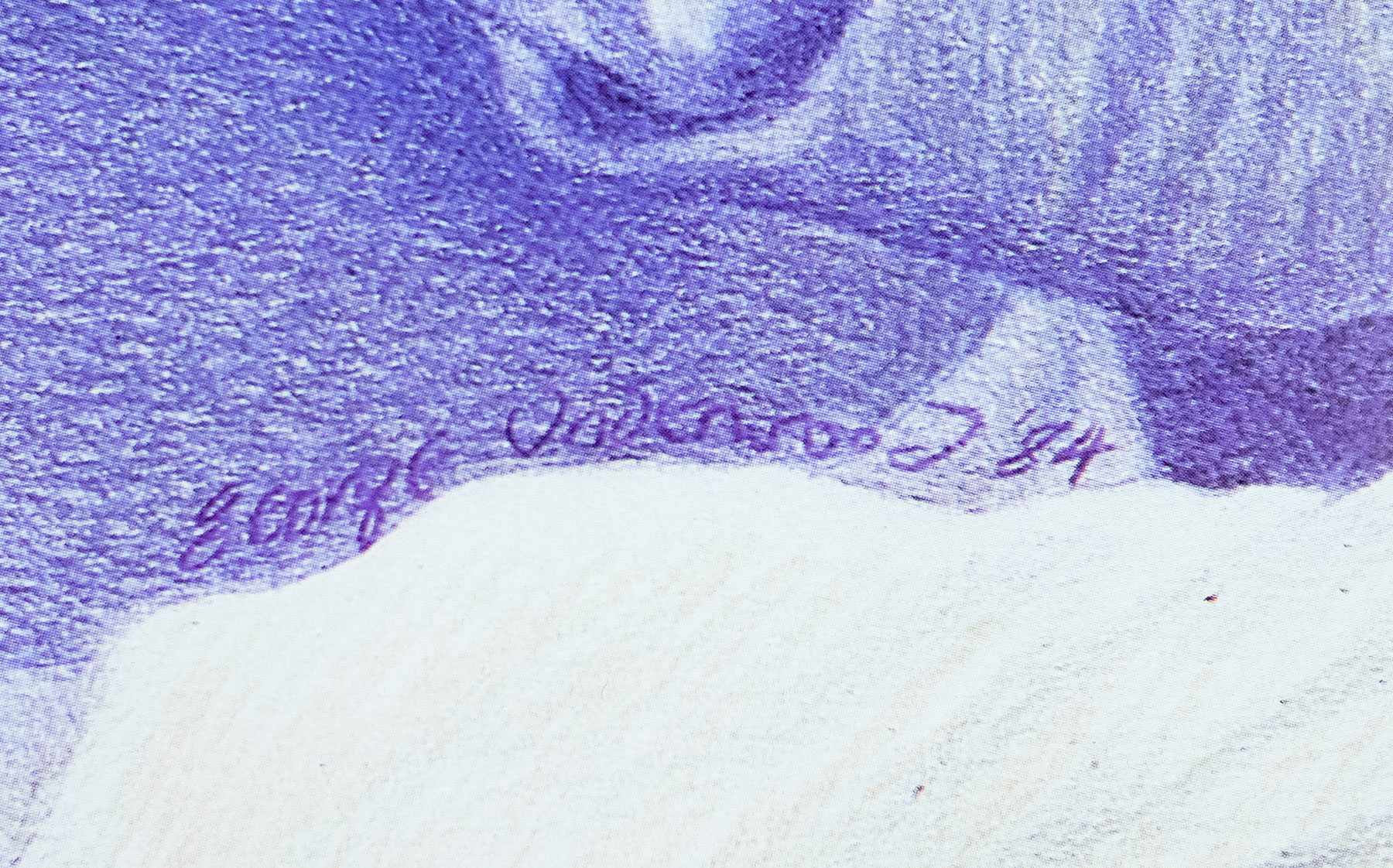
This one sheet was printed for use in the UK alongside the quad, which is markedly different in its design and can be viewed here. The artwork was painted by the celebrated British artist George Underwood, who is perhaps best known for his work on album covers for the likes of David Bowie (Hunky Dory, Space Oddity and more), T.Rex and The Fixx. Born in Bromley, Kent in 1947, Underwood went on to study at the nearby Beckenham Art School and then afterwards at Ravensbourne College of Art. After a brief flirtation with the music industry (Bowie being a lifelong friend of his), he decided to concentrate on his design and illustration, beginning his career by working on LP covers and book covers.
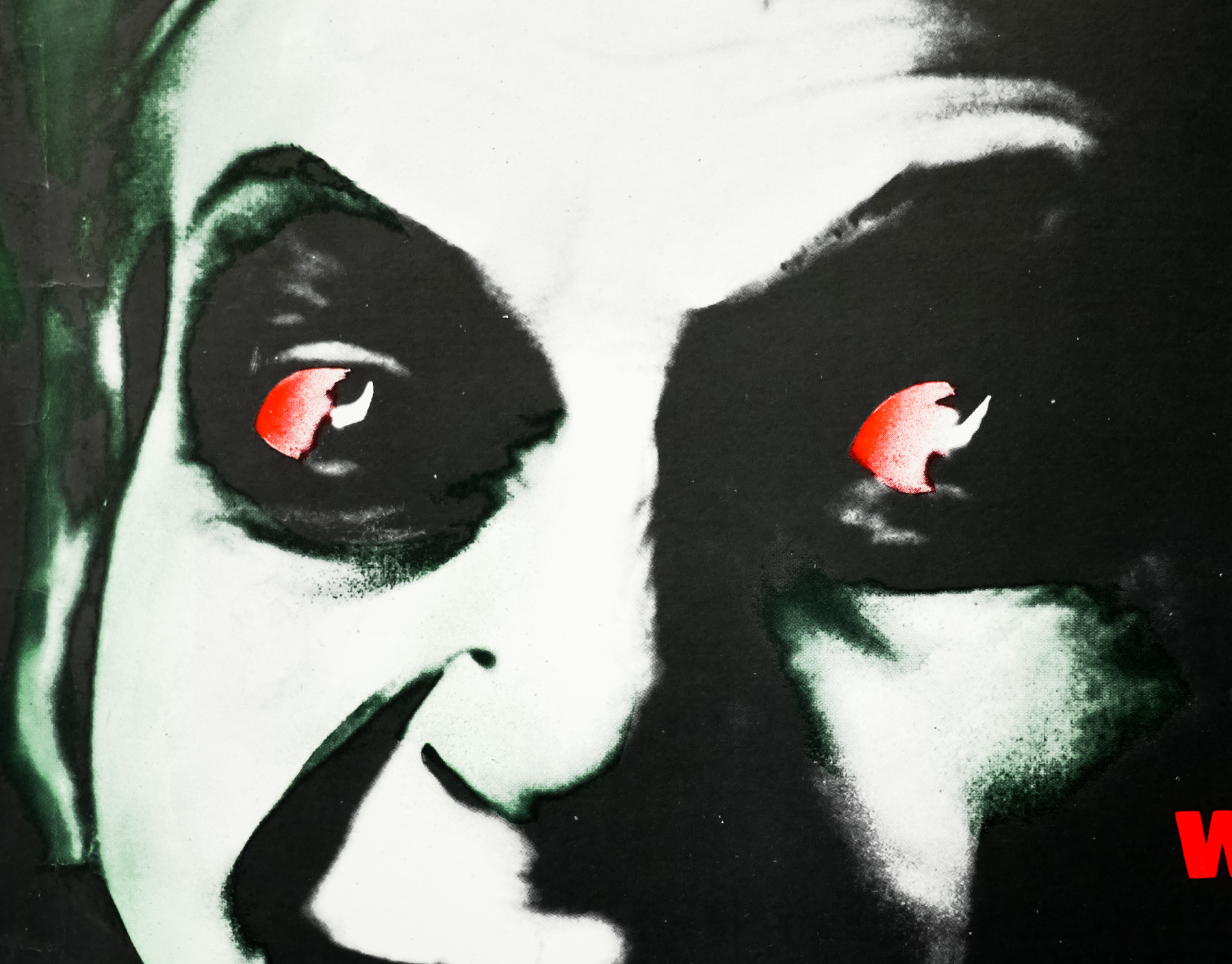
Later on, Underwood would start work as a freelance illustrator, which is when he would have painted this poster for Palace Pictures. In the 1970s he began painting in oils, creating wonderful surrealist portraits and his official website features galleries of these and his other work, including album covers. I’m unsure whether he worked on any other film posters but I intend to contact the artist to find out.

Dracula Has Risen From the Grave / quad / UK

20.09.13

Poster Poster

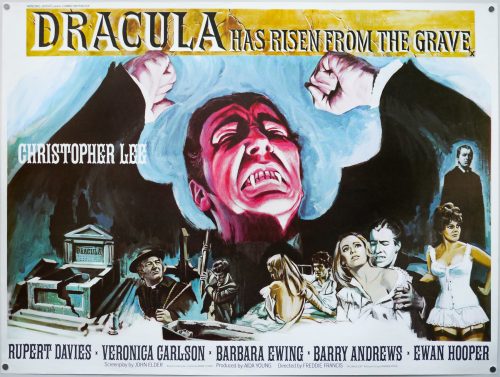
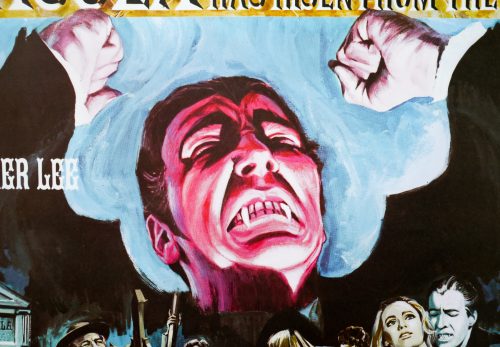
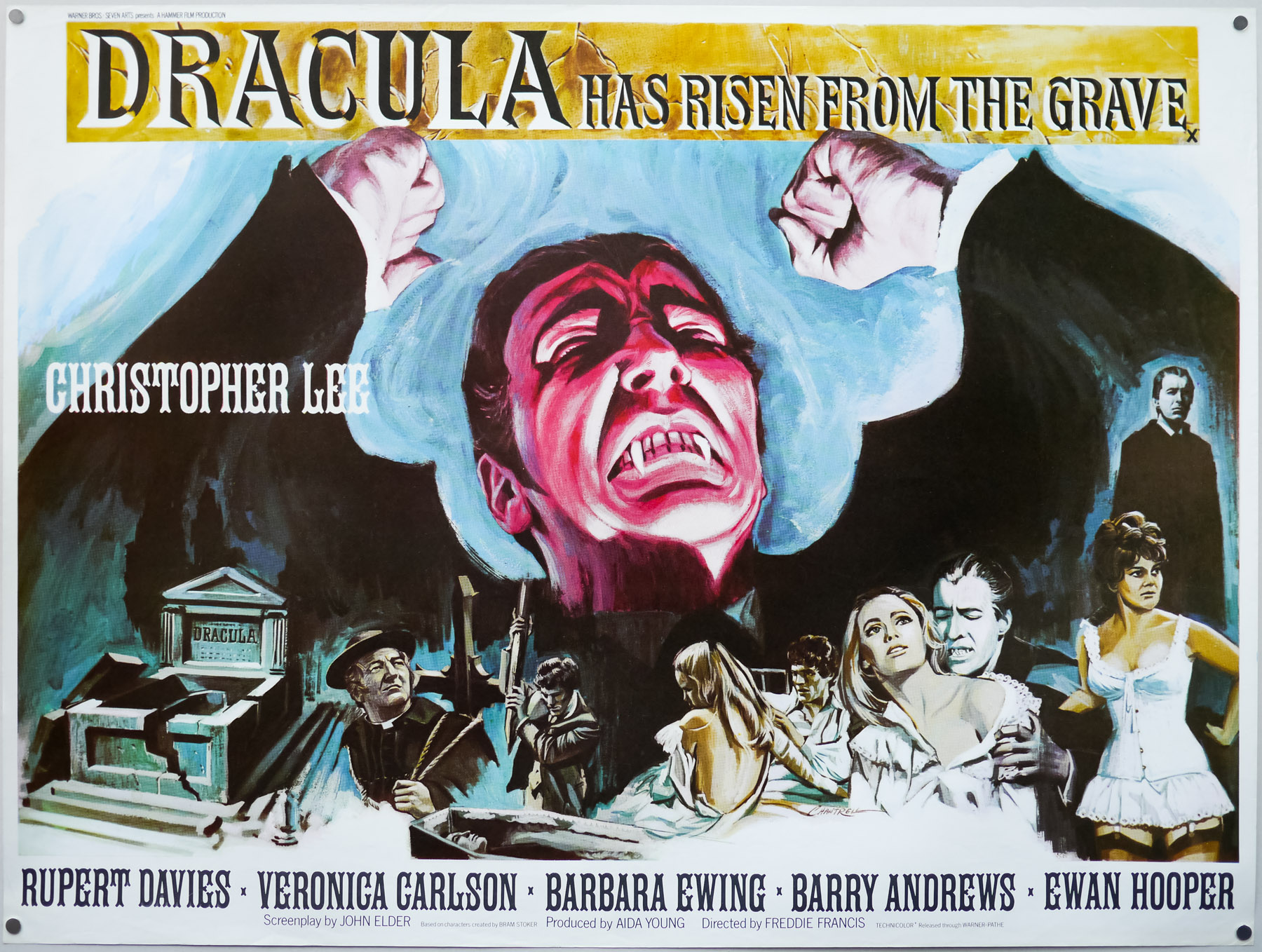
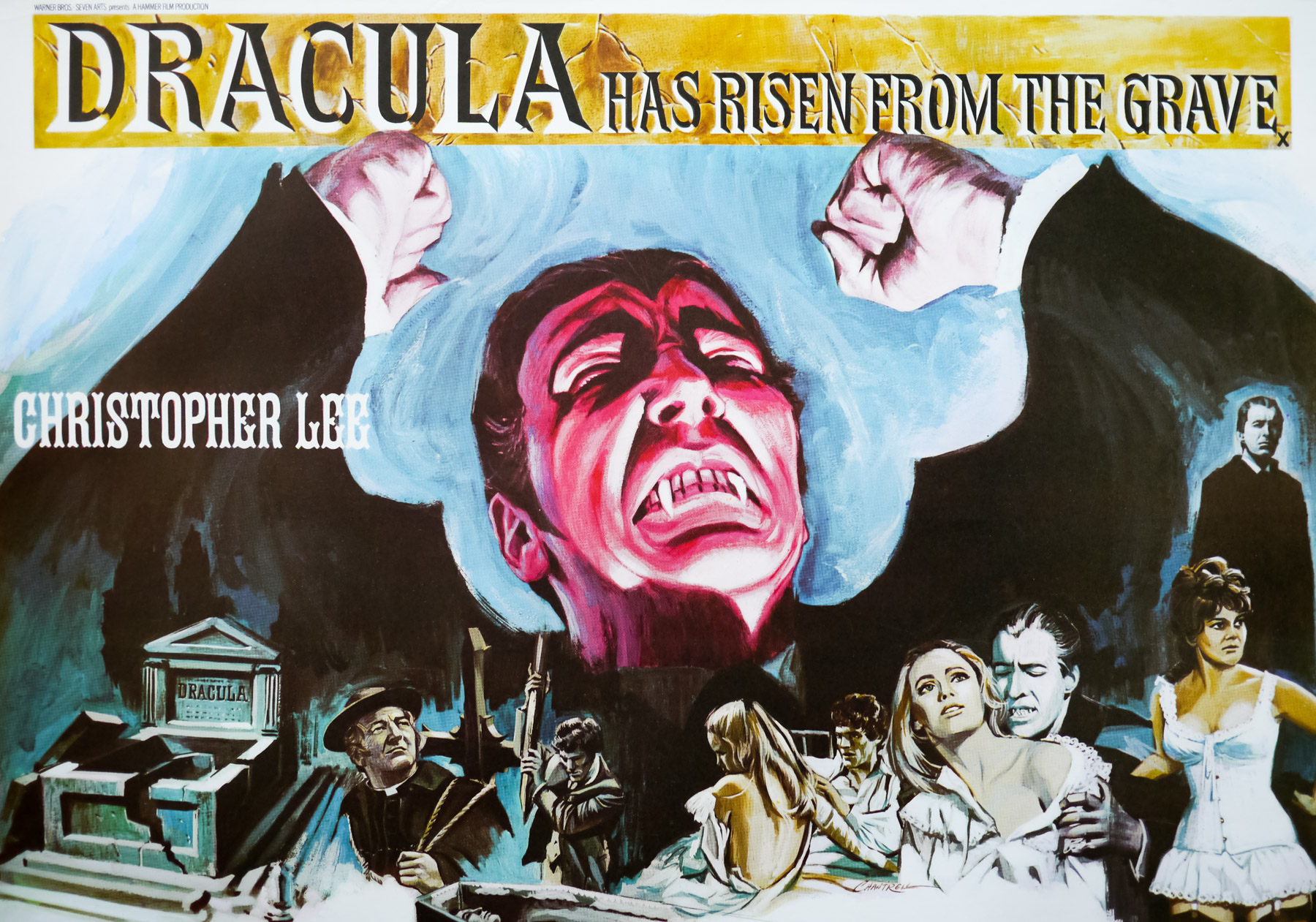
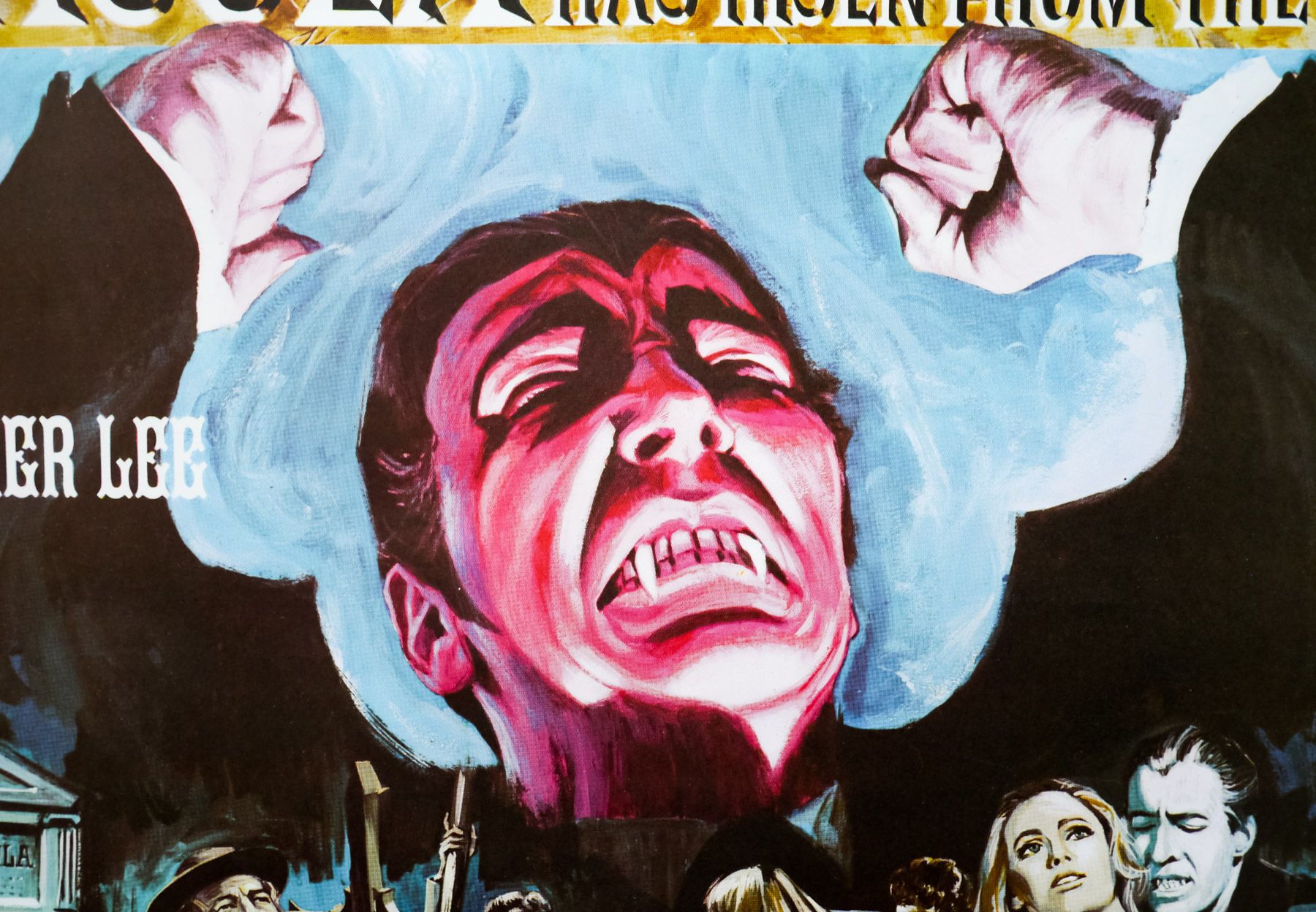
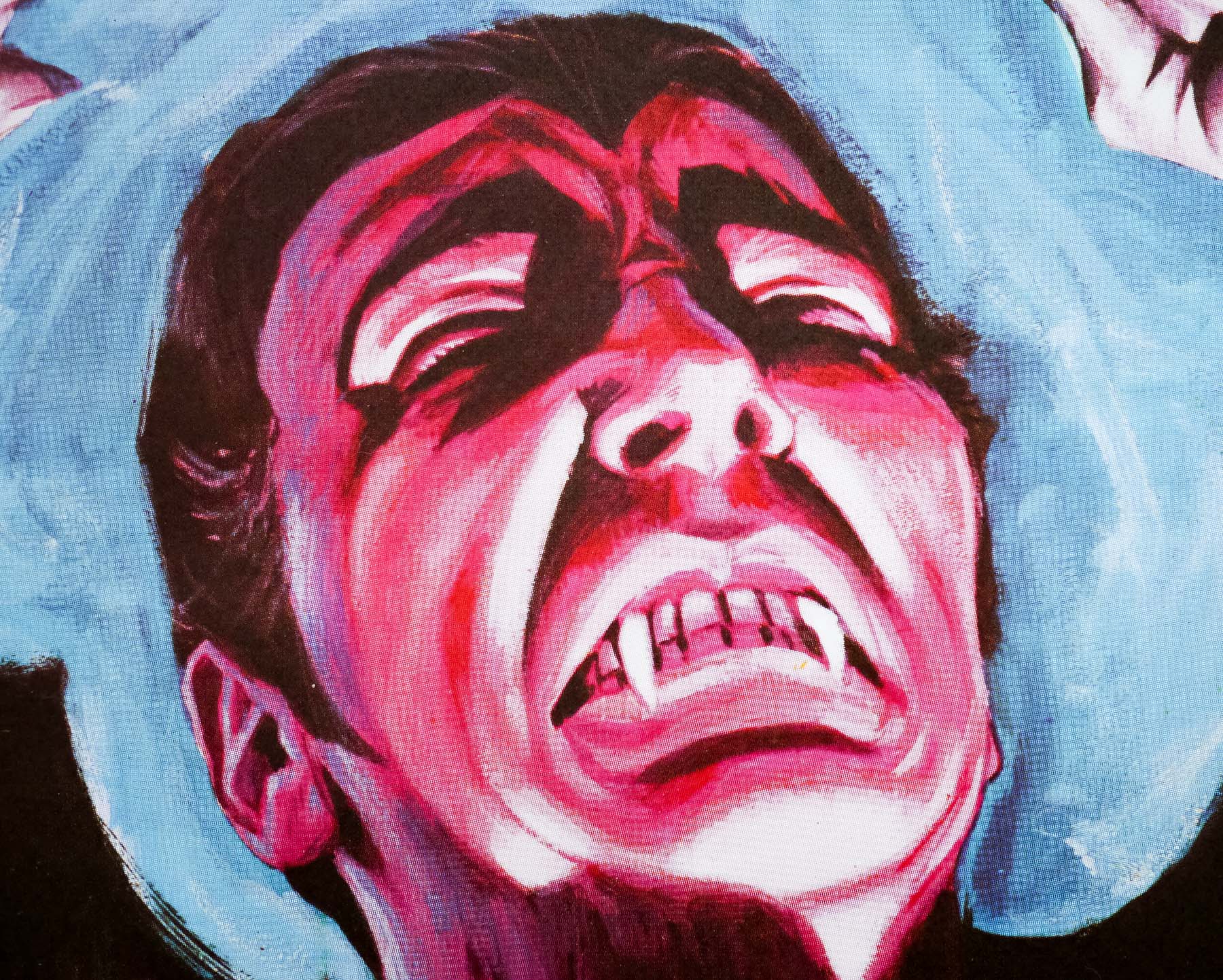
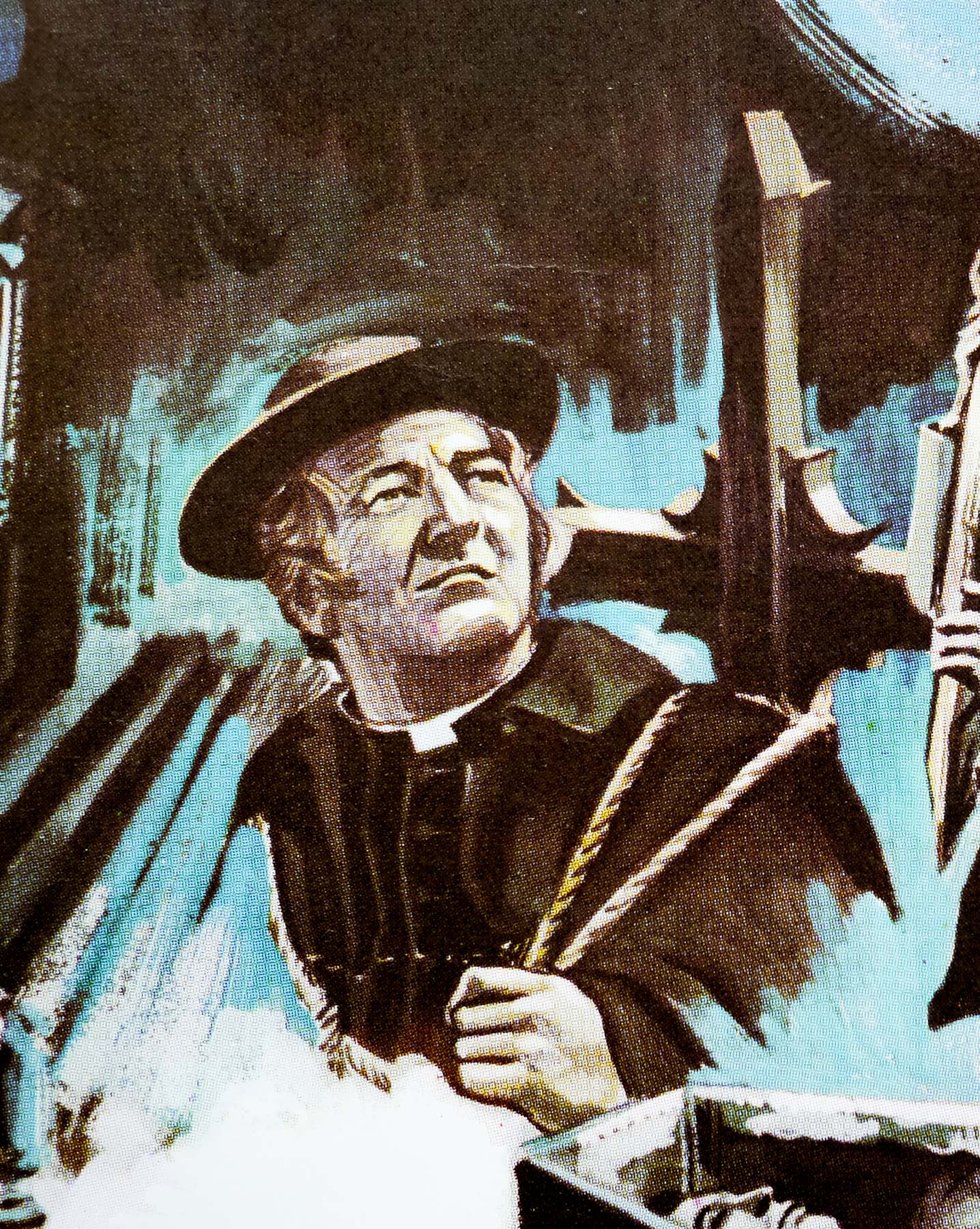
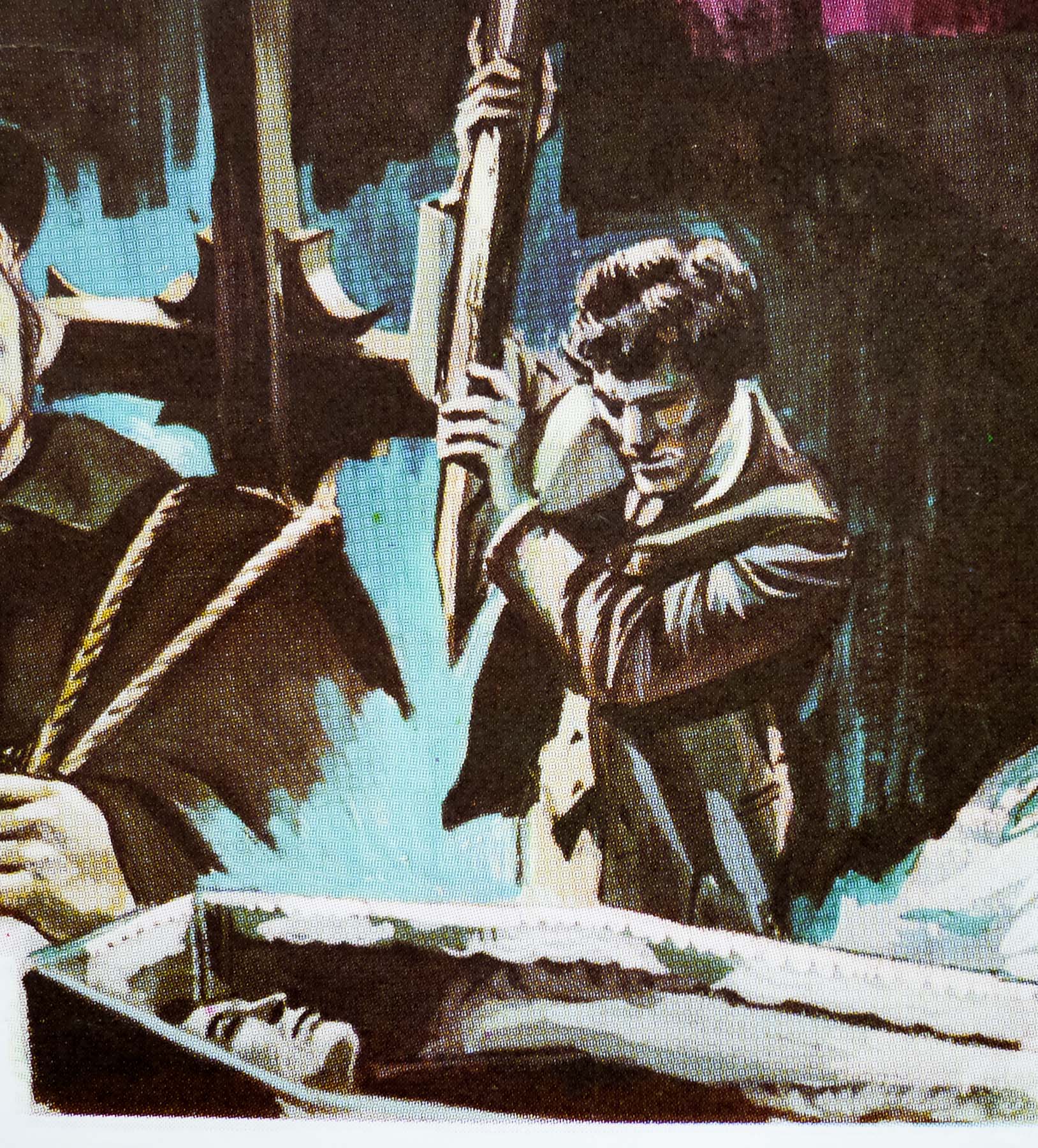
A classic painting of an enraged Count Dracula dominates this quad for Hammer studios’ Dracula Has Risen From the Grave, the third film featuring the legendary British actor Christopher Lee as the titular bloodsucker. The story, which follows on from Dracula: Prince of Darkness (1966), sees a Catholic Monsignor (played by Rupert Davies) travel to the Eastern European village of Keinenburg where he discovers a populace too afraid to attend church mass because they live in the shadow of Count Dracula’s castle.

Despite the fact that the vampire was seemingly destroyed a year earlier, the Monsignor decides to hike up to the castle with a local priest to perform an exorcism and then seals the front door with a giant holy cross. An accident sees the priest falling onto a frozen river and the blood from his head wound seeps through the ice, resurrecting the Count who is trapped below. Dracula then follows the Monsignor’s trail back to the town and sets his sights on the holy man’s daughter-in-law Maria, played by the gorgeous Veronica Carlson.

Originally intended to be directed by Hammer stalwart Terence Fisher, the man at the helm of the original Dracula (1958), a freak road accident saw Fisher temporarily out of action and regular Hammer cinematographer (and director) Freddie Francis stepped in shortly before production began. This was the first of the studio’s pictures under their newly arranged co-production deal with Warner Bros-Seven Arts, following a split with previous partners Twentieth Century Fox.

As was typical at the time, a pre-sales marketing brochure had been prepared before the screenwriter Anthony Hinds had even finished the script and this was used to secure the required financing from the American partners. Unfortunately, no one had yet informed Christopher Lee that the deal was entirely dependent on him reprising his role as the Count, something the actor was more than a little reluctant to do at the time. There thus followed a sustained campaign of persuasion from Francis and studio boss James Carreras to entice the actor back into the cape. Lee eventually capitulated and the production was on, but it was not to be the last time that Lee would need to be harangued into stepping back onto a Hammer soundstage.

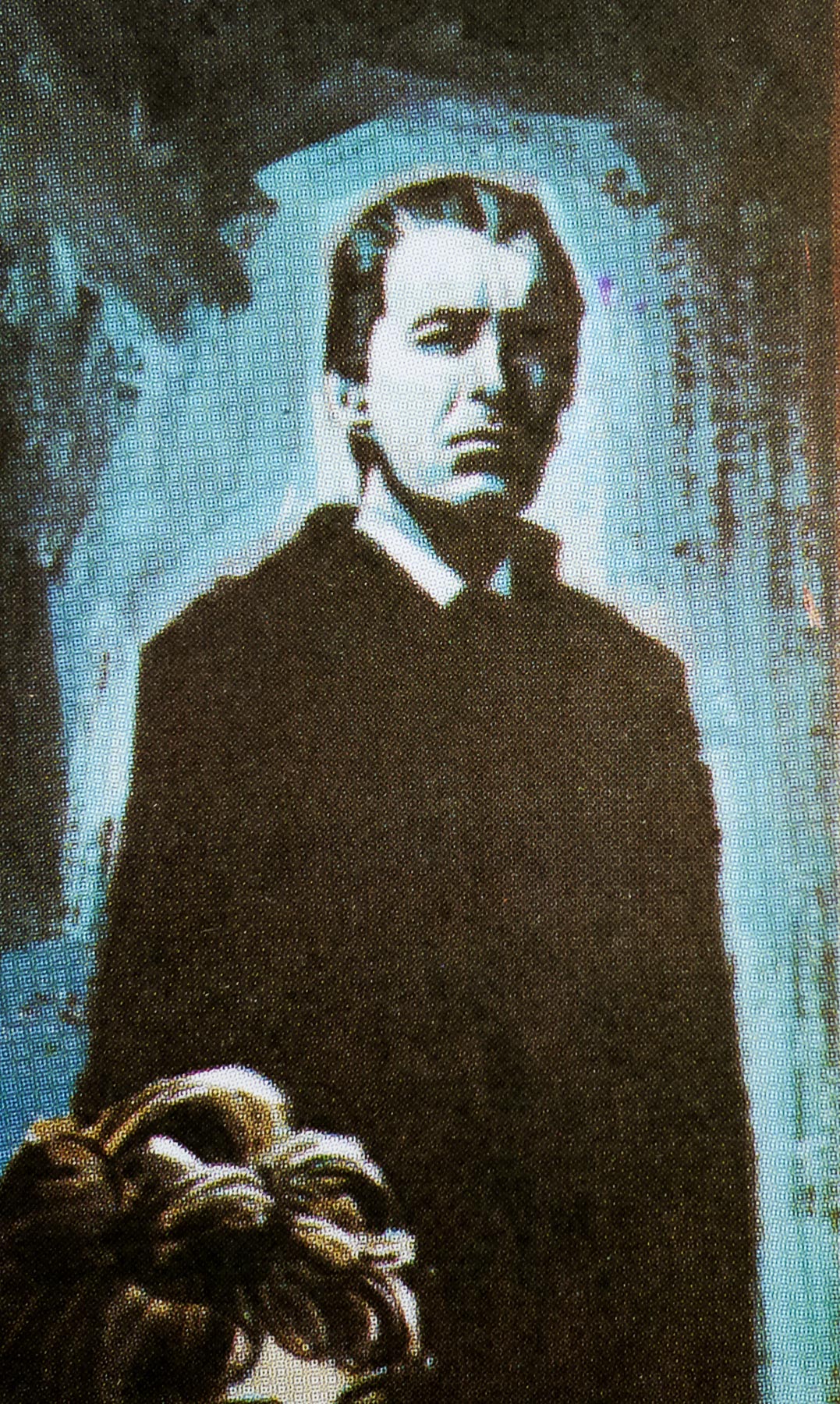
This British poster was designed and painted by arguably the UK’s most famous poster artist, the late, great Tom Chantrell. From 1965 to 1969 Chantrell effectively worked as Hammer’s ‘House Artist’ and produced artwork for the studio’s film posters as well as all of the aforementioned marketing material used to sell the film to potential investors and distribution partners. This particular poster holds particular significance in terms of the Chantrell/Hammer partnership since the depiction of Dracula is actually taken from a slightly modified portrait of the artist himself.

The official Chantrell website, launched last year by Tom’s widow Shirley and memorabilia dealer Michael Bloomfield, features a superb biography of the artist written by his friend and British poster expert Sim Branaghan (who I interviewed here). At the end of the must-read article there is Tom’s own account of the creation of this poster, which is as follows:

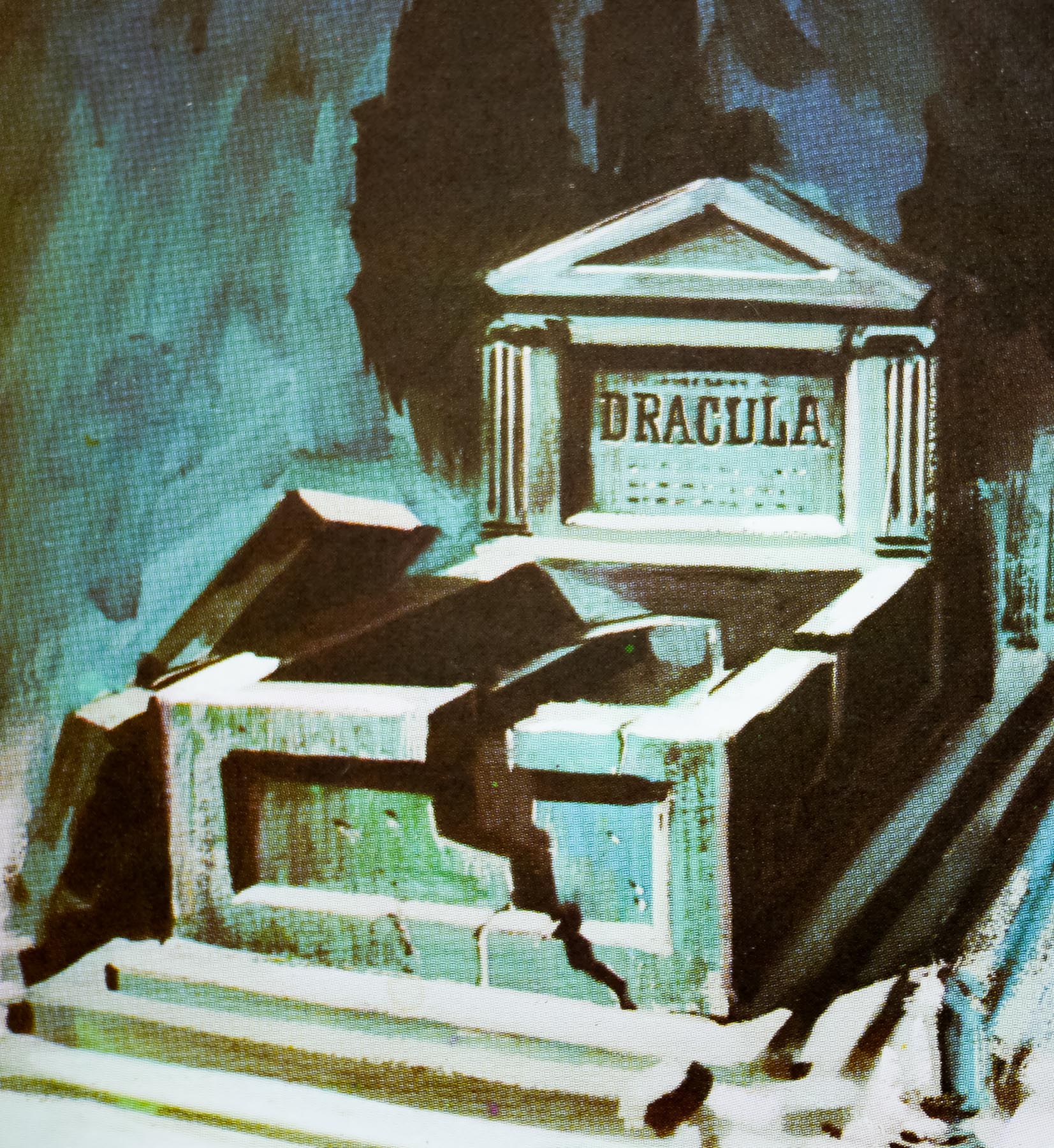
“With only a title to go on, I painted a poster with a head of Count Dracula, snarling away with extended teeth, surmounting a montage of characters warding off vampires with a cross, a lady vampire drooling over another, and a female victim with a decolletage having her neck bitten. I used models as there were no stills provided, and later photographed a colleague with suitable under-chin lighting, then similarly posed while he took photographs of me. Denis was too benevolent-looking, so I used one of the photographs of myself to paint from, and added a busted grave to the montage.

Later some stills arrived, and it was possible to start on a third version. This poster had the neck-biting scene with Christopher Lee, and retained the open grave and malevolent self-portrait of Tom Chantrell. Then the distributor Warner Pathe said the film was going on in two weeks, and they wanted a poster right away. No still of Christopher Lee was available, so (what the heck!) the design was printed as it was. Nobody ever questioned the poster. They all think it’s Christopher Lee, but it isn’t, it’s nasty ole’ Count Chantrell!”

The reference photograph of Chantrell as Dracula can be seen here and the two earlier versions can be seen here (both images courtesy of chantrellposter.com). It’s worth noting that this is a Hammer quad that was printed in greater numbers than others because it was used to give away to fans who wrote in to the studio, along with the ‘She/One Million Years BC’ quad (see the bottom of this page for more detail).

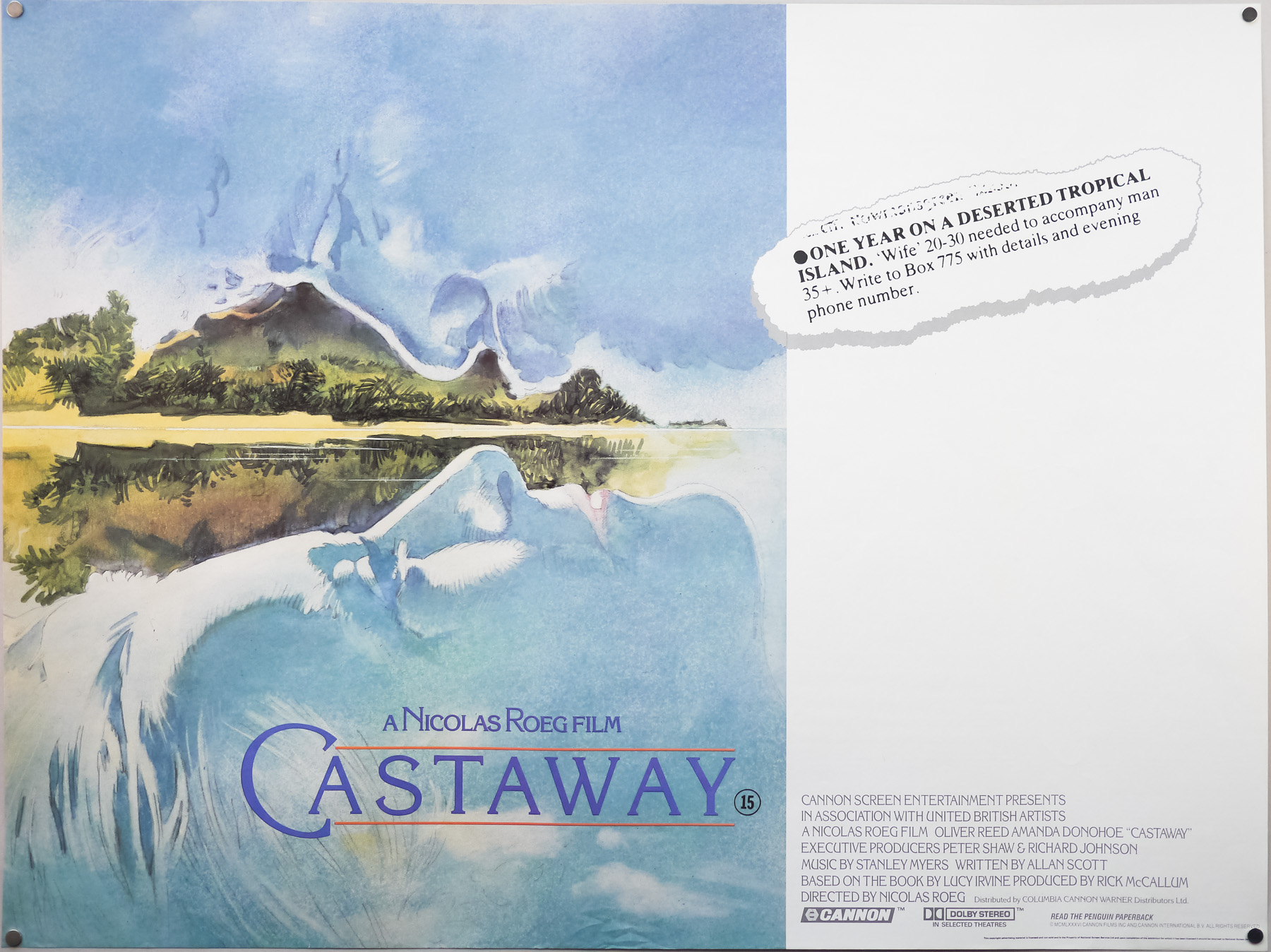
Castaway / 1986 / quad / UK

18.11.13

Poster Poster

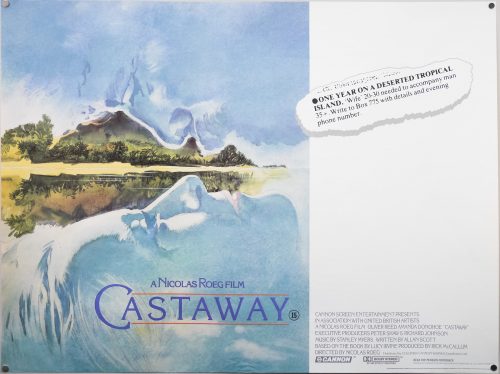
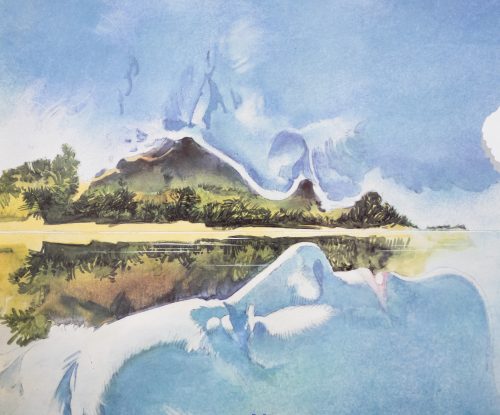
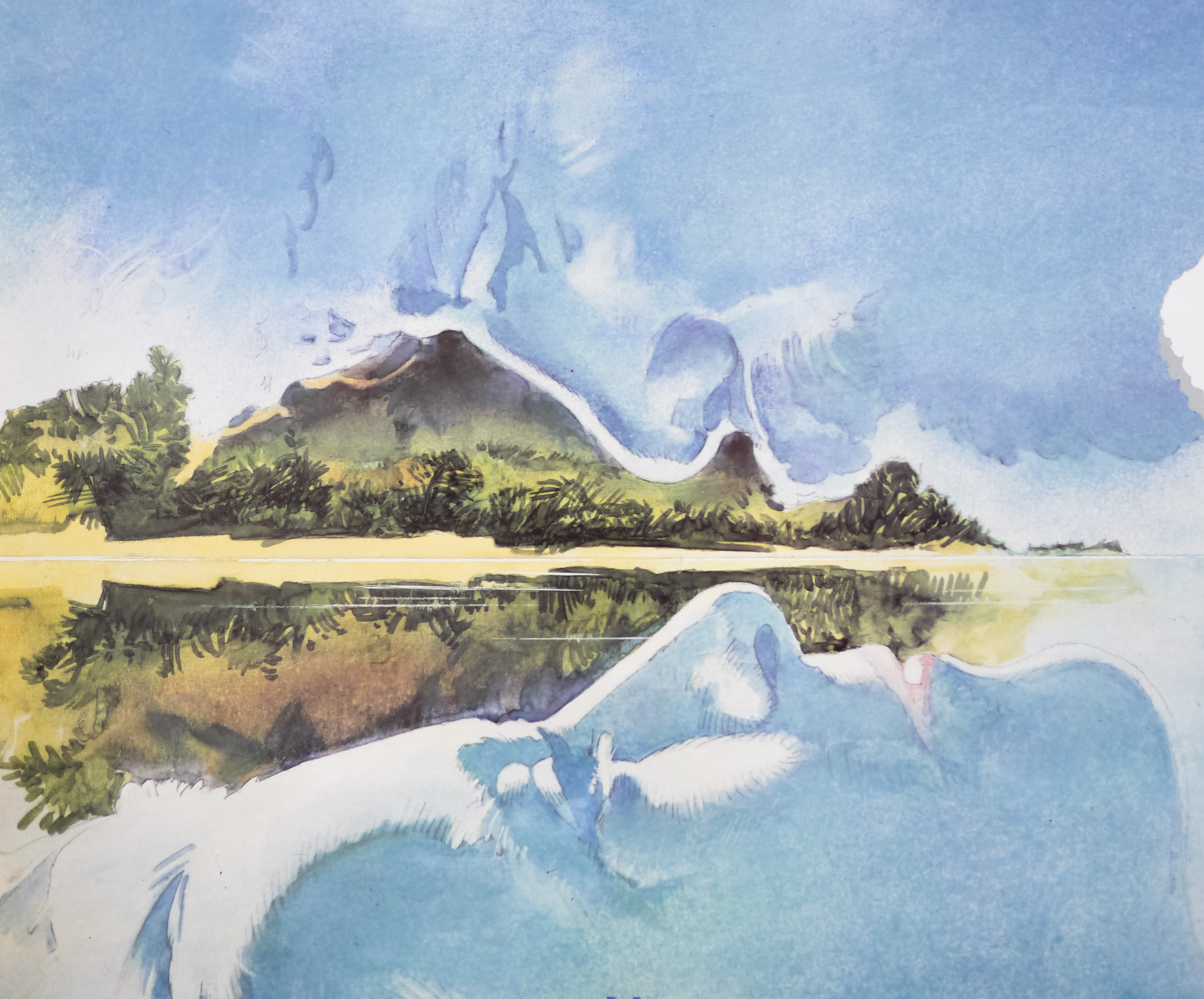
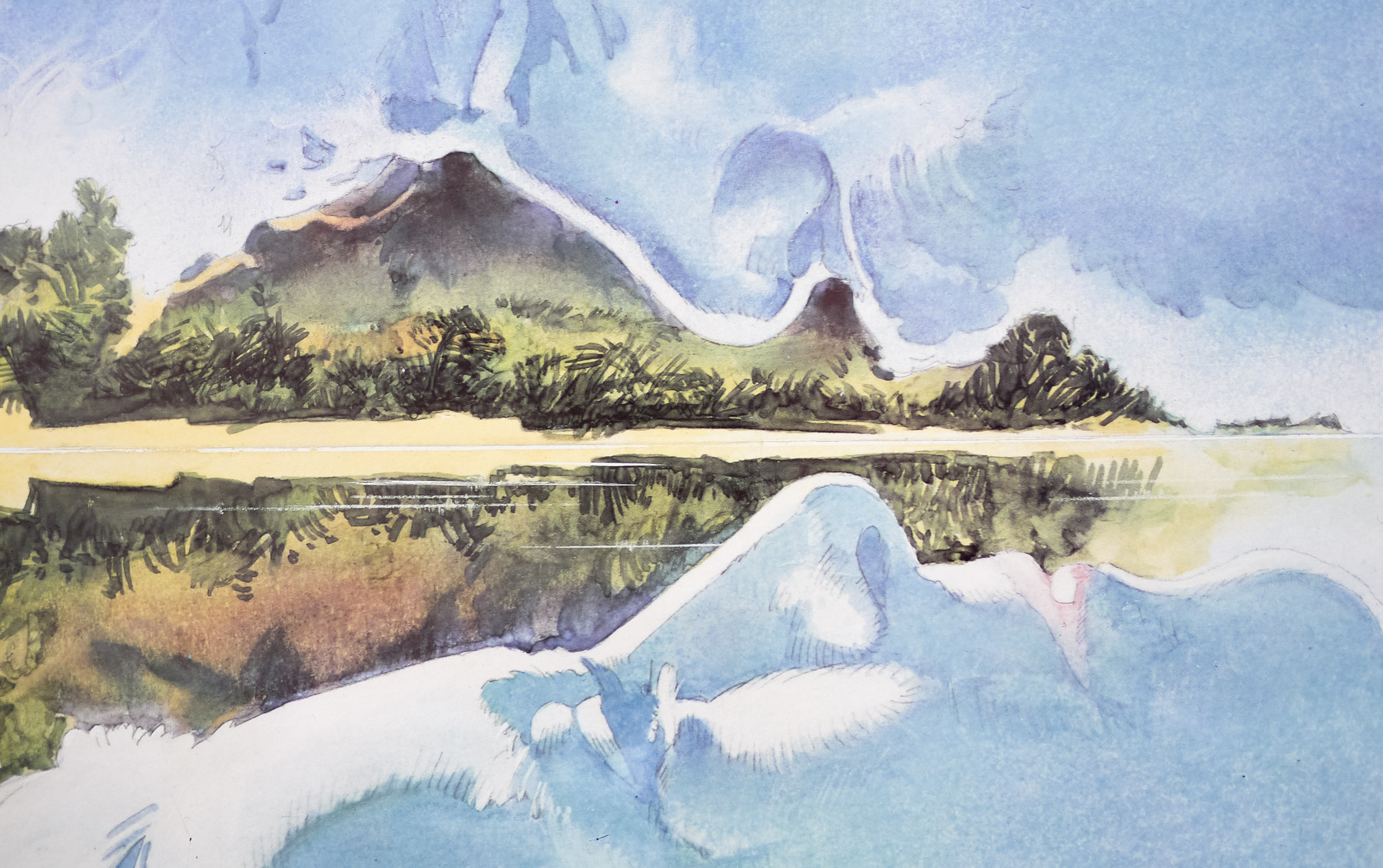
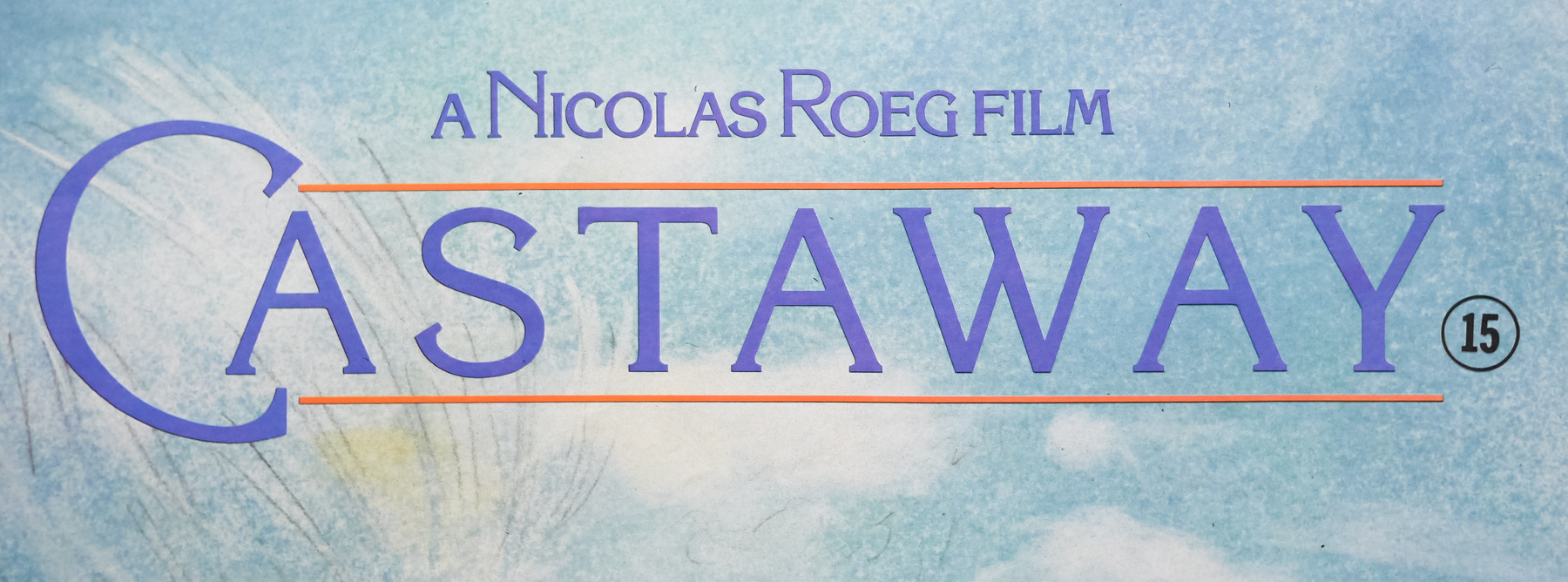
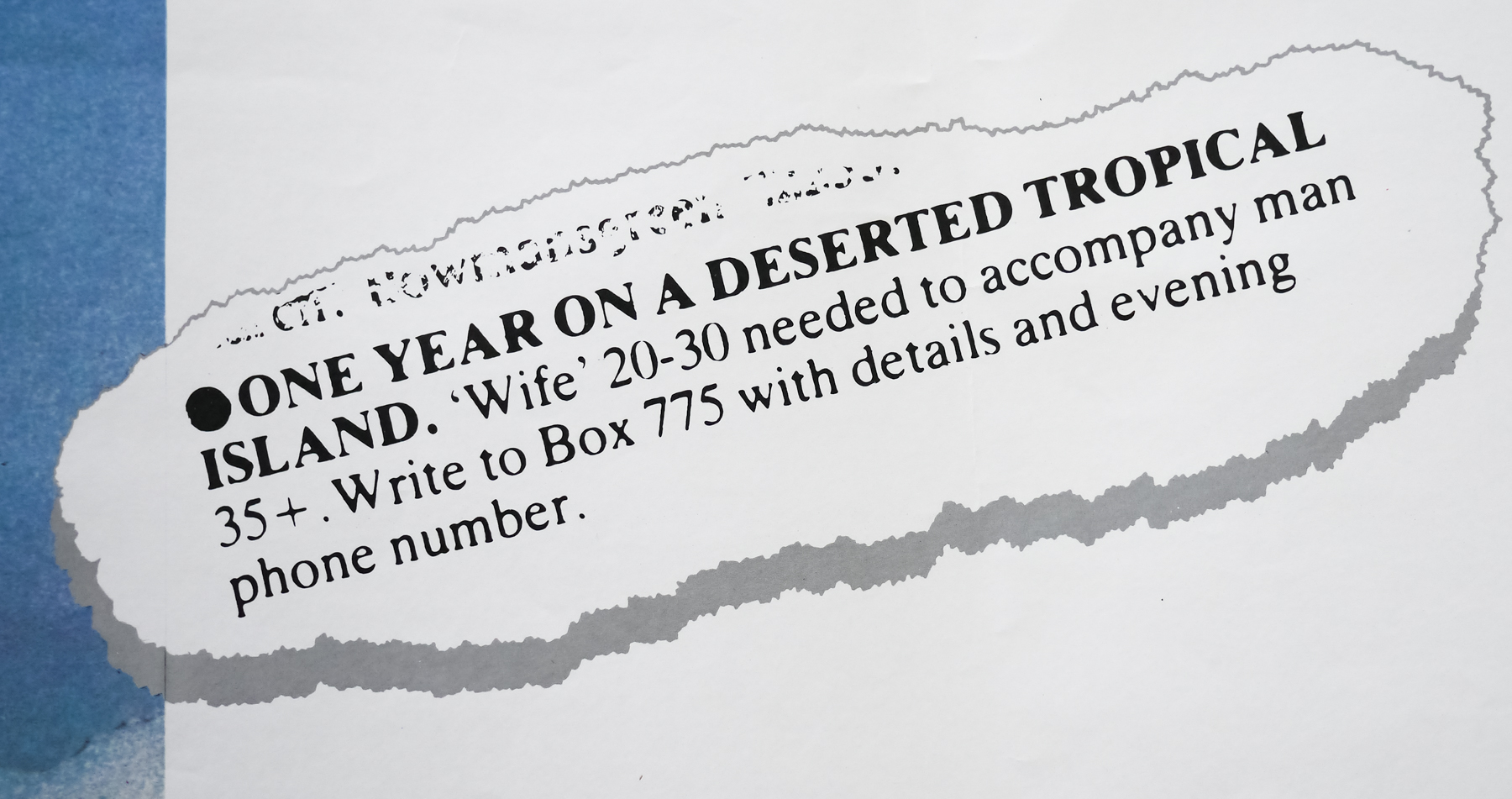
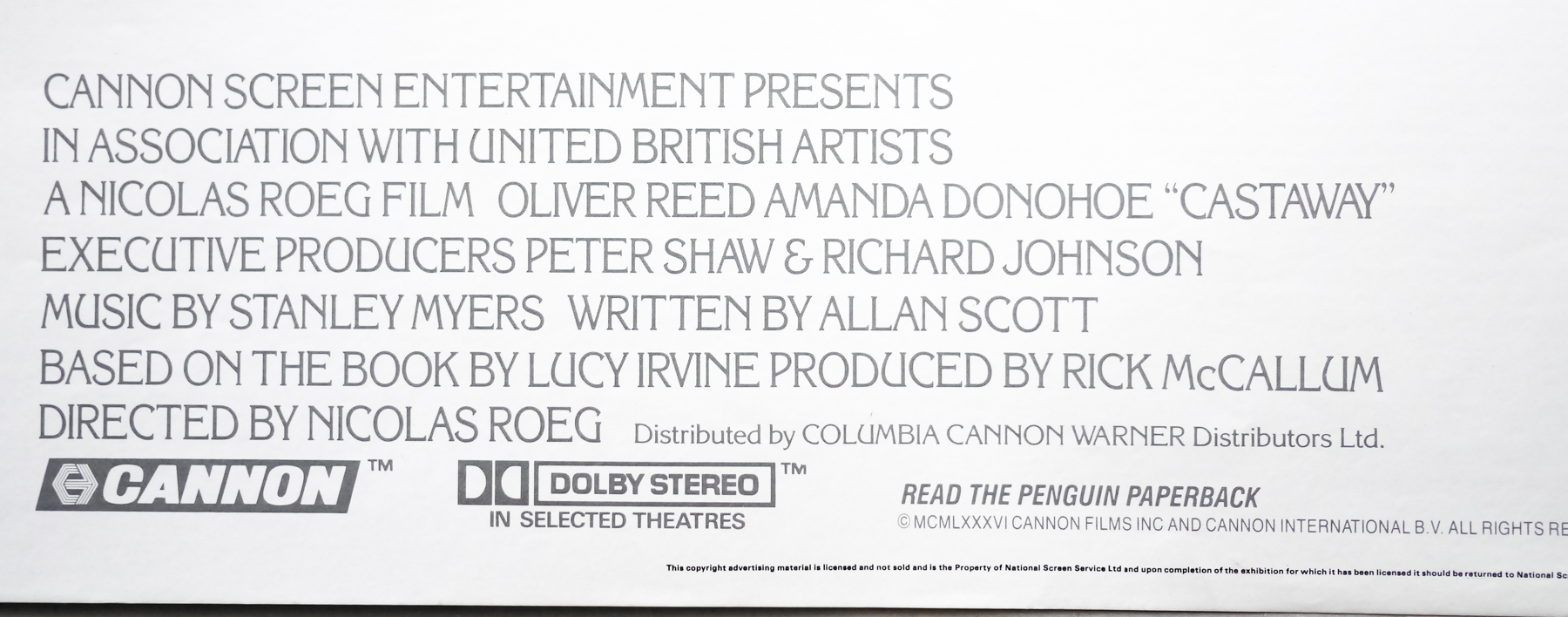
An excellent use of a classic optical illusion graces this British quad for the release of Castaway, a film based on the true story of a British man called Gerald Kingsland who decided to try living as a modern day Robinson Crusoe on a remote island near Australia in 1980. Kinglsand put an advertisement in London’s Timeout magazine looking for a woman to share a year with him on the island and, surprisingly, a woman named Lucy Irvine, who was less than half his age, agreed to join him. The pair lived on Tuin Island for close to a year and almost perished from malnutrition before being rescued by natives from another island. The pair returned to the UK and both wrote a book about their experiences. Lucy Irvine’s Castaway was published in 1983 and was the basis for this film.

British director Nic Roeg (Don’t Look Now, The Man Who Fell to Earth) took on the project and a hirsute, portly Oliver Reed was cast as Kingsland, whilst a then relatively unknown Amanda Donohoe was hired to play Irvine. Filming took place in the Seychelles and Roeg changed several elements of the original book but most of the major events were kept in place. Donohoe certainly puts in a brave performance (read: she’s naked for a vast majority of the running time) and Reed was arguably perfect casting as Kingsland.

This quad was created by the British designer and artist Vic Fair who had worked with Roeg on a number of his posters, including the iconic one he designed and illustrated for The Man Who Fell to Earth. Originally the artist Brian Bysouth, a frequent collaborator with Vic, was asked to paint a ‘final’ version of the artwork based on Fair’s rough, but Roeg apparently liked the original version so much that they decided to print it instead. The use of optical illusions and juxtaposition of elements was a common theme with Vic Fair’s work.

Vampire Circus / quad / UK

06.02.14

Poster Poster

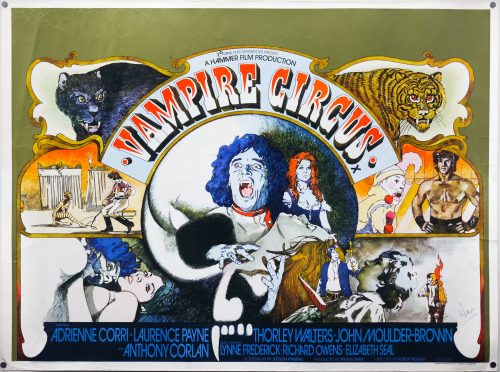
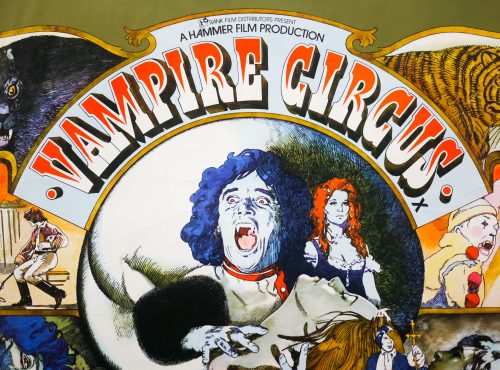
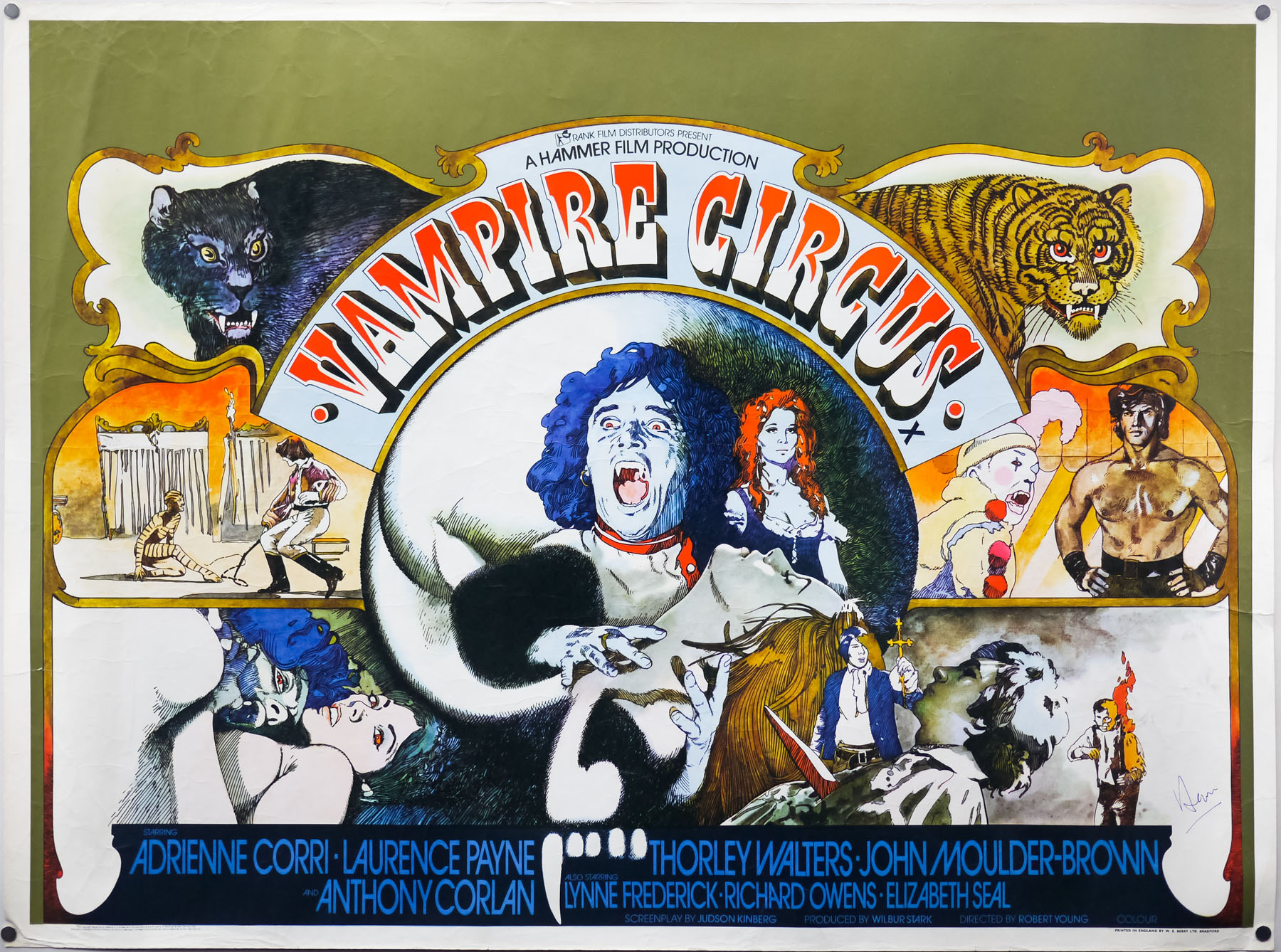
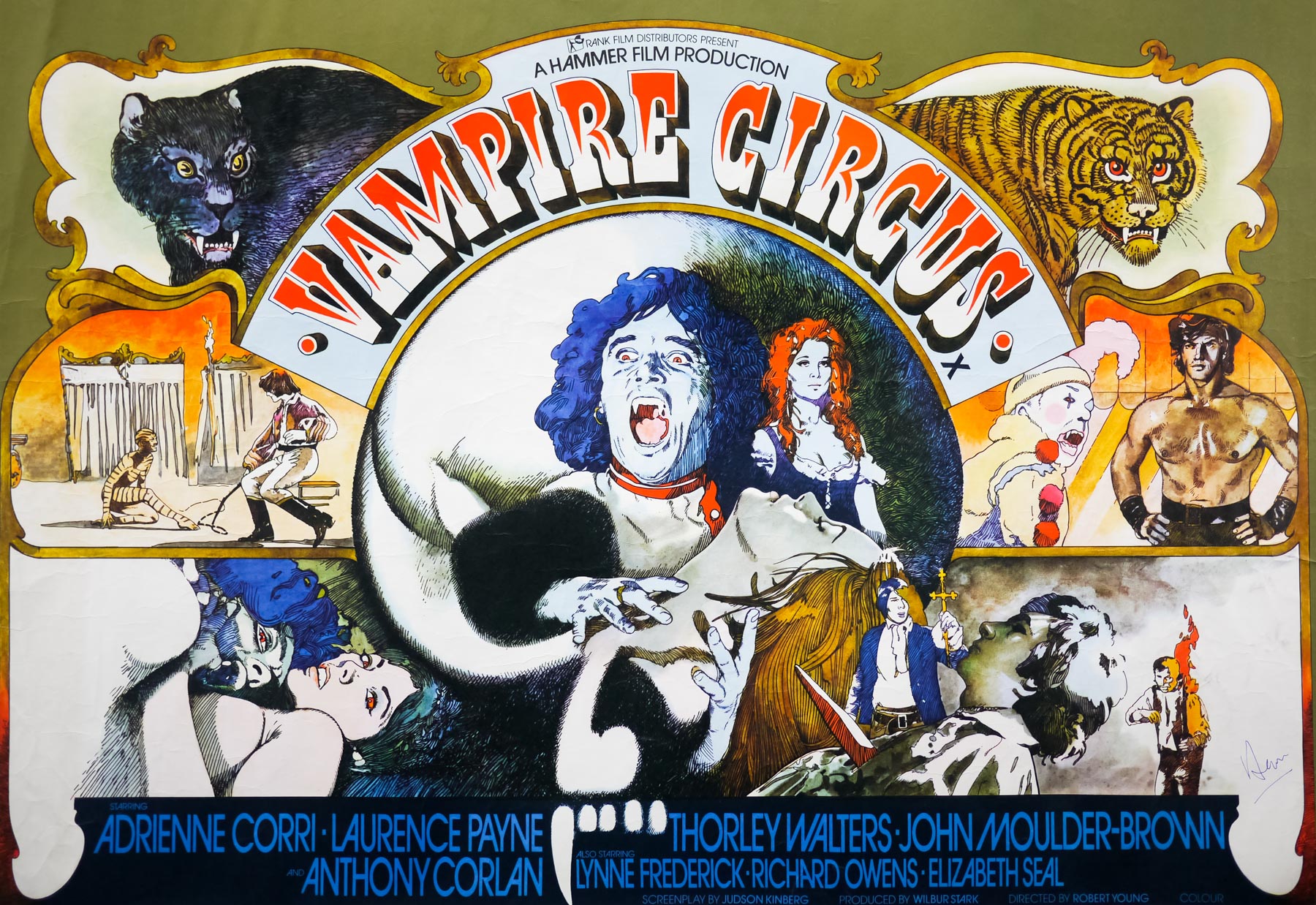
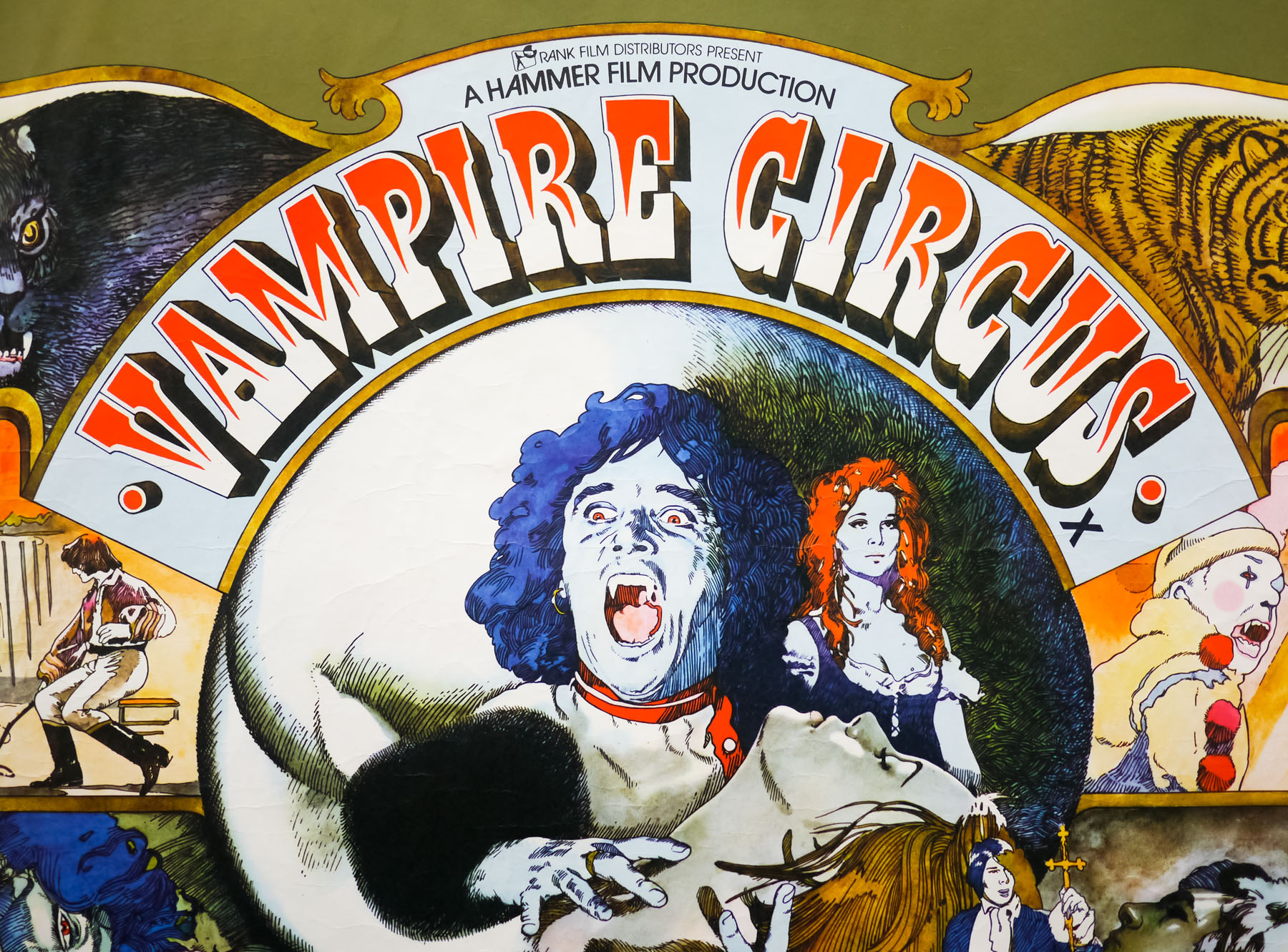
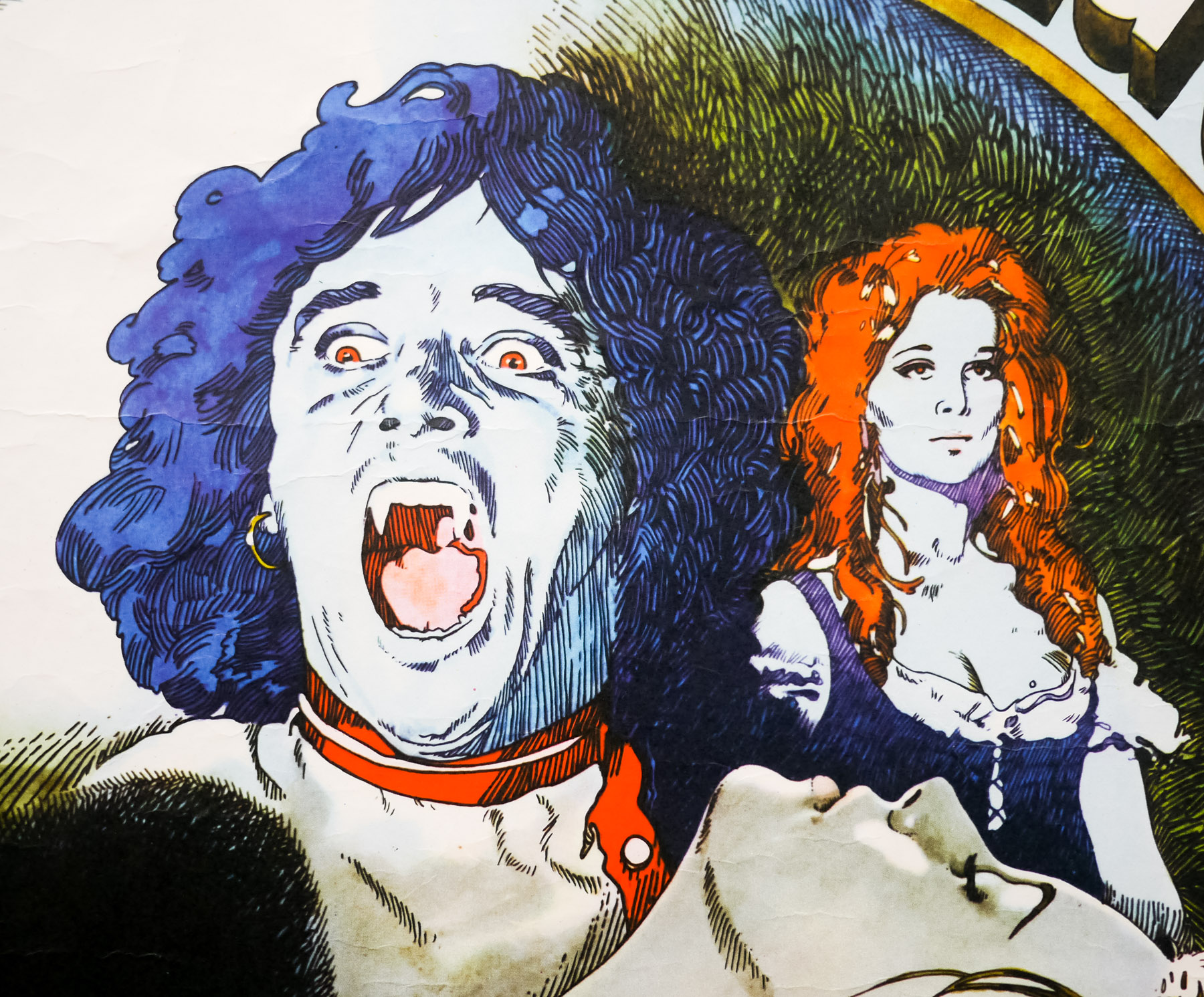
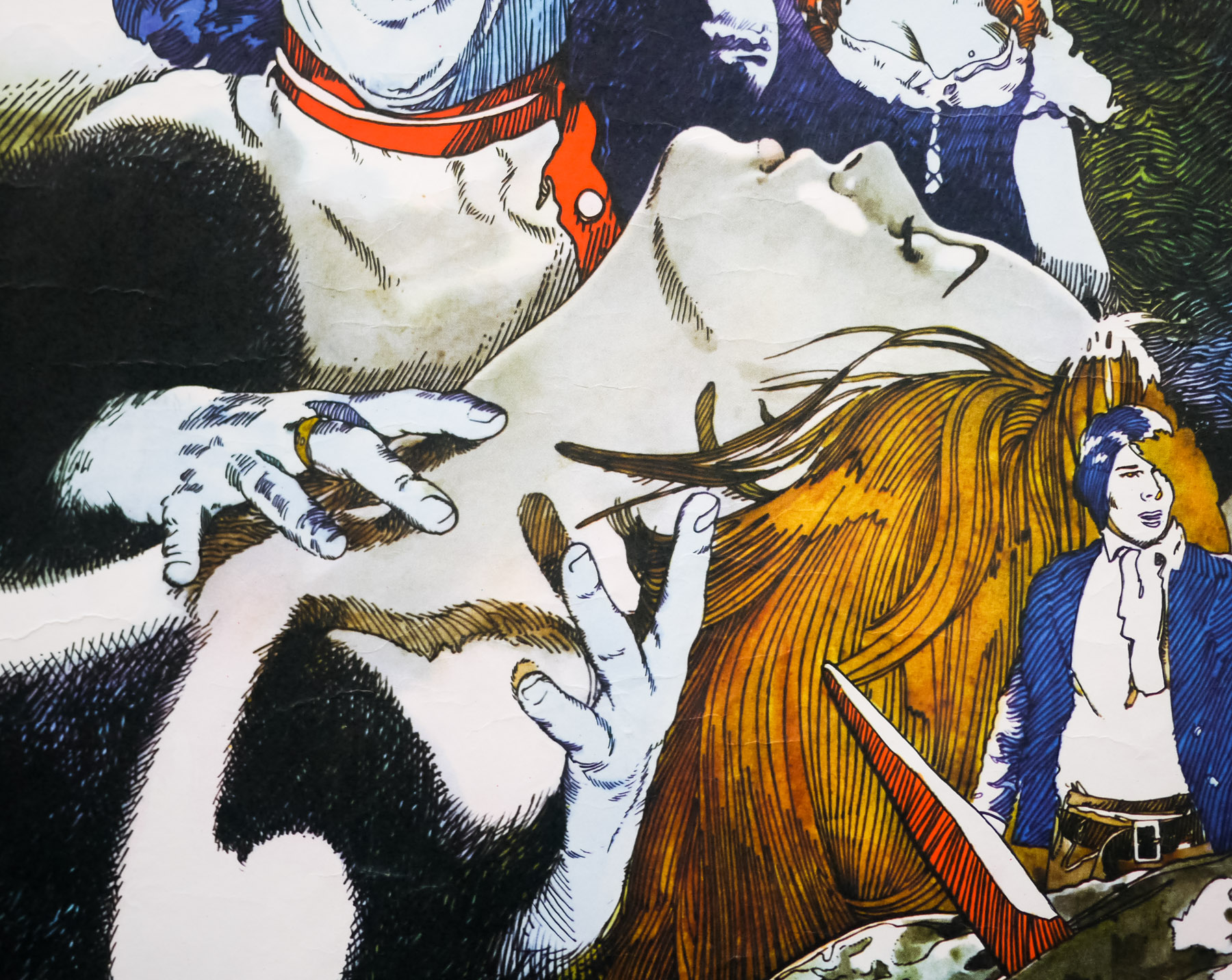
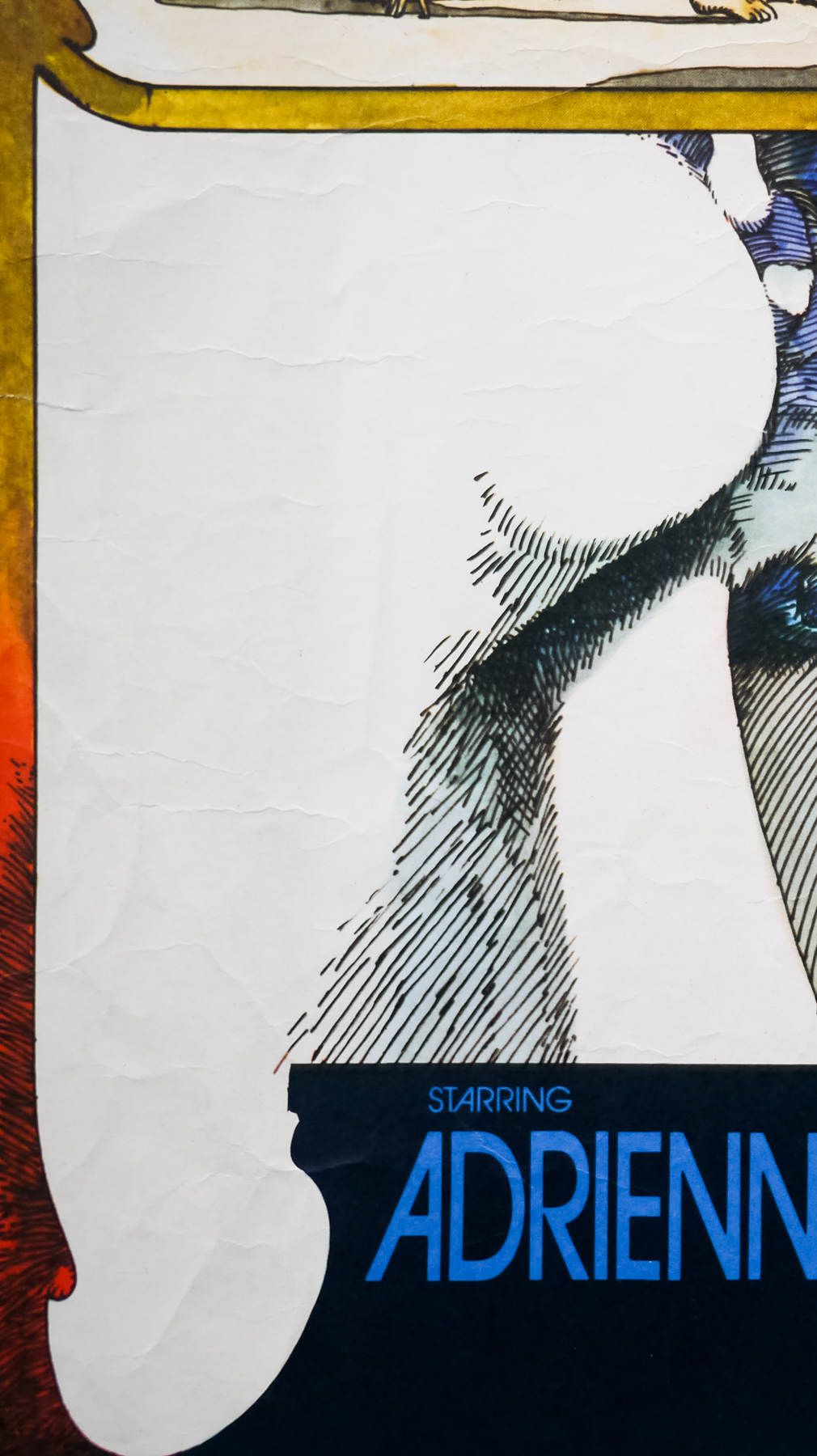
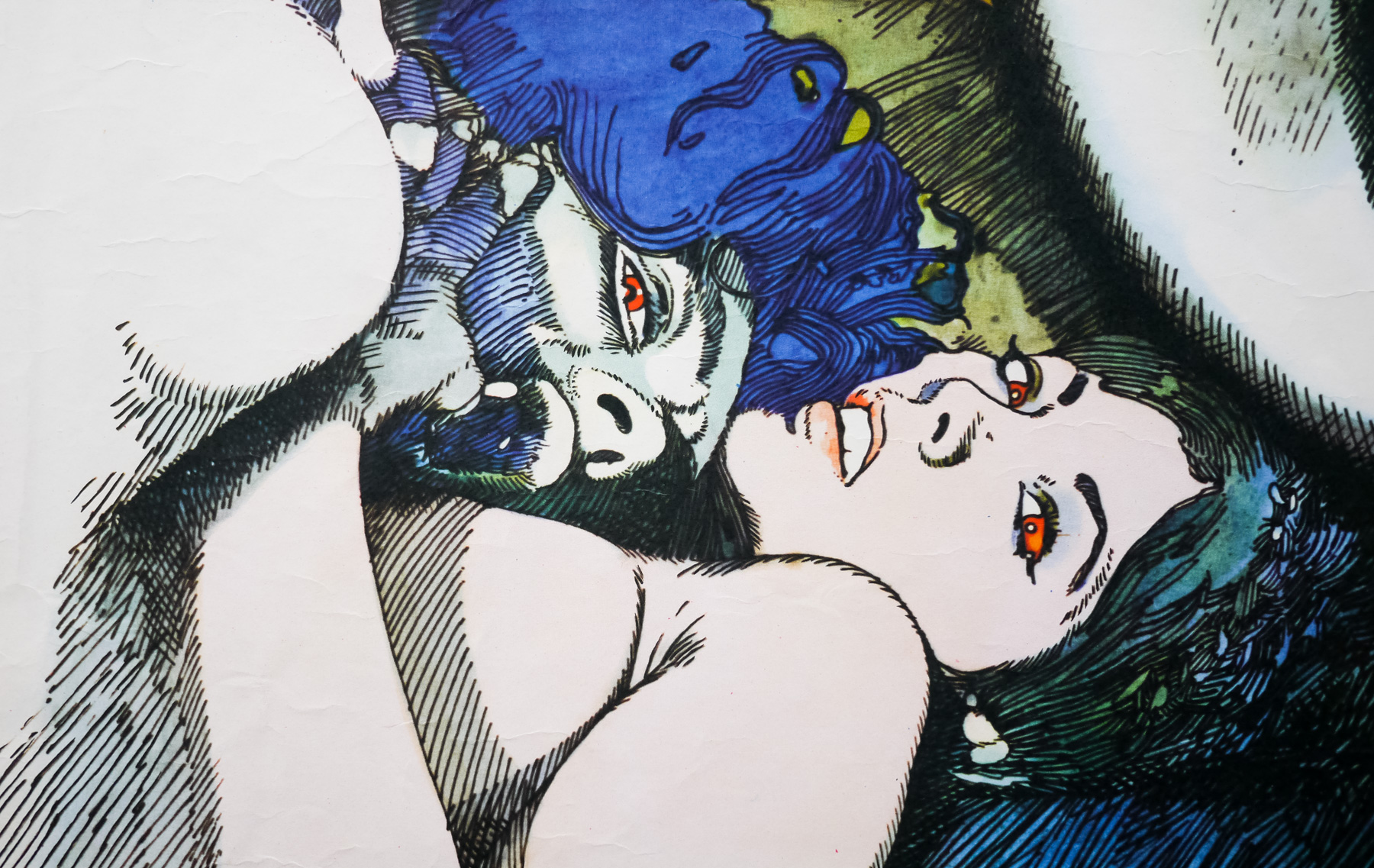
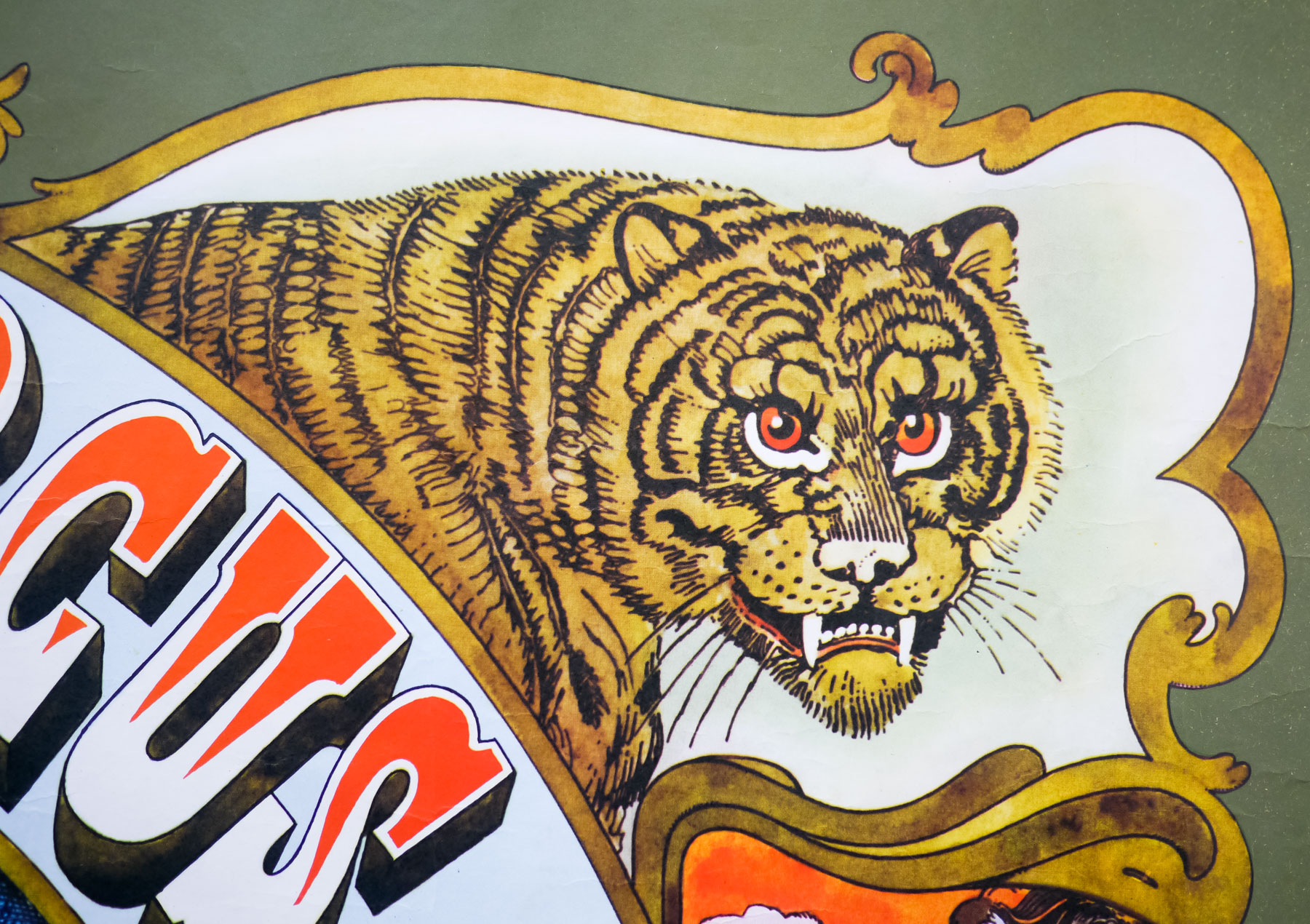
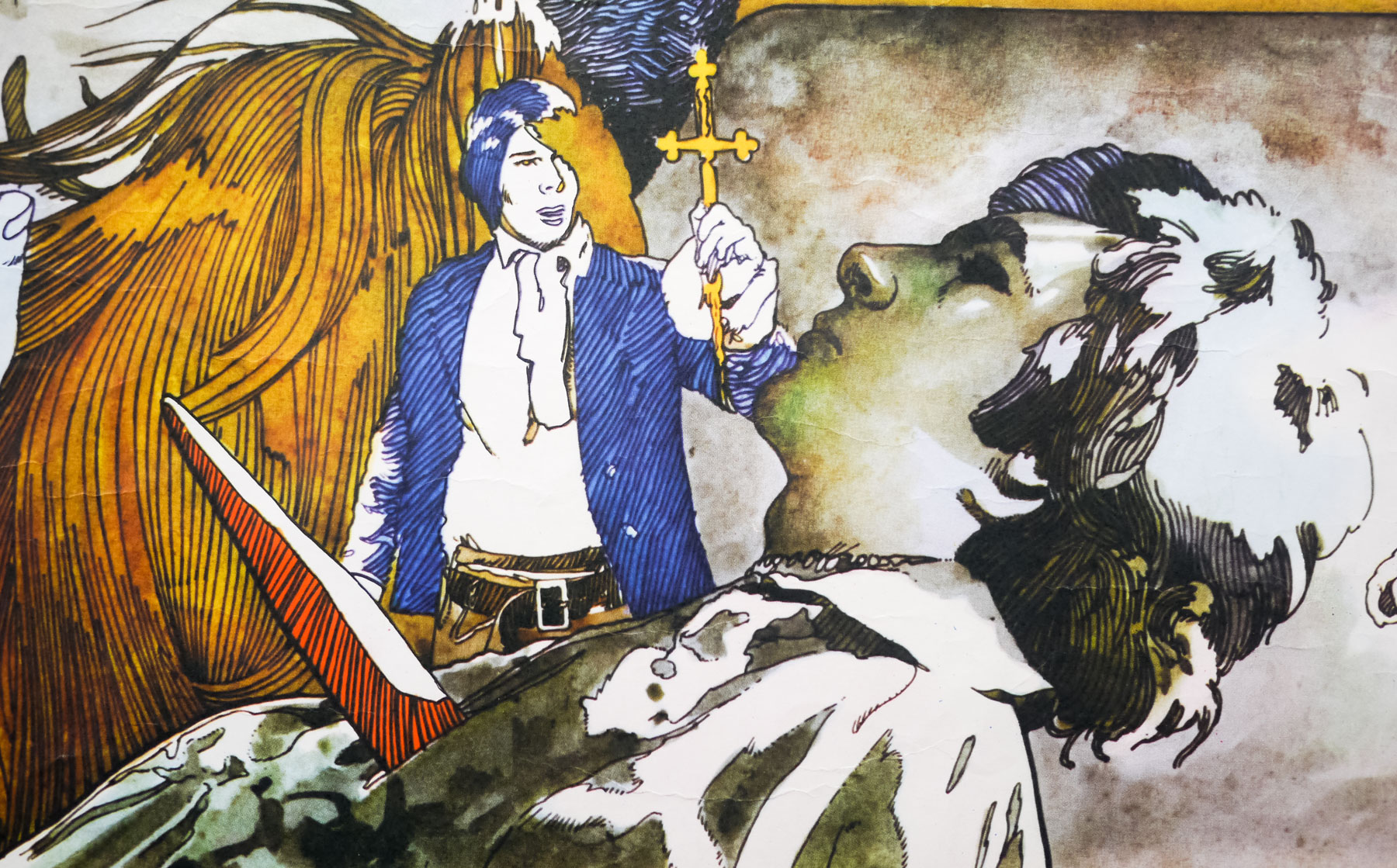
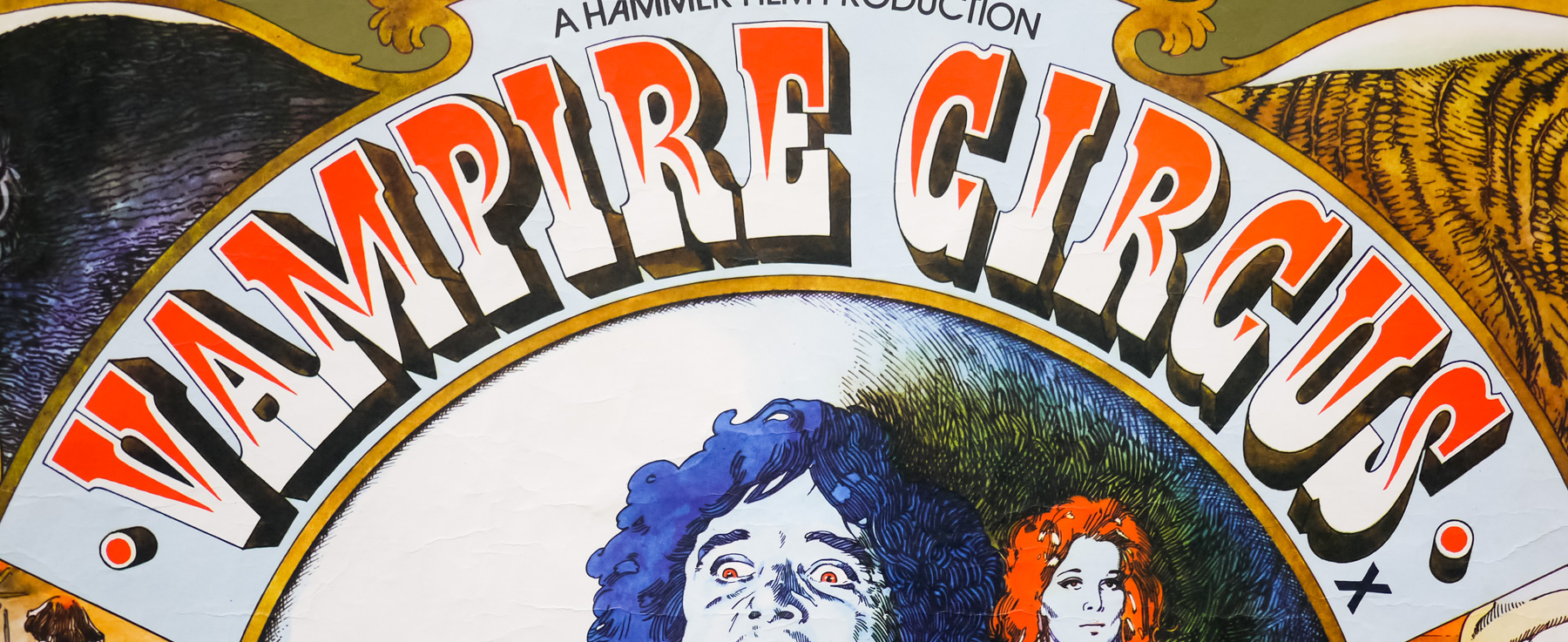
Iconic Vic Fair artwork graces this UK quad for the release of Hammer Films‘ 1972 horror Vampire Circus. Released at a time when the popularity of British gothic horror tales was on the wane, particularly when compared against the more explicit, contemporary horrors coming out of Hollywood (Rosemary’s Baby and later The Exorcist), the film nevertheless managed to stand out from a glut of other films produced by the studio around the same time. A decent script, typically excellent production design and a raft of quality British thespians all help to make Vampire Circus one of the more memorable films to be produced by the House of Horror before its first demise picked up pace a couple of years later

Set in a small village in the studio’s customary ‘mittel-Europe’ sometime in the 19th century, a lengthy pre-credits sequence shows a young girl being led into the castle of vampire Count Mitterhaus by Anna (Domini Blythe), the wife of local schoolmaster Albert Müller (Laurence Payne). Soon after the girl is murdered by the vampire, a group of villagers led by Müller storm the castle, stake the Count and burn the castle to the ground. Anna manages to drag the dying vampire to the crypt beneath the castle and before he perishes he curses the villagers and promises that their children will die to give him back his life. Fast-forward fifteen years, the village is beset by a plague and blockaded by the authorities with the miserable villagers fearing that this is the Count’s doing.

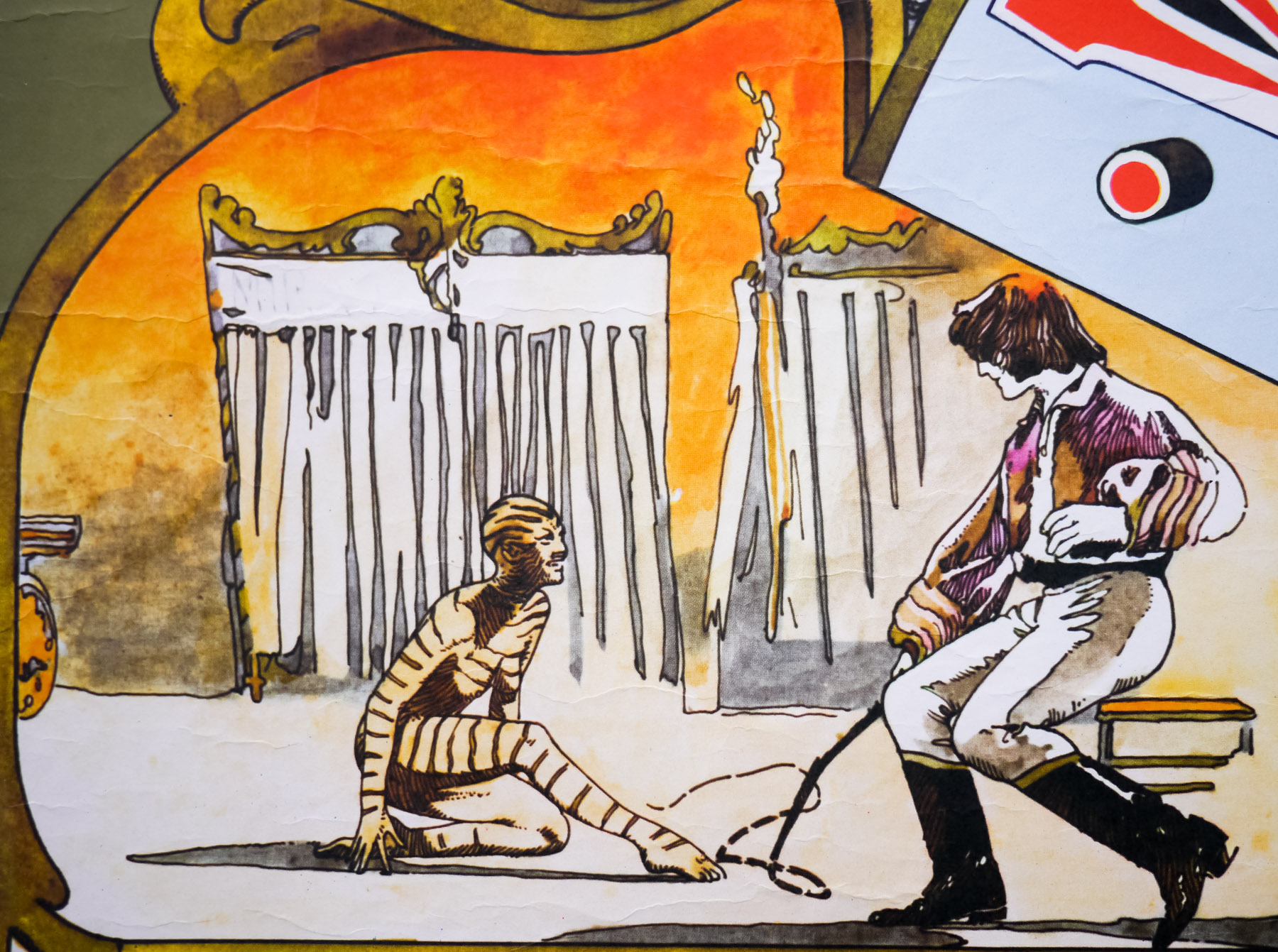
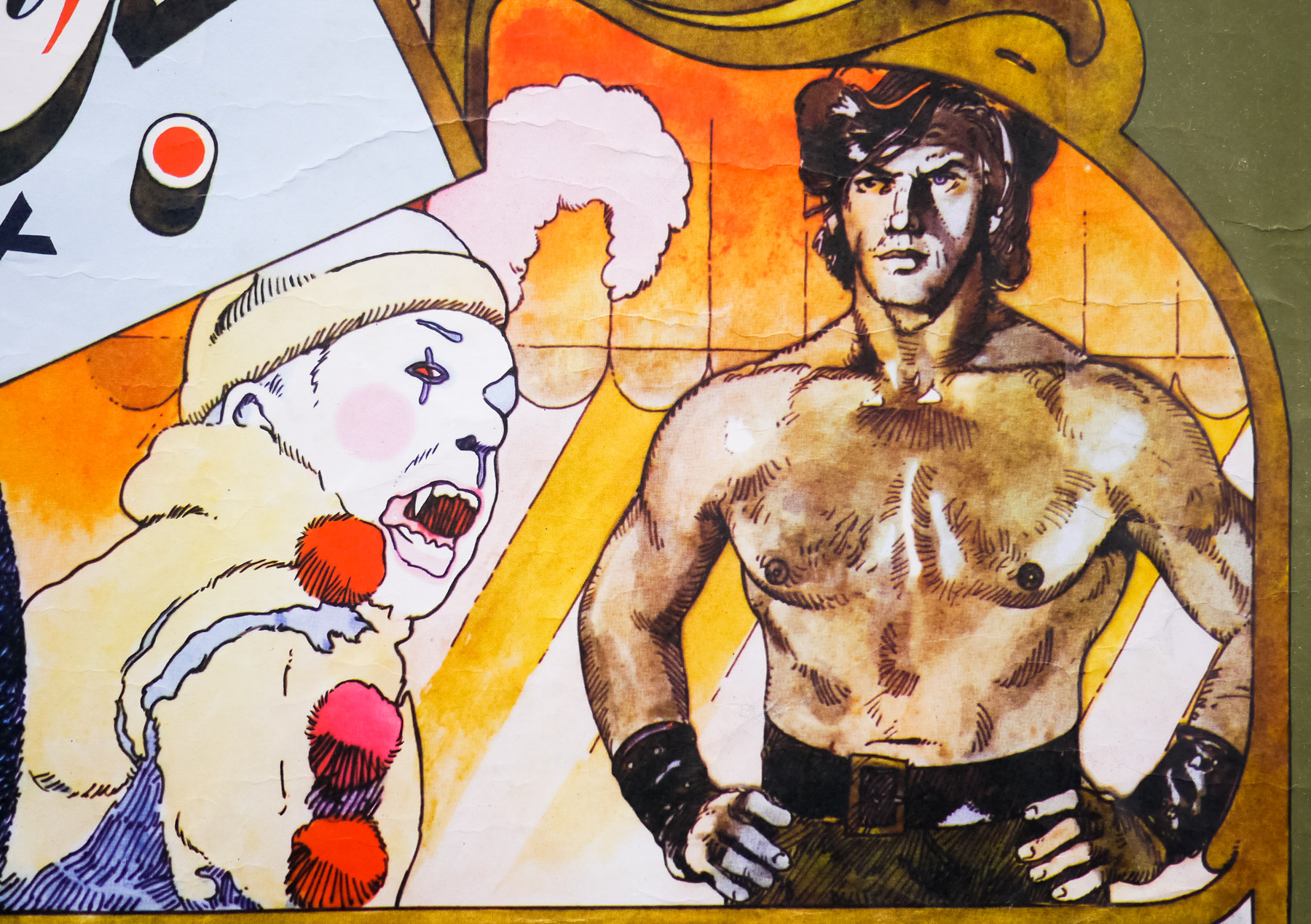
One day the eponymous travelling troupe arrives, having apparently snuck past the blockades, led by a mysterious gypsy woman (Adrienne Corri) and containing a ragtag bunch of performers, including a mischievous clown dwarf, a set of flying twins, an erotic tiger dancer (as depicted on this poster) and Emil, a shape-shifting artiste. At first the villagers are happy to be entertained by the circus as it gives them a reprieve from their misery, but it soon becomes clear that the gang have an ulterior motive for being there. Before long the Count’s dying promise is being kept by Emil, who it turns out is a ‘kinsman’ of Mitterhaus, and the leaders of the village must battle to try to stop the murder of their children and the resurrection of the cursed Count. It’s a well-paced film and certainly a stand-out feature in Hammer’s output of the early 1970s, only let down by some dodgy special effects, which can be explained by a curtailed production period and the dwindling budgets of the time.

During my interview with Vic Fair that was published at the end of 2013 I asked the artist about his work on the poster and this is an excerpt from that article (which also features an image of the original sketch created for the poster):

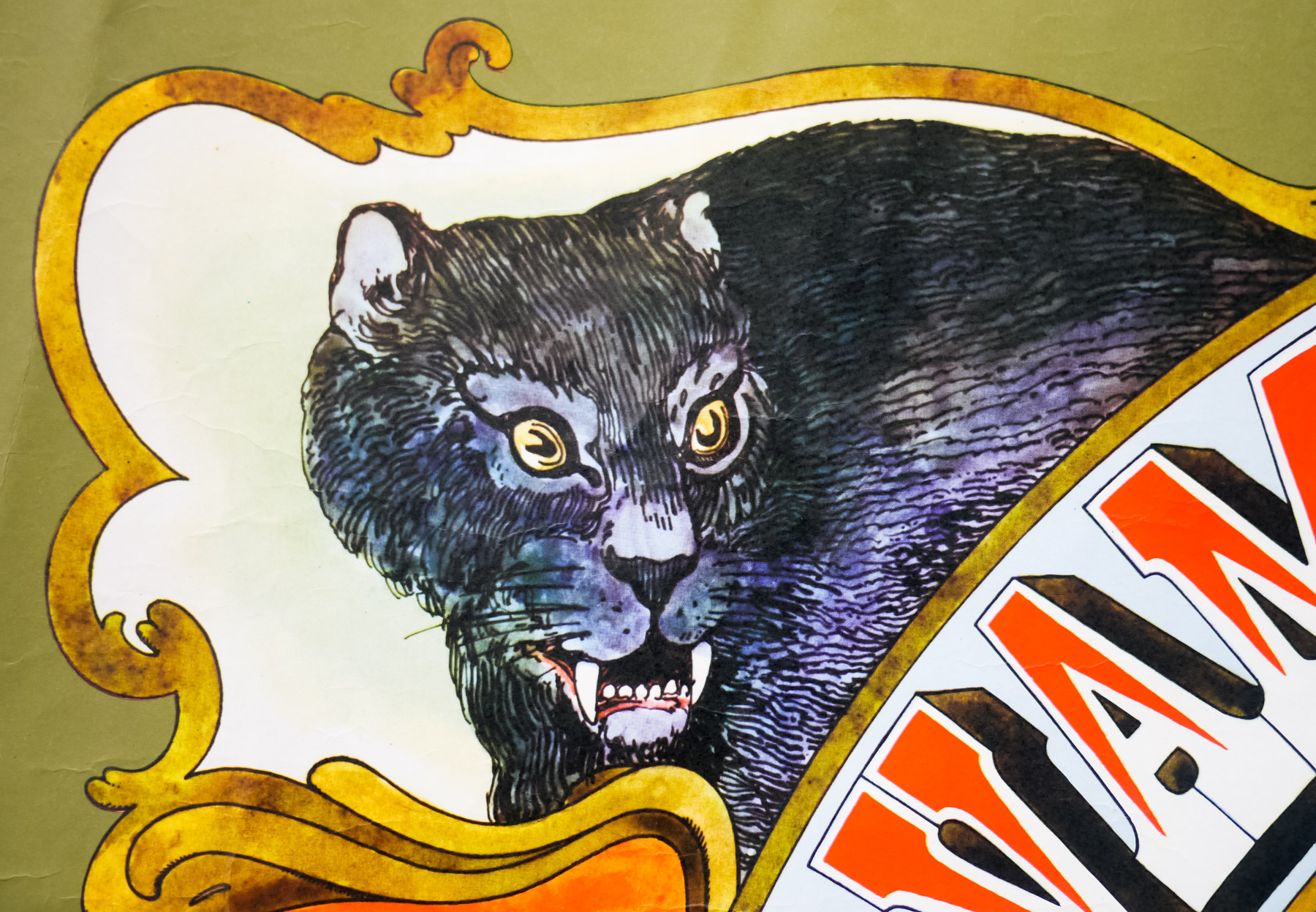
‘I enjoyed working on the quad I designed for Vampire Circus. I’d wanted to design something that might have been used to advertise an actual circus. The animals on there were pretty much copied directly from a children’s book, as I really didn’t have that much time to work on it. I thought they looked quite amusing, since they’re not exactly anatomically correct portraits of tigers and lions! I also had fun sneaking in the hidden male members, which was really just meant as a bit of a tease towards certain people behind the scenes. I can’t believe I got away with it really.’

To see the other posters I’ve collected that were designed by Vic click here.

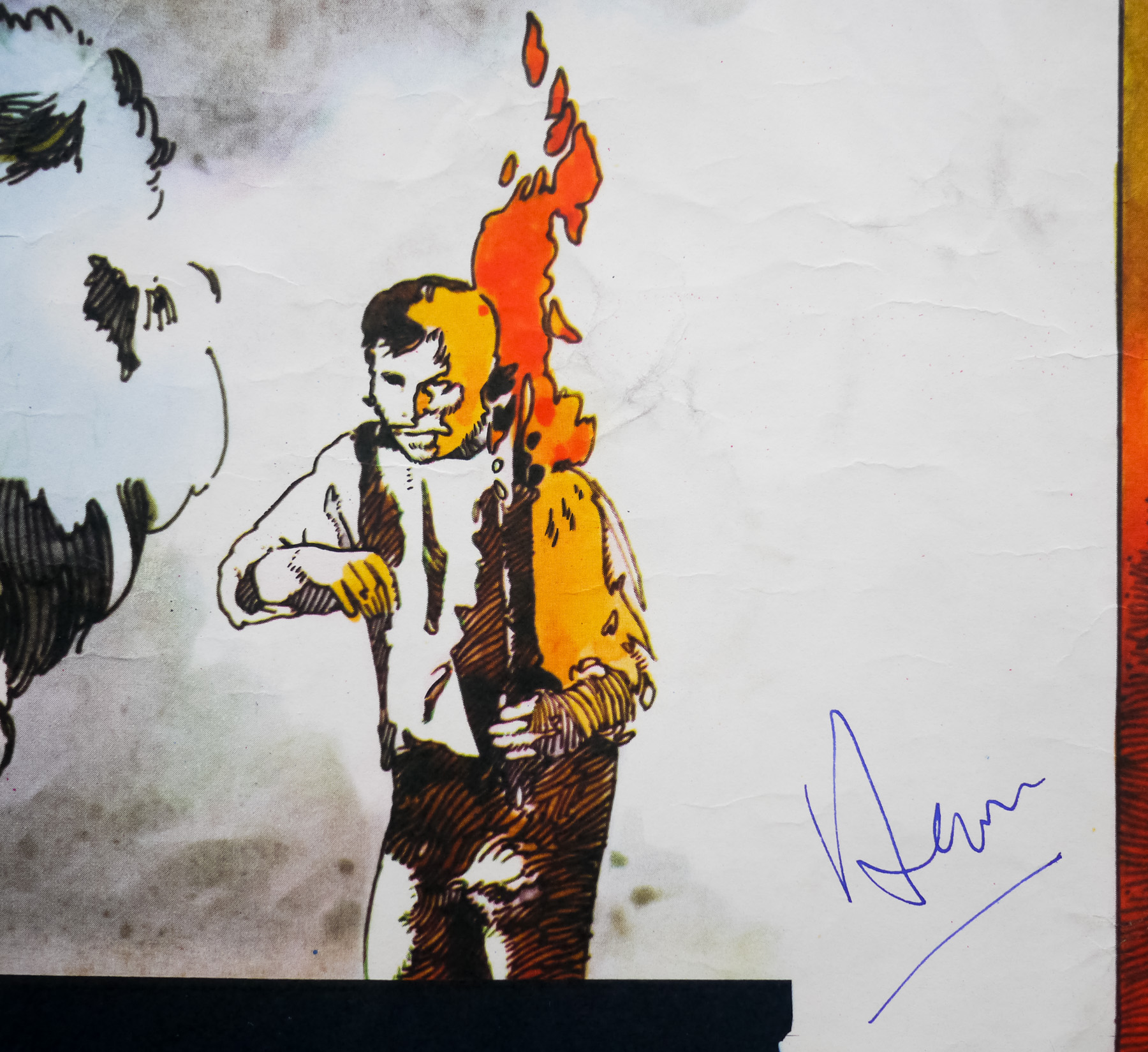
Note that this copy came from Vic’s personal archive and it is signed in the bottom right-hand corner.

Assault on Precinct 13 / quad / UK

27.01.14

Poster Poster

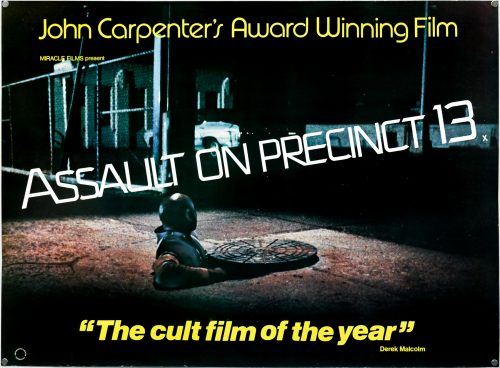
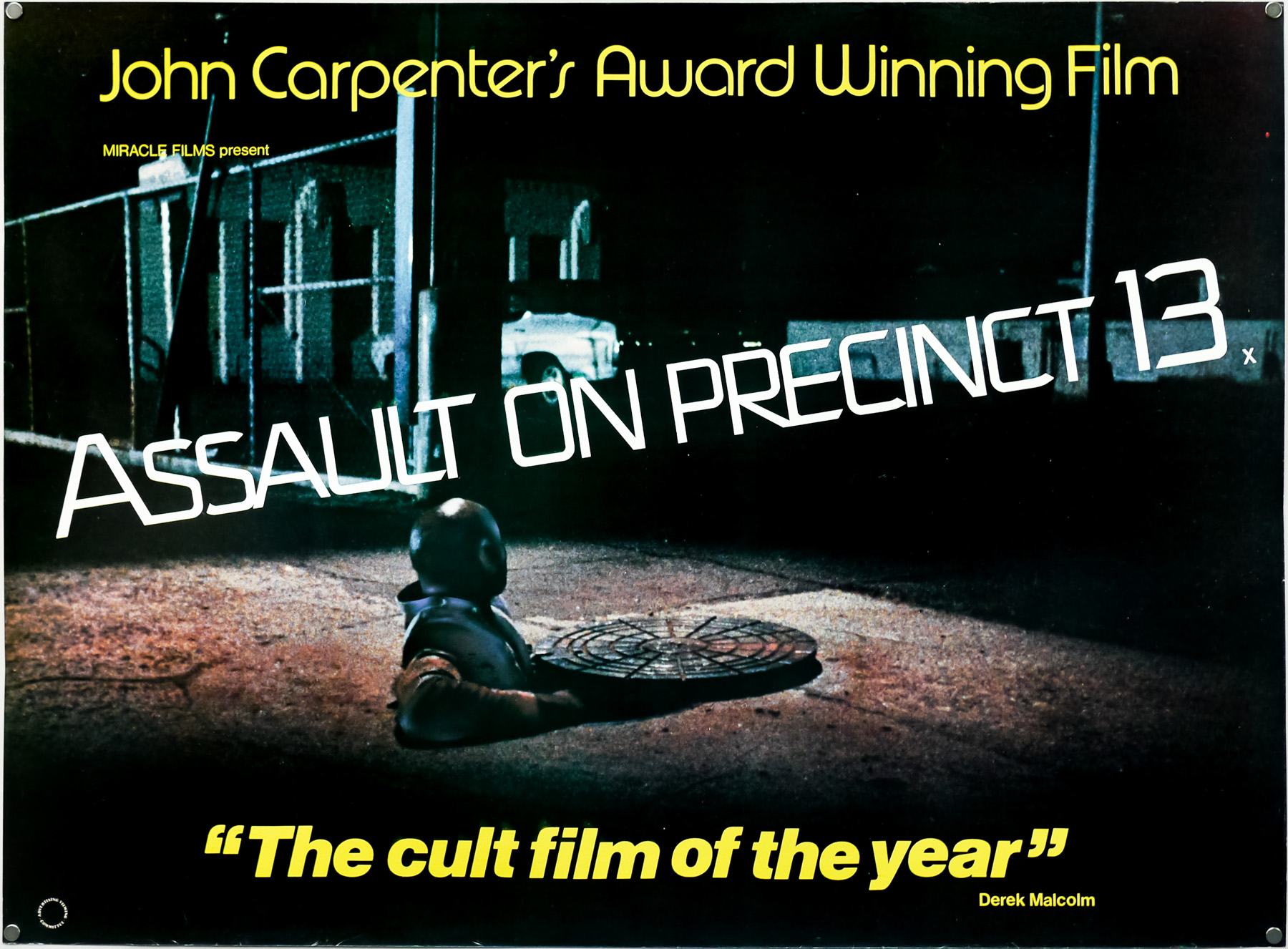
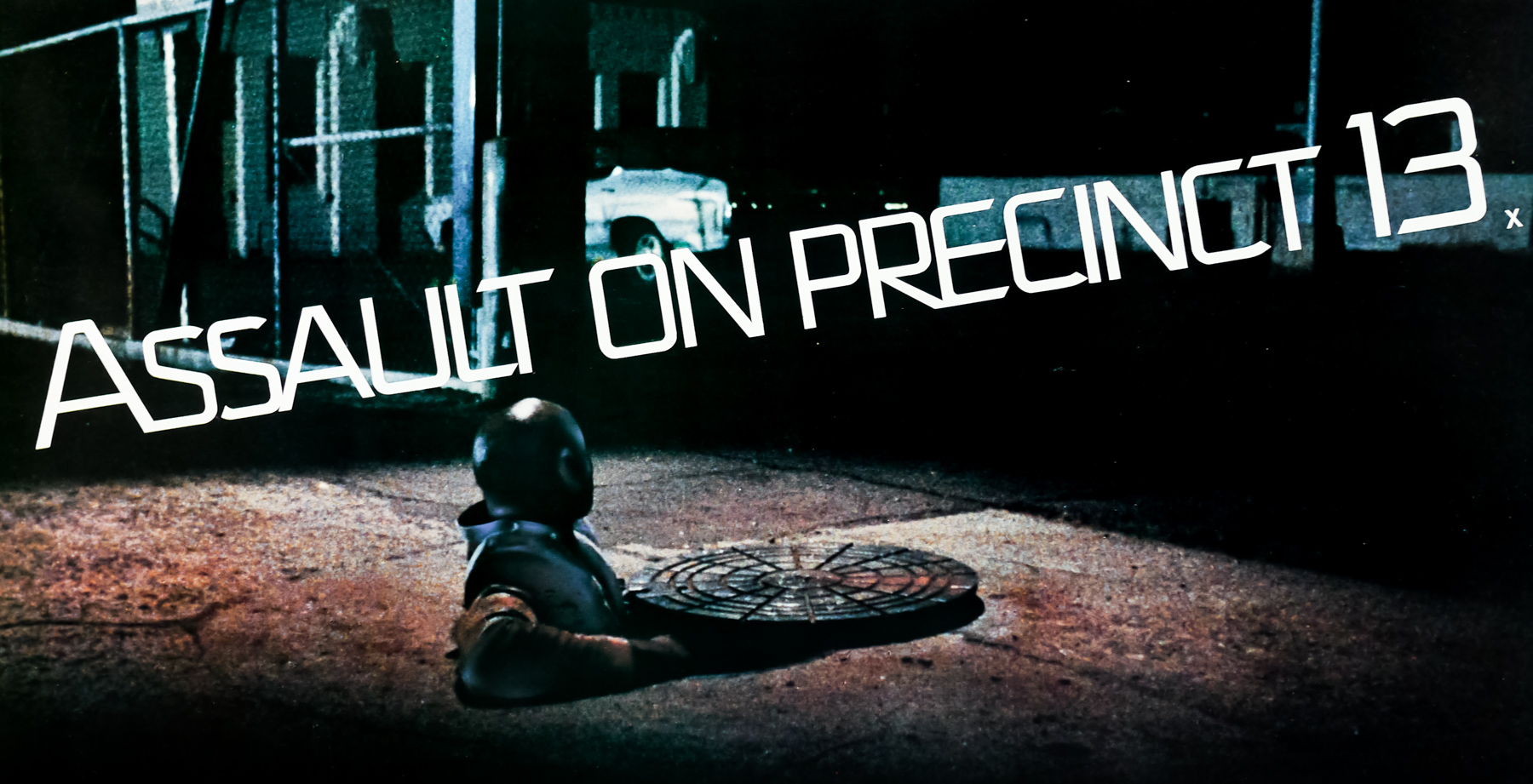
Director John Carpenter followed his debut sci-fi film Dark Star (1974) with the action thriller Assault on Precinct 13. Carpenter had originally hoped to create a Howard Hawks style western, but when the $100k budget organised by his producer friends Joseph Kaufman and J. Stein Kaplan prohibited the kinds of sets and production design needed, he retooled the script to work in a modern day setting. With strong echoes of Hawks’ Rio Bravo, Carpenter completed his script in just eight days and peppered it with multiple references to classic westerns.

Taking place over the course of one Saturday (a number of time and location cards are displayed throughout) the story is set in a crime-infested Los Angeles ghetto and begins at 3.00am as six members of a gang called Street Thunder are ambushed and killed by the LAPD. Soon afterwards the warlords of the gang swear a blood oath of revenge against the whole city. Later that day, Lieutenant Ethan Bishop (Austin Stoker) arrives at the local Anderson police precinct in order to help the remaining skeleton staff, including Captain Chaney (Henry Brandon) and two secretaries, close the building for good.

A bus carrying three convicts, including Napoleon Wilson (Darwin Joston), makes an unscheduled stop at the precinct seeking medical help for one of the men. At the same time across town, a gang of the warlords shoot and kill a young girl and an ice cream seller (a shocking sequence that Carpenter almost had to remove at the request of the MPAA) and the girl’s father, Lawson (Martin West) immediately retaliates and kills one of the warlords. The rest of the gang chases Lawson through the streets and into the Anderson police precinct. Before they know it, the inhabitants of the station are under assault from the gang and must fight for their very survival.

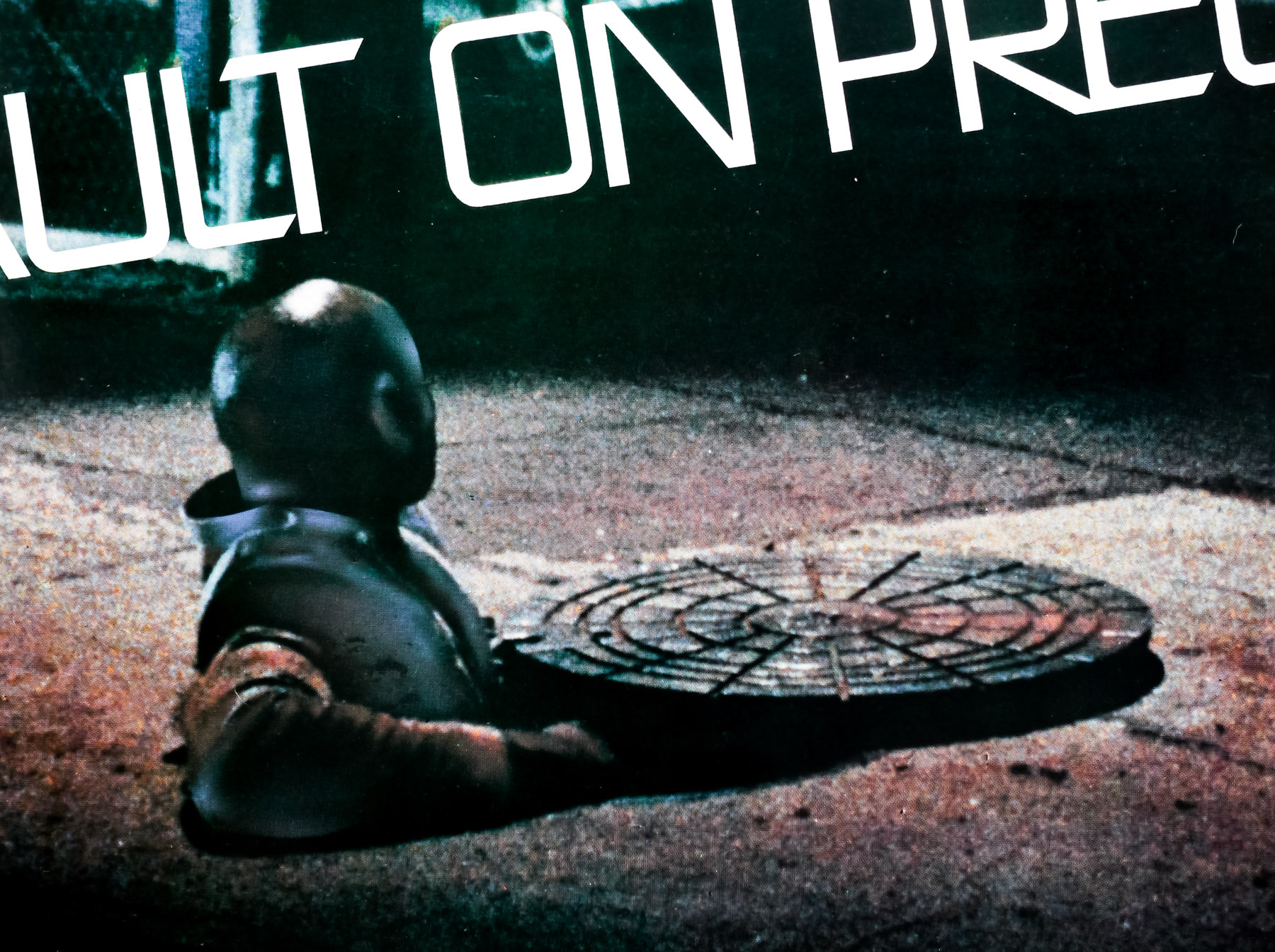
The film failed to make much impact in terms of box office takings or critical reception on its original American release in 1976, but when the film was shown at the 1977 Cannes Film Festival it received very favourable reviews from several critics, particularly those from Britain. After being invited to show the film at the 1977 London Film Festival, Carpenter was delighted by the positive critical and audience reaction. Derek Malcolm, the then film critic of the Guardian newspaper (whose quote graces this poster), reported that the film’s screening was greeted with deafening applause. On the back of the strong reception, Michael Myers (a Carpenter coincidence!), the head of Miracle Films, purchased the British distribution rights. This quad was printed for the film’s UK release and features a stylised title laid over the top of an image from the scene in which one of the convicts attempts to escape through the sewers. The ‘award-winning’ line refers to the fact that Carpenter won the 1978 annual British Film Institute award for the “originality and achievement of his first two films”, Dark Star and Assault, at the 1977 London Film Festival.

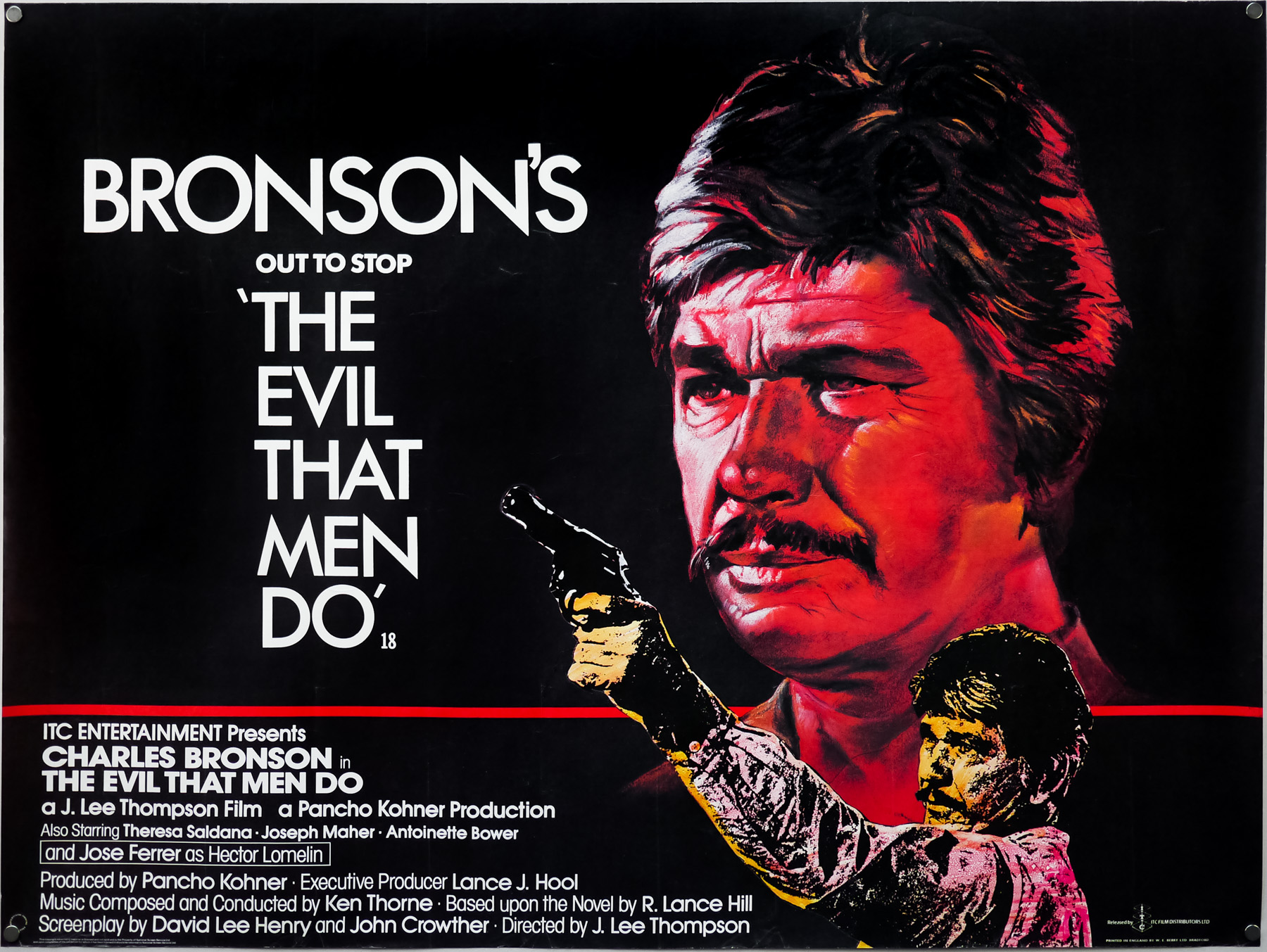
The Evil That Men Do / quad / UK

12.09.14

Poster Poster
Title
The Evil That Men Do
AKA
Liquidator (West Germany) | L'enfer de la violence [The Hell of violence] (France)
Year of Film
1984
Director
J. Lee Thompson
Starring
Charles Bronson, Theresa Saldana, Joseph Maher, José Ferrer, René Enríquez, John Glover, Raymond St. Jacques, Antoinette Bower, Enrique Lucero
Origin of Film
Mexico | USA | UK
Genre(s) of Film
Charles Bronson, Theresa Saldana, Joseph Maher, José Ferrer, René Enríquez, John Glover, Raymond St. Jacques, Antoinette Bower, Enrique Lucero,
Type of Poster
Quad
Style of Poster
--
Origin of Poster
UK
Year of Poster
1984
Designer
Eric Pulford
Artist
Eric Pulford
Size (inches)
29 15/16" x 39 11/16"
SS or DS
SS
Tagline
Bronson's out to stop...

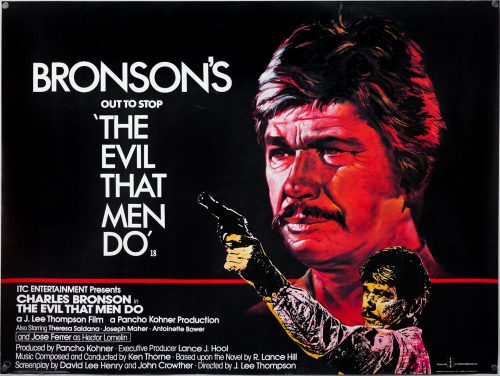
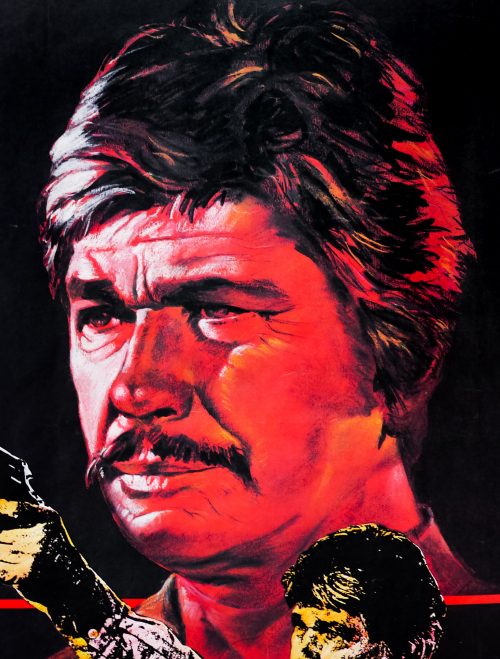
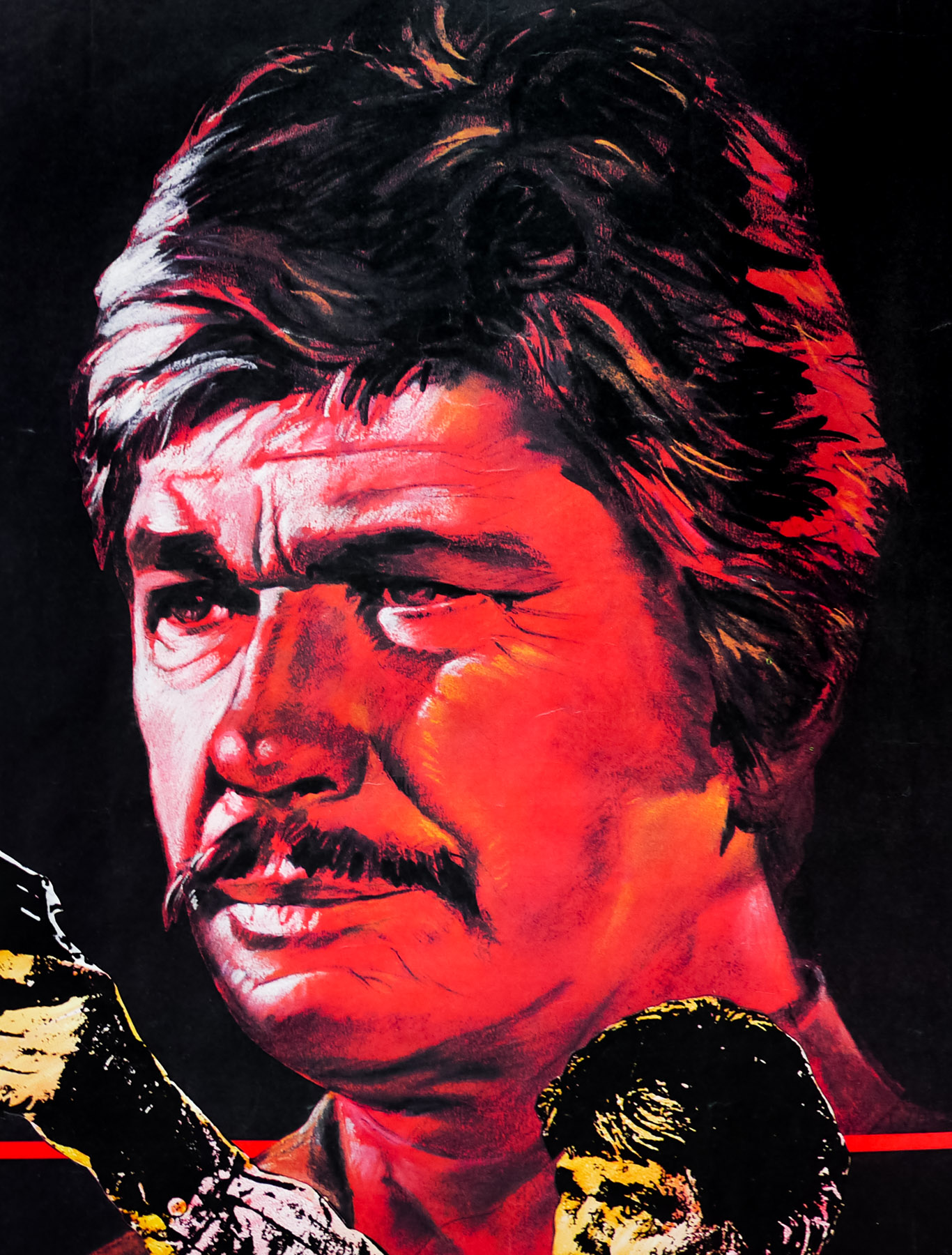
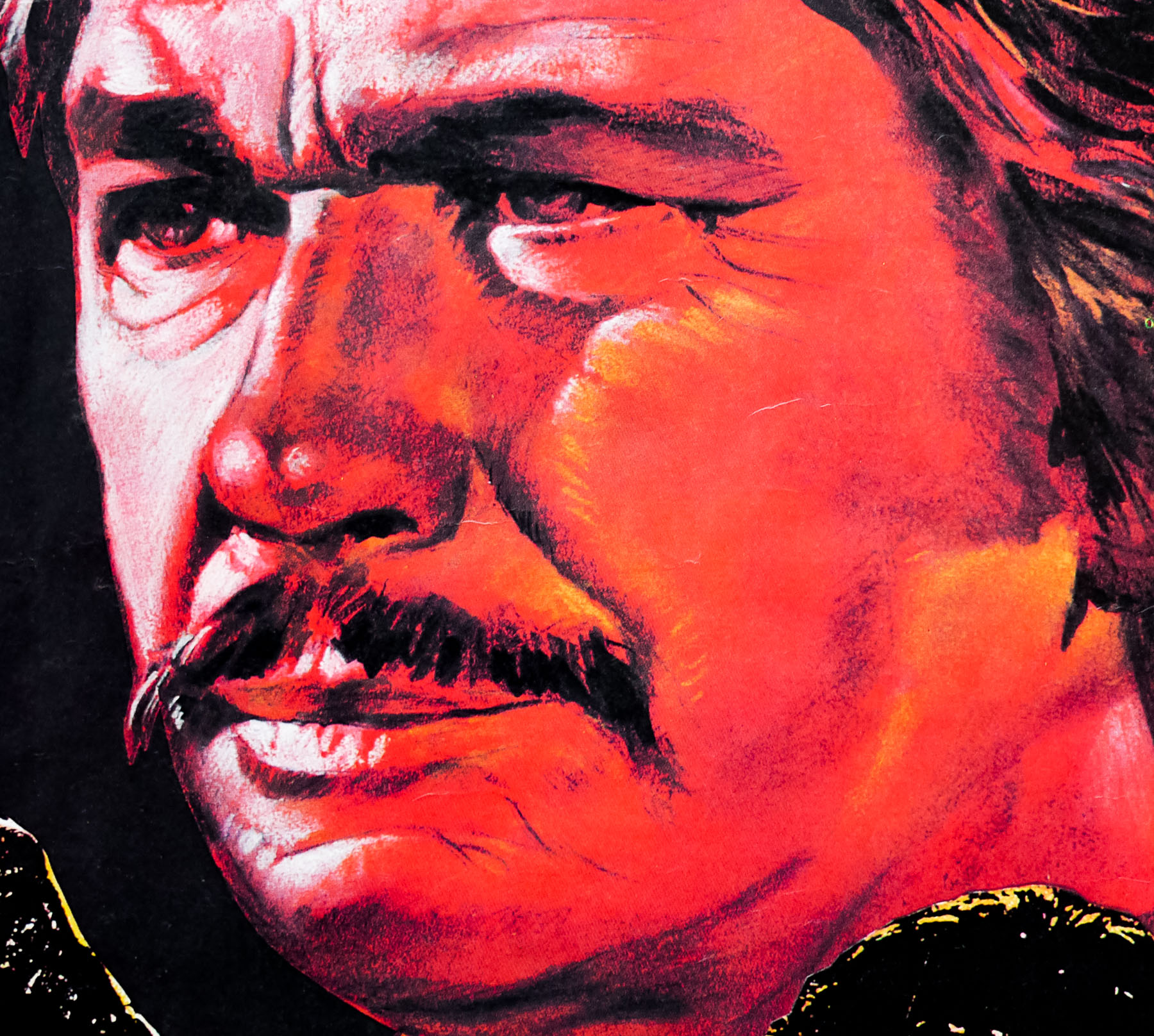
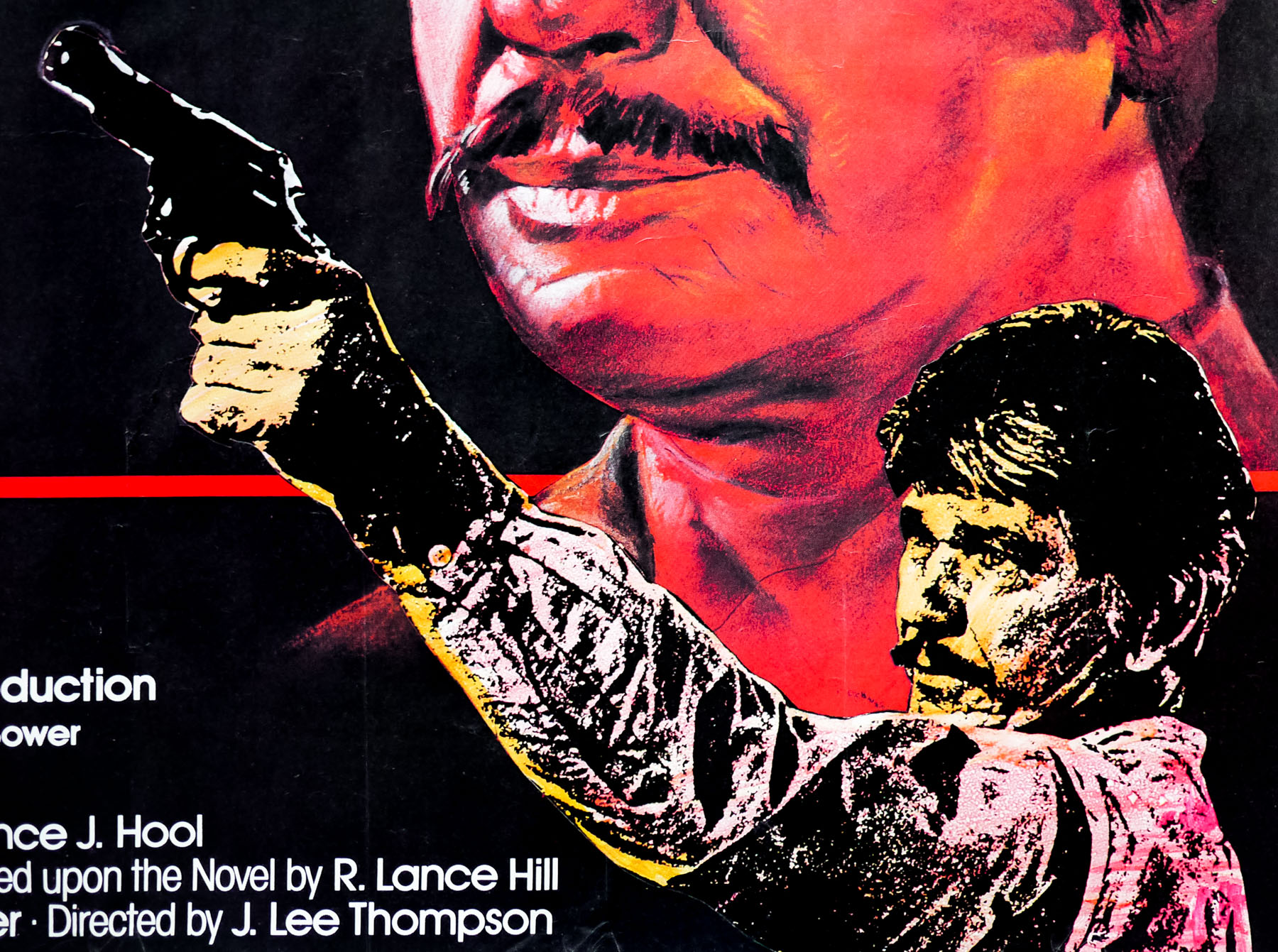
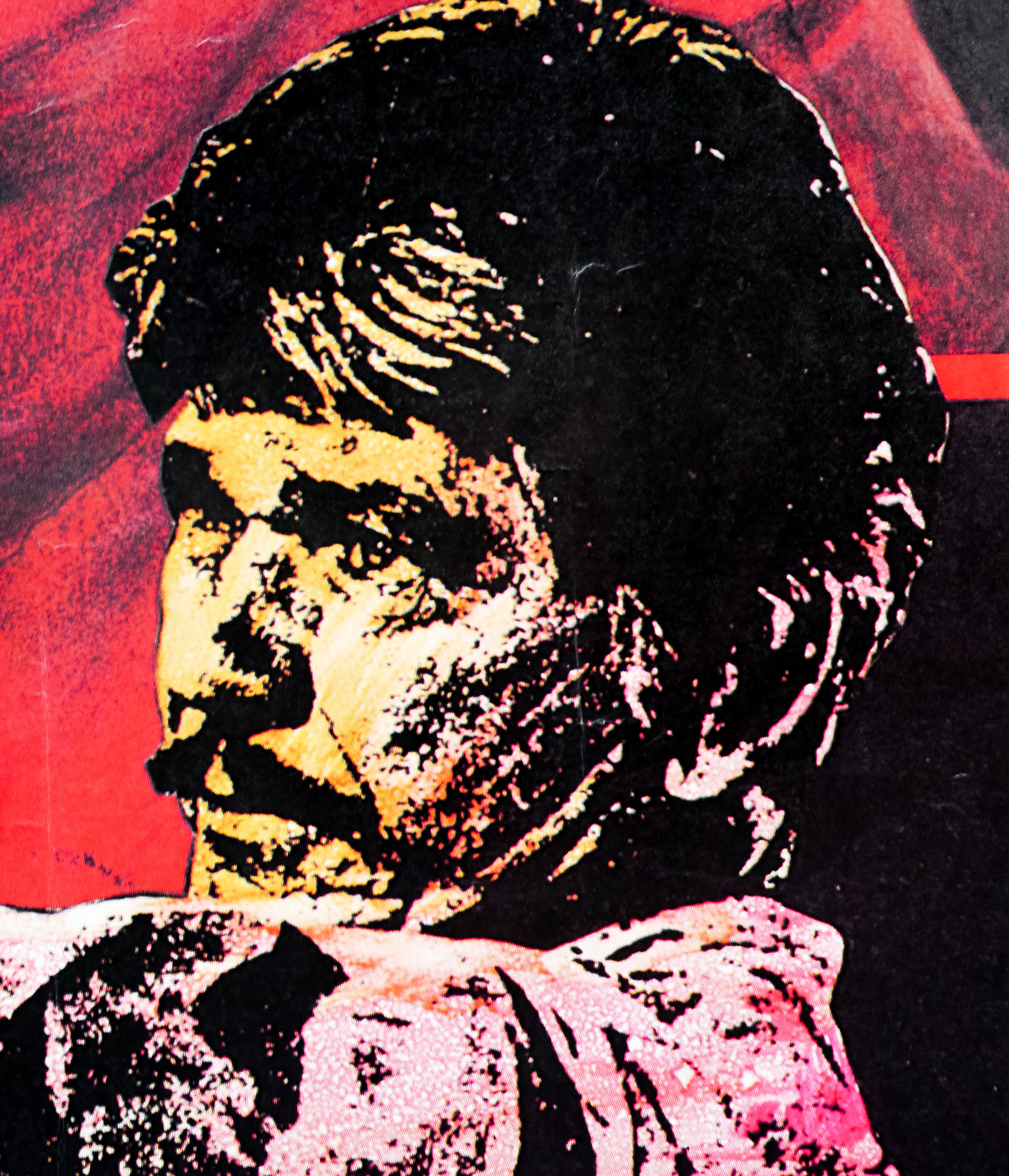
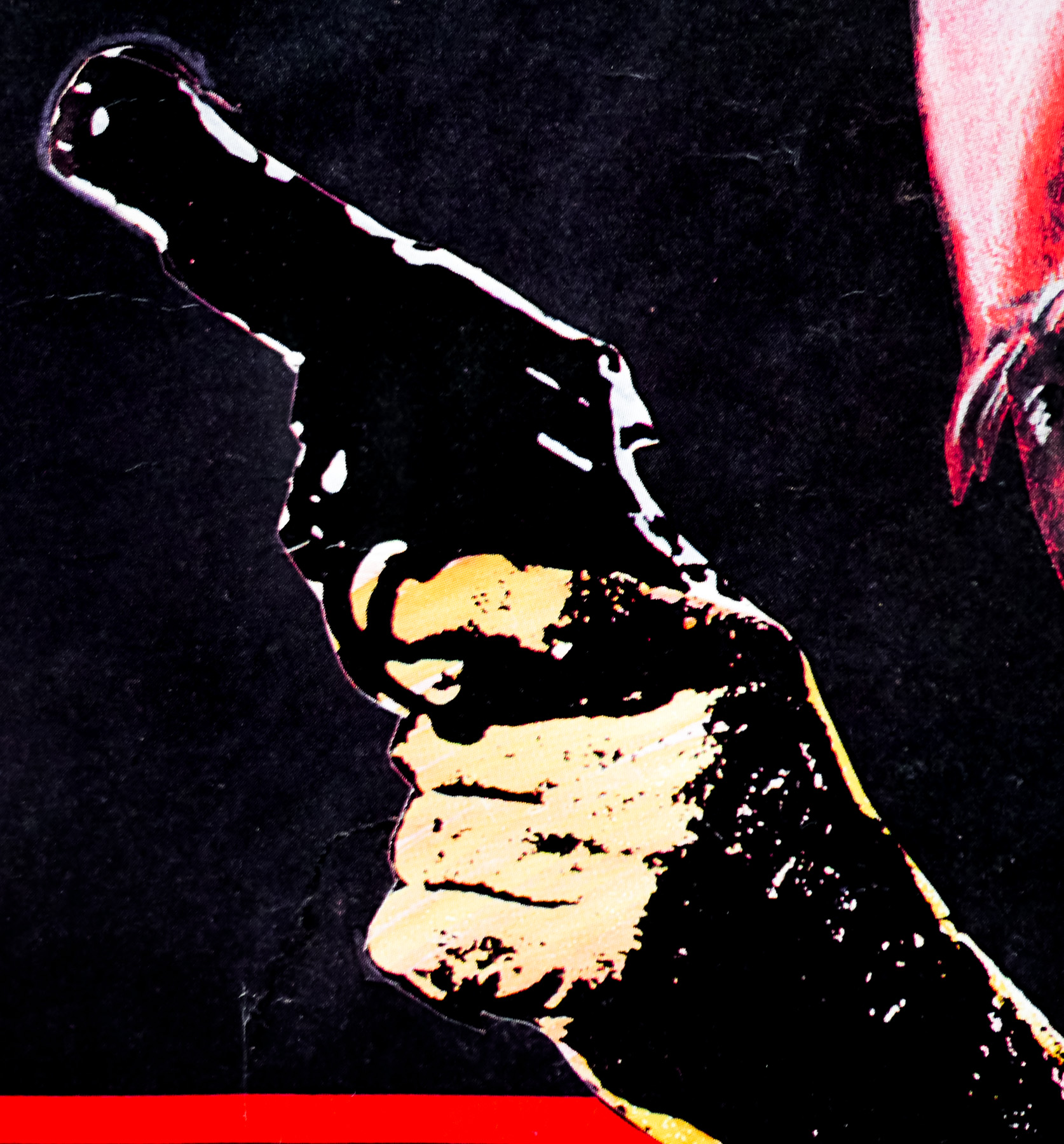
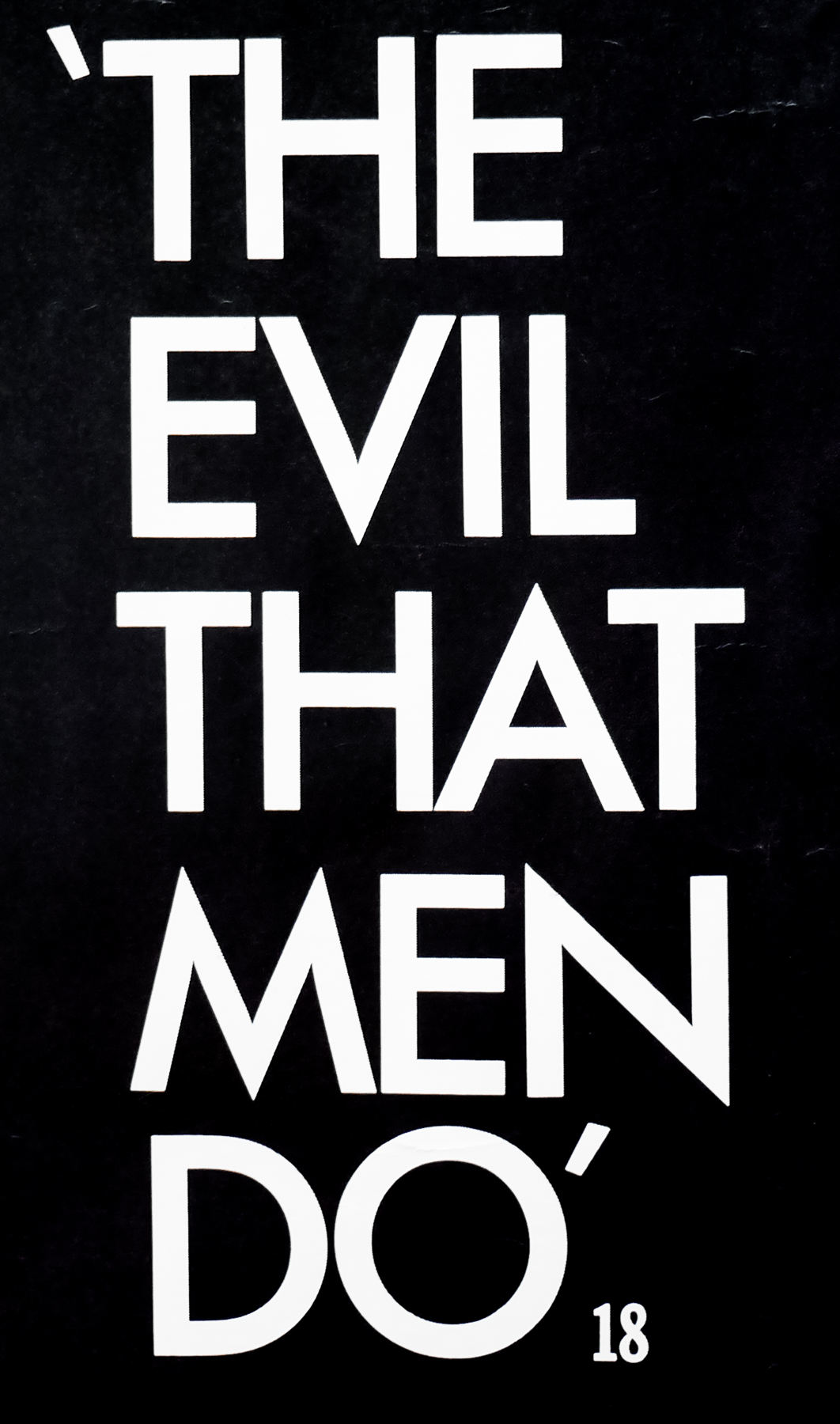
An excellent portrait of action legend Charles Bronson by Eric Pulford features on this British quad for the 1984 thriller The Evil That Men Do. One of several collaborations between the star and director J. Lee Thompson, the film sees Bronson star as a retired hitman known as Holland who is living a relaxed life on a West Indies Island when he is approached by former associates who persuade him to take on one last job. The target is the sadistic torturer, Dr. Clement Molloch, a Welshman who is often hired by political regimes to help them keep dissidents in check and has consequently left a trail of enemies in his wake.

Holland discovers that Molloch has killed his old friend Jorge Hidalgo at the behest of the Surinamese regime and he agrees to set off to Guatemala, the last known location of his target, with Hidalgo’s wife and daughter agreeing to pose as his family to protect his cover. Holland uses his old skills to take out various criminal associates as he works his way up the chain to exact revenge against Molloch. The film was released to weak reviews and it’s definitely not Bronson’s finest hour, or the best collaboration with J Lee Thompson.

As Sim Branaghan notes in his must-own book British Film Posters: An Illustrated History, Eric Pulford was one of the most important figures in the history of UK film marketing. Born in Leeds in 1915, Pulford was encouraged to develop his drawing abilities at school before he left, aged 14, to join a firm that manufactured electrical goods where he designed light fittings. After a year he left there to take up an apprenticeship at Gilchrists, a blockmakers in Leeds city centre, whilst also attending evening classes at Leeds Art College and painting in his spare time.

It was during his time at Gilchrists that Eric’s skills were spotted by Leslie Whitchurch, a partner in design firm who had an arrangement with the British film company Rank to produce film posters for Leeds cinemas. Pulford began working on illustrations for the posters around 1940 and eventually left Gilchrists to join Format (Whitchurch’s agency) in 1943. The most important move happened in 1943 when Pulford was invited by Rank to relocate to London and set up a design agency to specifically handle their marketing, which saw the birth of Pulford Publicity.

Over the next decade Eric designed and illustrated hundreds of posters for British and Hollywood films, and this meant him working with many of the most important producers and directors in the industry. As Downtons, the parent company to Pulford Publicity, grew Eric started to illustrate less and take on more of an executive role, dealing with clients and liaising with distributors but he still managed to keep his hand in designing posters, including for some of Rank’s most important film properties like the Carry On series.

Eventually he took over Downtons completely in 1965 and this is when he hired designers like Vic Fair and John Stockle who would often submit competing concepts for film campaigns that were then sifted and selected by the client. Pulford also hired a number of young artists that included Brian Bysouth and would often give them his own take on how to achieve the best illustration results. Eventually, at the start of the 1980s, Eric began to plan for his retirement and began handing over the reins of Downtons to a new management team before eventually moving to the south coast in 1984.

This quad for The Evil That Men Do marks a milestone as it’s the last printed quad that was both designed and illustrated by Pulford, but other design and layout jobs followed over the next few years. His last assignment was, rather aptly, The Last Emperor in 1987 after which he started to enjoy his retirement fully. In 2005 Pulford passed away shortly after suffering a fall at his home, just shy of his ninetieth birthday. Sim notes that Pulford is believed to have designed at least 500 posters over a 50 year period for some of the best British films and his contribution to the field cannot be underestimated.

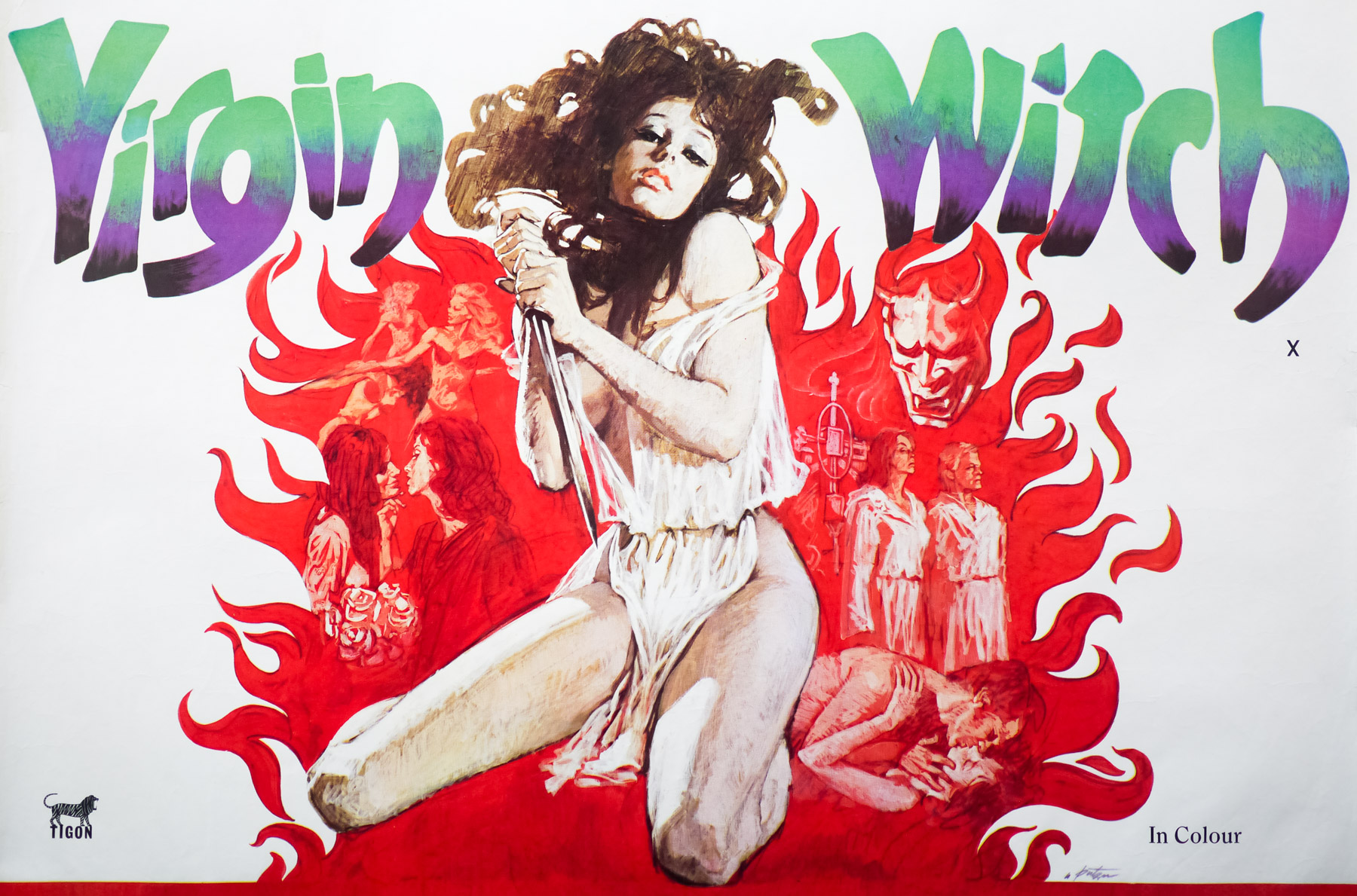
Virgin Witch / quad / UK

19.01.15

Poster Poster
Title
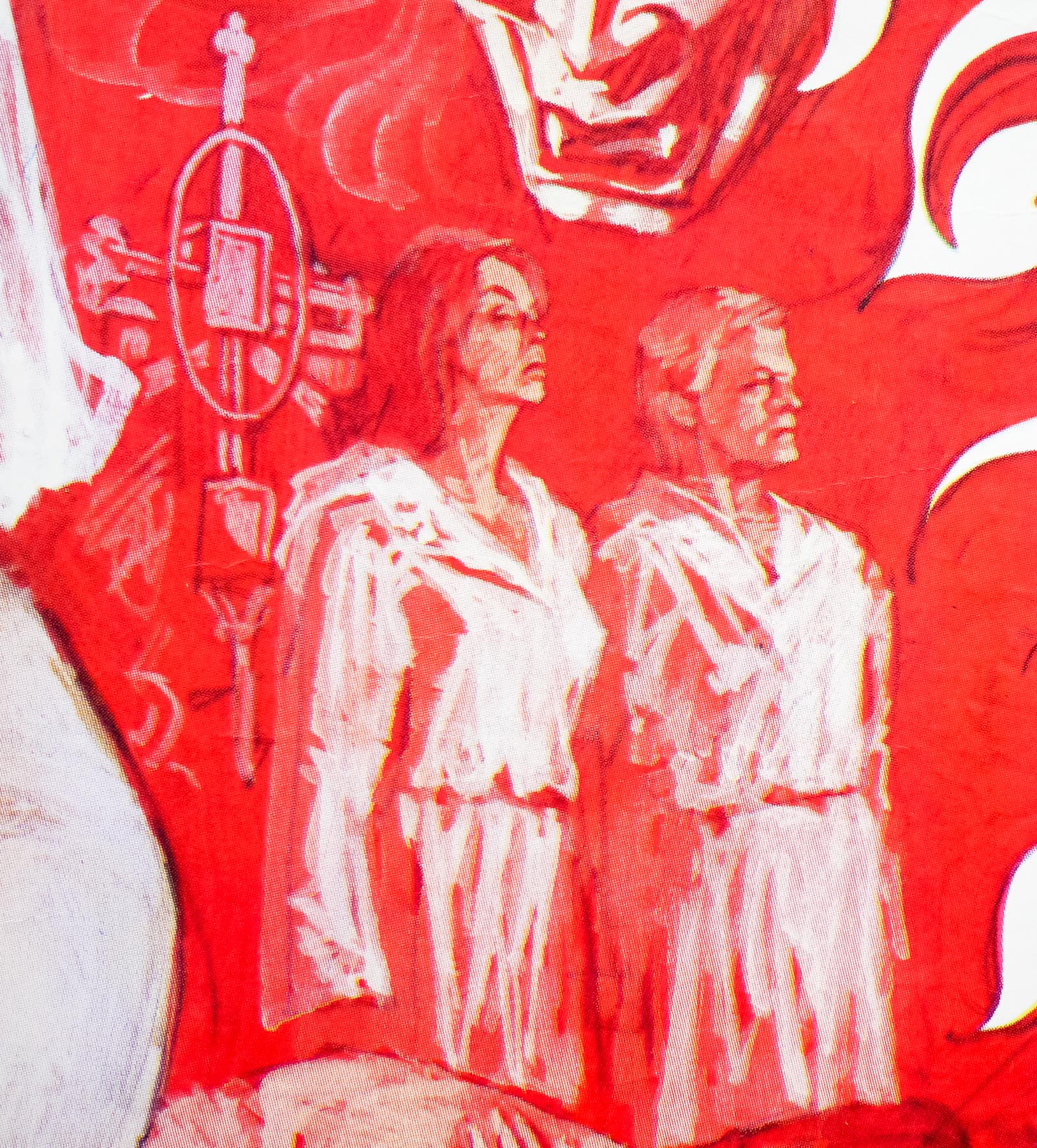
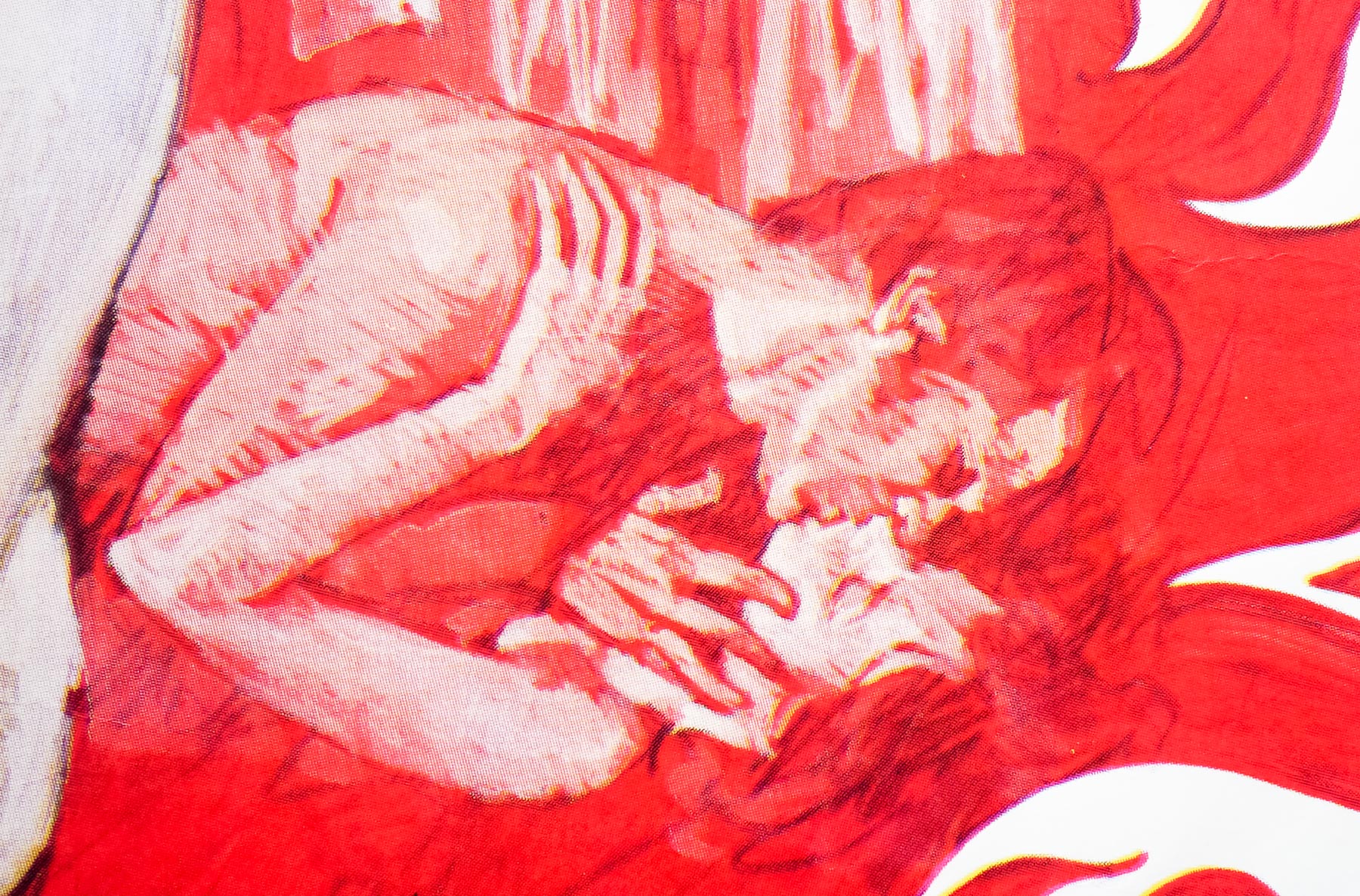
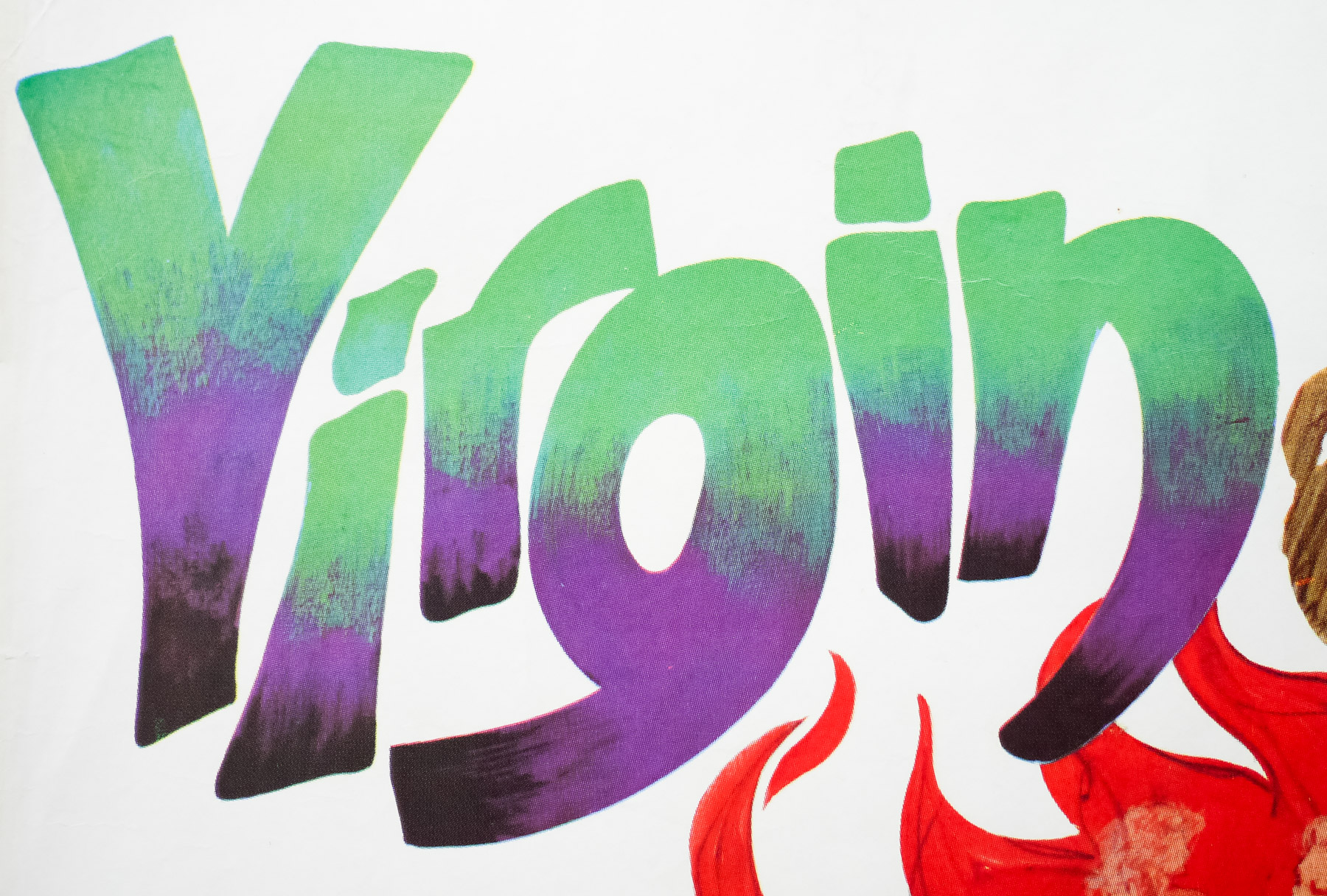
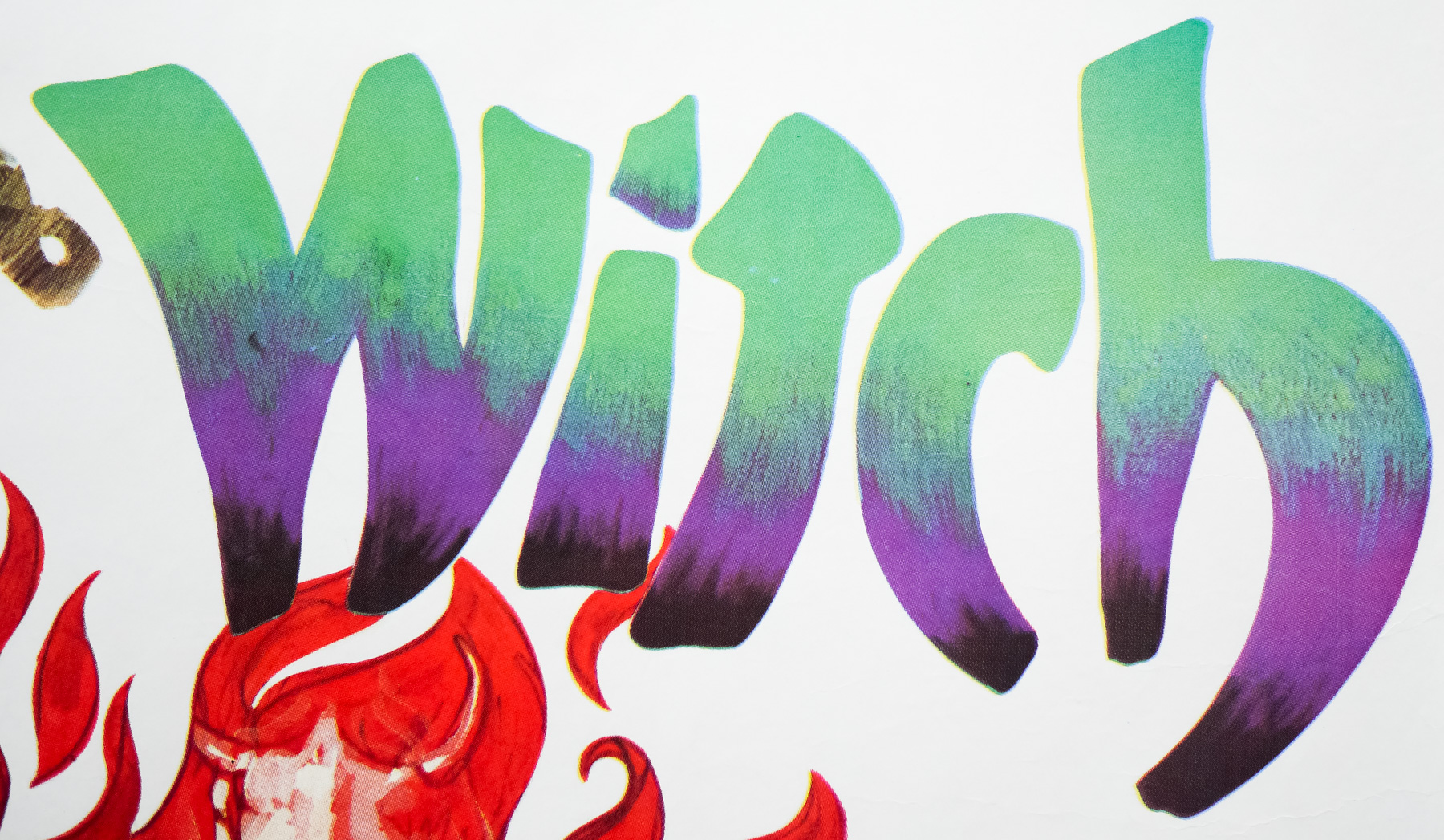
Virgin Witch
AKA
--
Year of Film
1972
Director
Ray Austin
Starring
Ann Michelle, Vicki Michelle, Keith Buckley, Patricia Haines, James Chase, Paula Wright, Christopher Strain, Esme Smythe, Garth Watkins, Neil Hallett
Origin of Film
UK
Genre(s) of Film
Ann Michelle, Vicki Michelle, Keith Buckley, Patricia Haines, James Chase, Paula Wright, Christopher Strain, Esme Smythe, Garth Watkins, Neil Hallett,
Type of Poster
Quad
Style of Poster
--
Origin of Poster
UK
Year of Poster
1972
Designer
Fred Atkins
Artist
Arnaldo Putzu
Size (inches)
30" x 39 14/16"
SS or DS
SS
Tagline
Her lust was innocence - her desires... evil.

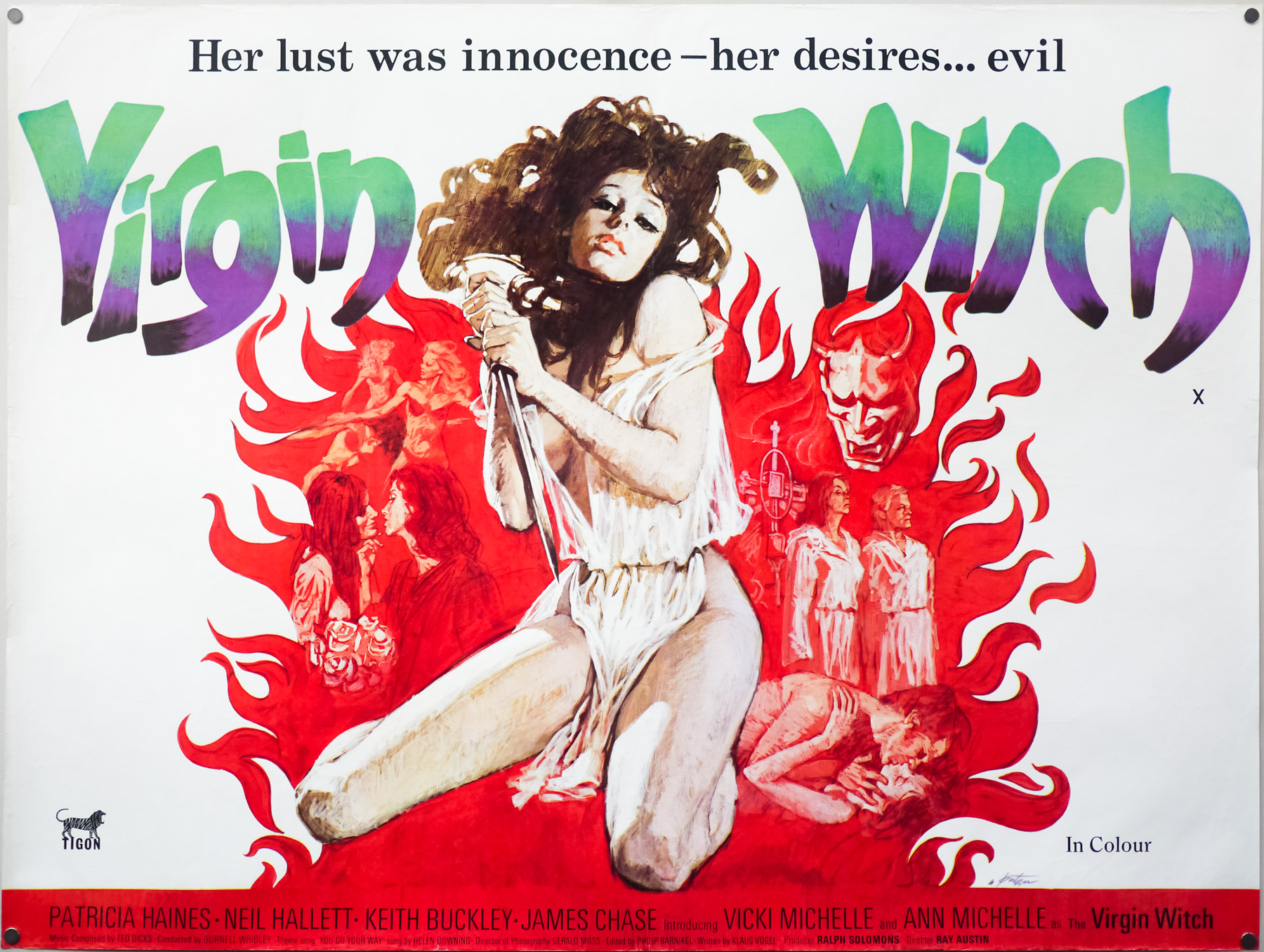
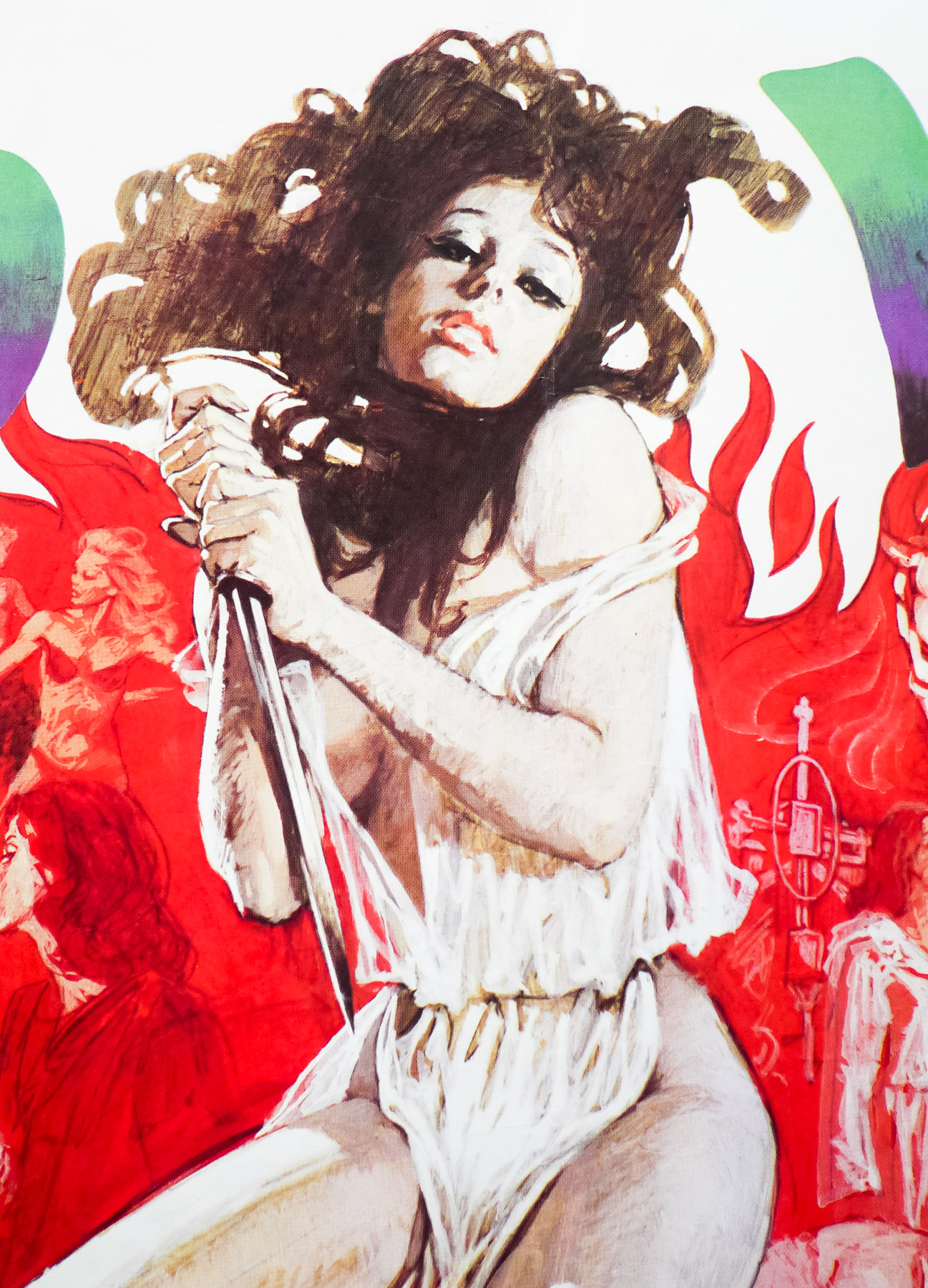
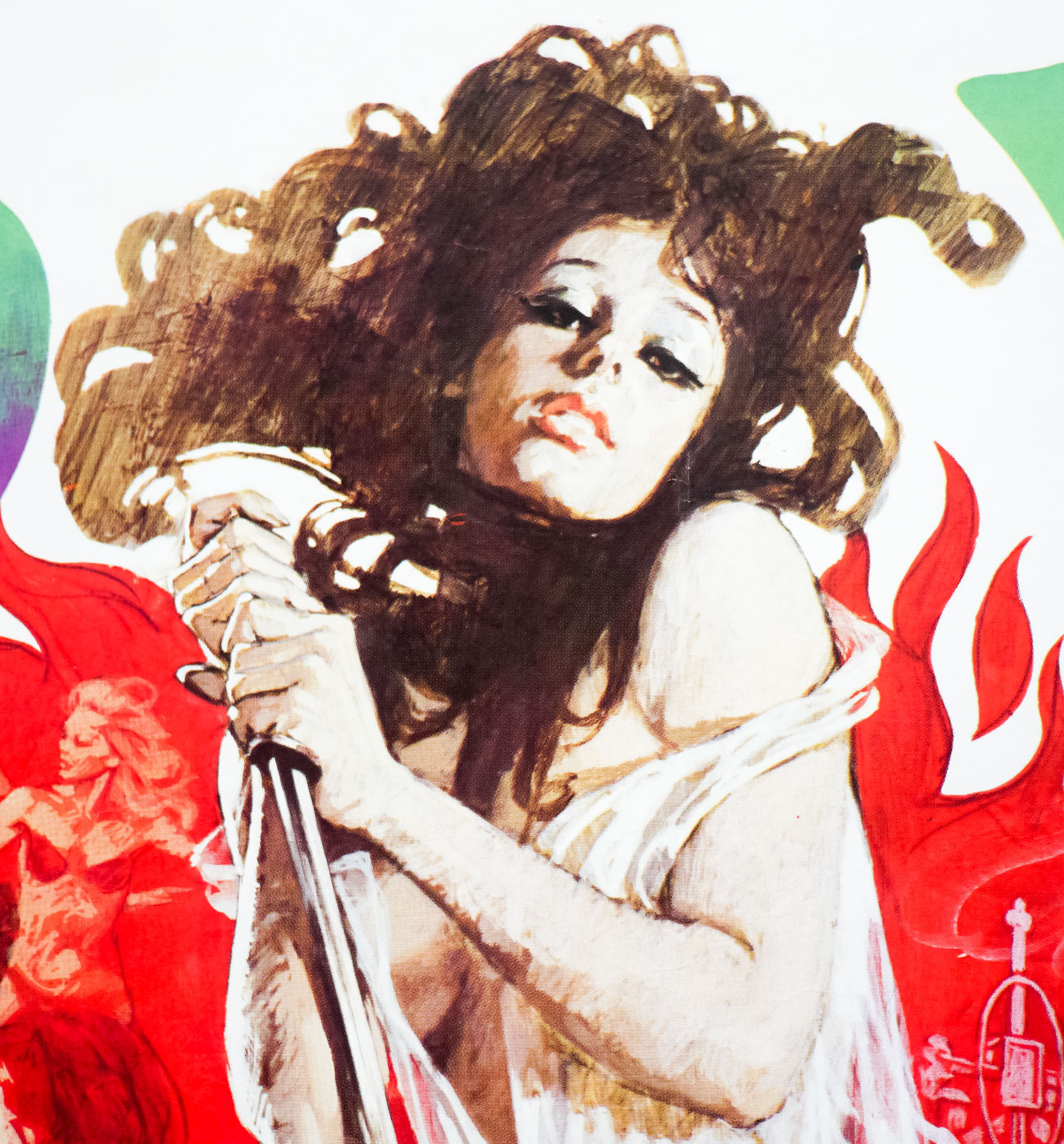
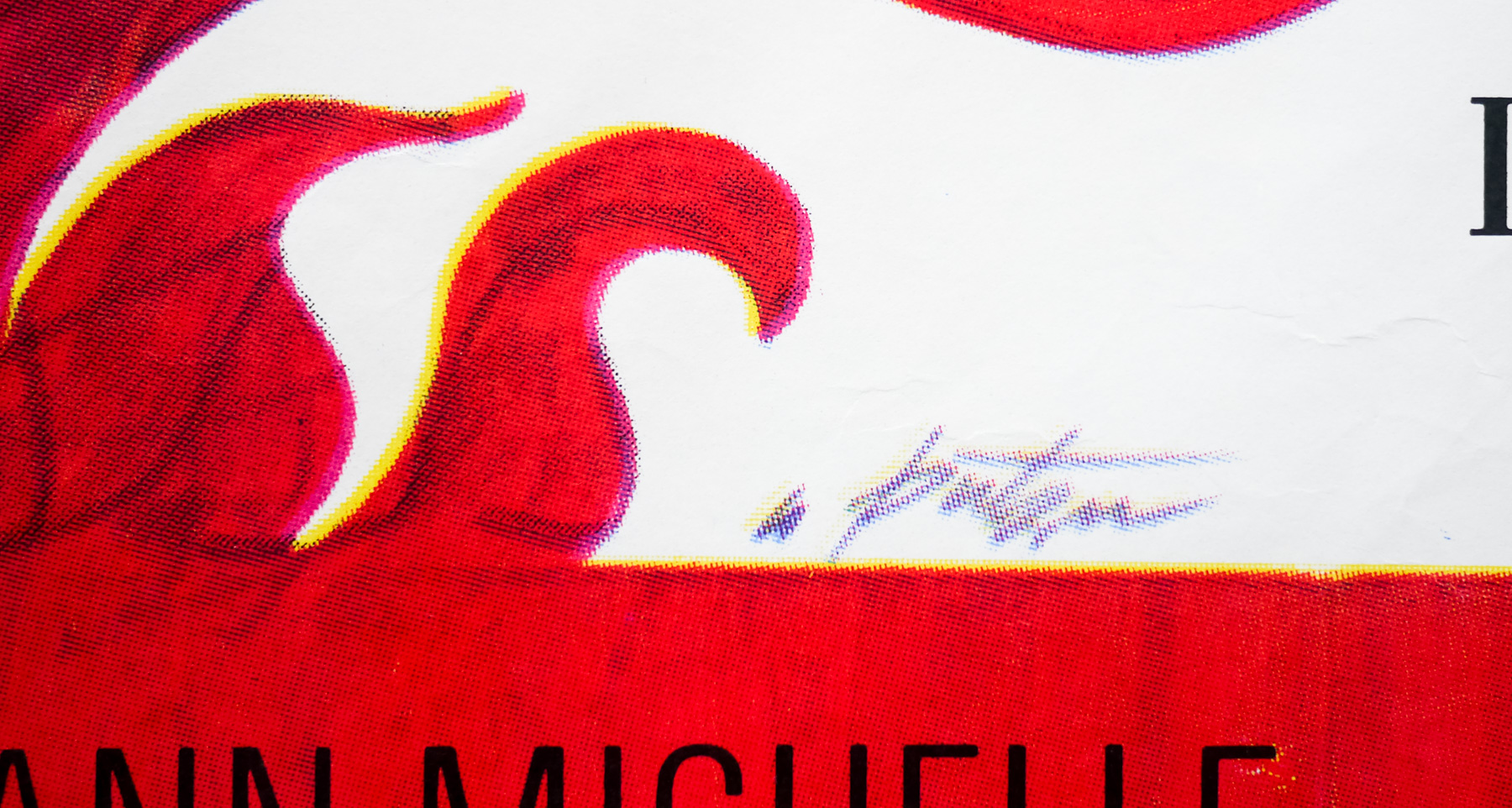
A classic case of the poster being better than the film it’s advertising, this is the UK quad for the 1972 British sexploitation horror Virgin Witch, which was produced and released by Tigon, primarily known for their horror output. Directed by Ray Austin who spent most of his career directing TV shows, the film stars Ann Michelle and her sister Vicki (later to gain fame as Yvette Carte-Blanche in the TV series Allo ‘Allo!) as Betty and Christine, a pair of wannabe models.

Answering an advert in a shop window, the more confident Betty meets Sybil Waite, a lecherous modelling scout played by the late Patricia Haines (the first wife of Michael Caine), who invites her to a country manor on the pretense of being photographed for an advertising campaign. Sybil encourages Betty to invite Christine along and after arriving there the sisters soon discover that all is not as it seems on the outside. Before long, Betty is being inducted to a witches coven in a laughable sequence in which the coven’s leader Gerald (Neil Hallett) gets to have his way with her.

Later it appears that Christine is to be sacrificed in another ceremony but the script is so weak that it’s not clear why and the attempt at a shock ending falls totally flat. The story comes a distant second to the almost constant female nudity, clearly a requisite from producers keen to sell the film to as many international buyers looking to satisfy the punters of ‘adult’ cinemas. Virgin Witch is totally devoid of anything in the way of supernatural scares, or indeed horror of any kind, and any attempt is fumbled badly. Both leading ladies have apparently disowned the film since it was made and it’s not hard to see why!

This poster is the result of a collaboration between two key figures in the history of British poster design: Fred Atkins and Arnaldo Putzu. Atkins was born in Kent in 1928 and attended art school before joining an agency on Sloane Street in London as a junior. He moved around a few agencies before joining Pulford Publicity in 1951 where he designed multiple quad posters, staying with Eric Pulford through several mergers and acquisitions, eventually leaving what became Downtons in 1968 to help set up the FEREF agency (he’s one of the Fs in the name) from where he would eventually retire. Virgin Witch is one of the posters he designed whilst at FEREF.

Arnaldo Putzu was born in Rome in 1927 and began painting from a very early age and in 1948 he got involved with the world of film publicity under the guidance of the famous artist Enrico De Seta. Eventually Putzu would gain enough confidence in his abilities to set up his own agency and it was this move that saw him getting involved in work for the British studio Rank. Eric Pulford was so impressed with his work that he brought him over to London to work at Downtons in 1967.

The artist worked on many quads whilst over here and also gained notoriety for lending his talents to the popular children’s magazine Look-in, for which he painted almost every cover during its publication lifetime. His best-known quad is undoubtedly the one he painted for the Michael Caine gangster classic Get Carter in 1971. My friend, and author of the must-own British Film Posters, Sim Branaghan met Putzu during the making of his book and describes it as a very memorable experience in the interview I published in 2012. Putzu sadly passed away the same year, aged 85, and Sim wrote an excellent obituary for The Guardian newspaper, which can be read here.
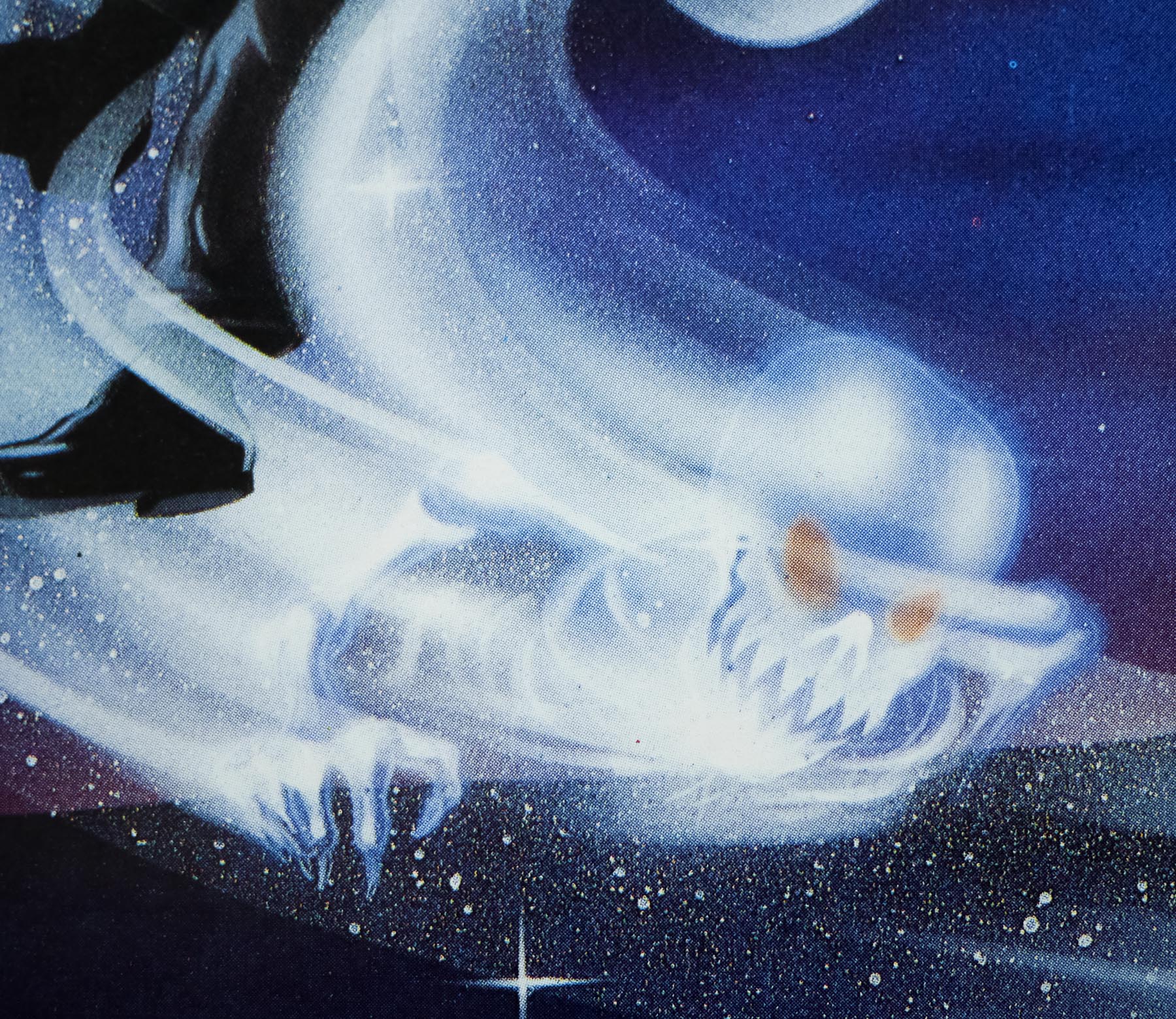
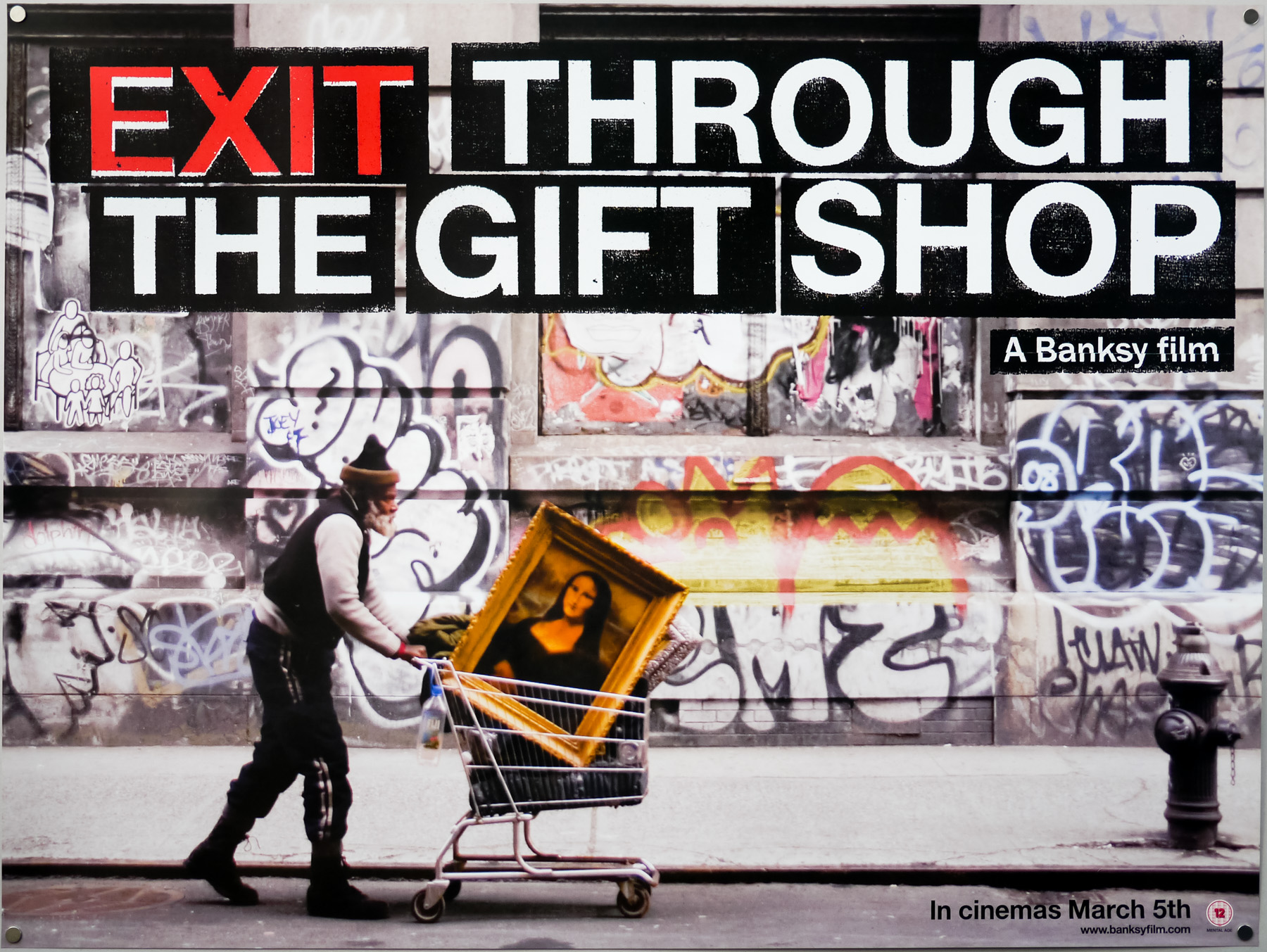
Exit Through the Gift Shop / quad / unused style / UK

27.02.15

Poster Poster
Title
Exit Through the Gift Shop
AKA
--
Year of Film
2010
Director
Banksy
Starring
Banksy, Shepard Fairey, Thierry Guetta, Rhys Ifans, Space Invader
Origin of Film
USA | UK
Genre(s) of Film
Banksy, Shepard Fairey, Thierry Guetta, Rhys Ifans, Space Invader,
Type of Poster
Quad
Style of Poster
Unused - shopping cart
Origin of Poster
UK
Year of Poster
2010
Designer
Banksy
Artist
--
Size (inches)
30" x 40"
SS or DS
DS
Tagline
--

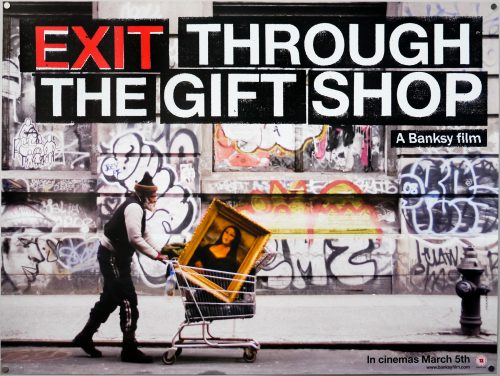
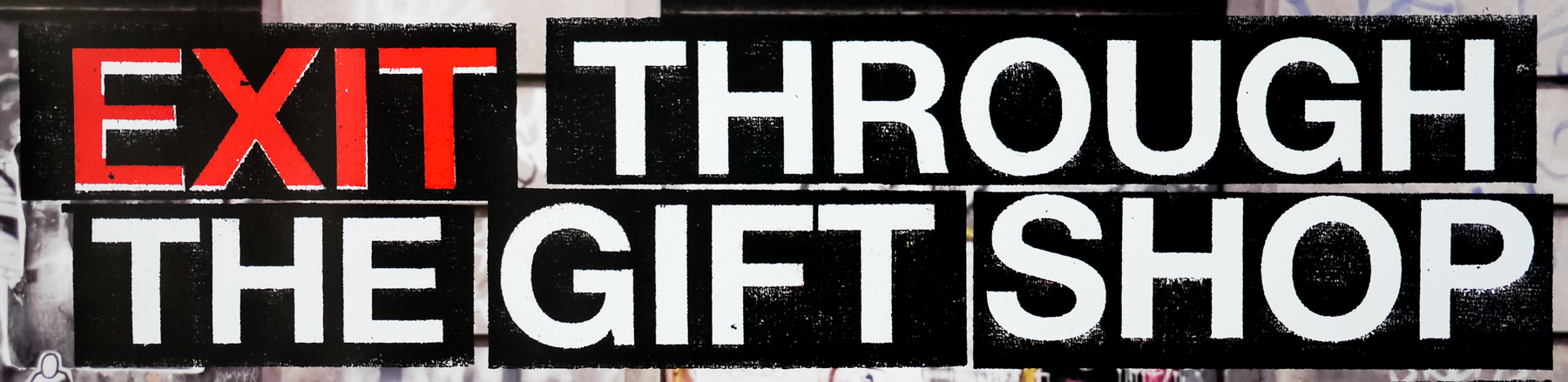
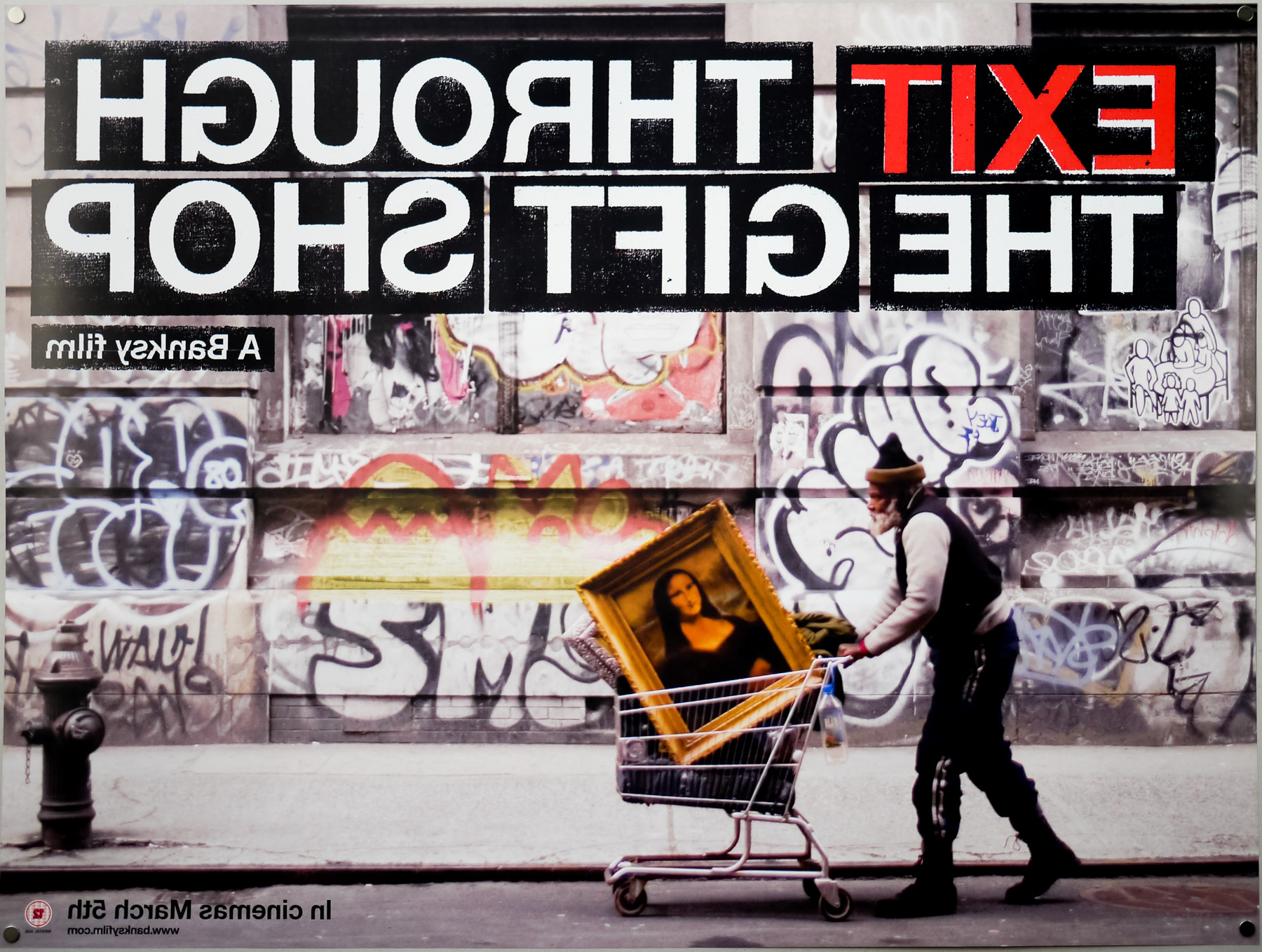
This is a rare, unused British quad poster for the 2010 documentary (or possibly mockumentary) Exit Through the Gift Shop, directed by the famous street artist Banksy. The film tells the story of Thierry Guetta an eccentric Frenchman living in Los Angeles who obsessively carries a video camera around recording practically his every move. Whilst on holiday he discovers his cousin is street artist Invader and thus begins an obsession that sees him tracking down and interviewing various other artists, including Shepard Fairey.

Eventually Guetta forms an obsession with tracking down and meeting the elusive and mysterious British artist Banksy, which is eventually possible thanks to a situation where Banksy is stuck in LA without his usual guide and Guetta happily steps in. Banksy later invites him back to the UK and allows him to film him in action as he recognises the importance of documenting street art with its short lifespan. A series of events see Banksy eventually taking over the editing of the documentary whilst Guetta devises an alter-ego artist called Mr Brainwash and sets up a near disastrous gallery show that is saved by friends of Banksy before going on to earn Guetta in excess of a million dollars. When asked subsequently if the events of the film are real, Banksy continues to say ‘yes’.

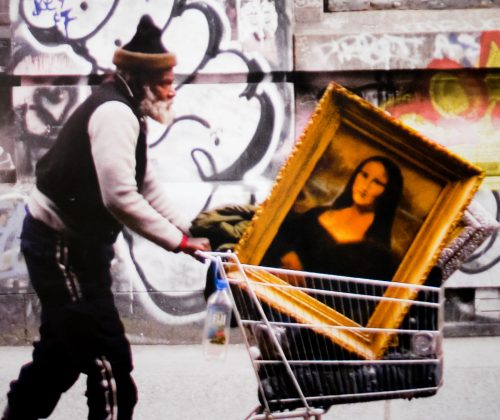
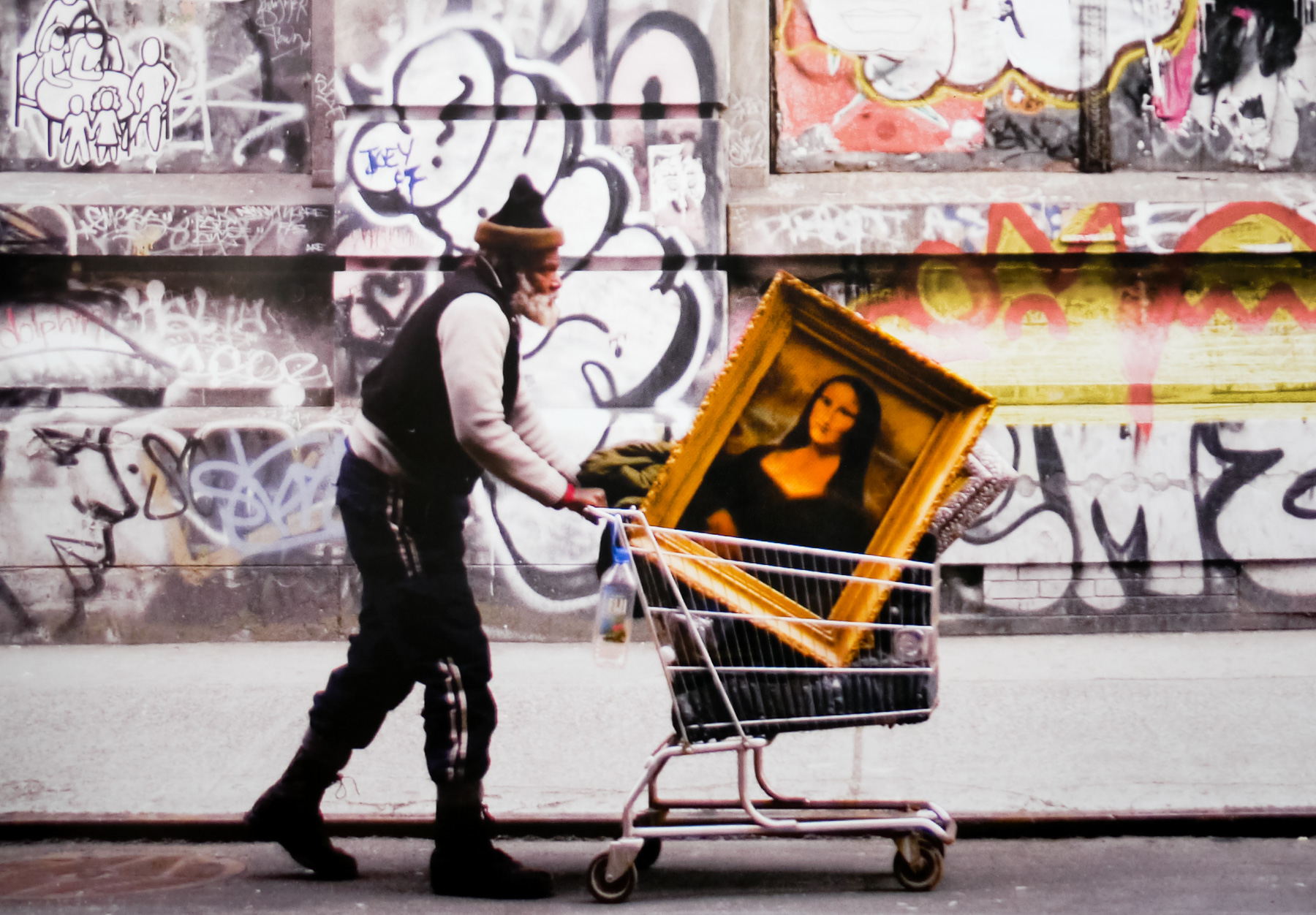
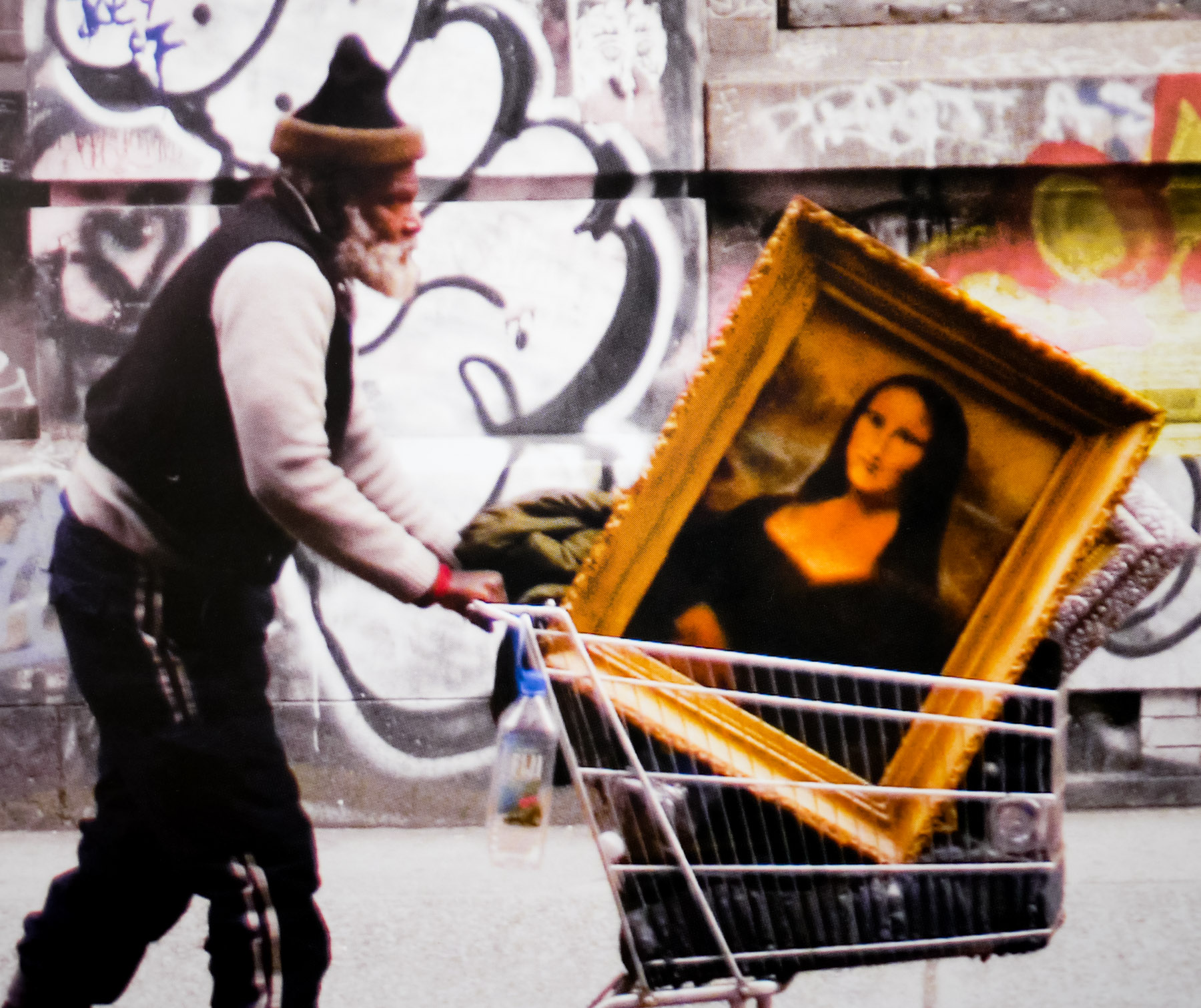
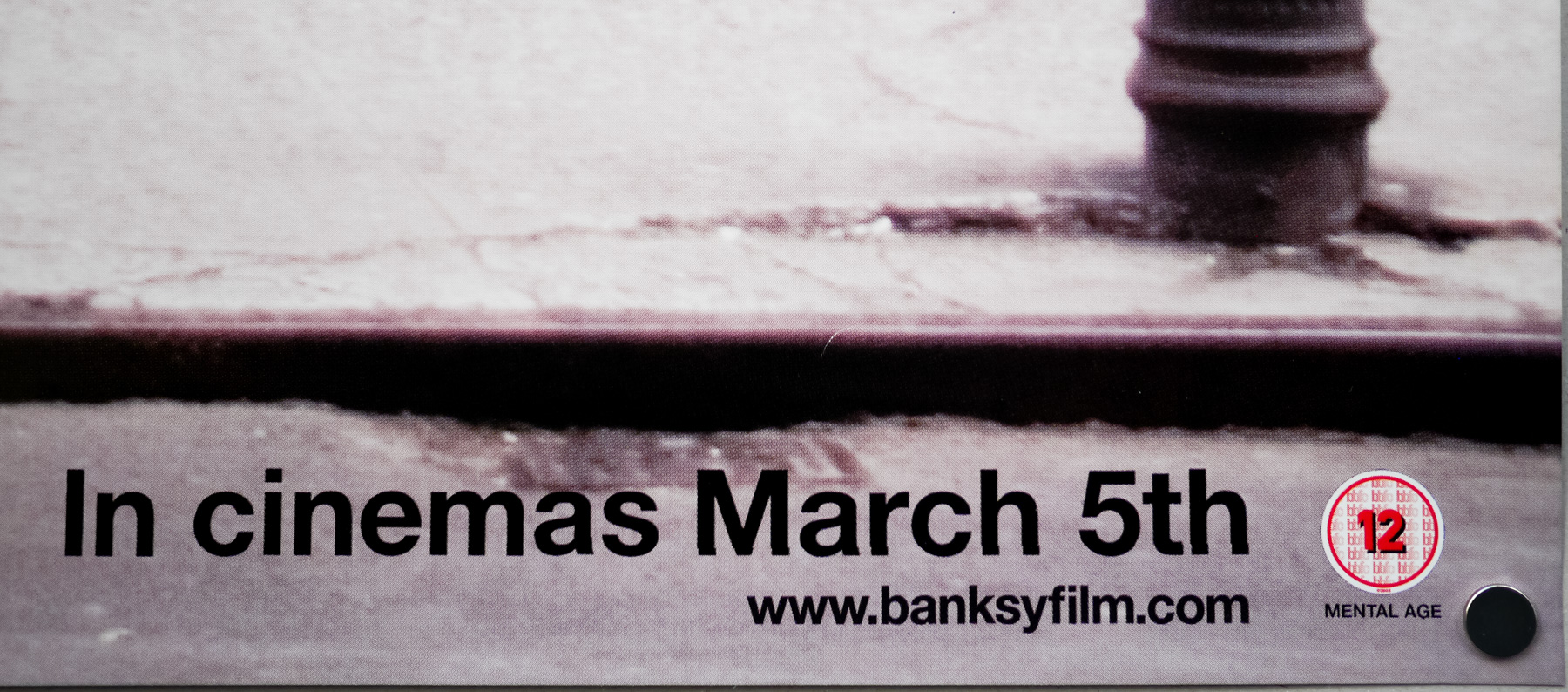
I purchased this quad from a gallery in London called Pictures on Walls that has an affiliation with Banksy and was given a stash of the quads to sell (for £15 each) at the end of 2011. I was told at the time that the artist was unhappy with the design and decided to go with an alternate monkey mask image. A number of this shopping cart style had been printed but were never sent to cinemas, but I’m not sure how many actually exist. The shopping cart appears on the US final one sheet but the actual image is slightly different. The BanksyForum features a picture of the quad in the racks at POW from 2011.


The Sea Wolves / quad / UK

17.04.15

Poster Poster
Title
The Sea Wolves
AKA
--
Year of Film
1980
Director
Andrew V. McLaglen
Starring
Gregory Peck, Roger Moore, David Niven, Trevor Howard, Barbara Kellerman, Patrick Macnee, Kenneth Griffith, Patrick Allen
Origin of Film
Switzerland | UK | USA
Genre(s) of Film
Gregory Peck, Roger Moore, David Niven, Trevor Howard, Barbara Kellerman, Patrick Macnee, Kenneth Griffith, Patrick Allen,
Type of Poster
Quad
Style of Poster
--
Origin of Poster
UK
Year of Poster
1980
Designer
Vic Fair
Artist
Arnaldo Putzu
Size (inches)
30 1/16" x 39 15/16"
SS or DS
SS
Tagline
The last charge of the Calcutta Light Horse.

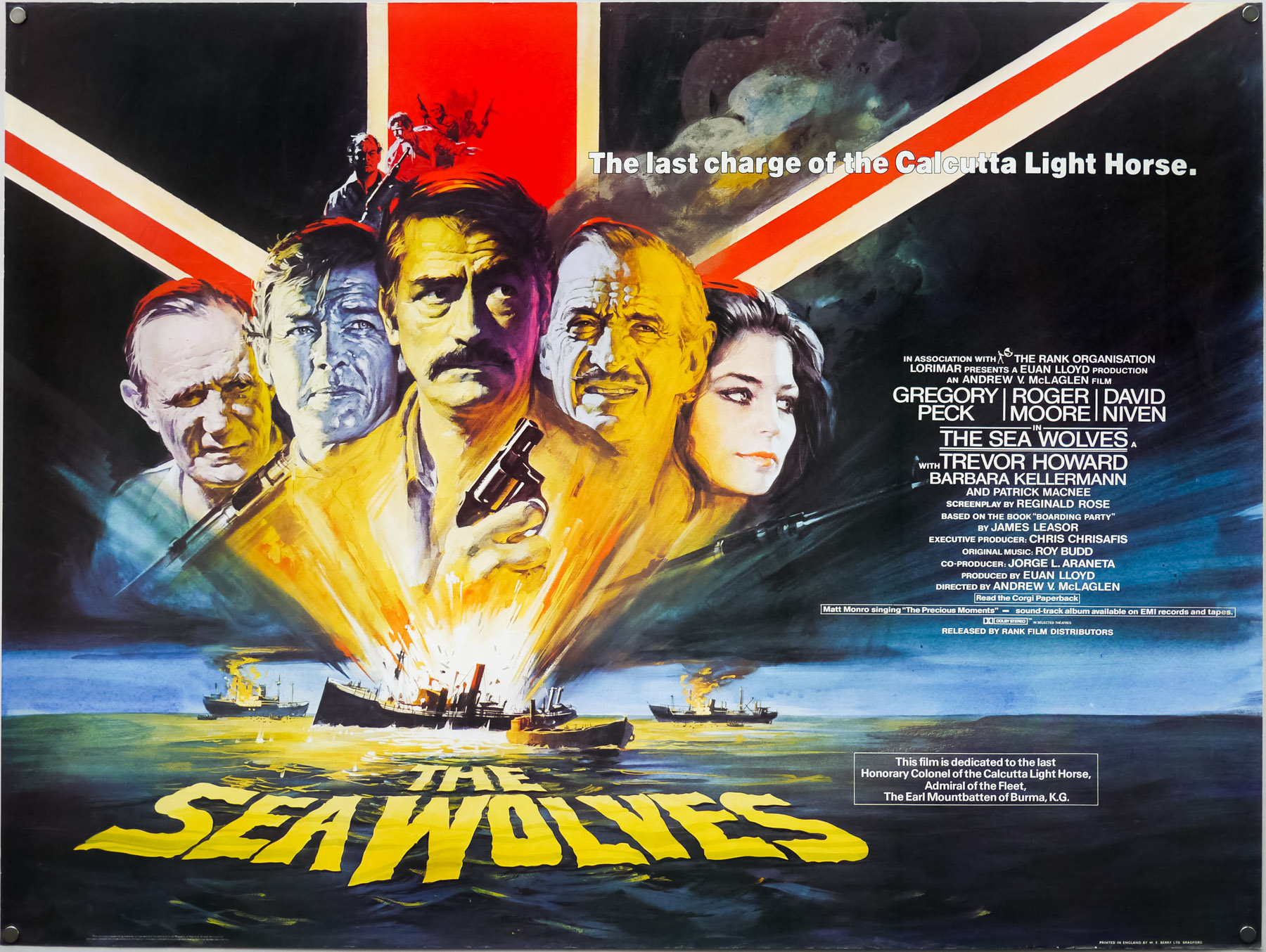
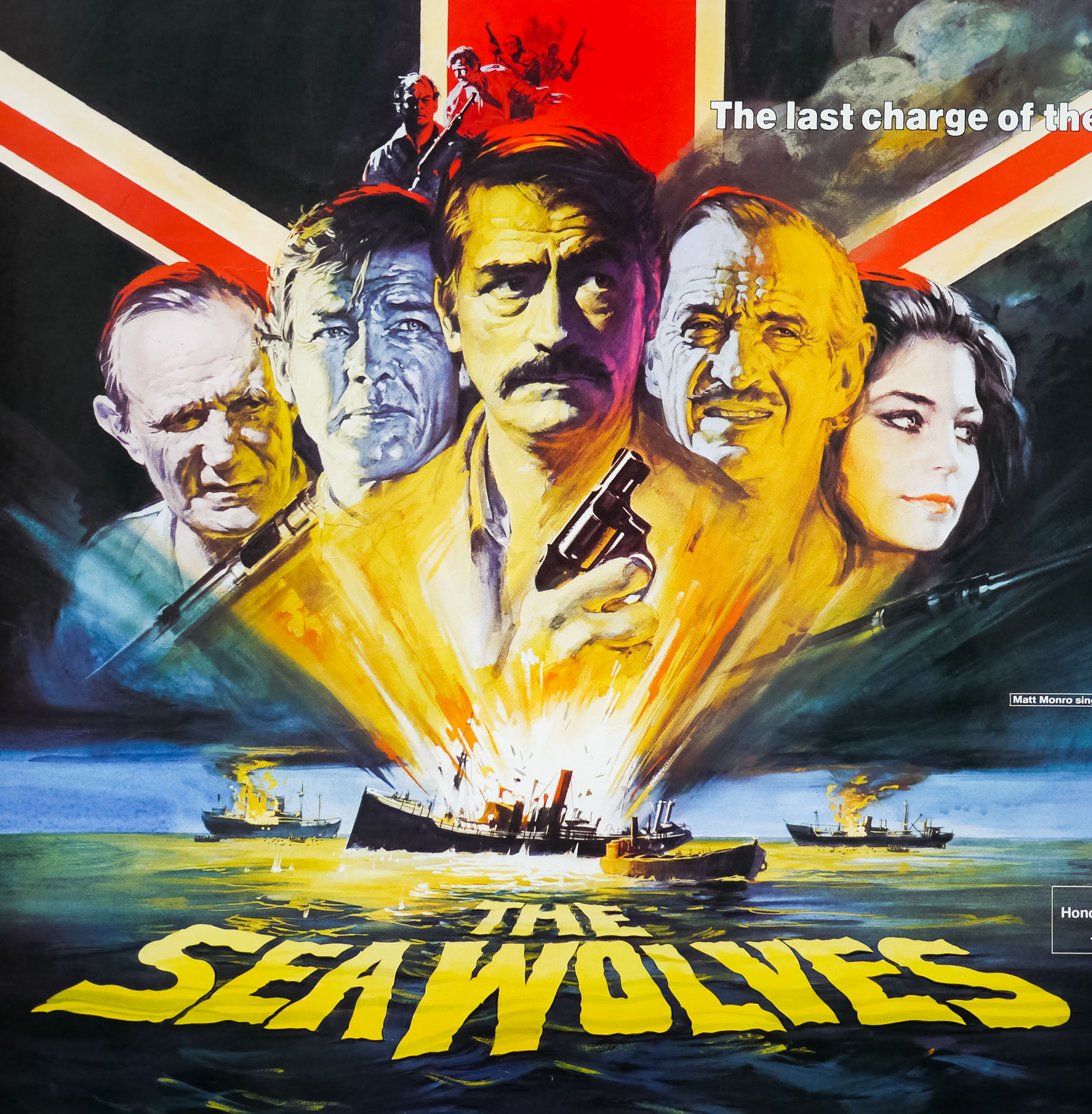
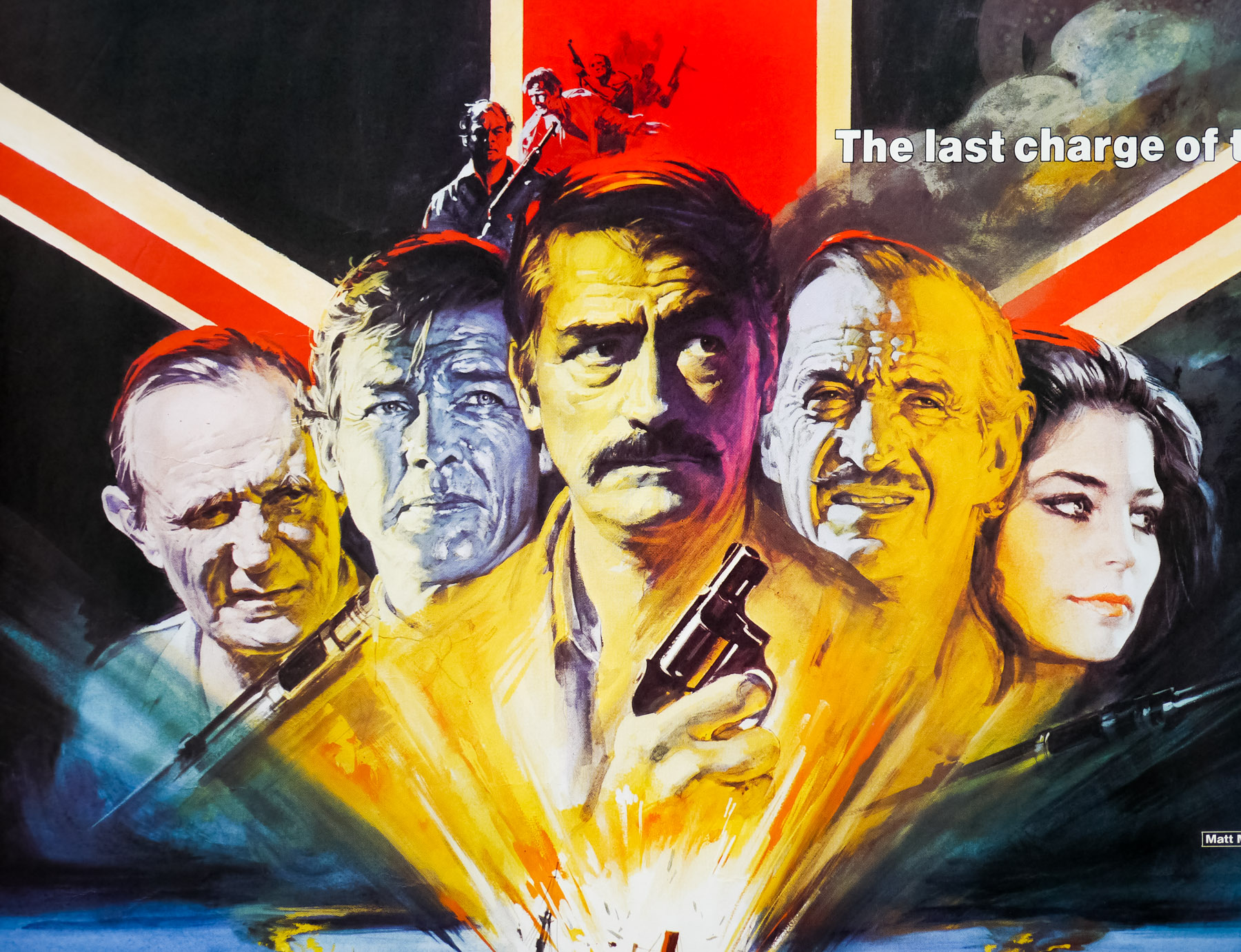
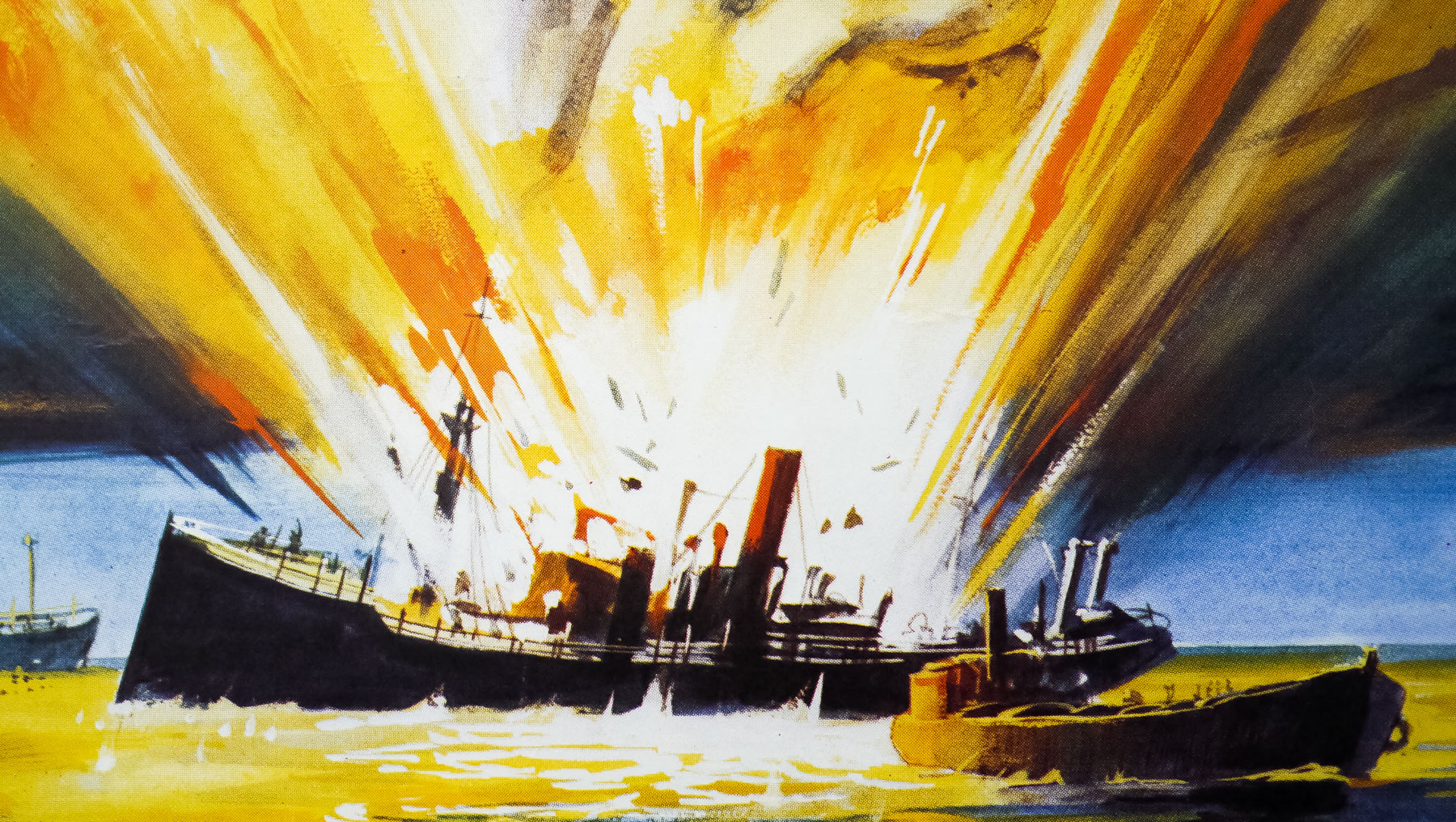
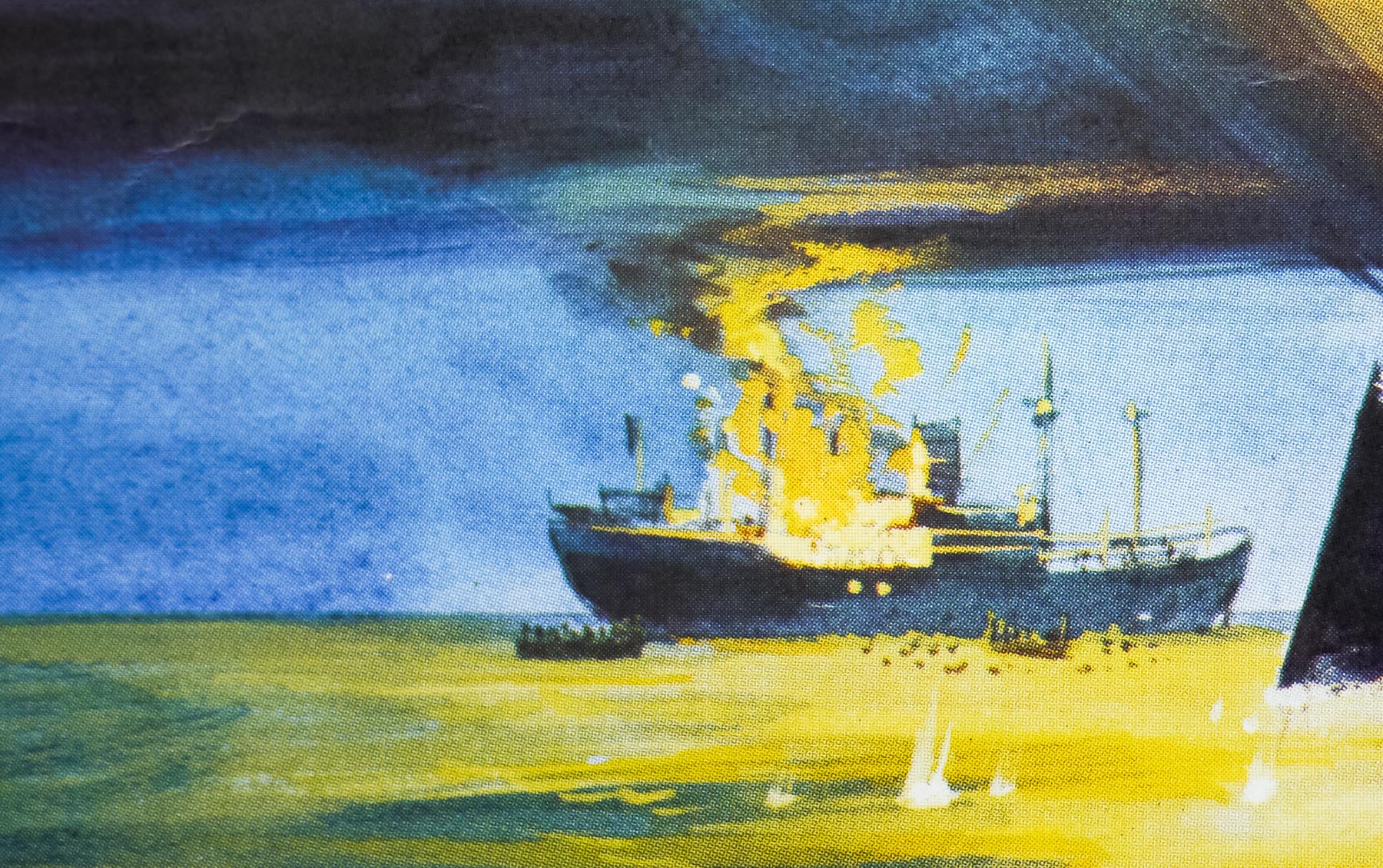
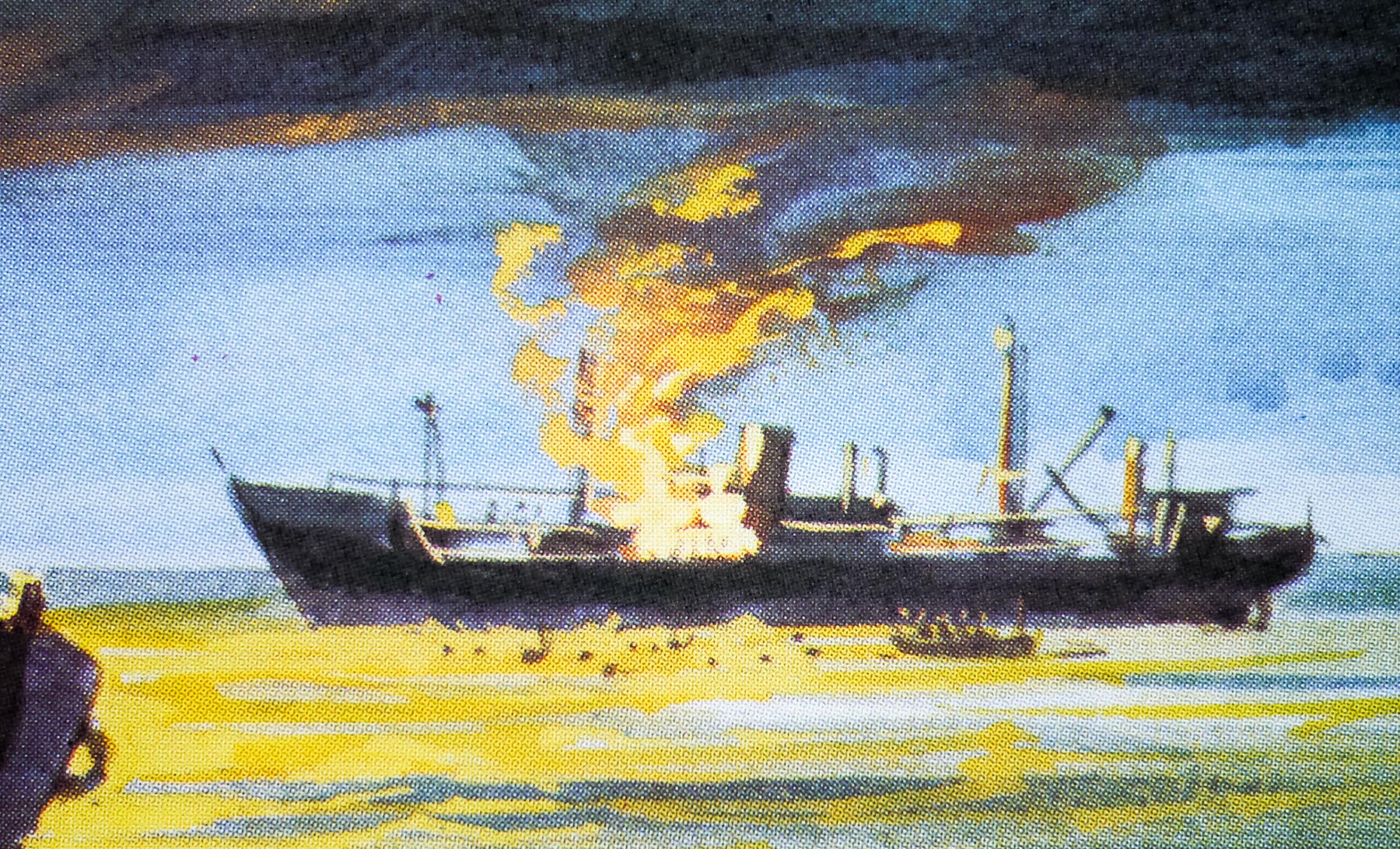
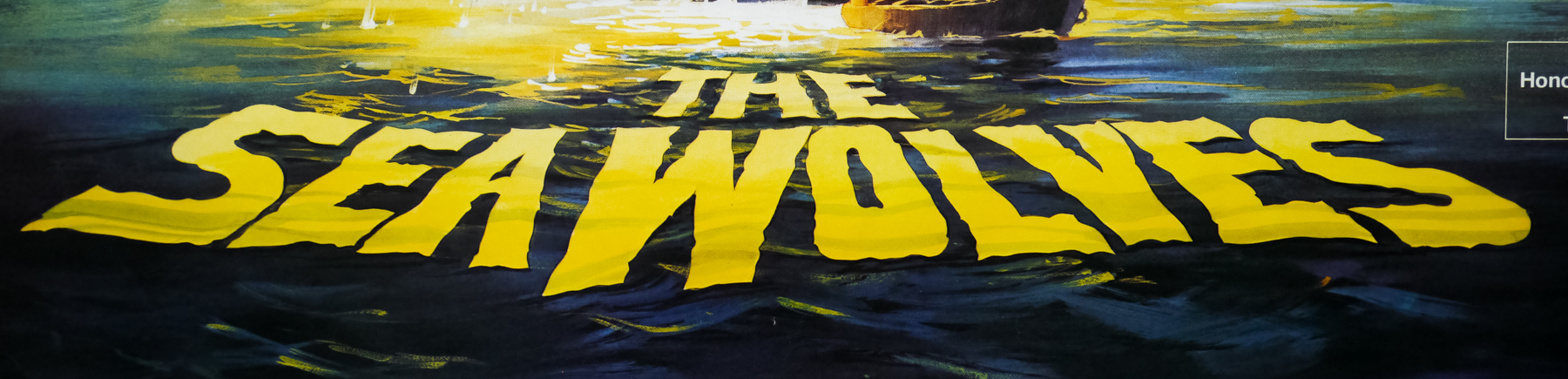
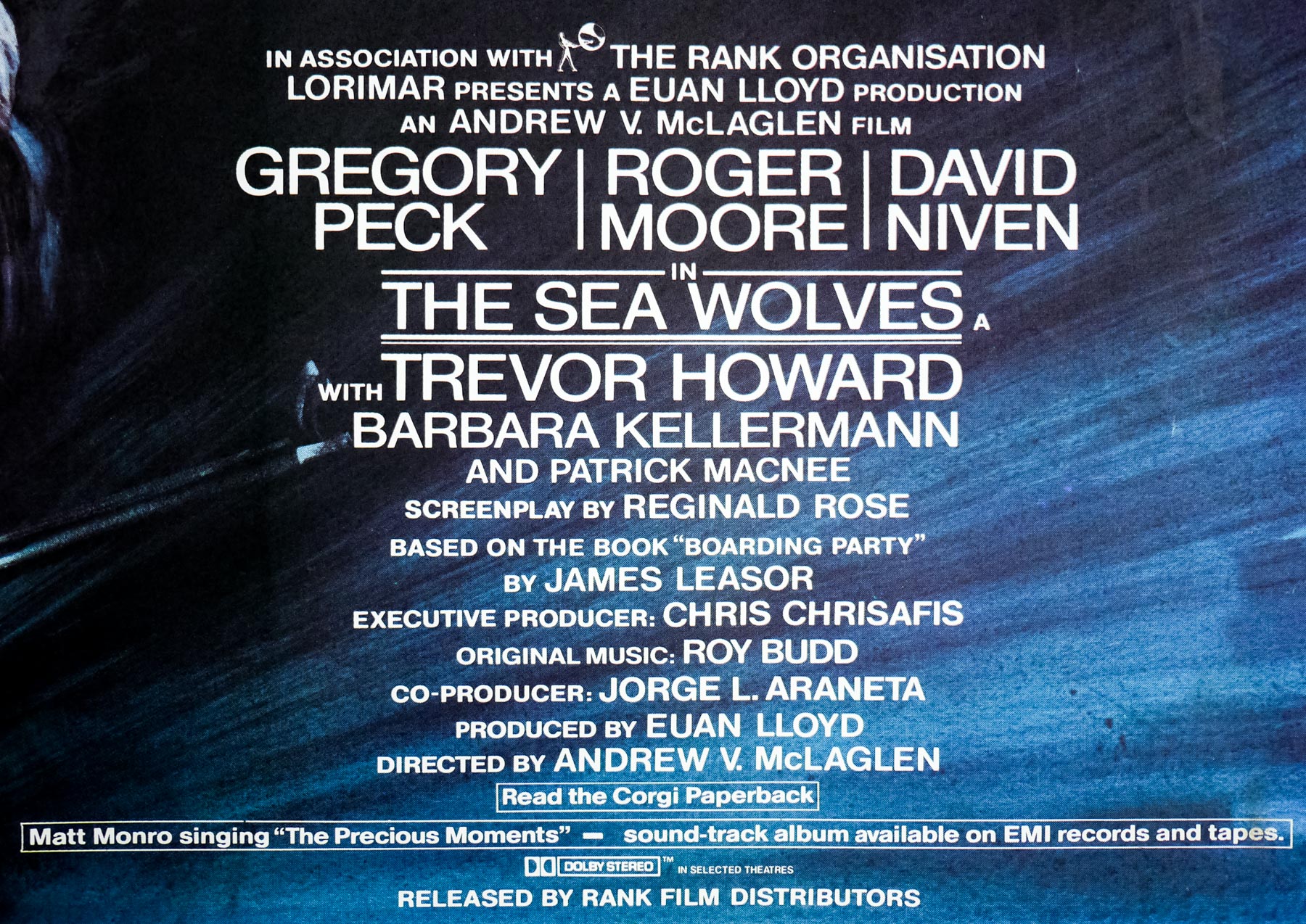
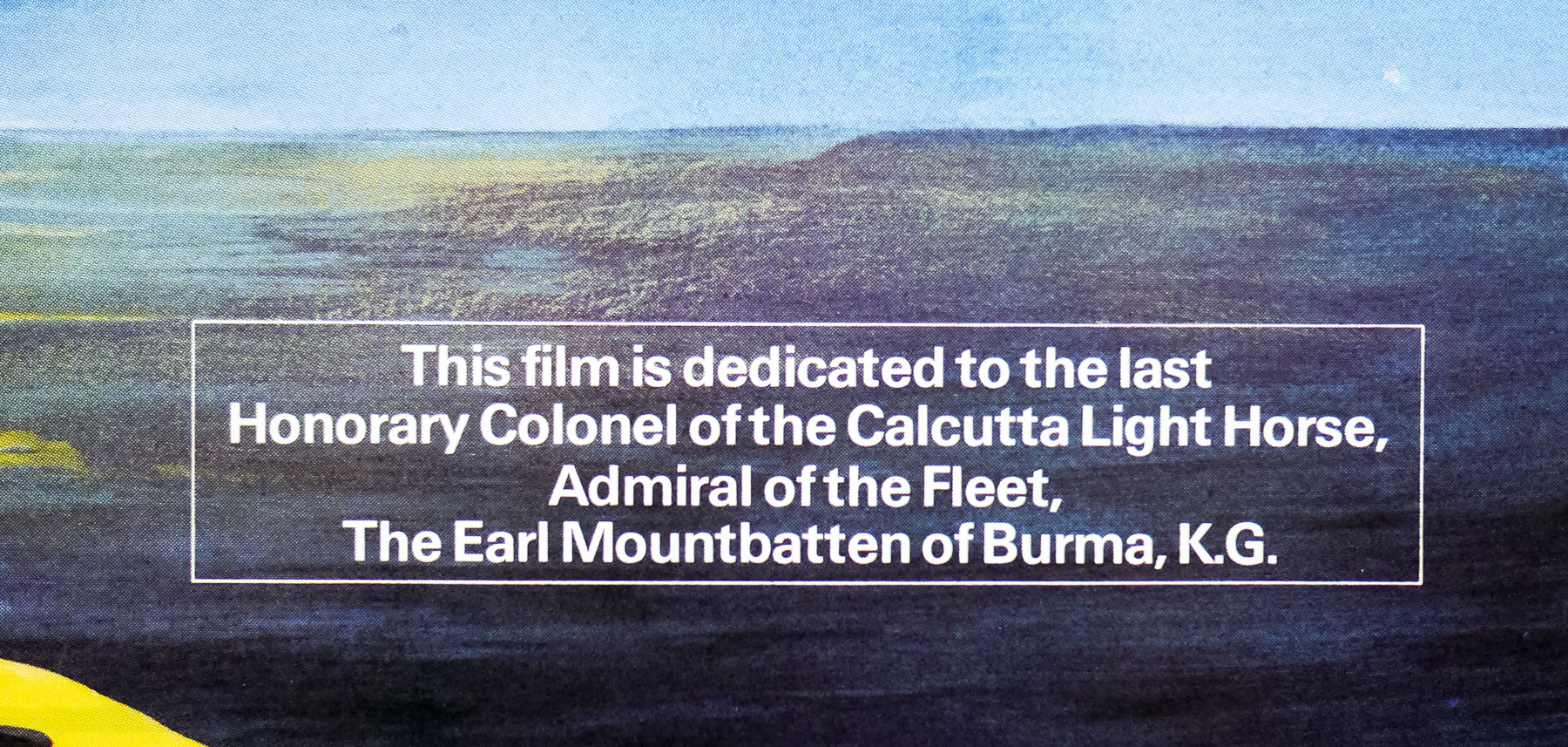
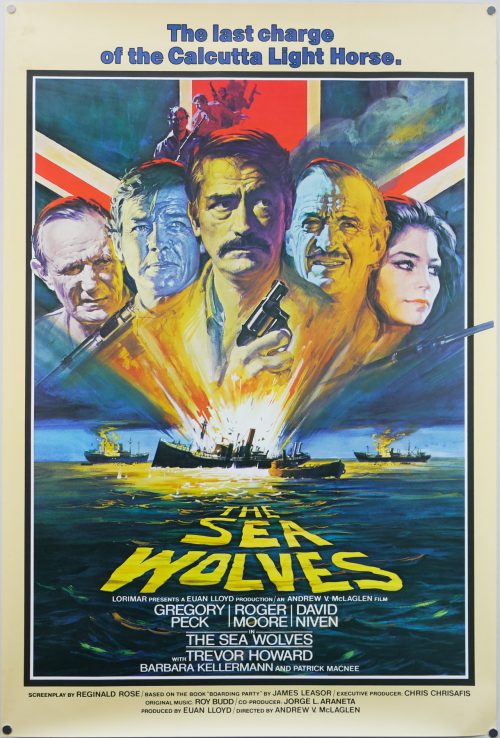
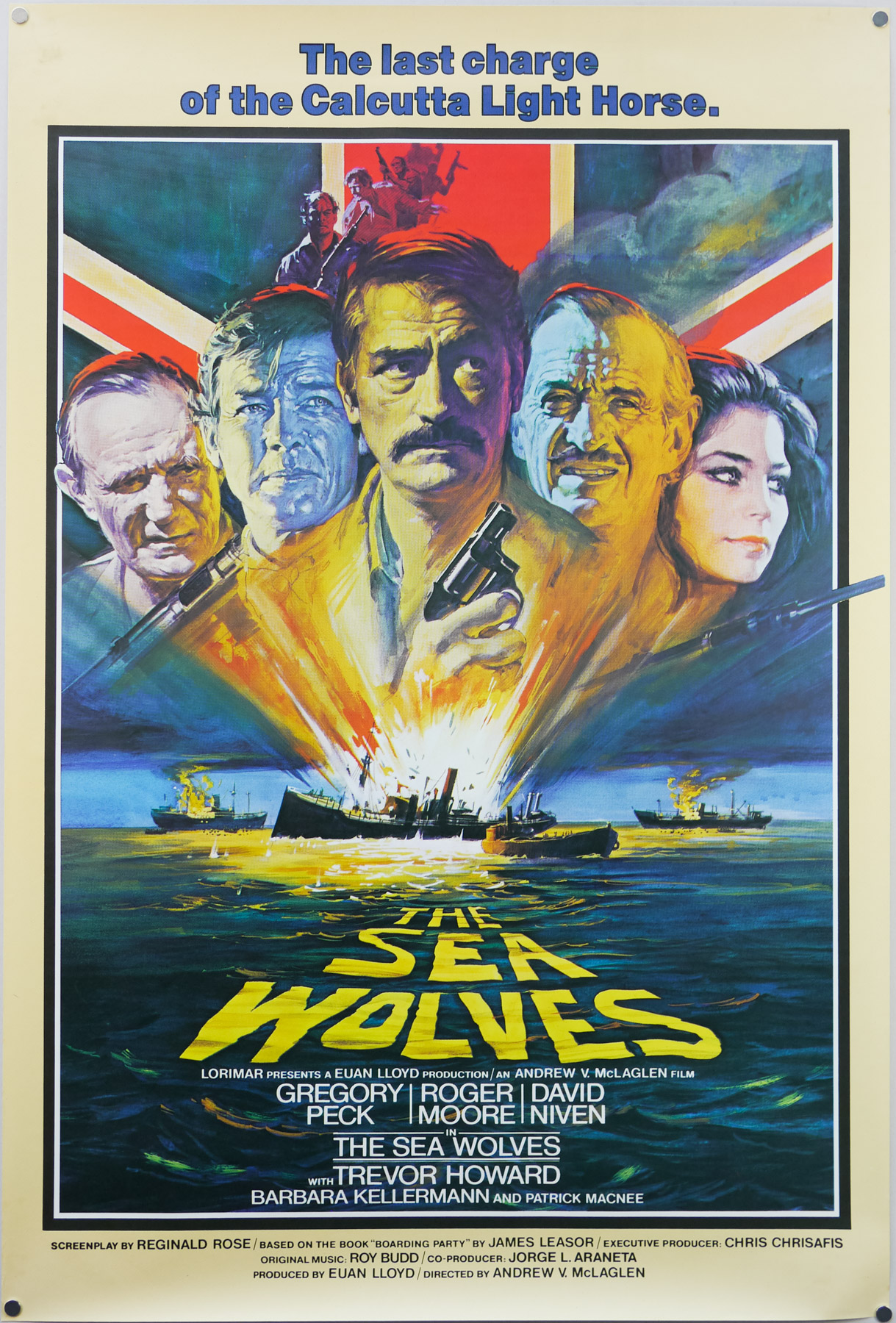
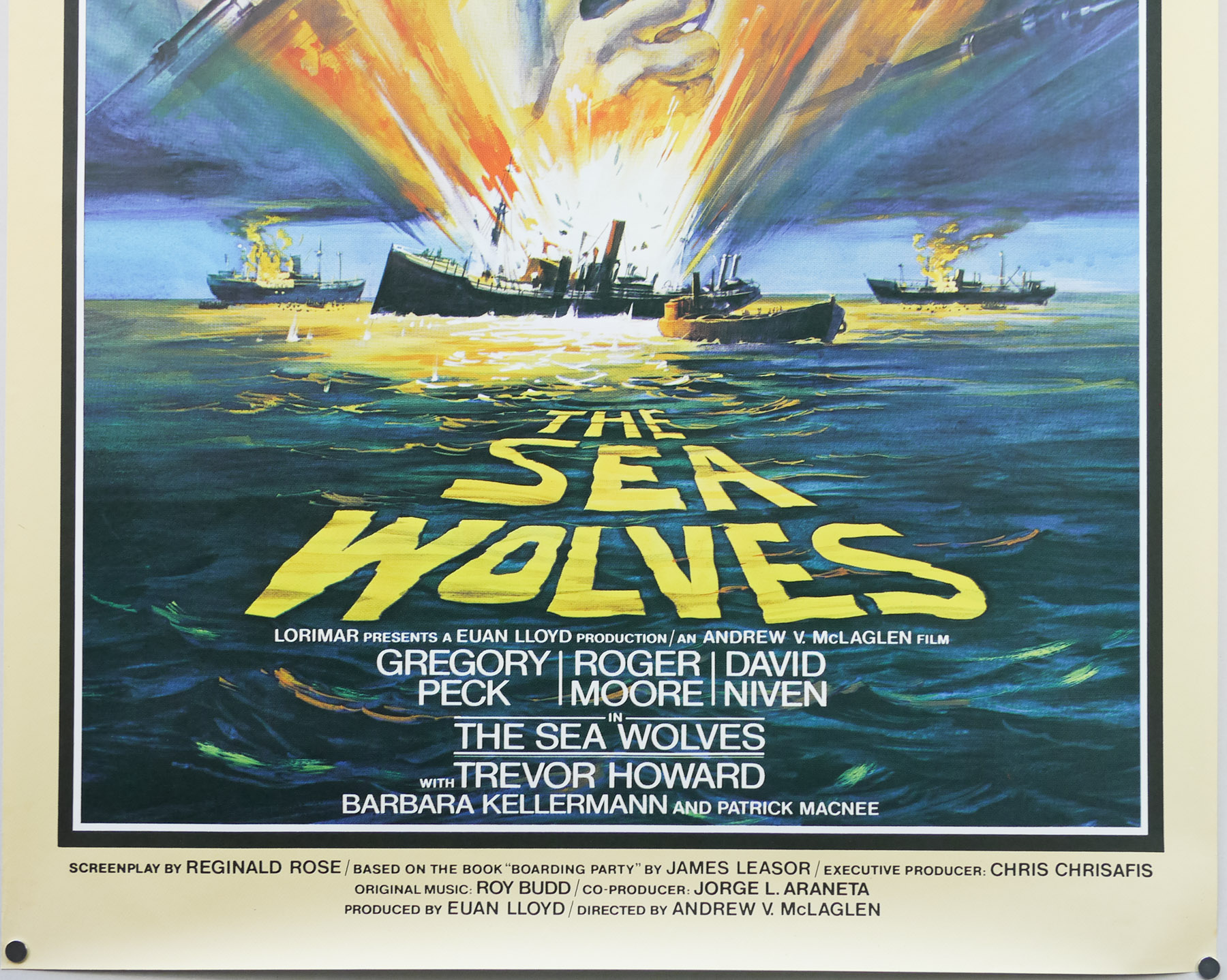
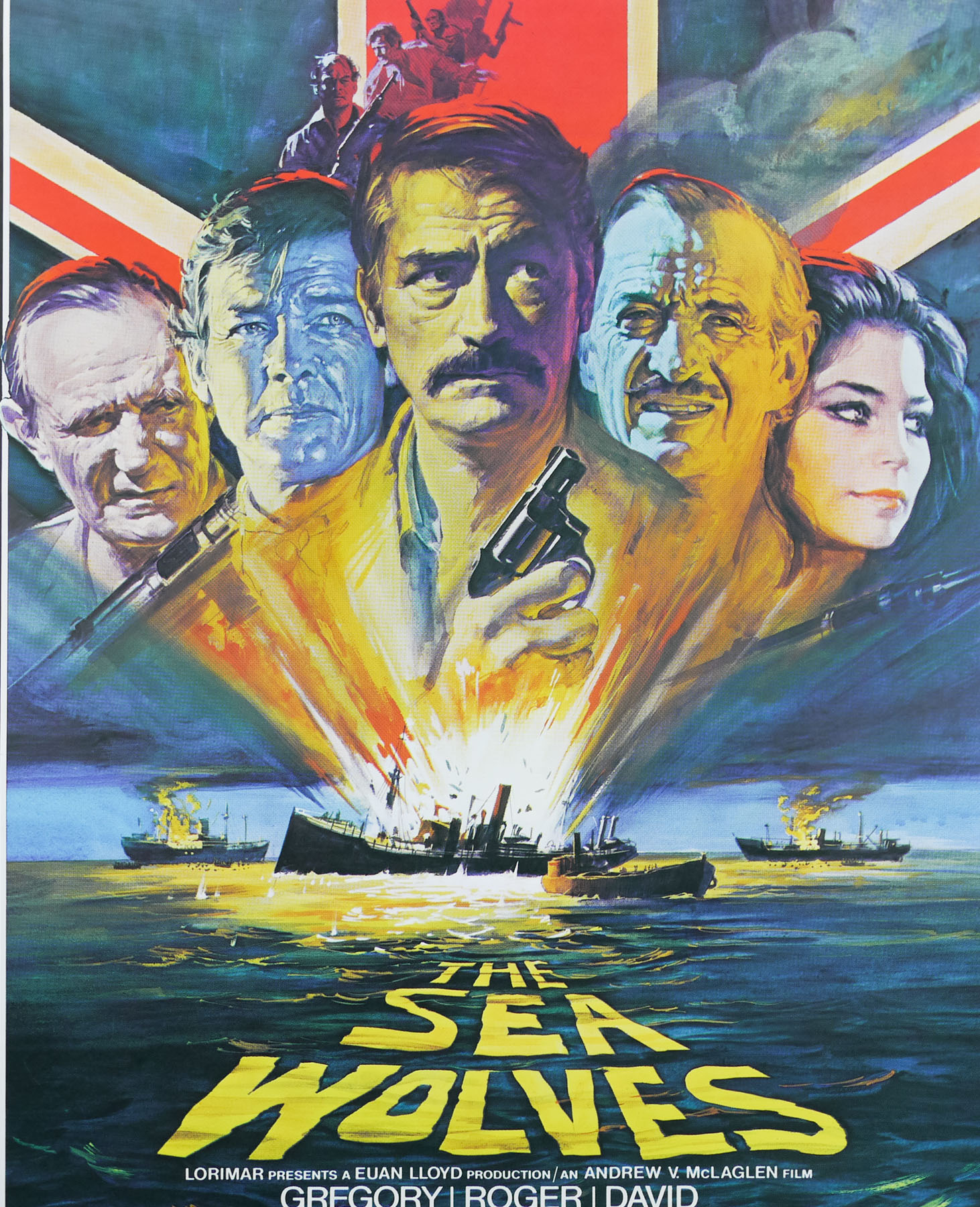
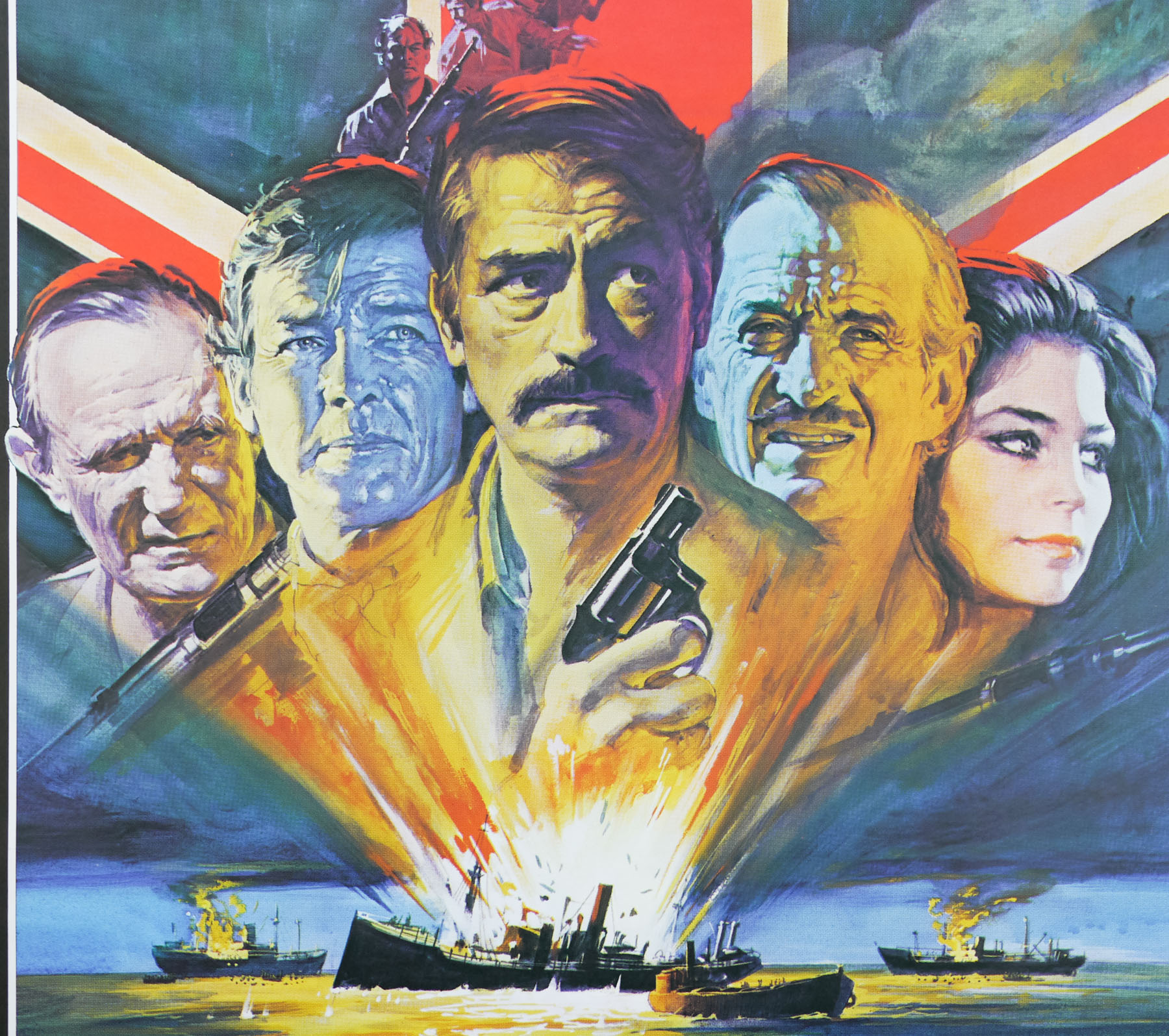
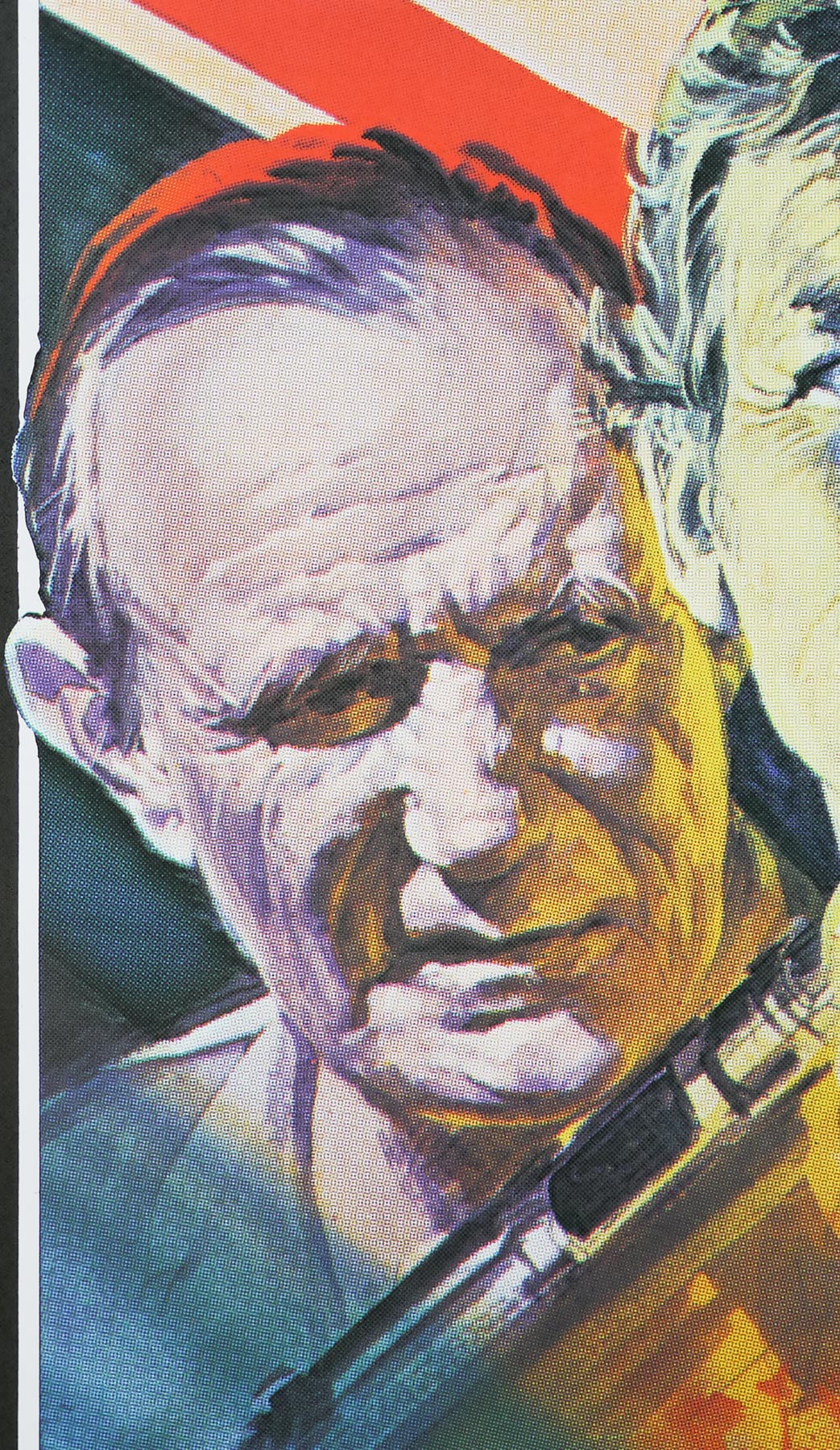
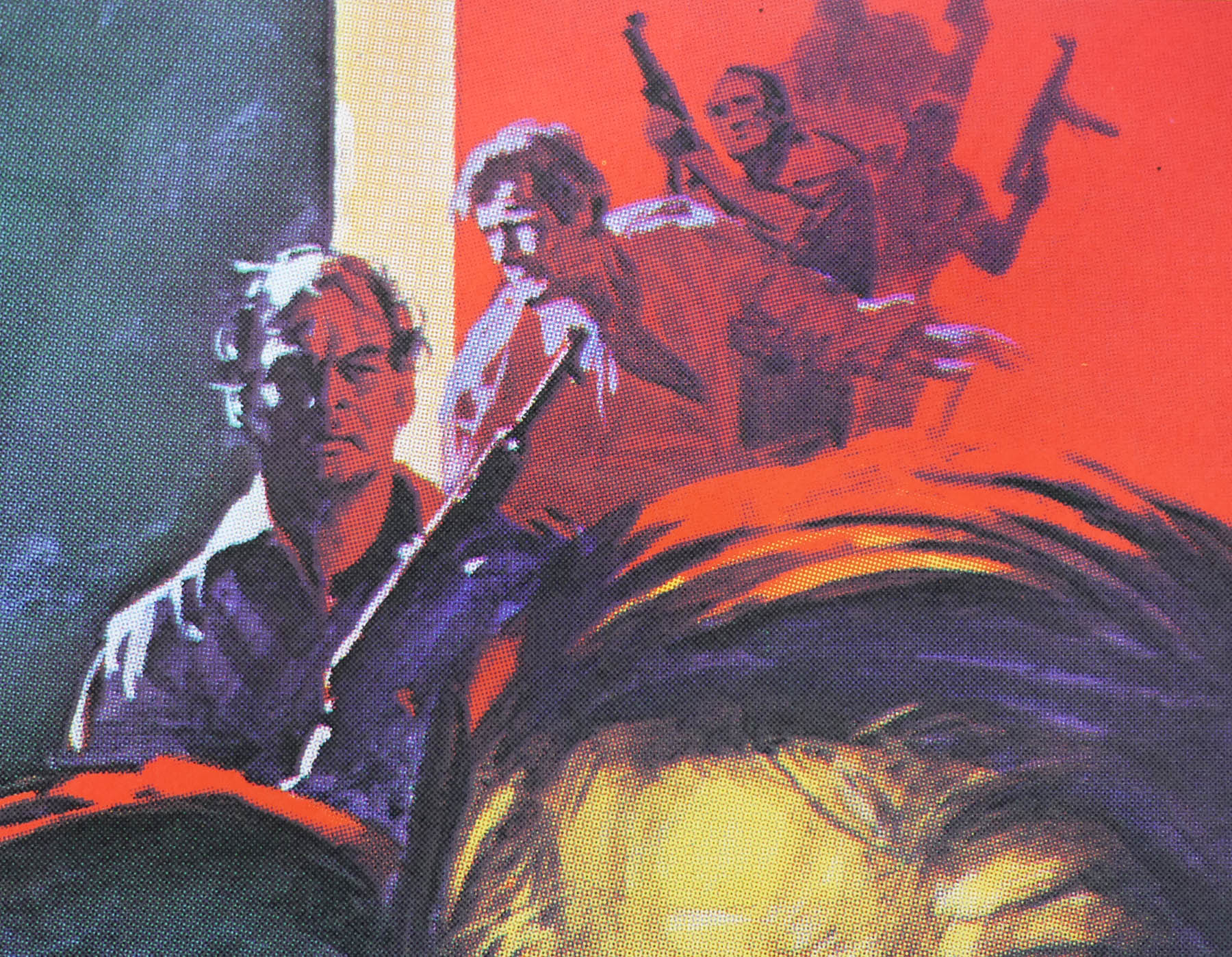
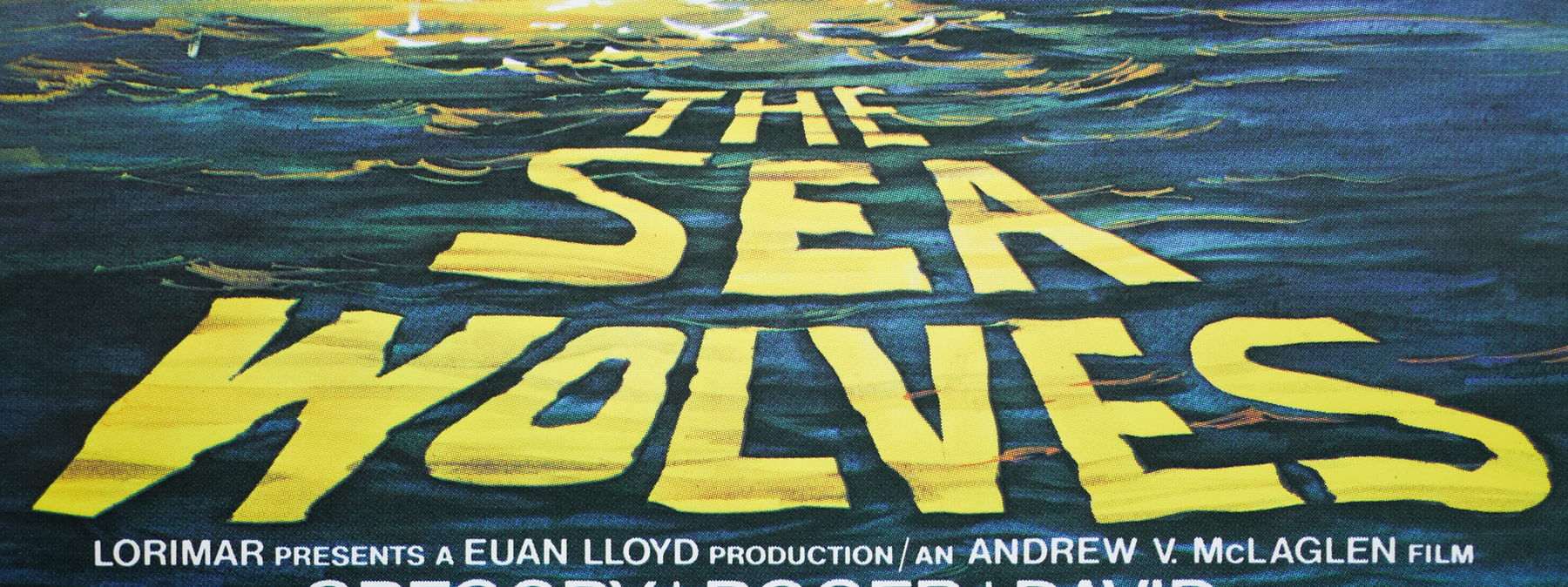
Featuring great art by Arnaldo Putzu, this is the UK quad for the 1980 action film The Sea Wolves, which is based on real events that occurred during the Second World War. As mentioned on the poster, the story is based on the exploits of ex-members of the Calcutta Light Horse, a cavalry regiment of the British Indian Army that was formed in 1872 and was disbanded a couple of years after the end of WWII. The plot sees British intelligence discovering that a Nazi radio ship is broadcasting the coordinates of allied ships from a harbour in Portuguese Goa, which was neutral during the war, so an all out assault cannot be launched by the Navy because of this.

British Intelligence officers Col. Lewis Pugh (Gregory Peck) and Capt. Gavin Stewart (Roger Moore) lead the operation and covertly enlist retired officer Col. Bill Grice (David Niven) of the Calcutta Light Horse & some of his former soldiers. The gang sneak into Goa and arrange a diversion on the evening of a planned raid, before making their way to the radio ship carrying enough explosives to sink it and put a stop any more transmissions. The film reunited much of the creative team behind an earlier OAPs on a mission film, 1978’s The Wild Geese, including director Andrew V. McLaglen, screenwriter Reginald Rose, producer Euan Lloyd and several of the stars.

Arnaldo Putzu was born in Rome in 1927 and began painting from a very early age and in 1948 he got involved with the world of film publicity under the guidance of the famous artist Enrico De Seta. Eventually Putzu would gain enough confidence in his abilities to set up his own agency and it was this move that saw him getting involved in work for the British studio Rank. Eric Pulford was so impressed with his work that he brought him over to London to work at Downtons in 1967.

The artist worked on many quads whilst over here and also gained notoriety for lending his talents to the popular children’s magazine Look-in, for which he painted almost every cover during its publication lifetime. His best-known quad is undoubtedly the one he painted for the Michael Caine gangster classic Get Carter in 1971. My friend, and author of the must-own British Film Posters, Sim Branaghan met Putzu during the making of his book and describes it as a very memorable experience in the interview I published in 2012. Putzu sadly passed away the same year, aged 85, and Sim wrote an excellent obituary for The Guardian newspaper, which can be read here.
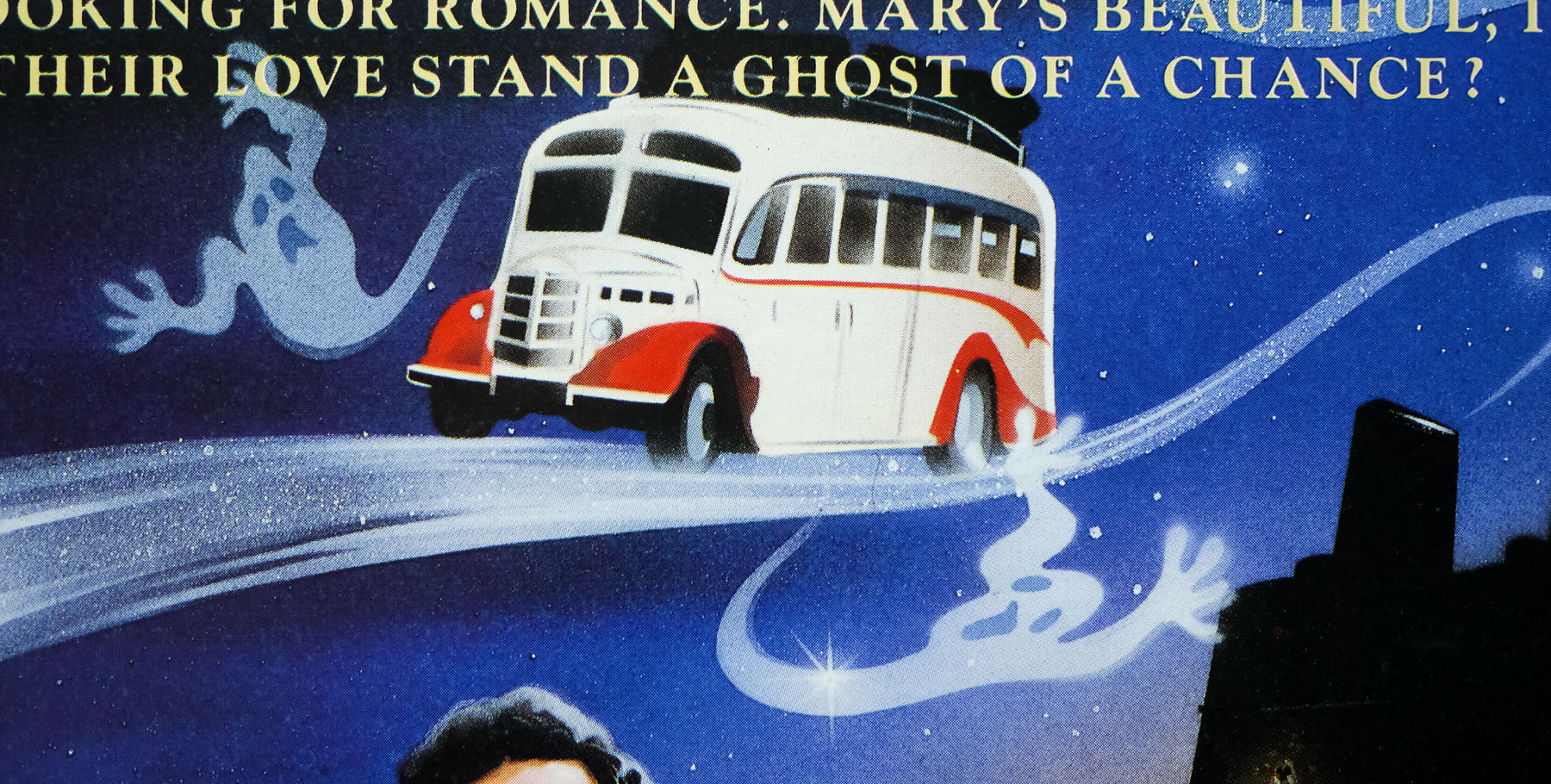
The poster was designed by the British designer and artist Vic Fair who is one the most important people ever to work on British film marketing. He is responsible for several iconic posters, including The Man Who Fell To Earth, posters for Hammer horrors like Vampire Circus, and the withdrawn advance one sheet for A View to a Kill. I interviewed Vic for this site and that article can be viewed by clicking here.
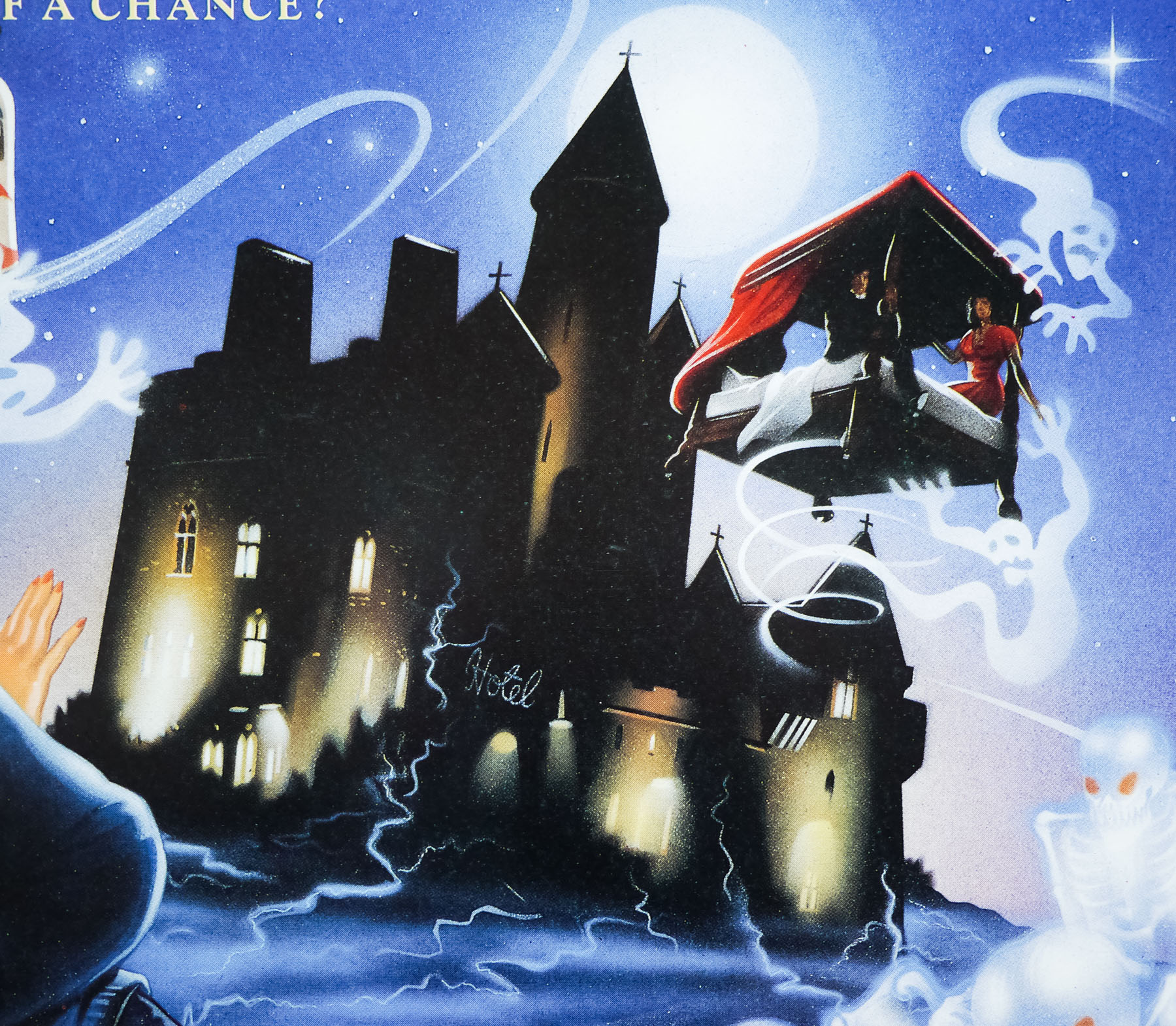
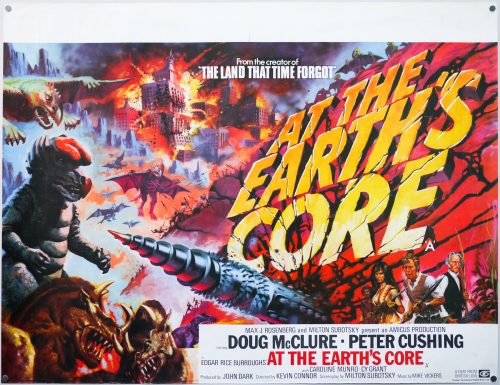
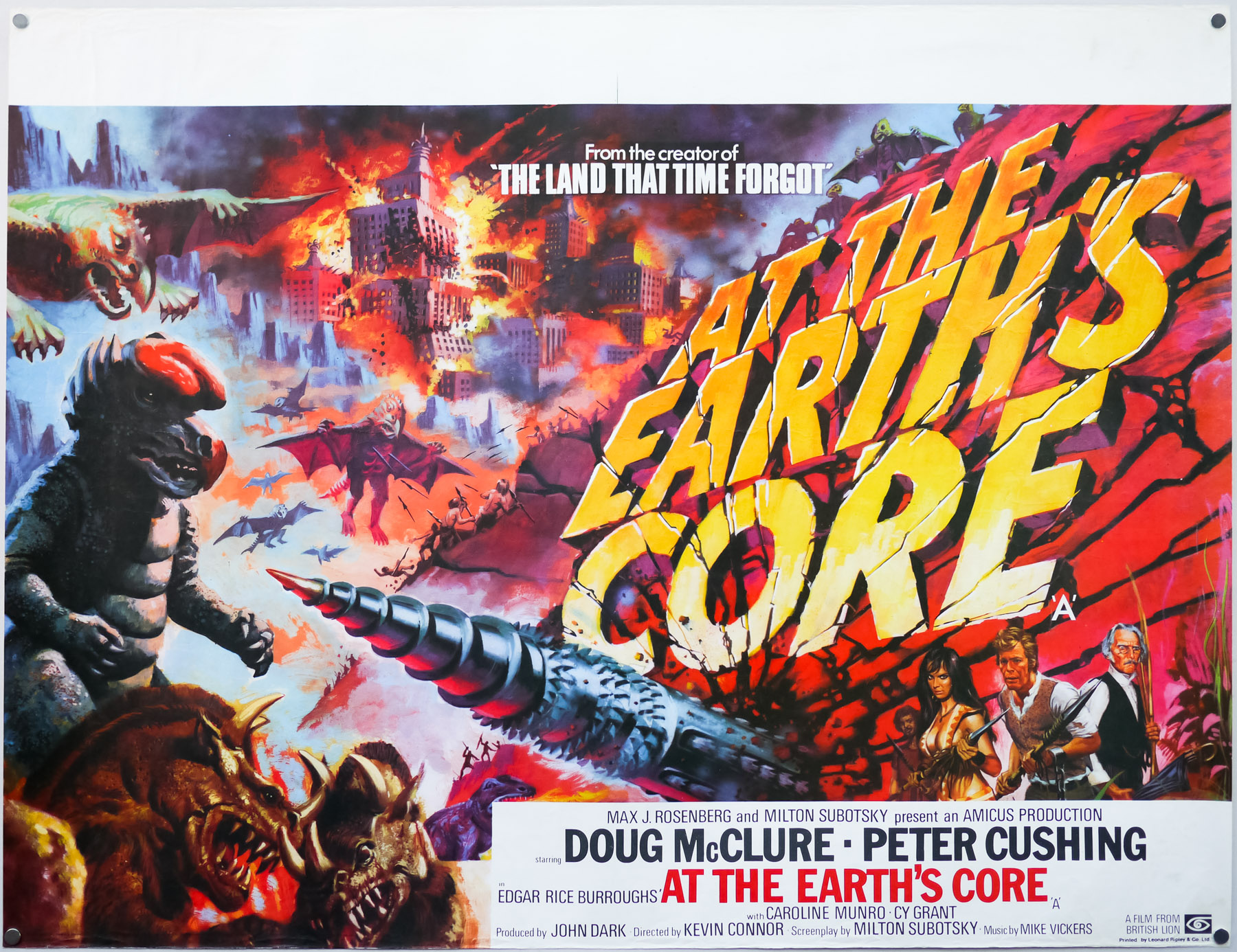
At the Earth’s Core / quad / style B / UK

08.07.15

Poster Poster
Title
At the Earth's Core
AKA
--
Year of Film
1976
Director
Kevin Connor
Starring
Doug McClure, Peter Cushing, Caroline Munro, Cy Grant, Godfrey James, Sean Lynch, Keith Barron, Helen Gill, Anthony Verner
Origin of Film
UK | USA
Genre(s) of Film
Doug McClure, Peter Cushing, Caroline Munro, Cy Grant, Godfrey James, Sean Lynch, Keith Barron, Helen Gill, Anthony Verner,
Type of Poster
Quad
Style of Poster
Style B
Origin of Poster
UK
Year of Poster
1976
Designer
Tom Chantrell
Artist
Tom Chantrell
Size (inches)
30" x 38 14/16"
SS or DS
SS
Tagline
From the creator of 'The Land That Time Forgot'

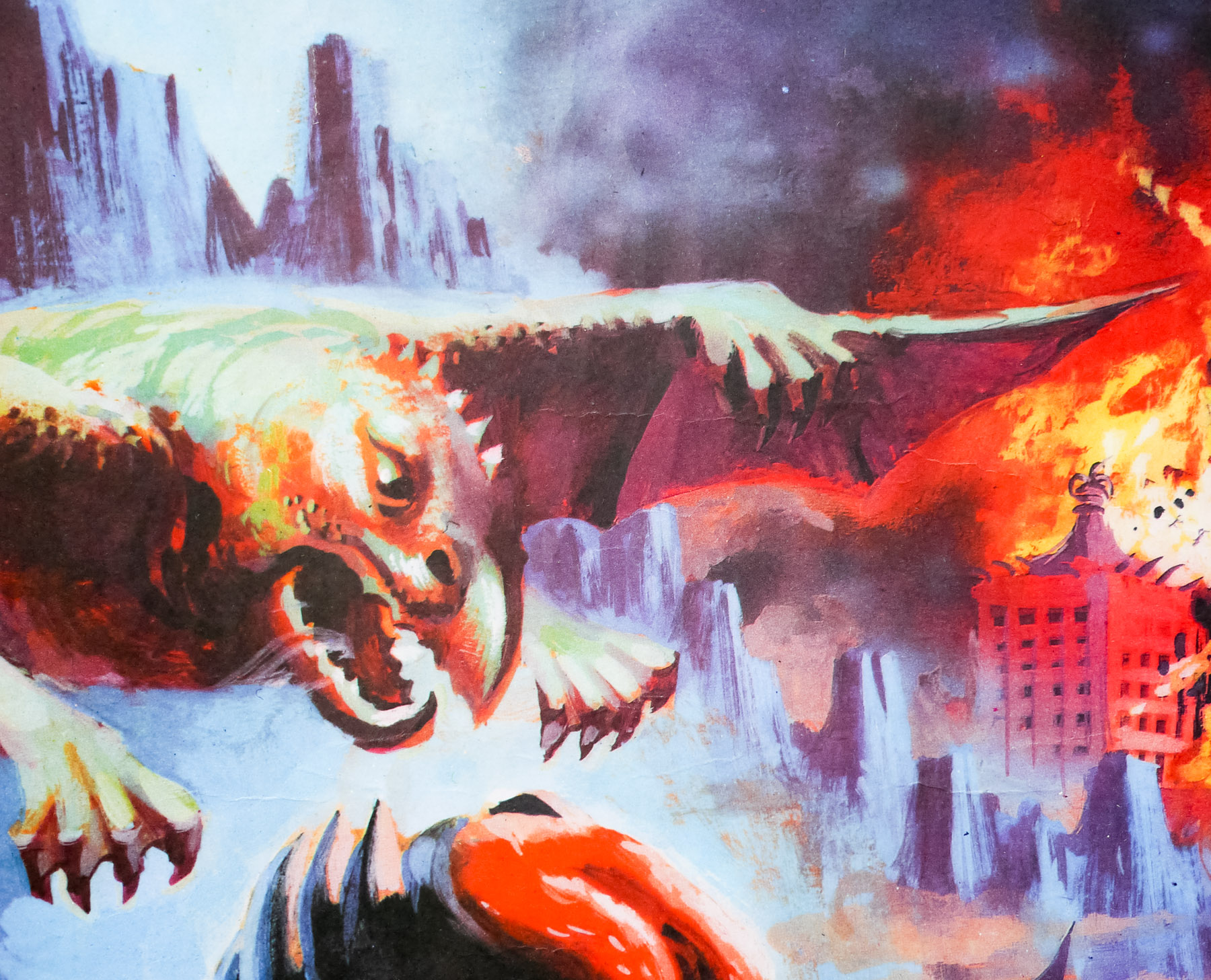
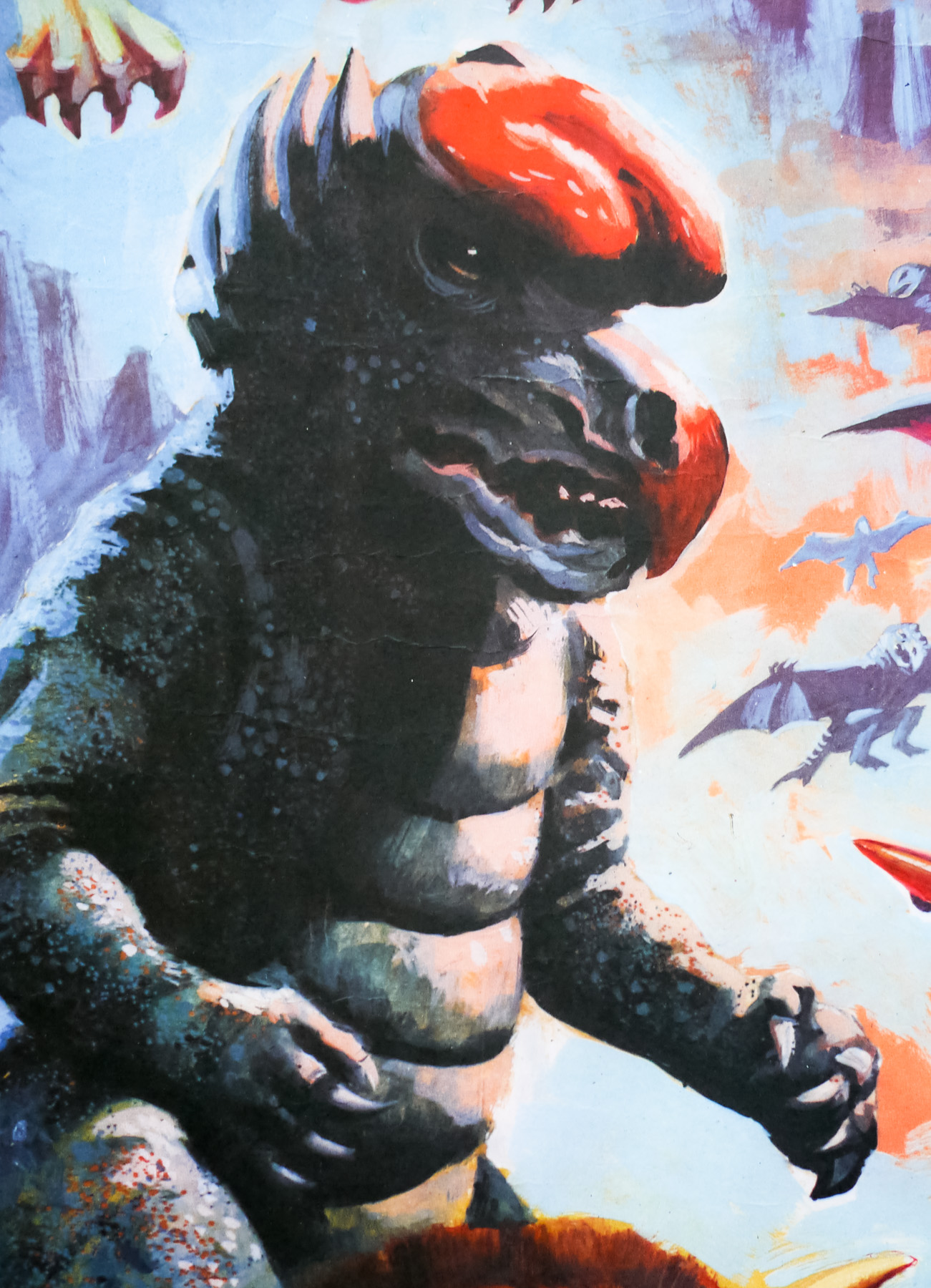
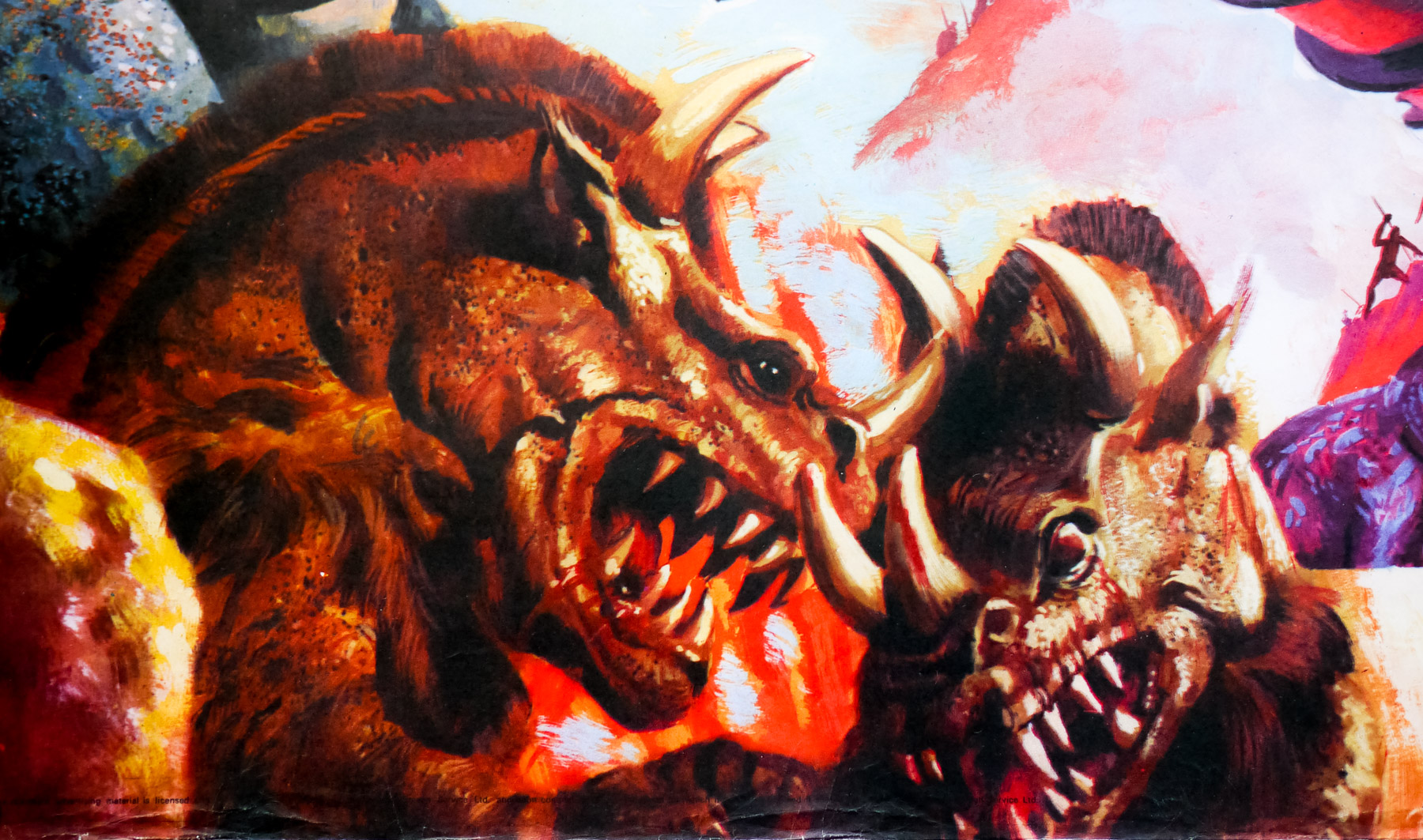
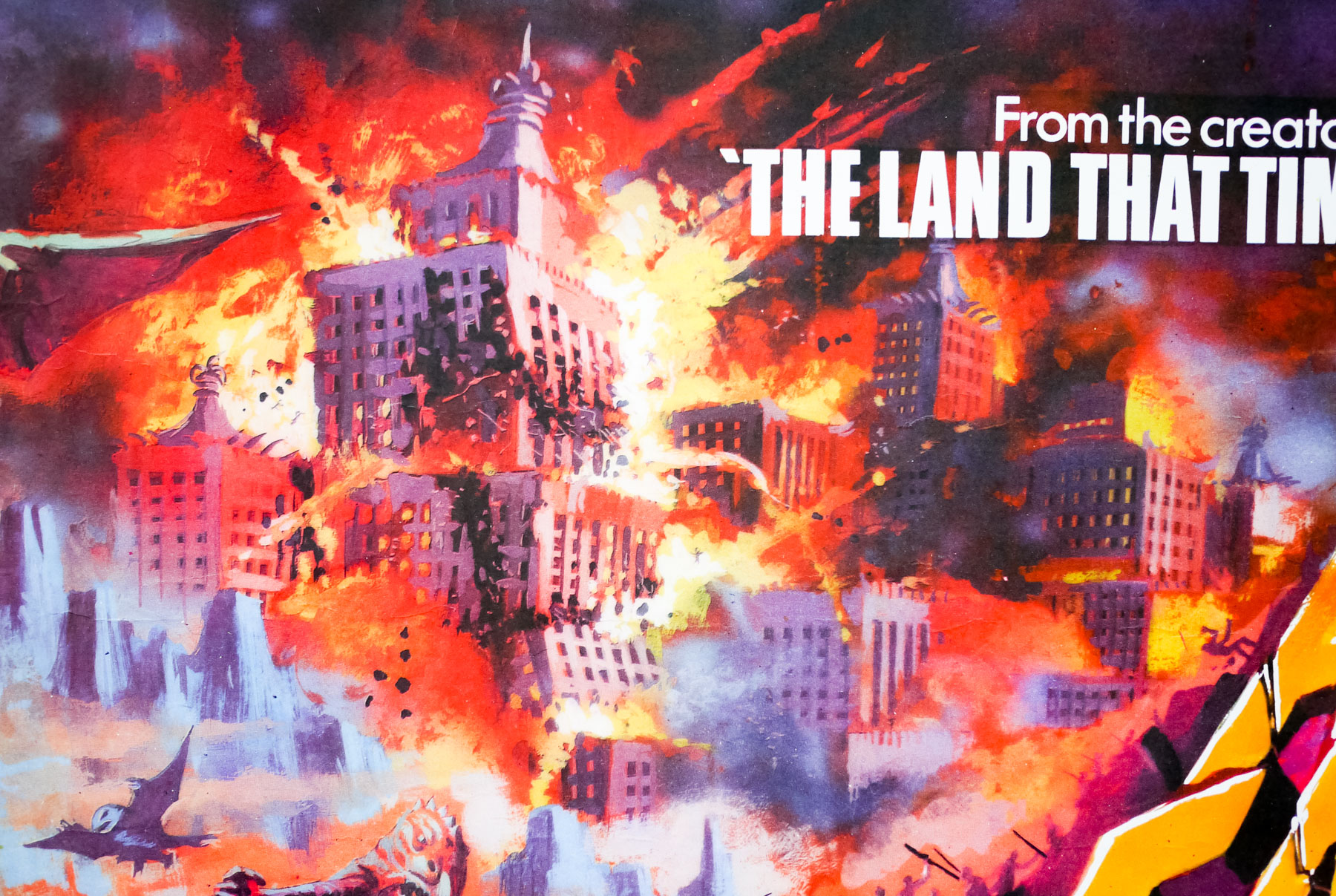
At the Earth’s Core was the first entry in a series of British sci-fi/fantasy b-movies that were directed by Kevin Connor and starred the prolific American actor Doug McClure, known for his hammy leading man performances (McClure was one of the inspirations for The Simpsons’Troy ‘You may remember me from…’ McClure). The series began with The Land That Time Forgot (1975), was followed by The People That Time Forgot (1977) and ended with Warlords of Atlantis (1978). The initial three were shepherded through production by Max Rosenberg and Milton Subotsky’s Amicus Productions, which was based at Shepperton studios and is perhaps best remembered for its series of portmanteau horror films. By the time Warlords of Atlantis was released the company was almost defunct and so EMI Films stepped in and produced it, utilising many of the same cast and crew as the previous films.

Like the first three films in the series, At the Earth’s Core is based on a novel by the American author Edgar Rice Burroughs, creator of Tarzan and prolific creator of adventure and sci-fi tales. First published in 1914, the story introduced the author’s creation of Pellucidar, which is the idea that Earth is a hollow shell with another land 500 miles beneath the crust. Pellucidar featured in a number of other Burroughs stories and Tarzan even visited it in a 1929 story.

Set in Victorian Britain, the film features McClure playing David Innes, an American financier working with scientist Dr. Abner Perry (Peter Cushing) who has built a giant drilling machine nicknamed the Iron Mole. The idea of the machine is to make the creation of tunnels much easier and the pair have decided to first test it on a Welsh mountain. After launch, the Mole takes an unexpected turn and they find themselves in a strange land with a pink sky and giant unidentified fauna. Suddenly they are attacked by a giant dinosaur-like creature with a beak-like face, but are eventually rescued by an aggressive group of pig-faced cavemen who add them to a gang of primitive humans they have enslaved, including Dia (the stunning Caroline Munro). Soon they are taken to a city ruled over by the evil, pterodactyl-like creatures called The Mahar who, they are horrified to discover, eat human sacrifices. It’s up to David to find a way of escaping from their enslavement and put an end to the Mahar’s reign of terror.

The film has aged pretty badly, not least in the area of the special effects with the creatures looking particularly hokey. The production team decided not to use the stop-motion style of the previous film and instead went for stuntmen in suits for most of the creatures. It’s safe to say that, whilst it may have wowed audiences of the time, it now looks extremely hokey. The production design is otherwise excellent, with some superb sets and lots of effort put into props like the Iron Mole. McClure is his usual ebullient self and Cushing gives it plenty of gusto, although the strange high-pitched voice he affects gets very grating after a while. The score by Michael Vickers is notably decent.

The brilliant artwork on this quad, featuring a similarly chunky title treatment as seen on the quad for the first film in the series, is by Tom Chantrell, the celebrated British artist whose dynamic and colourful work featured on hundreds of posters over a forty year period. His official website features a great biography written by Sim Branaghan, author of the must-own British Film Posters. Chantrell illustrated many classic poster designs, including several Hammer posters such as the brilliant quad for ‘One Million Years B.C.’, and was also responsible for the iconic Star Wars quad, the artwork of which ended up being used around the globe. I have a number of other designs by him on this site.

Note that there are two styles of the UK quad and I’ve called this one style 2. The more common style 1 (see this picture) is fairly similar but features a bit more artwork at the bottom of the poster. Note the extra vegetation on style 1 and the alternate placement of the credits block, with style 2’s covering over part of the fire-breathing frog. I’m not sure why there are two versions of the poster and the answer is sadly likely to be lost to time, with Chantrell having passed away in 2001. This poster is also undersized widthways but I don’t believe it has been trimmed.

The Sea Wolves / one sheet / UK

01.03.16

Poster Poster
Title
The Sea Wolves
AKA
--
Year of Film
1980
Director
Andrew V. McLaglen
Starring
Gregory Peck, Roger Moore, David Niven, Trevor Howard, Barbara Kellerman, Patrick Macnee, Kenneth Griffith, Patrick Allen
Origin of Film
Switzerland | UK | USA
Genre(s) of Film
Gregory Peck, Roger Moore, David Niven, Trevor Howard, Barbara Kellerman, Patrick Macnee, Kenneth Griffith, Patrick Allen,
Type of Poster
One sheet
Style of Poster
--
Origin of Poster
UK
Year of Poster
1980
Designer
Vic Fair
Artist
Arnaldo Putzu
Size (inches)
27" x 40"
SS or DS
SS
Tagline
The last charge of the Calcutta Light Horse.

Featuring great art by Arnaldo Putzu, this is the UK one sheet for the 1980 action film The Sea Wolves, which is based on real events that occurred during the Second World War. As mentioned on the poster, the story is based on the exploits of ex-members of the Calcutta Light Horse, a cavalry regiment of the British Indian Army that was formed in 1872 and was disbanded a couple of years after the end of WWII. The plot sees British intelligence discovering that a Nazi radio ship is broadcasting the coordinates of allied ships from a harbour in Portuguese Goa, which was neutral during the war, so an all out assault cannot be launched by the Navy because of this.

British Intelligence officers Col. Lewis Pugh (Gregory Peck) and Capt. Gavin Stewart (Roger Moore) lead the operation and covertly enlist retired officer Col. Bill Grice (David Niven) of the Calcutta Light Horse & some of his former soldiers. The gang sneak into Goa and arrange a diversion on the evening of a planned raid, before making their way to the radio ship carrying enough explosives to sink it and put a stop any more transmissions. The film reunited much of the creative team behind an earlier OAPs on a mission film, 1978’s The Wild Geese, including director Andrew V. McLaglen, screenwriter Reginald Rose, producer Euan Lloyd and several of the stars.

Arnaldo Putzu was born in Rome in 1927 and began painting from a very early age and in 1948 he got involved with the world of film publicity under the guidance of the famous artist Enrico De Seta. Eventually Putzu would gain enough confidence in his abilities to set up his own agency and it was this move that saw him getting involved in work for the British studio Rank. Eric Pulford was so impressed with his work that he brought him over to London to work at Downtons in 1967.

The artist worked on many posters whilst living over here and also gained notoriety for lending his talents to the popular children’s magazine Look-in for which he painted almost every cover during its publication lifetime. His best known poster is undoubtedly the one he painted for the Michael Caine gangster classic Get Carter in 1971. My friend and author of the must-own British Film Posters book, Sim Branaghan, met Putzu during the making of his book and describes it as a very memorable experience in the interview I published in 2012. Putzu sadly passed away the same year, aged 85, and Sim wrote an excellent obituary for The Guardian newspaper, which can be read here.
The poster was designed by the British designer and artist Vic Fair who is one the most important people ever to work on British film marketing. He is responsible for several iconic posters, including The Man Who Fell To Earth, posters for Hammer horrors like Vampire Circus, and the withdrawn advance one sheet for A View to a Kill. I interviewed Vic for this site and that article can be viewed by clicking here.
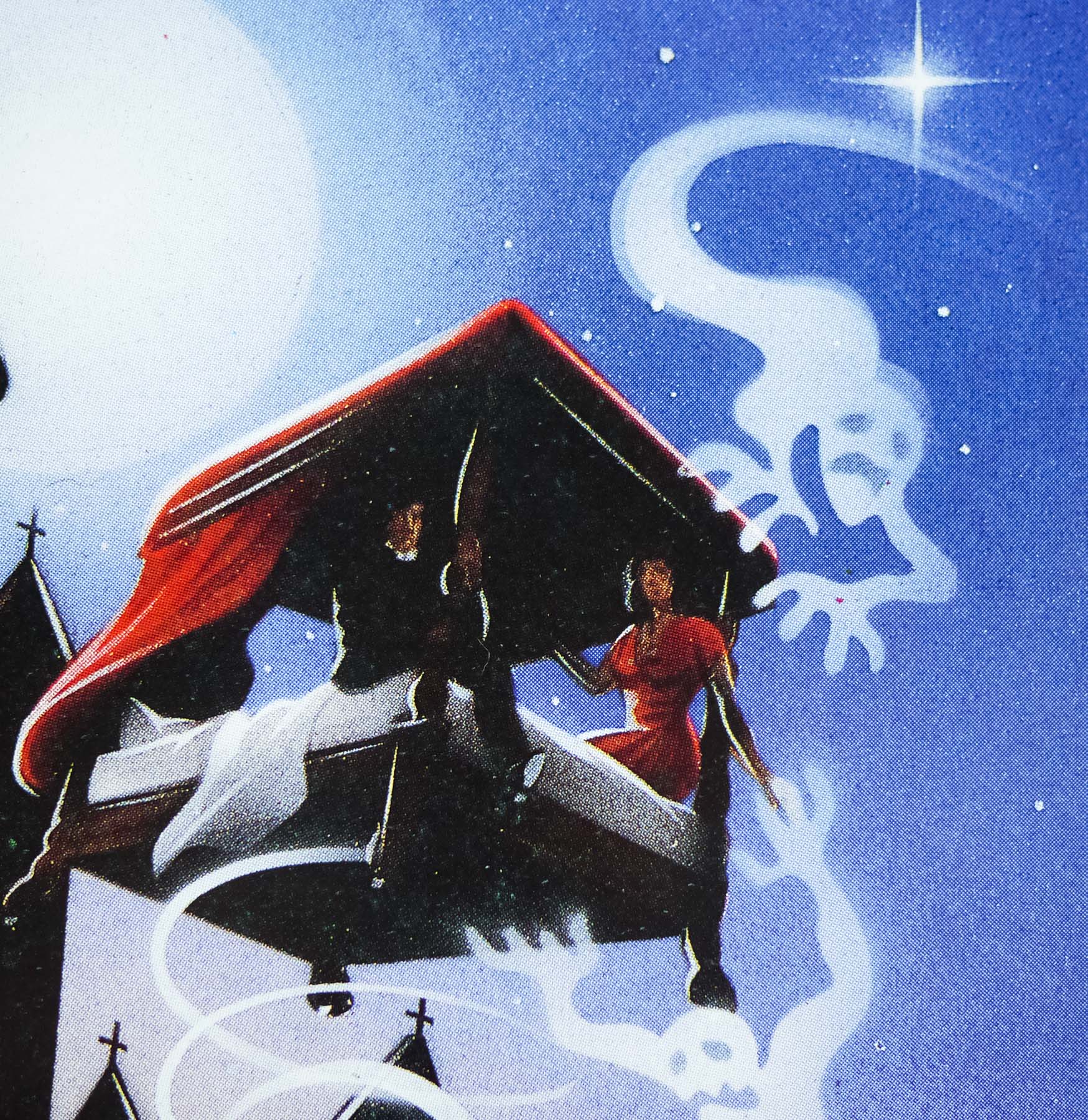
I also have the quad poster for the film which can be seen here.
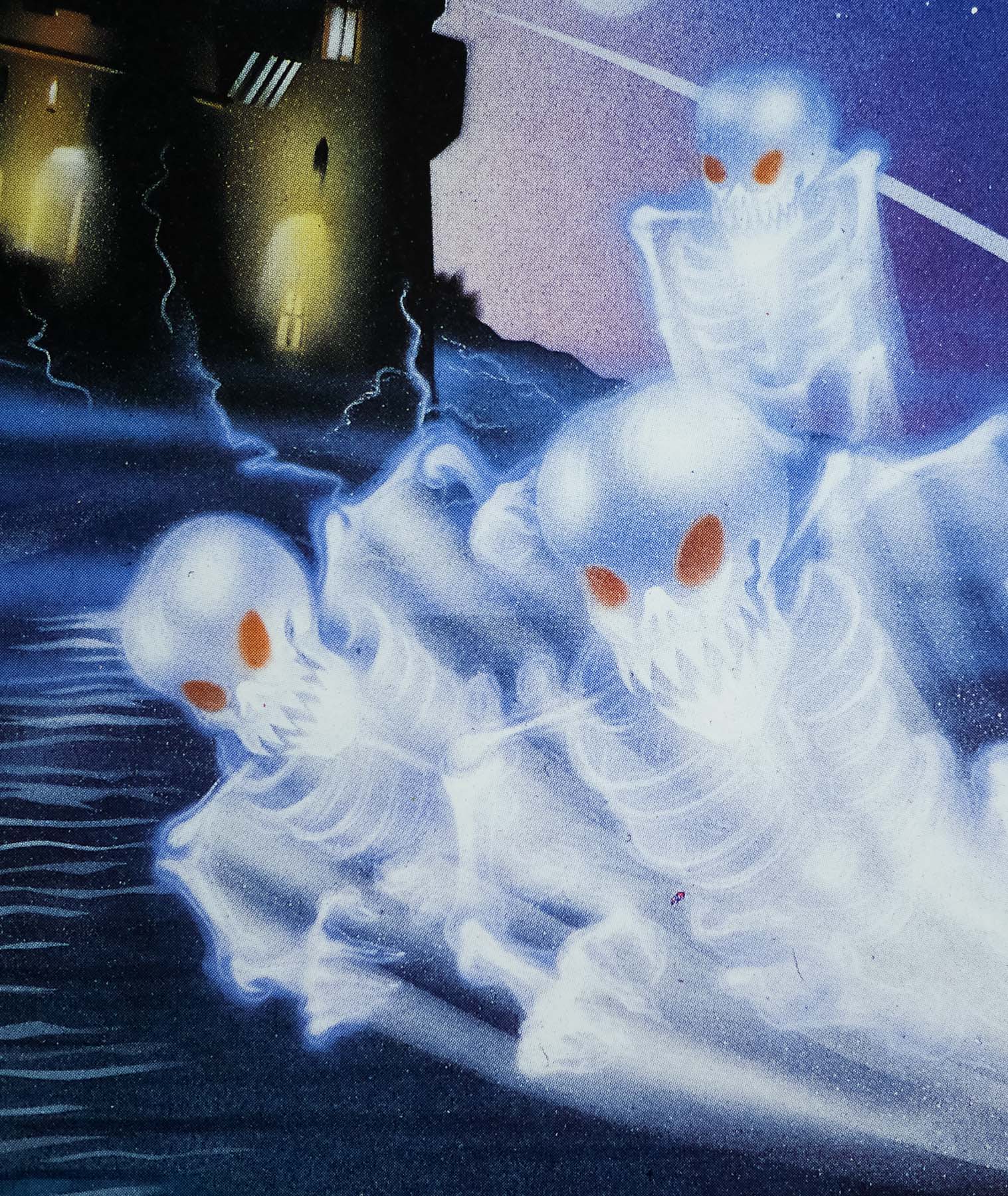
Black Joy / quad / UK

28.04.16

Poster Poster
Title
Black Joy
AKA
--
Year of Film
1977
Director
Anthony Simmons
Starring
Norman Beaton, Trevor Thomas, Floella Benjamin, Dawn Hope, Oscar James, Paul J. Medford, Shango Baku

Origin of Film
UK
Genre(s) of Film
Norman Beaton, Trevor Thomas, Floella Benjamin, Dawn Hope, Oscar James, Paul J. Medford, Shango Baku,
Type of Poster
Quad
Style of Poster
--
Origin of Poster
UK
Year of Poster
1977
Designer
FEREF
Artist
Arnaldo Putzu
Size (inches)
30" x 39 15/16"
SS or DS
SS
Tagline
Life is for living...

Excellent artwork by the Italian artist Arnaldo Putzu features on this quad poster for the release of the 1977 British film Black Joy. Based on a stage play called ‘Dark Days and Light Nights’ by Jamal Ali (who also wrote the screenplay) it was directed by the late Anthony Simmons. The film, something of a time capsule of a period in London’s history, is a culture-clash comedy about a Guyanese country boy called Ben Jones (Trevor Thomaswho arrives in the borough of Brixton. Ben had assumed life will be easier in the UK but after meeting several streetwise characters, including a wannabe hustler called Dave King (Norman Beaton), he soon learns that not everyone is out for his best interests.

The film notably stars Floella Benjamin a Trinidadian actress who is famous for her work as a presenter on children’s TV programmes in the 1970s and 80s, including Play School, and more recently for her extensive charity work and as the chancellor of the University of Exeter. In 2010 she was made a Baroness as a Liberal Democrat Life Peer and is a member of the House of Lords.


Arnaldo Putzu was born in Rome in 1927 and began painting from a very early age. In 1948 he began his relationship with the world of film publicity under the guidance of the famous artist Enrico De Seta. Eventually Putzu would gain enough confidence in his abilities to set up his own agency and it was this move that saw him getting involved in work for the British studio Rank. Eric Pulford was so impressed with his work that he brought him over to London to work at Downtons in 1967.
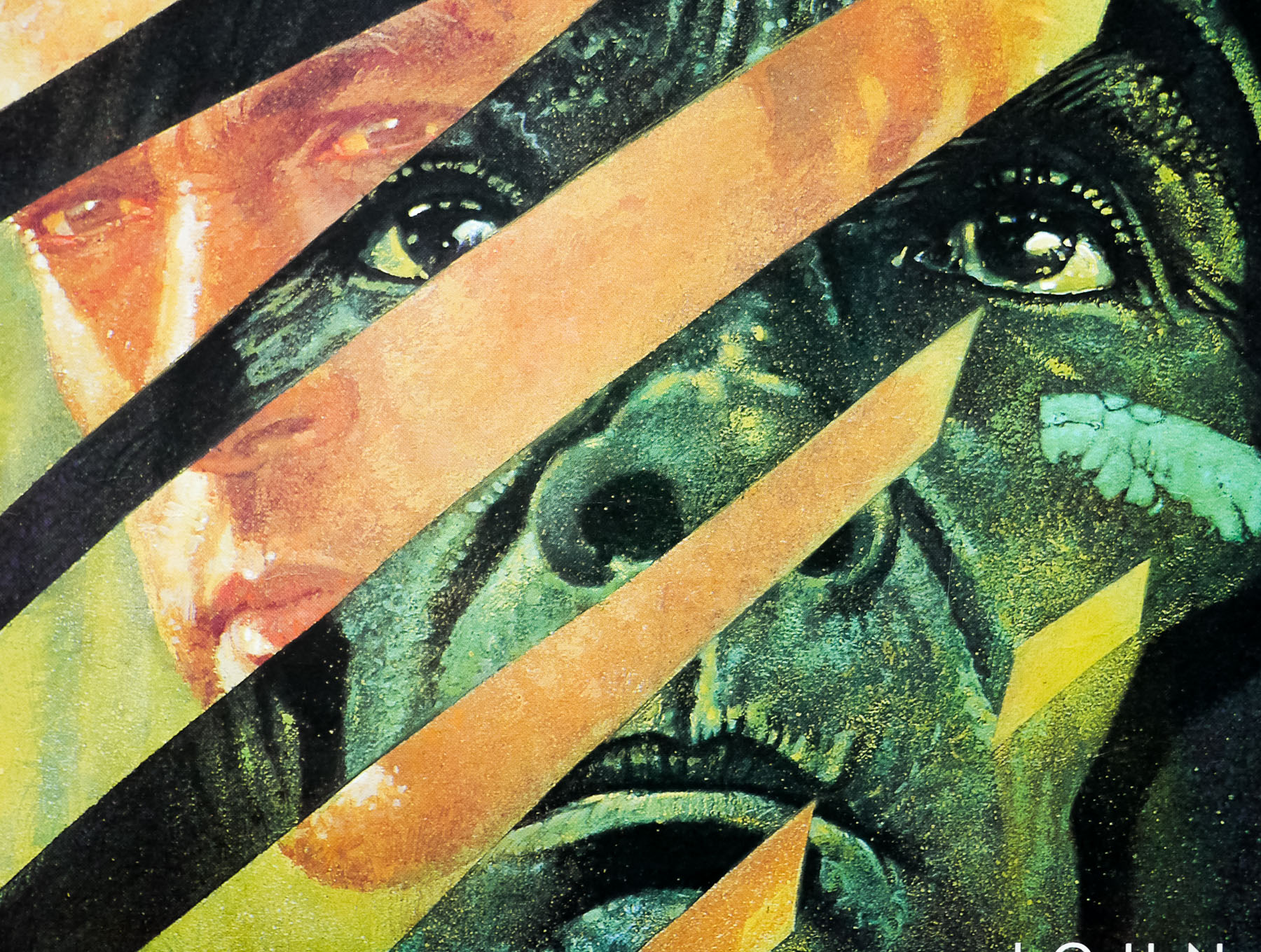
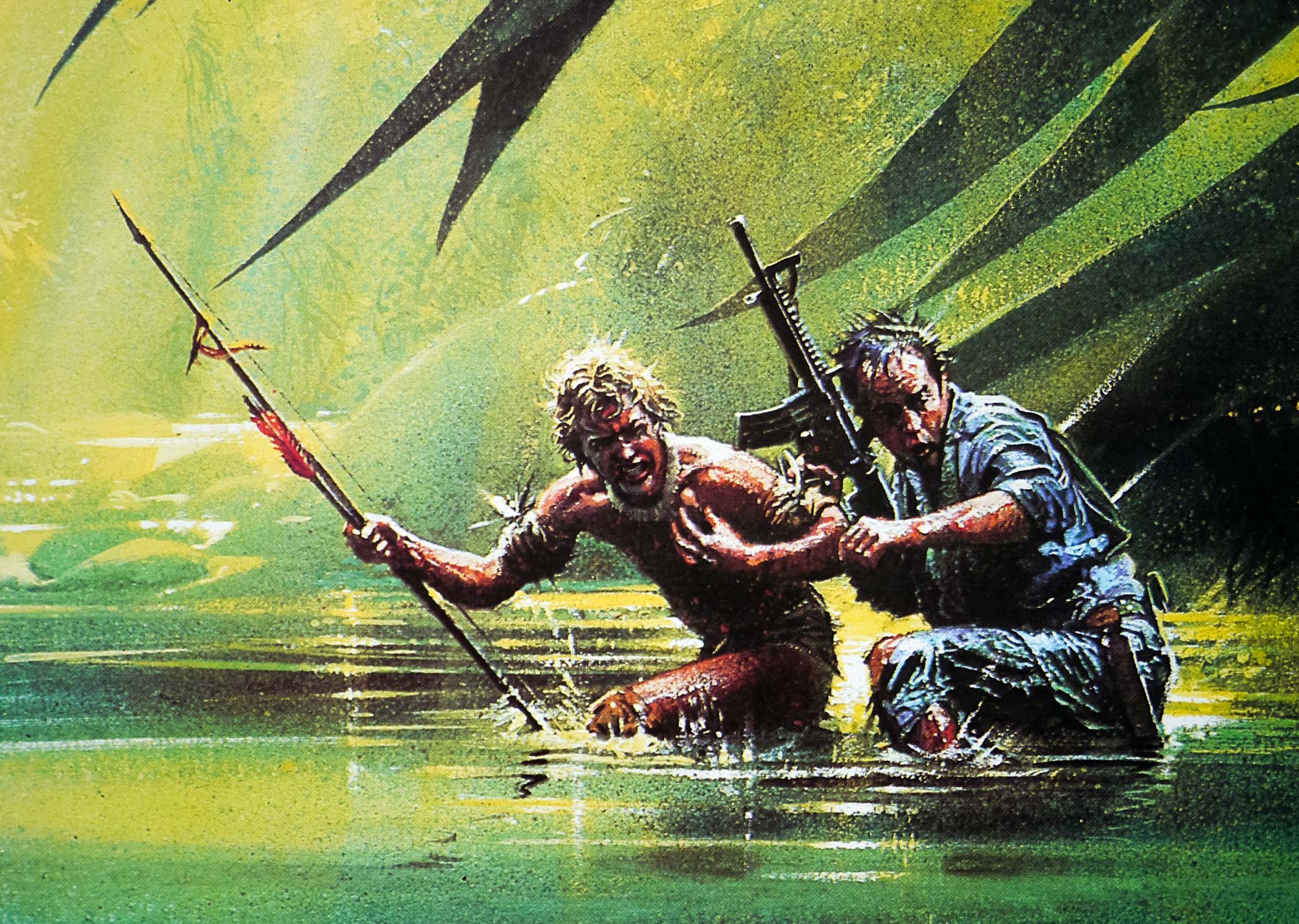
The artist worked on many quads whilst over here and also gained notoriety for lending his talents to the popular children’s magazine Look-in, for which he painted almost every cover during its publication lifetime. His best-known quad is undoubtedly the one he painted for the Michael Caine gangster classic Get Carter in 1971. My friend, and author of the must-own British Film Posters, Sim Branaghan met Putzu during the making of his book and describes it as a very memorable experience in the interview I published in 2012. Putzu sadly passed away the same year, aged 85, and Sim wrote an excellent obituary for The Guardian newspaper, which can be read here.