
You searched for: %2520UK

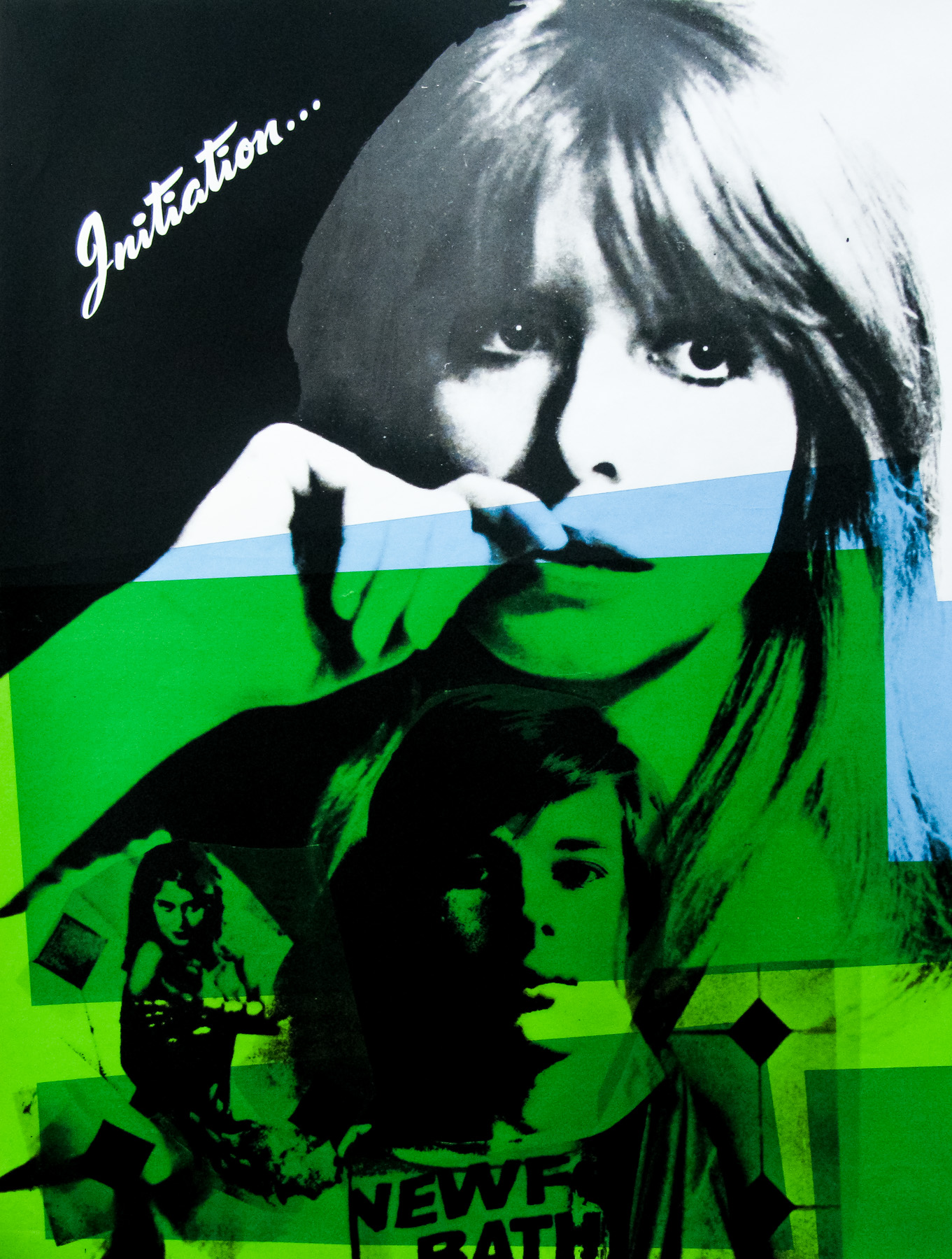
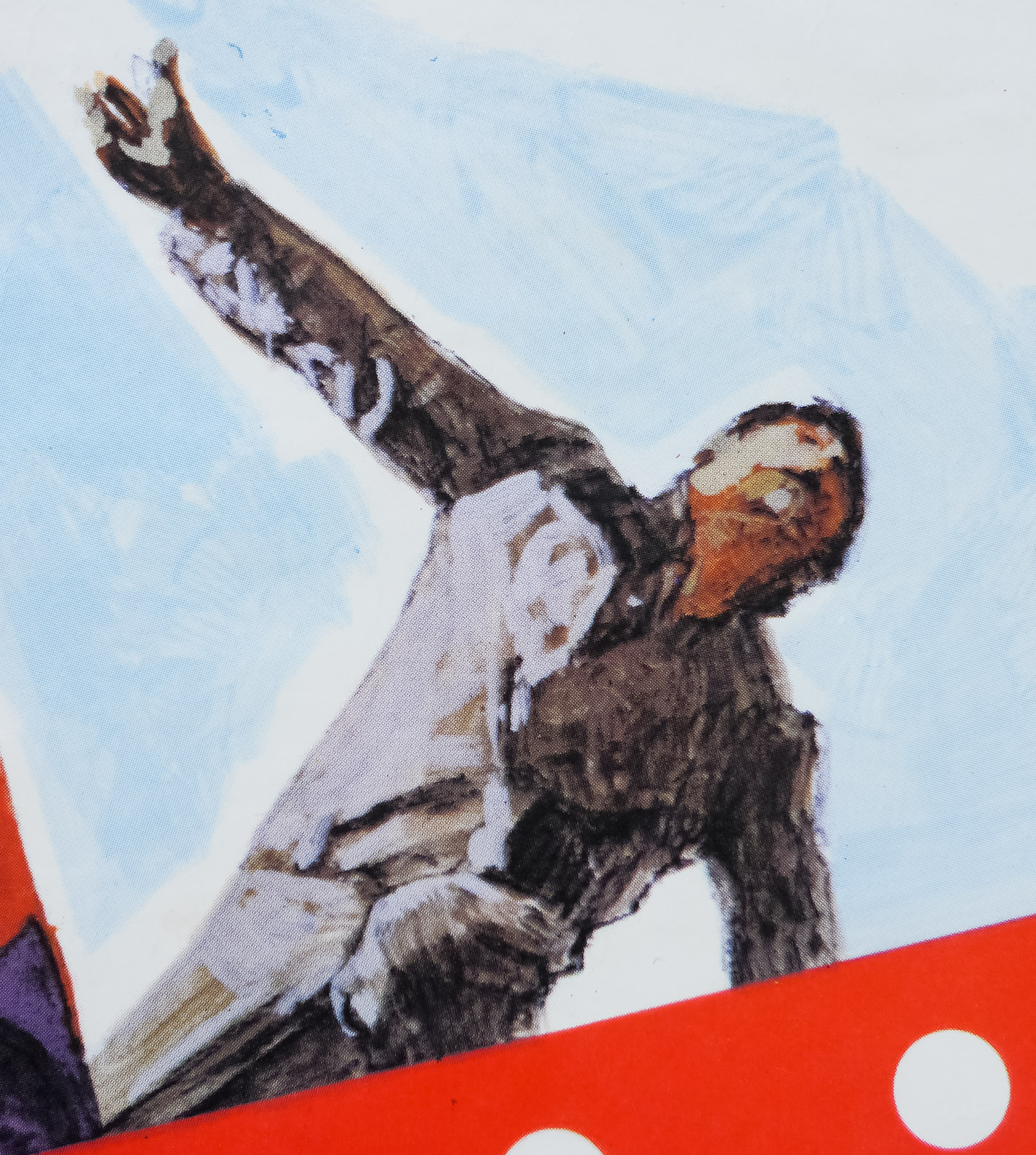
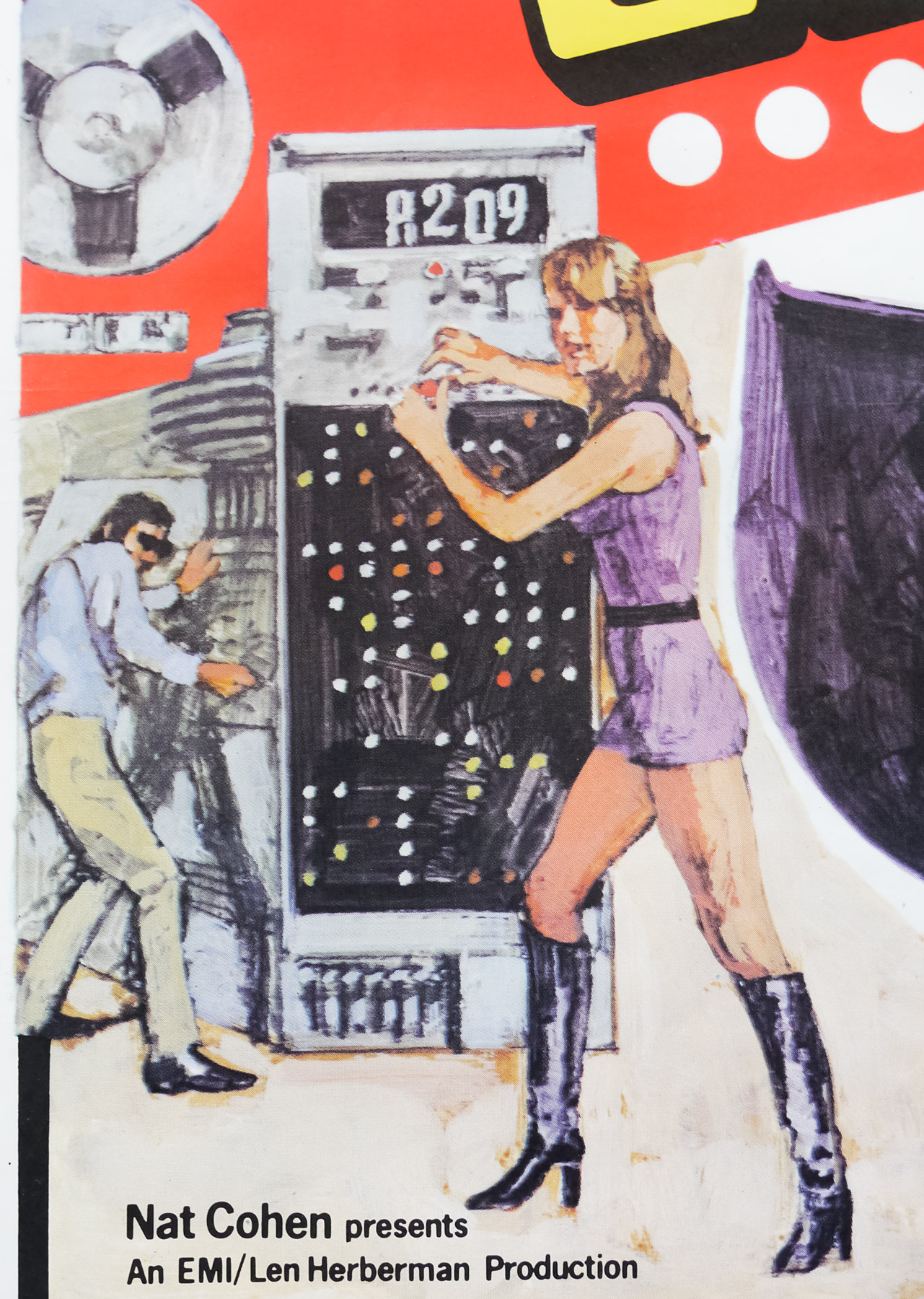
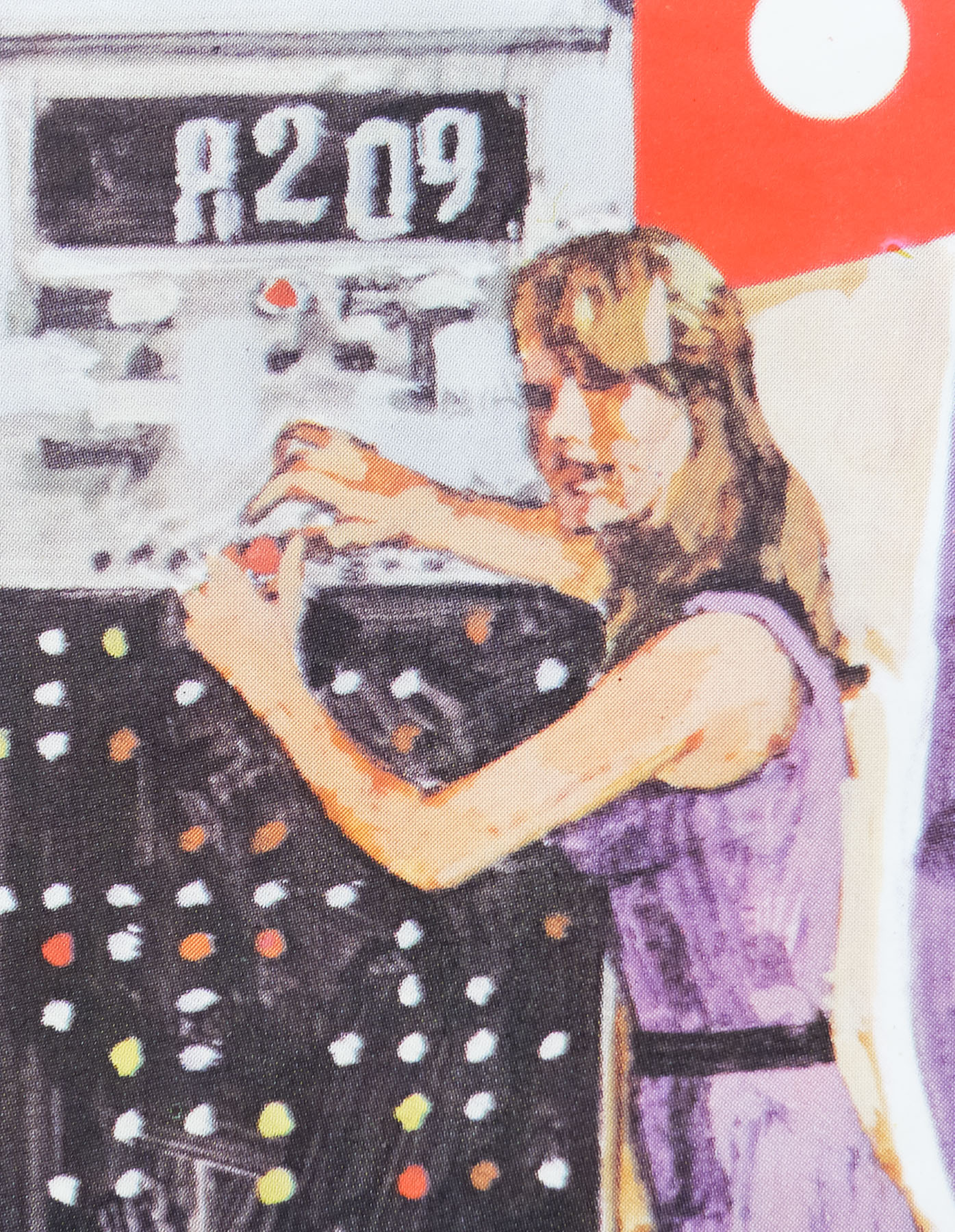
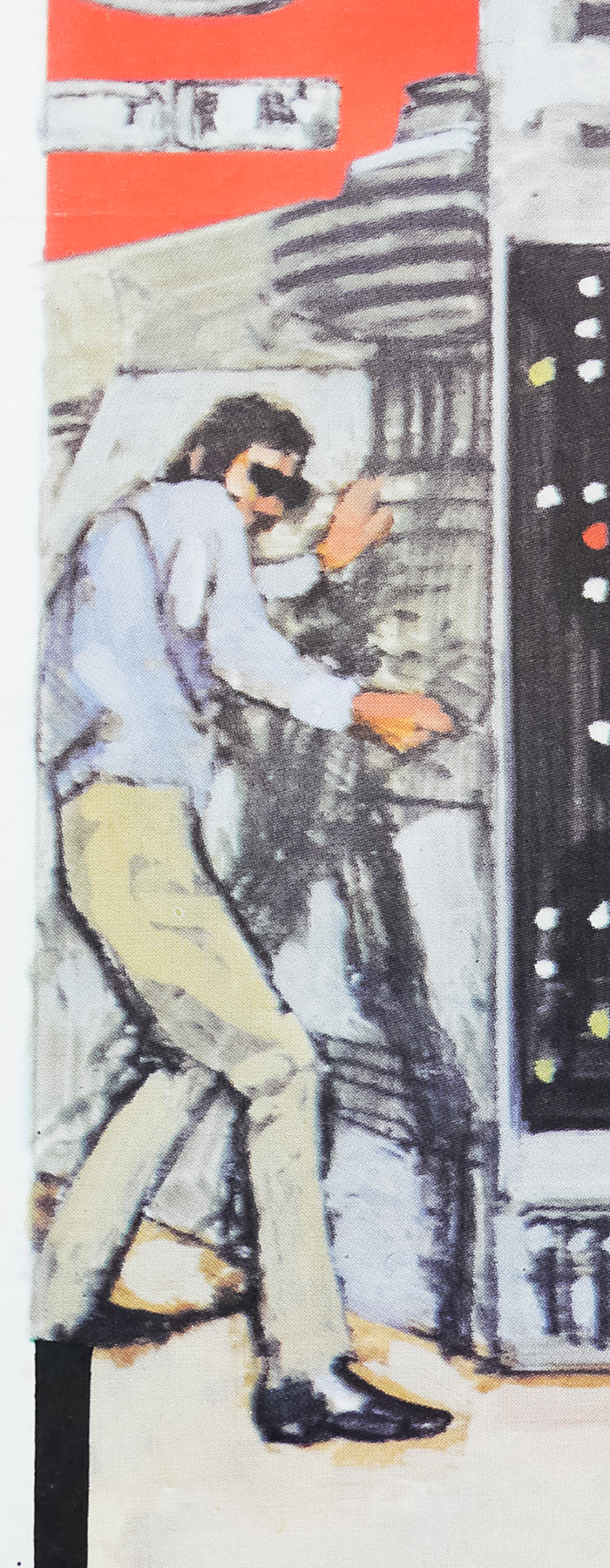
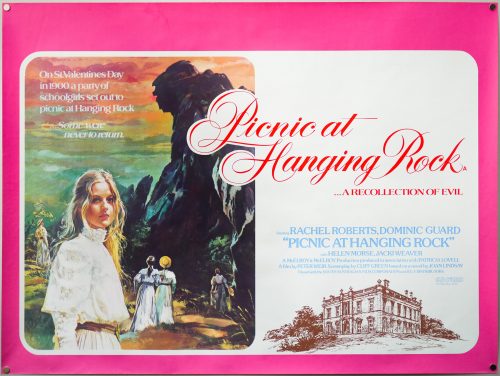
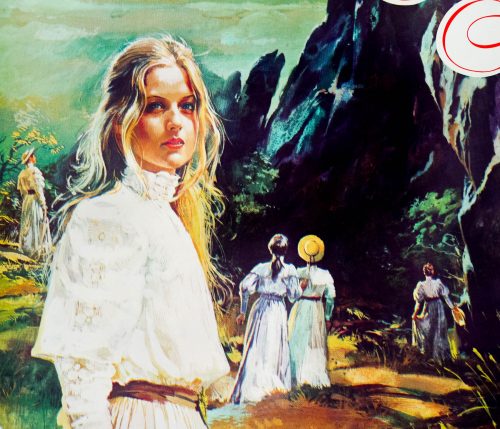
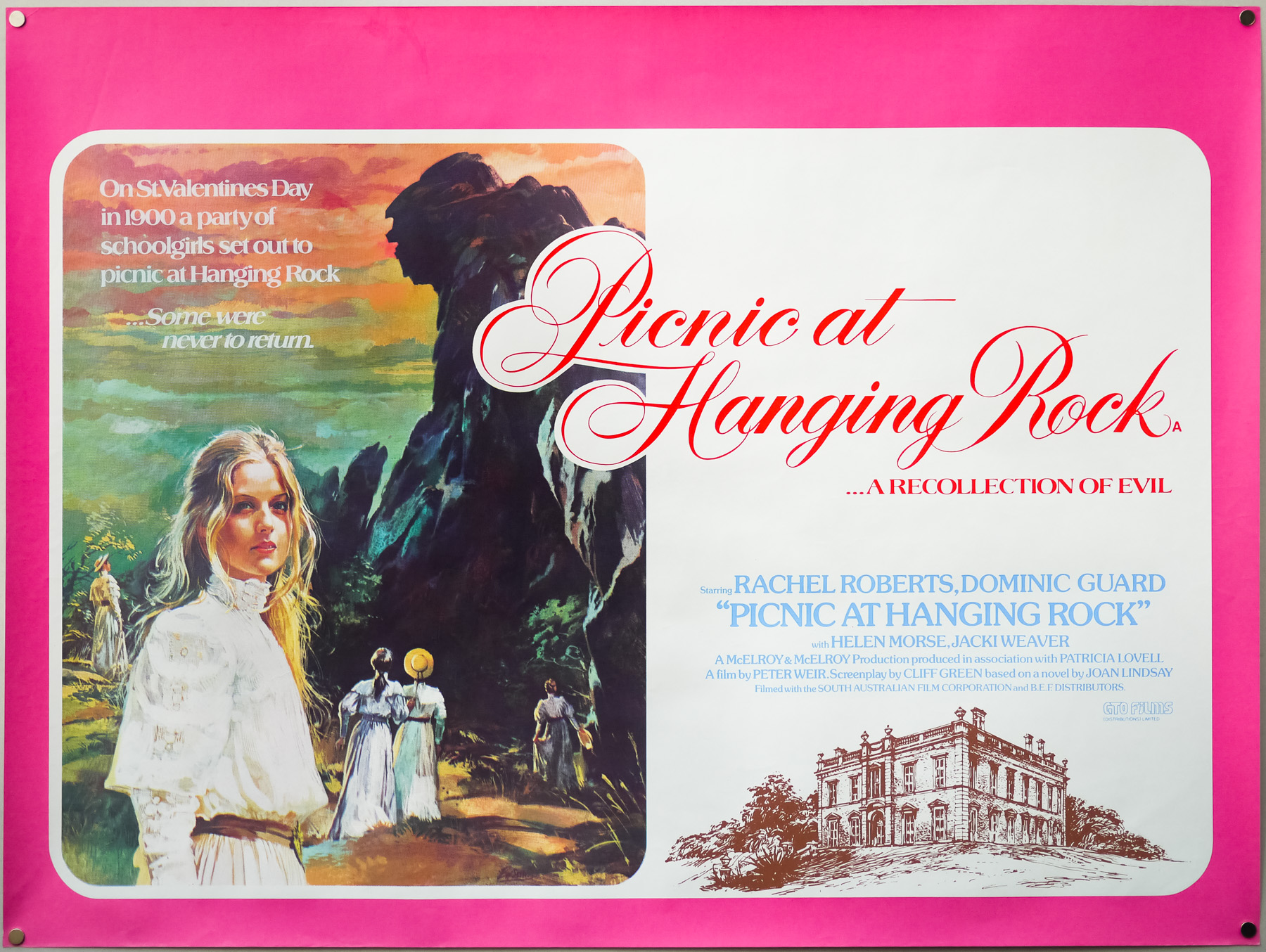
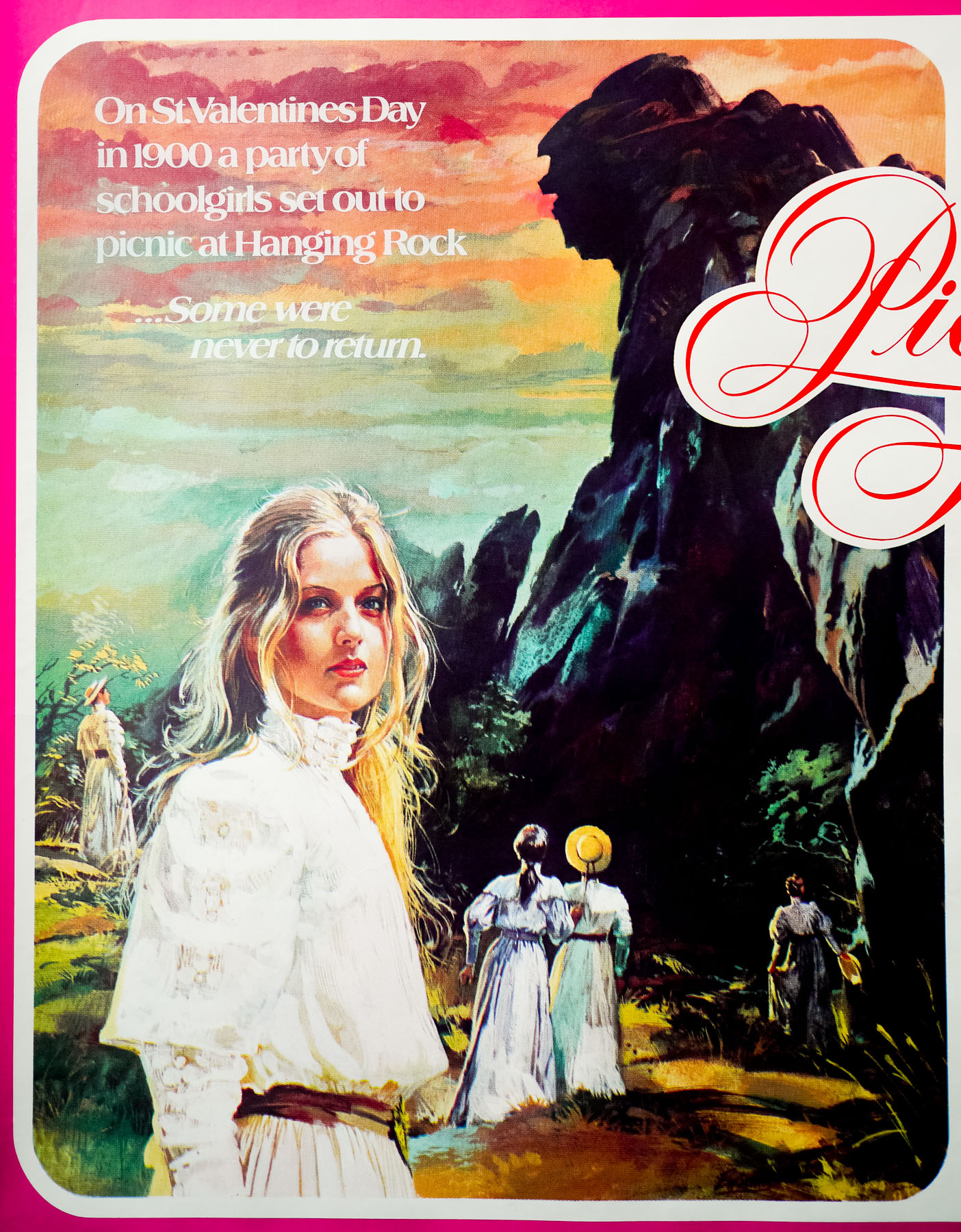
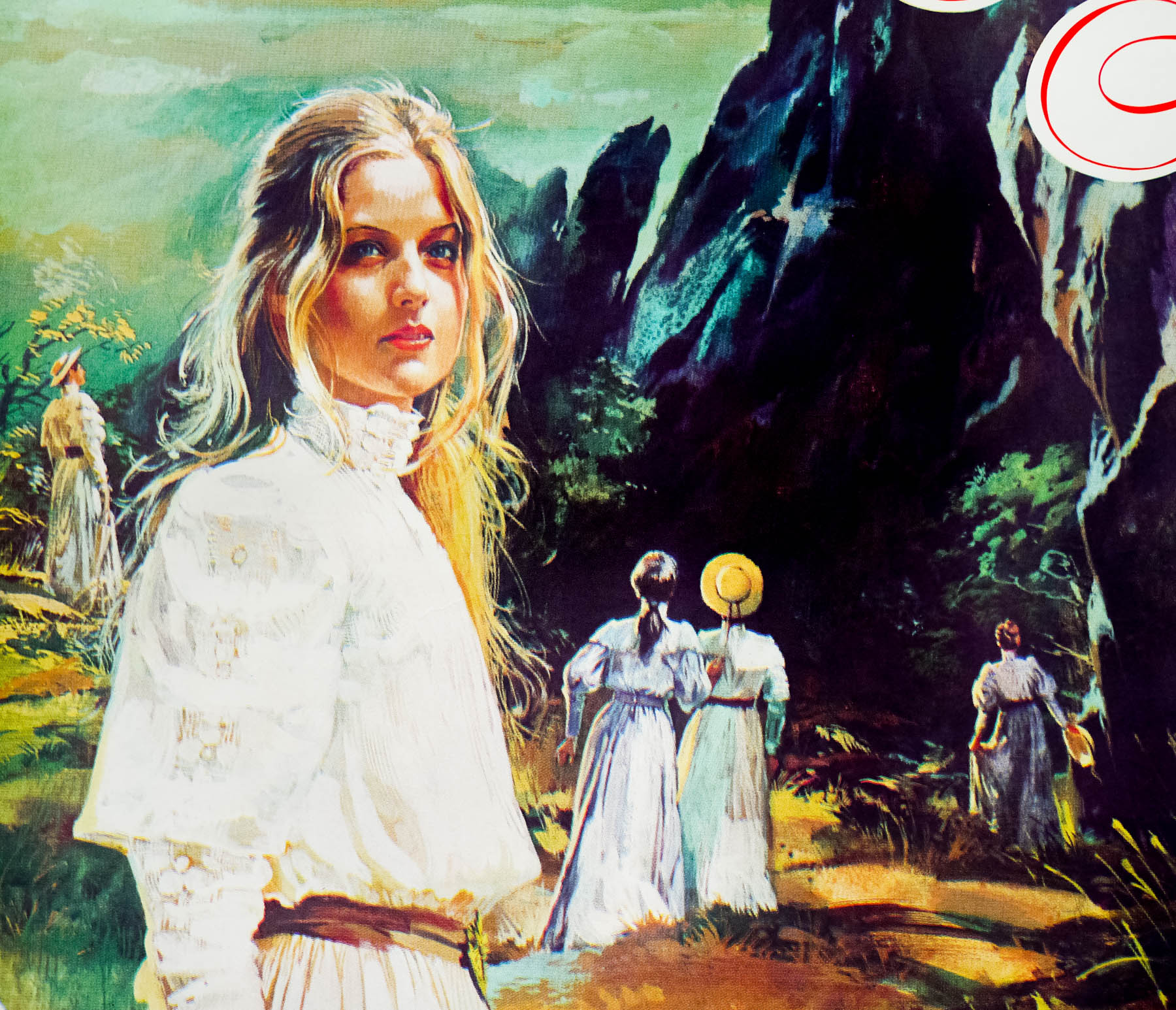
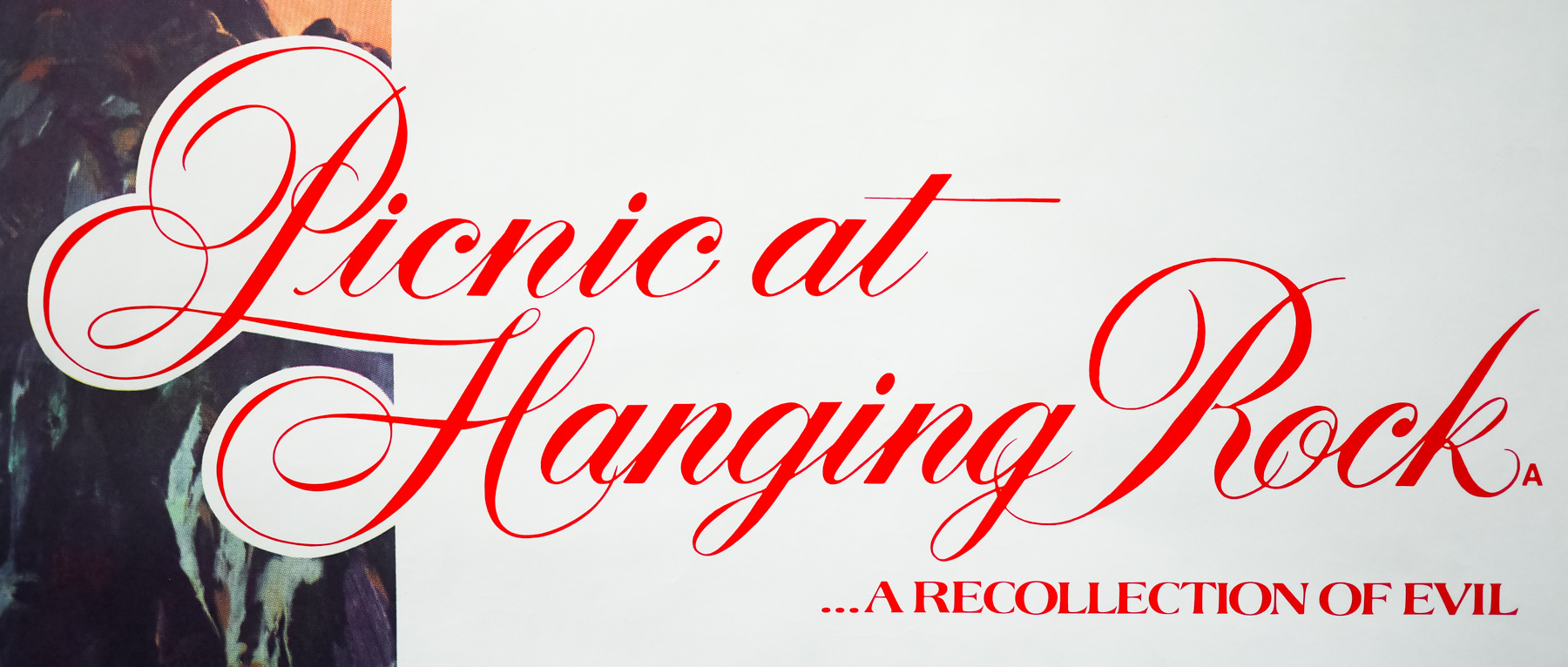
Picnic at Hanging Rock / quad / UK

29.11.13

Poster Poster
Title
Picnic at Hanging Rock
Year of Film
1975
Director
Peter Weir
Starring
Rachel Roberts, Vivean Gray, Helen Morse, Kirsty Child, Tony Llewellyn-Jones, Jacki Weaver, Frank Gunnell, Anne-Louise Lambert, Karen Robson, Jane Vallis, Christine Schuler
Origin of Film
Australia
Genre(s) of Film
Rachel Roberts, Vivean Gray, Helen Morse, Kirsty Child, Tony Llewellyn-Jones, Jacki Weaver, Frank Gunnell, Anne-Louise Lambert, Karen Robson, Jane Vallis, Christine Schuler,
Type of Poster
Quad
Style of Poster
--
Origin of Poster
UK
Year of Poster
1976
Designer
Brian Bysouth
Artist
Brian Bysouth
Size (inches)
30" x 39 15/16"
SS or DS
SS
NSS #
--
Tagline
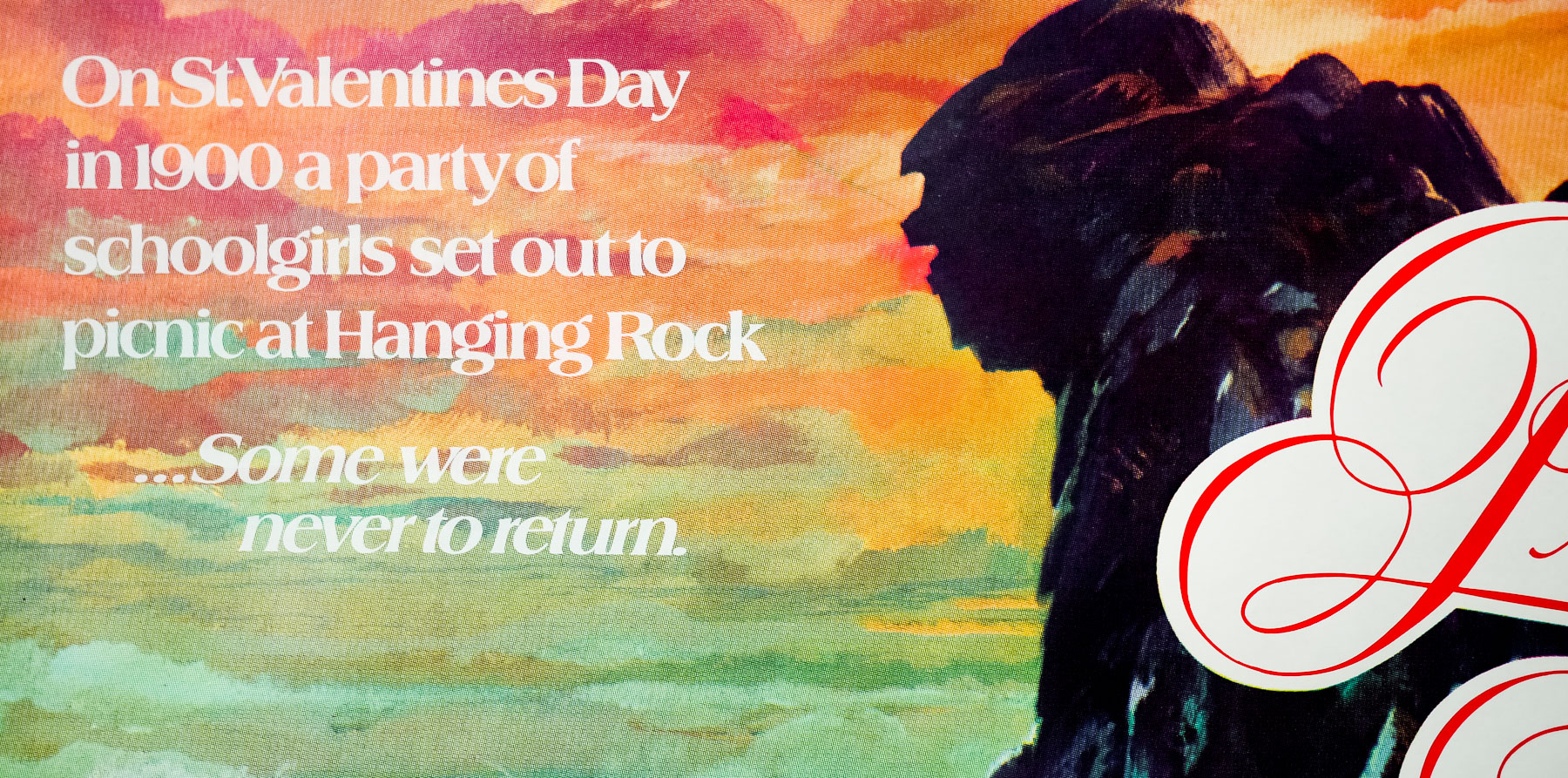
On St. Valentine's day in 1900 a party of schoolgirls set out to picnic at Hanging Rock ... Some were never to return. | ... A recollection of evil.

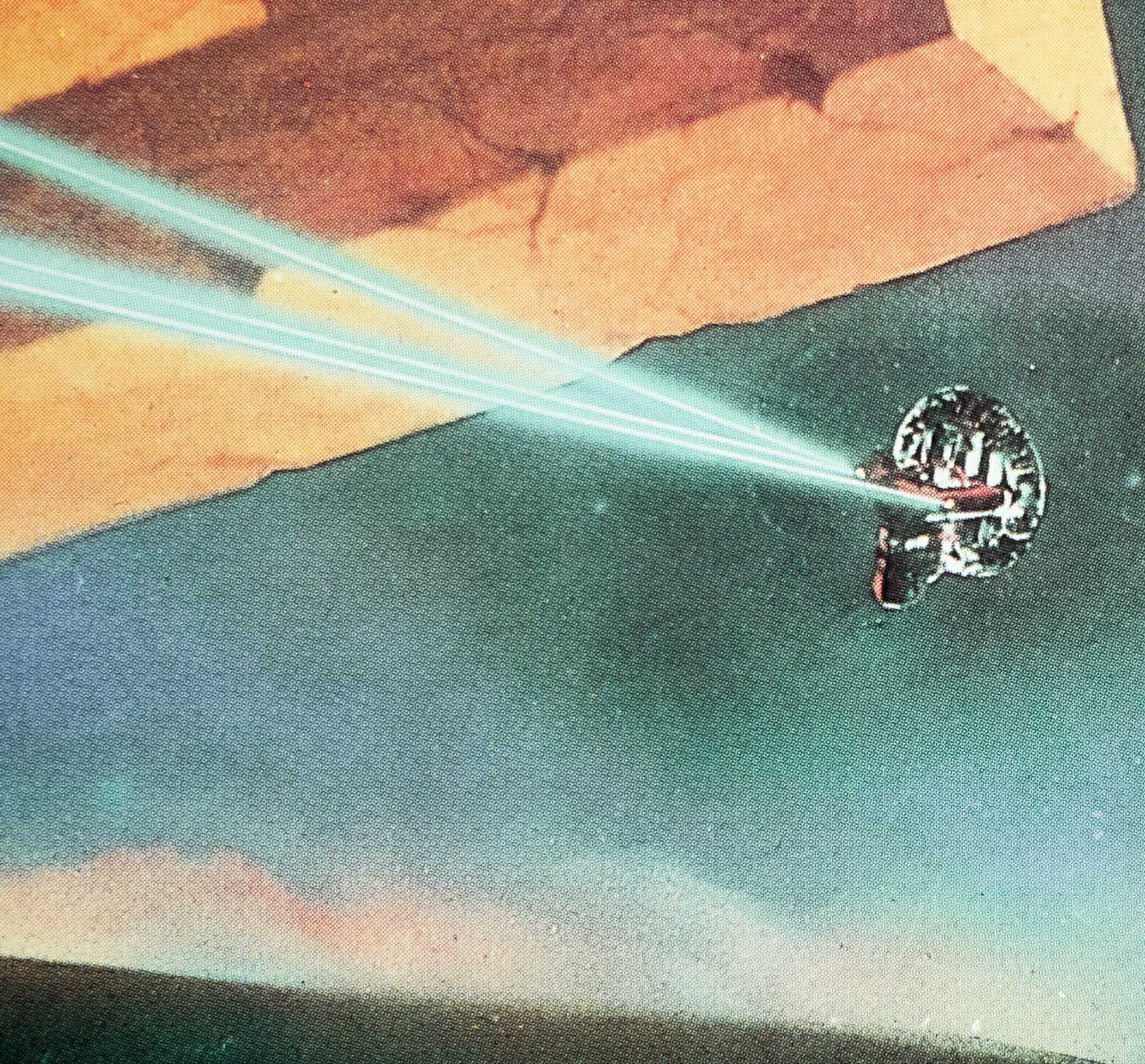
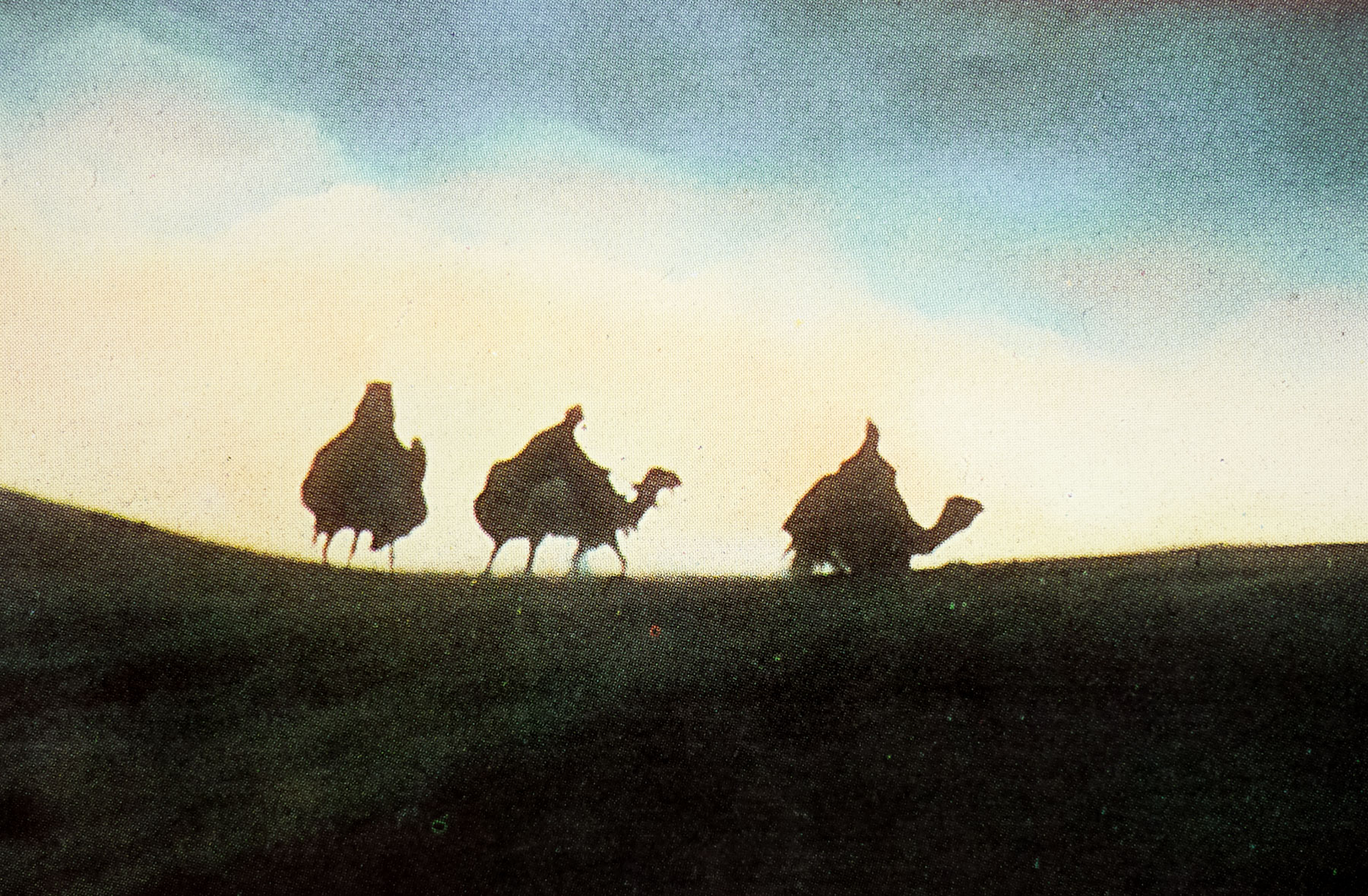
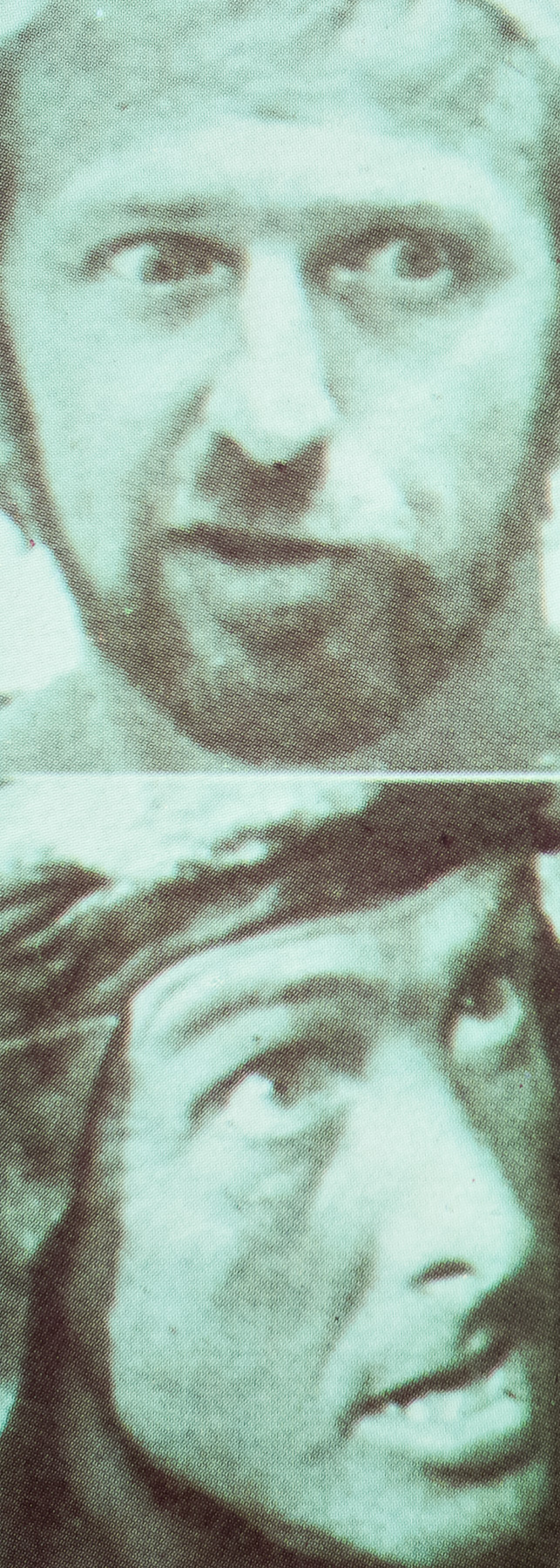
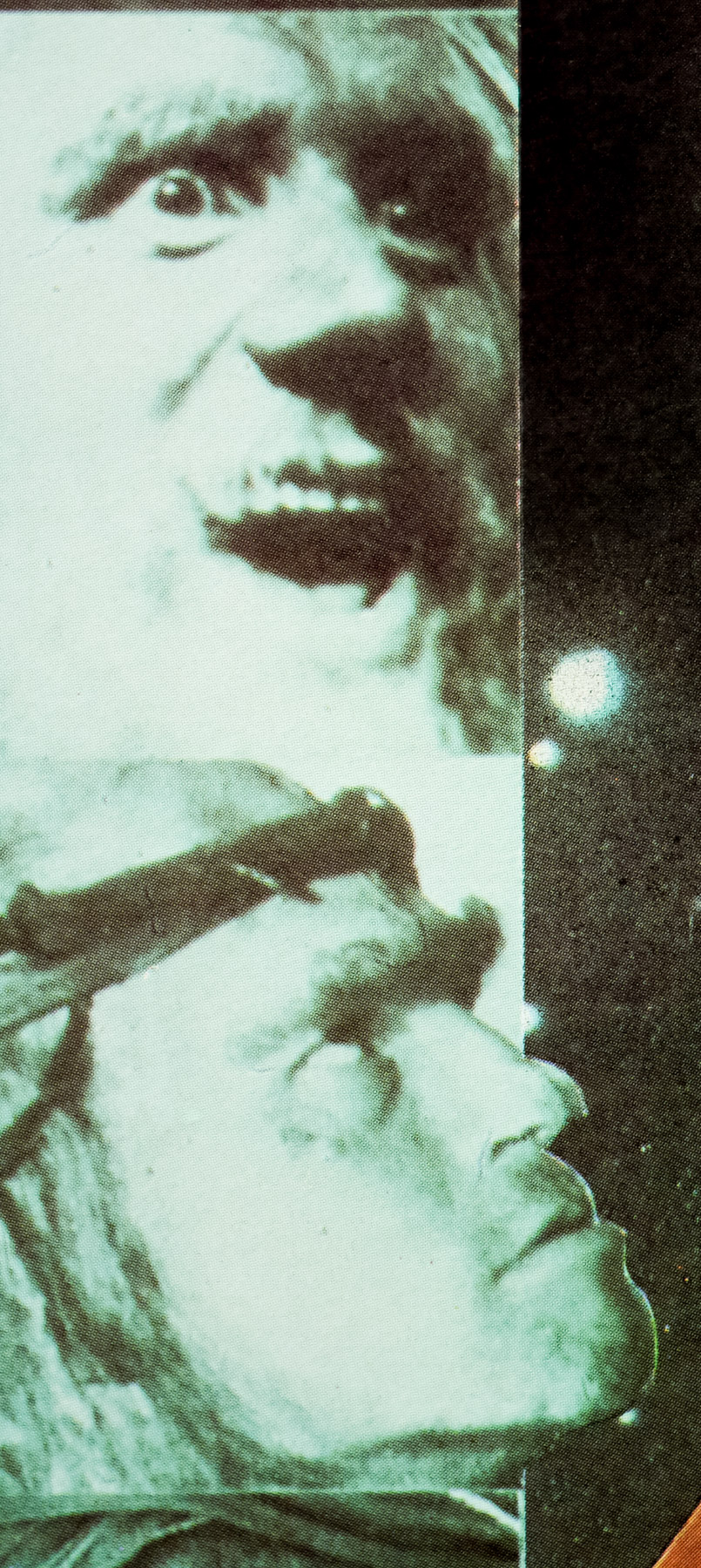
One of the best Australian films ever made, Peter Weir‘s enigmatic mystery Picnic at Hanging Rock was released in 1975 and is based on the novel of the same name by the Australian author Joan Lindsay. The story focuses on the mysterious disappearance of a group of girls who travel to the titular rock with a school party and vanish without trace, much to the horror of their fellow pupils and the head teacher of the school. Infamously Lindsay elected to remove the ‘final’ chapter that fully explained their disappearance from the novel and it was not published until after her death in 1987 as ‘The Secret of Hanging Rock’. Weir and screenwriter Cliff Green thus filmed the story without the standard Hollywood explanation, which apparently frustrated American distributors looking to buy the rights and who were unused to ambiguous endings.

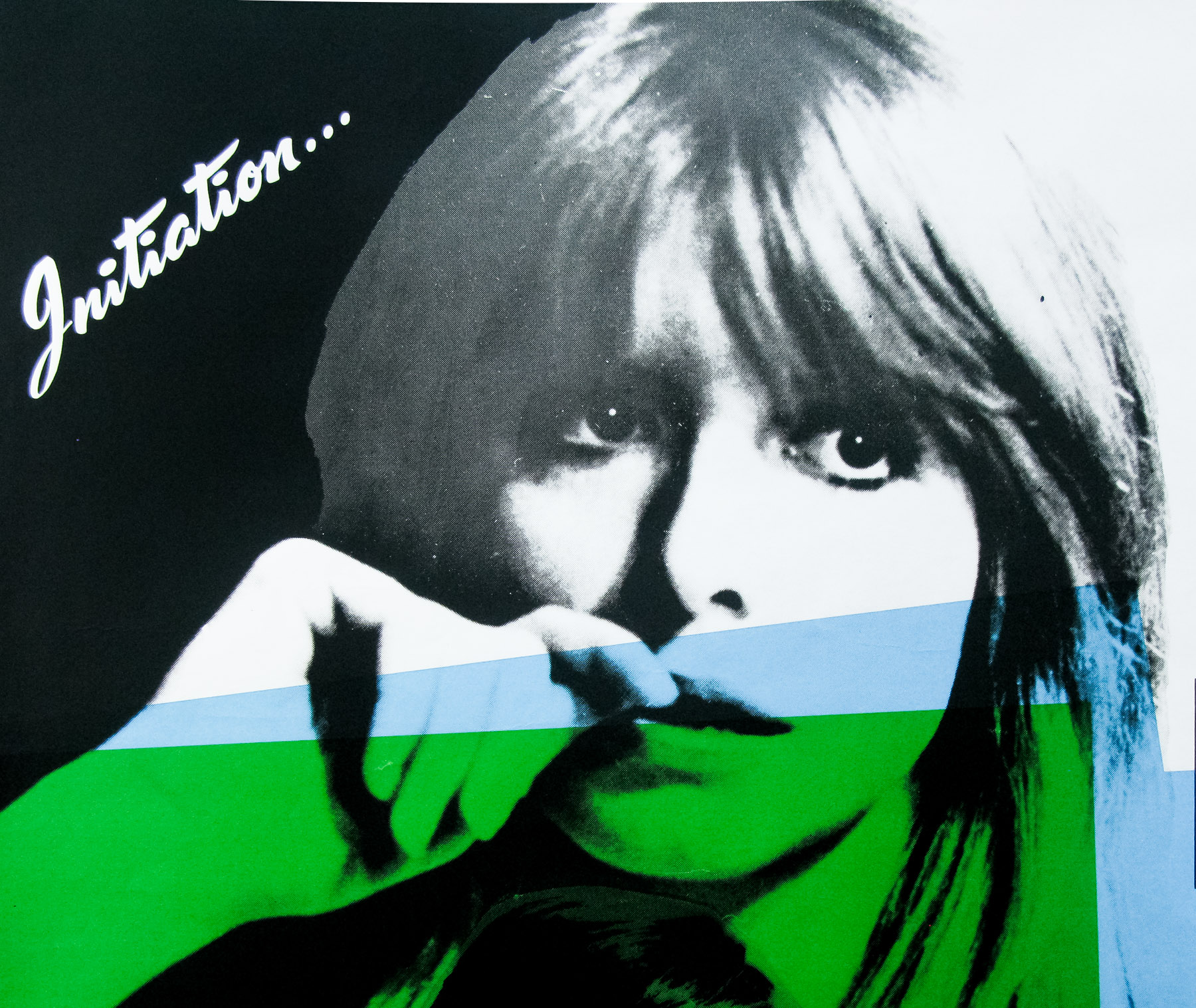
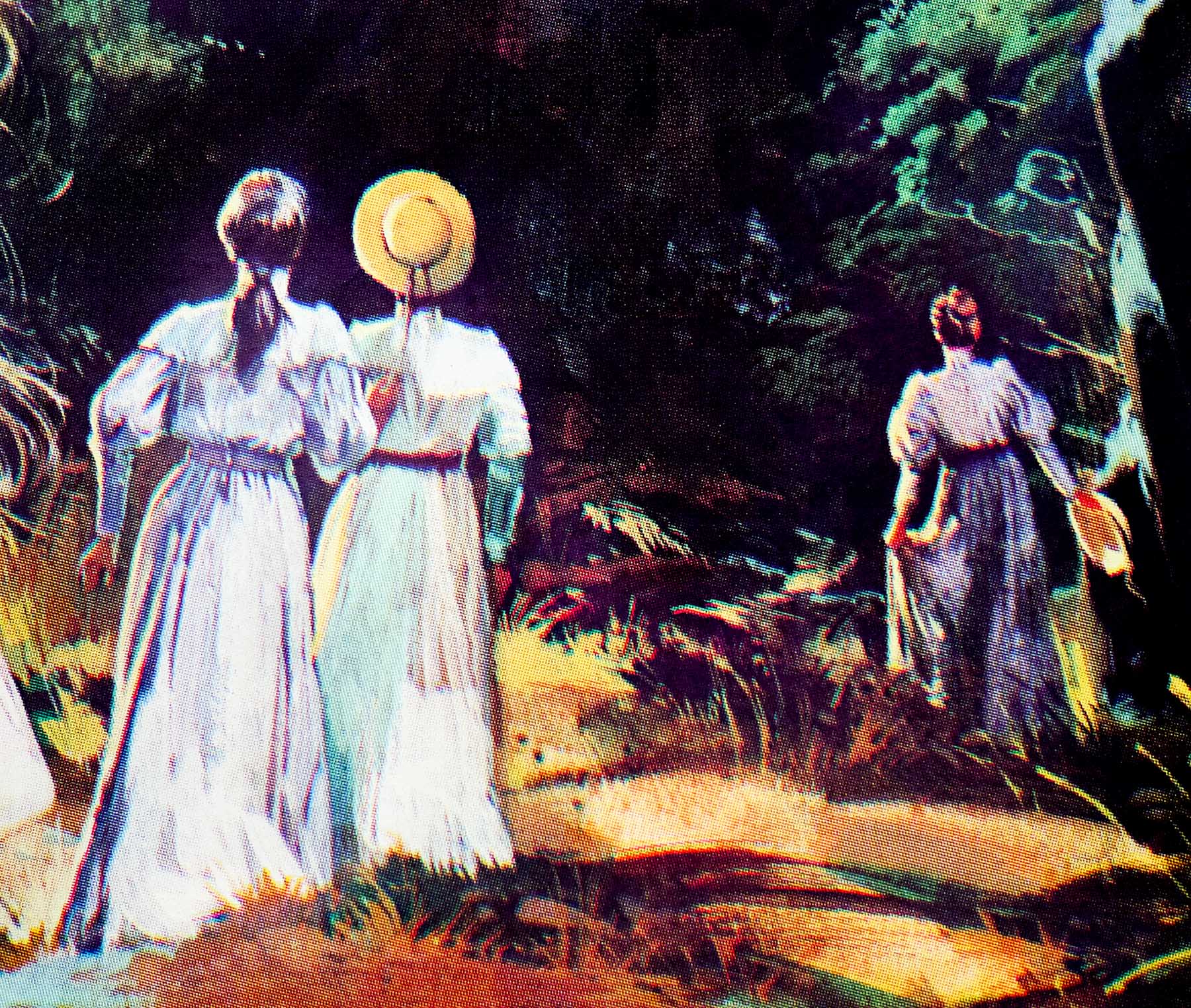
The film has an unforgettable atmosphere, helped by the ethereal cinematography of Russell Boyd who utilised the same material used for bridal veils to cover the lens and give many of the outdoor scenes a soft glow – this look was much imitated in the years following. The cast is uniformly excellent, particularly the key group of school girls that includes the beautiful Anne-Louise Lambert as Miranda (as featured on this poster) who is the focus of more than one characters’ infatuation. Filming took place at the real Hanging Rock in Victoria as well as a mansion called Martindale Hall that doubled as Appleyard College. The film was a global critical and box office  success, despite some audience frustration at the ending, and it retains its legacy as one of Australia’s most beloved films.

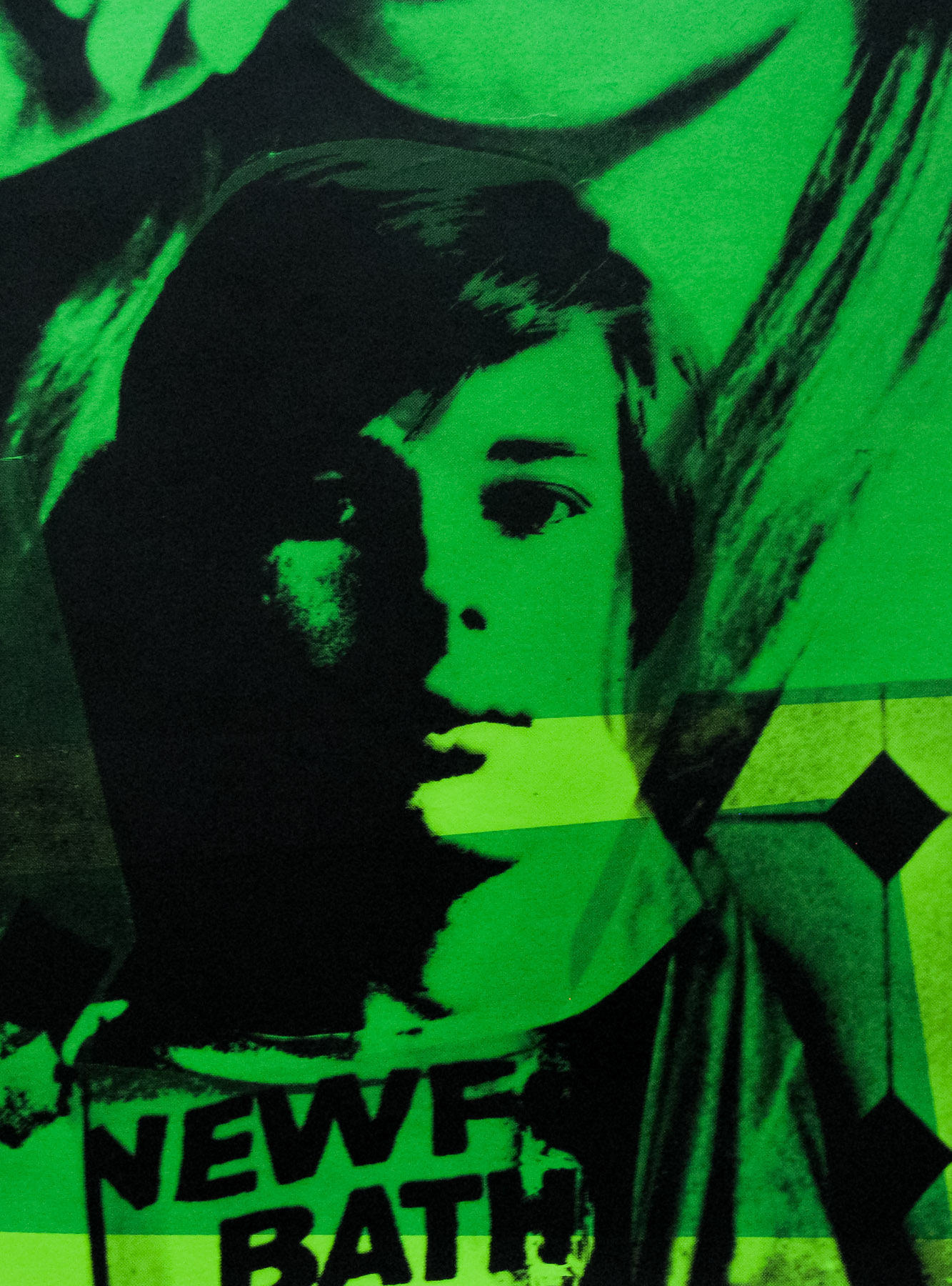
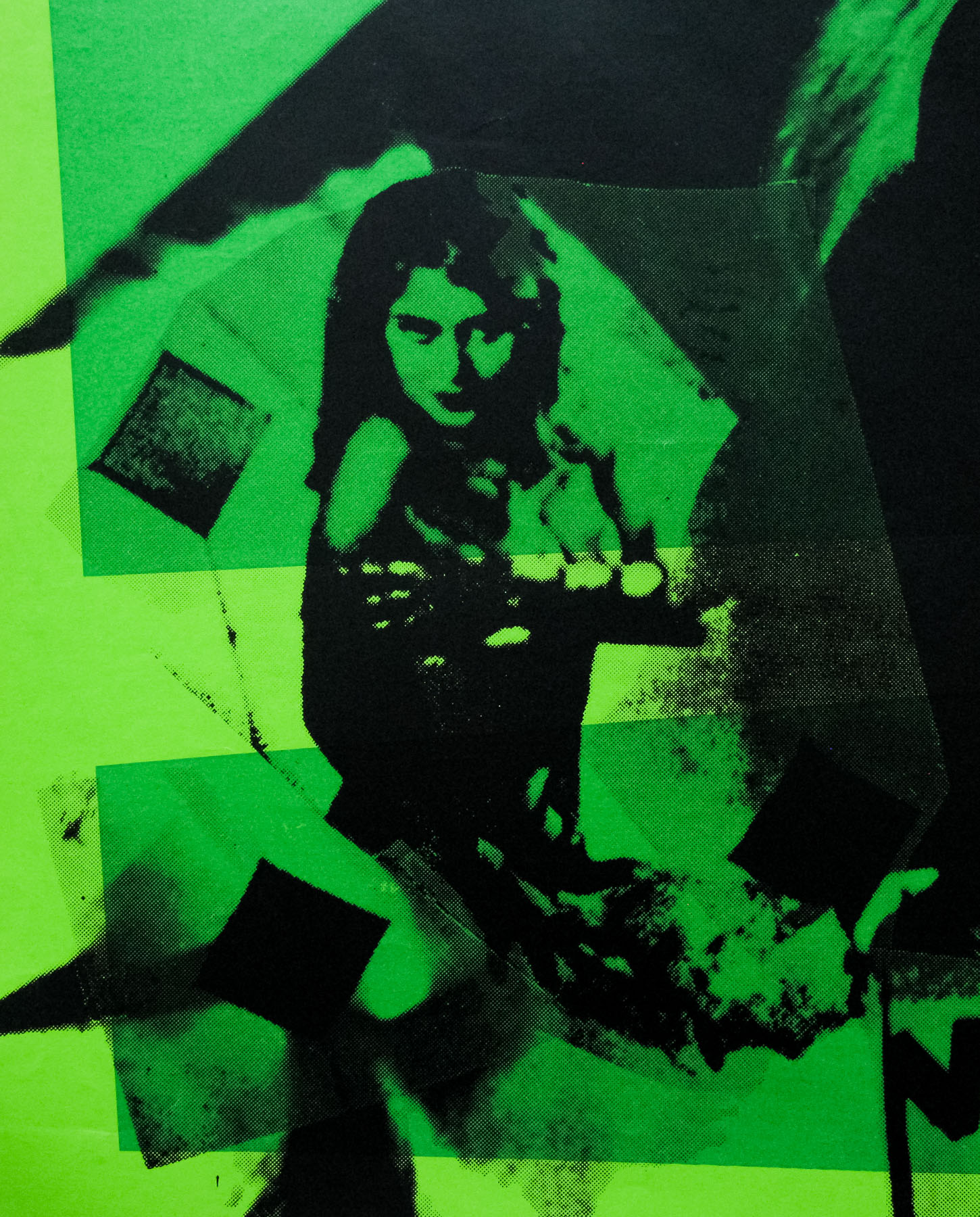
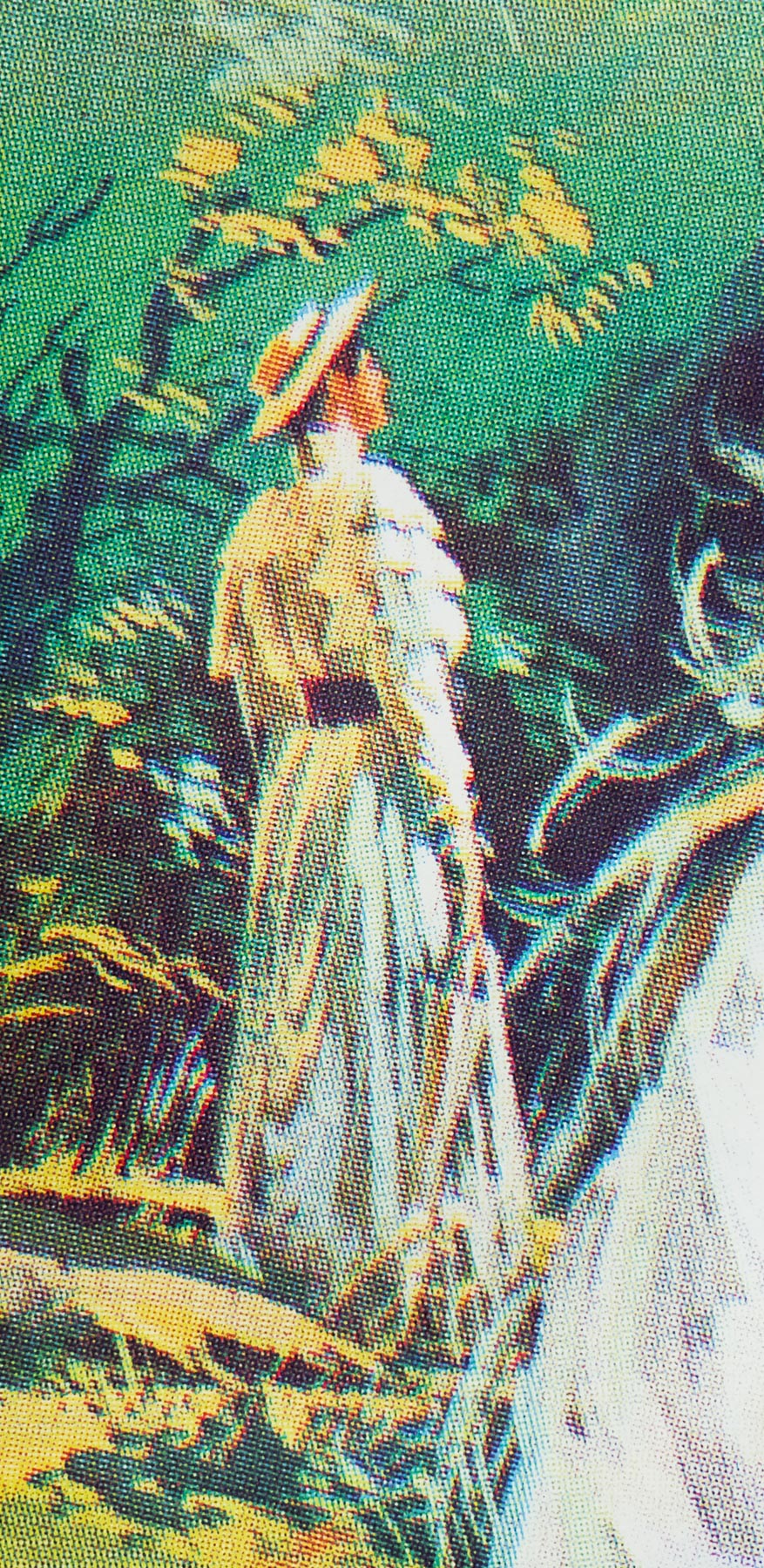
This British quad was illustrated by one of my favourite British artists, Brian Bysouth, who worked on a number of classic British posters during the 1970s and 1980s. It is unique to this particular poster but has some elements that also appeared on the original Australian poster that can be seen here (image taken from emovieposter.com).

You can read my extensive interview with Brian by clicking here. The other posters I’ve collected by him can be seen by clicking here.
Day of the Dead / quad / UK

12.05.14

Poster Poster
Title
Day Of The Dead
AKA
Zombie 2 - Das letzte Kapitel (West Germany) | Il giorno degli zombi (Italy)
Year of Film
1985
Director
George A. Romero
Starring
Lori Cardille, Terry Alexander, Joe Pilato, Jarlath Conroy, Anthony Dileo Jr., Richard Liberty, Sherman Howard
Origin of Film
USA
Genre(s) of Film
Lori Cardille, Terry Alexander, Joe Pilato, Jarlath Conroy, Anthony Dileo Jr., Richard Liberty, Sherman Howard,
Type of Poster
Quad
Style of Poster
--
Origin of Poster
UK
Year of Poster
1985
Designer
Unknown
Artist
--
Size (inches)
30 1/16" x 40"
SS or DS
SS
NSS #
--
Tagline
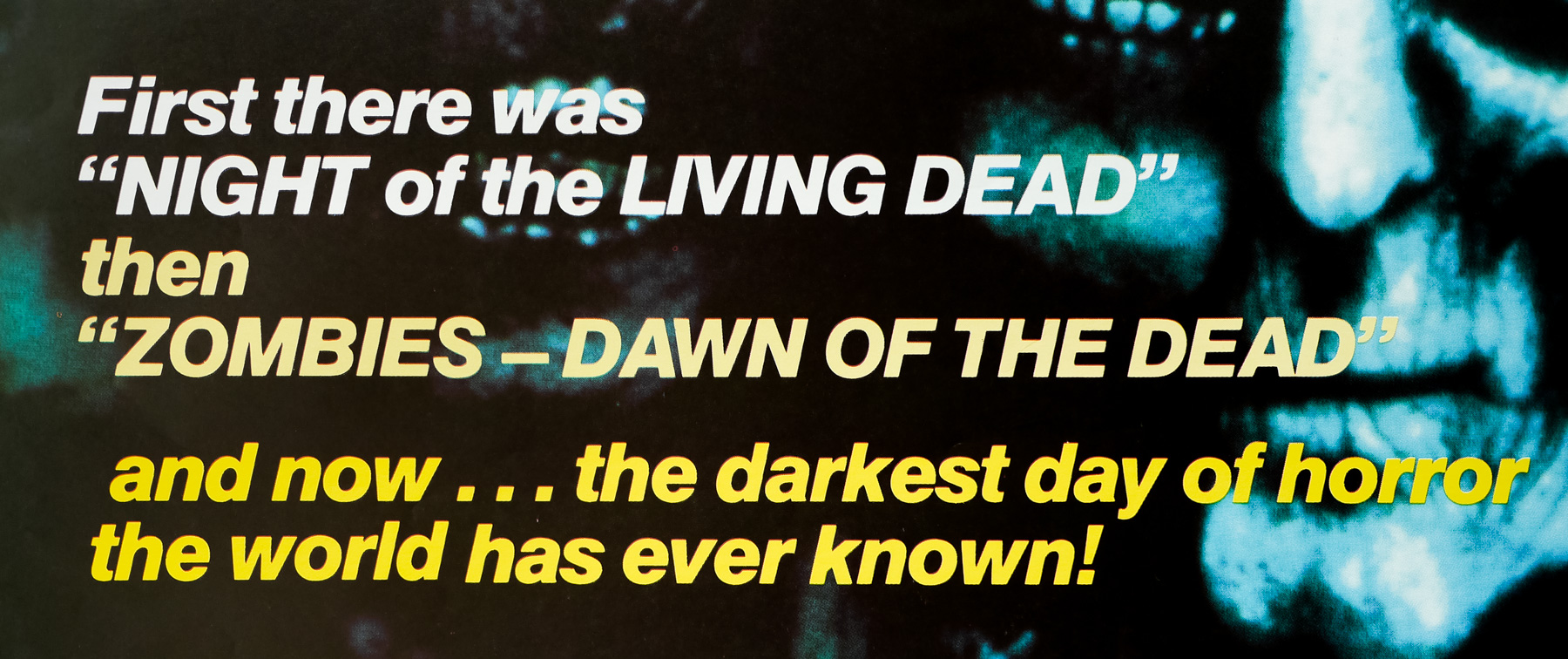
First there was "Night of the Living Dead" then "Zombies - Dawn of the Dead" and now the darkest day of horror the world has ever known

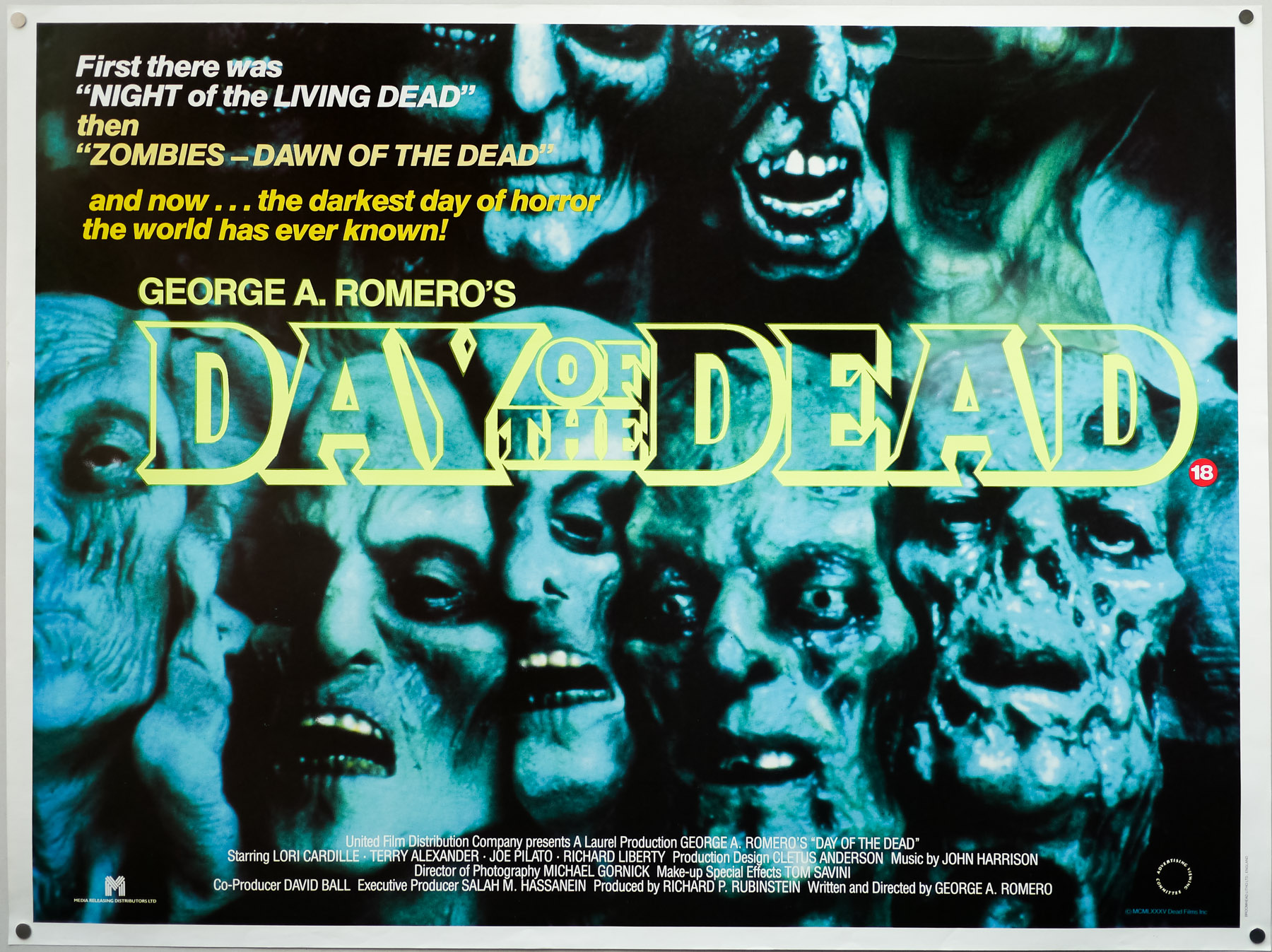
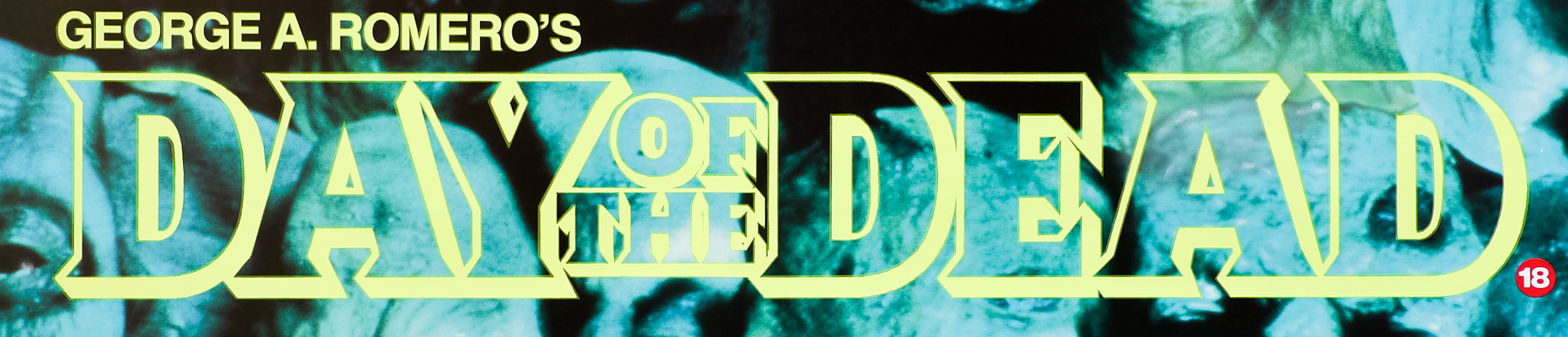
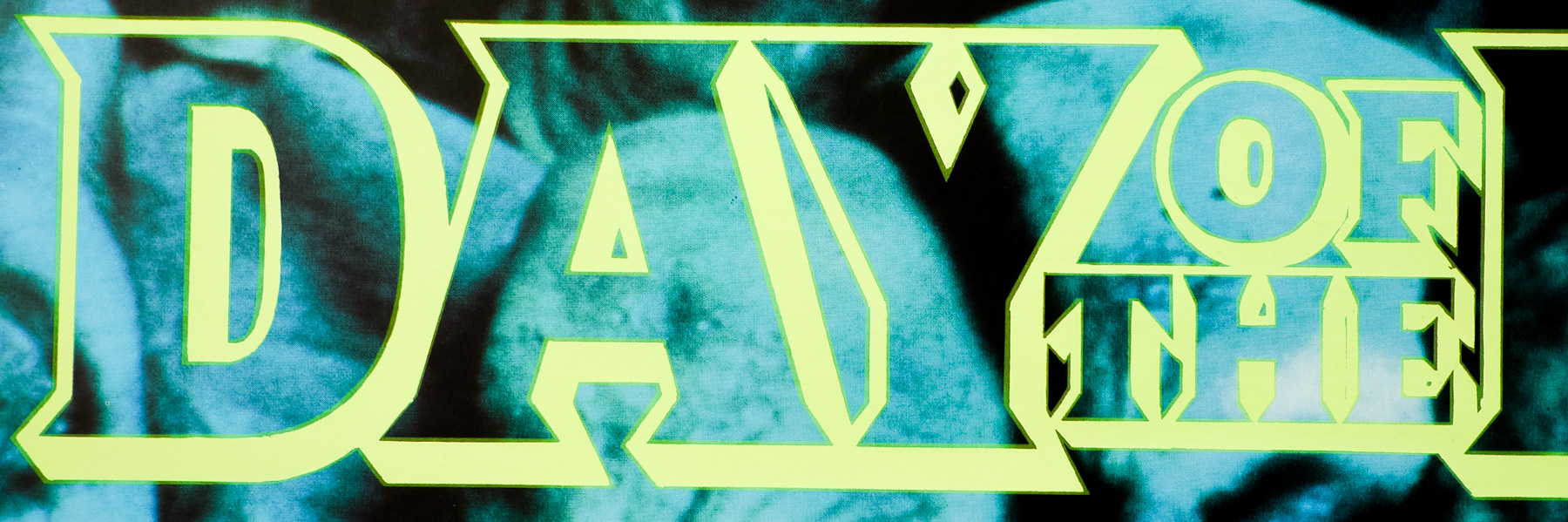
This is the British quad for the original release of the third film in George A. Romero‘s ‘Dead’ series, Day of the Dead. In a similar situation to Dawn of the Dead (released 7 years earlier) this film had no returning characters from the previous entry due to rights issues, so it’s set in the same universe after the zombie outbreak but shares no continuity with the earlier films. Romero’s original vision for the ‘Day…’ was scaled back to due to budget constraints, but the director has since said he’s very happy with the final product. It’s a notably darker, bleaker effort than the fan favourite ‘Dawn’ but features a unique setting, memorable characters and some of the best special effects of the entire series, courtesy of the legendary Tom Savini.

The story follows a group of survivors who have holed-up in a military bunker in Florida and make regular trips around the area looking for survivors. Underground a small group of scientists and technical specialists, including Dr Sarah Bowman (Lori Cardille) and Dr Logan (Richard Liberty), known as ‘Frankenstein’, are working to discover the cause of the outbreak and discover if anything can be done to make the zombies more docile. An uneasy truce is maintained by the scientists and other specialists like helicopter pilot John (Terry Alexander), with a group of soldiers ostensibly there to protect them and deliver them test subjects from a fenced off area of the base. The soldiers are led by the psychotic Captain Rhodes (Joseph Pilato) who discovers that Dr Frankenstein has been secretly carrying out experiments using dead soldiers, including training a zombie known as Bub (Sherman Howard) to follow commands. At this point the truce is shattered and a series of events see the base overrun with the undead, forcing Sarah and the others to try to escape the carnage before its too late.

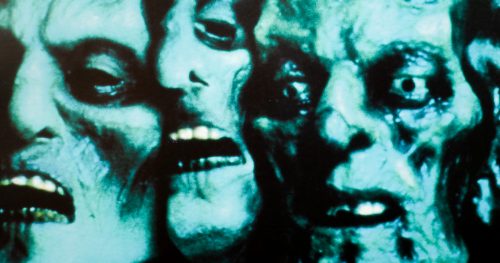
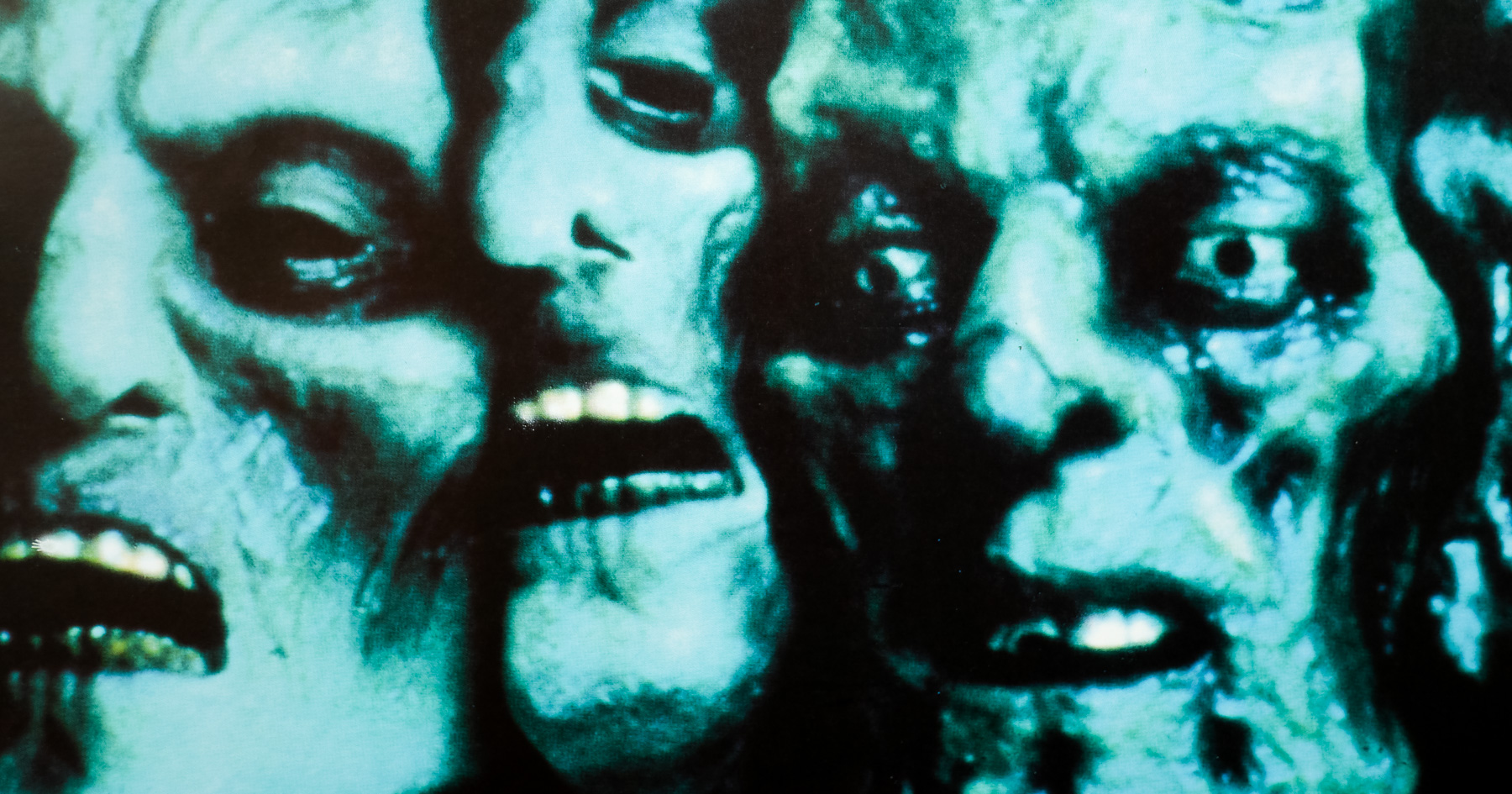
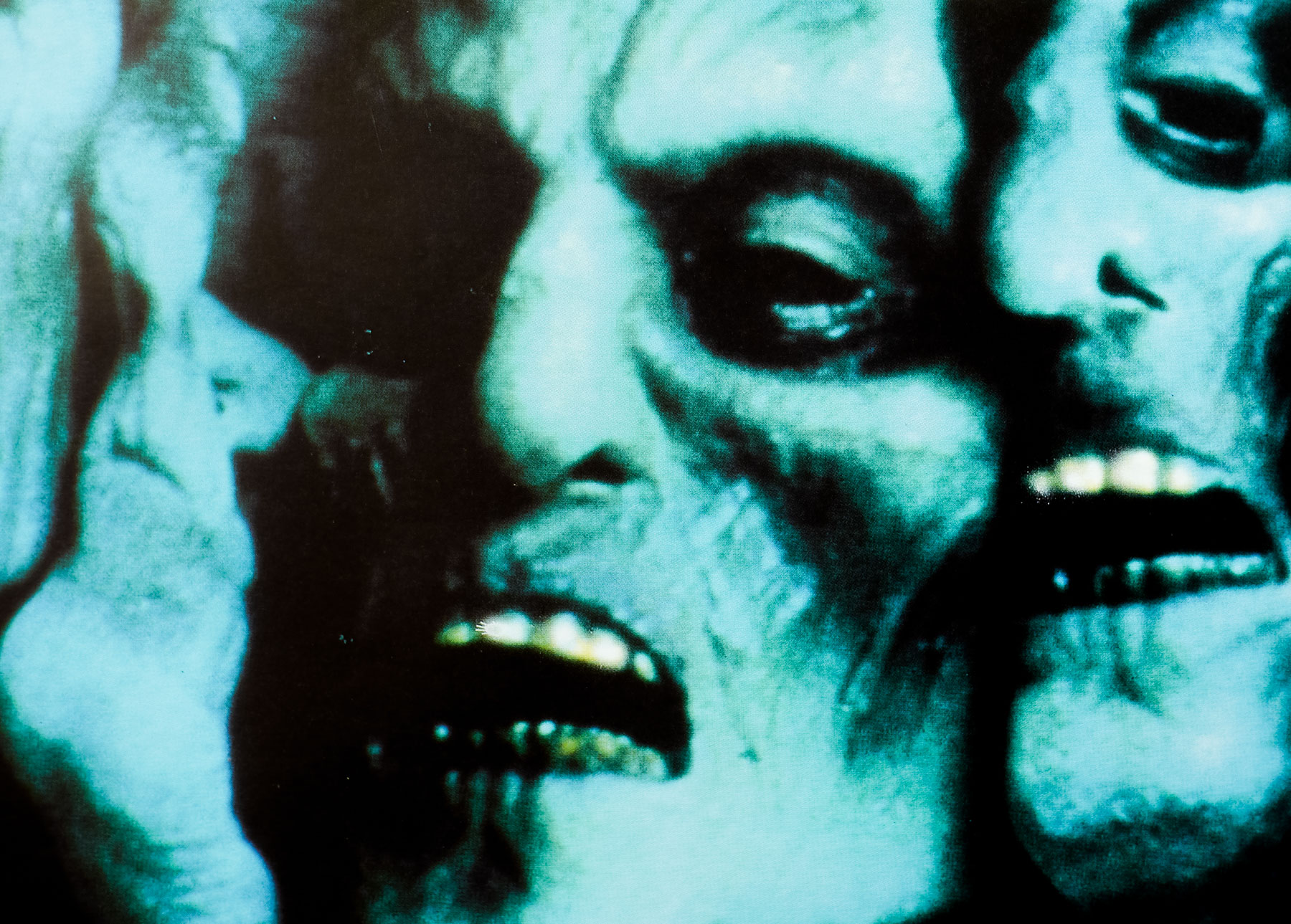
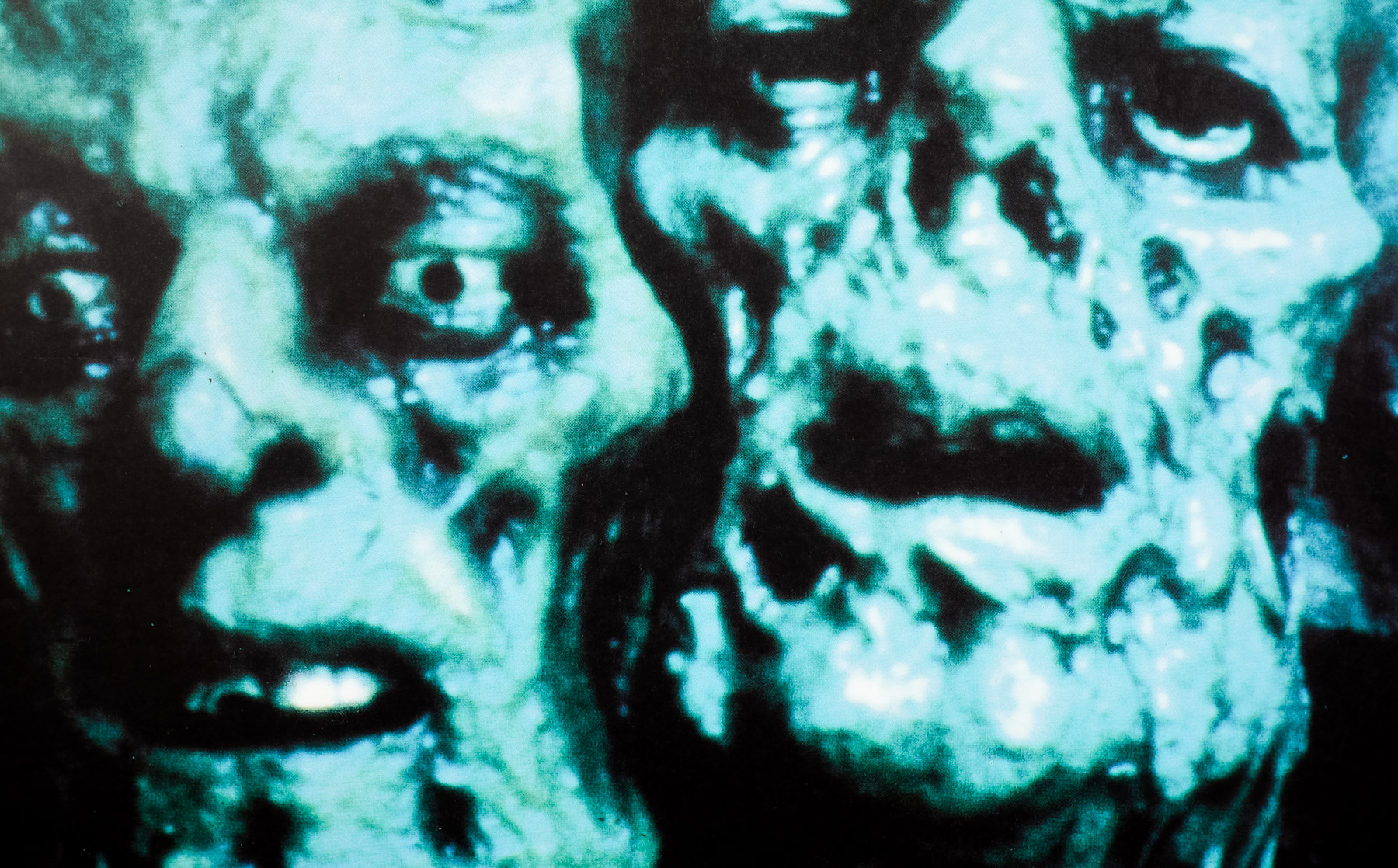
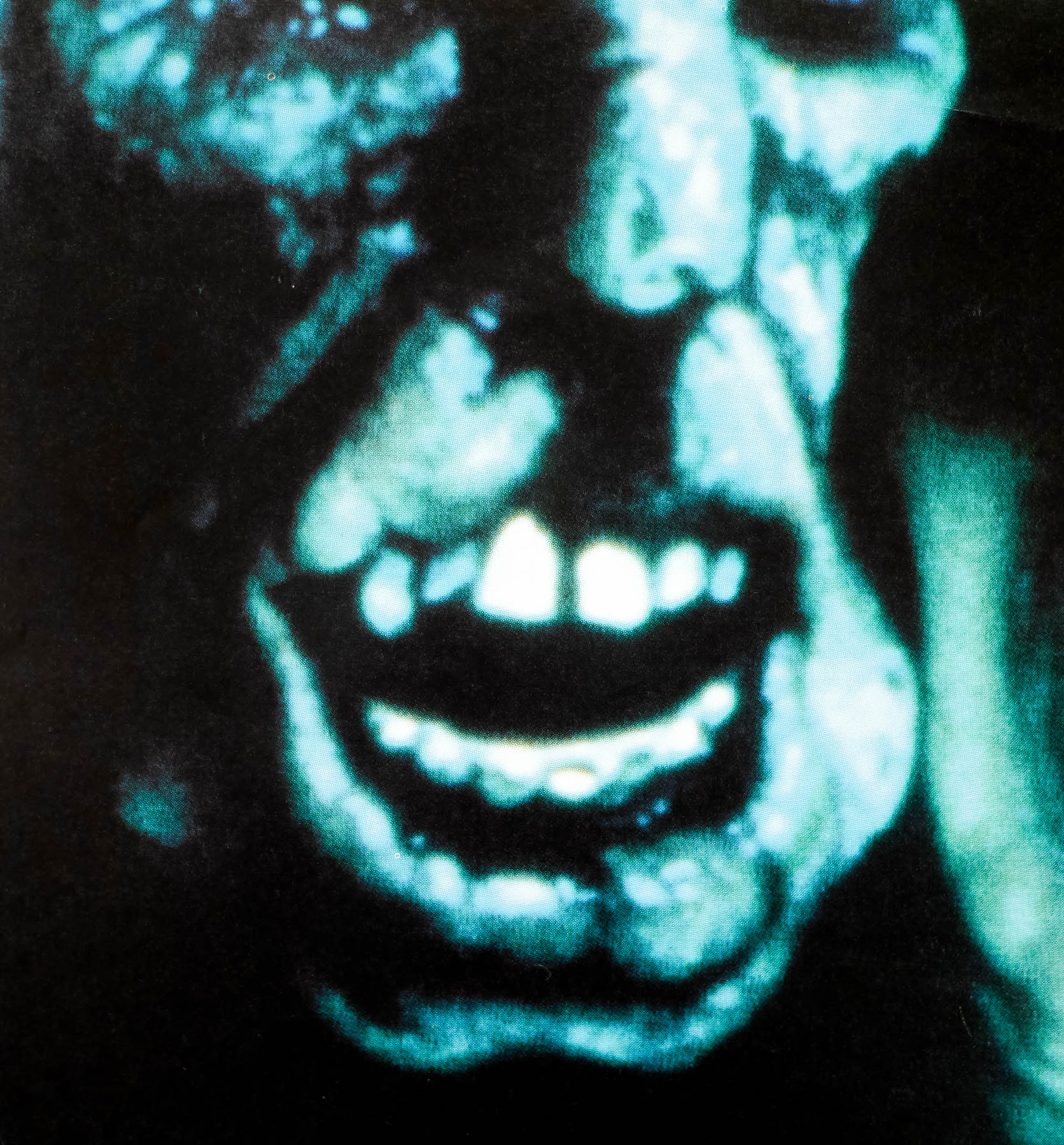
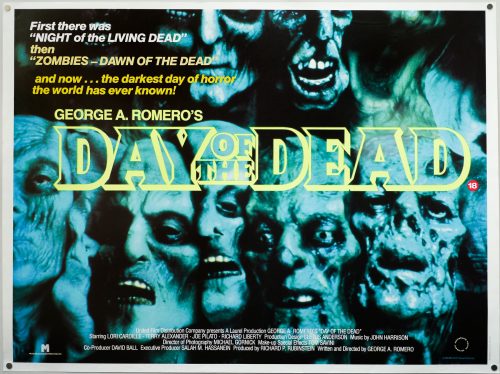
This image of a wall of zombie faces is (with thanks to a site reader) actually a photograph of the back wall of the film’s production makeup room. It features a close up of some of the 100+ zombie masks that were created for the film during a break in filming (when they were waiting to be applied to the extras playing the zombies). This explains why the faces are distorted and without eyes. The same imagery also featured on one of four Japanese B2s. The US one sheet is markedly different and an iconic horror film poster in its own right.  Note that the tagline references the alternate international title for Dawn of the Dead, ‘Zombies’.

The Toxic Avenger / quad / UK

25.07.14

Poster Poster
Title
The Toxic Avenger
AKA
--
Year of Film
1984
Director
Michael Herz, Lloyd Kaufman
Starring
Andree Maranda, Mitch Cohen, Jennifer Prichard, Cindy Manion, Robert Prichard, Gary Schneider, Pat Ryan, Mark Torgl, Dick Martinsen
Origin of Film
USA
Genre(s) of Film
Andree Maranda, Mitch Cohen, Jennifer Prichard, Cindy Manion, Robert Prichard, Gary Schneider, Pat Ryan, Mark Torgl, Dick Martinsen,
Type of Poster
Quad
Style of Poster
--
Origin of Poster
UK
Year of Poster
1984
Designer
Unknown
Artist
Unknown
Size (inches)
30" x 40"
SS or DS
SS
NSS #
--
Tagline
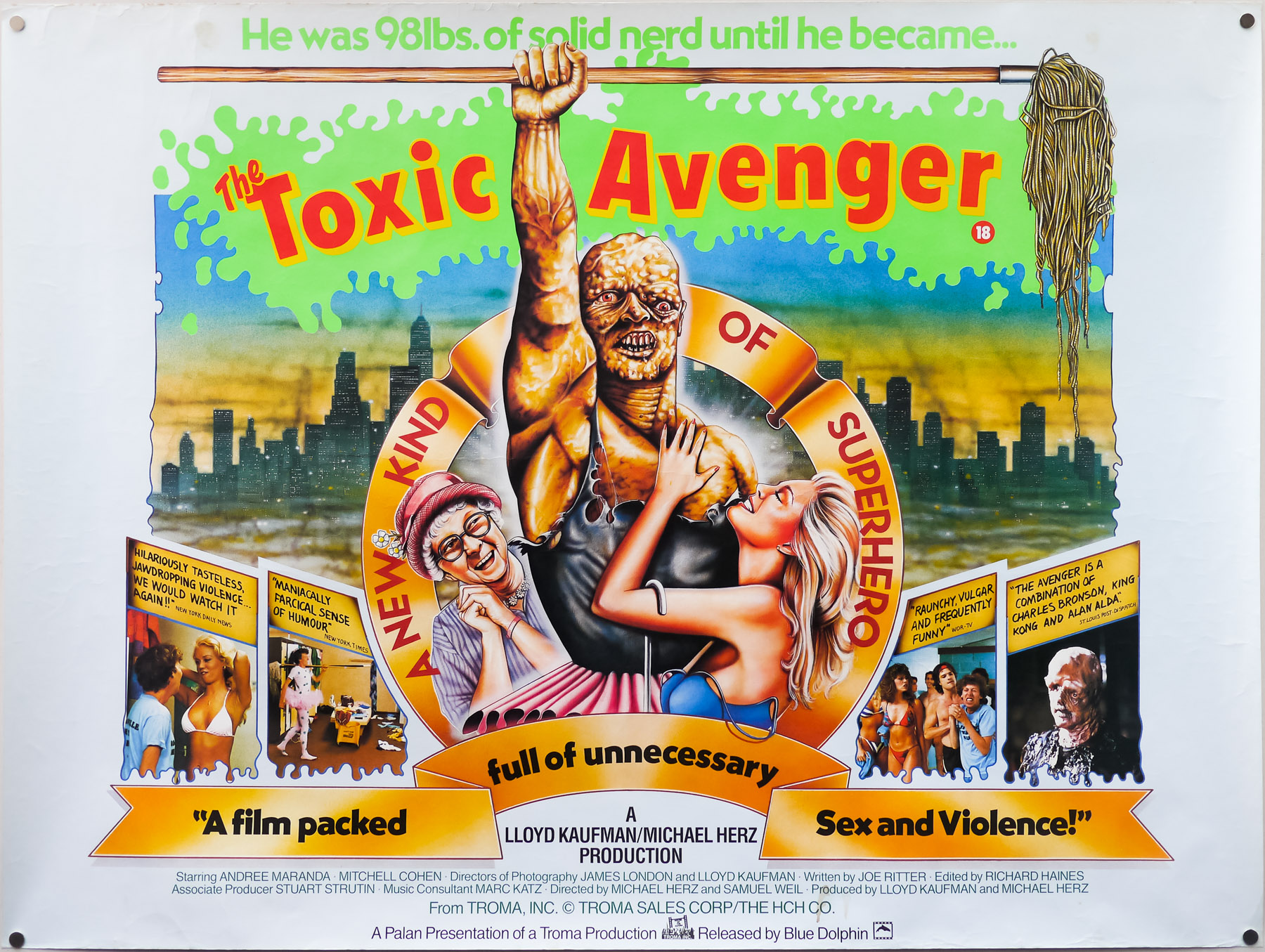
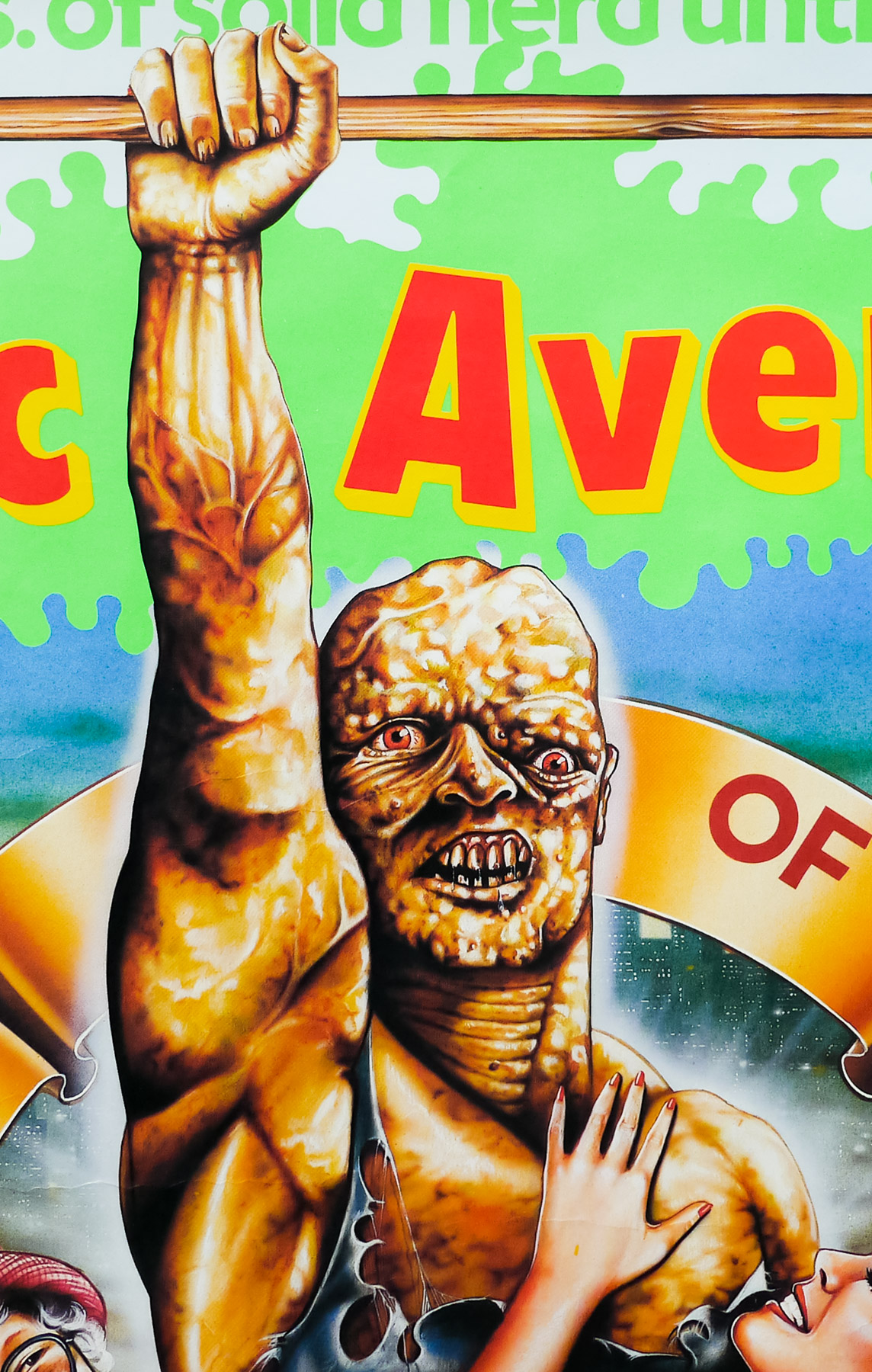
He was 98 lbs. of solid nerd until he became... | A new kind of super hero

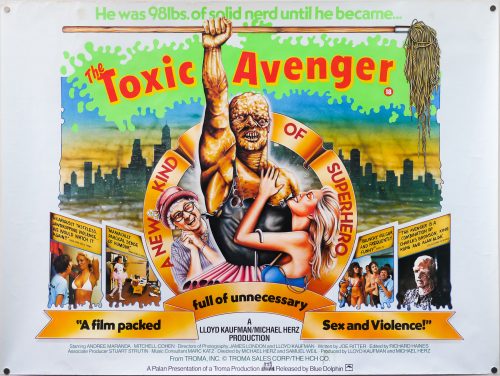
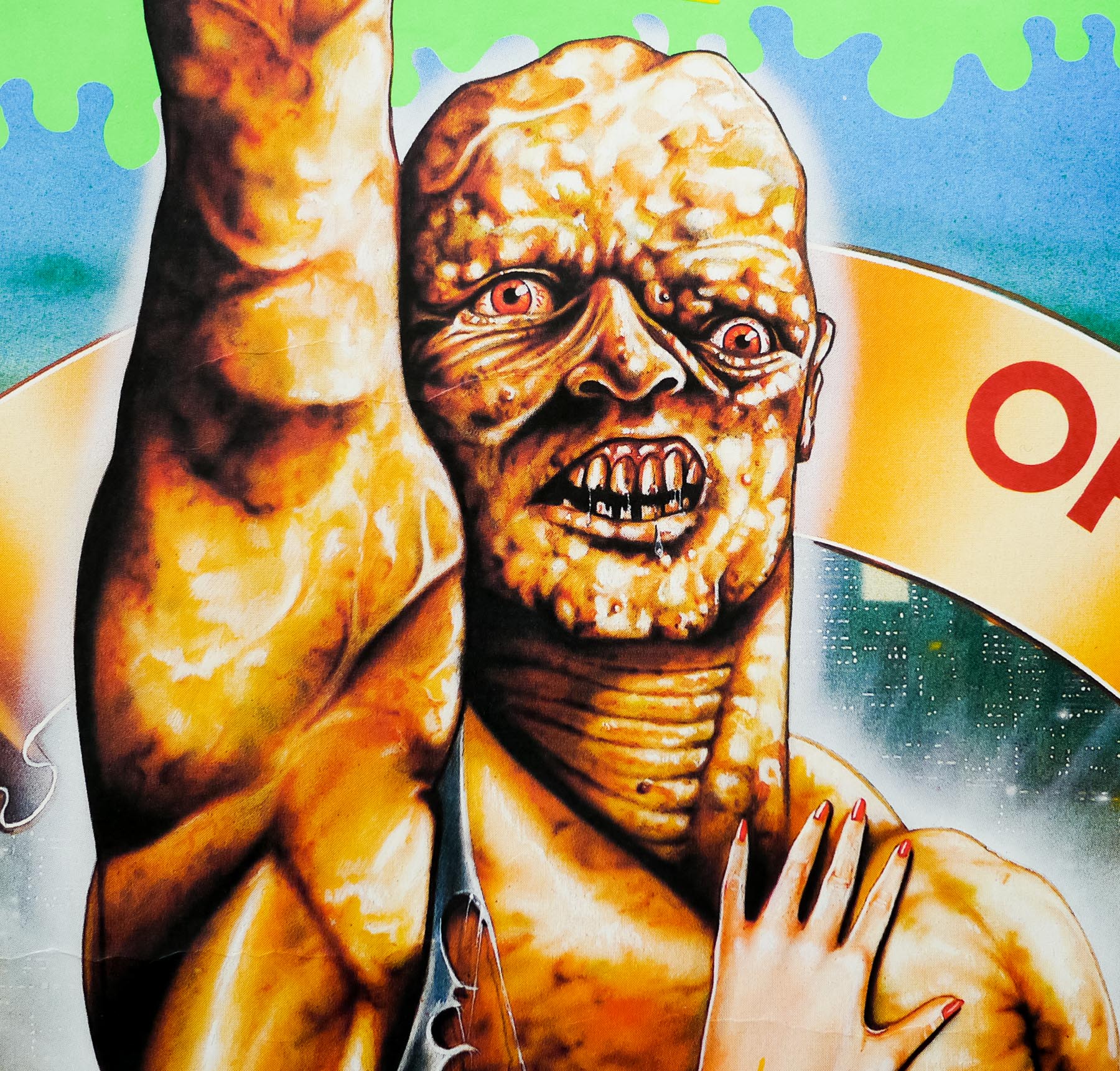
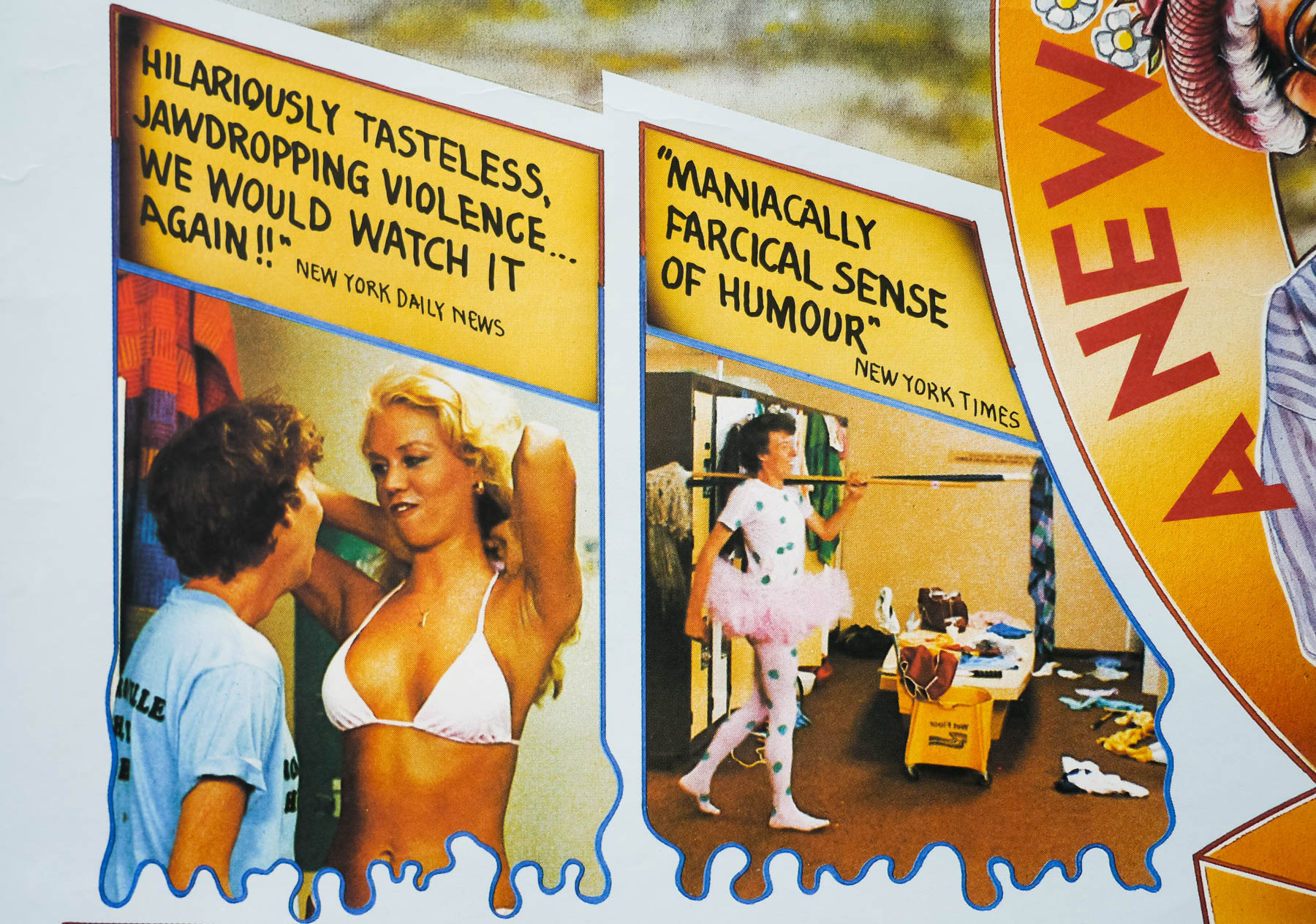
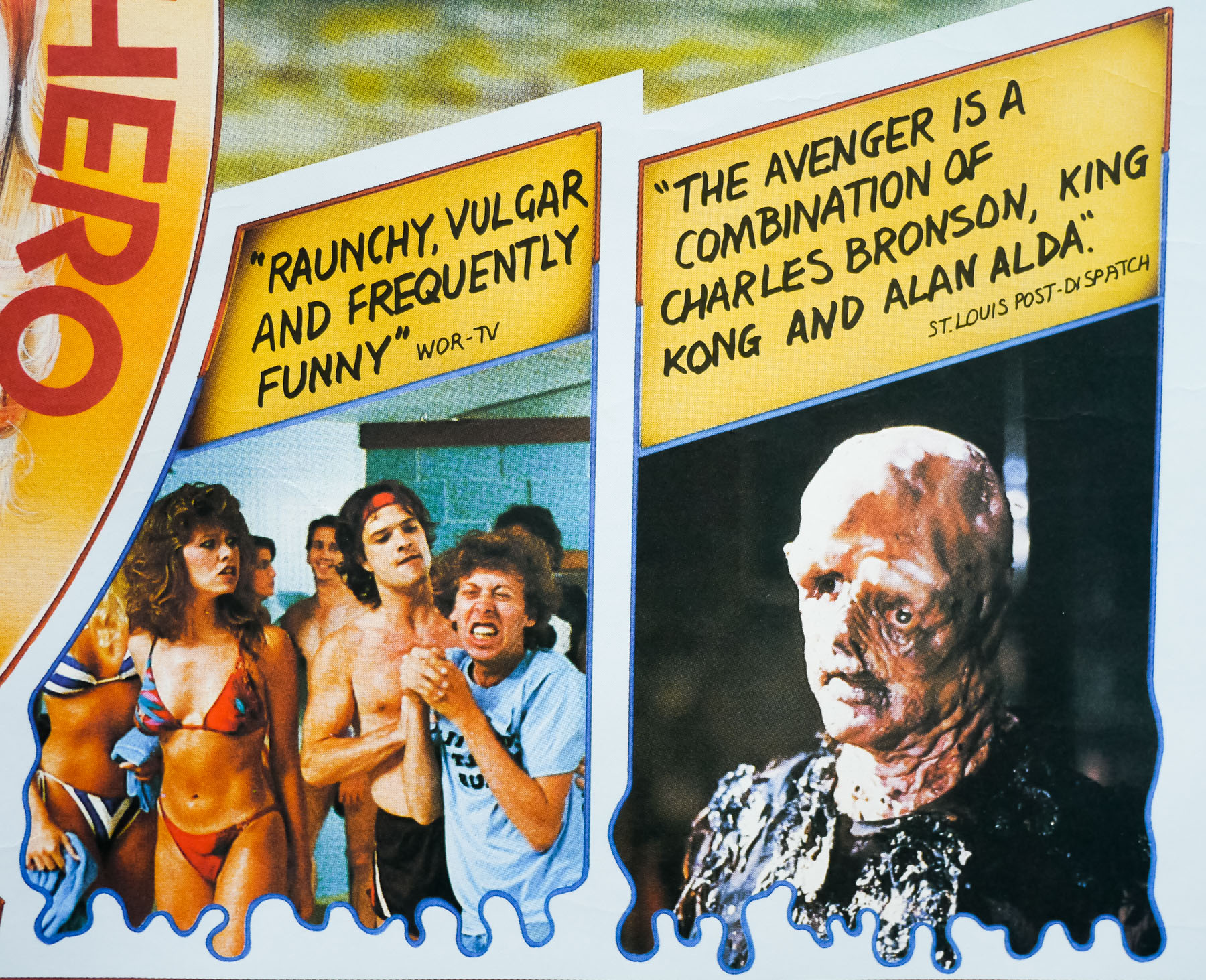
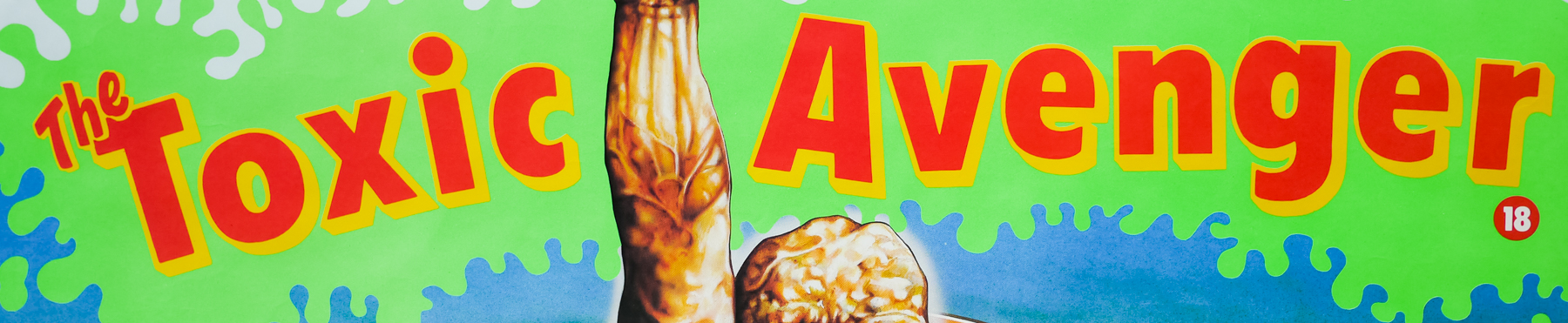
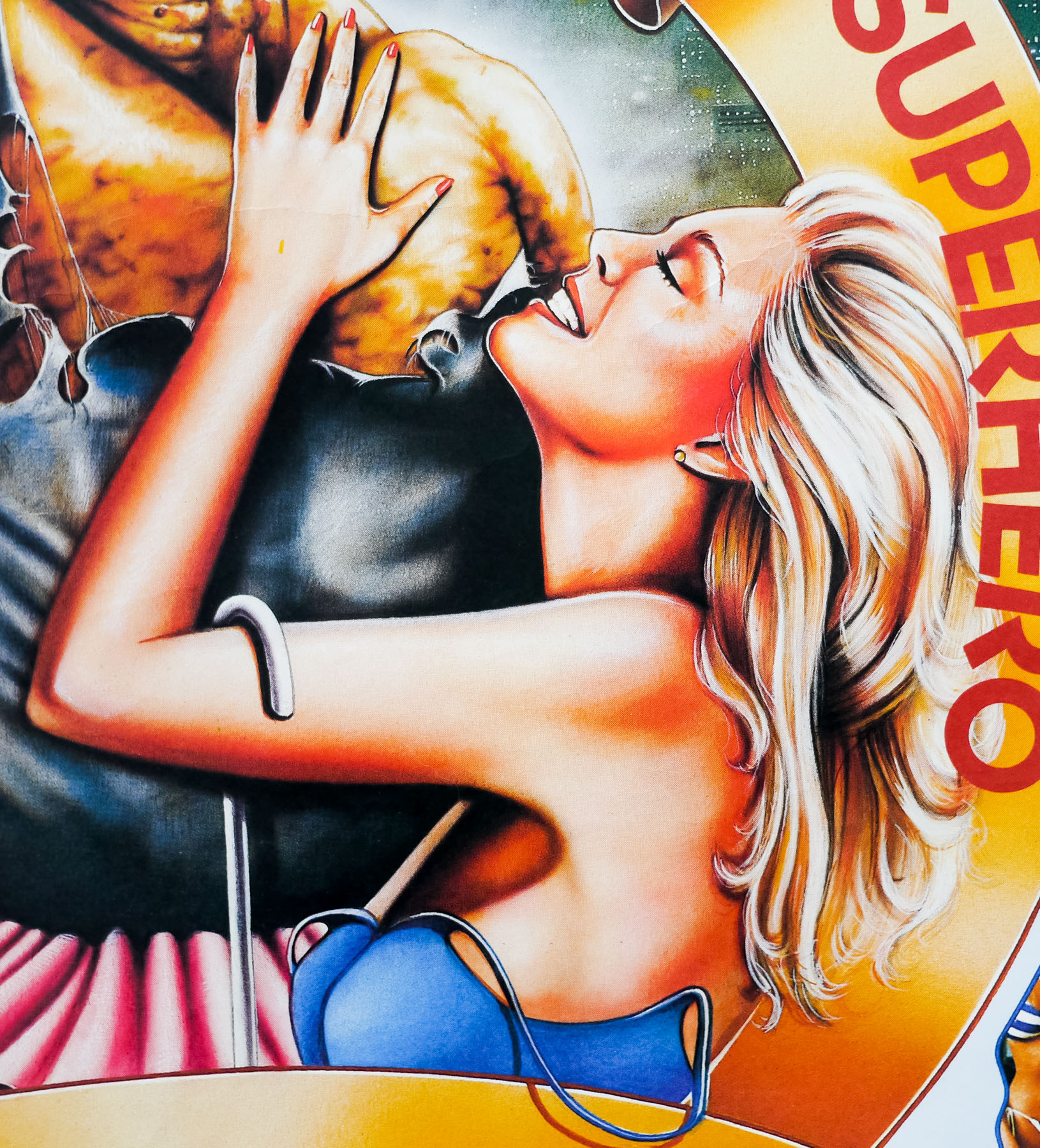
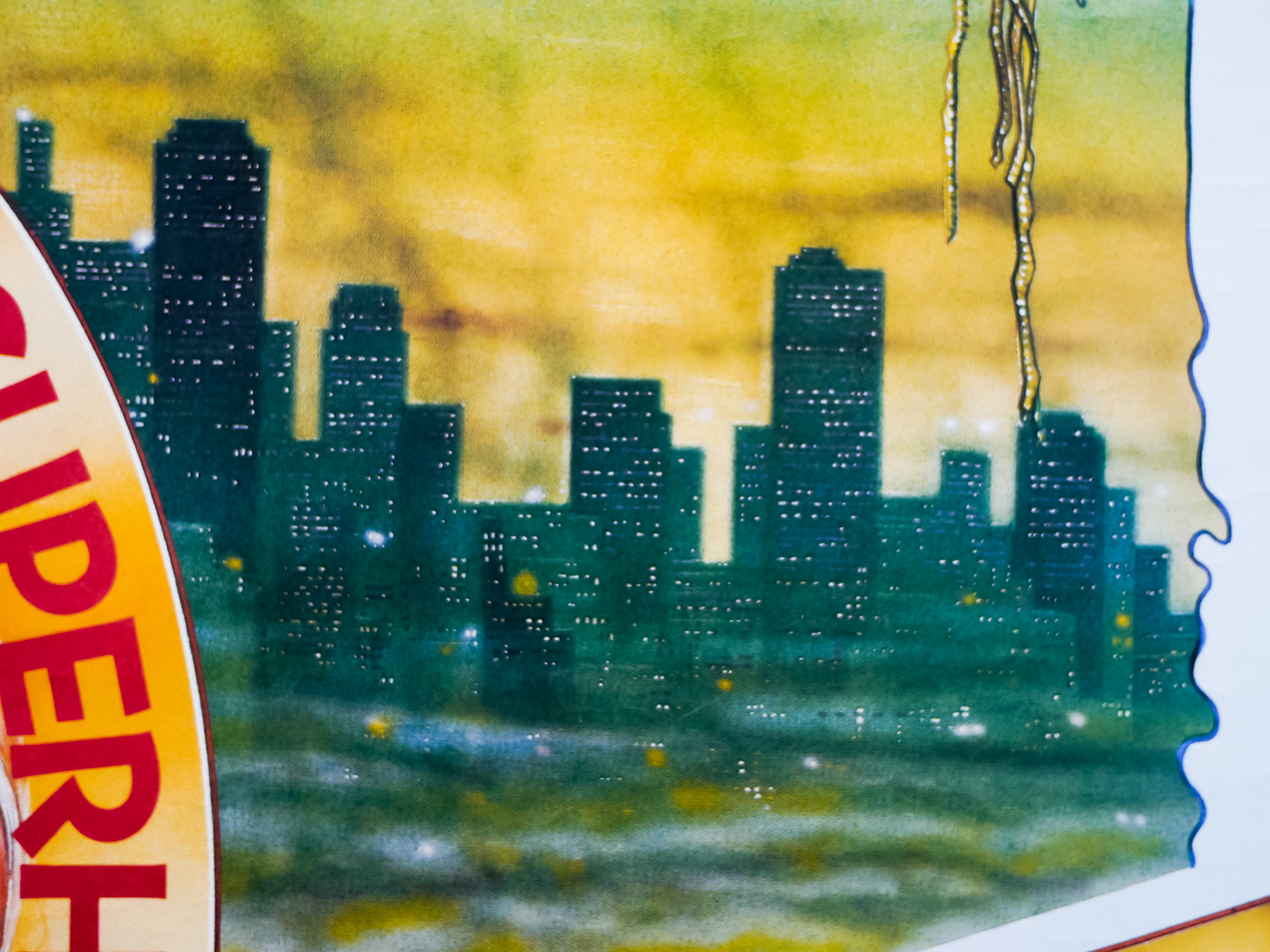
Released by the infamous American production and distribution company Troma, The Toxic Avenger was something of a box-office failure on its first release, but subsequent long-running shows on the midnight movie circuit at the Bleecker Street Cinemas in New York City helped to cement its current reputation as a cult classic. The film would go on to become Troma Studios’ most successful film, spawning numerous sequels, spinoffs and even a stage musical. The Toxic Avenger himself even features as their official mascot and this original entry is seen as the film that ‘built the house of Troma’.

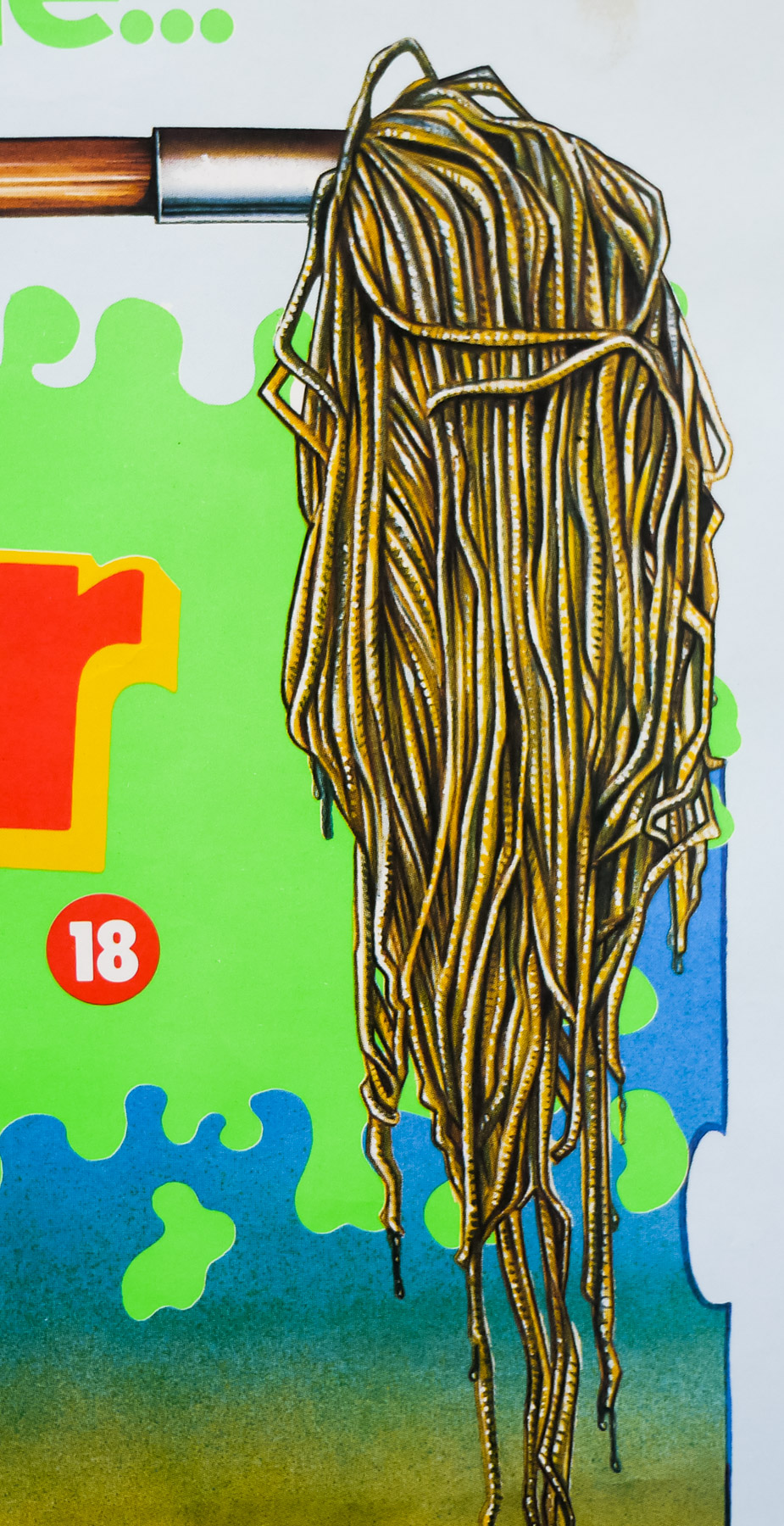
Melvin Junko (Mark Torgl) is a social misfit working at the Tromaville Health Club as a down-trodden mop boy who is often at the receiving end of the cruel pranks of a pair of bullies called Bozo (Gary Schneider) and Slug (Robert Prichard) and their girlfriends. One day whilst being chased through the club Melvin jumps out of a second story window and lands in a vat of toxic waste, which burns his skin and completely disfigures him. After running home and jumping in a bath to try and wash the waste off he finds himself mutating into a creature of superhuman strength. The rest of the film sees Melvin fighting crime in Tromaville as the Toxic Avenger, menacing the corrupt mayor Peter Belgoody (Pat Ryan).

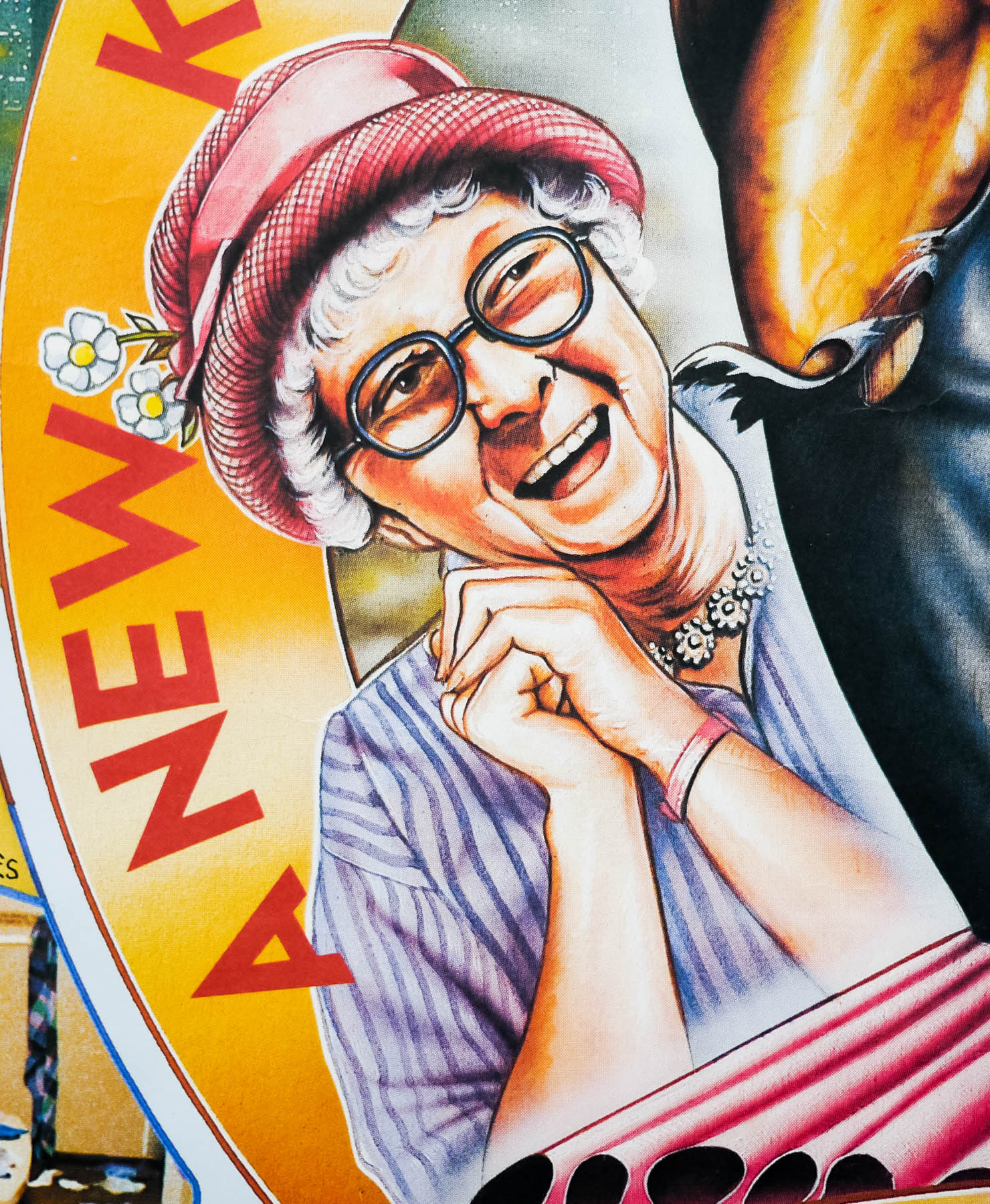
The artwork on this British quad is, as far as I’m aware, unique to the poster. I’ve been unable to discover who the artist responsible is so if you have any ideas please get in touch.

The superb original trailer can be viewed on YouTube.

Sex, Lies, and Videotape / quad / UK

09.06.15

Poster Poster
Title
Sex, Lies, and Videotape
AKA
--
Year of Film
1989
Director
Steven Soderbergh
Starring
James Spader, Andie MacDowell, Peter Gallagher, Laura San Giacomo, Ron Vawter, Steven Brill
Origin of Film
USA
Genre(s) of Film
James Spader, Andie MacDowell, Peter Gallagher, Laura San Giacomo, Ron Vawter, Steven Brill,
Type of Poster
Quad
Style of Poster
--
Origin of Poster
UK
Year of Poster
1989
Designer
Unknown
Artist
--
Size (inches)
30" x 40"
SS or DS
SS
Tagline
--

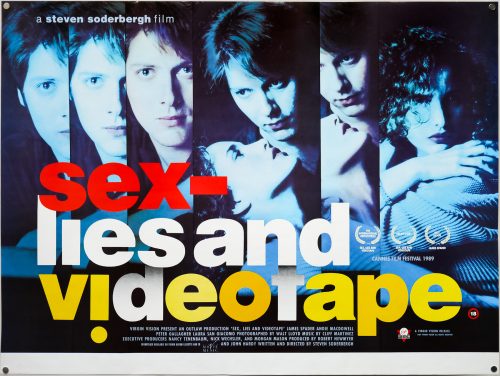
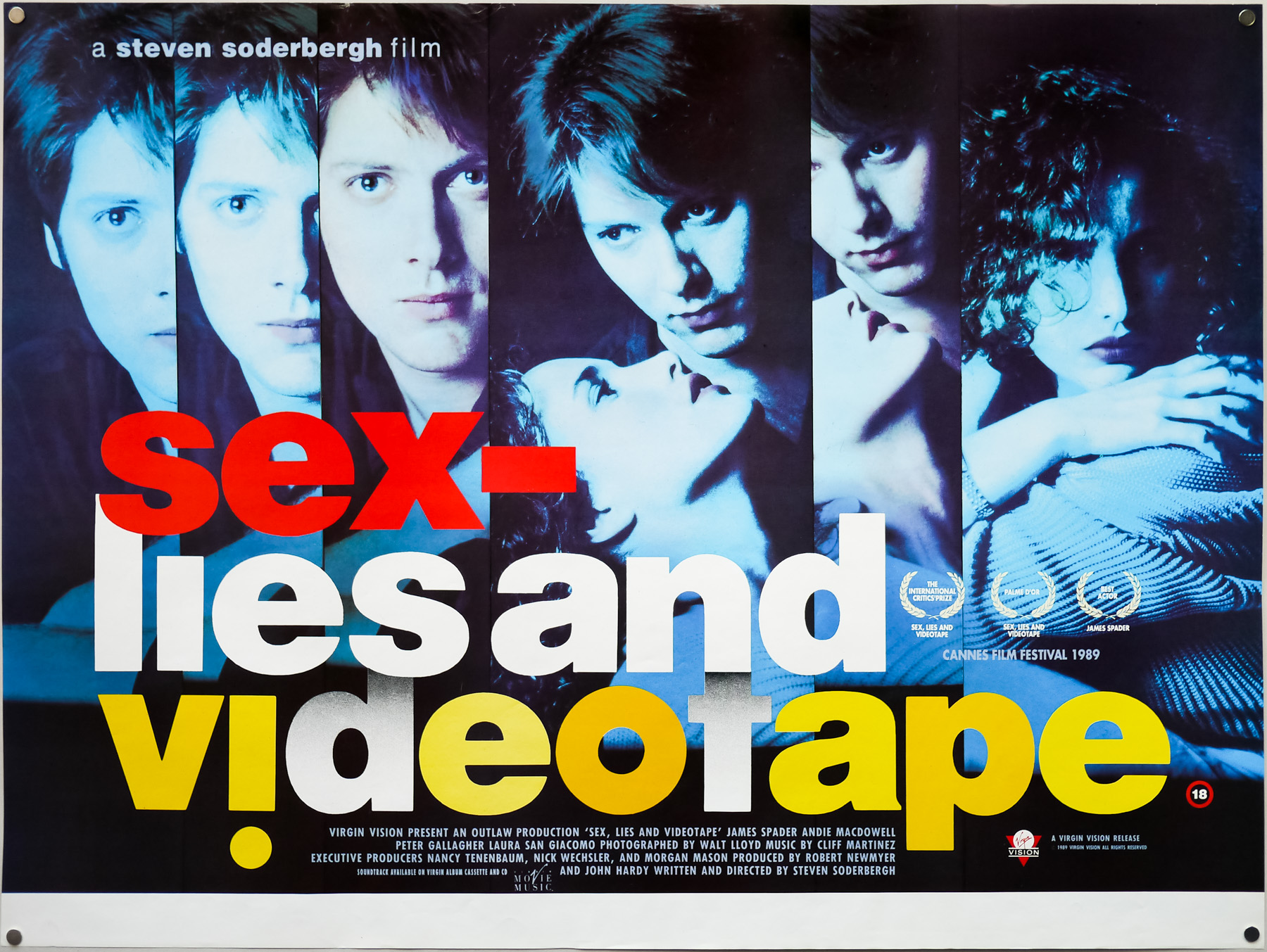
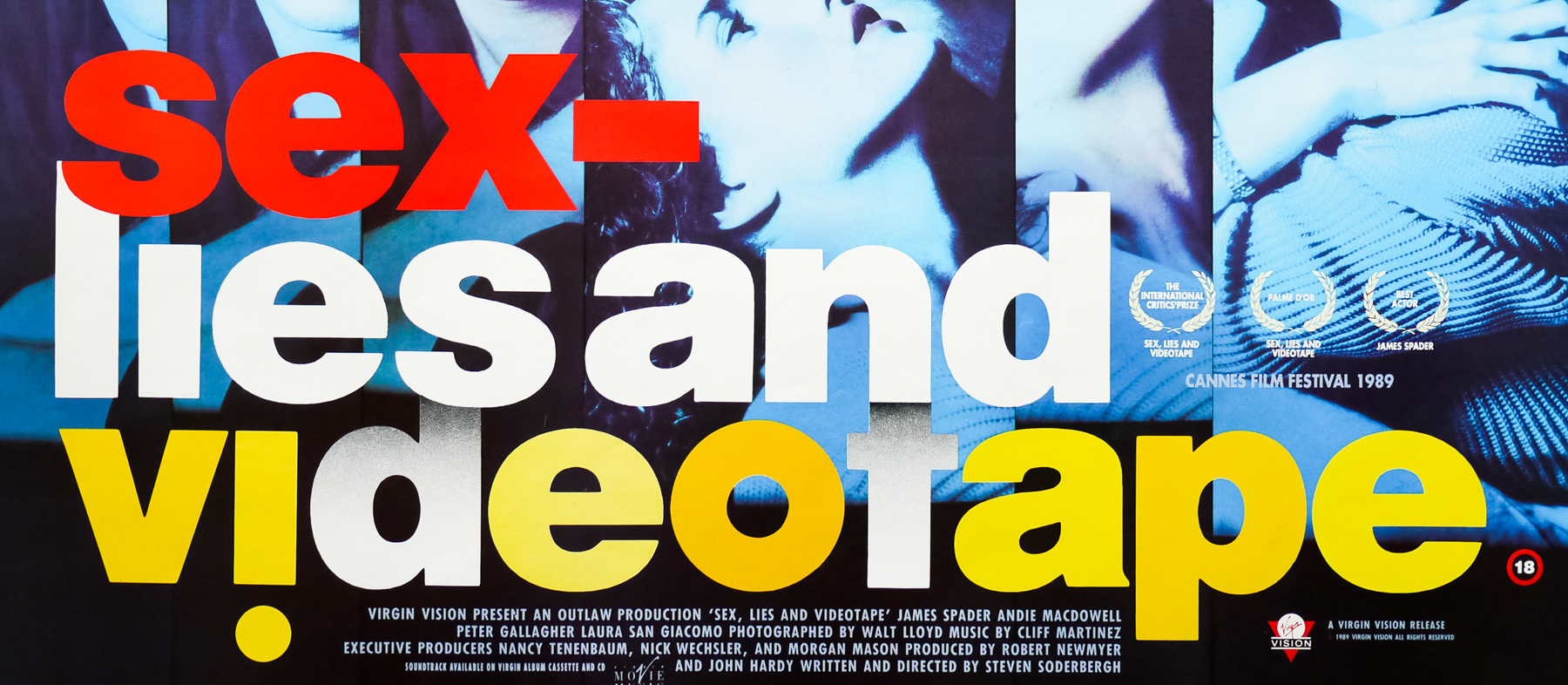
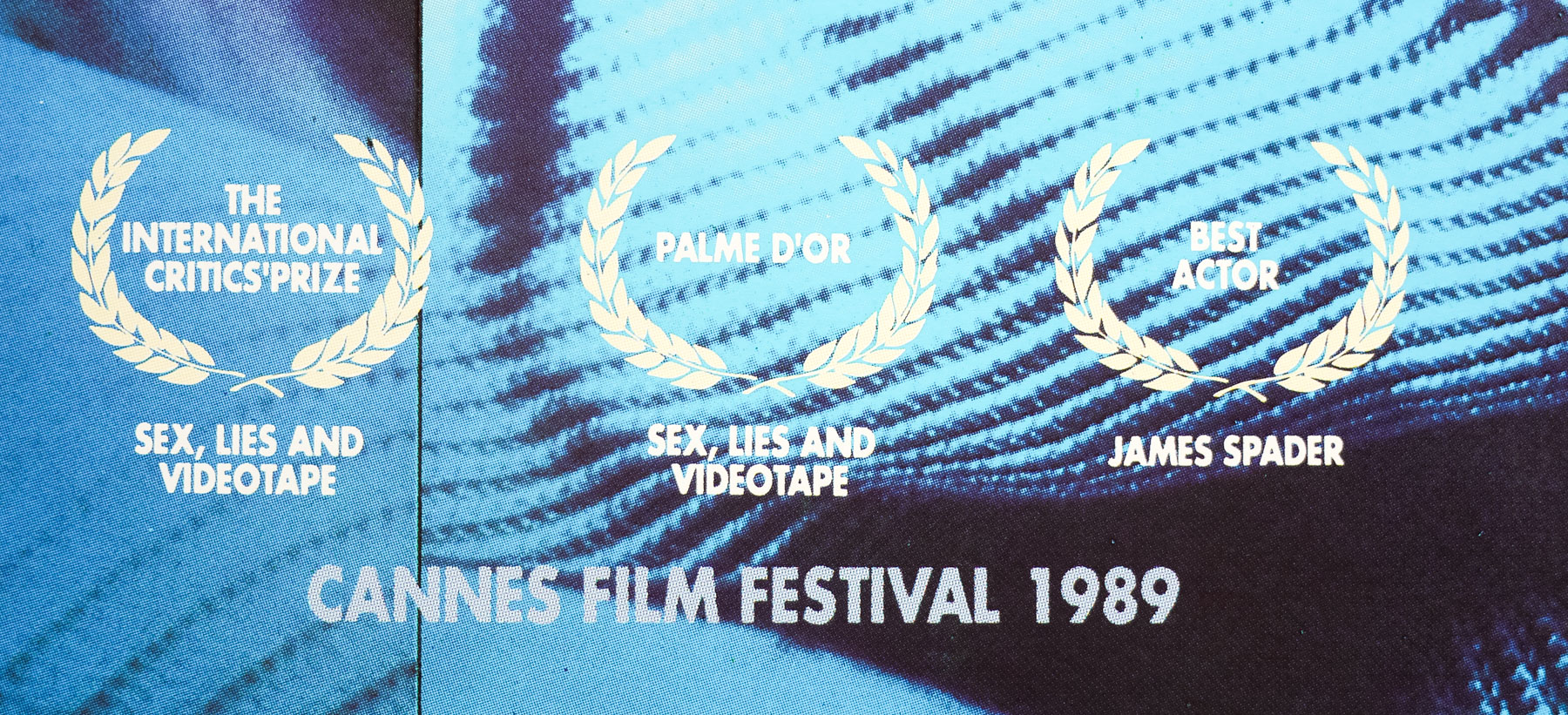
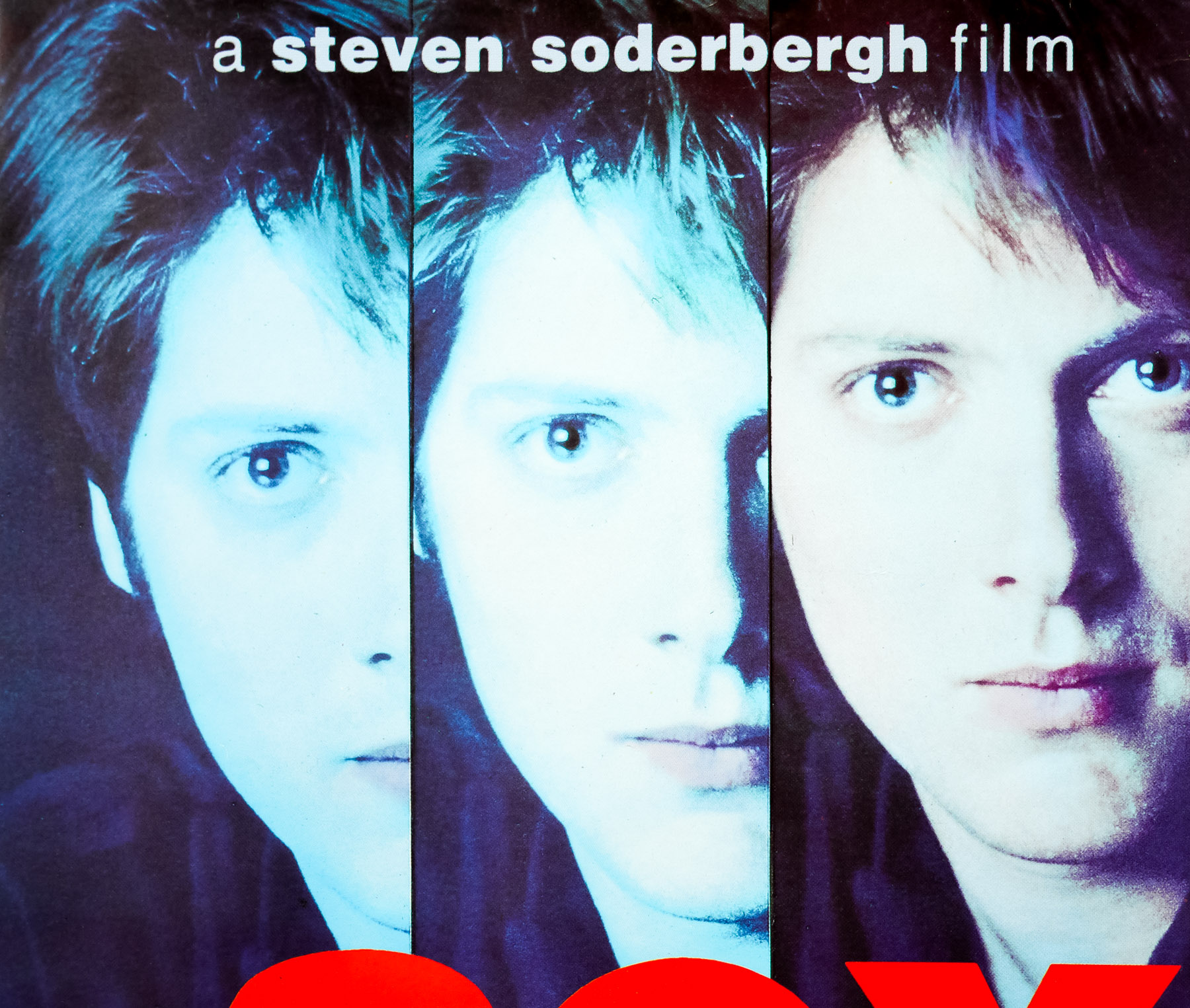
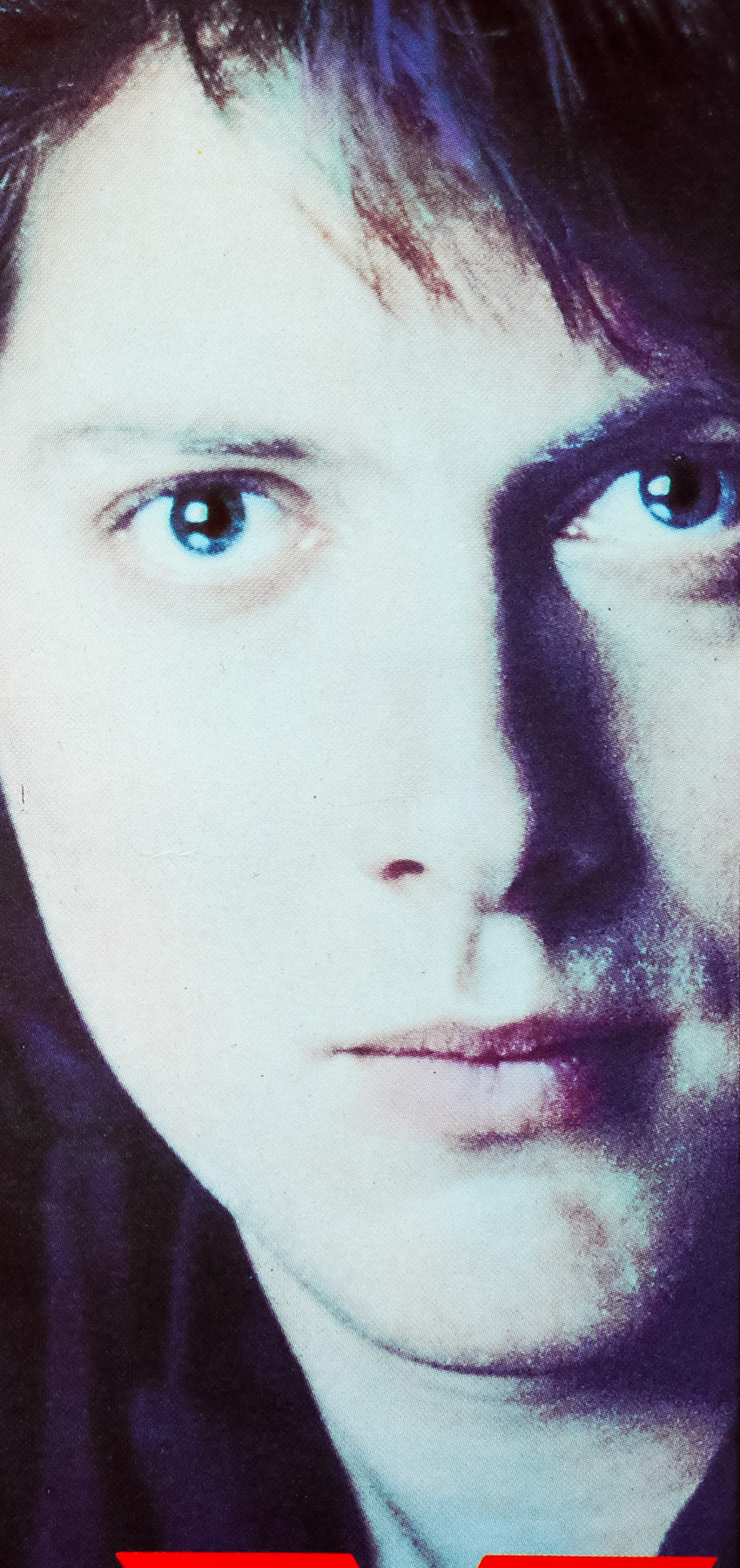
Sex, Lies, and Videotape (the oxford comma was a stylistic choice) is an important film for a number of reasons. It was the directorial debut of Steven Soderbergh, who apparently wrote the script in just eight days during a trip across the States, and the film would go on to win the prestigious Palme d’Or at the Cannes Film Festival, as well as launching Soderbergh’s impressive career (recently potentially ended for good). It was also a defining moment for the independent film movement, particularly since it was met by rave reviews and grossed multiple times its original budget (reported to be around $1.2m). A slew of successful indie pictures would follow during the 1990s and this film is often credited with kickstarting it all.

The film introduced Andie MacDowell and the next decade saw her becoming a hugely successful actress, particularly in the romantic comedy genre. It was also an important role for James Spader who had previously appeared in films like Wall Street and Pretty in Pink, but ‘Sex, Lies…’ gave a great boost to his career. MacDowell plays Ann Bishop Mullany who is living in Baton Rouge and is unhappily married to John (Peter Gallagher), a successful lawyer. Unbeknownst to Ann, her husband has been sleeping with her sister Cynthia (Laura San Giacomo) for some time, using Ann’s disinterest in sex as an excuse. Spader plays Graham, an old friend of John who returns to Baton Rouge after a nine year absence and stays with the Mullanys until he finds an apartment. Graham reveals that he records women talking about their sexual experiences and fantasies, and that its the only way he can receive sexual gratification. This revelation stirs up differing responses from the group and soon all of their lives will be changed for good.

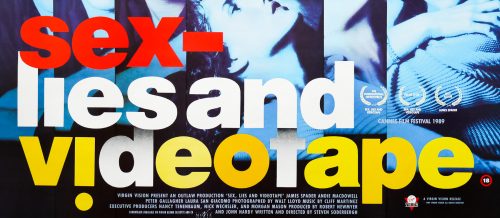
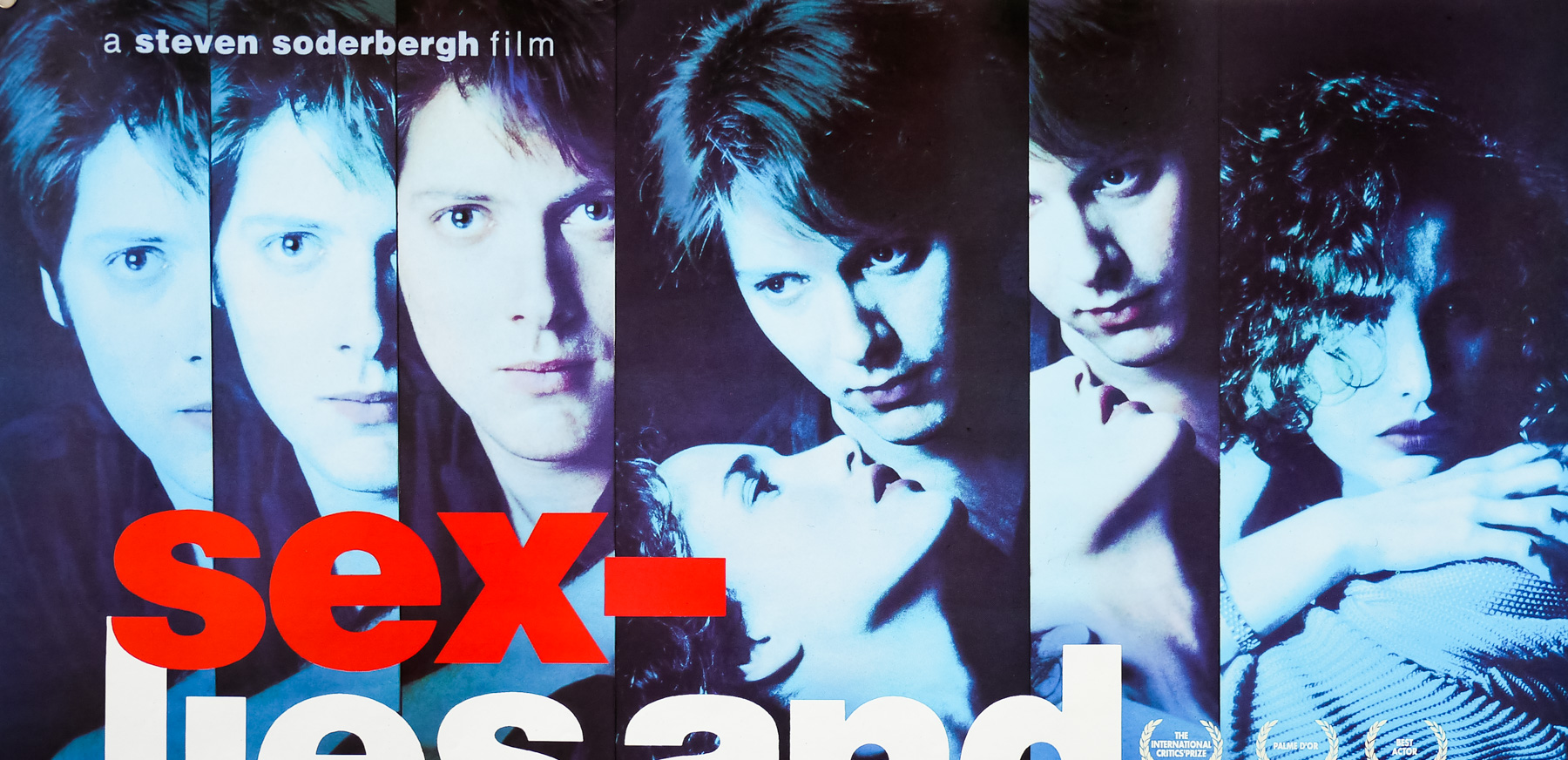
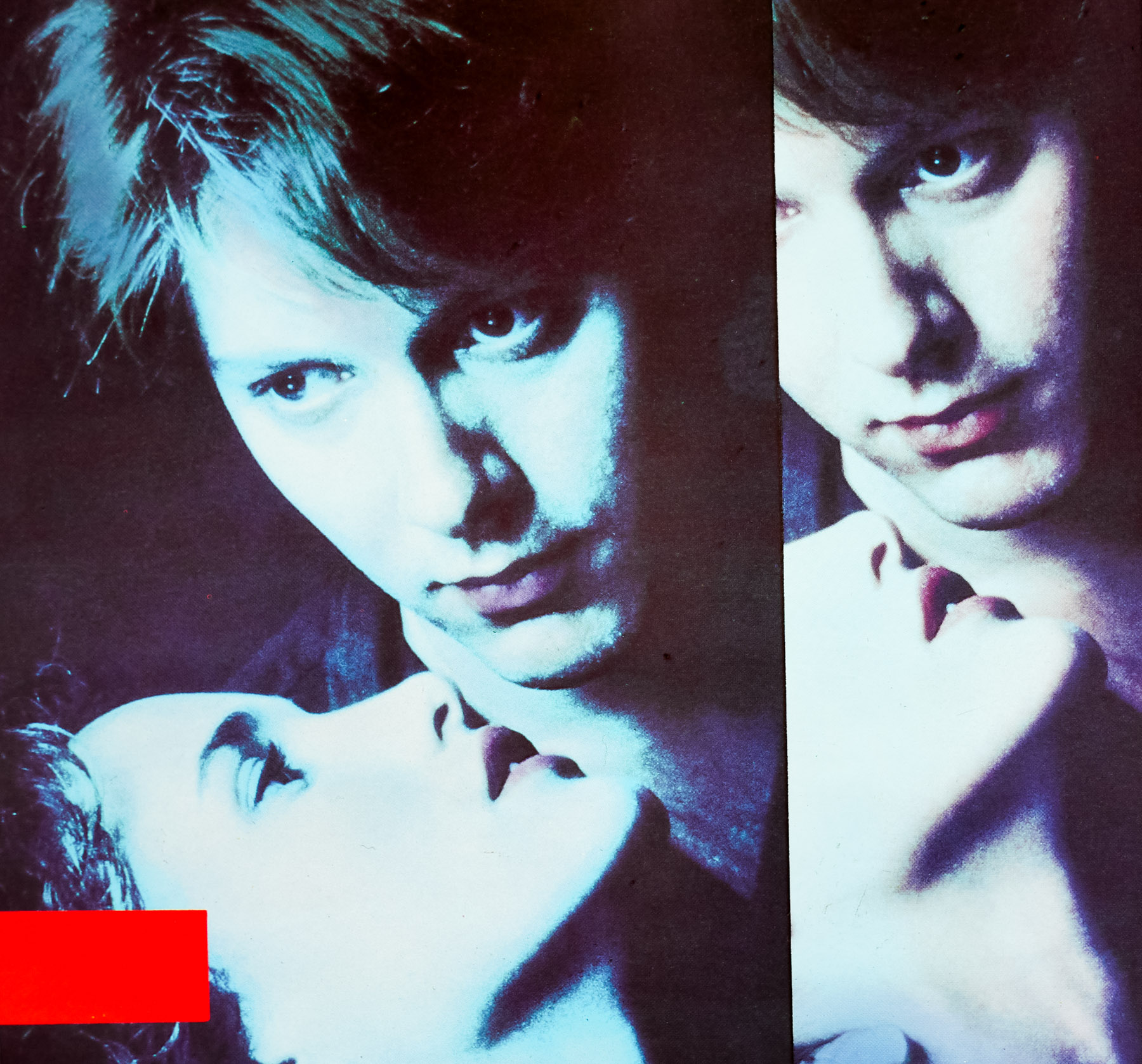
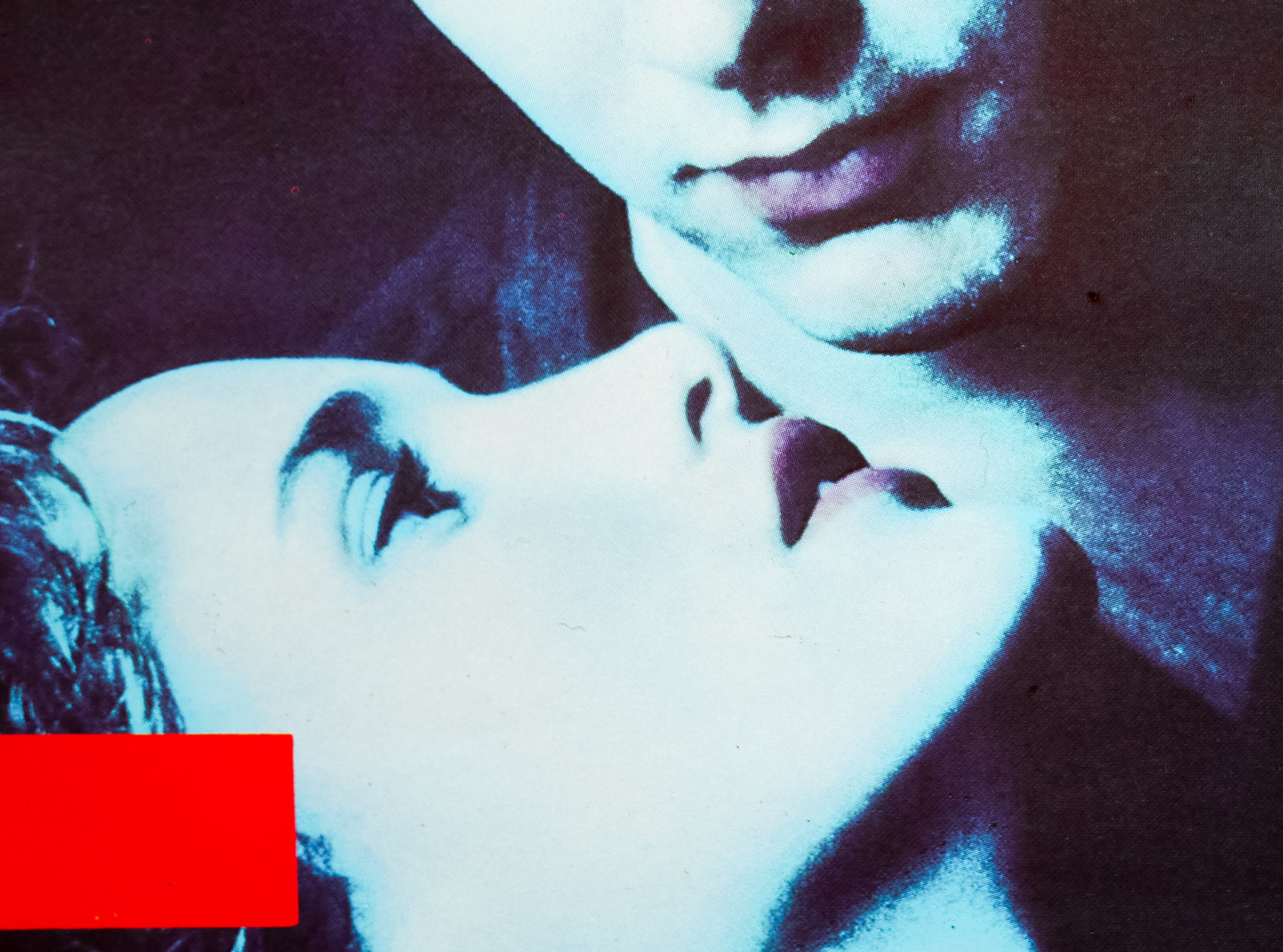
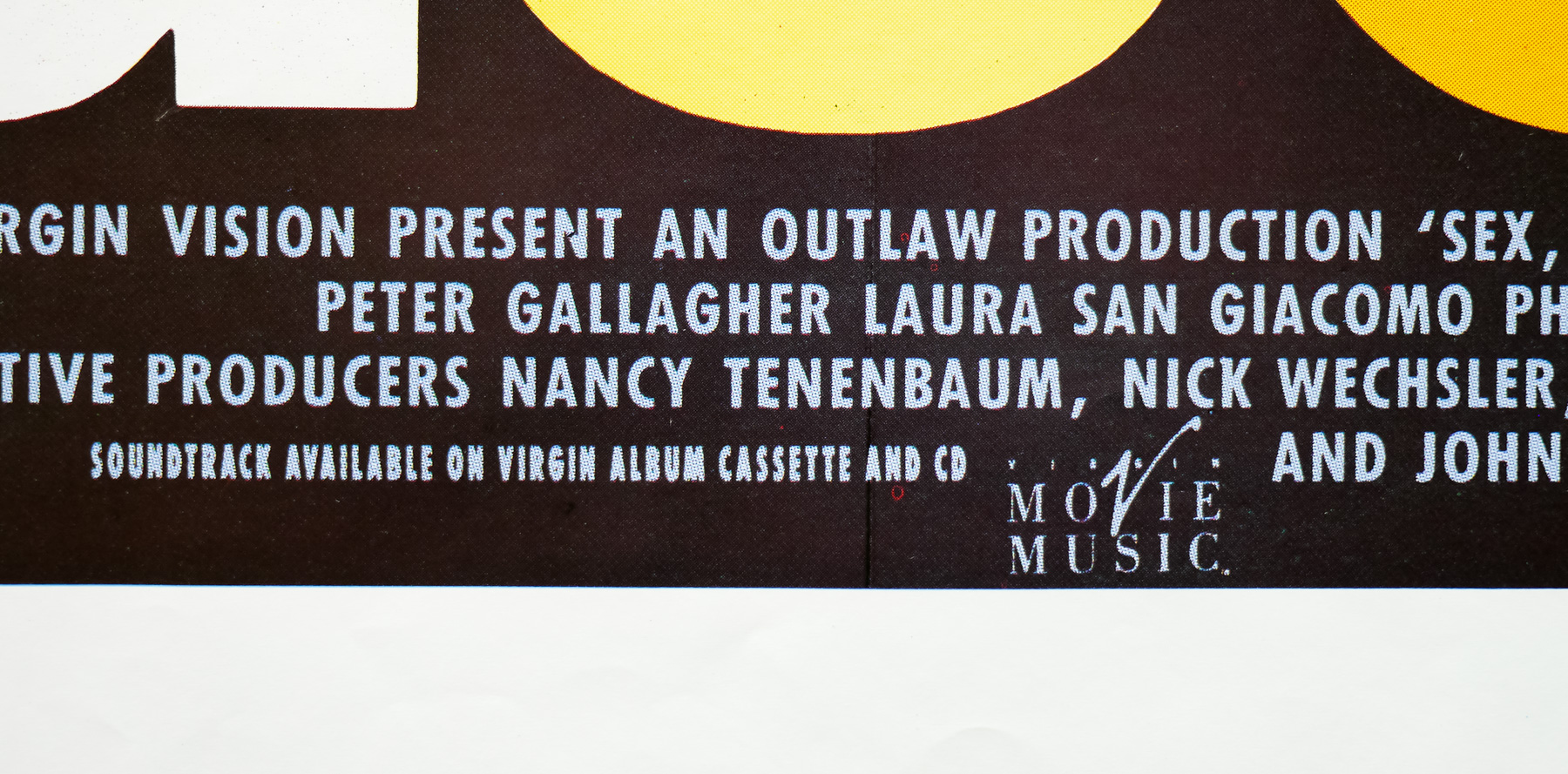
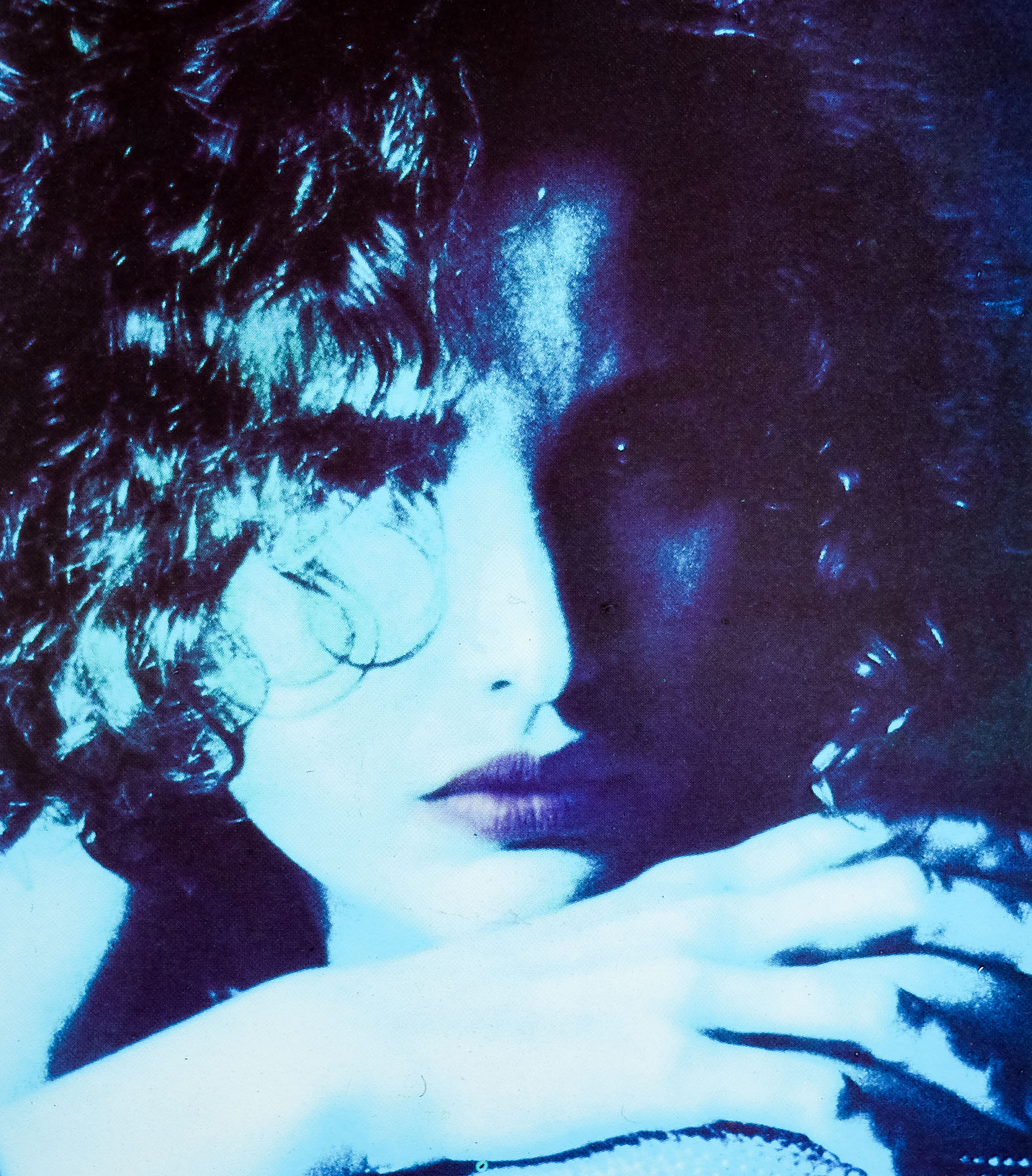
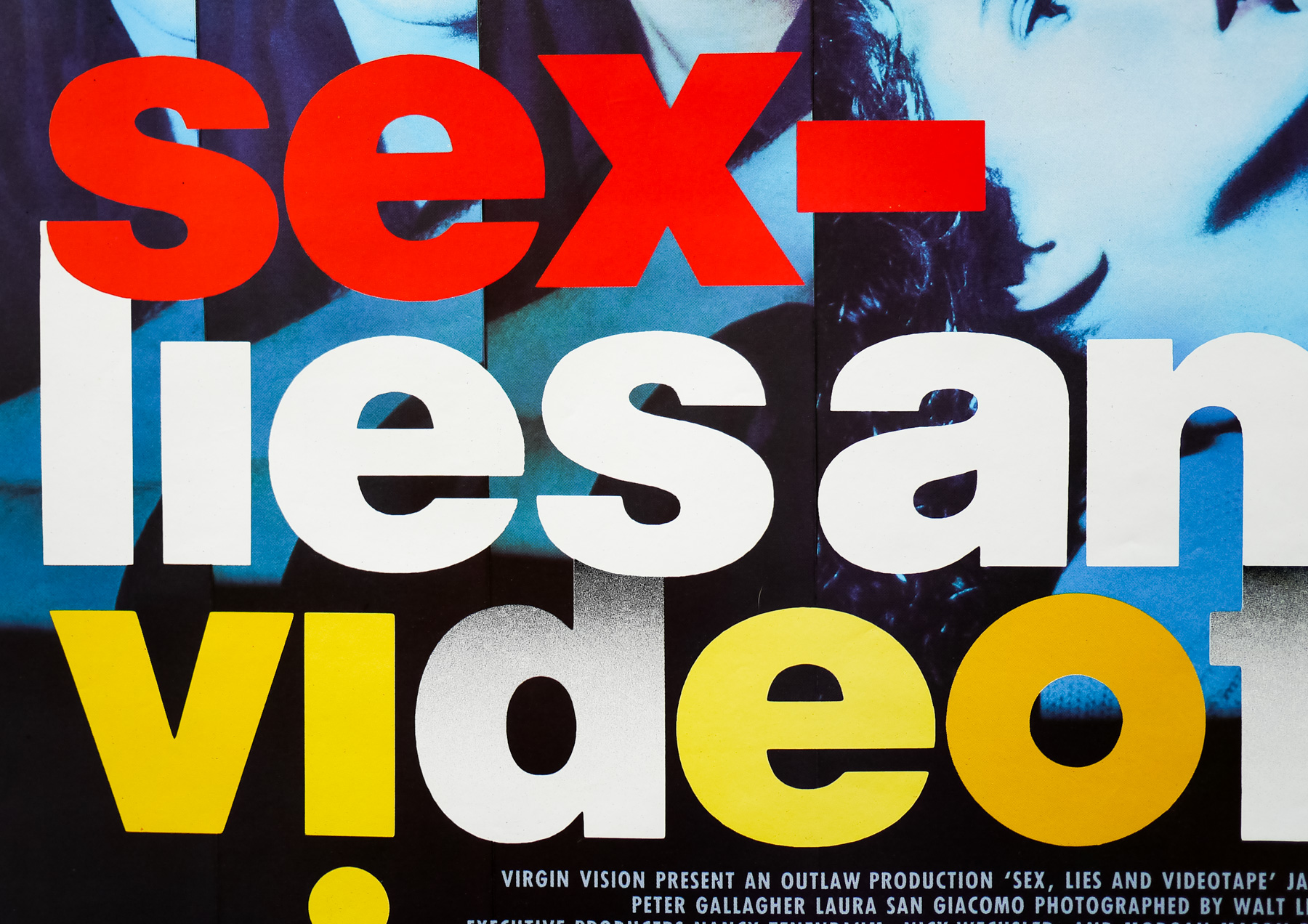
I’m unsure who is responsible for the design on this British quad but it is unique to this particular poster. If anyone has any ideas please get in touch.

Flesh and Blood / quad / UK

29.07.15

Poster Poster
Title
Flesh and Blood
AKA
Flesh+Blood (alt. spelling)
Year of Film
1985
Director
Paul Verhoeven
Starring
Rutger Hauer, Jennifer Jason Leigh, Tom Burlinson, Jack Thompson, Fernando Hilbeck, Susan Tyrrell, Ronald Lacey, Brion James
Origin of Film
Spain | USA | Netherlands
Genre(s) of Film
Rutger Hauer, Jennifer Jason Leigh, Tom Burlinson, Jack Thompson, Fernando Hilbeck, Susan Tyrrell, Ronald Lacey, Brion James,
Type of Poster
Quad
Style of Poster
--
Origin of Poster
UK
Year of Poster
1985
Designer
Unknown
Artist
Unknown artist - based on artwork by Renato Casaro
Size (inches)
30 3/16" x 39 15/16"
SS or DS
SS
Tagline
A timeless adventure, a passion for wealth and power. Only the strongest will survive.

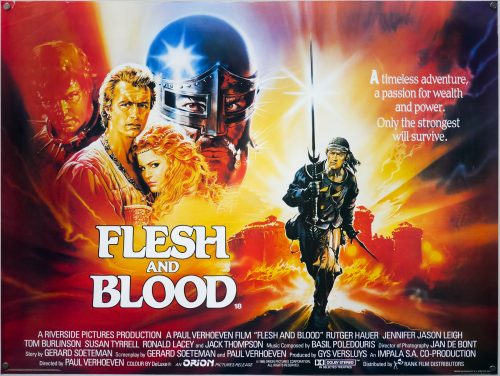
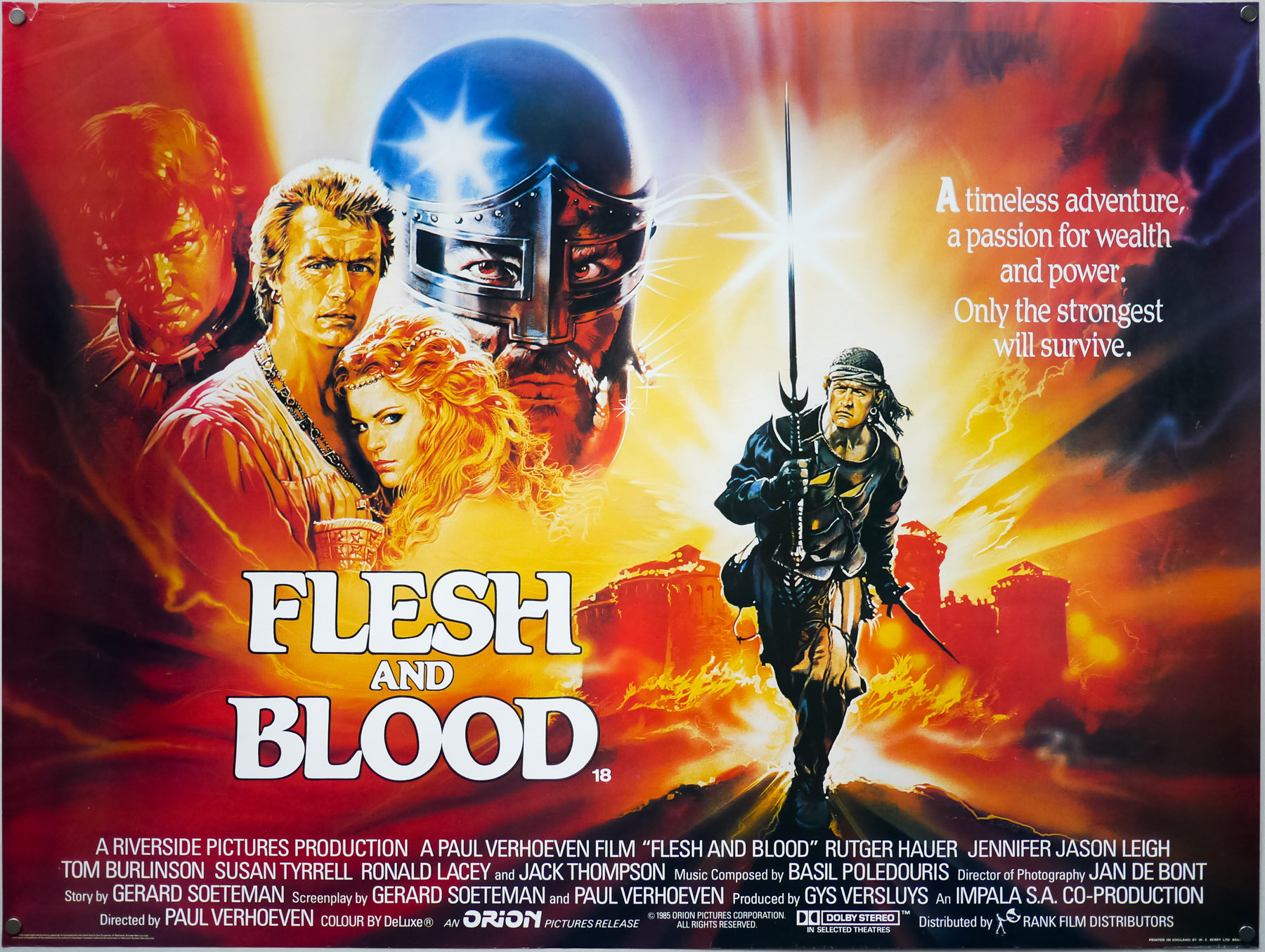
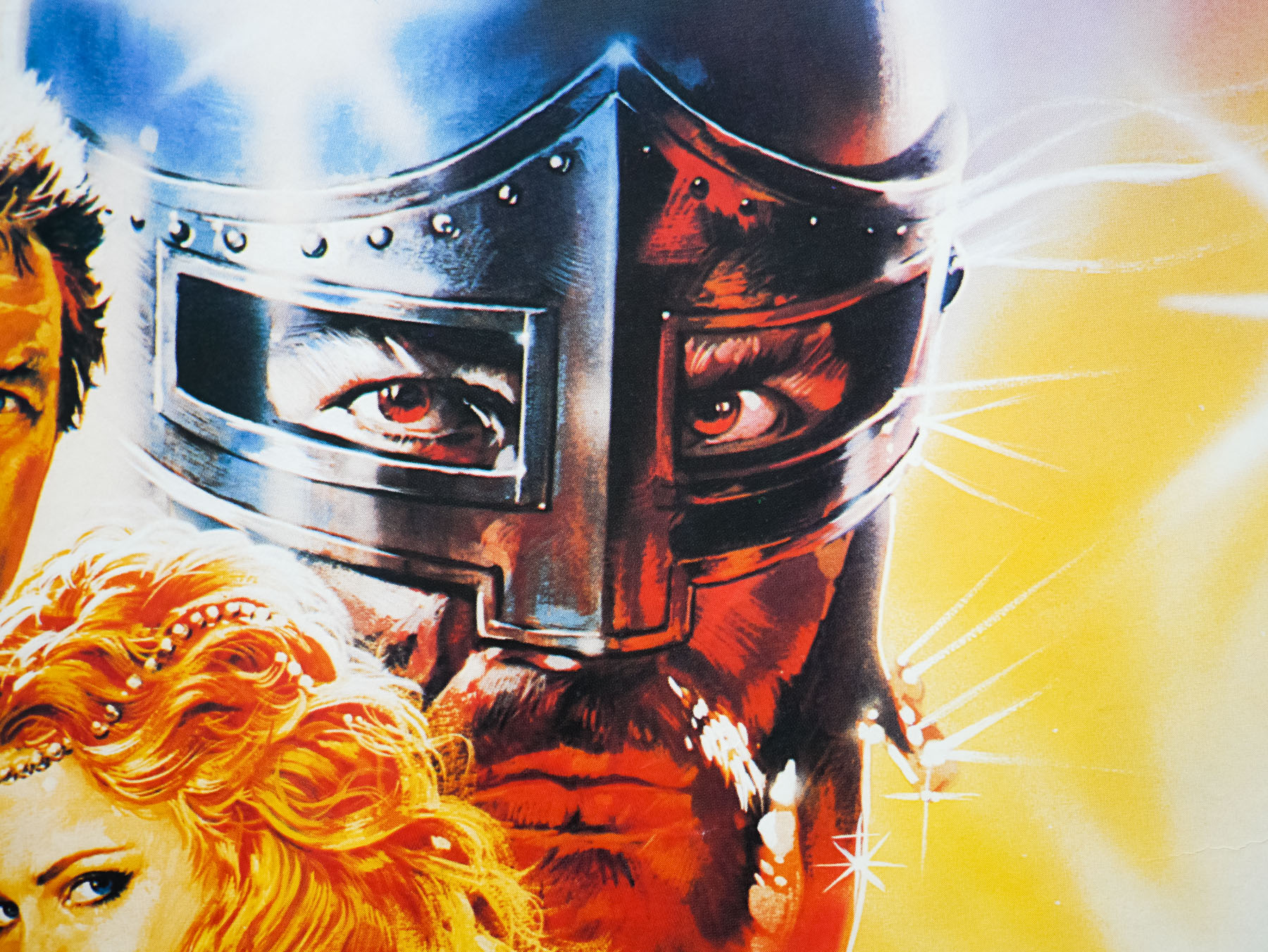
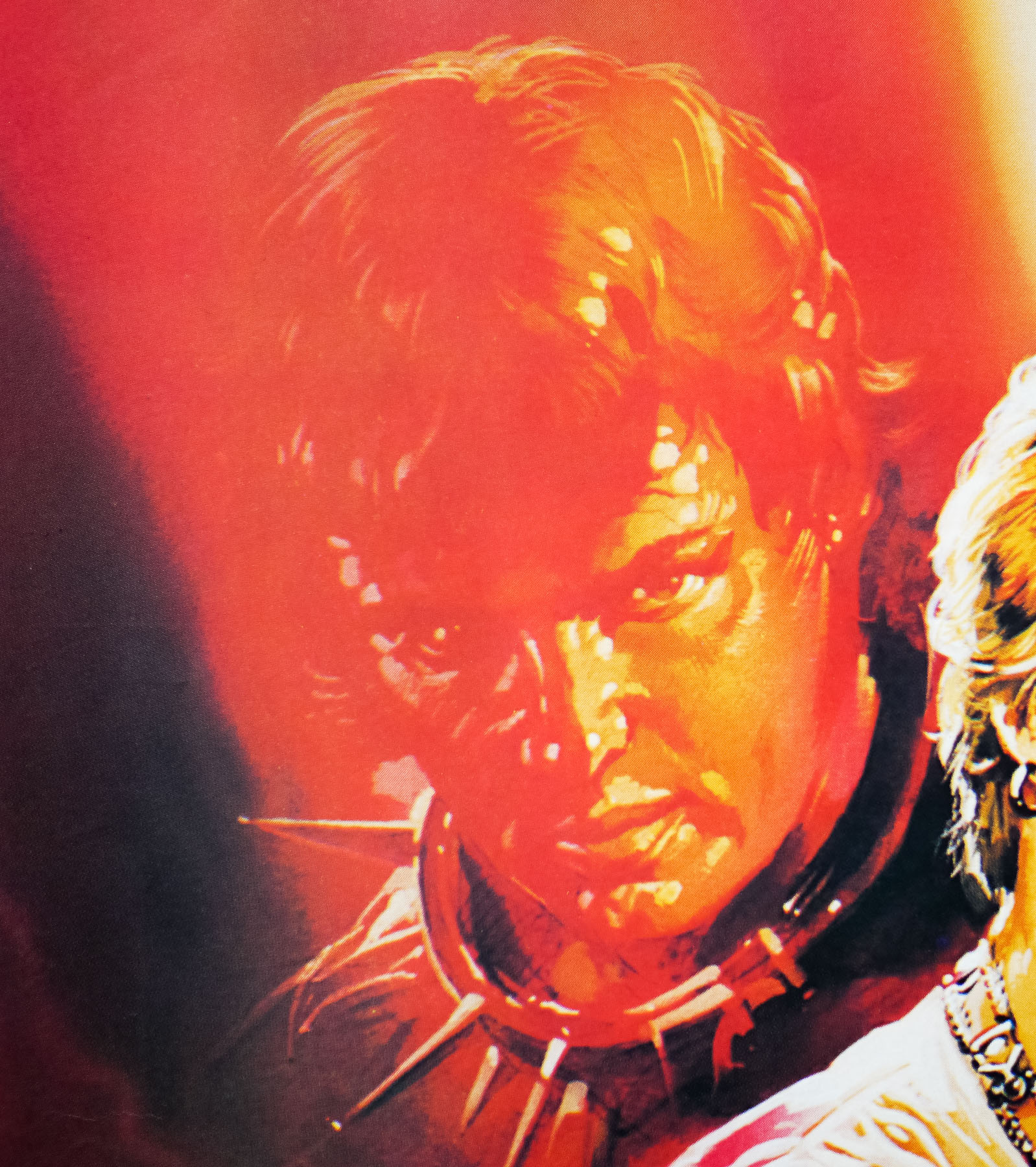
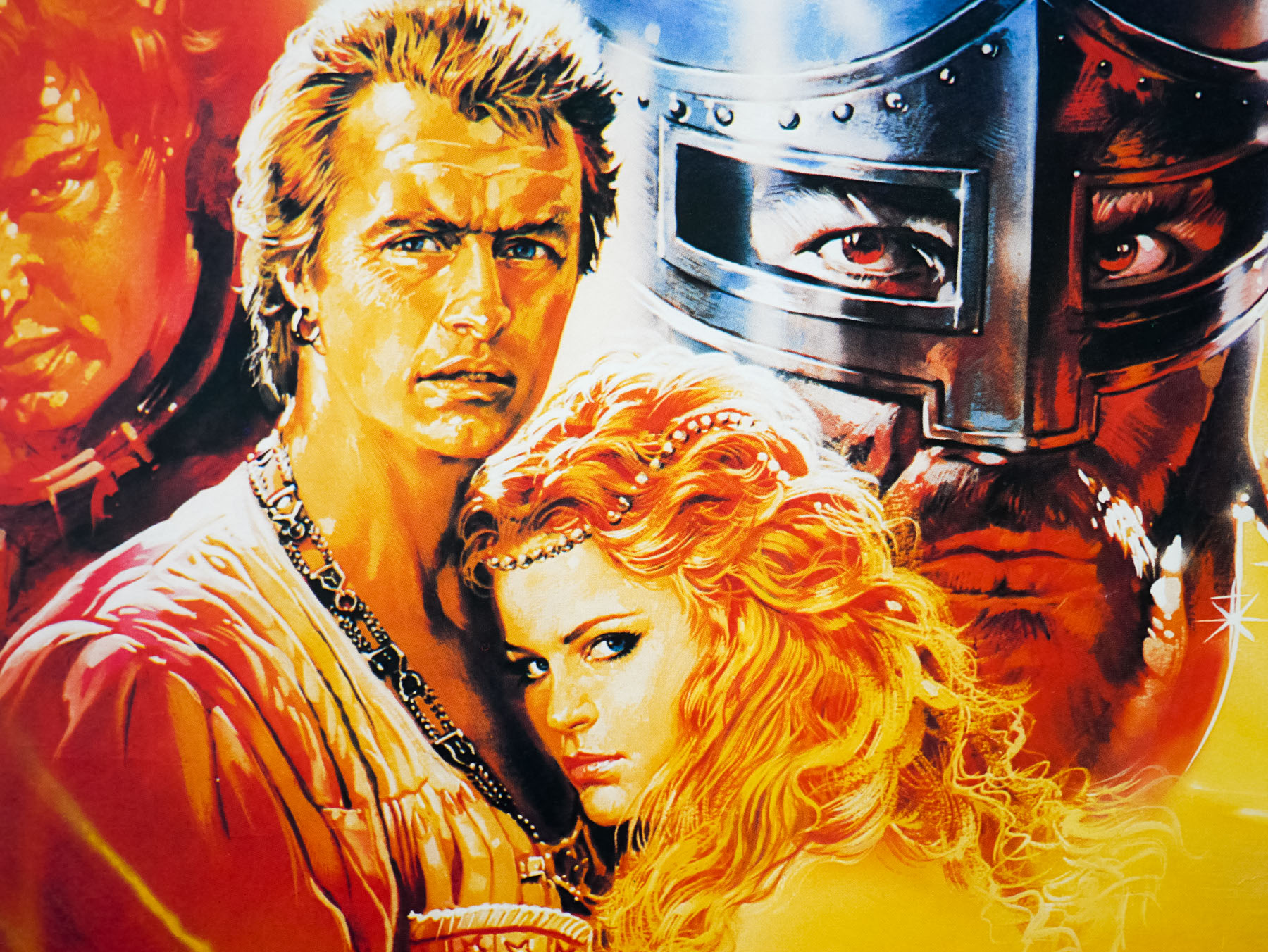
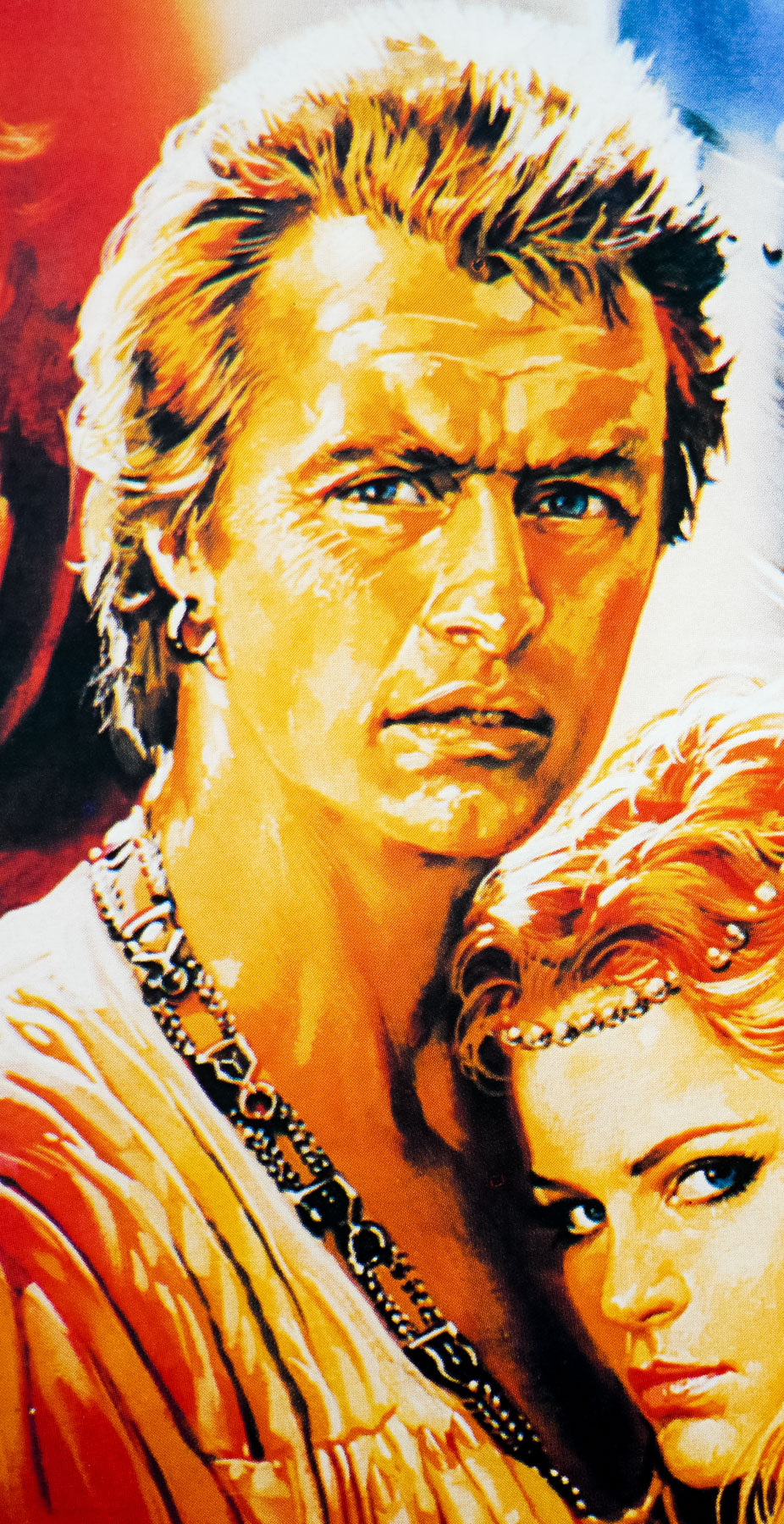
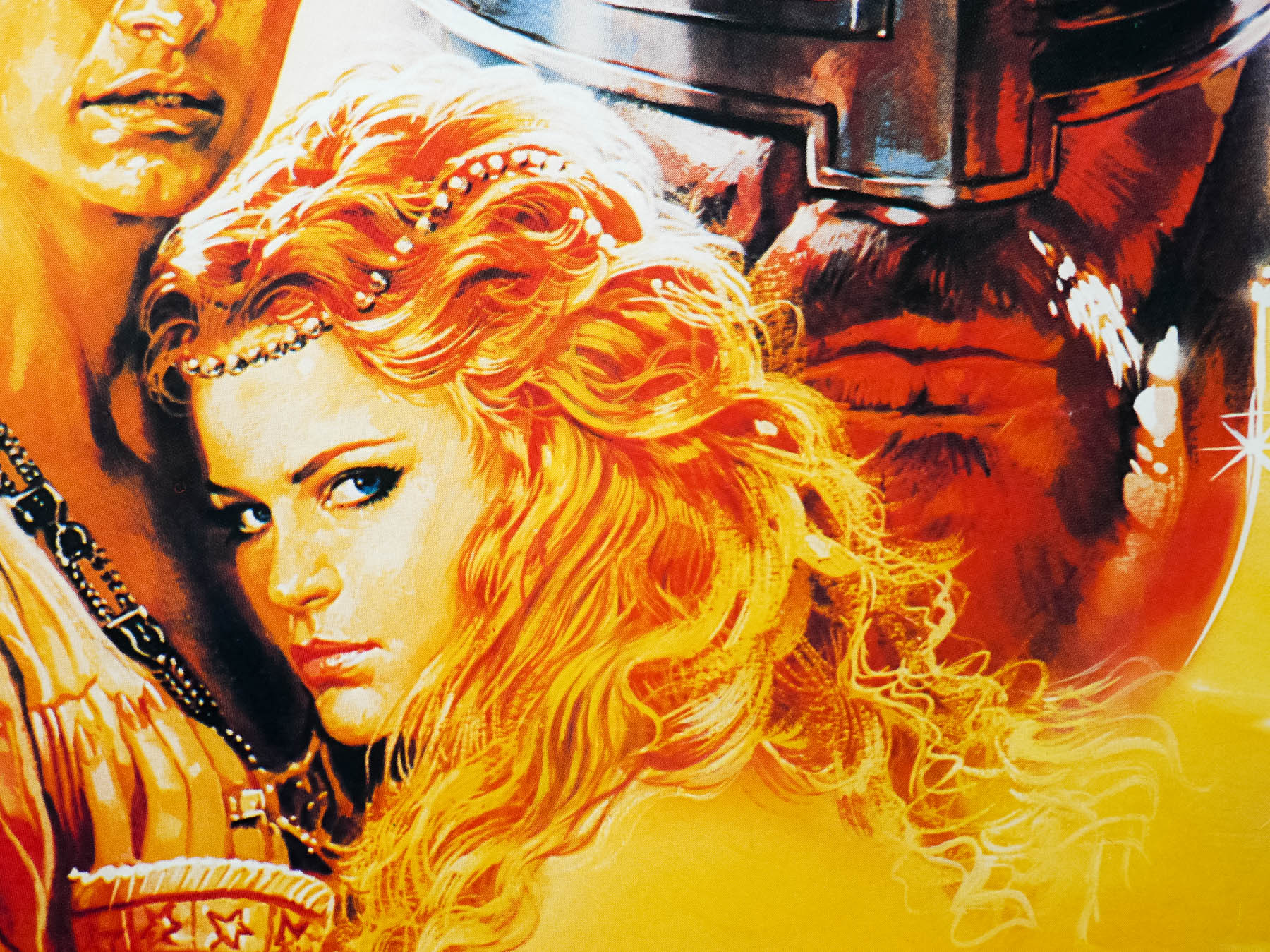
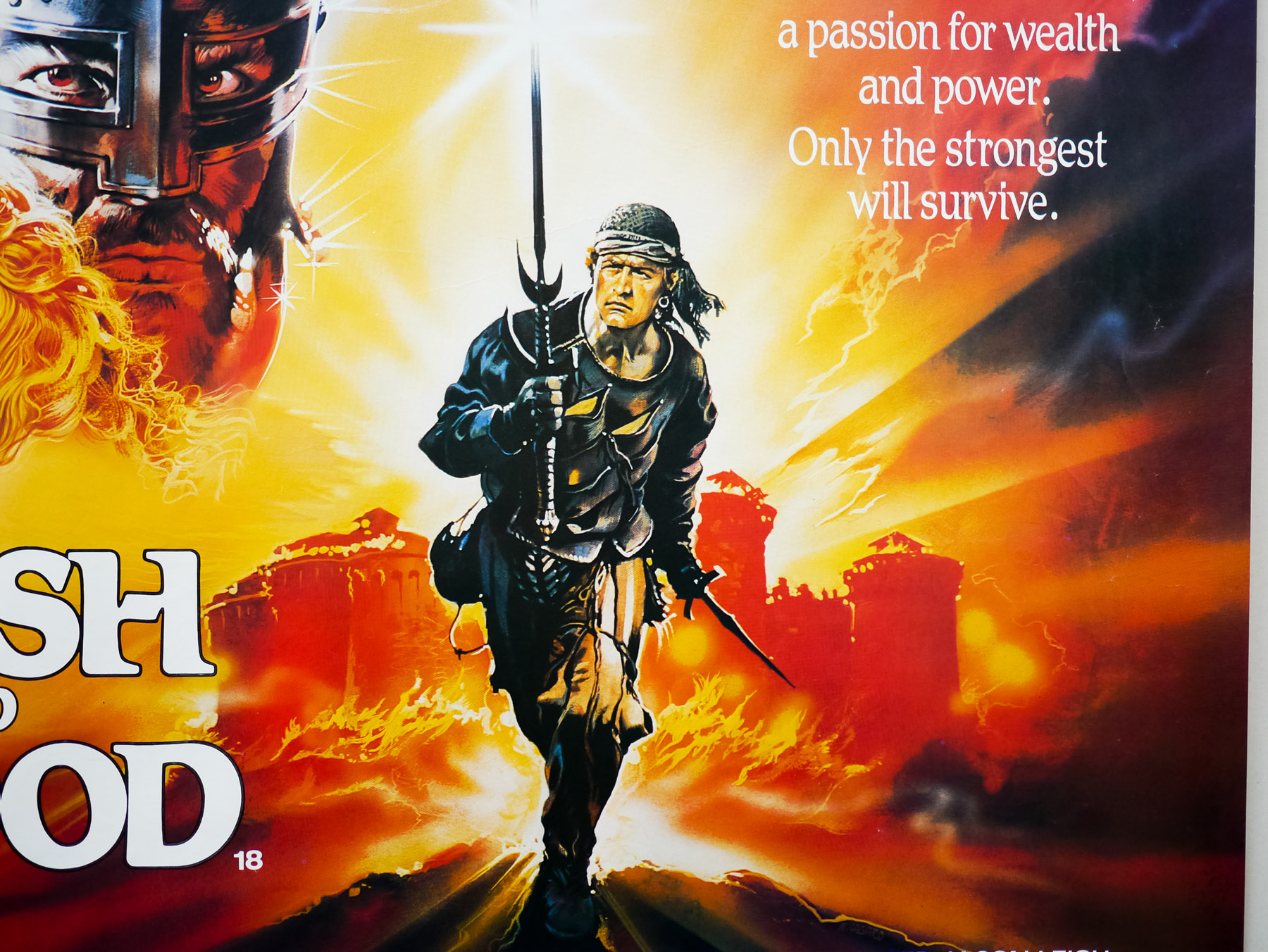
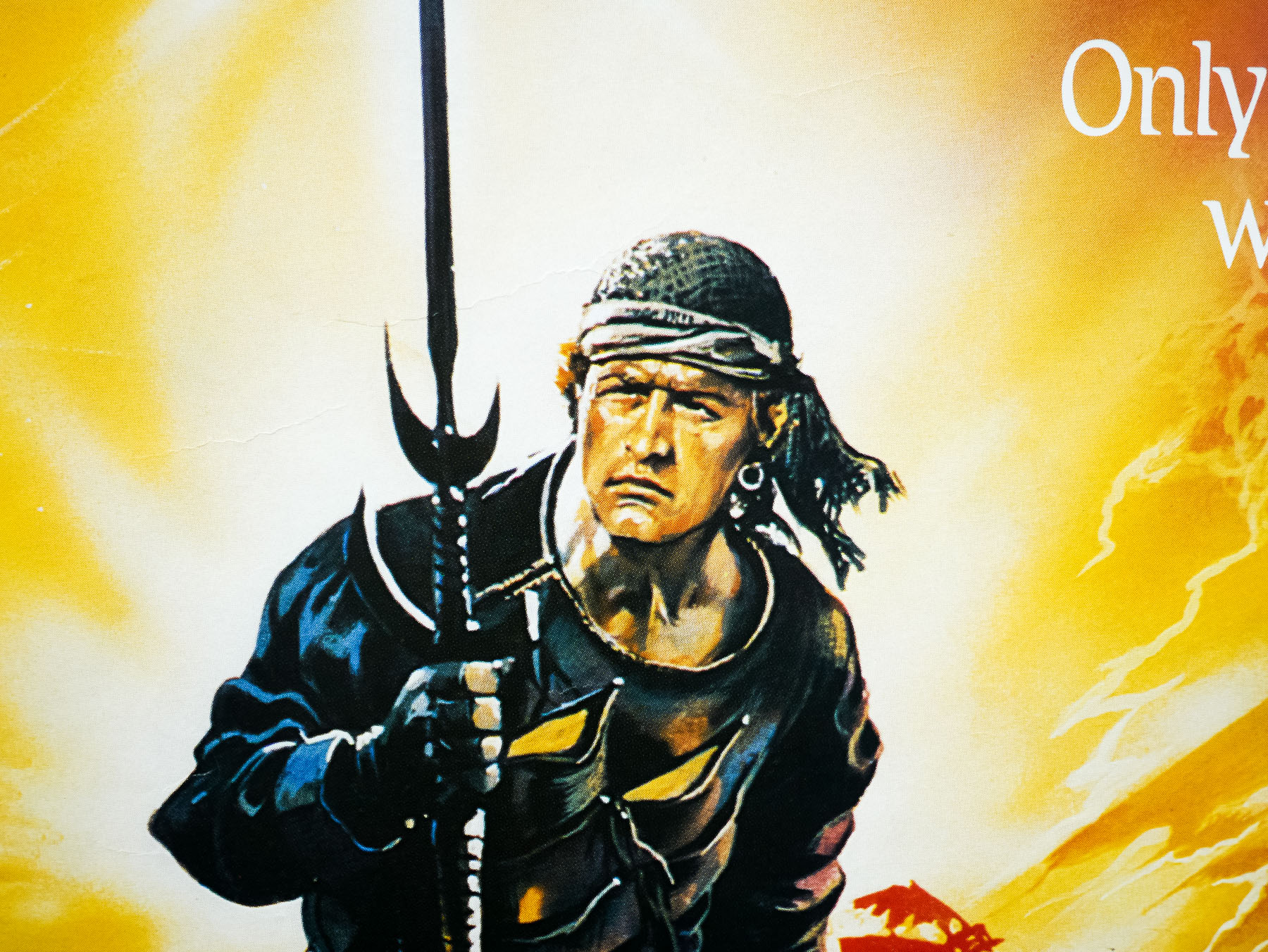
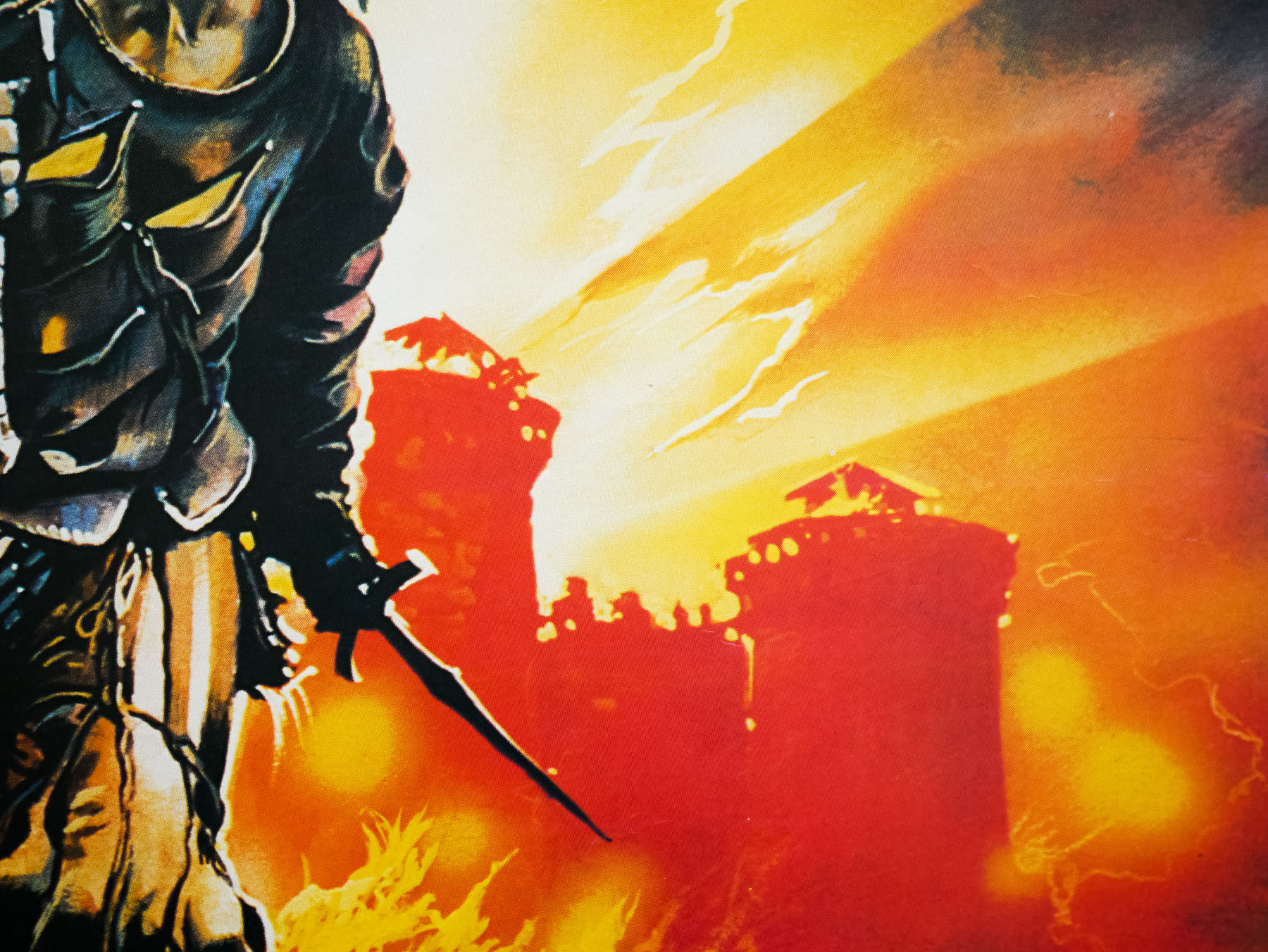
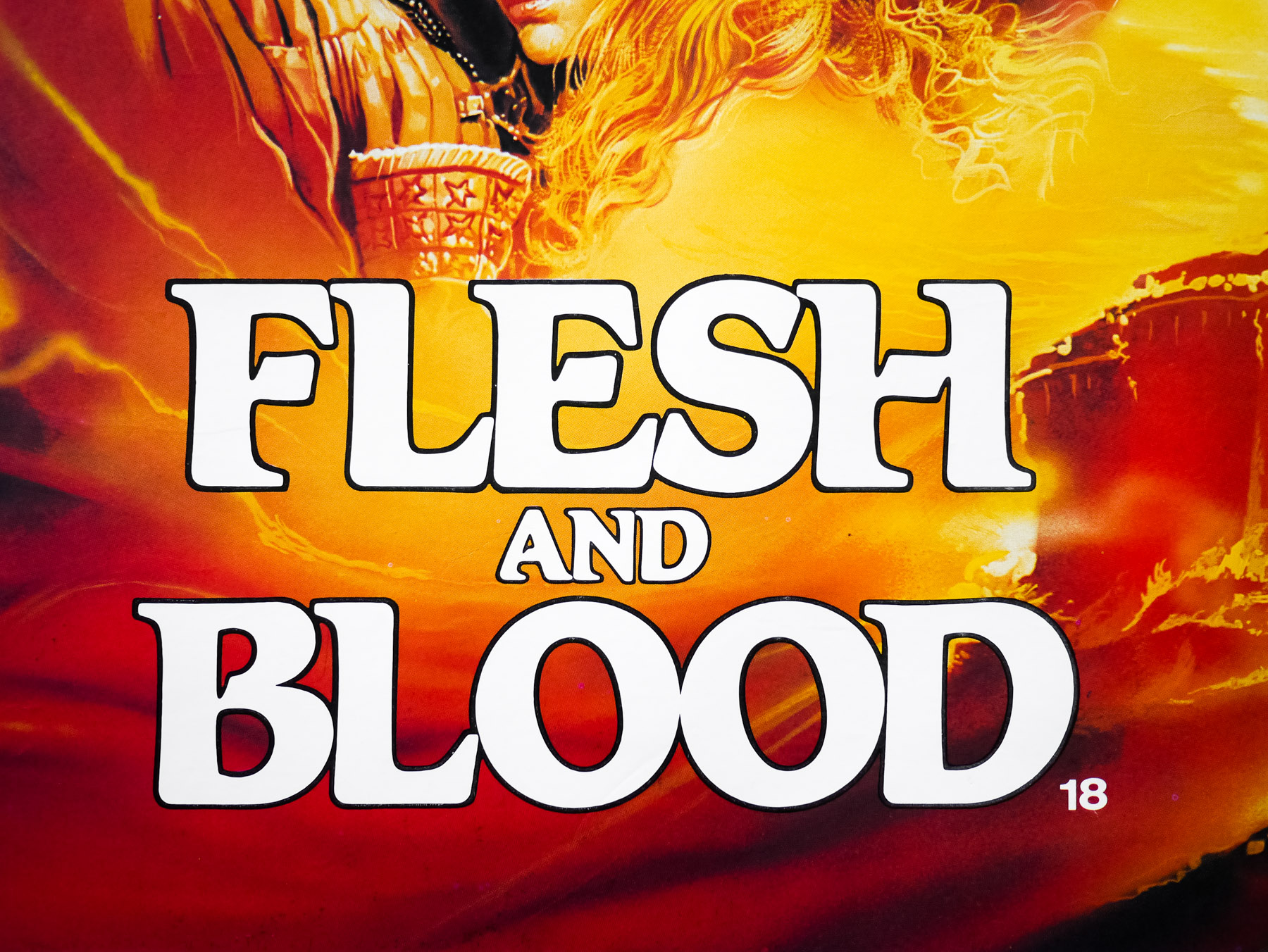
This is the British quad for the release of Dutch director Paul Verhoeven‘s first English language film, Flesh and Blood (sometimes referred to as Flesh+Blood). Verhoeven had been making films with subsidies from the Dutch government but things had been proving difficult due to the controversial subject matter of his stories so he decided to seek financial backing from a Hollywood studio. The now defunct Orion Pictures stumped up most of the budget for Flesh and Blood and had asked the director for a war film after seeing the celebrated Soldier of Orange. Verhoeven had nothing prepared in that genre so he worked hastily with a regular collaborator, the screenwriter Gerard Soeteman, to adapt some unused material from their TV series Floris, which was set during the Middle-Ages. Verhoeven would later rue the decision to allow Orion to insist on script changes that added a romantic interest to the story.

Set in Italy in 1501, the film features the Dutch actor Rutger Hauer, who had worked with Verhoeven several times before (including on Floris), as Martin, the leader of a band of mercenaries who are asked to help Lord Arnolfini (Fernando Hilbeck) retake his city that was captured whilst he was away. After successfully storming and recapturing it the mercenaries are initially told they can ransack the houses of the richest inhabitants of the city, but Arnolfini then changes his mind and orders his army to march the mercenaries from the city without the bounty that was agreed. The group vow to take their revenge and when Arnolfini’s son Steven (Tom Burlinson) leaves the castle to meet Agnes (Jennifer Jason Leigh), a noblewoman who has been betrothed to him, the mercenaries strike. After attacking the caravan and badly wounding Arnolfini, they kidnap Agnes and ride away with her. Eventually they end up at a castle where they hole-up and attempt to see off any attempts to rescue Agnes, who is seemingly falling in love with Martin.

Although it features moments of humour, Verhoeven’s intention was to show that the Middle-Ages weren’t as glamorous and pleasant as had been depicted in previous films, so he doesn’t shy away from casual violence, filth and degradation. Agnes in particular is subjected to a humiliating ordeal at the hands of the mercenaries, effectively ending up as their plaything later in the film. There’s plenty of blood-letting too with some battle scenes that are not for the faint hearted. Apparently the production was beset with problems, including an uncooperative international crew who were often drunk or under the influence of drugs, as well as a giant rift that opened up between Verhoeven and Hauer because the actor wanted to build a career as a heroic leading man, but the director wanted his character to be more ambiguous and at times unpleasant. The resulting film is definitely uneven and at times confusing, but is nevertheless engaging. Hauer in particular injects his scenes with plenty of wild energy and Jennifer Jason Leigh is memorable as the sensuous Agnes. Unfortunately Orion botched the American release and the film apparently flopped quickly. Verhoeven would later say he felt that he’d probably made the film too cynical and downbeat for audiences to take.

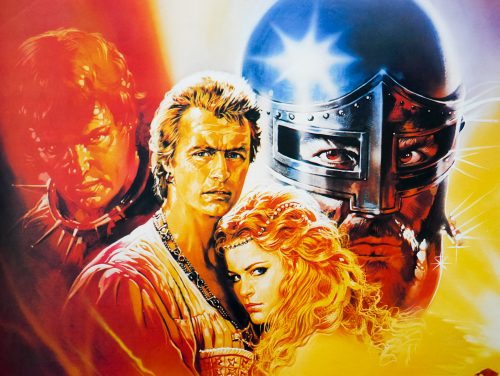
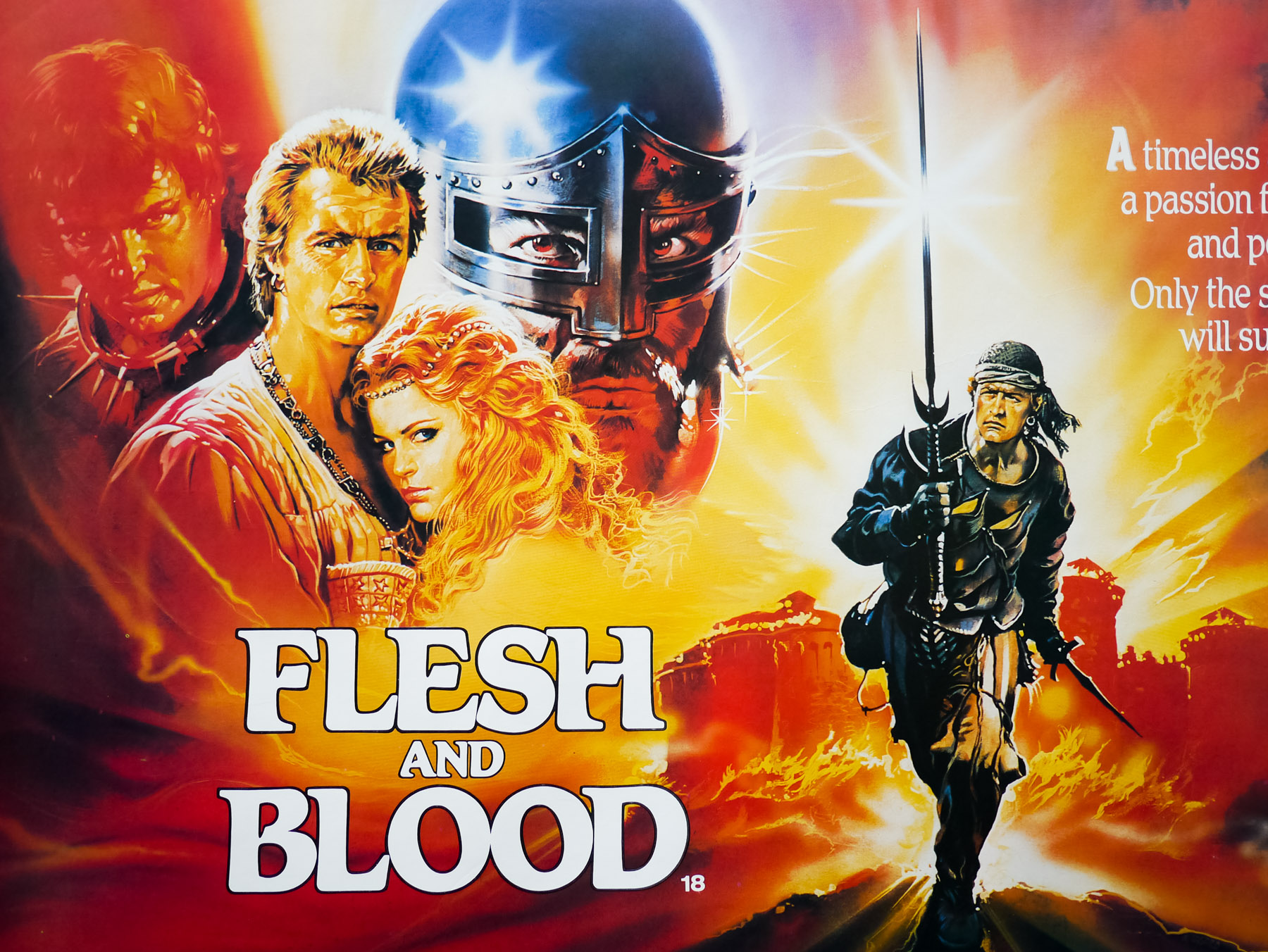
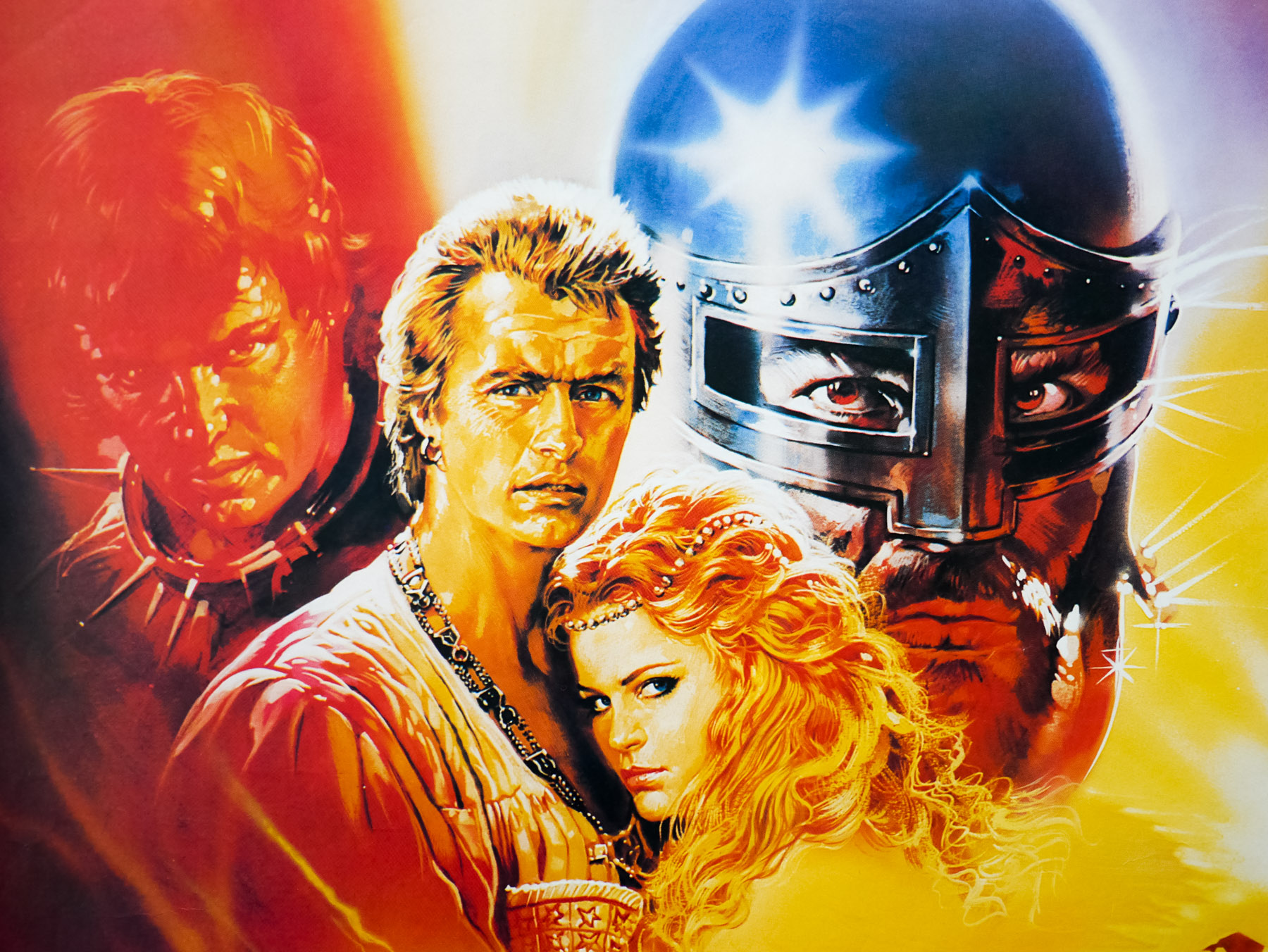
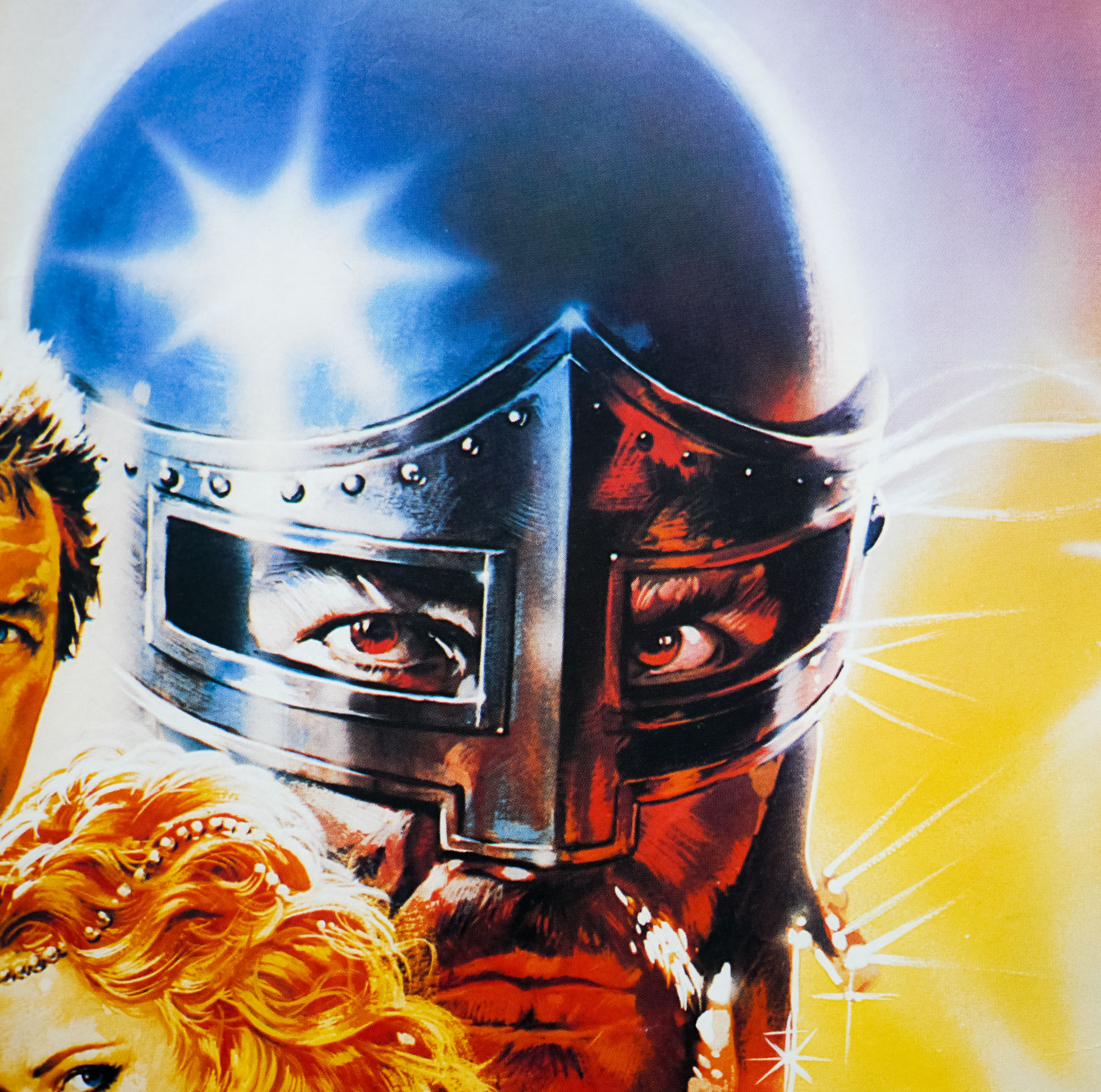
This artwork was adapted by an unknown British artist from an original piece of art by the Italian artist Renato Casaro, which was originally painted for the German poster. Notable changes include the position of the characters, which widened for this quad, plus the smaller figure of Hauer is also markedly different. One of my favourite artists, Renato Casaro had a prolific movie poster output that lasted over 35 years. He began his career in 1953, aged 19, at the famous Studio Favalli in Rome and would go on to design and paint posters for many of the biggest directors in the world. His skill at accurately portraying actors and his brilliant use of colour and composition saw him much in demand from studios and actors alike. His artwork has featured on posters used in multiple countries, including Japan, Germany, USA as well as in his native Italy.

Check out the incredible amount of work on his official website here, which also features a biography of the artist. In March 2014 I published an exclusive interview with Renato and it can be read by clicking here. The other posters I’ve collected by Renato Casaro are here.
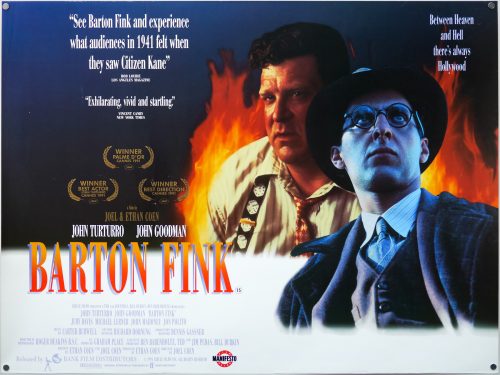
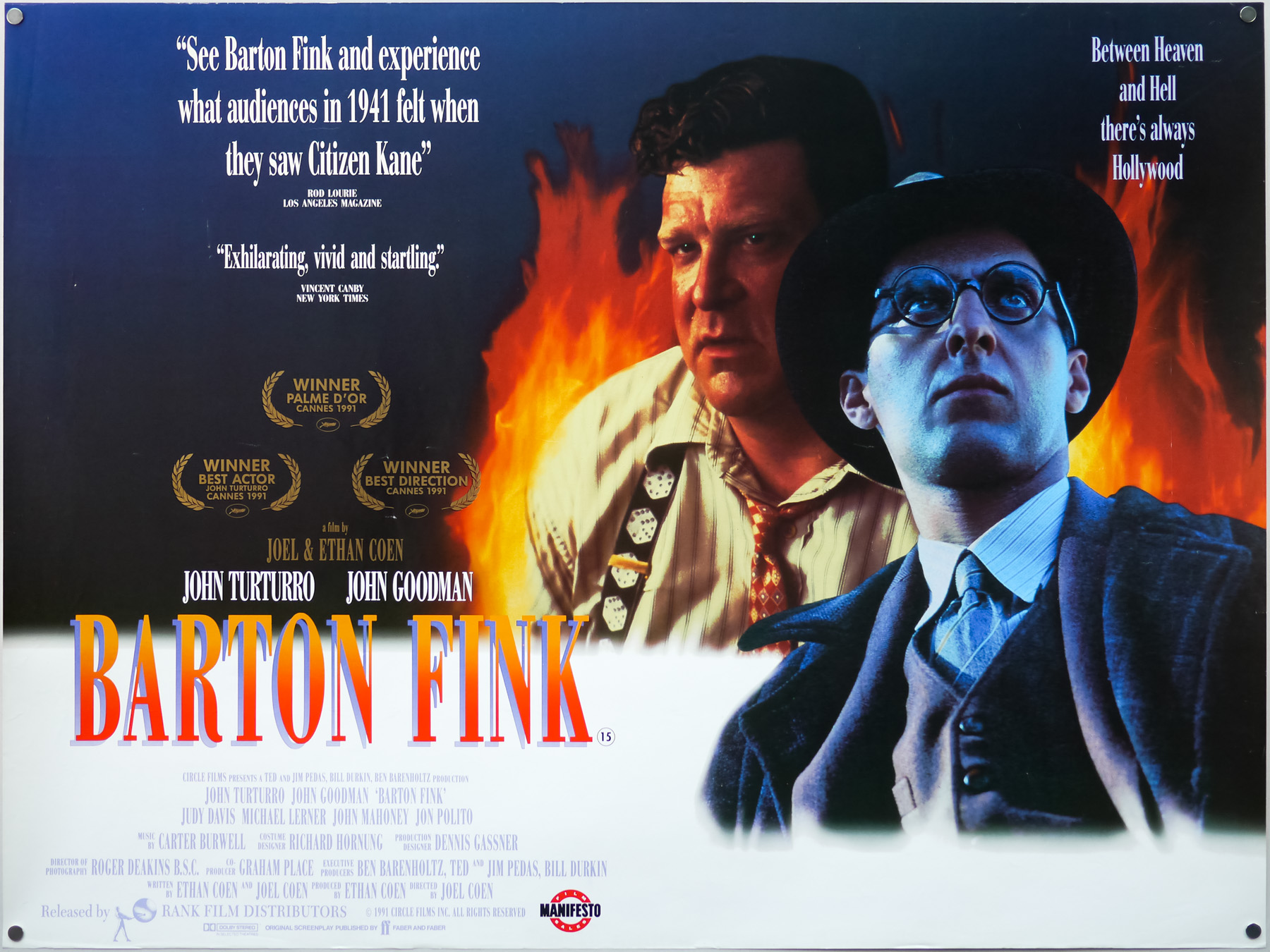
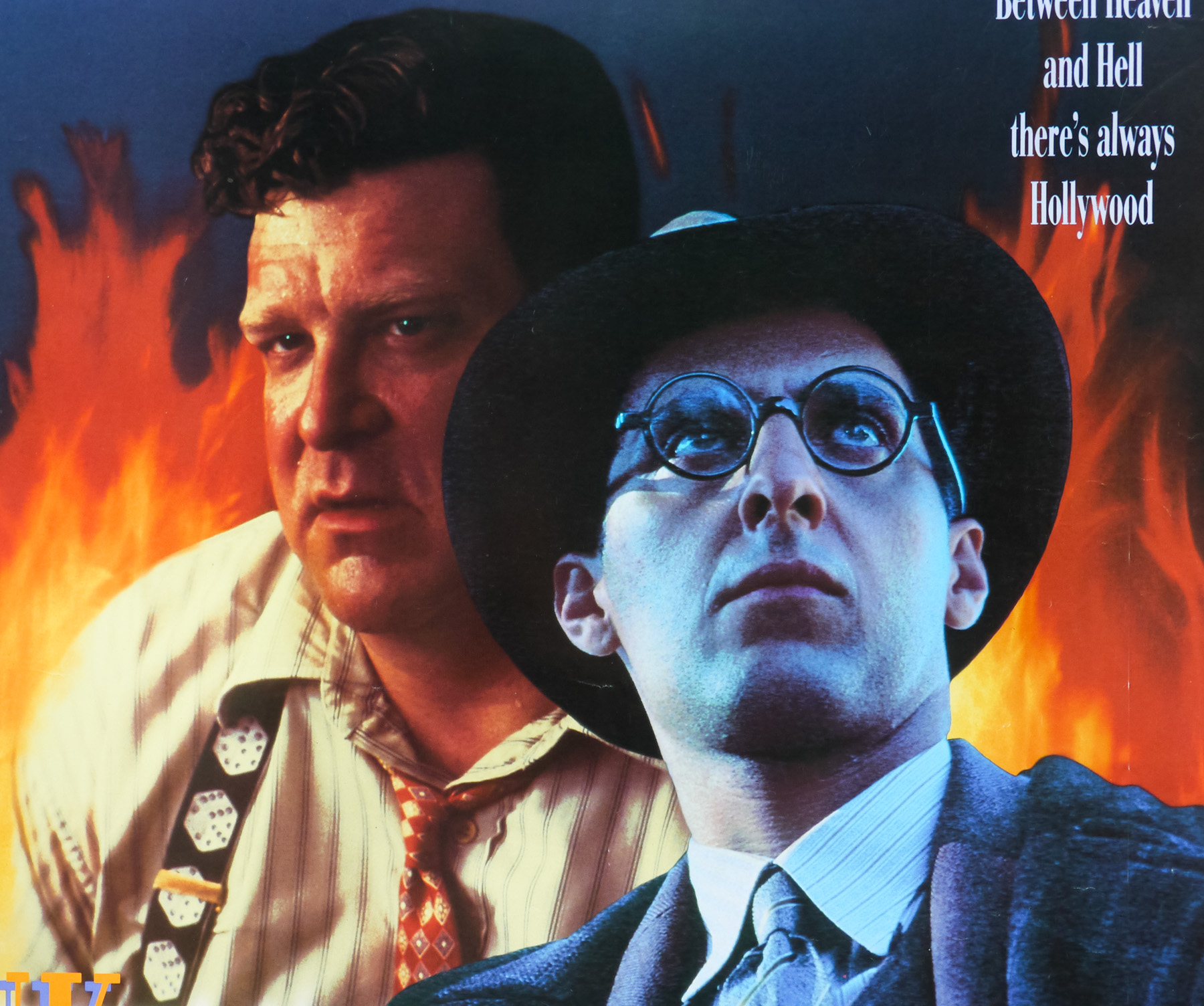
Barton Fink / quad / UK

11.09.15

Poster Poster
Title
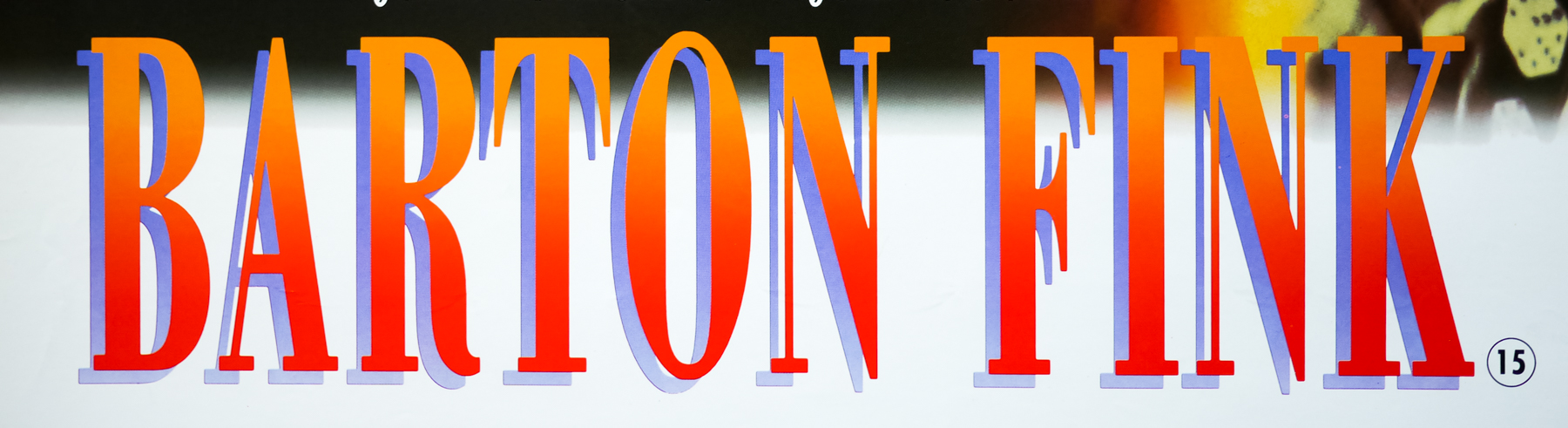
Barton Fink
AKA
--
Year of Film
1991
Director
Joel Coen
Starring
John Turturro, John Goodman, Michael Lerner, Judy Davis, John Mahoney
Origin of Film
USA
Genre(s) of Film
John Turturro, John Goodman, Michael Lerner, Judy Davis, John Mahoney,
Type of Poster
Quad
Style of Poster
--
Origin of Poster
UK
Year of Poster
1991
Designer
Unknown
Artist
--
Size (inches)
30 1/16" x 39 15/16"
SS or DS
SS
NSS #
--
Tagline
Between Heaven and Hell there's always Hollywood

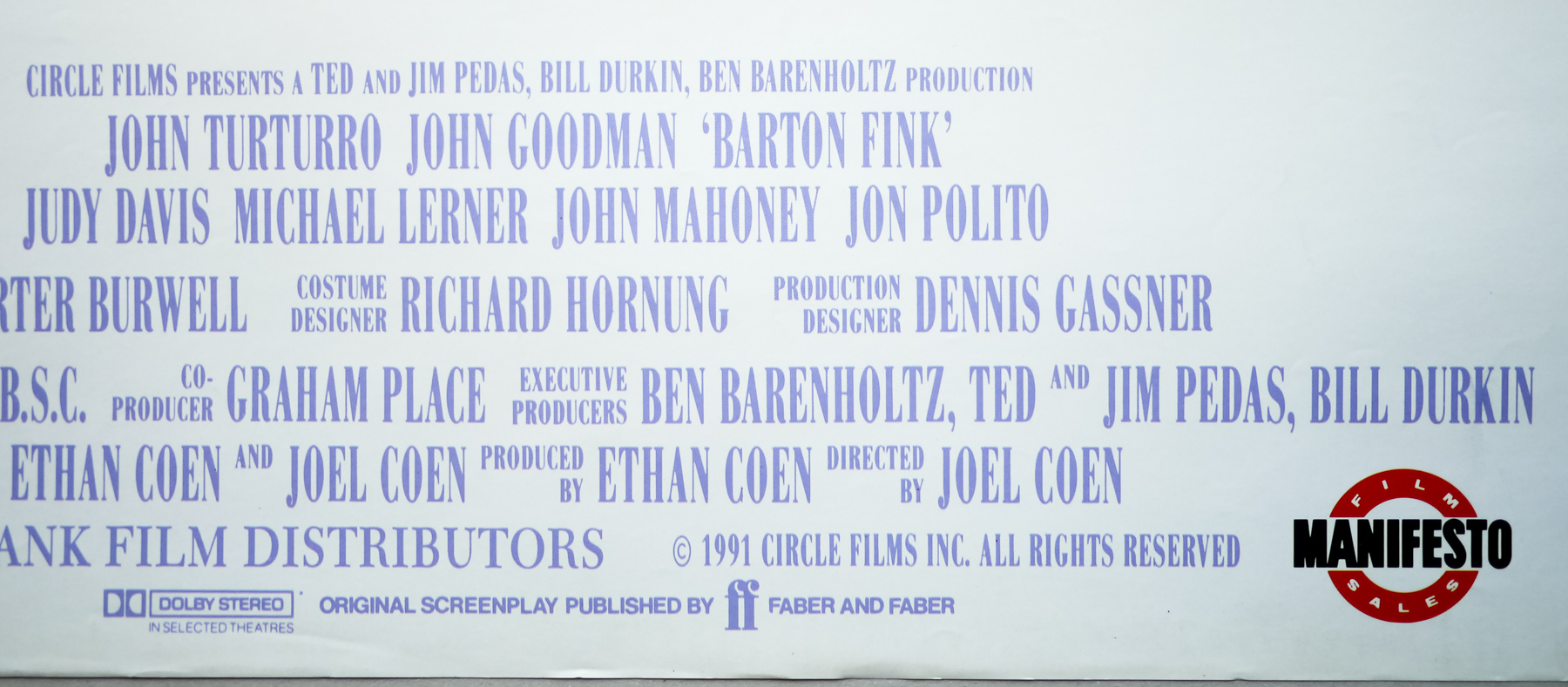
During 1989, after four months of writing, the Coen Brothers experienced a period of difficulty in pulling the story together for their gangster-themed classic Miller’s Crossing and the pair decided to take a break. They traveled to New York from Los Angeles and during their stay there they penned a new script for a film set in a largely abandoned hotel in Los Angeles, with John Turturro in mind for the lead role. Once filming was complete on Miller’s Crossing the pair returned to the script and started to plan the production with the actor.

Set in 1941, the film follows the titular playwright (Turturro) who has seen great success with his recent play on Broadway and is persuaded by his agent that an offer from Capital Studios in Hollywood of a thousand dollars a week to write scripts is too good to pass up. Although Barton is worried that living there will make him lose his connection to the ‘common man’, which is what he feels give his plays their power, he reluctantly agrees and decides to stay at the almost empty Hotel Earle, rather than a more salubrious establishment. His room is dark, drab and devoid of any decoration save for a photograph of a woman in a bikini on a beach looking at the surf, which mesmerises Barton as he imagines the scene come to life.

Soon he meets the boss of Capital, Jack Lipnick (Michael Lerner), who promises him his total support and asks him to start off with writing a wrestling picture. Disappointed with the choice of subject, he returns to the Earle and sits down at his typewriter. Immediately he finds himself suffering writers block, a situation made worse by distracting sounds in the hotel and the appearance of his room neighbour, Charlie Meadows (John Goodman), who introduces himself as a traveling salesman and tries to help Barton to get back on track. Later he meets a famous novelist called W.P. Mayhew (John Mahoney) who moved to Hollywood years before and has been writing scripts ever since, despite suffering from alcoholism and anger management issues. Mayhew’s long-suffering assistant, Audrey Taylor (Judy Davis) agrees to help with his script as the demands from Capitol grow stronger. After visiting his hotel room, Audrey and Barton spend the night together, but when he tries to wake her the next morning he finds that she’s been murdered and soon a pair of belligerent detectives appear in the lobby of the Earle.

The film clearly references a number of real characters from 1940s Hollywood but their characters are skewed just enough that it’s not libellous, and the ‘Sources, inspirations and allusions’ section on the film’s Wikipedia page gives a good rundown of the recipe for the Coens’ script. Barton Fink was a huge critical success and was the first film to win the Palme d’Or, Best Director and Best Actor at the prestigious Cannes Film Festival. Unfortunately, critical success didn’t translate into box-office performance and the film apparently failed to recoup its production budget.

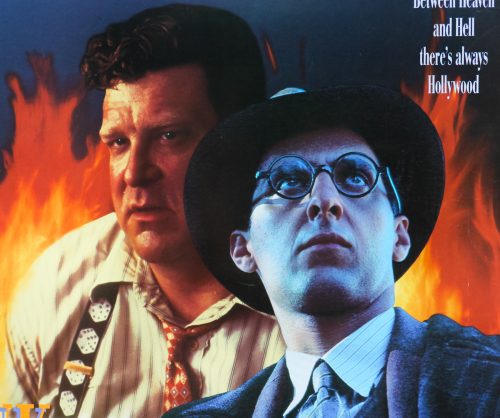
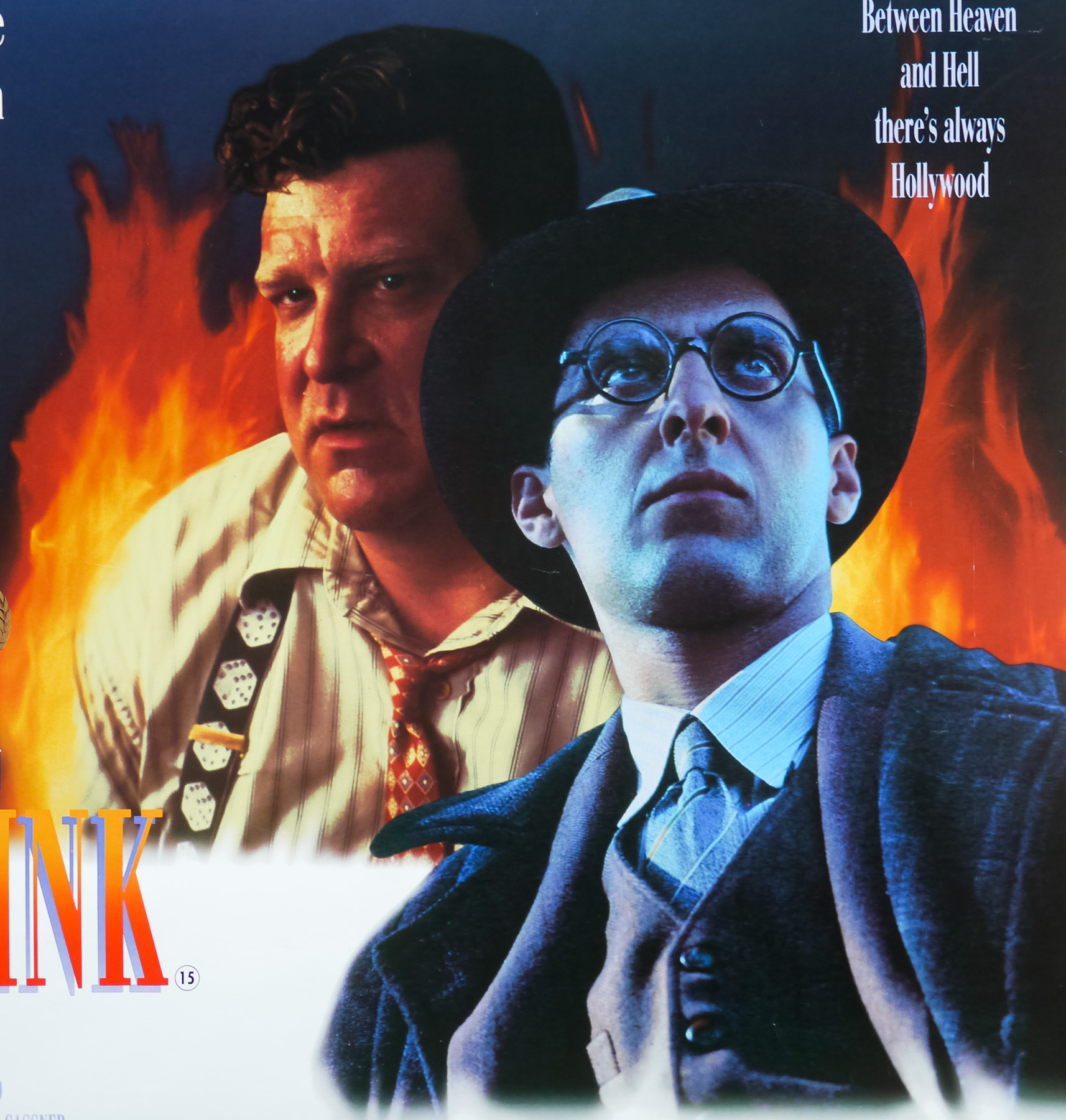
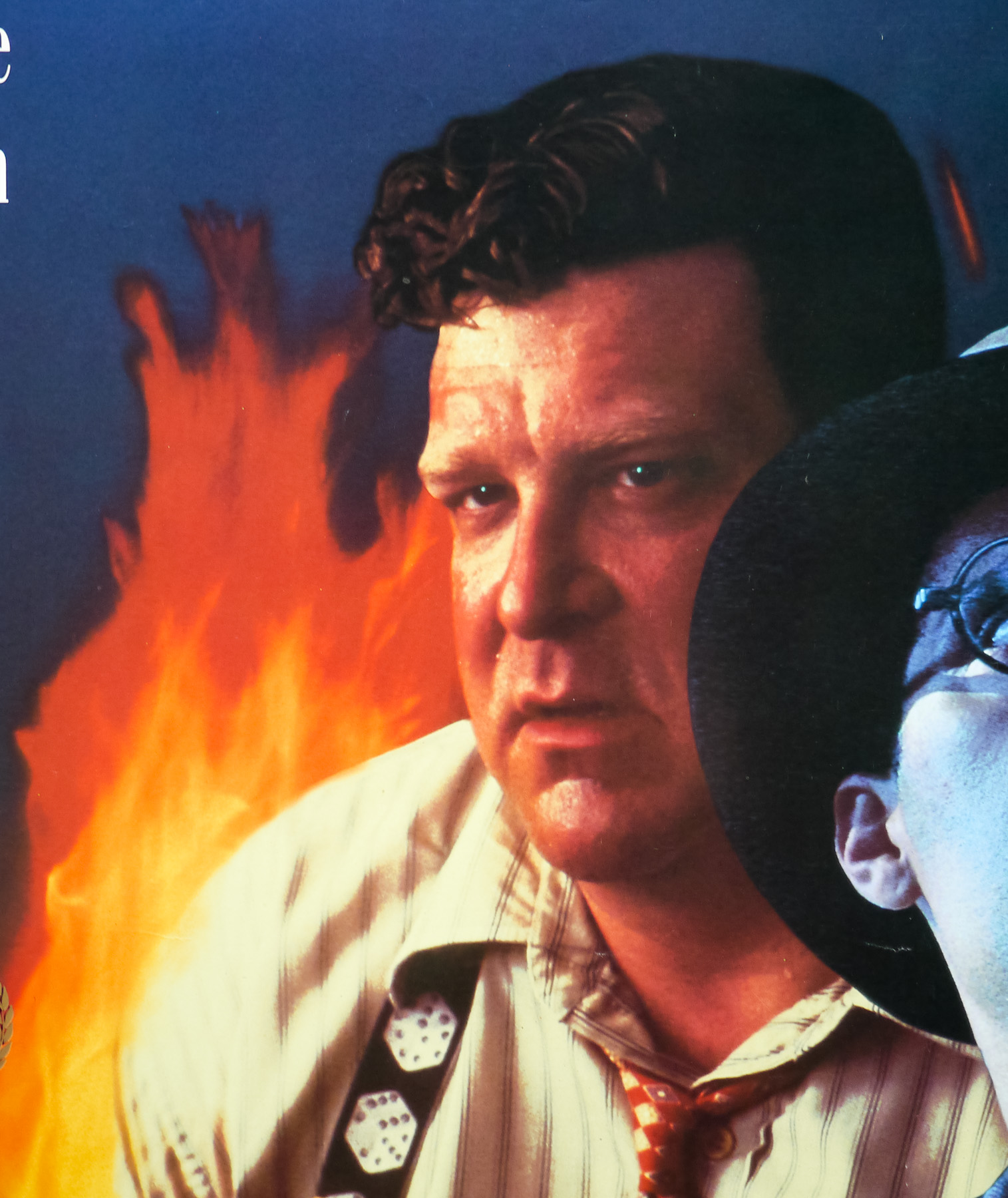
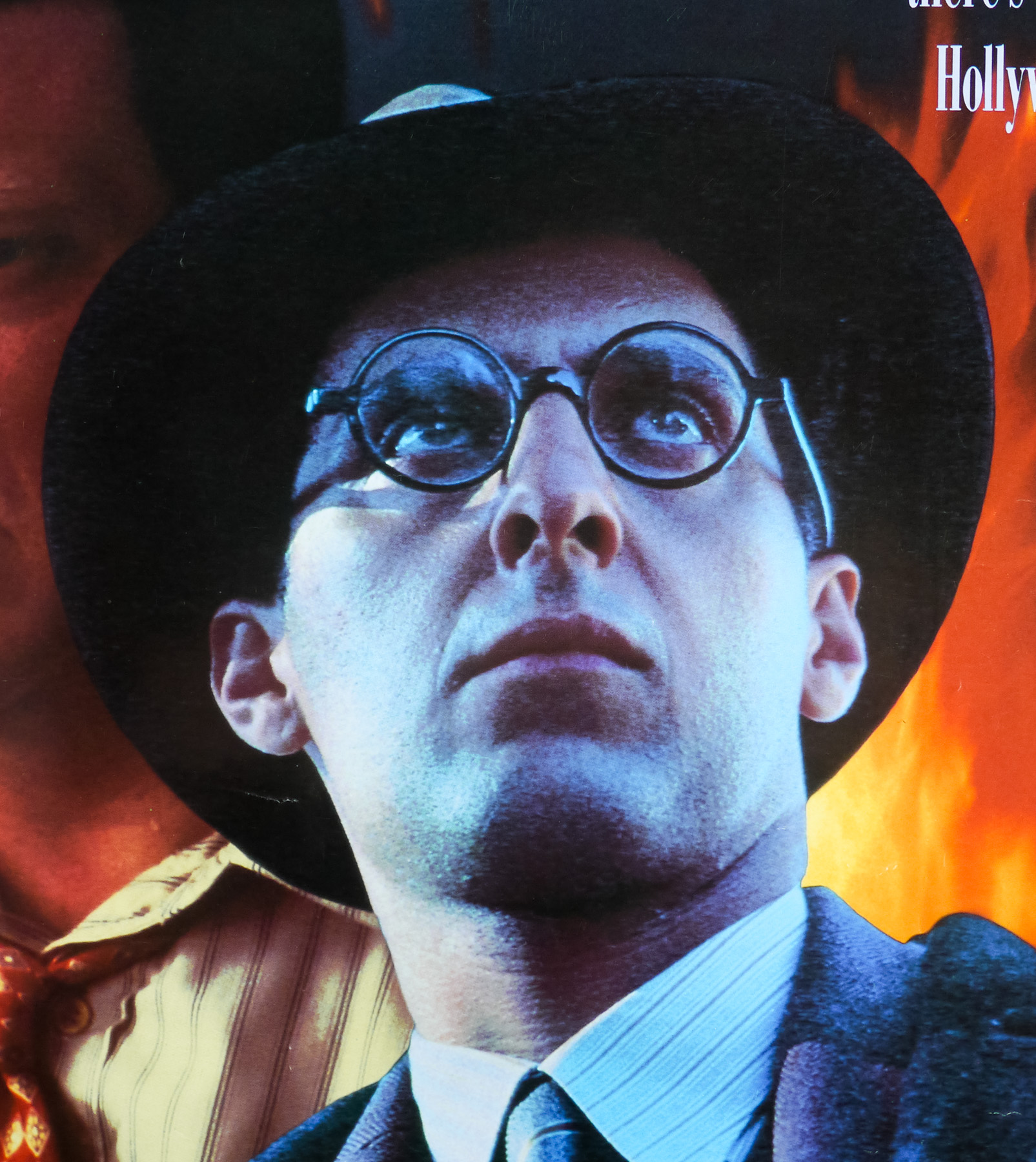
I’m unsure who is responsible for the design of this quad, which is unique to the international campaign (the striking US one sheet looks like this), so if anyone has any ideas please get in touch.

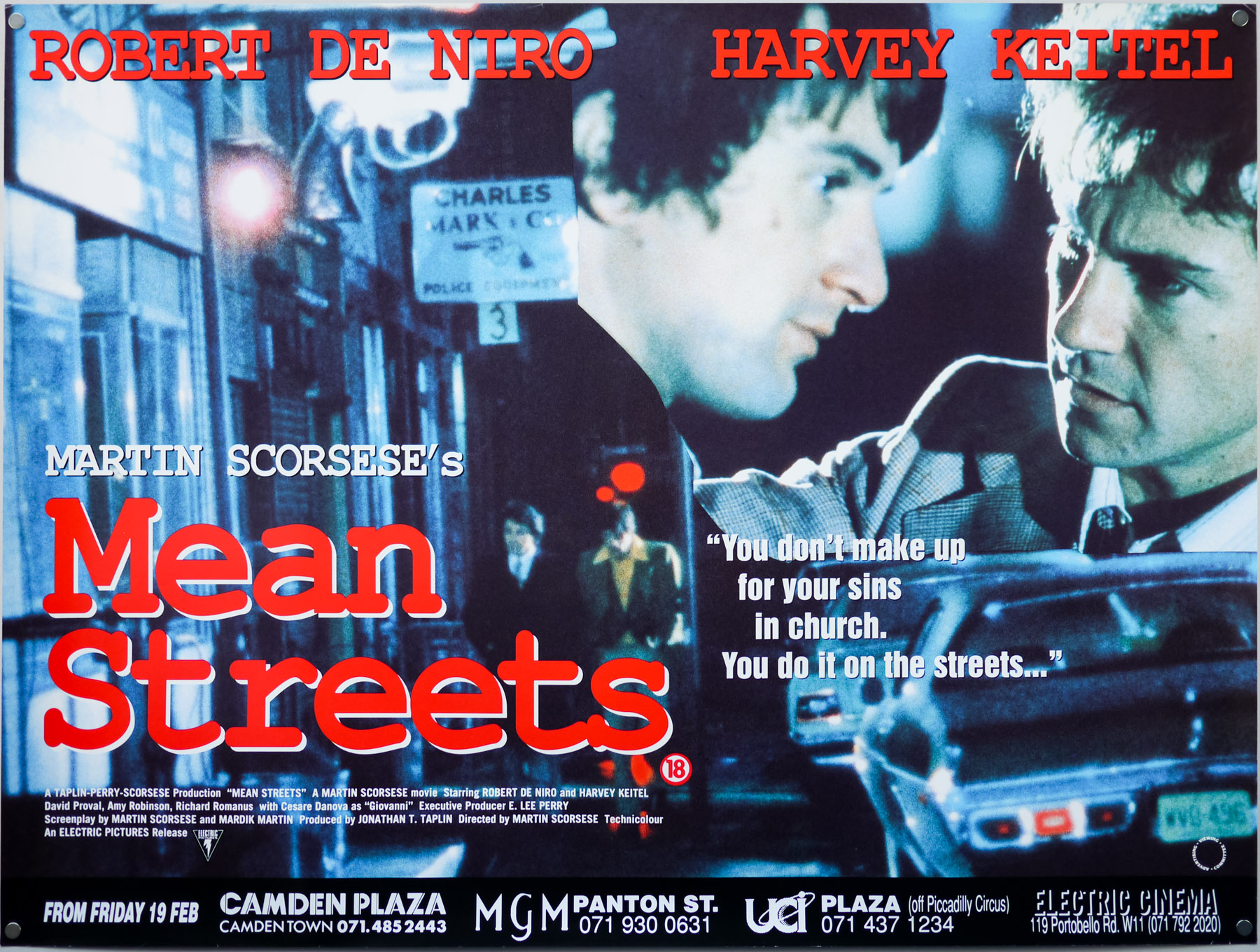
Mean Streets / quad / 1993 re-release / UK

22.08.16

Poster Poster
Title
Mean Streets
AKA
Mean Streets - Domenica in chiesa, lunedì all'inferno [Sunday in church, Monday in hell] (Italy)
Year of Film
1973
Director
Martin Scorsese
Starring
Robert De Niro, Harvey Keitel, David Proval, Amy Robinson, Richard Romanus, Cesare Danova, Victor Argo, George Memmoli, Lenny Scaletta, Jeannie Bell, Murray Moston, David Carradine, Robert Carradine
Origin of Film
USA
Genre(s) of Film
Robert De Niro, Harvey Keitel, David Proval, Amy Robinson, Richard Romanus, Cesare Danova, Victor Argo, George Memmoli, Lenny Scaletta, Jeannie Bell, Murray Moston, David Carradine, Robert Carradine,
Type of Poster
Quad
Style of Poster
Re-release
Origin of Poster
UK
Year of Poster
1993
Designer
Unknown
Artist
--
Size (inches)
30 2/16" x 40"
SS or DS
SS
Tagline
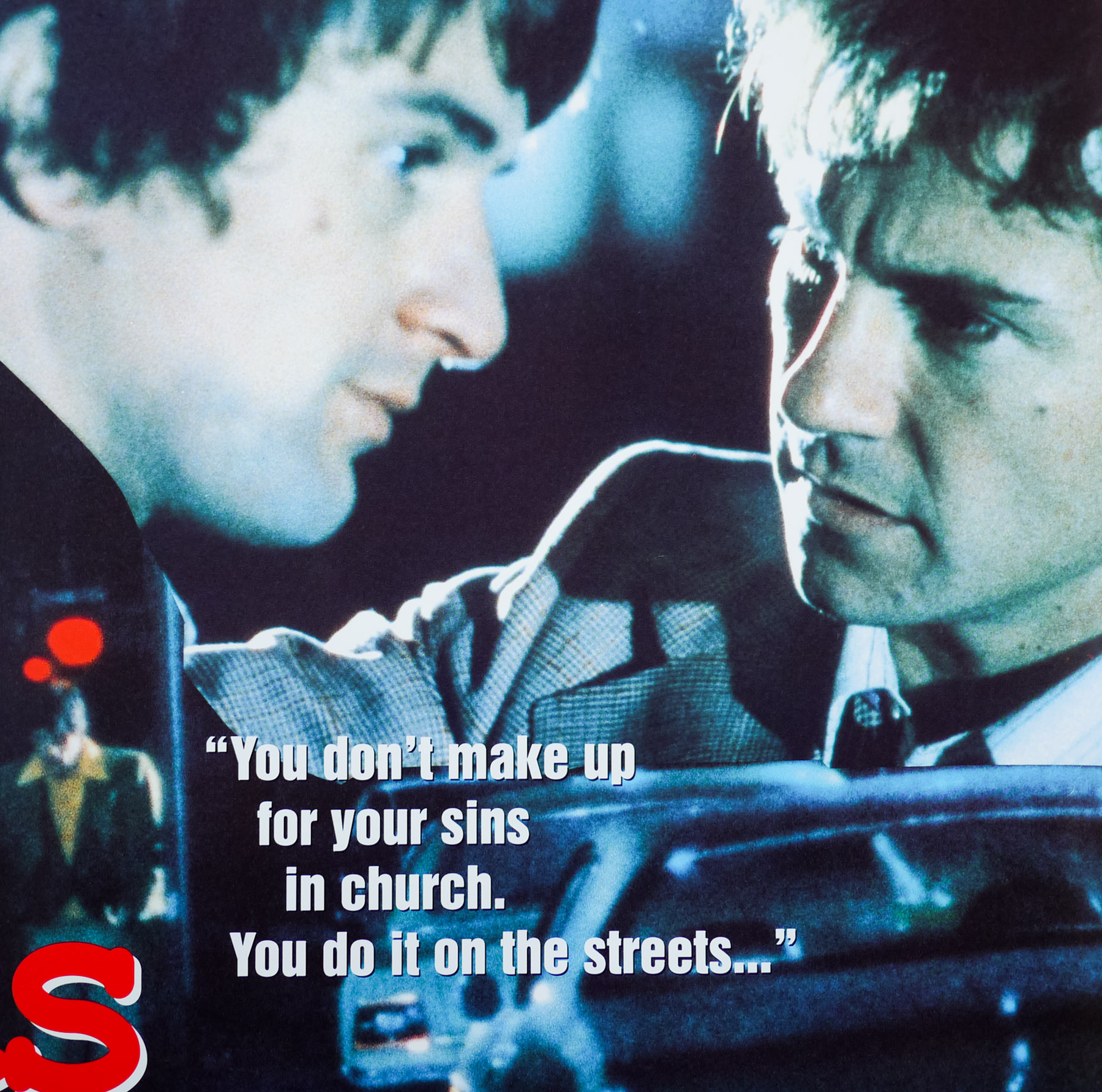
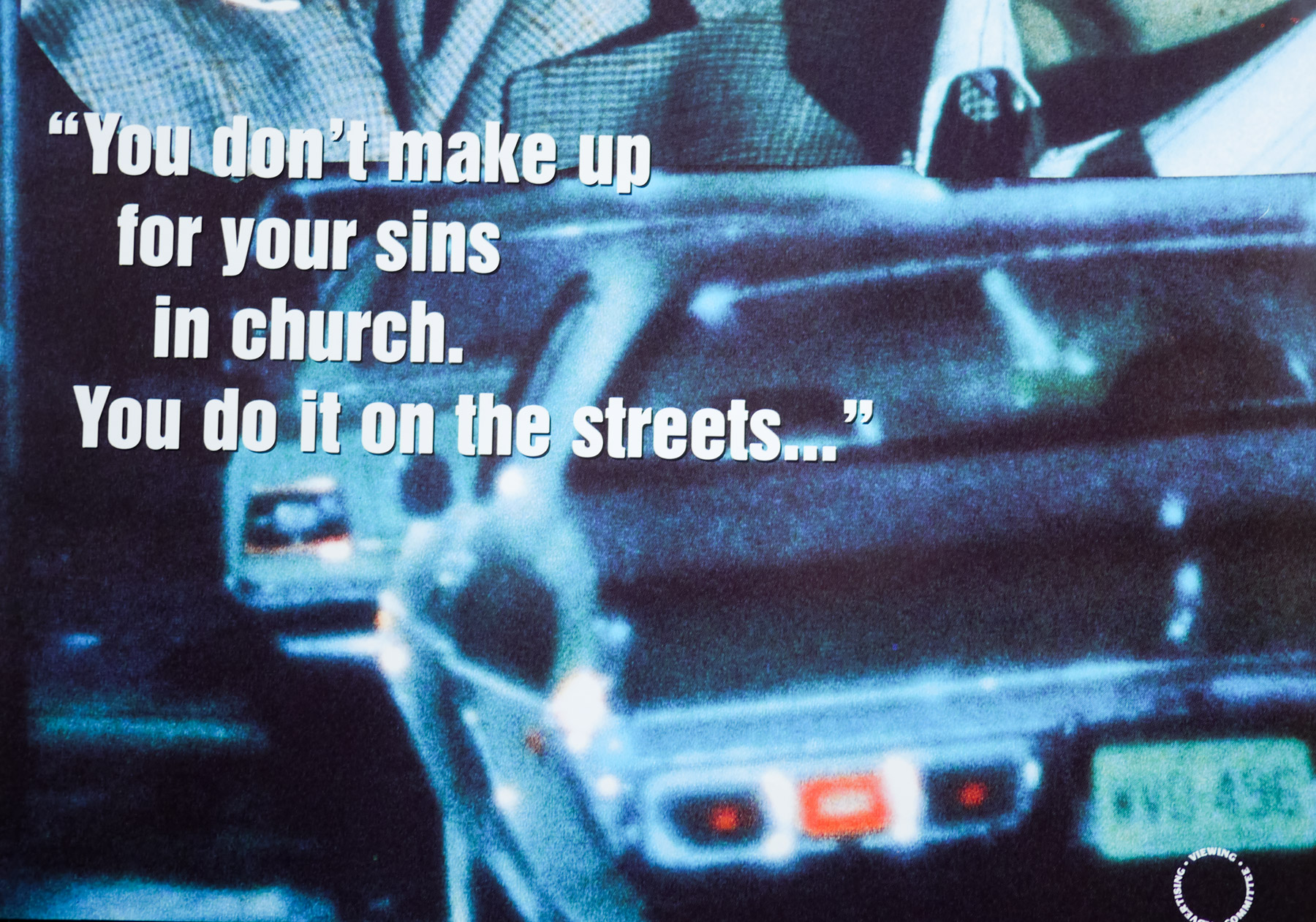
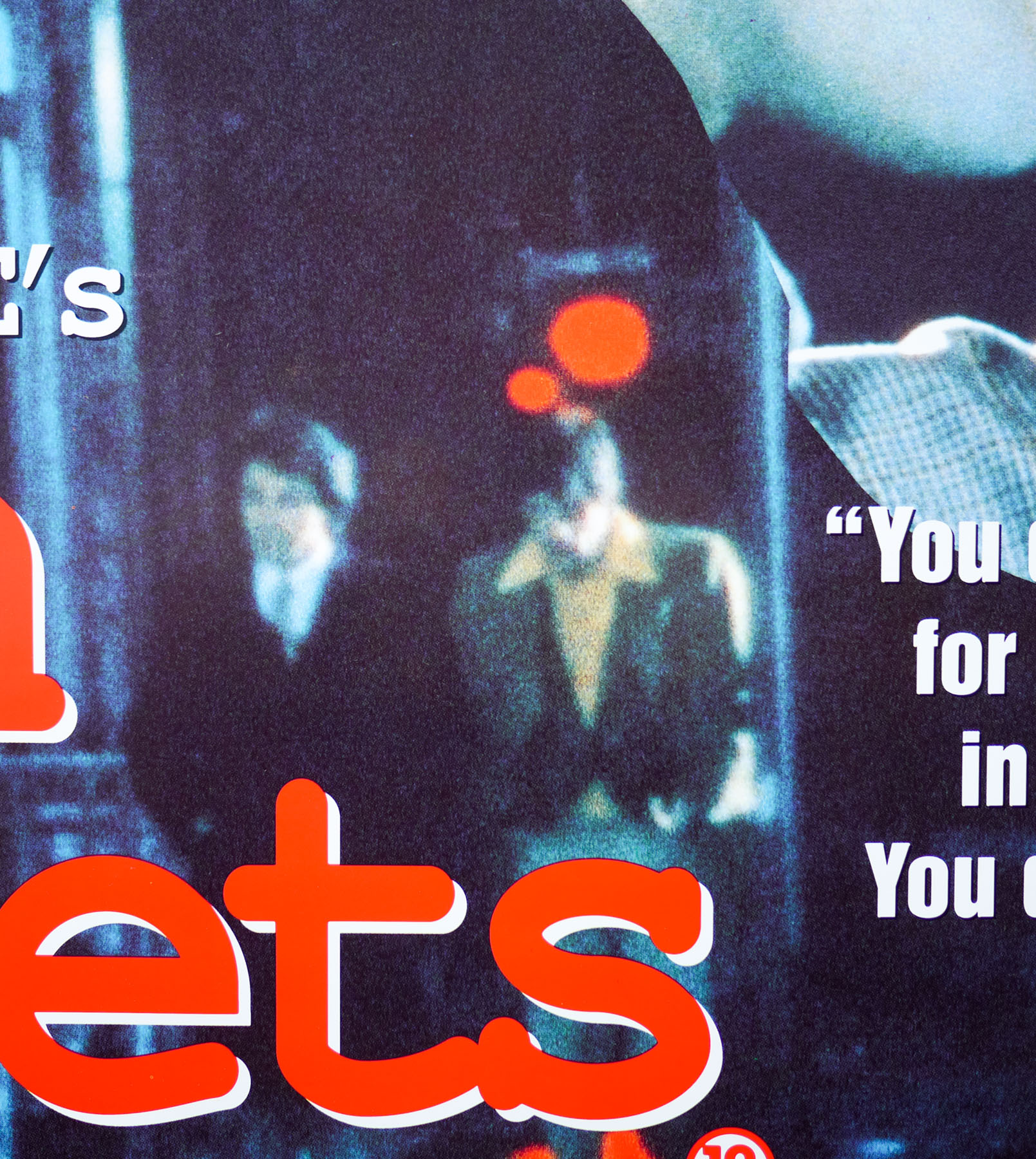
"You don't make up for your sins in church. You do it on the streets..."

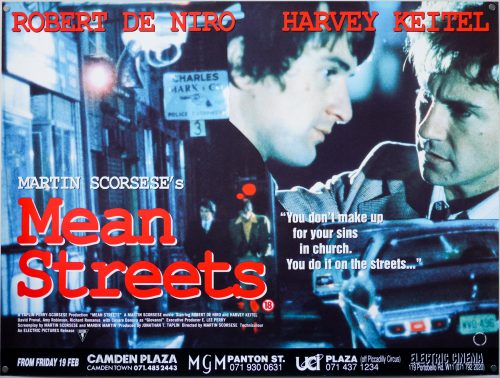
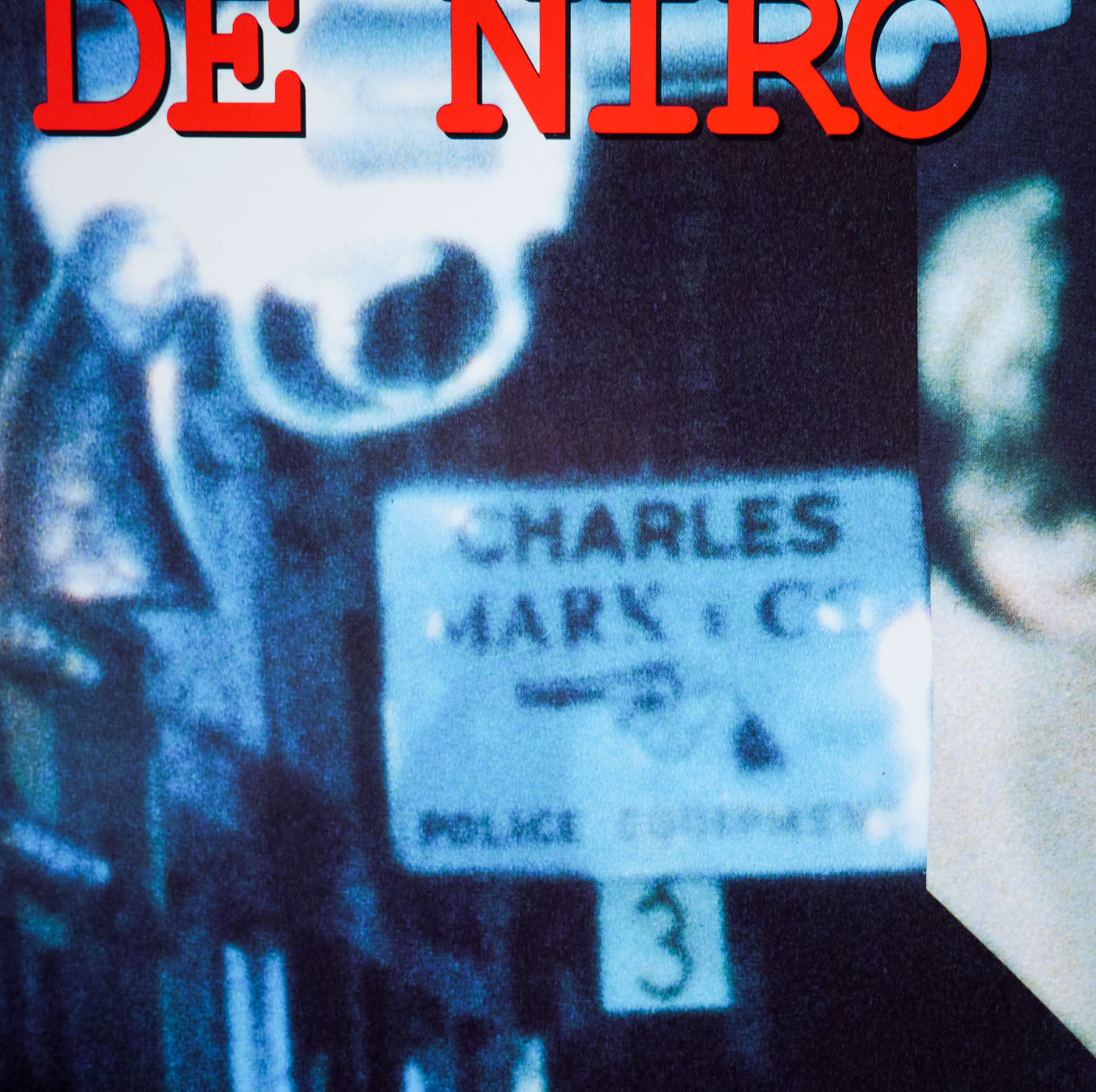
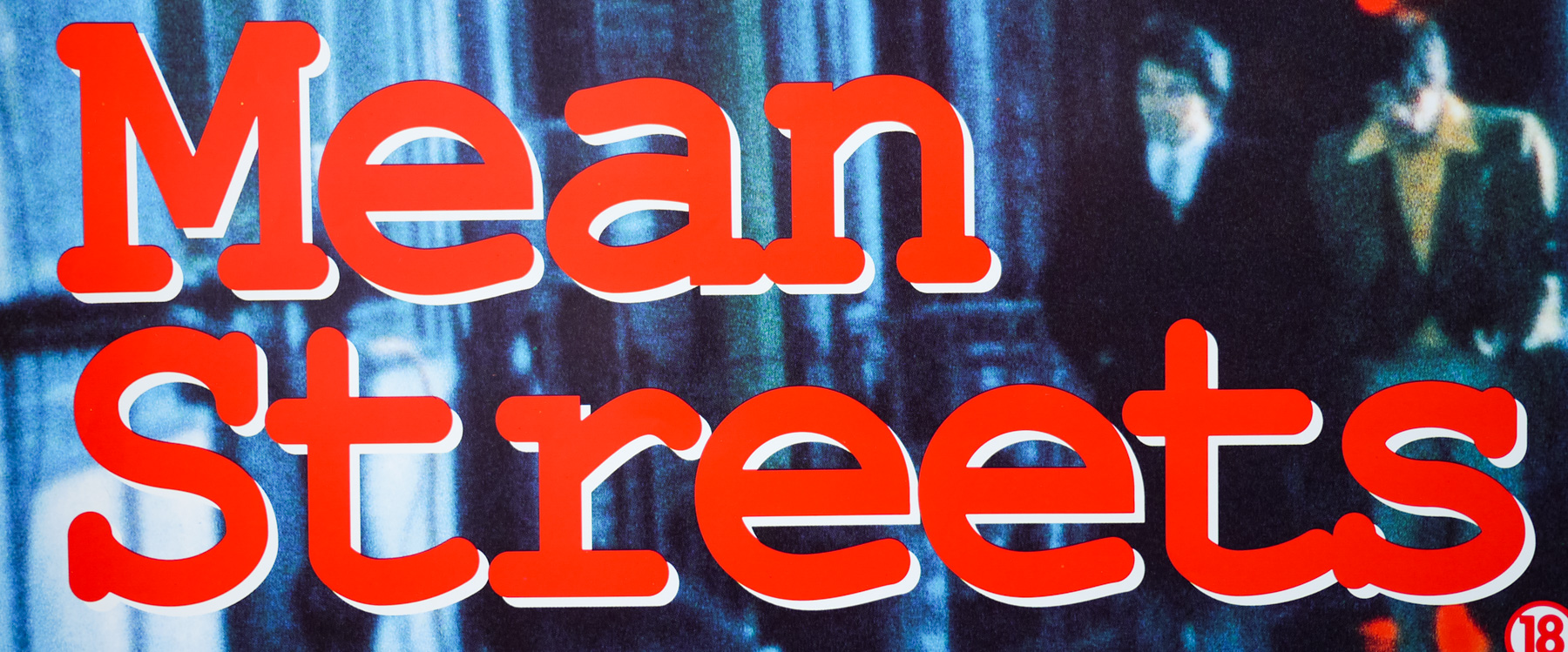
This is a British quad poster for a 1993 re-release of Martin Scorsese‘s 1973 film Mean Streets. Whilst not the director’s earliest full-length feature, it’s certainly the one that put him firmly on the map ahead of 1976’s global hit Taxi Driver. Co-written by Scorsese, Mean Streets is also a film that is very personal to the director because the film is set in and around the Manhattan neighbourhood he grew up in. The story was shaped by his experience of living in Little Italy and the encounters he had with the various types of characters that live there, including members of the New York Mafia, with whom his father had dealings.

Scorsese also peppered the film with the kind of music he’d been listening to as a youth, which included the likes of the Rolling Stones and The Ronettes. It’s reckoned that half of the film’s budget was spent on clearing these songs for use in the soundtrack, but their inclusion makes for some memorable moments. One such example is the entrance of Joey (Robert De Niro) into the club soundtracked to the Stones’ ‘Jumpin’ Jack Flash’.

Harvey Keitel plays Charlie, a small-time member of the mafia who spends his days collecting protection money on behalf of his uncle, the local boss Giovanni (Cesare Danova). He’s also torn between his feelings of Catholic responsibility, and devotion to the church, with his desire to move up the chain in the outfit. Charlie is also hampered by his friendship with the unhinged Johnny Boy (De Niro), an inveterate gambler who owes money to various unsavoury loan sharks around the neighbourhood. Johnny’s behaviour becomes increasingly erratic and threatens Charlie’s position as a wiseguy and his secret relationship with Johnny’s cousin Teresa (Amy Robinson). As tension rises, the group try to escape to Brooklyn but the neighbourhood has other plans for them.

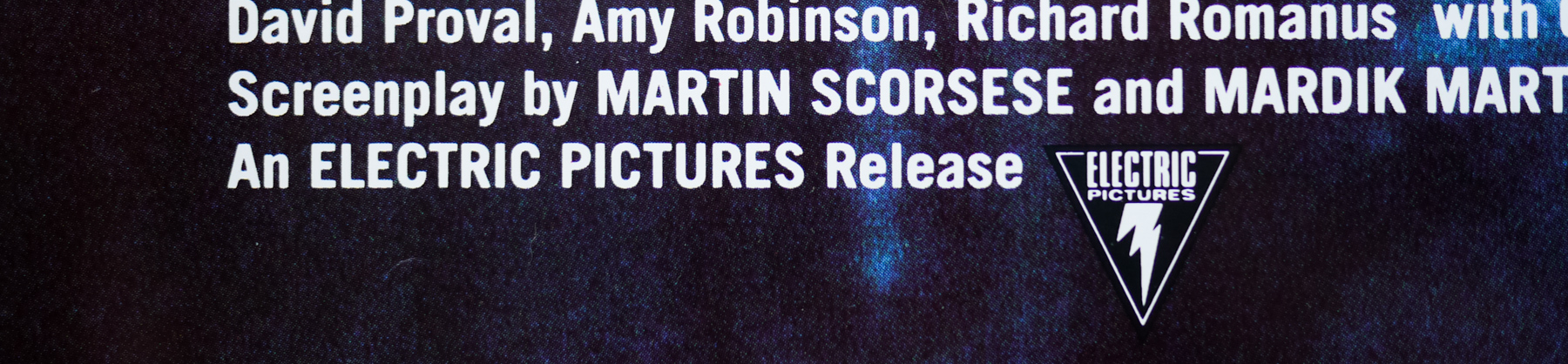
I’m not totally sure why this film was given a 1993 re-release but it could have had something to do with the success of his 1990 gangster film Goodfellas. It’s also possible that the distributor (Electric Pictures) decided to show the film as part of a particular season of films. Note that all the films mentioned along the bottom of the poster are all based in London so it’s possible it wasn’t a nationwide re-release. The film’s original quad, for the film’s release in the 1970s, is hugely uninspiring (see here) and nothing beats the classic artwork created for the US campaign (see here).

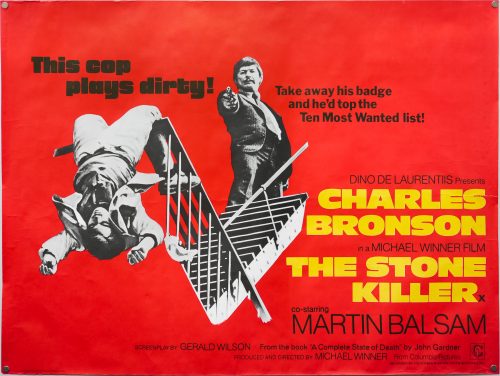
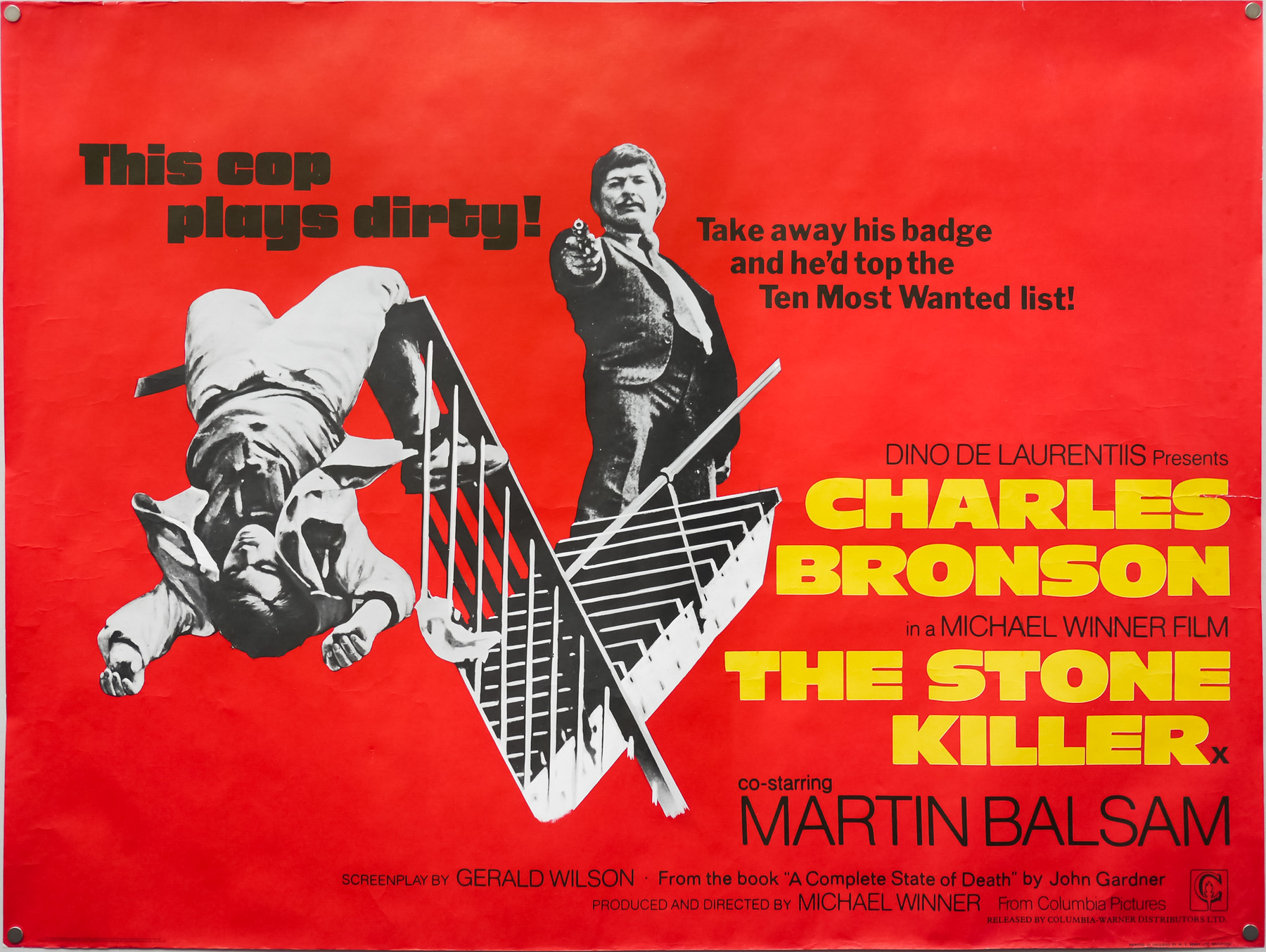
The Stone Killer / quad / UK

29.11.16

Poster Poster
Title
The Stone Killer
AKA
Le cercle noir [The black circle] (France) | América violenta [Violent America] (Spain)
Year of Film
1973
Director
Michael Winner
Starring
Charles Bronson, Martin Balsam, Jack Colvin, Paul Koslo, Norman Fell, David Sheiner, Stuart Margolin, Ralph Waite, Alfred Ryder, Walter Burke, Kelley Miles
Origin of Film
Italy | USA
Genre(s) of Film
Charles Bronson, Martin Balsam, Jack Colvin, Paul Koslo, Norman Fell, David Sheiner, Stuart Margolin, Ralph Waite, Alfred Ryder, Walter Burke, Kelley Miles,
Type of Poster
Quad
Style of Poster
--
Origin of Poster
UK
Year of Poster
1973
Designer
Unknown
Artist
--
Size (inches)
30" x 39 13/16"
SS or DS
SS
Tagline
This cop plays dirty! | Take away his badge and he'd top the Ten Most Wanted list!

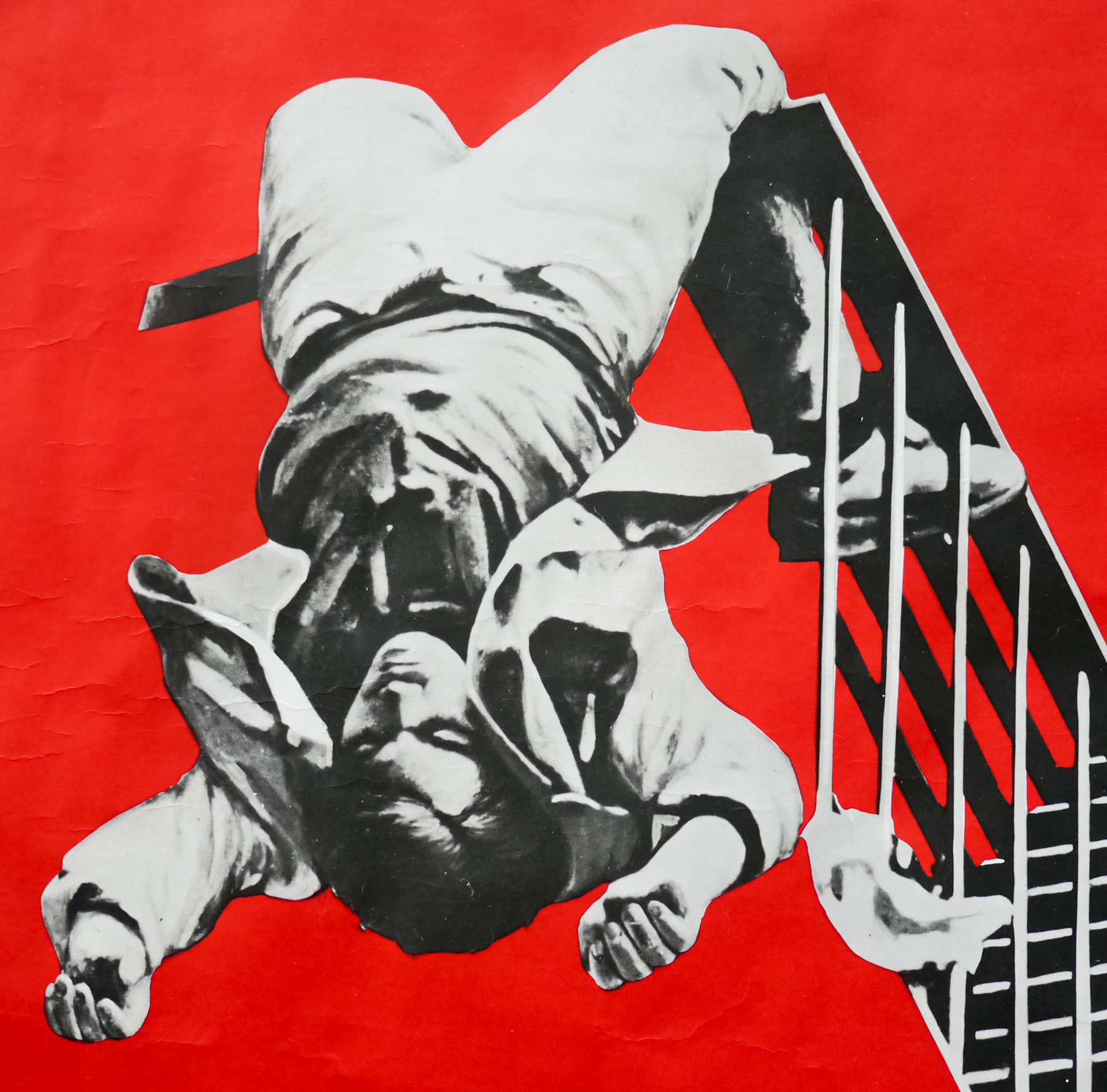
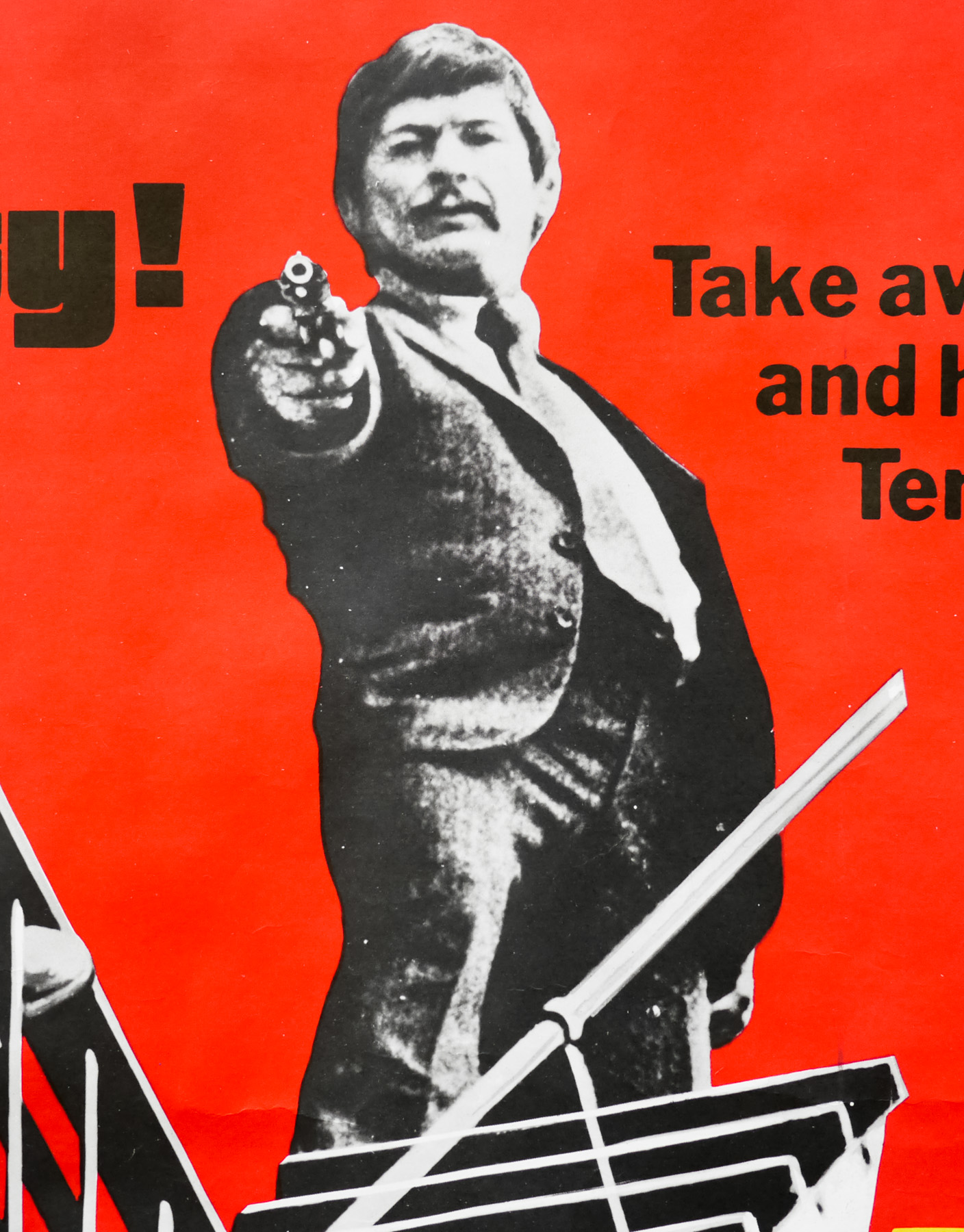
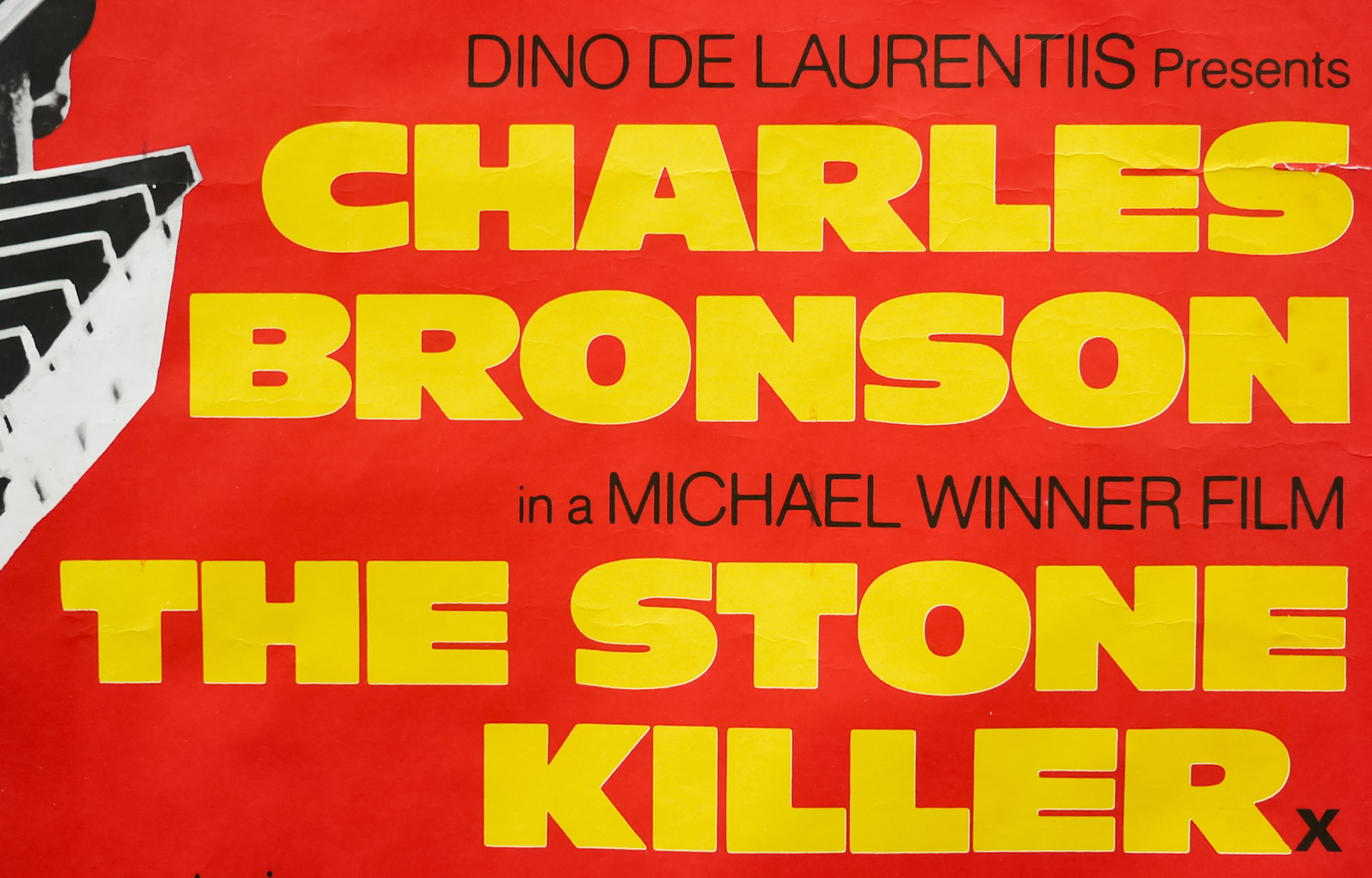
This is the British quad poster for the release of the 1973 crime drama The Stone Killer. The film was one of a number that starred action legend Charles Bronson and was directed by Michael Winner. Their most successful collaboration (in box-office terms), Death Wish, was released a year later. The film features a cop who bends the rules to crack a case and was made in the wake of the hugely successful Clint Eastwood film, Dirty Harry (1971). That film also focused on a detective willing to play dirty, as this poster’s tagline shouts.

Bronson plays detective Lou Torrey who has recently been transferred to a Los Angeles beat. After the murder of a former hitman, he uncovers a plot involving the local mafia. The don, Al Vescari (Martin Balsam) has instigated a number of murders in revenge for killings that took place in 1931. This spree saw Sicilian capos executed across the US (a real-life crime dubbed the Night of the Sicilian Vespers). Vescari has decided to use Vietnam vets to carry out the killings and Torrey must race against time to stop the hitmen before the revenge plot is complete.

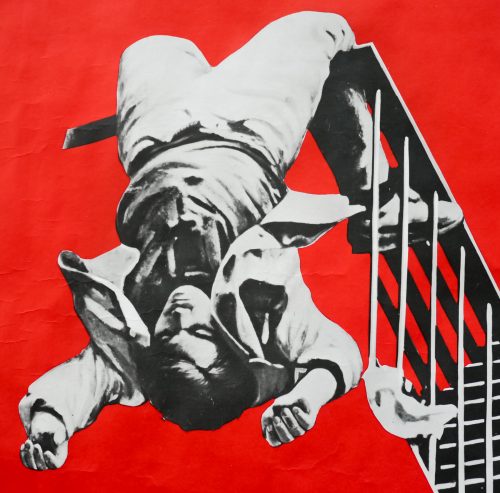
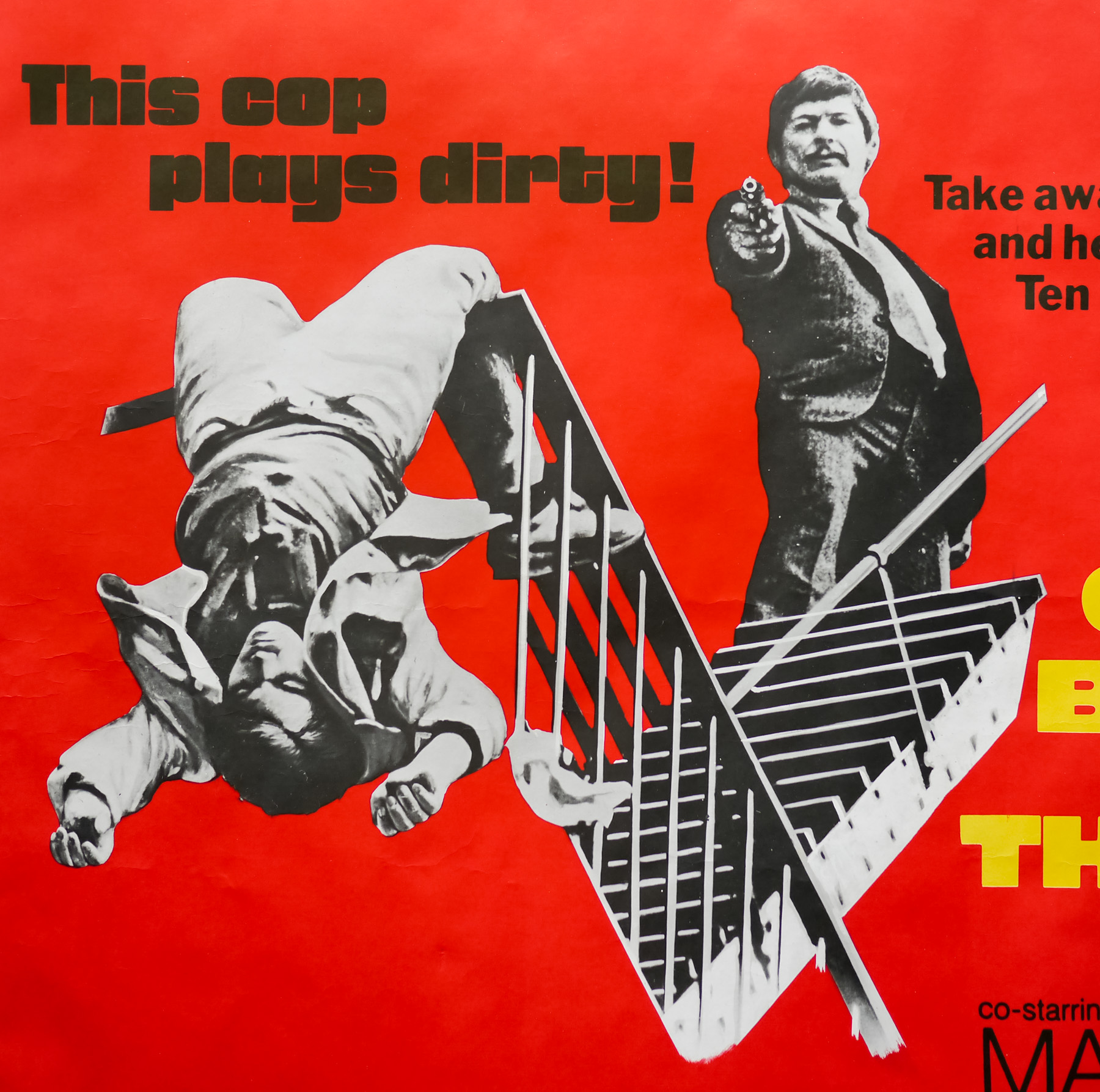
The stark imagery on this quad also featured on the US one sheet (see here) and the title block and main tagline have also been recycled by the British designer.

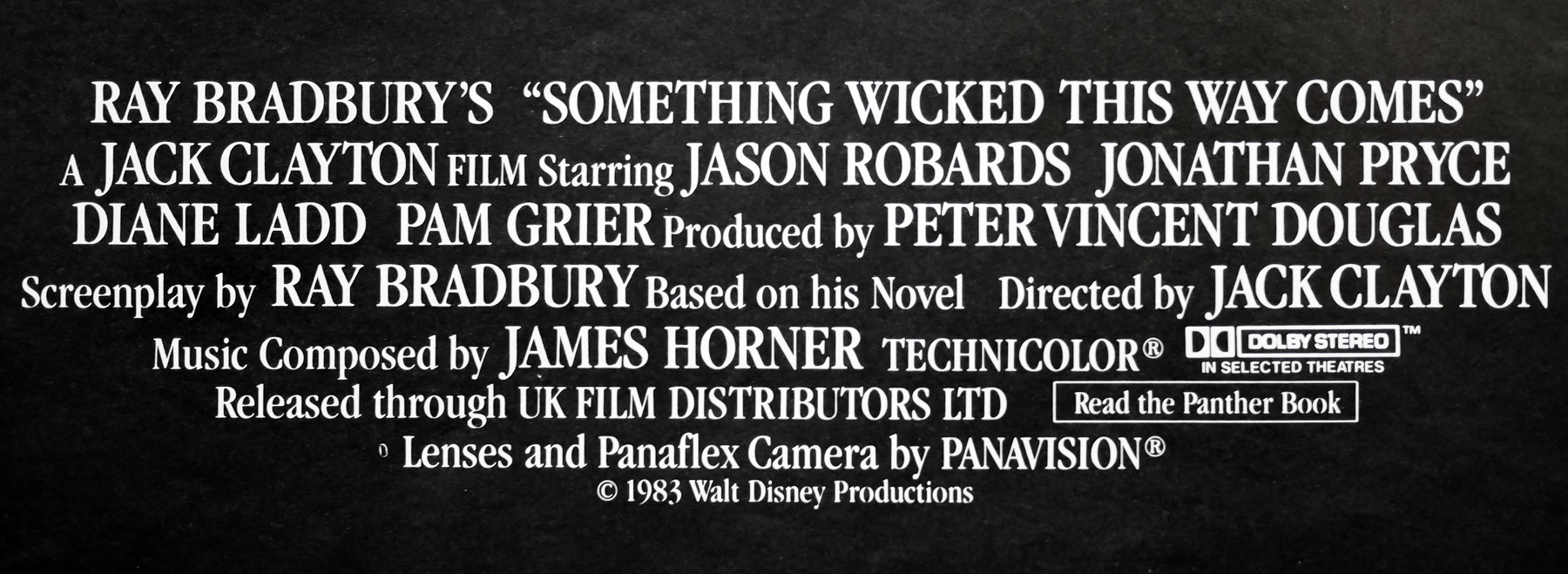
Something Wicked This Way Comes / quad / UK

01.02.17

Poster Poster
Title
Something Wicked This Way Comes
AKA
--
Year of Film
1983
Director
Jack Clayton
Starring
Jason Robards, Jonathan Pryce, Diane Ladd, Royal Dano, Vidal Peterson, Shawn Carson, Mary Grace Canfield, Richard Davalos, Jake Dengel, Jack Dodson
Origin of Film
USA
Genre(s) of Film
Jason Robards, Jonathan Pryce, Diane Ladd, Royal Dano, Vidal Peterson, Shawn Carson, Mary Grace Canfield, Richard Davalos, Jake Dengel, Jack Dodson,
Type of Poster
Quad
Style of Poster
--
Origin of Poster
UK
Year of Poster
1983
Designer
Unknown
Artist
David Grove
Size (inches)
30" x 39 13/16"
SS or DS
SS
Tagline
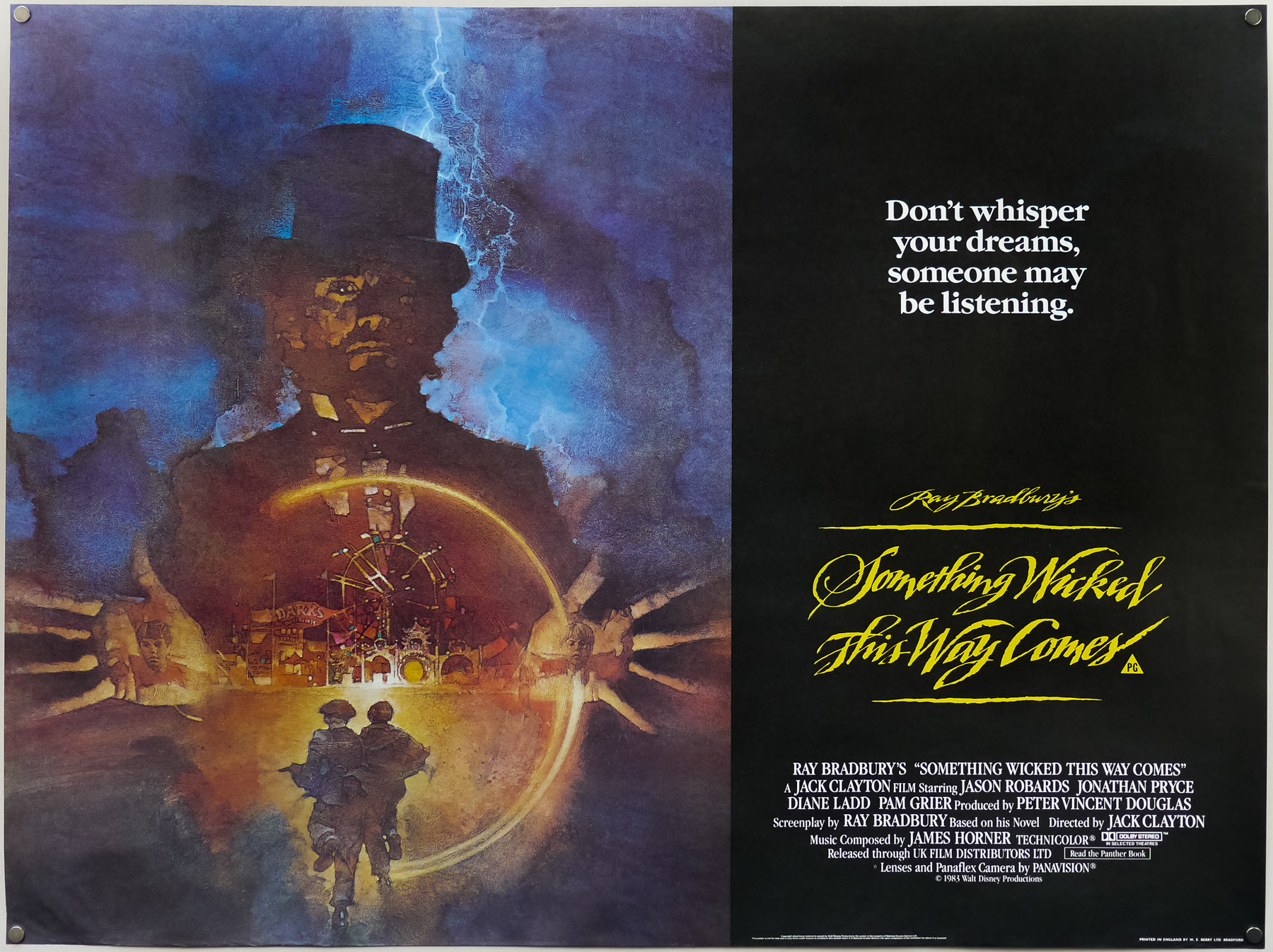
Don't whisper your dreams, someone may be listening.

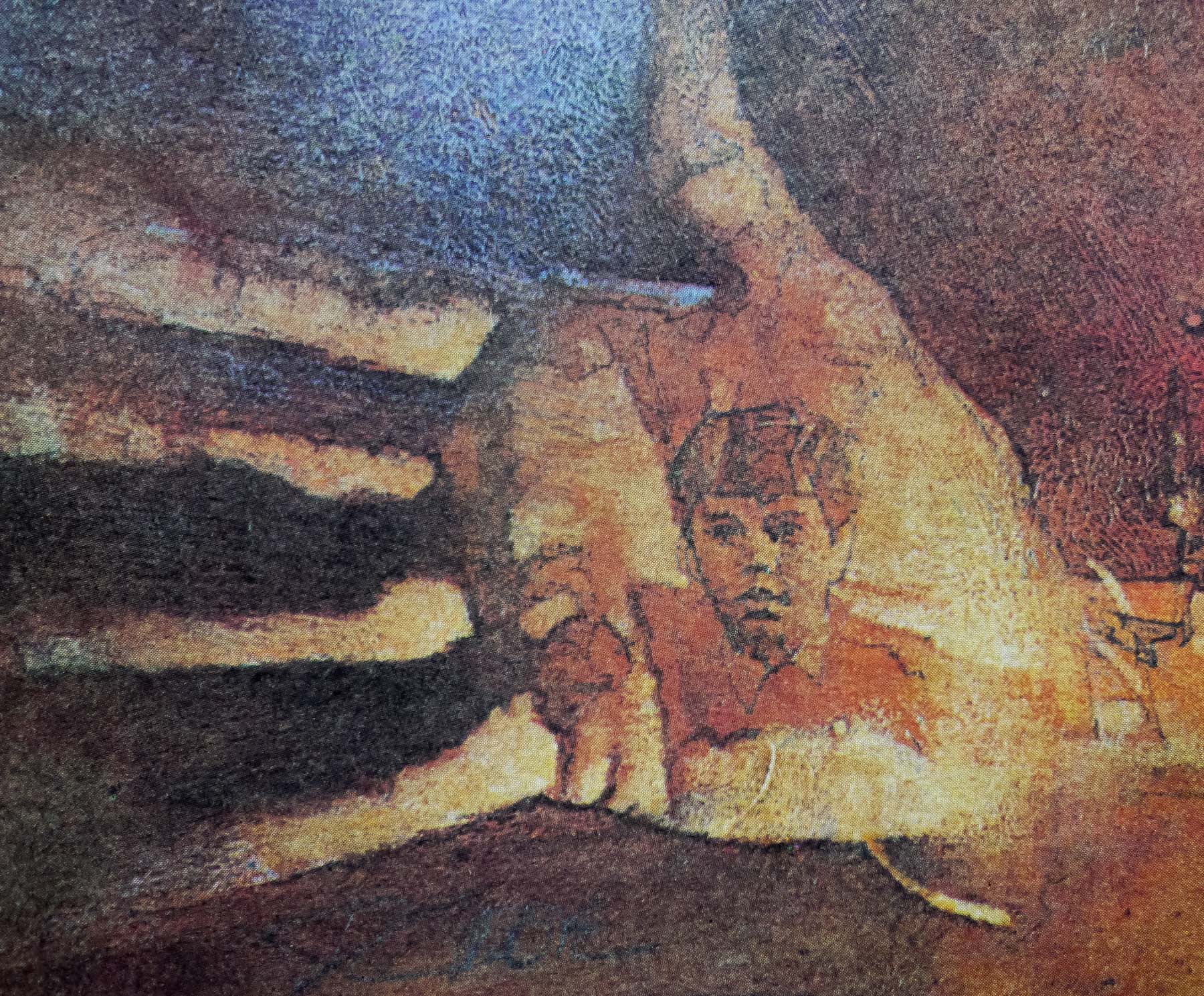
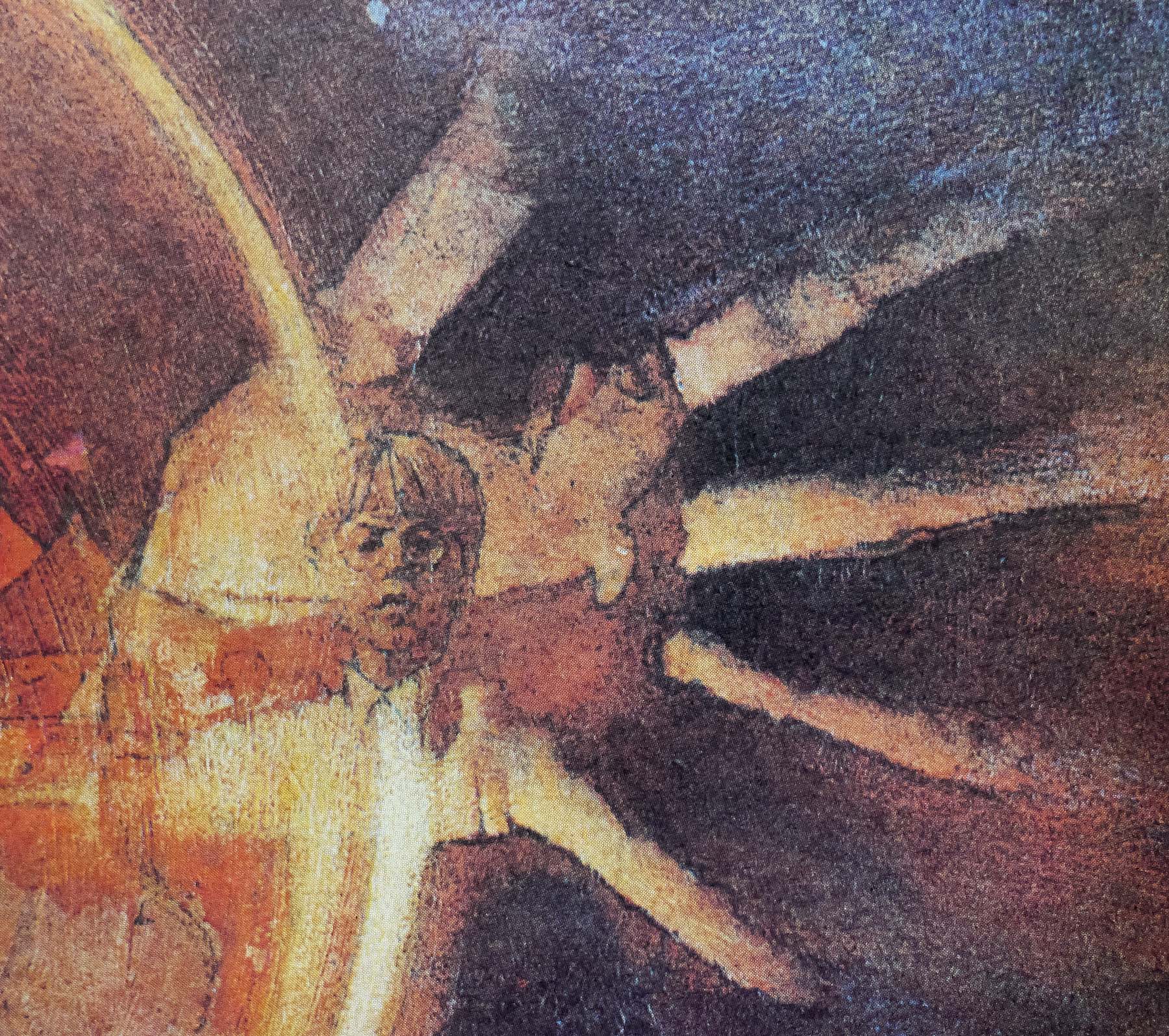
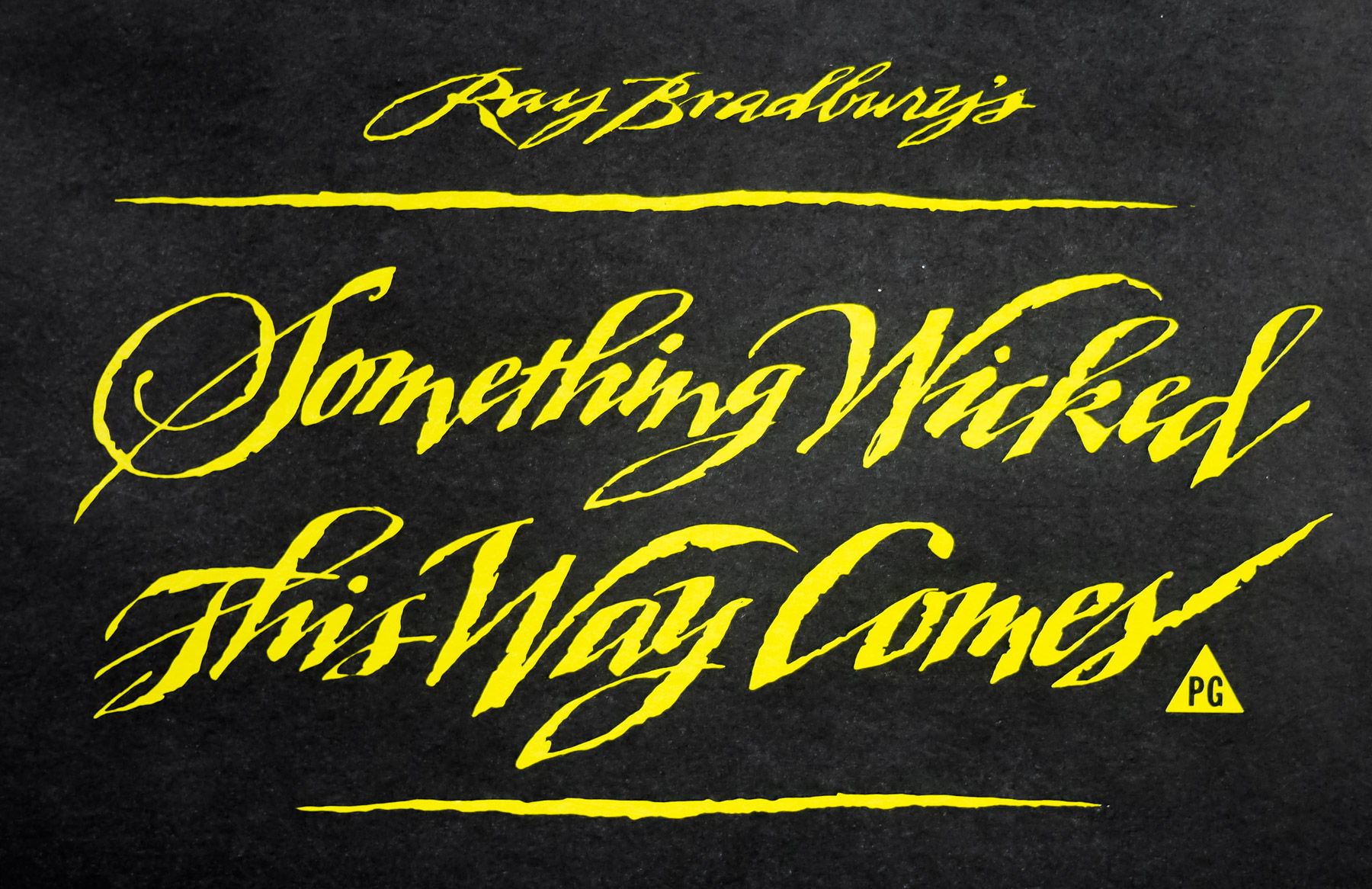
Something Wicked This Way Comes is a 1983 live-action Disney film that’s based on the Ray Bradbury horror novel of the same name. It was helmed by the late British director Jack Clayton (best known for the 1961 horror The Innocents) The film is notorious for its production woes and extensive reshoots that were done without the input of Clayton or Bradbury, who also wrote the screenplay. After production had wrapped, Disney were concerned about its length and commercial appeal and spent a year (and millions of dollars) replacing entire scenes and extensive special effects sequences with material shot by another director. The film’s Wikipedia page details the problems and also notes that the film was a commercial flop.

The plot is described thusly on IMDb:

In a small anywhere town in any state in America, two young boys- quiet Will Halloway and somewhat rebellious Jim Nightshade-enjoy the ever-shortening days of autumn. When the boys hear about a strange traveling carnival from a lightning rod salesman, they decide to see what it is all about-but Will is fearful, as most carnivals end their tours after Labor Day. When the ominous Mr. Dark, the Illustrated Man, rides into town on a dark midnight, setting up his massive carnival in a matter of seconds, the boys are both thrilled and terrified. It seems to be just another carnival at first, but it is not before long that the forces of darkness themselves are manifesting from the haunting melodies of the carousel-which can change your age depending on which way you ride it-and the glaring Mirror Maze. With his collection of freaks and oddities, such as the Fat Man, Mr. Electro, and the blind Dust Witch, Dark intends to take control of the town and seize more innocent souls to damn.

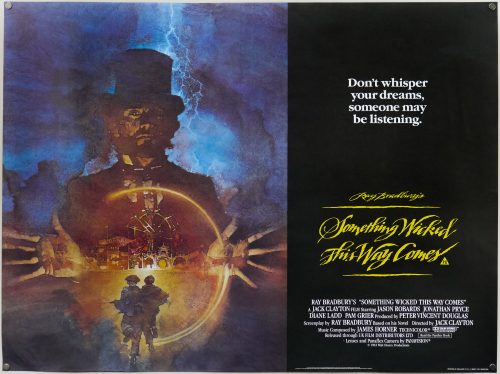
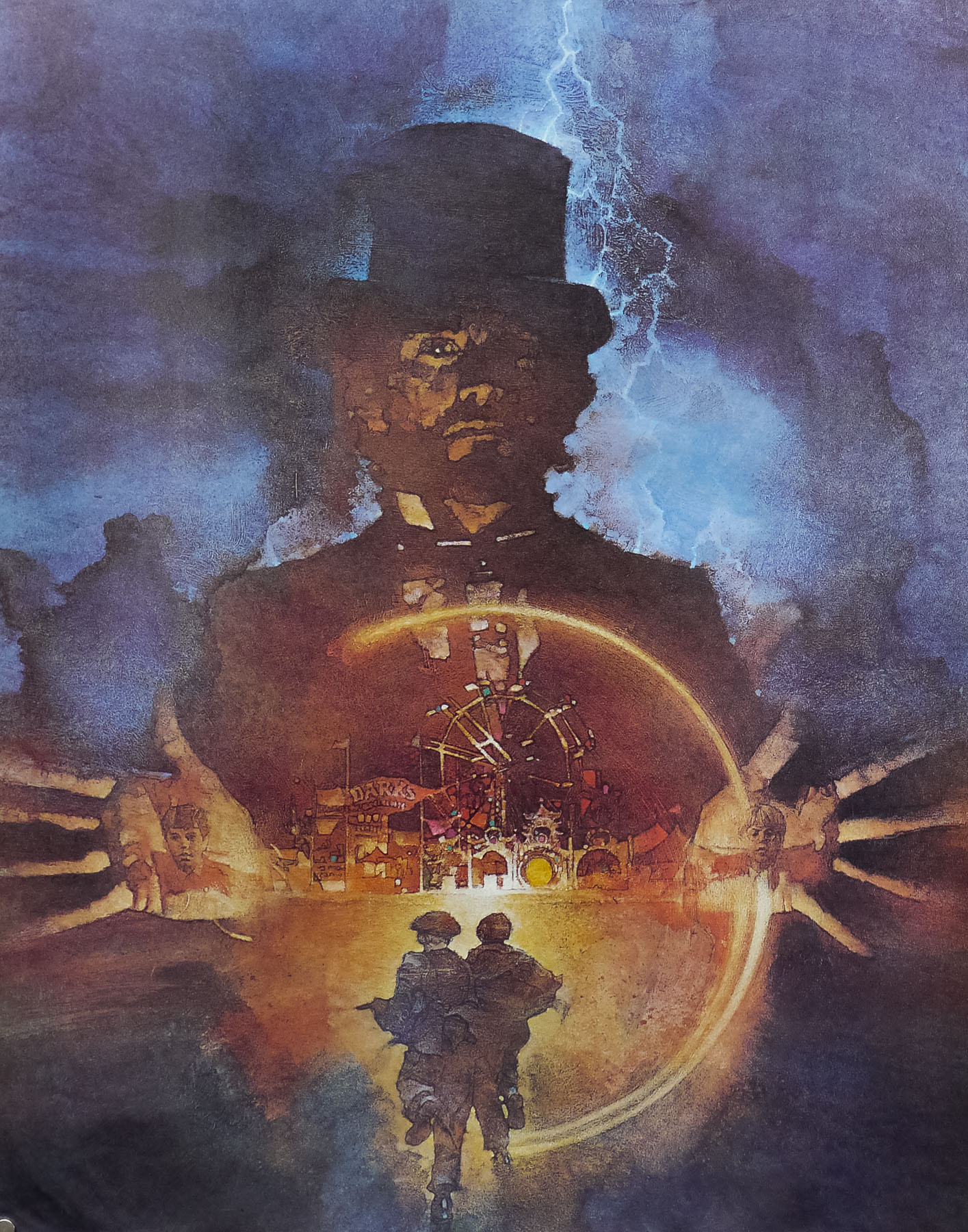
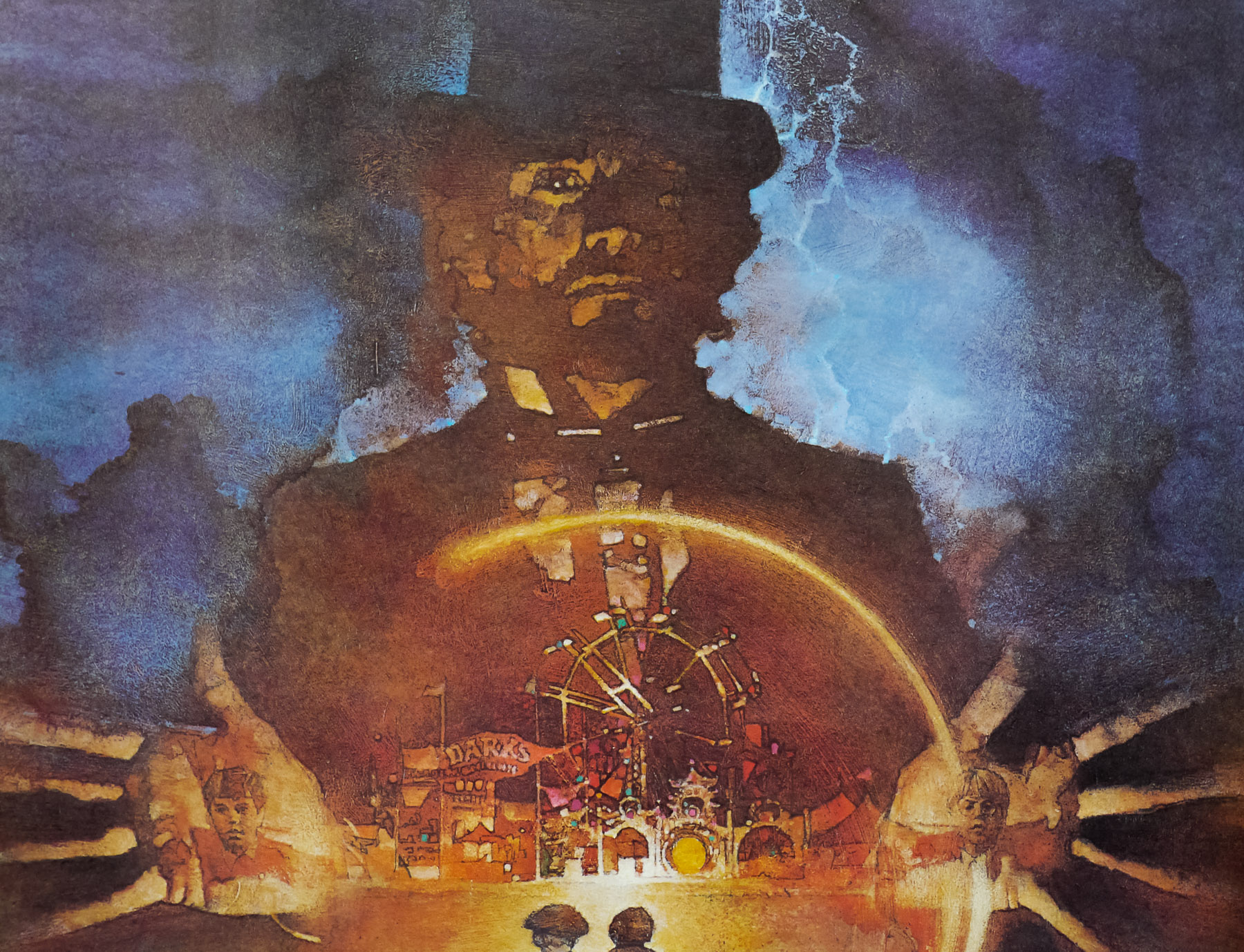
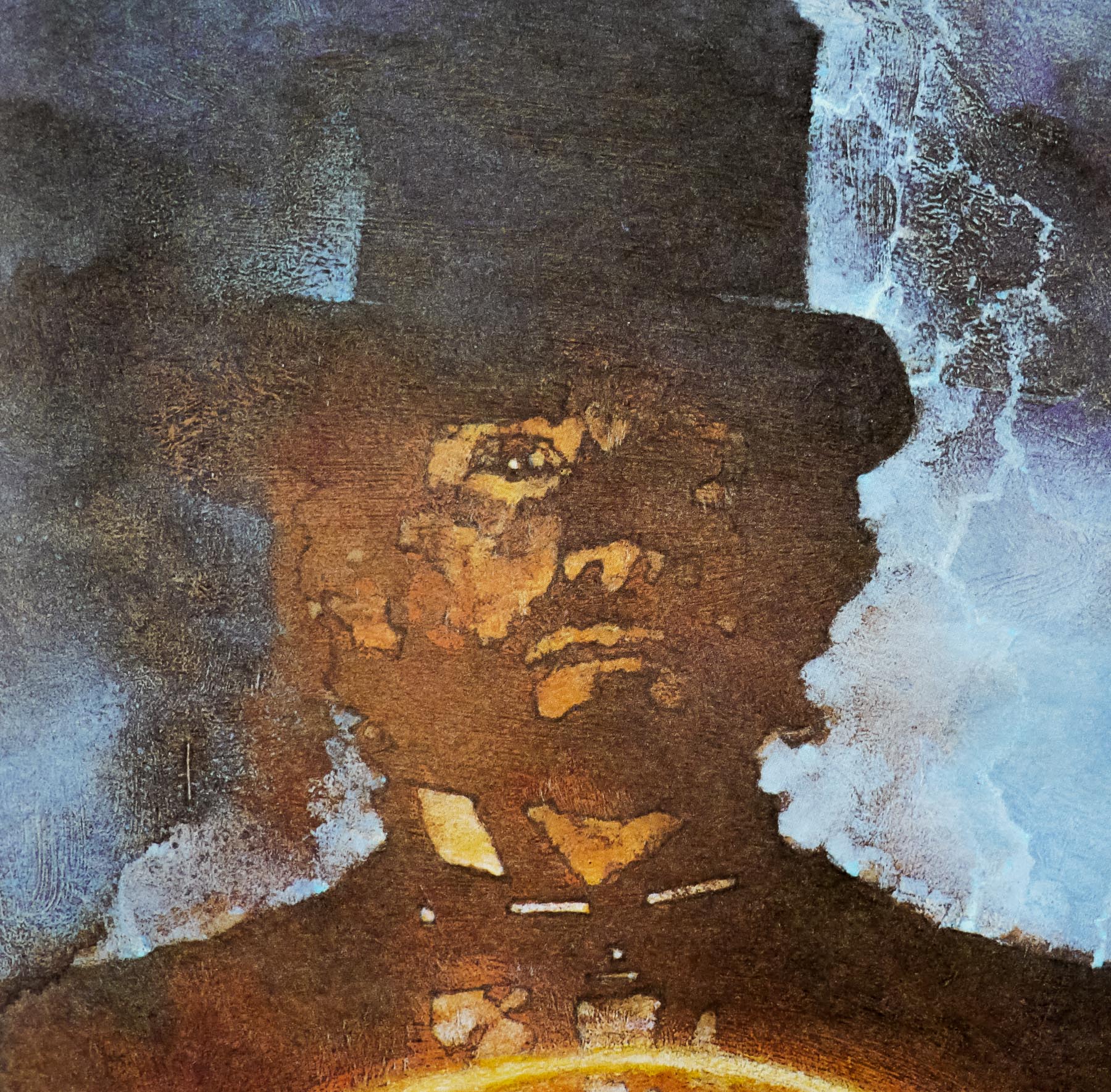
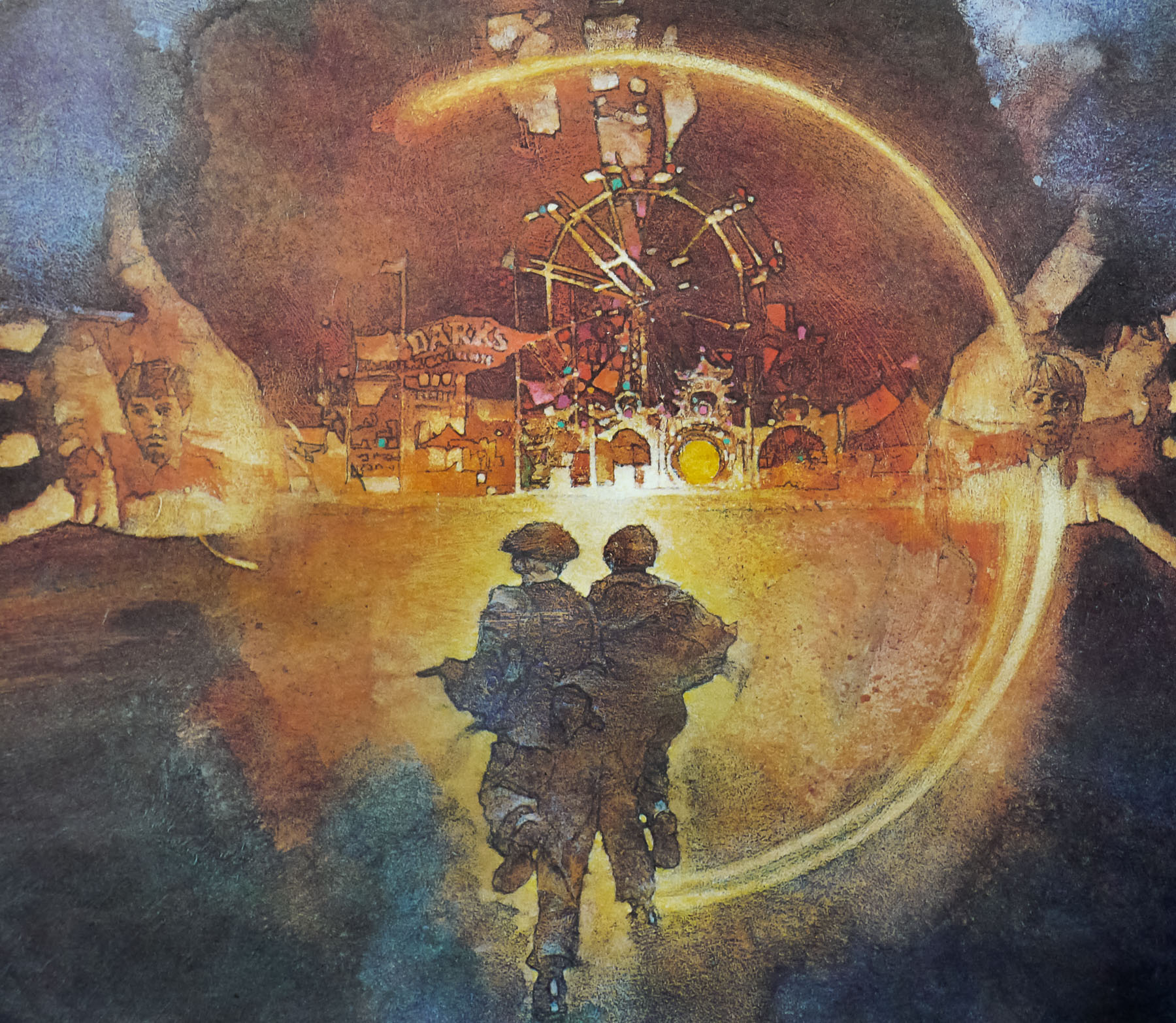
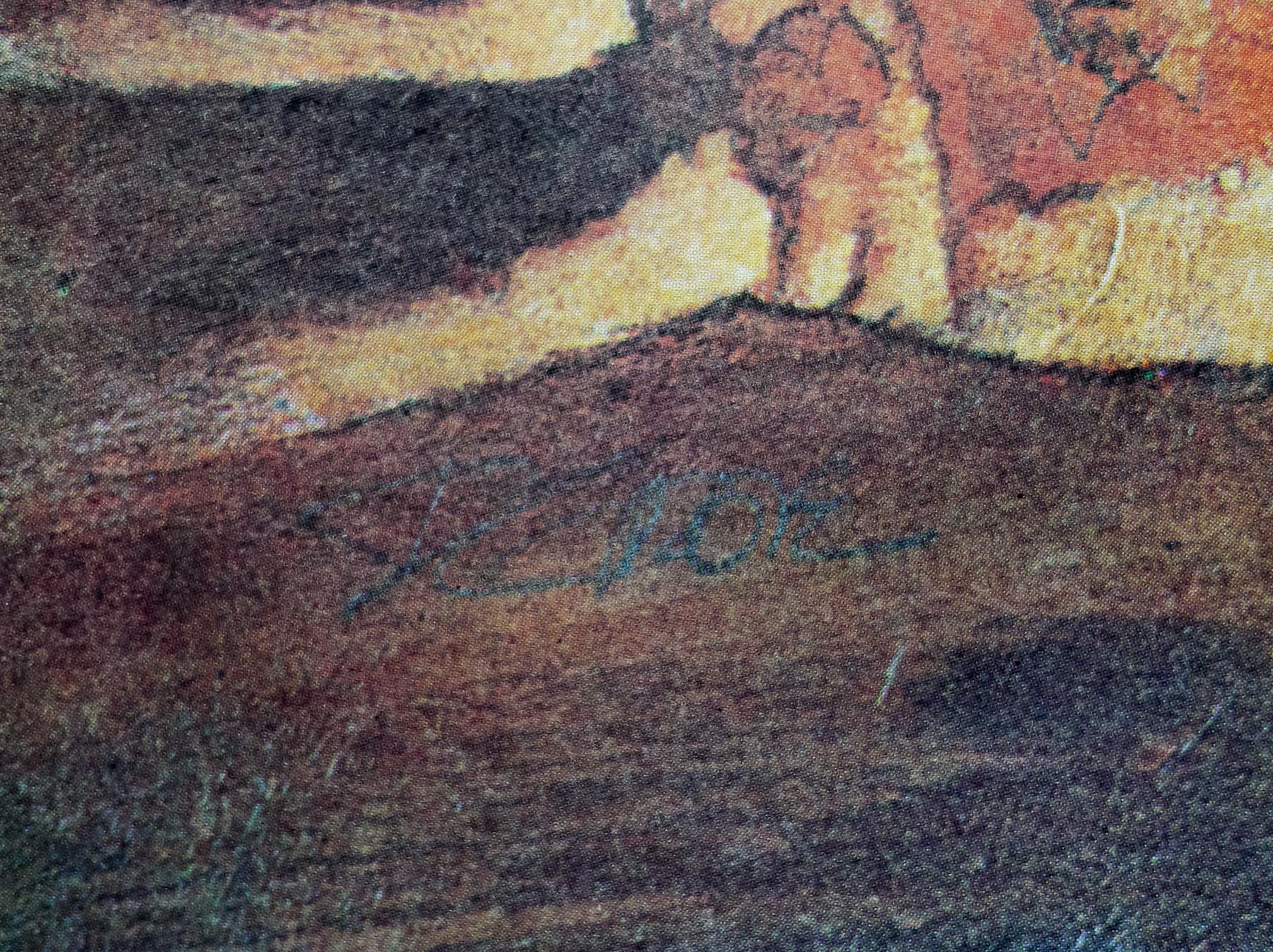
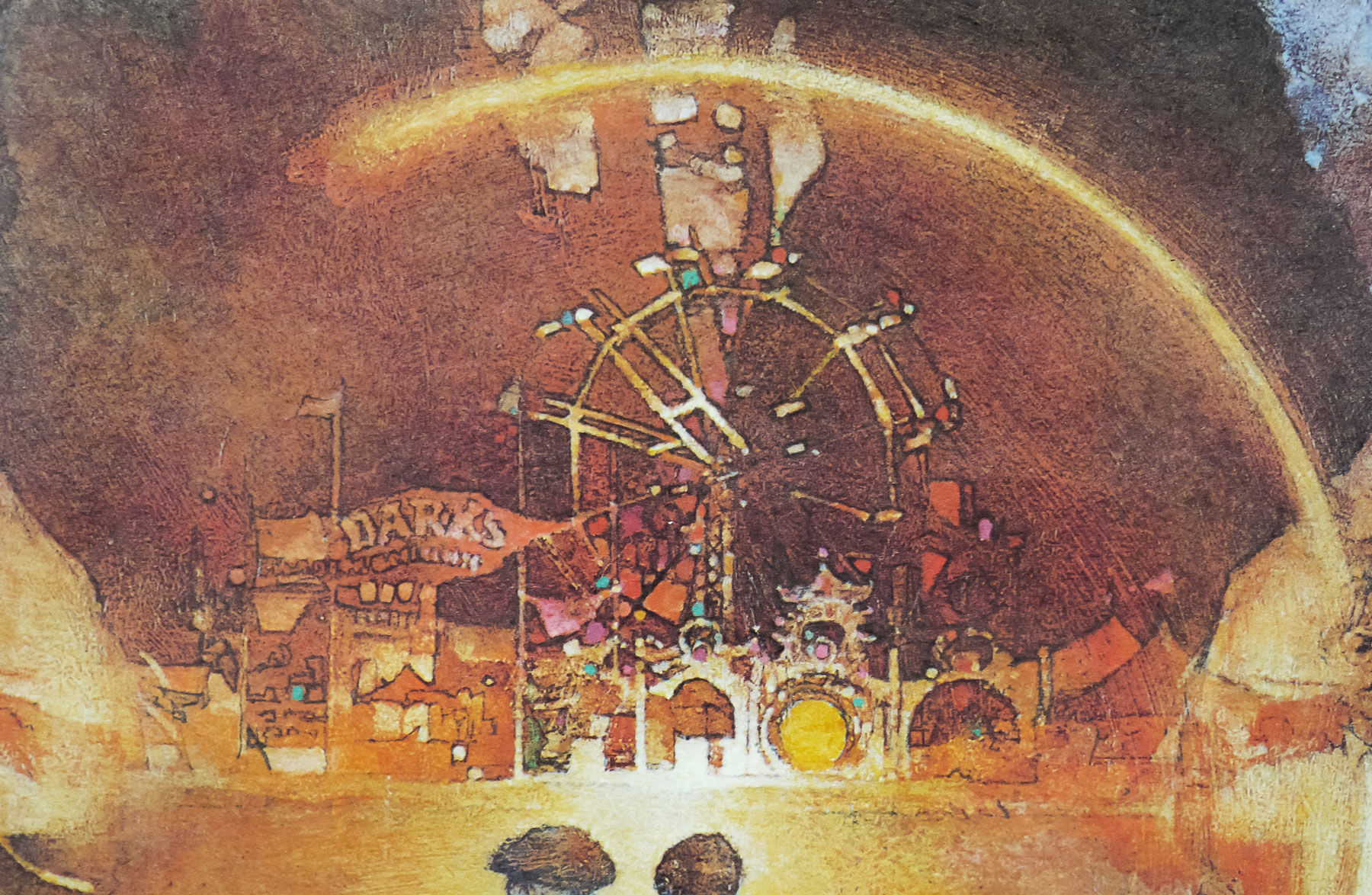
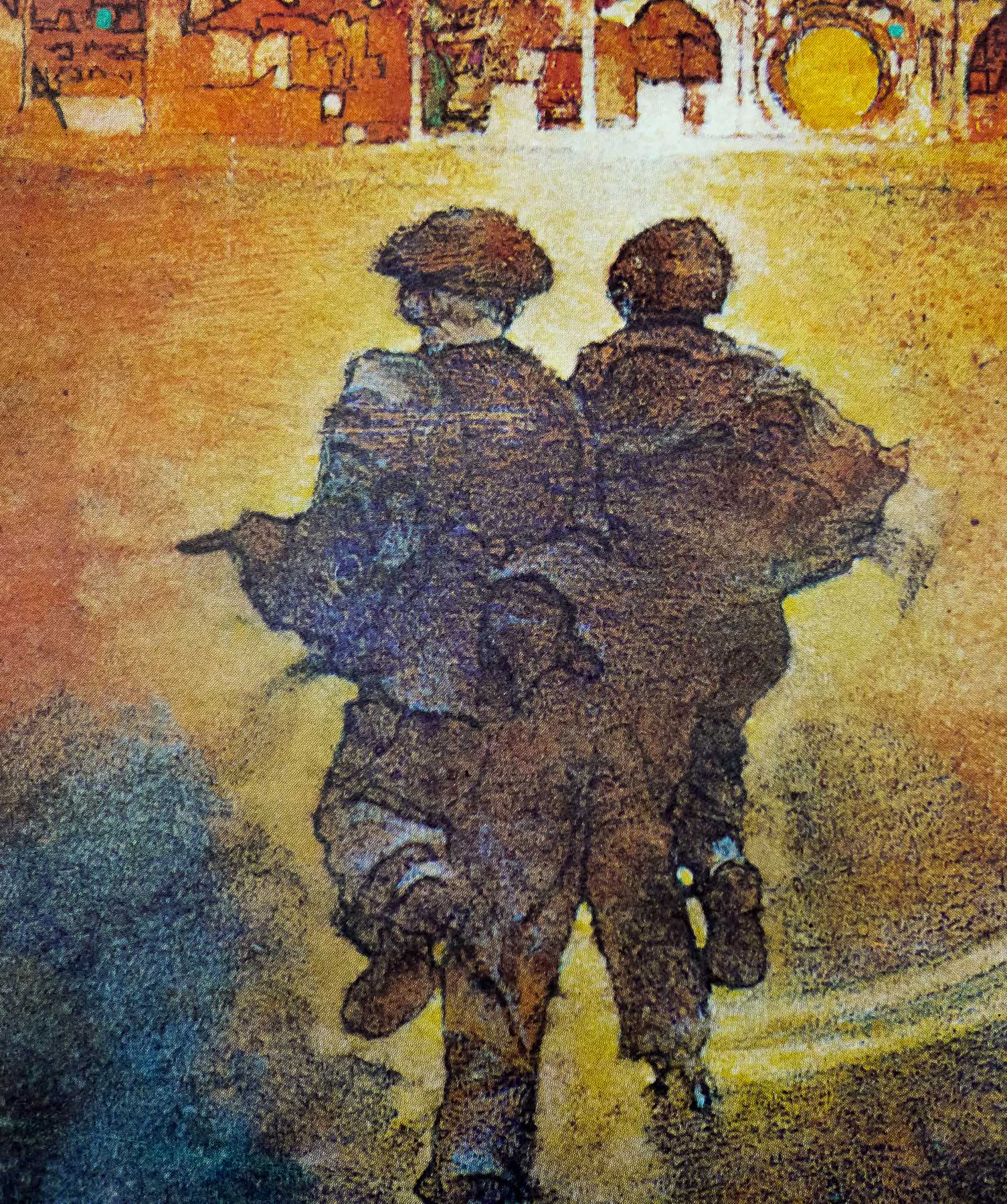
The artwork on this quad, which also featured on the American and French posters, is by the American illustrator David Grove who worked on several film posters, including the brilliant international one sheet for Pale Rider and the striking poster for Steven Seagal’s Nico. Grove had an incredible skill at using gouache and acrylic paints to create striking, stylised images of his subjects, which are full of energy and feature brilliant use of colour washes, shading and clever brush strokes.

Grove sadly passed away in October 2012 and the website of Artist Partners London (where he apparently worked for a while in the 1960s) features a gallery and information on him, including an obituary that was originally printed in the San Francisco Chronicle. Greg Newbold’s Life Needs Art blog features a great piece on Grove, which includes several images of his other film posters.

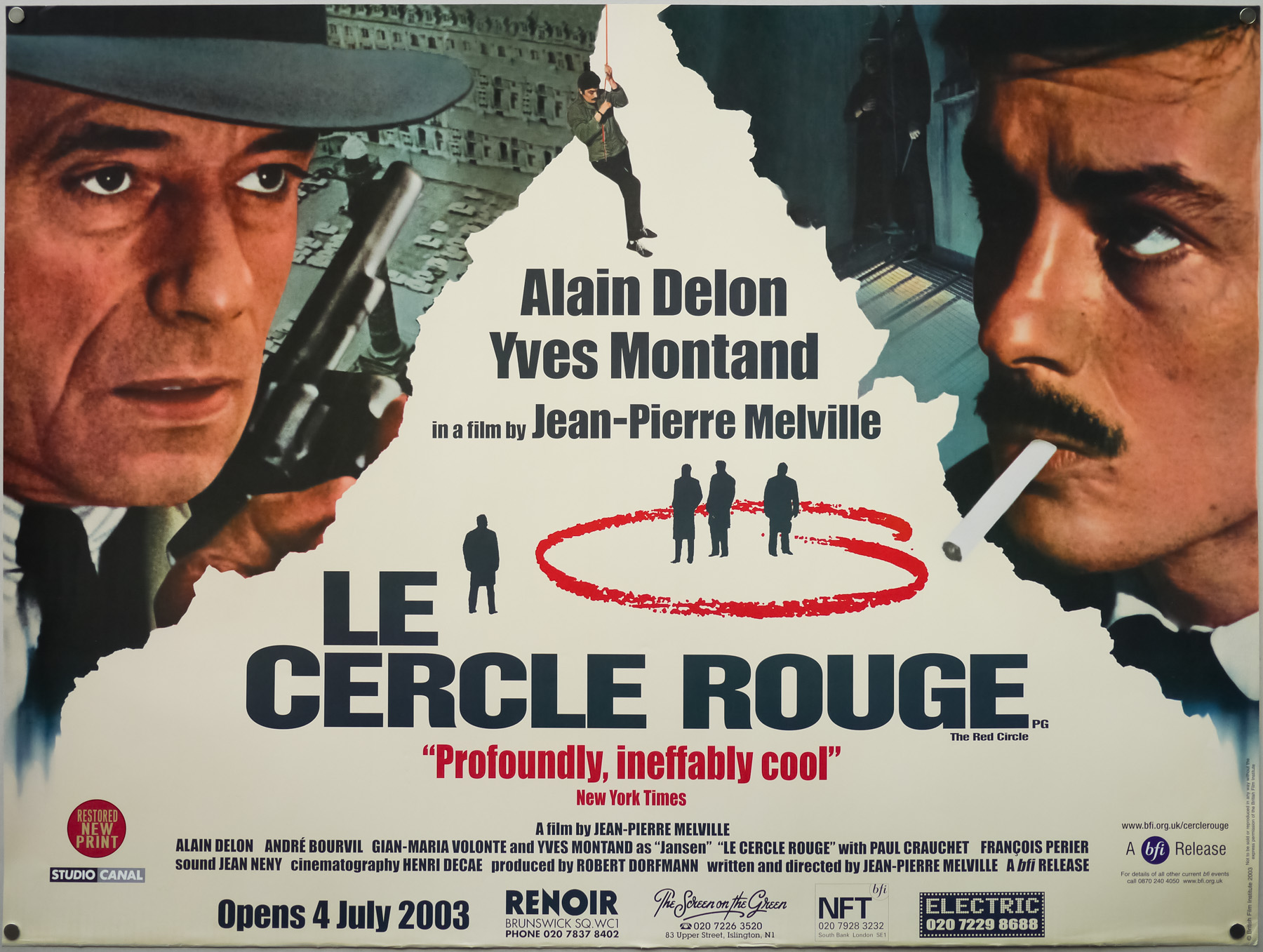
Le Cercle Rouge / quad / 2003 re-release / UK

20.03.17

Poster Poster
Title
Le Cercle Rouge
AKA
The Red Circle (international English title)
Year of Film
1970
Director
Jean-Pierre Melville
Starring
Alain Delon, Bourvil, Gian Maria Volontè, Yves Montand, Paul Crauchet, Paul Amiot, Pierre Collet, André Ekyan, Jean-Pierre Posier, François Périer
Origin of Film
France | Italy
Genre(s) of Film
Alain Delon, Bourvil, Gian Maria Volontè, Yves Montand, Paul Crauchet, Paul Amiot, Pierre Collet, André Ekyan, Jean-Pierre Posier, François Périer,
Type of Poster
Quad
Style of Poster
BFI Re-release
Origin of Poster
UK
Year of Poster
2003
Designer
Unknown
Artist
--
Size (inches)
30 1/16" x 40"
SS or DS
SS
Tagline
--

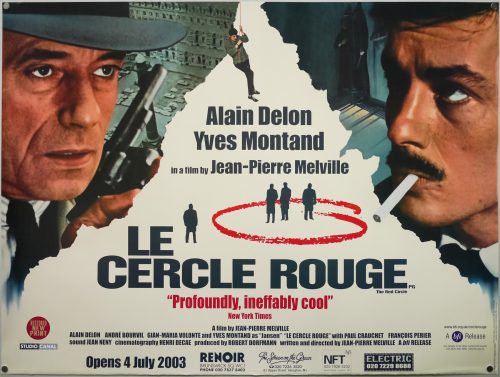
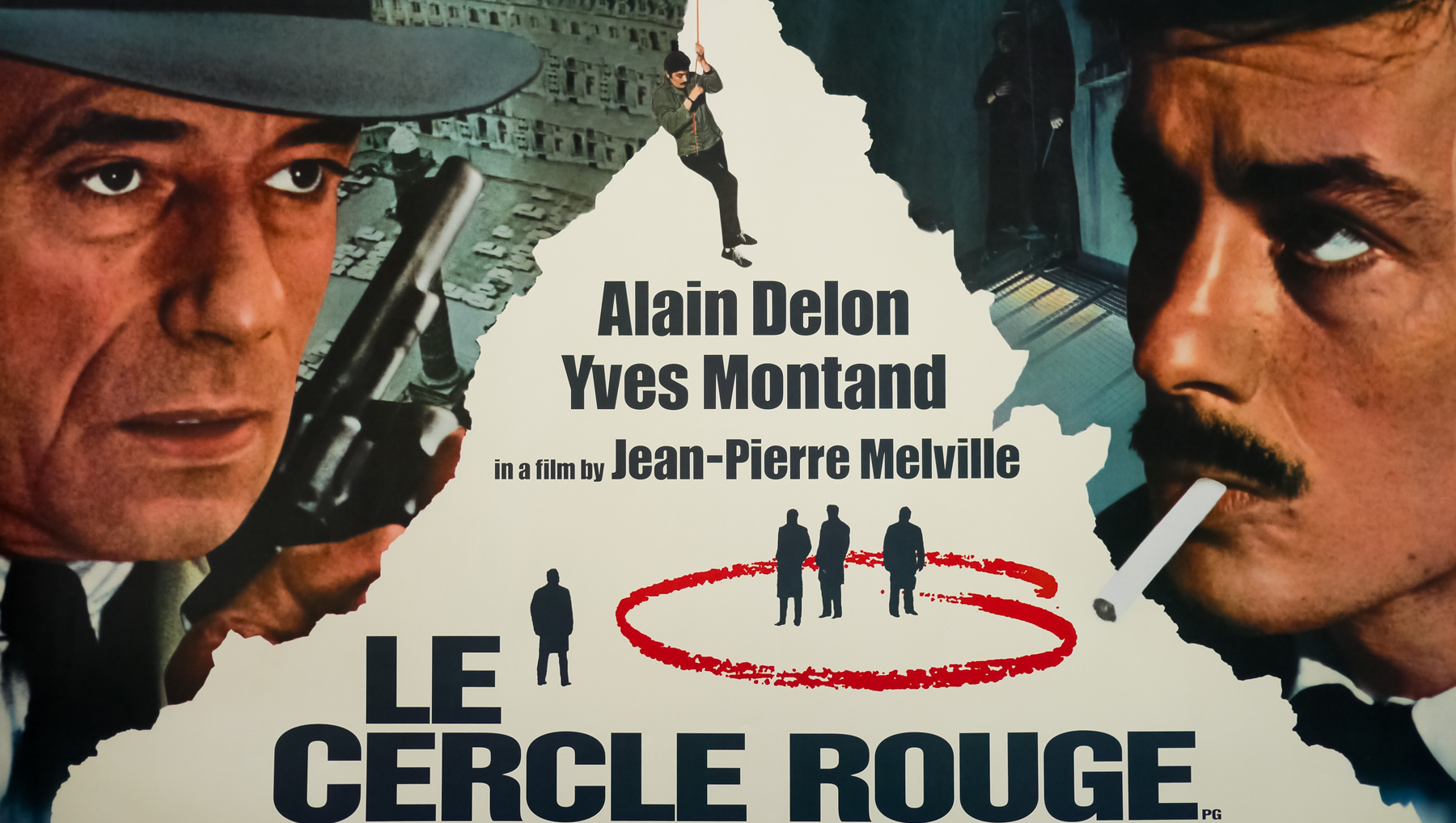
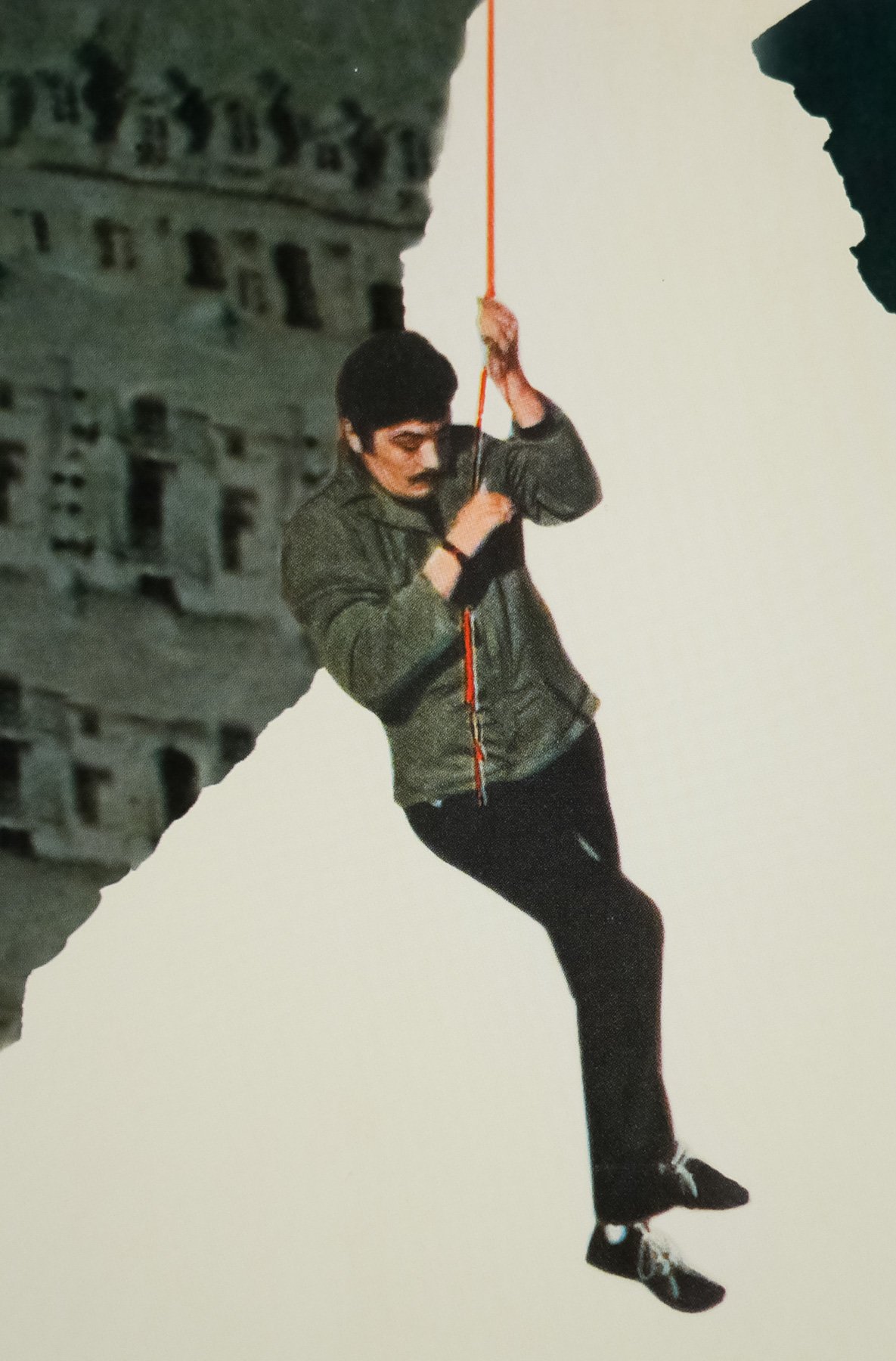
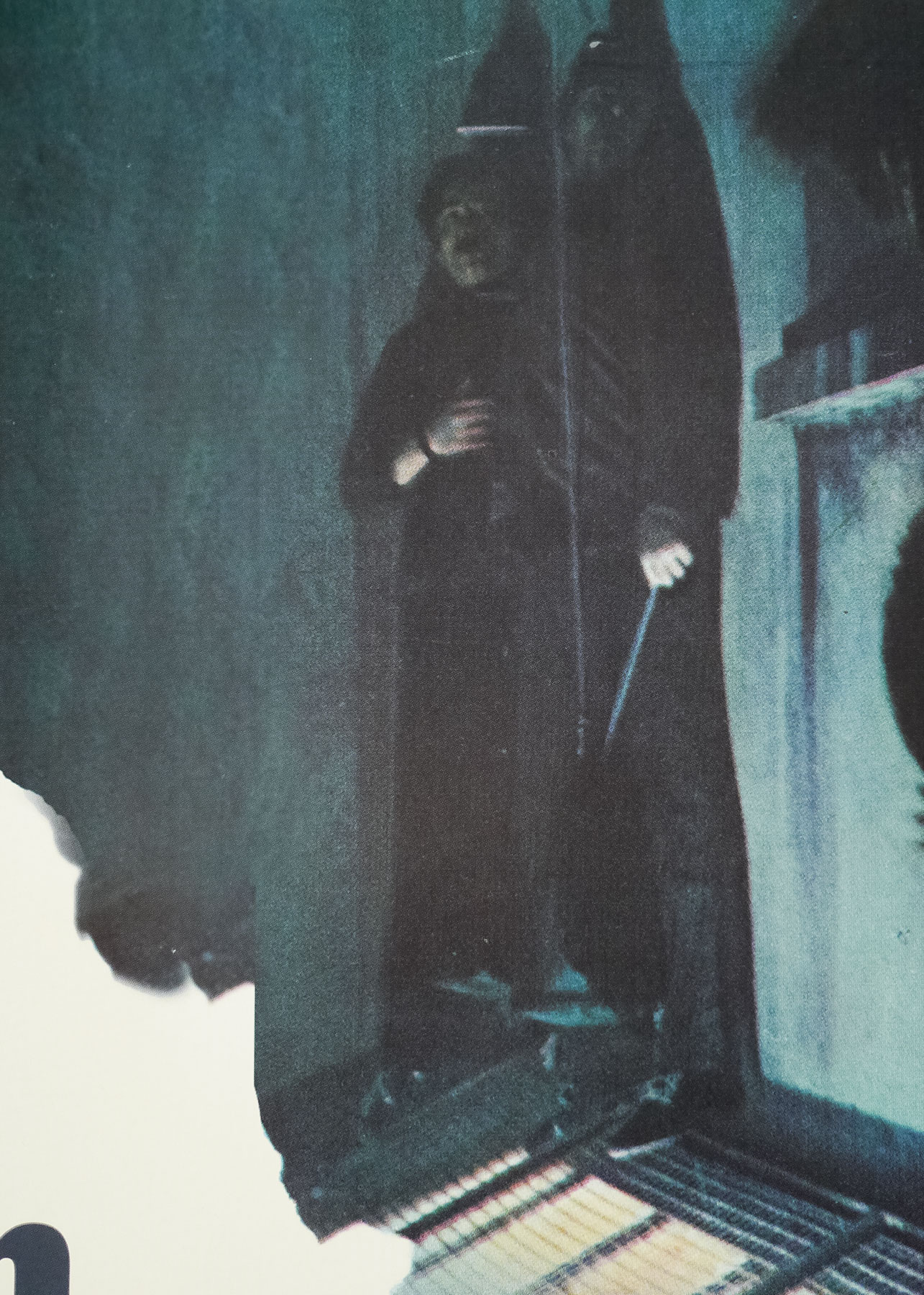
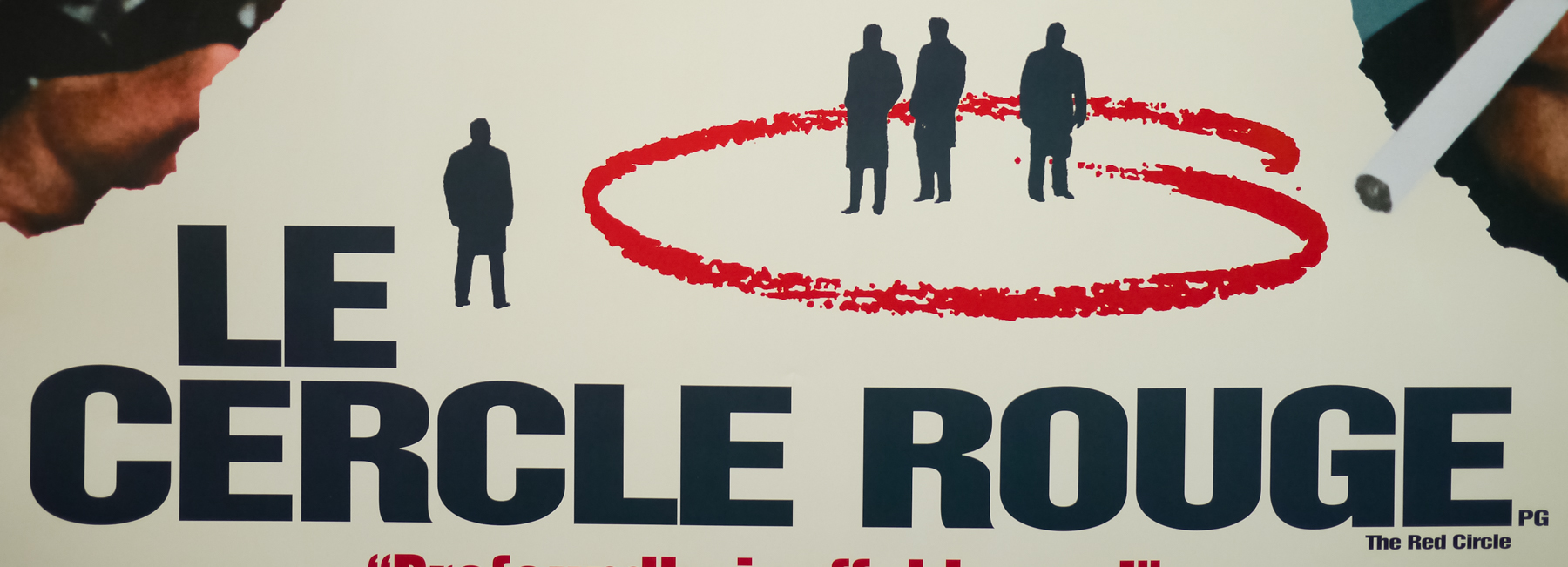
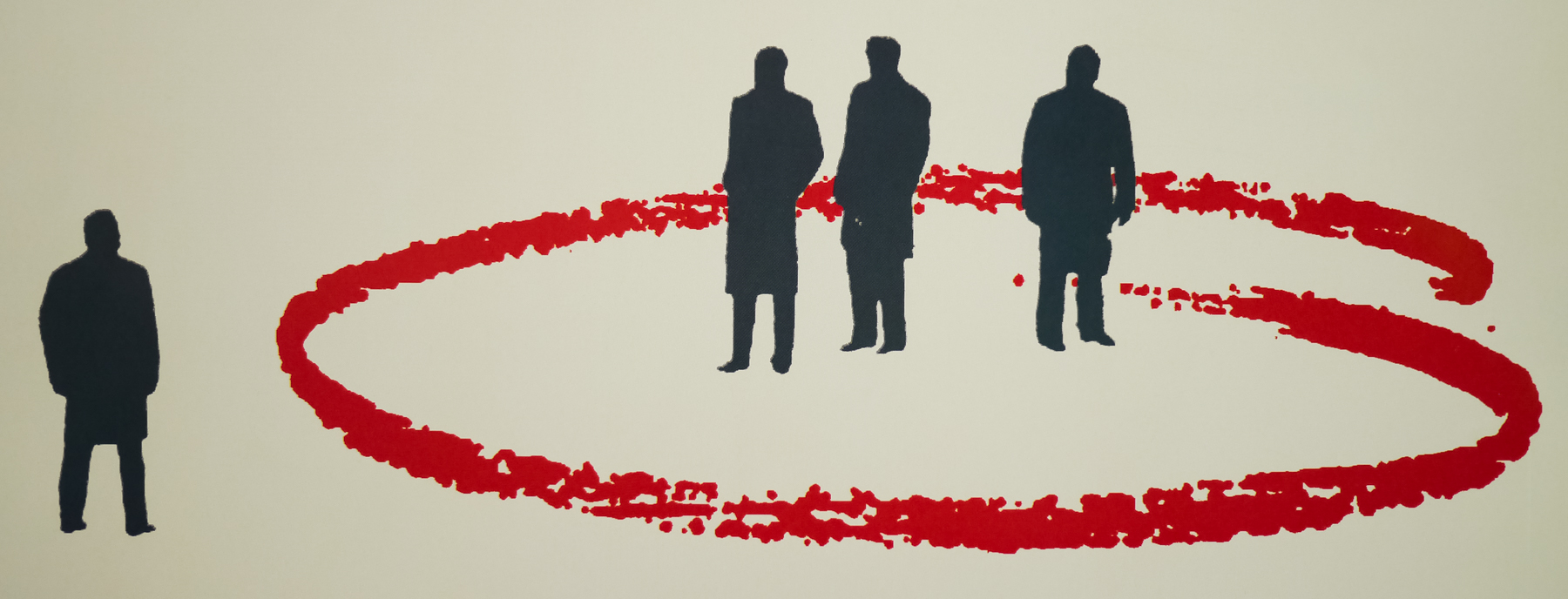
This is a British quad poster for a 2003 re-release of the classic French crime-thriller Le Cercle Rouge, which was coordinated by the British Film Institute. The film was the penultimate release from the legendary French filmmaker Jean-Pierre Melville who was born in 1917 and worked as a fighter in the French resistance during World War II. Melville was infatuated with American cinema and in particular films in the crime and thriller genres. After failing to break into the established French film industry he decided to become an independent, even setting up his own studio in a suburb of Paris. He soon became known for his film noir crime dramas and saw great success with titles such as Bob le Flambeur (1956), Le Doulos (1962) and Le Samouraï (1967). 

Le Cercle Rouge saw Melville reunited with the French superstar actor Alain Delon, who had appeared in Le Samourai, and the cast also included the celebrated Italian-French actor Yves Montand. Other actors in the very male-heavy cast include Bourvil (known by a single moniker), best known for comedy features, and Italian actor Gian Maria Volontè, a collaborator with Sergio Leone during the 1960s. Delon plays Corey, a man with a criminal background who is released from prison, but not before a corrupt guard tells him about an ‘easy’ job that could net him big money. At the same time, the audience also sees a prisoner named Vogel escape from a moving train and evade recapture by Commissaire Mattei (Bourvil).

Eventually the two men are brought together when Vogel happens to climb into the boot of Corey’s car whilst on the run in the French countryside. The two establish a companionship of sorts and Corey details the possible heist. Vogel likes what he hears and suggests a sharpshooter who will be able to help them in the form of Jansen (Montand), a former police officer and noted crackshot. Once plans are in place, the trio pull off the heist in a famous 25 minute sequence in which not a word is spoken by any of the characters. Once the loot is secure the film then follows their attempts to sell it with Commissaire Mattei still in hot pursuit. The film was a critical success despite initially being released in some markets (such as the US) in a truncated version that saw over 40 minutes removed. Today the film is a cult favourite and celebrated as one of Melville’s best films. 

I’m unsure who is responsible for the design of this quad so if anyone has any ideas please get in touch.

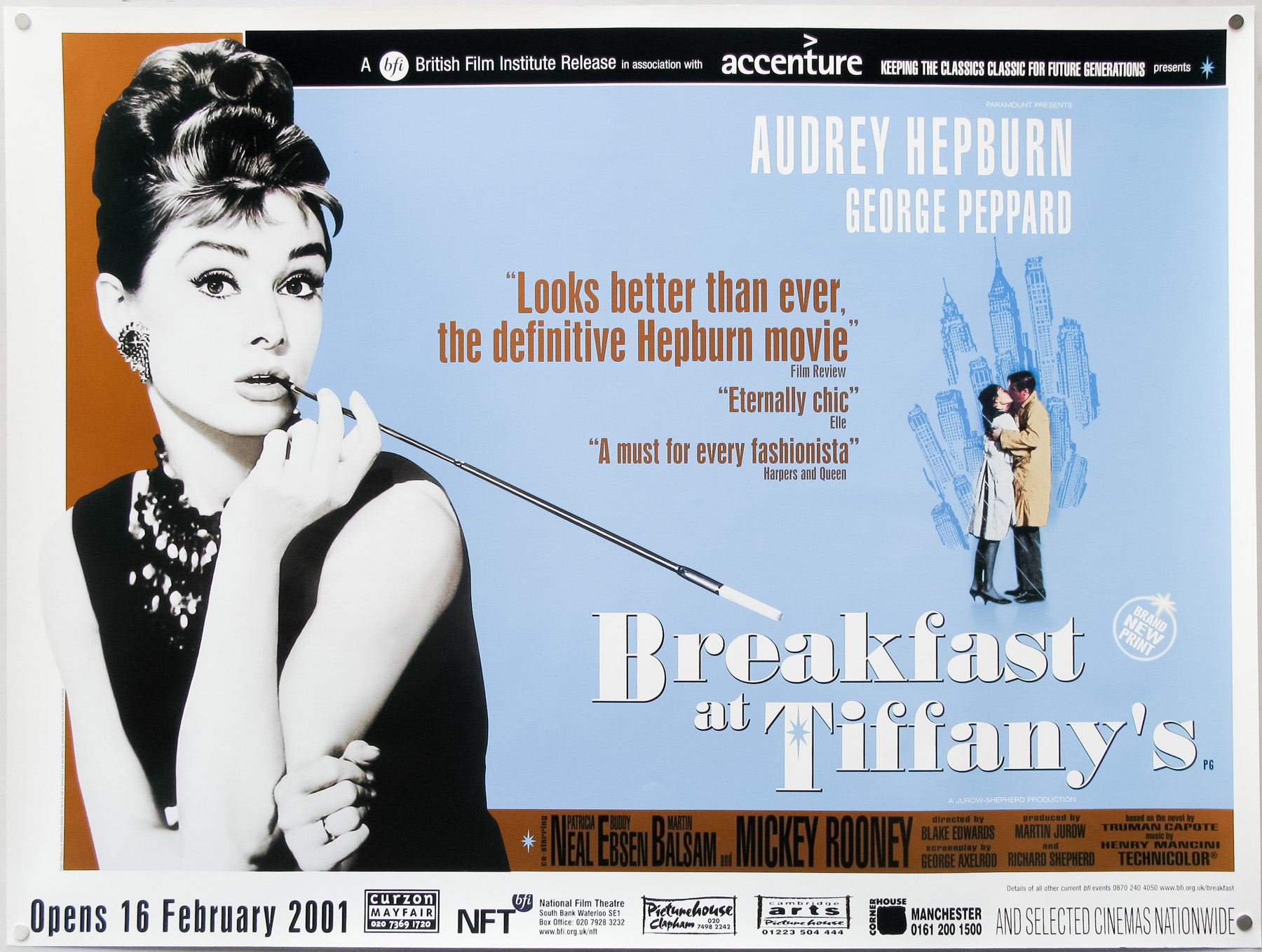
Breakfast At Tiffany’s / quad / BFI 2001 re-release / UK

18.05.11

Poster Poster

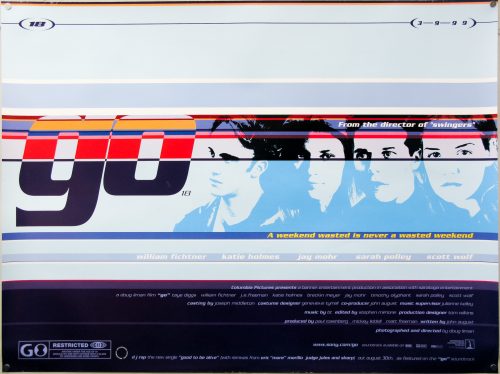
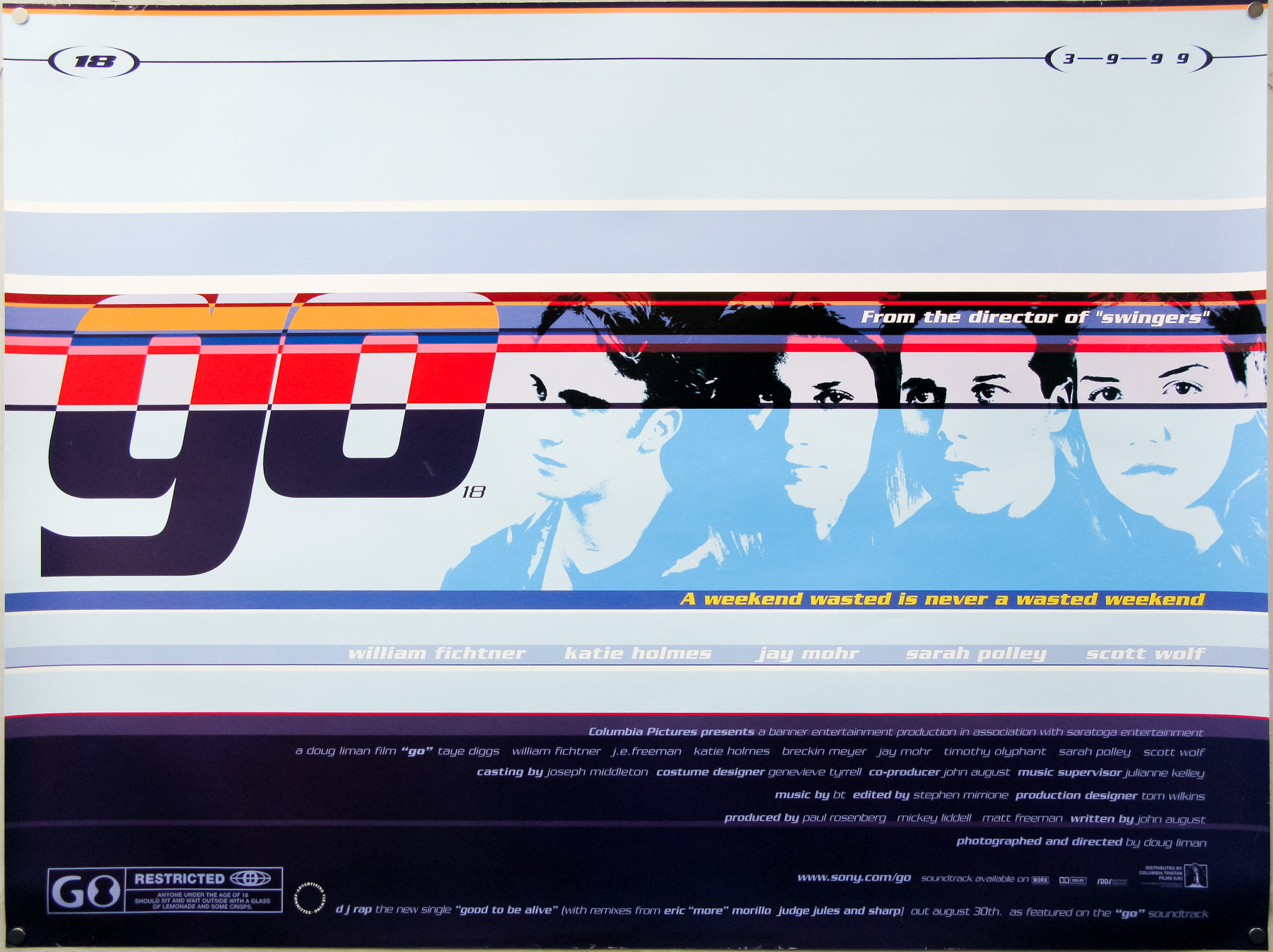
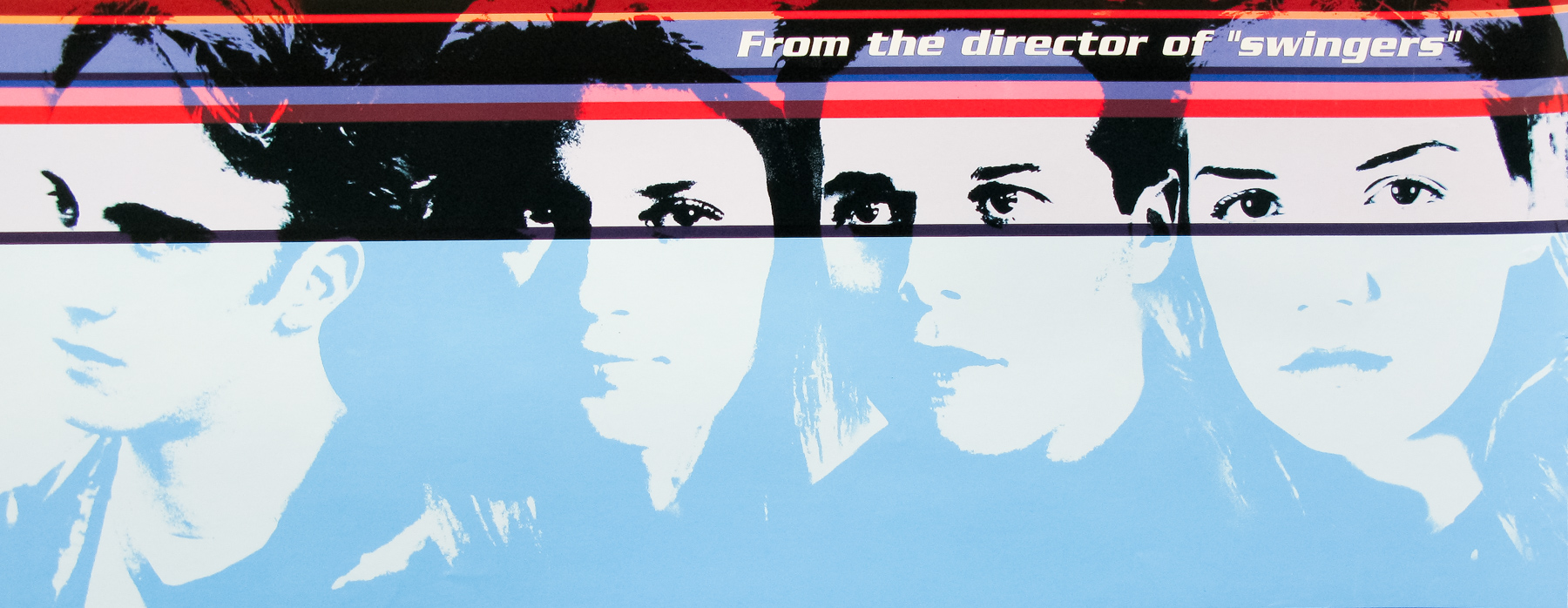
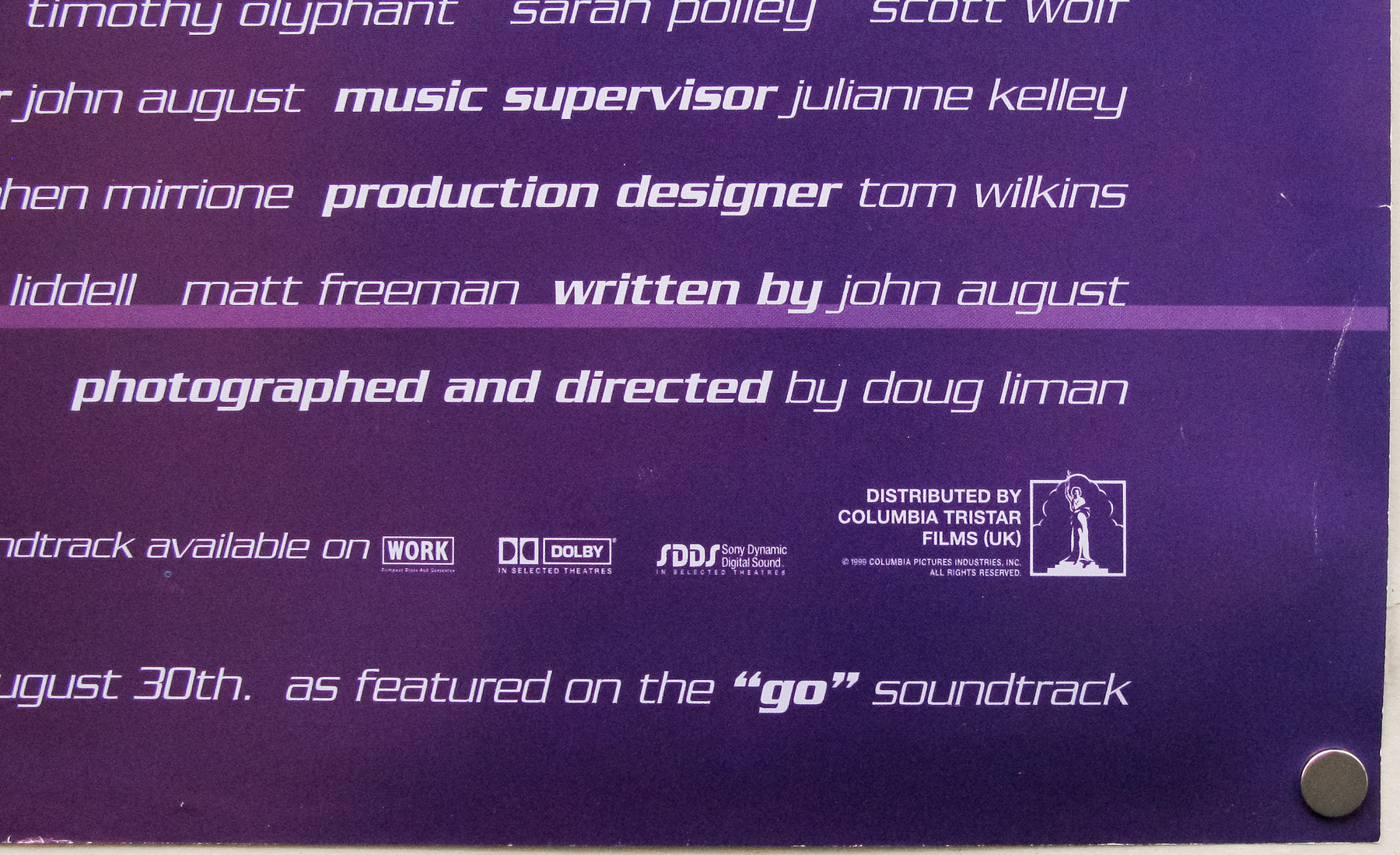
Go / quad / UK

18.05.11

Poster Poster
Title
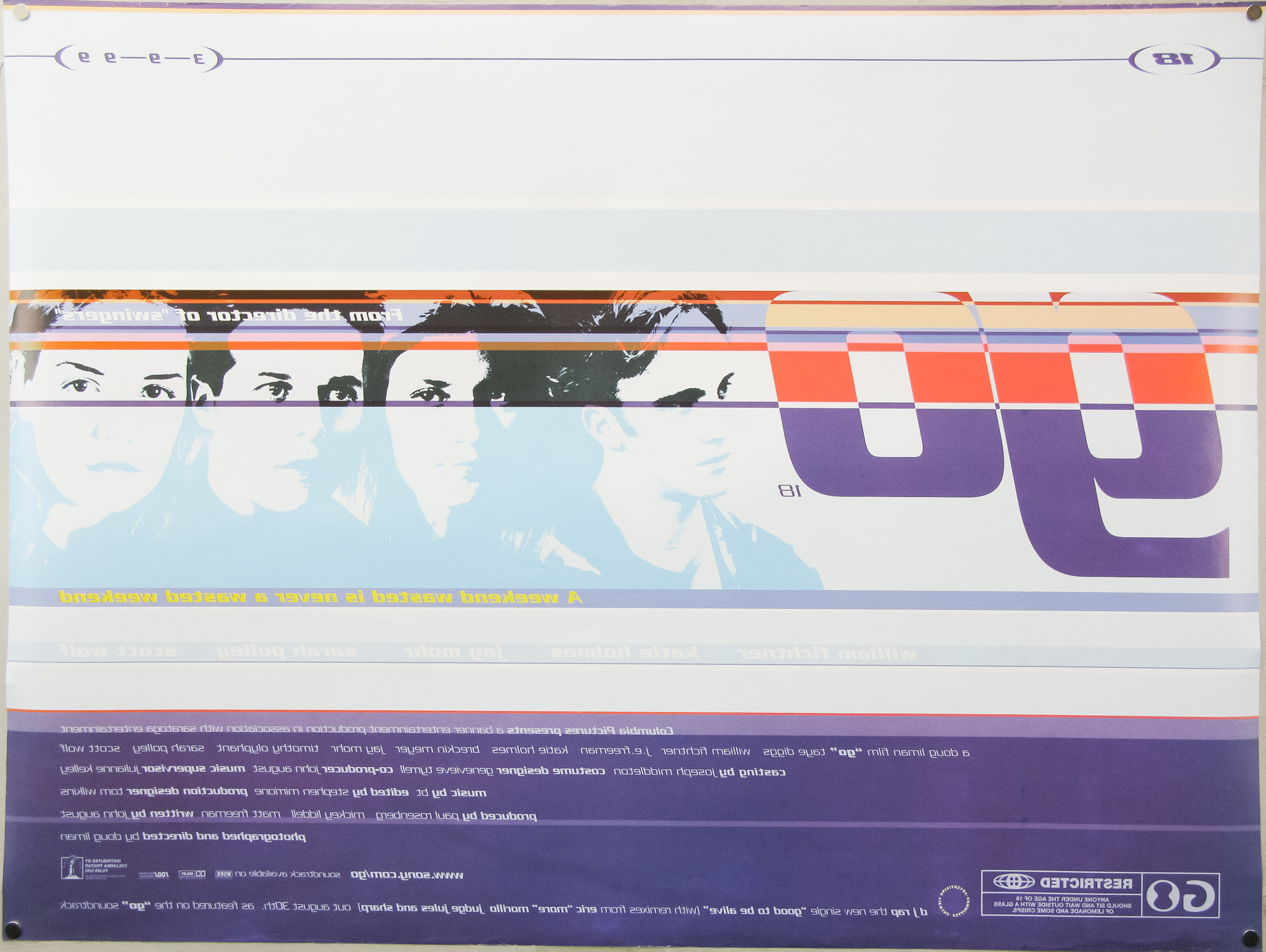
Go
AKA
Go! - Sex, Drugs & Rave'n'Roll (Germany - video box title)
Year of Film
1999
Director
Doug Liman
Starring
William Fichtner, Katie Holmes, Jay Mohr, Sarah Polley, Scott Wolf
Origin of Film
USA
Genre(s) of Film
William Fichtner, Katie Holmes, Jay Mohr, Sarah Polley, Scott Wolf,
Type of Poster
Quad
Style of Poster
--
Origin of Poster
USA
Year of Poster
1999
Designer
Unknown
Artist
--
Size (inches)
30 1/16" x 40"
SS or DS
DS
Tagline
A weekend wasted is never a wasted weekend.

Hellraiser / quad / UK

14.02.14

Poster Poster
Title
Hellraiser
AKA
Clive Barker's Hellraiser (UK - complete title)
Year of Film
1987
Director
Clive Barker
Starring
Andrew Robinson, Doug Bradley, Clare Higgins, Ashley Laurence, Sean Chapman, Oliver Smith
Origin of Film
UK
Genre(s) of Film
Andrew Robinson, Doug Bradley, Clare Higgins, Ashley Laurence, Sean Chapman, Oliver Smith,
Type of Poster
Quad
Style of Poster
--
Origin of Poster
UK
Year of Poster
1987
Designer
Marcus Silversides
Artist
--
Size (inches)
30 1/16" x 40"
SS or DS
SS
NSS #
--
Tagline
It will tear your soul apart.

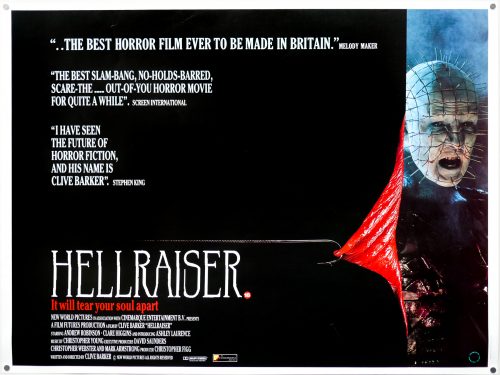
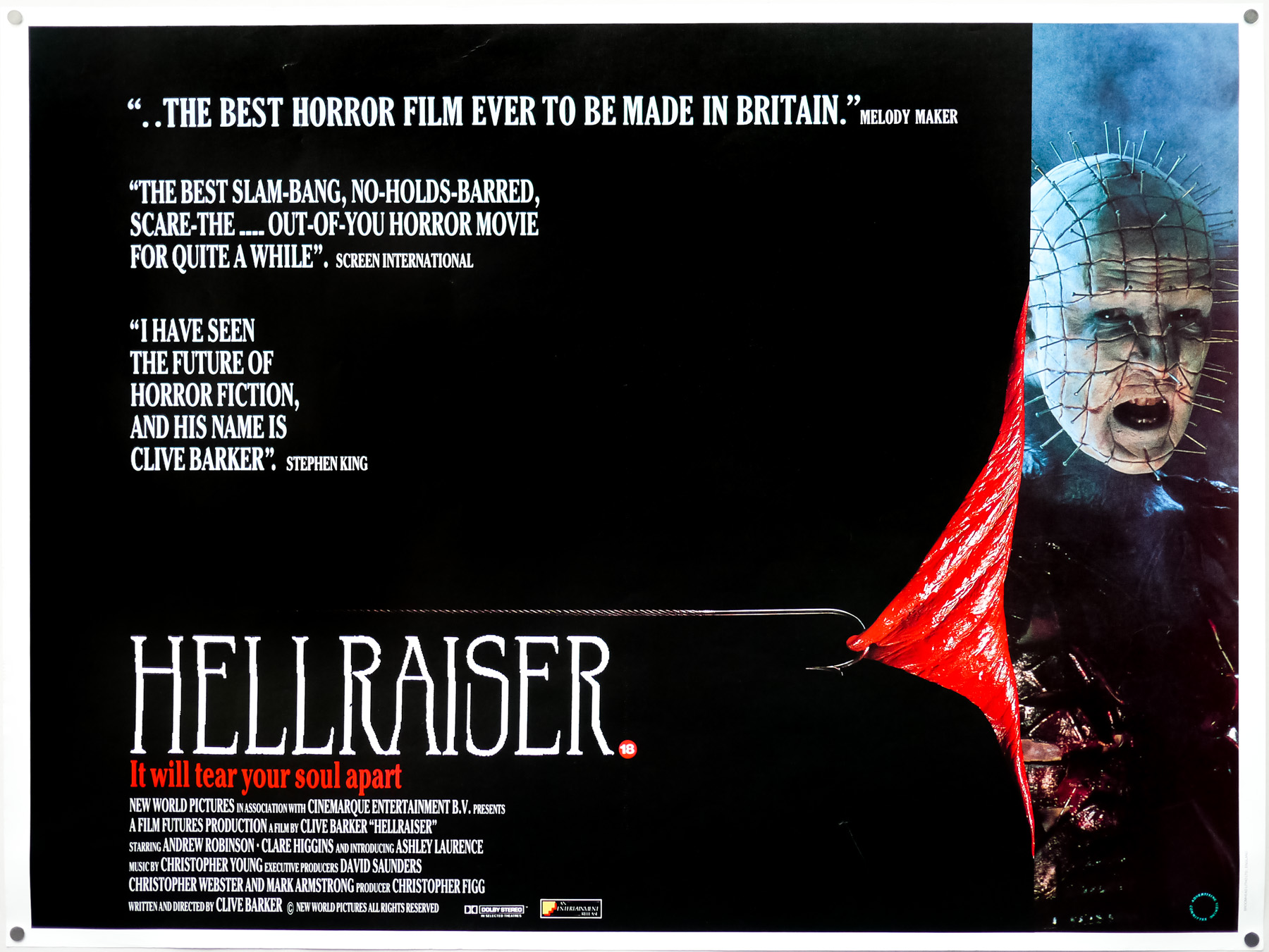
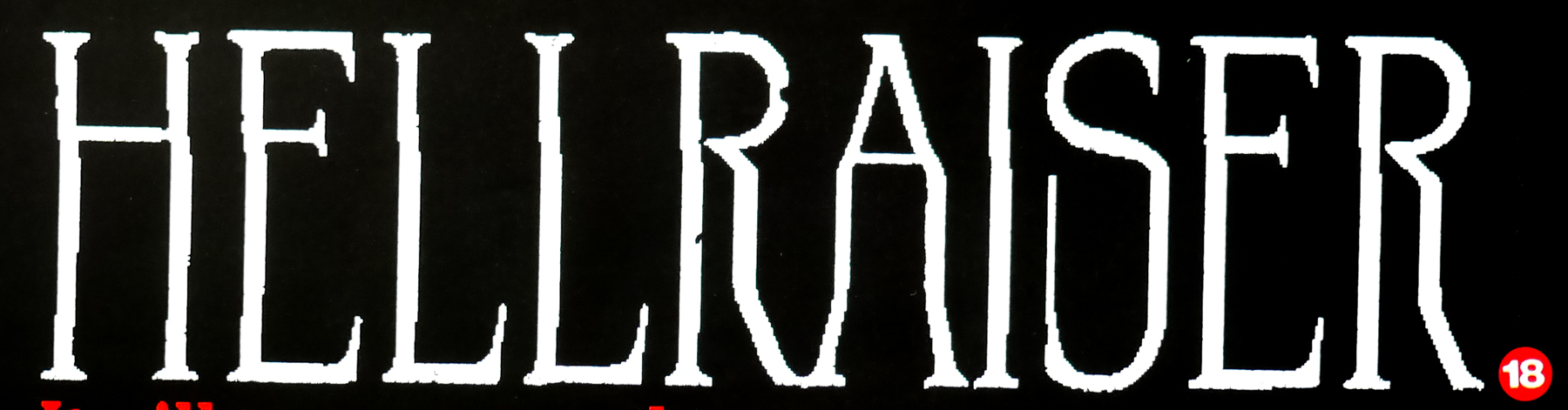
Unquestionably one of the truly great British horror films, Clive Barker‘s Hellraiser launched an enduring franchise and established the character of Pinhead (or ‘Priest’, as Barker prefers him to be known) as one of horror’s most beloved villains. Based on the 1986 novella The Hellbound Heart, Barker made the decision to both write the screenplay and direct the film after being disappointed with how two of his earlier scripts had been treated by other directors. The story begins as seedy hedonist Frank Cotton (Sean Chapman) purchases a golden puzzle box from an antiques dealer in Morocco believing it holds the key to the ‘ultimate sensual experience’. On returning to his London home, Frank opens the puzzle box and is promptly torn apart by massive hooks controlled by a group of horribly scarred and mutilated humanoids known as the Cenobites. The lead Cenobite (Pinhead, played by Doug Bradley) twists the box back to its original shape and they pass back into their realm with Frank’s remains with the room returning to normal.

Sometime later, Frank’s brother Larry (Andrew Robinson) and his second wife Julia (Clare Higgins) move into the same house assuming that Frank is in jail in some exotic location. Larry’s daughter Kirsty (Ashley Laurence) declines the offer to move in with her stepmother and chooses to find her own place. When Larry accidentally cuts his hand and drips blood onto the attic floor it somehow reaches Frank in his prison in the other realm and starts to resurrect his body (in a stunning special effects sequence). Later that day Julia finds Frank in the attic and the pair rekindle an affair they had started some years before. Julia agrees to help Frank to fully resurrect himself, which can only happen through blood sacrifices so she begins to seduce and bring back random men to the house before bludgeoning them to death for Frank to consume. Kirsty begins to suspect something is afoot and soon she is having her own encounter with the Cenobites who are displeased to learn that one of their prisoners has escaped and is on a murder spree.

What makes the film stand out is the excellent script by Barker which prevents the characters from being the usual one-dimensional death fodder usually seen in horror films, particularly those being released towards the end of the 1980s. The production, costume and makeup design are all excellent, with all of the Cenobite designs being particularly memorable. There’s only one stop-motion animation sequence at the end of the film that belies the productions low budget and the film stands up extremely well today. Although the series is up to its ninth film instalment, Barker never directed another and was only producer on the first two sequels. After the fourth film (1996’s Bloodline) the series became a straight-to-video enterprise and quality dropped significantly from then onwards.

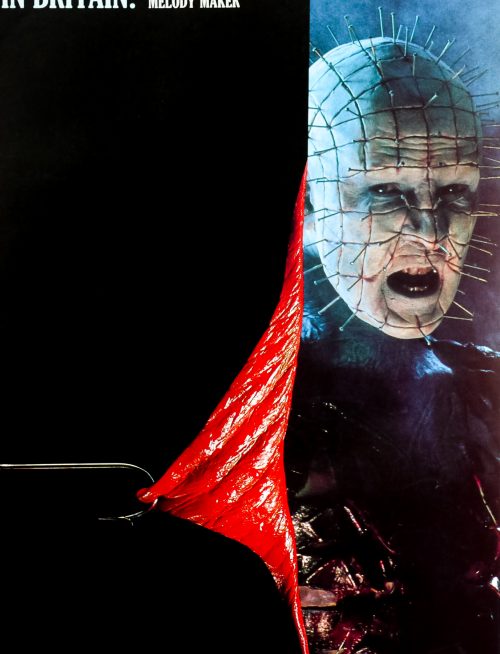
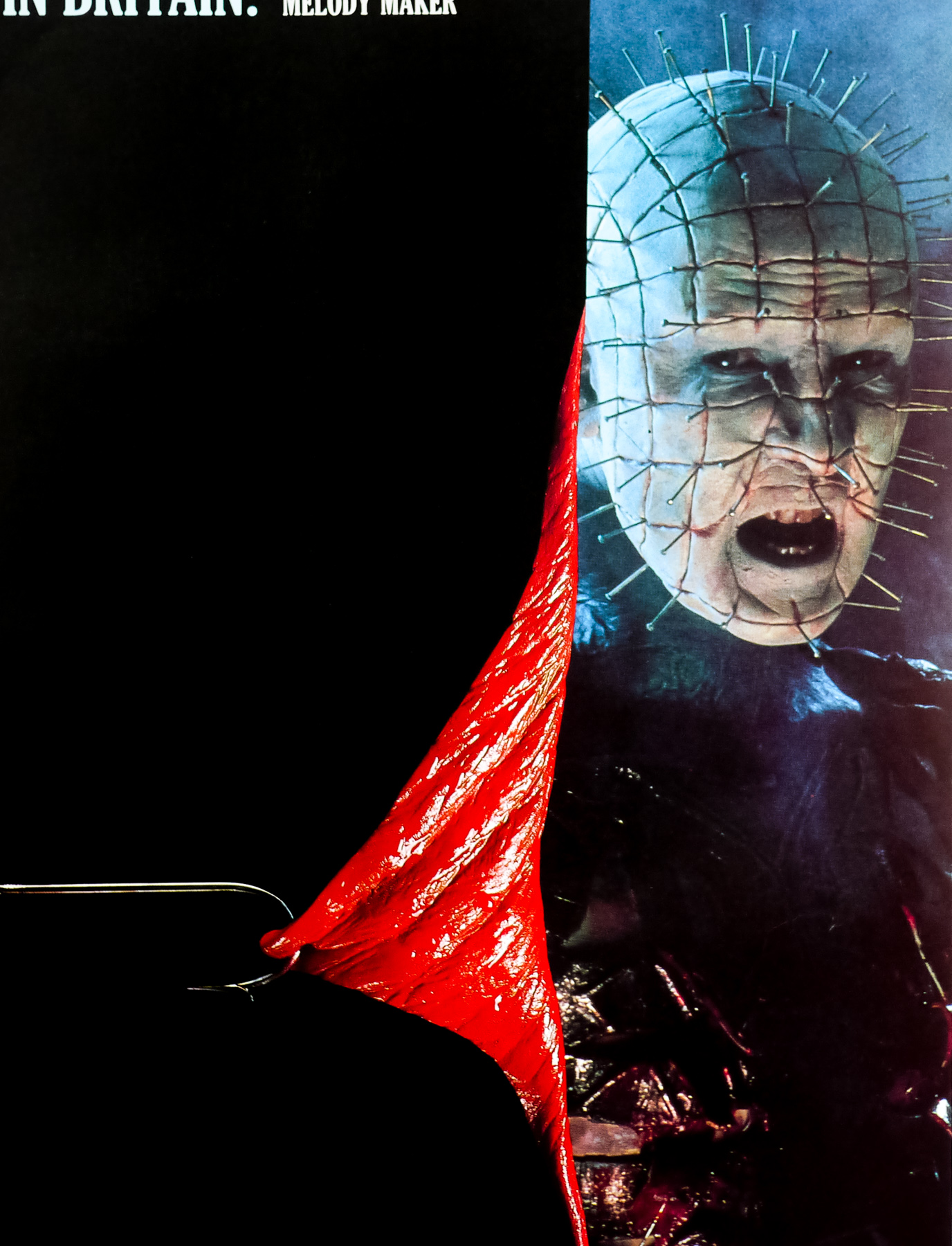
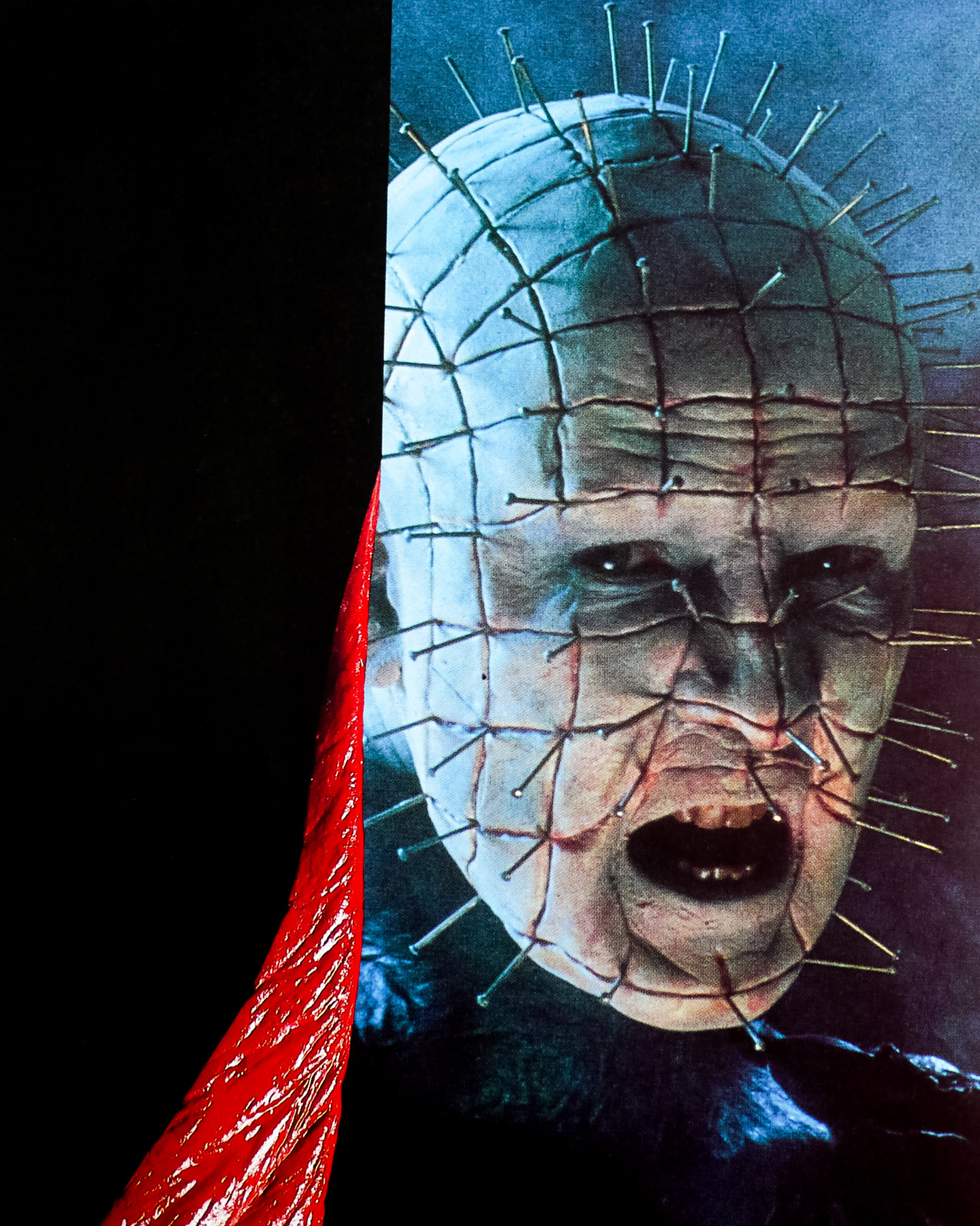
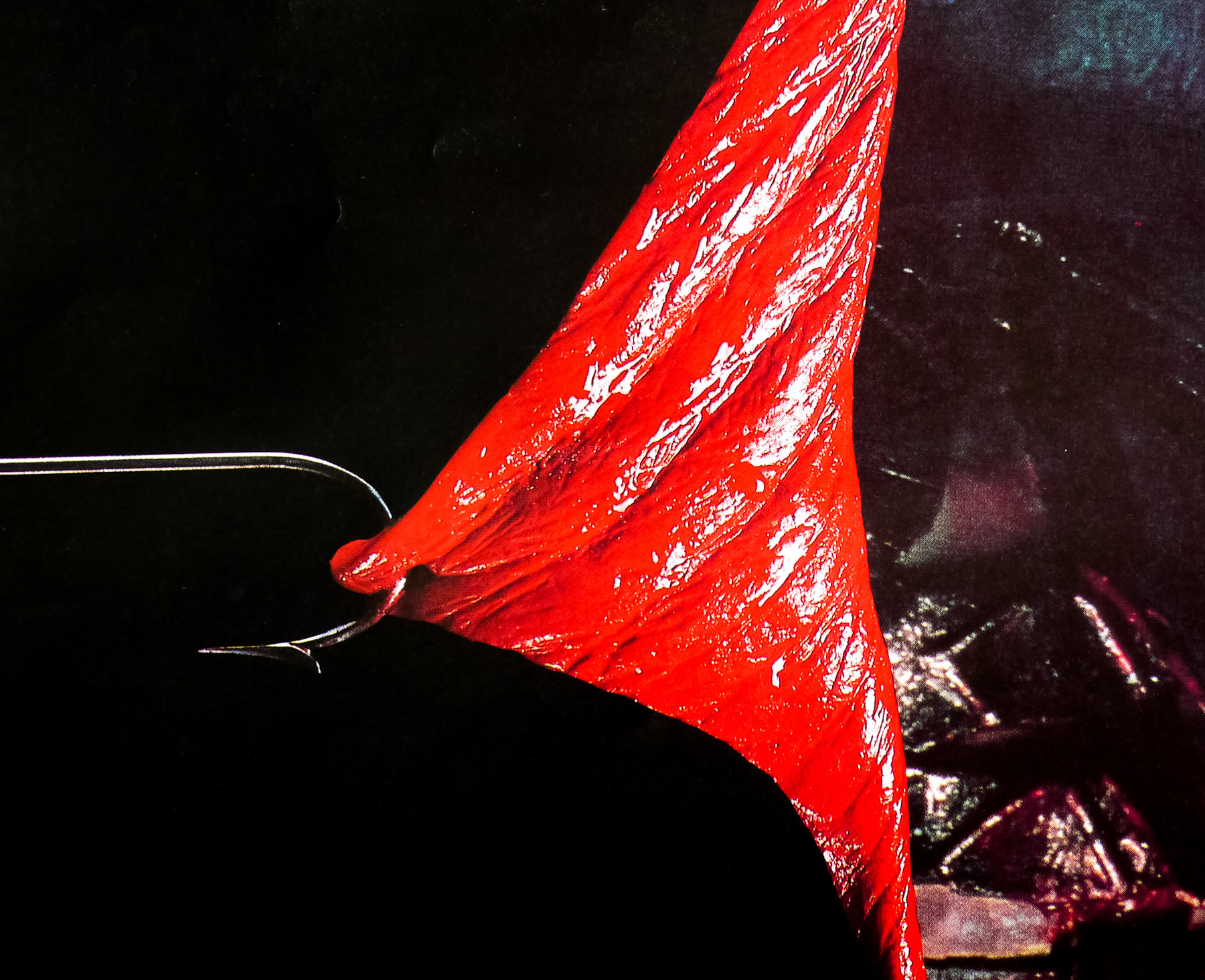
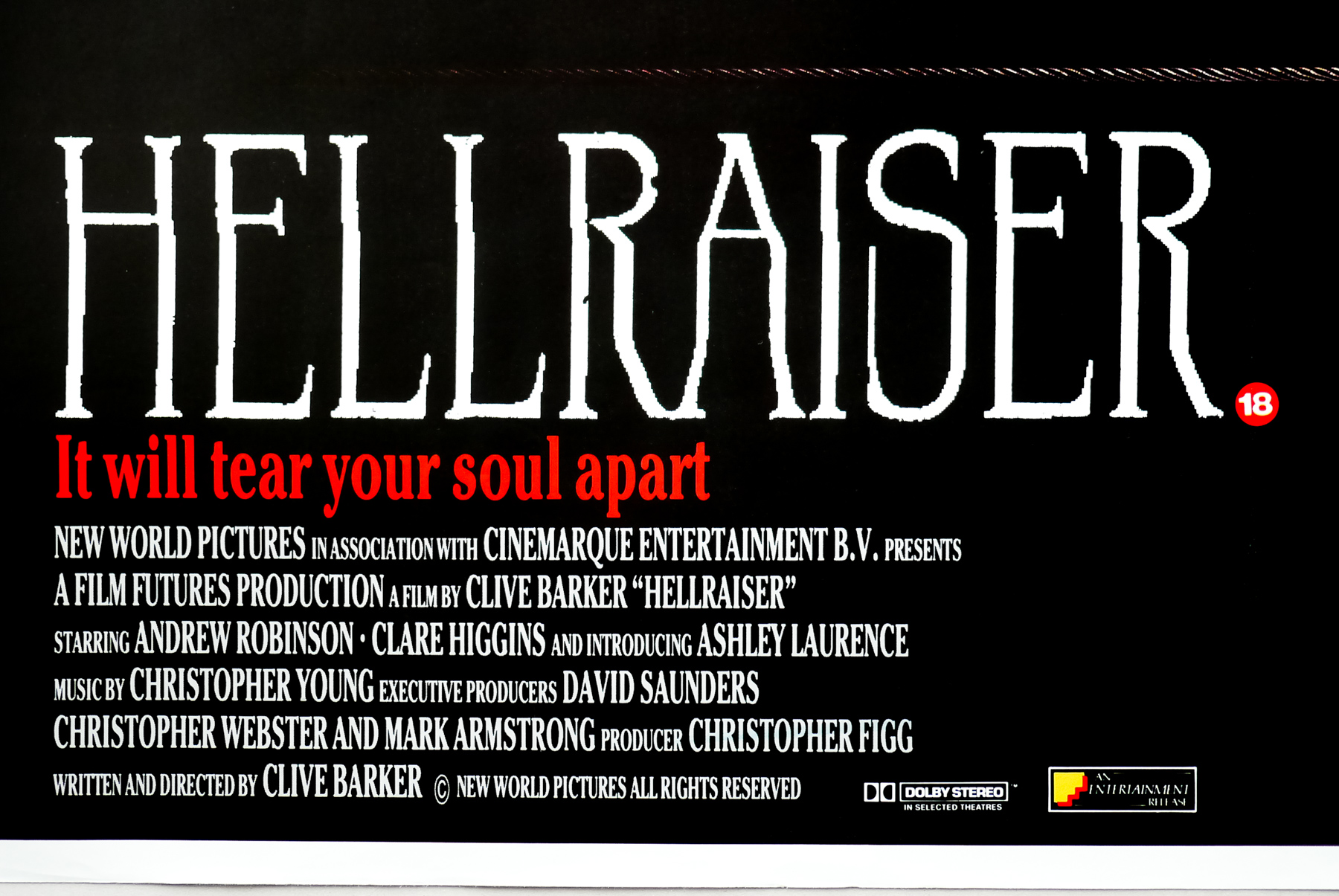
This UK quad features an image of Pinhead that differs from the American one sheet and the tagline (in red text) is slightly modified as well. The poster was designed by Marcus Silversides a freelance British designer and illustrator. The lead Cenobite would be front and centre on posters for the film used around the world, as well as all theatrically-released sequels.

Clockwork Orange / quad / 2000 re-release / UK

21.05.14

Poster Poster
Title
Clockwork Orange
AKA
Stanley Kubrick's A Clockwork Orange (USA - poster title) | Arancia meccanica (Italy)
Year of Film
1971
Director
Stanley Kubrick
Starring
Malcolm McDowell, Warren Clarke, Michael Bates, James Marcus, Michael Tarn, Patrick Magee
Origin of Film
USA | UK
Genre(s) of Film
Malcolm McDowell, Warren Clarke, Michael Bates, James Marcus, Michael Tarn, Patrick Magee,
Type of Poster
Quad
Style of Poster
Re-release | advance
Origin of Poster
UK
Year of Poster
2000
Designer
Unknown
Artist
Philip Castle
Size (inches)
30 1/16" x 39 15/16"
SS or DS
SS
Tagline
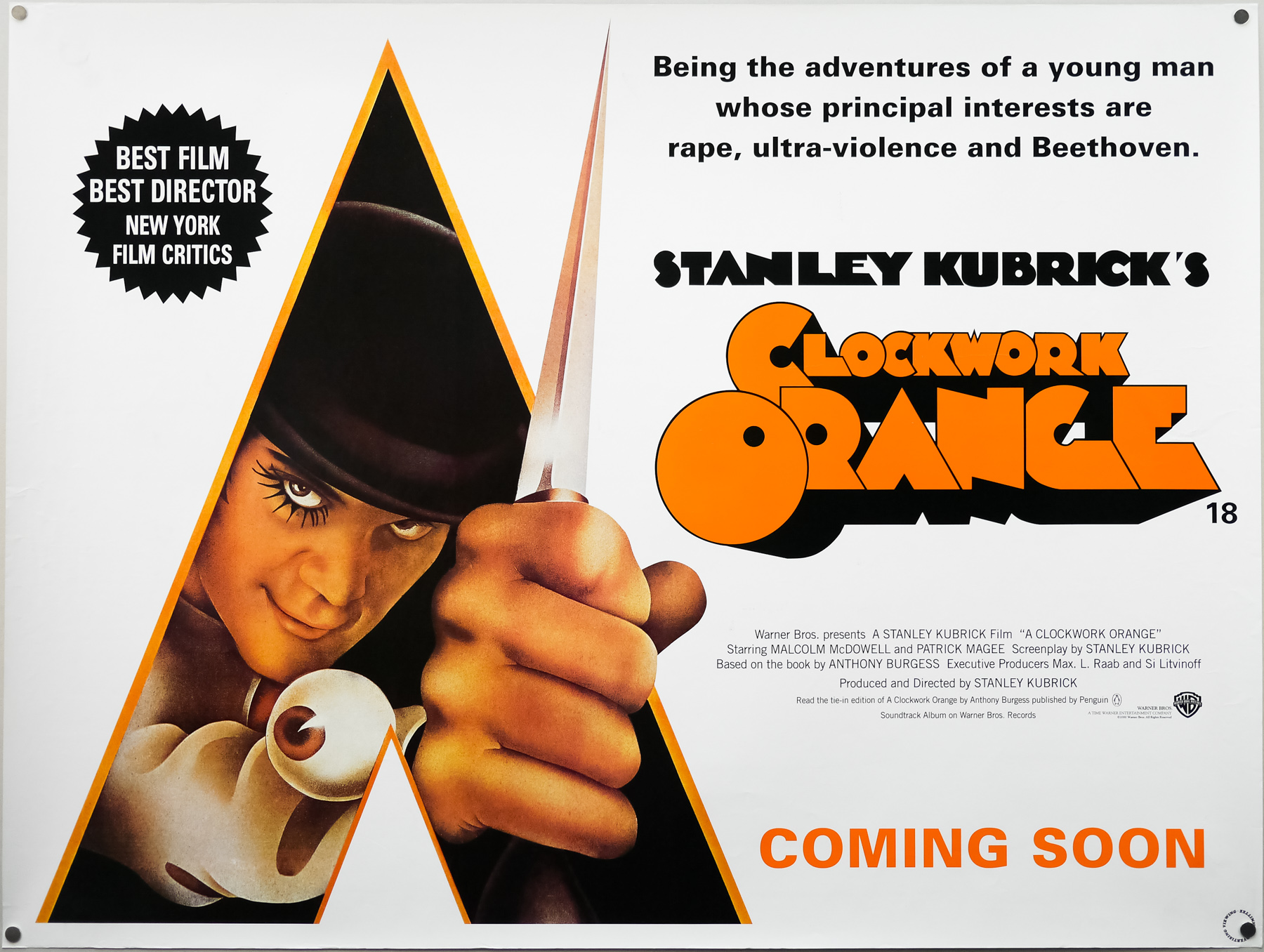
Being the adventures of a young man whose principal interests are rape, ultra-violence and Beethoven.

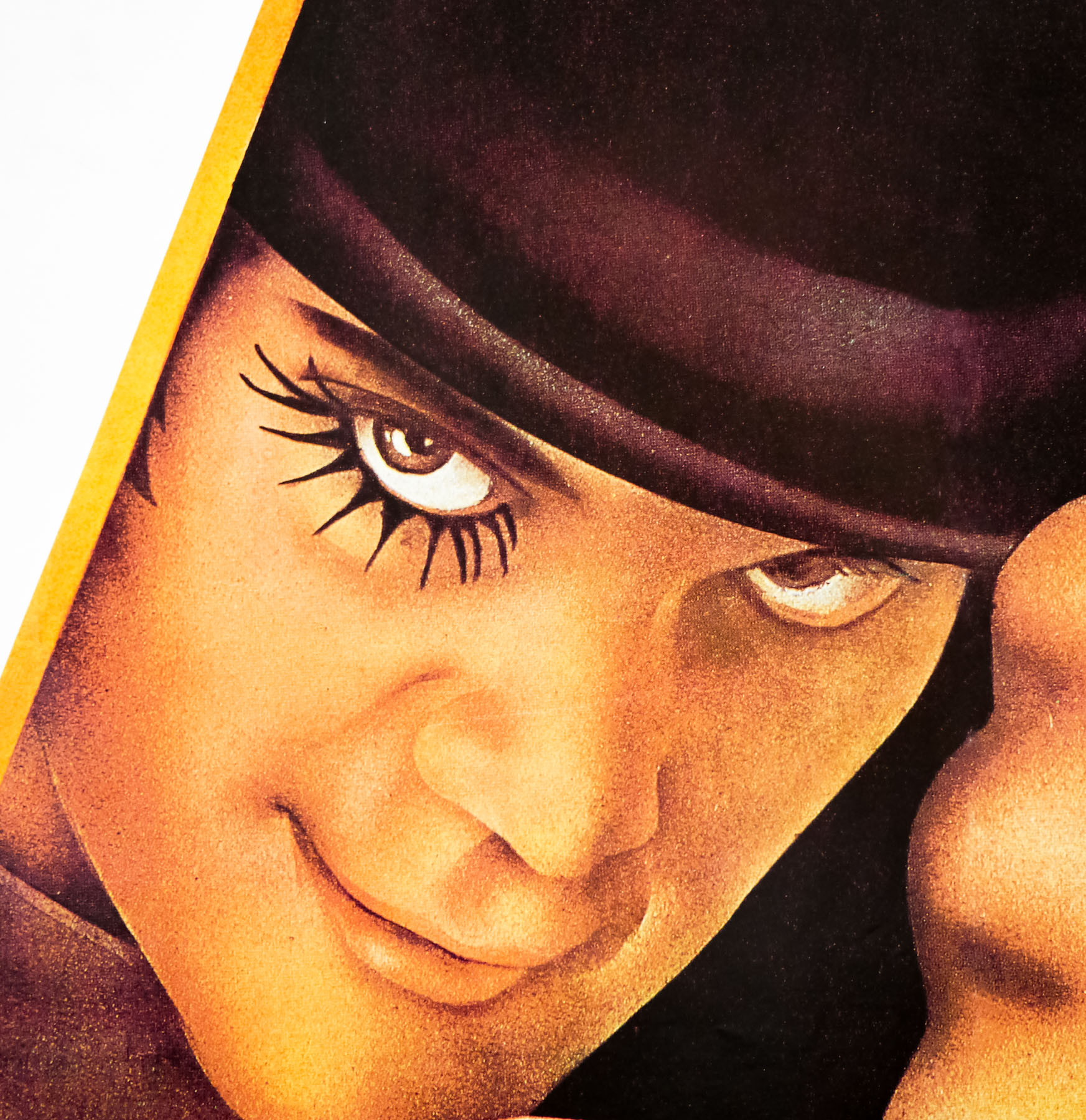
Stanley Kubrick’s classic 1971 dystopian sci-fi, A Clockwork Orange, was met with controversy as soon as it was released in 1971, despite being a hit with UK and US audiences and earning box-office profits several times its original production budget. Unfortunately for UK audiences, the film was withdrawn from distribution in 1973 at the insistence of Kubrick himself following a number of death threats that were apparently received by the director and his family. These threats had been the result of the film being implicated, or at least referenced, in several high-profile criminal cases, including one in which an elderly vagrant had been kicked to death, mirroring an infamous scene in Kubrick’s film.

Despite being freely available across the rest of Europe and in the US, the film remained out of UK cinemas and, during the 1980s, off British video rental shop shelves. When the legendary London cinema the Scala Film Club decided to show the film in 1993 they were sued by Warner Bros at Kubrick’s insistence. The studio won the court case and the cinema club was effectively bankrupt, with plans for expansion quickly shelved. The club produced its last ‘what’s on’ calendar in May 1993 and the Scala converted to a music venue towards the end of the 1990s.

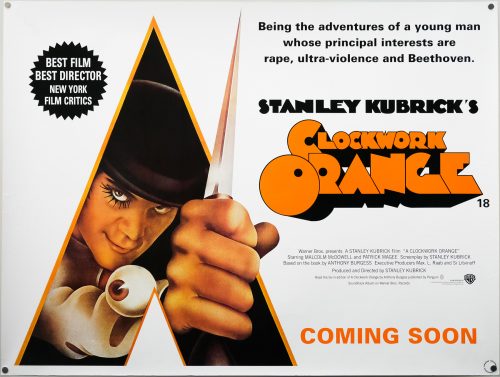
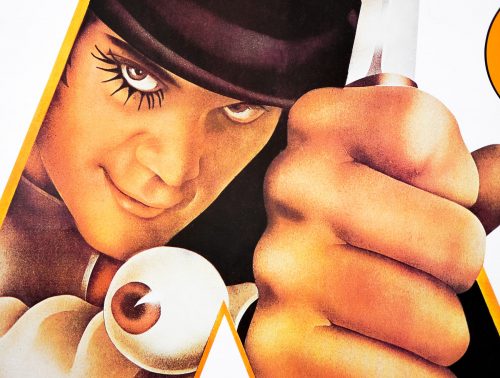
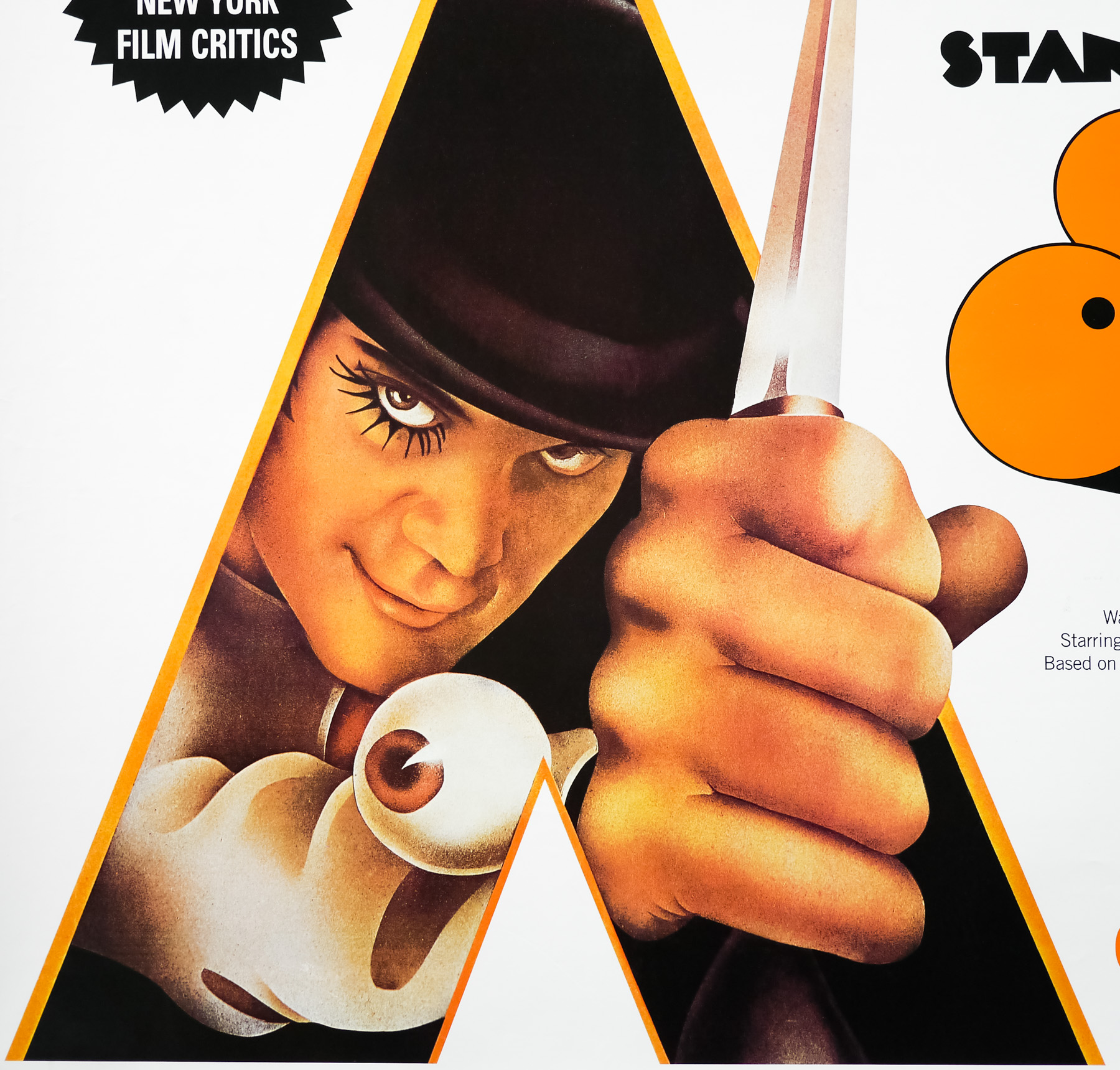
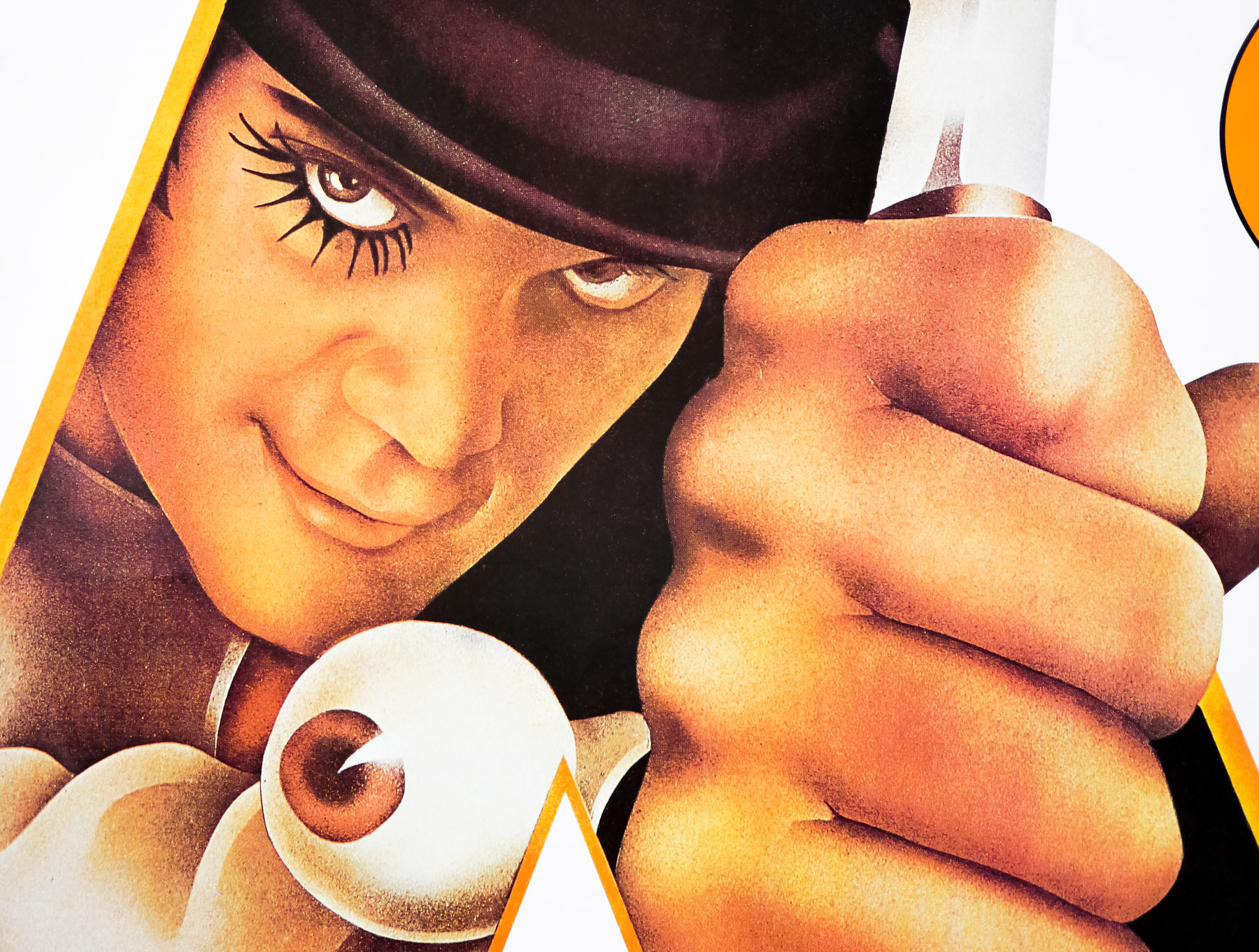
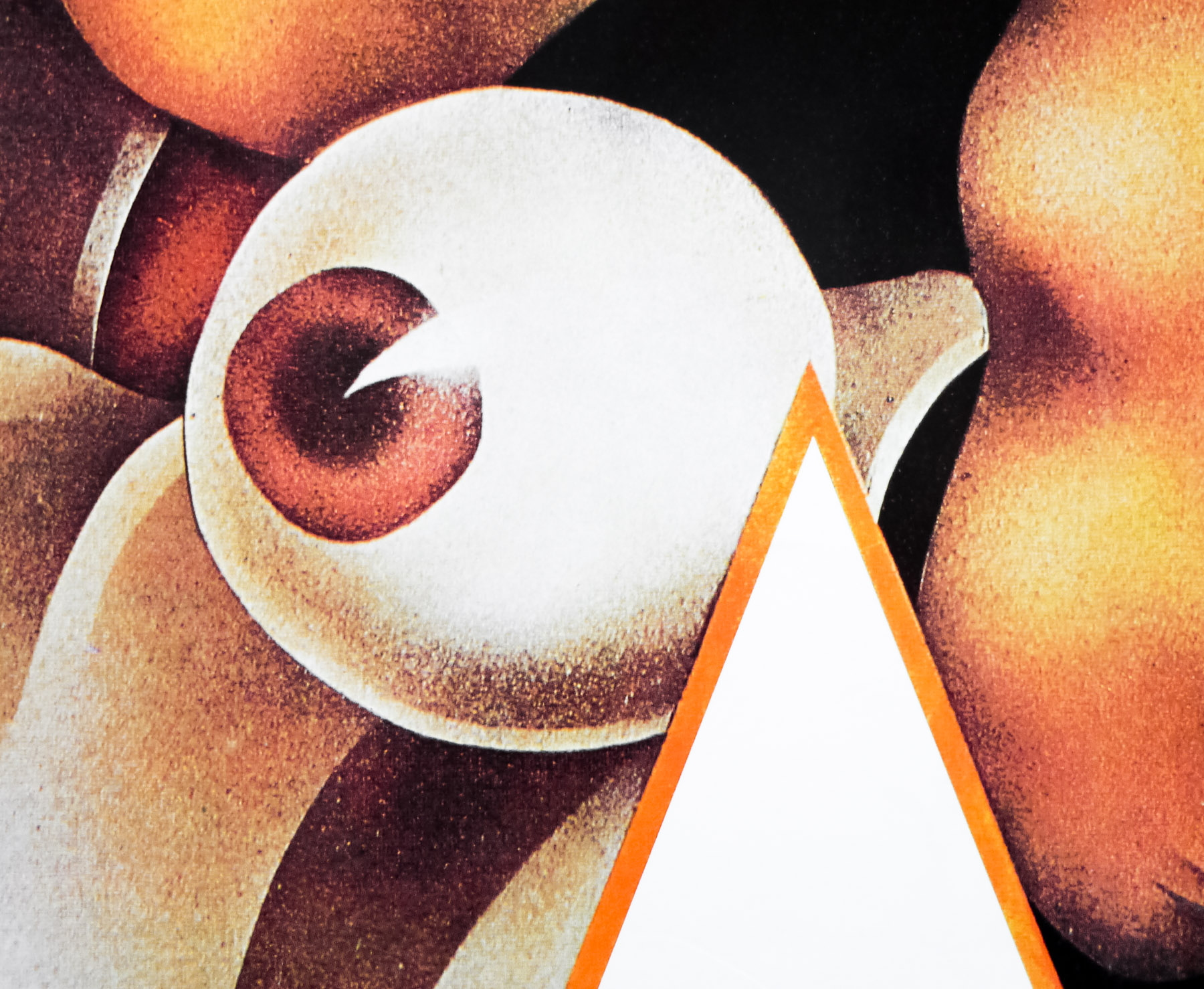
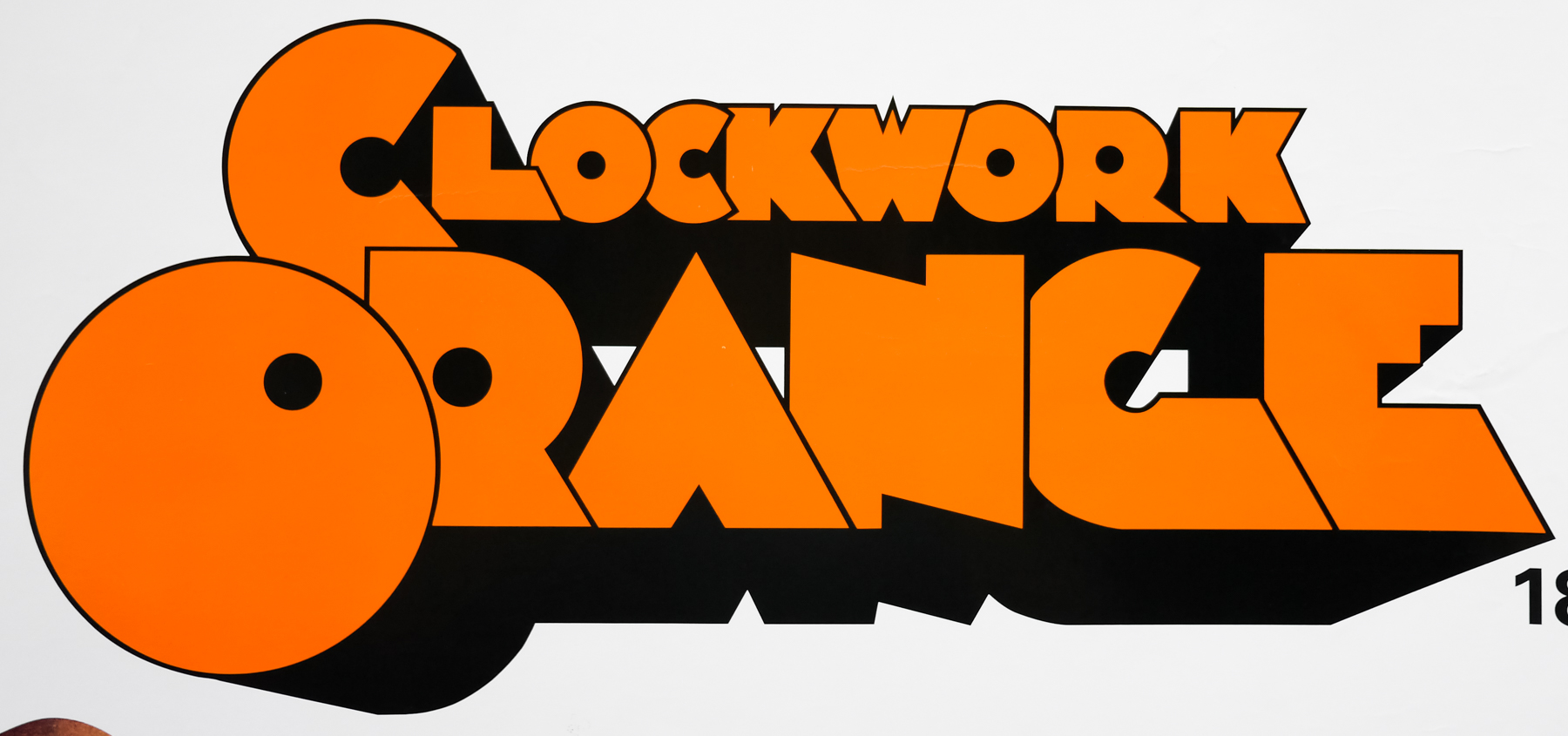
When Kubrick died in 1999 the ban was relaxed and the film was finally made available on VHS and DVD. A limited cinema run also took place and this quad was produced at the time. It uses part of the original artwork that featured on posters for the film around the world, which was painted by the renowned British artist Philip Castle. The final one sheet for the film is one of the most iconic posters of all time, with the same painting being used to promote the film all over the world, and it continues to be used to promote the film to this day. The original UK quad features more of Castle’s artwork and a more muted colour scheme, but features the same tag-line.

Born in London in 1943, Philip Castle’s design career has seen him working on album covers for some of the biggest names in British music, including Wings, Mott the Hoople and Pulp. His skills were utilised for the famous cover for David Bowie’s Aladdin Sane, which saw him airbrushing over a photograph by Celia Philo. He also worked on the cover for the legendary computer game Elite. In 1987 Kubrick and Castle would collaborate once more on the poster for Full Metal Jacket, which again proved to be a seminal piece of work. There’s an interesting interview with Castle available to watch on YouTube in which he discusses his work with Kubrick.

This page features several examples of his brilliant work and there are multiple images tagged on Tumblr. The posters I’ve collected by him can be seen here.

A View To A Kill / one sheet / recalled / UK

25.11.11

Poster Poster

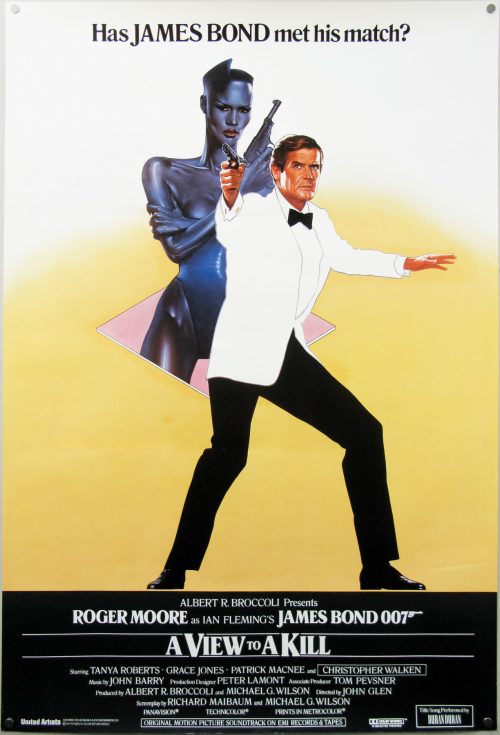
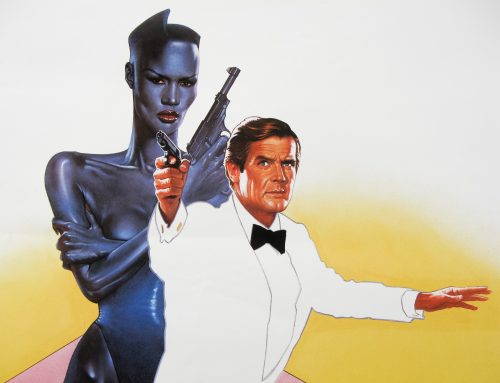
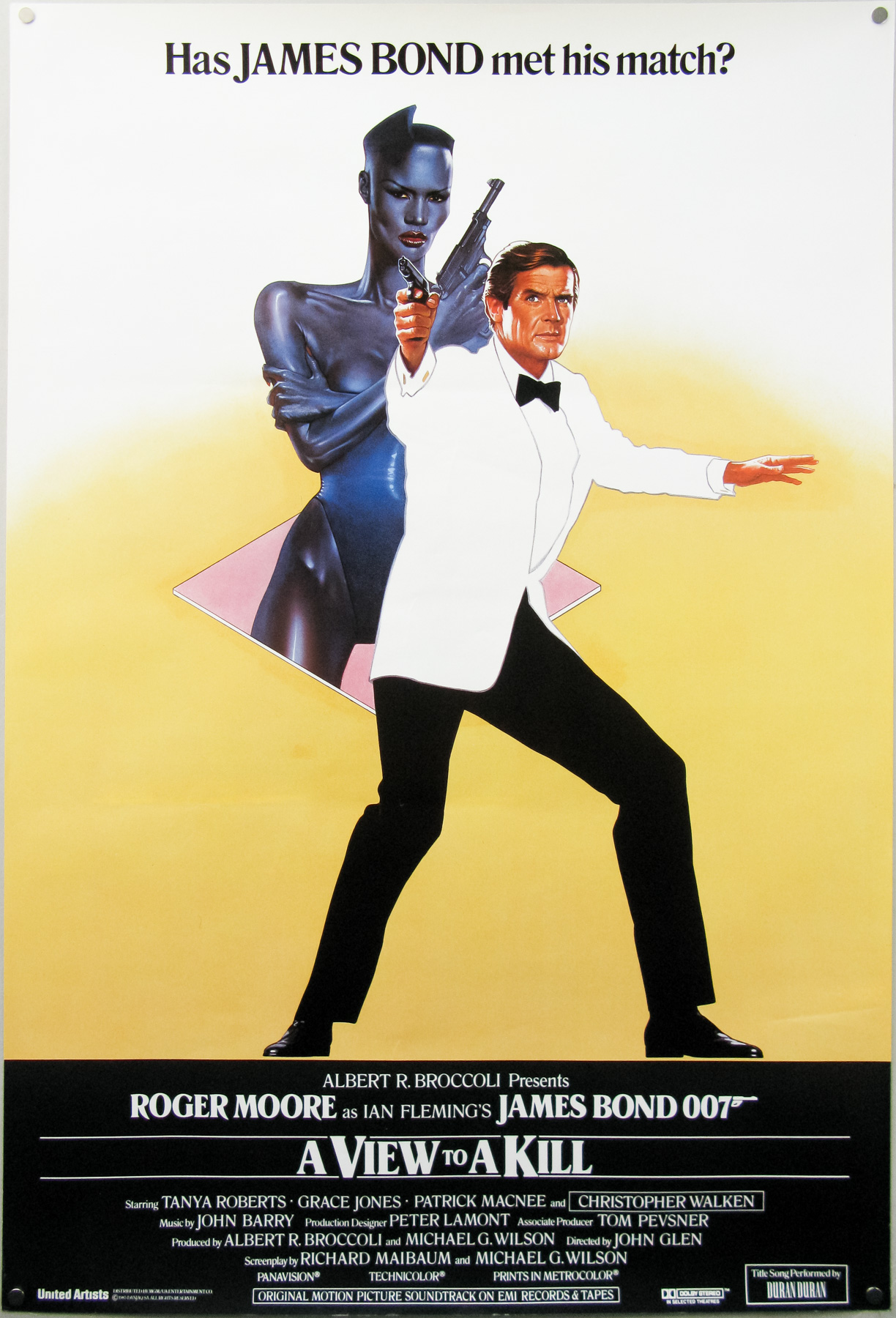
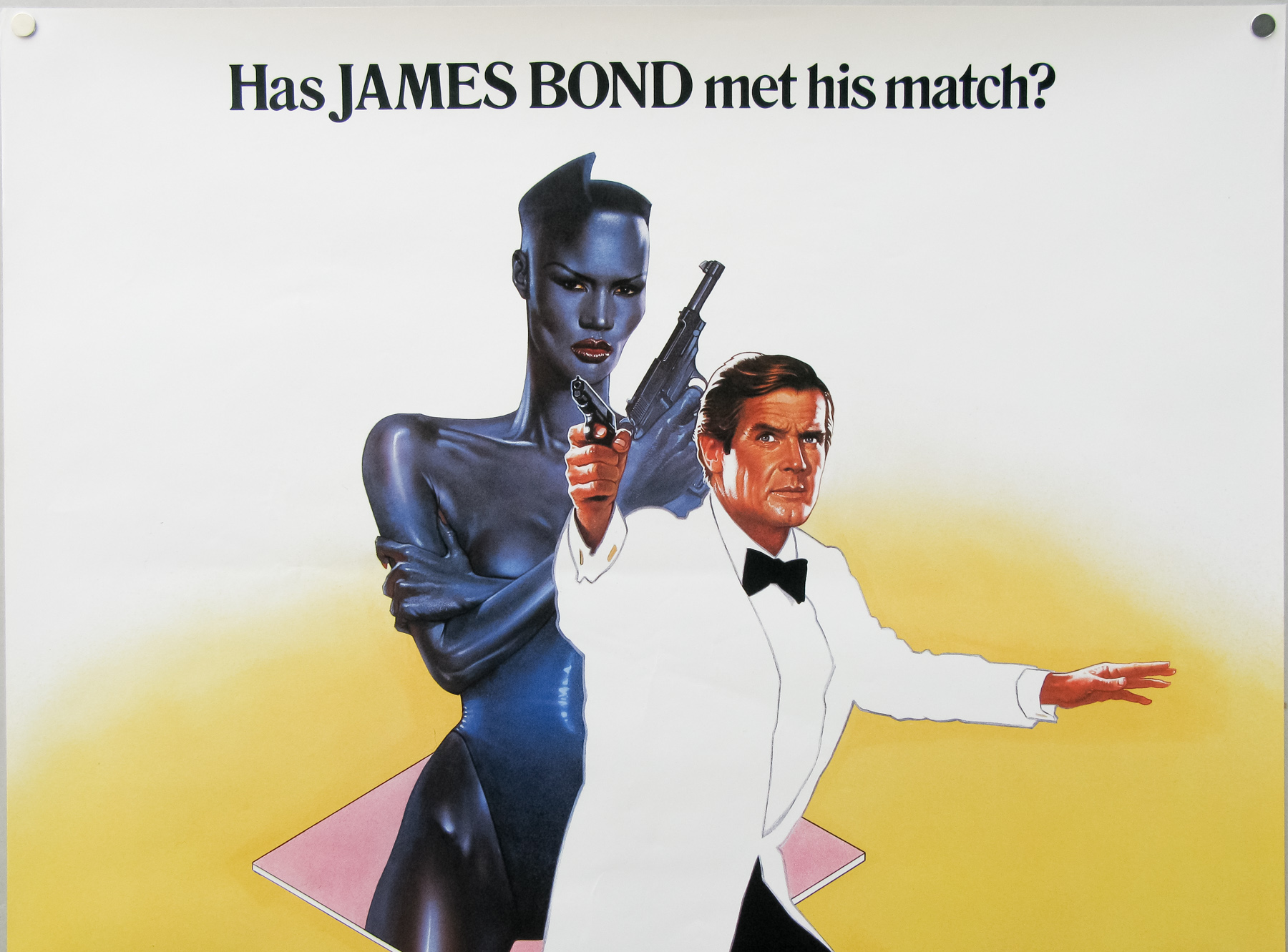
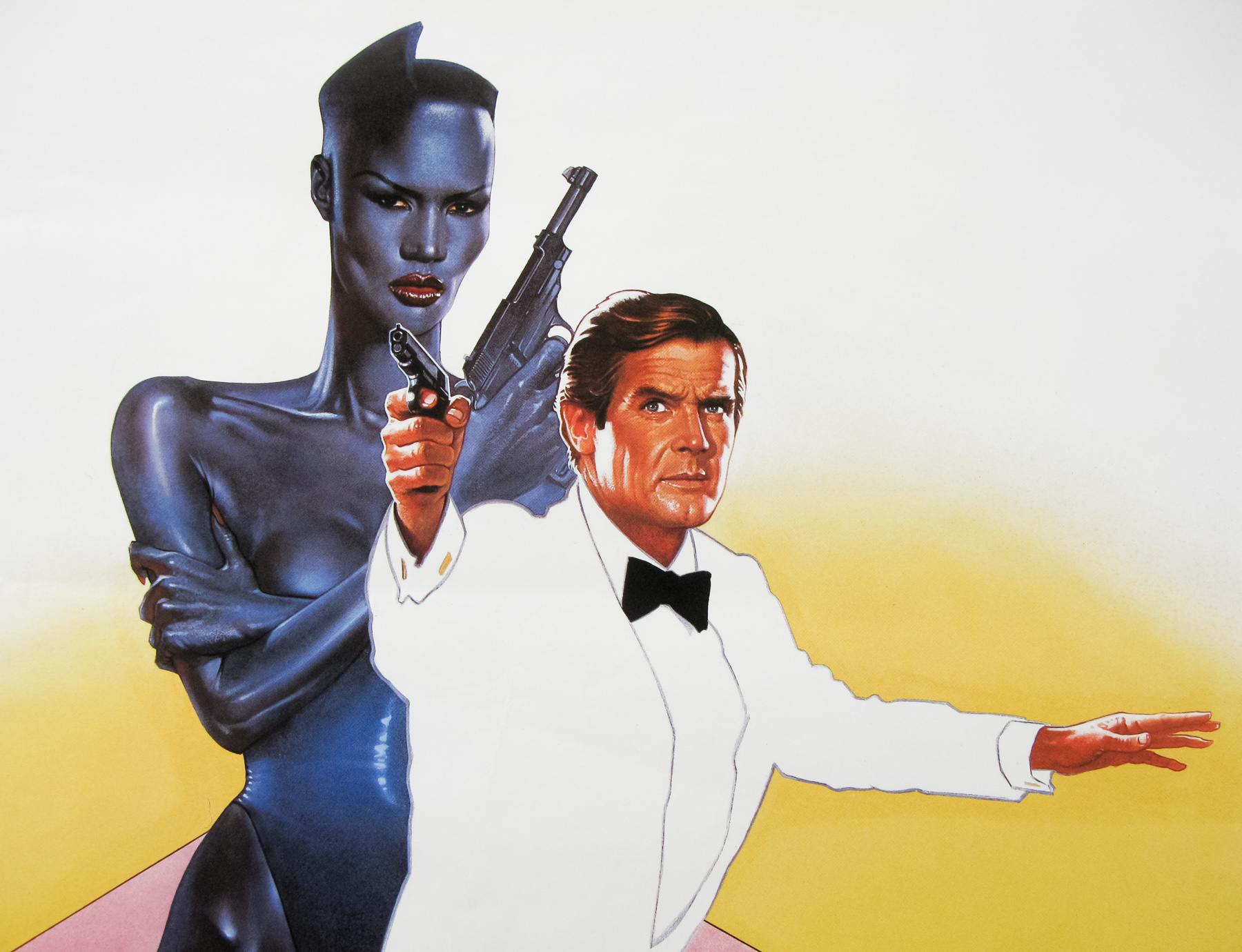
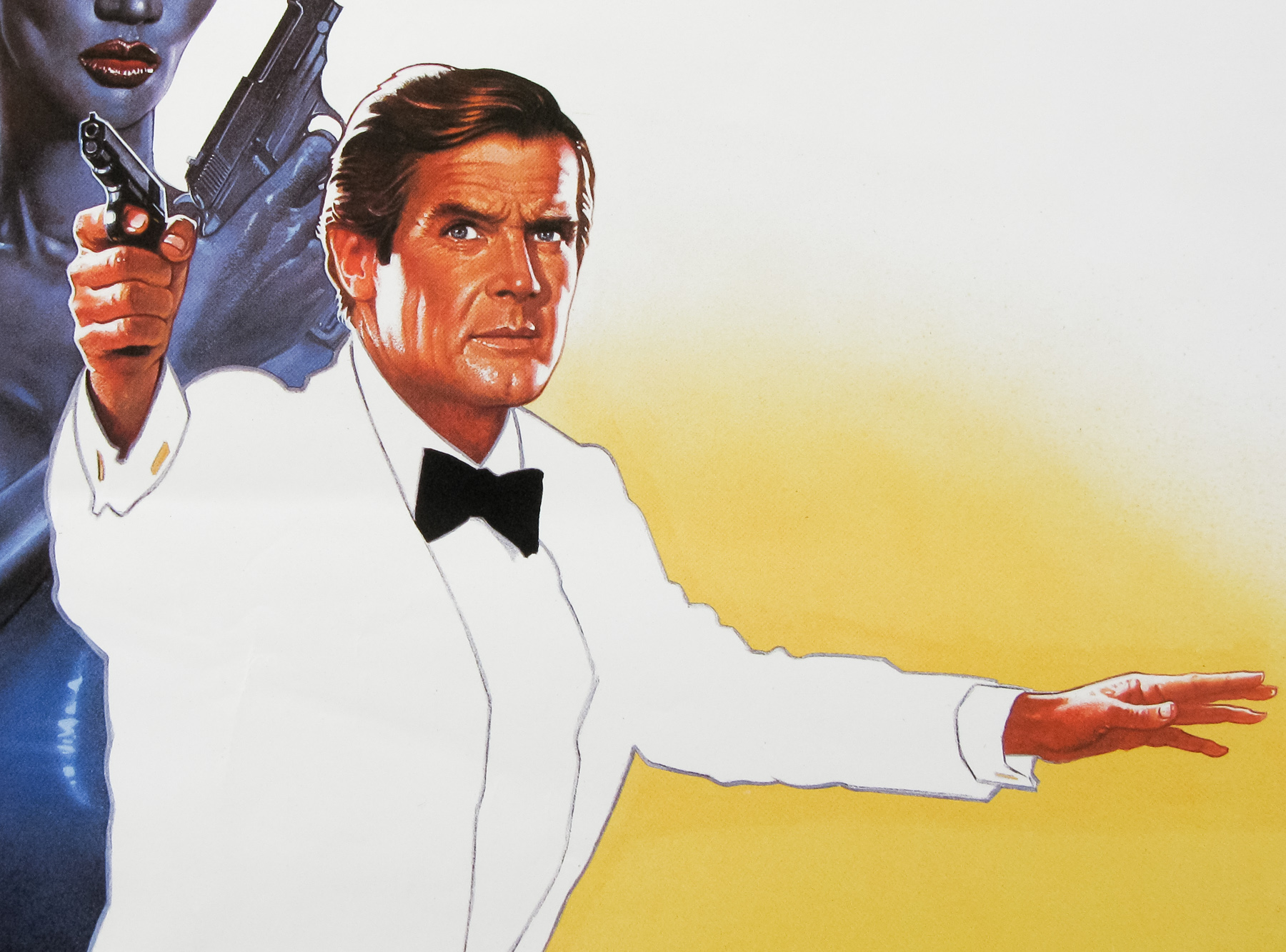
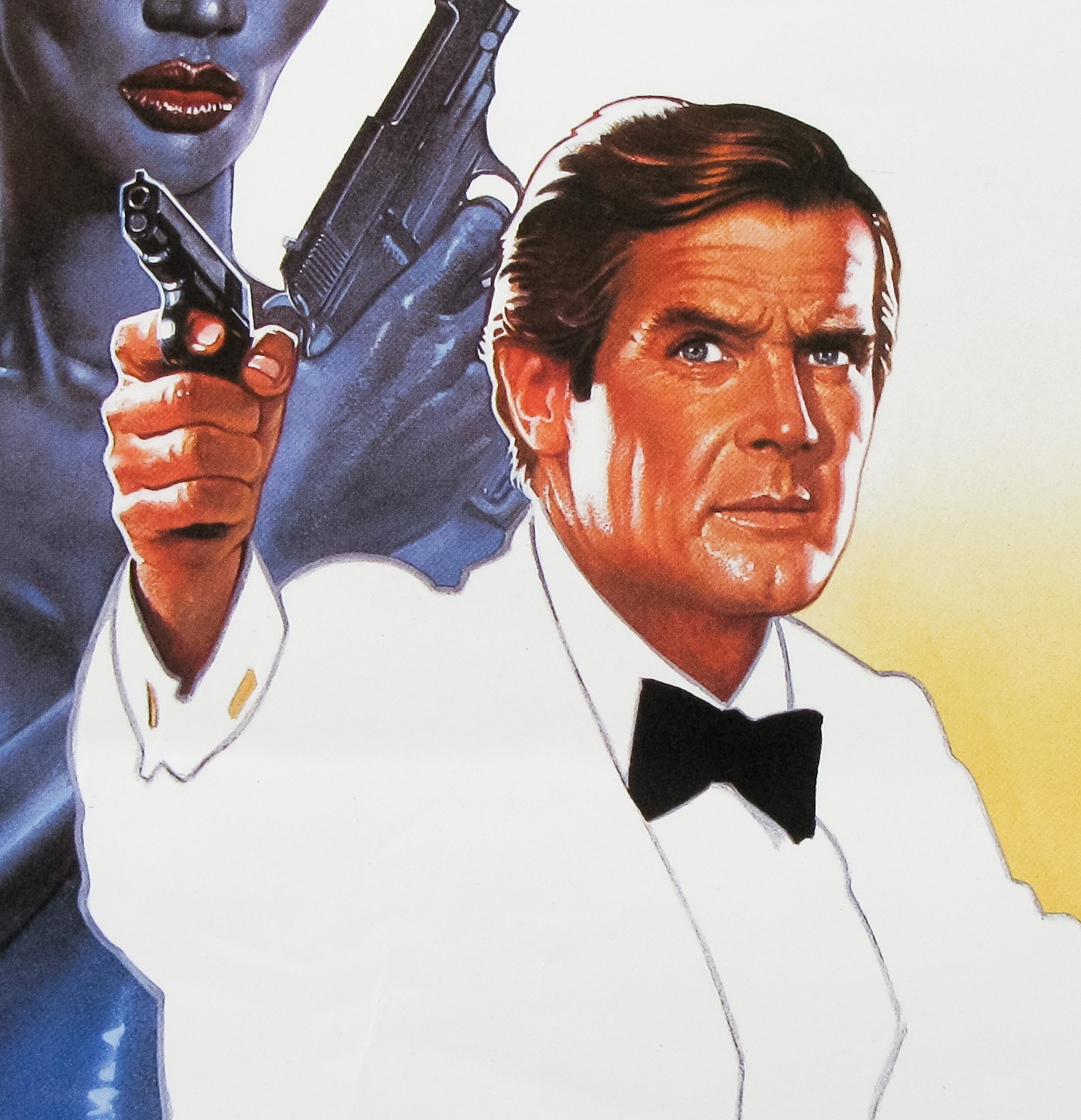
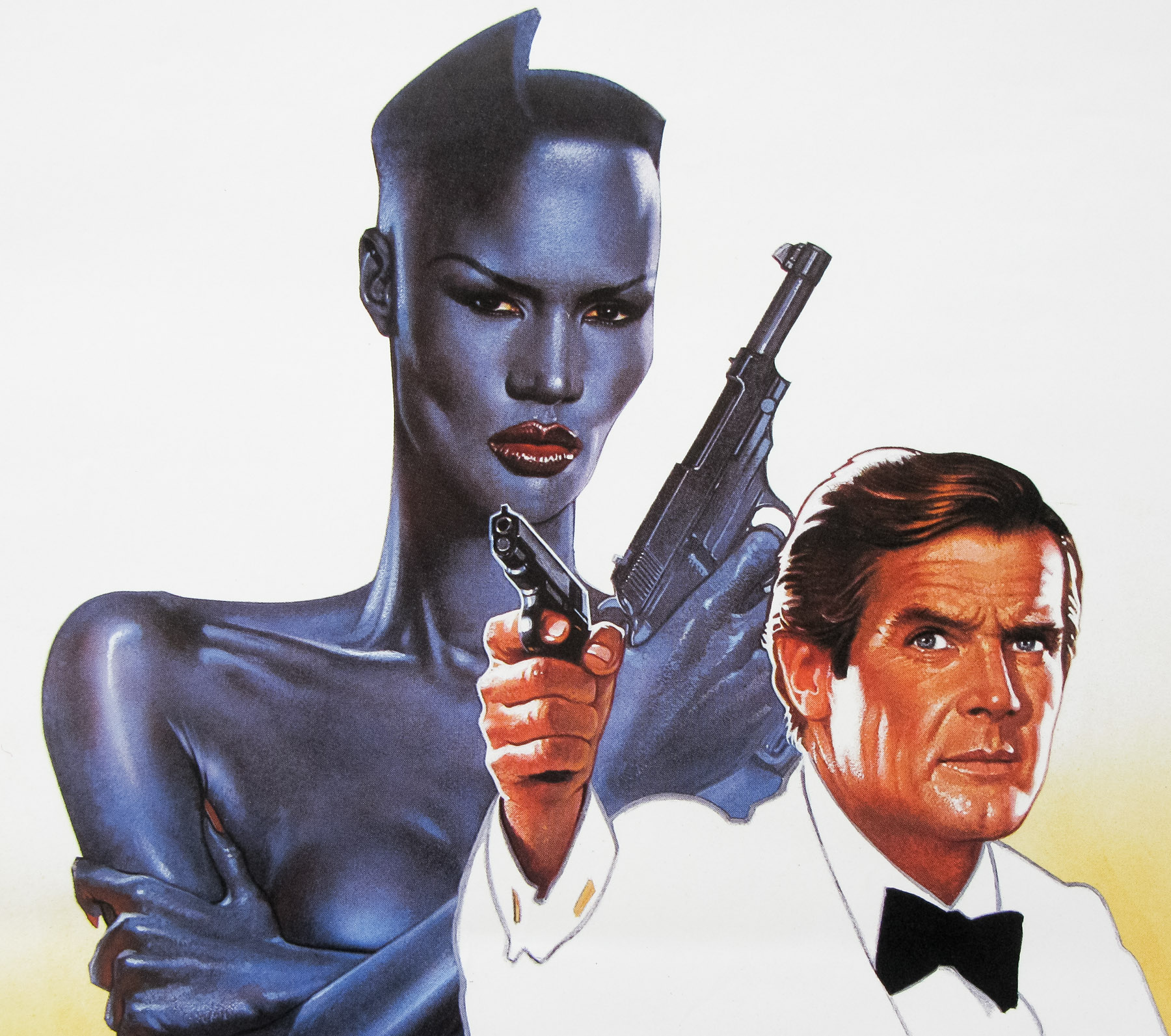
Sir Roger Moore‘s last outing as James Bond, A View to a Kill, was definitely not his finest hour, although it is memorable for a few reasons, including Christopher Walken‘s turn as the truly psychotic bad guy (Max Zorin), Duran Duran’s great title theme and the appearance of the incomparable Grace Jones as Mayday, Zorin’s accomplice. She may not be able to act very well but she’s never anything less than a striking presence and is definitely not a lady to mess with, as British chat show presenter Russell Harty infamously found out.

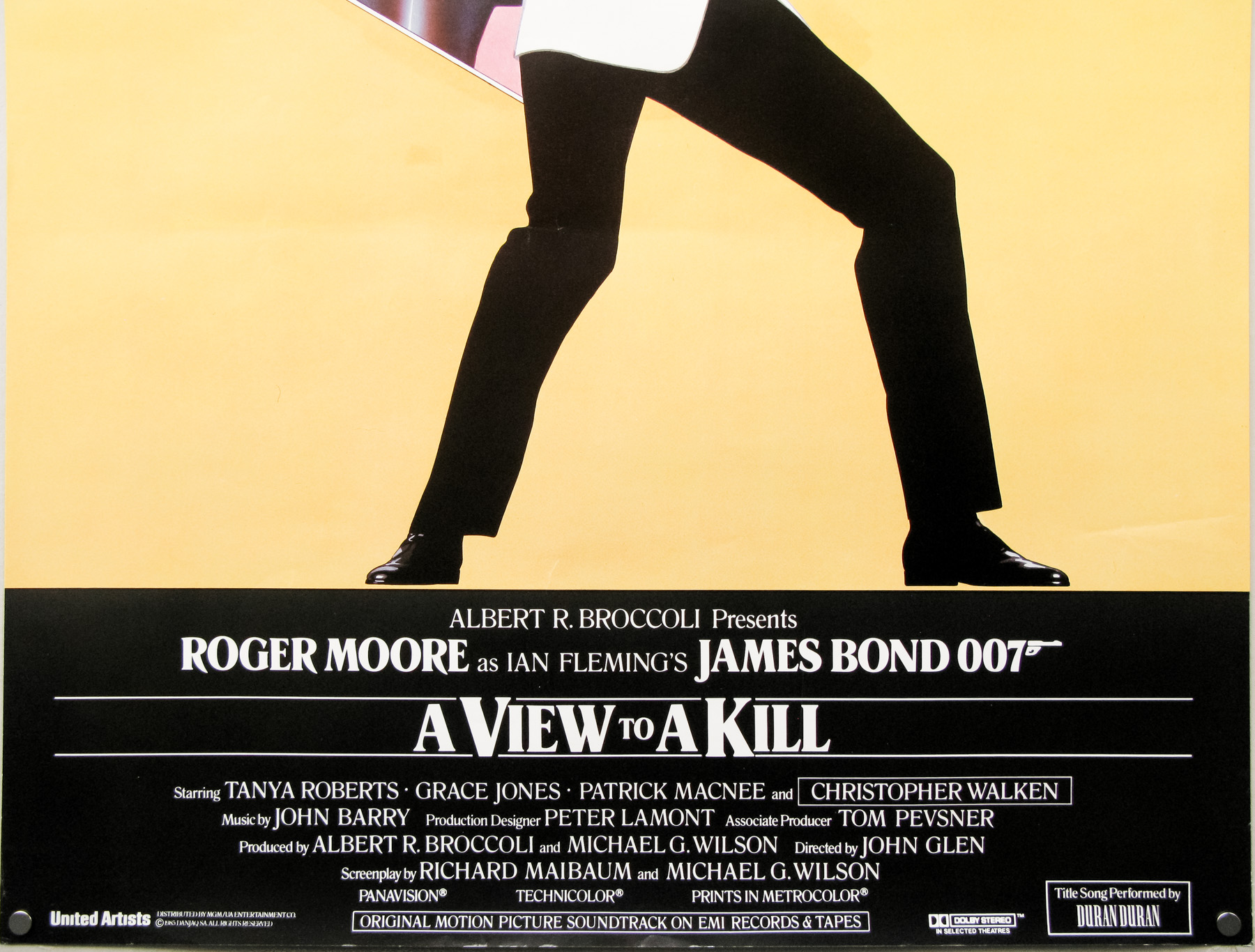
This poster is the UK one sheet that was designed by Vic Fair and illustrated by Brian Bysouth, a not insignificant pairing of two great English talents. Having been commissioned by the studio the poster was apparently then rejected and ultimately never used in cinemas to promote the film. Sim Branaghan, the man behind the must-own book ‘British Film Posters‘, interviewed Vic Fair who recalled that they were looking for a more conventional design, something that often frustrated the designer when working with clients:

‘Not very exciting are they, the Bond posters … always the same thing. So I had this idea of putting him in a white jacket, but they just threw their arms up in horror – “Ooh no, we can’t have that”. It was ridiculous really’

The poster is now known as the ‘recalled’ UK one sheet as, despite the poster having been printed, it was recalled by the studio and most copies were apparently pulped. Obviously, several did manage to escape destruction and made their way into the hands of poster dealers and collectors. I’d like to know a rough figure on how many did survive since it does show up at major auctions and on Ebay occasionally, so it’s certainly more than a tiny handful. If anyone has any more details on this please get in touch or leave a comment.

The artwork did end up being used for other countries, notably a Japanese B2 poster promoting the film.

For more information on Vic Fair and Brian Bysouth I highly recommend picking up a copy of ‘British Film Posters‘ as it features sections on both men. Here are the posters I’ve collected so far by Brian Bysouth and those by Vic Fair (with more to add over the coming months).

In 2012 I met and interviewed Brian Bysouth and this poster was discussed:

There are two specific collaborations you had with Vic Fair that I’d like to talk about. There was the UK one sheet for A View to a Kill, which you mentioned, and before I read Sim’s book I had no idea that it was one of yours. It’s quite different to others you’d worked on before then.
Ah yes, that poster was painted with a different technique than the one I’d typically work with. It has a very smooth look mostly done with an airbrush. The clients had started to require illustrations to have a less painted look and they were asking for much more photo-realistic illustrations. This requirement was because of falling sales in the video market.  The clients had concluded that the paying public had become more discerning and distrustful of what was portrayed on the video sleeves, and to some extent on film posters. The public had begun to realise that an exciting illustration could flatter what in reality would be a truly awful film.  So illustration had to take on a new, more highly-finished look, but this only worked for a short while before the use of photographs and the versatility of the computer took over completely.

Anyway, to continue, Vic asked me if I’d like to do the finished painting based on his rough; it was a really excellent and novel design, which required me to execute the painting in two stages. The first stage would be used as a teaser poster and this was just the image ofGrace Jones and Bond contained within a diamond motif. All I had to do was get the airbrush out and work up his design. I remember spending a while on the Grace Jones image, polishing and improving her look, as well as the pose of Bond. It went away to be printed but later we were disappointed to learn that it was going to be withdrawn because the clients were not happy with the legendary spy being portrayed in a white tuxedo; that being considered not very Bond-like!

For the second stage, Vic’s design included an exciting montage to fit either side of the central icon of the two characters. The preliminary painting was returned to me for completion and I continued by adding the montage of scenes from the film onto the artwork in a semi-drawn style, which I was experimenting with at the time. I was very pleased with the final results and Vic liked it too. That went off for approval but, for reasons unknown to me, the printing didn’t go ahead. I never saw the artwork again and pathetically, because it was not approved, I don’t even think a transparency was made. I entertain hopes that one day it will eventually re-appear and I will be able to establish my claim to ownership.

Here’s the film’s original trailer.

Deep End / quad / UK

09.12.11

Poster Poster

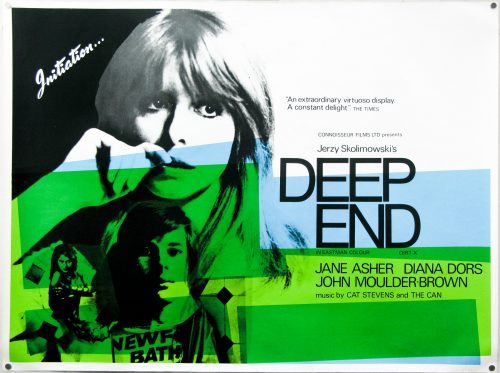
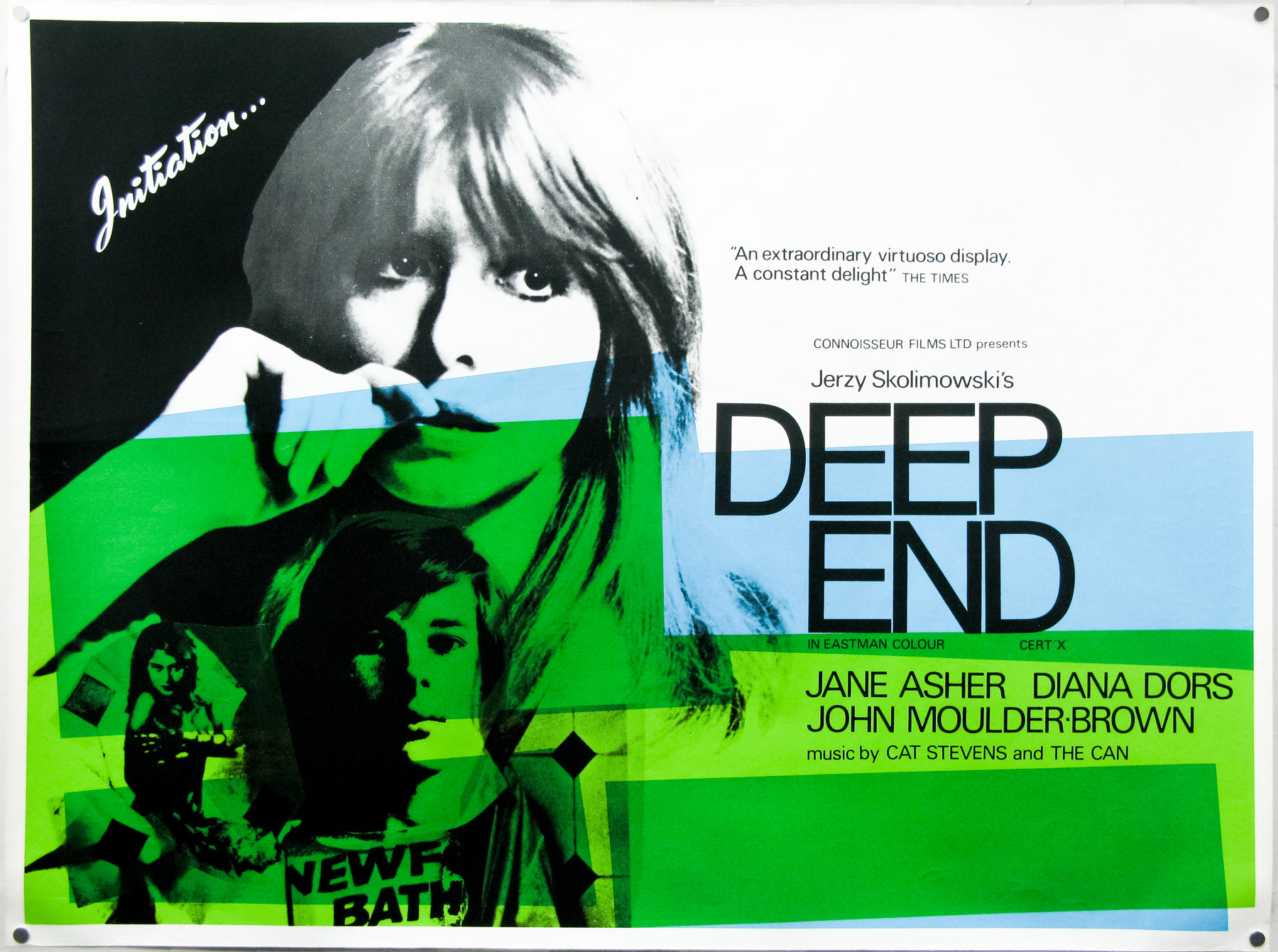
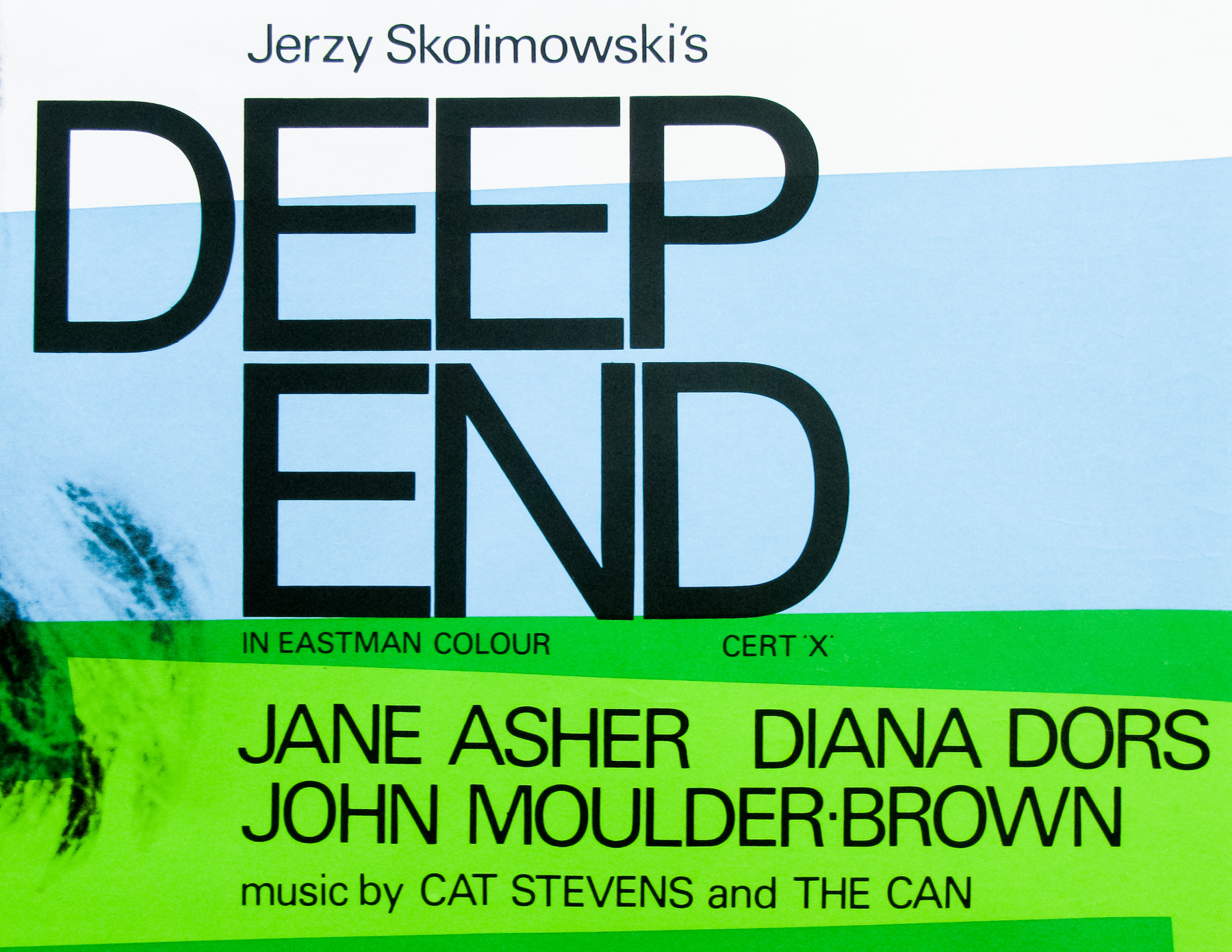
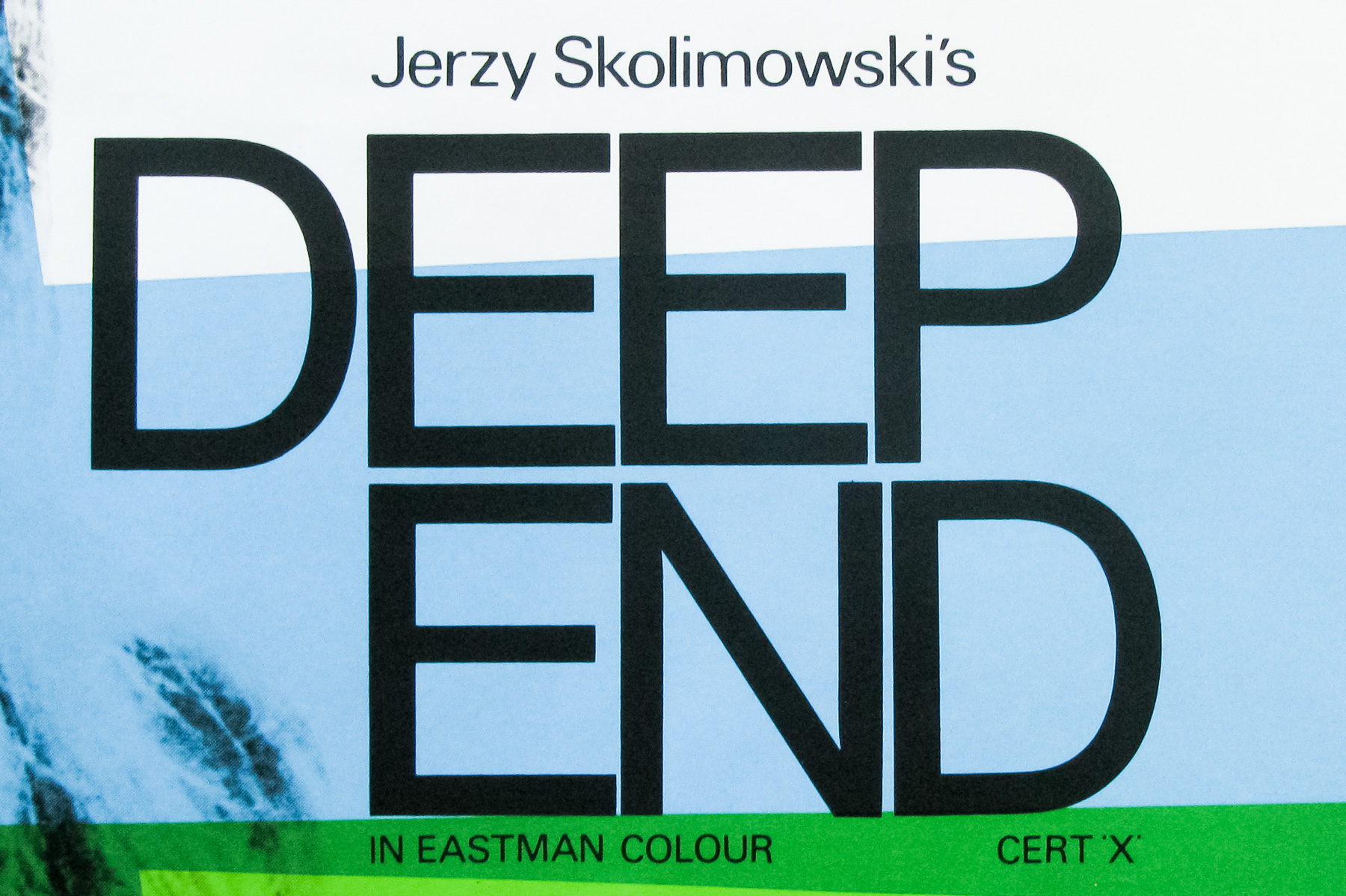
Polish director Jerzy Skolimowski’s Deep End is one of those films that leaves a lasting impression on anyone who sees it, but it was sadly considered to be a ‘lost’ film for many years and was practically impossible to see after its initial cinema opening in a handful of countries. The film was briefly available on VHS in the UK but was never released on DVD. In 2011 the BFI restored and re-released it at the cinema and also issued a blu-ray version complete with several extras, which is utterly superb and well worth picking up.

The film focuses on Mike (John Moulder-Brown) a teenager who leaves school and gets his first job working at a local swimming baths. There he meets Susan (Jane Asher) an older woman with whom he quickly becomes infatuated. Without spoiling things too much, the film builds to a fairly shocking climax which has been known to polarize viewers. Jane Asher looks absolutely stunning and really plays the seductive, care-free Susan perfectly – it’s not hard to understand the reasons behind Mike’s infatuation!

Skolimowski was a contemporary of Roman Polanski and was mentored by the great Polish director Andrzej Wajda. He completed several films in Poland throughout the 1960s before moving to the UK where he made Deep End and a couple of other features. He then left to Los Angeles where he took up painting and occasionally acted in films, notably in White Knights and more recently in David Cronenberg’s Eastern Promises. His 17 year hiatus from directing ended in 2008 with the release of Four Nights with Anna and he made the spartan thriller Essential Killing with Vincent Gallo in 2010.

This poster by an unknown graphic designer is the quad that was printed when the film was given a wider UK release. The premiere showing had actually been at the Academy Cinema One on London’s Oxford Street and the poster for this was done by the legendary designer Peter Strausfeld (his Seven Samurai poster is on this site here).

The original trailer is on YouTube.

The House by the Cemetery / quad / UK

01.11.12

Poster Poster

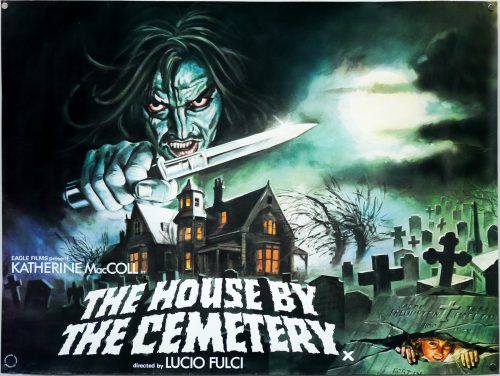
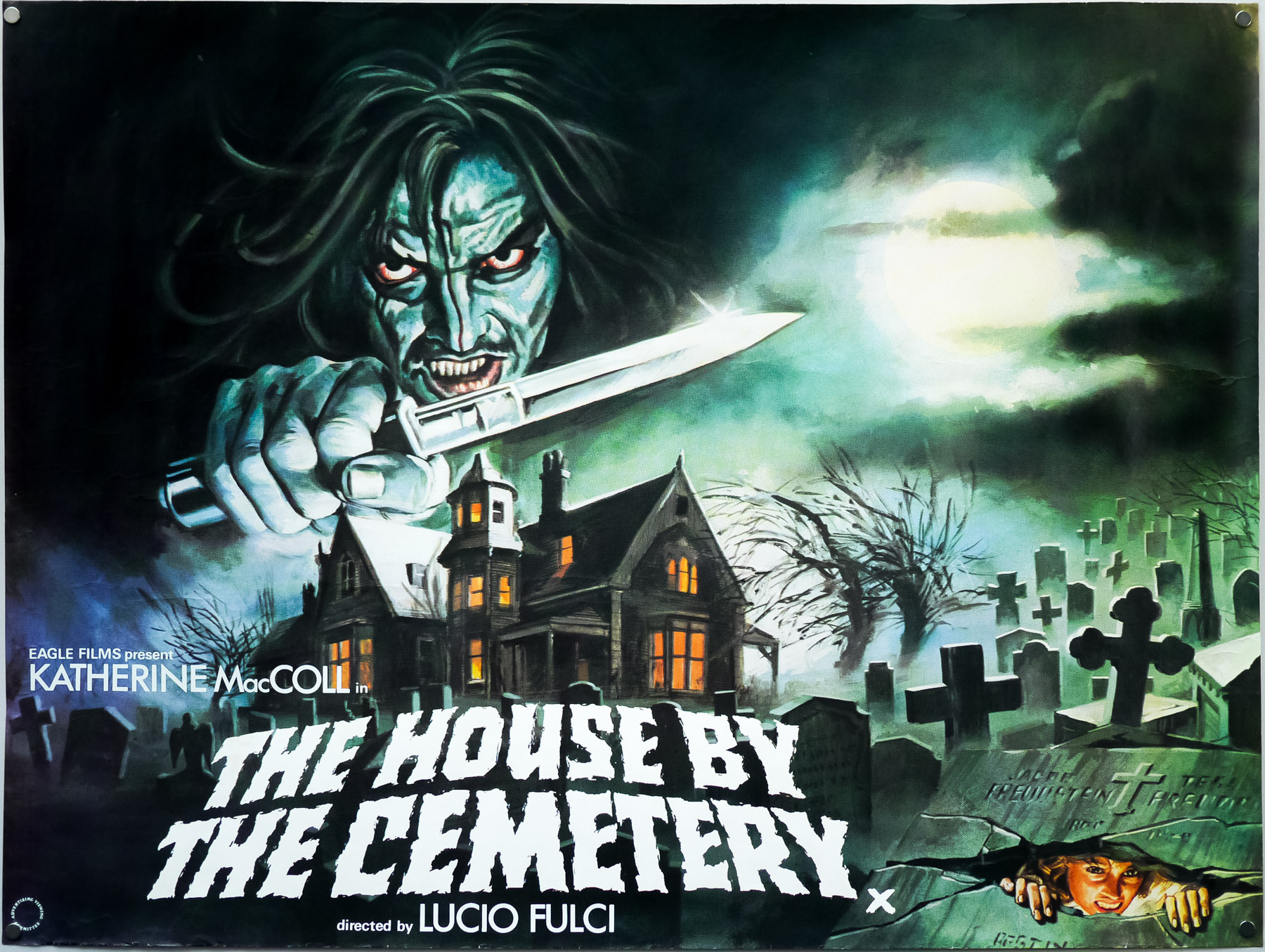
Nicknamed The Godfather of Gore, the late Italian director Lucio Fulci is responsible for several memorable entries in the horror genre and The House by the Cemetery is one of what I consider to be the big four Fulci films (the others being Zombie Flesh Eaters, The Beyond and City of the Living Dead), which were all made within two years of each other. The director tried his hand at various genres, including westerns and comedies, but it was horror where he found the greatest success and for which he is best remembered.

The House by the Cemetery is the third film in the unofficial ‘Gates of Hell’ trilogy of Fulci films that began with 1980s City of the Living Dead and was followed by The Beyond. It stars British actress Catriona MacColl (credited on the poster as Katherine MacColl) who had collaborated with Fulci on the previous two entries. The story sees Dr Norman Boyle (Paolo Malco), a professor at a New York University, being sent on research trip to New Whitby, Boston, taking his wife (MacColl) and young son with him. Their base is a big old house situated, as the title suggests, in the grounds of an old graveyard. After moving in and meeting a few of the locals, it soon becomes clear to the family that they aren’t the only ones living in the house and slowly but surely the dark secret of the previous occupant is revealed.

As was typical with all of Fulci’s output during this period, the film features several scenes of brutal, graphic gore and there’s one death scene in particular that would fall foul of the BBFC, the folks responsible for passing the film for release in the UK. This page on IMDB details the various cuts the UK release of the film was given over the years; in 1984 the film was caught up in the infamous Video Nasties situation and the VHS was banned outright. When it was re-released on tape in 1988 there were almost five minutes cut from its running time and it wasn’t until 2009 that a fully uncut version was available.

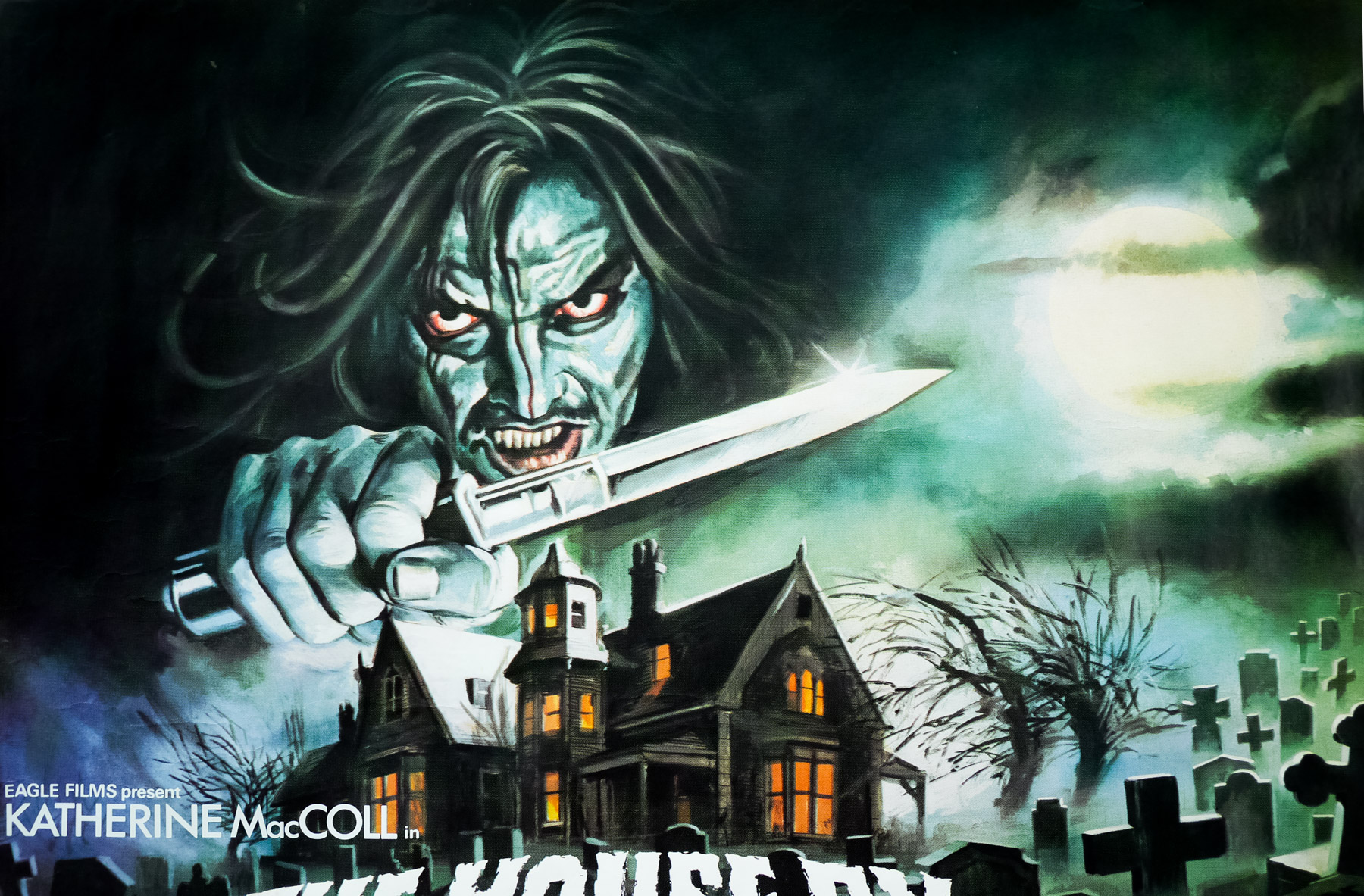
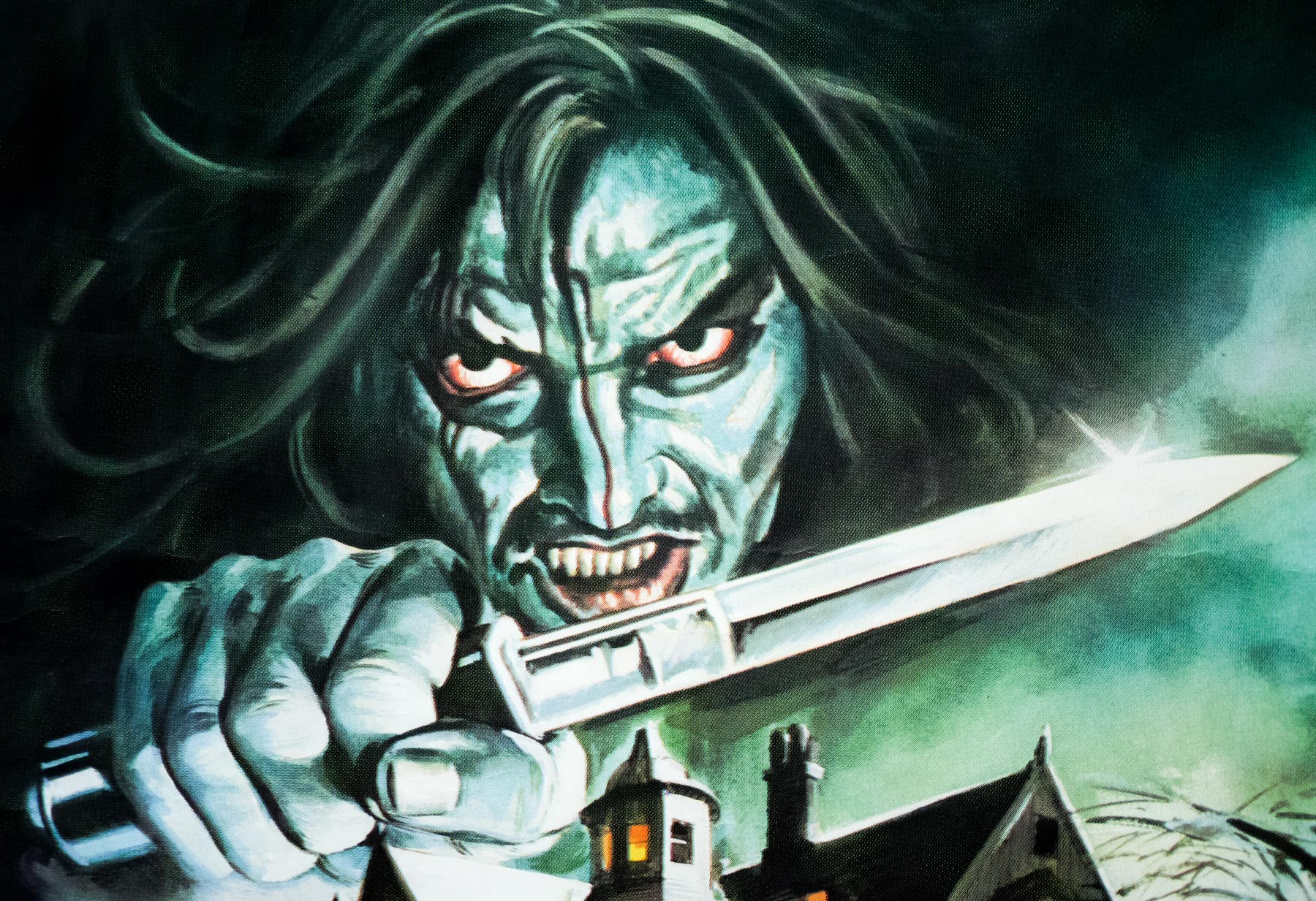
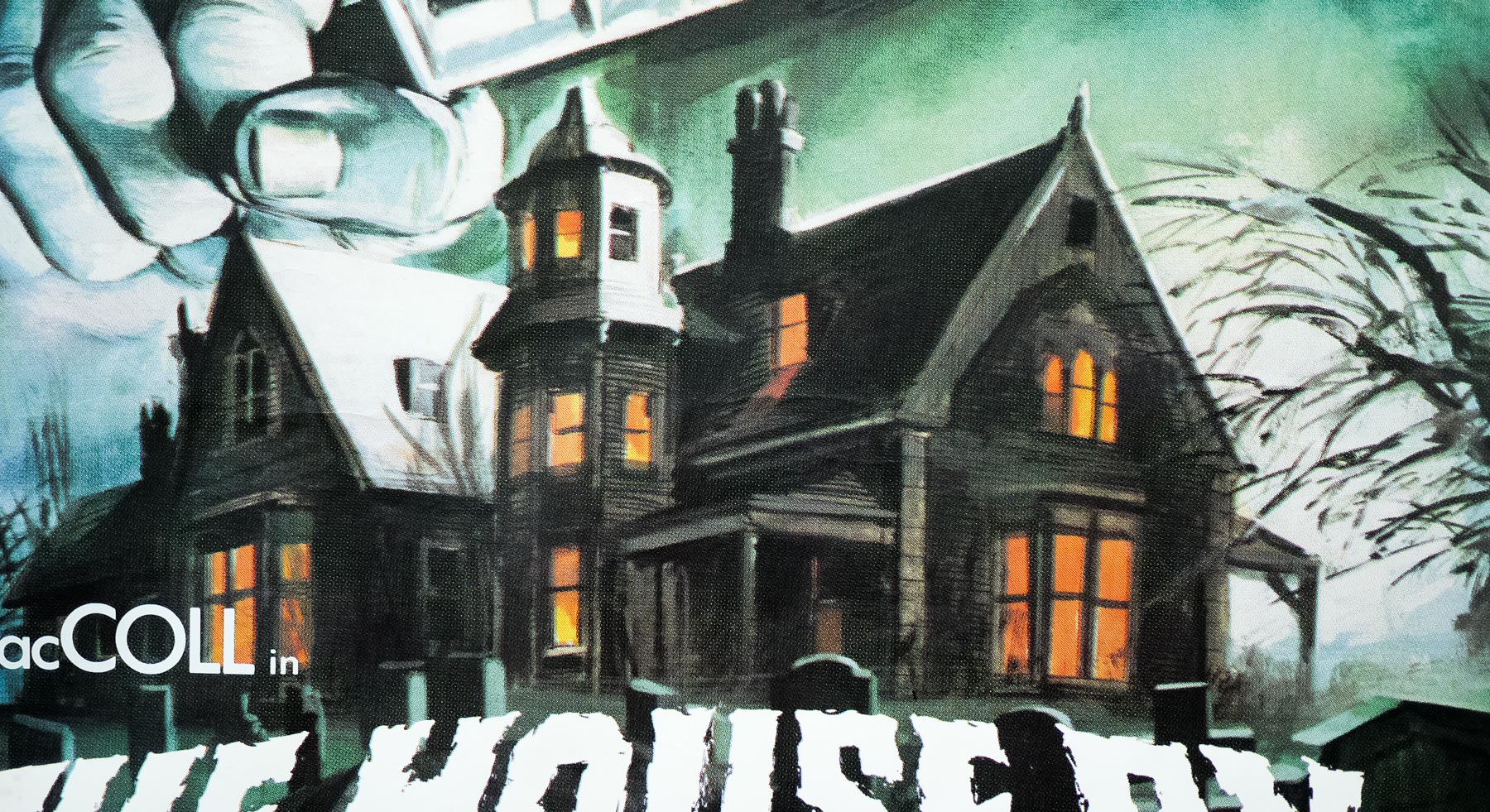
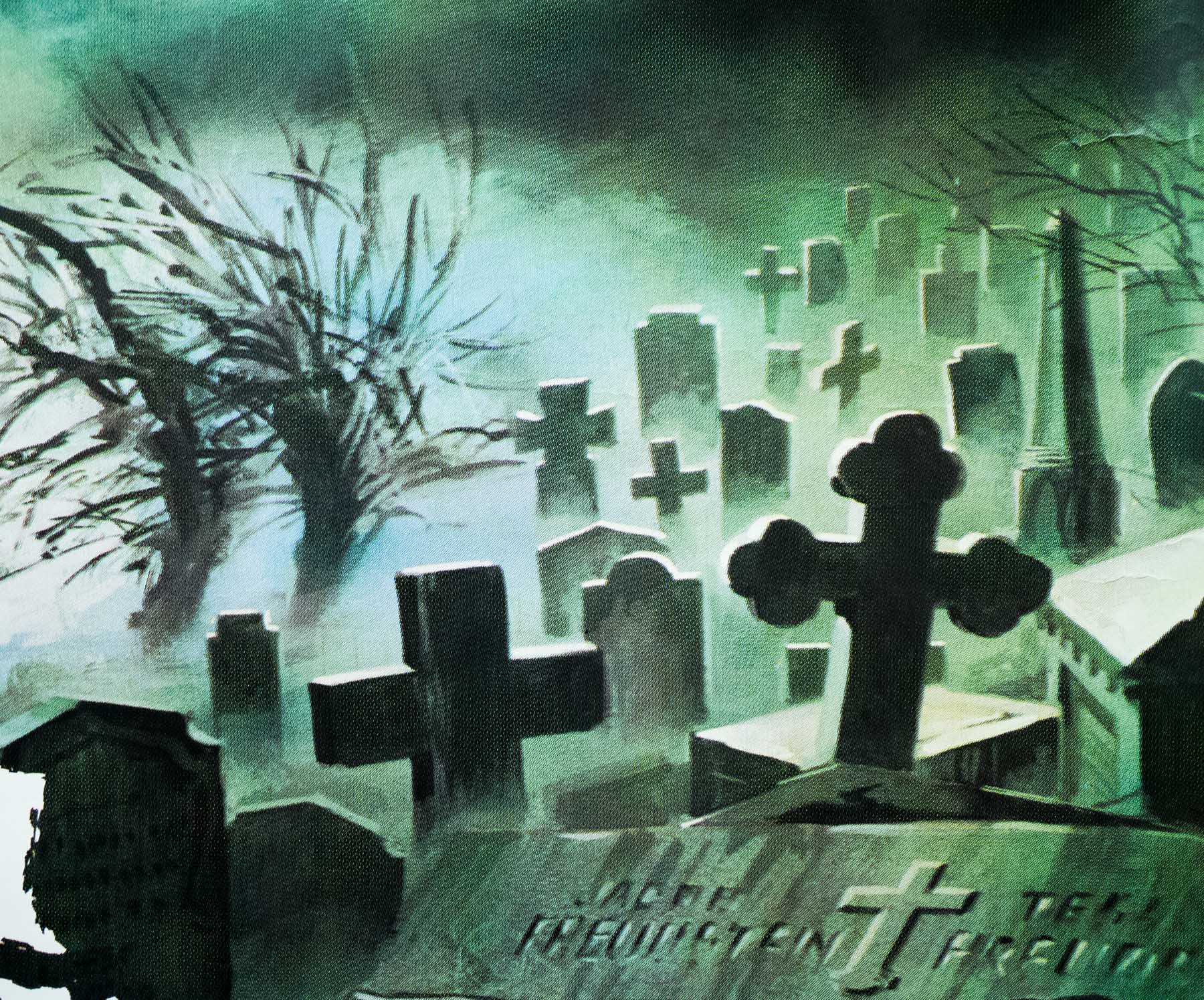
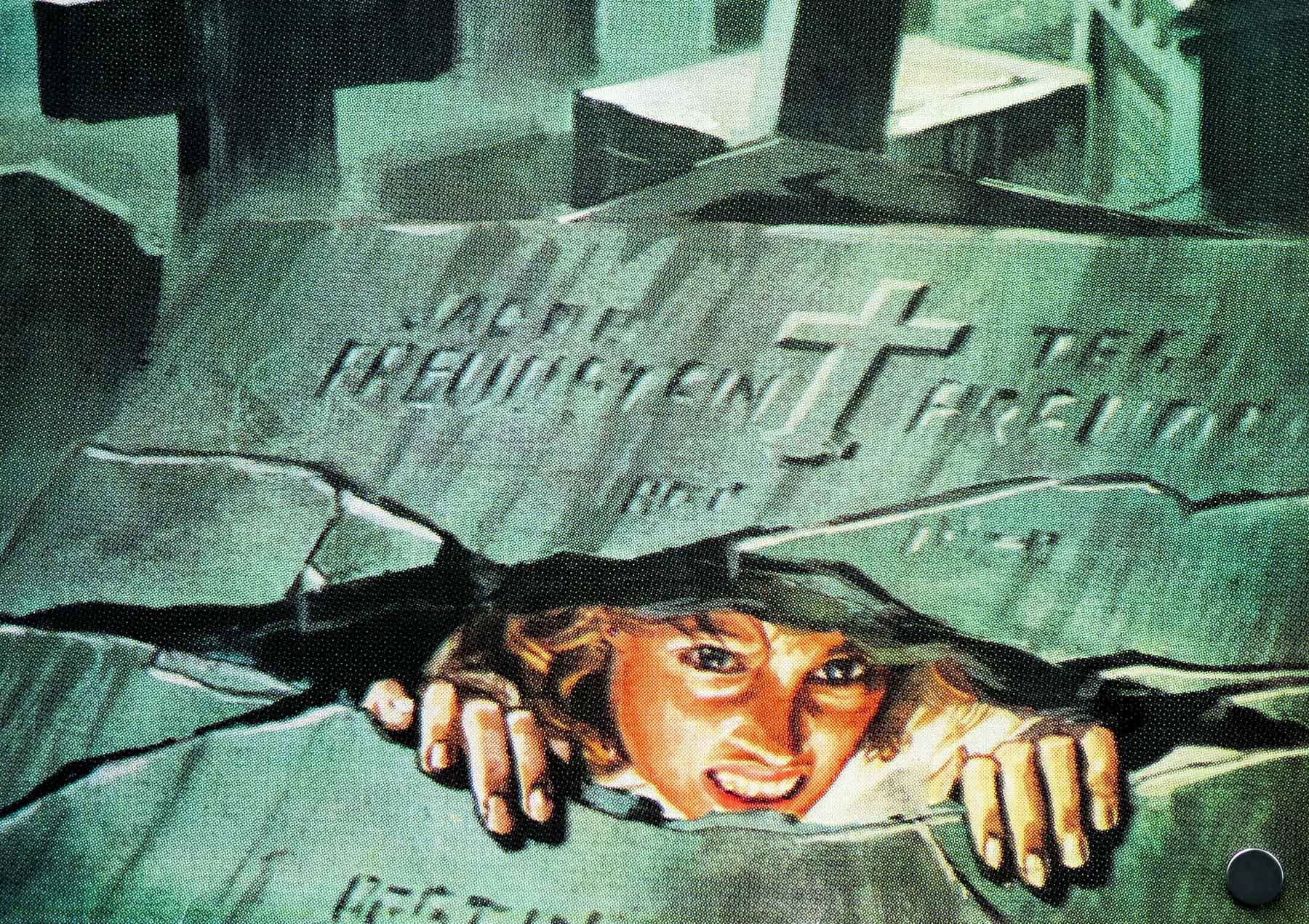
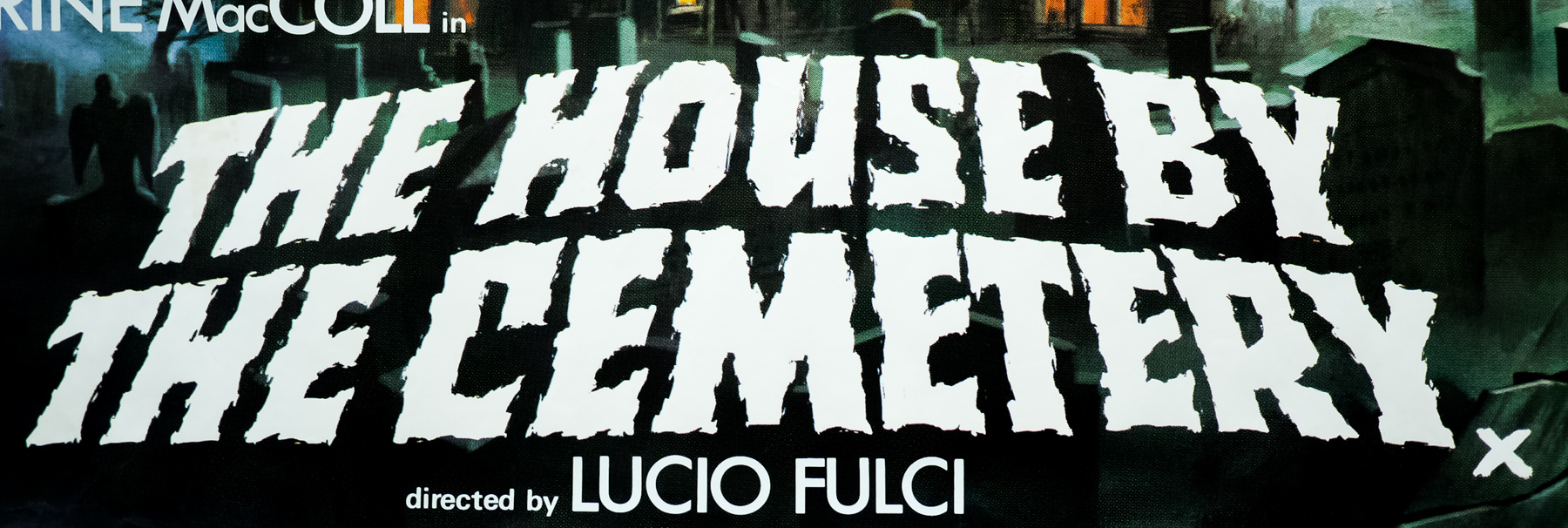
This is the UK quad poster for the first release of the film in British cinemas in 1982. It features artwork that is based on the Italian poster that was painted by the great artist Enzo Sciotti who has painted countless fantastic horror, sci-fi and exploitation posters over the years. As anyone who has seen the film will know, the knife-wielding character that dominates the poster doesn’t actually feature in the film itself. It’s said that the decision was taken to depict a psychotic killer that resembled Jack Nicholson’s character in Stanley Kubrick’s The Shining after that film had proven such an international success only a year previously.

It is my belief that this artwork has been adapted from Sciotti’s original by a British artist, quite possibly Ted Baldwin who is thought to be responsible for the art on the quad for Zombie Creeping Flesh. Note the clear differences between the Italian poster and the details seen on this quad, particularly the evil character, the orientation and size of the house, and the layout of the graveyard. Obviously the original poster is in a portrait format so the decision may well have been taken to redraw it to better fit the landscape format of the quad.

Enzo Sciotti‘s official site has galleries of his work, some of which is for sale. Wrong Side of the Art has a selection of some of his work, and Eatbrie.com also features several of his designs. The other posters I’ve collected by him can be seen here.

The Crying Game / quad / UK

14.03.16

Poster Poster

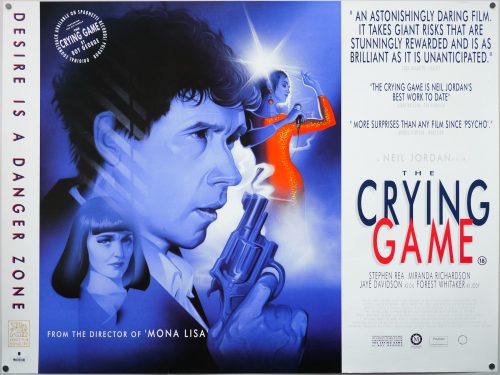
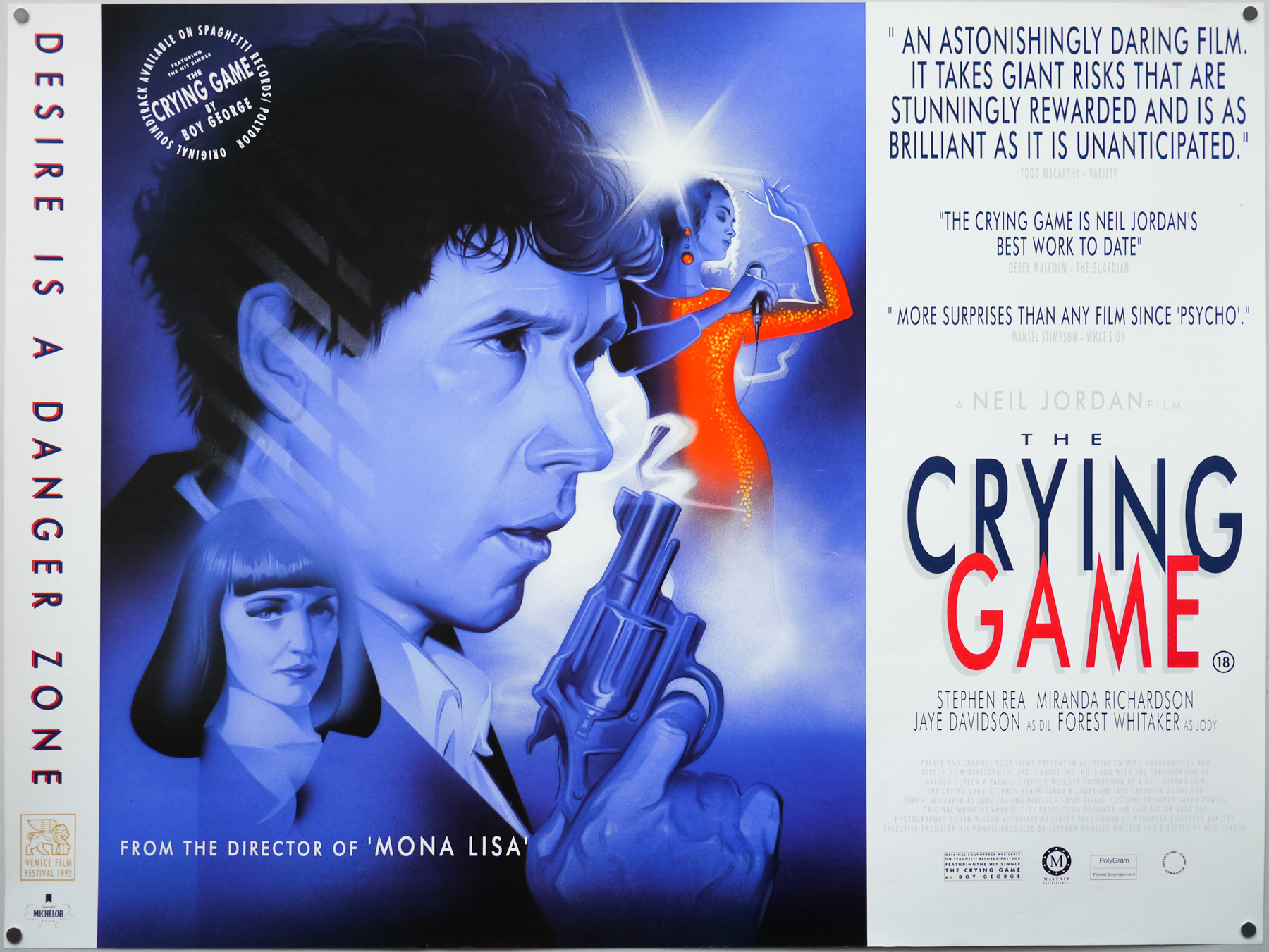
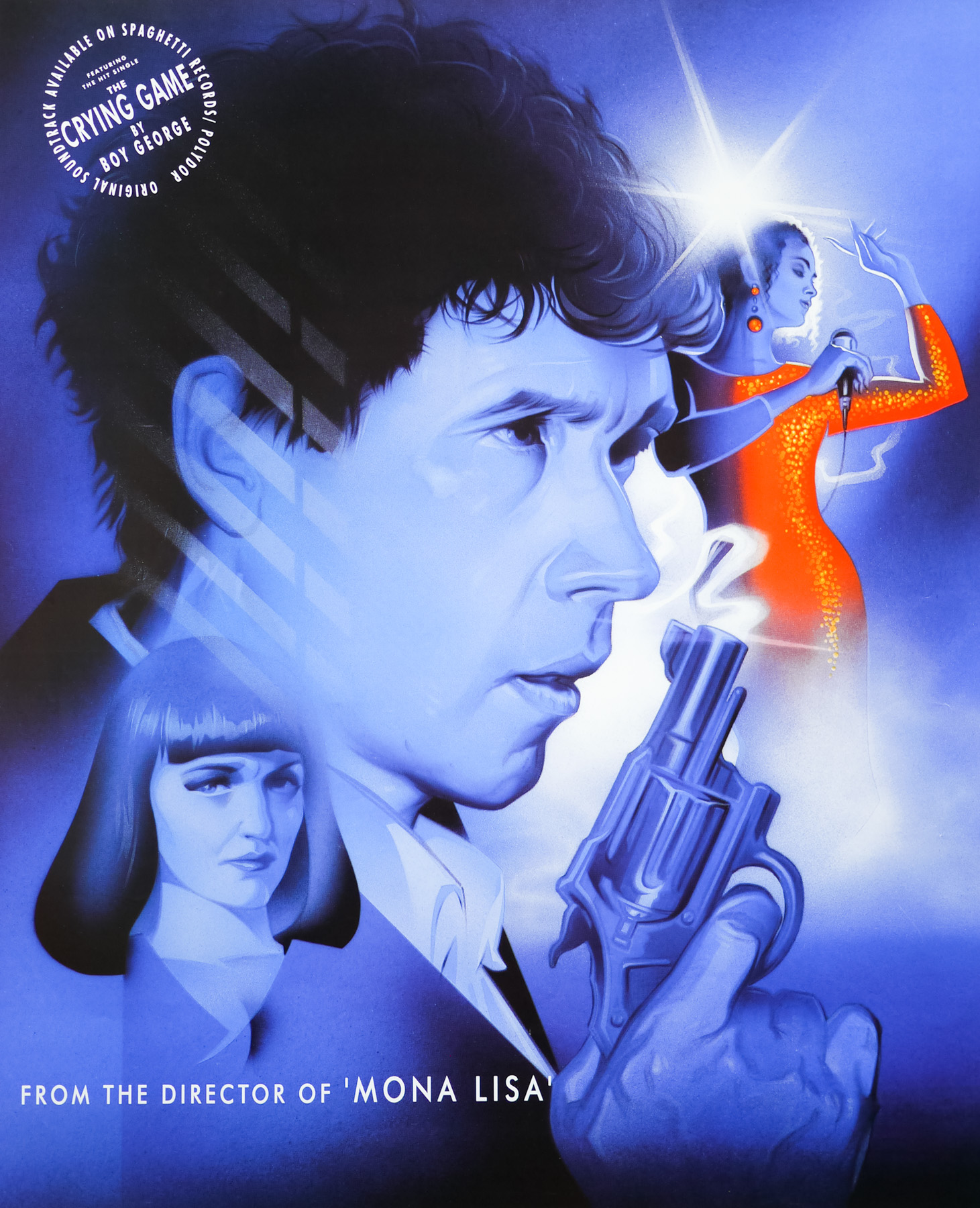
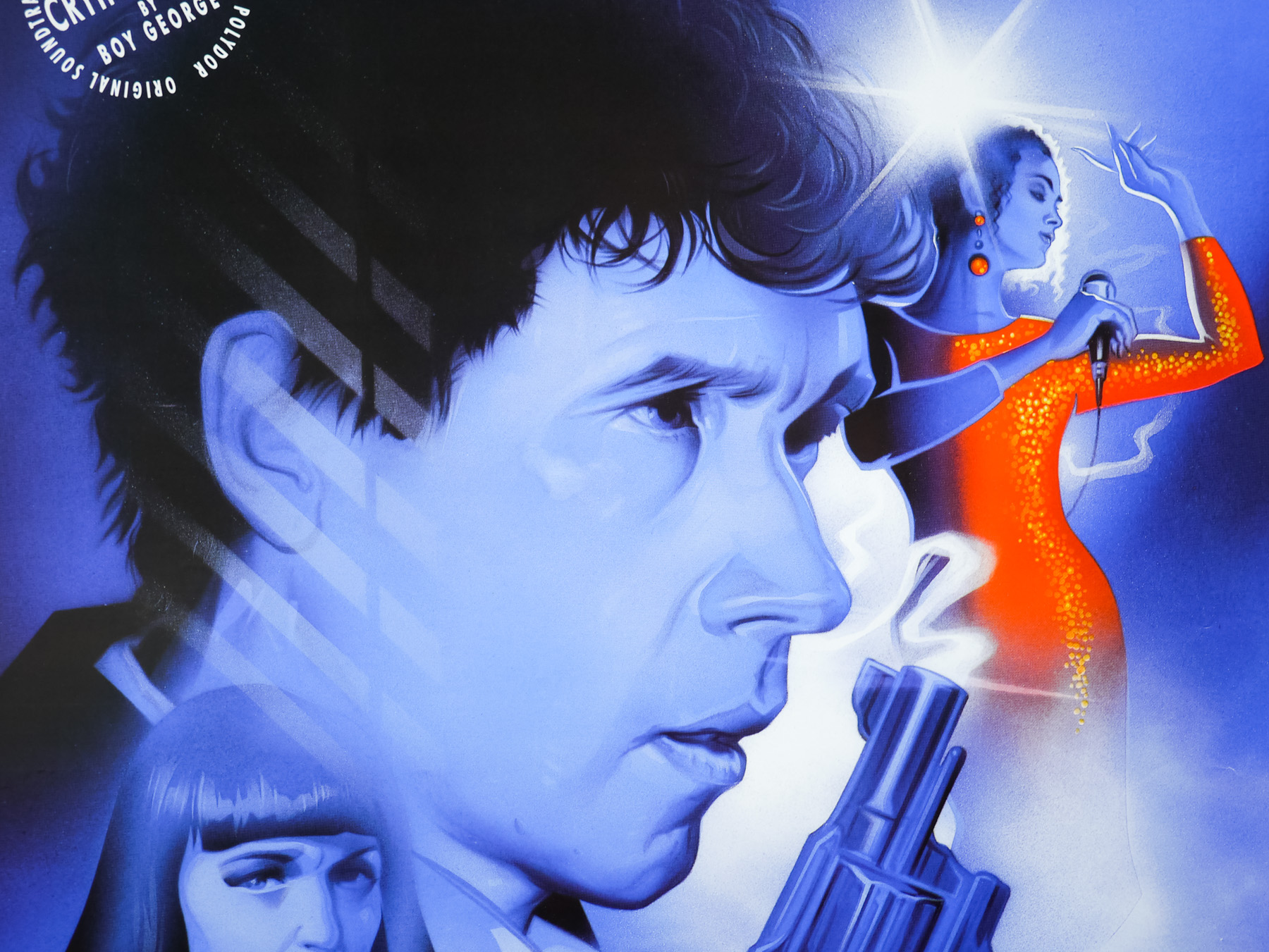
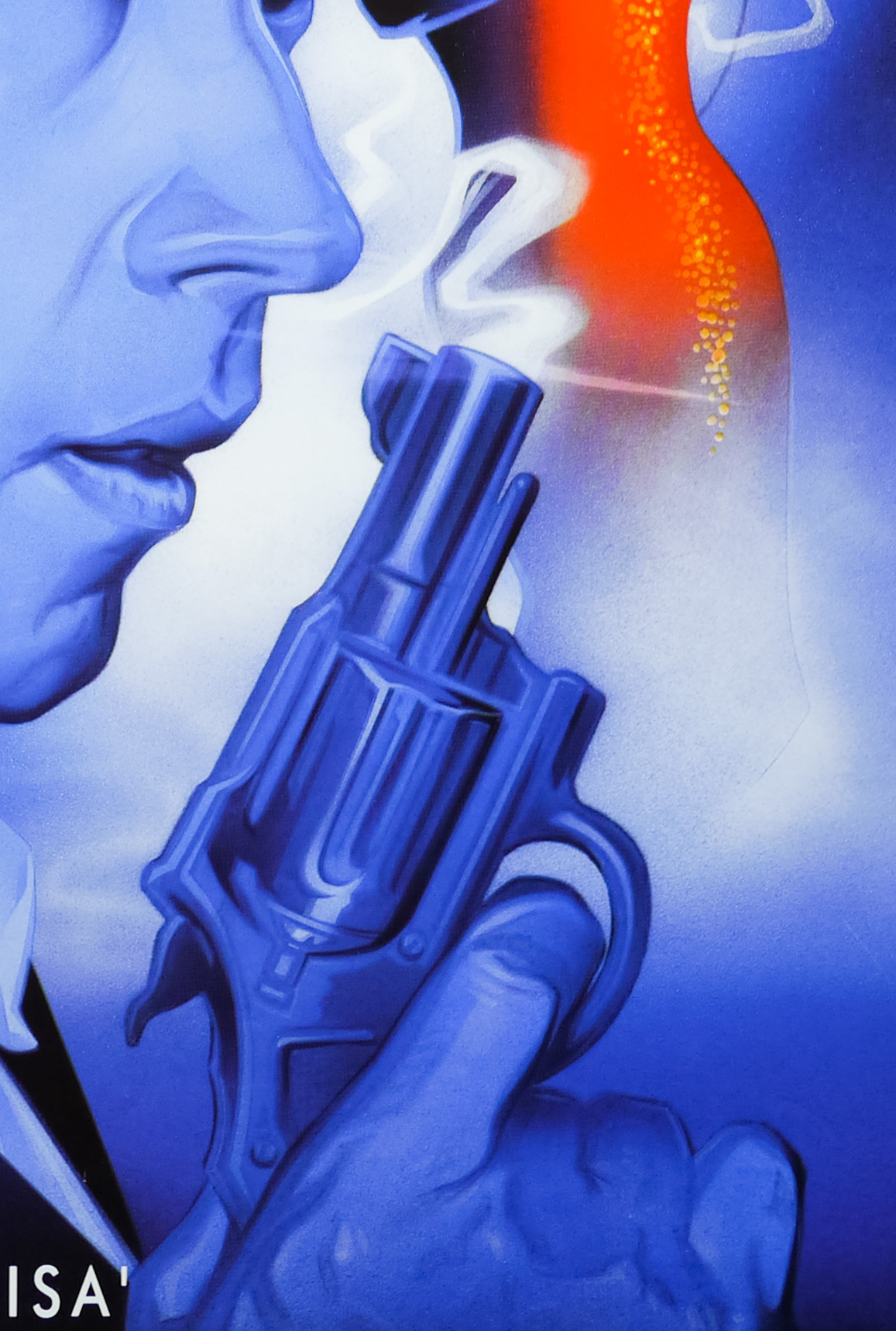
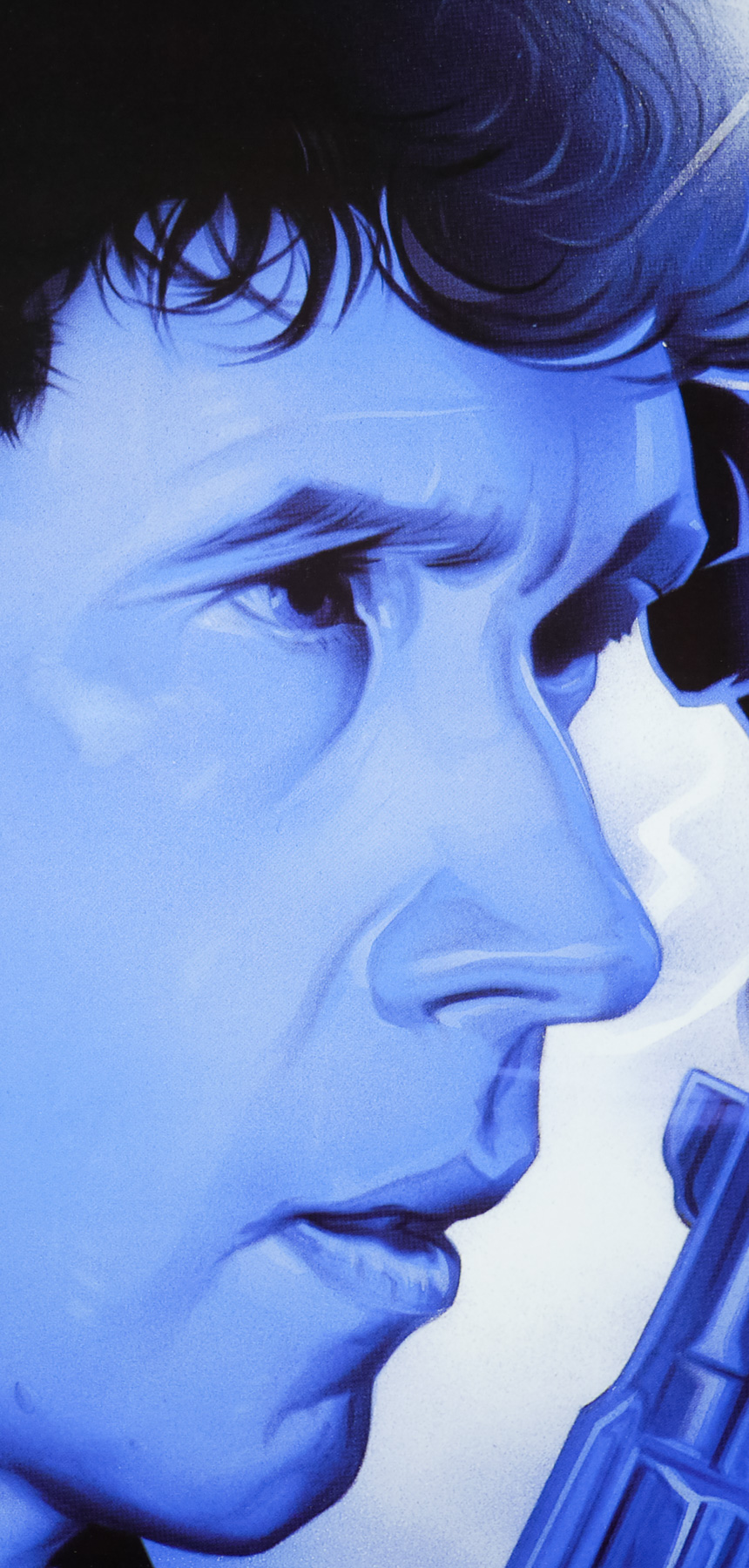
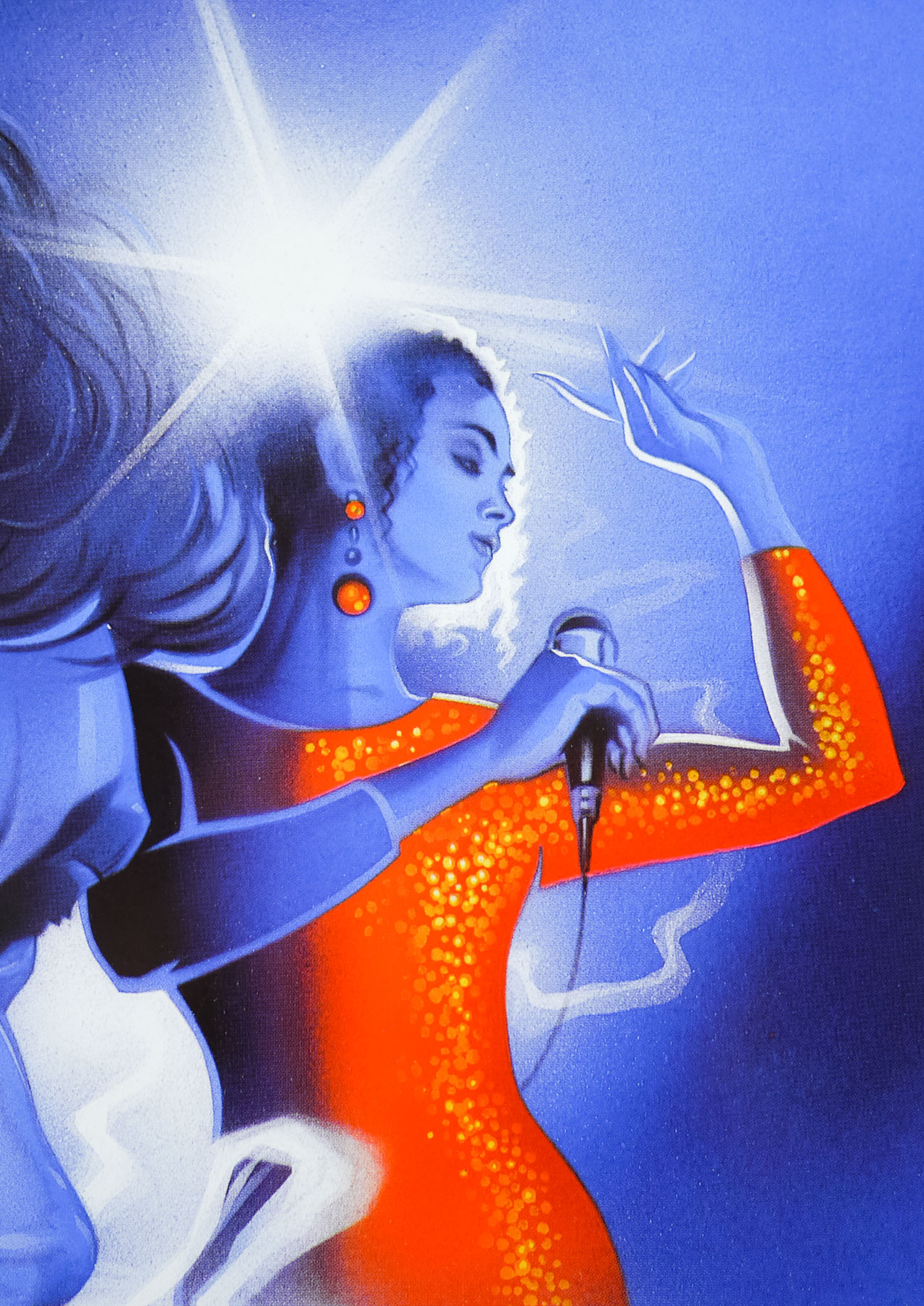
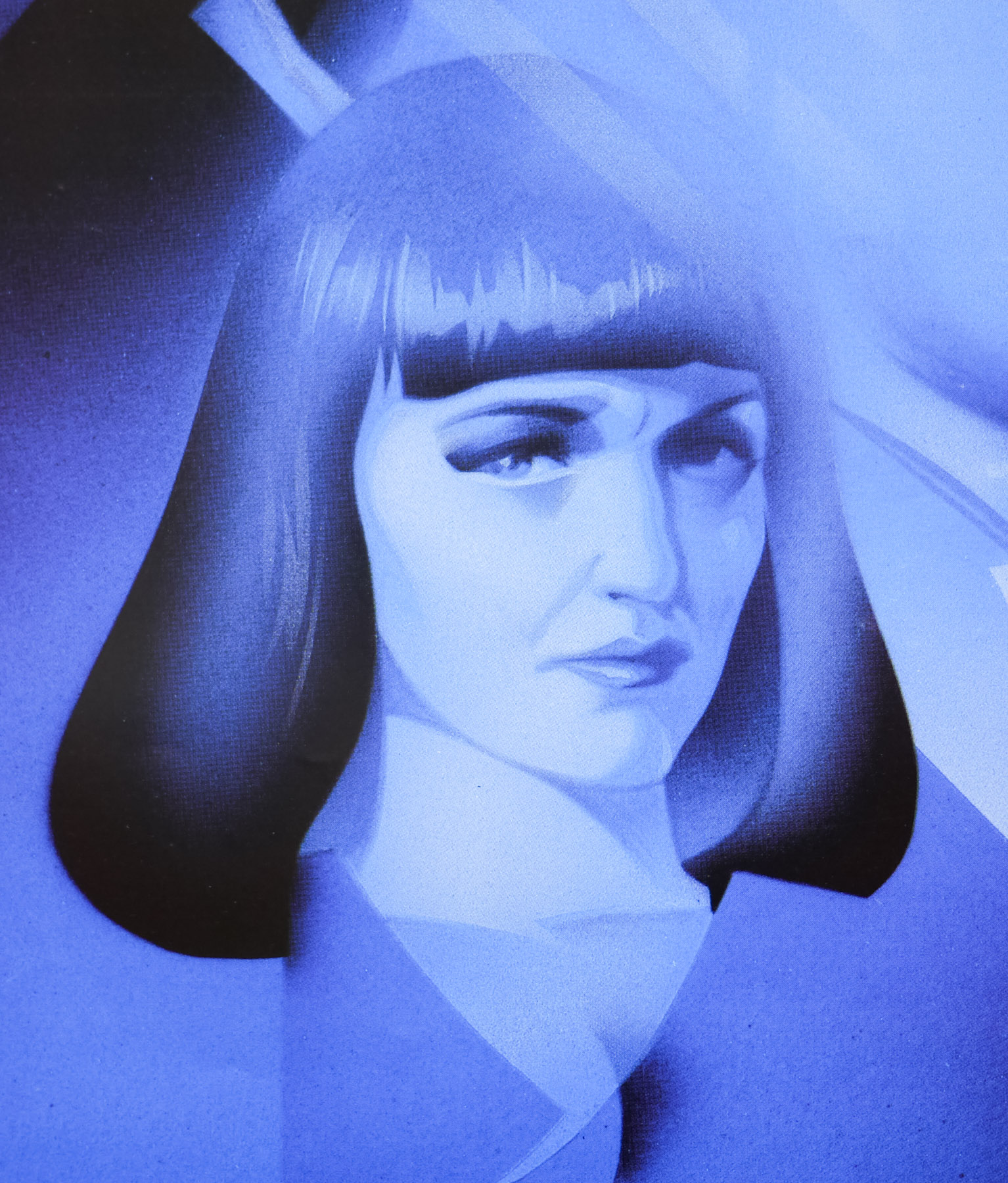
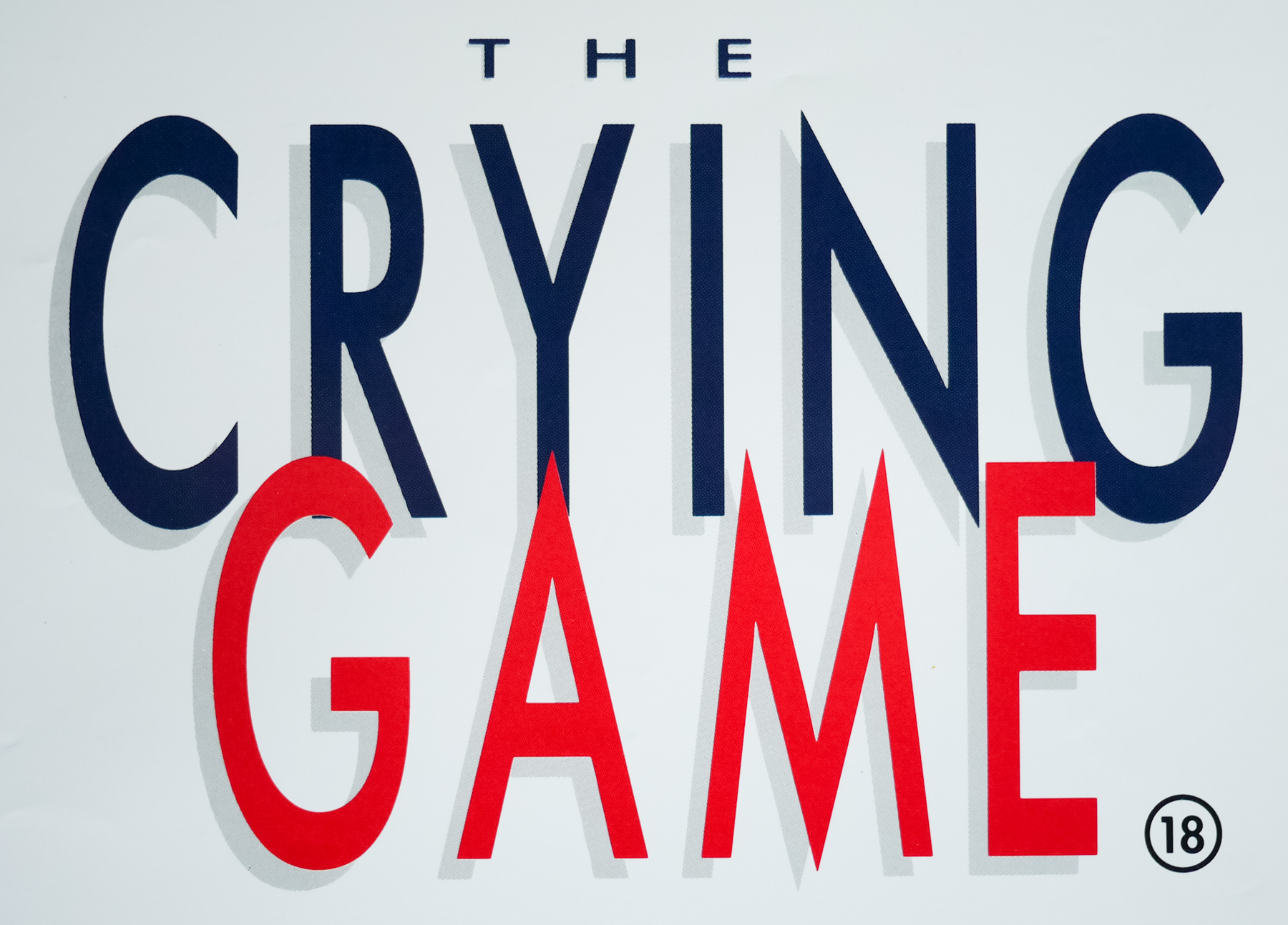
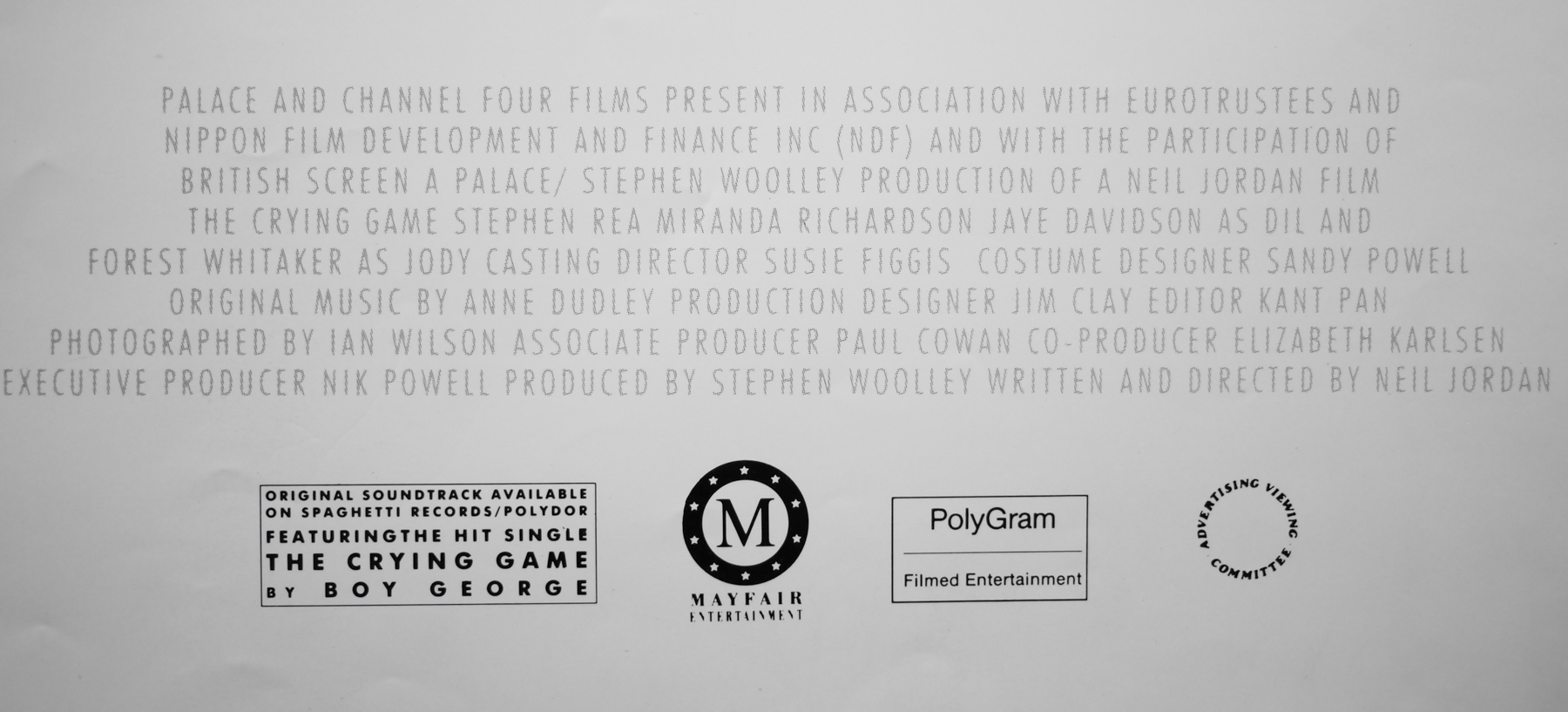
This UK quad poster for the release of Neil Jordan‘s 1992 drama The Crying Game is notable for marking the end of an era of British film posters featuring painted artwork. As Sim Branaghan writes in his must-own book British Film Posters: An Illustrated History, ‘By the time this [quad] appeared in 1992, illustration on British posters was effectively dead.’ After this time it was a rare exception that a film wasn’t advertised using a photographic montage, often with the same image being used around the globe to promote a film.

The production company behind the film, Palace Pictures, had worked with Jordan on other features, including Mona Lisa and The Company of Wolves and had regularly worked with artists and illustrators when it came to the posters for the films they released. Celebrated artist Graham Humphreys received his big break into working as an illustrator for film posters when he was asked to paint the artwork to be used on the quad for The Evil Dead, which Palace were distributing in the UK. For more details see the Film on Paper interview with Humphreys which can be read here.

The Crying Game was written by Jordan (he would later win an Academy Award for the screenplay) and stars Stephen Rea as a member of an IRA crew who kidnap a British soldier called Jody (Forest Whitaker) by luring him into a wood with the promise of sex from one of their squad, Jude (Miranda Richardson). The group demand the release of imprisoned IRA members and threaten to execute Jody if their requests are not met.

Fergus and the soldier strike up an uneasy friendship, despite their differences. When the hostage situation goes horribly wrong Fergus is forced into hiding and moves to London, assuming a new identity as ‘Jimmy’. There he looks up Jody’s girlfriend Dil (Jaye Davidson) whom Jody had spoken a lot about and eventually the pair form a tentative relationship. But there’s more to Dil than Fergus realises and the danger that his past life will be uncovered by her grows ever larger.

The film was met with critical praise and glowing reviews around the globe but failed to perform at the UK and Ireland box-office, something that is now felt to be due to its heavy political undertones and the public’s attitude towards the IRA. It was released in the US by Miramax and became a sleeper hit over the following weeks. As hinted at by one of the press quotes on the poster, it’s one of those films that has a plot twist so significant that it becomes the main reason people are aware of and discuss the film (see also ‘The Sixth Sense’).


Inside Llewyn Davis / screen print / Telegramme / UK

19.08.16

Poster Poster

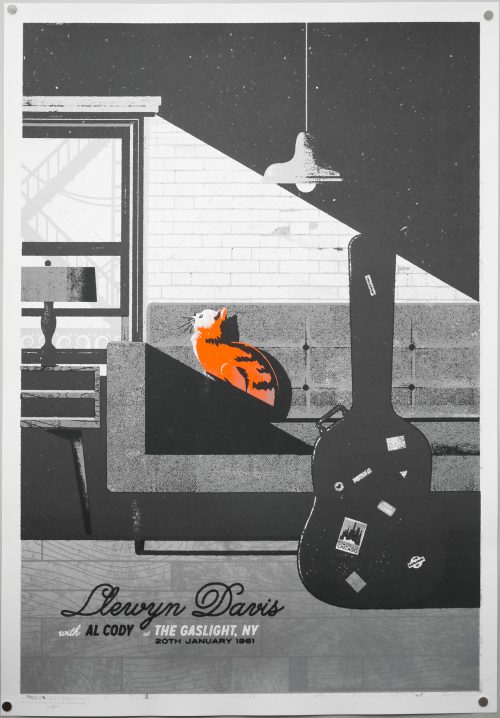
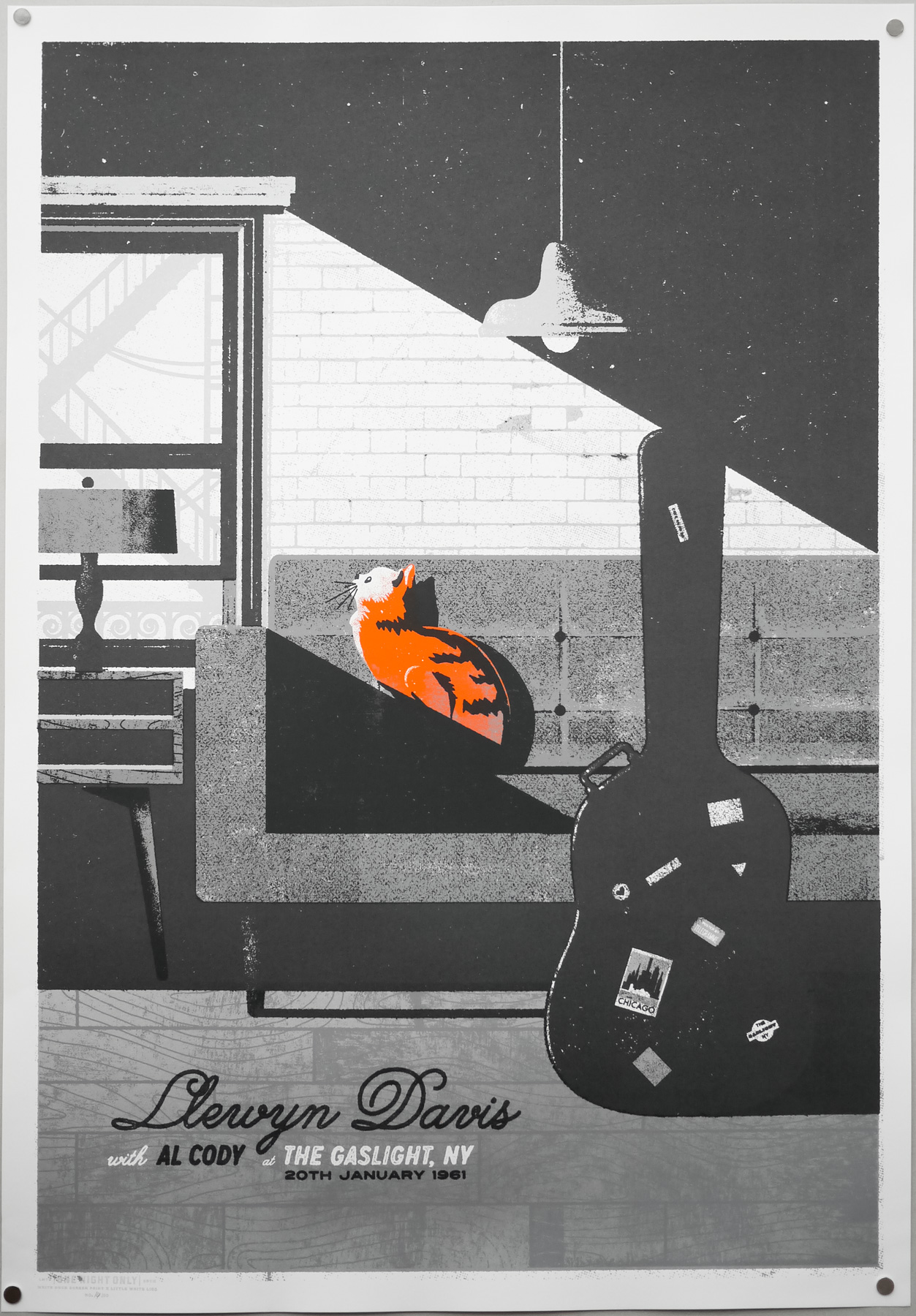
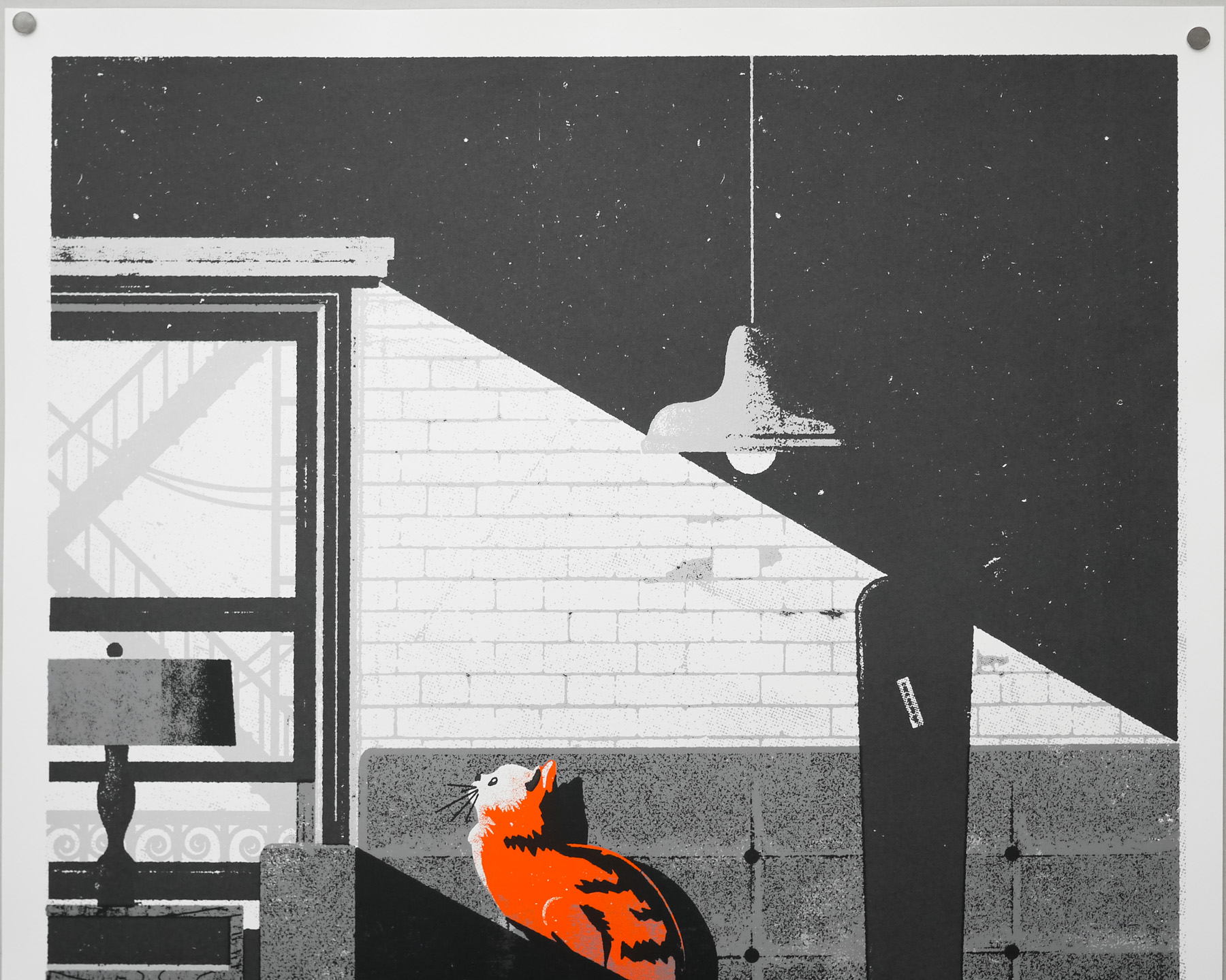
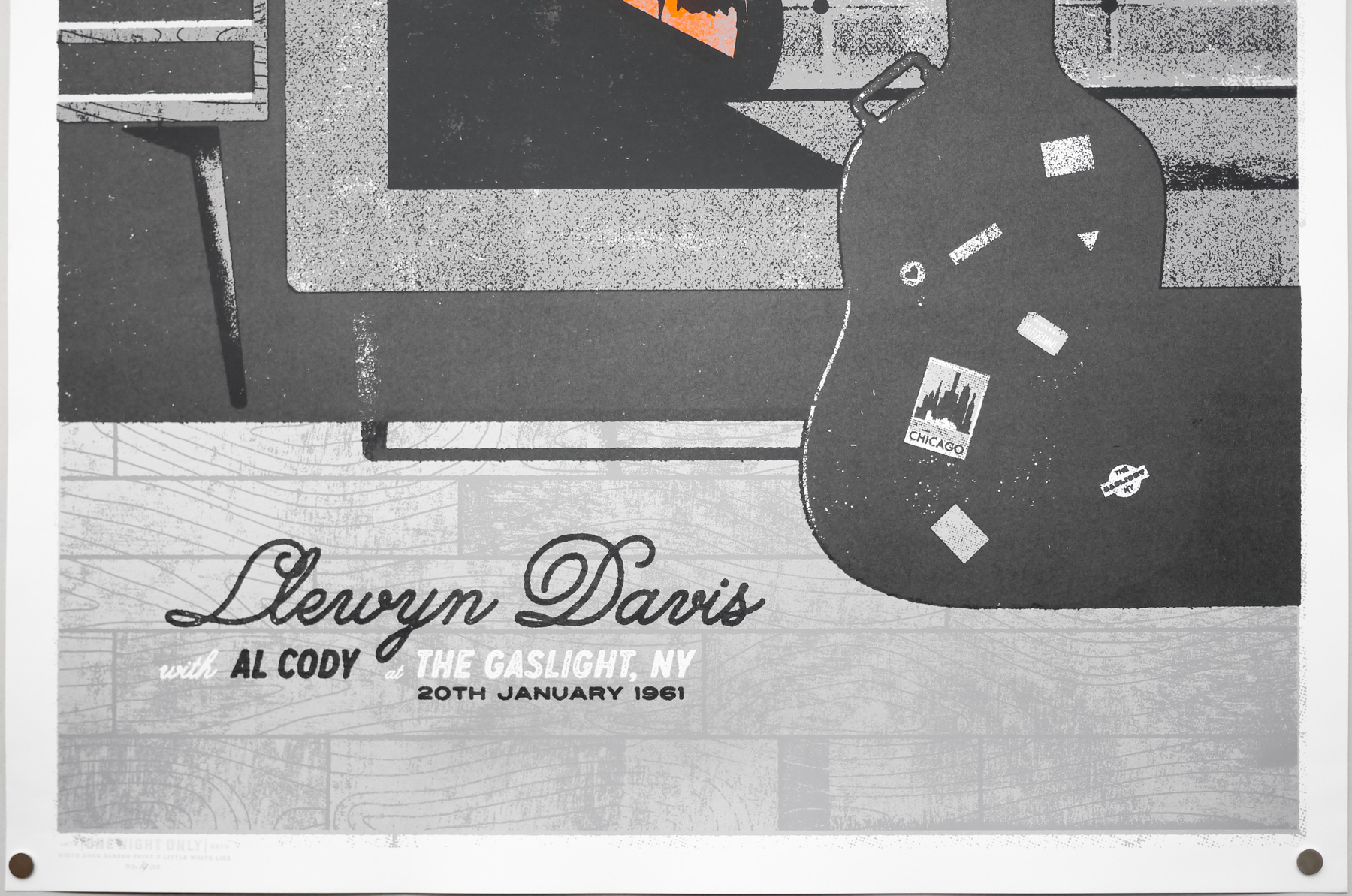
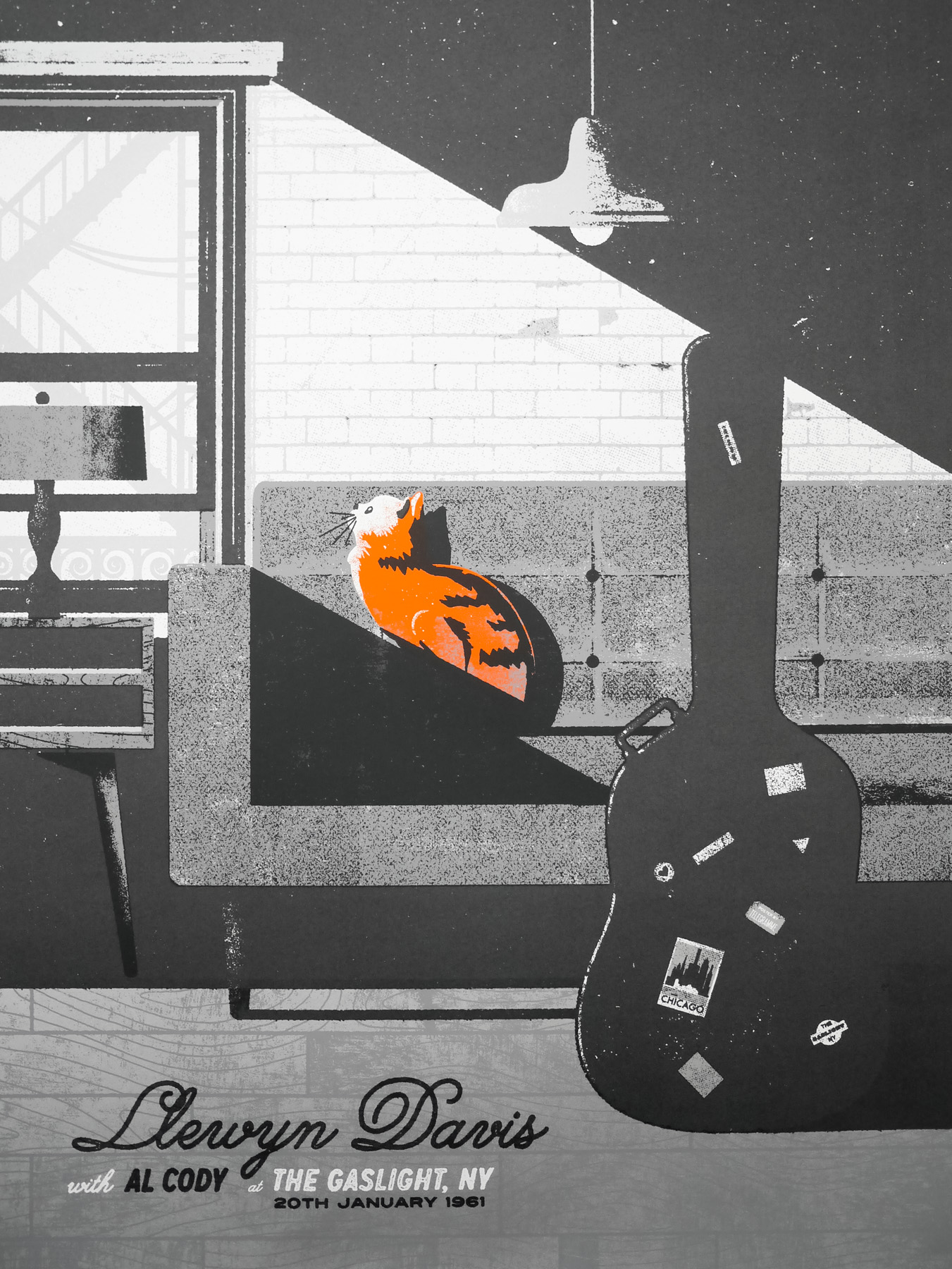
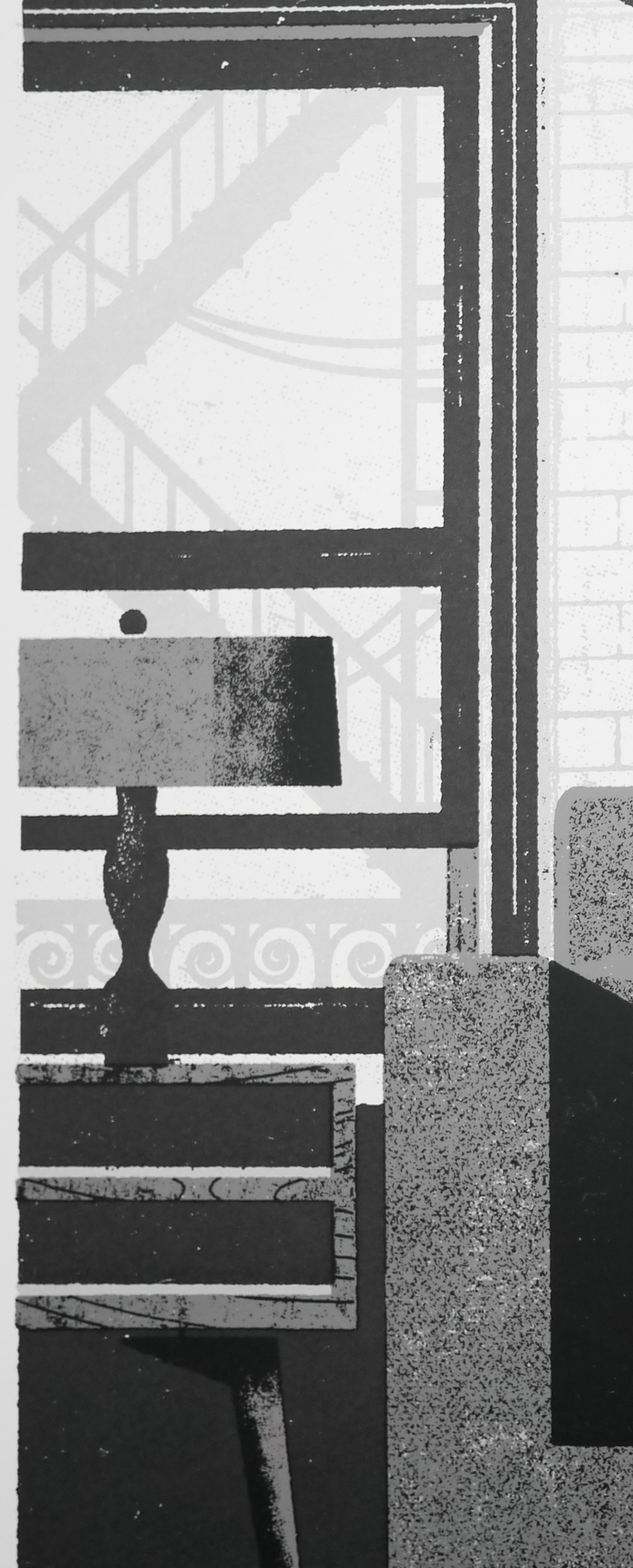
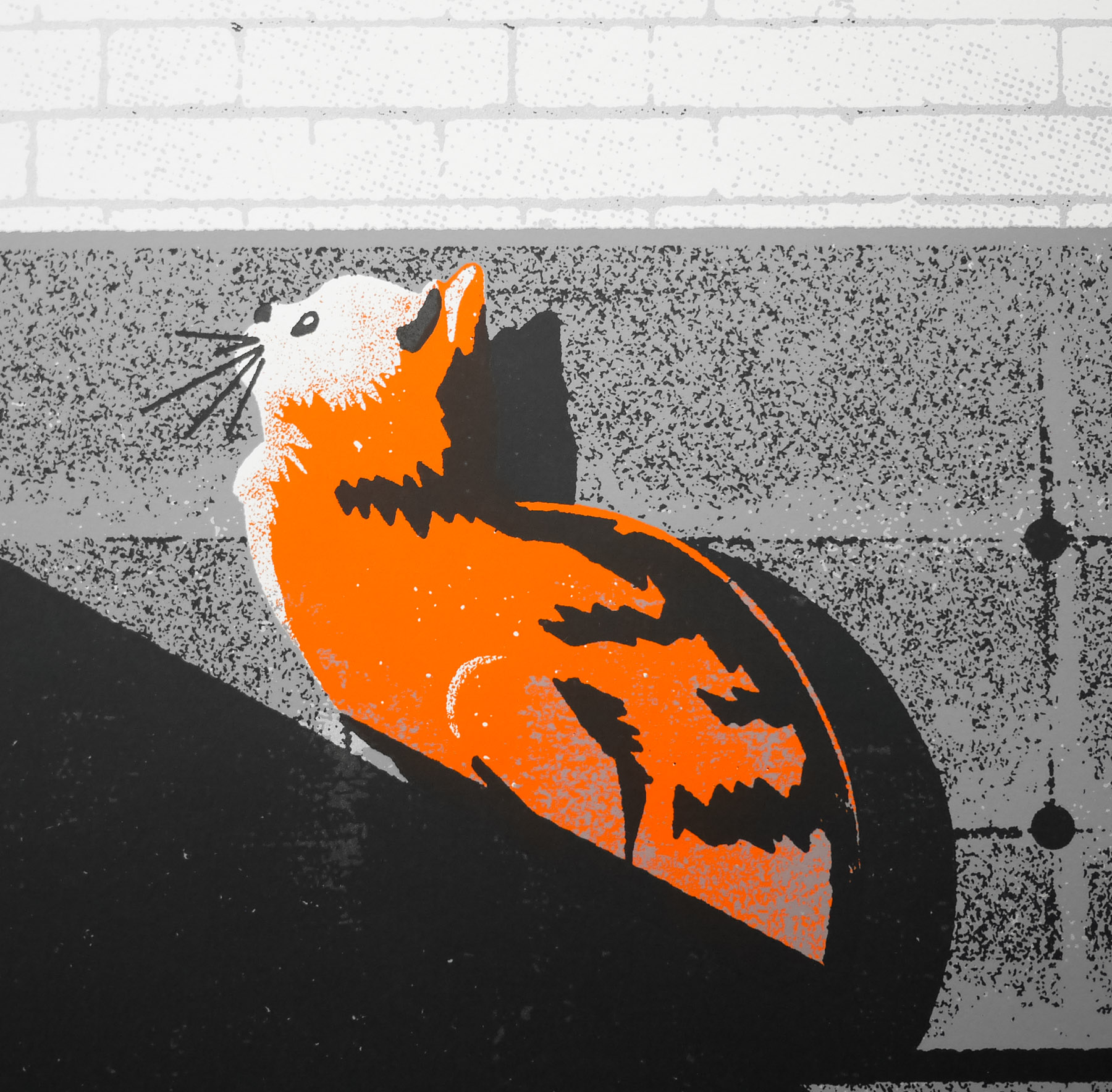
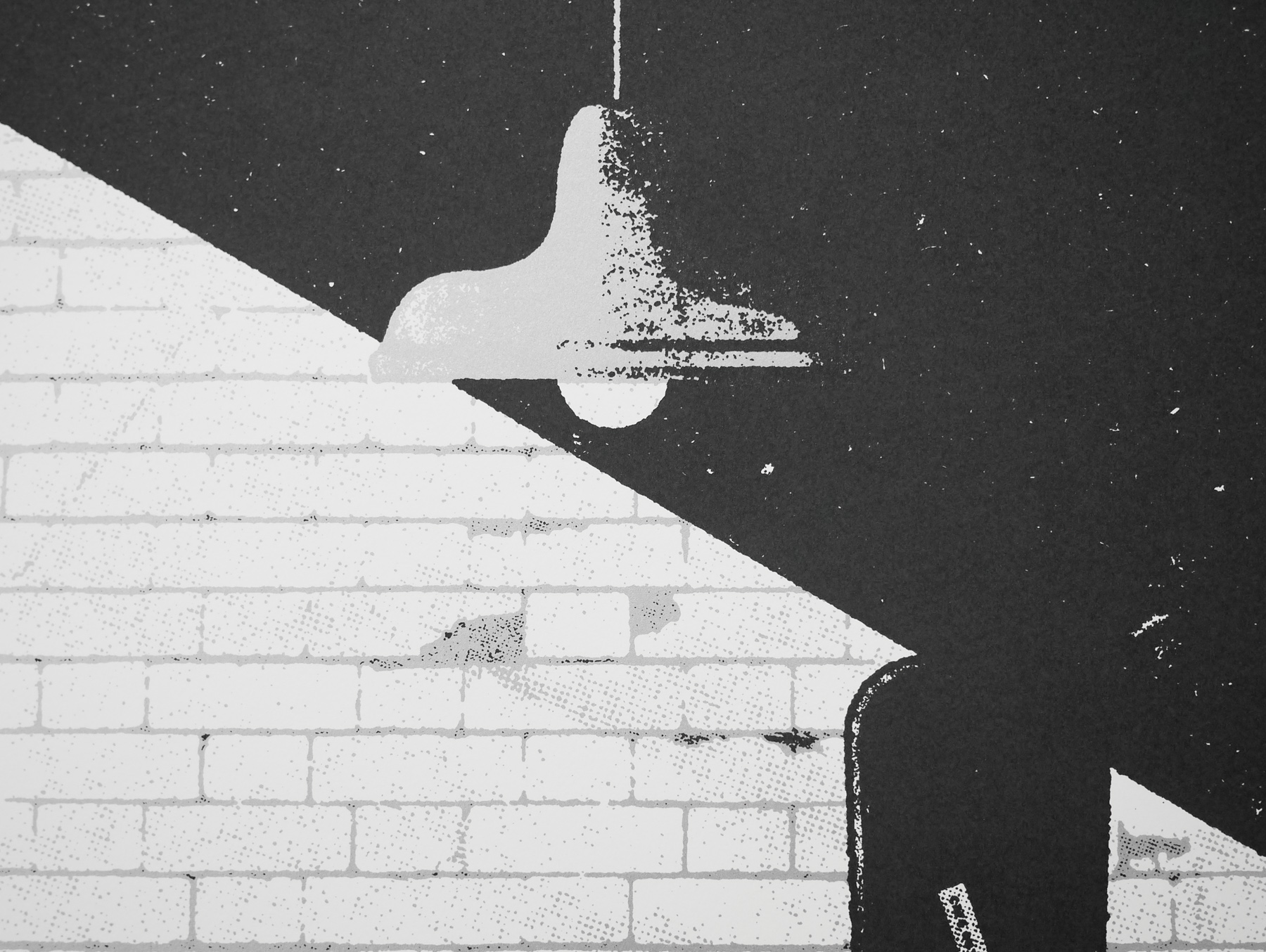
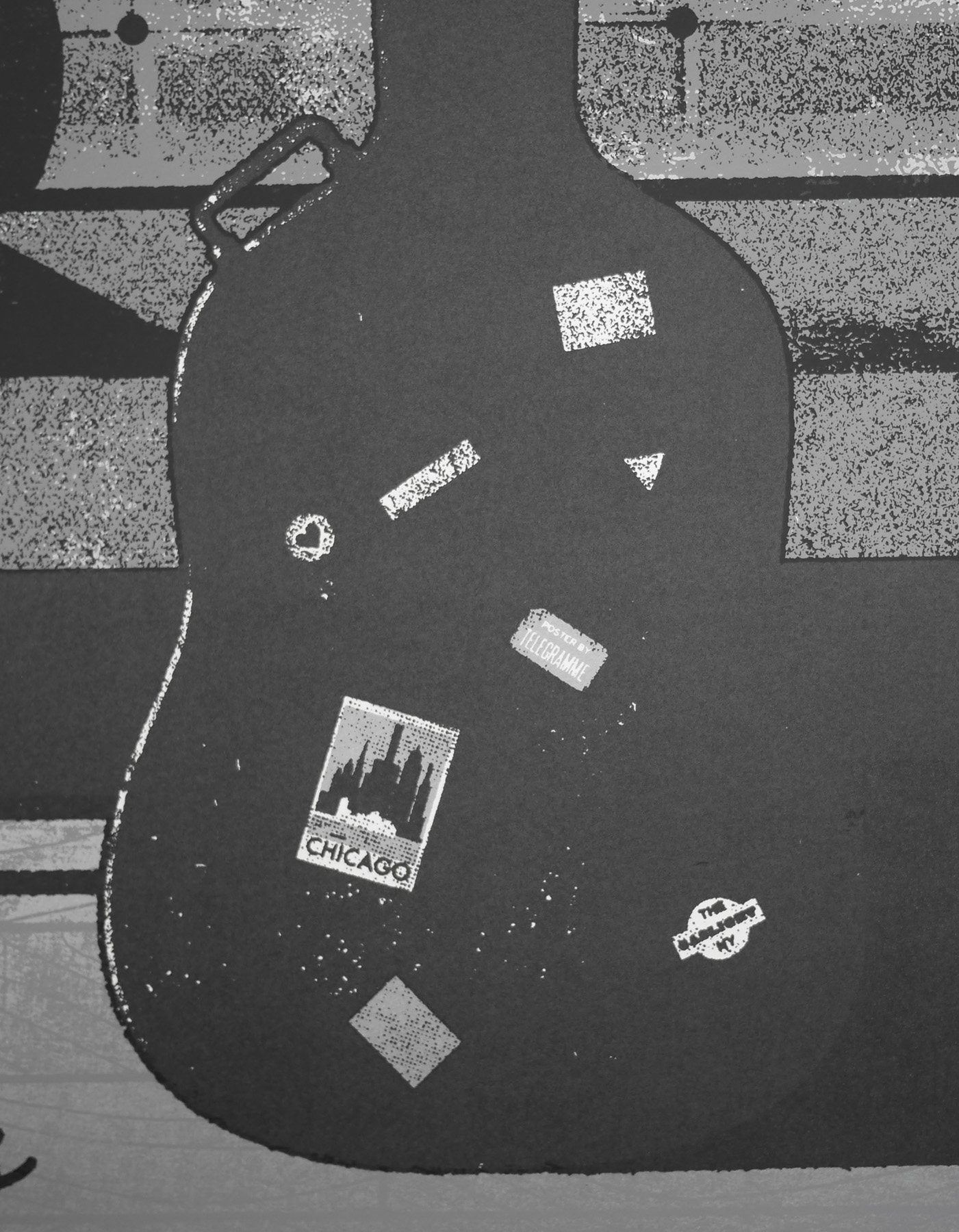
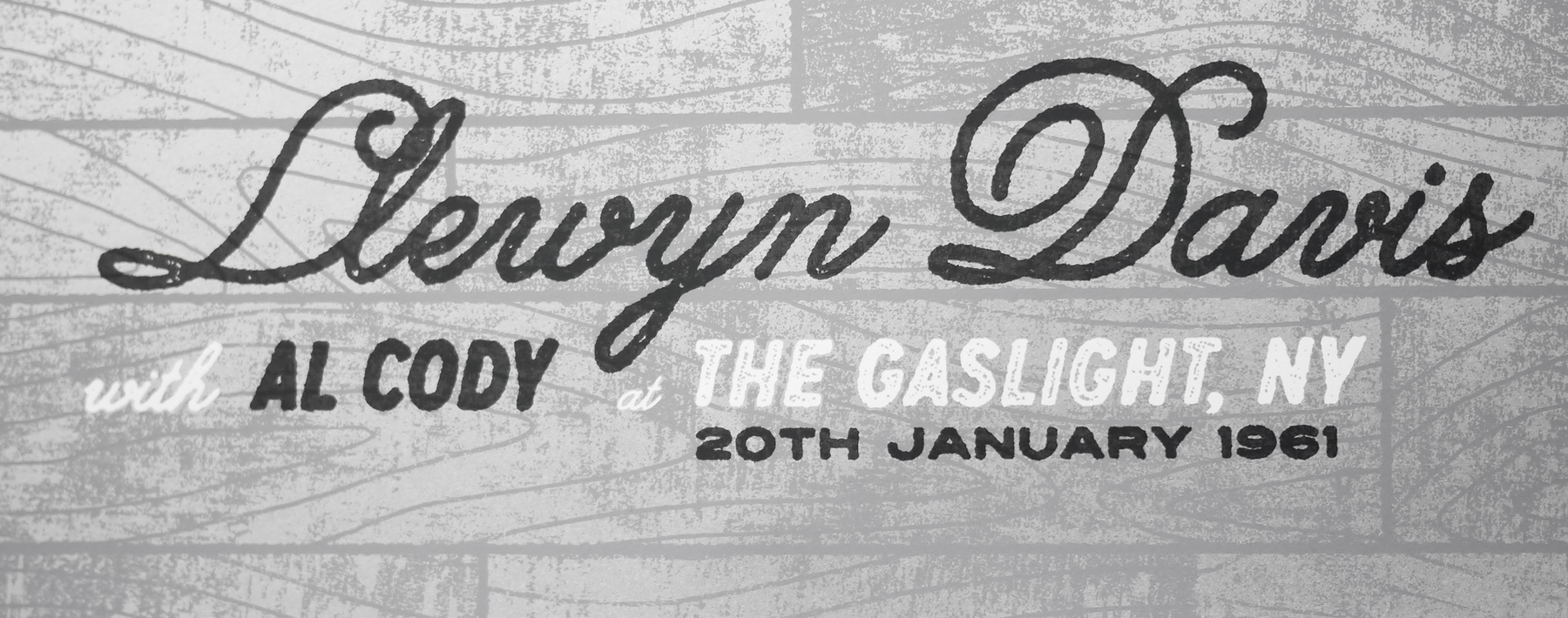
This is a screen print for the 2013 Coen brothers film Inside Llewyn Davis that was created for an art exhibition held in early 2014, around the release of the film in the UK. Written, directed, produced and edited by the celebrated filmmakers, the film is a black comedy-drama based around the New York folk music revival scene of the early 1960s. Although largely fictional, the eponymous singer-songwriter is based on Dave Van Ronk, a now deceased folk singer who was an important character at the time and had the nickname ‘The Mayor of MacDougal Street’. The Coens found inspiration in his autobiography and certain elements of the film are based on it.

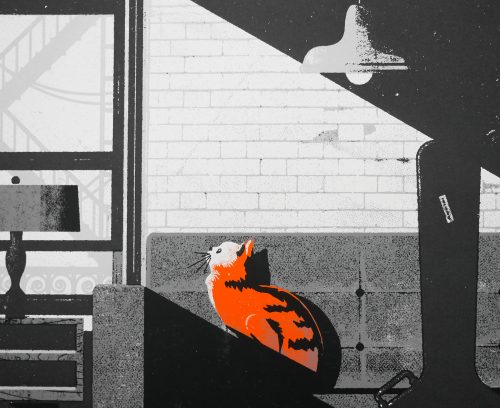
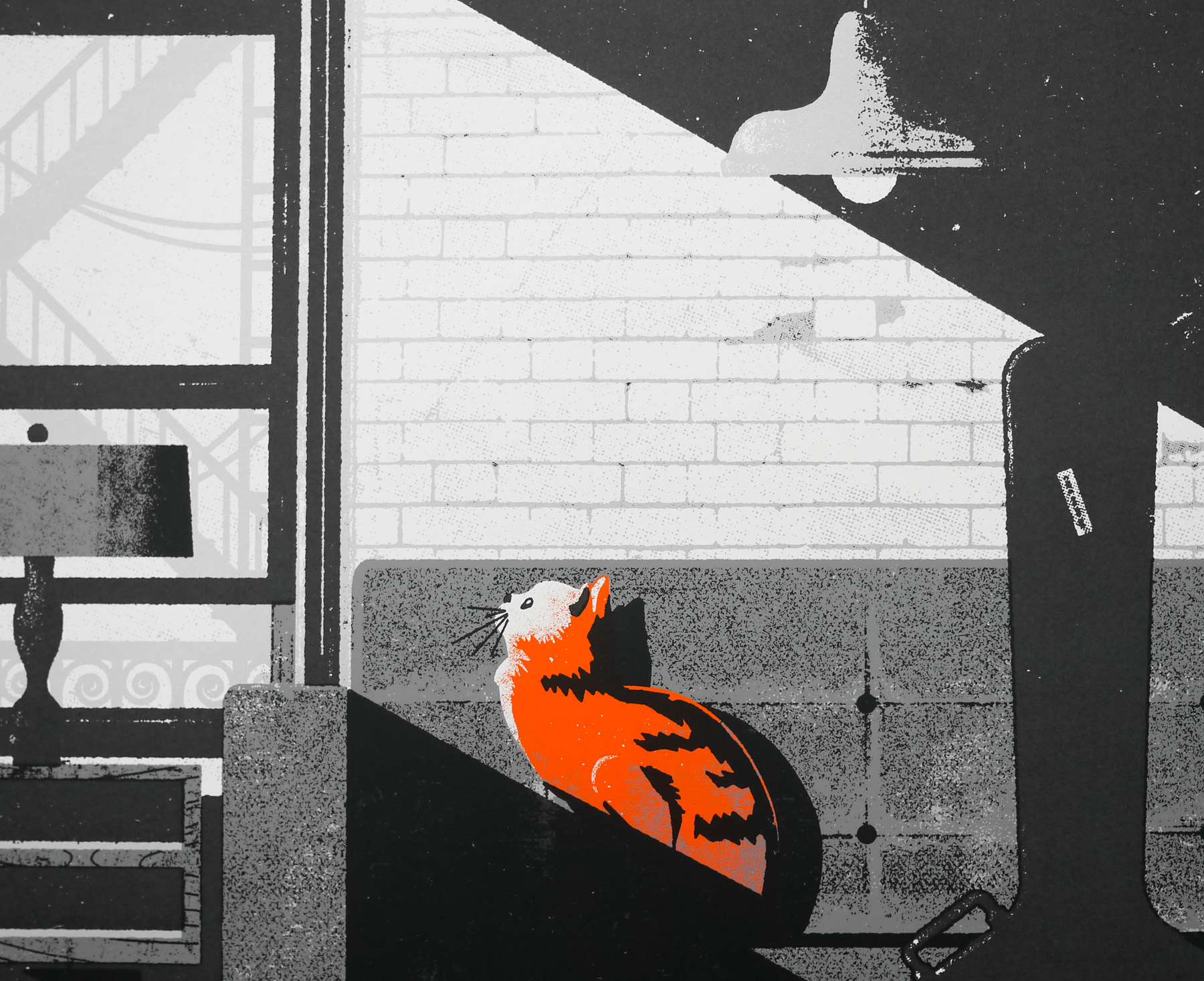
Oscar Isaac plays Davis and the film takes place over a week in February 1961. We follow the singer as he struggles to make a name for himself in the music scene and travels around with his guitar in tow. Due to a lack of money, Davis is forced to sleep on friends’ couches, including that of his long term friends the Gorfeins. In an early scene in the film, Davis accidentally allows their cat Ulysees to be locked out from their flat. He grabs the animal and heads to the house of  Jim (Justin Timberlake) and Jean (Carey Mulligan) Berkey, a couple who are also singers, asking if he can stay the night. During the stay, Jean tells Davis that she’s pregnant and believes the child to be his, asking him to pay for the abortion. The rest of the film see Davis trying to track down the funds to pay to Jean, wrangle with the constantly escaping cat, and try to kick start his struggling career.

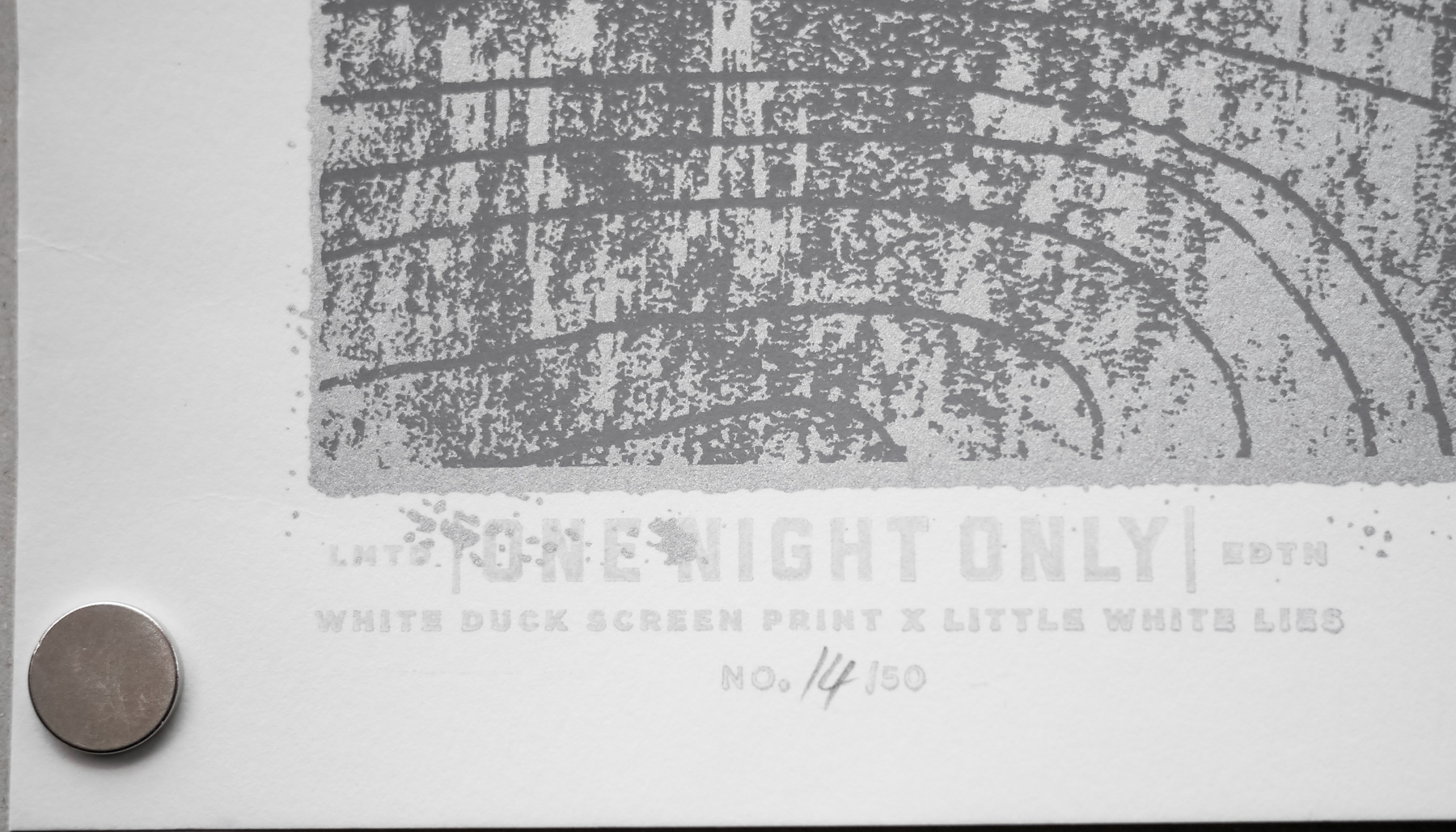
The UK-based magazine Little White Lies created an event to celebrate the film’s release which saw it commission seven artists to create fake gig posters for seven different Coen brothers films, including The Big Lebowski and O’ Brother Where Art Thou? The event was called ‘One Night Only: A Coen Brothers Gig Poster Extravaganza’ and all of the other posters can be seen on the website of the UK Poster Association, who was responsible for the actual screen printing, here. Each poster was printed in a limited run of 50.

This poster for Inside Llewyn Davis, featuring Ulysees the cat, was designed and illustrated by a studio called Telegramme, which is run by Bobby and Kate and is based in Margate on the south coast. Their official website is here and features lots of items for sale. The about page details their work for other companies. They also have a page on Cargo Collective which can be viewed here and includes other examples of their work. Telegramme’s Instagram page is here.

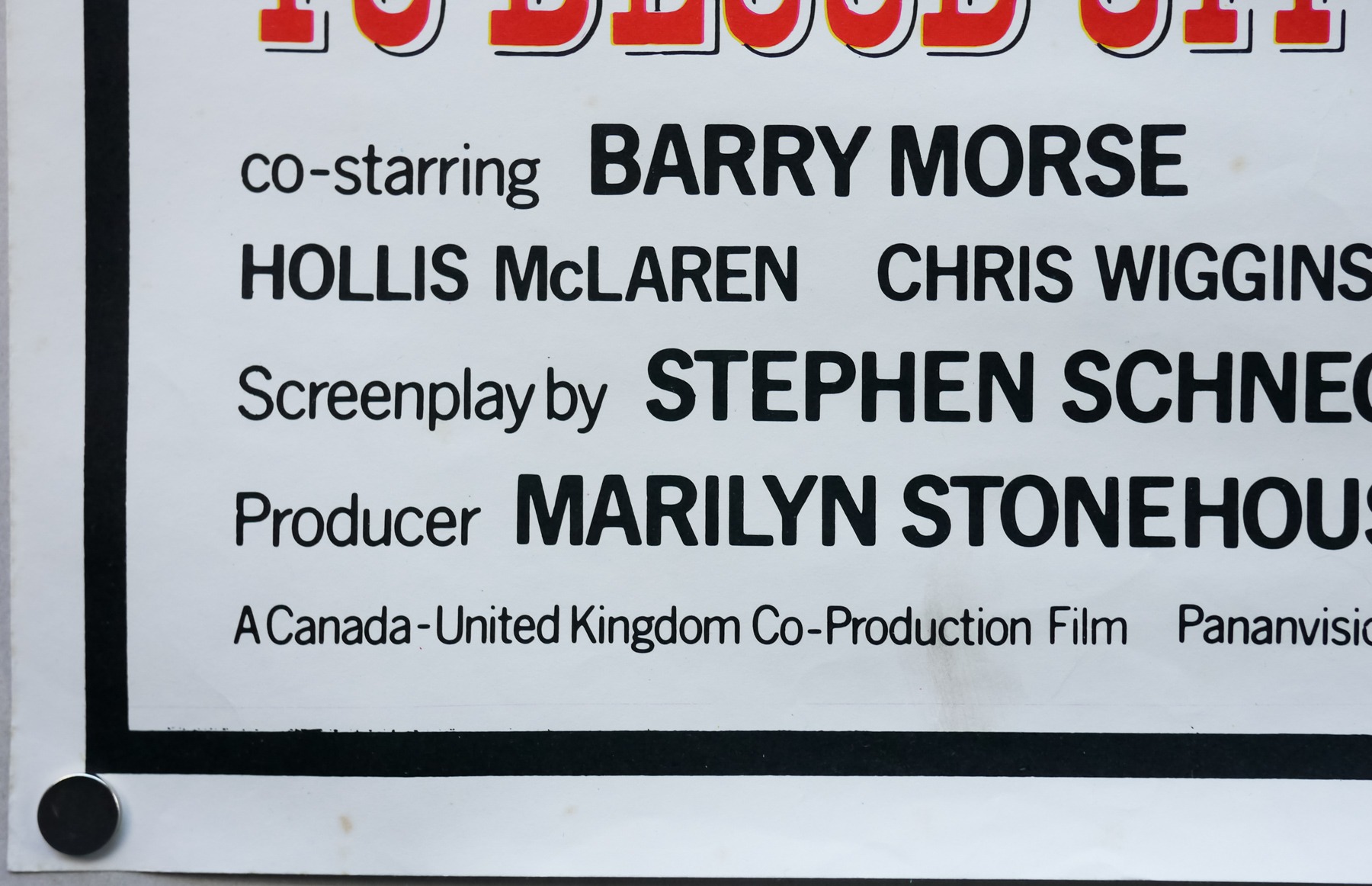
Welcome to Blood City / one sheet / UK

12.04.17

Poster Poster
Title
Welcome to Blood City
AKA
Blood City (US)
Year of Film
1977
Director
Peter Sasdy
Starring
Jack Palance, Keir Dullea, Samantha Eggar, Barry Morse, Hollis McLaren, Chris Wiggins, Henry Ramer, Allan Royal, John Evans
Origin of Film
UK | Canada
Genre(s) of Film
Jack Palance, Keir Dullea, Samantha Eggar, Barry Morse, Hollis McLaren, Chris Wiggins, Henry Ramer, Allan Royal, John Evans,
Type of Poster
One sheet
Style of Poster
--
Origin of Poster
UK
Year of Poster
1977
Designer
Unknown
Artist
Mike Vaughan (unconfirmed)
Size (inches)
27 3/16" x 40"
SS or DS
SS
Tagline
--

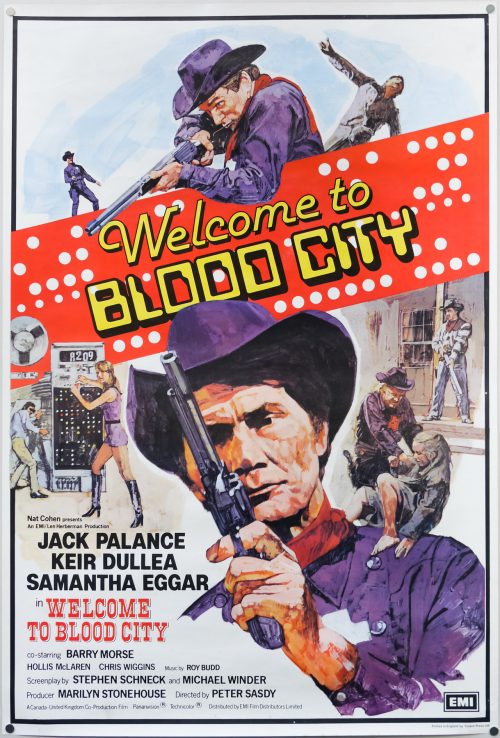
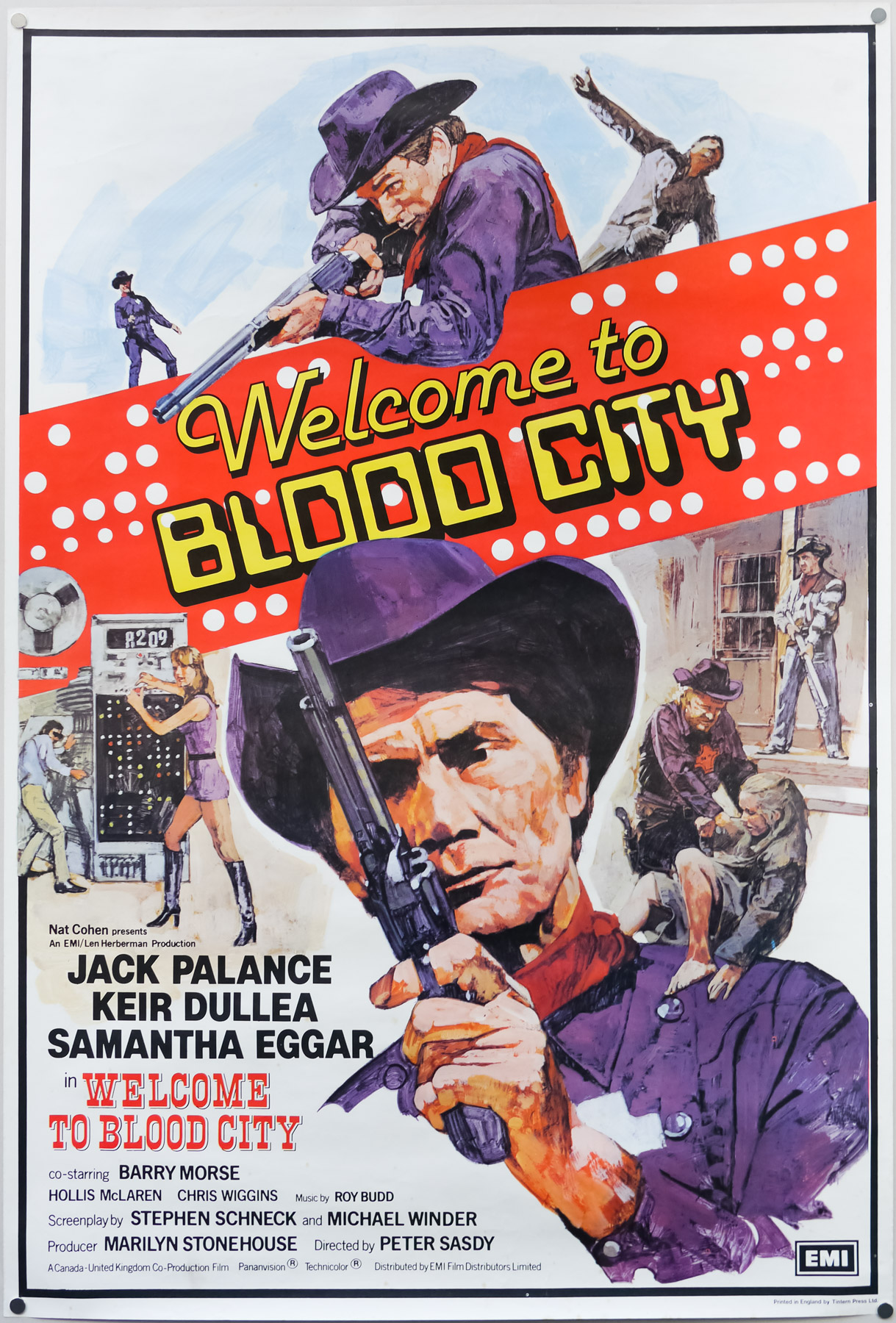
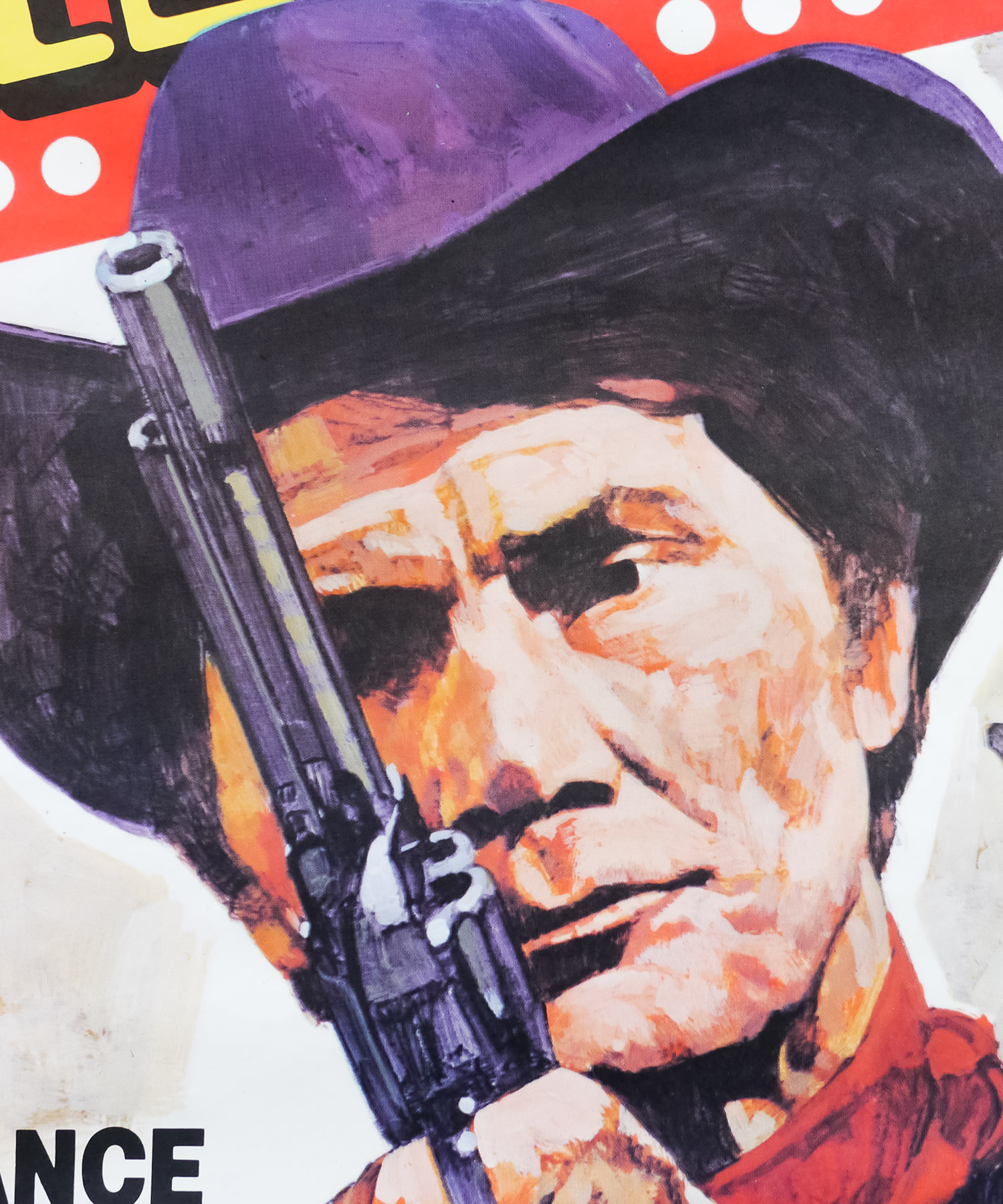
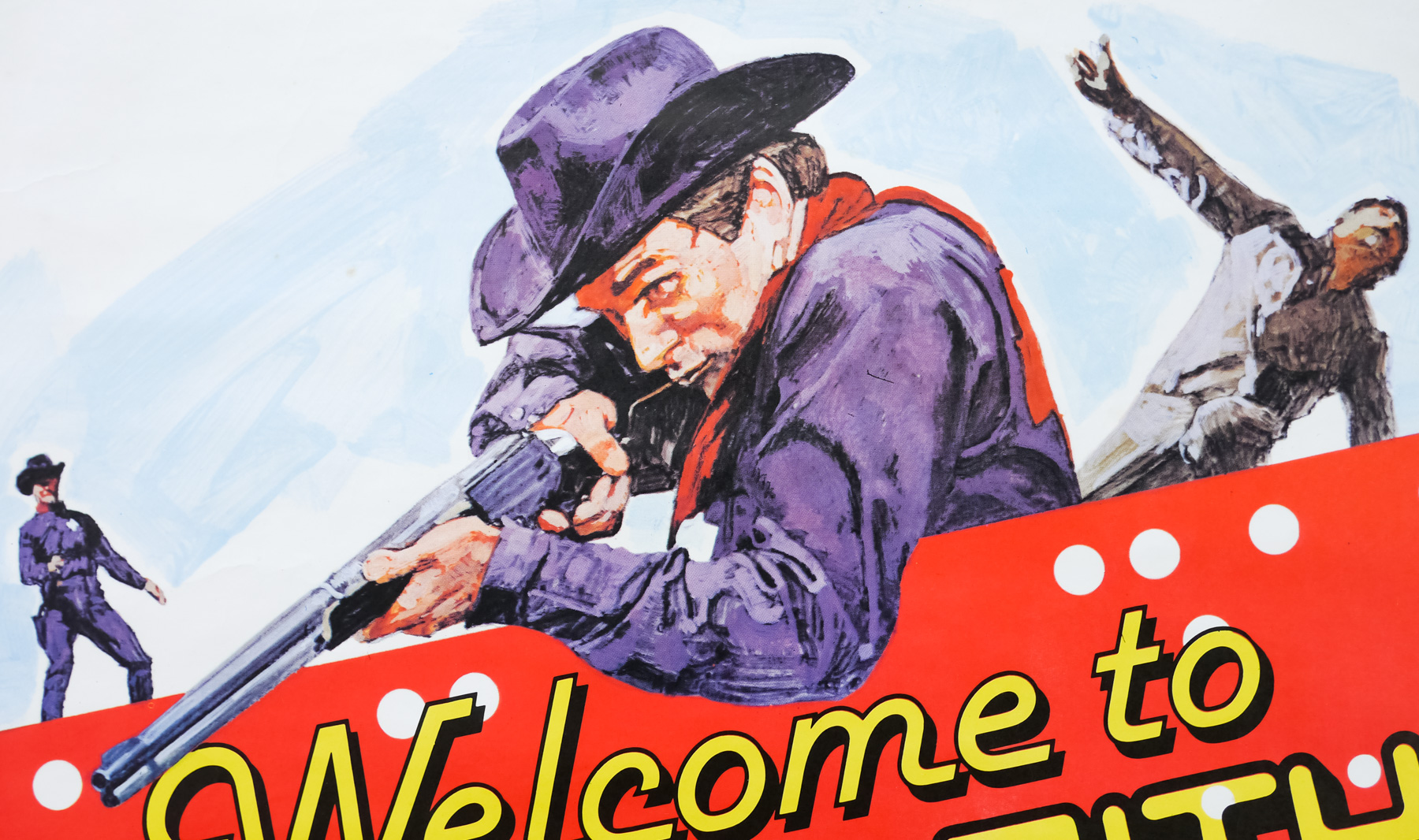
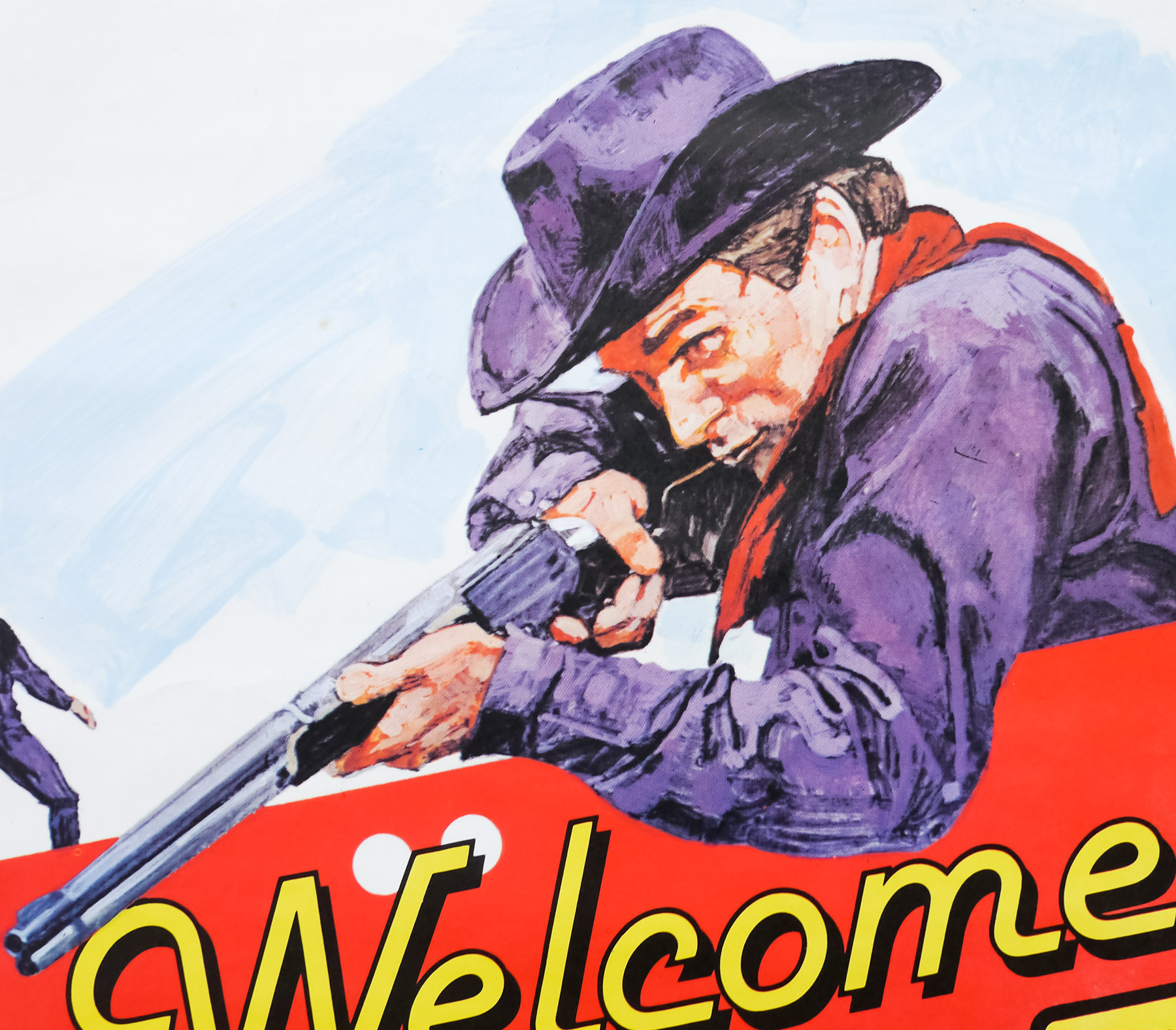
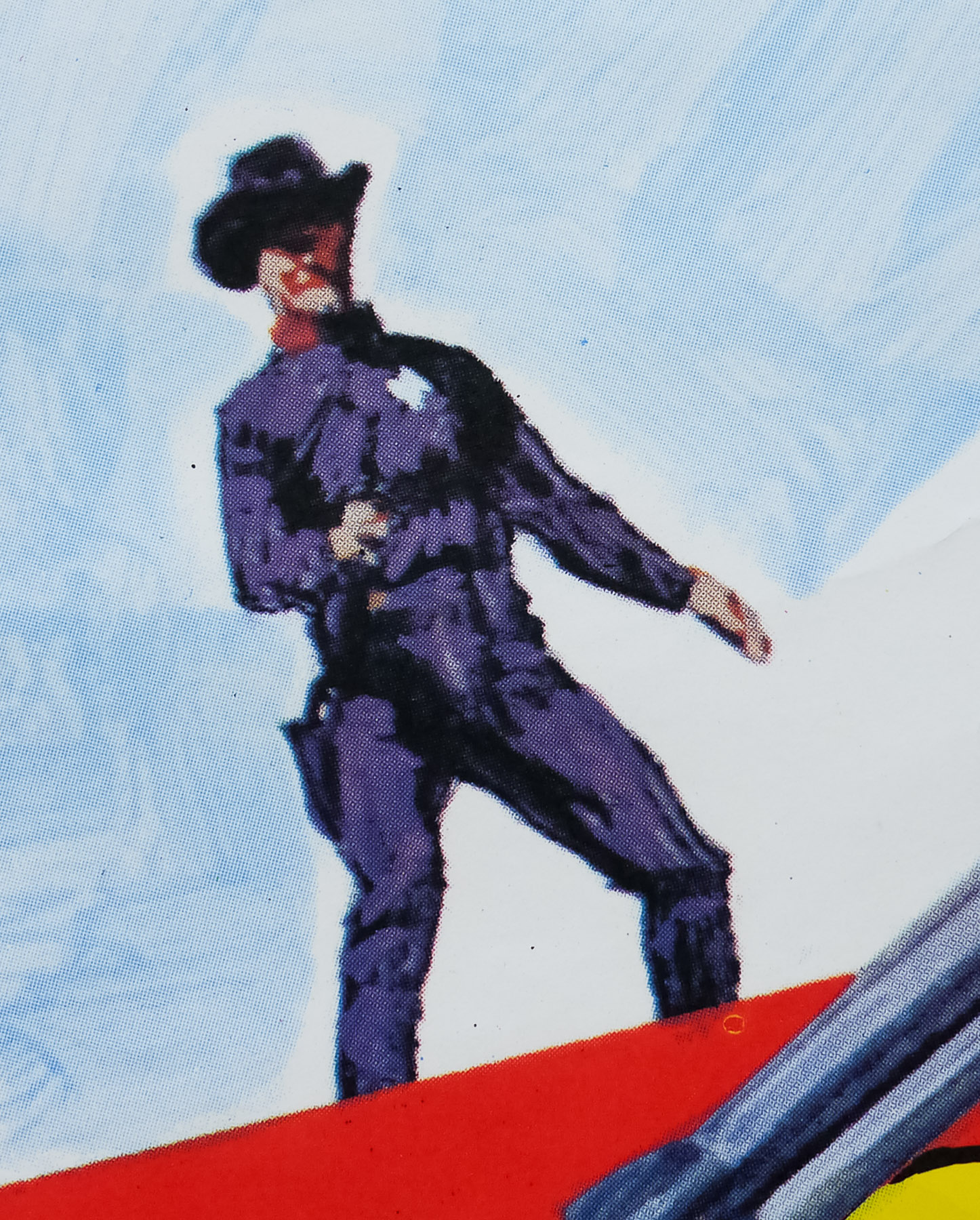
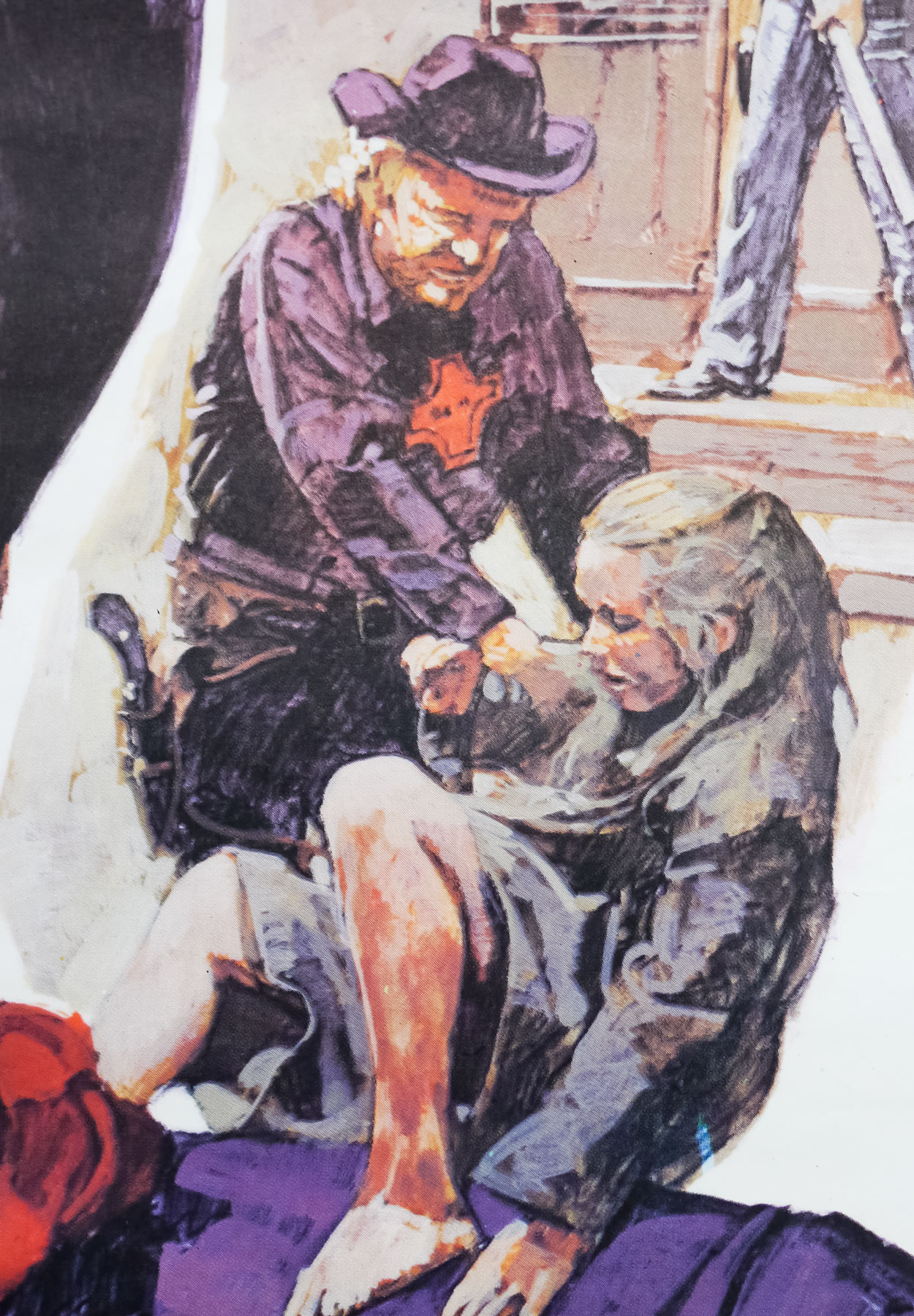
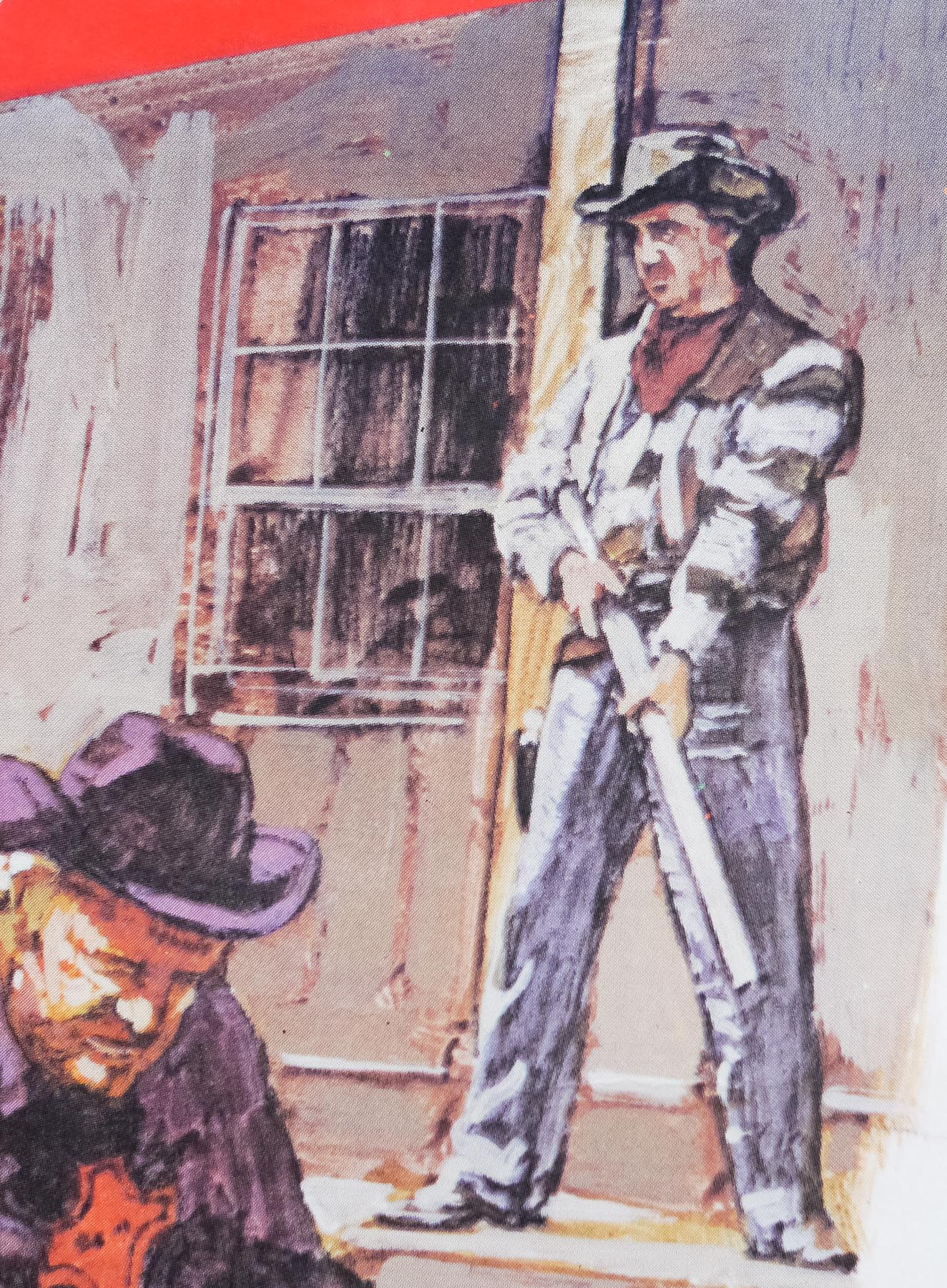
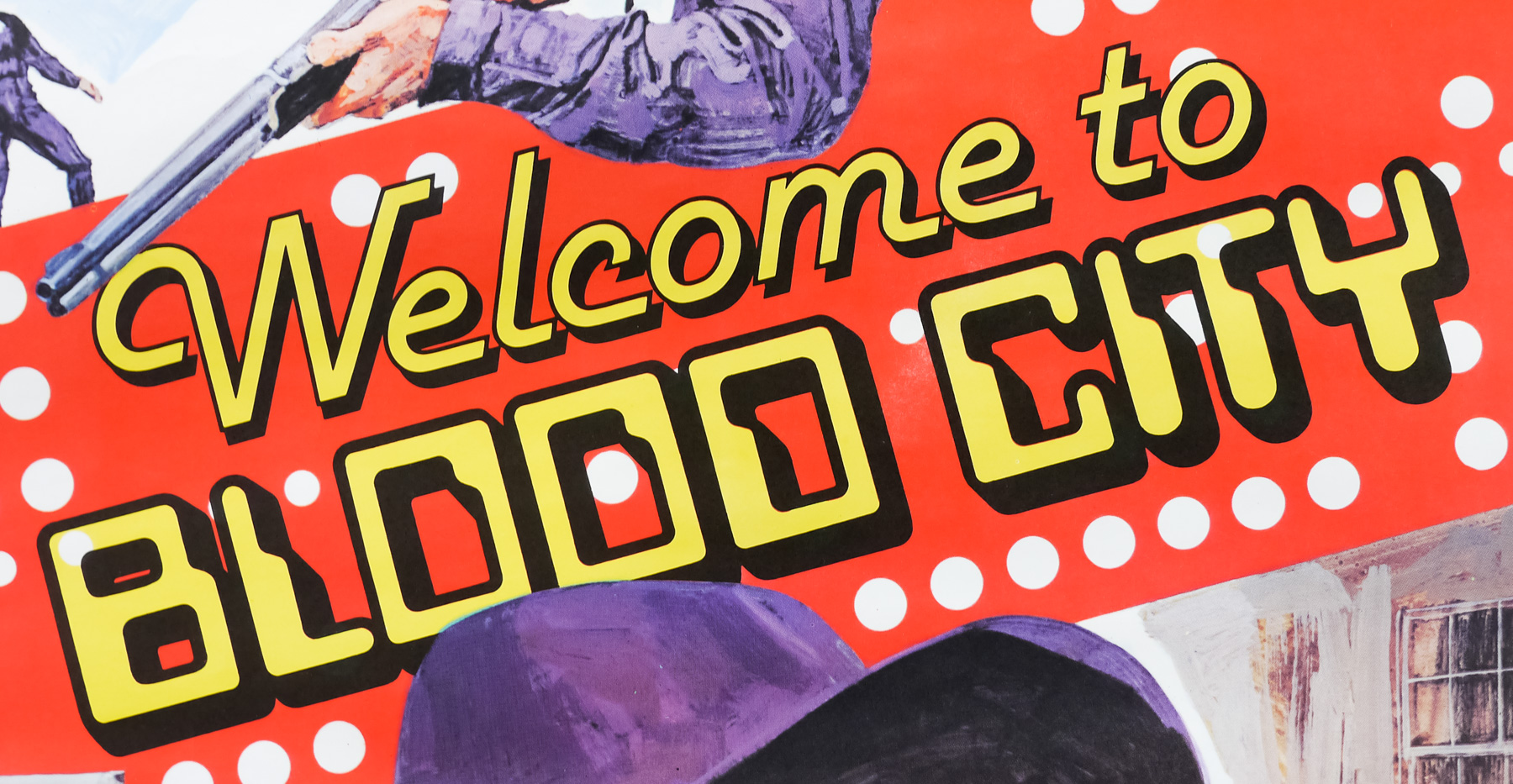
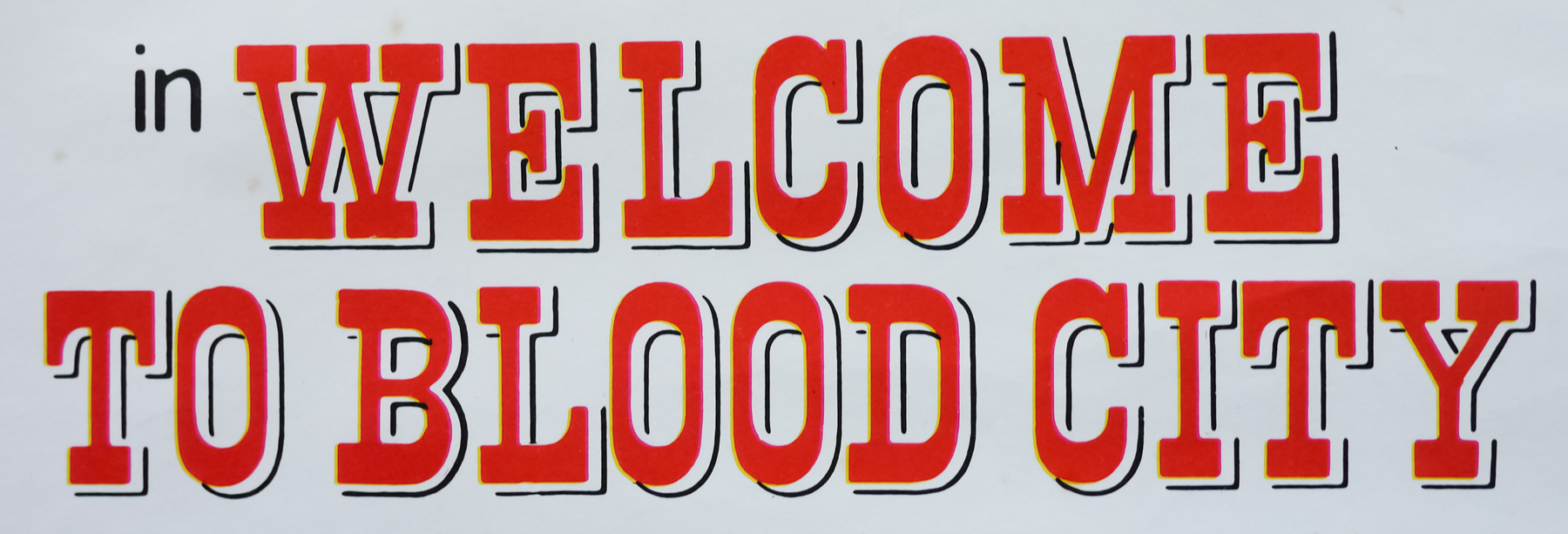
Unique artwork features on this scarce UK one sheet for the release of the 1977 sci-fi-western, Welcome to Blood City. A British-Canadian co-production, there’s no doubt it was created in the wake of the very successful Westworld that was released a few years earlier. With that said, this film uses the different construct of events taking place in virtual reality, with scientists working for an unnamed organisation watching the events unfold on screens. The film was directed by Peter Sasdy, a Hungarian director who is best known for helming a number of British films during the 1970s, including a few Hammer horrors. It has a few notable stars in the cast, including the late Jack PalanceKeir Dullea (of 2001: A Space Odyssey fame) and Samantha Eggar (Cronenberg’s The Brood).

The film begins during some kind of worldwide event (exactly what isn’t made clear) during which Dullea’s character is seemingly abducted by soldiers at gunpoint. He then awakes in a strange wilderness with no memory of what happened to him, along with a group of others all wearing overalls. As they begin to walk into a forest they are accosted by two strangers with shotguns. Whilst they are attacked, a mysterious man (Palance) wearing an outfit that resembles a sheriff’s uniform watches the situation, apparently unmoved. Eventually he greets them and leads them to the titular settlement. Once there they have the rules of the town explained to them. I’ve got to admit, the plot isn’t the easiest to follow – a situation not helped by the only available copy of the film being a terrible VHS-level pan and scan one, which also appears to be zoomed to cap it off. The sound is equally as bad.

Eventually we learn that in order to survive and escape being slaves, the captives must kill others in the town and once they reach twenty kills they are considered ‘immortal’. The purpose for the scientists watching is to seemingly satisfy their military benefactors who want to find out which of the people (in the real world, not Blood City) will make the best soldiers that can be sent off to some unexplained conflict. Samantha Eggar plays one of the two scientists tasked with following events in the simulation. She becomes infatuated with Dullea’s character and begins inserting herself into the simulation and manipulating events so that he will survive. The film is little-seen and the quality of the only copy available probably points to both a lack of demand but also potential rights-issues (it was apparently made as some kind of tax-shelter deal).

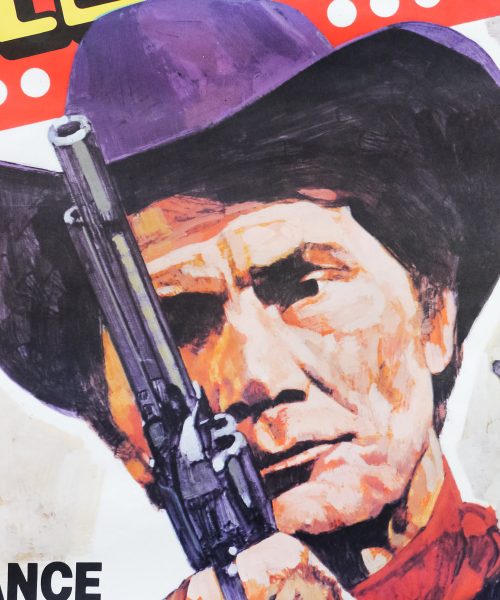
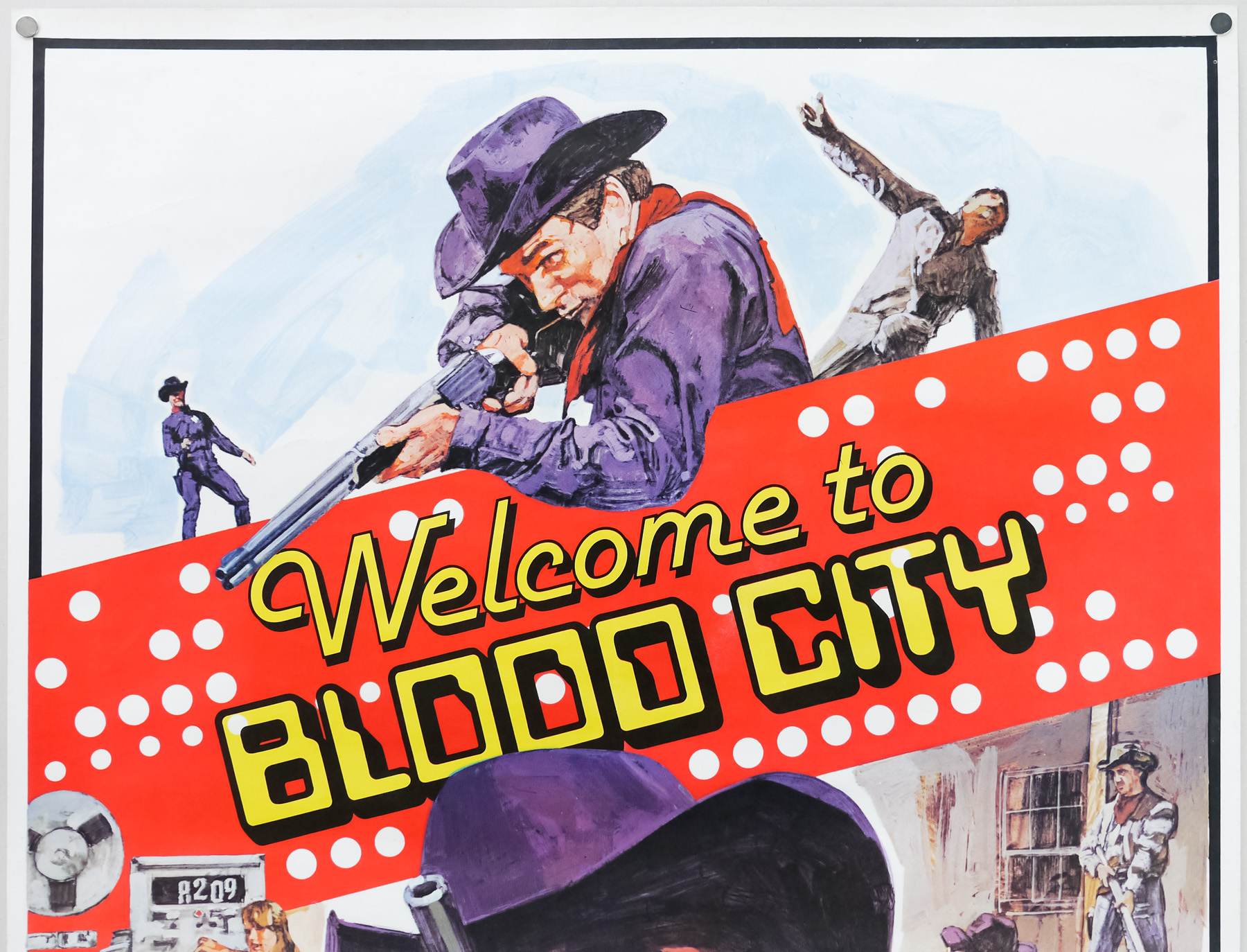
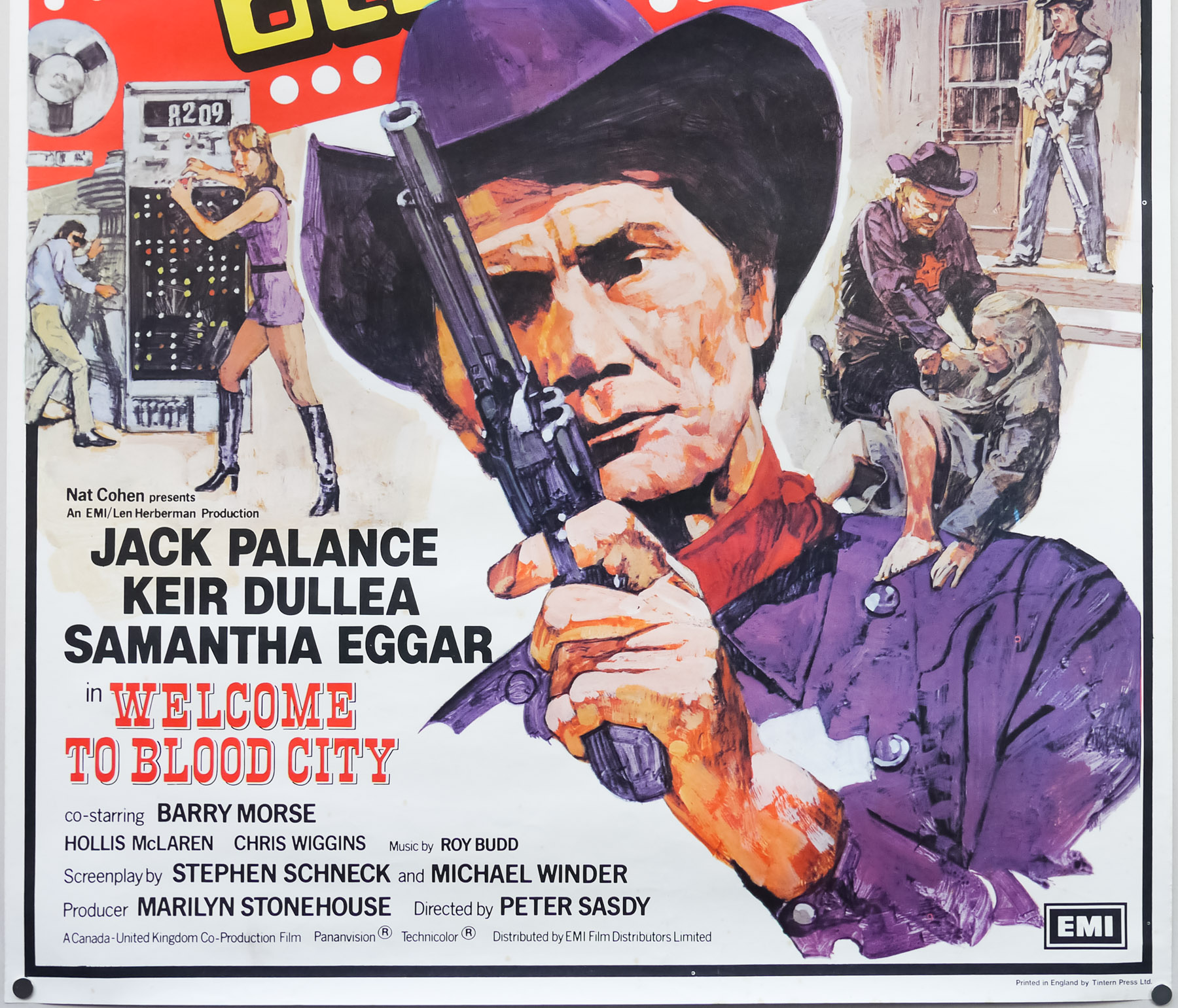
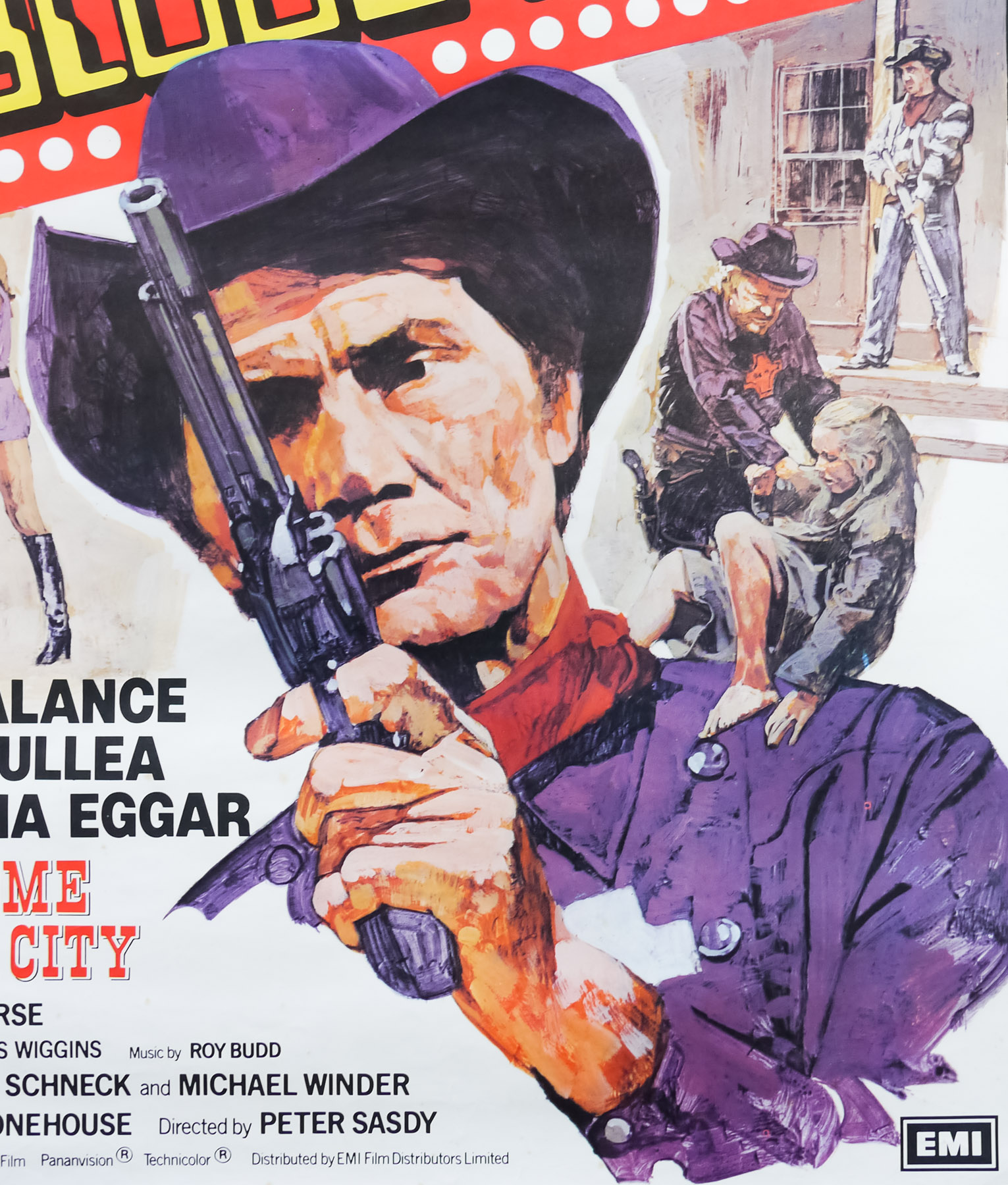
The artwork on this UK one sheet, which features different art to the UK quad, is, I believe, by the British artist Mike Vaughan. He also worked on a handful of posters for Hammer horrors, as well as posters like this one for Raid on Entebbe. If anyone knows for sure who painted this art please get in touch.

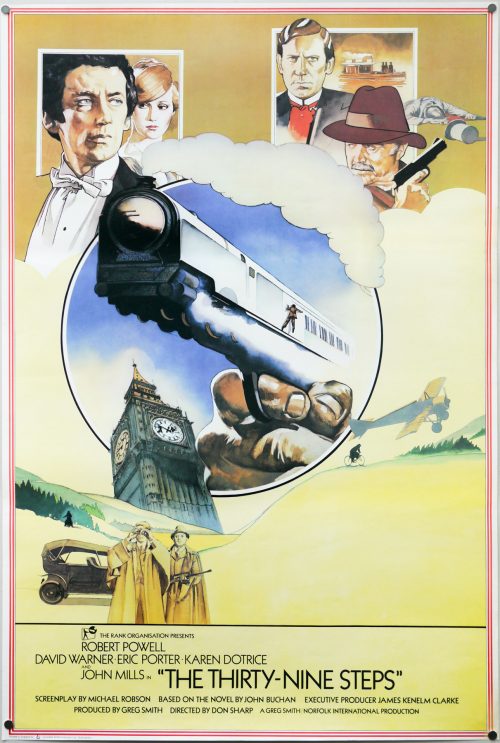
The Thirty-Nine Steps / 1978 / one sheet / UK

03.11.17

Poster Poster

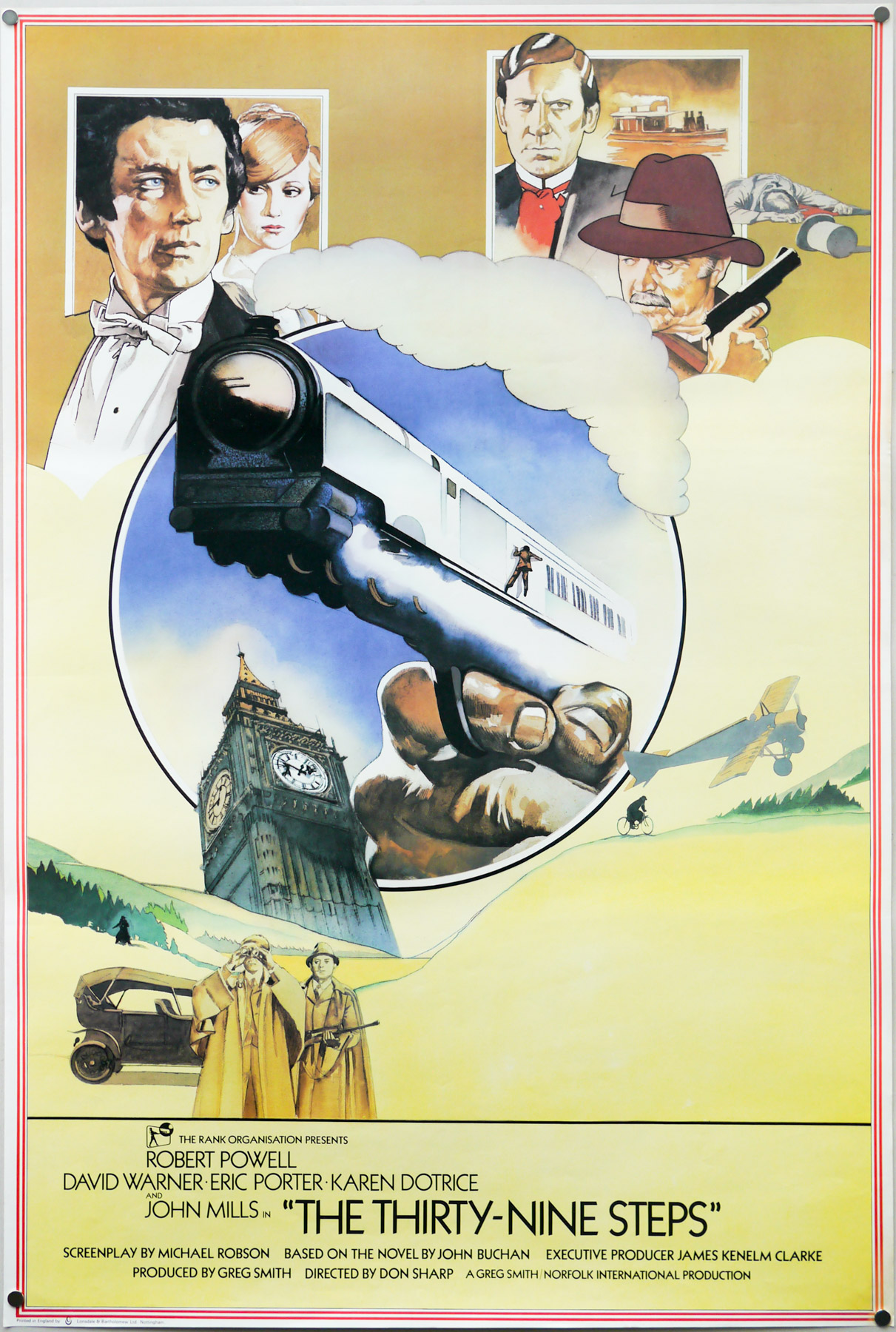
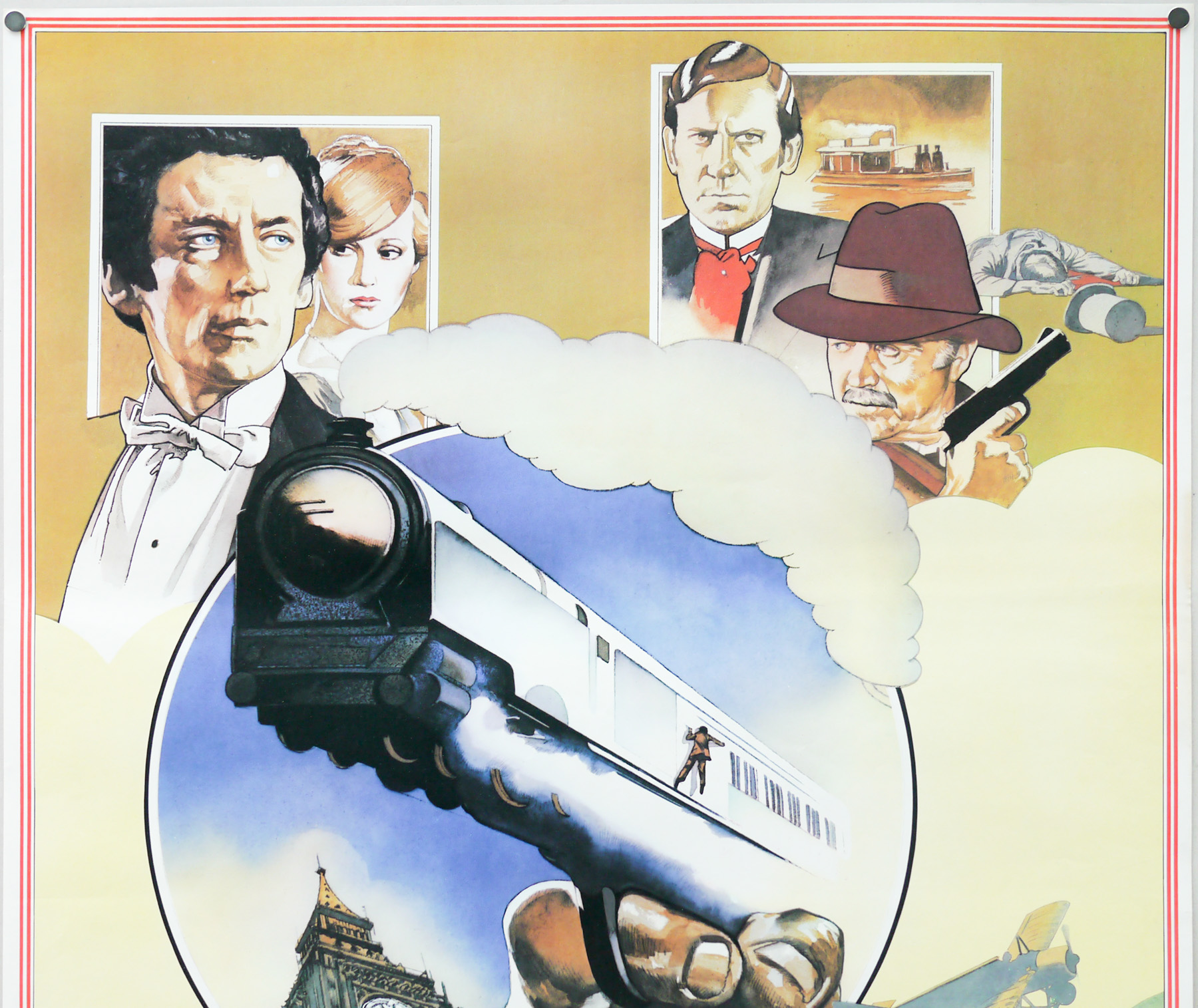
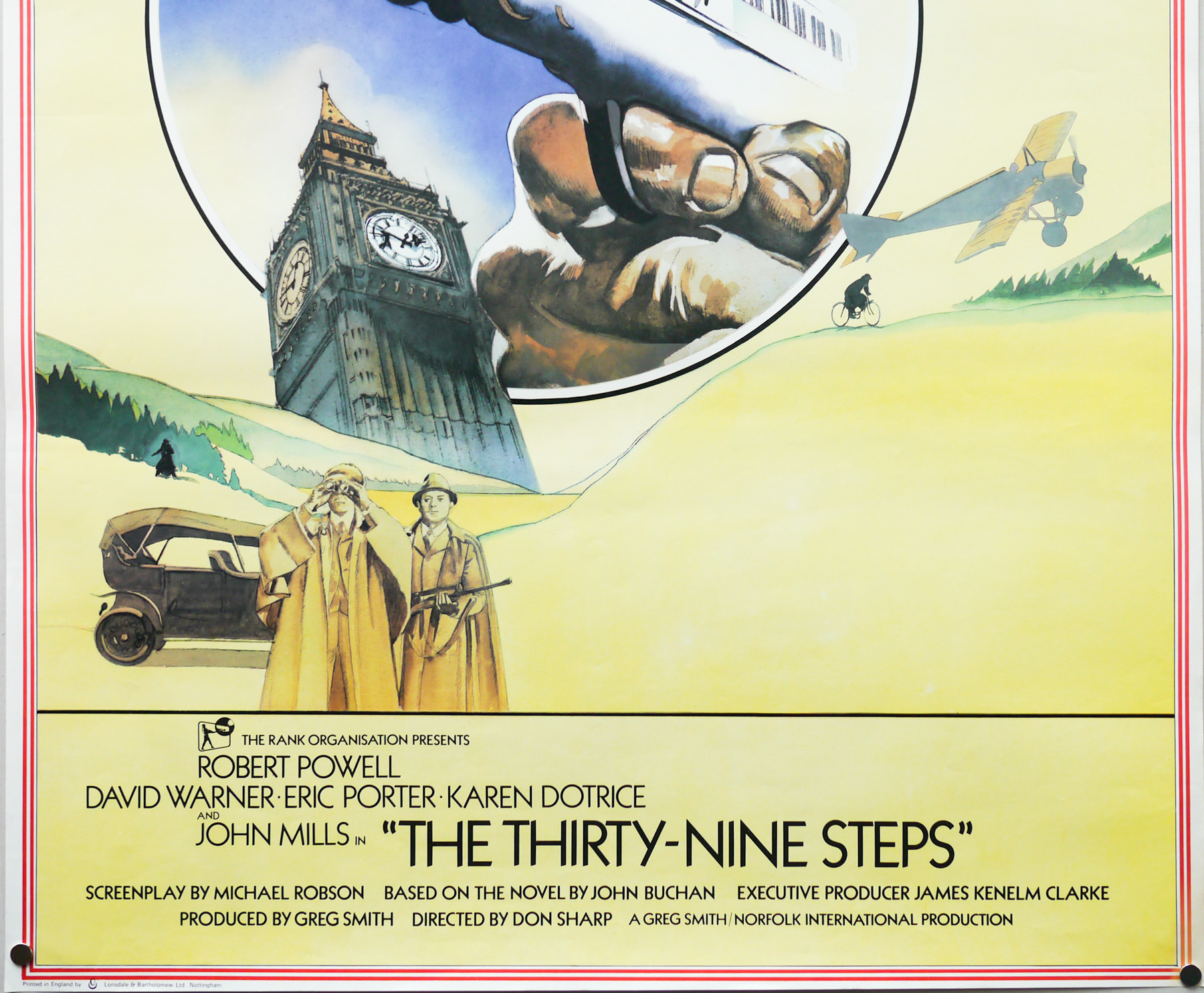
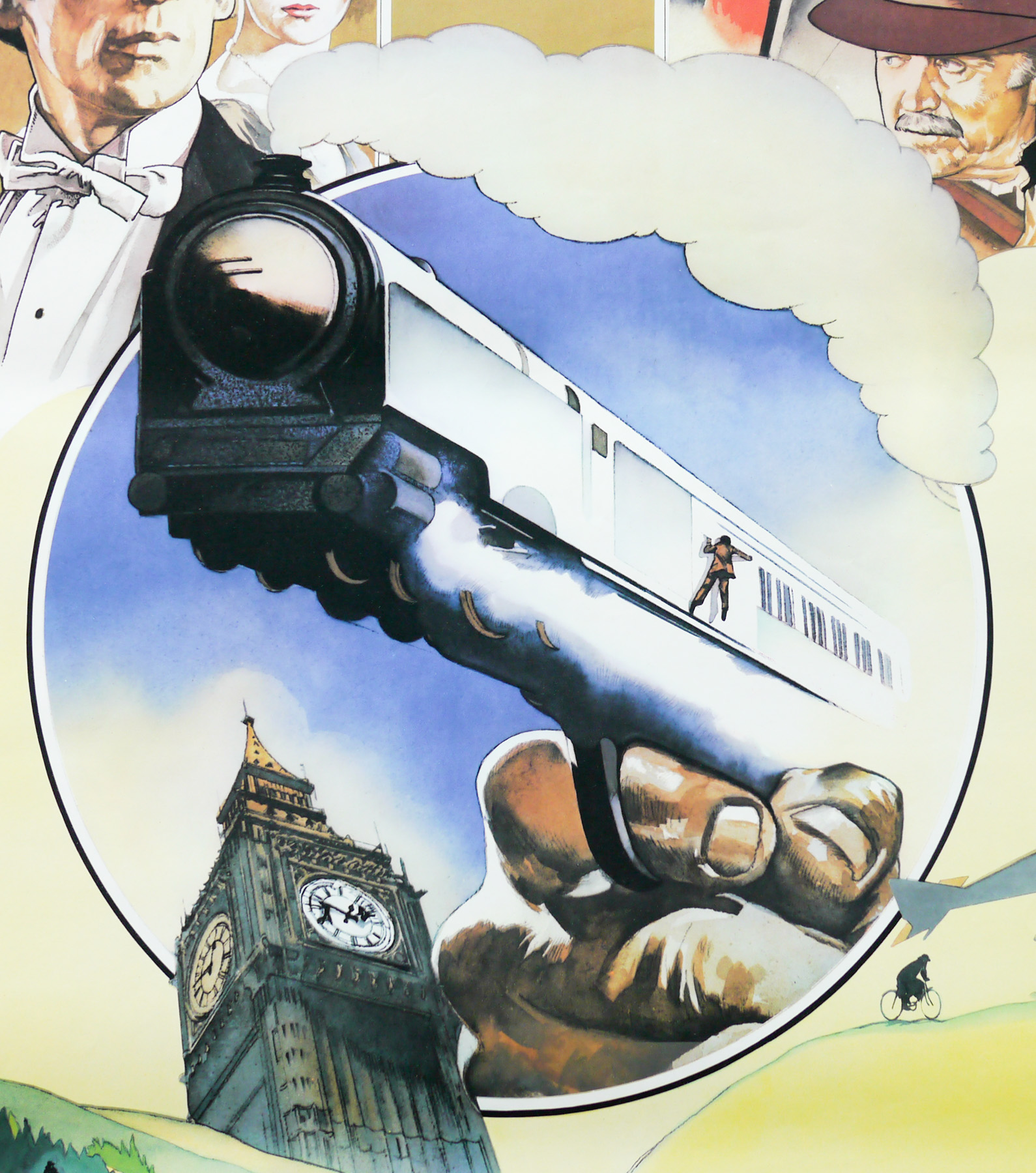
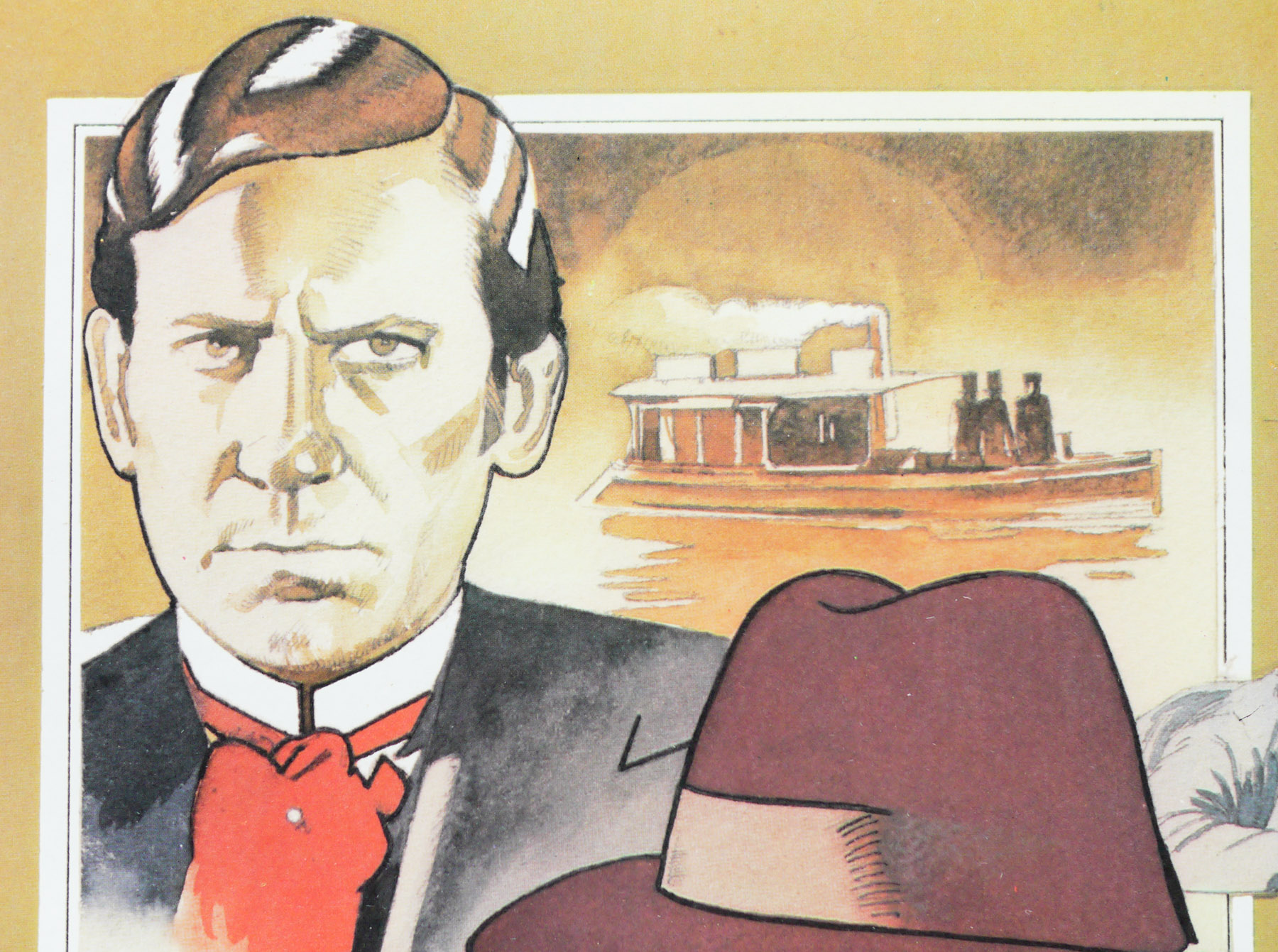
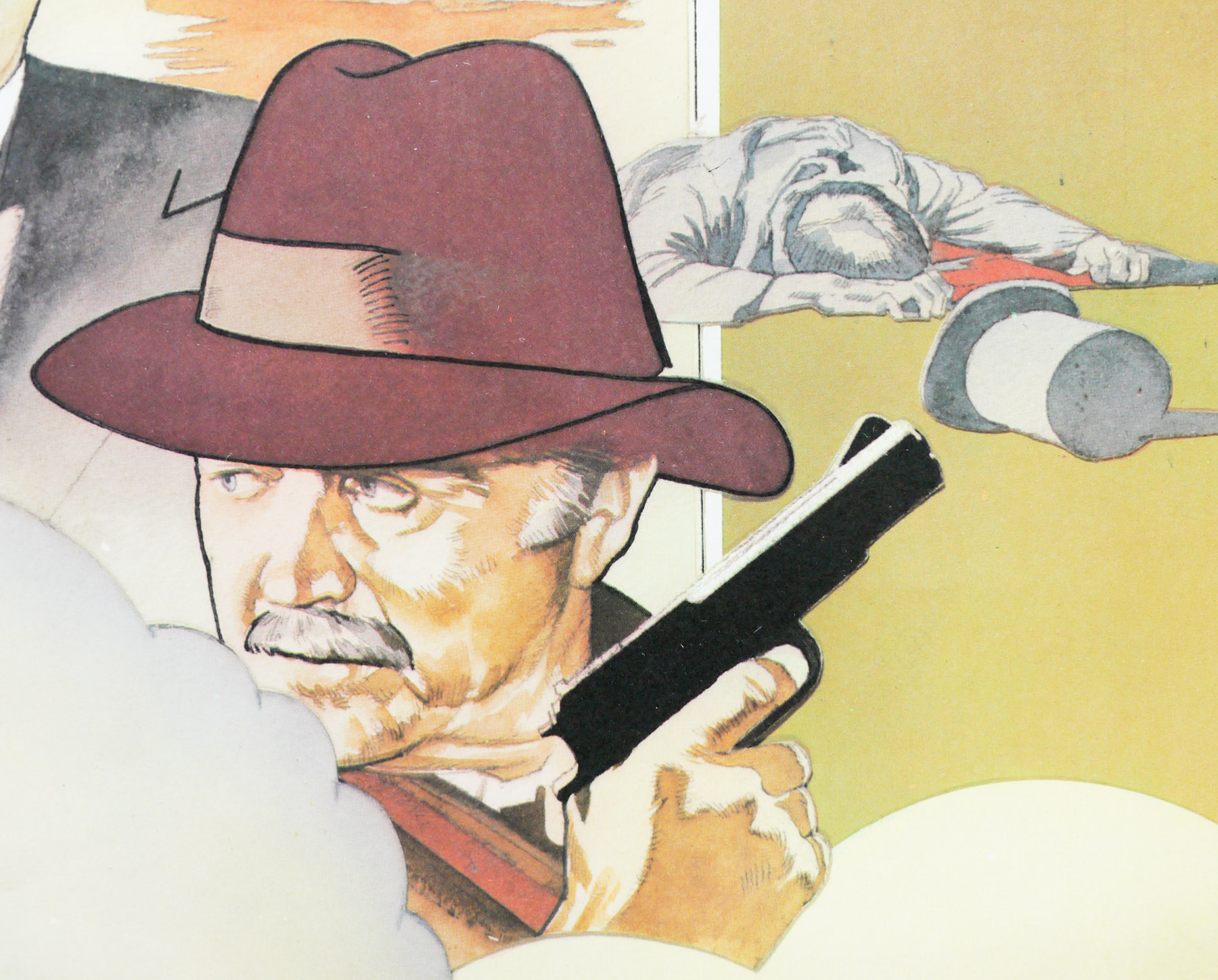
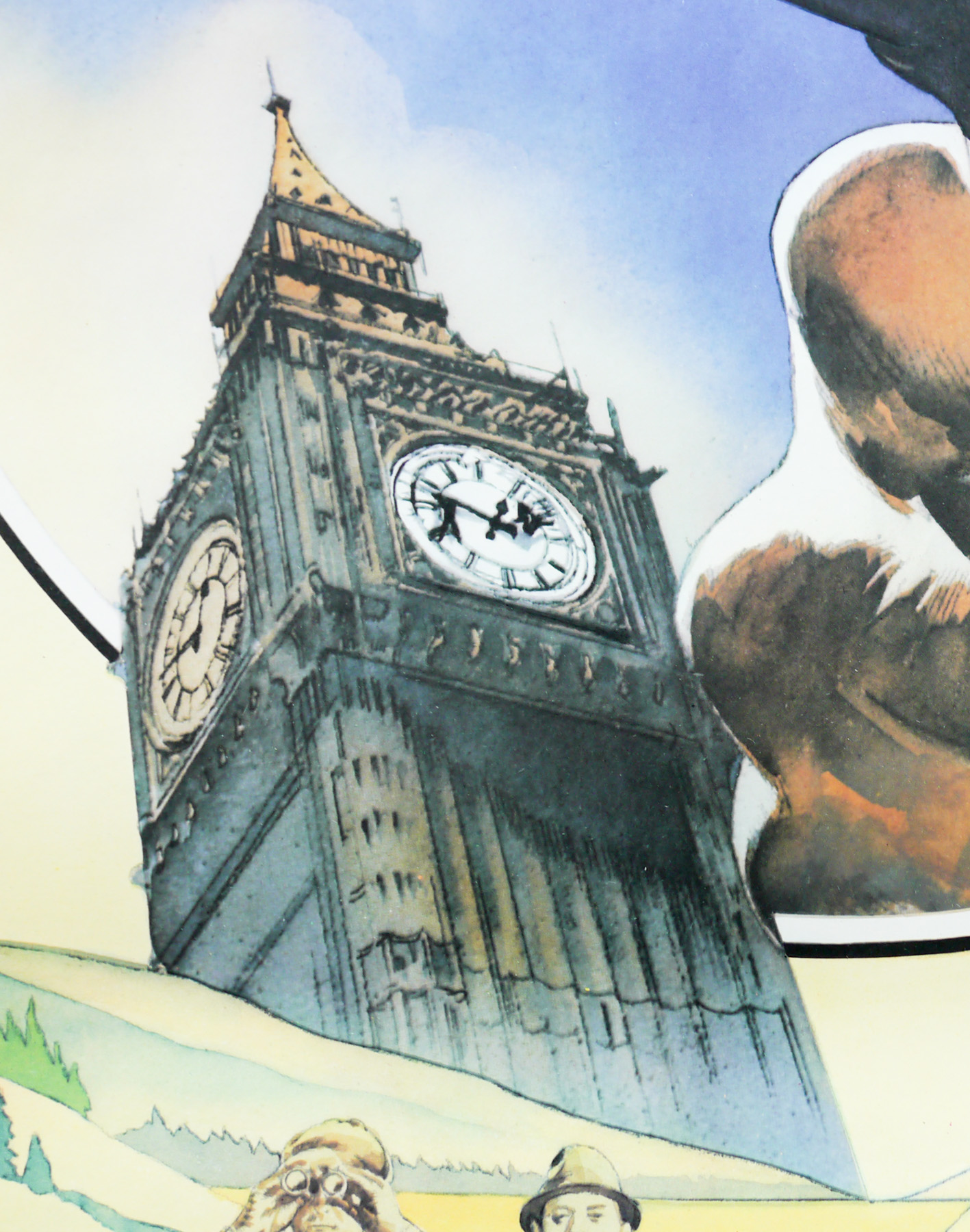
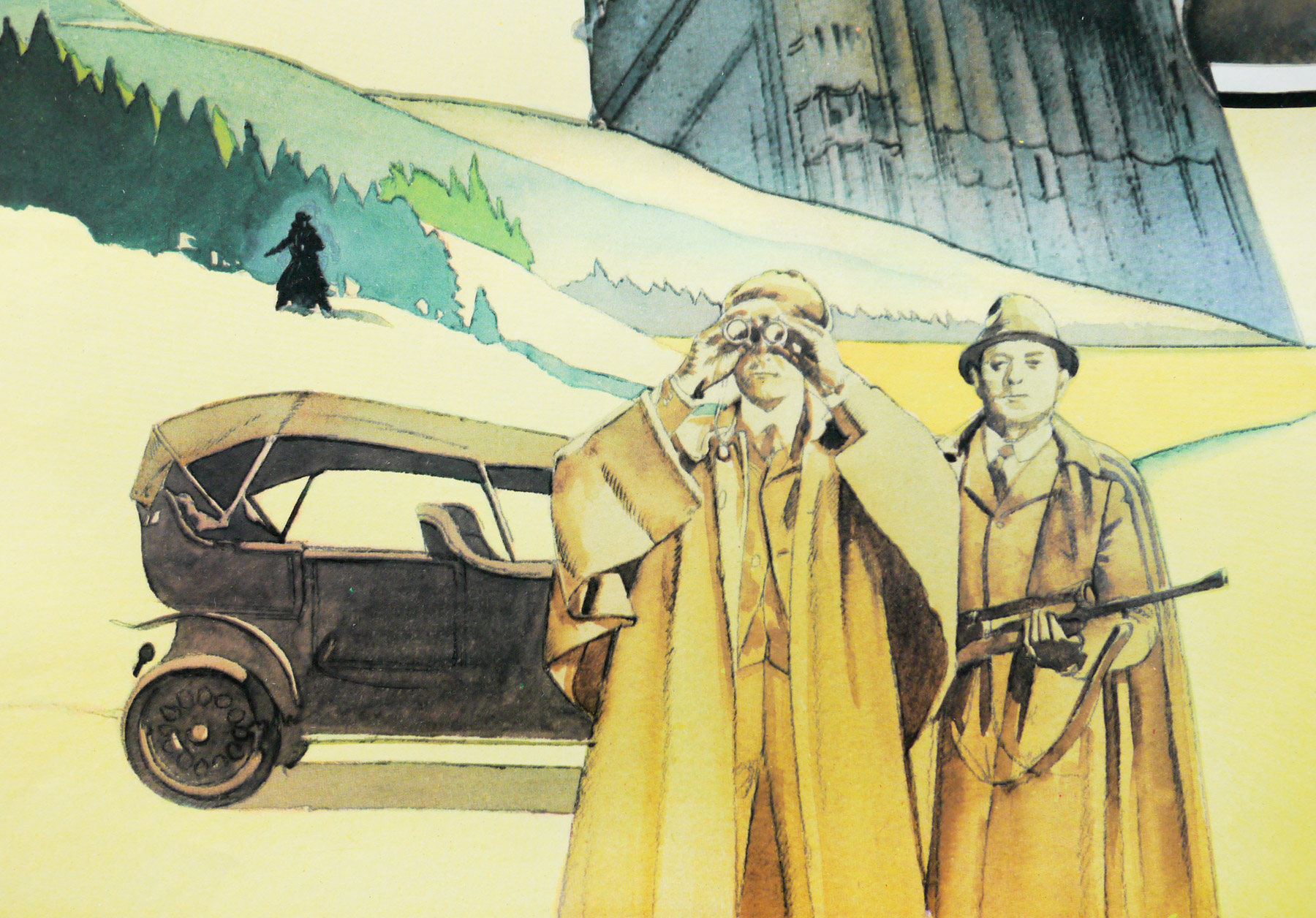
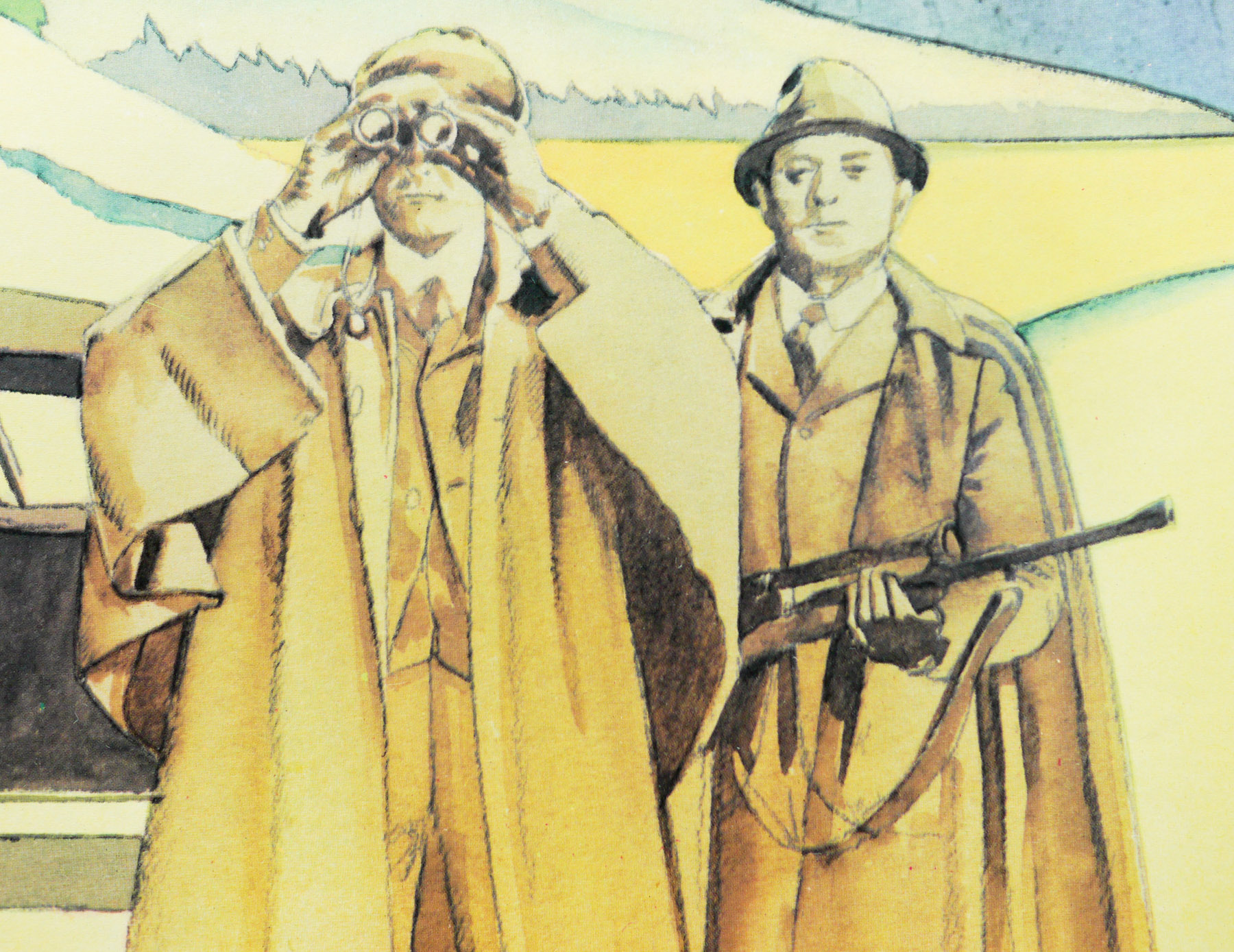
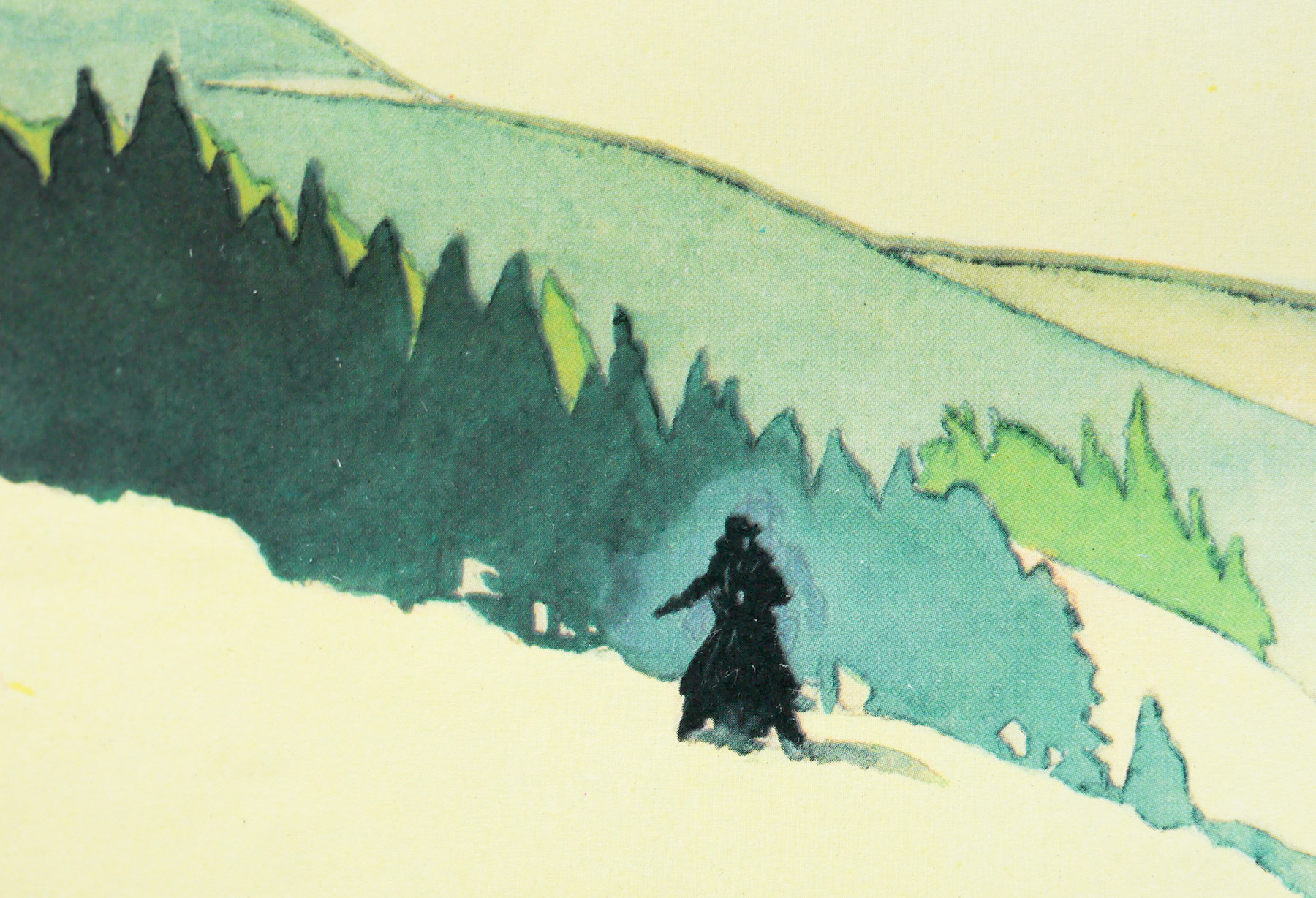
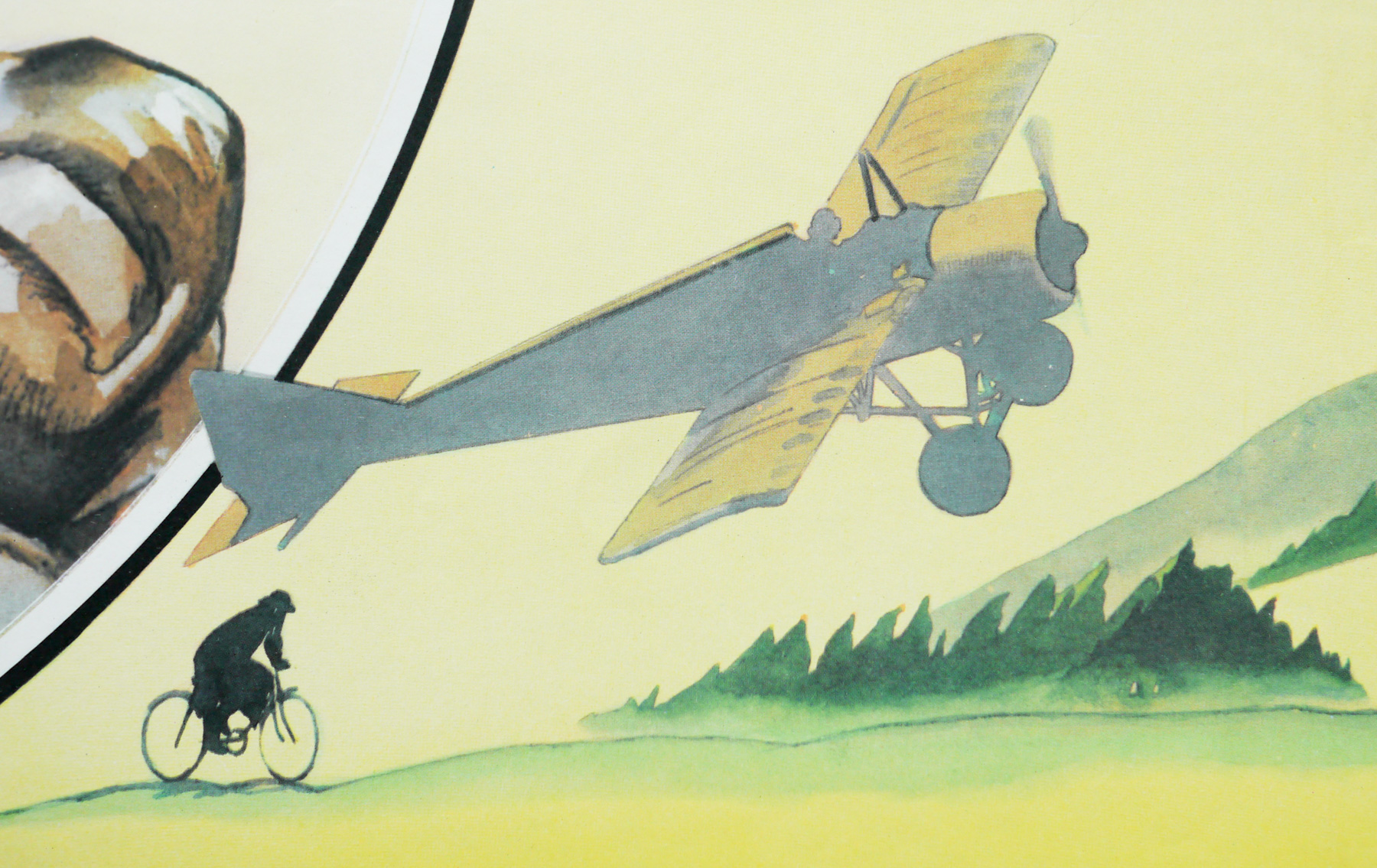
This is the UK one sheet (sometimes referred to as English one sheet) for the 1978 version of The Thirty-Nine Steps, based on the 1915 magazine serial-turned-book of the same name by the Scottish author John Buchan. The story has been turned into a film a number of times, including a 1935 version by Alfred Hitchcock that was later remade in 1959. This version, directed by the late Don Sharp (Psychomania, a couple of Hammer horror films), is considered to be the most faithful to Buchan’s original book. The film is set in the UK in 1914 and focuses on the character of Richard Hannay (whom Buchan would return to for five other novels) who becomes embroiled in a nefarious plot by German sleeper agents to start a war by assassinating a visiting foreign minister. Robert Powell plays Hannay and a host of notable British actors also feature, including John MillsDavid Warner and Eric Porter

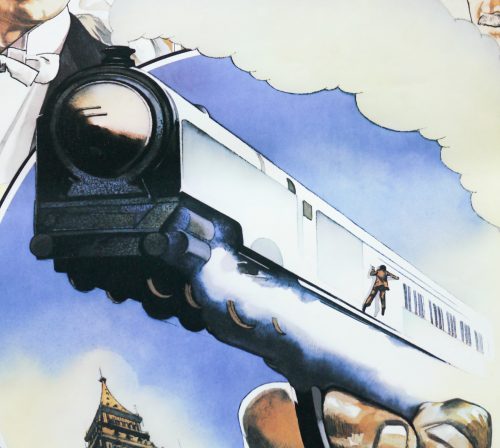
The film makes great use of real locations all over the UK, including in Scotland where the bulk of the film takes place. It’s most known for a climactic sequence that occurs on the clock face of London’s Big Ben tower (in reality a large scale model on a set) that aped a sequence from Harold Lloyd’s 1923 film Safety Last. The film was a box-office success and would later spawn a TV series featuring the same character and starring Powell, called simply Hannay.

This poster was designed and illustrated by Vic Fair, who was one the most important designer/artists ever to work on British film marketing. He was responsible for several iconic posters, including The Man Who Fell To Earth, posters for Hammer horrors like Vampire Circus, and the withdrawn advance one sheet for A View to a Kill. I interviewed Vic for this site and that article can be viewed by clicking here. He sadly passed away in early 2017 but his great legacy lives on.
It shares some similarities with another poster Fair designed and illustrated for Rank (the production company and distributor), the 1977 horror anthology The Uncanny.

Note also that there’s another version of this one sheet which has a stylised title logo in the space on the right and can be seen here. I’m not sure why some have it and others don’t but I suspect the one without was a printing error, or a first printing.
To see the other posters I’ve collected that were designed and/or illustrated by Vic Fair click here.
An American Werewolf in London / quad / UK

01.03.13

Poster Poster
Title
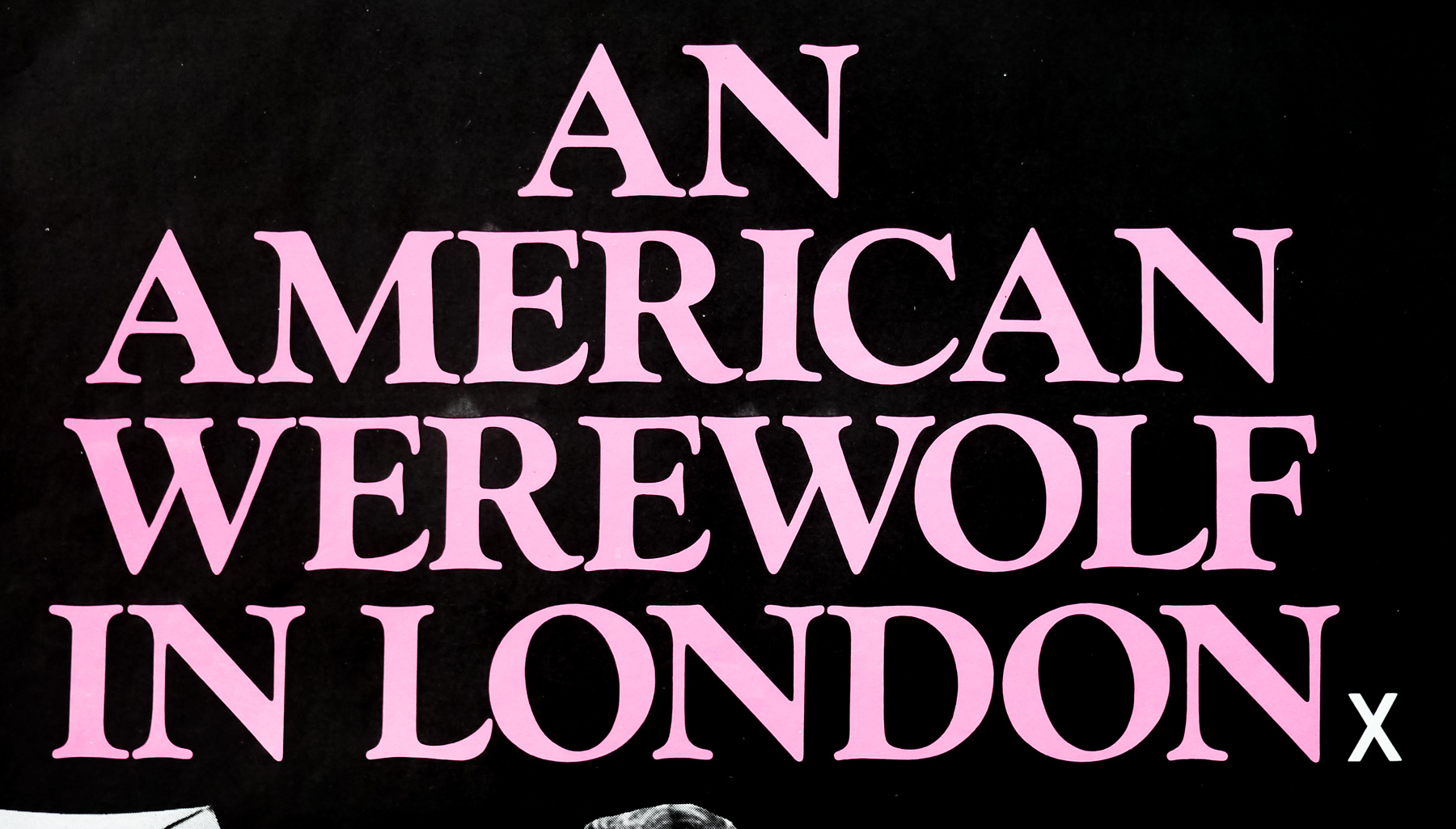
An American Werewolf in London
AKA
--
Year of Film
1981
Director
John Landis
Starring
David Naughton, Jenny Agutter, Griffin Dunne, John Woodvine, Brian Glover, David Schofield
Origin of Film
USA | UK
Genre(s) of Film
David Naughton, Jenny Agutter, Griffin Dunne, John Woodvine, Brian Glover, David Schofield,
Type of Poster
Quad
Style of Poster
--
Origin of Poster
UK
Year of Poster
1981
Designer
Unknown
Artist
--
Size (inches)
30" x 39 14/16"
SS or DS
SS
NSS #
--
Tagline
From the director of Animal House - a different kind of animal | A masterpiece of terror

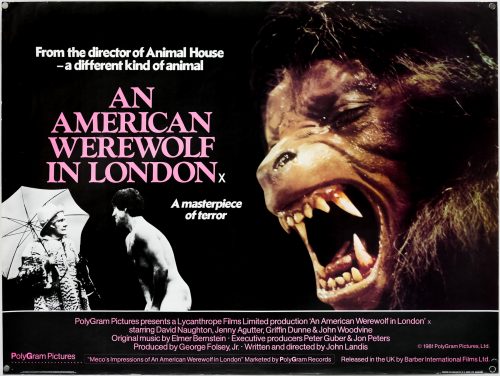
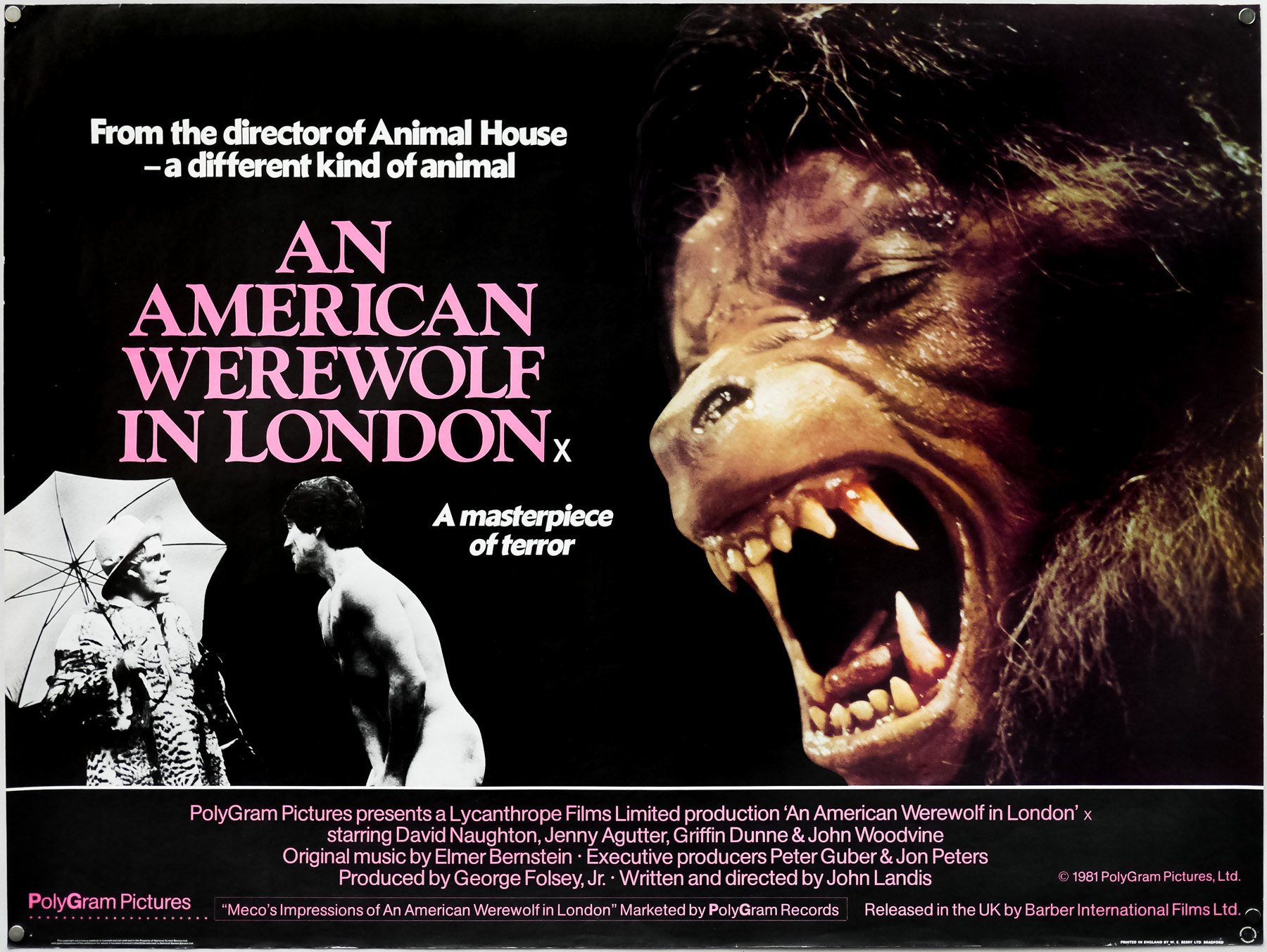
Director John Landis‘ horror classic An American Werewolf in London was, unusually for the time, released simultaneously in North American and British cinemas. The film was shot in the UK with a largely local cast and crew thanks to the Eady Levy, which provided funding for British productions based on taxed box-office receipts. The levy attracted a number of foreign producers and directors including Stanley KubrickSidney Lumet and John Huston. The levy lasted for almost thirty years before being wound-up in 1985.

It was this incentive that saw Landis and his producing partners (including frequent collaborator George Folsey Jr.) move over here for the duration of filming, and although the two lead actors (David Naughton and Griffin Dunne) are American, the majority of the rest of the cast are British, including the gorgeous Jenny Agutter. The film makes excellent use of several London locations, with a memorable sequence on the Underground, plus the climactic scenes shot in and around Piccadilly Circus. There is an excellent article on the Guardian website that was written by Landis in 2009 in which he recalls his memories of shooting the film.

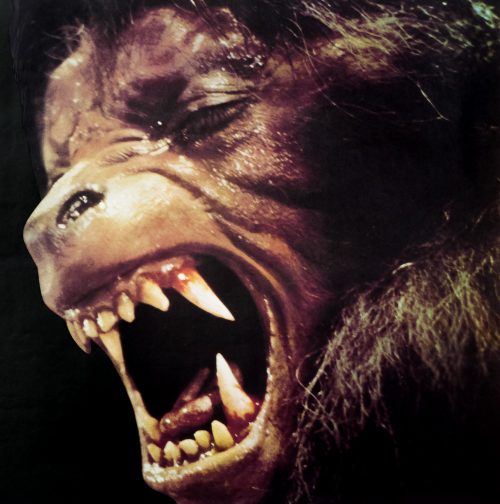
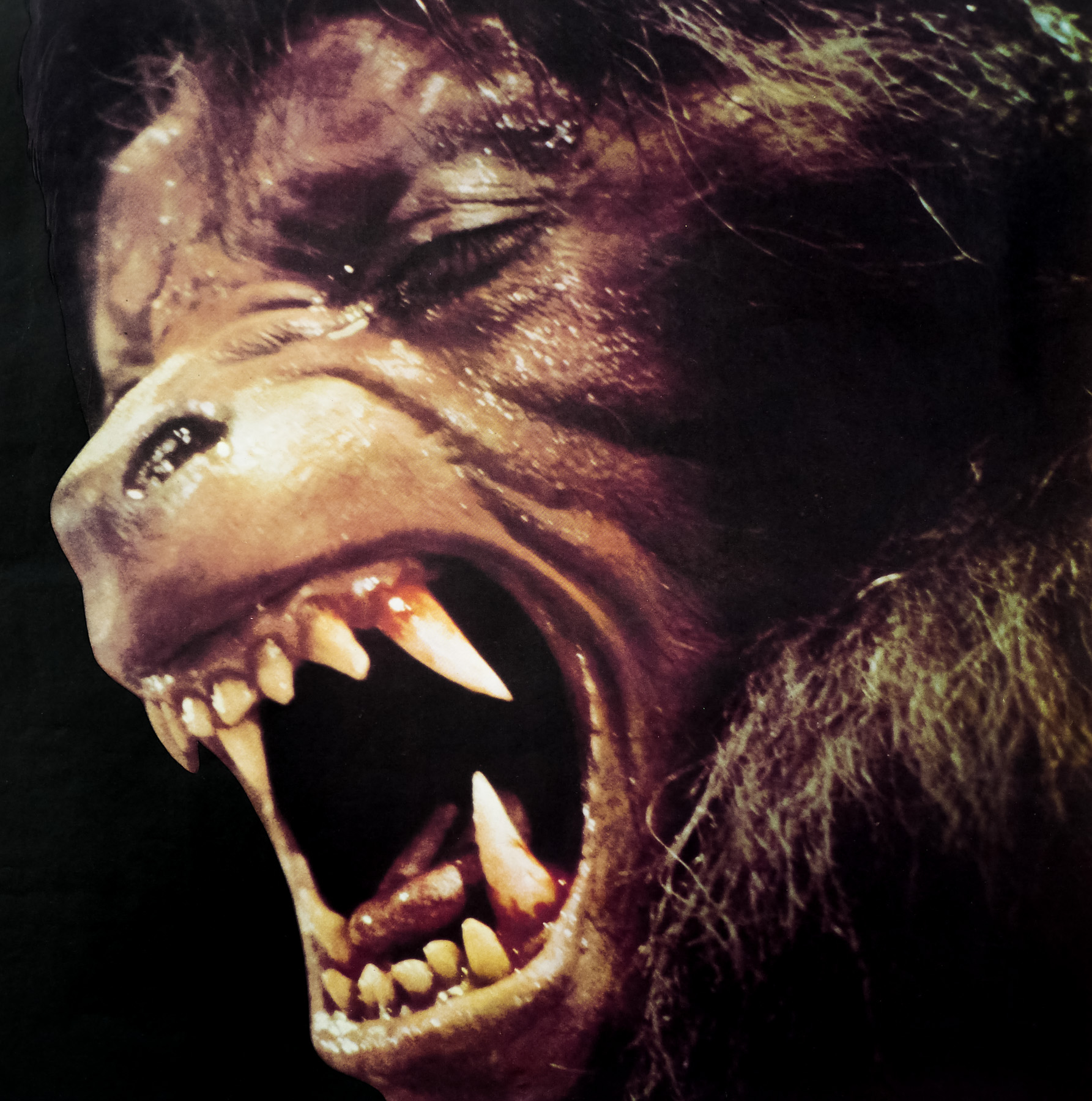
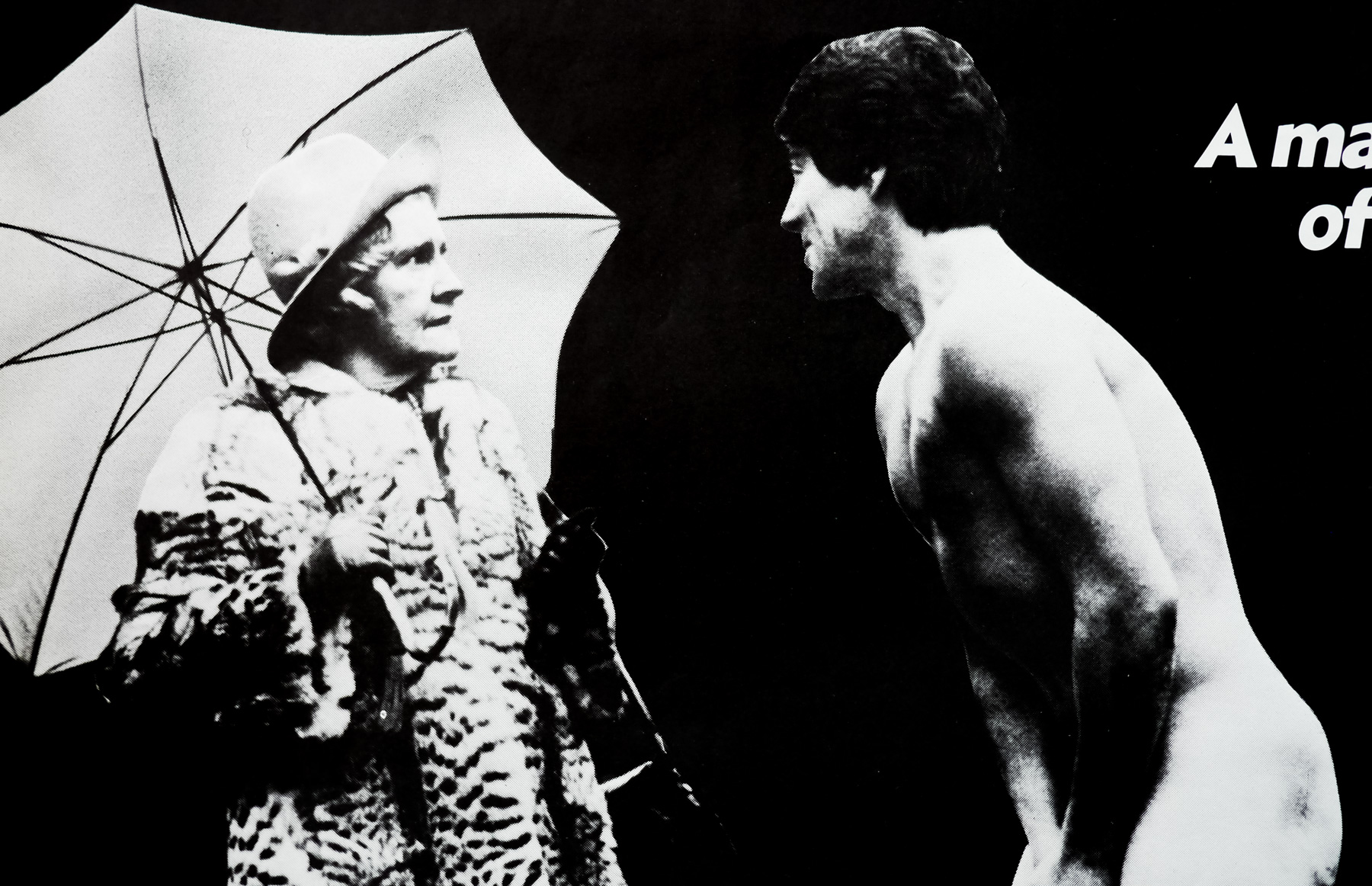
Although AWIL was released on the same day in each country, the American and British posters couldn’t be any more different. The USA one sheet features an enigmatic shot of the two lead actors glancing over their shoulders with a look of concern whist a full moon shines above them. There’s not even a glimpse of the titular creature, whereas this UK quad has no qualms about featuring a large shot taken from the famous transformation scene. It also features the bizarre inclusion of a black and white image of a nude Naughton confronting an old lady after waking up in London Zoo.
Fans of the film would be wise to pick up the 2009 blu-ray release as it features a must-watch documentary on the film called Beware the Moon: Remembering ‘An American Werewolf in London’ that was conceived and filmed by life-long AWIL devotee Paul Davis. It features the majority of the surviving cast and crew and has clearly been put together by someone who cares about the film deeply.

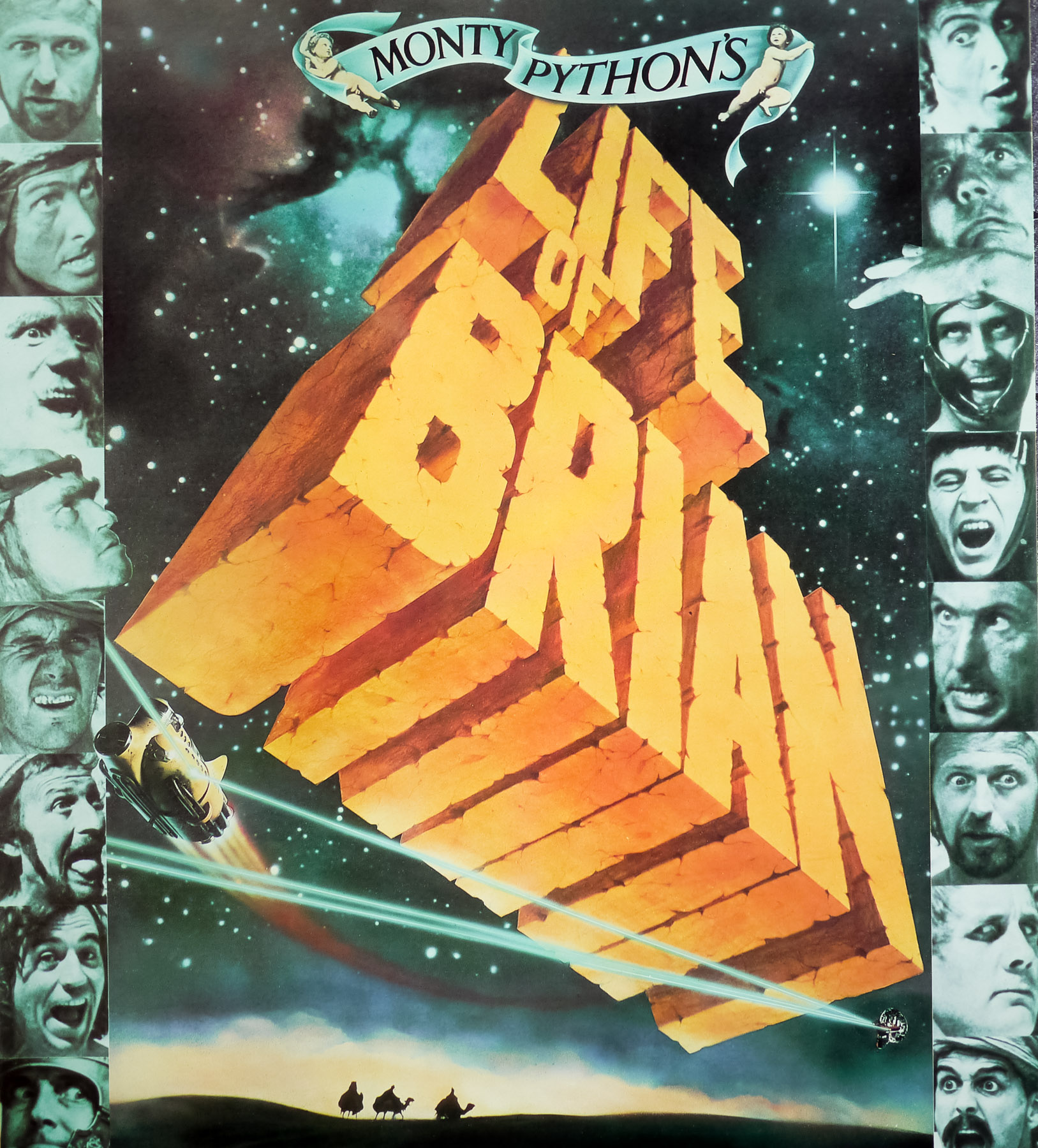
Life of Brian / quad / 1988 re-release / UK

11.04.14

Poster Poster

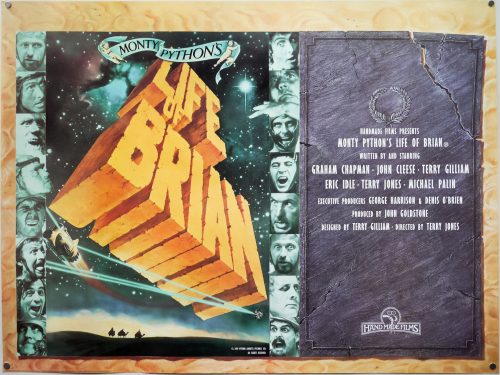
Probably my favourite of the five cinematic outings by the Monty Python crew, Life of Brian is one of the funniest films ever made and the brilliant satirical humour hasn’t diminished at all in the thirty plus years since its release. Infamously causing an uproar with various religious groups, it also saw EMI, the original financial backers, pulling out during production claiming the script was blasphemous. Luckily, George Harrison stepped in with the finance, apparently after realising it may have been the last chance to see another Python film in cinemas. His company HandMade Films was formed as a result of this deal.
The film’s religion-baiting story sees a man called Brian (Graham Chapman) born at the same time as Jesus Christ and initially mistaken for the Messiah, who ends up living an unremarkable life under the Roman occupation of Judea. Things take a fateful turn when his infatuation with a young rebel called Judith (Sue Jones-Davies) leads him to join the People’s Front of Judea, a bickering group who have decided to take a stand against the emperor.

The film raised the ire of several religious groups who were outraged at the concept, despite most of them having never even seen the film, and it was only given a general release once several cuts had been made. Despite the edits, several local UK councils banned the film from being shown at cinemas within their boroughs. Apparently some of these bans lasted until very recently, with the Welsh town of Aberystwyth finally lifting its one in 2009, which then saw a screening of the film attended by Jones, Michael Palin and Sue Jones-Davies, who was the then mayor of the town.

One of the more infamous bans was carried out by the Norwegians who refused to allow the film to be screened at all, which lead some of the international marketing material for the film to be emblazoned with the proclamation ‘So funny it was banned in Norway!’

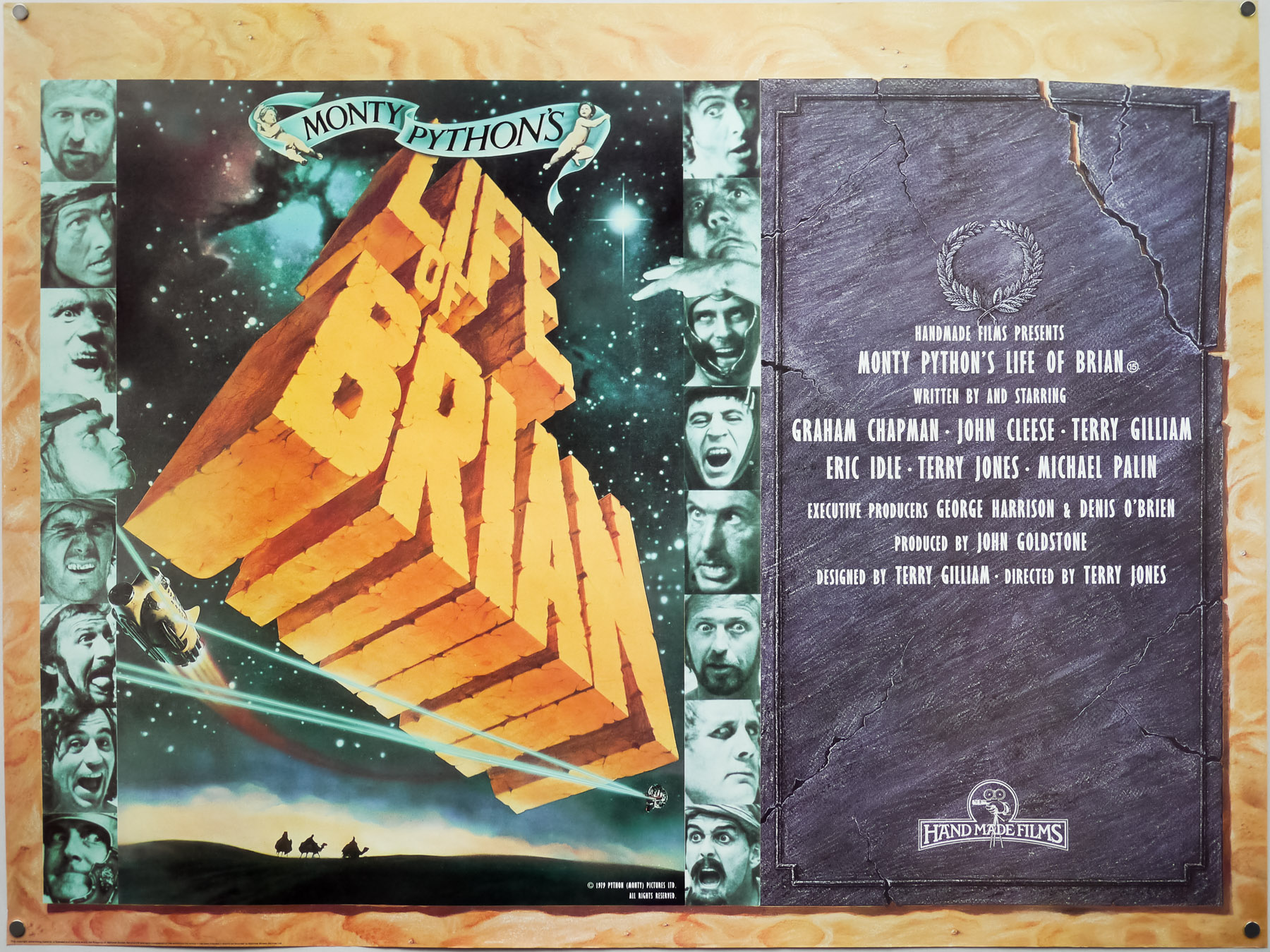
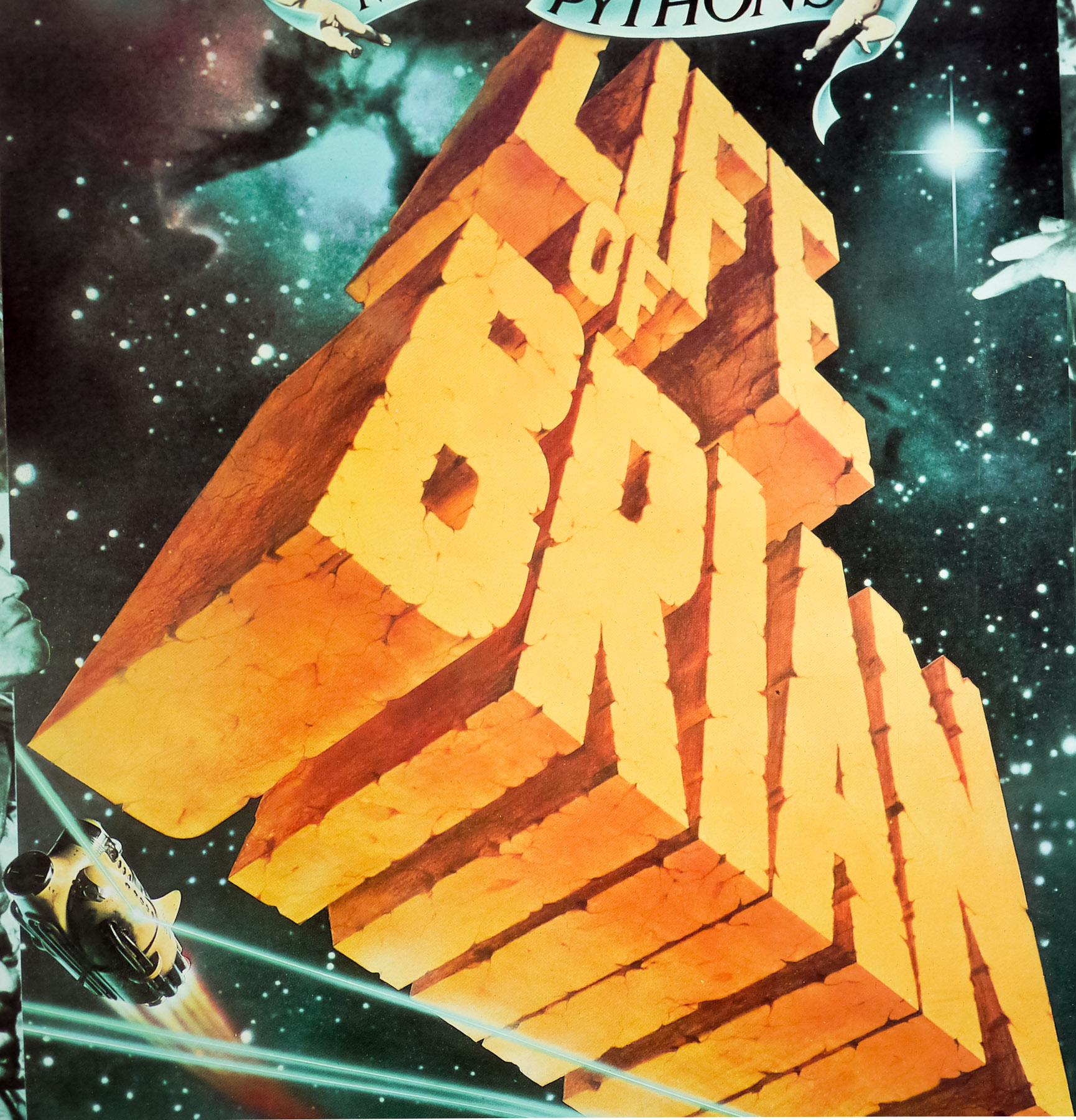
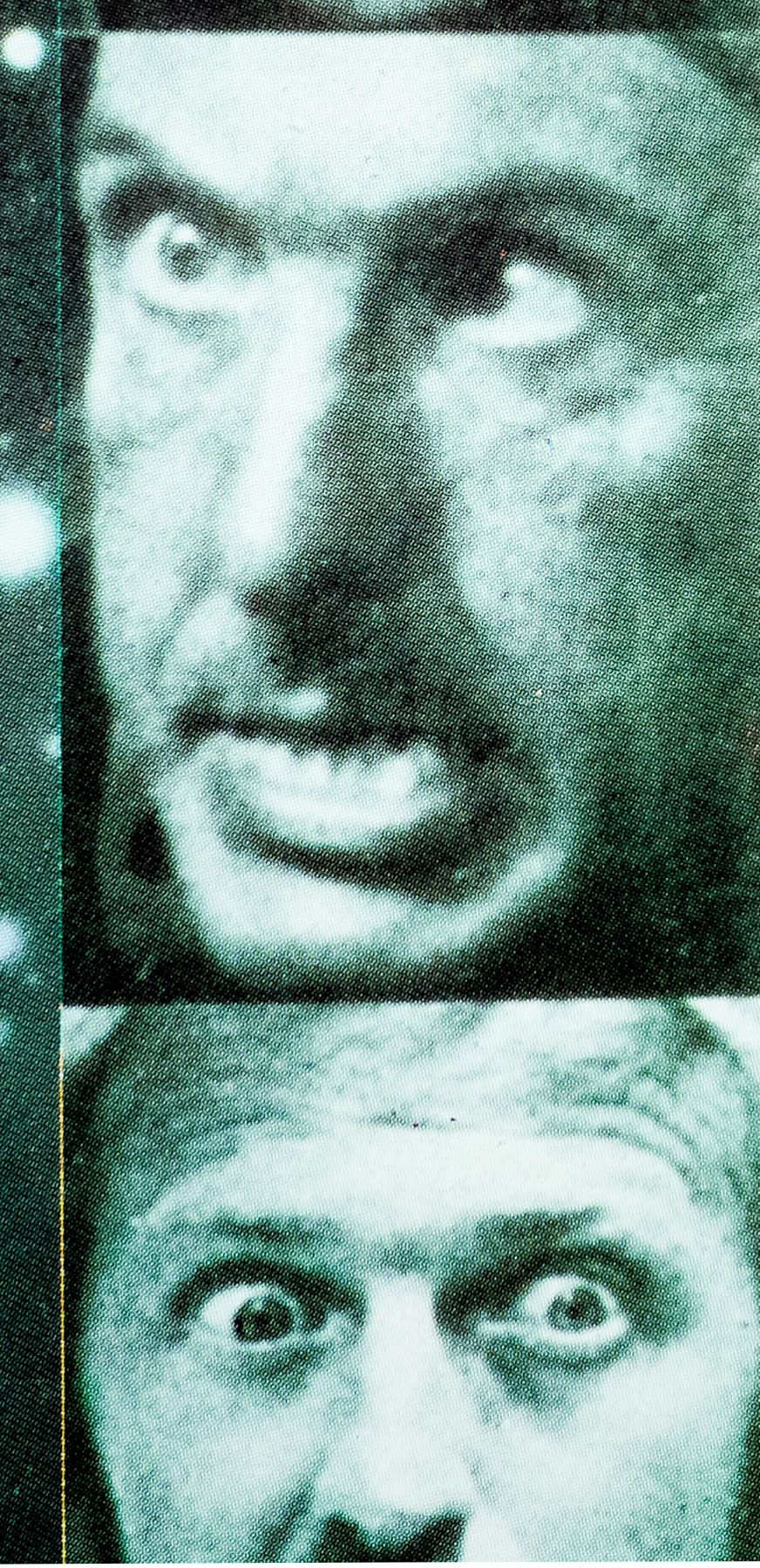
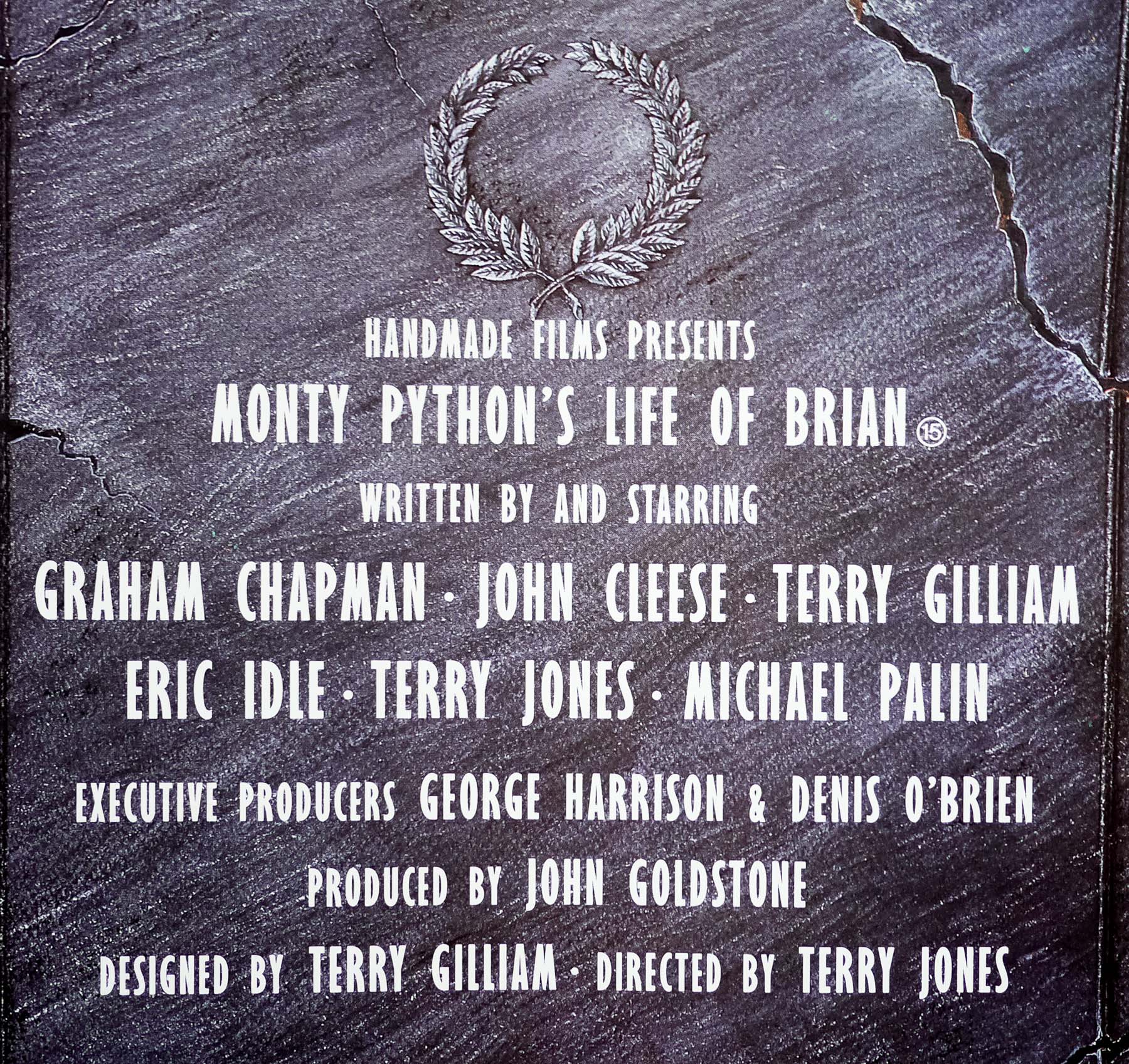
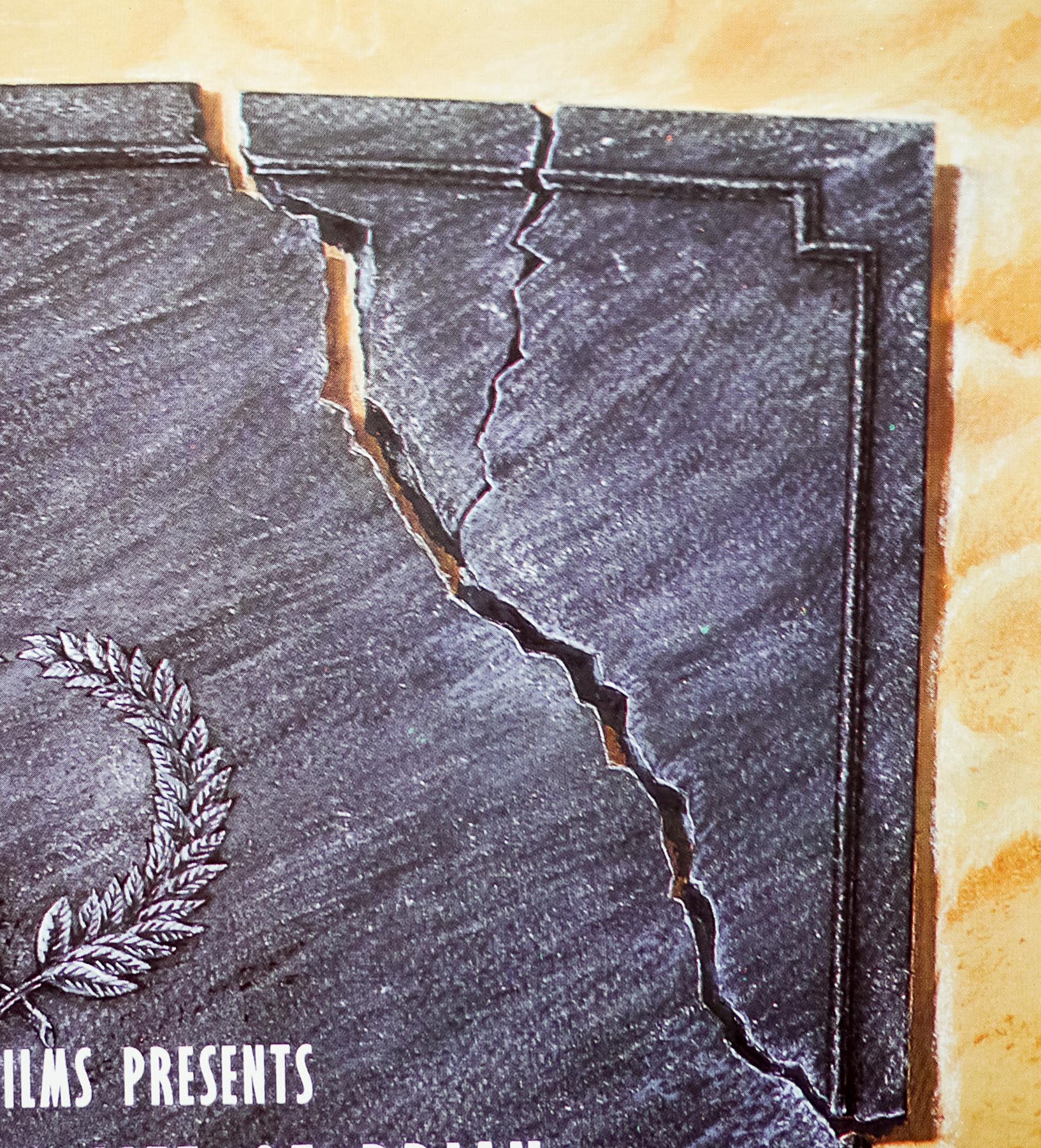
This is a scarce, alternate style UK quad which differs from the other somewhat confusing design, which is simply the logo doubled up. A reader of the site got in touch to confirm that this quad was designed in house at HandMade films. To quote their informative email:

HandMade and the Pythons decided to re-submit the film to Irish Film Board to have the original ban overturned. The submission was successful and with the censor certification under our belt plans to release the film moved ahead and the Life of Brian was finally released in Ireland  I recall in the summer of 1988 as I recall eight years after original release. One of the unsung heroes of HandMade was freelance artist/designer George Rowbottom.

George was closely involved in many HMF posters over the years along with Ray Cooper and it was George who re-worked Life of Brian poster and came up with the “tablet” design for the quad used for the Irish release and also the superior amended 1-sheet. In both cases these were printed by National Screen who printed all our posters for domestic and international.

The original American trailer can be seen on YouTube.

Outland / one sheet / UK

27.06.14

Poster Poster
Title
Outland
AKA
Atmosfera zero (Italy) | Outland - Comando Titânio (Brazil) | Rumstation Jupiter (Denmark) | Operation Outland (Sweden)
Year of Film
1981
Director
Peter Hyams
Starring
Sean Connery, Peter Boyle, Frances Sternhagen, James Sikking, Kika Markham, Clarke Peters, Steven Berkoff
Origin of Film
UK
Genre(s) of Film
Sean Connery, Peter Boyle, Frances Sternhagen, James Sikking, Kika Markham, Clarke Peters, Steven Berkoff,
Type of Poster
One sheet
Style of Poster
--
Origin of Poster
UK
Year of Poster
1981
Designer
Unknown
Artist
--
Size (inches)
27" x 39 11/16"
SS or DS
SS
Tagline
On Jupiter's moon, something deadly is happening

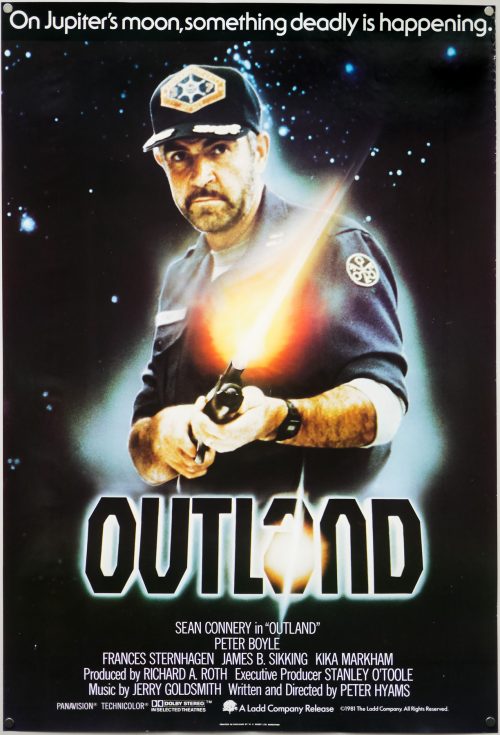
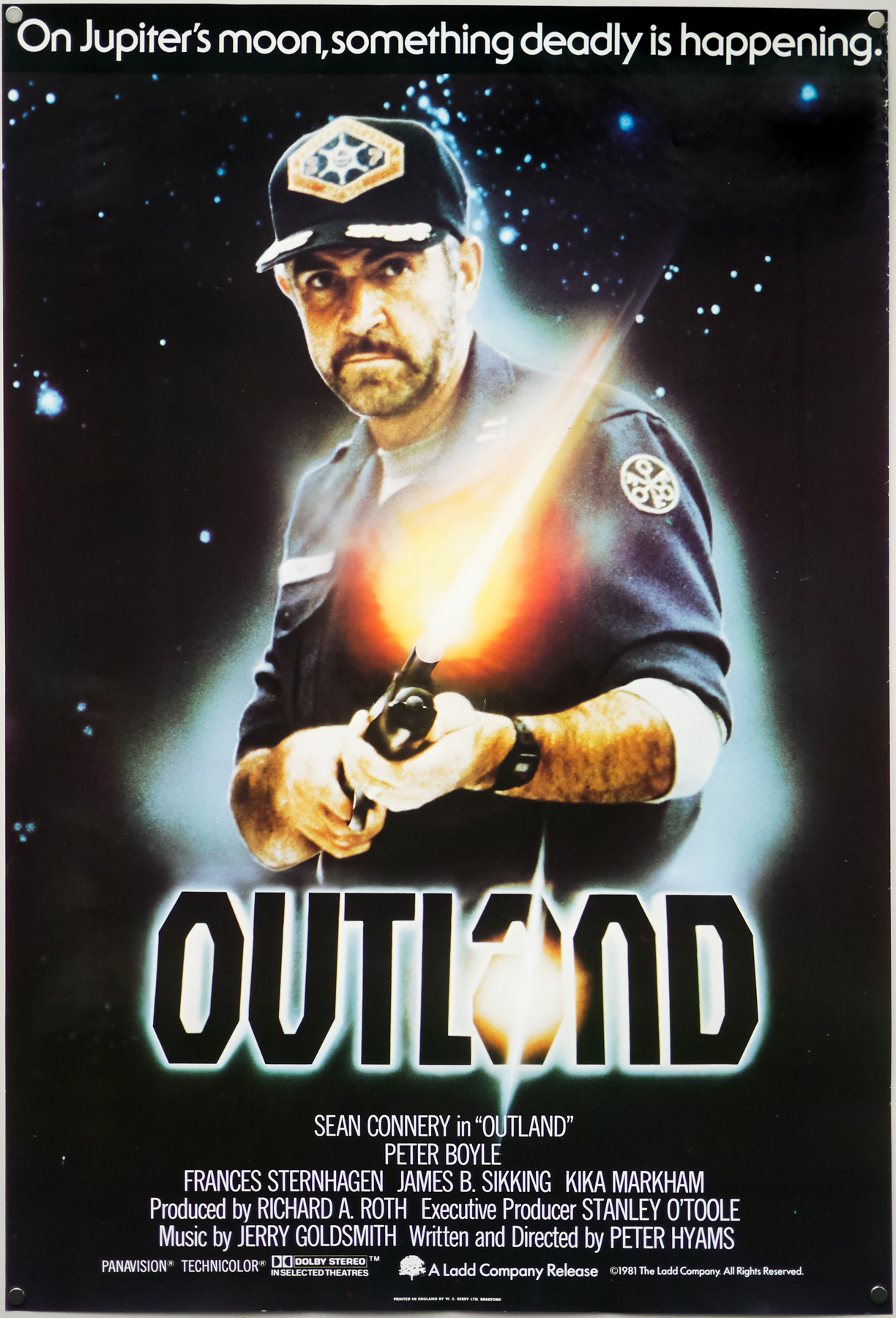
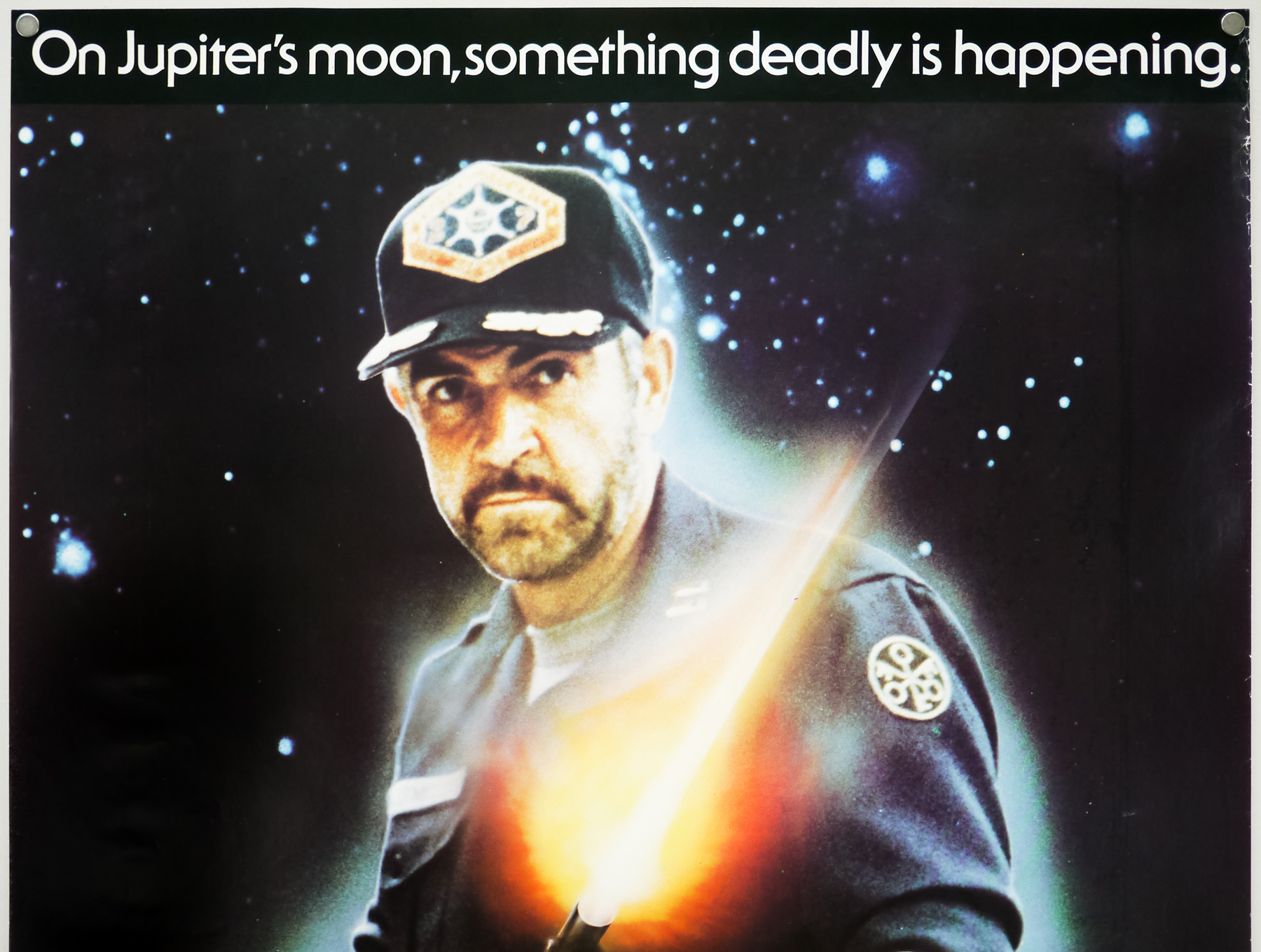
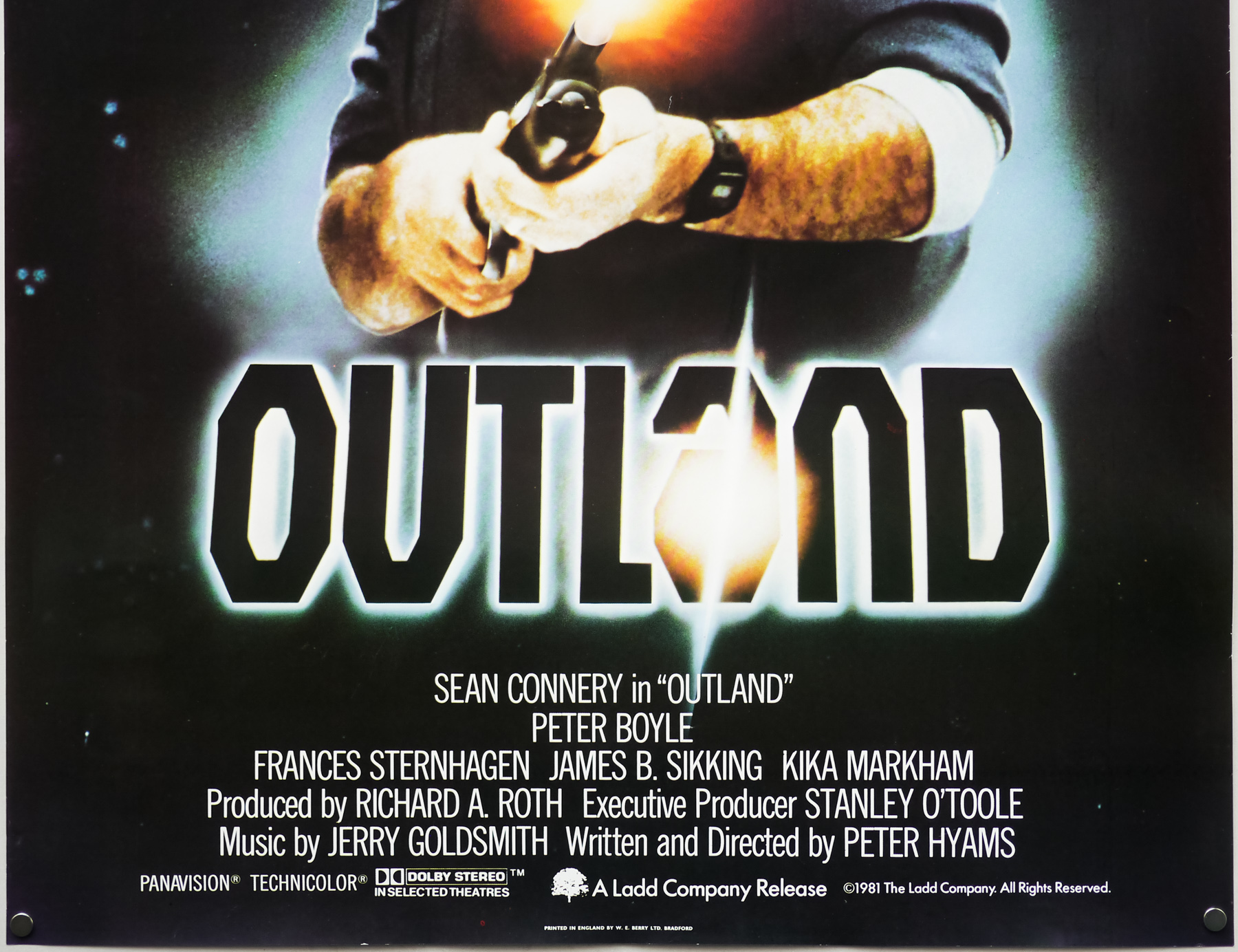
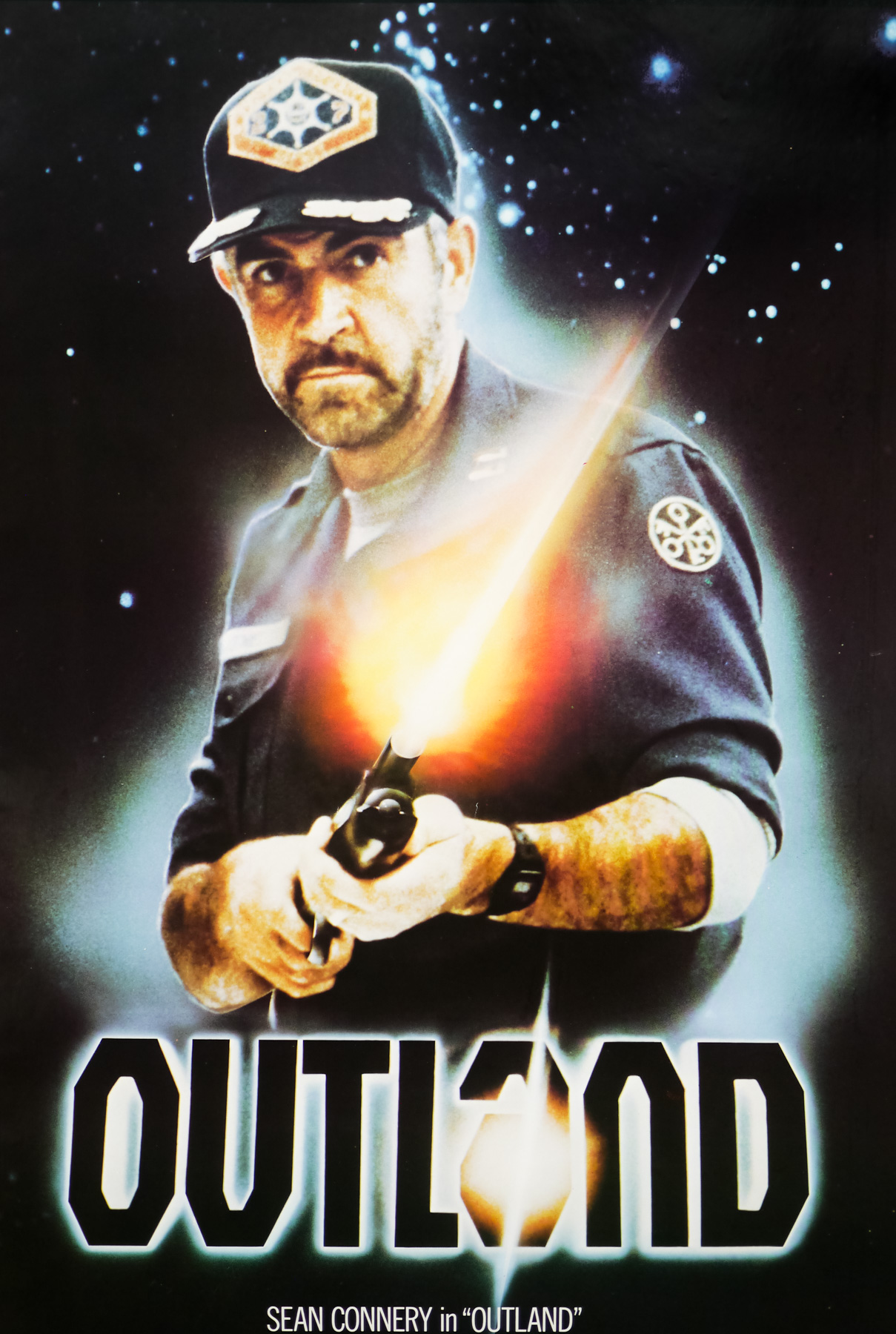
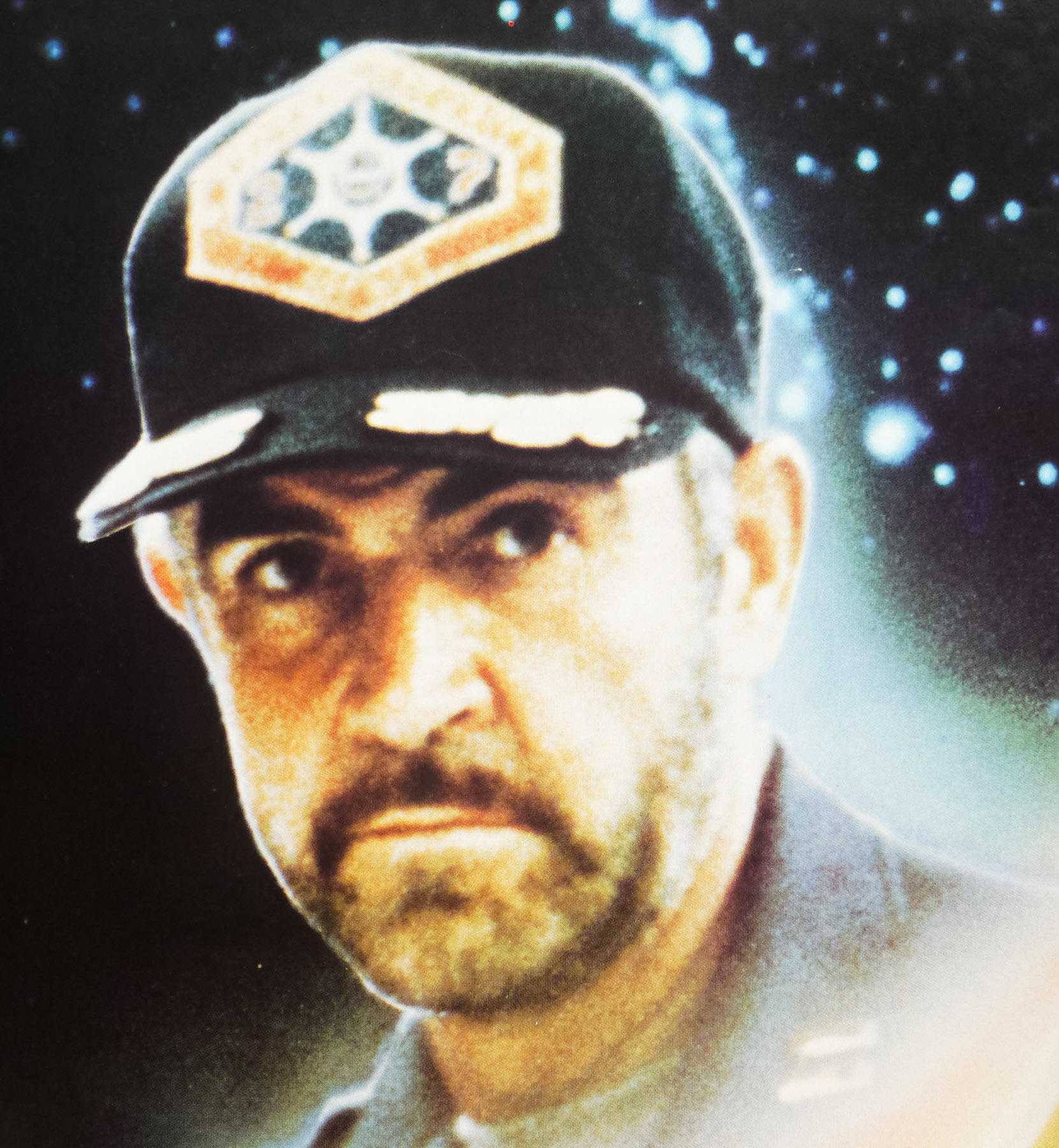
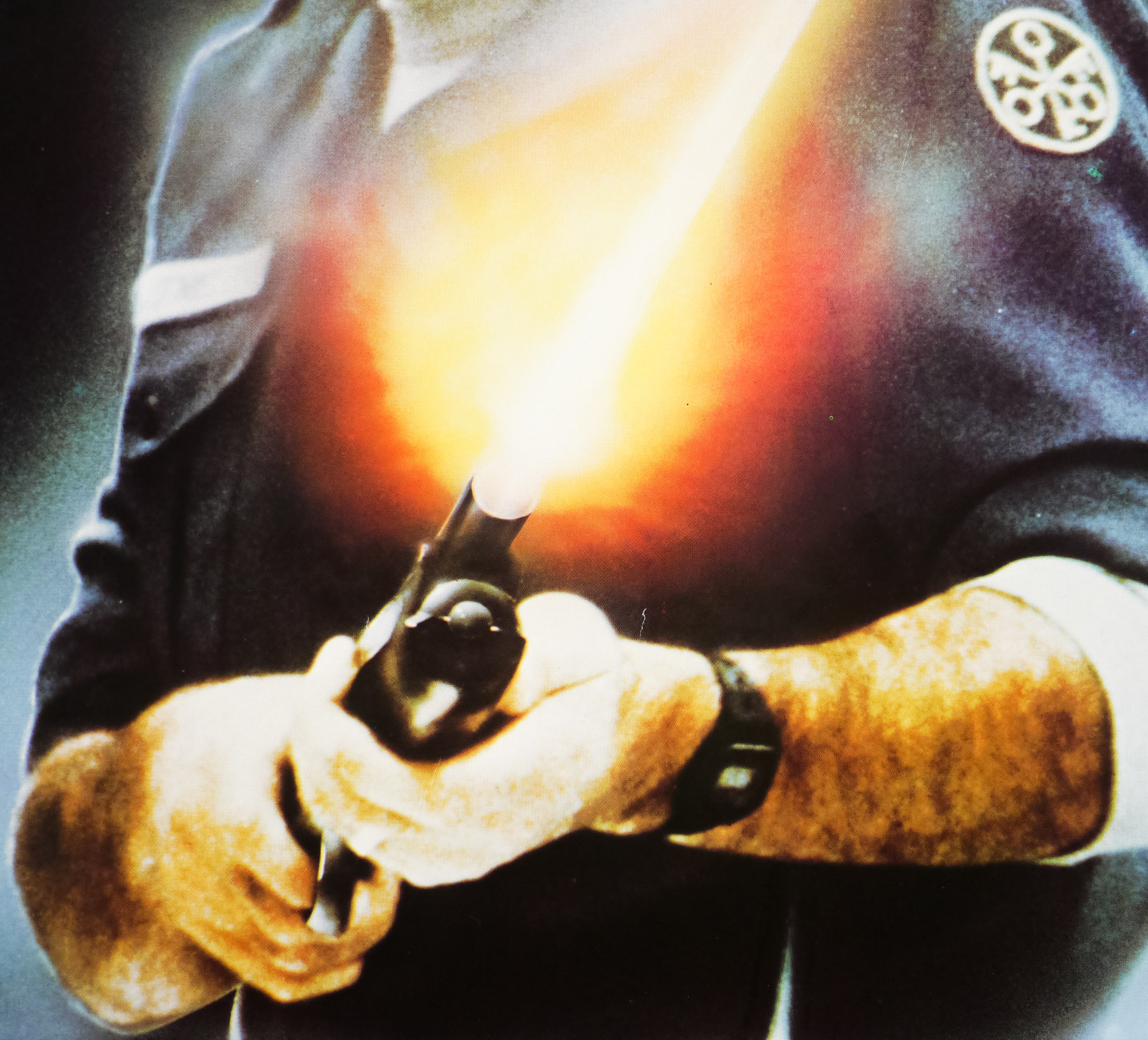
One of my favourite non-James Bond roles for Sean Connery, the 1981 sci-fi thriller Outland still stands up 30 years after its release. It’s essentially a wild-west story set in space with Connery playing a space marshal based onboard a remote mining colony orbiting Jupiter’s moon Io. When he uncovers a smuggling operation of a dangerous drug on the station, he attempts to uncover who is responsible, only to find that the conspiracy reaches to the top of the mining operation. He soon finds his life under threat from a group of assassins called to the station and must use his ingenuity and knowledge of the station to stay alive.

The film was an acknowledged influence on Duncan Jones‘ superb 2009 film Moon, which I can heartily recommend. It also has one of the best posters of the past few years. I was lucky enough to see a double-bill of the two films together presented by Jones (at the Prince Charles Cinema in London) where he talked about his love for Outland and the influence it had on his directorial debut. Without spoiling things, the design of a particular space craft in Moon is a great homage to one in Outland.

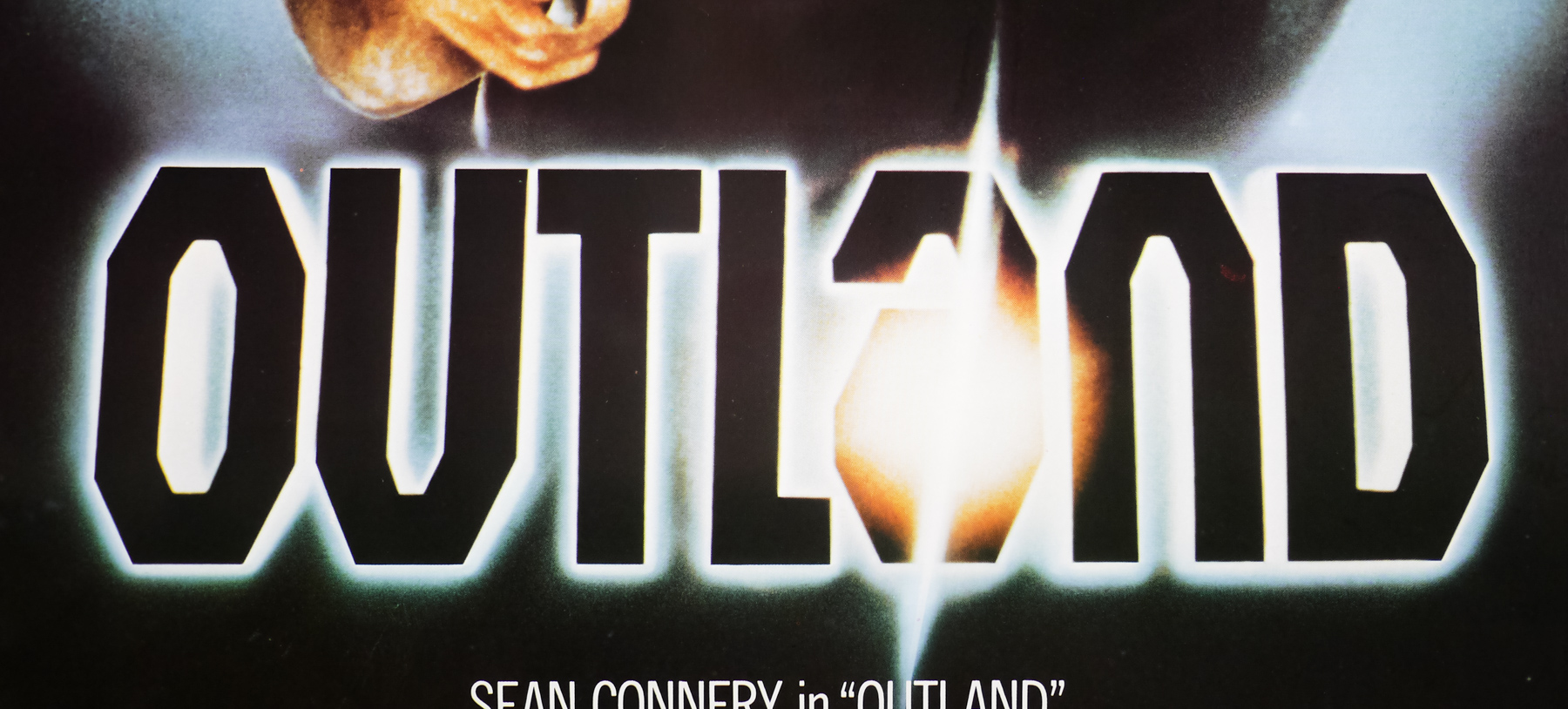
This one sheet differs greatly from the UK quad but retains the tagline. It also features the same font used on the Mad Max UK one sheet.

Here’s the trailer for the film.

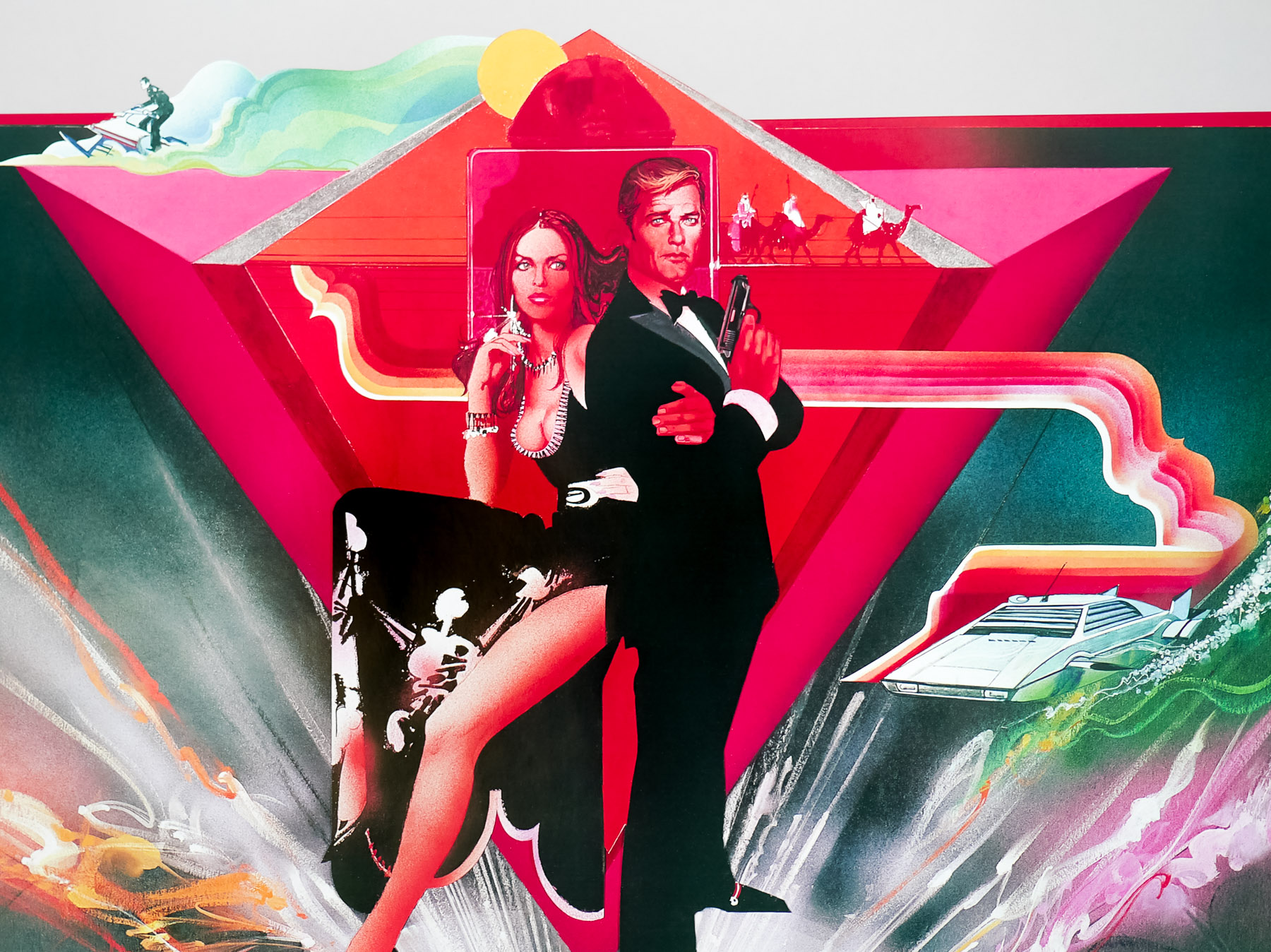
The Spy Who Loved Me / quad / 2008 re-release / UK

12.11.14

Poster Poster
Title
The Spy Who Loved Me
AKA
--
Year of Film
1977
Director
Lewis Gilbert
Starring
Roger Moore, Barbara Bach, Curt Jürgens, Richard Kiel, Caroline Munro, Walter Gotell, Bernard Lee, Desmond Llewelyn, Lois Maxwell, Geoffrey Keen, George Baker, Edward de Souza
Origin of Film
UK
Genre(s) of Film
Roger Moore, Barbara Bach, Curt Jürgens, Richard Kiel, Caroline Munro, Walter Gotell, Bernard Lee, Desmond Llewelyn, Lois Maxwell, Geoffrey Keen, George Baker, Edward de Souza,
Type of Poster
Quad
Style of Poster
Re-release
Origin of Poster
UK
Year of Poster
2008
Designer
Unknown
Artist
Bob Peak
Size (inches)
30" x 39 14/16"
SS or DS
DS
Tagline
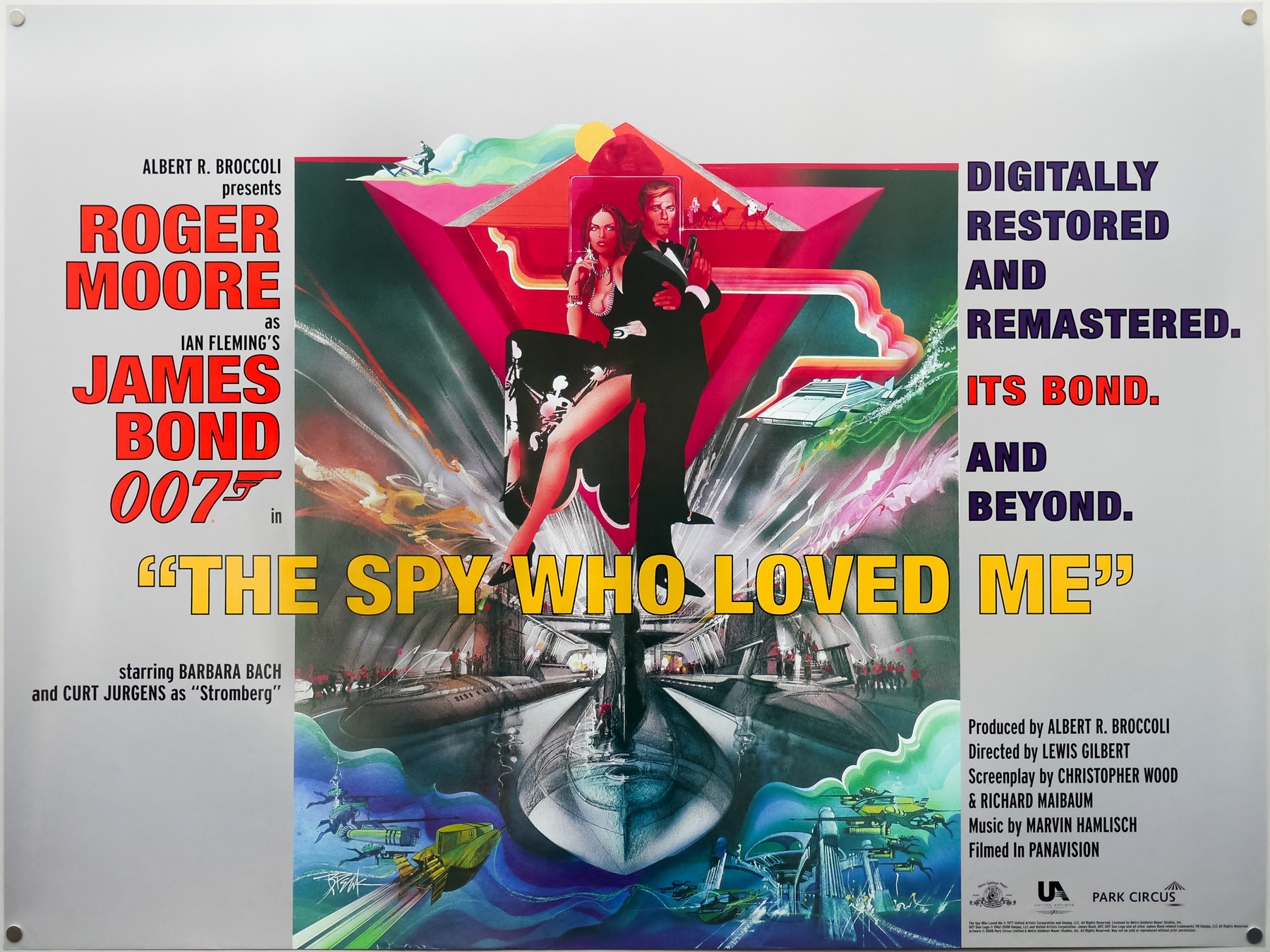
Digitally restored and remastered. It's Bond. And Beyond.

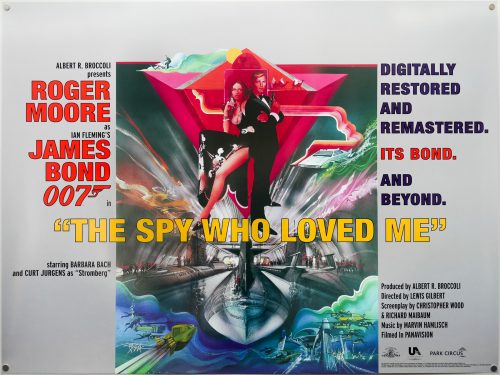
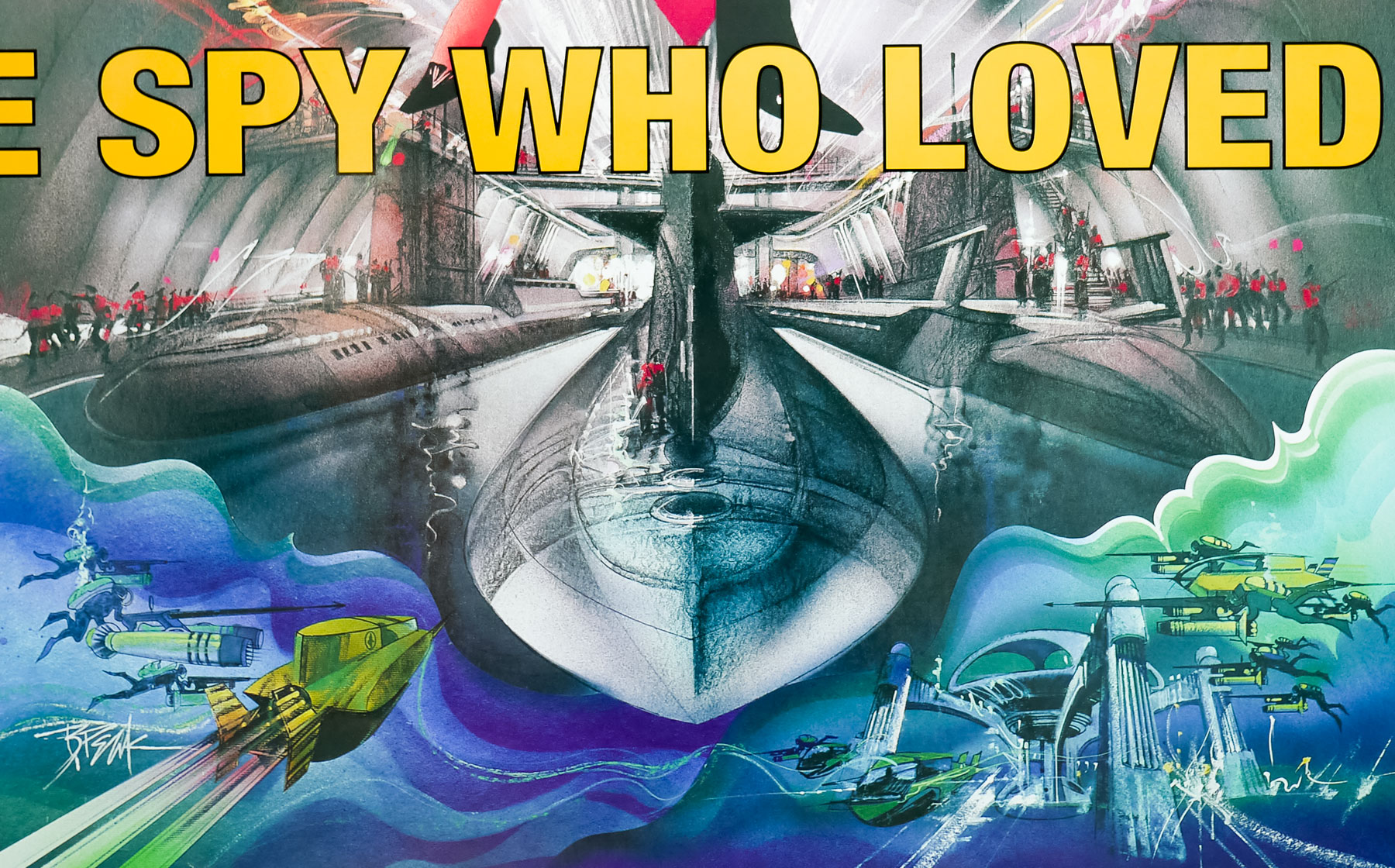
This is the UK quad for a 2008 digital re-release of The Spy Who Loved Me, which was the tenth James Bond adventure and the third to star Sir Roger Moore as the legendary spy. Felt by many to be the best Moore era film, it shares only the title with Ian Fleming’s original novel (at the author’s request) and the screenplay was written by Christopher Wood and Bond regular Richard Maibaum. When Russian and British submarines mysteriously disappear whilst on patrol, each country sends their top spies to discover who is responsible. The trail leads Bond to Egypt where he discovers that the plans for a submarine tracking device are on sale to the highest bidder.

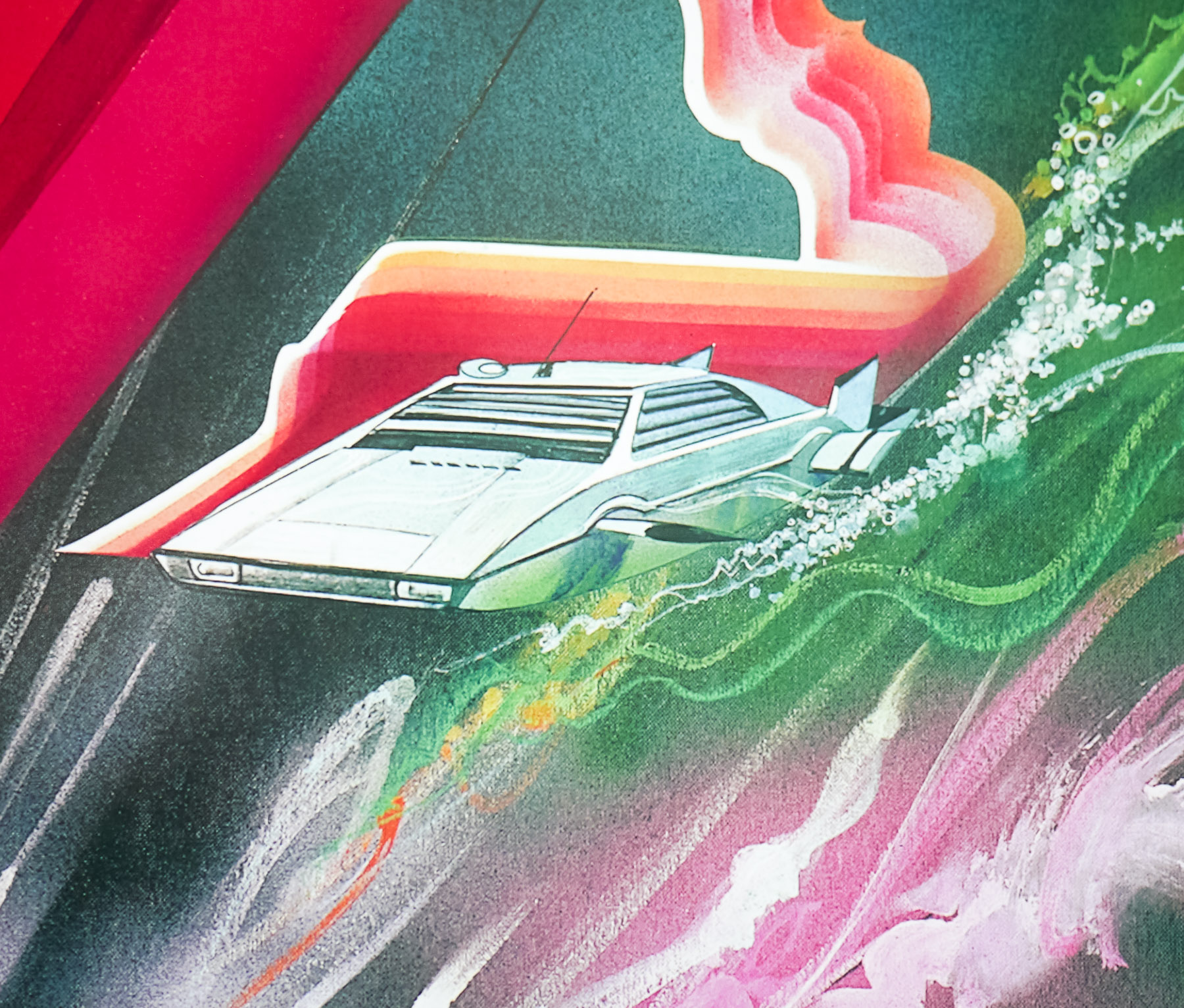
Whilst in Egypt, Bond encounters his Russian rival, the KGB Agent Triple X (!) Major Anya Amasova (played by the beautiful Barbara Bach) and after a few initial hostile encounters the pair agree to team up to track down the plans and deal with the mute but deadly assassin Jaws (the late Richard Kiel‘s first appearance as the fan-favourite baddy). The pair identify shipping tycoon and scientist Karl Stromberg (Curd Jürgens) as the man behind the device and travel to Sardinia on his trail. There they visit Stromberg’s underwater base, Atlantis, posing as husband and wife scientists but their cover is soon blown and Bond’s infamous Lotus Esprit-cum-submarine makes an appearance. Eventually Bond and Anya are onboard a submarine captured by Stromberg’s submarine-swallowing supertanker and a final showdown takes place.

The Spy Who Loved Me opens with arguably the best pre-credits sequence of any Bond film that apparently even had Prince Charles on his feet applauding at the Royal Premiere back in 1977. The locations, sets and special effects work (particularly the models) are all first rate and you really feel that the budget was well spent. The ridiculous camp humour of later Moore outings is thankfully restrained too. The film was very well received by both critics and audiences and raked in healthy worldwide box-office takings.

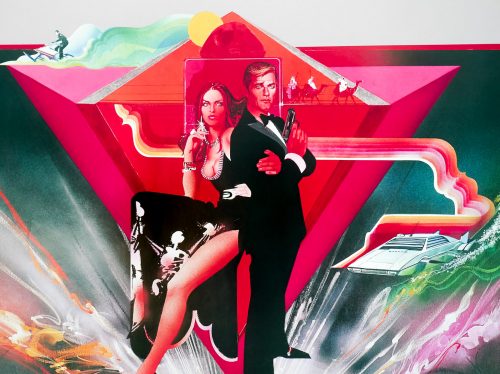
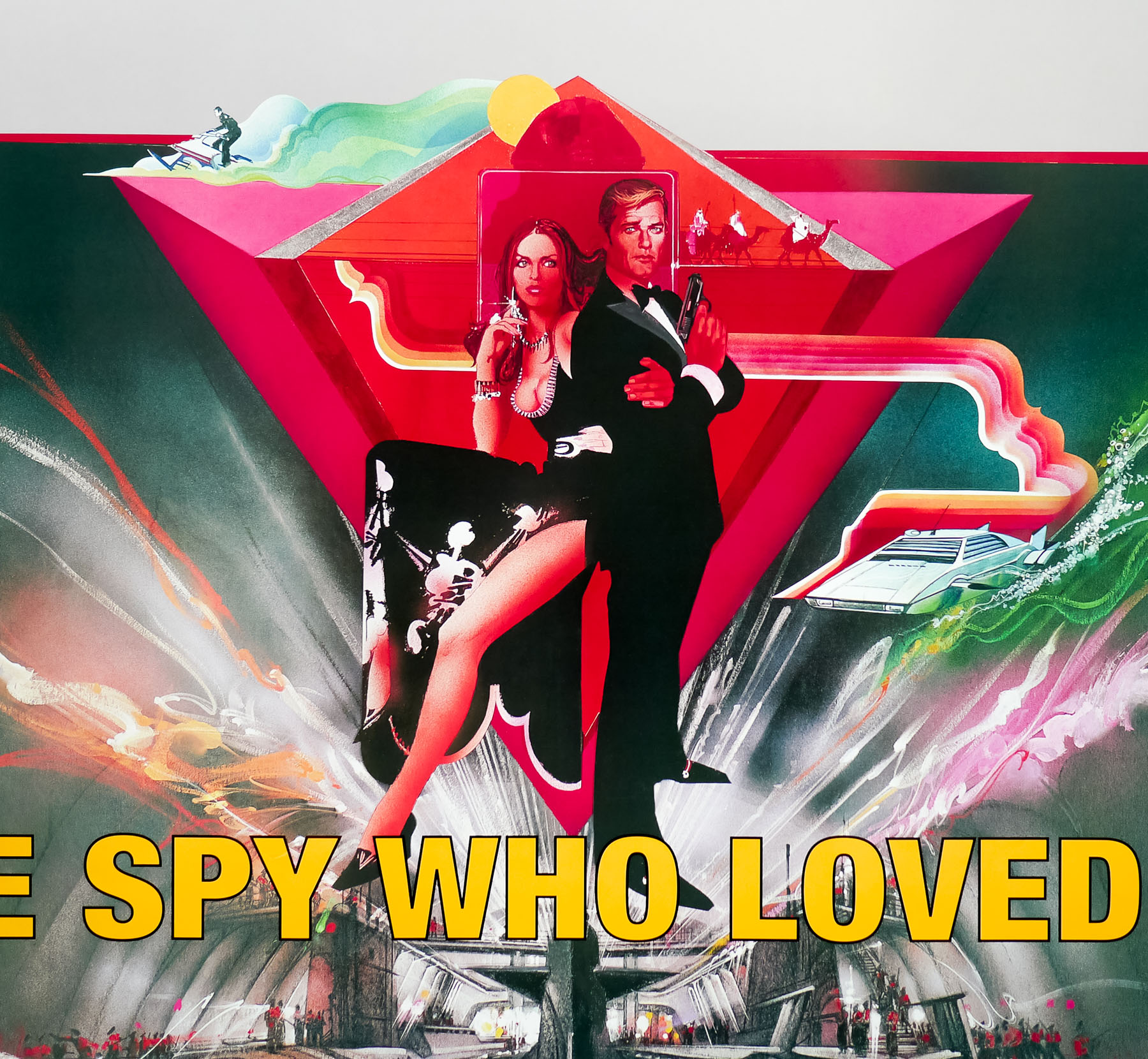
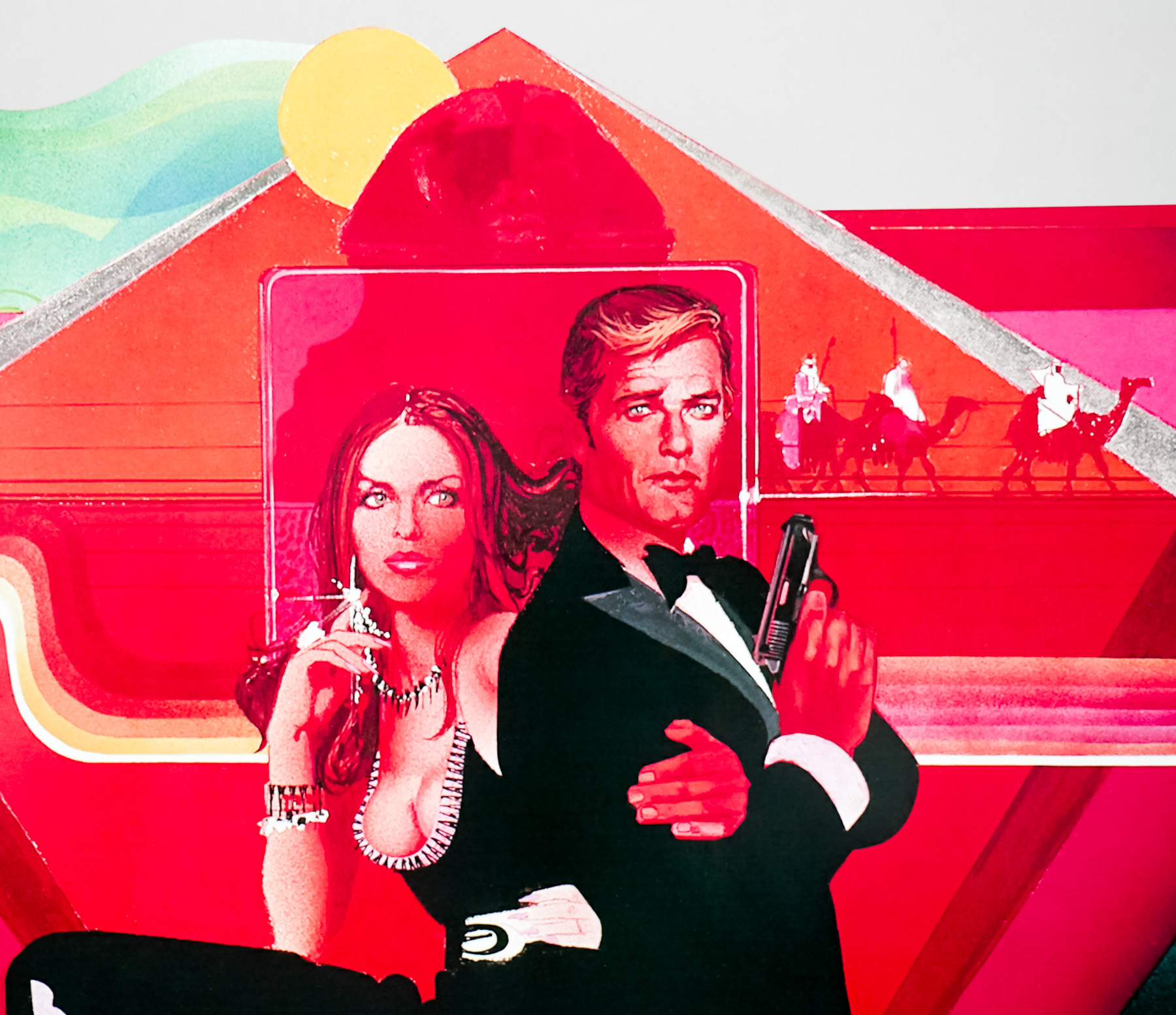
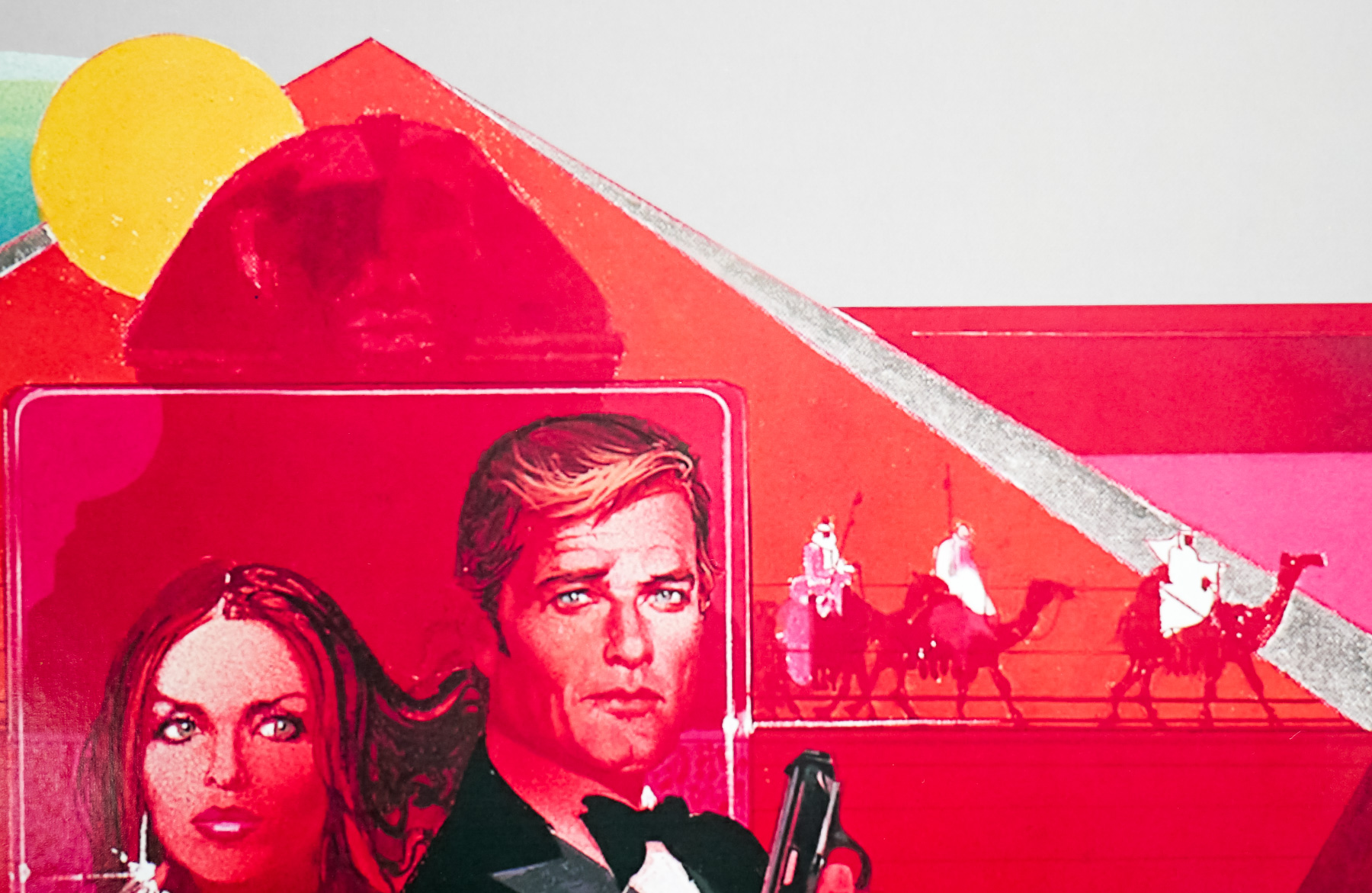
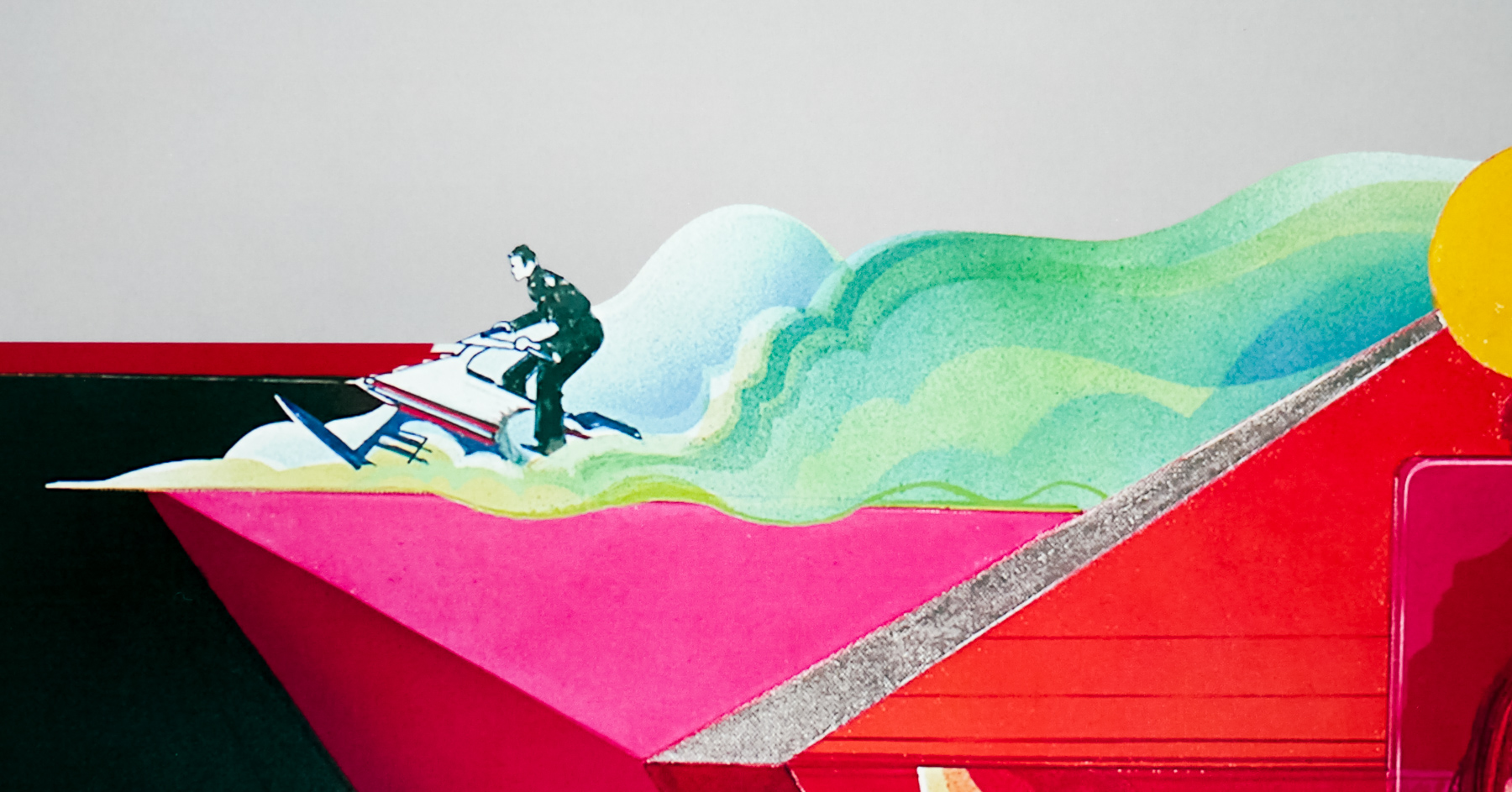
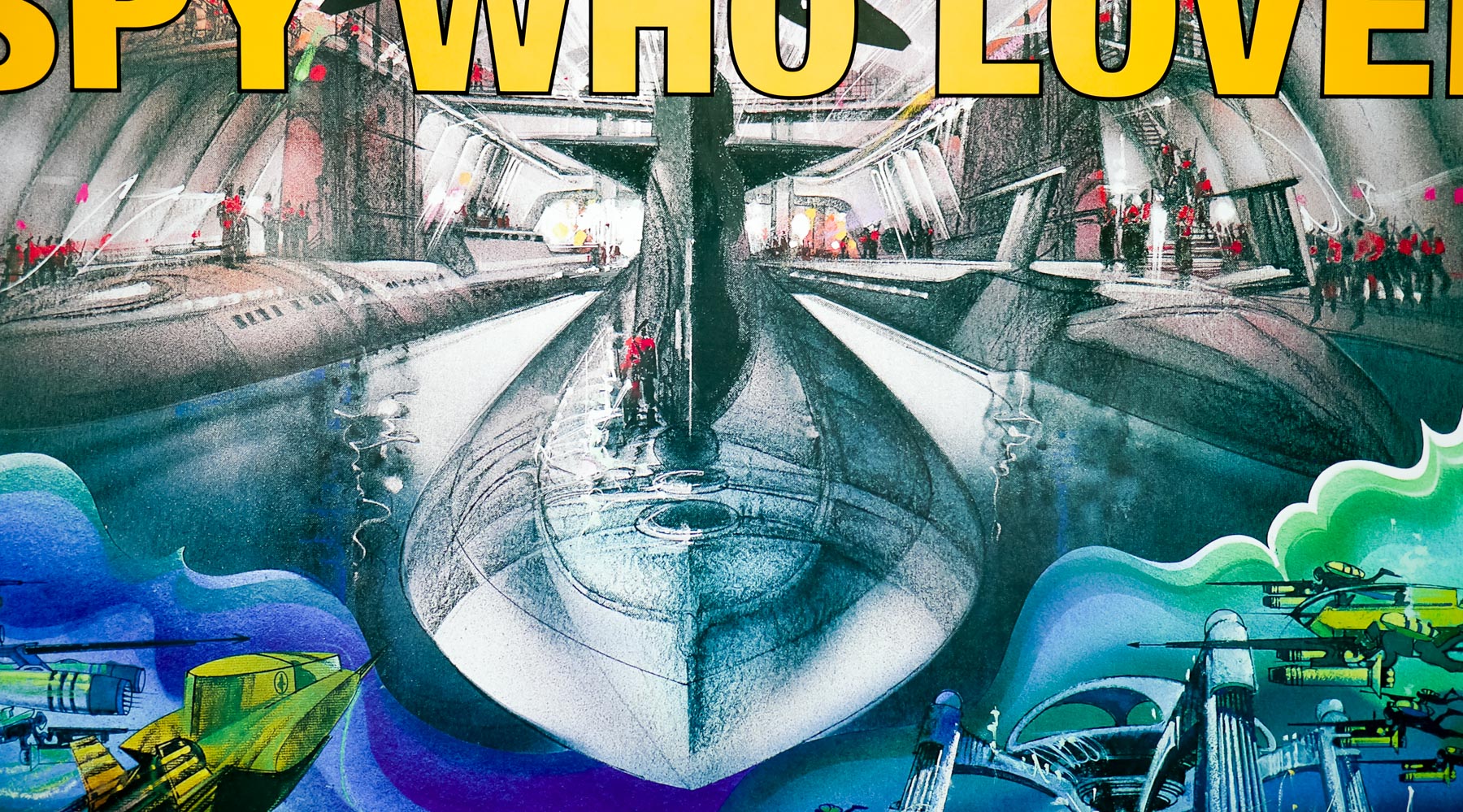
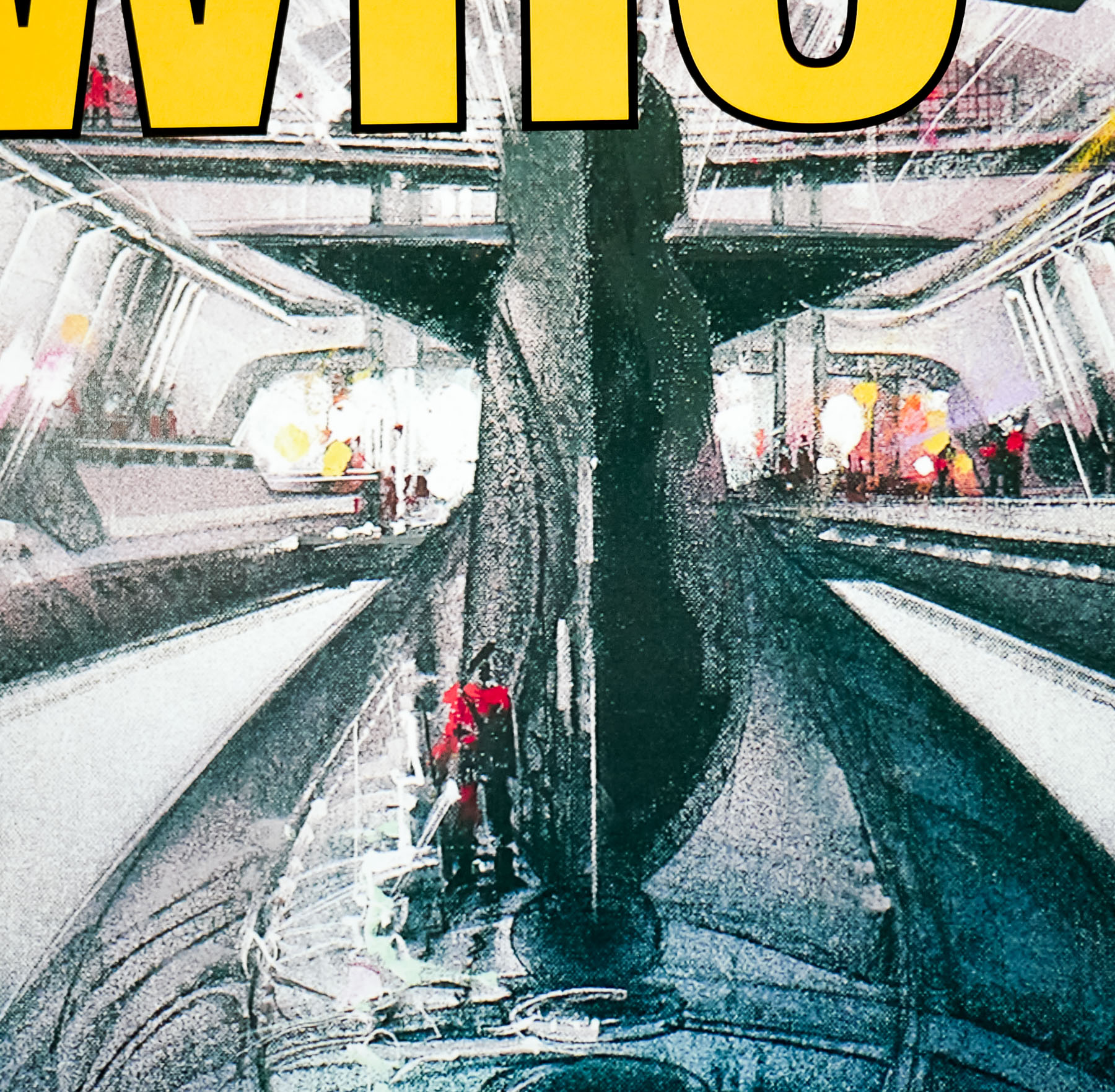
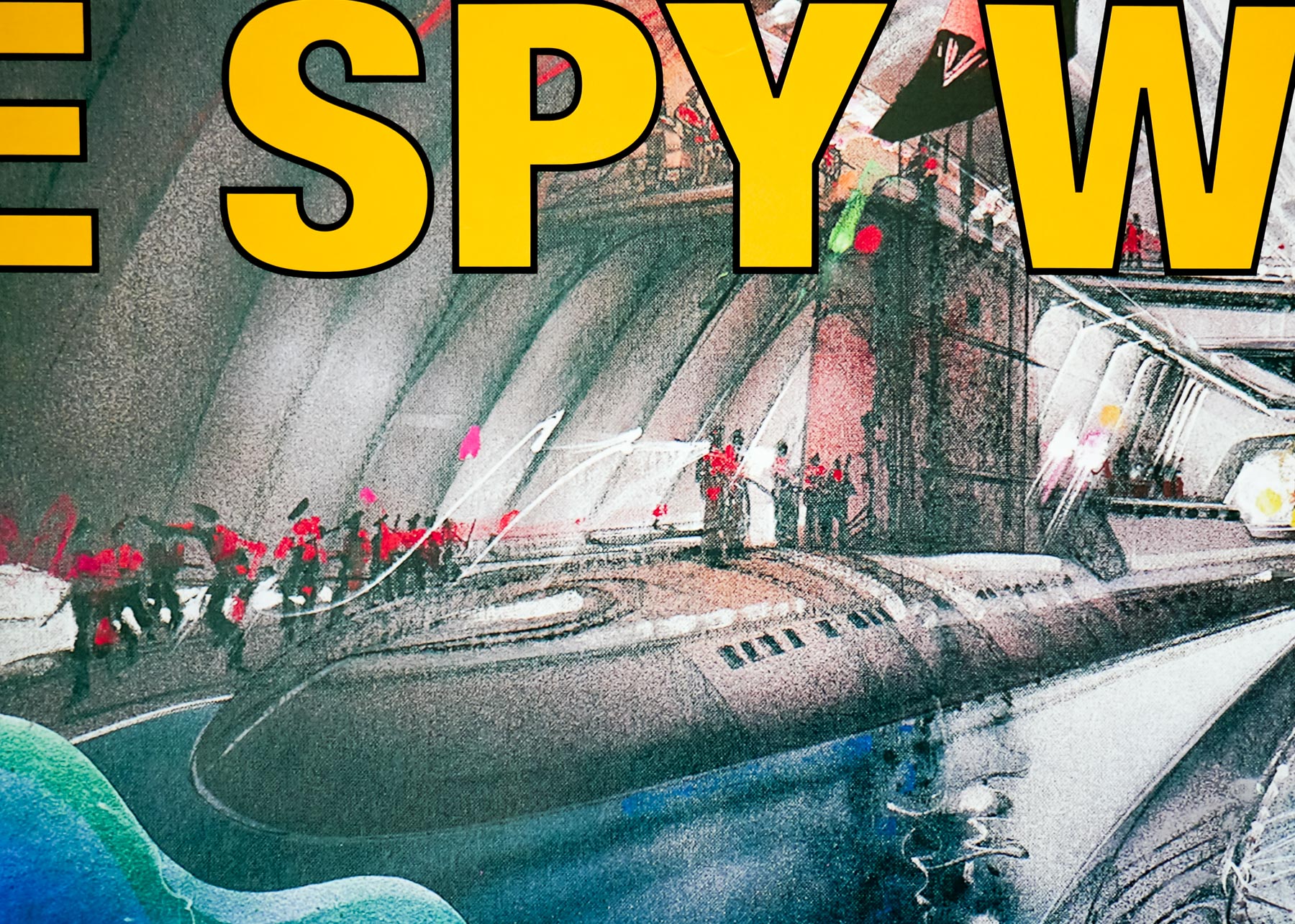
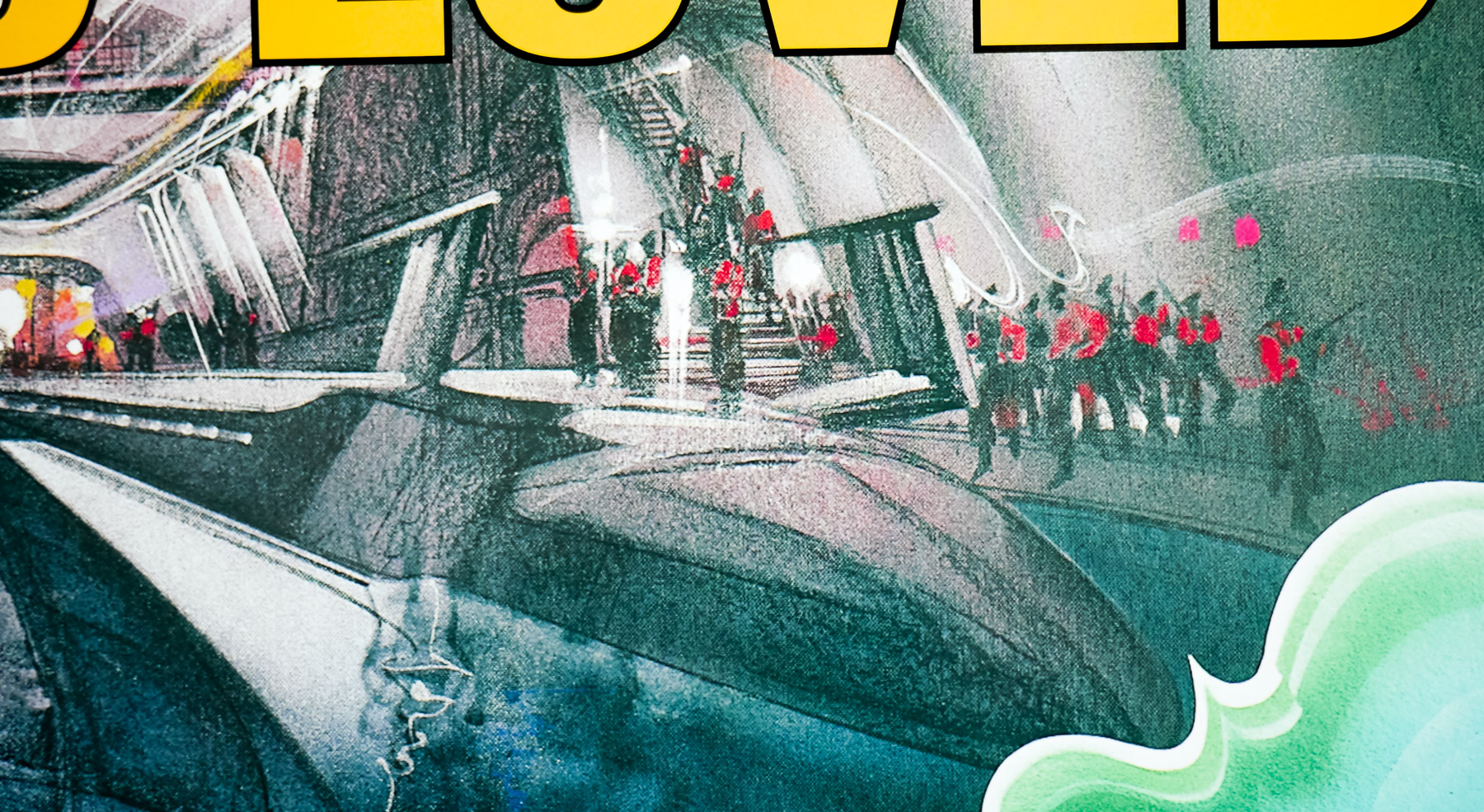
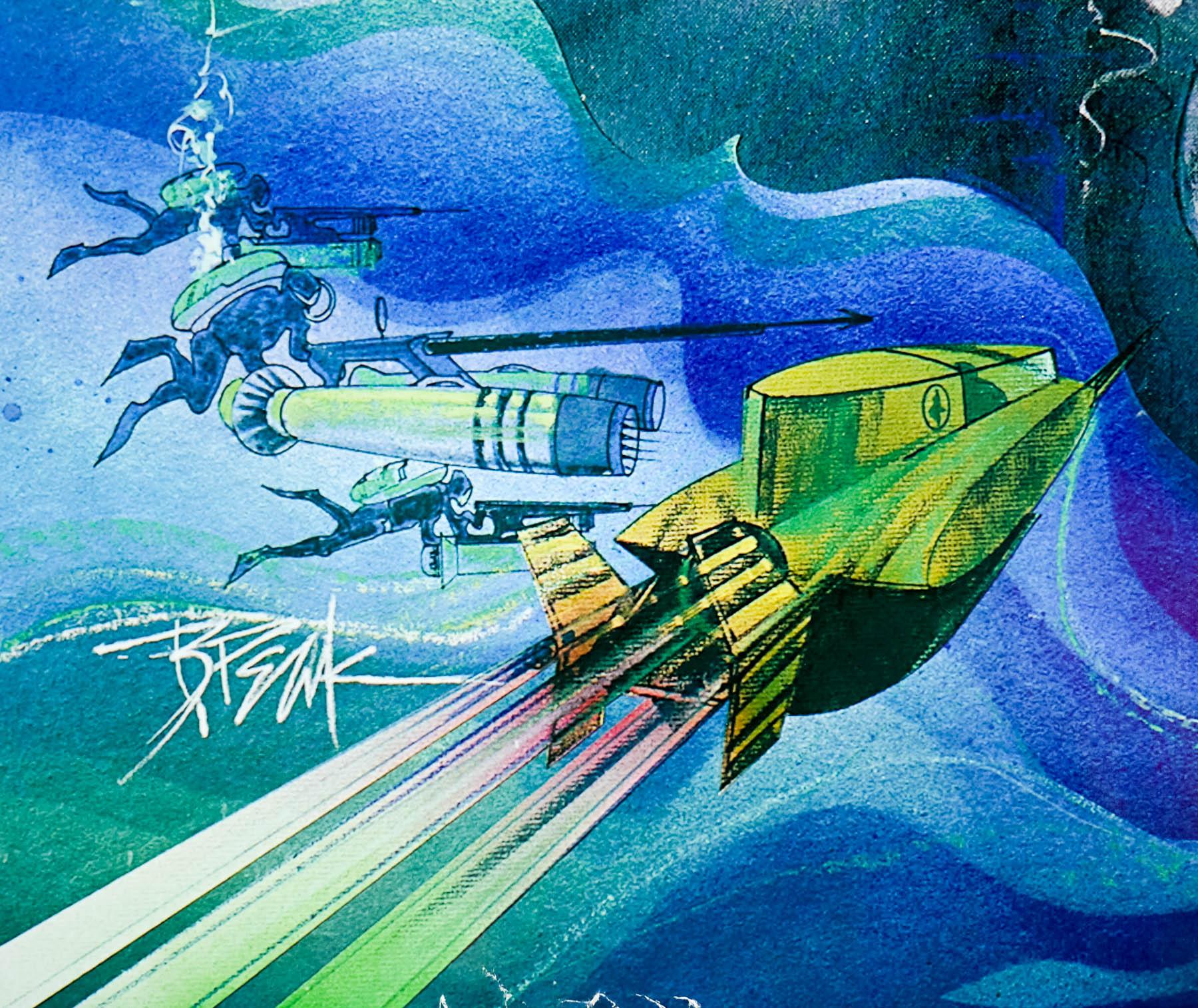
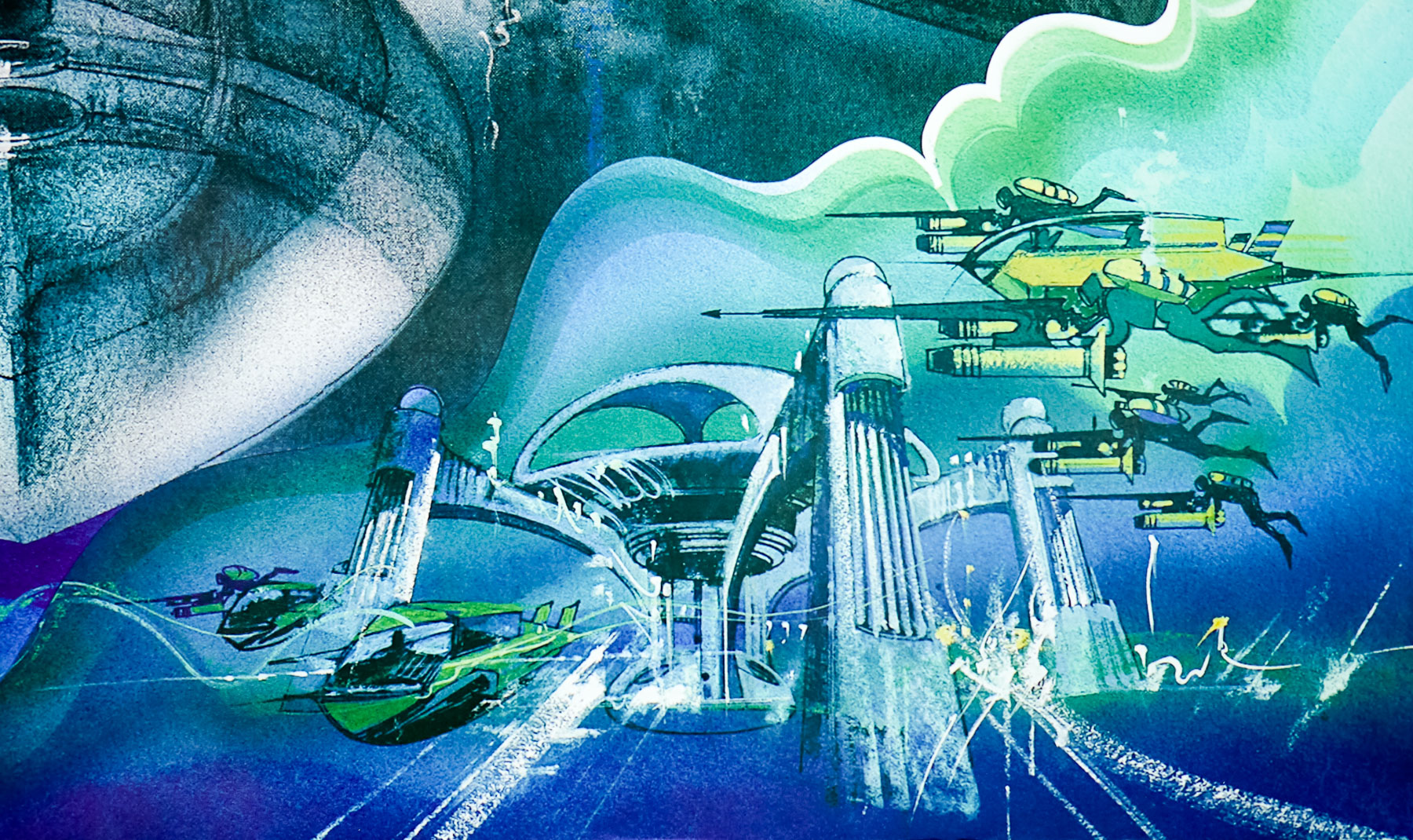
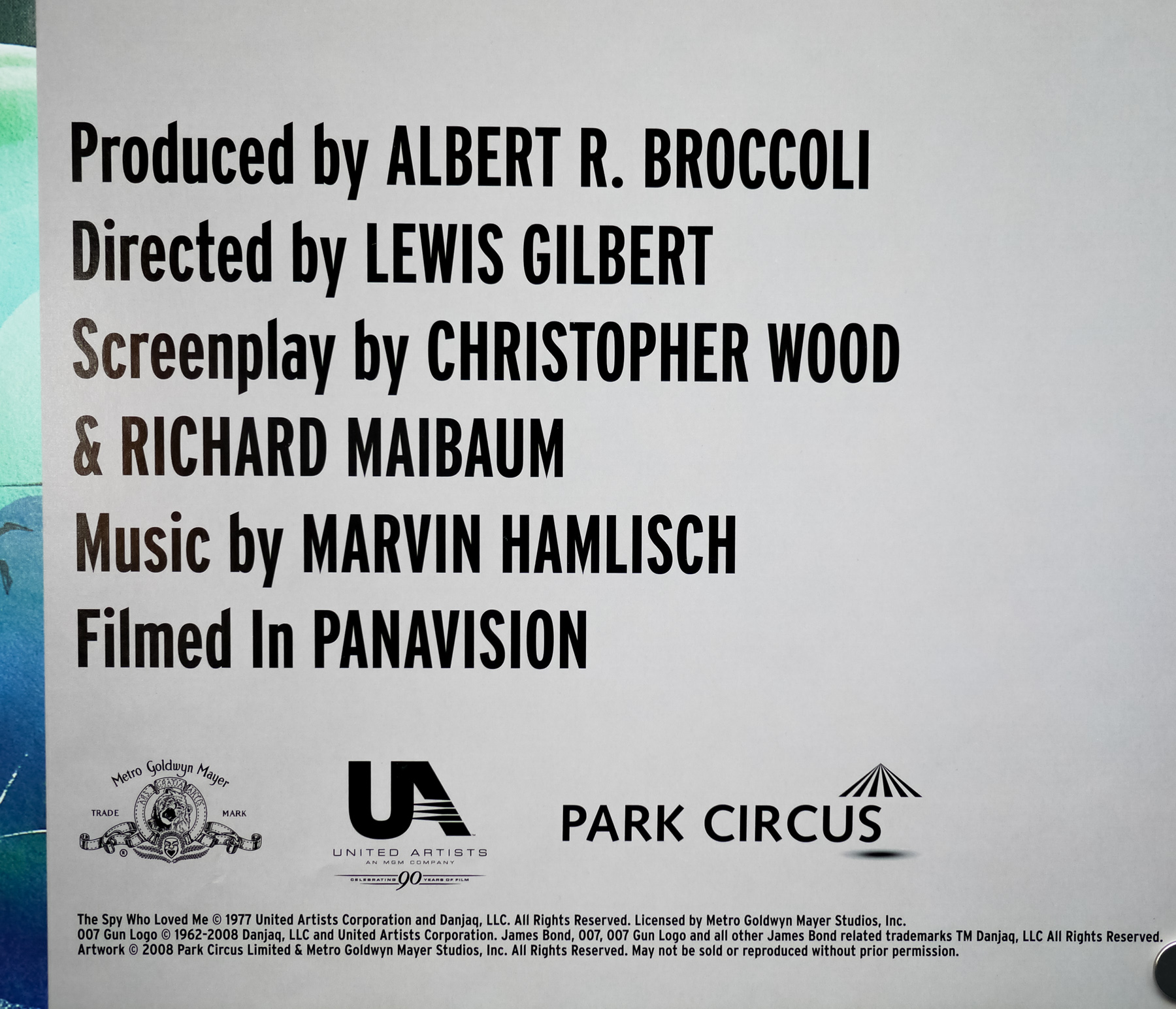
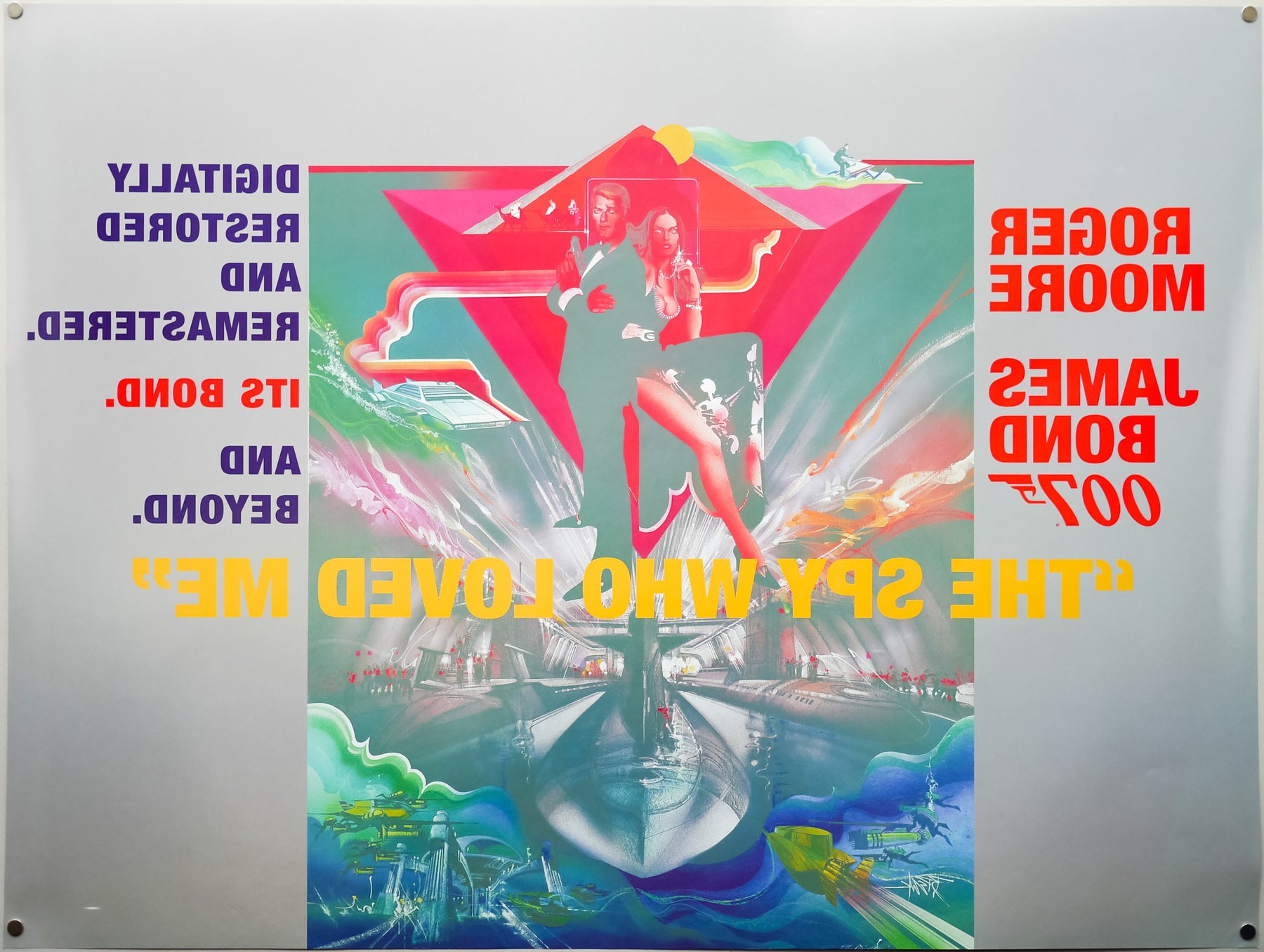
The UK distributor Park Circus was responsible for organising the digital re-release and this quad was printed in very limited numbers. It’s near enough identical to the original quad and features American artist Bob Peak‘s brilliant artwork that featured on posters around the world, including the US one sheet. The original quad was printed on paper with a silver metallic sheen and this quad is glossy and printed double-sided (see the last picture and note that the credits text is missing on the back).

Bob Peak was born in 1927 in Denver, Colorado and grew up in Wichita, Kansas before heading off to serve in the military during the Korean War. Upon his return Peak enrolled in the Los Angeles-based Art Center College of Design where he began to hone his craft as an artist, moving to New York after graduation where he began his career as a commercial illustrator, first working on a campaign for Old Hickory Whiskey. For the next few years the artist worked on a string of successful advertising campaigns, magazine editorials and more, but it was when United Artists hired Peak to work on their campaign for the release of West Side Story in 1961 that he began what would prove to be a fruitful and almost unrivalled career in film poster creation.

Peak’s immediately recognisable style was soon much in demand and his painting appeared on posters for films such as My Fair Lady (1964) and Camelot (1967), but it was his work in the area of sci-fi and fantasy for which Peak is perhaps best known, with the iconic design for the first Superman film (1978), the classic image he created for Rollerball (1975) and the colourful poster for Star Trek: The Motion Picture (1979), amongst several classics of the genre he was responsible for. His paintings for Apocalypse Now, however, arguably saw the artist working at the top of his game and in the recently published must-own bookThe Art of Bob Peak (put together by one of his sons), he is quoted as saying, “Of all my movie work, it is my work on Apocalypse Now that I am most proud of.”

To see the other posters in the Film on Paper collection that were painted by Bob Peak click here.