You searched for: %2520UK

The Passage / quad / UK

06.06.16

Poster Poster

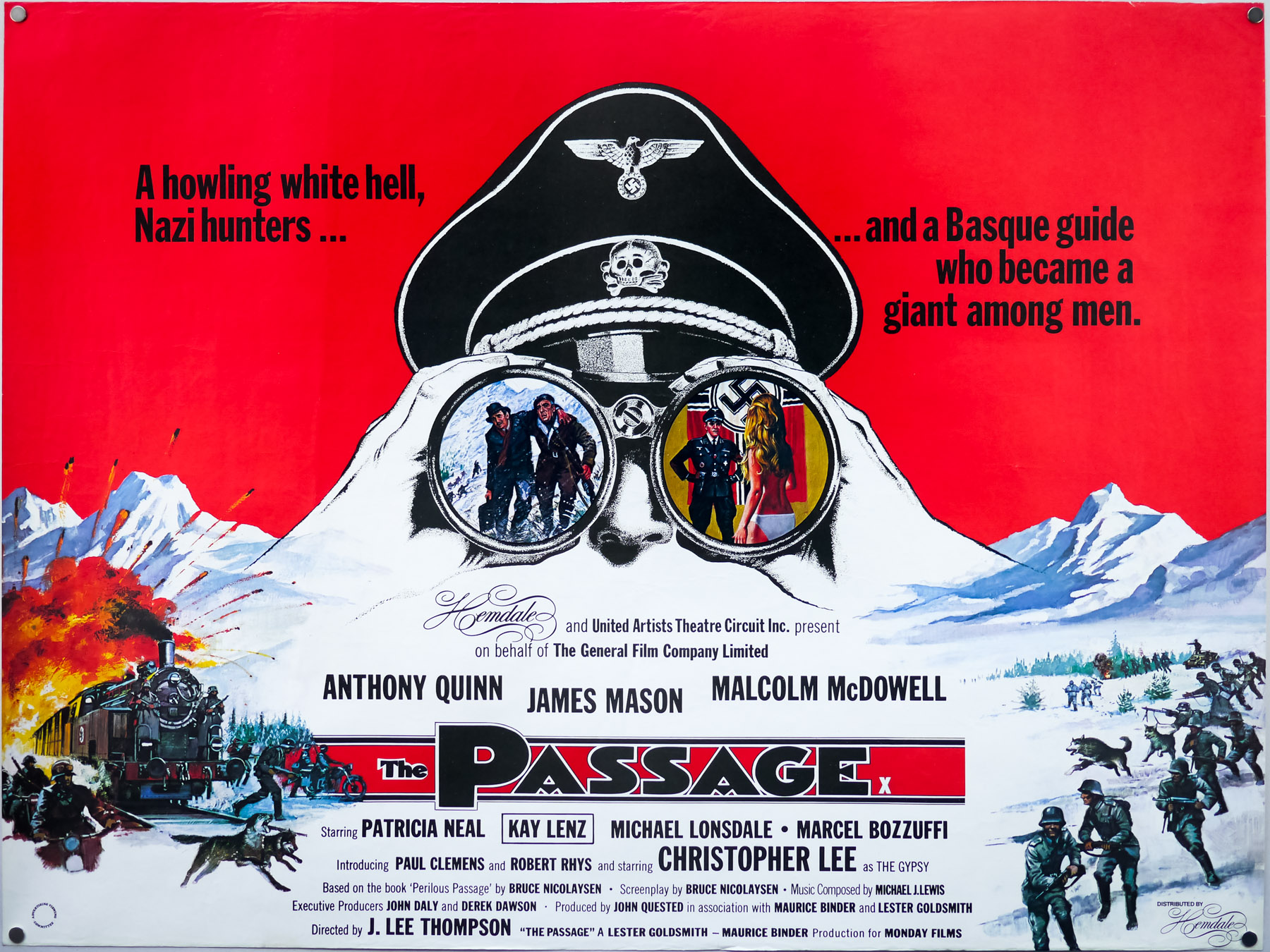
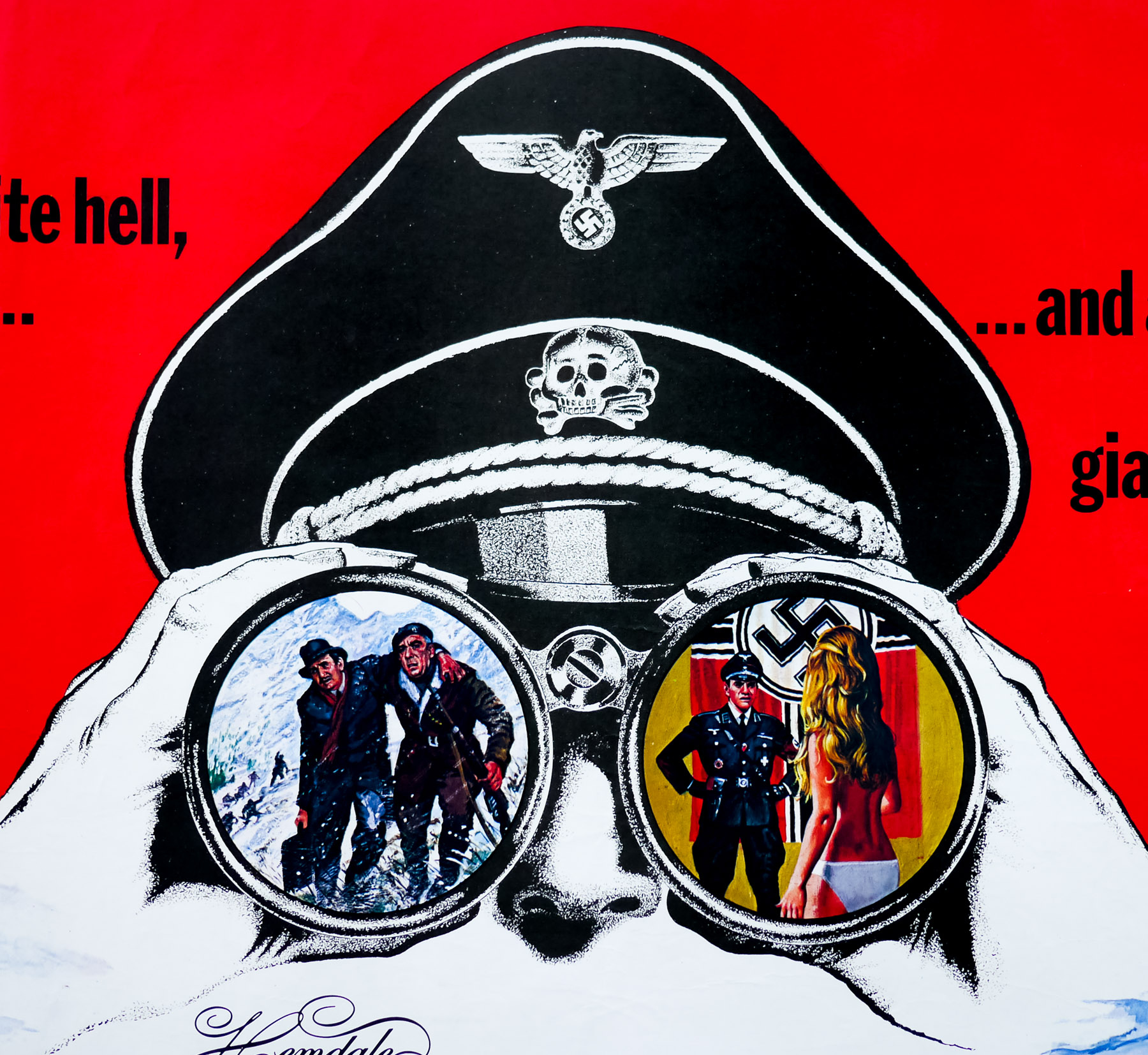
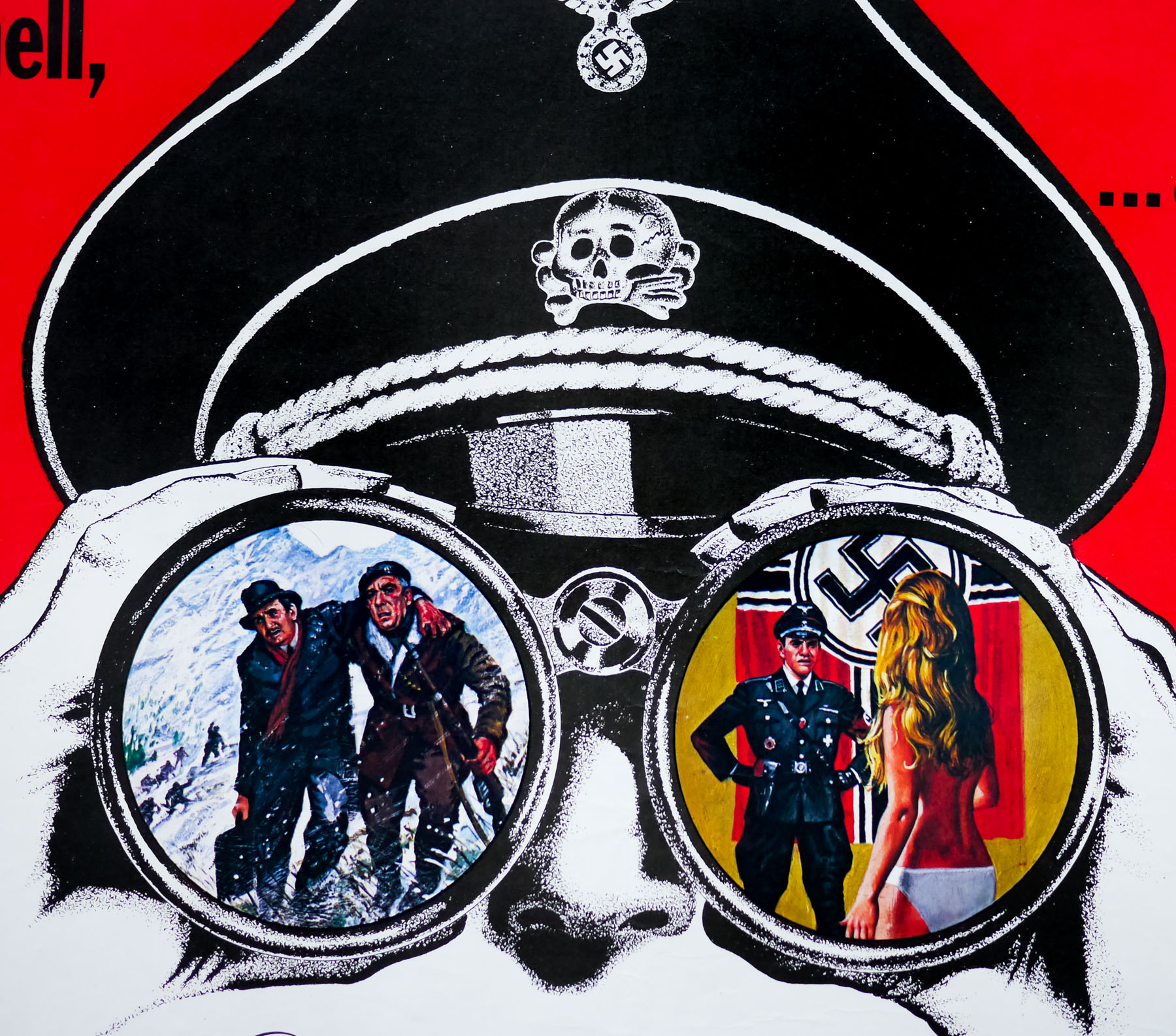
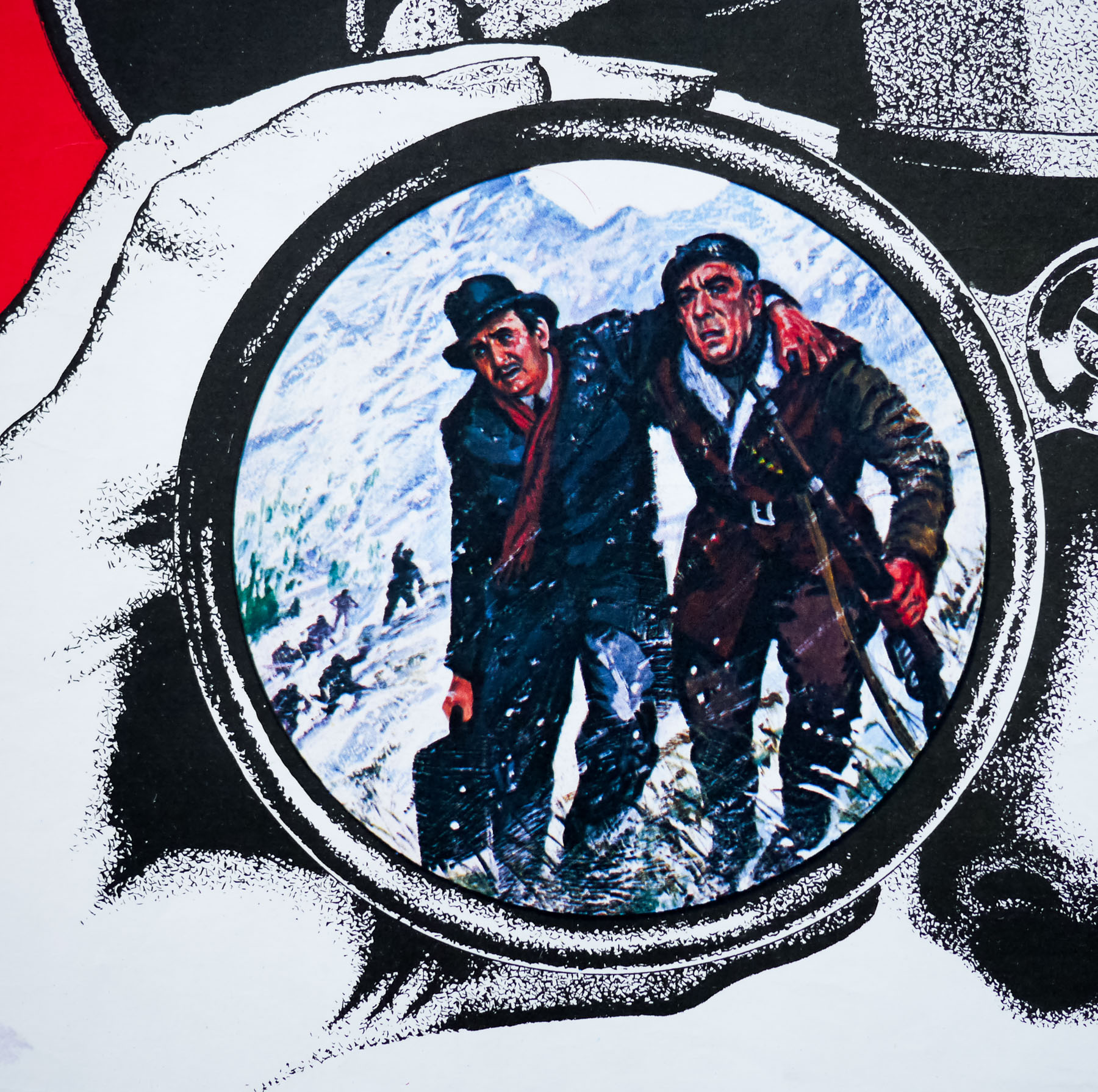
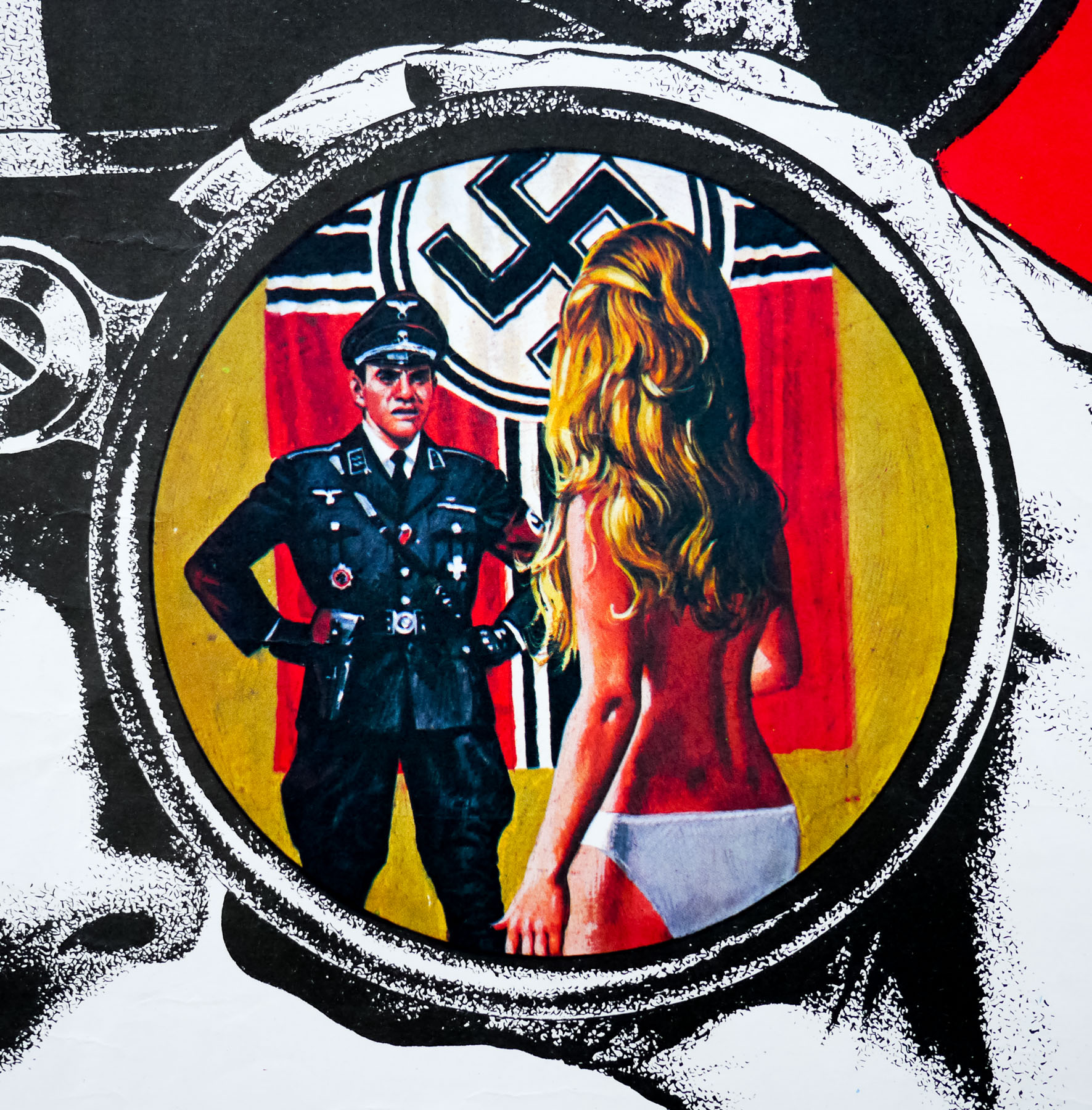
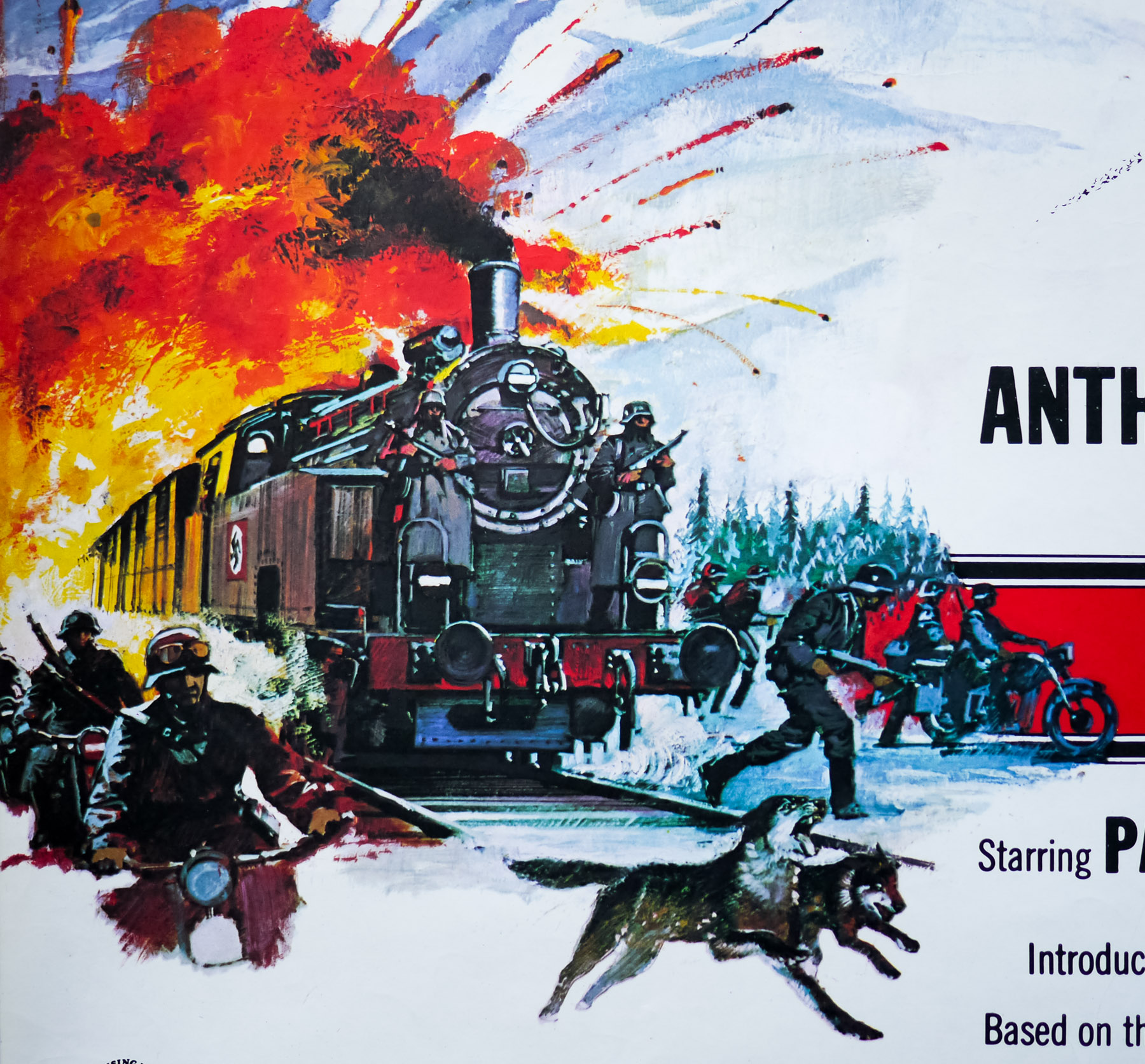
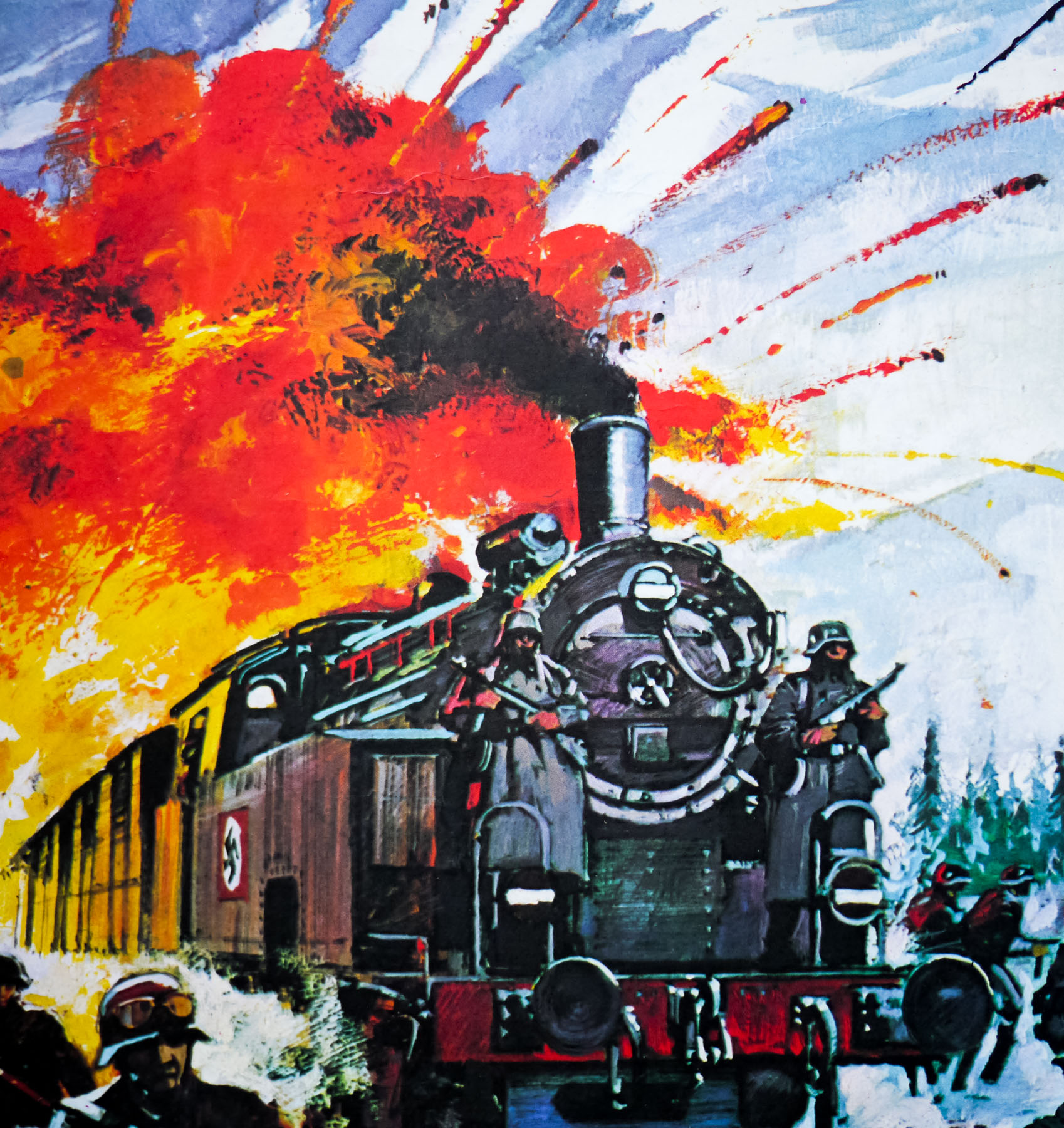
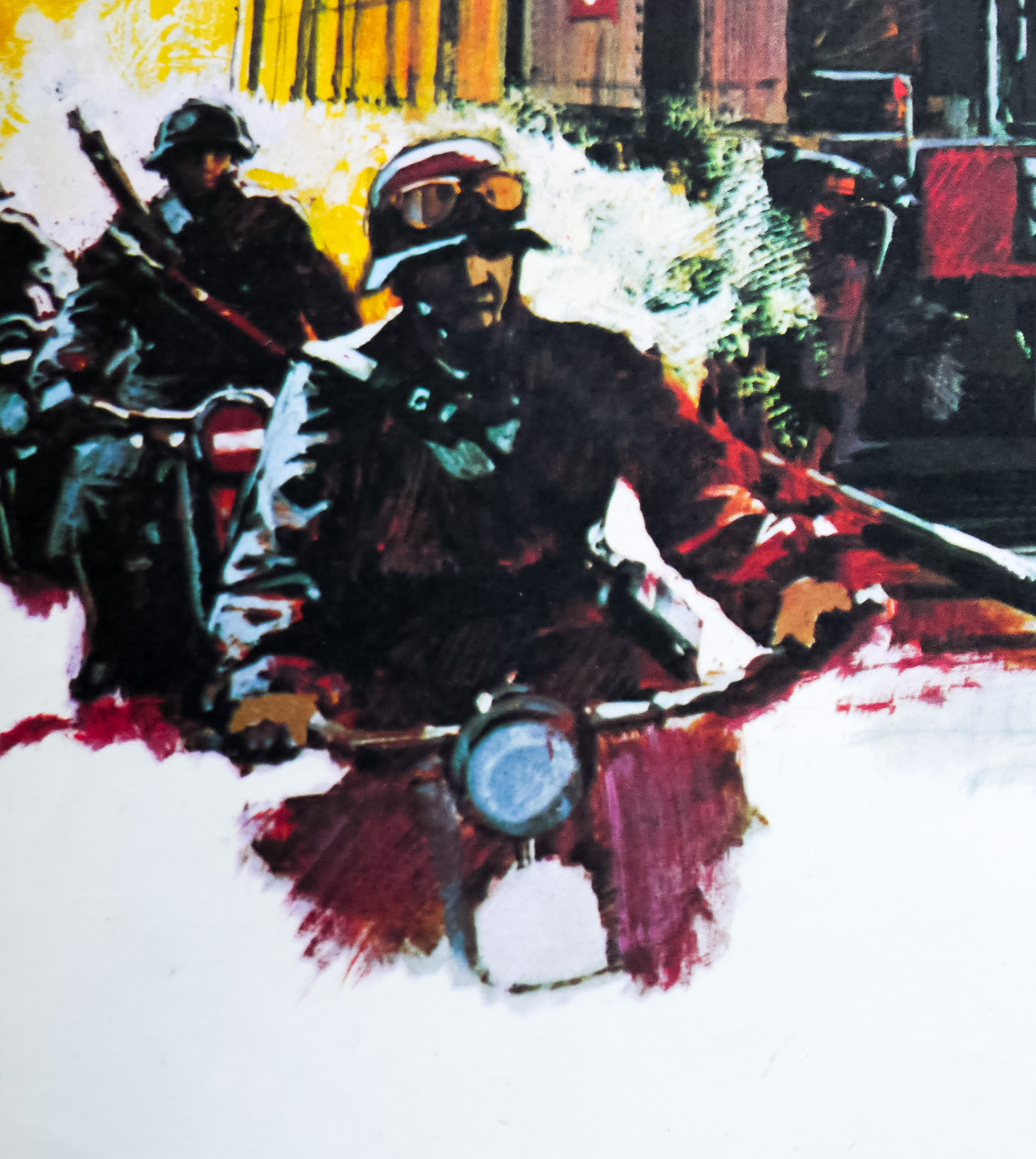
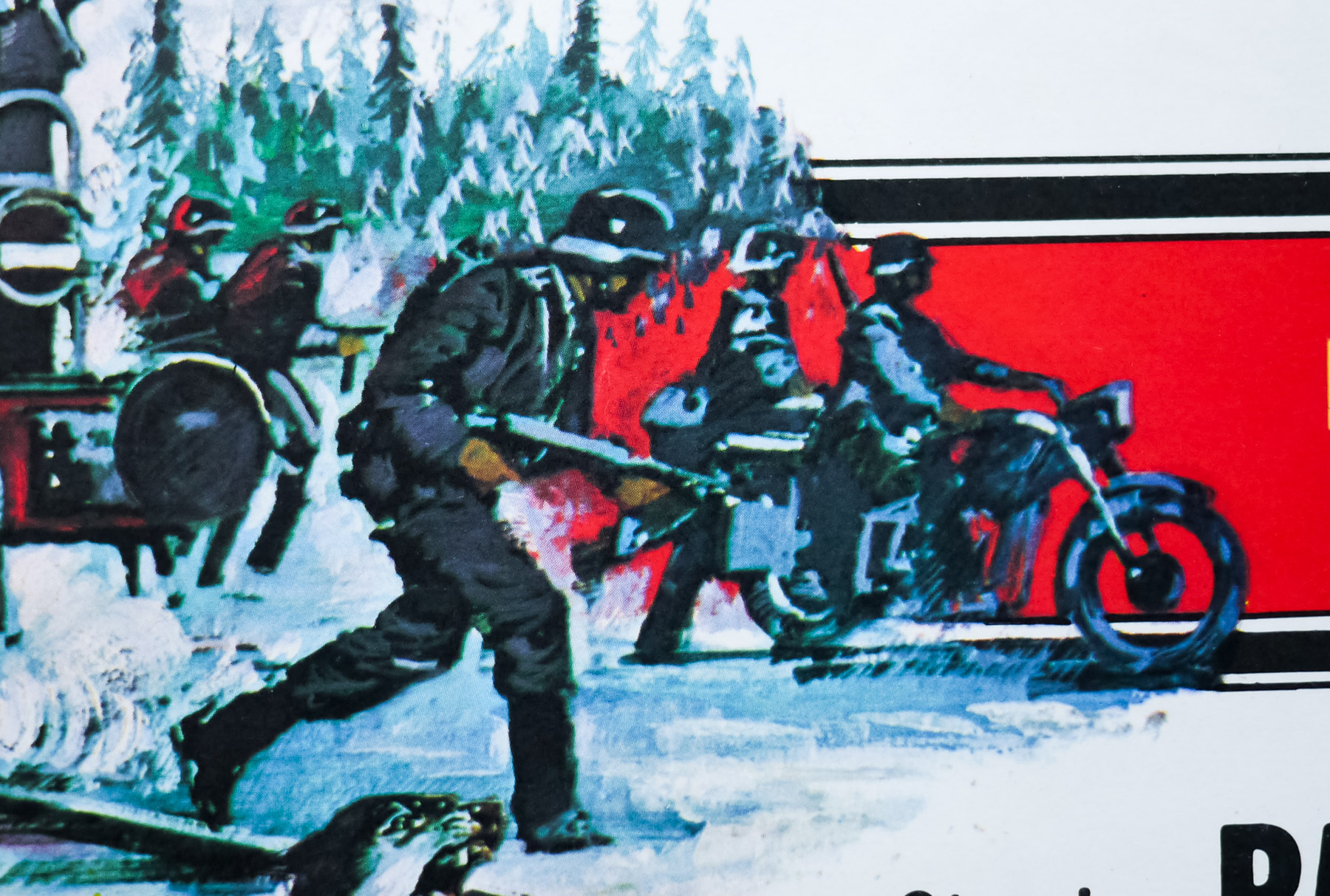
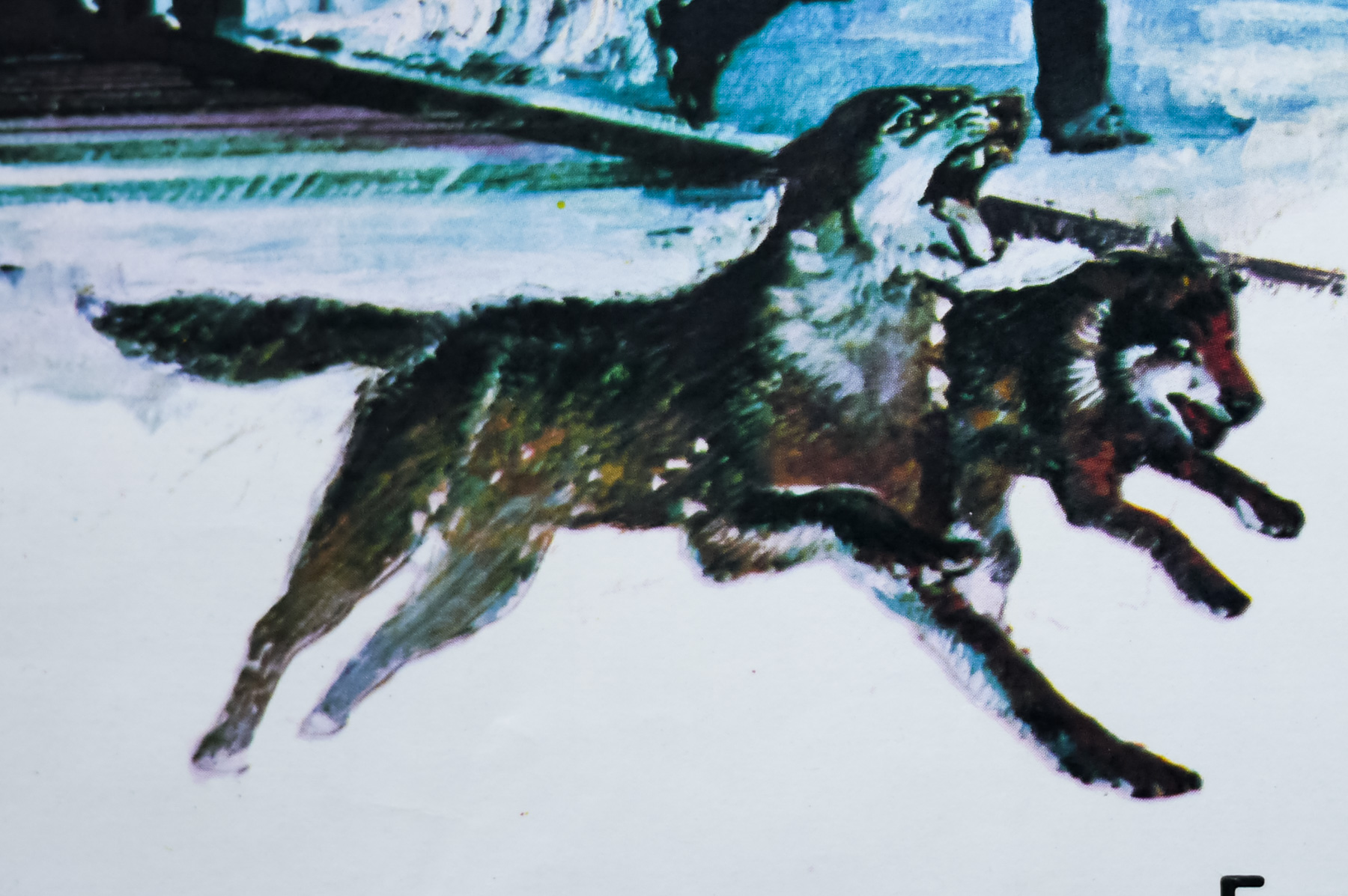
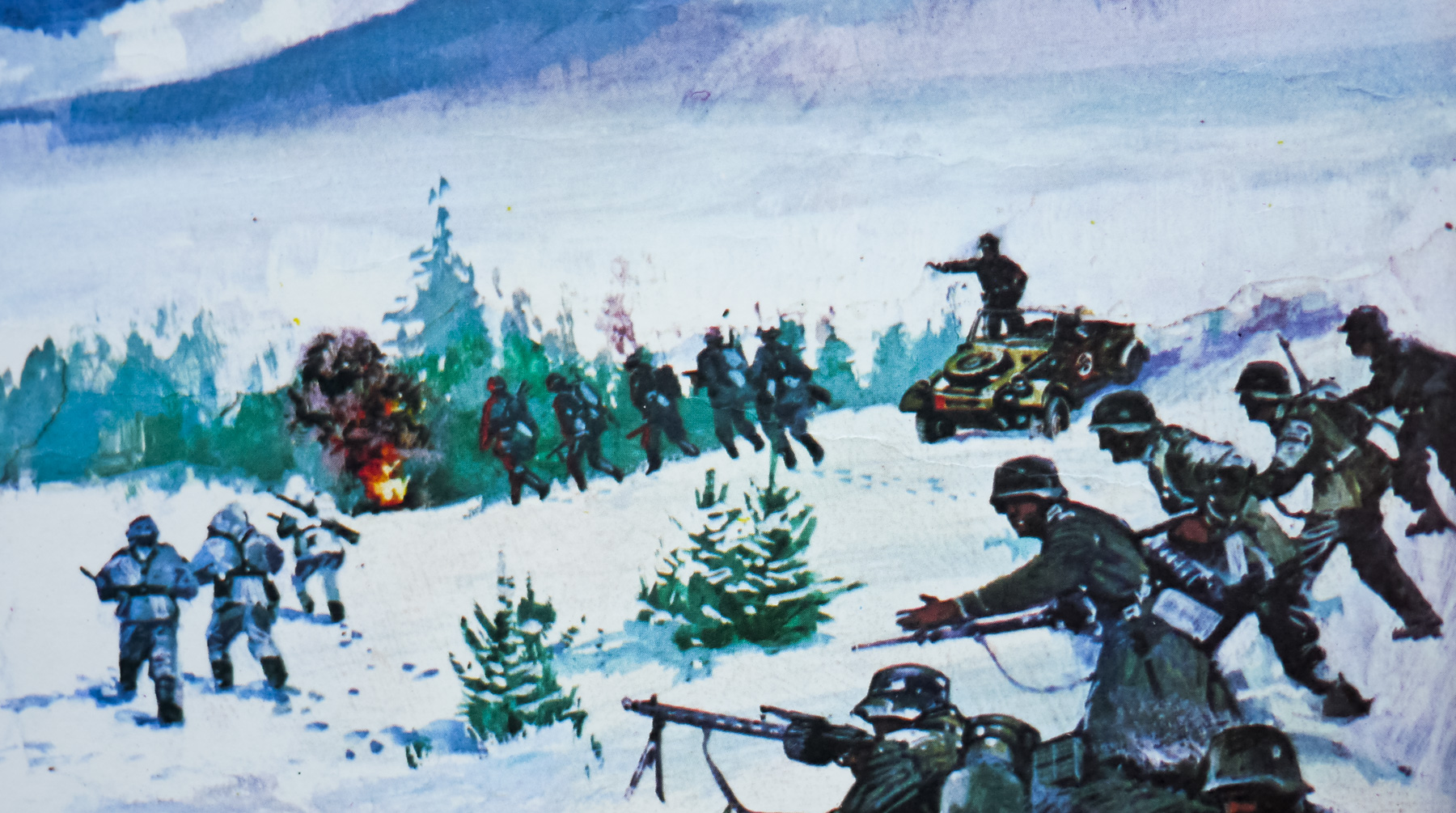
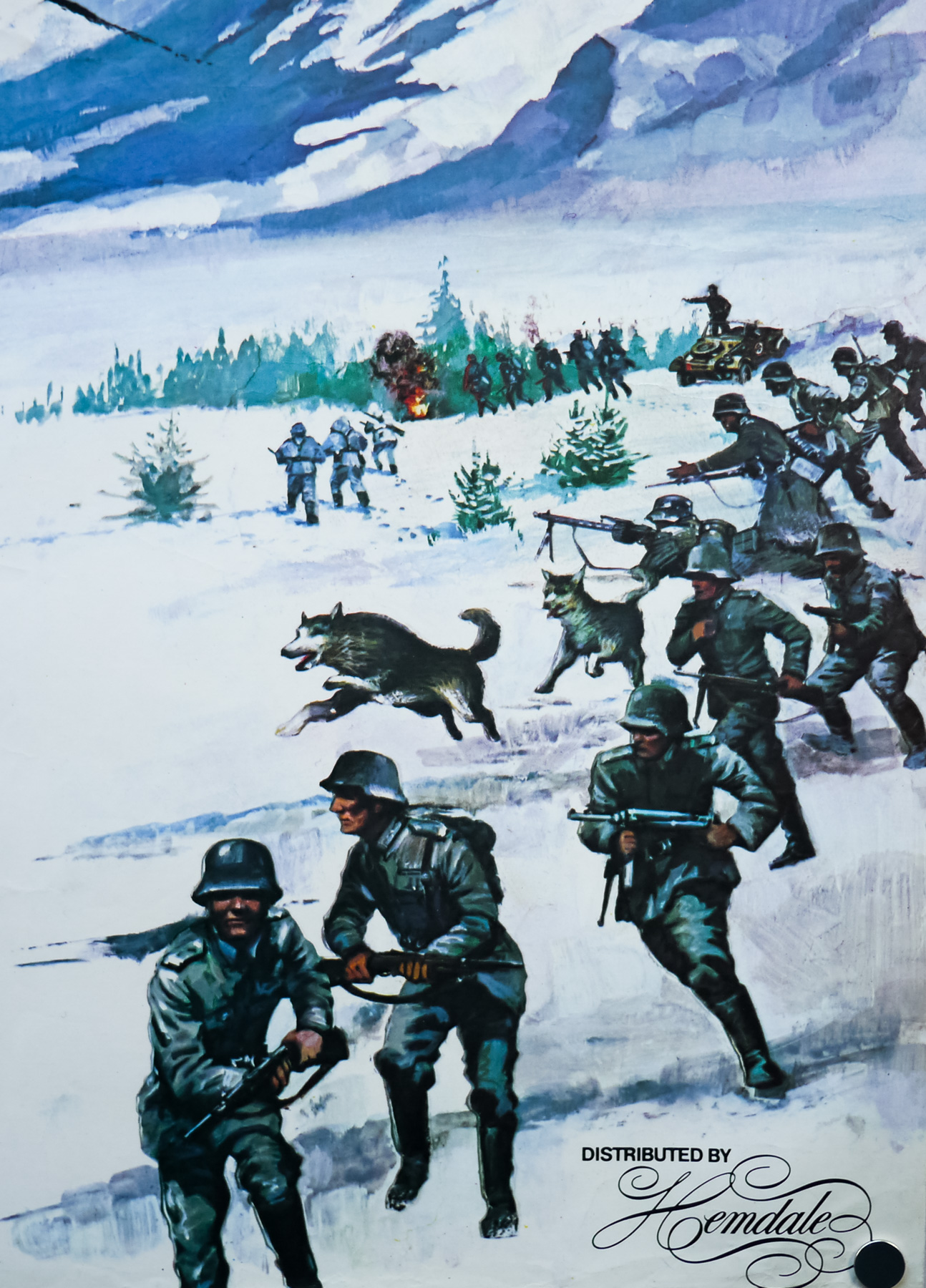
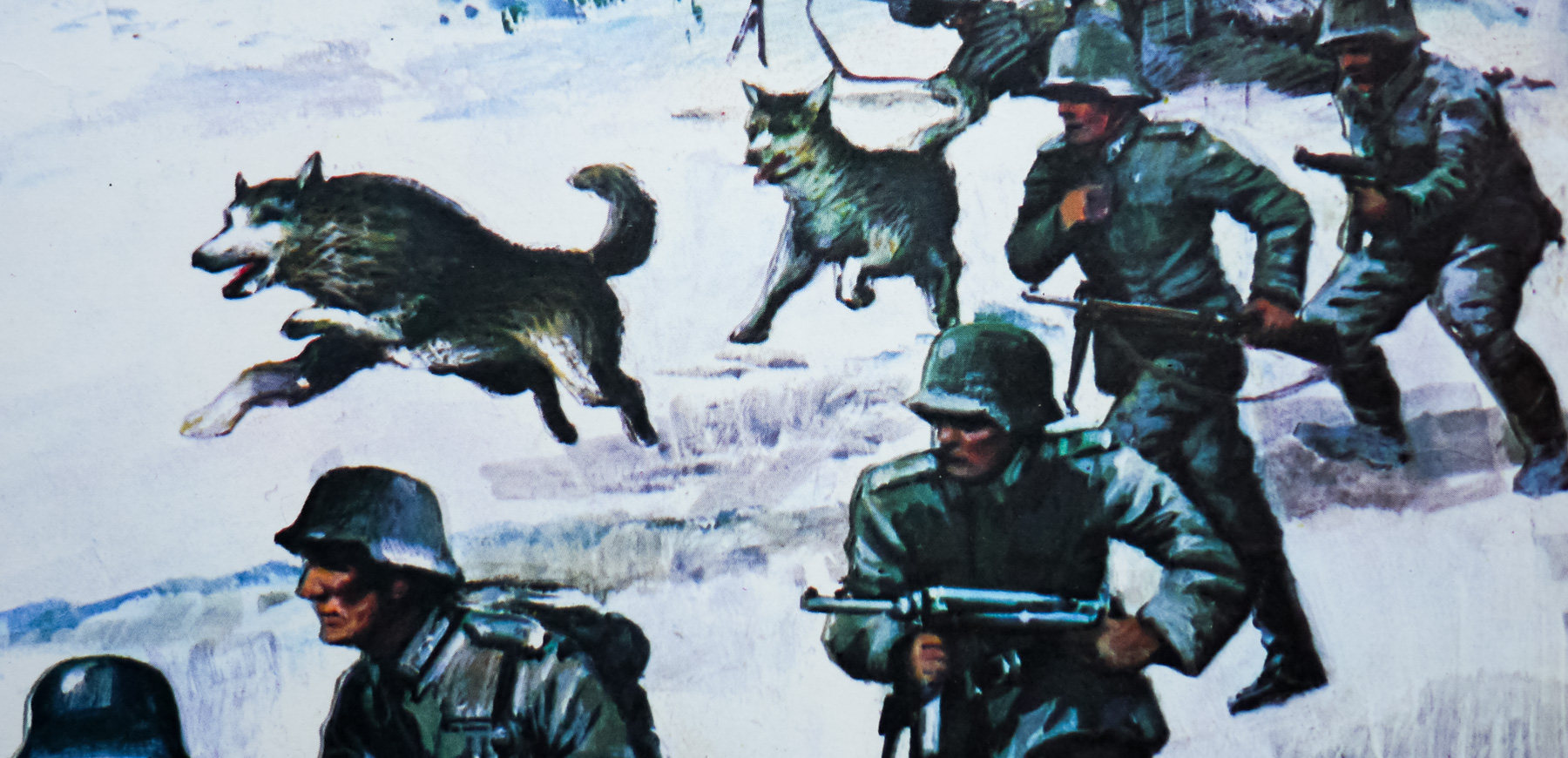
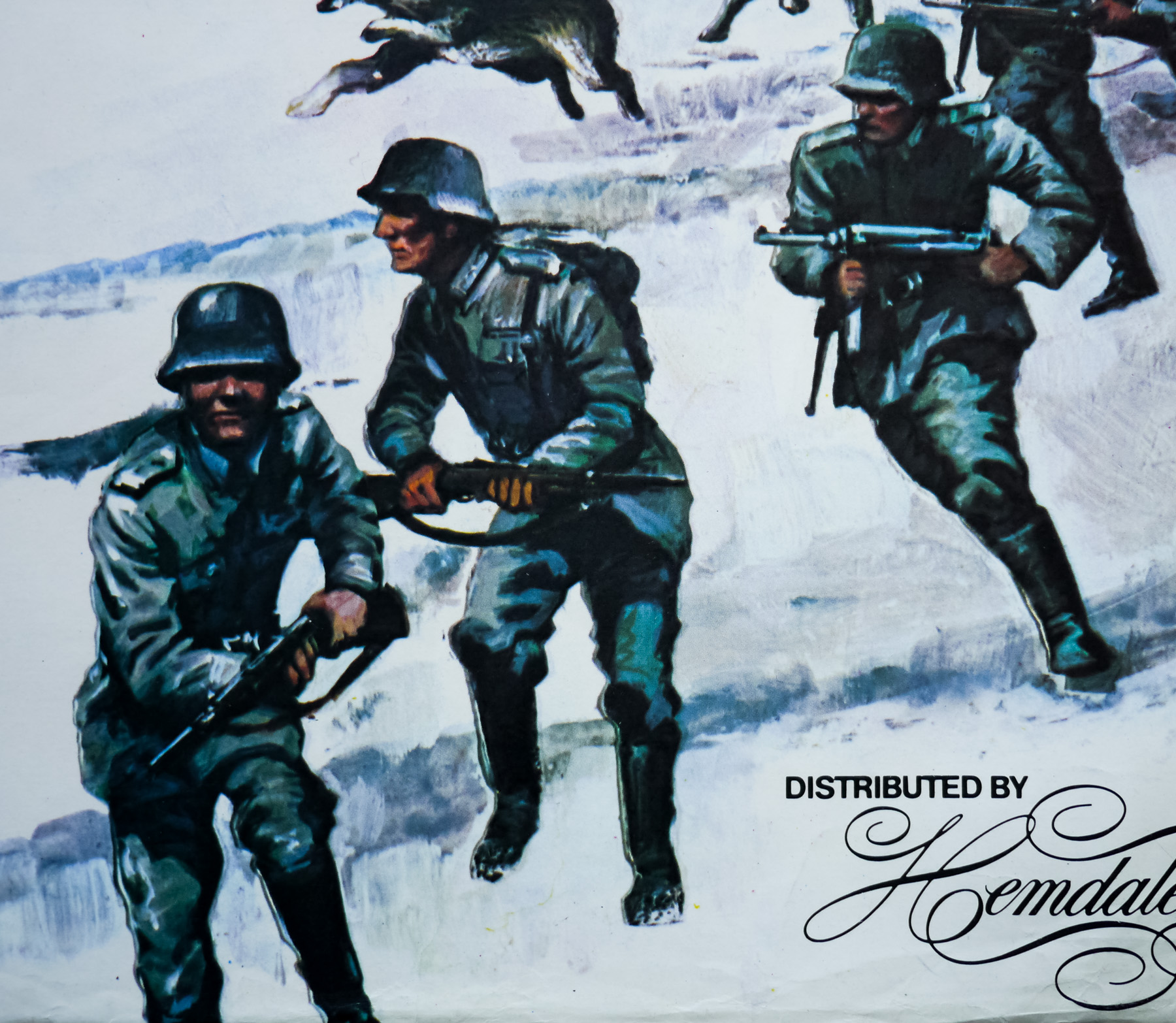
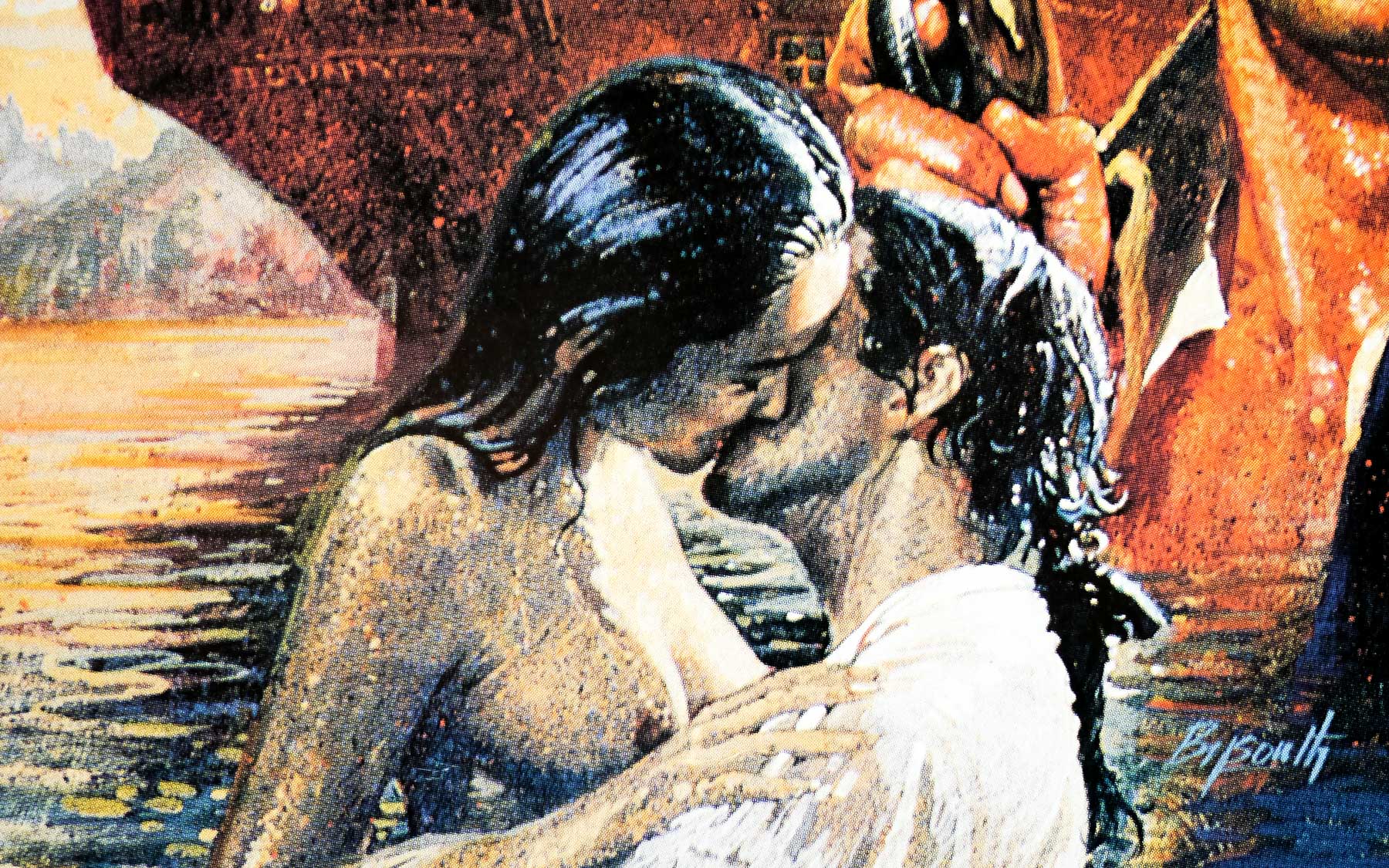
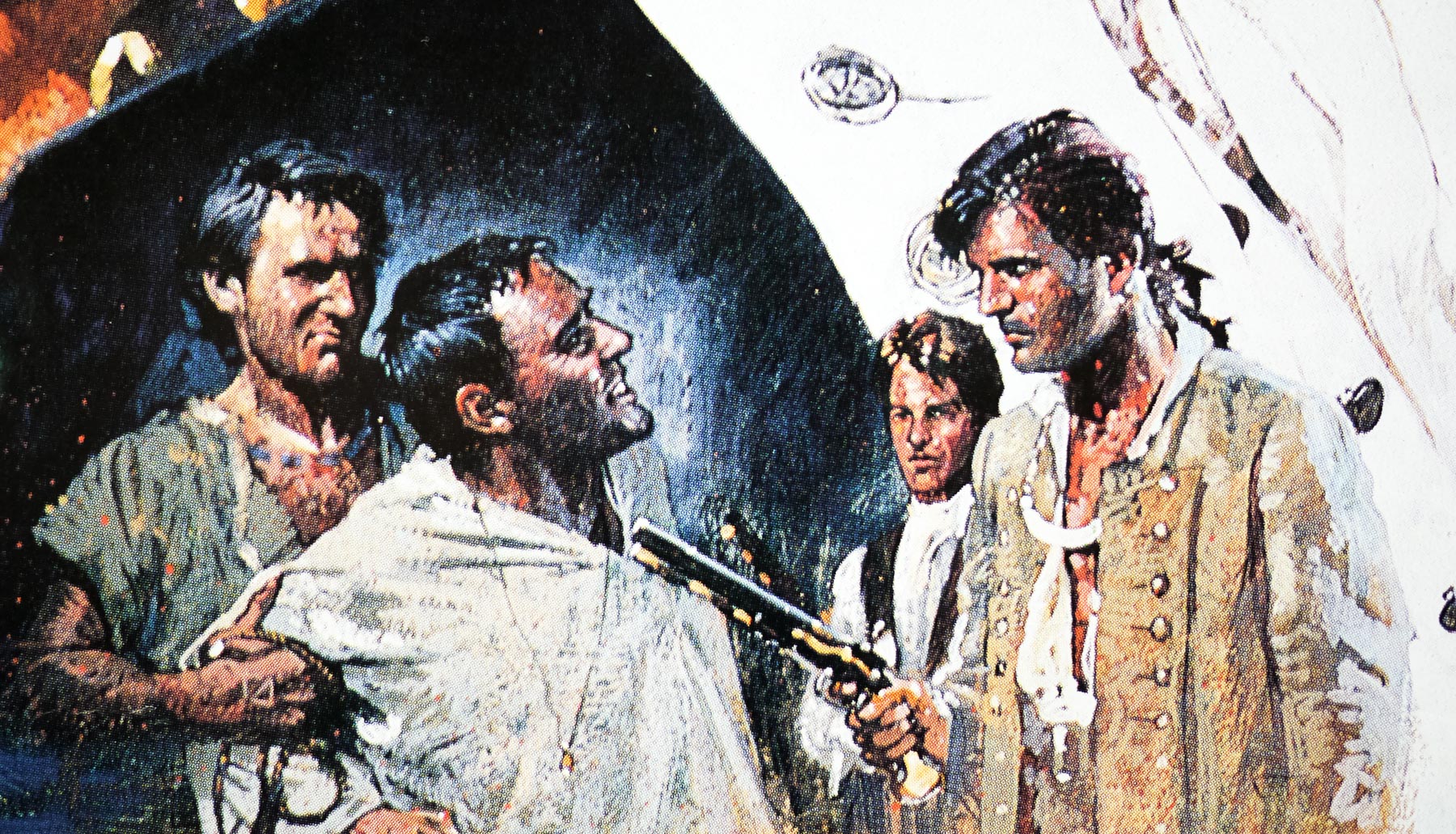
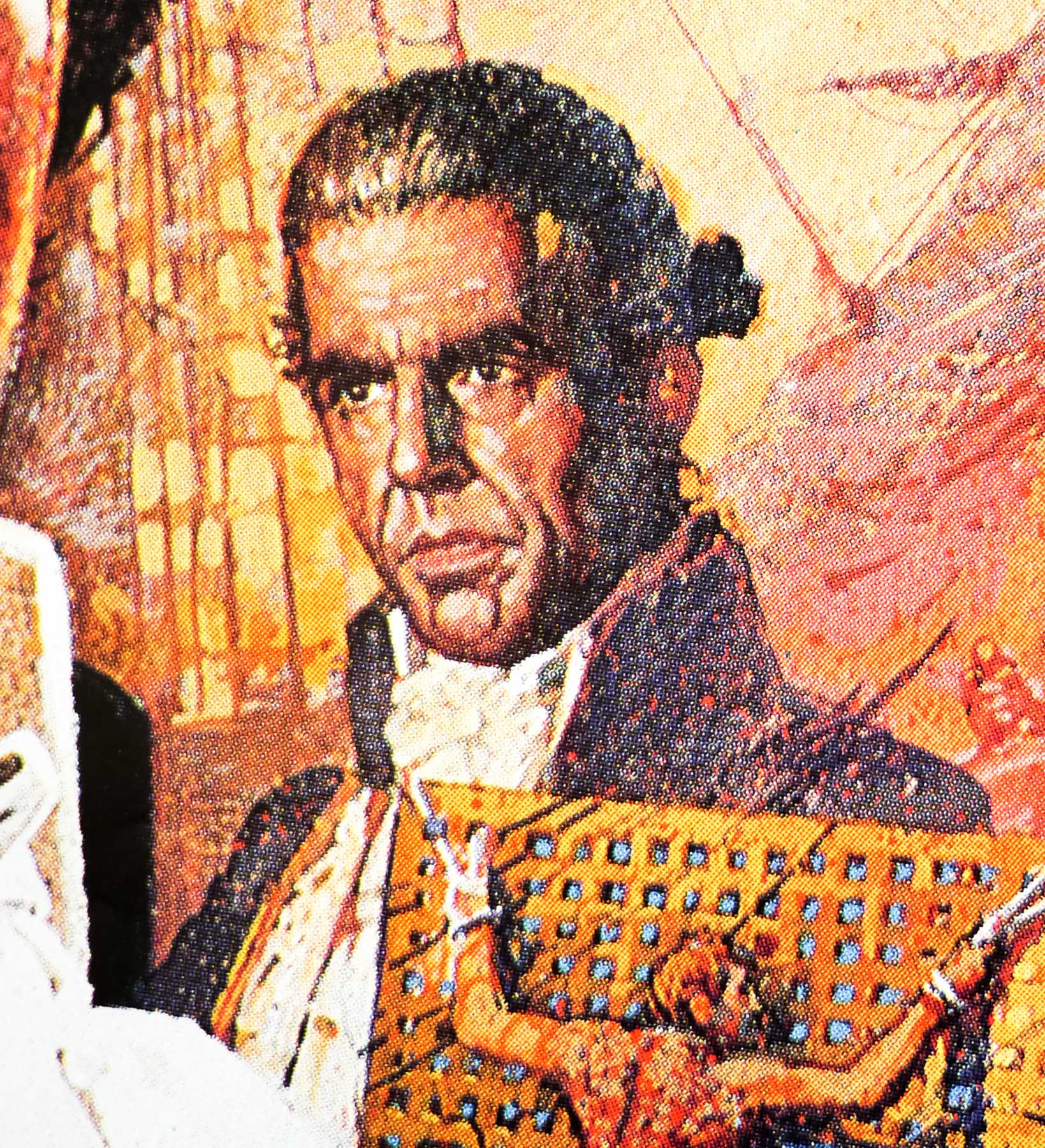
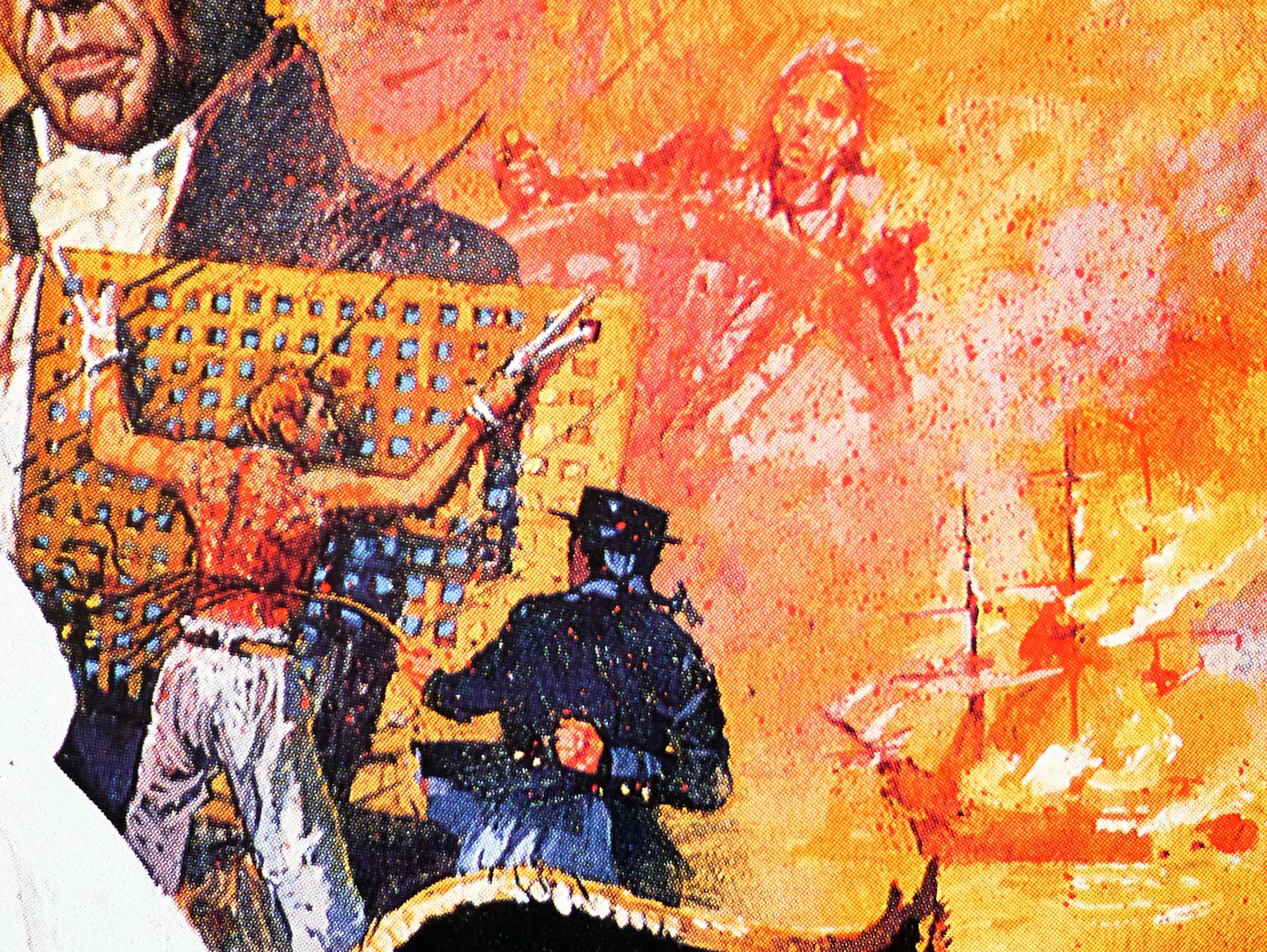
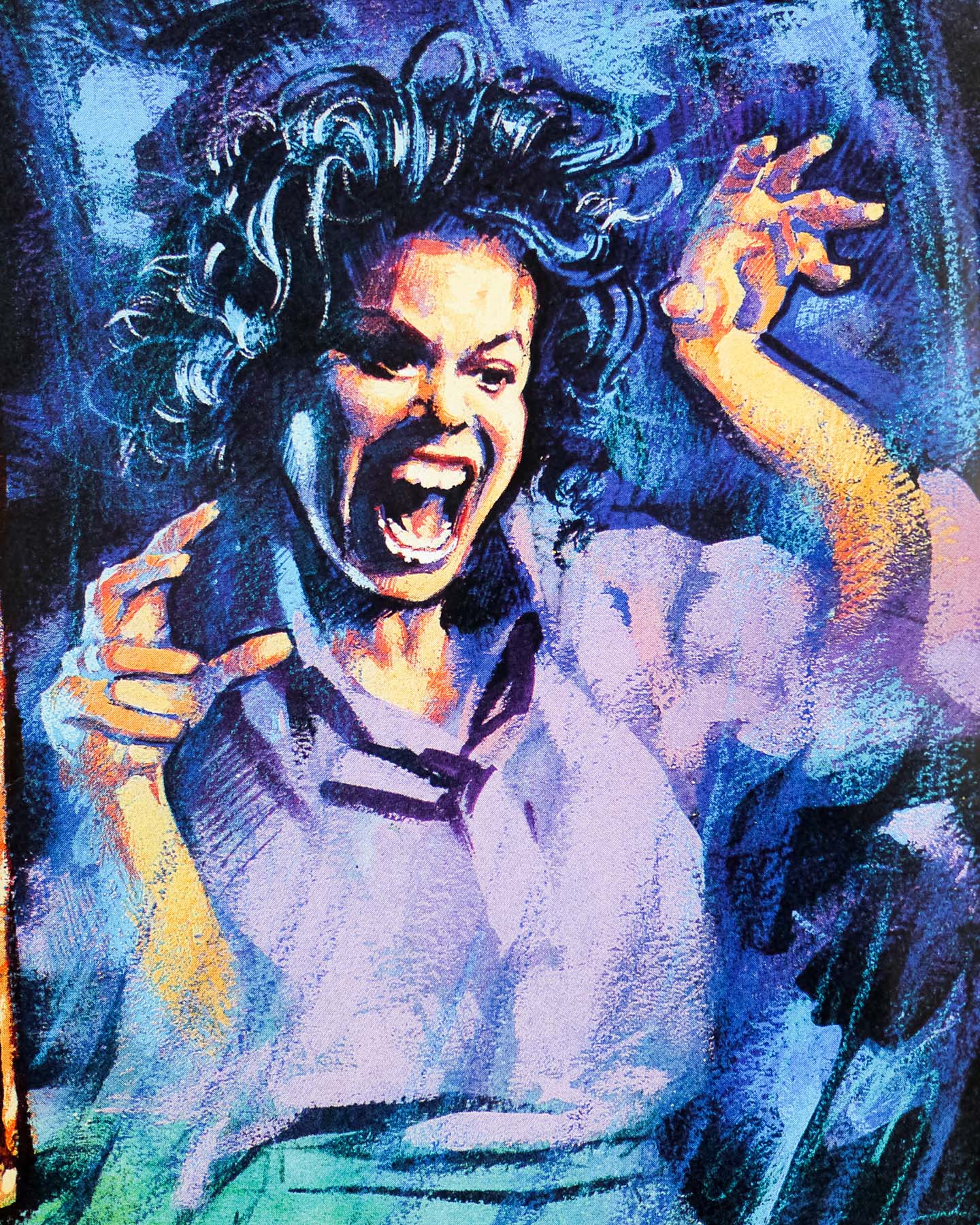
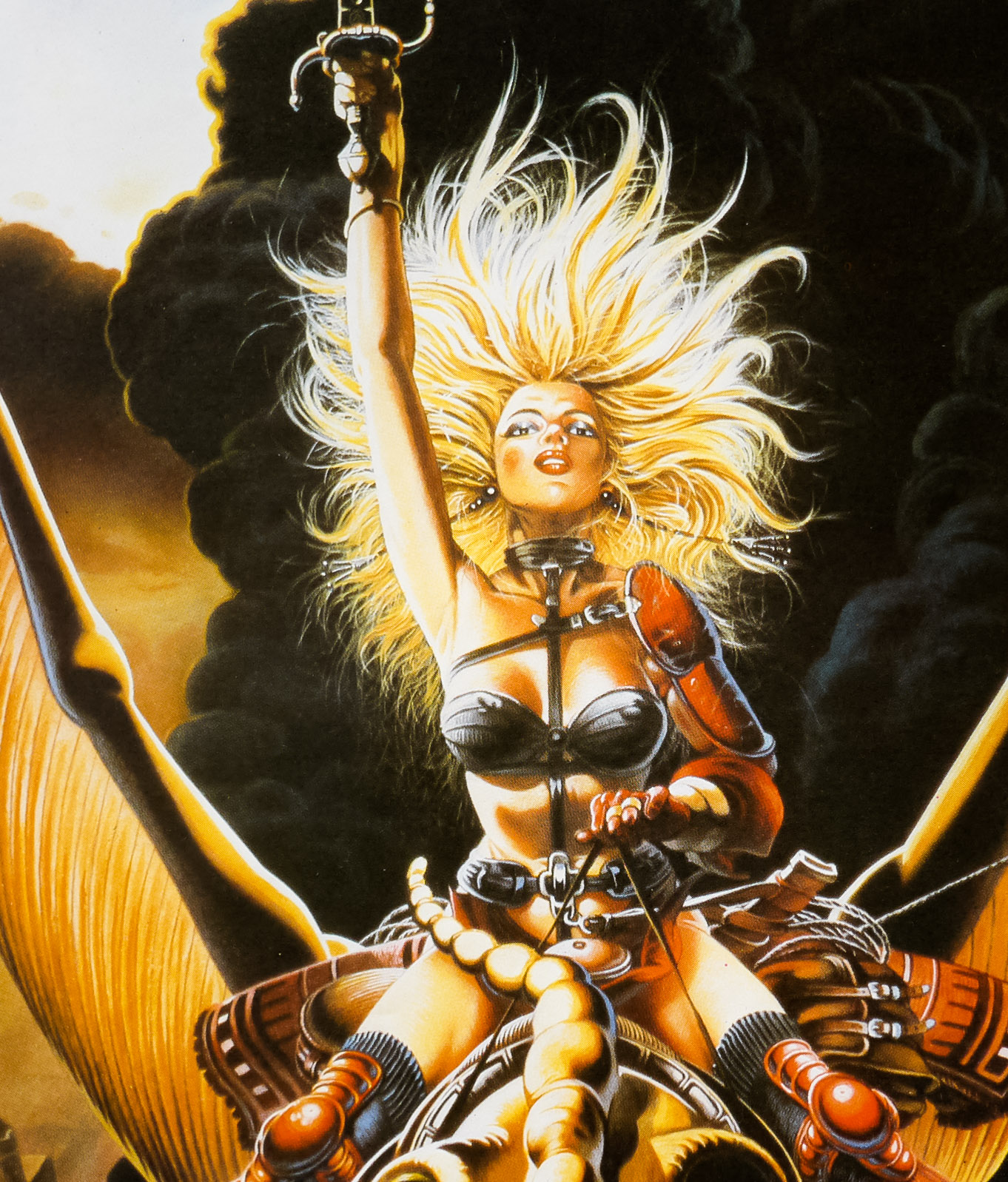
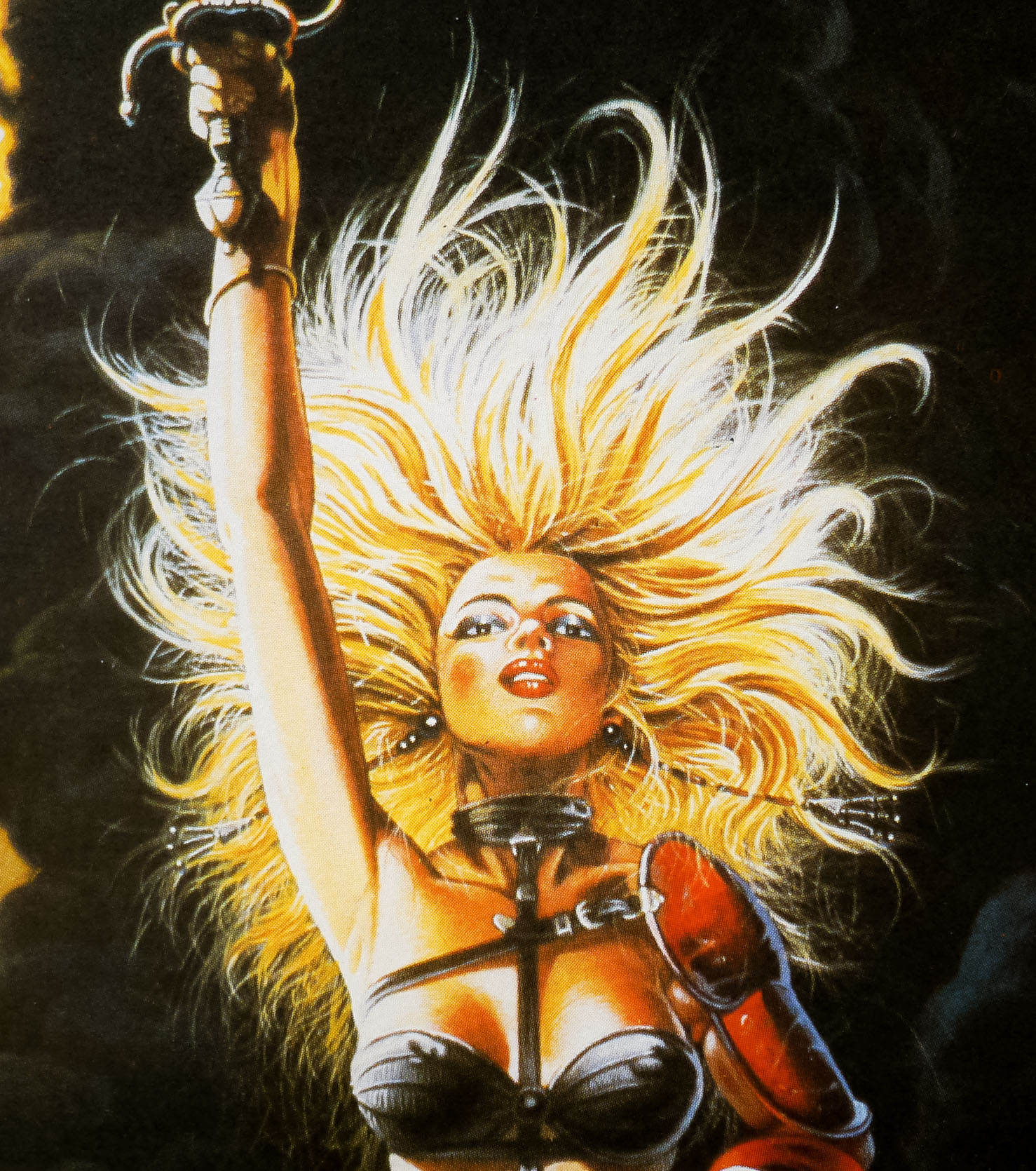
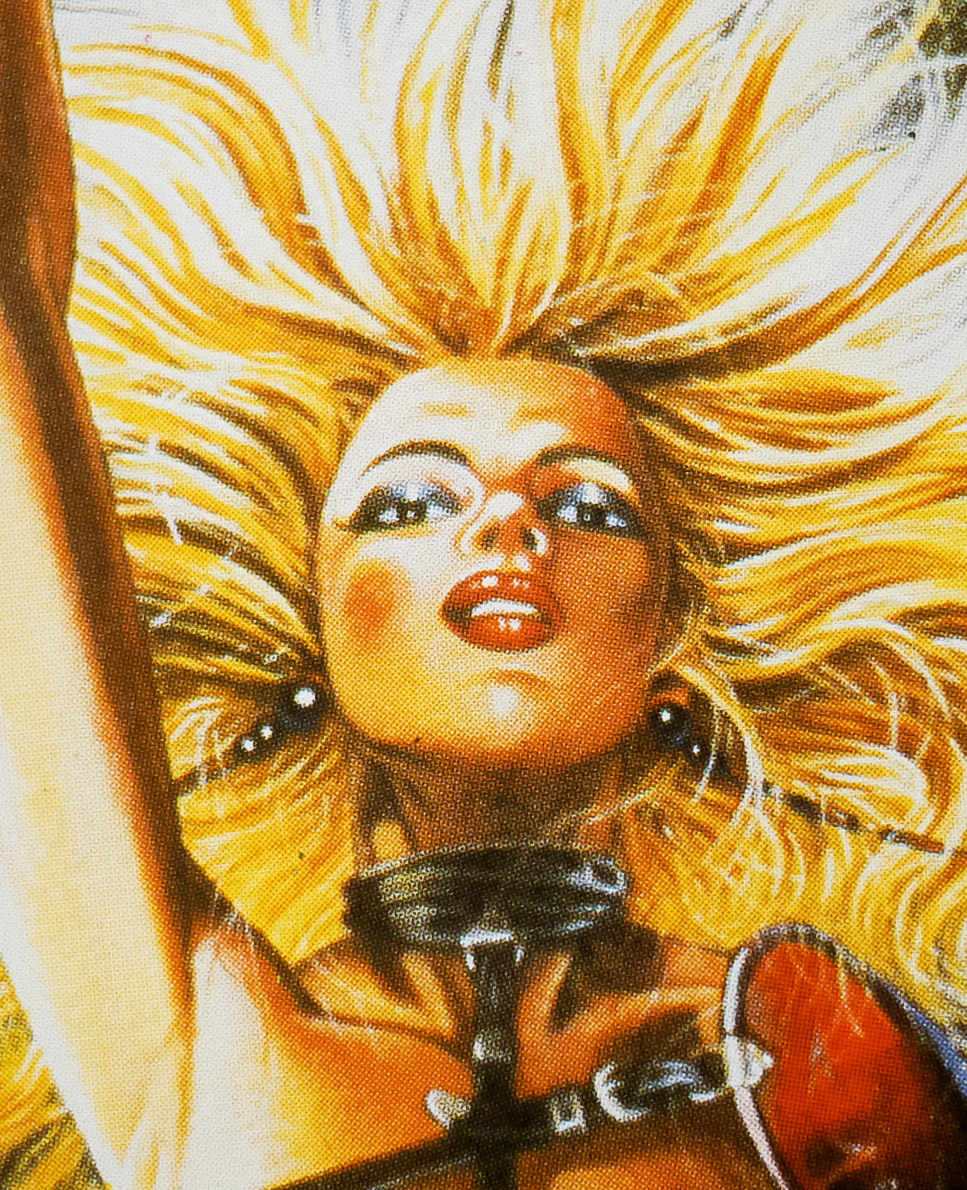
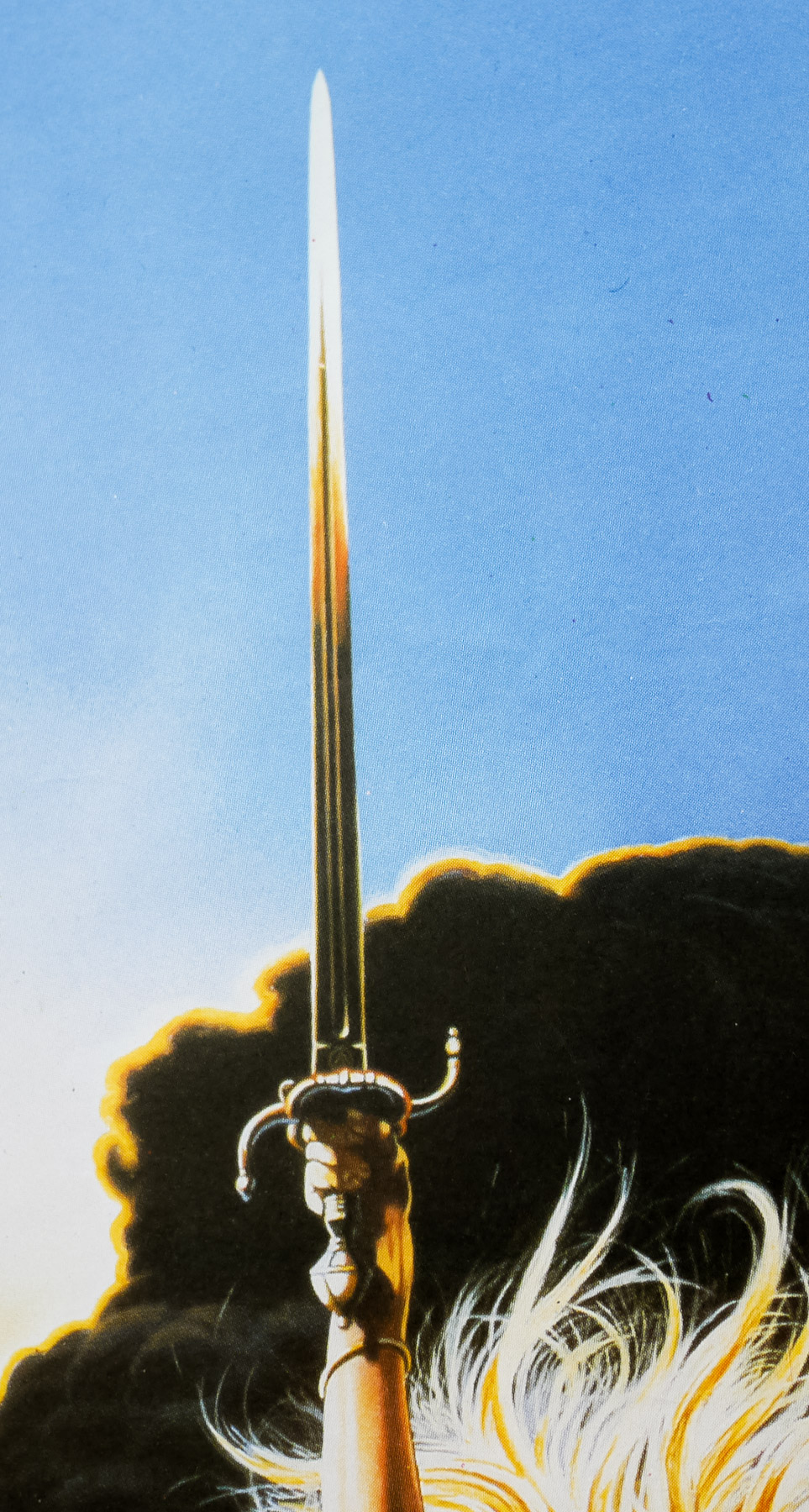
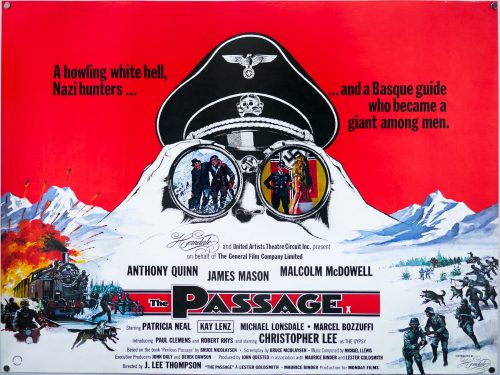
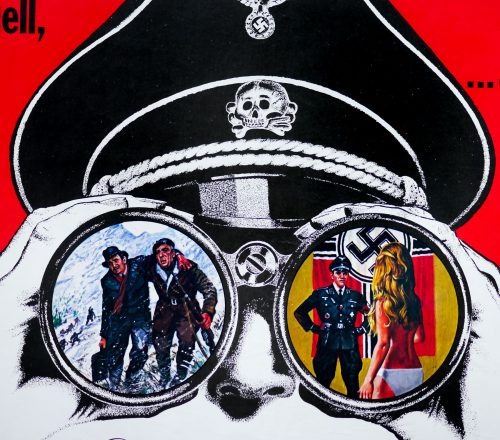
Colourful and typically dynamic artwork by Brian Bysouth features on this UK quad for the largely forgotten British war film The Passage (1979). Based on the novel Perilous Passage by Bruce Nicolaysen (who also wrote the screenplay), the film was directed by the British director J. Lee Thompson who was responsible for the classic war film The Guns of Navarone, as well as multiple films headlined by Charles Bronson.

Set during World War II, the story sees a Basque farmer (played by Anthony Quinn) escort a scientist (James Mason) and his family over the treacherous Pyrenees mountains to escape the sadistic clutches of a Nazi SS officer, Captain Von Berkow (Malcolm McDowell giving an impressively over the top performance). Christopher Lee appears as a character called The Gypsy who is sympathetic to the group’s plight. Apparently the film bombed spectacularly at the US box office and was critically drubbed on release.

This British quad was created at the London-based Downtons Advertising agency by one of the principal designers, Eddie Paul, and painted by Brian Bysouth who was working as a freelancer at the time. Both men are featured in Sim Branaghan’s must-own book British Film Posters: An Illustrated History and are each responsible for several iconic British posters. The designer Eddie Paul was born in Hackney in 1920 and attended Southend School of Art, later beginning his career at Temple Art Studios before moving on to Star Illustrations on Shoe Lane, where he gained a good reputation as a scrapboard artist.

After serving in the RAF during the war, Eddie joined Pulford Publicity in 1946 and started designing film posters using crayons and coloured pencils. He worked on several successful poster campaigns during the 1960s, including El Cid (1961), The Fall of the Roman Empire (1964) and the famous quad for From Russia with Love (painted by Renato Fratini). He later joined four ex-Downton colleagues and formed the successful agency FEREF in 1968. As Sim notes in his book, ‘He was well liked and respected within the business as a gentleman’. Eddie Paul passed away from a heart attack whilst on his way to work in 1984, just shy of his retirement from FEREF.

The artwork was painted by Brian Bysouth who is one of my favourite poster artists and was responsible for many classic posters from the 1960s to the 1980s, including the final painted poster for a James Bond film, The Living Daylights (1987). In 2012 I was fortunate to meet and interview Brian for this site and the article can be read here. The other posters I’ve collected by Brian can be seen by clicking here.

Legend / quad / UK

10.10.16

Poster Poster
Title
Legend
AKA
--
Year of Film
1985
Director
Ridley Scott
Starring
Tom Cruise, Mia Sara, Tim Curry, David Bennent, Alice Playten, Billy Barty, Cork Hubbert, Peter O'Farrell, Kiran Shah, Annabelle Lanyon, Robert Picardo
Origin of Film
USA | UK
Genre(s) of Film
Tom Cruise, Mia Sara, Tim Curry, David Bennent, Alice Playten, Billy Barty, Cork Hubbert, Peter O'Farrell, Kiran Shah, Annabelle Lanyon, Robert Picardo,
Type of Poster
Quad
Style of Poster
--
Origin of Poster
UK
Year of Poster
1985
Designer
Unknown
Artist
John Alvin
Size (inches)
30 1/16" x 40"
SS or DS
SS
NSS #
--
Tagline
"I am Darkness"

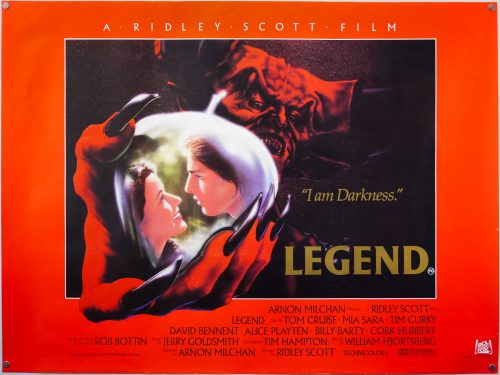
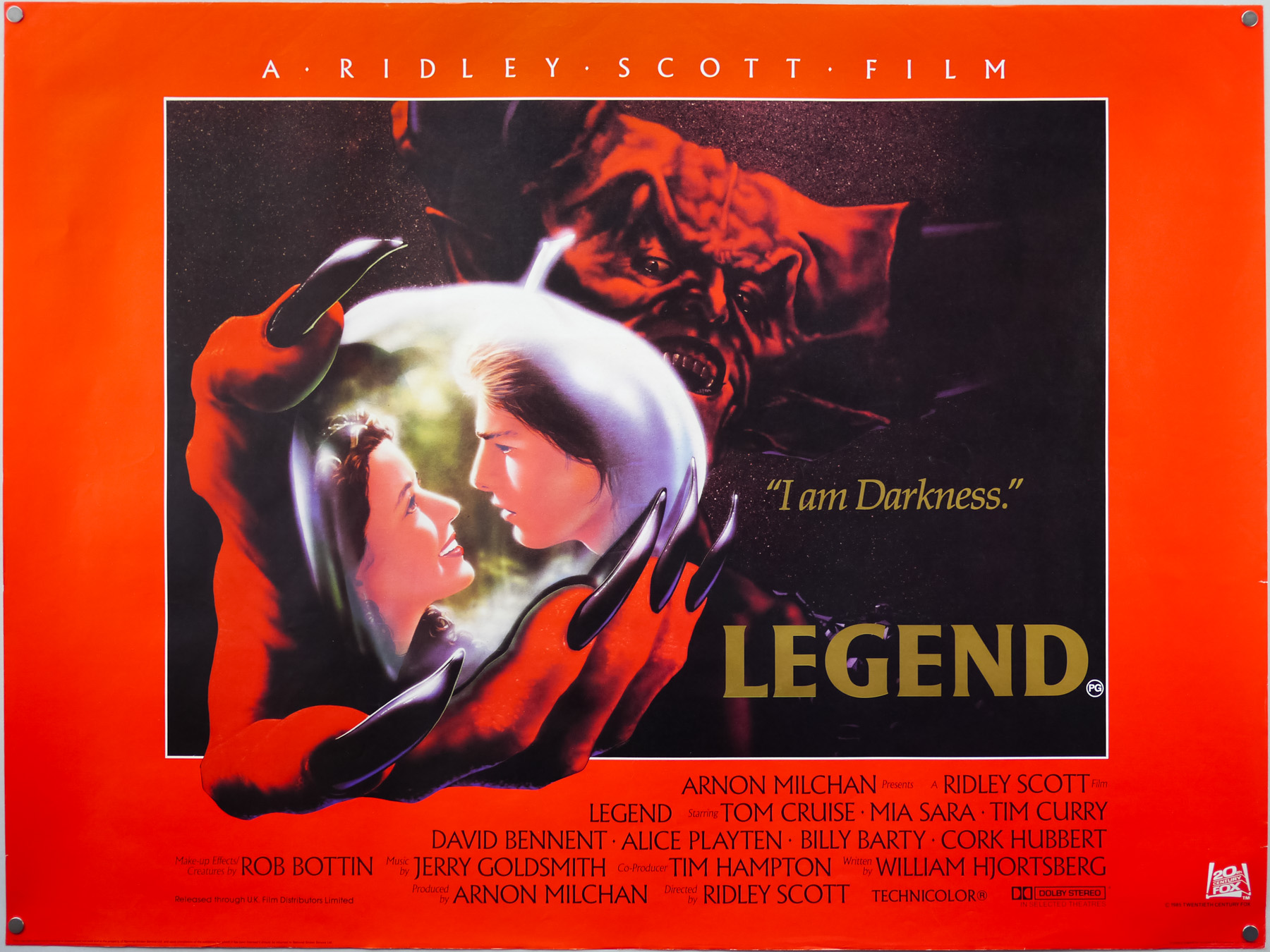
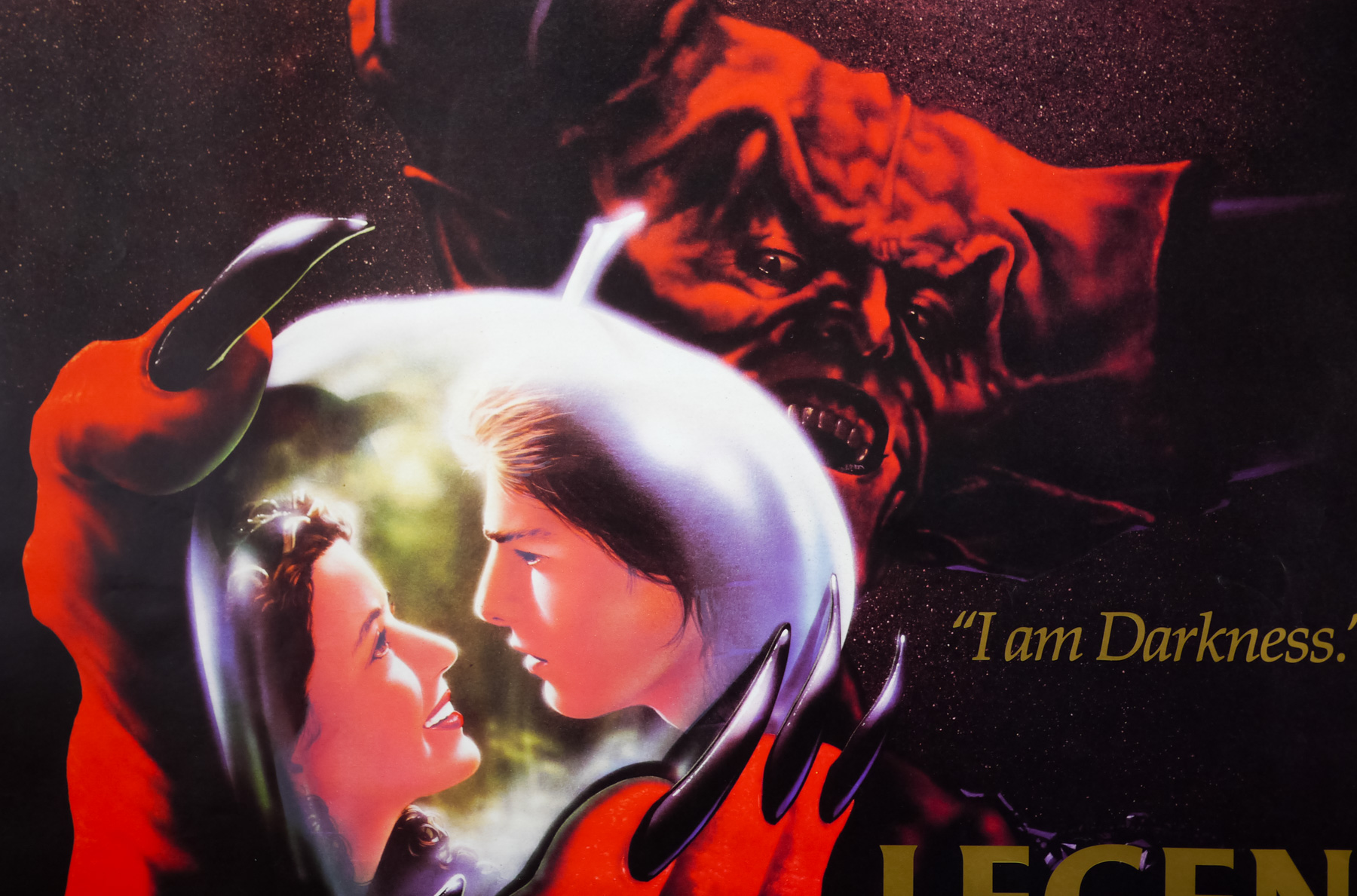
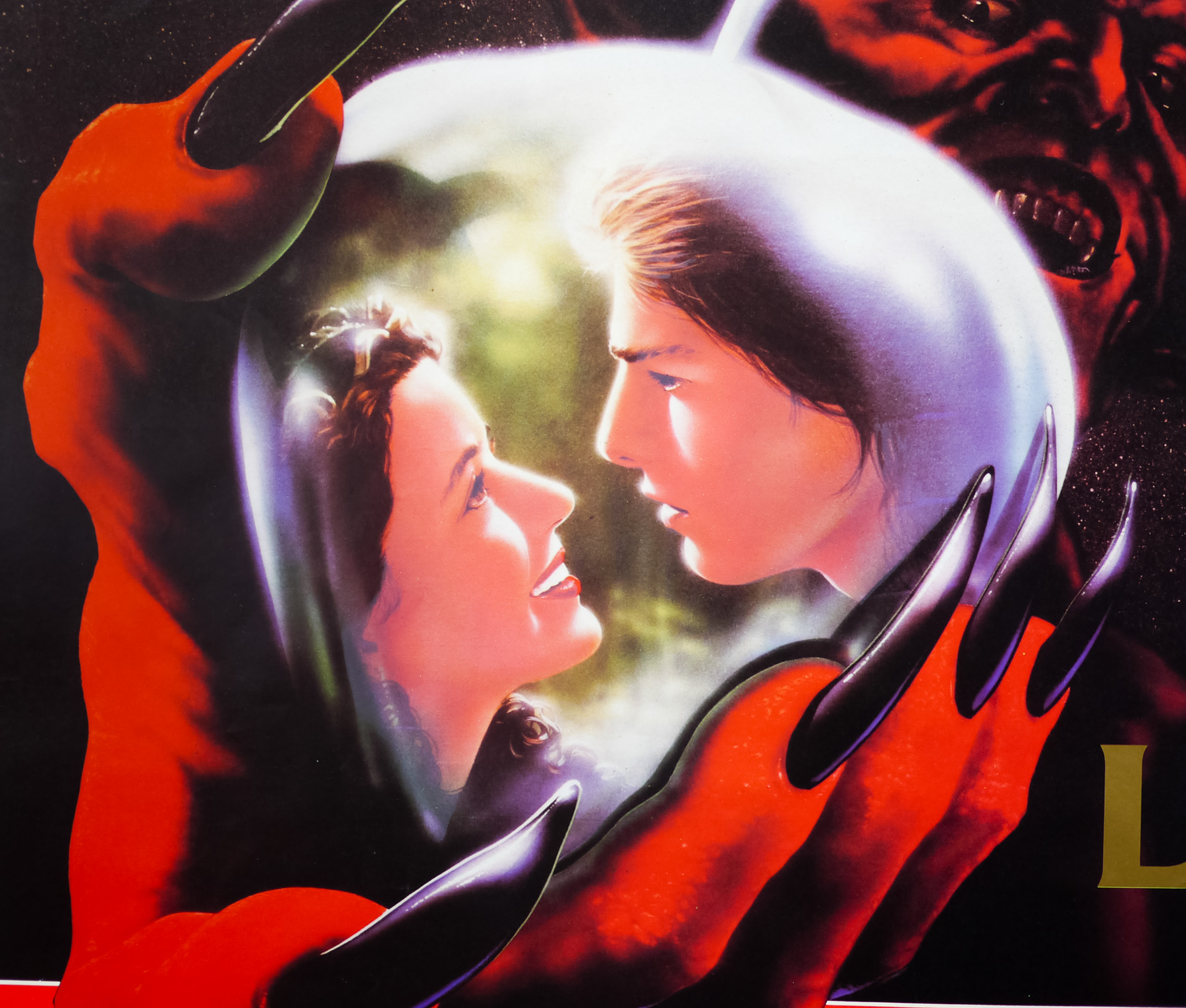
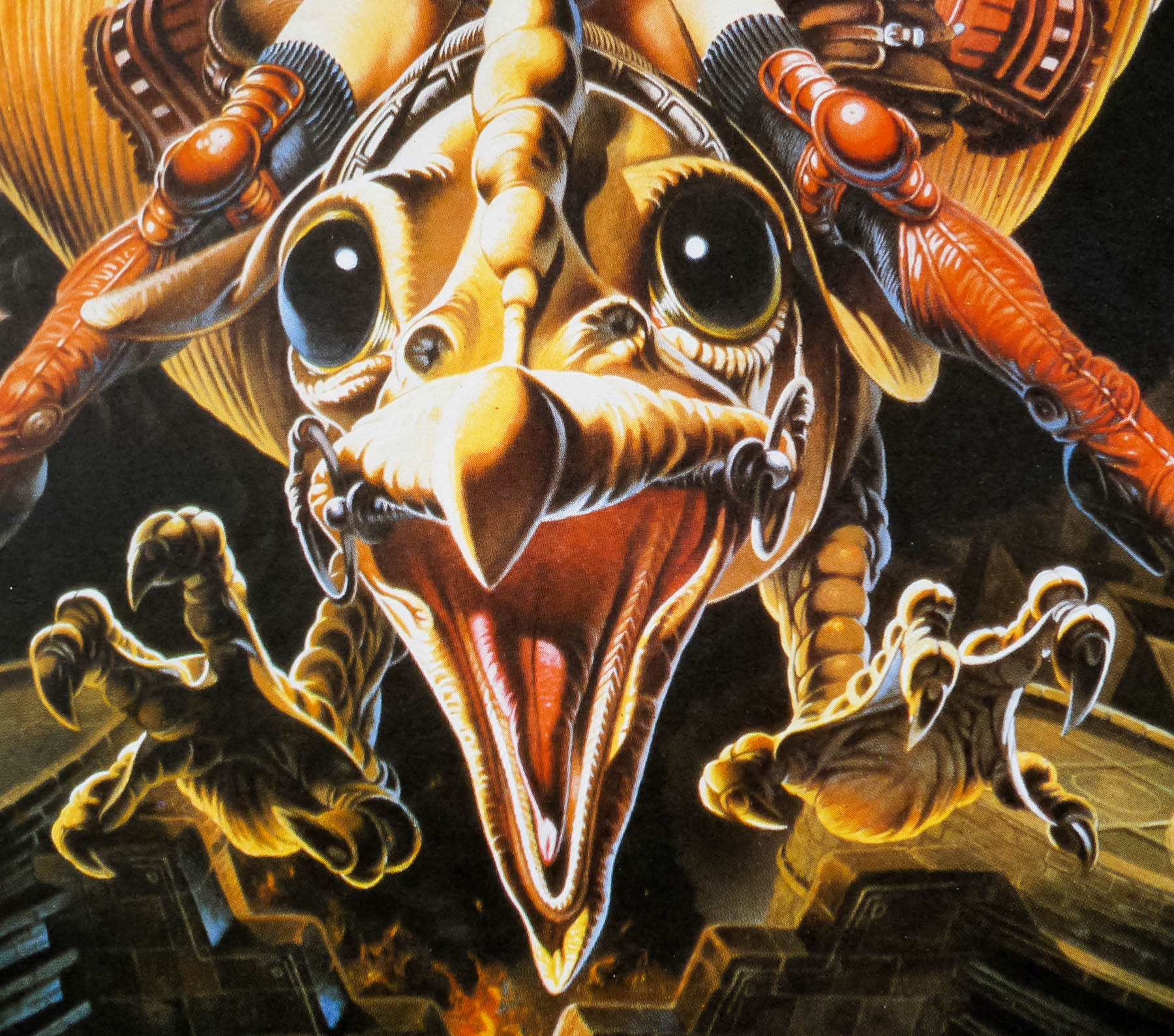
John Alvin artwork features on this British quad for the release of director Ridley Scott‘s 1985 fantasy oddity, Legend. It’s a film that is often scrubbed from both Scott and star Tom Cruise’s filmography whenever their previous films are discussed. There are a number of reasons for this, not least the fact that it had a troubled production as well as a fairly brutal critical mauling. Cruise’s performance is a shadow of what the actor brought to Tony Scott’s seminal Top Gun only a year later. part of the blame for this has to be down to the way the film was extensively edited by both Scott and the studio prior to release. Scott’s first version ran 125 minutes and this was then cut down to 113 minutes following some test screenings. The final UK (European?) release was 95 minutes and US audiences had another 6 minutes removed for their version.

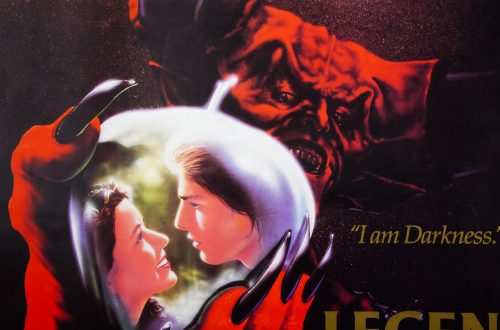
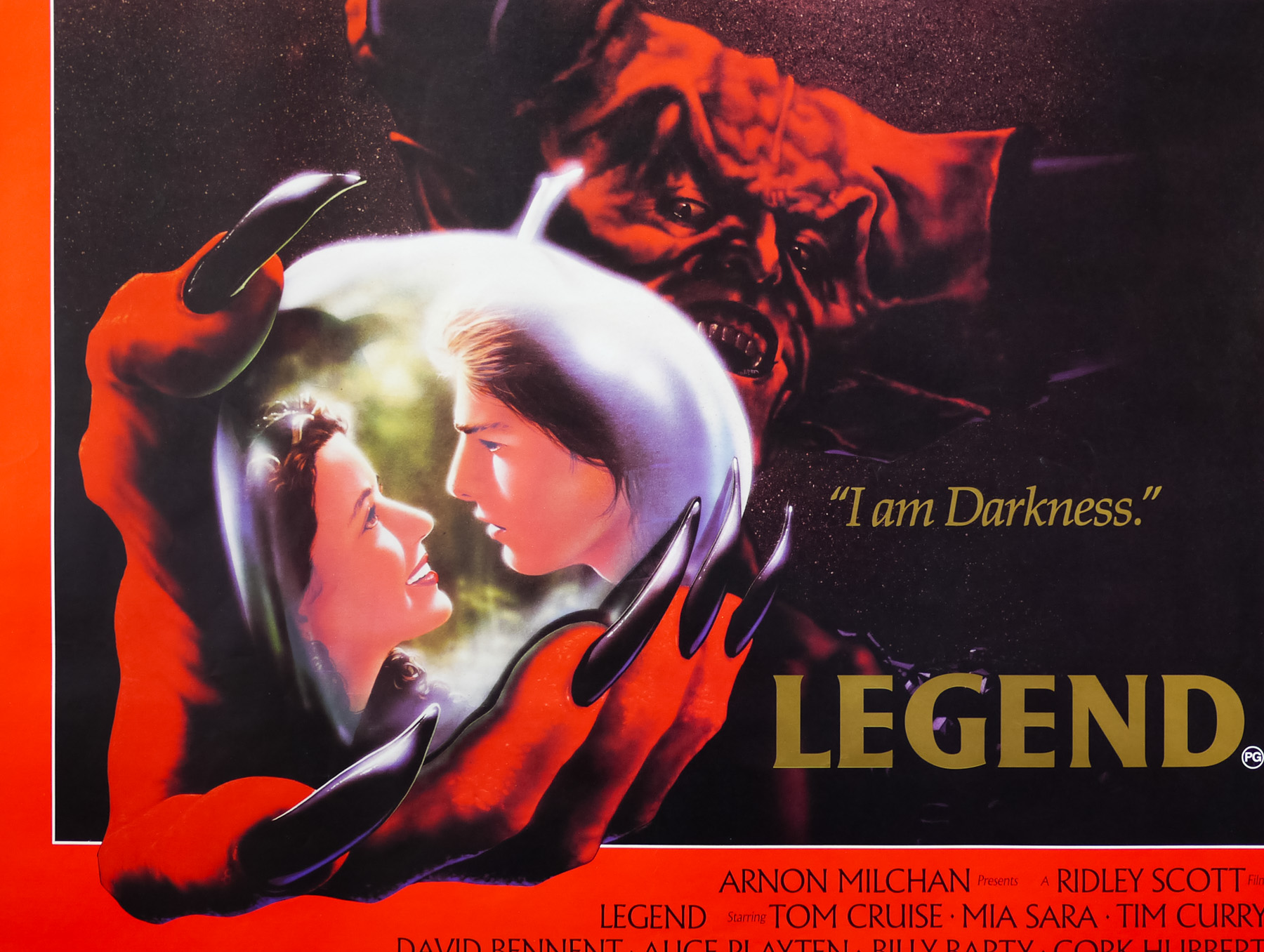
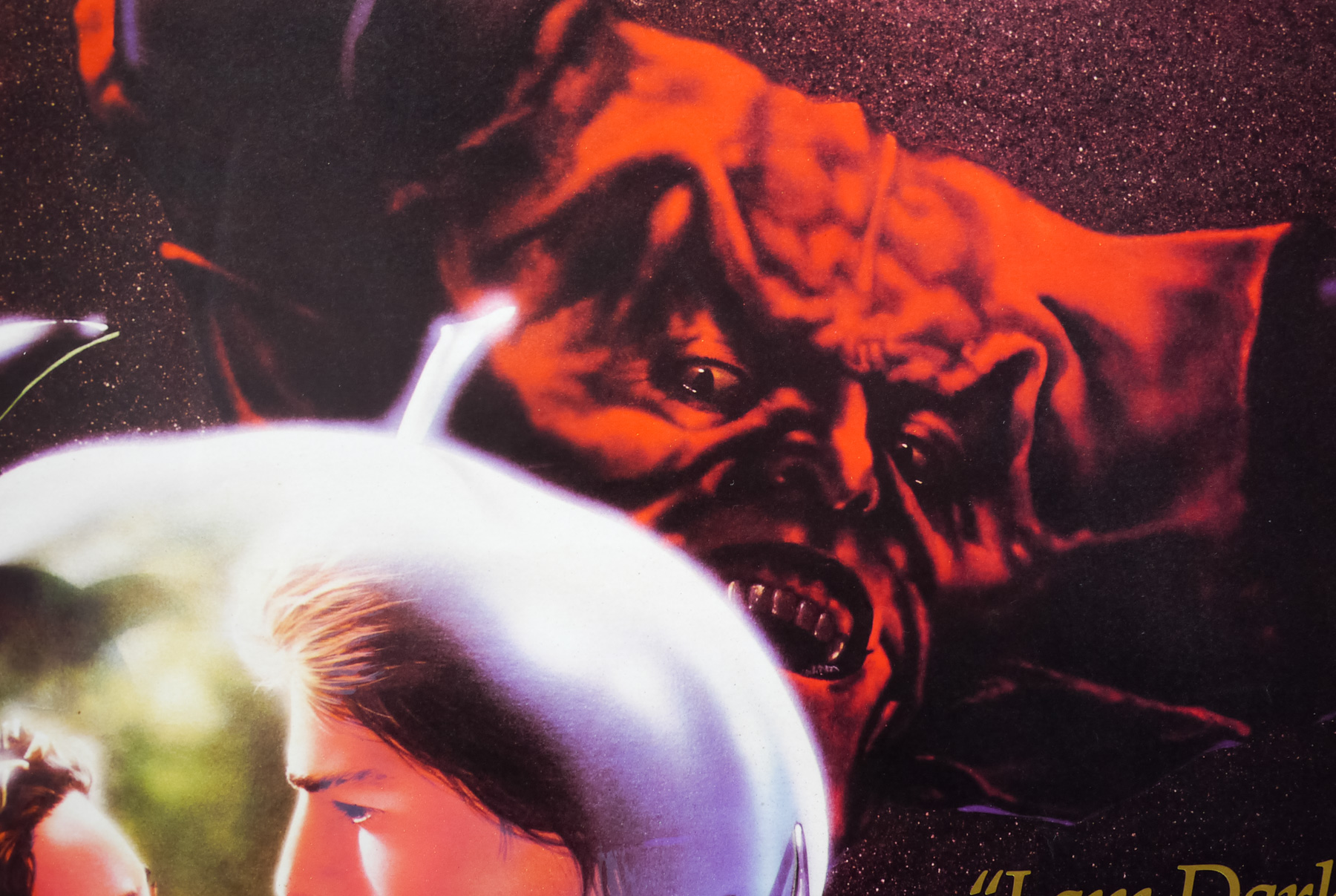
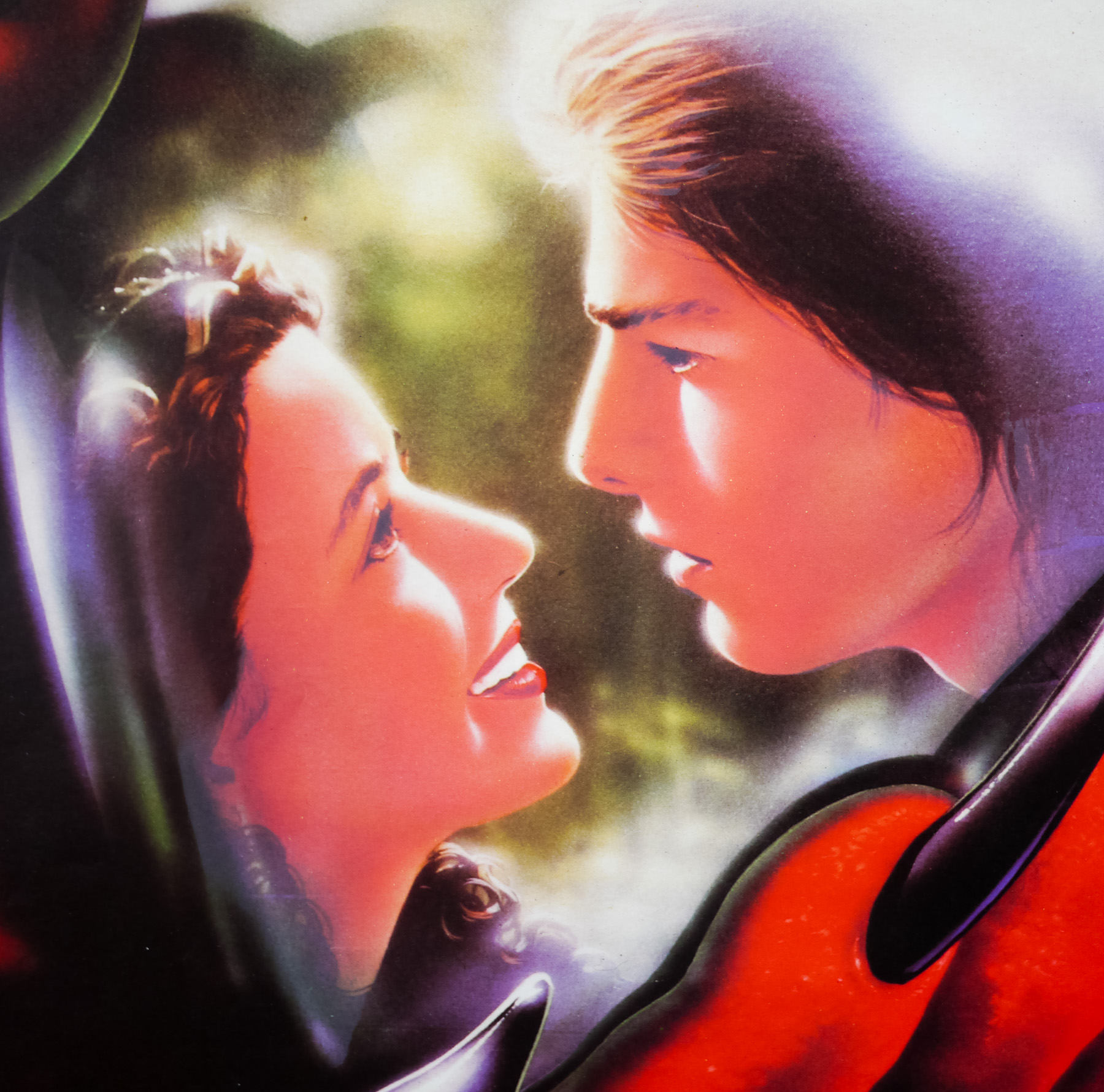
There are things to admire about the film, including the production and set design which created some memorable environments in which the action takes place. Tim Curry is near unrecognisable as the evil Darkness (as featured on this poster) and the make-up effects, created by Rob Bottin and his team, are incredible. Mia Sara also impresses as Lili and it’s hard to believe she was just 16 at the time of filming. Whilst it failed to recoup its budget on initial release, the film has definitely gained something of a cult following in the years since, particularly with those coming of age around the time of its release on home video. 

The late American designer and artist John Alvin was responsible for over 135 film poster designs over a thirty year period. Alvin painted many unforgettable pieces of artwork, including Blade Runner and E.T. The Extra Terrestrial, and this image he created for Legend was used around the globe to promote the film, including in multiple European countries and on the international one sheet. Alvin sadly passed away too early, just shy of his 6oth birthday (in 2008), but his fantastic designs will live on for generations to come.

To see the posters I’ve collected by Alvin click here.

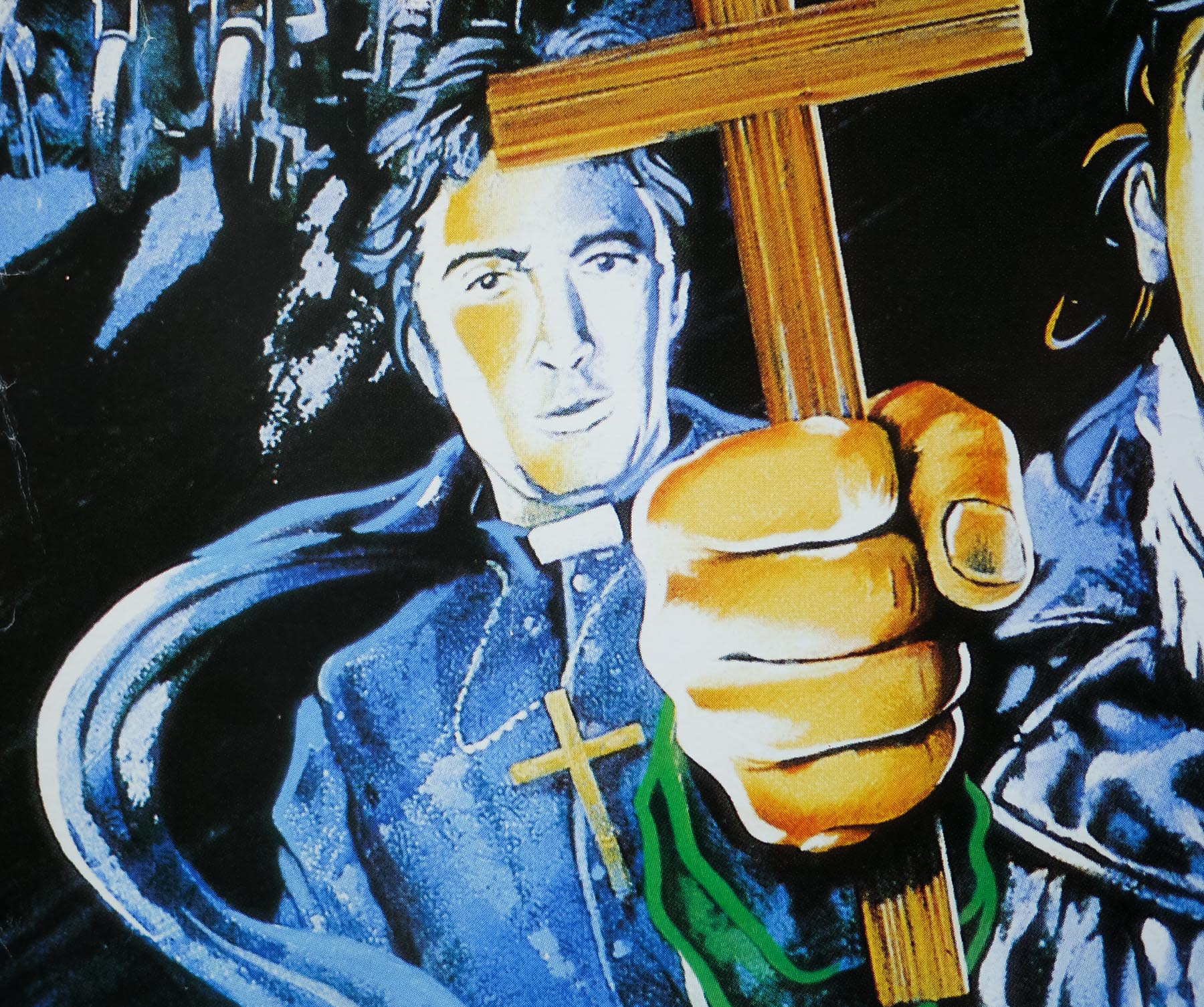
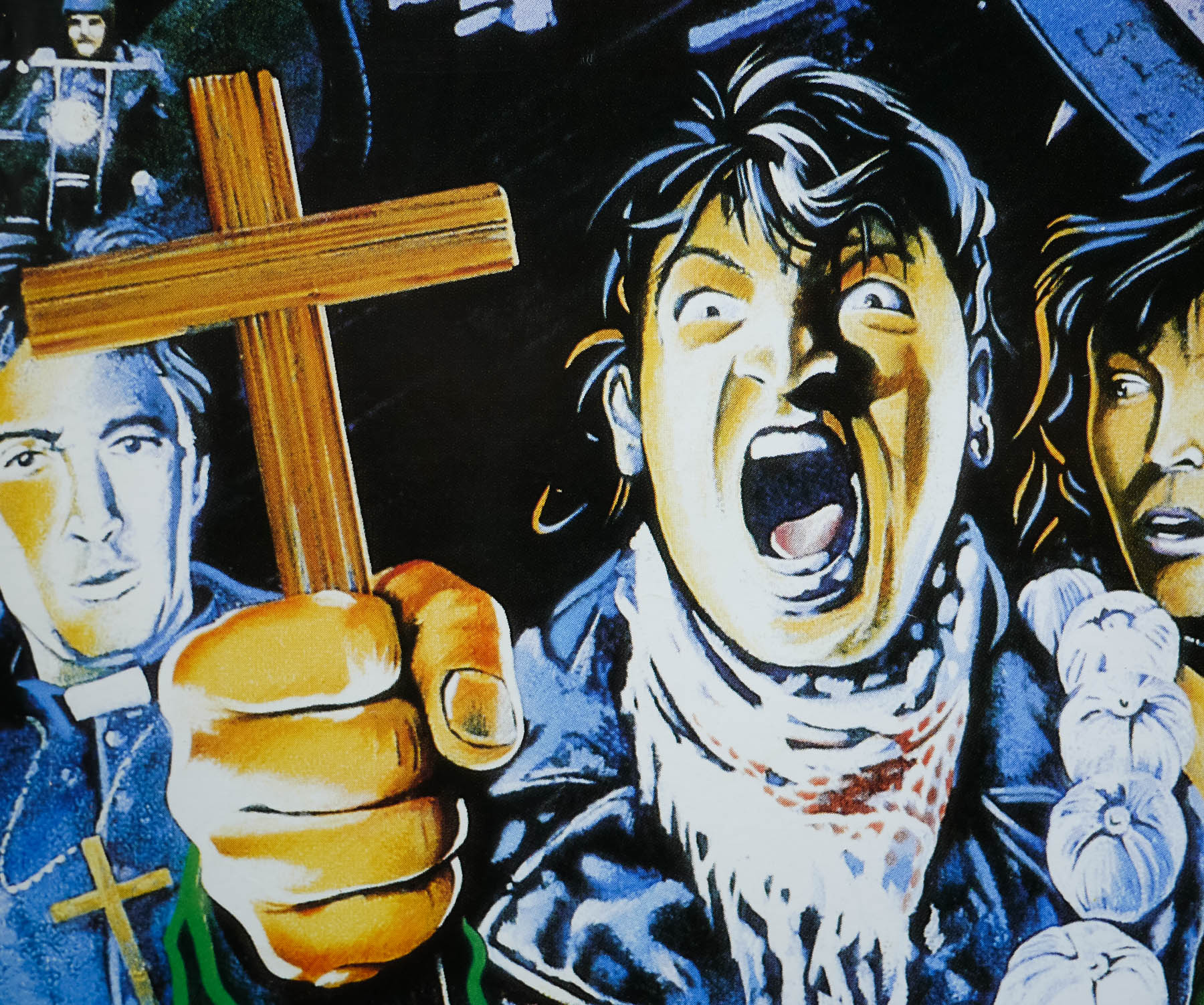
I Bought a Vampire Motorcycle / quad / UK

31.07.17

Poster Poster
Title
I Bought a Vampire Motorcycle
AKA
Iron Thunder (Germany)
Year of Film
1990
Director
Dirk Campbell
Starring
Neil Morrissey, Amanda Noar, Michael Elphick, Anthony Daniels, Andrew Powell, George Rossi, Daniel Peacock, Midge Taylor, David Daker, Burt Kwouk, Brendan Donnison
Origin of Film
UK
Genre(s) of Film
Neil Morrissey, Amanda Noar, Michael Elphick, Anthony Daniels, Andrew Powell, George Rossi, Daniel Peacock, Midge Taylor, David Daker, Burt Kwouk, Brendan Donnison,
Type of Poster
Quad
Style of Poster
--
Origin of Poster
UK
Year of Poster
1990
Designer
Unknown
Artist
Unknown
Size (inches)
30 1/16" x 39 15/16"
SS or DS
SS
Tagline
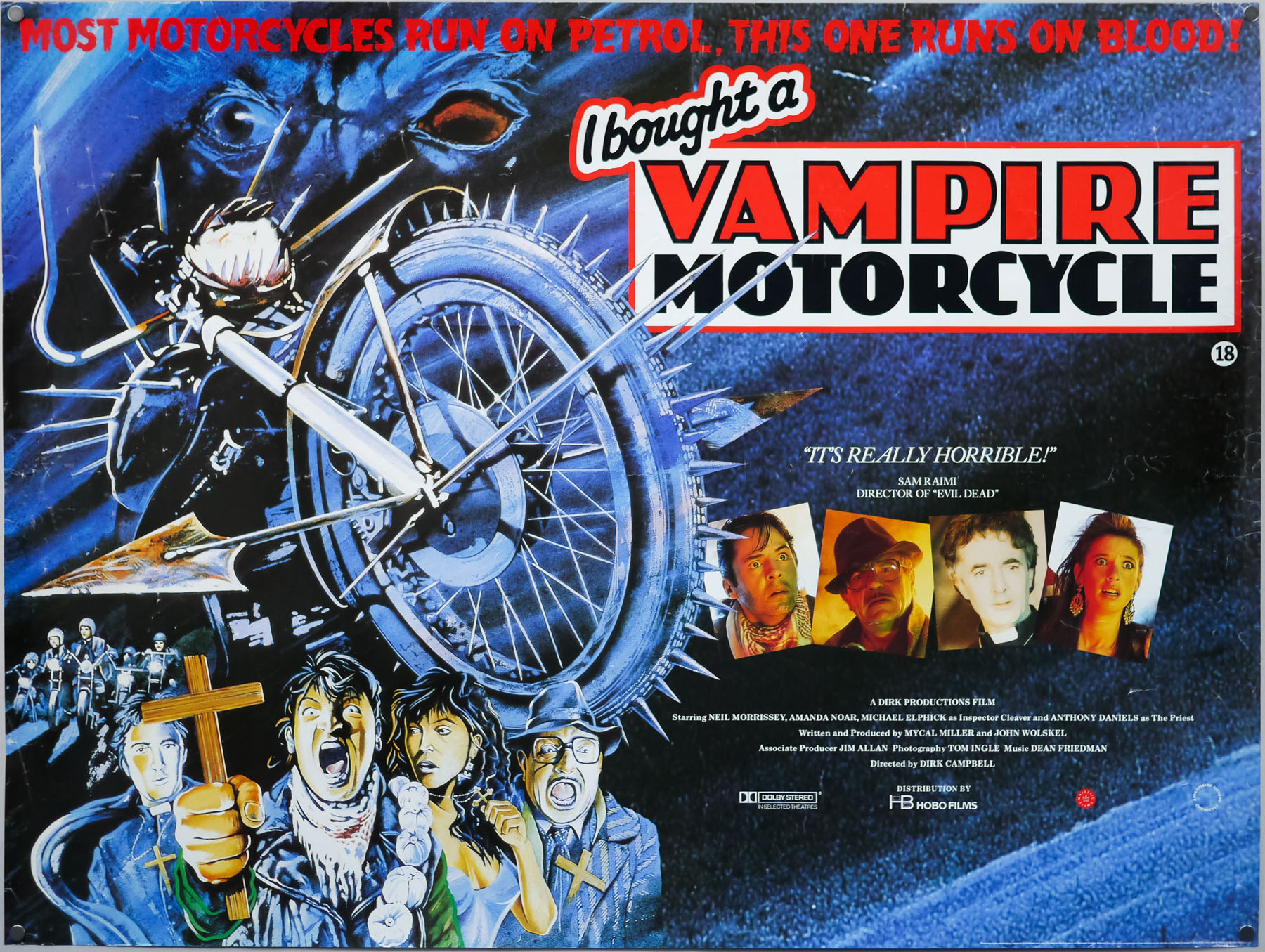
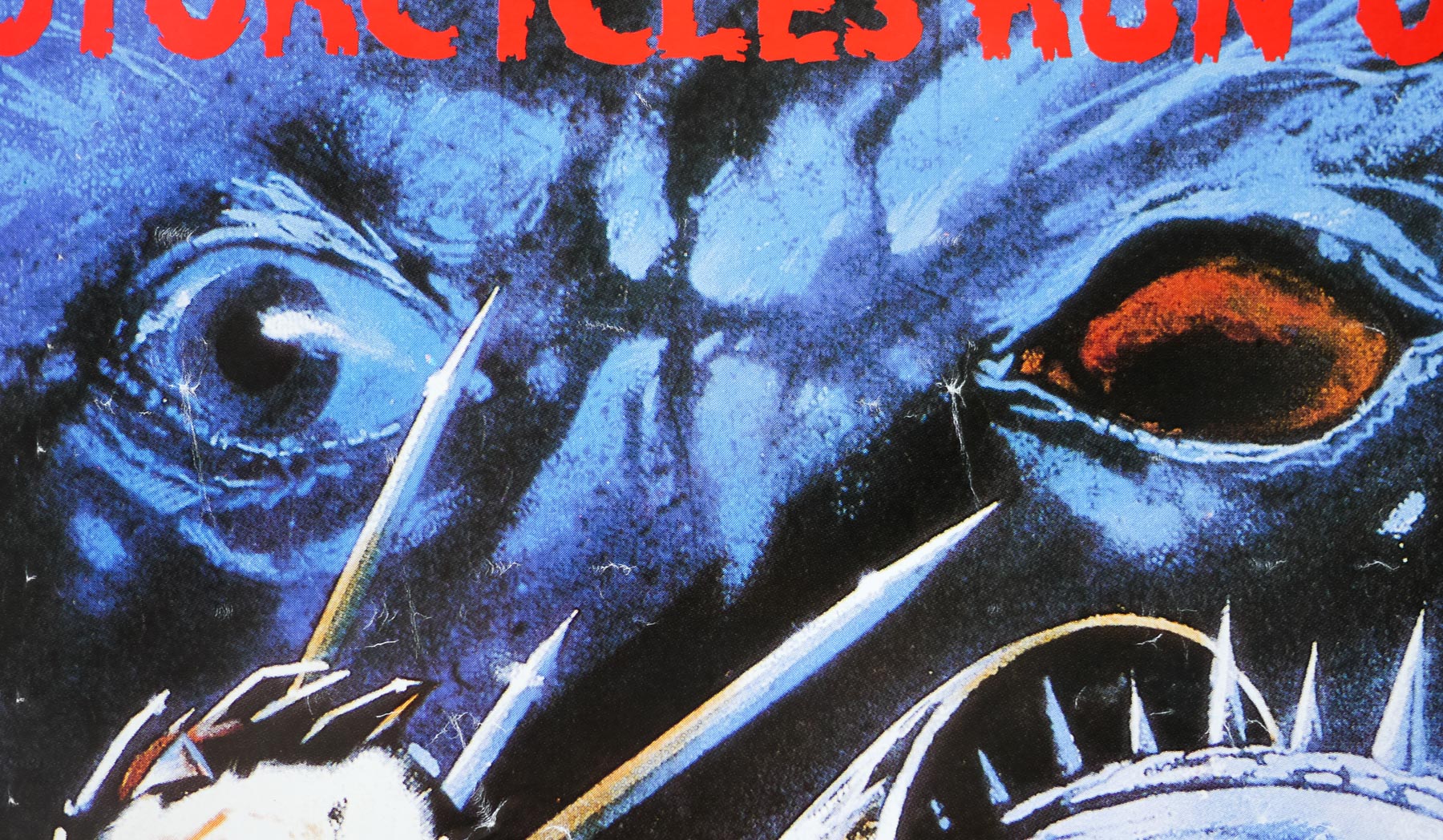
Most motorcycles run on petrol, this one runs on blood!

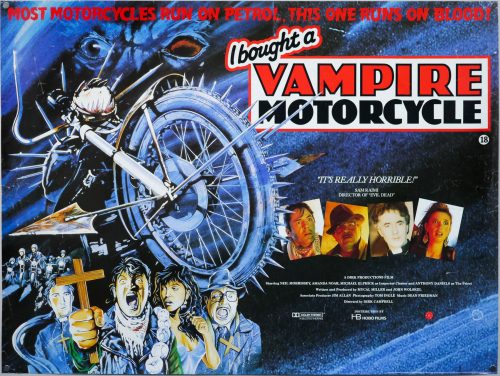
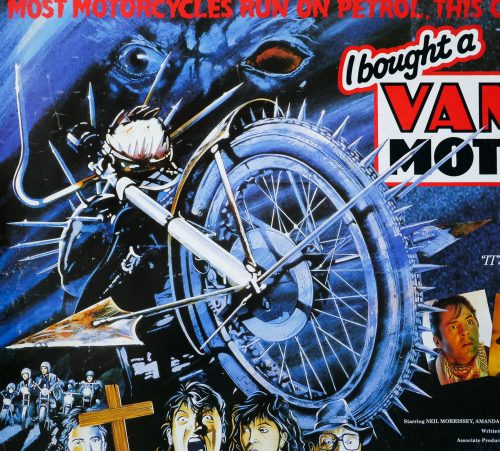
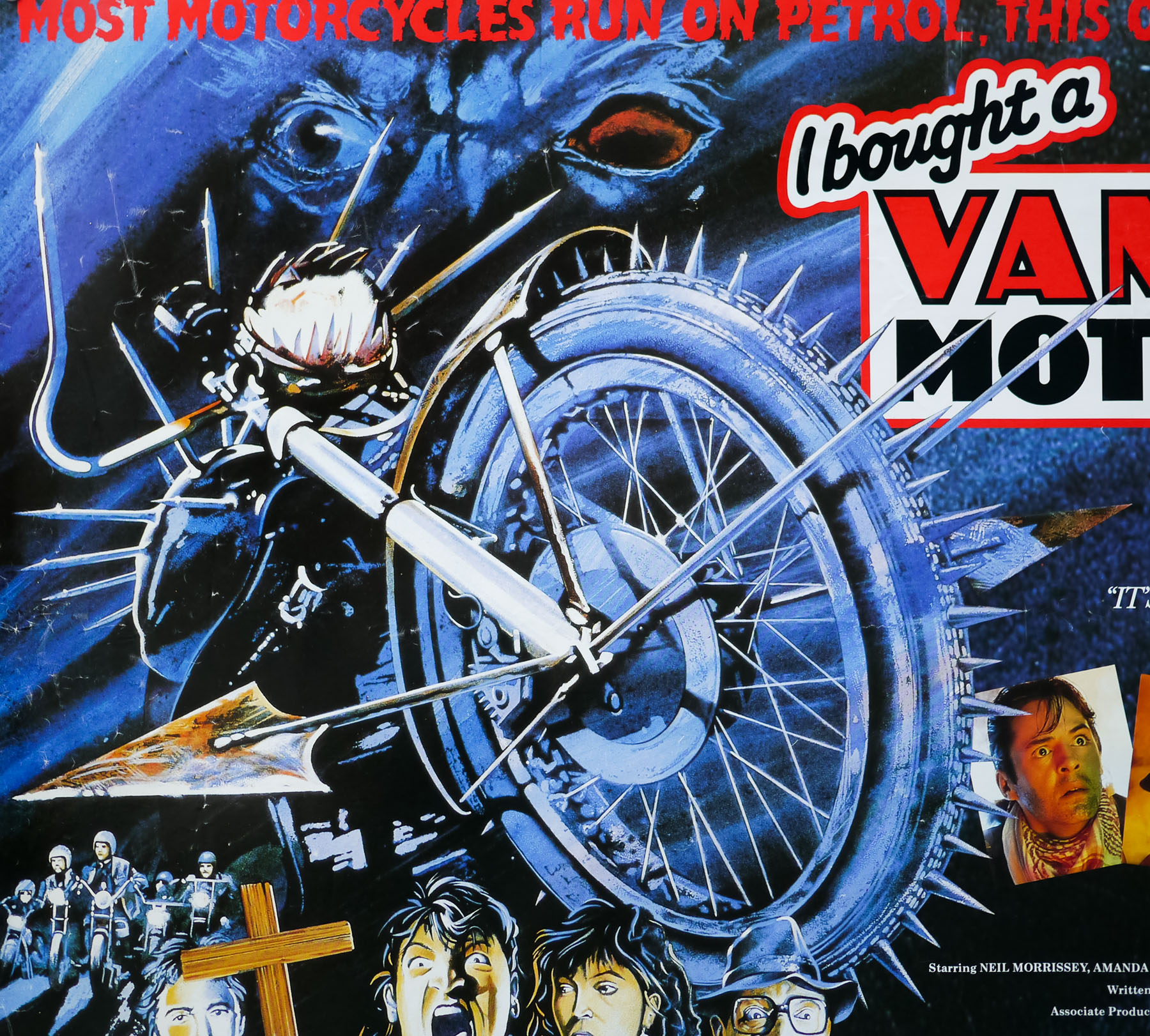
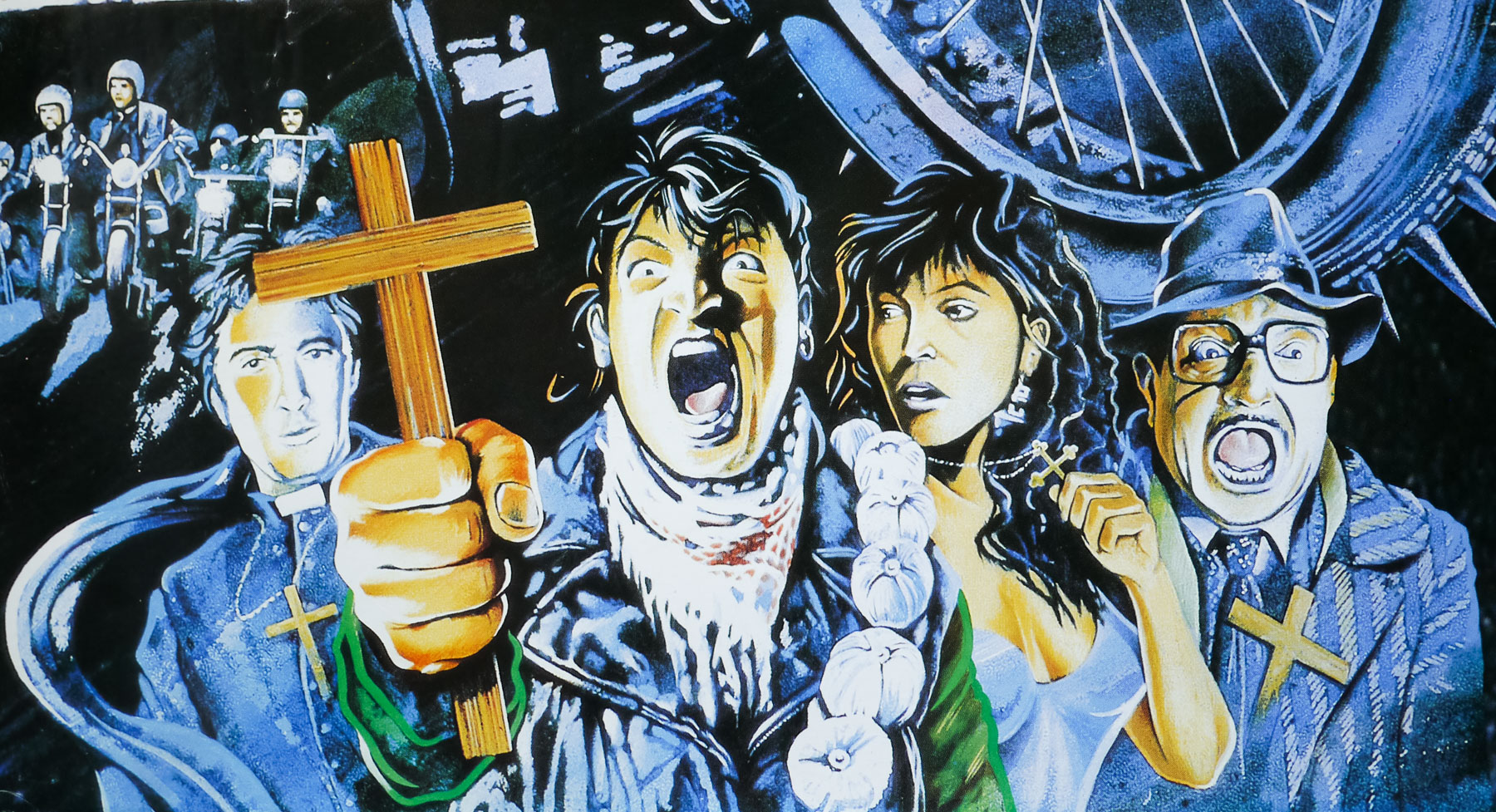
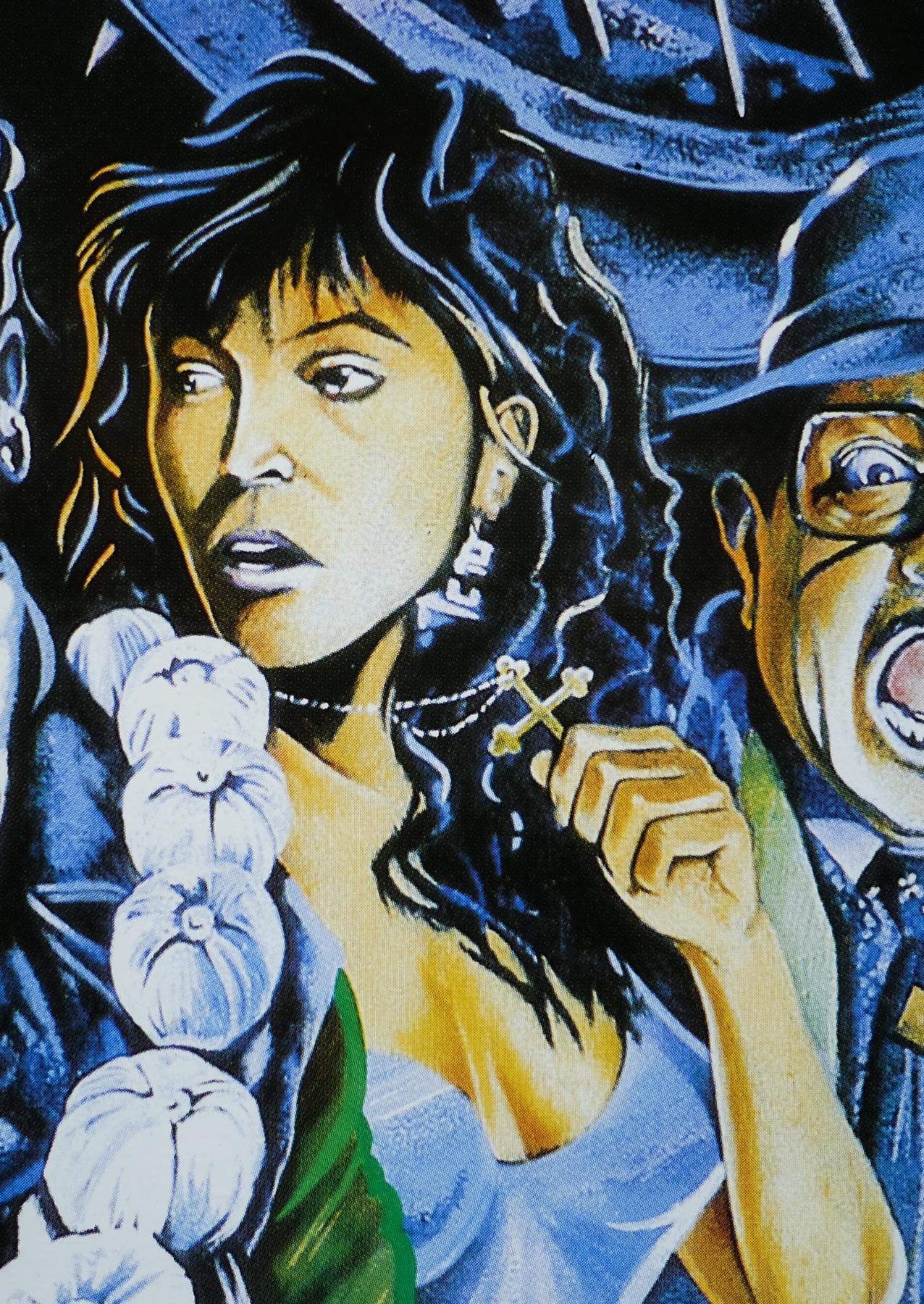
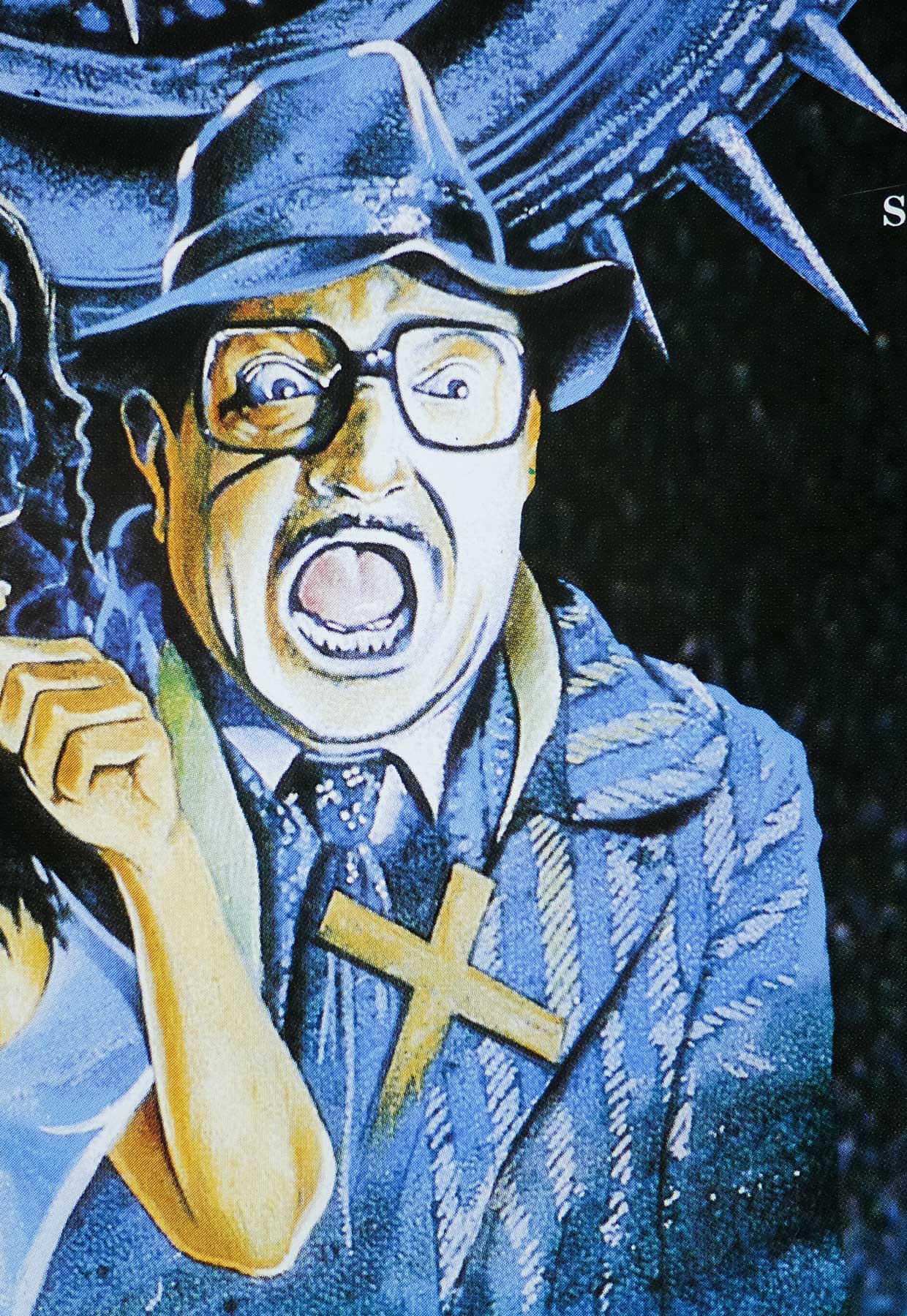
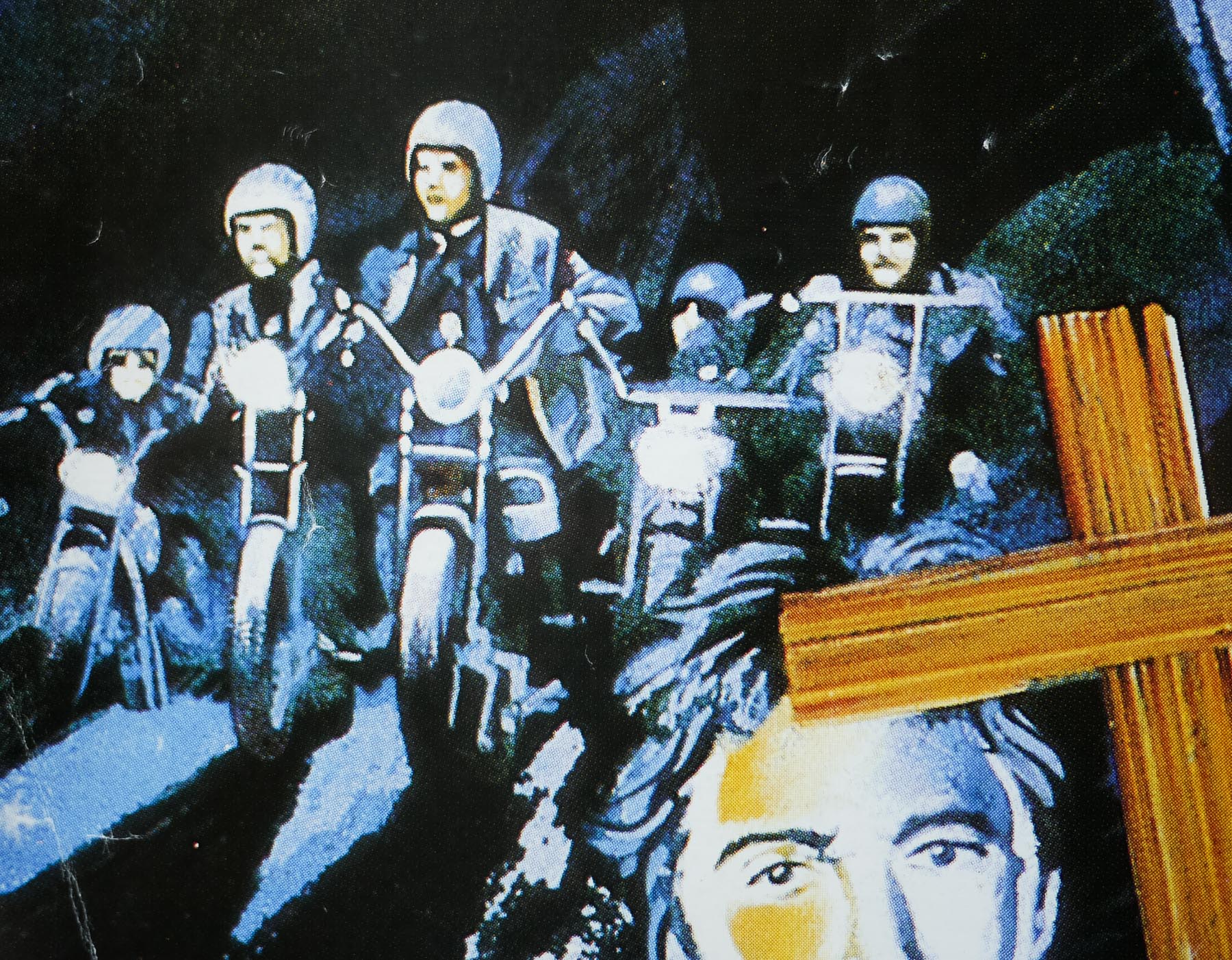
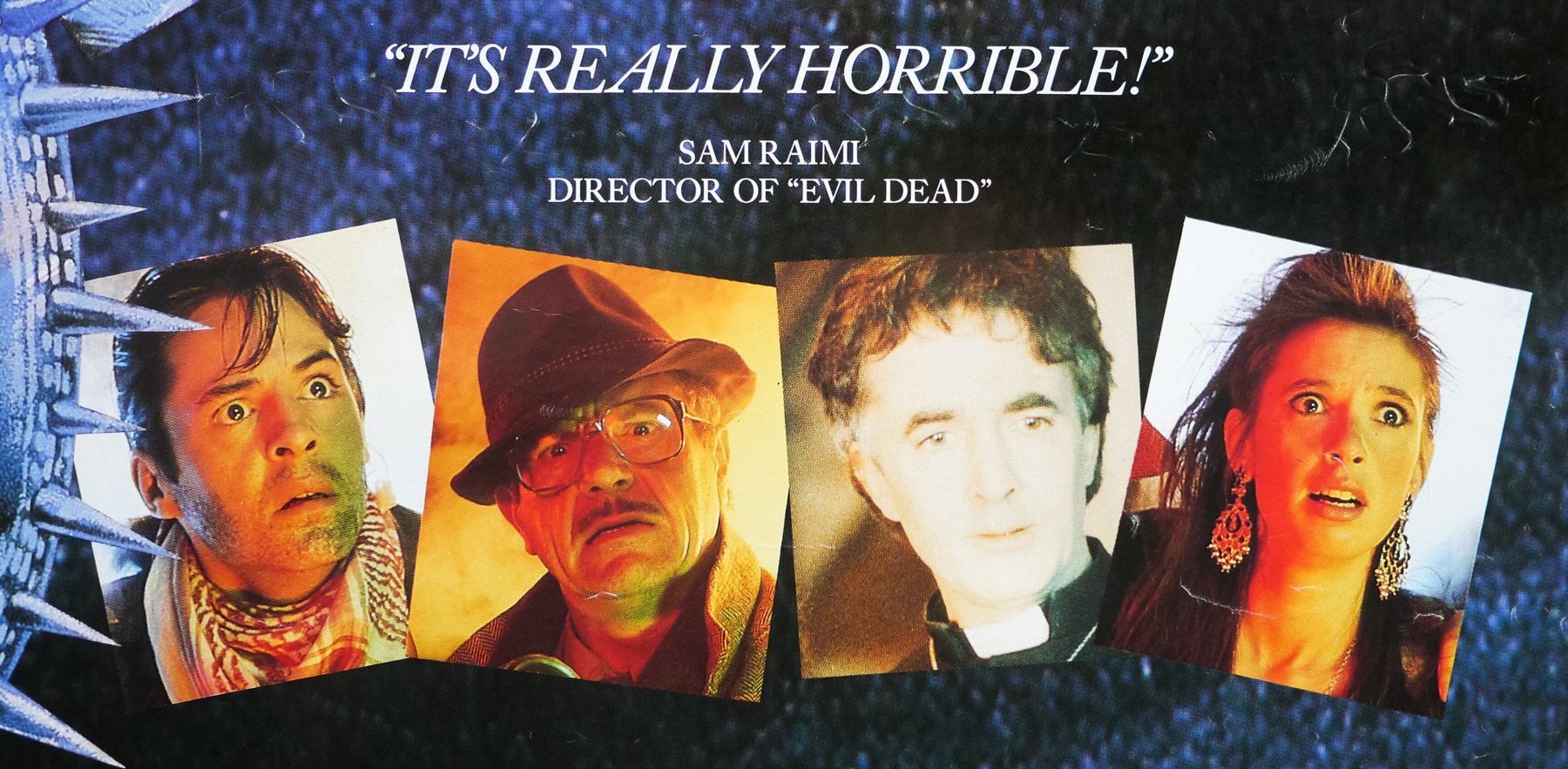
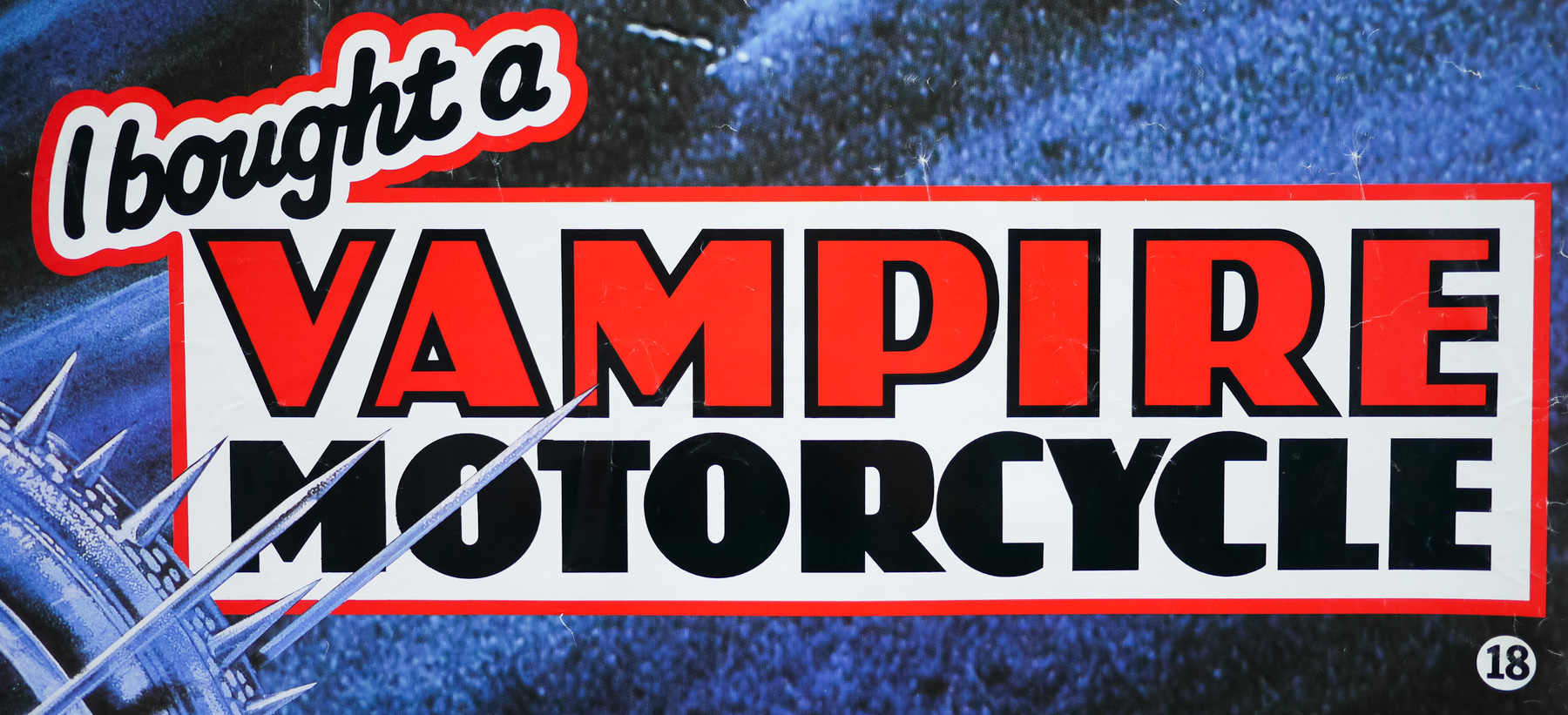
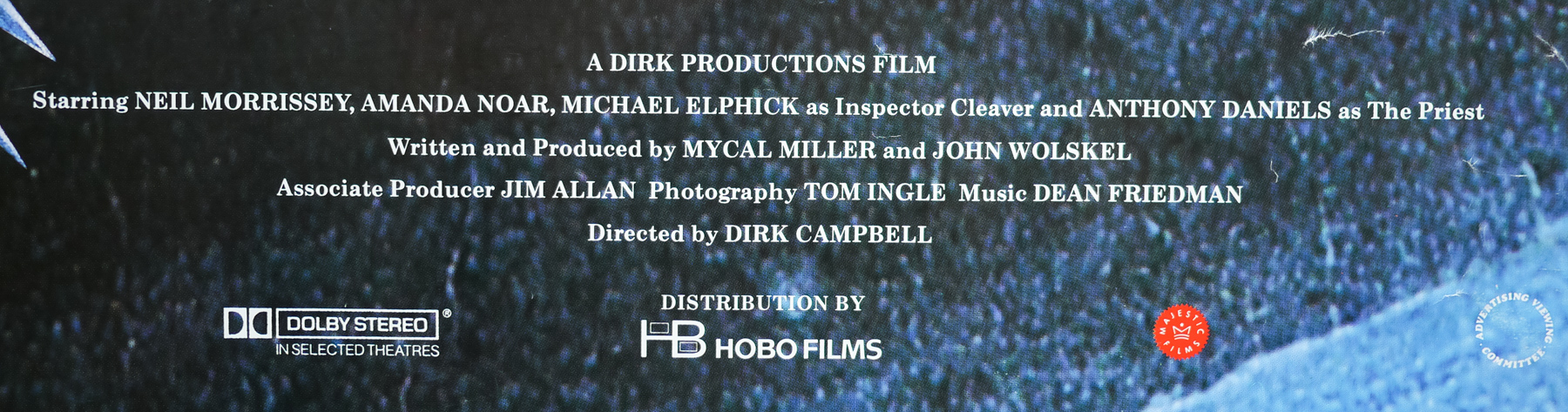
Colourful artwork features on this UK quad for the release of the 1990 ultra l0w budget horror-comedy, I Bought a Vampire Motorcycle. The film remains the sole feature film credit for the director Dirk Campbell who appears to have spent most of his career in television. The majority of the cast are also from TV backgrounds, including lead Neil Morrissey (‘Men Behaving Badly’, ‘Line of Duty’) and the late Michael Elphick. The latter is perhaps best known for playing the titular lead in Boon, which ran for 93 episodes and also starred Morrissey. The production of the film apparently utilised the sets of Boon without the TV company being aware and several other members of the cast and crew were involved.

Set in and around Birmingham, the film opens with a demonic ritual being performed by a biker gang at night. Just as the ceremony is about to be completed they are attacked and murdered by a rival gang led by Roach (Andrew Powell). During the mayhem, the demon is shown to have been summoned and it quickly enters the body of the lead occultist. After Roach’s gang have fled the scene, the demonic presence reanimates the dead body and then drips its blood into the petrol tank of the occultist’s motorbike.

The next day, motorcycle courier Noddy (Morrissey) meets with a mechanic who has taken ownership of the demonic bike and is selling it without realising what is inside. Although everything seems normal to begin with, Noddy and his partner Kim (Amanda Noar) gradually realise that the bike is no ordinary machine, especially when their mechanic is brutally murdered at home, with blood and tire treads found all over the walls. Inspector Cleaver (Elphick) becomes involved in the case, bodies begin piling up, and soon Noddy is turning to a biker/priest (Anthony Daniels) to help exorcise the killer demon.

Despite its low-budget origins, the film is a fun watch and the script has some genuinely hilarious lines in it. There are also some inventive action scenes and the killer machine itself is well handled. There’s also one of the most surreal/gross scenes involving a dream sequence and the contents of a toilet bowl ever committed to celluloid. The film is surprisingly gory and doesn’t skimp on violence – most of the special effects are well done. I’m not saying it’s a classic, far from it, but it’s certainly worth a watch!

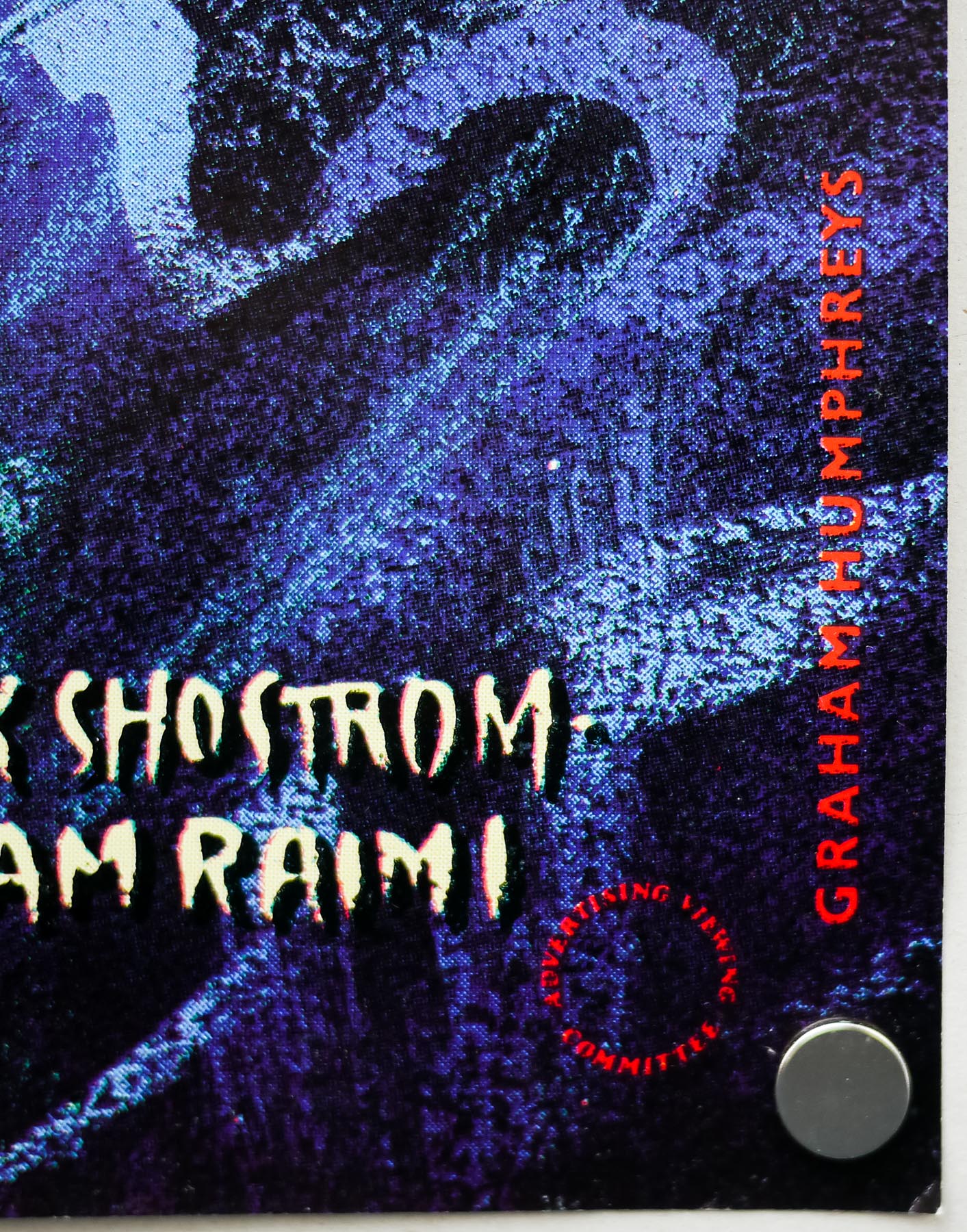
Frustratingly, I’ve struggled to find out who was responsible for the artwork on this country of origin poster. I am certain that it’s not the work of Graham Humphreys as I had this confirmed to me in an email from the man himself. If anyone has any ideas please get in touch. Note the rather brilliant quote from Sam Raimi (Evil Dead)!

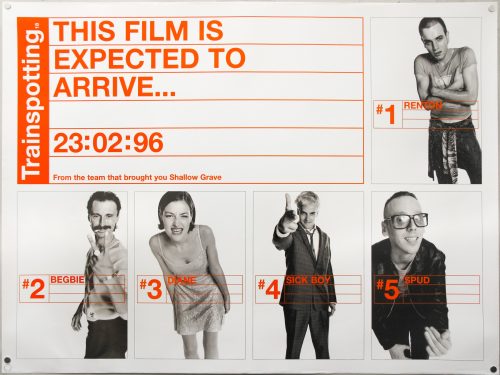
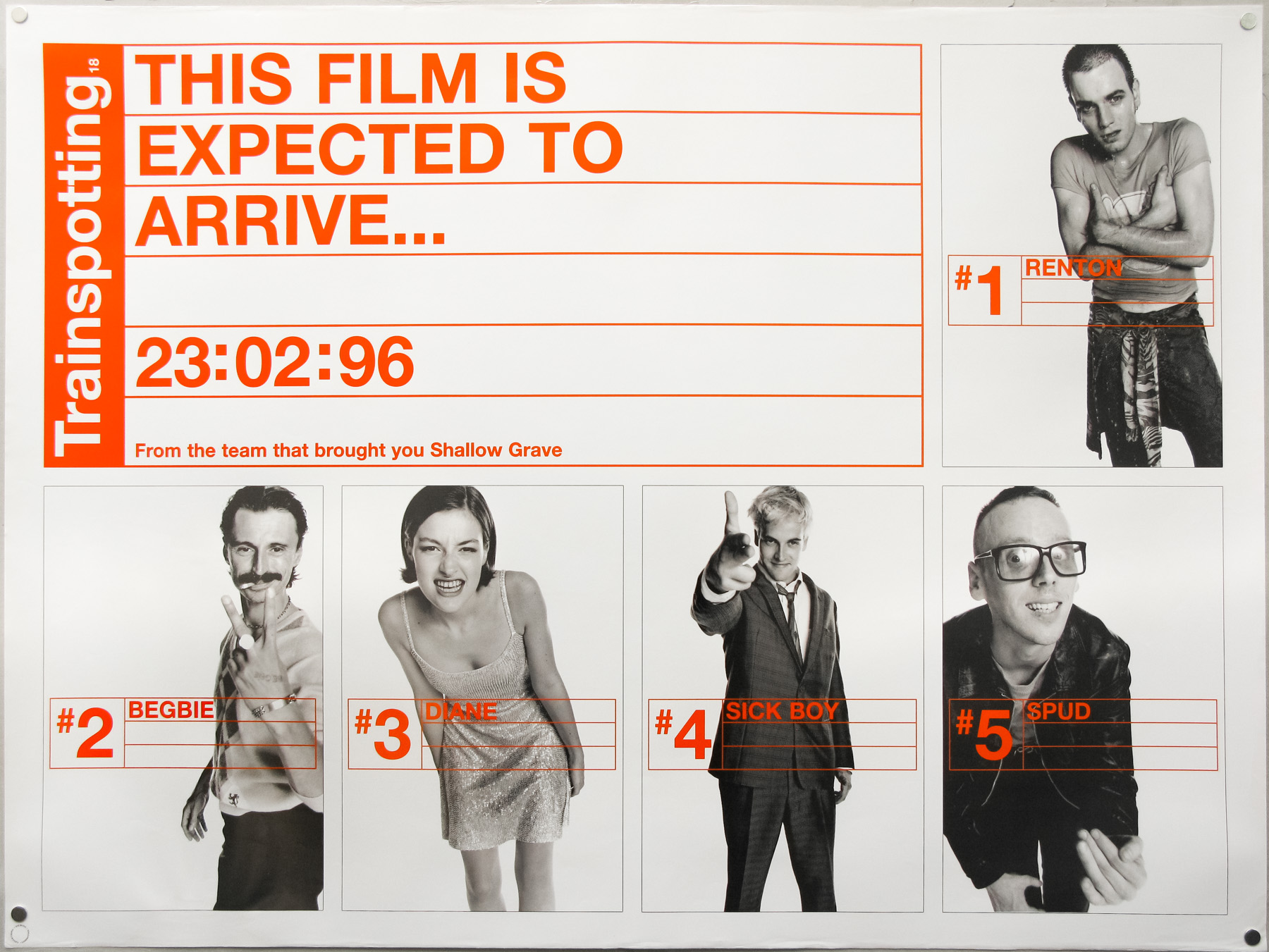
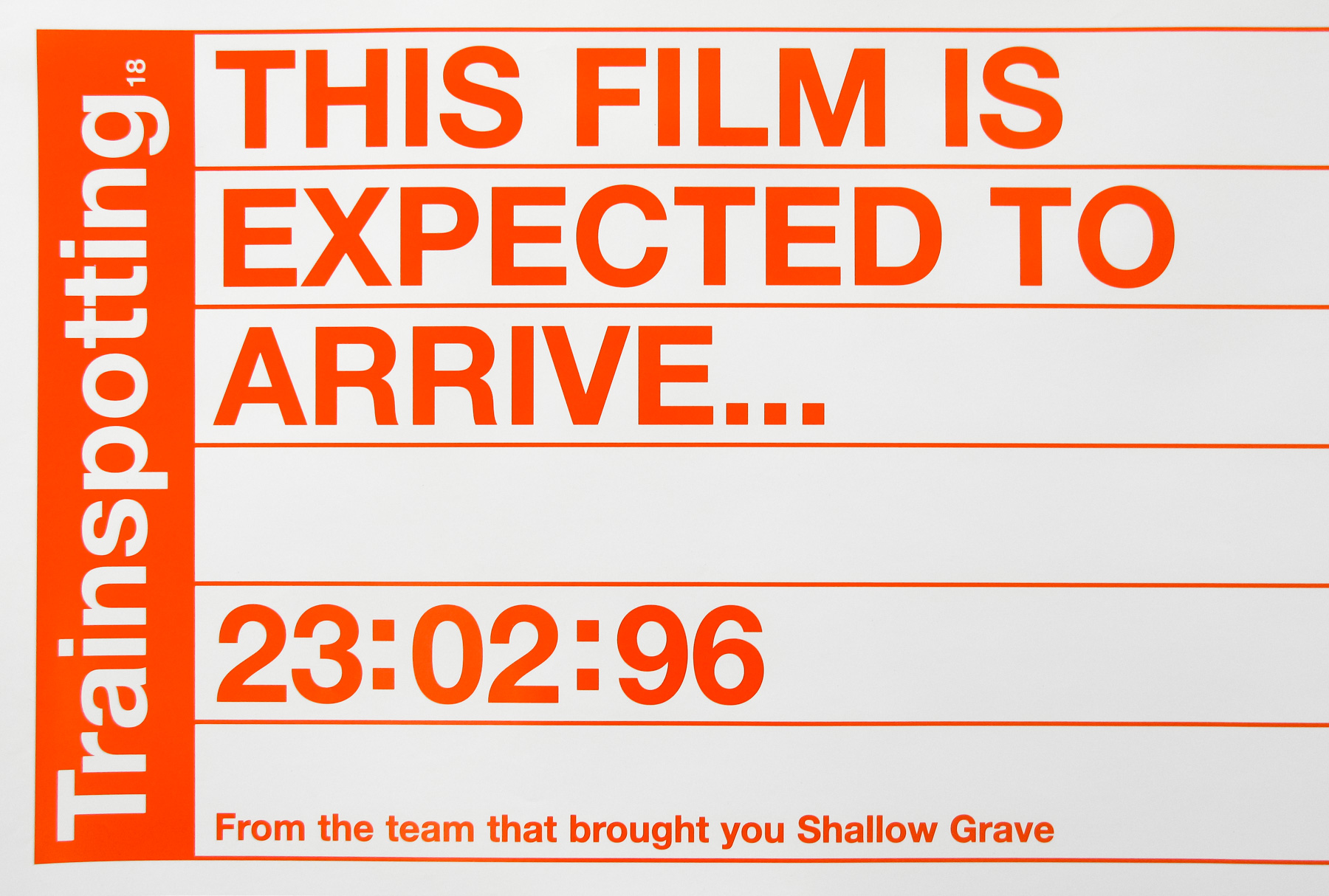
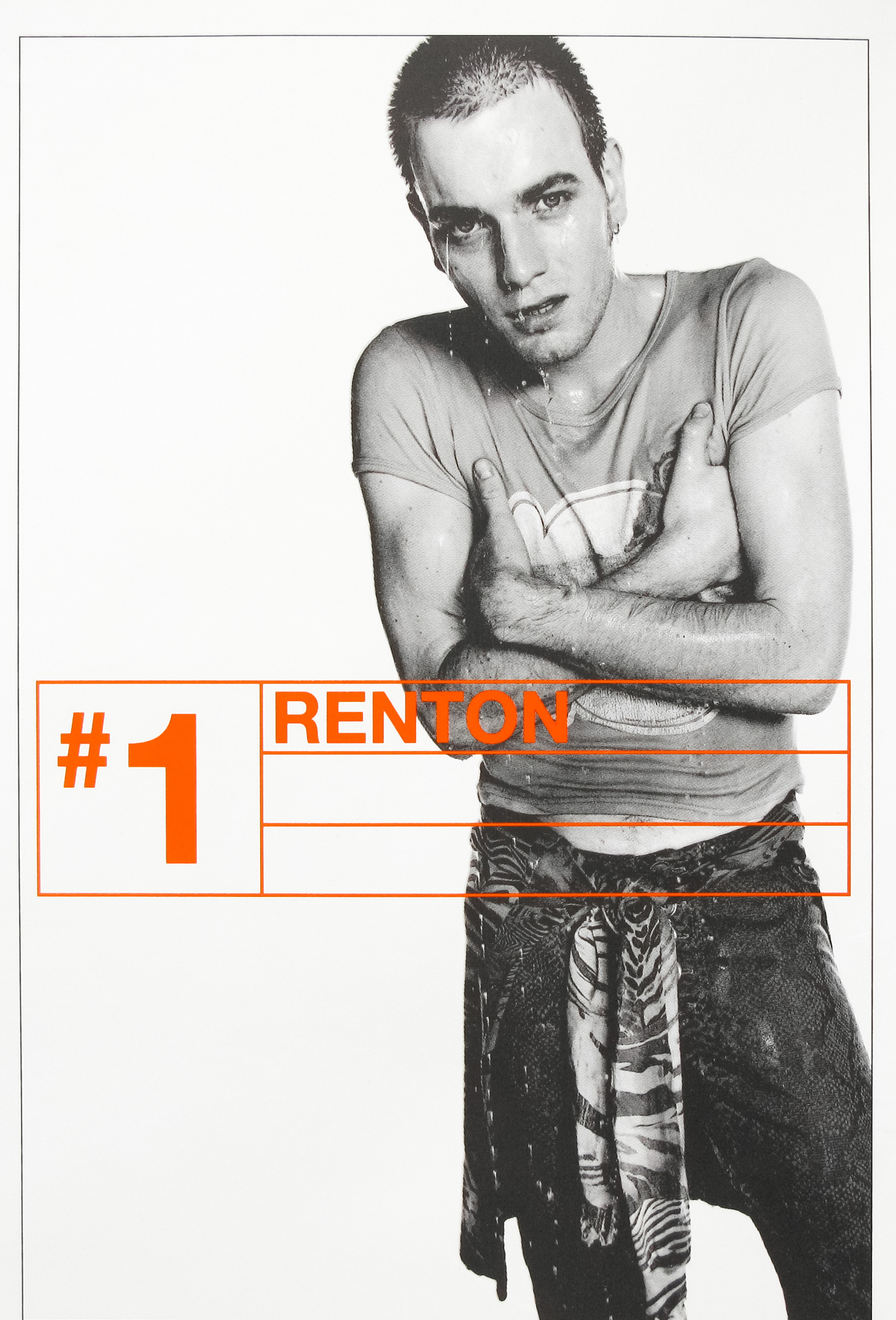
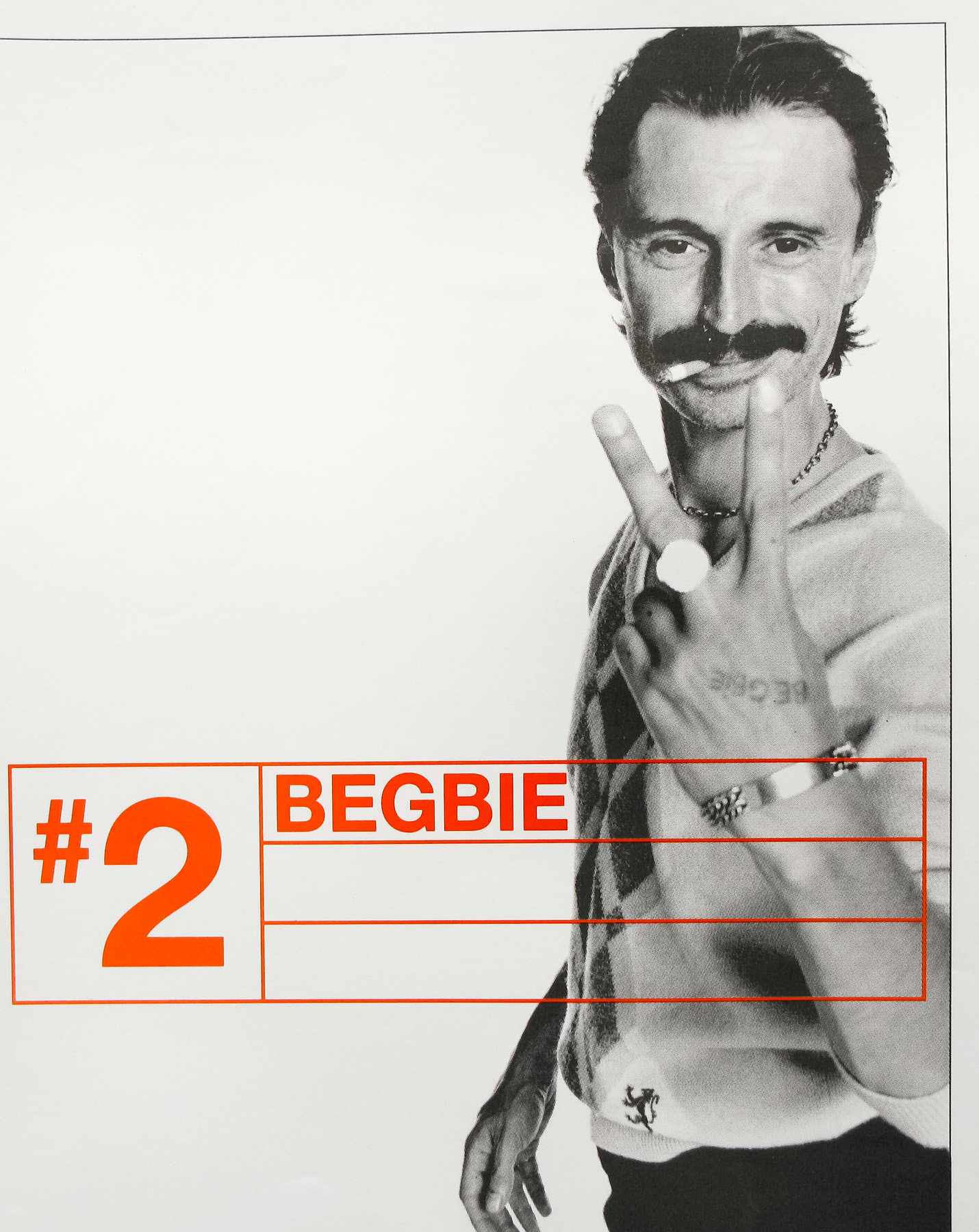
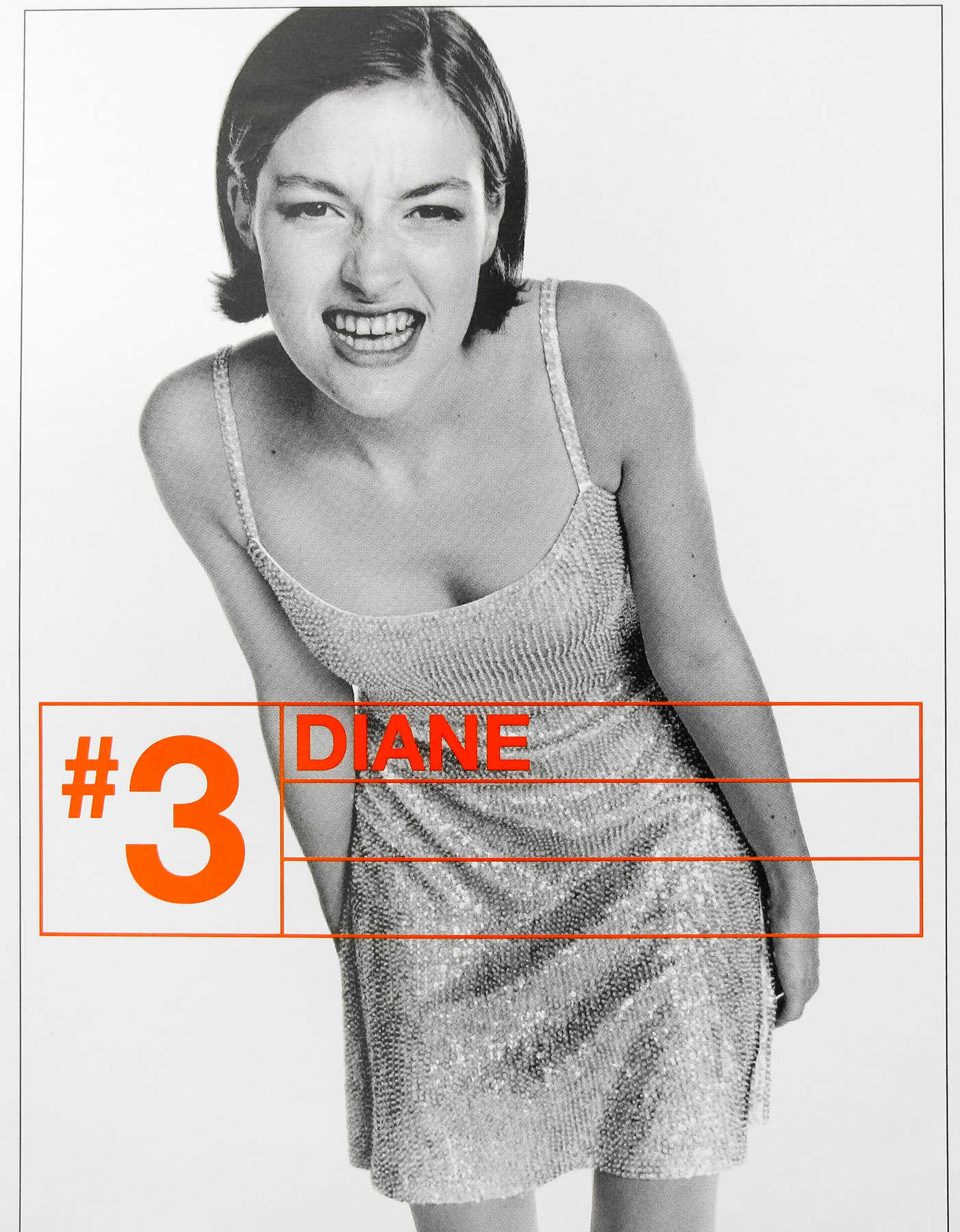
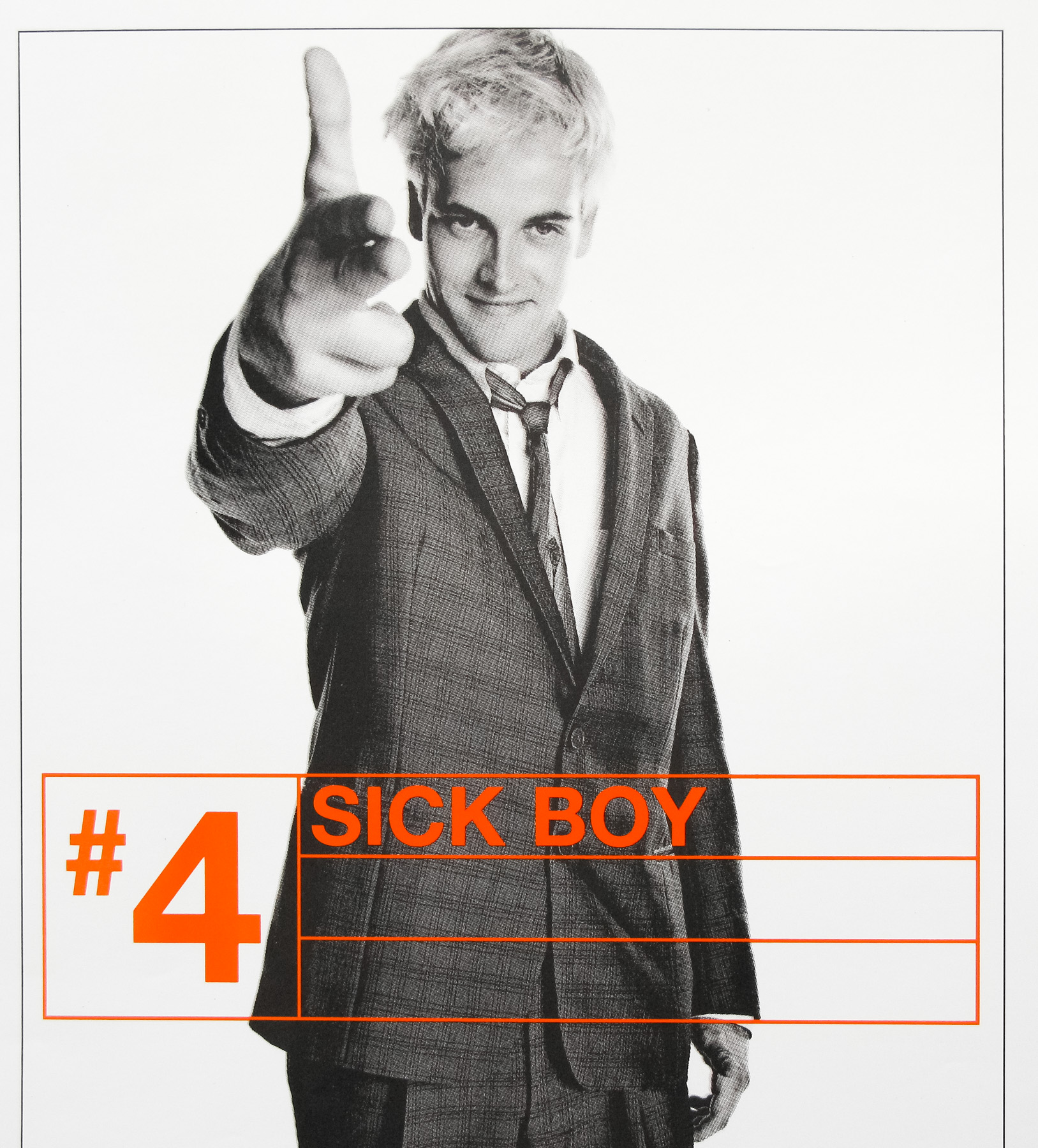
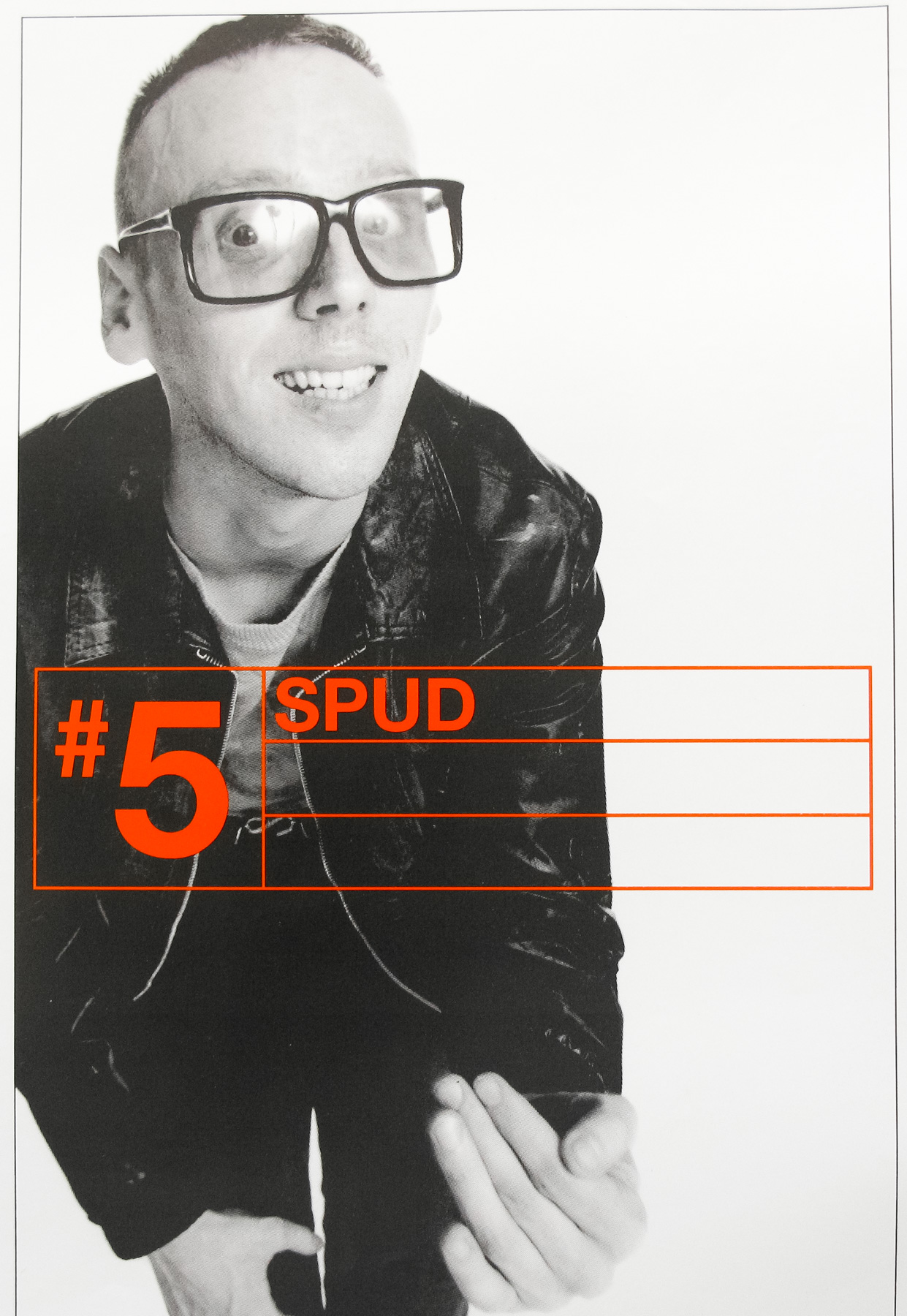
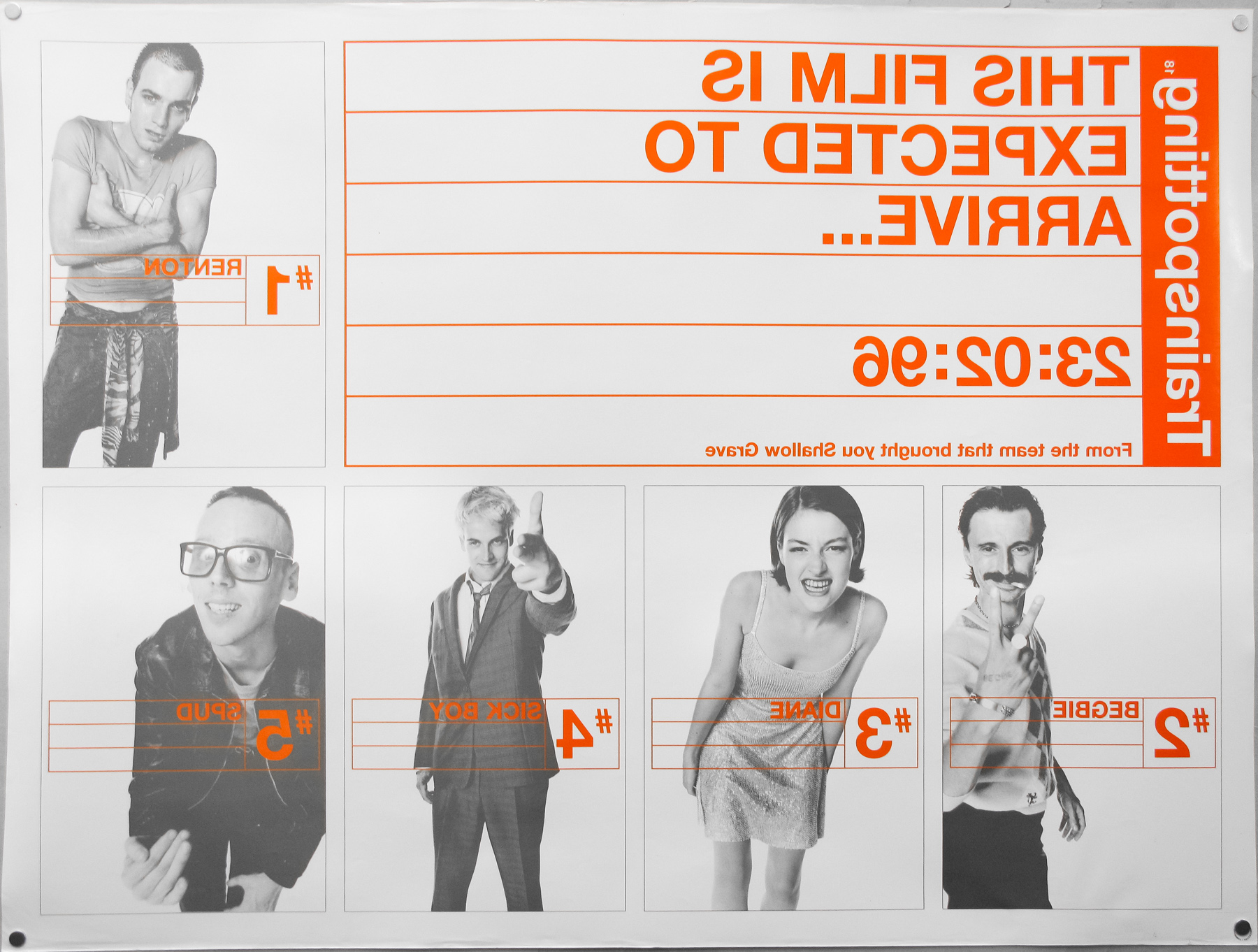
Trainspotting / quad / teaser / UK

18.05.11

Poster Poster
Title
Trainspotting
AKA
La vida en el abismo [Life in the abyss] (Mexico)
Year of Film
1996
Director
Danny Boyle
Starring
Ewan McGregor, Jonny Lee Miller, Robert Carlyle, Ewen Bremner, Kevin McKidd, Kelly Macdonald, Peter Mullan, Irvine Welsh
Origin of Film
UK
Genre(s) of Film
Ewan McGregor, Jonny Lee Miller, Robert Carlyle, Ewen Bremner, Kevin McKidd, Kelly Macdonald, Peter Mullan, Irvine Welsh,
Type of Poster
Quad
Style of Poster
Teaser
Origin of Poster
UK
Year of Poster
1996
Designer
Stylorouge
Artist
Photgraphy by Lorenzo Agius
Size (inches)
30" x 39 7/8"
SS or DS
DS
Tagline
--

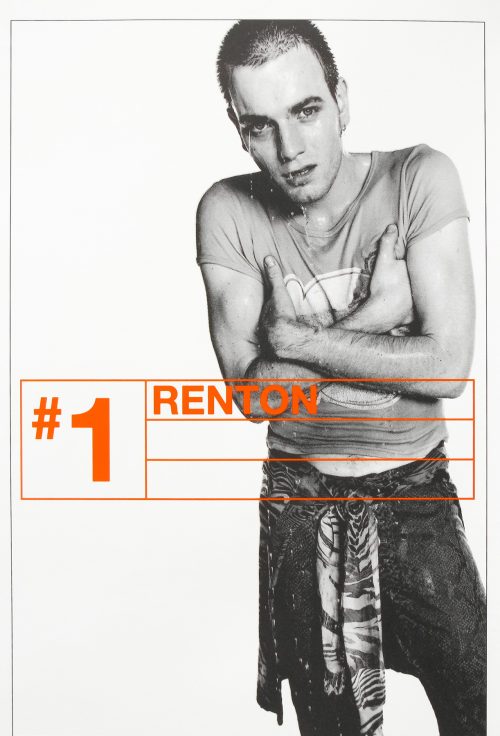
Here’s a great retrospective article on the creation of the Trainspotting campaign on the Creative Review site.

The Man Who Fell to Earth / quad / UK

18.08.11

Poster Poster

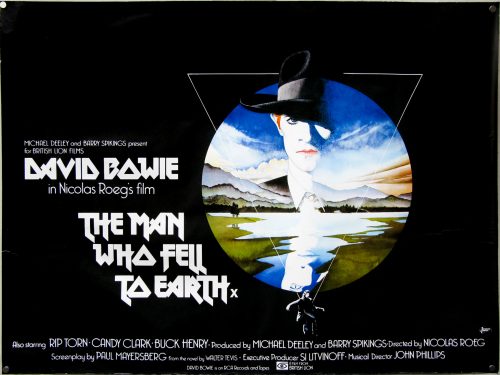
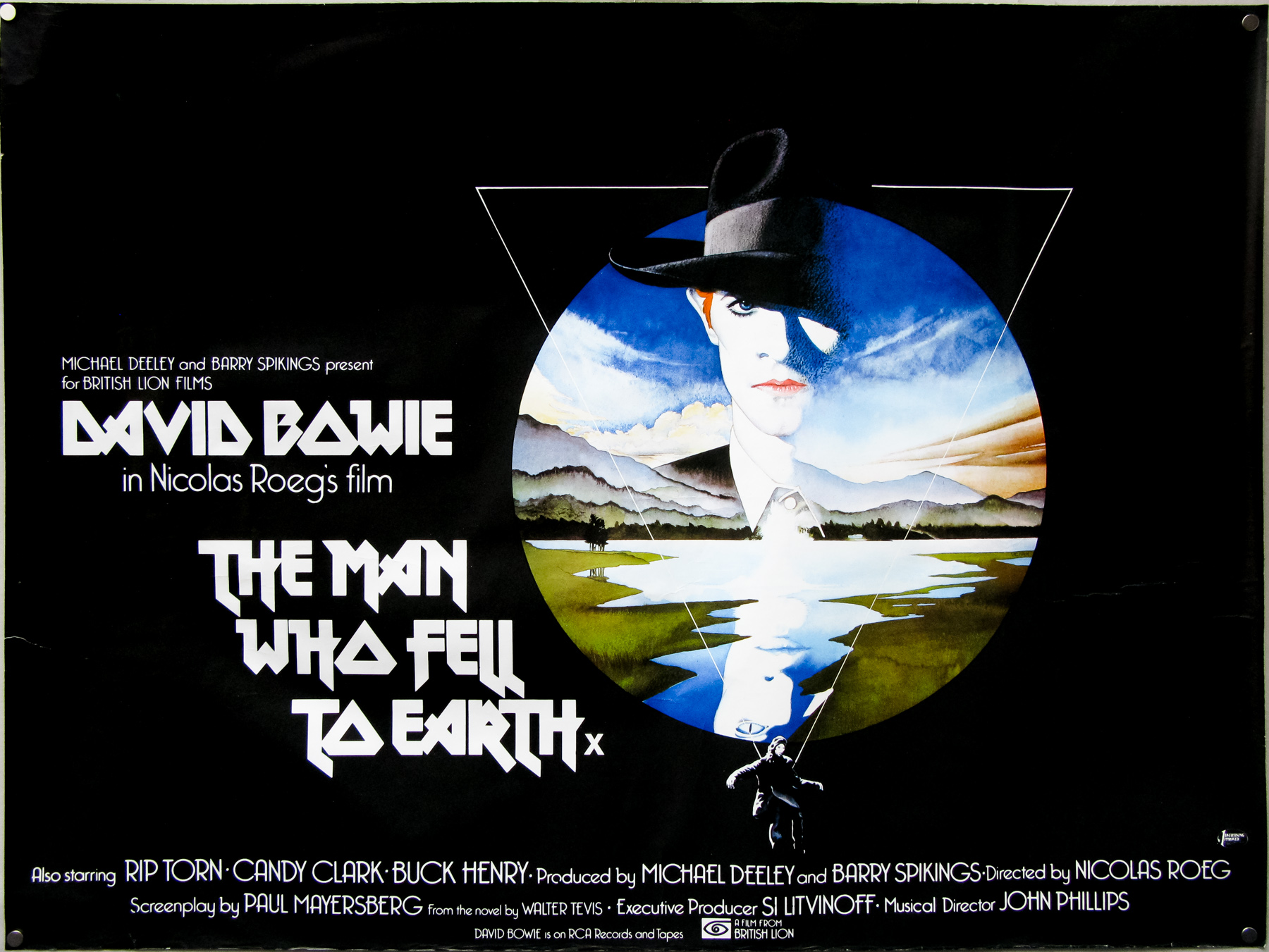
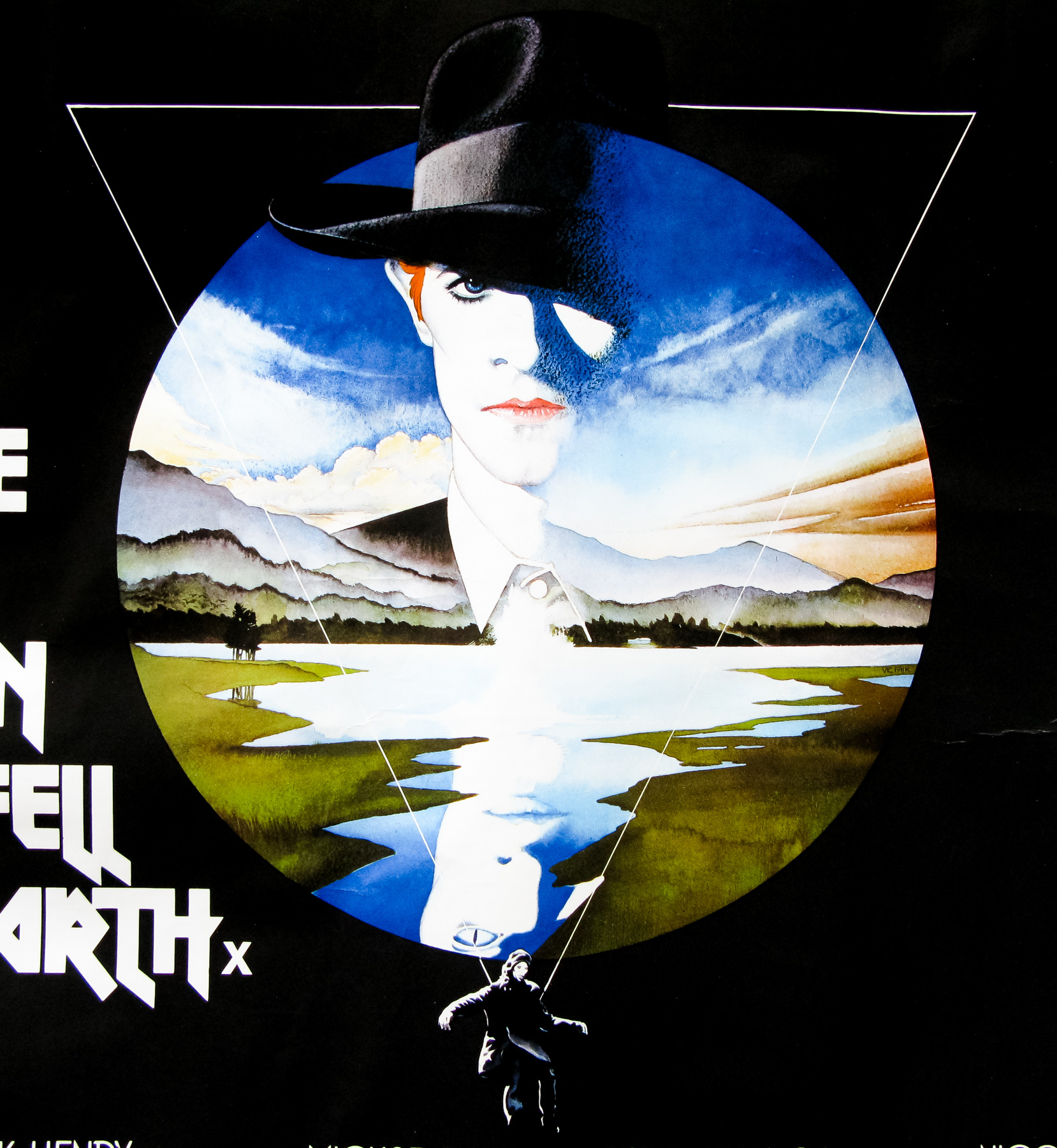
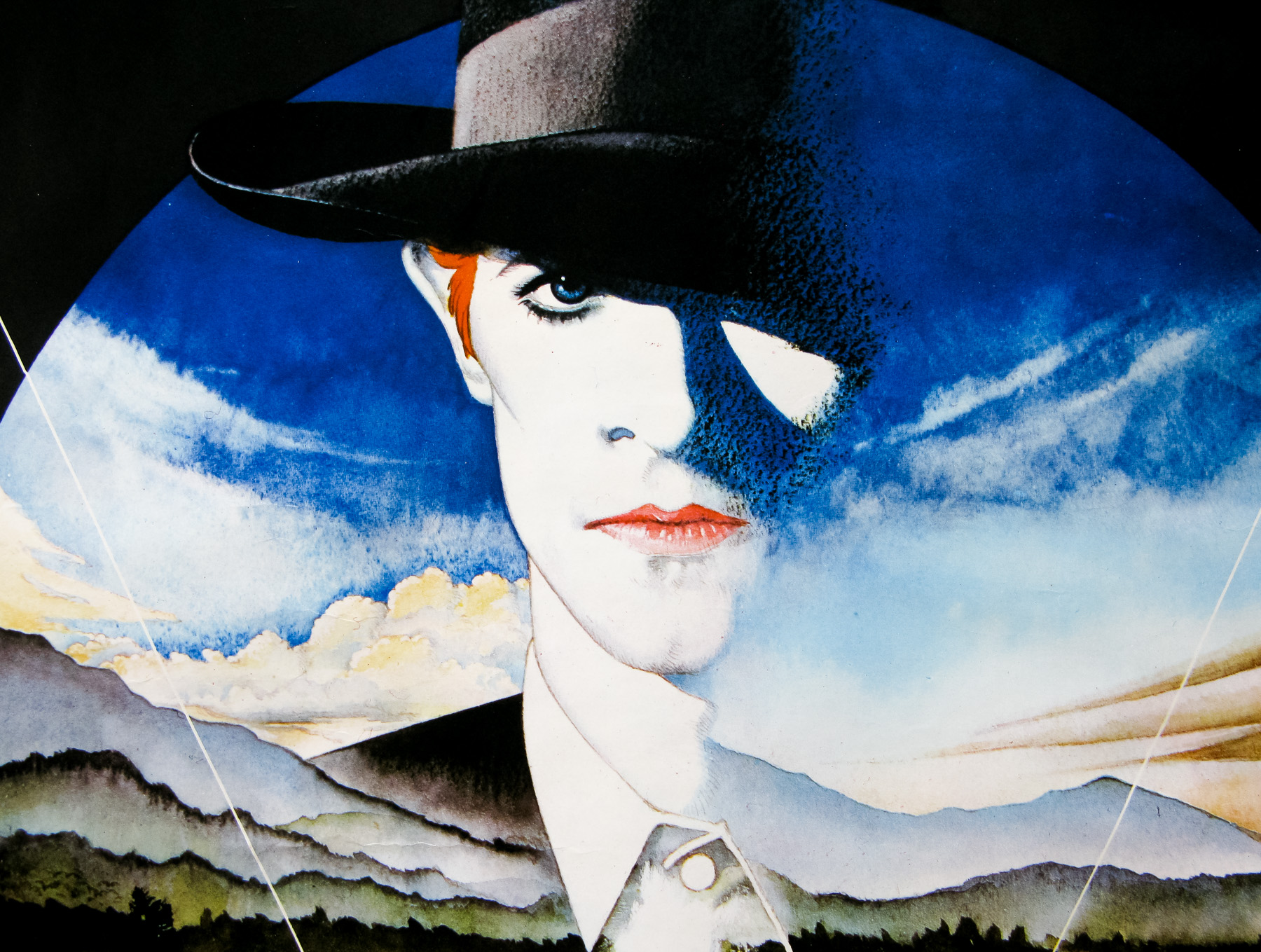
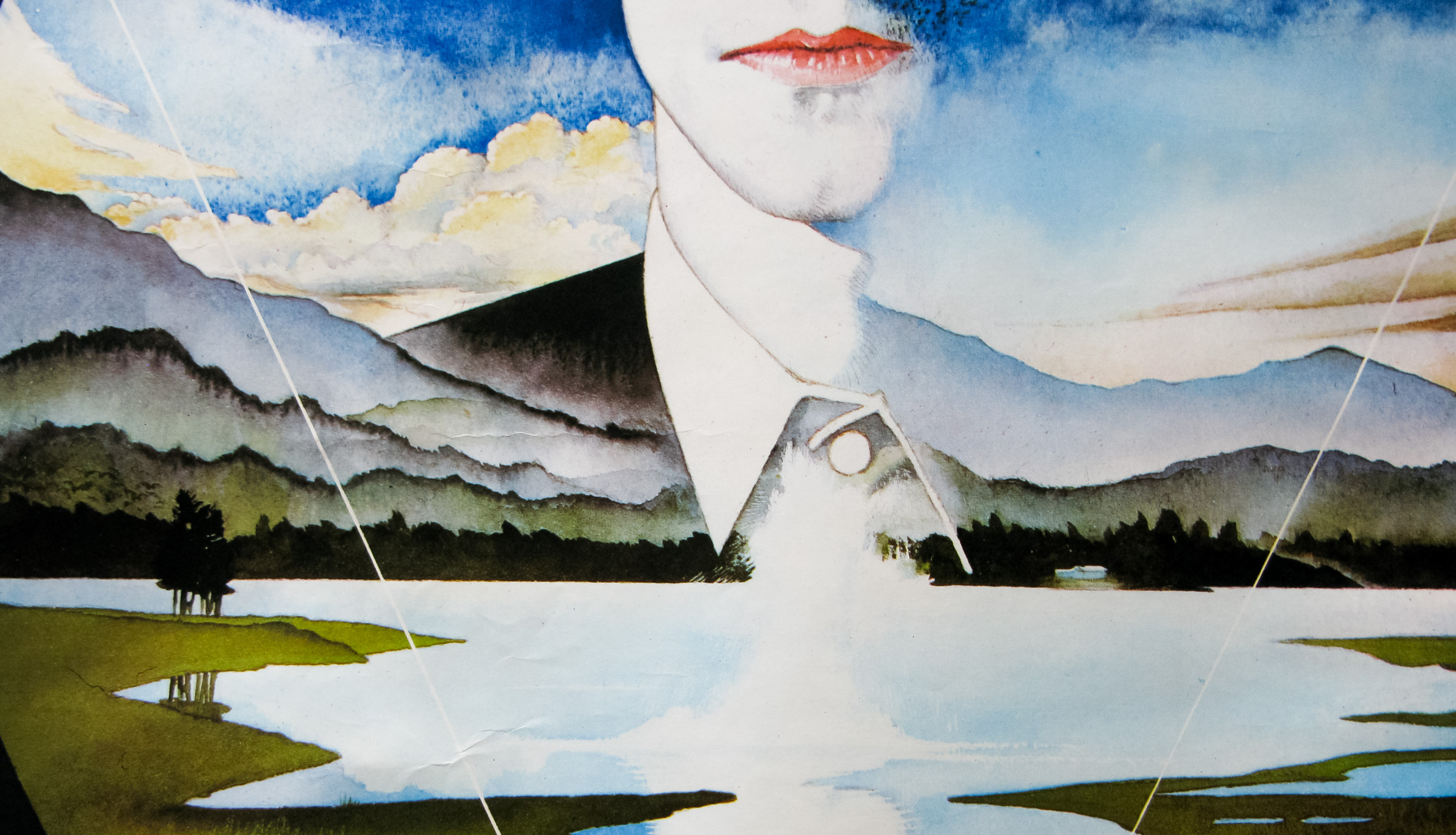
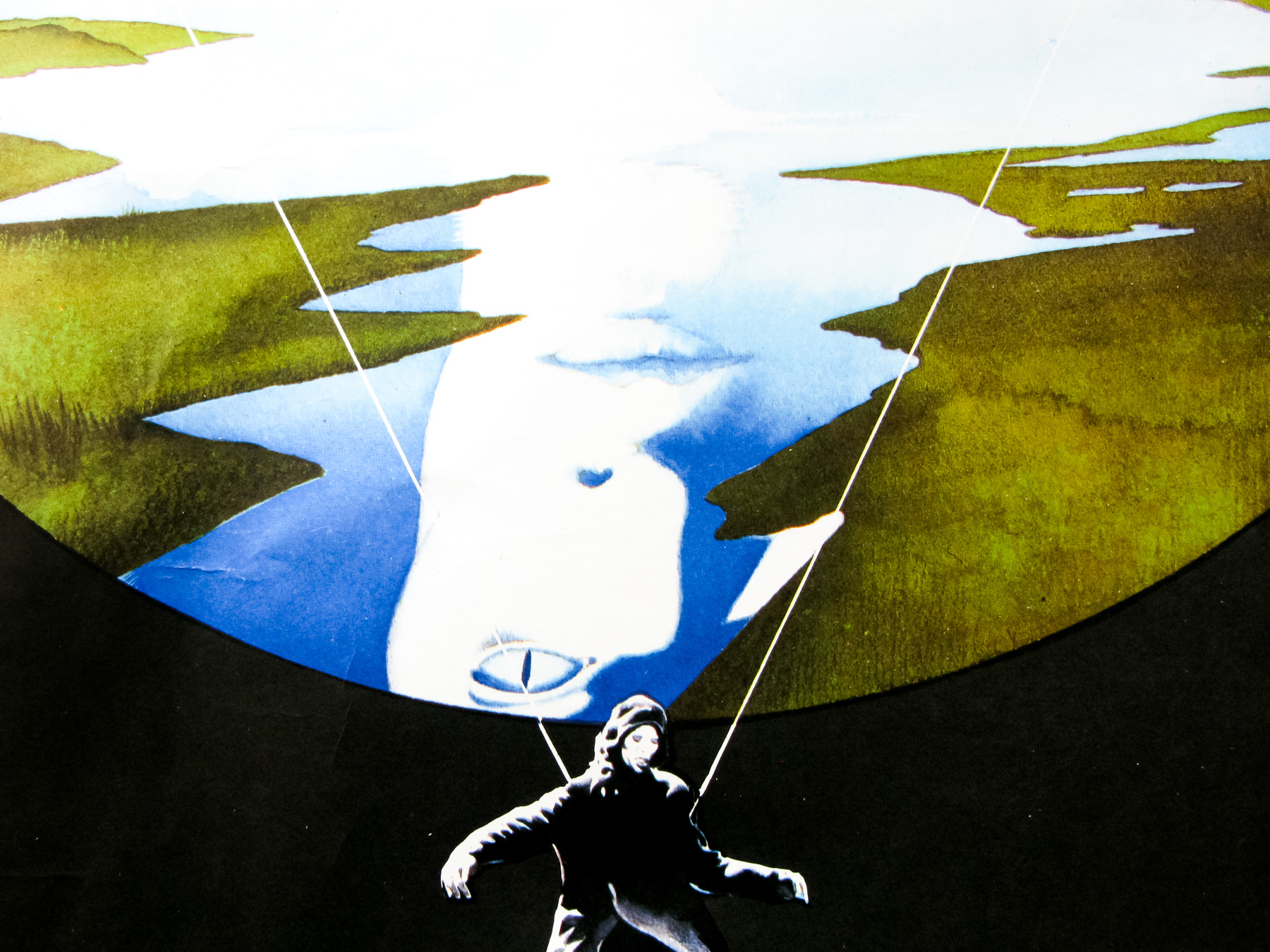
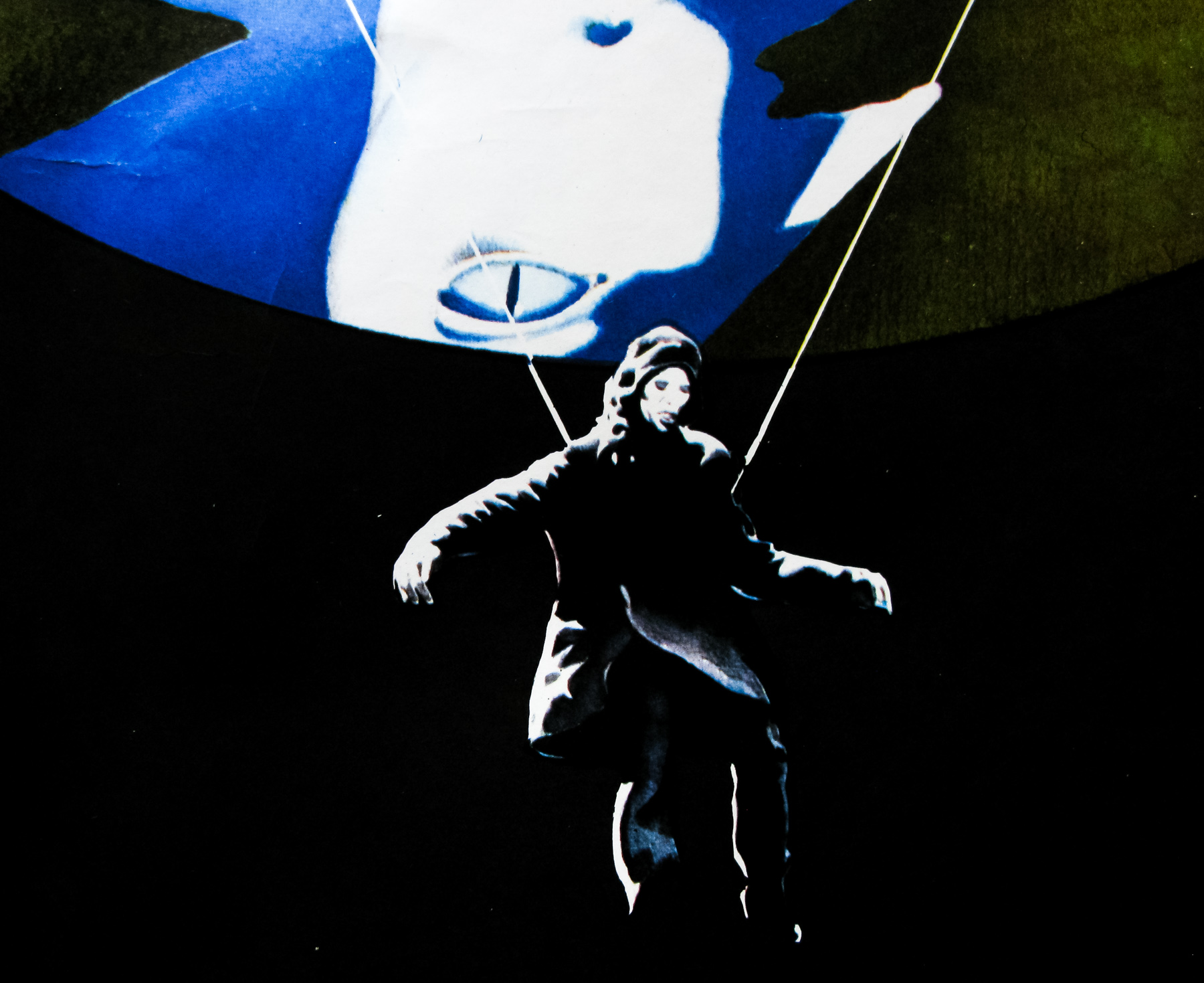
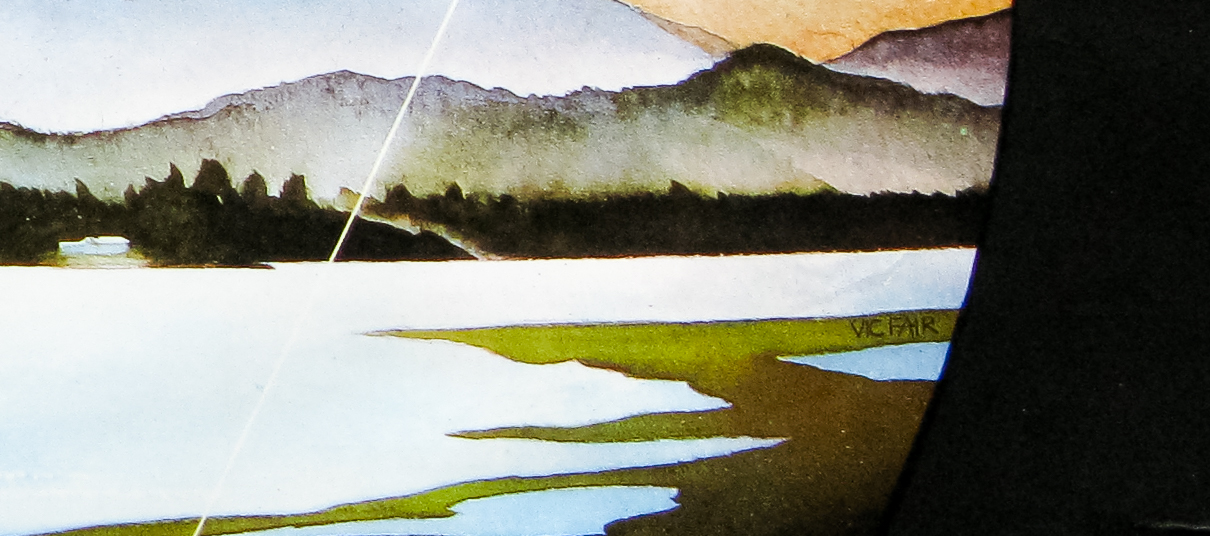
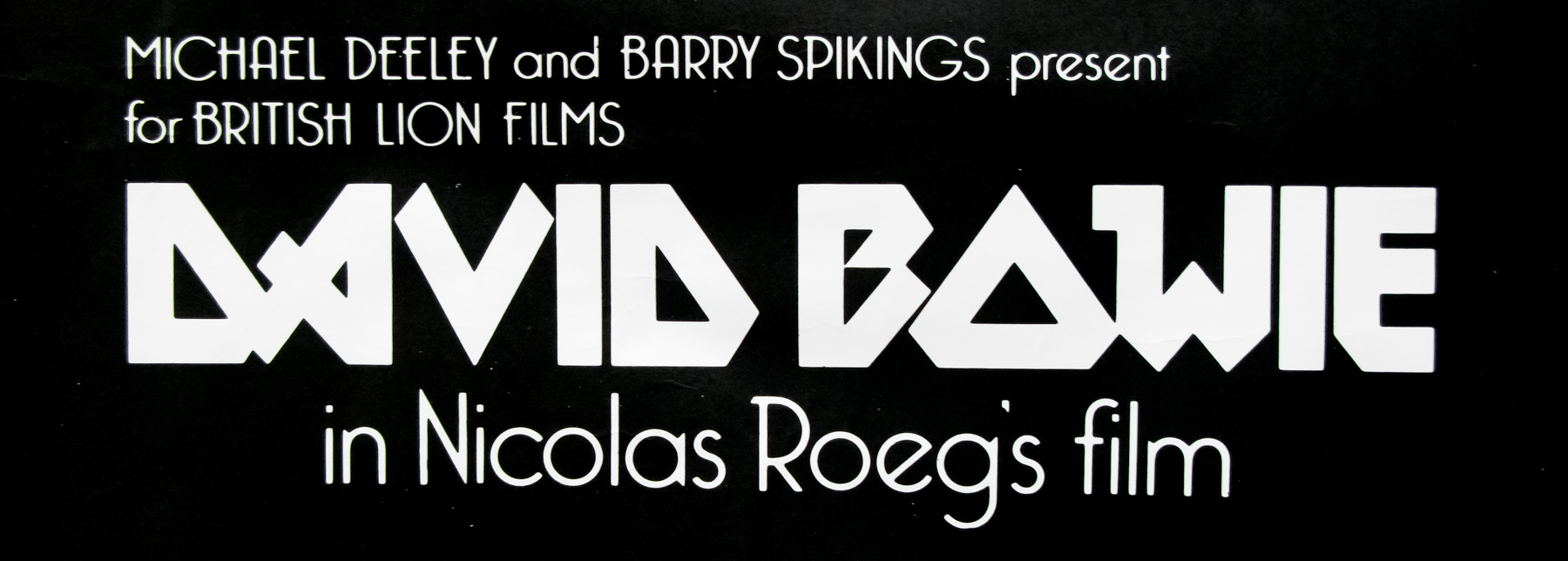
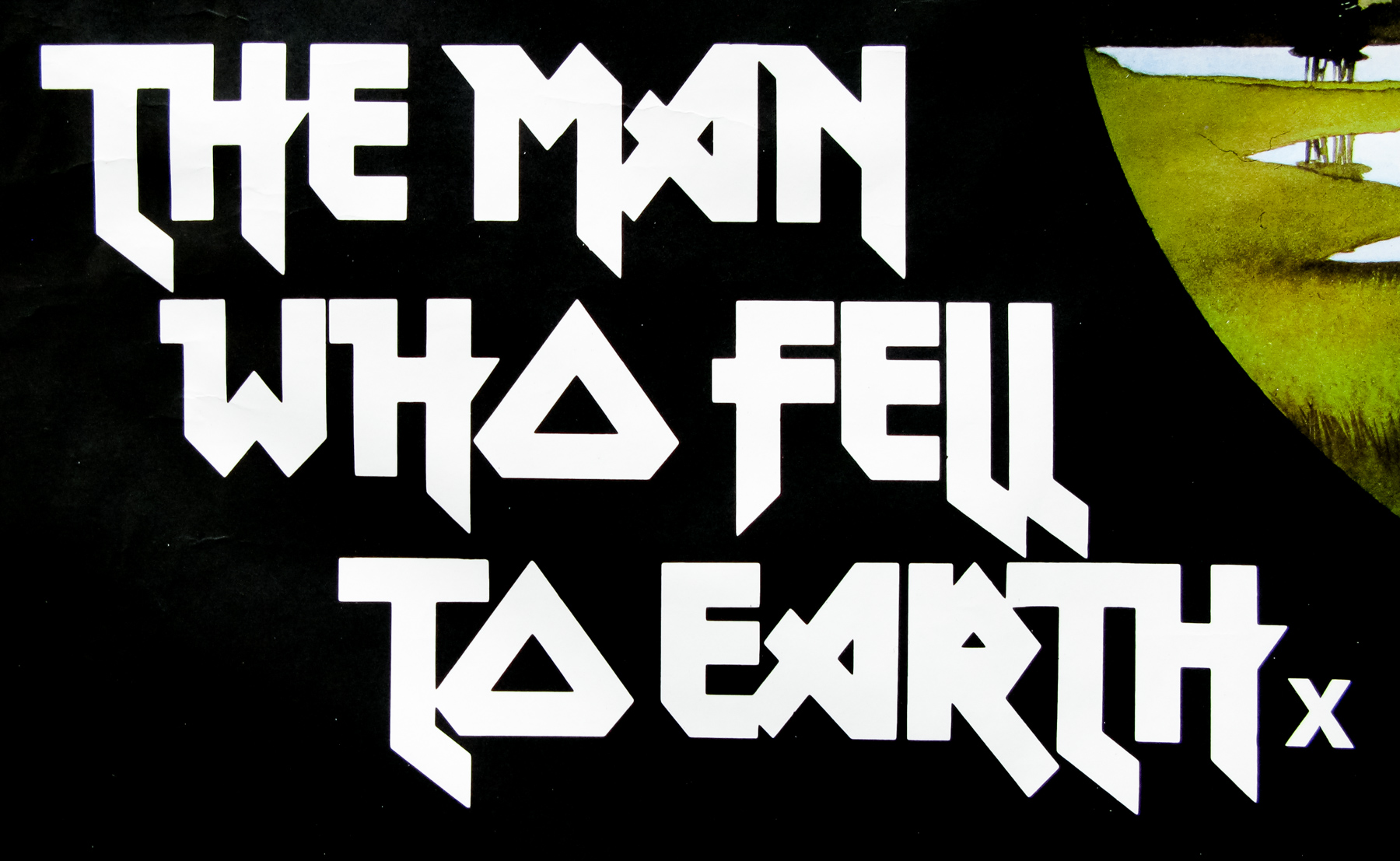
An absolutely superb design by British artist Vic Fair for Nic Roeg’s seminal sci-fi film The Man Who Fell to Earth. The typography alone is a thing of beauty, particularly that of the main title – I’m not sure who designed it but it’s an undoubted classic. The rock band Iron Maiden later used it for their own band logo.

This is perhaps the best known of Vic Fair’s designs, though he is responsible for many other great posters from the sixties, seventies and eighties, including several for Hammer Horror, Lisztomania and quads for the infamous ‘Confessions…’ series of films. I plan to post another of his best designs in the next few weeks.

This poster is featured in Sim Branaghan’s superb ‘British Film Posters: An Illustrated History’ and he notes:

Probably the best known of Fair’s posters, and the only one regularly credited to him, since he liked it so much at the time he actually signed it.

I personally think this is David Bowie’s finest starring role and no one else could have portrayed the oddity that is Thomas Newton quite as well as him. It’s not my favourite of Nic Roeg’s films though (that would be Don’t Look Now).

The brilliantly nuts original US trailer can be seen on YouTube.


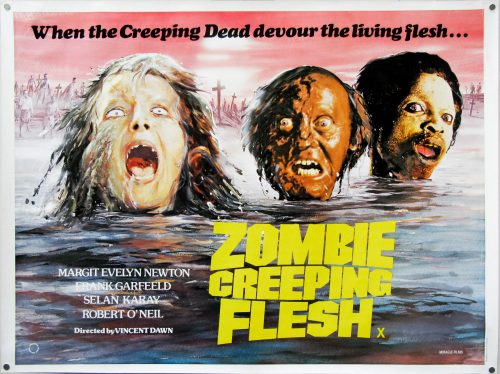
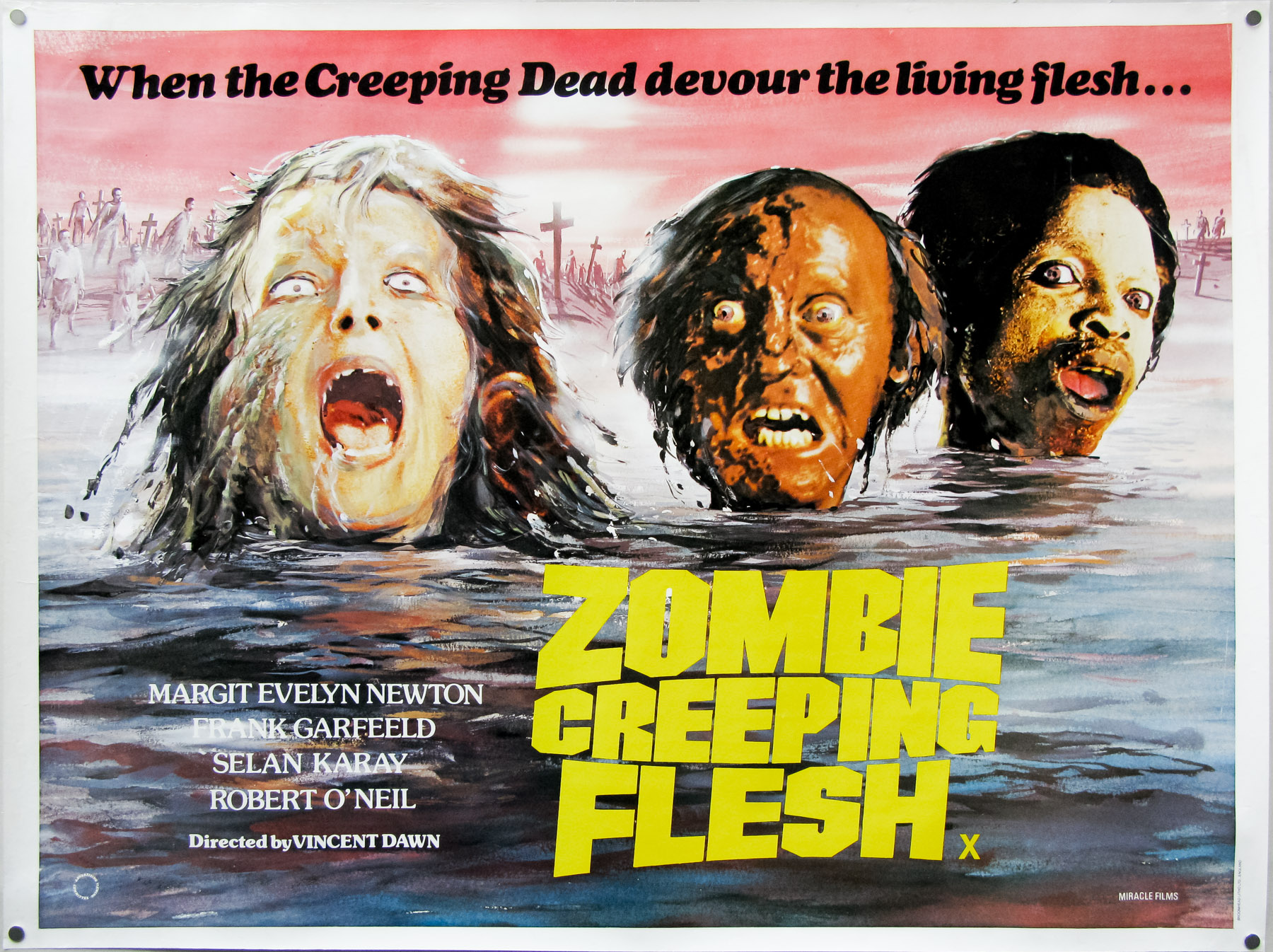
Zombie Creeping Flesh / quad / UK

30.10.11

Poster Poster
Title
Zombie Creeping Flesh
AKA
Virus (Italy - original title) | Hell of the Living Dead (International - English title / USA) | Night of the Zombies (USA) | Apocalipsis caníbal (Spain)
Year of Film
1980
Director
Bruno Mattei (as Vincent Dawn), Claudio Fragasso (uncredited)
Starring
Margit Evelyn Newton, Franco Garofalo, Selan Karay, José Gras, Gabriel Renom, Josep Lluís Fonoll, Pietro Fumelli, Bruno Boni, Patrizia Costa, Cesare Di Vito, Sergio Pislar, Bernard Seray, Víctor Israel
Origin of Film
Italy | Spain
Genre(s) of Film
Margit Evelyn Newton, Franco Garofalo, Selan Karay, José Gras, Gabriel Renom, Josep Lluís Fonoll, Pietro Fumelli, Bruno Boni, Patrizia Costa, Cesare Di Vito, Sergio Pislar, Bernard Seray, Víctor Israel,
Type of Poster
Quad
Style of Poster
--
Origin of Poster
UK
Year of Poster
1982
Designer
Unknown
Artist
Ted Baldwin (UK adaptation of Italian artwork - unconfirmed)
Size (inches)
30 1/16" x 40"
SS or DS
SS
NSS #
--
Tagline
When the Creeping Dead devour the living flesh...

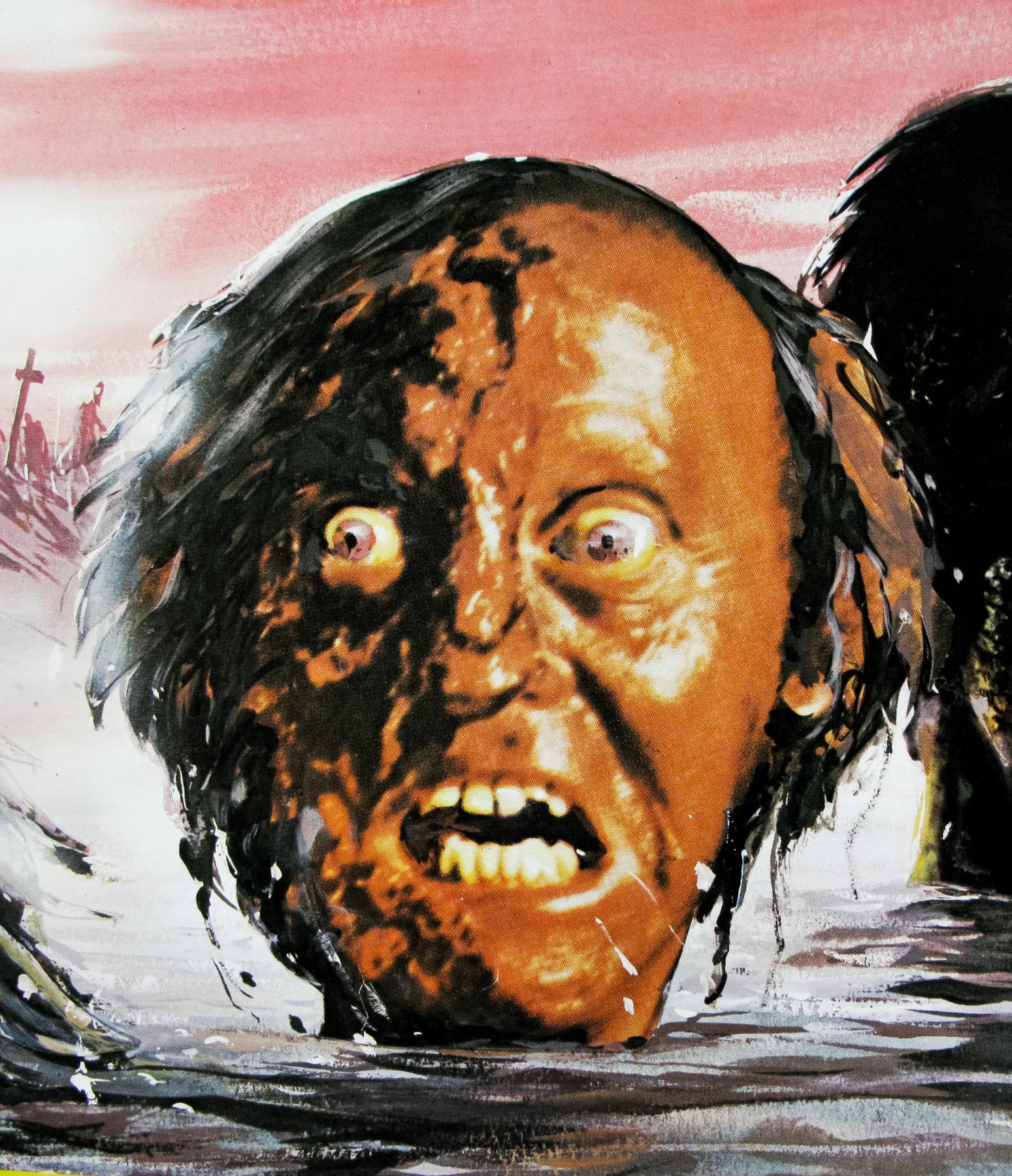
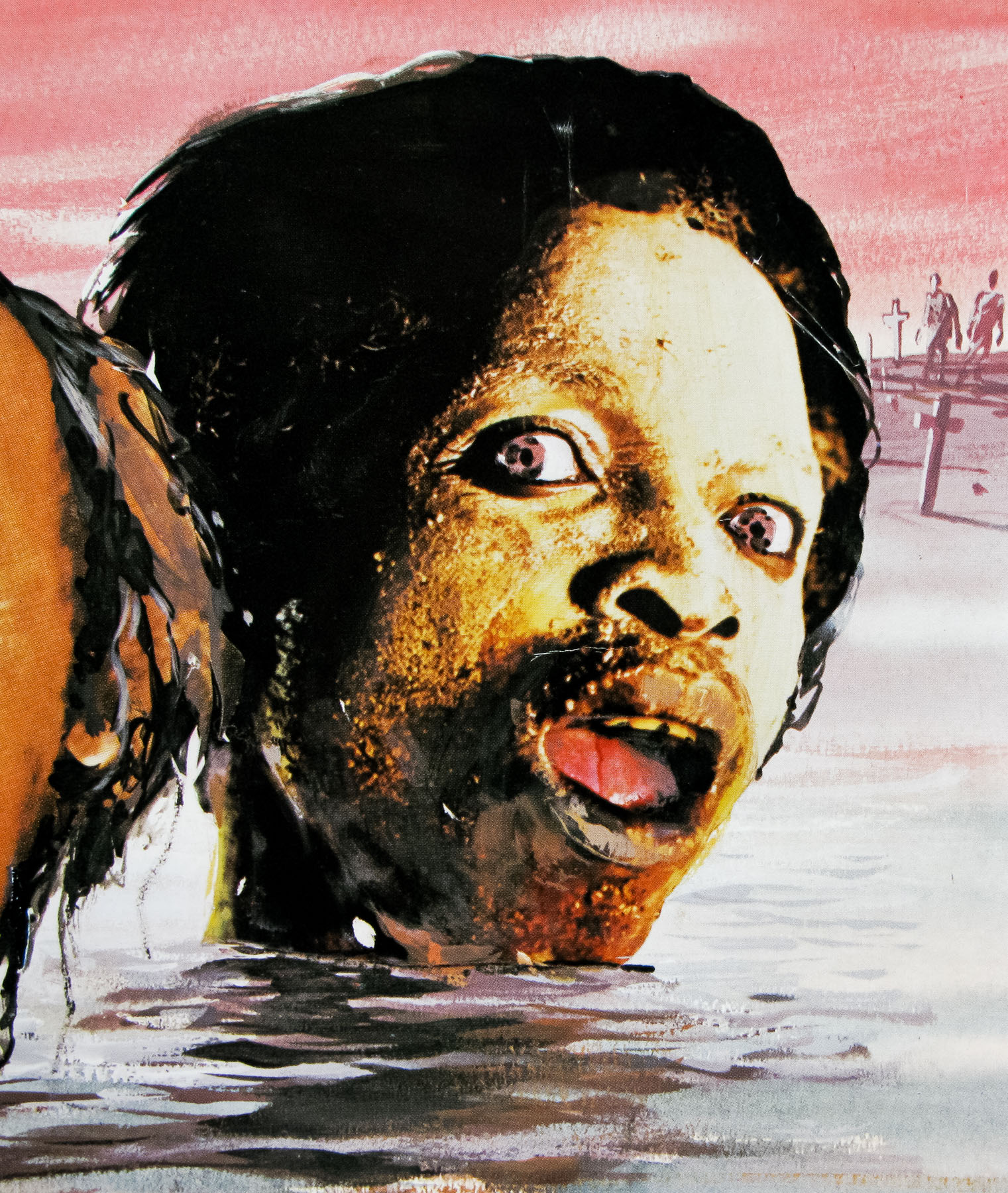
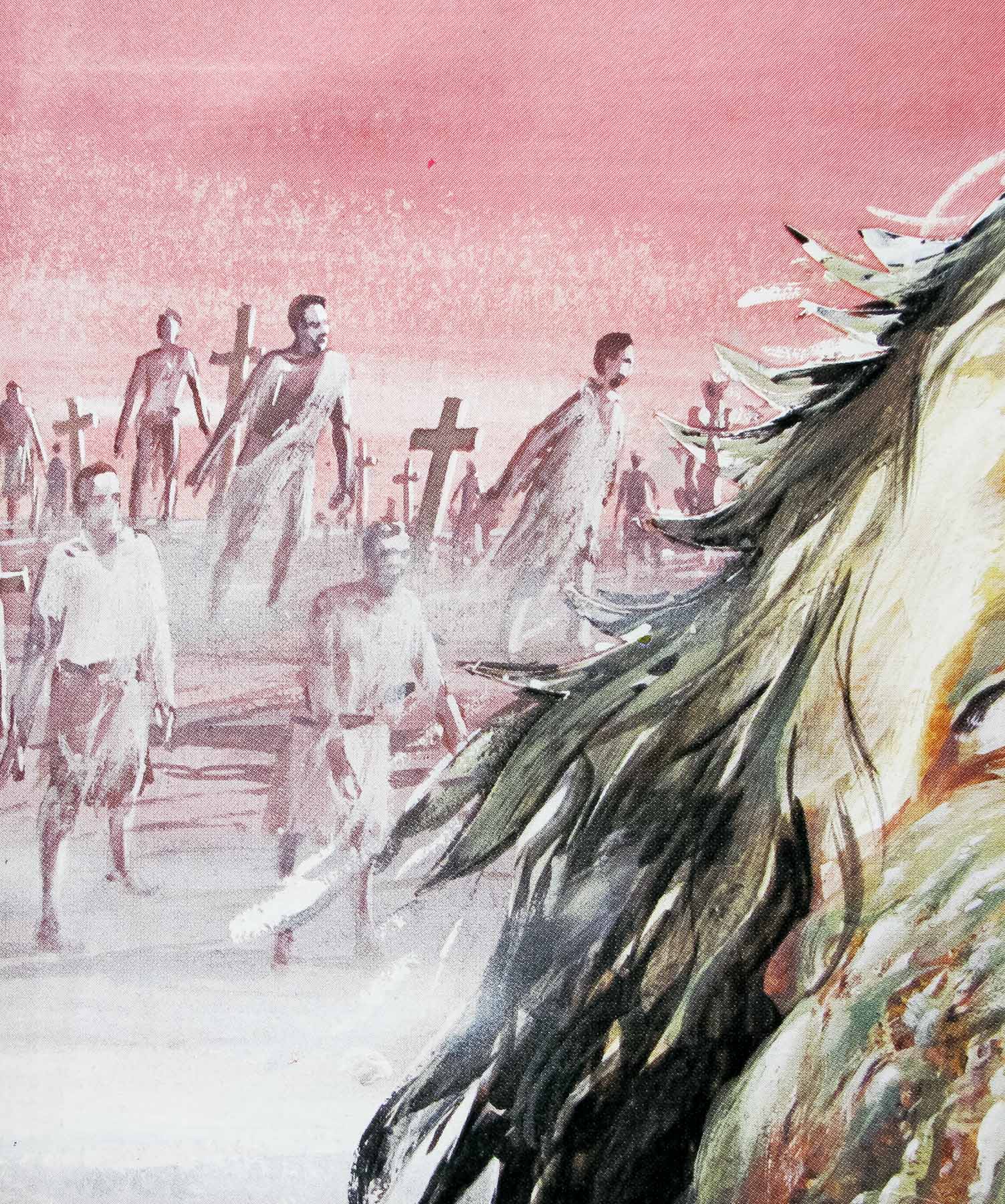
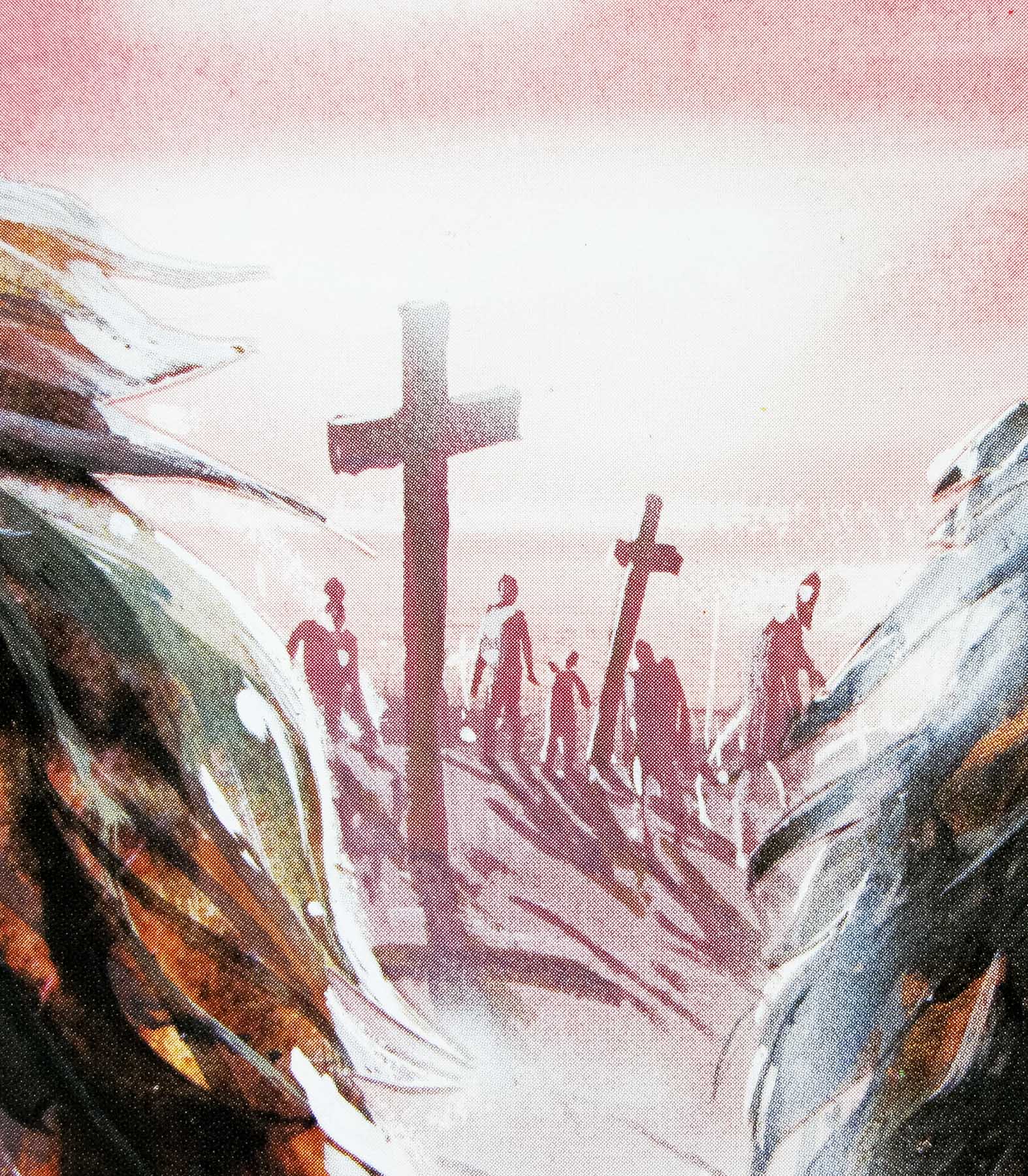
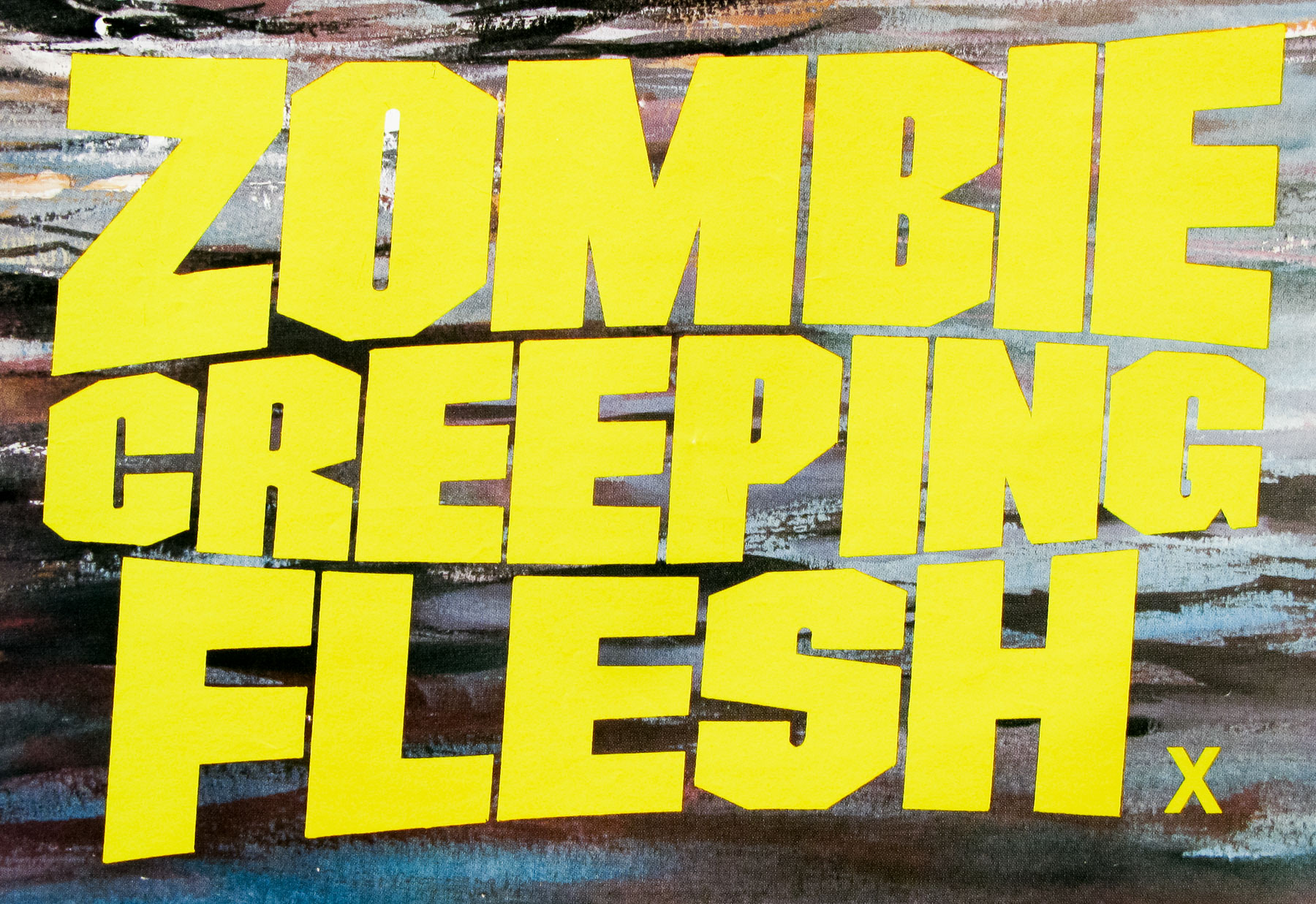
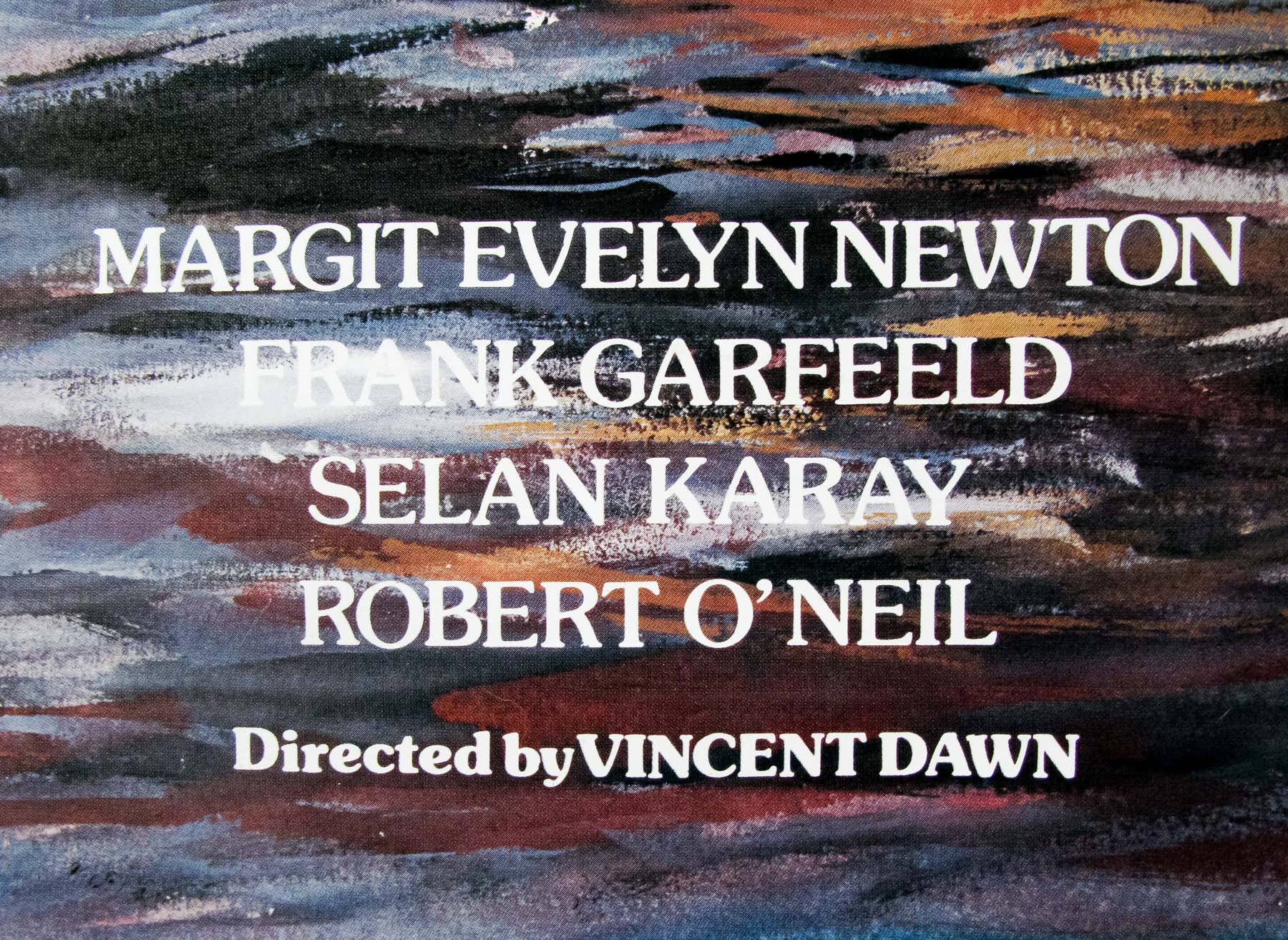
One of several copycat zombie films made following the success of Romero’s Dawn of the Dead and Lucio Fulci’s Zombie, this effort by Italian director Bruno Mattei (under the pseudonym Vincent Dawn) shamelessly features many of the same types of characters and situations seen in the earlier films (SWAT team, zombie kids, hostages), and even uses sections of Goblin‘s score for DotD.

It sounds like the production was something of a nightmare, with botched filming and script-altering that rendered much of the film’s plot incomprehensible. The film features several sections of documentary footage taken from other productions and the original script apparently had a much grander scope:

In the first draft, Claudio Fragasso had followed the idea of an entire Third World made up of an army of zombies against whom the armed forces of the industrialized nations would have had to fight. However, the script had to be altered considerably due to budget limitations.

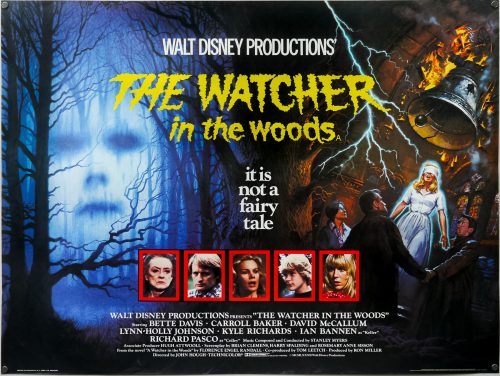
This quad features artwork which Sim Branaghan, author of the great book British Film Posters: An Illustrated History, believes to have been adapted from the original Italian poster. Ted Baldwin, who was the regular illustrator used by distributor Mircale Films, is likely to have made several changes to adapt it to the quad format.

Here’s the original trailer.

The Watcher in the Woods / quad / UK

13.03.13

Poster Poster
Title
The Watcher in the Woods
AKA
Obserwator (Poland)
Year of Film
1980
Director
John Hough
Starring
Bette Davis, Lynn-Holly Johnson, Kyle Richards, Carroll Baker, David McCallum, Benedict Taylor, Frances Cuka, Richard Pasco, Ian Bannen
Origin of Film
USA | UK
Genre(s) of Film
Bette Davis, Lynn-Holly Johnson, Kyle Richards, Carroll Baker, David McCallum, Benedict Taylor, Frances Cuka, Richard Pasco, Ian Bannen,
Type of Poster
Quad
Style of Poster
--
Origin of Poster
UK
Year of Poster
1980
Designer
Brian Bysouth
Artist
Brian Bysouth
Size (inches)
30" x 39 15/16"
SS or DS
SS
NSS #
--
Tagline
it is not a fairy tale

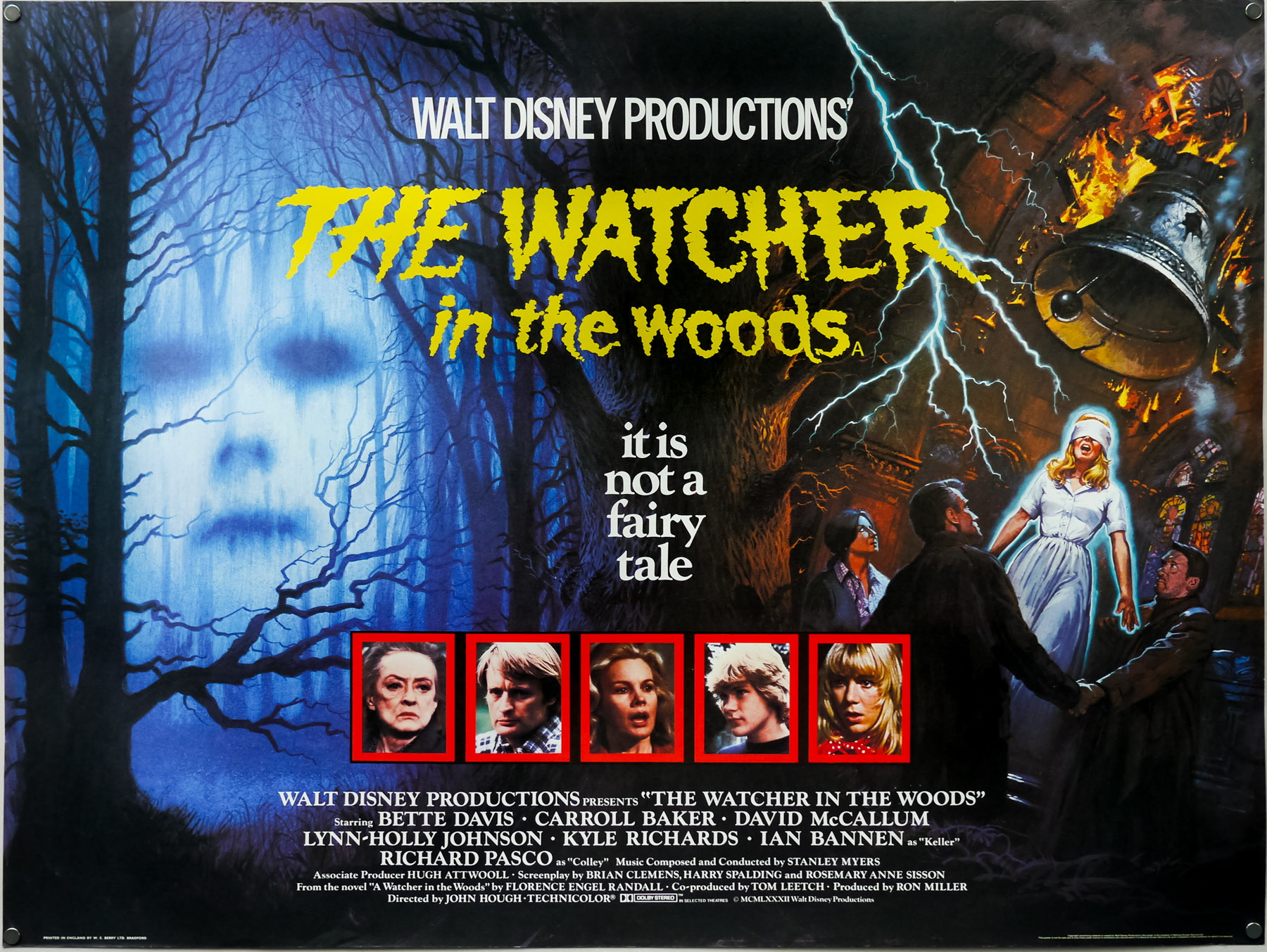
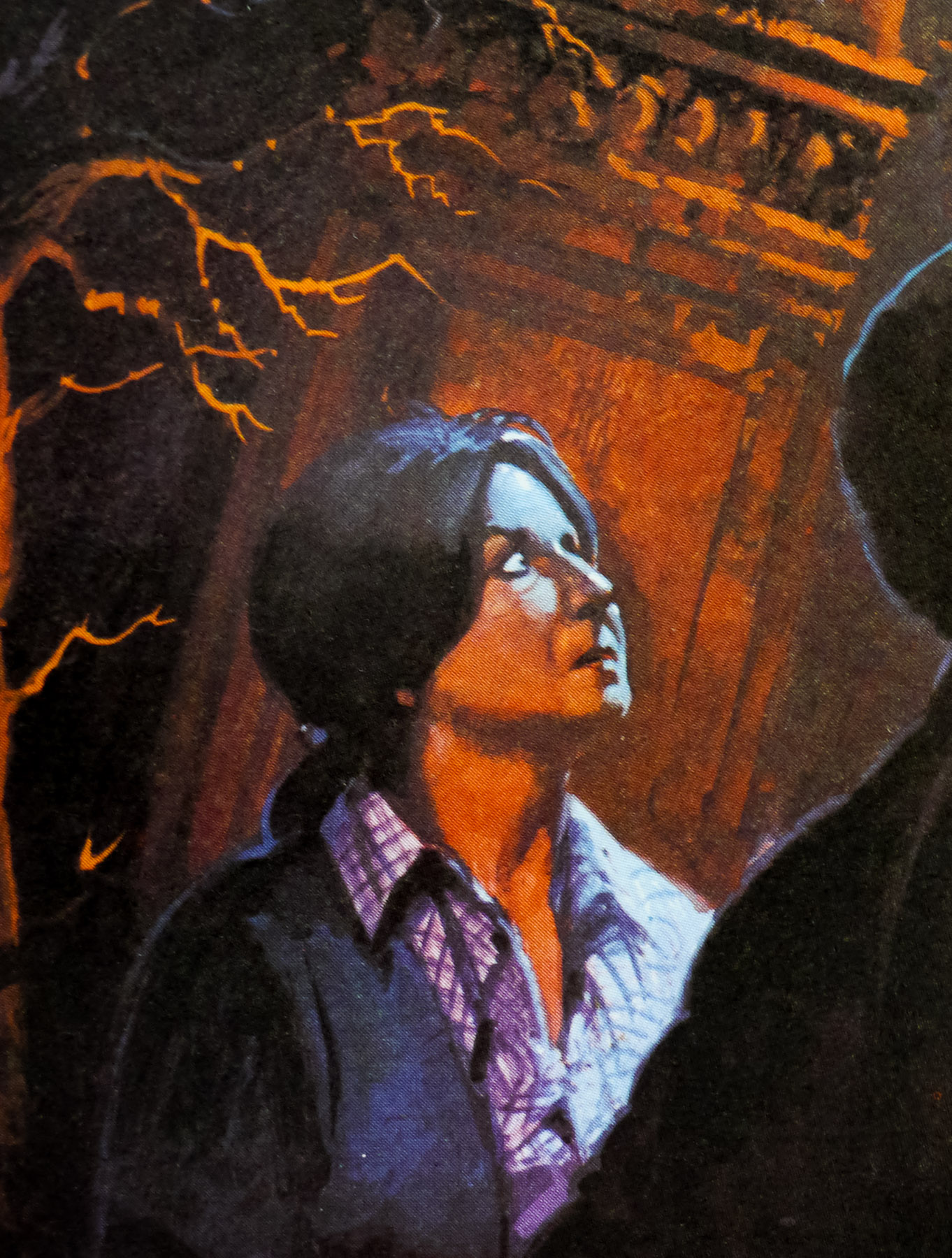
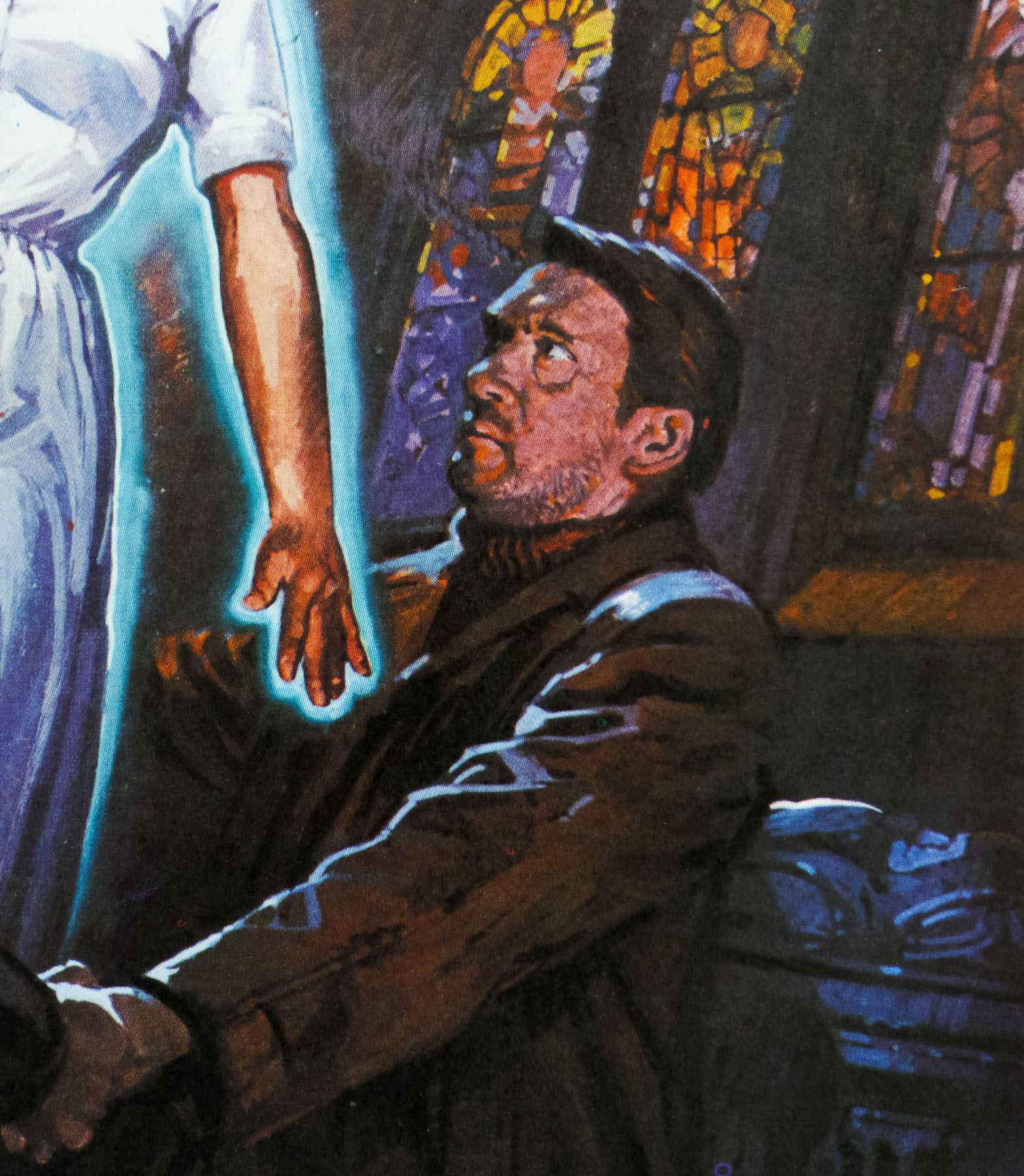
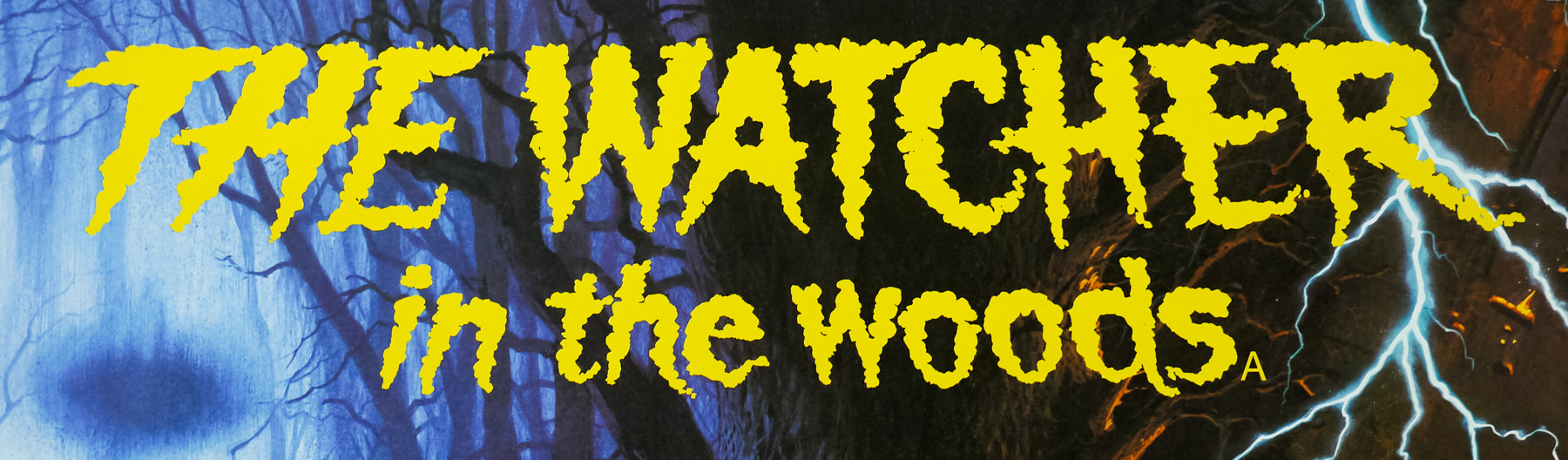
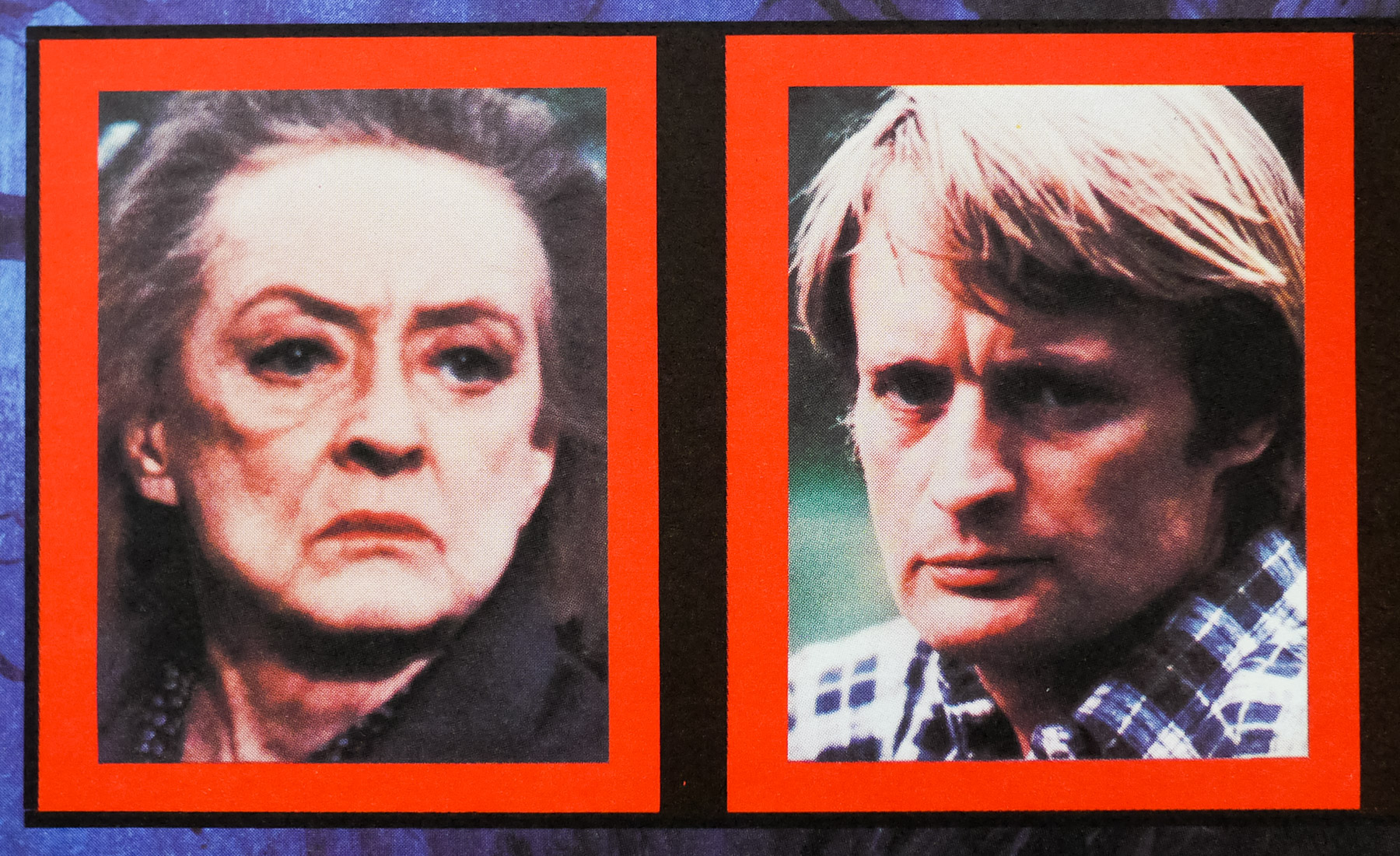
Another of Disney’s forays into live-action filmmaking (this was actually the studio’s second PG-rated film after 1979’s The Black Hole), The Watcher in the Woods is an eerie mystery thriller that absolutely terrified me when I first watched it as a child in the 1980s. An Anglo-American co-production, the film was helmed by John Hough and English director who had proved his horror chops with the adults-only The Legend of Hell House (1973) and was chosen by the American producer Ron Miller to work on this film. Legendary Hollywood actress Bette Davis was lined up to star and the year of production coincided with her 50th in the business.

The story sees an Anglo-American family move to a manor house surrounded by thick woodland that is owned by Mrs. Aylwood (Davis). One of the daughters, Jan (played by Lynn-Holly Johnson, the real-life figure-skater who would appear in For Your Eyes Only soon after), is told she bears a striking resemblance to Mrs Aylwood’s daughter Karen who went missing 30 years earlier. Jan begins to see strange apparitions in the forest and suffers a series of unexplainable phenomena. After discovering an abandoned church in the middle of the woods, Jan finds that there’s more to Karen’s disappearance than she’s been told and it’s not long before the secret behind the ‘Watcher’ is revealed.

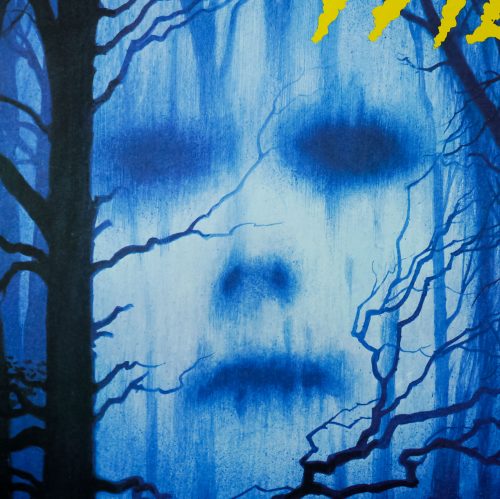
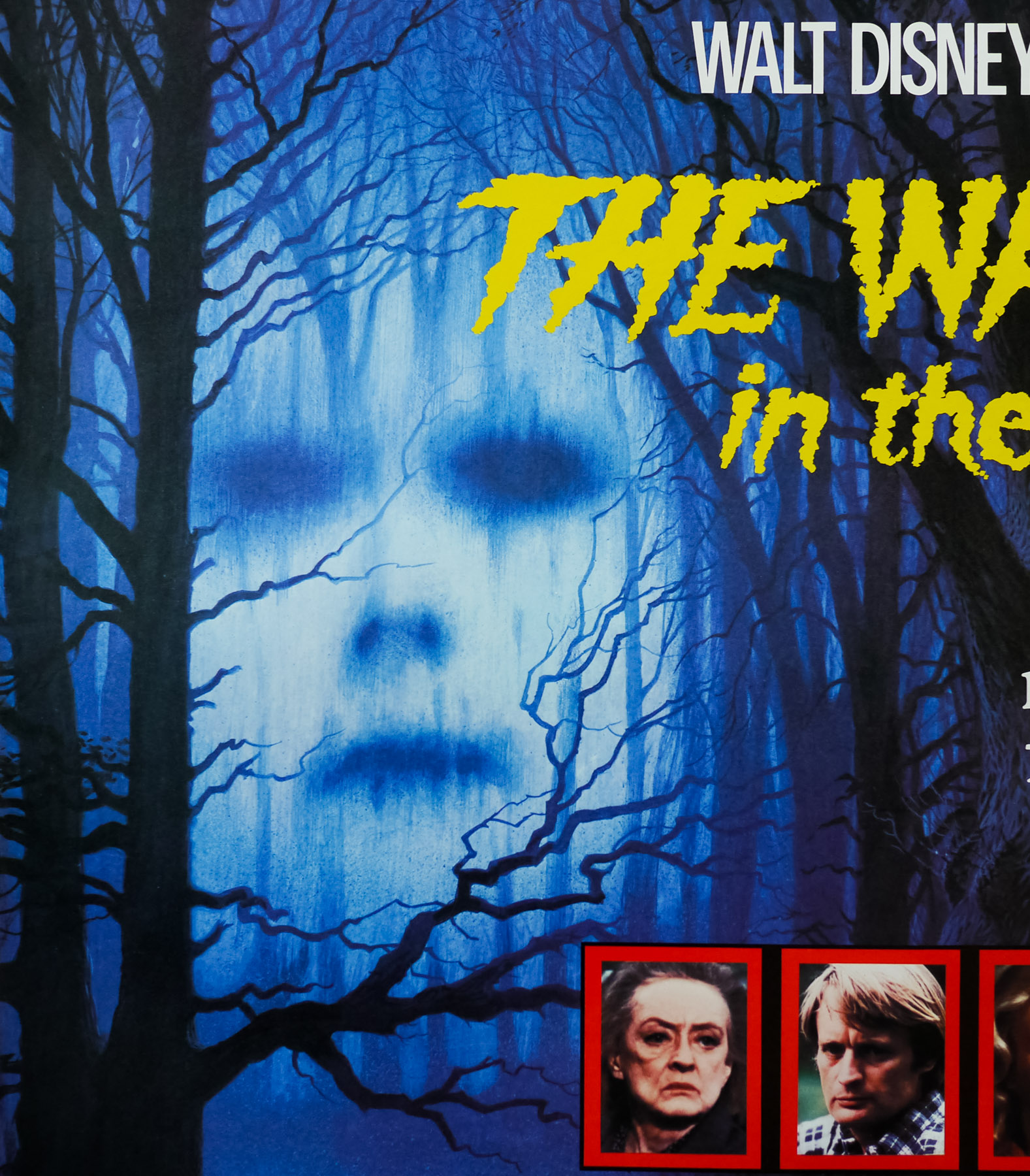
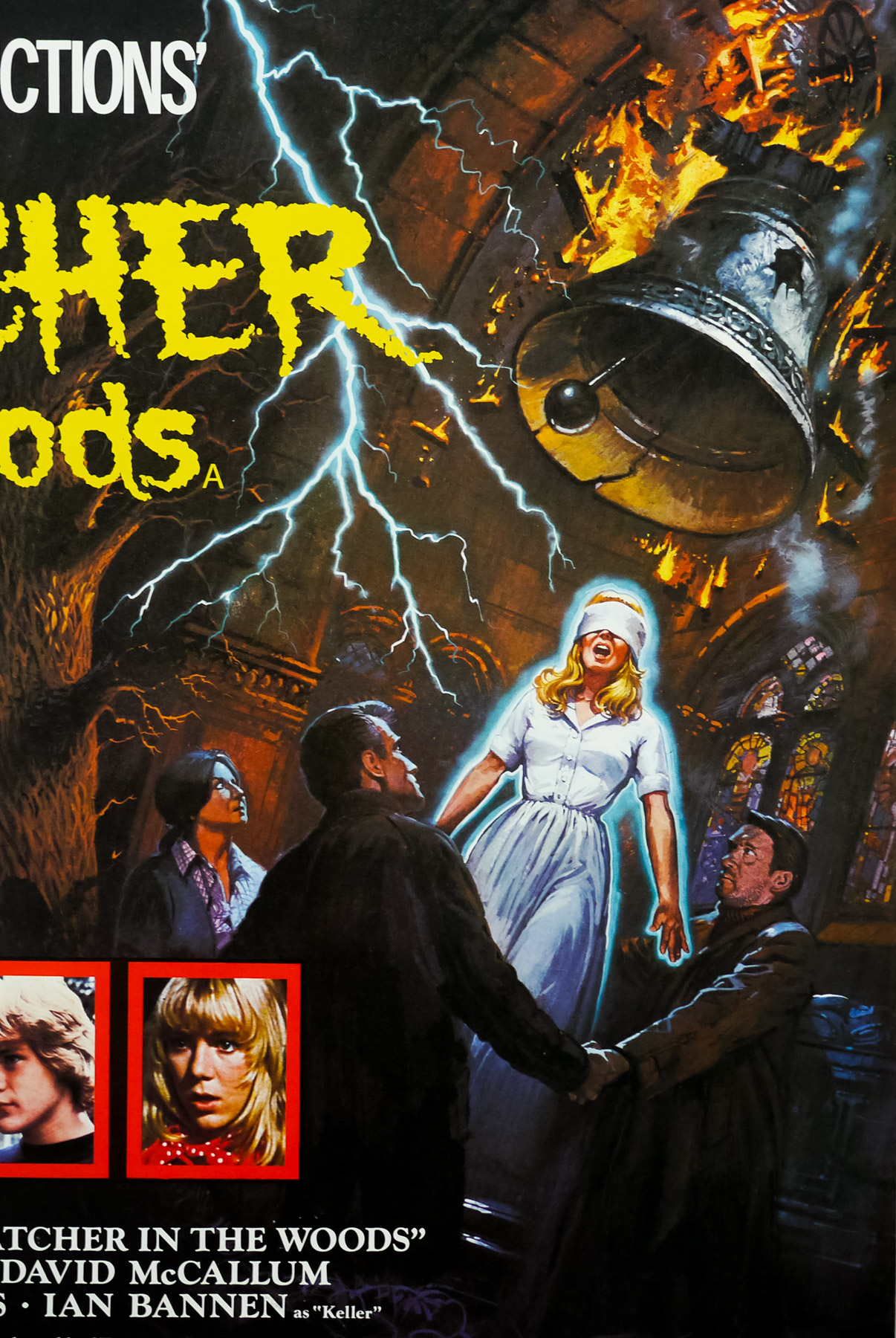
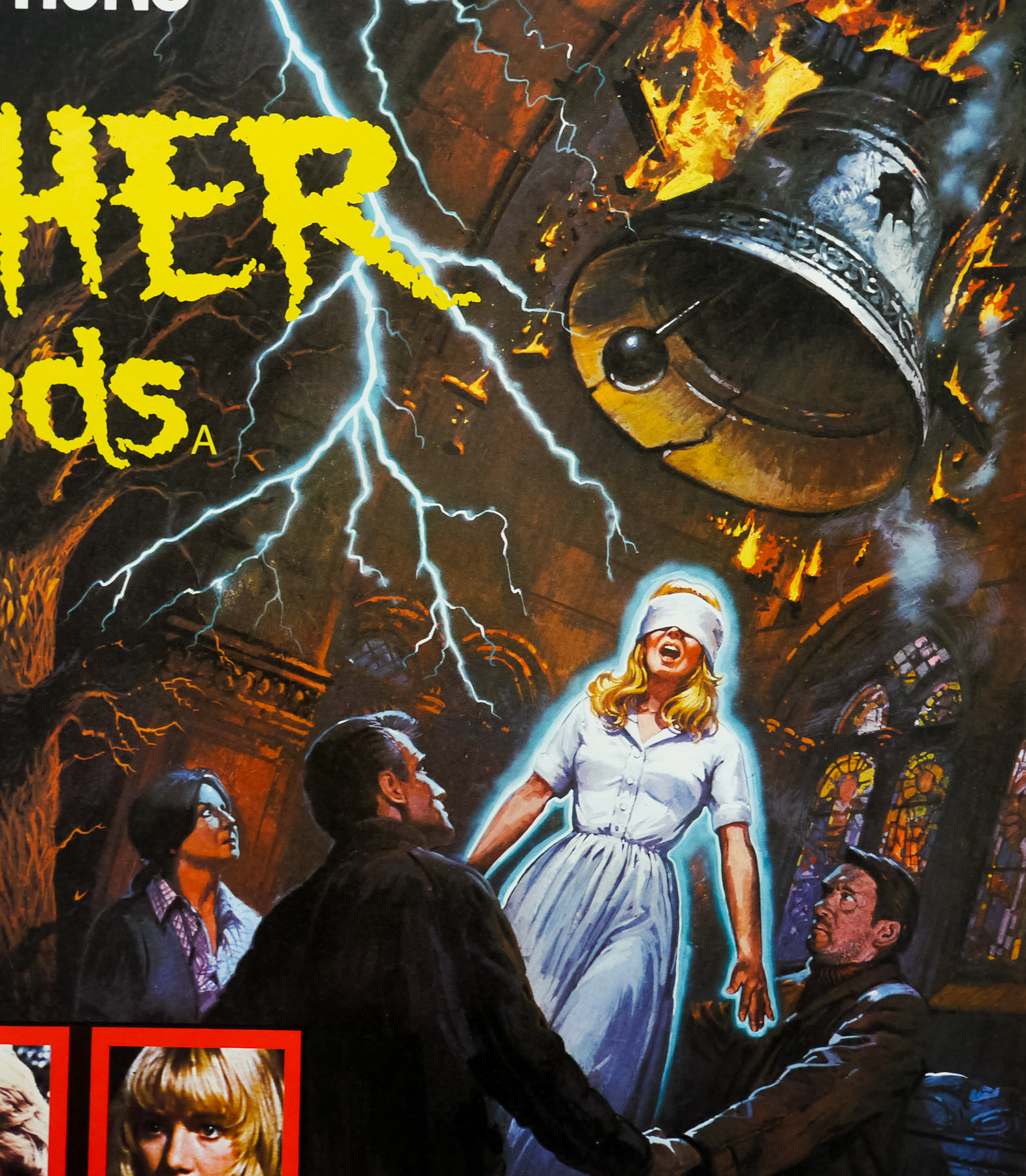
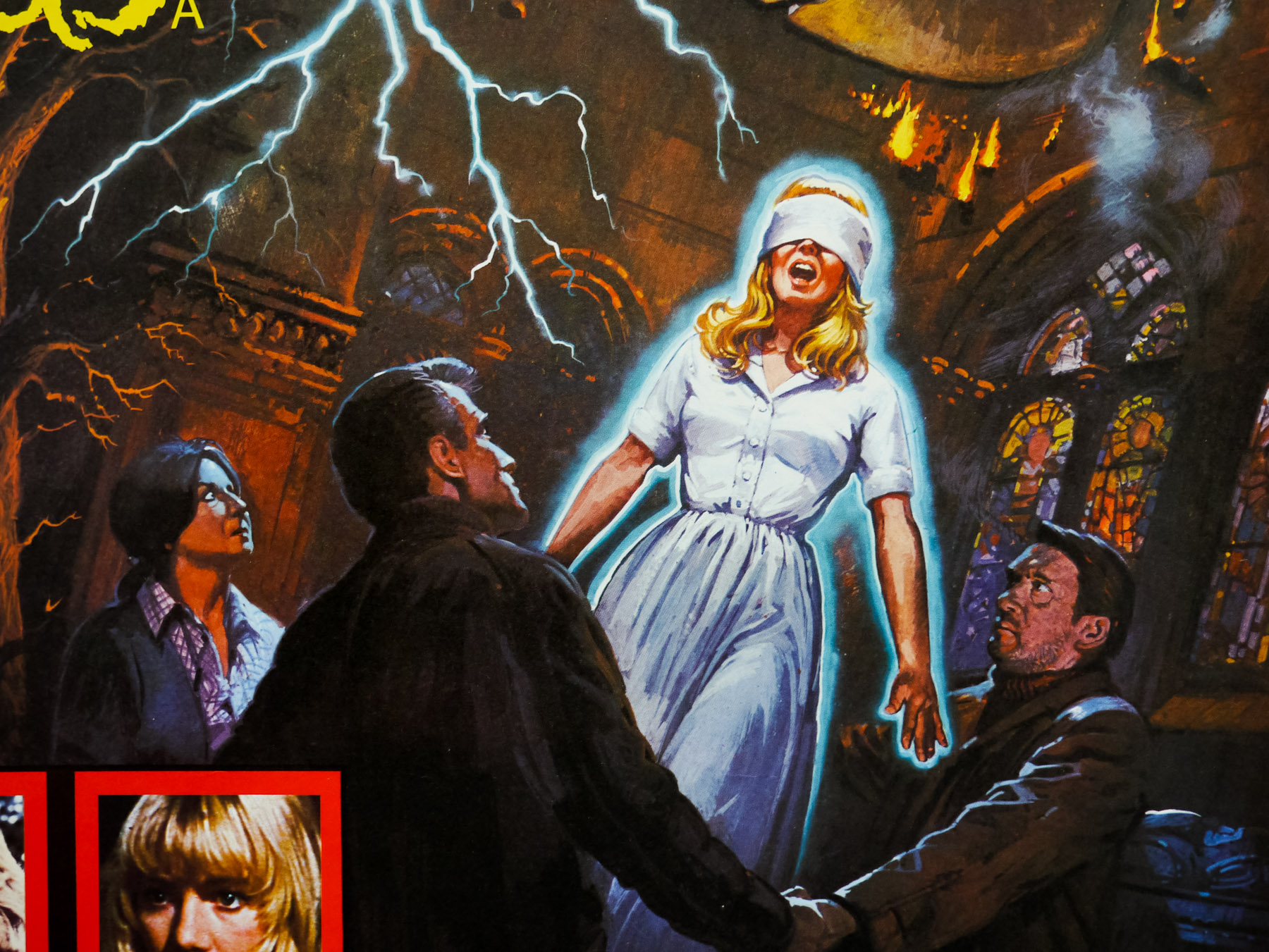
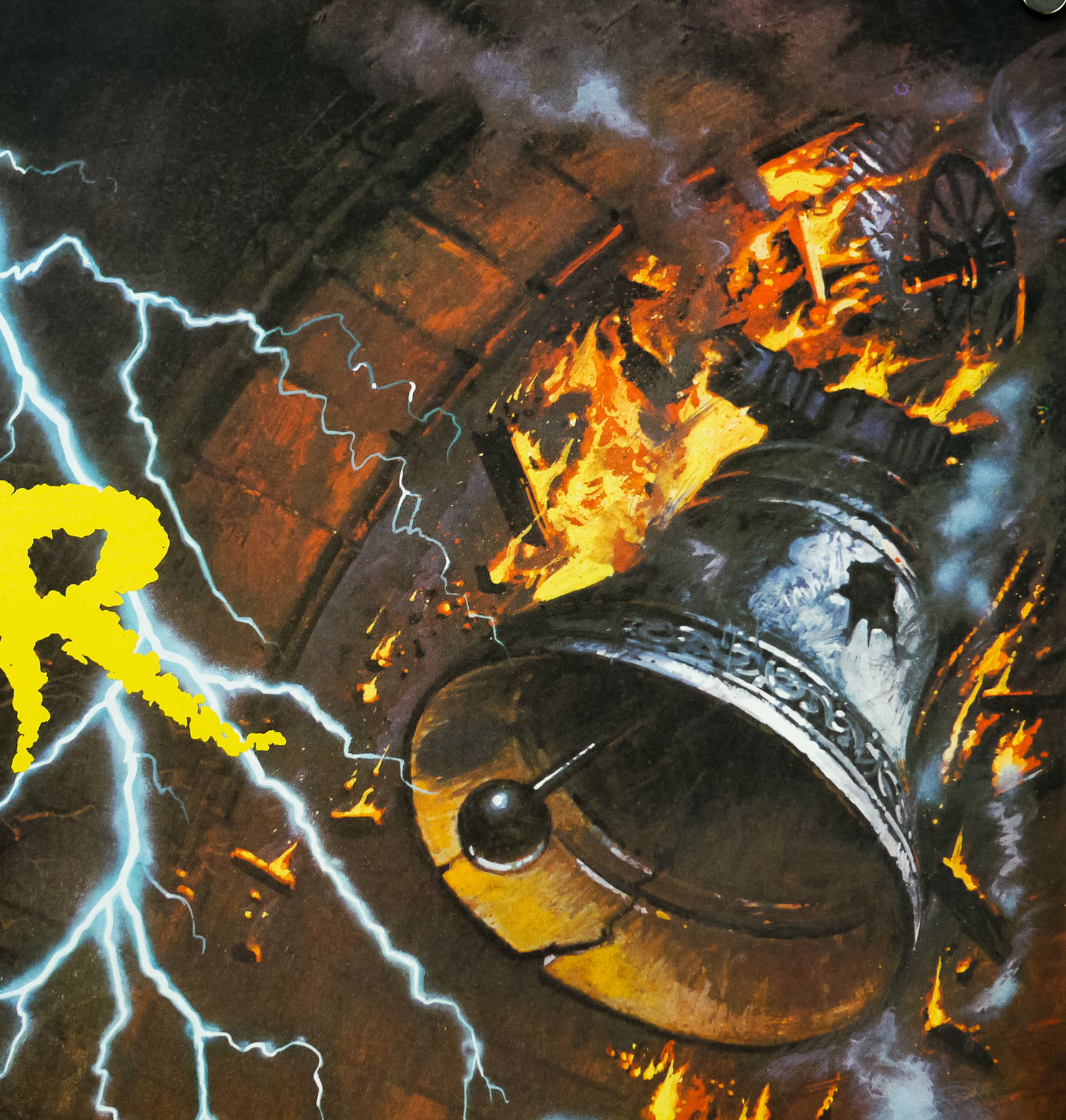
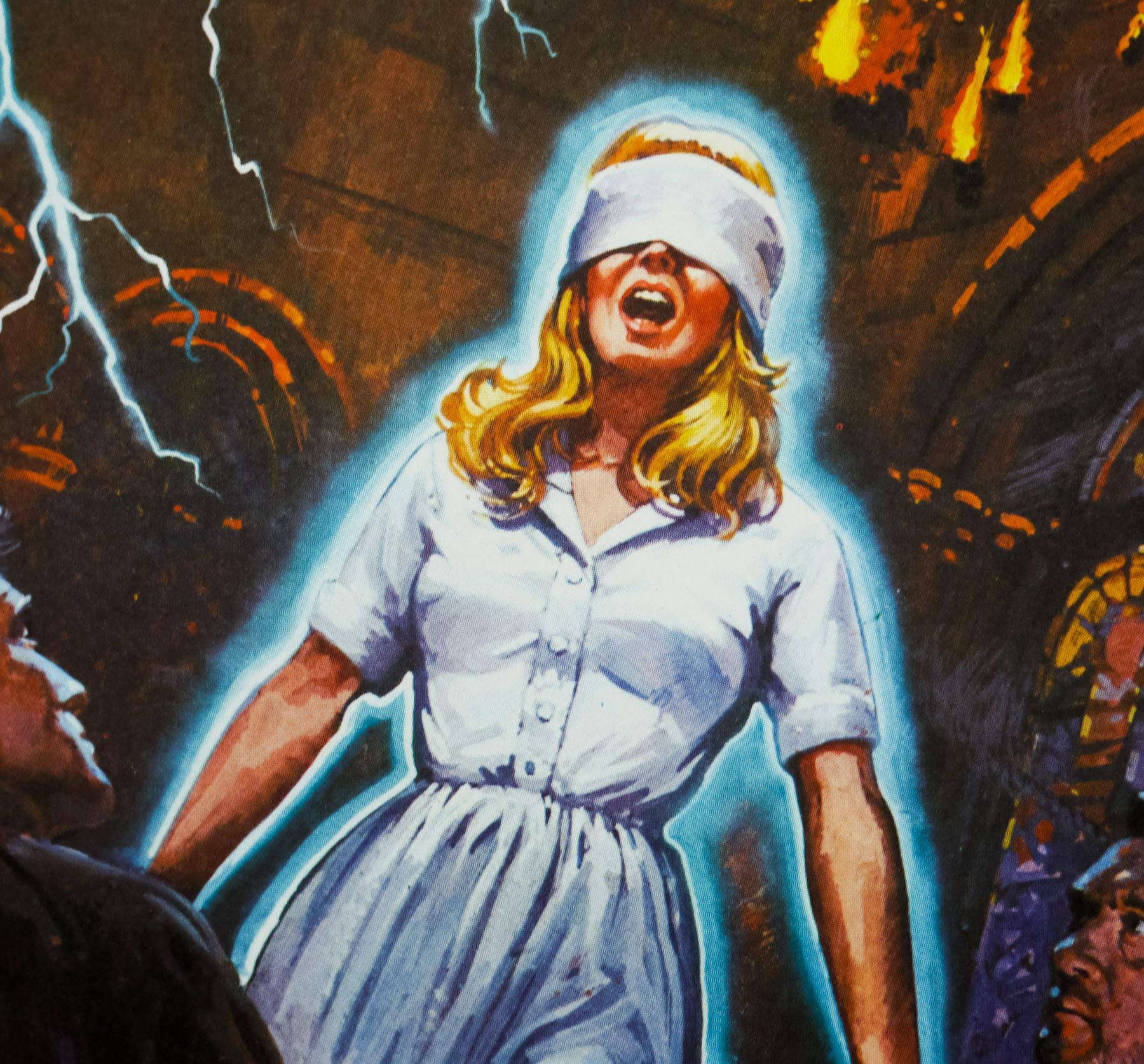
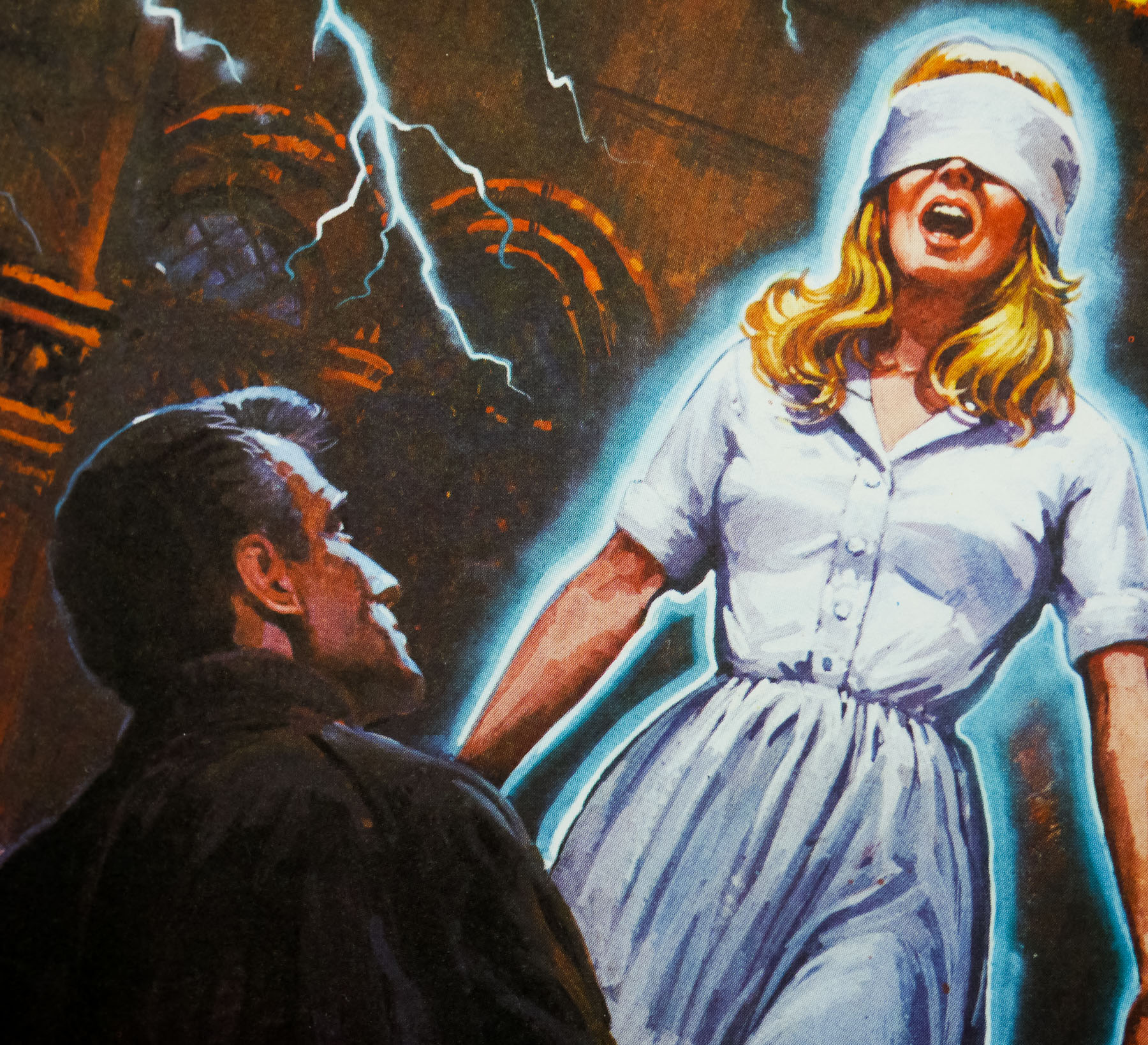
This British quad features an illustration of the scene that terrified me the most when I first saw the film, which is the moment that a ritual is carried out inside the church during a violent thunderstorm. It also features an image of the Watcher in the form seen in the final release, but as the Wikipedia article on the film details there had originally been an alternative ending to the film that showed it in a much different form. The first ending apparently went down disastrously with test audiences and critics because of the poor quality of the creature effects and the studio took the decision to reshoot a new one without the participation of John Hough. The original ending can be viewed on YouTube.

This poster was illustrated by one of my favourite British artists, Brian Bysouth, who worked on a number of posters for Disney during the 1970s and 1980s, including for several of their animated titles. You can read my extensive interview with the man himself by clicking here. The other posters I’ve collected by him can be seen by clicking here.

The original trailer is on YouTube.


Frankenstein and the Monster From Hell / quad / UK

03.06.13

Poster Poster

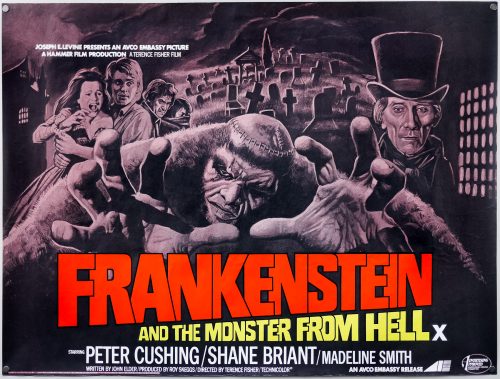
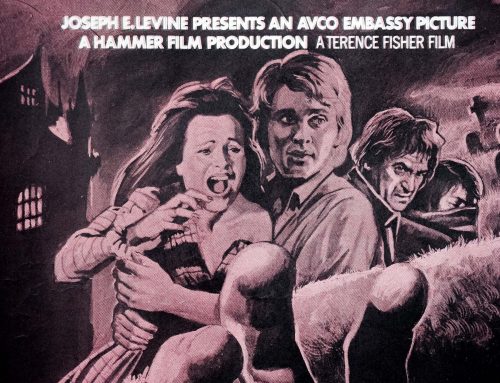
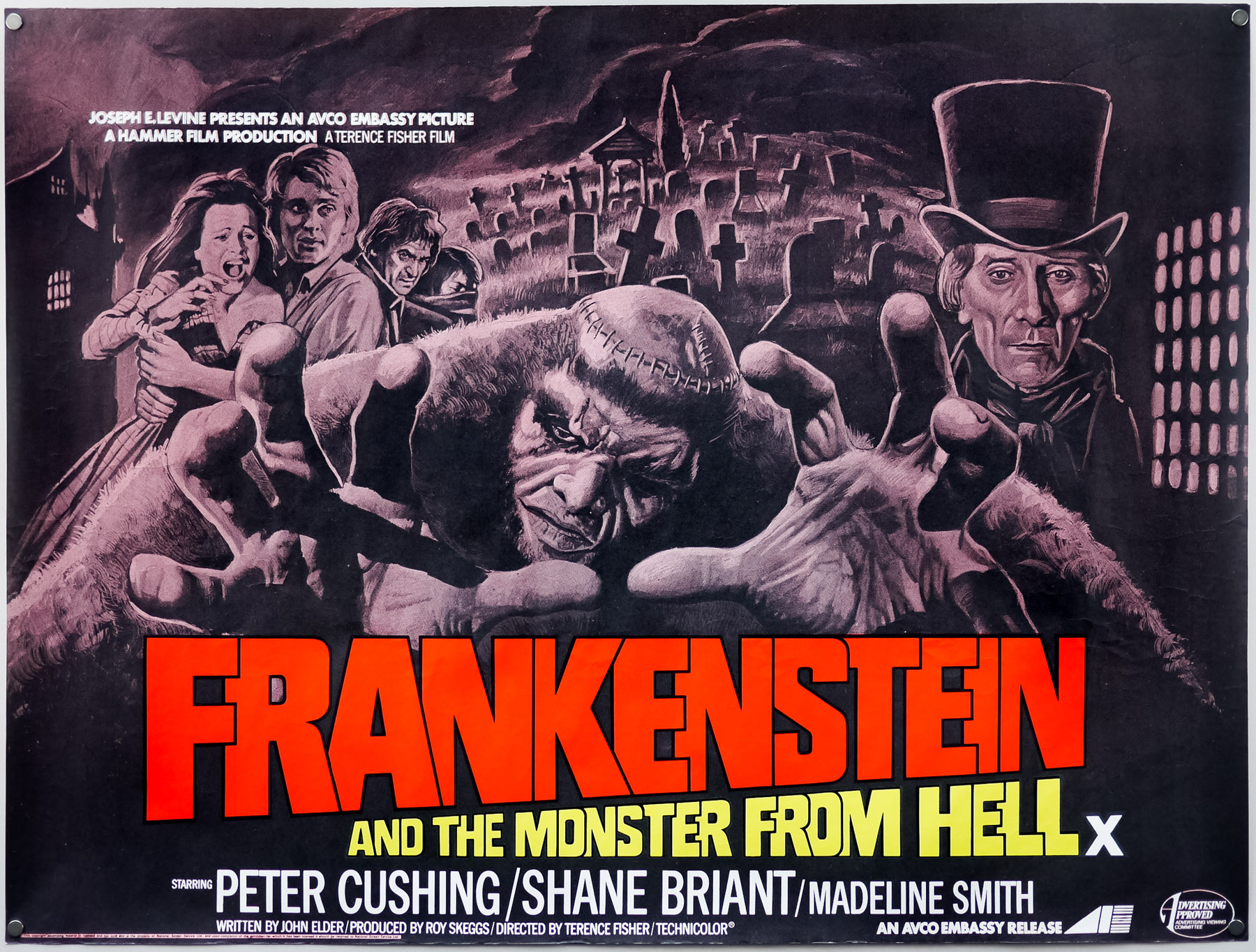
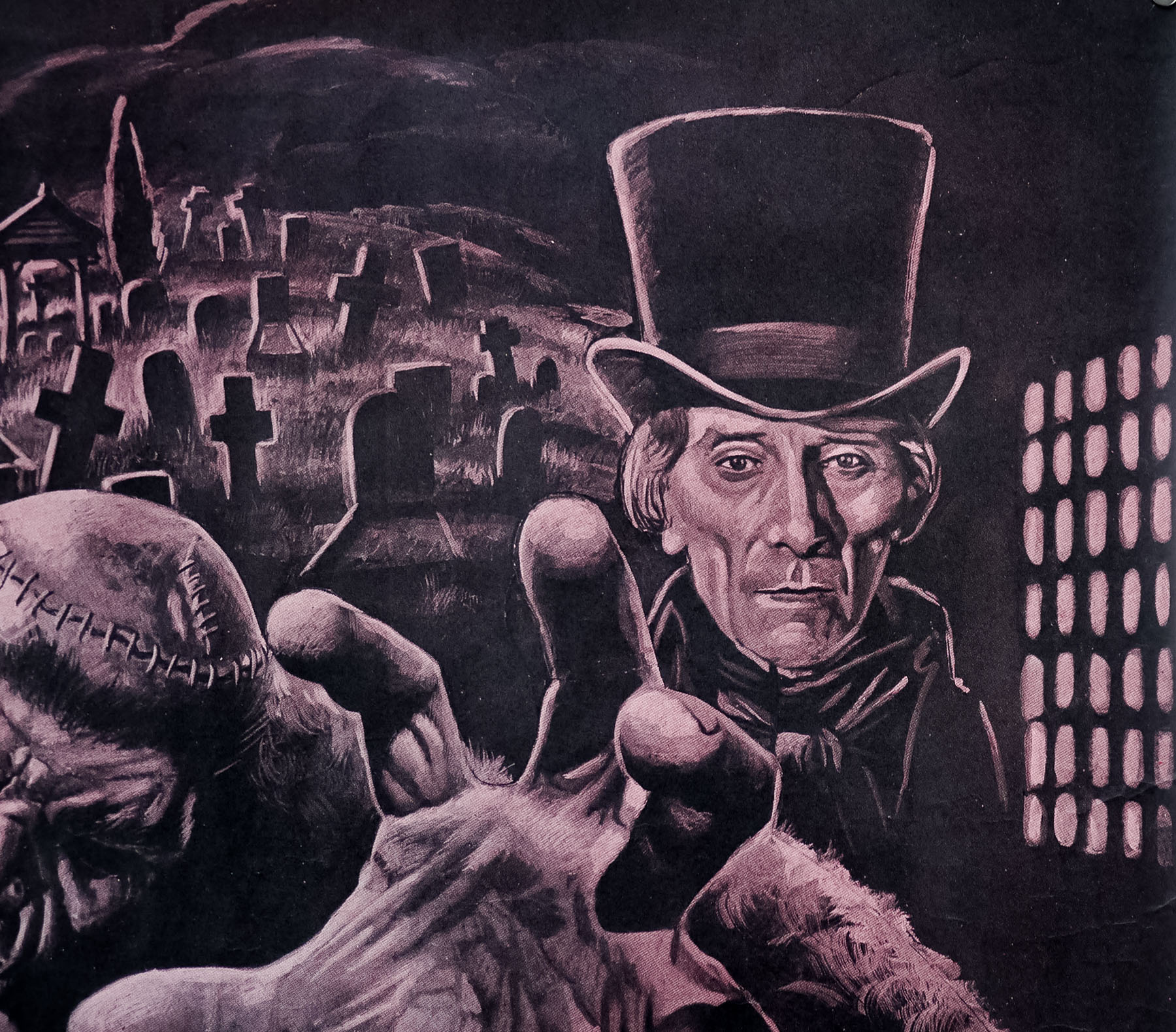
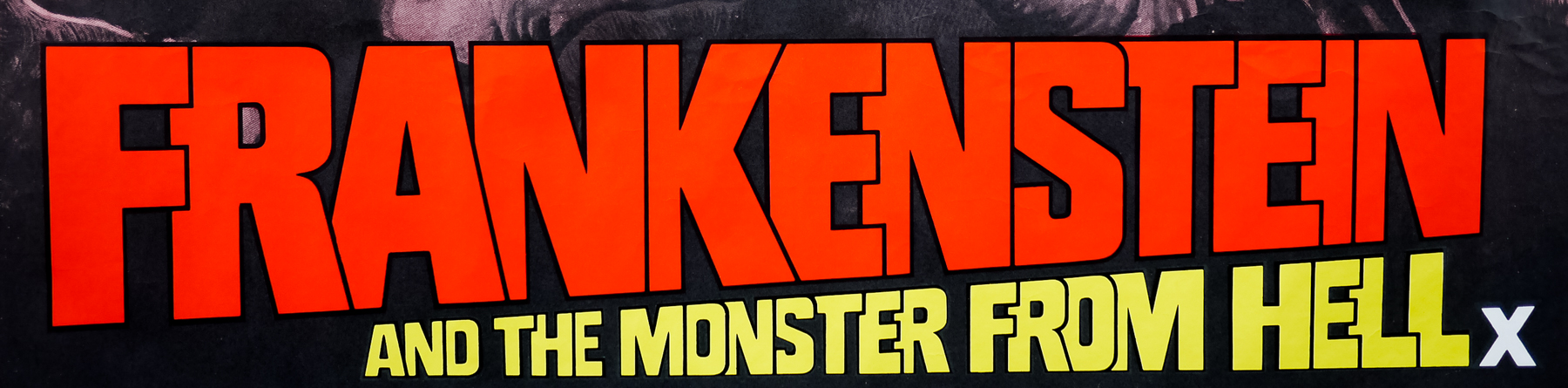
Frankenstein and the Monster From Hell (1973) marked the end of an era for British film in more ways than one. It was the last gothic horror to be produced by the original incarnation of the British Hammer Films studio and followed on from a series of six feature films based around the character of Baron Frankenstein portrayed by the late, great British actor Peter Cushing (the less said about 1970s Horror of Frankenstein, with Ralph Bates in the lead role, the better). Director Terence Fisher had worked on many of Hammer’s best-loved horrors, including their first gothic feature, 1957s The Curse of Frankenstein (starring Cushing and Christopher Lee as the monster) as well as the original Dracula (1958), The Mummy (1959) and two other Frankenstein features for the studio. He was to effectively retire from film-making at the end of production on FATMFH, and he wasn’t the only one of the Hammer alumni to do so. This was also the last Hammer feature film that screenwriter Tony Hinds, who had worked on many of the studio’s most successful horrors, would supply a script for. Other crew members who had been instrumental in the production of dozens of Hammer horrors also called it a day once this film was released.

Originally produced and shot in 1972, it eventually limped into cinemas in 1974 well after the appeal of British gothic horror films had dissipated. Cinema-goers were keen to experience the visceral thrills of the new wave of films coming out of Hollywood, including William Friedkin’s 1973 masterpiece The Exorcist, which made British efforts like FATMFH seem positively antiquated. Because of the fall in demand from distribution companies who were previously happy to bankroll Hammer’s productions, the budget for this film was a tiny fraction of many of their previous horrors. It would be a lie to say that the lack of money doesn’t show on screen – most of the film takes place on what is clearly a single soundstage – but the skilled craftsmen at Hammer were still able to create a wonderful sense of atmosphere with the modest amount of funds at their disposal. The film is in many ways the perfect swan-song for Cushing’s Baron Frankenstein and his performance absolutely steals the show, from his brilliant crash-zoom entrance to the quiet madness of the denouement.

On the 29th of May, 2013 I was lucky enough to see the film at London’s British Film Institute in a special showing to both celebrate the centenary of Cushing’s birth and also preview a newly restored print of FATMFH. The reformed version of Hammer films have undertaken a series of restoration projects on many of the studio’s classic films, including the original Dracula and the original Curse of Frankenstein. I believe that the new print of FATMFH will see release on blu-ray at some point this year, as well as a new restoration of The Mummy. It was a real treat to see the film on the big screen and be able to revel in a classic Peter Cushing performance.

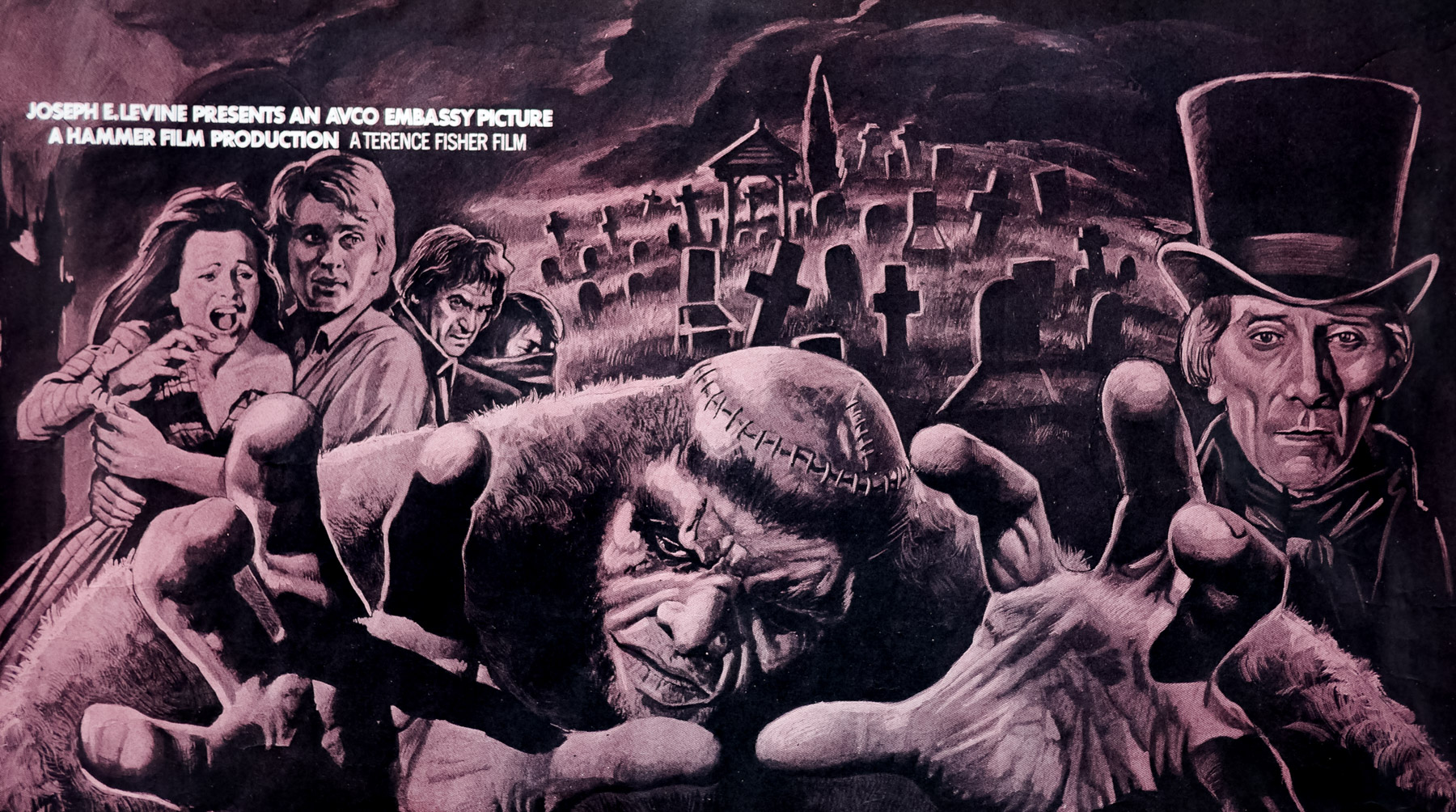
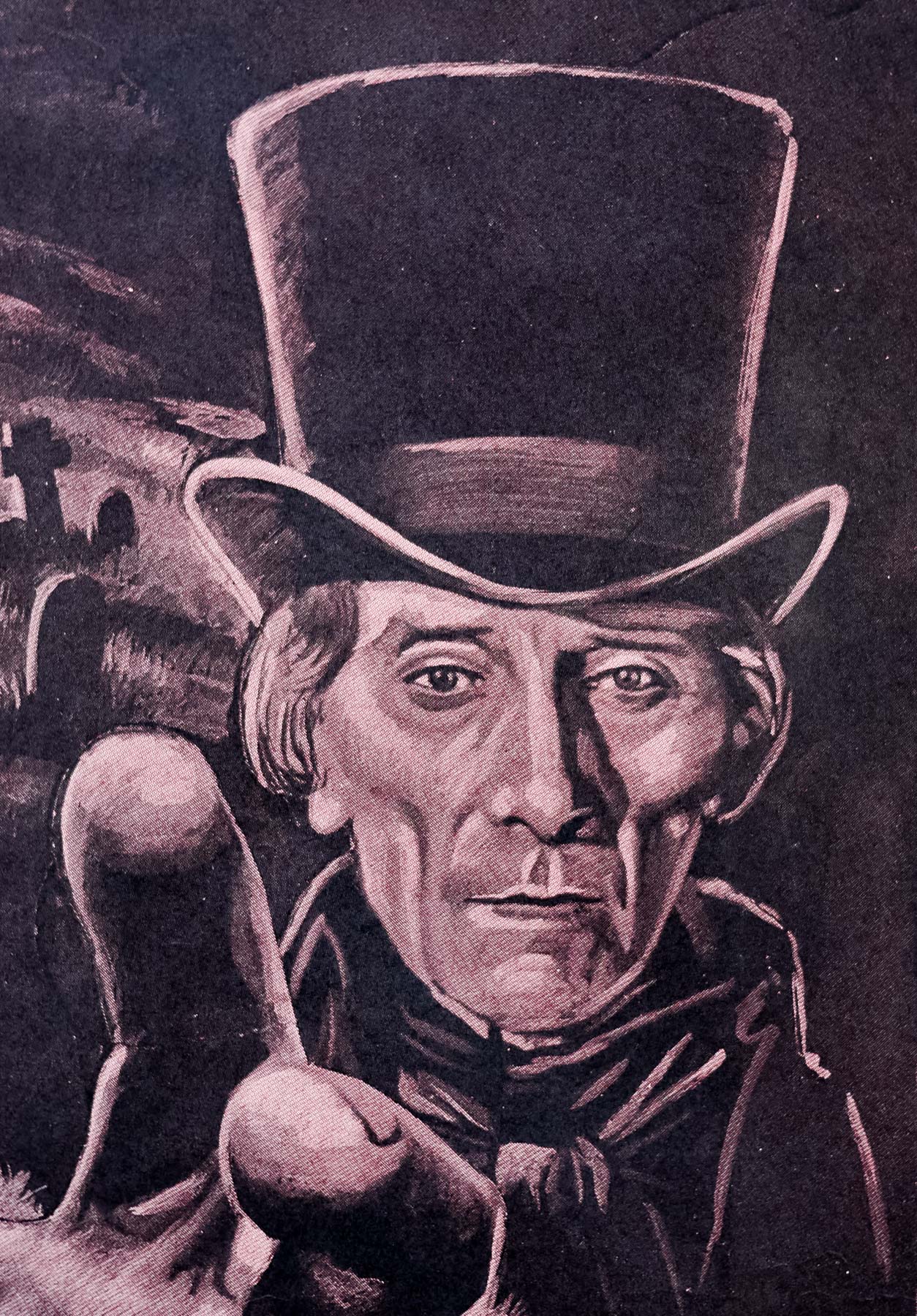
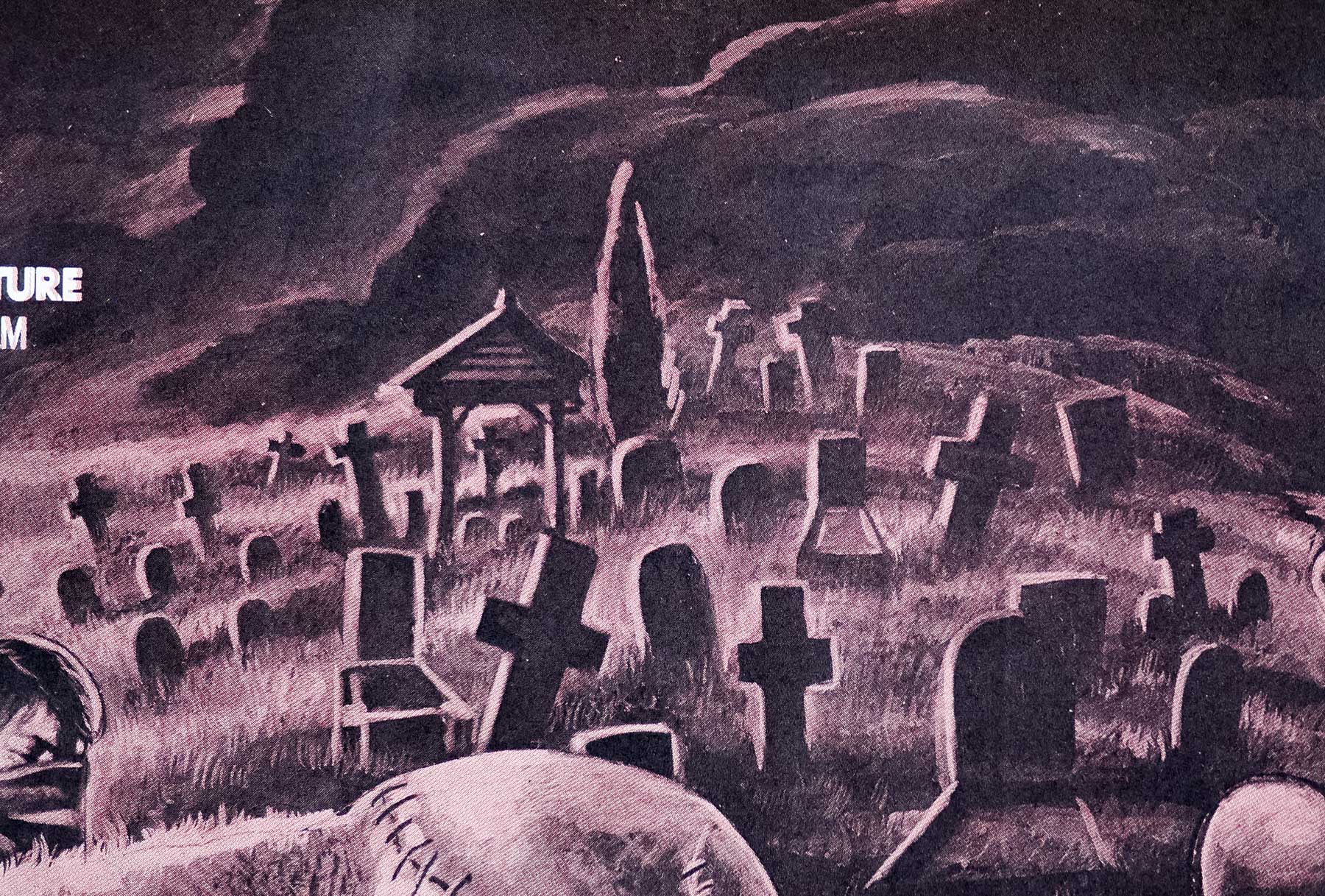
This British quad was created at the London-based Downtons Advertising agency by one of the principal designers, Eddie Paul, and painted by an artist named Bill Wiggins. Both men are featured in Sim Branaghan’s must-own book British Film Posters: An Illustrated History and are each responsible for several iconic British posters. The designer Eddie Paul was born in Hackney in 1920 and attended Southend School of Art, later beginning his career at Temple Art Studios before moving on to Star Illustrations on Shoe Lane, where he gained a good reputation as a scrapboard artist. After serving in the RAF during the war, Paul joined Pulford Publicity in 1946 and started designing film posters using crayons and coloured pencils. He worked on several successful poster campaigns during the 1960s, including El Cid (1961), The Fall of the Roman Empire (1964) and the famous quad for From Russia with Love (painted by Renato Fratini). He later joined four ex-Downton colleagues and formed the successful agency FEREF in 1968. As Sim notes in his book, ‘He was well liked and respected within the business as a gentleman’. Eddie Paul passed away from a heart attack whilst on his way to work in 1984, just shy of his retirement from FEREF.

Bill Wiggins was born in 1915 and worked installing large cinema displays (on the front of the buildings) during the 1930s and was a special constable during the second world war. He arrived at Downton’s Advertising agency at the same time as another principal designer, Fred Atkins (later a partner in FEREF), in 1951. Wiggins worked in the film department of the studio for 25 years, painting dozens of posters alongside the likes of Vic Fair and Brian Bysouth. Wiggins is mentioned several times during my interview with the latter. He worked on several of the early Hammer films, including Dracula (1958), The Mummy (1959), Curse of the Werewolf, as well as the sci-fi films The Lost World (1960) and Day of the Triffids (1962). He initially retired in 1975 ‘but rapidly found himself so bored that he returned within a couple of months and continued full time for another three years, eventually leaving to paint commissioned oil portraits for an art/photographic business in Bromley’. He passed away, aged 73, in 1988. Sim believes that this poster for FATMFH is likely to be one of, if not the, final cinema poster that Wiggins worked on.

In addition to this single feature quad, there is also a double-bill quad for when the film was released in a pairing with the long-forgotten kung-fu film The Fists of Vengeance. The artwork for FATMFH is actually coloured on the double-bill poster and is therefore arguably superior to this quad. Sim confirmed to me that there was a policy around this time that the single feature quad would usually be monochrome whilst the double-bill was typically printed in full colour.

Finally, this particular copy is rolled and in great condition, which is somewhat unusual for a poster from this era. I recall reading that it may have been one poster that Hammer printed in greater numbers to give away to fans who wrote in to the studio, as was the case with the quads for ‘Dracula Has Risen from the Grave’ and the ‘She/One Million Years BC’ quads (see the bottom of this page for more detail). I’m not certain that this is case though and I’d appreciate more details about it if anyone has them.
The Bounty / quad / UK

09.09.13

Poster Poster
Title
The Bounty
AKA
--
Year of Film
1984
Director
Roger Donaldson
Starring
Mel Gibson, Anthony Hopkins, Laurence Olivier, Edward Fox, Daniel Day-Lewis, Bernard Hill, Philip Davis, Liam Neeson. Wi Kuki Kaa, Tevaite Vernette, Philip Martin Brown, Simon Chandler
Origin of Film
UK | USA
Genre(s) of Film
Mel Gibson, Anthony Hopkins, Laurence Olivier, Edward Fox, Daniel Day-Lewis, Bernard Hill, Philip Davis, Liam Neeson. Wi Kuki Kaa, Tevaite Vernette, Philip Martin Brown, Simon Chandler,
Type of Poster
Quad
Style of Poster
--
Origin of Poster
UK
Year of Poster
1984
Designer
Eric Pulford | Brian Bysouth
Artist
Brian Bysouth
Size (inches)
30 1/16" x 39 14/16"
SS or DS
SS
Tagline
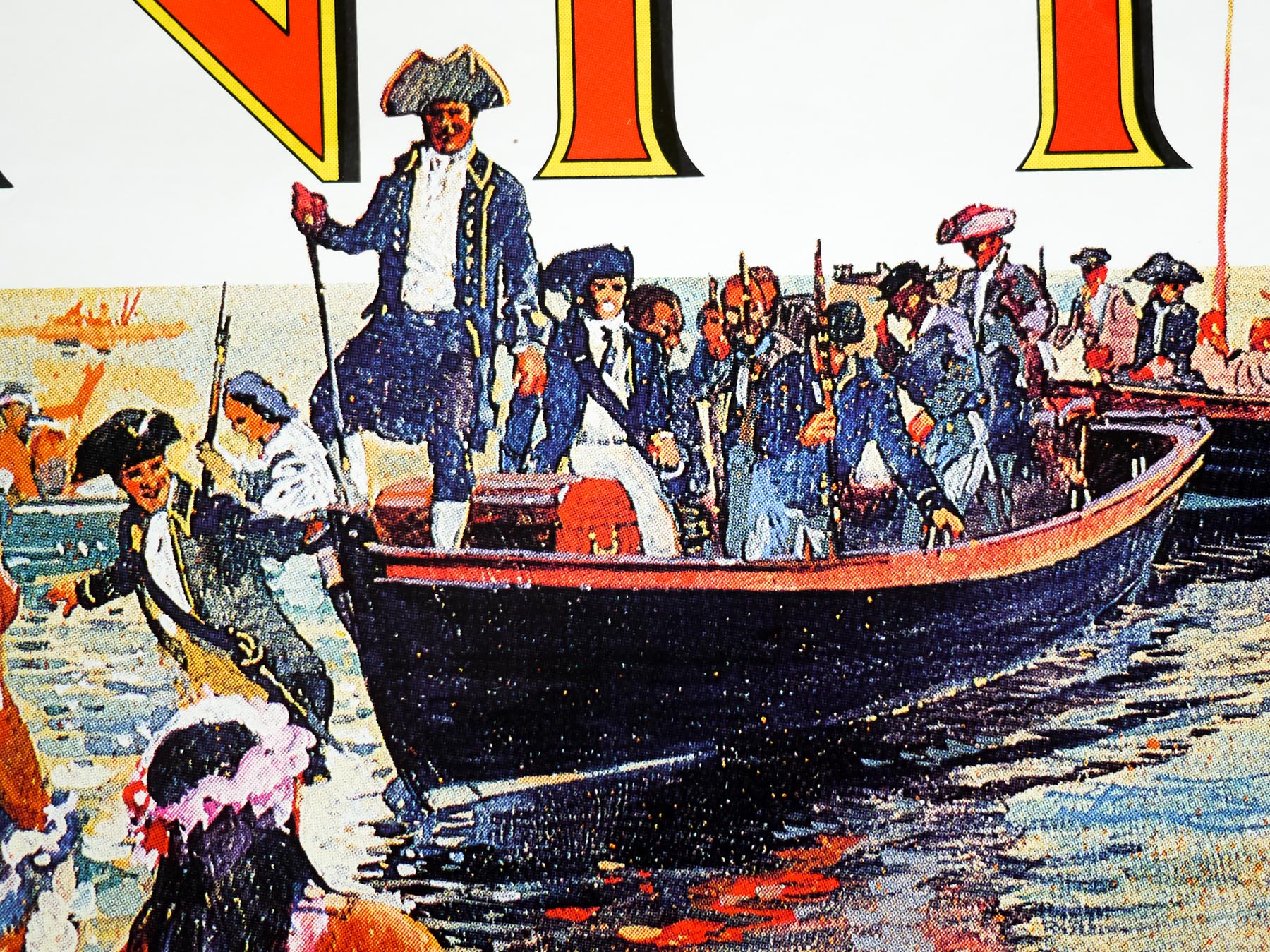
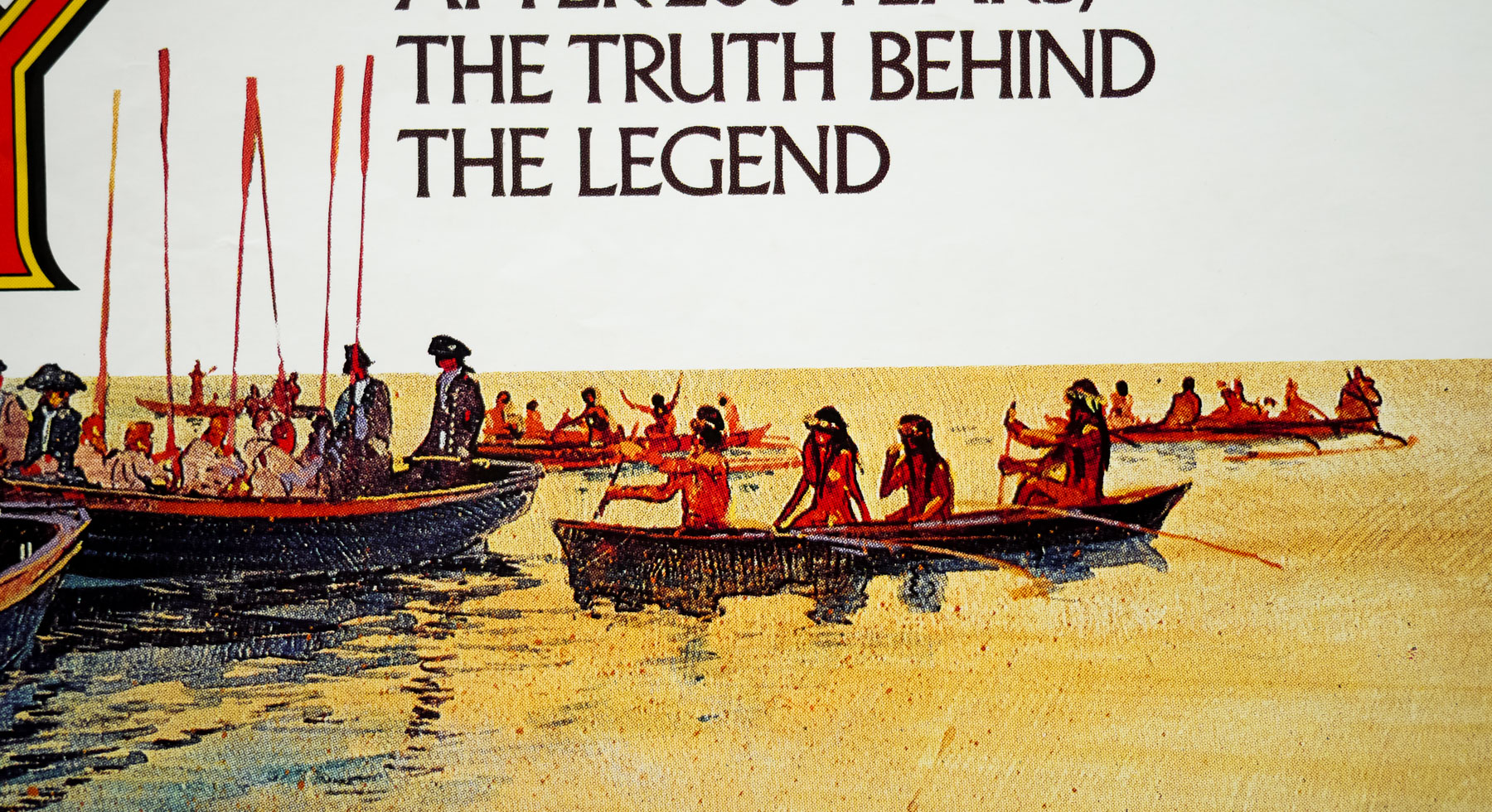
They began their epic voyage as friends... it ended in hatred and bloodshed. | After 200 years, the truth behind the legend.

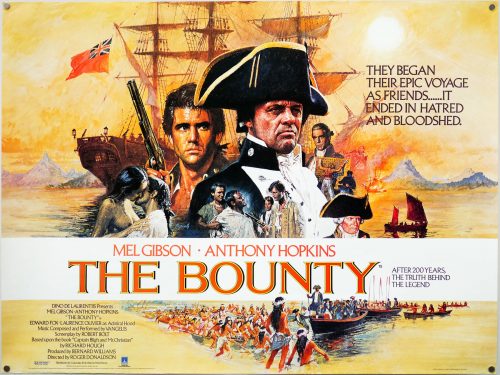
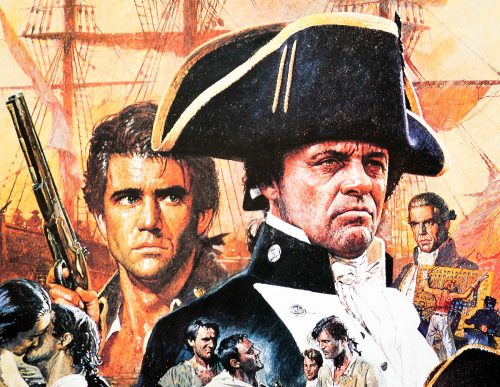
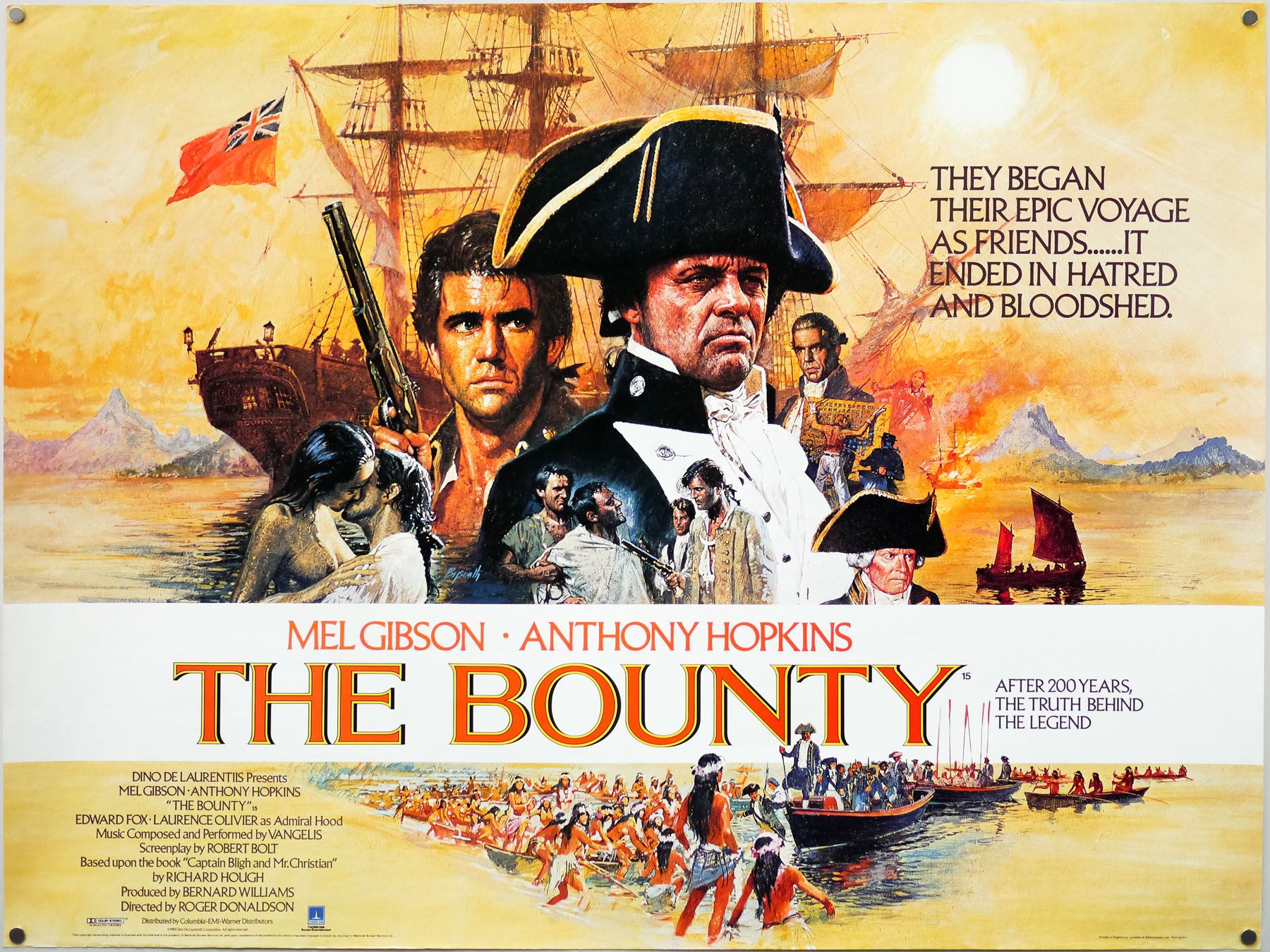
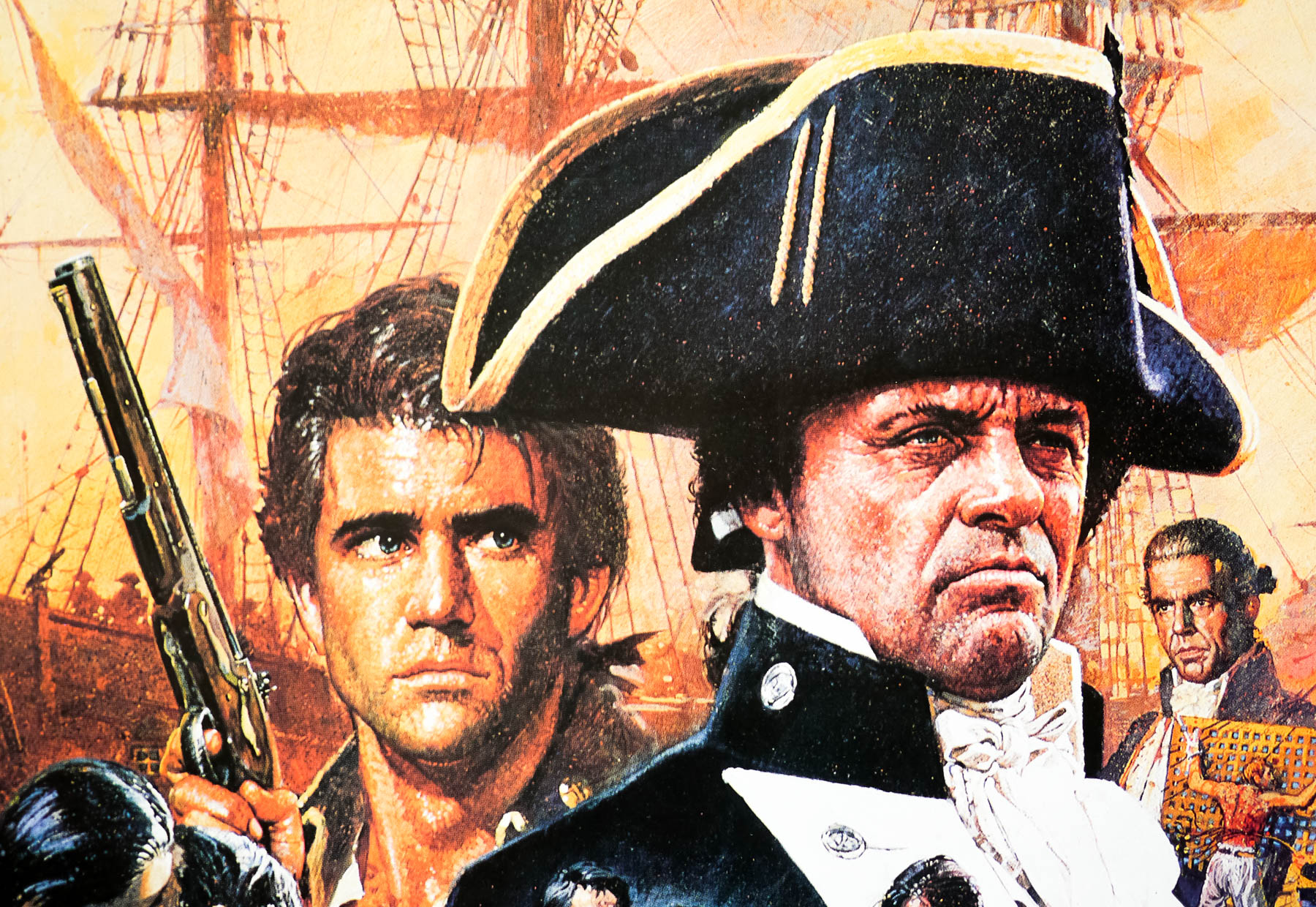
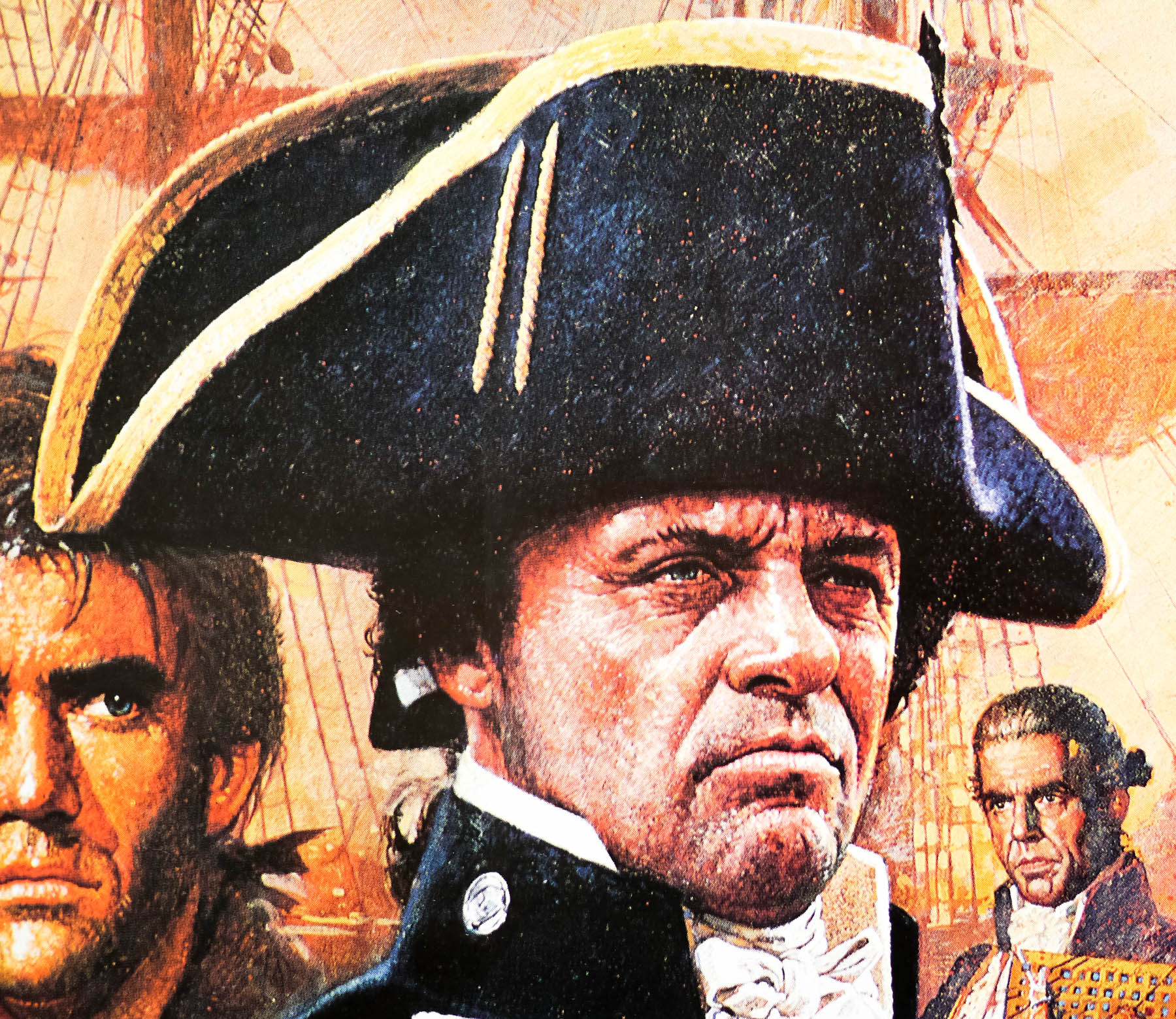
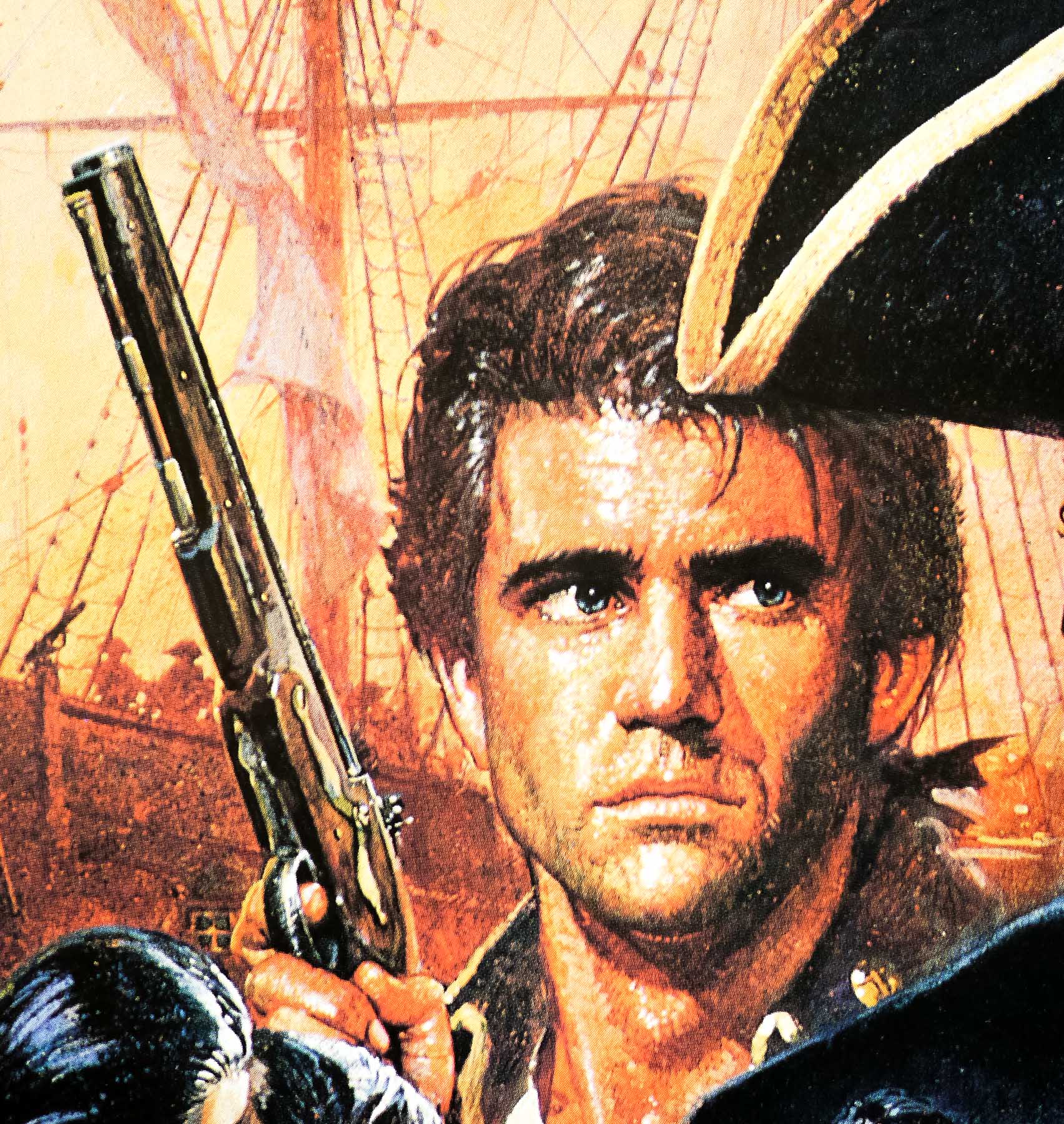
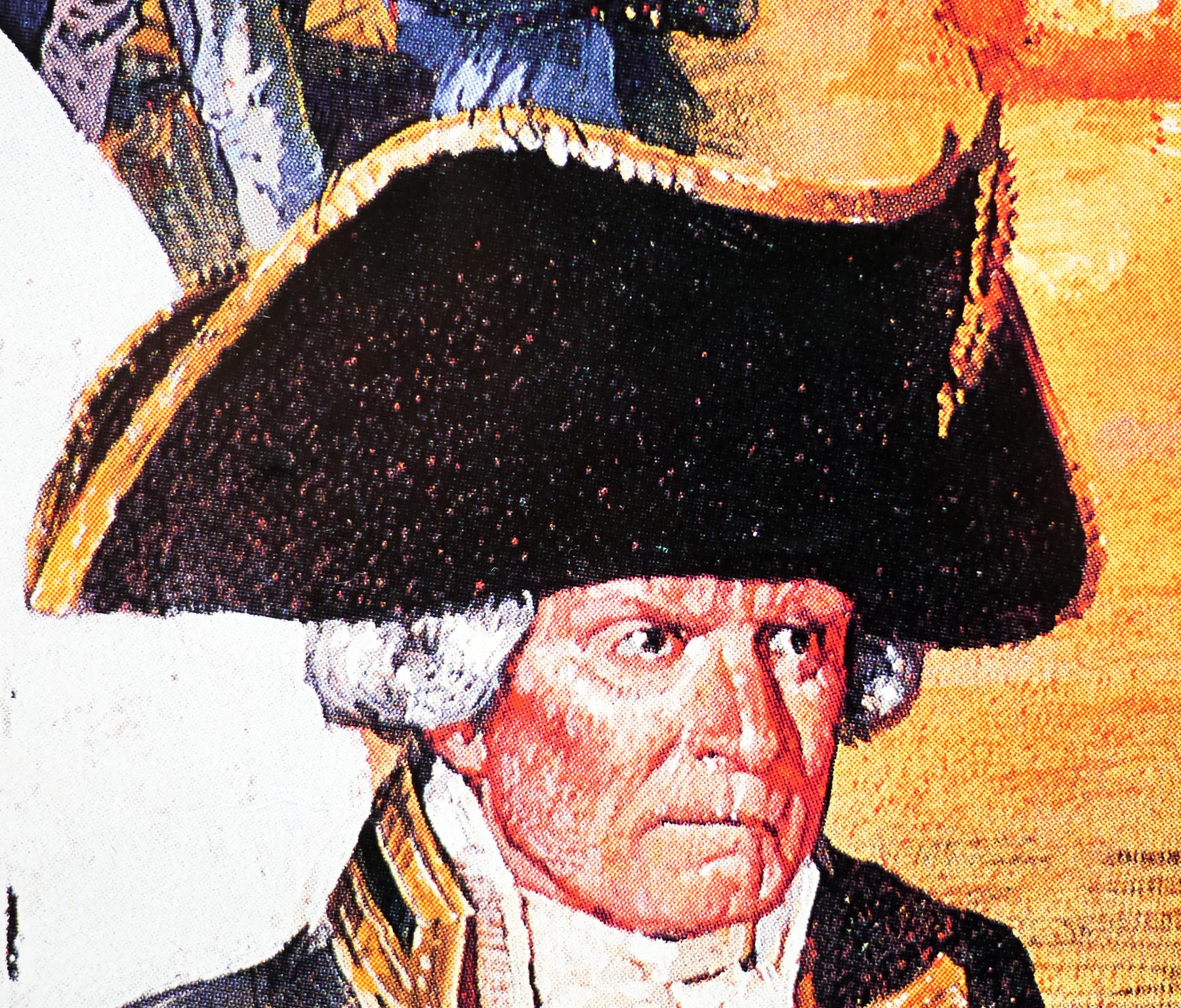
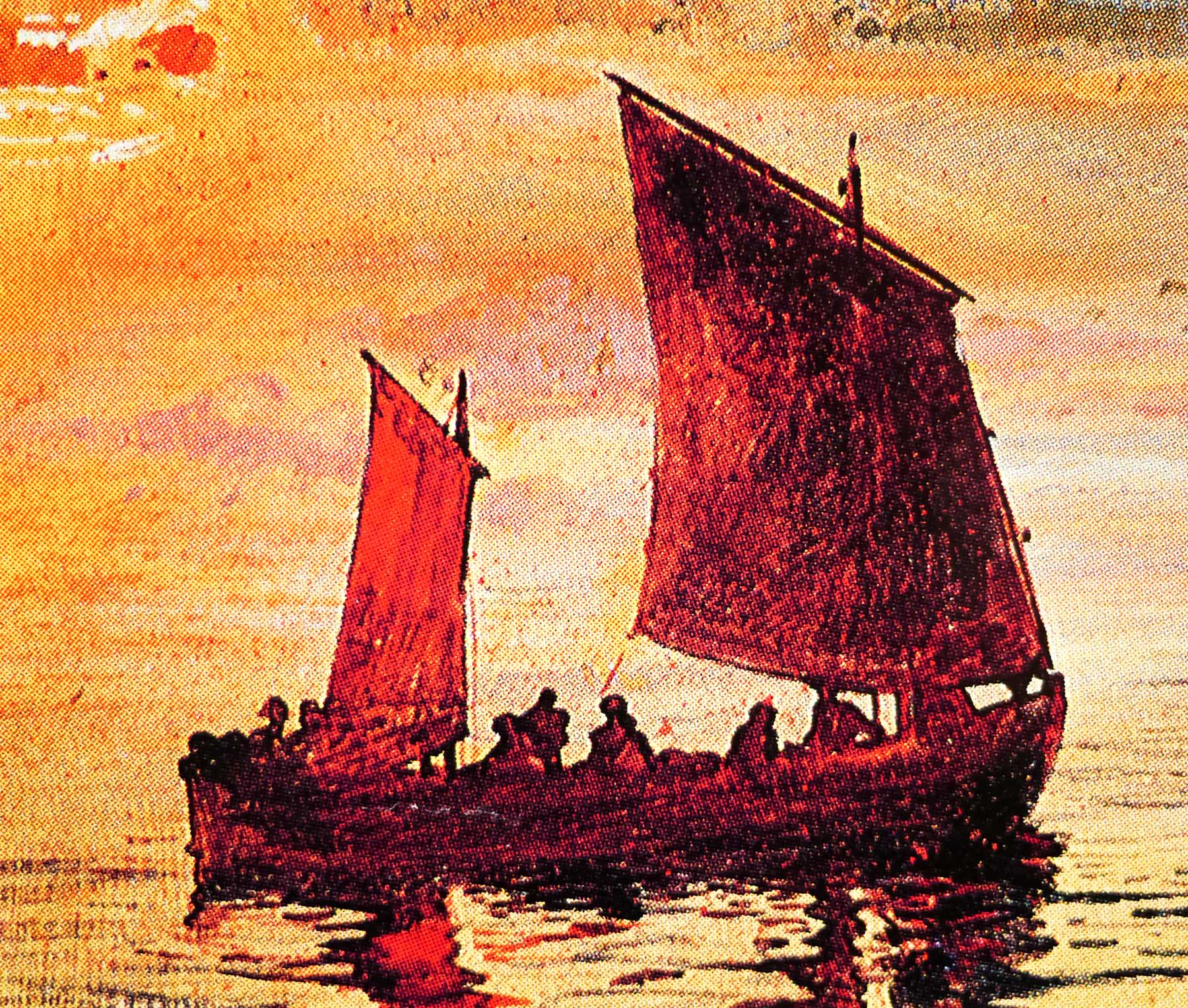
The Bounty was the fifth film based on the true life story of the Mutiny on the Bounty, which took place at sea onboard the British Royal Navy ship of the same name in 1789. The event saw a mutinous group of sailors led by Fletcher Christian place Captain William Bligh, and a group of sailors loyal to him, onboard a small launch (boat) before sailing back to the island of Tahiti where they wished to settle. Incredibly, Captain Bligh was able to navigate the tiny boat over 3600 nautical miles to Timor in the East Indies from where he was able to travel back to London and report the mutiny.

A Royal Navy ship (HMS Pandora) was dispatched with the task of rounding up the mutineers and the crew were successful in capturing fourteen of them, but were unable to locate Fletcher Christian or The Bounty itself. After setting sail back to England, the ship ran aground on part of the Great Barrier Reef and sank shortly thereafter, killing a number of the crew and four of the prisoners. Eventually the remaining mutineers were returned to face court martial in Britain, whilst those who escaped continued to try to evade justice aboard the Bounty before settling one of the tiny Pitcairn Islands in the Pacific Ocean to the east of Australia.

This version was originally being prepared for the screen by the legendary British director David Lean, but problems were encountered with getting the requisite financial backing for his vision of two films, later reconfigured to a TV series. Italian producer Dino De Laurentiis stepped in with the financial support and the film was reconfigured as a single feature. When Lean’s screenwriter partner Robert Bolt suffered a massive stroke, Lean decided to leave the project but had already overseen the construction of a replica Bounty and had successfully cast most of the roles.

Mel Gibson, who was to play Fletcher Christian, brought in a fellow Aussie Roger Donaldson to helm the film and production got underway. Featuring an extremely impressive cast, including Anthony Hopkins (as Captain Bligh), Laurence OlivierDaniel Day-Lewis and Liam Neeson, the film was considered to be something of a revisionist take on the event and was certainly more accurate than the two previous Hollywood versions. The Bounty was warmly critically received but was sadly something of a flop at the box office, failing to recoup even half of its budget in the US.

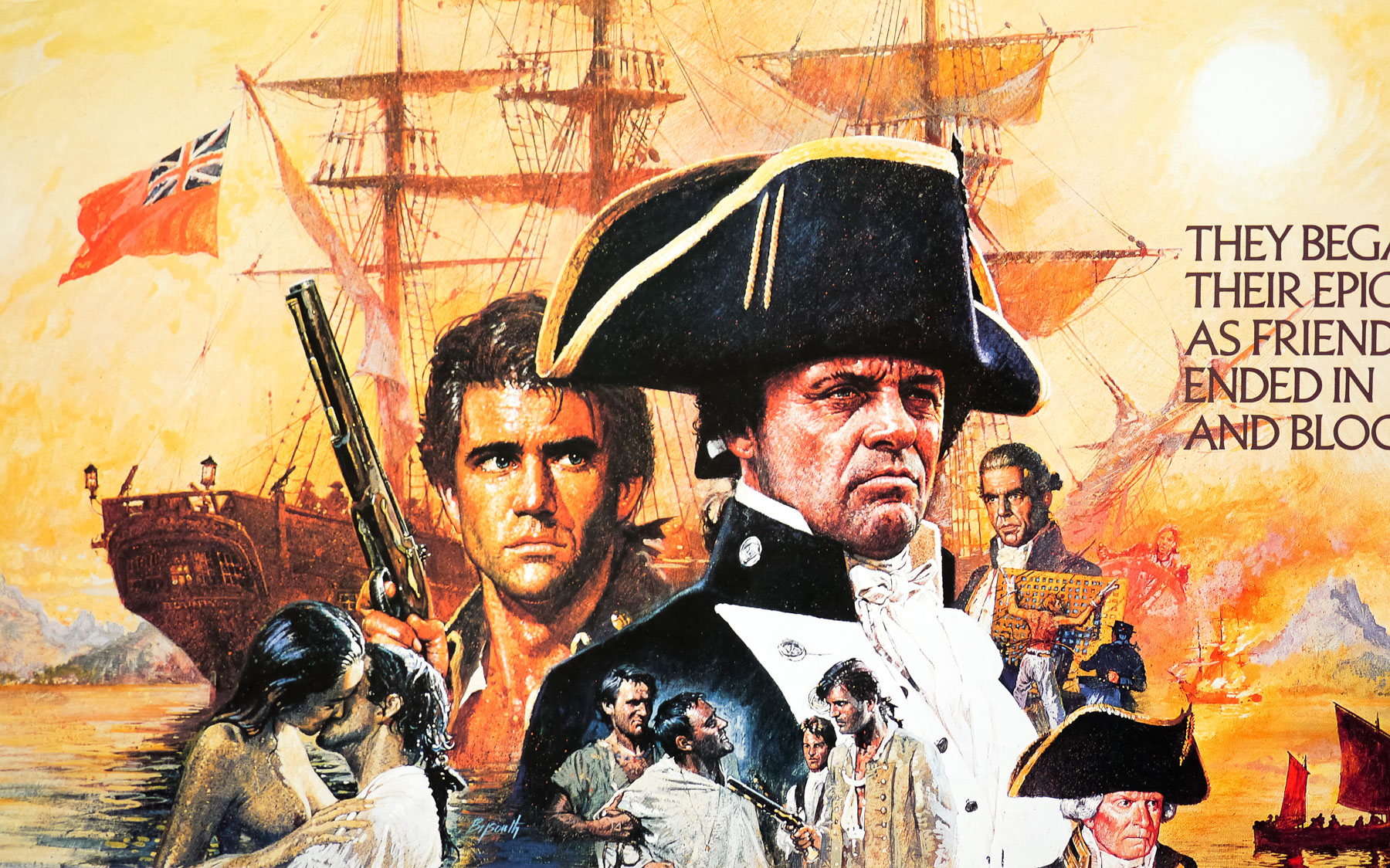
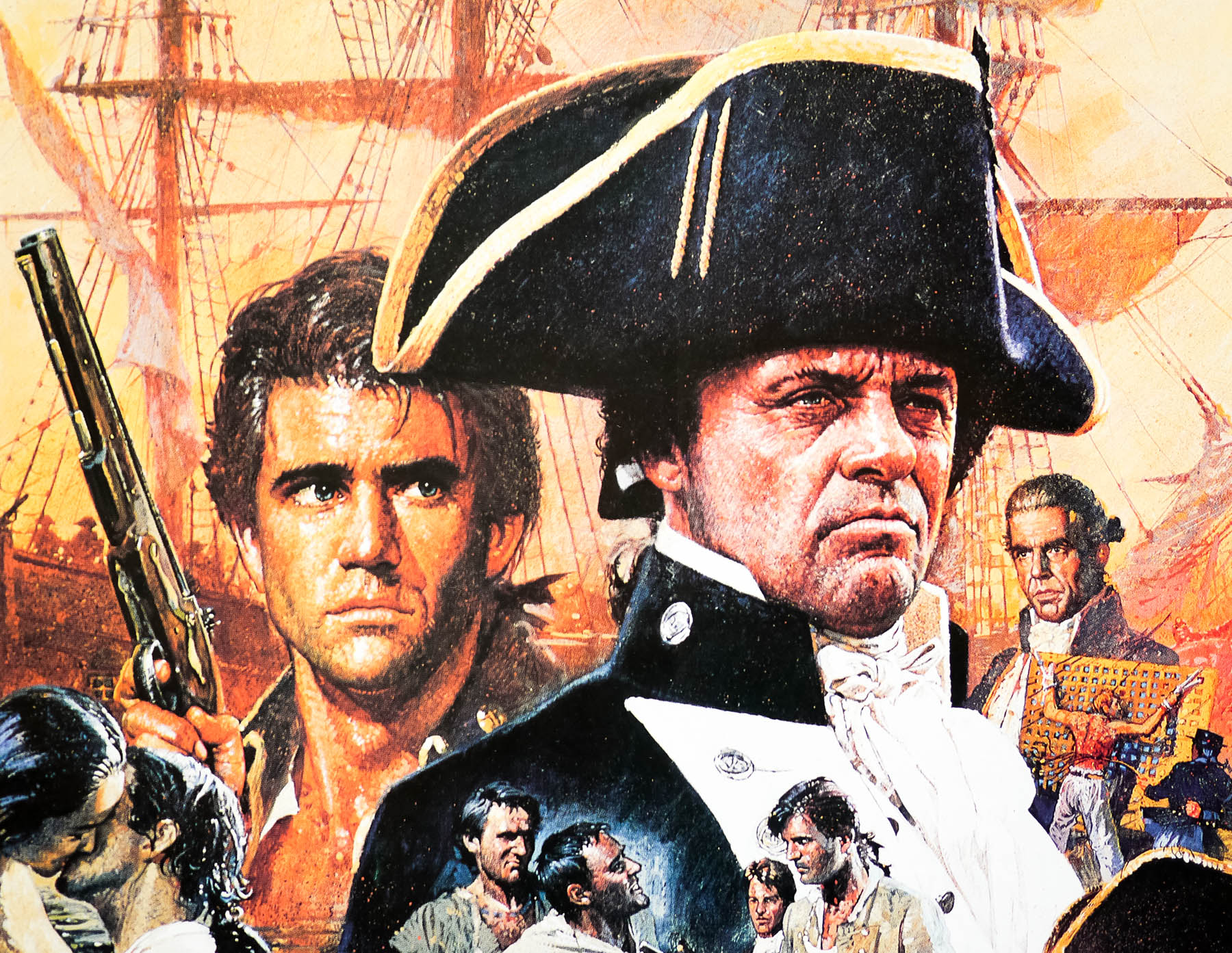
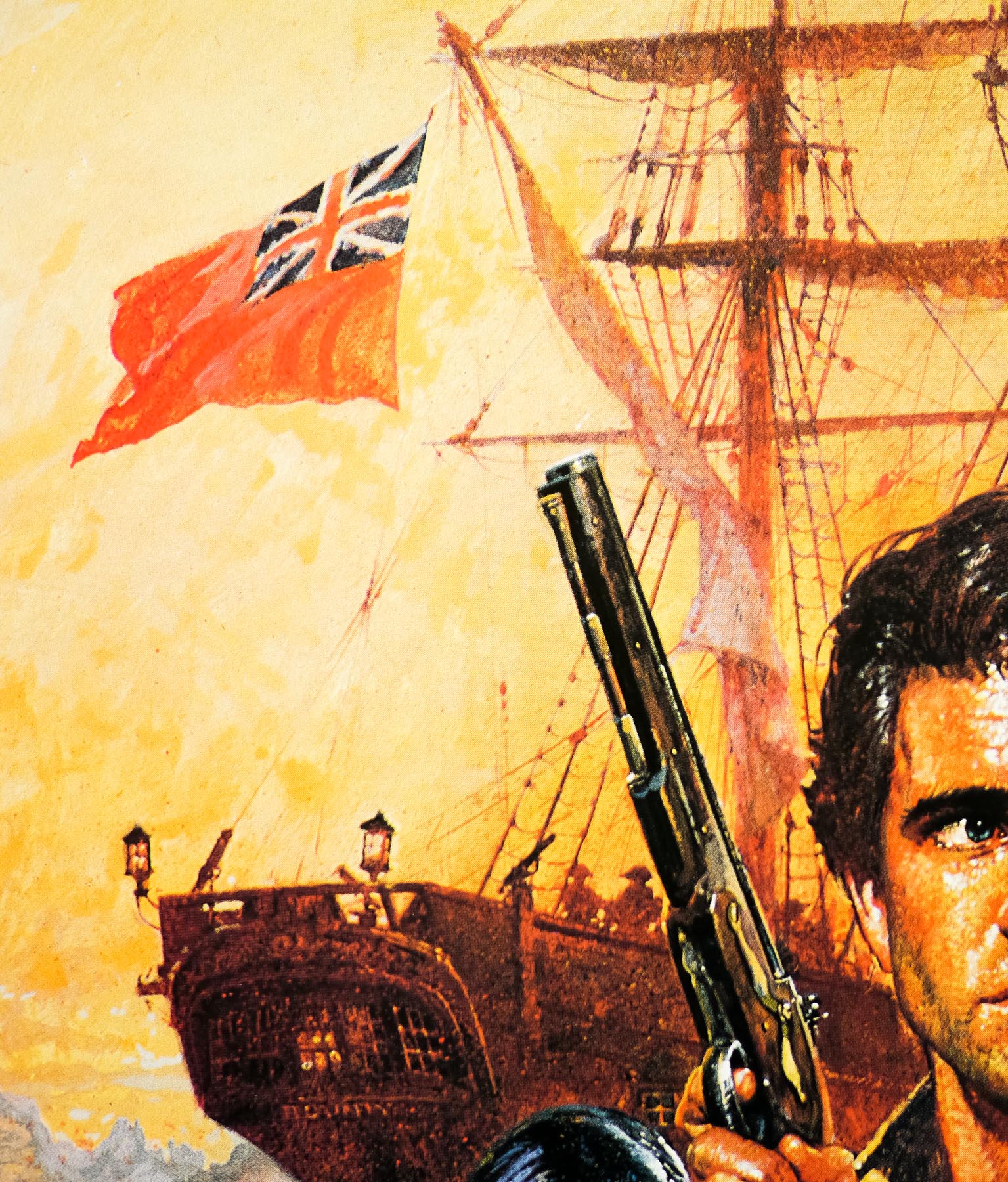
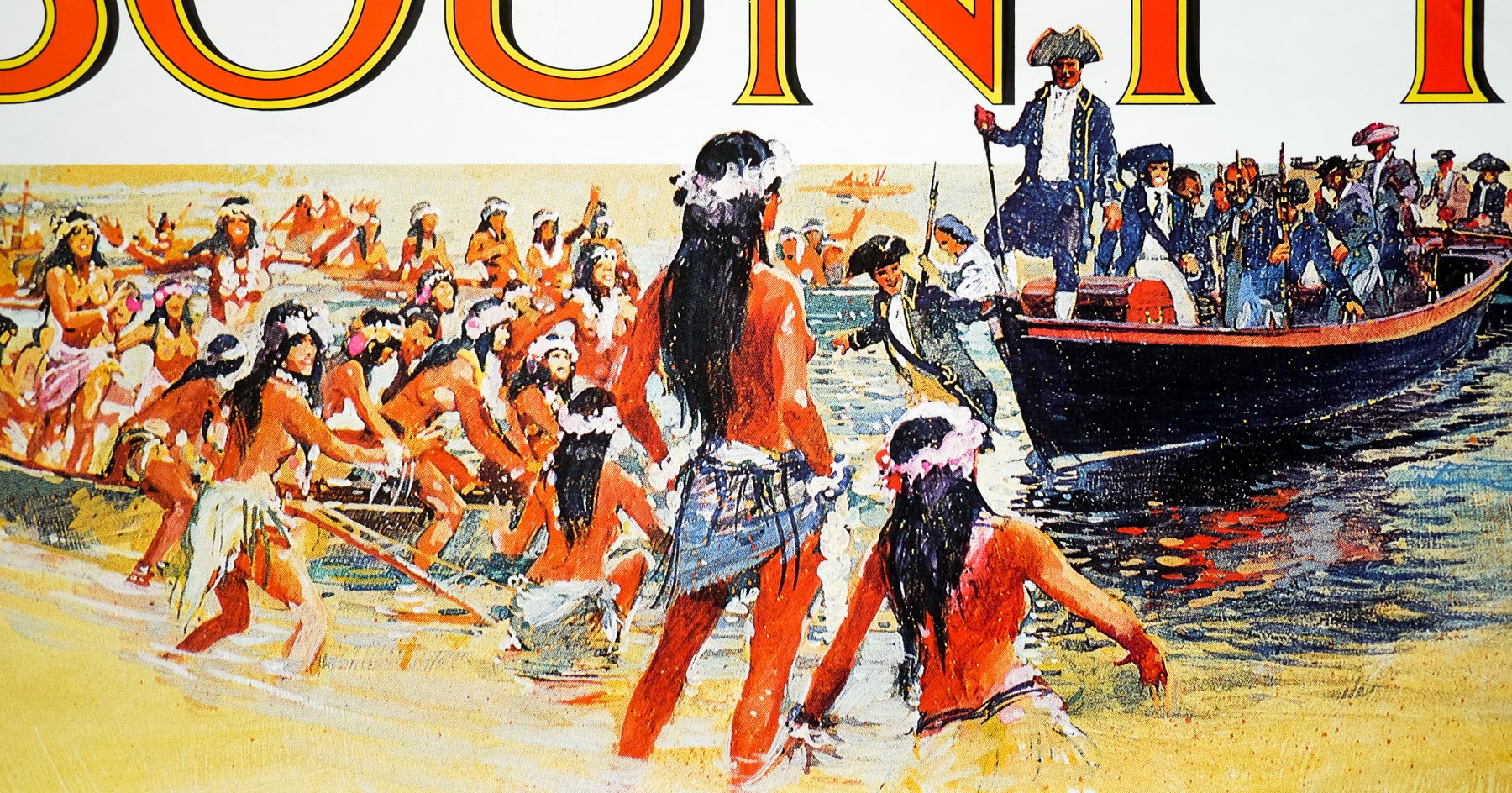
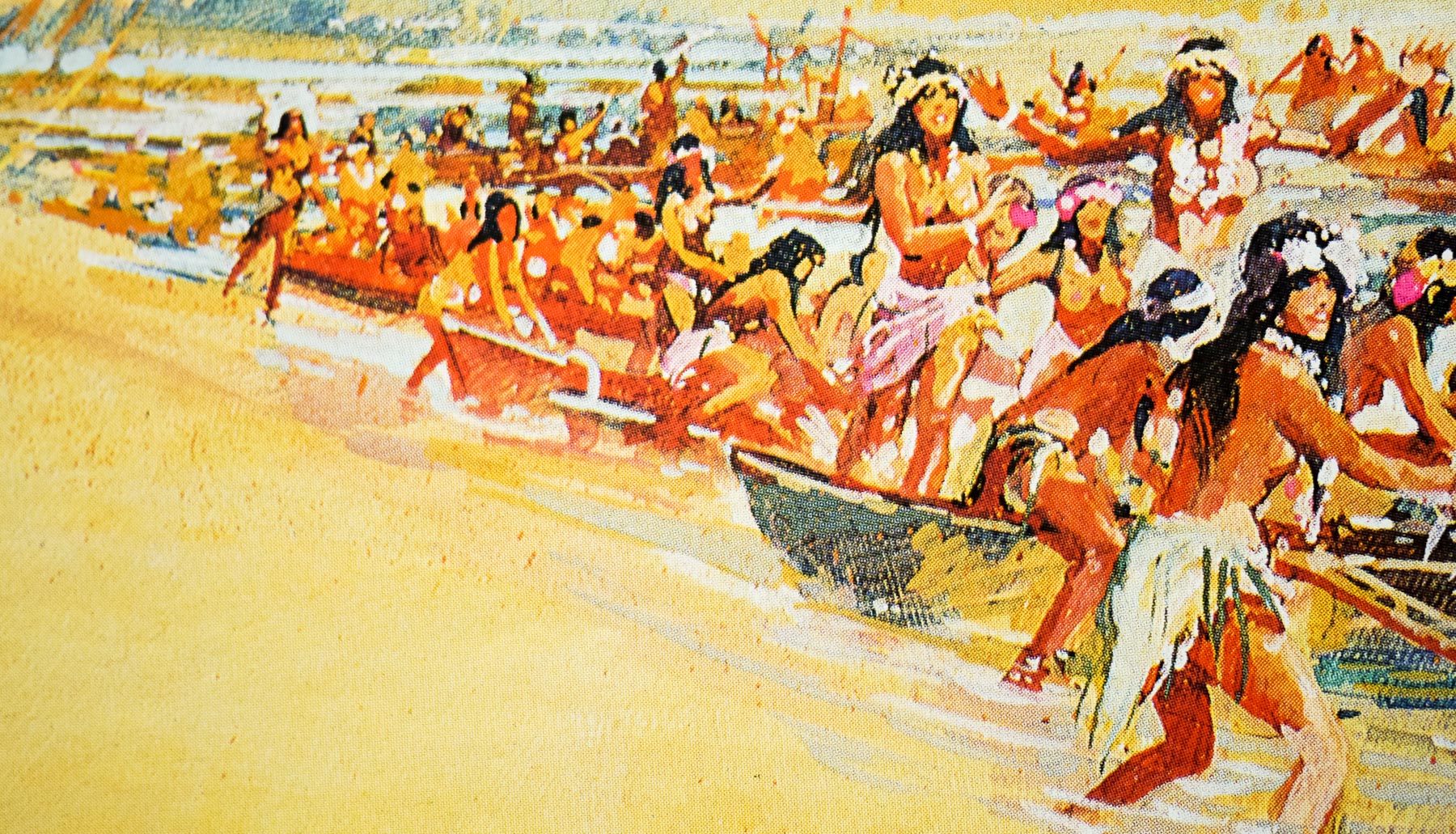
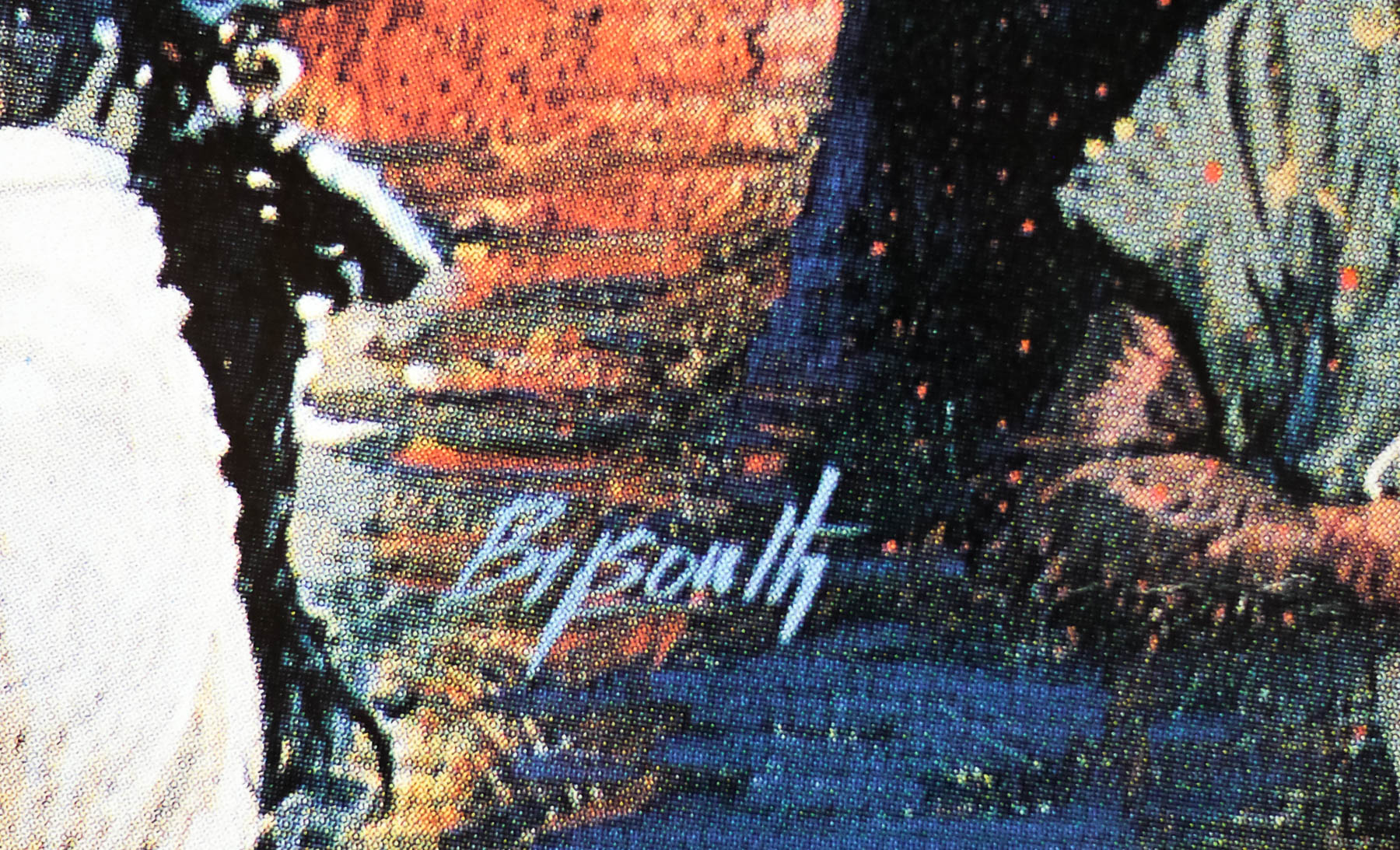
The artwork on this British quad was painted by the British artist Brian Bysouth, from an original design by Eric Pulford. When I interviewed the artist in 2012 this poster was discussed and the following is an excerpt from the article:

—————-

One Bond poster you worked on is the quad for For Your Eyes Only. It had the Bill Gold designed element of the long legs, but you modified the montage when doing the finished illustration?
Eric Pulford created the U.K. poster design that was approved. The inclusion of the very iconic Bill Gold legs concept was a must in any design that was submitted, so I suppose the scope for fresh designs was limited. In my opinion Eric’s original montage was not his best work and, although I tried to re-arrange some of the elements, the reference material supplied was not very exciting and I think the surrounding montage looks rather ordinary.

A similar difficulty arose with the design Eric had done for The Bounty (1984). His atmospheric colour rough was exciting, but when I began to sketch out the finished painting I realised the perspective of the ship was flawed. Eric’s exciting random montage of characters had initially disguised the shortcoming. I spent a day redrawing the ship and rigging to ensure it was reasonably correct, and then moved the characters to try to improve the composition. I was pleased with the final painting but was never happy with the montage, which I really thought needed recomposing. I didn’t think a confrontation with Eric was in my best interest.

Some weeks later I asked for the return of my painting only to be told, ‘it could not be found’.  Obviously, a light-fingered person took a fancy to it. Much of my work has been lost to me in that way, including my teaser art for A View to a Kill.

—————-

The other posters I have that were designed and/or painted by Brian Bysouth can be viewed here.

Q the Winged Serpent / quad / UK

23.12.13

Poster Poster
Title
The Winged Serpent
AKA
Q (USA) | Q: The Winged Serpent (UK) | American Monster (West Germany)
Year of Film
1982
Director
Larry Cohen
Starring
Michael Moriarty, Candy Clark, David Carradine, Richard Roundtree, James Dixon, Ron Cey
Origin of Film
USA
Genre(s) of Film
Michael Moriarty, Candy Clark, David Carradine, Richard Roundtree, James Dixon, Ron Cey,
Type of Poster
Quad
Style of Poster
--
Origin of Poster
UK
Year of Poster
1982
Designer
Tom Chantrell
Artist
Tom Chantrell
Size (inches)
30" x 40"
SS or DS
SS
NSS #
--
Tagline
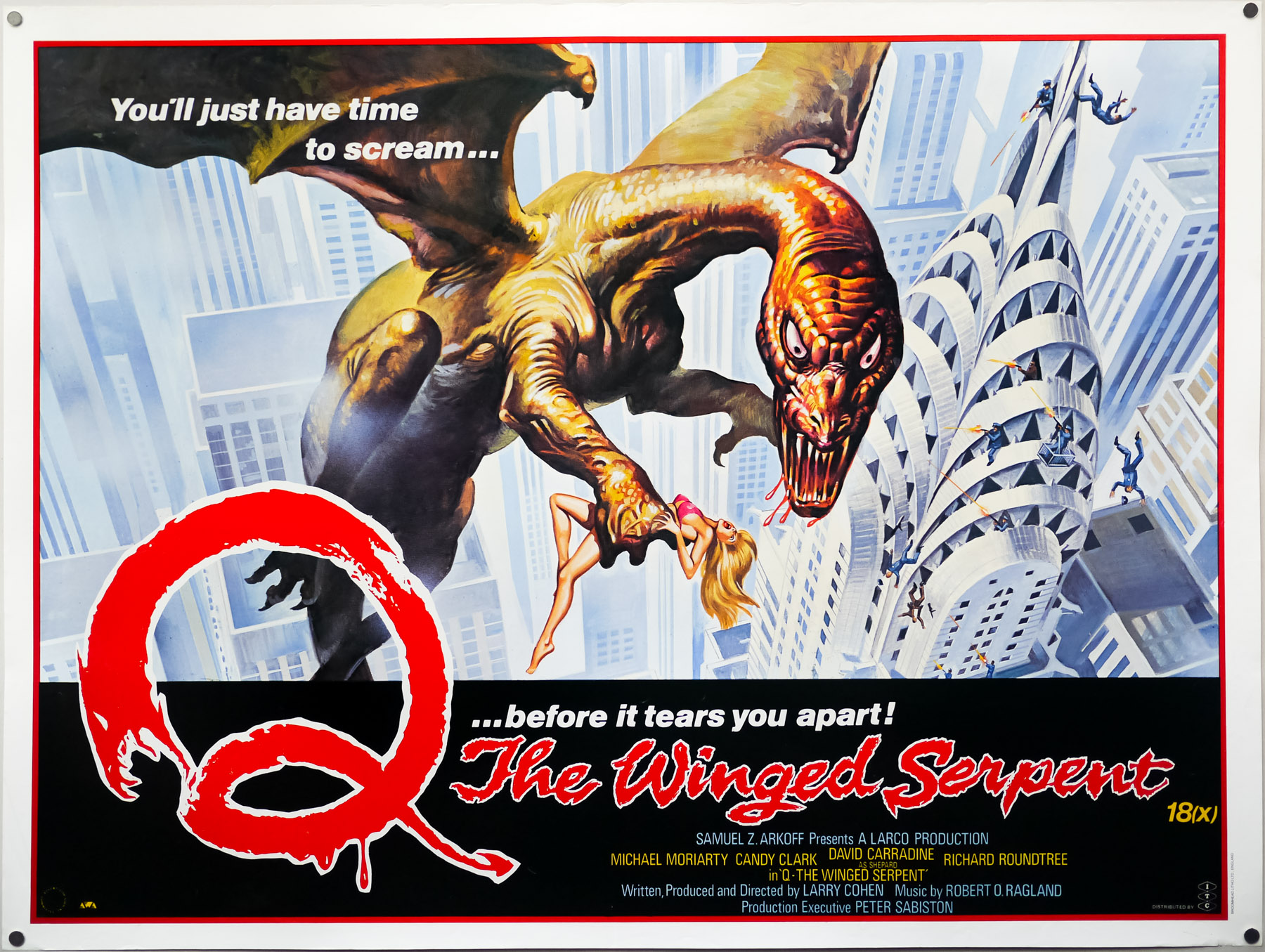
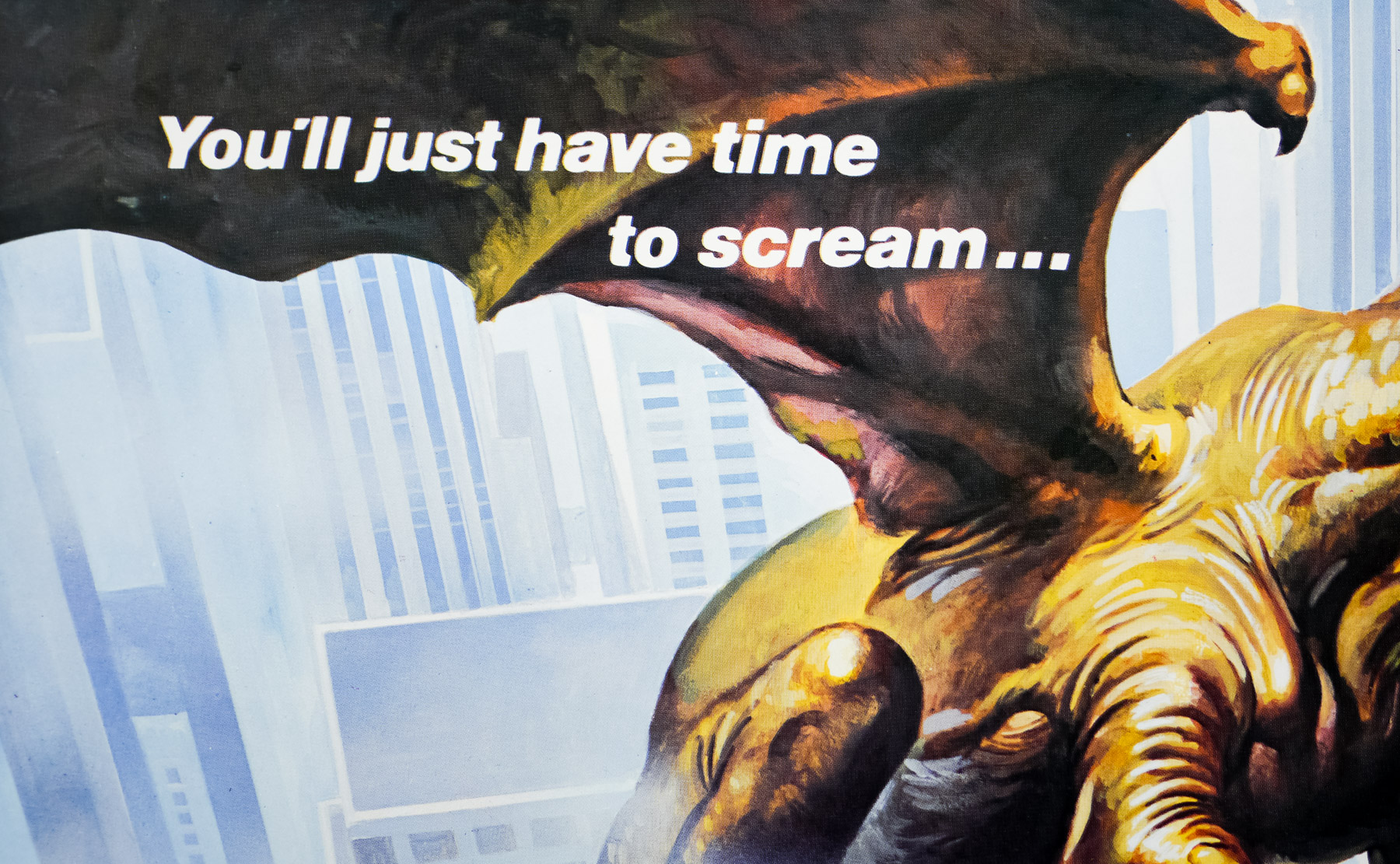
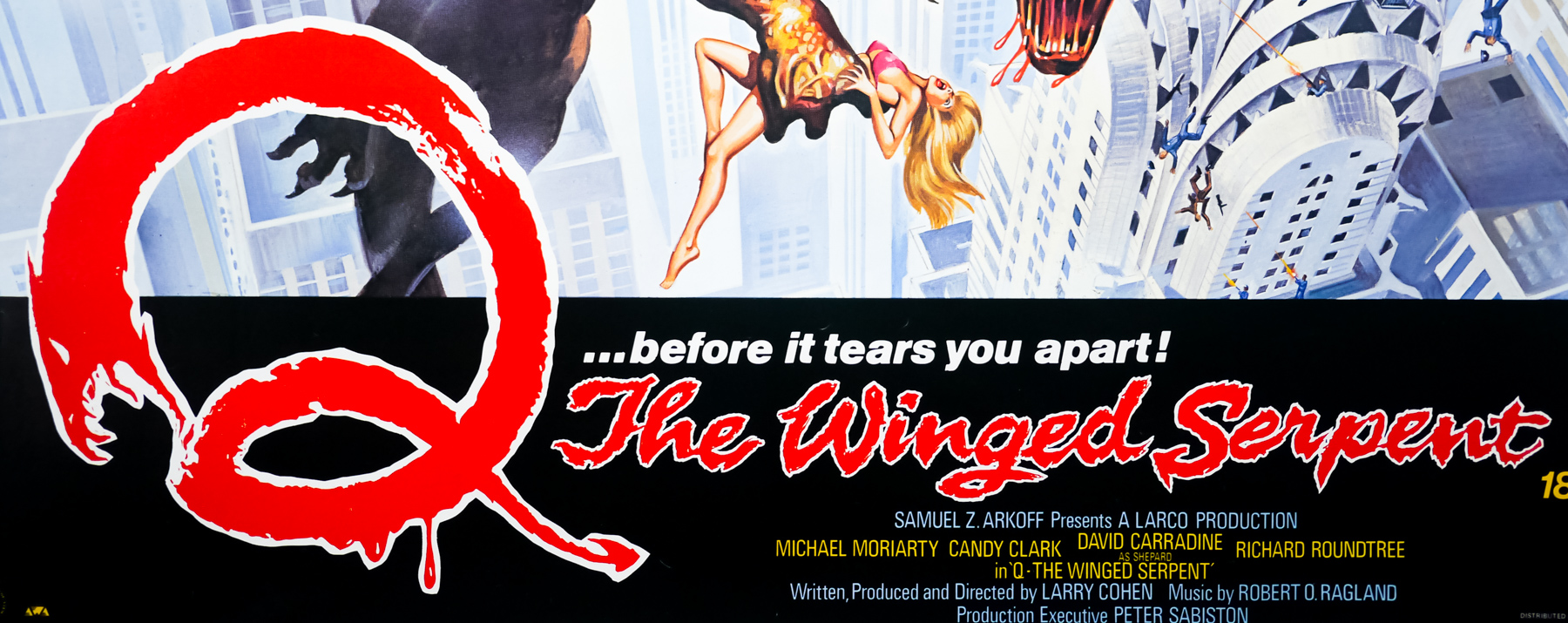
You'll just have time to scream... before it tears you apart!

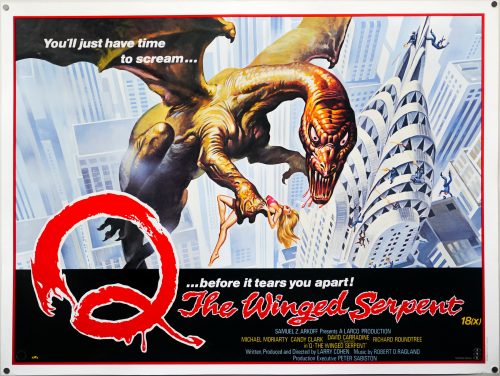
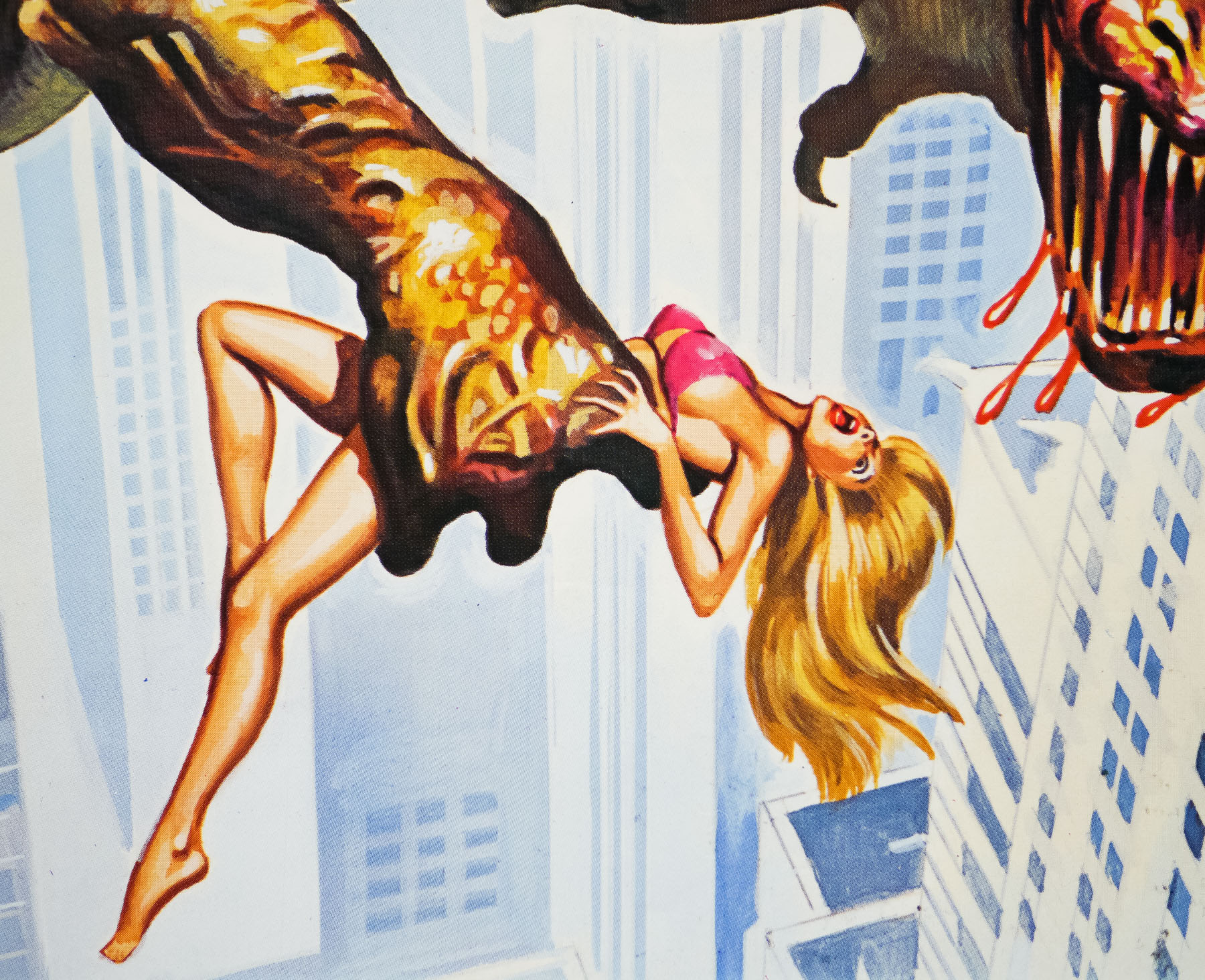
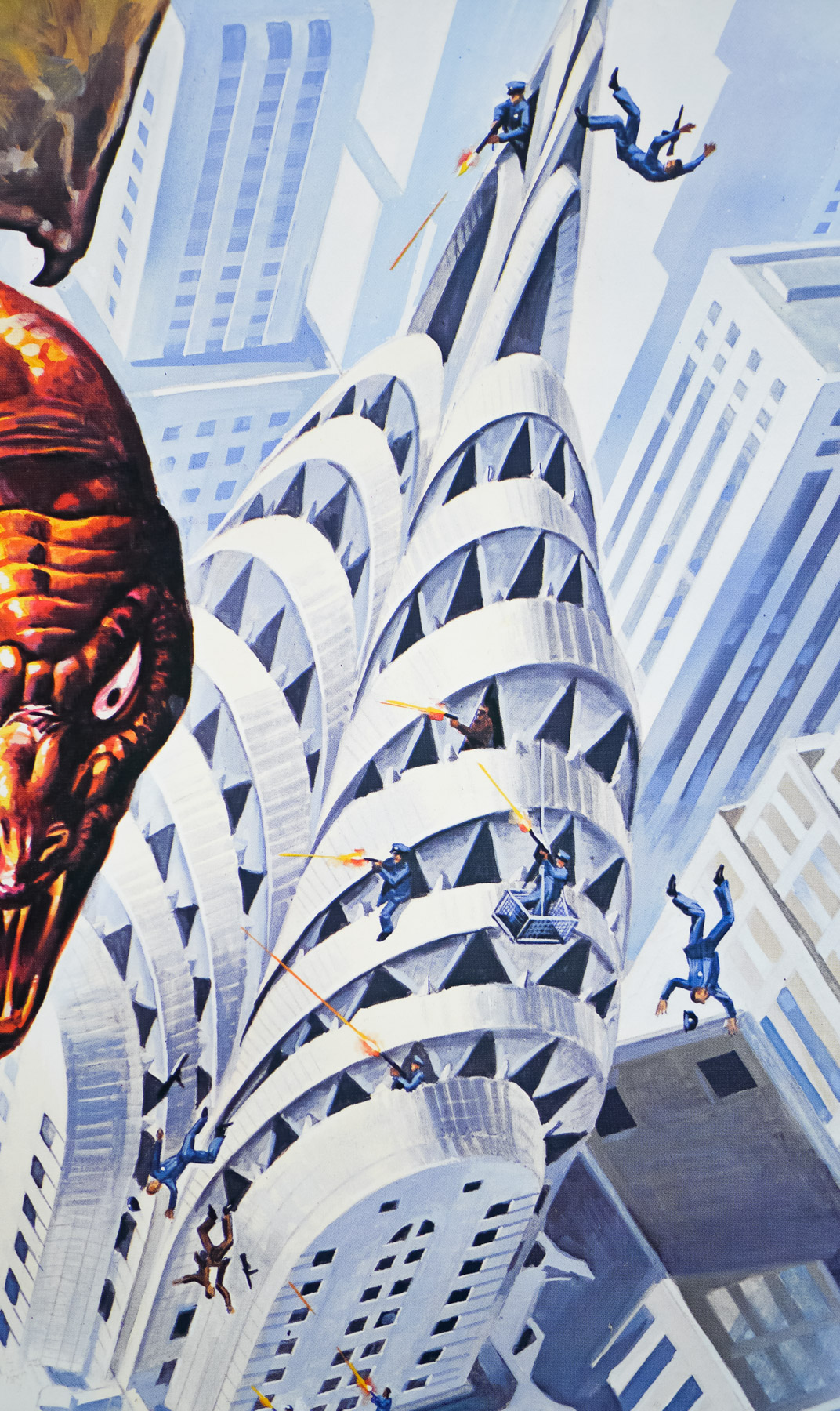
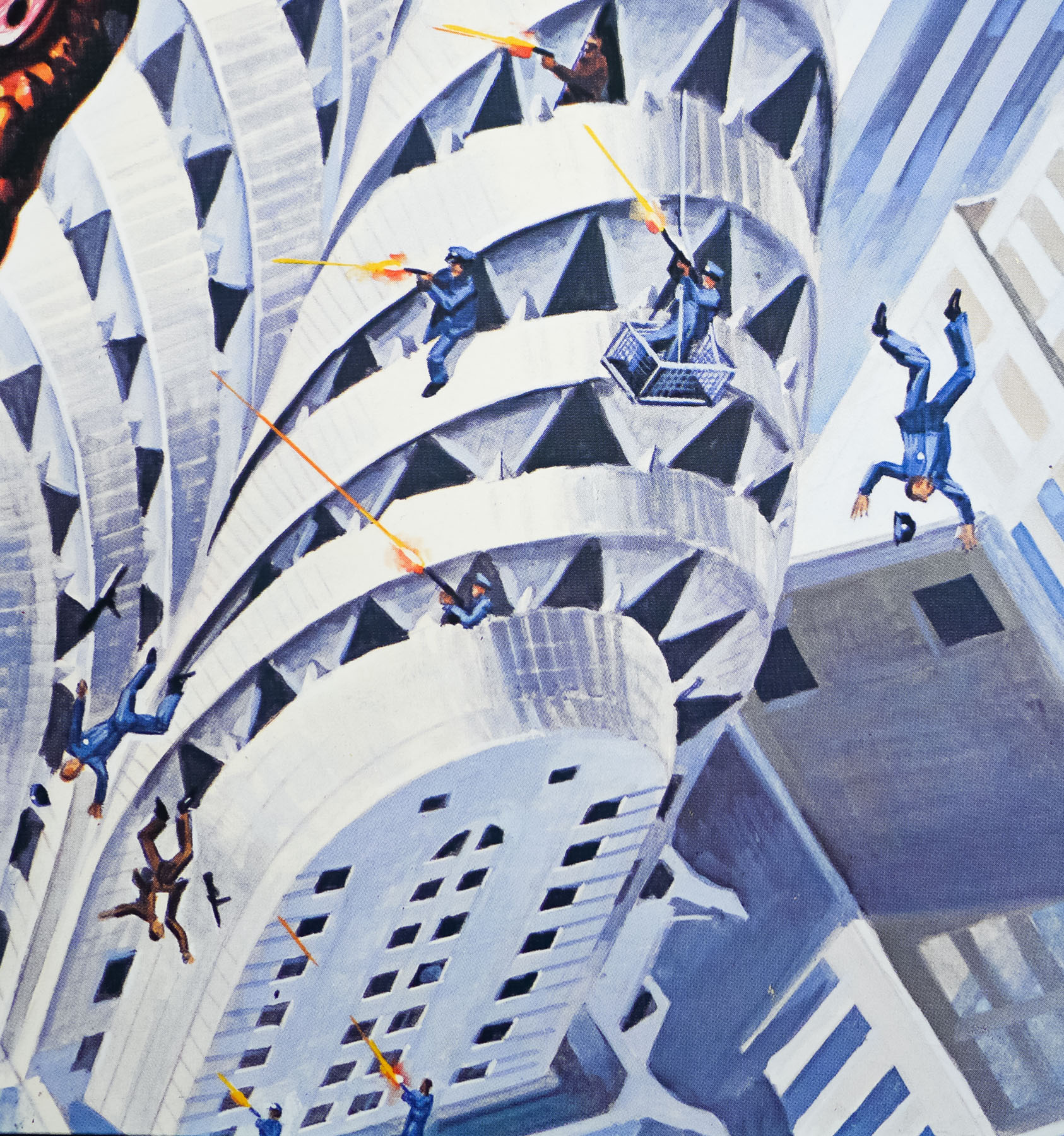
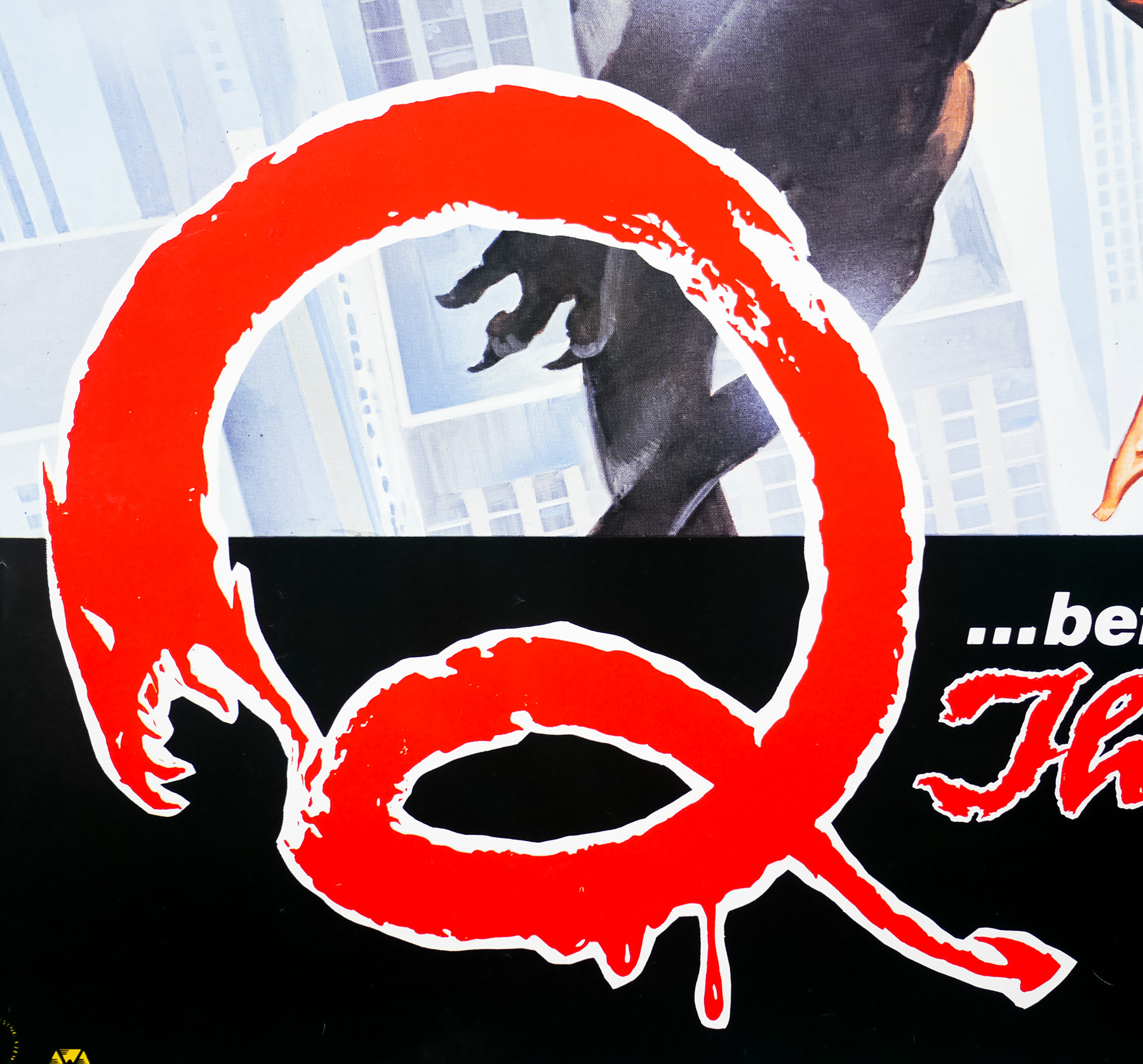
Writer/director and B-movie legend Larry Cohen is responsible for this 1982 horror film that harks back to the popular ‘giant beast’ monster movies of the 1950s. Commonly known as ‘Q: The Winged Serpent‘, or simply ‘Q’, the story is set in New York City and follows two police detectives (played by David Carradine and Richard Roundtree) investigating a series of brutal sacrificial slayings in which victims’ hearts and skins have been removed. They are also struggling to explain the mysterious deaths of people snatched from high up on rooftops by what is reported to be a flying lizard.

At the same time, a luckless hoodlum called Jimmy Quinn (played with gusto by Michael Moriarty) is on the run from murderous mobsters and discovers a giant egg hidden in the crown of the famous Chrysler Building, which apparently belongs to the deadly creature. It becomes apparent that the cult behind the sacrificial murders has managed to resurrect an Aztec god known as Quetzalcoatl, a flying lizard with huge talons and a taste for human flesh, and the detectives must battle to stop both the cult members and defeat the beast before New York City is lost.

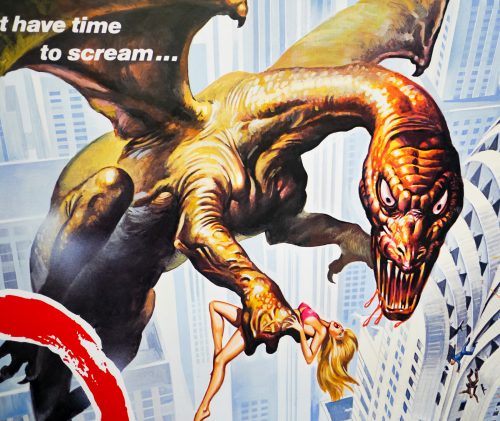
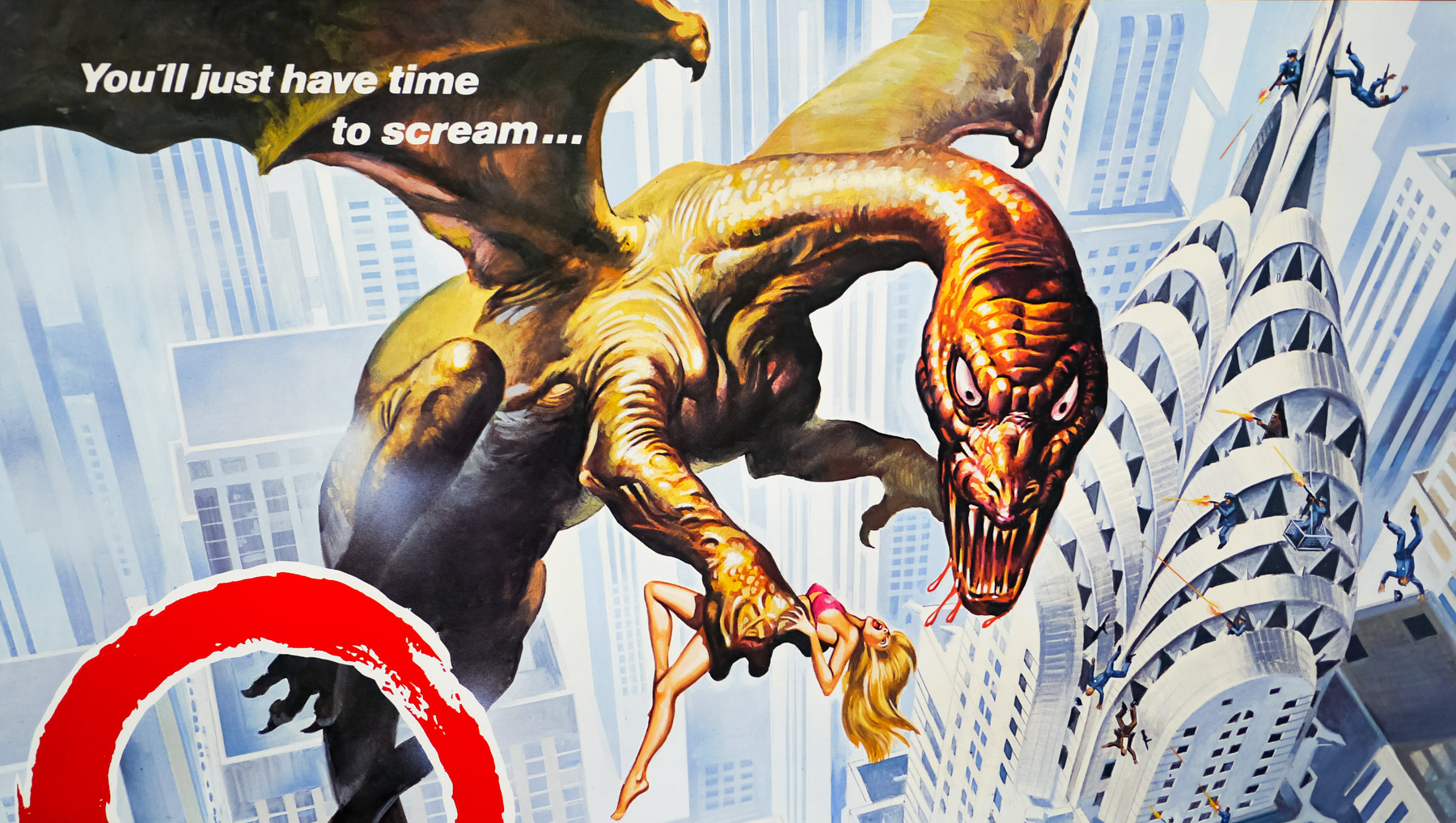
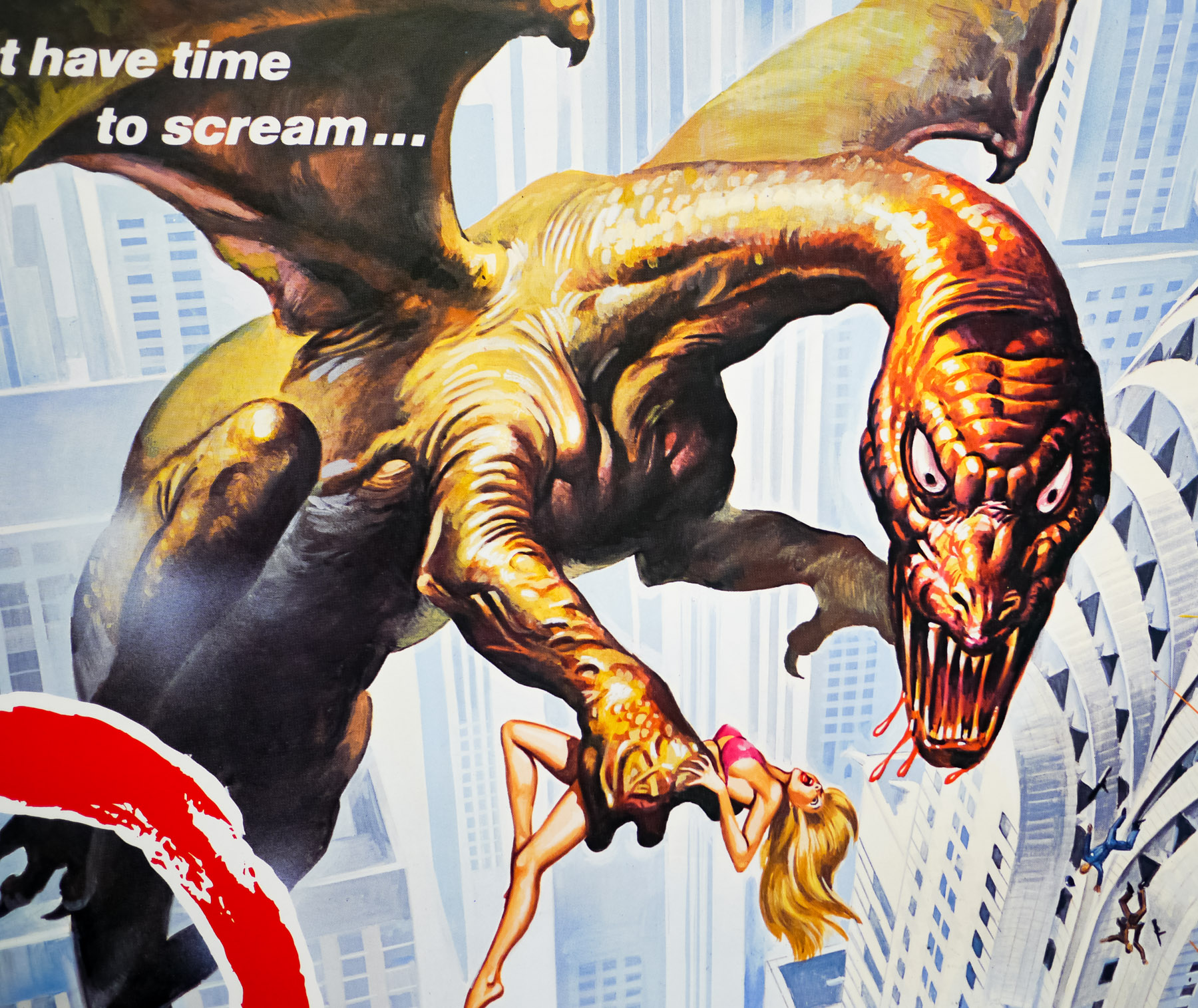
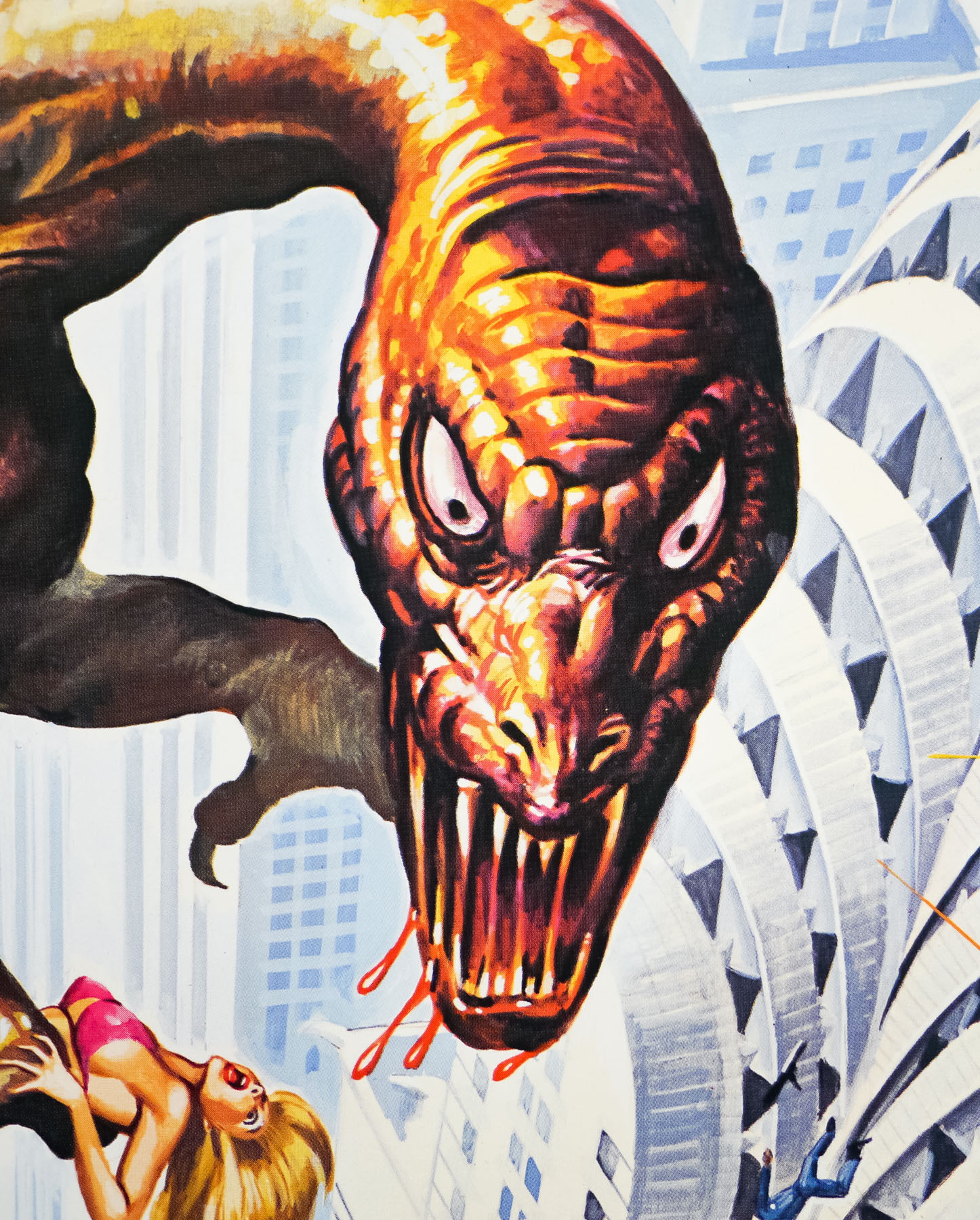
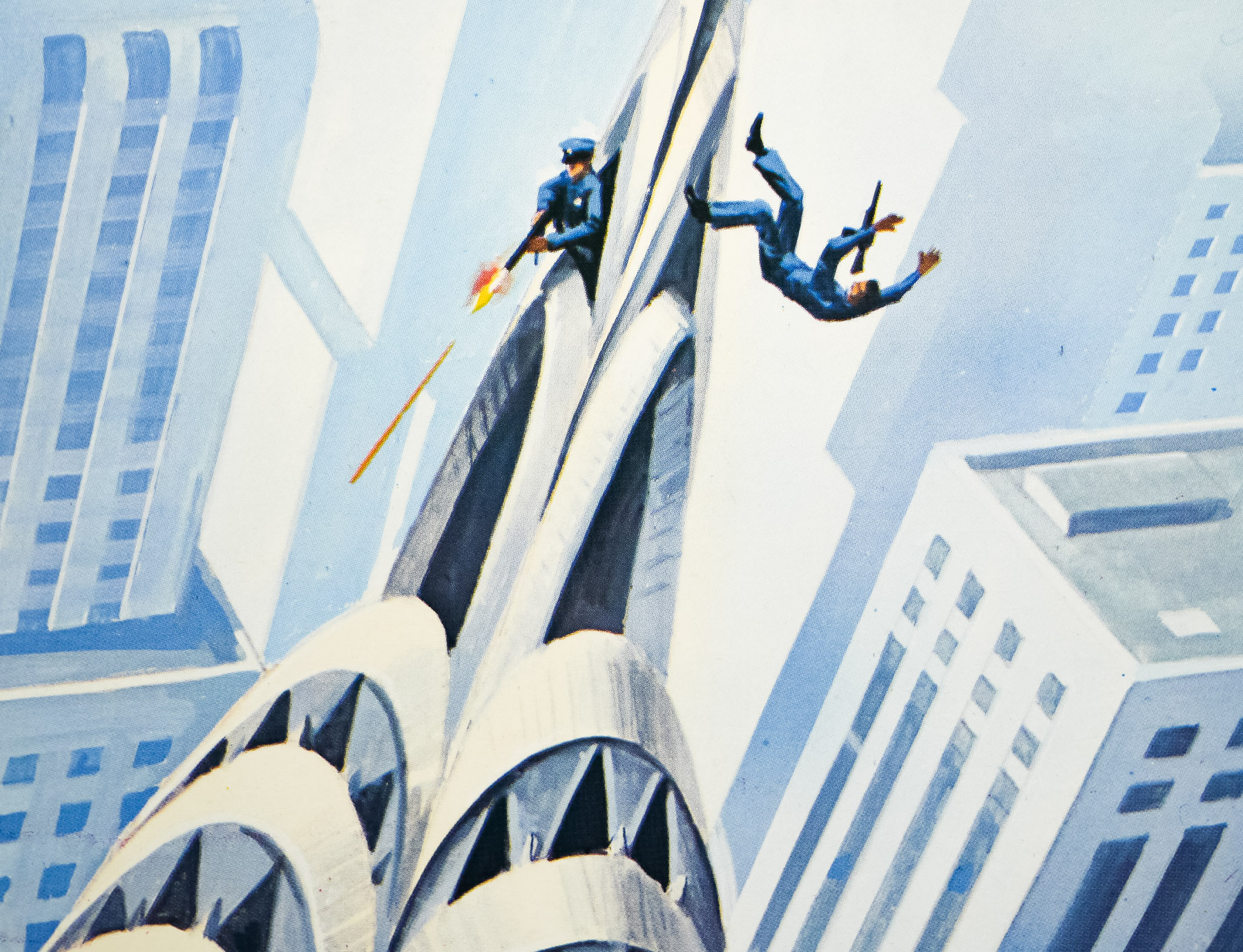
This quad was designed and illustrated by the late, great British artist Tom Chantrell whose dynamic and colourful work featured on hundreds of posters over a forty year period. It features the Chrysler Building, a famous New York landmark that also appears on the international one sheet, painted by Bob Gleason. Note that the lady in peril is wearing quite a bit less on this quad than she is on the one sheet – Chantrell always had an eye for adding extra bits of titillation to his artwork.

Tom Chantrell sadly passed away in 2001 but last year his widow Shirley launched his official website, which showcases his work and features a great biography written by Sim Branaghan, author of the must-own book British Film Posters. Chantrell illustrated many classic poster designs, including several Hammer posters such as the brilliant quad for ‘One Million Years B.C.’, and he was also responsible for the iconic Star Wars quad, the artwork of which ended up being used around the globe.

I have a number of other designs by Chantrell on this site and you can read an exclusive interview with Shirley by clicking here.

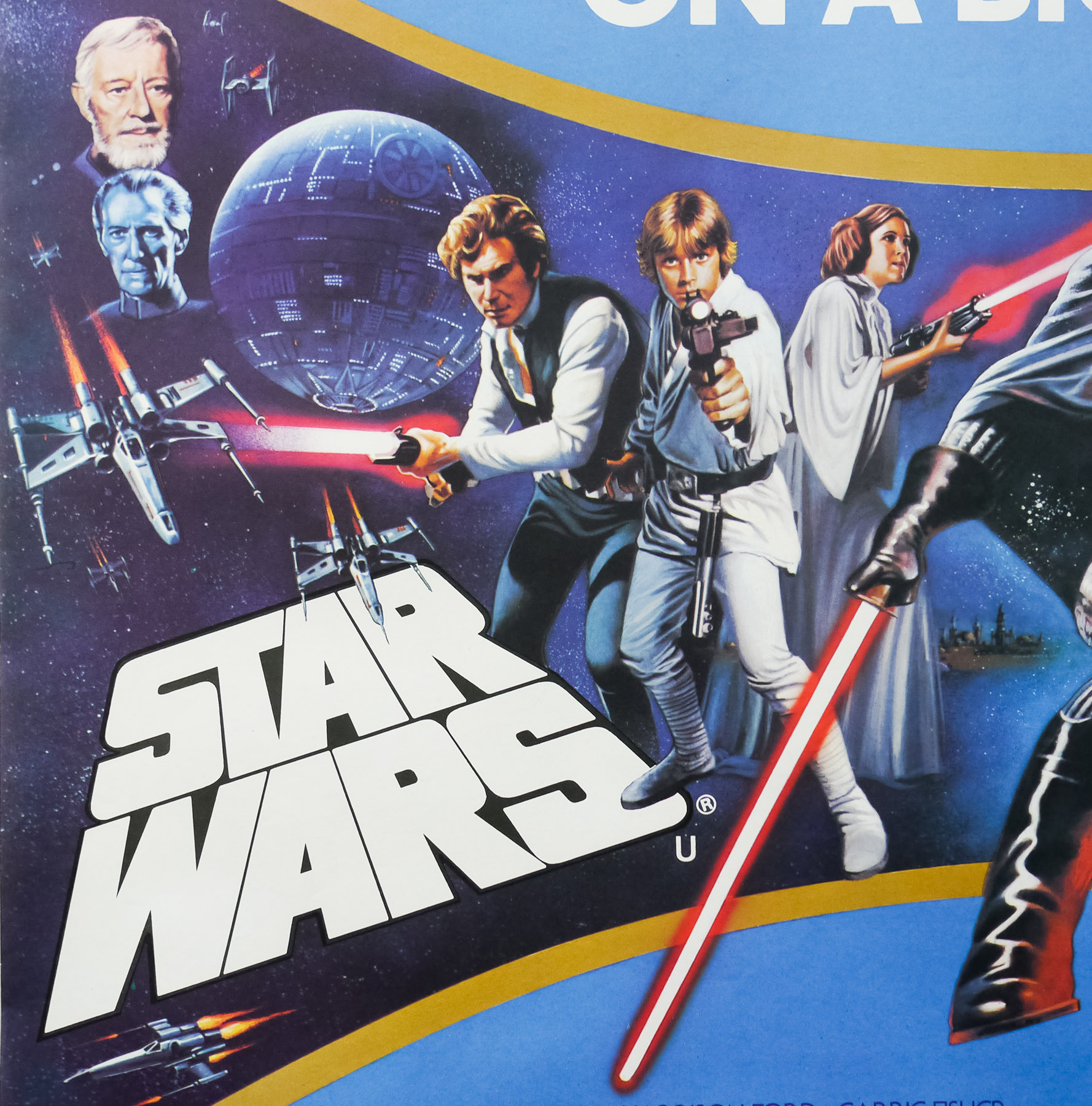
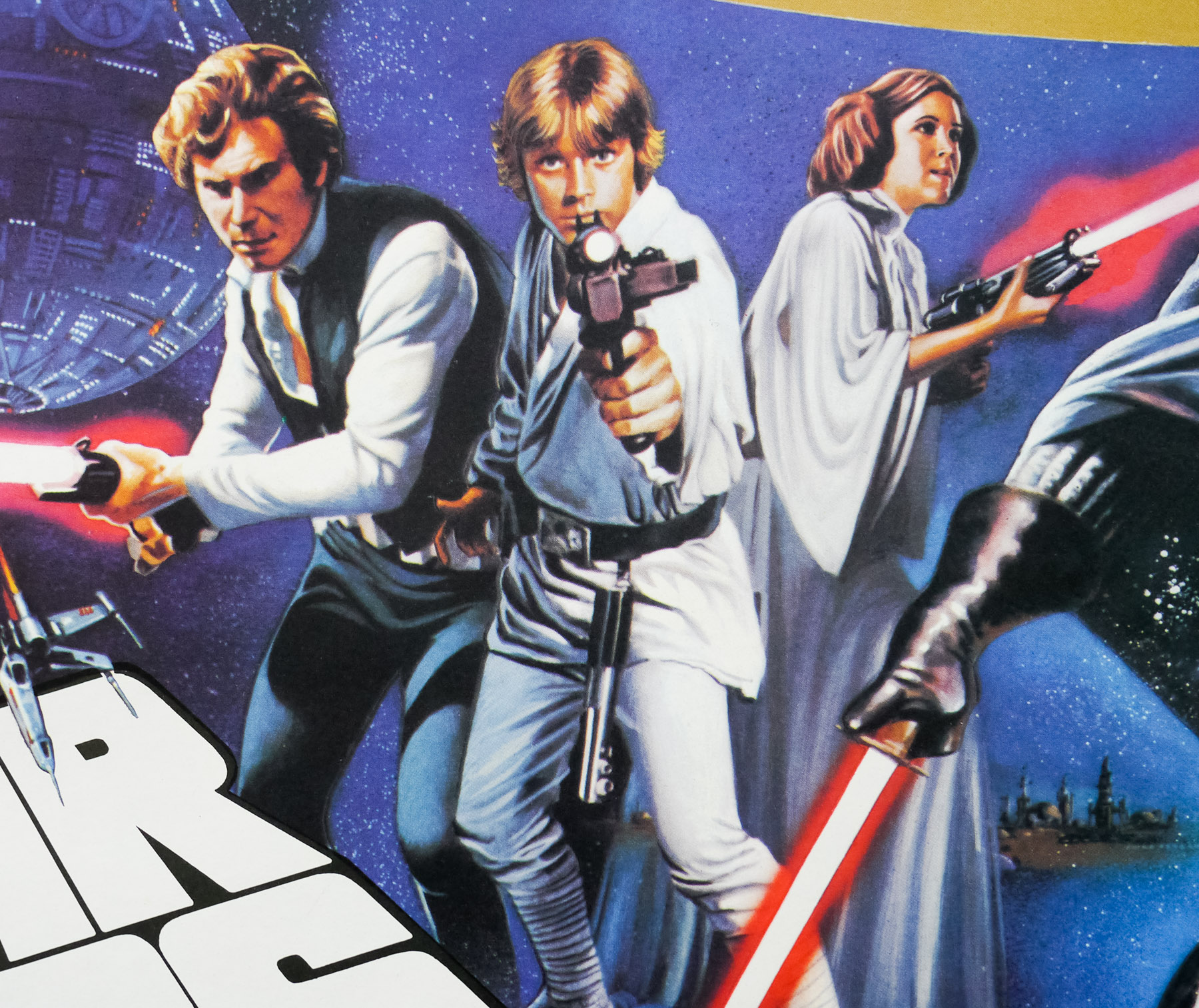
Star Wars and Empire Strikes Back / double bill / quad / UK

02.09.14

Poster Poster

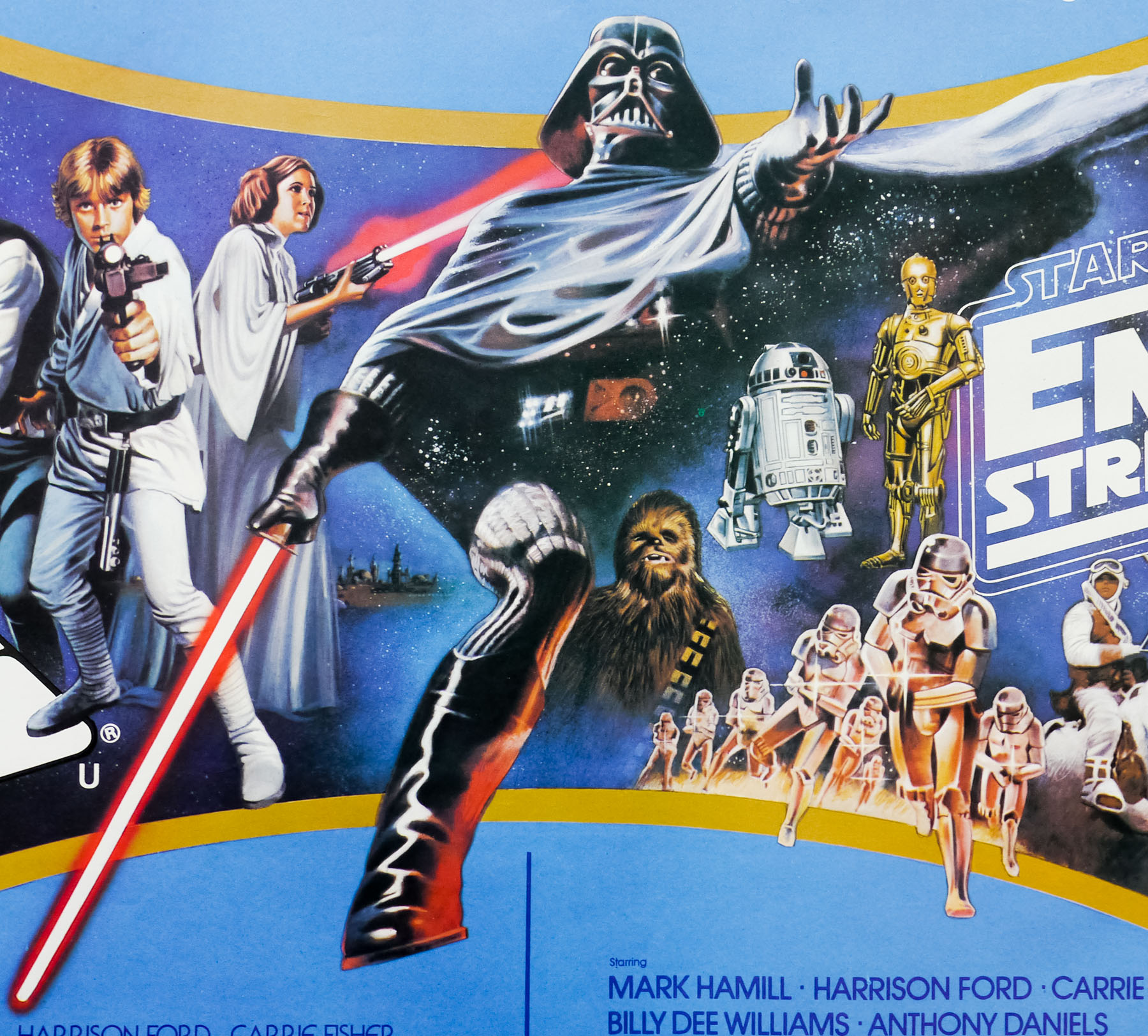
Following the unprecedented success of the original Star Wars, released in 1977 to worldwide audience acclaim, expectations were high for the sequel which was put into production a few months after its release. Three years later, The Empire Strikes Back arrived in cinemas and was met with huge audience and critical acclaim, firmly cementing the series’ place in the hearts of millions of fans across the globe. A less well-received third part of the original trilogy, Return of the Jedi, and a lacklustre set of prequel films failed to dampen audience enthusiasm for the franchise and a new film adventure is set to be released at the end of 2015.

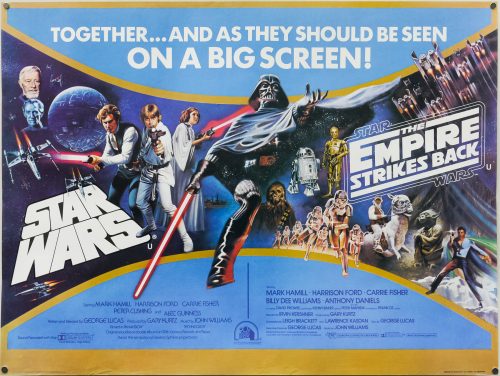
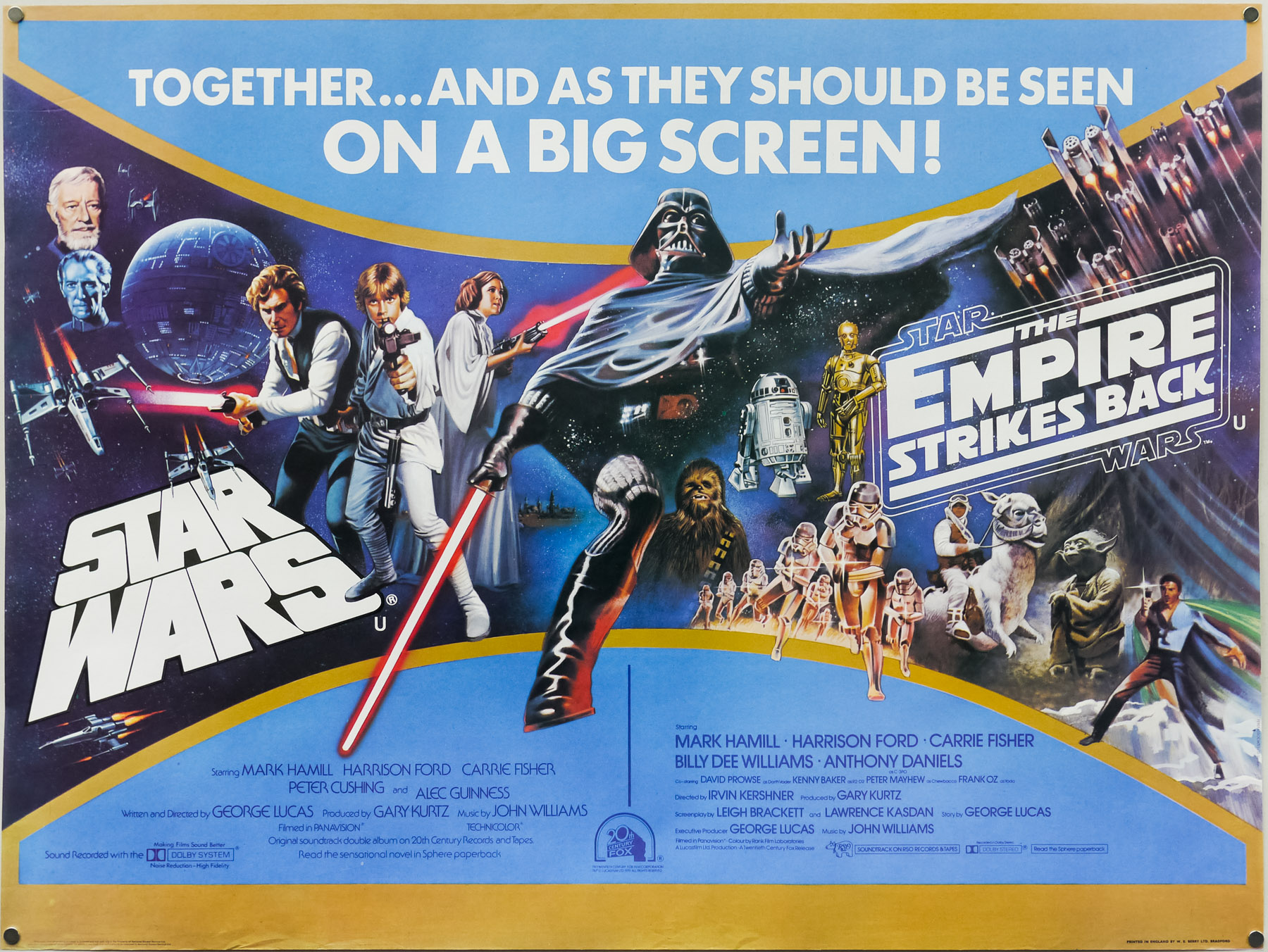
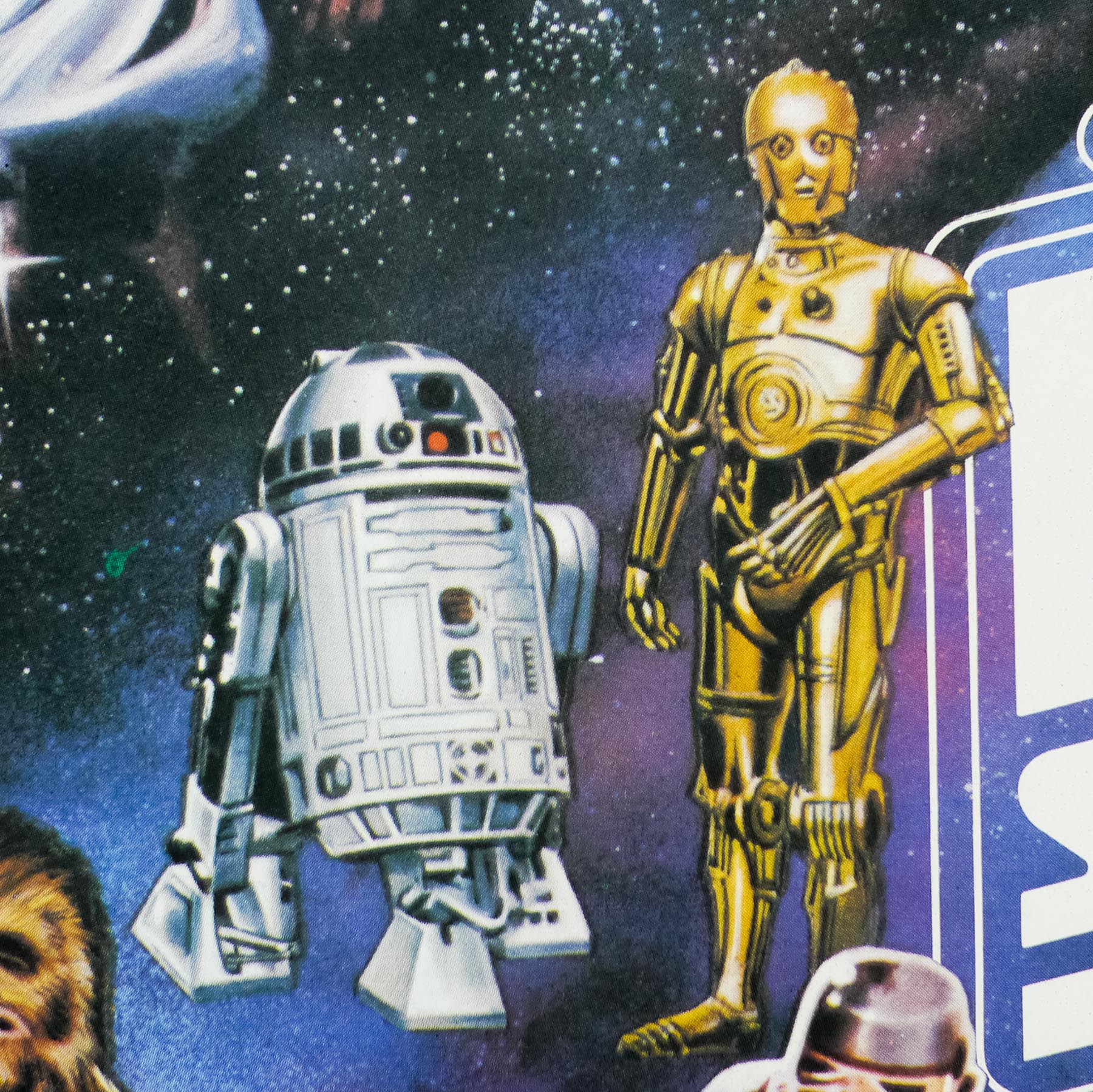
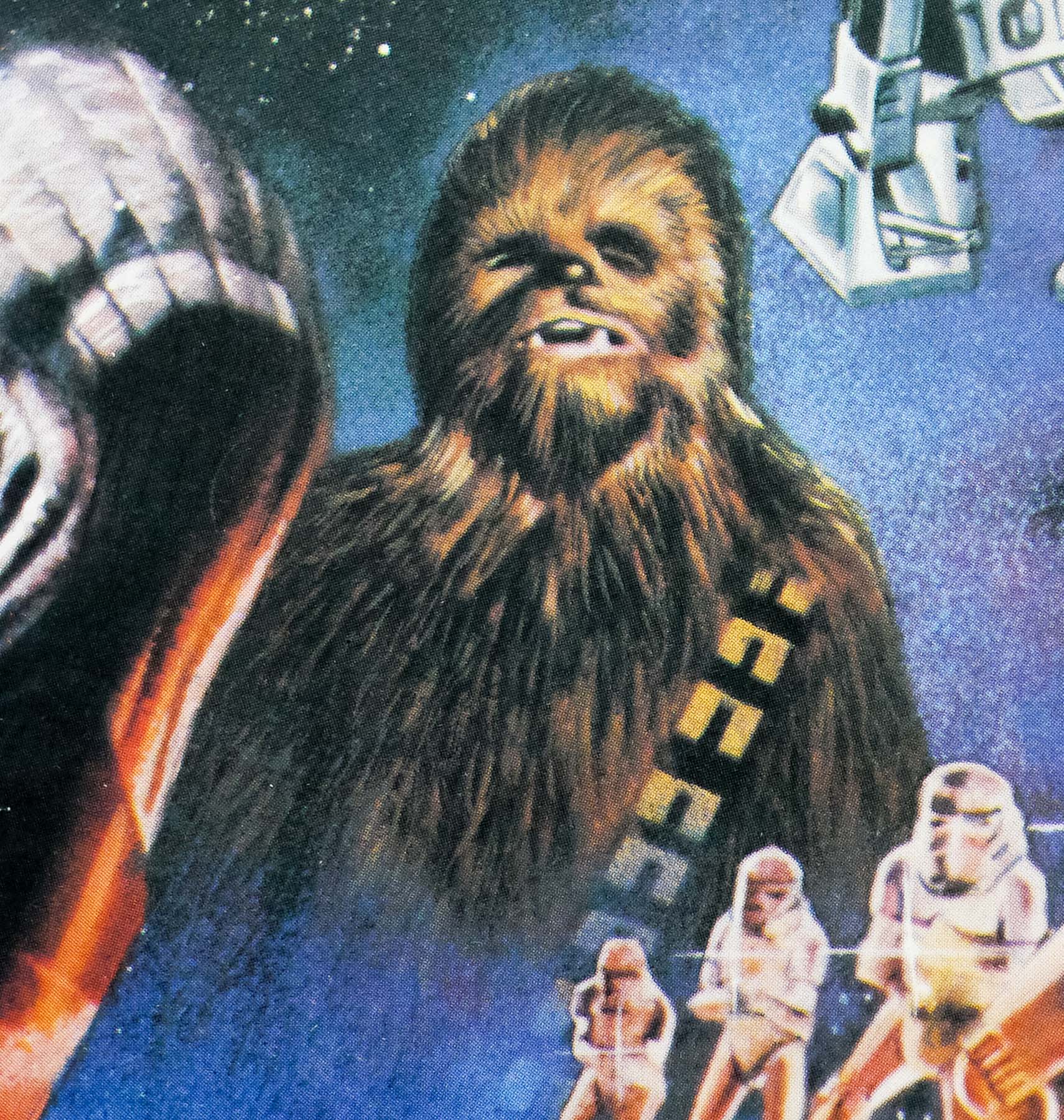
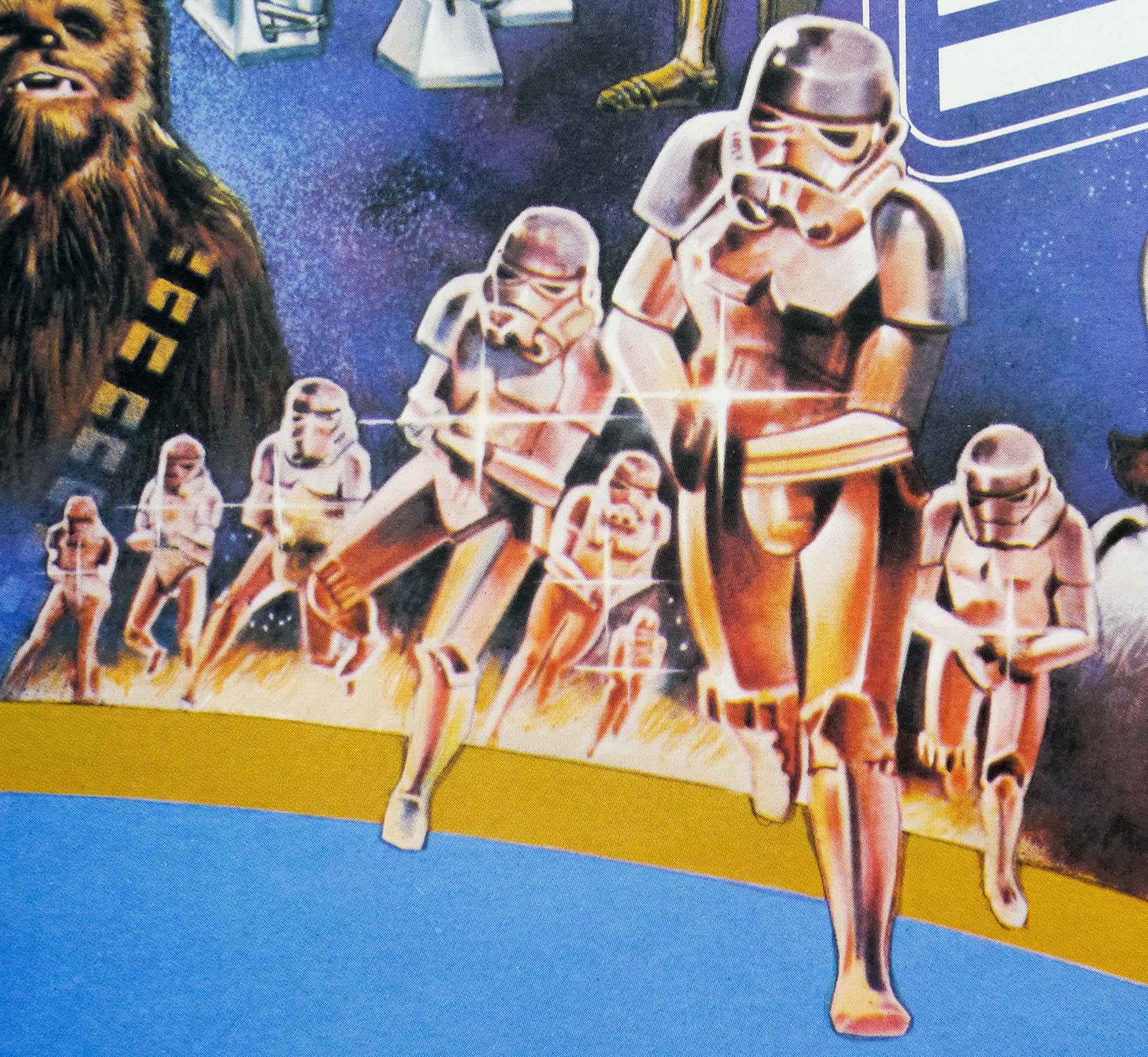
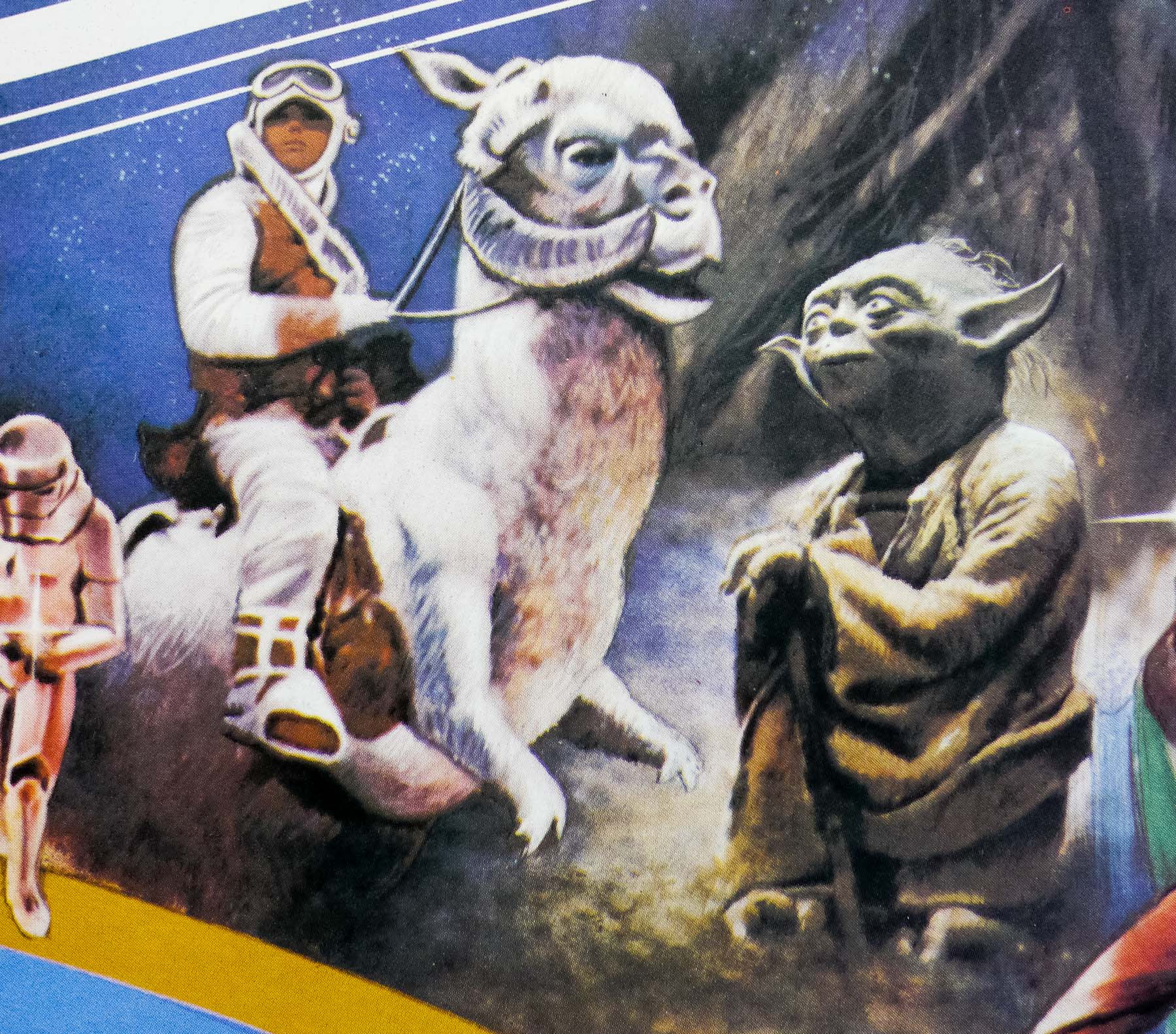
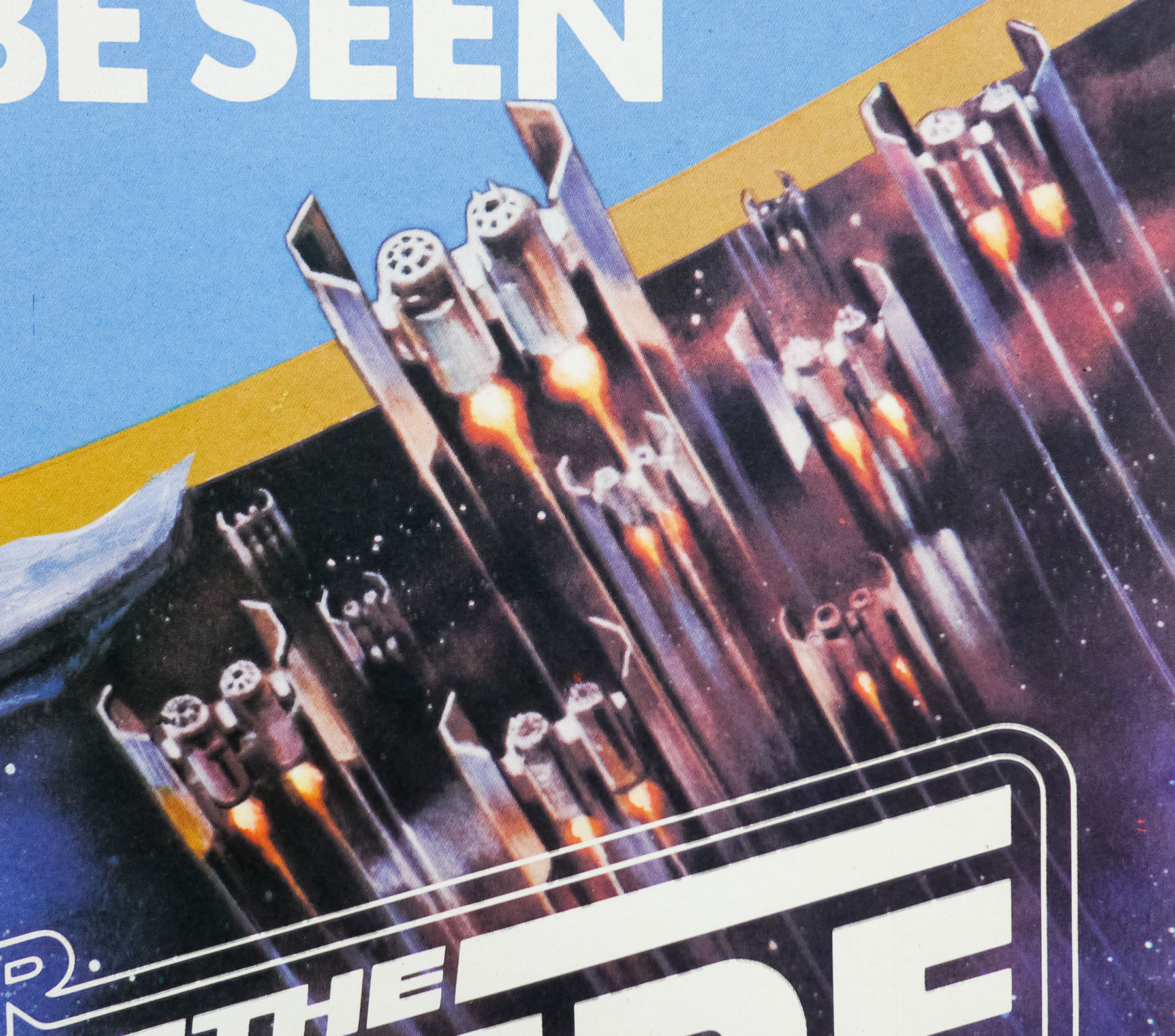
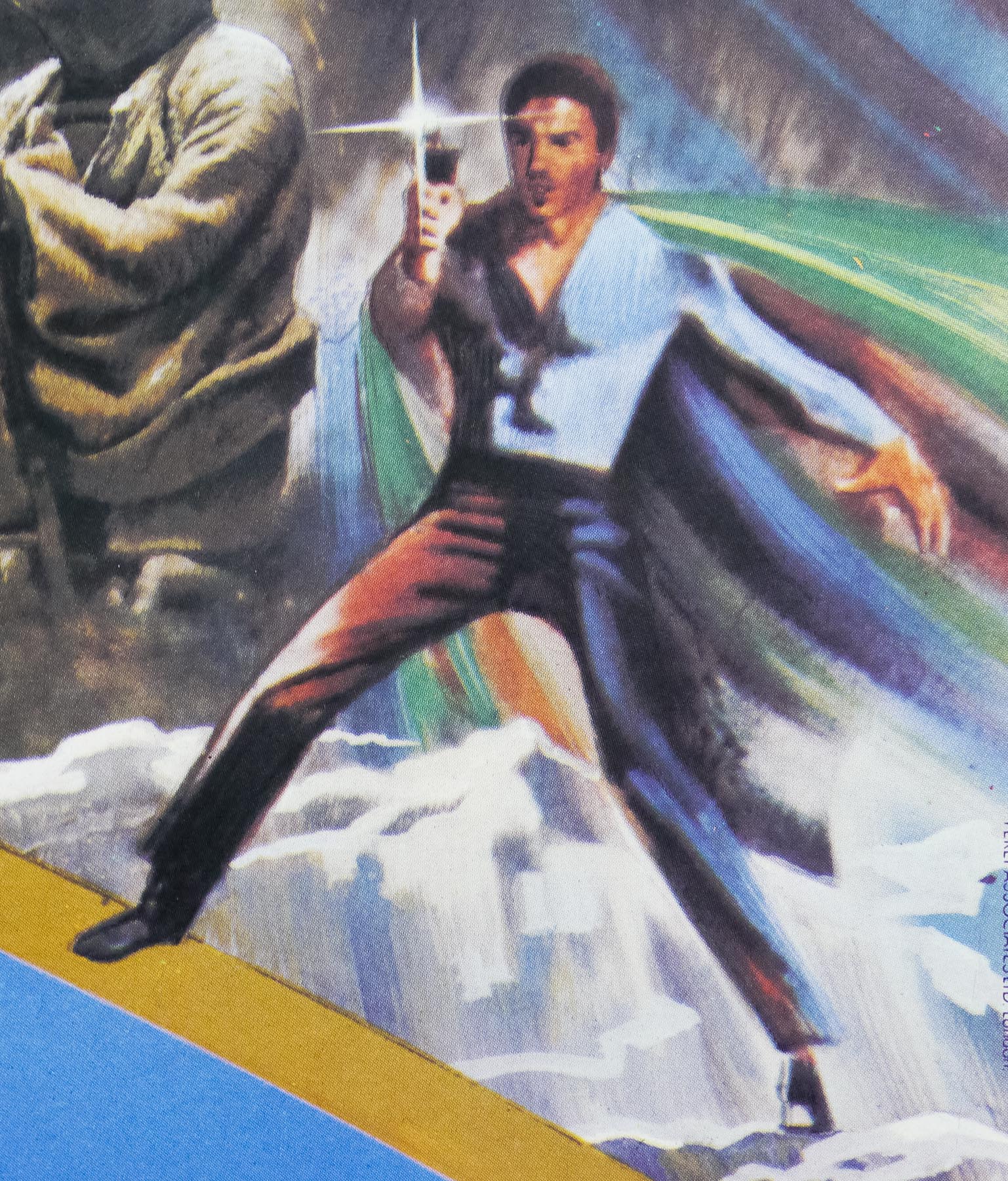
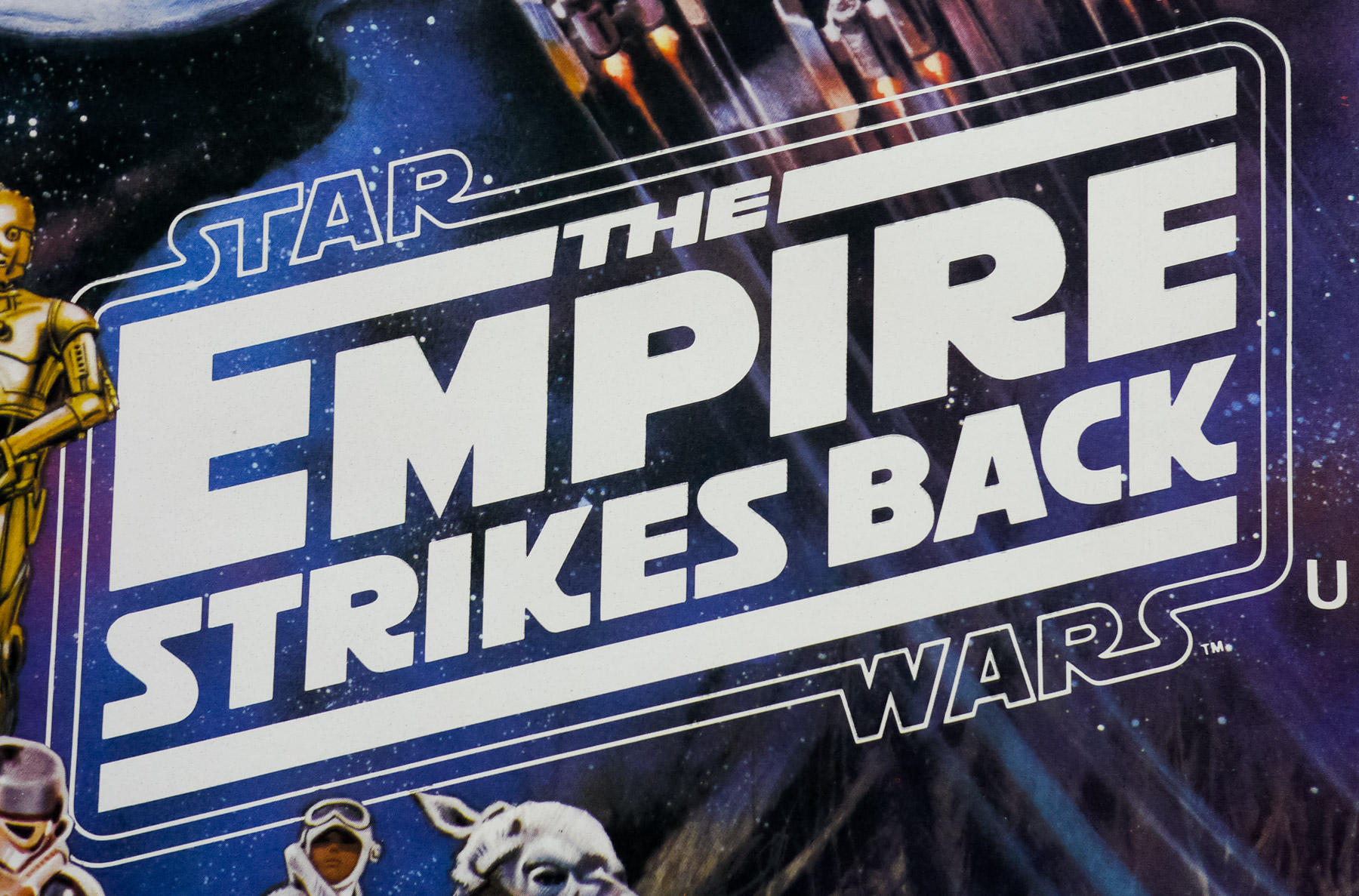
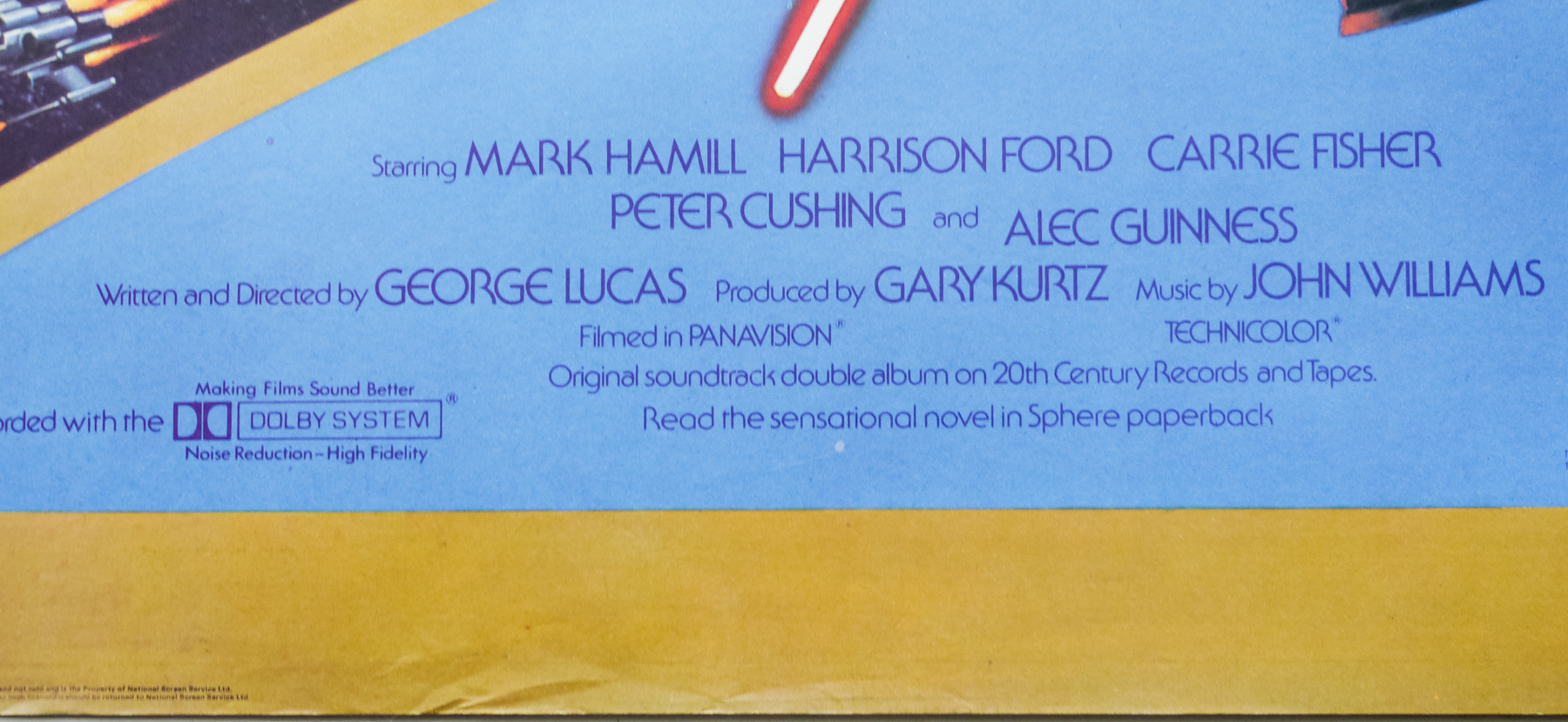
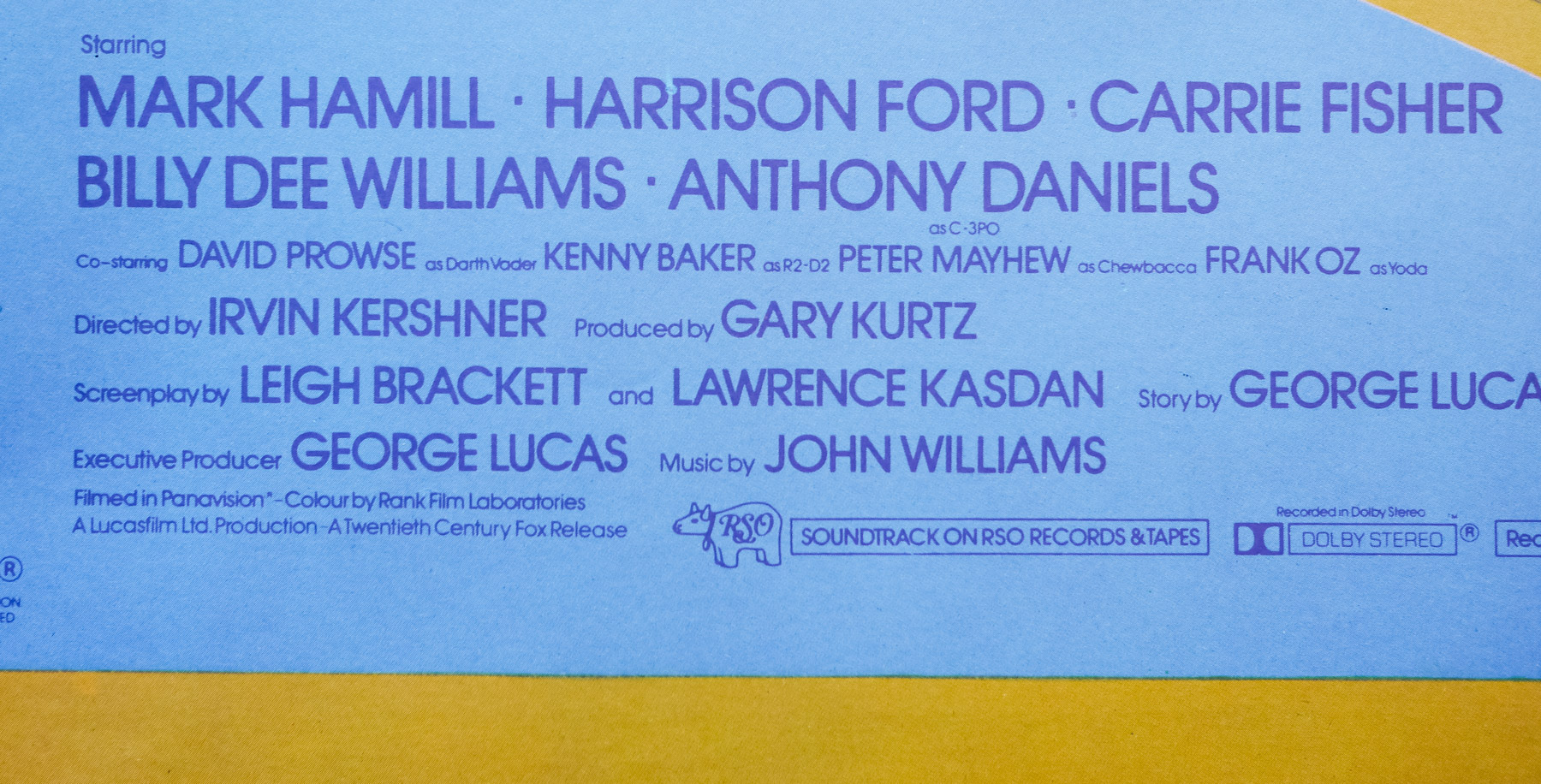
To capitalise on the successful release of the films, particularly before home video was a reality, distributor 20th Century Fox decided to release a double-bill of both Star Wars and Empire Strikes Back in to cinemas towards the end of 1980. This event was repeated across the world but this British quad is unique to this country and is the result of the amalgamation of the original quads for both films, plus an extra photographic element not included on either in the figure of Jedi master Yoda, which was probably added due to the characters’ popularity.

The original Star Wars quad was designed and illustrated by the late, great British artist Tom Chantrell whose dynamic and colourful work featured on hundreds of posters over a forty year period. The artist sadly passed away in 2001 but last year his widow Shirley launched his official website, which showcases his work and features a great biography written by Sim Branaghan, author of the must-own book British Film Posters. Chantrell illustrated many classic poster designs, including several Hammer posters such as the brilliant quad for ‘One Million Years B.C.’, and he was also responsible for many other pieces of iconic poster artwork. I have a number of other designs by Chantrell on this site and you can read an exclusive interview with Shirley by clicking here.

The Empire Strikes Back quad features the artwork painted for the US style B one sheetwhich was by the American artist Tom Jung, perhaps best known for his iconic ‘style A’ one sheet that he painted for the release of the original Star Wars. Jung was a prolific designer and illustrator for film campaigns from the 1950s through to the 1980s. IMPAwards features a gallery of his work and his Wikipedia article has a selected list of the posters he worked on. The other posters I’ve collected by him can be seen here.

Another special quad was put together for a triple-bill event after the release of Return of the Jedi, which again featured elements of the artwork from all three separate release quads. Note that this poster can be found undersized at around 28″ x 40″ and this was because several hundred copies were machine trimmed to be used in special frames on the London Underground, a fate which befell a number of posters around the end of the 1970s and early 1980s.


The Land That Time Forgot / quad / UK

24.10.14

Poster Poster
Title
The Land That Time Forgot
AKA
--
Year of Film
1975
Director
Kevin Connor
Starring
Doug McClure, John McEnery, Susan Penhaligon, Keith Barron, Anthony Ainley, Godfrey James, Bobby Parr
Origin of Film
UK | USA
Genre(s) of Film
Doug McClure, John McEnery, Susan Penhaligon, Keith Barron, Anthony Ainley, Godfrey James, Bobby Parr,
Type of Poster
Quad
Style of Poster
--
Origin of Poster
UK
Year of Poster
1975
Designer
Tom Chantrell
Artist
Tom Chantrell
Size (inches)
30" x 40"
SS or DS
SS
Tagline
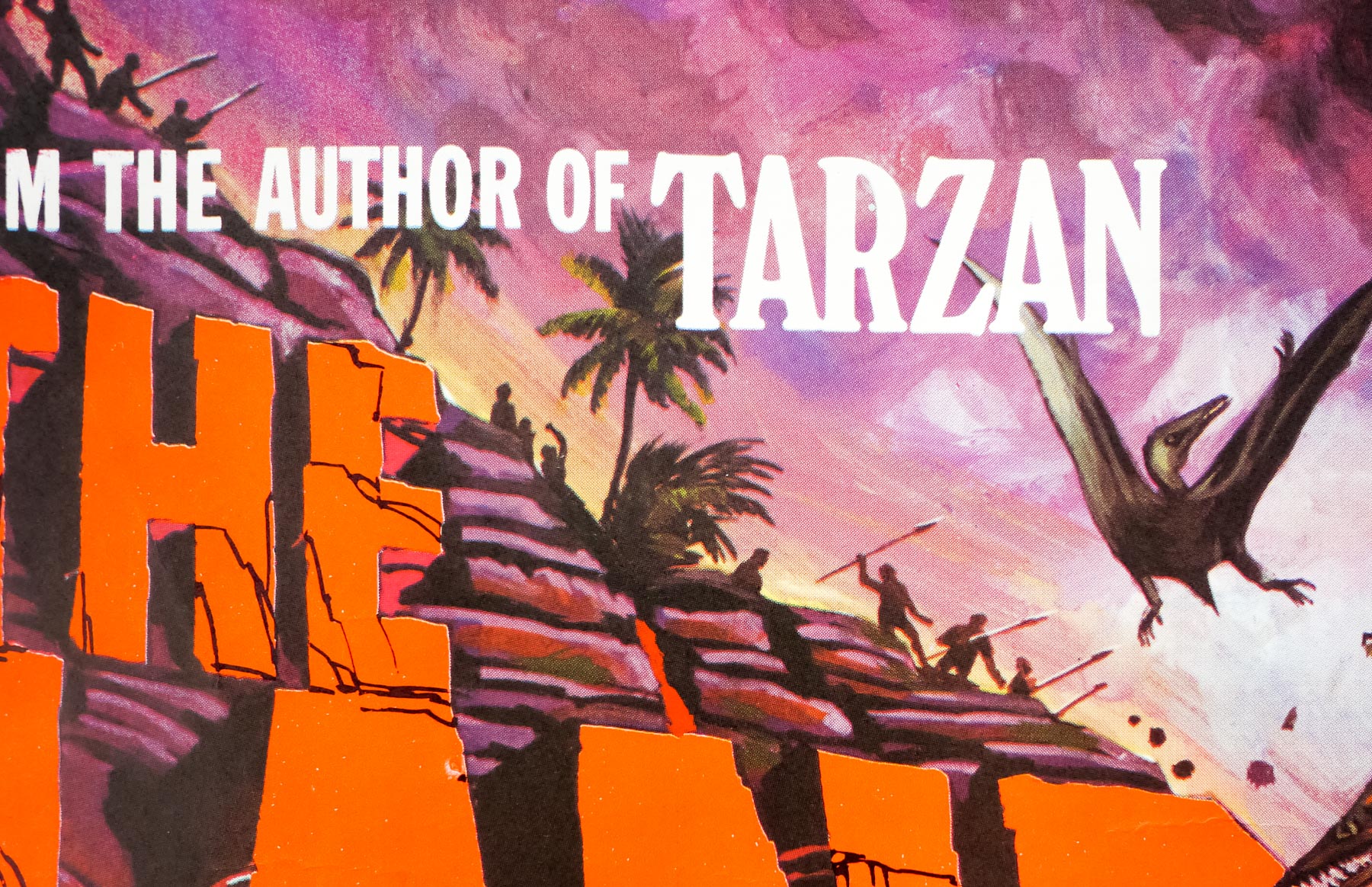
From the author of Tarzan

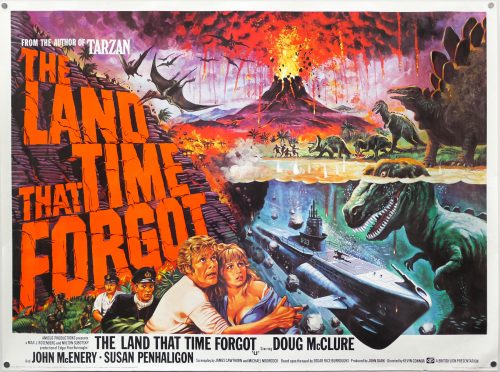
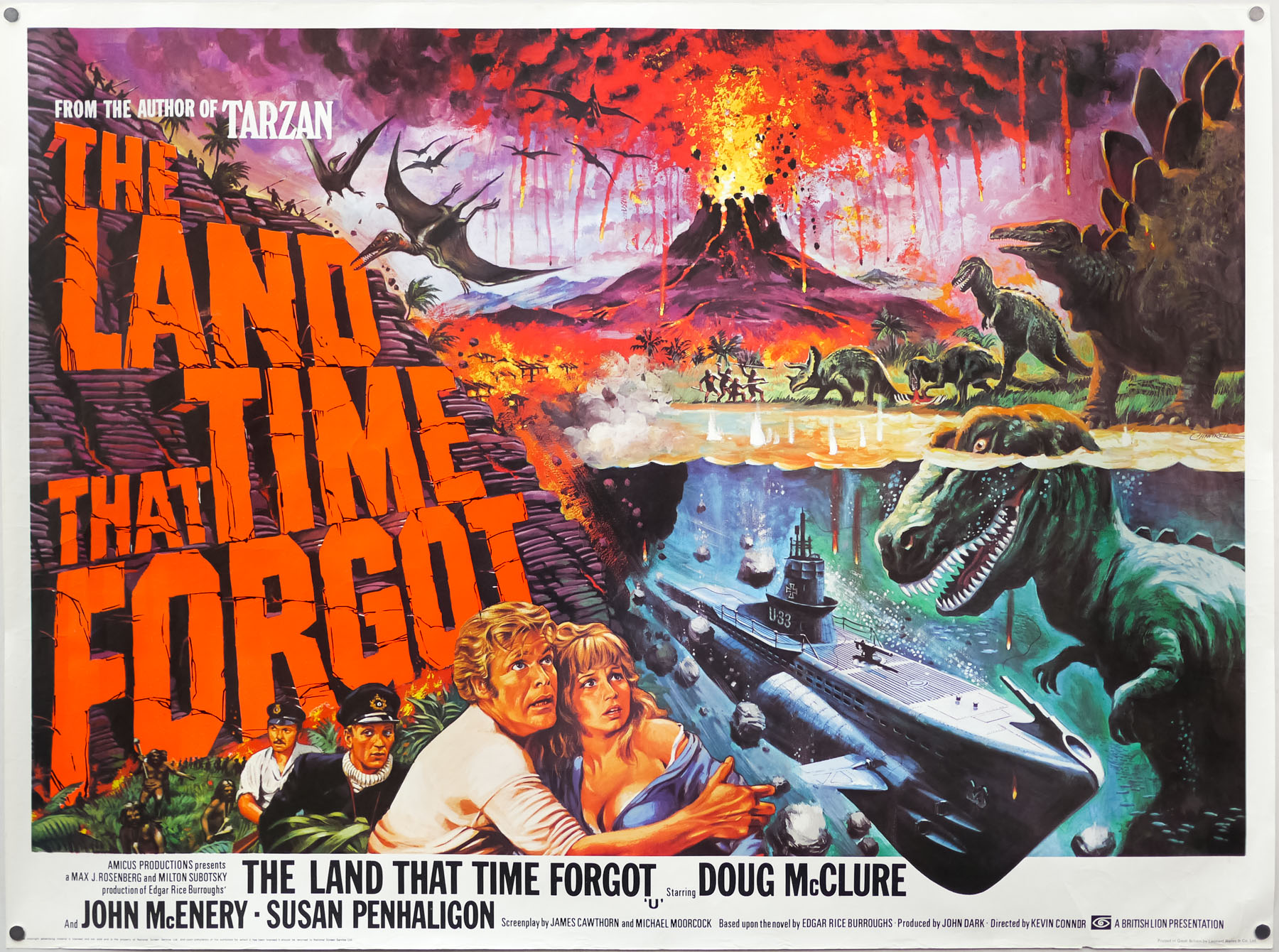
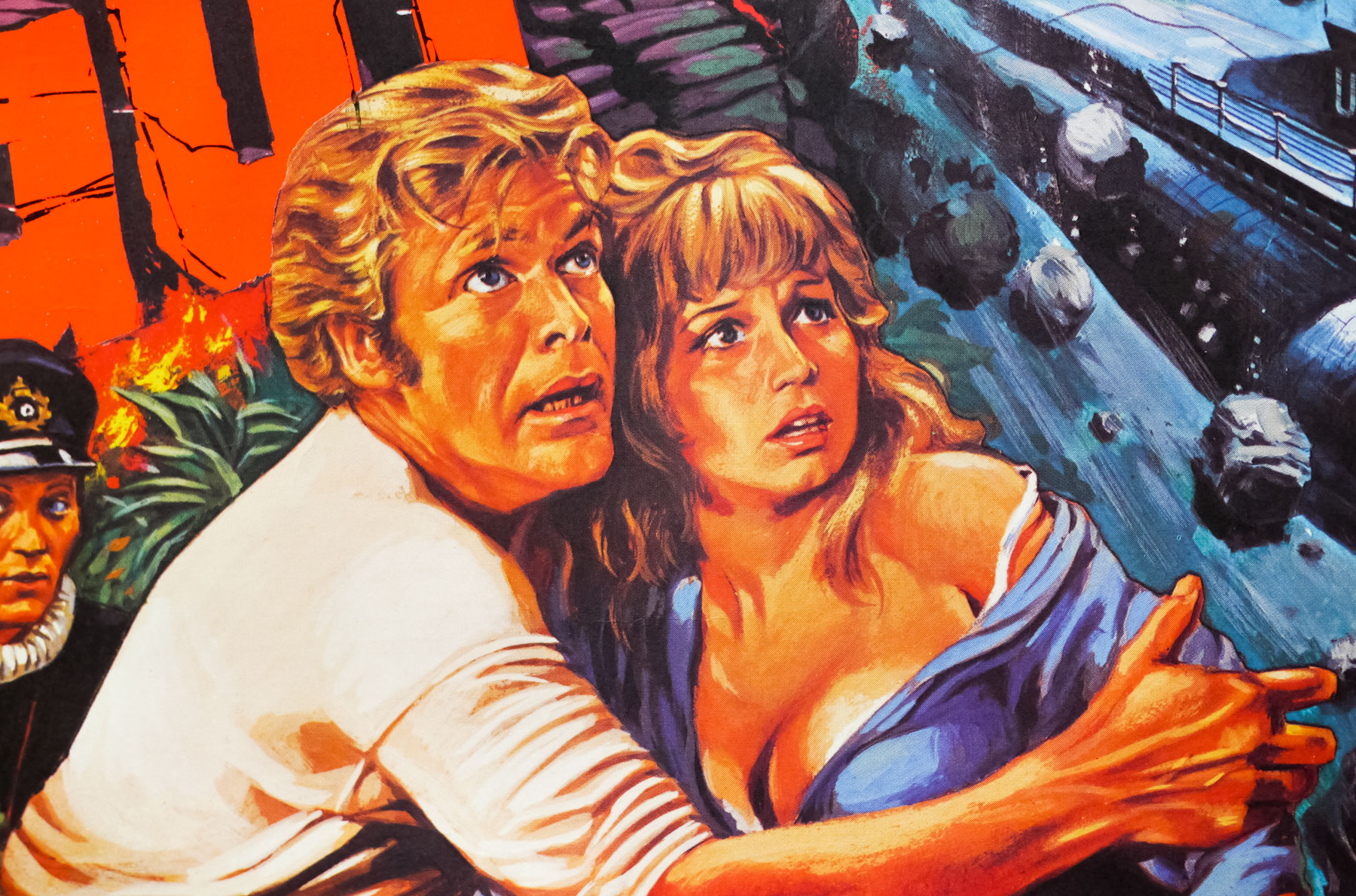
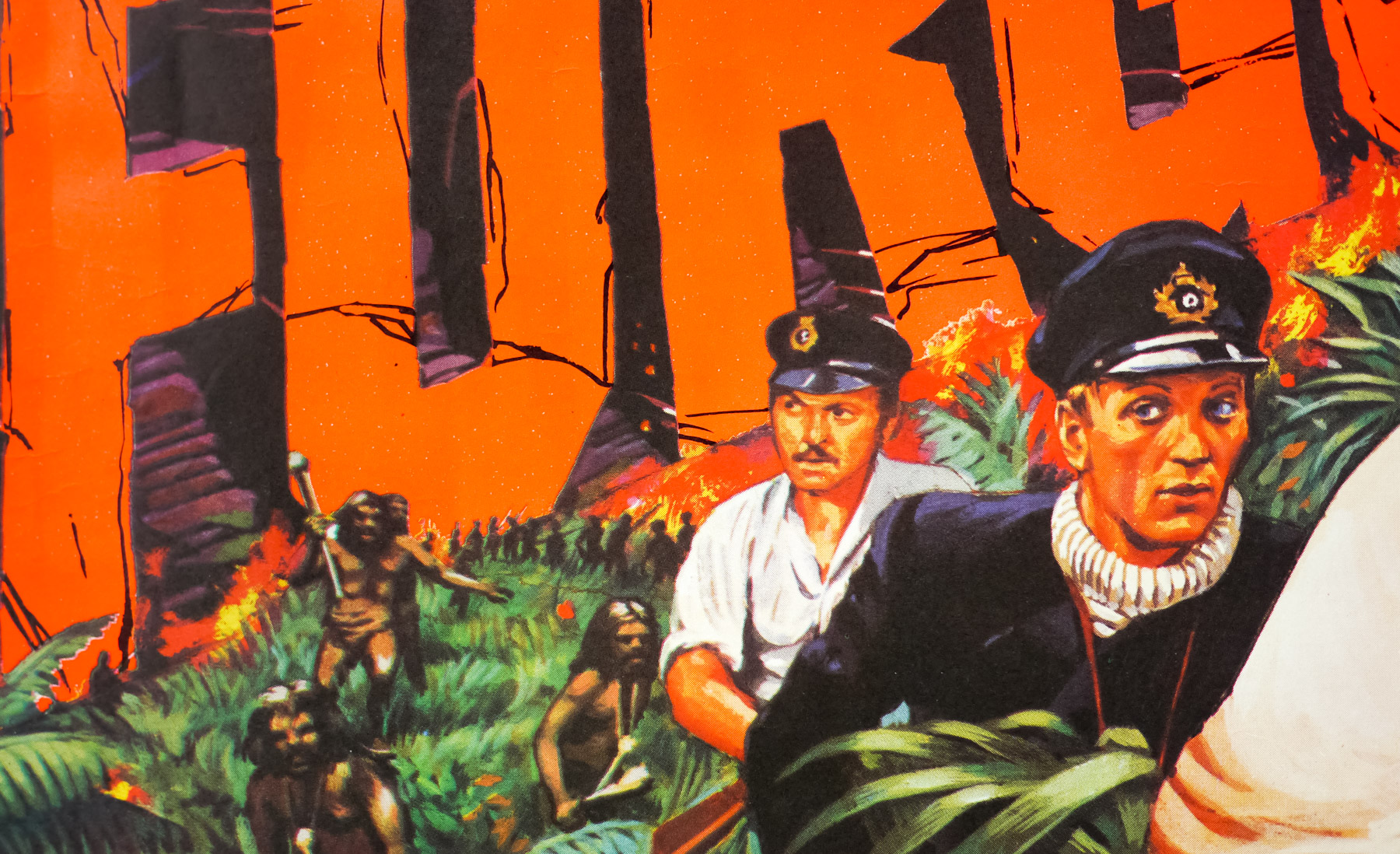
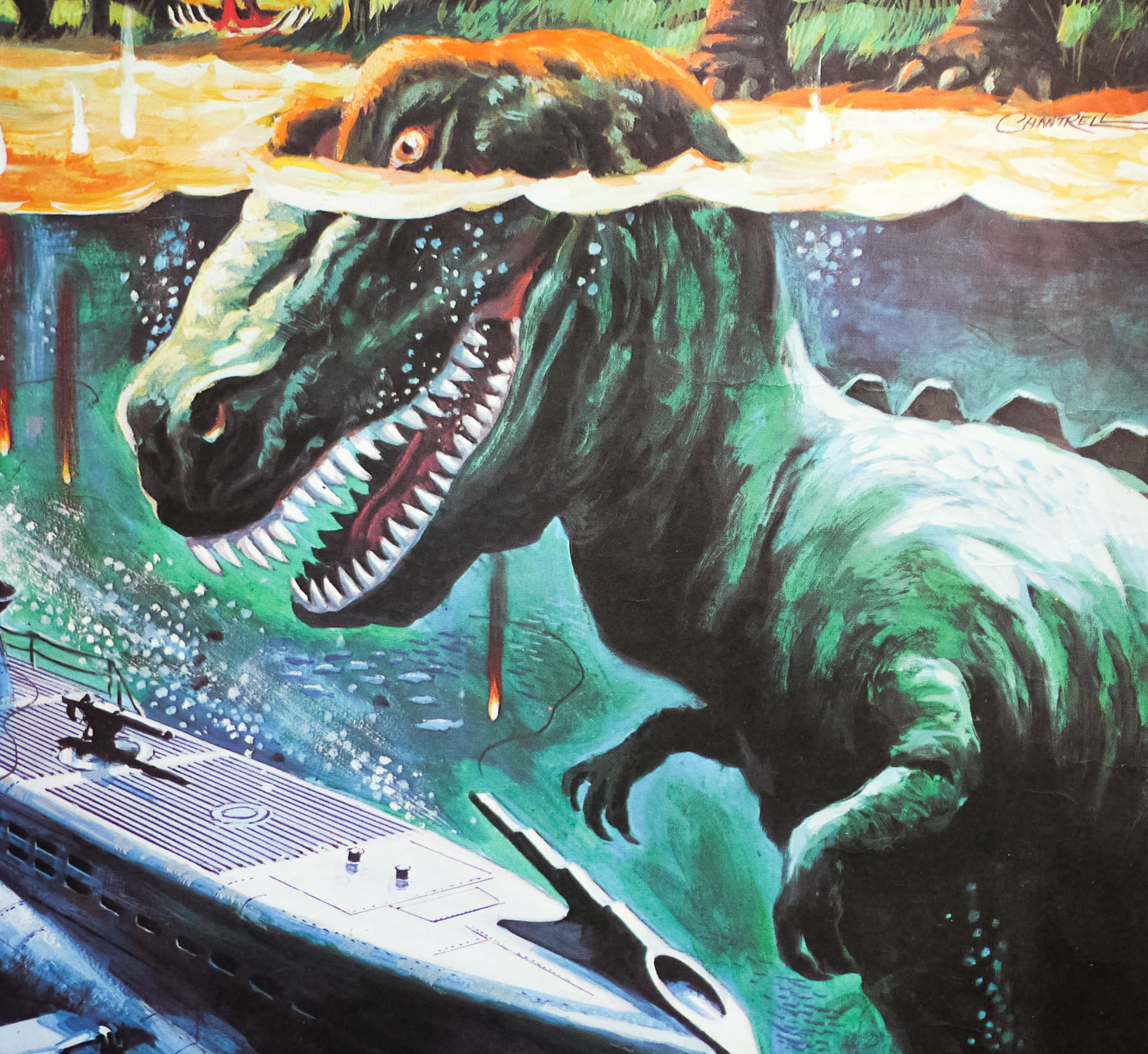
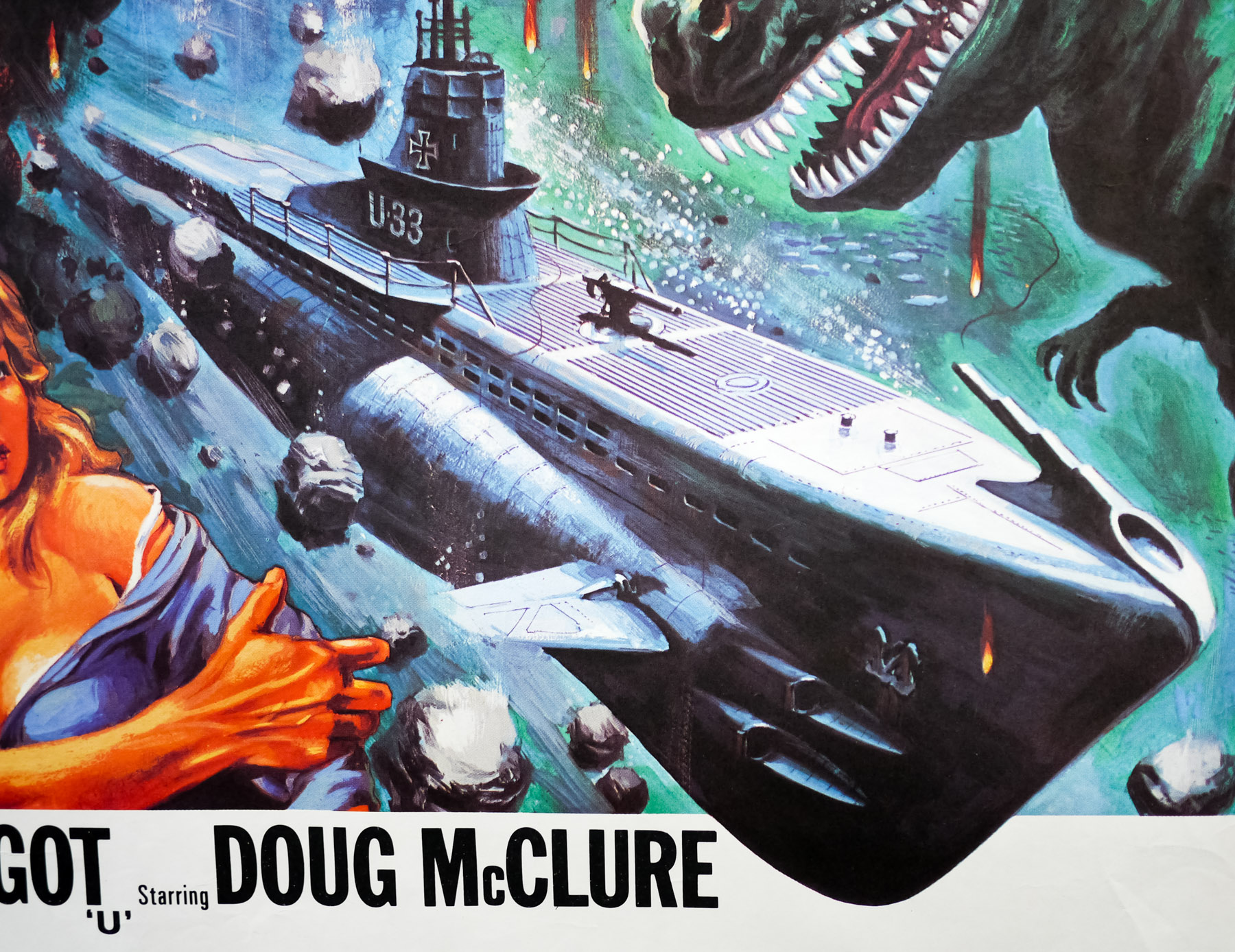
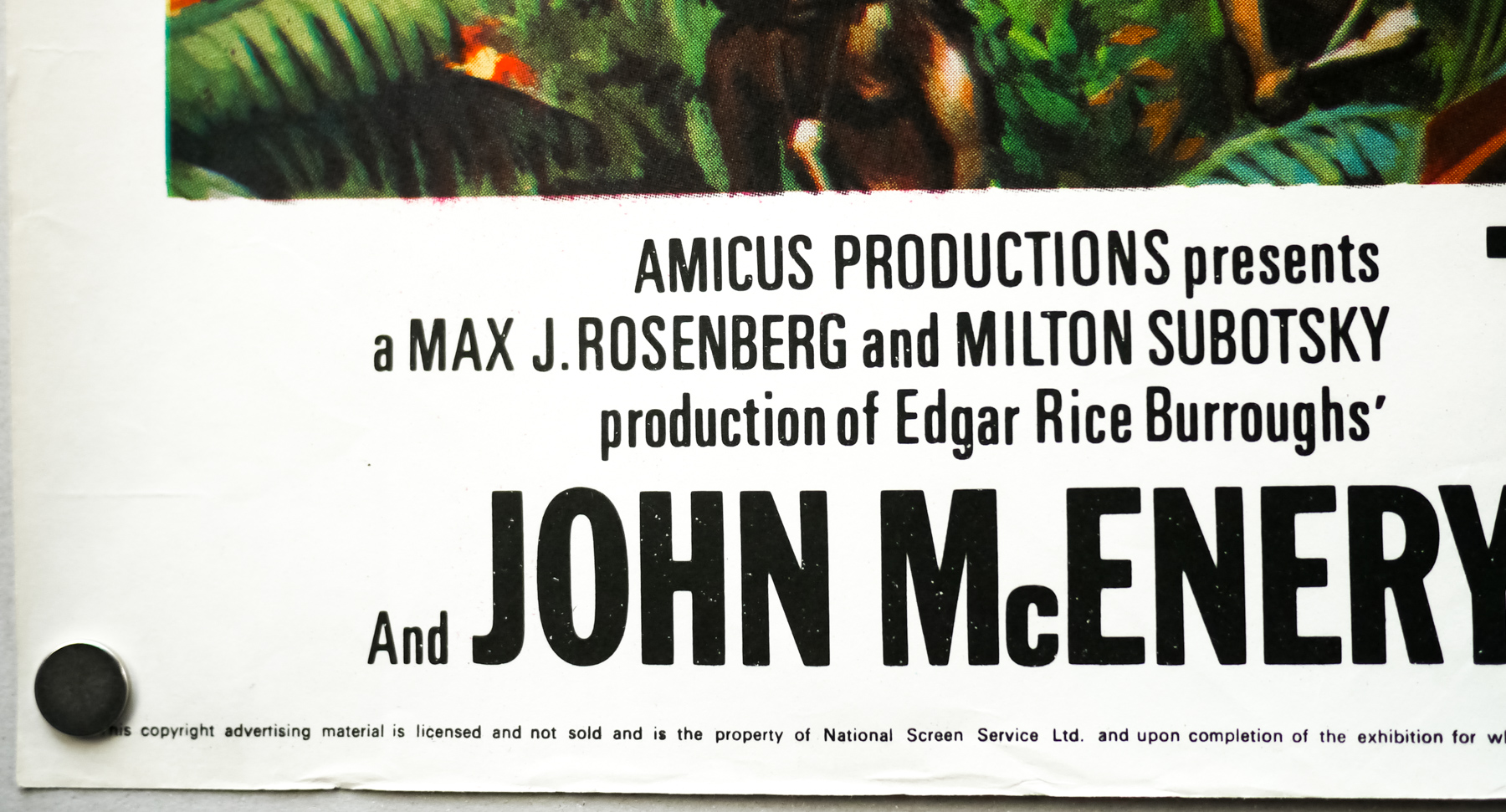
The Land That Time Forgot was the first entry in a series of British sci-fi/fantasy b-movies that were directed by Kevin Connor and starred the prolific American actor Doug McClure, known for his hammy leading man performances (McClure was one of the inspirations for The Simpsons’ Troy ‘You may remember me from…’ McClure). The series continued with At the Earth’s Core (1976) and The People That Time Forgot (1977), and ended with Warlords of Atlantis (1978). The initial three were shepherded through production by Max Rosenberg and Milton Subotsky’s Amicus Productions, which was based at Shepperton studios and is perhaps best remembered for its series of portmanteau horror films. By the time Warlords of Atlantis was released the company was almost defunct and so EMI Films stepped in and produced it, utilising many of the same cast and crew as the previous films.

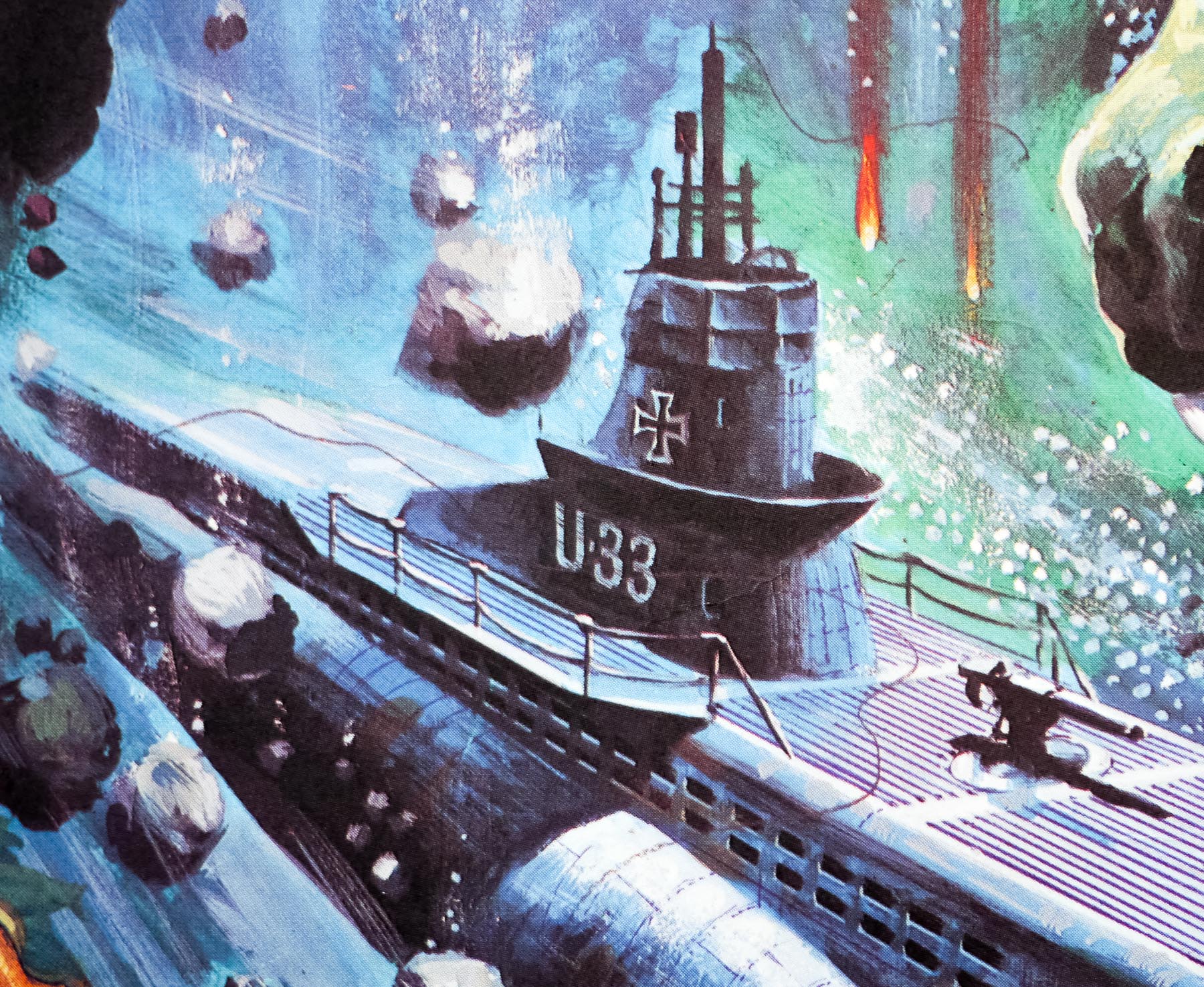
The Land That Time Forgot starts with the torpedoing of a passenger ship by a German U-boat crew. The few remaining survivors, including Bowen Tyler (McClure) and Lisa Clayton (Penhaligon), manage to overcome the U-boat’s crew when it surfaces and they force the captain to pilot the craft back to allied waters. The crew decide to sabotage their plans and the craft ends up completely lost in unknown waters. They happen across a strange island and find an underwater cave through which they pilot the U-boat. When they surface in the islands interior they are immediately set upon by a dinosaur-like creature that eats one of the crew before Tyler manages to decapitate it. The crew then venture through the strange land and come across more giant beasts and a tribe of primitive cavemen before discovering oil, which they hope will allow them to escape back to civilisation.

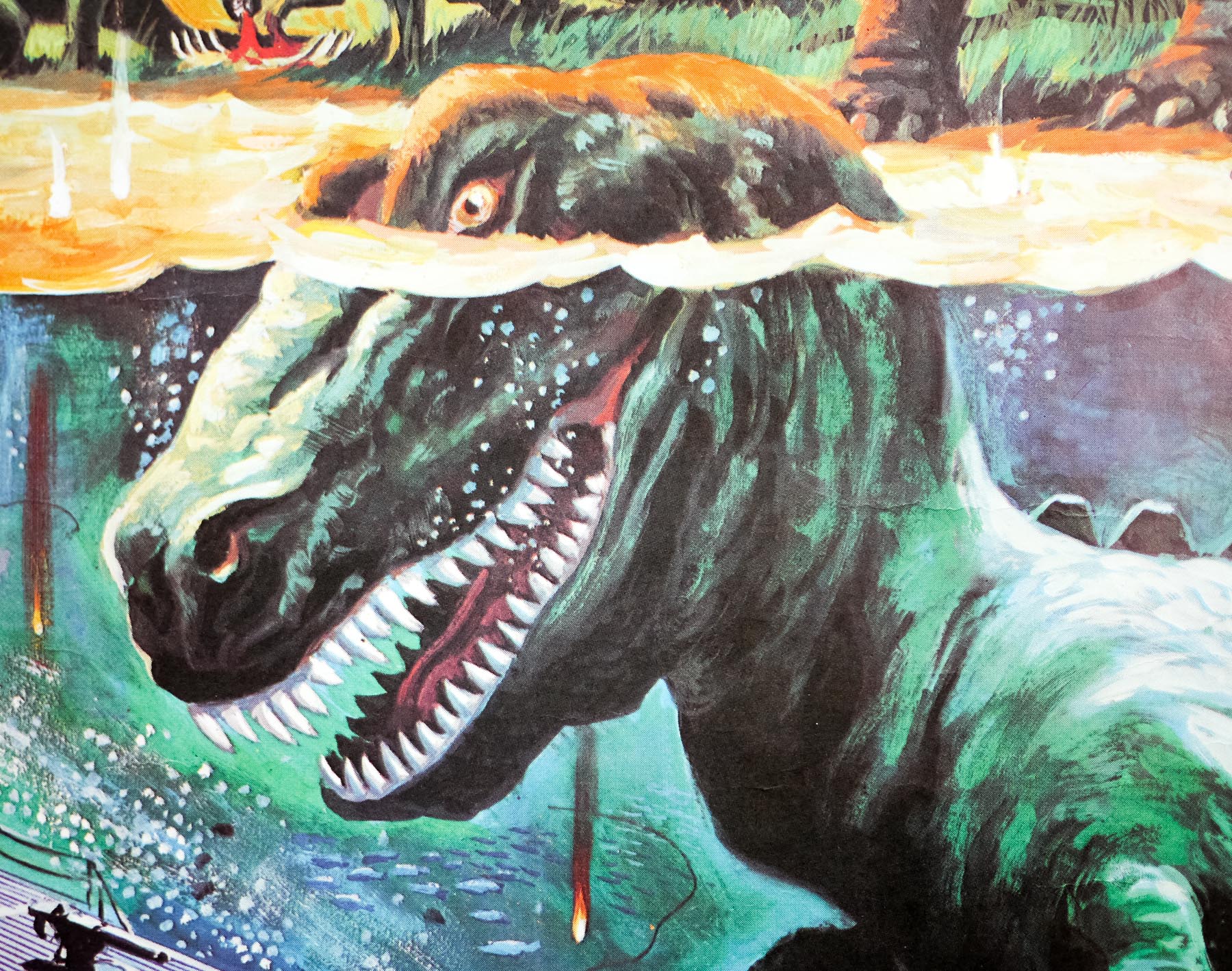
The film is never less than entertaining and McClure definitely gives it all he’s got. The creature effects have really dated badly, however, and are definitely not up to the standard set by Ray Harryhausen. There’s one excruciatingly bad sequence where the crew blast away at a pair of T-Rex like creatures and the second one takes an age to fall over unconvincingly (explained away by saying that the creature’s brains are slow to send signals). There are some decent special effects like the U-boat scenes underwater but it’s one film that hasn’t stood the test of time as well as some of its contemporaries.

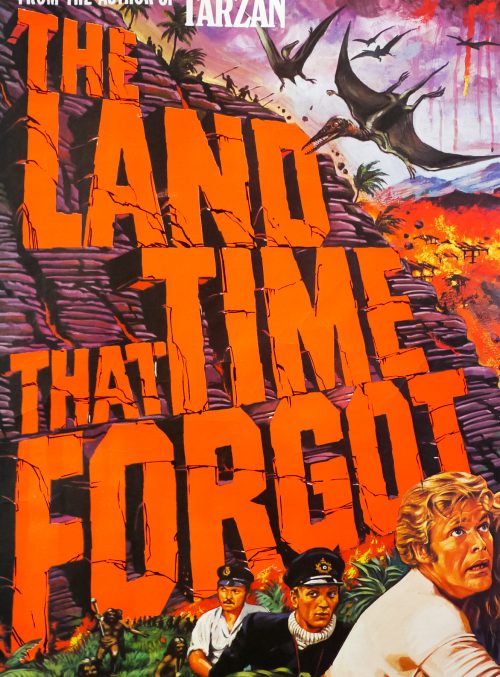
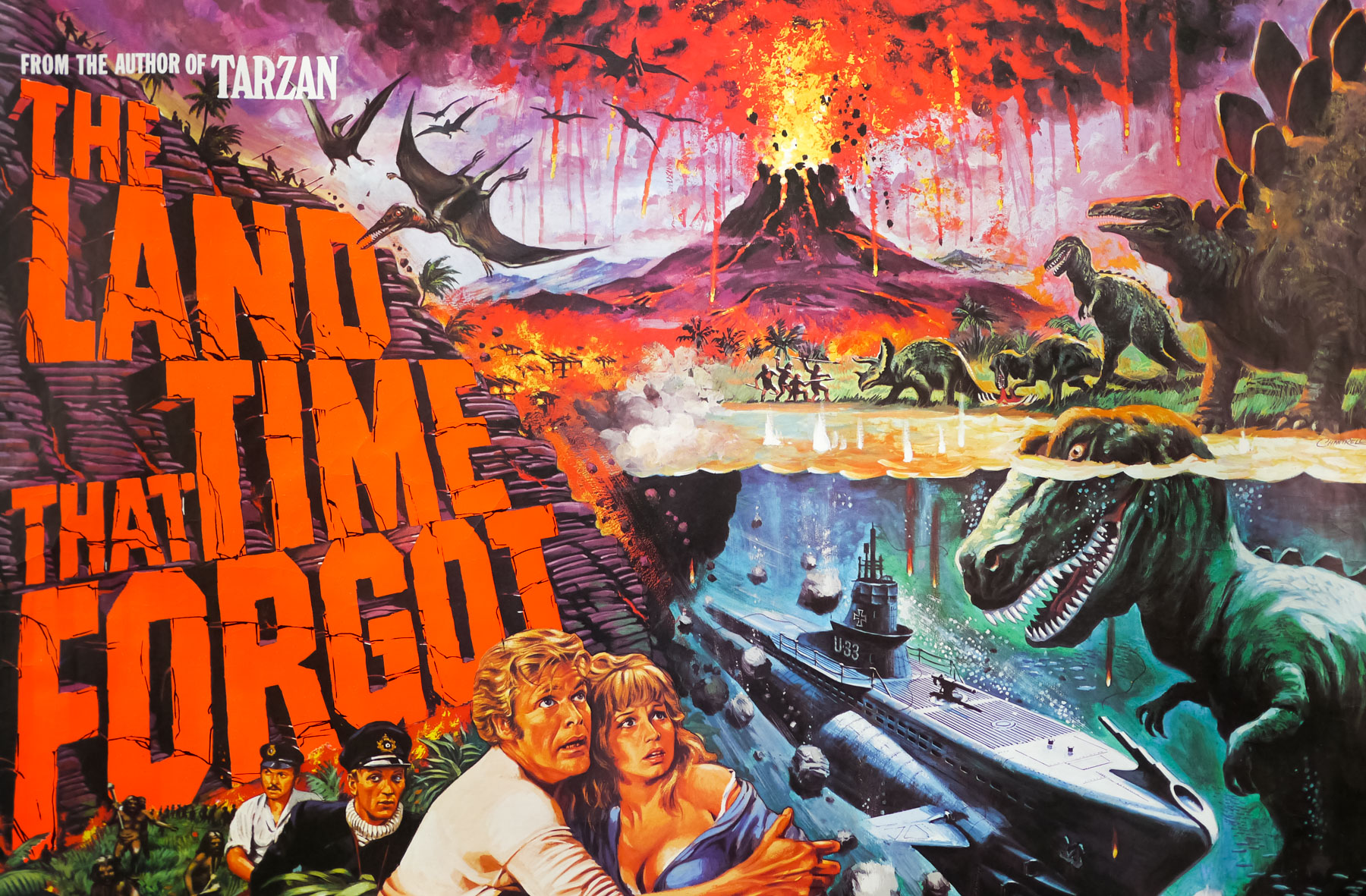
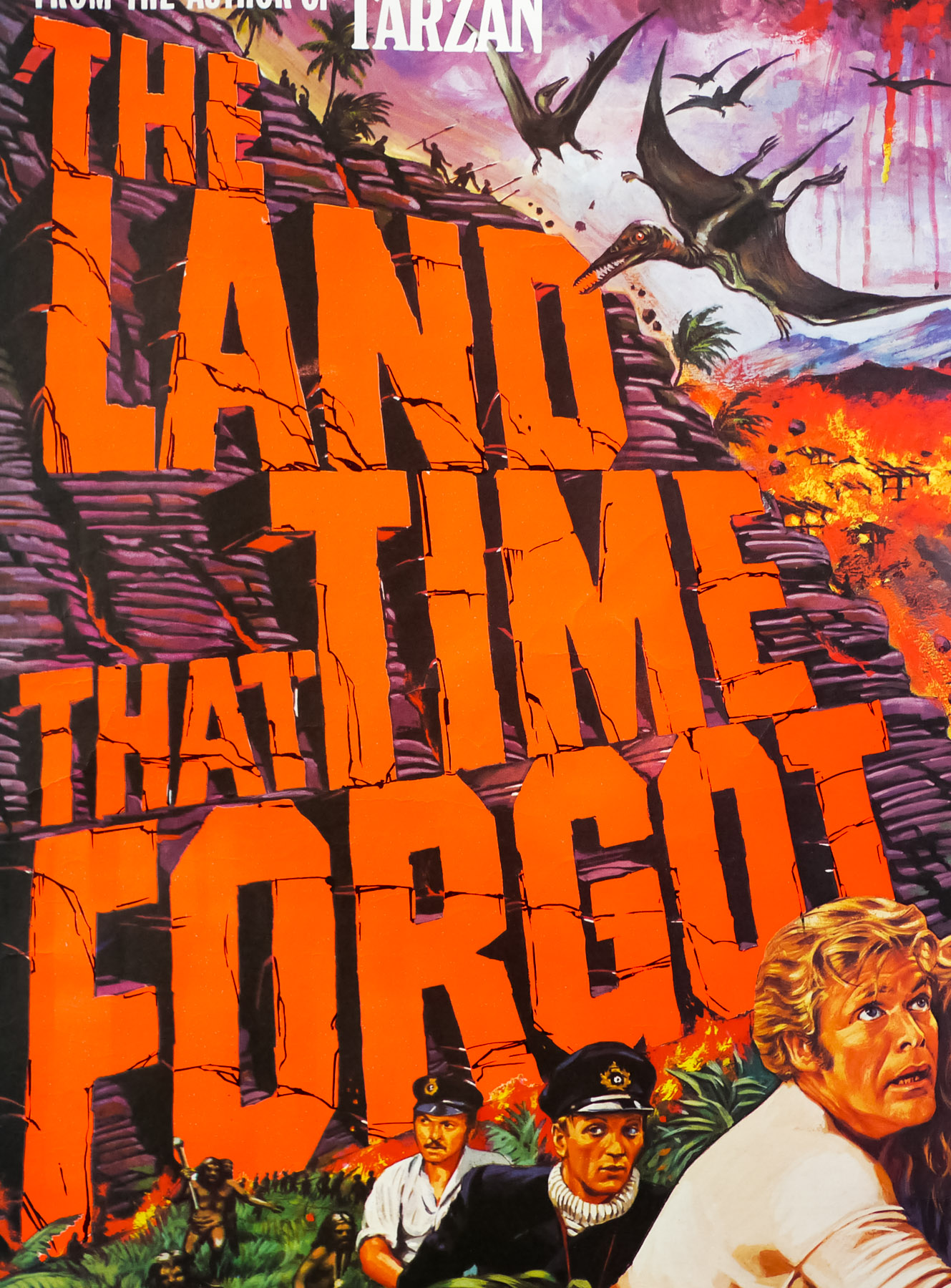
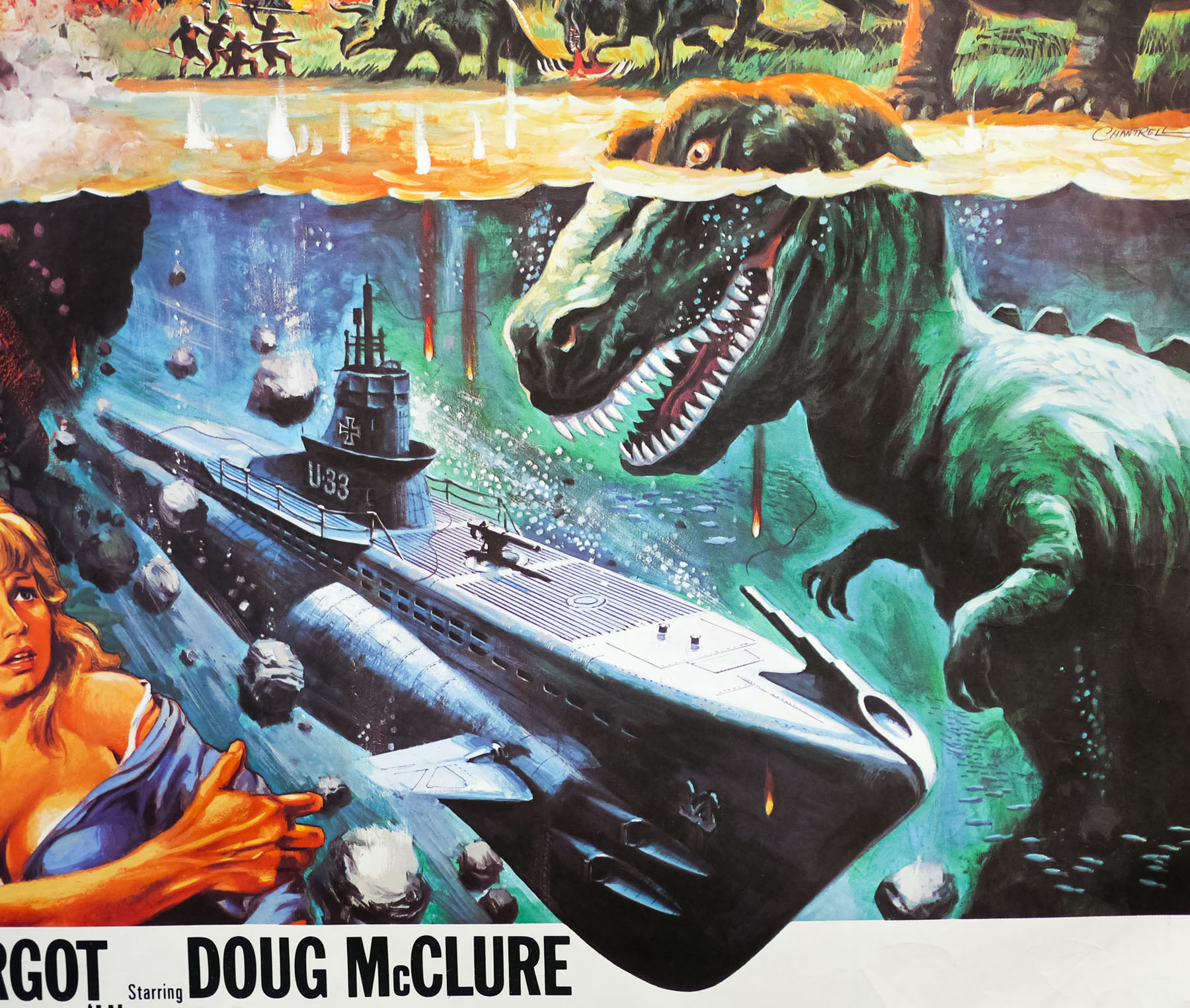
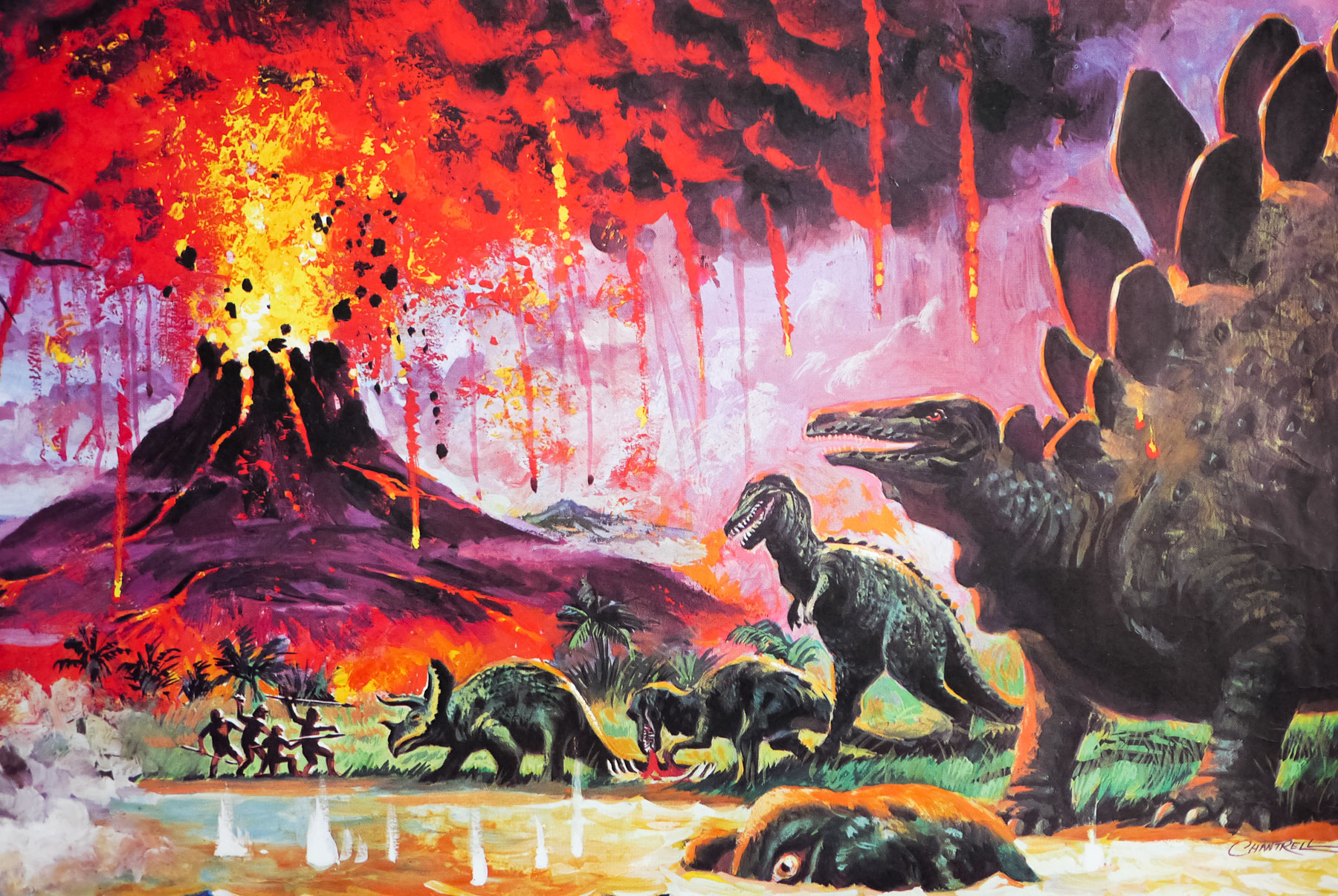
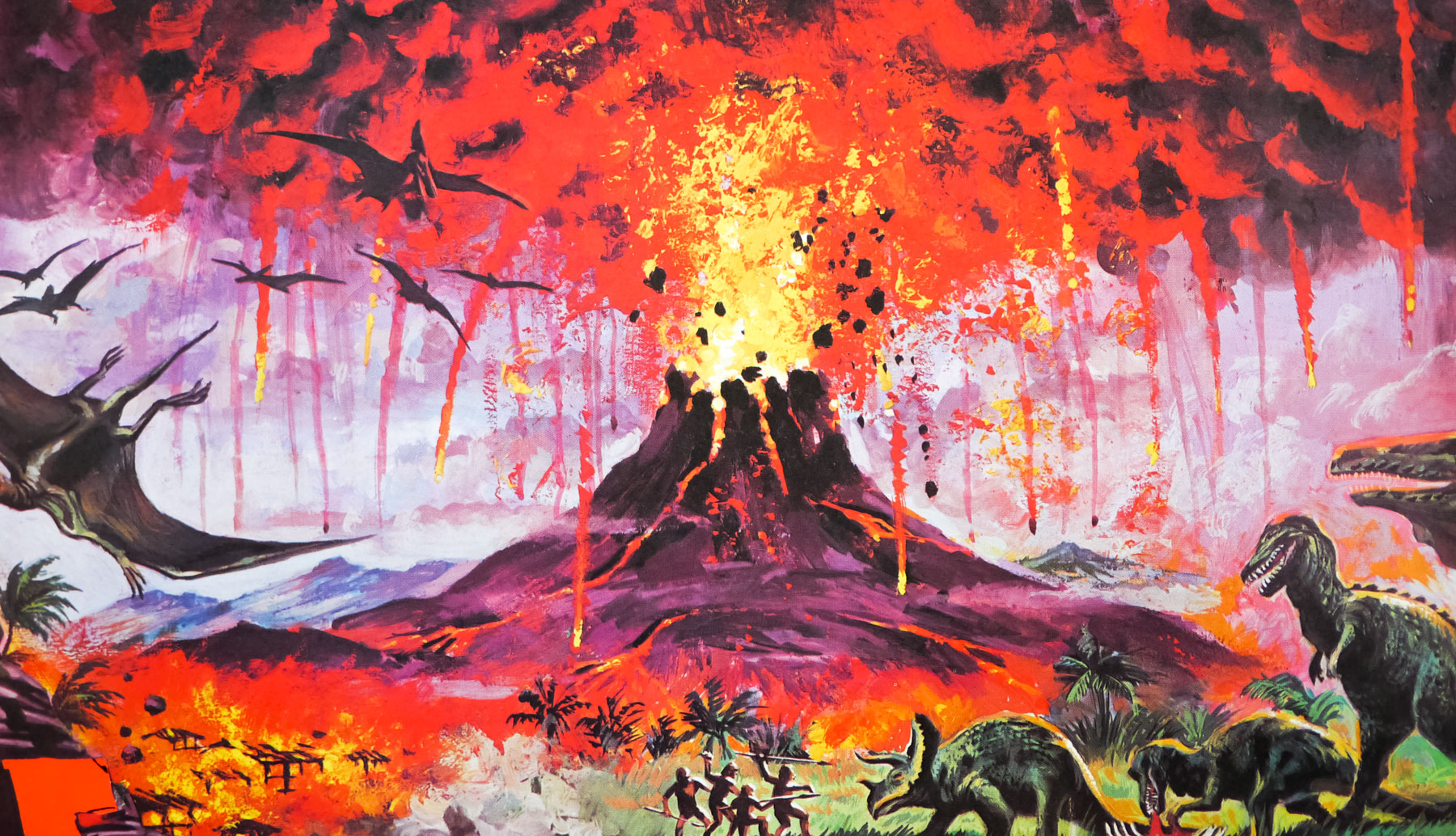
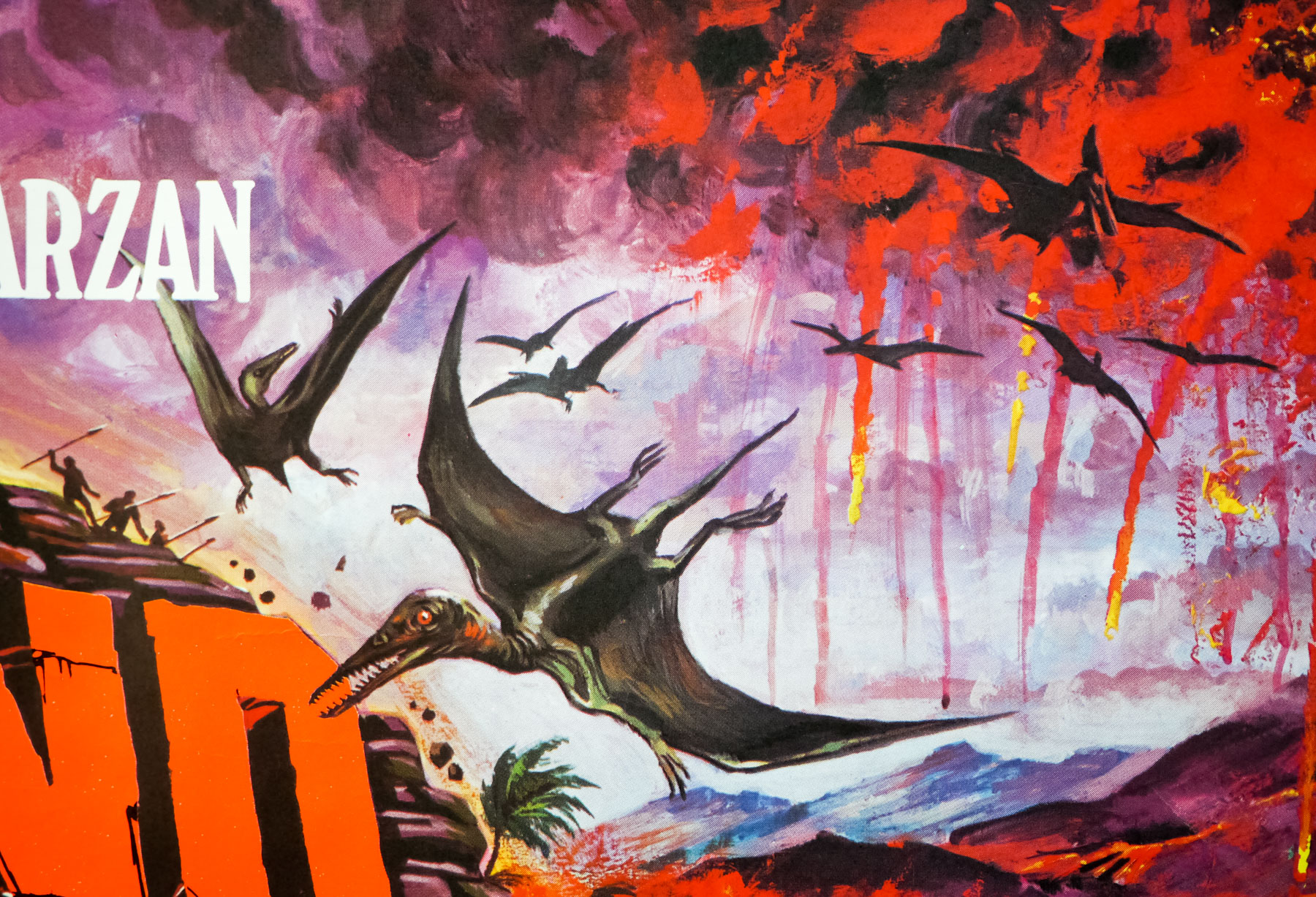
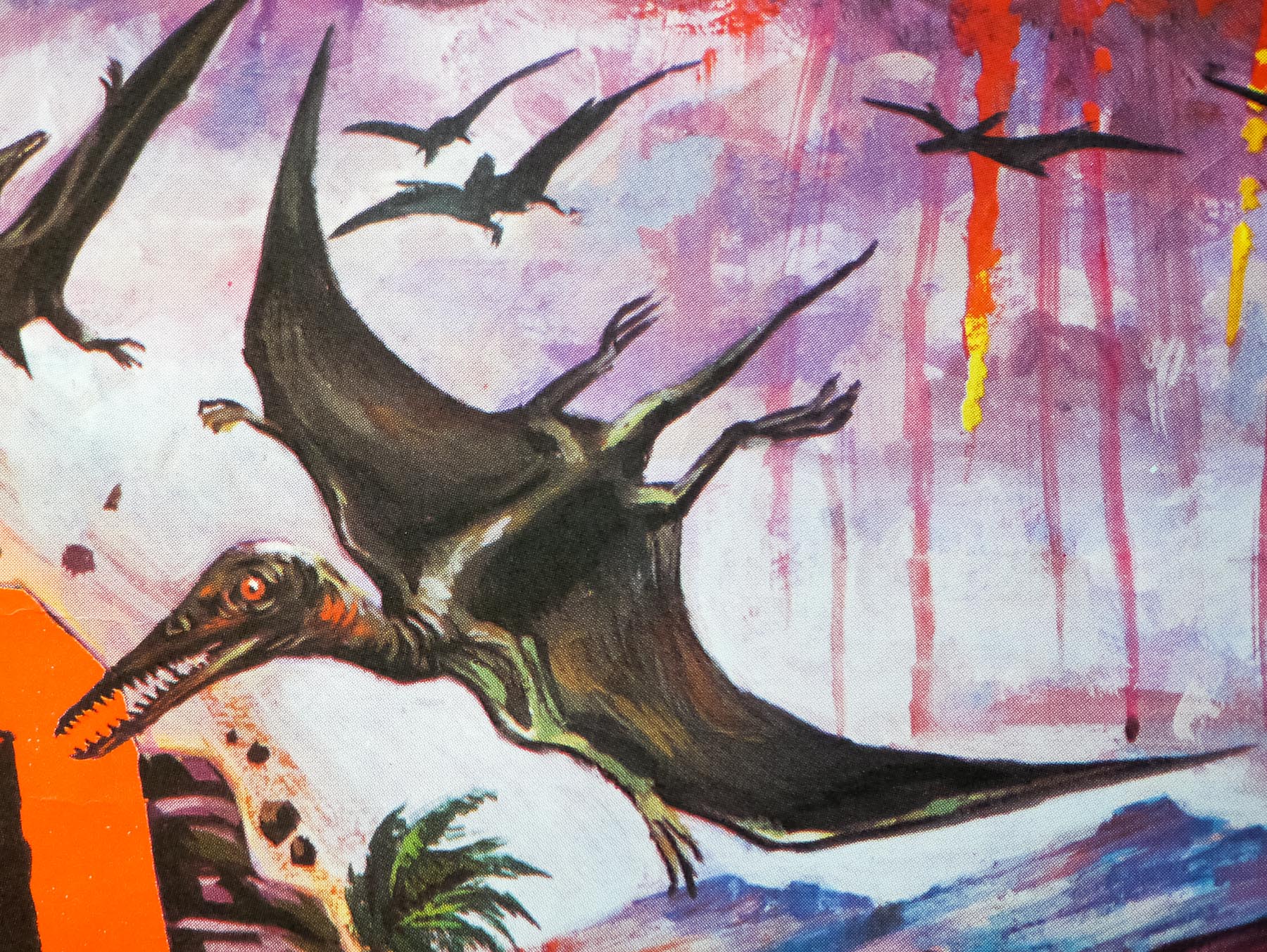
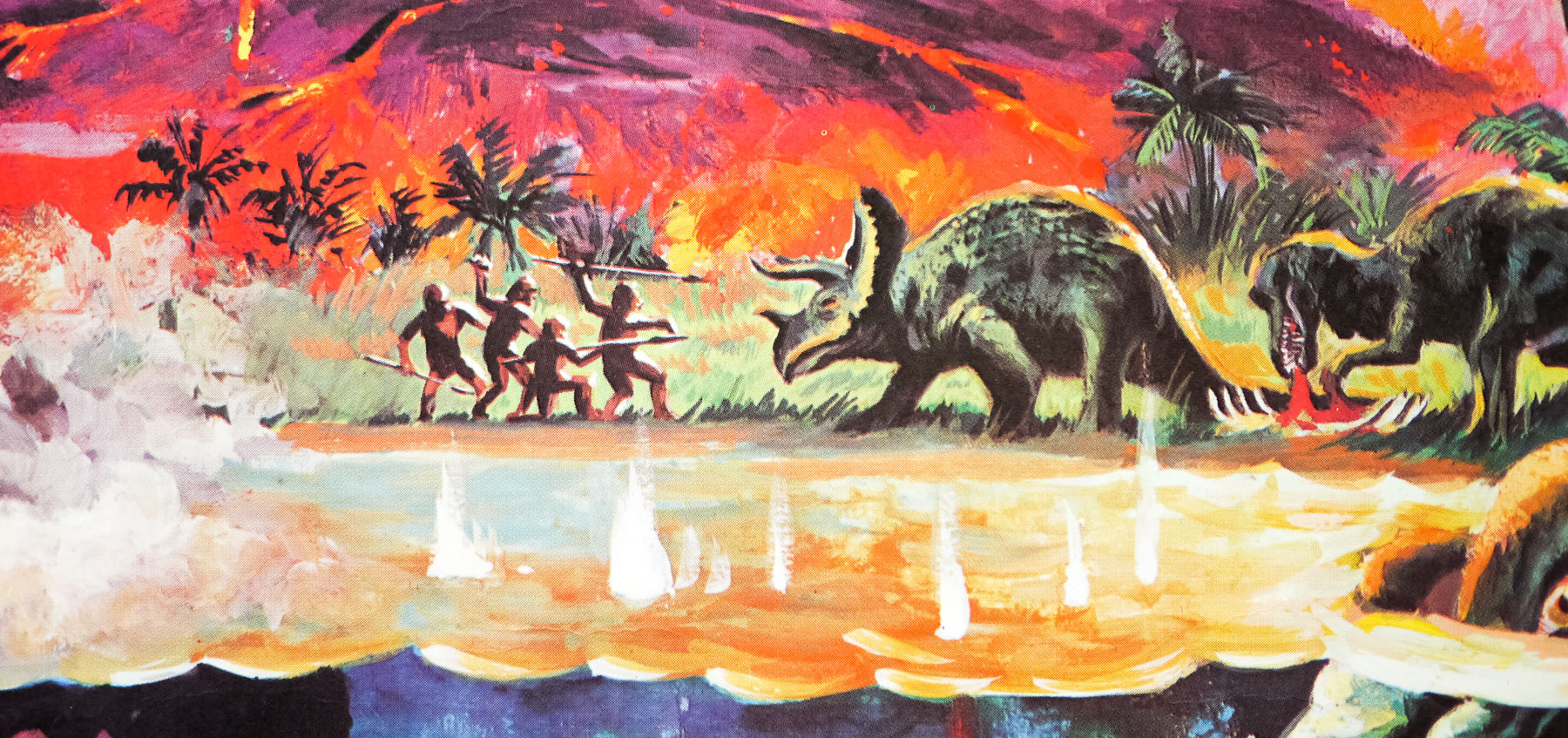
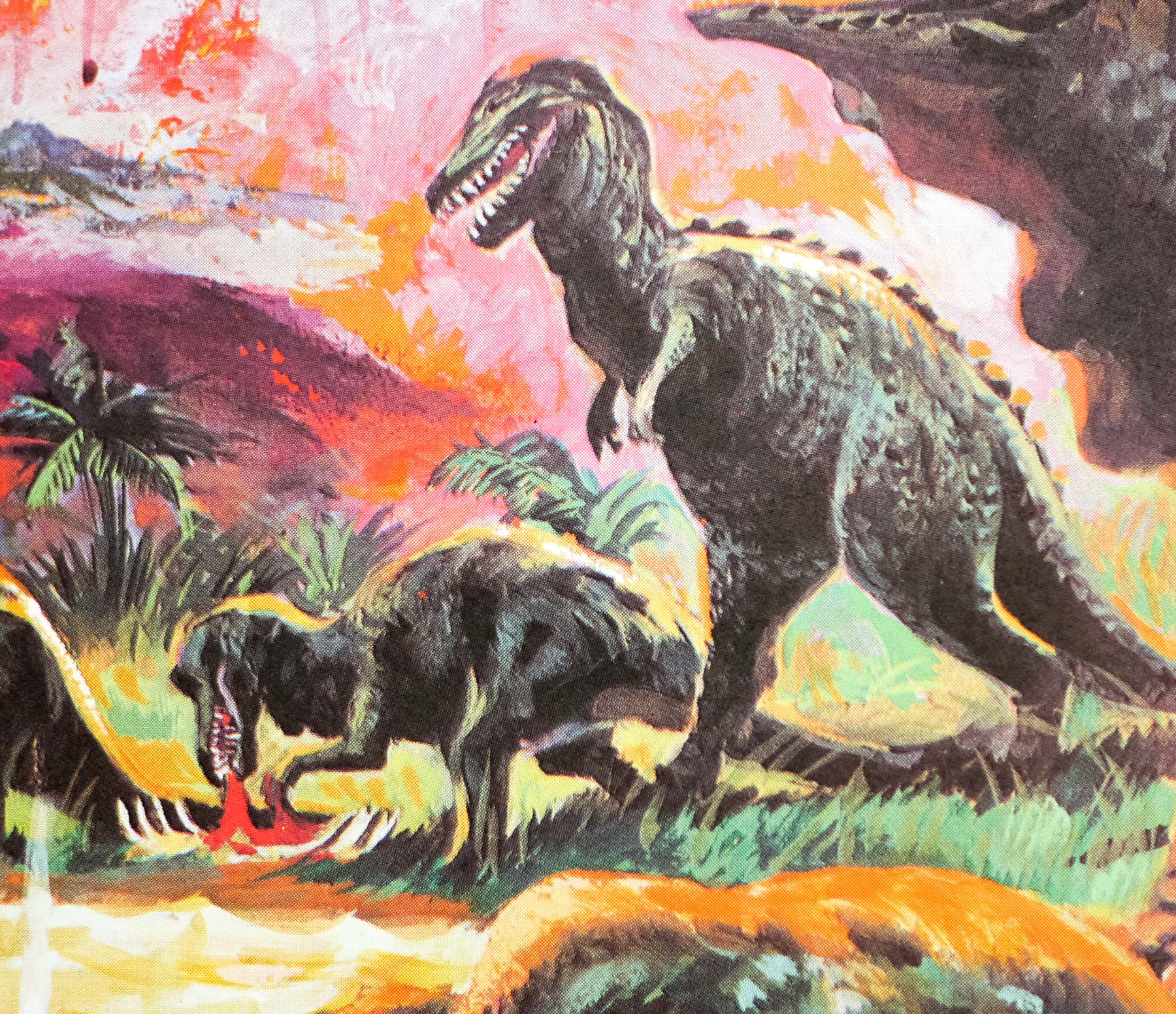
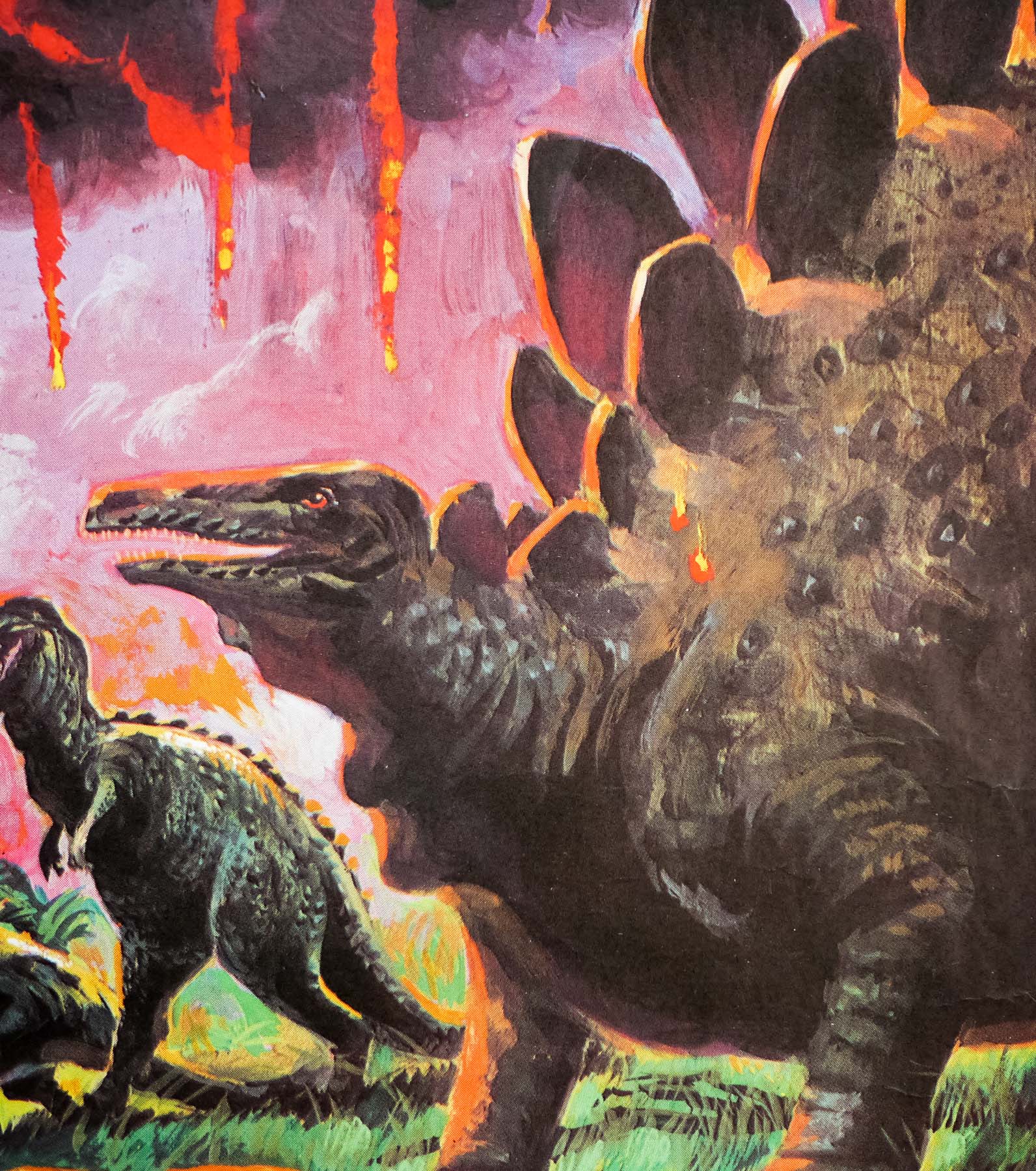
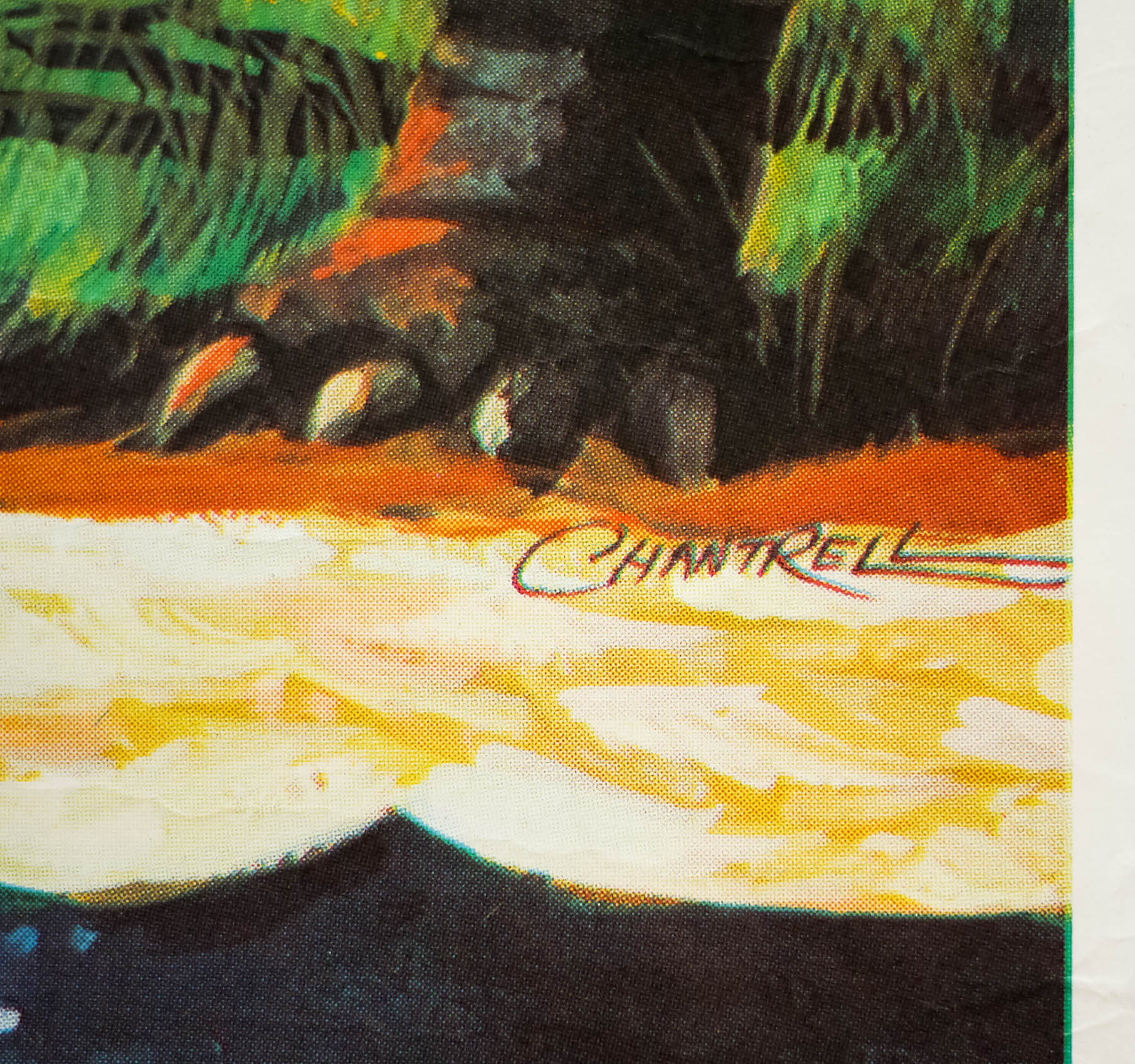
The brilliant artwork on this quad, featuring a cheeky image of a T-Rex underwater (which is definitely not in the film itself), is by Tom Chantrell, the celebrated British artist whose dynamic and colourful work featured on hundreds of posters over a forty year period. His official website features a great biography written by Sim Branaghan, author of the must-own British Film Posters. Chantrell illustrated many classic poster designs, including several Hammer posters such as the brilliant quad for ‘One Million Years B.C.’, and was also responsible for the iconic Star Wars quad, the artwork of which ended up being used around the globe. I have a number of other designs by him on this site.

The Man in the White Suit / quad / 1993 re-release / UK

11.02.15

Poster Poster

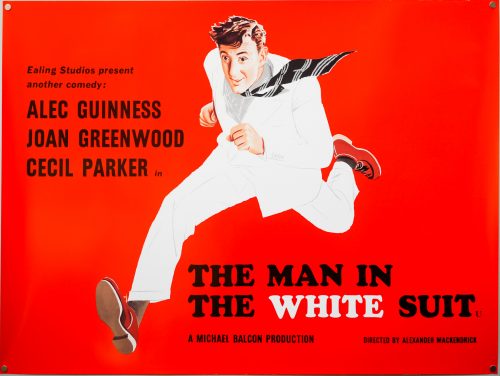
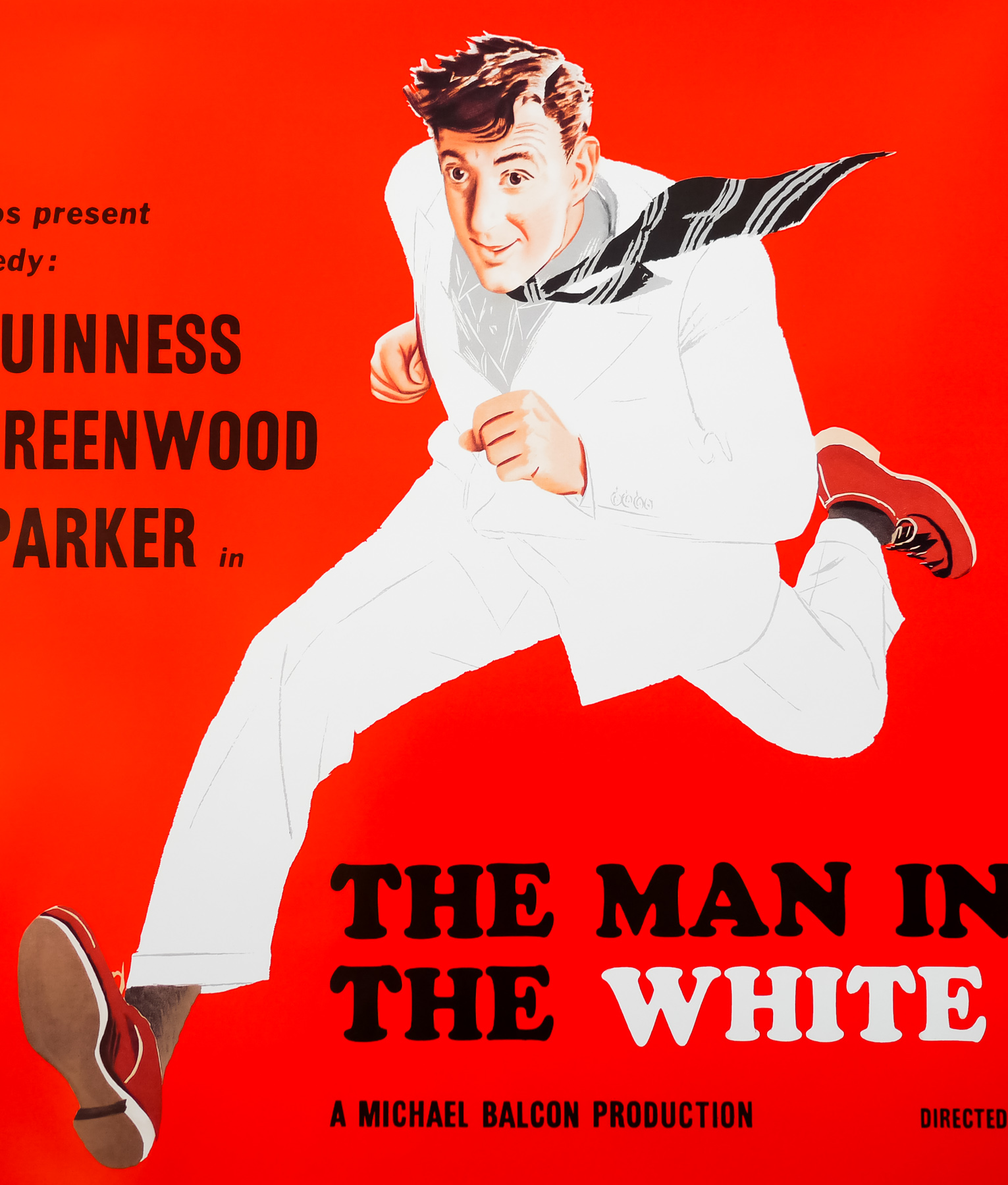
The Man in the White Suit is a satirical comedy that was made for the famous Ealing Studios in London and released in 1951. Directed by regular Ealing collaborator Alexander Mackendrick (who also helmed The Ladykillers and others), the film stars Alec Guinness as Sidney Stratton a frustrated chemist who is obsessed with creating an everlasting fibre. Sidney has been fired from several mills around Manchester because of his unauthorised use of expensive lab materials and his focusing on invention instead of the job he’s being paid to do. After starting at Alan Birnley’s (Cecil Parker) textile mill he manages to wangle an unpaid job as a researcher and is eventually afforded the space and materials to come up with his miracle fibre that resists all dirt and stays spotless.

Soon the management are aware of his invention, thanks to Birnley’s daughter Daphne (Joan Greenwood) spotting the potential, and are about to go public with the news when the trade unions and mill workers get involved. Both parties realise that such an invention will put them out of business since the public will never need to buy items made from the material again. They end up trying to bargain with Sidney but when he realises they just want to suppress the invention he tries to escape from their clutches, leading everyone on a chase around town. Unluckily for Sidney, it turns out his invention is not as robust as he’d hoped!

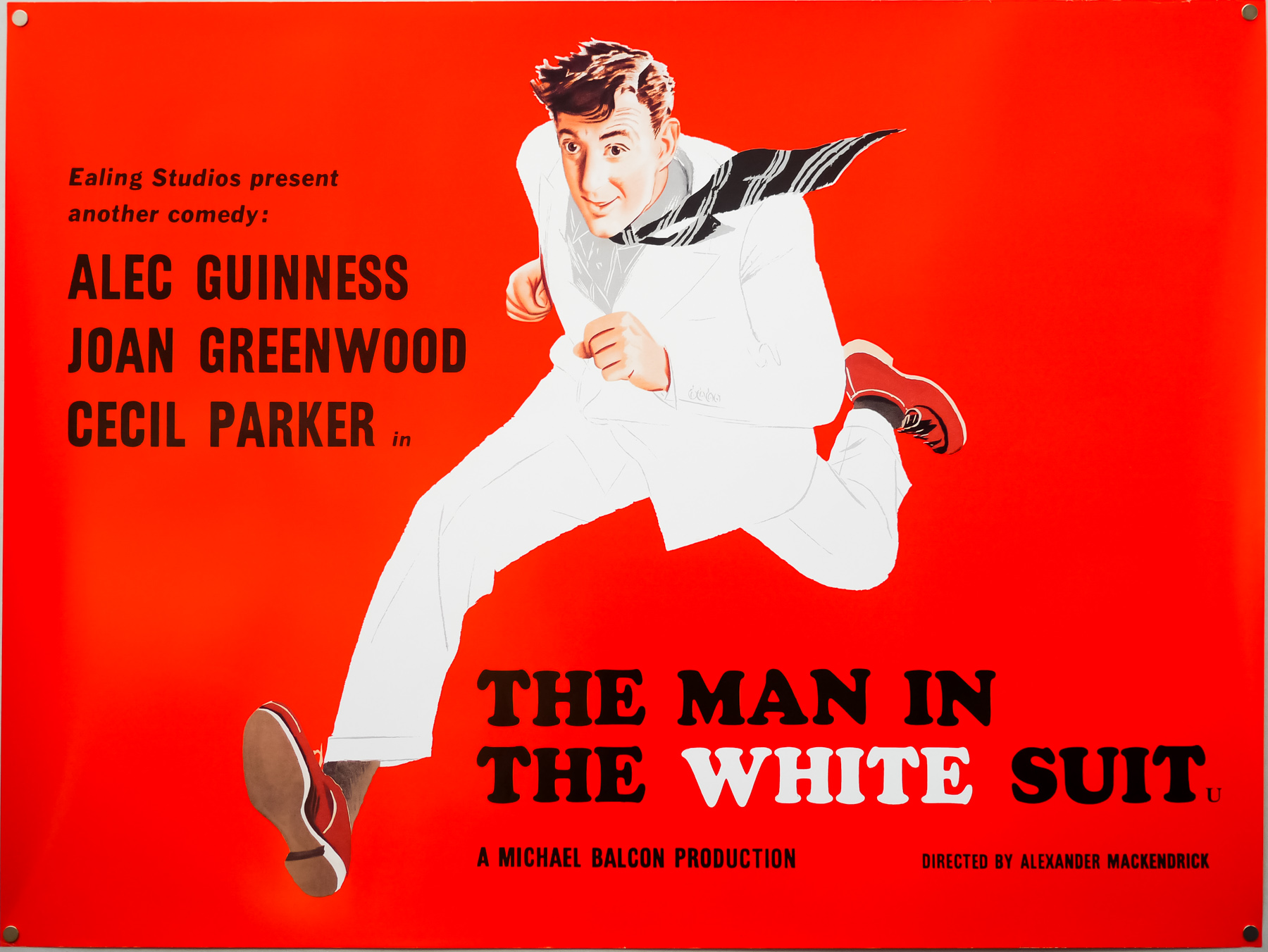
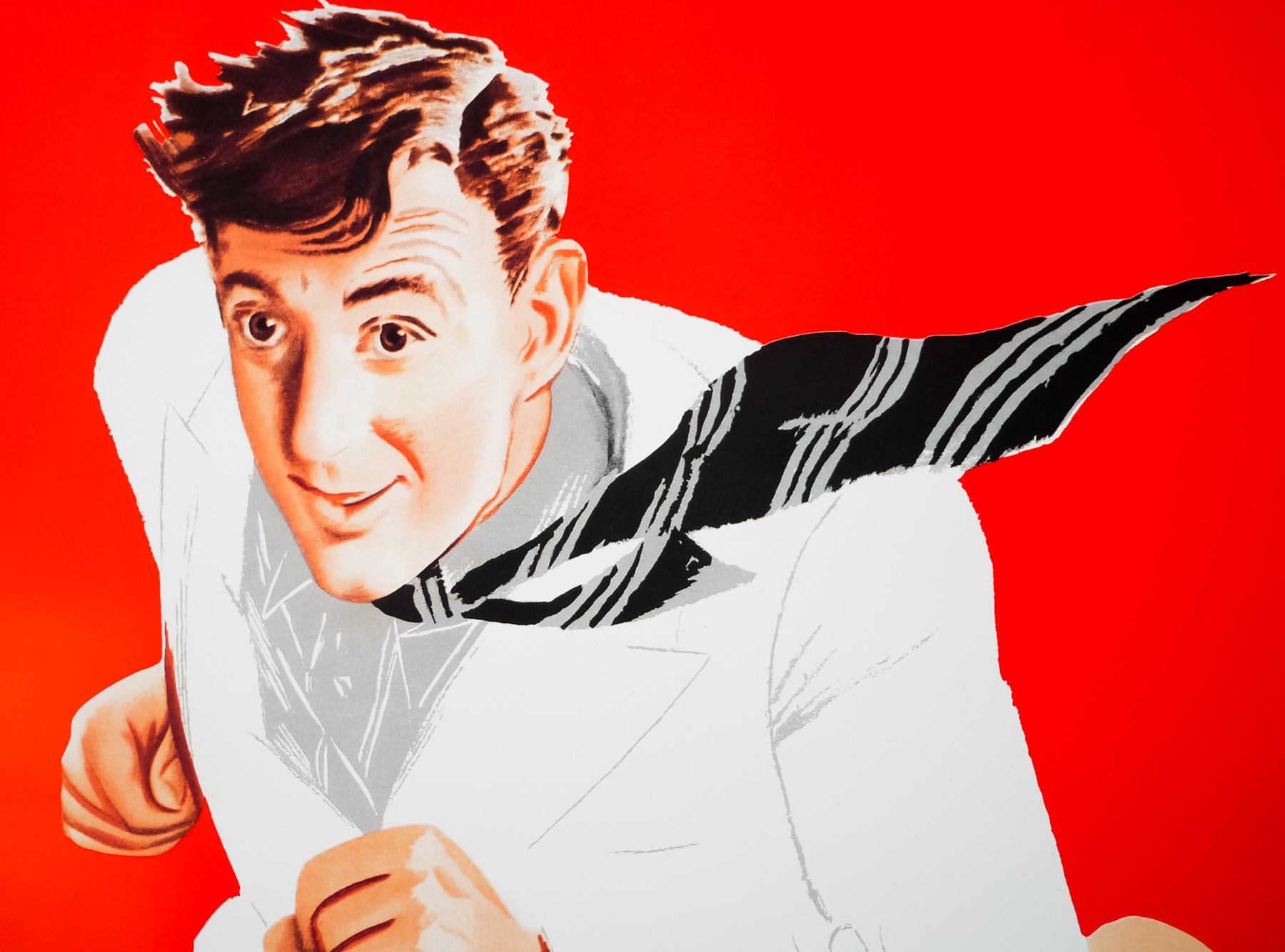
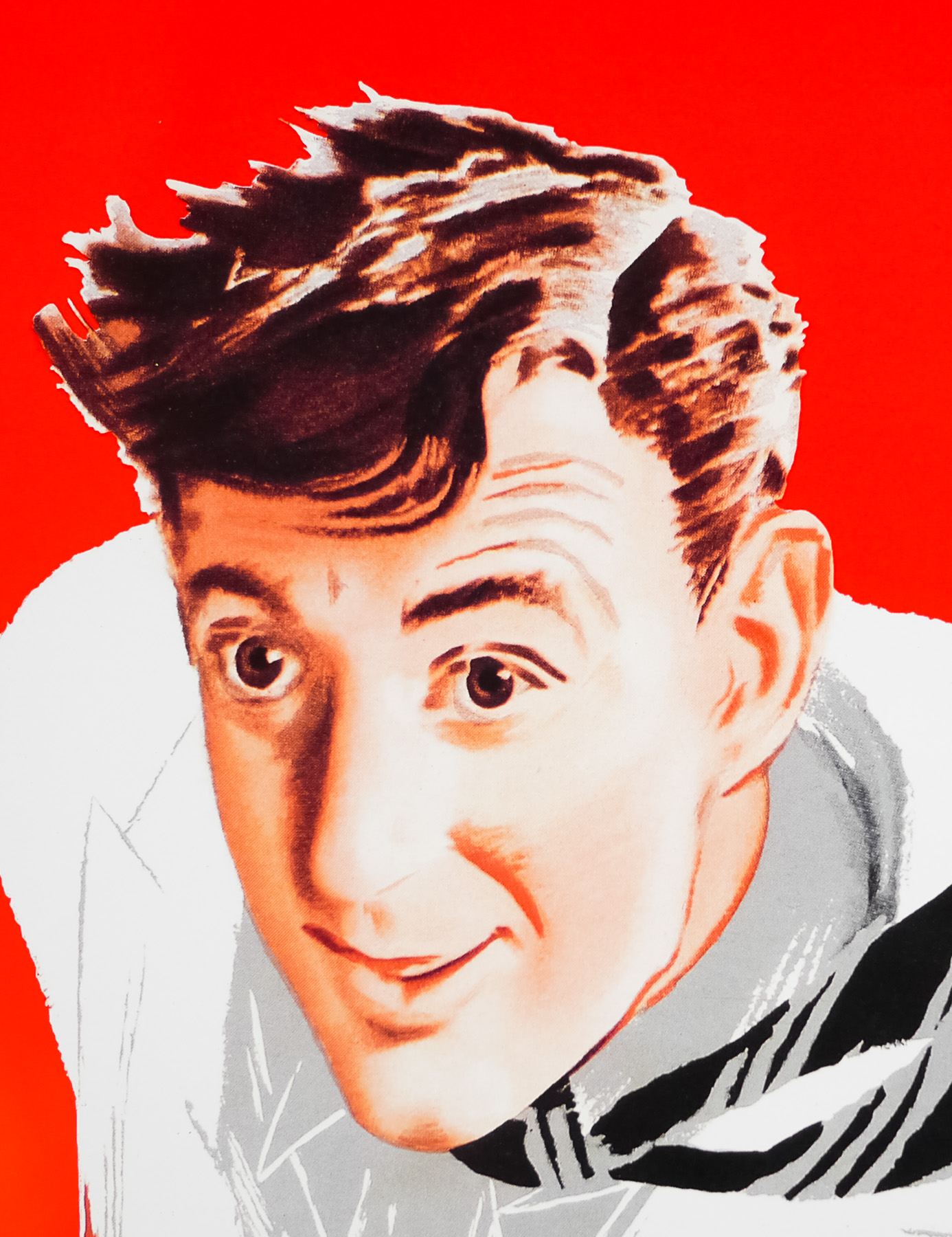
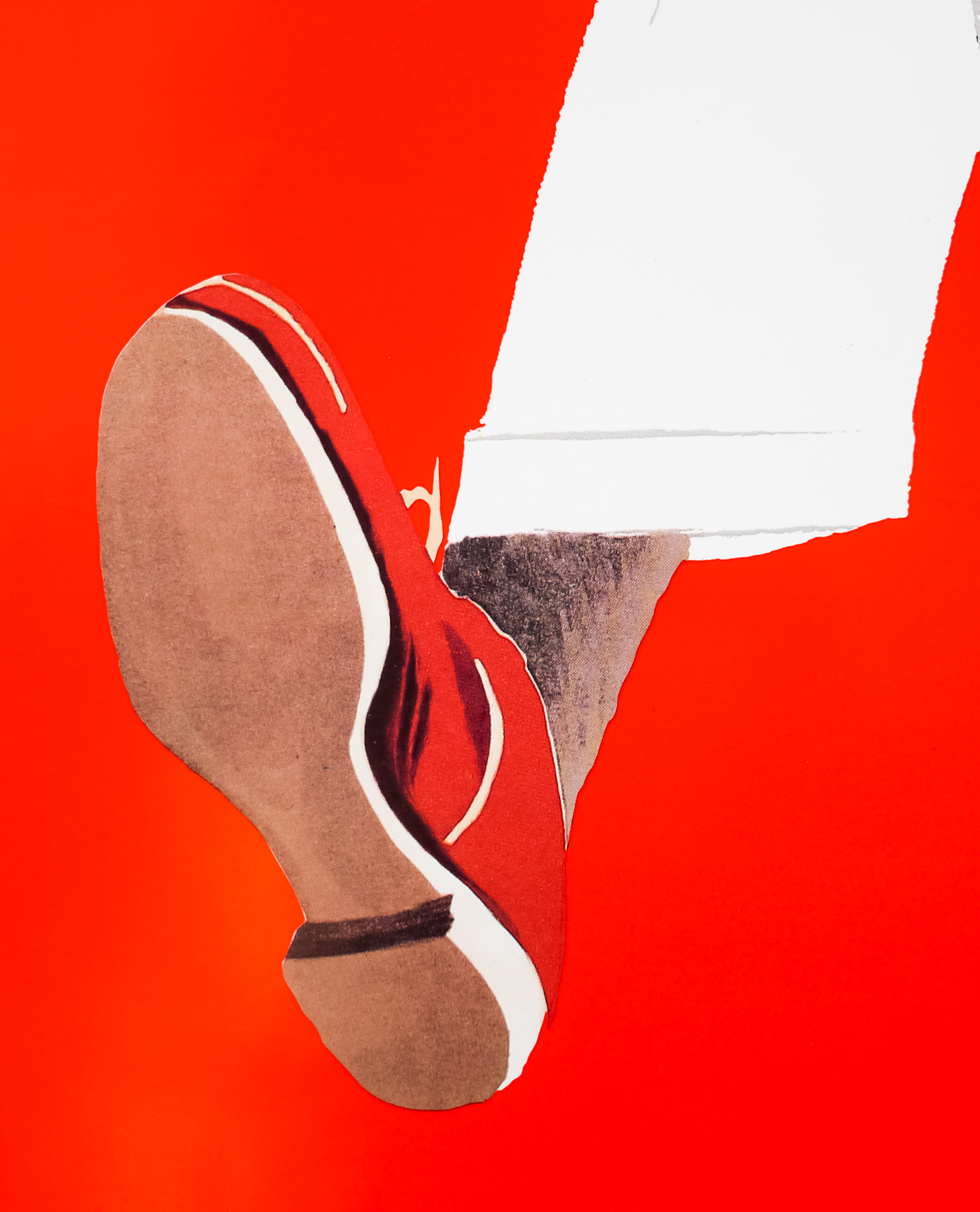
This British quad is from a BFI re-release of the film in 1993 (thanks to Sim Branaghan for confirmation of the exact year). It’s almost identical to the original 1950s quad but is missing the original distributor logo in the bottom left-hand corner, as well as the designer/artist credits. See this thread on the NSFGE poster forum for details and check out the image of a previous sale of the poster at Christies auction house.

The original 1951 quad was one of two that featured on the cover of Sim Branaghan‘s must-own British Film Posters, the definitive reference for those interested in the history of the subject. As detailed in the book, the poster was designed by man called Sydney John Woods who Sim notes was ‘more or less single-handedly responsible for the Ealing poster success’. Born in 1915, Woods trained as a graphic designer and painter and was also an art critic. He also design posters for theatres, including the Old Vic and Sadler’s Wells before starting to work for the film industry with a role in Fox’s publicity department.

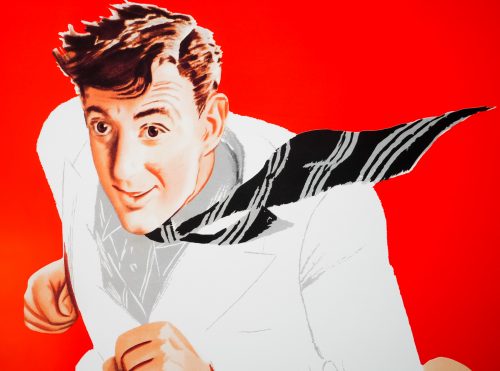
Woods joined Ealing in 1943 and worked there until the studios’ demise in 1959. Sim notes that Woods ‘revealed perhaps his greatest skill as an impresario, marshalling, encouraging, and exploiting to best advantage the talents of other artists’. He built up an impressive stable of artists that he could call on to produce illustrations for the studios’ output. This included the cartoonist Nicolas Bentley (for Passport to Pimlico, 1949) and Ronald Searle, creator of the St. Trinian’s cartoons (for The Lavender Hill Mob, 1951). The same year he would commission the artist A. R. Thomson to paint this portrait of Alec Guinness.

Thomson was born deaf and dumb in India in 1894 to a civil servant father who later brought the family back to London where Alfred attended the Royal School for Deaf Children. He became known as the ‘deaf and dumb artist’ and would go on to work on commercial advertising for the likes of Daimler, and also became the RAF’s official war artist in 1940. Interestingly, he was also the last person to win a gold medal for painting at the 1948 Olympic games in London (the last year that artists were allowed to compete). Thomson passed away in 1979. The ArtUK site features a gallery of his work.

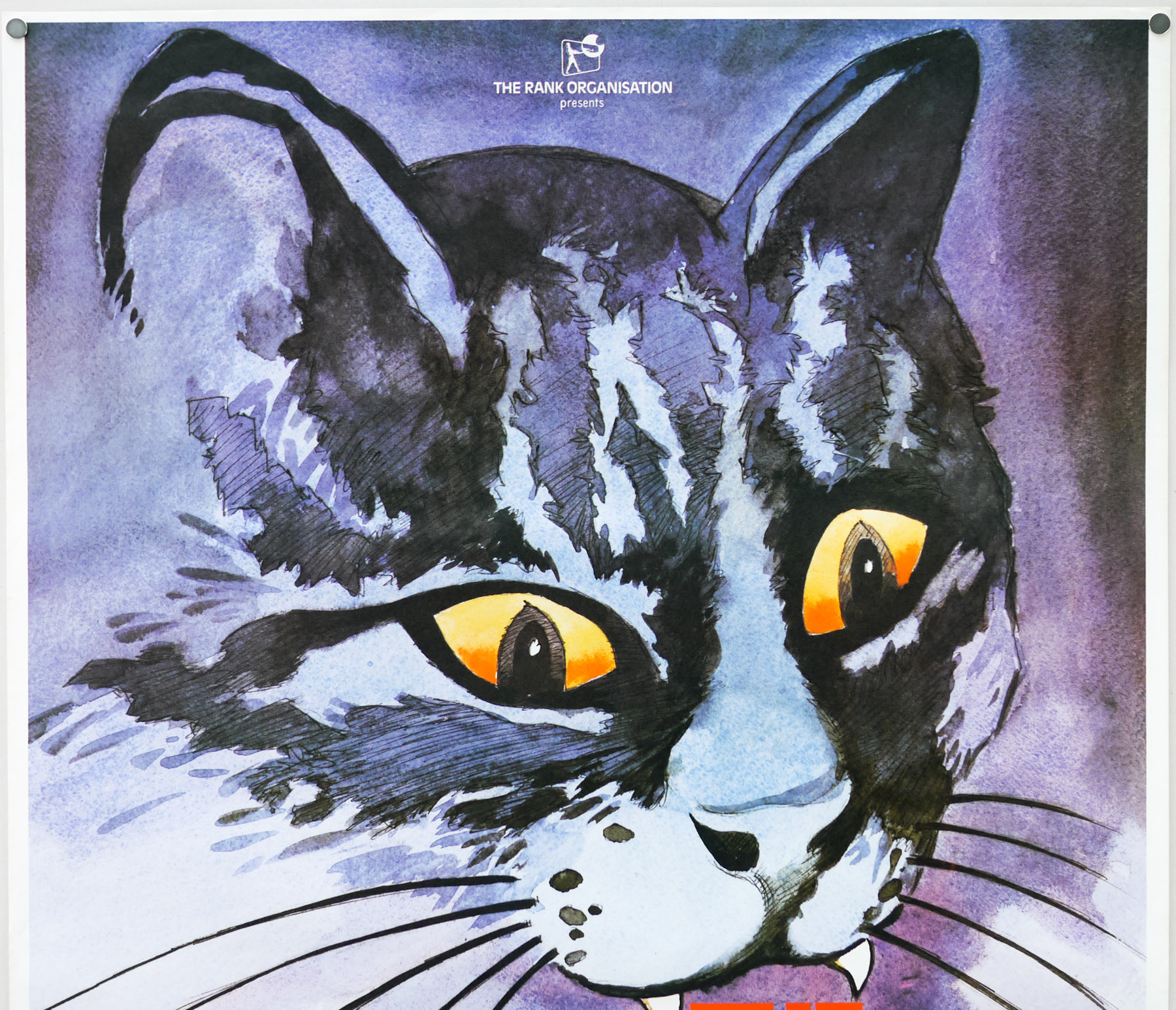
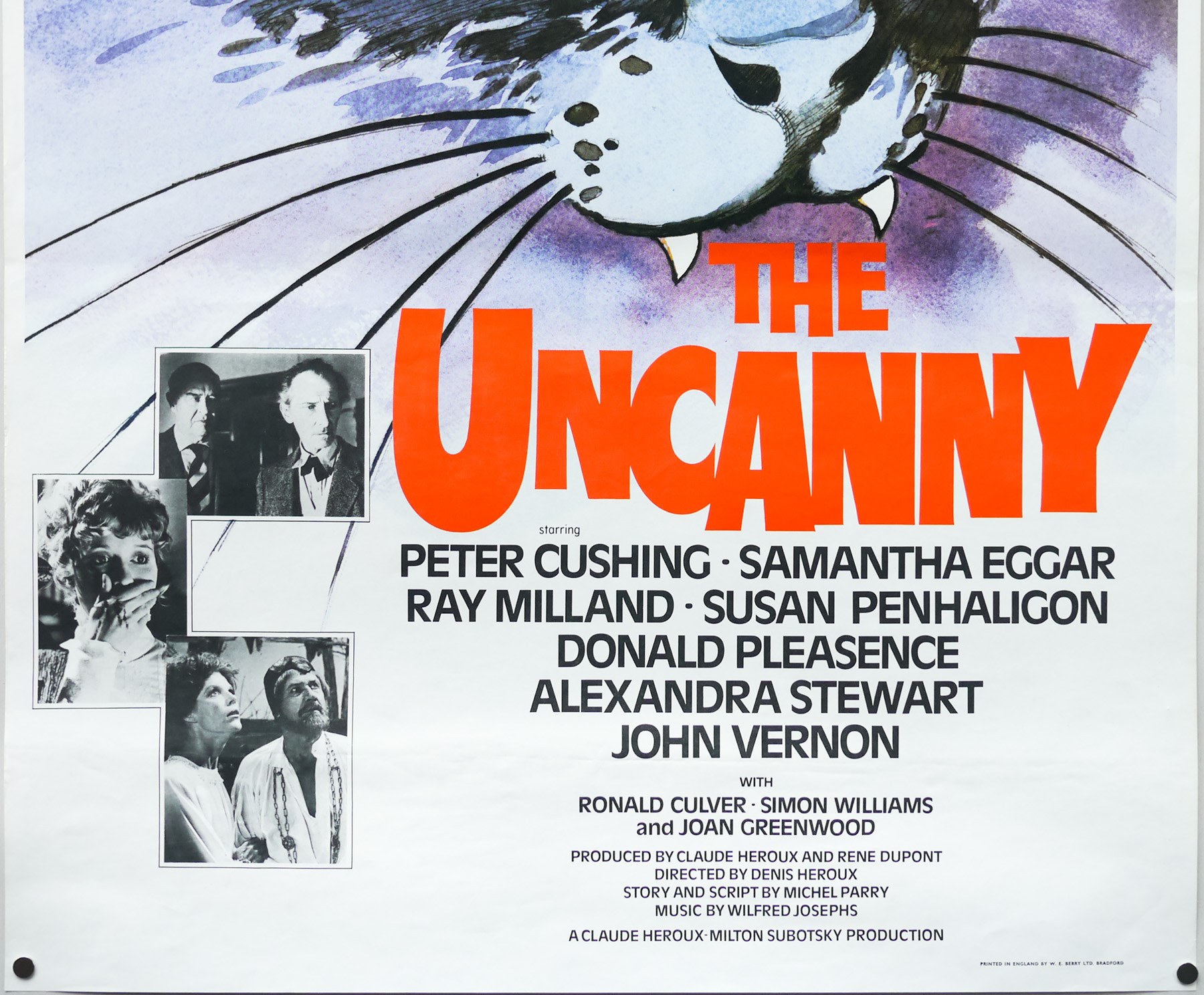
The Uncanny / one sheet / UK

22.06.15

Poster Poster

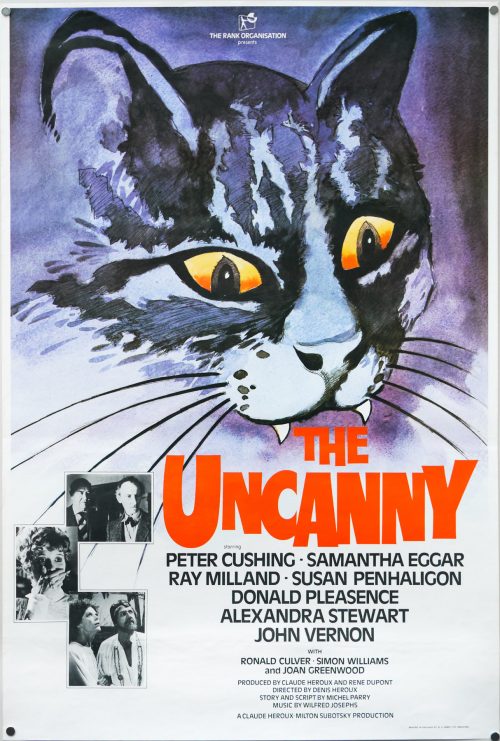
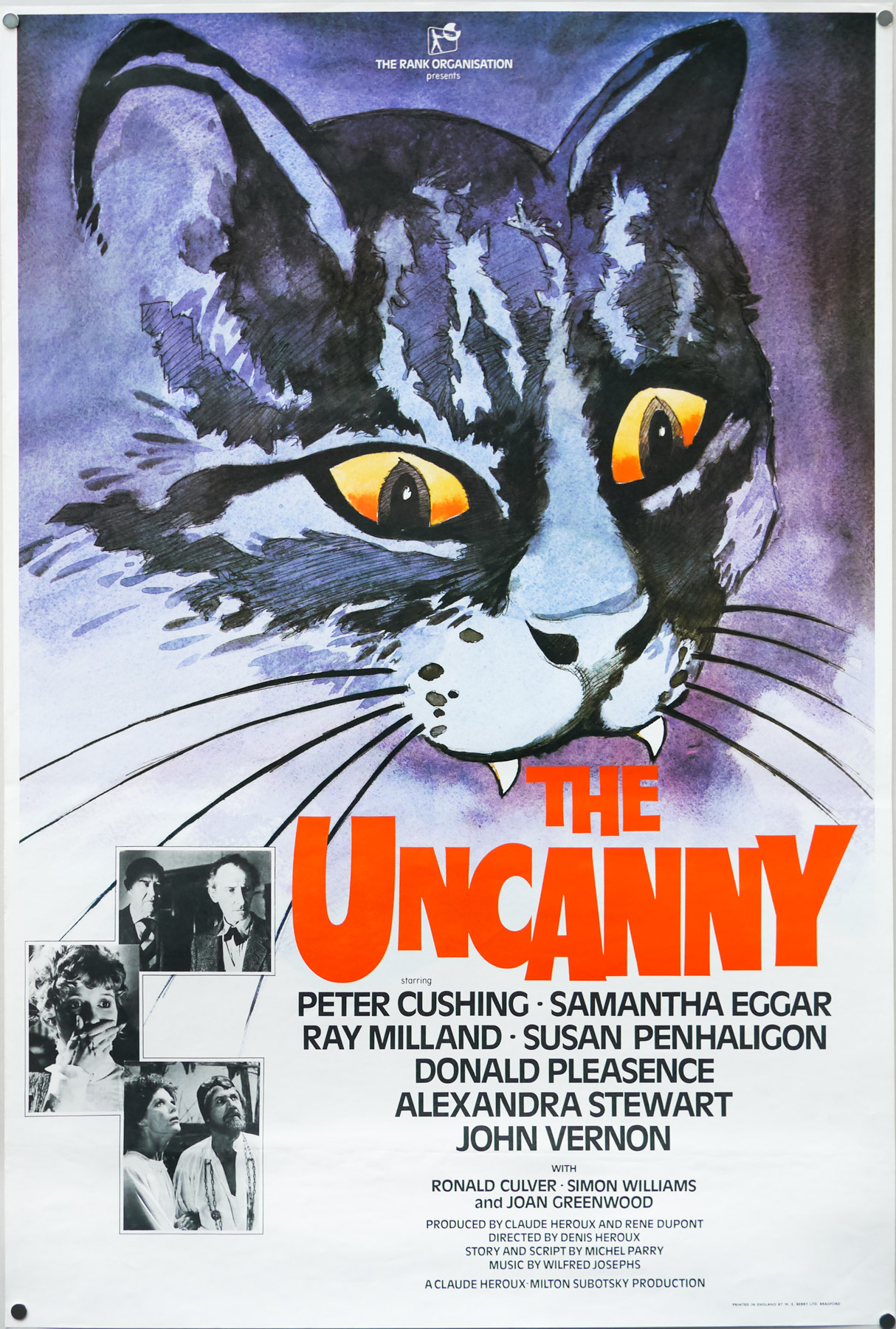
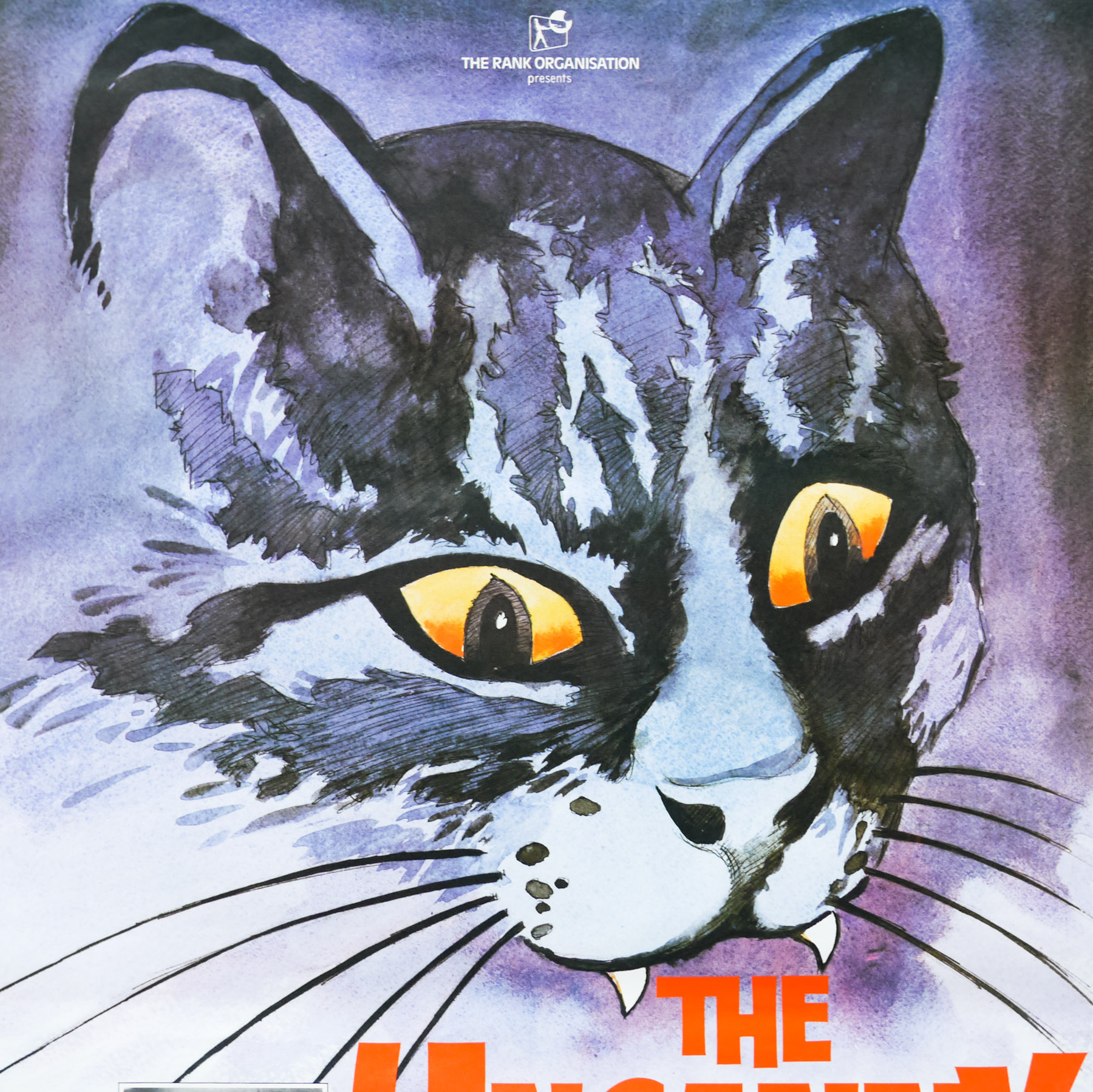
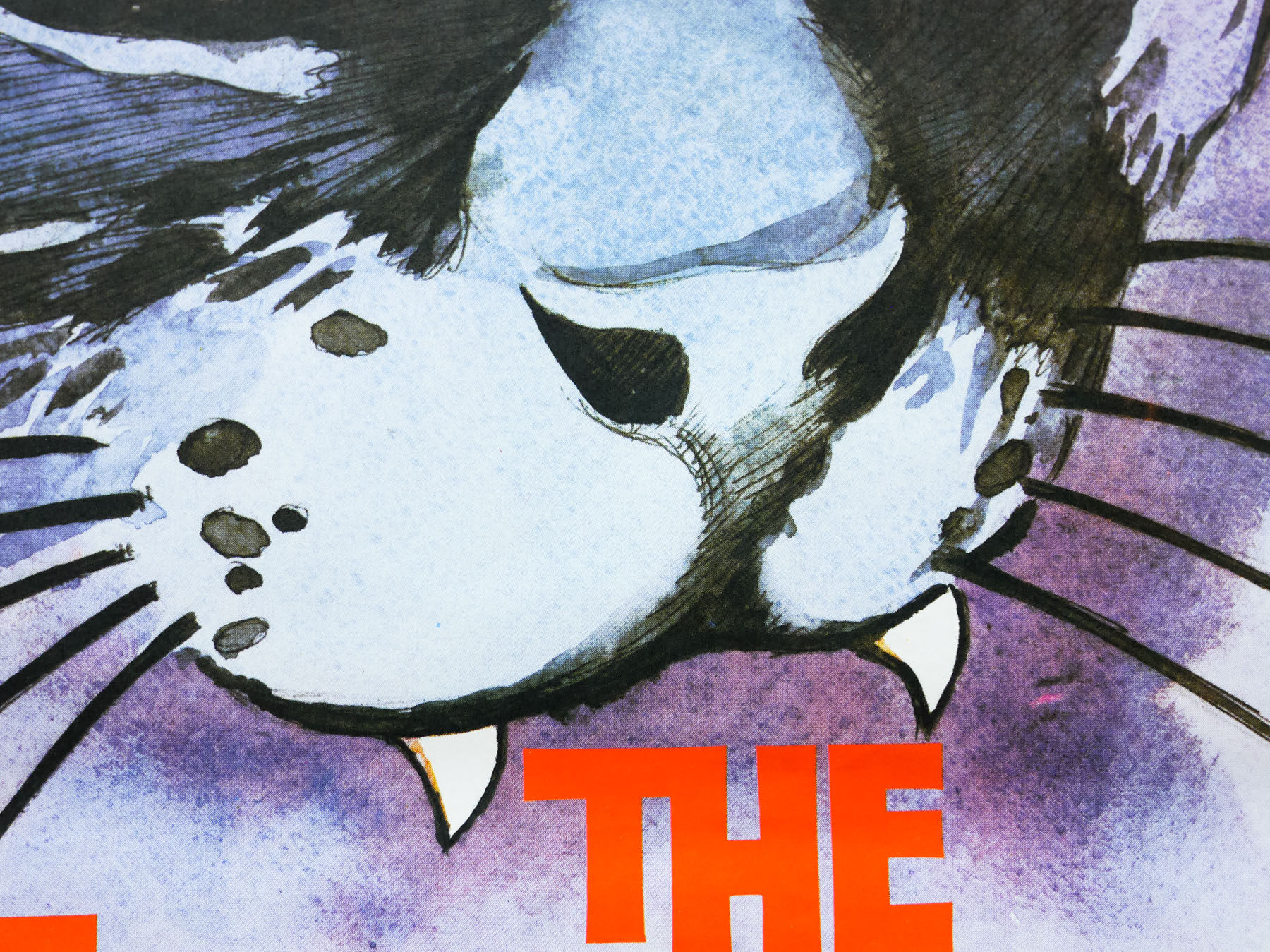
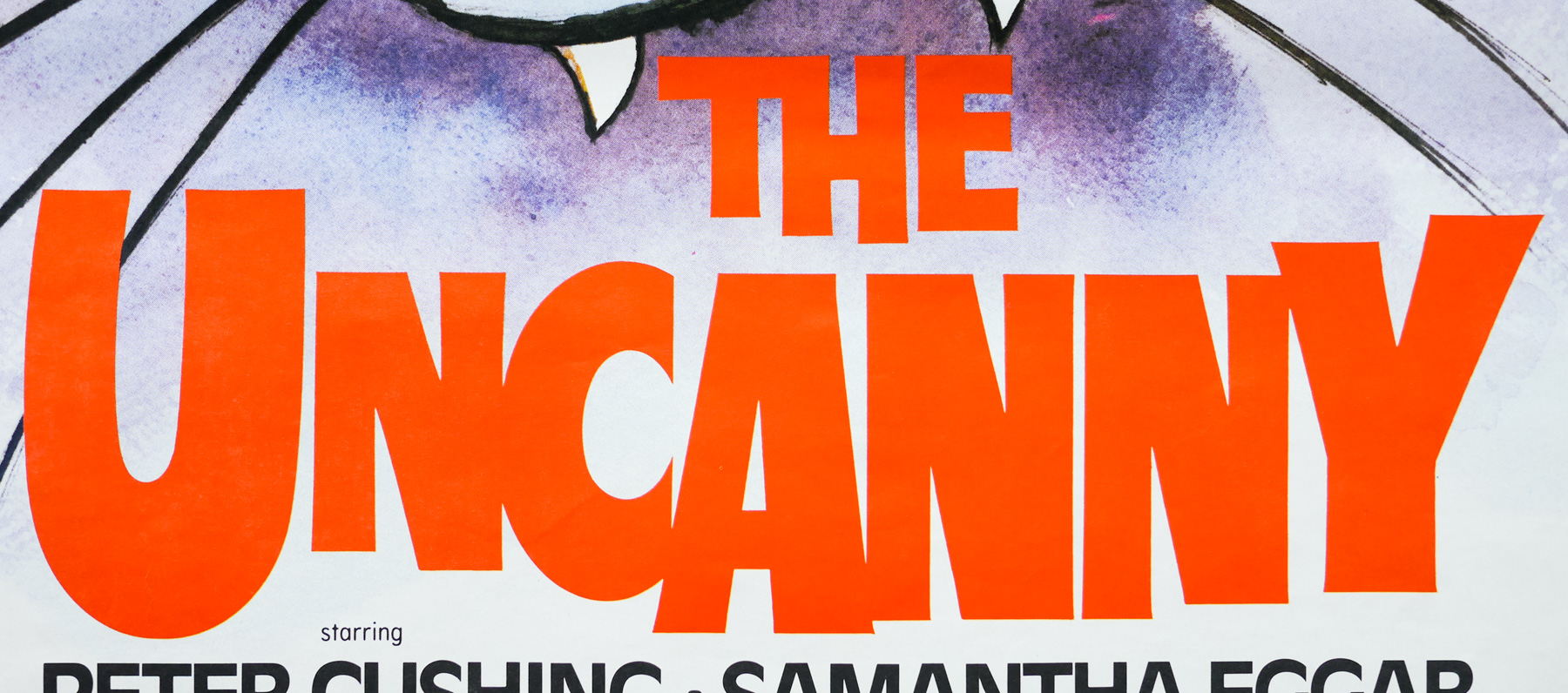
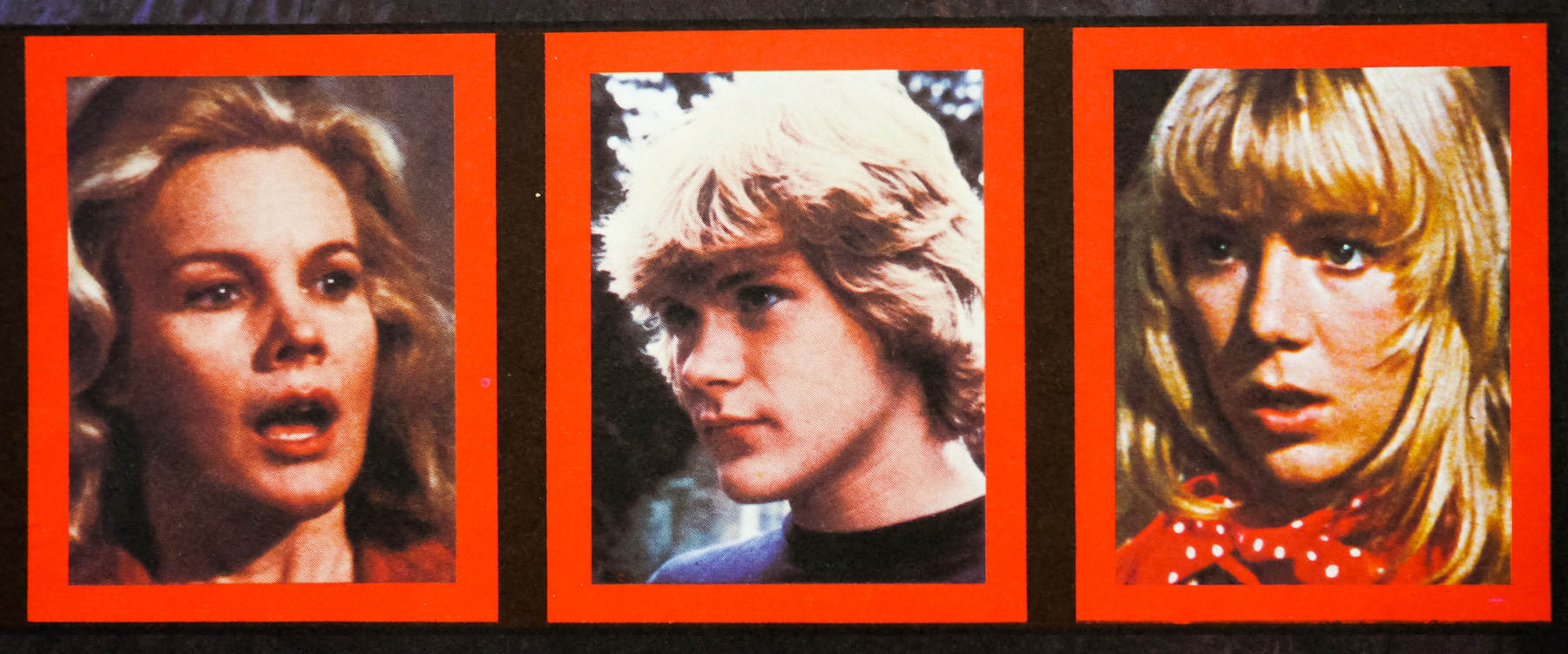
A striking design on this poster for the 1977 British-Canadian horror anthology The Uncanny, which is based around the unlikely theme of malevolent cats. The film is often mistakenly credited as being an Amicus Productions anthology (like Tales from the Crypt and The Vault of Horror) but it was in fact a Rank release with the involvement of Milton Subotsky, one half of the Amicus team, which had disbanded in 1975.

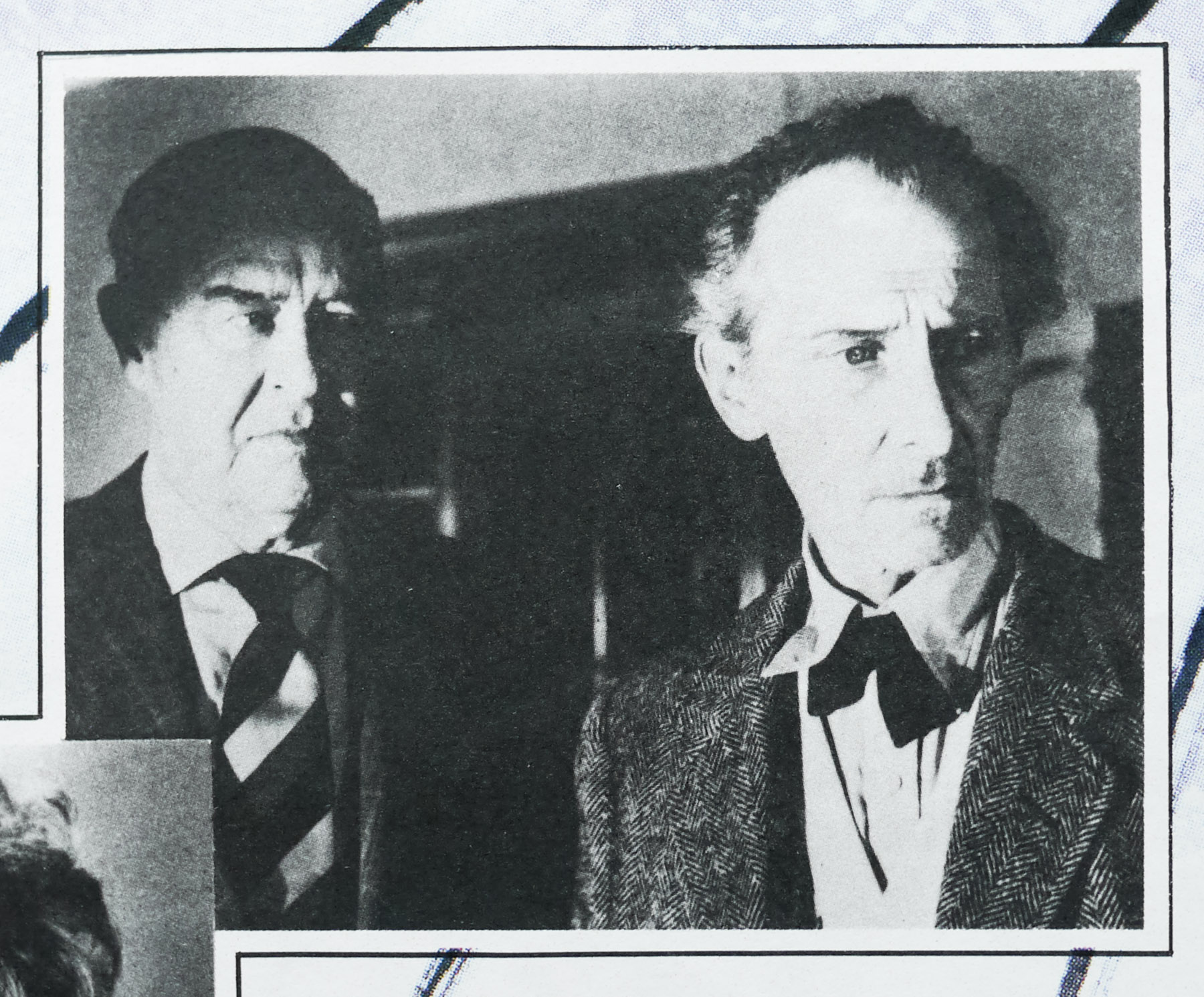
The film features three stories told as part of an overarching framing tale that sees Peter Cushing as a British author visiting his agent in Montreal to present the idea for his next book, which is that all cats are inherently evil, supernatural creatures. To illustrate his reasoning he tells three separate tales, each from different eras and locations. The first is set in London and sees Miss Malkin (Joan Greenwood) a sick, wealthy widower leave her fortune to her houseful of cats, which angers her only nephew. He enlists the help of the housemaid Janet (Susan Penhaligon) who attempts to steal the copies of the will but disturbs the elderly woman as she’s doing so and kills her in the struggle that follows. Much to Janet’s surprise, the moggies then take their revenge on her and the nephew.

The second story is based in Quebec and sees Lucy (Katrina Holden Bronson) an orphaned girl, going to live with her Aunt and bringing her beloved cat Wellington with her. After being mistreated by the family who decide to try and dispose of Wellington, Lucy seeks help from her collection of witchcraft books and takes out her anger on her malicious cousin Angela. The final story is set in Hollywood during the 1930s and features Donald Pleasence giving it his all as an actor who rigs an onset accident that kills his wife so he can shack up with his mistress, a younger actress. Unfortunately, his wife’s cat is none too pleased with its owner being offed and sets out to get its revenge, which it does in a ridiculous finale.

The film features very little in the way of horror, with only some very fake looking blood in a few scenes and absolutely nothing in the way of suspense. The special effects are mostly awful and in the scenes where cats are supposedly attacking people you can practically see the hands of the animal handlers who’ve just thrown them at the victim. The middle story set in Canada is particularly poor, thanks to a woeful performance by the actress playing Lucy. The simple fact is that cats are not particularly scary and anyone who owns a cat knows that the worst that might happen is a bit of scratched skin. Apparently the film flopped at the box office and was never even given a release in American cinemas.
This poster was designed and illustrated by Vic Fair, who is one the most important designer/artists ever to work on British film marketing. He is responsible for several iconic posters, including The Man Who Fell To Earth, posters for Hammer horrors like Vampire Circus, and the withdrawn advance one sheet for A View to a Kill. I interviewed Vic for this site and that article can be viewed by clicking here.

To see the other posters I’ve collected by him click here.

The Wicker Man / screen print / regular / Richard Wells / UK

04.01.16

Poster Poster

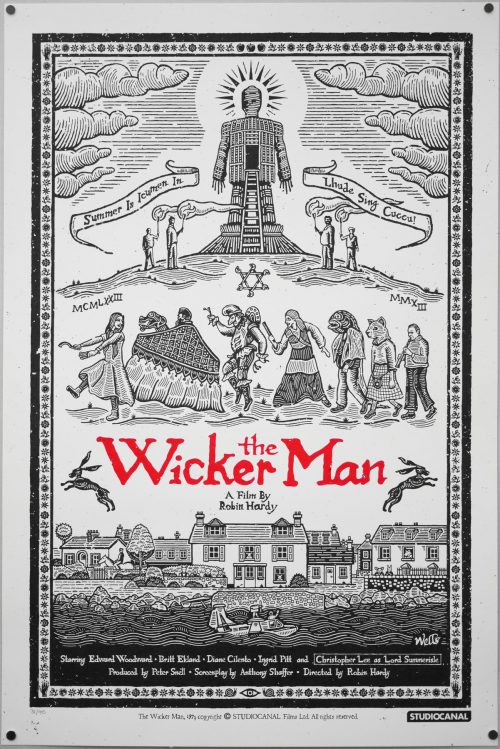
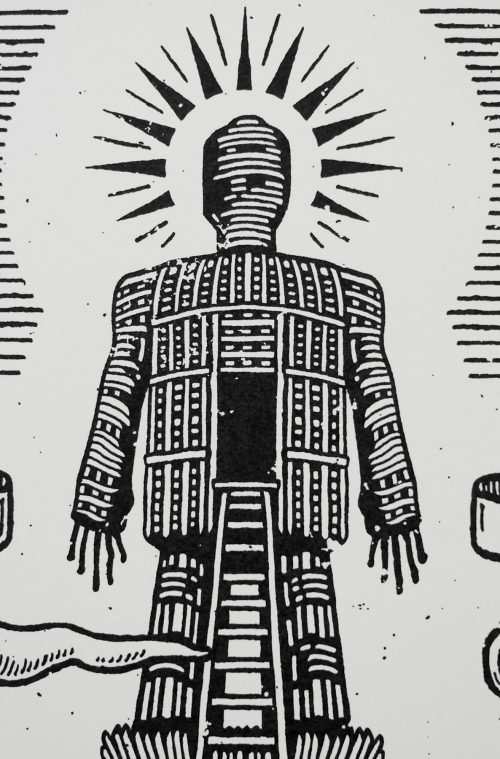
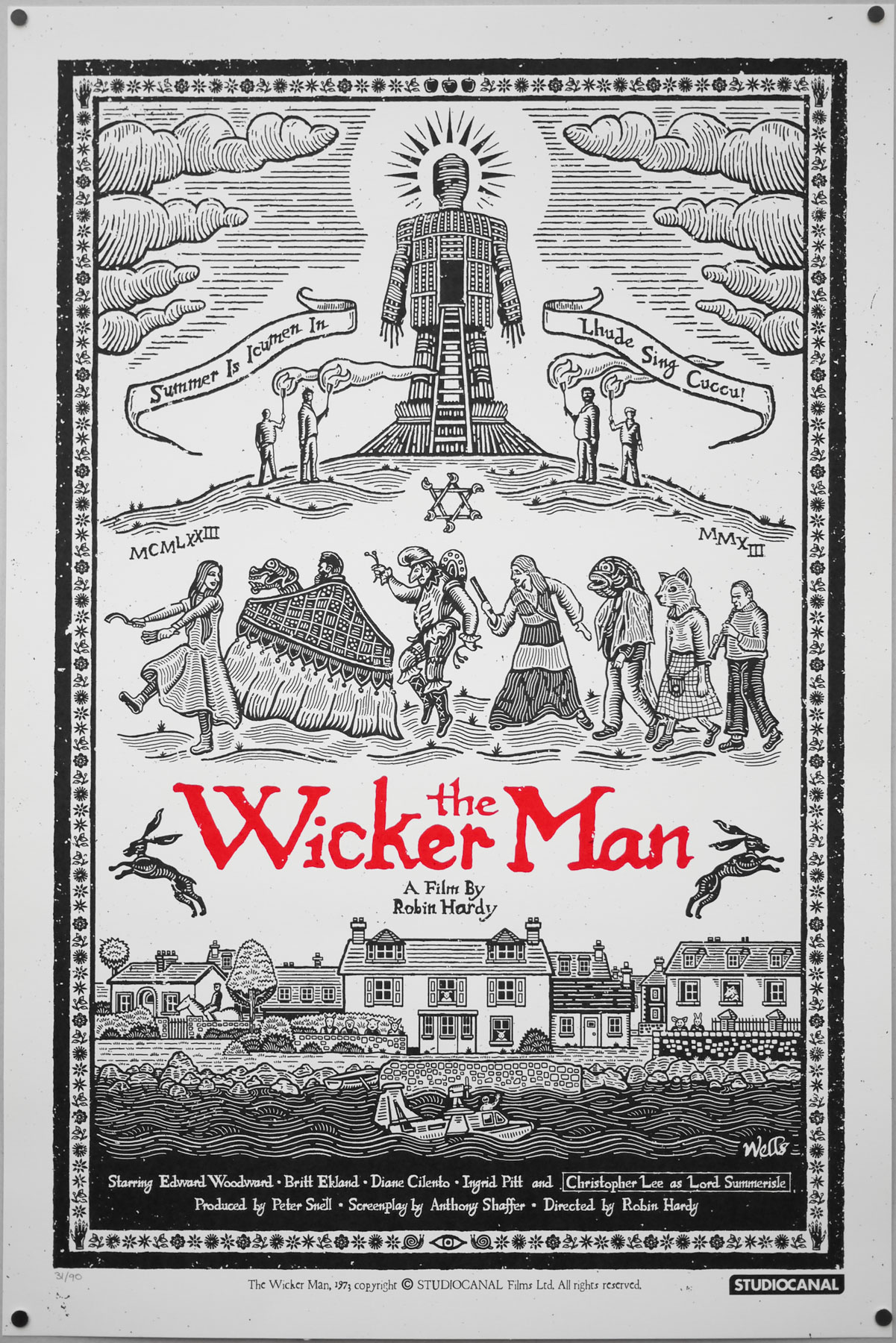
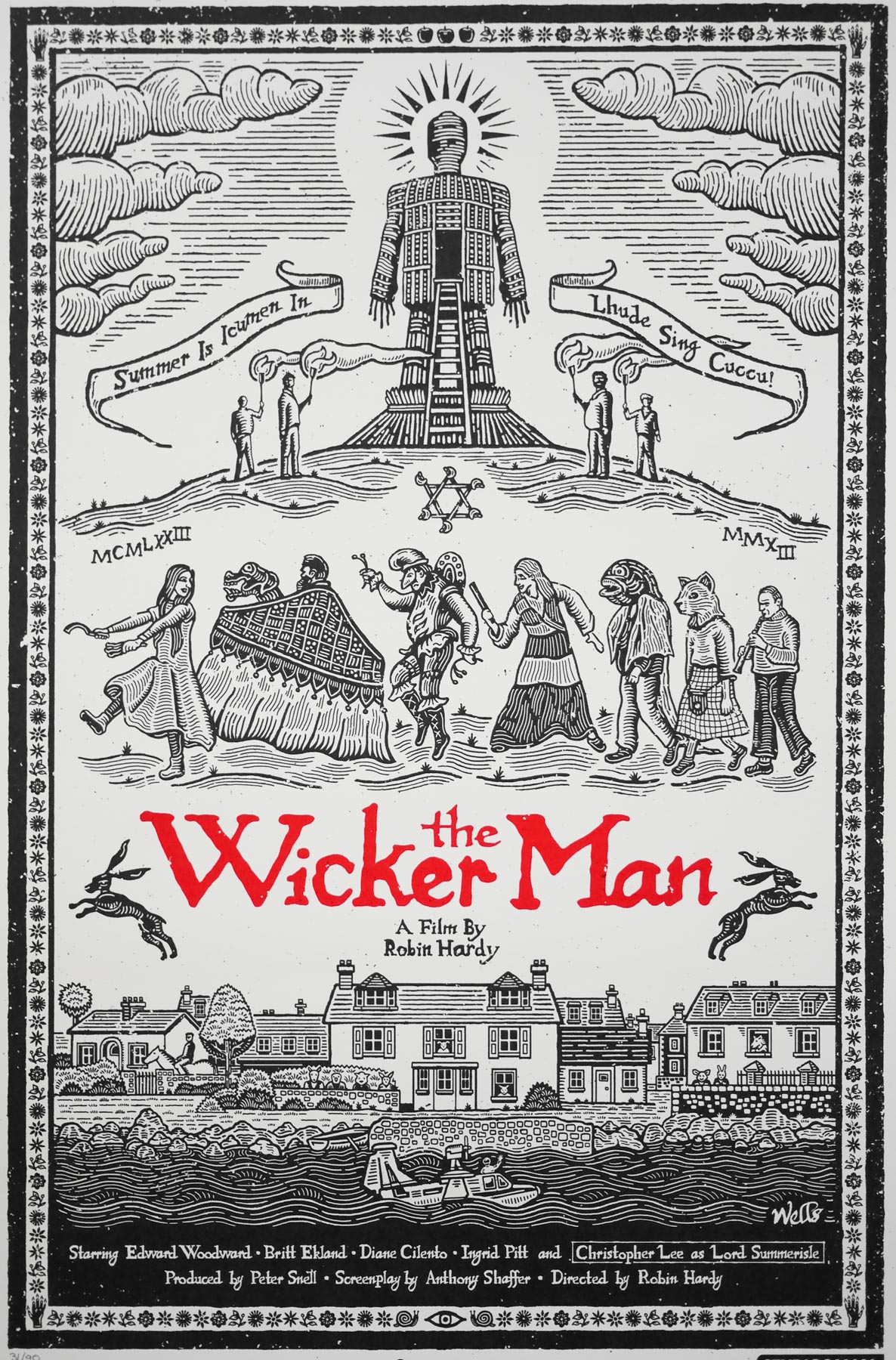
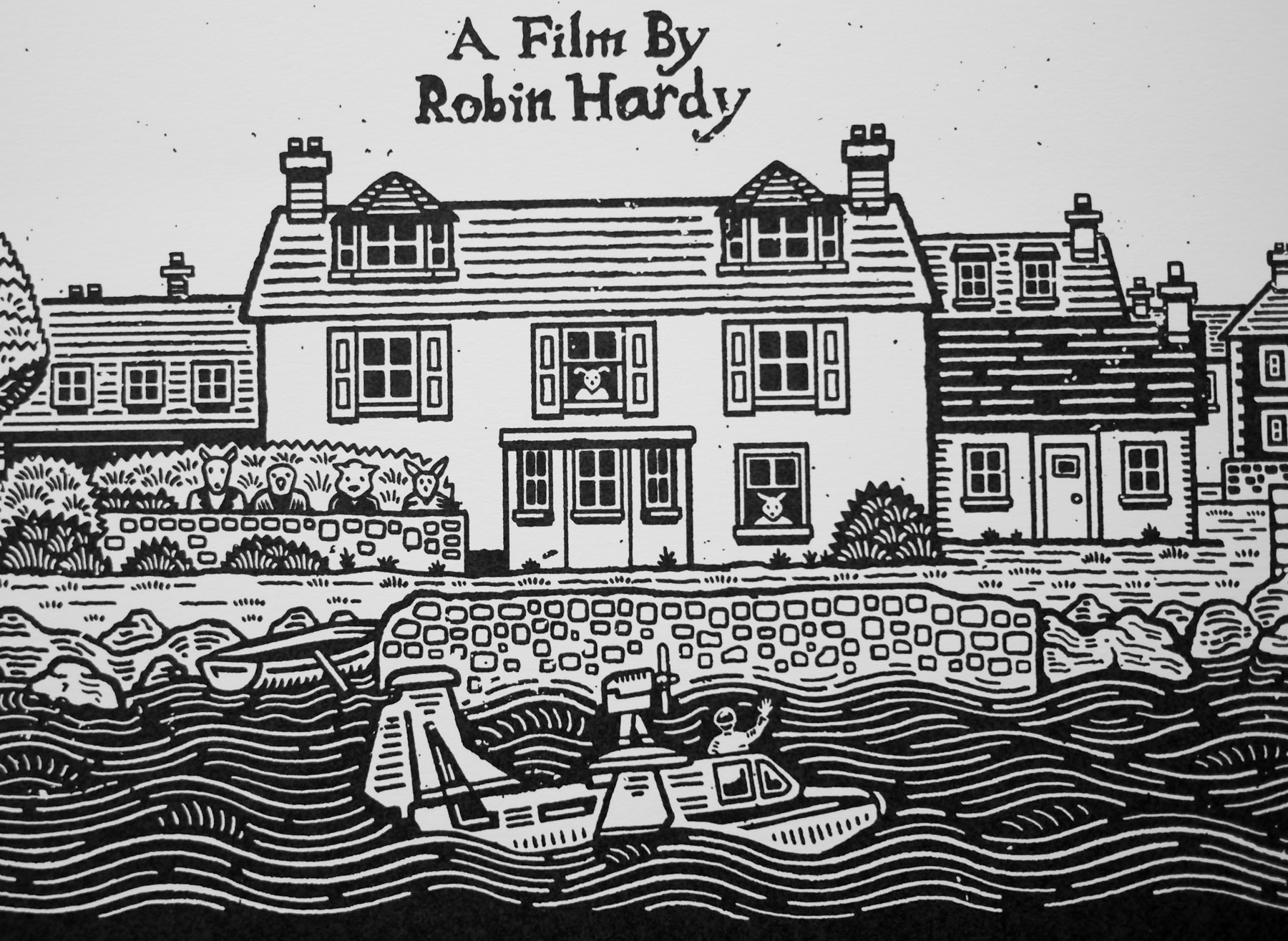
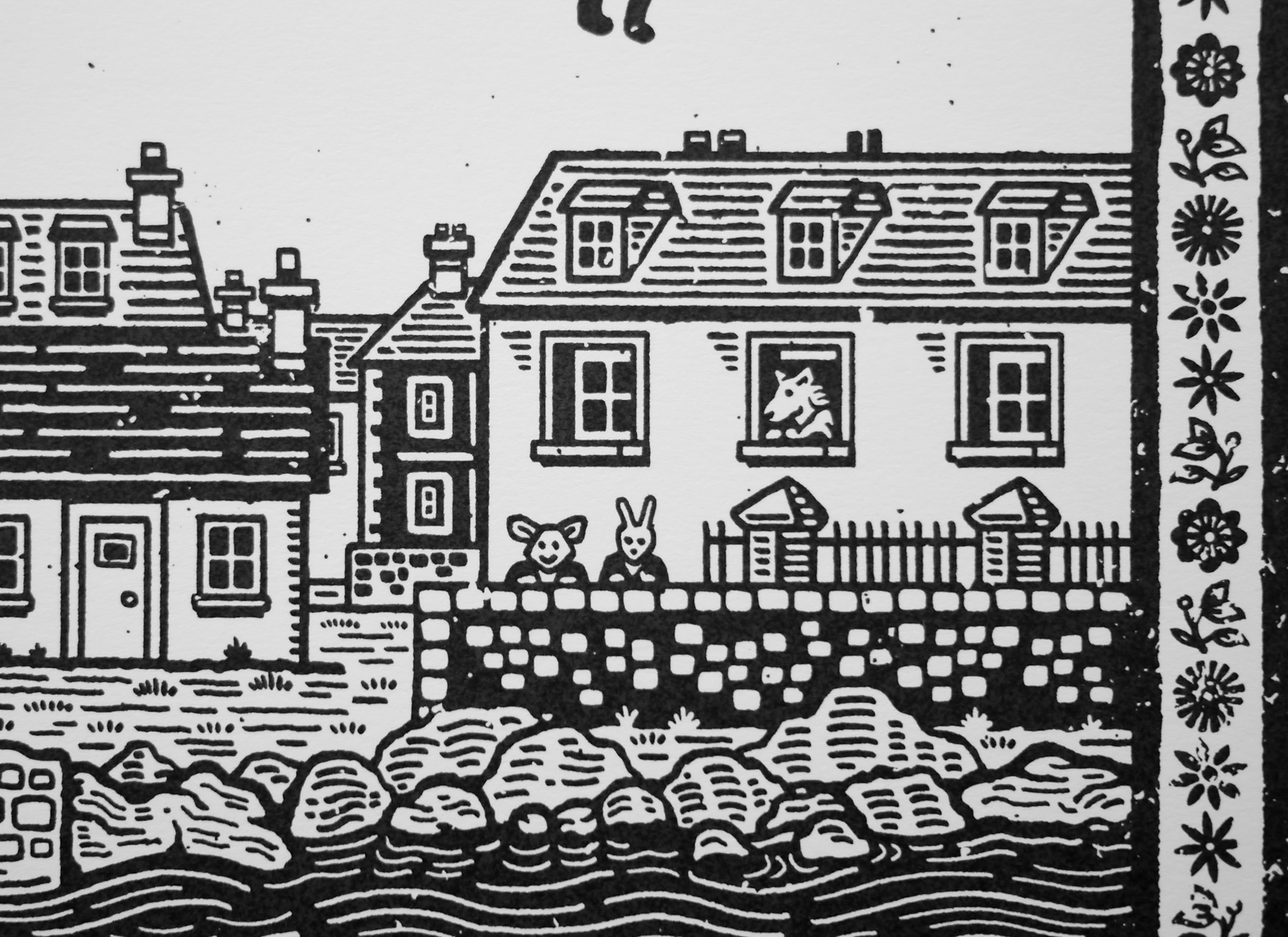
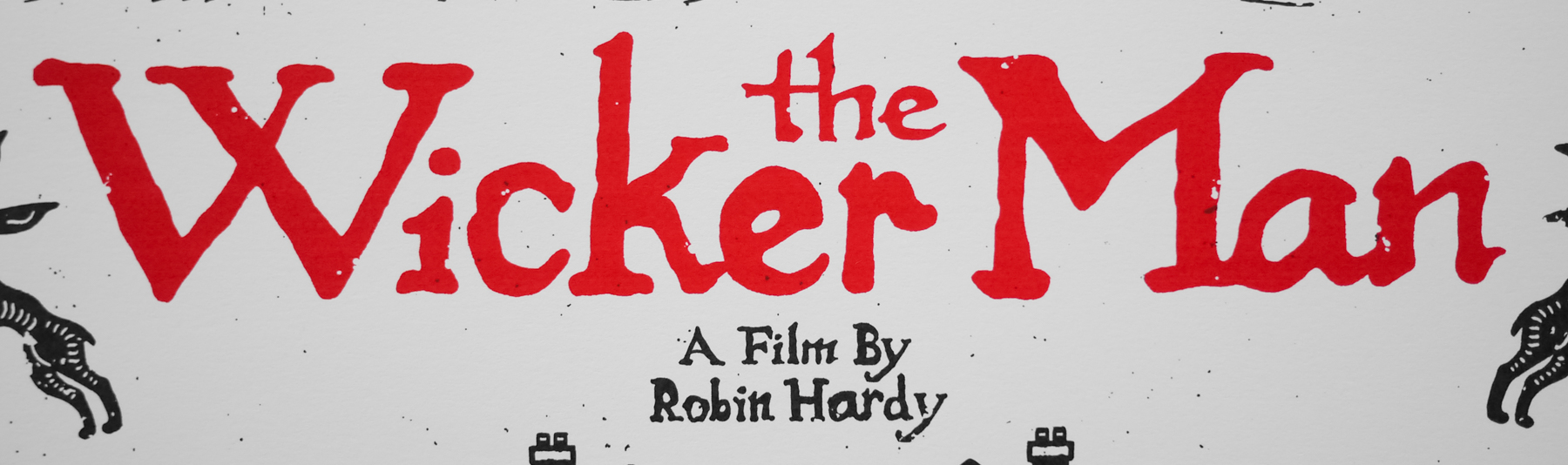
The Wicker Man is a true British classic and even though it started life as a low-budget b-feature the film has lost none of its power since its release forty years ago this year. Based on a script by celebrated screenwriter Anthony Shaffer, who had previously seen great success with the play Sleuth (1970), The Wicker Man was helmed by first time director Robin Hardy and was filmed on location around Scotland, with several coastal settings chosen to stand-in for the fictional island of Summerisle. It’s unfair to call the film a horror as it’s a mix of murder-mystery with occult undertones and features an unforgettable finale that lingers in the mind for a long time after the credits roll.

Edward Woodward stars as Sergeant Howie, a strait-laced policeman sent from the Scottish mainland to to investigate the mysterious disappearance of a local girl. After encountering indifference and hostility from the inhabitants, Howie decides to investigate the islands’ de facto leader Lord Summerisle (A memorable Christopher Lee) and soon discovers that this charismatic figure’s influence and beliefs hold sway over the population. The policeman realises too late that he has been brought to the island for reasons more sinister than the supposed disappearance of a local girl, and things are about to get very heated indeed for the unlucky Sergeant Howie.

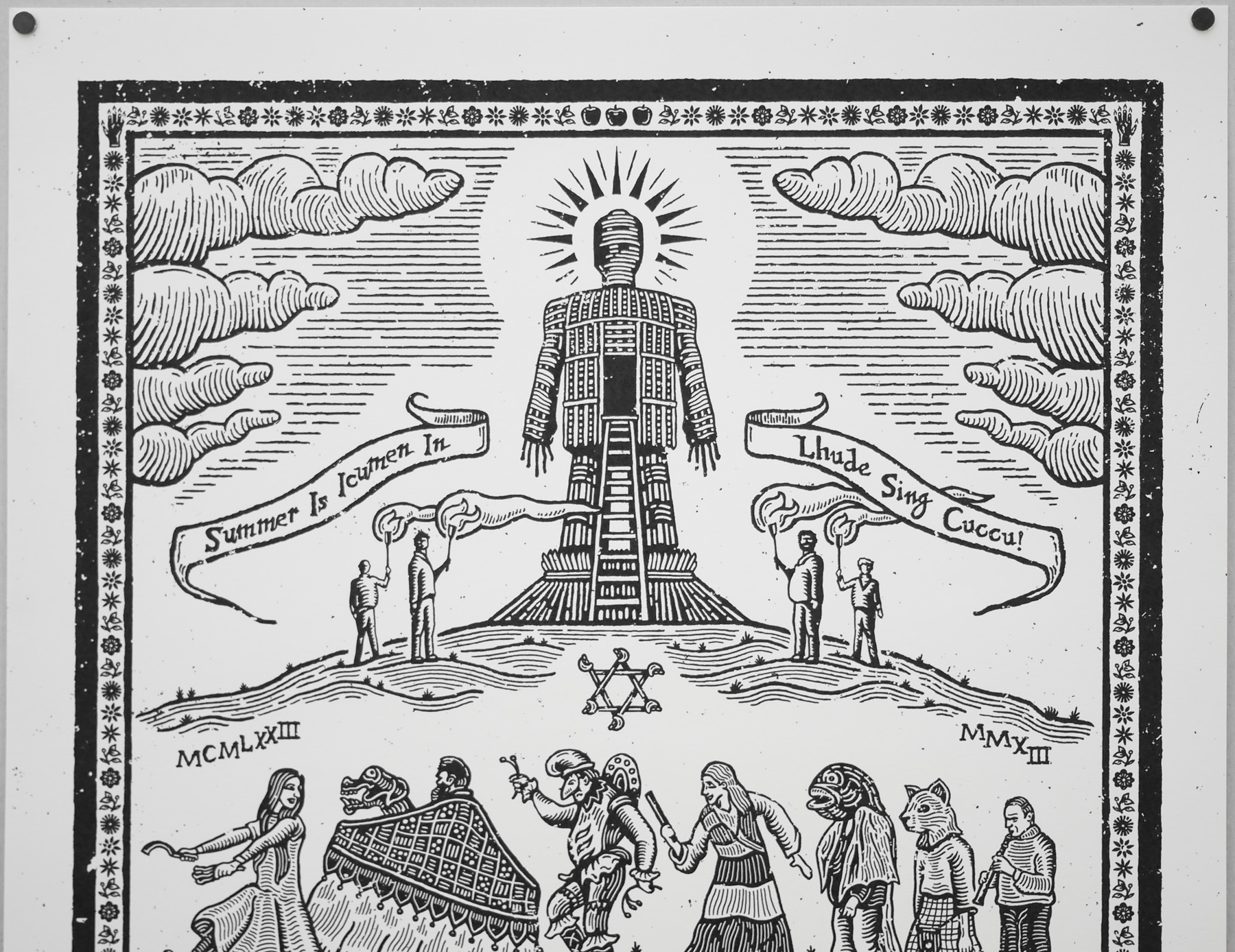
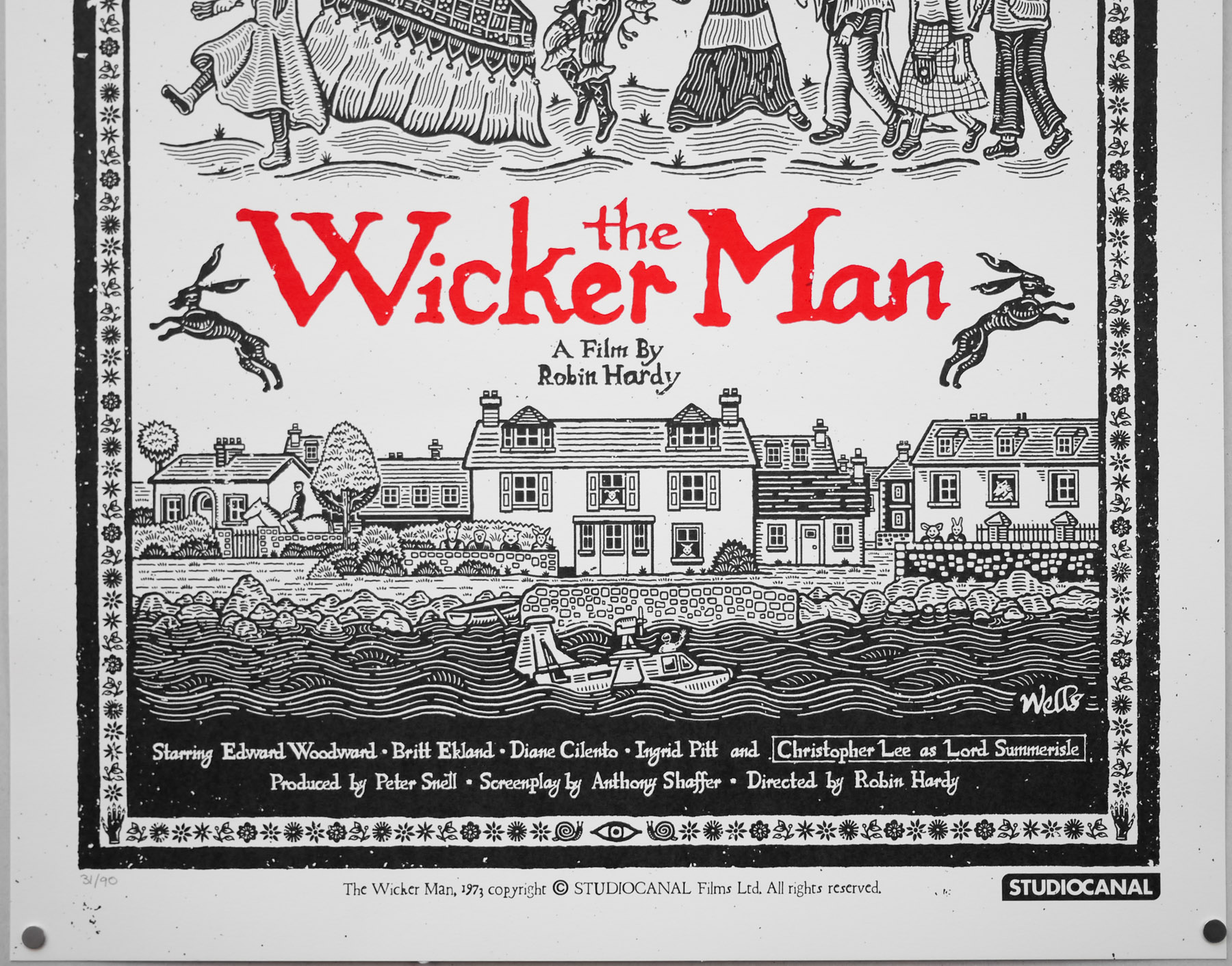
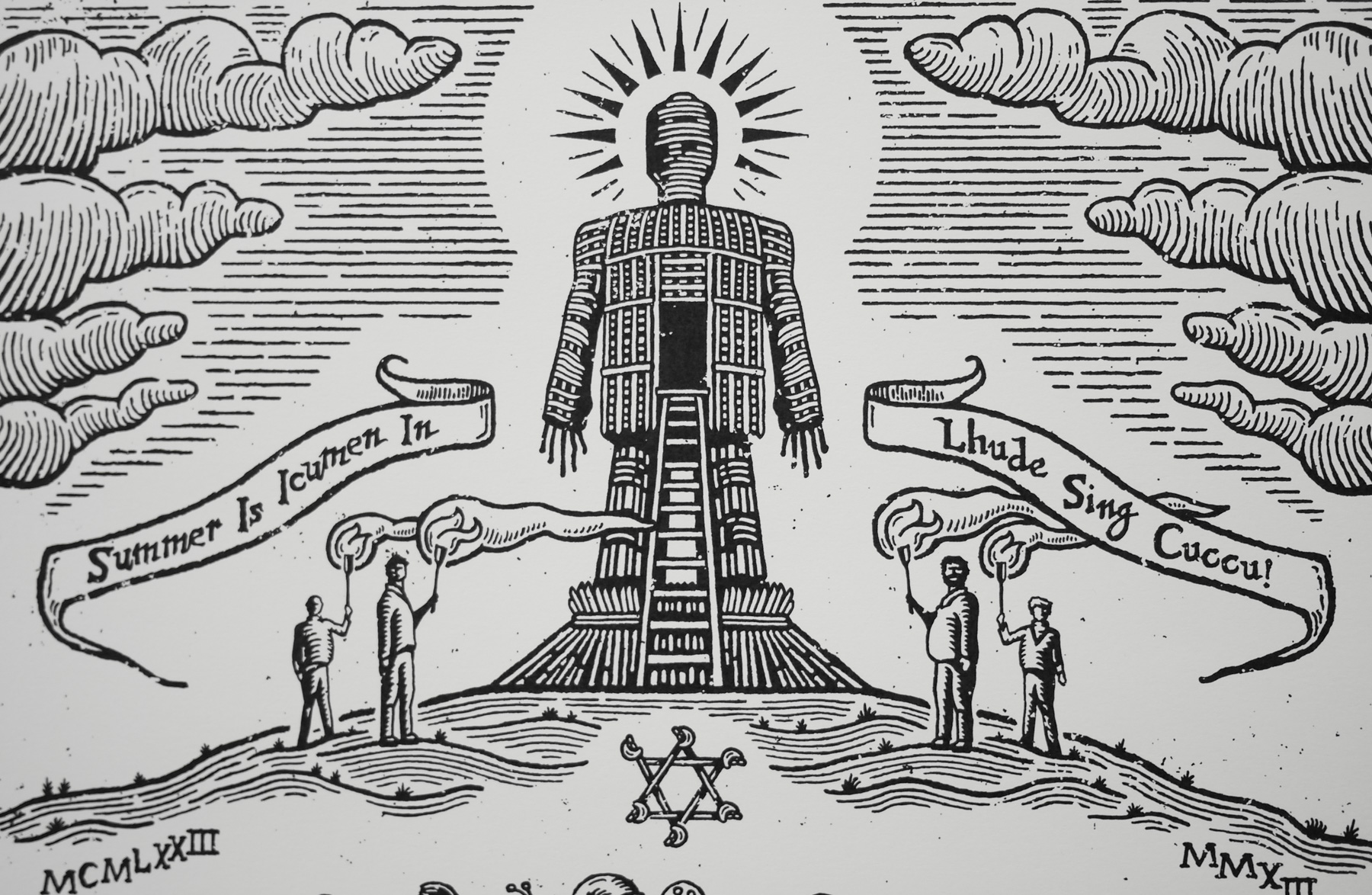
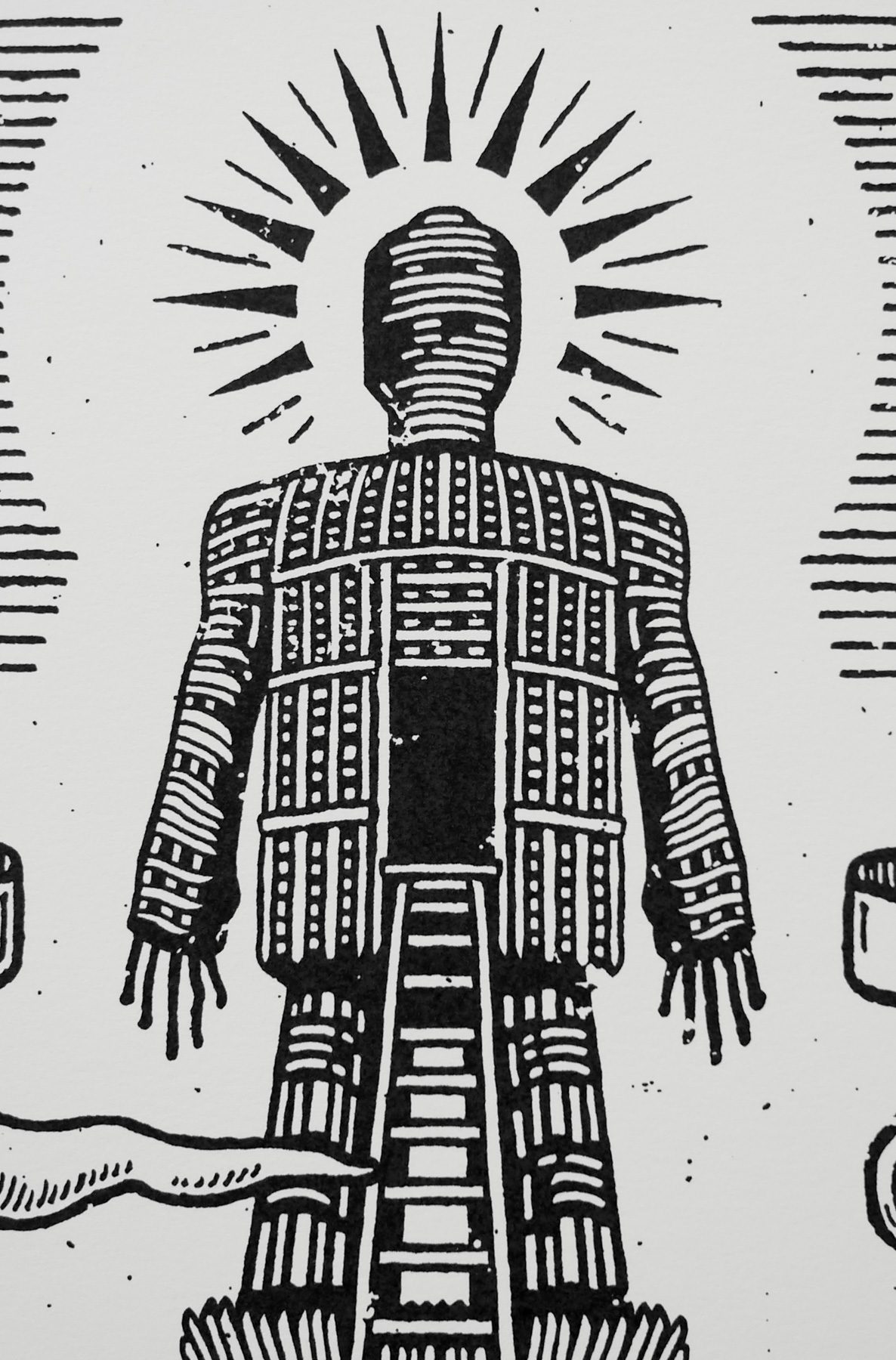
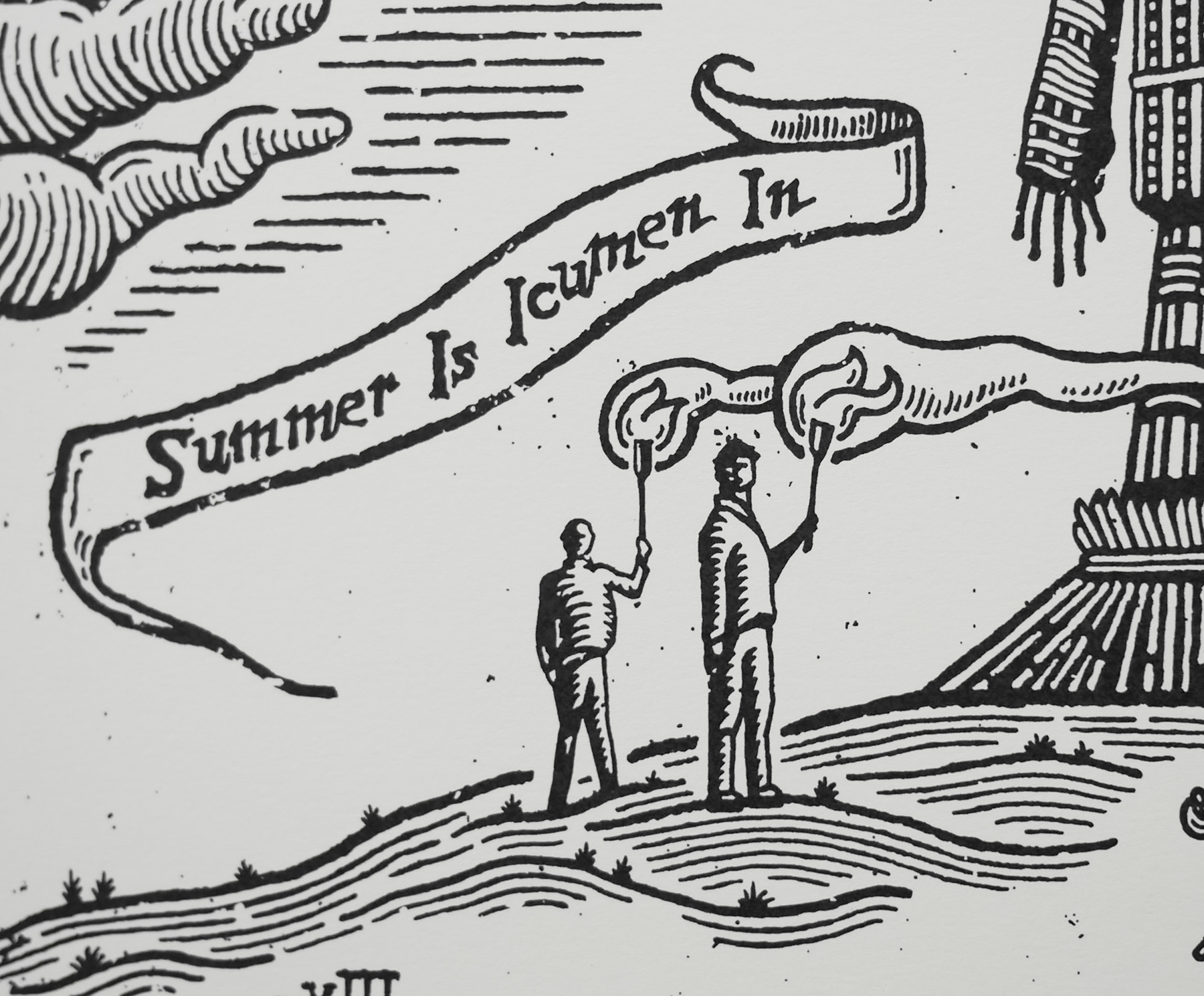
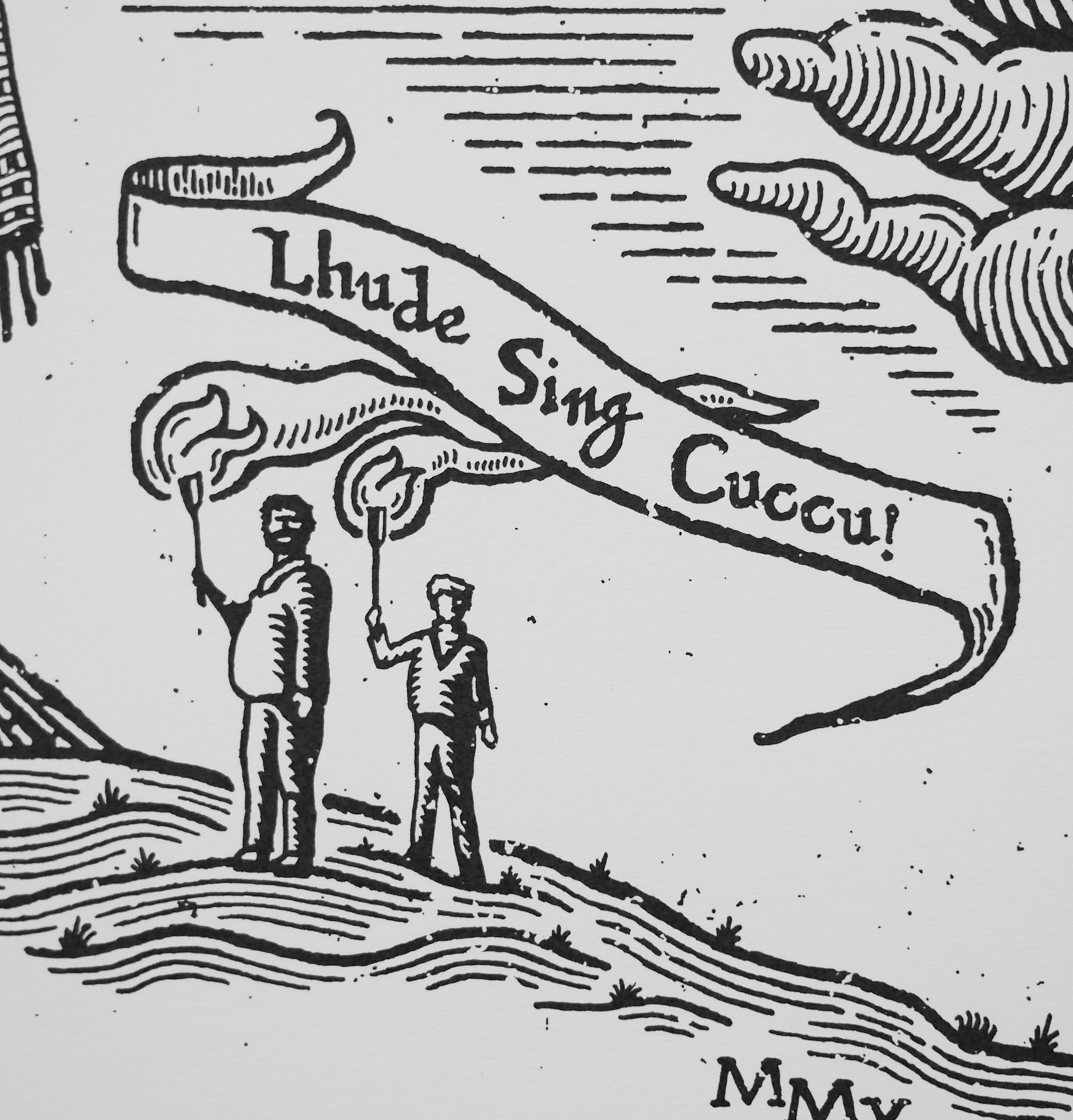
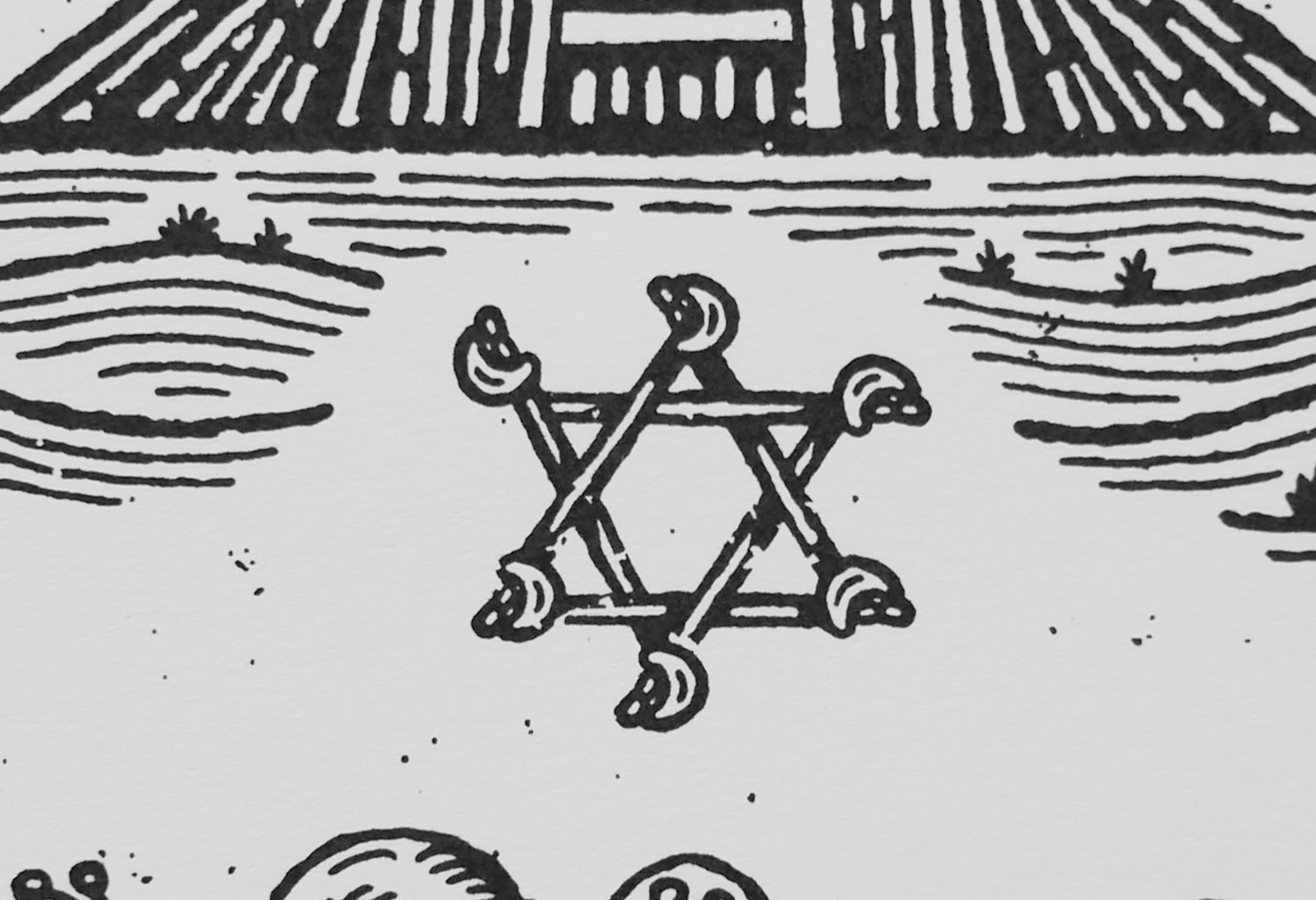
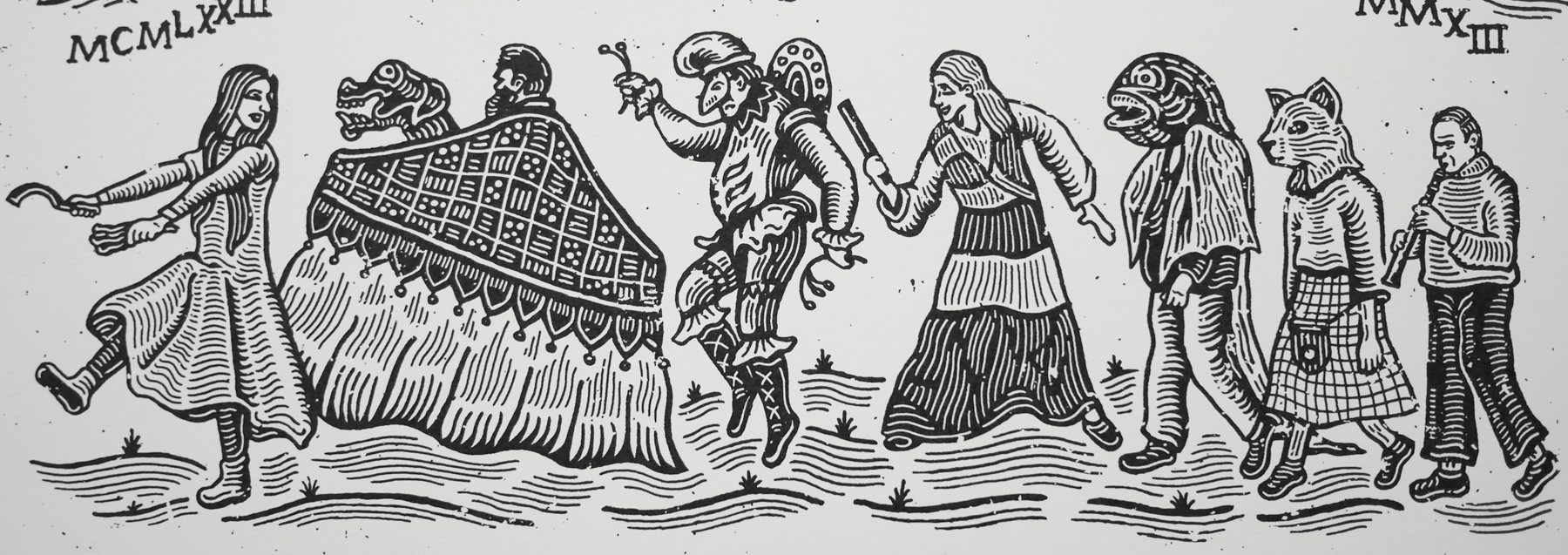
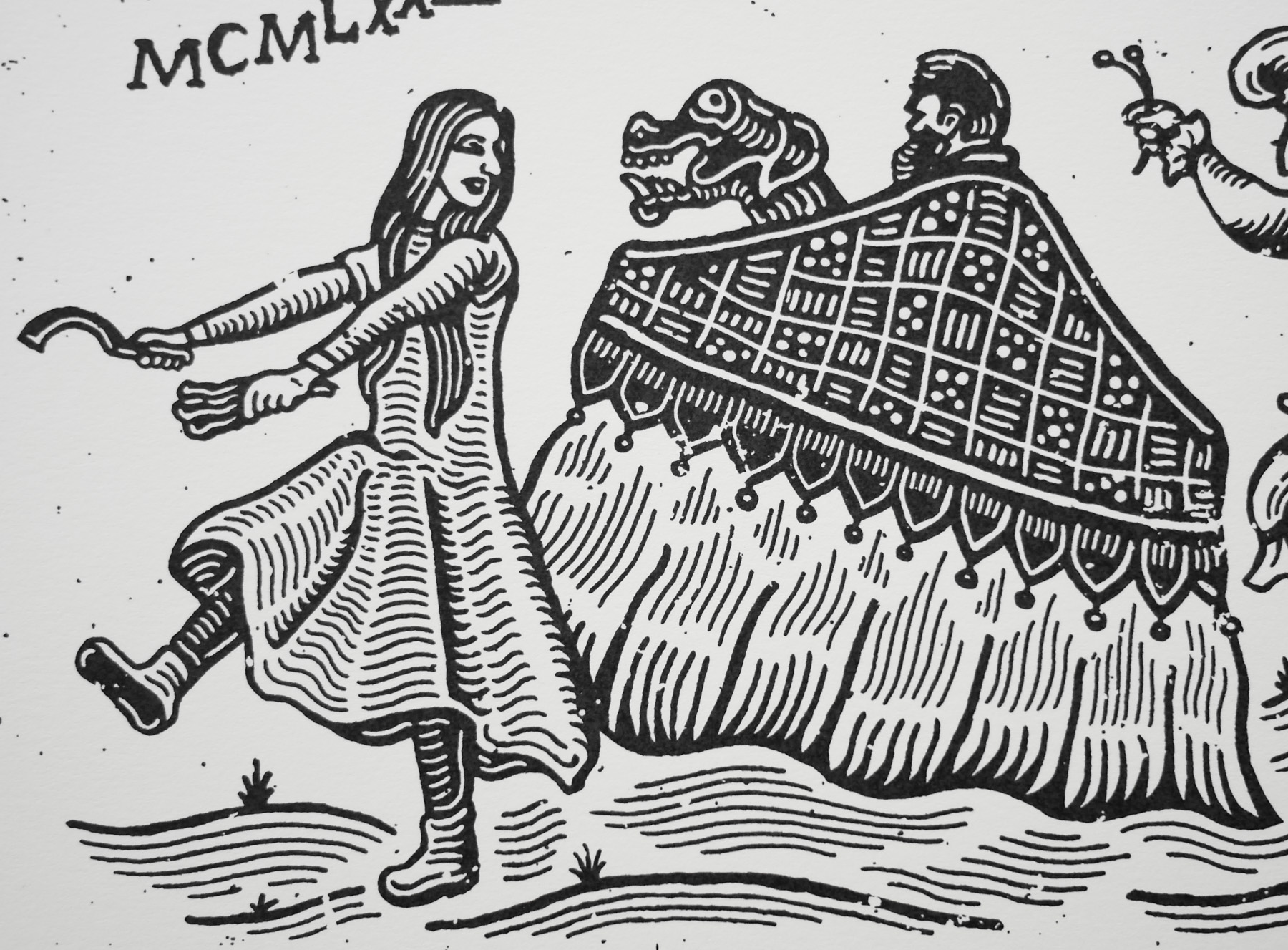
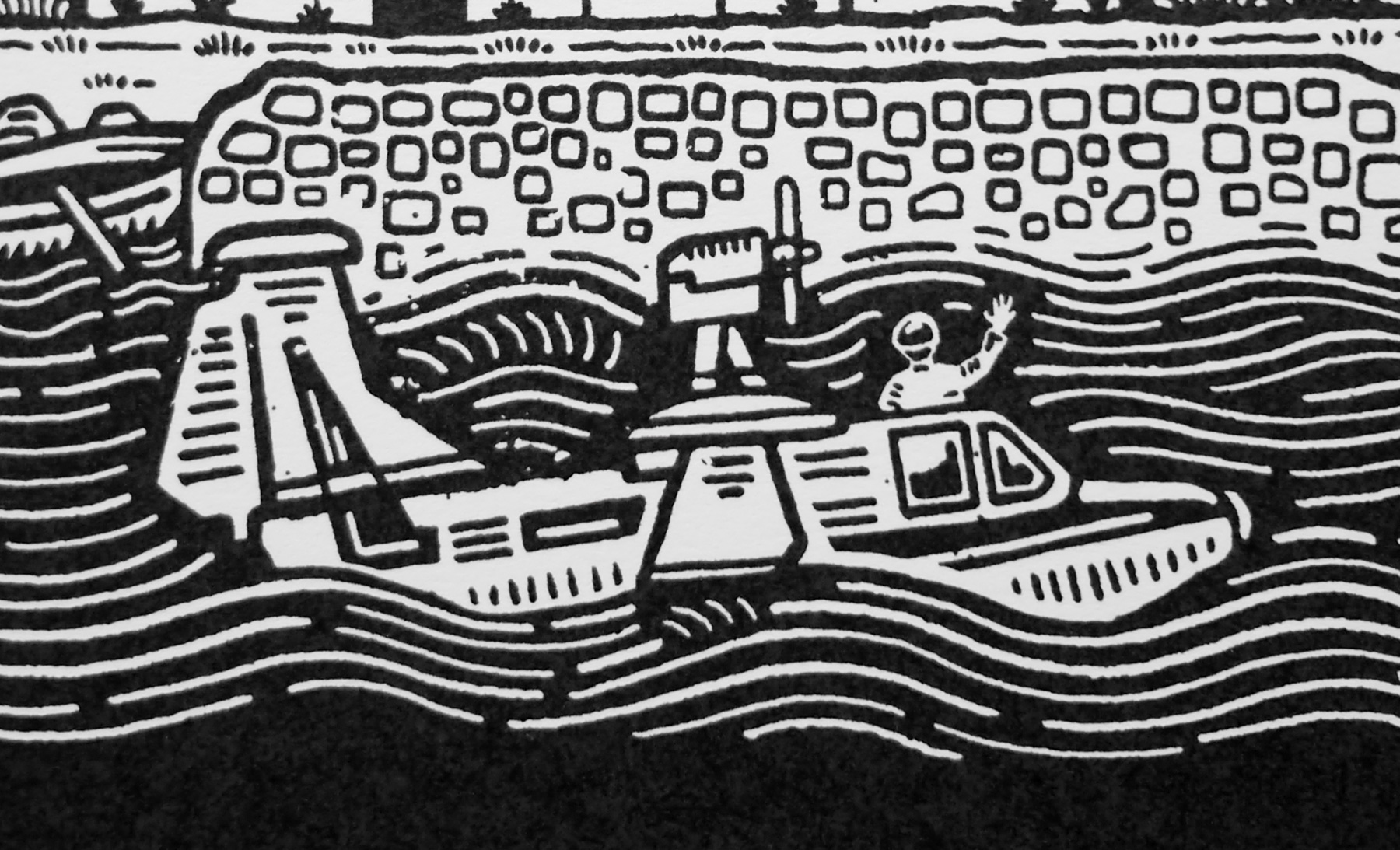
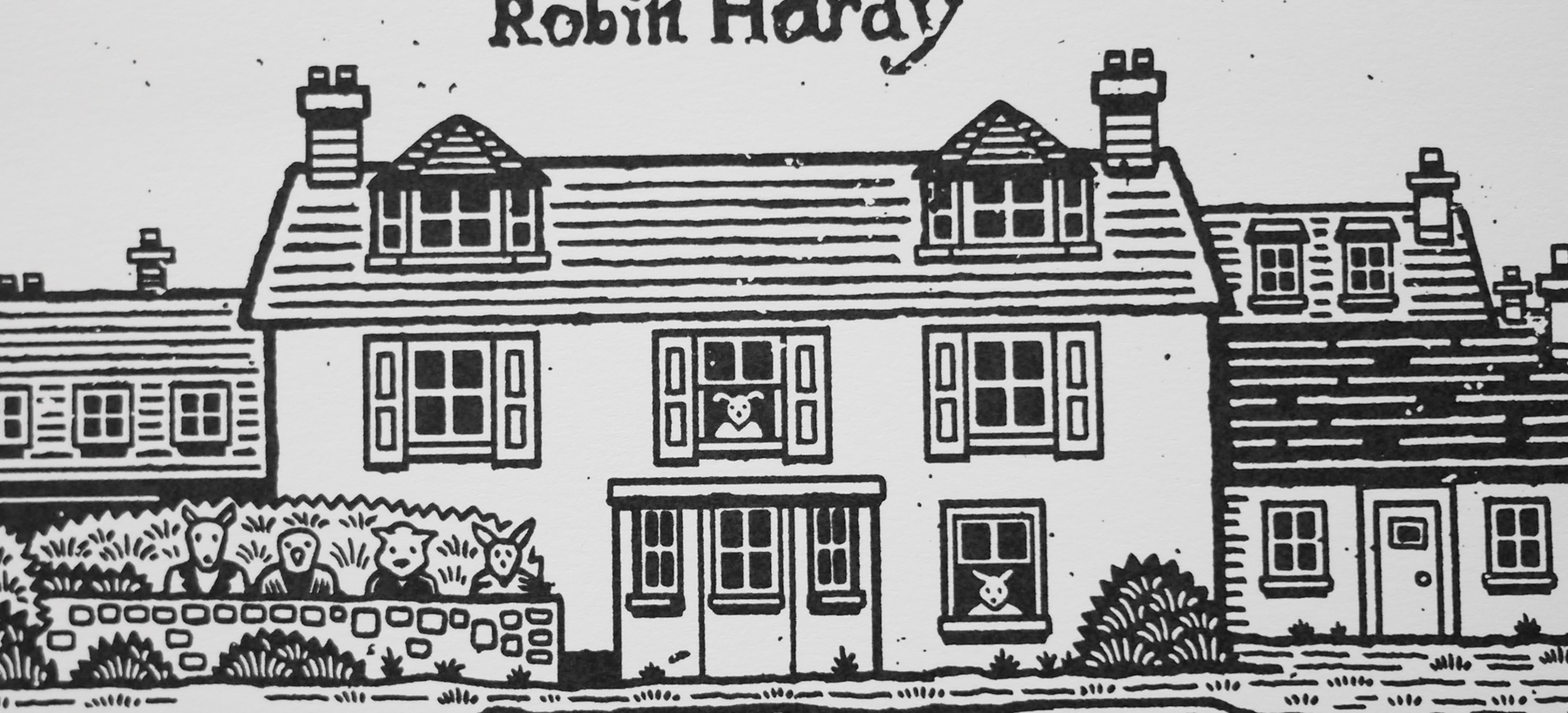
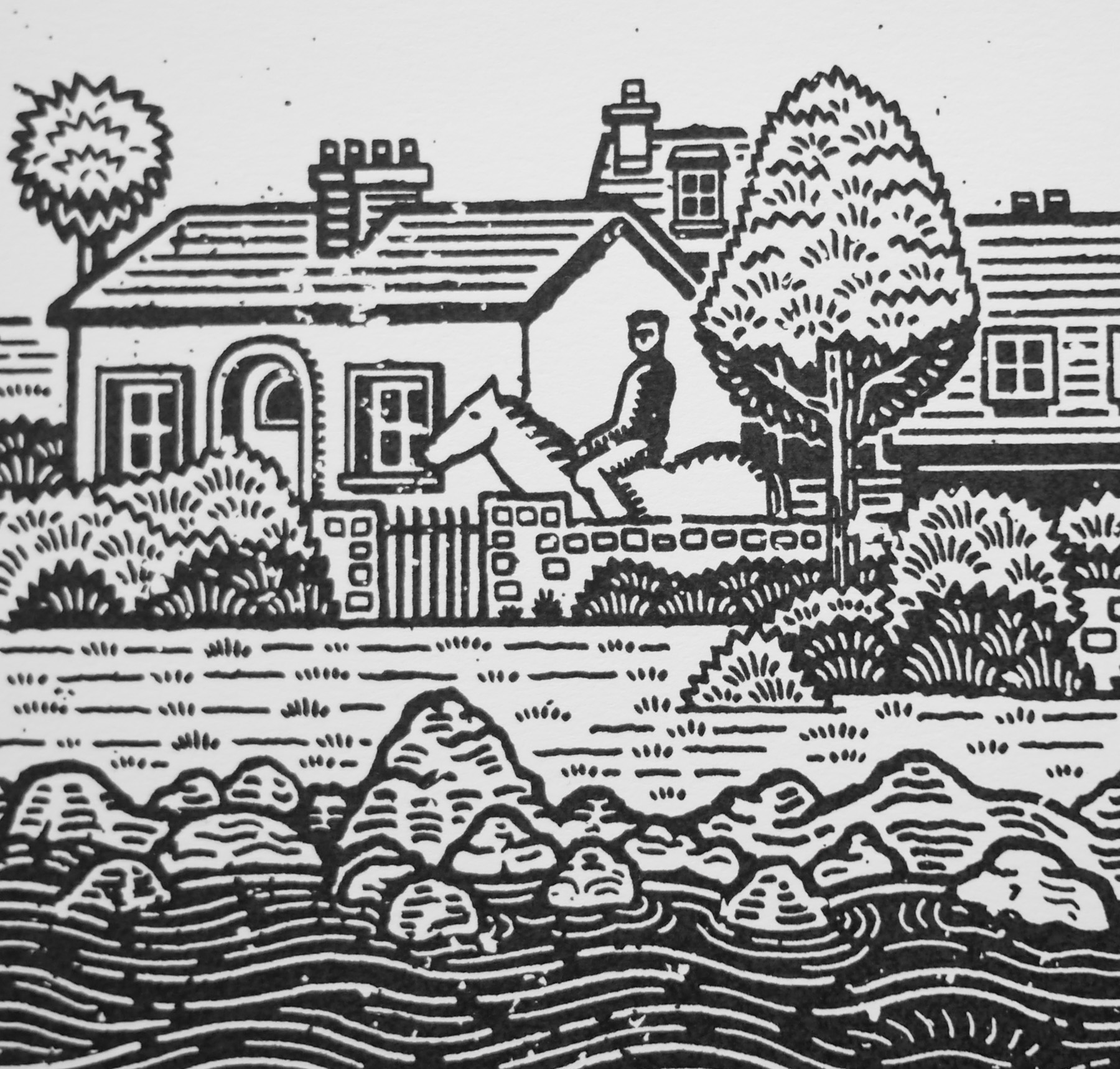
This screen print was created by the British designer and illustrator Richard Wells (AKA Slippery Jack) in a traditional woodcut style that perfectly suits the film. Wells first debuted the artwork digitally in 2013 to mark the film’s 40th anniversary and then the following year he collaborated with Under the Floorboards to release a screen print of it in both regular and variant editions (the variant is on a different, brighter type of paper). There are so many great details to the print and I spot new ones each time I look at it. In 2013 Wells worked on a similar style print for Ben Wheatley’s A Field in England that was originally only given to cast and crew members but was later made available to the public in early 2015.
Check out Richard Wells’ portfolio site here and his DeviantArt gallery here.

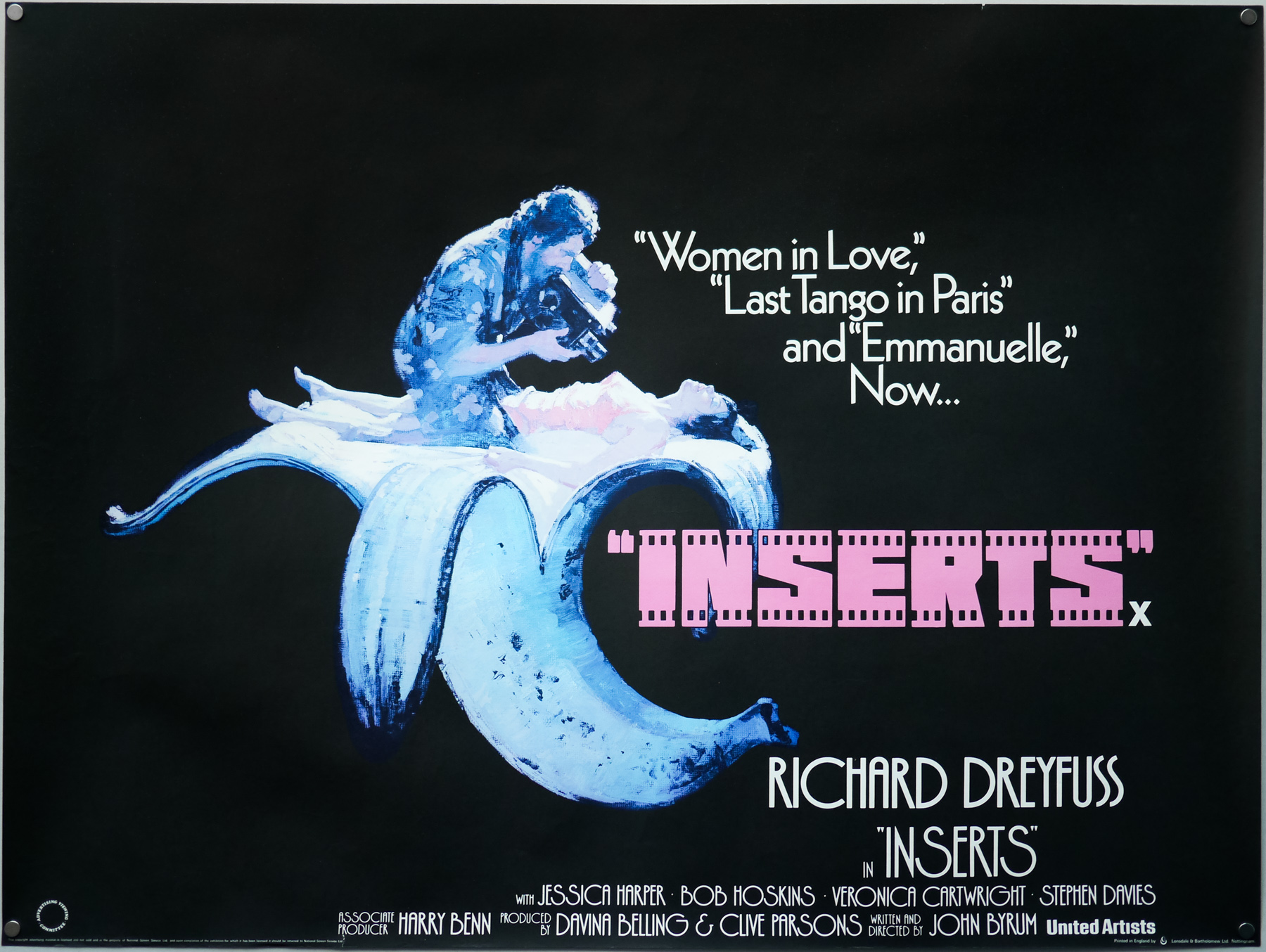
Inserts / quad / style A / UK

22.07.16

Poster Poster
Title
Inserts
AKA
--
Year of Film
1975
Director
John Byrum
Starring
Richard Dreyfuss, Jessica Harper, Bob Hoskins, Veronica Cartwright, Stephen Davies
Origin of Film
UK
Genre(s) of Film
Richard Dreyfuss, Jessica Harper, Bob Hoskins, Veronica Cartwright, Stephen Davies,
Type of Poster
Quad
Style of Poster
Style A
Origin of Poster
UK
Year of Poster
1975
Designer
Vic Fair
Artist
Vic Fair
Size (inches)
30" x 39 14/16"
SS or DS
SS
Tagline
"Women in Love", "Last Tango in Paris" and "Emmanuelle" - Now...

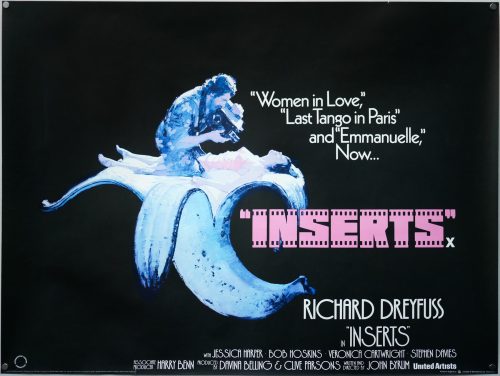
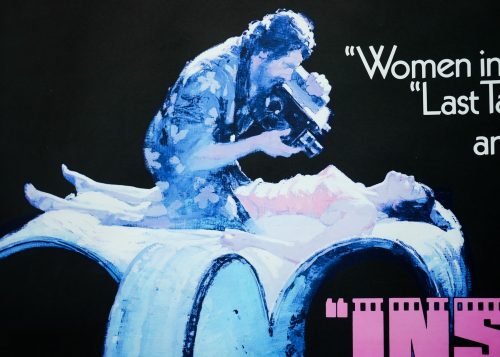
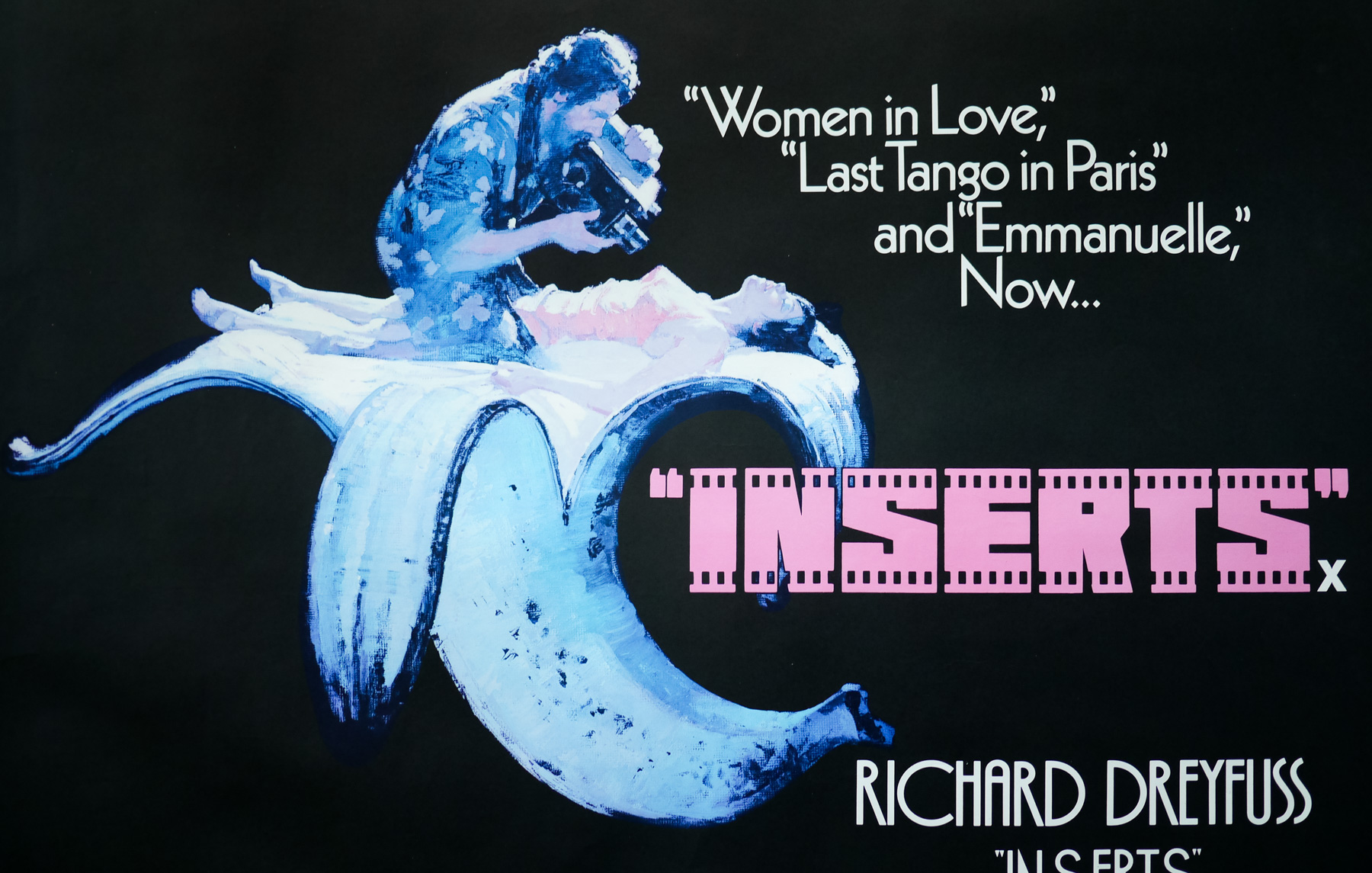
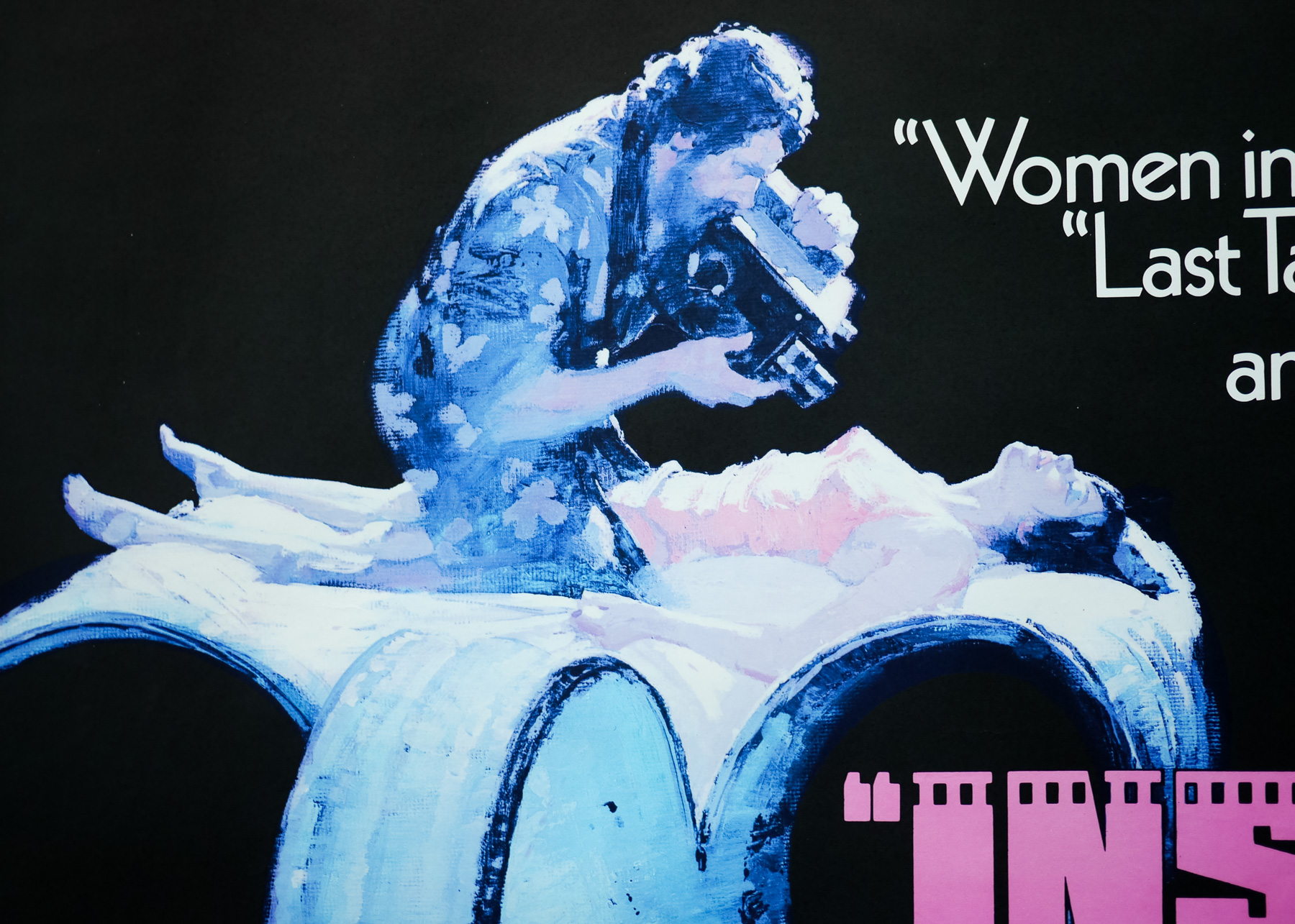
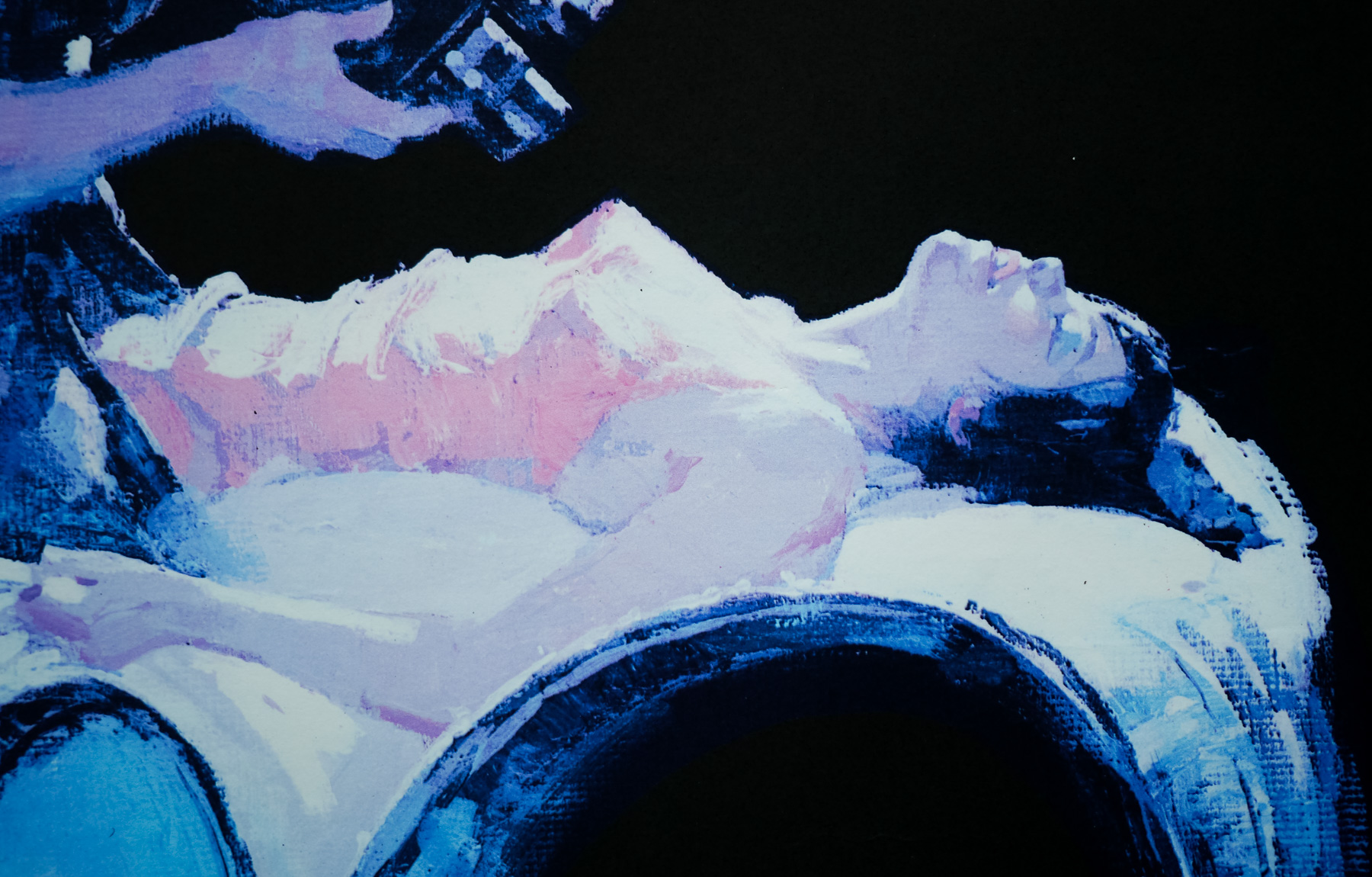
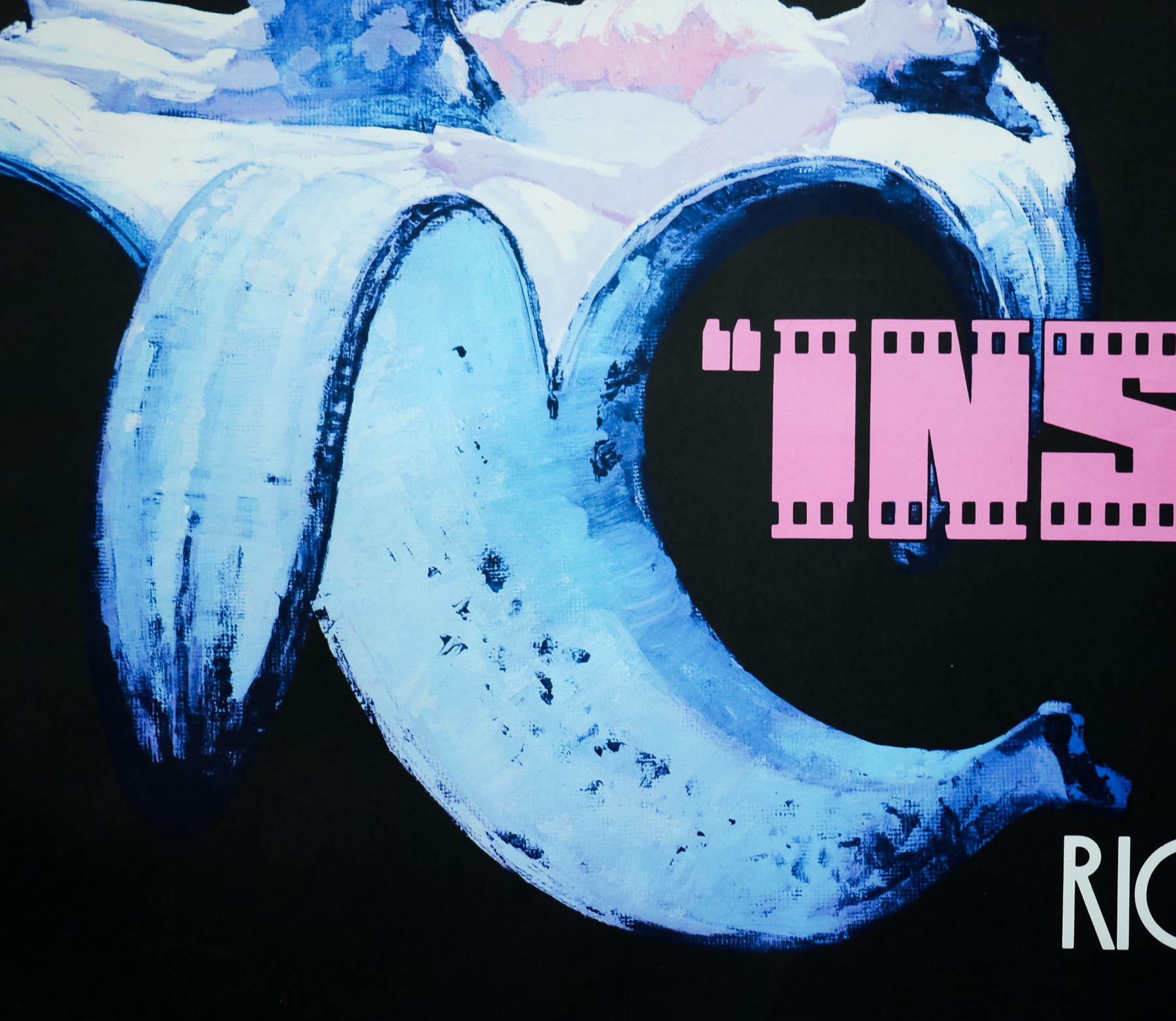
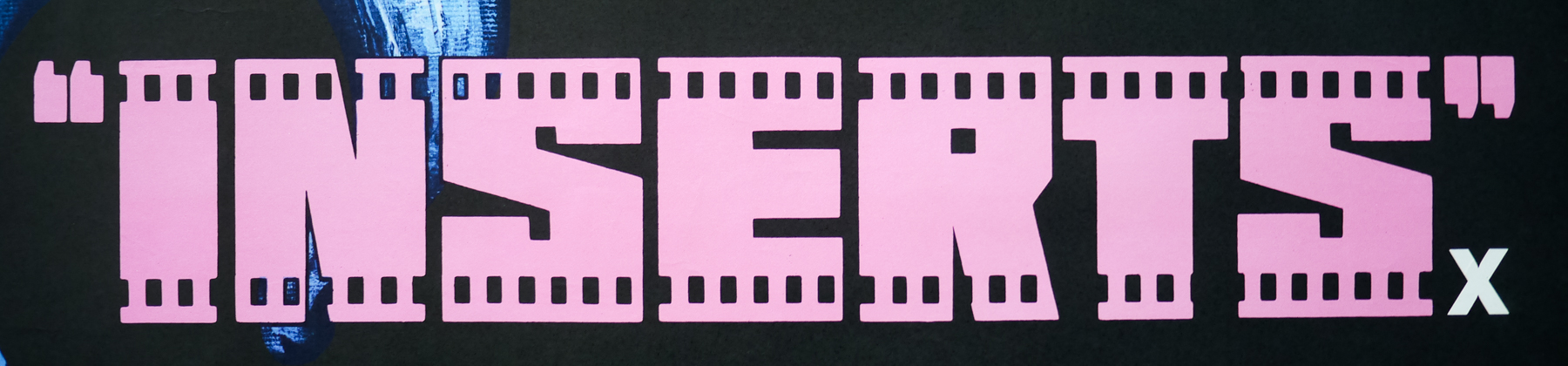
Striking artwork by the British artist Vic Fair on this quad poster for the release of the 1975 film Inserts. The film was the debut film of writer/director John Byrum, an American who appears to have spent quite a lot of time writing, producing and directing TV shows, although his last credit was for Duets (2000). The film is set in Hollywood in the 1930s and deals with actors and directors who were struggling to make the transition from silent films into ‘talkies’ so instead turned to making pornography for a living. Rather unusually the film was shot in the style of a stage play, on one set and in real time, with only five actors in total. The cast is rather impressive and features Richard Dreyfuss (the same year that Jaws was released), Jessica Harper (Suspiria) and the late Bob Hoskins in one of his first major film roles. The plot is described thusly on IMDb:

A once-great silent film director, unable to make the transition to the new talkies, lives as a near-hermit in his Hollywood home, making cheap, silent sex films, and suffering in the knowledge of his sexual impotence, and apathetic about the plans to demolish his home to make way for a motorway. His producer and his producer’s girlfriend come by to see how he is doing (and to supply heroin to the actress as her payment). The girlfriend stays to watch them filming, and is deeply impressed by his methods. When the actress goes to the bathroom, and dies there of an overdose, the girlfriend takes her place in the film. Then the producer returns…

Sadly the film was a critical and commercial failure on its release, not helped by the fact that it was given a very prohibitive X certificate in the US, which was later downgraded to NC-17 after a battle with the sensors that Dreyfuss himself was involved in. The user reviews on IMDb are a little less damning than the professional critics were at the time of its cinema release.

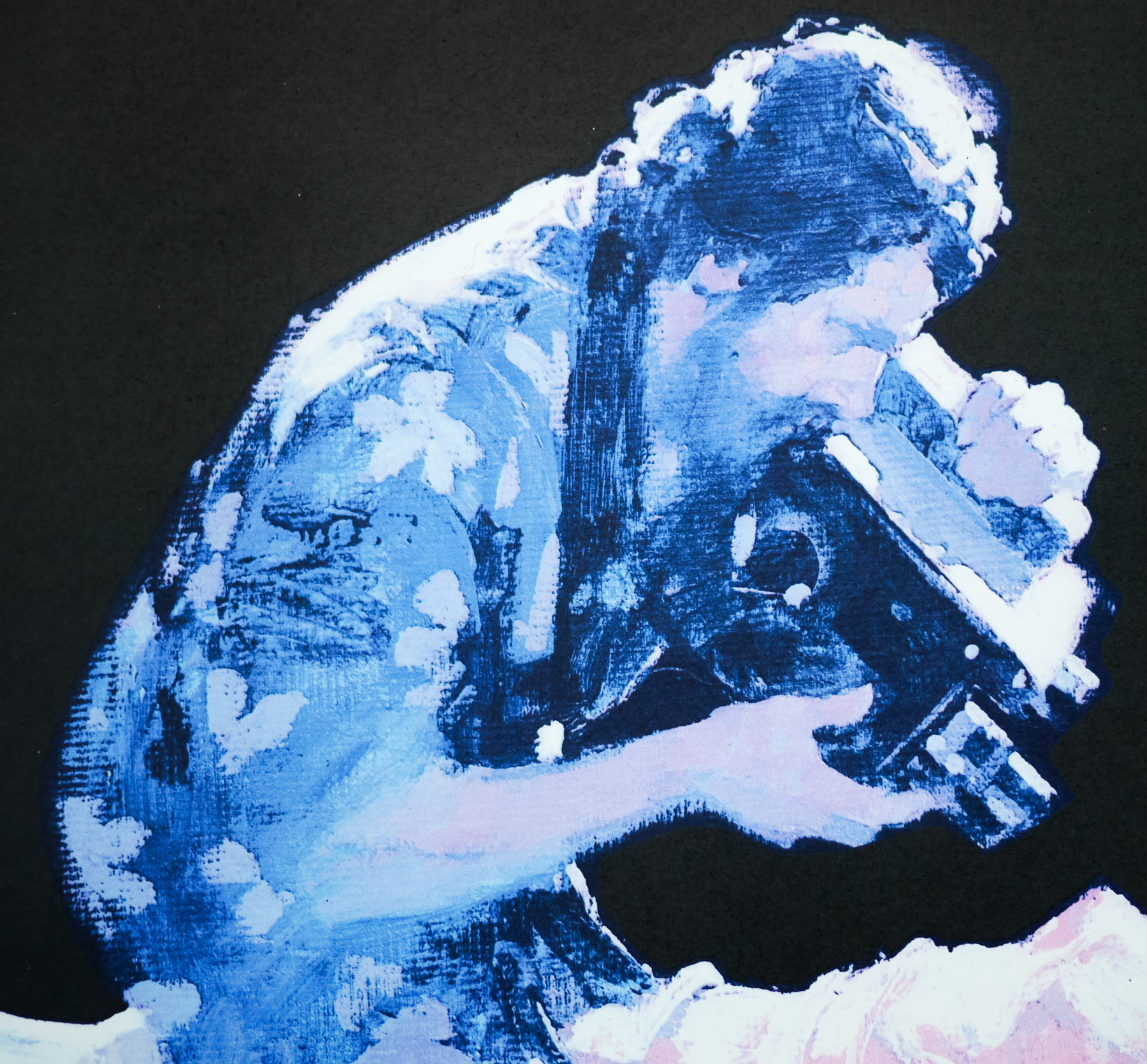
This quad poster was both designed and painted by Vic Fair who is one the most important characters ever to work in British film marketing. He is responsible for several iconic posters, including The Man Who Fell To Earth, posters for Hammer horrors like Vampire Circus, and the withdrawn advance one sheet for A View to a Kill. I interviewed Vic for this site and that article can be viewed by clicking here.

Note that there are also at least two other styles of British quads for the release of Inserts, including this style B one (image taken from Moviepostermem.com) which was based on Vic’s design but was painted by the celebrated Italian artist Arnaldo Putzu.

A Field in England / screen print / teaser / UK

10.08.16

Poster Poster

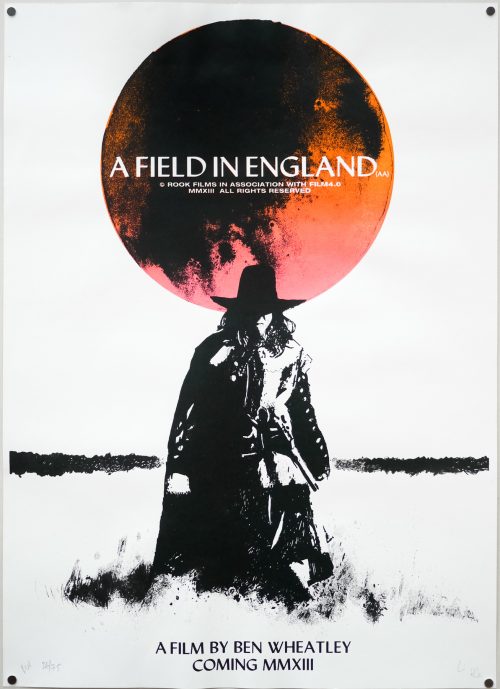
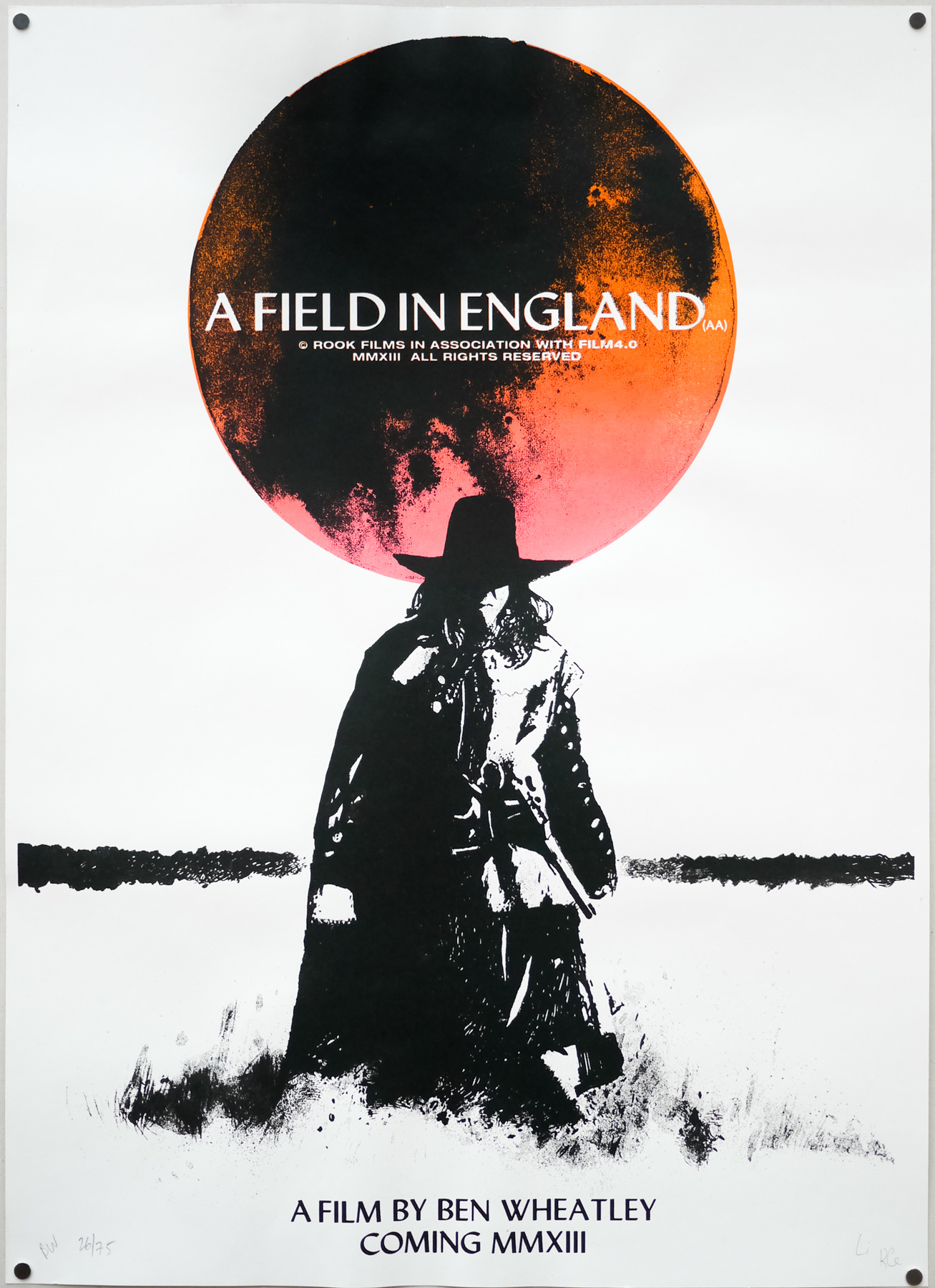
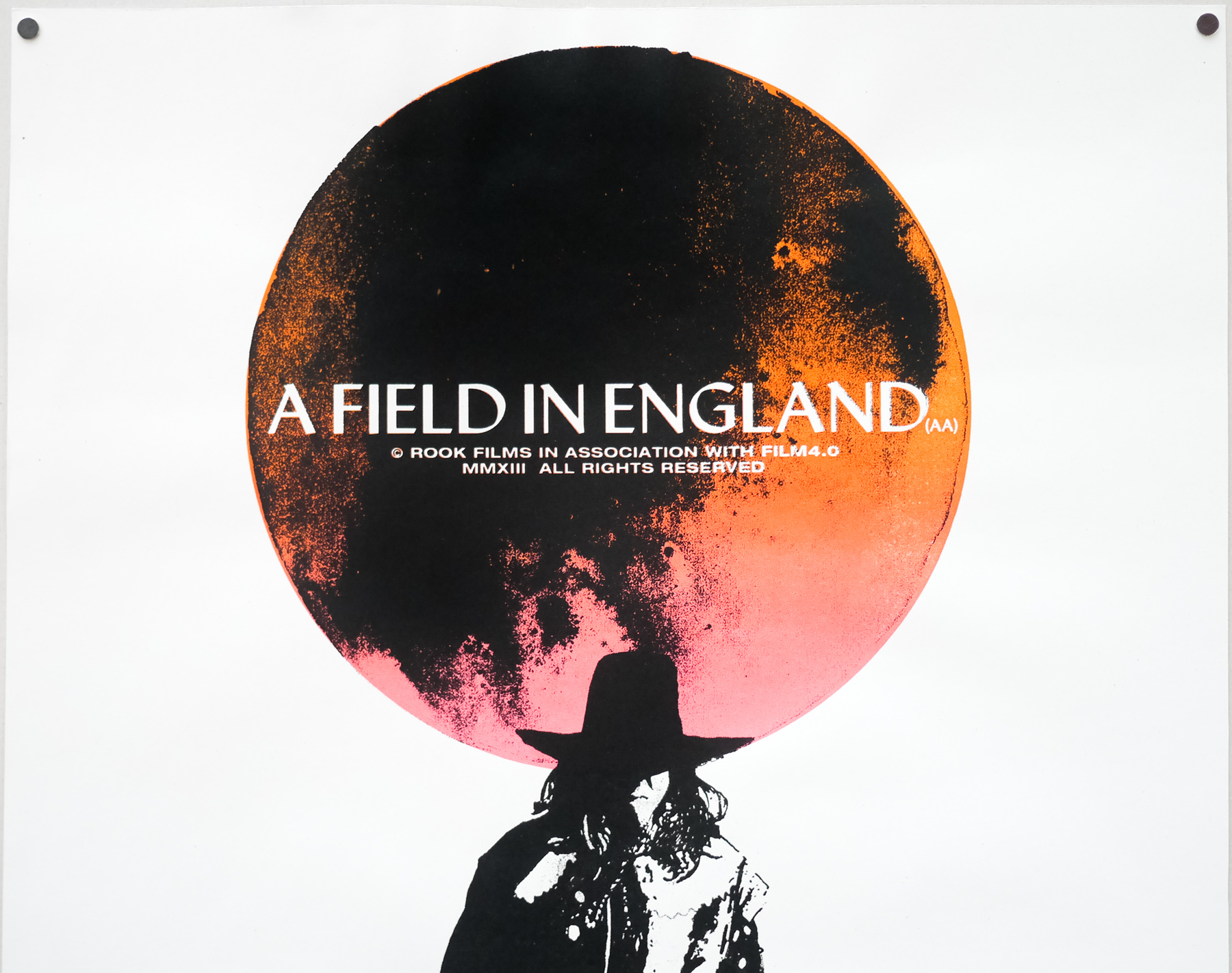
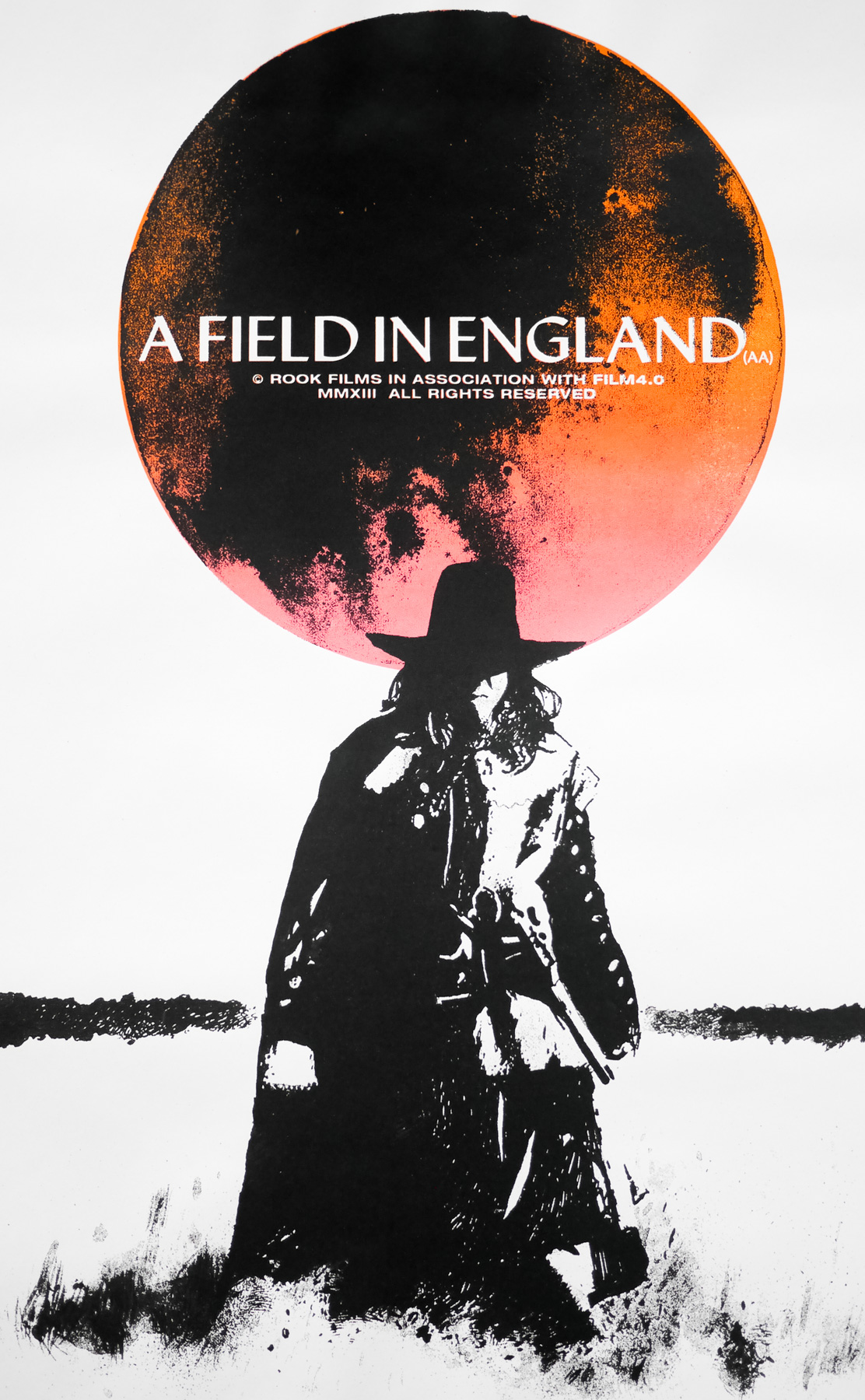
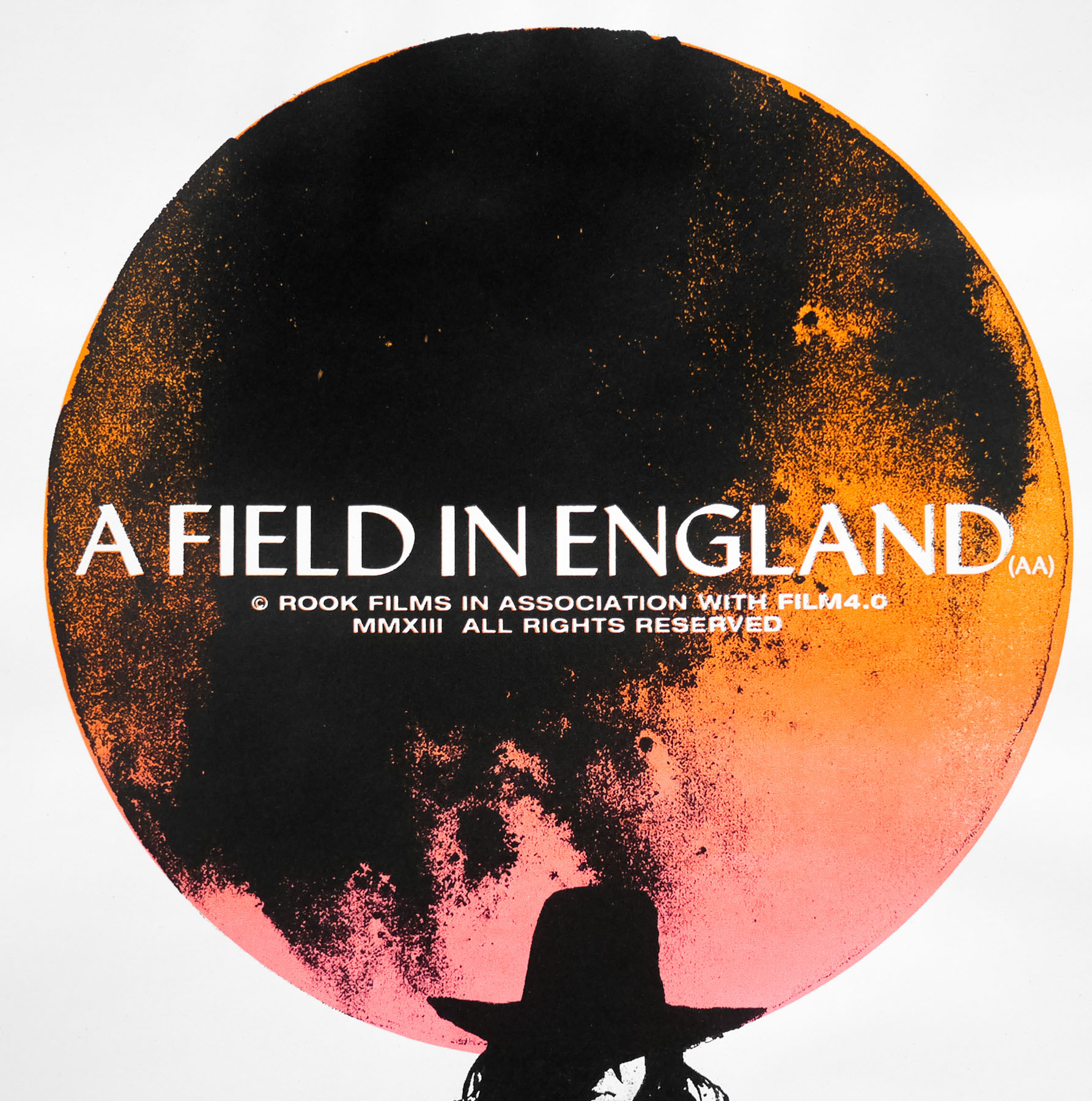
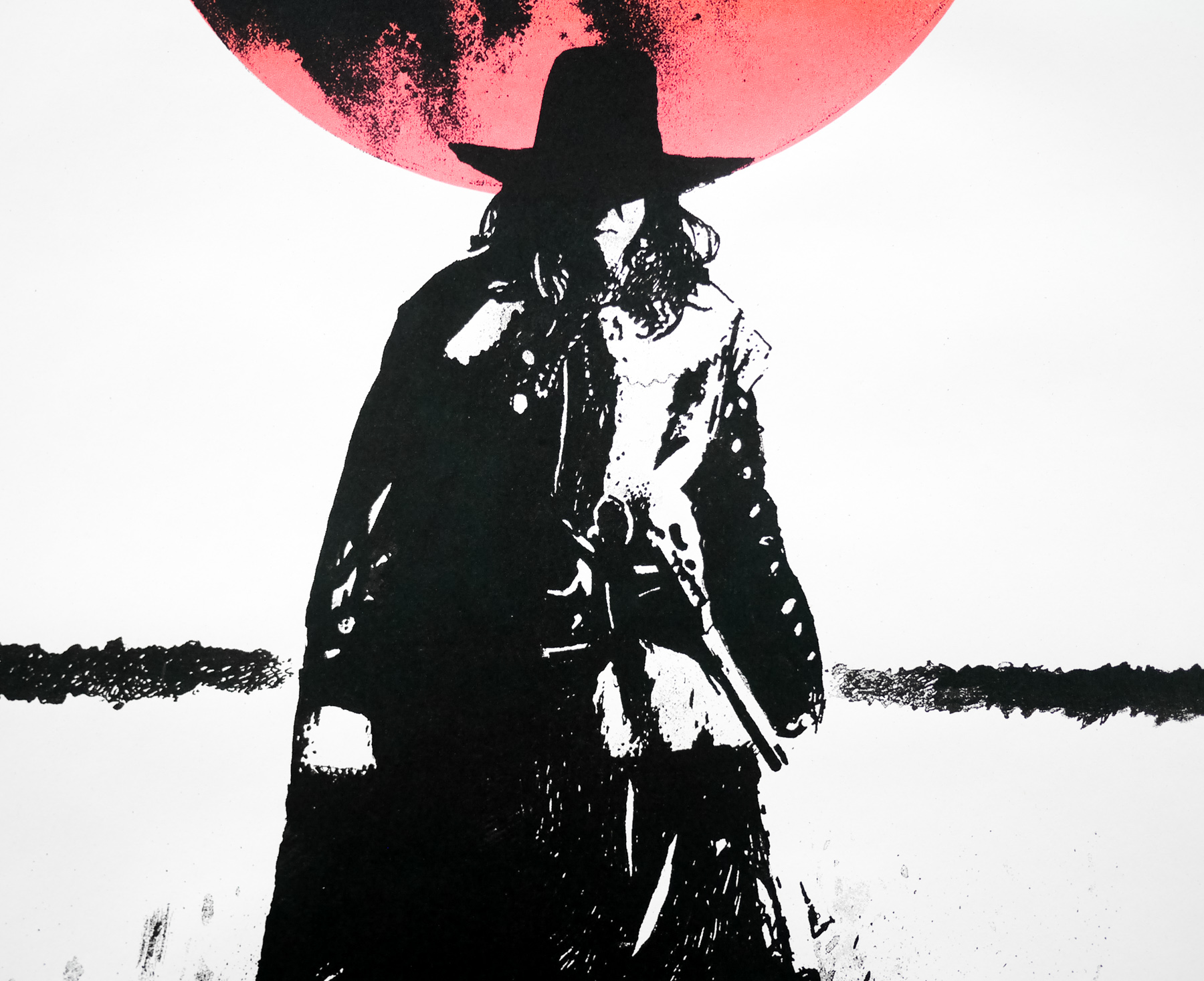
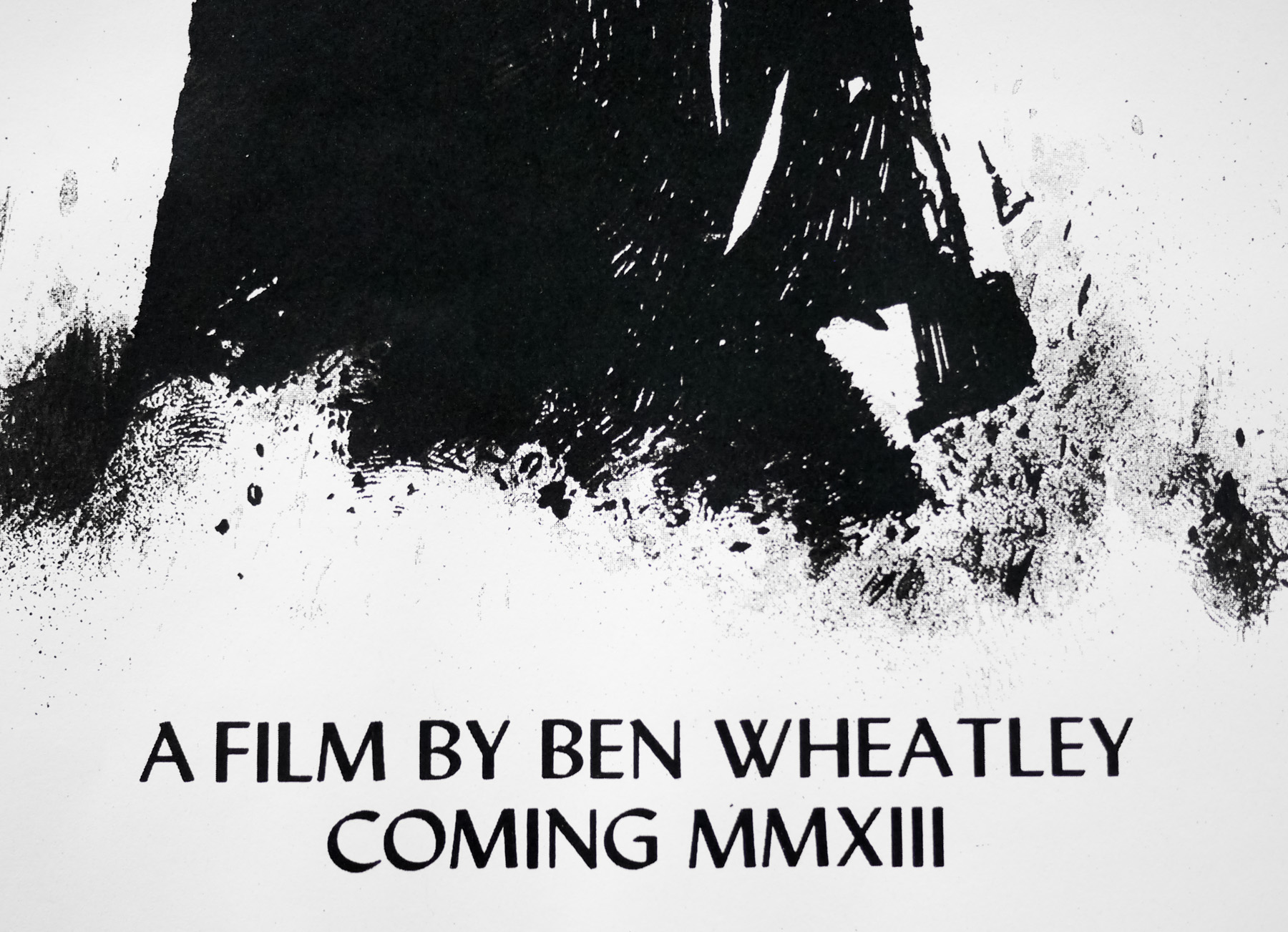
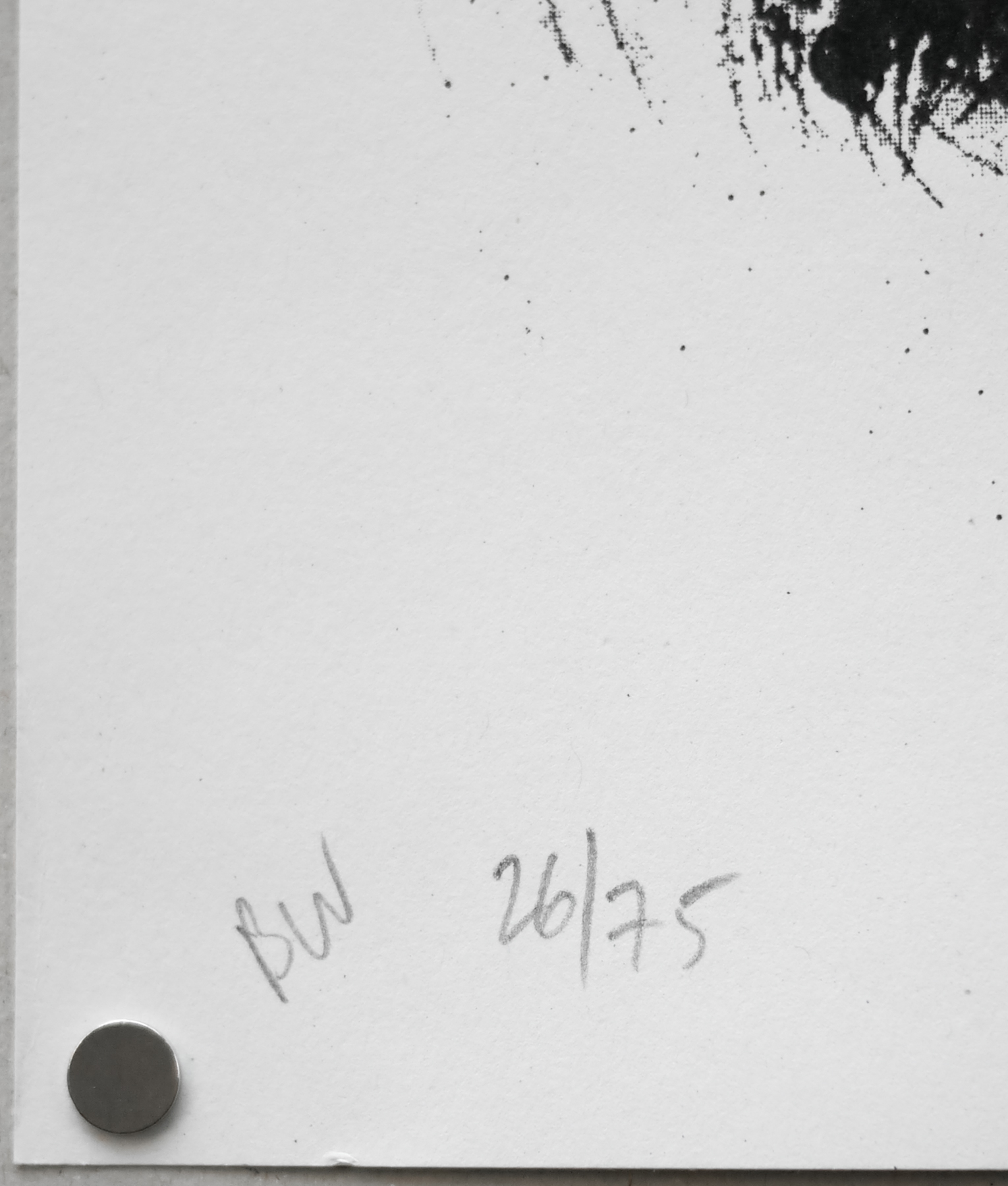
Several months before the release of director Ben Wheatley‘s fourth film, A Field in England, a limited edition screen print was commissioned by the production company Rook Films and released in a small run of 75. The film is set during the mid-17th Century English Civil War and was apparently in development for several years after the director became interested in the historical period whilst filming a documentary about the Sealed Knot, an English society that carries out historical reenactments. Amy Jump, Wheatley’s regular collaborator (and wife), wrote the screenplay with filming taking place over twelve days in September 2012.

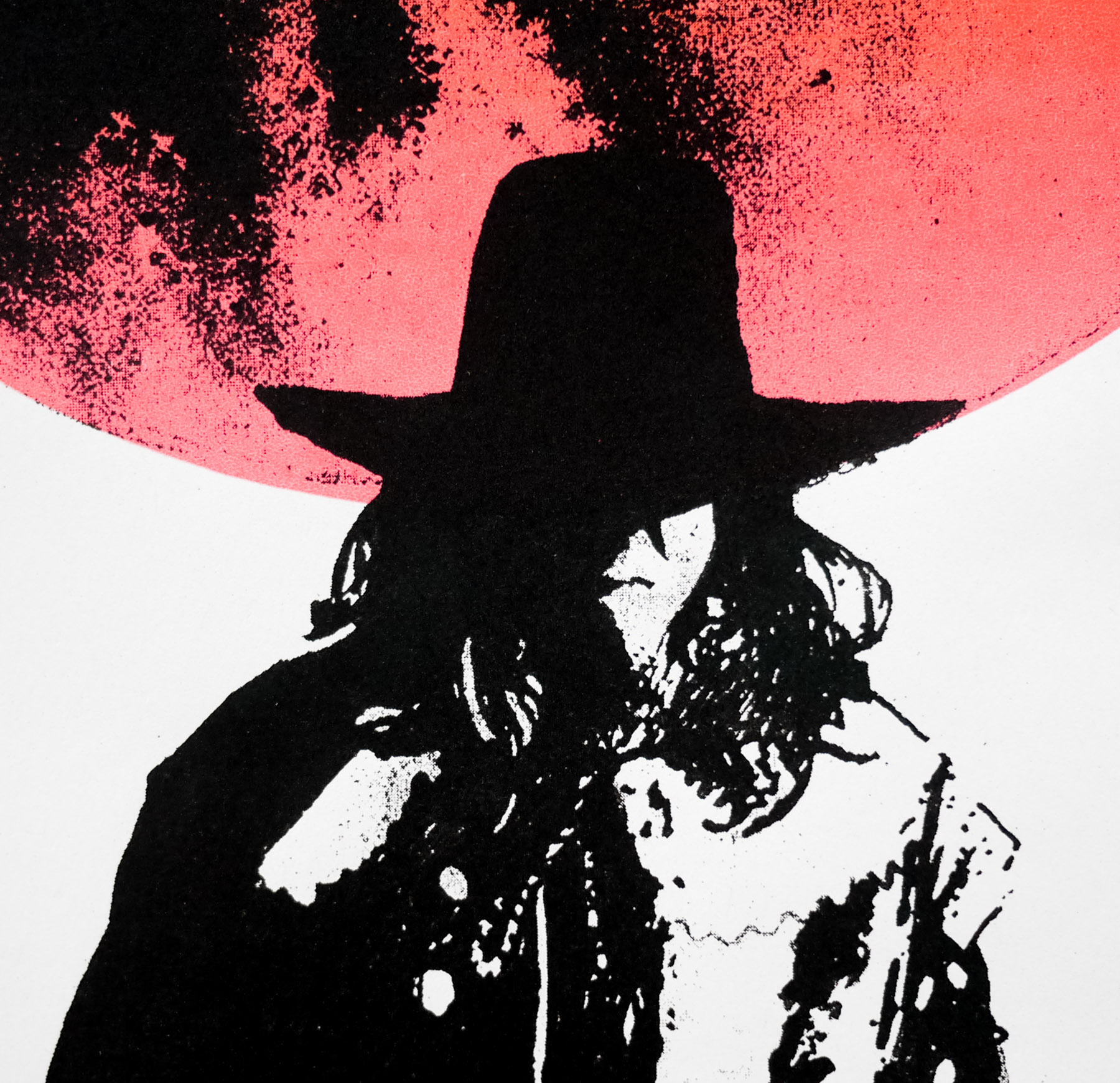
The film has a small cast of British actors, several of which are known for their comedy backgrounds, including Julian BarrattReece Shearsmith and Michael Smiley. Filmed in black and white, the story is set, as the title suggests, in fields near to the edge of a battleground. It follows an alchemist’s assistant named Whitehead (Shearsmith) who has fled away from his strict commander and encounters a group of men who have deserted the battle and are in search of an alehouse. Soon they are intercepted by an Irishman called O’Neil (Smiley, as depicted on this poster) who is another alchemist in search of a treasure he believes to be buried nearby. 

Whitehead’s master had tasked him with apprehending the Irishman, who was also in the master alchemist’s employ but stole his work and materials. Armed with a pistol, the malevolent O’Neil takes control of the group and tasks Whitehead with finding the ‘treasure’. Using hallucinogenic substances (magic mushrooms and other powders that were commonly used during the period) O’Neil keeps the men in check but things don’t exactly go to plan. The film features several psychedelic sequences and cleverly uses split-screen imagery and sound design to great effect.

Rather unusually the film was simultaneously released in cinemas, on DVD and blu-ray, on Video on Demand (VOD) and also shown on the Film 4 channel. This report from the BFI (PDF), published several months after release, goes into interesting detail about how it was received. It’s fair to say that, although the critical reception was largely positive (87% on Rotten Tomatoes), audiences reactions were massively polarised. You only have to look at the reviews section on the IMDb’s page for the film to see the 1 and 2 star ratings right next to those calling the film a masterpiece and awarding it the full ten stars.

The film is undoubtedly less commercial and ‘mainstream’ than the director’s previous films, including Kill List and the brilliant comedy Sightseers, so it will have confounded fans of those films expecting something more straightforward. Those that did like A Field in England praise the strange and brooding atmosphere, the aforementioned sound design, and the clever cinematography and use of editing to enhance the sense of menace.

The poster

Rook Films commissioned the designer/artists Kenn Goodall and Luke Insect, who work together under the moniker of Twins of Evil, to work on this teaser poster before filming had even taken place. The pair had worked on the soundtrack release for Sightseers for Rook in the past and Wheatley’s producing partner Andy Starke had purchased one of the pair’s screen prints for Witchfinder General.

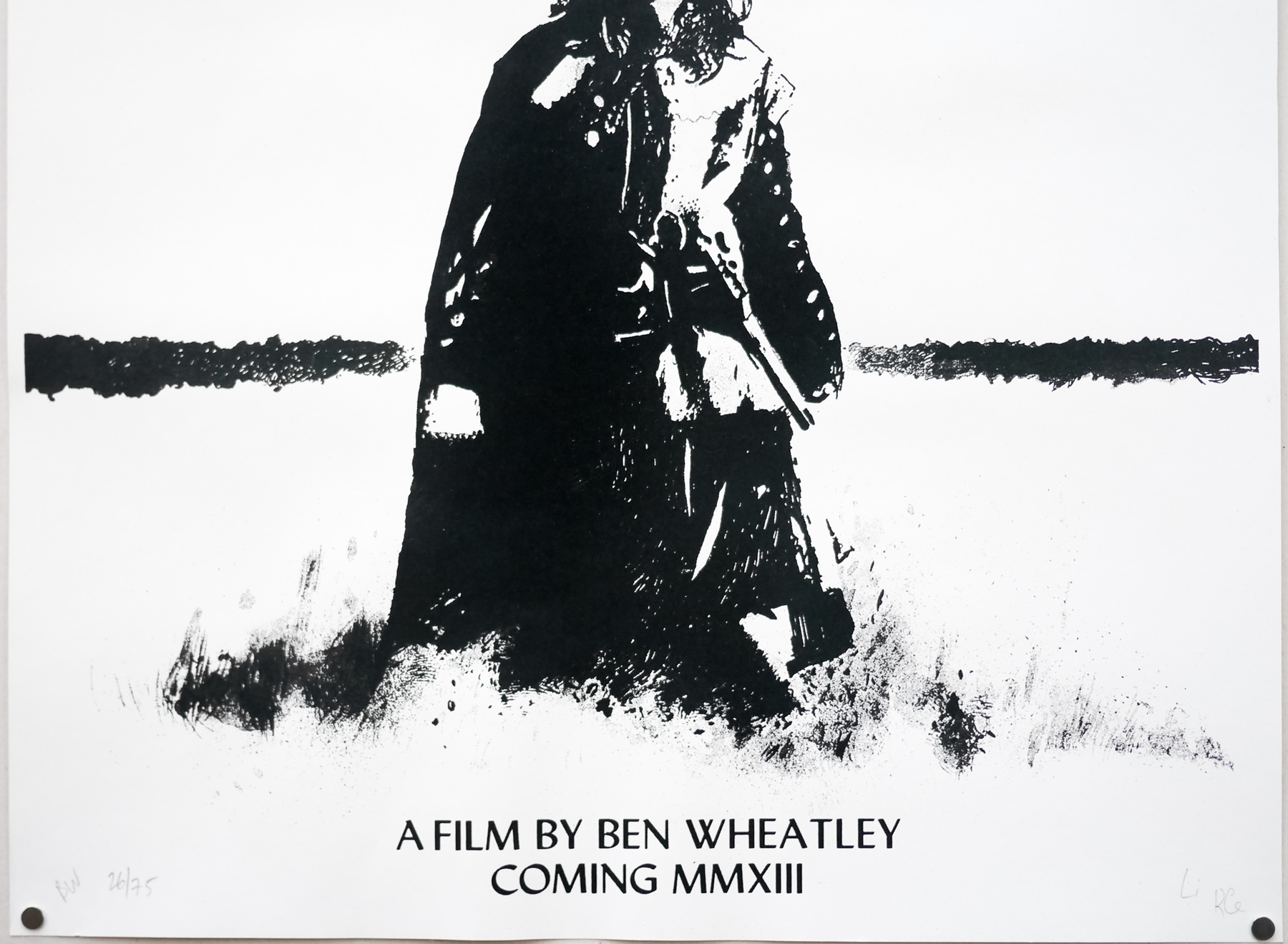
A Field in England had an excellent website subtitled ‘A Film 4 Digital Masterclass’ that went into great detail about all aspects of the making of the film. This poster had its own section titled ‘The evolution of the poster’ in which Goodall and Insect discussed its creation and showcased several images created during its inception. This lone figure and aesthetic was later used to create the British quad poster, with the line-up of characters expanding to five. The artwork on this teaser later became the cover for the blu-ray release of the film. Note that although some images of this print depict green grass around the figure’s feet, the final poster, screen printed by The Private Press, didn’t feature this colour. Also note that it’s signed (initialled really) by Wheatley as well as the two artists.

This page features other art created for the film, including a great soundtrack poster also by the Twins of Evil. You can check out Luke Insect’s solo website here and Kenn Goodall’s site is here.

The Shootist / quad / UK

10.07.13

Poster Poster
Title
The Shootist
Year of Film
1976
Director
Don Siegel
Starring
John Wayne, Lauren Bacall, Ron Howard, James Stewart, Richard Boone, Hugh O'Brian, Bill McKinney, Harry Morgan, John Carradine, Sheree North, Rick Lenz, Scatman Crothers
Origin of Film
USA
Genre(s) of Film
John Wayne, Lauren Bacall, Ron Howard, James Stewart, Richard Boone, Hugh O'Brian, Bill McKinney, Harry Morgan, John Carradine, Sheree North, Rick Lenz, Scatman Crothers,
Type of Poster
Quad
Style of Poster
--
Origin of Poster
UK
Year of Poster
1976
Designer
John Raymer
Artist
Roger Coleman
Size (inches)
30" x 39 14/16"
SS or DS
SS
Tagline
The unforgettable drama of a legendary gunfighter's last days.

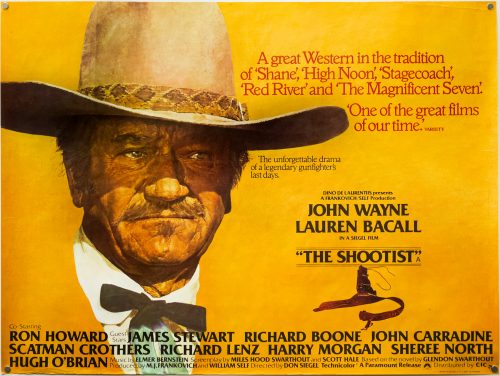
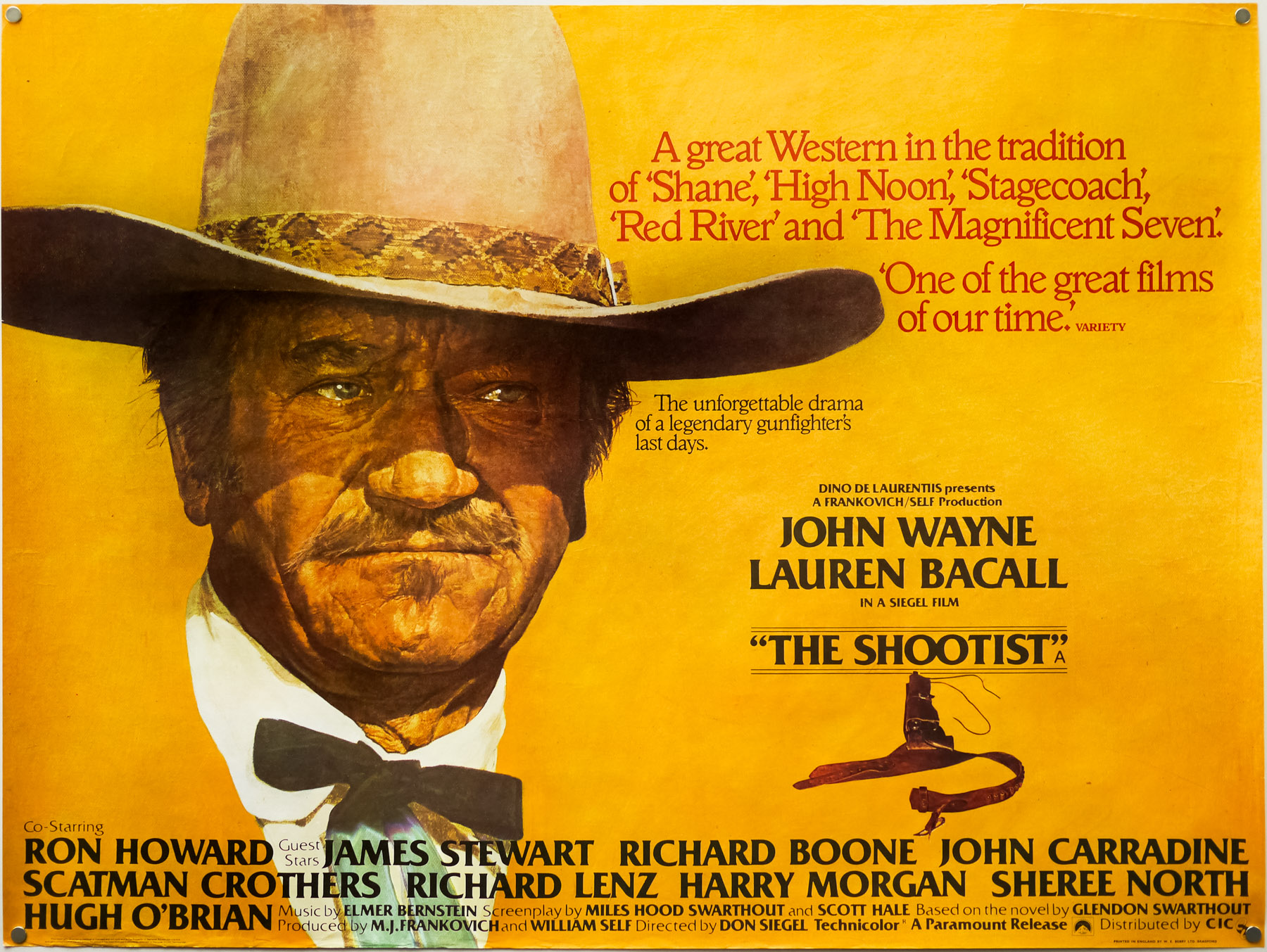
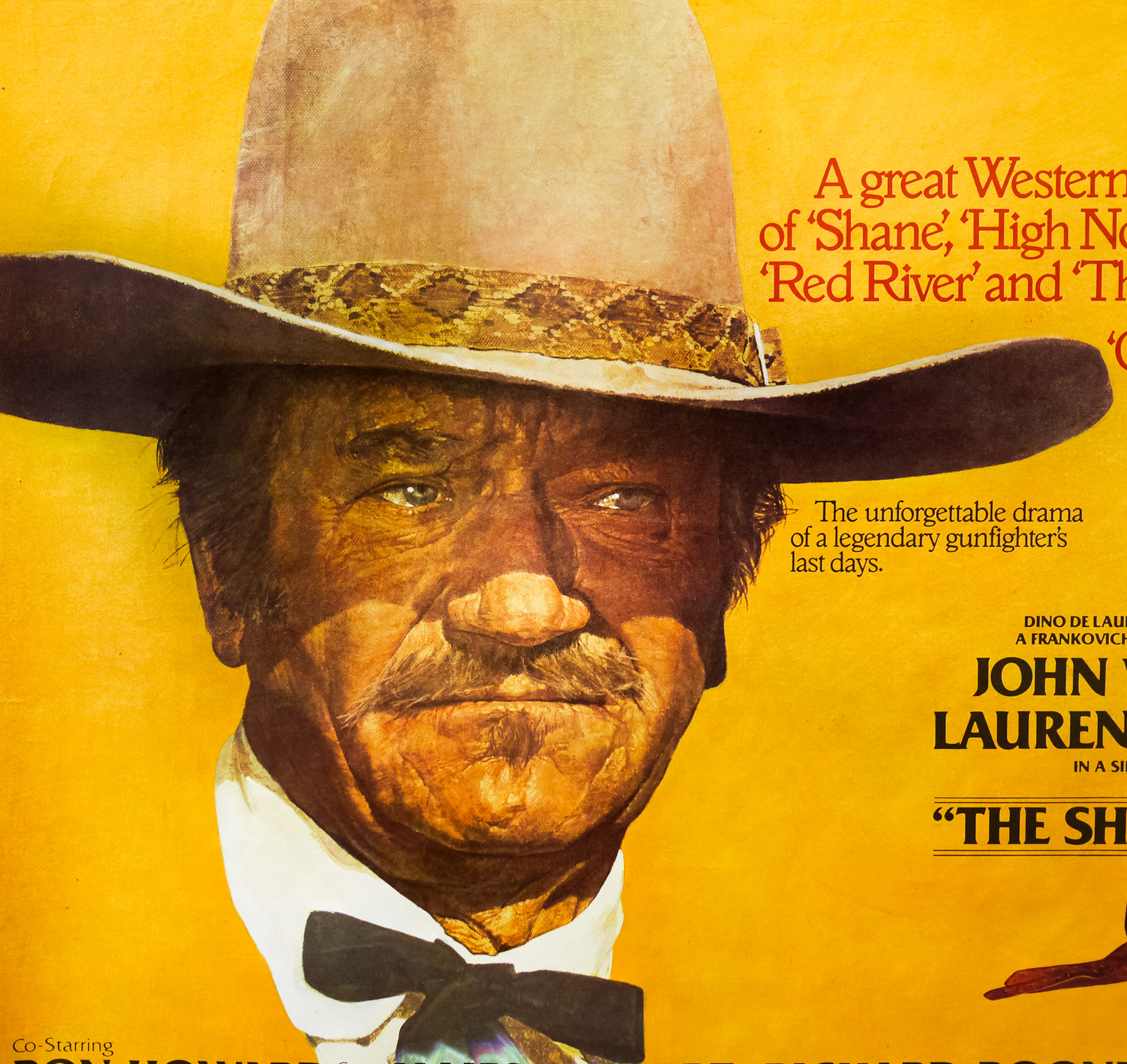
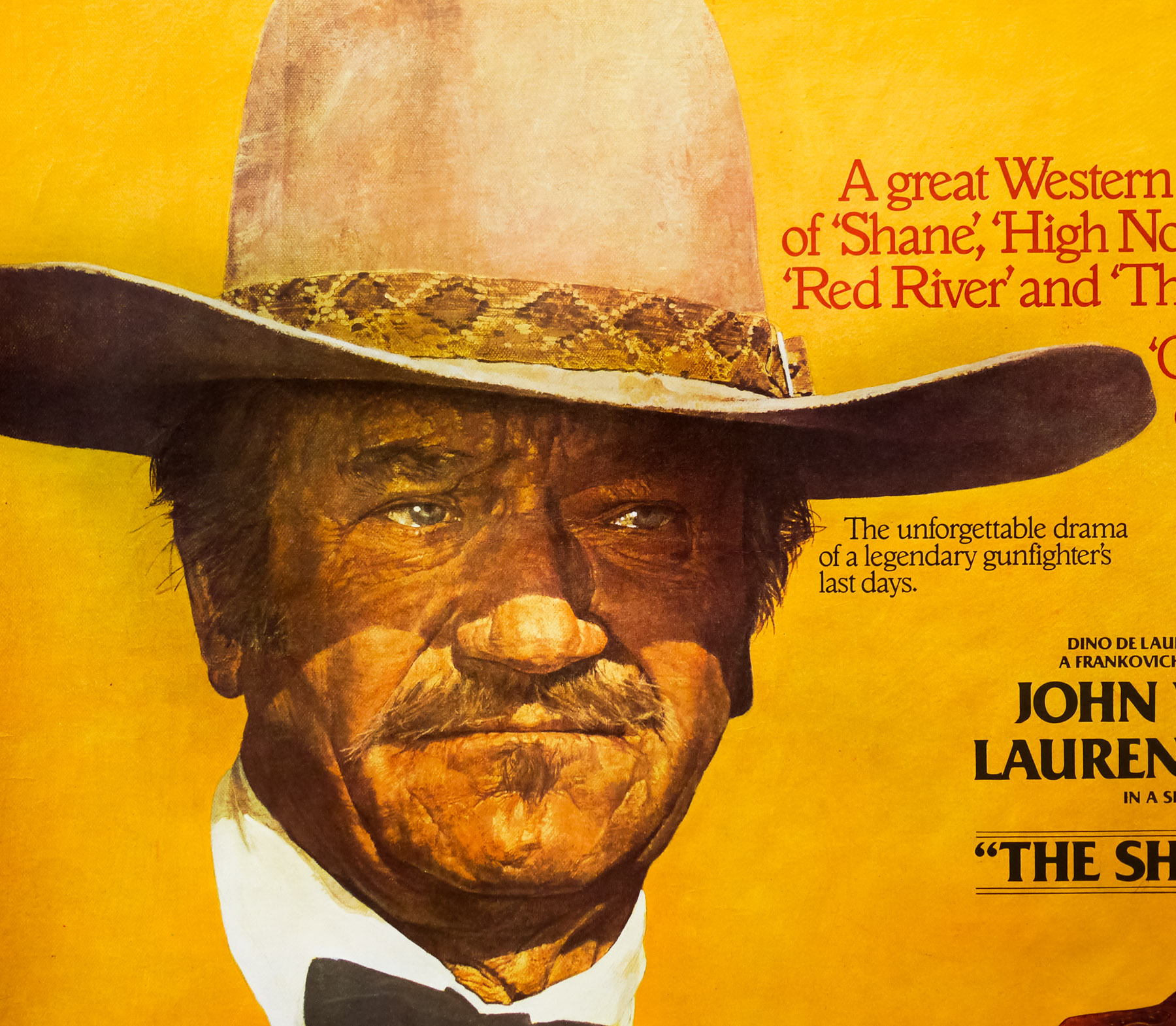
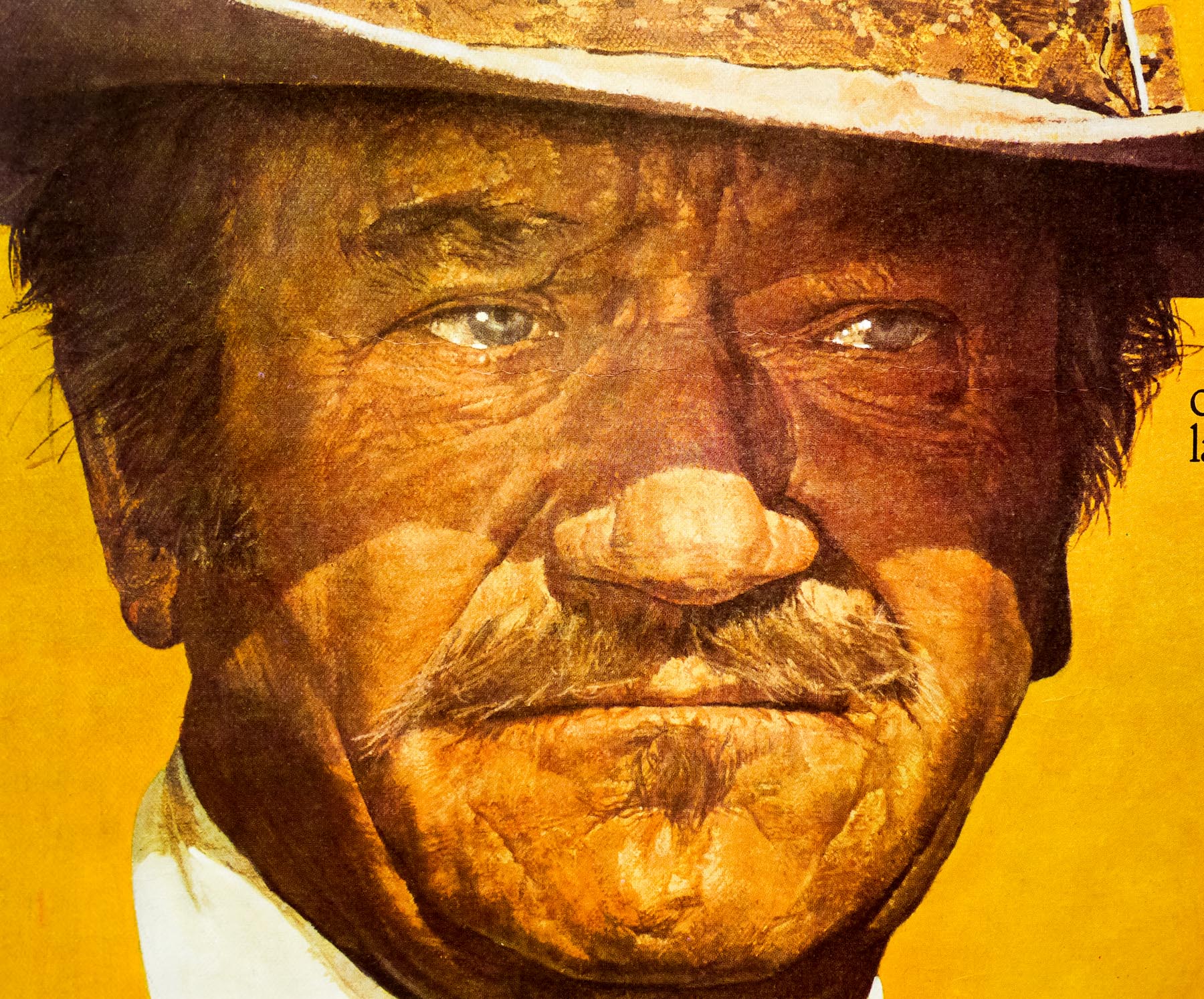
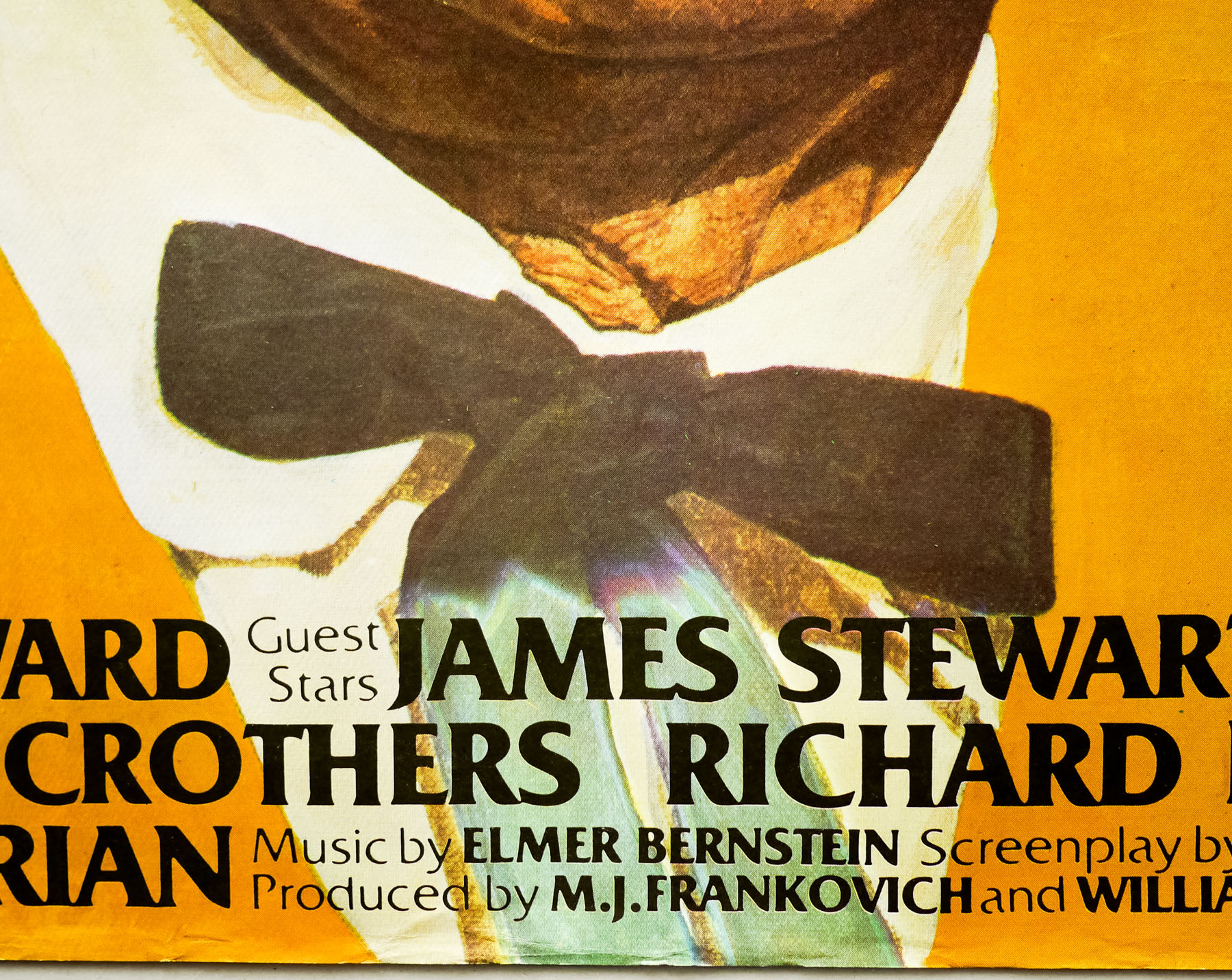
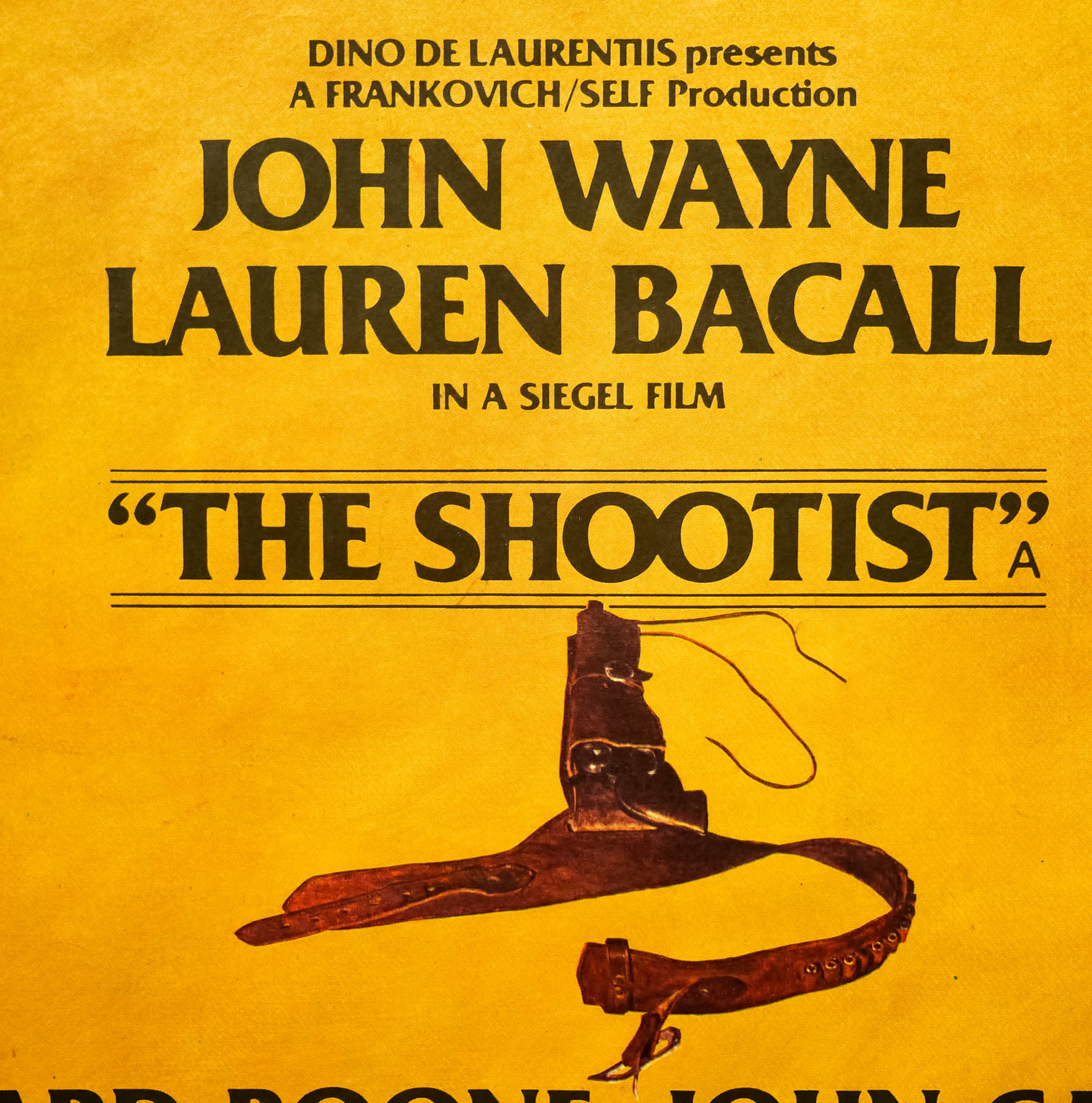
A superb portrait of the late, great John Wayne on this British quad for the release of The Duke’s last film, 1976’s The Shootist. Directed by Don Siegel, the film depicts the last days of a legendary gunfighter named J. B. Books and it actually begins with a montage of clips from Wayne’s earlier cowboy films. In the early 20th century, at the ‘end’ of the wild west, Books arrives in Carson City, Nevada and, after seeking an audience with a doctor, is told that he has terminal cancer and has only a couple of months left to live. He rents a room from the widow Bond Rogers (Lauren Bacall) and her son Gillom (Ron Howard) with the intention of planning a quiet and dignified end to his life, but his mere presence in the town sets of a chain of events with various characters keen to take advantage of Books’ predicament. Before long, the legendary shootist realises that he’s going to have to end his life with bang, not a whimper.

This British quad was designed at the London advertising outfit Lonsdales by a gentleman called John Raymer and was painted by the freelance artist Roger Coleman. Unique to the UK campaign, the intimate portrait of a grizzled Wayne was commissioned by Paramount Pictures UK as they felt that the original US poster, painted by Richard Amsel, had contributed to the film’s poor domestic box office performance.

As detailed in Sim Branaghan’s superb British Film Posters book, John Raymer was born in 1933 in South Norwood, South London, and went on to attend the nearby Croydon School of Art where he gained a National Diploma after specialising in book illustration. After completing his National Service he returned home in 1955 and was taken on by a design agency called Greenly’s situated on Berkeley Square in central London. The agency had held the Paramount account since 1922 and Raymer was finally given the opportunity to work on it in 1967, which was a year before the designer Frank Pickford, who had been on the account since day one, retired from the agency.

By the mid 1960s Richard Lonsdale-Hands had taken over the agency and there was clear recognition that the traditional model of adapting a US campaign for the UK market was no longer working. Sim’s book features a fascinating account from Raymer on the way Lonsdales dealt with being given more freedom to create publicity better suited to UK audiences. In 1975 the designer moved to the rival agency Downton’s where he apparently found the change of pace quite difficult to adapt to initially, with the requests for multiple designs per week being quite a change from his experience at the more sedate Lonsdales. When the illustrated cinema poster work began to slow down in the 1980s he started, like many other designers and artists, to work on video covers as well as a handful of quads, often in collaboration with the illustrator Brian Bysouth. He finally retired in 1993, and at the time of the publishing of Sim’s book was painting local scenes that were being sold in local galleries in his native Surrey.

Roger Coleman, one of several freelance illustrators used by Lonsdales, was born in South Wigston, Leicestershire in 1930 and studied painting at Leicester College of Art before winning a national portrait competition in 1952. He then went on to study at the Royal College of Art in London and eventually joined the editorial staff of Design magazine where he wrote about art and design and organised several exhibitions. In 1960 he was taken on by the agency Artist Partners and thus began several years of working on film campaigns, which included posters for films such as Catch 22 (1970) and Bad News Bears (1976) as well as concepts for the posters for Kubrick’s 2001. The Shootist is probably Coleman’s most famous printed poster, which the artist recalls was painted in six days, and the striking image of Wayne undoubtedly helped the film to success at the UK box office.

Star Wars / quad / UK

25.11.14

Poster Poster
Title
Star Wars
AKA
Star Wars: Episode IV - A New Hope (full title) | La guerre des étoiles (Canada - French title / France)
Year of Film
1977
Director
George Lucas
Starring
Mark Hamill, Harrison Ford, Carrie Fisher, David Prowse, Peter Cushing, Alec Guinness, Anthony Daniels, Kenny Baker, Peter Mayhew
Origin of Film
USA
Genre(s) of Film
Mark Hamill, Harrison Ford, Carrie Fisher, David Prowse, Peter Cushing, Alec Guinness, Anthony Daniels, Kenny Baker, Peter Mayhew,
Type of Poster
Quad
Style of Poster
First printing
Origin of Poster
UK
Year of Poster
1977
Designer
Tom Chantrell
Artist
Tom Chantrell
Size (inches)
30" x 39 14/16"
SS or DS
SS
Tagline
May the force be with you

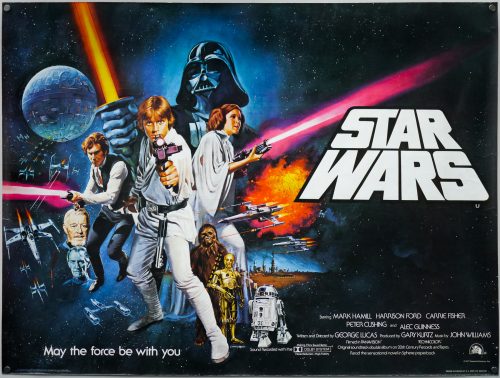
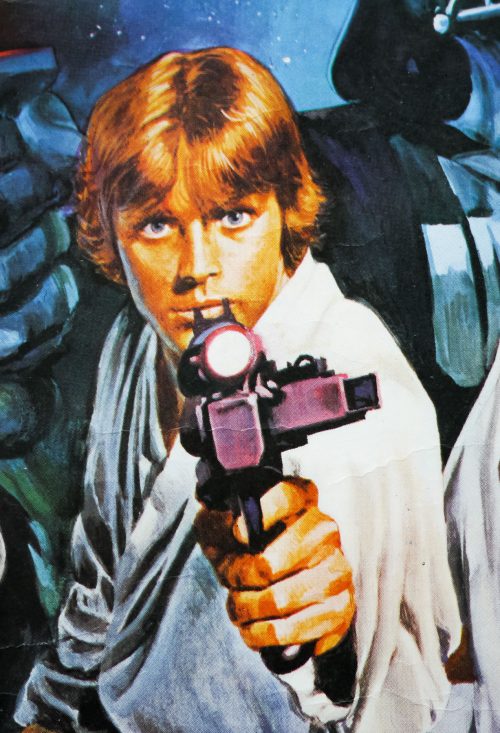
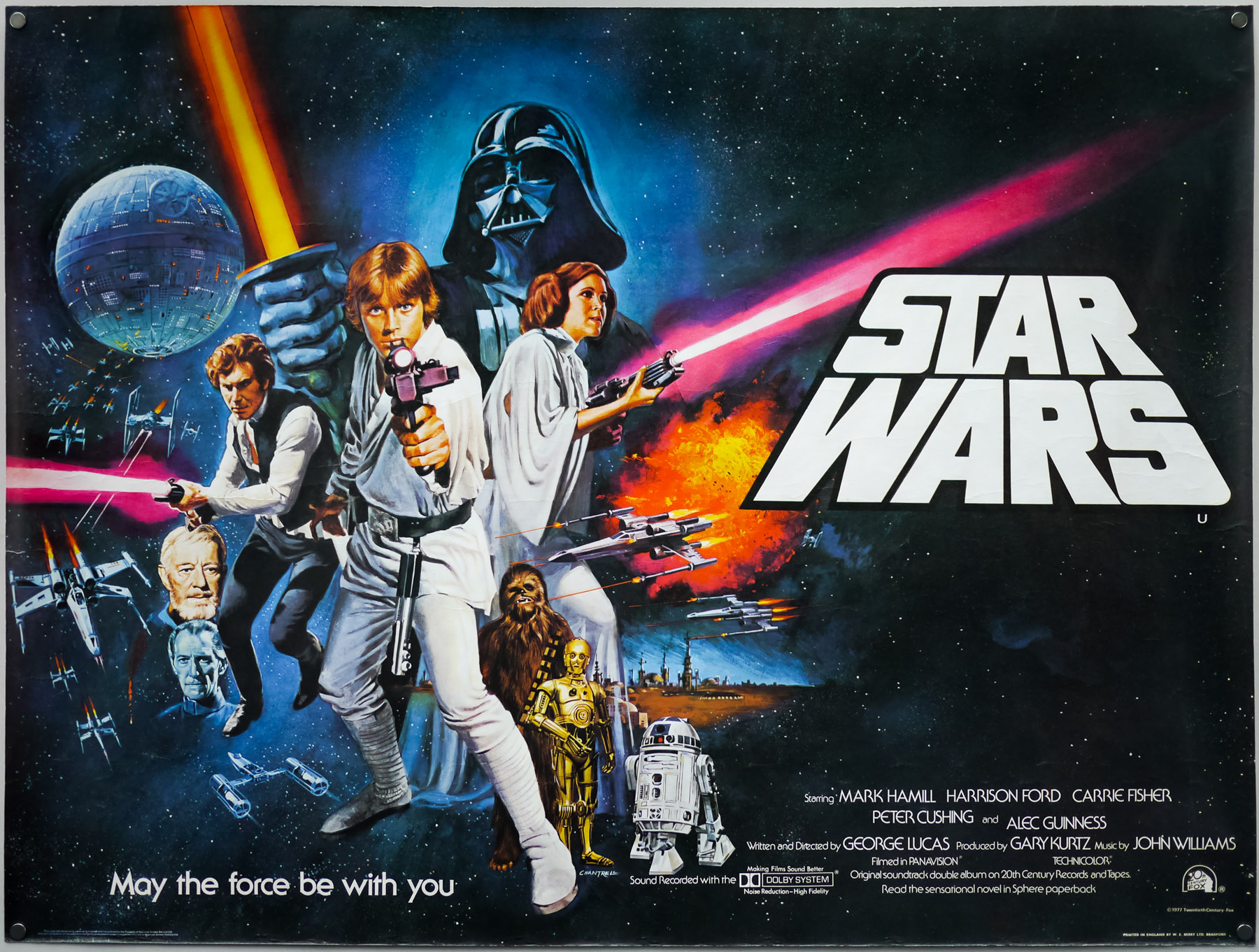
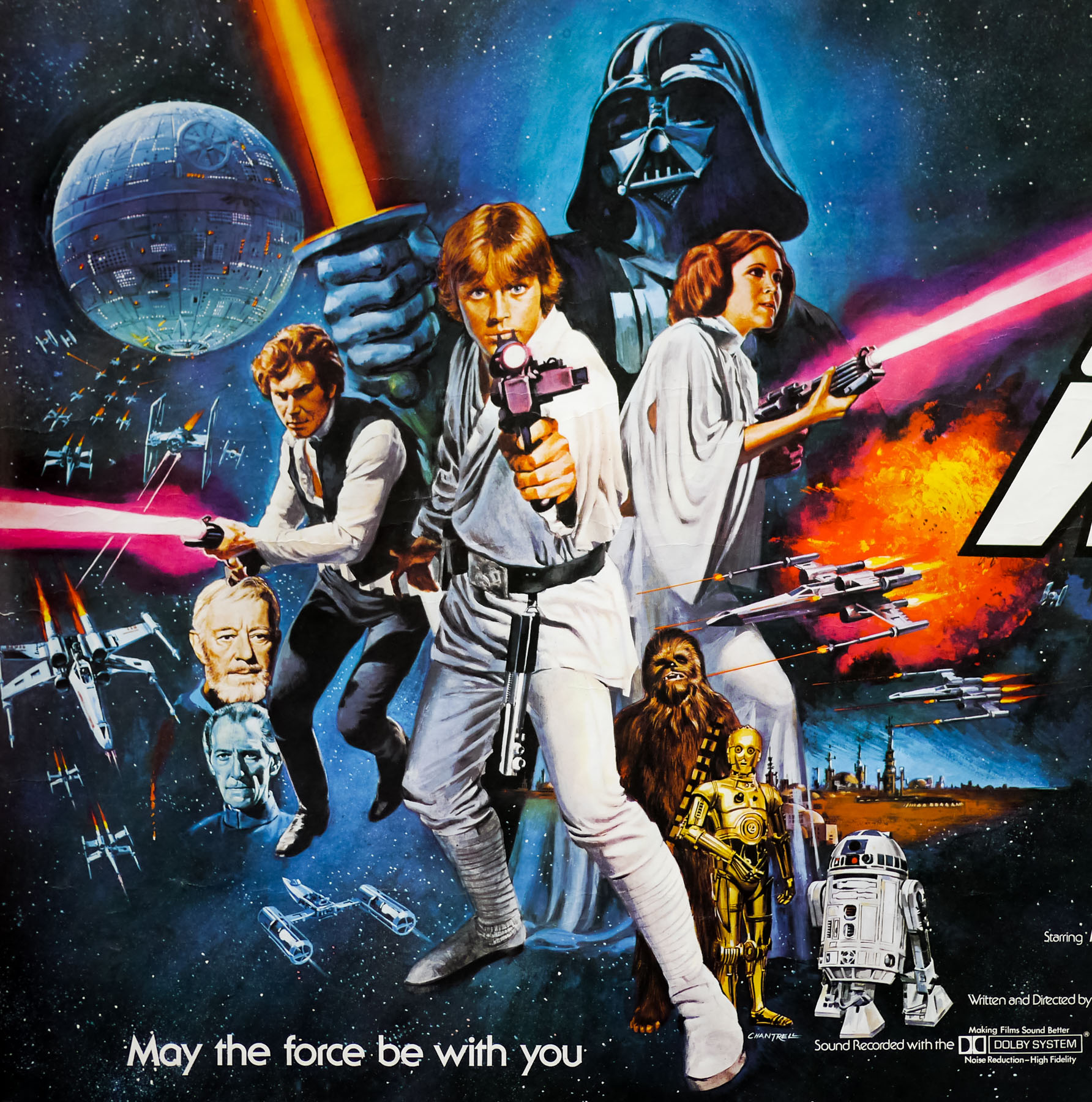
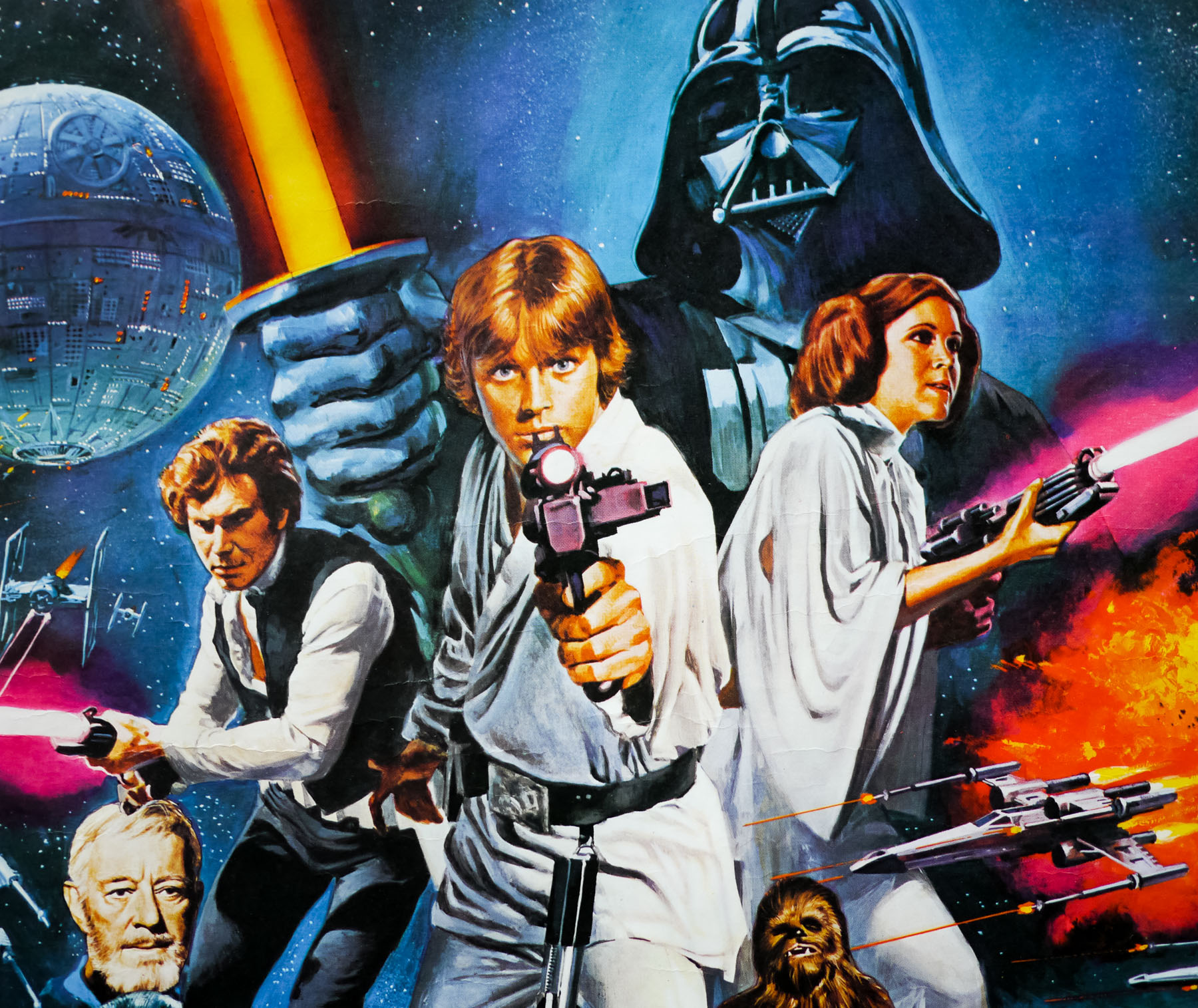
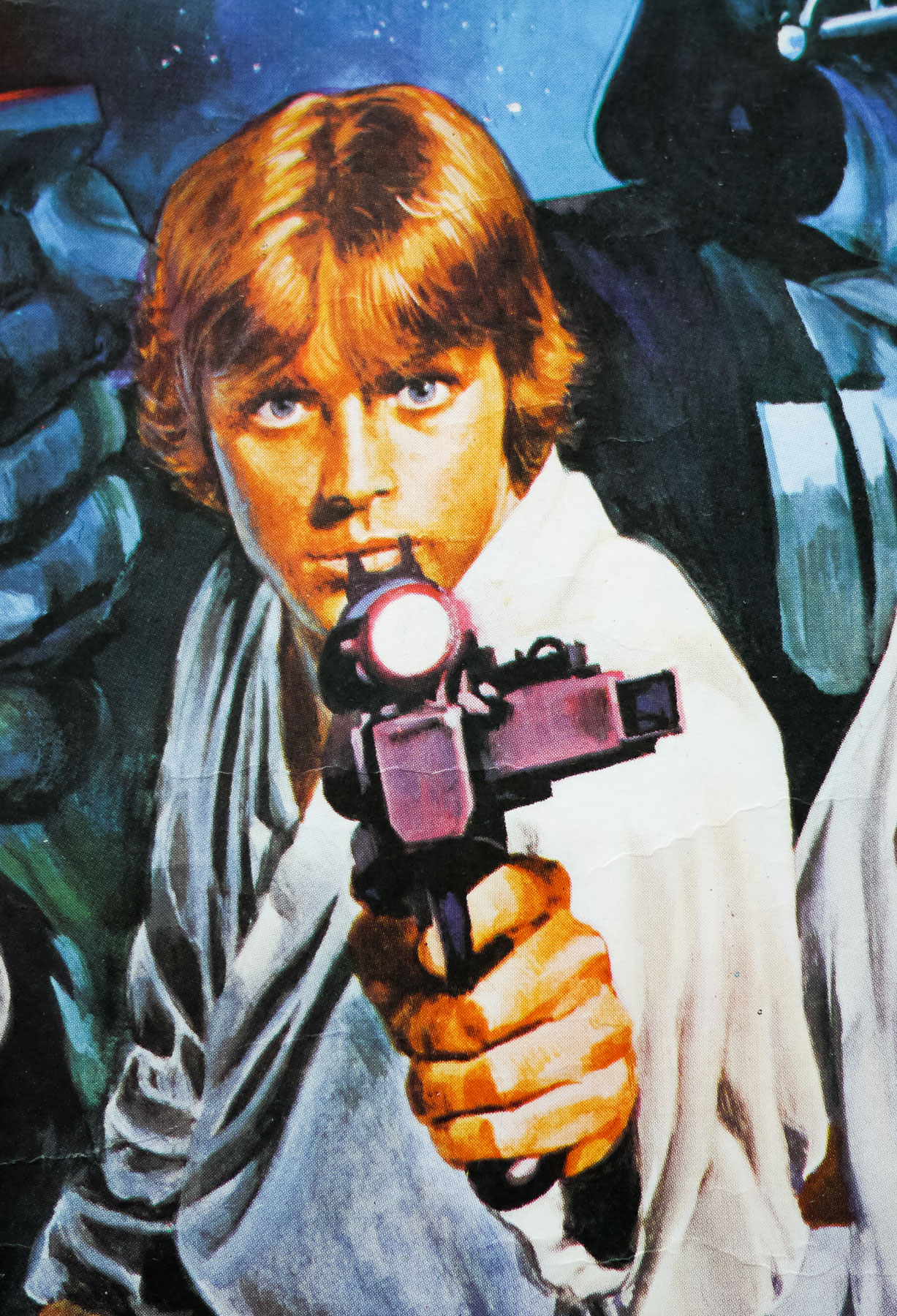
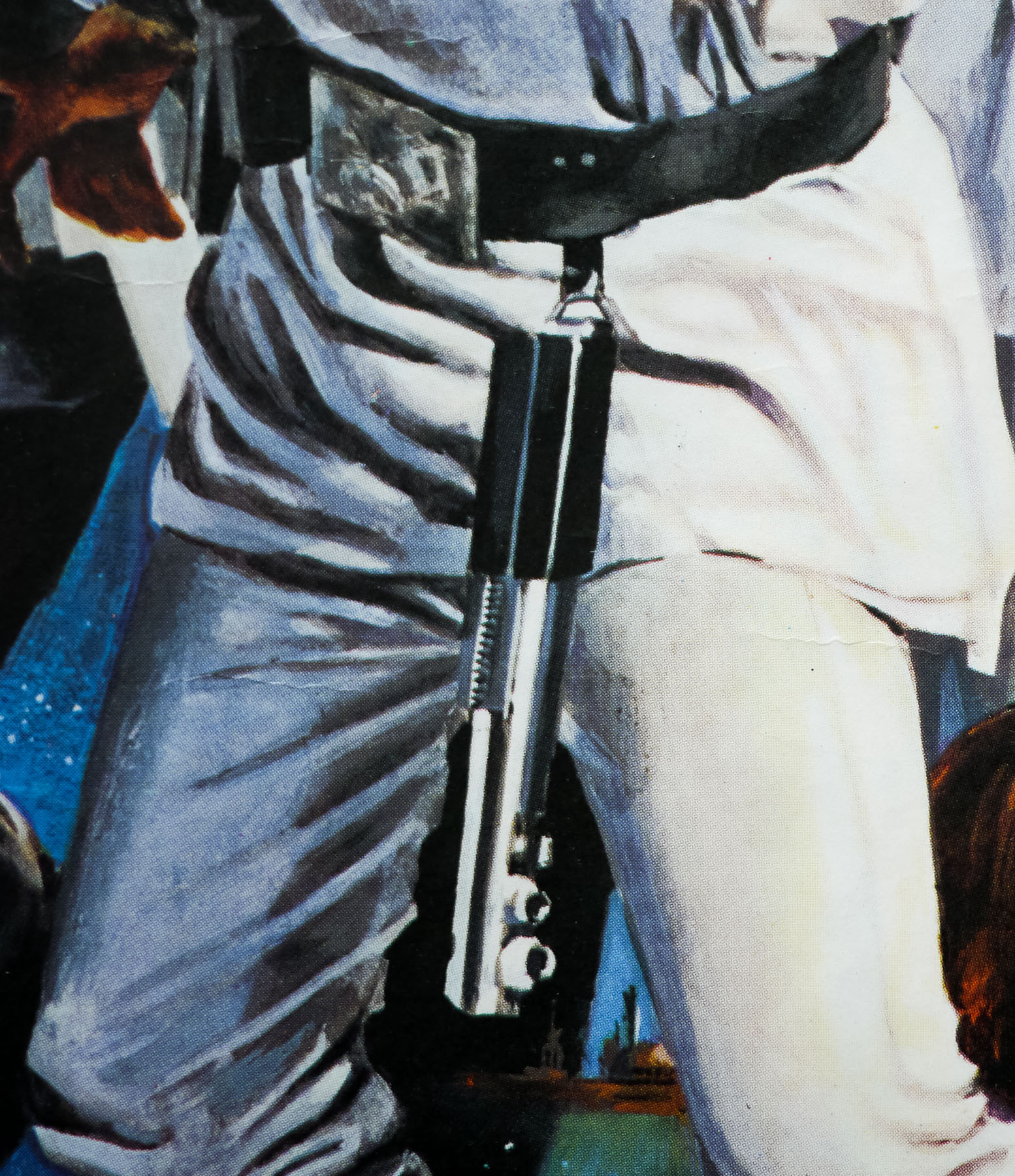
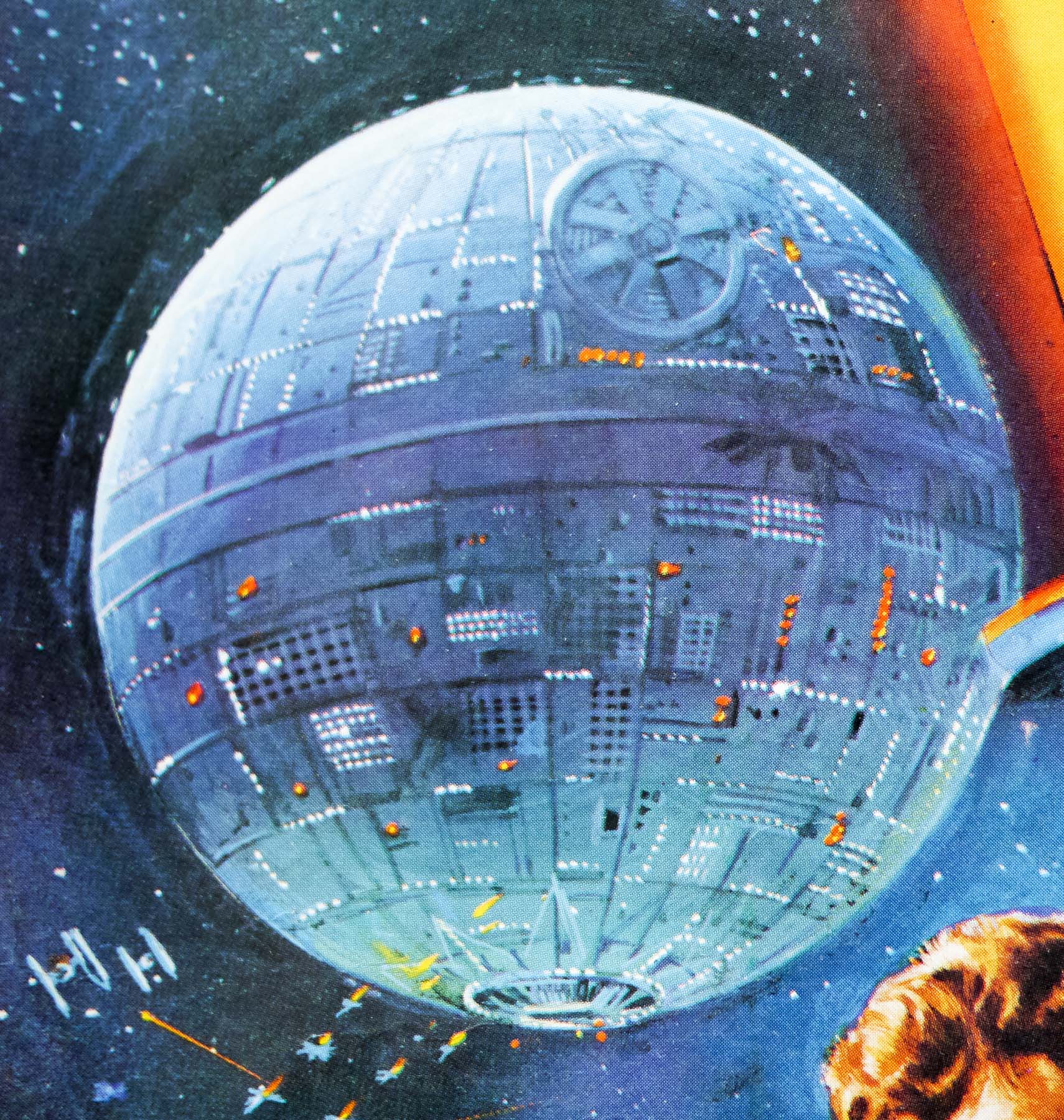
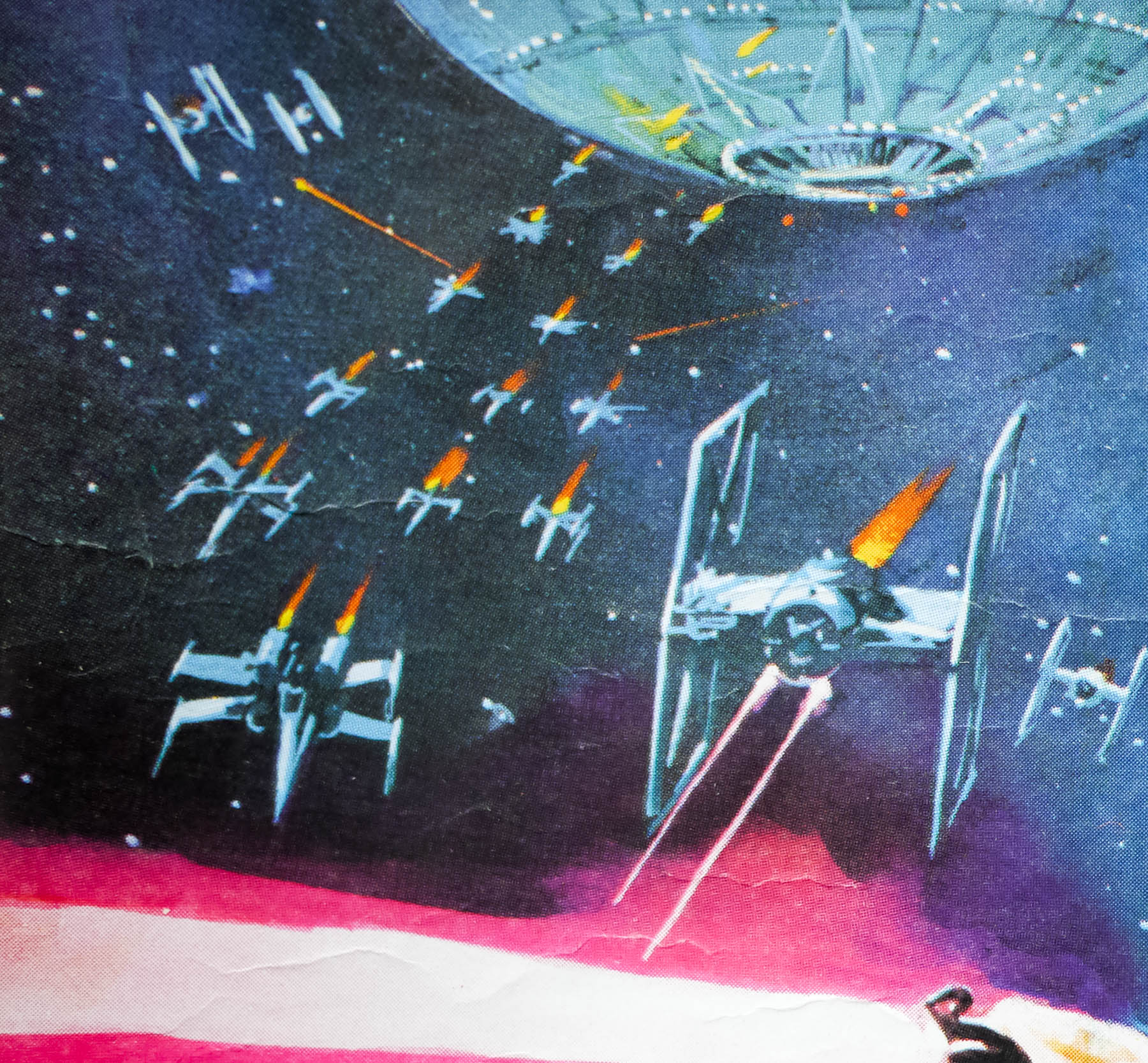
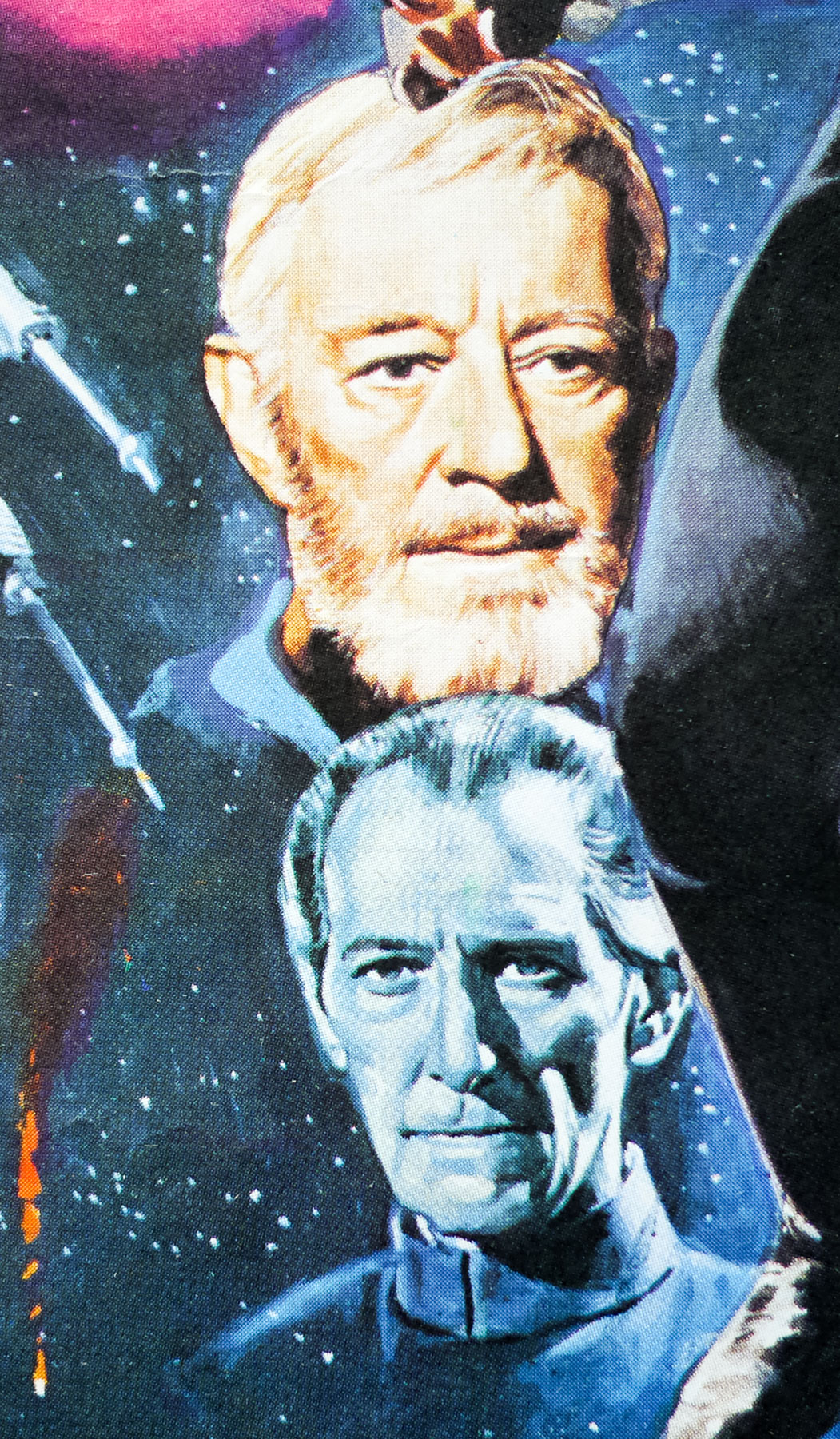
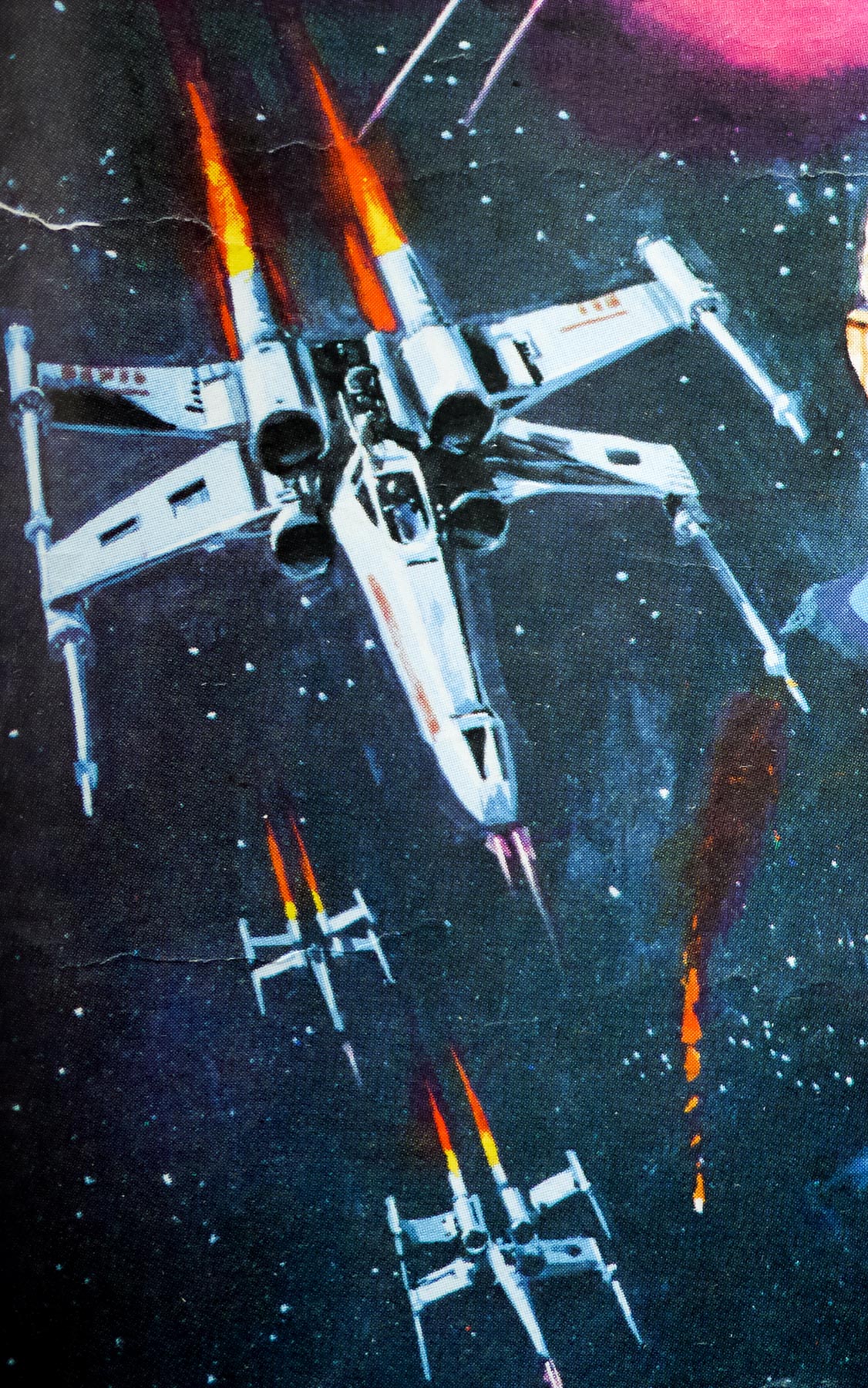
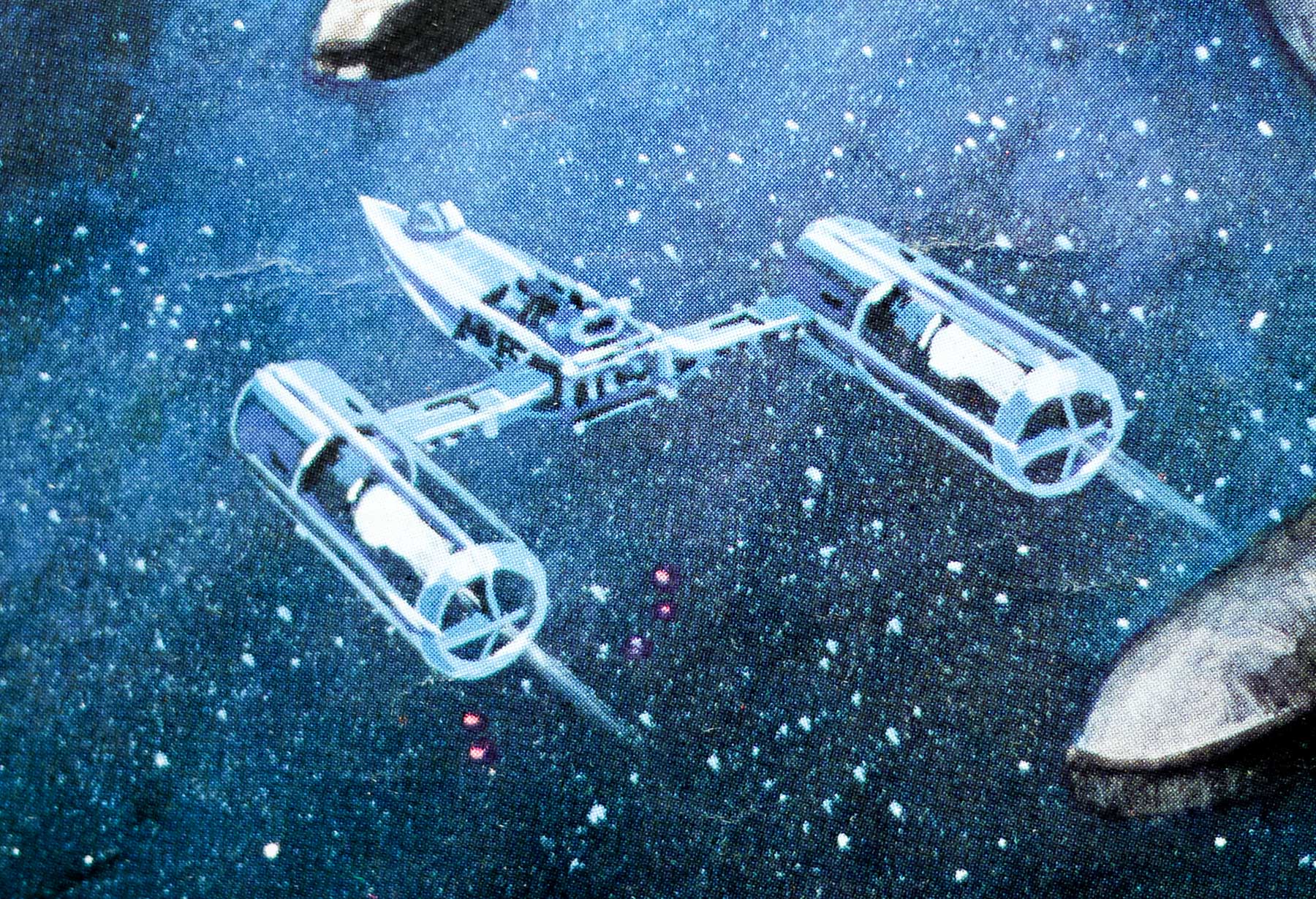
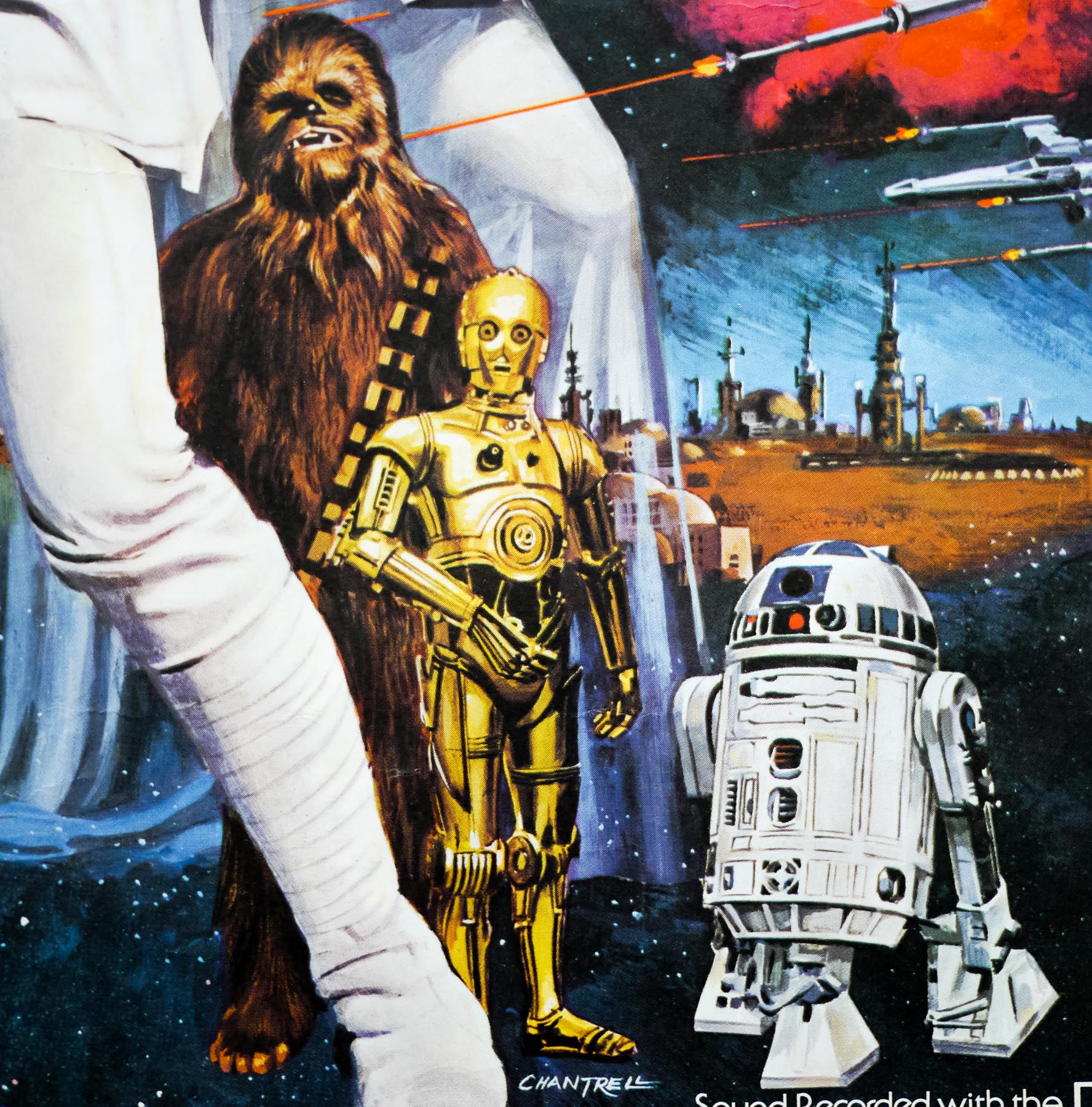
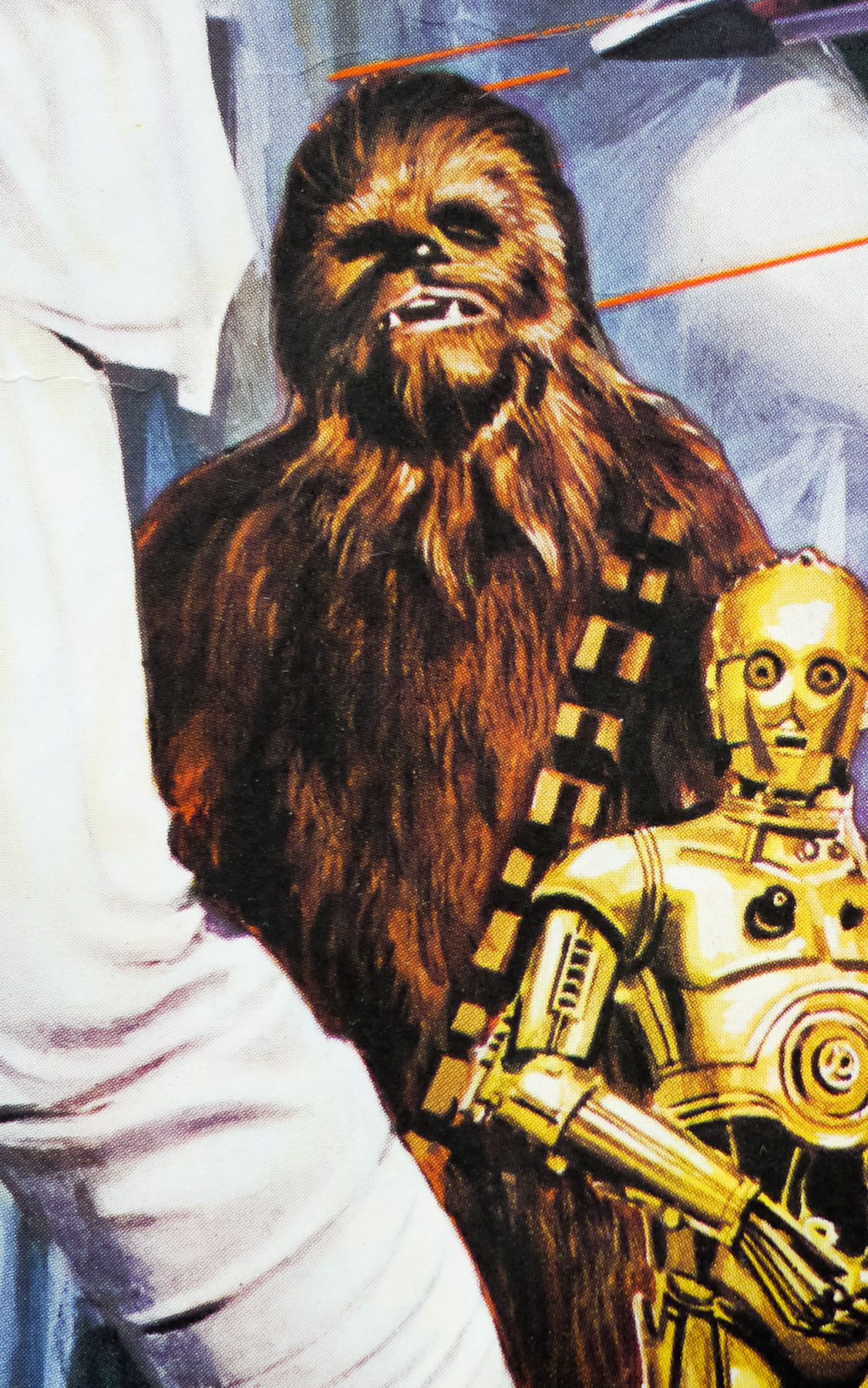
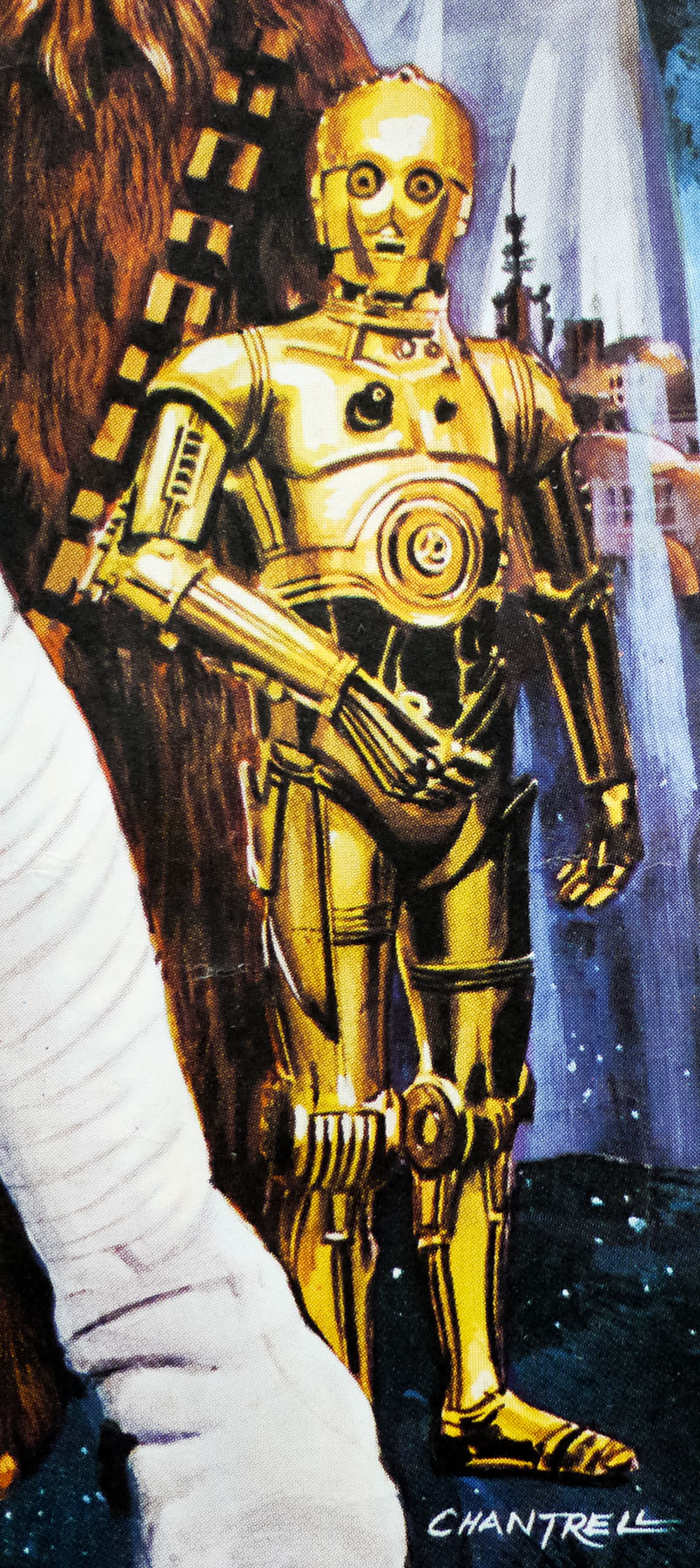
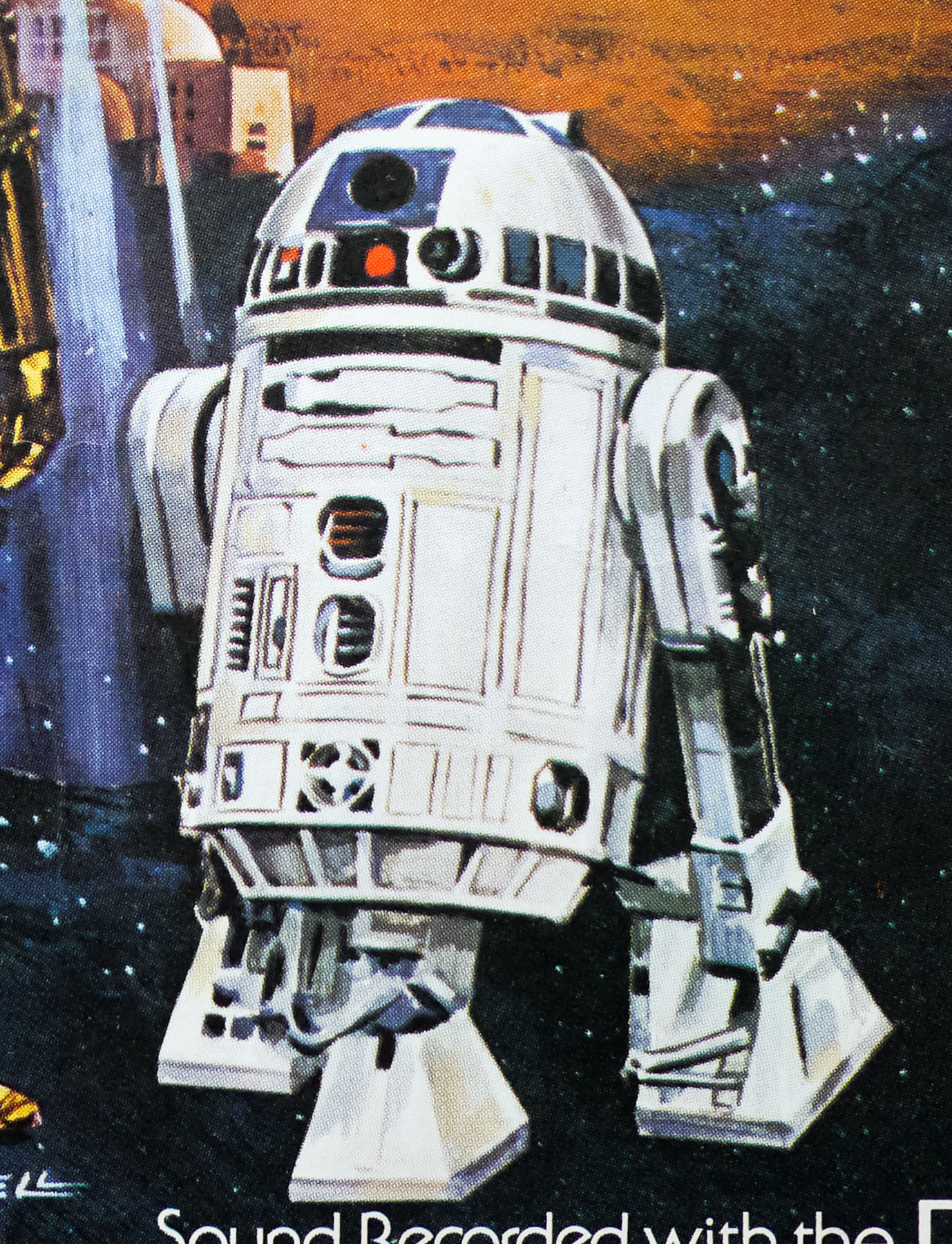
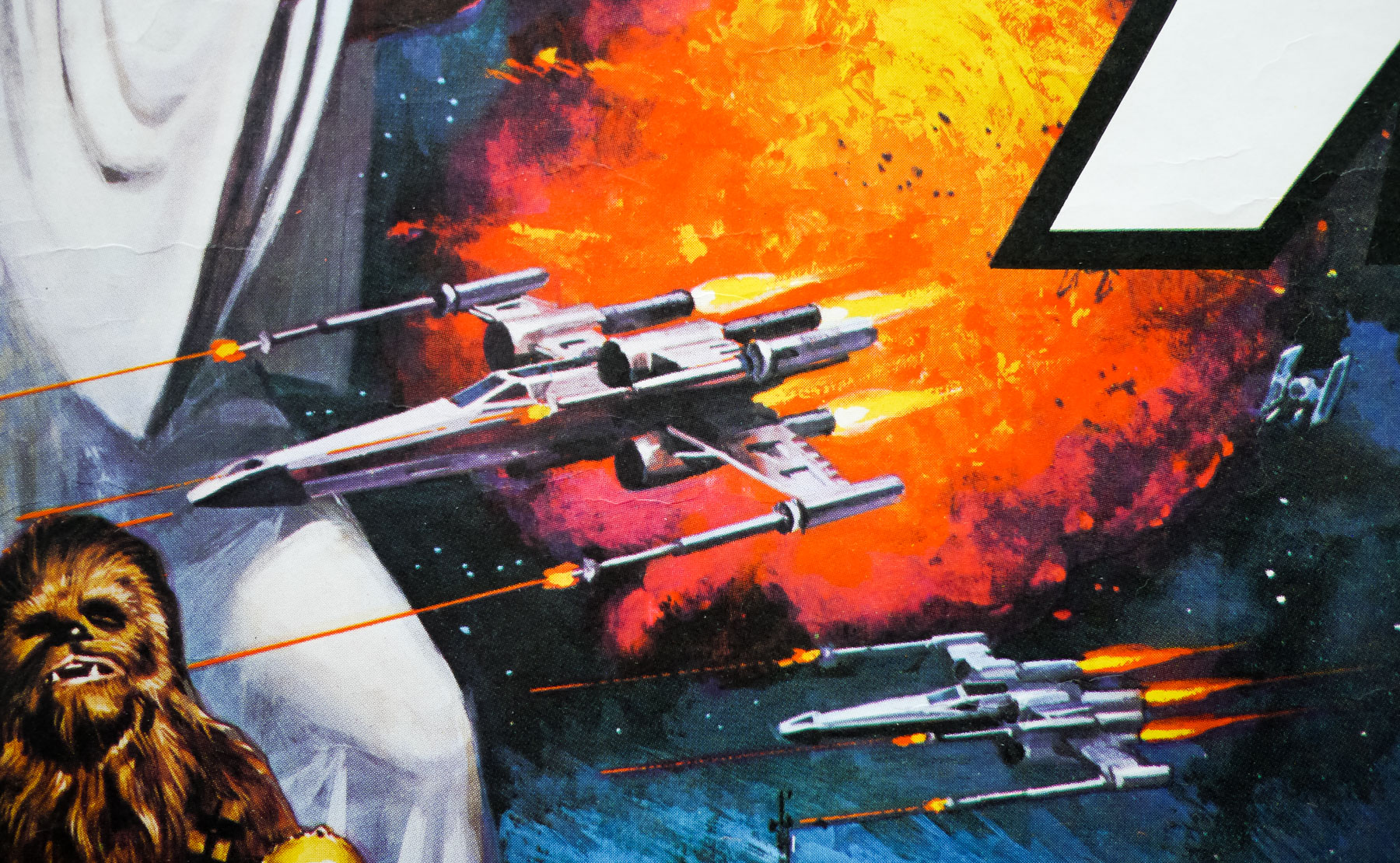
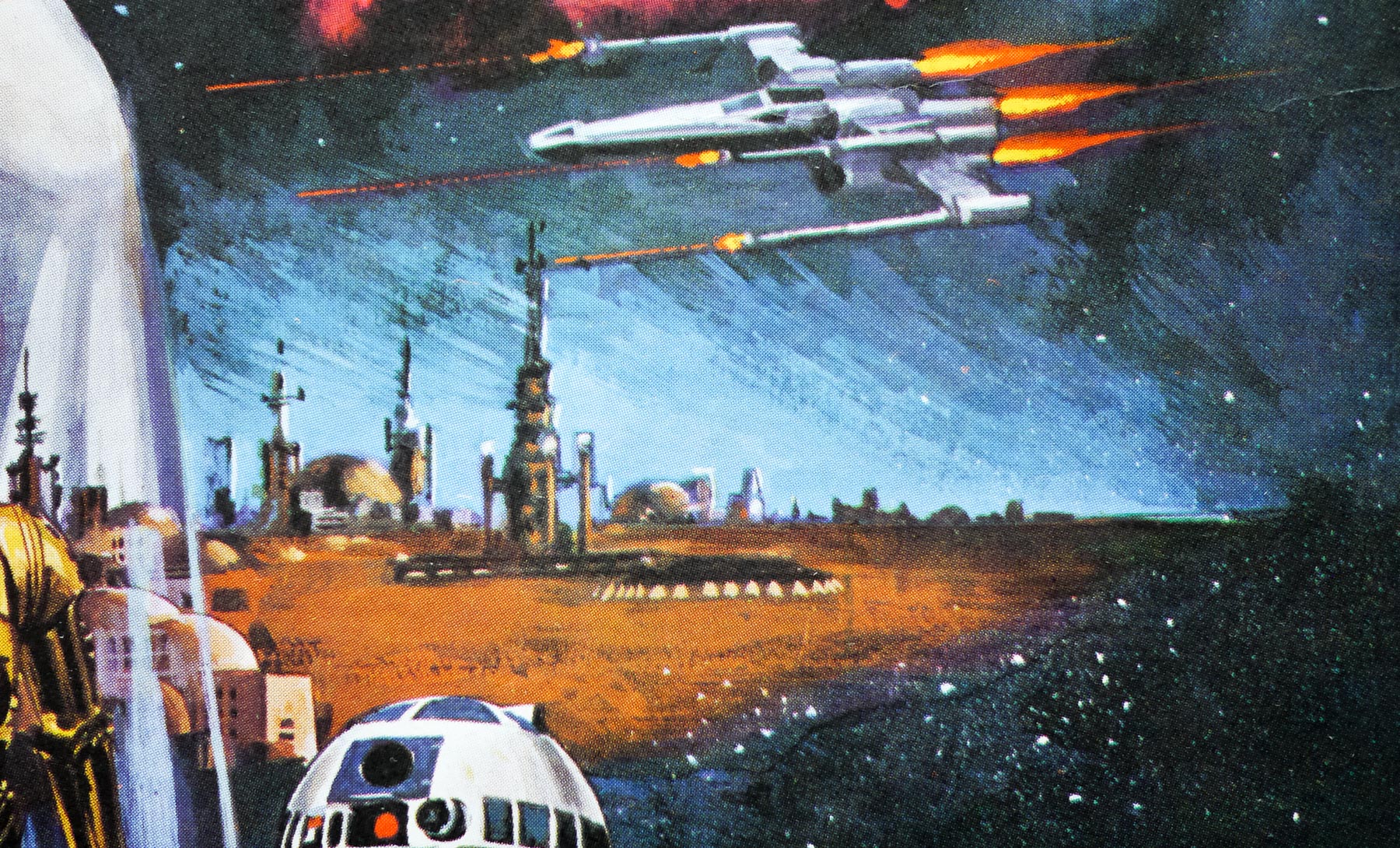
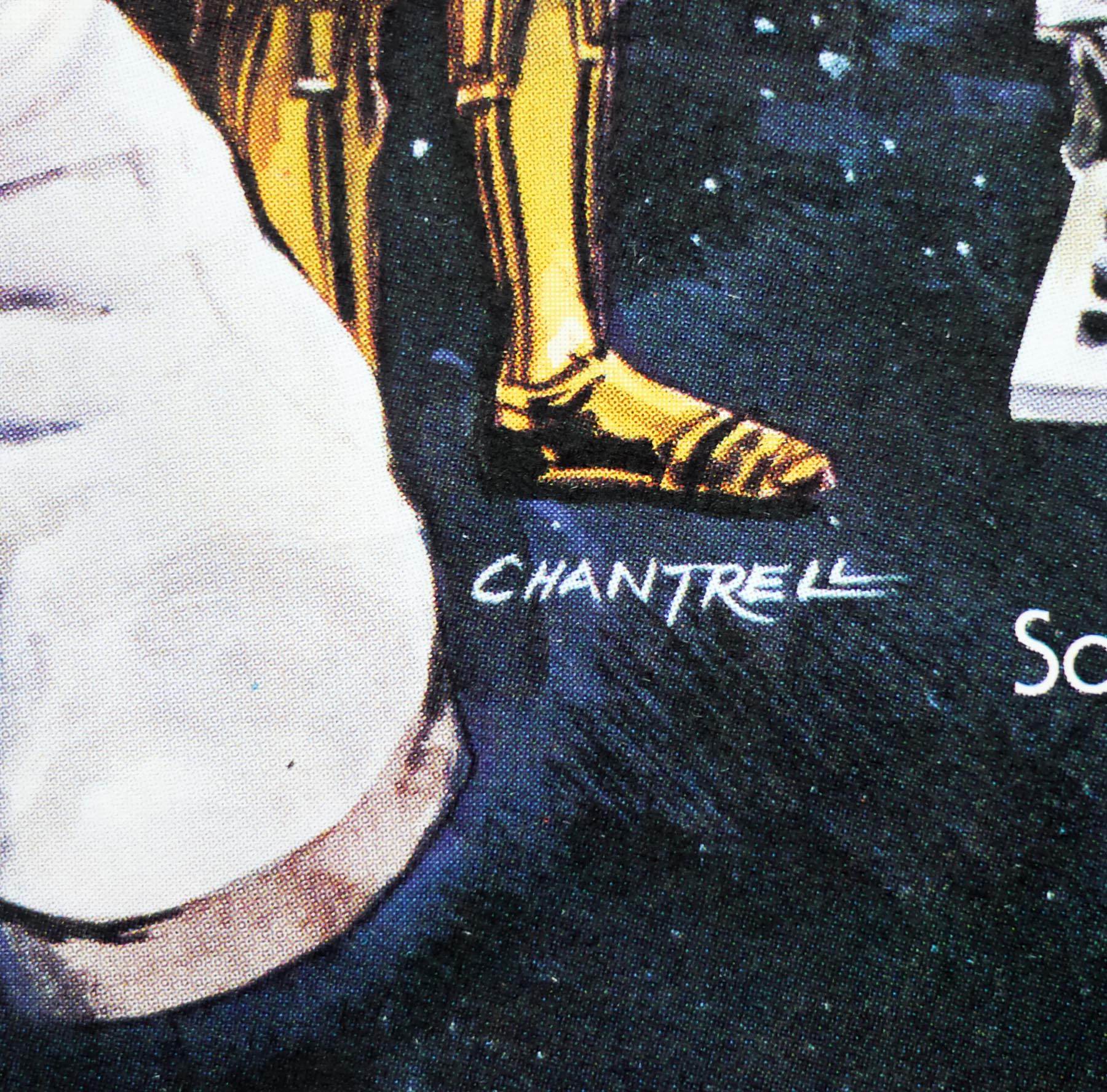
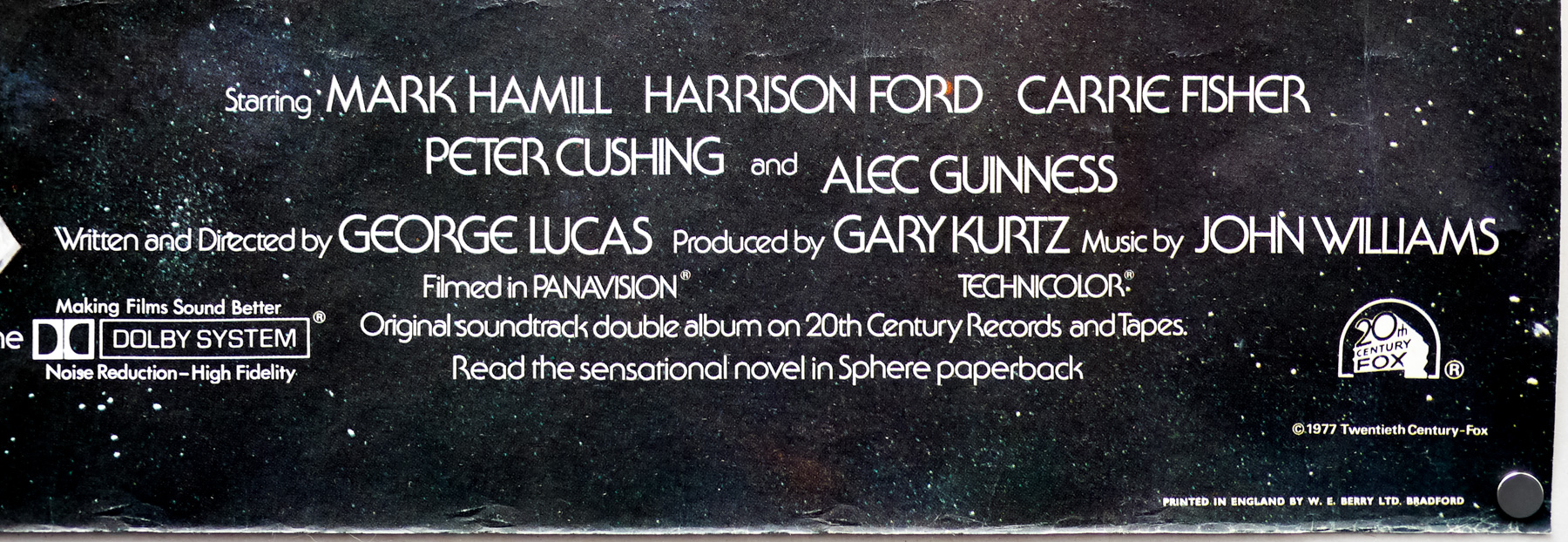
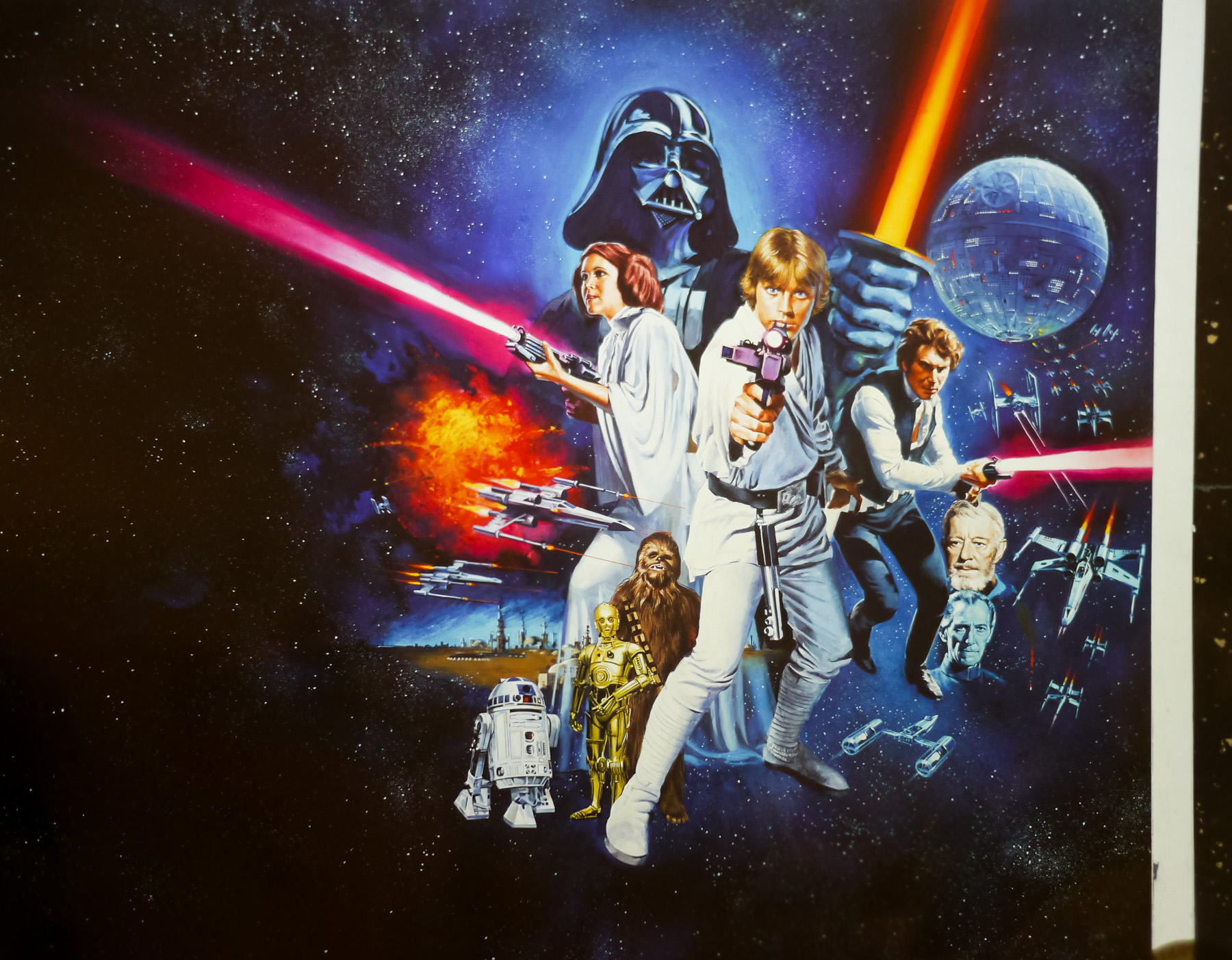
Not only is this probably the best poster artwork for the film that started the biggest sci-fi franchise of all, it’s also considered by many to be the greatest work by the late, great British artist Tom Chantrell. Declaring it so is not an easy decision to make since Chantrell illustrated thousands of posters during his long career and there are many classic designs to choose from, including several Hammer posters and a brilliant design for ‘One Million Years B.C.’. I have a number of other posters by him on this site for you to peruse.

In 2013 I interviewed Chantrell’s widow Shirley about their life together and she recalled how Tom would often ask her to pose so he could capture the correct stance for female characters appearing on his posters. Shirley recalls how the project came about for Tom:

Tom was given an invite to the premier showing and we all went along as a family. As soon as he’d seen the film he had the synopsis, the 10” x 8” press stills and then he started to think about how he was going to tackle the project. From beginning to end it took one month, which is a lot of work for one poster. He’d never taken that long before and I don’t think he did again.

Shirley once again posed for Tom and this time she was his Princess Leia. She not only still has the reference photos taken that day but also still has the same dress she wore.

This poster perfectly captures the excitement and adventure of the seminal sci-fi blockbuster and, although originally intended just to be used for the UK market, the art was liked so much by Lucasfilm that the decision was made to use it for a style C one sheet as well as for other posters around the world. George Lucas himself would later purchase the original artwork for his archives and I like to imagine it’s hanging on a wall in Skywalker Ranch.

This particular style of the poster is the first printing of the poster for the initial 1977 release in cinemas and this can be distinguished from the later printing known as the ‘Oscars version’, so called because it was printed once the film had won a handful of Academy Awards a few months after the original UK release. The ongoing success and phenomenon of the film meant that many more copies of the second version were printed as it was shown around the UK. The Oscars version is also in the Film on Paper collection and can be viewed here.

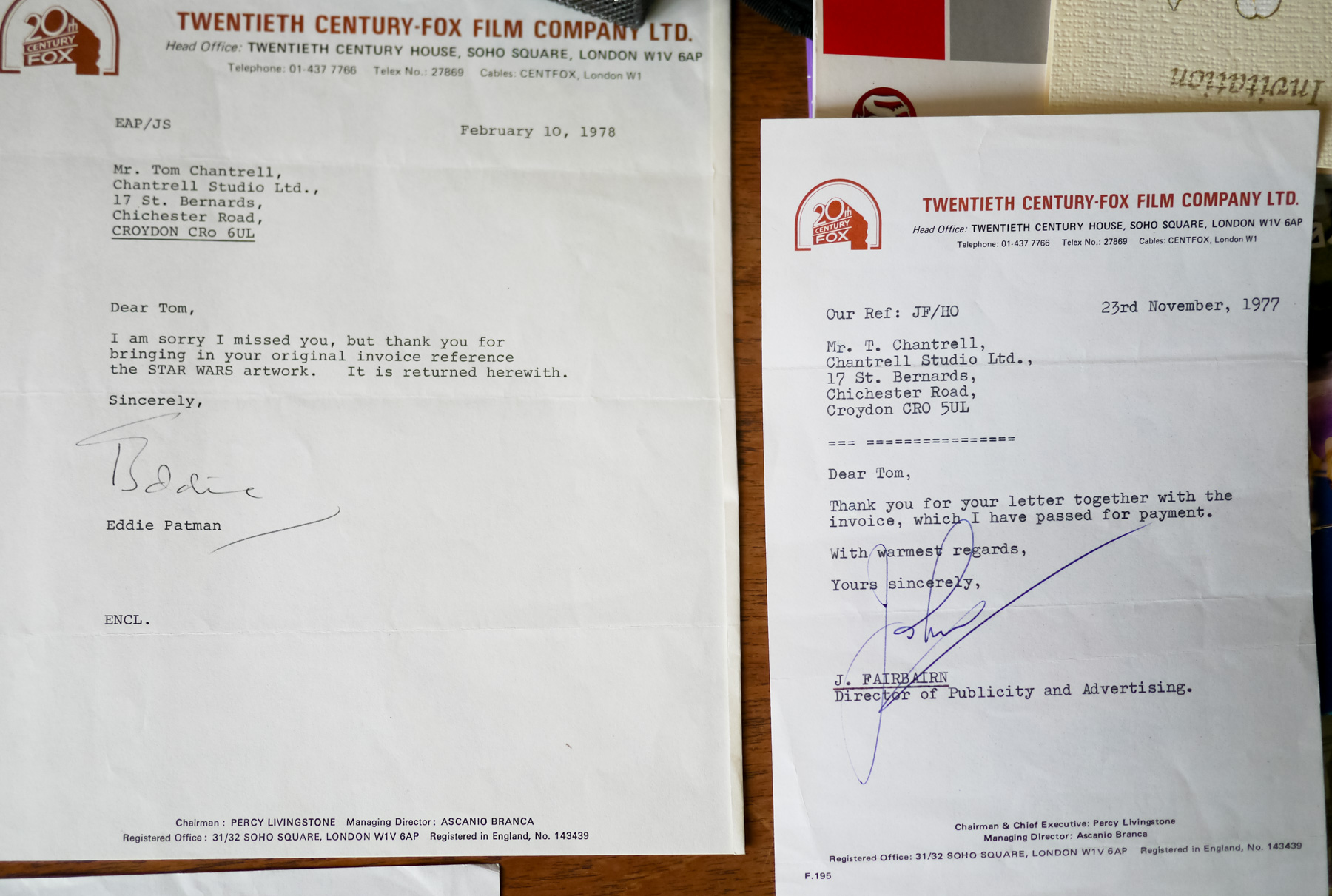
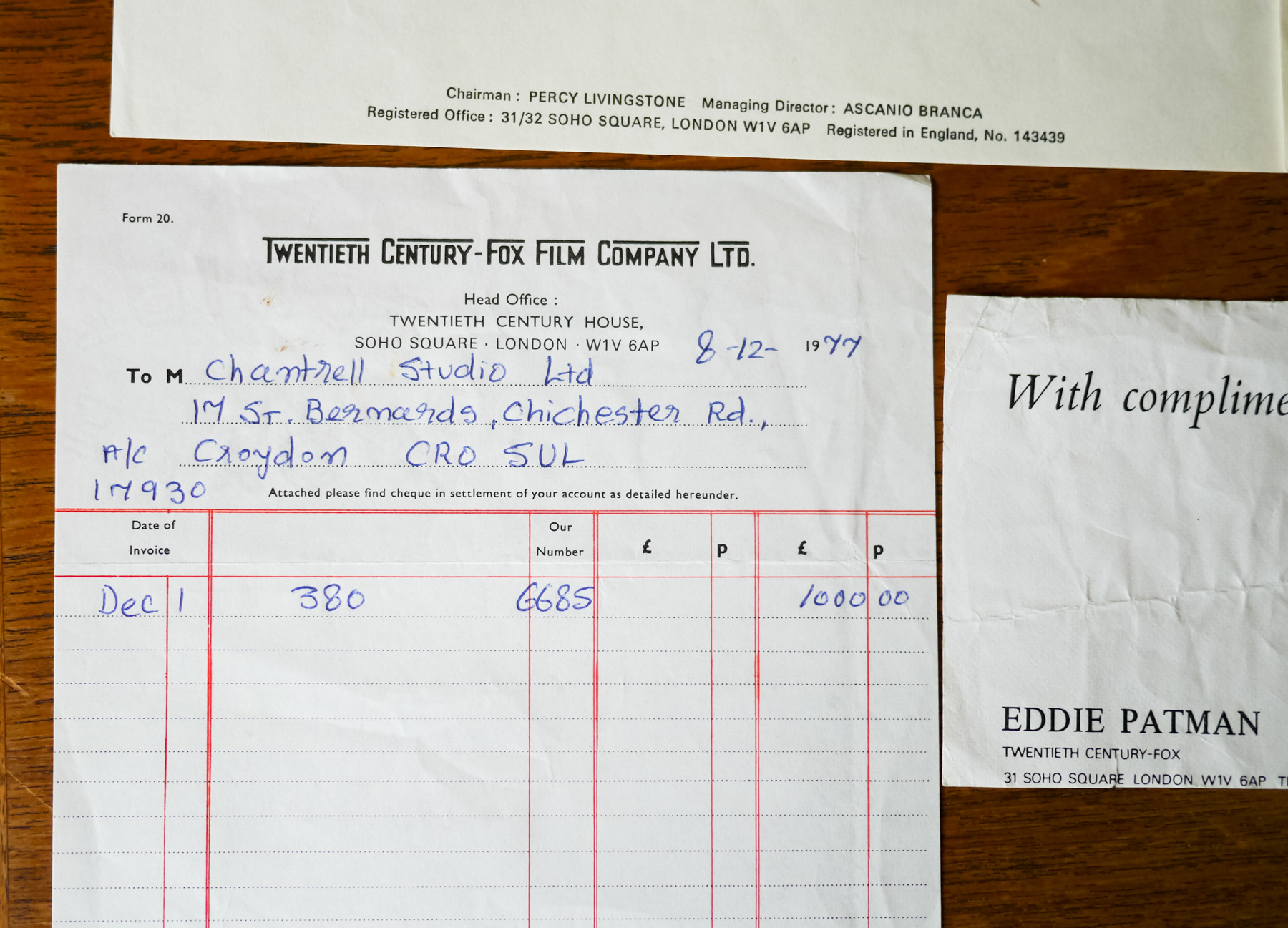
During the time I spent with Shirley we browsed through several boxes of the plentiful material she has kept from the days that Tom was working on film posters. I was amazed to see that he had retained the original invoice that he had sent to 20th Century Fox (Star Wars’ UK distributors) and some letters from Fox relating to the invoice, which confirmed that he had been paid the sum of £1000 for his original work on the art. These can be viewed by accessing picture thumbnails 28 and 29.

Sadly, Tom Chantrell passed away in 2001 and my friend, and author of the must own British Film Posters: An Illustrated History, Sim Branaghan wrote his obituary for the Guardian. He may no longer be with us but Tom Chantrell’s classic artworks have stood the test of time and continue to impress decades later.

Diva / quad / UK

23.03.15

Poster Poster

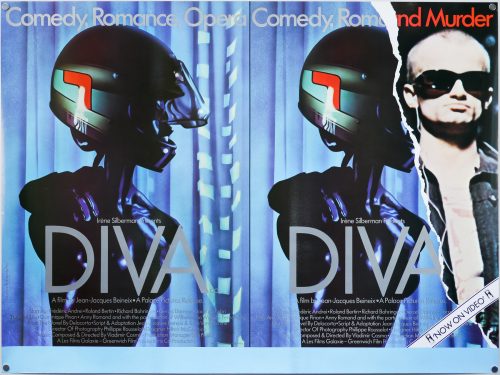
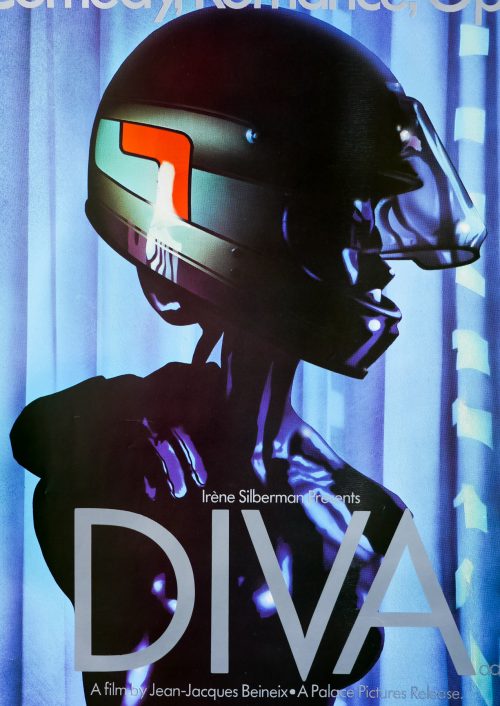
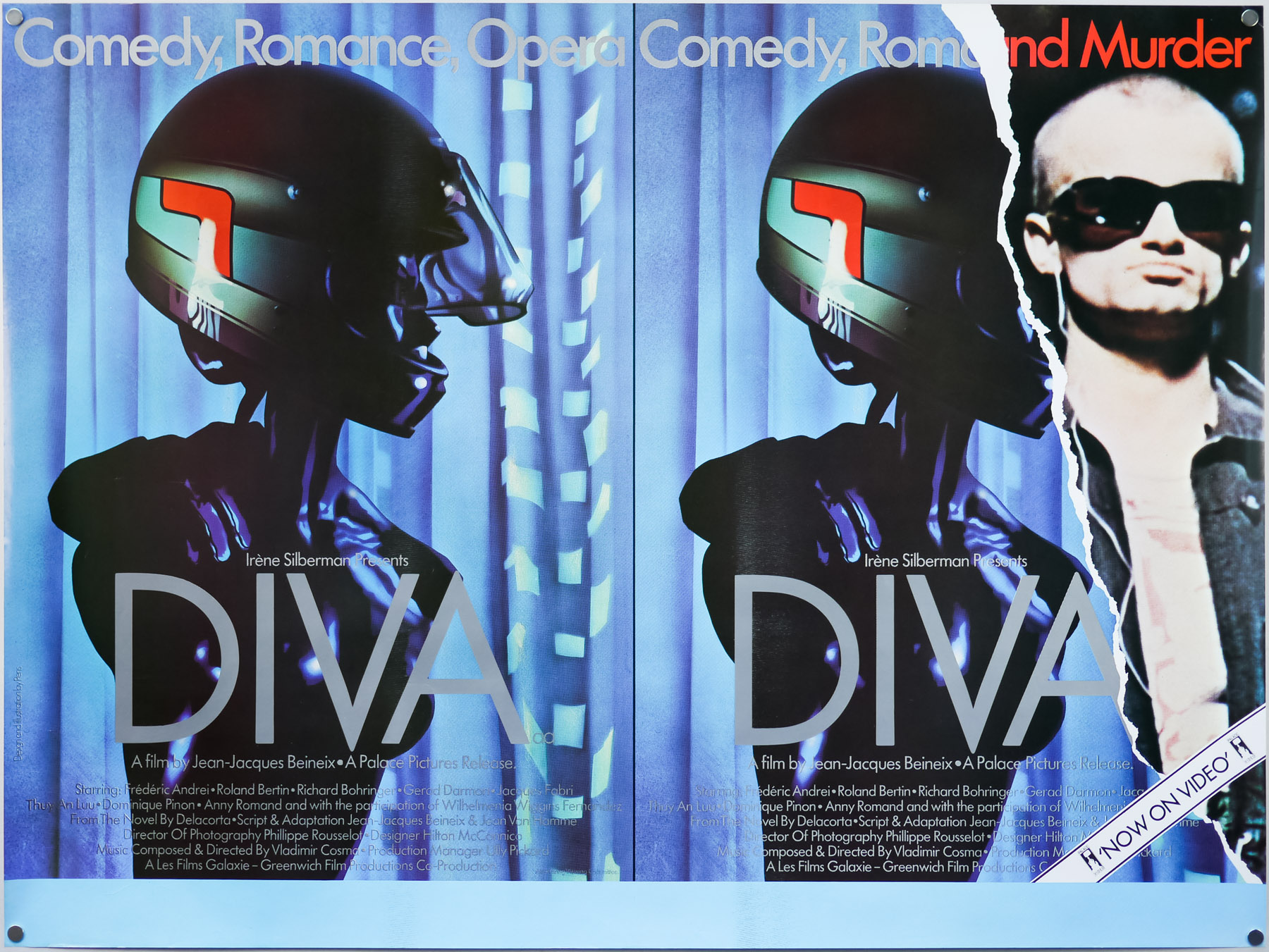
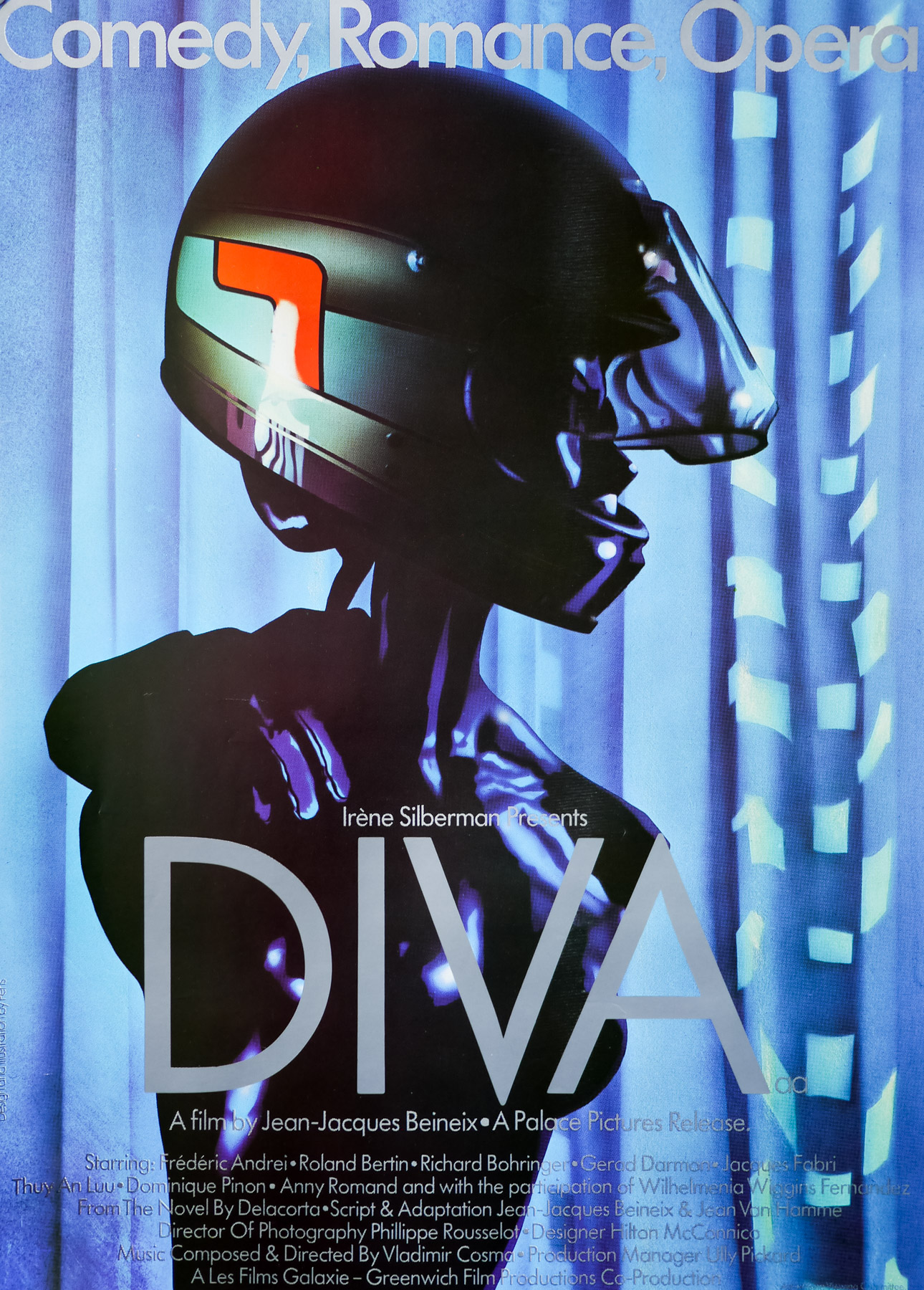
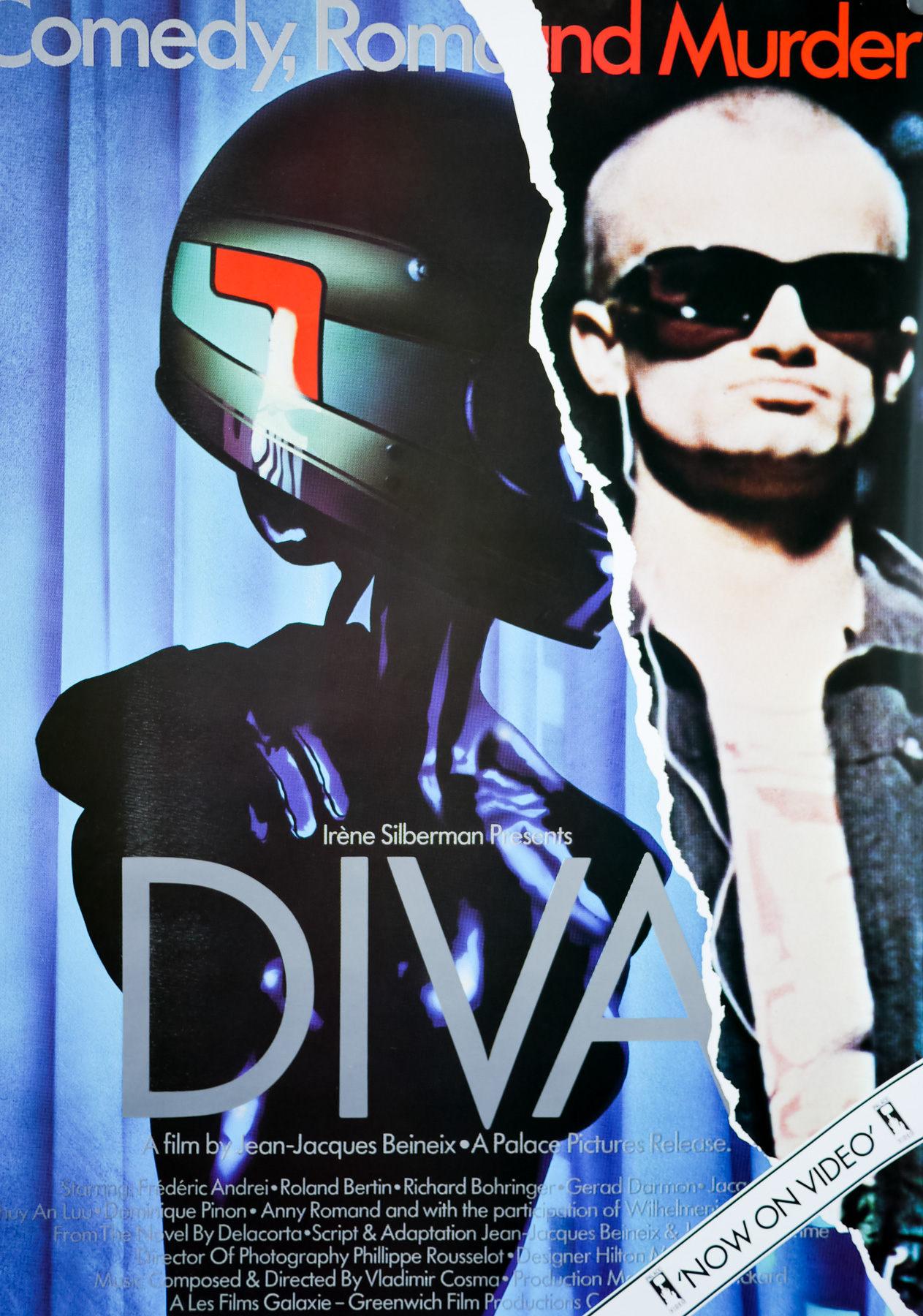
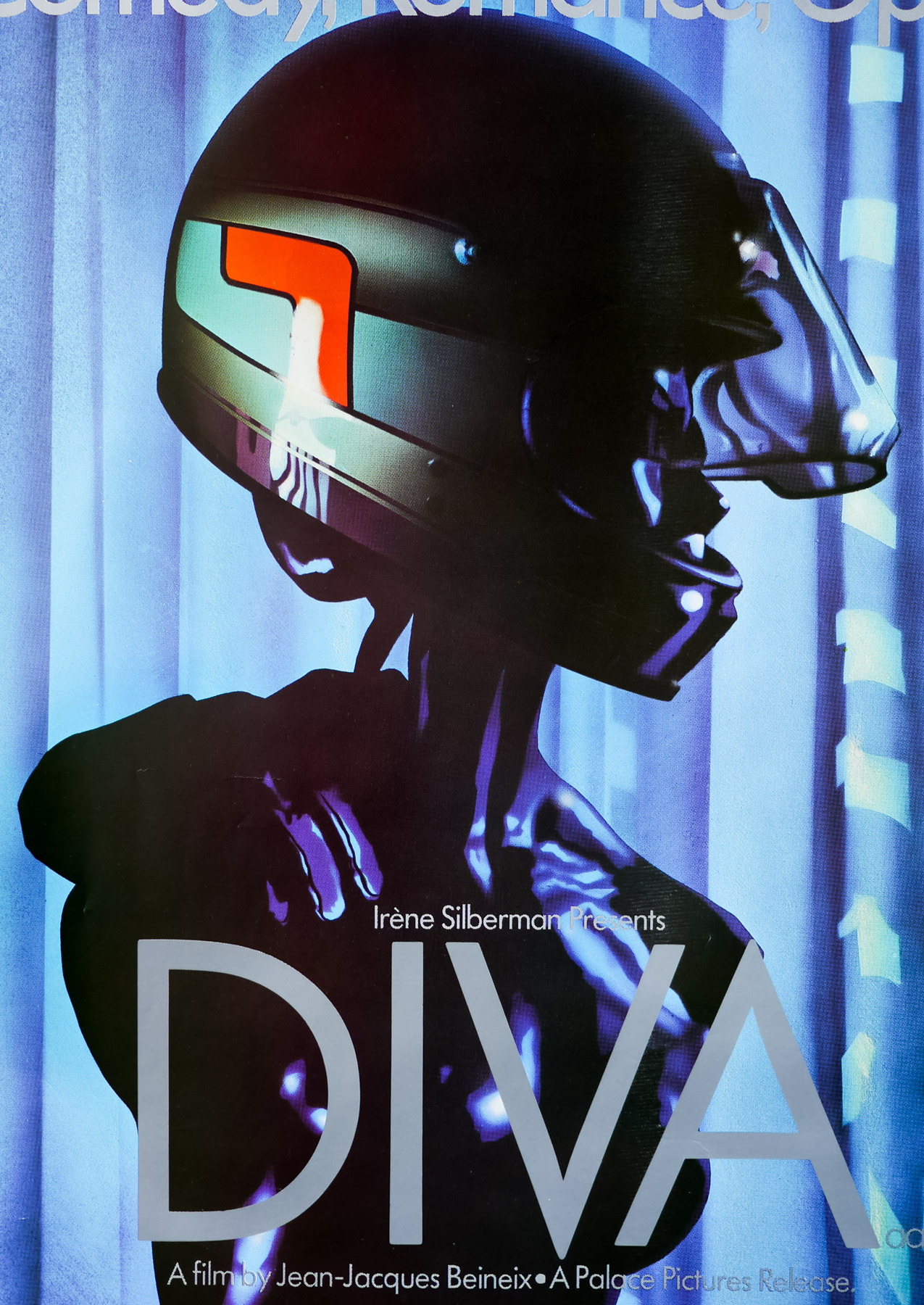
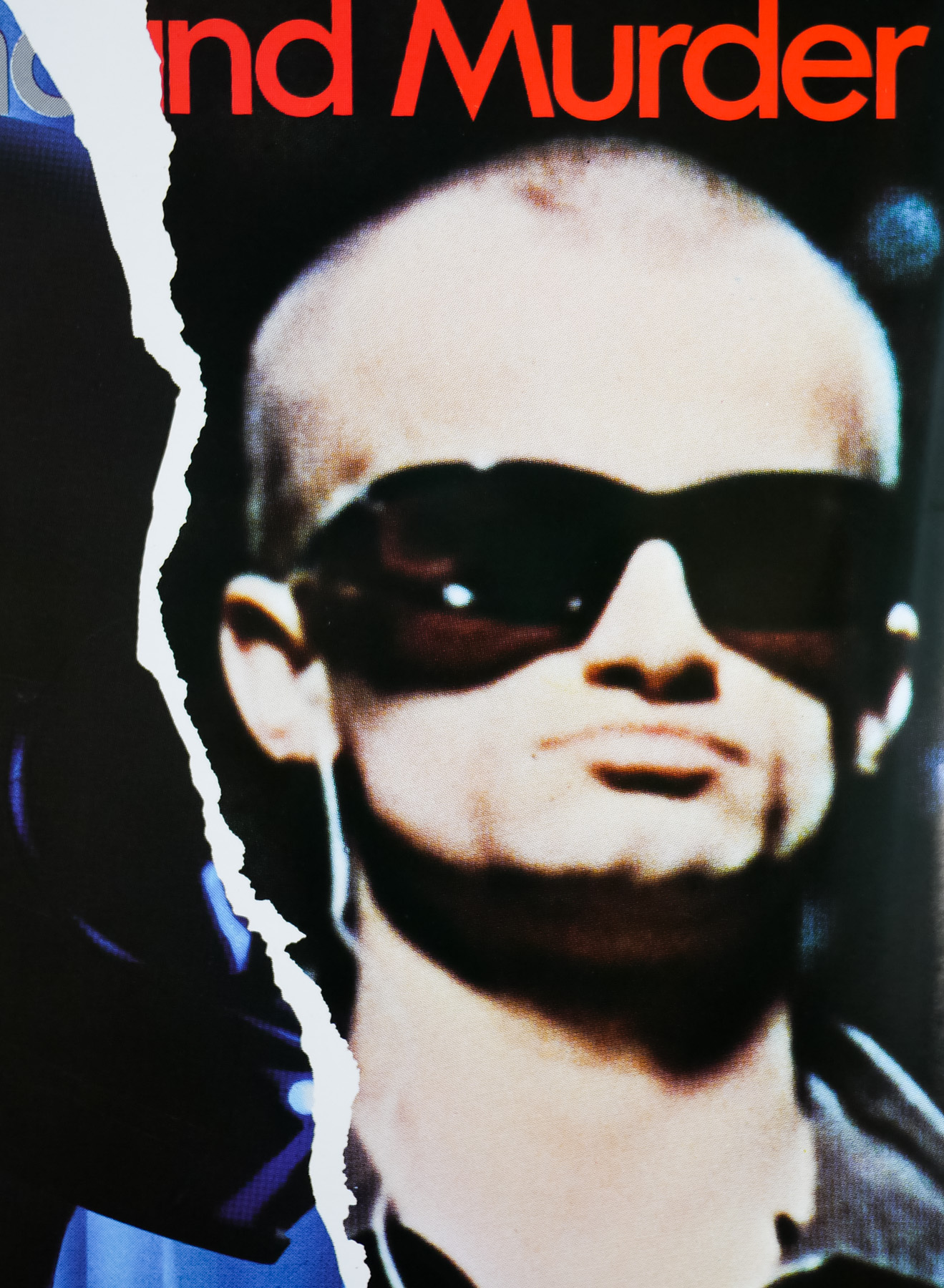
This is the UK quad for the release of Diva, which was the first full-length feature from Jean-Jacques Beineix, the French director whose most internationally famous film is Betty Blue (1986). Beineix is seen as the originator of the French film movement that became known as ‘cinéma du look‘, which was described as prioritising style over substance and spectacle over narrative. Luc Besson (Subway, Nikita) and Leos Carax (Les Amants du Pont-Neuf) were the other key directors and their films often featured doomed love affairs, scenes in the Paris Metro and plenty of contemporary pop-culture references.

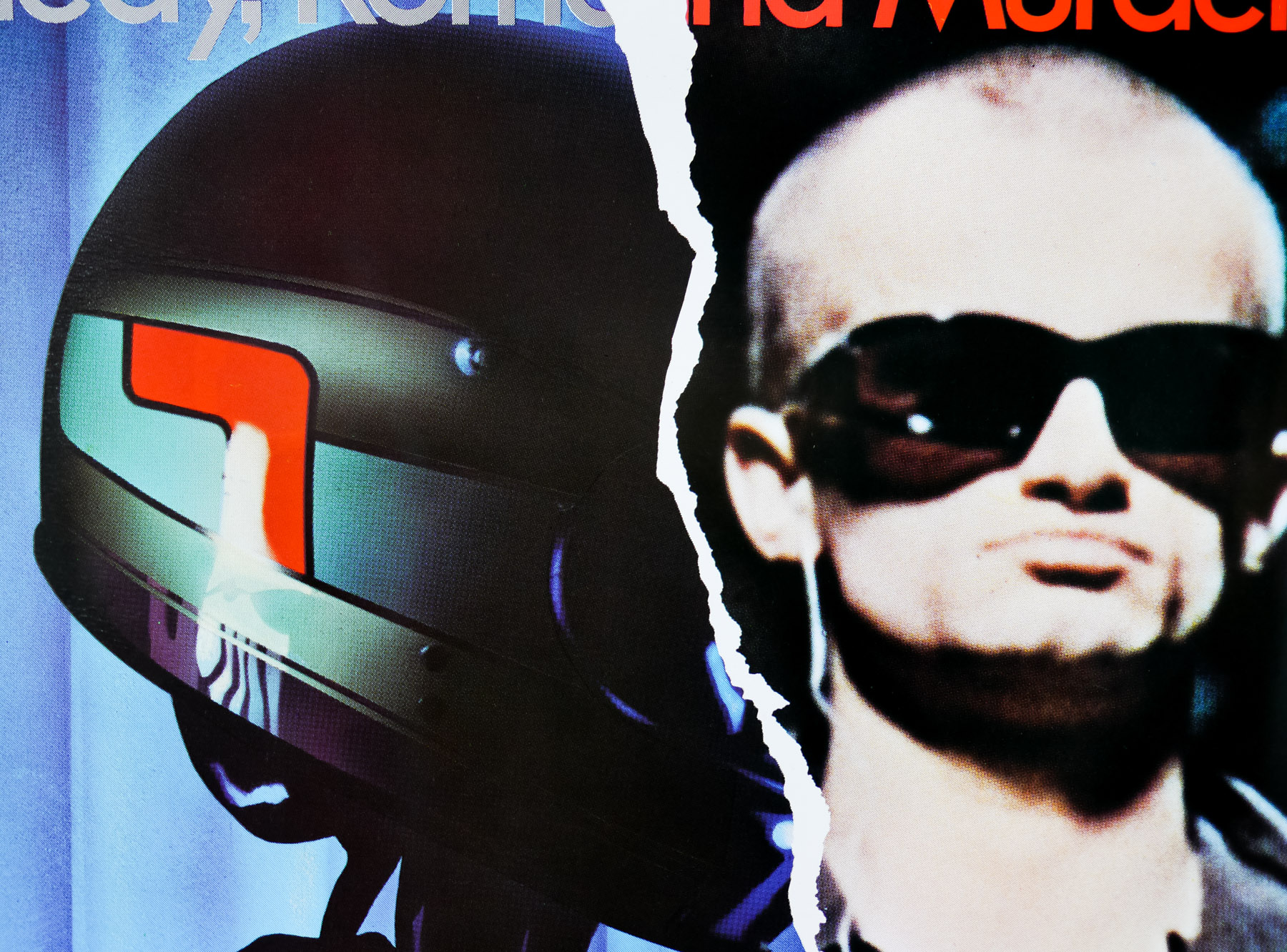
Based on the novel of the same by Swiss author Daniel Odier the film is set in Paris and tells the story of a young mild-mannered postman called Jules (Frédéric Andréi) who has an obsession with a celebrated opera singer called Cynthia Hawkins. The singer has never had one of her performances officially recorded, believing that music like hers should only exist in the moment for the audience watching. Jules attends a performance and illicitly makes a perfect recording before meeting her backstage and stealing the dress she performed in. A few days later Jules inadvertently gets drawn into a criminal conspiracy after a desperate woman on the run from hitmen, including Dominique Pinon‘s Le curé (as seen on this poster), drops a cassette into his postbag. The tape implicates the local police chief in an international smuggling ring and soon Jules has not only the hitmen after him but also a shady pair of Taiwanese men who want the recording of the opera singer. Luckily, Jules has help in the form of a mysterious bohemian called Gorodish (Richard Bohringer) and his Vietnamese-French muse Alba (Thuy An Luu).

As progenitor of the ‘cinéma du look‘ movement the film is visually stunning throughout and features excellent use of several Paris locations, including a memorable chase sequence on the Metro and a great scene inside a giant abandoned factory. The story may come second to the visuals but it’s still an excellent watch and rightfully garnered plenty of critical plaudits on its release in France and then later in the US and the UK.

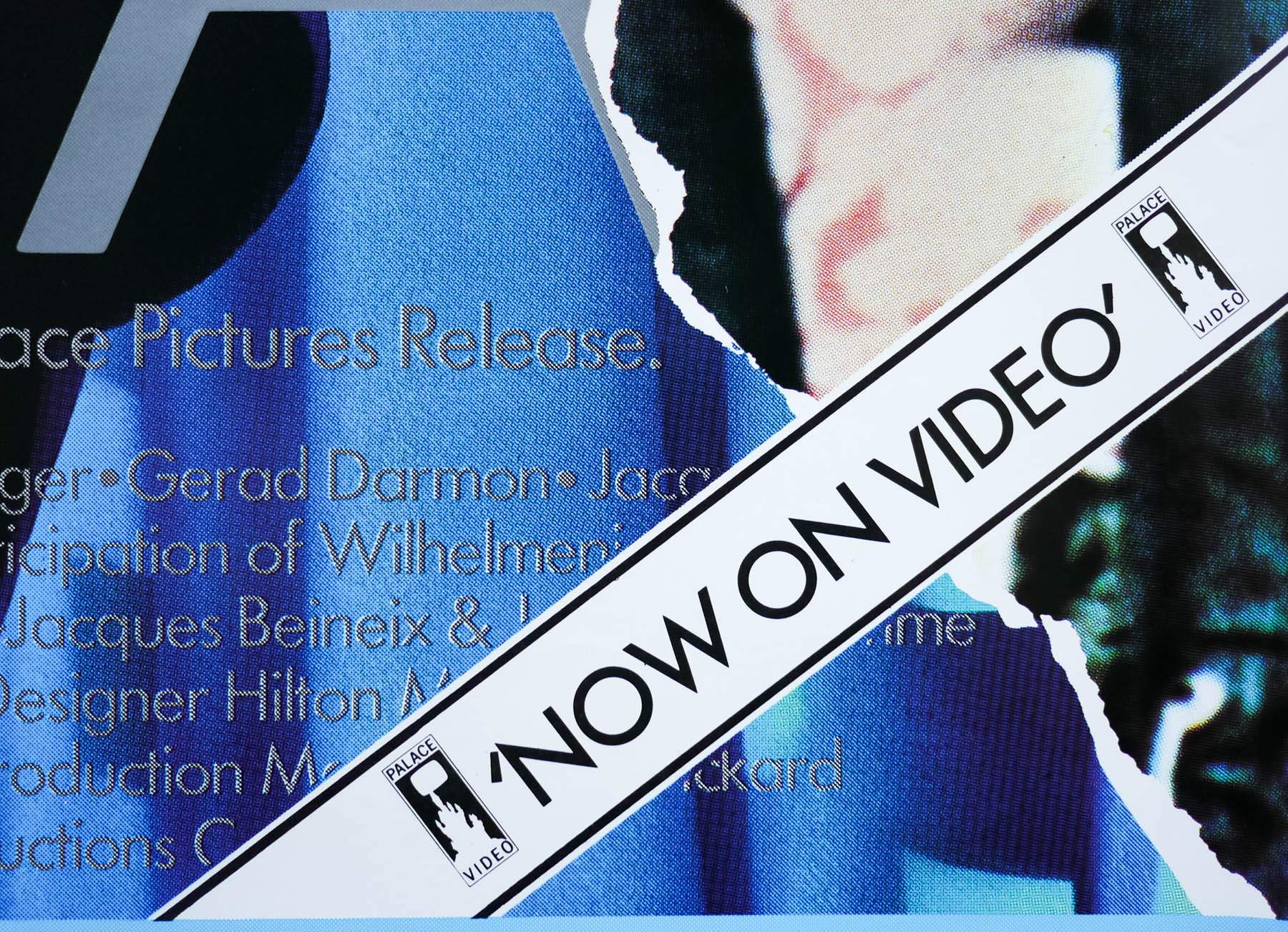
This UK quad was printed for the legendary British distribution (and later production) company Palace Pictures and, like their quad for Evil Dead, features a flash indicating that the film was available on video. I believe the first time this film was released in the UK was in 1982 and it’s likely that Palace gave the film a limited cinema release as well as making it available on VHS. Friend of the site John Costello confirmed that the film received a release on VHS on September 25th 1982.

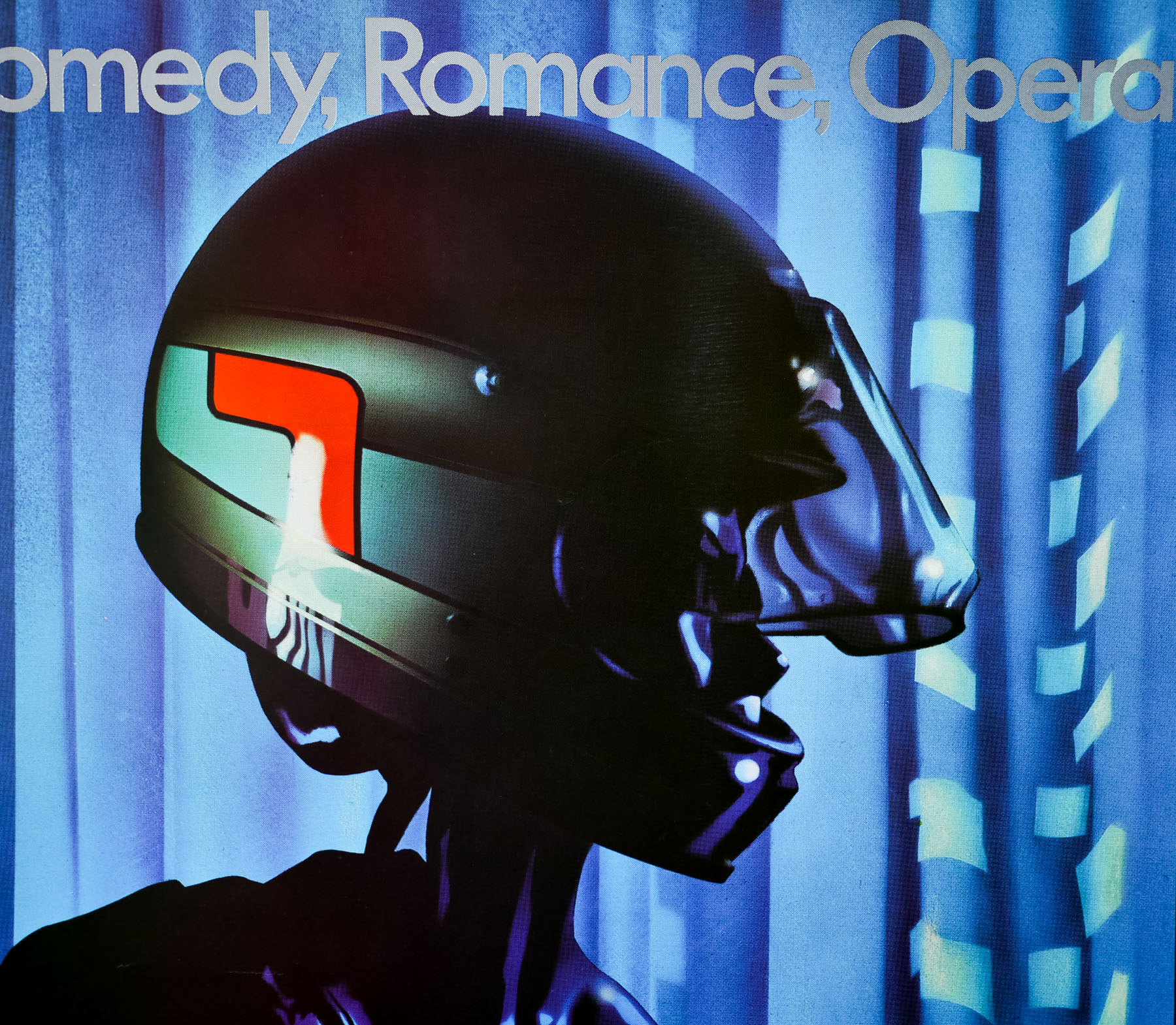
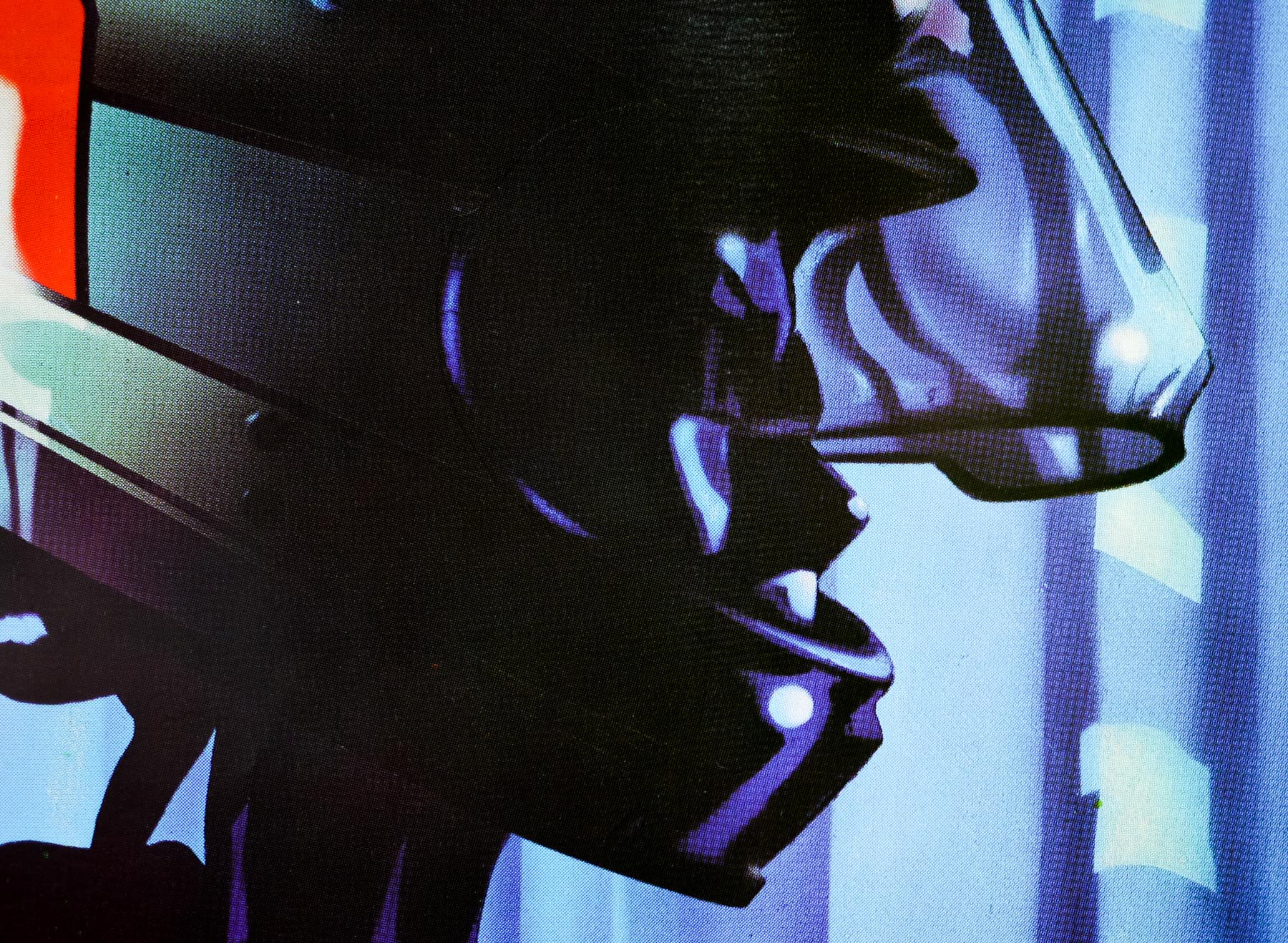
The design and illustration of the poster, which is actually of a shot in the film where Jules’ bike helmet is seen on a mannequin, is credited on the poster to ‘Pens’, about whom I’ve been unable to find any details. If anyone knows more about the designer I’d appreciate the info.

Raid on Entebbe / quad / UK

04.07.12

Poster Poster

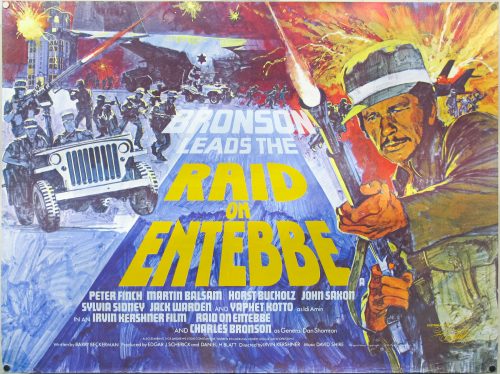
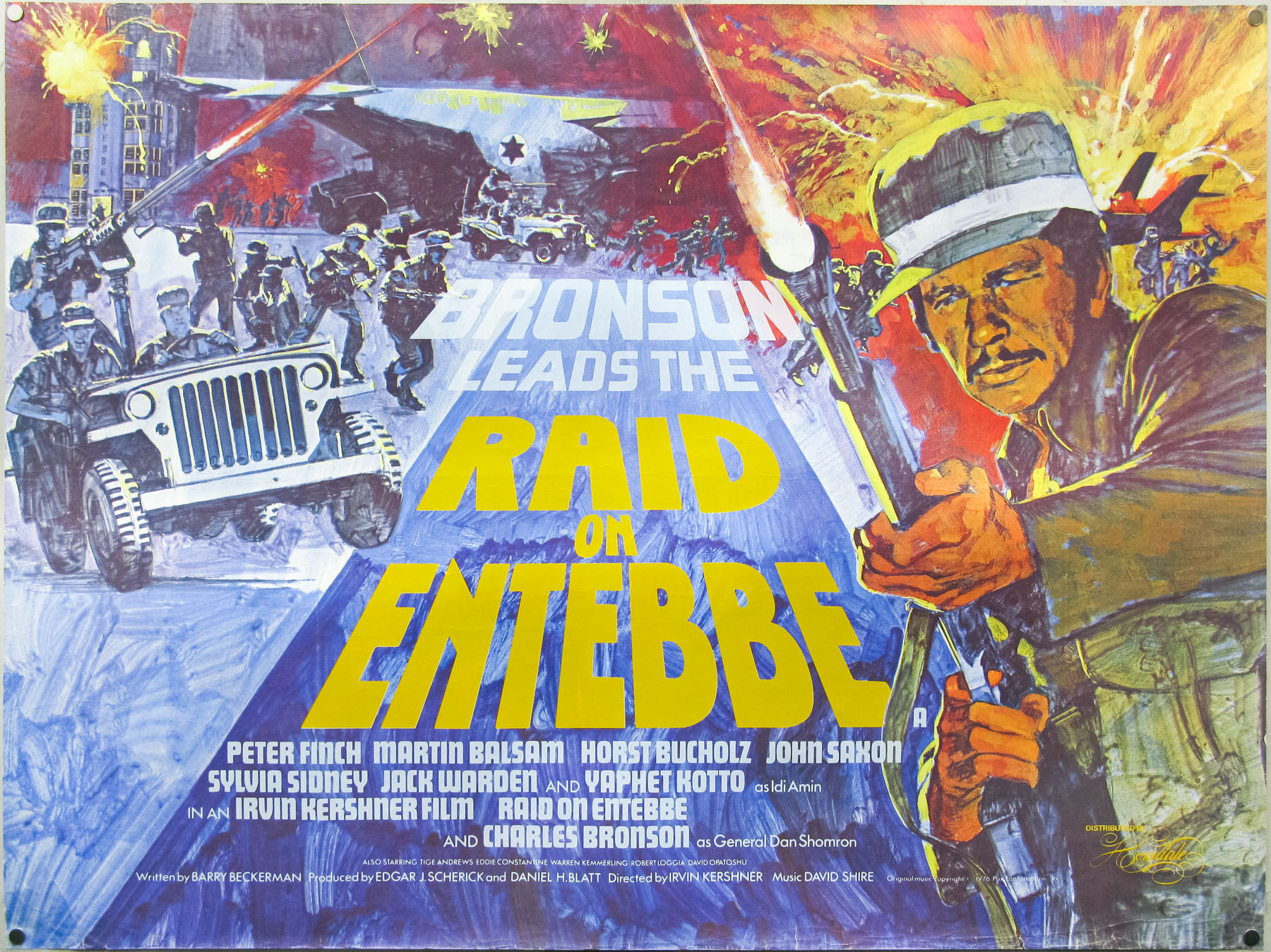
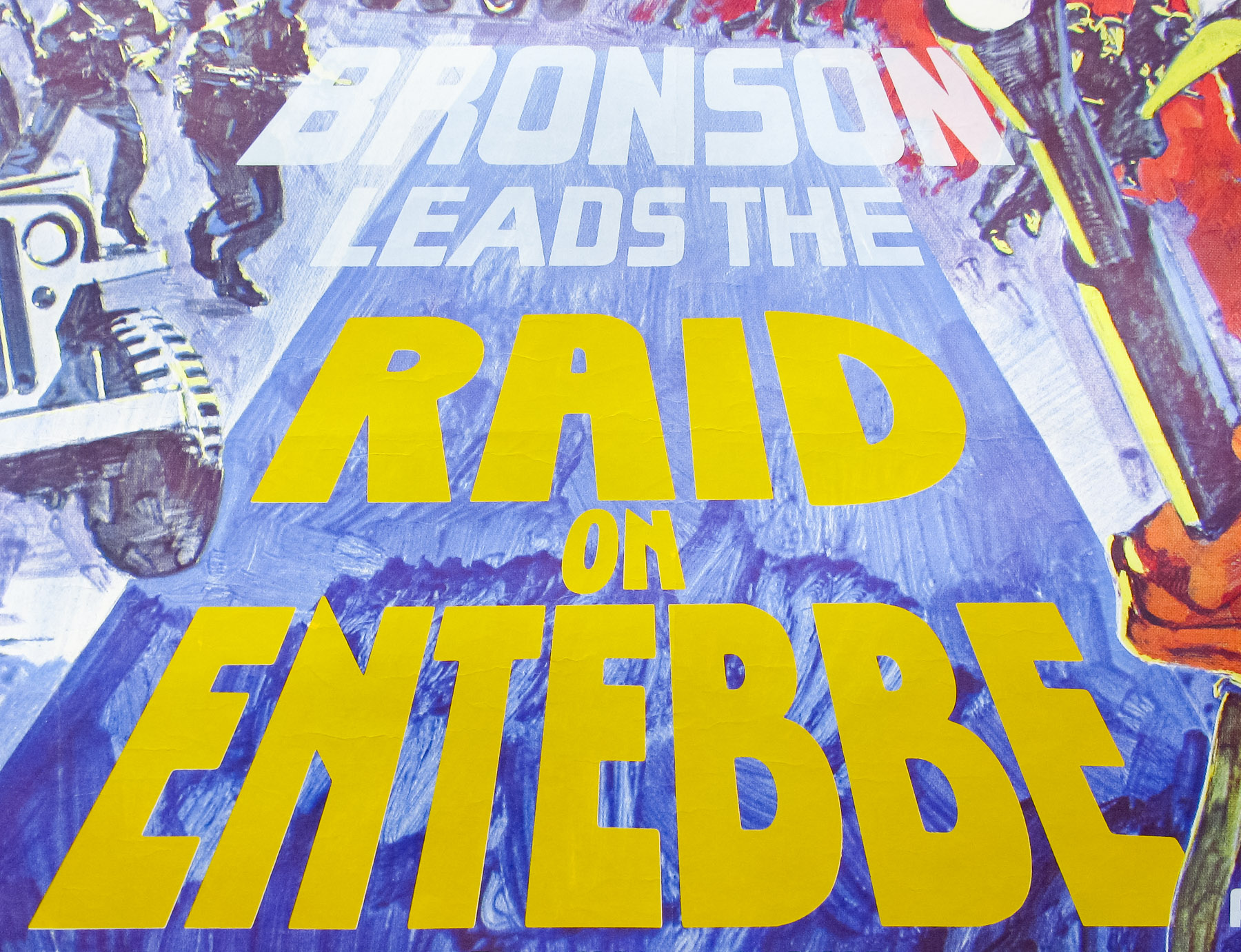
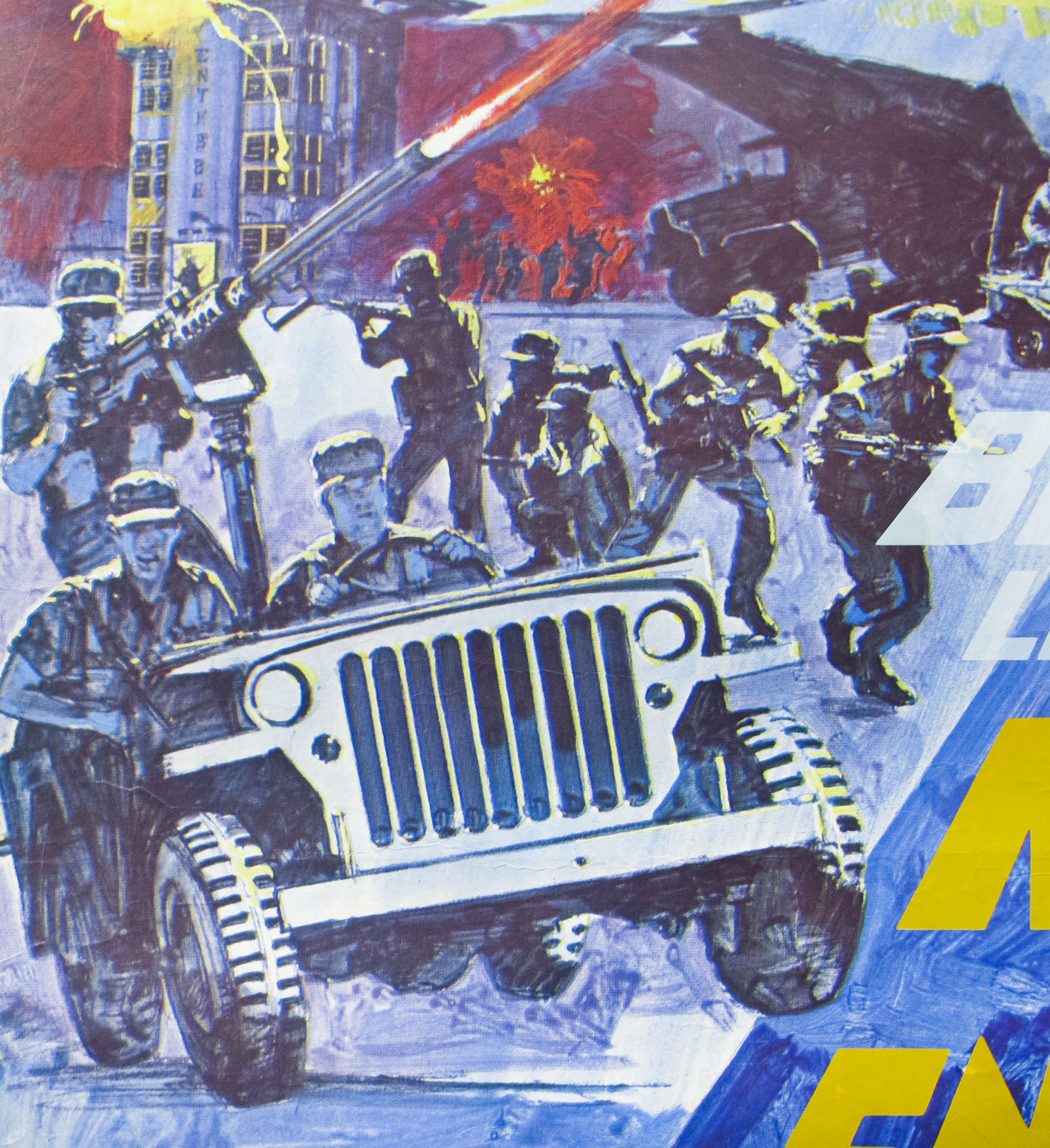
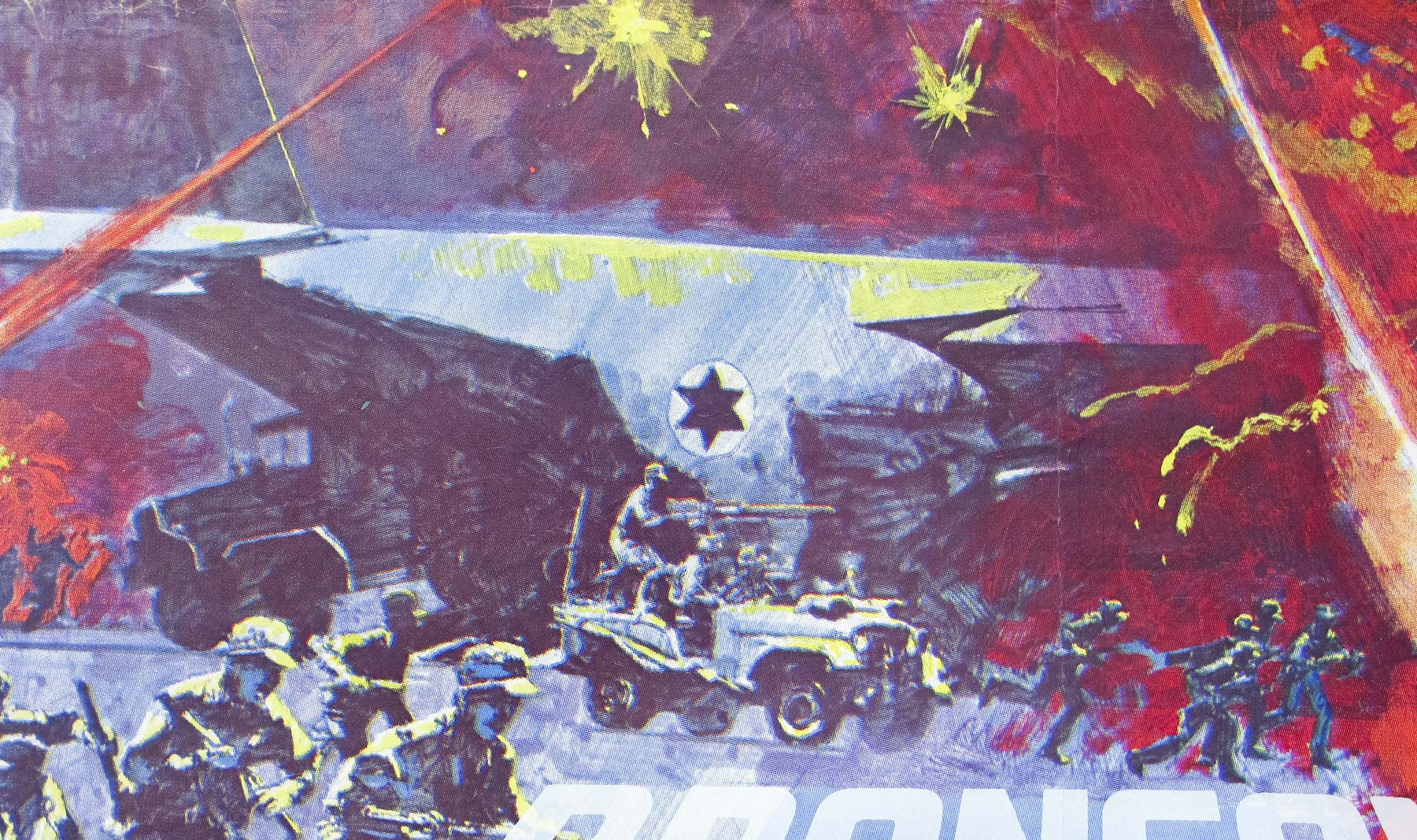
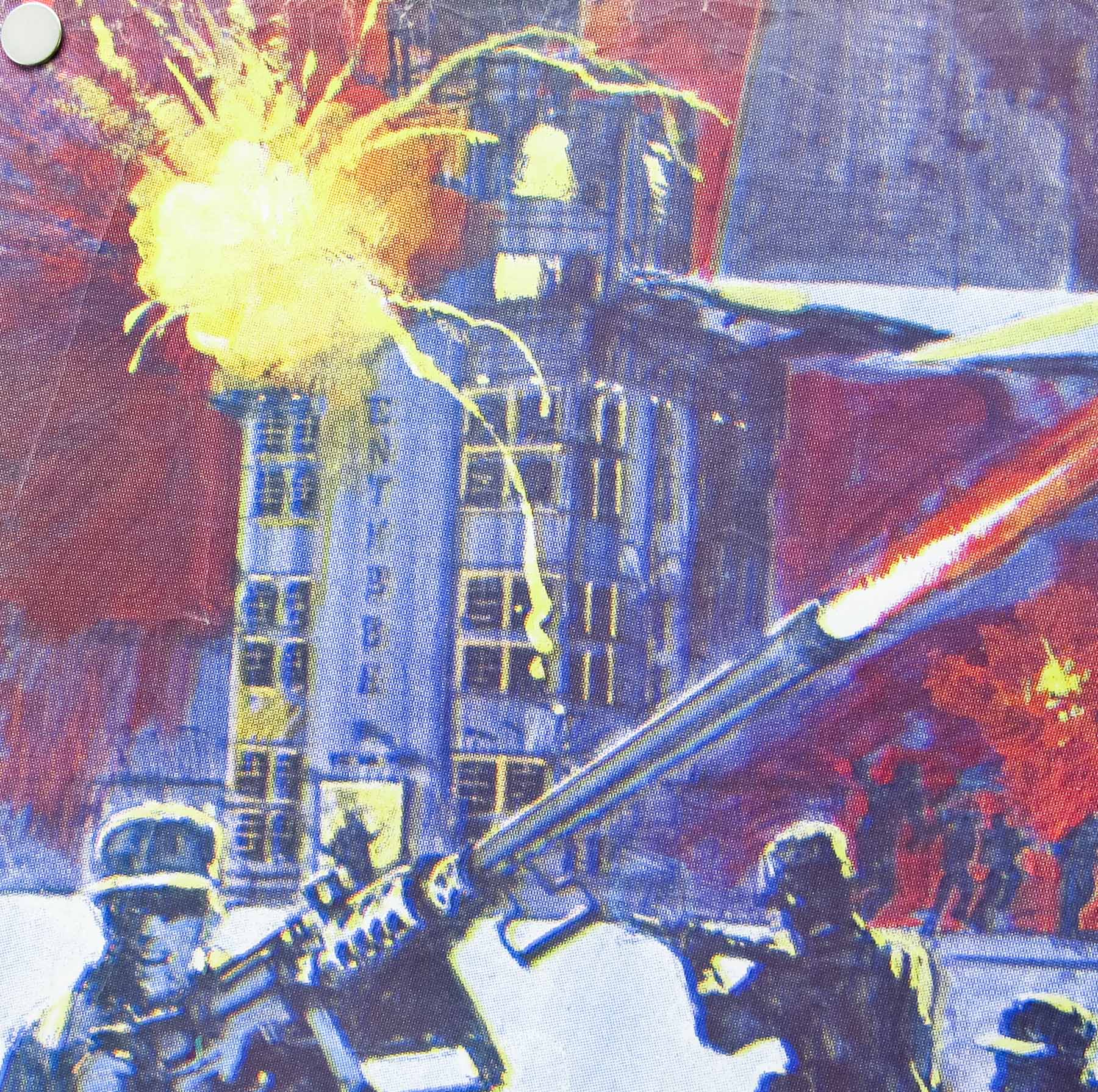
Raid on Entebbe is based on the true story of Operation Thunderbolt a mission undertaken by Israeli commandos in 1976 with the aim of rescuing hostages from a hijacked Air France plane being held at Entebbe airport in Uganda. The plane and hostages were under control of the Popular Front for the Liberation of Palestine and the German Revolutionary Cells and, after landing in Uganda, almost all of the non-Israeli hostages had been released. After it became clear that the Ugandan president Idi Amin was actively helping the terrorists, a daring rescue was planned by the Israeli Defence Forces, which resulted in the rescue of all but four of the hostages and the death of only one commando,  Lt. Col. Yonatan Netanyahu, the brother of Benjamin Netanyahu who would later serve as the Israeli prime minister.

There were actually three film versions of the events put into production within months of the rescue; two were US-produced including this film, which followed the hastily made-for-TV Victory at Entebbe, starring the likes of Anthony Hopkins, Burt Lancaster and Elizabeth Taylor. Legendary director and producer Menahem Golan also put together an Israeli-made versions starring mostly Jewish actors called Mivtsa Yonatan (AKA Operation Thunderbolt). Raid on Entebbe was first shown on TV in the US but was given a theatrical release in other countries, including the UK.

Action legend Charles Bronson was obviously seen as the biggest draw for UK audiences over the likes of Peter Finch who actually passed away 10 days after the film first aired and would be given a posthumous Academy Award for his role in the film Network.

This UK quad features stylised artwork painted with large brushstrokes onto a canvas, the grain of which is clearly still visible. Sim Branaghan believes this to be the work of British artist Mike Vaughan, perhaps best known for his work on several Hammer Horror quads, including Twins of Evil.

Evil Dead II / quad / UK

21.09.12

Poster Poster
Title
Evil Dead II
AKA
Evil Dead 2: Dead by Dawn (USA title)
Year of Film
1987
Director
Sam Raimi
Starring
Bruce Campbell, Sarah Berry, Danny Hicks, Kassie Wesley, Ted Raimi, Denise Bixler, Richard Domeier, John Peaks, Lou Hancock
Origin of Film
USA
Genre(s) of Film
Bruce Campbell, Sarah Berry, Danny Hicks, Kassie Wesley, Ted Raimi, Denise Bixler, Richard Domeier, John Peaks, Lou Hancock,
Type of Poster
Quad
Style of Poster
--
Origin of Poster
UK
Year of Poster
1987
Designer
Graham Humphreys
Artist
Graham Humphreys
Size (inches)
30" x 40"
SS or DS
SS
NSS #
--
Tagline
There's only one movie scarier than 'The Evil Dead'... | Kiss your nerves goodbye

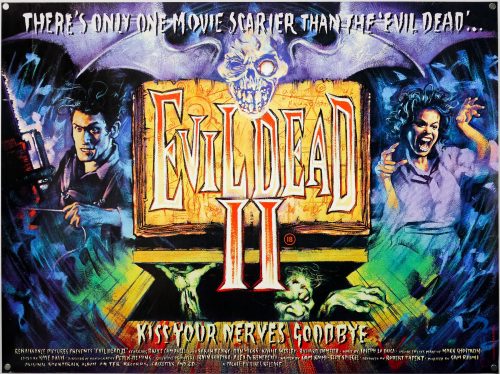
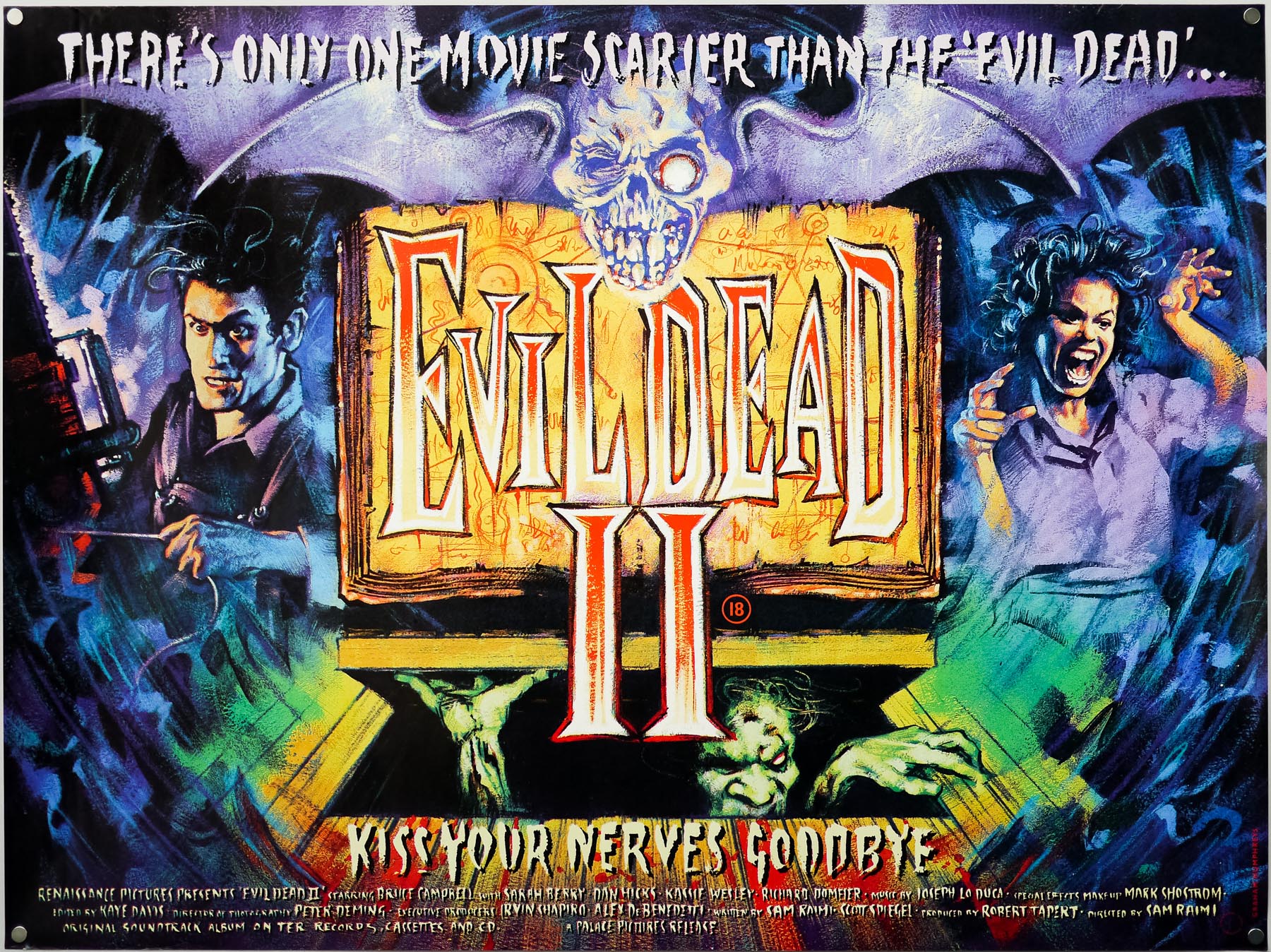
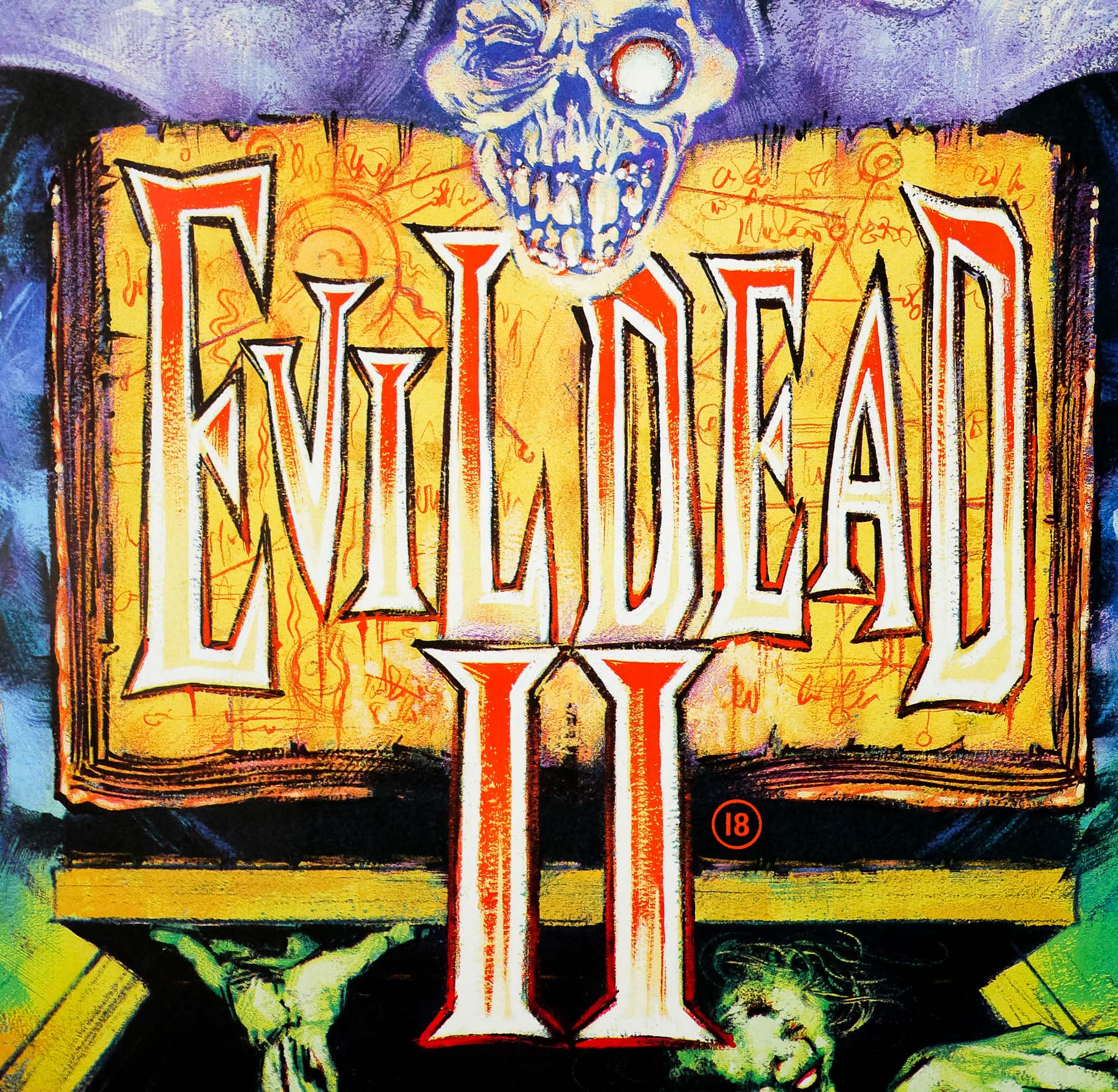
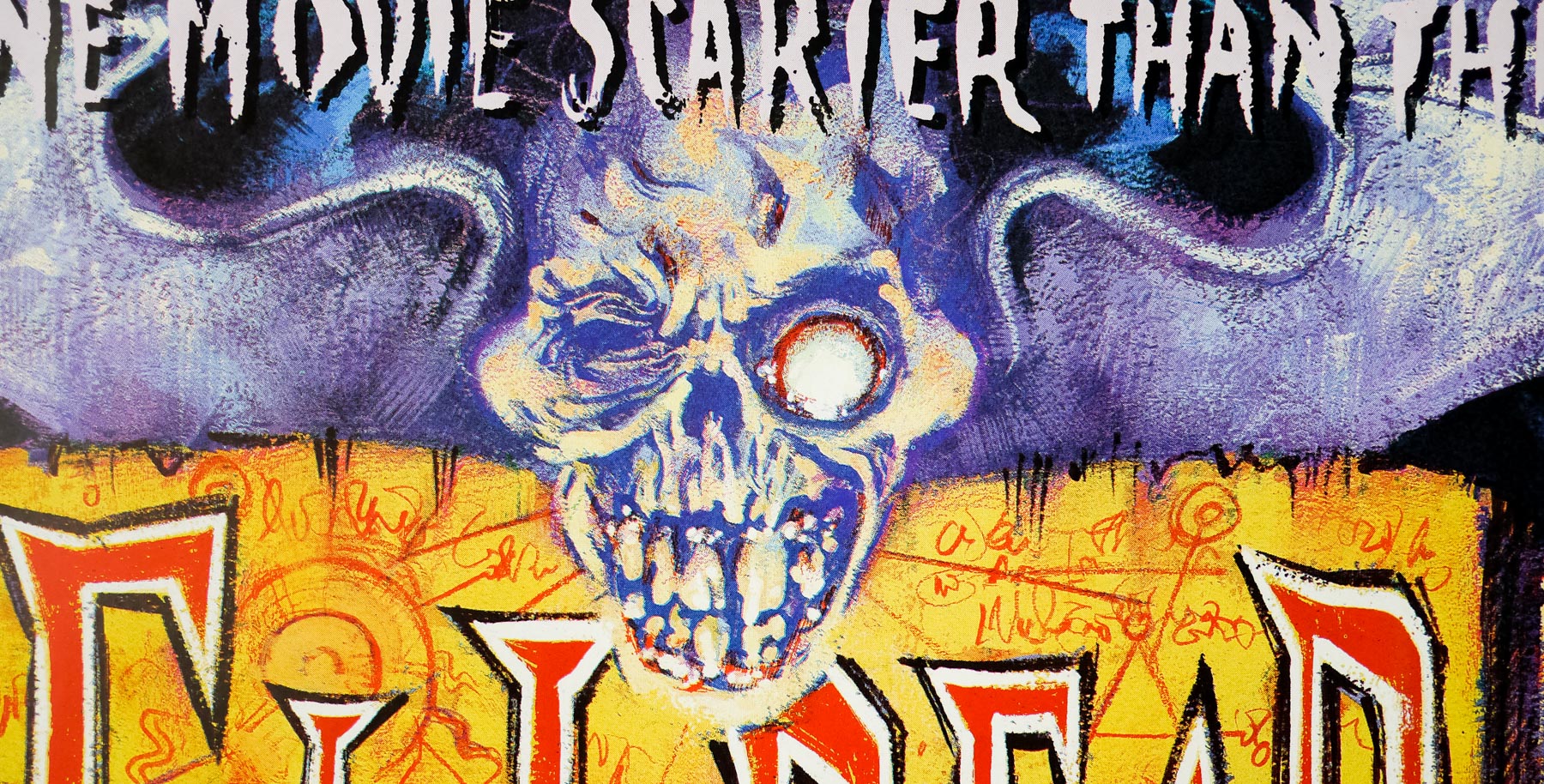
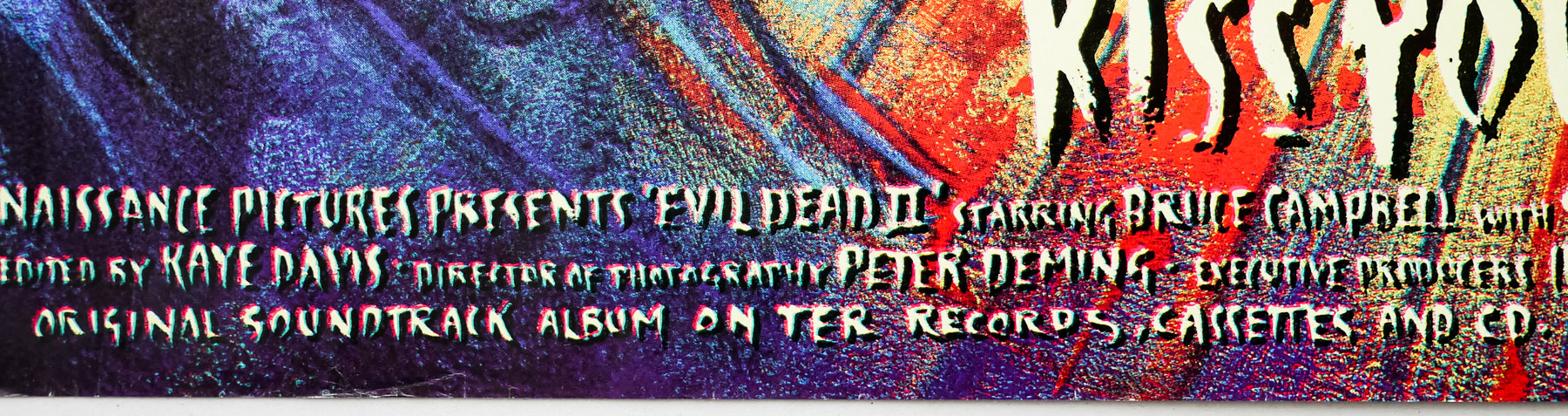
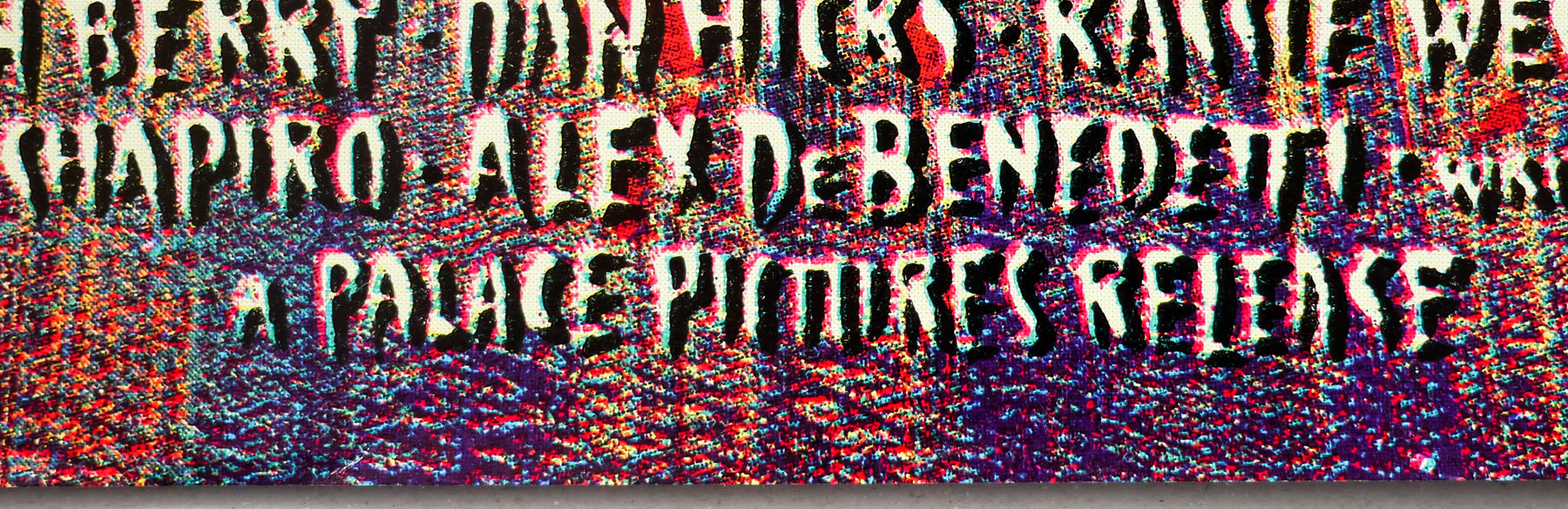
Brilliant artwork by UK artist Graham Humphreys on this quad for the (superior IMO) sequel to Sam Raimi’s brilliant low-budget horror The Evil Dead. The films were a great success in the UK after the first was bought at the Cannes Film Festival by the legendary British distribution (and later production) company Palace Pictures. Released in cinemas and on VHS almost simultaneously the modest outlay for the rights to distribute the film proved to be an excellent deal as it went on to see great box-office takings and thousands of tapes sold. The first film was eventually caught up in the infamous video nasties debacle of the 1980s and was banned for a number of years under the Video Recordings Act.

The sequel, made six years later and technically a retcon sequel, was allotted a significantly larger budget than the first and is more of a black comedy than the original. Lead actor Bruce Campbell is put through a continually escalating series of horrific encounters that allow him to show the full extent of his talent for slapstick comedy.

Palace pictures bought the rights to distribute the second film and asked Graham Humphreys to design the quad and video artwork for it after his iconic design for the first film had proved so successful. When I interviewed the artist about his career in 2011 I asked him about the design for the poster and the excerpt from the interview is below:

What happened with the quad for Evil Dead II?
It was the same situation at Palace but I think Steve and Nik Powell were at the helm with this one, since the first film had been so succesful. They figured why change the formula. I guess the point was that the film was almost a remake of the first one, plus a bit extra and so that’s what going on here. A re-imagining of the first one.

In that documentary you talk about how you’d had another idea involving a clock.
Yeah, that was the whole thing about ‘dead by dawn’ and I had this pendulum and a blood-covered clock that looked fantstic. I was particularly influenced by Werner Herzog’s Nosferatu film because there’s a great clock in that, which is beautifully designed with a little skull. That’s really what I wanted to do. The idea was actually to build a physical clock, but I never got to make it. The guys thought it was a bit obscure. There was also going to be a ‘Pit and the Pendulum’-style swishing blade covered in blood and the title was going to be on that.

The feedback was to keep things simple and use the characters?
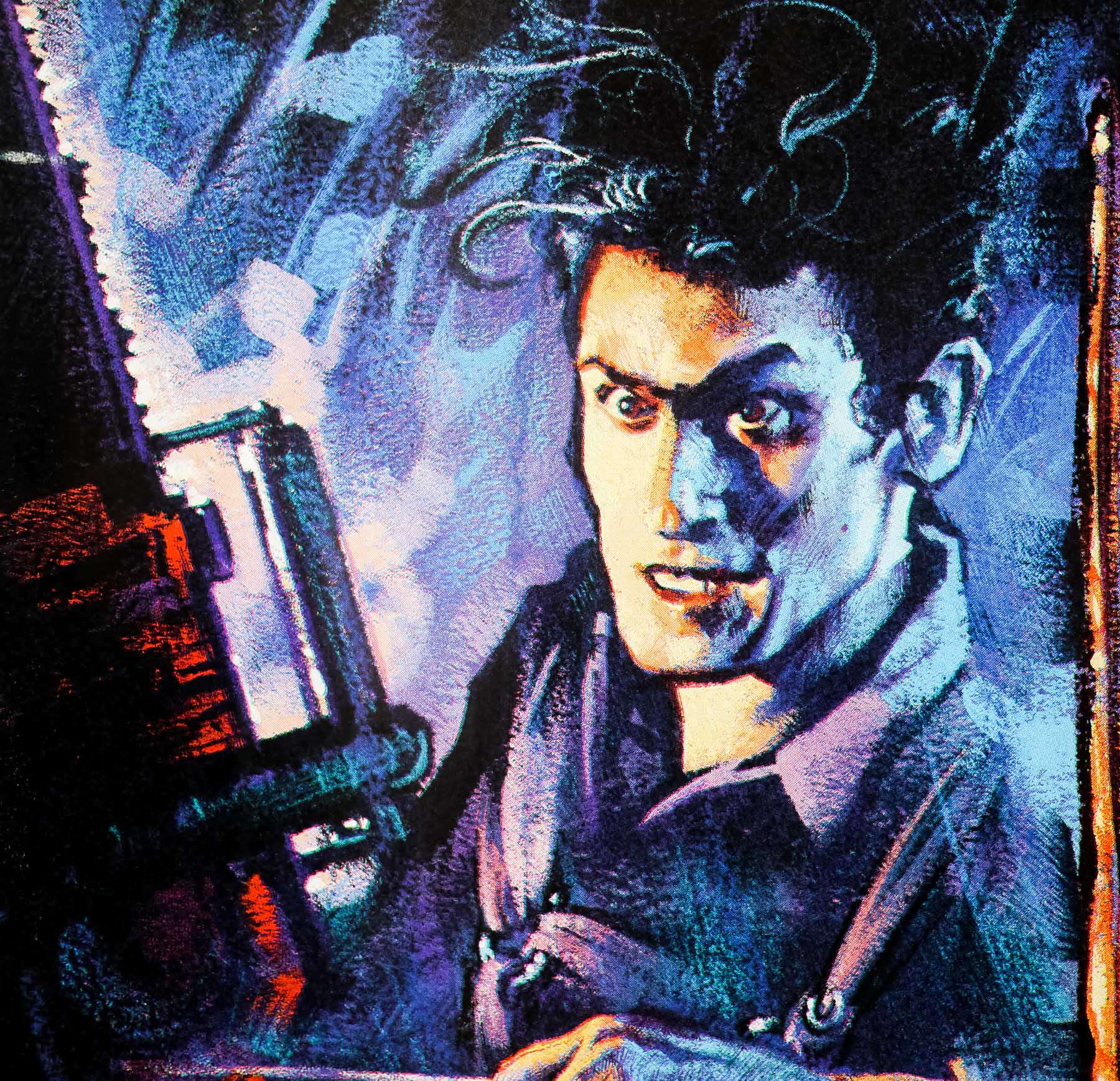
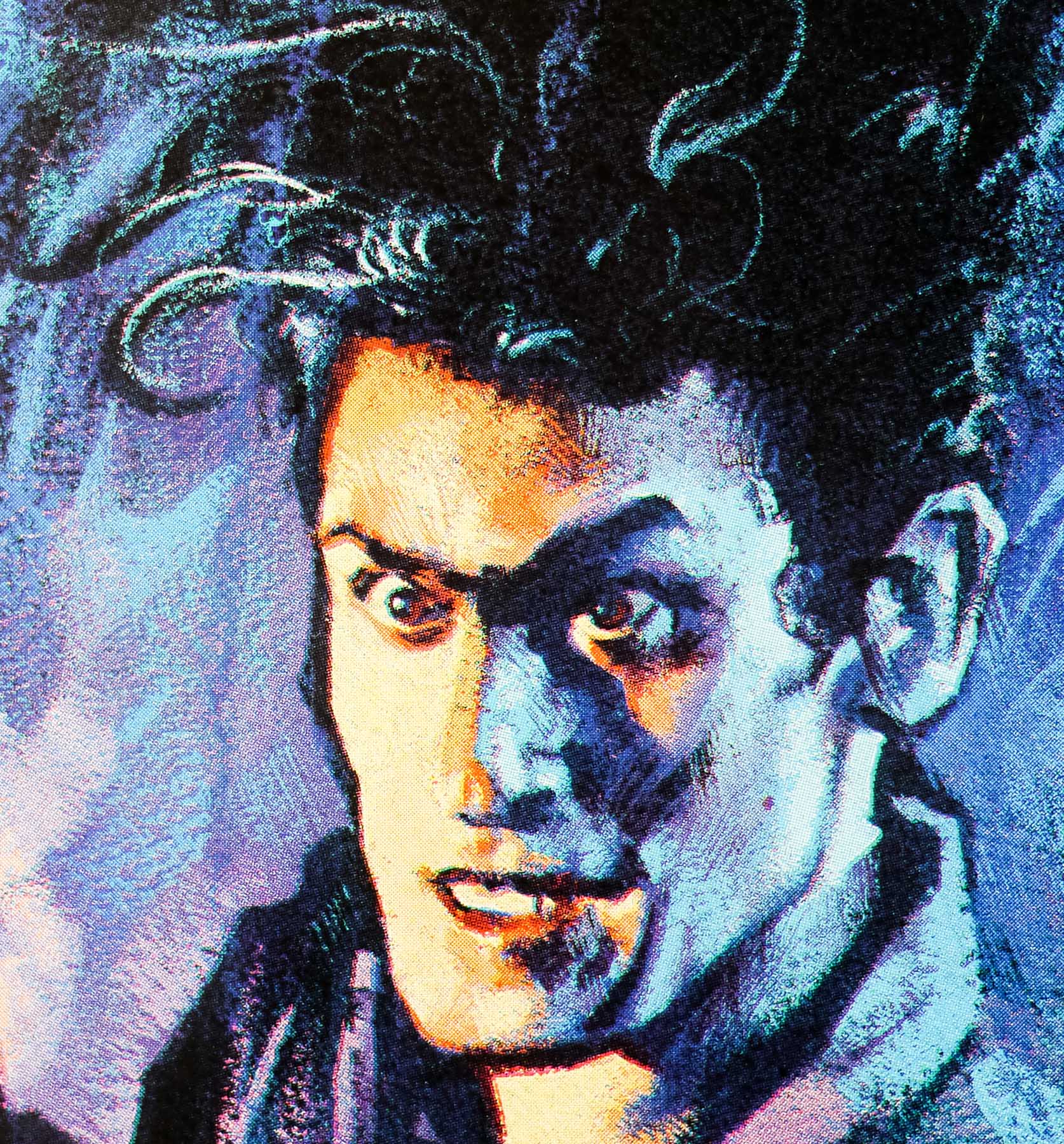
Yeah, we had the reel to reels on the first one and for this we had the book of the dead as the key element. There was some contention over whether we do the Roman numerals or the big number 2. To me it felt it should be classic looking with the numerals. I used a colour slide-set for the characters with only a few adjustments. I think I took a Polaroid of my hand to get the position right and a girl I was working with did the pose for me onto which I added the actresses head.

Do you prefer this one or the first film’s quad better?
I like the first one because it’s so raw and it captures the mood and music of the time for me. They’re two different animals really.
The full interview can be read here.

Check out these TV clips that were specially filmed in the UK to promote the film featuring Sam Raimi and English TV and radio (and film critic) Jonathan Ross


Heavy Metal / quad / UK

14.07.14

Poster Poster
Title
Heavy Metal
AKA
--
Year of Film
1981
Director
Gerald Potterton
Starring
Harvey Atkin, Jackie Burroughs, John Candy, Eugene Levy, Marilyn Lightstone, Harold Ramis, Richard Romanus
Origin of Film
Canada
Genre(s) of Film
Harvey Atkin, Jackie Burroughs, John Candy, Eugene Levy, Marilyn Lightstone, Harold Ramis, Richard Romanus,
Type of Poster
Quad
Style of Poster
--
Origin of Poster
UK
Year of Poster
1981
Designer
Unknown
Artist
Chris Achilleos
Size (inches)
30" x 40"
SS or DS
SS
NSS #
--
Tagline
A Step Beyond Science Fiction

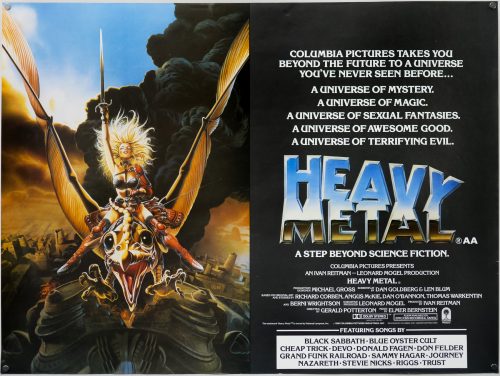
A great piece of artwork by Chris Achilleos on this UK quad for the release of Heavy Metal, an animated film based on stories from the magazine of the same name, which was known for its blend of science fiction, fantasy and erotica. Developed over a period of three years, the film is an anthology of tales connected by a framing story, with each one being based on a segment from the magazine or created specifically for the film. Like its source material it contains plenty of graphic violence and sexual imagery, although the film is somewhat softer in comparison to the tales seen in print. Several different animation houses worked on the segments, which is how it was able to be completed in a relatively short period of time. The voice cast included John CandyEugene Levy and Harold Ramis.

Chris Achilleos is one of the foremost British sci-fi and fantasy artists and has been working for over 40 years, creating some of the most celebrated artwork in the genre. Born in Cyprus, Achilleos and his family emigrated to London in 1959 and he went on to study illustration at Hornsey Art College where he learned the skills of technical illustration and became proficient with the airbrush in his final year. The artist would go on to create illustrations and painted work for album covers, book covers, magazines and would publish a series of books showcasing his skills. In addition, Achilleos also worked on concept designs for films including Willow (1988), King Arthur (2004) and the Last Legion (2007). This portrait of the heroine Taarna and her faithful steed was influential on the creation of the segment in the film, although the level of detail in the animation doesn’t quite match up to his skills!

Sim Branaghan, author of the brilliant British Film Posters, interviewed the artist for his book and notes that Achilleos’ film work often ended in frustration and disappointment. His first contact with the film industry came with a call from Julian Senior, a marketing executive at Warners at the time, who invited Achilleos to produce some concepts for Greystoke (1984). These were swept aside for an urgent job to produce three big illustrations for posters for Supergirl (1984) that ended up being scrapped when the distribution of the film changed and the work went to the FEREF agency.

Achilleos was also asked to work on posters for Blade Runner that ended up being rejected by the clients who decided to go with the photo montage of the UK quad. There were other frustrating no-gos with designs for Clash of the Titans, Twilight Zone (1983) and an illustration for Batman (1989) that was caught up in a knotty legal wrangle. Some posters designs did make it through, including Riding High (1979), this artwork for Heavy Metal that was used on the UK quad as well as the US one sheet and Japanese B2, plus a quad for Jackie Chan vehicle The Protector (1986).

Beauty / quad / advance / UK

20.07.15

Poster Poster
Title
Beauty
AKA
Skoonheid (South Africa)
Year of Film
2011
Director
Oliver Hermanus
Starring
Deon Lotz, Charlie Keegan, Michelle Scott, Albert Maritz, Sue Diepeveen, Roeline Daneel, Drikus Volschenk
Origin of Film
South Africa | France | Germany
Genre(s) of Film
Deon Lotz, Charlie Keegan, Michelle Scott, Albert Maritz, Sue Diepeveen, Roeline Daneel, Drikus Volschenk,
Type of Poster
Quad
Style of Poster
Advance
Origin of Poster
UK
Year of Poster
2012
Designer
Sam Ashby
Artist
Sam Ashby
Size (inches)
30" x 39 14/16"
SS or DS
SS
Tagline
Love - Envy - Obsession

This is the advance quad poster for the UK release of the first Afrikaans-language film to be shown at the Cannes Film Festival, 2011’s Beauty, which was directed by Oliver Hermanus. Set in Bloemfontein and Cape Town, the film is a drama that is intended to highlight the bigoted attitudes towards homosexuality in South Africa, which forces men like François van Heerden (Deon Lotz) to lead a closeted life. François has become bored with his marriage to wife Elena Michelle Scott, is frustrated with his daughter’s behaviour, and is bored of his job at a local sawmill. He is shown to be regularly meeting a group of gay men at a remote farm where they engage in sexual activities and then return to their families.

After meeting Christian Roodt (Charlie Keegan), the handsome son of an old friend, at a wedding he becomes obsessed with him and begins to fake reasons to travel to Cape Town where Christian lives with his family. When he sees his daughter relaxing on the beach with Christian, François starts to descend even deeper into his dangerous obsession. After spending a drunken evening out in Cape Town, he calls Christian asking him to pick him up and when the pair drive back to François’ hotel an incident occurs that neither are prepared for. The ending is fairly ambiguous but we’re led to believe that life will be no happier for the married man.

This fantastic UK quad was created by Sam Ashby, a London-based graphic designer who has worked on a number of film posters, including quads for films like Weekend (2011). According to this interview, Sam used to work at the poster design firm AllCity as Head of Design before leaving to set up his own studio in 2010. His website hasn’t been updated in a number of months so I’m not sure if he’s still active as a film poster designer.

It’s worth noting that I bought this poster directly from the UK distributor Pecadillo Pictures and it’s printed on thicker paper than standard quads. The printing quality is not as high as would usually be expected.

Lost Highway / quad / UK

18.05.11

Poster Poster
Title
Lost Highway
AKA
--
Year of Film
1997
Director
David Lynch
Starring
Bill Pullman, Patricia Arquette, Balthazar Getty, Robert Loggia, Robert Blake
Origin of Film
France | USA
Genre(s) of Film
Bill Pullman, Patricia Arquette, Balthazar Getty, Robert Loggia, Robert Blake,
Type of Poster
Quad
Style of Poster
--
Origin of Poster
UK
Year of Poster
1997
Designer
Unknown
Artist
--
Size (inches)
30 1/16" x 40"
SS or DS
DS
Tagline
--

This is the scarce UK quad for the release of David Lynch‘s mystery thriller Lost Highway. Co-written with American author Barry Gifford, whose novel Lynch adapted for his 1990 film Wild at Heart, the film is a classic Lynchian mind-bender that resolutely defies explanation. The story begins with Bill Pullman as Fred Madison, a Jazz saxophonist who is living with his wife Renee (Patricia Arquette) in Los Angeles. One day the intercom to his flat buzzes and when he answers it an unknown man says “Dick Laurent is dead.” The man is nowhere to be seen when Fred looks out of his window, but a few days later a mysterious tape appears on the Madison’s doorstep. The video features shaky footage outside their flat and over the next few days more tapes appear that eventually move inside and show the pair sleeping, much to their horror.

At a party Fred meets a mysterious man (played by Robert Blake in his final film role) who, in a memorably creepy sequence, tells Fred that he’s at his flat at that moment and proves it by getting him to call his home phone, which the stranger then answers. The next morning another tape appears and Fred is horrified to see it’s footage of him covered in blood with a dismembered Renee next to him. He is arrested, charged with murder and sentenced to death. Whilst on death row Fred sees strange visions and starts to suffer from painful headaches before he inexplicably morphs into another person, a car mechanic called Pete Dayton (Balthazar Getty) much to the confusion of the prison staff. Because Pete has committed no crime, he is released into the care of his parents and, after a period of adjustment, he gets back to his job. The rest of the film sees Pete dealing with the menacing gangster Mr Eddy (a memorable performance by Robert Loggia) and a mysterious blonde called Alice Wakefield (Arquette) who takes him down a dark path which has the mystery man waiting at the end of it.

Lynch and Gifford have always refused to fully explain the story but that hasn’t stopped fans of the film from trying to decode its many mysteries. Check out this IMDb page for some of the theories but the film definitely encourages you to draw your own conclusions after the credits roll. Lost Highway features a number of notable performances, particularly from Pullman and Arquette, as well as multiple cameos from the likes of Richard Pryor, Jack Nance and Marilyn Manson. Filled with memorable Lynchian imagery, including one of the most shocking accidental deaths in cinema history (Michael Massee‘s head meets glass table), it also has a brilliant soundtrack complemented by some of Lynch’s very best sound design.

I’m not sure who is responsible for the design of this quad or the UK one sheet so please get in touch if you have any ideas.