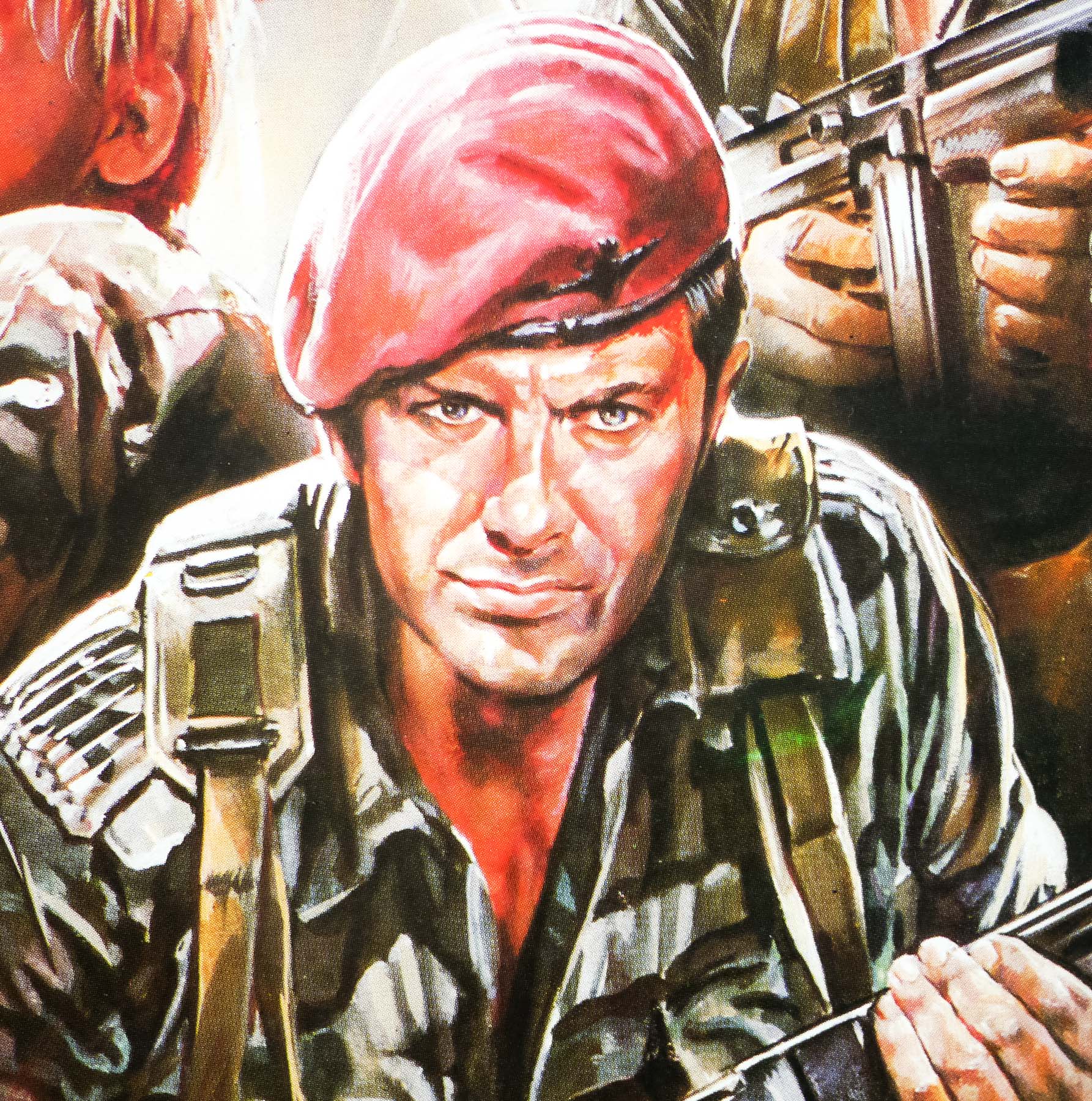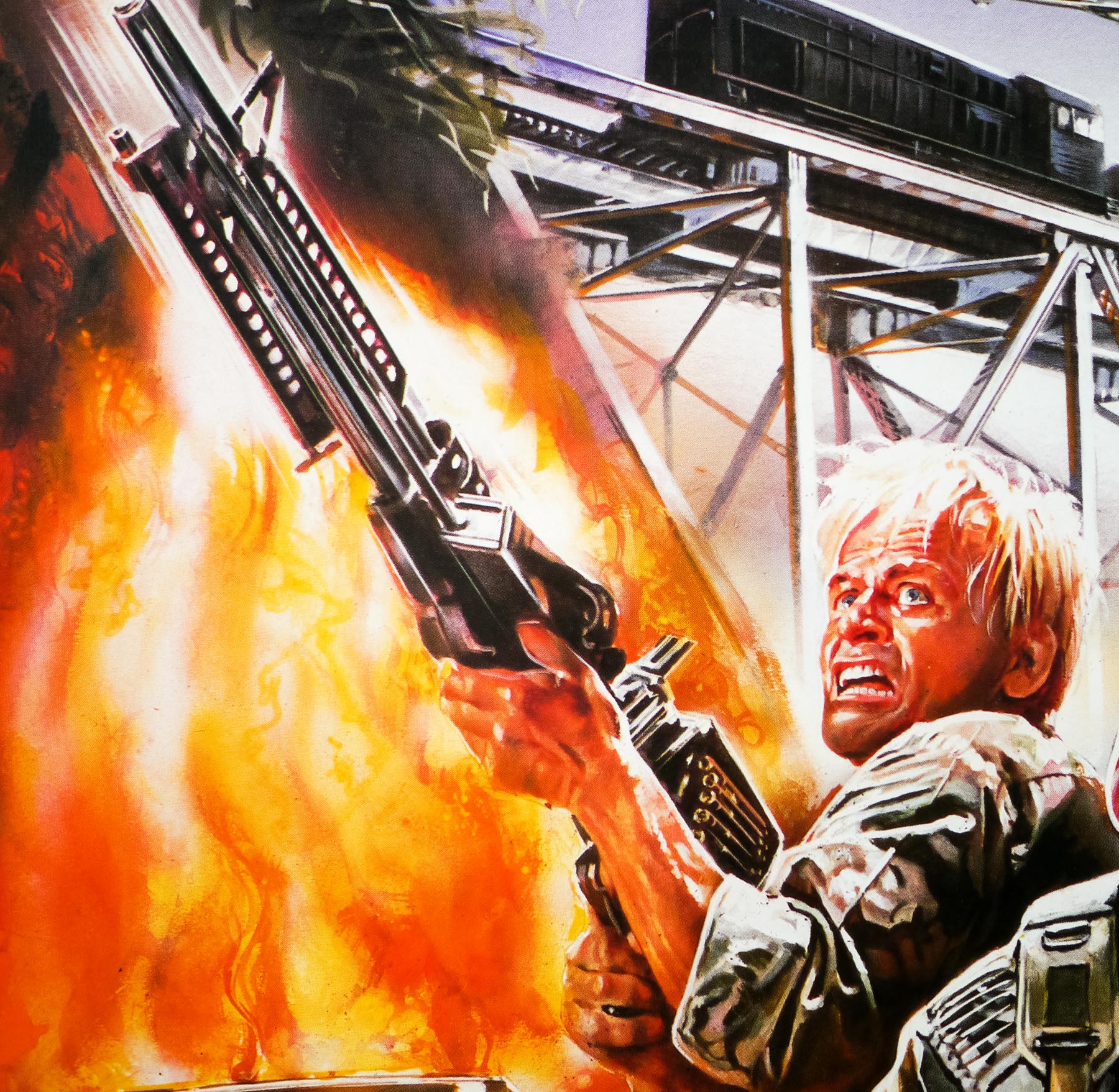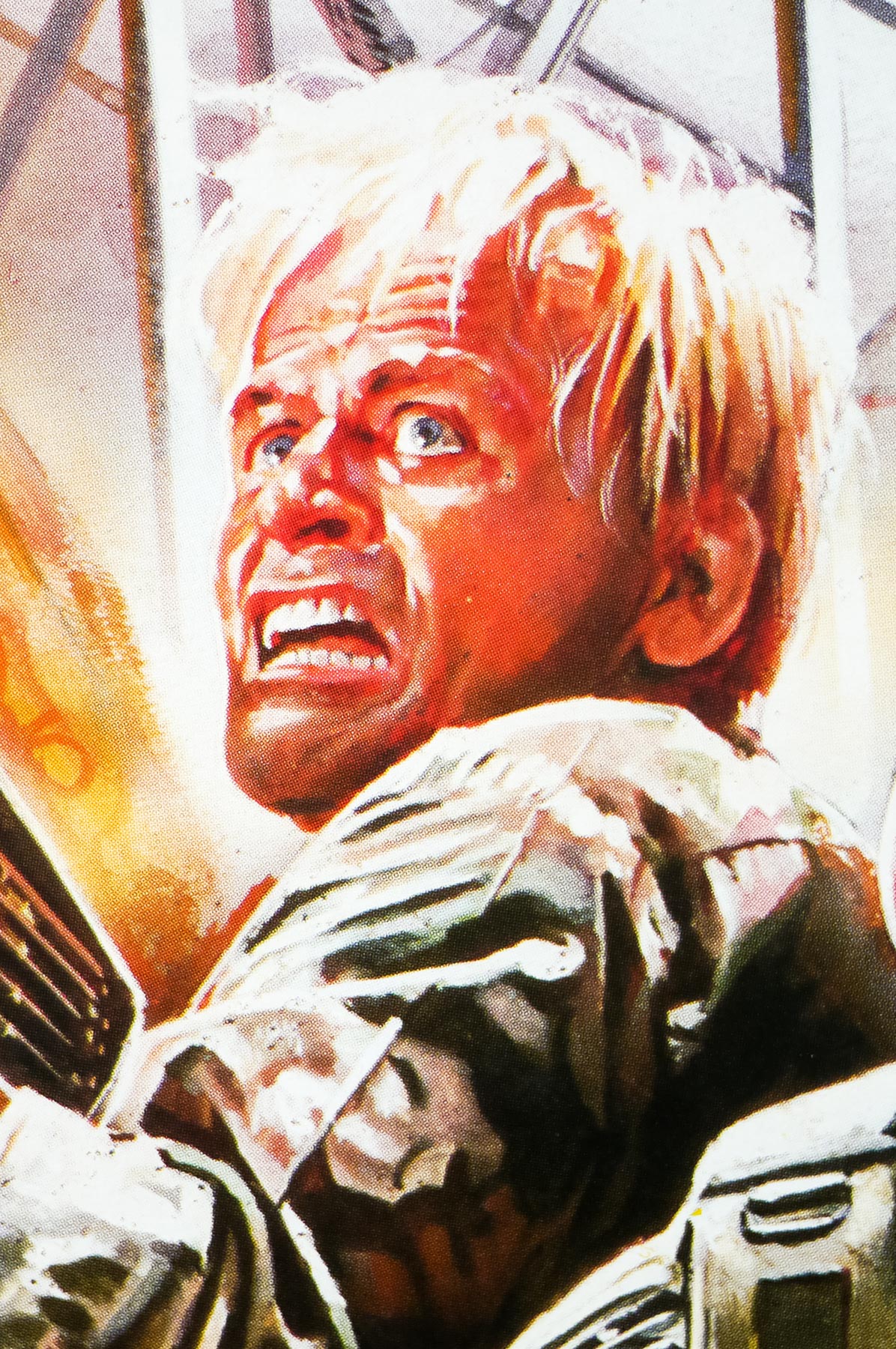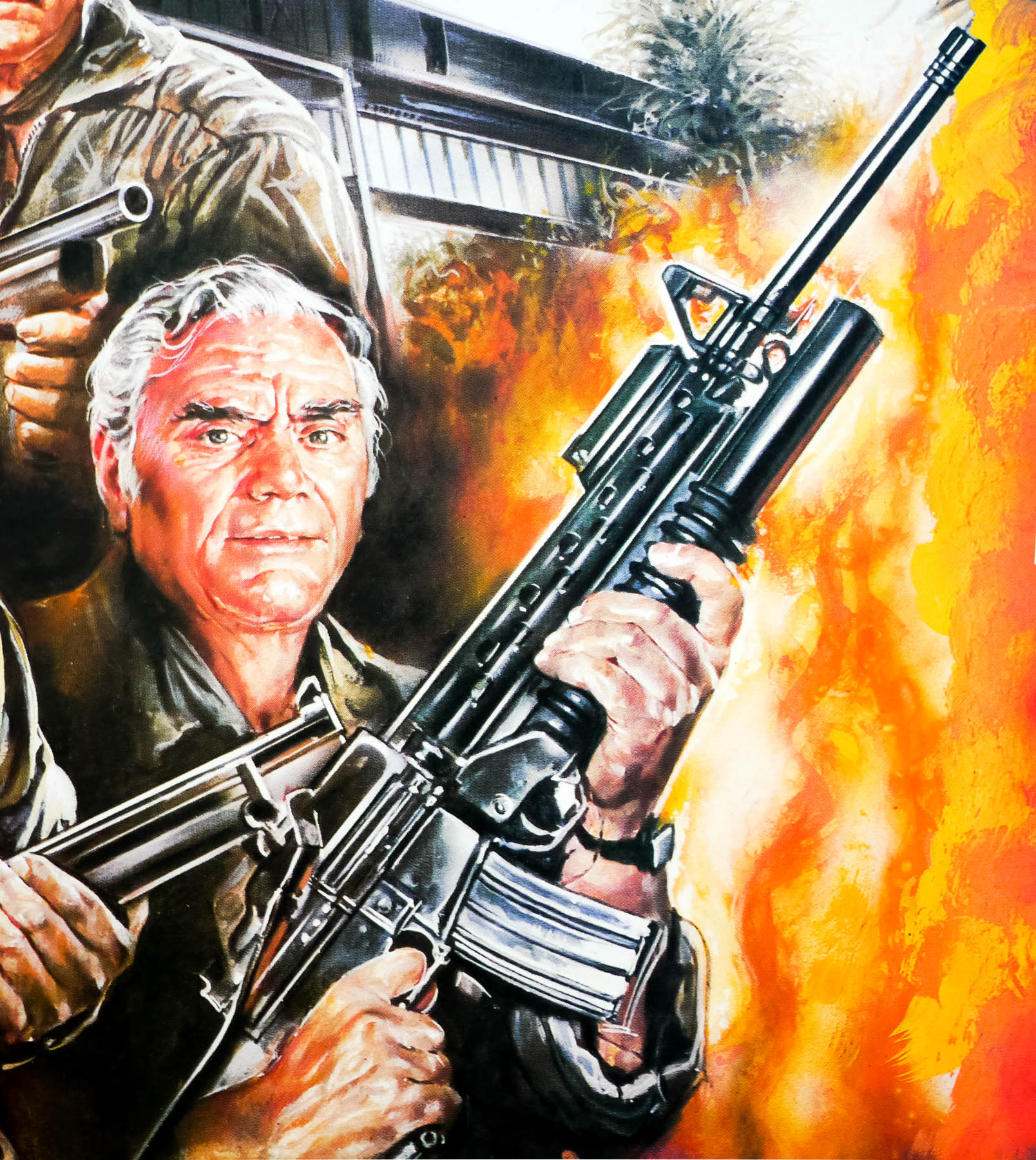
You searched for: %2520UK

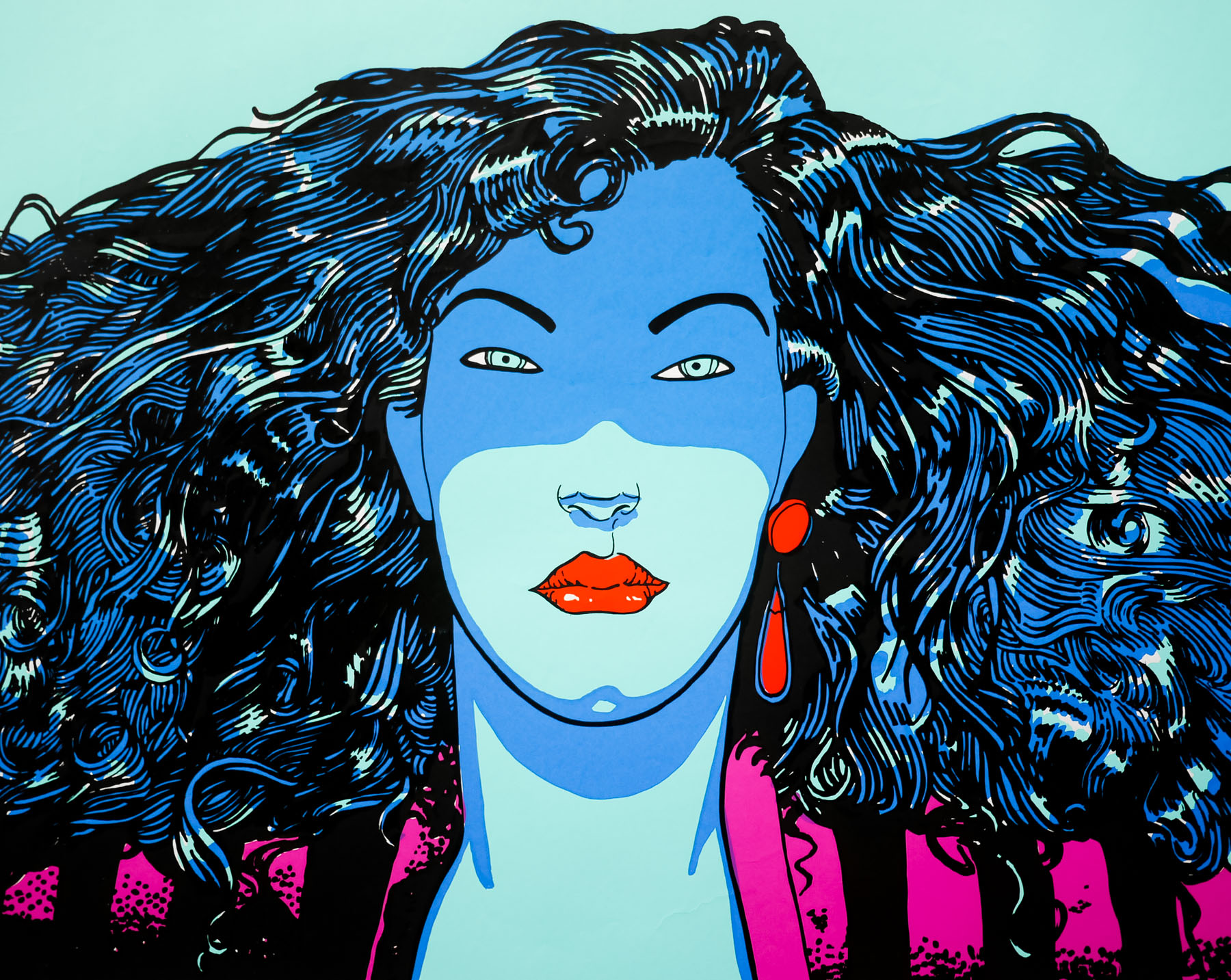
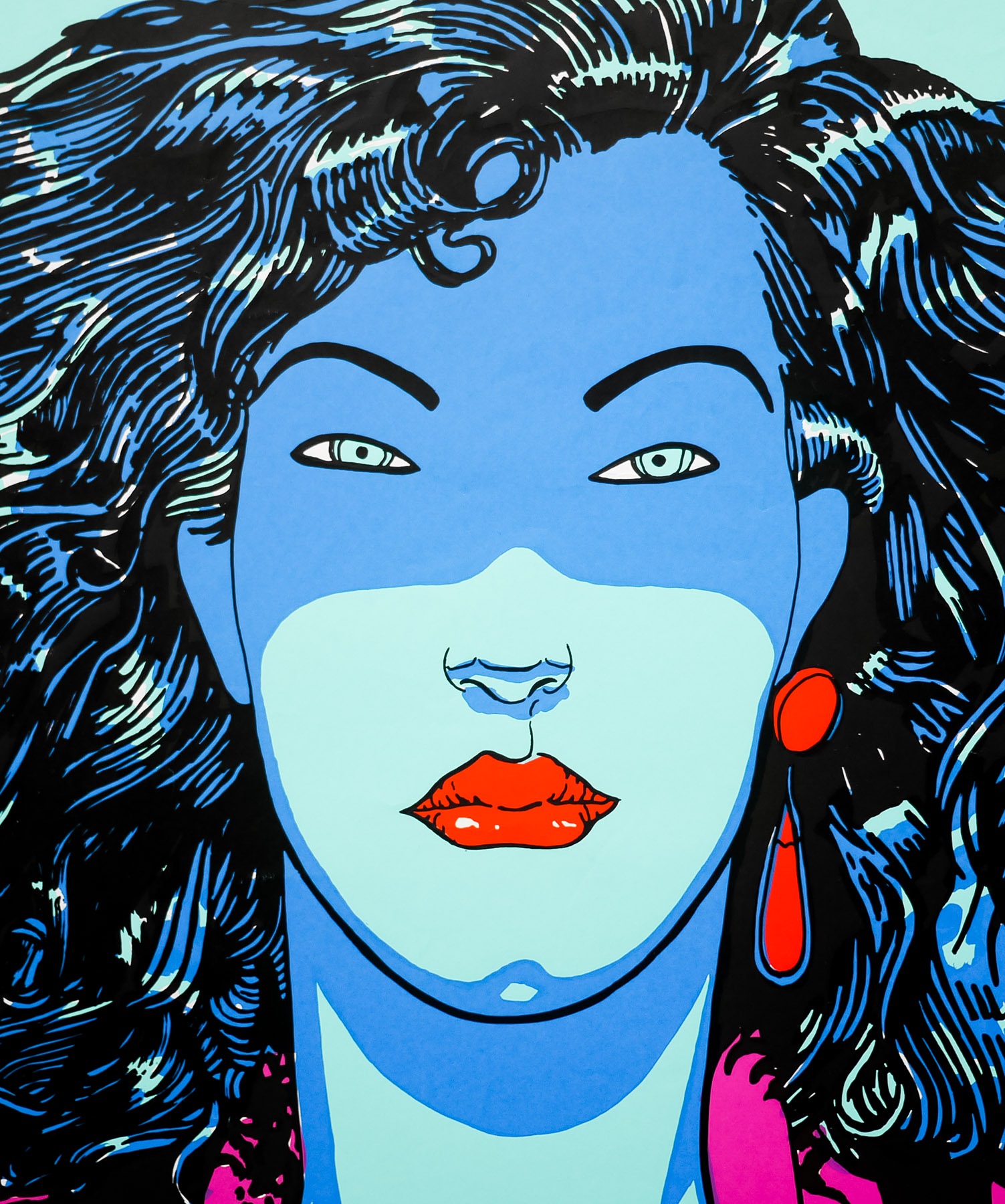
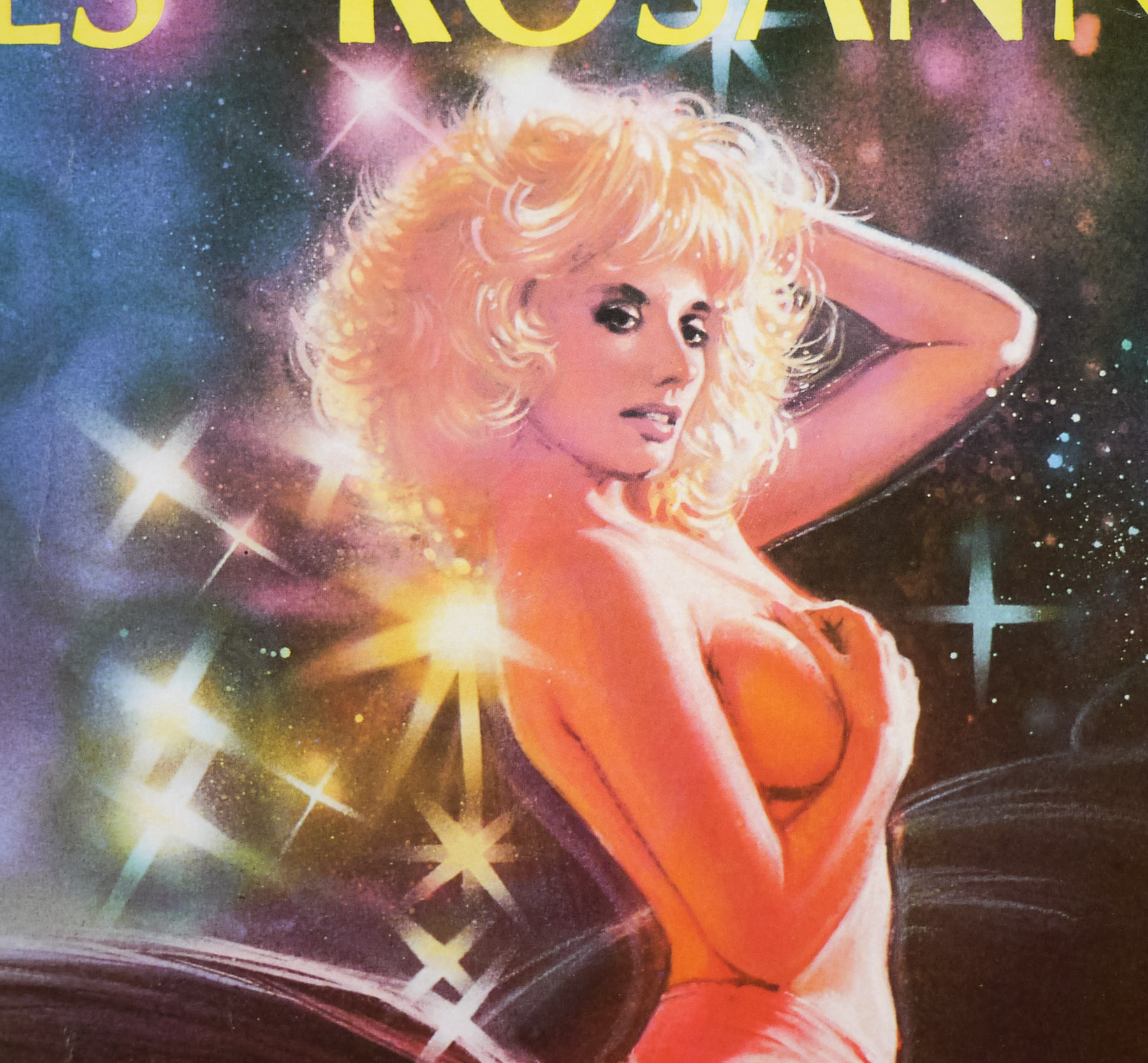
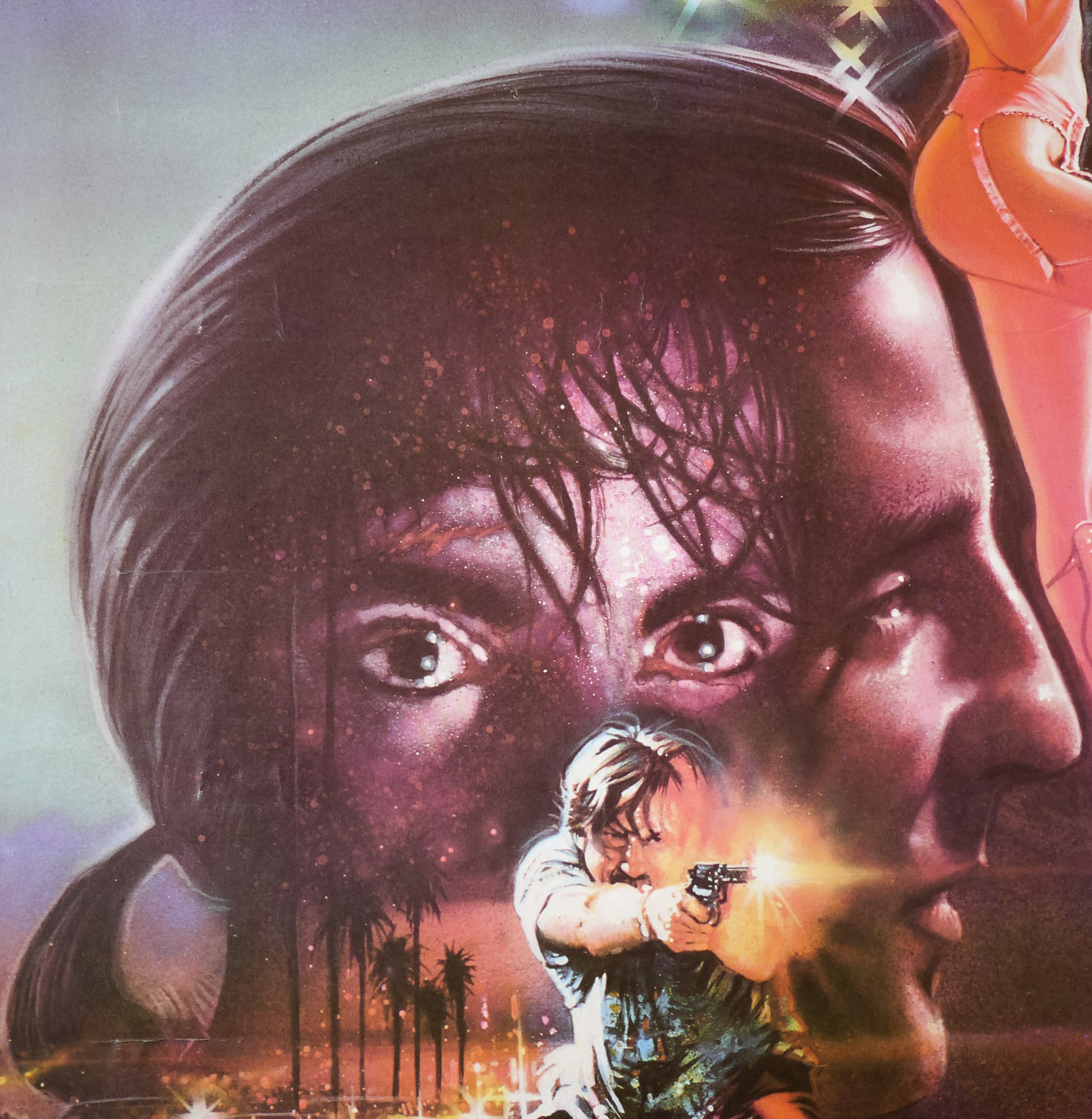
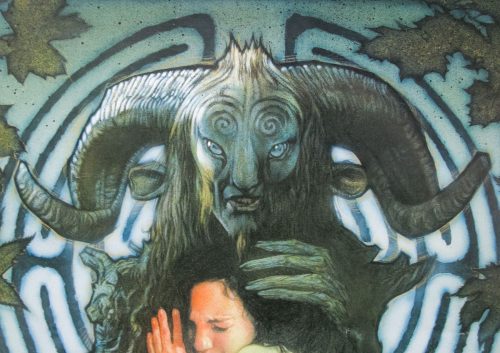
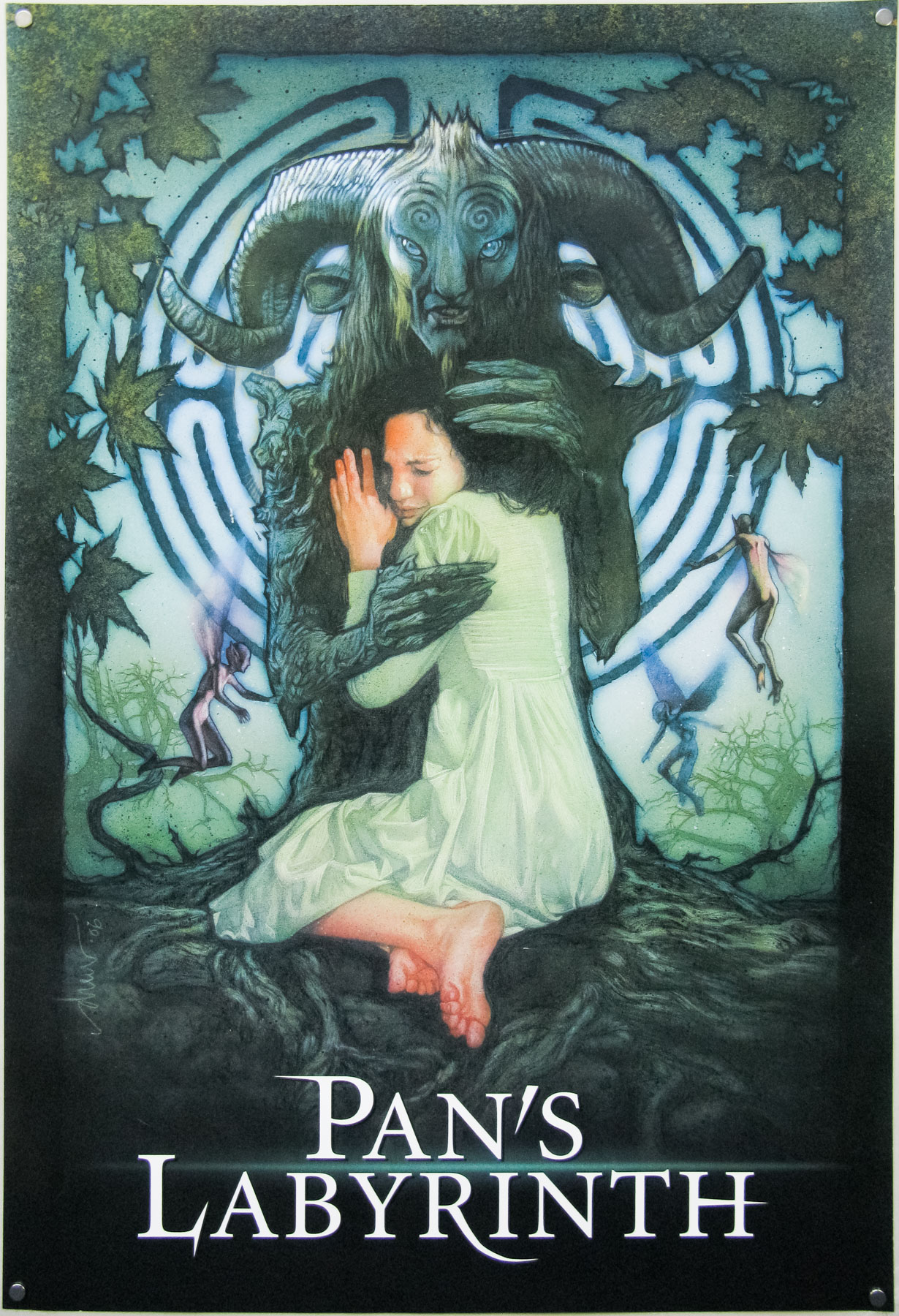
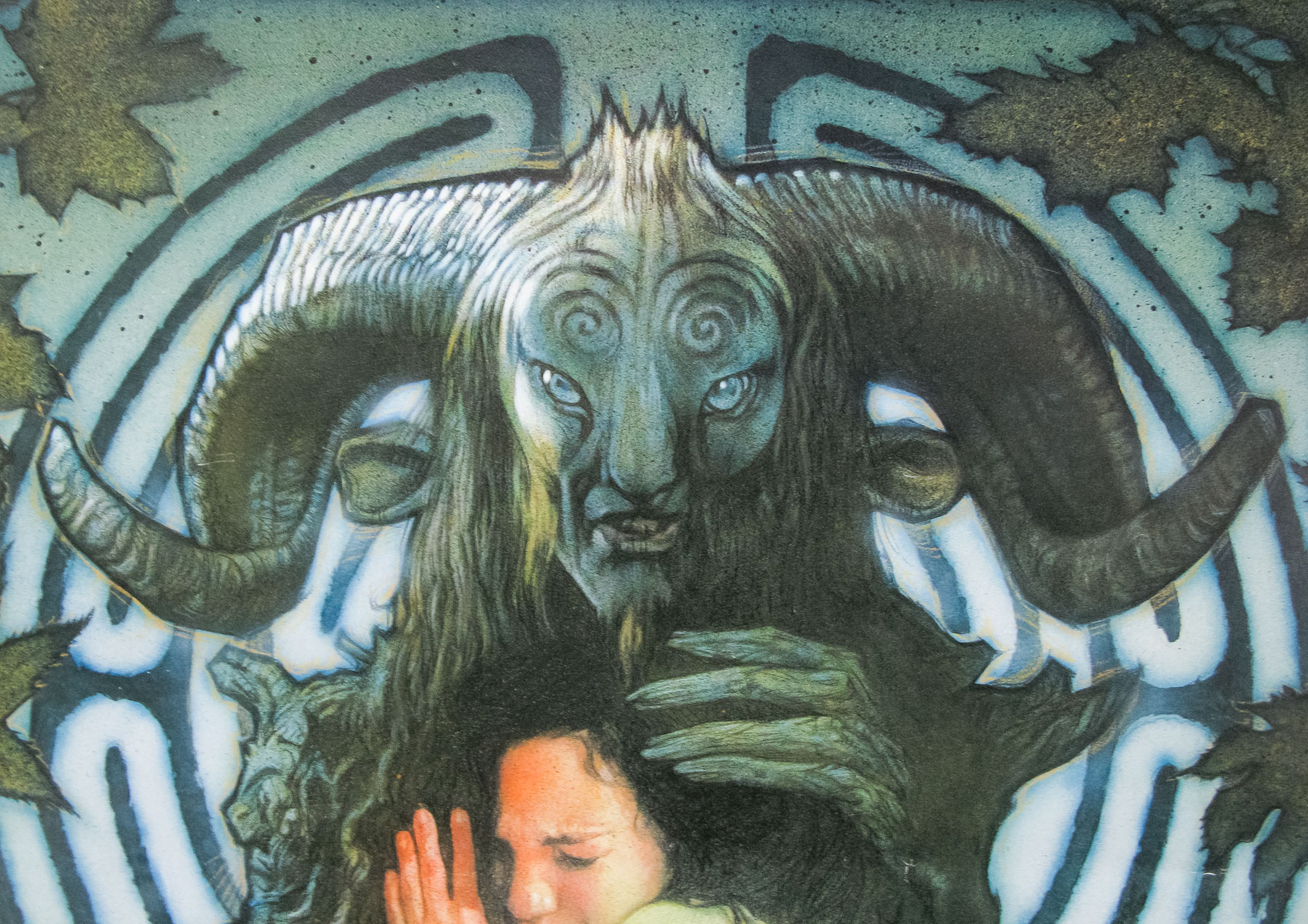
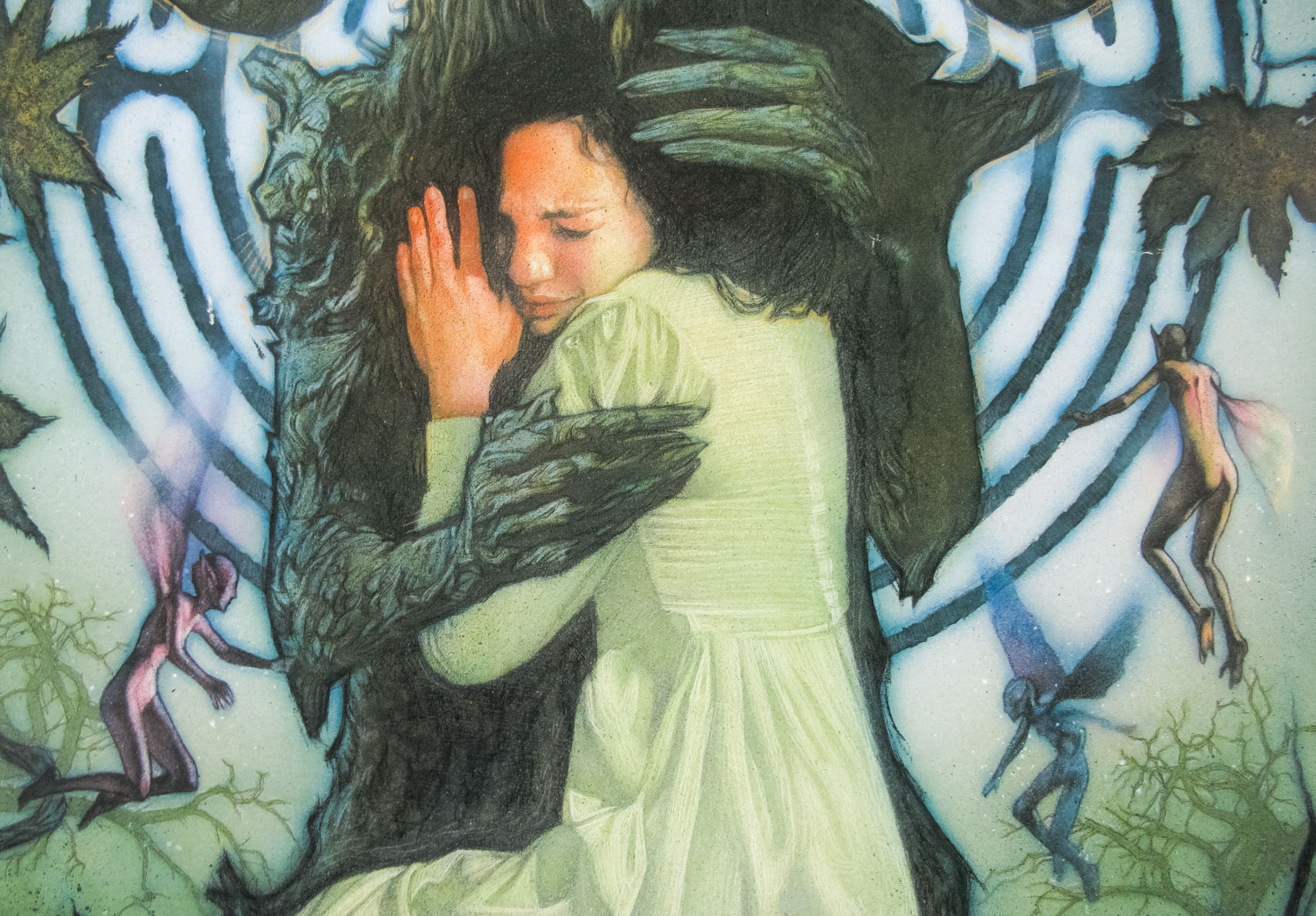
Pan’s Labyrinth / one sheet / special / UK

06.07.11

Poster Poster

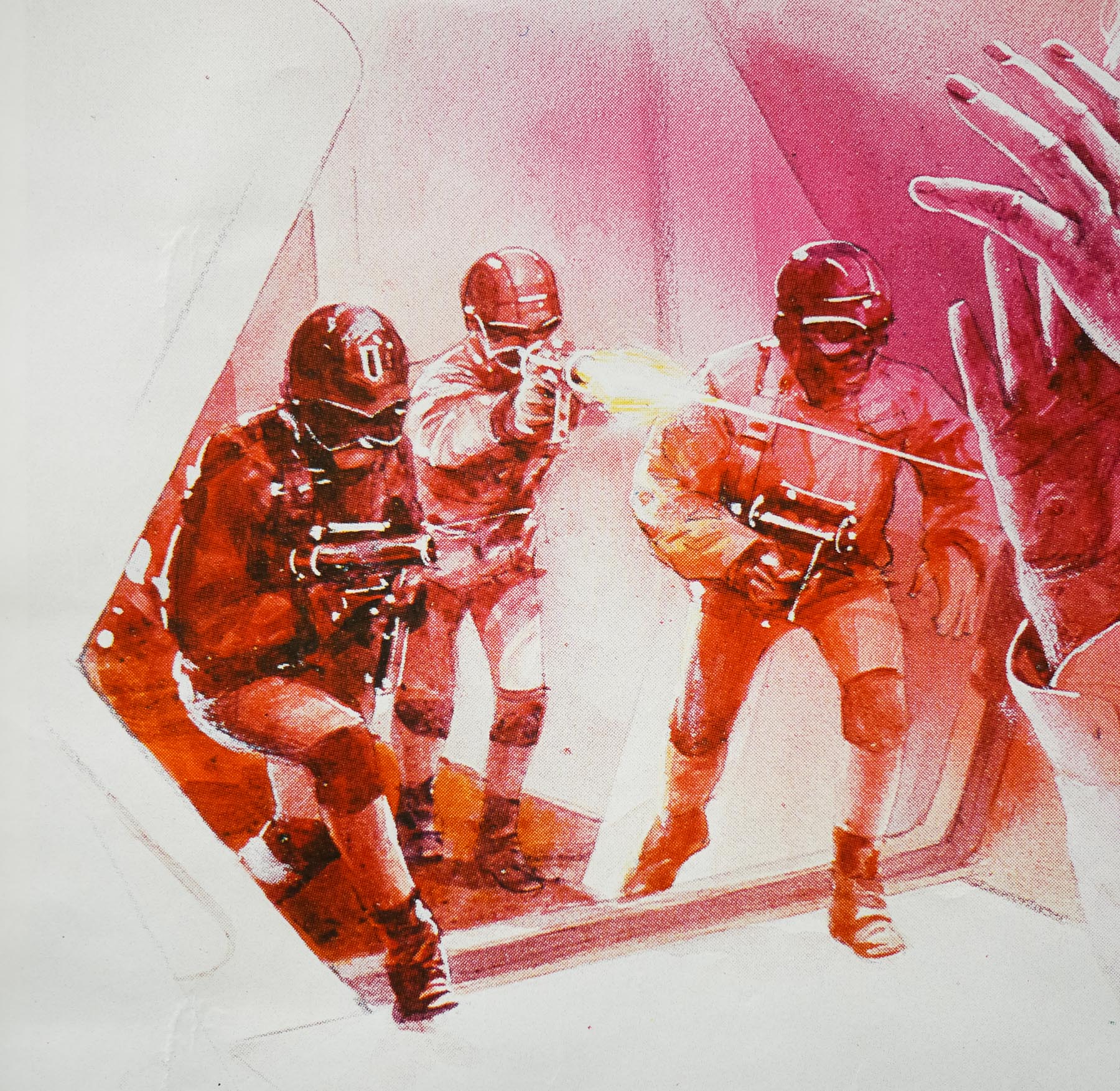
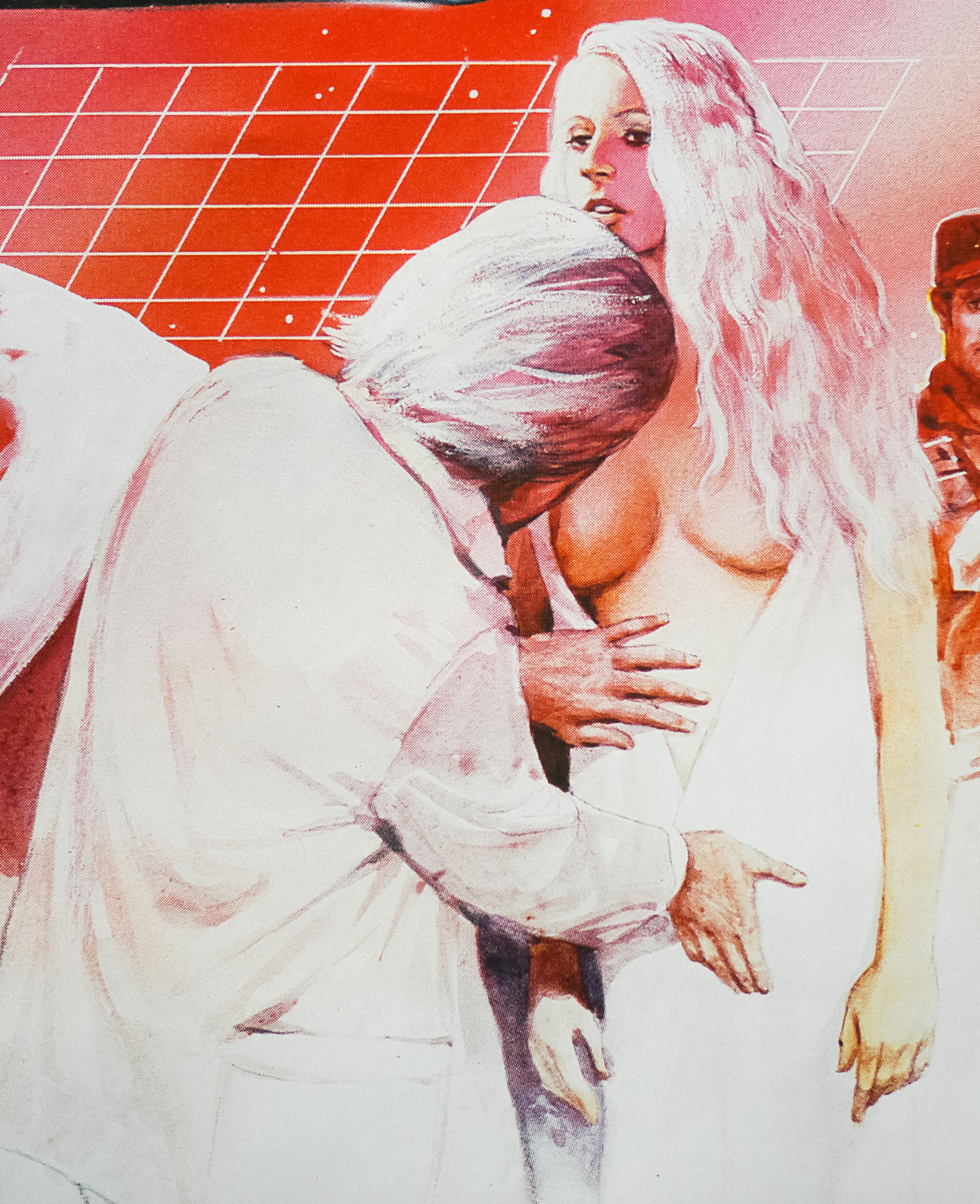
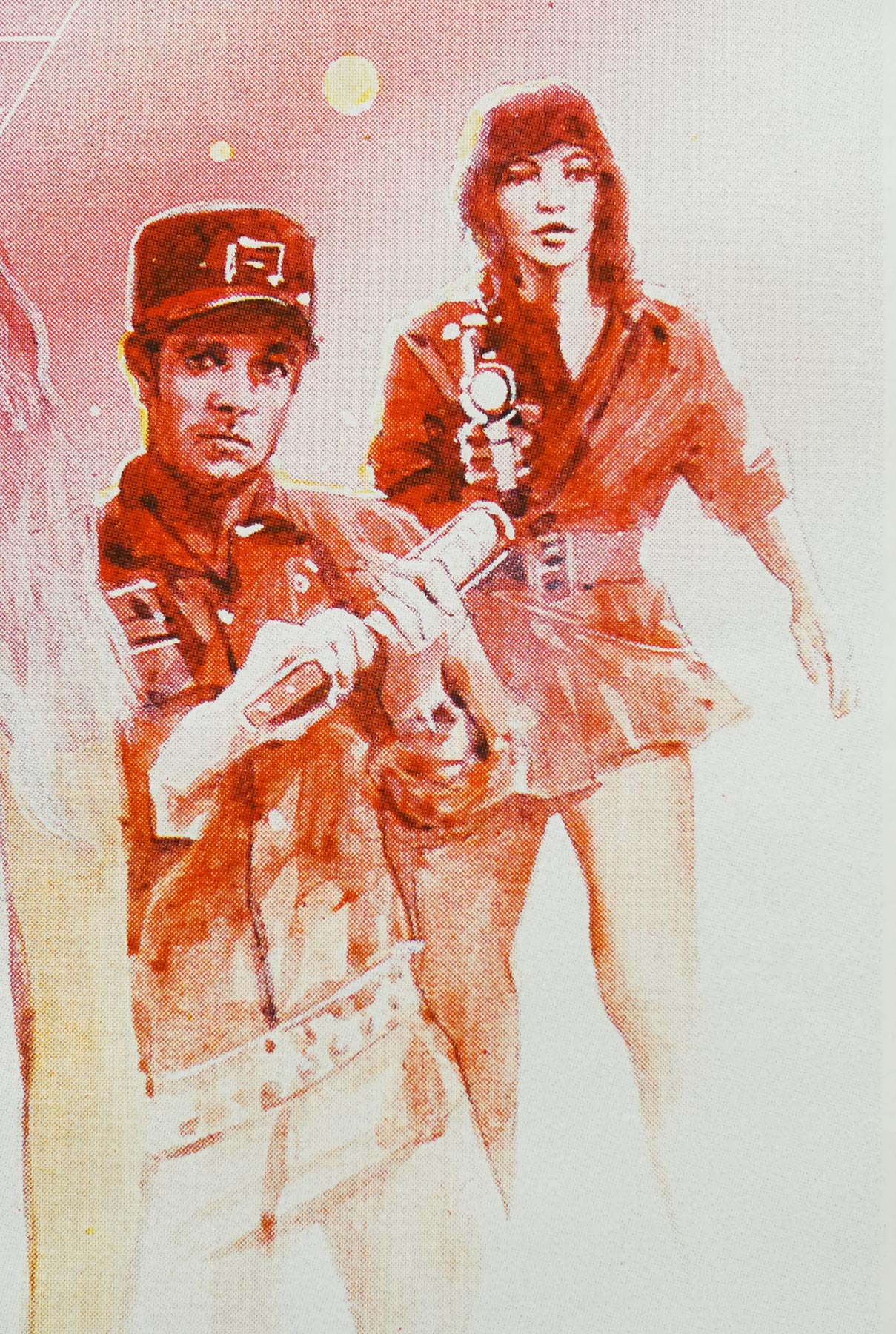
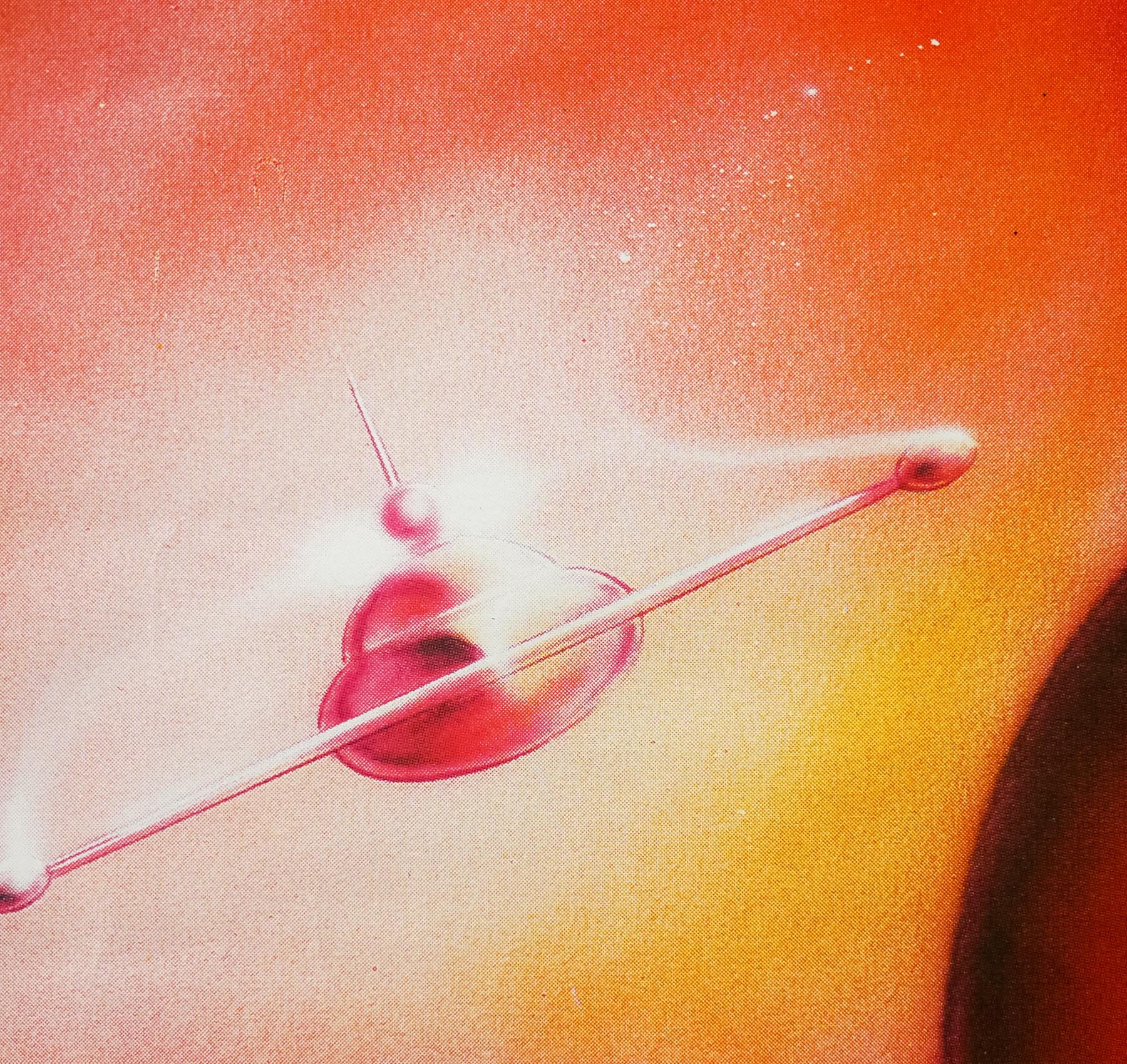
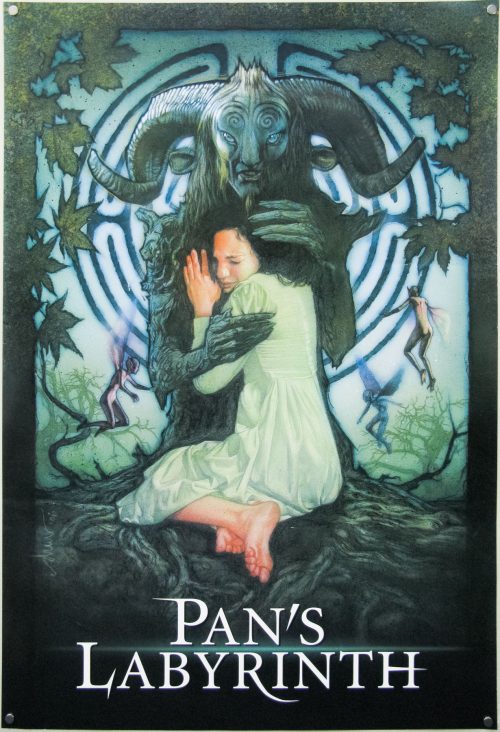
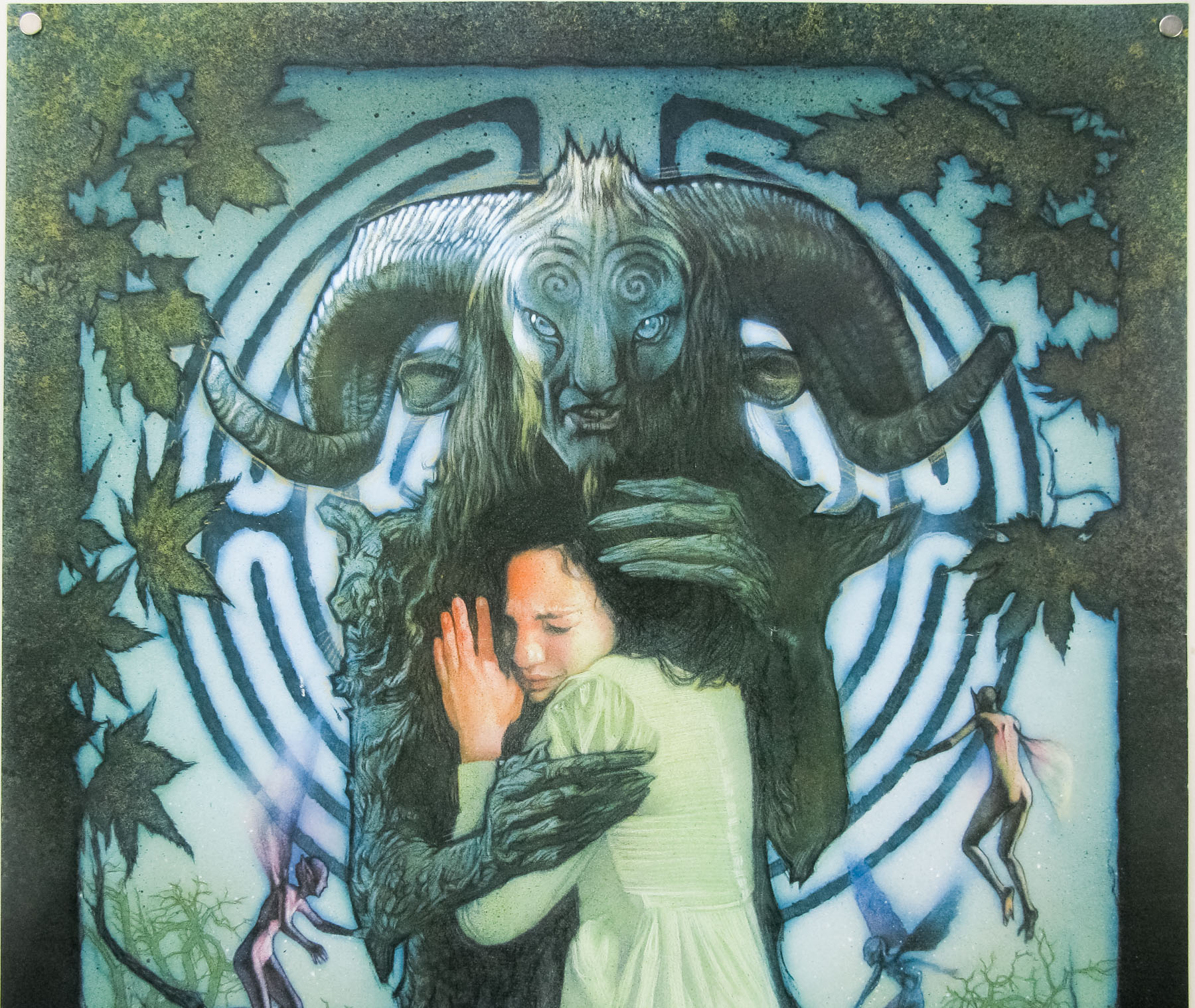
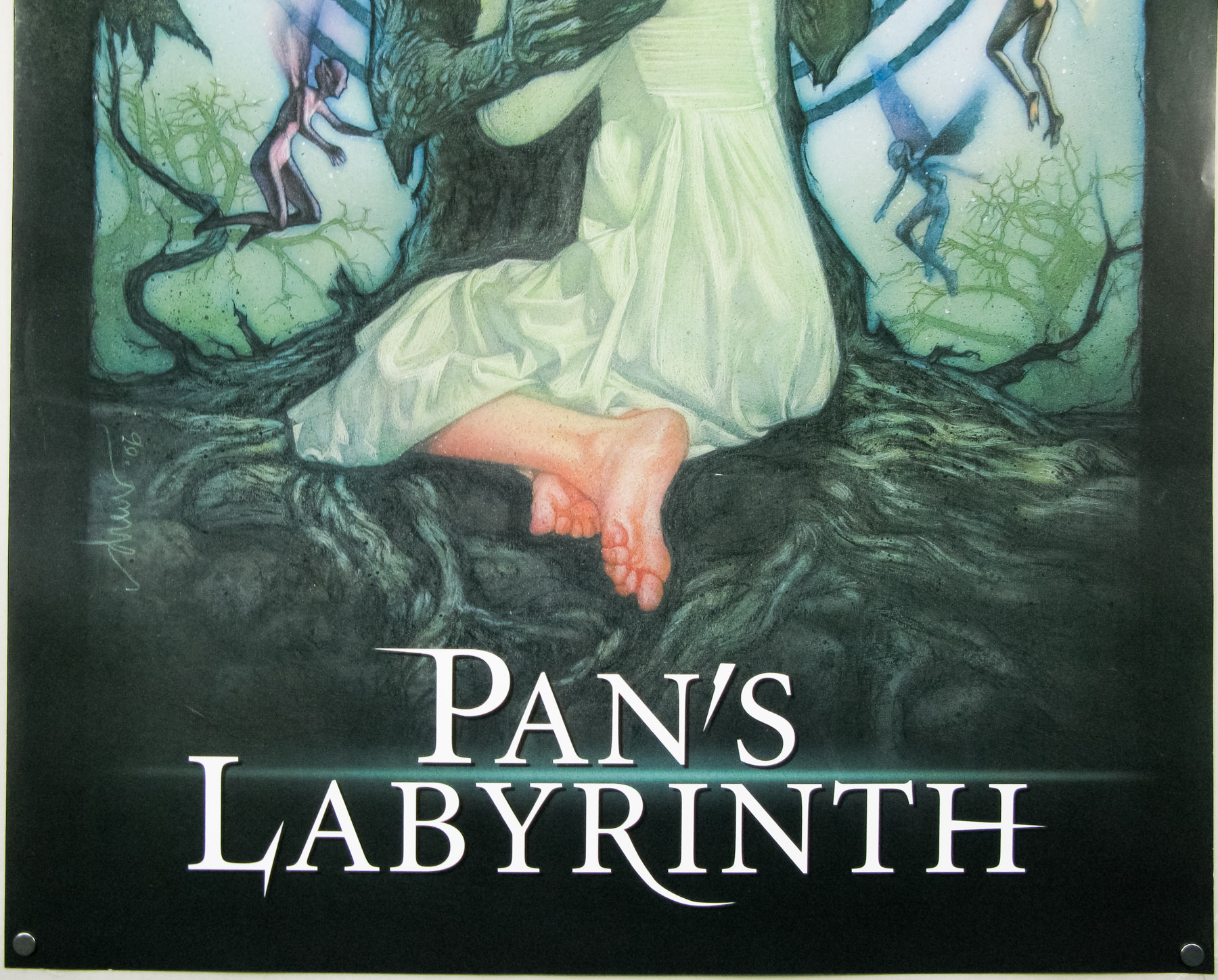
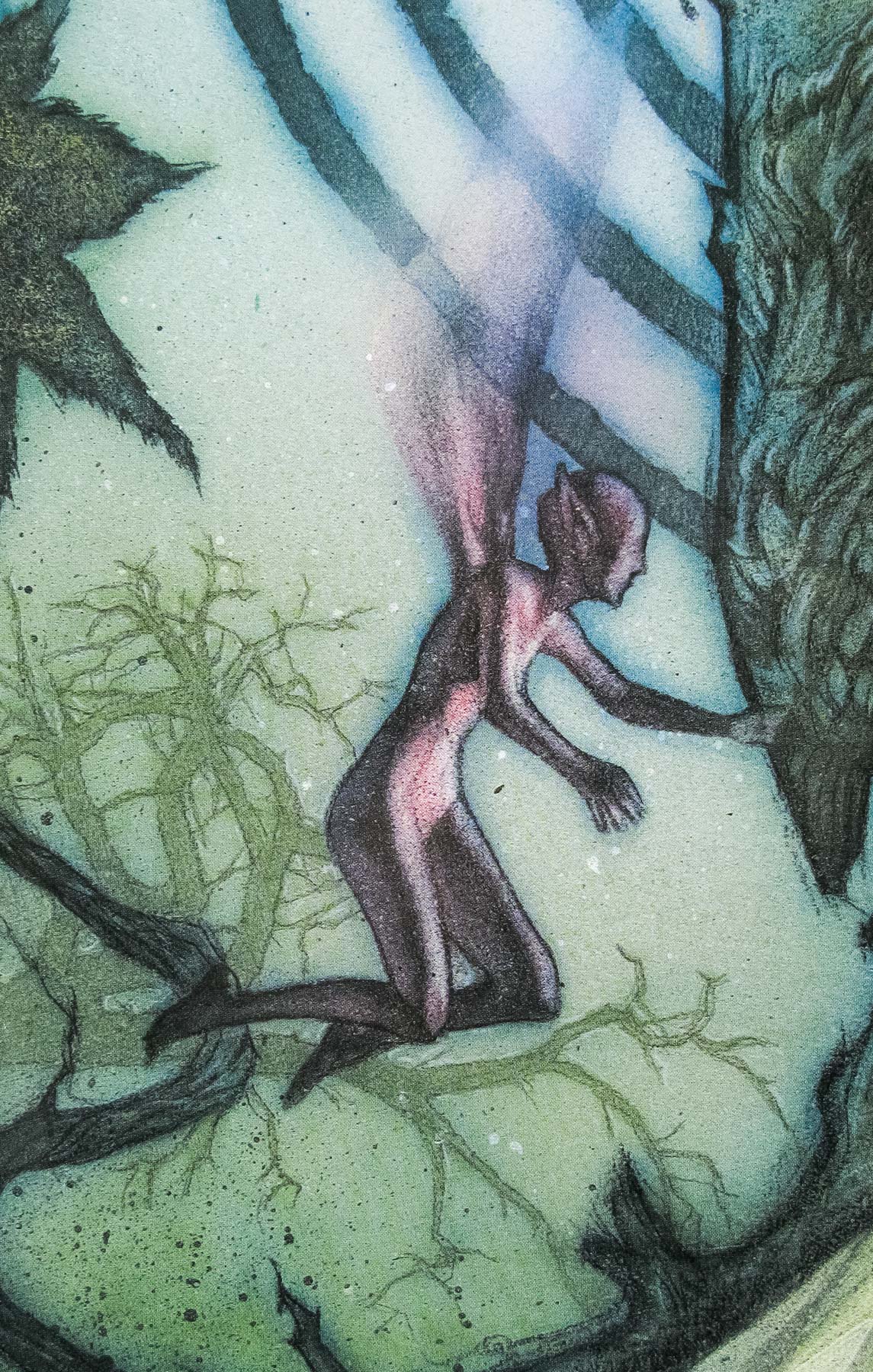
Guillermo Del Toro’s sublime, fantastic fairy tale Pan’s Labyrinth almost had an official cinema poster by the great Drew Struzan, that is until the studio suits had their way. The poster you see here is from a special screening in London and the design was never actually used as a cinema poster in any country. The final American Pan’s Labyrinth one sheet can be seen here.

The full story of how Struzan and Del Toro worked together on the poster can be found in the fantastic book ‘The Art of Drew Struzan’, which is an absolute must-buy for anyone who who has even a passing interest in Drew’s work (it’s currently only £16.49 on Amazon UK and $23.07 on Amazon.com). The stories associated with each of the artworks are a fascinating insight into what it’s like to work with directors and studios during the creation of a film poster.

These excerpts are taken from the Pan’s Labyrinth section of the book.

Drew on the completion of the artwork:

Then the shit hit the fan – the studio never used the painting. It did wind up on a special vinyl issue of the soundtrack album though.

Once the image had been released online there were many who couldn’t believe that Drew’s artwork wasn’t used for the final poster.

They were having a press conference in Europe, and a reporter actually stood up and asked one of the suits, “How come you didn’t use Struzan’s artwork for the poster?” … The suit’s reply was: “We didn’t use it because it looks too much like art.”

That statement from the studio representative says it all really. It seems like they genuinely believe that cinema-goers won’t respond to illustrated posters any more and that the photoshopped monstrosities so prevalent today are the only way to sell films successfully.

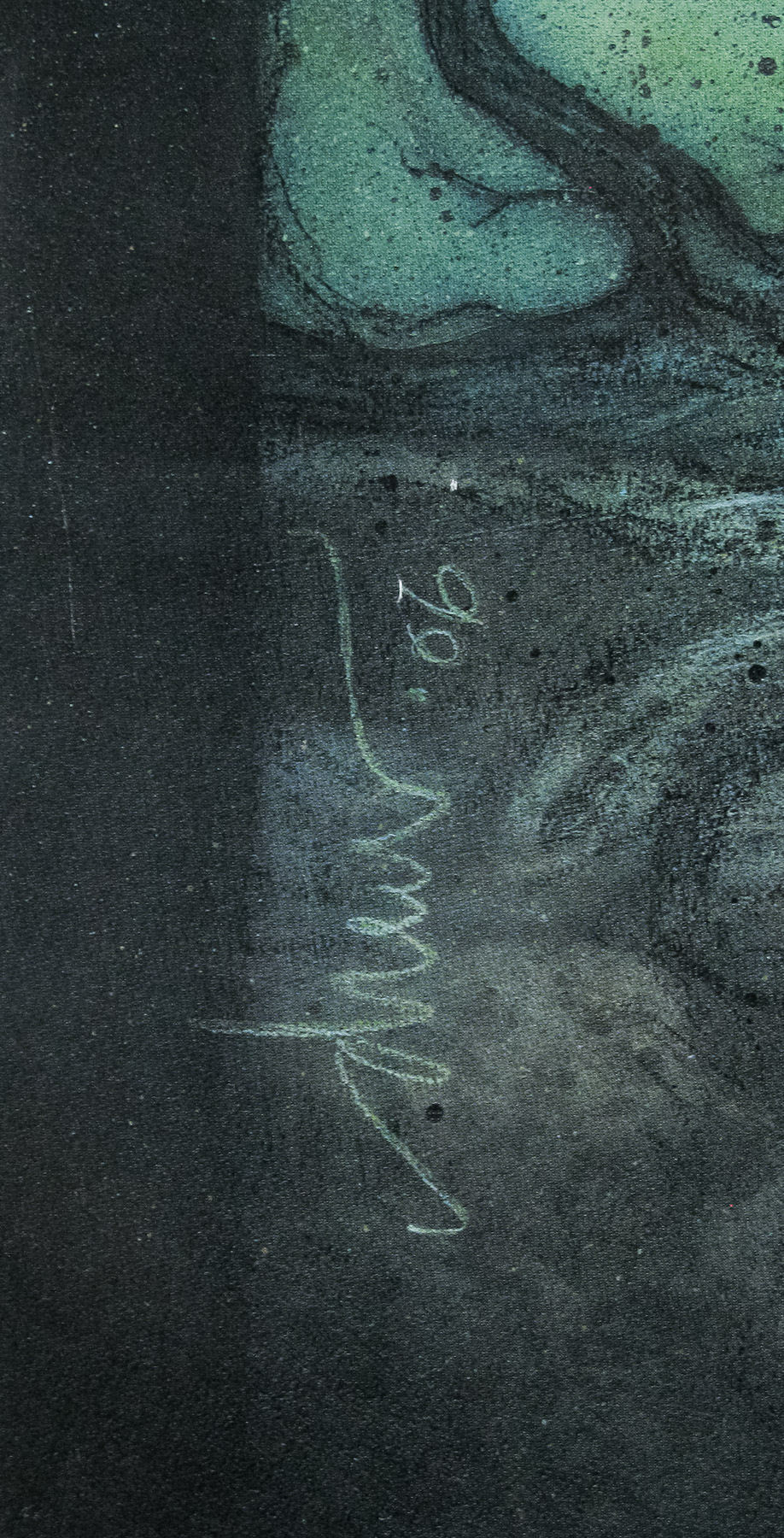
This particular example of the poster was obtained from a very established and trusted poster dealer that had bought them from a contact in London, who managed to secure a few after the event had finished. I’m assuming it was for the UK premiere or a large press screening, but I’d love to know for sure so please get in touch if you have any more details. I’m certain it’s not a bootleg poster as it measures the standard size for one sheets, is printed on decent paper and the details are sharp when viewed up close.
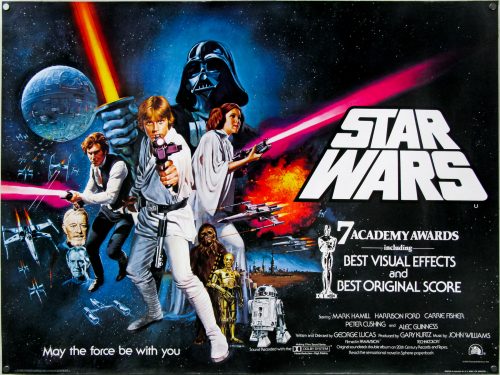
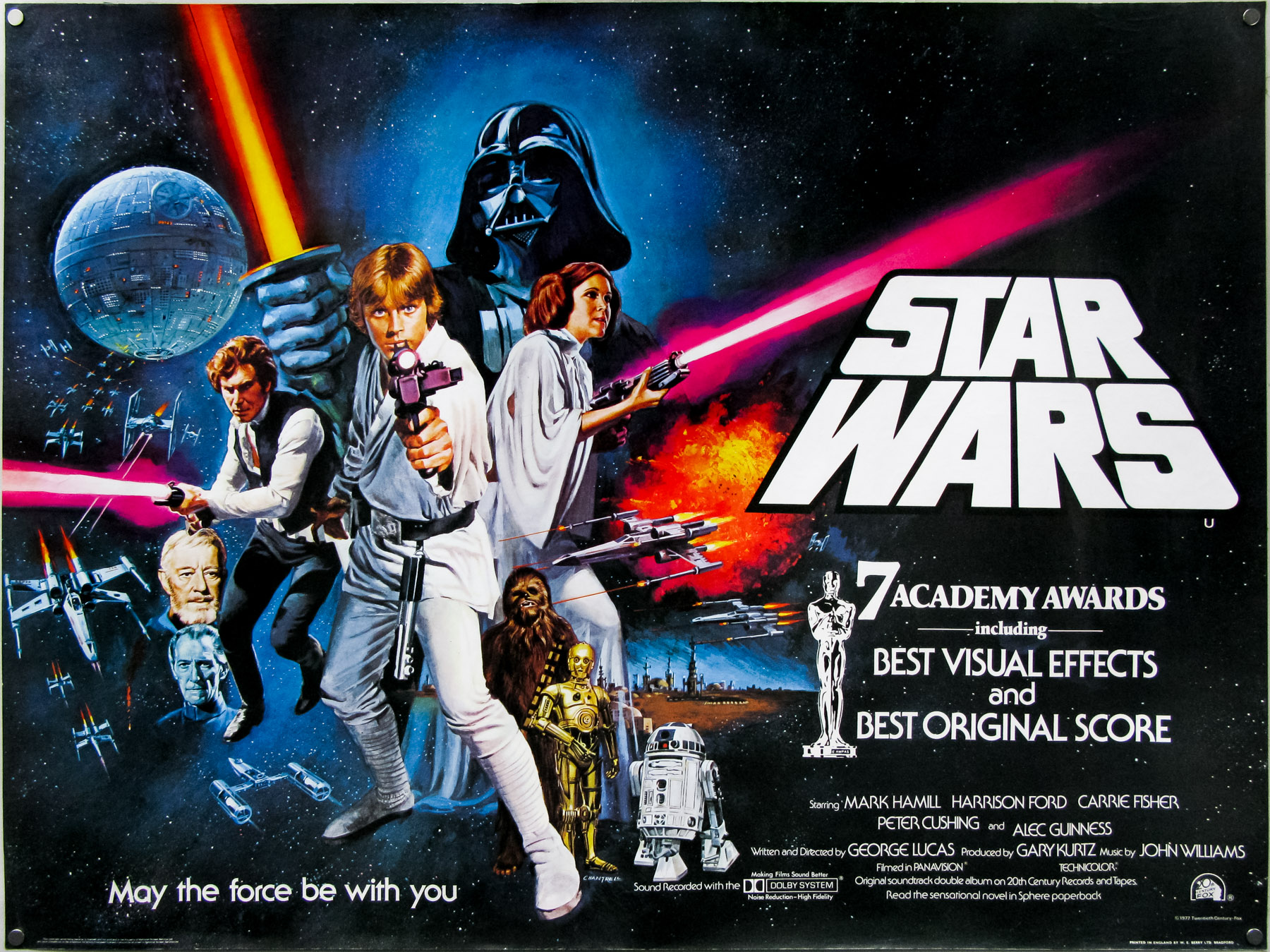
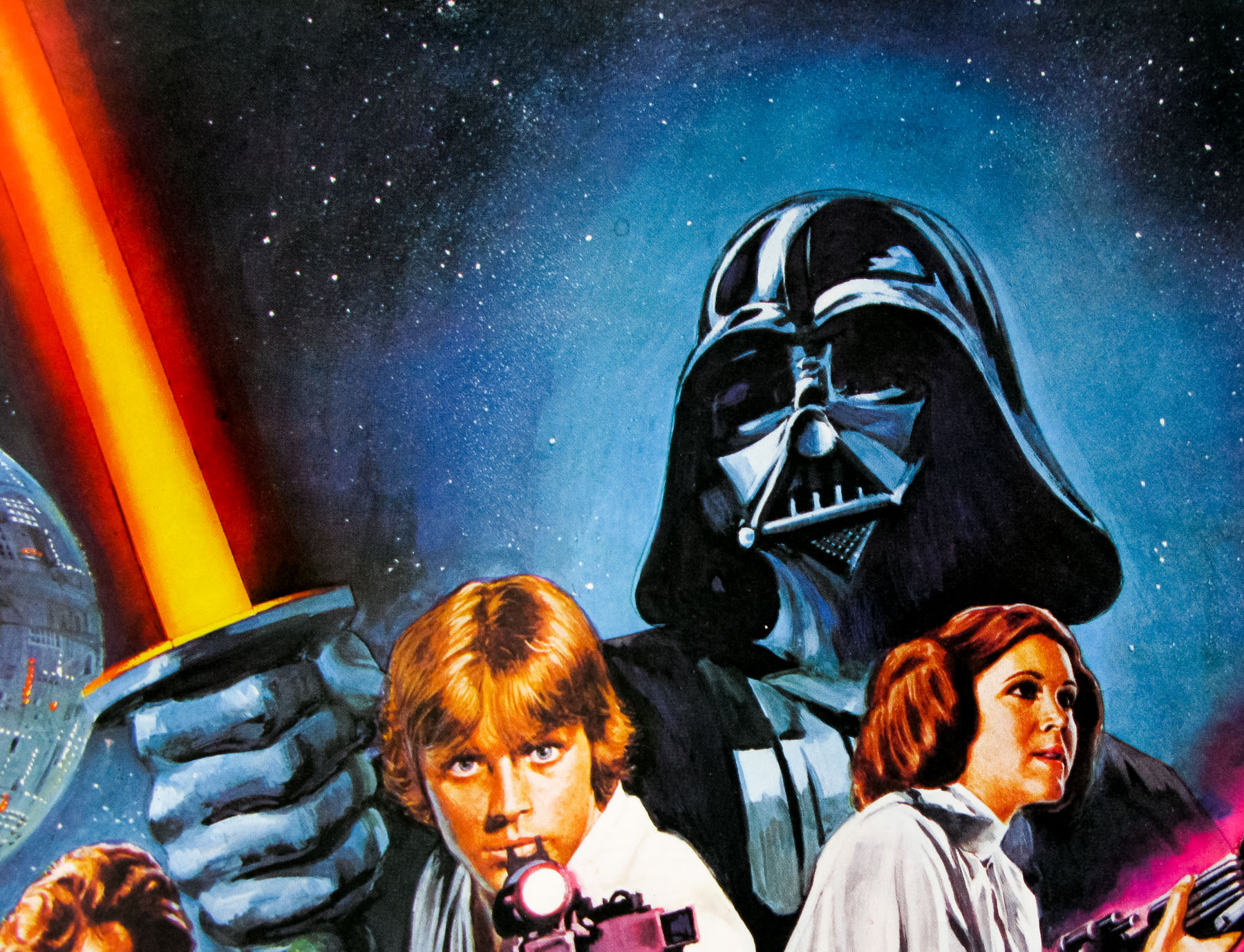
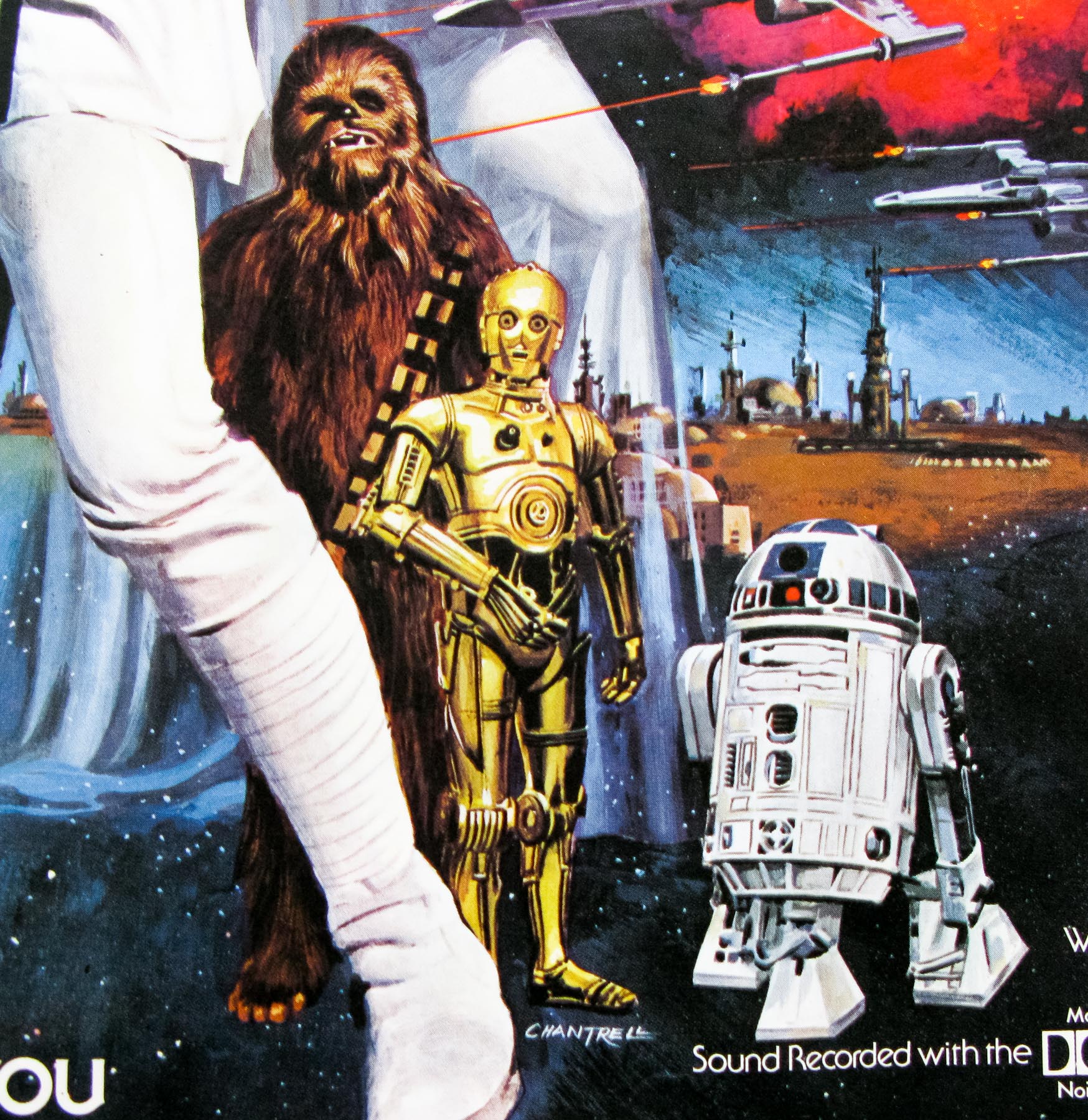
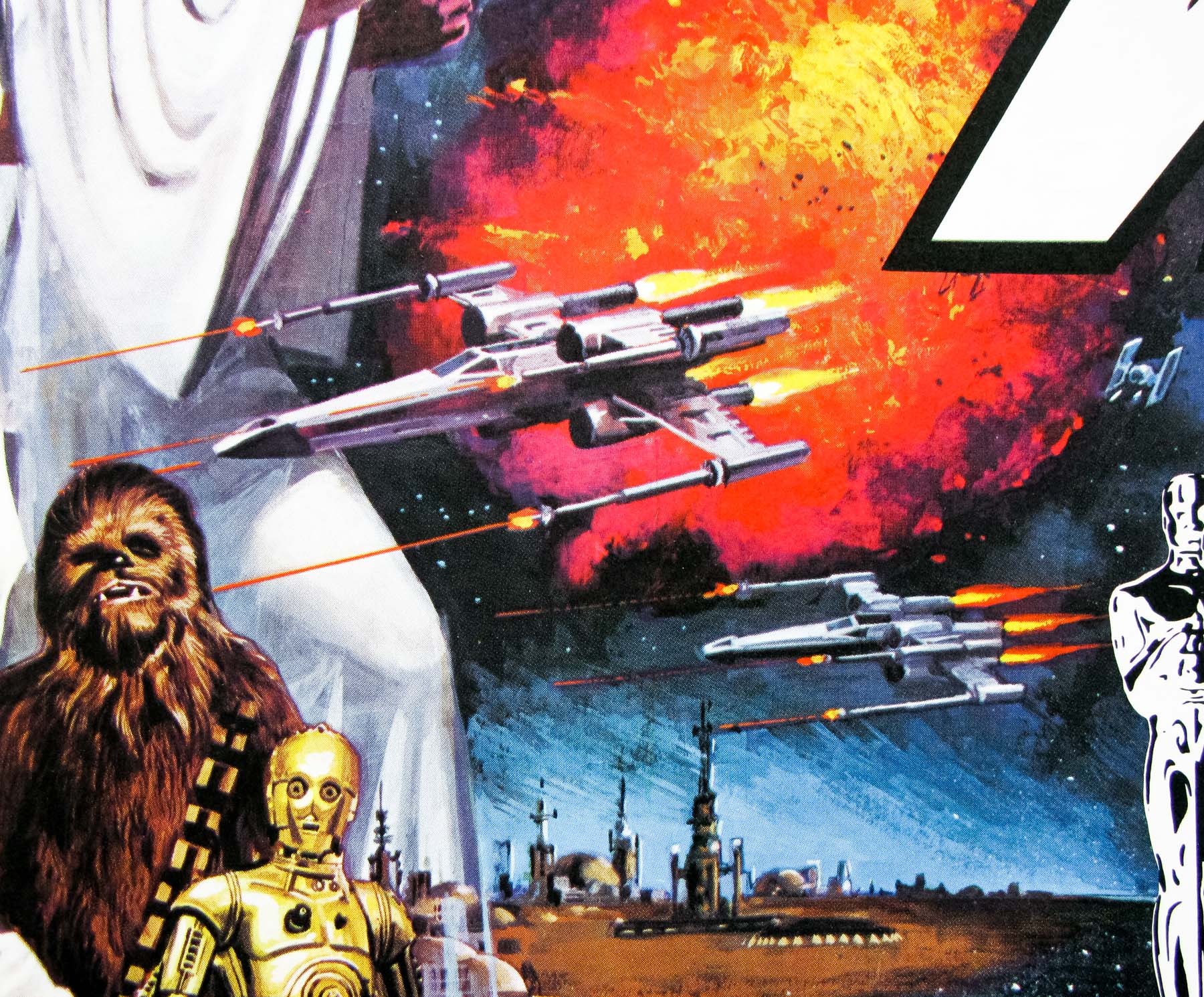
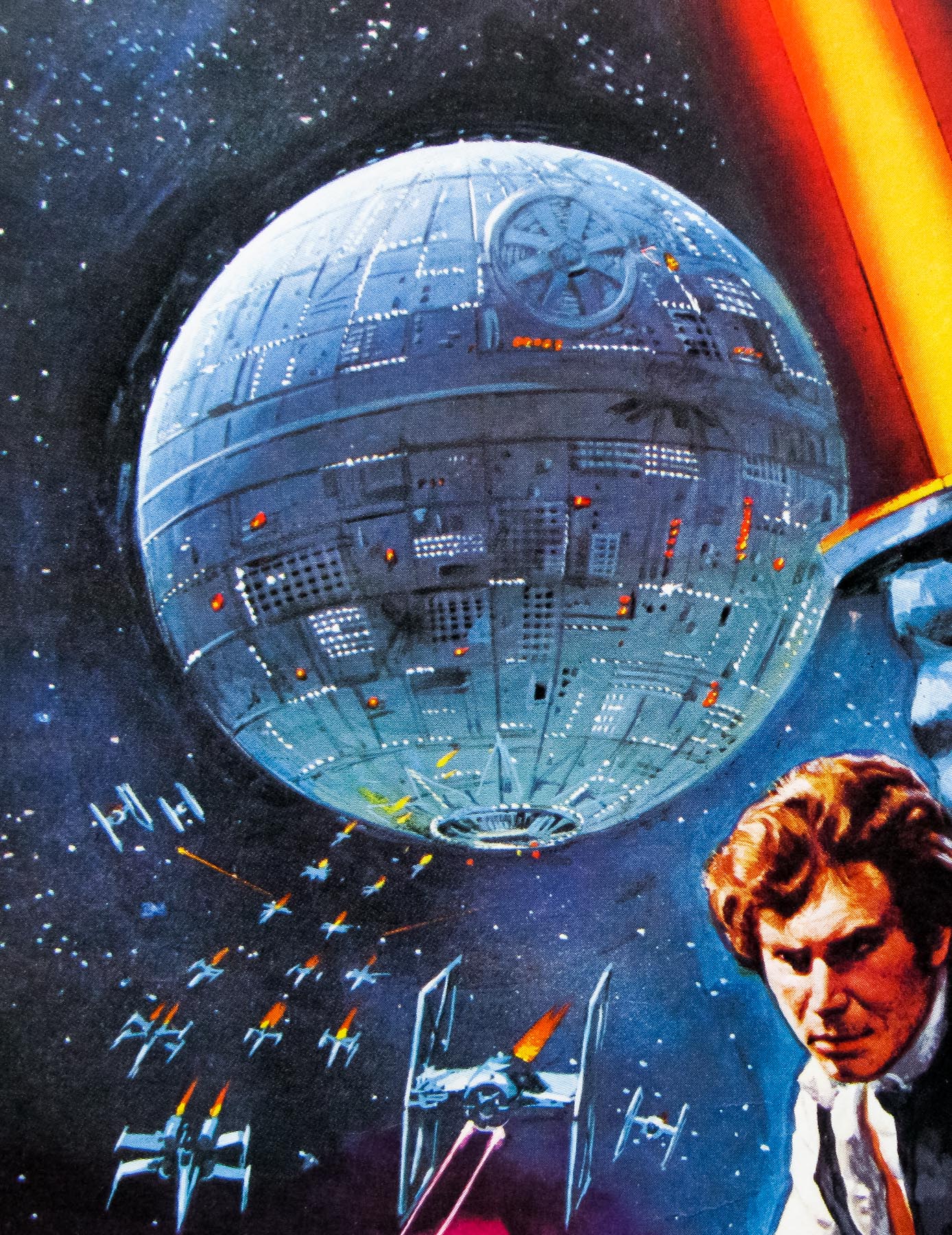
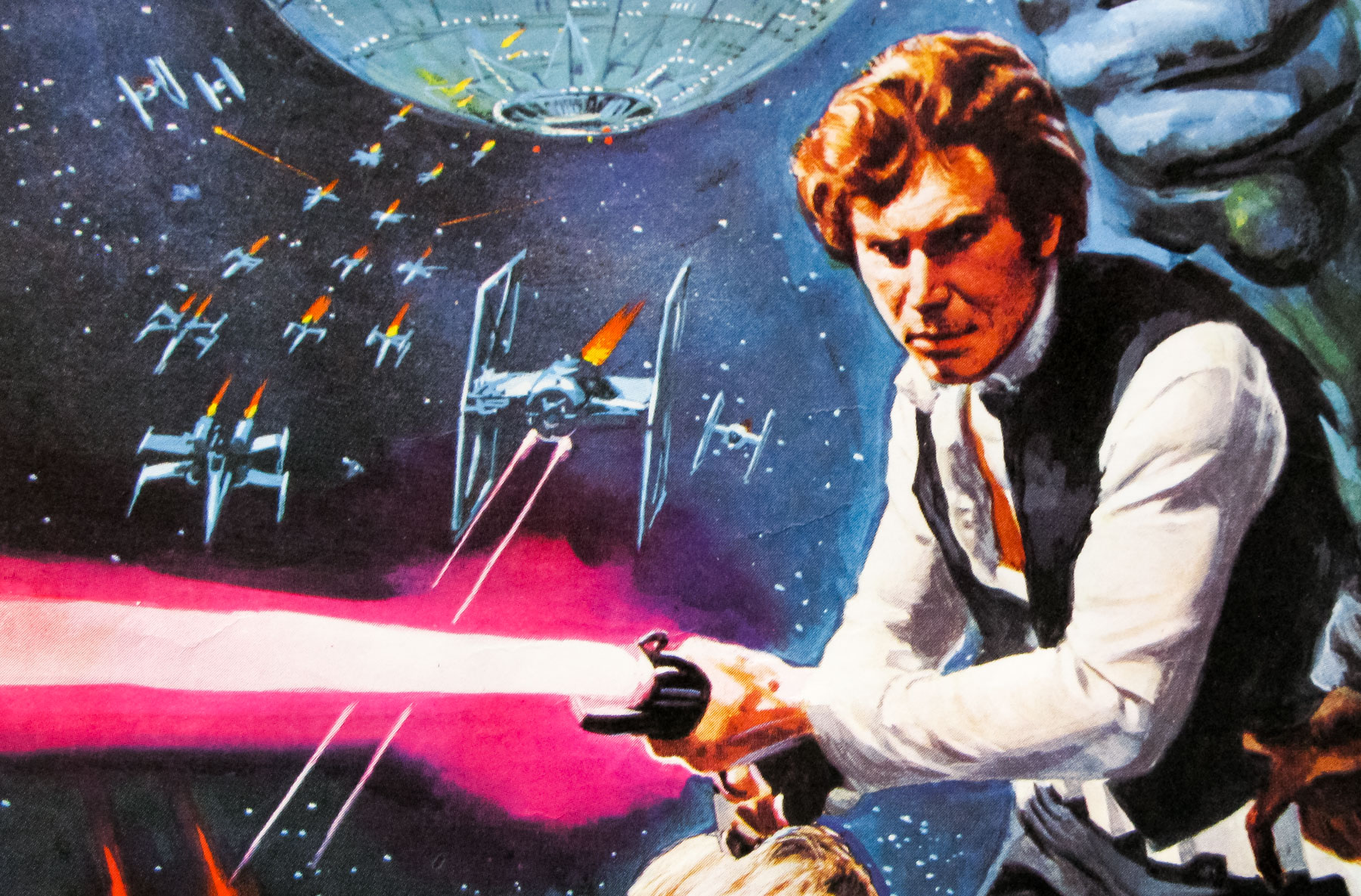
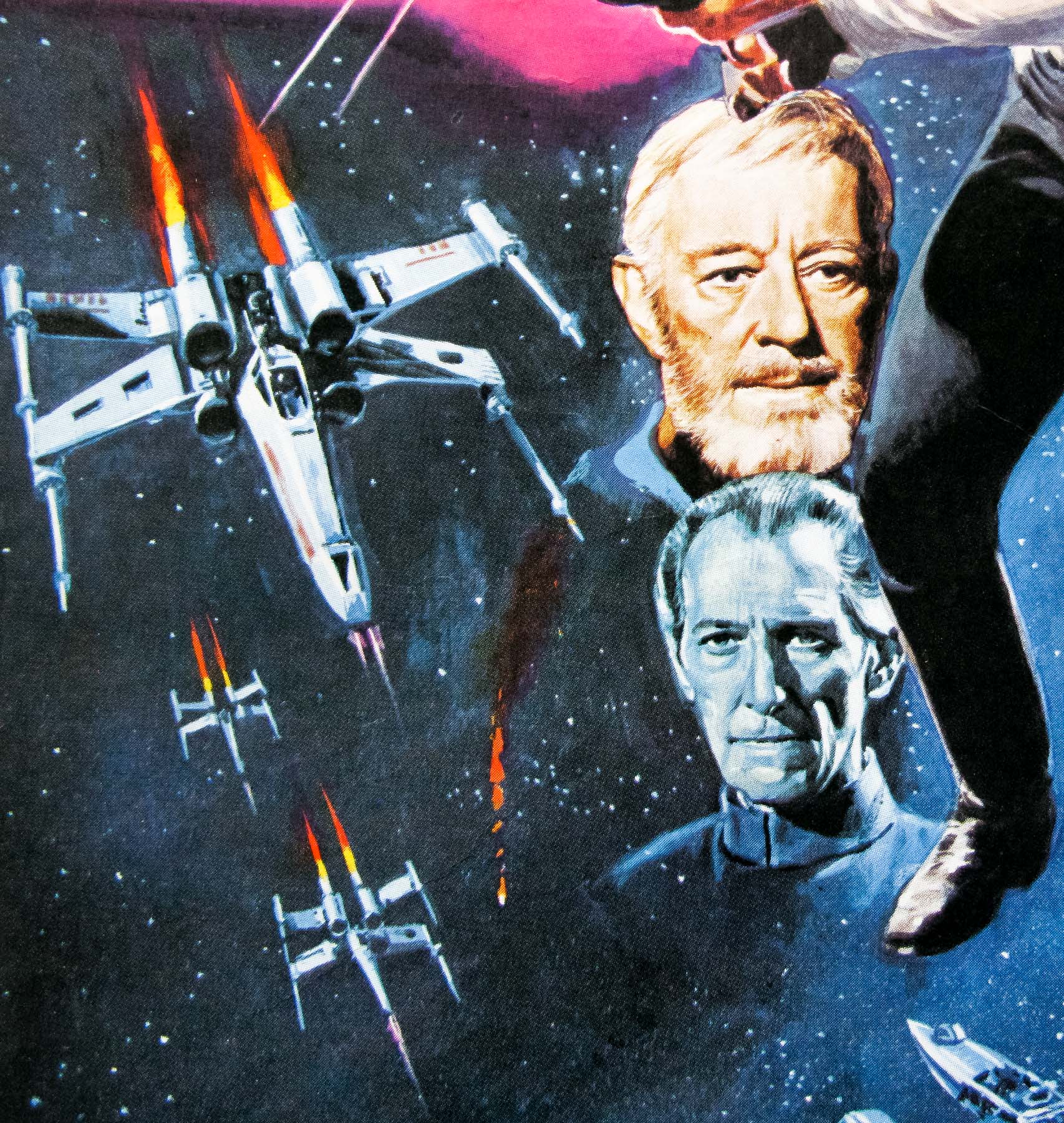
Star Wars / quad / Oscars version / UK

12.09.11

Poster Poster
Title
Star Wars
AKA
Star Wars: Episode IV - A New Hope (full title) | La guerre des étoiles (Canada - French title / France)
Year of Film
1977
Director
George Lucas
Starring
Mark Hamill, Harrison Ford, Carrie Fisher, David Prowse, Peter Cushing, Alec Guinness, Anthony Daniels, Kenny Baker, Peter Mayhew
Origin of Film
USA
Genre(s) of Film
Mark Hamill, Harrison Ford, Carrie Fisher, David Prowse, Peter Cushing, Alec Guinness, Anthony Daniels, Kenny Baker, Peter Mayhew,
Type of Poster
Quad
Style of Poster
Oscars version
Origin of Poster
UK
Year of Poster
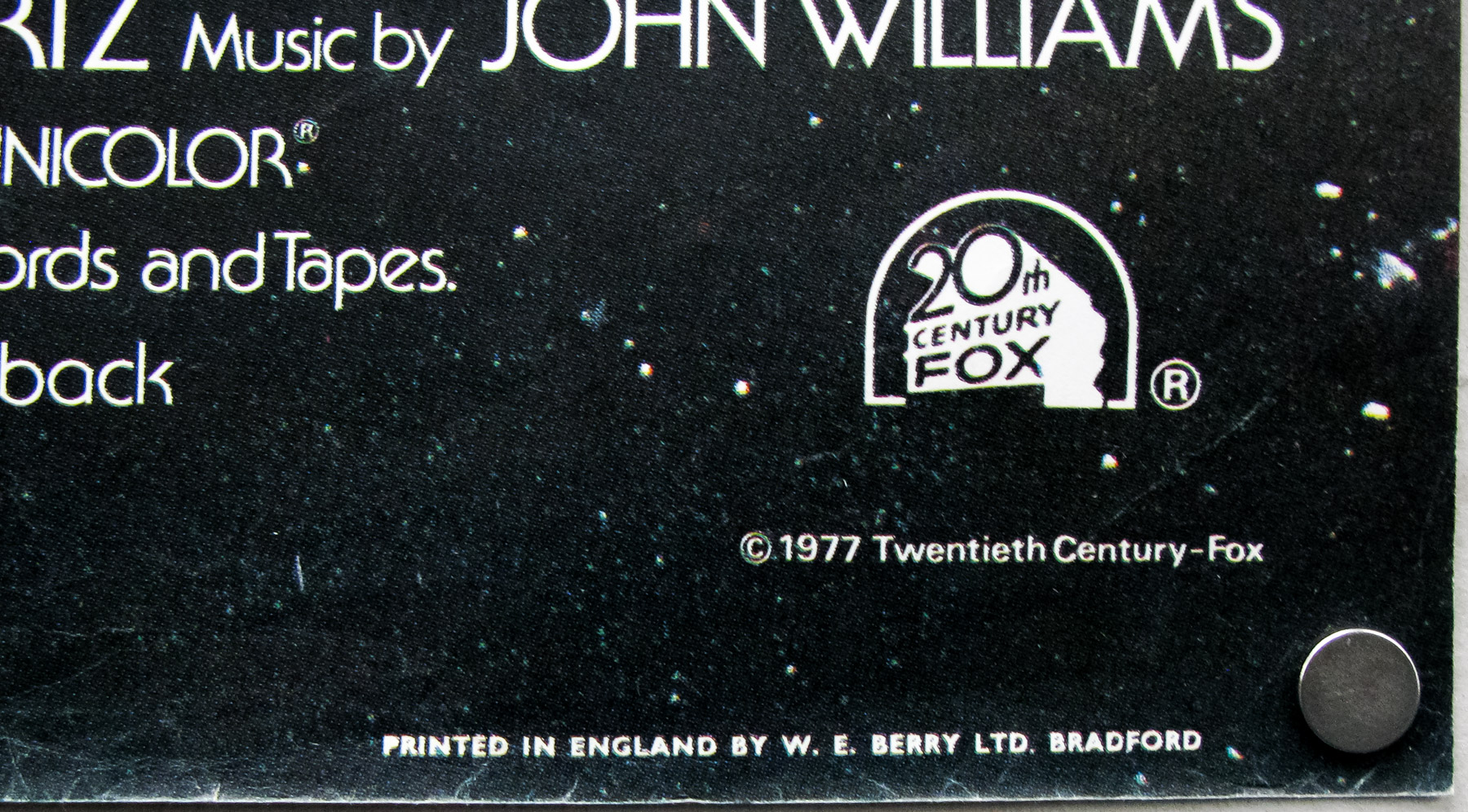
1977 (this version printed 1978)
Designer
Unknown
Artist
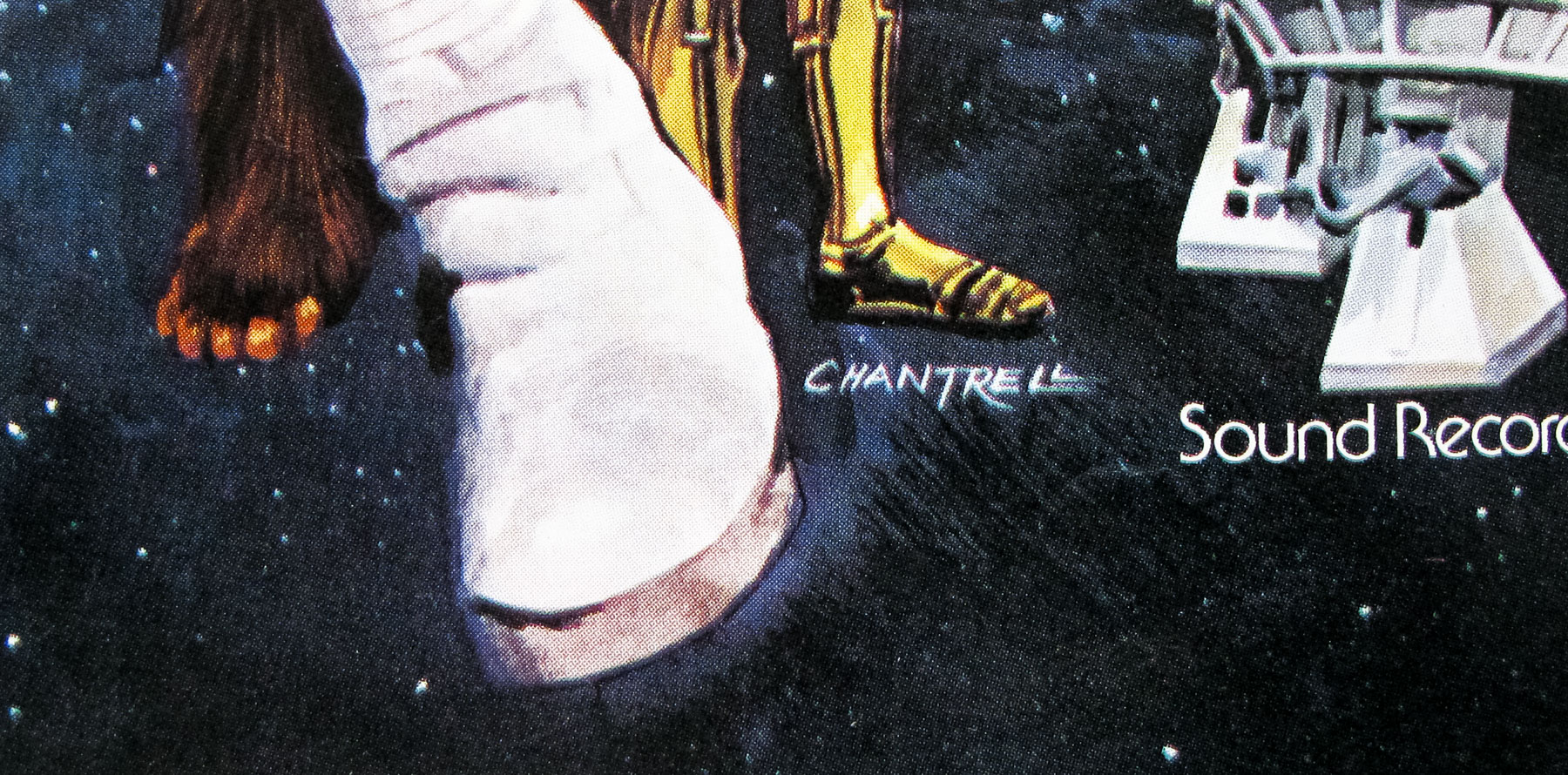
Tom Chantrell
Size (inches)
30" x 39 15/16"
SS or DS
SS
Tagline
May the force be with you

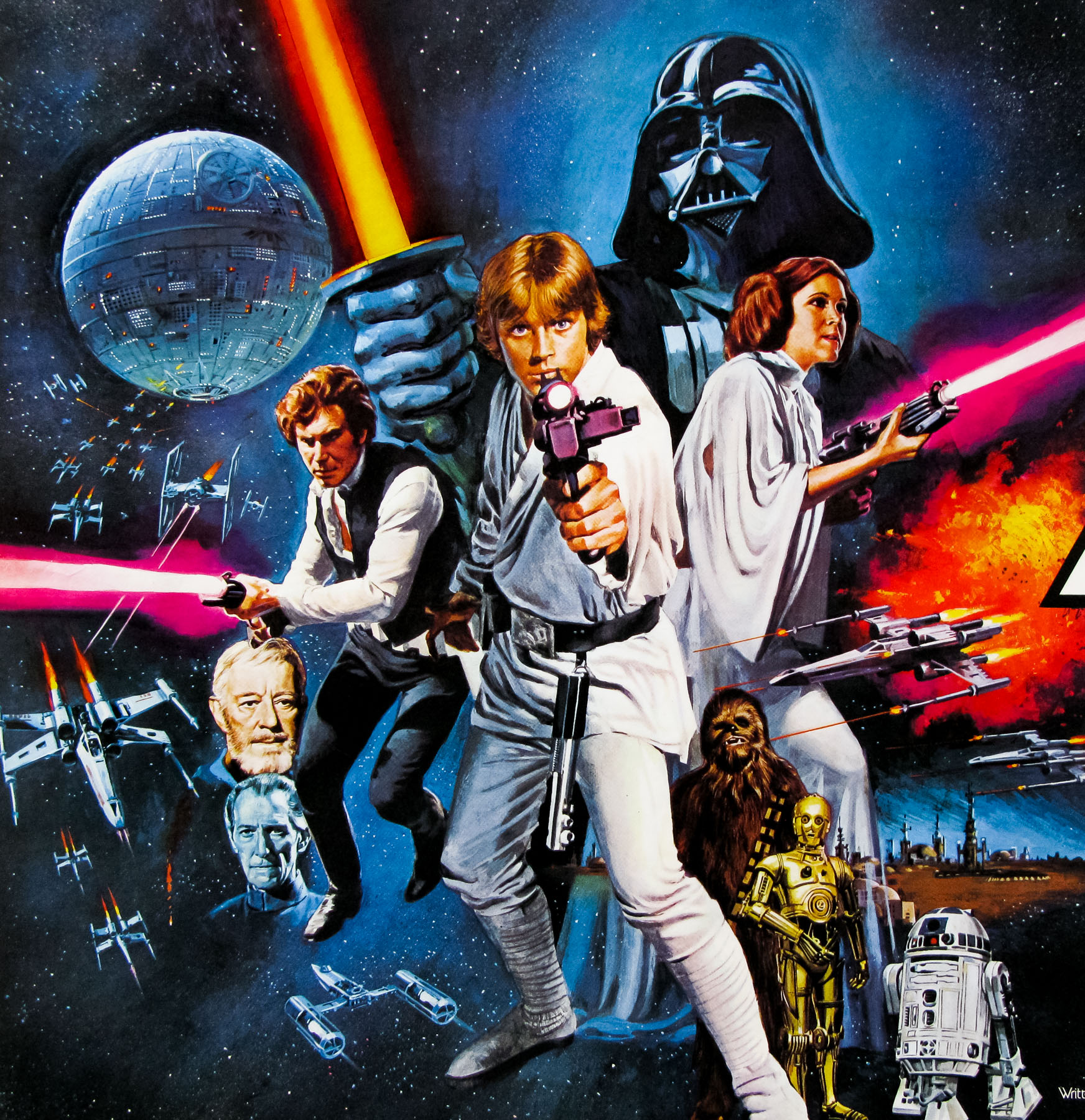
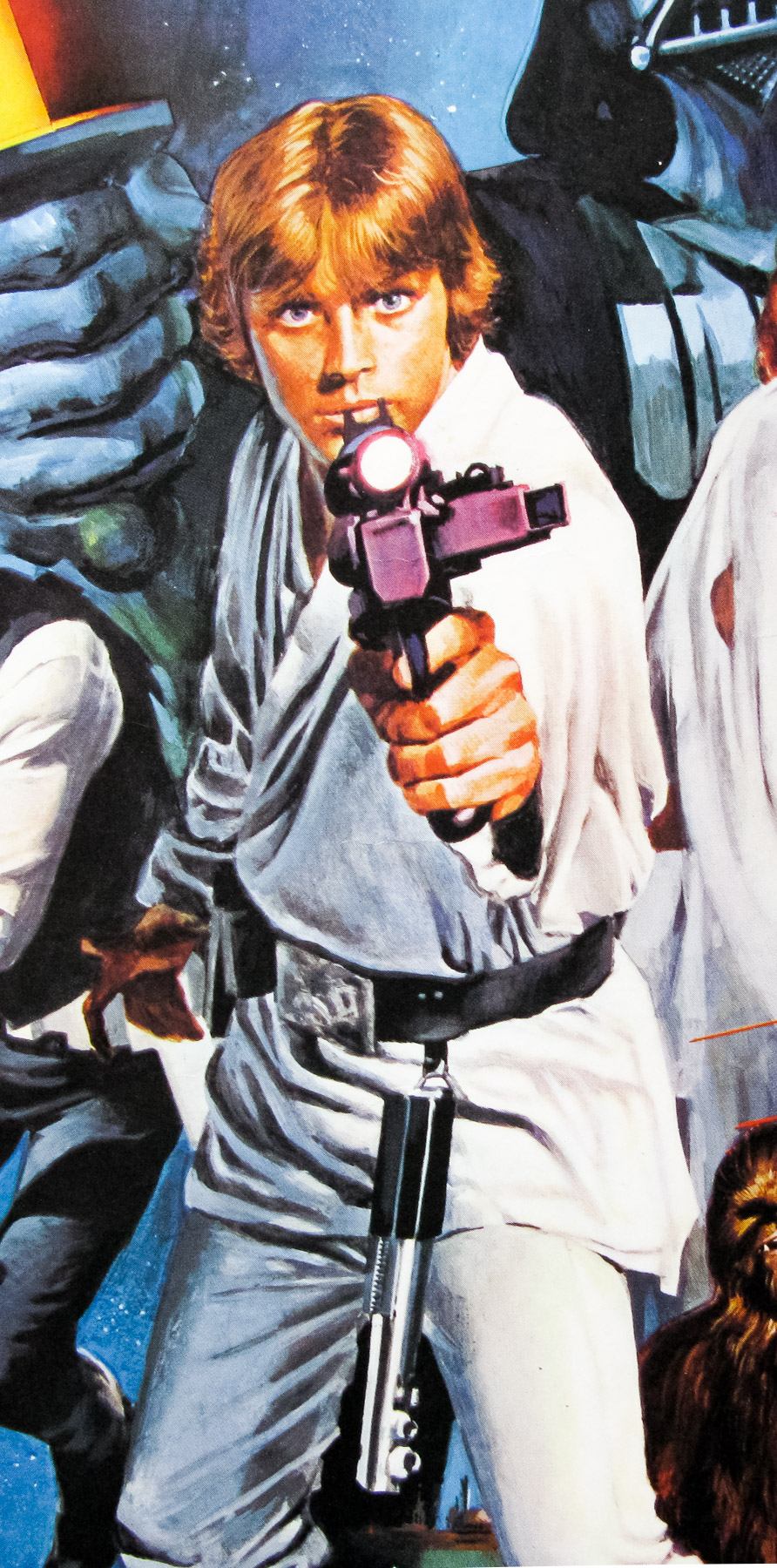
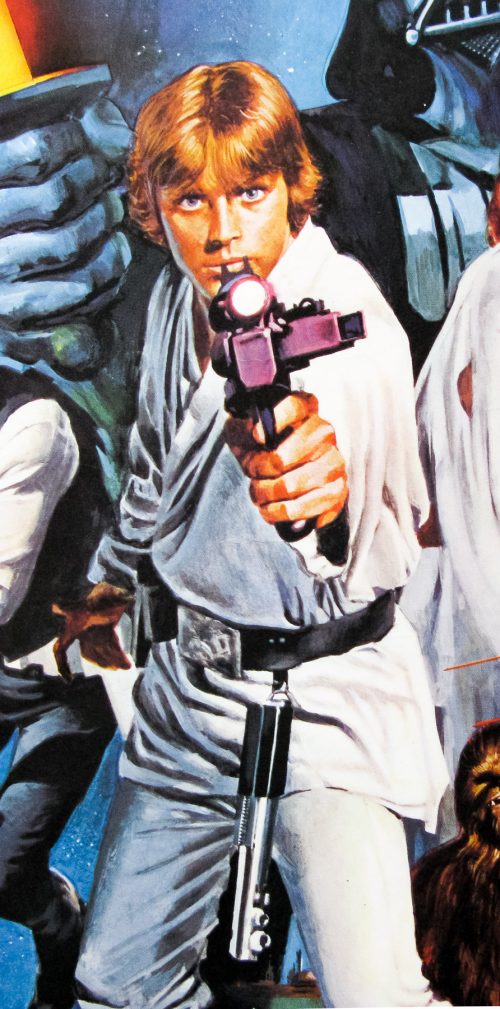
Not only is this probably the best poster artwork for the film that started the biggest sci-fi franchise of all, it’s also considered by many to be the greatest work by the late, great British artist Tom Chantrell. Declaring it so is not an easy decision to make since Chantrell illustrated thousands of posters during his long career and there are many classic designs to choose from, including several Hammer posters and a brilliant design for ‘One Million Years B.C.’. I have a number of other posters by him on this site for you to peruse.

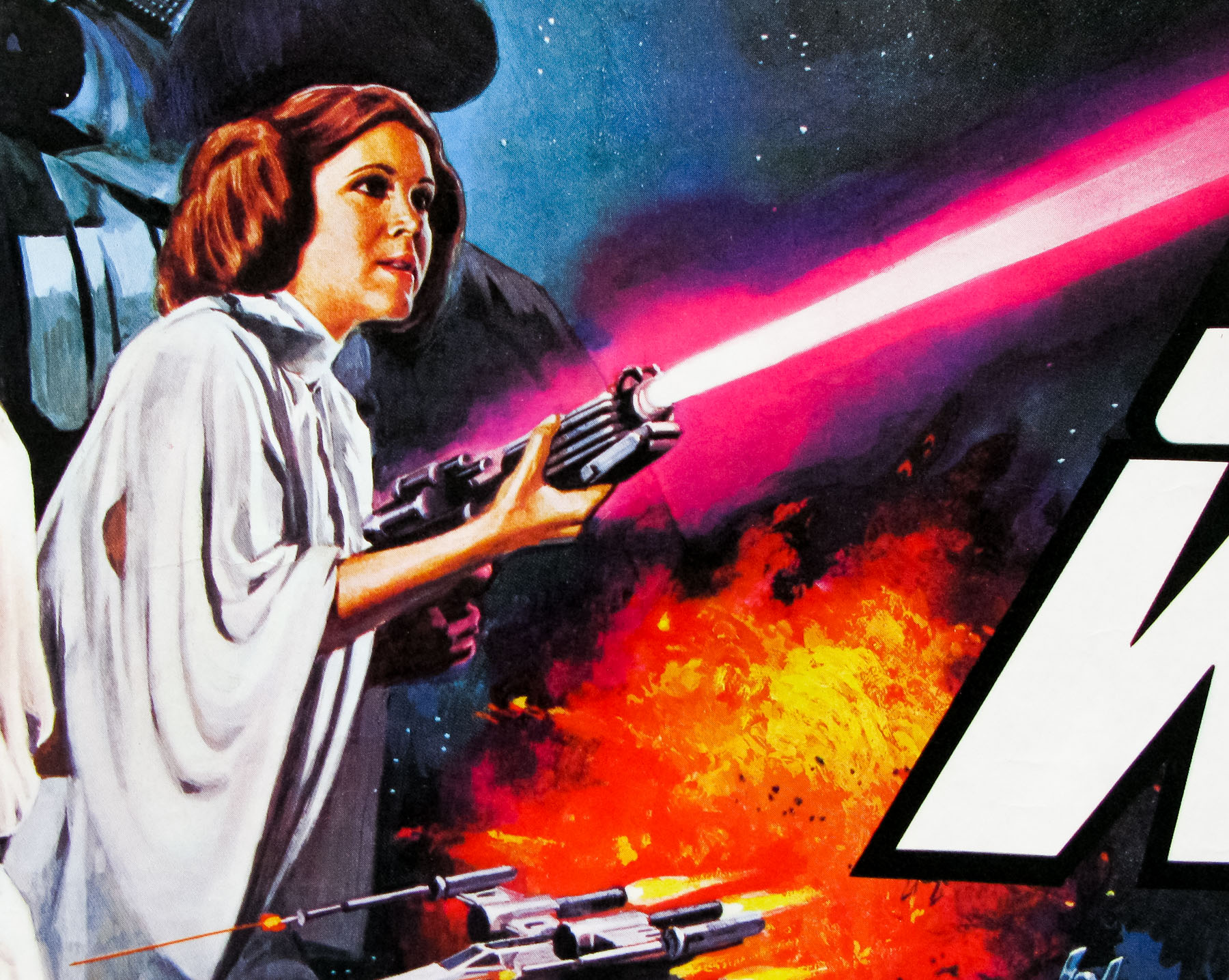
In 2013 I interviewed Chantrell’s widow Shirley about their life together and she recalled how Tom would often ask her to pose so he could capture the correct stance for female characters appearing on his posters. Shirley recalls how the project came about for Tom:

Tom was given an invite to the premier showing and we all went along as a family. As soon as he’d seen the film he had the synopsis, the 10” x 8” press stills and then he started to think about how he was going to tackle the project. From beginning to end it took one month, which is a lot of work for one poster. He’d never taken that long before and I don’t think he did again.

Shirley once again posed for Tom and this time she was his Princess Leia. She not only still has the reference photos taken that day but also still has the same dress she wore.

This poster perfectly captures the excitement and adventure of the seminal sci-fi blockbuster and, although originally intended just to be used for the UK market on the quad, the art was liked so much by Lucasfilm that the decision was made to use it for this style C one sheet, as well as for other posters around the world. George Lucas himself would later purchase the original artwork for his archives and I like to imagine it’s hanging on a wall in Skywalker Ranch.

This particular style of the poster is known as the ‘Oscars version’, so called because it was printed once the film had won a handful of Academy Awards a few months after the original UK release. Whilst it would be nice to have the non-Oscar version I’m certainly not complaining, especially since this one is rolled and in fantastic condition.

Sadly, Tom Chantrell passed away in 2001 and poster historian Sim Branaghan wrote his obituary for the Guardian. He may no longer be with us but his classic designs have stood the test of time and continue to impress decades later.

Raiders of the Lost Ark / quad / style B / UK

06.01.12

Poster Poster
Title
Raiders of the Lost Ark
AKA
--
Year of Film
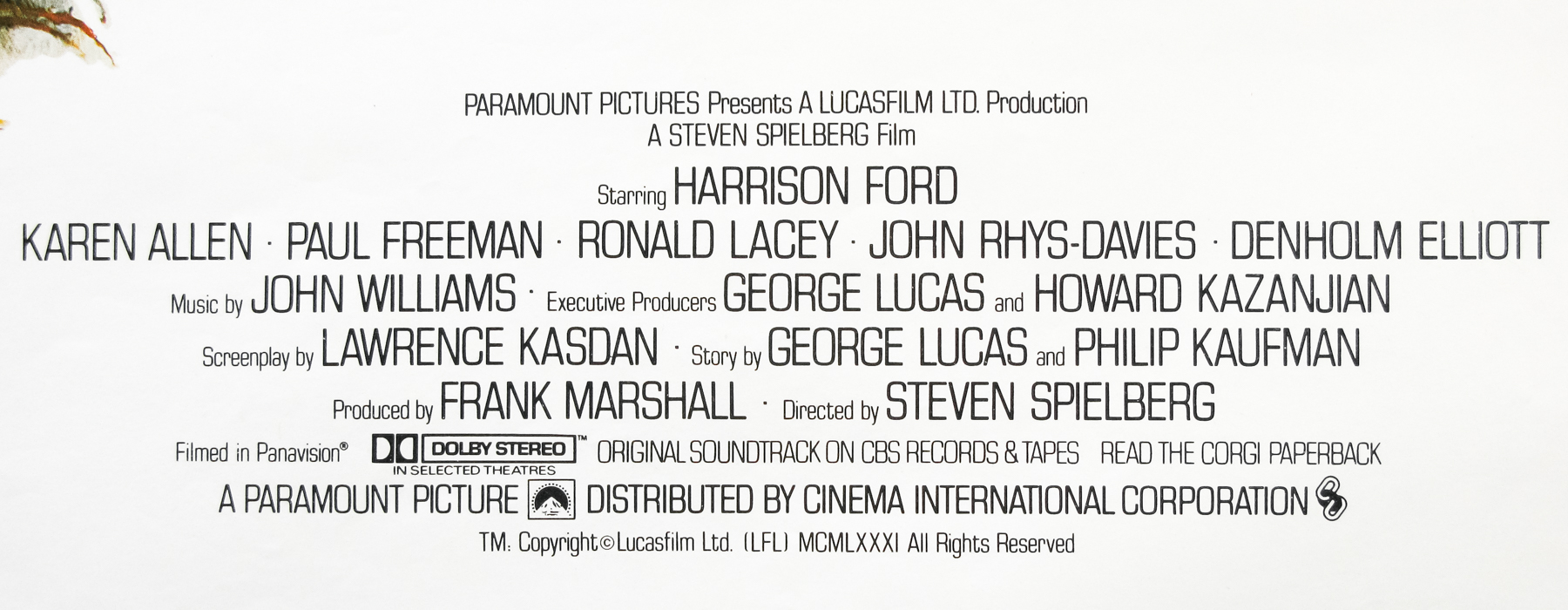
1981
Director
Steven Spielberg
Starring
Harrison Ford, Karen Allen, Paul Freeman, Ronald Lacey, John Rhys-Davies, Denholm Elliott, Alfred Molina
Origin of Film
USA
Genre(s) of Film
Harrison Ford, Karen Allen, Paul Freeman, Ronald Lacey, John Rhys-Davies, Denholm Elliott, Alfred Molina,
Type of Poster
Quad
Style of Poster
Style B
Origin of Poster
UK
Year of Poster
1981
Designer
Unknown
Artist
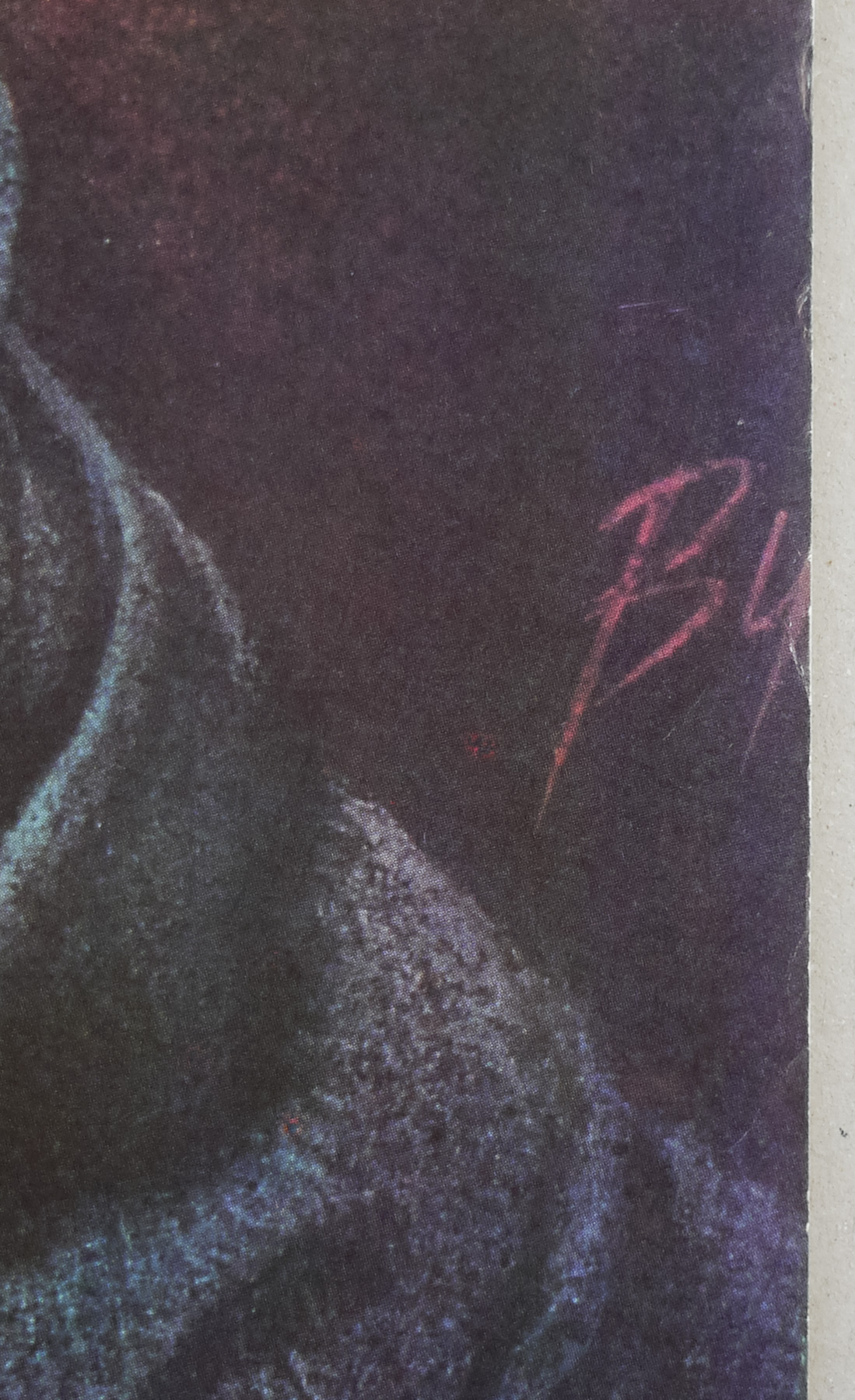
Brian Bysouth
Size (inches)
30" x 40"
SS or DS
SS
Tagline
--

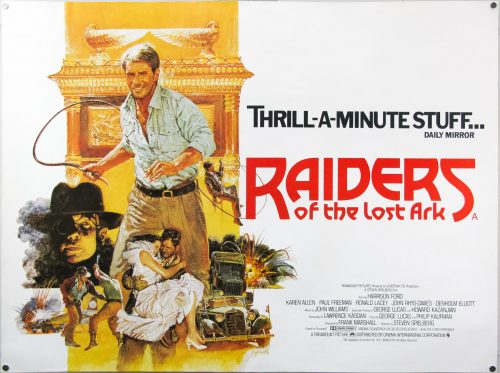
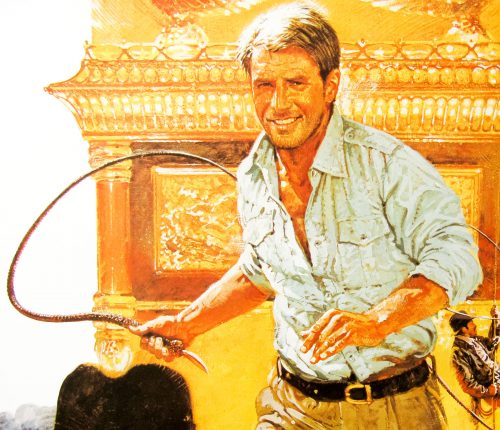
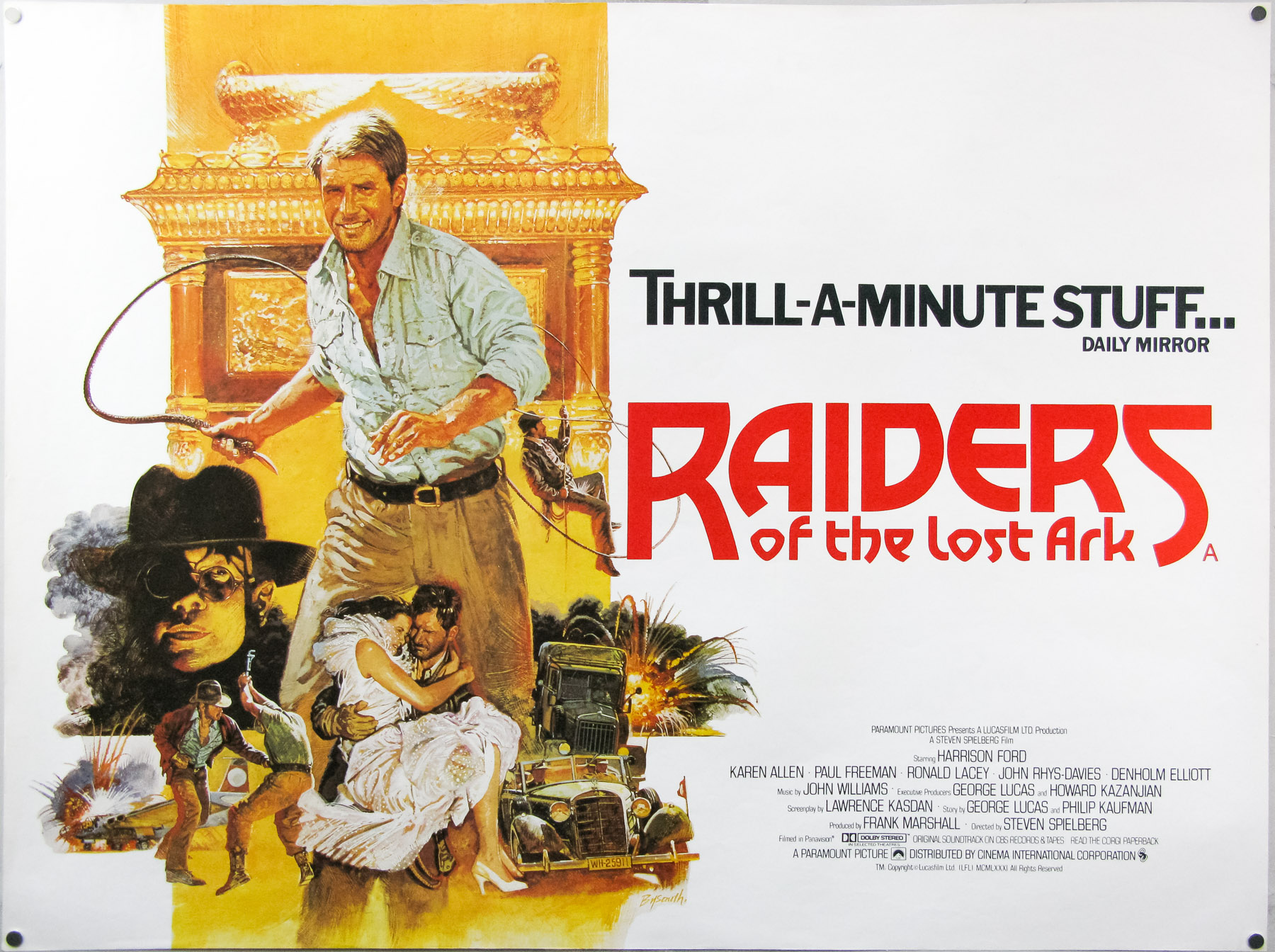
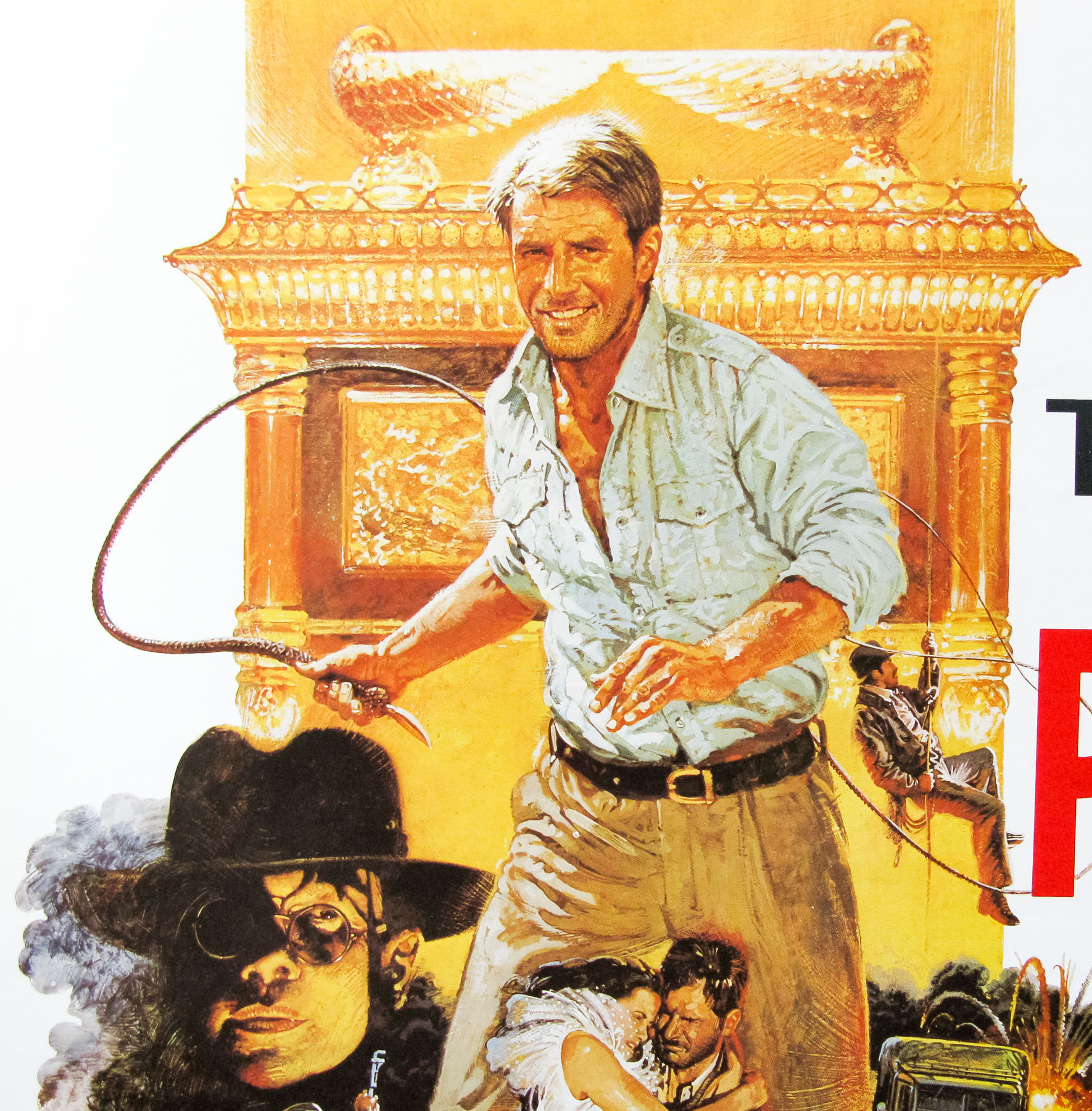
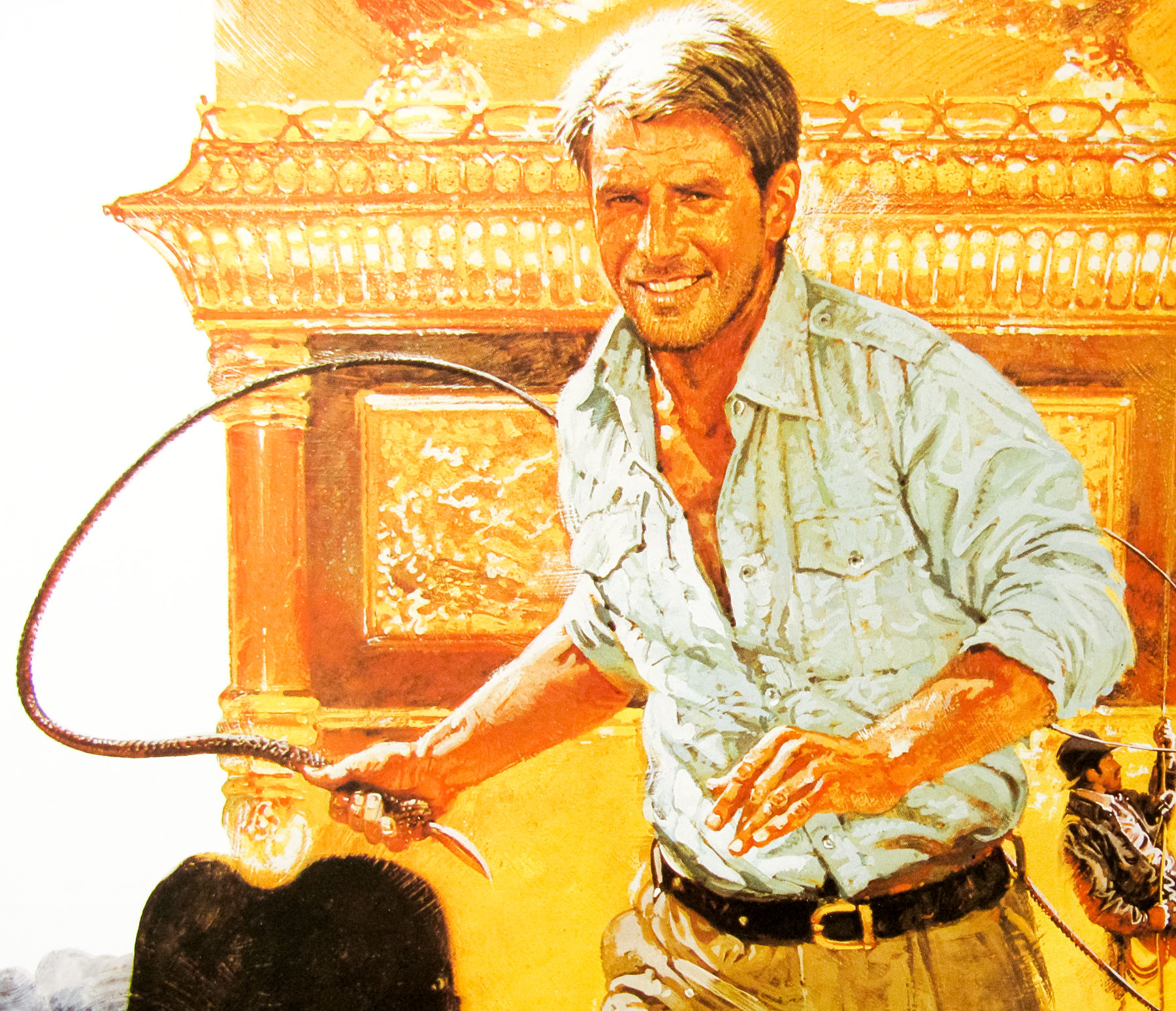
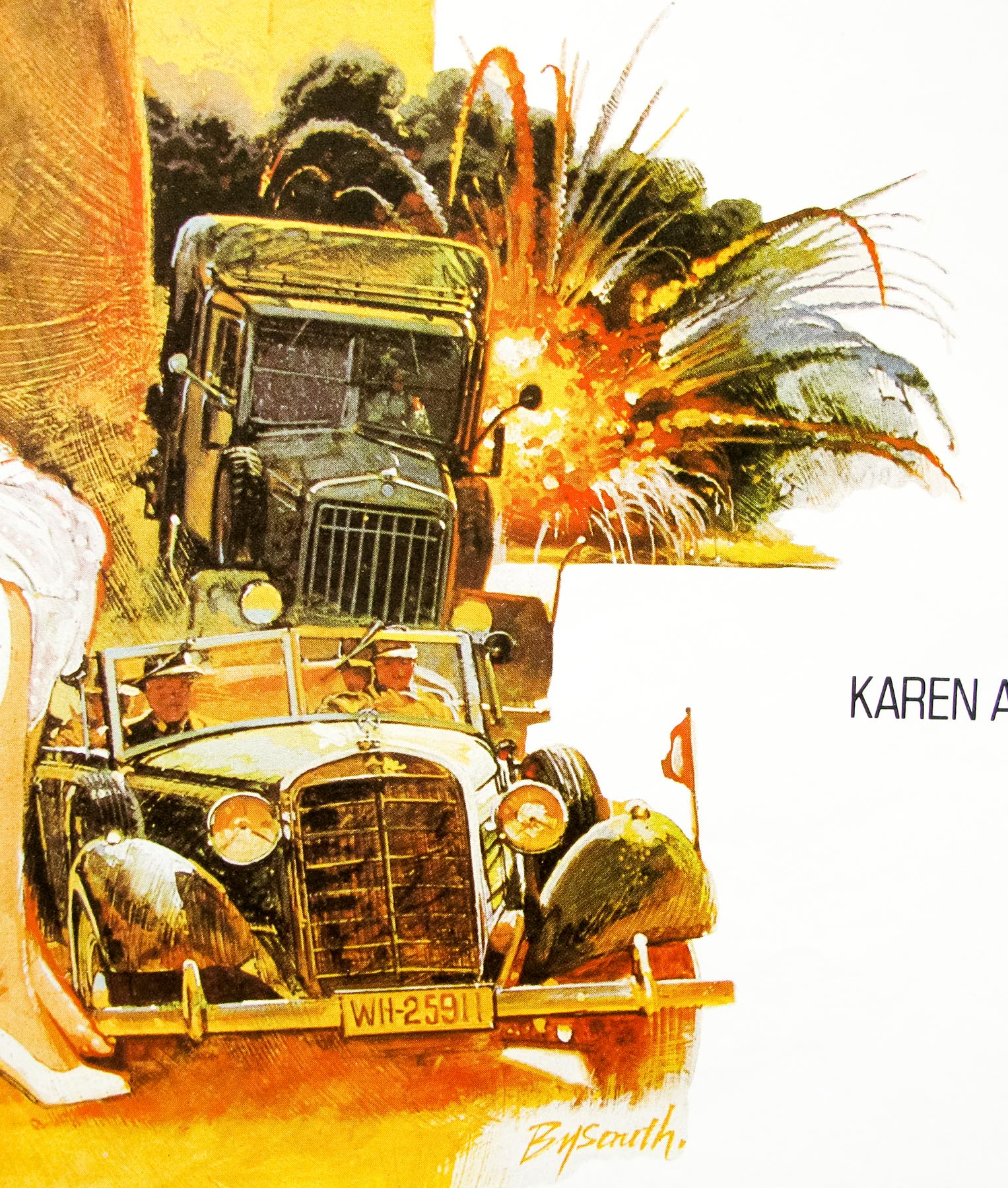
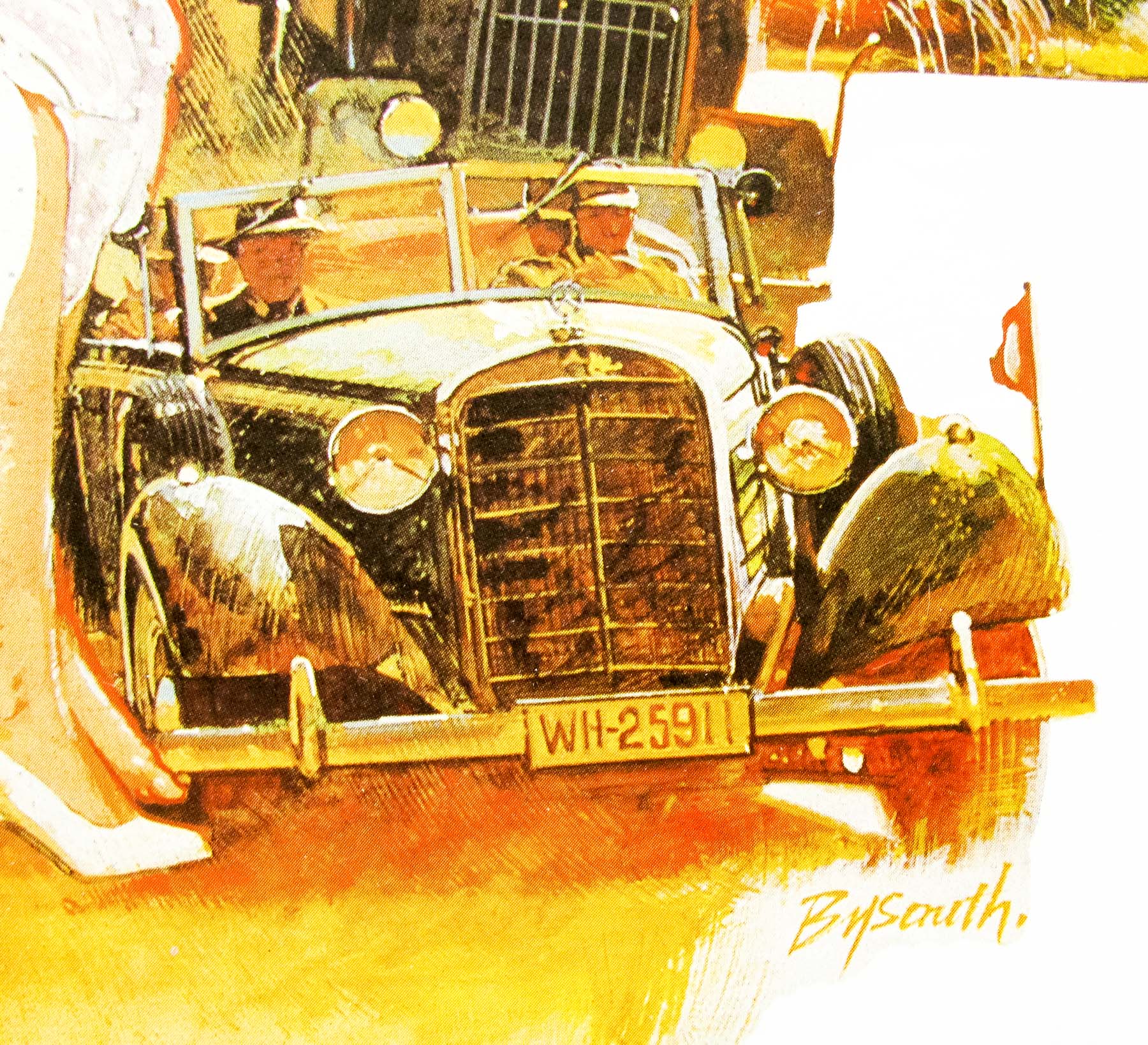
A superb montage by the great British artist Brian Bysouth for the first film in Steven Spielberg‘s legendary Indiana Jones series. This is technically the Style B quad because, as I understand it, the British distributors (Paramount UK?) decided that the artwork on the first quad (Style A) was too dark and Indy looks too dour and thus commissioned a second poster to be designed and printed.

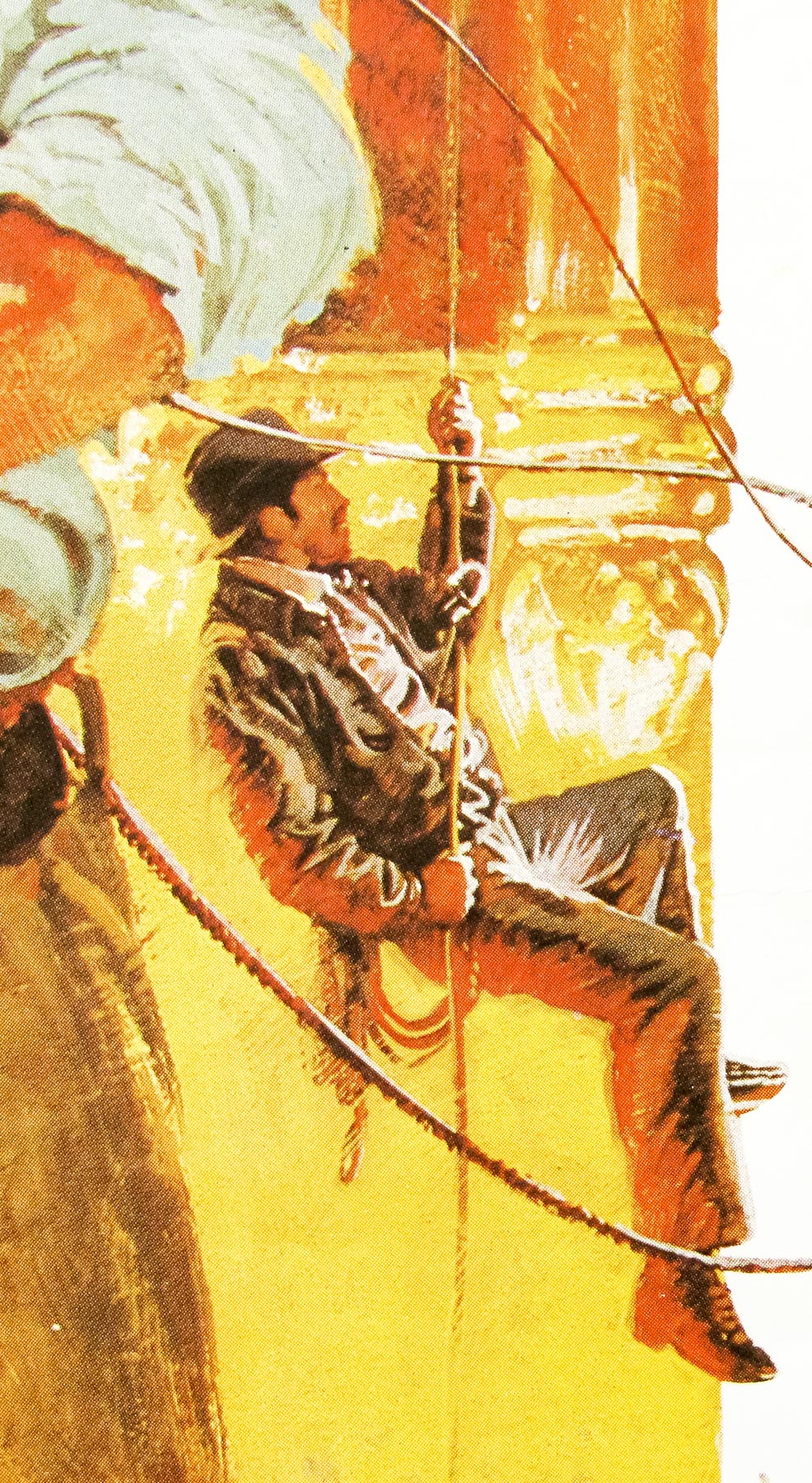
The artwork on this replacement quad is definitely more exciting and leaves no question that the film contains plenty of action and adventure. It does ditch the now classic Indiana Jones logo, and some balk at the fact that Indy is depicted without his fedora and leather jacket, but it does a much better job of selling the film than the first poster, in my opinion.

In my 2012 interview with Brian this poster was discussed:

What about the Raiders of the Lost Ark quad? You must have done that whilst still with Ken [Hayter]?
Yes, that was done for the Lonsdale Advertising agency. They showed me their revised pencil visual and the first poster that had been done by Richard Amsel. They said that they didn’t like it because it didn’t show anything of what the film was about; it was a very dark poster, and the film isn’t like that, is it? It’s an absolutely classic, boys-own thriller and a very colourful film. Whilst the Amsel version is a great piece of art I think my painting does a better job of showing what the film is really about.

Were you given any directions for the re-design?
No. I knew I had to make it more exciting and if you look at the poster you’ll notice that the free brushwork helps to give it movement. I had to paint it quickly because the first quad was already up on the Underground and all over the country. Lonsdales wanted the new poster to replace the Amsel one as quickly as possible.

One thing that people often remark about in your Raiders quad is that Indy is missing his Fedora and leather jacket, which later became his trademarks.
I was given a headshot of Harrison Ford with no body reference to paint from. I struck the likeness from the reference I was given. I didn’t think the original reference photo was the best image of Harrison Ford but I did my best with what I was given. At that time the jacket and fedora had not become iconic and were not considered a requirement.

It’s interesting to note that the decision was taken to drop the text referencing two previous hit films from Spielberg (Jaws) and George Lucas (Star Wars). This artwork was later re-used when the film was re-released at cinemas (the press-quote was replaced) and was also printed as a UK one sheet.

My overall favourite Indiana Jones poster is by Richard Amsel and was for the 1982 re-release of the film in the US. It can be seen here.

Other posters by Brian Bysouth I’ve collected can be seen by clicking here.


Ferris Bueller’s Day Off / quad / UK

17.10.11

Poster Poster
Title
Ferris Bueller's Day Off
AKA
Una pazza giornata di vacanza [A crazy day of vacation] (Italy) | Ferisu wa aru asa totsuzen ni (Japan)
Year of Film
1986
Director
John Hughes
Starring
Matthew Broderick, Alan Ruck, Mia Sara, Jeffrey Jones, Jennifer Grey, Edie McClurg, Charlie Sheen
Origin of Film
USA
Genre(s) of Film
Matthew Broderick, Alan Ruck, Mia Sara, Jeffrey Jones, Jennifer Grey, Edie McClurg, Charlie Sheen,
Type of Poster
Quad
Style of Poster
--
Origin of Poster
UK
Year of Poster
1986
Designer
Unknown
Artist
Steve Kingston
Size (inches)
30" x 39 14/16"
SS or DS
SS
NSS #
--
Tagline
While the rest of us were just thinking about it...Ferris borrowed a Ferrari and did it...all in a day.

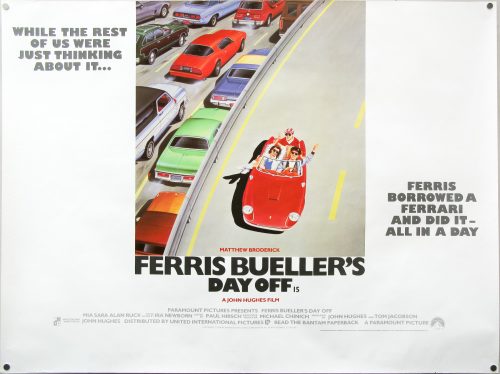
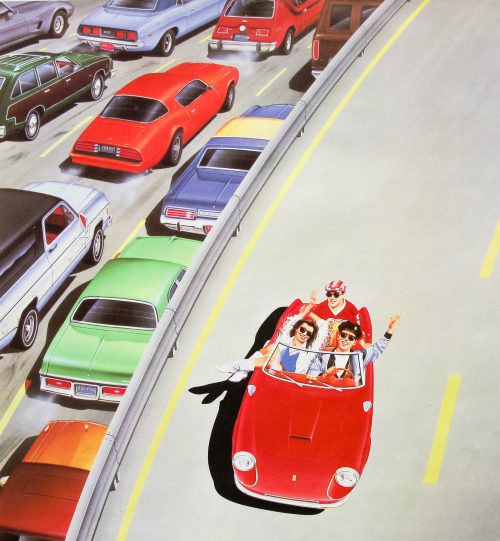
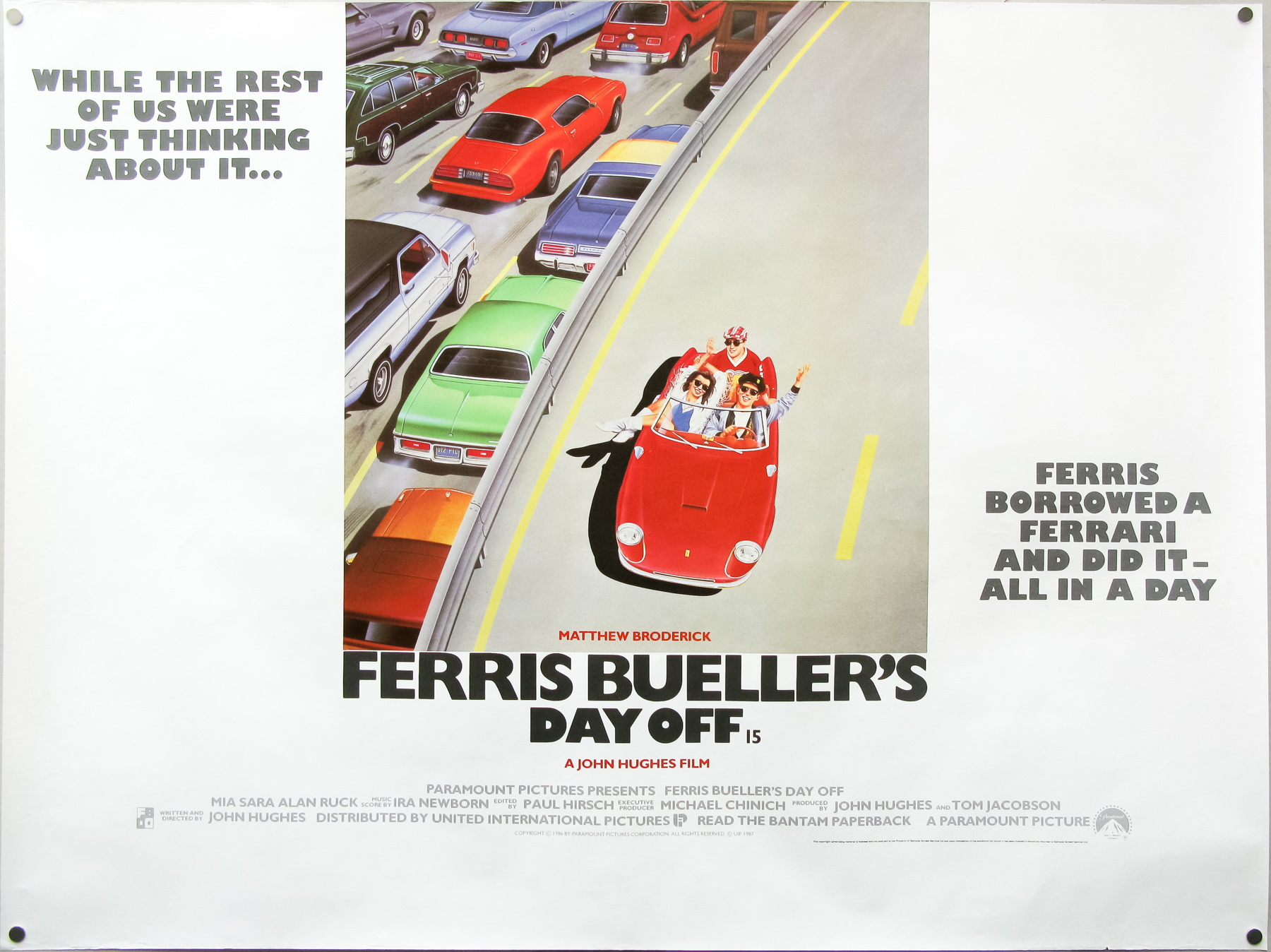
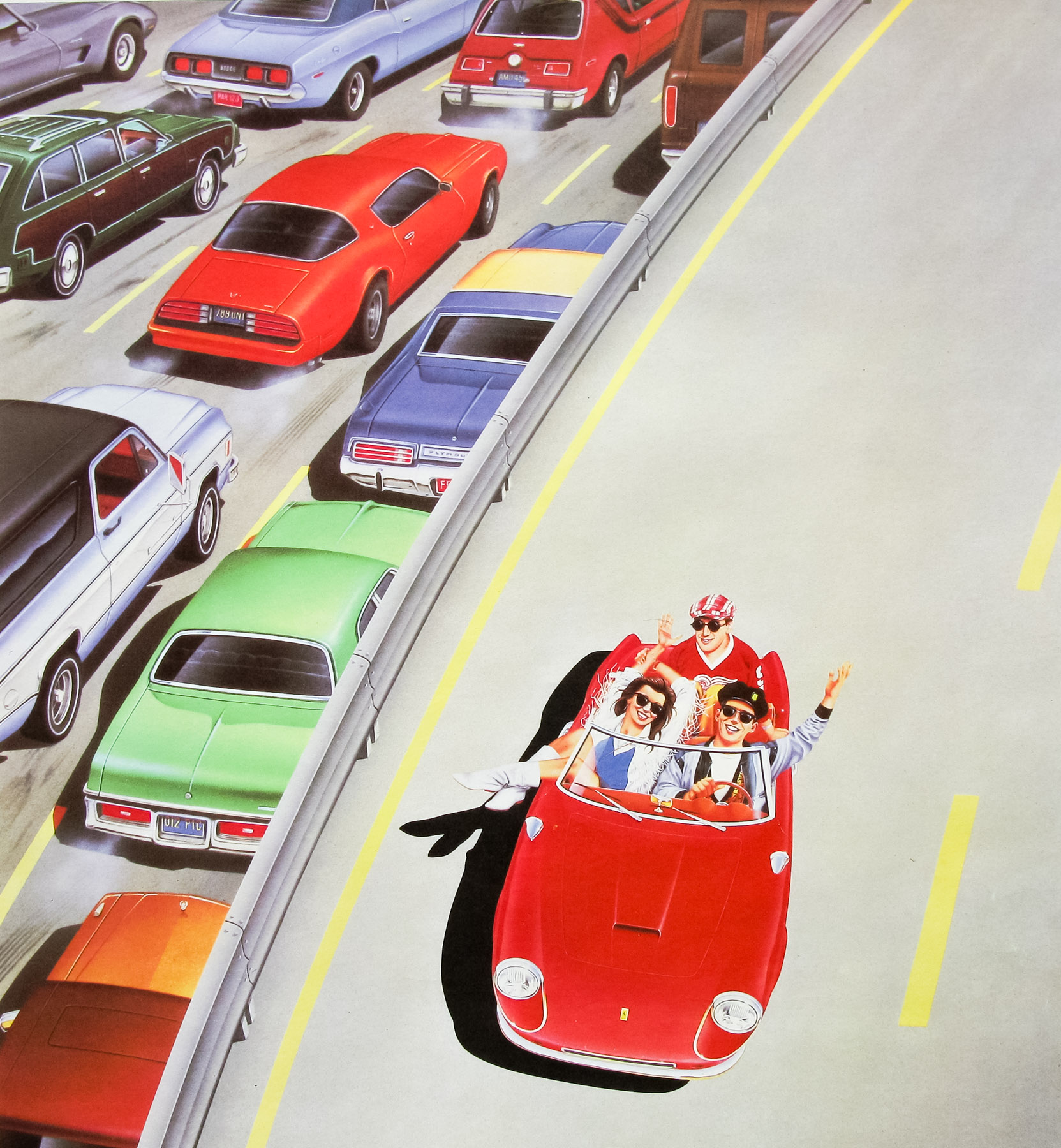
John Hughes‘ teen classic was given a pretty dire US poster (unless you’re a fan of Matthew Broderick‘s head) but the international design, as seen here, is much more interesting. As well as this quad, the artwork was used for an English one sheet, plus posters for several other countries, including France, Germany and Italy.

For many years the artist responsible was a mystery. Several misattributions have been spotted over the years, with various names suggested, so I was absolutely thrilled when an artist called Steve Kingston contacted me via this page’s comments section to inform me that he was responsible and that he had recently rediscovered the original artwork in his archive. I emailed Steve and he explained how he had come to be involved with creating the artwork:

‘My career started on the route that many commercial illustrators followed, ie books and magazines. For almost a decade I worked for a well known men’s magazine called Mayfair, where I illustrated the misadventures of a character called Carrie. I’ve worked closely with former Rolling Stone Bill Wyman on a number of projects, and the commissions for the Ferris artwork came via an agency that Wyman used regularly.’

Steve was born in 1951 in the Clapham area of London and is a self-taught artist with ‘not a qualification in sight’. Like many other commercial artists of his generation he decided to get straight out into the workplace, rather than attend college or a university course (or what would have likely been called a polytechnic). Steve explains that he was ‘lucky enough to form a career out of my passion for art and illustration’.

Steve was commissioned to produce all the artwork for the UK Tower Records poster campaign when the American chain launched a number of ill-fated shops over in the UK. In 1985 he was asked to work on the international artwork for the Ron Howard film ‘Gung Ho’. Around this time he turned his attention towards painting fine art, specifically around the subject of wildlife. The resultant paintings sold well at major London auction houses. Steve no longer works as an artist and explained that ‘in 2009 I was diagnosed as having Parkinson’s and this degenerative condition, of which there is no cure, has gradually taken away my ability to paint and effectively ended a career I loved so much.’

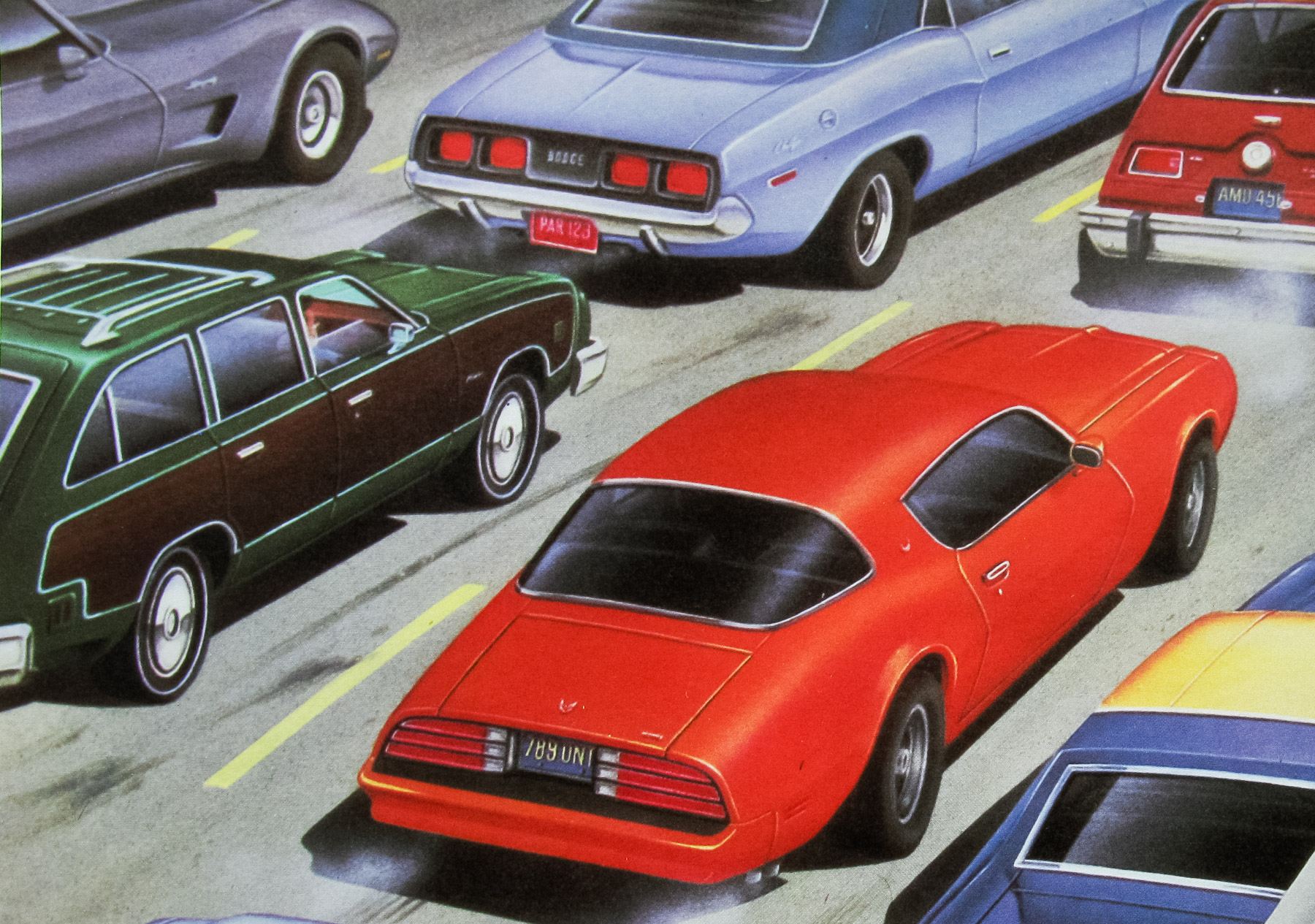
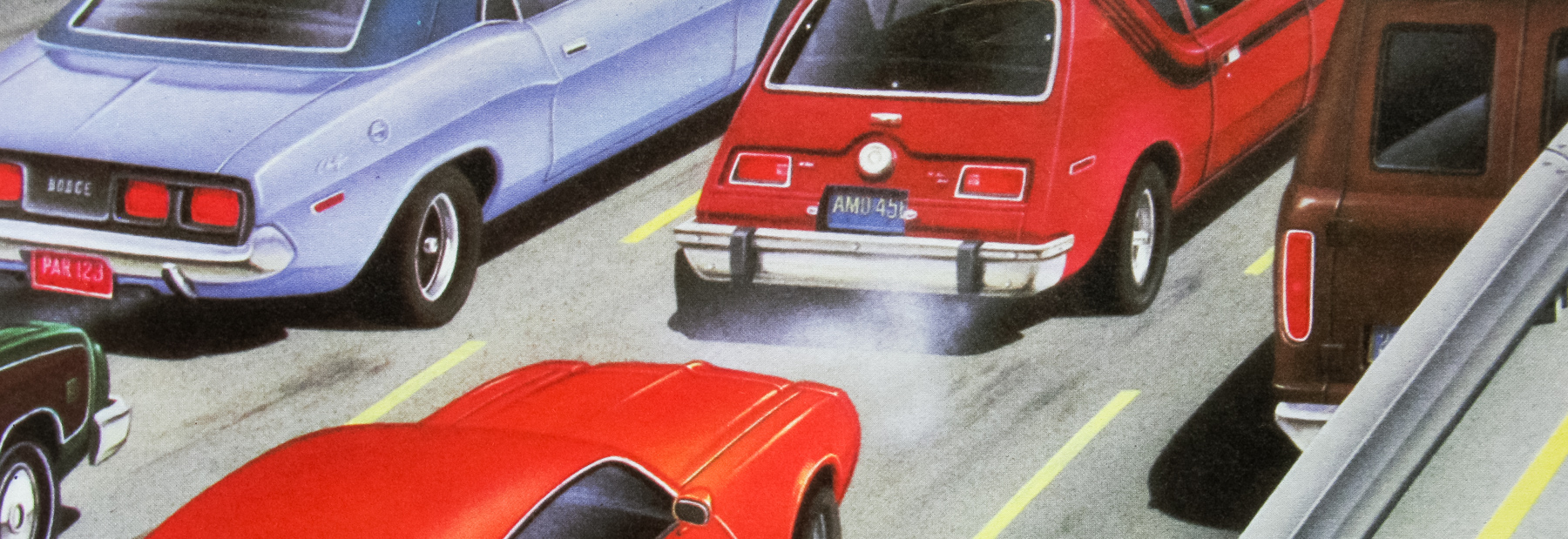
This poster is in demand from automotive memorabilia collectors due to the famous Ferrari and other real-life car models that are featured.

Here’s the original trailer.

Tron / campaign book and synopsis / UK

03.02.12

Poster Poster
Title
Tron
AKA
Tron: The Electronic Gladiator (Australia)
Year of Film
1982
Director
Steven Lisberger
Starring
Jeff Bridges, Bruce Boxleitner, David Warner, Cindy Morgan, Barnard Hughes, Dan Shor, Peter Jurasik
Origin of Film
USA | Taiwan
Genre(s) of Film
Jeff Bridges, Bruce Boxleitner, David Warner, Cindy Morgan, Barnard Hughes, Dan Shor, Peter Jurasik,
Type of Poster
Campaign book and synopsis
Style of Poster
--
Origin of Poster
UK
Year of Poster
1982
Designer
Unknown
Artist
--
Size (inches)
N/A
SS or DS
--
Tagline
Trapped in a fight to the finish inside the video world he created

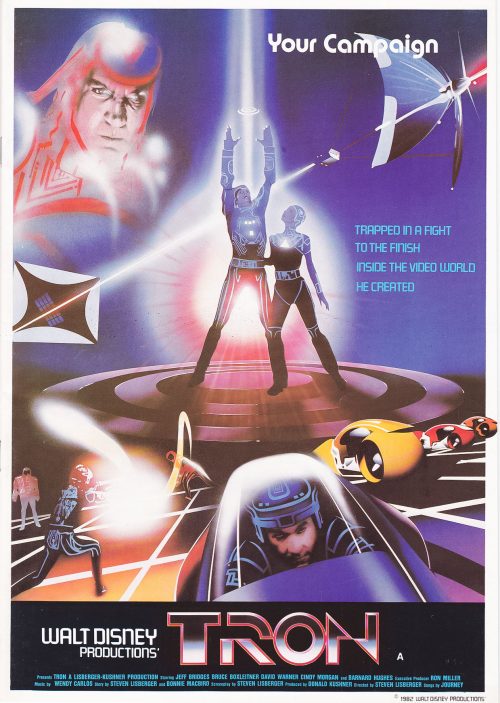
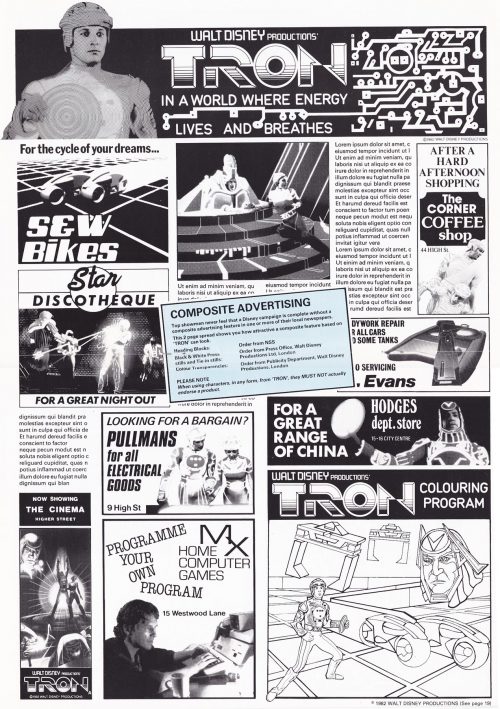
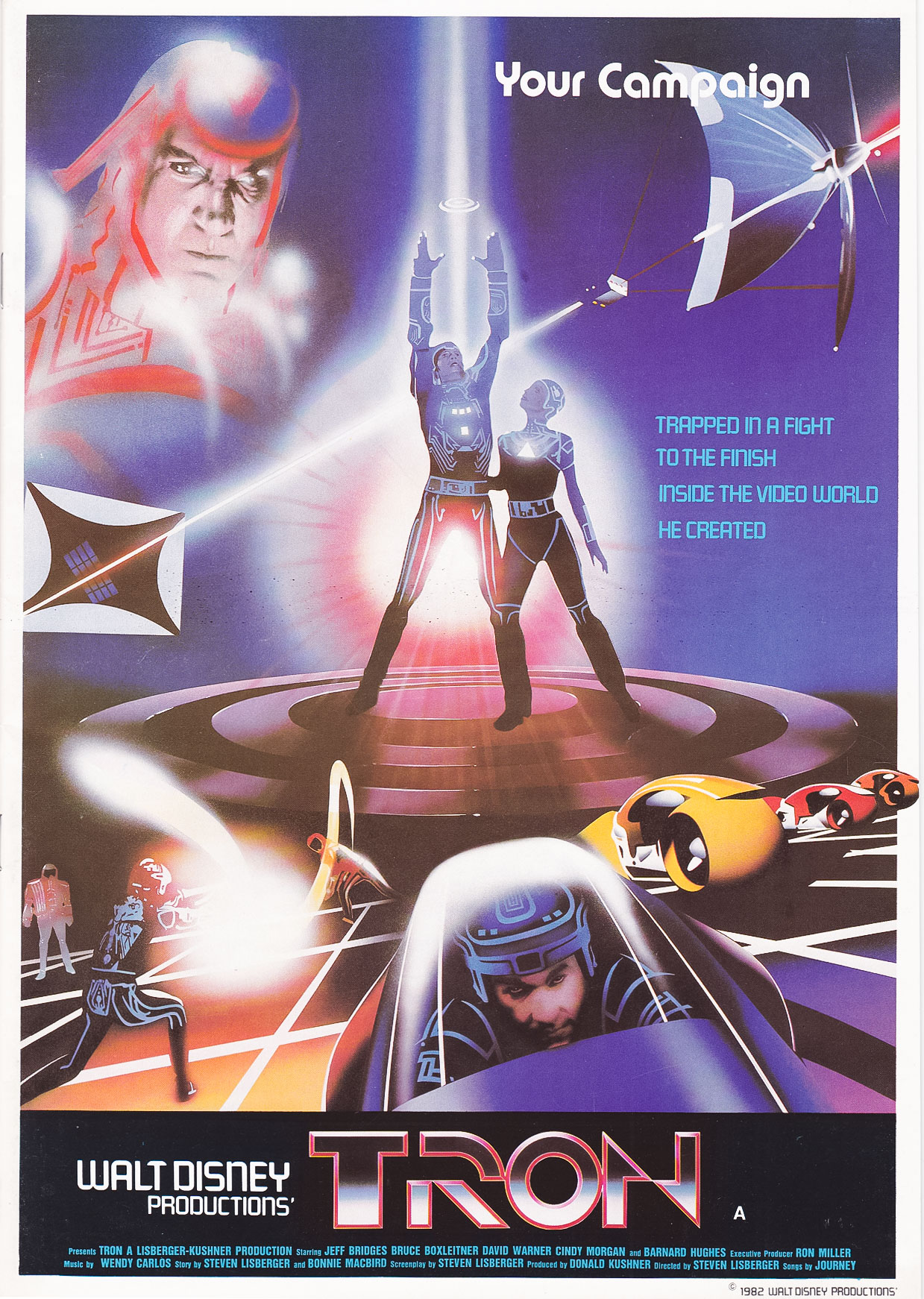
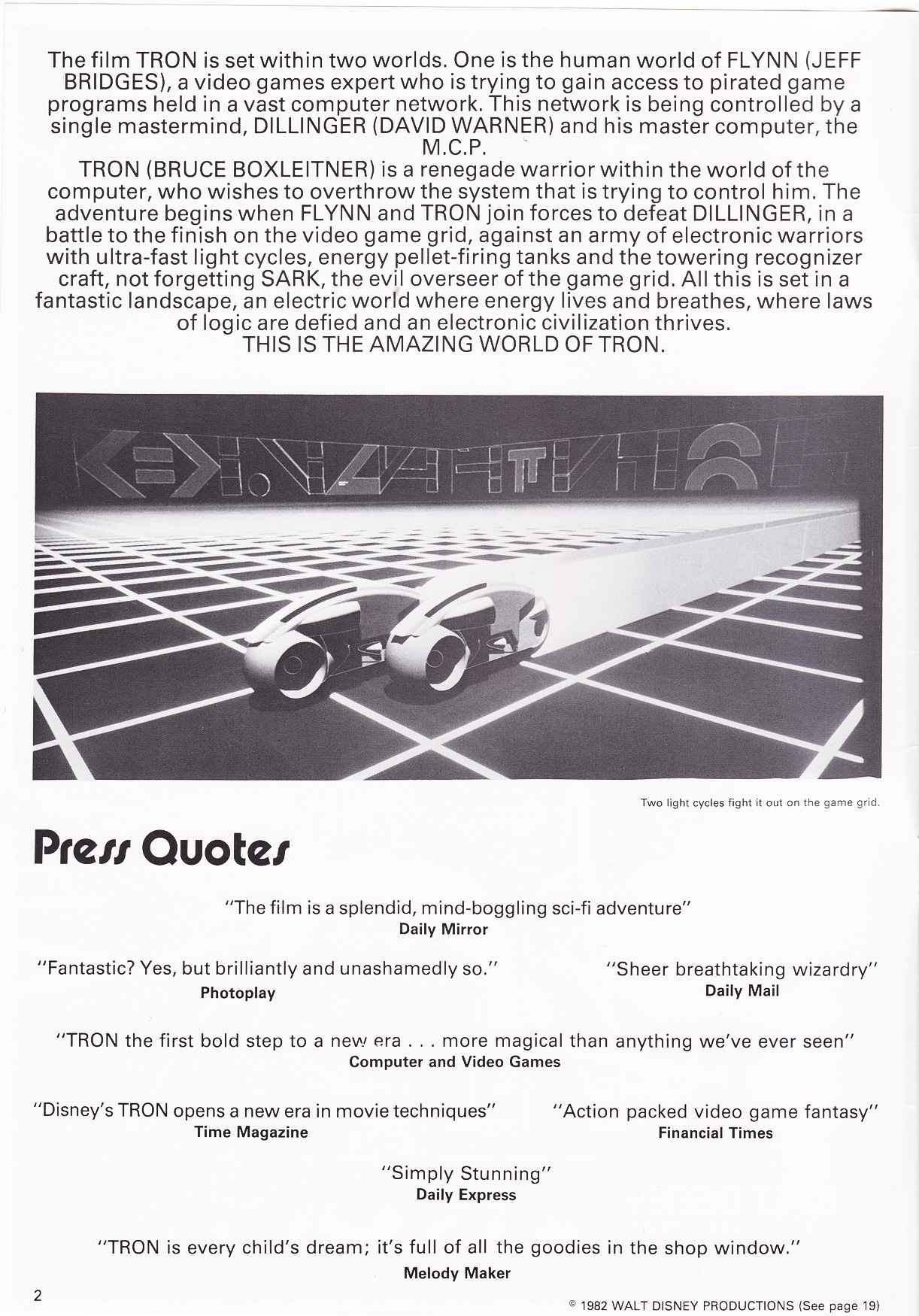
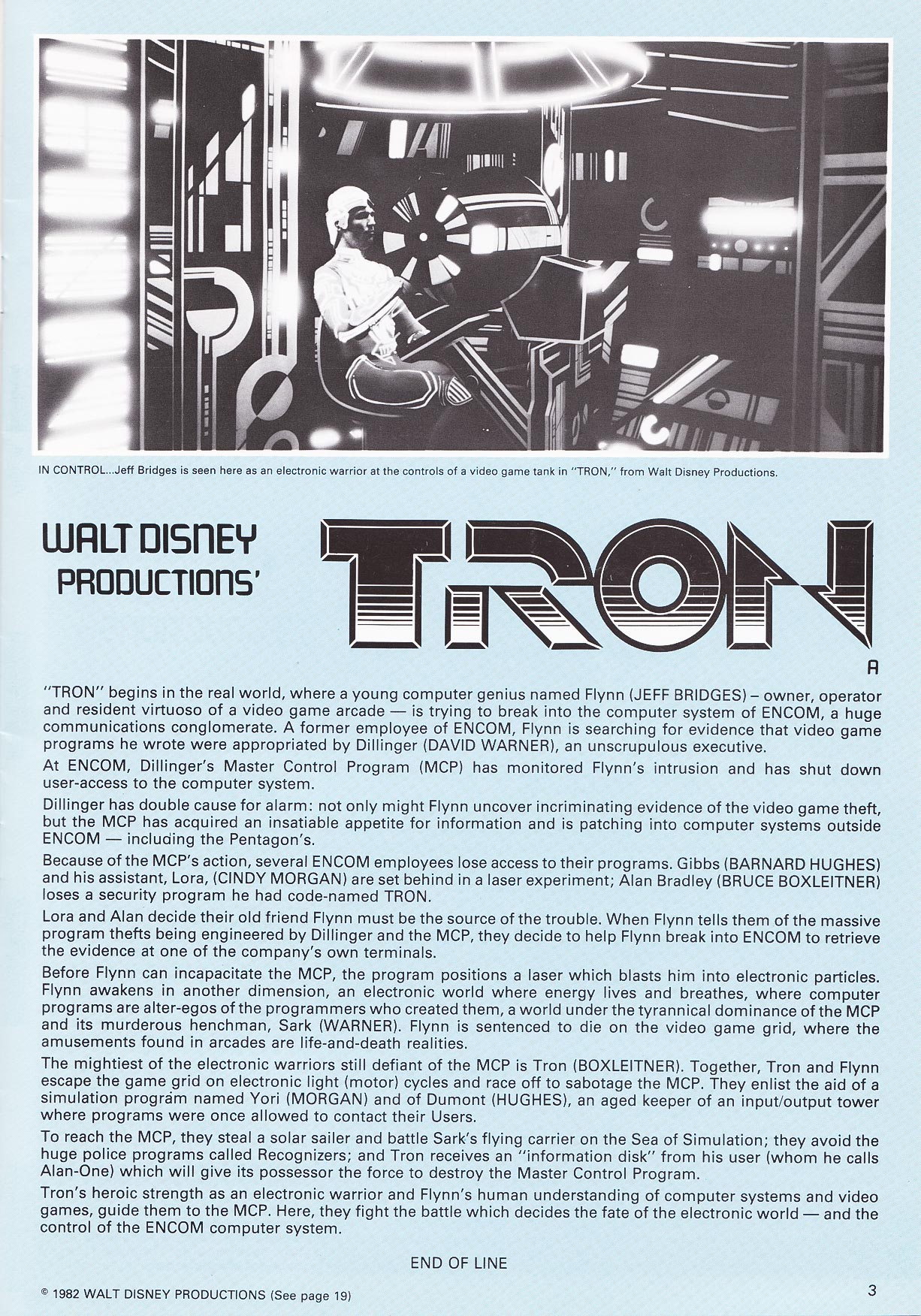
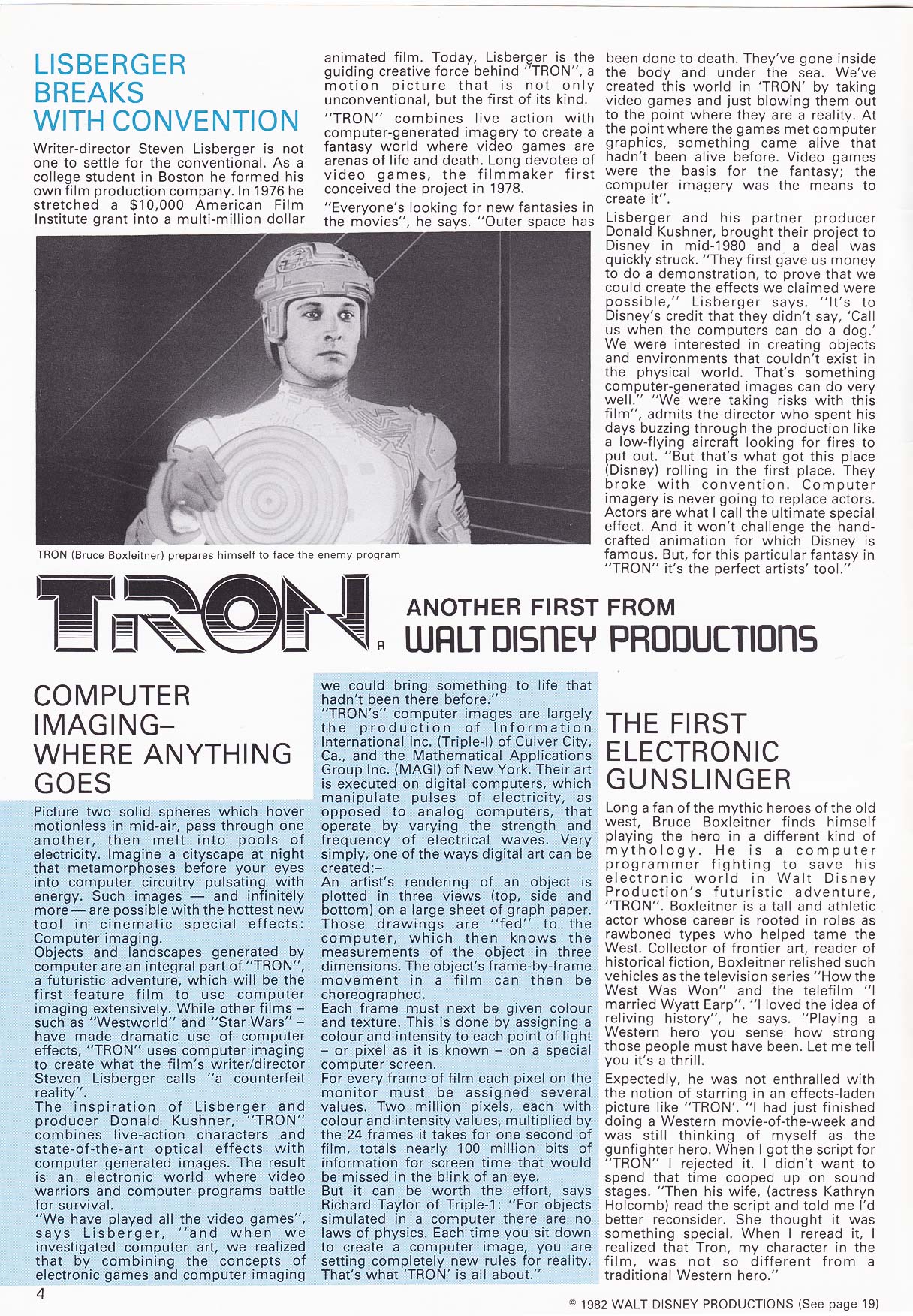
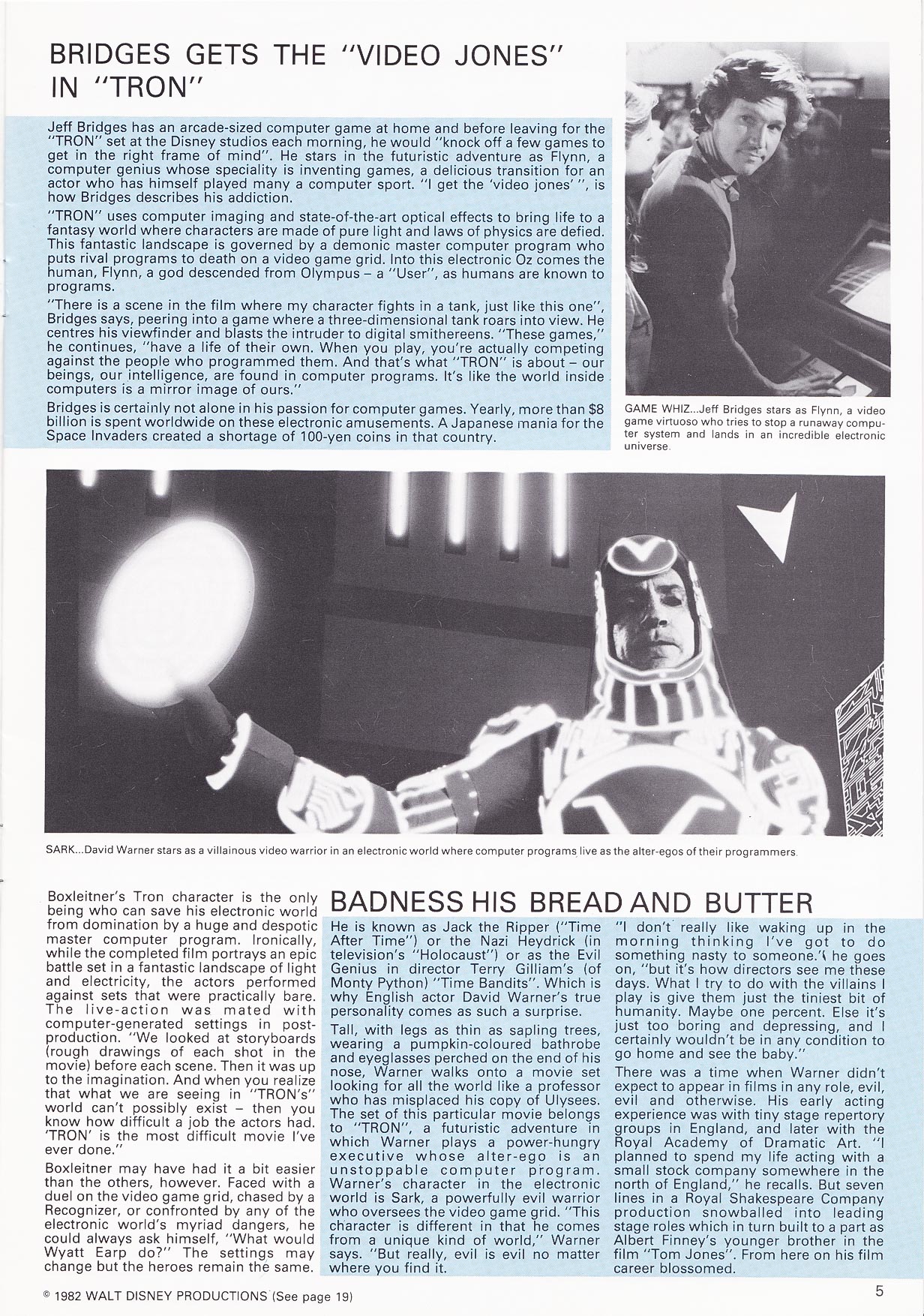
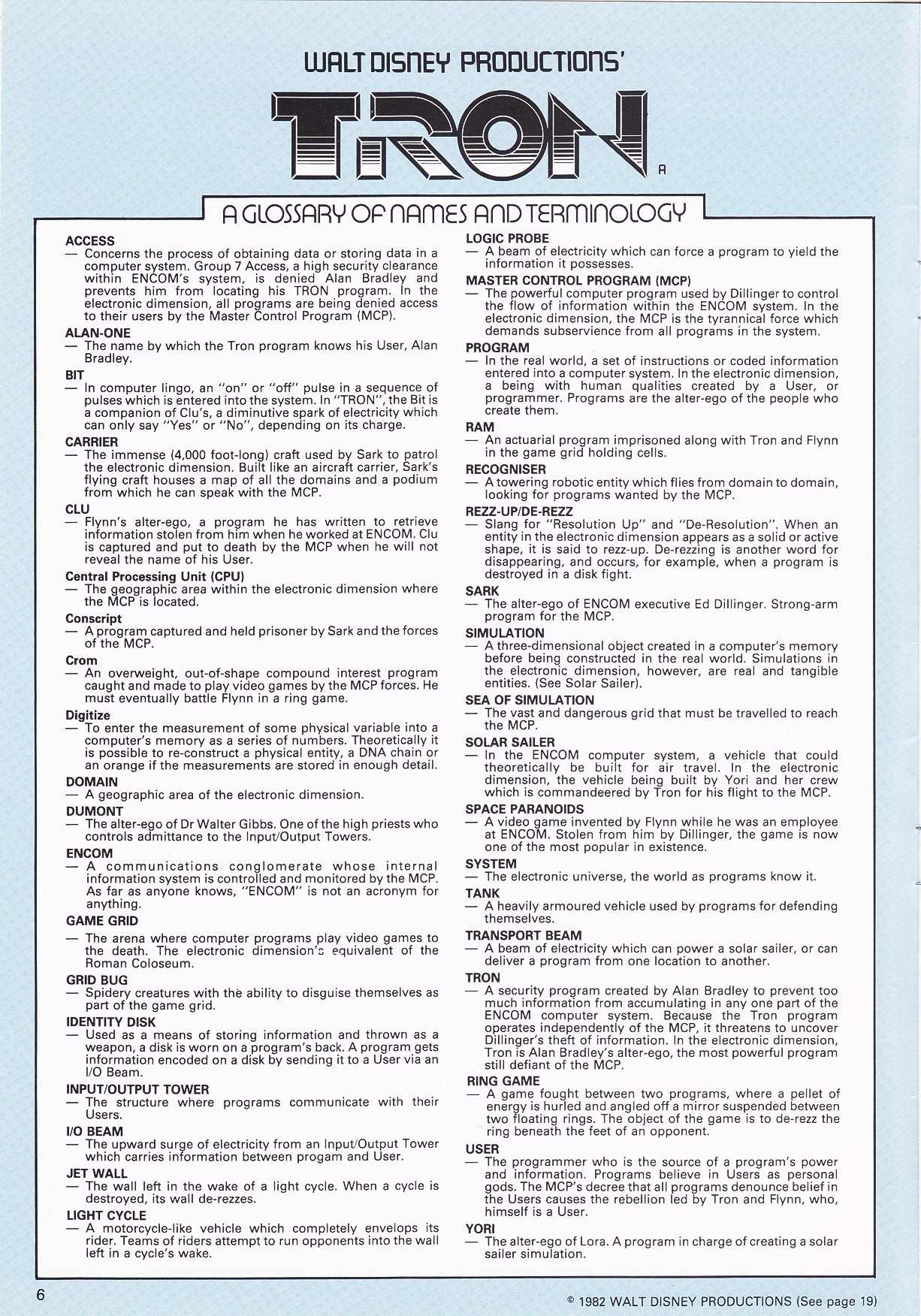
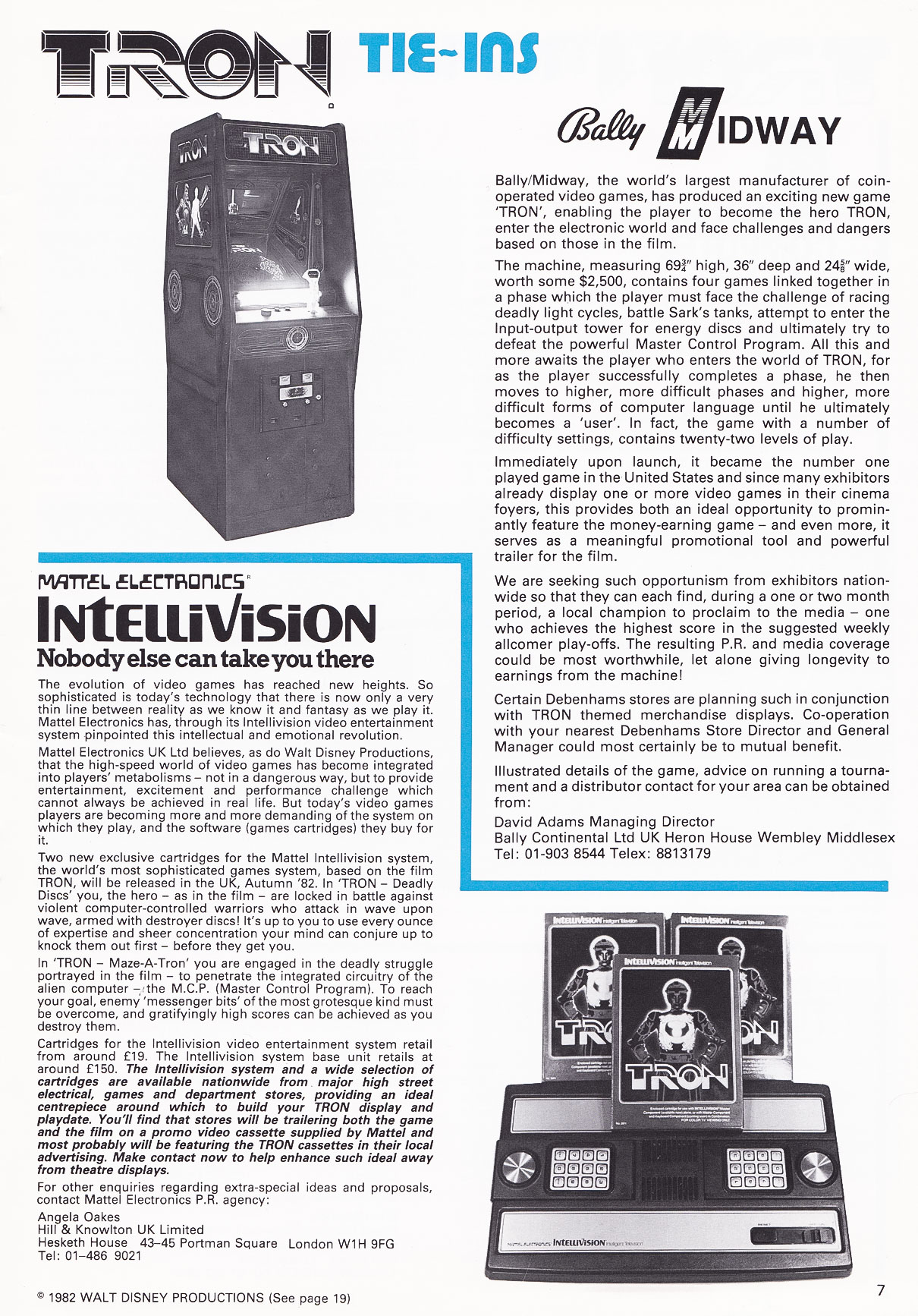
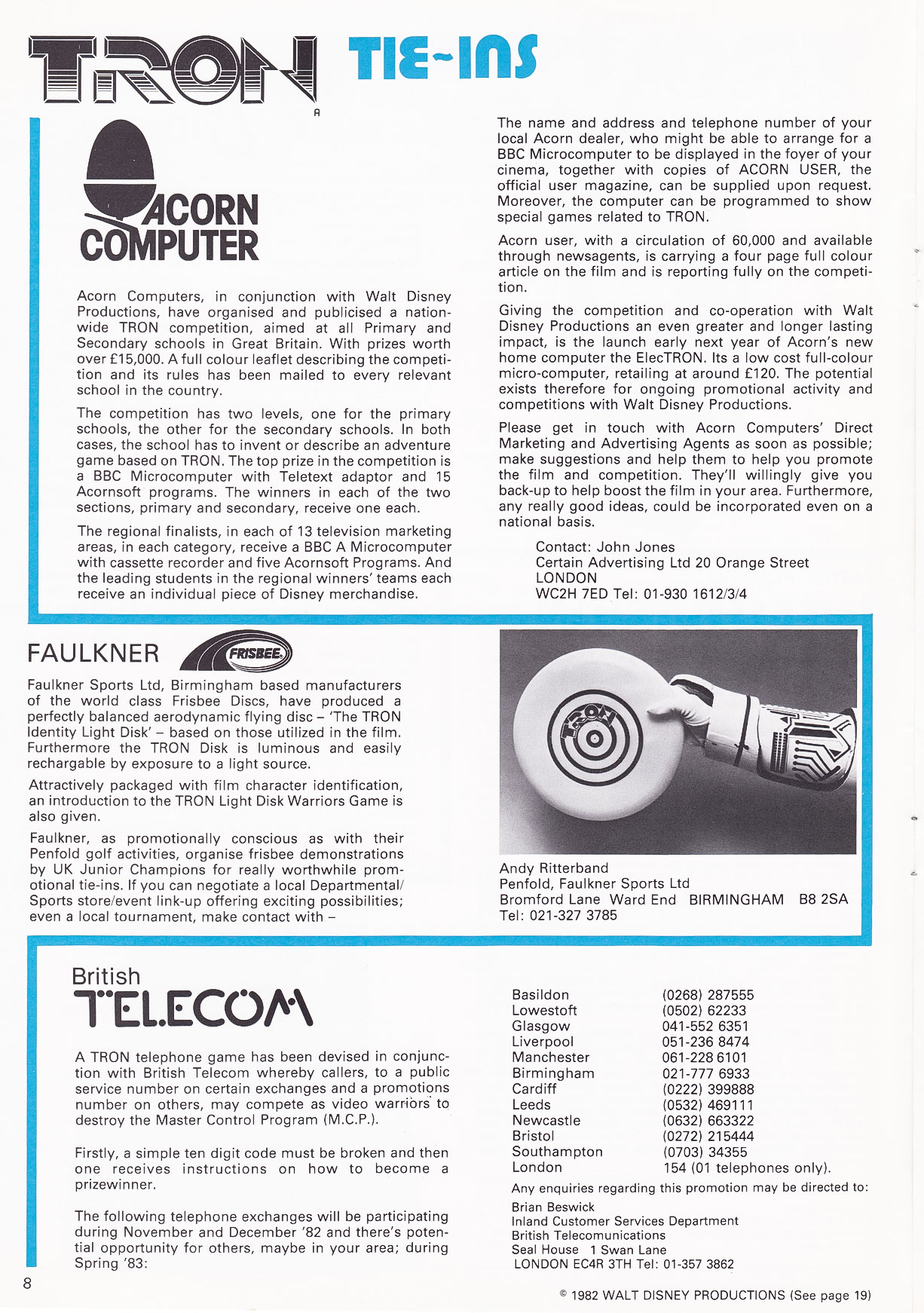
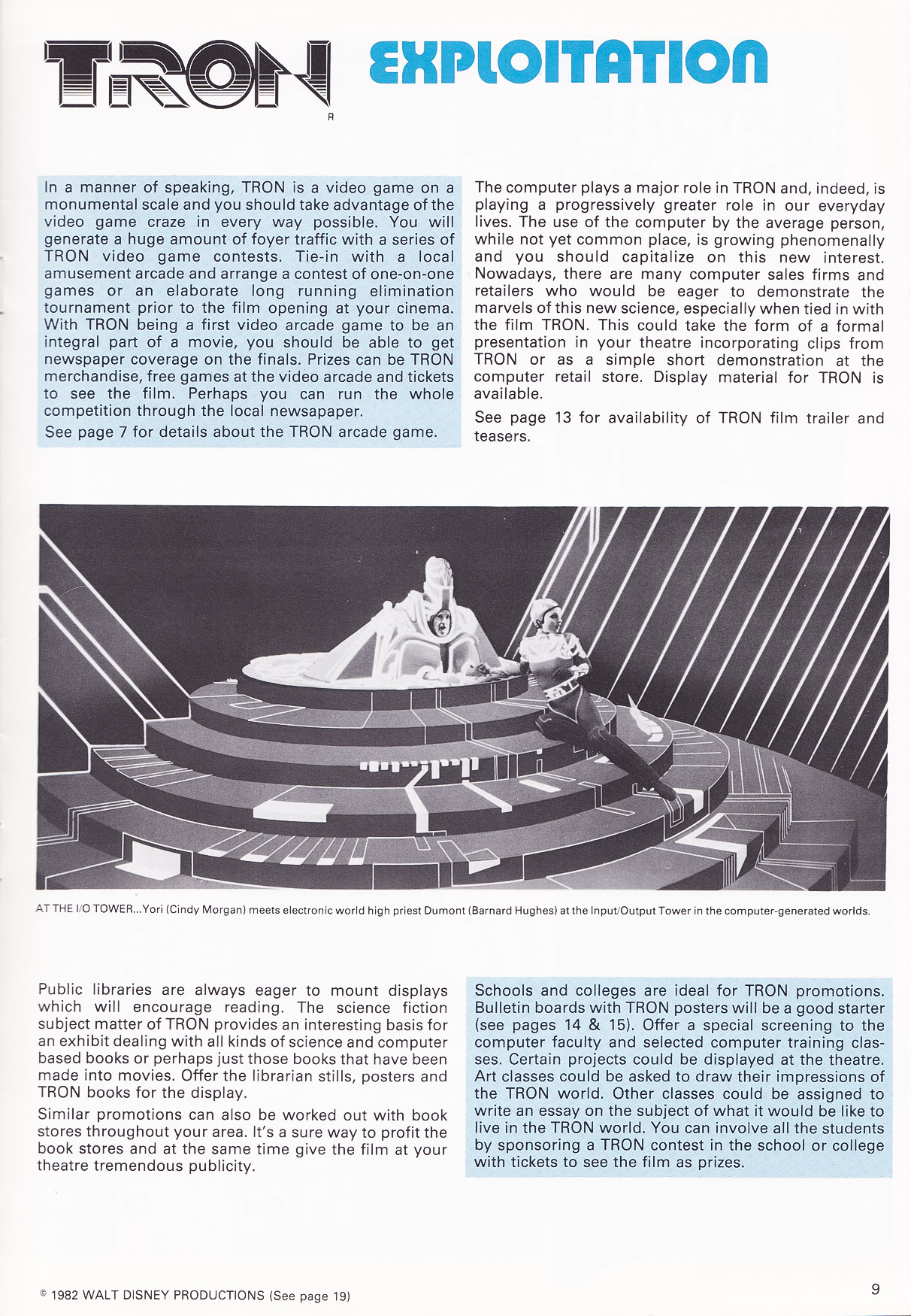
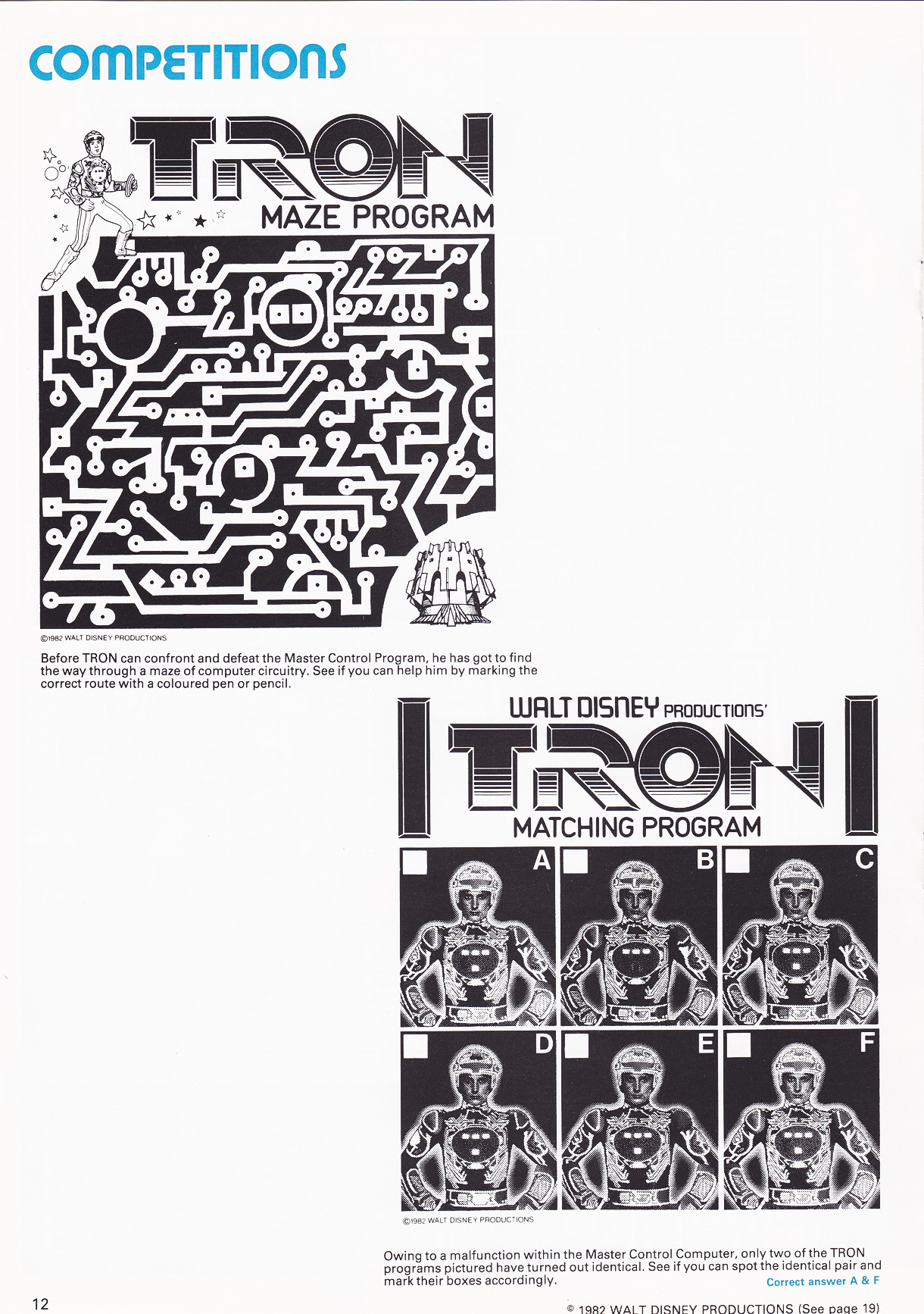
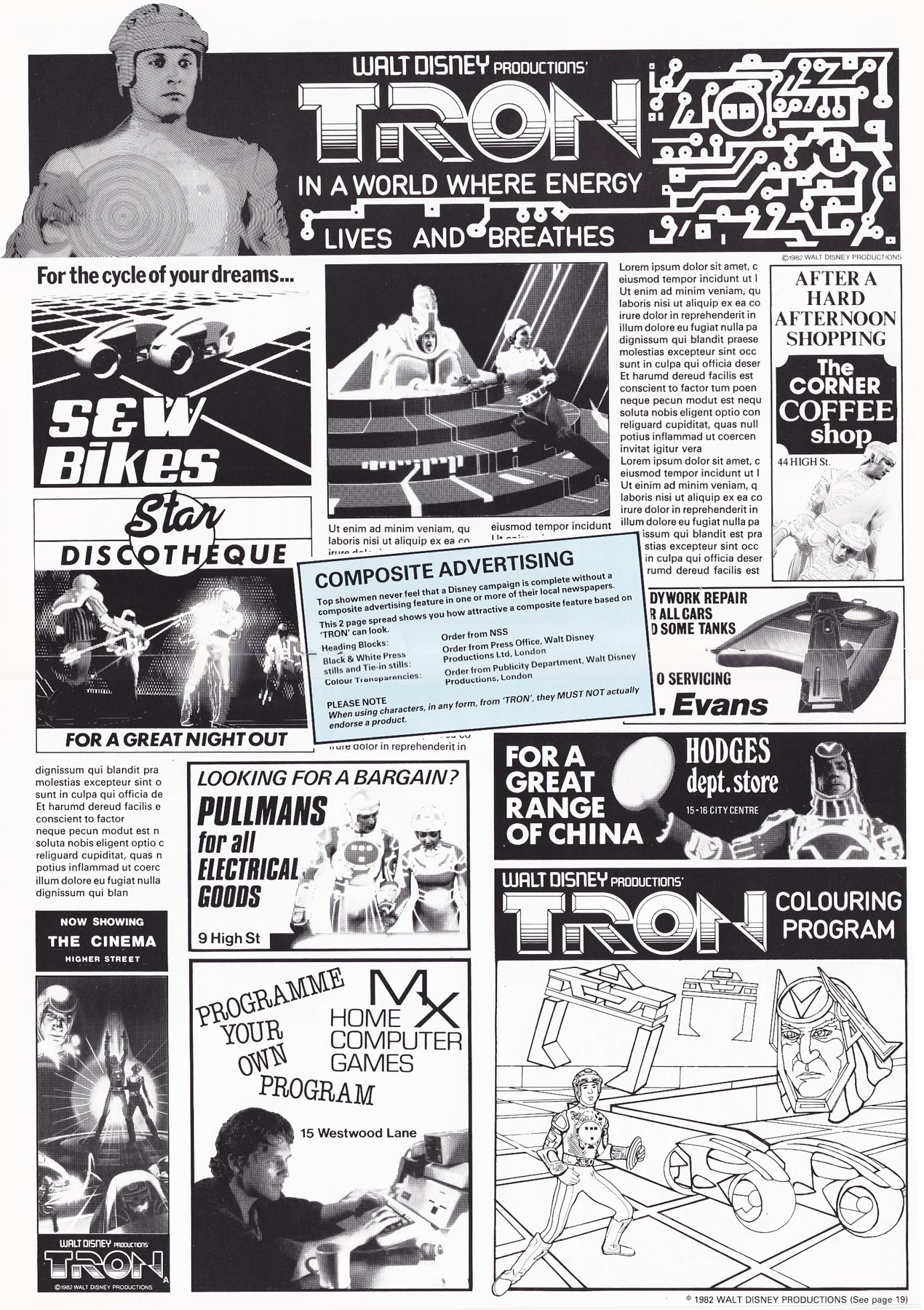
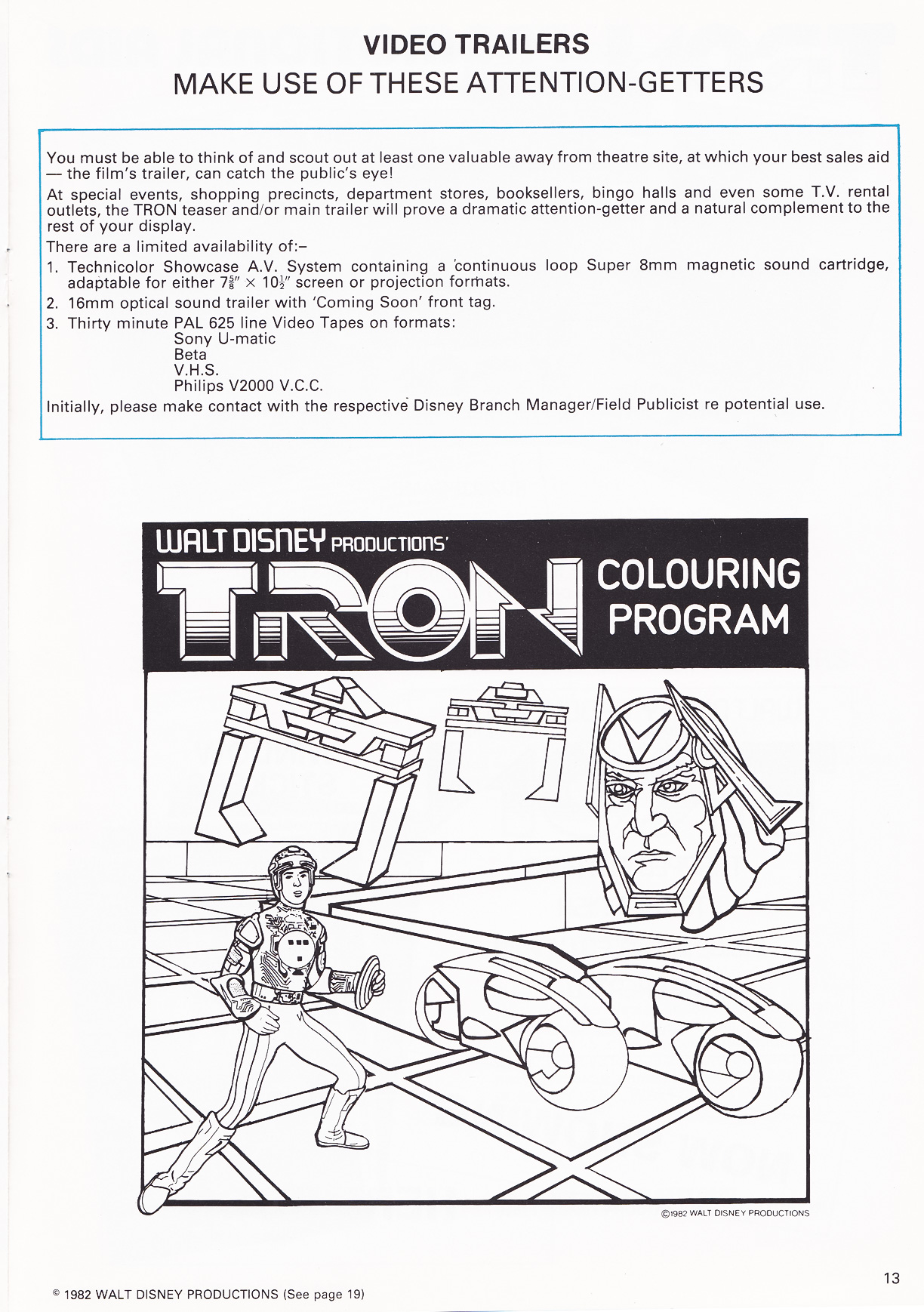
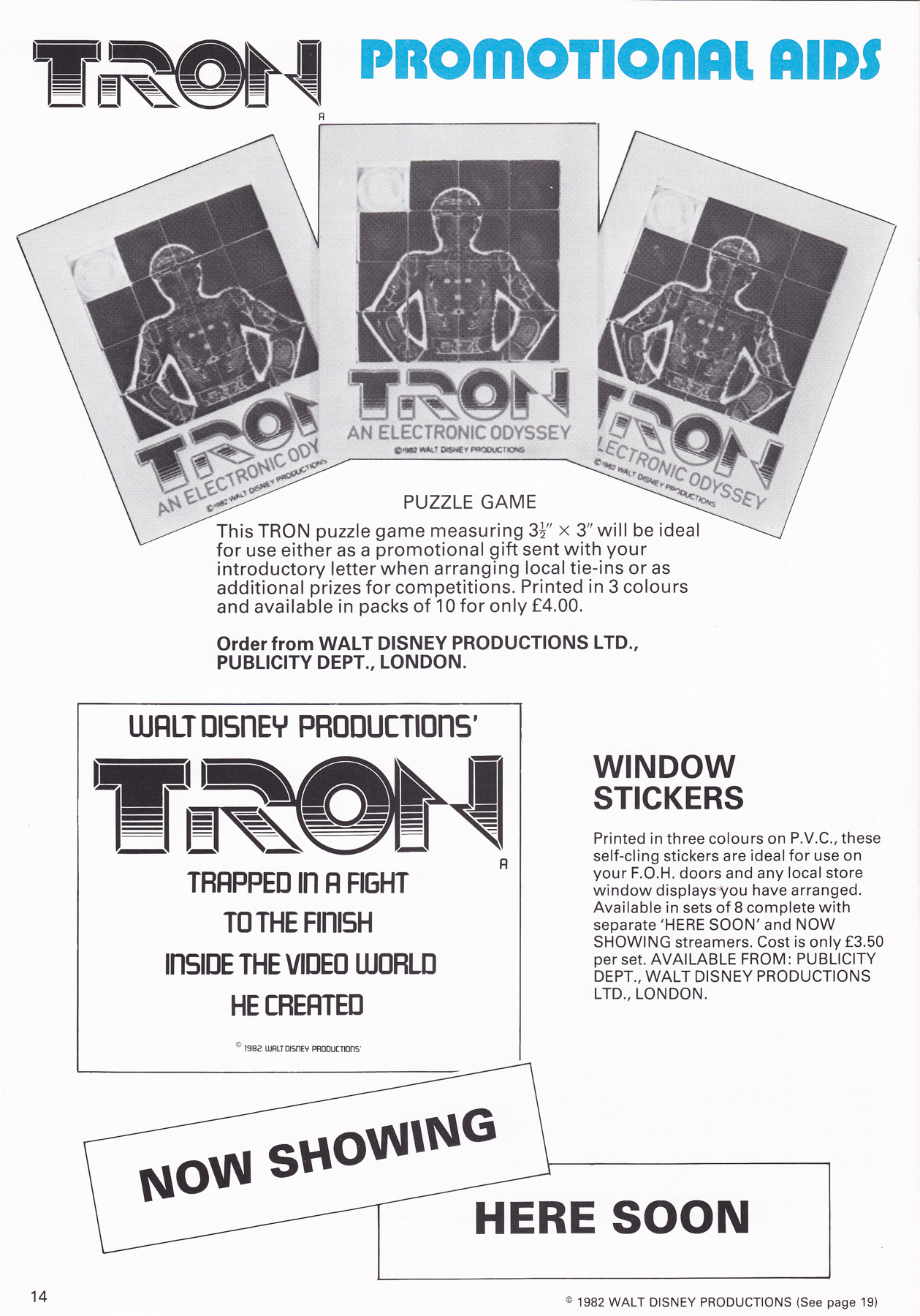
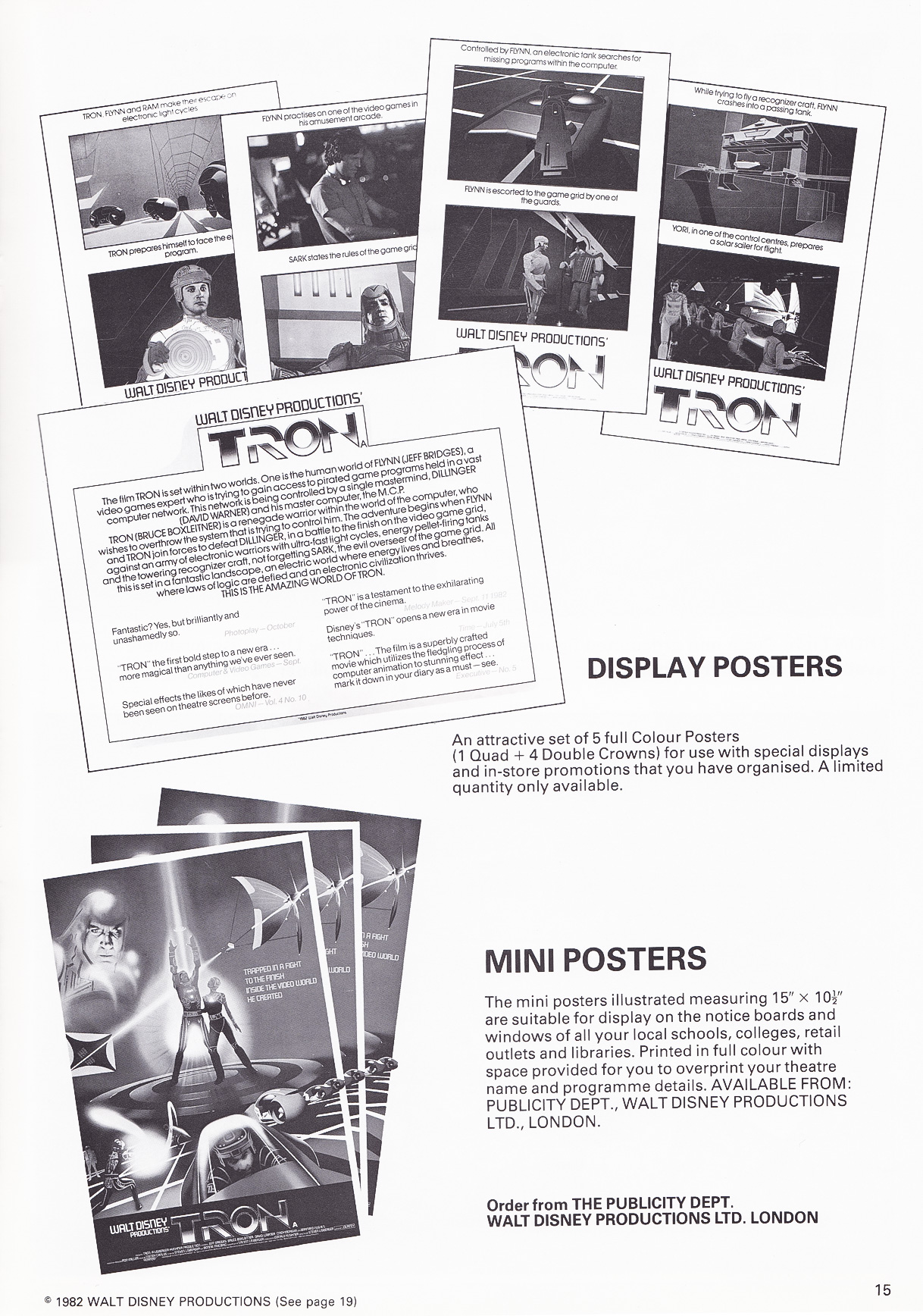
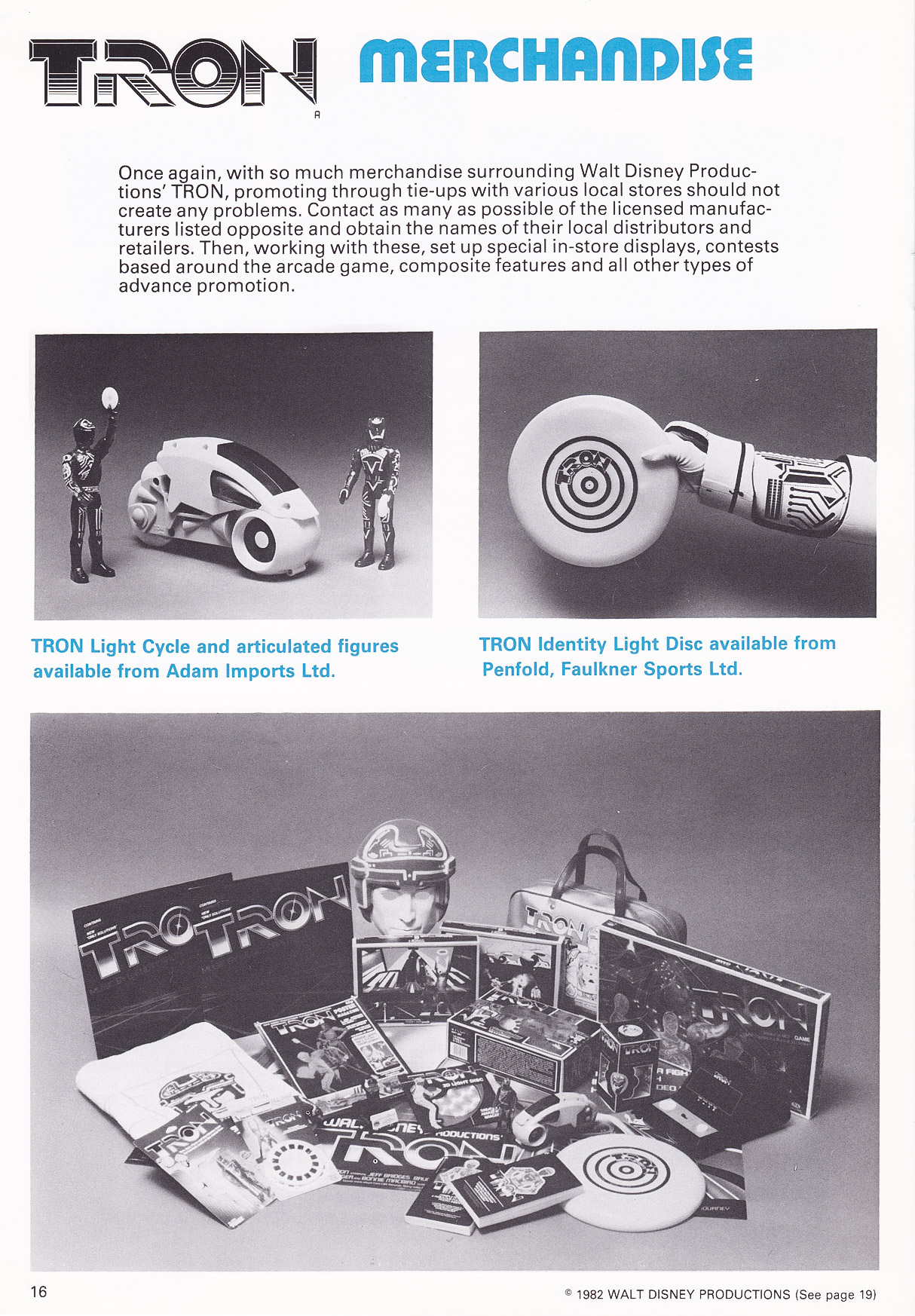
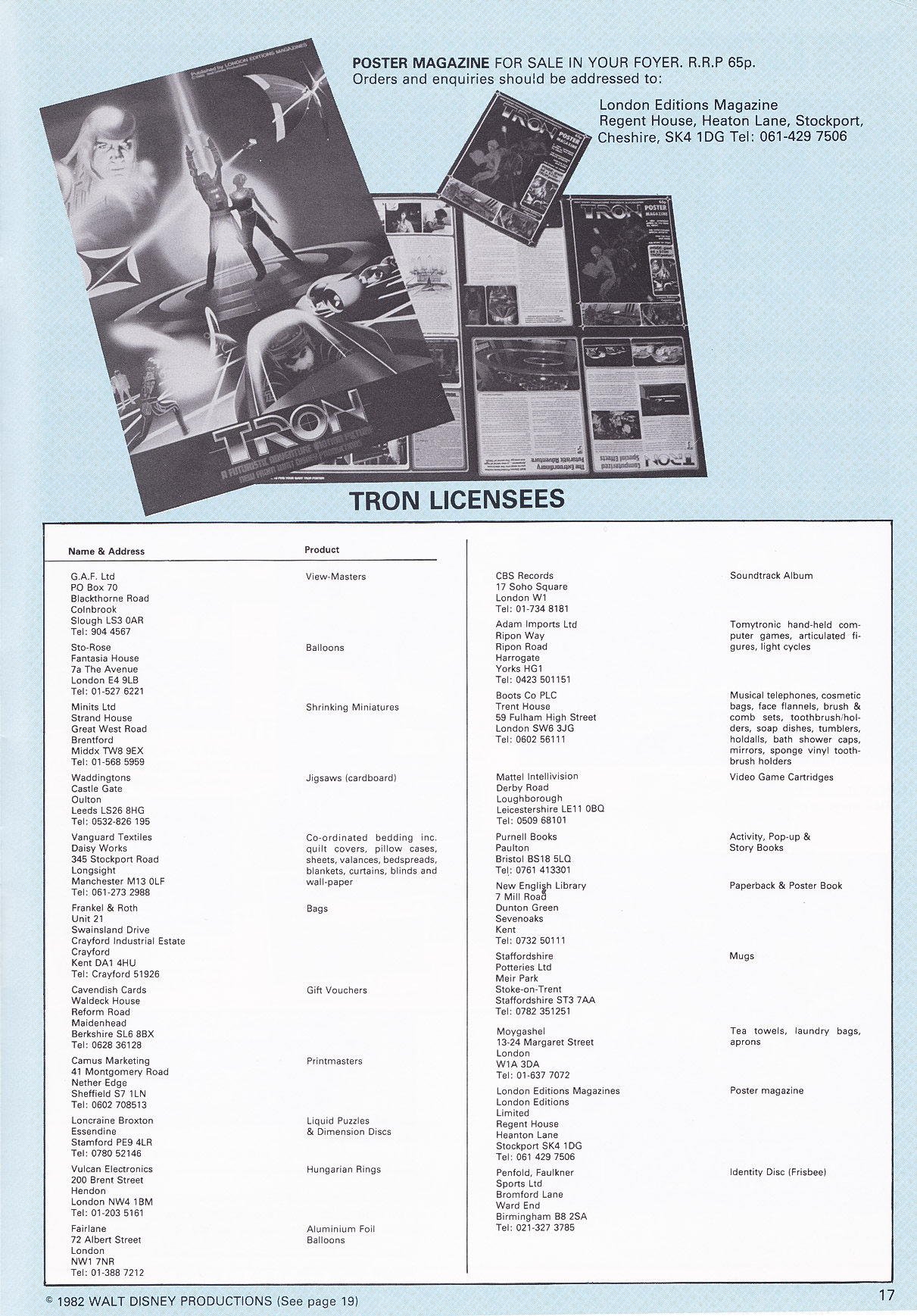
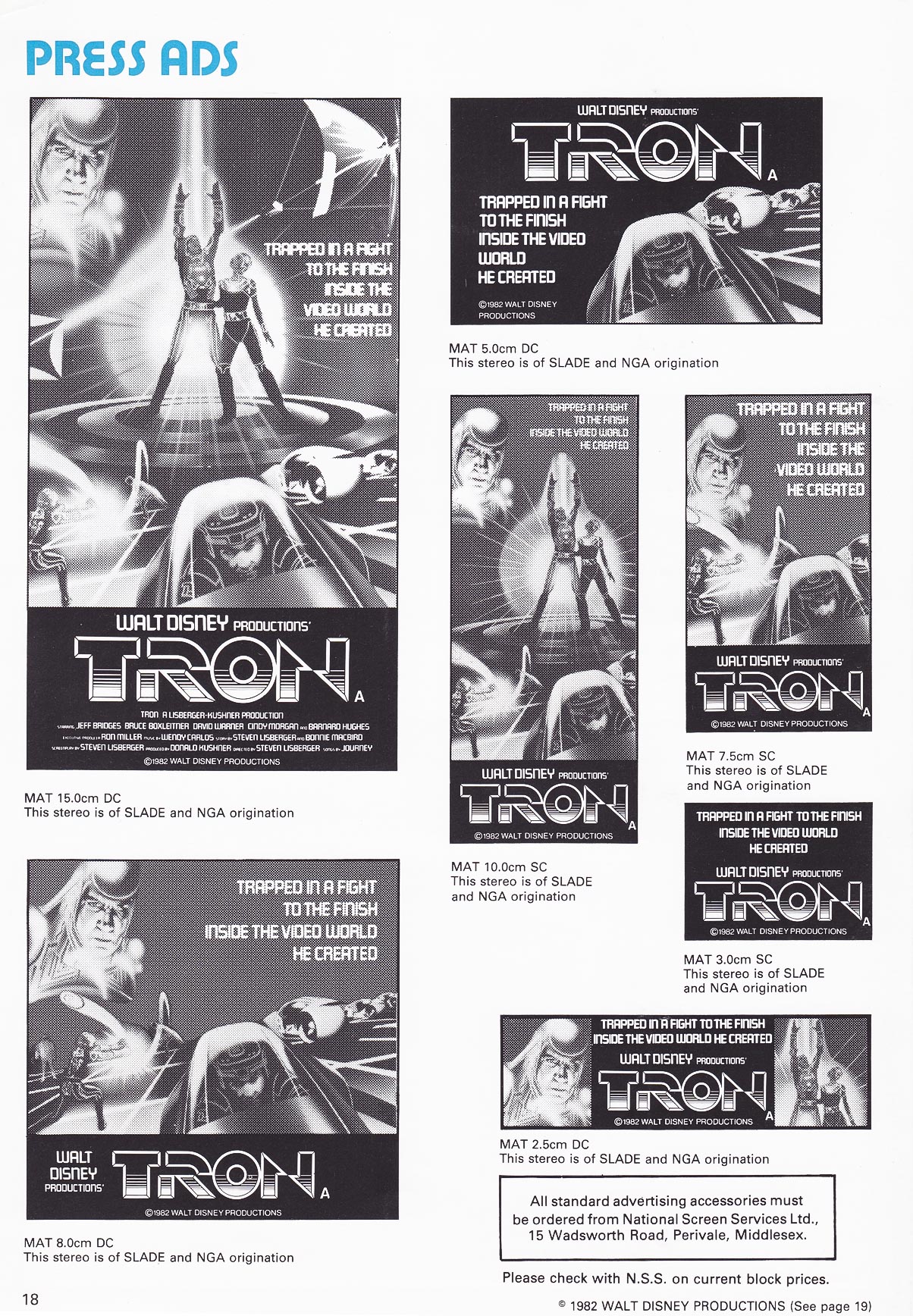
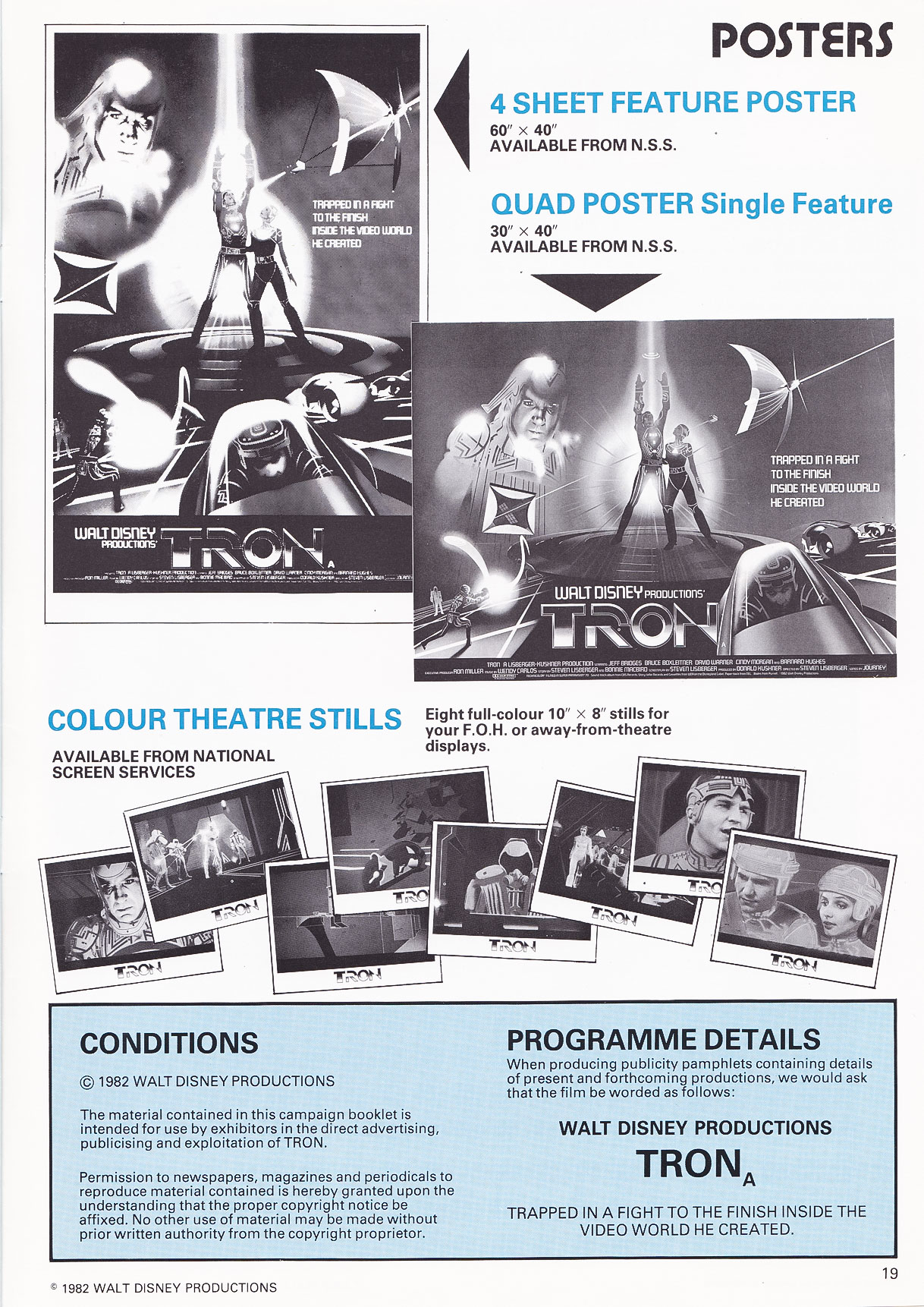
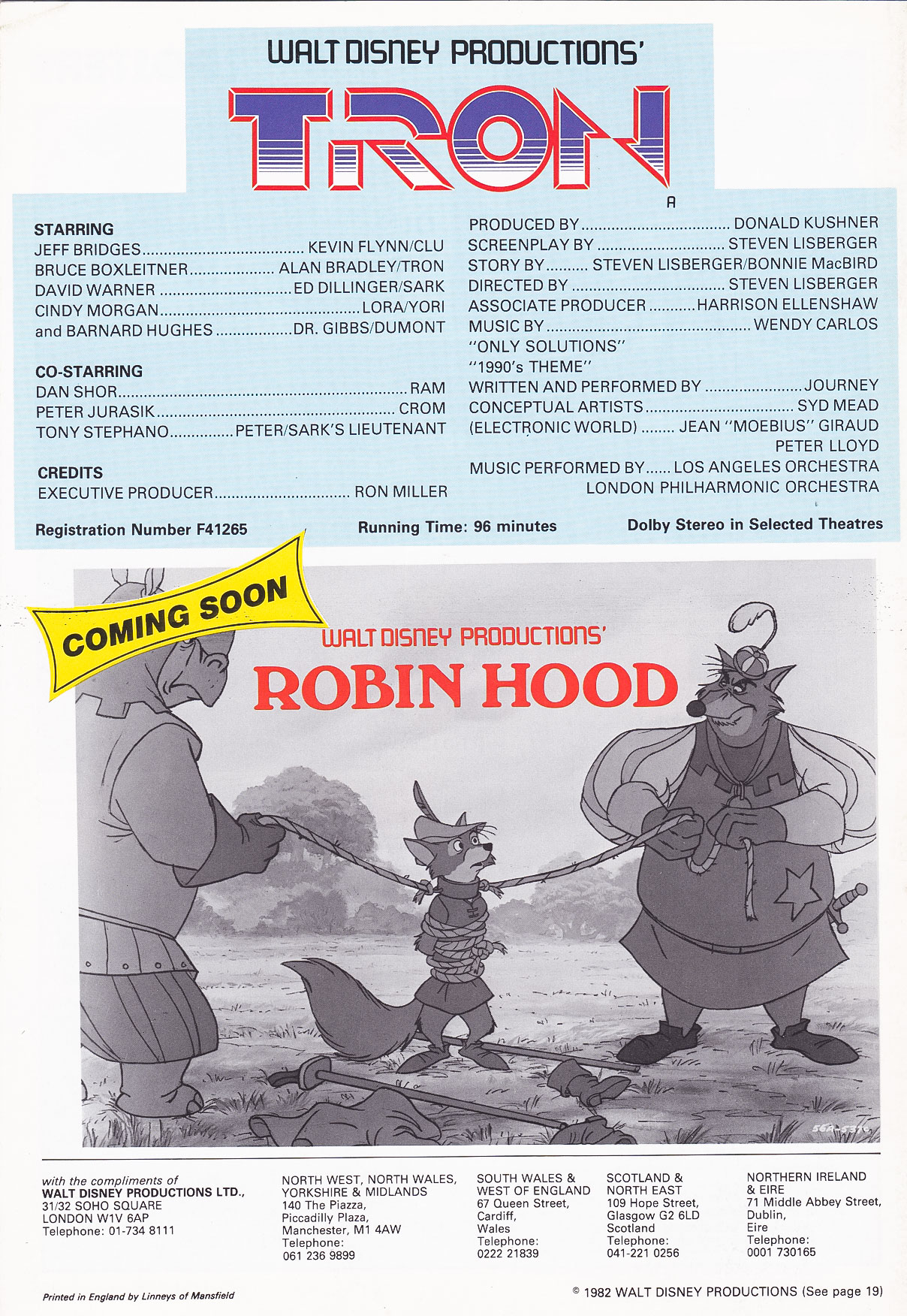
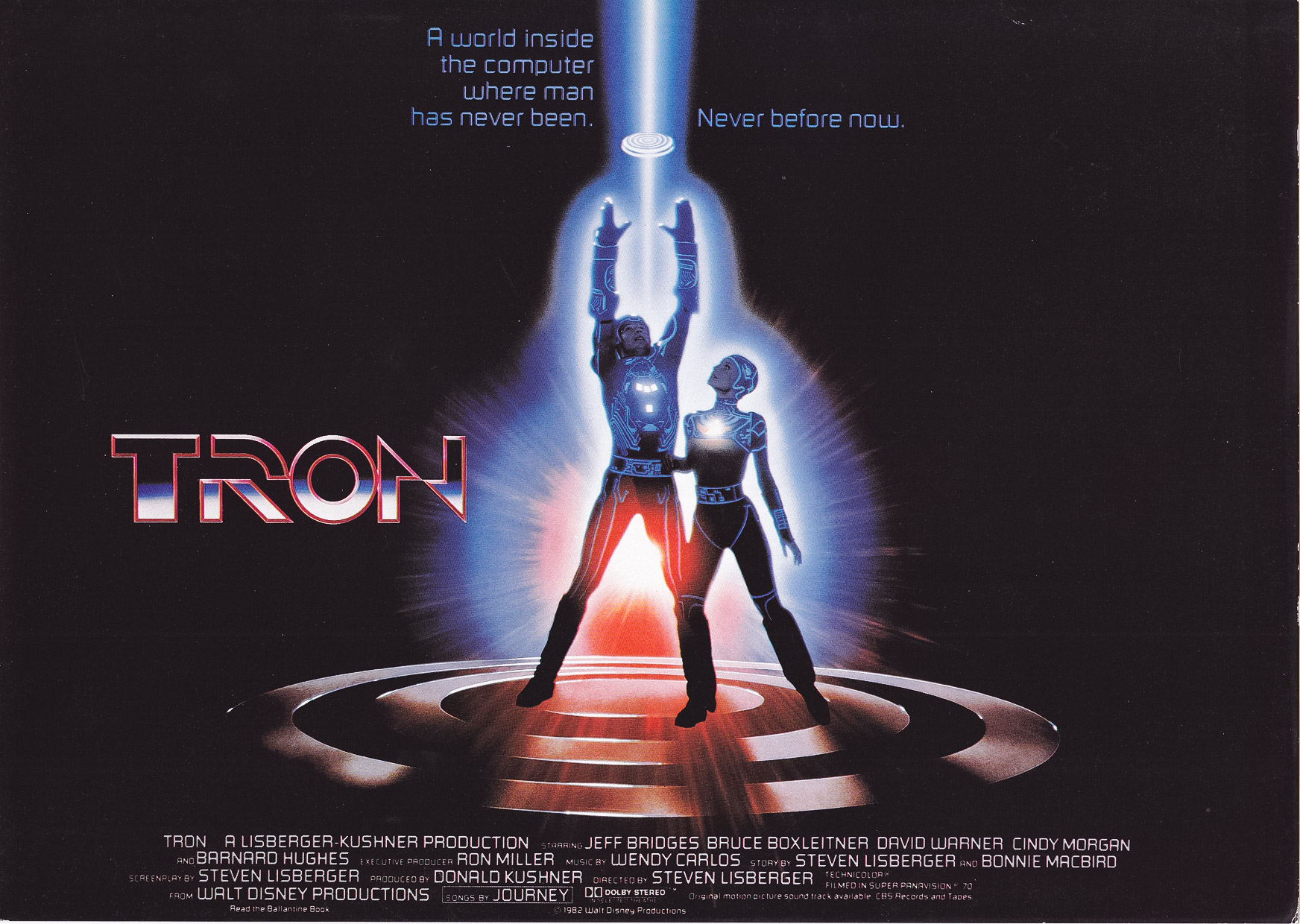
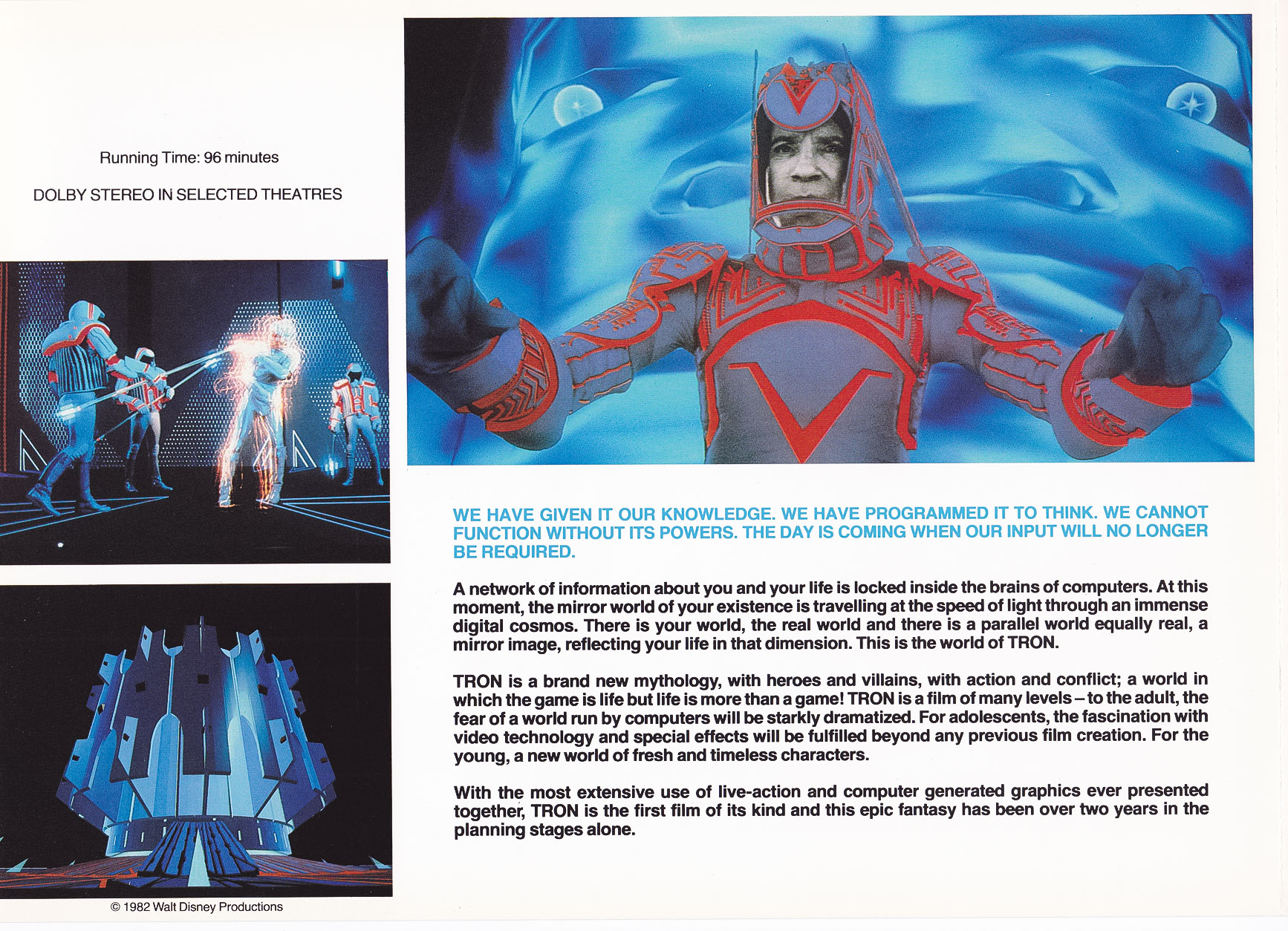
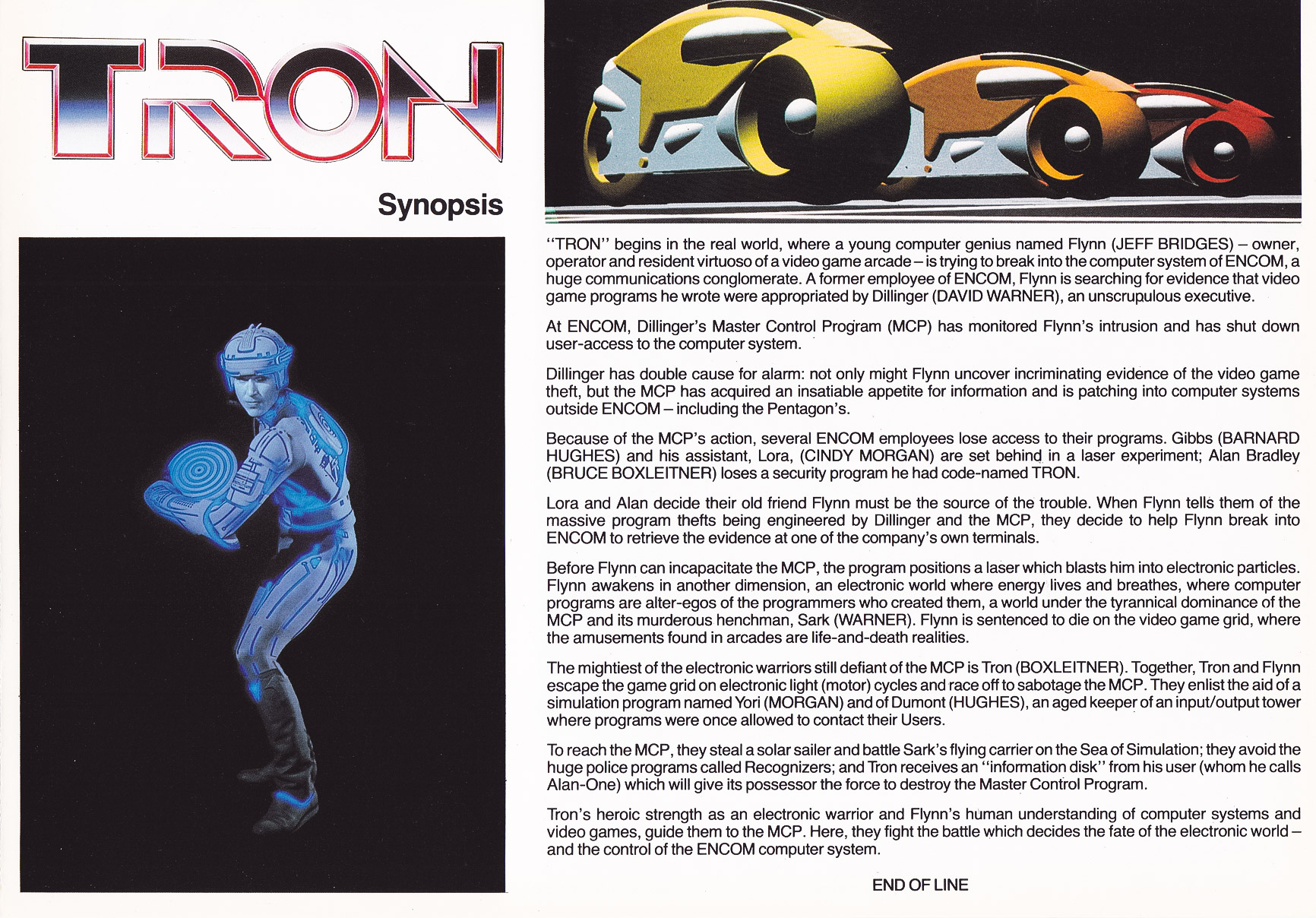
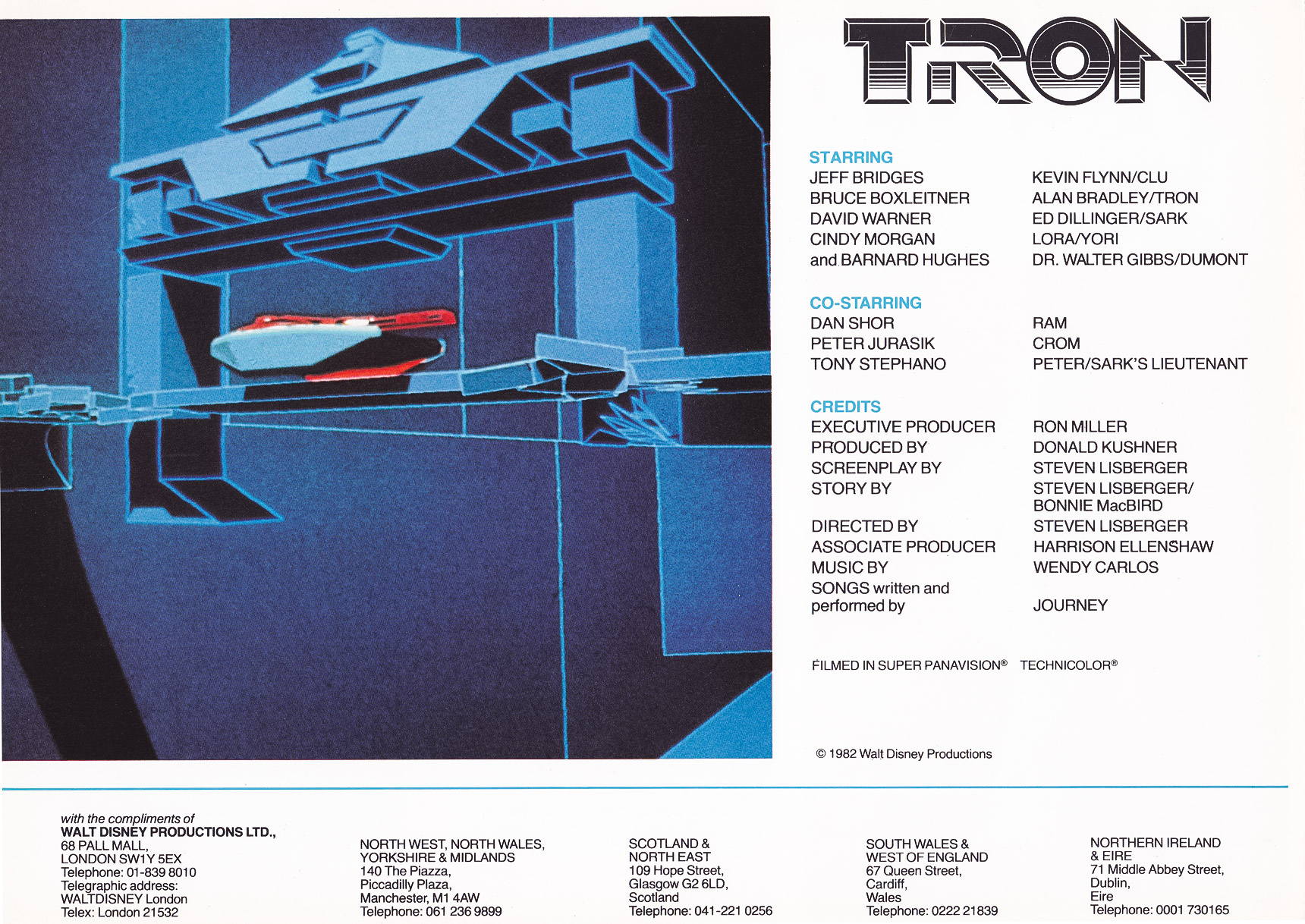
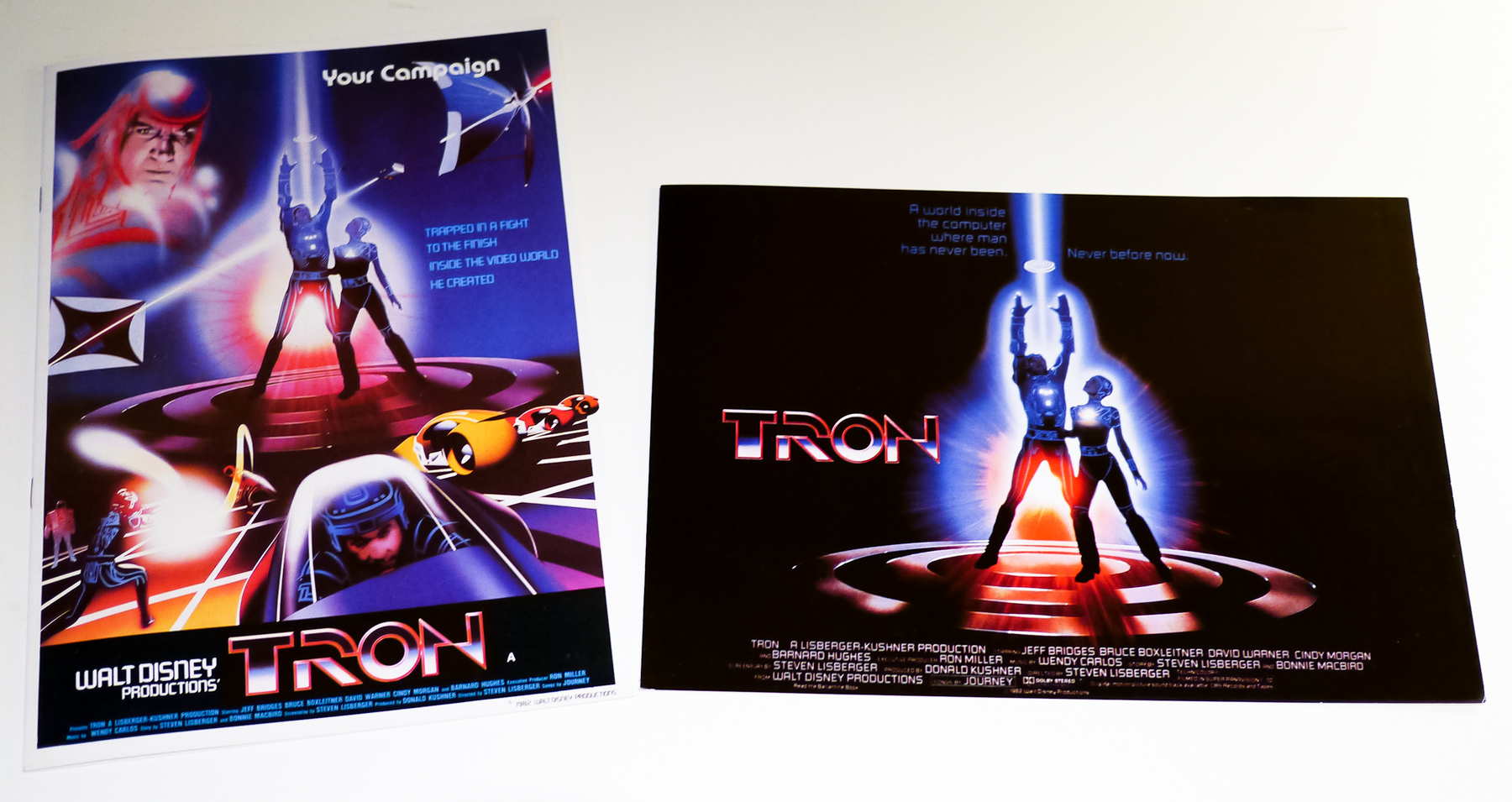
Another non-poster addition to the site, this is the original UK marketing campaign book and synopsis document for the sci-fi classic Tron. The campaign book was sent out to cinema managers, newspaper and magazine staff, and other entities who would have been involved in the marketing of the film back in 1982.

There are some truly great historic gems contained within the book and I’m sure it’ll bring back memories for many folks who were around at the time of the original release. Of particular note is the ‘tie-ins’ section that features several promotional products launched alongside the film. The central page (pictured to the left) is a suggestion of how an editor might layout an advertising campaign and features all manner of strange imagined adverts that have absolutely no link to a film like Tron whatsoever!

Also check out the merchandise section; it looks like Tron had some great swag launched along with it. The poster section shows the printed material that would have been available to cinema managers to display. I have the original UK quad for Tron, which can be viewed here.

I’ve also scanned the original synopsis brochure for the film.

Dark Star / quad / style B / UK

24.10.12

Poster Poster
Title
Dark Star
AKA
--
Year of Film
1974
Director
John Carpenter
Starring
Dan O'Bannon, Brian Narelle, Cal Kuniholm, Dre Pahich
Origin of Film
USA
Genre(s) of Film
Dan O'Bannon, Brian Narelle, Cal Kuniholm, Dre Pahich,
Type of Poster
Quad
Style of Poster
Style B
Origin of Poster
UK
Year of Poster
1978
Designer
Tom Chantrell | Mike Wheeler
Artist
Tom Chantrell
Size (inches)
30" x 40"
SS or DS
SS
Tagline
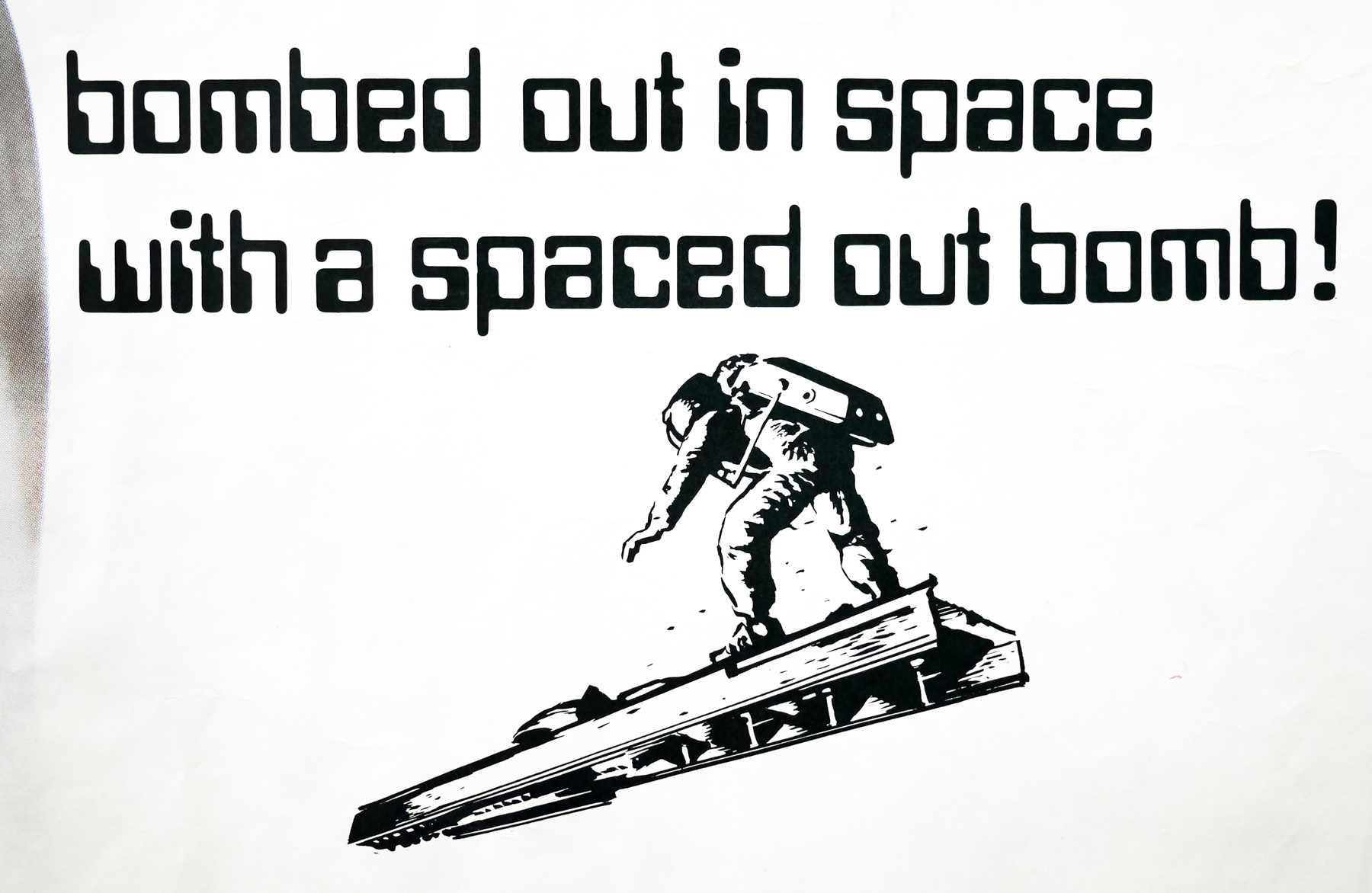
Bombed out in space with a spaced-out bomb!

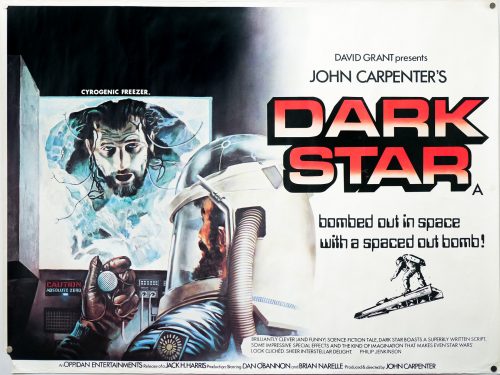
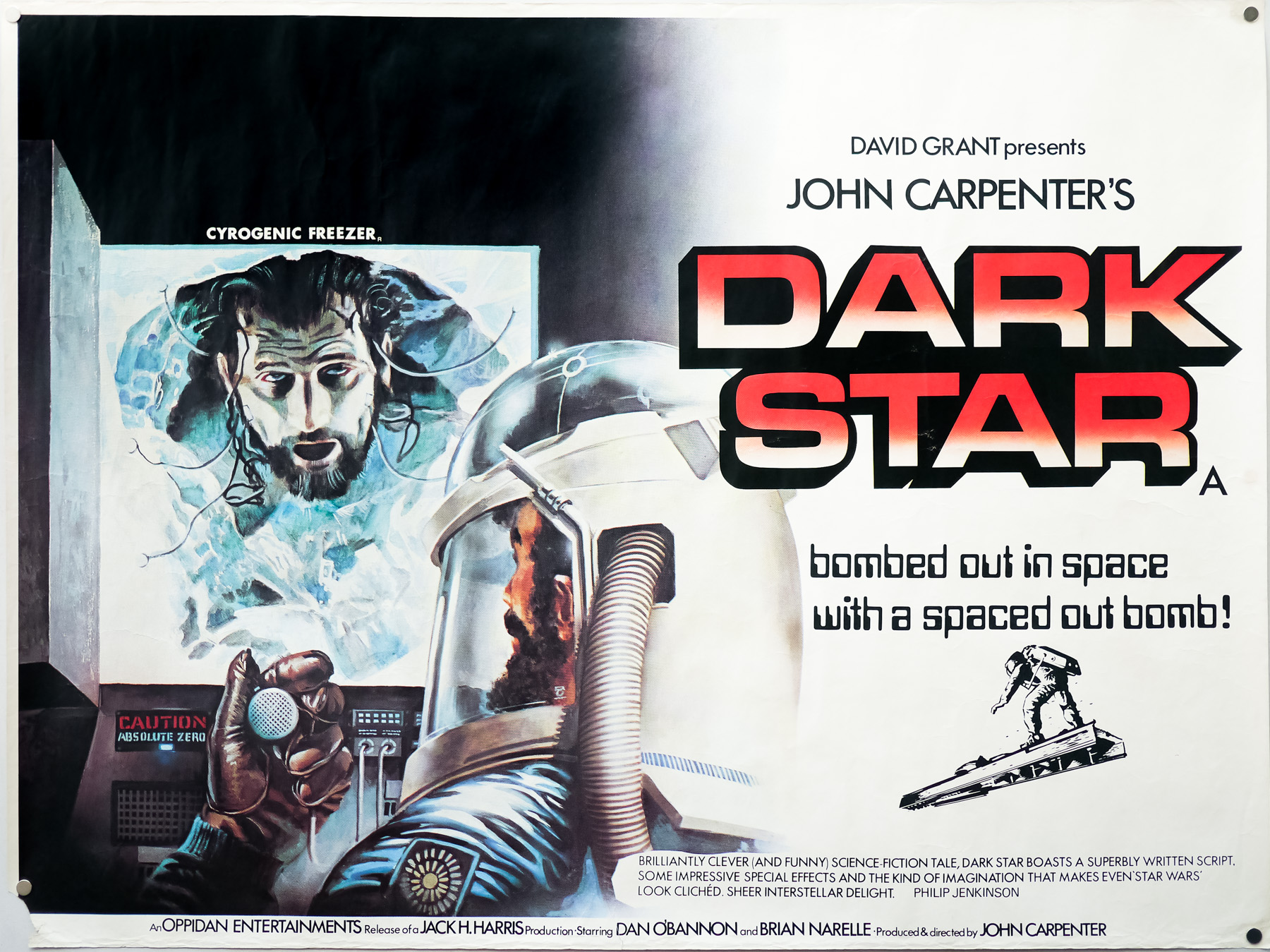
This is the rarely seen alternative style UK quad for the release of ace director John Carpenter‘s first film, Dark Star. This sci-fi comedy was made over a period of several years whilst Carpenter was a student at the famous USC School of Cinematic Arts in California, which counts hundreds of well known directors, producers and screenwriters amongst its alumni. Made in collaboration with his friend and fellow student Dan O’Bannon, the shoestring budget (reportedly just $60,000) meant that the pair were multitasking throughout the shoot, with Carpenter co-writing the screenplay, directing, producing and writing the score, whilst O’Bannon shared the screenwriting duties as well as acting and working on the special effects.

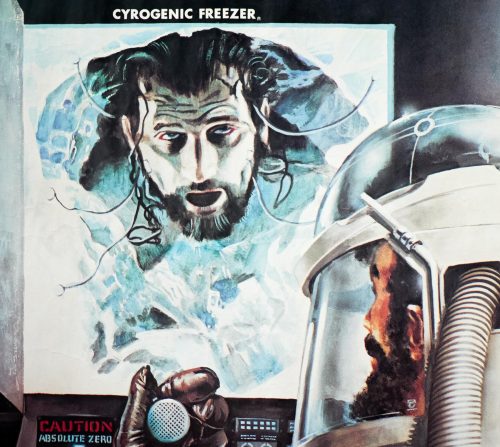
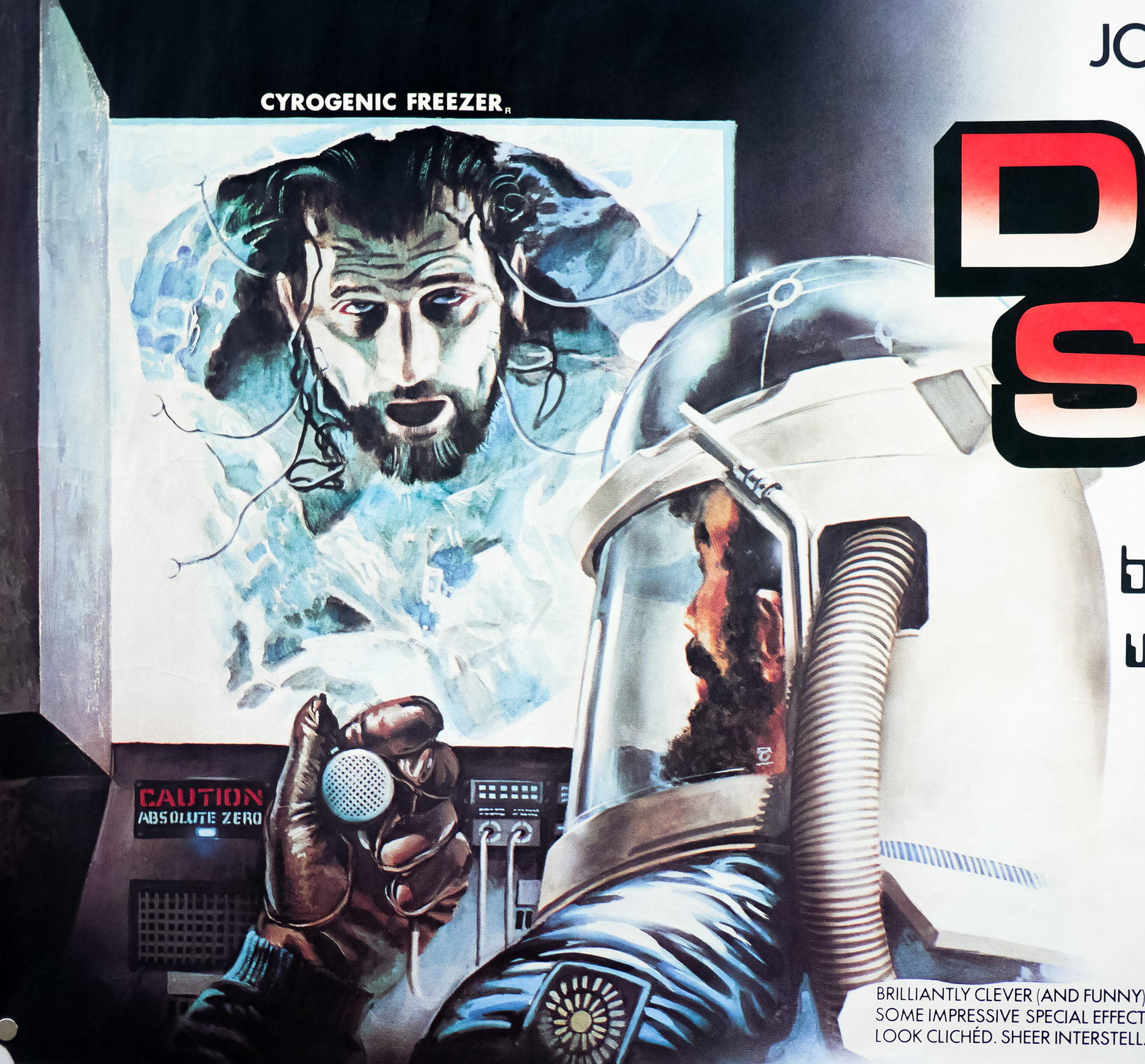
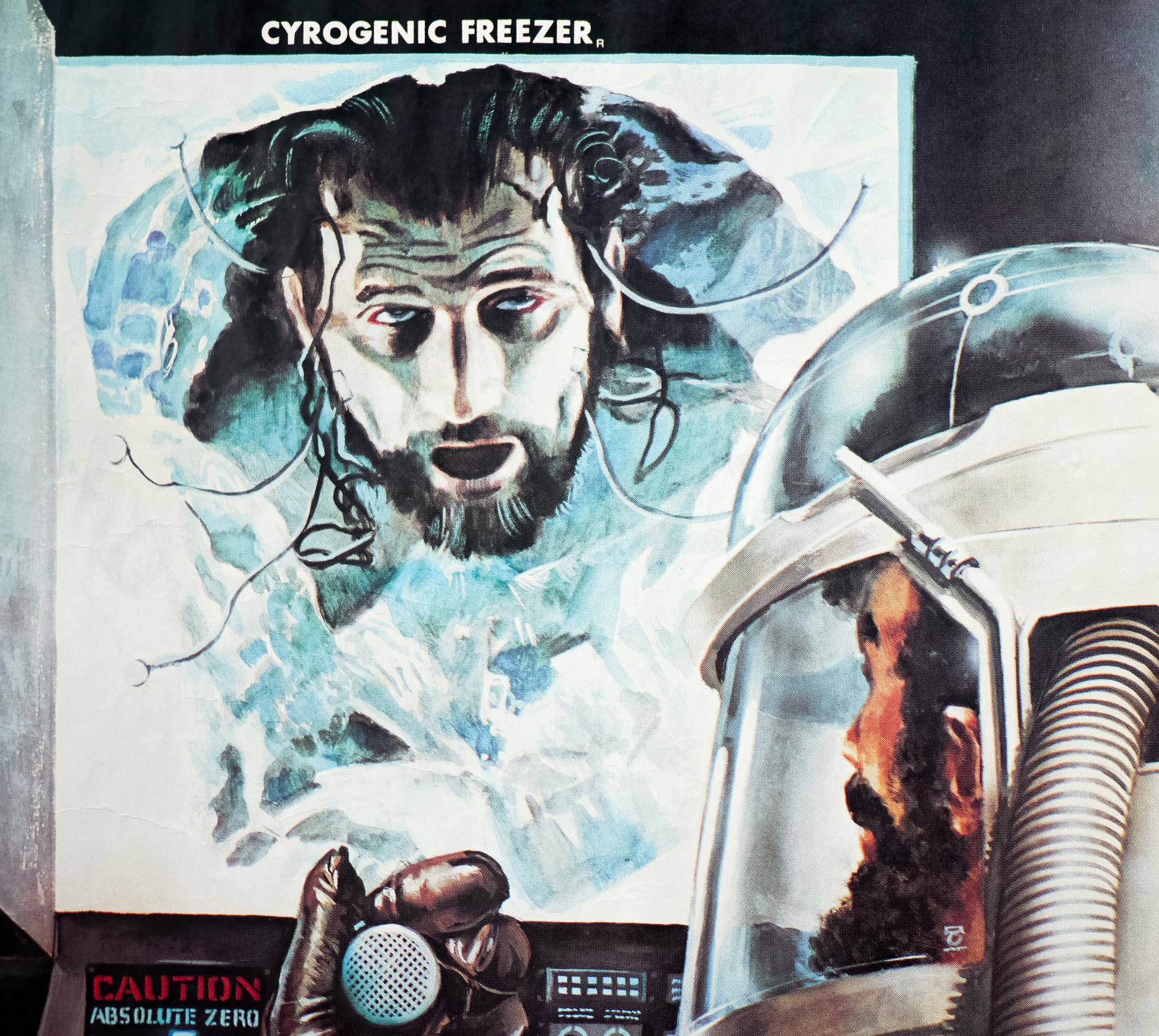
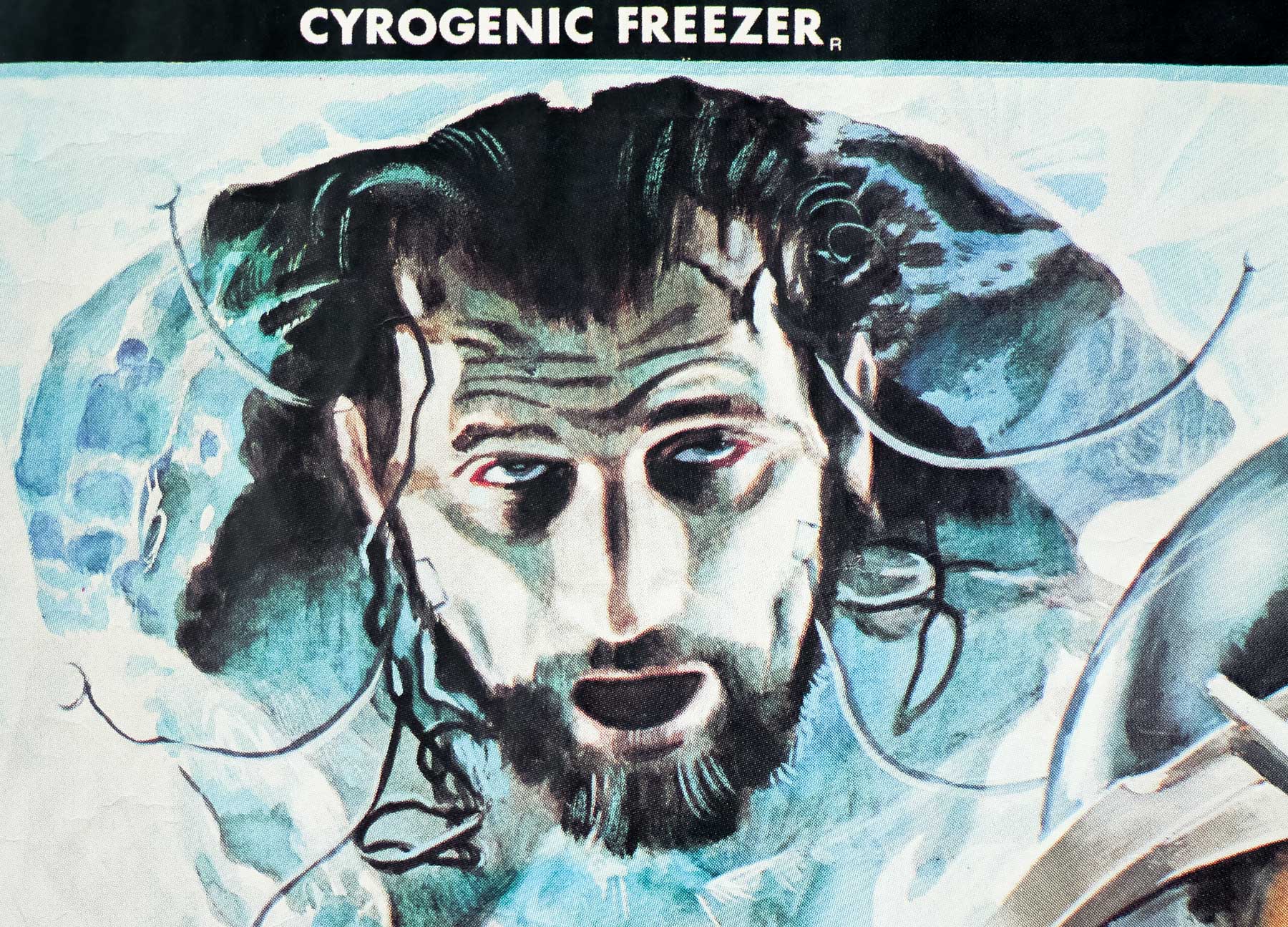
The film follows the exploits of the spaceship Dark Star, an exploratory vessel traveling through space looking for unstable planets to blow up with giant bombs, clearing the way for space colonisation. The small crew has to deal with malfunctioning equipment (including the fact that their last supply of toilet paper was destroyed), a mischievous mascot alien, and a sentient bomb that must be persuaded not to destroy the ship by giving it a rudimentary lesson in phenomenology. As depicted on this poster the crew are also keeping the dead body of their captain in freezer storage and are able to speak directly with his conscious. The film is often credited as the first sci-fi to explore the mundanity of working in space.

After playing successfully in a series of short film festivals, the film was seen by the producer Jack H. Harris who was known for launching the careers of fledgling filmmakers, including John Landis whose first feature Schlock was shepherded onto the screen by the producer. Carpenter and O’Bannon were given budget to expand the short into a feature, and several new sequences were added before its eventual release in 1974. The film opened on a significant number of screens considering its origins but left audiences confused, particularly since it came out of nowhere with a brief marketing campaign that made the film seem like a dark and serious sci-fi. Despite being a box-office flop, the film would later gain a great cult following once it was released onto VHS in the 1980s.

Dan O’Bannon went on to work on the special effects for George Lucas’ Star Wars, as well as further exploring the idea of ‘workers in space’ in his script for Ridley Scott’s Alien. Carpenter would next direct the taught thriller Assault on Precinct 13 (1976), which saw international success and firmly established him as a director, paving the way for his milestone horror film, Halloween (1978).

The film was not actually released in the UK until 1978 and, for reasons unknown, it was given two quad designs; the more common ship version (what I’m calling style A) and this ‘freezer’ version (style B). As anyone who has seen Dark Star will know the situation depicted on this poster is slightly different in the film; the crew member speaking to the captain without wearing a spacesuit. Both quads were designed and illustrated by the late, great British artist Tom Chantrell whose dynamic and colourful designs featured on hundreds of posters over a forty year period. His official website features a great biography written by Sim Branaghan, author of the must-own British Film Posters.

This poster features in the book and Sim notes that this design was done by Chantrell on a freelance basis for the marketing agency Mike Wheeler Publicity, with the eponymous owner likely having had a certain amount of design input into it. The book features plenty of detail on the agency and its history. The fact that this was released in 1978 explains the reason it sports a press-quote that mentions the sci-fi classic Star Wars, released a year earlier, and with a poster also painted by Chantrell (arguably his most famous illustration).

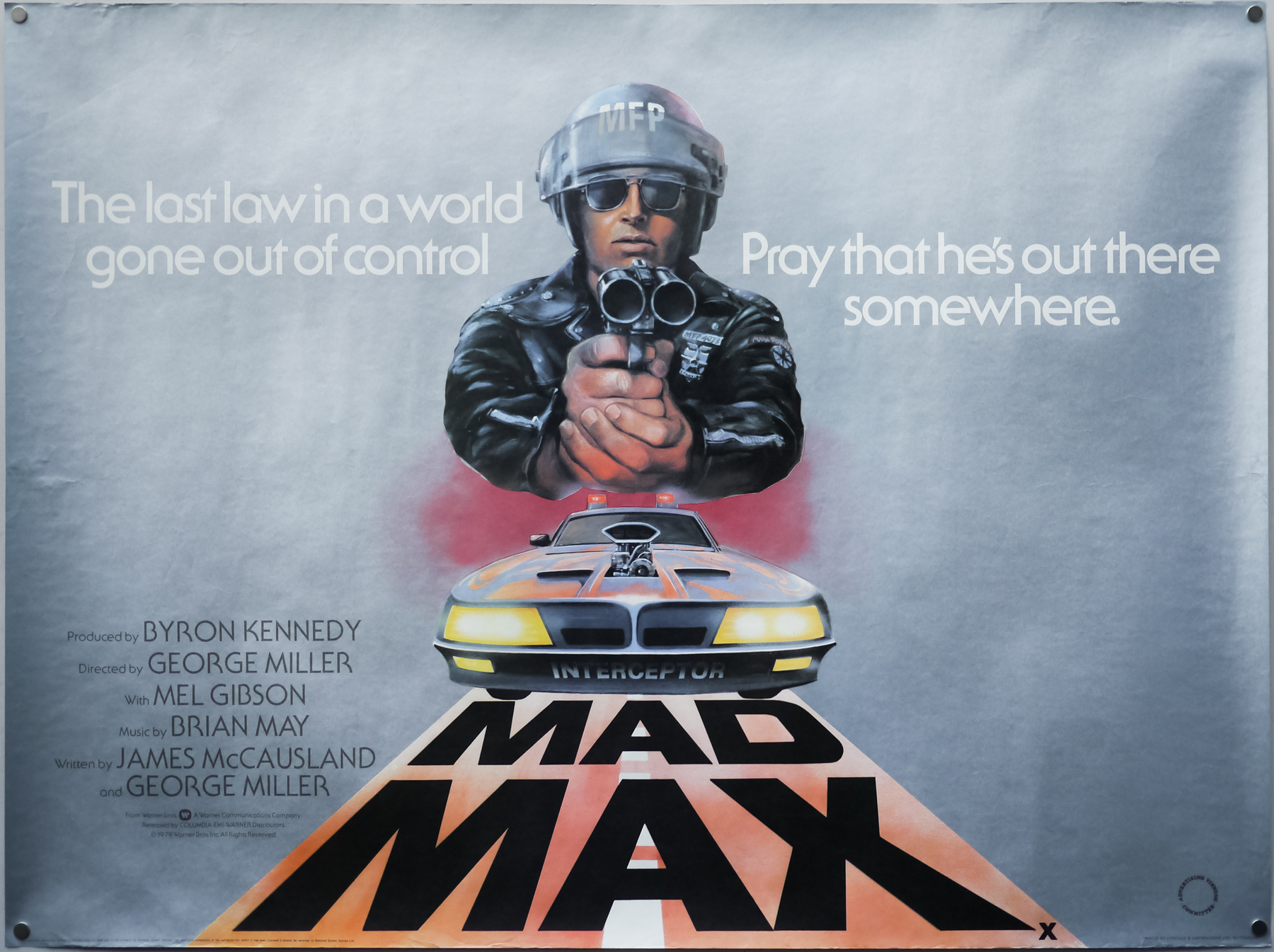
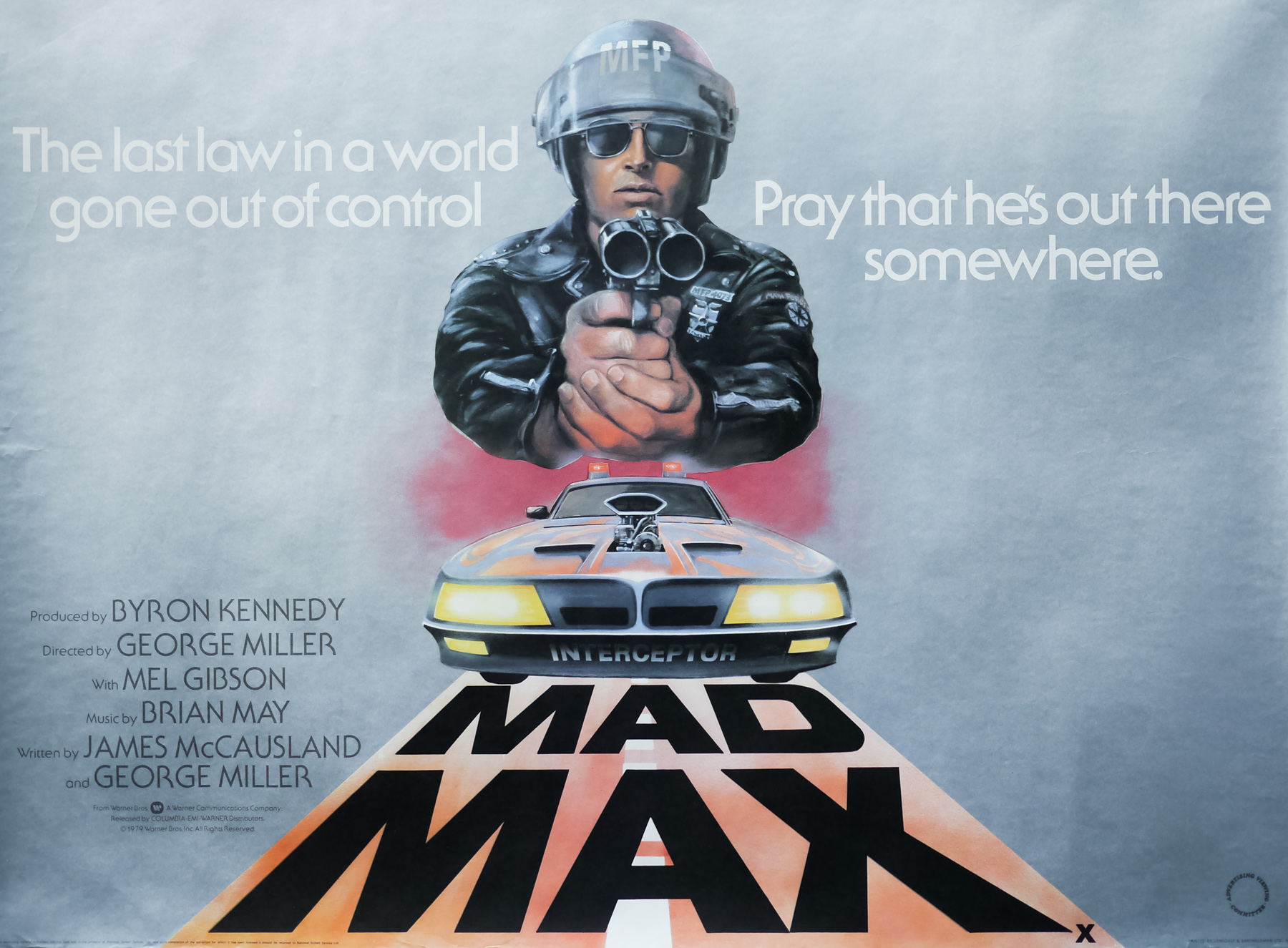
Mad Max / quad / UK

17.12.12

Poster Poster
Title
Mad Max
AKA
Interceptor (Italy)
Year of Film
1979
Director
George Miller
Starring
Mel Gibson, Steve Bisley, Joanne Samuel, Hugh Keays-Byrne, Tim Burns, Geoff Parry
Origin of Film
Australia
Genre(s) of Film
Mel Gibson, Steve Bisley, Joanne Samuel, Hugh Keays-Byrne, Tim Burns, Geoff Parry,
Type of Poster
Quad
Style of Poster
--
Origin of Poster
UK
Year of Poster
1979
Designer
Tom Beauvais
Artist
Tom Beauvais
Size (inches)
30" x 39 15/16"
SS or DS
SS
Tagline
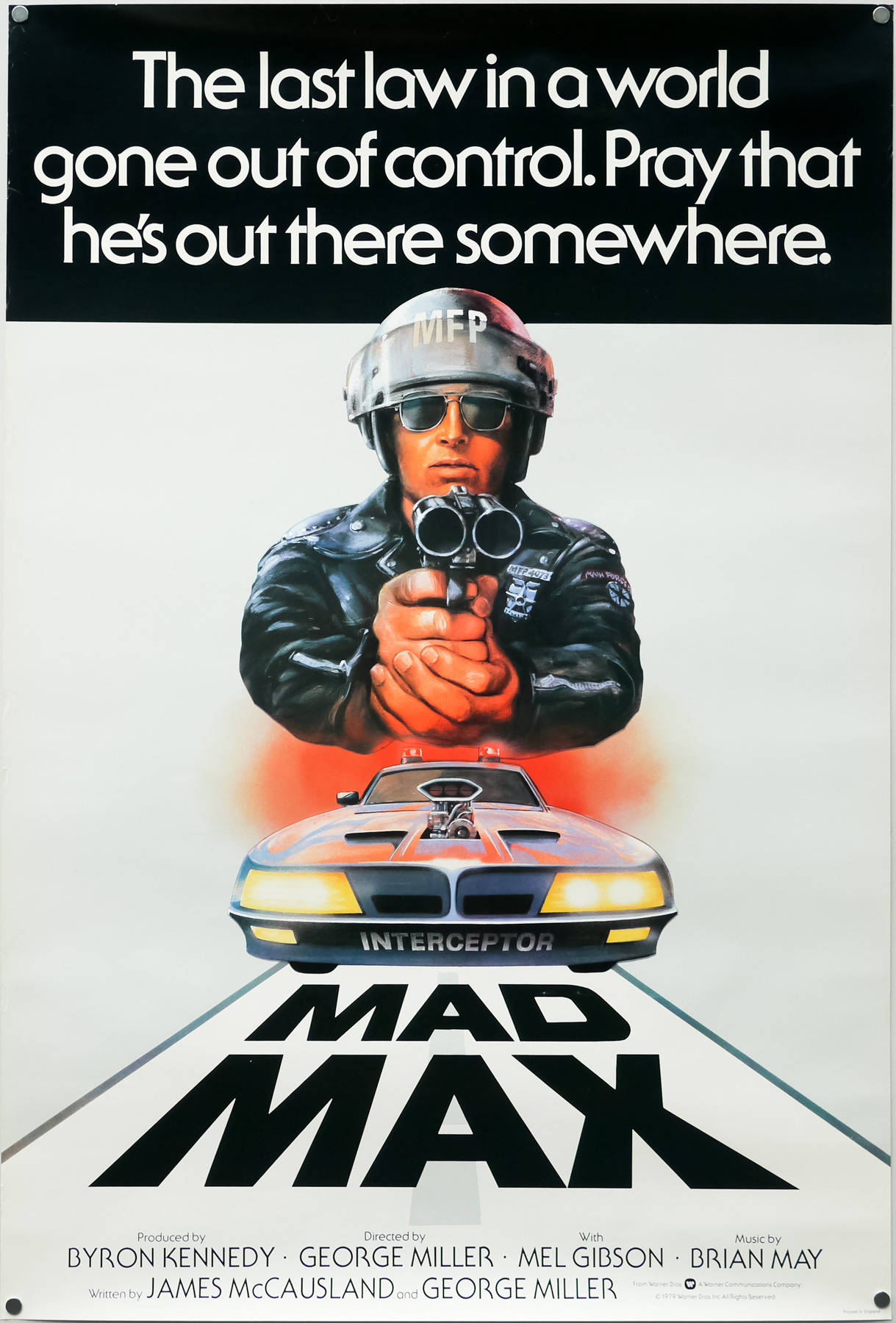
The last law in a world gone out of control. Pray he's out there somewhere.

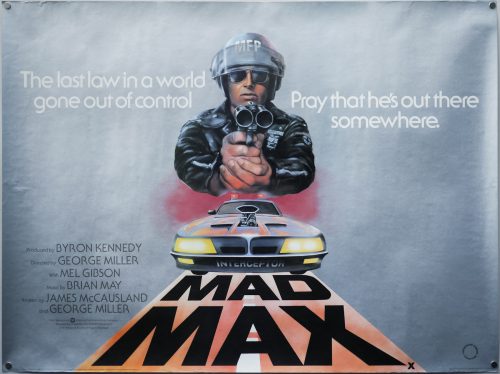
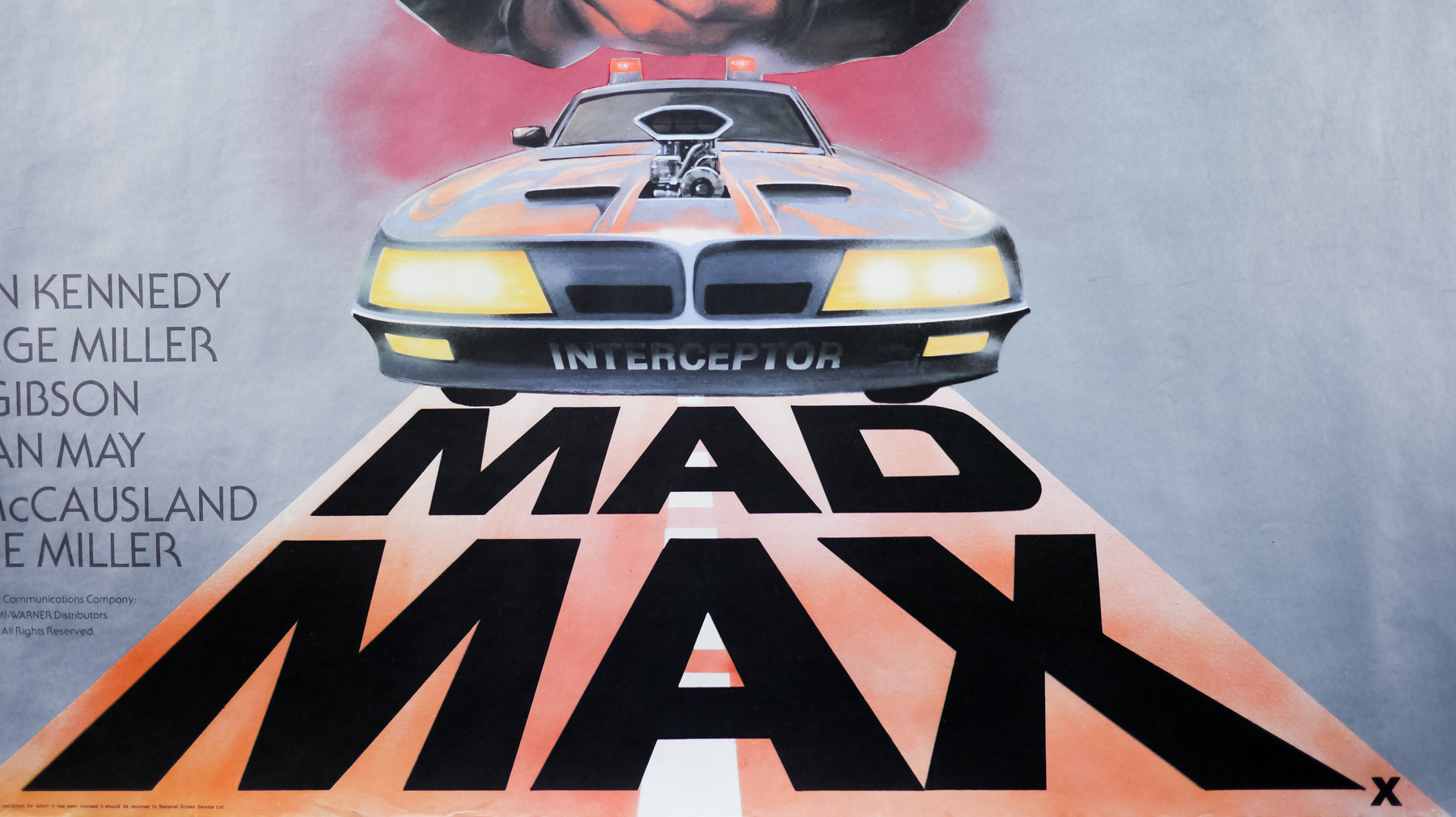
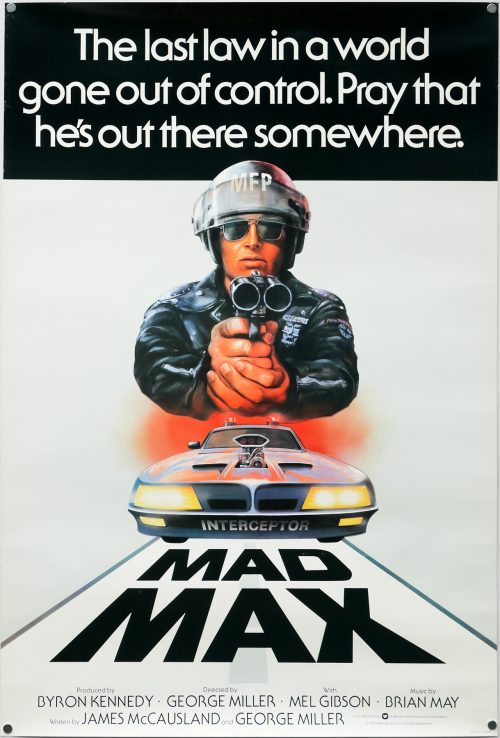
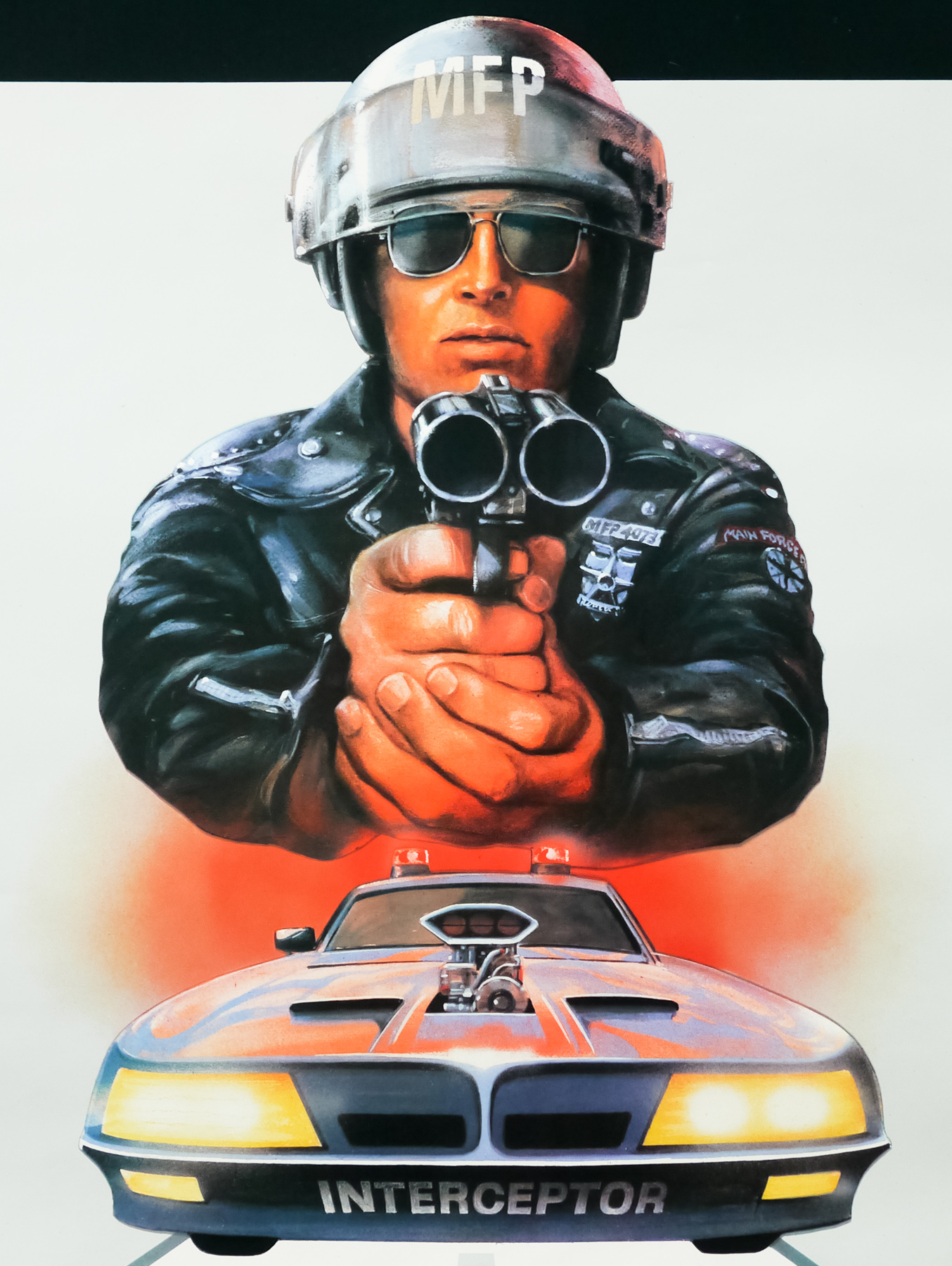
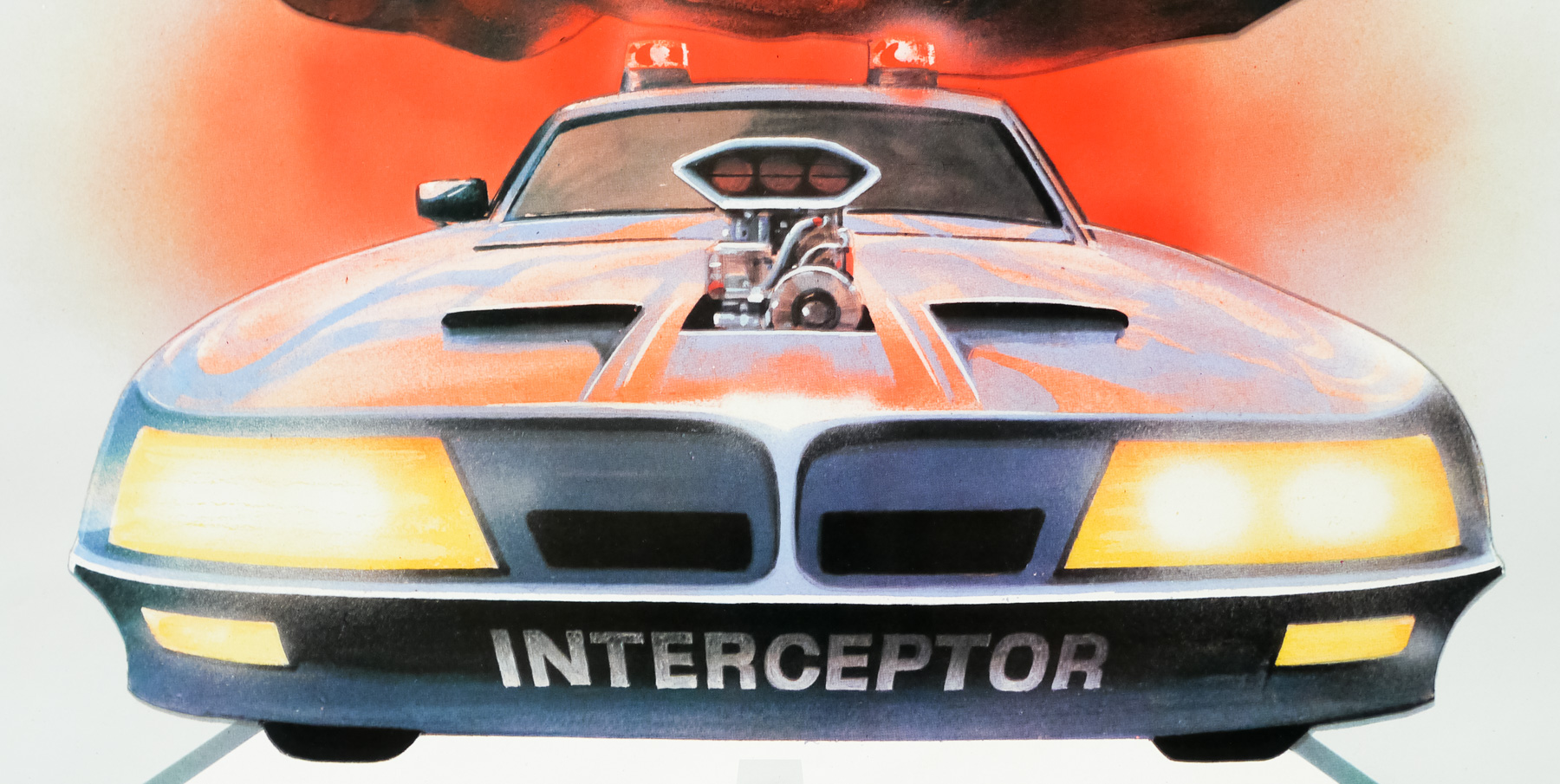
George Miller‘s brilliant vision of an apocalyptic future set in the Australian wastelands follows the battle between vicious outlaw gangs and a group of Main Force Patrol (MFP) pursuit cops who try to keep law and order on the roads. When officer Max Rockatansky (Mel Gibson in his breakout role) kills the ‘Nightrider’, the leader of a motorcycle gang, he sets in motion a chain of events that sees his wife and young son murdered and his partner burned alive. Driven mad by grief, Max commandeers a supercharged black Pursuit Special and sets out to avenge their deaths by whatever means necessary. The film was followed three years later by the superior Mad Max 2 (AKA The Road Warrior).

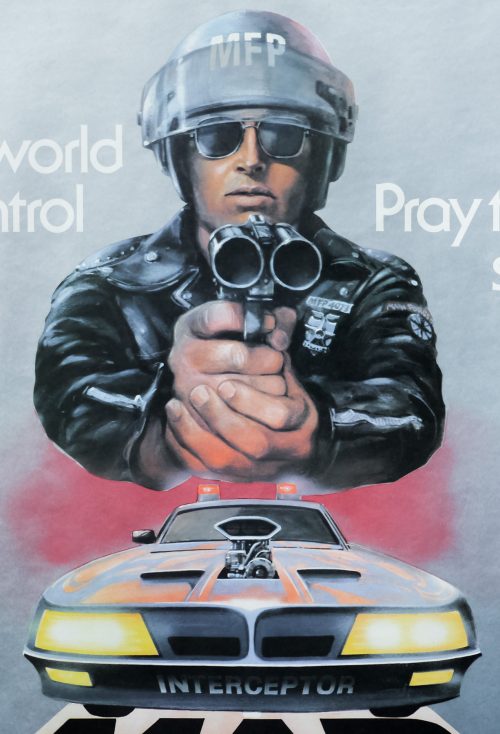
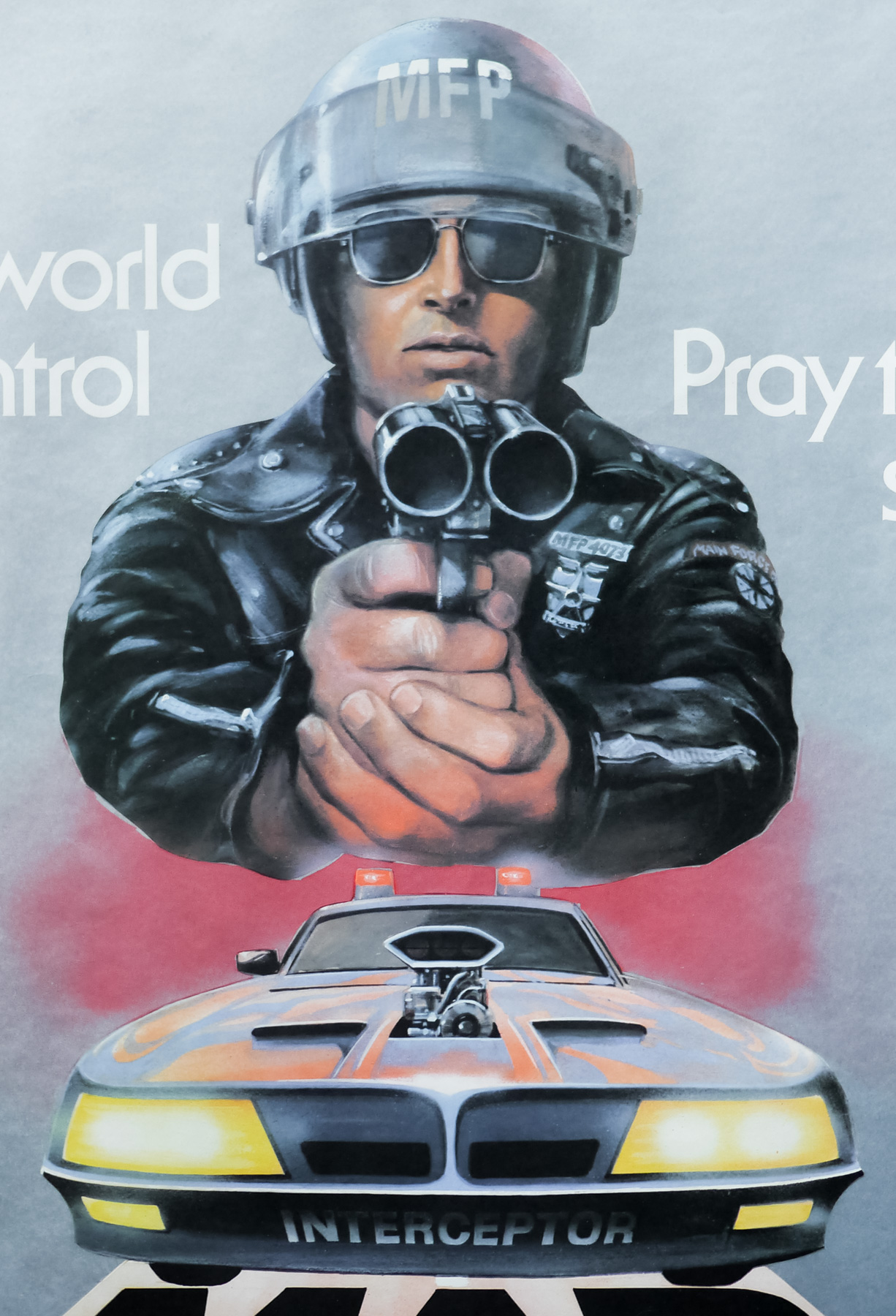
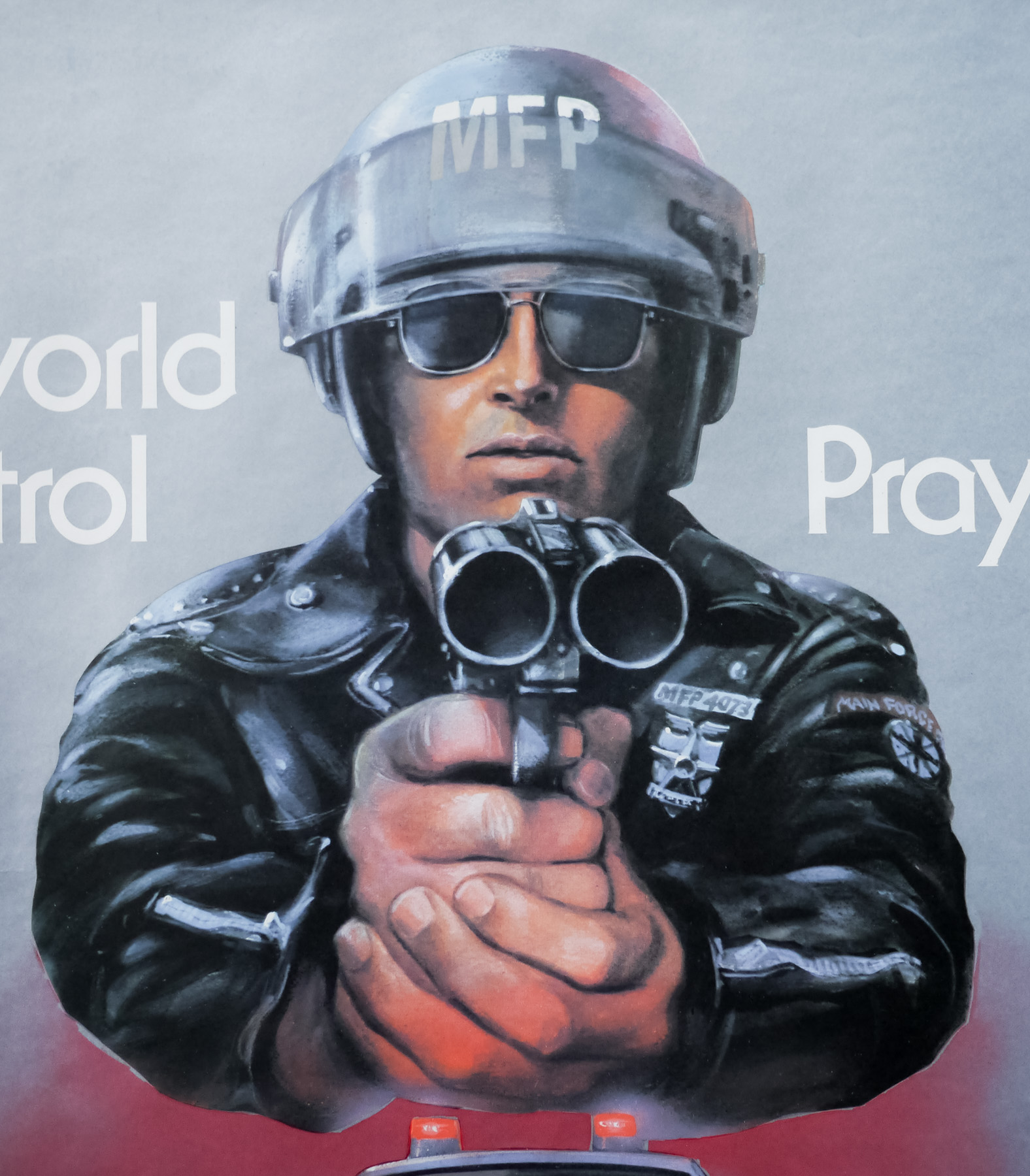
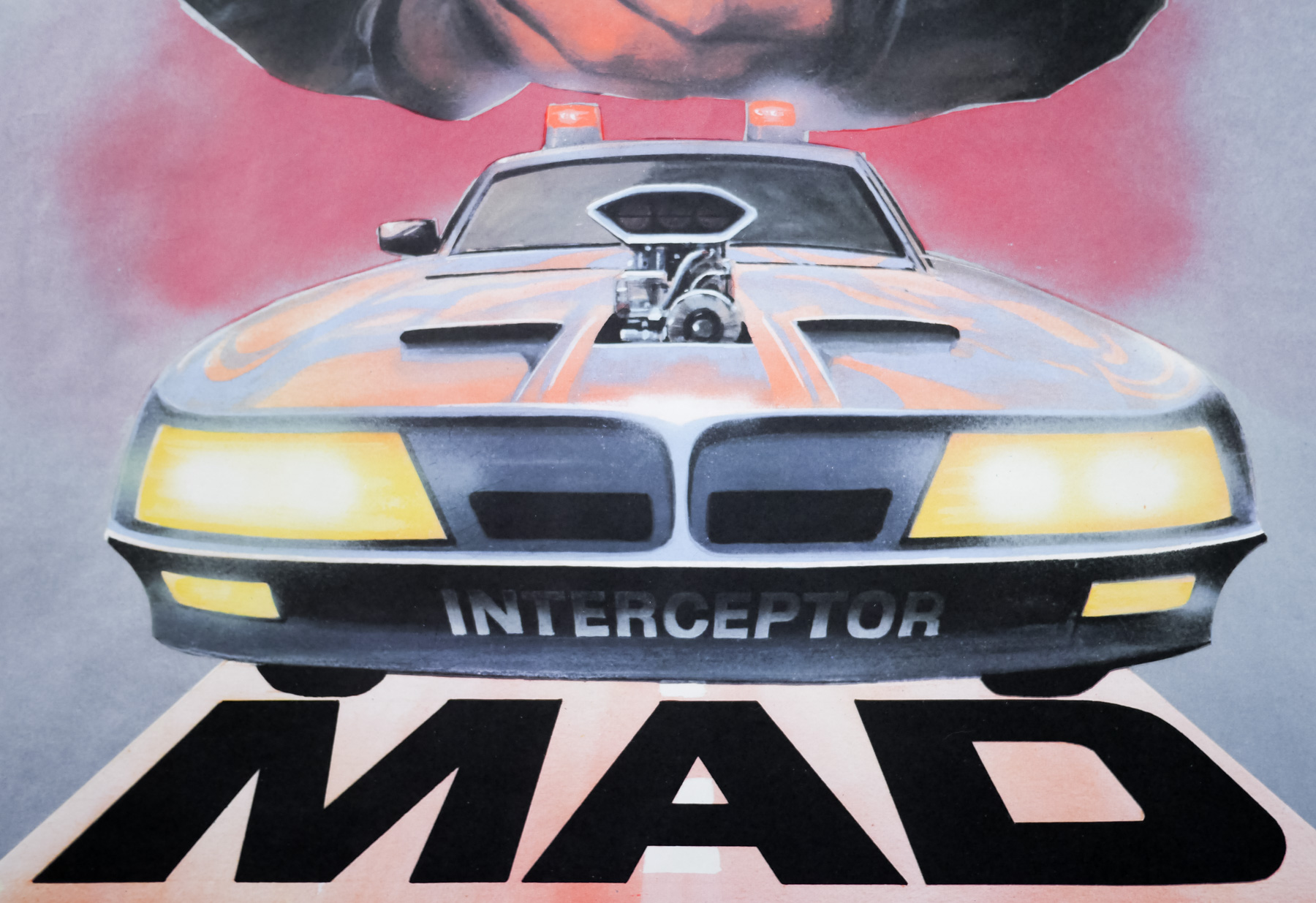
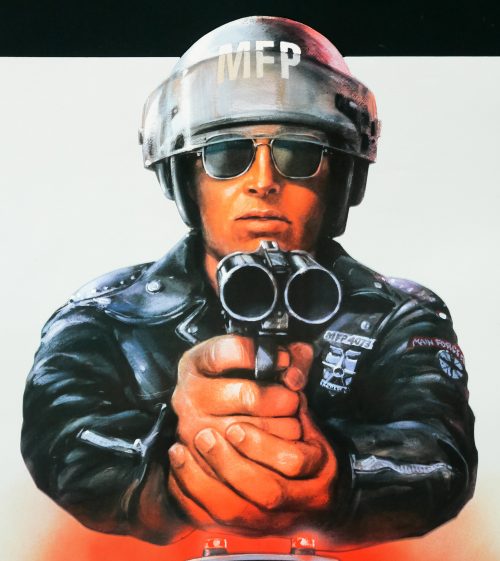
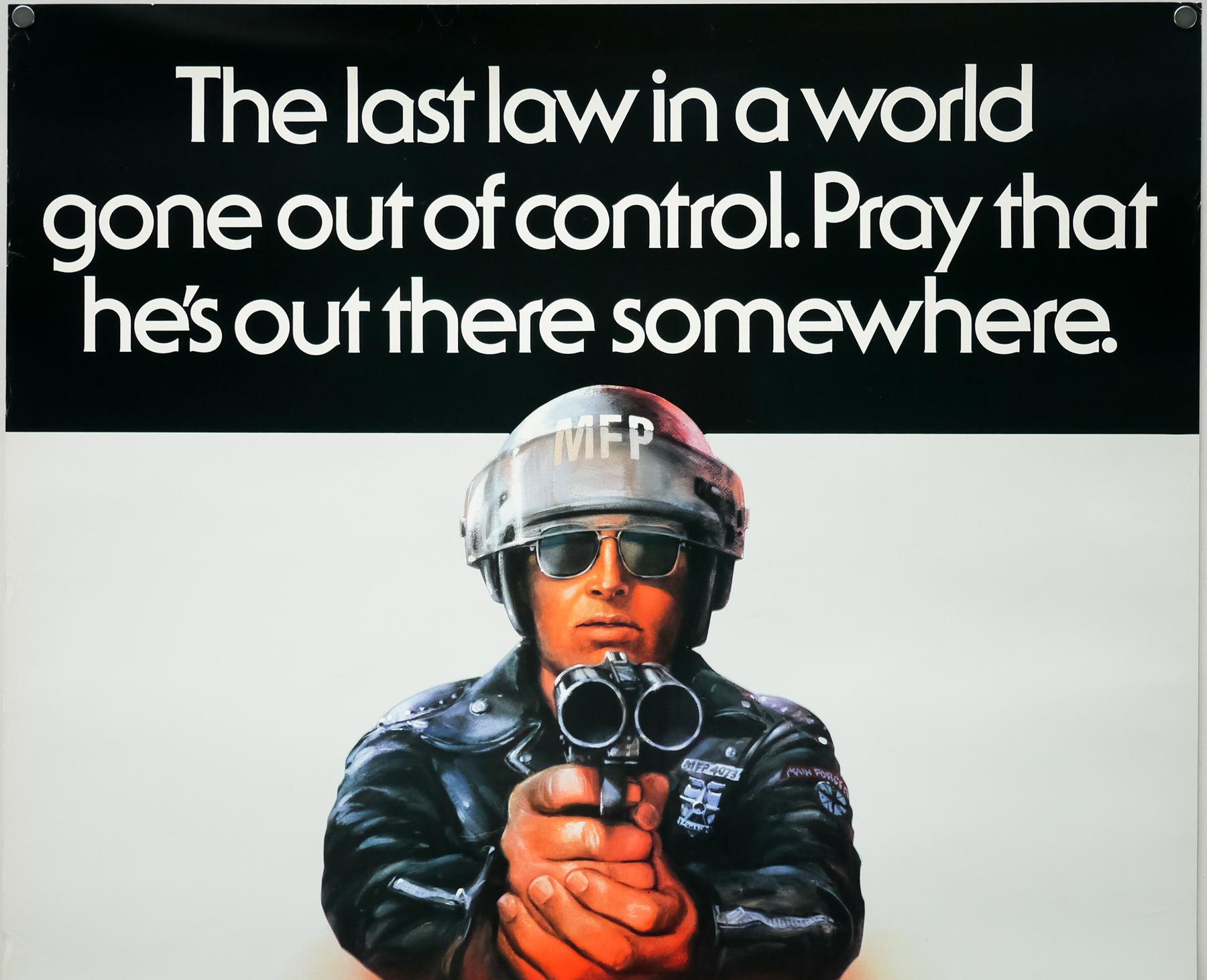
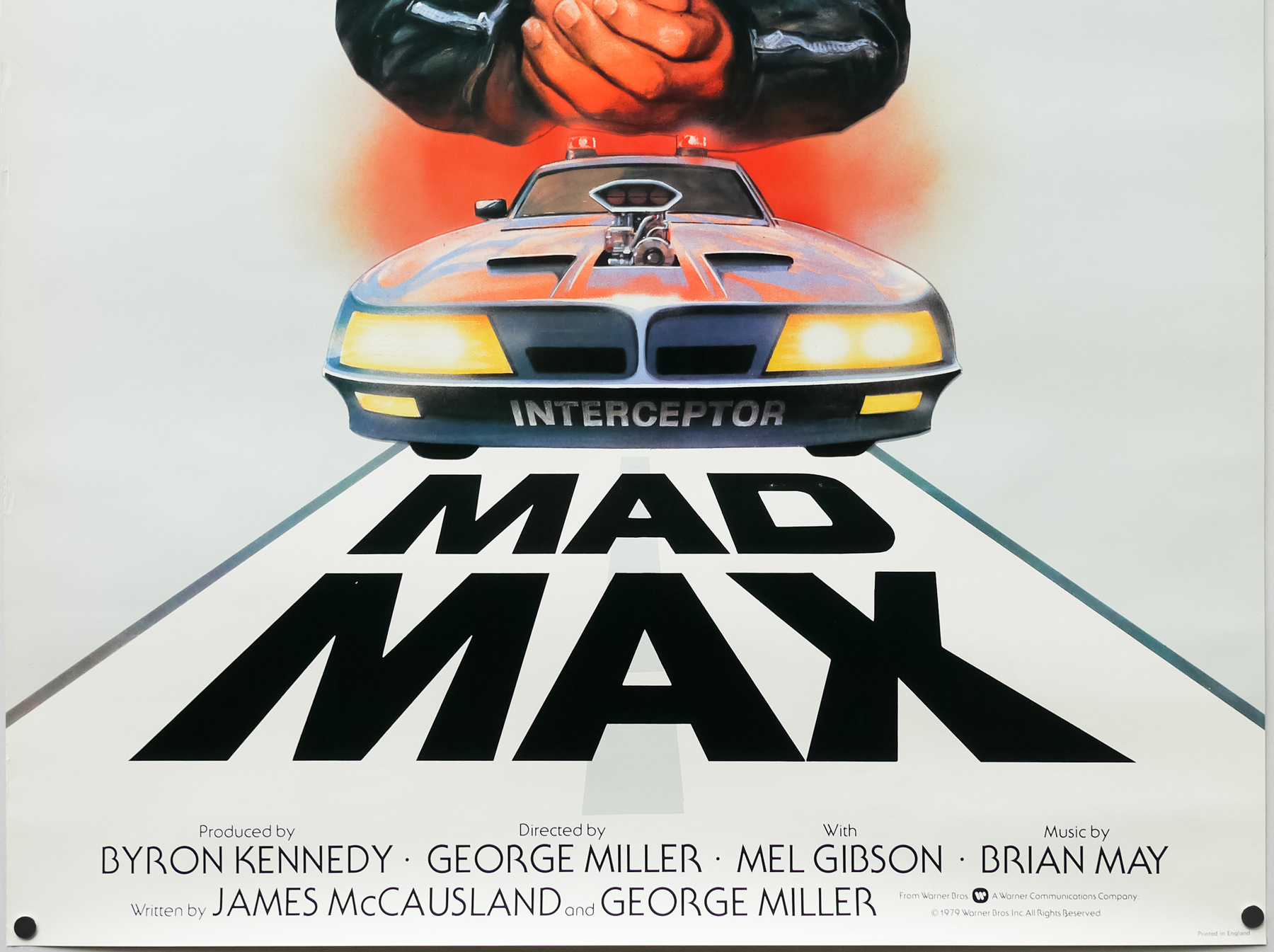
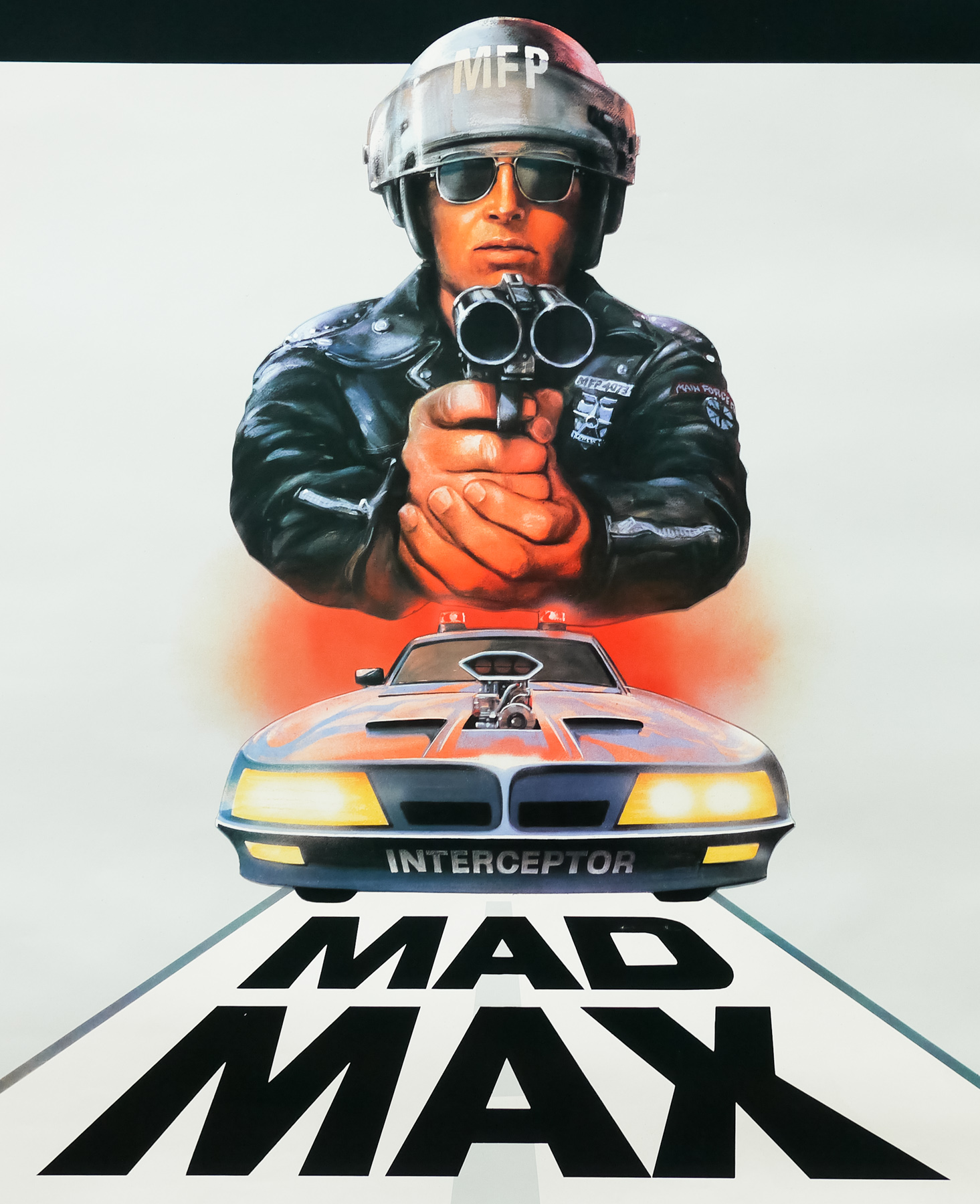
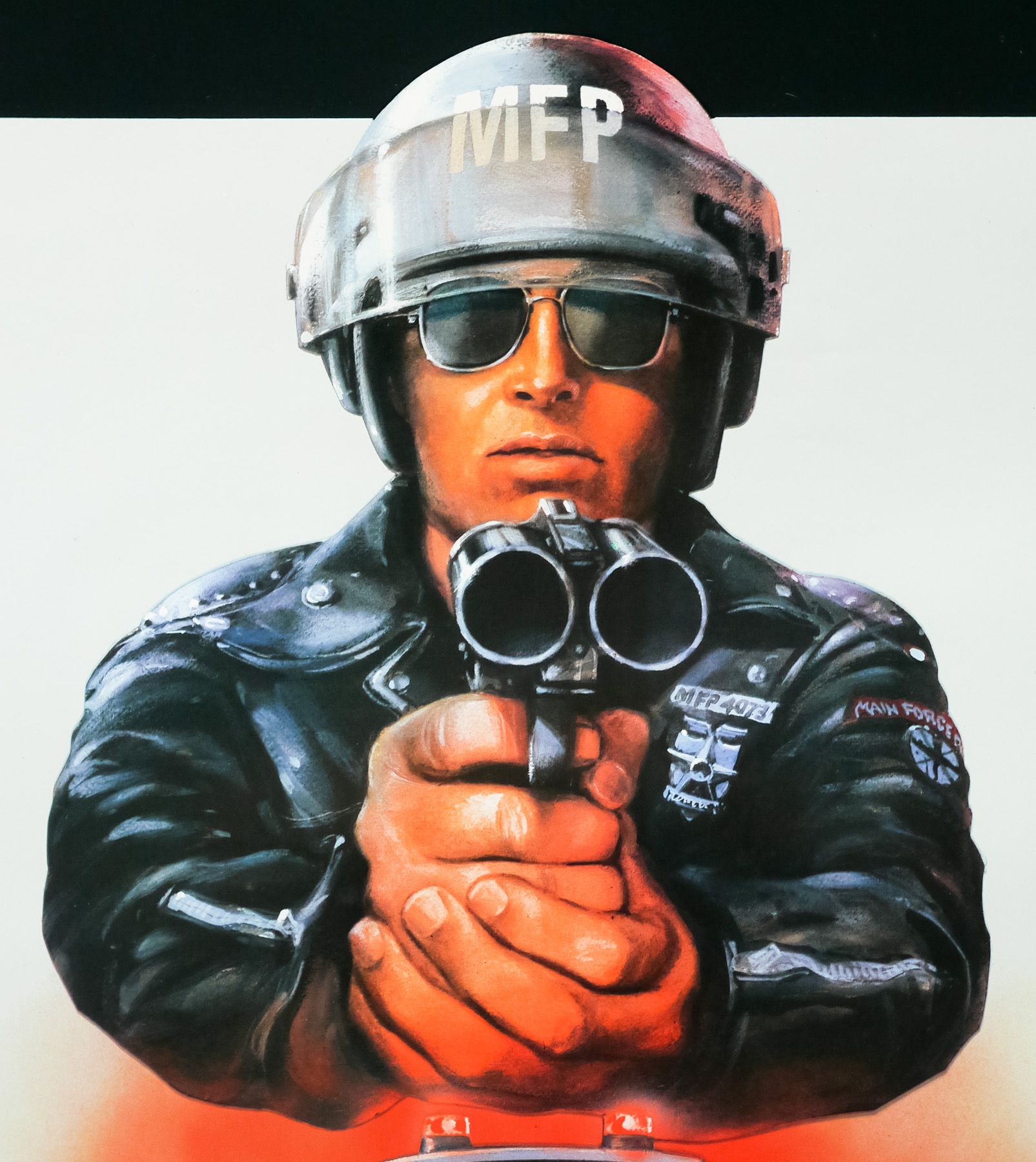
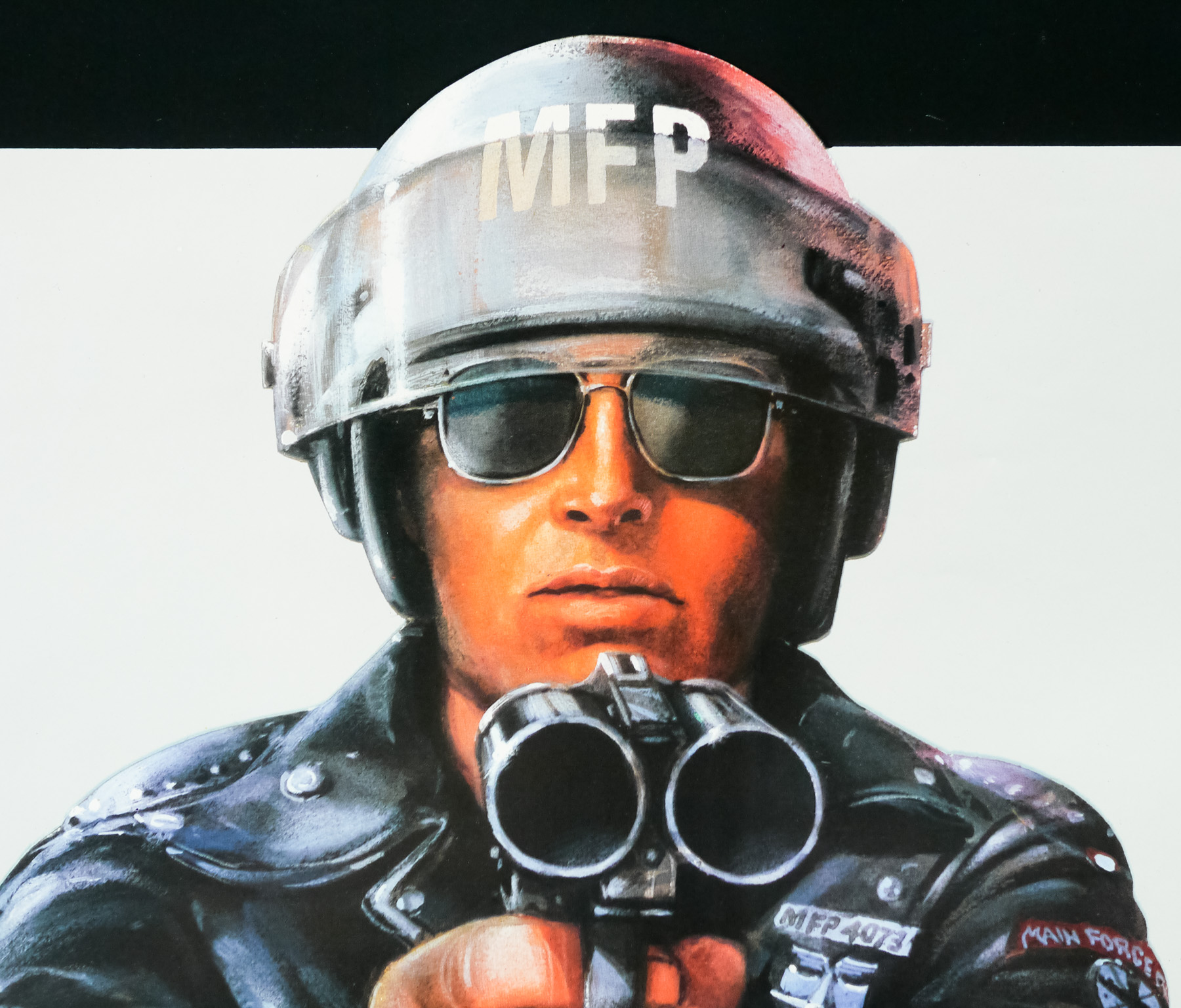
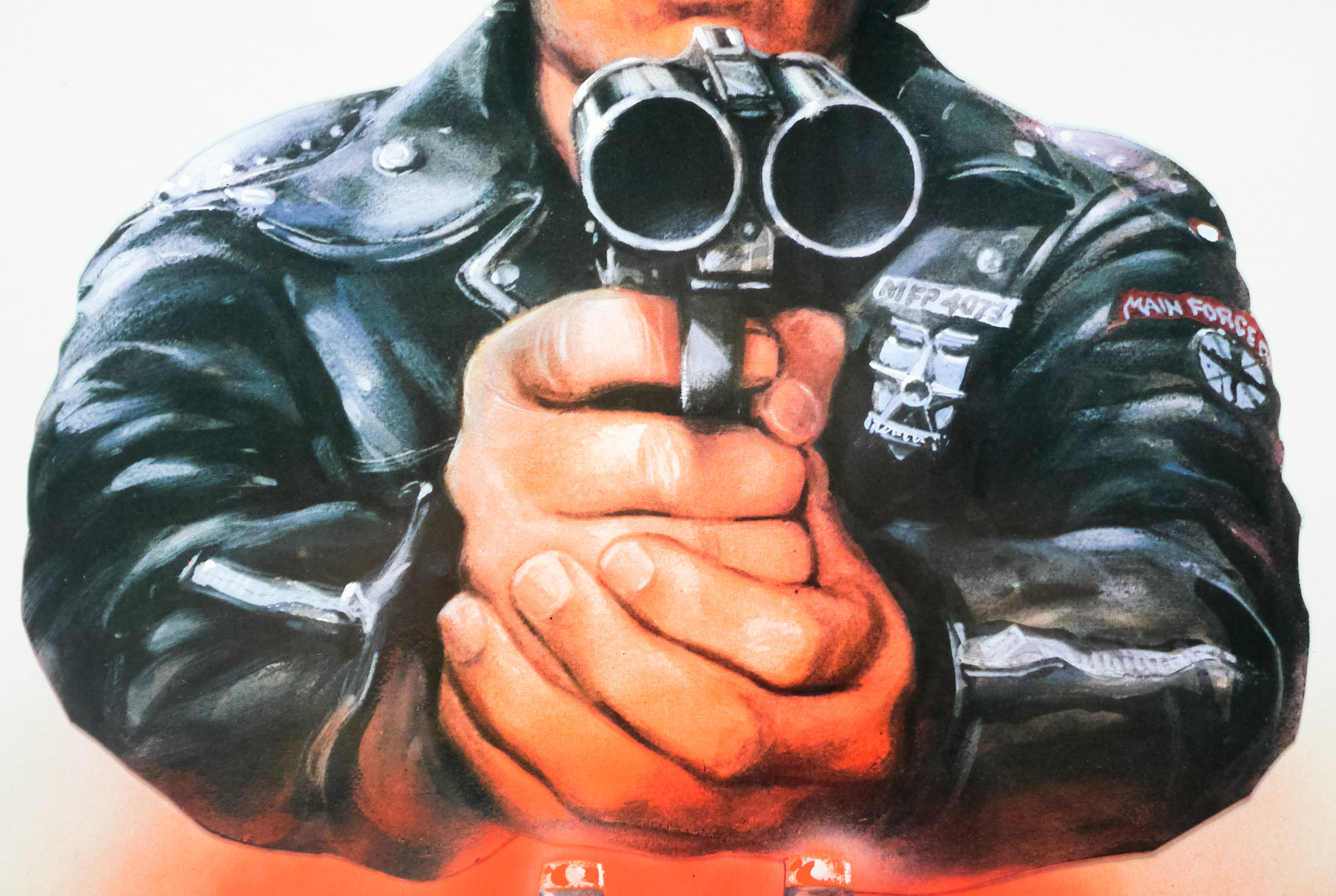
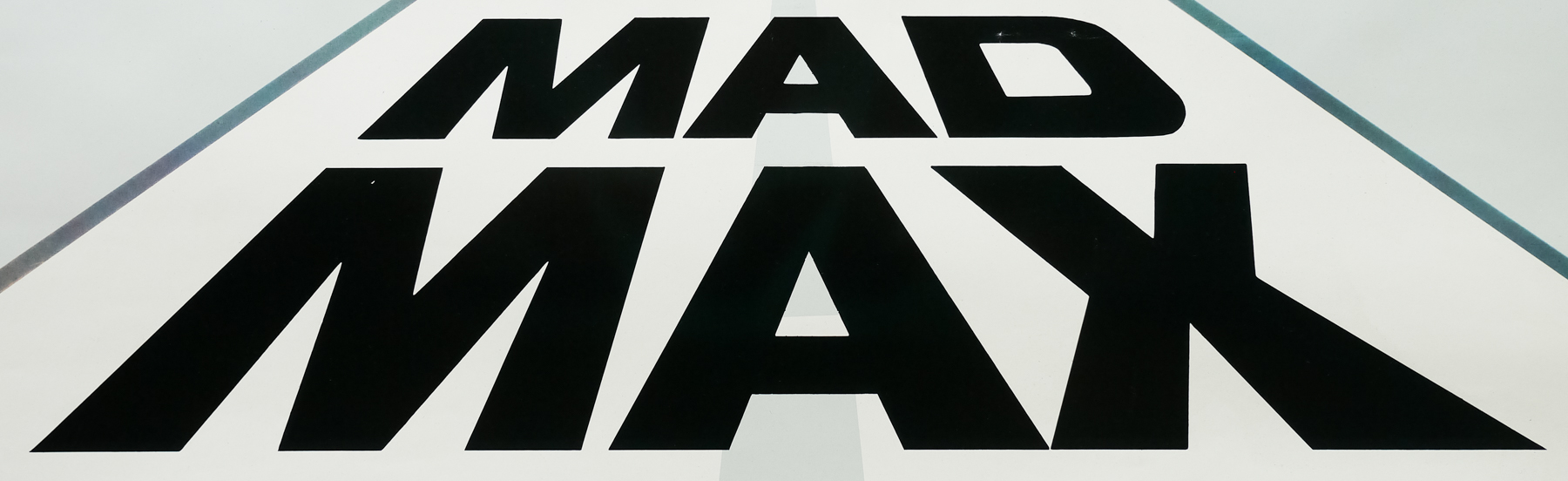
Because of Gibson’s anonymity to audiences outside Australia his face was not featured on many of the posters designed to sell the film in other territories. The American one sheet features a classic illustration of a leather-clad figure with his face covered by a futuristic visor. This British quad features an MFP figure pointing a shotgun directly at the viewer but it’s not obviously Mel Gibson’s character. The car below the figure is a hybrid between the colourful Interceptor cop vehicles and Max’s black Pursuit.

The poster was designed and illustrated by Tom Beauvais, a British artist with a lengthy career working in film marketing which saw him design and/or illustrate several notable posters, including the quad for Butch Cassidy and the Sundance Kid and the infamous ‘rotten hand bursting from the ground’ image for Lucio Fulci’s Zombie Flesh Eaters.

This UK quad was designed and illustrated by Tom Beauvais, a British artist with a lengthy career working in film marketing which saw him design and/or illustrate several notable posters, including the quad for Butch Cassidy and the Sundance Kid and the infamous ‘rotten hand bursting from the ground’ image for Lucio Fulci’s Zombie Flesh Eaters. In 2012 I was lucky enough to meet and interview Tom and the article can be read here. The Mad Max poster was discussed during the meeting:

———

You worked on one of my favourite film posters at the end of the 1970s, which is the one for Mad Max. Could you talk about designing that?
On that one we were working to a brief from Julian Senior at Warner Bros and he told us he wanted a policeman looking down the twin-barrels of a shotgun. I did an initial sketch of the figure with the car below and he responded really well to it. The praise was generous and I think it was probably because it had been his idea originally. I actually think that Mike Sparling, who I mentioned earlier, was used as a reference model for the policeman.

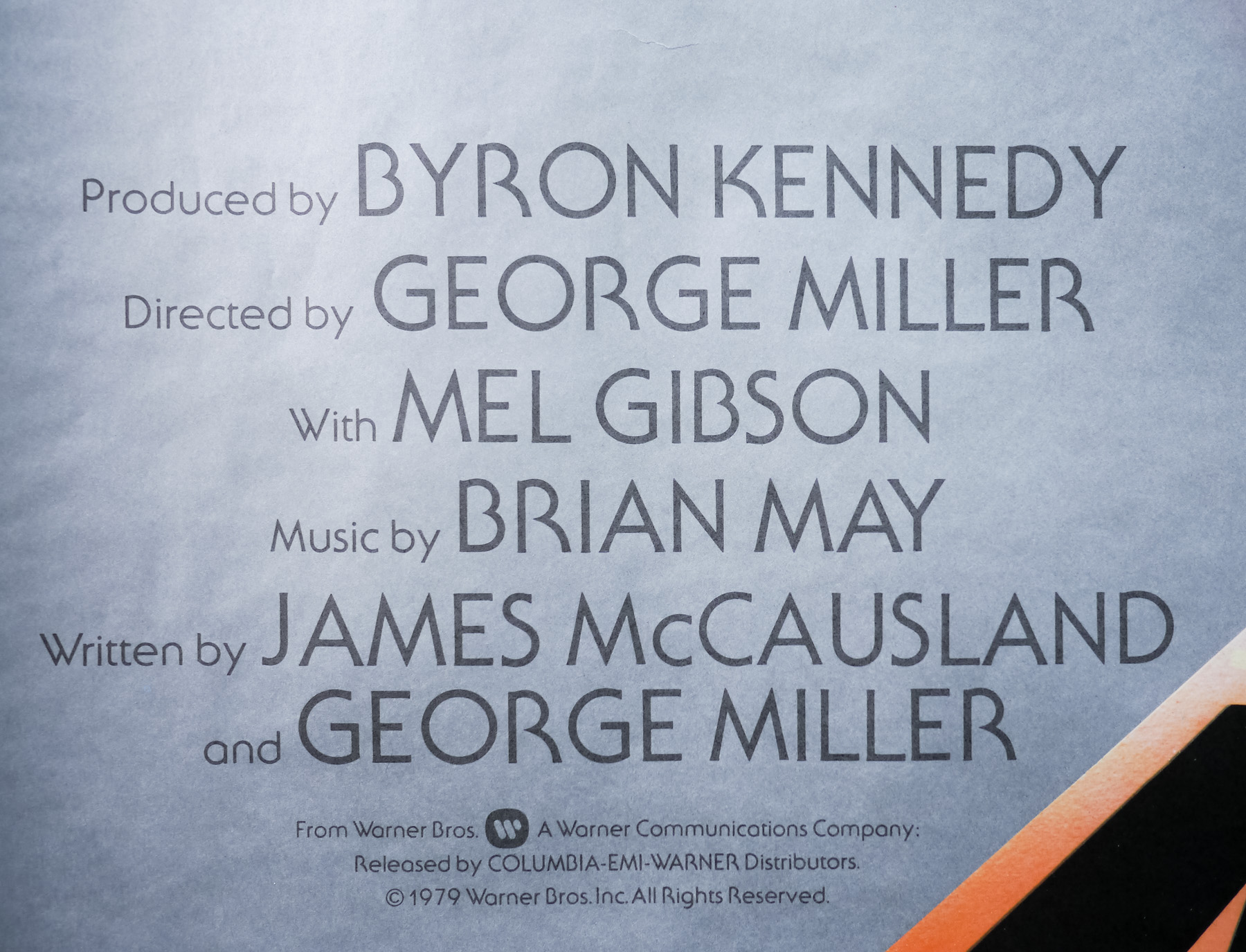
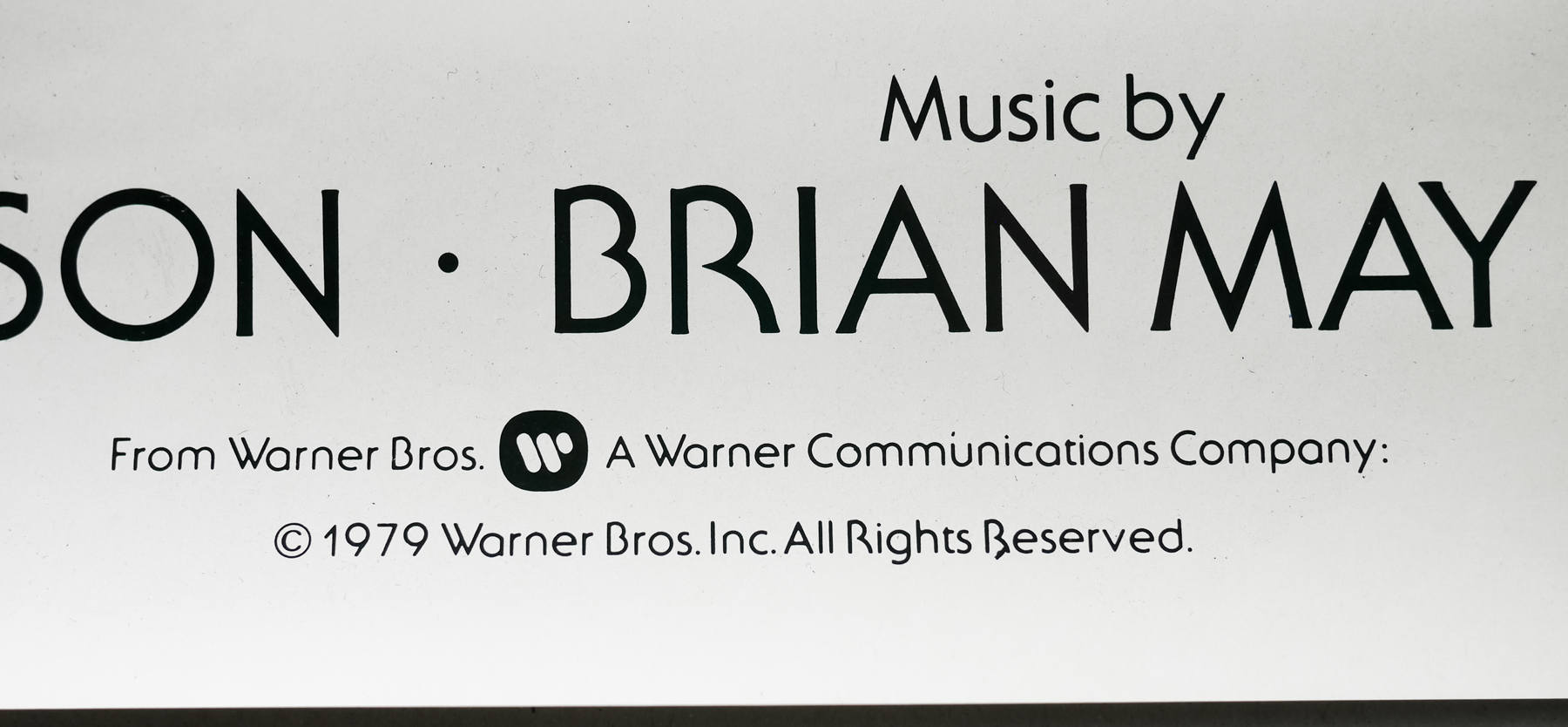
It’s a striking poster and made even more impressive by the fact that the illustration isn’t crowded out by too much text. It’s effective partly because it’s so minimal.

———

The poster is quite difficult to photograph well because it’s printed on a paper with a kind of silver metallic finish and so any reflections or bends in the paper are very obvious. It’s a difficult quad to find rolled and so I was very happy to track this pristine copy down earlier this year.

As well as this quad there was UK one sheet printed for the title that was designed by Beauvais and features the same artwork. The quad is also part of the Film on Paper collection and it can be viewed here.

Possession / quad / UK

22.03.13

Poster Poster
Title
Possession
AKA
The Night the Screaming Stops (USA - reissue title)
Year of Film
1981
Director
Andrzej Zulawski
Starring
Isabelle Adjani, Sam Neill, Margit Carstensen, Heinz Bennent, Johanna Hofer, Carl Duering, Shaun Lawton, Michael Hogben
Origin of Film
France | West Germany
Genre(s) of Film
Isabelle Adjani, Sam Neill, Margit Carstensen, Heinz Bennent, Johanna Hofer, Carl Duering, Shaun Lawton, Michael Hogben,
Type of Poster
Quad
Style of Poster
--
Origin of Poster
UK
Year of Poster
1981
Designer
Tom Chantrell
Artist
Tom Chantrell | Barbara Baranowska AKA 'Basha' (original French artwork)
Size (inches)
30 2/16" x 40 1/16"
SS or DS
SS
Tagline
She created a monster... as her secret lover!

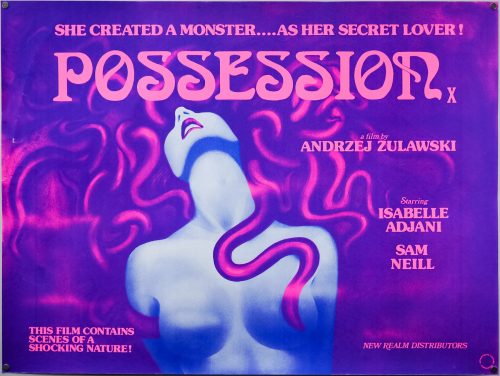
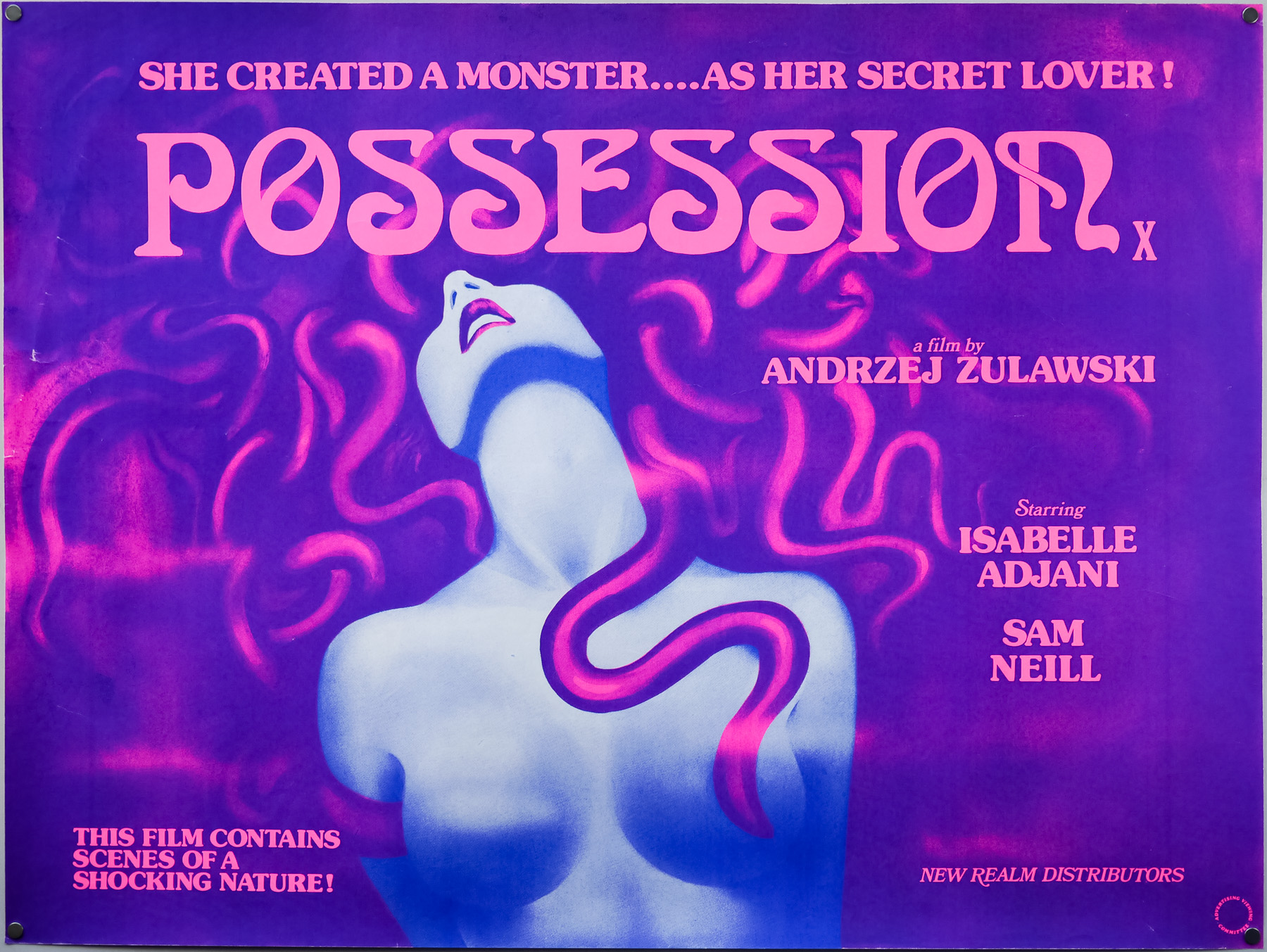
Polish director Andrzej Zulawski‘s Possession is a definite marmite film; you’ll either love it or totally detest it. I’m firmly in the former camp but it’s not hard to see why it might rankle with certain viewers. A multinational production, the film was shot in West Berlin (whilst The Wall was still standing), financed largely by French money and stars Kiwi actor Sam Neill alongside the stunning French actress Isabelle Adjani. Possession begins as what seems like a straightforward relationship drama, depicting the breakdown of the marriage between husband and wife Mark (Neill) and Anna (Adjani) as it gets increasingly fraught. The audience witnesses several scenes of extreme shrieking, hysteria and mental breakdown from both parties as Mark comes to terms with his wife’s infidelity.

It’s when Mark decides to investigate who his wife has been seeing that the film takes a turn for the surreal and horrific. At first he discovers that she had been having an affair with a new-age sleaze-ball called Heinrich (Heinz Bennent) but after confronting him at his house they both realise that Anna has also been meeting a mysterious third party. Mark then hires a private detective to try and discover where his wife disappears to when she’s not at their apartment. As alluded to with this poster’s tagline, the audience soon discovers that what Anna is tending to in a dingy apartment in the Turkish district of Berlin is not altogether human. When the detective (and later his lover) go missing, both Heinrich and Mark uncover the horrifying truth. I won’t spoil the reveal except to say that Italian special effects maestro Carlo Rambaldi (of ‘Close Encounters…’ and ‘E.T.’ fame) was involved in the creation of several versions of a slimy, tentacled creature.

Isabelle Adjani won the best actress prize at Cannes for her dual performance as the hysterical, unhinged Anna and the ‘is she real-or-not?’ Helen, a kind and gentle teacher who works at the school where the couple’s son Bob is a pupil. As Anna, the actress turns everything up to 11 and at times the shrieking is almost unbearable. In perhaps the most infamous sequence in the film, the so-called ‘miscarriage’ scene, she has a full-on orgiastic meltdown in a dingy German subway that culminates with her oozing blood and a white liquid from her face and neck. Neill also gives an over-the-top performance throughout and it’s the level of hysteria that likely sees many viewers heading for the remote (or cinema exit if they were in attendance back in 1981).

For reasons which aren’t really clear, the film was embroiled in the Video Nasties debacle here in the UK and was banned outright in 1983, but not before having it’s cinema debut thanks to New Realm distributors two years earlier. It’s inclusion on the DPPs list is a complete mystery as it’s nowhere near as gruesome or brutal as some of the other titles on there and is unquestionably one of the best titles to fall foul of the whole thing.

This very scarce original UK quad was created by the brilliant British designer and artist Tom Chantrell whose dynamic and colourful designs featured on hundreds of posters over a forty year period. His official website features a great biography written by Sim Branaghan, author of the must-own British Film Posters. The artwork is unquestionably based on the French poster artwork that was painted by the Polish artist Barbara Baranowska (AKA ‘Basha’). I’ve been unable to discover much about the artist, other than a short biography on the Horse Hospital website. It seems that her work for Possession is the poster for which she is most well-known.

The original trailer is on YouTube.

Mad Max / one sheet / UK

03.04.13

Poster Poster
Title
Mad Max
AKA
Interceptor (Italy)
Year of Film
1979
Director
George Miller
Starring
Mel Gibson, Steve Bisley, Joanne Samuel, Hugh Keays-Byrne, Tim Burns, Geoff Parry
Origin of Film
Australia
Genre(s) of Film
Mel Gibson, Steve Bisley, Joanne Samuel, Hugh Keays-Byrne, Tim Burns, Geoff Parry,
Type of Poster
One sheet
Style of Poster
--
Origin of Poster
UK
Year of Poster
1979
Designer
Tom Beauvais
Artist
Tom Beauvais
Size (inches)
27" x 39 15/16"
SS or DS
SS
Tagline
The last law in a world gone out of control. Pray he's out there somewhere.

George Miller‘s brilliant vision of an apocalyptic future set in the Australian wastelands follows the battle between vicious outlaw gangs and a group of Main Force Patrol (MFP) pursuit cops who try to keep law and order on the roads. When officer Max Rockatansky (Mel Gibson in his breakout role) kills the ‘Nightrider’, the leader of a motorcycle gang, he sets in motion a chain of events that sees his wife and young son murdered and his partner burned alive. Driven mad by grief, Max commandeers a supercharged black Pursuit Special and sets out to avenge their deaths by whatever means necessary. The film was followed three years later by the superior Mad Max 2 (AKA The Road Warrior).

Because of Gibson’s anonymity to audiences outside Australia his face was not featured on many of the posters designed to sell the film in other territories. The American one sheet features a classic illustration of a leather-clad figure with his face covered by a futuristic visor. This British quad features an MFP figure pointing a shotgun directly at the viewer but it’s not obviously Mel Gibson’s character. The car below the figure is a hybrid between the colourful Interceptor cop vehicles and Max’s black Pursuit.

This UK one sheet was designed and illustrated by Tom Beauvais, a British artist with a lengthy career working in film marketing which saw him design and/or illustrate several notable posters, including the quad for Butch Cassidy and the Sundance Kid and the infamous ‘rotten hand bursting from the ground’ image for Lucio Fulci’s Zombie Flesh Eaters. In 2012 I was lucky enough to meet and interview Tom and the article can be read here. The Mad Max poster was discussed during the meeting:

———

You worked on one of my favourite film posters at the end of the 1970s, which is the one for Mad Max. Could you talk about designing that?
On that one we were working to a brief from Julian Senior at Warner Bros and he told us he wanted a policeman looking down the twin-barrels of a shotgun. I did an initial sketch of the figure with the car below and he responded really well to it. The praise was generous and I think it was probably because it had been his idea originally. I actually think that Mike Sparling, who I mentioned earlier, was used as a reference model for the policeman.

It’s a striking poster and made even more impressive by the fact that the illustration isn’t crowded out by too much text. It’s effective partly because it’s so minimal.

———

As well as this UK one sheet there was a British quad poster printed for the title that was designed by Beauvais and features the same artwork. The quad is also part of the Film on Paper collection and it can be viewed here.

Starflight One / quad / UK

27.06.13

Poster Poster
Title
Starflight One
AKA
Starflight: The Plane That Couldn't Land (USA - original title) | Airport 85 (Philippines)
Year of Film
1983
Director
Jerry Jameson
Starring
Lee Majors, Hal Linden, Lauren Hutton, Ray Milland, Gail Strickland, George DiCenzo, Tess Harper, Terry Kiser, Heather McAdam, Michael Sacks, Gary Bayer, Pat Corley, Robert Webber
Origin of Film
USA
Genre(s) of Film
Lee Majors, Hal Linden, Lauren Hutton, Ray Milland, Gail Strickland, George DiCenzo, Tess Harper, Terry Kiser, Heather McAdam, Michael Sacks, Gary Bayer, Pat Corley, Robert Webber,
Type of Poster
Quad
Style of Poster
--
Origin of Poster
UK
Year of Poster
1983
Designer
Eddie Paul
Artist
Josh Kirby
Size (inches)
30" x 39 14/16"
SS or DS
SS
Tagline
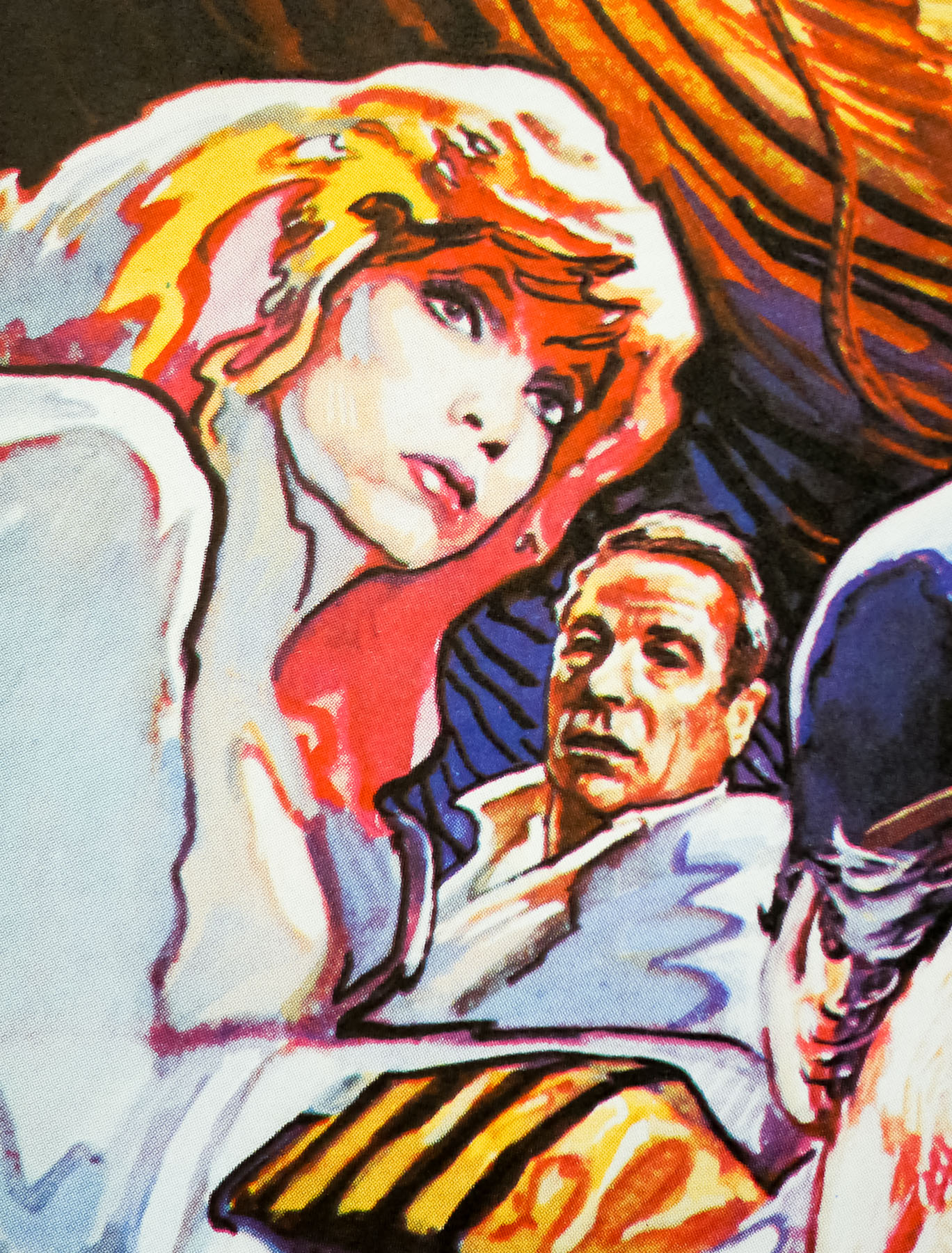
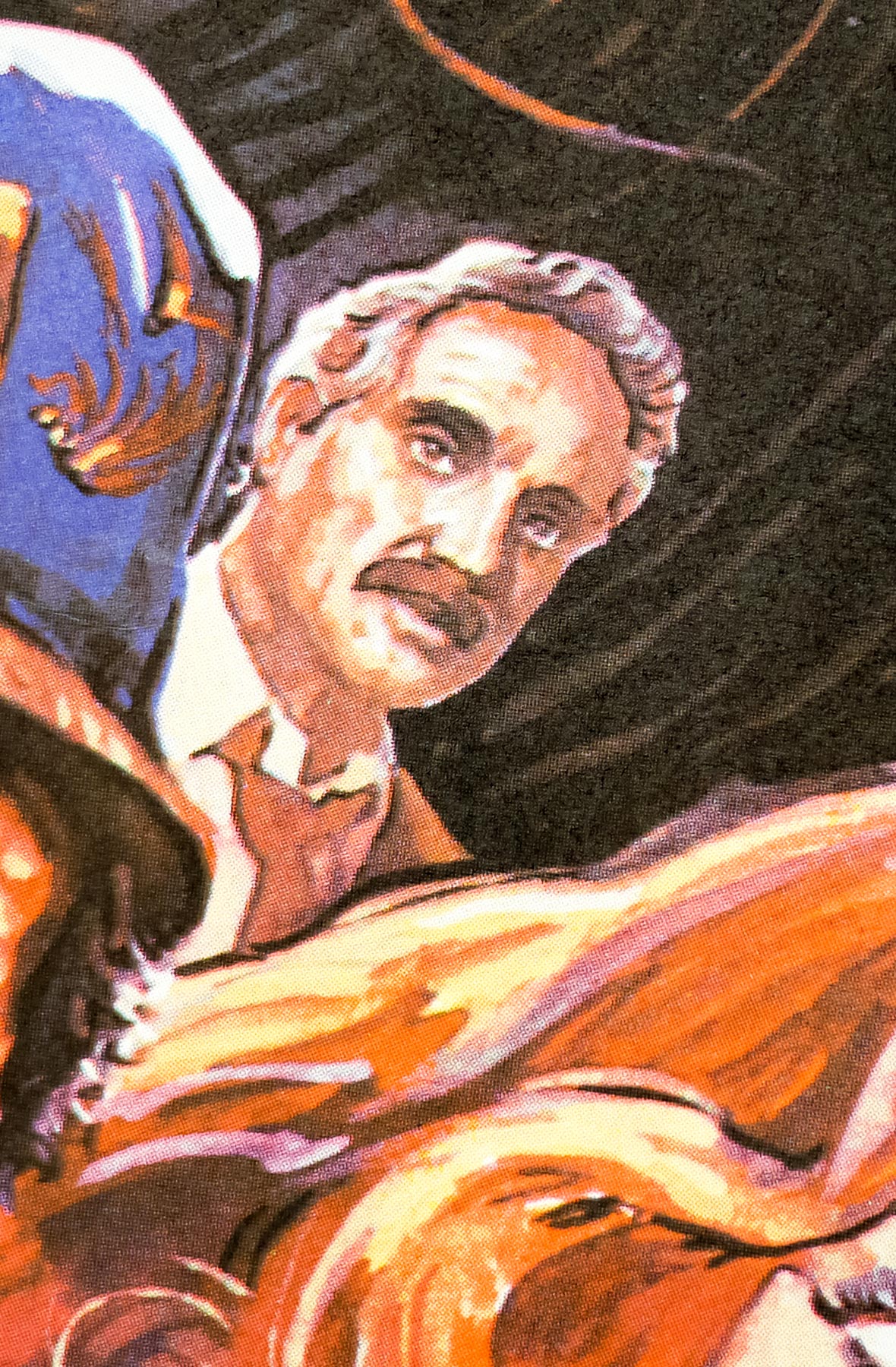
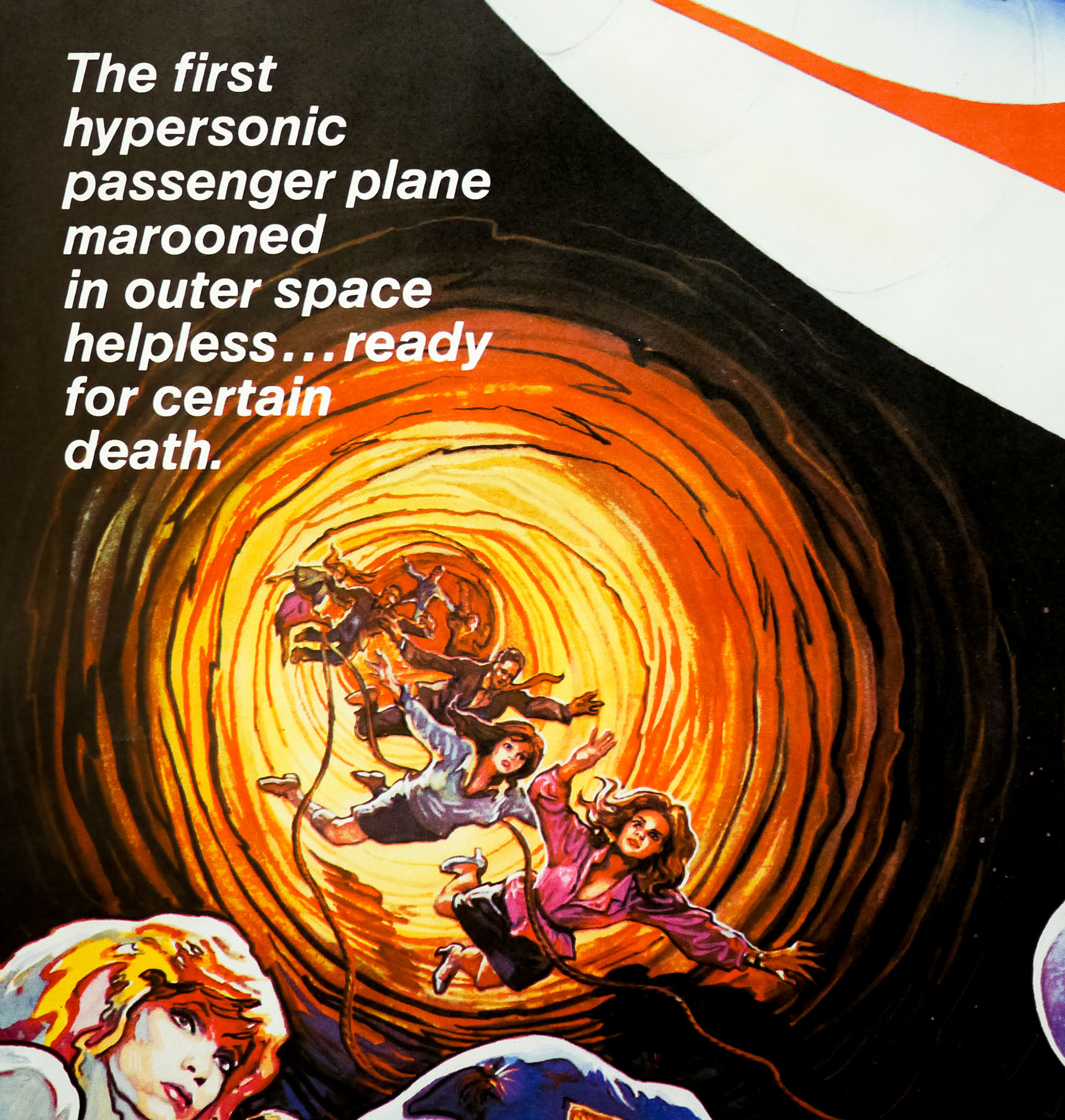
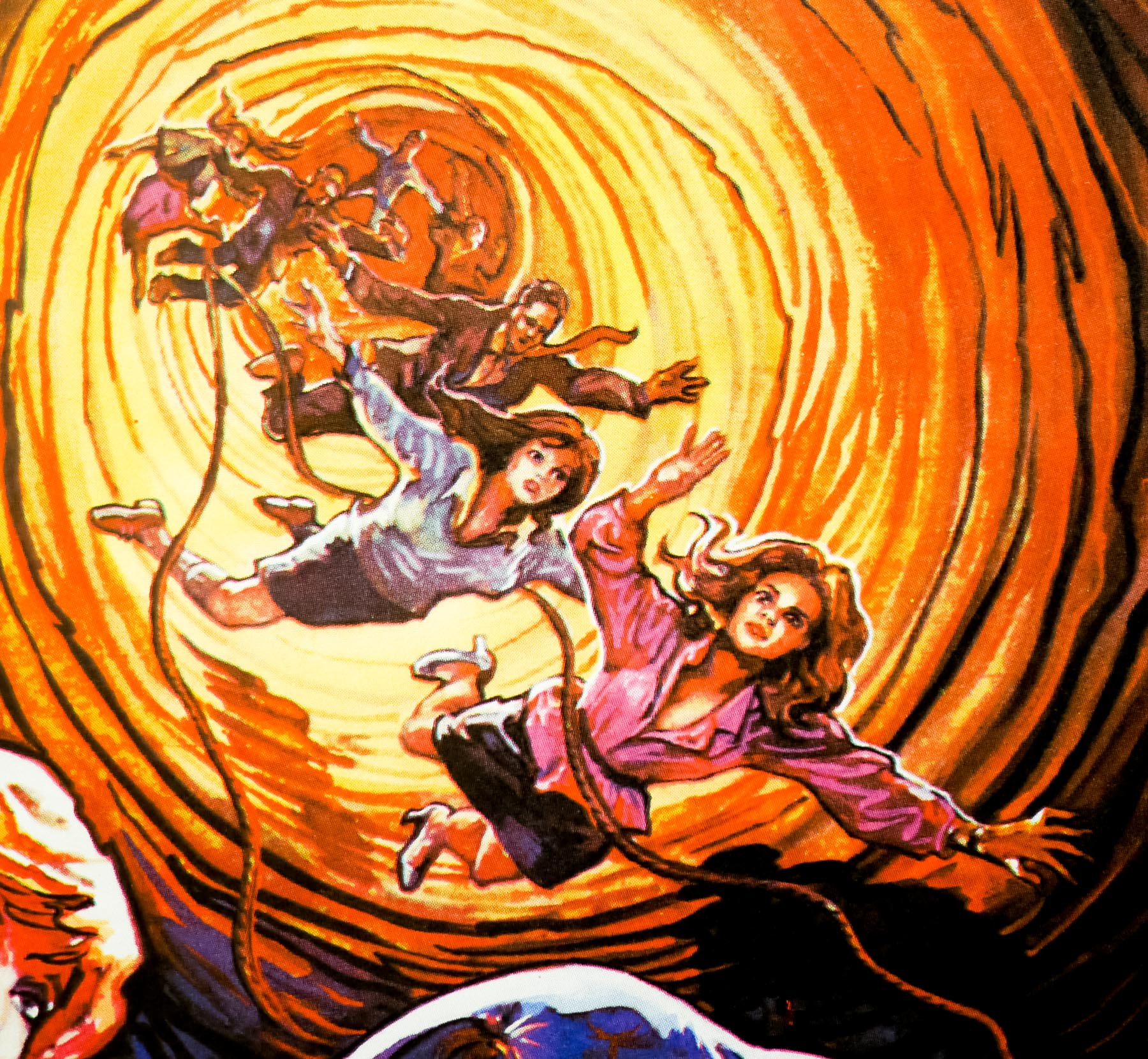
The first hypersonic passenger plane marooned in outer space helpless... ready for certain death

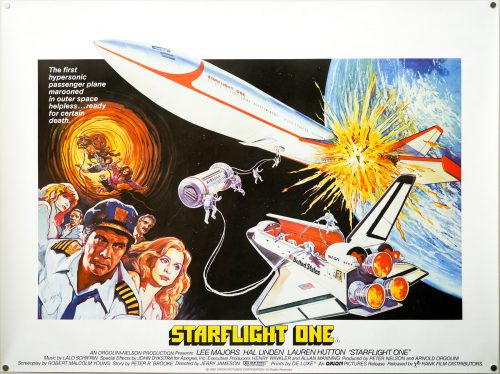
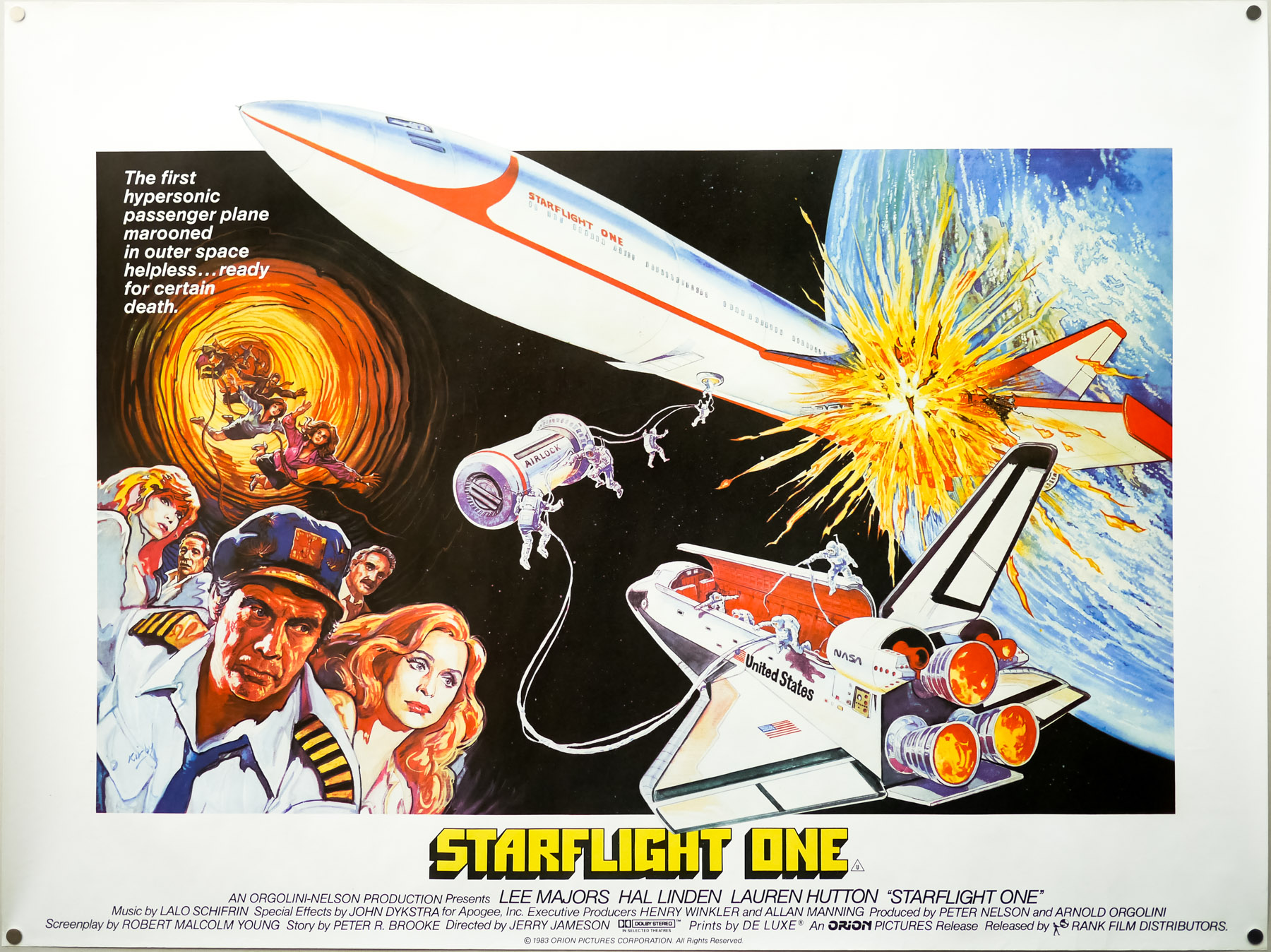
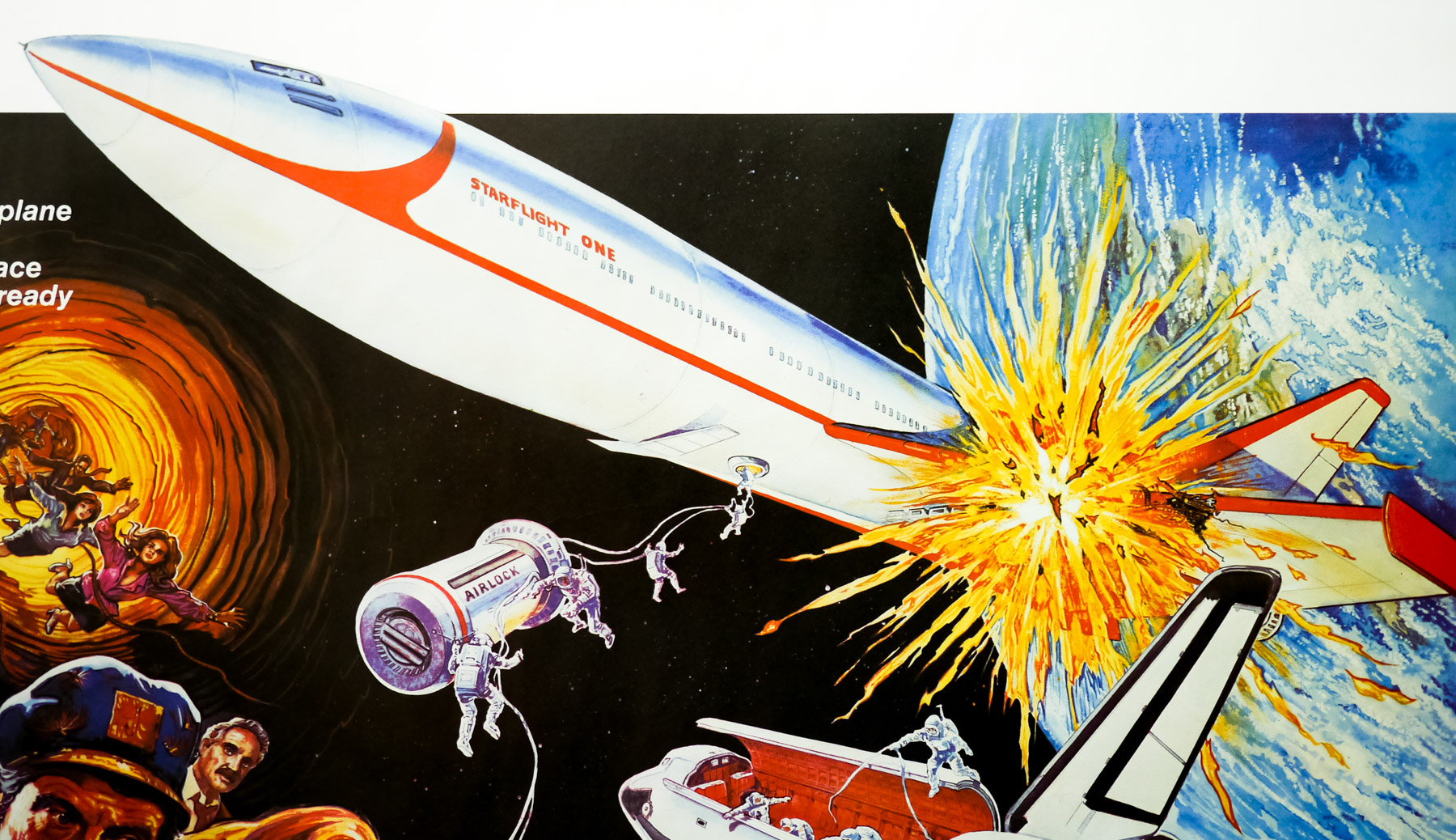
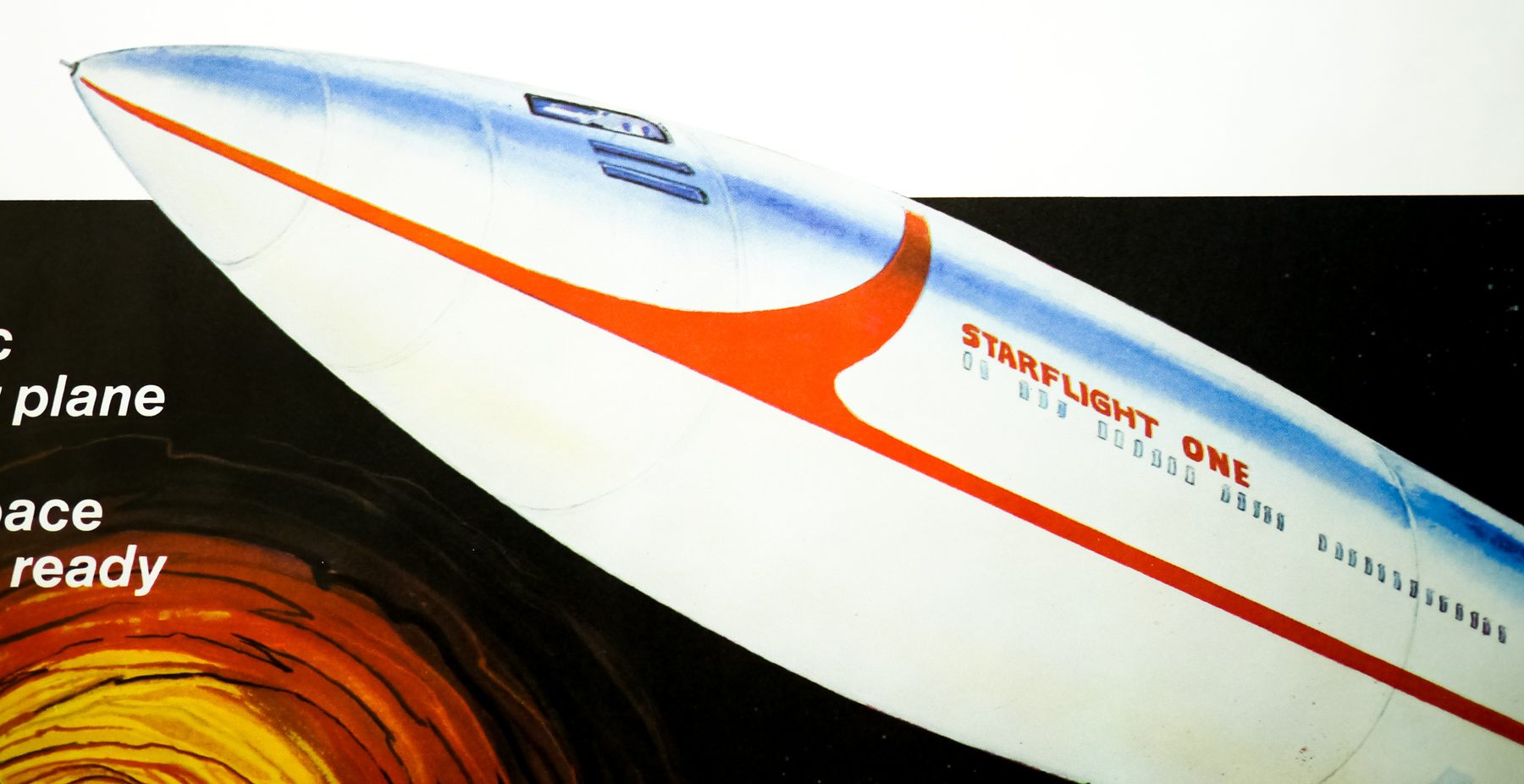
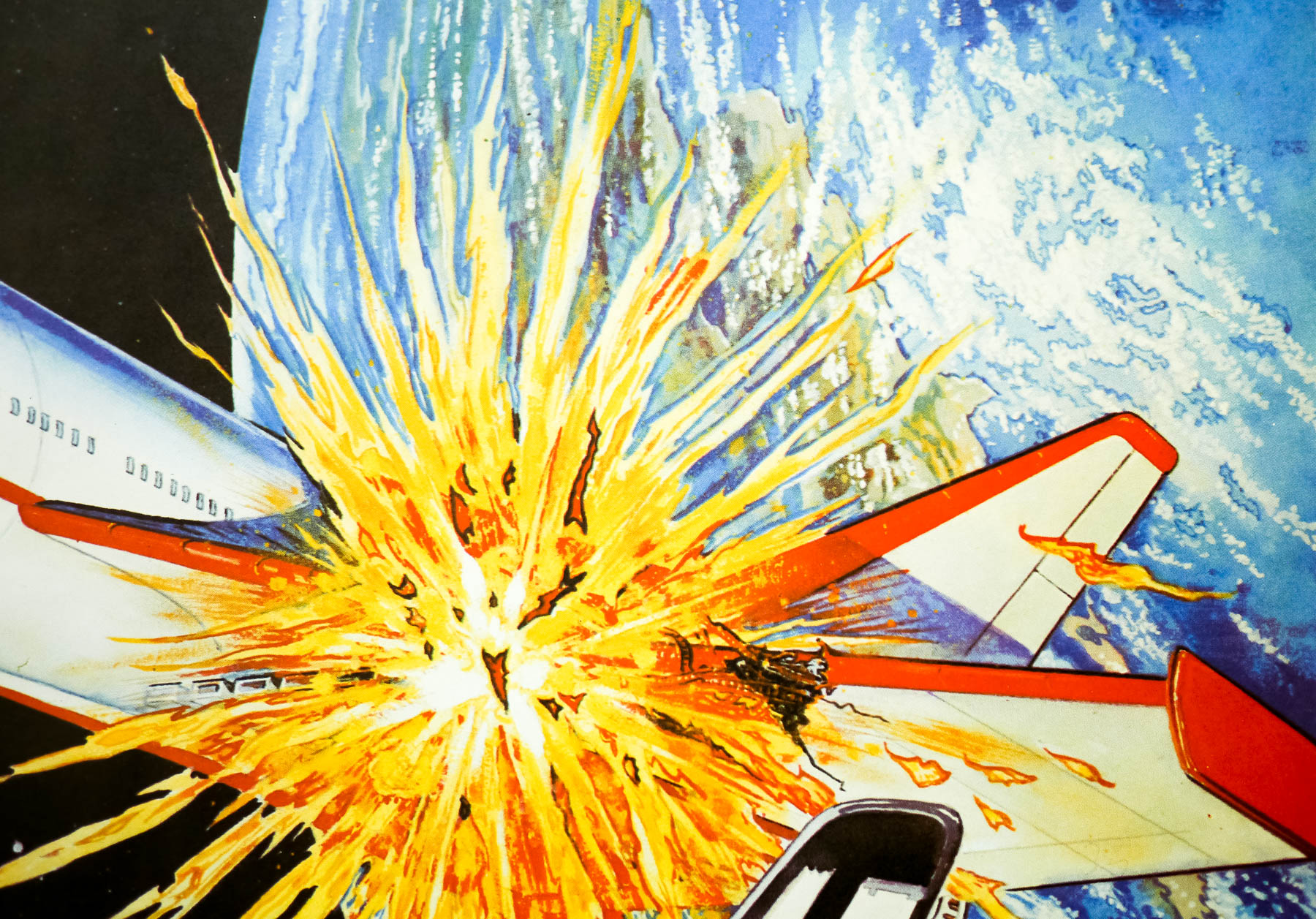
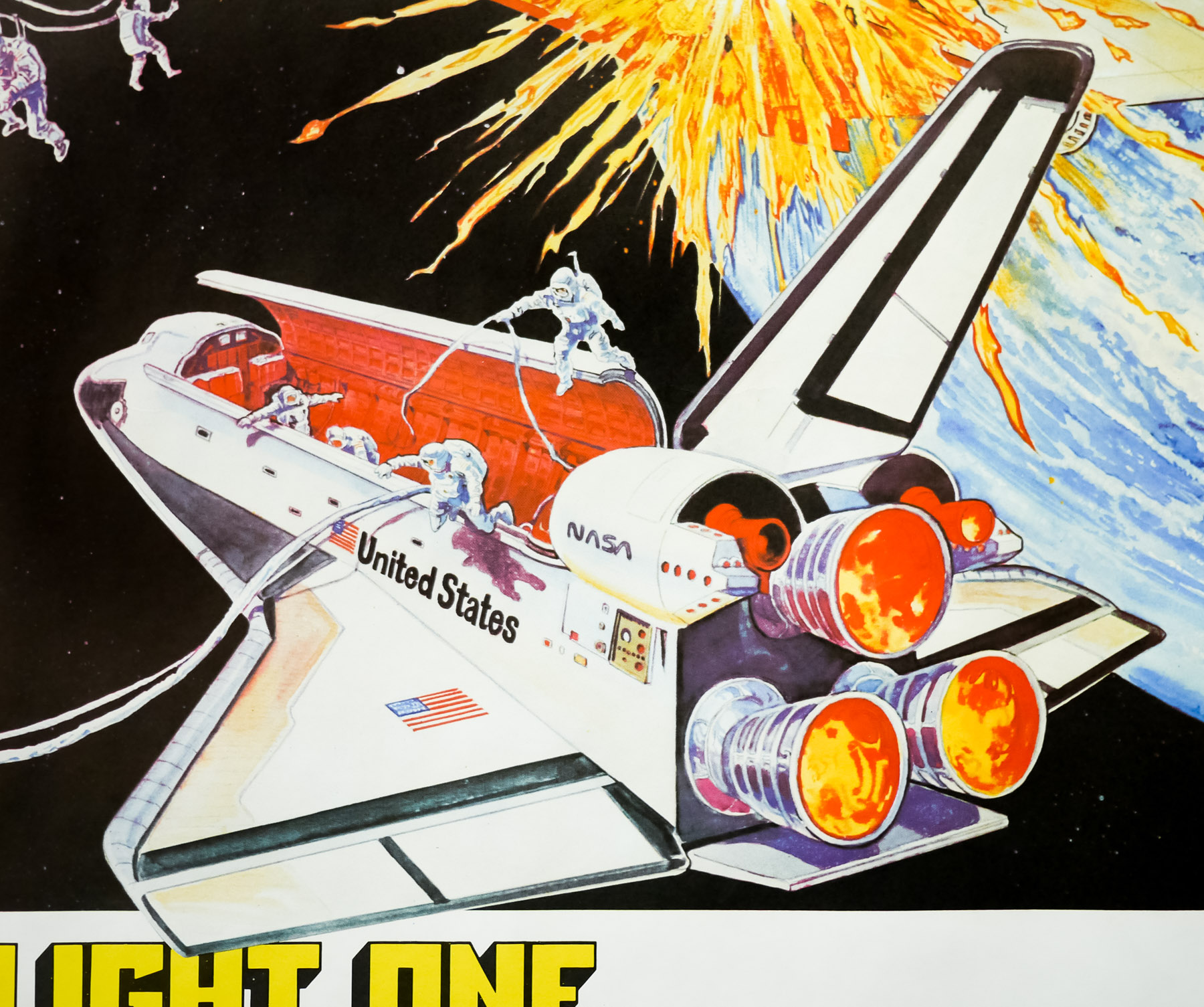
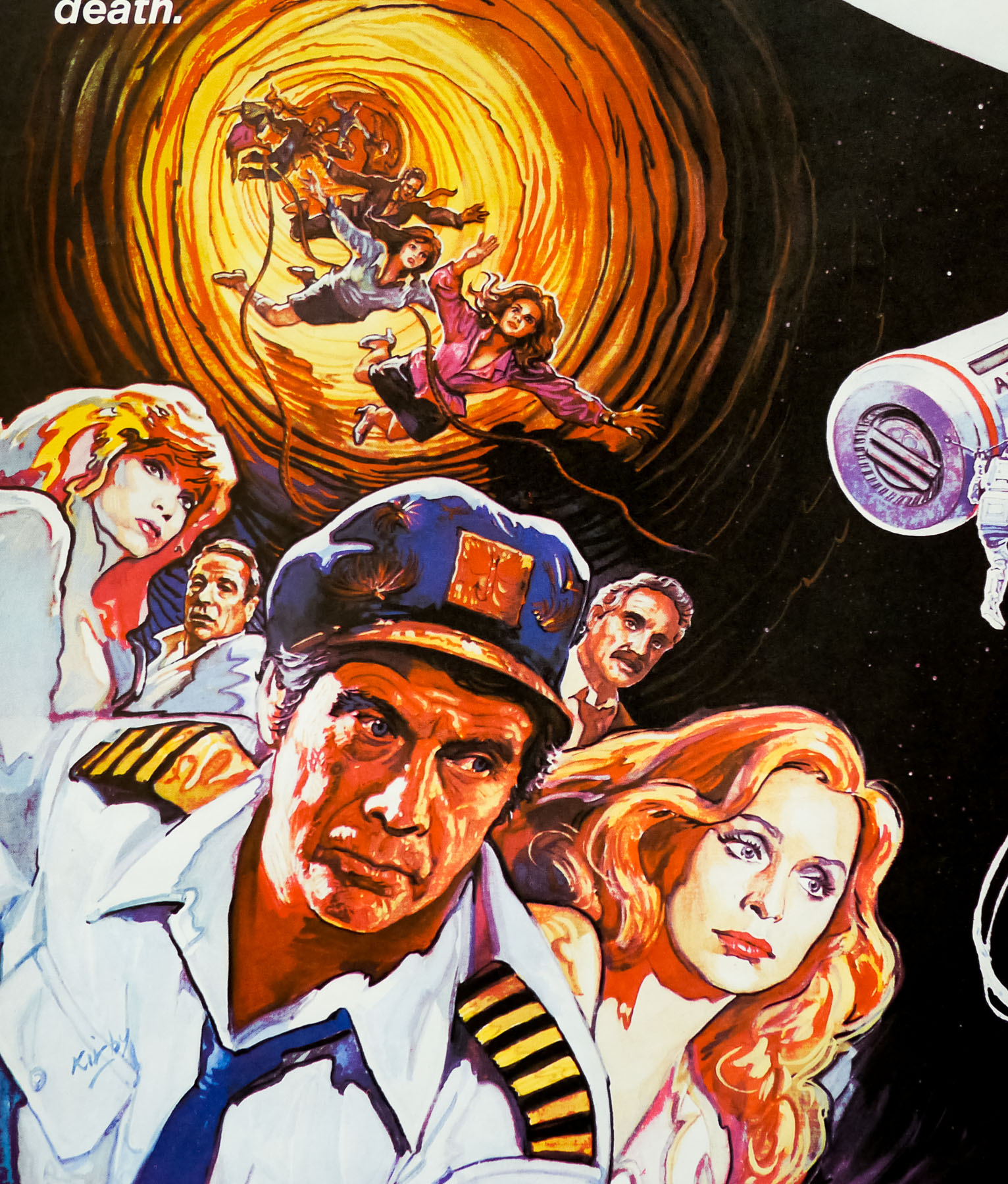
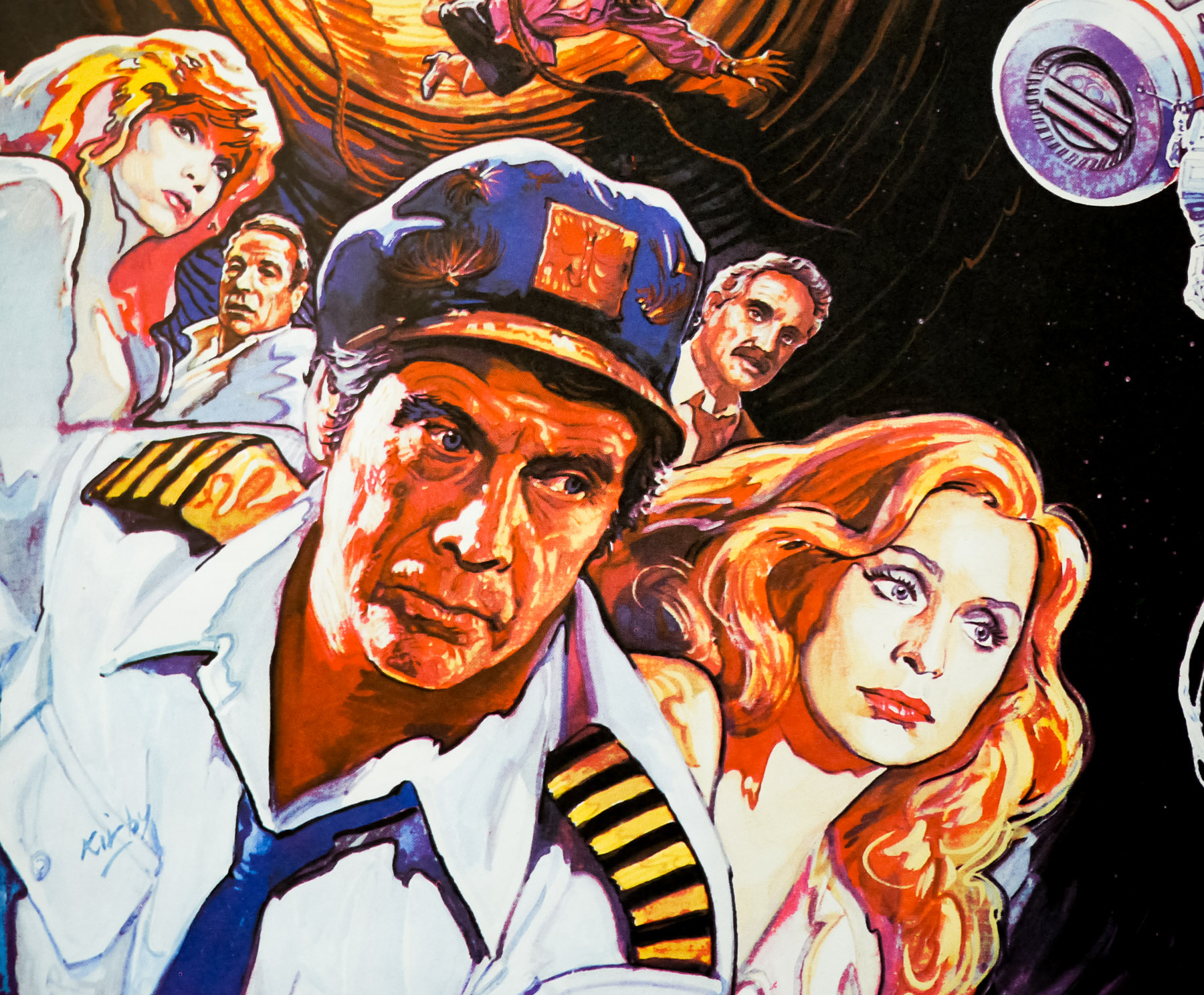
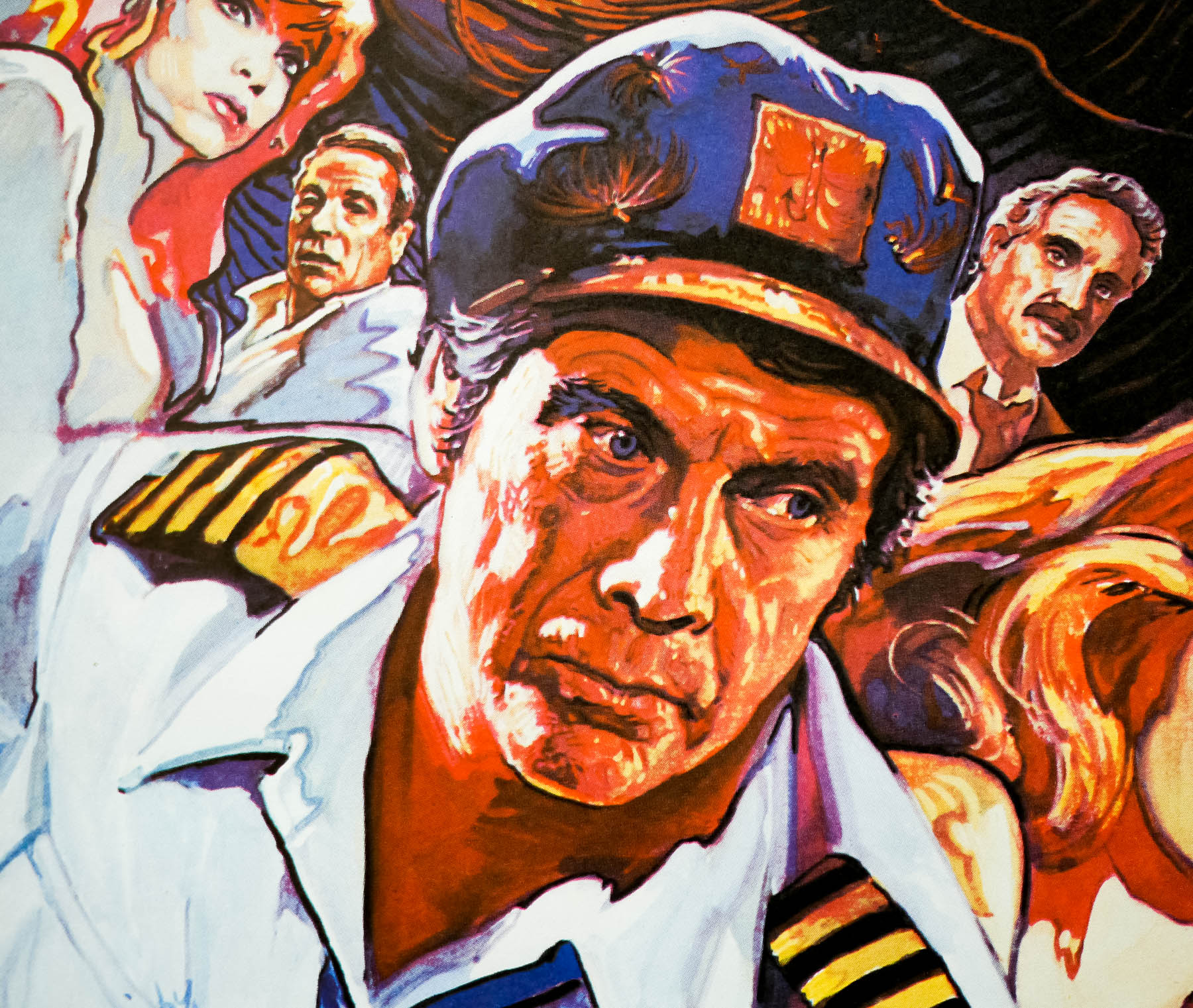
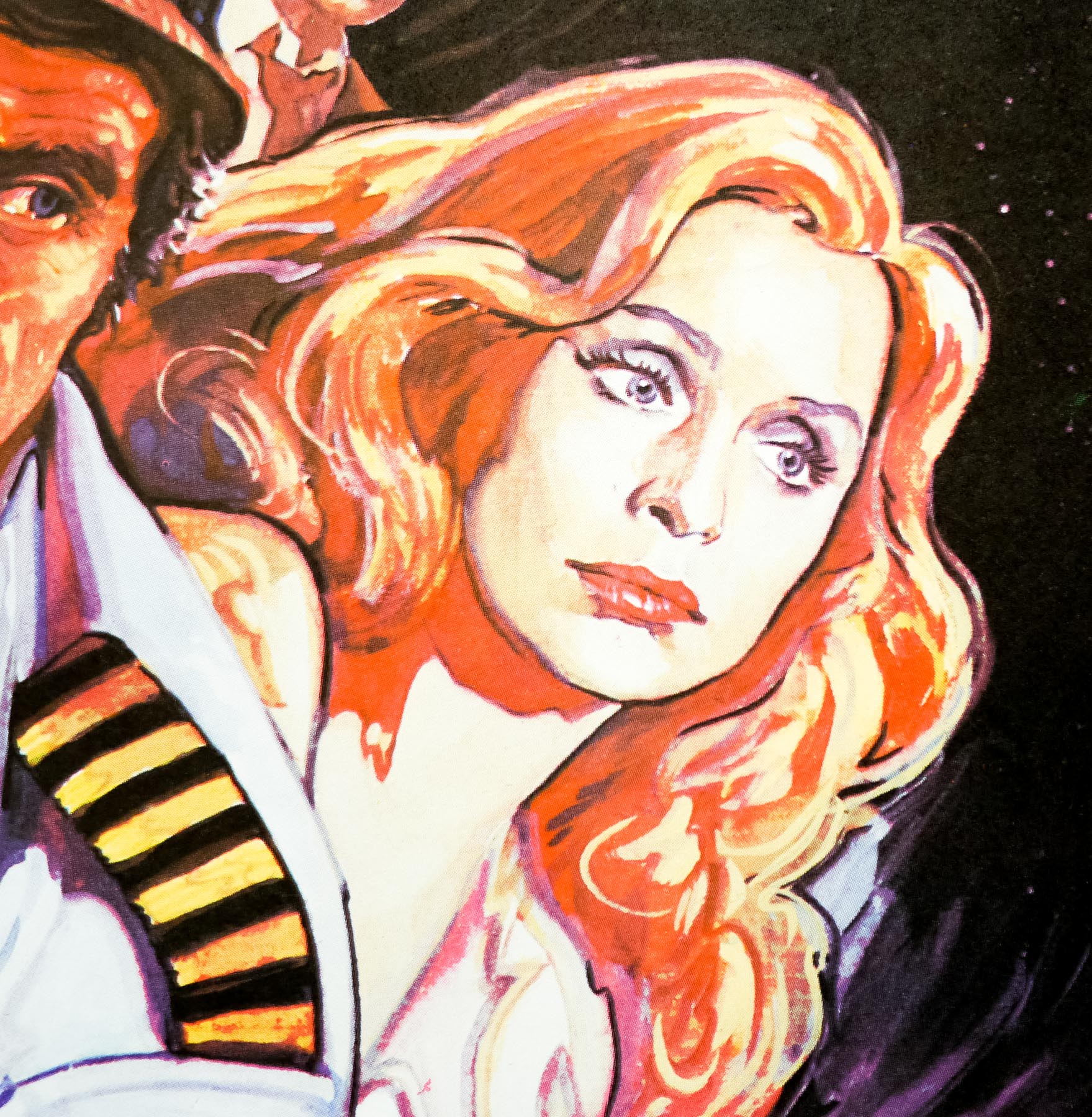
Superb artwork by the British artist Josh Kirby (not to be confused with the American comic book artist Jack Kirby) on this UK quad for the release of Starflight One, which was originally shown as a TV movie in the US with the considerably clunkier title of Starflight: The Plane That Couldn’t Land. Unquestionably the final hurrah for the ‘airplane in peril’ subgenre of the disaster movie that started with Airport in 1970 – Starflight’s director Jerry Jameson was actually at the helm of Airport ’77 – the film was unofficially dubbed Airport ’83. The world’s first ‘hypersonic’ passenger plane, which can make the flight from New York to Sydney in a mere four hours, sets off on its maiden voyage before an unexpected encounter with a rocket sends it up into space and on a decaying orbit around earth. The plane will burn up on atmospheric re-entry and the crew and a team from NASA must work out a way to rescue the passengers before time runs out. The film is, by all accounts, significantly less interesting than that premise makes it sound.

Josh Kirby was born Ronald William Kirby in the town of Waterloo, Lancashire in 1928 and went on to study at Liverpool City School of Art from 1943 to 1949. He gained the nickname Josh after a fellow pupil noticed how similar his early work was to the painting of Joshua Reynolds. As detailed in Sim Branaghan’s must-own book British Film Posters: An Illustrated History, Kirby moved down to London soon after graduating and secured a job at Pulford Publicity, an agency that specialised in the creation of film marketing materials. Kirby worked on a number of quads for Pulford publicity during the 1950s whilst also painting posters for a film company in Paris.

He also began work on book jackets for the likes of Pan Publicity, which included the first paperback edition of Ian Fleming’s Moonraker in 1956, and eventually turned out over 400 of them. In the 1970s Kirby began freelancing for the film publicity agency FEREF, working with the likes of the designer Eddie Paul on a number of posters, including one for the 1972 film Henry VIII and his Six Wives. He worked on this superb illustration for Monty Python’s Life of Brian in 1979 but it was unused, apparently because several of the character illustrations were considered too risqué for cinema-goers.

Kirby’s preferred genres were unquestionably sci-fi and fantasy and much of his best-loved work was in this area, including the UK quads for The Beastmaster, Krull and probably most famously Return of the Jedi, for which he created a wonderfully colourful montage of characters and vehicles from the film. When the market for poster illustration dried up towards the middle of the 1980s, Kirby began what would prove to be a long relationship working on the brilliantly detailed book covers for author Terry Pratchett’s Discworld series of novels. Josh Kirby passed away unexpectedly in his sleep at his home in Norfolk in October 2001 leaving behind an incredible body of work and a legion of fans.

Octopussy / quad / UK

09.08.13

Poster Poster

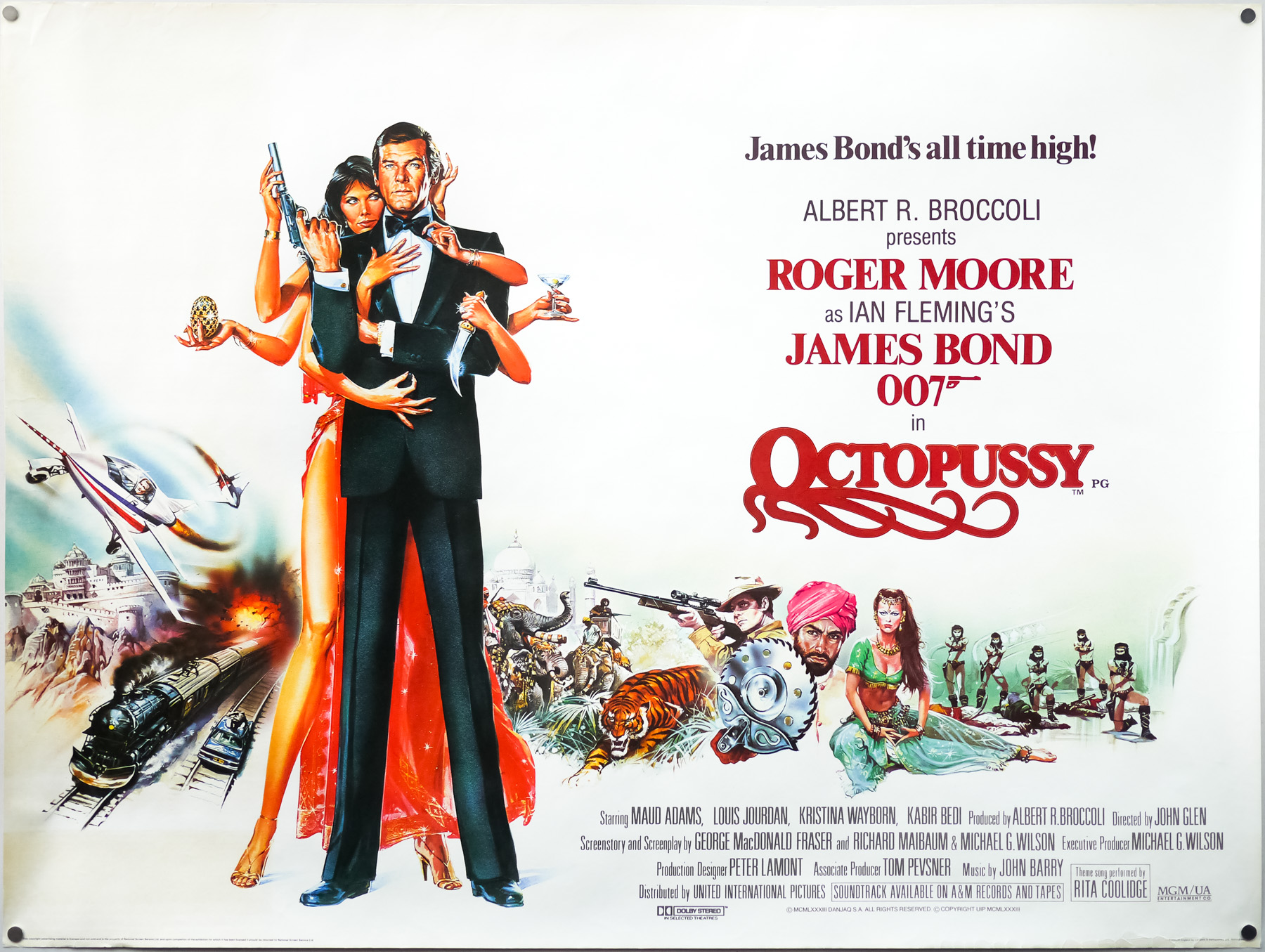
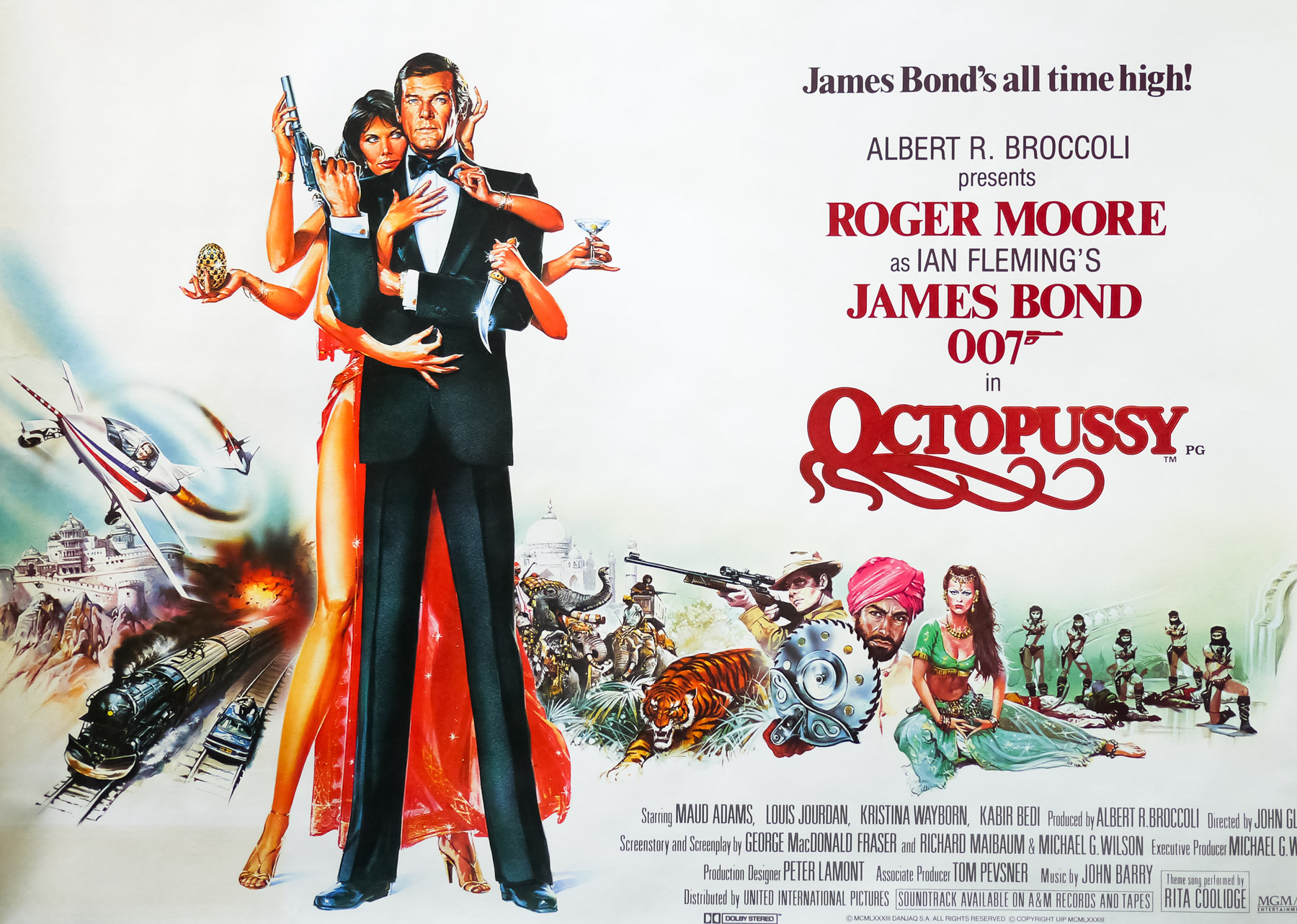
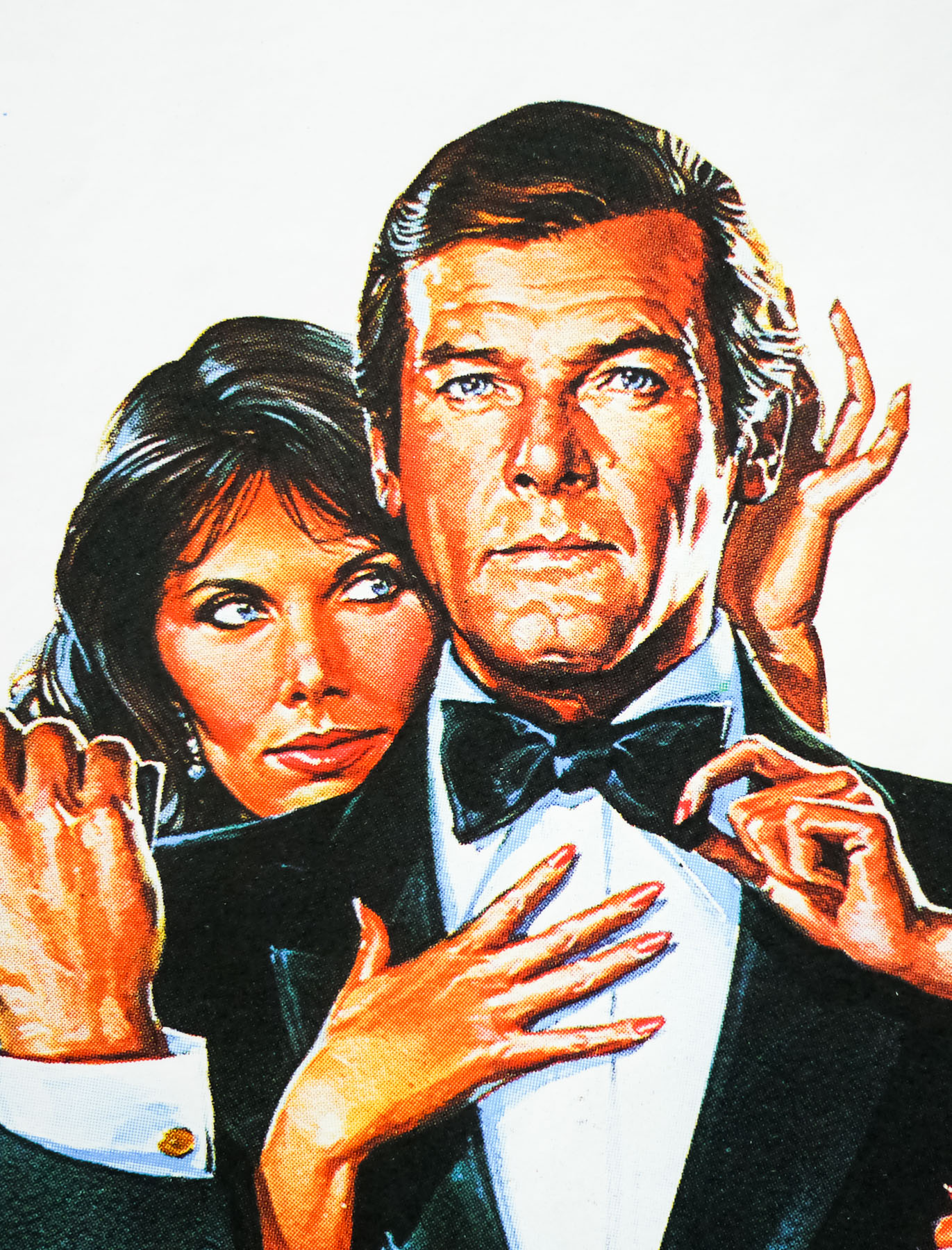
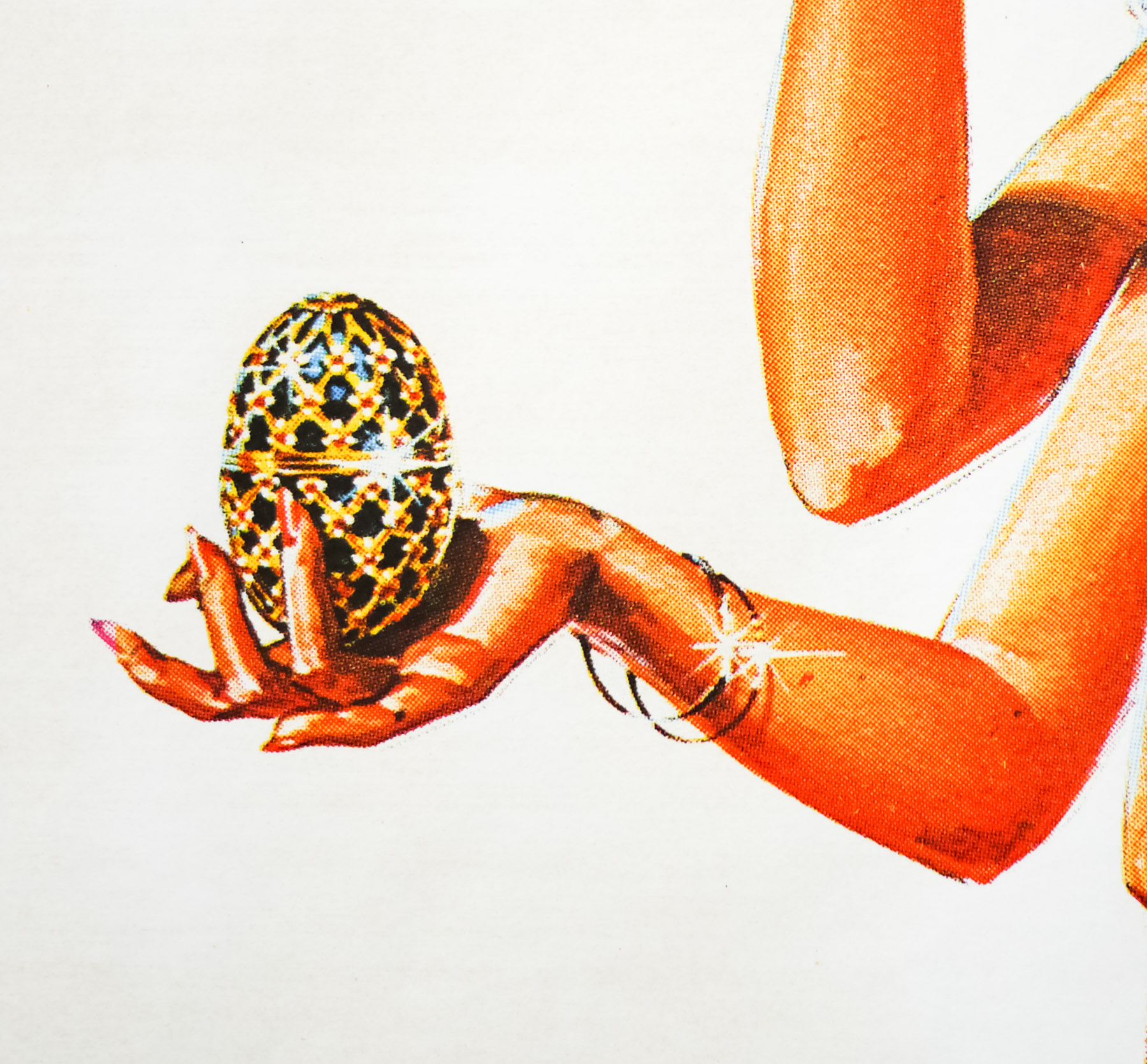
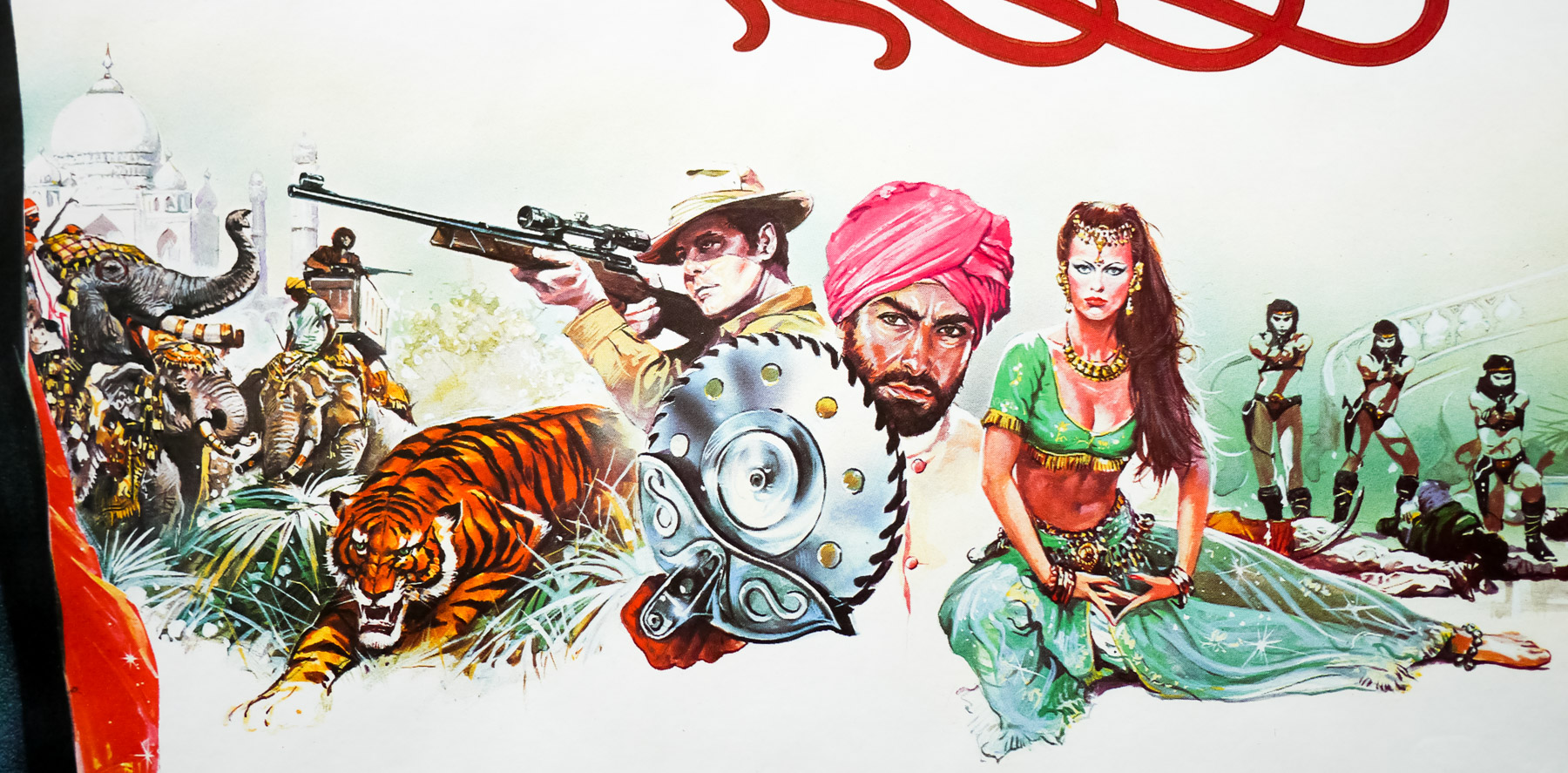
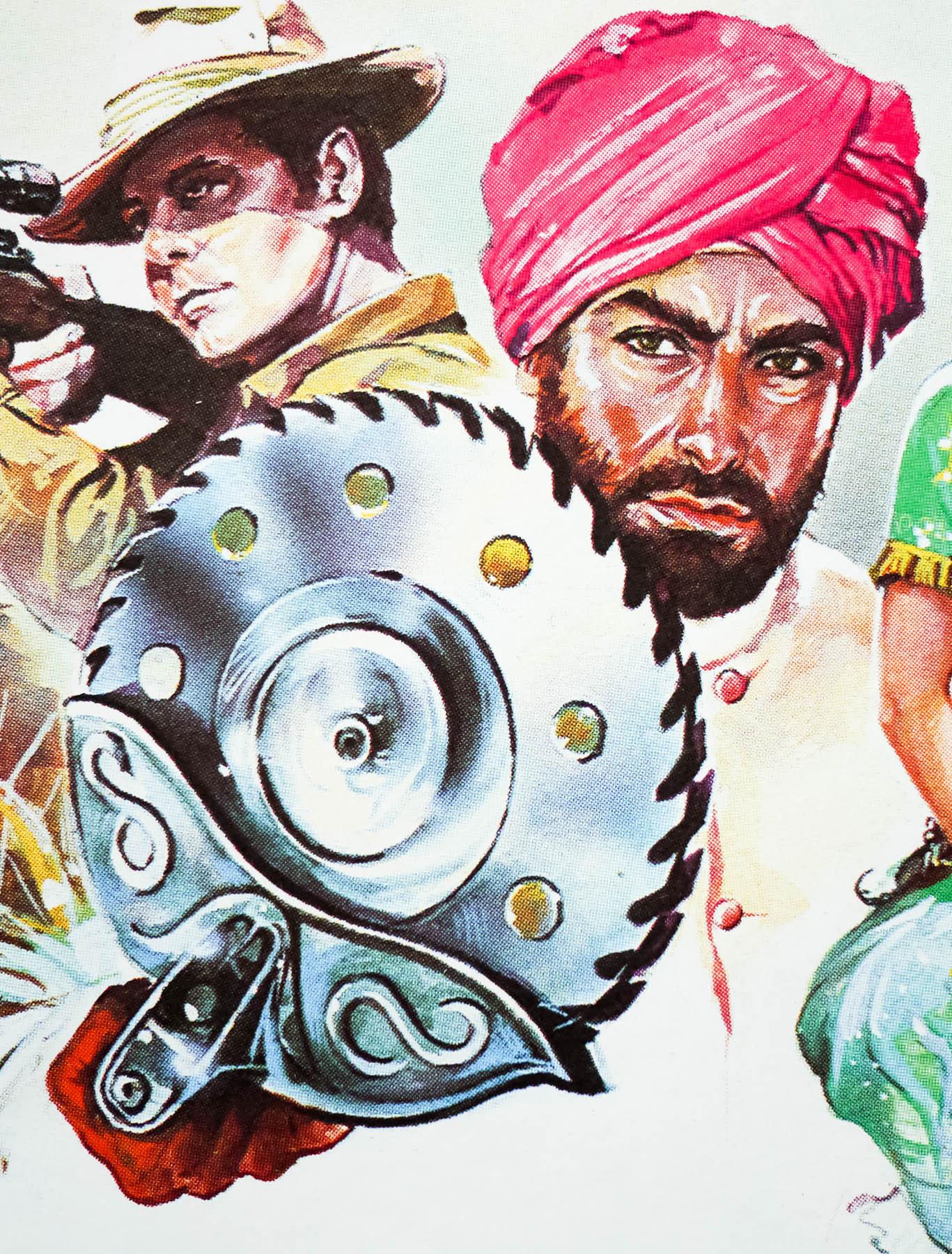
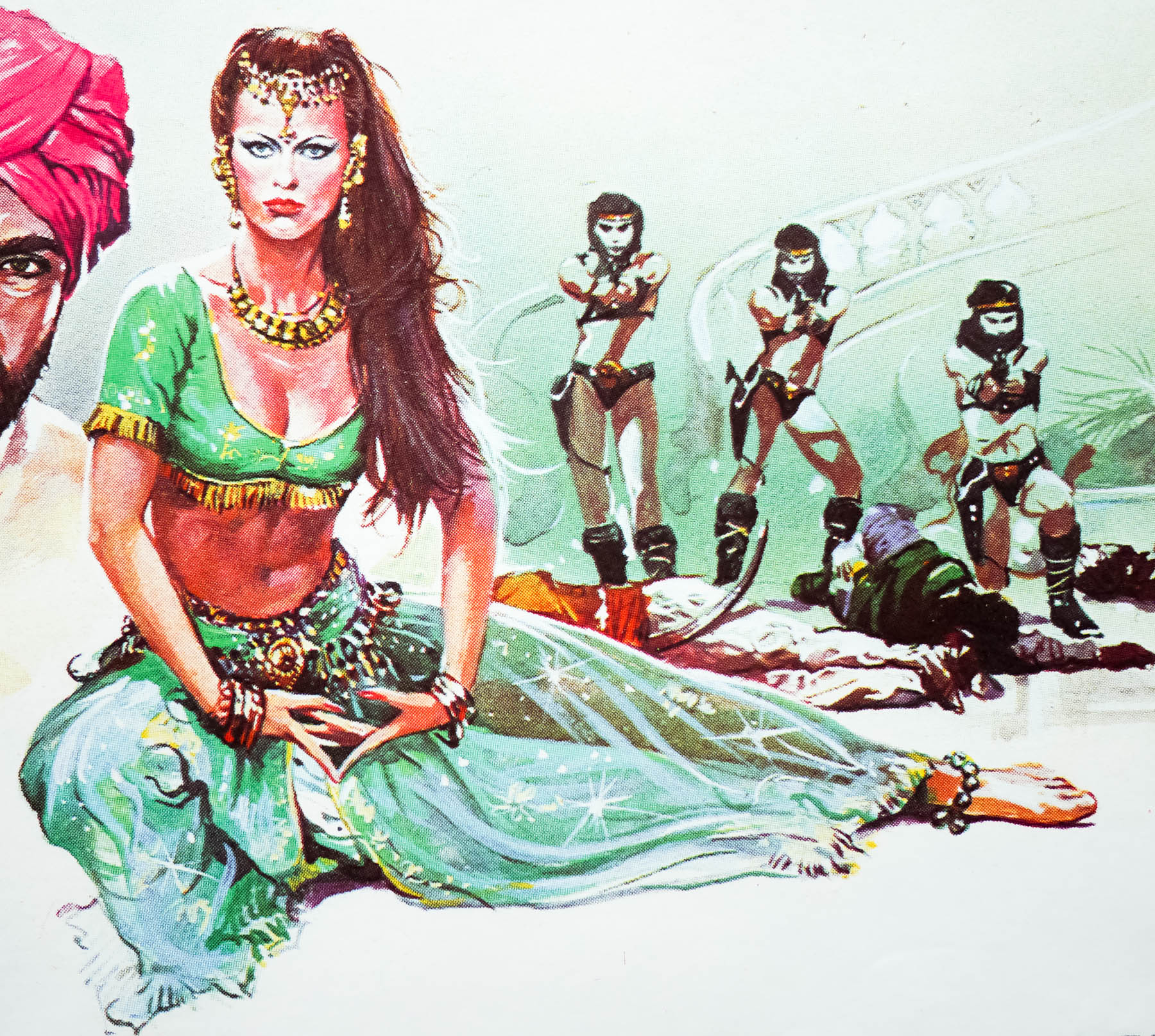
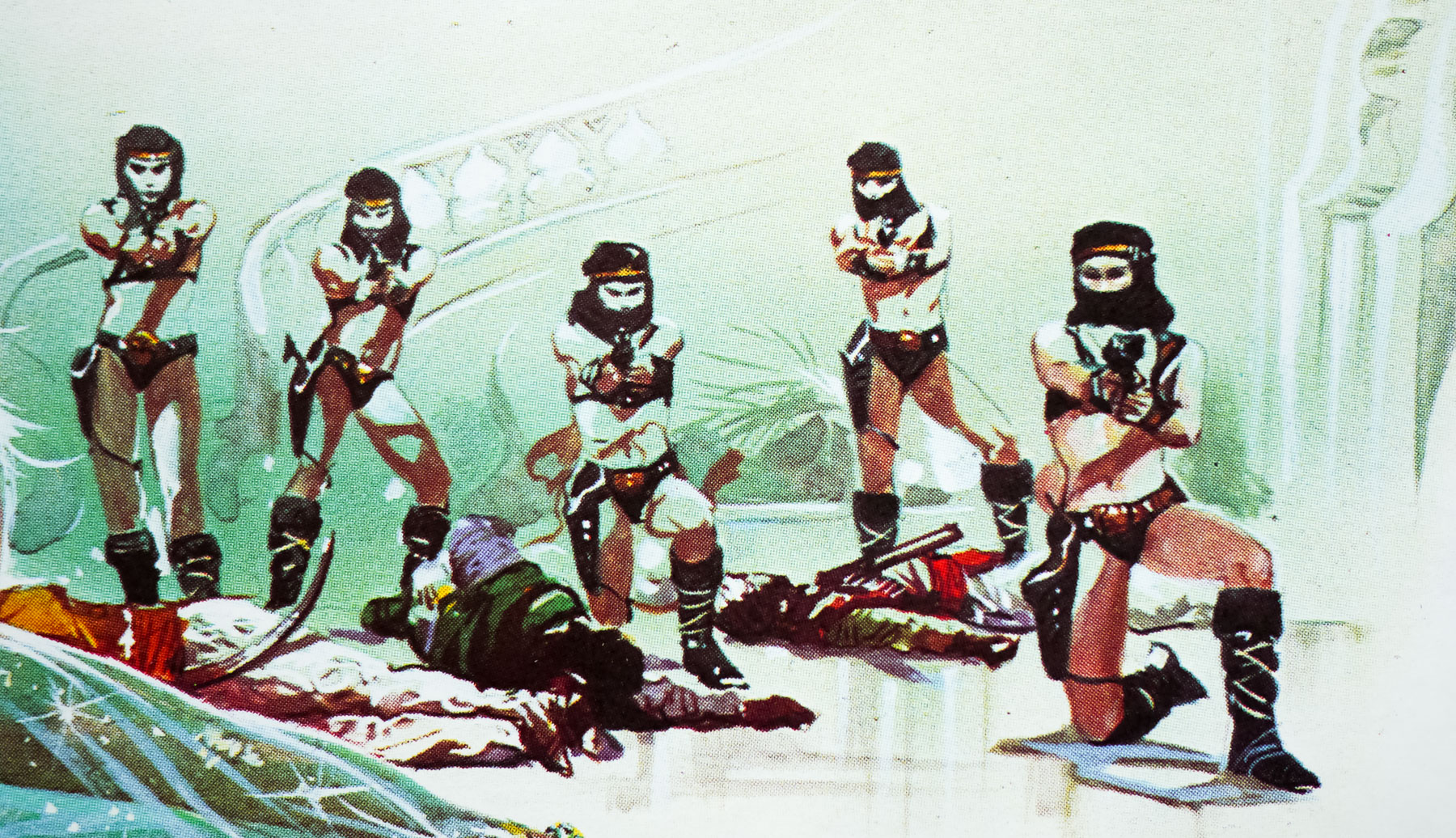
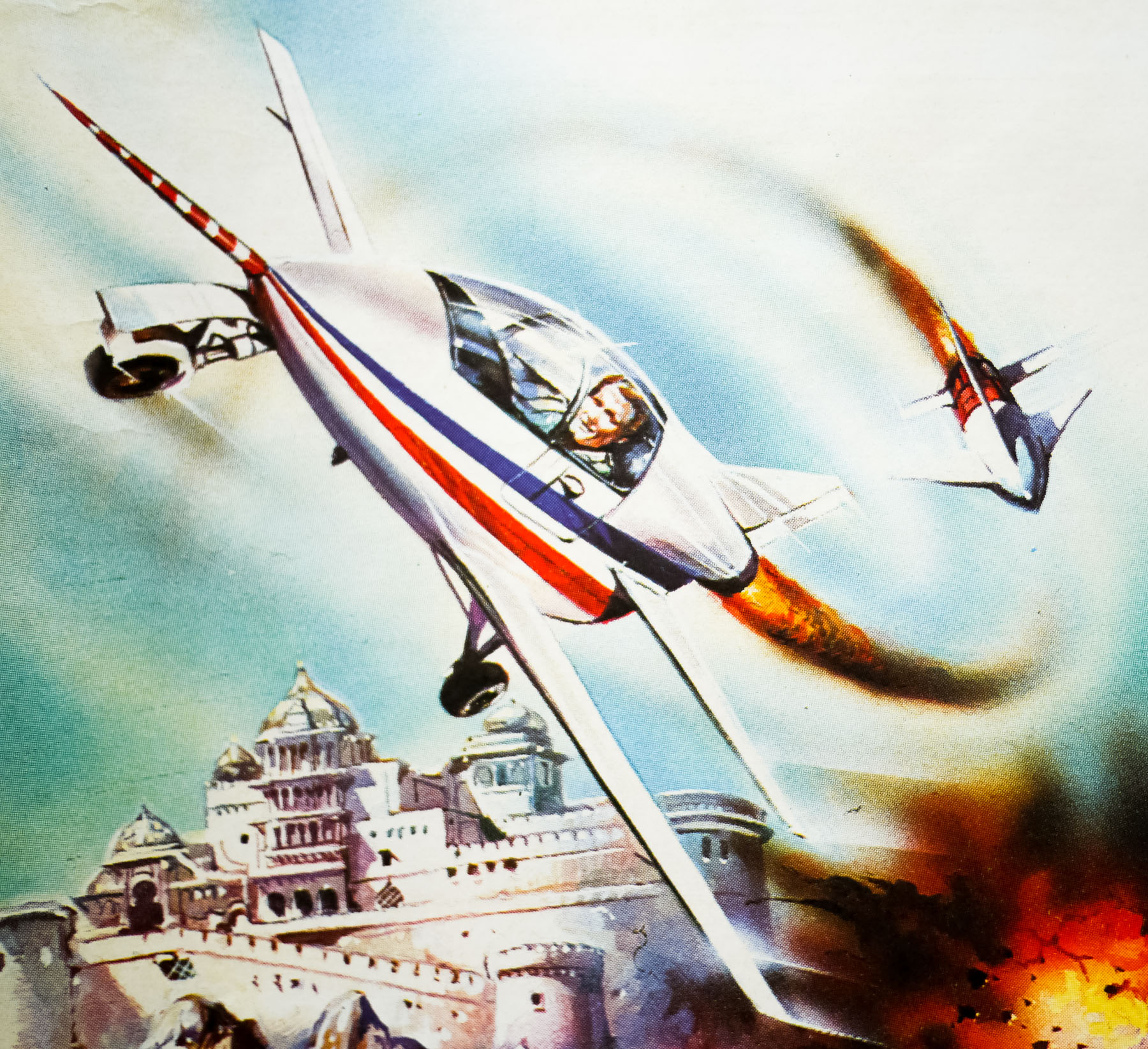
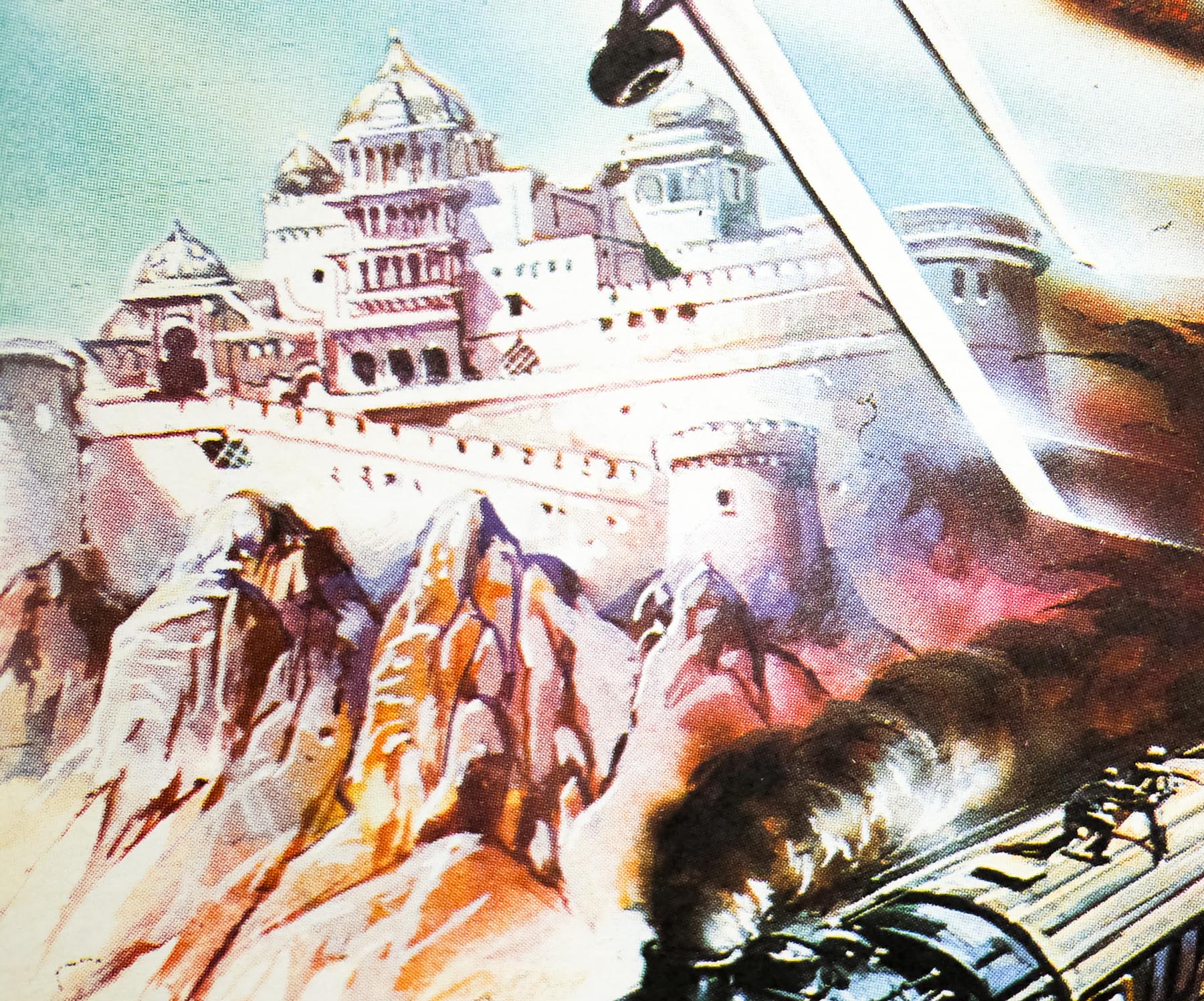
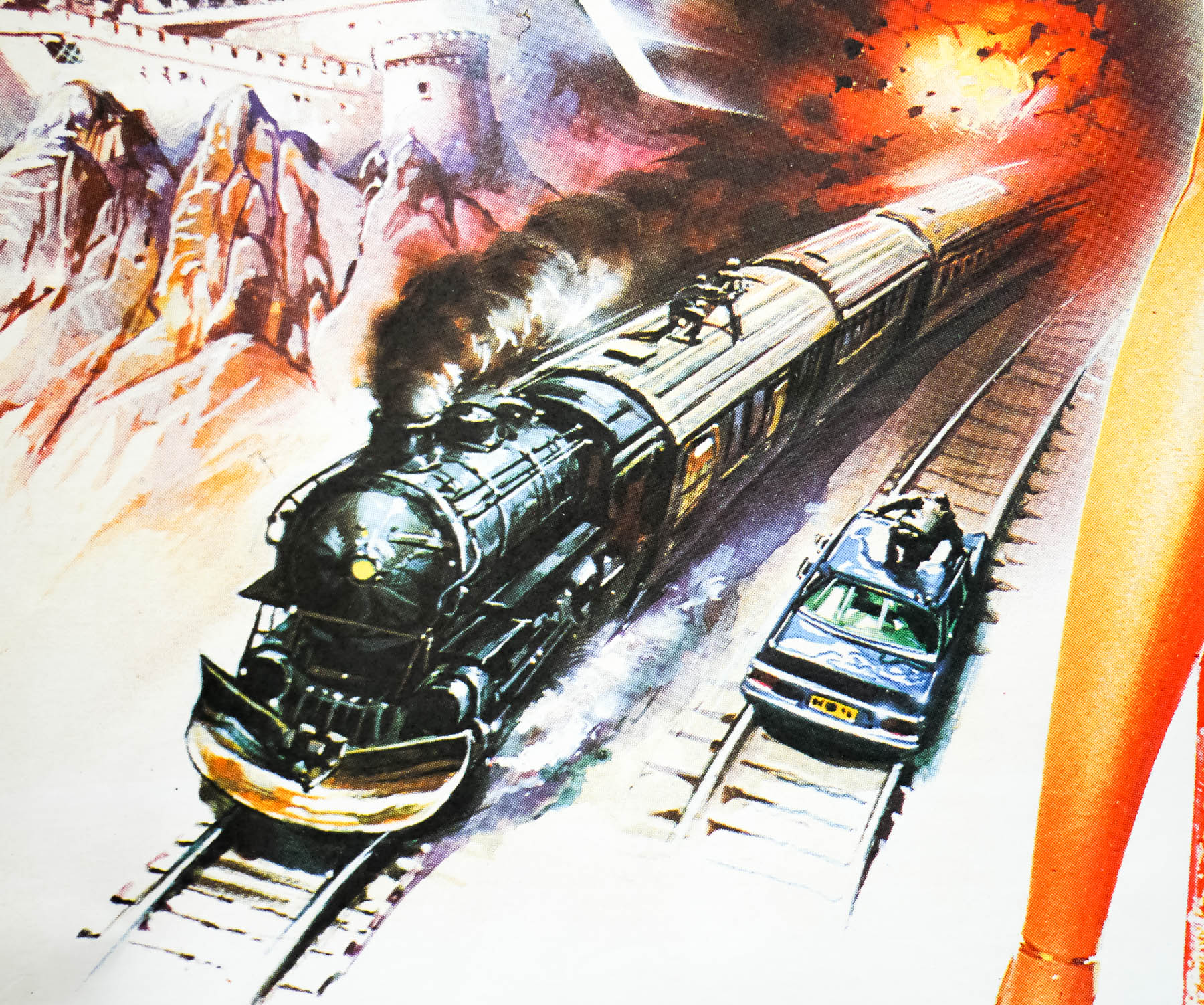
This is the UK quad for Roger Moore‘s sixth outing as the legendary spy, 1983’s Octopussy. Considered by many to be one of the weaker entries in the long-running series, the film nevertheless continued the more ‘realistic’ and down to earth approach that was taken for the previous entry, For Your Eyes Only (1981), following the over-the-top lunacy of Moonraker (1979). The story sees Bond sent to investigate the death of his fellow agent ‘009’ who perishes in front of the British embassy in East Berlin clutching a copy of a priceless Fabergé egg. When the trail leads to an auction house in London where the real egg is to be sold, Bond enters a bidding war with the mysterious Afghan prince Kamal Khan (Louis Jourdan), forcing him to spend several times its listing price.

After following Khan back to his palace in Rajasthan, India, the spy eventually ends up in the clutches of Khan’s bodyguard Gobinda (an imposing Kabir Bedi) and, after escaping, discovers that the prince is working with a power-hungry Soviet general named Orlov (Steven Berkoff) who plans to detonate a nuclear bomb in a US Air Force base in Germany in order to destabilise Europe and expand Soviet borders. Bond heads to a palace on an Indian lake on the trail of Octopussy (Maud Adams), the enigmatic leader of an all-female cult and head of a travelling circus troupe that Khan and Orlov plan to use to smuggle the weapon into the base. Bond must convince Octopussy that Khan is only using her for his nefarious plot and sets out to prevent the bomb from detonating before Europe is plunged into chaos.

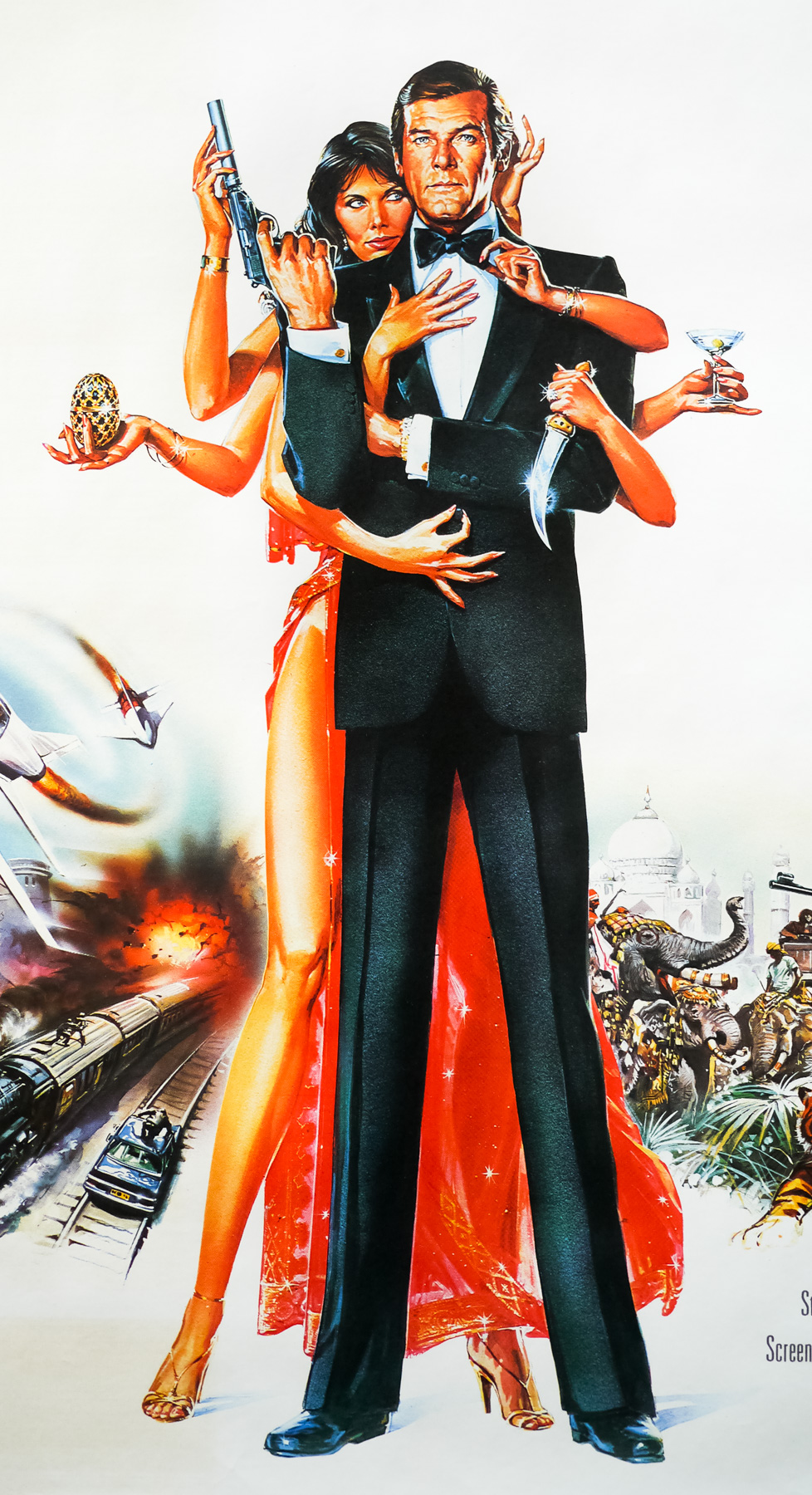
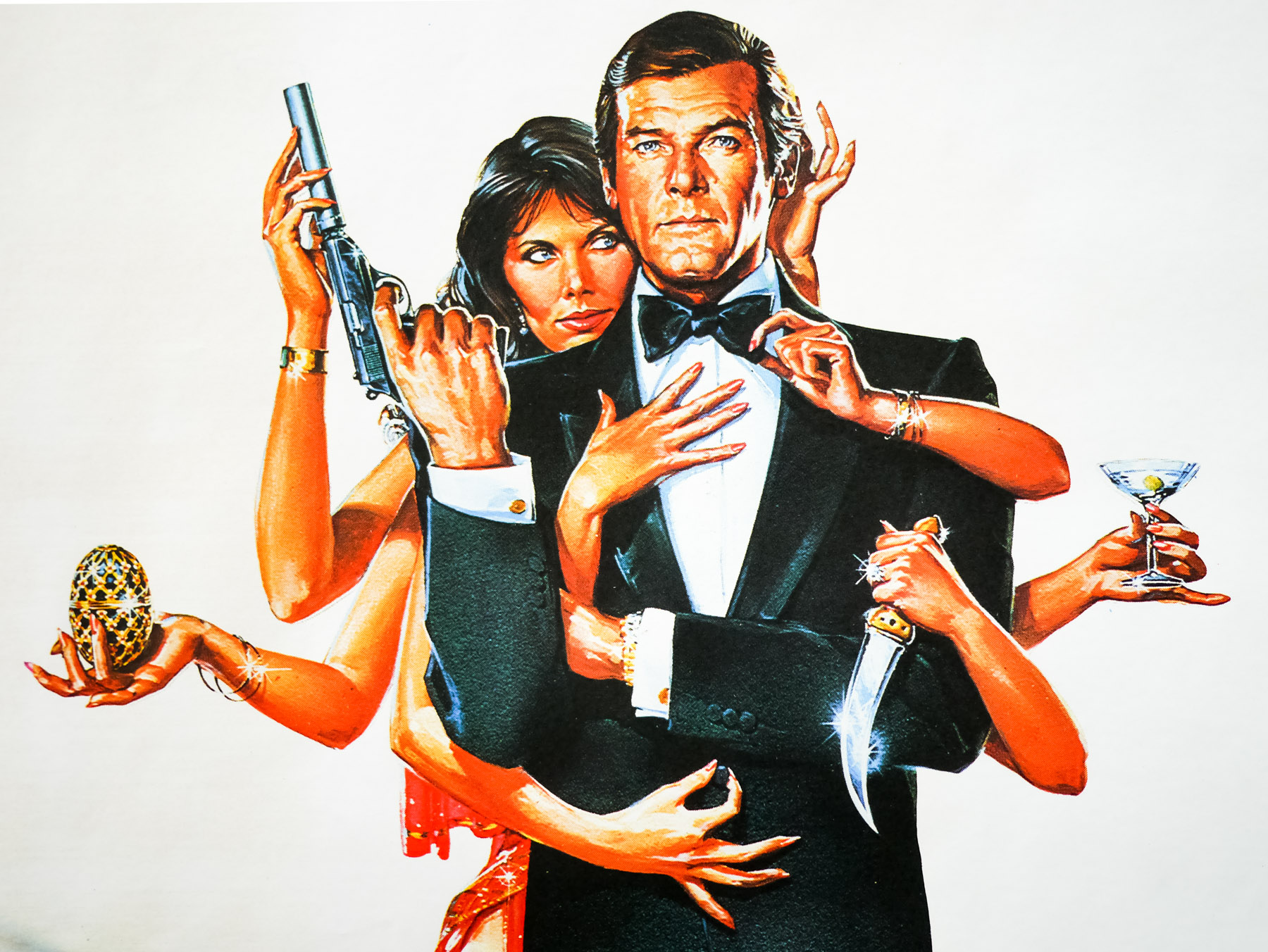
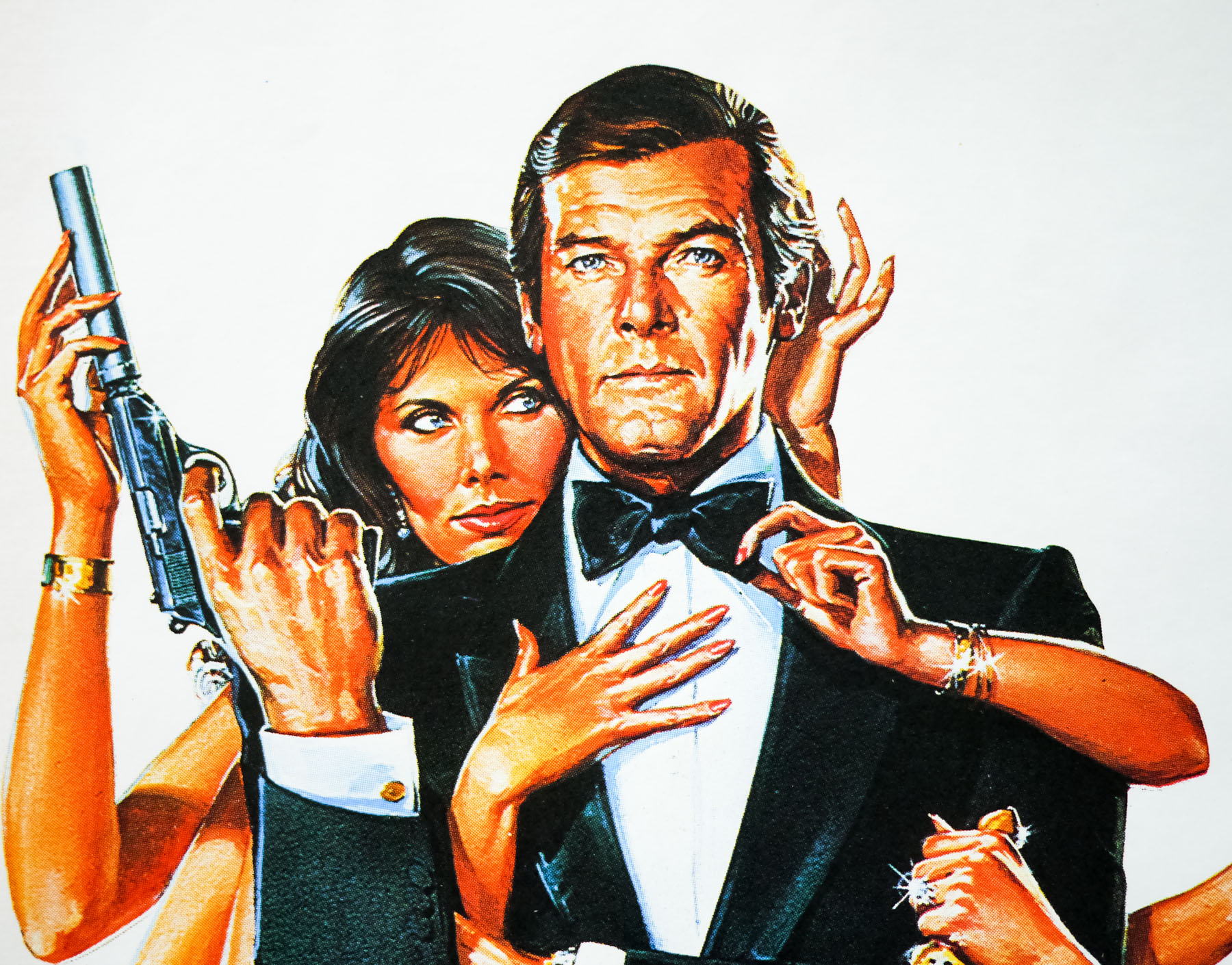
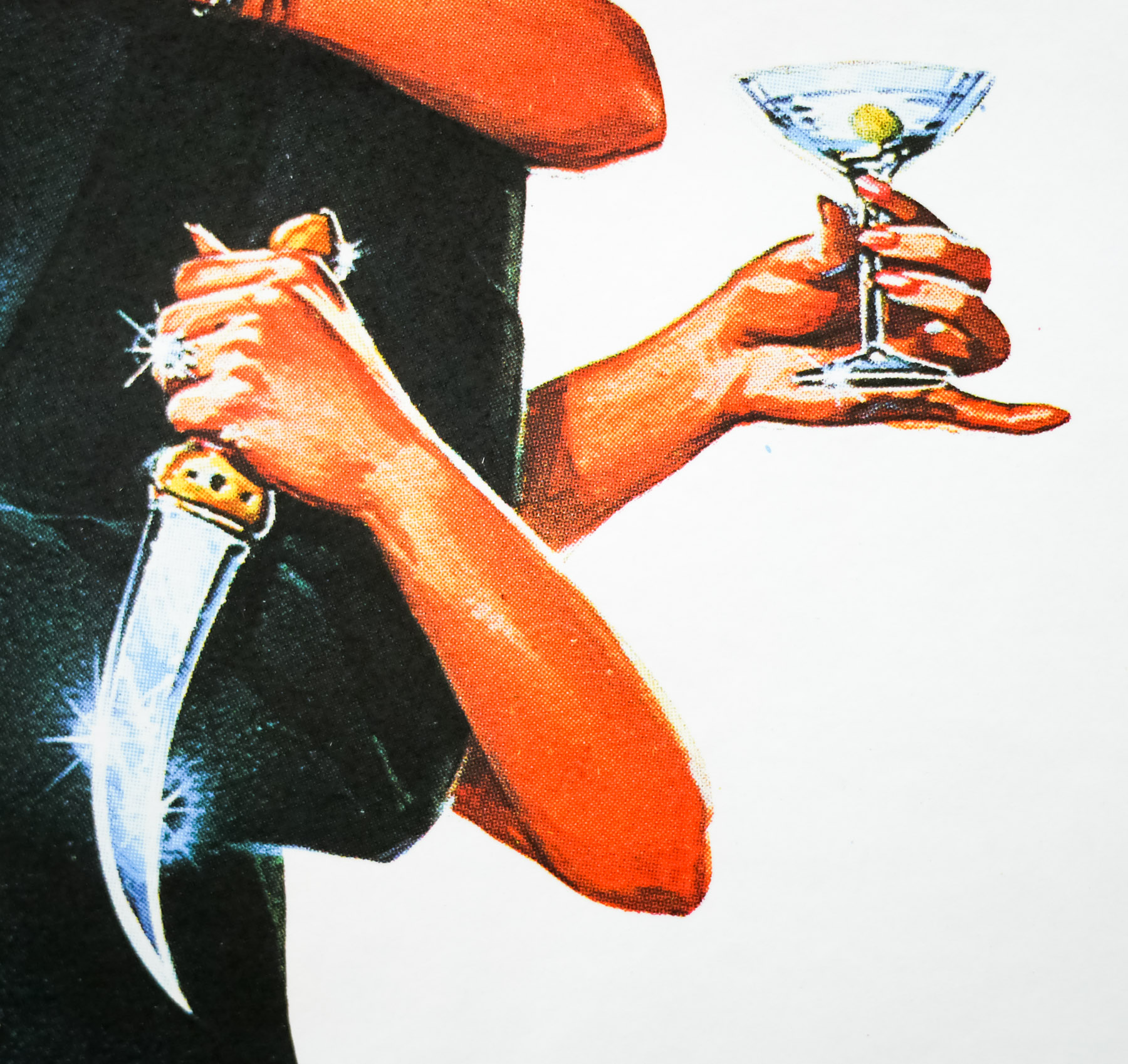
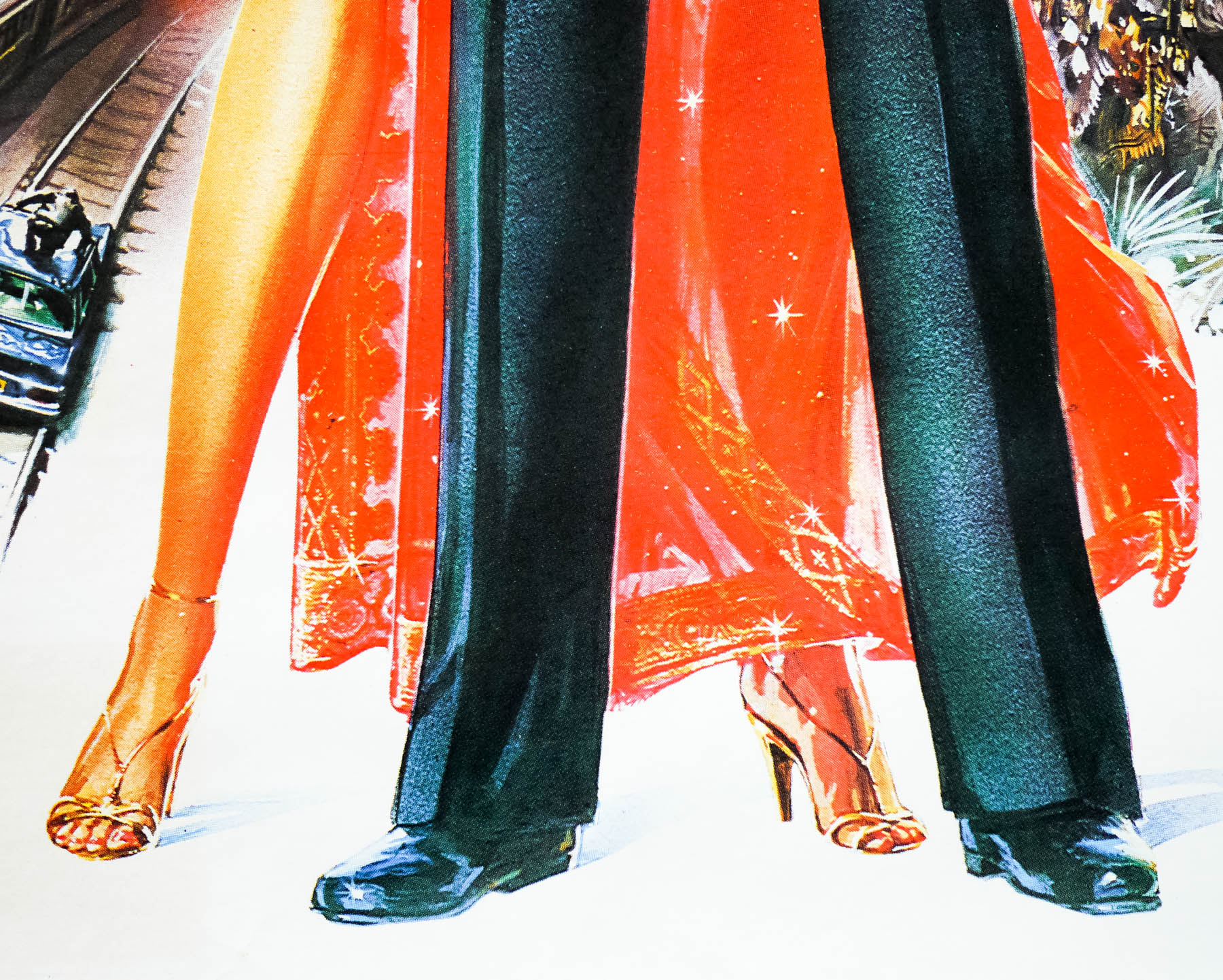
This quad was jointly illustrated by both Renato Casaro, an Italian artist with a prolific output, and the American artist Dan Goozee who painted the central two figures for the US one sheet. They were reused here and then surrounded by the montage of action scenes painted by Casaro. On the Japanese B2, Casaro actually repainted the figures, which then sat alongside a slightly modified montage.

Renato Casaro began his career in 1953, aged 19, at the famous Studio Favalli in Rome, which was part of the legendary Cinecittà studios and handled film publicity for many Italian productions. Casaro soon decided to become a freelance artist and went on to design and paint posters for many of the biggest directors in the world. His skill at accurately portraying actors and his brilliant use of colour and composition saw him much in demand from studios and actors alike. His artwork has featured on many German posters as well as others from countries including Japan, UK, North America as well as in his native Italy.

Check out the incredible amount of work on his official website here, which also features a biography of the artist. The other posters I’ve collected by Casaro can be seen by clicking here.

Dead and Buried / quad / UK

14.10.13

Poster Poster
Title
Dead and Buried
AKA
Zongeria (Japan)
Year of Film
1981
Director
Gary Sherman
Starring
James Farentino, Melody Anderson, Jack Albertson, Dennis Redfield, Nancy Locke, Robert Englund
Origin of Film
USA
Genre(s) of Film
James Farentino, Melody Anderson, Jack Albertson, Dennis Redfield, Nancy Locke, Robert Englund,
Type of Poster
Quad
Style of Poster
--
Origin of Poster
UK
Year of Poster
1981
Designer
Unknown
Artist
Dario Campanile
Size (inches)
30" x 39 15/16"
SS or DS
SS
Tagline
The writers of Alien... bring a new terror to earth | A new dimension in fear...

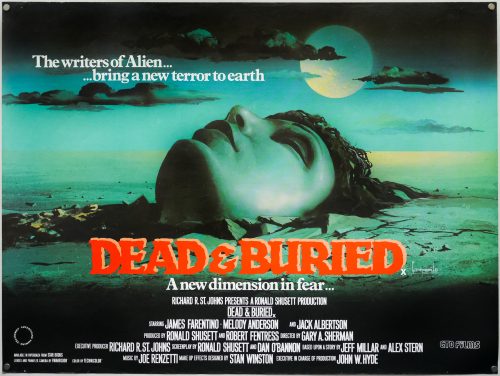
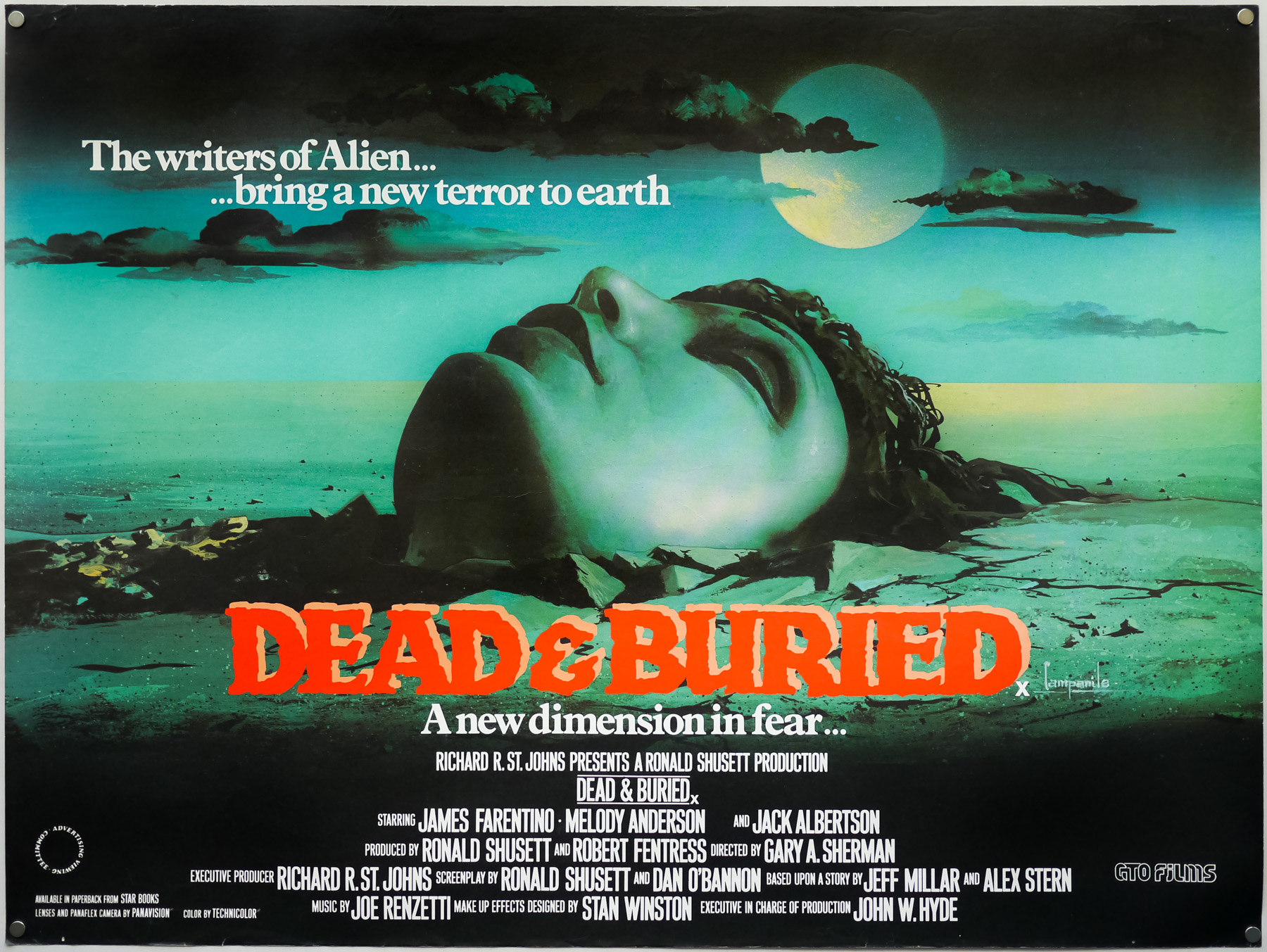
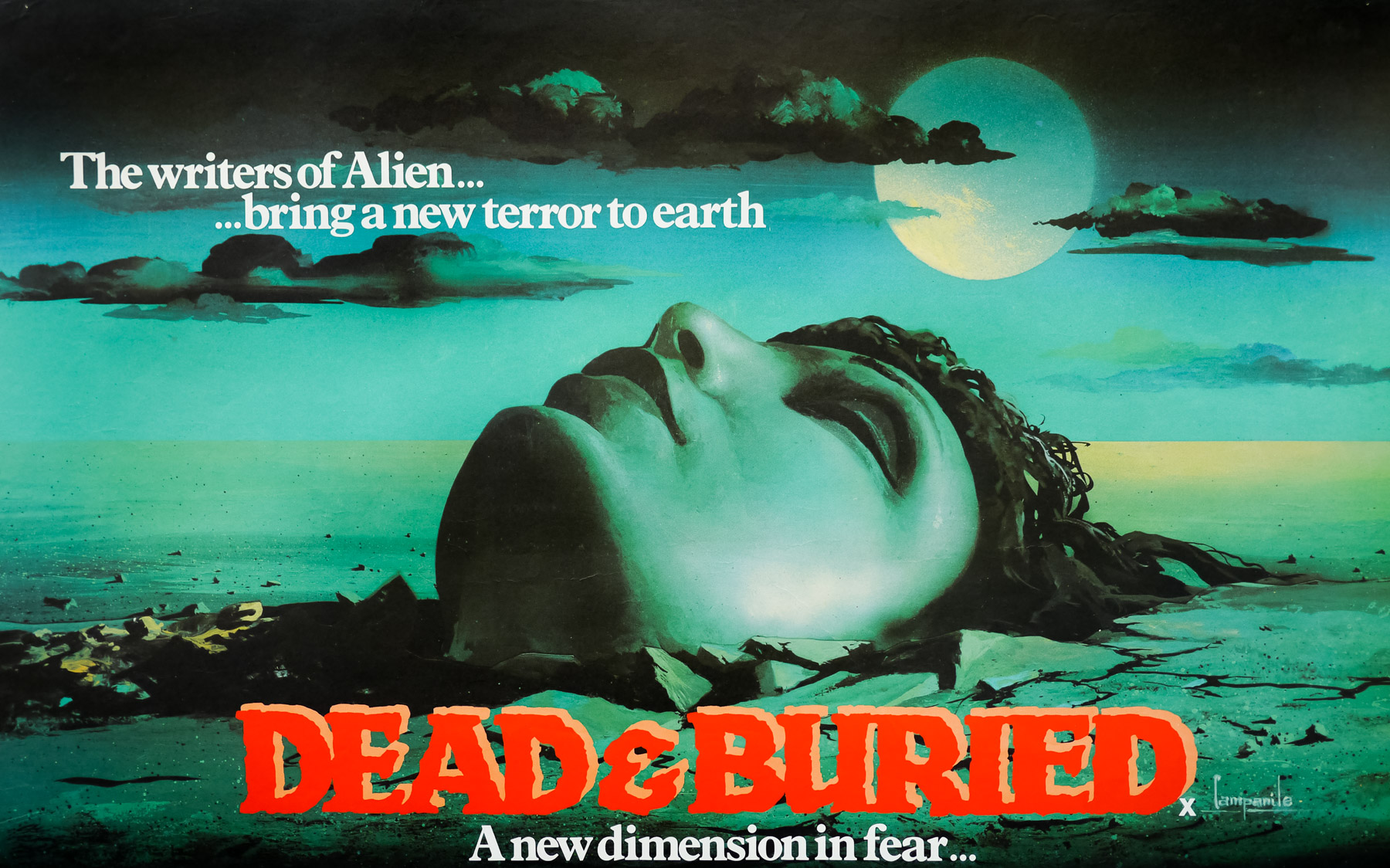
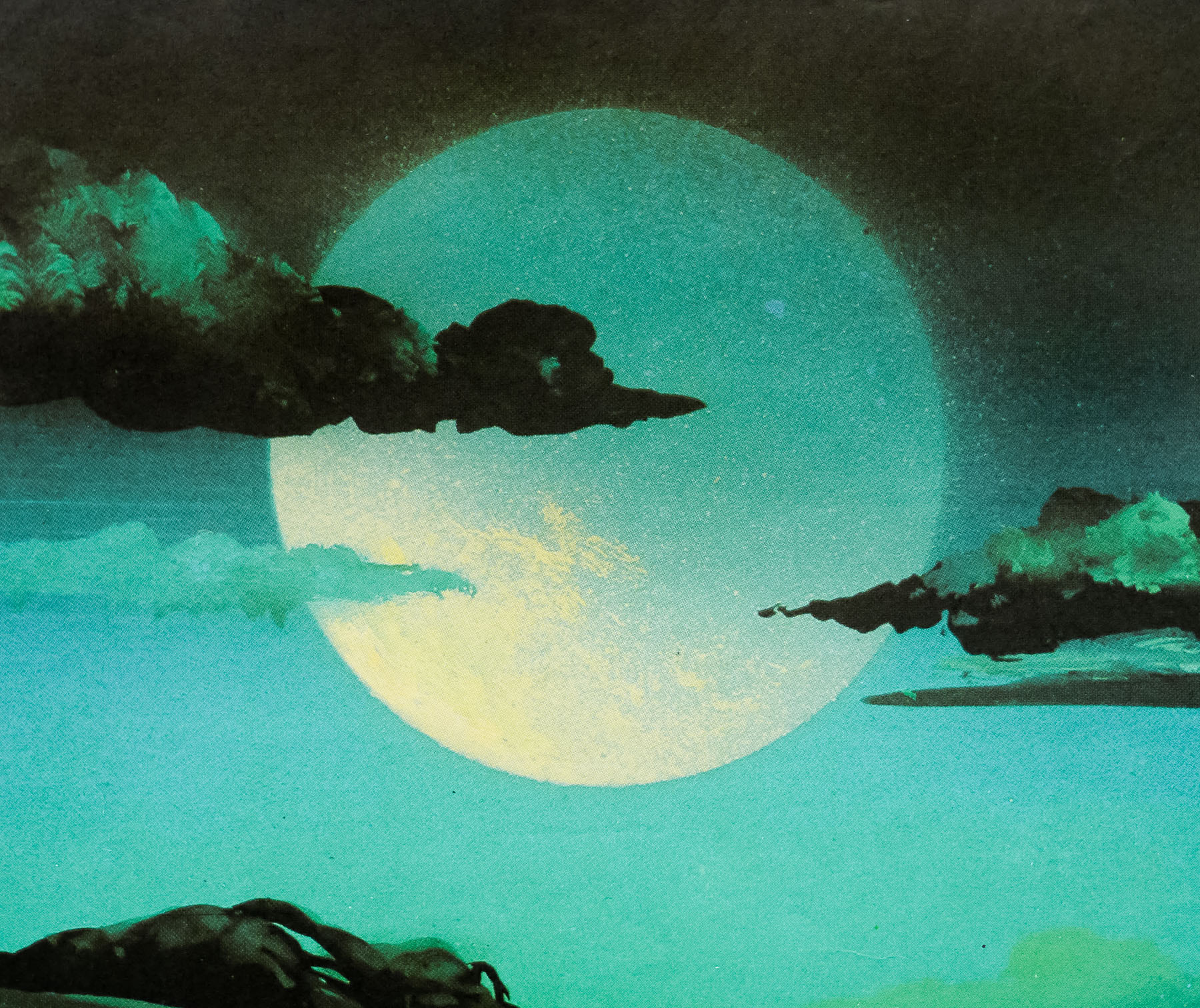
An iconic piece of horror artwork adorns this UK quad for the release of the American horror film Dead and Buried. As the poster’s top tagline highlights, the film was written by Ronald Shusett and Dan O’Bannon, the two screenwriters responsible for the 1979 sci-fi masterpiece Alien and it was directed by Gary Sherman whose previous film had been the creepy ‘cannibals on the London Underground’ horror Raw Meat (AKA Deathline) almost a decade earlier. The story is set in the seemingly normal New England seaside town of Potter’s Bluff and sees the local Sheriff Dan Gillis (James Farentino) investigating a series of mysterious disappearances of strangers visiting the area. The baffling thing for the sheriff is that the strangers are then reappearing some days later now seemingly a member of the community.

The viewer bears witness to a series of gruesome murders beginning with that of a photographer (Christopher Allport) who is seduced on the town beach before being attacked by several people from the town who beat him and burn him alive whilst taking photographs. It soon becomes clear that Potters Bluff’s eccentric mortician William G. Dobbs (Jack Albertson AKA Grandpa Joe from Willy Wonka and the Chocolate Factory) has been practicing some fairly unorthodox patient handling in his morgue and the sheriff sets out to put a stop to his plans.

Apparently, the film went through a number of edits at the request of one of the financiers and was moulded into more of a dark horror film than Gary Sherman had originally intended, with two additional killings inserted and filmed without the assistance of effects maestro Stan Winston (these are noticeably different in tone and quality of execution than the rest of the film). Despite this, Dead and Buried is a solid horror film with a creepy atmosphere, excellent production design and some memorable turns, particularly from Albertson and Melody Anderson as Dan Gillis’ wife who harbours a dark secret.

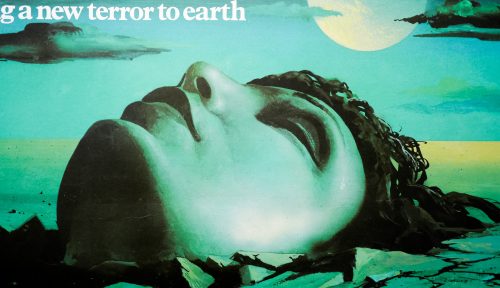
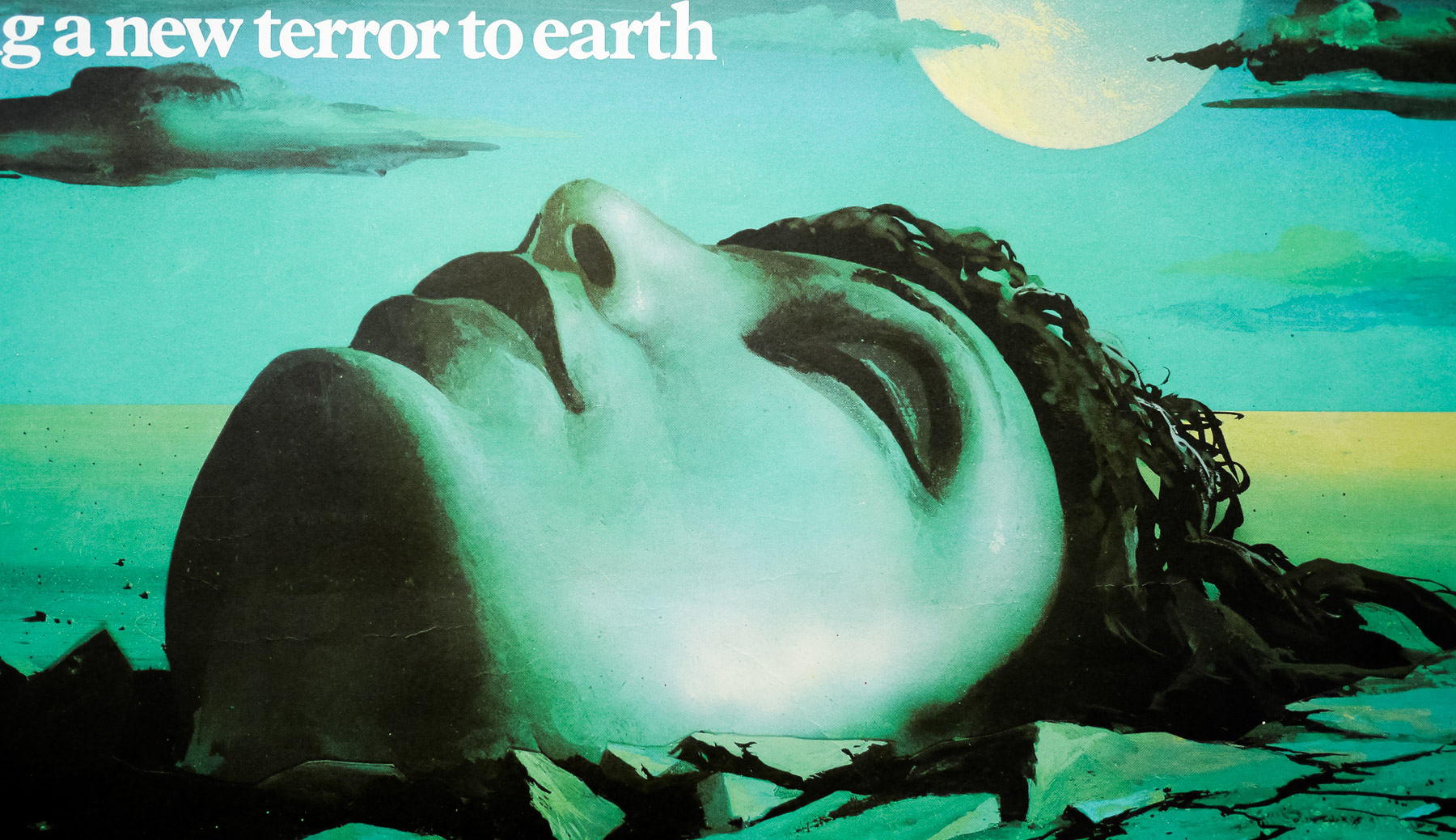
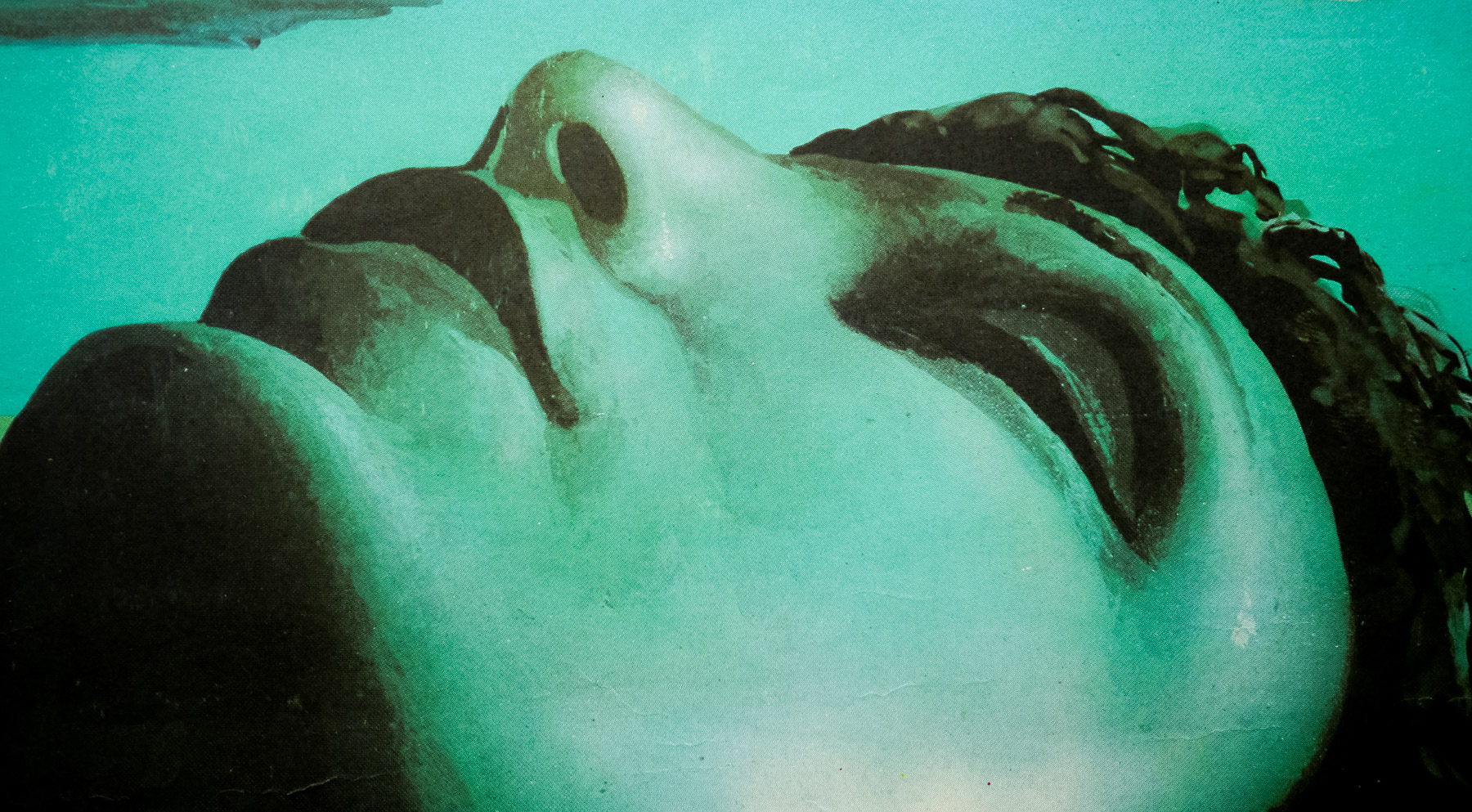
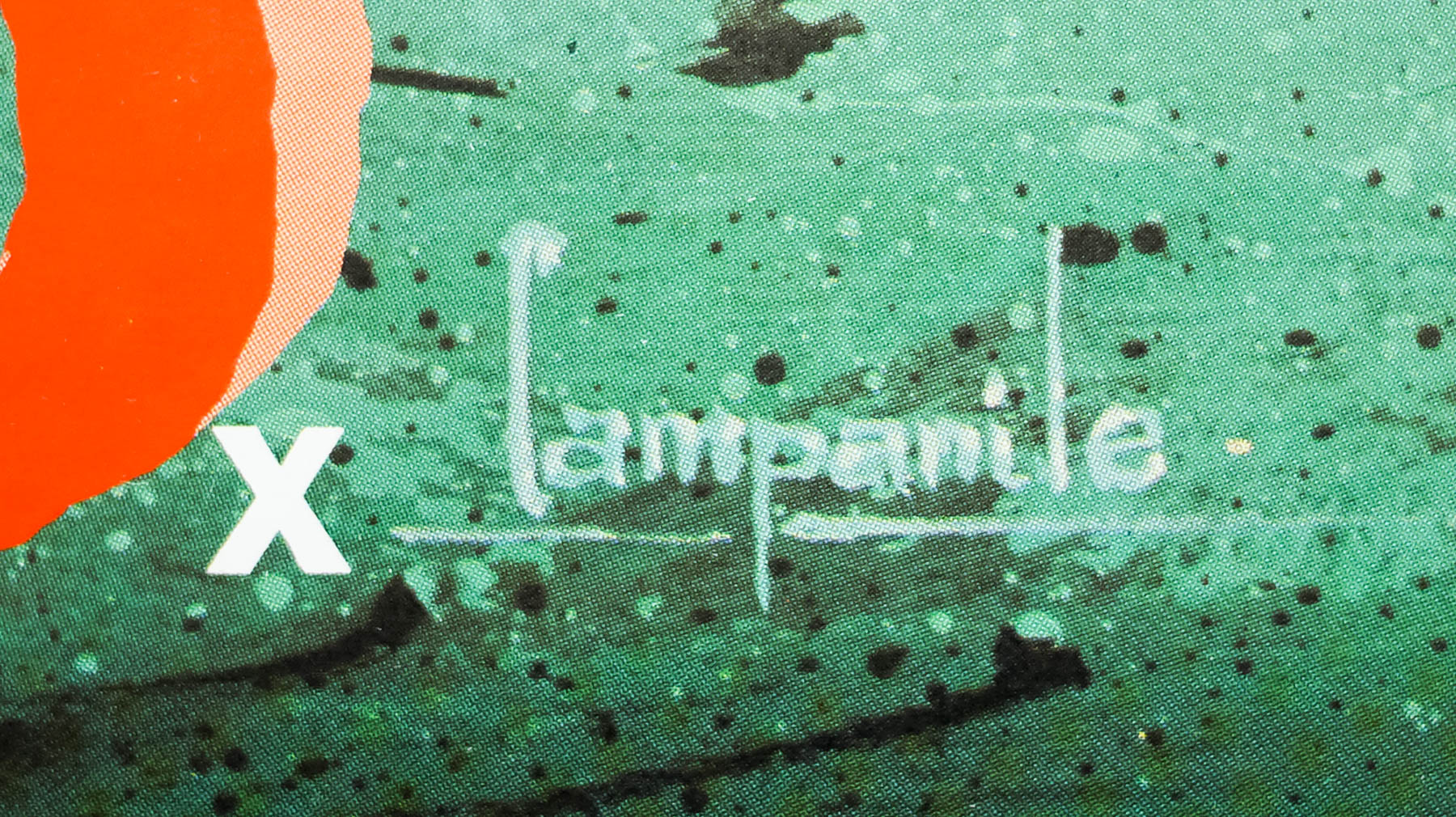
The artwork was painted by the Italian artist Dario Campanile who was born in Rome in 1948 and nurtured a talent for painting still life that would see him exhibiting and selling his artwork by the time he was 18. After spending time in London to learn English whilst also selling his art at a pop-up stall in Hyde Park and later in Kings Road galleries, Dario returned to Rome where he further evolved his style with the aid of a French art consultant. His next move took him to California where he would receive a break when the owner of a Beverly Hills gallery liked his portfolio so much he was offered a one-man show, and this in turn led to him meeting a number of high-profile collectors, several from the music and film industries. Before long he was taking commissions for album and book covers and this poster is clearly the result of one of those meetings.

His official website features galleries of his work as well as an extensive biography that details his life up to now, including the fact that he painted the 75th anniversary logo for Paramount. The artist currently resides in Maui, Hawaii and continues to paint to this day.

This artwork was used on this UK quad as well as the American one sheet. I’ve been unable to discover any other films that Campanile painted a poster for so please get in touch if you are aware of any others.

Nighthawks / one sheet / UK

16.10.13

Poster Poster
Title
Nighthawks
Year of Film
1981
Director
Bruce Malmuth
Starring
Sylvester Stallone, Billy Dee Williams, Lindsay Wagner, Persis Khambatta, Nigel Davenport, Rutger Hauer, Hilary Thompson, Joe Spinell, Walter Mathews
Origin of Film
USA
Genre(s) of Film
Sylvester Stallone, Billy Dee Williams, Lindsay Wagner, Persis Khambatta, Nigel Davenport, Rutger Hauer, Hilary Thompson, Joe Spinell, Walter Mathews,
Type of Poster
One sheet
Style of Poster
--
Origin of Poster
UK
Year of Poster
1981
Designer
Unknown
Artist
Ron Fenton (unconfirmed)
Size (inches)
27 2/16" x 39 14/16"
SS or DS
SS
Tagline
Can a cop's code of honour win against an assassin's ruthlessness?

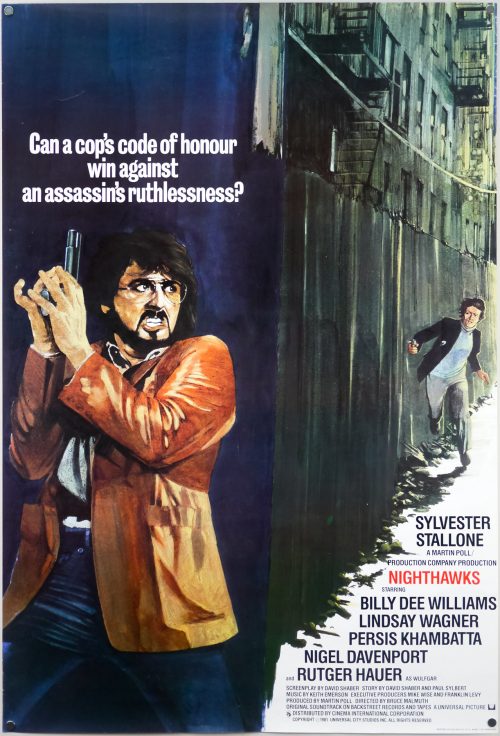
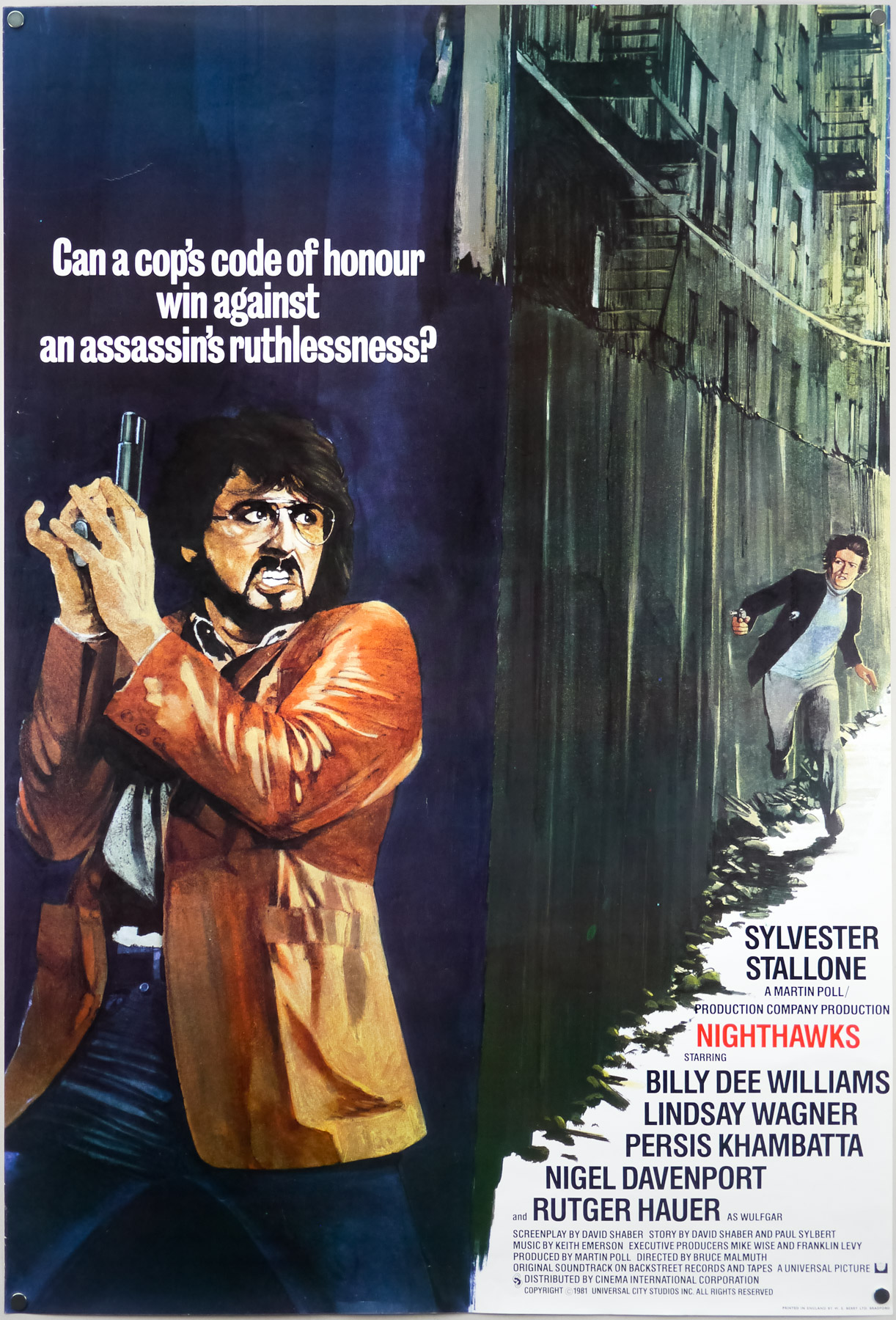
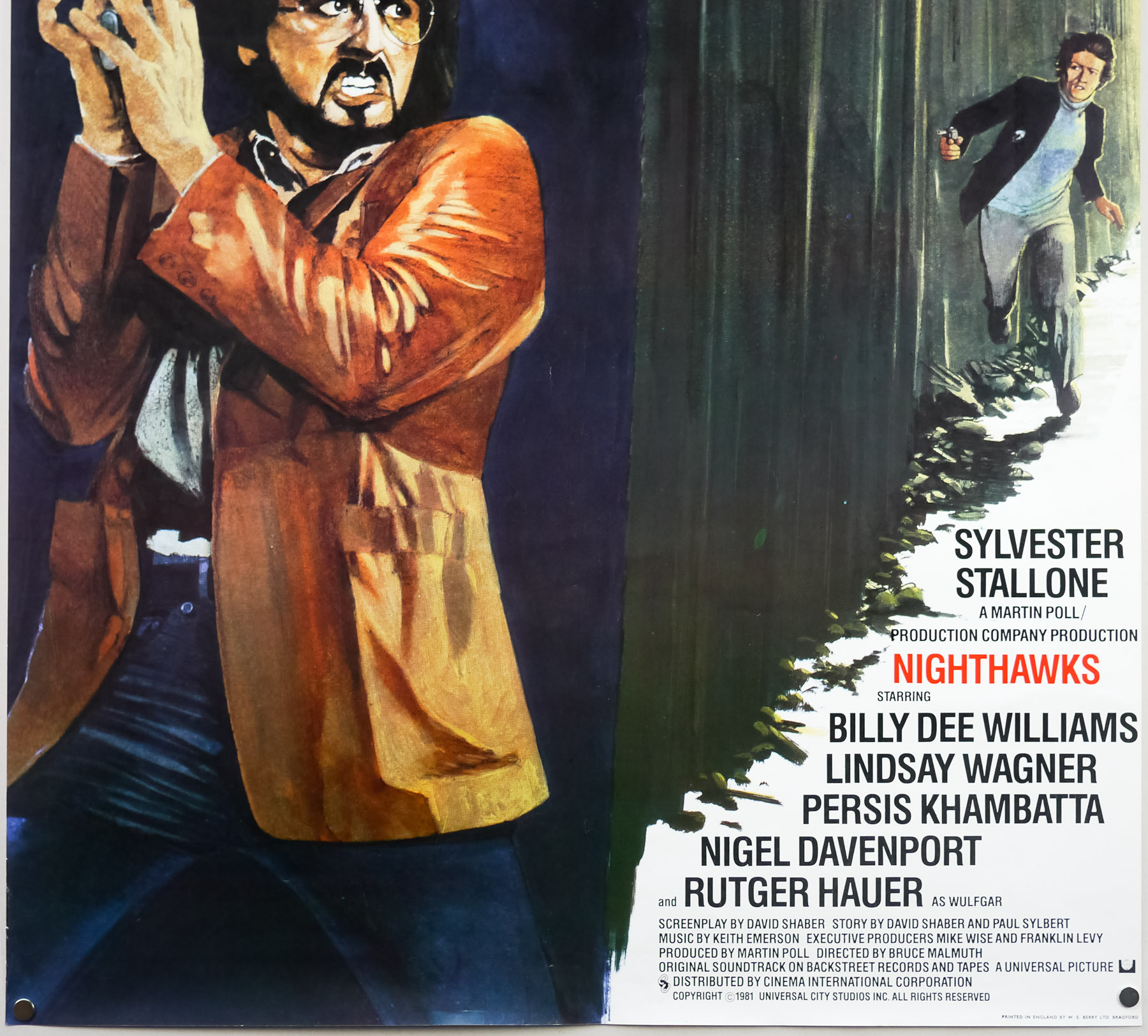
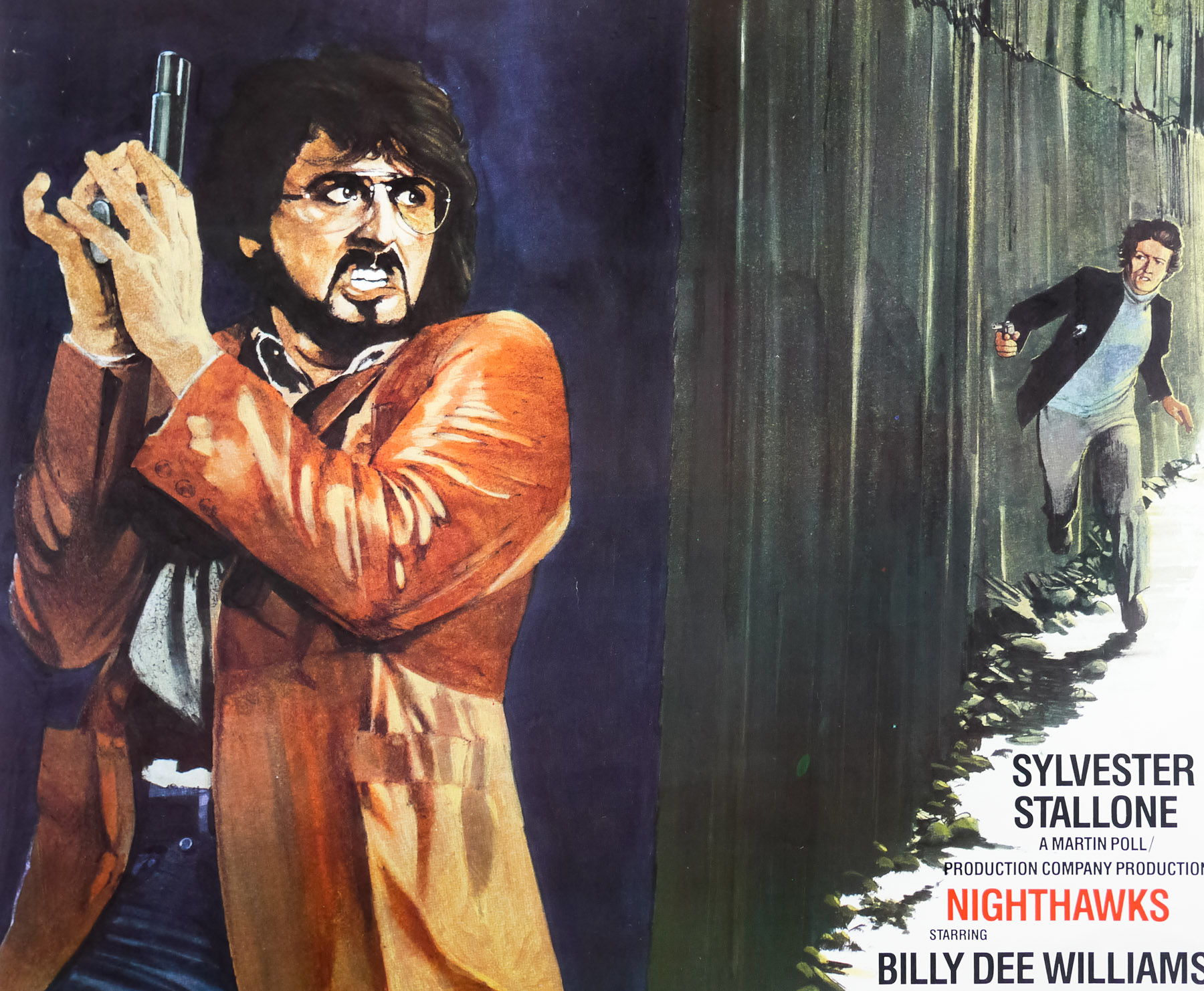
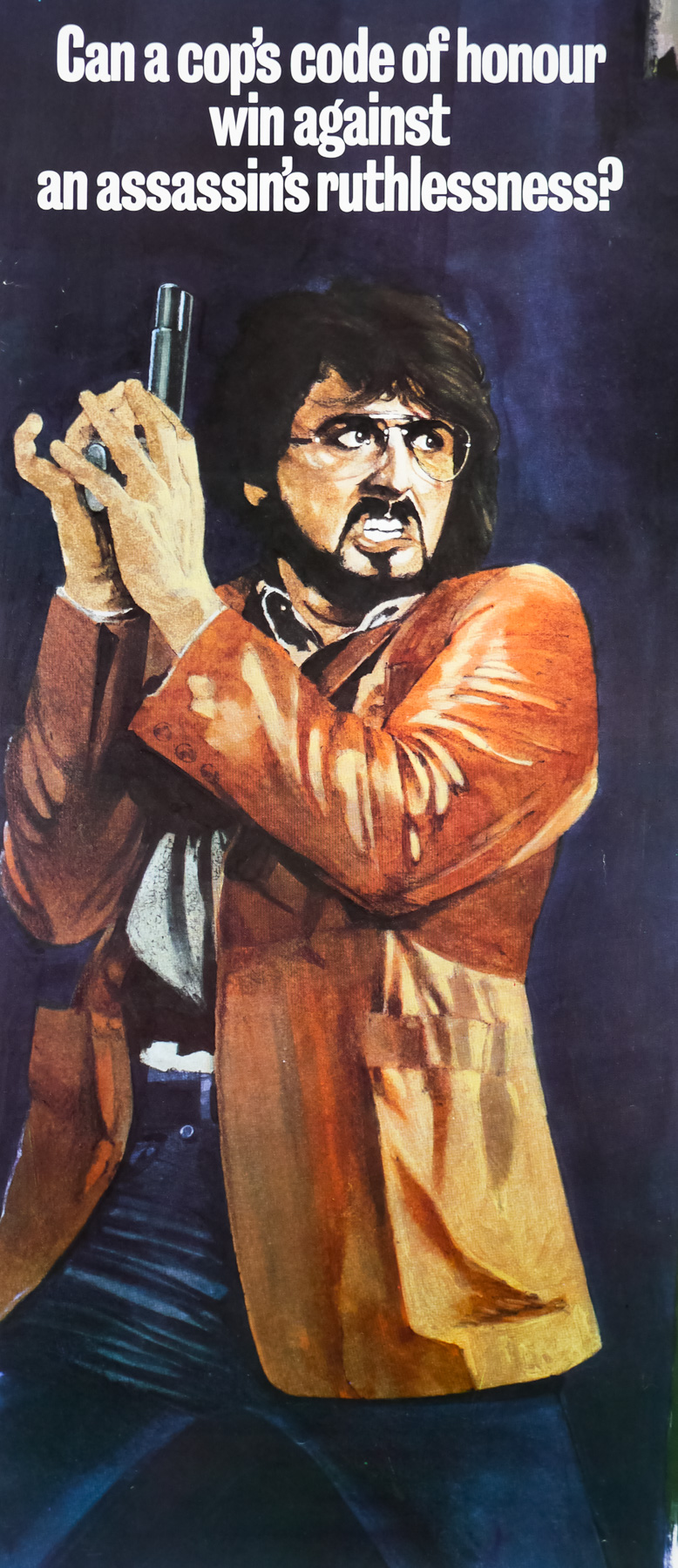
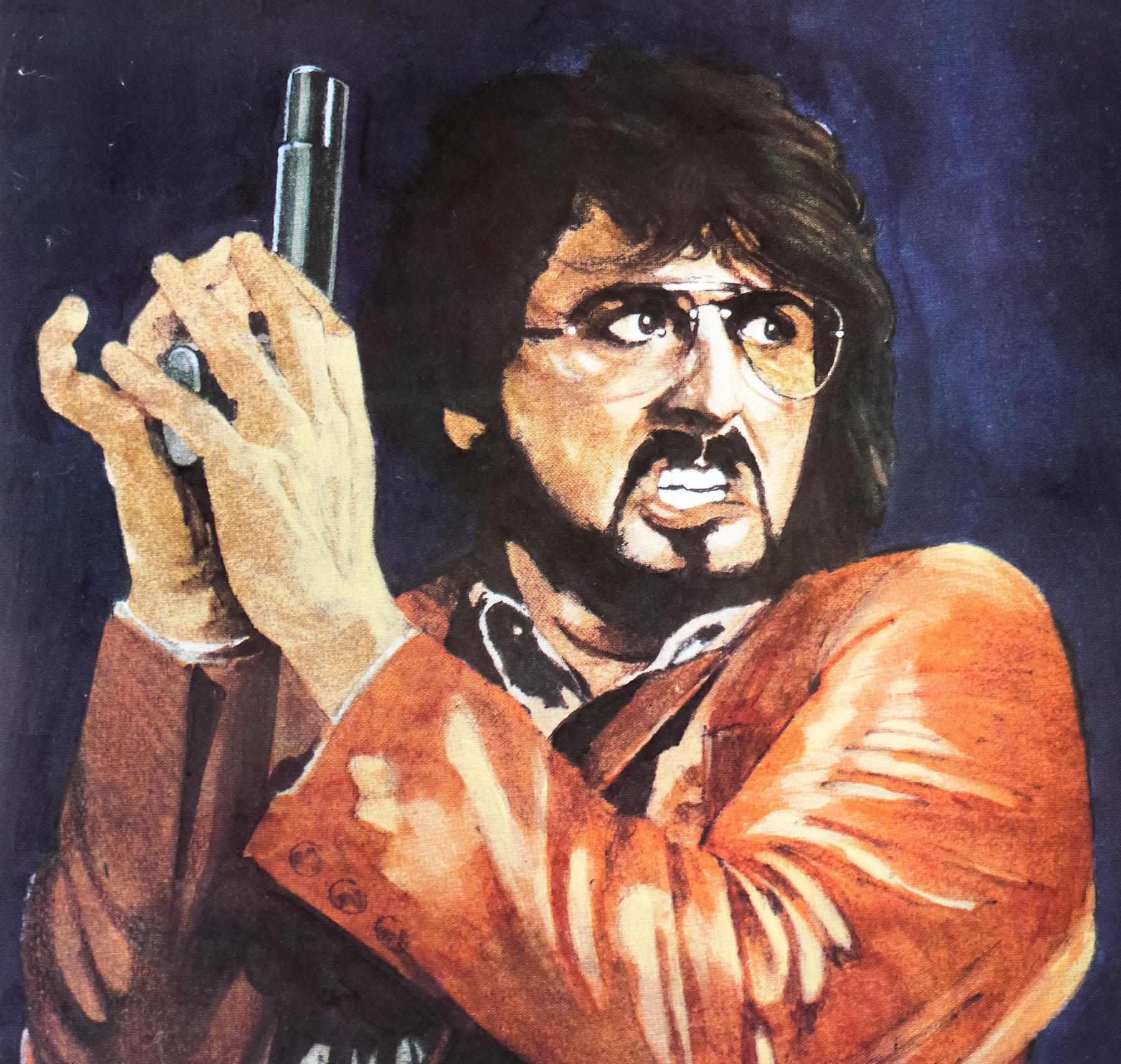
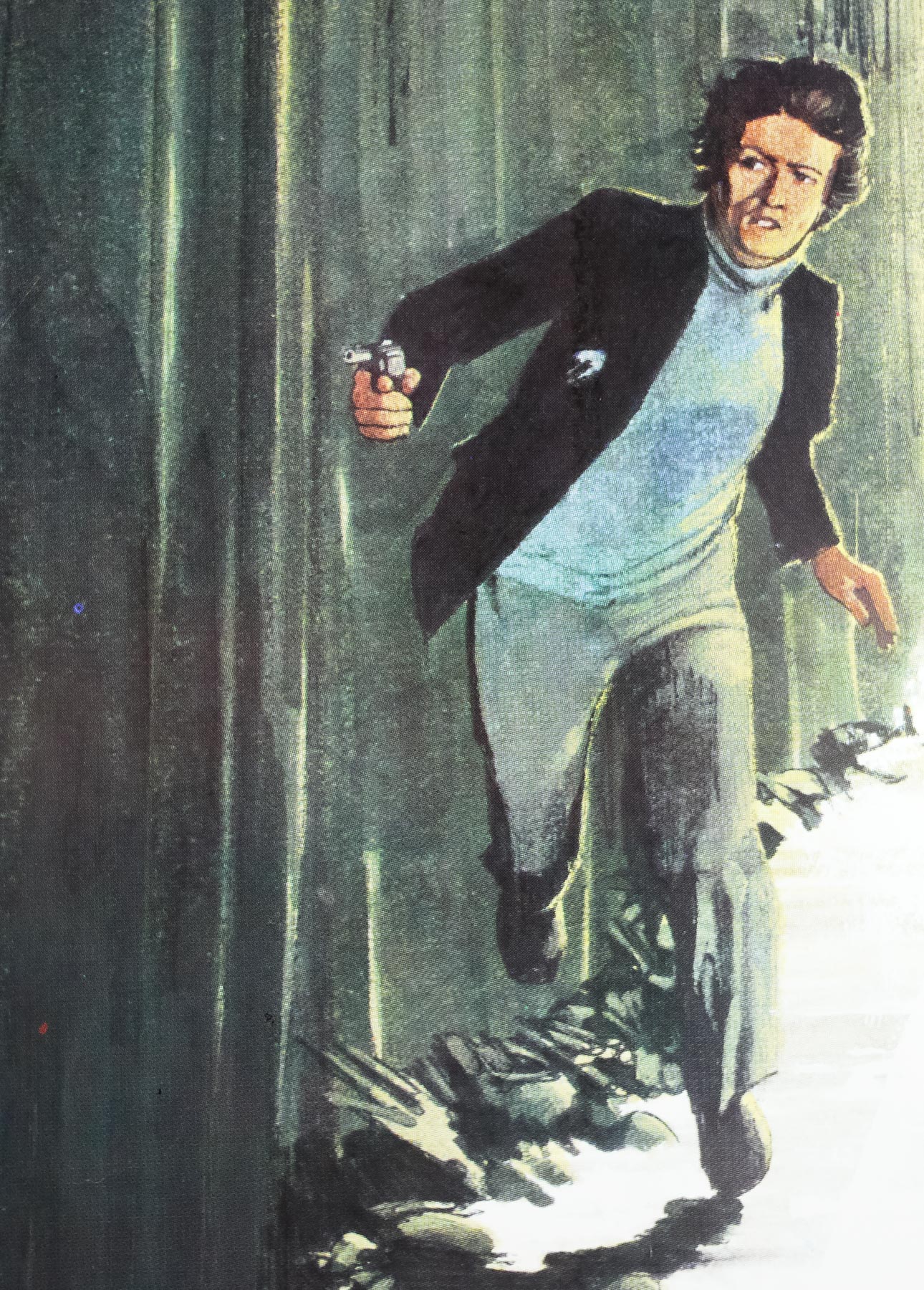
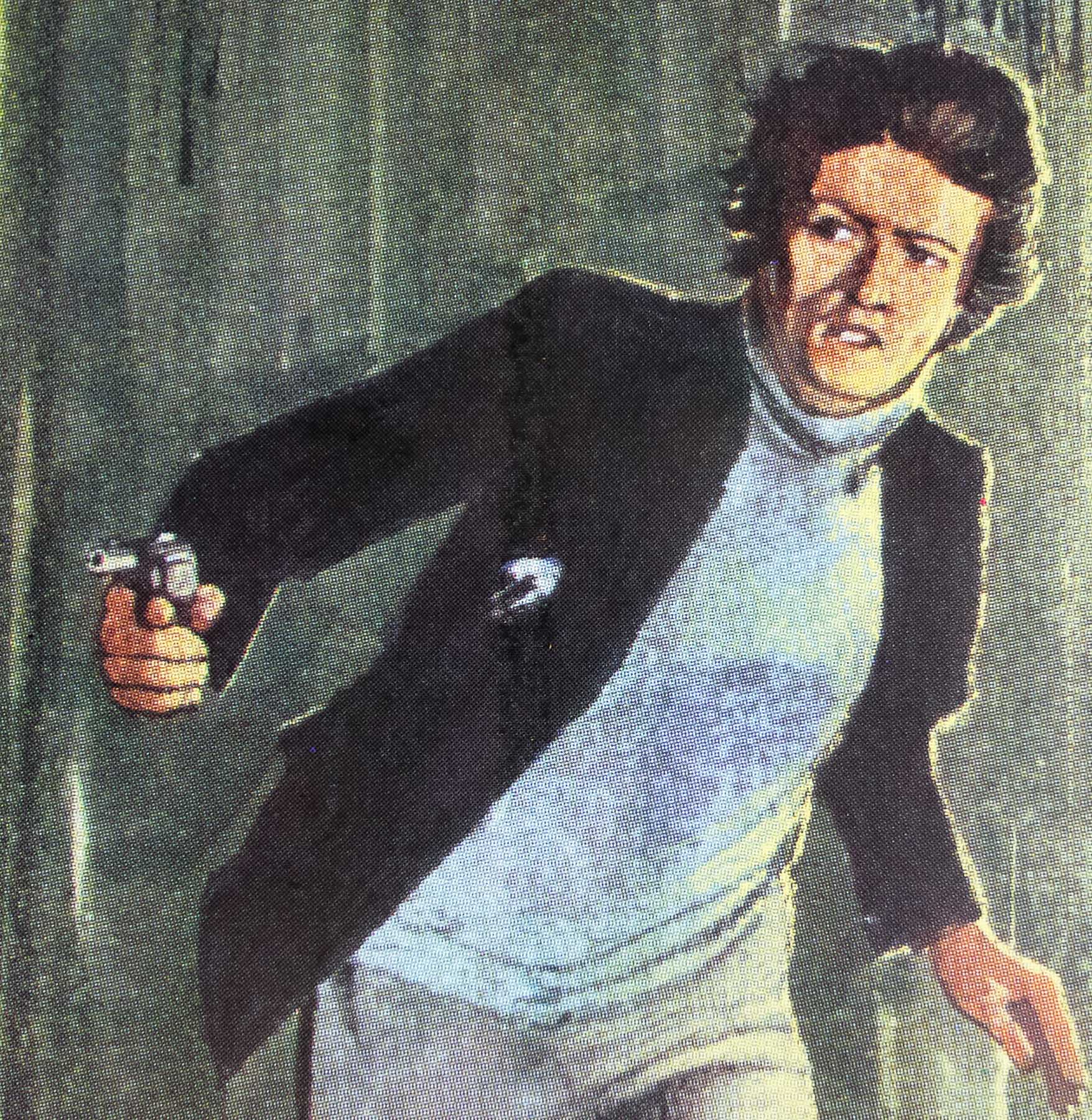
This is the scarce UK one sheet for the release of the little-seen 1981 thriller Nighthawks, which stars Sylvester Stallone as a New York City detective who, along with partner Billy Dee Williams, is assigned to a team charged with apprehending an international terrorist played by Rutger Hauer. This is arguably Stallone’s last starring role where he was playing a ‘normal’ man, rather than the invincible tough guys he would later be most associated with – First Blood (Rambo) would be released a year after this film. Nighthawks also marked the first Hollywood role for Hauer following a run of Paul Verhoeven directed features in his native Holland – only a year later he would be starring in arguably his most iconic role as the replicant Roy Batty in Blade Runner.

Nighthawks starts with a bang as Hauer’s international terrorist Wulfgar Reinhardt blows up a department store in London (a scene actually filmed on location in Clapham, I believe) in what is implied to be a job for the IRA. When the bomb causes more carnage than his employers desired – several children are killed – Wulfgar decides to travel to New York City where he plans to carry out a series of attacks to advertise his skills to potential future benefactors. Stallone’s brilliantly named detective Deke DeSilva and his partner Matthew Fox (Dee Williams) are taken off their usual street work and given to the task force charged with hunting down and ‘terminating’ Wulfgar.

What follows is a very solid thriller featuring several well-staged chases and a tense showdown centred around a cable car. The film makes excellent use of real locations and features some great stunt work, particularly from Stallone who apparently did all of his own without the use of a double. It’s certainly an impressive debut feature from director Bruce Malmuth and Hauer, Stallone and Billy Dee Williams give very solid performances that make up for some weaknesses in the supporting cast.

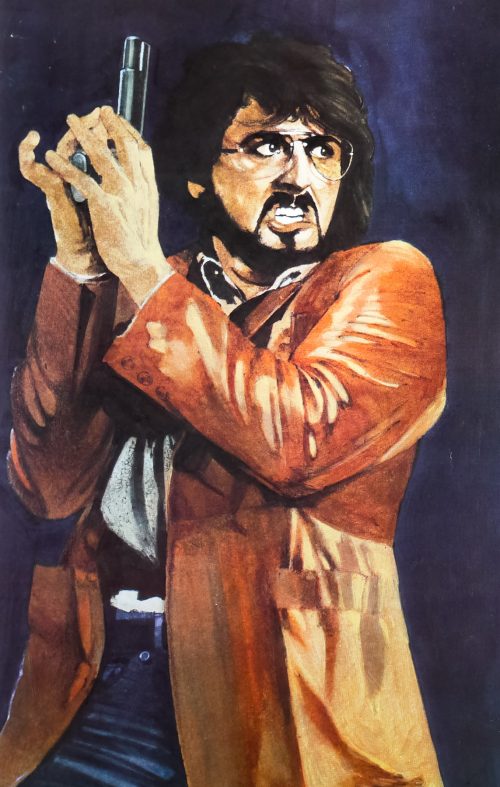
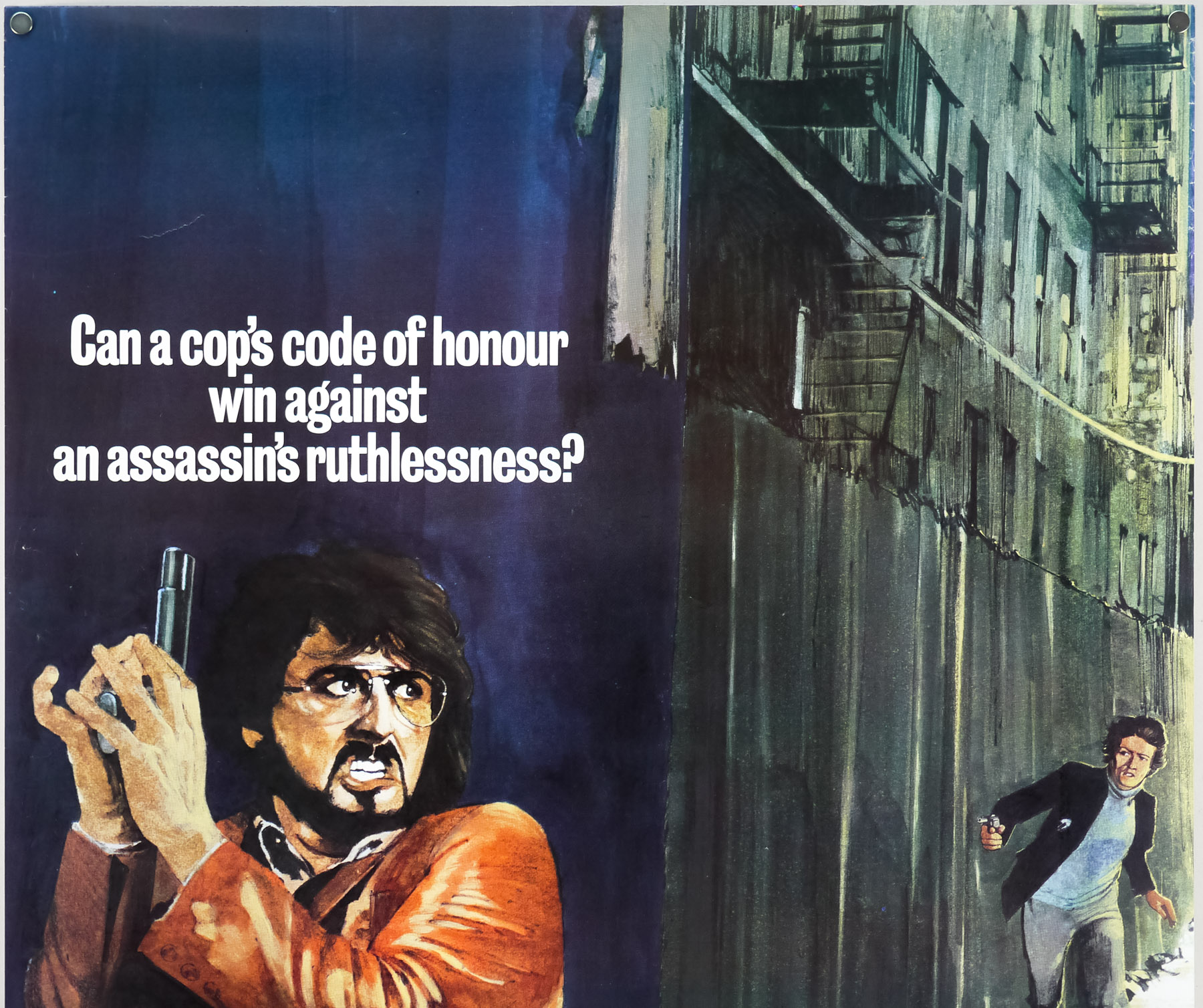
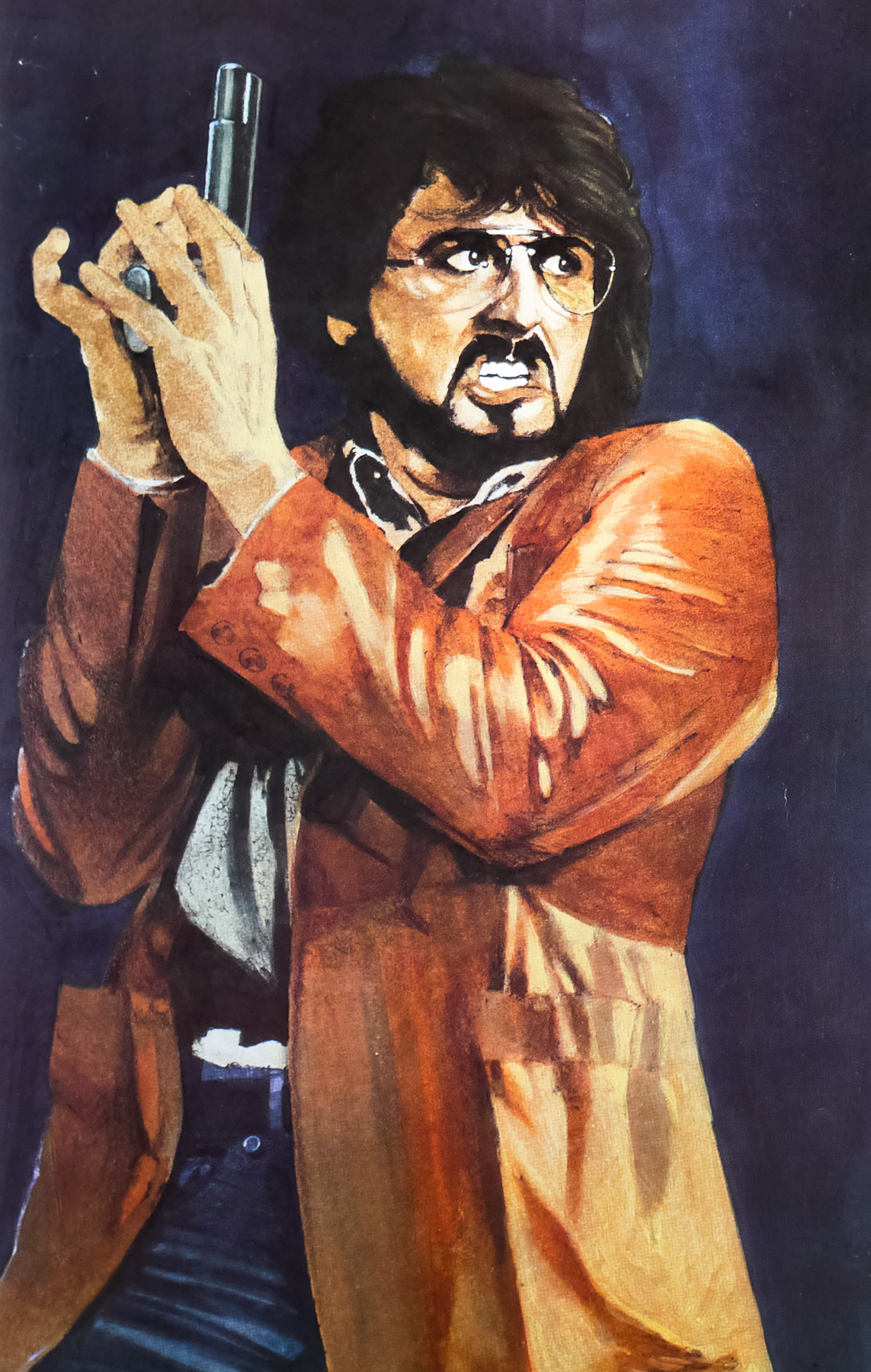
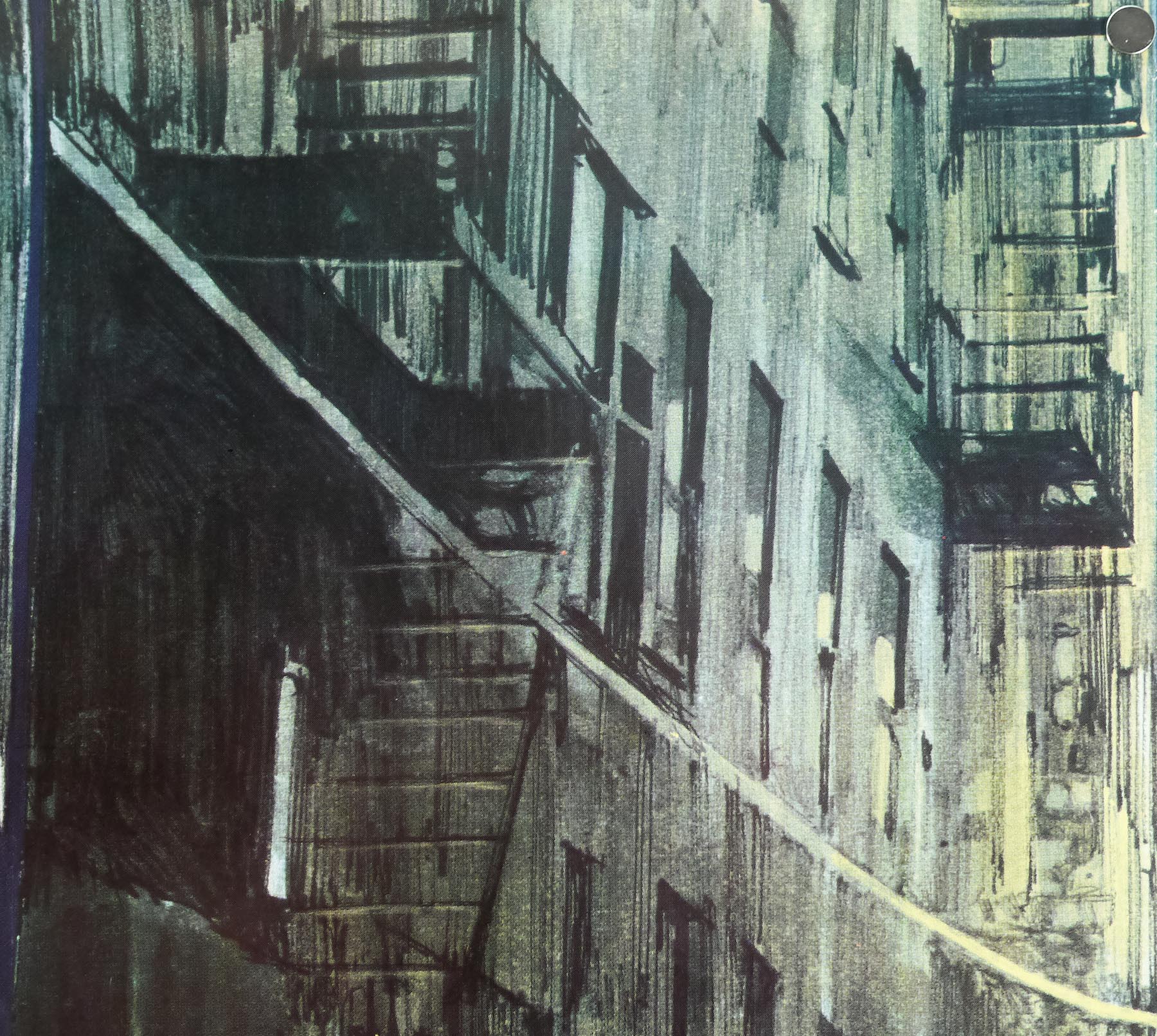
This one sheet features UK-exclusive artwork that was also used on the quad. I’m not 100% certain but I believe it to be the work of an artist called Ron Fenton who also worked on the one sheet for The Long Good Friday that was printed only a year before. Check out the pictures on this page to see the similarities. The only thing is that Nighthawks is missing the signature that Fenton scrawled on the LGF one sheet. If anyone knows for sure that Fenton can be credited with the poster please get in touch.

Tenebrae / quad / UK

20.01.14

Poster Poster
Title
Tenebrae
AKA
Tenebre (alternate spelling) | Shadow (Japan - English title) | Unsane (USA)
Year of Film
1982
Director
Dario Argento
Starring
Anthony Franciosa, Christian Borromeo, Mirella D'Angelo, Veronica Lario, Ania Pieroni, Eva Robins, Carola Stagnaro, John Steiner, Lara Wendel, John Saxon, Daria Nicolodi, Giuliano Gemma
Origin of Film
Italy
Genre(s) of Film
Anthony Franciosa, Christian Borromeo, Mirella D'Angelo, Veronica Lario, Ania Pieroni, Eva Robins, Carola Stagnaro, John Steiner, Lara Wendel, John Saxon, Daria Nicolodi, Giuliano Gemma,
Type of Poster
Quad
Style of Poster
--
Origin of Poster
UK
Year of Poster
1982
Designer
Graffiti Productions Limited
Artist
Renato Casaro (original art) | An unknown British artist added the bow
Size (inches)
29 15/16" x 39 14/16"
SS or DS
SS
Tagline
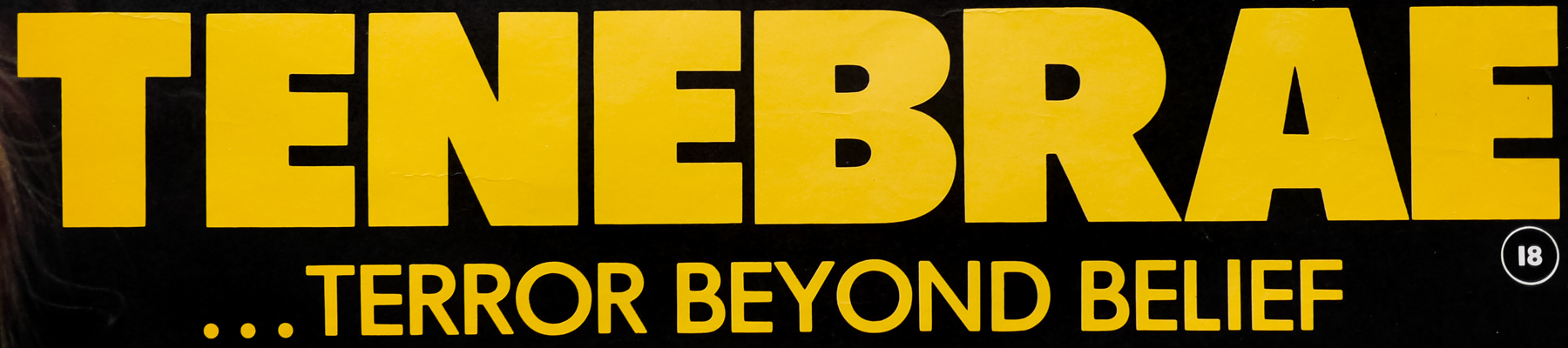
From the undisputed master of the macabre... | Terror beyond belief

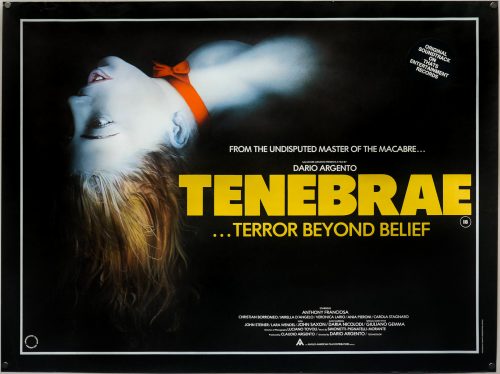
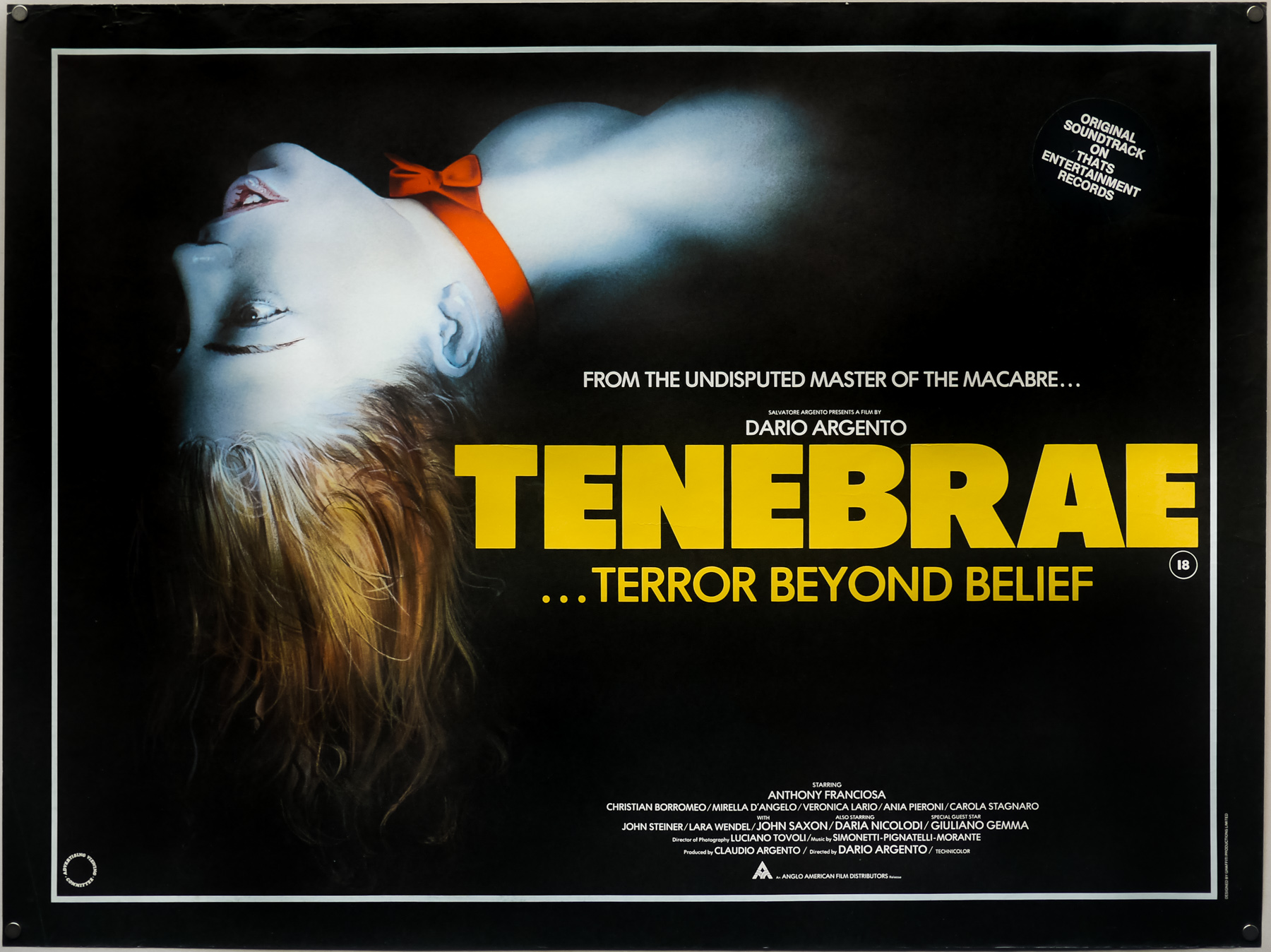
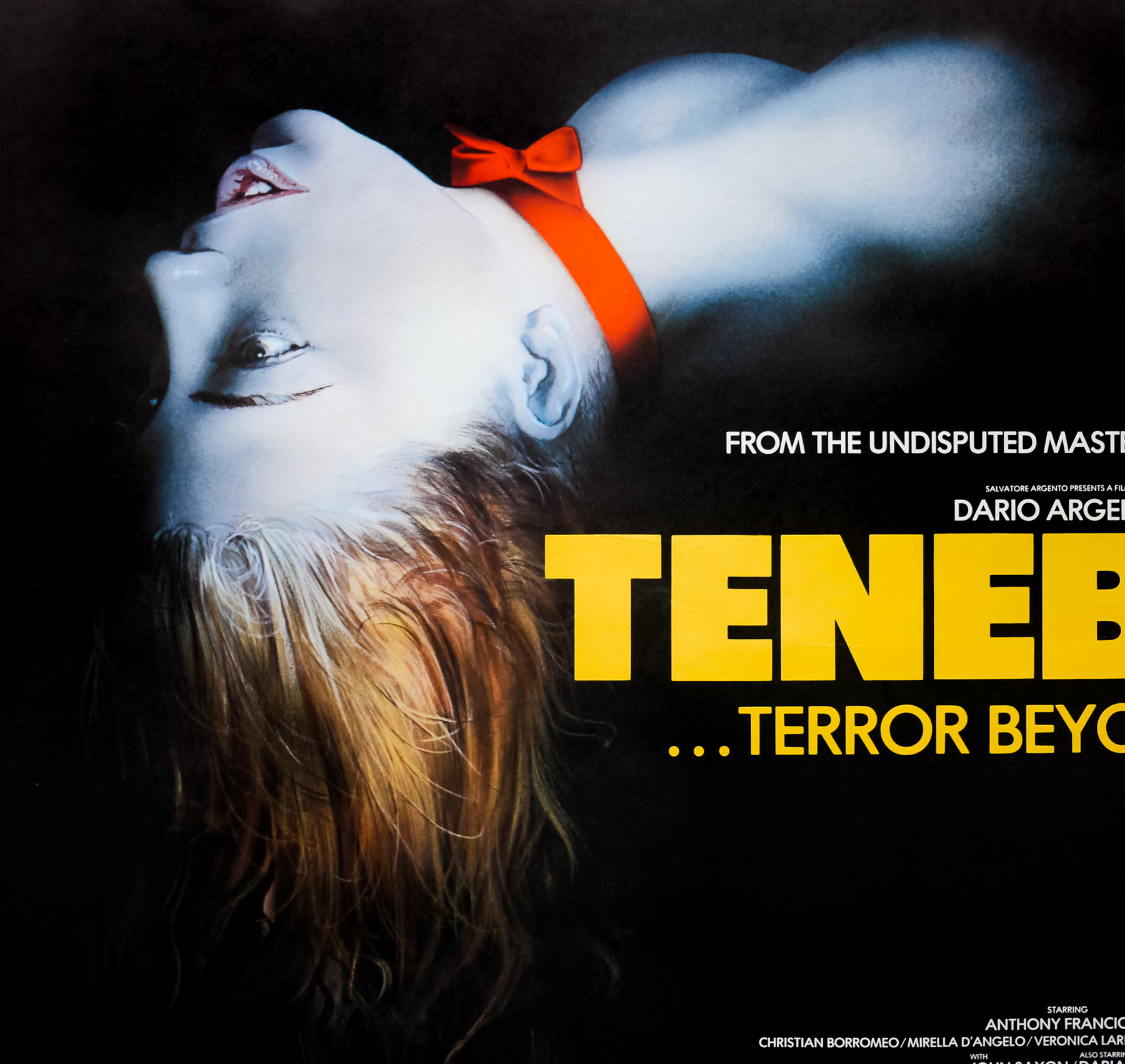
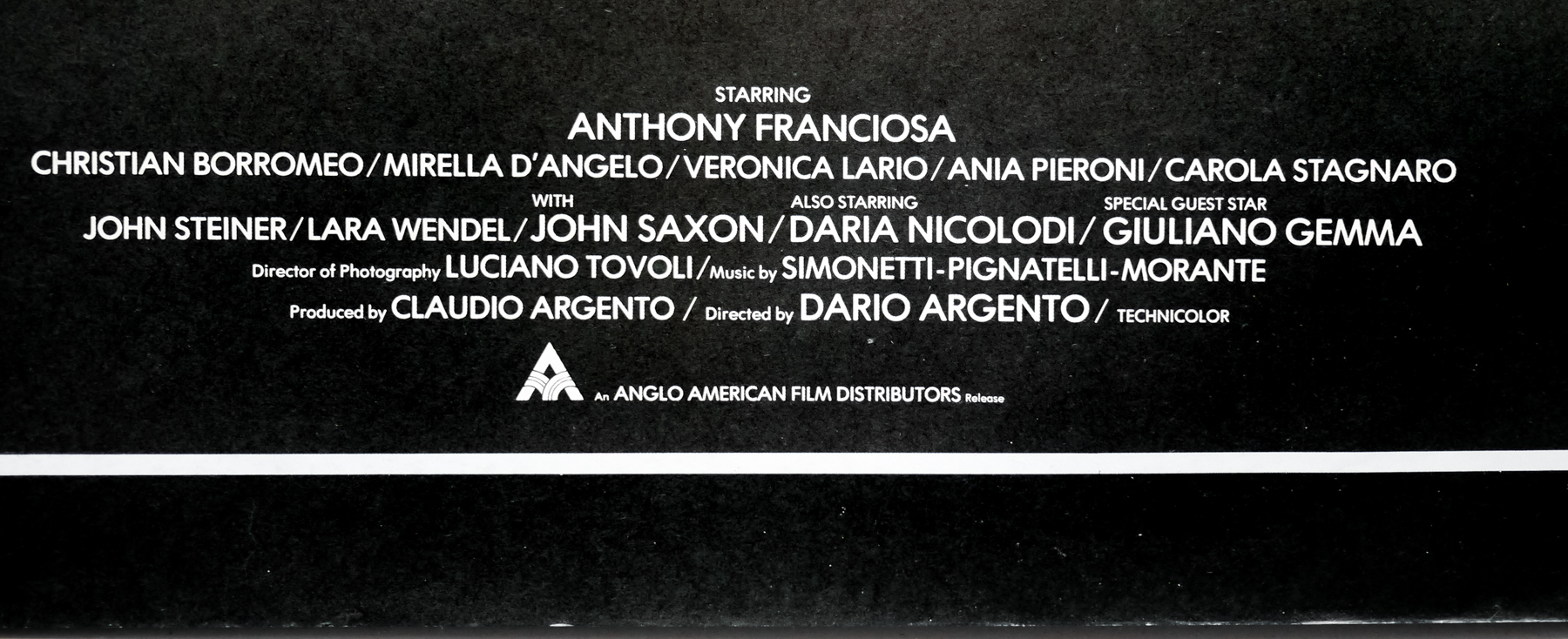
This is the incredibly scarce British quad for the release of Dario Argento‘s Tenebrae (AKA Tenebre), which marked the Italian horror maestro’s return to the giallo genre with which he made his name, following two excursions into supernatural horror with Suspiria (1977) and Inferno (1980). Argento often credits himself with starting the trend for Italian giallo films with The Bird with the Crystal Plumage (1970), despite the fact that directors including Mario Bava and Umberto Lenzi had been working on films that met all the criteria of the sub-genre since 1963. After a bruising experience whilst making Inferno in conjunction with Hollywood (in the form of 20th Century Fox) and the film meeting a lukewarm reception upon release, Argento returned with fresh enthusiasm to create what is arguably one of the best giallos of all.

Italian-American actor Anthony Franciosa stars as the American author Peter Neal, famous for having written a series of violent horror novels, who travels to Rome to promote his latest novel ‘Tenebrae’. Soon after arriving Neal is confronted by two police detectives (played by Giuliano Gemma and Carola Stagnaro) who inform him that a murder has been committed by a killer obsessed with his novels, and a letter sent to his hotel room confirms this. Soon after, a journalist who had accused Neal of creating ‘misogynist filth’ and her lesbian lover are brutally murdered by the same razor blade-wielding killer. Another letter arrives at Neal’s hotel room and the author decides to try and discover who is behind the murders as the threat to him and his entourage escalates. This being a giallo, and an Argento one at that, there are plenty of twists to keep the viewer discombobulated right to the end.

Argento claims that the inspiration for the story came from an experience he had at the hands of an obsessive fan whilst working on an unfinished project in Hollywood towards the end of the 1970s. What started as a friendly series of phone calls from someone claiming to love his work escalated into something darker and more threatening, and the director eventually fled back to Rome when it became clear that the person was seriously unhinged. It’s also something of a riposte to the criticisms Argento had received from some critics and commentators who claimed his films were overly violent towards women and that his casual misogyny could encourage real-world violence from his films’ fans. There’s a reason Peter Neal remarks to a pushy journalist ‘Let me ask you something? If someone is killed with a Smith & Wesson revolver… Do you go and interview the president of Smith & Wesson?’

Tenebrae was released into UK cinemas in 1982 with 4 seconds of cuts imposed by the BBFC, but soon after its release on video in 1983 the film fell foul of the infamous video nasty debacle which saw 72 films deemed to be in violation of the obscene publications act. 39 films on the Director of Public Prosecutions‘ list were successfully prosecuted and banned from rental or sale in the UK, despite the fact that many, including Tenebrae, had already seen cinema releases with BBFC approval. It took years before relaxation in censorship saw many of the films being re-released on video and DVD, and it wasn’t until 2003 that Tenebrae was finally available in a completely uncut form.

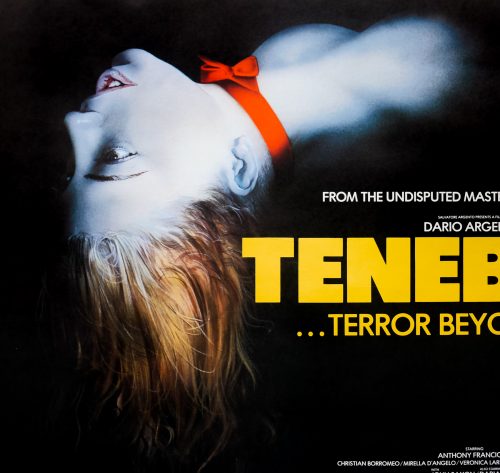
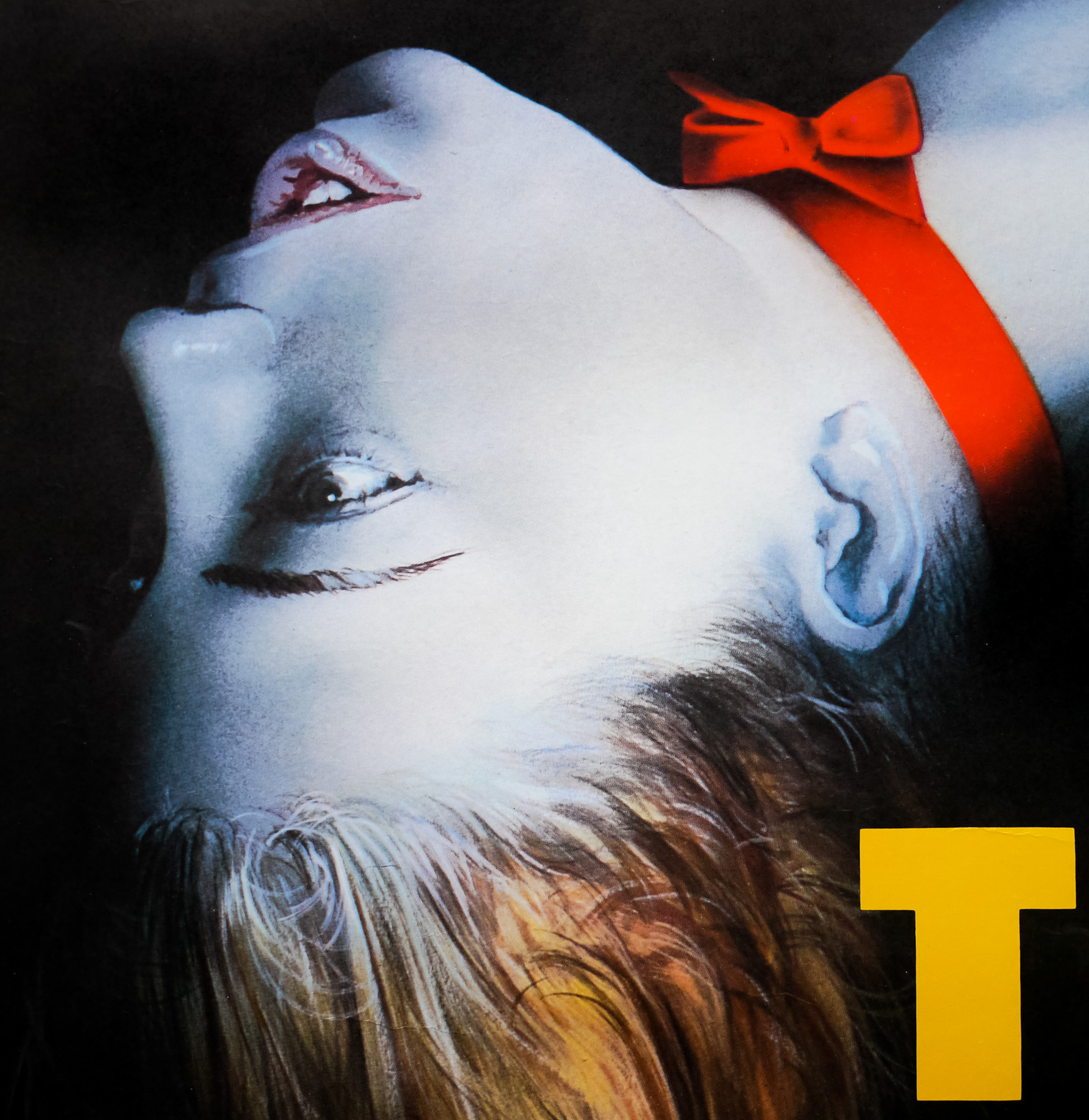
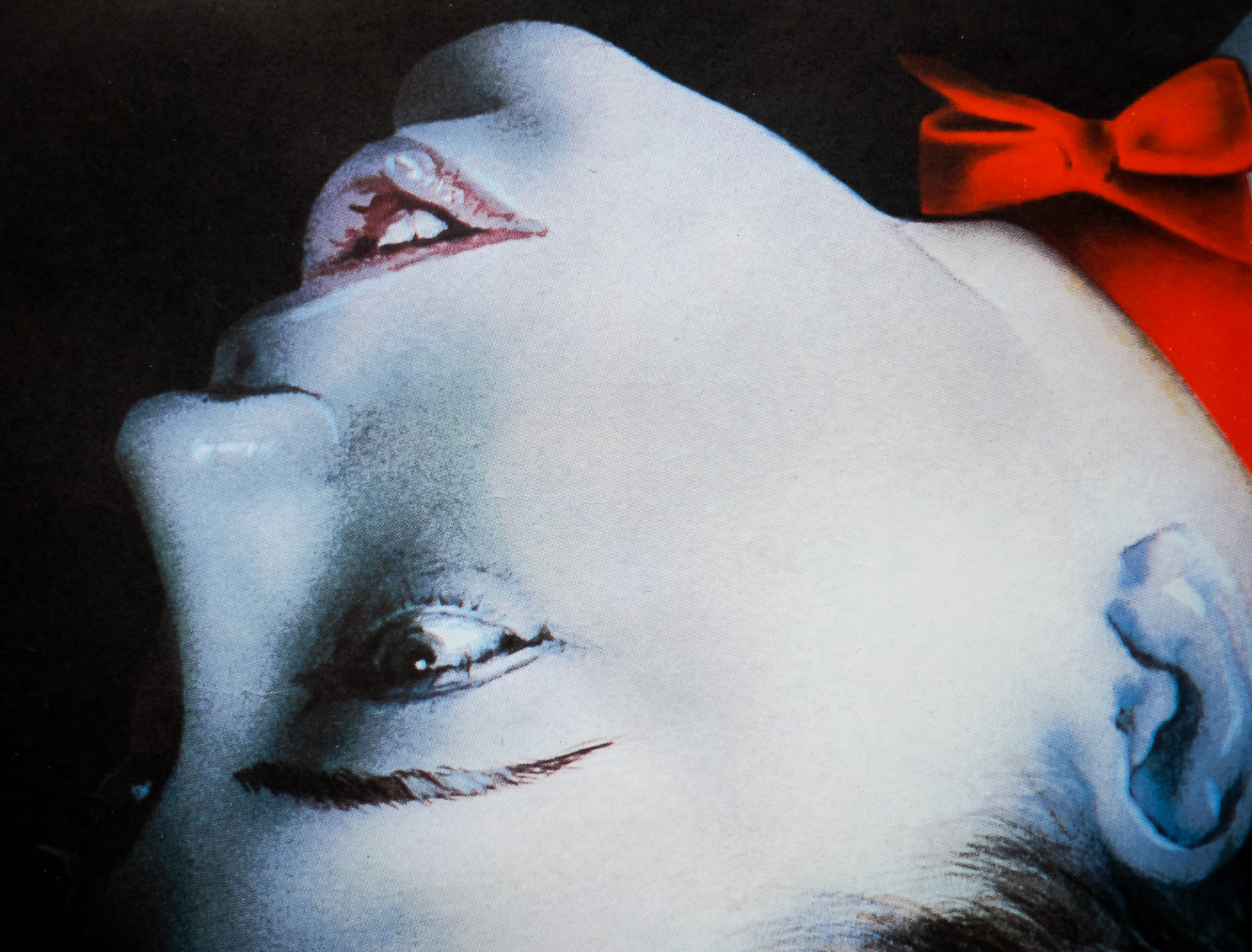
The image of the murdered woman on this quad was originally painted by the Italian artist Renato Casaro for the Italian poster but the bloody cut in the throat seen on the original was clearly seen as too much for the British market and a red bow was painted in its place. The quad’s design was handled by the London-based studio Graffiti Productions, which was started in 1969 by two friends Paul Brown-Constable and Nimal Jayasekera. The pair worked on marketing for an eclectic range of films, including several international releases, plus homegrown titles like Scum and a few Hollywood productions. As well as posters the firm was one of the first to take on work for  home video distributors at the start of the boom in the early 1980s. Most of their posters are easy to identify because they either feature a stylised company logo or a line of text, as on this poster.

Android / one sheet / UK

10.02.14

Poster Poster
Title
Android
AKA
--
Year of Film
1982
Director
Aaron Lipstadt
Starring
Klaus Kinski, Brie Howard, Norbert Weisser, Crofton Hardester, Kendra Kirchner
Origin of Film
USA
Genre(s) of Film
Klaus Kinski, Brie Howard, Norbert Weisser, Crofton Hardester, Kendra Kirchner,
Type of Poster
One sheet
Style of Poster
--
Origin of Poster
UK
Year of Poster
1982
Designer
Tom Beauvais
Artist
Keith Fowles (main figure and arm) | Tom Beauvais (figures at the bottom)
Size (inches)
27 10/16" x 40.5"
SS or DS
SS
Tagline
...he learns to love. he learns to kill. he becomes a man. | much more than human

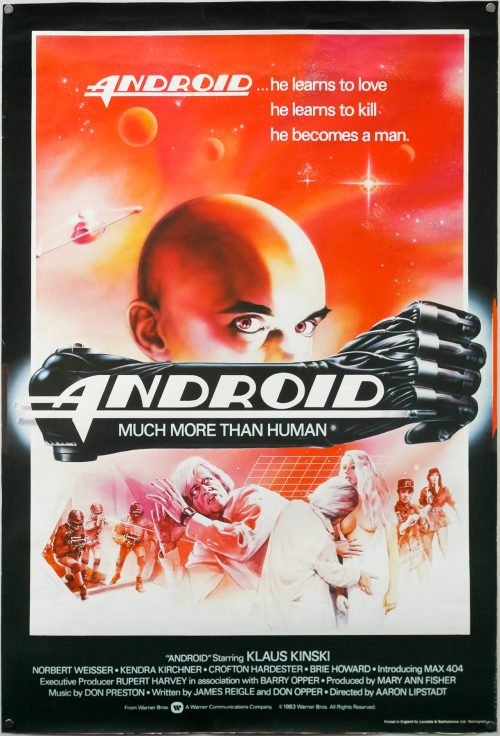
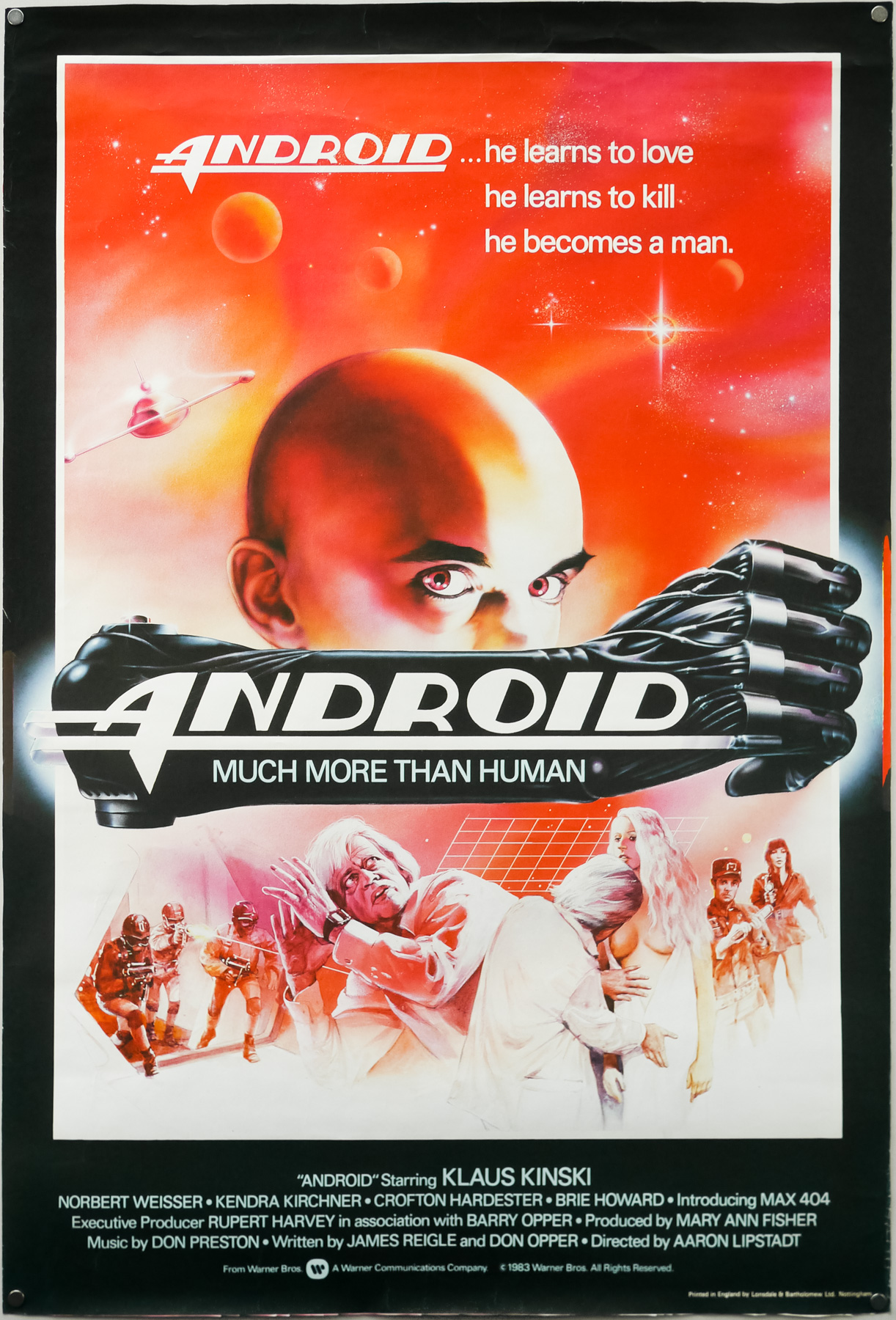
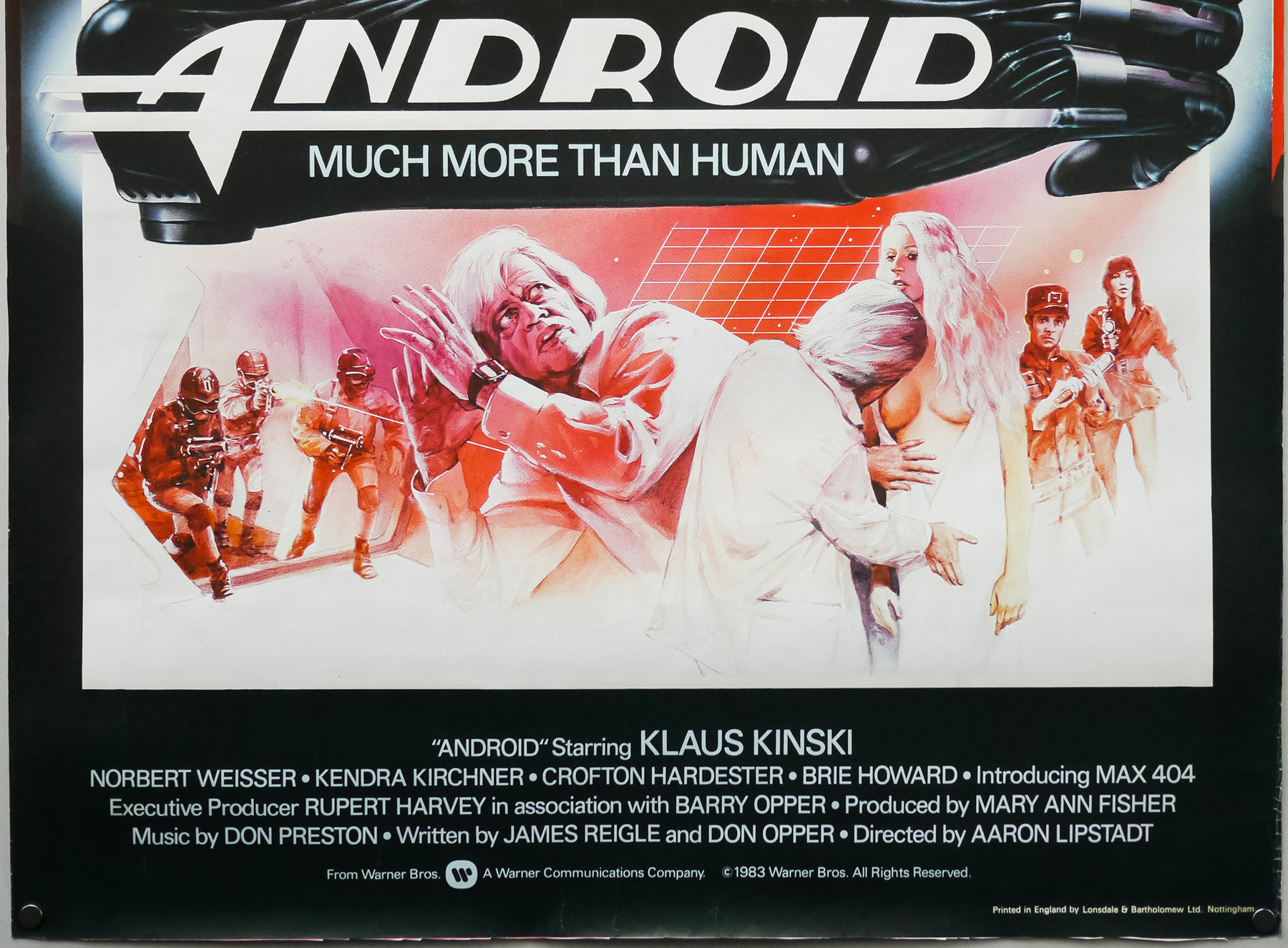
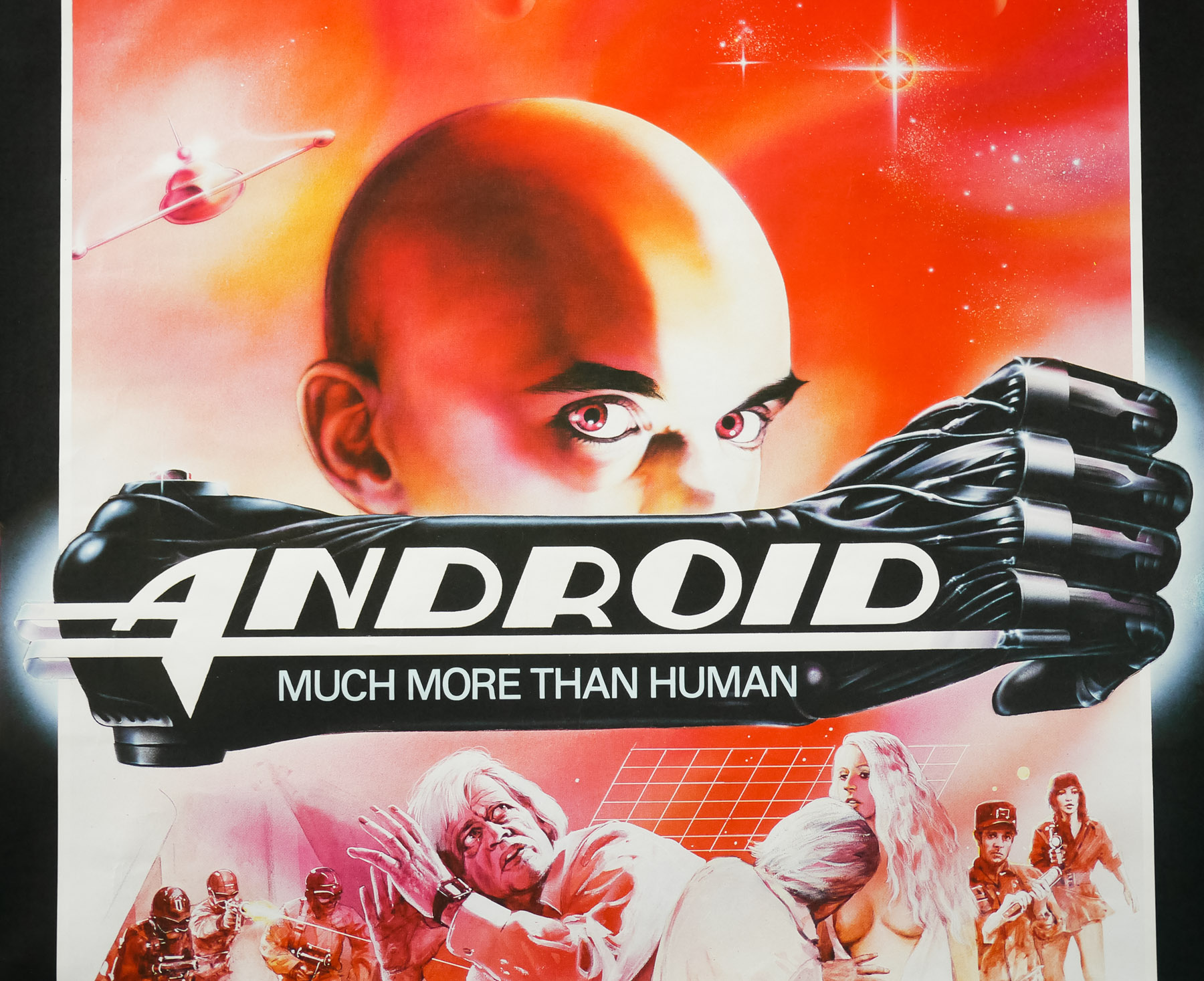
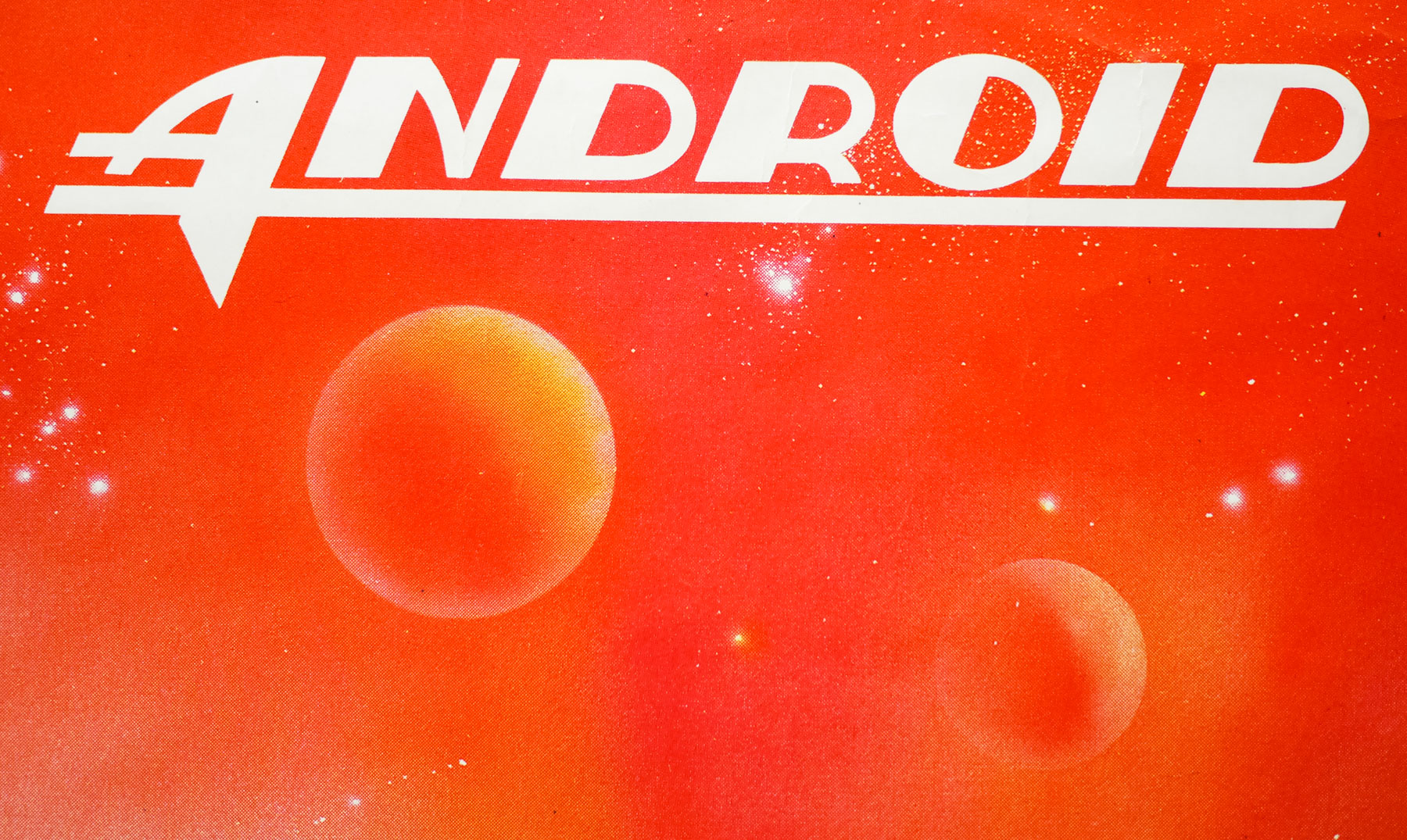
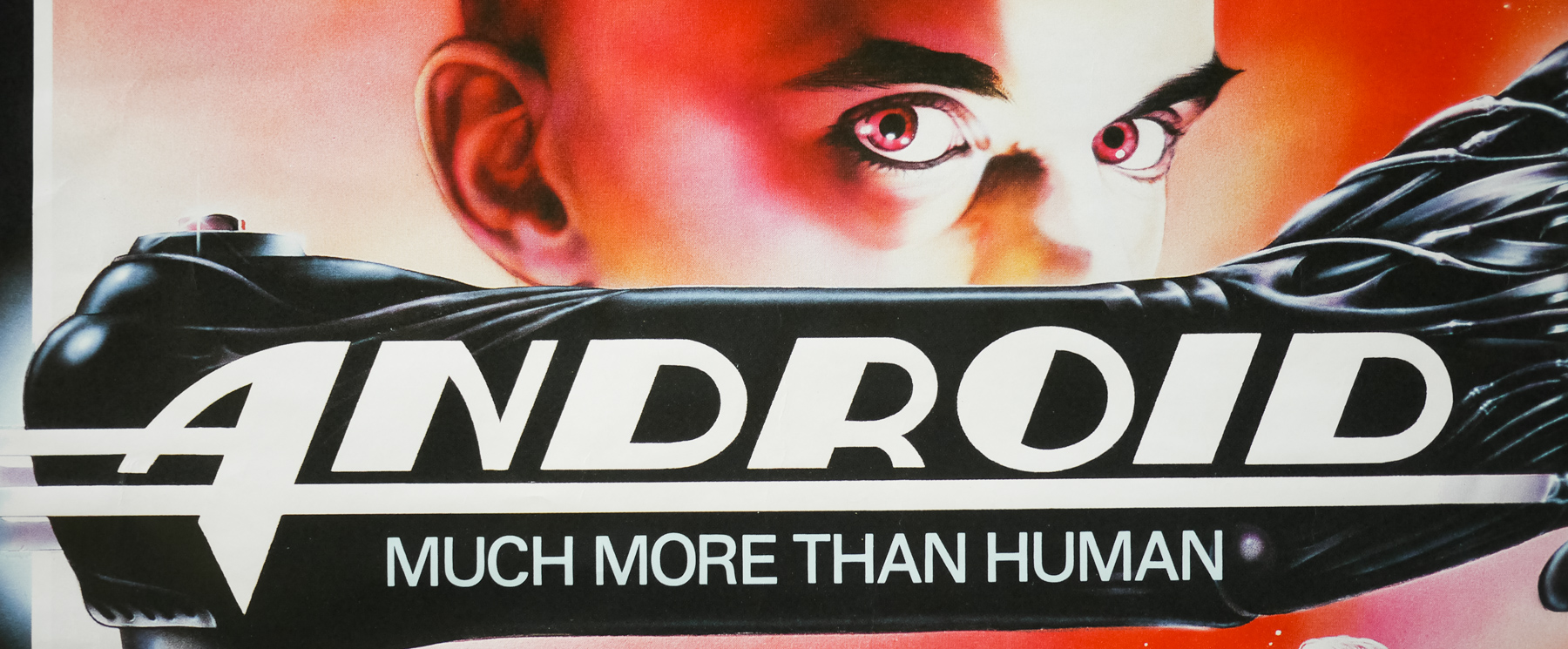
This is the scarce UK one sheet for the release of the 1982 sci-fi film Android, starring the infamous German actor Klaus Kinski. Set in 2036 aboard a remote space station, Kinski stars as a scientist named Dr. Daniel who lives alone except for the company of a human-looking android assistant named Max 404 (Don Keith Opper). It is revealed that androids have become outlawed on earth thanks to an incident referred to as the ‘Munich Revolution’, and Dr Daniel and Max are performing illegal research into their development.

Max has started showing signs of insubordination and has developed an interest in sex and reproduction, which has worried Dr Daniel and triggered him to develop what he hopes will be a better android, and which just happens to be in the form of a beautiful blonde woman. Life onboard the space station is interrupted by the arrival of a hijacked prison ship with a trio of escaped convicts, including a female convict called Maggie (Brie Howard), who Max allows onboard much to the doctor’s consternation. Max quickly becomes infatuated with Maggie and a dangerous situation develops between the convicts and Dr Daniel, which becomes even more dangerous when galactic police trace the convicts back to the station. The ending has a neat twist which I won’t spoil here.

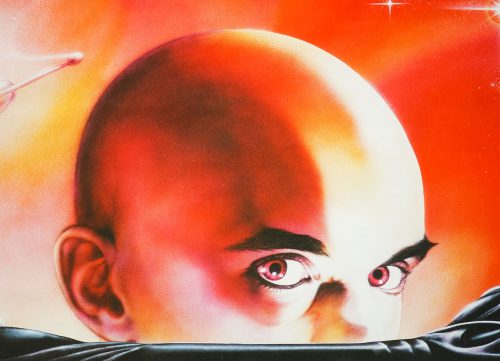
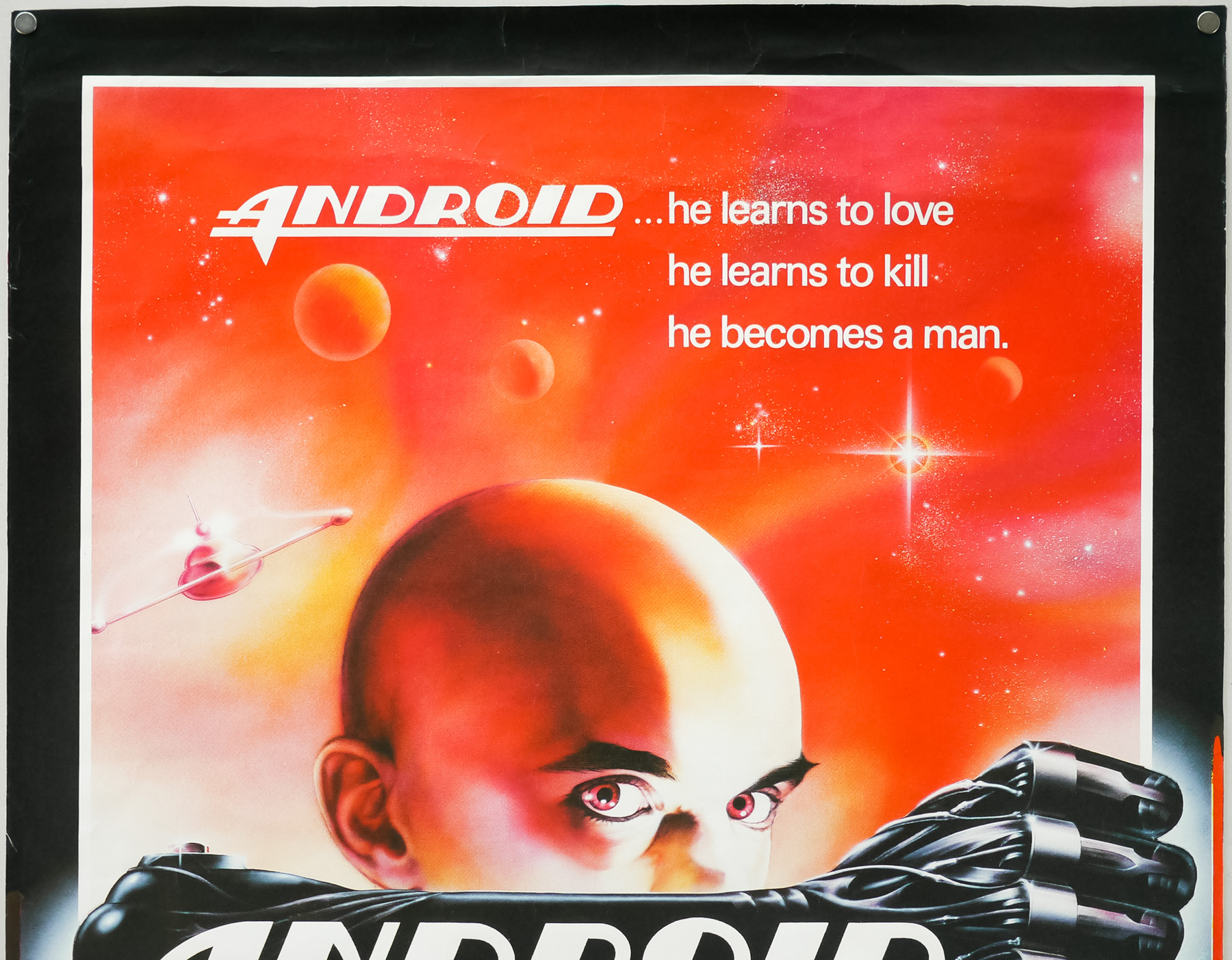
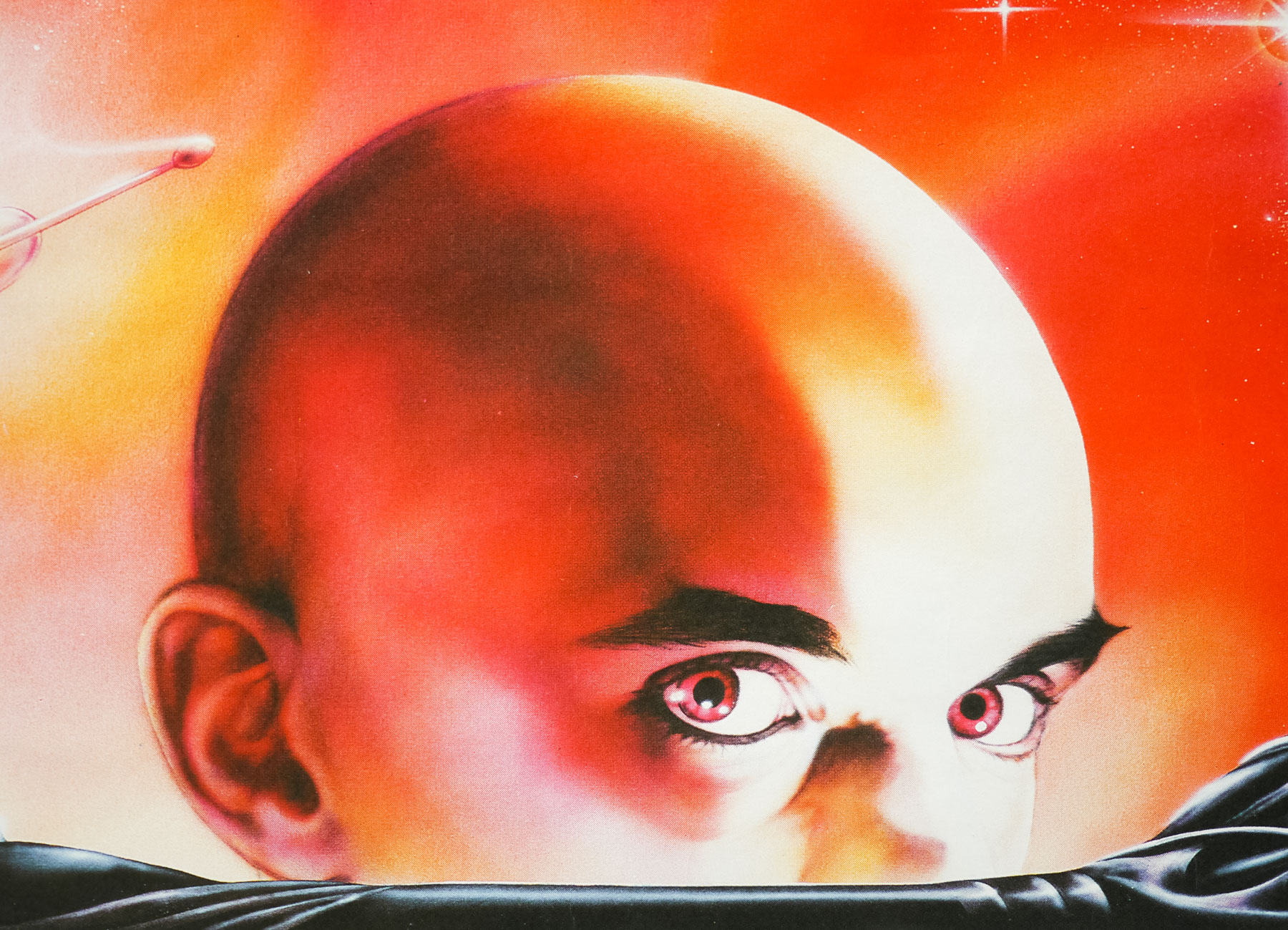
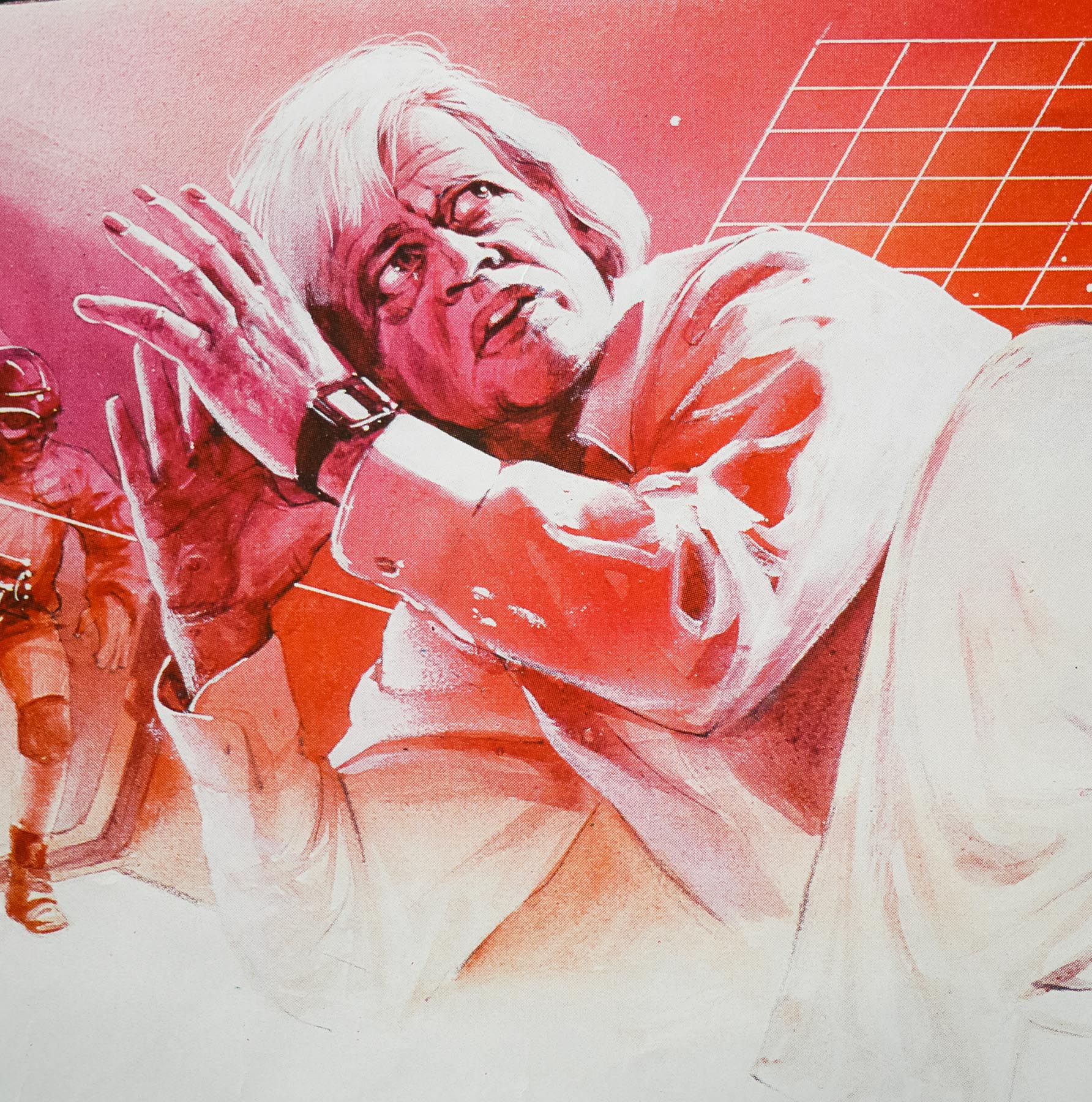
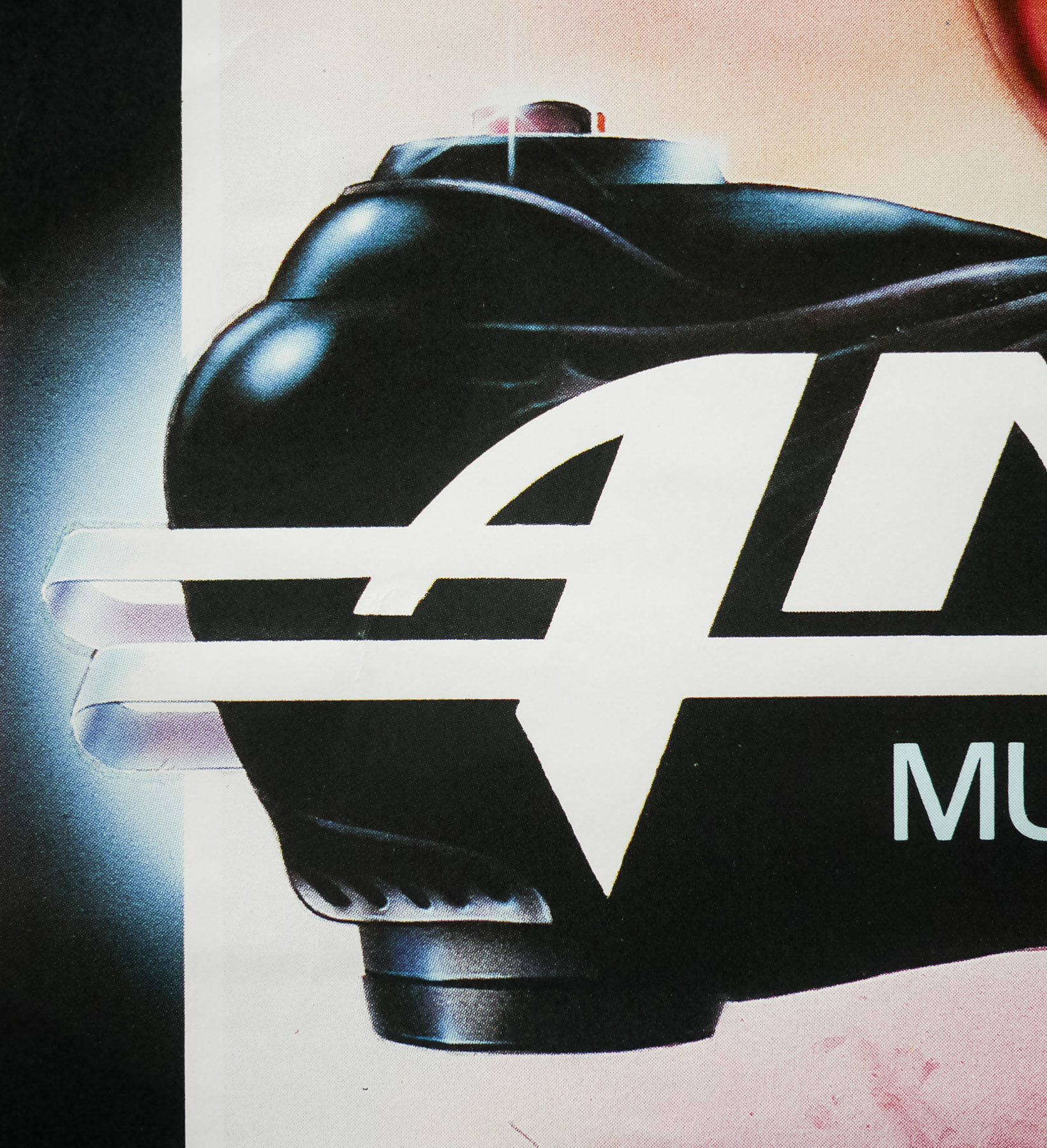
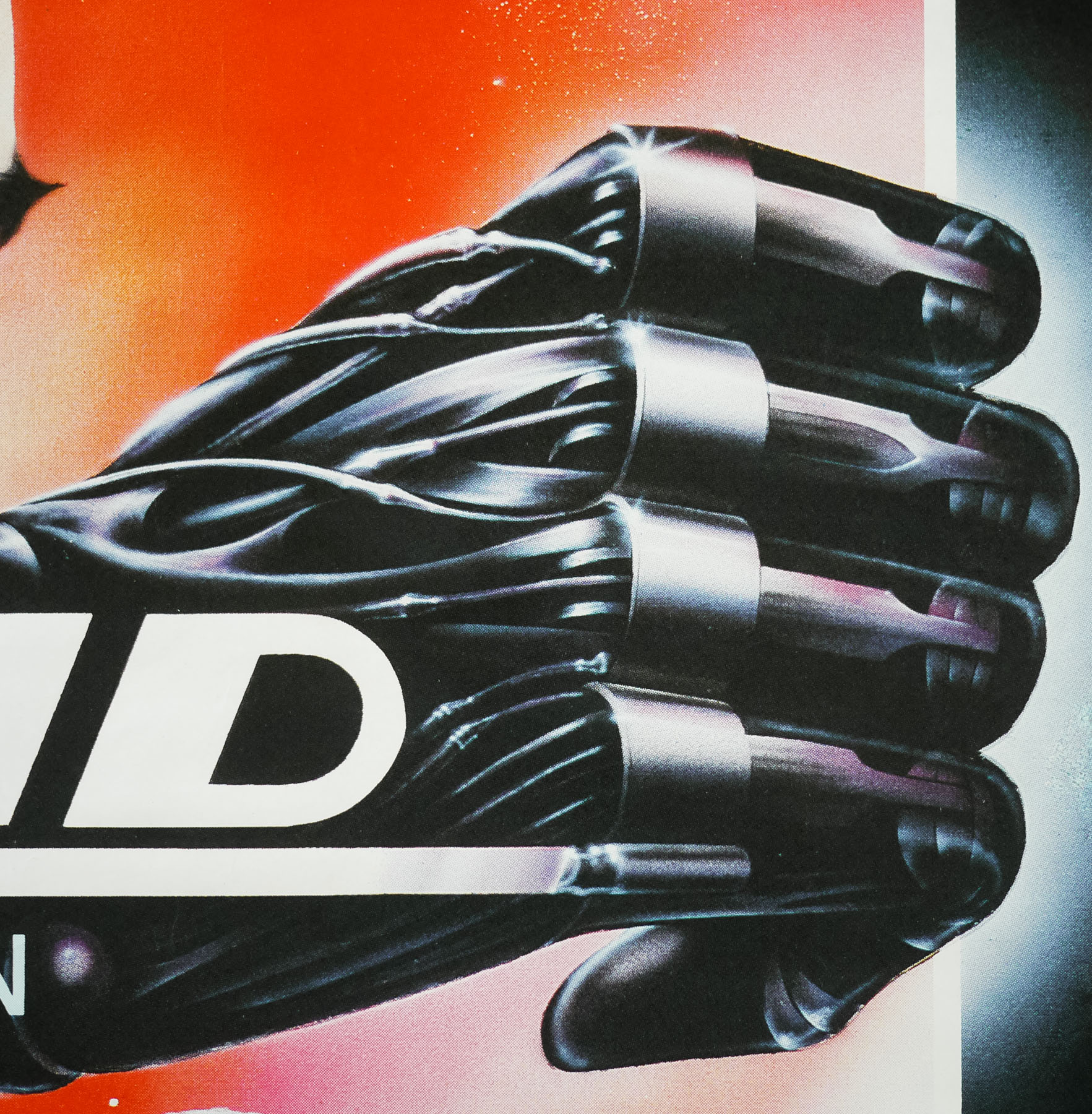
The artwork is unique to the UK campaign and also featured on the quad (centred with a crimson background to the left and right). It was put together by the British designer and artist Tom Beauvais whom I interviewed in 2012 and the resultant article can be read here. Beauvais designed the poster and illustrated the figures at the bottom, whilst one of his colleagues, an illustrator named Keith Fowles, used an airbrush to paint the head, background and arm.

Below is the excerpt from the interview with Tom Beauvais in which he mentions his work on this poster:

———————–

You also worked on a poster for the science-fiction film Android [1982]?
Yes, that was actually in conjunction with a chap called Keith Fowles who used to work with us. He was very skilled with an airbrush and he modelled up the head of the main character, as well as the arm and the background. I then painted in the figures along the bottom.

————————

To see the other posters designed and/or illustrated by Tom Beauvais that are in the Film on Paper collection click here.

The House of Exorcism / quad / UK

02.06.14

Poster Poster
Title
The House of Exorcism
AKA
Lisa and the Devil (original cut)
Year of Film
1975
Director
Mario Bava (as Mickey Lion)
Starring
Telly Savalas, Elke Sommer, Robert Alda, Sylva Koscina, Eduardo Fajardo, Alessio Orano, Alida Valli, Gabriele Tinti
Origin of Film
Italy
Genre(s) of Film
Telly Savalas, Elke Sommer, Robert Alda, Sylva Koscina, Eduardo Fajardo, Alessio Orano, Alida Valli, Gabriele Tinti,
Type of Poster
Quad
Style of Poster
--
Origin of Poster
UK
Year of Poster
1977
Designer
Vic Fair
Artist
Vic Fair
Size (inches)
30" x 39 15/16"
SS or DS
SS
Tagline
A terrifying journey into the SUPERNATURAL

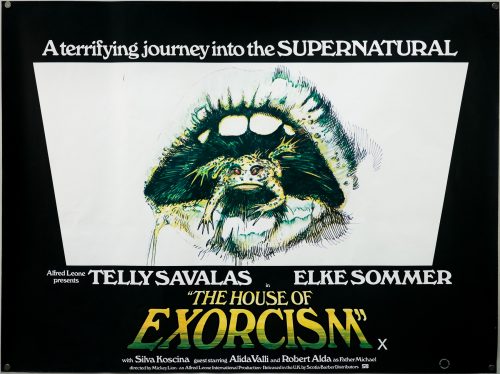
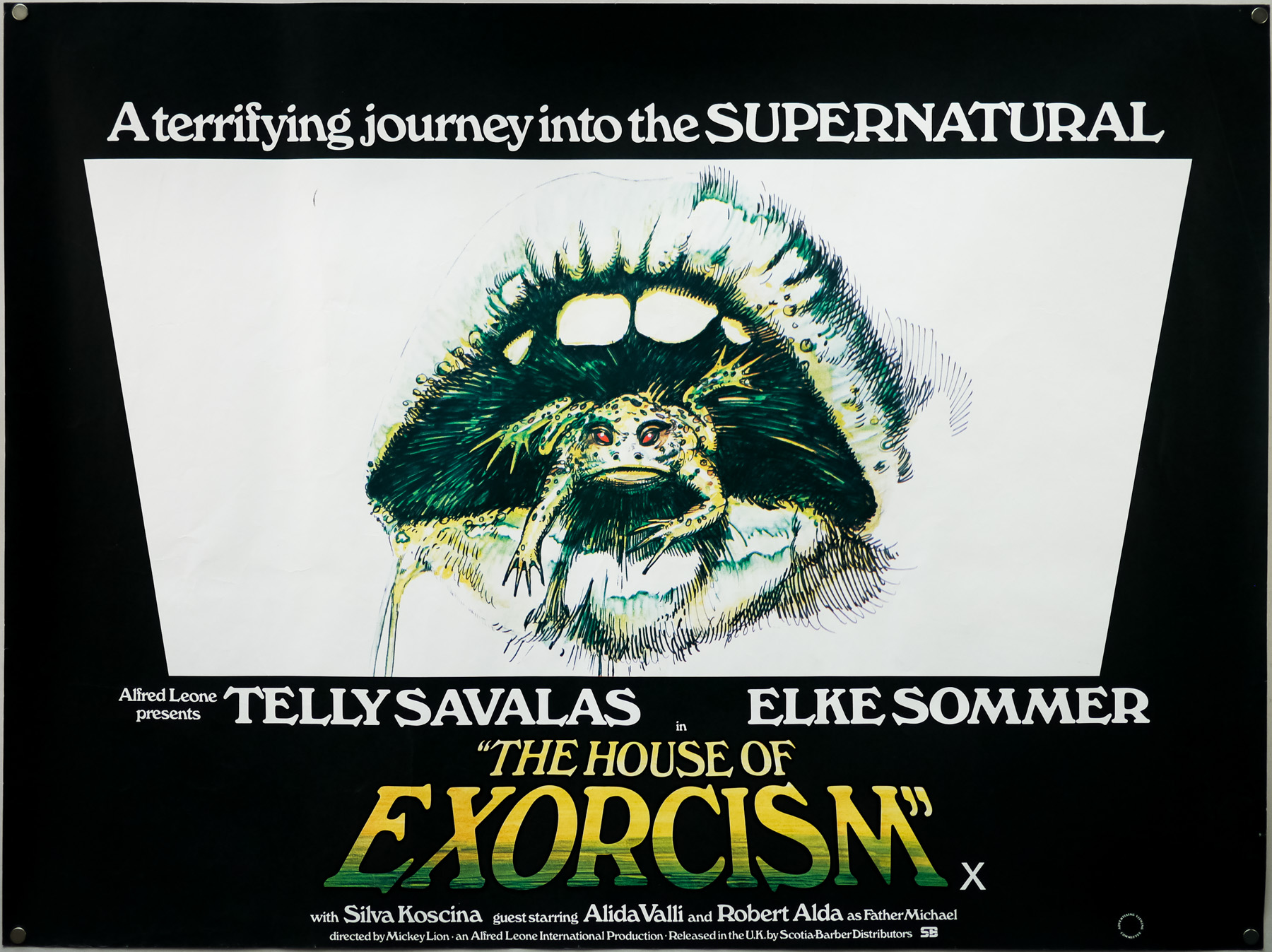
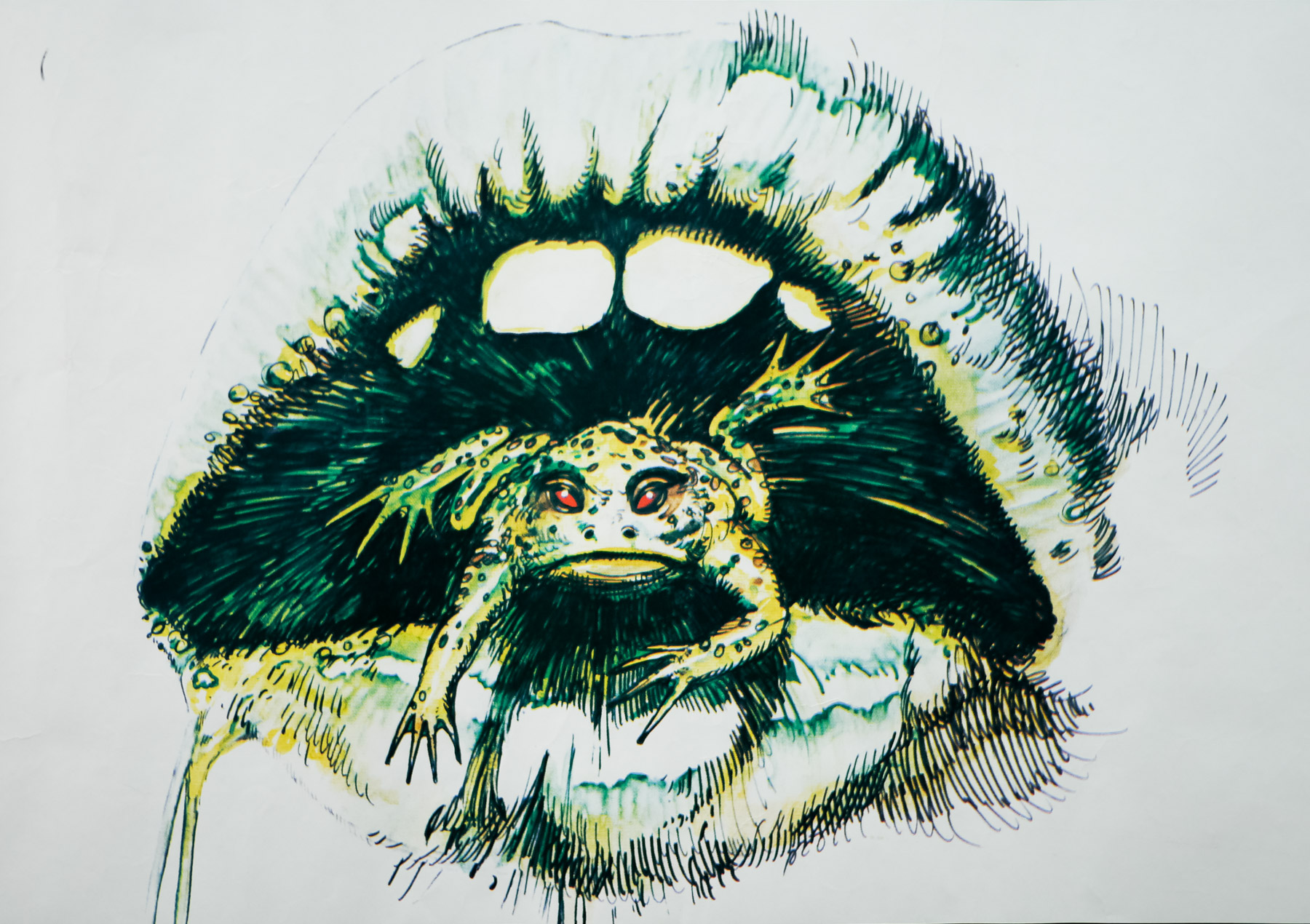
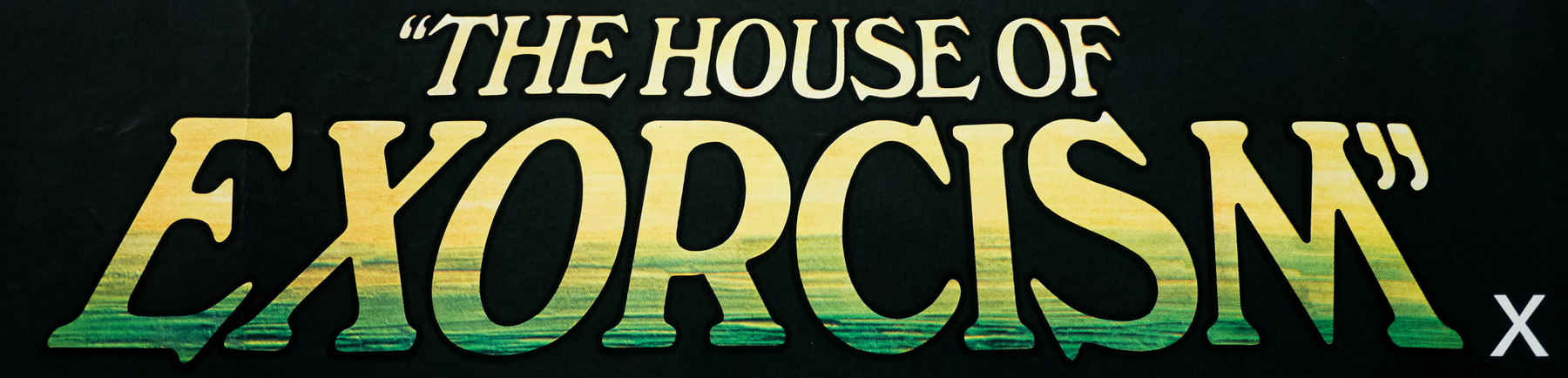
Over the years a number of films have been subjected to various cuts and re-edits that alter the filmmakers’ original vision for both good and bad. This has included Apocalypse Now with its ‘Redux‘ cut in 2001, the multiple versions of Blade Runner that culminated with 2003’s ‘Final Cut’ and the strange case of Superman II. None of these revisions were quite as ill-judged as the fate that befell Italian director Mario Bava‘s 1974 horror Lisa and the Devil when it flopped at the European box-office.

An entertaining if somewhat bizarre horror set in Spain, the original film focused on Lisa (Elke Sommer) a tourist in Toledo who becomes separated from her group and winds up at a crumbling old mansion on the edge of town. There she meets the eccentric inhabitants and becomes embroiled in a series of strange and often murderous situations involving the family and the house’s mysterious butler (Telly Savalas in one of his more quirky roles).

When the film failed to perform in Italy and the few other European countries in which it was released, the producer Alfredo Leone convinced Bava to retool the film as an Exorcist clone to capitalise on the success of the then recently released American classic. New scenes were shot featuring a demonically possessed Elke Sommer and a priest played by Robert Alda, and the original film was heavily edited so these new flashback scenes could be incorporated.

Leone and Bava clashed heavily over the style of the new scenes and the latter eventually walked away from the project (the director was credited as the fictional Mickey Lion, the surname being English for Leone), which was released in the UK and US as The House of Exorcism to instant critical derision (many reviewers calling it an Exorcist rip-off) and poor commercial performance. All in all the project was a total waste of time for all concerned. Recently the UK video label released Lisa and the Devil on blu-ray in its original version and included the House of Exorcism on the same disc.

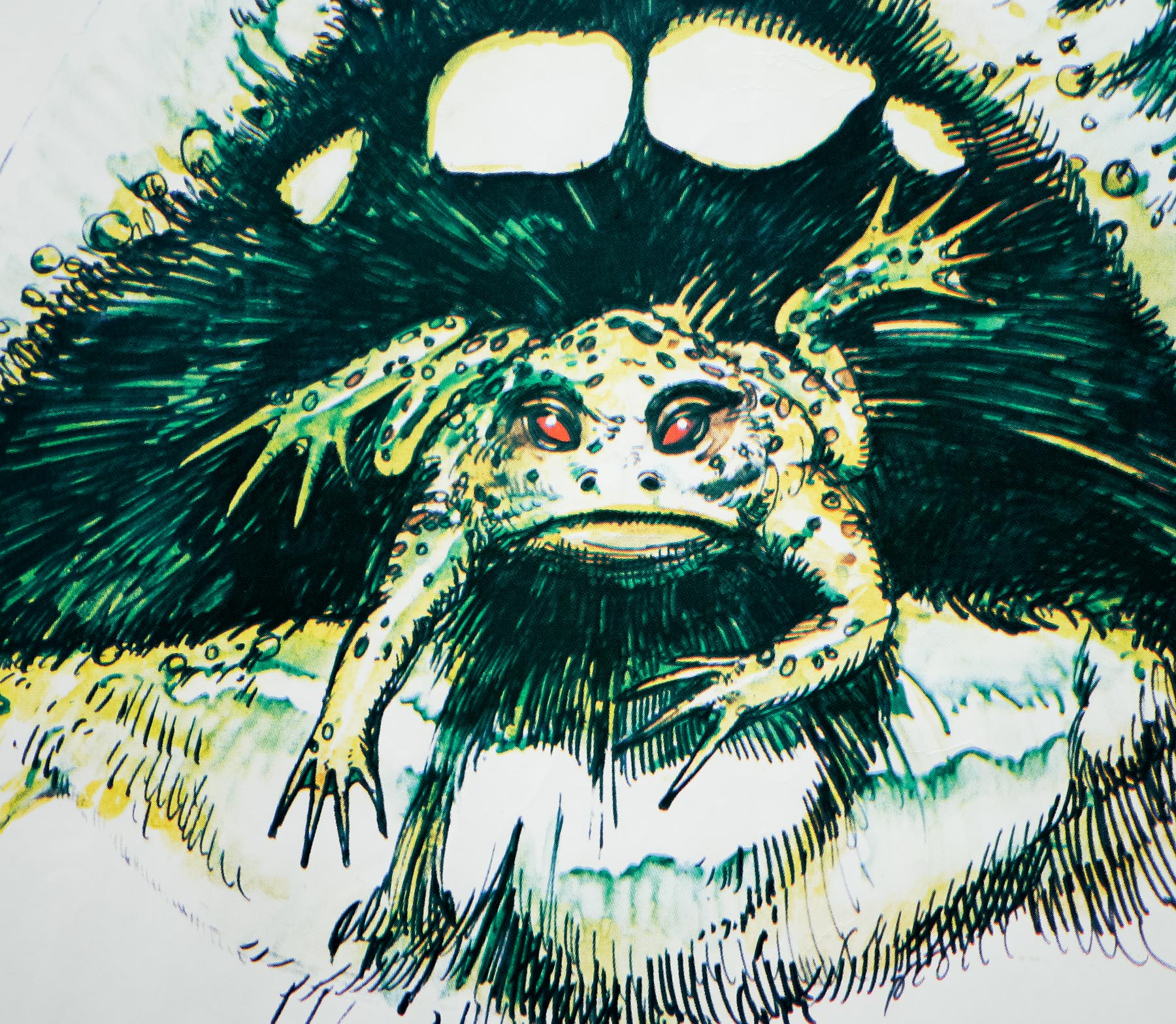
As of 2026, it is believed this poster is the work of the late, great Vic Fair who was one the most important characters ever to work in British film marketing. He was responsible for several iconic posters, including The Man Who Fell To Earth, posters for Hammer horrors like Vampire Circus, and the withdrawn advance one sheet for A View to a Kill. I interviewed Vic for this site and that article can be viewed by clicking here

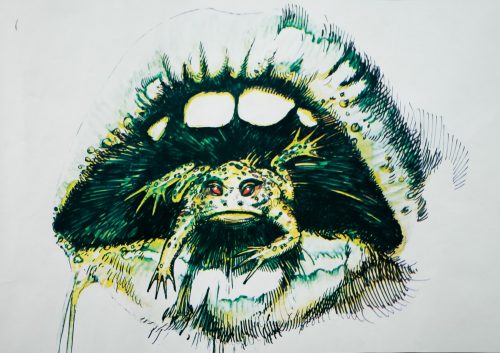
I previously thought it may have been the work of British artist Mike Vaughan but Sim Branaghan, author of British Film Posters: An Illustrated History, believes it’s likely to be Vic’s work, or possibly that of his contemporary and colleague Eddie Paul. The noted poster dealer Mike Bloomfield is currently (as of January 2026) selling a print of the concept artwork for the poster which mirrors this design and came from the archive of Vic Fair. This further lends credence to Sim and Mike’s belief that the final design is by Fair.

C.H.U.D. / quad / UK

25.06.14

Poster Poster
Title
C.H.U.D.
AKA
C.H.U.D. (Cannibalistic. Humanoid. Underground. Dwellers.) - full title | CHUD (alt. spelling)
Year of Film
1984
Director
Douglas Cheek
Starring
John Heard, Daniel Stern, Christopher Curry, Kim Greist, Laure Mattos, Brenda Currin, Justin Hall, Michael O'Hare, Cordis Heard, Vic Polizos, Eddie Jones, Sam McMurray, John Goodman, Jay Thomas, Hallie Foot, Jon Polito
Origin of Film
USA
Genre(s) of Film
John Heard, Daniel Stern, Christopher Curry, Kim Greist, Laure Mattos, Brenda Currin, Justin Hall, Michael O'Hare, Cordis Heard, Vic Polizos, Eddie Jones, Sam McMurray, John Goodman, Jay Thomas, Hallie Foot, Jon Polito,
Type of Poster
Quad
Style of Poster
--
Origin of Poster
UK
Year of Poster
1984
Designer
Unknown
Artist
--
Size (inches)
30" x 39 15/16"
SS or DS
SS
NSS #
--
Tagline
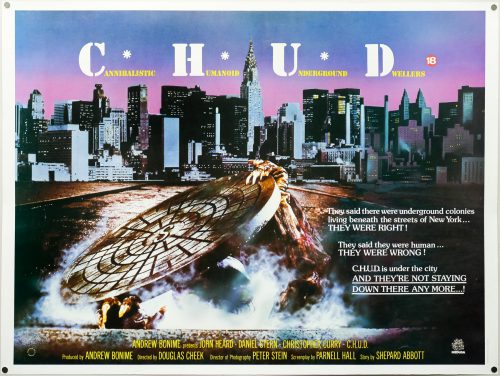
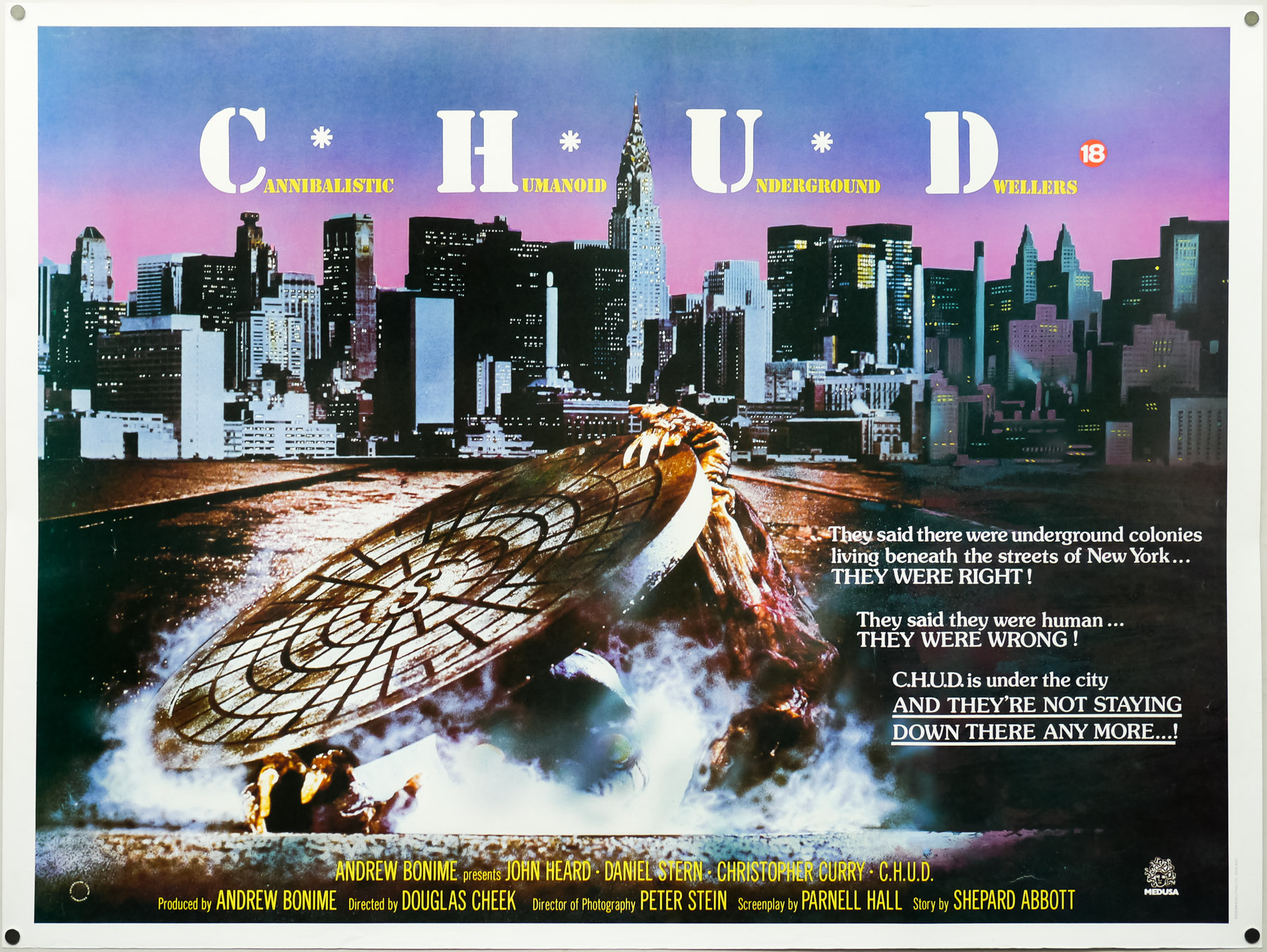
They said there were underground colonies living under the streets of New York... THEY WERE RIGHT! They said they were human... THEY WERE WRONG! C.H.U.D. is under the city AND THEY'RE NOT STAYING DOWN THERE ANY MORE...!

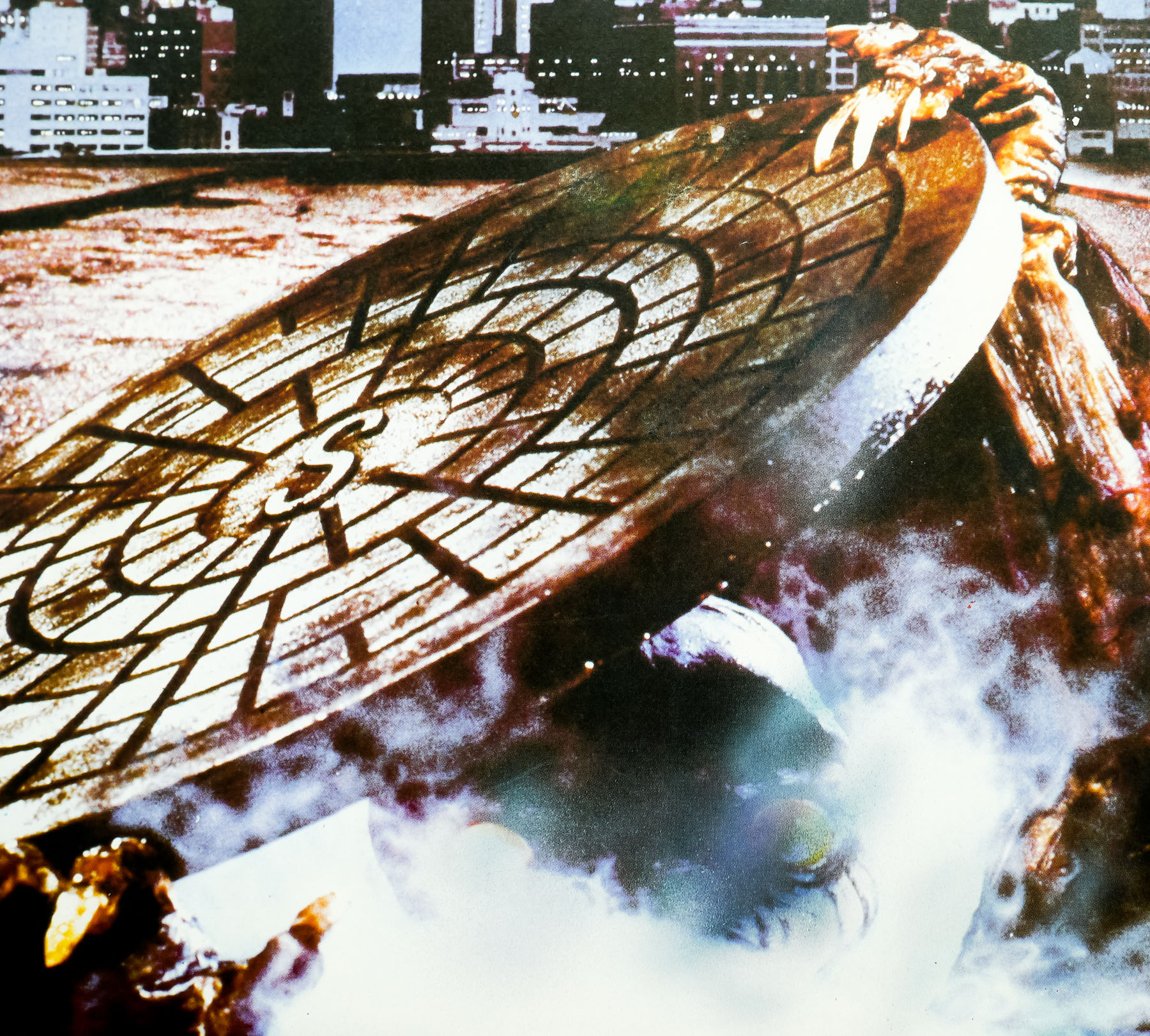
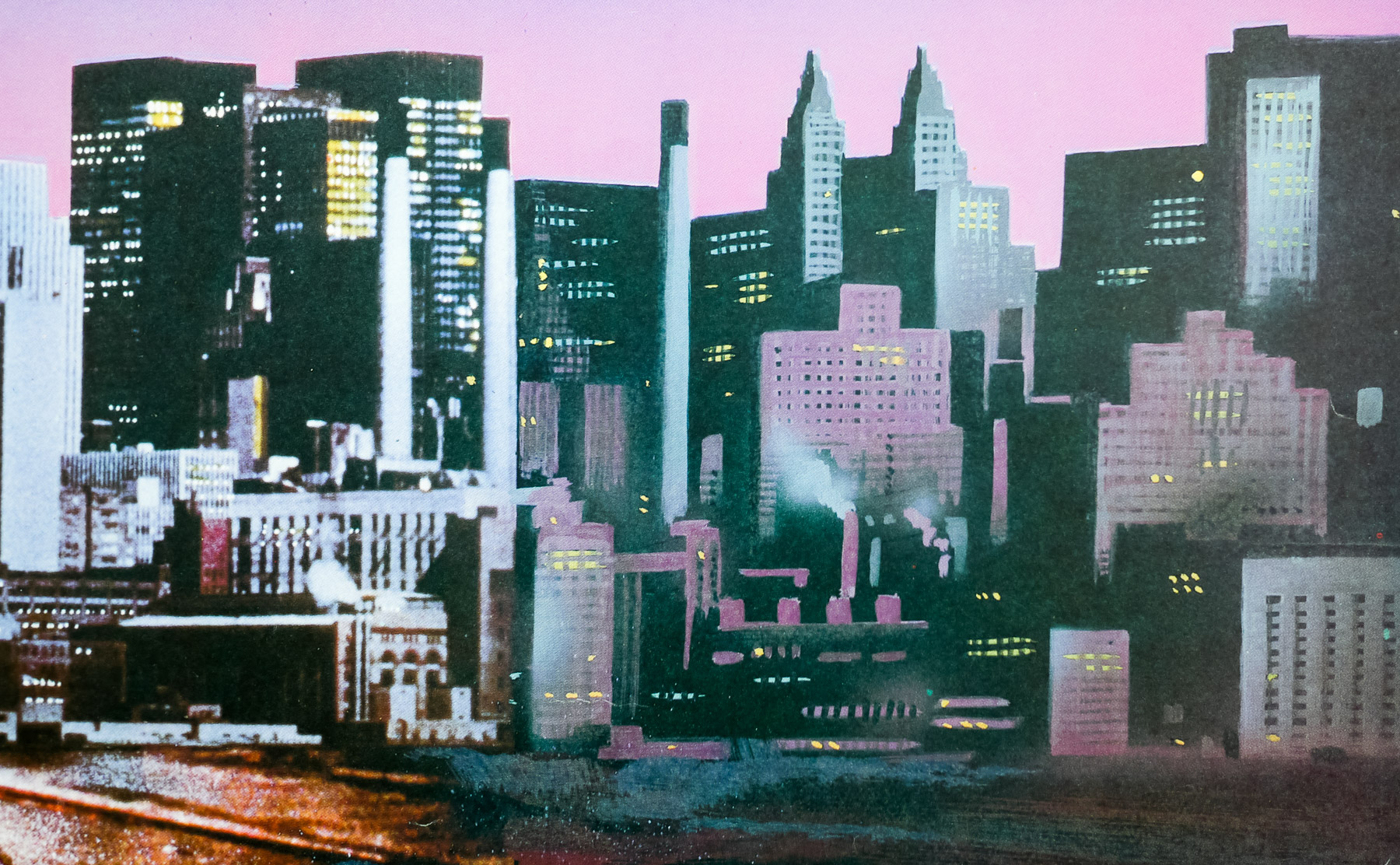
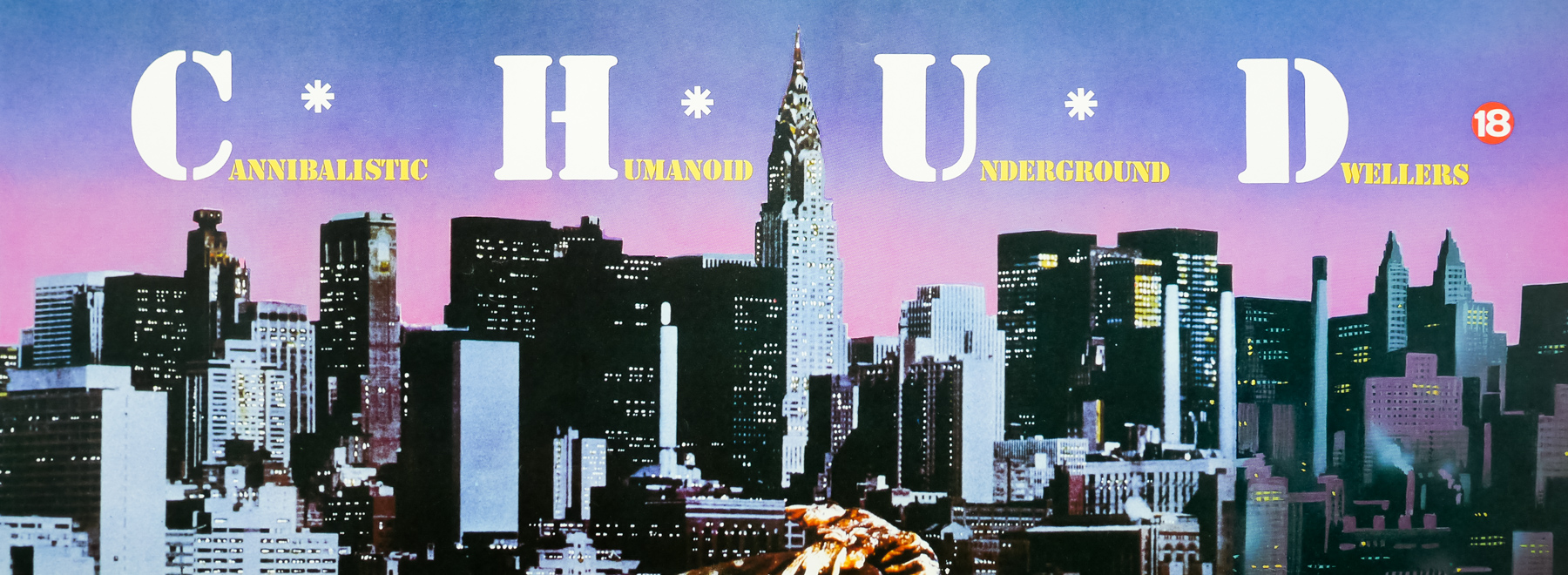
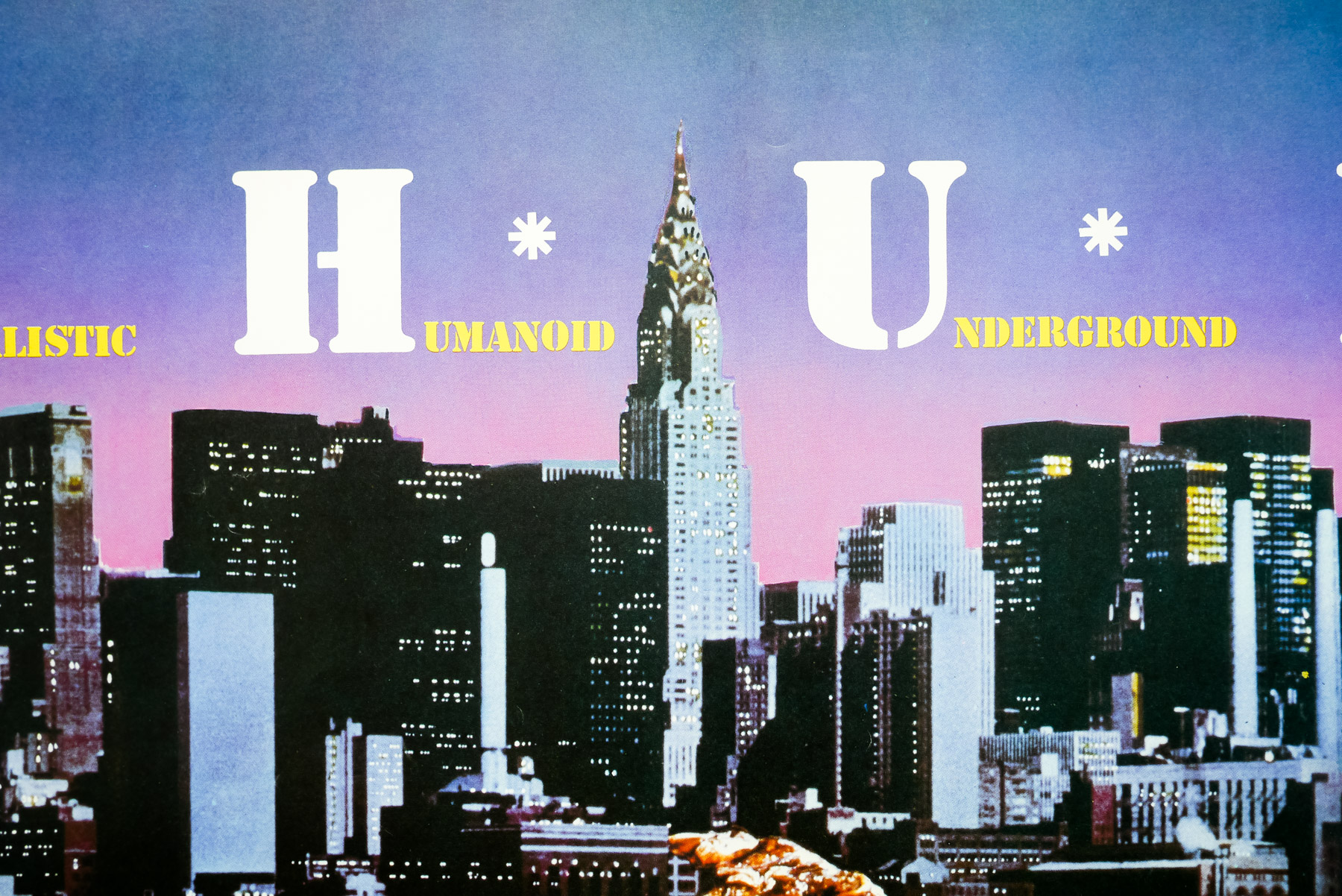
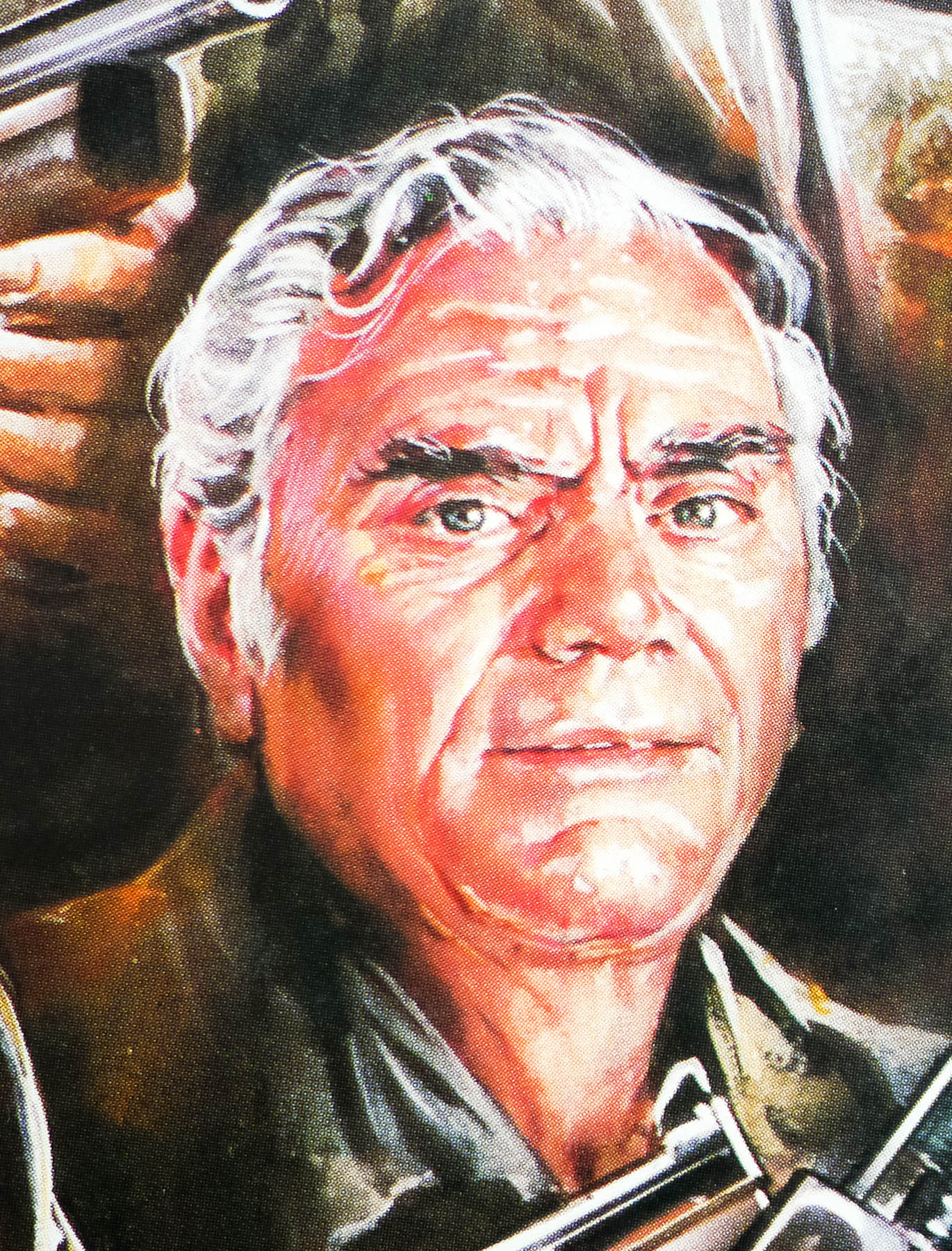
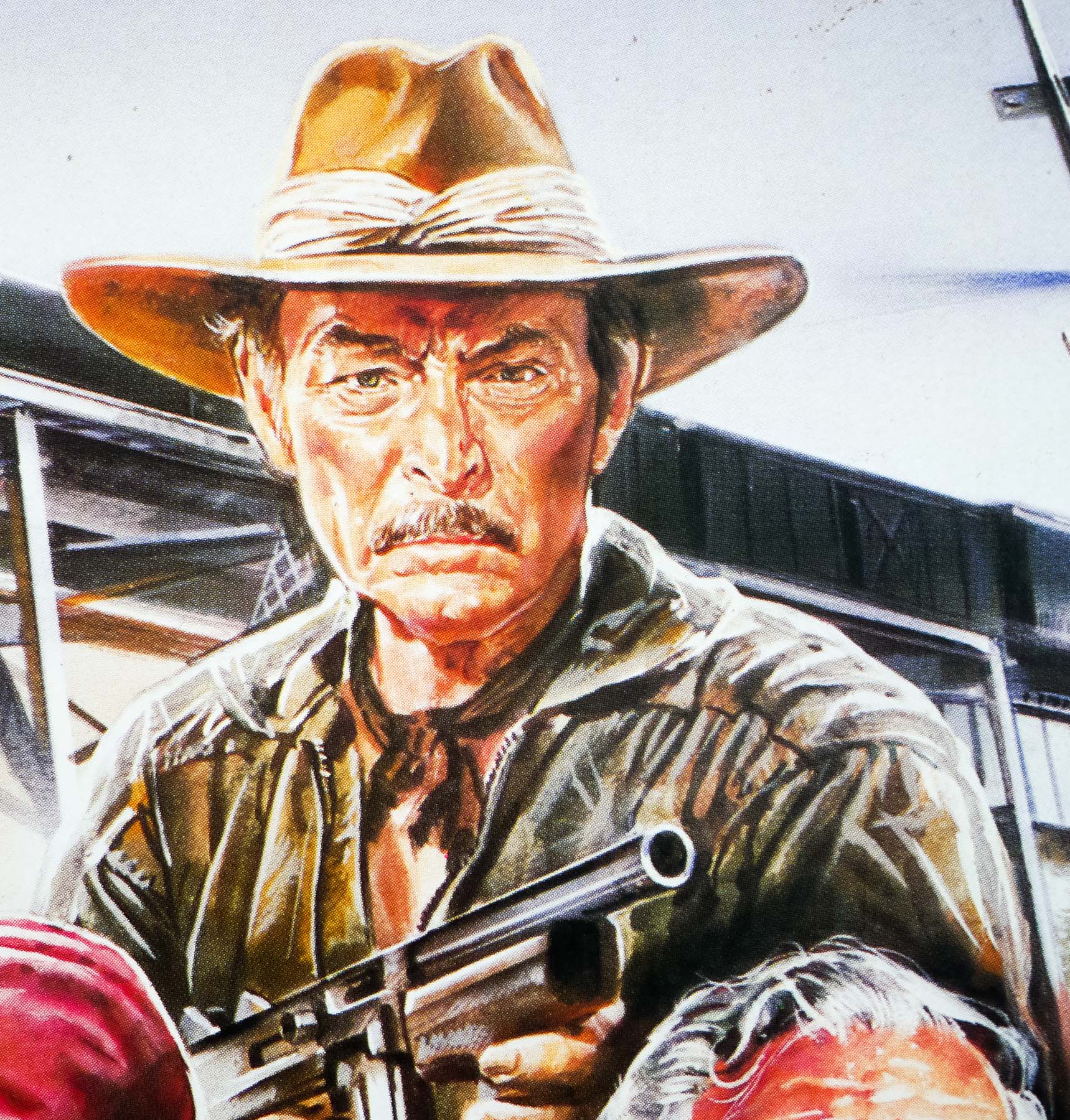
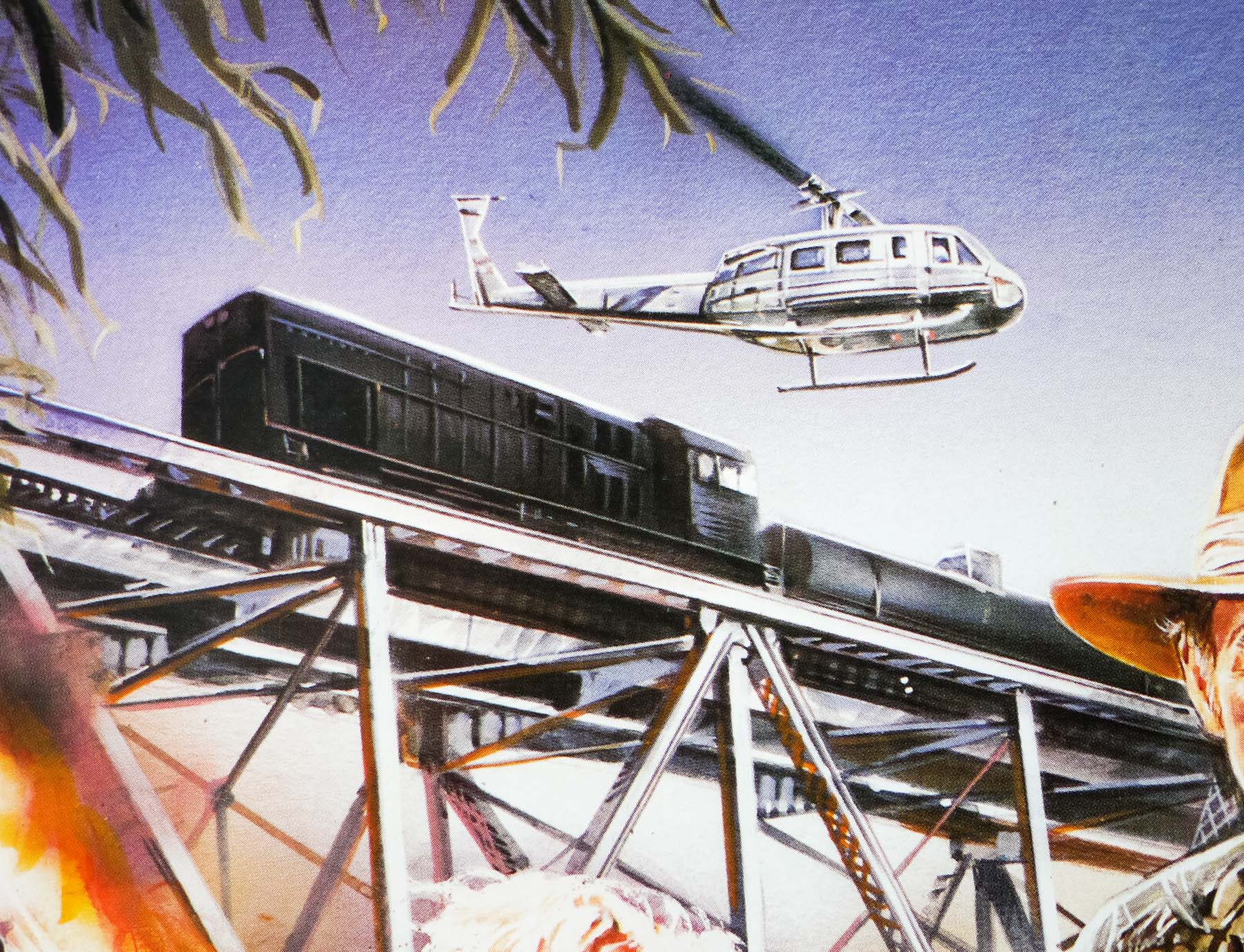
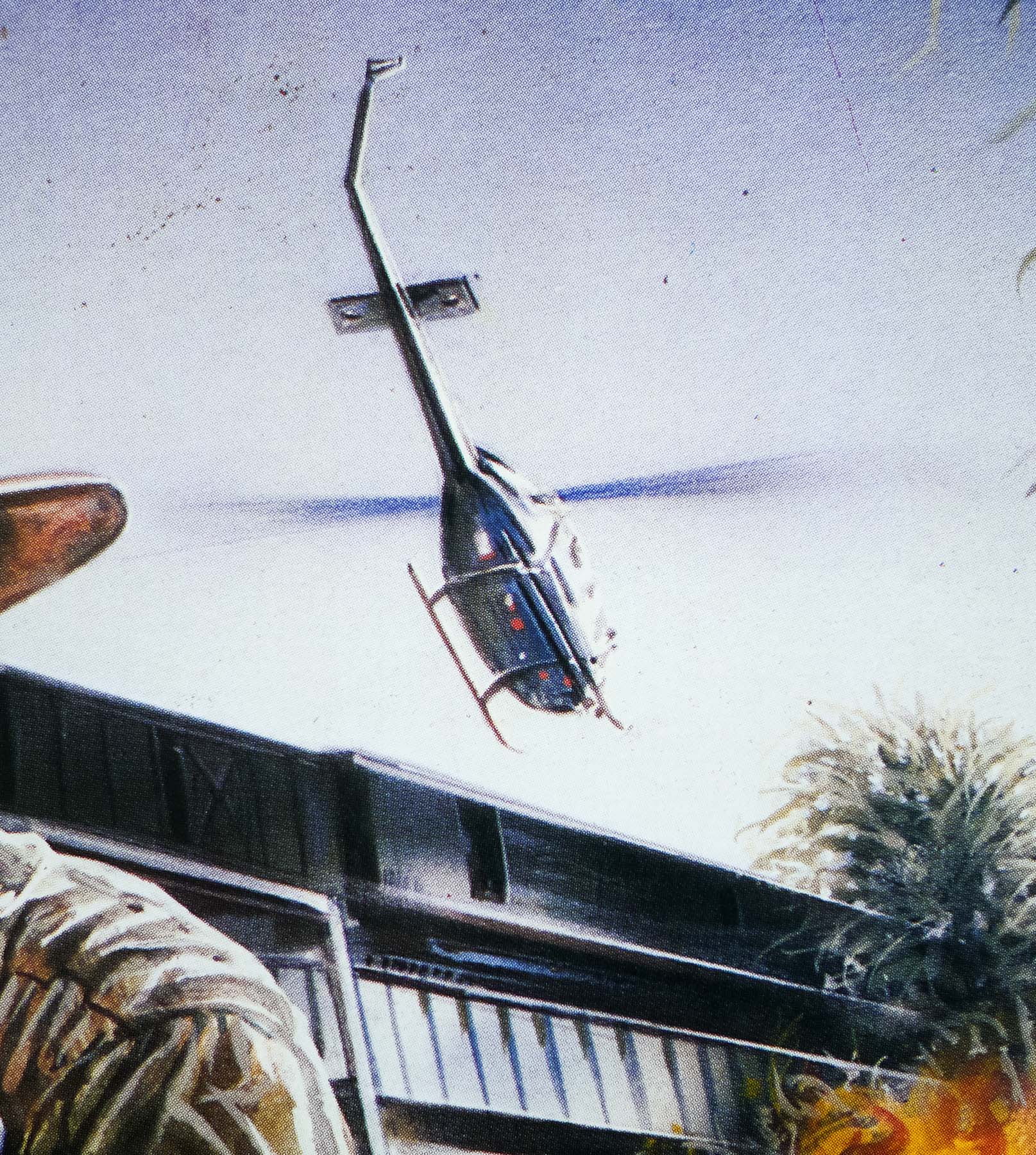
A true cult horror – you only have to look at the list of references in pop culture on its Wikipedia page to get an idea of how much impact the film has had – this UK quad poster for C.H.U.D. features a memorable, lengthy tagline and a teaser of the creatures of the title. The story is nicely schlocky; toxic mutants living in the sewers of New York City are attacking its inhabitants and it’s up to ragtag group of people (cop, fashion reporter, soup-kitchen owner!) to save the day, but the film works with its low budget to create some memorable gore-filled scenes and features fun acting from the likes of John Heard and Daniel Stern. It also has an excellent none-more-80s synth soundtrack.

Chud has since been appropriated to describe ugly, stupid people thanks mainly to its use in Kevin Smith’s Clerks II. It’s also used as the domain name of an excellent cult film website (Cinematic Happenings Under Development).

This UK quad is very similar to the US one sheet but features a different tagline and more muted colours around the creature (his eyes glow more on the one sheet, for example). Here’s the original trailer.

Crocodile Dundee / quad / UK

04.07.14

Poster Poster
Title
Crocodile Dundee
AKA
--
Year of Film
1986
Director
Peter Faiman
Starring
Paul Hogan, Linda Kozlowski, John Meillon, David Gulpilil, Ritchie Singer, Maggie Blinco, Steve Rackman, Gerry Skilton
Origin of Film
Australia
Genre(s) of Film
Paul Hogan, Linda Kozlowski, John Meillon, David Gulpilil, Ritchie Singer, Maggie Blinco, Steve Rackman, Gerry Skilton,
Type of Poster
Quad
Style of Poster
--
Origin of Poster
UK
Year of Poster
1986
Designer
Unknown
Artist
Dan Goozee
Size (inches)
30 1/16" x 40"
SS or DS
SS
Tagline
He's survived the most hostile and primitive land known to man. Now all he's got to do is make it through a week in New York. | There's a little of him in all of us.

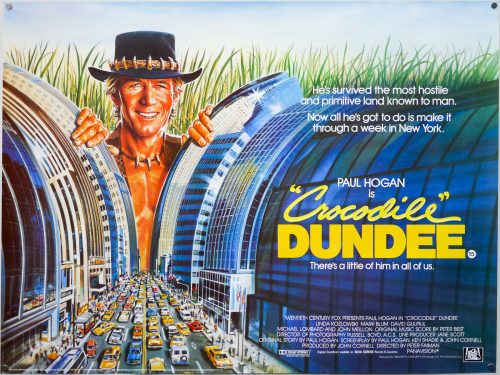
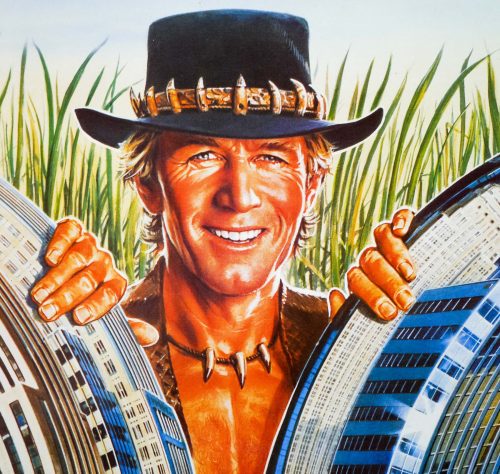
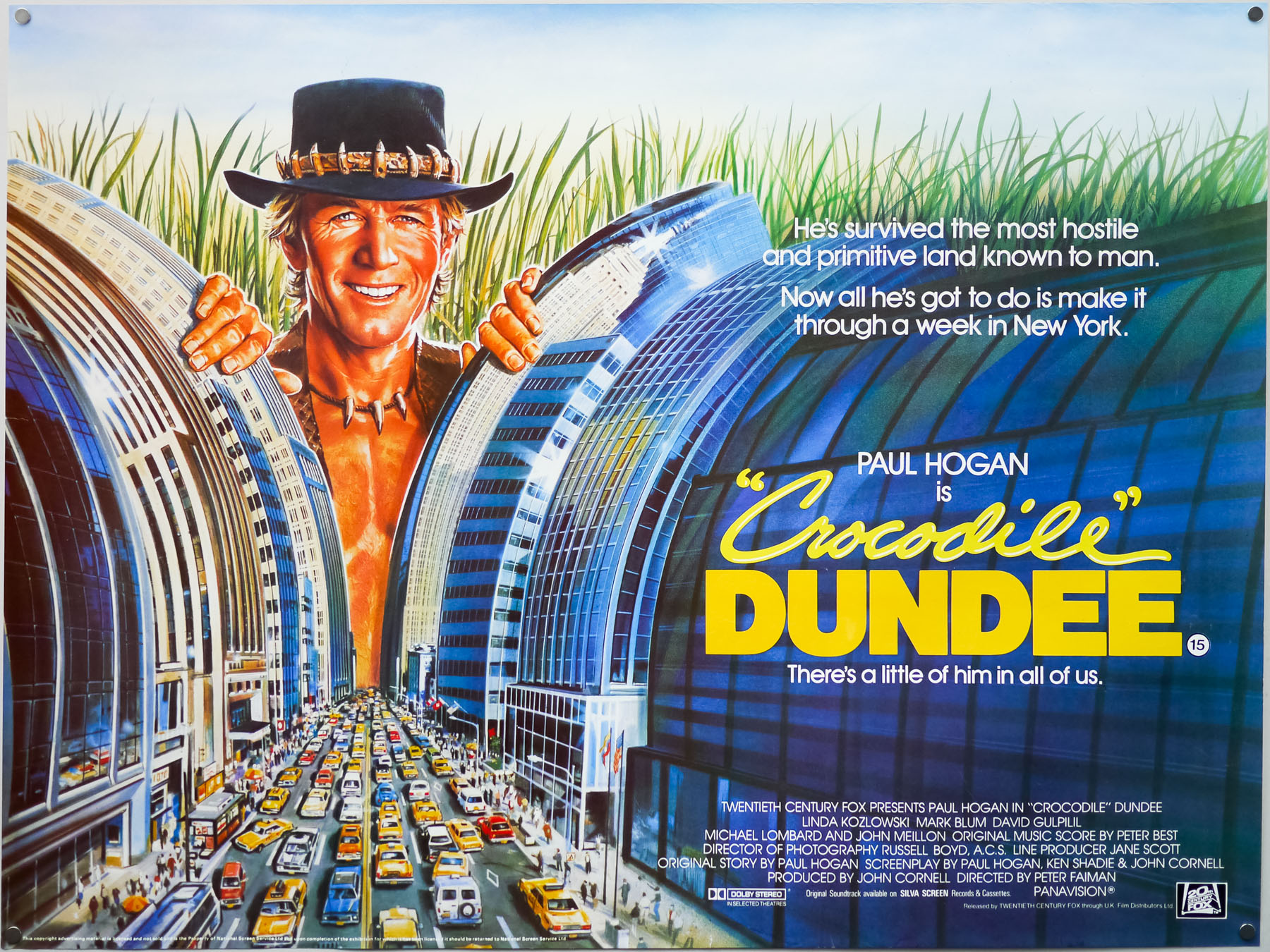
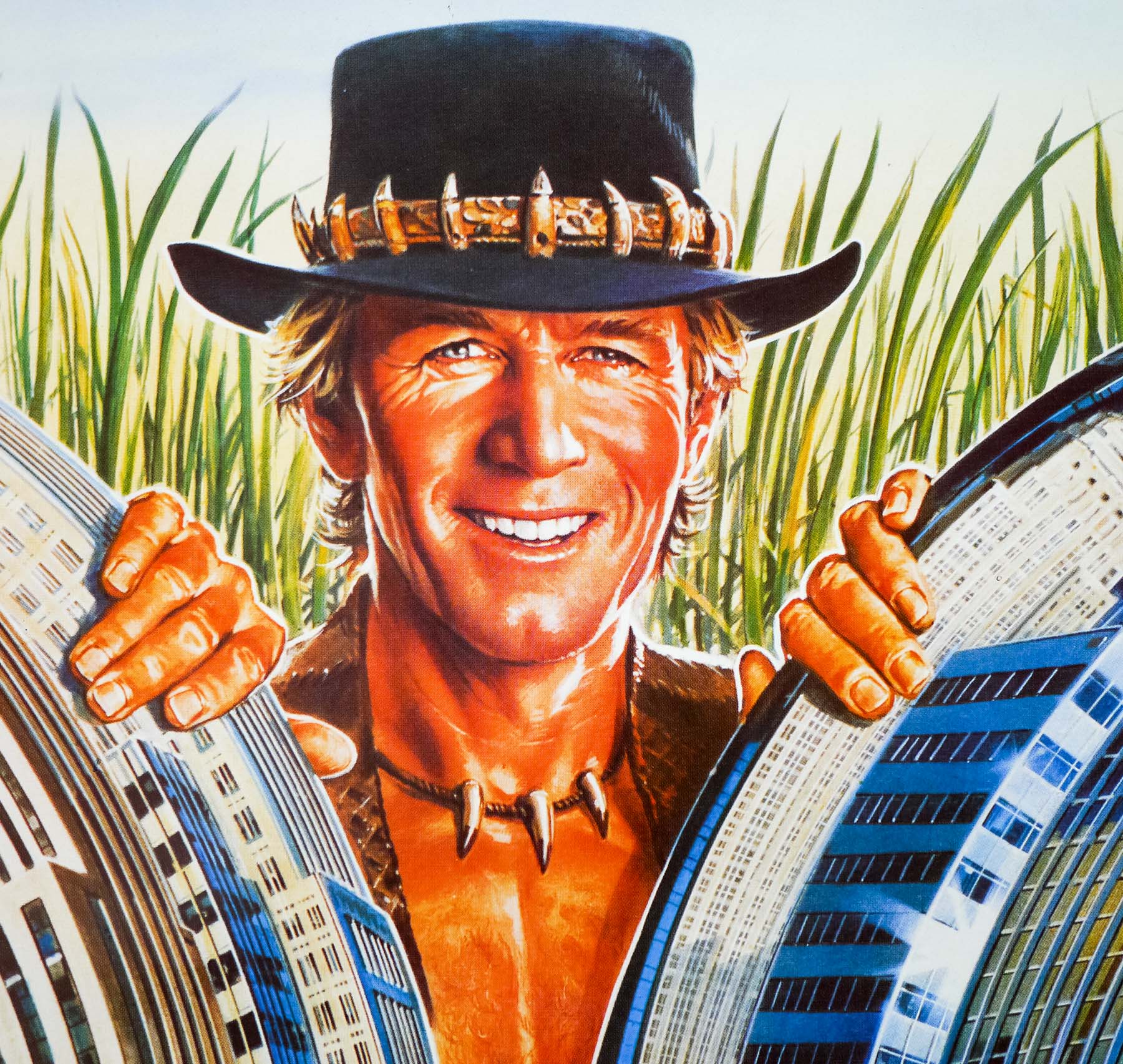
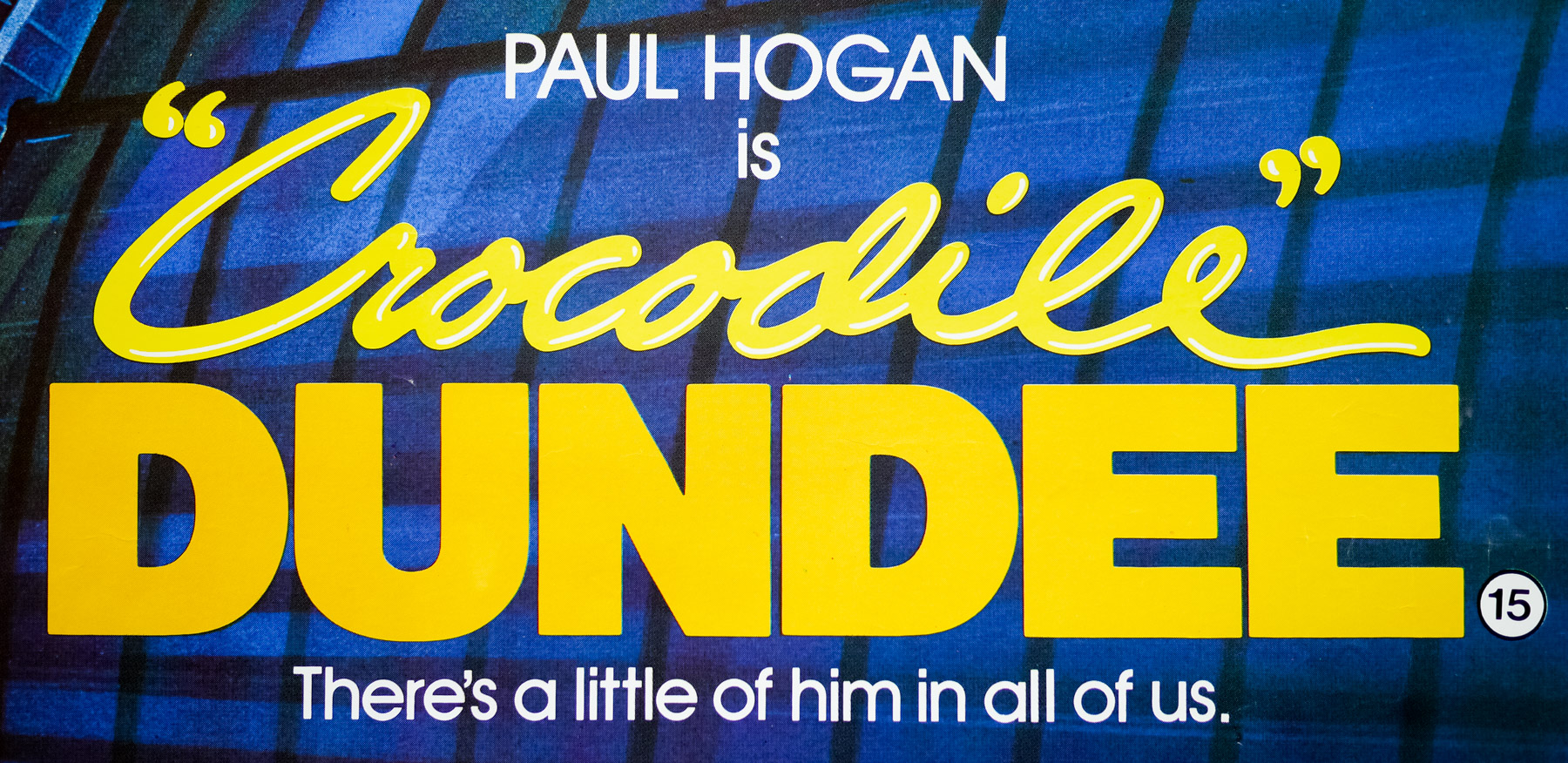
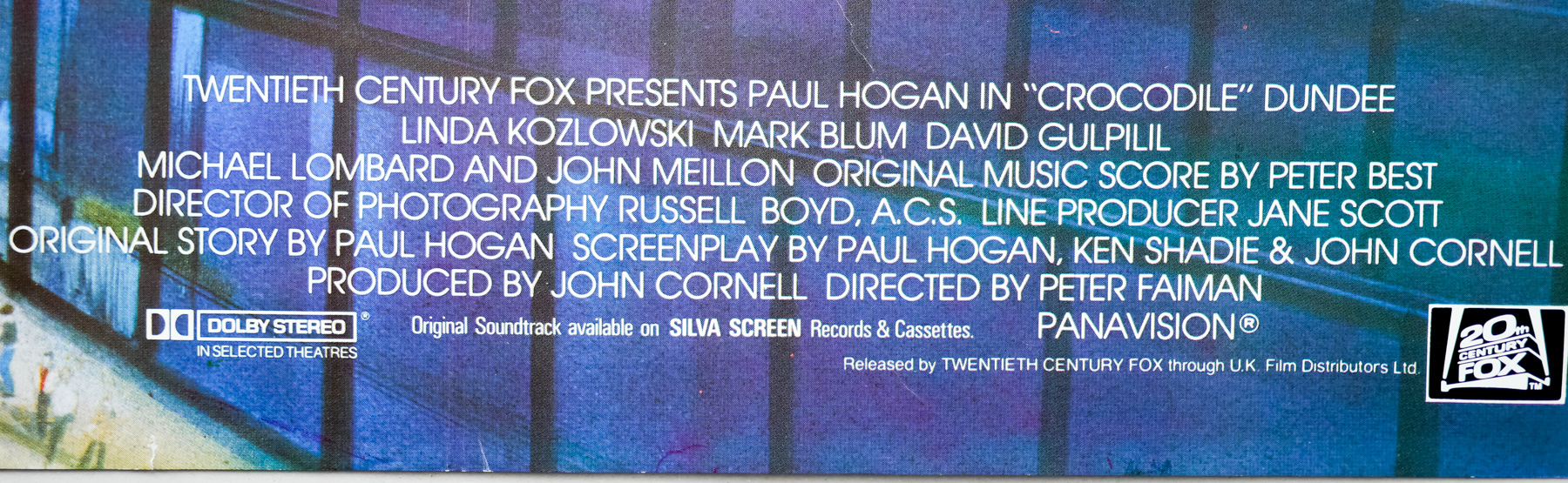
This is the UK quad for the release of arguably the most famous Australian film ever released, Crocodile Dundee. The film took its inspiration from the real life exploits of an Australian hunter called Rodney Ansell who was stranded for 56 days in the remote outback with limited supplies and managed to survive and stay alive by living off the land. The film’s story sees Sue Charlton (Linda Kozlowski), a New York reporter, travel to Australia to try and meet Mick Dundee (a memorable turn by Paul Hogan) a legendary bushman who is reported to have lost his leg in a battle with a crocodile. What she finds is an uncouth, less than legendary figure who makes several clumsy advances towards her. She starts to warm to him as they travel into the wilderness and she witnesses first hand his survival skills, ability to interact with dangerous creatures and his ease with the native aborigines.

When Mick teases her that she’d be unable to survive on her own she sets off to prove him wrong, but is soon almost killed by a crocodile before Mick intervenes. Eventually Sue invites the bushman back to New York under the pretext of continuing the story and comedy ensues as Mick has to adjust to life in one of the busiest cities on earth. The film was made on a relatively low budget, specifically tailored for American audiences and was a runaway success at the box office and ended up as a worldwide phenomenon as the second-highest grossing film of 1986. It spawned another sequel soon afterwards and a third (forgettable) entry in 2001.

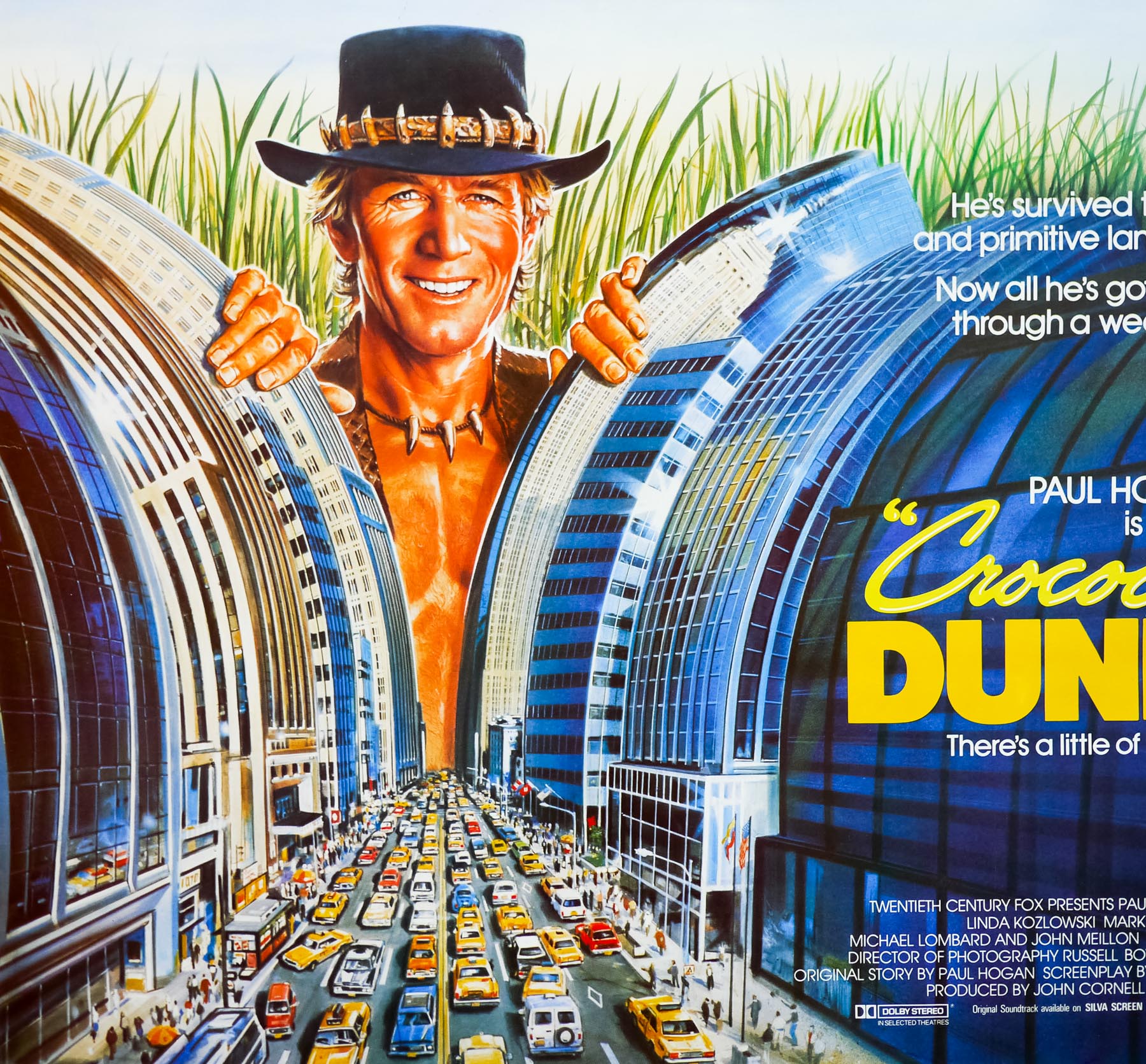
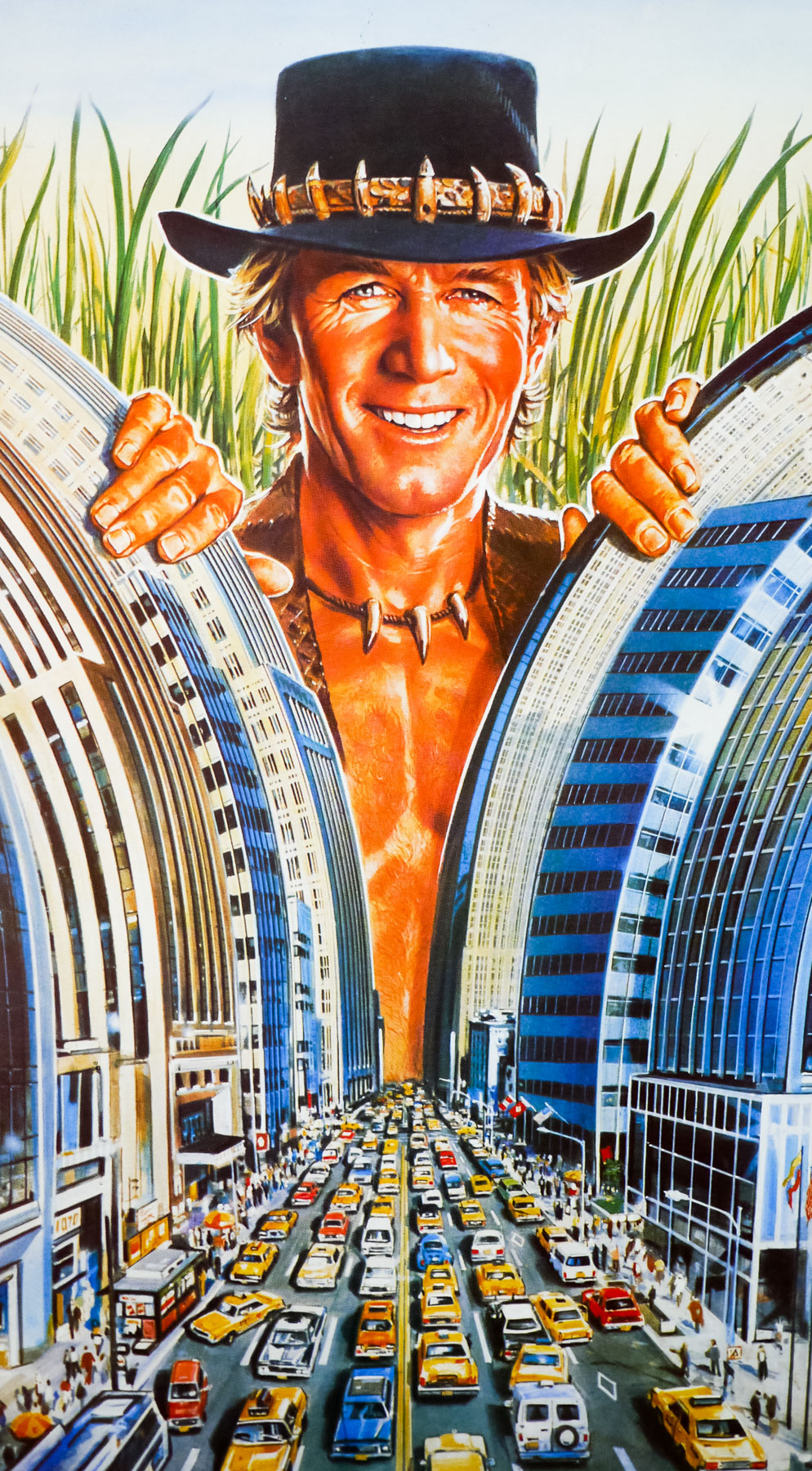
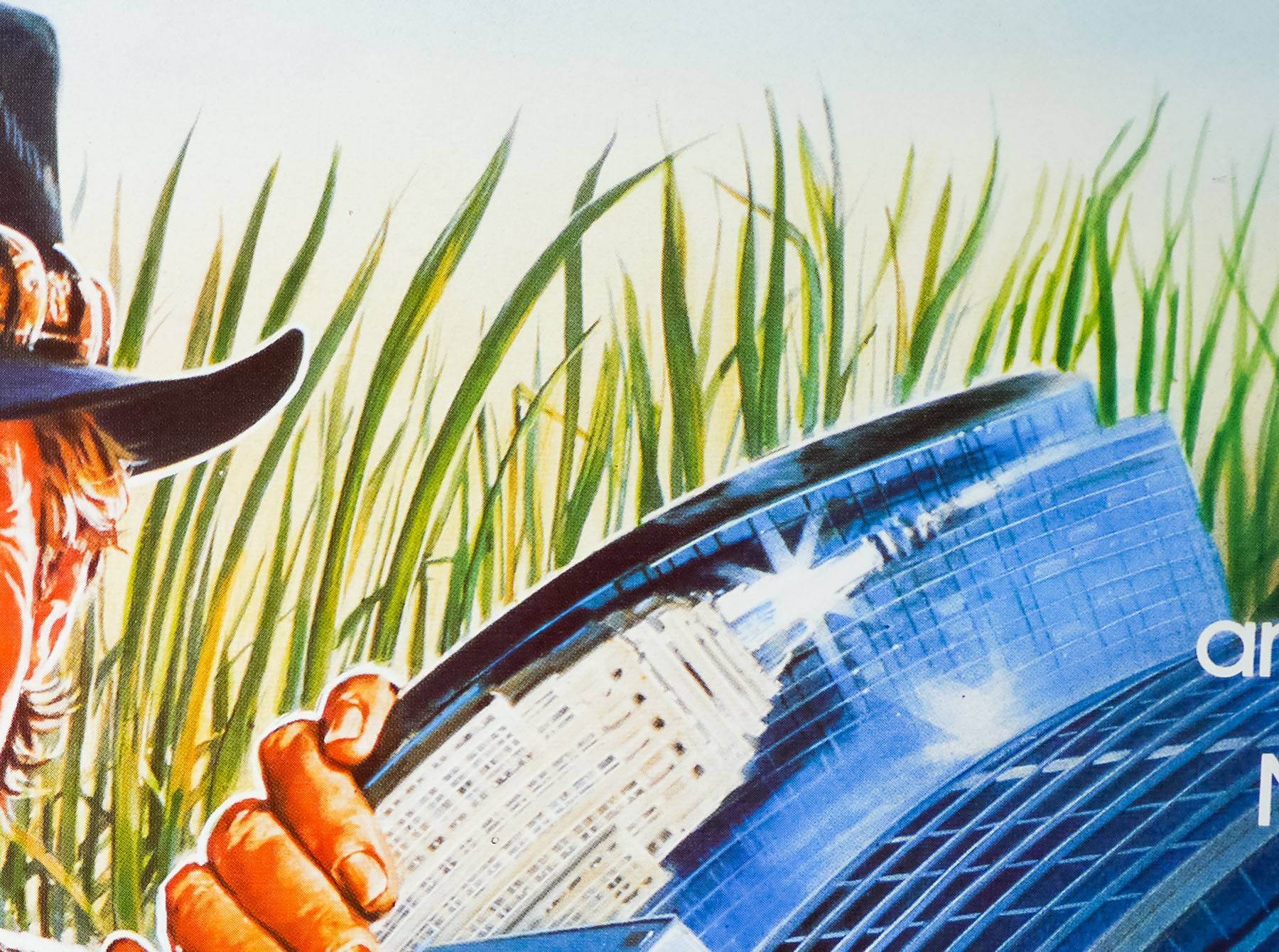
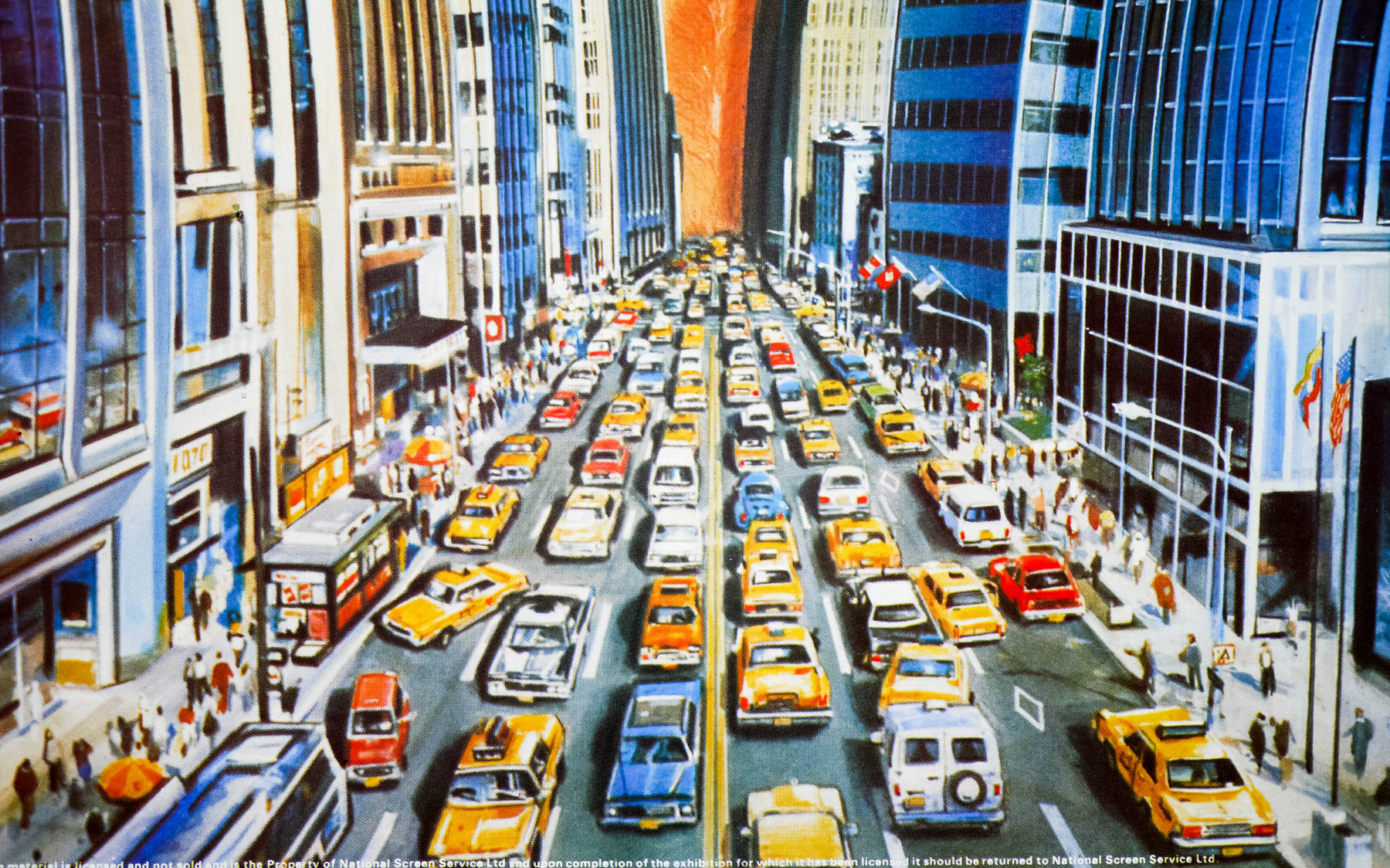
The artwork, which also featured on posters around the world, including the US one sheet, is by American poster artist Dan Goozee. An unknown UK artist is likely to have painted the extra windows on the right side to adapt the artwork to a landscape format. Goozee is perhaps best known for his work on several Bond posters, including Moonraker and Octopussy, as well as several other classic posters from the 1980s. The other designs I’ve collected by him can be seen here.

The Hills Have Eyes / quad / UK

03.10.14

Poster Poster

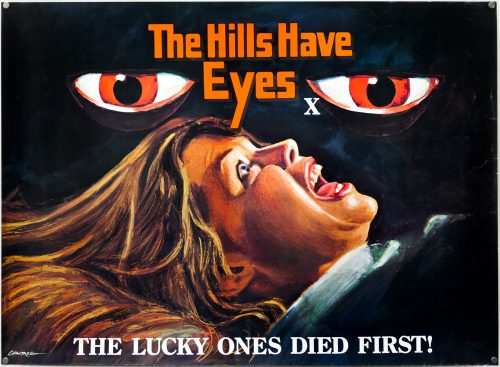
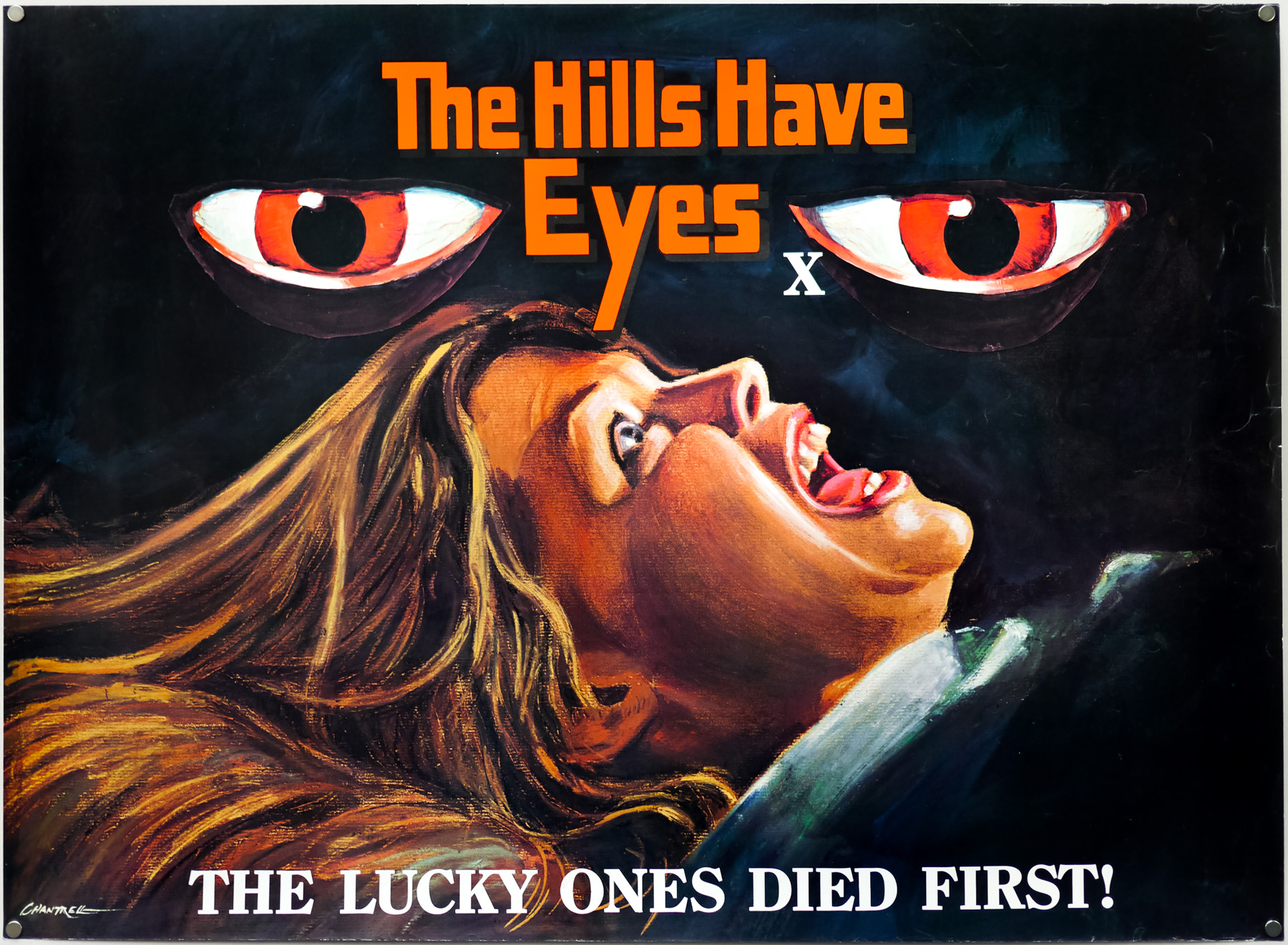
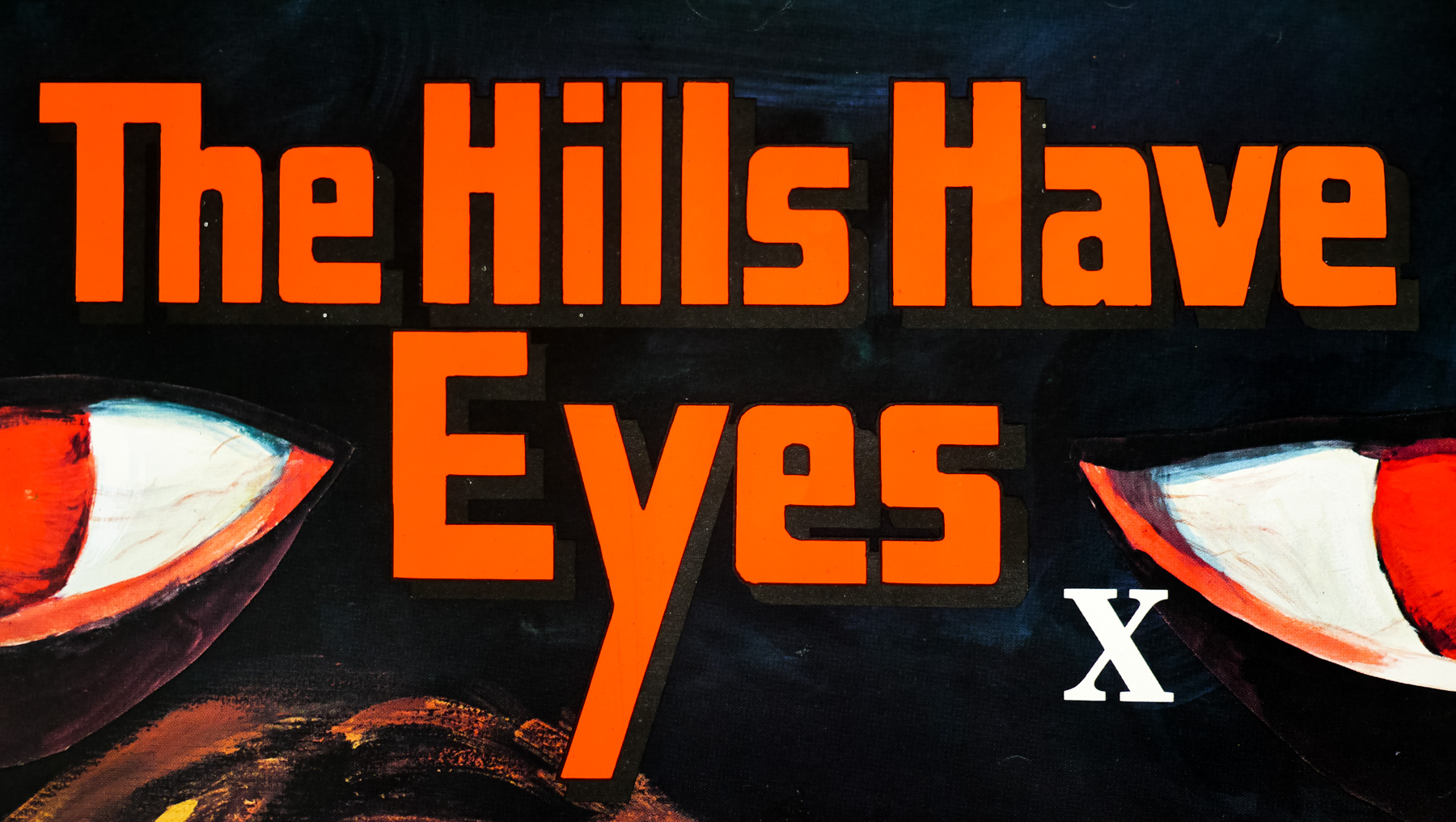
Striking artwork on this UK quad for the release of The Hills Have Eyes, which was director Wes Craven‘s third film, following his notorious breakout horror The Last House on the Left (1972) and the little seen adult drama The Fireworks Woman (1975). Written by Craven himself, the film is an exploitation horror that follows events when a family heading to California with a caravan crash in a remote part of the Nevada desert. Unluckily for them, the area used to be a nuclear testing site and there are a pack of feral, deformed cannibal freaks living in the nearby hills who subject the Carter family to a sustained series of brutal attacks.

The film was reasonably well received at the time of original release but went on to gain a cult following and is today regarded as one of the director’s best films. I watched it again recently and it retains its power to shock, with some of the attacks being particularly brutal. A remake was released in 2006 which was at least stylistically interesting, if nothing else.

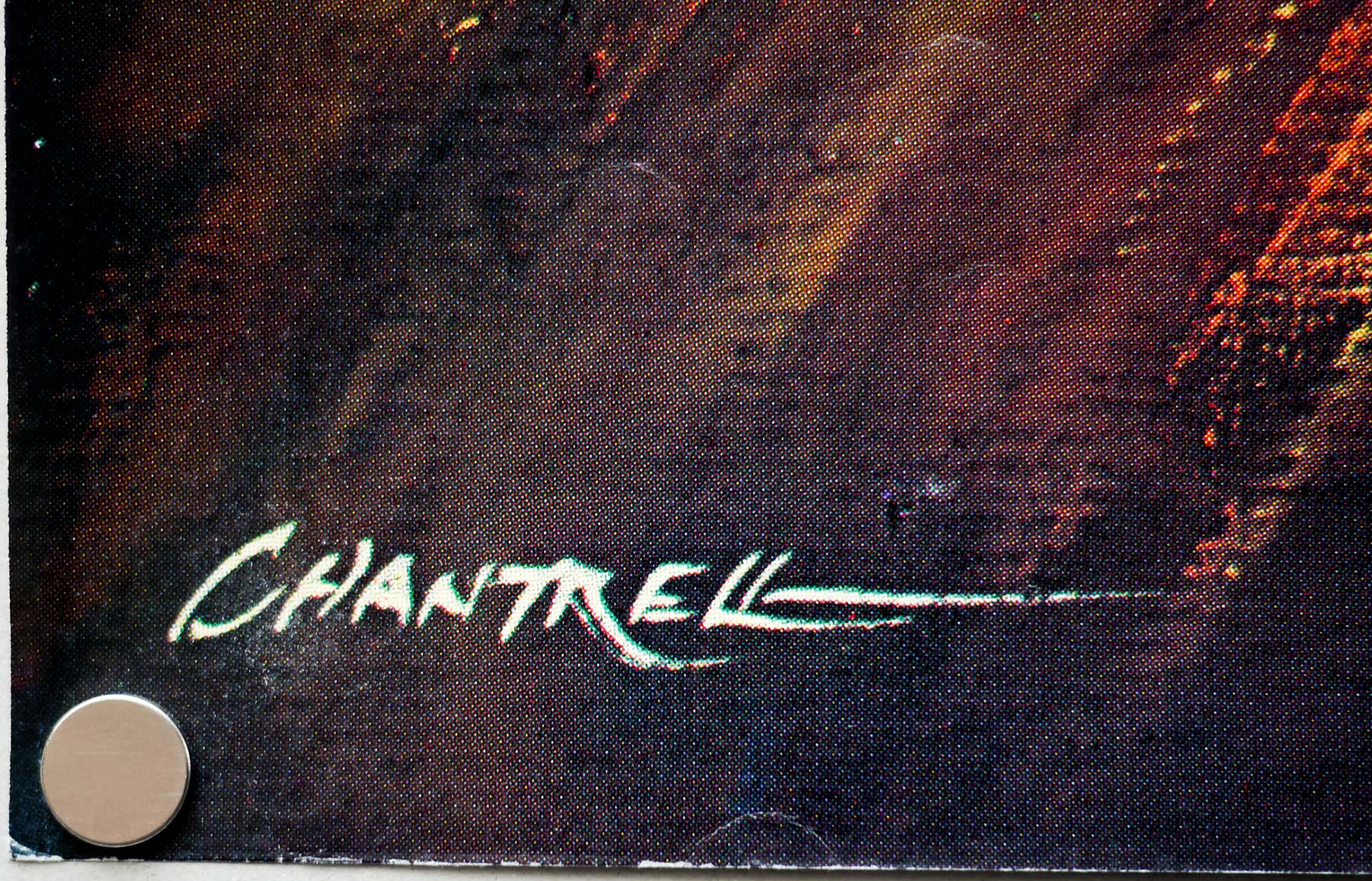
This UK quad is unusual in that it has no credits block or distributor information and features only the signature of the artist, Tom Chantrell. The only other British poster for the film that I’ve seen is a double-bill quad and I don’t think this one could be considered a teaser or advance (despite featuring little detail).

Tom Chantrell’s dynamic and colourful work featured on hundreds of posters over a forty year period. His official website features a great biography written by Sim Branaghan, author of the must-own British Film Posters. Chantrell illustrated many classic poster designs, including several Hammer posters such as the brilliant quad for ‘One Million Years B.C.’, and was also responsible for the iconic Star Wars quad, the artwork of which ended up being used around the globe. I have a handful of other designs by him on this site.

Codename Wildgeese / quad / UK

05.01.15

Poster Poster
Title
Codename Wildgeese
AKA
Geheimcode: Wildgänse (Germany - original title) | Arcobaleno selvaggio [Wild Rainbow] (Italy) | Code name: Wild Geese (alt. spelling)
Year of Film
1984
Director
Antonio Margheriti
Starring
Lewis Collins, Lee Van Cleef, Ernest Borgnine, Klaus Kinski, Manfred Lehmann, Mimsy Farmer
Origin of Film
Italy | West Germany
Genre(s) of Film
Lewis Collins, Lee Van Cleef, Ernest Borgnine, Klaus Kinski, Manfred Lehmann, Mimsy Farmer,
Type of Poster
Quad
Style of Poster
--
Origin of Poster
UK
Year of Poster
1985
Designer
Tom Chantrell
Artist
Enzo Sciotti (original artwork) | Tom Chantrell (quad adaptations)
Size (inches)
30 2/16" x 40"
SS or DS
SS
Tagline
--

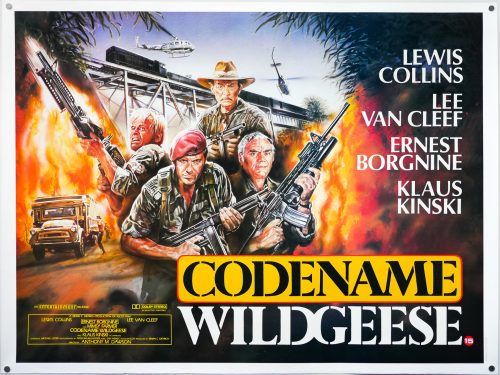
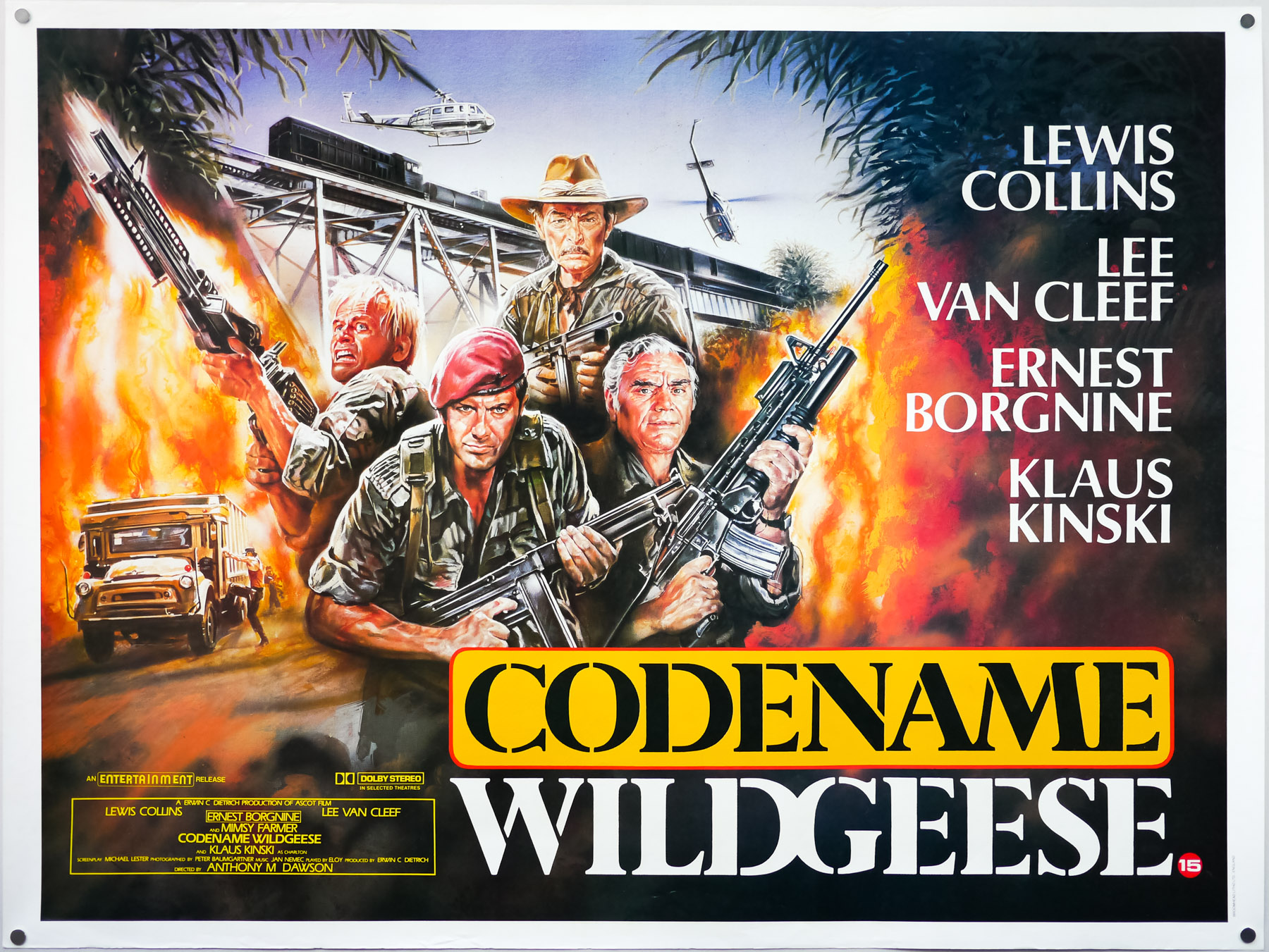
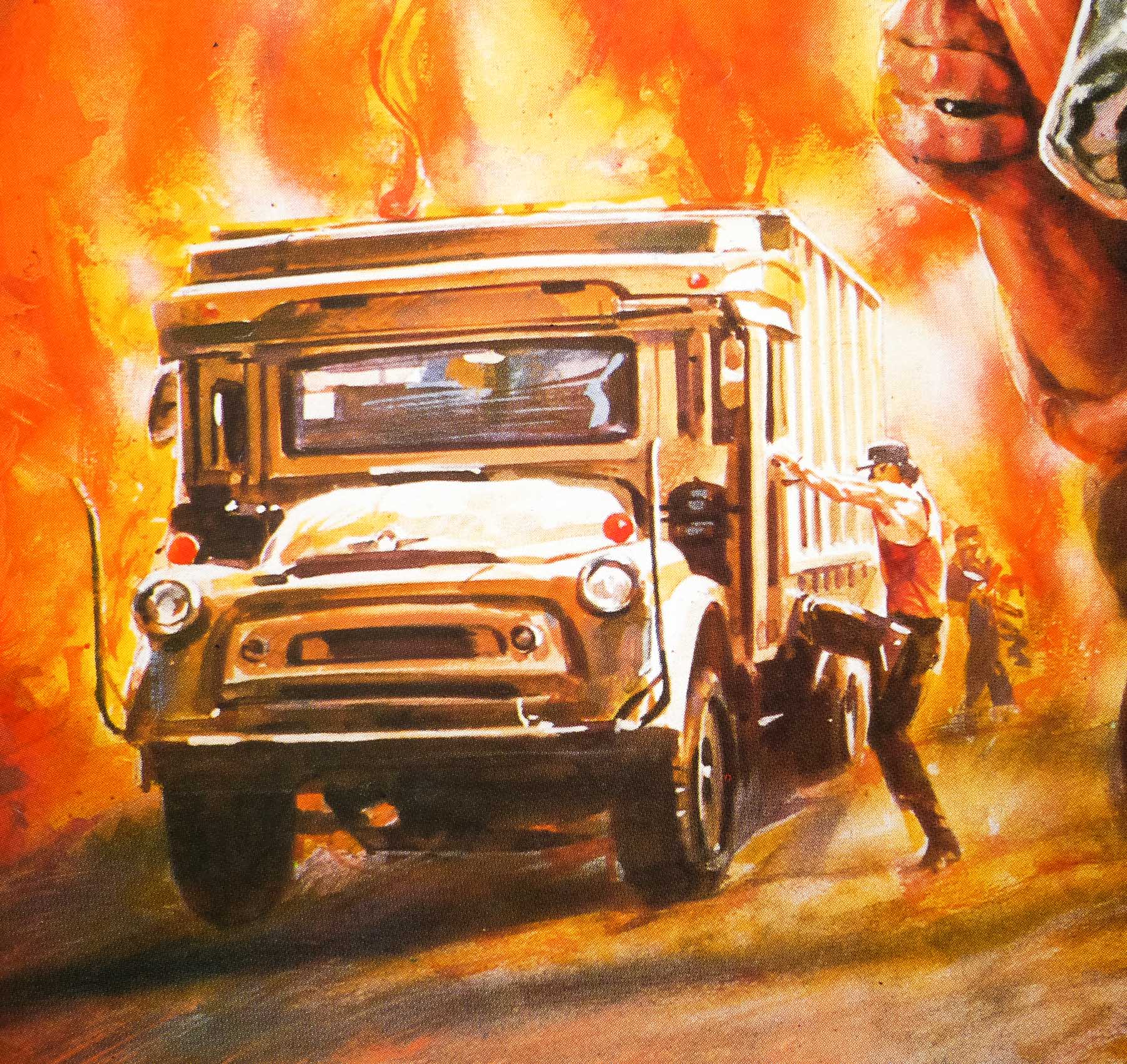
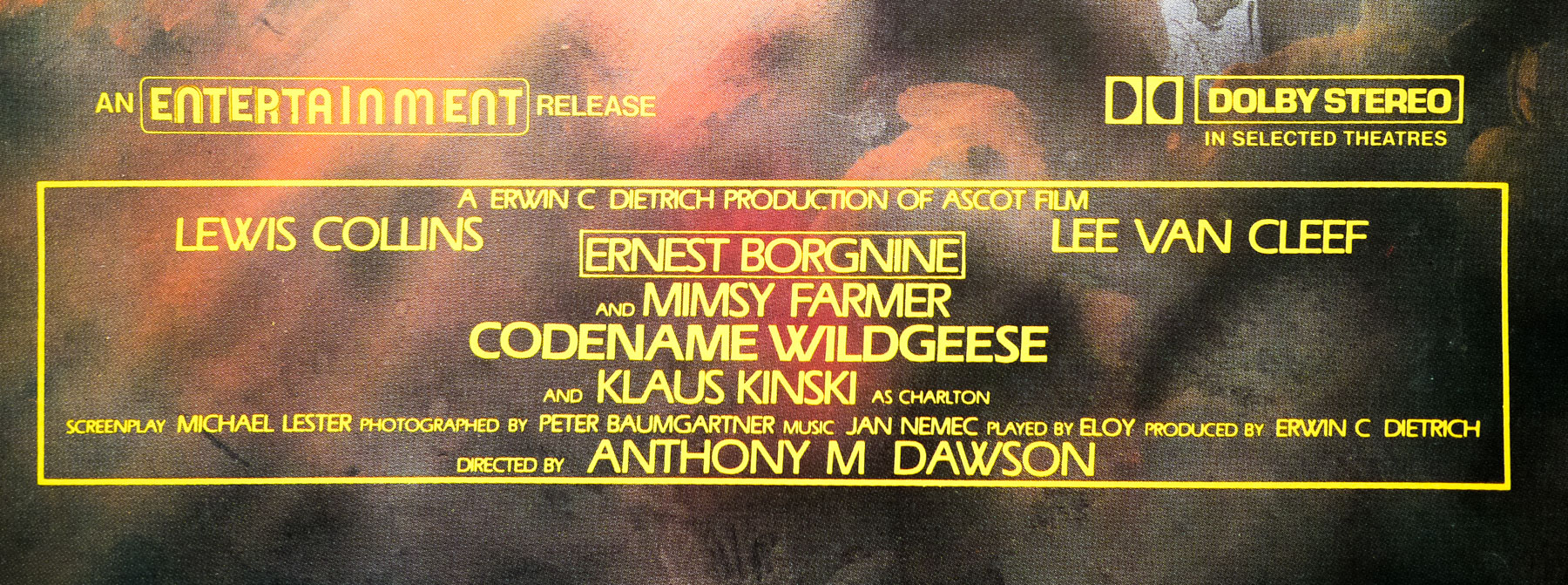
Codename Wildgeese is a 1984 entry in the ‘Macaroni Combat‘ genre of Italian-made action/war films that was helmed by the prolific director Antonio Margheriti (most often credited as Anthony M. Dawson) and is usually associated with the 1978 British film The Wild Geese. Both films are ensemble-cast action films in which Western mercenaries are sent into ‘wild’, lawless, dictator-ruled countries to carry out a mission and escape alive. Both films feature aging cast members who probably should have known better and I don’t doubt that Margheriti and his enterprising distributors chose the Wildgeese element of the title to capitalise on the success of the earlier film.

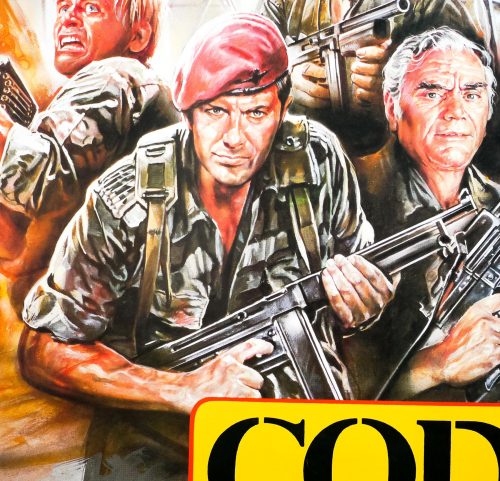
The late Lewis Collins, known for his leading man roles in action-fare such as TVs The Profressionals and the 1982 British action film Who Dares Wins, appears as the leader of a mercenary group which is employed covertly by the DEA (in the shape of Ernest Borgnine) and sent into the opium-producing area in Asia known as the Golden Triangle to attempt to stem the supply of illegal opium to the west. His team, which includes pilot China (Lee Van Cleef), make their way into the Triangle and engage an enemy base in a quarry before pushing onto the factories and a fiery showdown.

The film is largely a damp squib with very little in the way of memorable action sequences or an engaging script. The effects and gunplay are largely poor and the editing and soundtrack are notably bad. It’s certainly not a patch on The Wild Geese, which in itself was no masterpiece.

A reader of the site, Andrew Lamb, got in touch to confirm that the quad is an adaptation of artwork that was painted by the Italian artist Enzo Sciotti and originally intended for, I believe, the German poster. Andrew commented the following (the original can be seen at the bottom of the page):

It was later adapted for the UK quad using a photo duplicate of the original artwork, with paint applied around the edges to fill the quad size, then new titles applied over the top. This was done by Tom Chantrell. My guess is that he was commissioned to paint the artwork and liked Sciotti’s art so much that it was suggested by him and agreed upon to be used instead. I’m not 100% certain of this, however I own the original artwork layout for the UK quad and it came from a lot of Tom Chantrell’s work. So that’s my hunch.

Creepers / video / UK

02.04.15

Poster Poster

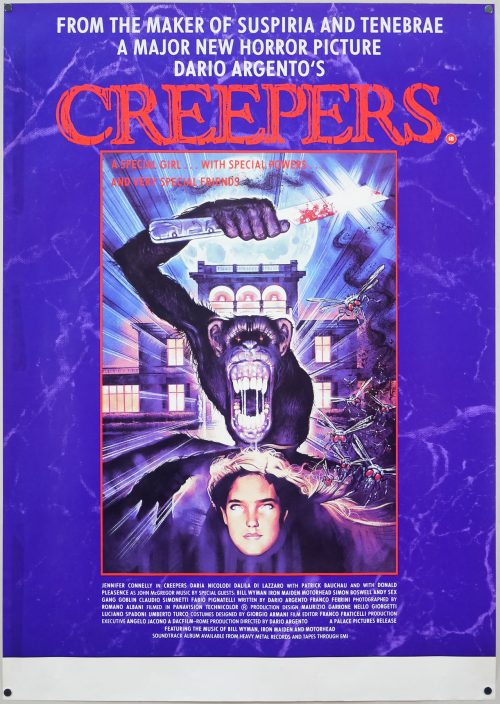
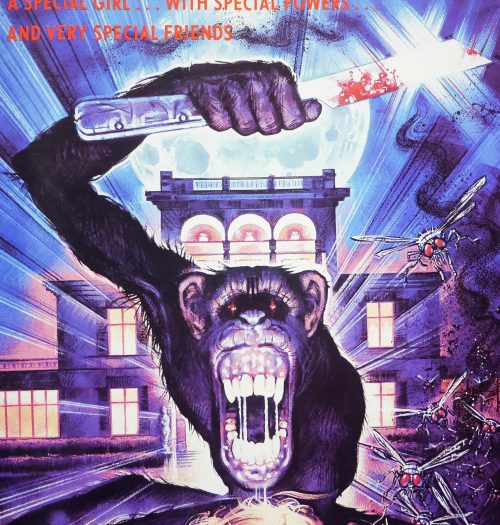
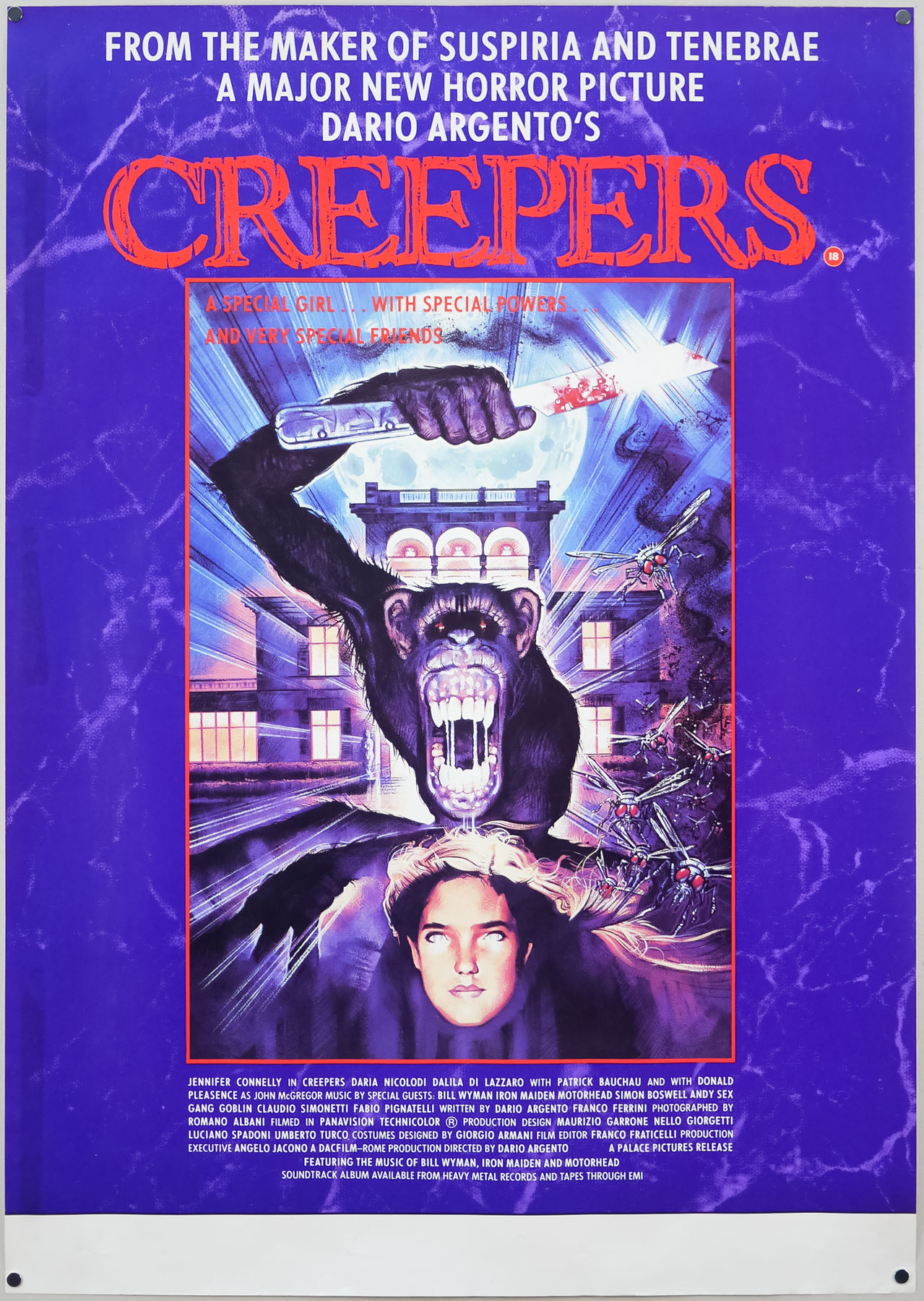
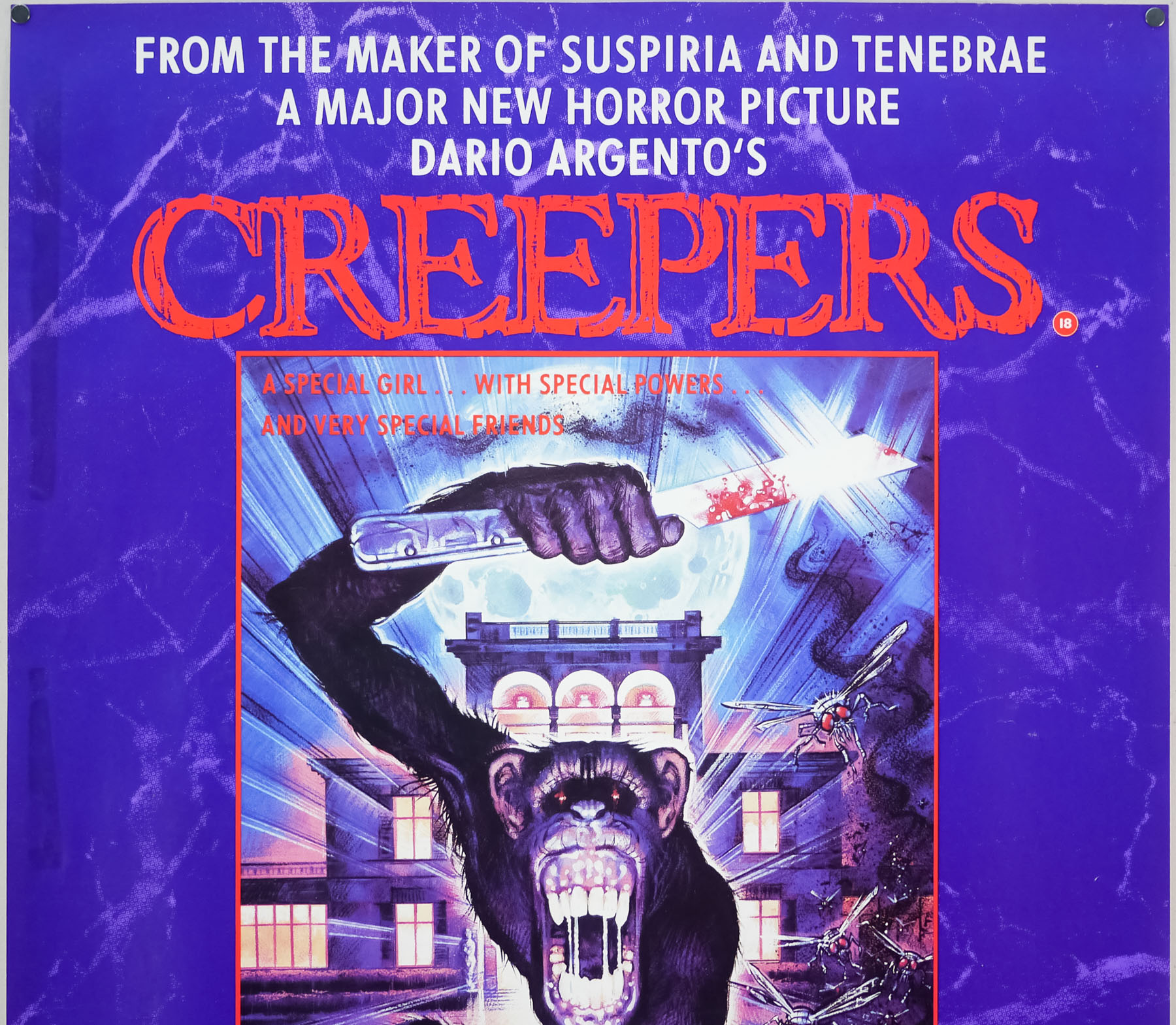
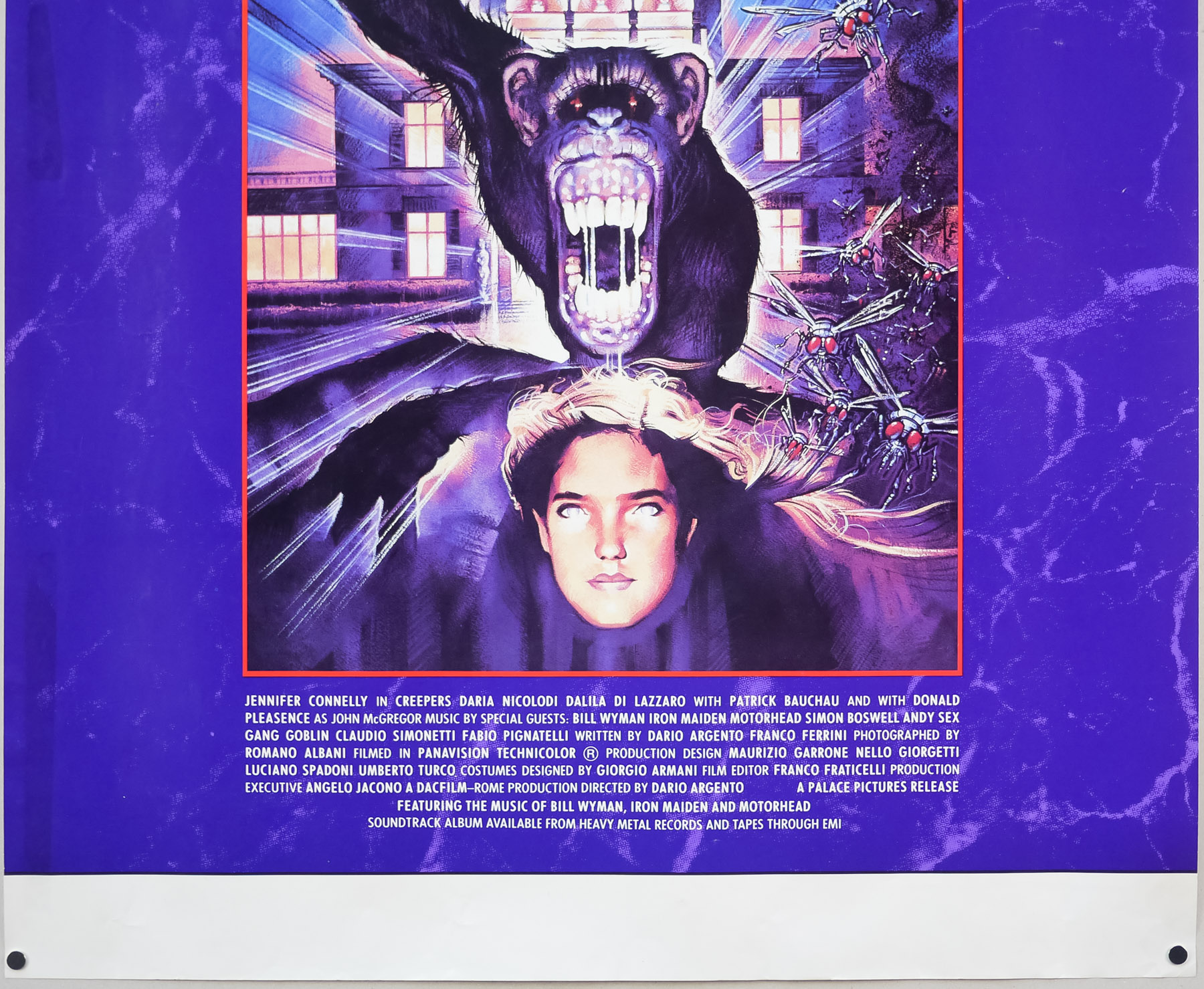
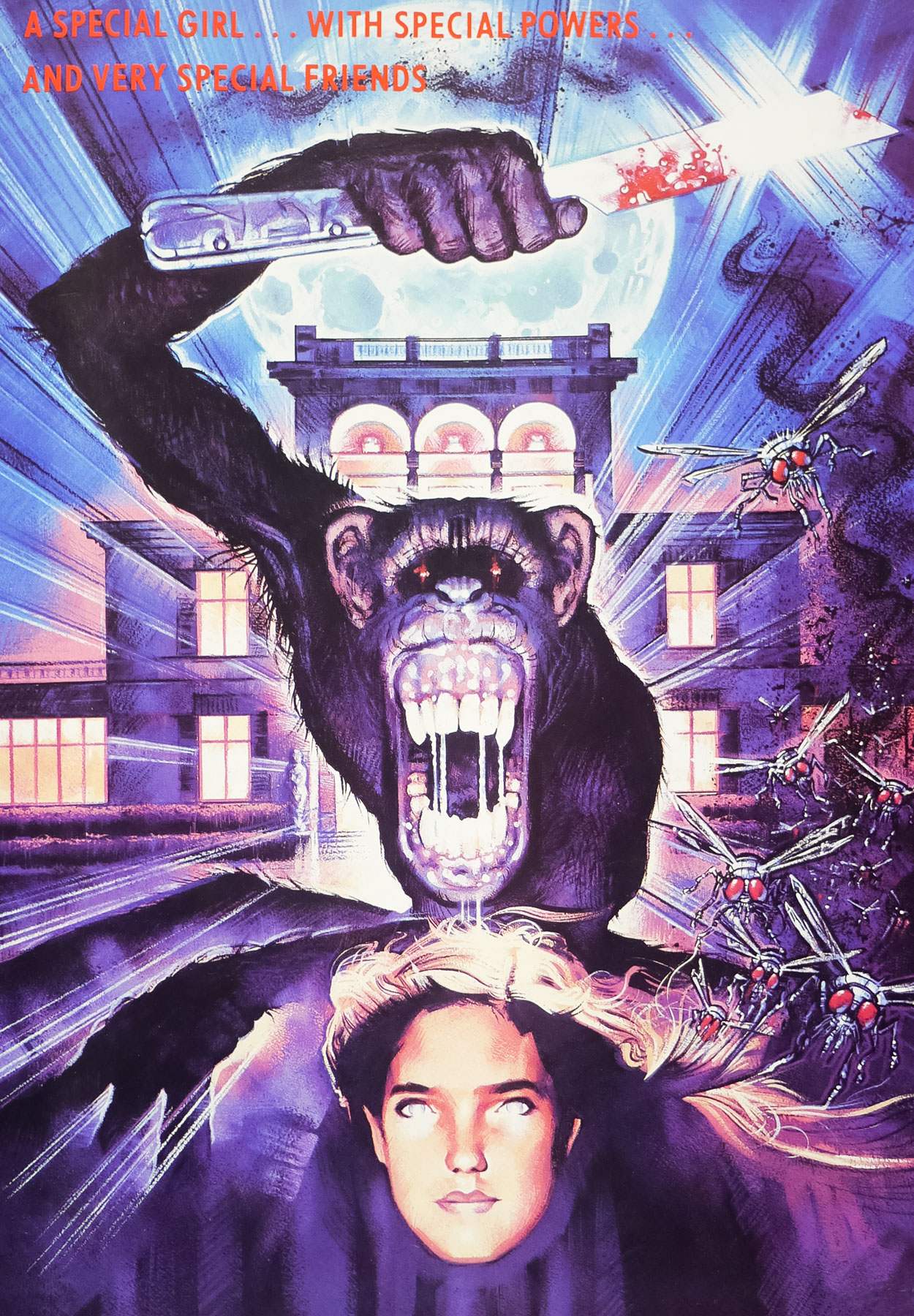
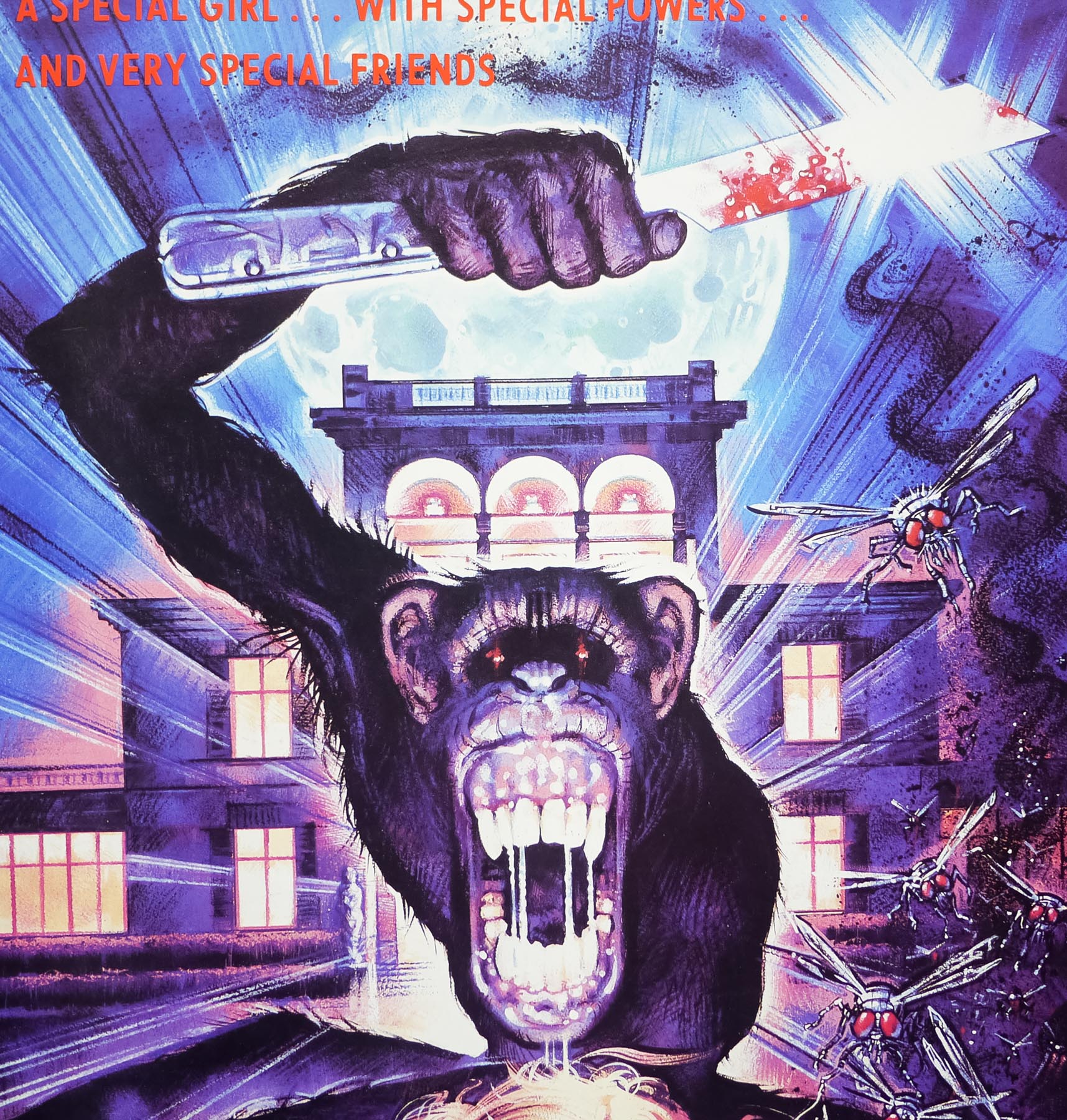
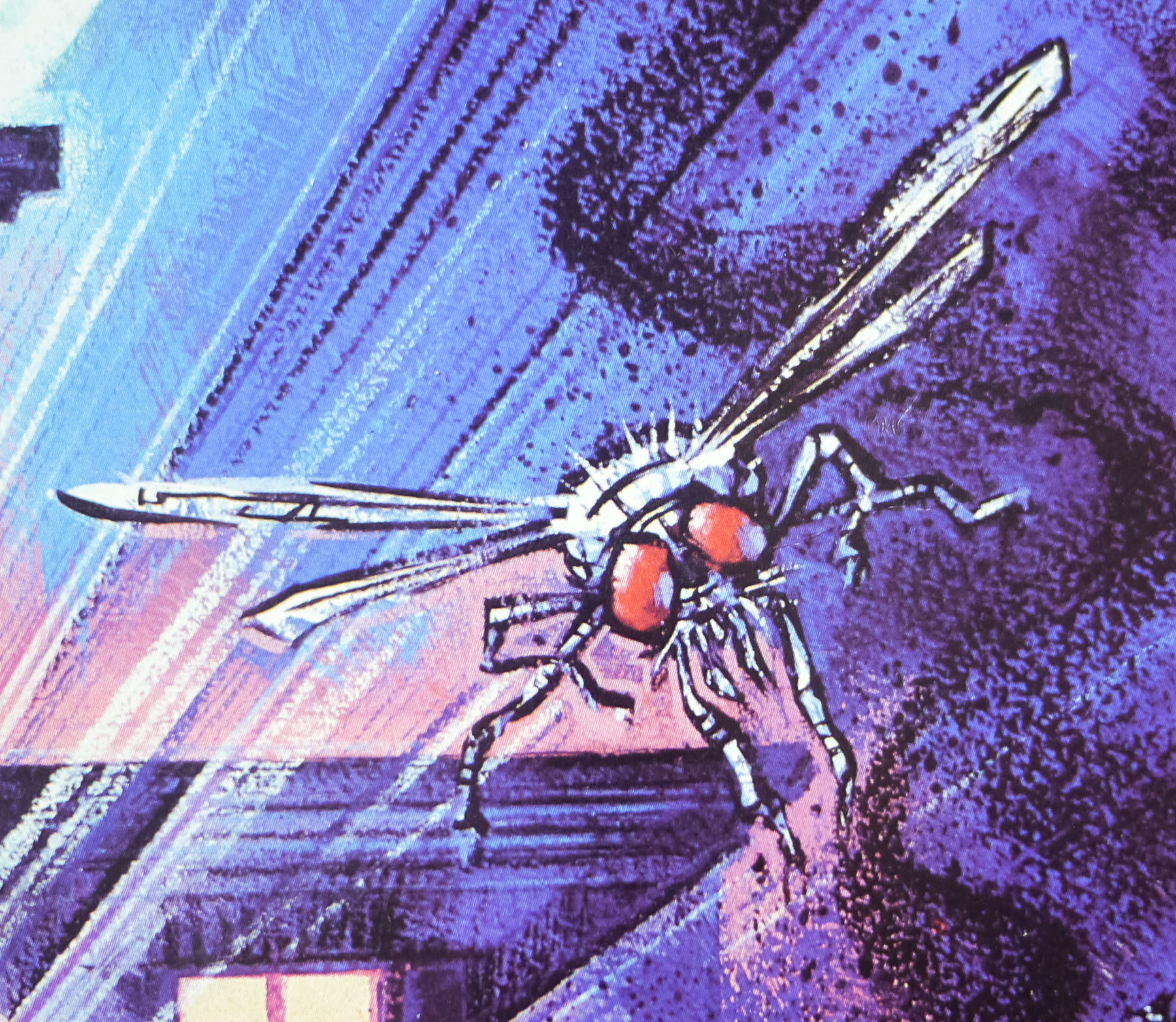
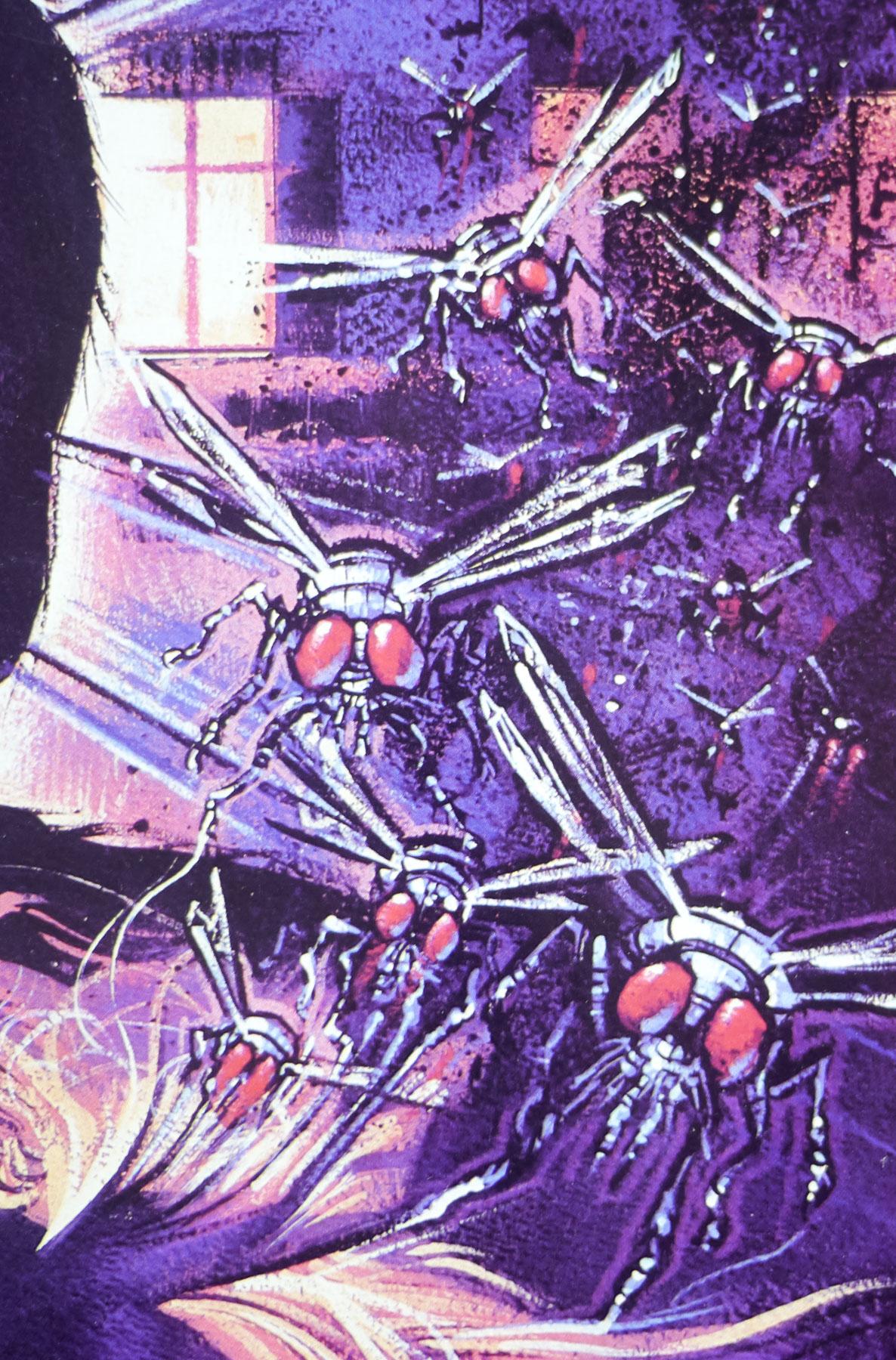
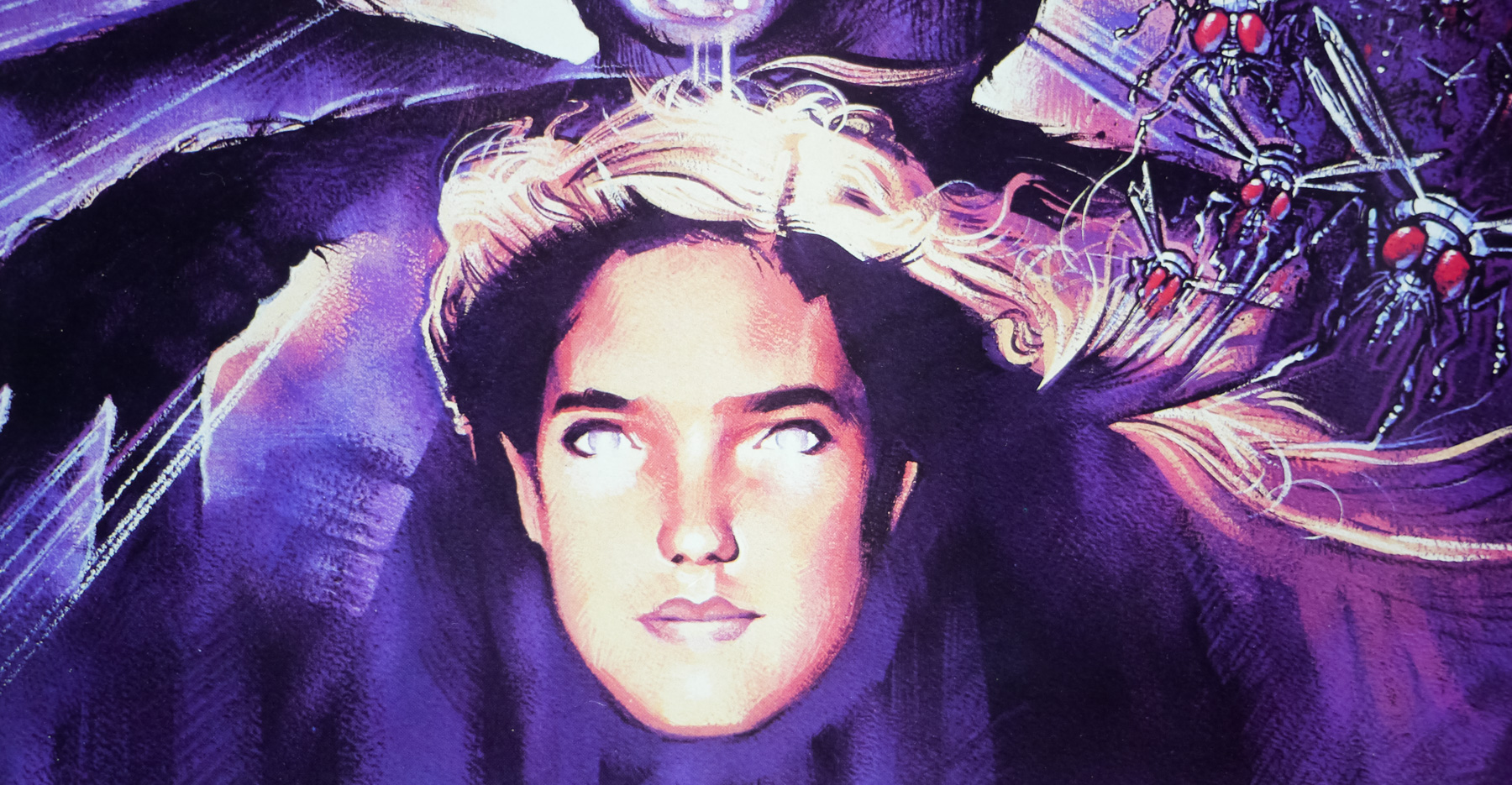
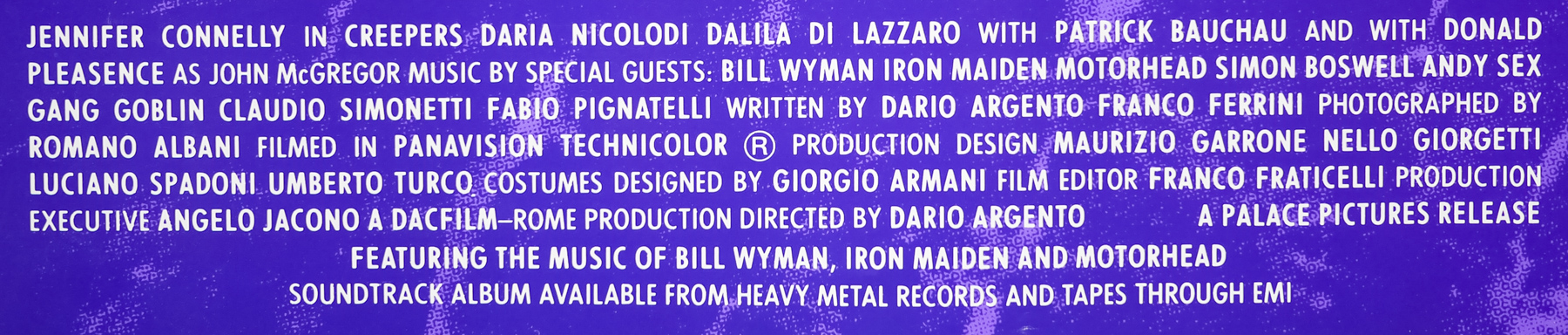
This is the UK video poster for the release of Italian horror maestro Dario Argento‘s Creepers, which was a heavily cut version (over 30 minutes missing!) of his 1985 film that was released as Phenomena in Italy and elsewhere. The film stars a young Jennifer Connelly as Jennifer Corvino, the daughter of a famous actor, who is sent to study at a Swiss boarding school in an area where a series of grizzly murders have taken place. Jennifer suffers from sleepwalking and also discovers she has the ability to telepathically communicate with insects. Eventually she puts this skill to use for an investigation into the murders, aided by local forensic entomologist John McGregor (Donald Pleasence). The film also stars Argento’s long-time partner Daria Nicolodi as Jennifer’s chaperone Frau Brückner and mother of a boy who has connections to the spate of deaths.

This poster was painted by the renowned British artist Graham Humphreys and we discussed the poster when I interviewed him about his career in 2011. The excerpt is below:

—————

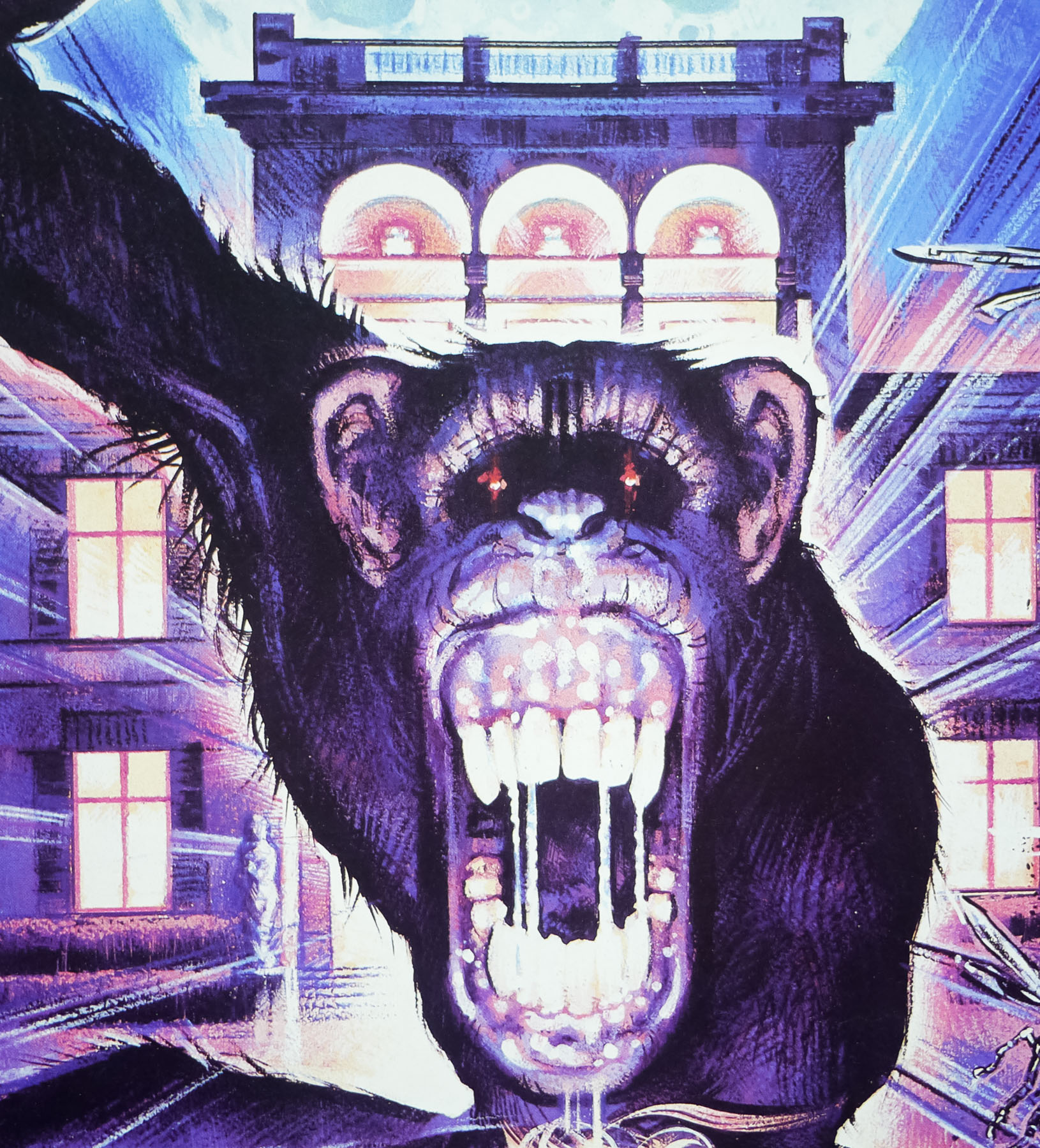
You ended up doing a lot of work for Palace, obviously they were Palace Video at the time and they had a huge catalogue that they were distributing. There’s a great bit of artwork you did for Dario Argento’s Creepers – the psychotic chimp.
Yep, the cheeky chimp. They told me that they had this Dario Argento film and at that time I was quite naive and didn’t know who Argento was, having not seen Suspiria or any of those great films. I had the full uncut VHS copy of Creepers, or Phenomena, and it just blew me away. I thought it was fantastic and thoroughly distasteful, plus Donald Pleasance’s awful accent made it quite funny as well. They said ‘do something, whatever you want’ and I showed them the sketch – I had one idea – and they said ‘yep, this is it. Go for it.’

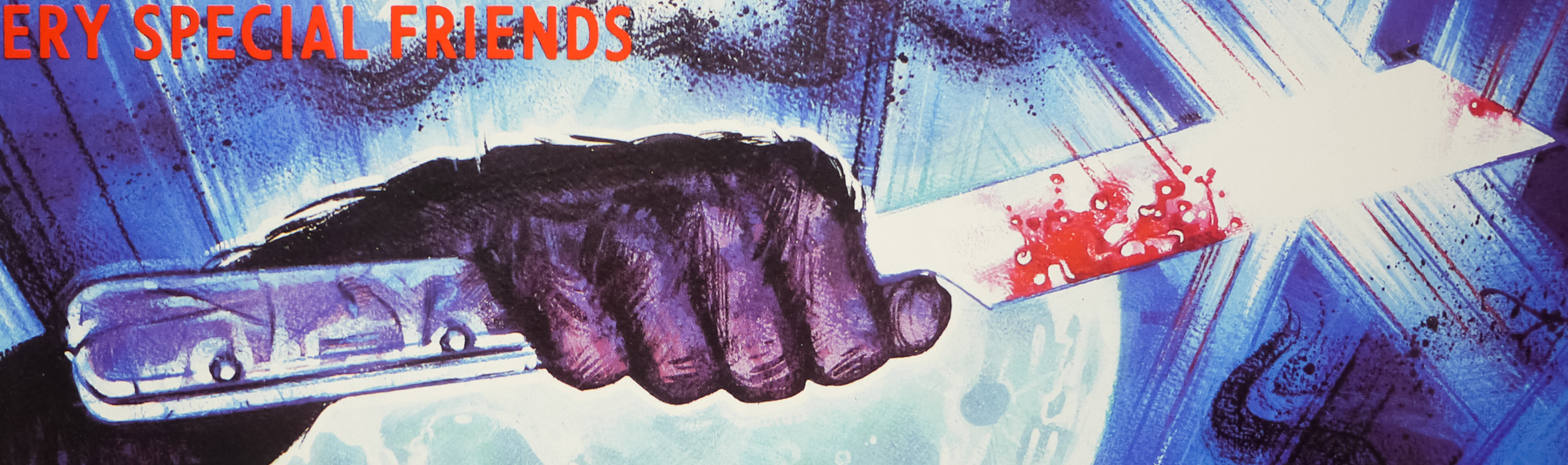
The blade-wielding chimp was an image that had stuck in your mind from the film?
Yes. They used it for a poster as well, for a limited cinema release of the film. If you were releasing a film on VHS you’d give it more kudos if you could say that it had been released theatrically. It would be a big selling point on the sales sheet if it said ‘released in cinemas’ and all you had to do was show it one screen for a couple of days and that was enough.

Ah, so it might have been that this was actually the first release of Creepers in the UK, direct onto VHS with a quick cinema release?
The VHS was released and for one week only it appeared in one or two cinemas, only in London. Actually, it might have just been the Prince Charles Cinema. The chimp design would have been fly-posted as well.

—————-

Check out the other posters I’ve collected that were designed and illustrated by Graham by clicking here. You can read the Film on Paper exclusive interview with Graham by clicking here.

Graham’s official website can be seen here.

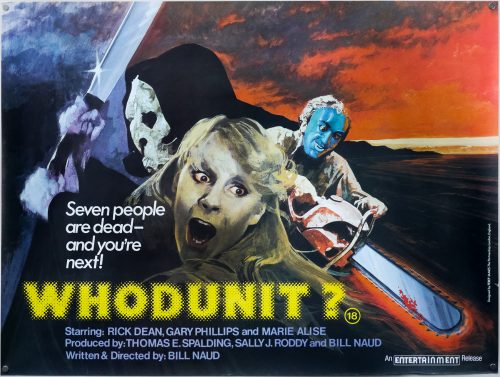
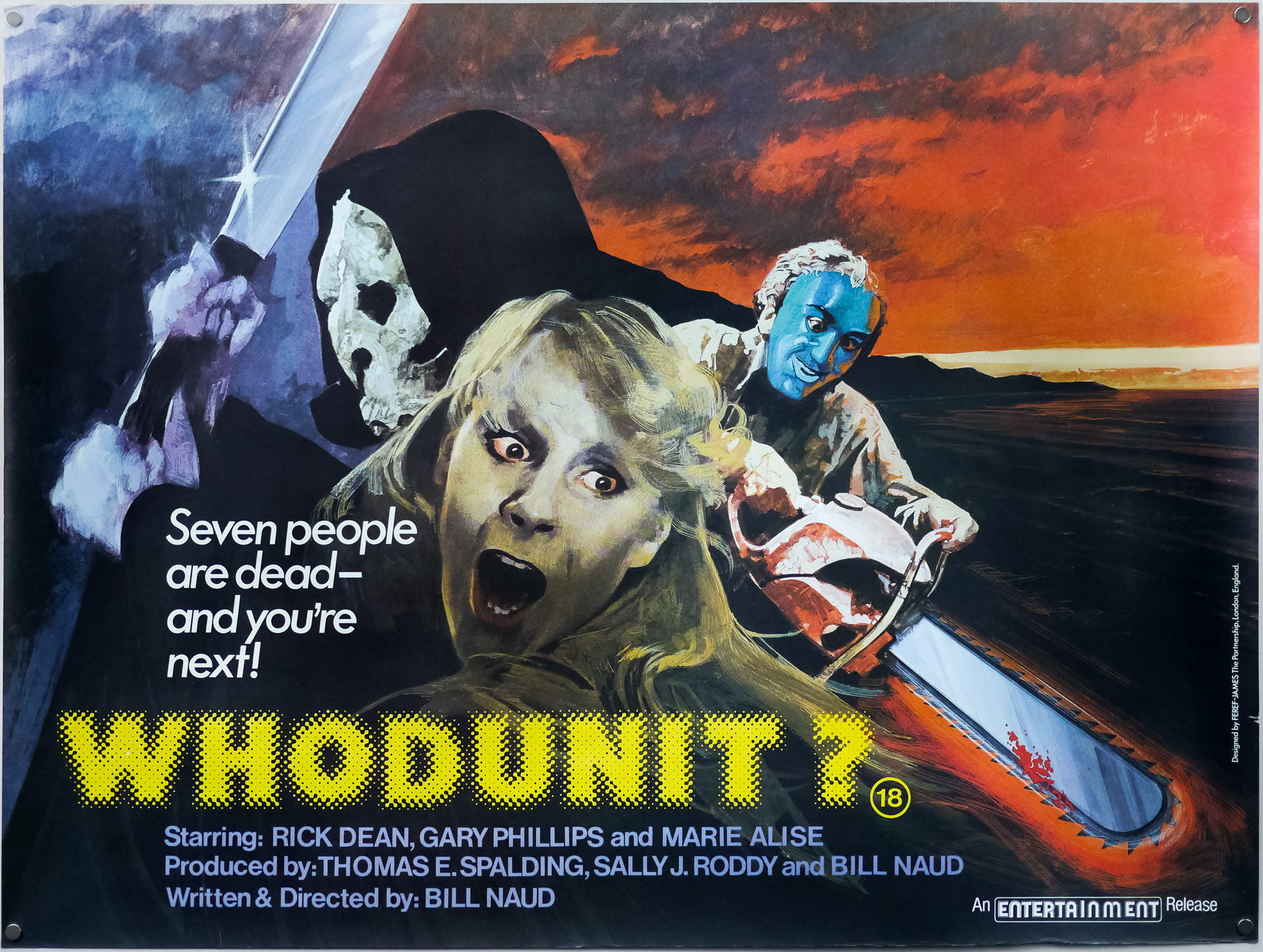
Whodunit? / quad / UK

06.05.15

Poster Poster
Title
Whodunit?
AKA
Island of Blood (USA) | Scared Alive (USA - alt. title) | El asesino de los bloopers (Argentina)
Year of Film
1982
Director
William T. Naud (as Bill Naud)
Starring
Marie-Alise Recasner, Rick Dean, Ron Gardner, Terence Goodman, Richard Helm, Jeanine Marie, Jared McVay, G. Rockett Phillips, Jim Piper
Origin of Film
USA
Genre(s) of Film
Marie-Alise Recasner, Rick Dean, Ron Gardner, Terence Goodman, Richard Helm, Jeanine Marie, Jared McVay, G. Rockett Phillips, Jim Piper,
Type of Poster
Quad
Style of Poster
--
Origin of Poster
UK
Year of Poster
1982
Designer
FEREF-James The Partnership
Artist
Mike Vaughan
Size (inches)
30 1/16" x 39 15/16"
SS or DS
SS
Tagline
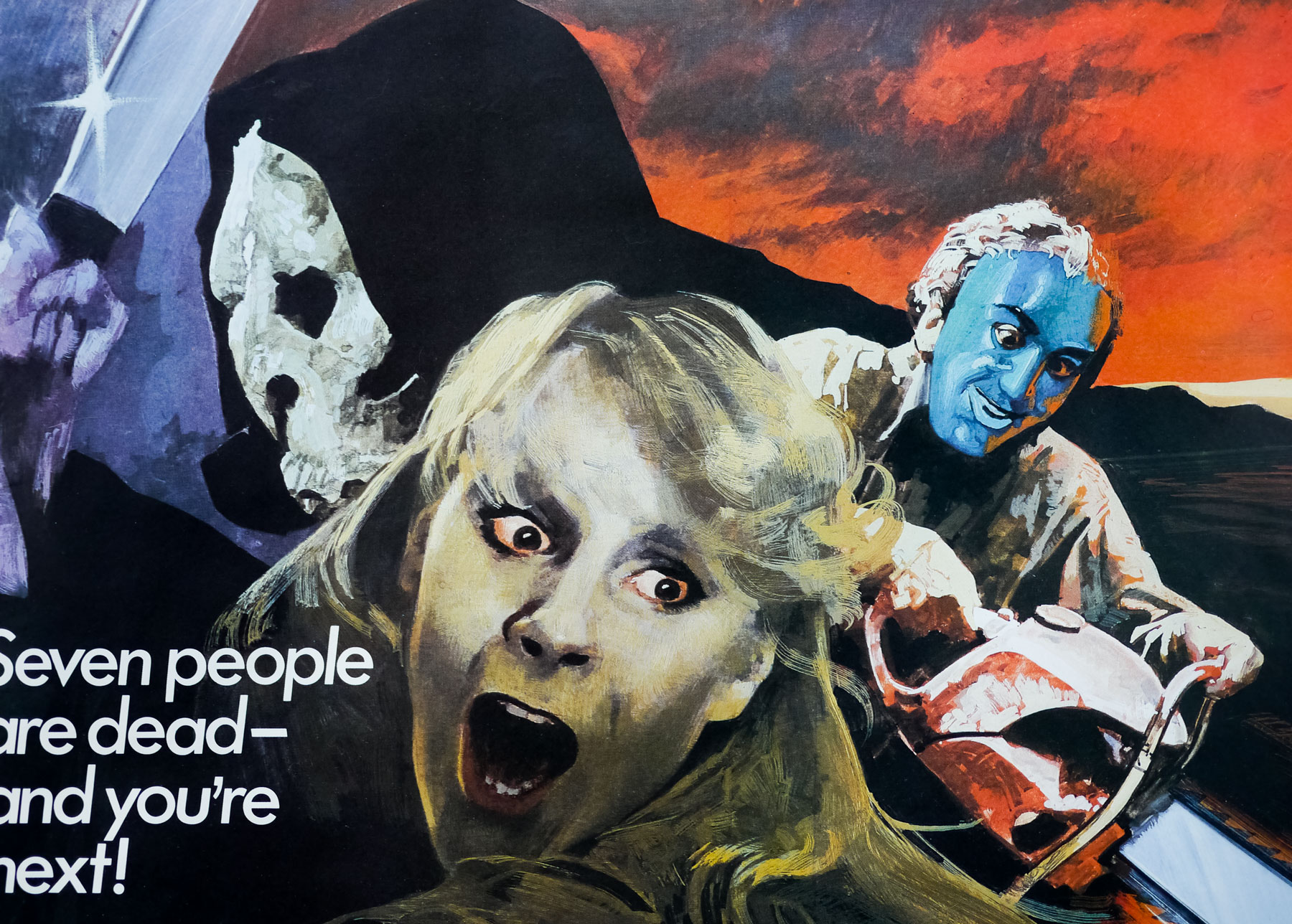
Seven people are dead - and you're next!

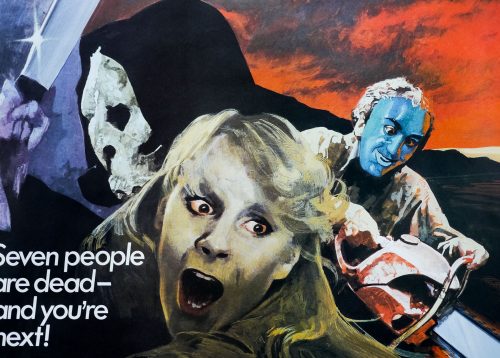
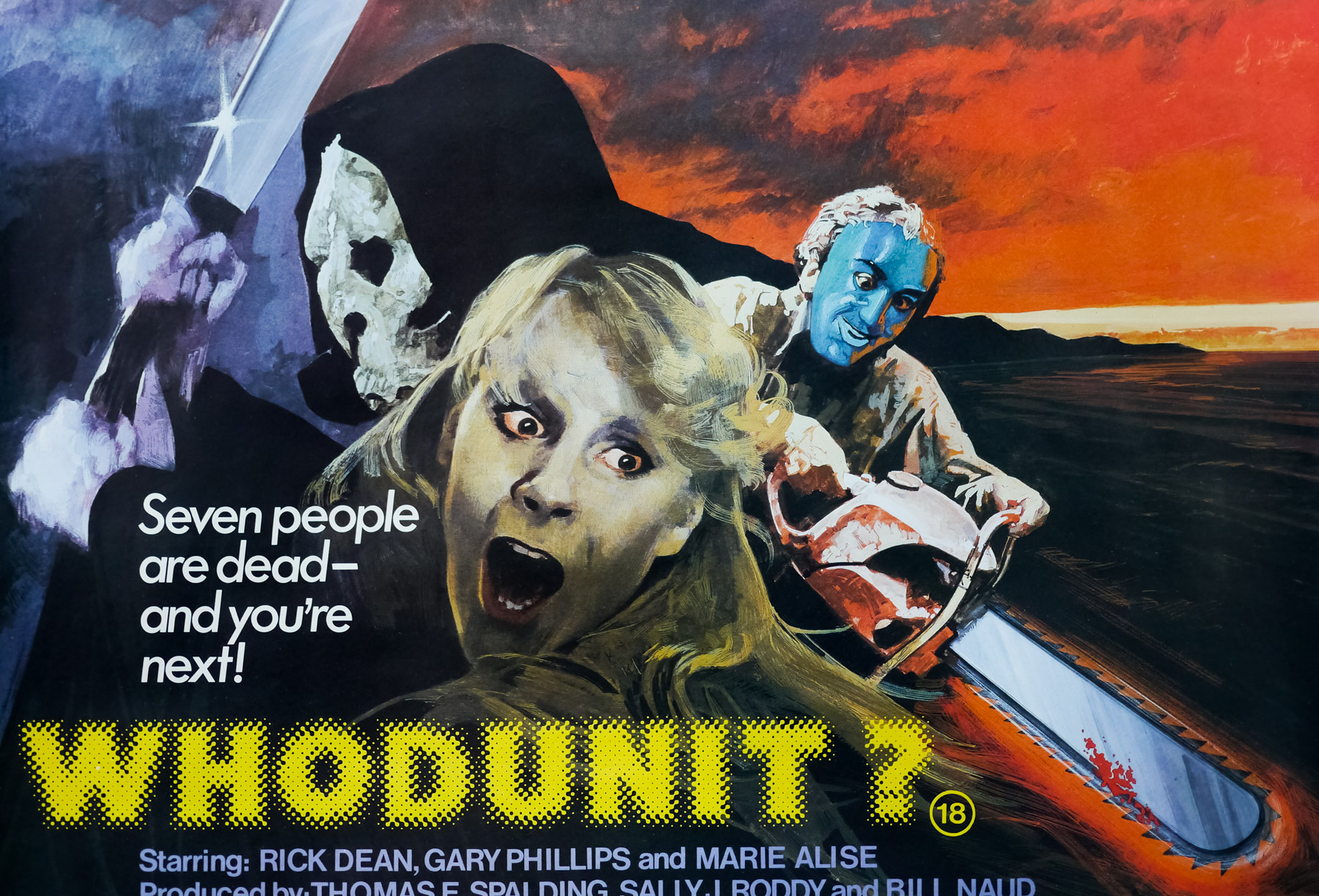
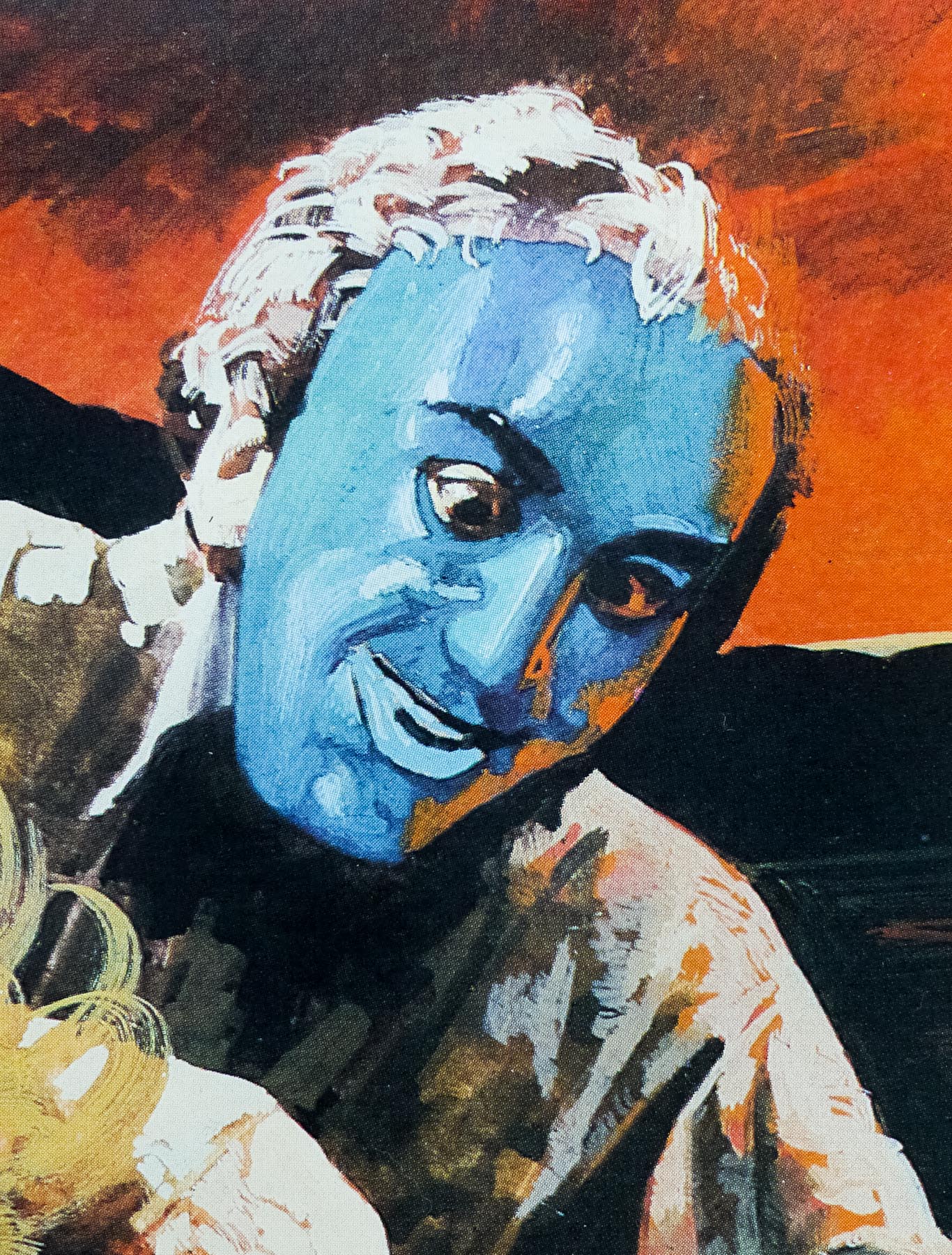
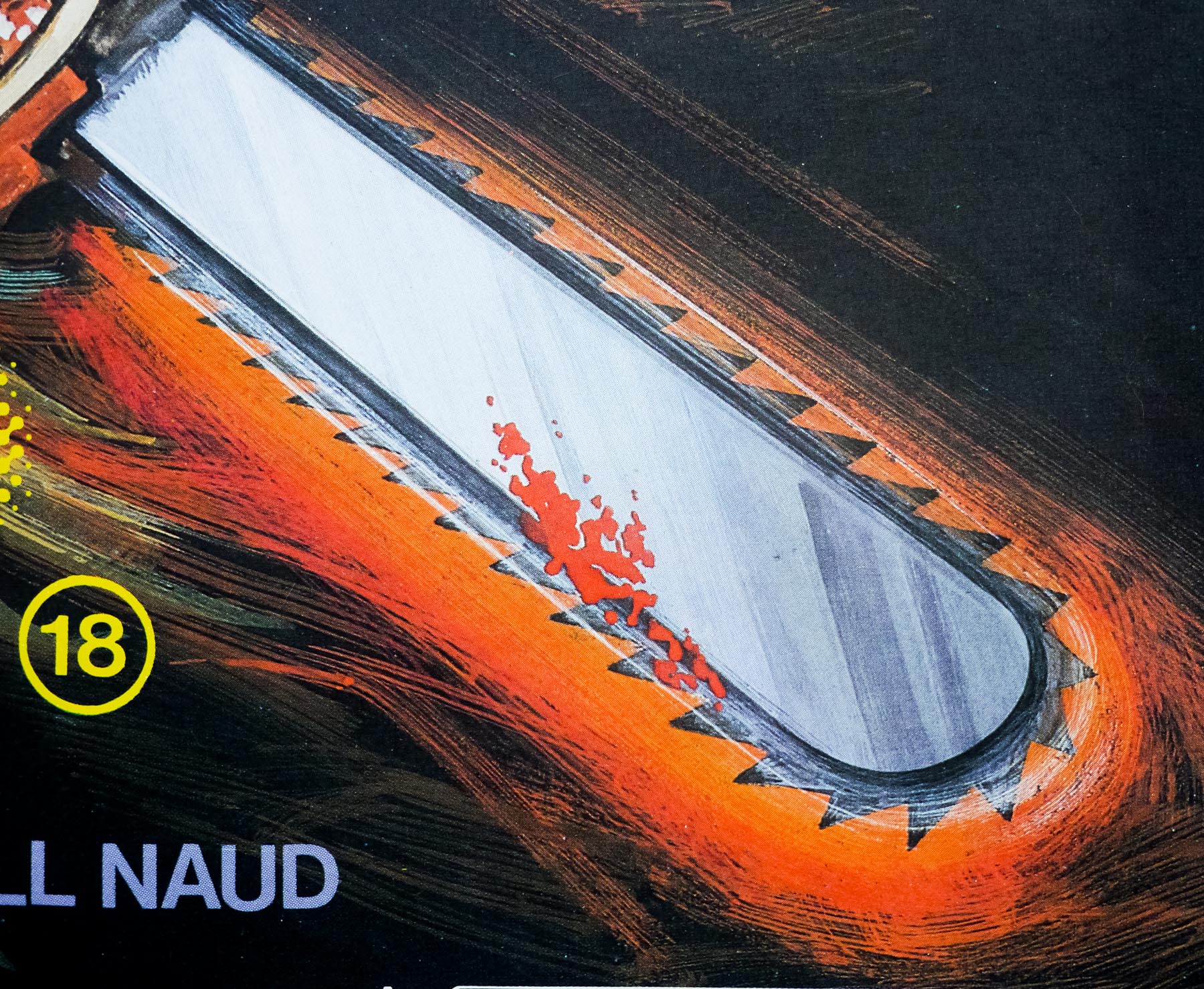
This is the UK quad for a rather obscure 1980s slasher flick that is known by various names around the globe, including Island of Blood and Scared Alive, but was released in the UK as Whodunit? Directed by William T. Naud (here credited as Bill Naud), whose IMDb profile shows him as not being very prolific, the film is apparently based unofficially on Agatha Christie’s mystery novel And Then There Were None. The Wikipedia page for the film describes the plot thusly:

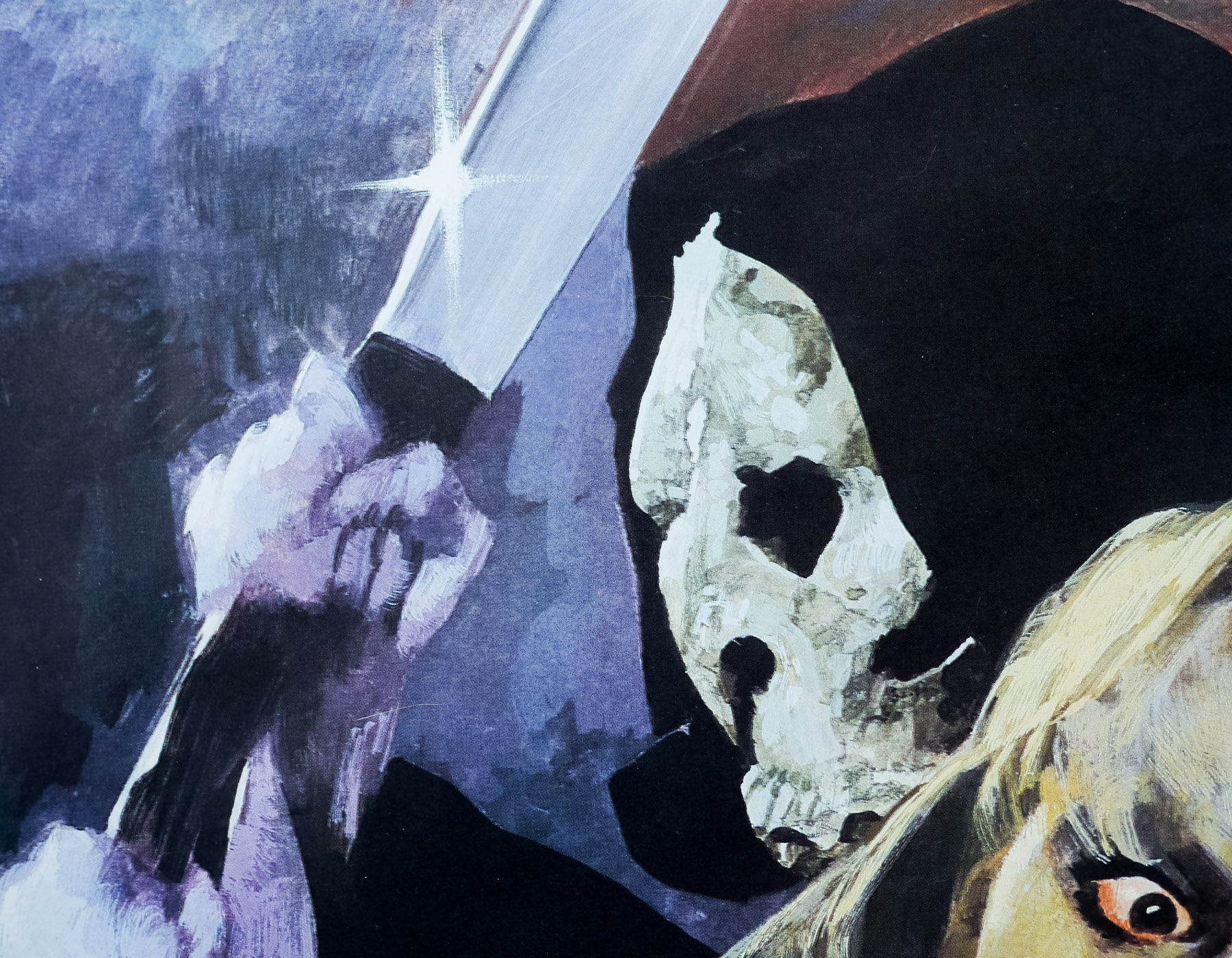
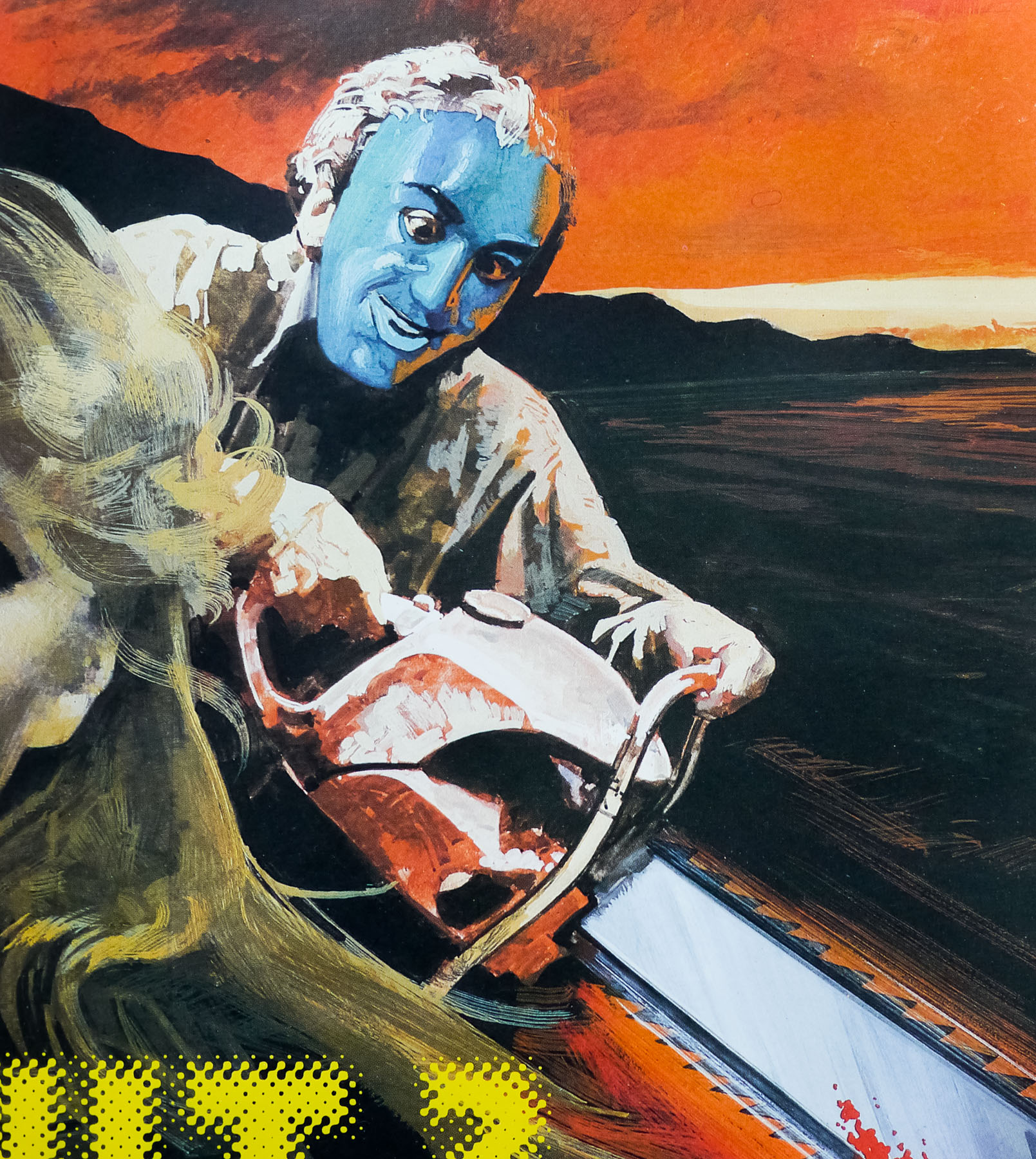
A film crew and a motley collection of thespians set out for an island that will be the perfect location for their next feel good, light hearted, comedy picture. But unfortunately someone has other ideas and destroys their mode of transport before finishing off the surviving cast and crew (wearing a skull-like mask) with the aid of a chainsaw, machete, and nail gun, all to a sick sado-masochistic type song (that this homicidal psycho has a fetish for). This psychotic murderer also has an accomplice, a fellow crewman who is skilled in the art of booby traps, rigging a shower to rain battery acid and scalding swimming pool that boils alive anyone who falls in.

It appears only to have been released on VHS here and in the US and no DVD is forthcoming. Judging by the handful of reviews on IMDb it might be a while before we see this one appear on blu-ray.

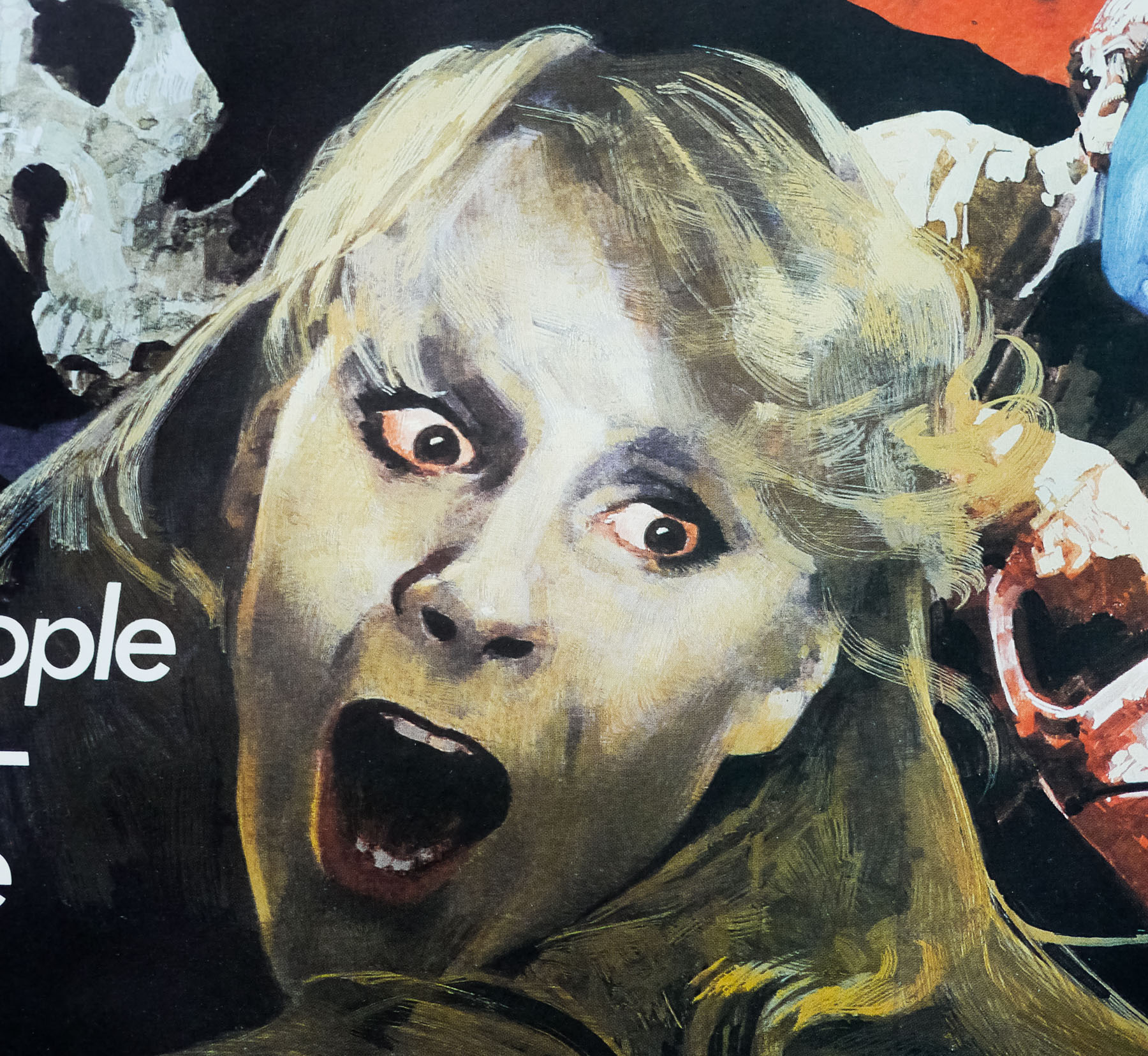
This quad bears a line crediting the design to the British design agency FEREF-James The Partnership, who were (and still are) a London-based agency creating advertising for the film industry. The original line up featured five designers and artists who had worked together at other agencies and decided to form their own and the name FEREF derives from each co-founder’s first initial. They worked on hundreds of posters during the 1970s and 1980s and employed many of the most talented artists to work on the posters, including Brian Bysouth (who eventually joined the company full time). It is believed this artwork was by the FEREF regular Mike Vaughan, who painted plenty of posters during the 1970s and 1980s.

City of Women / quad / UK

29.06.15

Poster Poster
Title
City of Women
AKA
La città delle donne (Italy - original title)
Year of Film
1980
Director
Federico Fellini
Starring
Marcello Mastroianni, Anna Prucnal, Bernice Stegers, Jole Silvani, Donatella Damiani, Ettore Manni, Fiammetta Baralla
Origin of Film
Italy | France
Genre(s) of Film
Marcello Mastroianni, Anna Prucnal, Bernice Stegers, Jole Silvani, Donatella Damiani, Ettore Manni, Fiammetta Baralla,
Type of Poster
Quad
Style of Poster
--
Origin of Poster
UK
Year of Poster
1981
Designer
Unknown
Artist
Andrea Pazienza
Size (inches)
30 3/16" x 40"
SS or DS
SS
Tagline
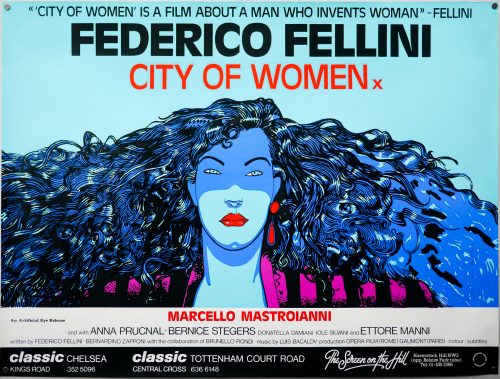
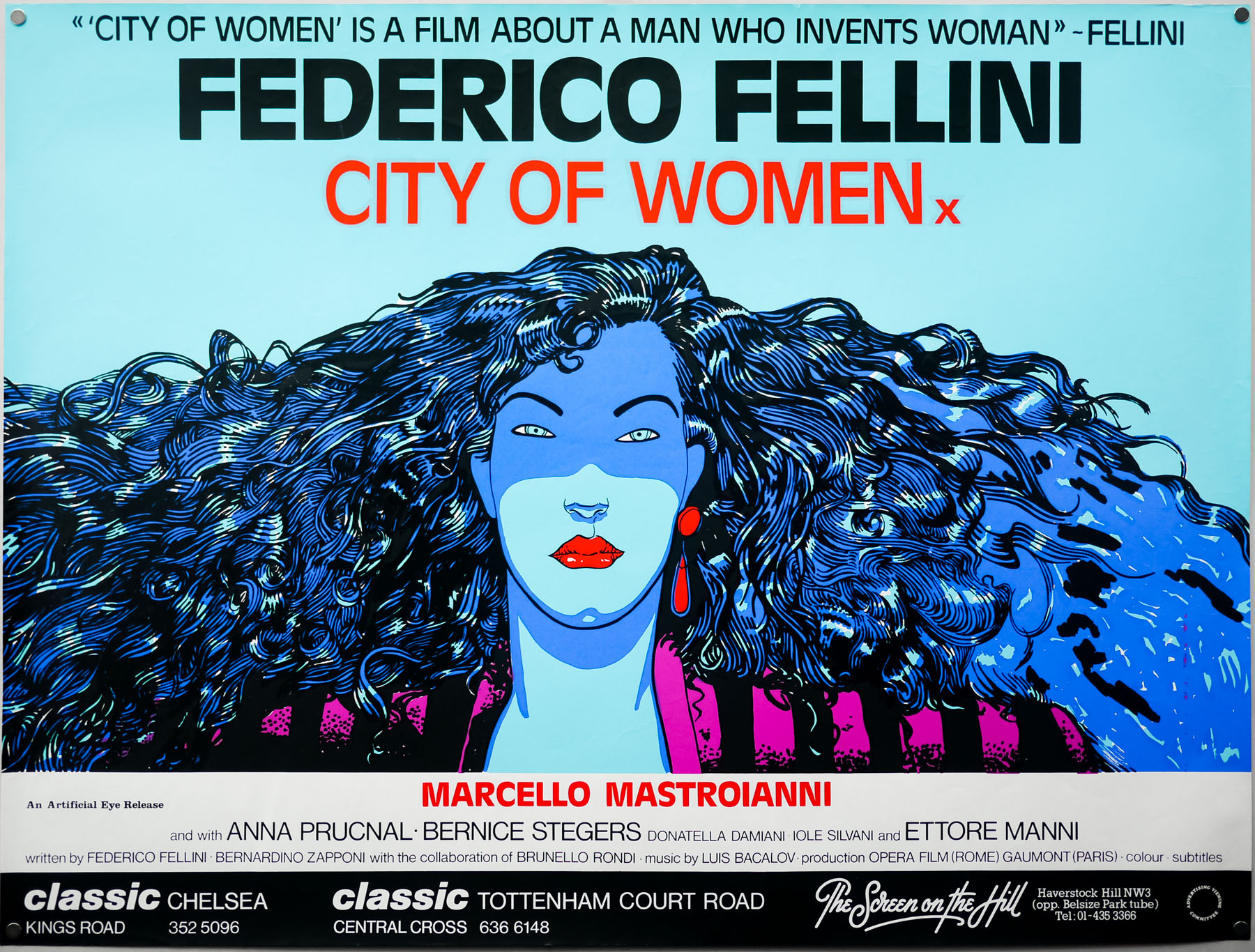
'City of Women' is a film about a man who invents woman' - Fellini

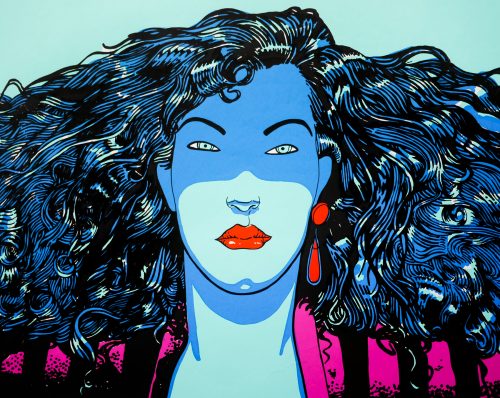
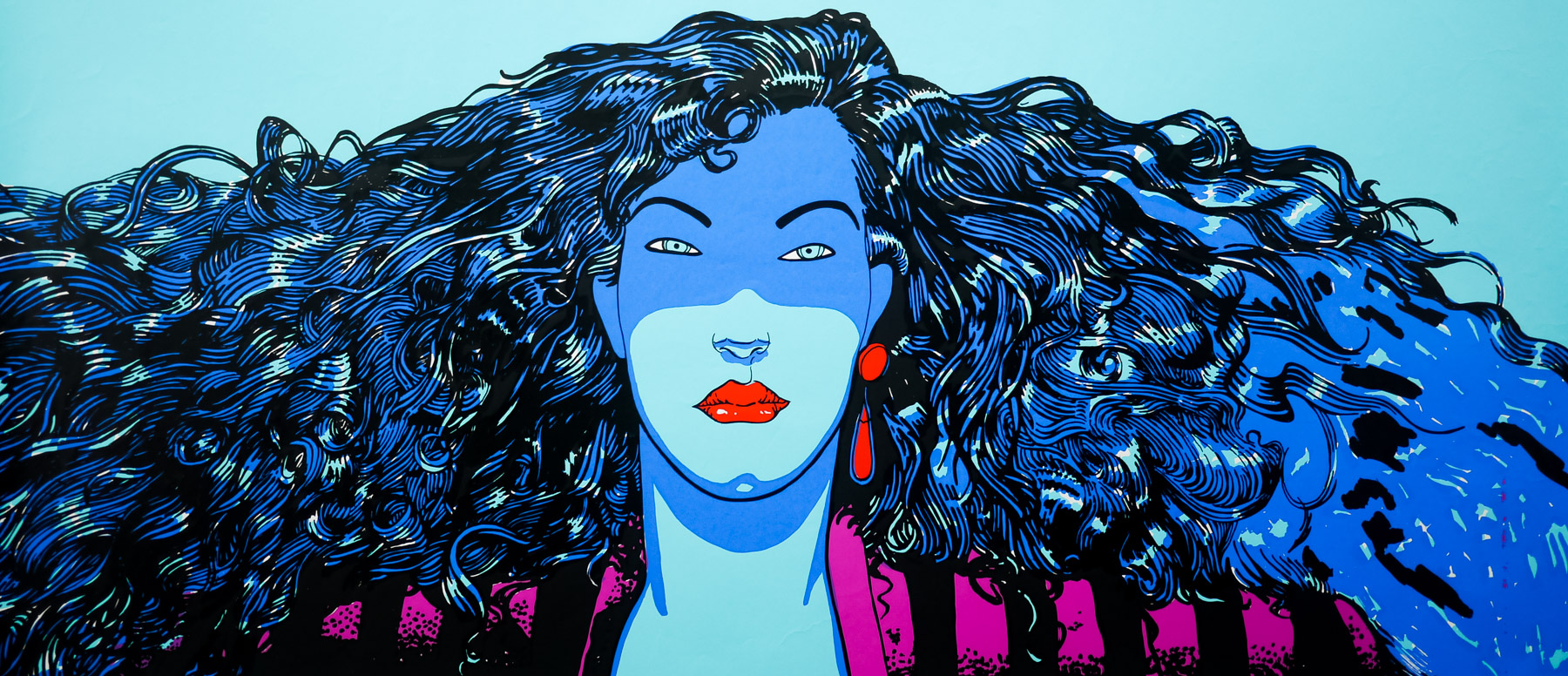
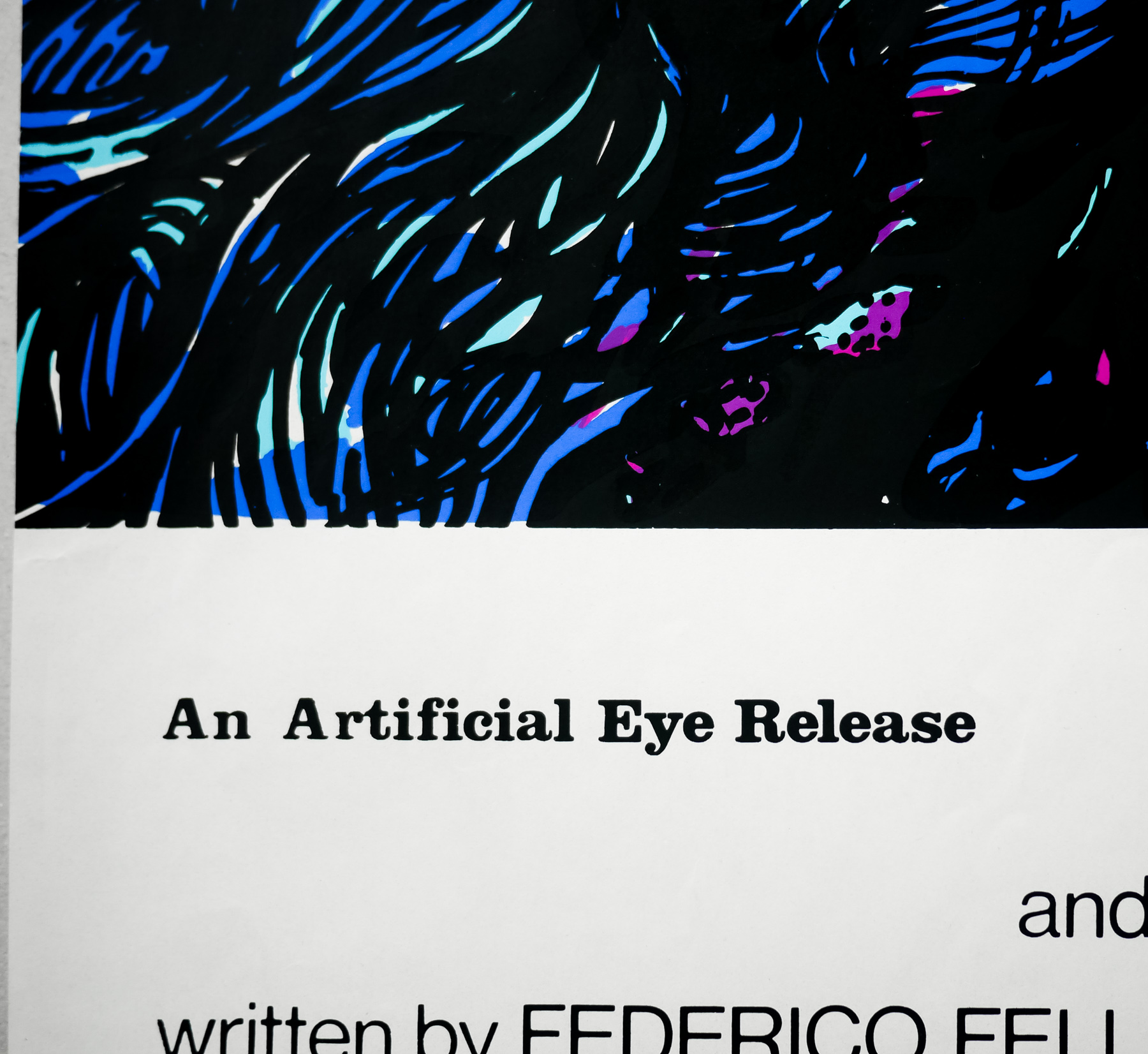
A striking piece of art by the late Italian comic artist Andrea Pazienza on this UK quad poster for the release of the late Italian director Federico Fellini‘s City of Women. Often cited as being semi-autobiographical, the dream-like film sees Fellini’s frequent collaborator (and arguably alter-ego) Marcello Mastroianni (La Dolce Vita, 8 and a half) playing Snàporaz a businessman traveling on a train who becomes infatuated by a woman (Bernice Stegers) in the same carriage. When the train stops at a remote station he lets his lust get the better of him and follows her into a forrest. Eventually she leads him to a hotel in which a raucous feminist conference is taking place and Snàporaz moves from room to room in search of the woman. Each room contains a different event or discussion dealing with the different ways that women and men interact, with satirical displays of machismo and passionate arguments taking place. 

Eventually, growing impatient, Snàporaz manages to persuade an older woman to take him to the train station but she stops on the way and forces herself on him in a greenhouse. After escaping from her clutches he ends up getting a lift from a group of women in convertibles who drive him around all night until he runs away and ends up at the house of the pompous Dr. Xavier Katzone (a play on the Italian word for ‘big dick’) who is hosting a lavish party to celebrate his 10,000th conquest. A number of events occur and Snàporaz ends up sliding down a tunnel under a bed into an even more surreal world where he is forced to recall his previous sexual encounters and eventually ends up being judged by a kind of court for his masculinity. Although he is freed for his crimes, he ends up confronting the punishment and ends up in a boxing ring above a huge crowd of women.

During a making-of documentary on the recent blu-ray release Fellini collaborators explain that the film was definitely written by Fellini as a way of working out his own feelings around his infidelity and the relationship between the two sexes. Filled with typically Felliniesque surrealist sequences, the film is visually interesting throughout and is frequently funny. Mastroianni is clearly enjoying himself and despite some sluggish moments the film mostly works. Rather bizarrely, Ettore Manni, the actor playing Katzone, died during filming by shooting himself in the genitals and dying from blood loss. A large section of the end of the film had to be altered by Fellini because of the accident.

Sadly, Andrea Pazienza also died prematurely at the age of 32 from a heroin overdose. Born in 1956, he studied Art at the University of Bologna and went on to create comic strips for Italian magazines, with often surreal, satirical stories featuring several characters of his own creation. Arguably his most famous creation was Zanardi, a high-school student from Bologna, who appeared in several comic strips during the 1980s and was very popular with Italian comic fans. During this period he also worked on illustrations for advertising and editorial content, as well as a designs for theatrical productions and a handful of movie posters. This illustration also appeared on the Italian teaser poster but the UK quad is, I believe, the only other international poster to feature it.
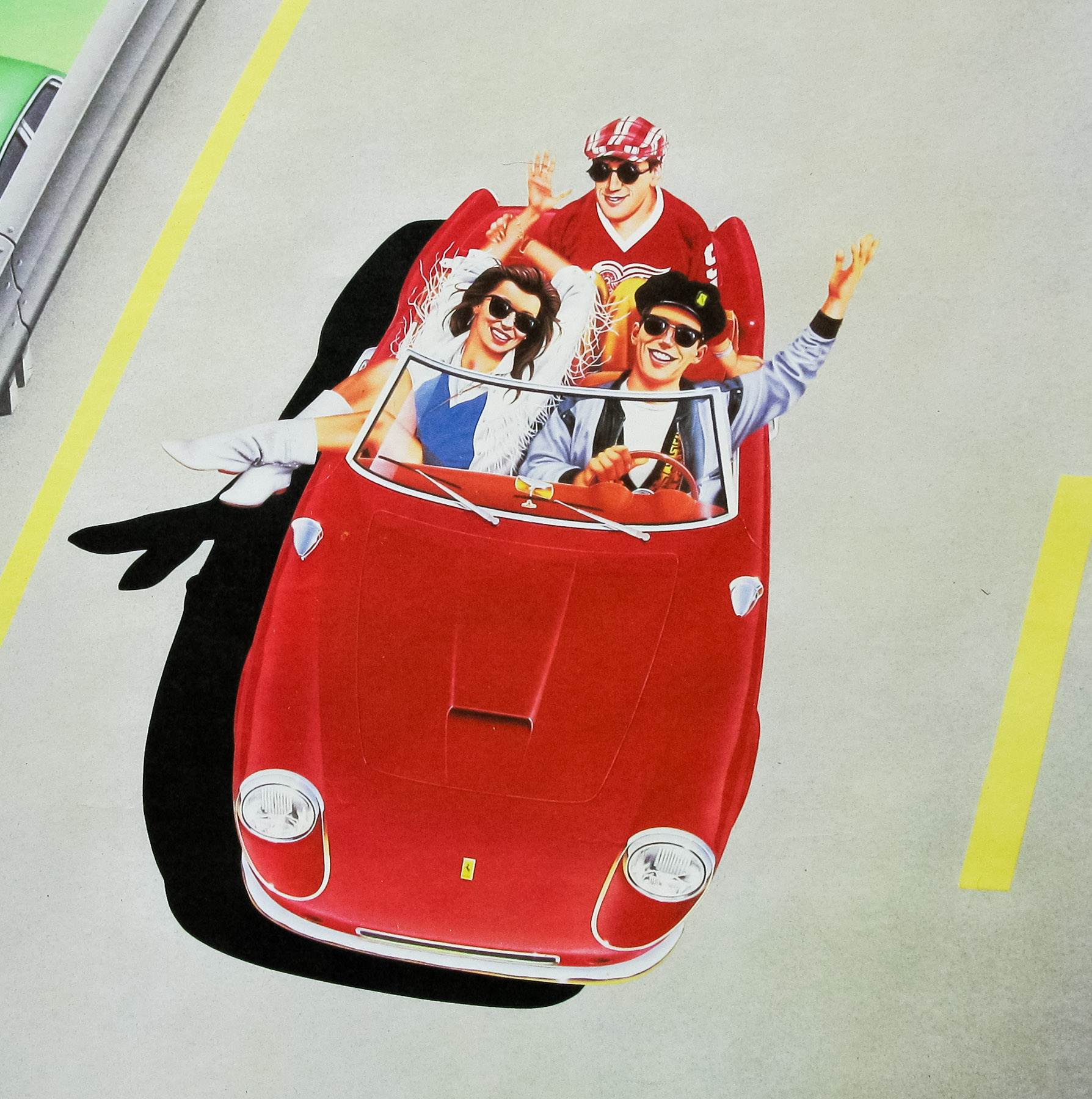
Eight Million Ways To Die / video / UK

13.05.16

Poster Poster
Title
Eight Million Ways To Die
AKA
8 Million Ways to Die (alt. spelling)
Year of Film
1986
Director
Hal Ashby
Starring
Jeff Bridges, Rosanna Arquette, Andy Garcia, Alexandra Paul
Origin of Film
USA
Genre(s) of Film
Jeff Bridges, Rosanna Arquette, Andy Garcia, Alexandra Paul,
Type of Poster
Video
Style of Poster
--
Origin of Poster
UK
Year of Poster
1986
Designer
Unknown
Artist
Brian Bysouth
Size (inches)
23 6/16" x 33"
SS or DS
SS
Tagline
Death comes to all except those that deserve it most

This is the UK video poster (note the 18-rating emblem) for the release of Eight Million Ways to Die, a crime drama that was to be the final film by the late Hal Ashby. The director was associated with the American New Wave that started in the 1960s, lasted until the 1980s and saw a younger generation of filmmakers invading tinseltown, forever changing the way films were shot, edited and released. The Wikipedia article on the period gives you a good idea of the kinds of directors that were part of the new wave, which included the likes of Woody Allen, John Cassavetes, Martin Scorsese and Steven Spielberg.

Ashby began his career as an editor, with credits including In the Heat of the Night and the original Thomas Crown Affair, but he was encouraged to begin directing in 1970 with The Landlord, a critical success that was largely ignored by audiences at the time. This was quickly followed by Harold and Maude , an offbeat comedy that has a sizeable cult following today. Ashby embraced the hippie lifestyle of the early 1970s and his films featured main characters that were on the edge of ‘normal’ society. His biggest hit would prove to be the 1978 romantic drama Coming Home that was set against the backdrop of the Vietnam war, and would see him garnering a Best Director nomination at the Oscars that year, whilst the two main stars, Jon Voight and Jane Fonda, both won the main Best Acting gongs.

Eight Million Ways to Die was based on a book by the prolific American author Lawrence Block whose most famous series of novels focused on the private investigator (and recovering alcoholic) Matthew Scudder. The screenplay was written by Oliver Stone with help from R. Lance Hill and an uncredited Robert Towne. The actor Jeff Bridges was given the part of Scudder (Ashby had previously directed his brother Beau Bridges in The Landlord) and Rosanna Arquette appears as Sarah, a call girl who is central to the story. The film’s plot is described thusly on IMDb:

Scudder is a detective with the Sheriff’s Department who is forced to shoot a violent suspect during a narcotics raid. The ensuing psychological aftermath of this shooting worsens his drinking problem and this alcoholism causes him to lose his job, as well as his marriage. During his recovery through Alcoholics Anonymous, he meets a mysterious stranger who draws him back into a world of vice. In trying to help this beautiful woman, he must enter a crime-world of prostitution and drugs to solve a murder, while resisting the temptation to return to his alcohol abuse.
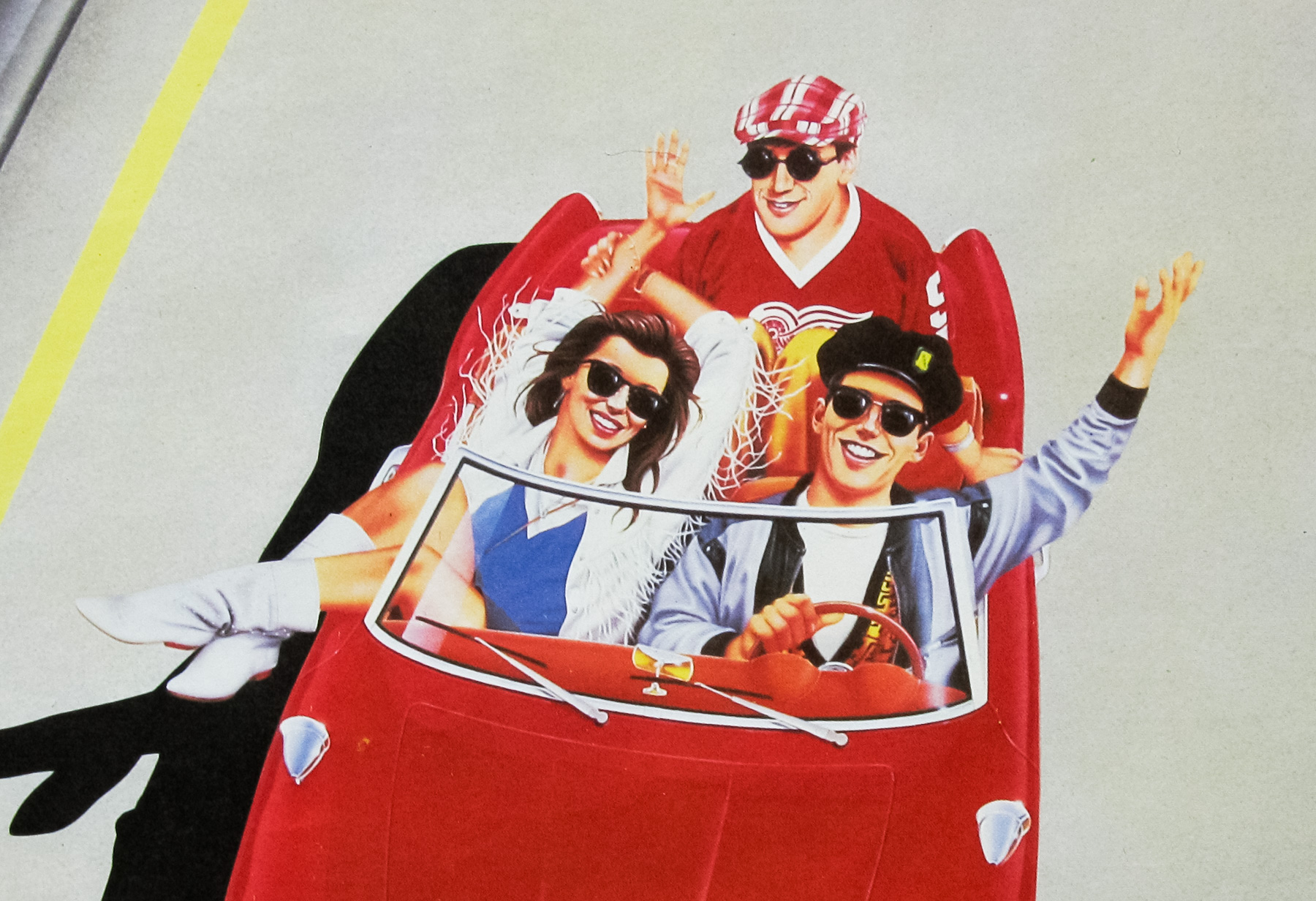
Unfortunately for all concerned the film was a critical and commercial flop and was yet another disappointment for Ashby, who by then had garnered something of a reputation for prolific drug-taking and eccentric behaviour during the post-production of his films. He would never again direct a film, despite efforts to turn things around, and would sadly die of cancer in 1988, aged just 59.

The artwork on this UK video poster is by the British artist Brian Bysouth and the art has been trimmed somewhat for the poster as his truncated signature can be seen towards the bottom right-hand side. Bysouth is one of my favourite poster artists and he was responsible for many classic posters from the 1960s to the 1980s, including the final painted poster for a James Bond film, The Living Daylights. In 2012 I was fortunate to meet and interview Brian for this site and the article can be read here.
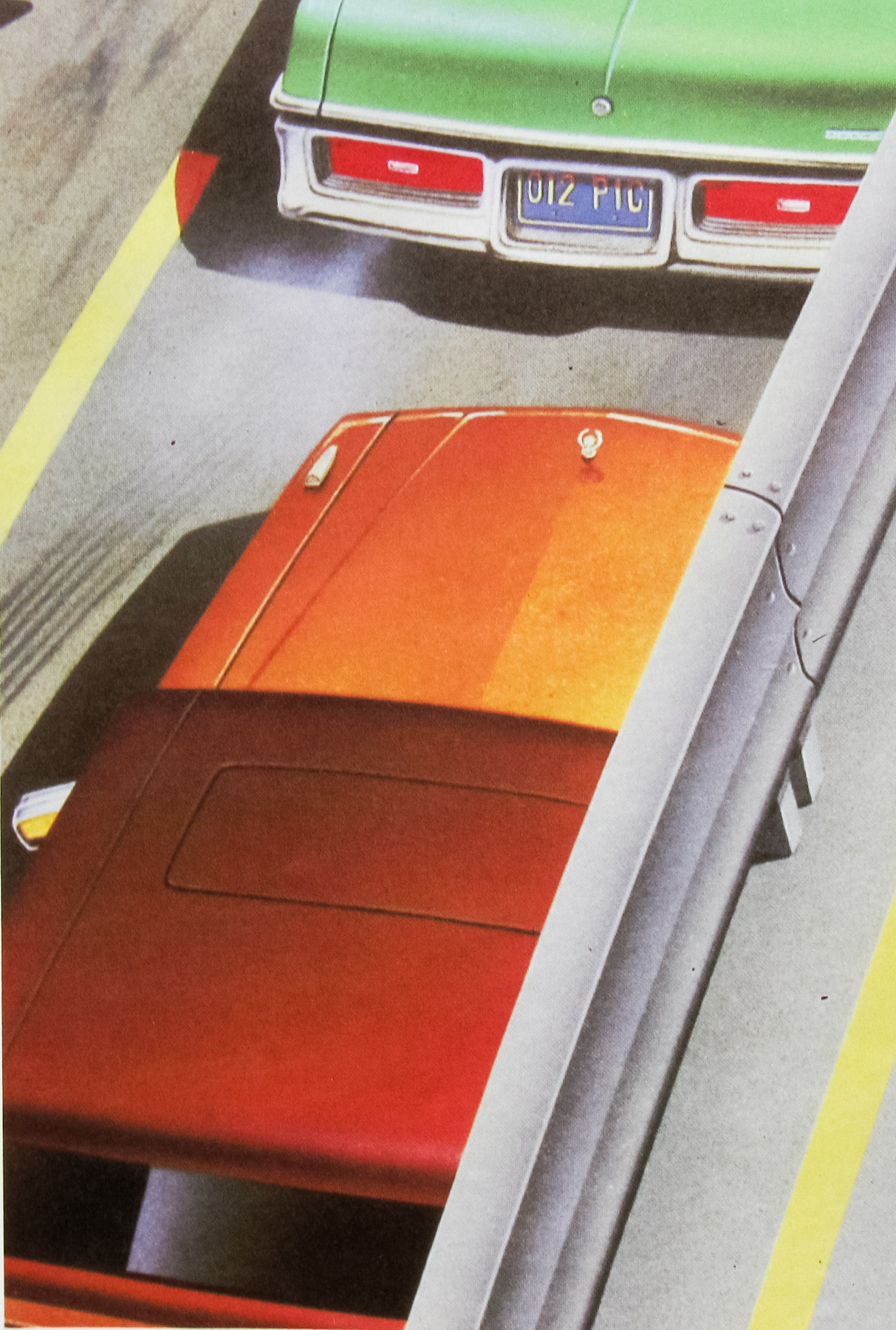
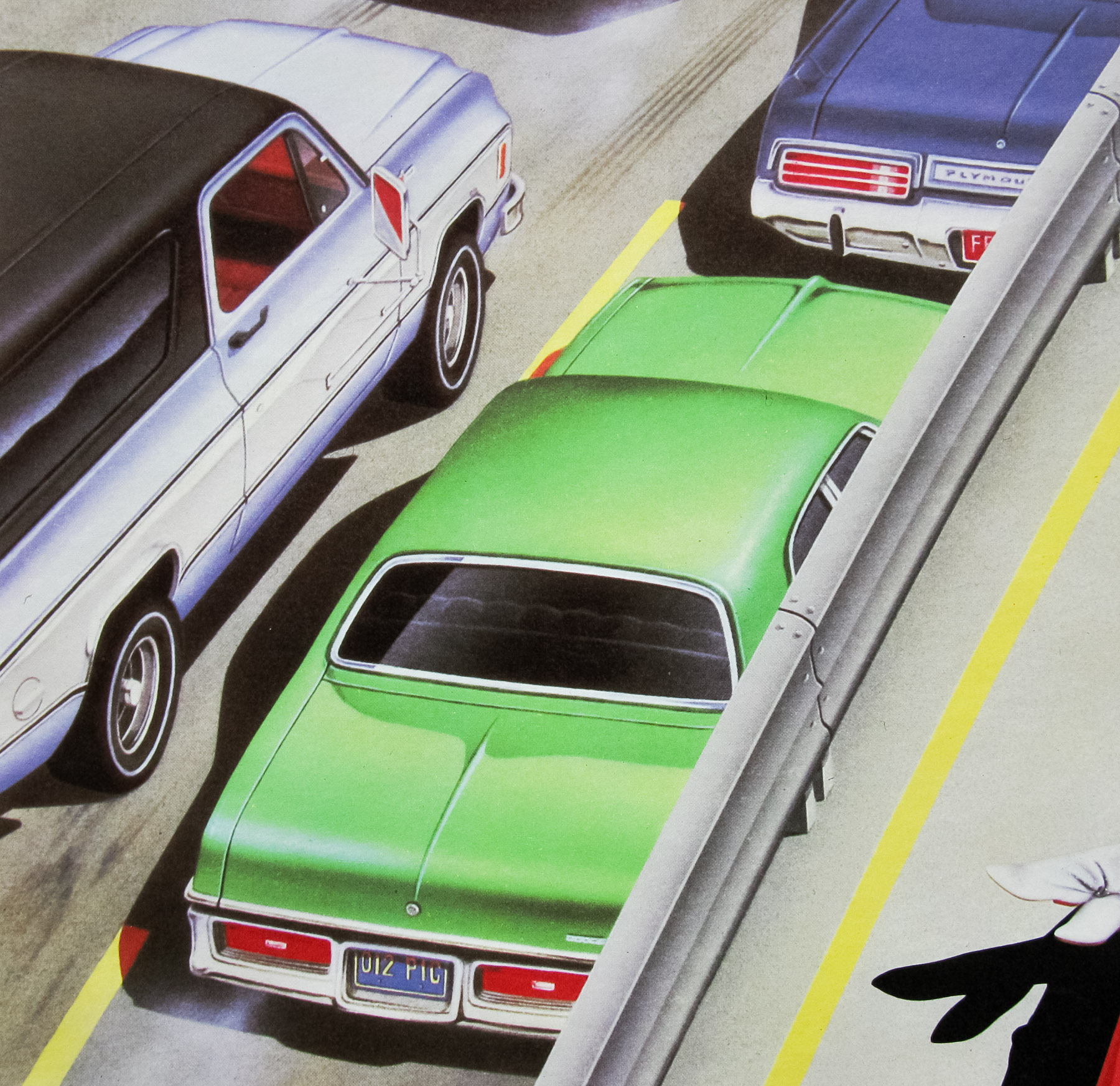
The other posters I’ve collected by Brian can be seen by clicking here.

A Nightmare on Elm Street 4: The Dream Master / quad / UK

20.06.16

Poster Poster

This is the UK quad for the release of the fourth entry in the ‘A Nightmare on Elm Street’ franchise (subtitled The Dream Master). The film marked a big break for Finnish director Renny Harlin who admitted to heavily petitioning the film’s producer, and founder of New Line Cinema, Robert (Bob) Shaye for the job. Harlin had previously helmed a couple of low-budget flicks (Born American and Prison) but the box-office success of this film led to him being given the job of directing the Die Hard sequel in 1990. Sadly, his career stalled towards the end of that decade following a series of box-office bombs that included Cliffhanger and Cutthroat Island.

The fourth film followed on from one of the best entries in the franchise, 1987’s Dream Warriors, which was a marked improvement over the first sequel. This was thanks in part to the involvement of the first film’s Wes Craven, who had been absent from Part 2.

The Dream Master picks up a few months after the events of the third film and features characters that had last been seen in a mental hospital, but are now living at home and seemingly back to normal. Kirsten, previously played by Patricia Arquette and here by Tuesday Knight, has the ability to bring others into her dreams. When she senses Freddy is trying to return after being banished to hell at the end of Part 3, she contacts Kincaid (Ken Sagoes) and Joey (Rodney Eastman) to warn them not to dream about Freddy in case it causes his return.

Unfortunately, Kincaid fails to heed Kirsten’s warning and he falls asleep, dreaming of the car junkyard where Freddy’s bones were previously consecrated with holy water. His dog urinates on Freddy’s bones and this, for some bizarre reason, causes his resurrection whereupon he swiftly kills Kincaid. Freddy begins to terrorize Kirsten and her group of school friends and she realises she needs to pass on her powers to Alice before she too is killed. Freddy’s plan was to use Kirsten to move onto a new set of kids after he’s killed the original group (all children of the parents who murdered him before the events of the first film) and together this new gang must try to put an end to his nefarious plans once and for all.

———-

Palace Pictures had been handling the British distribution of the horror franchise since the first film and had worked with the same artist, Graham Humphreys, to produce unique poster designs for the UK market. When it came to promoting The Dream Master, Graham produced this quad and a larger 4-sheet (with alternate artwork) for use in cinema lobbies and on billboards. The quad features the stained glass window seen in a sequence involving a dilapidated church near the end of the film, as well as the Crave Inn diner where Alice works (its name is a not very subtle nod to the franchise’s creator).

When I interviewed Graham in 2011 for this site he talked the Elm Street posters and here’s an excerpt:

—————-

In 1987 it was back to an illustration for A Nightmare on Elm Street 4. It’s a great image with the ‘Crave Inn Diner’ and the stained glass featuring Freddy in silhouette. Can you remember why they went back to illustration for this?
I think by that time they just felt that they were flogging a dead horse with the Nightmare on Elm Street films. They said ‘take a look at the film and do what you want’. My idea was to do a postcard idea, ‘Greetings from hell’, and unfortunately without a computer it’s very hard to understand how stuff’s going to look when it’s actually printed. So for example with the Evil Dead you’ll notice that the copy line at the top is very hard to read because, tonally, the orange disappears against the purple. Given a computer there are all sorts of things I could have done, like a drop shadow or a glow behind it.

So it was often the case that you wouldn’t know what it was going to look like until you printed it?
No, everything was an experiment. This poster could have been so much different as well though. The stained glass from the final scene in the church was good for me because it was a lovely device that meant I could use the large silhouette [of Freddy]. I also thought it was interesting because at that point the face was so familiar so we could take it dark again; we know who he is. We also did the cheeky James Bond spoof poster.

Ah, you were involved with that?
I was, it was my idea.


———————

Graham also had the idea of creating a small run of double crowns that spoofed the iconic James Bond gun barrel opening sequence created by Maurice Binder and first seen in Dr No (1962). This was because The Dream Master was being released up against The Living Daylights, the latest entry in the long-running spy franchise. The resulting poster can be seen here.
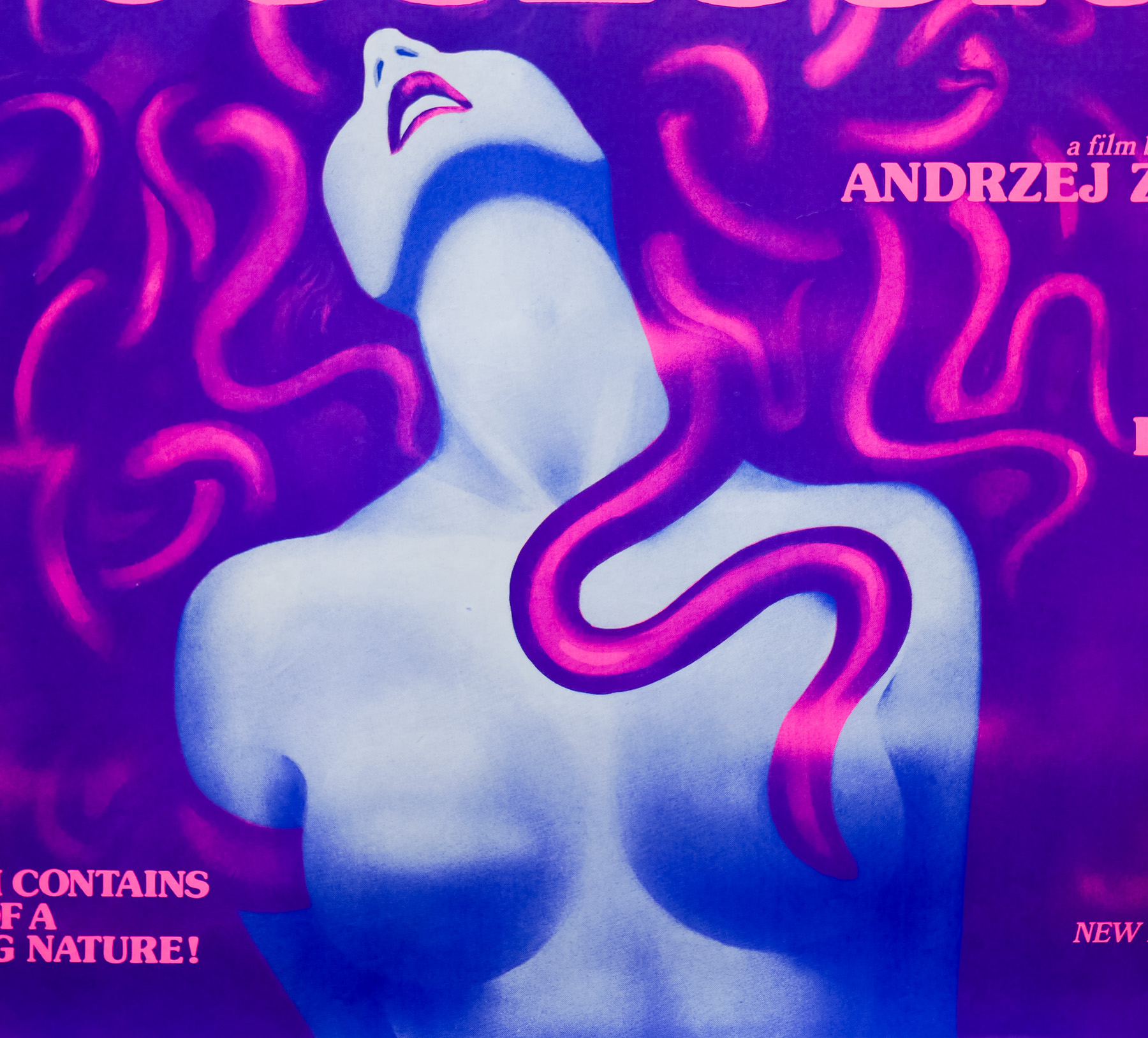
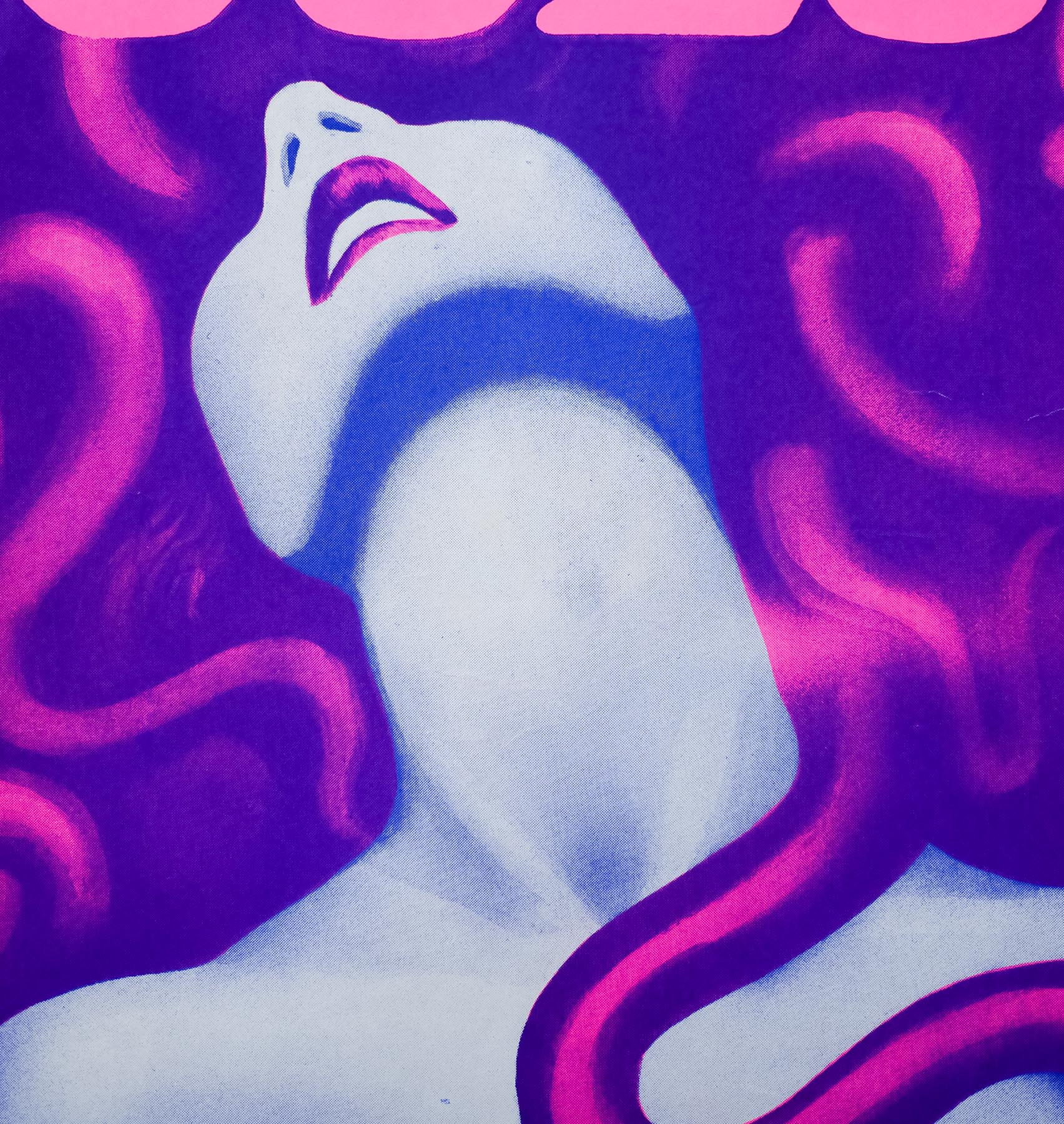
To see the other posters I’ve collected by Graham click here and read the exclusive interview with the artist here.