

You searched for: Germany

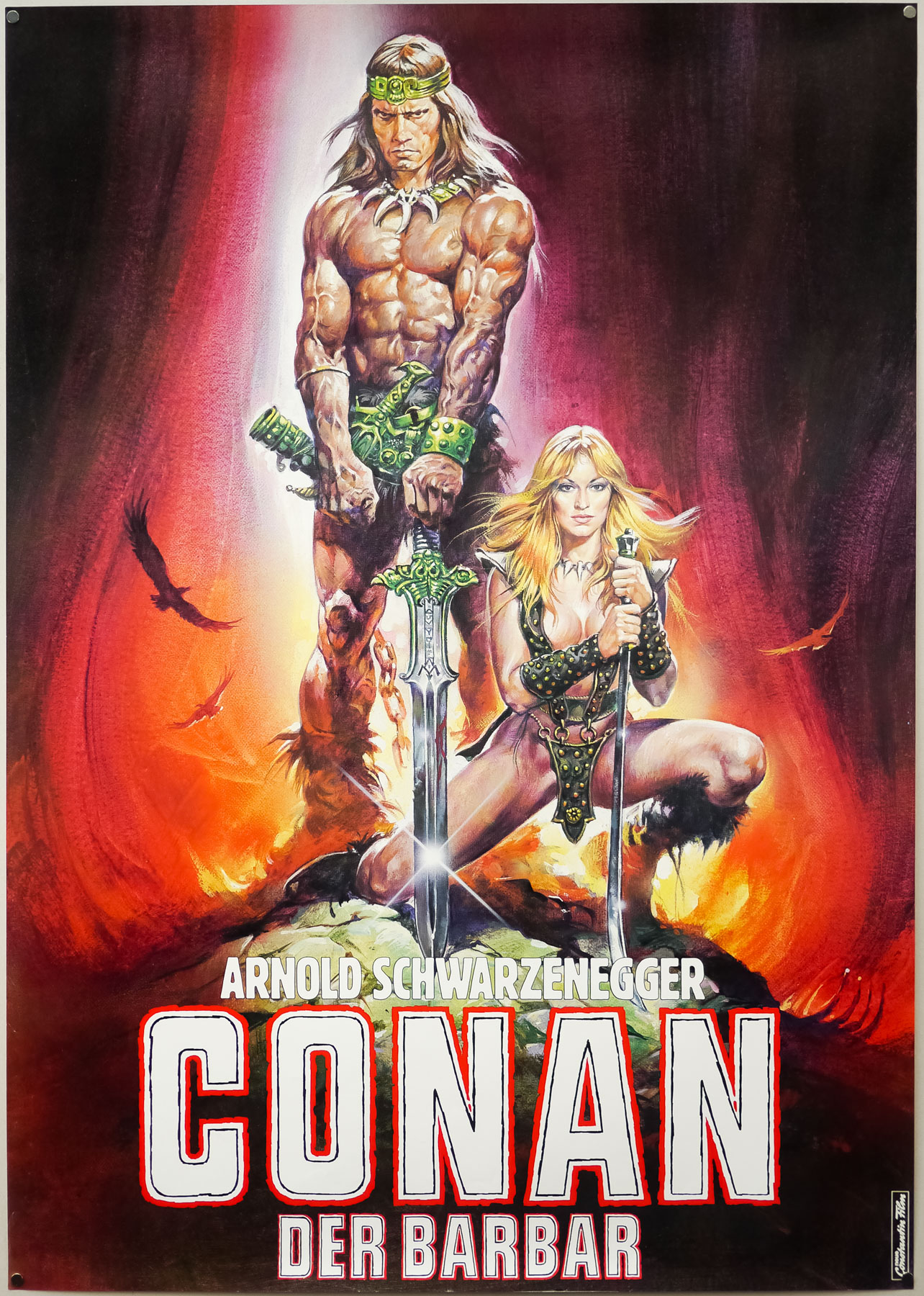
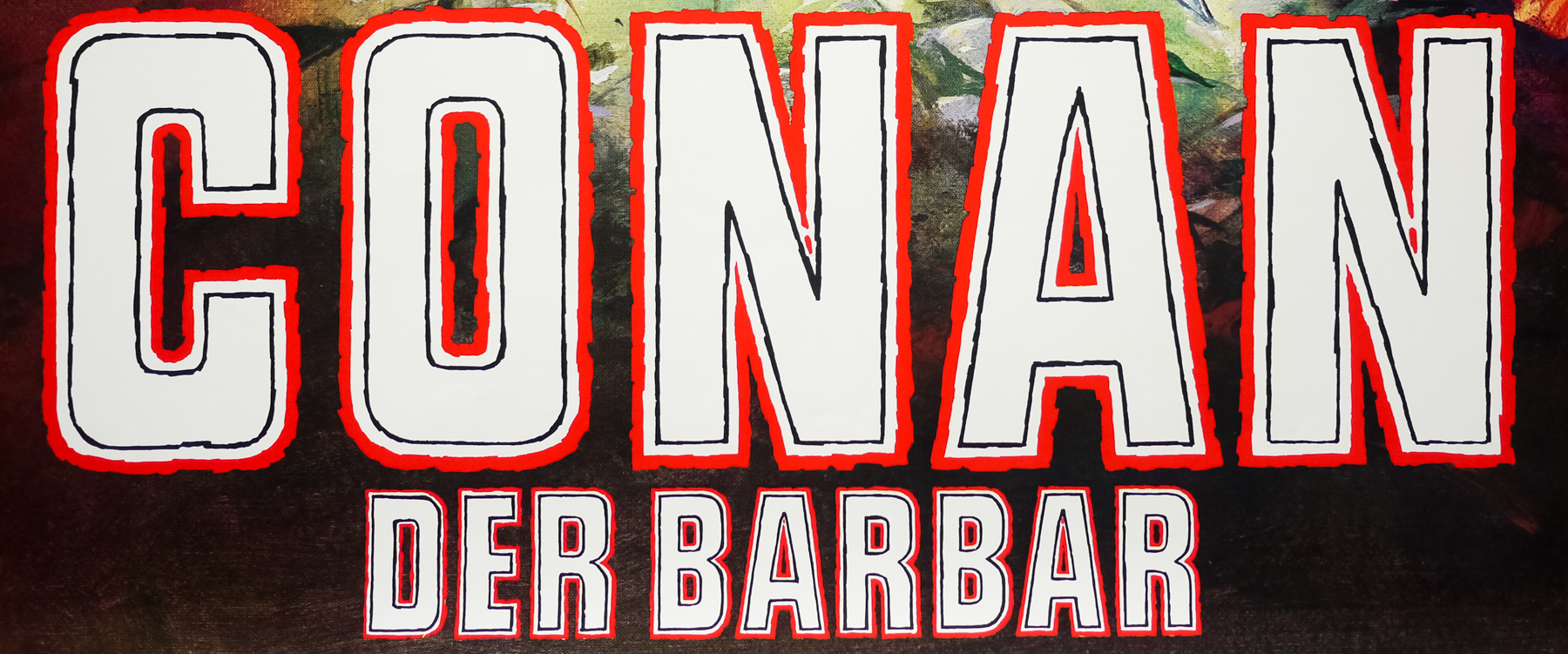
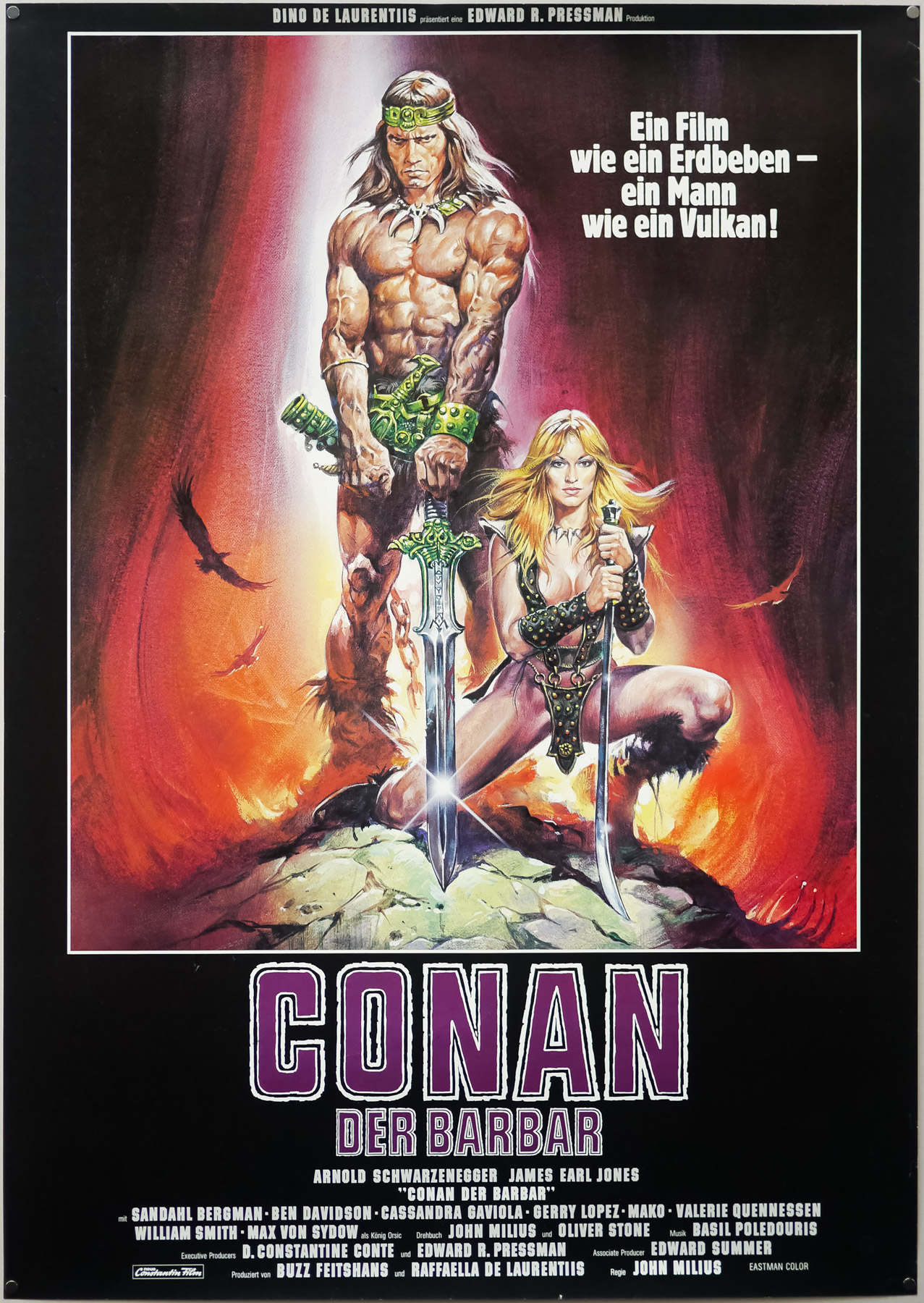
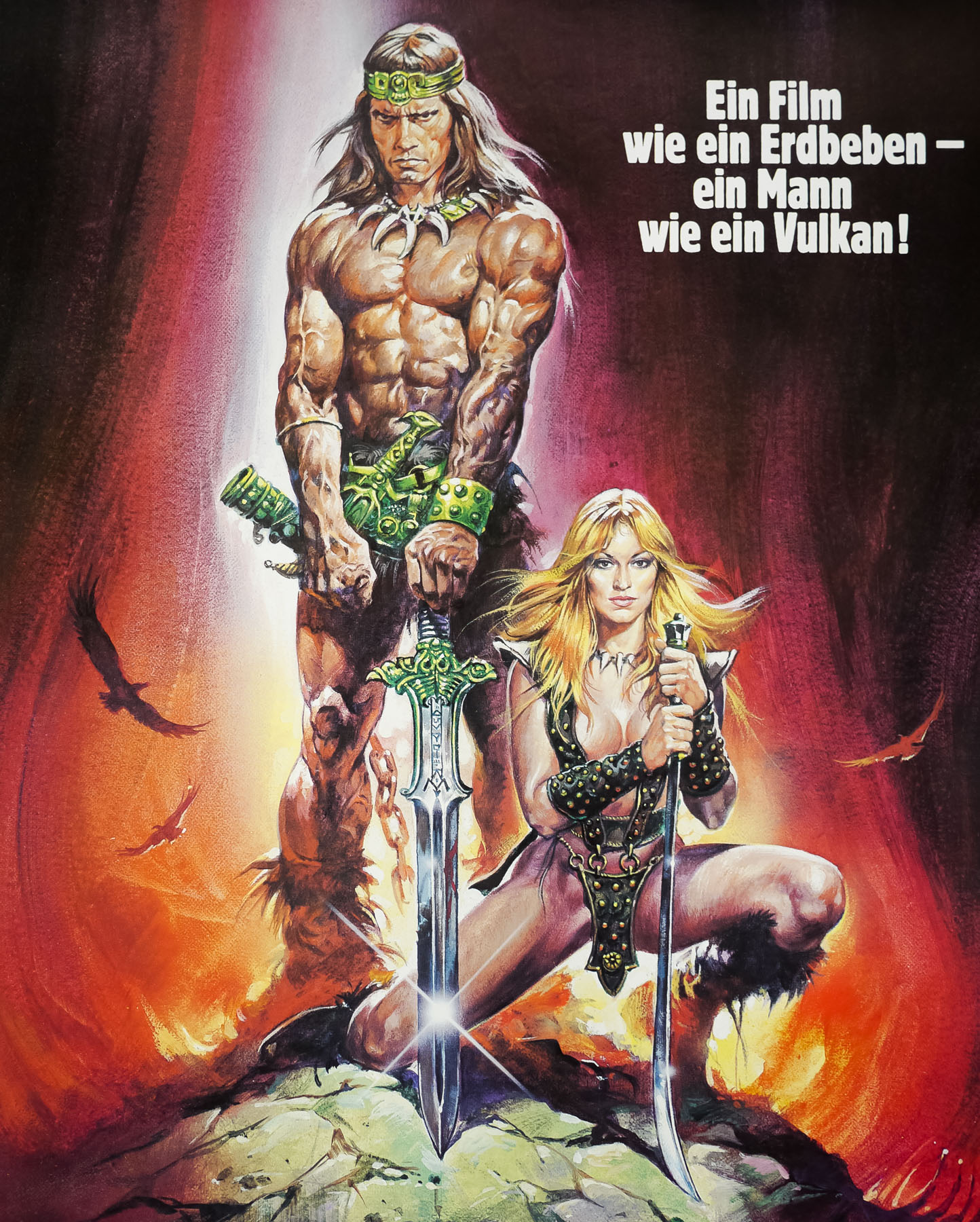
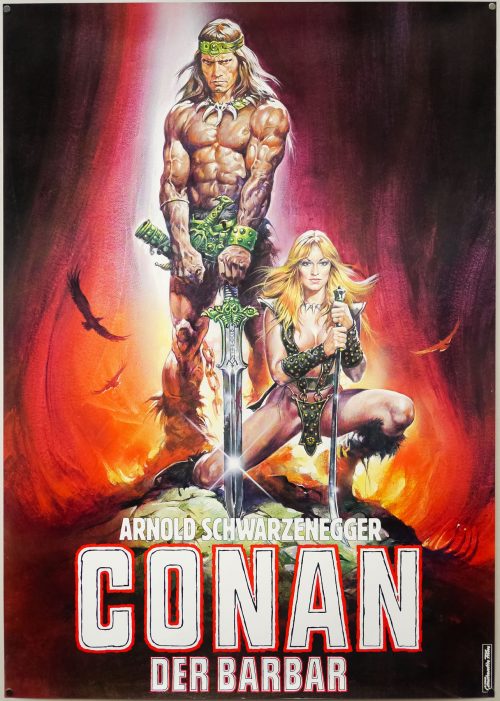
Conan the Barbarian / A1 / Germany

11.12.14

Poster Poster
Title
Conan The Barbarian
AKA
--
Year of Film
1982
Director
John Milius
Starring
Arnold Schwarzenegger, James Earl Jones, Sandahl Bergman, Mako, Gerry Lopez, Max von Sydow
Origin of Film
USA
Genre(s) of Film
Arnold Schwarzenegger, James Earl Jones, Sandahl Bergman, Mako, Gerry Lopez, Max von Sydow,
Type of Poster
A1
Style of Poster
Final
Origin of Poster
Germany
Year of Poster
1982
Designer
Renato Casaro
Artist
Renato Casaro
Size (inches)
23 6/16" x 33"
SS or DS
SS
Tagline
Ein Film wie ein Erdbeben - ein Mann wie ein Vulkan!

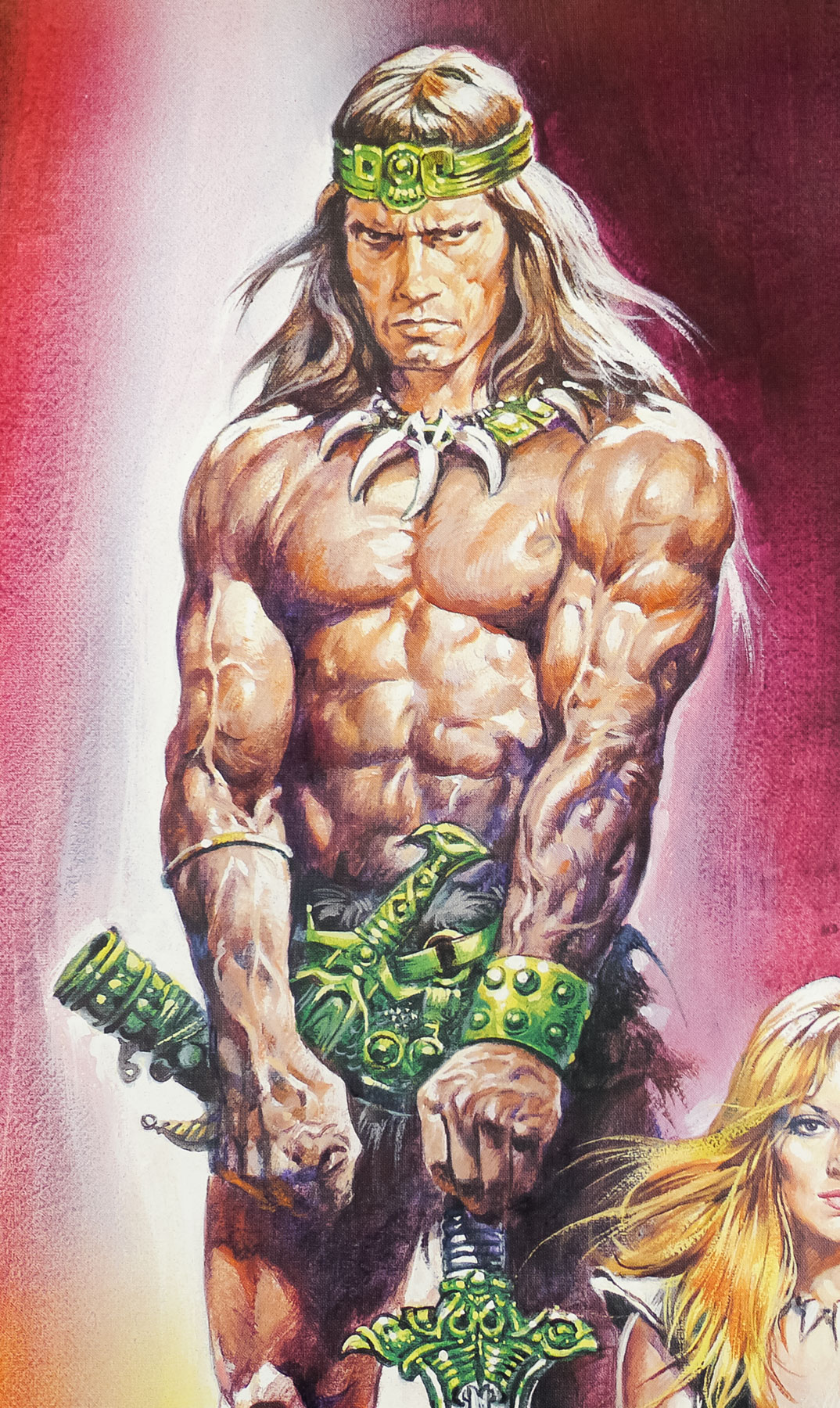
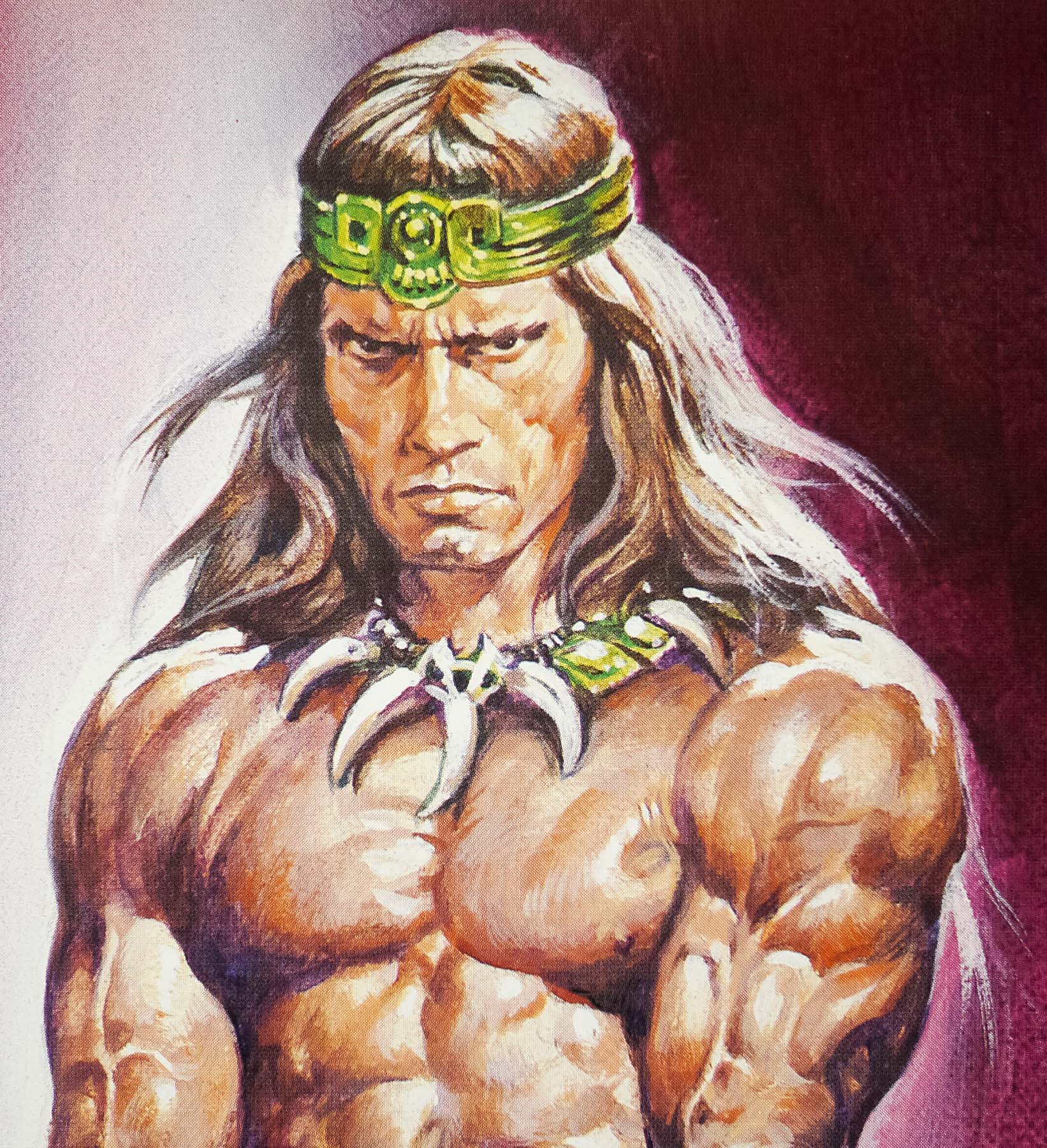
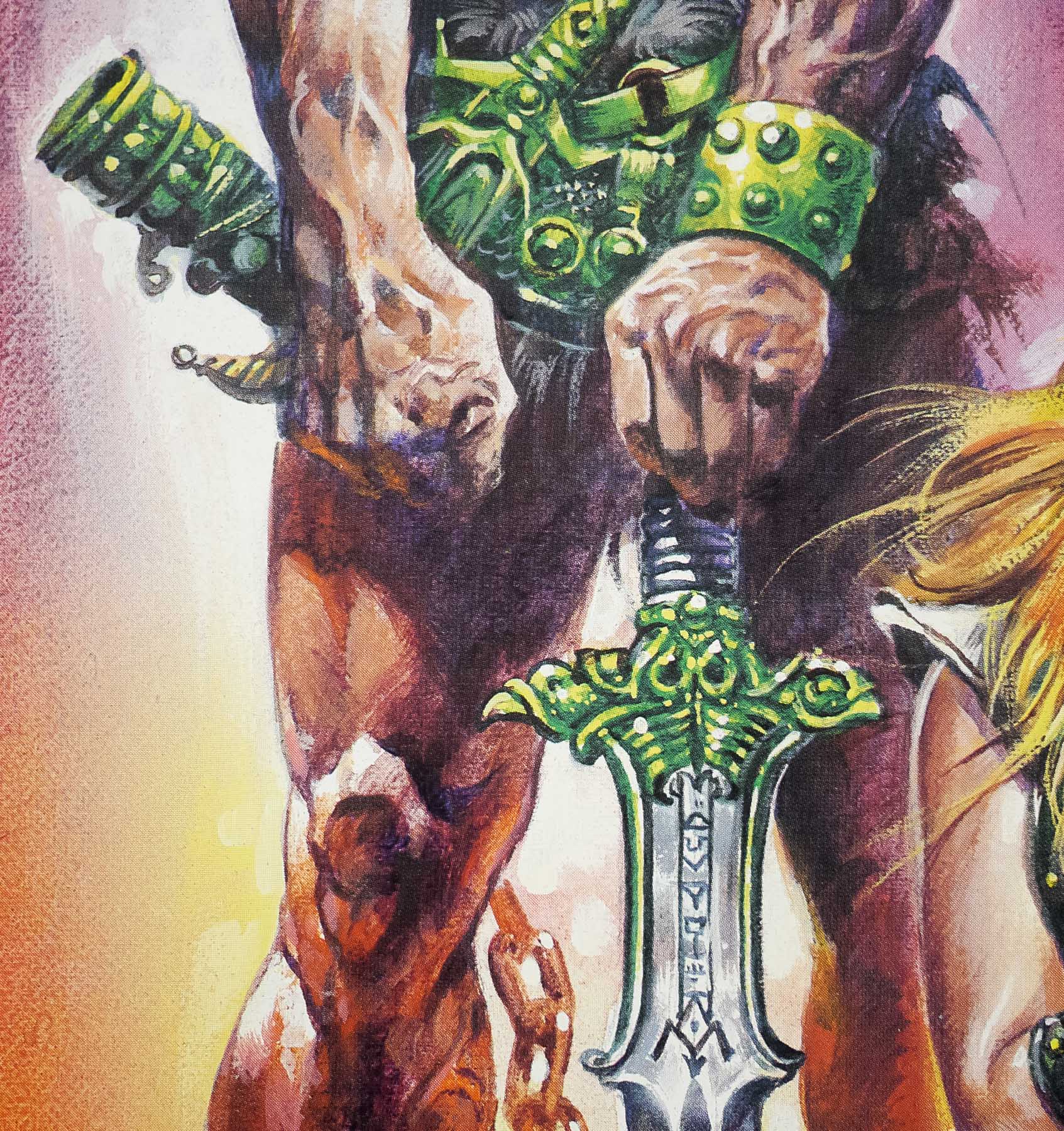
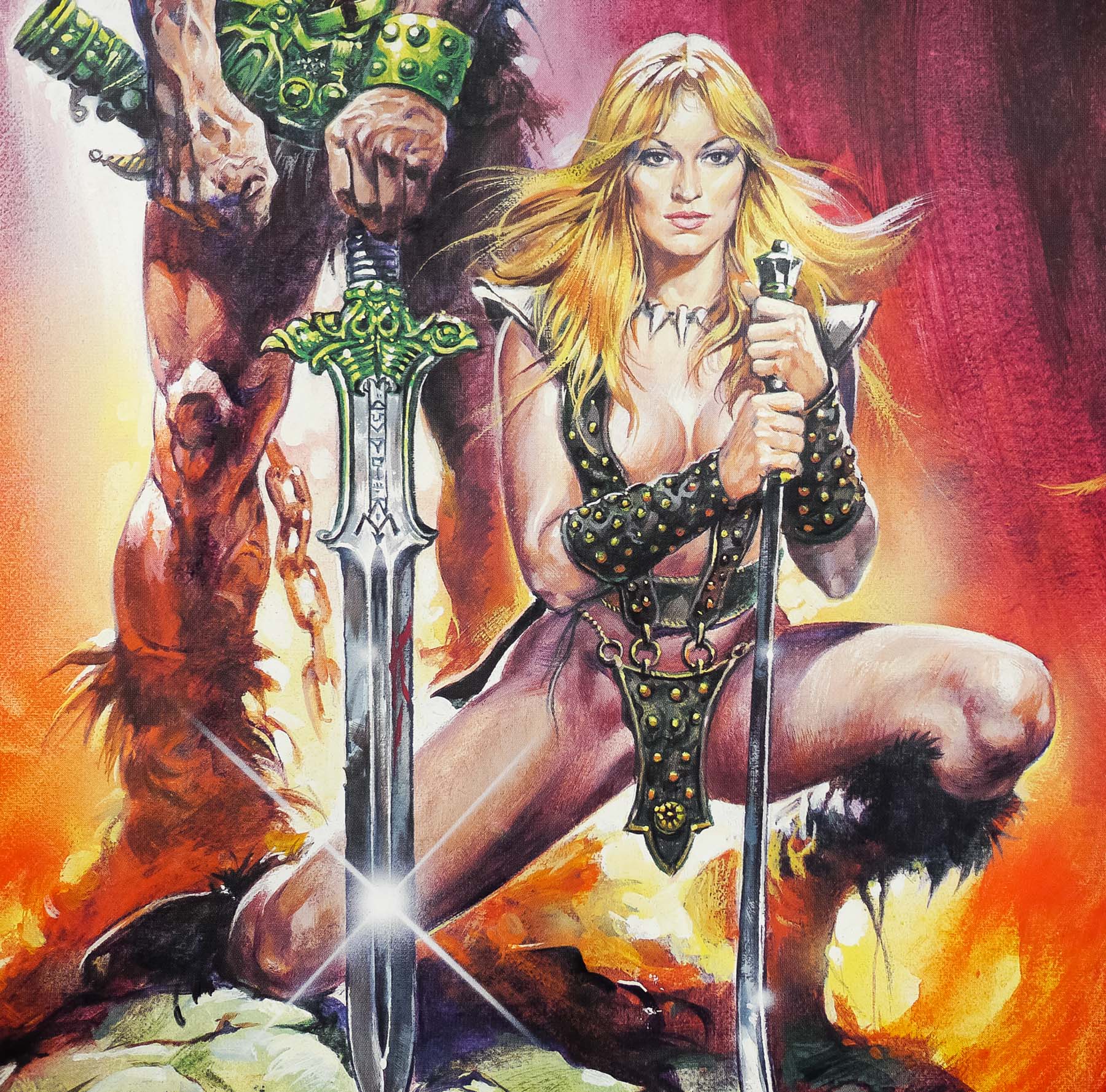
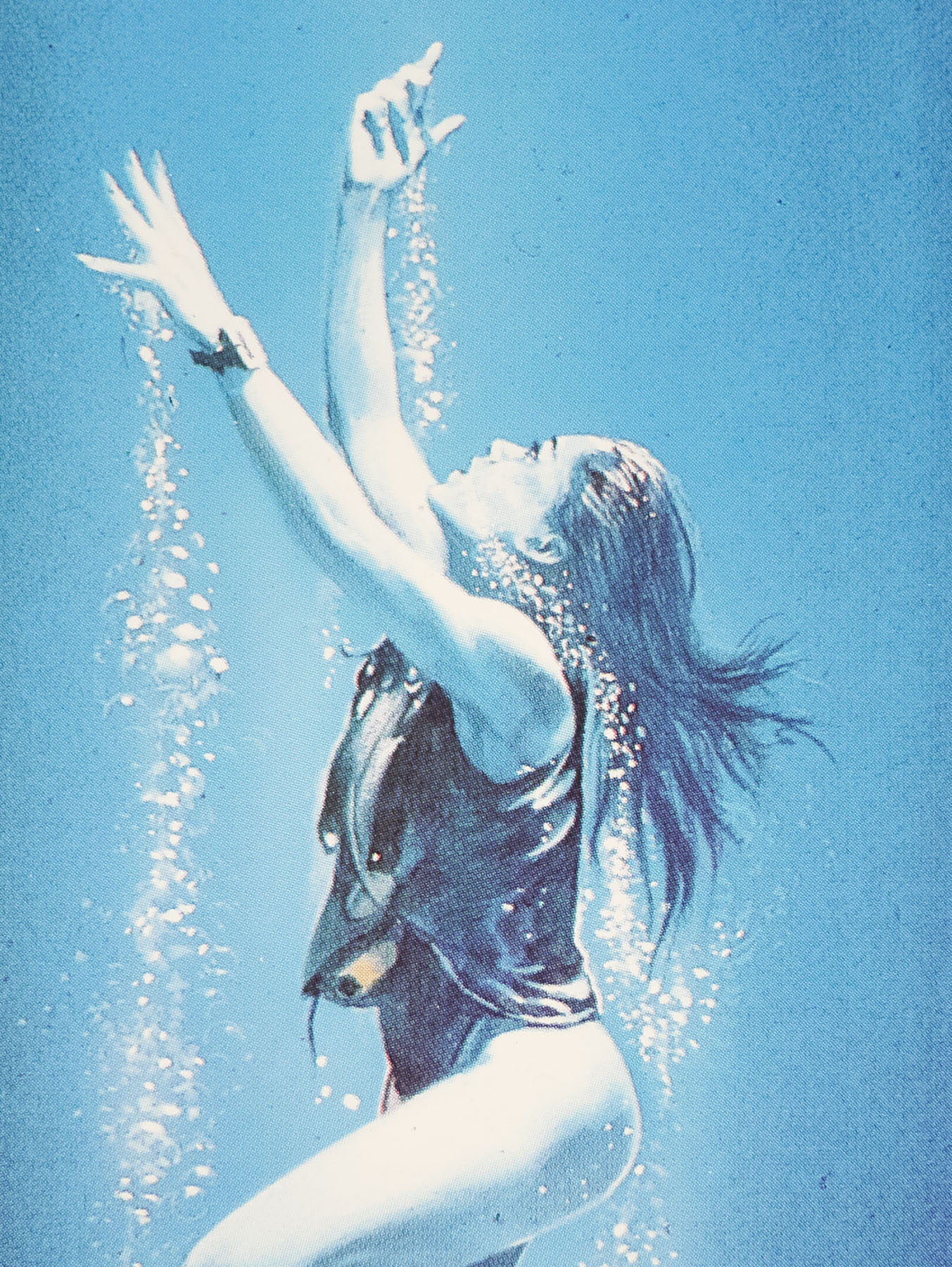
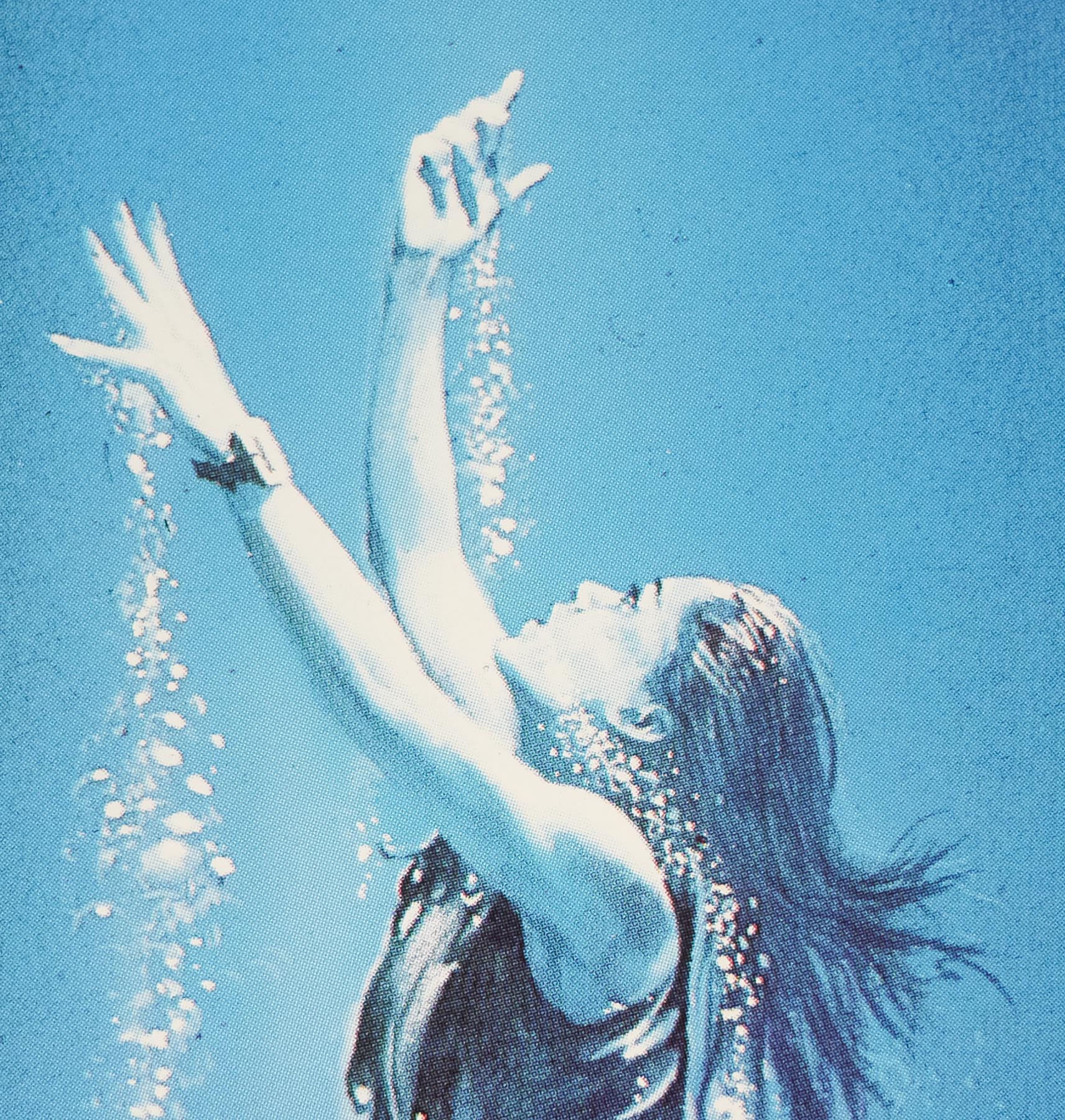
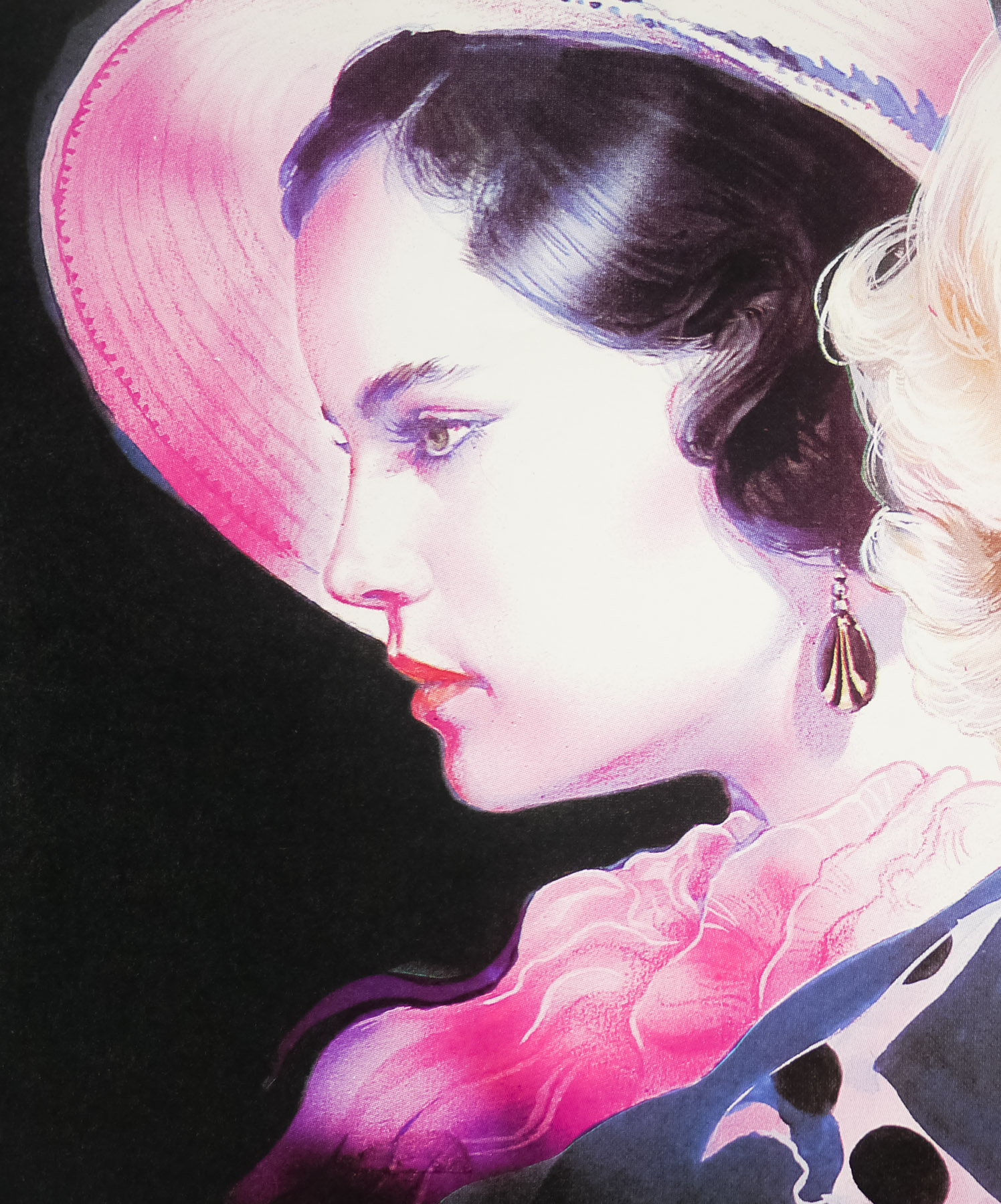
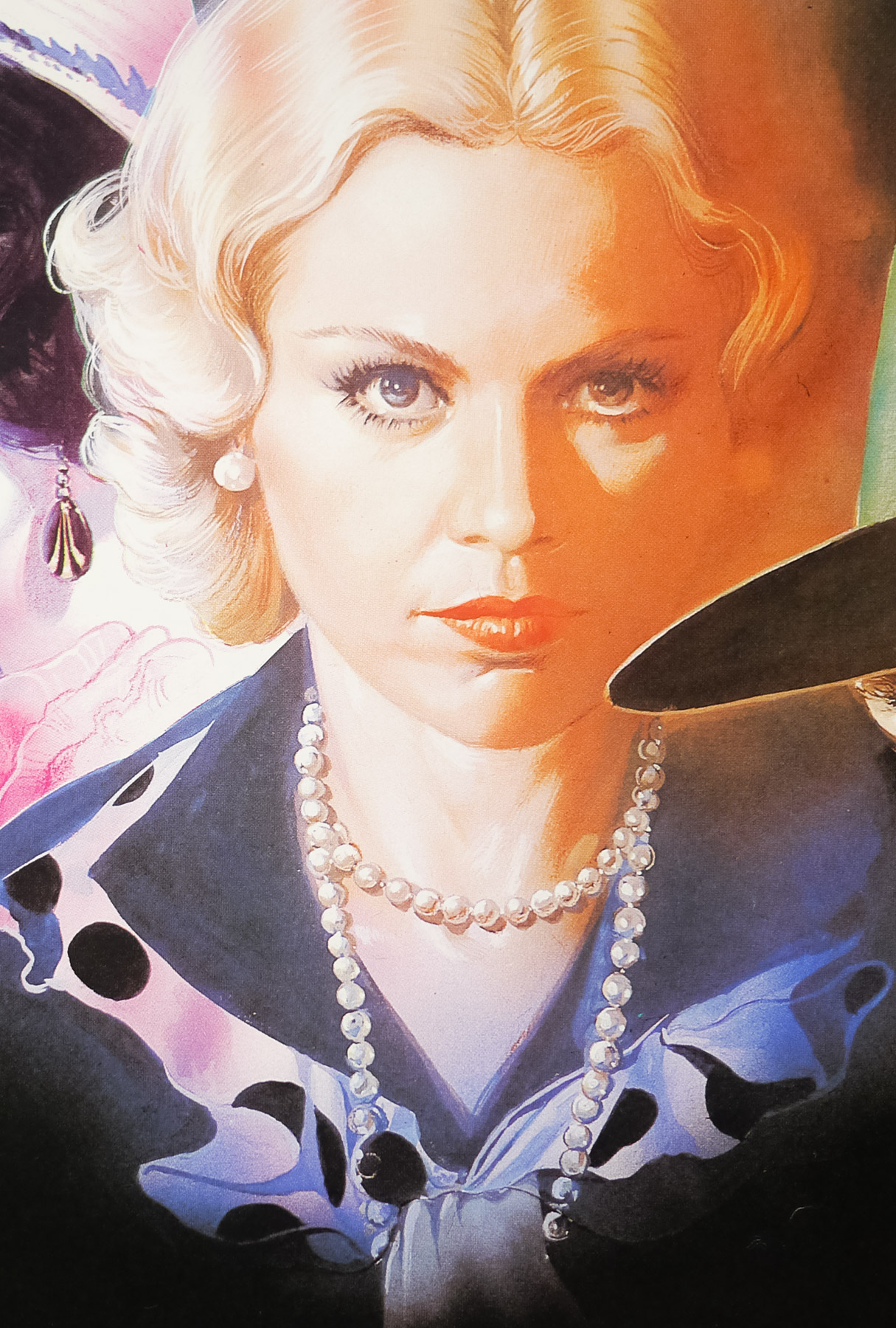
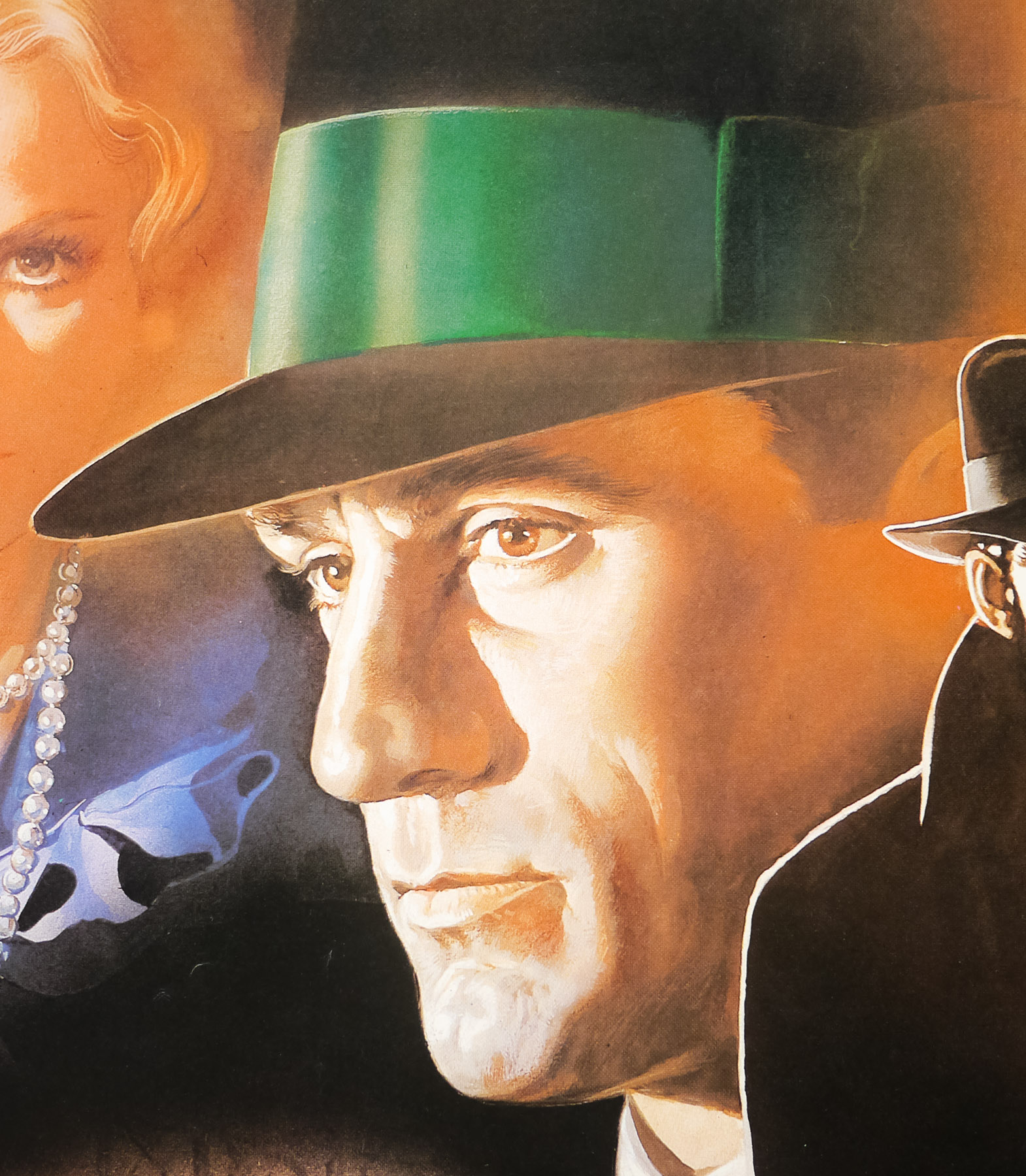
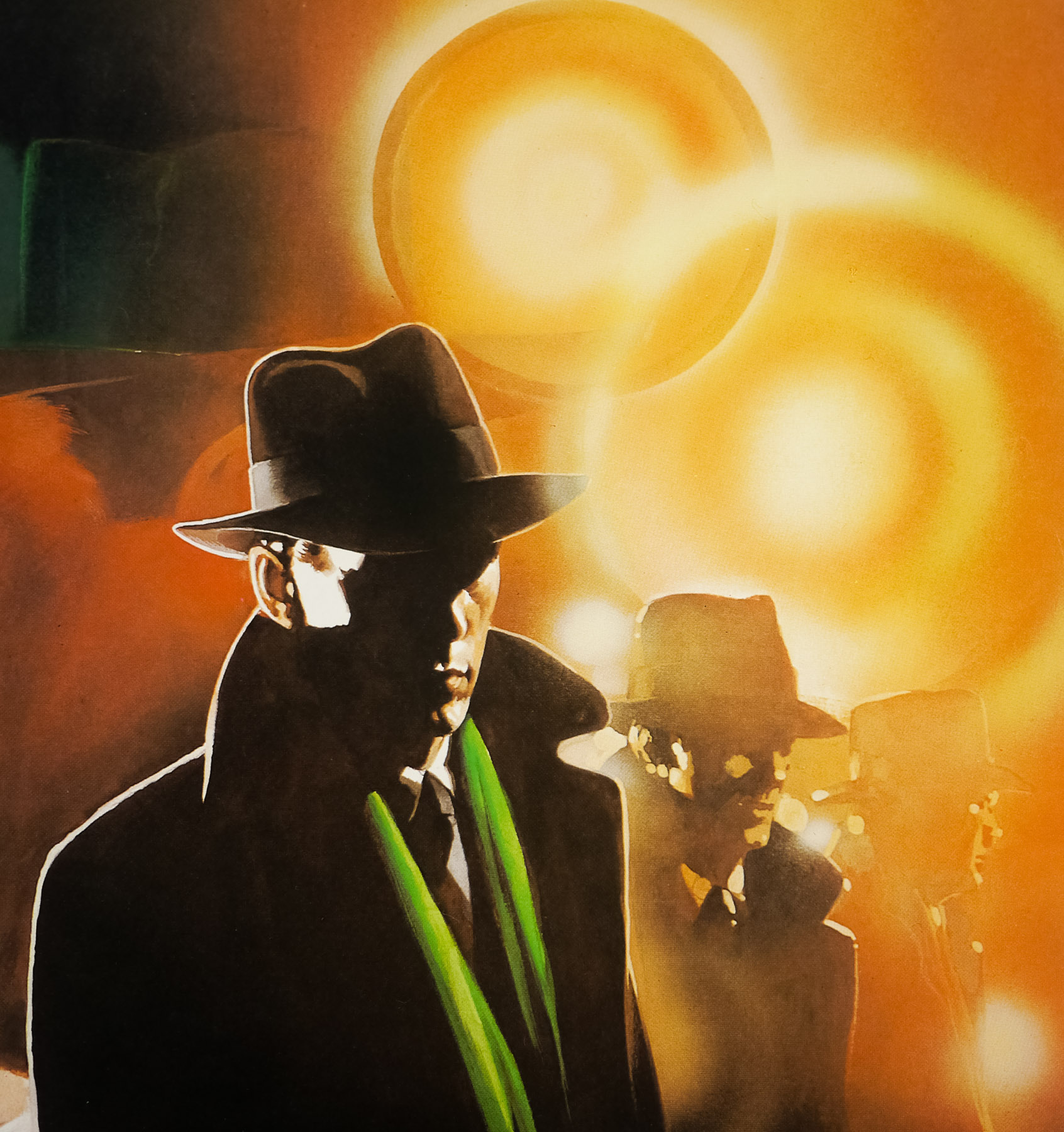
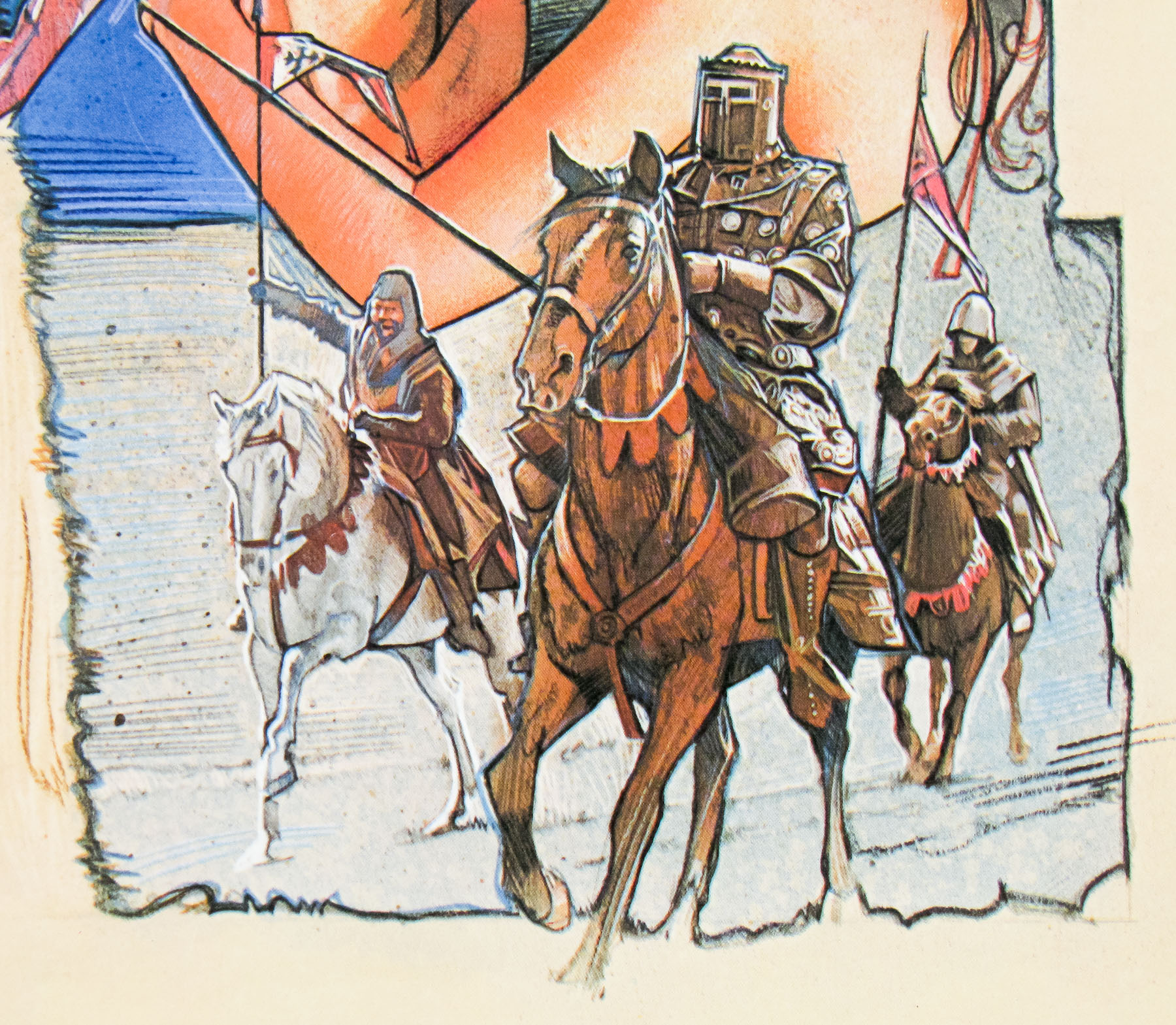
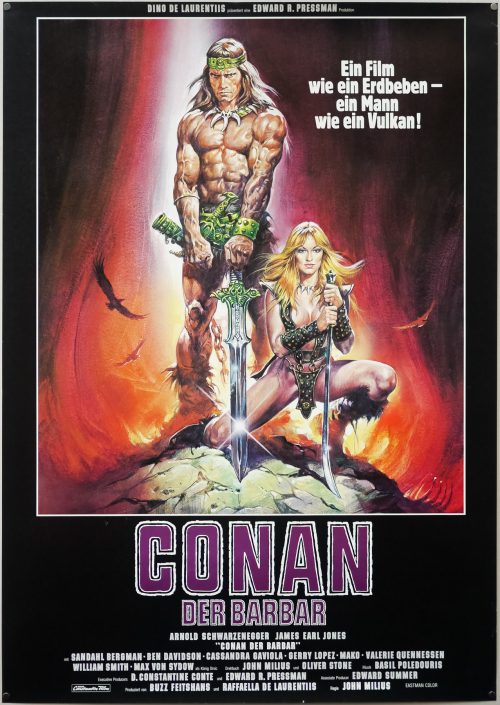
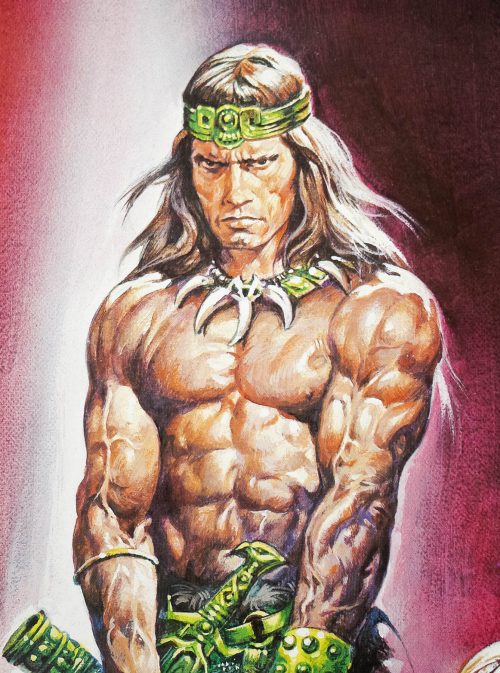
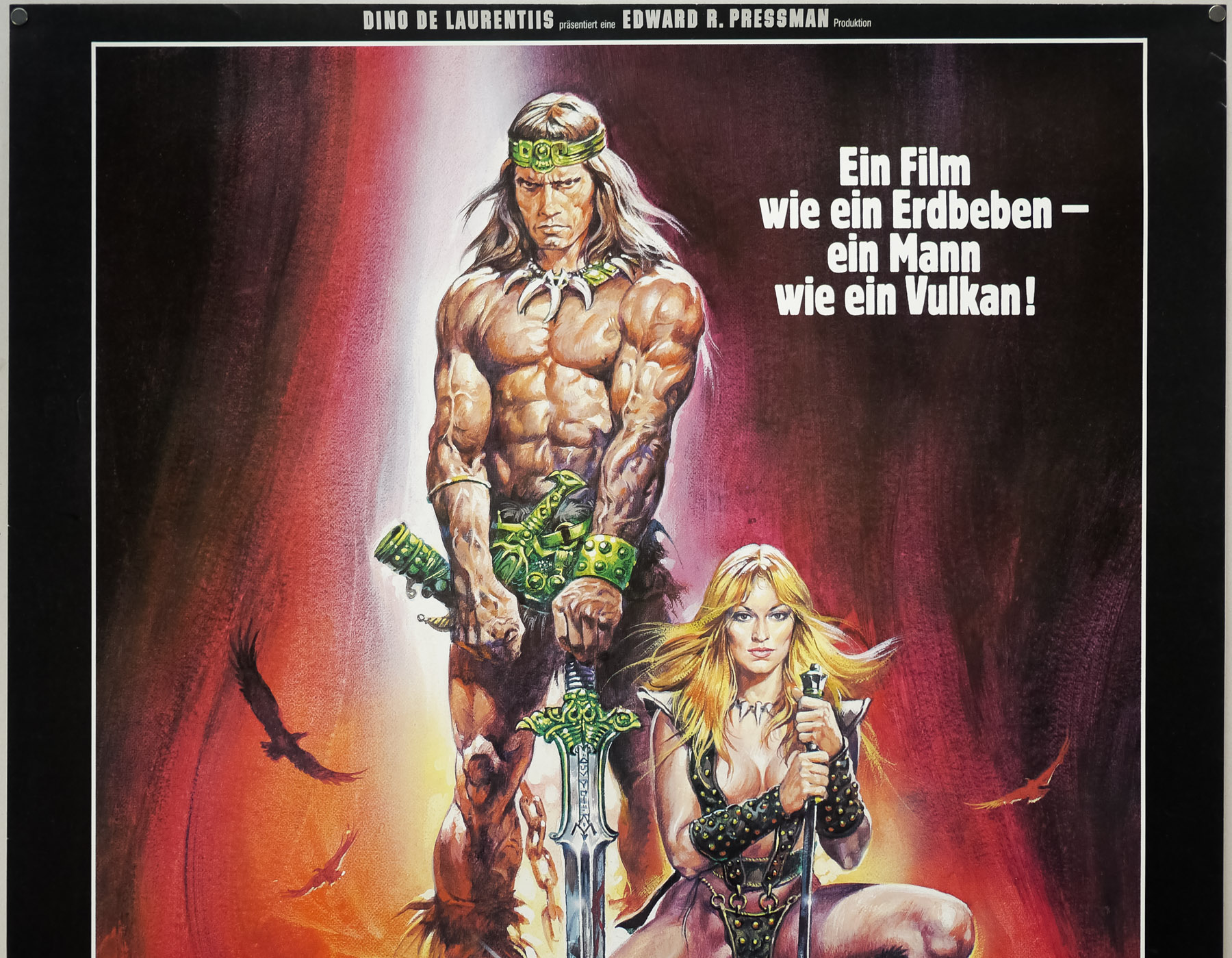
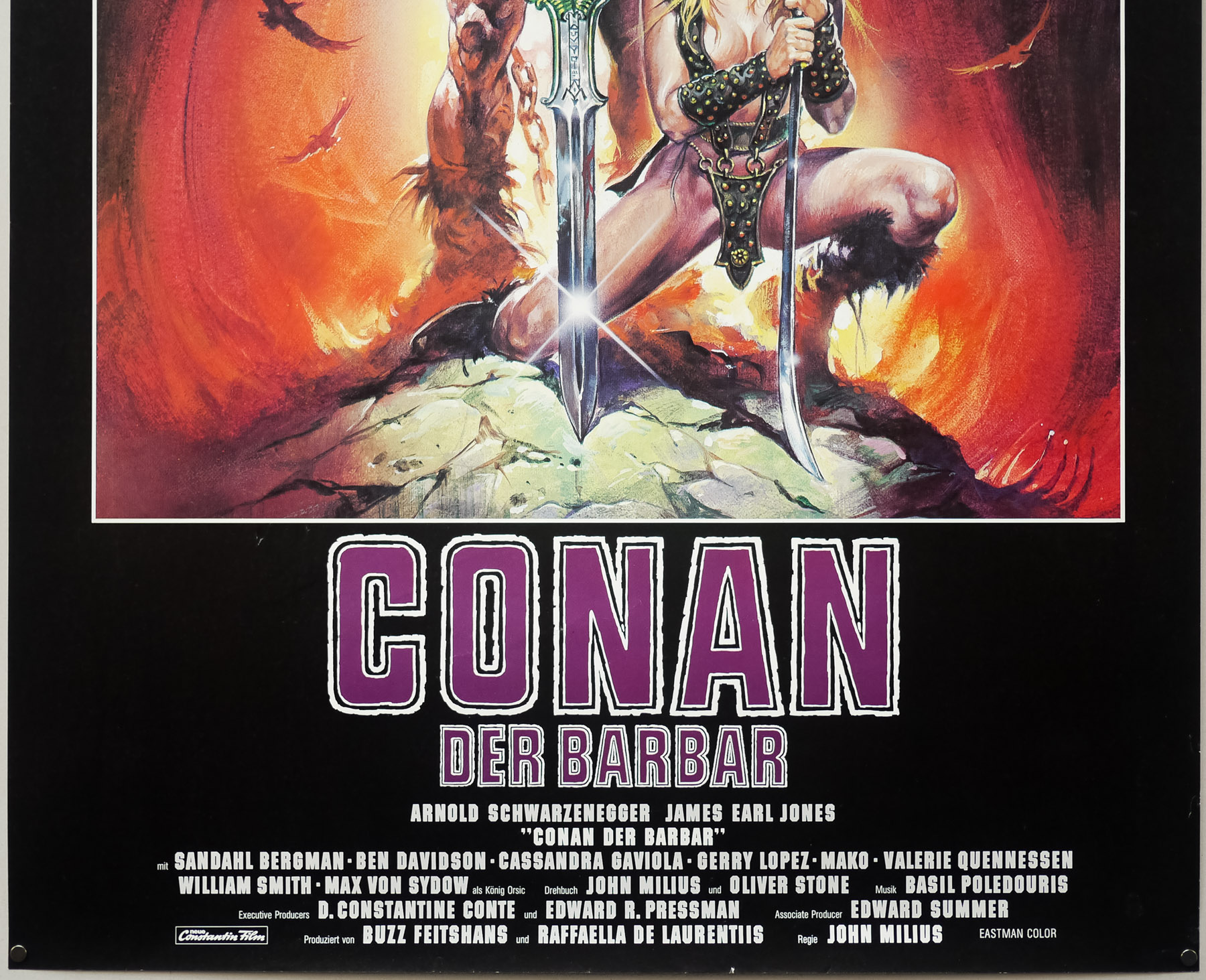
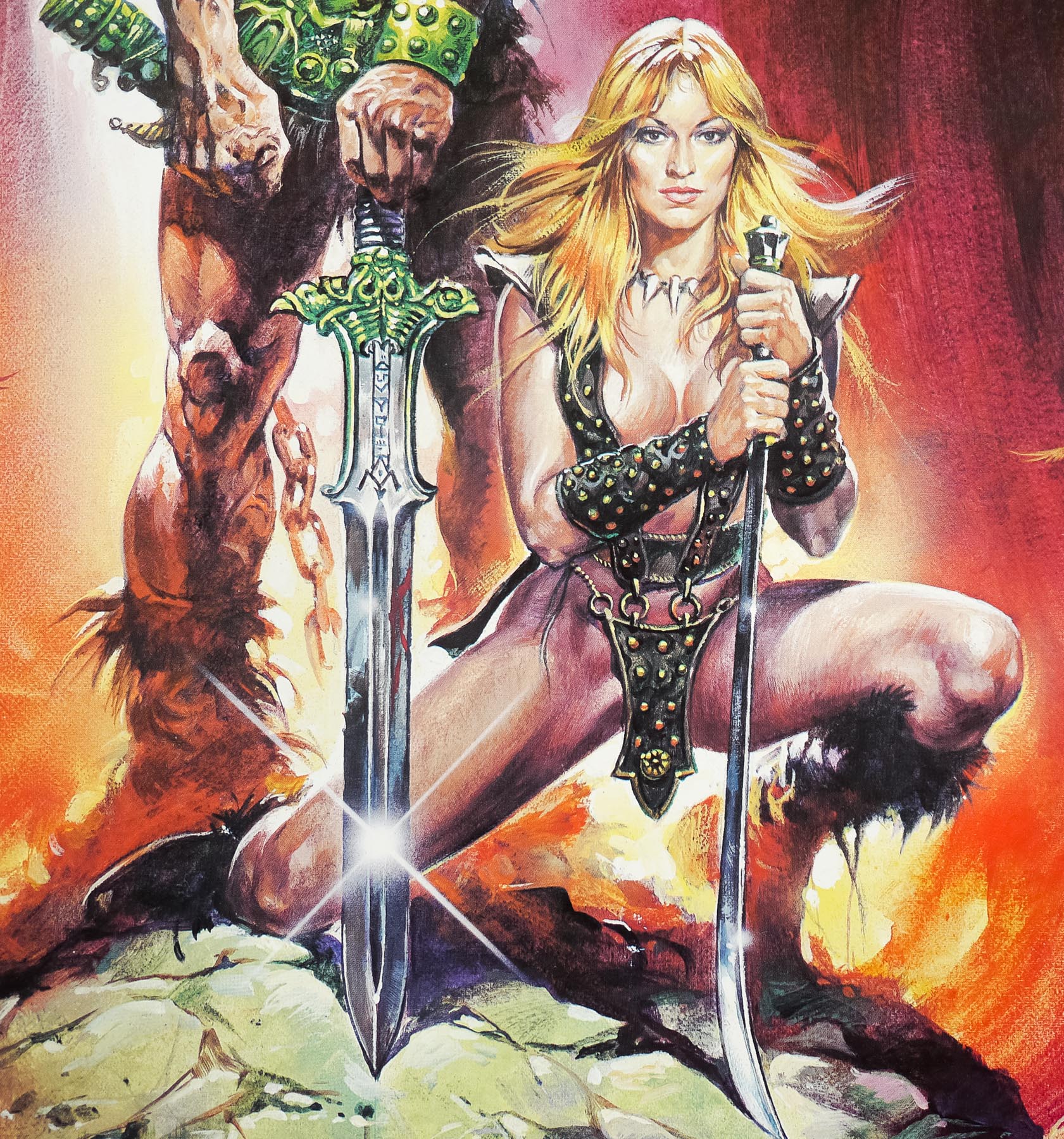
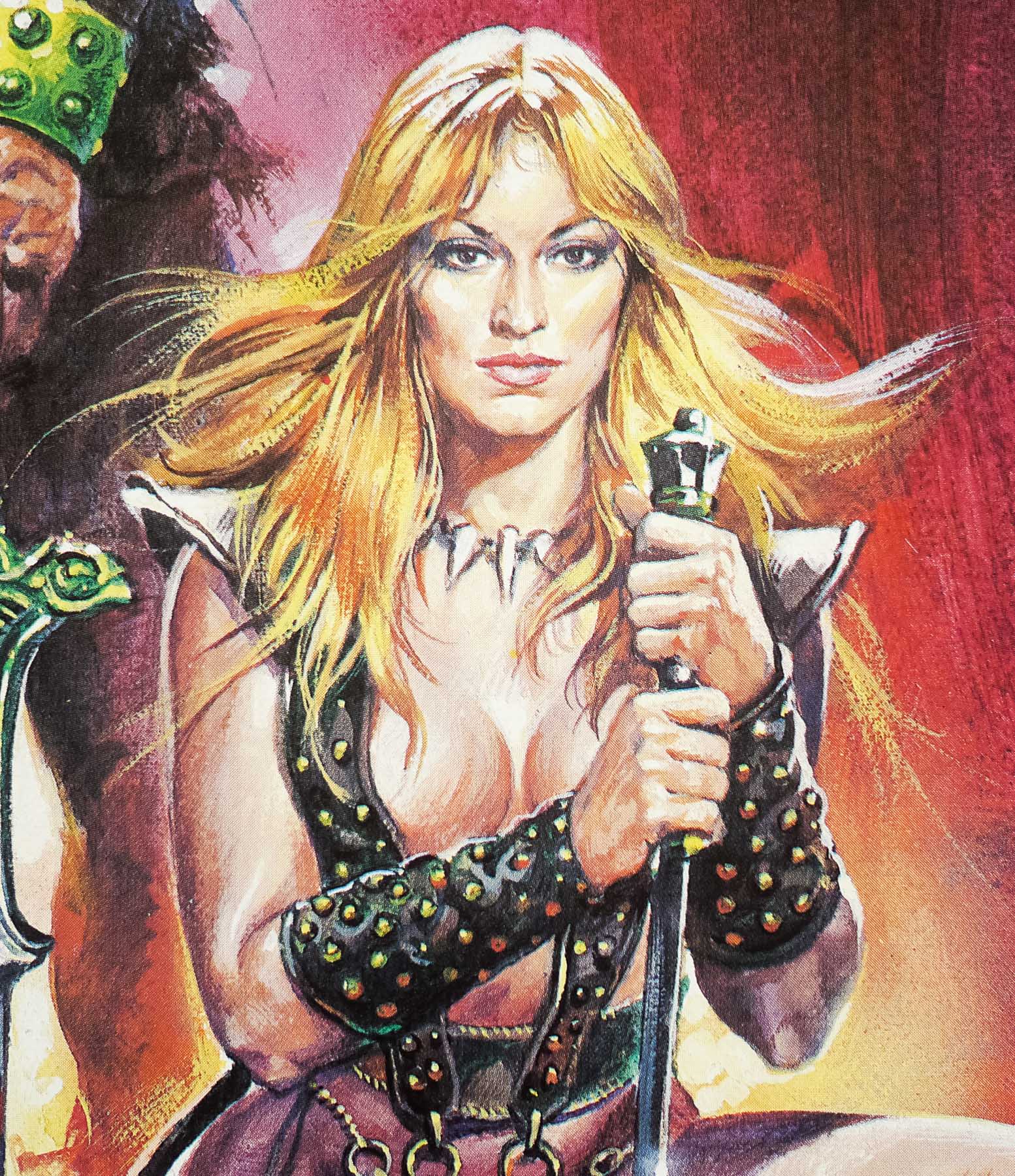
This is the final style German A1 poster (printed after the teaser) for the release of John Milius‘ swords and sorcery classic Conan the Barbarian. It was an important film in the career of actorArnold Schwarzenegger since it effectively launched his Hollywood career. The producers had seen Arnie in his documentary Pumping Iron and both felt he had the right quality for the role of the eponymous warrior. Based on the pulp novels of the 1930s by Robert E. Howard, the film sees the young barbarian Conan seek revenge for the death of his parents at the hands of Thulsa Doom (James Earl Jones), the leader of a snake cult. 

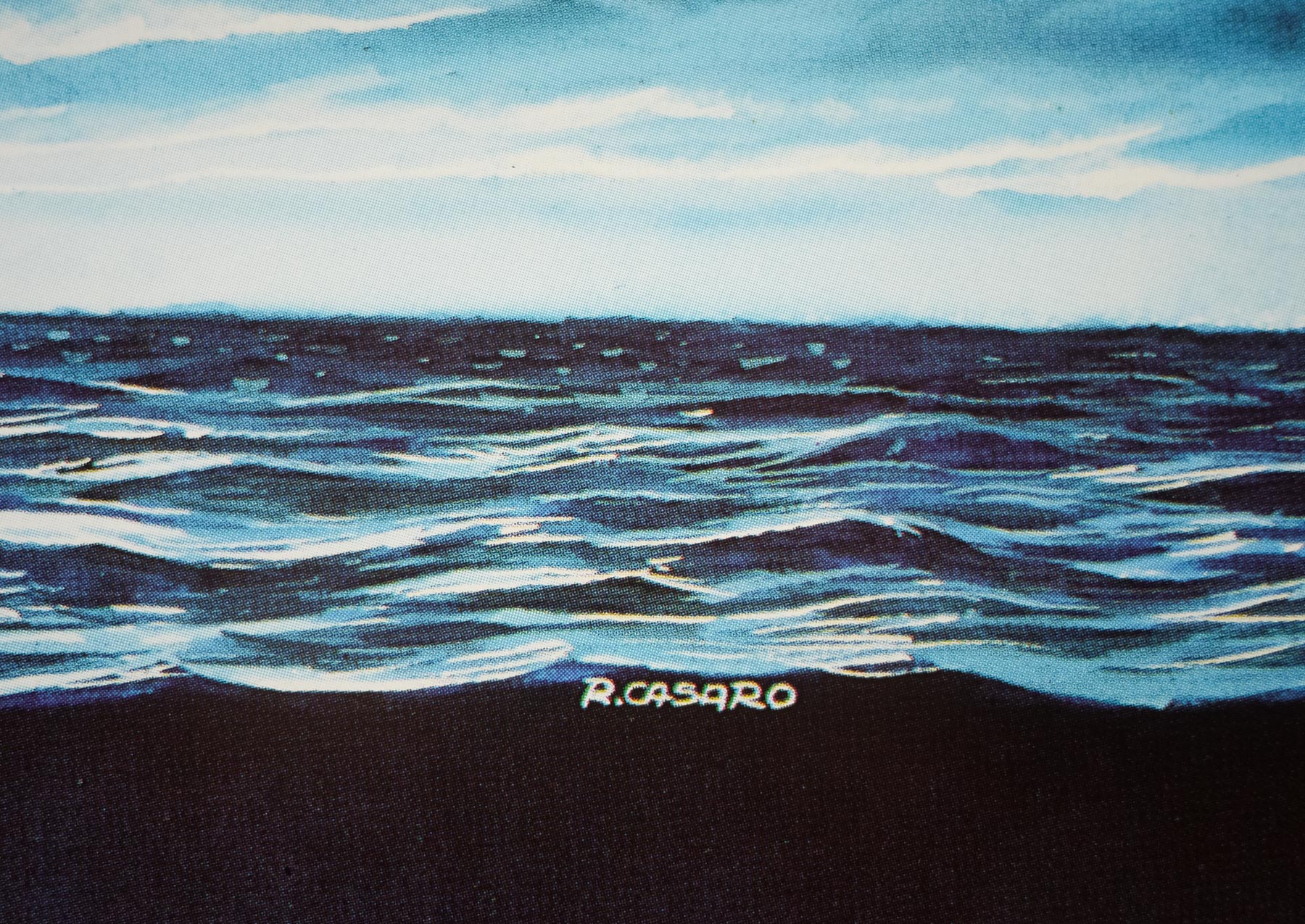
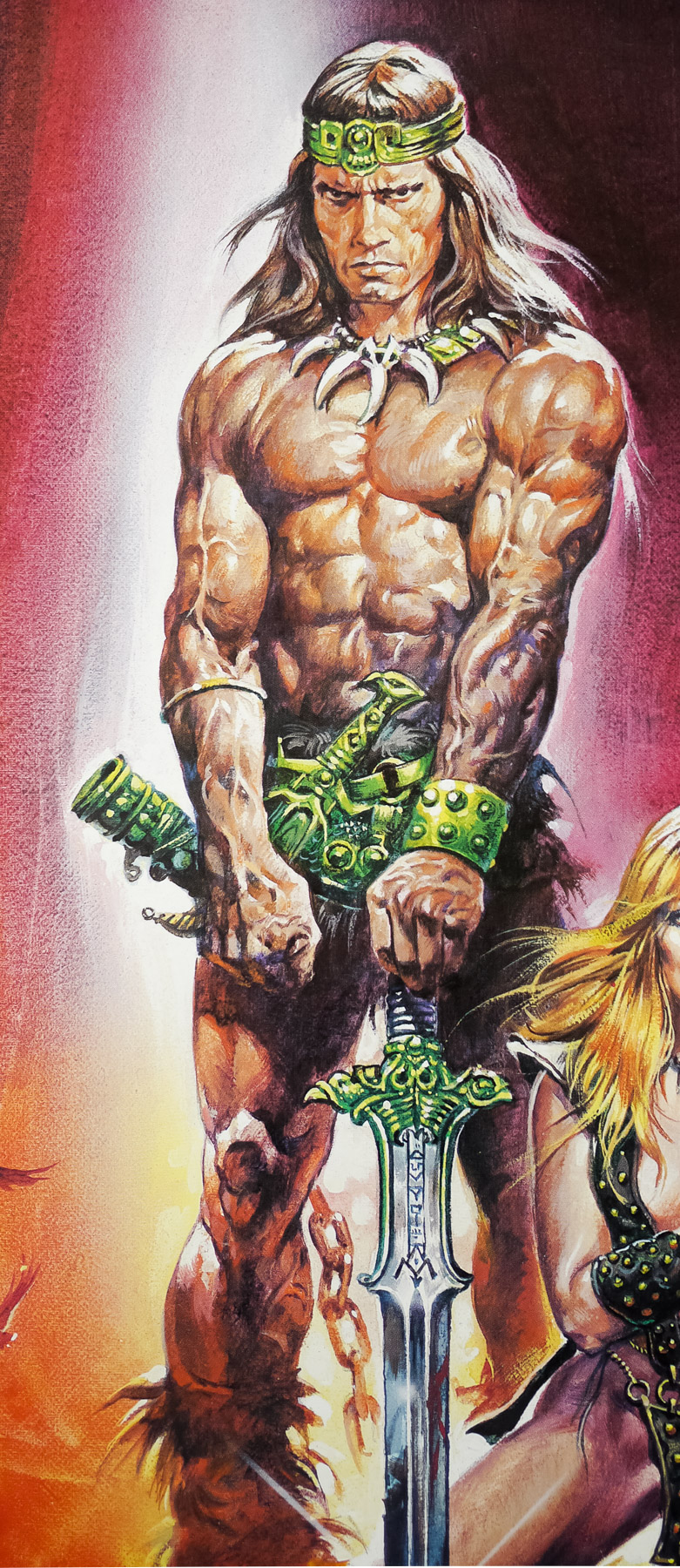
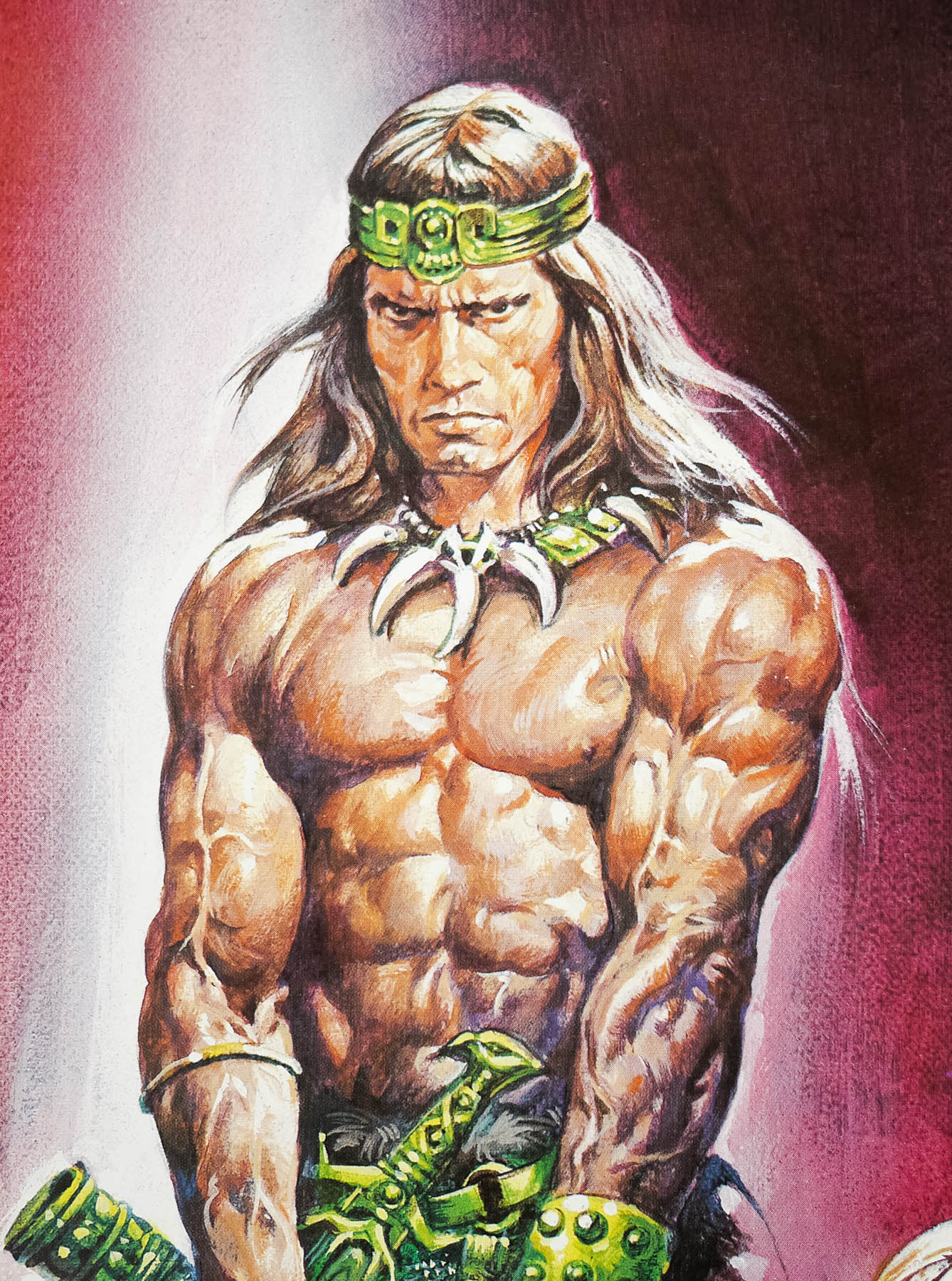
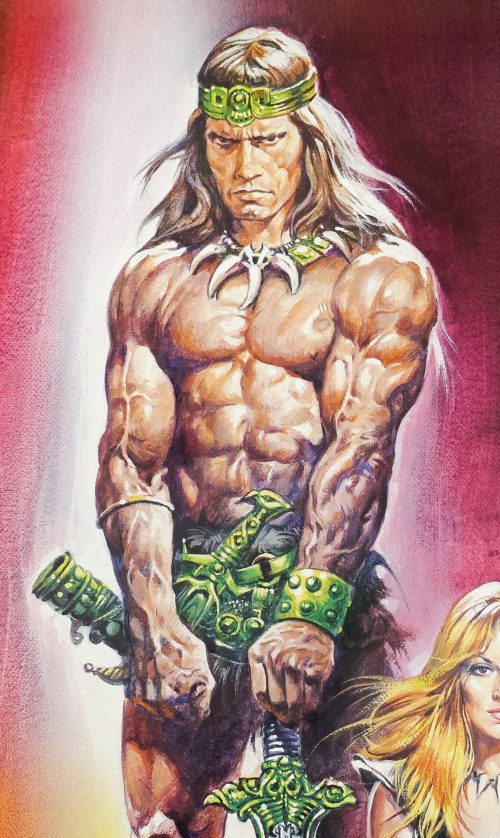
This film was also an important assignment for the Italian artist Renato Casaro who painted the artwork that was used around the world, including on the US one sheet and also adapted that artwork for this German poster at the request of a local distributor. The pose of Arnie on this poster has more in common with the US teaser poster that was painted by Frank Frazetta, although the face of the barbarian on the latter is definitely more like the original artwork for the covers of the various novels. I interviewed the artist in 2013 and the poster was mentioned several times during our meeting:

—————-

One of your big breaks was working for the Italian producer Dino De Laurentiis?
Yes, that was with a poster I did for the film he was producing called The Bible (1966). He liked what I did for him and that was the start of a good working relationship, and friendship, with him. I remember that The Bible artwork was also used in America for a huge billboard that was displayed on Sunset Boulevard in Los Angeles for several months. After that I worked on many films with De Laurentiis, including Waterloo, Flash Gordon, Dune and Conan the Barbarian, which was possibly the most important for me in many ways as it was used across the world and really helped to get my name out there as an artist.

You visited many different countries at this time?
Yes, one week I might be in the UK, the next in France or Germany or Spain, and then I might be over to the States for one week before returning home. I would visit the set of the film or perhaps the production office to meet the various people involved with it.

One of the most memorable trips I had was over here to Almeria, Spain to visit the set of Conan the Barbarian, which was a Dino De Laurentiis production. I remember the set was stupendous. It was like a piece of old America had been reconstructed in Spain. The village set was here and it was brilliantly done with lots of detail. I recall that the light and ambience over here really fascinated me and I promised myself then that I would return. Years later, I hadn’t forgotten about it and decided that it was time to return here and that’s when I built this house and decided to live most of the year in Spain.

——————

Did you meet Arnold Schwarzenegger when you worked on posters for his films?
Ah, yes, sure. We first met on the set of Conan in Almeria and it was strange because back then no one on the set knew who he was, just that he had this powerful body and a handsome face. Nobody working on the film had any idea how famous he would eventually become! He was a nice guy and I enjoyed working on the poster for the film. I took lots of photographs on the set whilst they were filming and John Milius, the director, was very helpful. I spent some time with him to understand the vision of the film.

——————

Is there one poster that you’re most proud of?
Not really, I’m pleased with how different many of my posters are, both in terms of the style with which I painted them and for the layouts and concepts I used. There are posters like the one I did for Conan that really bring back good memories when I look at them or that were a really important milestone in my career, but there are many other posters I’m also proud to have worked on.

——————

Also worth reading is the brief interview with Renato on the Conan Completist website, which specifically mentions the German poster:

——————

Usually, when a film goes to other countries, the poster changes. Were you involved too in some of the foreign posters?
Yes. The German version, for example, was specifically done on request of the German distributor as to produce a huge display to be put in the cinema entrances. The painting, therefore, was done by me. Sometimes other elements were added into the key art, like in the Thai version, but I’m not concerned with that.

—————–

To see the other posters I’ve collected by Renato click here.
Conan the Barbarian / A1 / teaser / Germany

23.06.14

Poster Poster
Title
Conan The Barbarian
AKA
--
Year of Film
1982
Director
John Milius
Starring
Arnold Schwarzenegger, James Earl Jones, Sandahl Bergman, Mako, Gerry Lopez, Max von Sydow
Origin of Film
USA
Genre(s) of Film
Arnold Schwarzenegger, James Earl Jones, Sandahl Bergman, Mako, Gerry Lopez, Max von Sydow,
Type of Poster
A1
Style of Poster
Teaser
Origin of Poster
Germany
Year of Poster
1982
Designer
Renato Casaro
Artist
Renato Casaro
Size (inches)
23 6/16" x 33"
SS or DS
SS
Tagline
--

This is the teaser style German A1 poster for the release of John Milius‘ swords and sorcery classic Conan the Barbarian. It was an important film in the career of actor Arnold Schwarzenegger since it effectively launched his Hollywood career. The producers had seen Arnie in his documentary Pumping Iron and both felt he had the right quality for the role of the eponymous warrior. Based on the pulp novels of the 1930s by Robert E. Howard, the film sees the young barbarian Conan seek revenge for the death of his parents at the hands of Thulsa Doom (James Earl Jones), the leader of a snake cult. 

This film was also an important assignment for the Italian artist Renato Casaro who painted the artwork that was used around the world, including on the US one sheet and also adapted that artwork for this German poster at the request of a local distributor. The pose of Arnie on this poster has more in common with the US teaser poster that was painted by Frank Frazetta, although the face of the barbarian on the latter is definitely more like the original artwork for the covers of the various novels. I interviewed the artist in 2013 and the poster was mentioned several times during our meeting:

—————-

One of your big breaks was working for the Italian producer Dino De Laurentiis?
Yes, that was with a poster I did for the film he was producing called The Bible (1966). He liked what I did for him and that was the start of a good working relationship, and friendship, with him. I remember that The Bible artwork was also used in America for a huge billboard that was displayed on Sunset Boulevard in Los Angeles for several months. After that I worked on many films with De Laurentiis, including Waterloo, Flash Gordon, Dune and Conan the Barbarian, which was possibly the most important for me in many ways as it was used across the world and really helped to get my name out there as an artist.

You visited many different countries at this time?
Yes, one week I might be in the UK, the next in France or Germany or Spain, and then I might be over to the States for one week before returning home. I would visit the set of the film or perhaps the production office to meet the various people involved with it.

One of the most memorable trips I had was over here to Almeria, Spain to visit the set of Conan the Barbarian, which was a Dino De Laurentiis production. I remember the set was stupendous. It was like a piece of old America had been reconstructed in Spain. The village set was here and it was brilliantly done with lots of detail. I recall that the light and ambience over here really fascinated me and I promised myself then that I would return. Years later, I hadn’t forgotten about it and decided that it was time to return here and that’s when I built this house and decided to live most of the year in Spain.

——————

Did you meet Arnold Schwarzenegger when you worked on posters for his films?
Ah, yes, sure. We first met on the set of Conan in Almeria and it was strange because back then no one on the set knew who he was, just that he had this powerful body and a handsome face. Nobody working on the film had any idea how famous he would eventually become! He was a nice guy and I enjoyed working on the poster for the film. I took lots of photographs on the set whilst they were filming and John Milius, the director, was very helpful. I spent some time with him to understand the vision of the film.

——————

Is there one poster that you’re most proud of?
Not really, I’m pleased with how different many of my posters are, both in terms of the style with which I painted them and for the layouts and concepts I used. There are posters like the one I did for Conan that really bring back good memories when I look at them or that were a really important milestone in my career, but there are many other posters I’m also proud to have worked on.

——————

Also worth reading is the brief interview with Renato on the Conan Completist website, which specifically mentions the German poster:

——————

Usually, when a film goes to other countries, the poster changes. Were you involved too in some of the foreign posters?
Yes. The German version, for example, was specifically done on request of the German distributor as to produce a huge display to be put in the cinema entrances. The painting, therefore, was done by me. Sometimes other elements were added into the key art, like in the Thai version, but I’m not concerned with that.

—————–

To see the other posters I’ve collected by Renato click here.
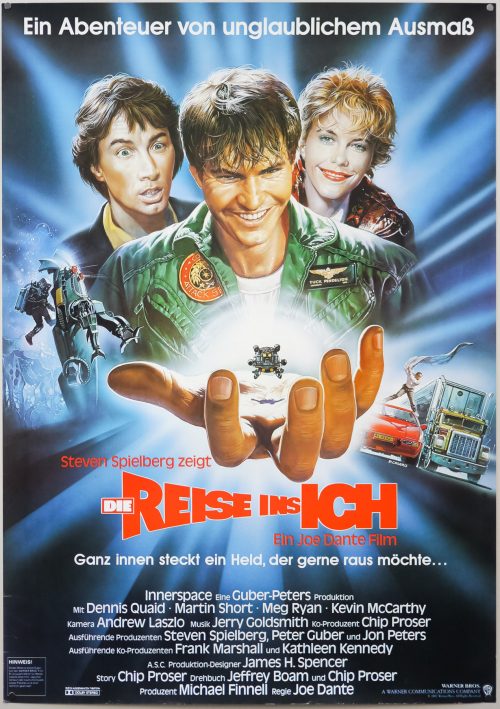
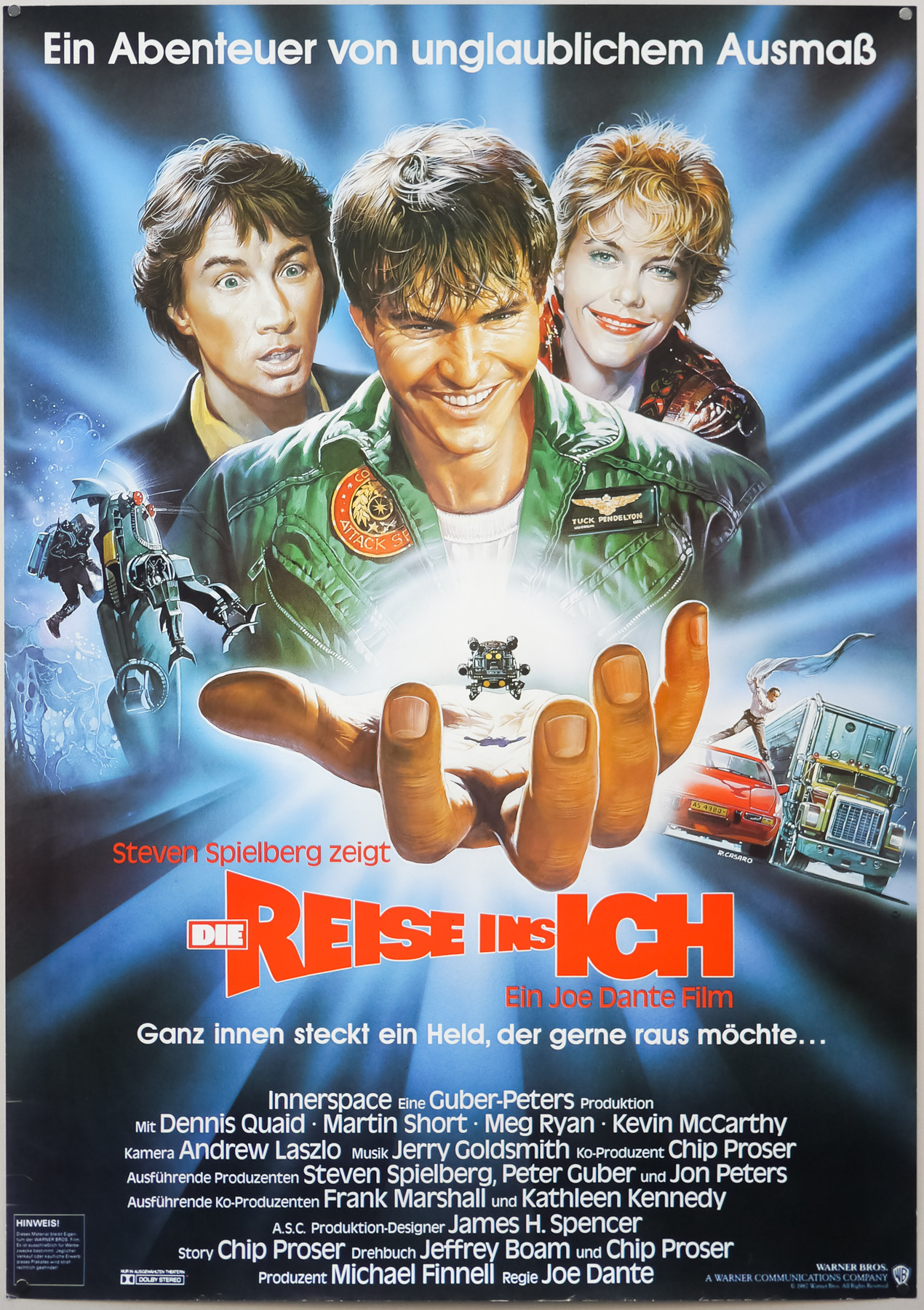
Innerspace / A1 / Germany

11.03.14

Poster Poster

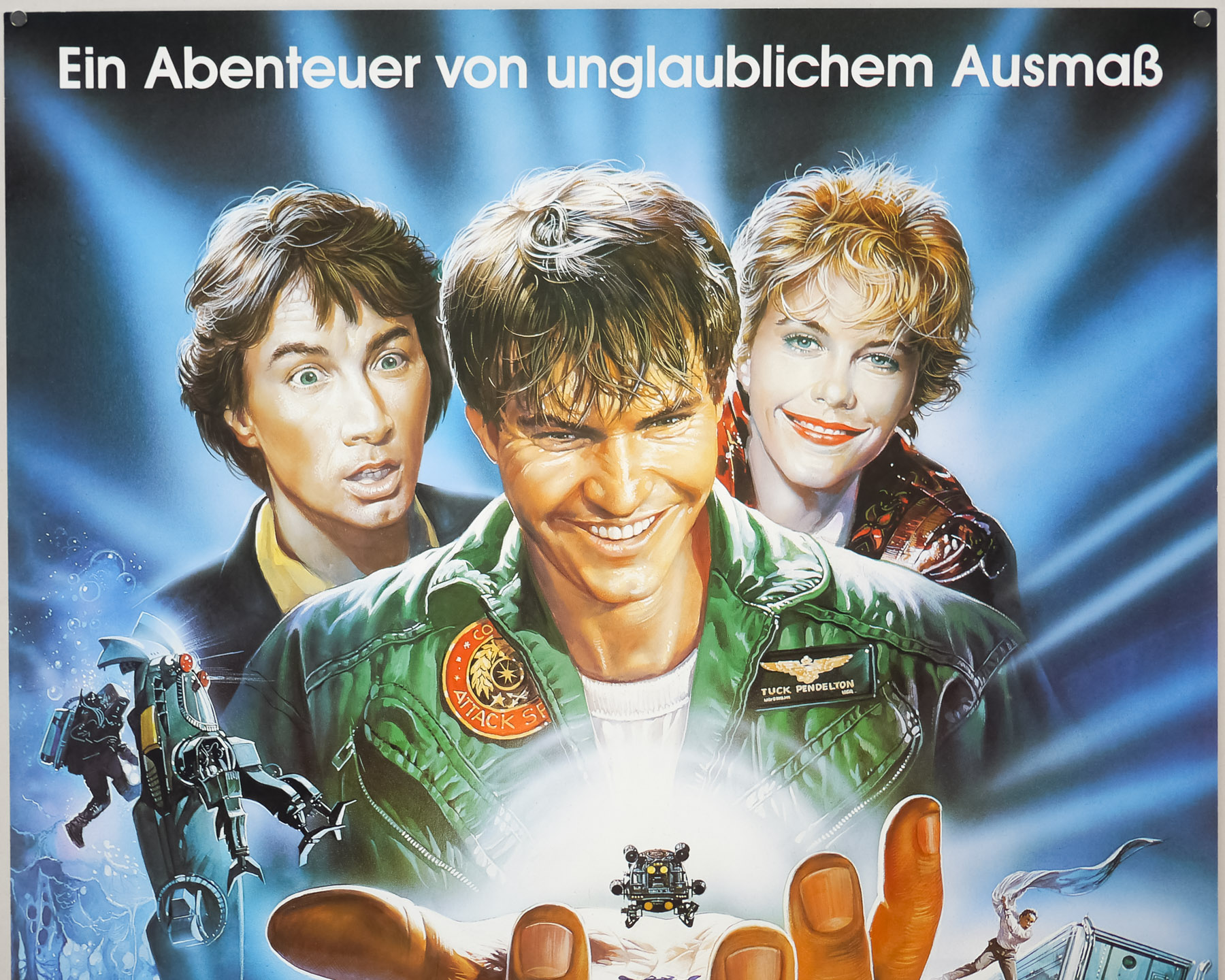
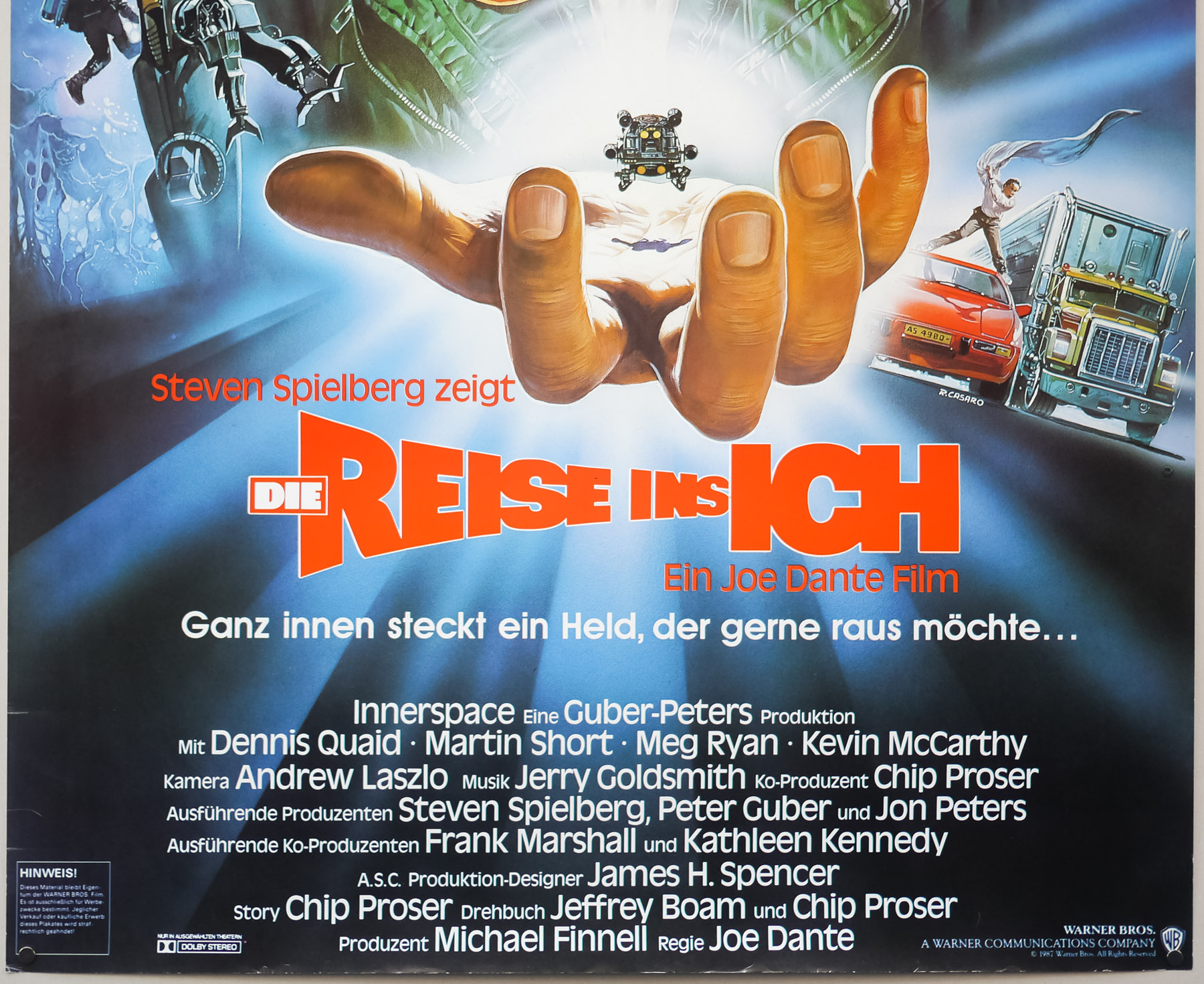
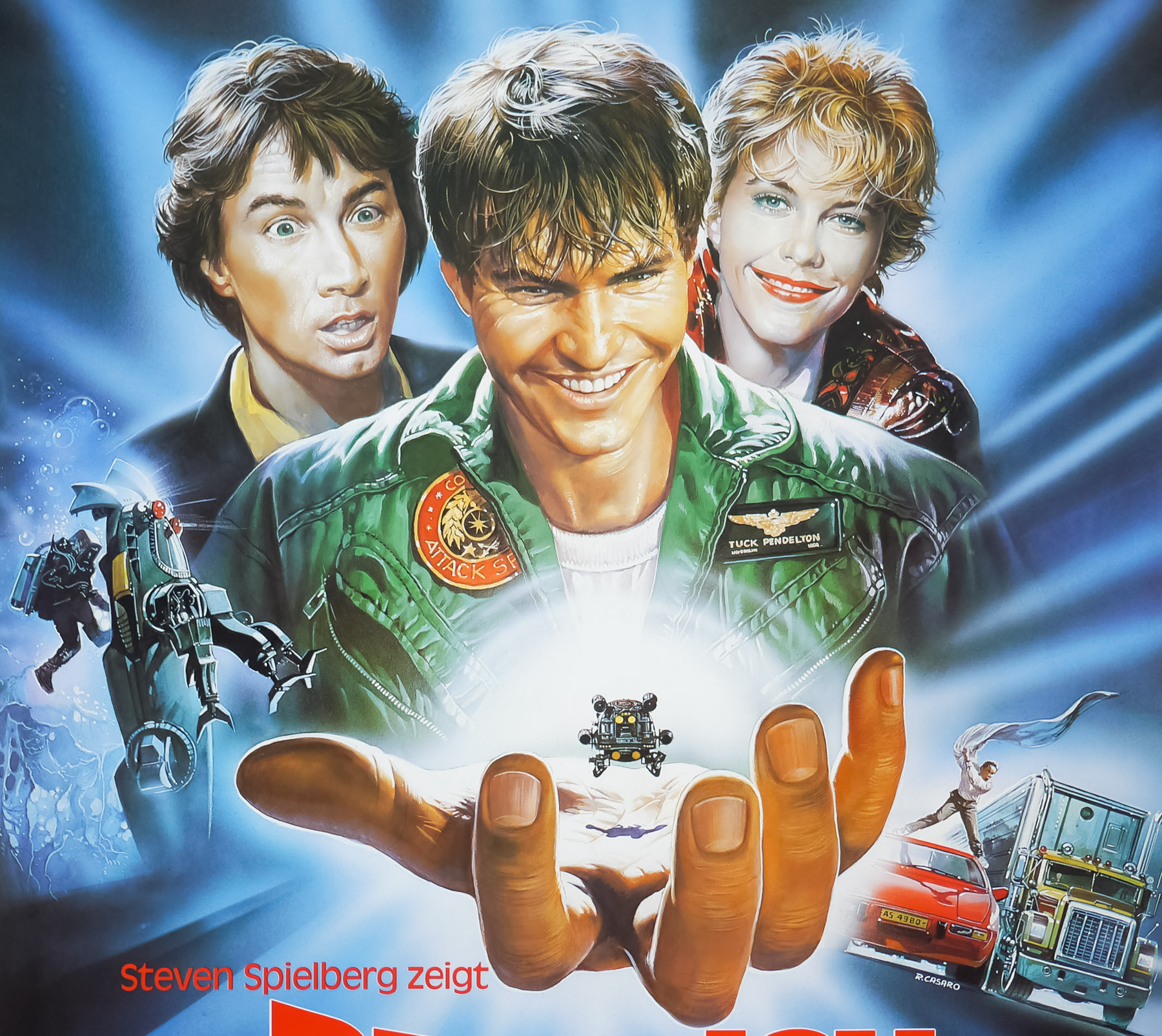
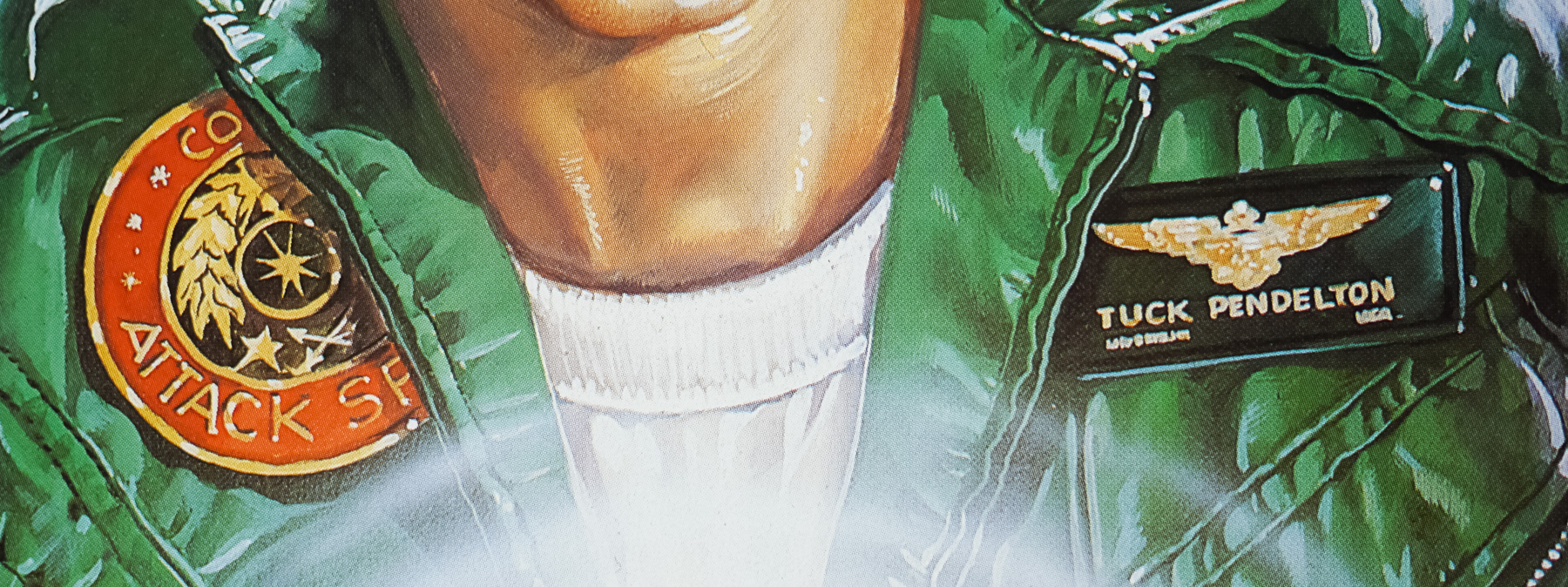
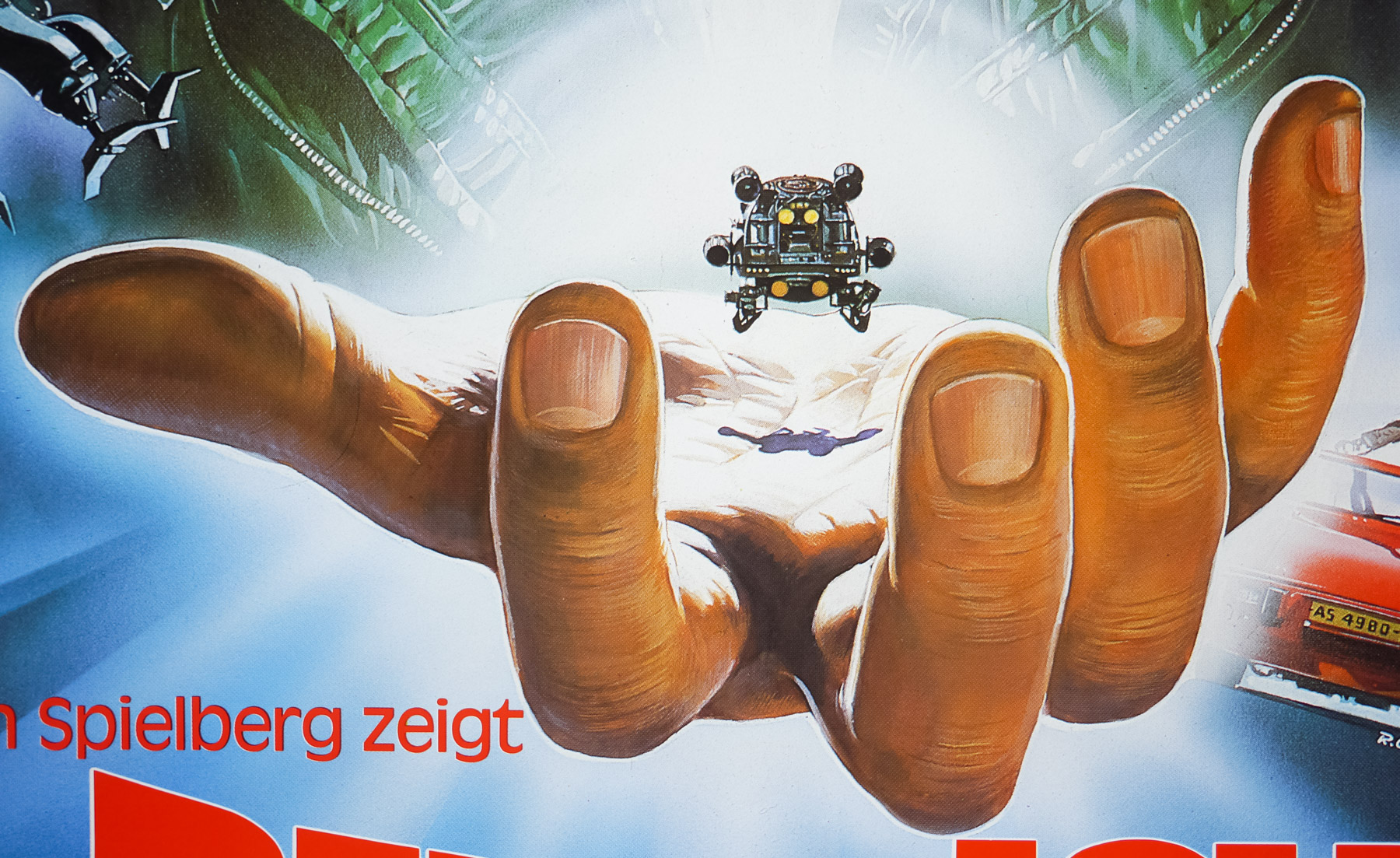
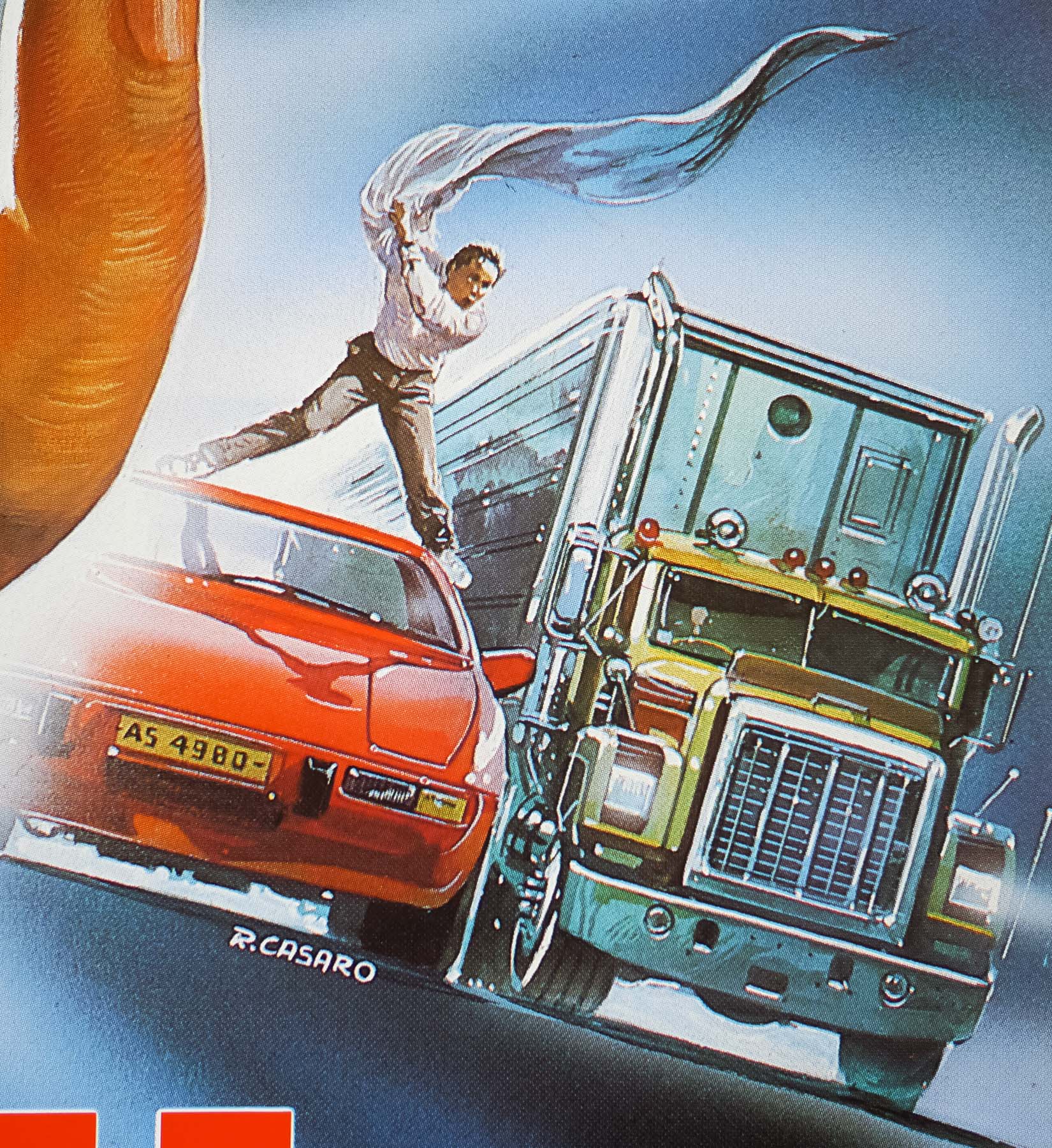
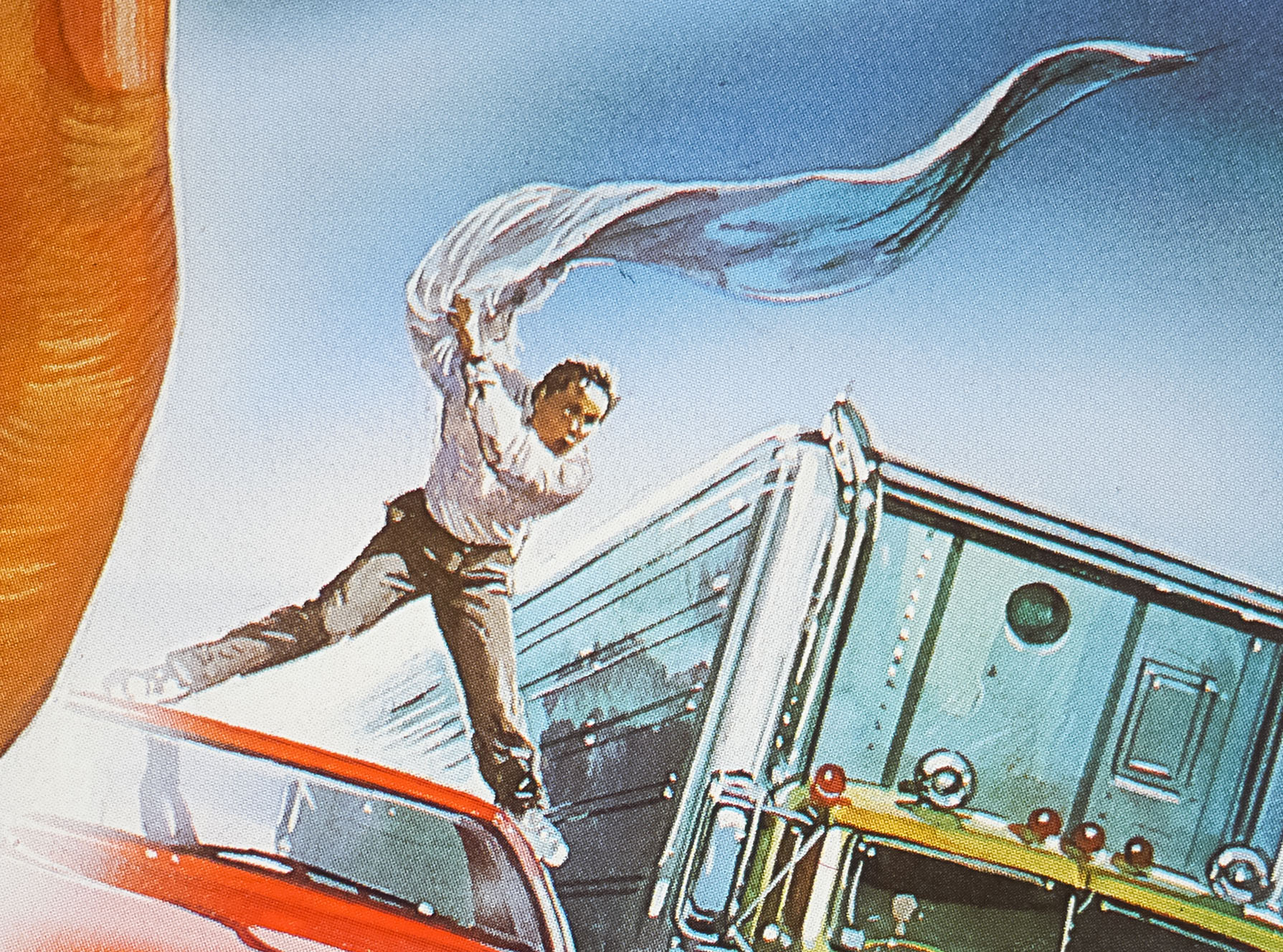
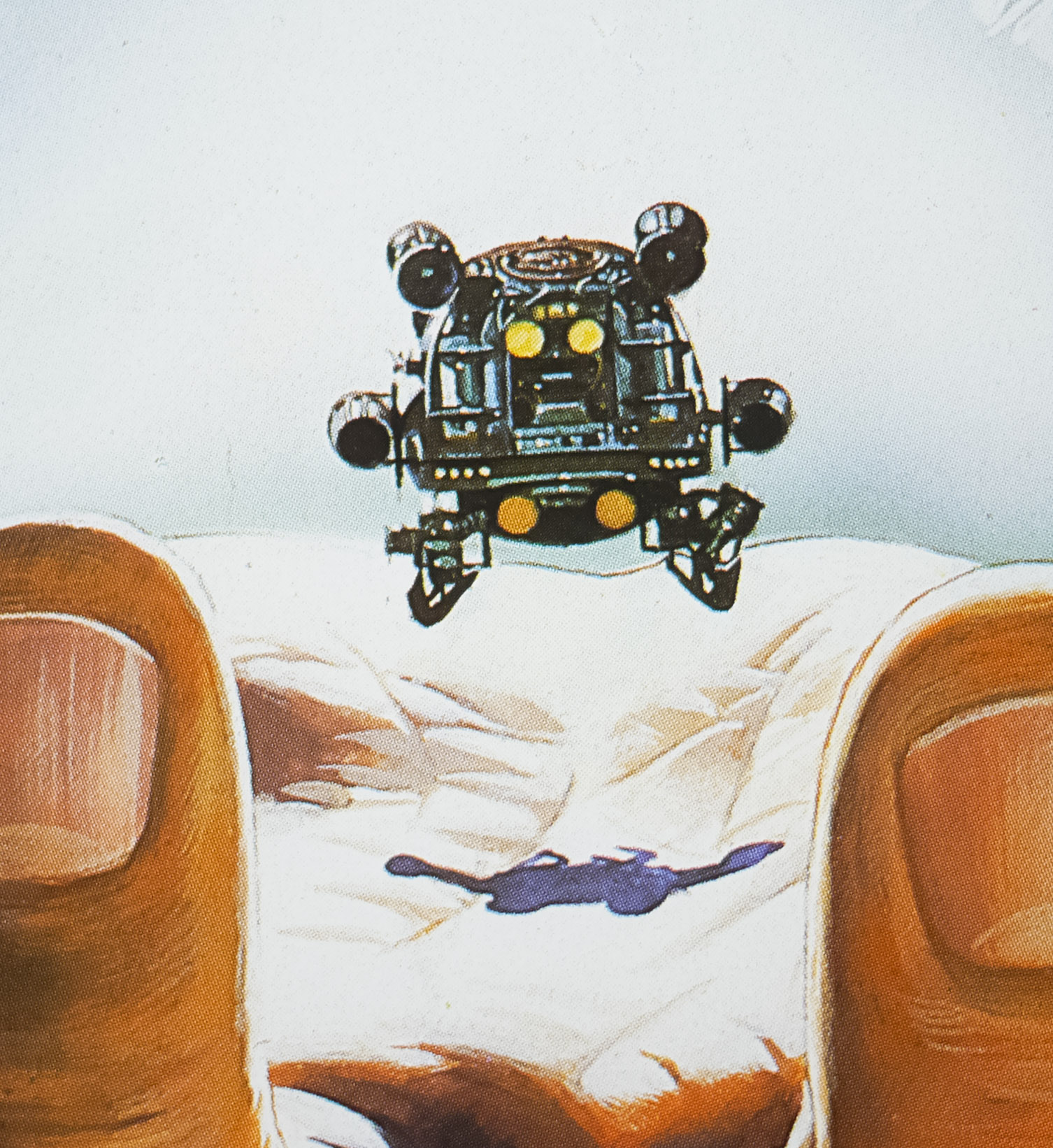
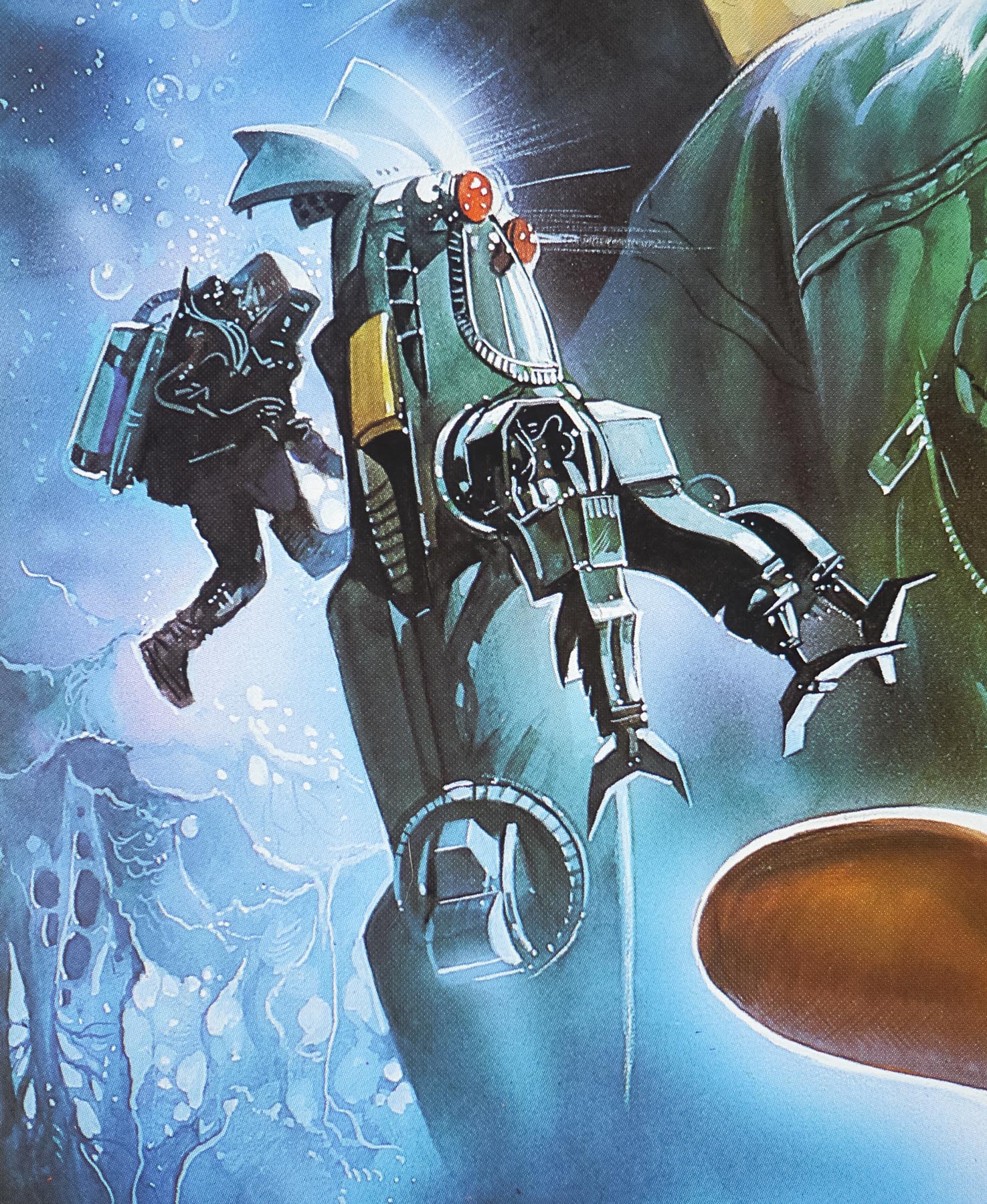
This is the German A1 poster for the release of Joe Dante’s 1987 sci-fi comedy Innerspace, in which Dennis Quaid plays the brilliantly named Tuck Pendleton, a loudmouth test pilot who is shrunken to miniature size as part of an experiment and then accidentally injected into the body of hypochondriac Jack Putter (Martin Short) during a robbery at a science lab. Madcap high-jinks ensue and the films nods heavily in the direction of the classic sci-fi film Fantastic Voyage. The film is definitely one of the high points in the myriad of high-concept films of the 1980s and I rate it as one of Joe Dante’s best films.

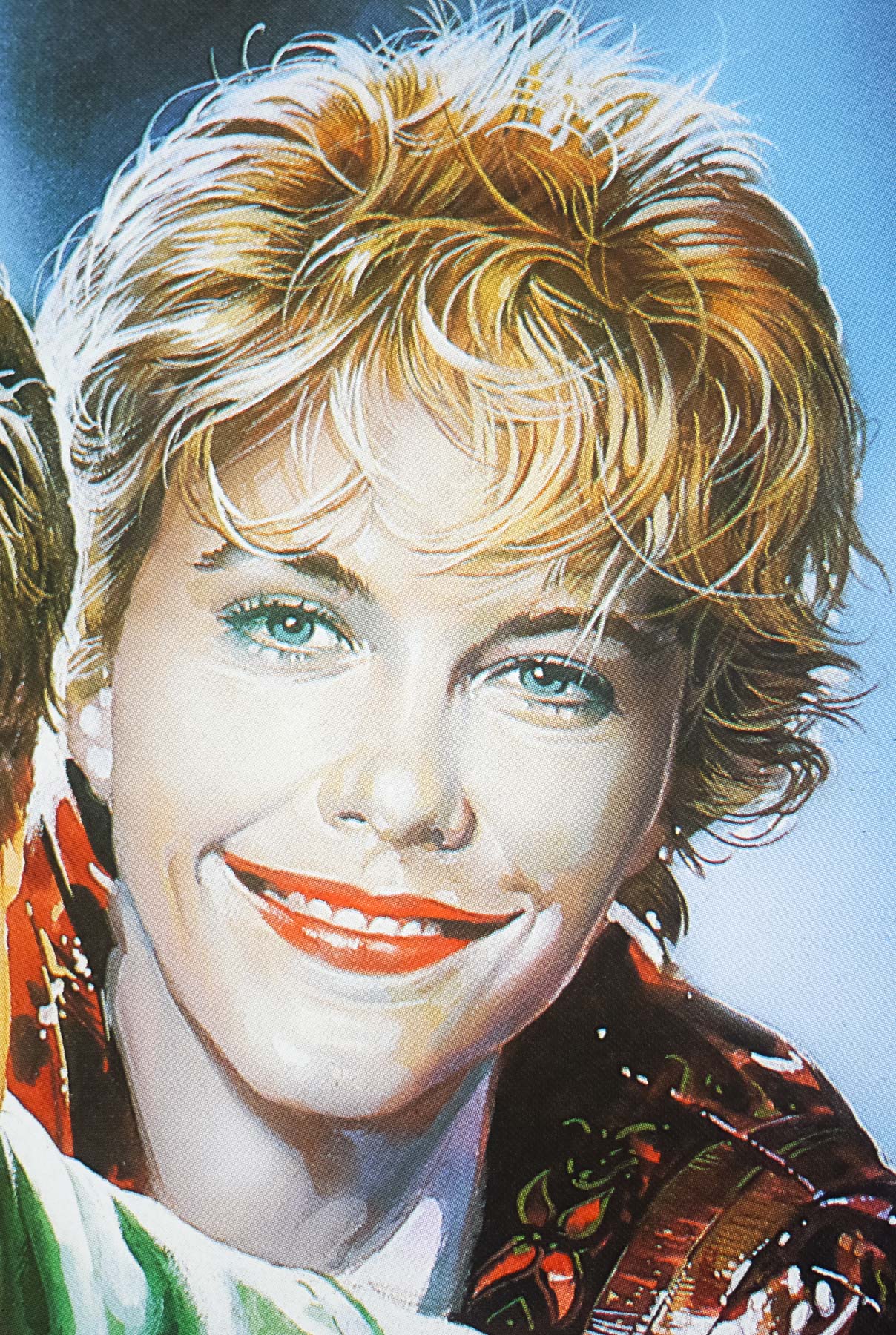
The poster was designed and painted by one of my favourite artists, Renato Casaro, an Italian with a prolific movie poster output that lasted over 35 years. He began his career in 1953, aged 19, at the famous Studio Favalli in Rome and would go on to design and paint posters for many of the biggest directors in the world. His skill at accurately portraying actors and his brilliant use of colour and composition saw him much in demand from studios and actors alike.

His artwork has featured on posters used in multiple countries, including Japan, Germany, USA as well as in his native Italy. Check out the incredible amount of work on his official website here, which also features a biography of the artist.

In March 2014 I published an exclusive interview with Renato and it can be read by clicking here. This artwork was also used for the UK video release cover and accompanying poster. To see the other posters I have collected for Innerspace click here. The other posters I’ve collected by Renato Casaro are here.

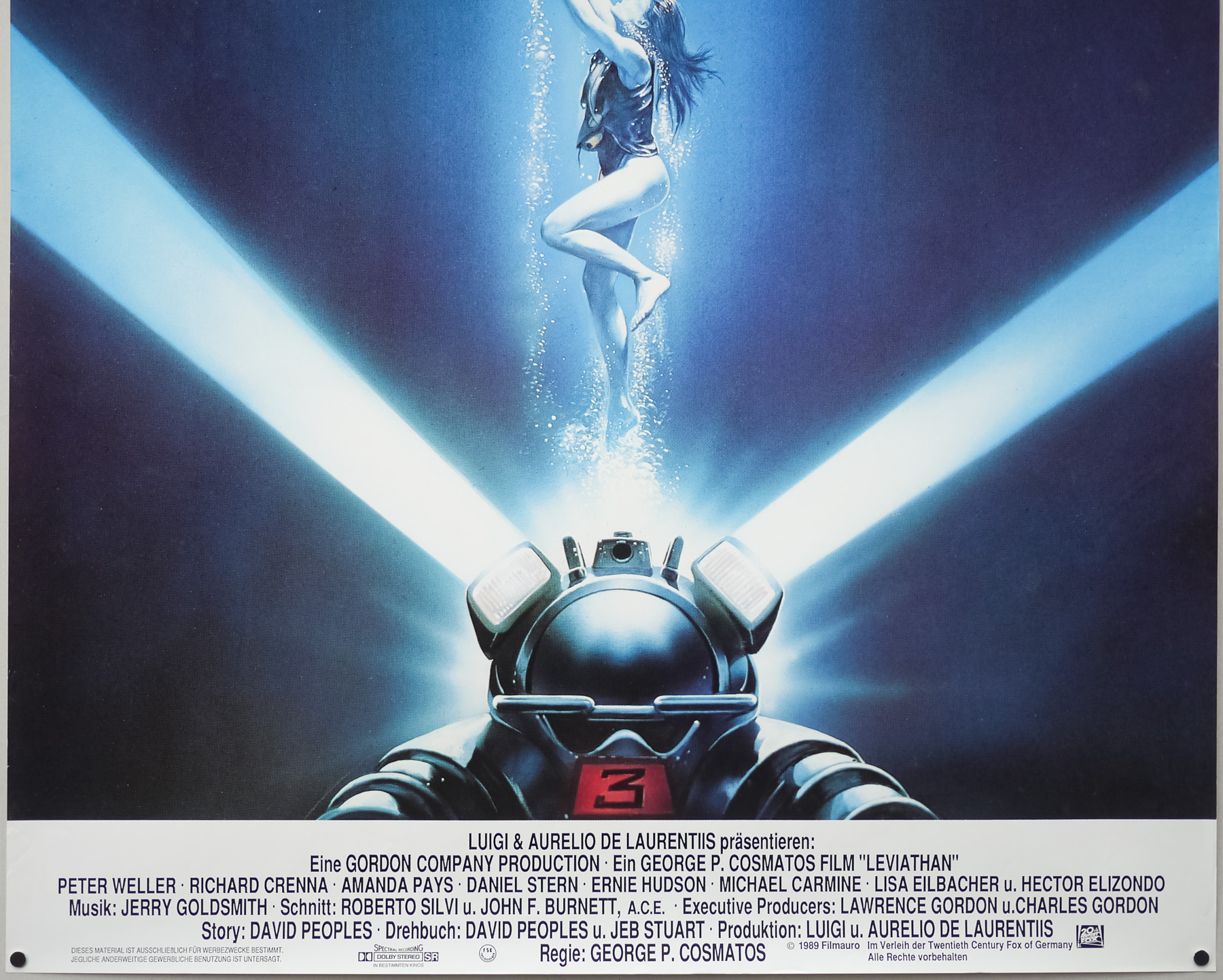
Leviathan / A1 / Germany

04.02.15

Poster Poster

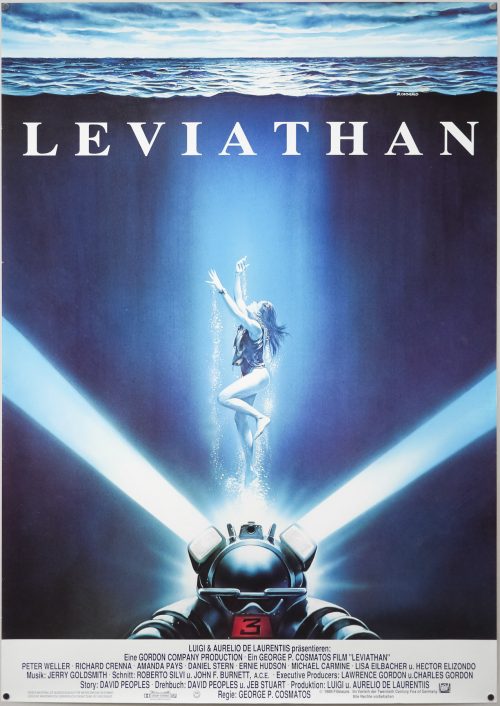
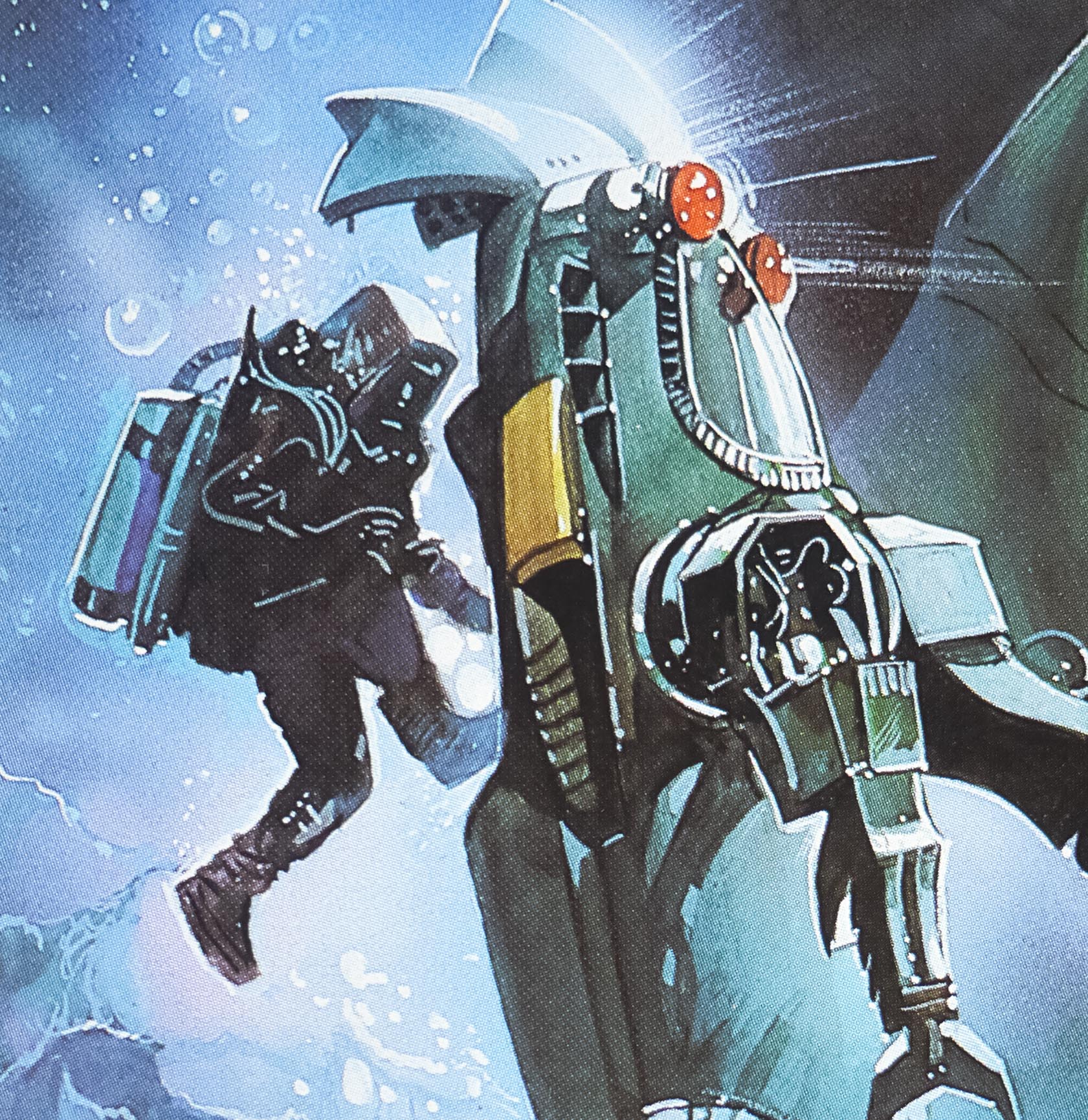
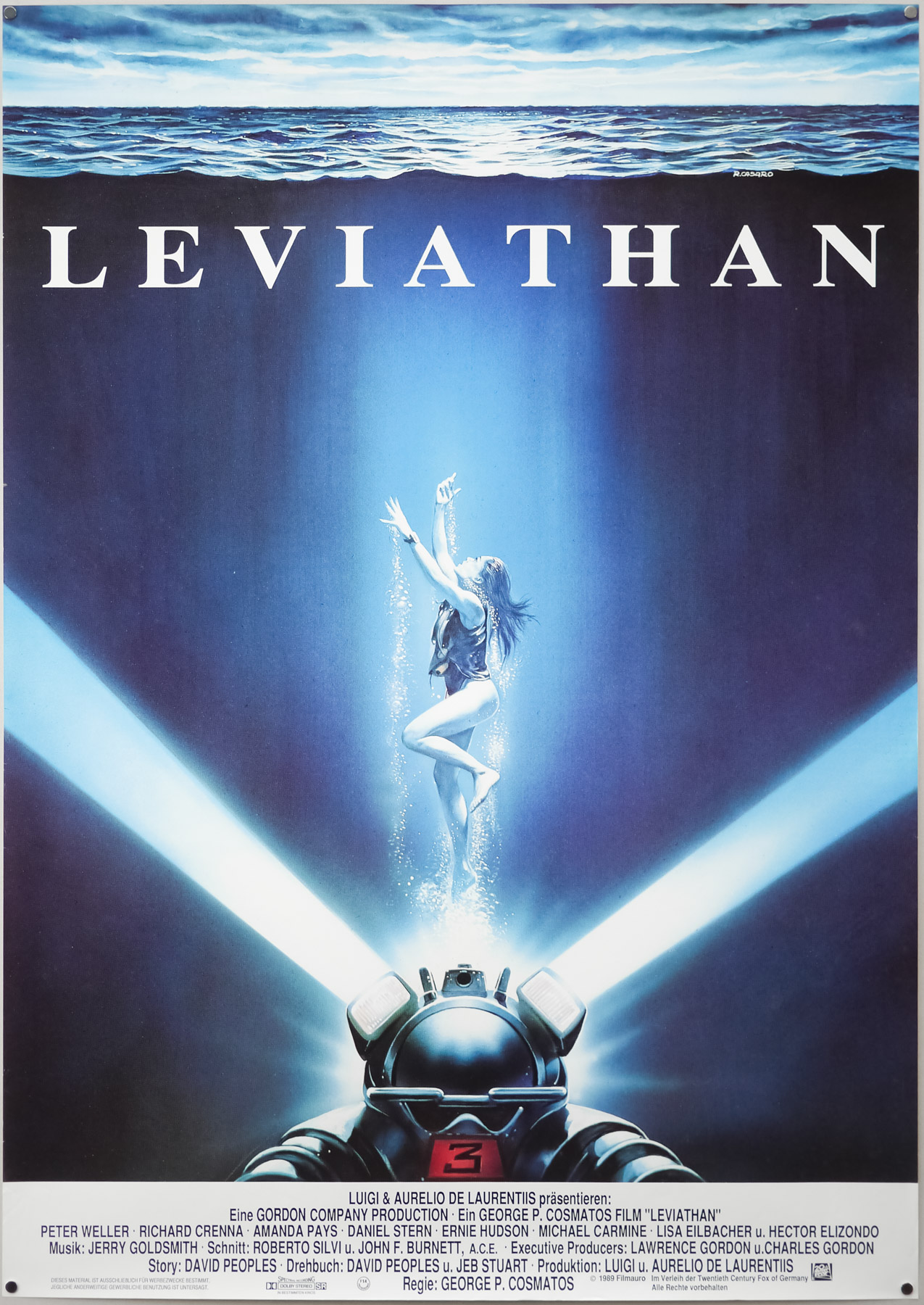
Leviathan was one of multiple ‘aliens in the deep’ films released in 1989, with James Cameron’s The Abyss being by far the most successful and memorable of the lot (which also included Deep Star Six and The Evil Below). I have absolutely no idea what made Hollywood decide that underwater peril was the situation du jour at that time, but it wasn’t to last as most of the films performed badly at the box-office and made little critical impact. Only Cameron’s film would go on to gather any kind of cult following and the release of a Director’s Cut of the film certainly helped.

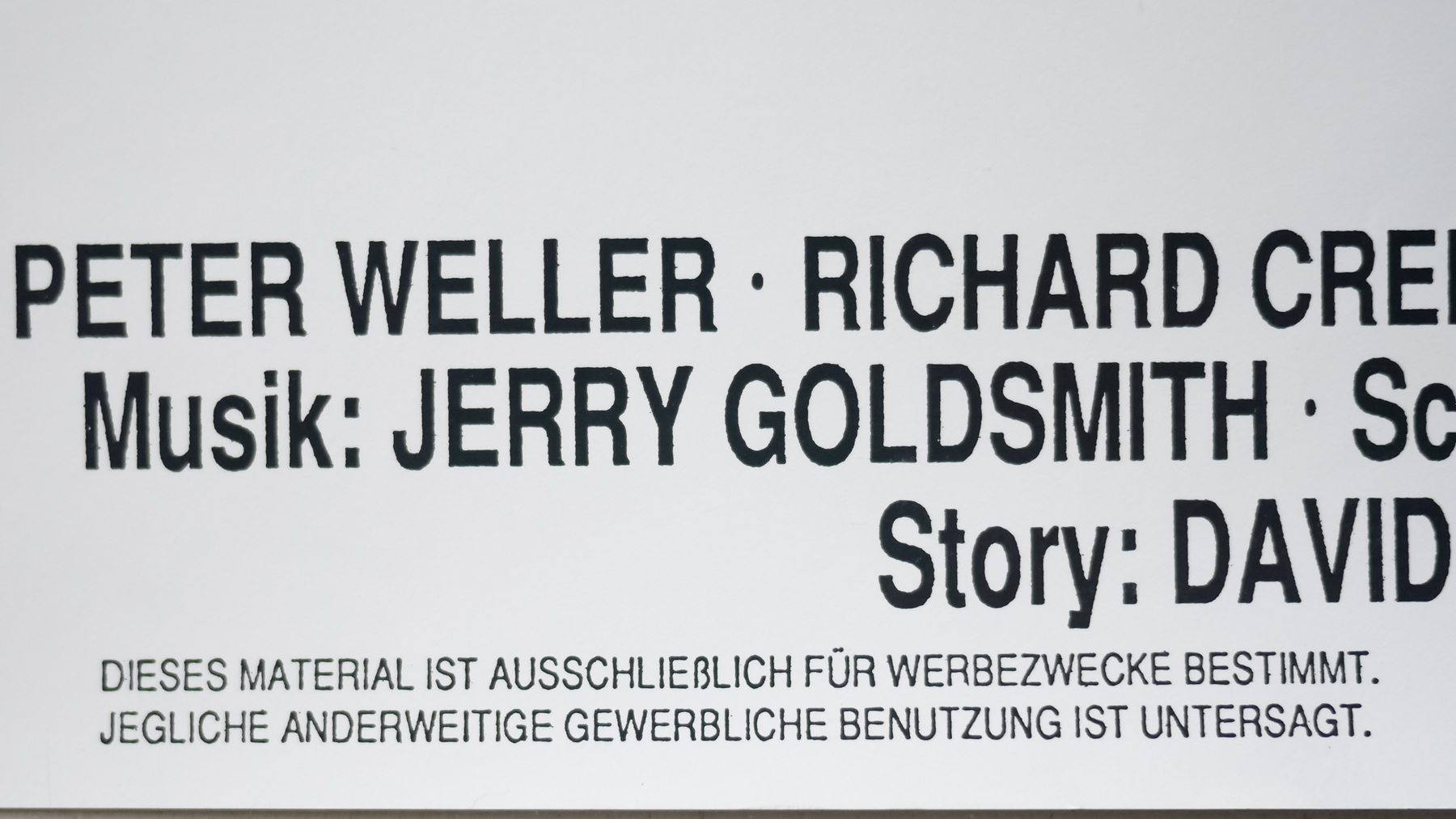
Leviathan is set on a deep-sea mining platform with a crew of eight, including geologist Steven Beck (Peter Weller) a new recruit brought in by the Tri-Oceanic Corp to manage the team. During a routine dive one of the crew slips, falling down a ravine and when they land they discover the wreck of a Soviet submarine called Leviathan hidden in a trench. The team manage to salvage a safe from within the ship and bring it back onto the rig.

After opening it up they discover records relating to the death of crew members of the Leviathan as well as what appears to be a bottle of Vodka. Beck and the crew doctor investigate the fate of the submarine whilst some of the other crew members decide to partake in some of the booze. Unbeknownst to them it contains an alien pathogen which causes the pair who drink it to develop severe rashes and then perish before reanimating as a hideously twisted creature (very much in the vein of the creations seen in John Carpenter’s The Thing). Although Beck and the others manage to expel the creature from the rig, part of it remains onboard and mutates into a multi-tentacled beast which stalks the rest of the crew forcing them to fight for their lives and ultimately abandon the platform.

Unfortunately the film fails to generate much in the way of horror or tension and, though the set designs are top notch, the creature effects are largely woeful, particularly the painfully obviously man in bad rubber suit final version of the creature. Weller gives it his best shot but fails to convince as a hero. Apparently the film was originally going to have more in the way of creature effects and there are clearly whole scenes missing, which all points to studio interference.

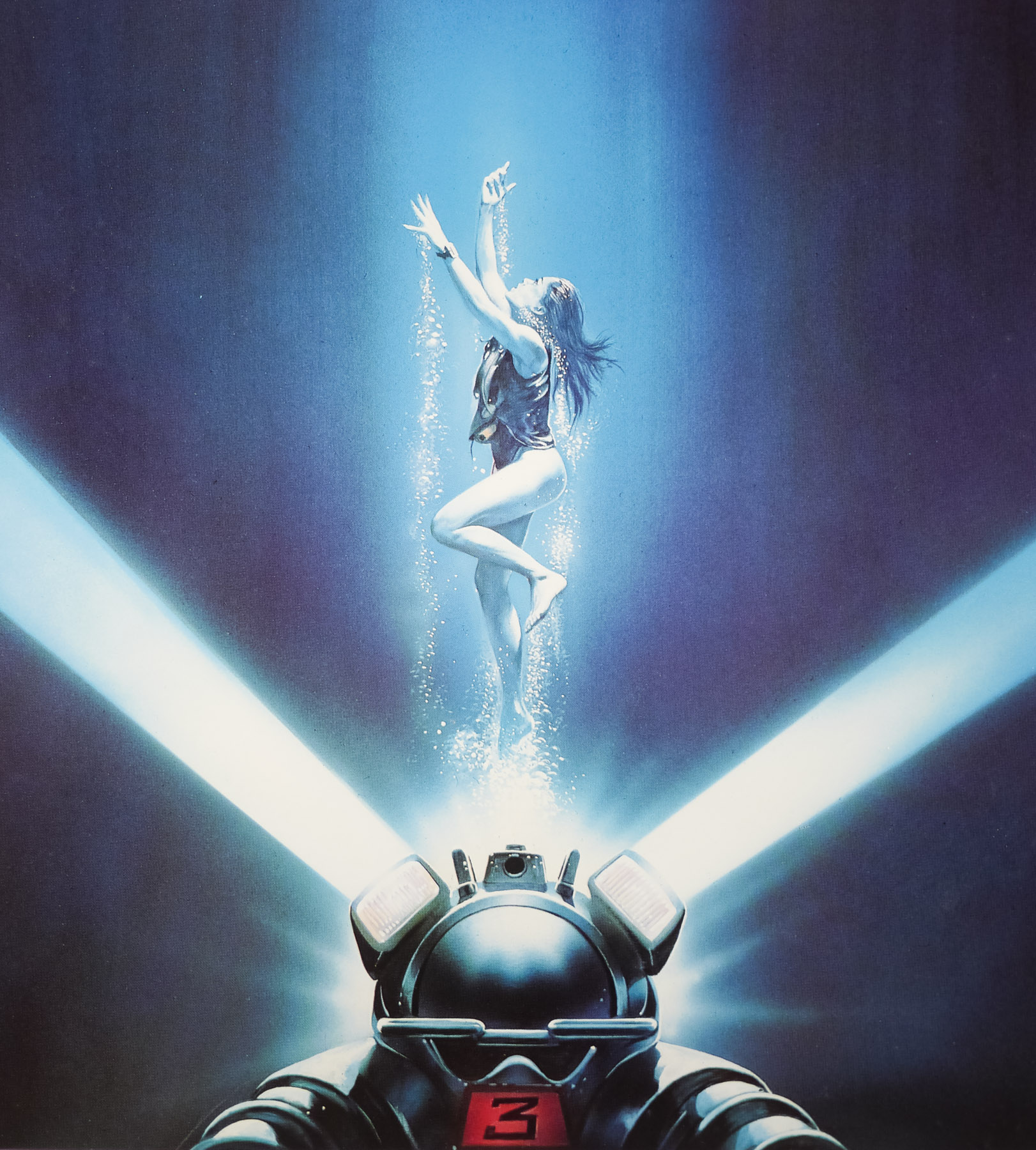
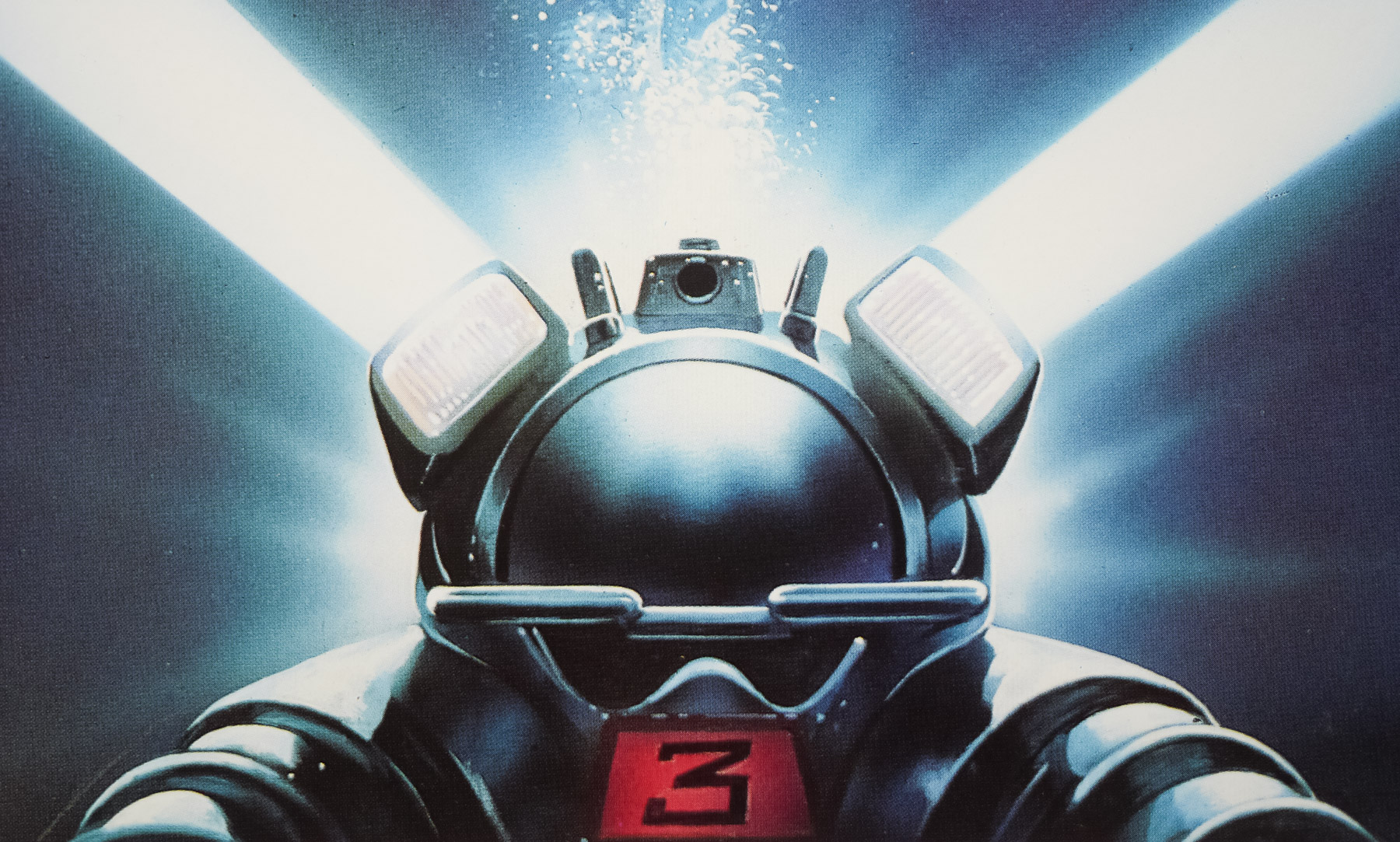
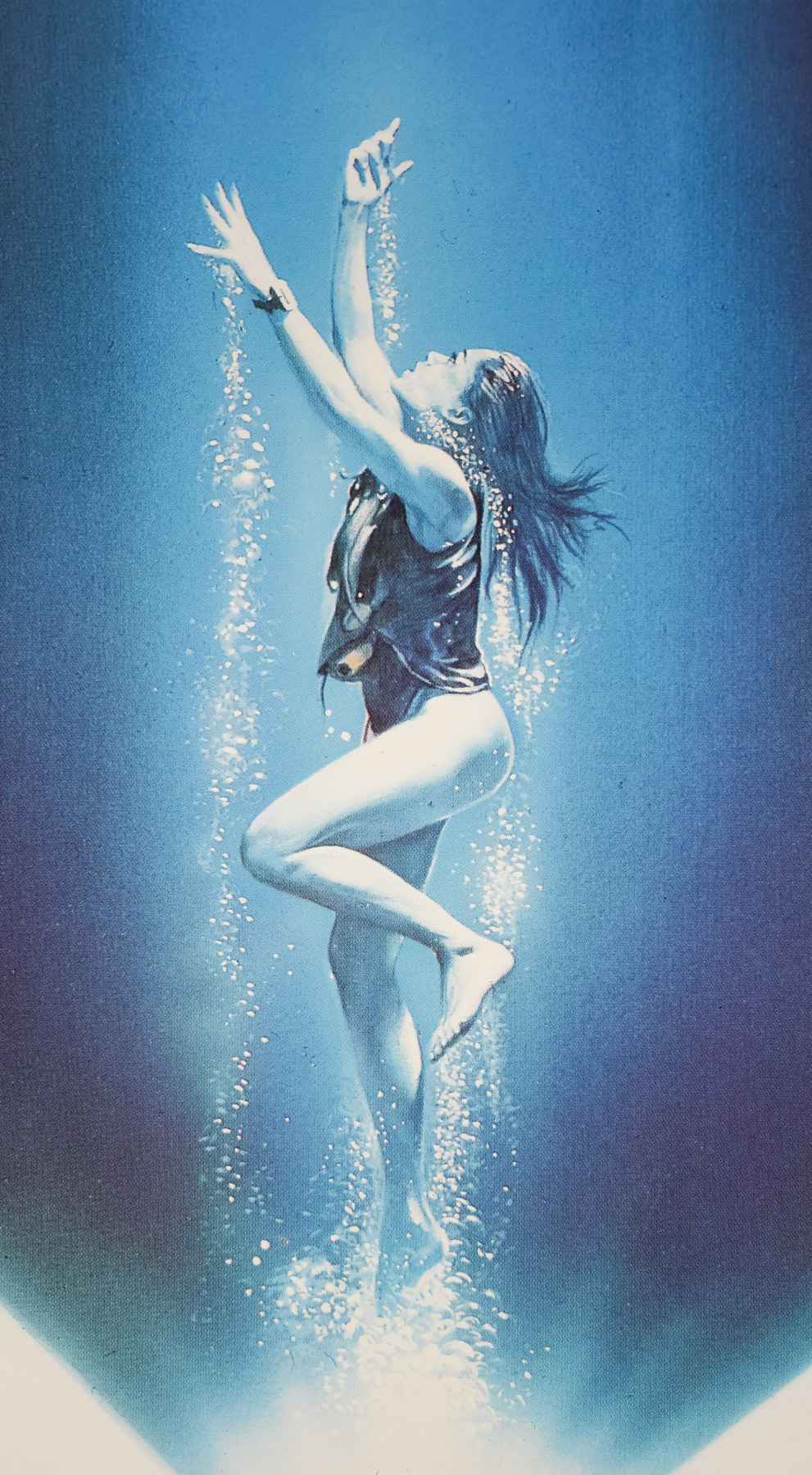
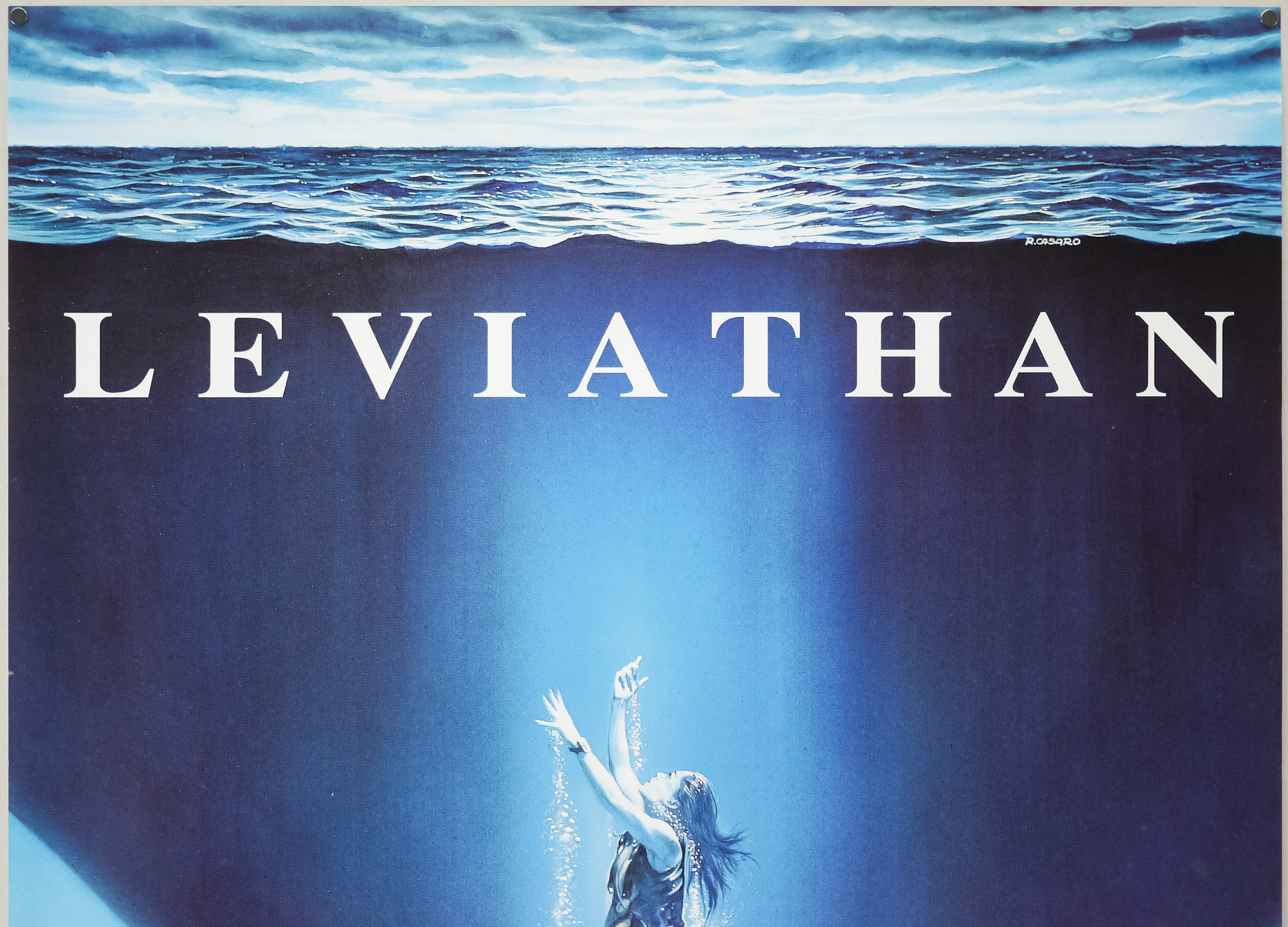
This German A1 was designed and painted by Renato Casaro, an Italian-born artist who was working prolifically on German posters during the 1970s and 1980s. I interviewed him for this site in 2013 and he talked about his work for the market:

‘You worked on many posters for the German market. Was there a reason for that?
Yes, Germany didn’t really have many posters designers and artists working during the 1970s and 1980s and I certainly didn’t have much in the way of competition. In the 1950s and 60s they had several good artists working on film posters but after that they all retired or died, so there was a gap. I was really fortunate with that whole situation because I was able to work with most of the distributors over there and I was able to choose to work on some really great projects. My work was in demand so Studio Casaro was very busy, especially in the 1980s. Even when some other markets might have been quiet, there was always a project to do for a German client.’

The poster has some similarities with the US one sheet, designed and painted by John Alvin.

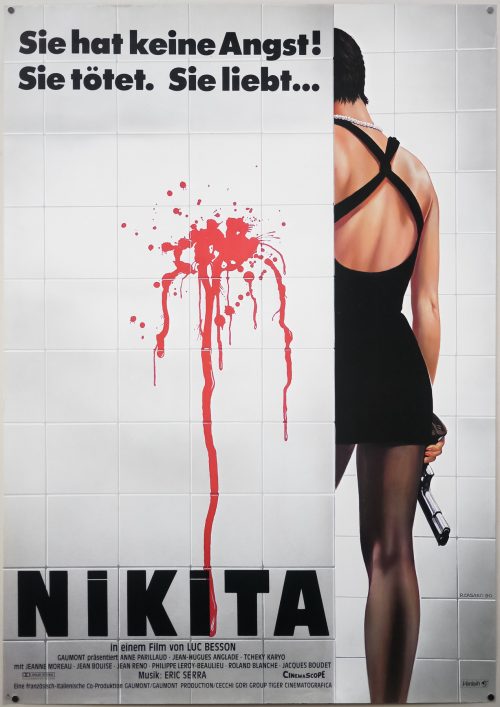
Nikita / A1 / Germany

29.05.14

Poster Poster
Title
Nikita
AKA
La Femme Nikita (US / UK)
Year of Film
1990
Director
Luc Besson
Starring
Anne Parillaud, Laura Chéron, Tchéky Karyo, Jean-Hugues Anglade, Jean Reno
Origin of Film
France | Italy
Genre(s) of Film
Anne Parillaud, Laura Chéron, Tchéky Karyo, Jean-Hugues Anglade, Jean Reno,
Type of Poster
A1
Style of Poster
--
Origin of Poster
Germany
Year of Poster
1990
Designer
Renato Casaro
Artist
Renato Casaro
Size (inches)
23 7/16" x 33"
SS or DS
SS
Tagline
--

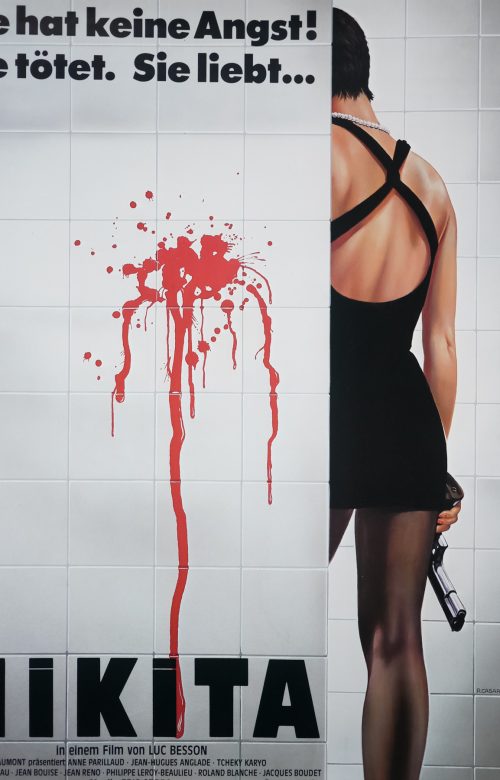
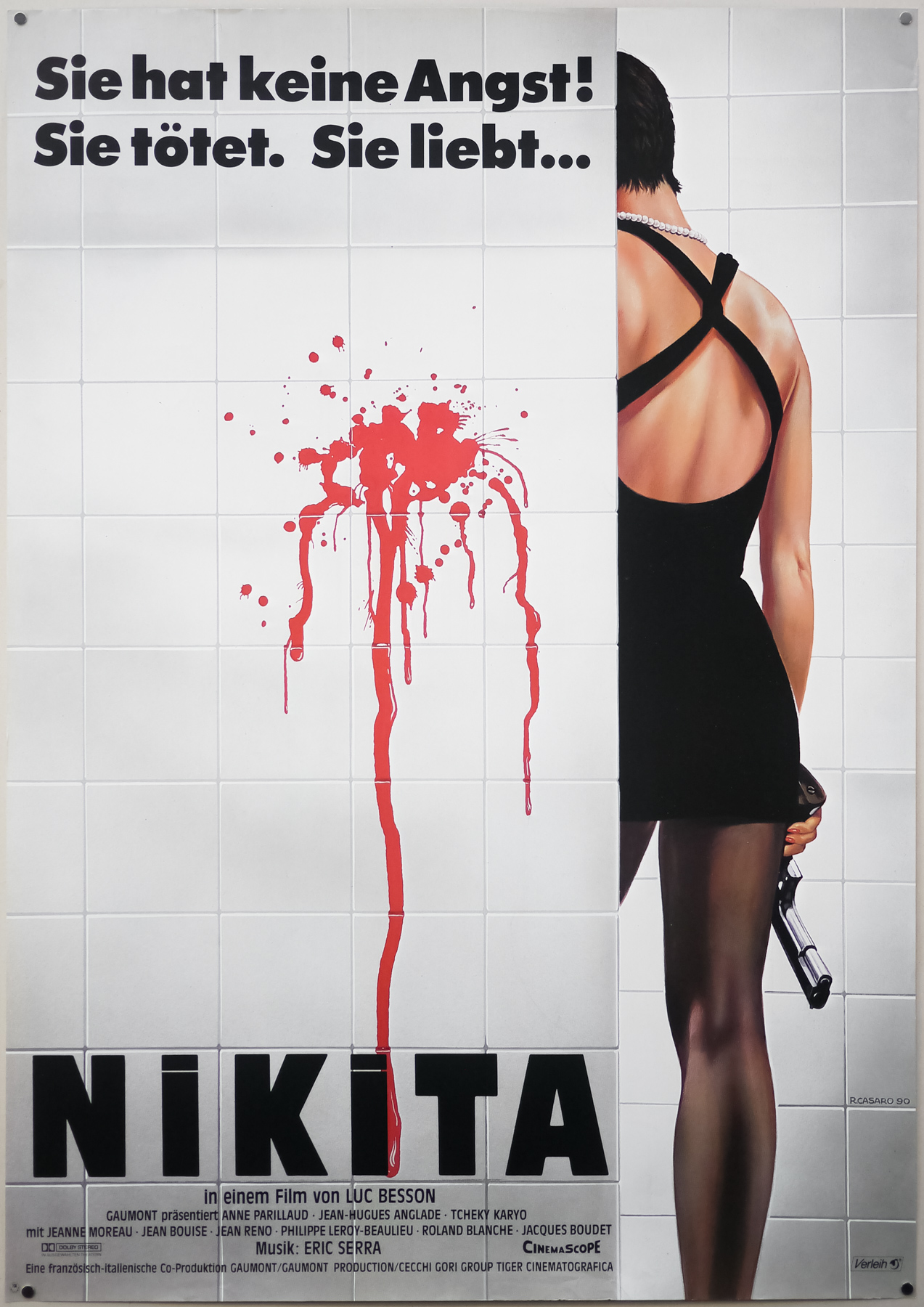
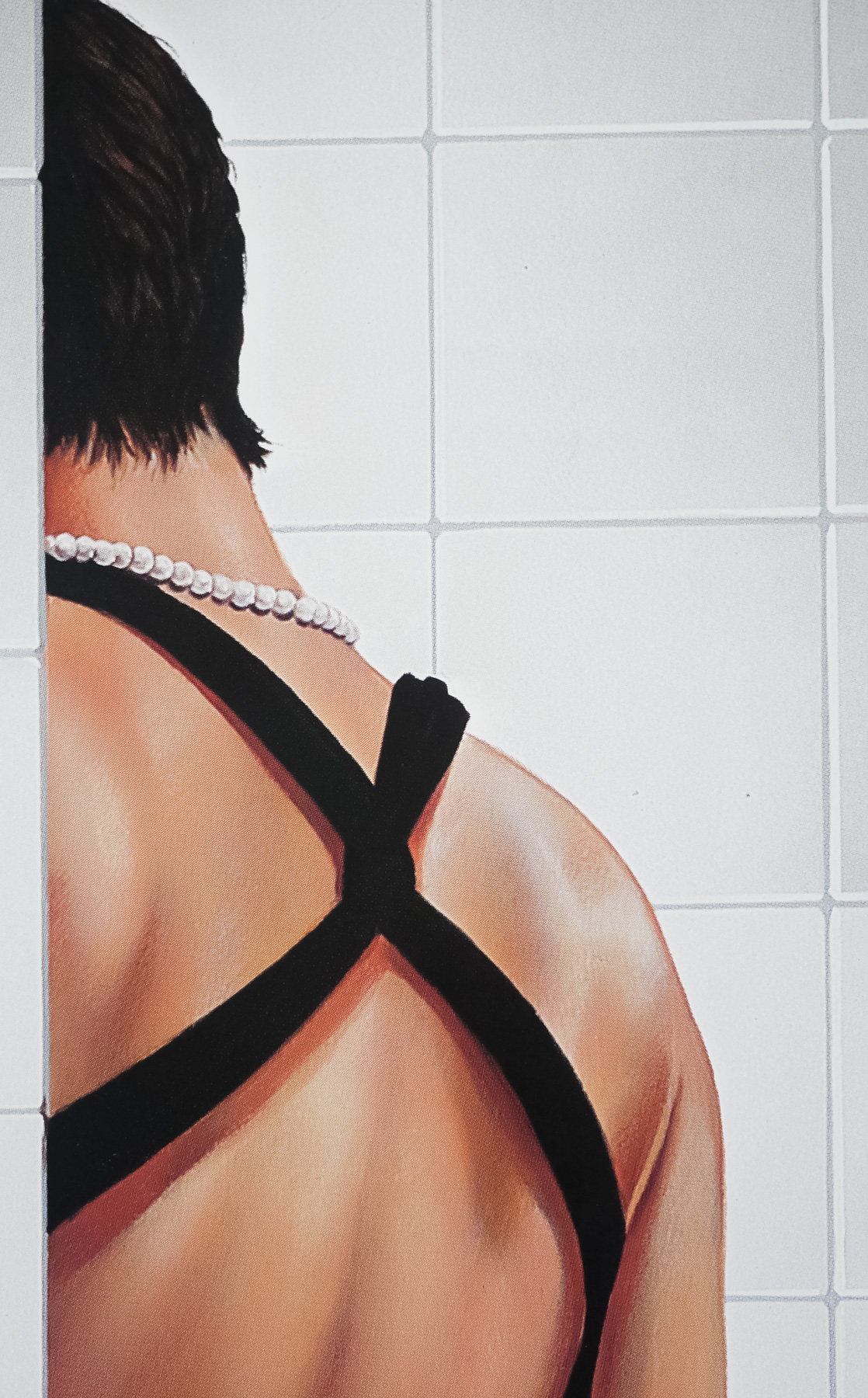
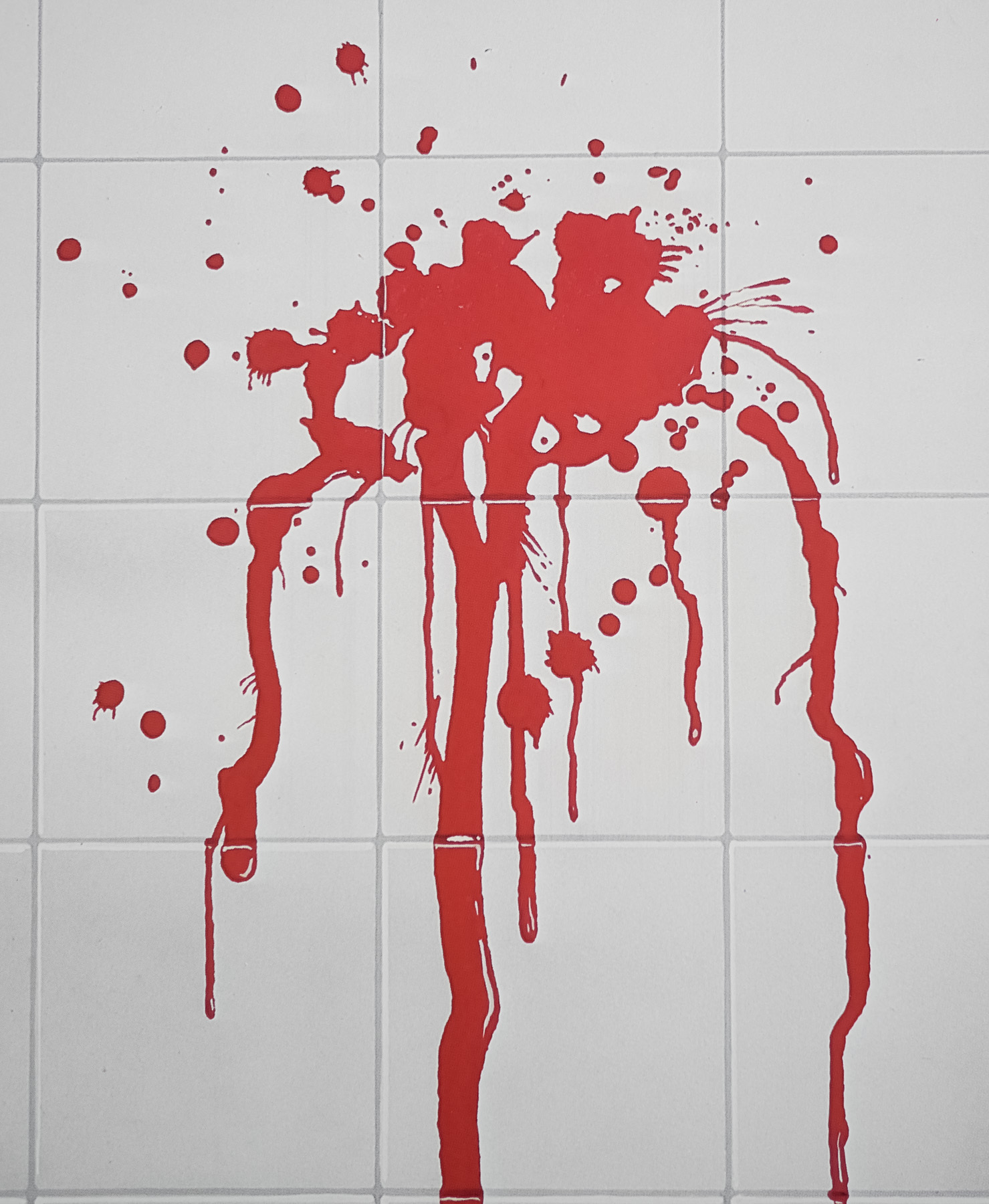
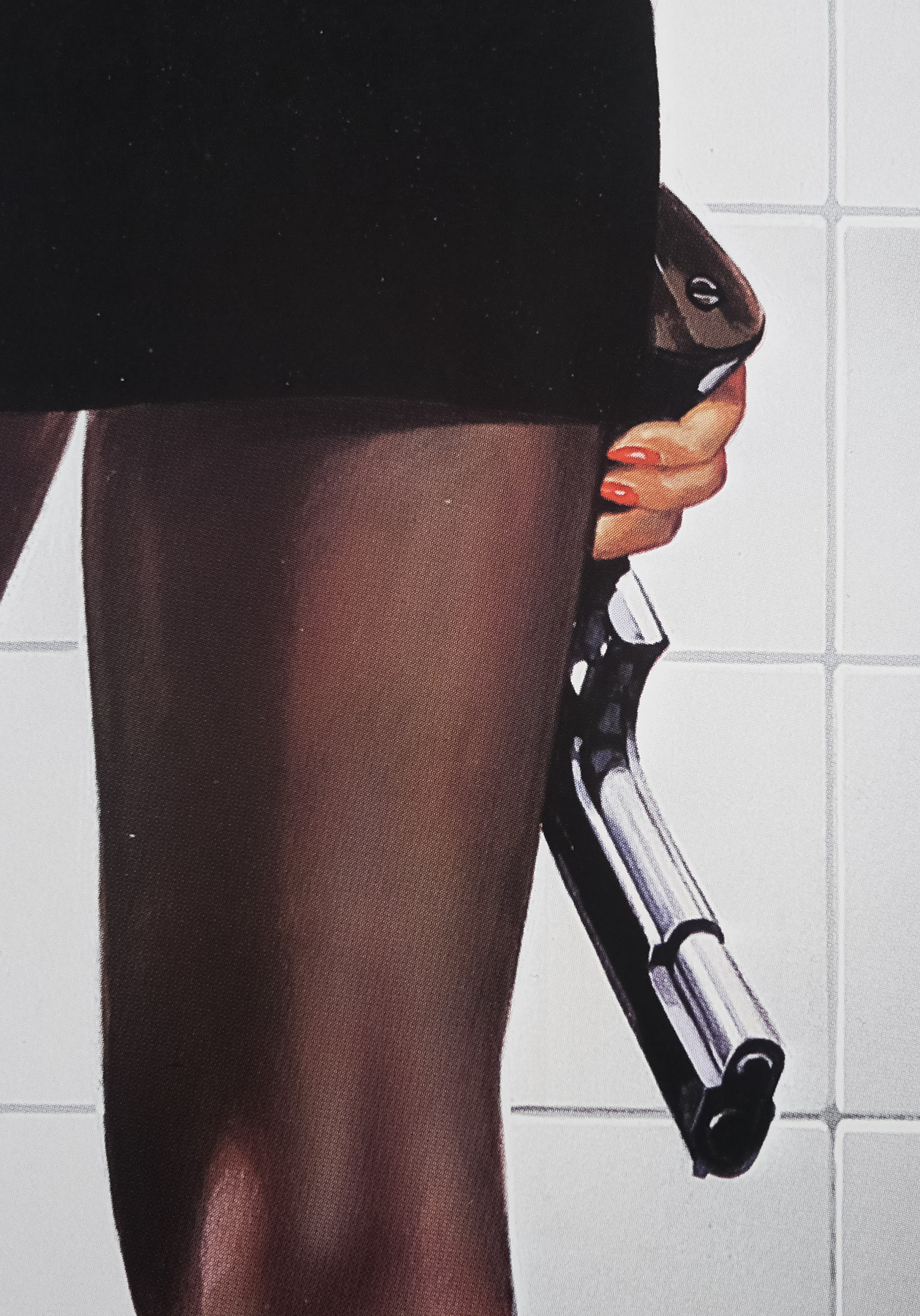
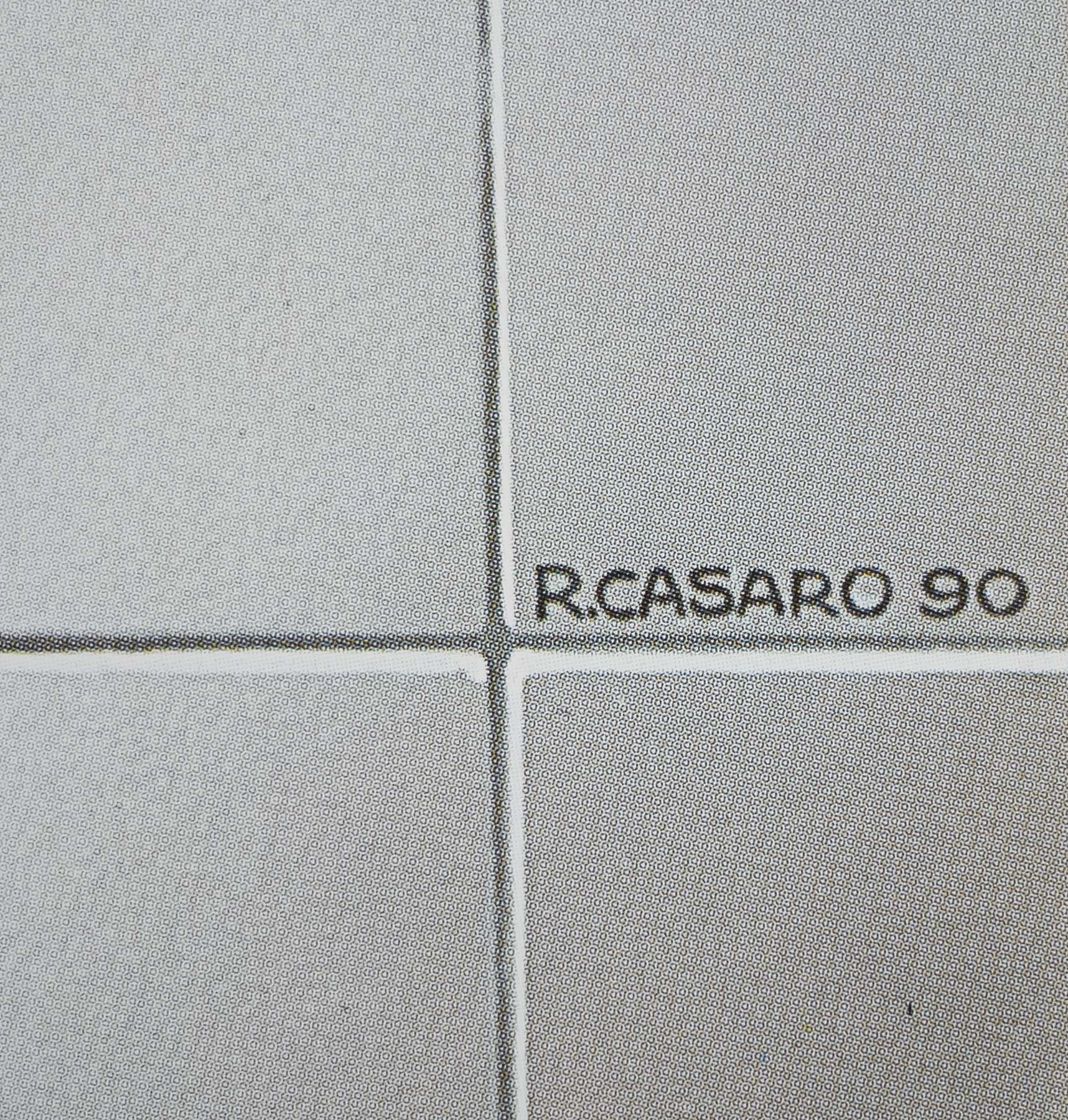
This is the German A1 poster for the original release of Luc Besson‘s international breakthrough hit, Nikita, featuring design and artwork by Renato Casaro. A French/Italian co-production, the film stars Anne Parillaud (Besson’s wife at the time) as the titular assassin who starts out as a drug-addicted teenager living a life of crime. When a robbery at a pharmacy goes awry and her friends are killed in a gunfight, Nikita shoots dead a policeman before being arrested and sentenced to life imprisonment.

Soon after arriving in prison, Nikita is kidnapped and wakes up in a specialist facility where she learns that her death has been faked and she has been selected to become part of a secretive government agency simply known as the Centre. Nikita is given the choice of training as an assassin or to end up in the pauper’s grave earmarked for her. When she wisely chooses the former Nikita begins to learn the skills of a stealthy assassin under the guidance of Bob (Tchéky Karyo), her agency handler, and Amande (Jeanne Moreau).

After graduating an becoming a sleeper agent in Paris, Nikita meets and falls in love with Marco (Jean-Hugues Anglade), a man she meets in a supermarket, but before long Centre activates her for assassination missions and both her relationship and life are under threat, especially when a mission inside an embassy gets messy and Victor the Cleaner (Jean Reno) is called to help out. Despite mixed critical reaction the film was an international box-office hit and, for reasons I’ve never understood, was given the lengthier title of La Femme Nikita outside of France and Germany. Four years later Besson and Reno would reunite for the lauded and much-loved Leon: The Professional. In addition, two American TV series have since been made based on the original film.

In 2013 I interviewed the designer and artist Renato Casaro for this site and he mentioned this poster during our chat. This is the excerpt:

—————————–

Every time you worked on a poster you were trying to do something new with your painting style?
Yes, I didn’t want to just recycle the same designs over and over, or paint in the same colours just because it had worked for one poster. I used the airbrush carefully because I didn’t want that to be what I was known for, plus used exclusively it created very cold, artificial artwork. I would always paint the base of any artwork with gouache oils and then use the airbrush to add little bits of texture, like shadows or highlights that would really help to make the original painting that little bit more exciting and realistic. Two posters that I used airbrush almost entirely for were those for Bernardo Bertolucci’s The Sheltering Sky and Luc Besson’s Nikita. I’m proud of how both of those turned out, particularly the first one.

I really like the design for Nikita.
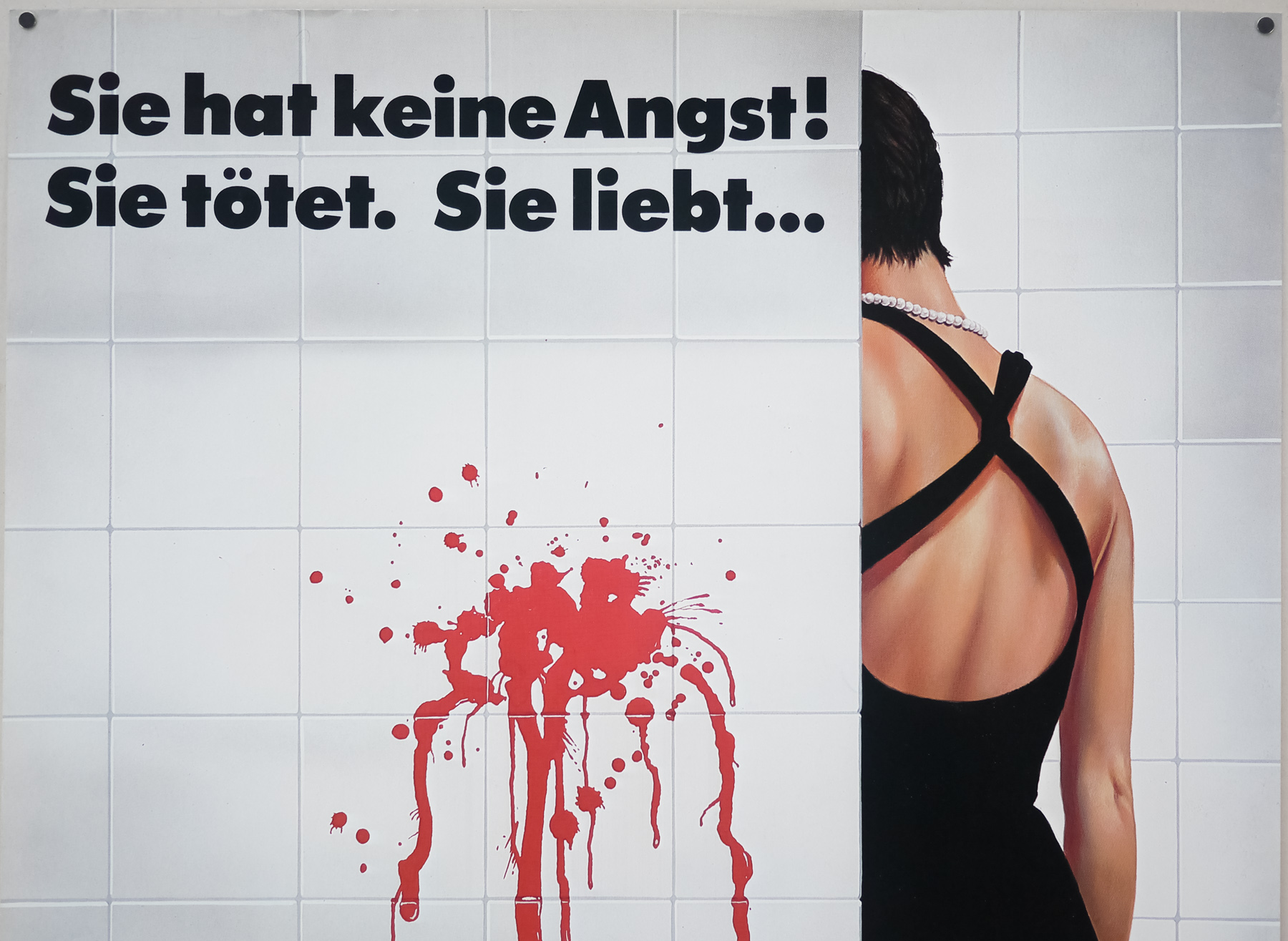
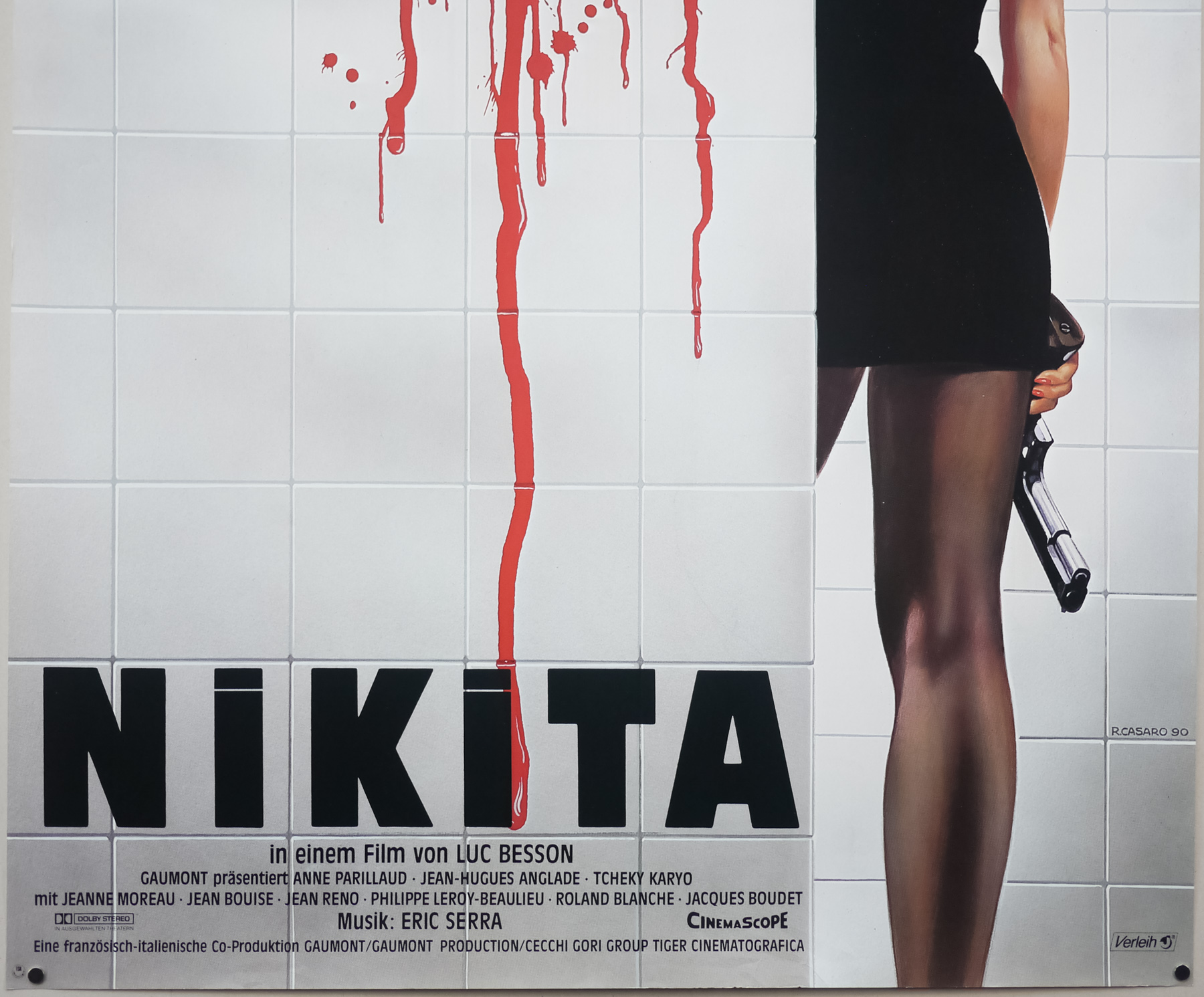
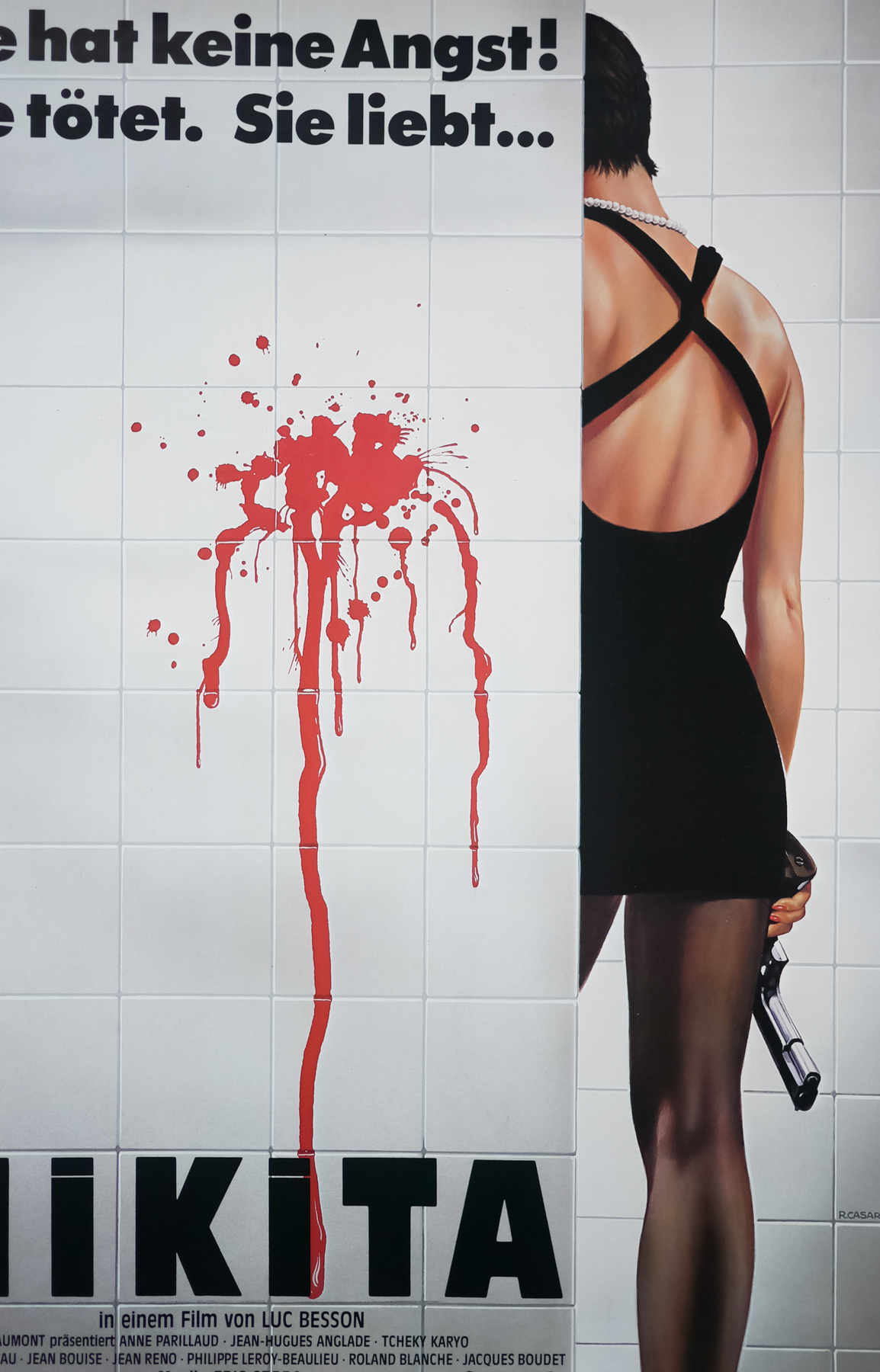
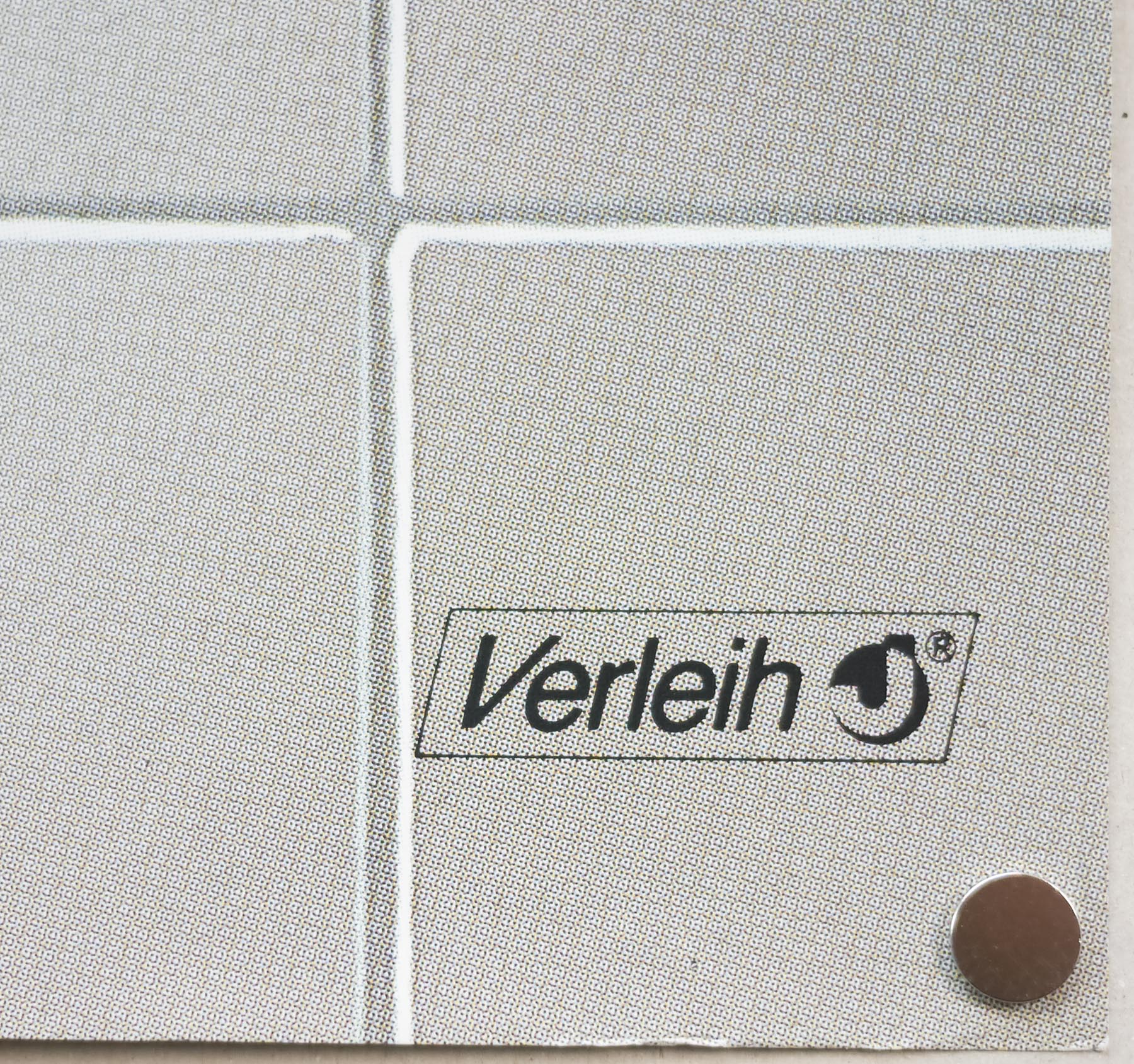
Yes, that just came to me one day whilst I was thinking of ideas. I decided that you shouldn’t see her face or what she had done to cause this bright red blood splash onto clean white tiles. The film was quite complex and focused on this woman in crisis so I knew that the poster had to be a sympathetic image to sell it to cinema goers.

——

Renato also mentioned that he’d worked on some ideas for the poster before seeing the film:

Did you ever work on poster ideas without having seen the film or visiting the set?
Very occasionally yes, but I usually made sure I spoke to people involved to have a good idea of the plot and the characters before I’d start doing anything. I did do several sketches for Nikita without good results, but once I’d seen the film it was quite easy to find the right essence for the poster.

—————————–

To read the full interview with Renato Casaro click here. To see the other posters I’ve collected by the artist click here.
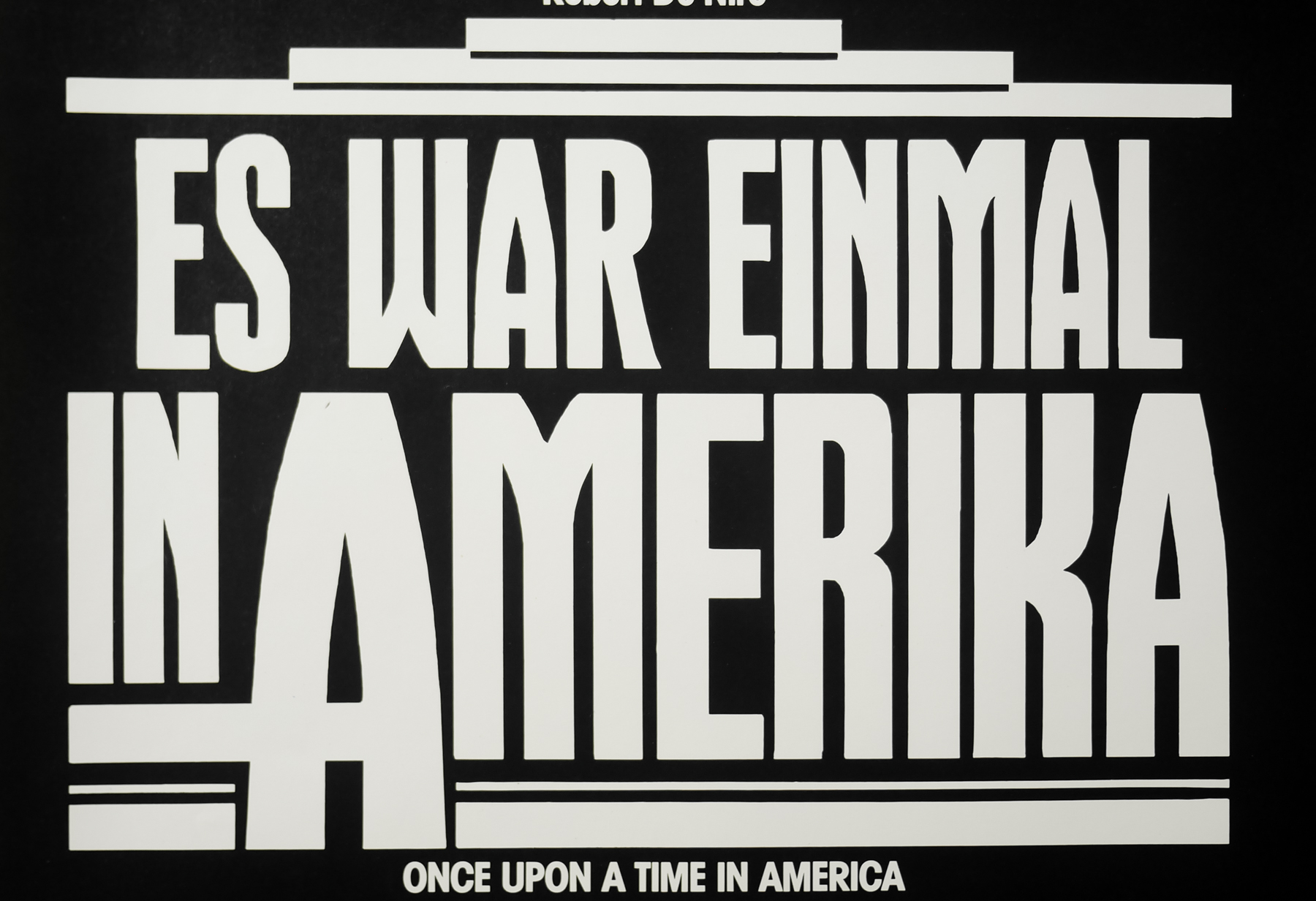
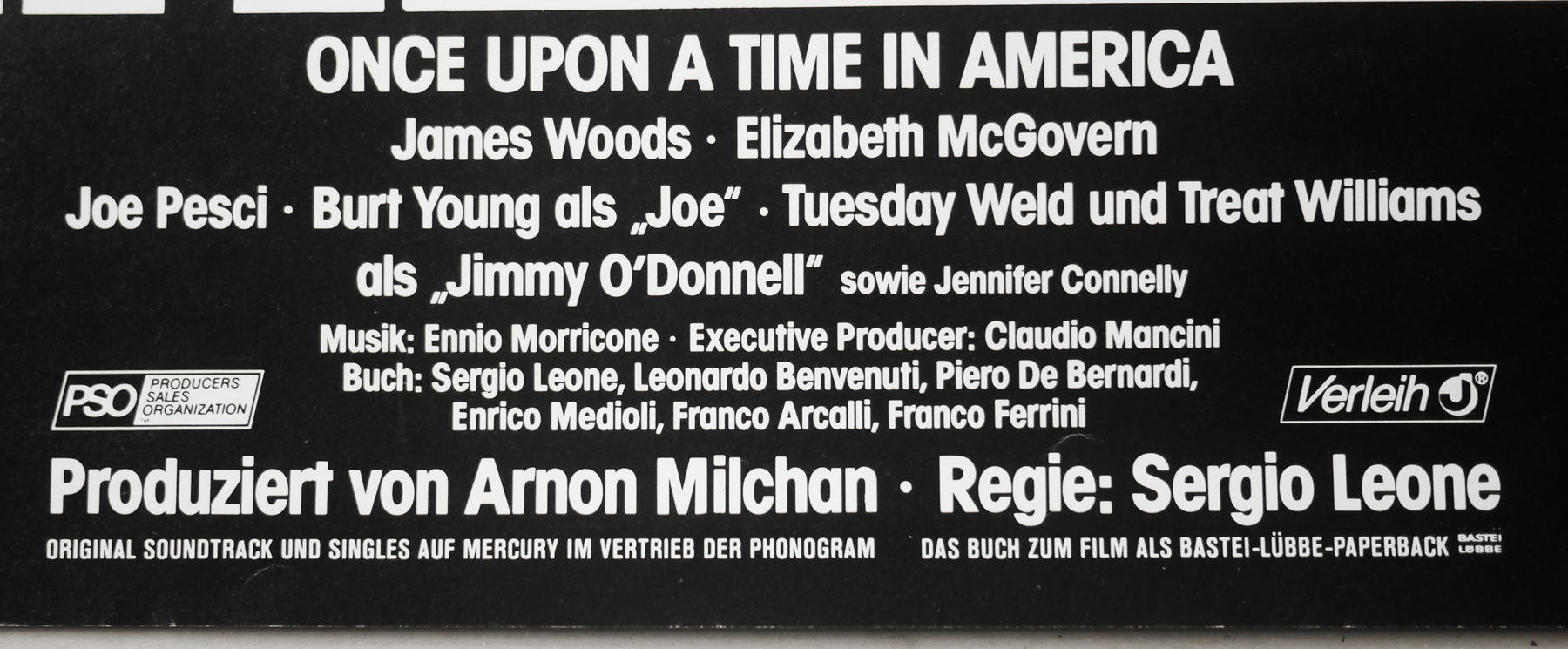
Once Upon a Time In America / A1 / Germany

03.03.14

Poster Poster

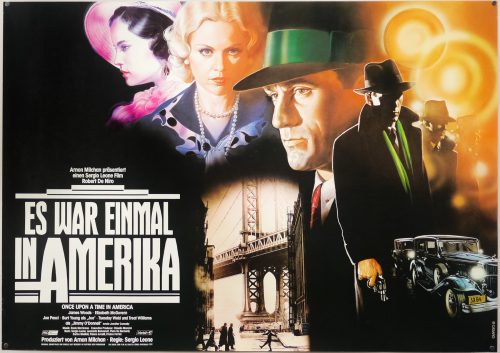
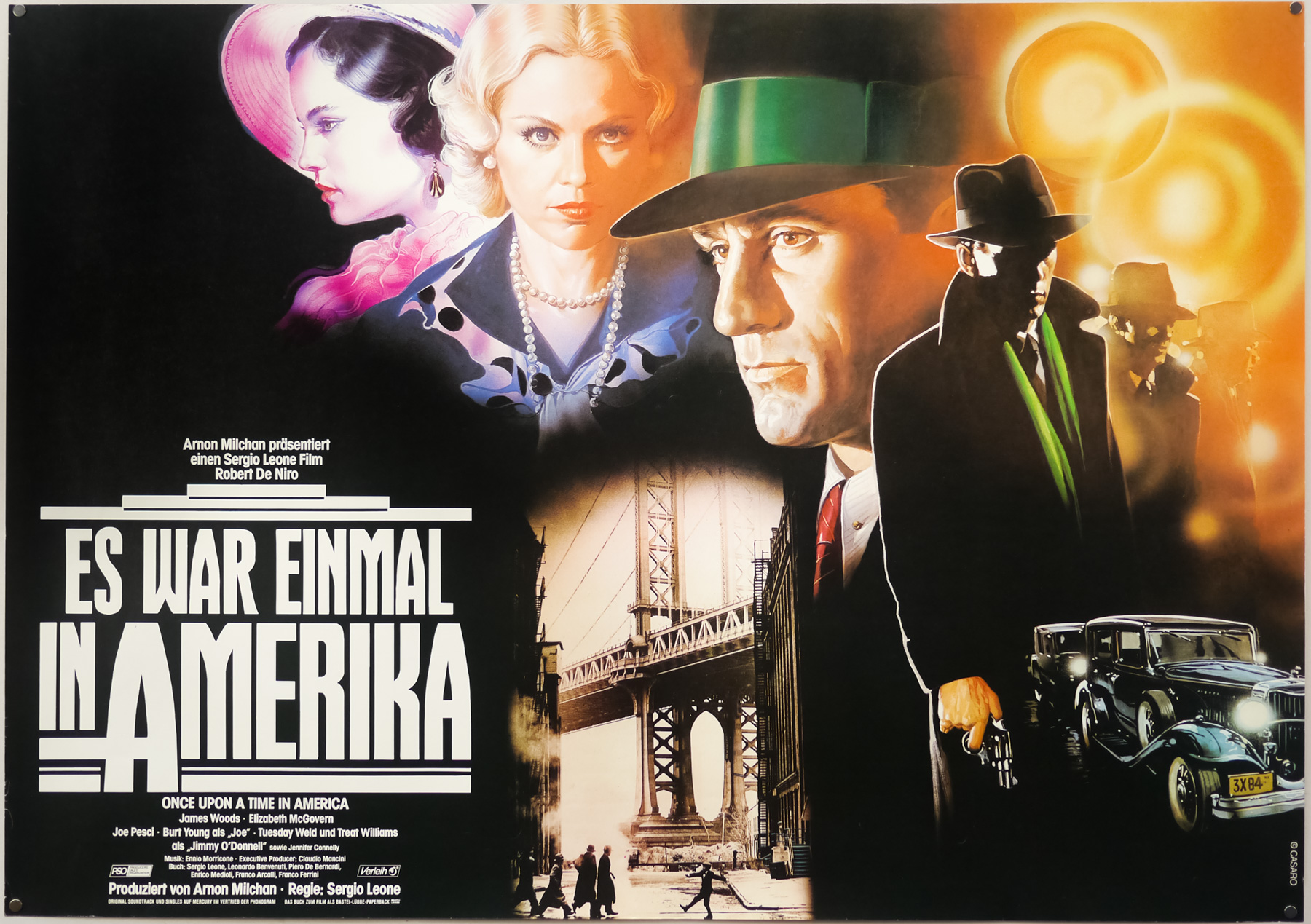
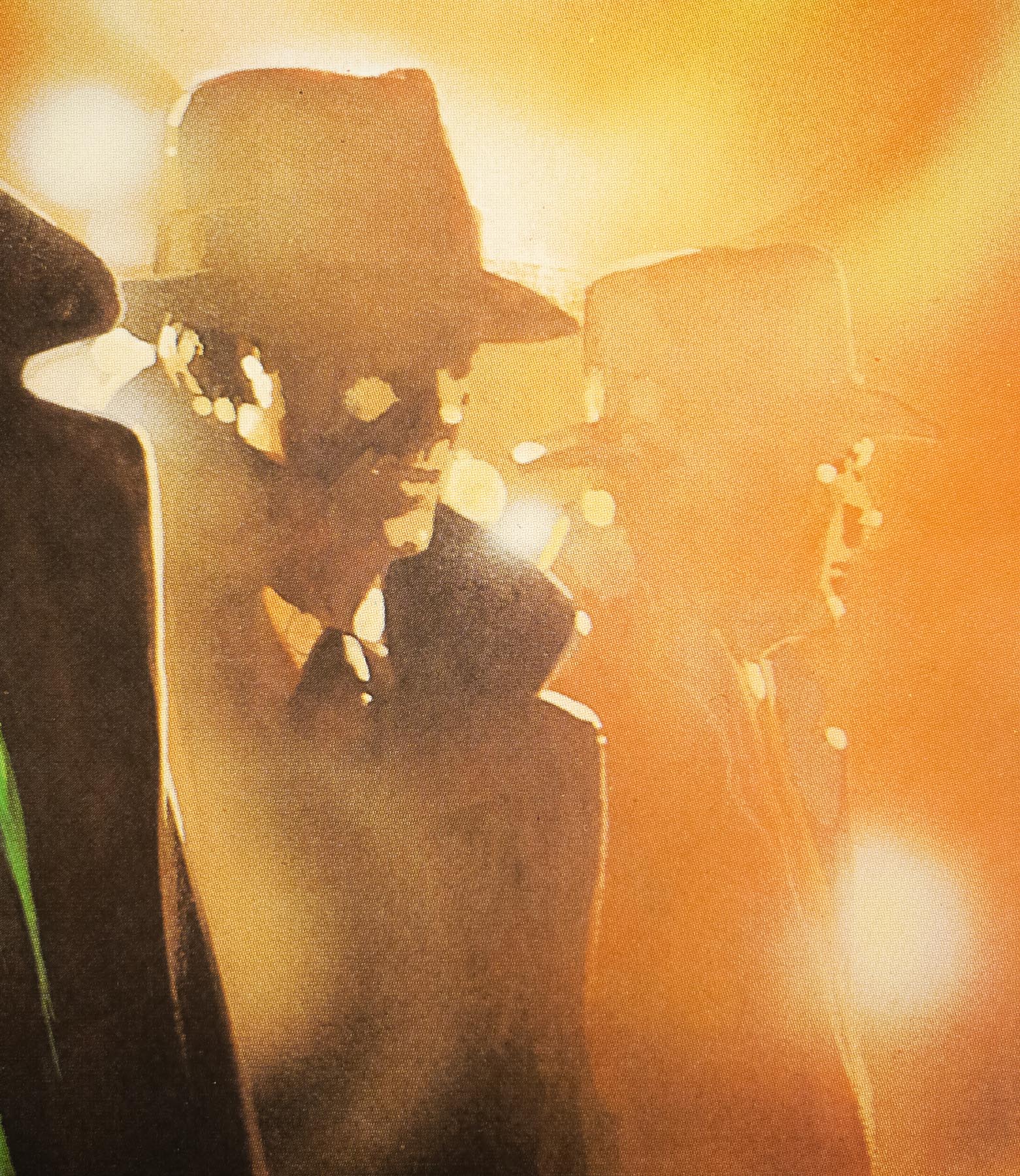
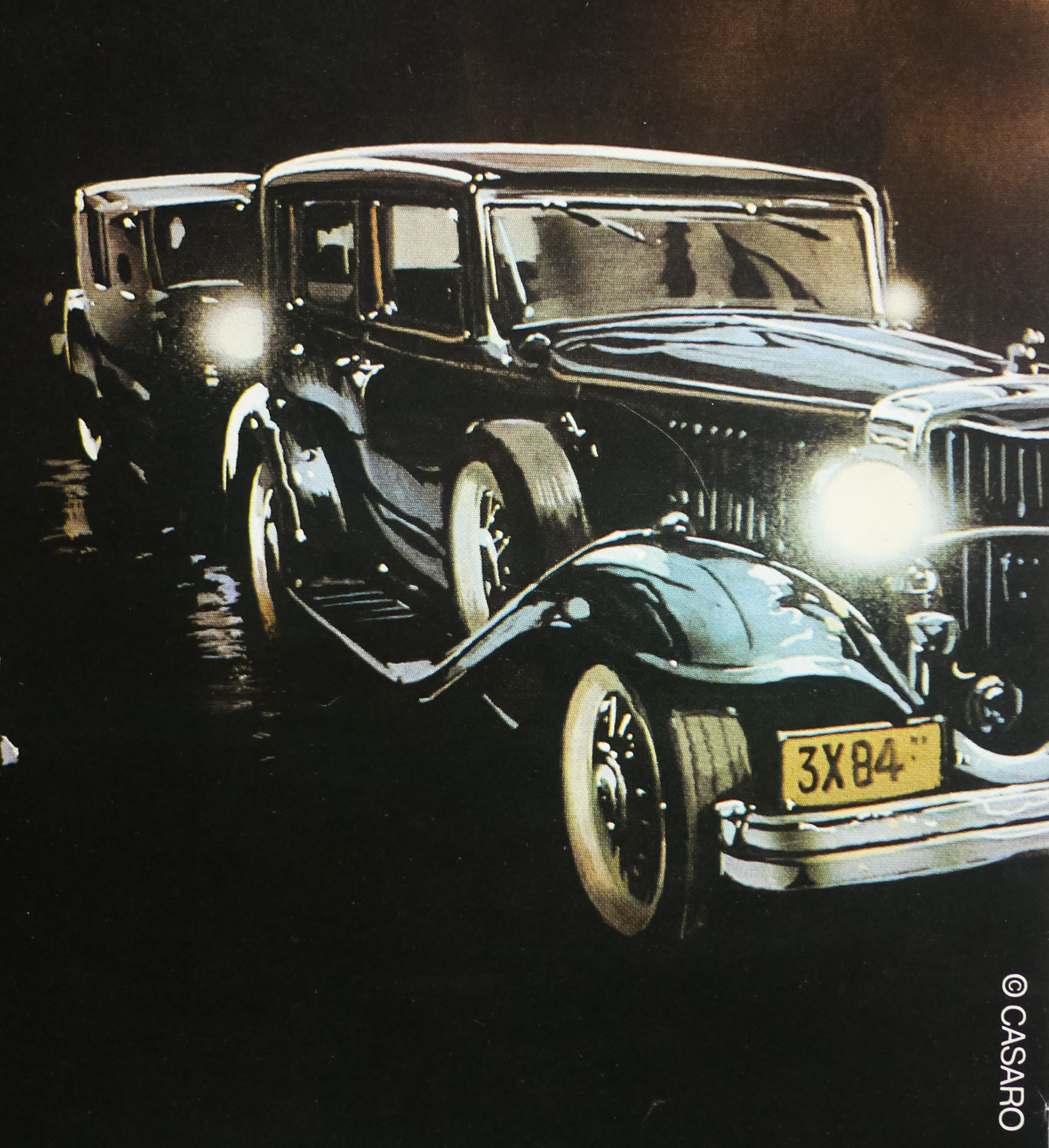
Considered by many to be Sergio Leone’s masterpiece – certainly not an easy choice to make when there are films like The Good, the Bad and the Ugly and Once Upon a Time in the West to choose from – ‘…America’ was to be the Italian director’s last film. Infamously, it had almost 90 minutes removed for its US cinematic release (in 1984), apparently after receiving terrible notice from American critics at the Cannes Film Festival – the re-cut version was also given a slating when it appeared.

Eventually the full 229 minute version was made available on home video in America. In 2012 it was announced that the film was to be restored to an even longer cut with over 40 minutes of newly discovered material that was thought lost. An extended cut of the film was released on blu-ray in 2014.

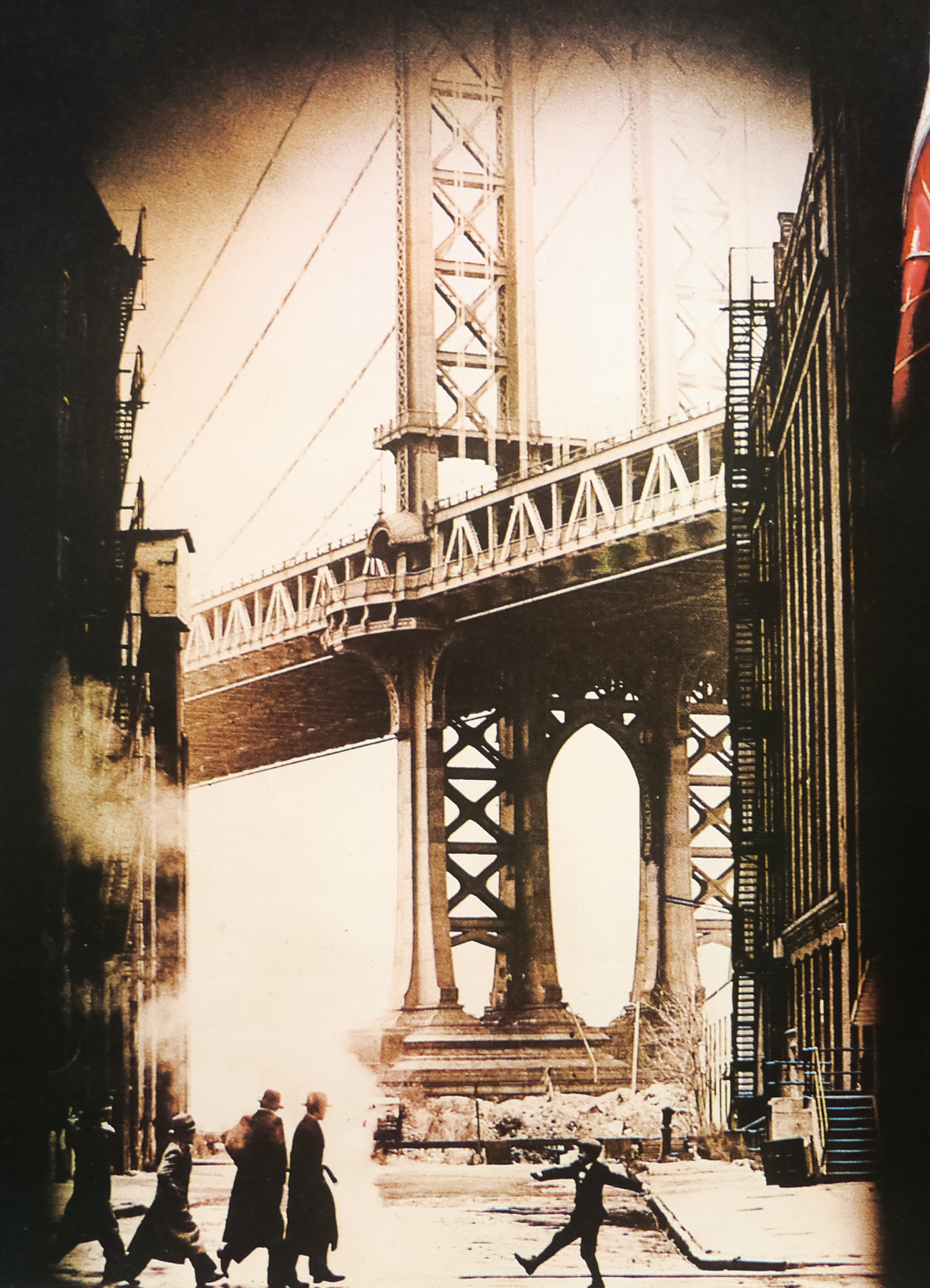
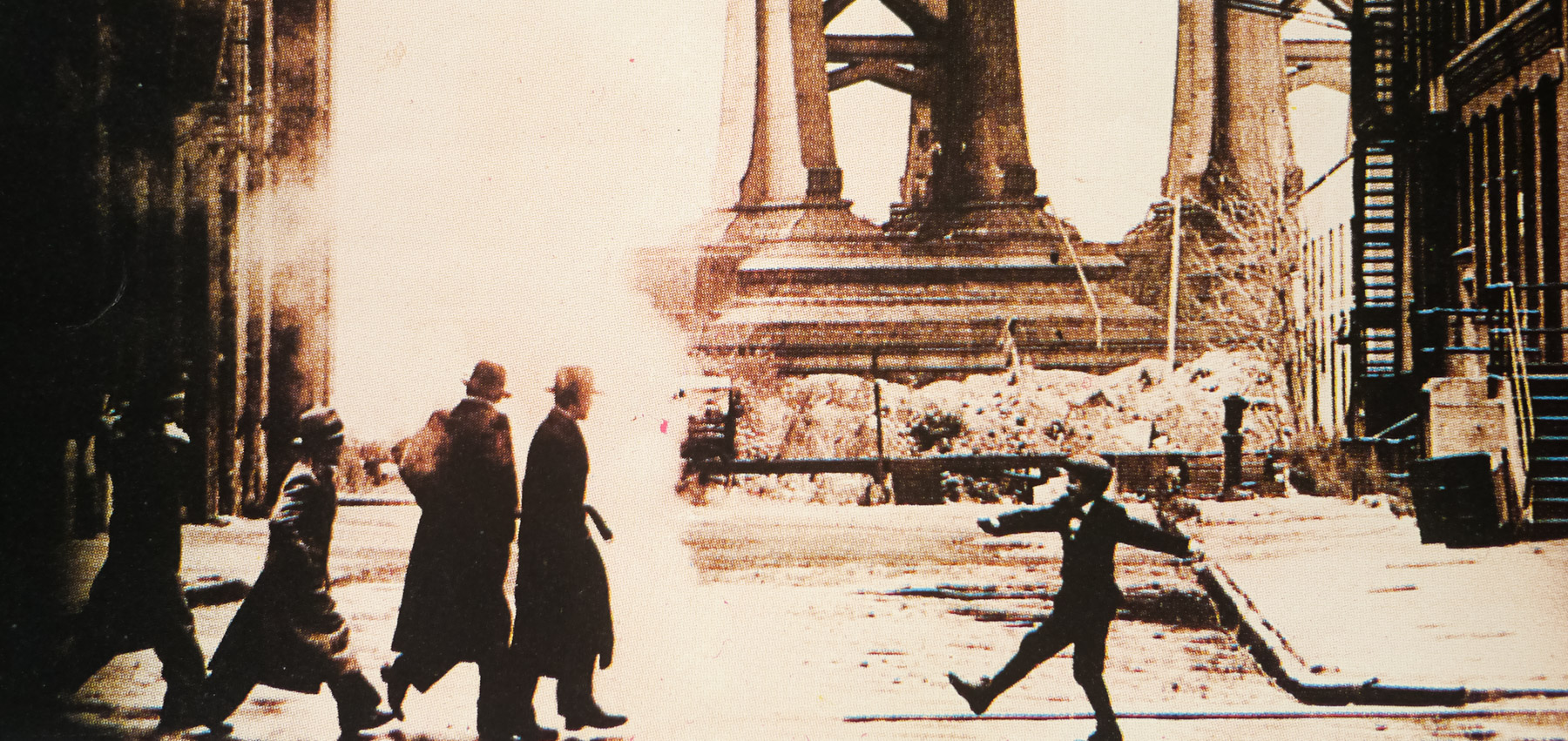
I recently visited the same street in Brooklyn that leads down to the Manhattan Bridge and is featured in the film and on this poster. I took this picture, which gives you an idea of how the street looks today.

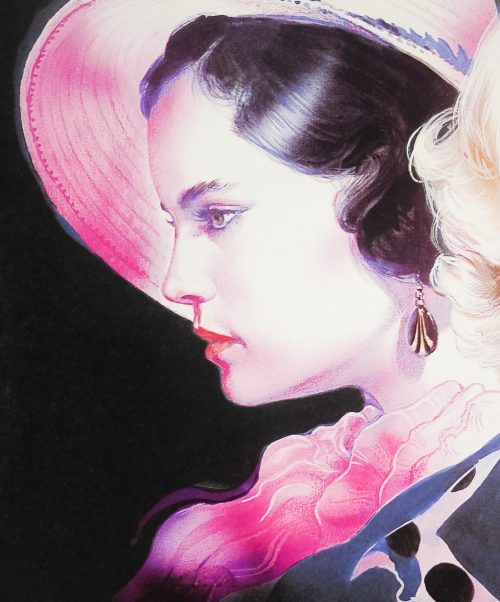
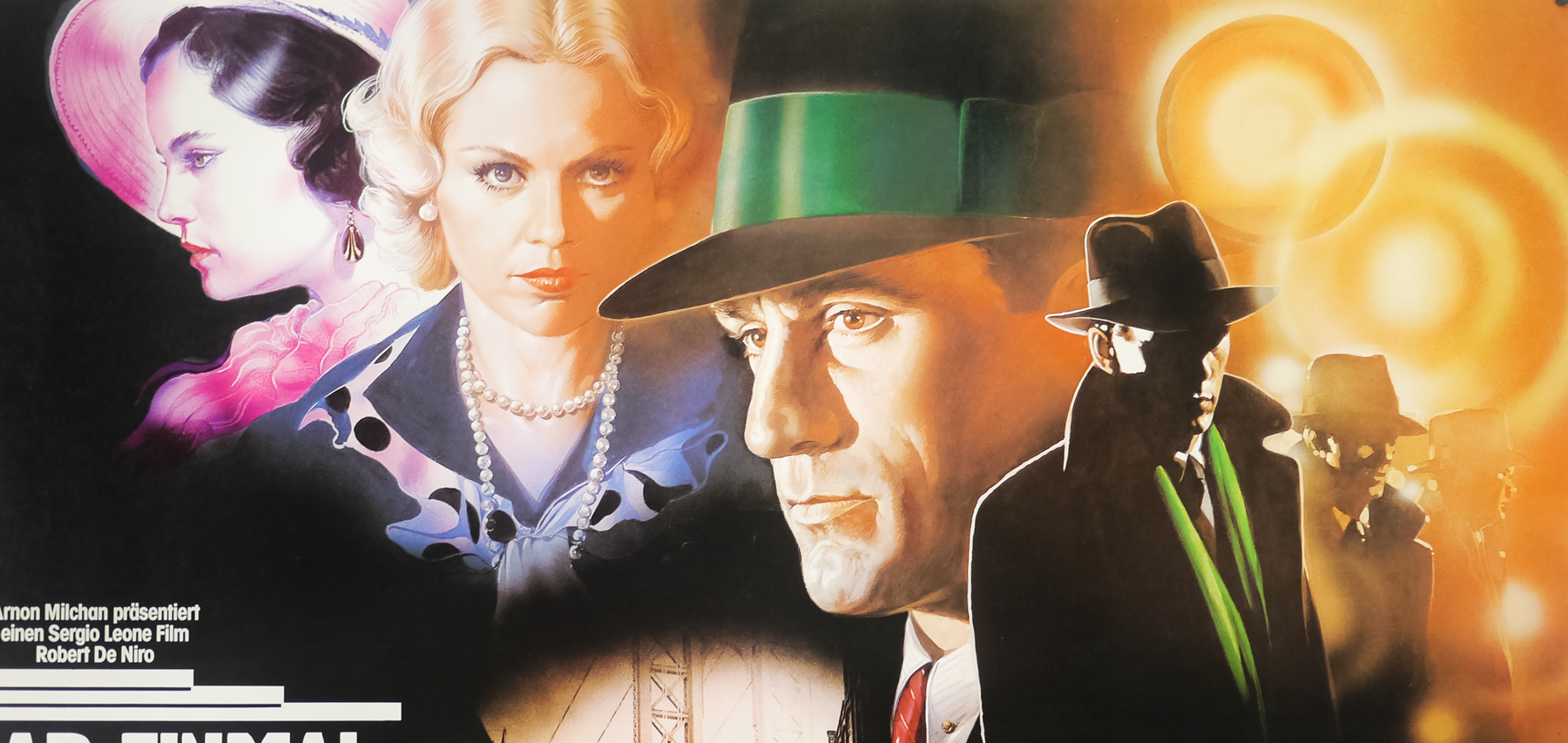
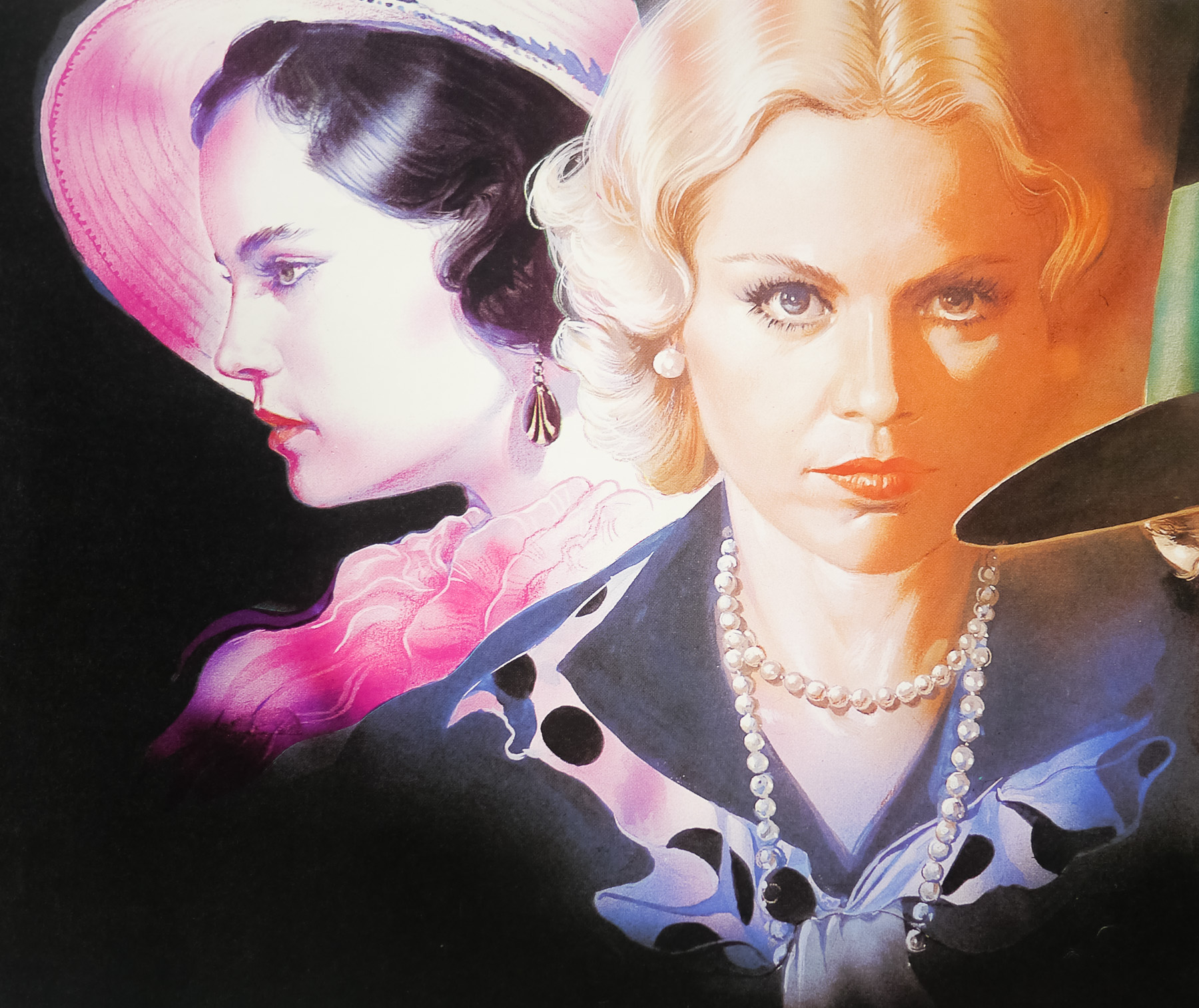
This is the German poster (style A) that was designed and painted by one of my favourite artists, Renato Casaro, an Italian with a prolific movie poster output that lasted over 35 years. He began his career in 1953, aged 19, at the famous Studio Favalli in Rome and would go on to design and paint posters for many of the biggest directors in the world. His skill at accurately portraying actors and his brilliant use of colour and composition saw him much in demand from studios and actors alike.

His artwork has featured on posters used in multiple countries, including Japan, Germany, USA as well as in his native Italy. Check out the incredible amount of work on his official website here, which also features a biography of the artist. The other posters I have collected by Casaro can be seen by clicking here.

The original trailer is on YouTube.


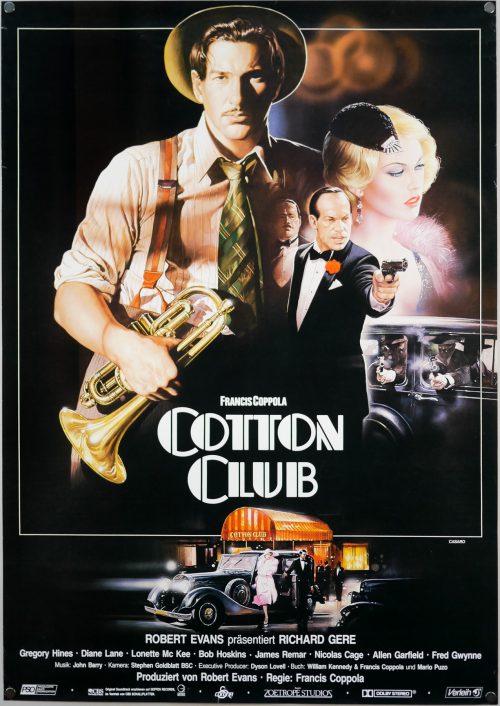
Cotton Club / A1 / Germany

23.05.16

Poster Poster

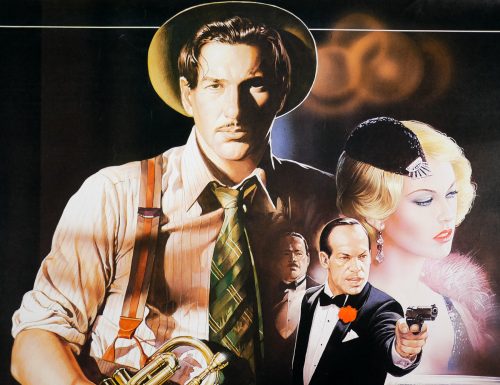
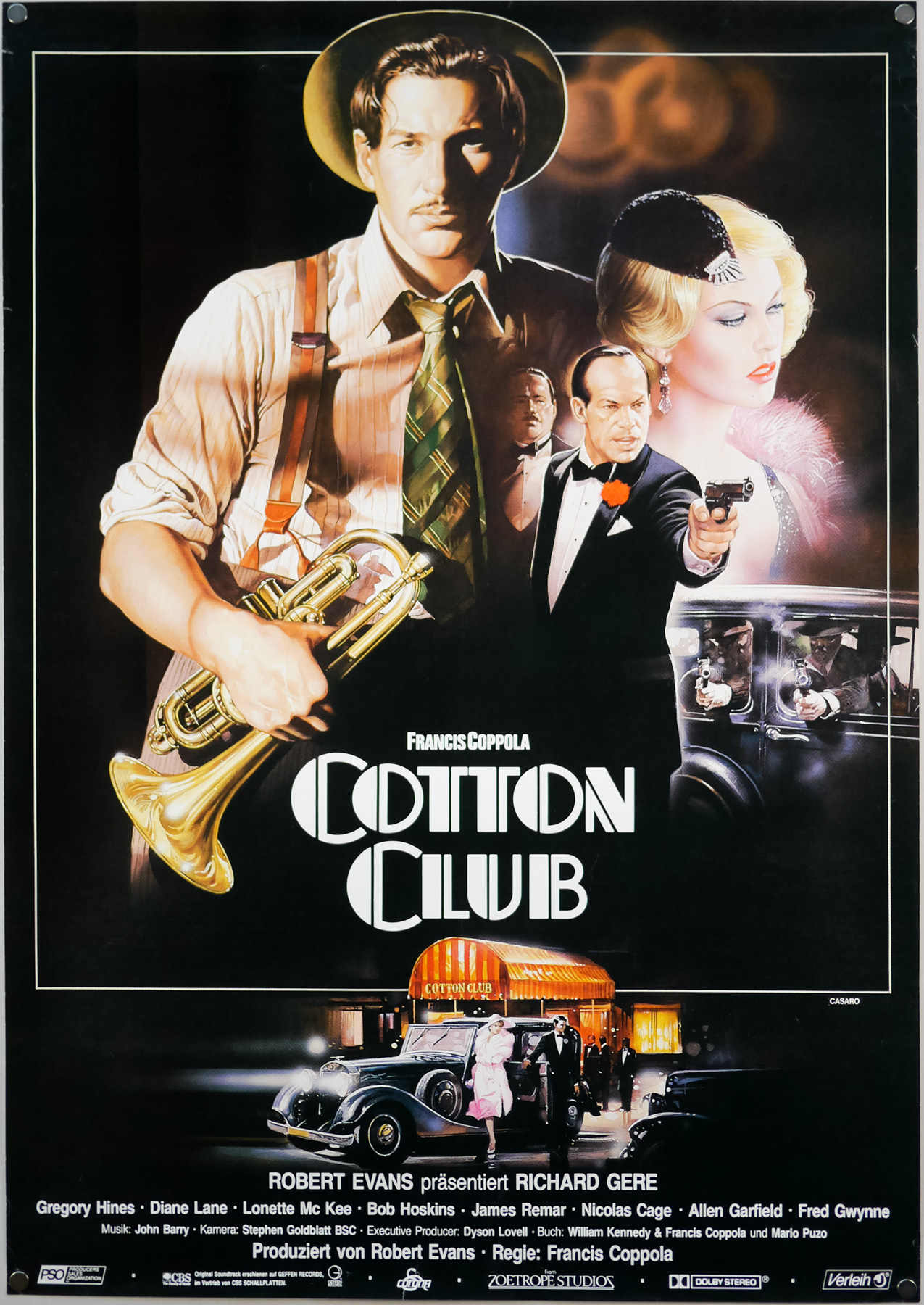
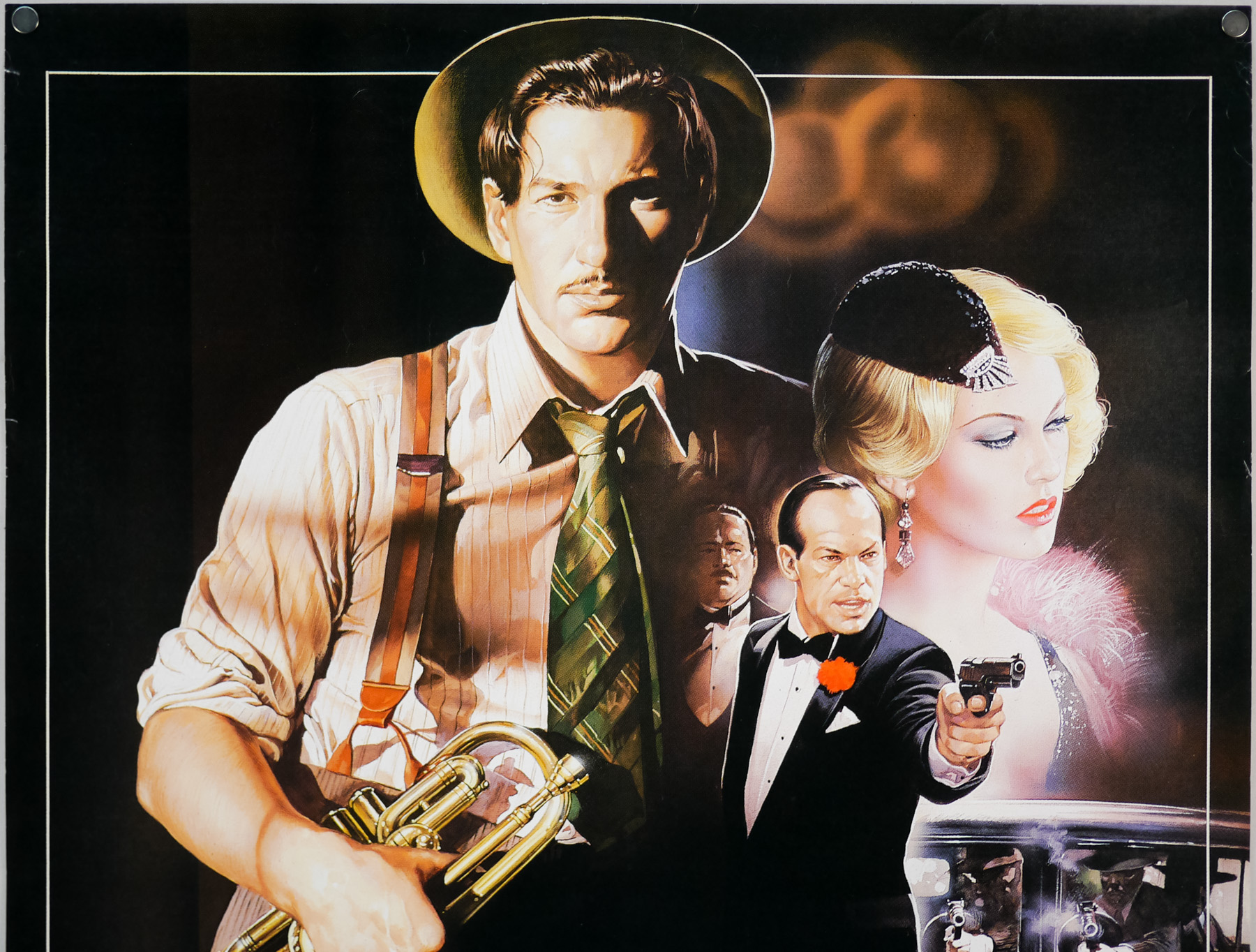
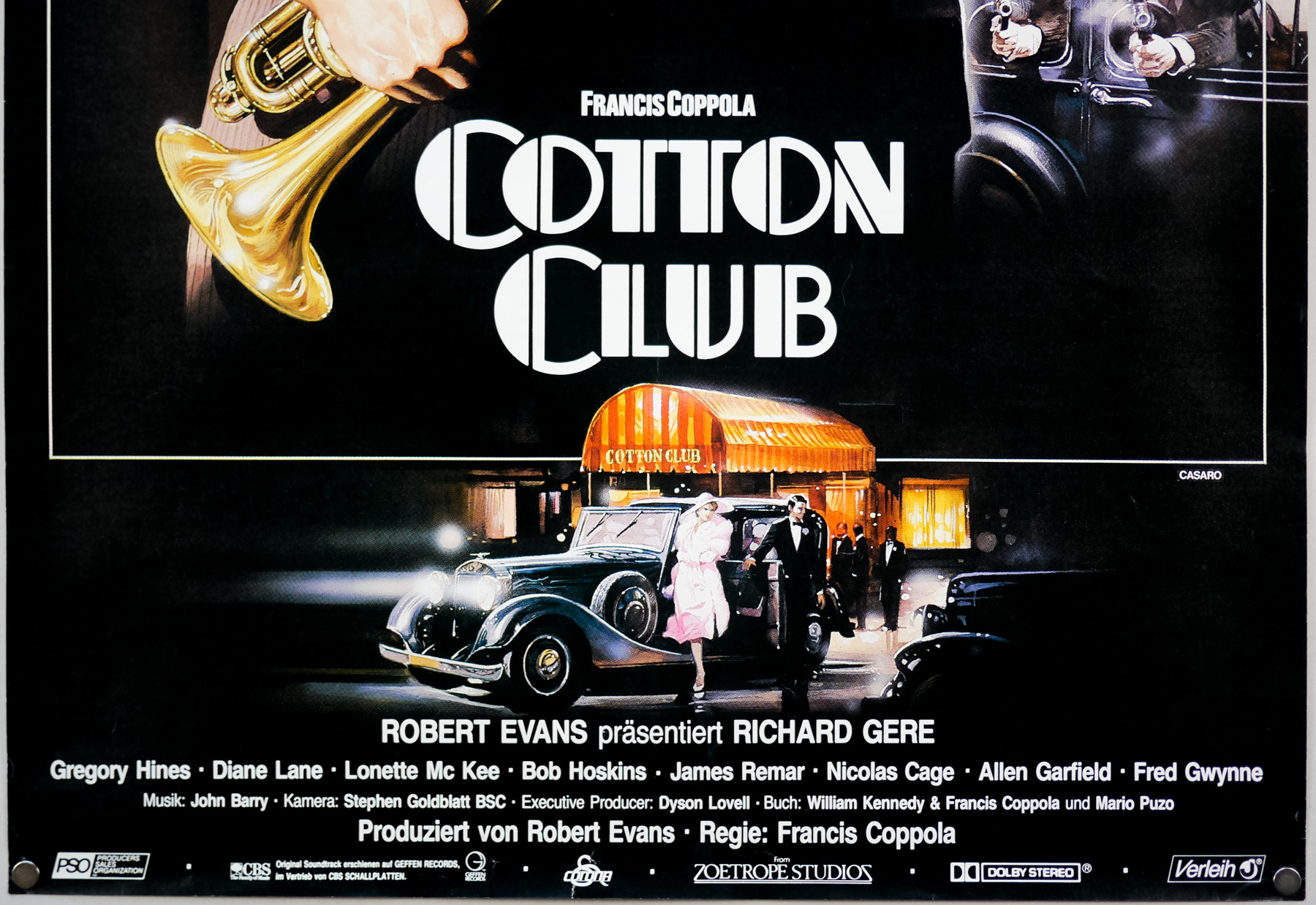
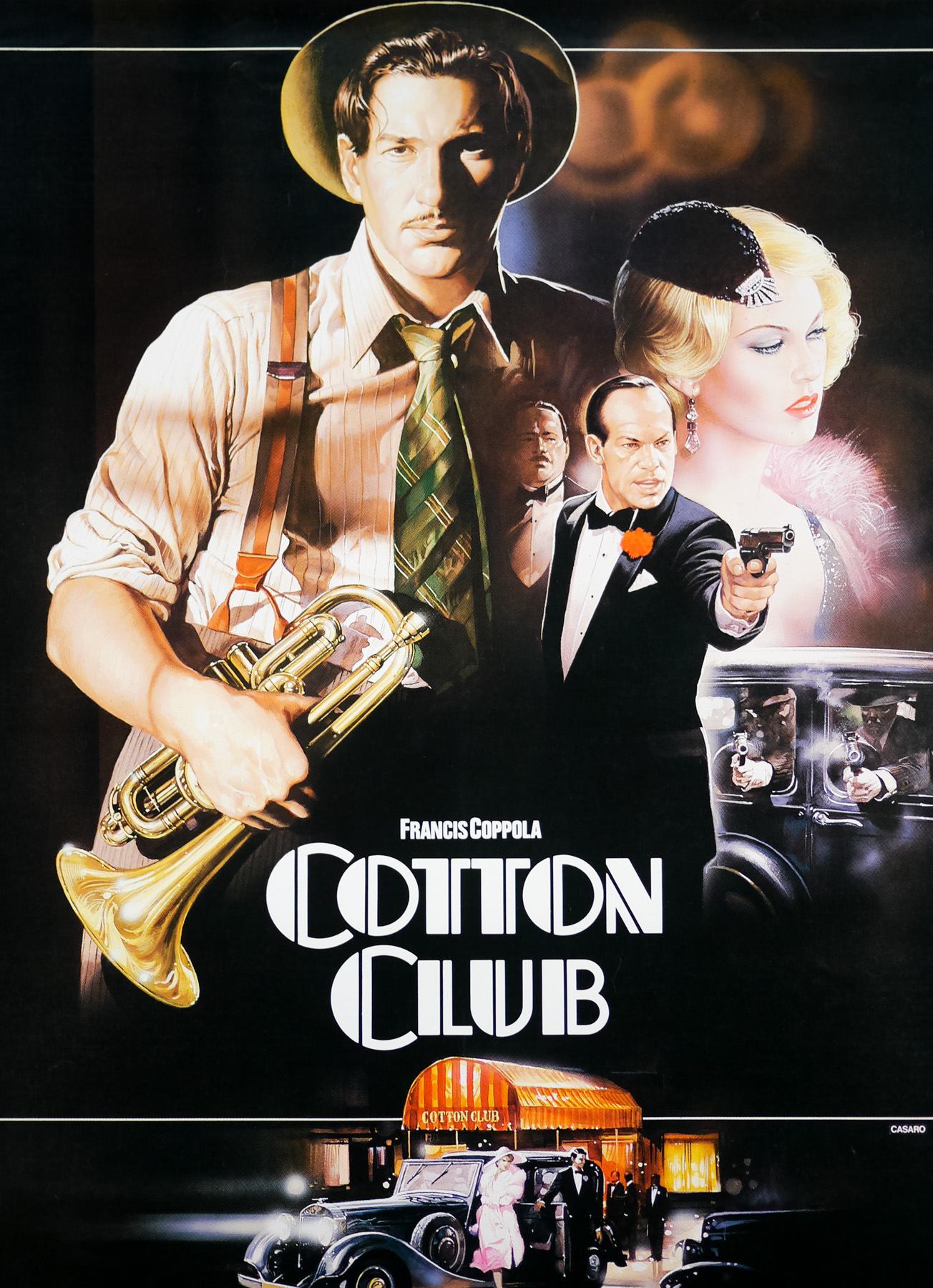
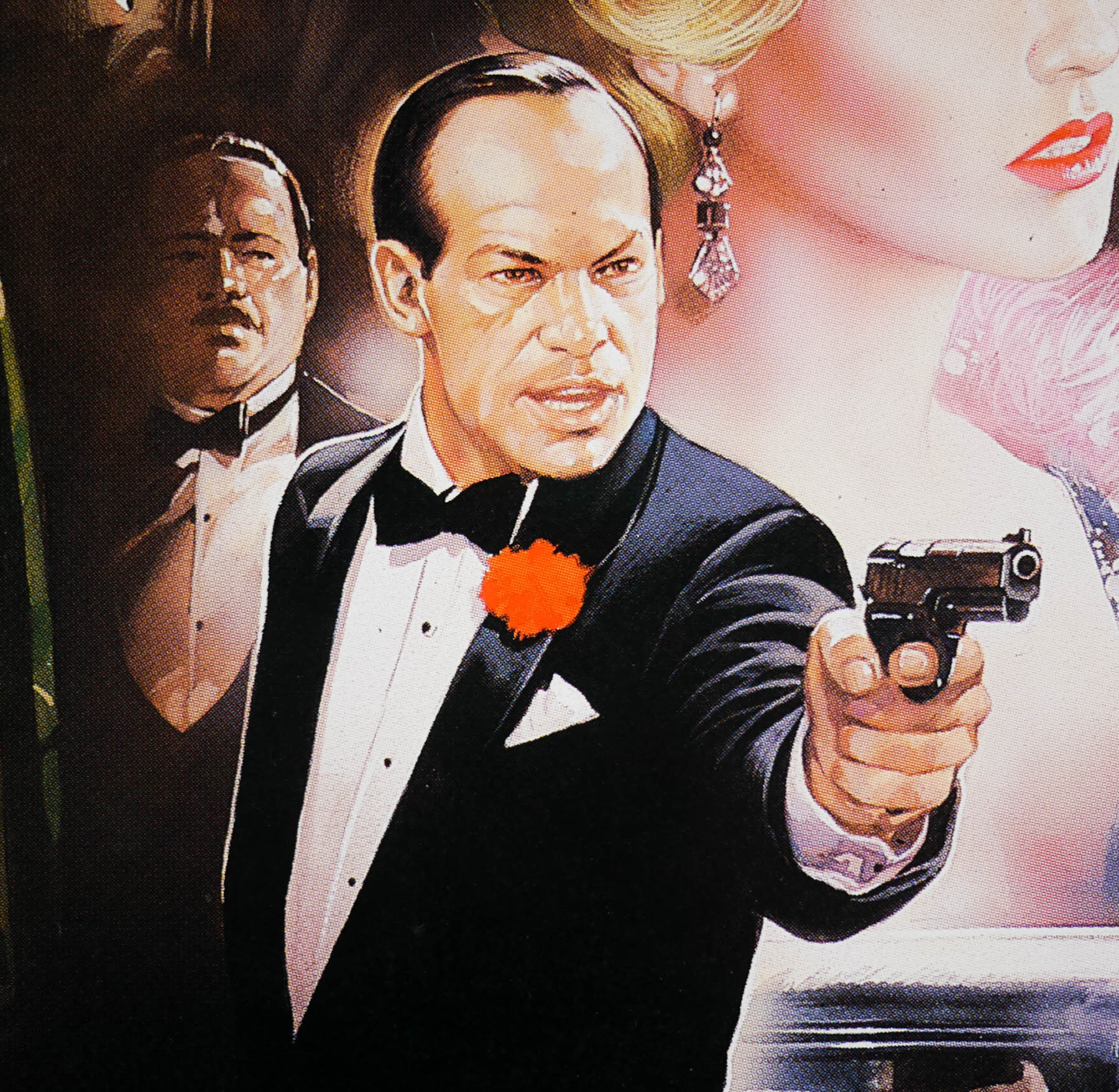
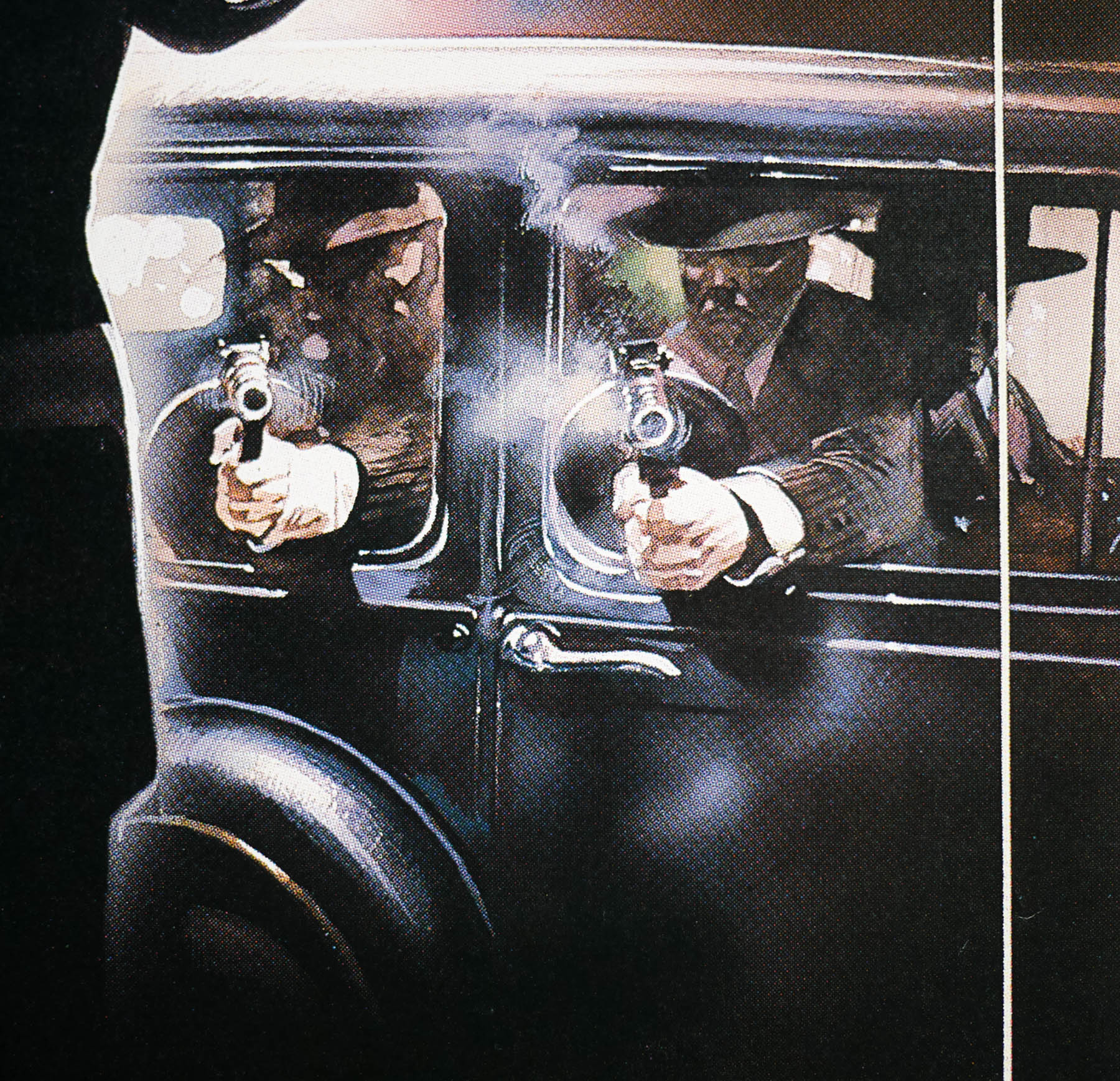
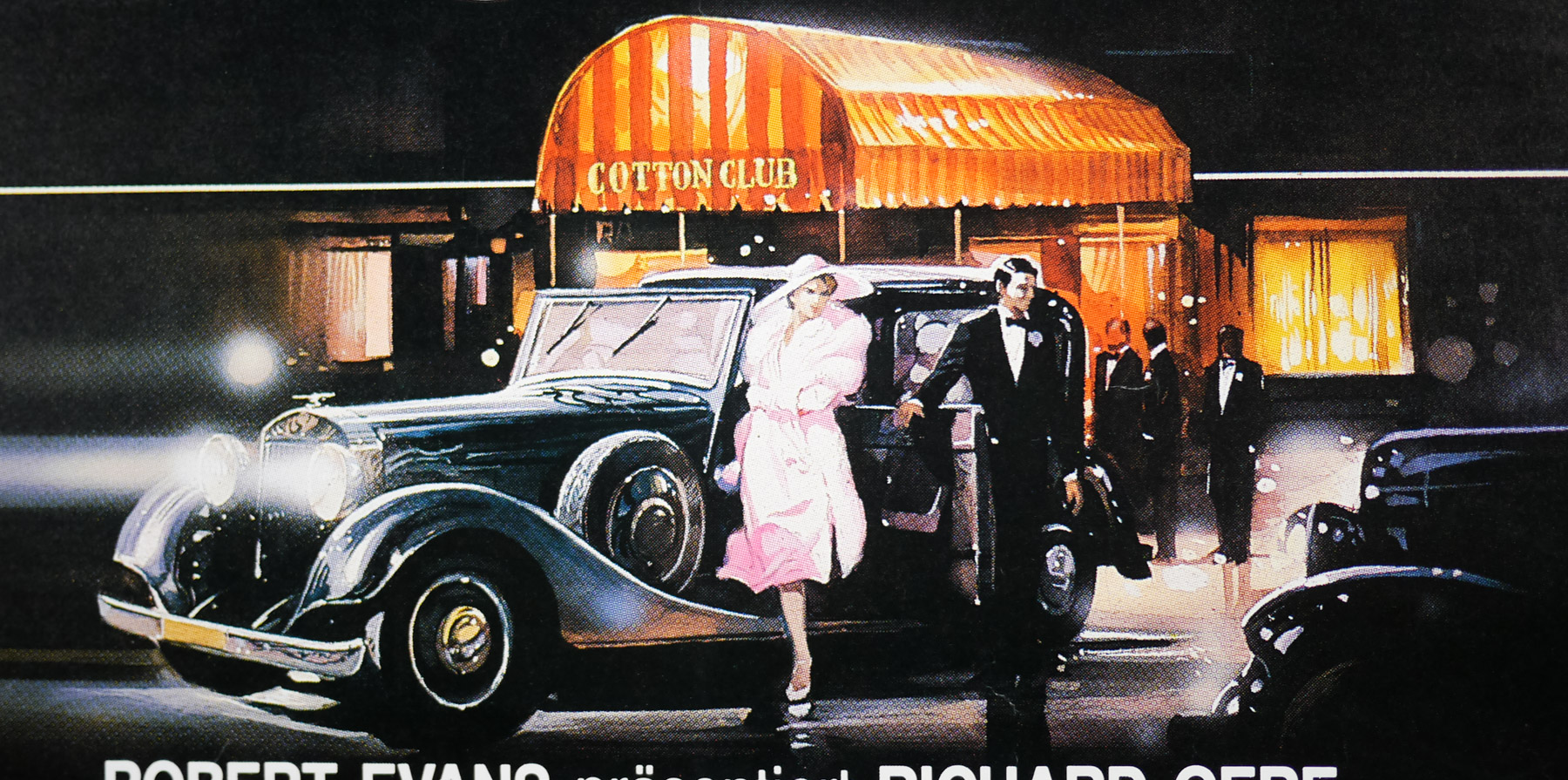
This is the poster for the German release of Francis Ford Coppola’s 1984 crime-drama/musical The Cotton Club. Legendary producer Robert Evans had originally planned to direct the film and the initial story and screenplay had been written by Mario ‘The Godfather’ Puzo, but Evans had a last-minute change of heart and asked Coppola to step in. Puzo’s script was apparently re-written by the author William Kennedy who ended up writing multiple drafts and ended up with a shared screenplay credit along with Coppola. Production was apparently beset with problems, including a spiralling budget that was provided by various parties including Las Vegas casino owners, an Arab arms dealer and a vaudeville performer. In typical fashion, Evans was determined to make the film as extravagant as possible and constructed ‘no expense spared’ sets, hiring some of the best technicians in the business at eye-watering figures.

Another likely reason that filming costs ballooned is the impressive ensemble cast that Evans and the studio were able to hire, which included the likes of Richard GereDiane LaneBob Hoskins and Gregory Hines. Loosely based on the real club of the same name that was located in New York’s Harlem neighbourhood, the story follows the machinations of various characters involved with the club in the 1930s, including Gere’s musician Dixie Dwyer whose dealings with the mobster owner of the club Owney Madden (Hoskins) sees him advance his career as an actor whilst having an affair with the girlfriend of the local kingpin, Dutch Schultz (James Remar). The film also follows Sandman Williams (Hines) a local dancer who falls for the club’s star performer Lila Rose Dwyer (Lonette McKee). Nicolas Cage appears as Dixie’s violent, racist brother Vincent who joins Schultz’s gang.

The film features several musical sequences and is soundtracked by several of the most popular jazz tunes of the era. Sadly, Coppola and Evans clashed regularly during the production and at a certain point the director apparently barred the producer from visiting the set. The Cotton Club was declared a flop when it opened in fourth place at the box-office and would eventually go on to recoup less than half of its reported budget of just under $60 million. Despite tepid critical reception the film was nevertheless nominated for several awards (only winning for Best Costumes at the BAFTAs). The film has something of a cult following today, with many fans speaking highly of the film’s production values and well-staged musical numbers. Rumours of a director’s cut release were ignited last year when Coppola declared that a restoration was in the works, reinstating several musical sequences that were apparently cut for its initial release.

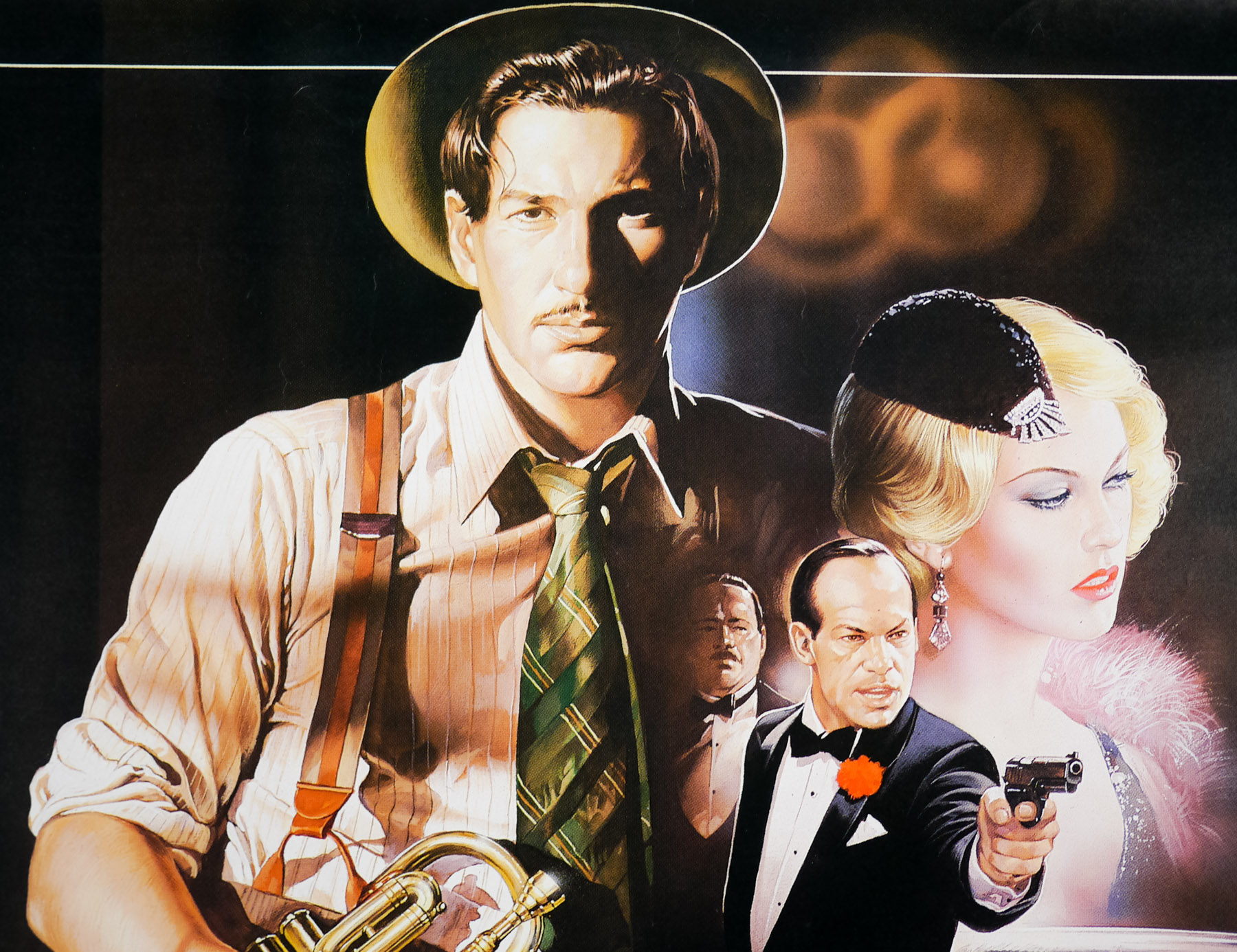
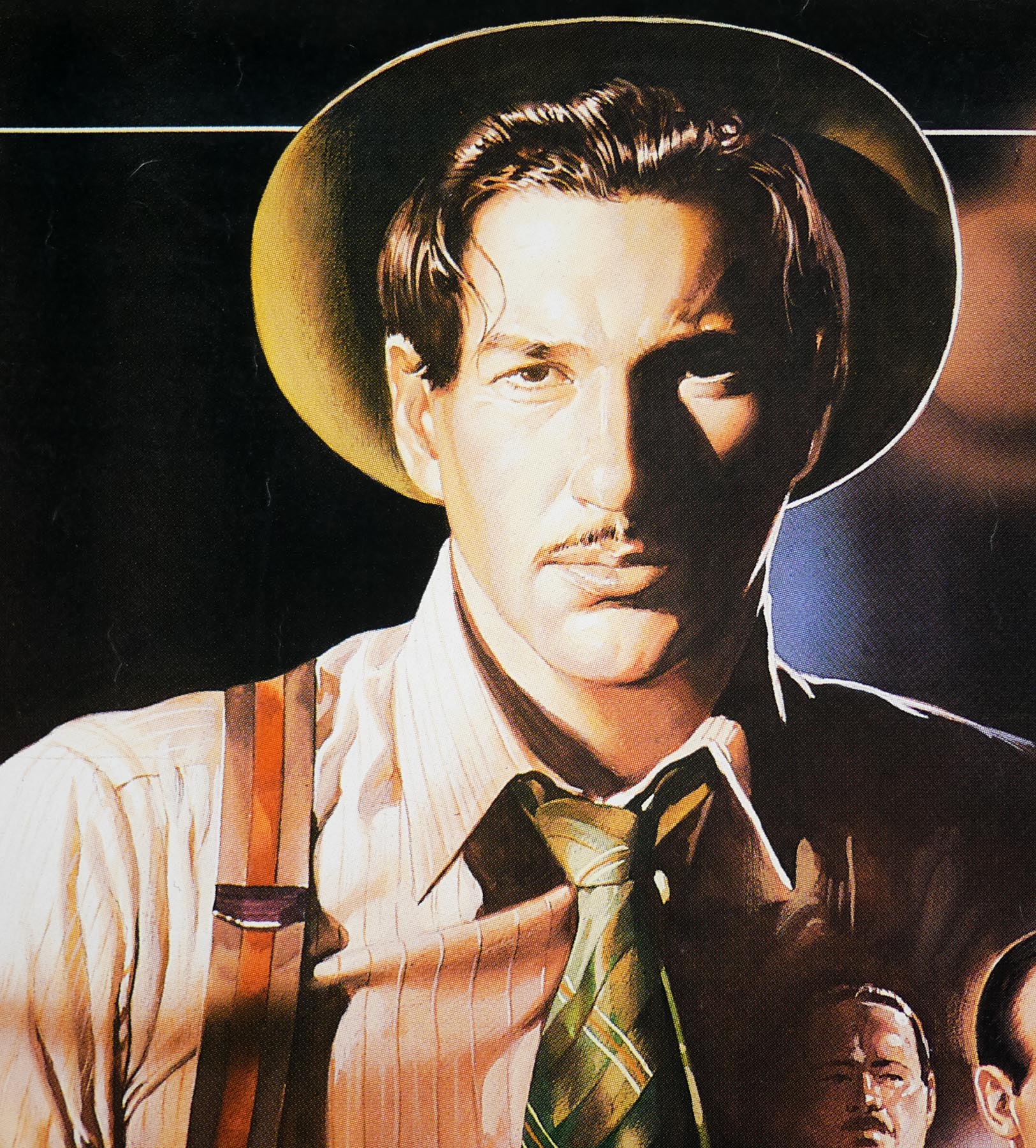
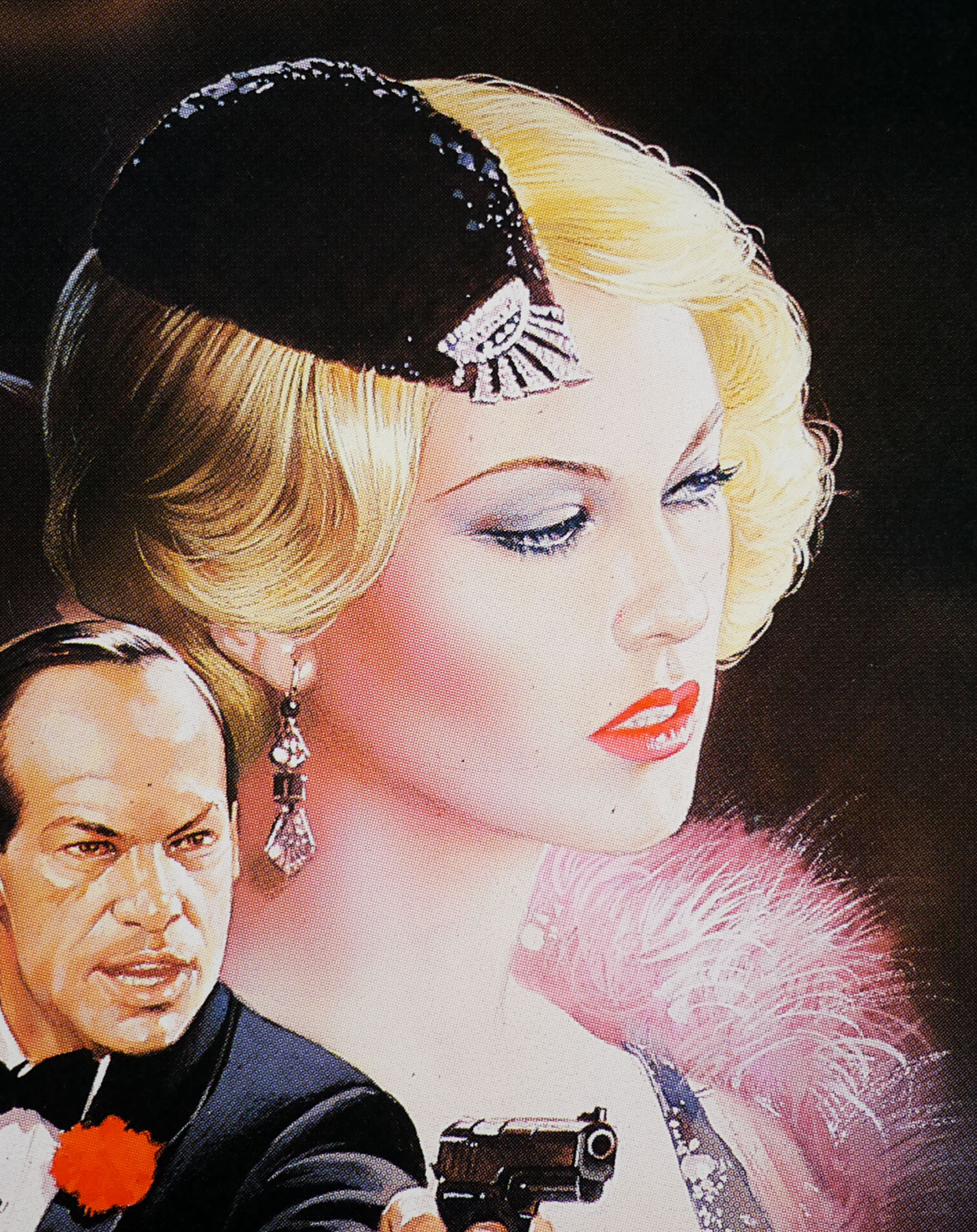
This German poster was illustrated by Renato Casaro, an Italian with a prolific movie poster output that lasted over 35 years. He began his career in 1953, aged 19, at the famous Studio Favalli in Rome and would go on to design and paint posters for many of the biggest directors in the world. His skill at accurately portraying actors and his brilliant use of colour and composition saw him much in demand from studios and actors alike. His artwork has featured on posters used in multiple countries, including Japan, Germany, USA as well as in his native Italy.

Check out the incredible amount of work on his official website here, which also features a biography of the artist. In March 2014 I published an exclusive interview with Renato and it can be read by clicking here. The other posters I’ve collected by Renato Casaro are here.

Dark Star / A1 / 1981 re-release / Germany

03.07.13

Poster Poster
Title
Dark Star
AKA
--
Year of Film
1974
Director
John Carpenter
Starring
Dan O'Bannon, Brian Narelle, Cal Kuniholm, Dre Pahich
Origin of Film
USA
Genre(s) of Film
Dan O'Bannon, Brian Narelle, Cal Kuniholm, Dre Pahich,
Type of Poster
A1
Style of Poster
Re-release
Origin of Poster
Germany
Year of Poster
1981
Designer
Unknown
Artist
--
Size (inches)
23 6/16" x 33"
SS or DS
SS
Tagline
--

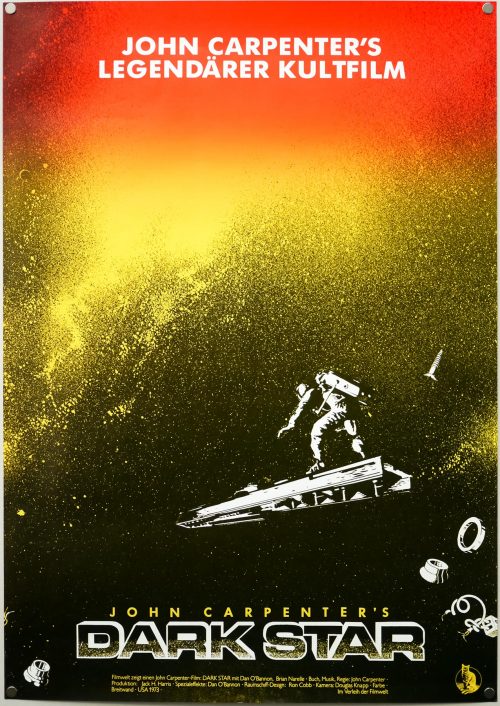
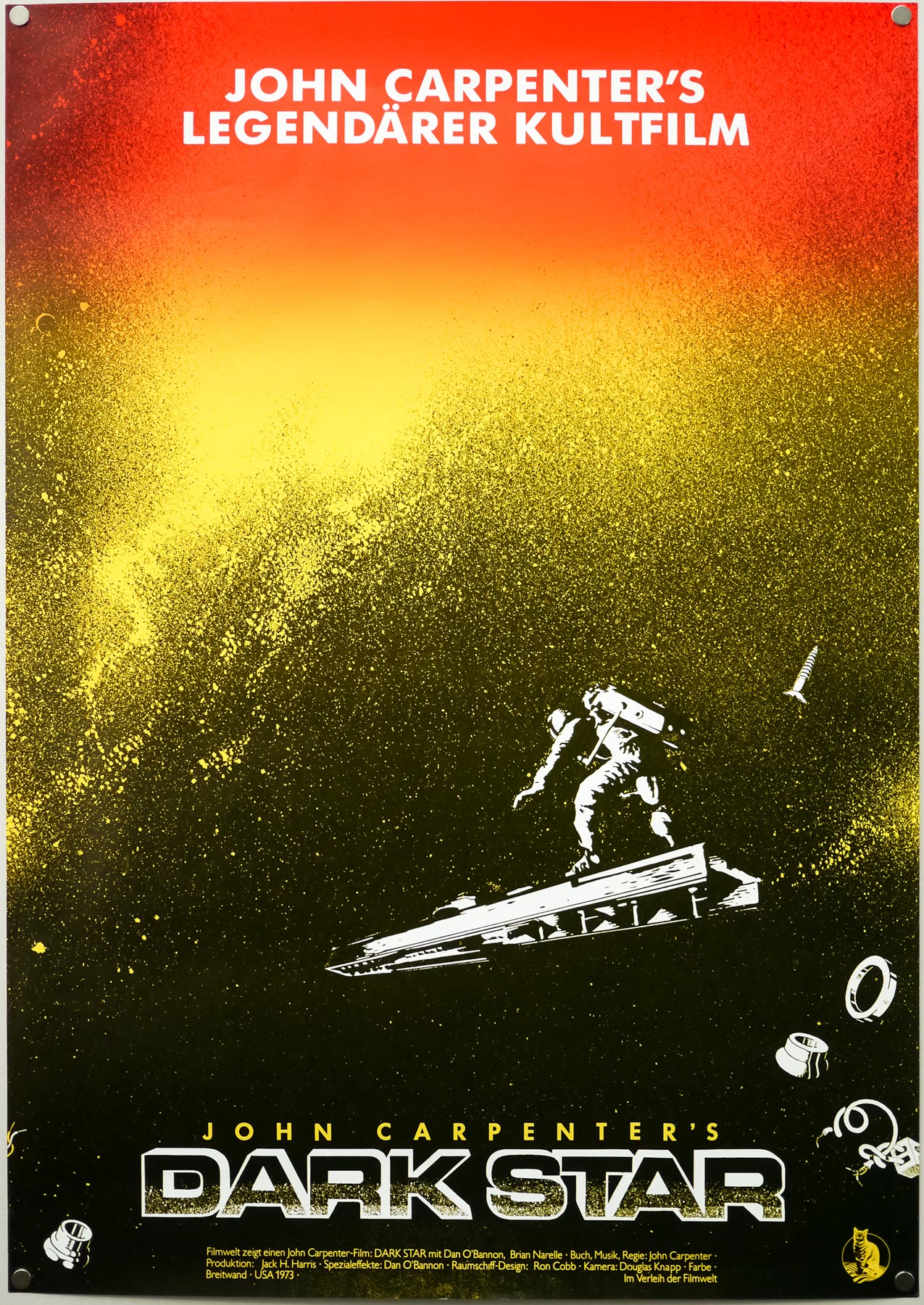
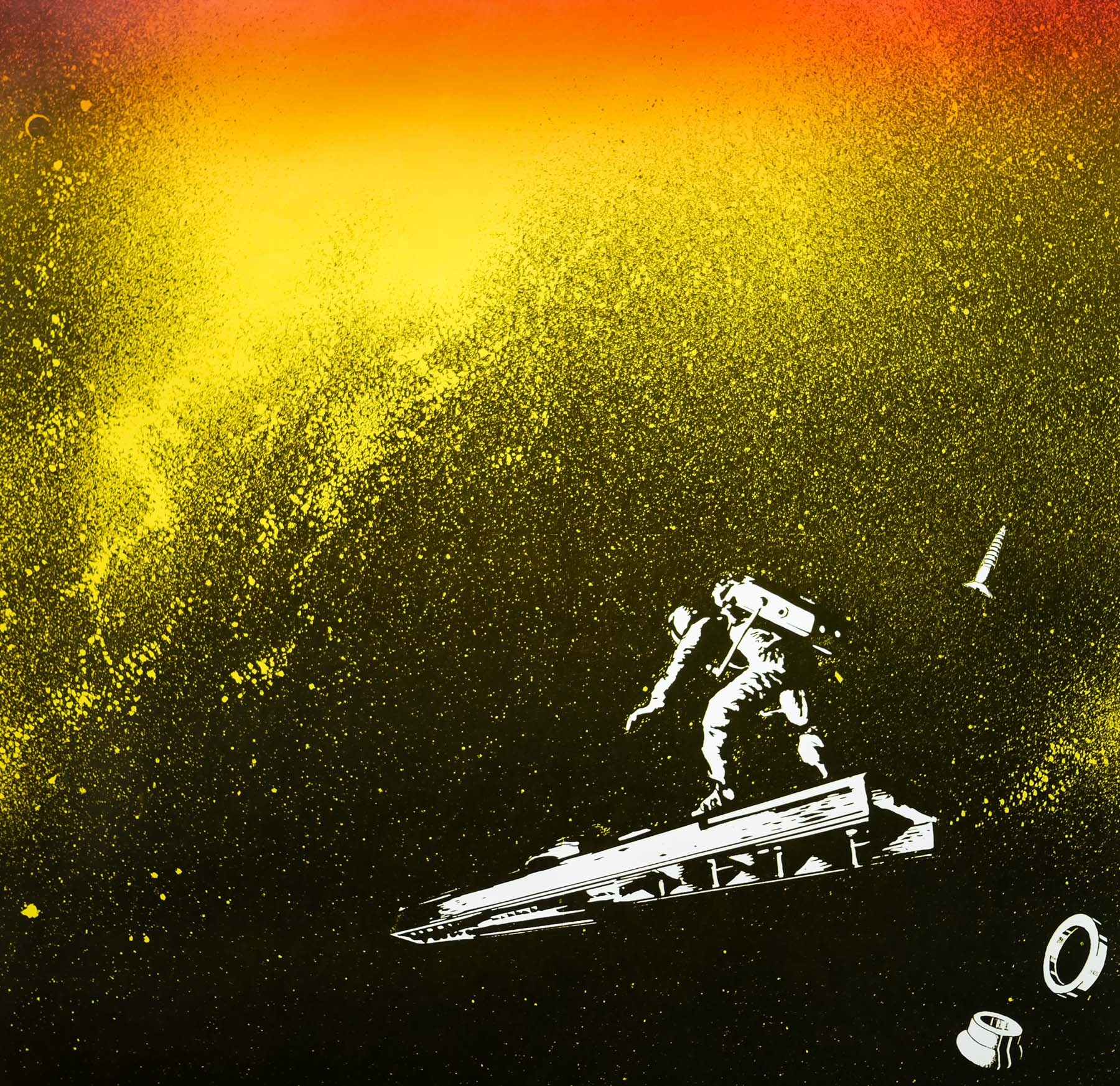
This is the German A1 poster for the 1981 re-release of ace director John Carpenter‘s first film, Dark Star. The sci-fi comedy was made over a period of several years whilst Carpenter was a student at the famous USC School of Cinematic Arts in California, which counts hundreds of well known directors, producers and screenwriters amongst its alumni. Made in collaboration with his friend and fellow student Dan O’Bannon, the shoestring budget (reportedly just $60,000) meant that the pair were multitasking throughout the shoot, with Carpenter co-writing the screenplay, directing, producing and writing the score, whilst O’Bannon shared the screenwriting duties as well as acting and working on the special effects.

The film follows the exploits of the spaceship Dark Star, an exploratory vessel traveling through space looking for unstable planets to blow up with giant bombs, clearing the way for space colonisation. The small crew has to deal with malfunctioning equipment (including the fact that their last supply of toilet paper was destroyed), a mischievous mascot alien, and a sentient bomb that must be persuaded not to destroy the ship by giving it a rudimentary lesson in phenomenology. As depicted on this poster the crew are also keeping the dead body of their captain in freezer storage and are able to speak directly with his conscious. The film is often credited as the first sci-fi to explore the mundanity of working in space.

After playing successfully in a series of short film festivals, the film was seen by the producer Jack H. Harris who was known for launching the careers of fledgling filmmakers, including John Landis whose first feature Schlock was shepherded onto the screen by the producer. Carpenter and O’Bannon were given budget to expand the short into a feature, and several new sequences were added before its eventual release in 1974. The film opened on a significant number of screens considering its origins but left audiences confused, particularly since it came out of nowhere with a brief marketing campaign that made the film seem like a dark and serious sci-fi. Despite being a box-office flop, the film would later gain a great cult following once it was released onto VHS in the 1980s.

Dan O’Bannon went on to work on the special effects for George Lucas’ Star Wars, as well as further exploring the idea of ‘workers in space’ in his script for Ridley Scott’s Alien. Carpenter would next direct the taught thriller Assault on Precinct 13 (1976), which saw international success and firmly established him as a director, paving the way for his milestone horror film, Halloween (1978).

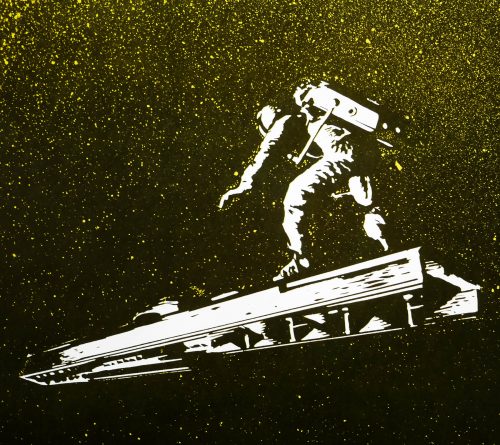
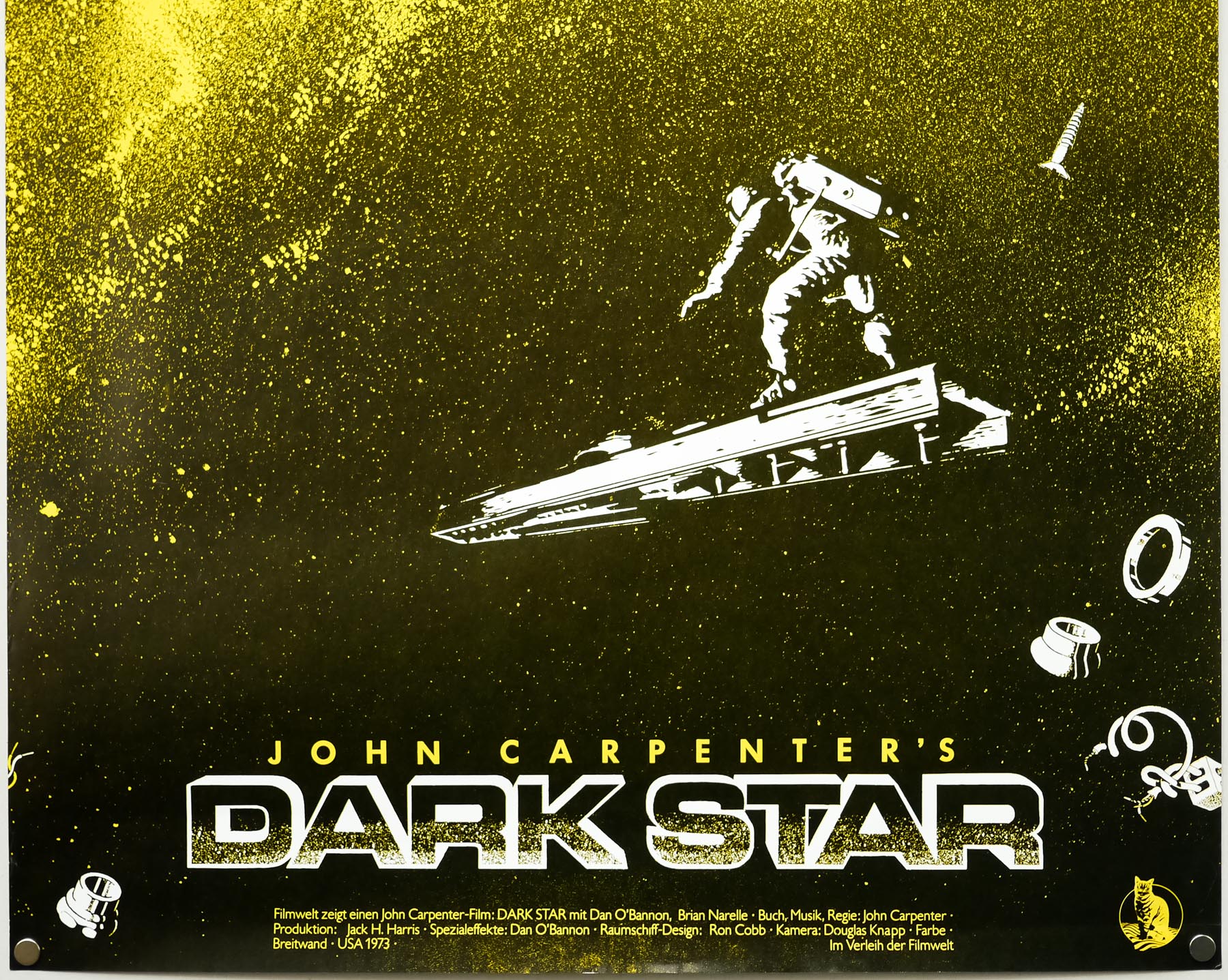
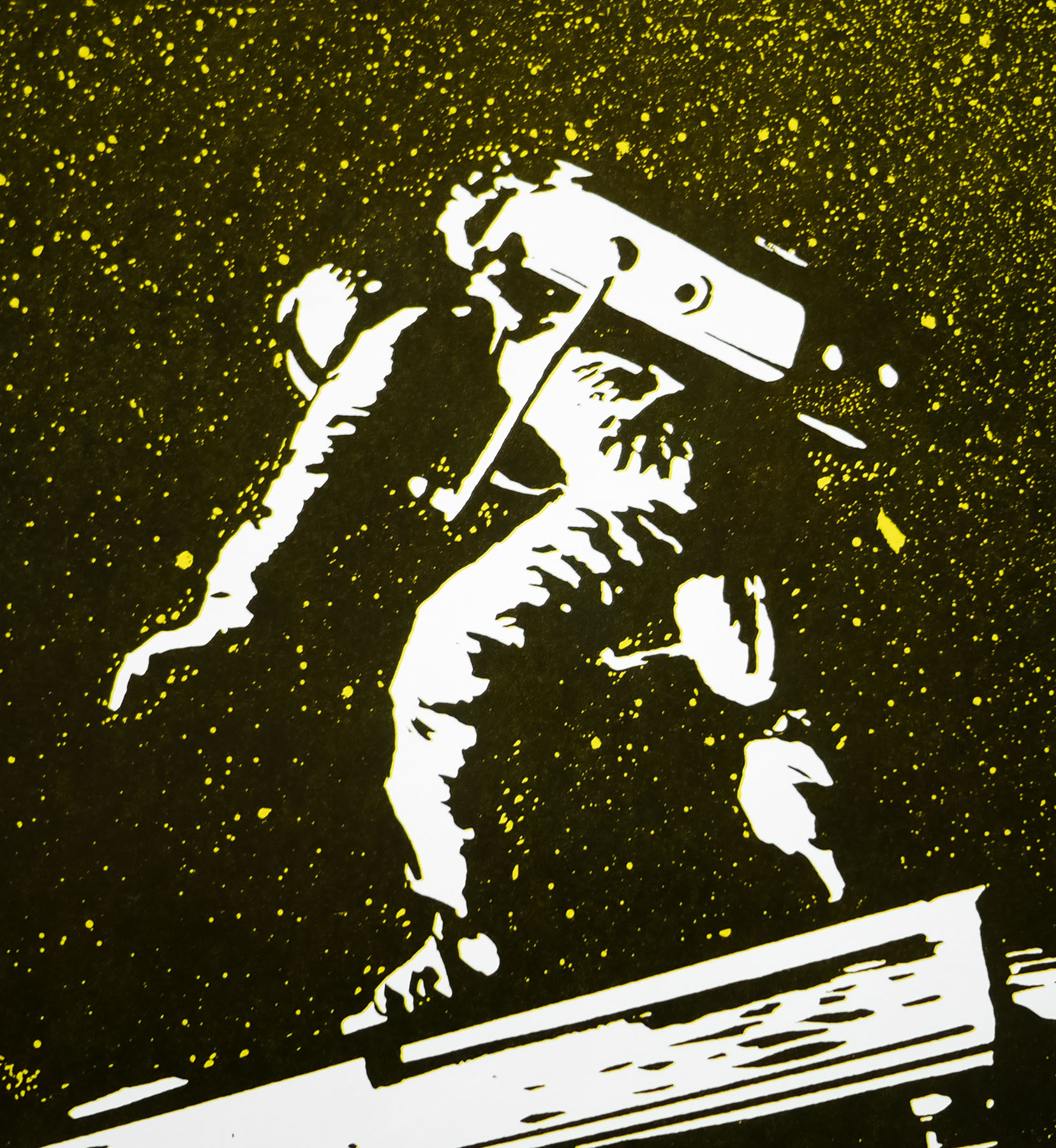
This re-release poster, which depicts the moment that one of the crew members surfs on a shard of debris, is practically identical to the 1975 original release poster, that is missing the white text at the top. There’s at least one other German re-release poster for the film (possibly from 1979) that features the same design but with different colours.

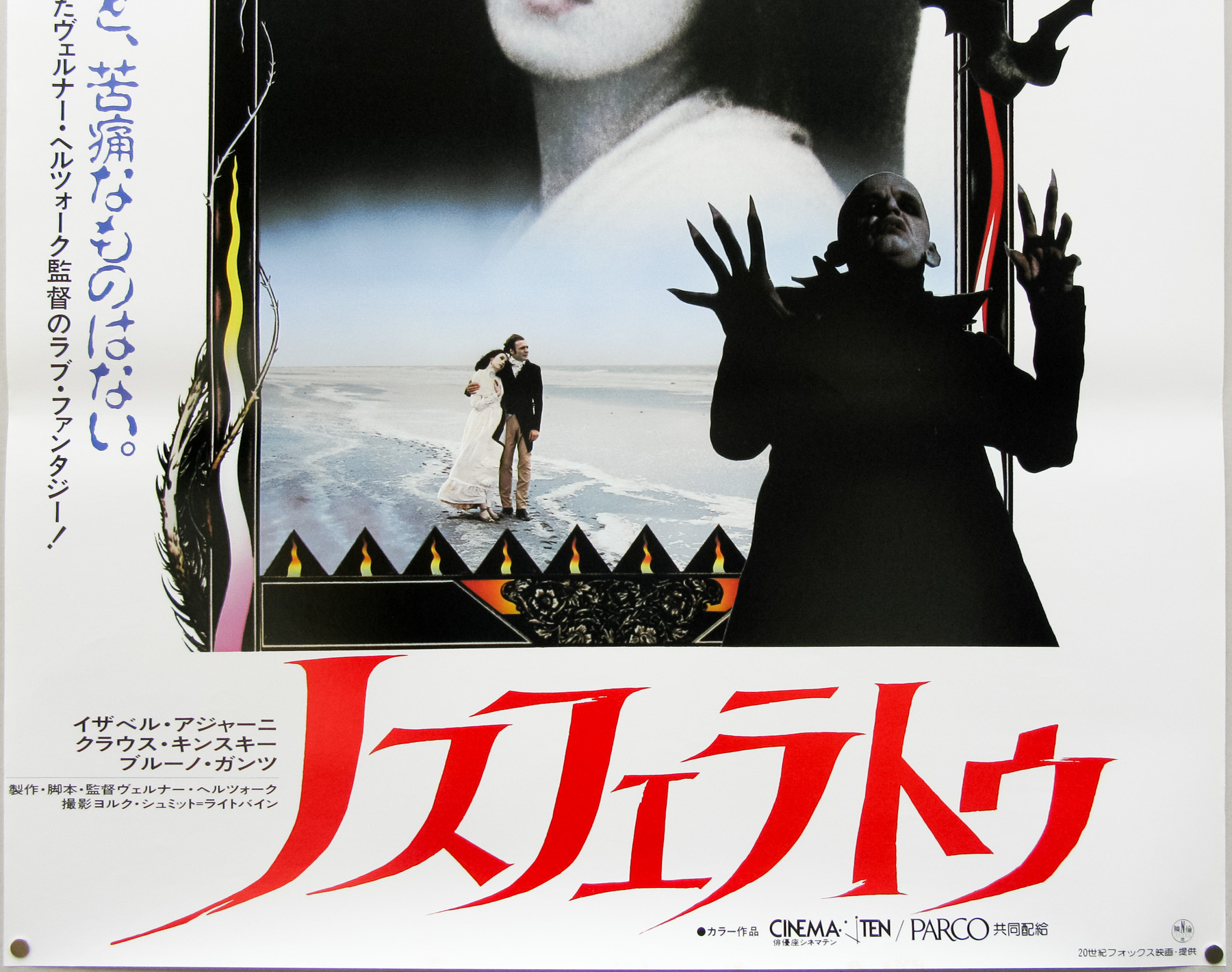
Nosferatu the Vampyre / B2 / Japan

14.06.12

Poster Poster
Title
Nosferatu the Vampyre
AKA
Nosferatu: Phantom der Nacht (Germany - original title)
Year of Film
1979
Director
Werner Herzog
Starring
Klaus Kinski, Isabelle Adjani, Bruno Ganz, Roland, Topor, Walter Ladengast, Dan van Husen, Jan Groth, Carsten Bodinus, Martje Grohmann, Rijk de Gooyer
Origin of Film
West Germany | France
Genre(s) of Film
Klaus Kinski, Isabelle Adjani, Bruno Ganz, Roland, Topor, Walter Ladengast, Dan van Husen, Jan Groth, Carsten Bodinus, Martje Grohmann, Rijk de Gooyer,
Type of Poster
B2
Style of Poster
--
Origin of Poster
Japan
Year of Poster
1979
Designer
Unknown
Artist
David Palladini (partial)
Size (inches)
20 7/16" x 28 14/16"
SS or DS
SS
Tagline
--

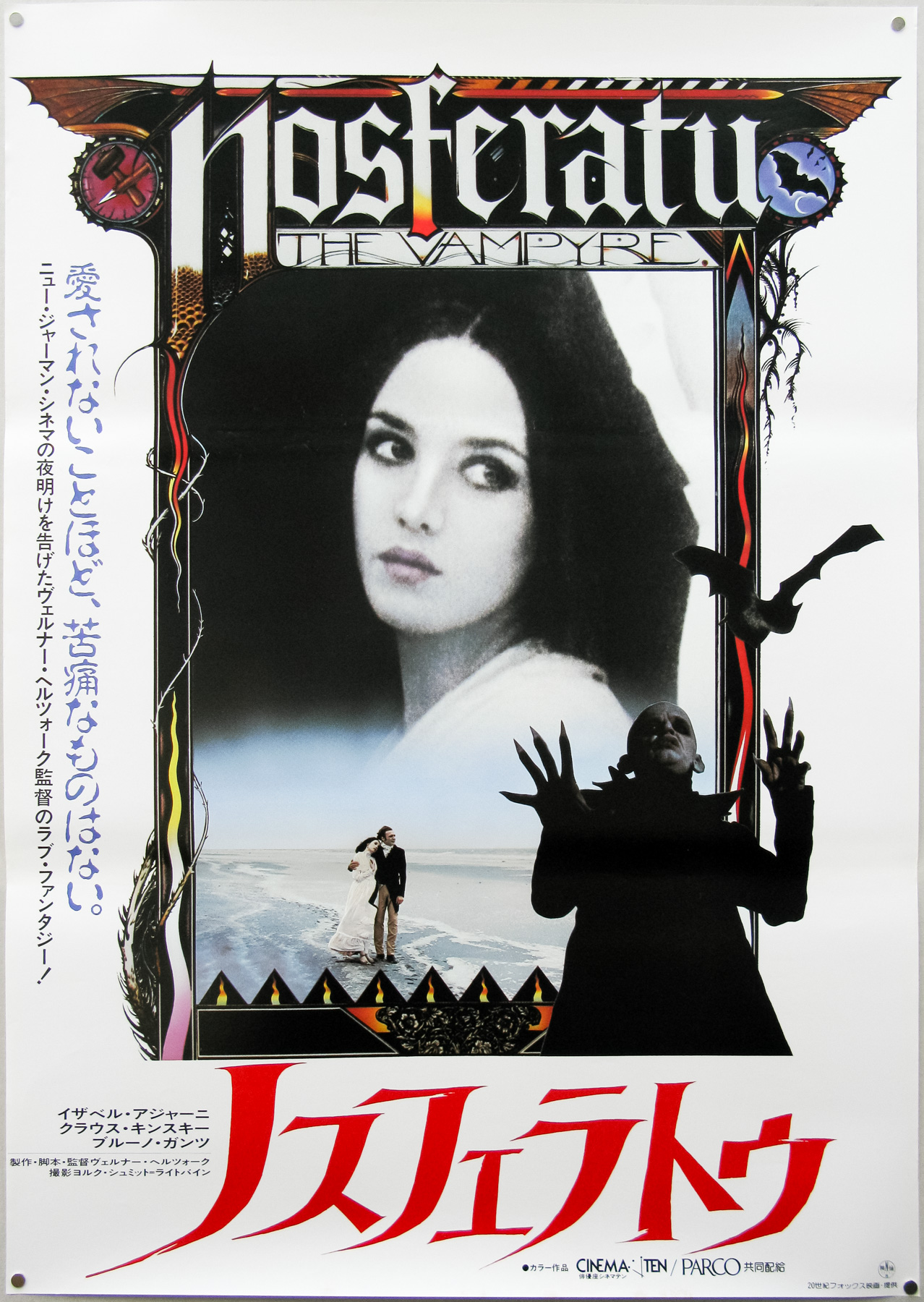
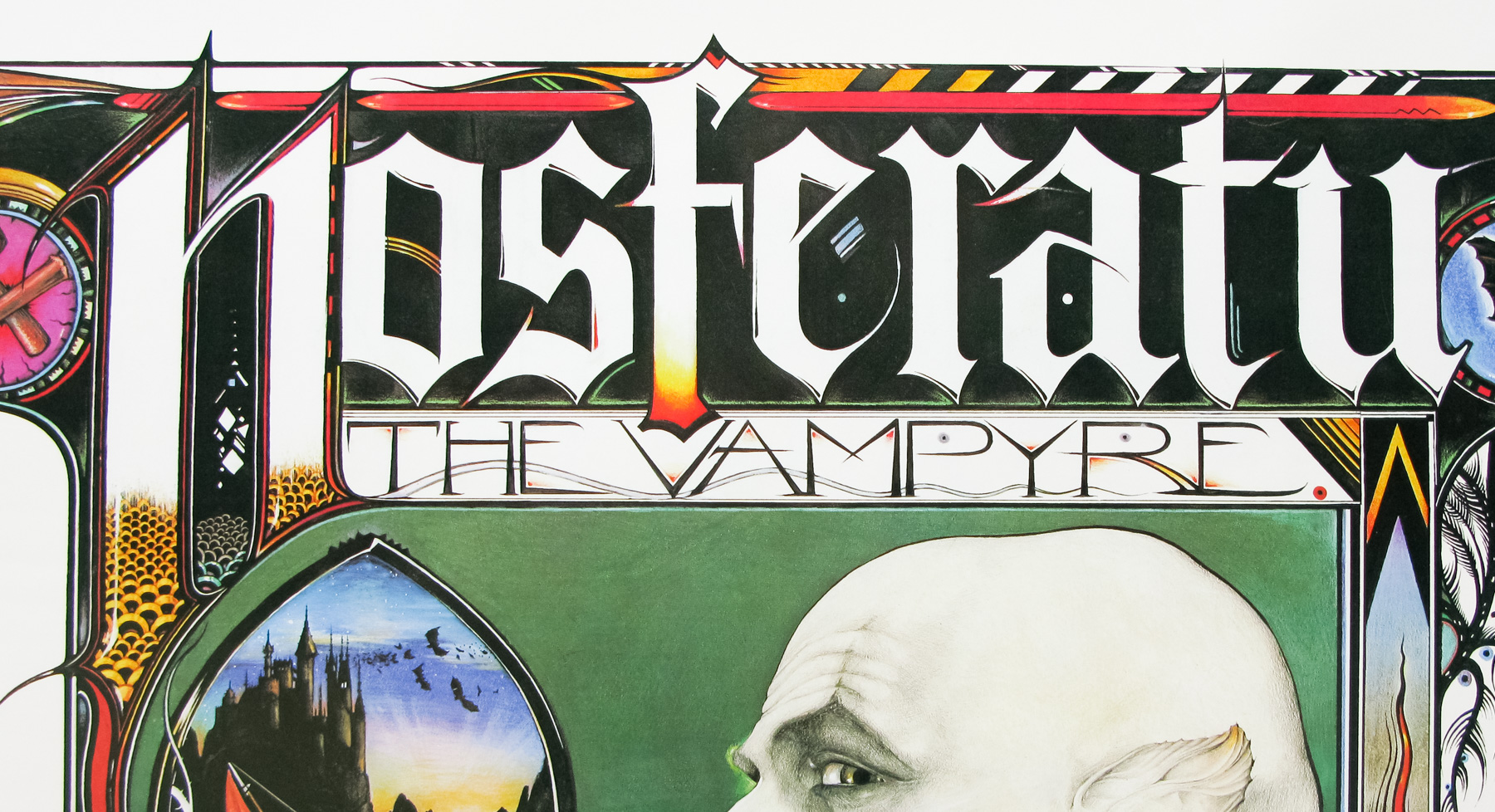
Legendary German film maker Werner Herzog wrote and directed this brilliant, stylish homage to the 1922 Dracula adaptation, ‘Nosferatu, eine Symphonie des Grauens’. F. W. Murnau‘s seminal silent classic was actually filmed without permission from Bram Stoker‘s estate and had a number of minor details changed in attempt to avoid infringing copyright. Their attempts were unsuccessful and Stoker’s widow filed a lawsuit that resulted in the film being withdrawn and most of the prints being destroyed. Luckily, a handful survived and the film was able to be properly restored and saved from total loss.

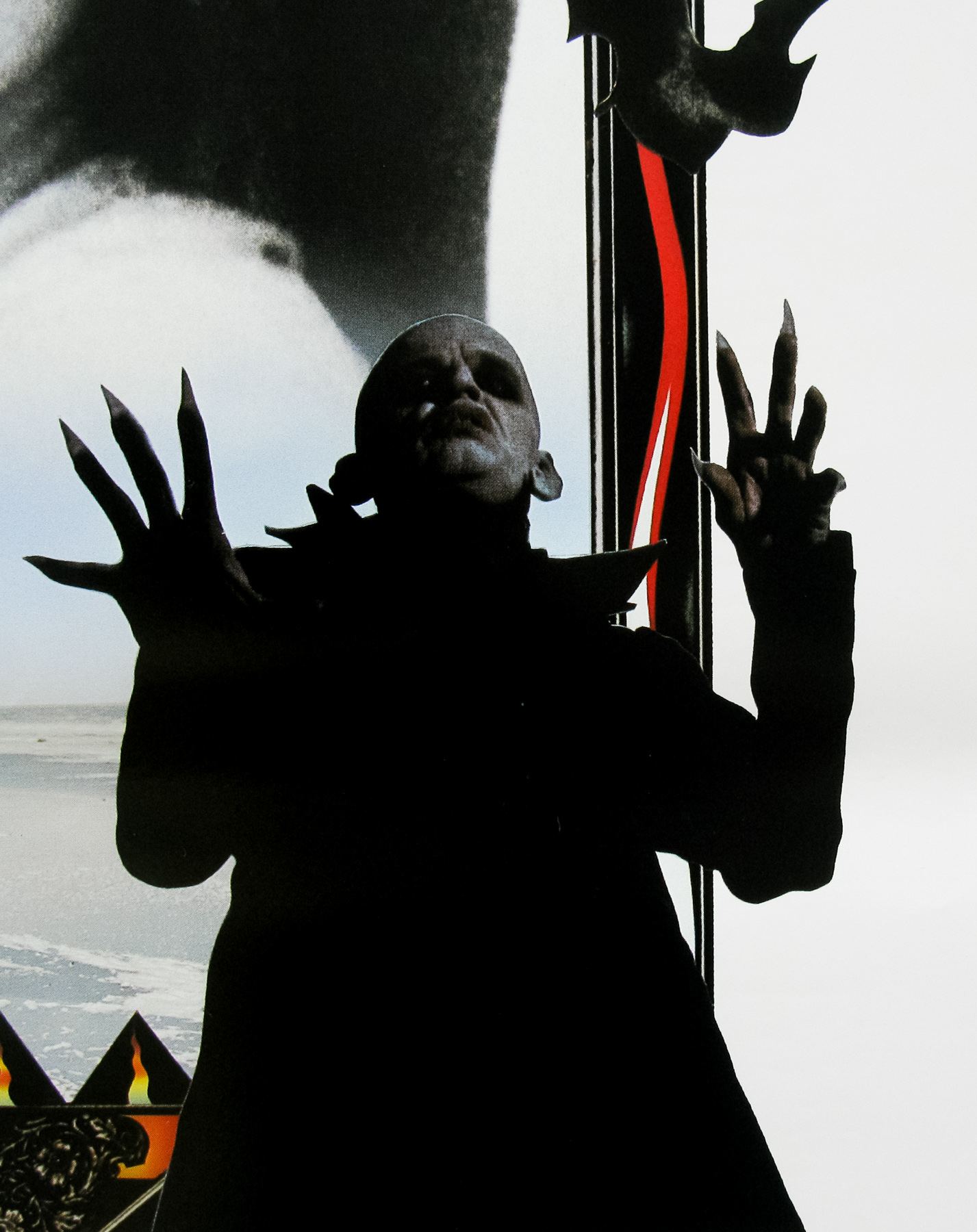
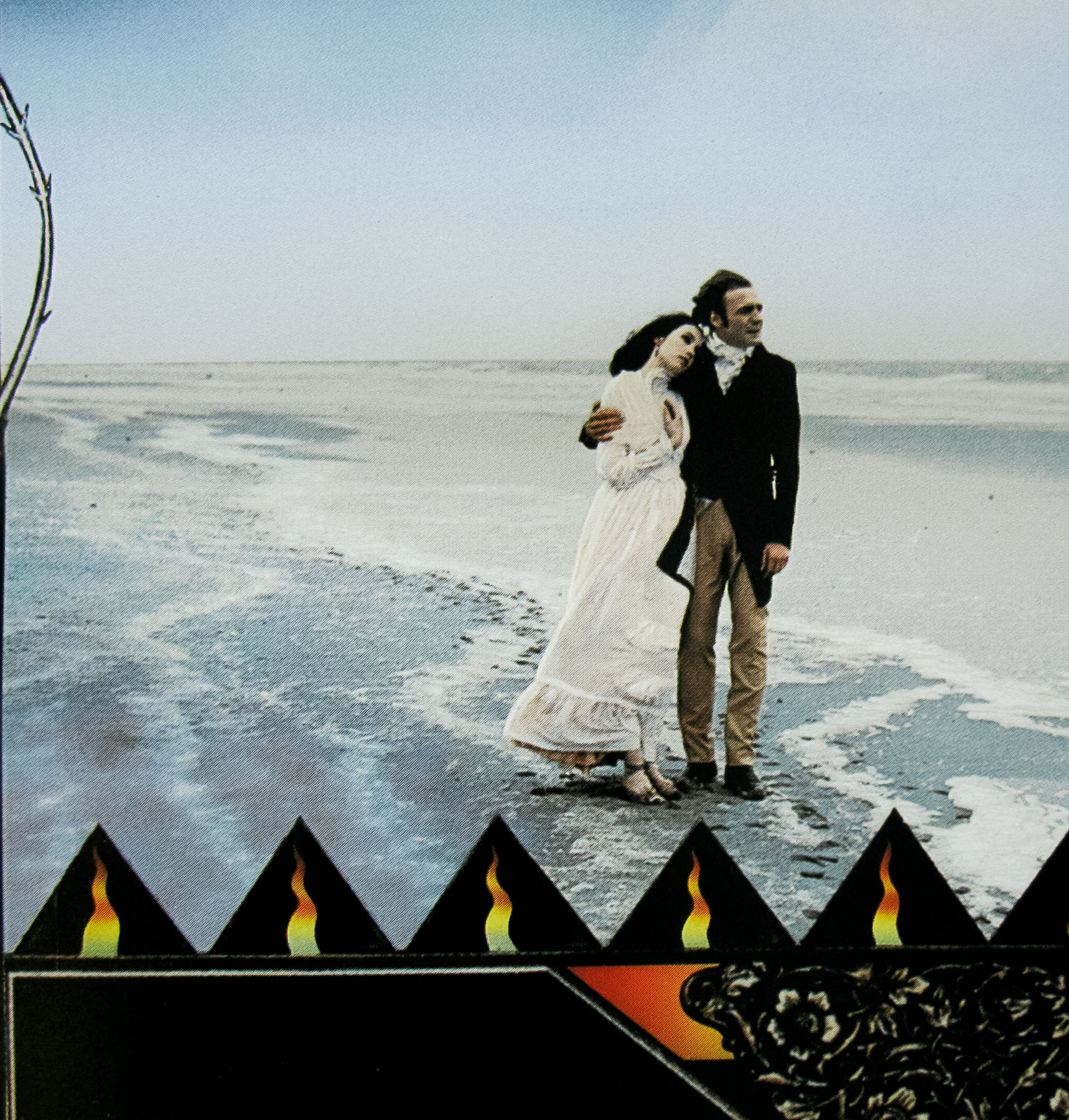
Frequent Herzog collaborator (and occasional adversary) Klaus Kinski stars as Count Dracula (changed from the Count Orlok of Murnau’s verison), the undead vampire who travels to Germany from Transylvania. He intends to prey upon Lucy (Isabelle Adjani), the wife of Jonathan Harker (Bruno Ganz) from whom the Count purchased real-estate deeds before locking him in his castle. Jonathan manages to escape and heads home in hot pursuit of the evil vampire to save Lucy from an undead fate. Herzog’s version is particularly notable for the way it portrays the classic Count as a weary, unloved character who is struggling with the idea of immortality and is disgusted with the predatory side of himself. This was in stark contrast to many of the Dracula adaptations that had been made since Murnau’s original.

Unusually, the studio (20th Century Fox) requested that Herzog film each scene with dialogue twice (in German and English, spoken by the same actors) so that two versions of the film could be constructed with the idea that the English one would appeal more to Western audiences. Today most fans prefer the German version as the actors are clearly more comfortable speaking in their native language and the acting is thus more natural.

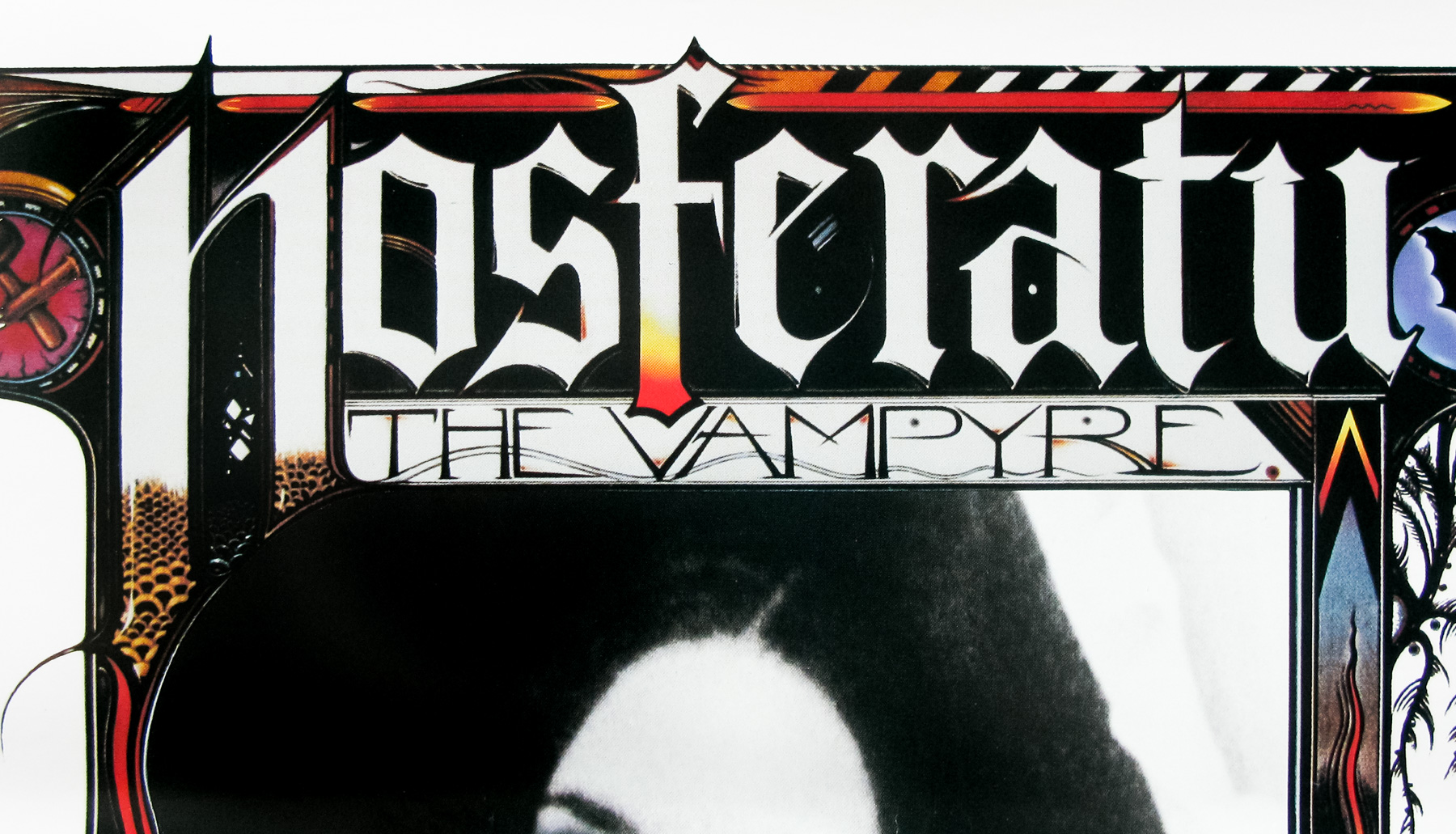
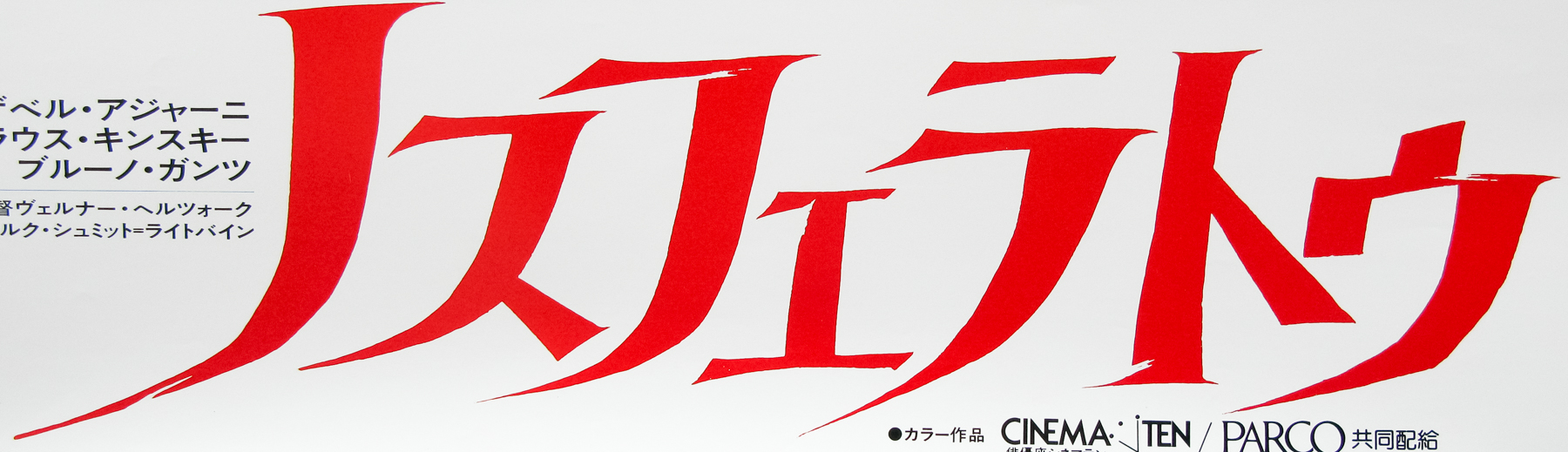
This Japanese poster features elements of the fantastic American one sheet, which was painted by David Palladini, and is one of the best posters of the 1970s, in my opinion. In the place of the illustration of Count Dracula is a striking image of the gorgeous Adjani and two smaller photos featuring the Harkers and Dracula.

The original trailer is on YouTube.

From the Life of the Marionettes / B1 / Poland

20.04.16

Poster Poster
Title
From the Life of the Marionettes
AKA
Aus dem Leben der Marionetten (West Germany - original title)
Year of Film
1980
Director
Ingmar Bergman
Starring
Robert Atzorn, Christine Buchegger, Martin Benrath, Rita Russek, Lola Müthel, Walter Schmidinger, Heinz Bennent, Ruth Olafs, Karl-Heinz Pelser, Gaby Dohm
Origin of Film
West Germany | Sweden
Genre(s) of Film
Robert Atzorn, Christine Buchegger, Martin Benrath, Rita Russek, Lola Müthel, Walter Schmidinger, Heinz Bennent, Ruth Olafs, Karl-Heinz Pelser, Gaby Dohm,
Type of Poster
B1
Style of Poster
--
Origin of Poster
Poland
Year of Poster
1983
Designer
Wieslaw Walkuski
Artist
Wieslaw Walkuski
Size (inches)
26 6/16" x 37 11/16"
SS or DS
SS
Tagline
--

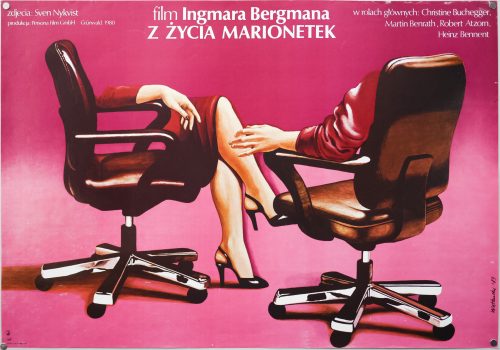
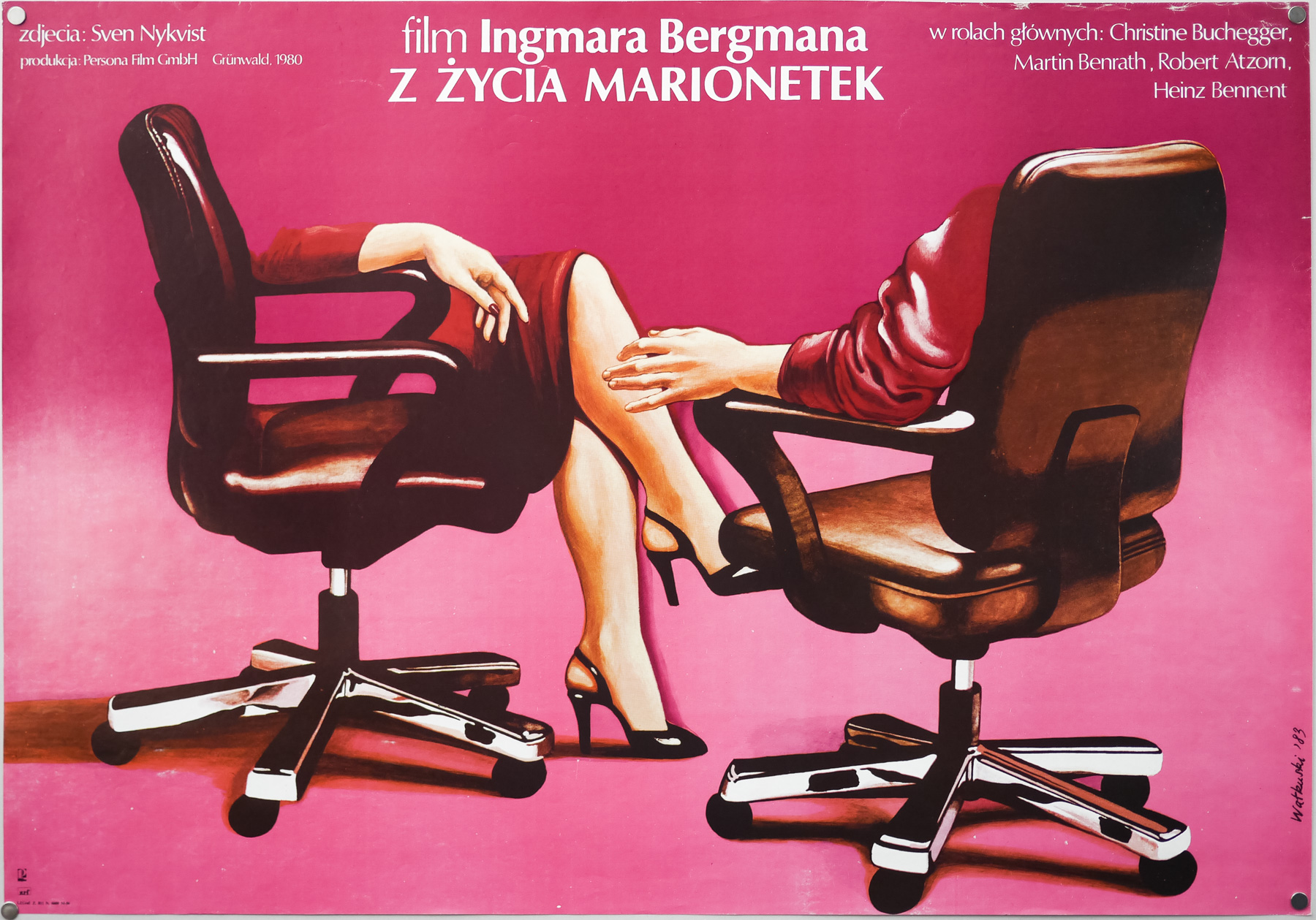
Wieslaw Walkuski artwork features on this Polish poster for the release (in 1983) of Swedish director Ingmar Bergman‘s From the Life of the Marionettes. The film was developed and shot by Bergman whilst he was living as a tax exile in West Germany and had a screenplay and soundtrack in German. It was originally developed as a TV movie and was shown on a German public-service channel in November 1980, but was later released at several film festivals and granted wider cinema releases in the following years.

The film depicts the degeneration of the relationship between the arguing couple seen briefly in Bergman’s earlier film, Scenes From a Marriage, Katarina and Peter Egermann (played by Christine Buchegger and Robert Atzorn). The Wikipedia plot description makes it sound like a pretty grim watch:

‘As Katarina seeks other lovers, the emotionally repressed and despondent Peter descends into neuroses, eventually leading him to tearfully murder a prostitute (played by Rita Russek), with the same name as his wife, at a Munich peep show before sodomising her dead body. In the closing sequence he is incarcerated in a mental asylum’

Wieslaw Walkuski was born in 1956 and studied at the Academy of Fine Arts in Warsaw. Since 1981 Walkuski has worked as a graphic designer and artist for publishing houses and theaters, as well as for the Polish film organisations Polfilm and Film Polski. He’s worked freelance since 1987 and has painted over 200 film posters. He continues to live and work in Warsaw. Walkuski’s official website features galleries of many of his designs and images of his other work.

He’s responsible for some incredible designs and two of my favourites include those he painted for Lars Von Trier’s Breaking the Waves and the Dustin Hoffman comedy Tootsie.

The Boat / Thailand

09.06.16

Poster Poster
Title
The Boat
AKA
Das Boot (Germany - original title) | U-Bôto (Japan) | U-Boot 96 (Italy)
Year of Film
1981
Director
Wolfgang Petersen
Starring
Jürgen Prochnow, Herbert Grönemeyer, Klaus Wennemann, Hubertus Bengsch, Martin Semmelrogge, Bernd Tauber, Erwin Leder, Martin May, Heinz Hoenig, Uwe Ochsenknecht
Origin of Film
West Germany
Genre(s) of Film
Jürgen Prochnow, Herbert Grönemeyer, Klaus Wennemann, Hubertus Bengsch, Martin Semmelrogge, Bernd Tauber, Erwin Leder, Martin May, Heinz Hoenig, Uwe Ochsenknecht,
Type of Poster
Thai
Style of Poster
--
Origin of Poster
Thailand
Year of Poster
Unknown
Designer
Unknown
Artist
Tongdee Panumas
Size (inches)
25 1/16" x 37"
SS or DS
SS
Tagline
--

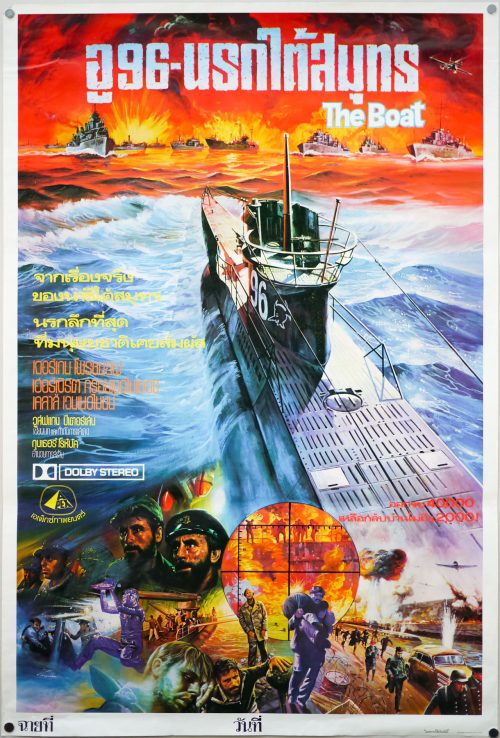
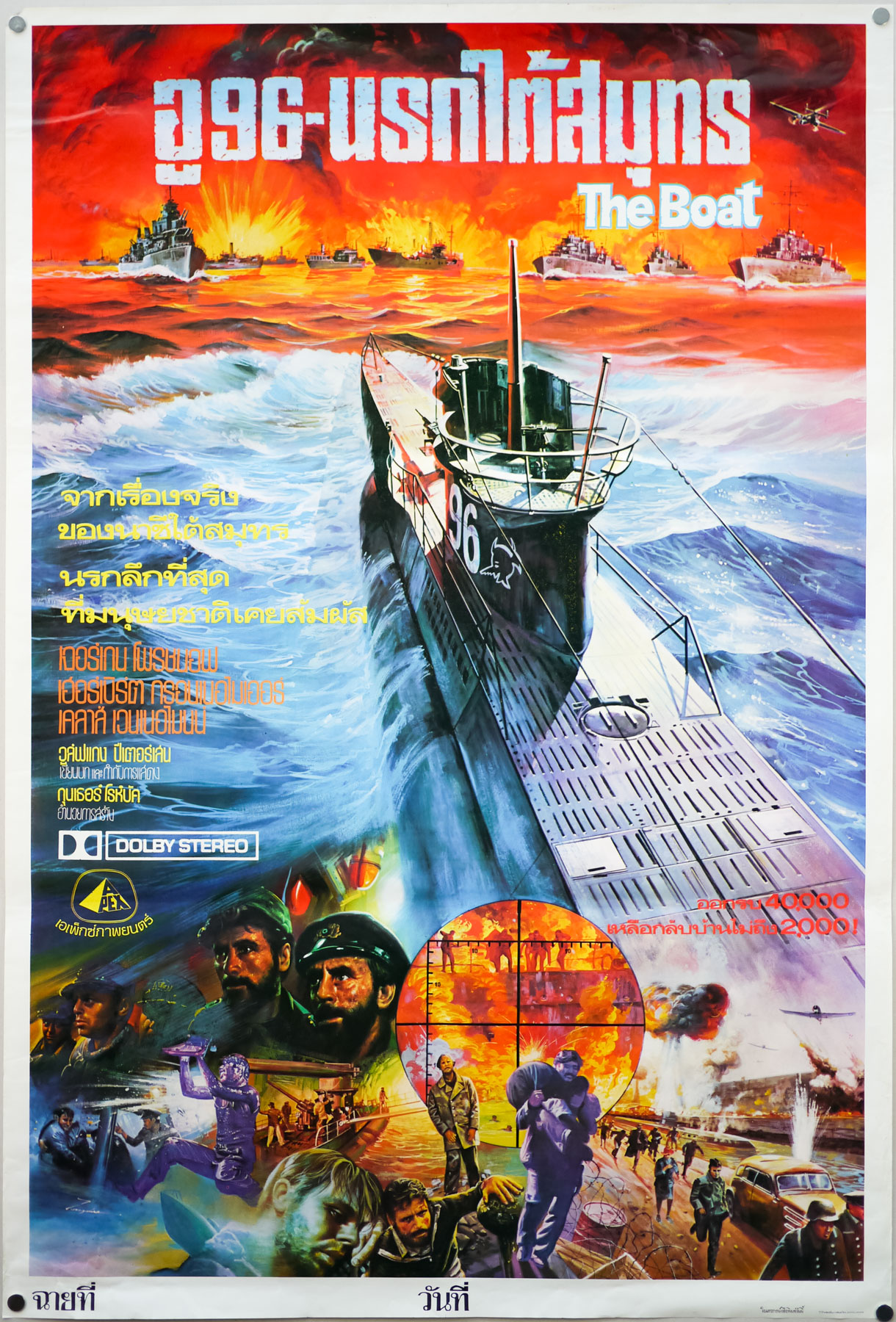
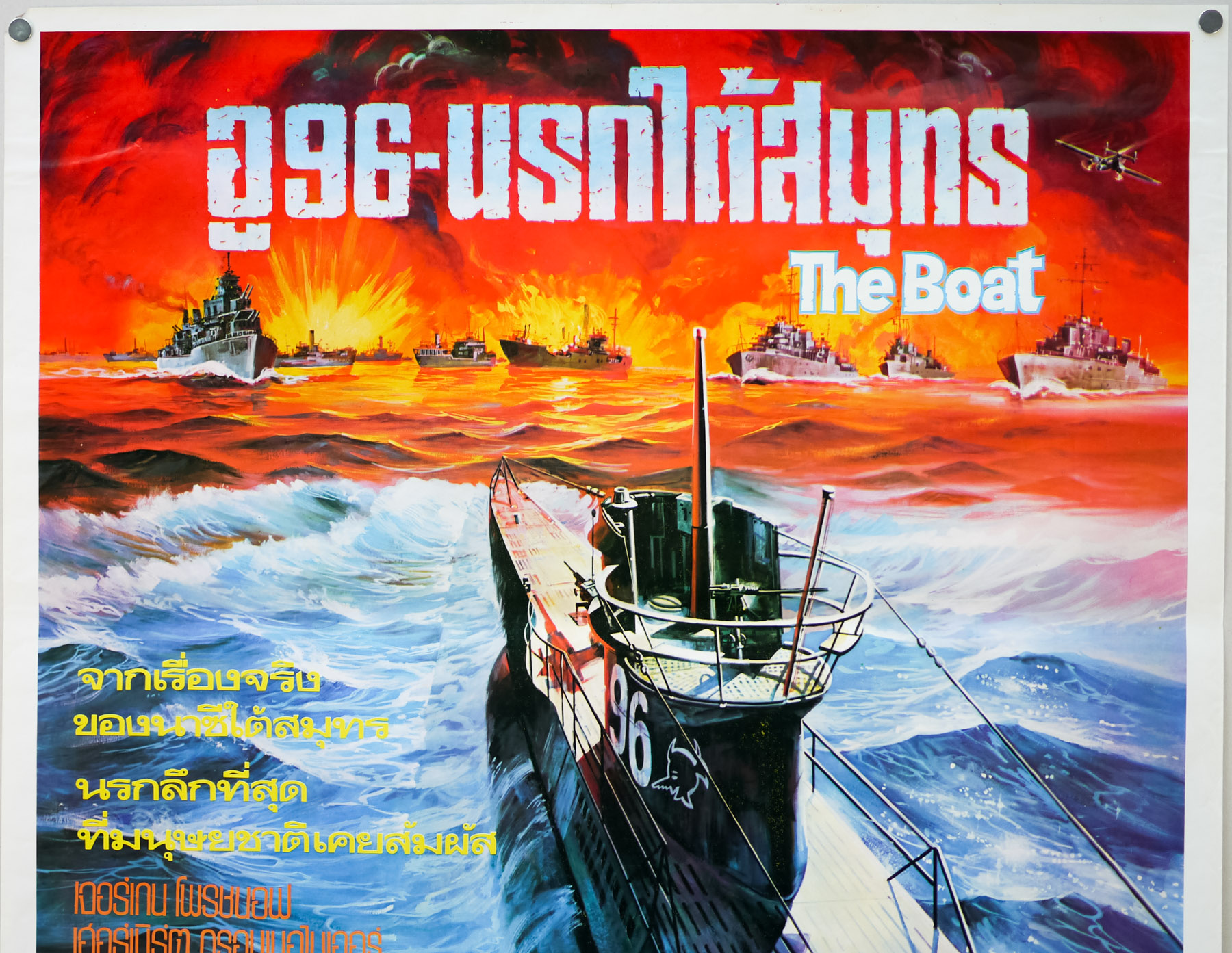
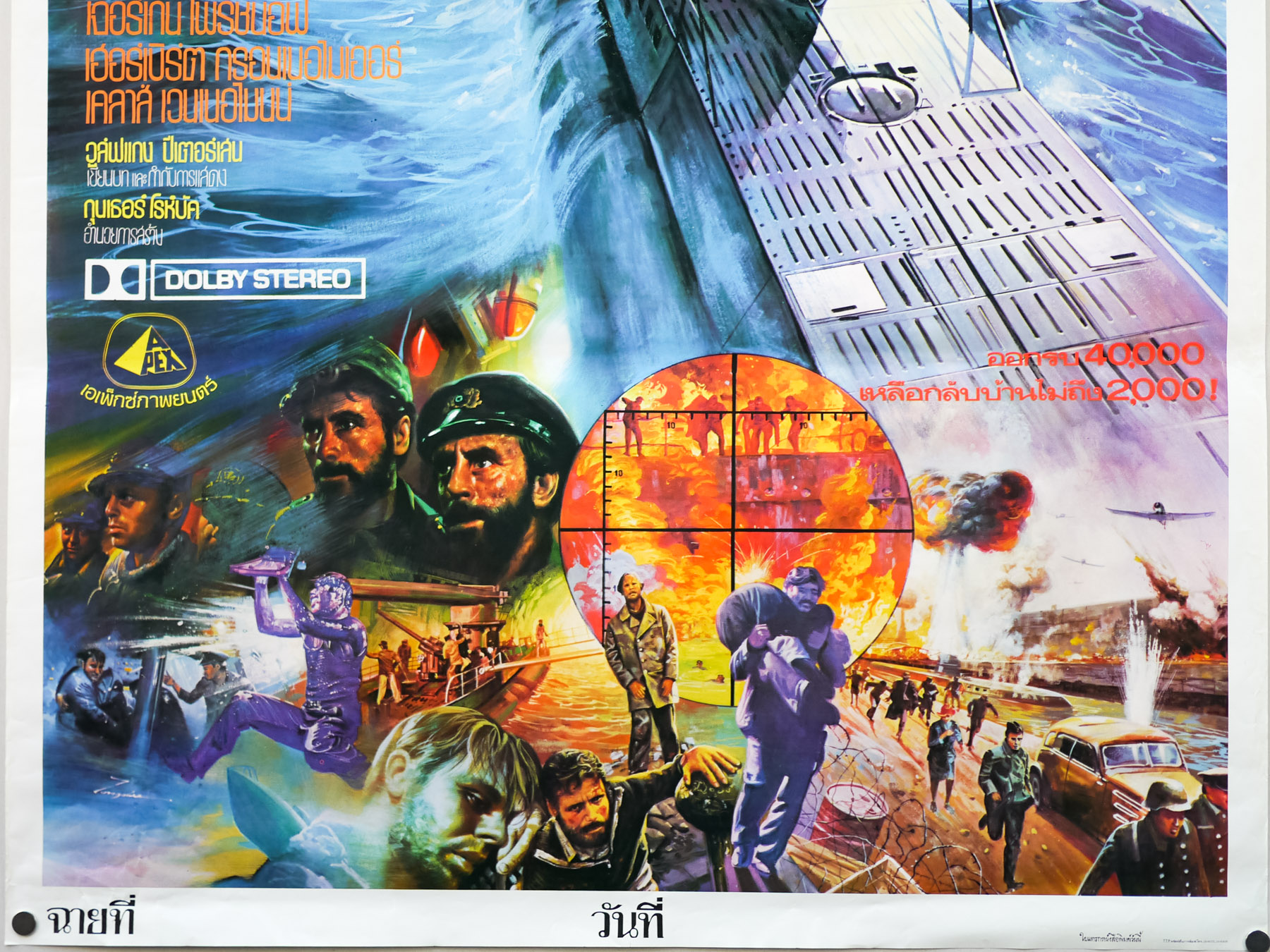
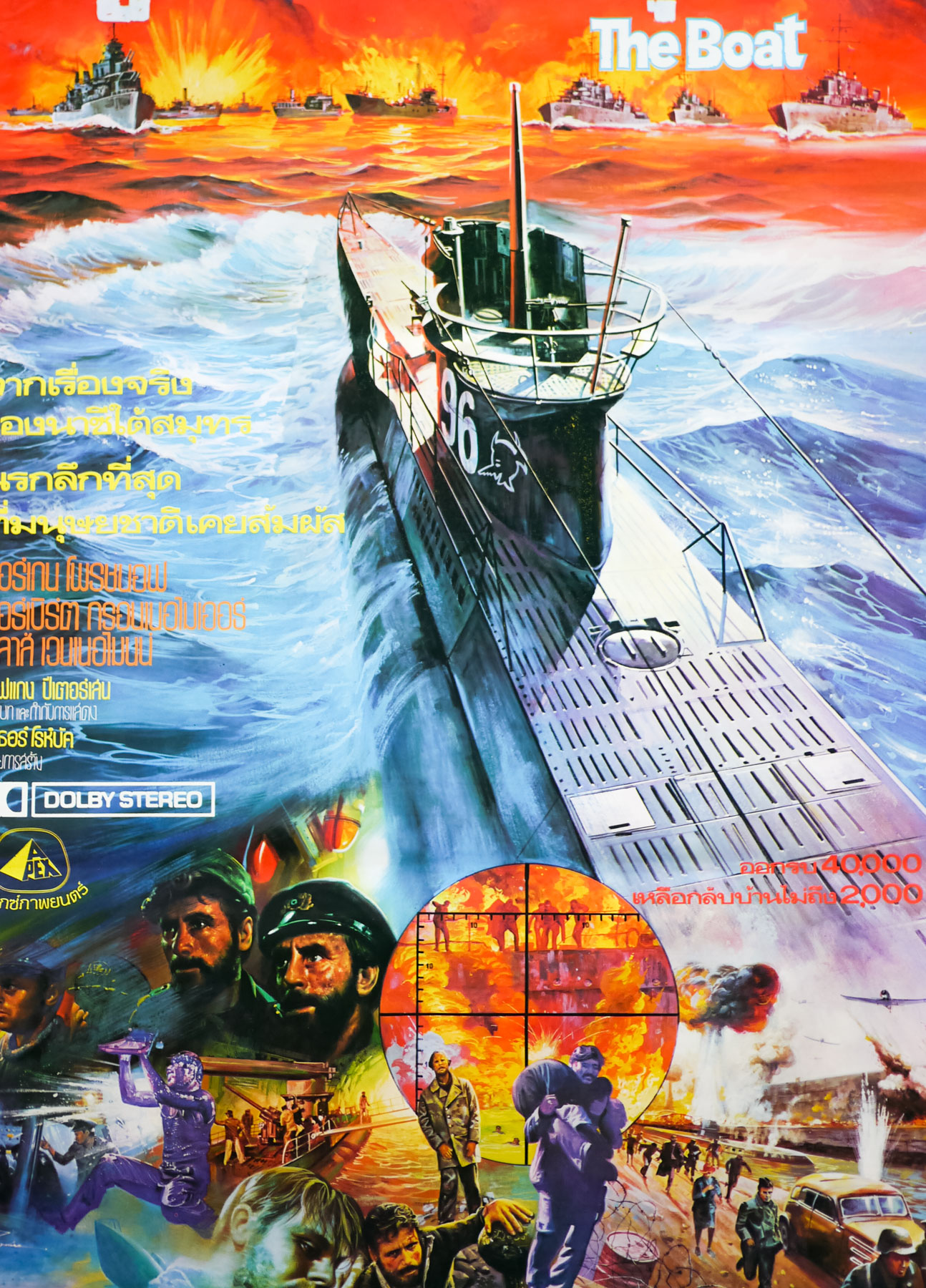
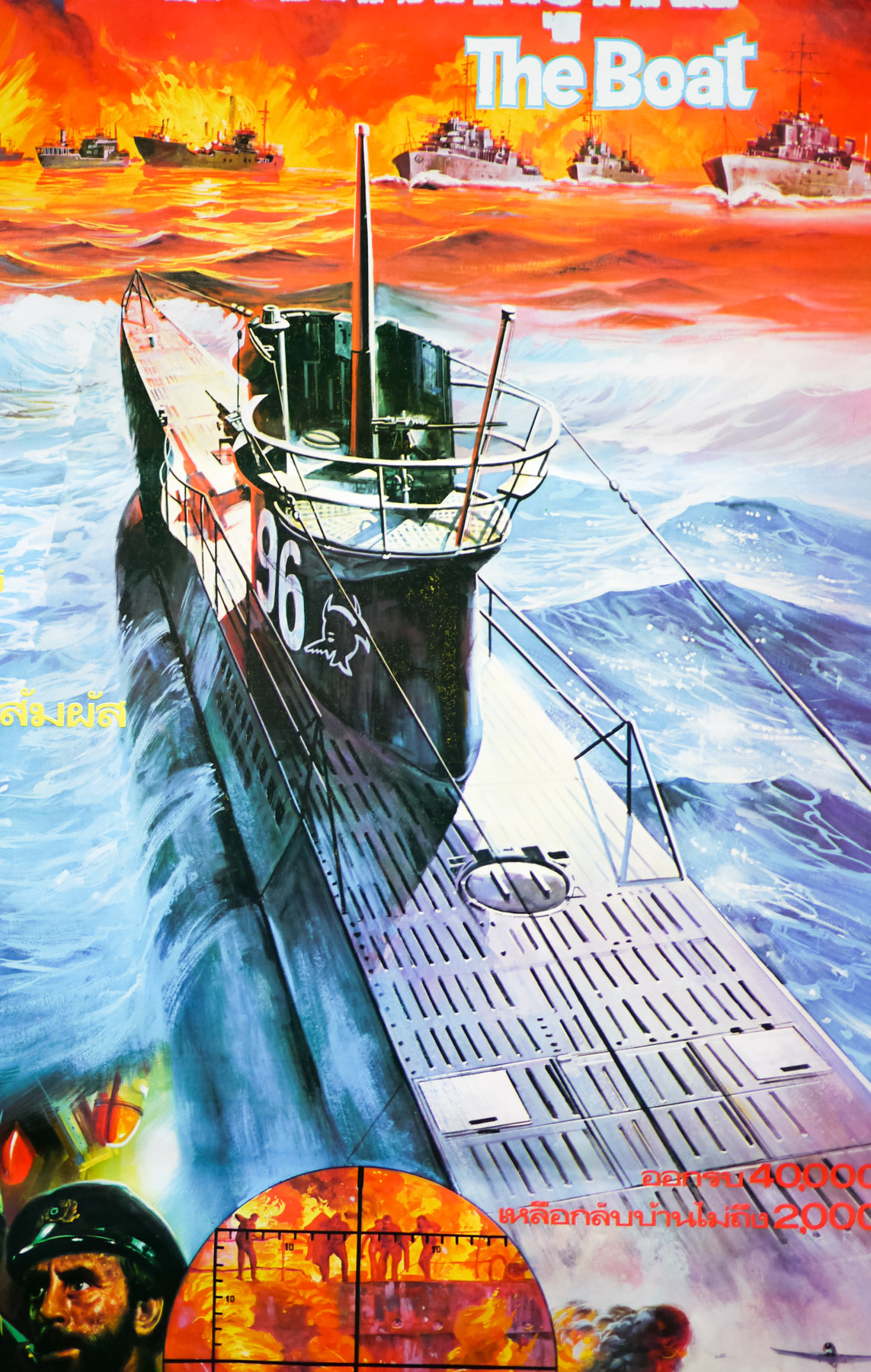
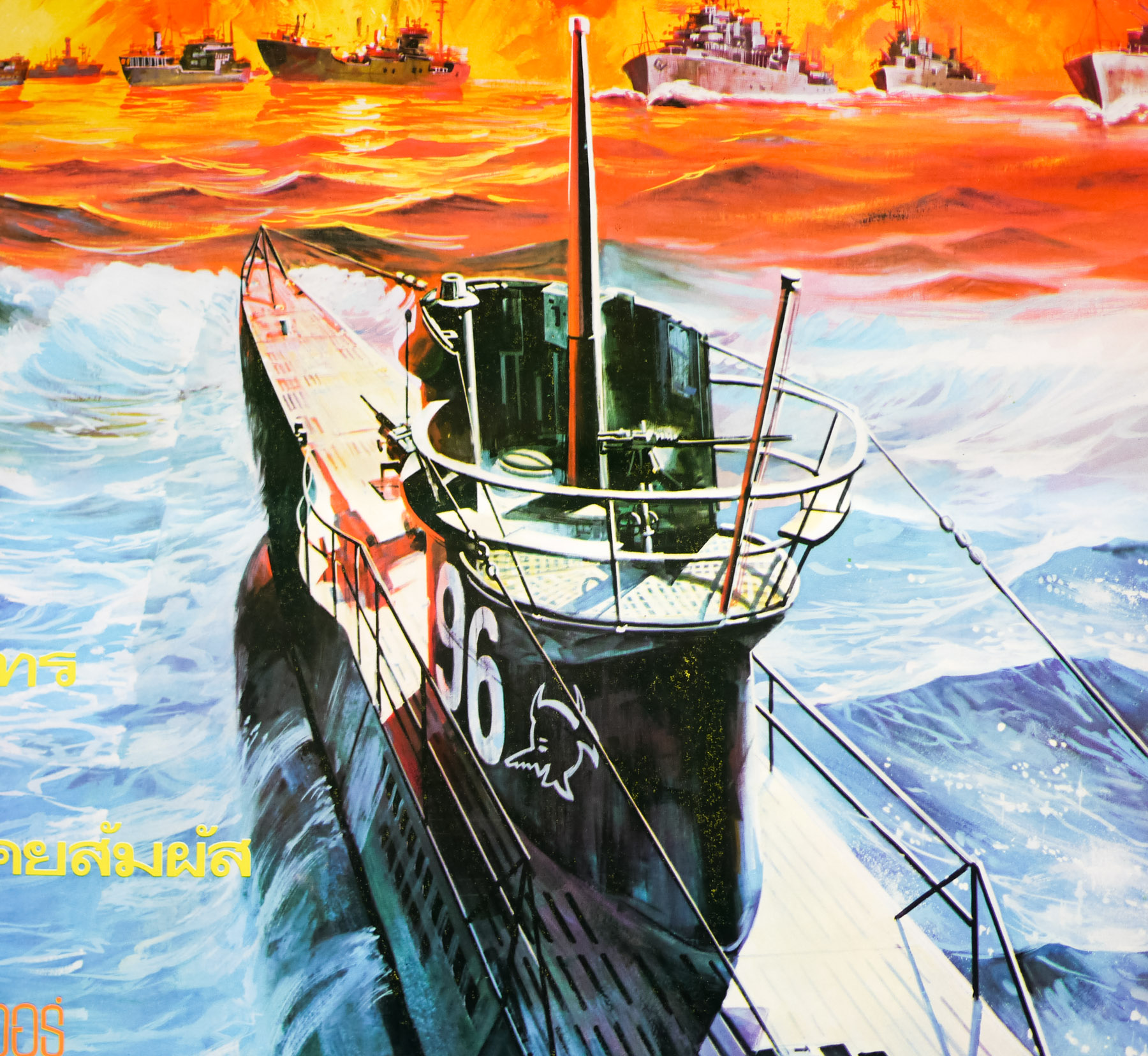
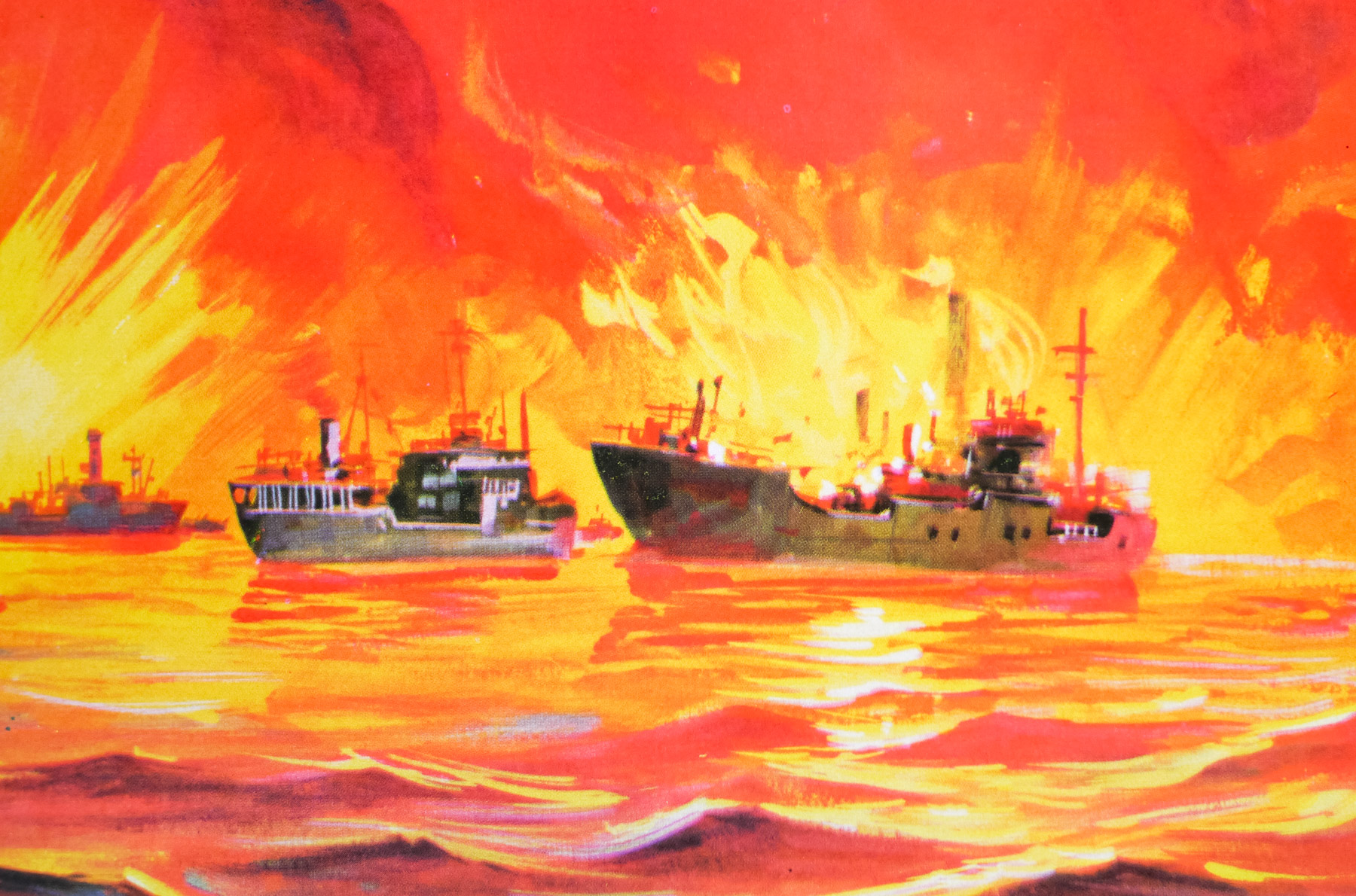
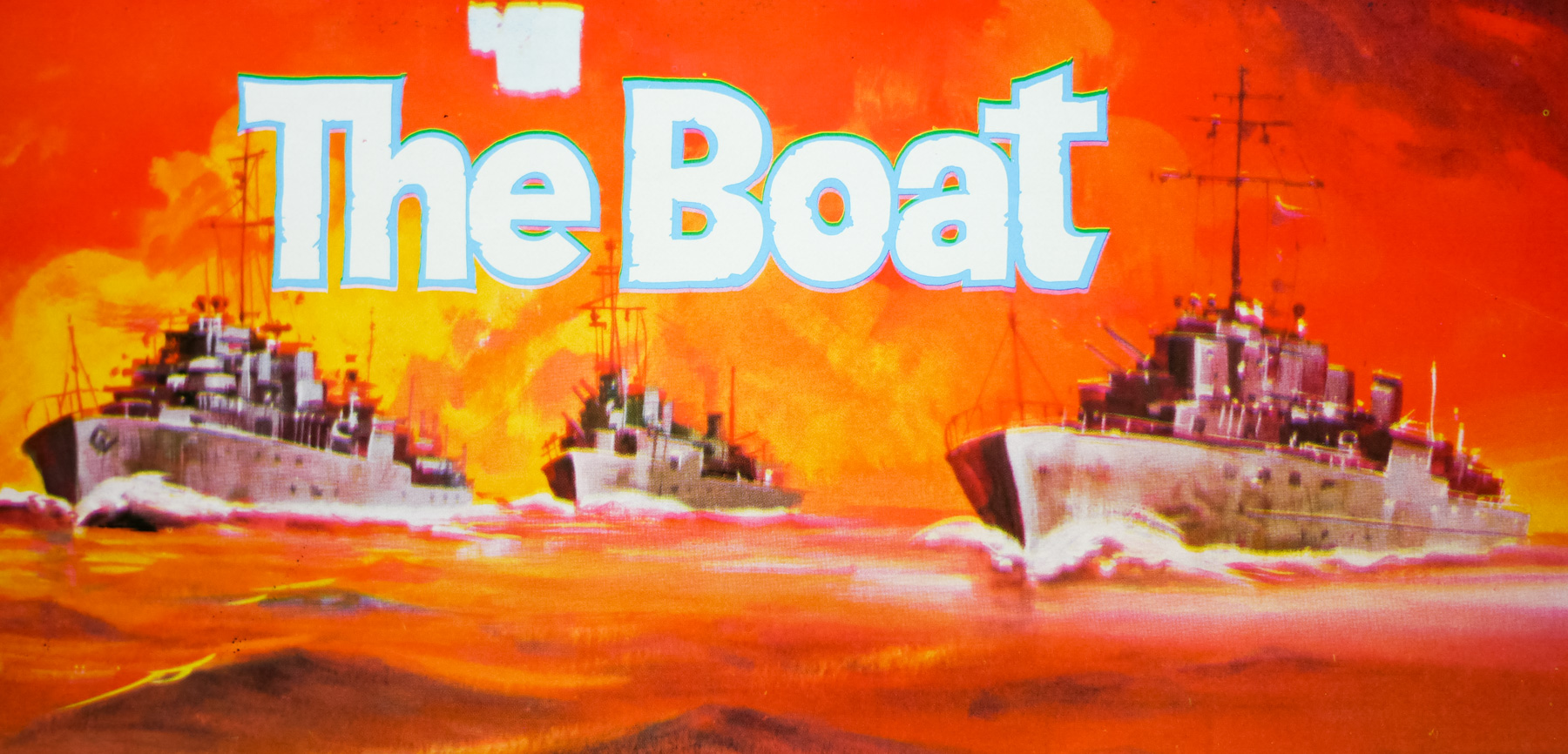
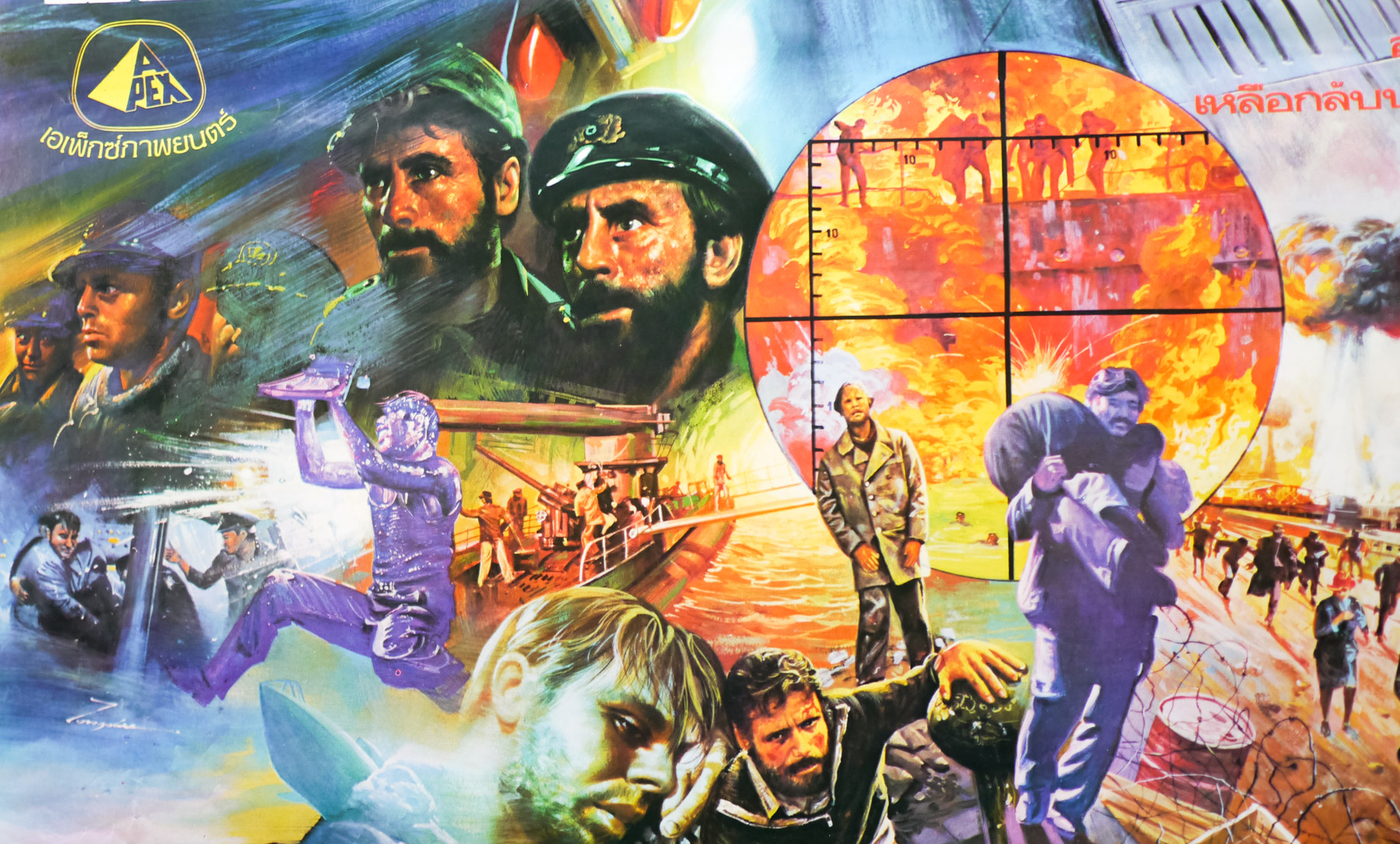
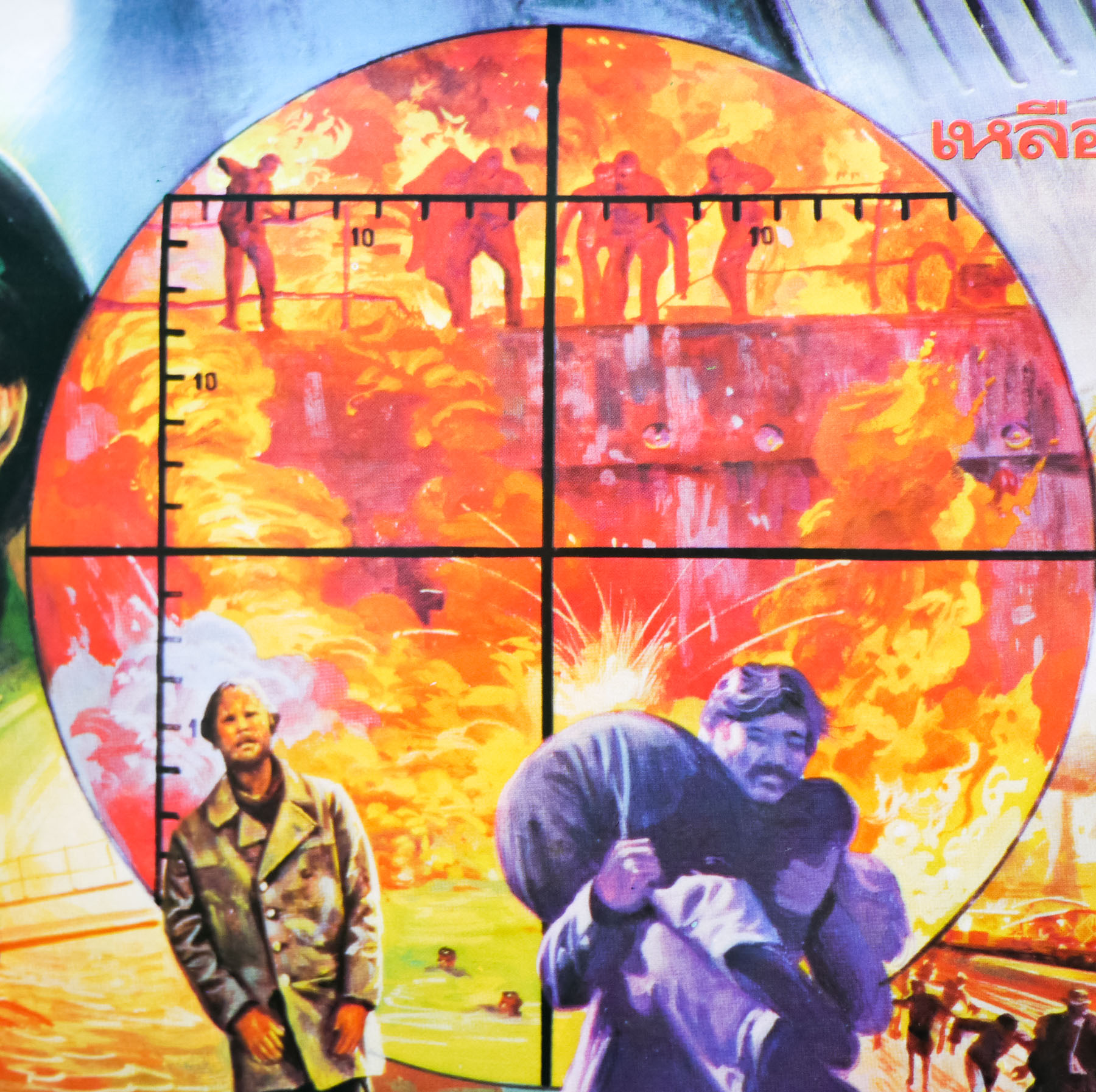
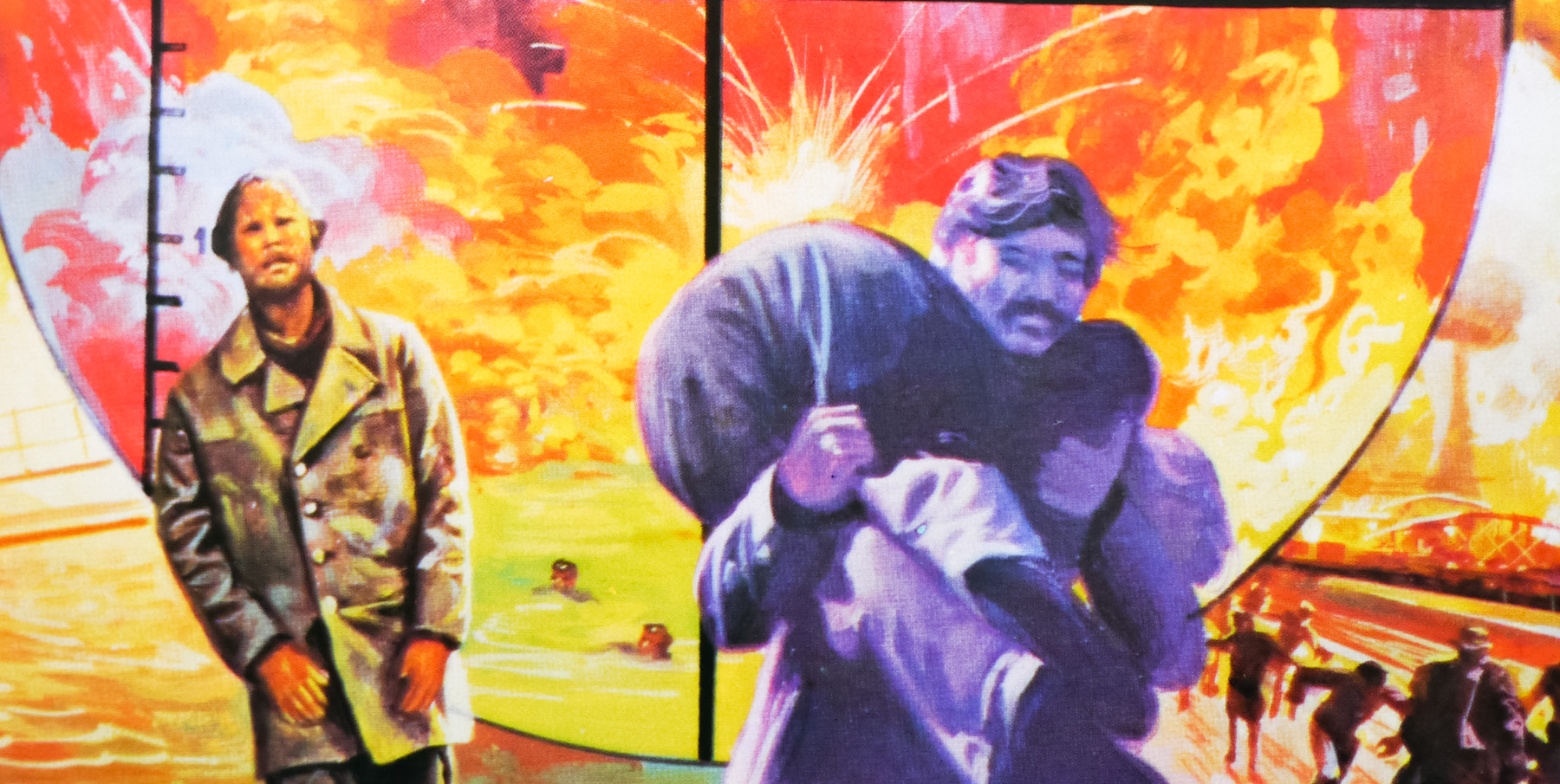
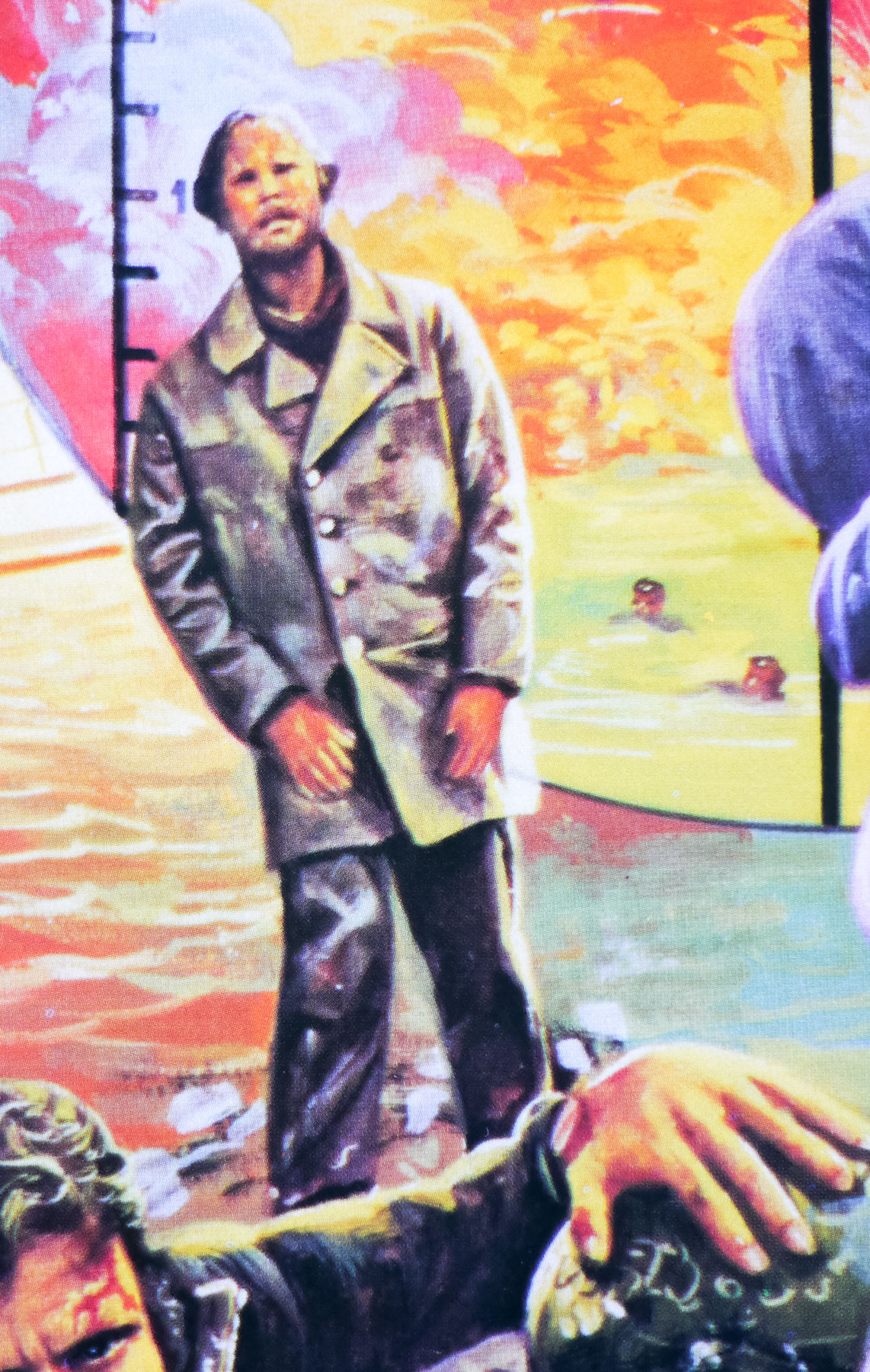
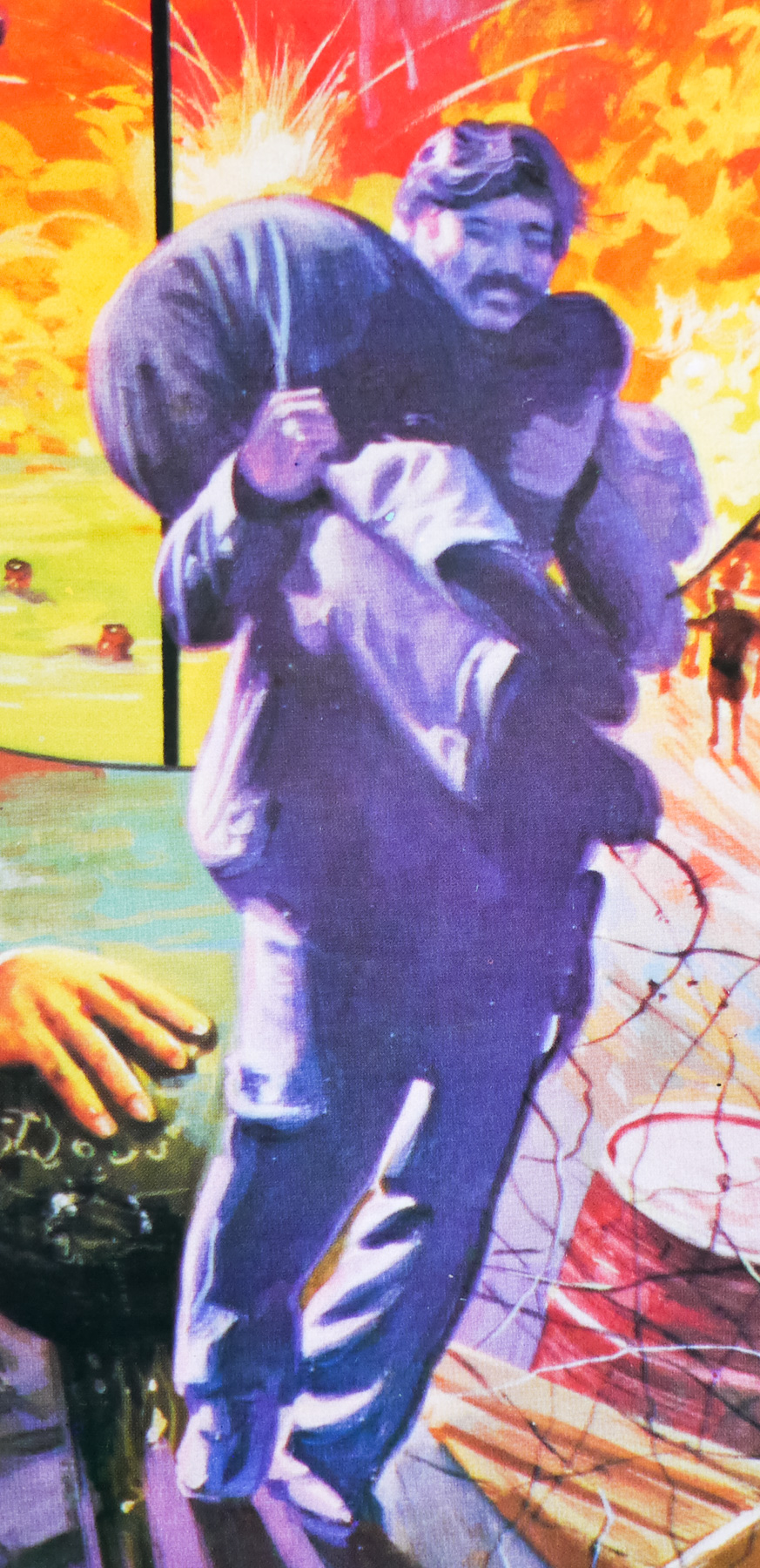
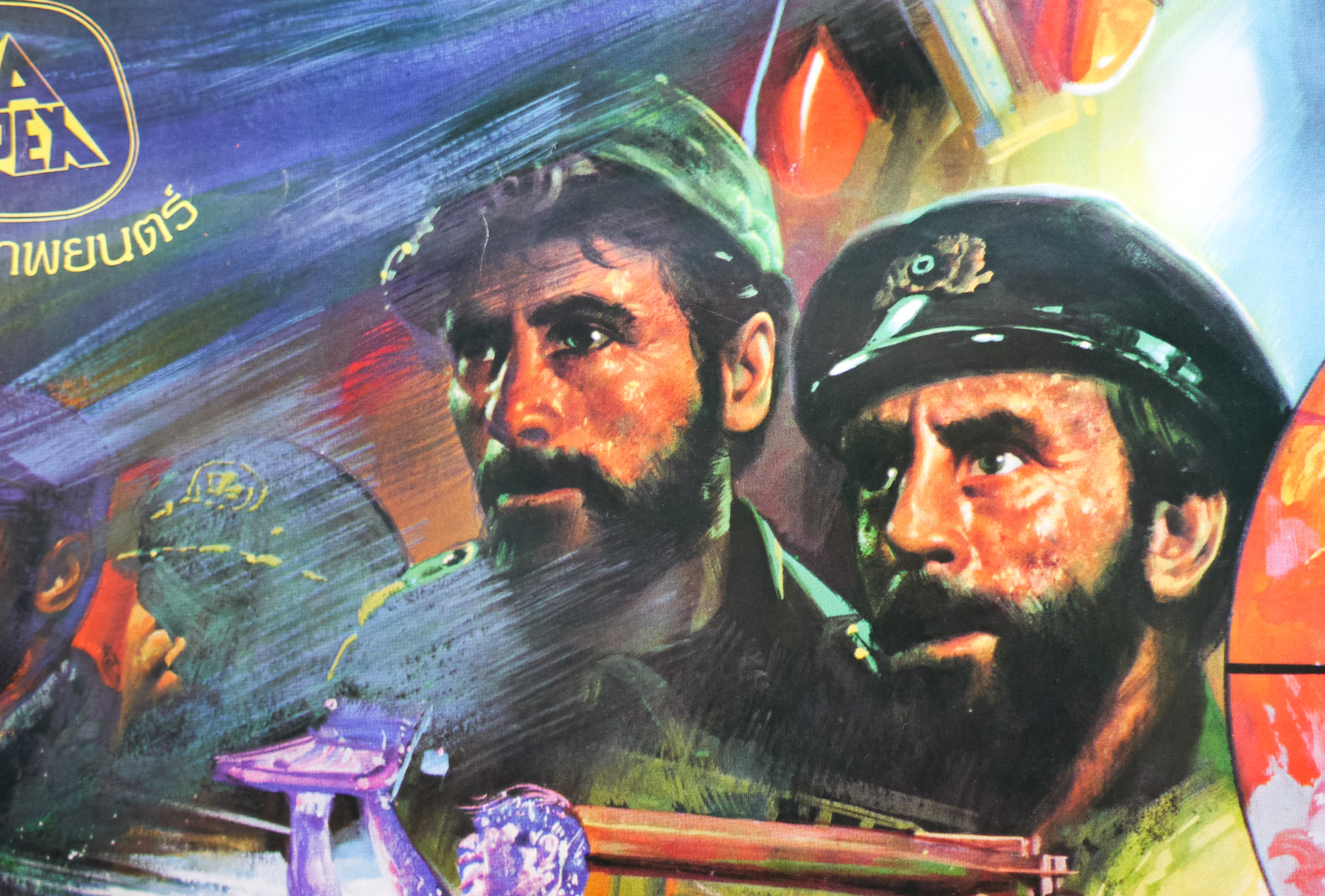
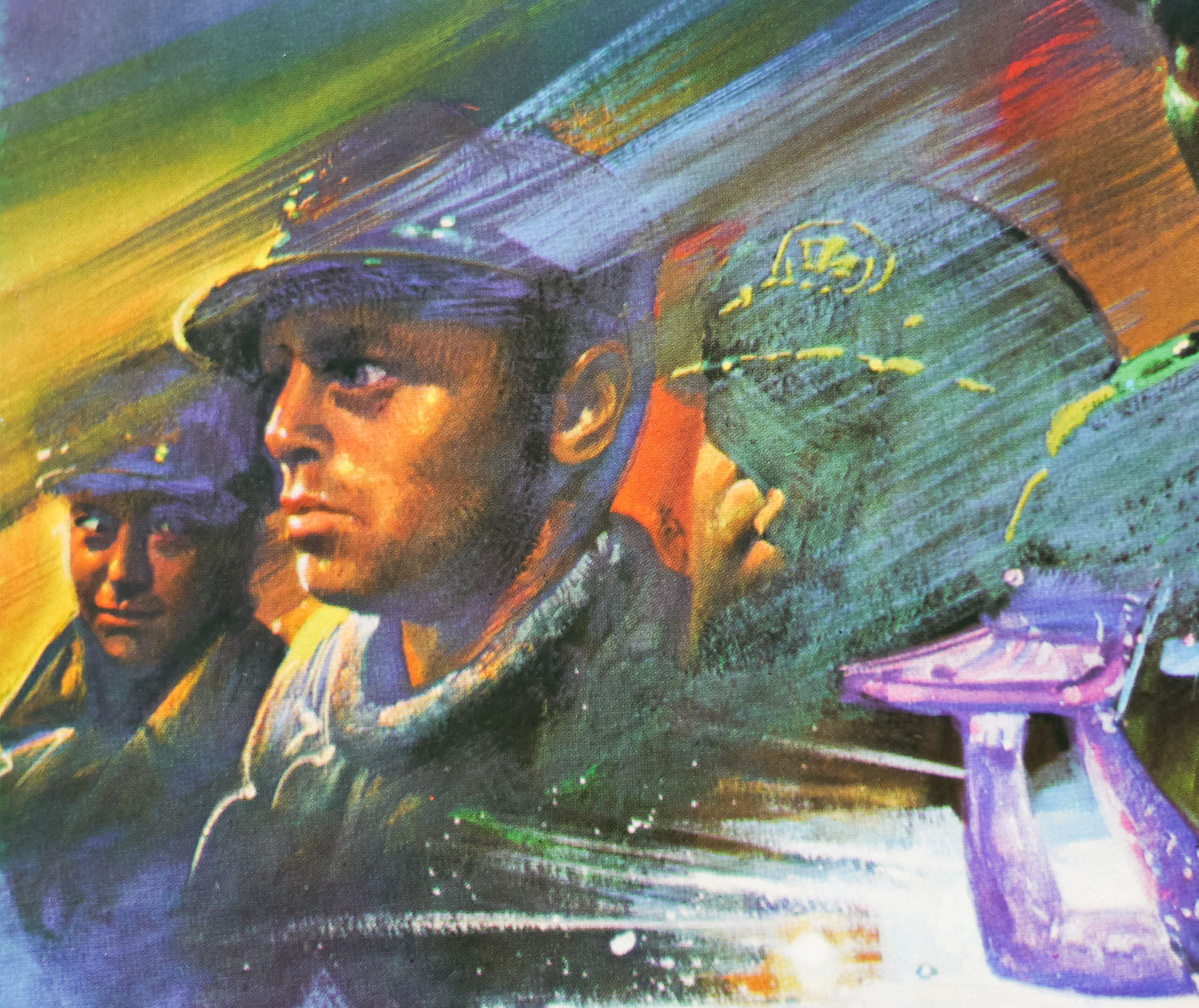
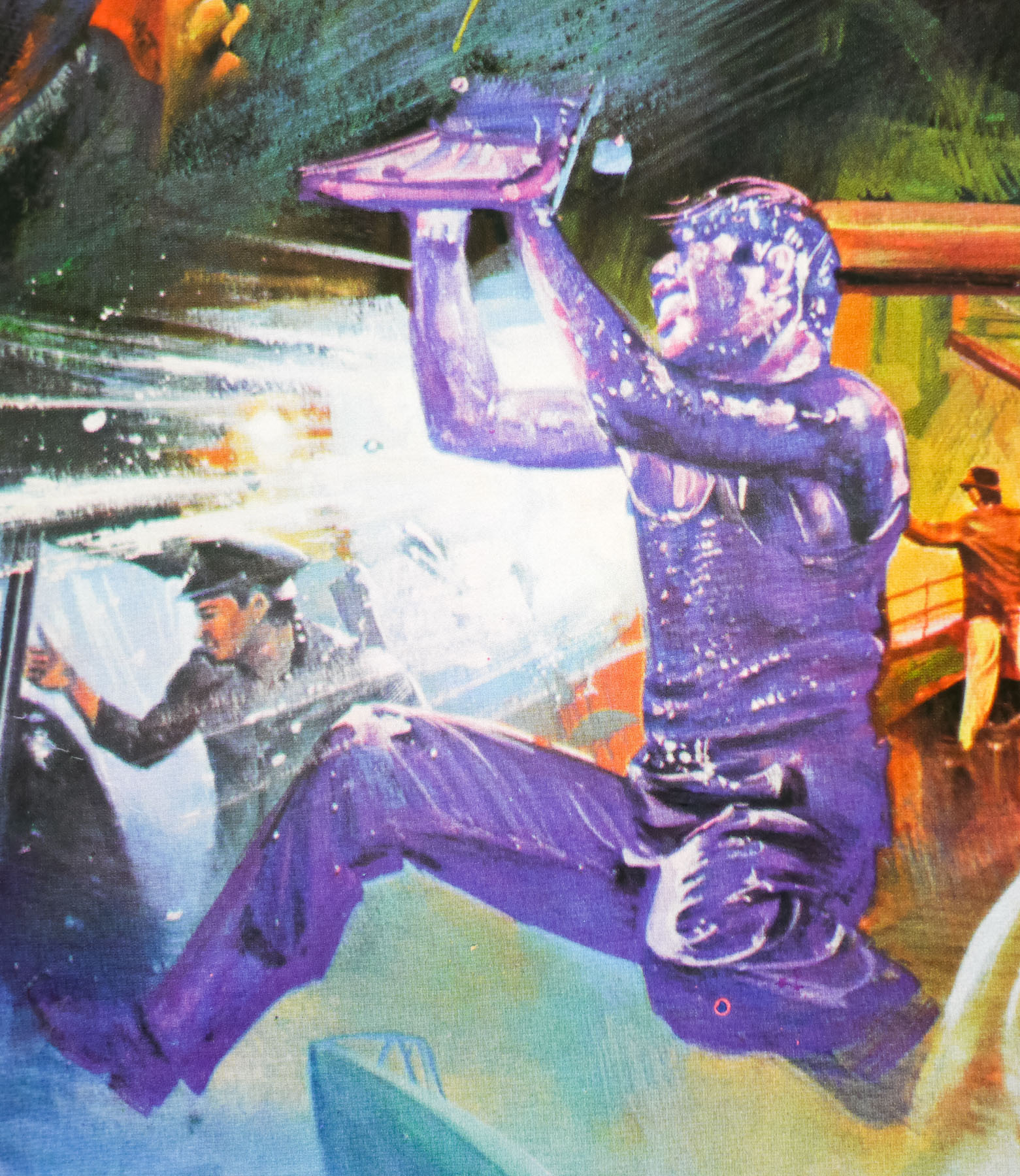
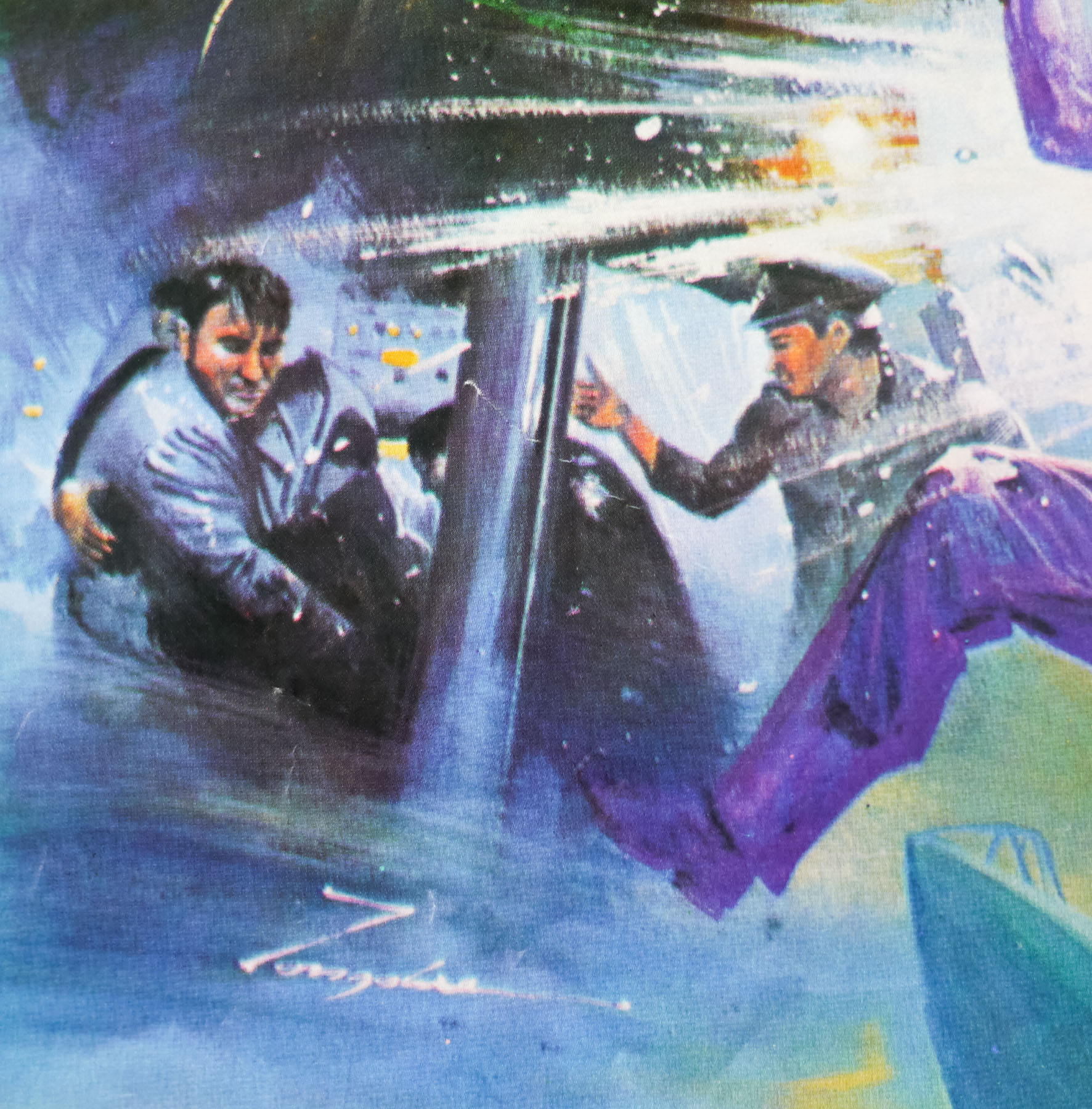
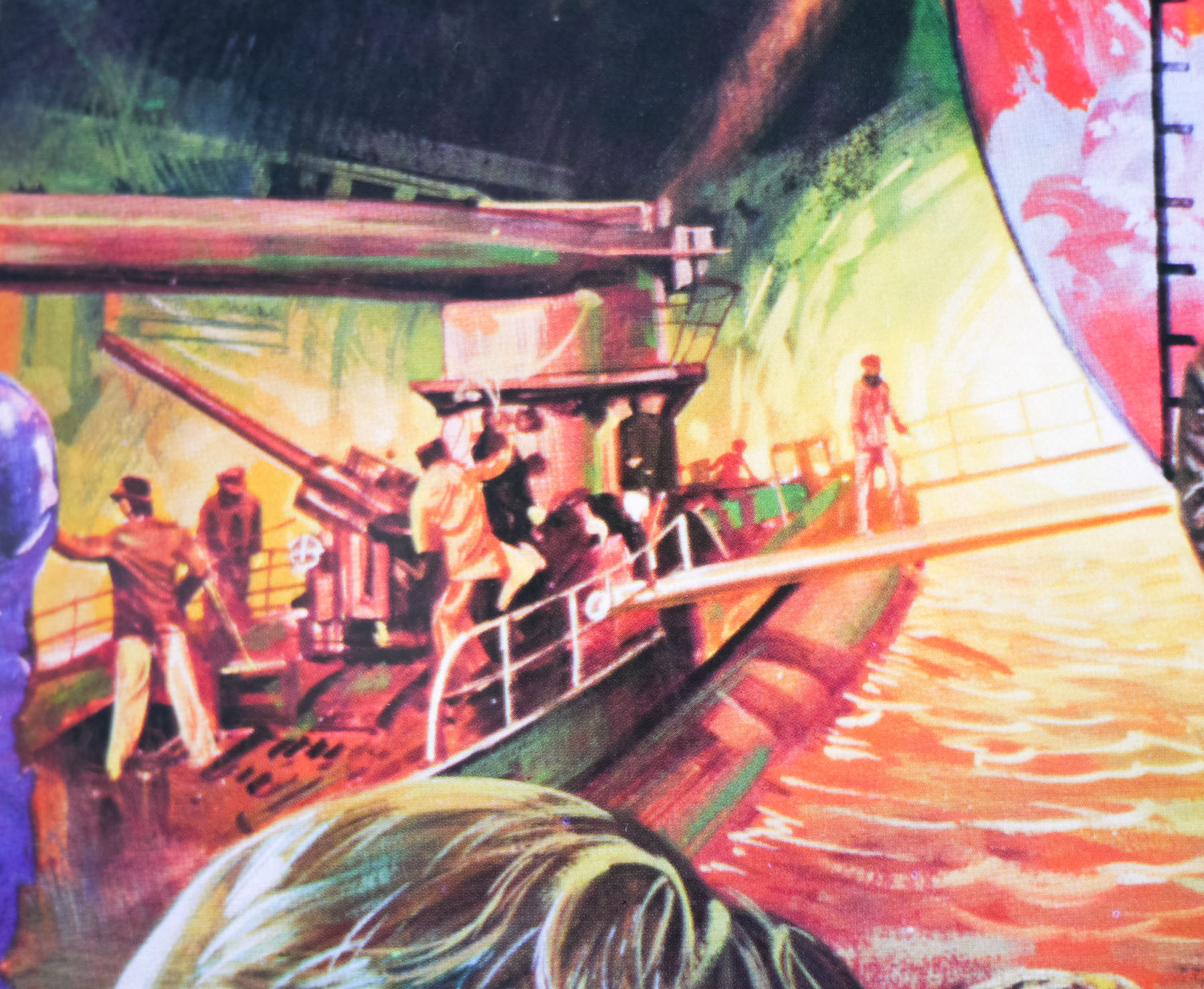
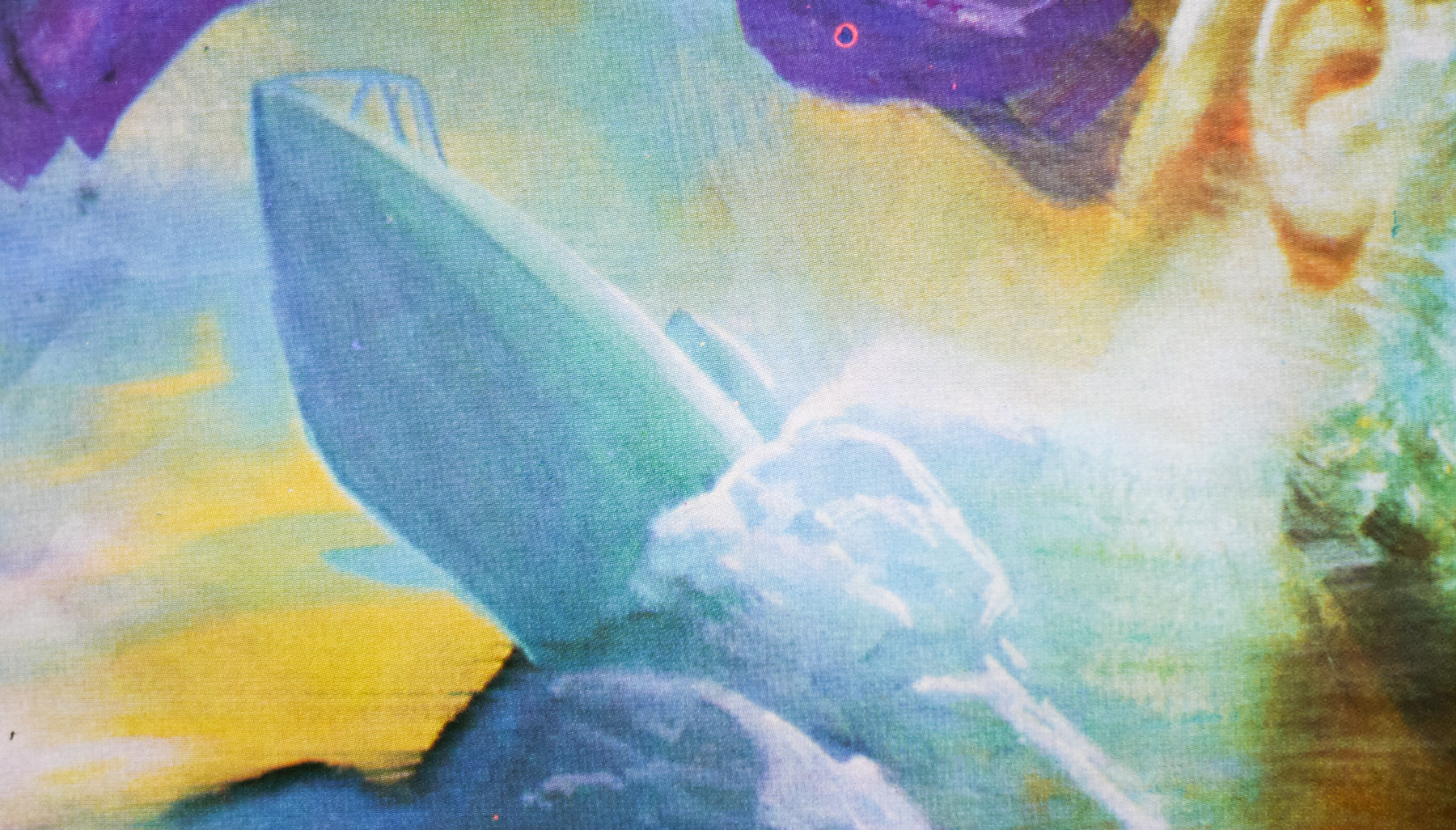
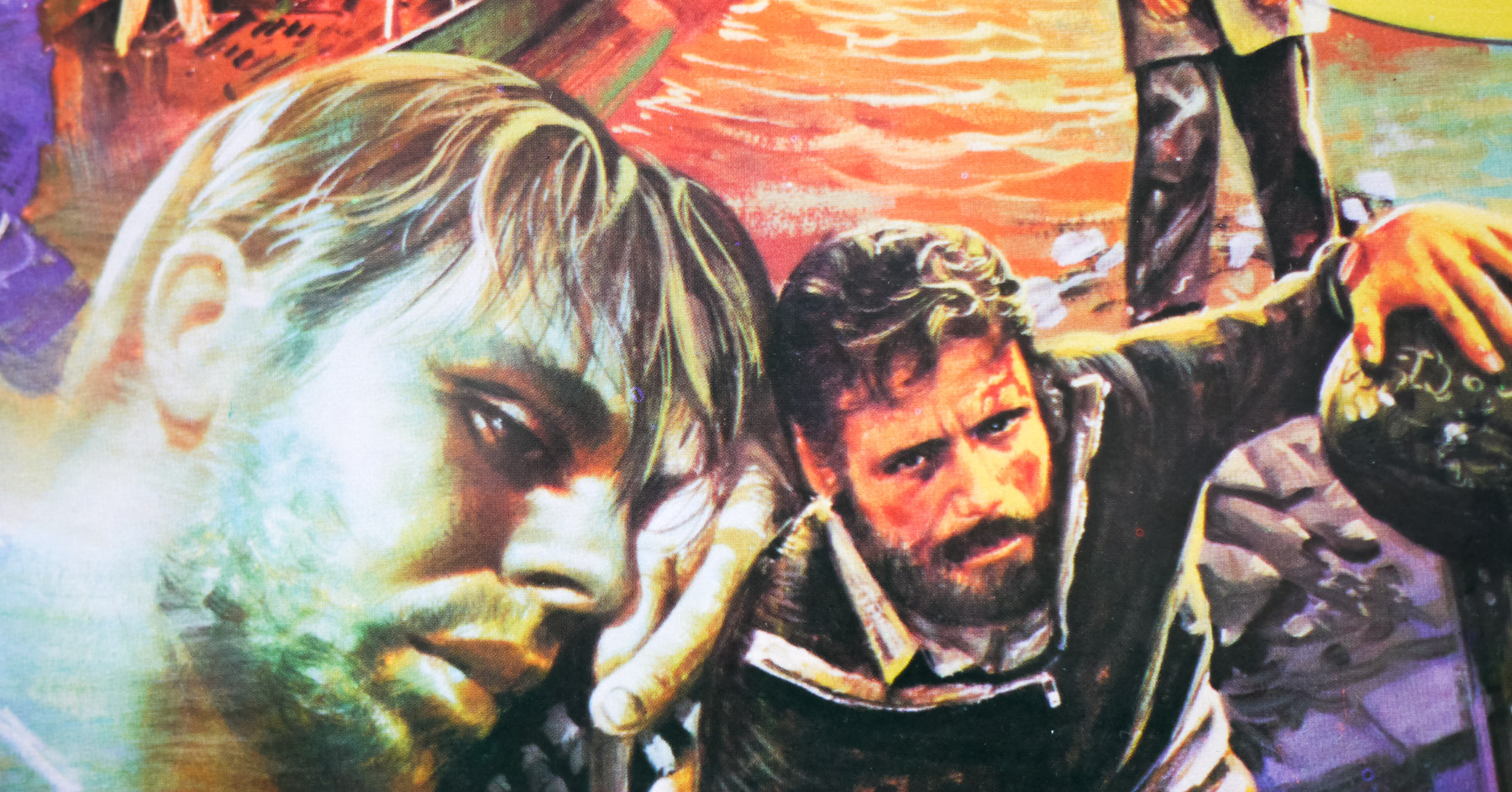
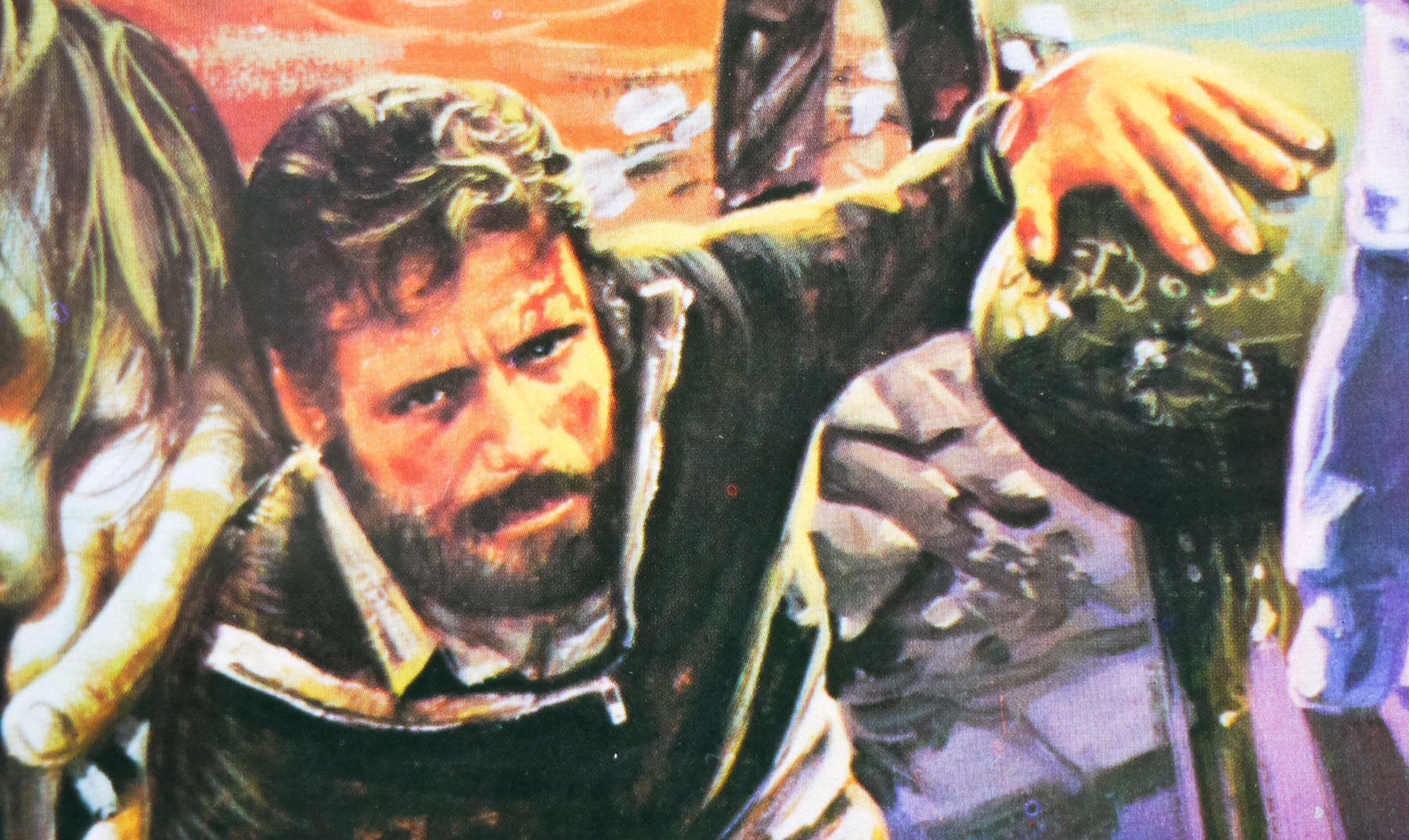
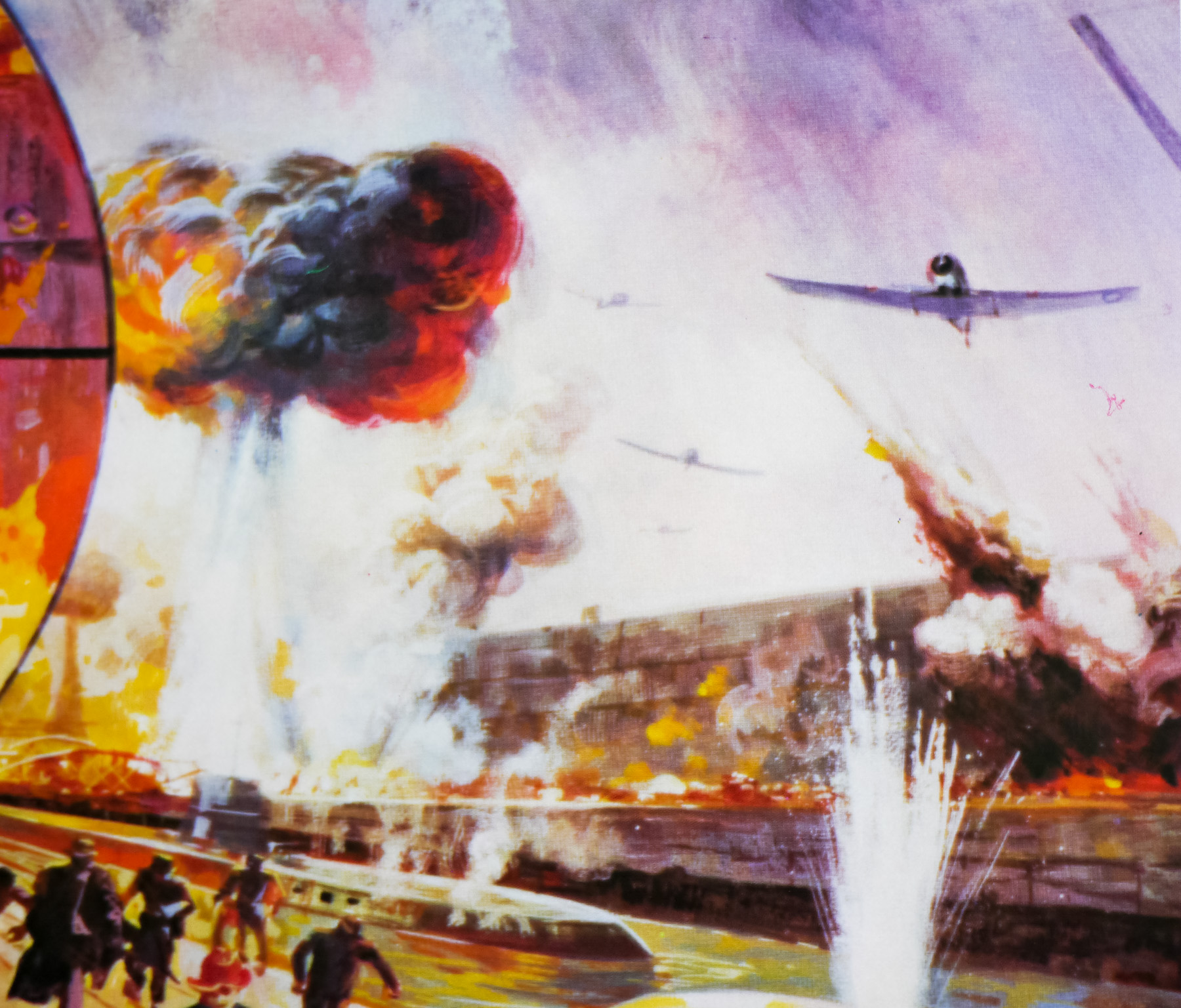
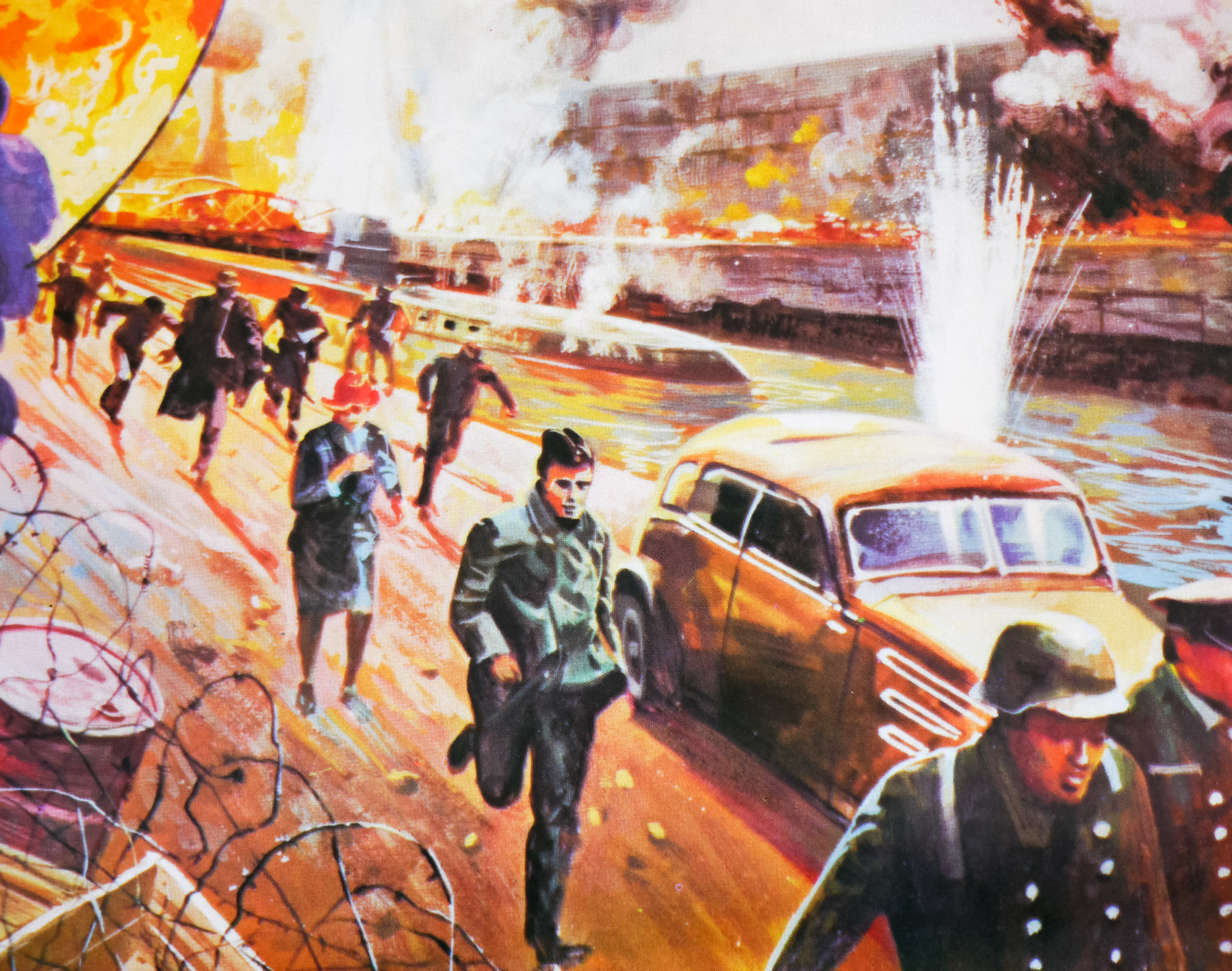
The is the Thai poster for the release of the classic German war film The Boat (AKA Das Boot) which was painted by Tongdee Panumas. Directed by Wolfgang Petersen, who also wrote the screenplay, the film is adapted from the 1973 novel of the same name by Lothar-Günther Buchheim. It tells the fictional story of life aboard U-96, a German U-boat, during World War II and depicts both the excitement of battle but also the tedium and claustrophobia of being trapped in a metal tube deep below the surface of the Atlantic ocean. Jürgen Prochnow gives a memorable performance as the grizzled boat’s captain who looks after a crew made up of seasoned veterans and wide-eyed new recruits, as well as a war correspondent who has been assigned to U-96.

The film is notable for being released in multiple versions over the years, with the original cinema release clocking in at 150 minutes. This is the version that was released in the US, Germany, the UK and elsewhere in 1981 and would go on to garner great critical acclaim, as well as several Academy Award nominations. A few years later a longer version was assembled and shown as a mini-series on UK and German TV. In 1997 Petersen oversaw the production of a director’s cut, which combed through six hours of footage to create a version that runs for 3 and a half hours. This is what is now commonly available on home video for fans of the film.

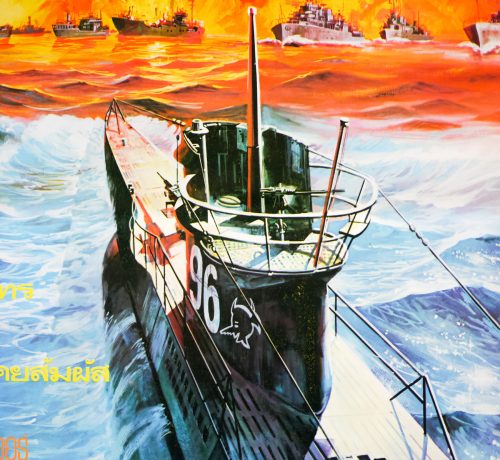
The excellent artwork on this Thai poster is by Tongdee Panumas (he signs his posters with just his first name) who was an incredibly prolific Thai film poster artist during the 70s, 80s and 90s. I’ve been unable to find out much about him, other than that he was born in 1947, so if anyone has any more details please get in touch.

The illustration of the U-boat is almost certain to have been based on the artwork from the international one sheet (painted by Gary Meyer) which can be seen here.

Veronika Voss / one sheet / USA

15.03.17

Poster Poster
Title
Veronika Voss
AKA
Die Sehnsucht der Veronika Voss [The Longing of Veronika Voss] (Germany - original title)
Year of Film
1982
Director
Rainer Werner Fassbinder
Starring
Rosel Zech, Hilmar Thate, Cornelia Froboess, Annemarie Düringer, Doris Schade, Erik Schumann, Peter Berling, Günther Kaufmann
Origin of Film
Germany
Genre(s) of Film
Rosel Zech, Hilmar Thate, Cornelia Froboess, Annemarie Düringer, Doris Schade, Erik Schumann, Peter Berling, Günther Kaufmann,
Type of Poster
One sheet
Style of Poster
--
Origin of Poster
USA
Year of Poster
1982
Designer
Unknown
Artist
Vincent Topazio
Size (inches)
27 1/16" x 40 15/16"
SS or DS
SS
Tagline
--

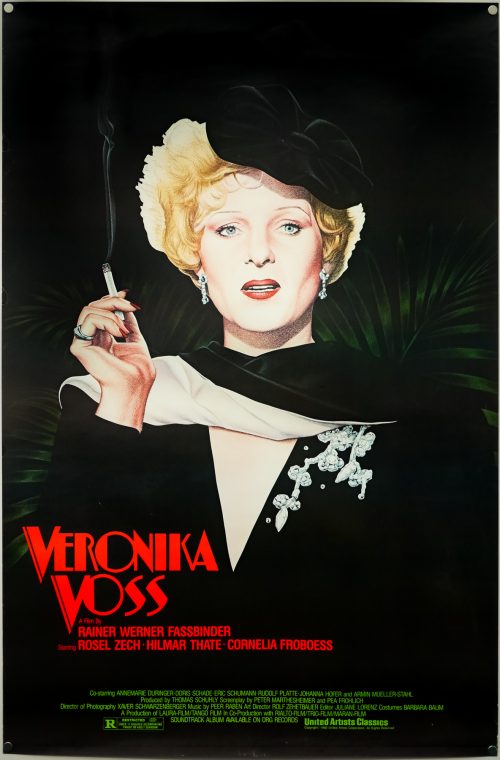
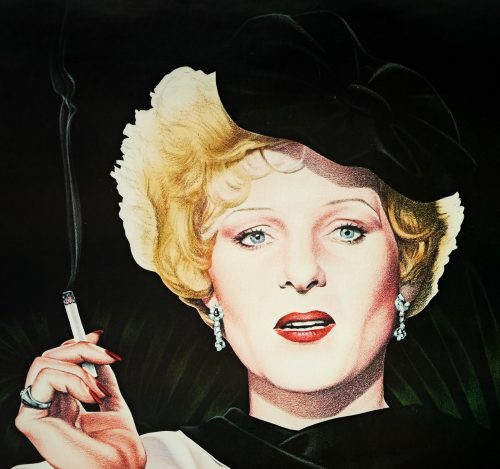
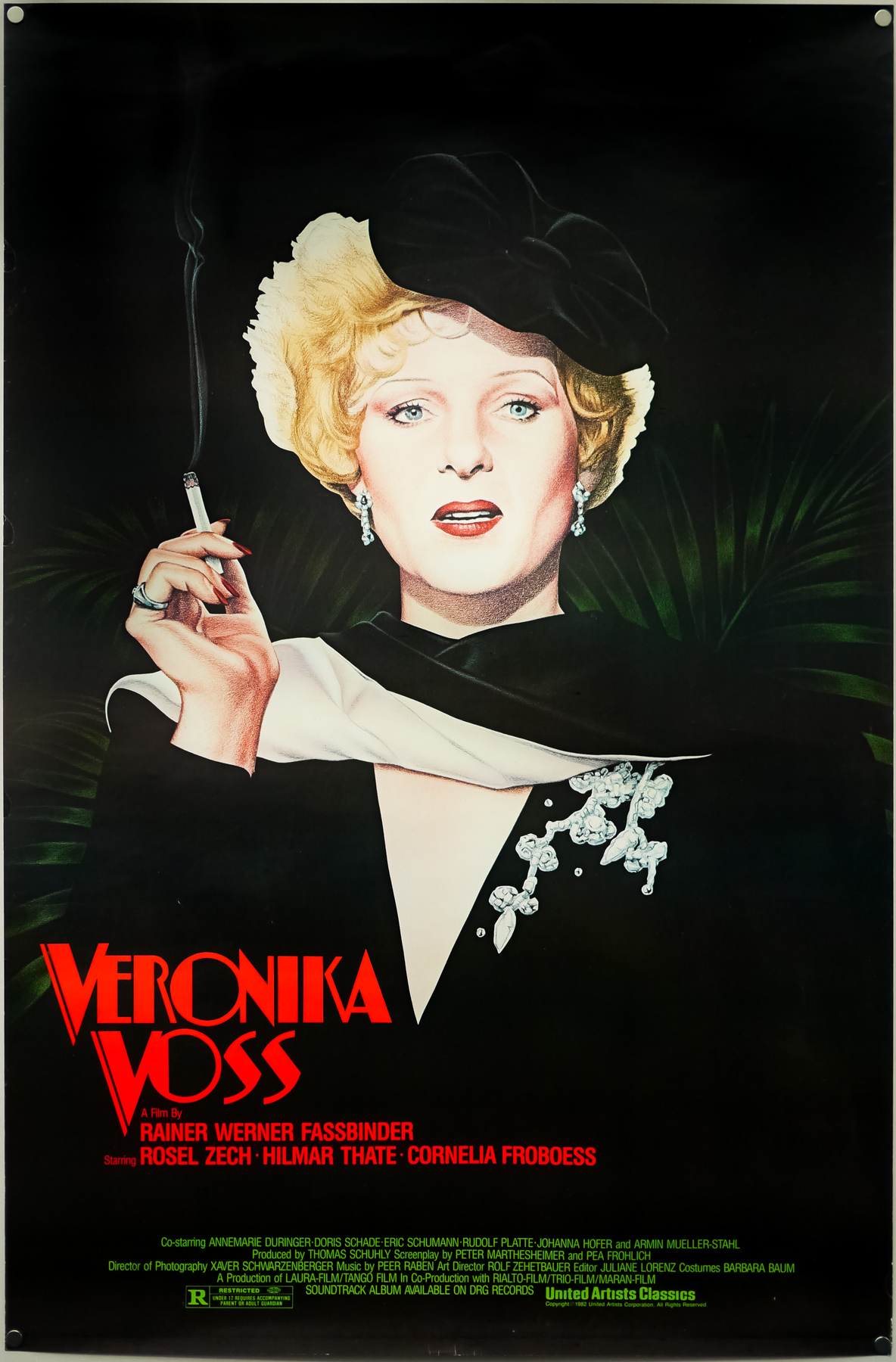
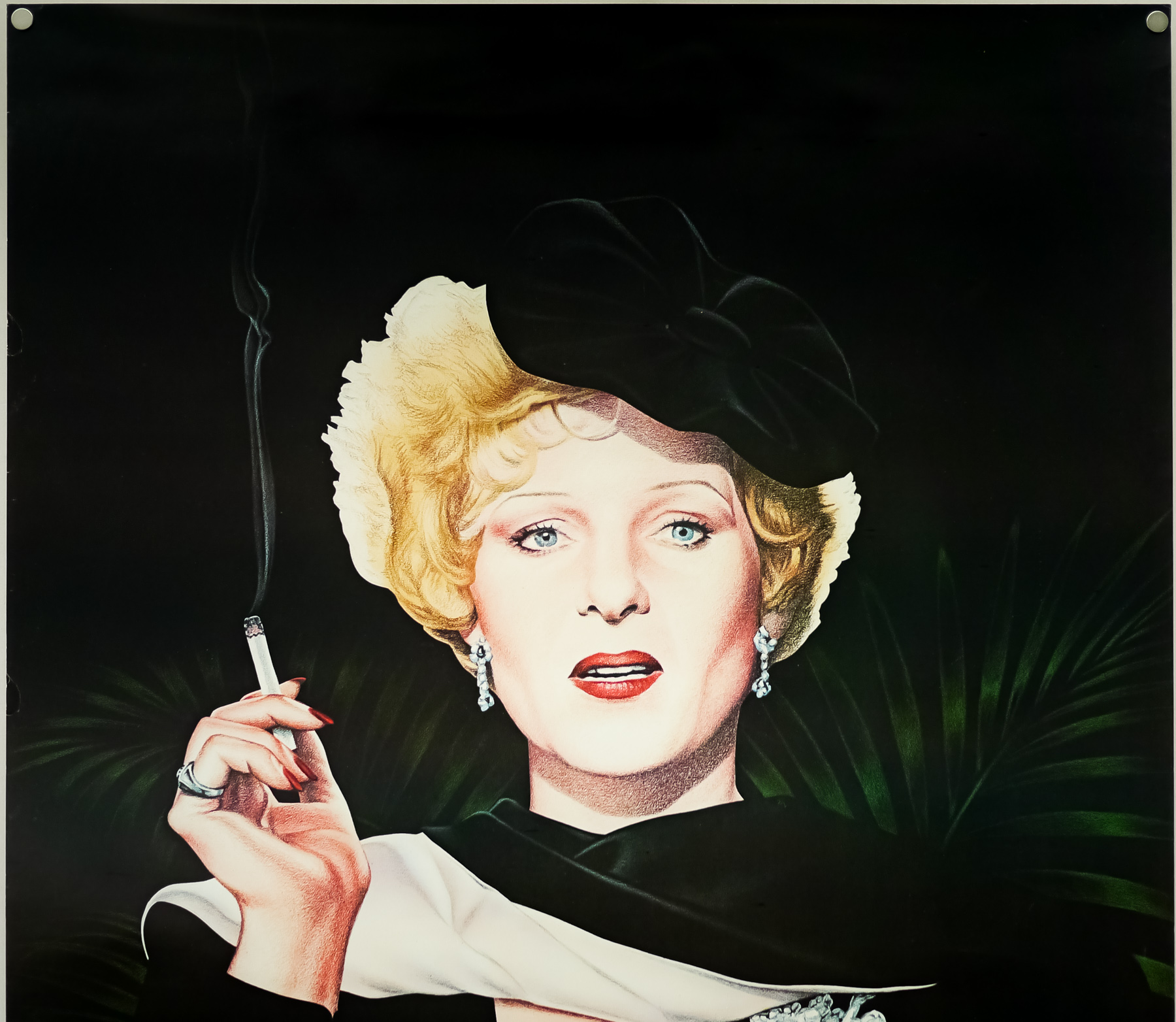
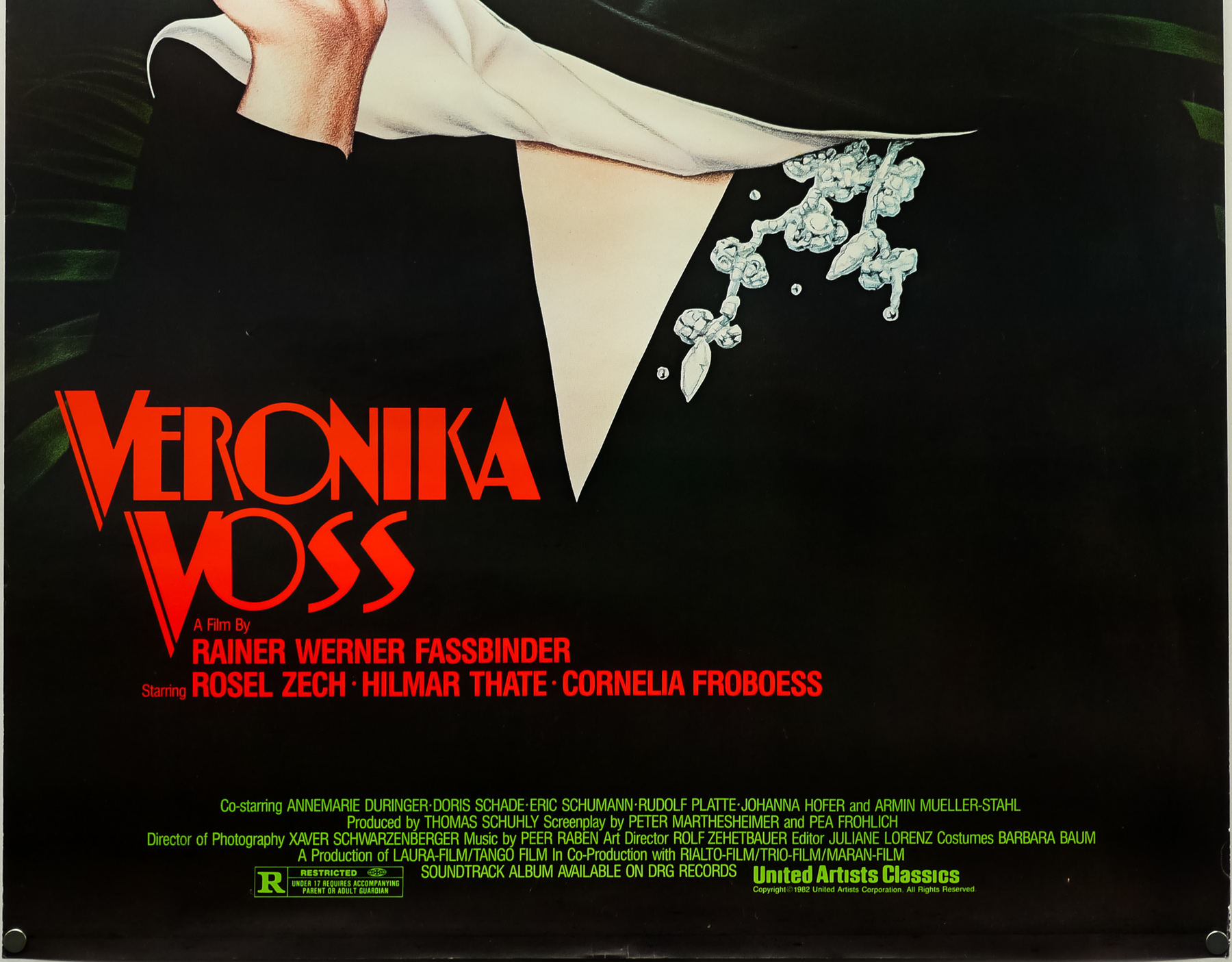
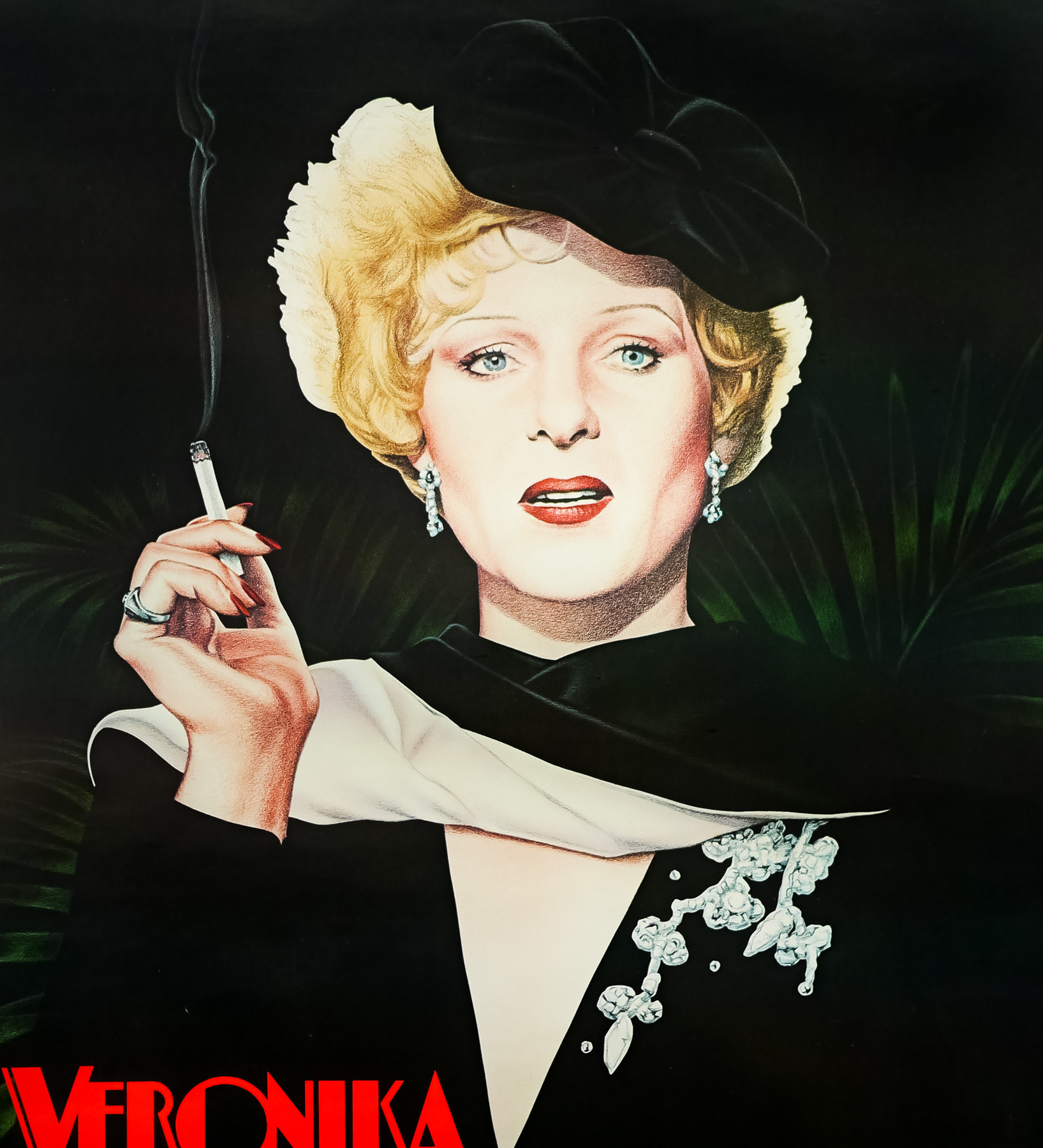
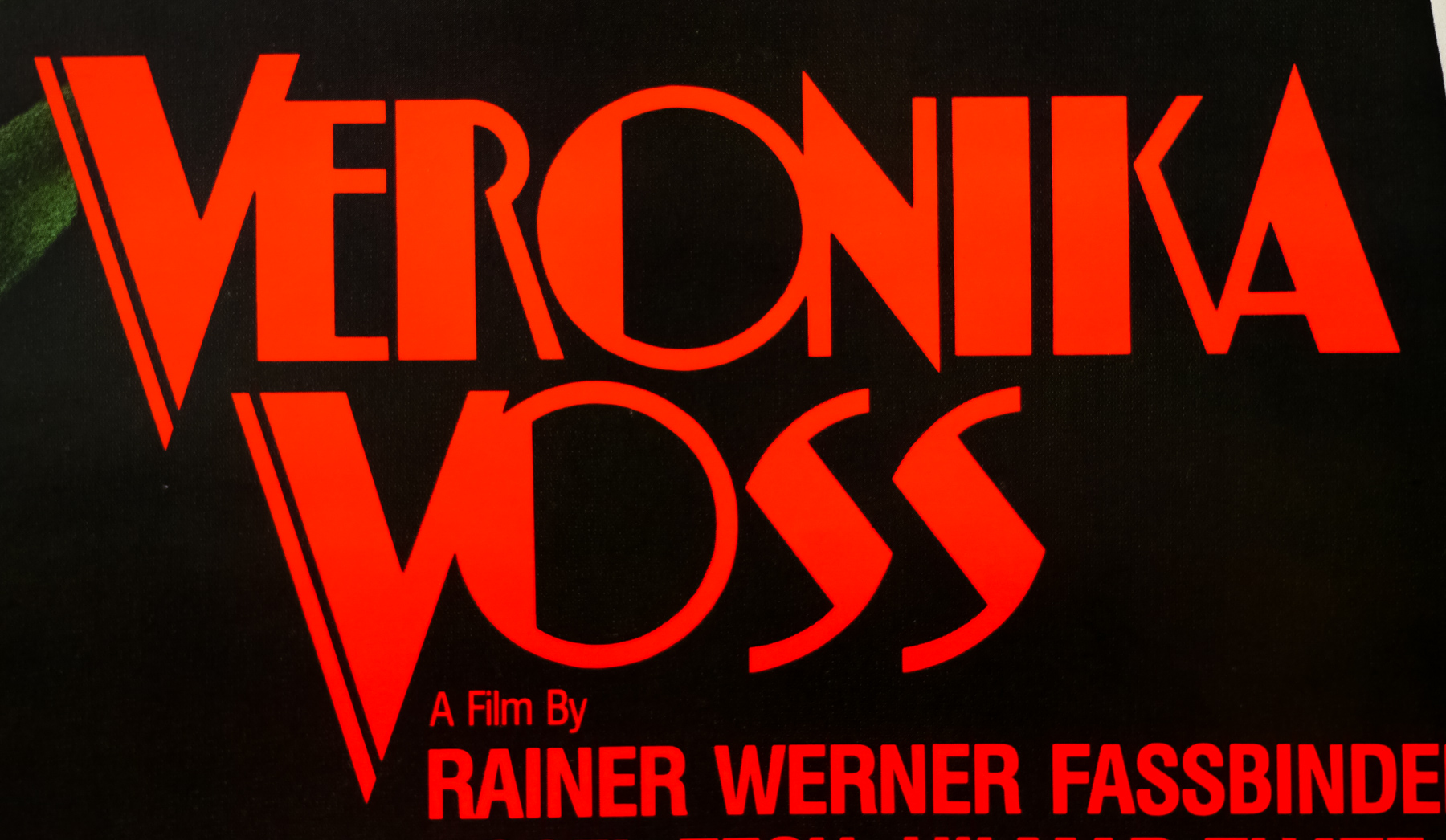
A striking portrait by the artist Vincent Topazio features on this one sheet for the US release of Veronika Voss. The film was the penultimate one by the legendary German director, screenwriter, producer and actor Rainer Werner Fassbinder. It was released the year of his untimely death (he was only 37) and his final film as director, Querelle, was released posthumously the following year.

The film was an entry in what Fassbinder named the BRD Trilogy; three films all focusing on a single female character and set in West Germany following World War II. BRD is an acronym for Bundesrepublik Deutschland, which was the official name of the country during that period. The first of the trilogy, The Marriage of Maria Braun, was released in 1979 and then, rather confusingly, Fassbinder named Lola (1981) as the third film in the trilogy before Veronika Voss was released in 1982. The films have no narrative connection but have thematic consistencies, with all three focusing on a particular woman in a post-war BRD during the ‘economic miracle’. All three of the stories were originated by Fassbinder but the screenplays were written by frequent collaborator Peter Märthesheimer and his then partner Pea Fröhlich.

Veronika Voss is loosely based on the ill-fated life of actress Sybille Schmitz and the titular lead is played by Rosel Zech. Set in Munich in 1955, the film finds Voss struggling to reclaim former glories and unable to win the kinds of roles she played whilst working for the UFA production company during the war. One night she bumps into sports journalist Robert Krohn (Hilmar Thate) who isn’t aware of her past. The pair strike up a romance, despite Krohn being in a relationship with girlfriend Henriette (Cornelia Froboess). Soon he realises that Voss is addicted to opiates that are being administered by a mysterious neurologist called Dr. Marianne Katz (Annemarie Düringer) who Voss believes is caring for her. When Krohn begins to investigate he realises that Katz is actually bleeding Voss of her finances and is keeping her doped up and under control.

The art on this one sheet is by Vincent Topazio and, although it doesn’t feature his unique signature, he is credited for it on the vinyl release of the film’s soundtrack. Very little is known about the artist and there’s barely any information about him online. He looks to have worked on only a handful of film posters, most of which were for independent/arthouse features. Perhaps his most famous poster is the one he worked on for Paul Verhoeven’s The 4th Man.

Adrian Curry highlighted some of Topazio’s work for his Movie Poster of the Week column on Mubi.com. Other titles include the sequel Zulu Dawn and the 1985 American drama Smooth Talk. Curry notes that he believes Topazio was working from the mid-1970s into the 1980s and also created art for magazine editorials. Emovieposter.com has a number of his posters in their archive. If anyone has any more details about him please get in touch.

Into the Abyss / one sheet / USA

16.06.17

Poster Poster
Title
Into the Abyss
AKA
Into the Abyss: A Tale of Death, a Tale of Life (long title) | Tod in Texas [Dead in Texas] (Germany)
Year of Film
2011
Director
Werner Herzog
Starring
Werner Herzog, Richard Lopez, Michael Perry, Damon Hall, Lisa Stolter-Balloun, Charles Richardson, Jason Burkett
Origin of Film
USA | UK | Germany
Genre(s) of Film
Werner Herzog, Richard Lopez, Michael Perry, Damon Hall, Lisa Stolter-Balloun, Charles Richardson, Jason Burkett,
Type of Poster
One sheet
Style of Poster
--
Origin of Poster
USA
Year of Poster
2011
Designer
P+A / Mojo
Artist
--
Size (inches)
27 1/16" x 39 12/16"
SS or DS
SS
Tagline
A tale of death, a tale of life

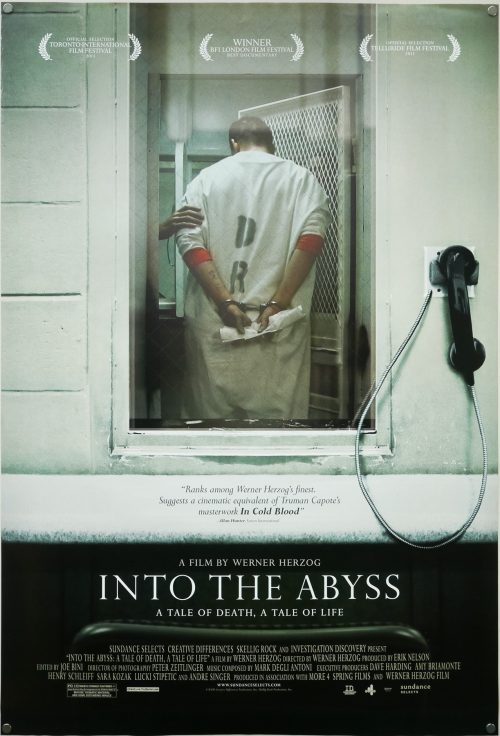
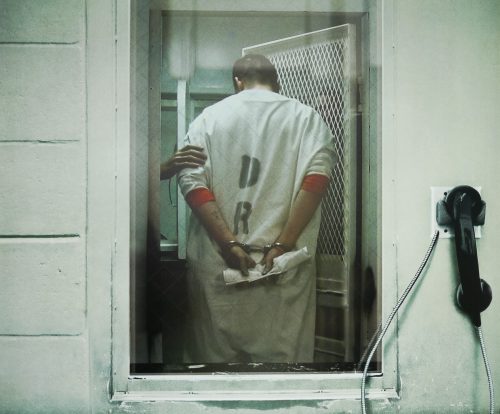
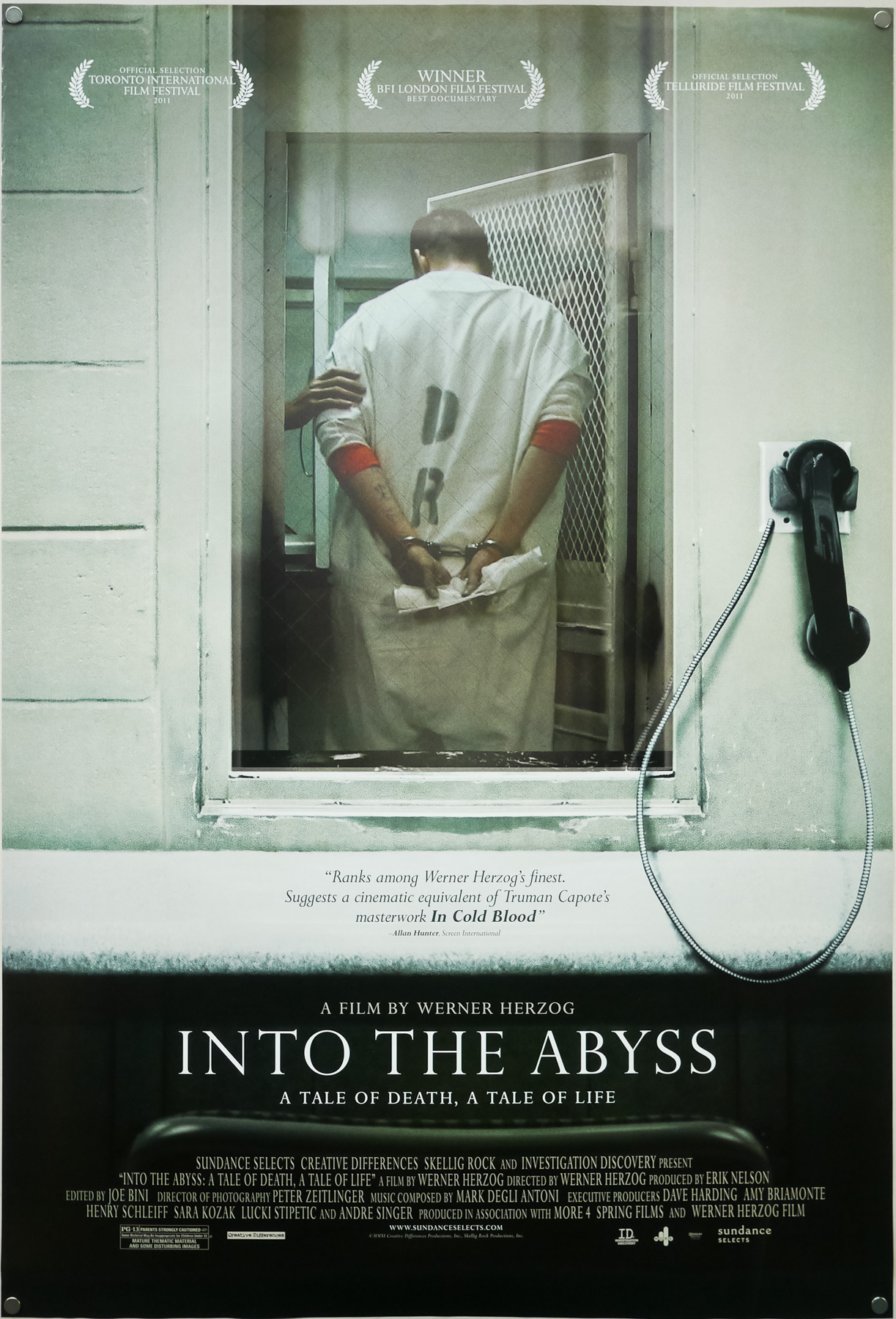
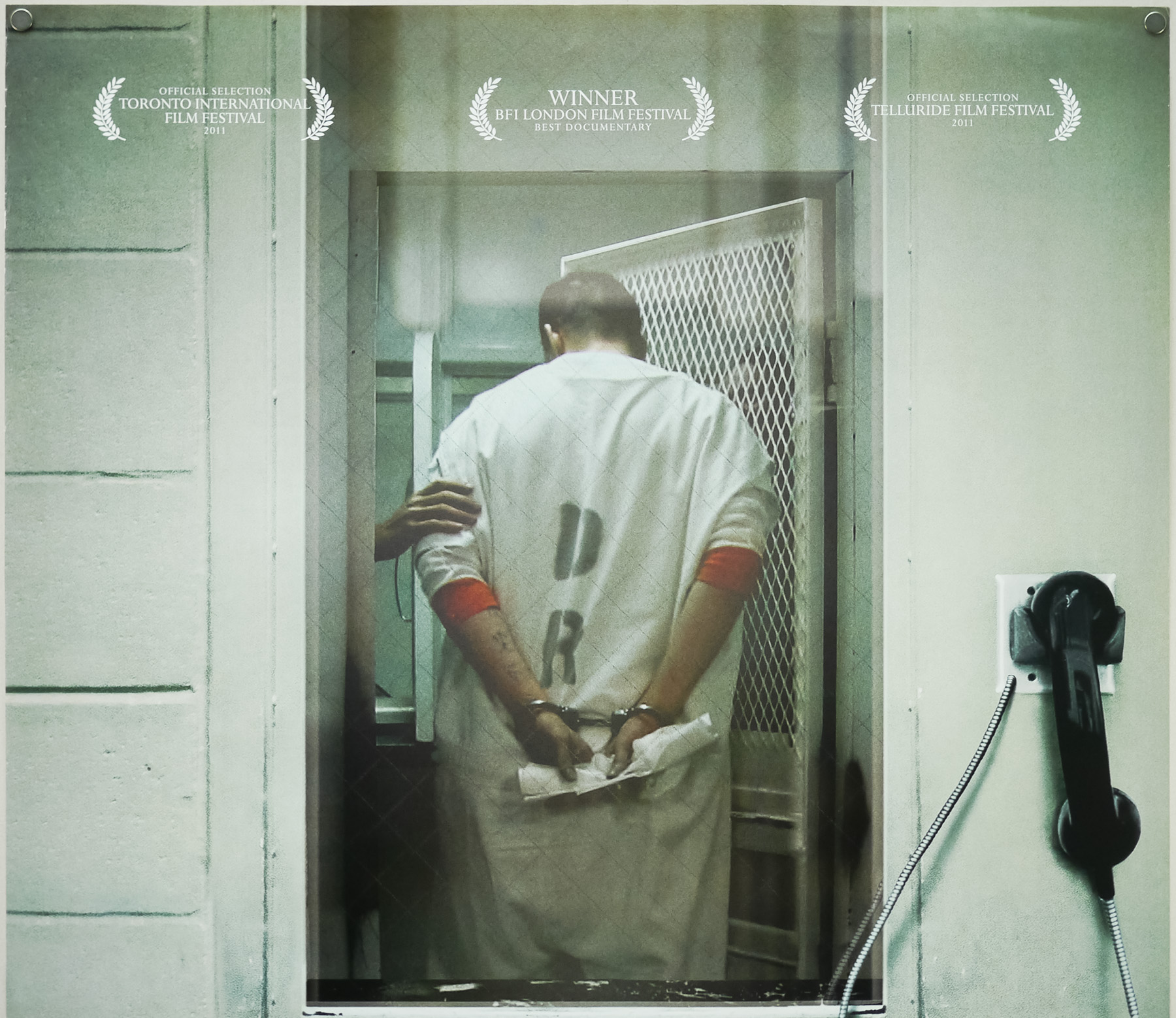
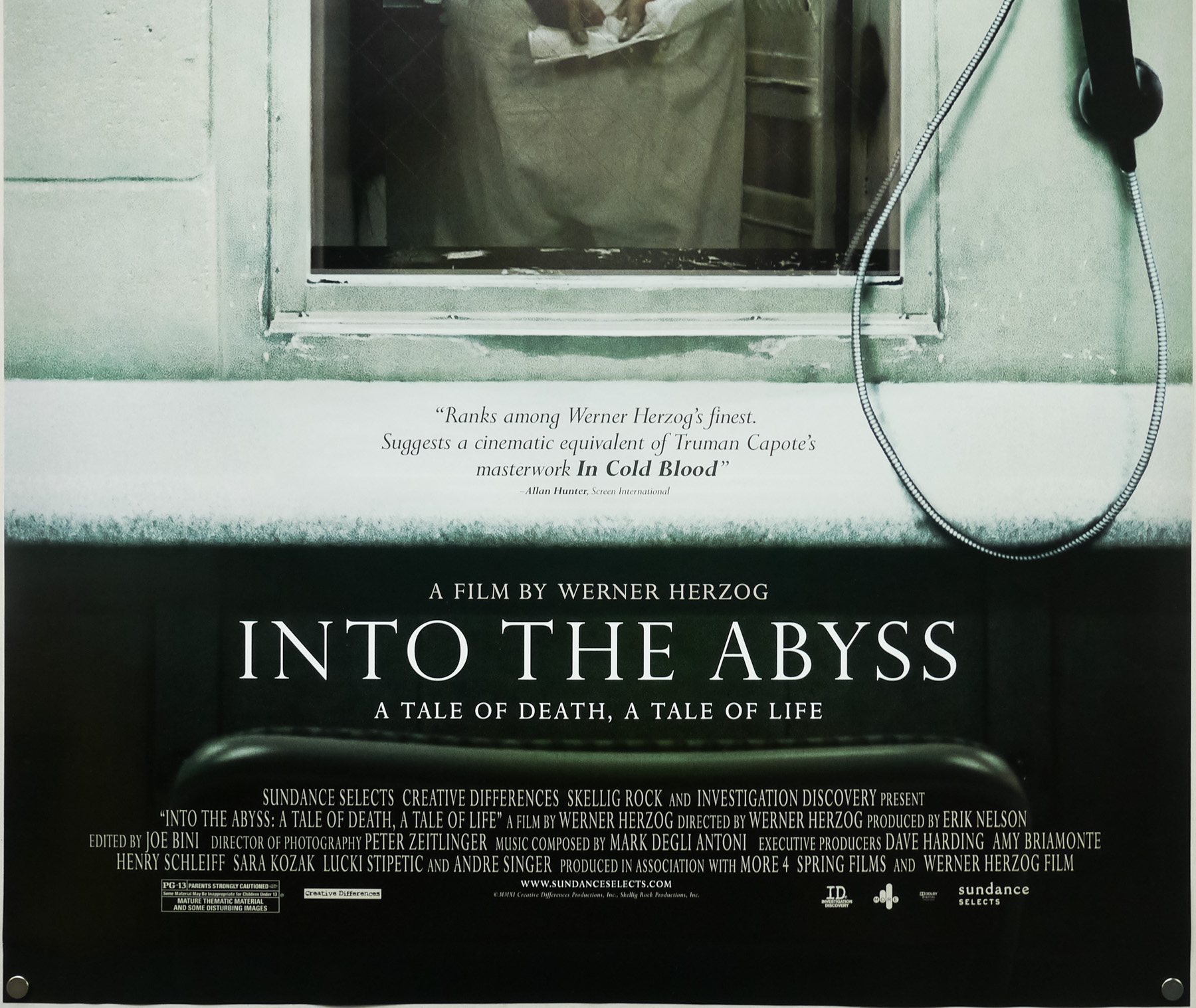
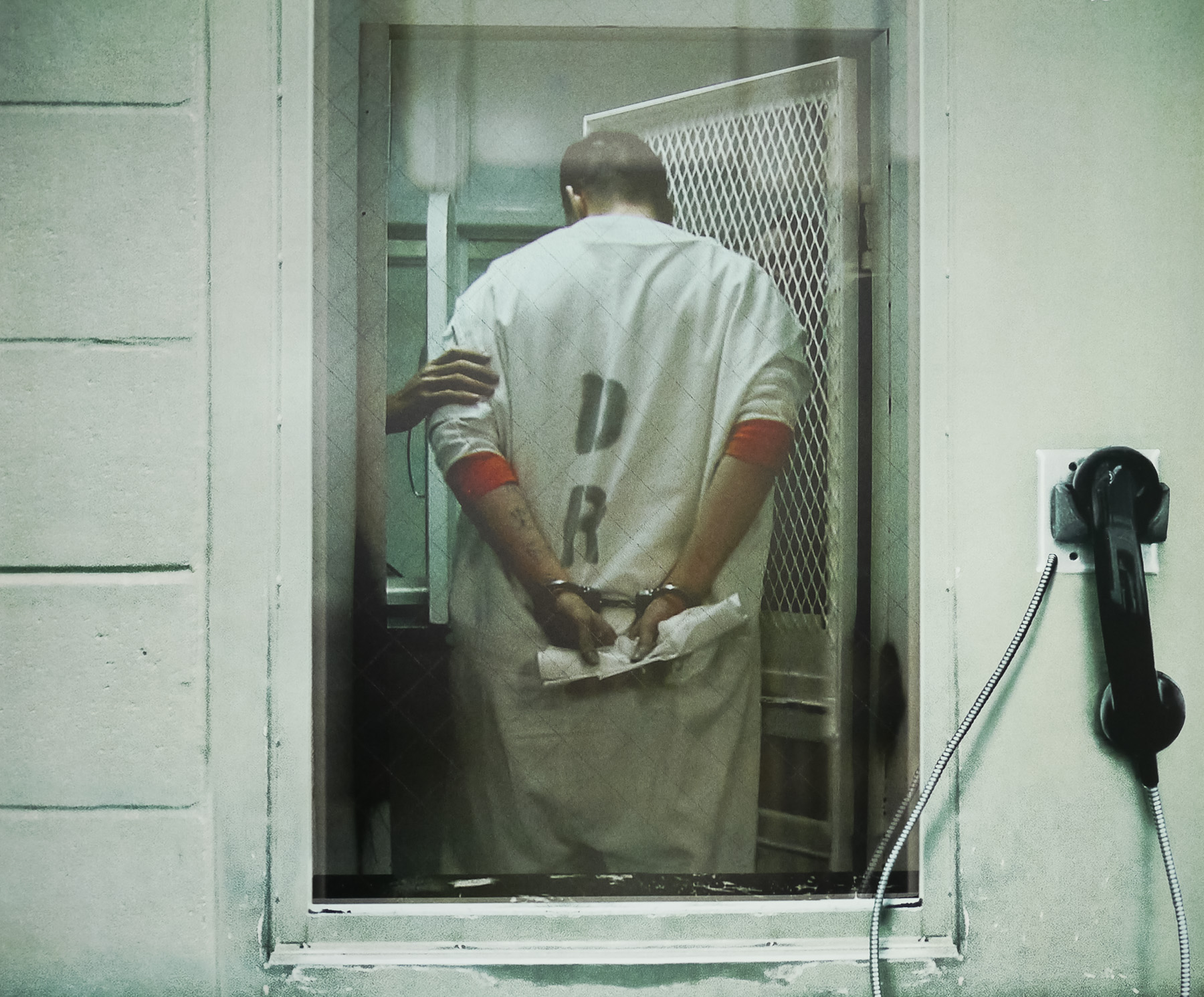
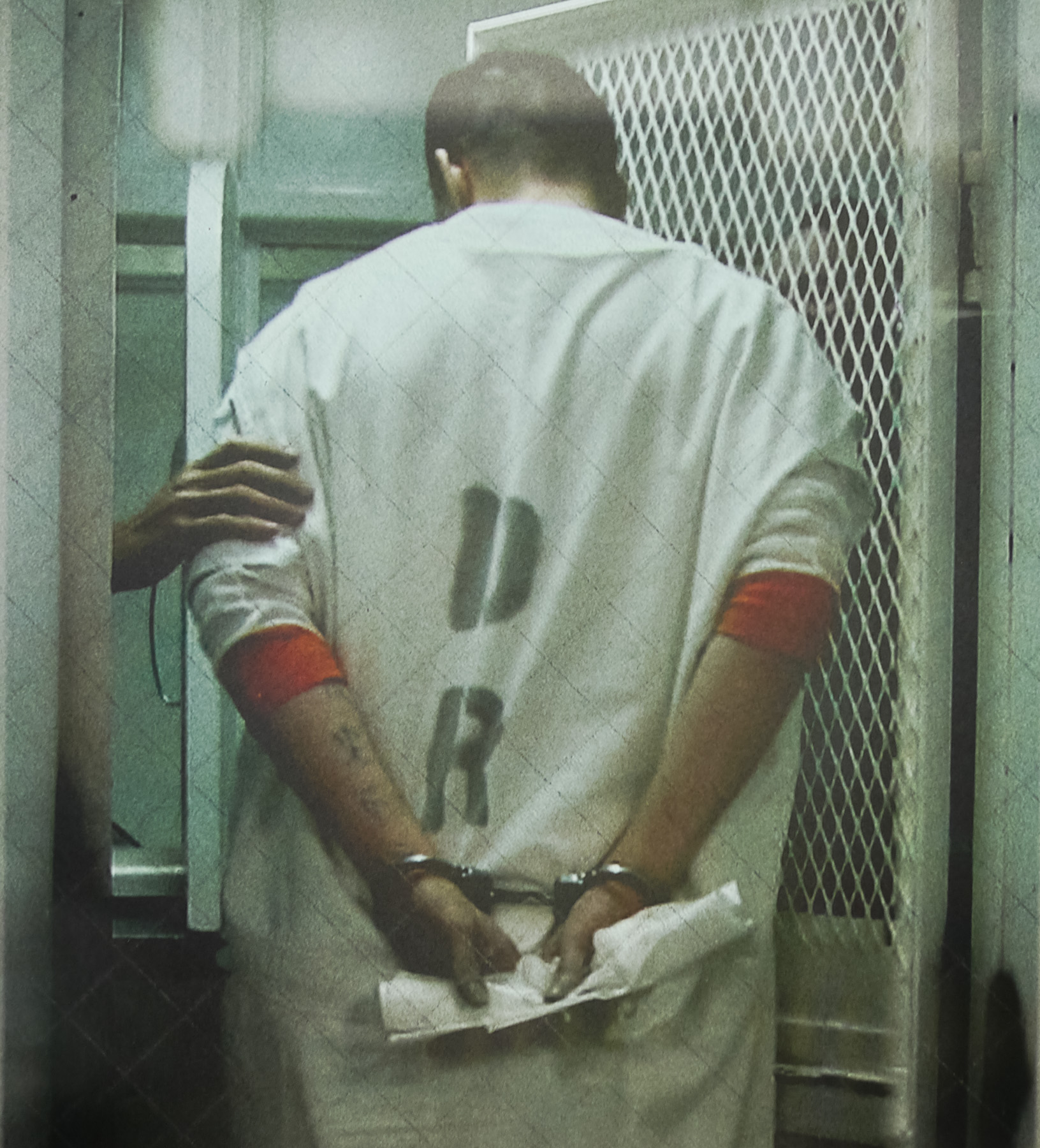
This is the US one sheet for the release of Werner Herzog‘s 2011 documentary, Into the Abyss. The film is one of the legendary German director’s best films from the past decade and focuses on the situation of a prisoner in a maximum security prison in Texas who is awaiting execution. The subject is one that Herzog had wanted to focus on for a number of years and he had originally intended to look at life inside a maximum security prison in Germany. Originally the director planned to interview a number of death row inmates but ended up focusing on just one, Michael Perry, and looking into the reason for his incarceration and (at that time) imminent execution.

Using the director’s trademark interview style, where he asks questions off-camera typically to a single person, the film looks at the crime that Perry and an accomplice are said to have perpetrated and the effect it has had on the victims’ families. Herzog shies away from trying to decipher whether Perry is guilty or innocent (the man himself claims innocence) of the murder of three people in Conroe, Texas in 2001. The film is gripping throughout and some of the most memorable scenes are when the siblings of the murdered people are interviewed. One person in particular has suffered such imaginable loss it is almost breathtaking.

This poster was designed by P+A (Percival and Associates) an established and prolific design company whose output can be viewed on IMPAwards. Their official website is not currently up and running. Mojo design were also involved but the company now appears to be defunct (Into the Abyss was one of their last posters) – their output can also be viewed on IMPAwards.

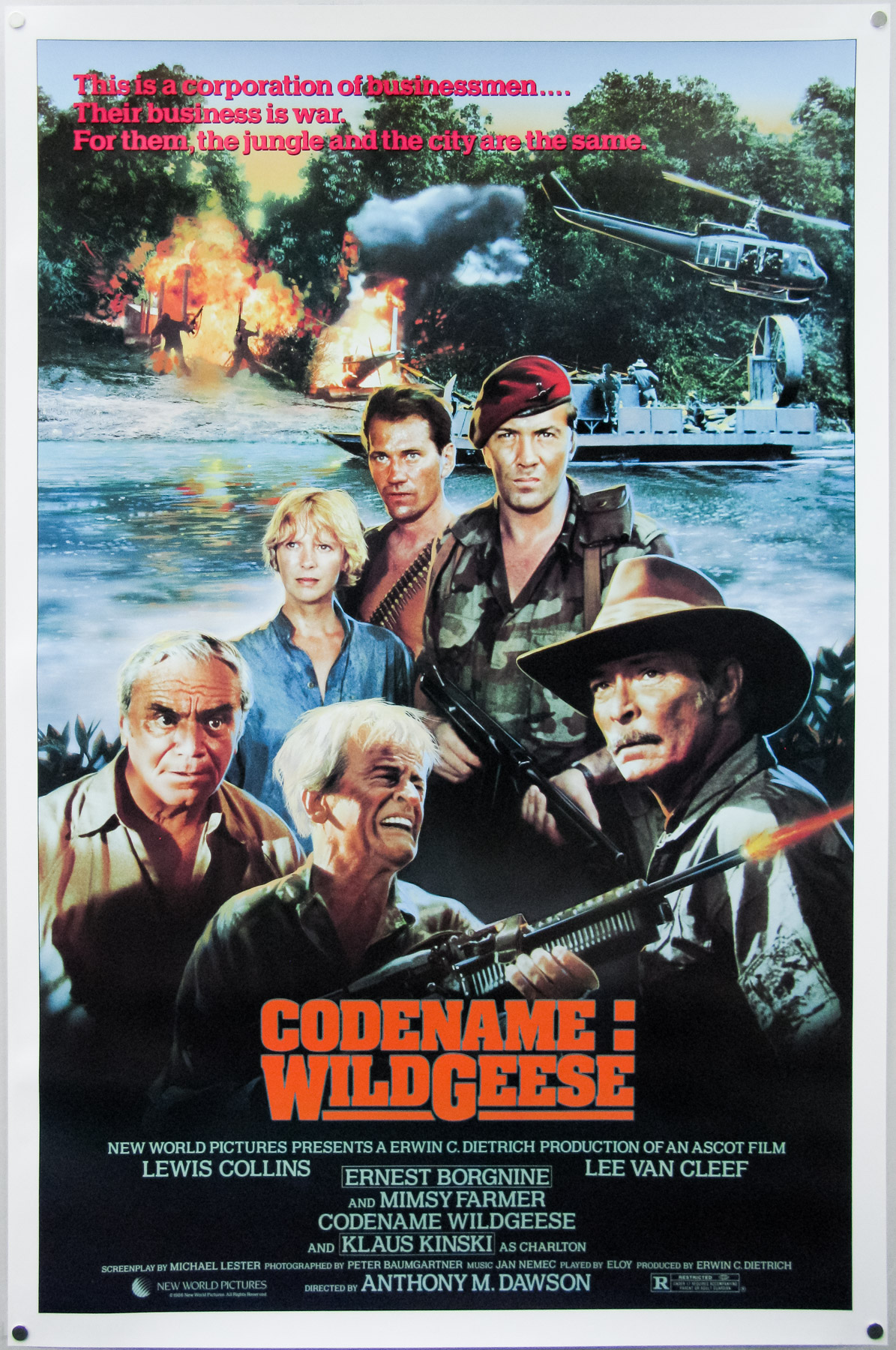
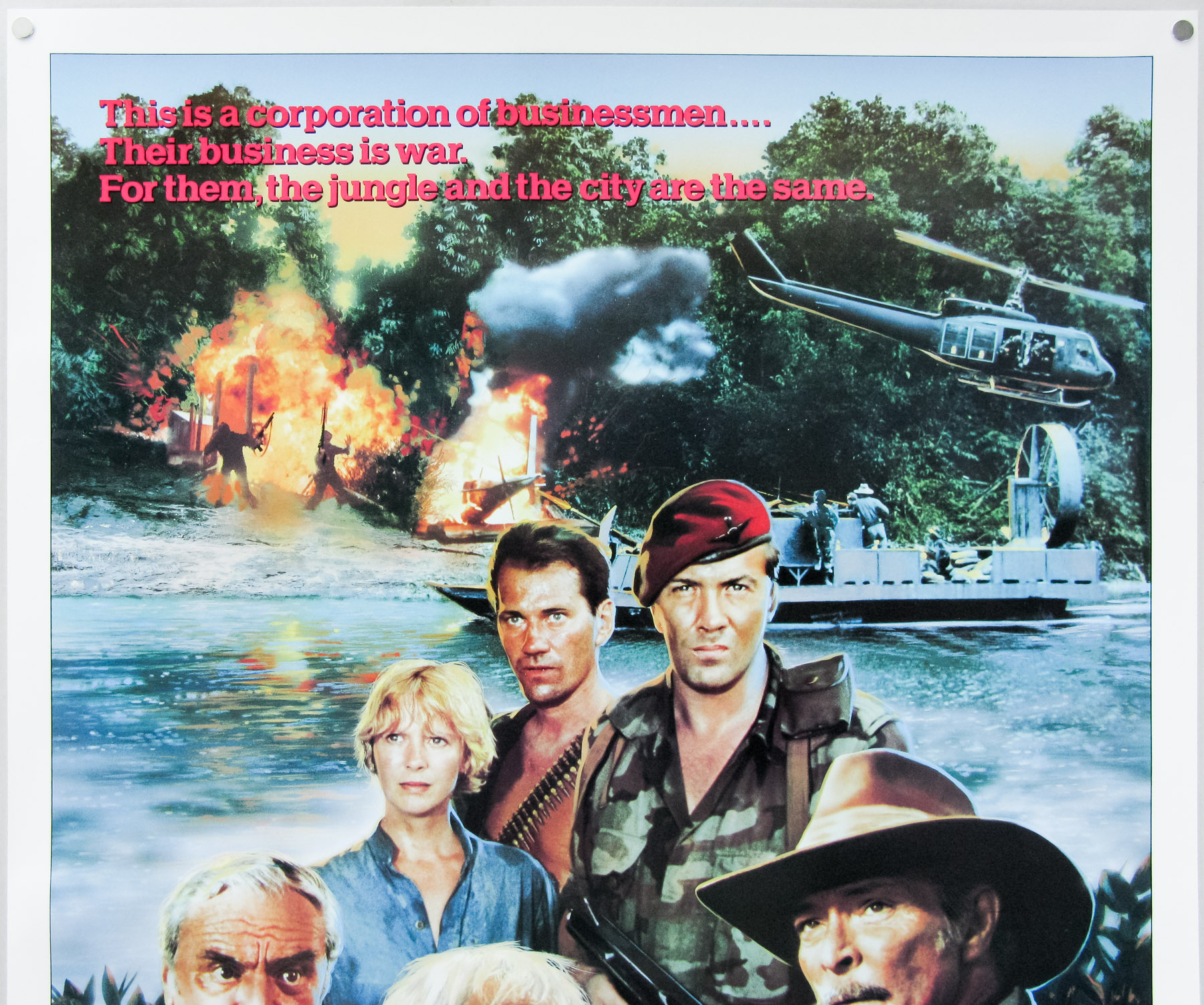
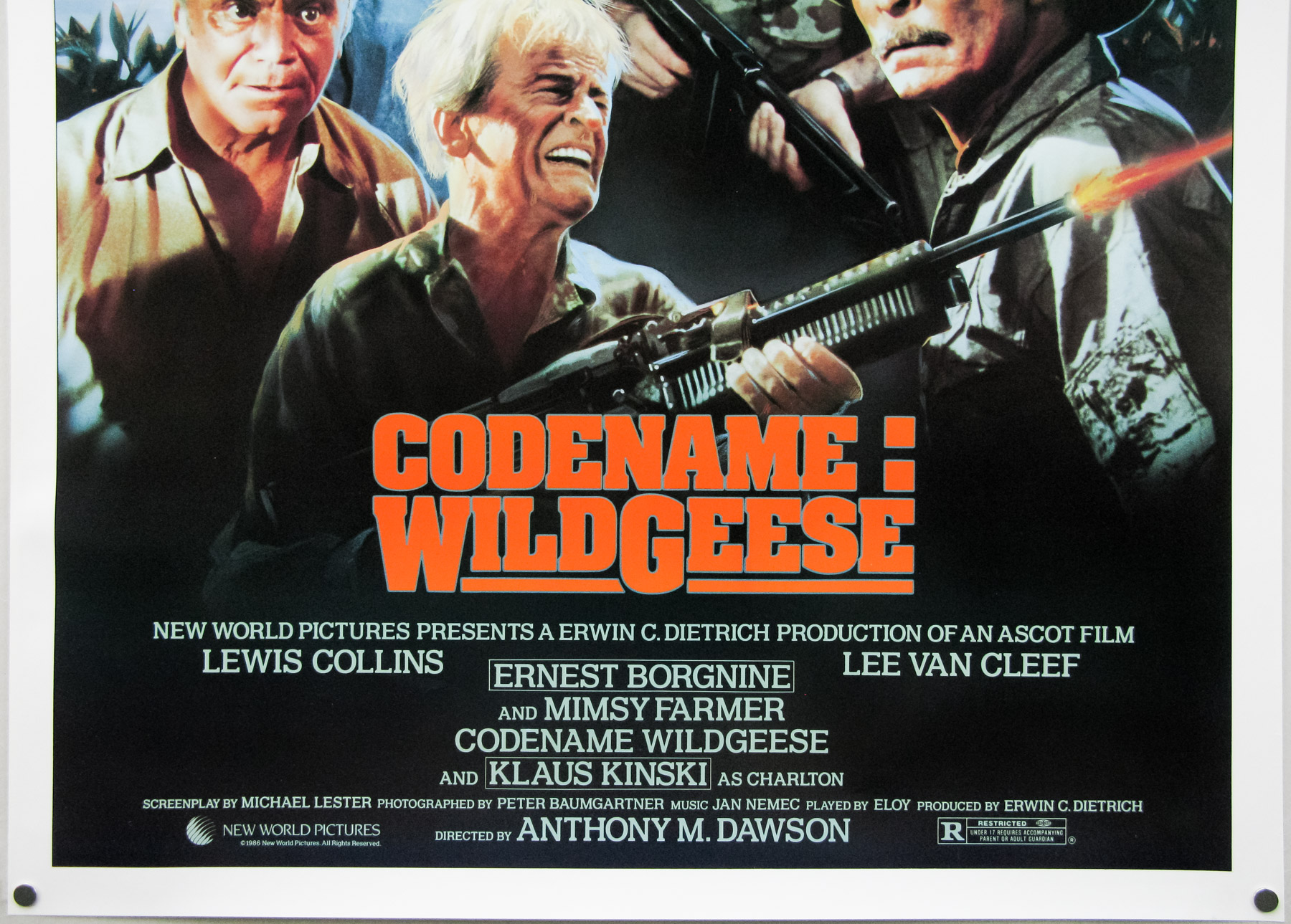
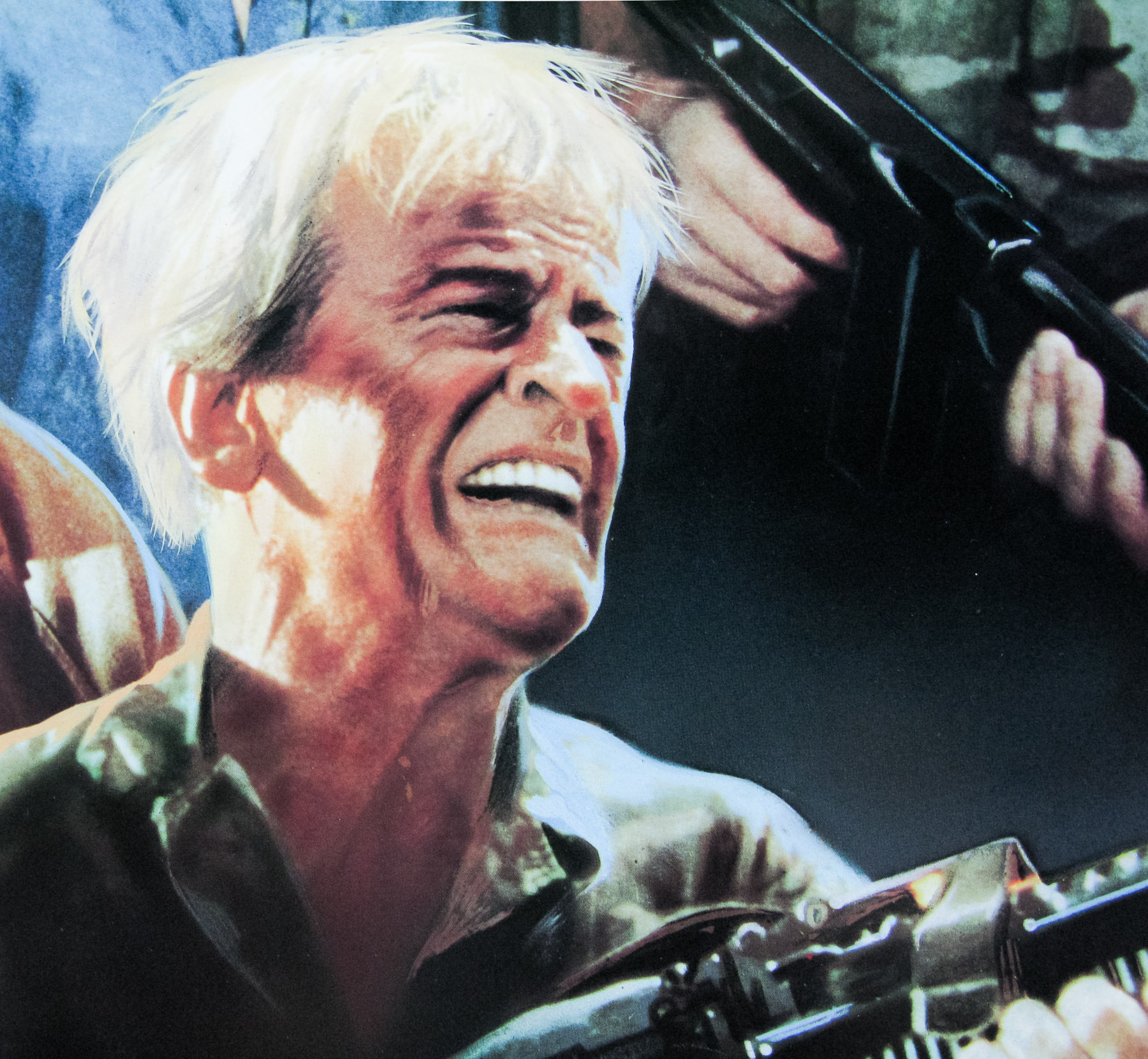
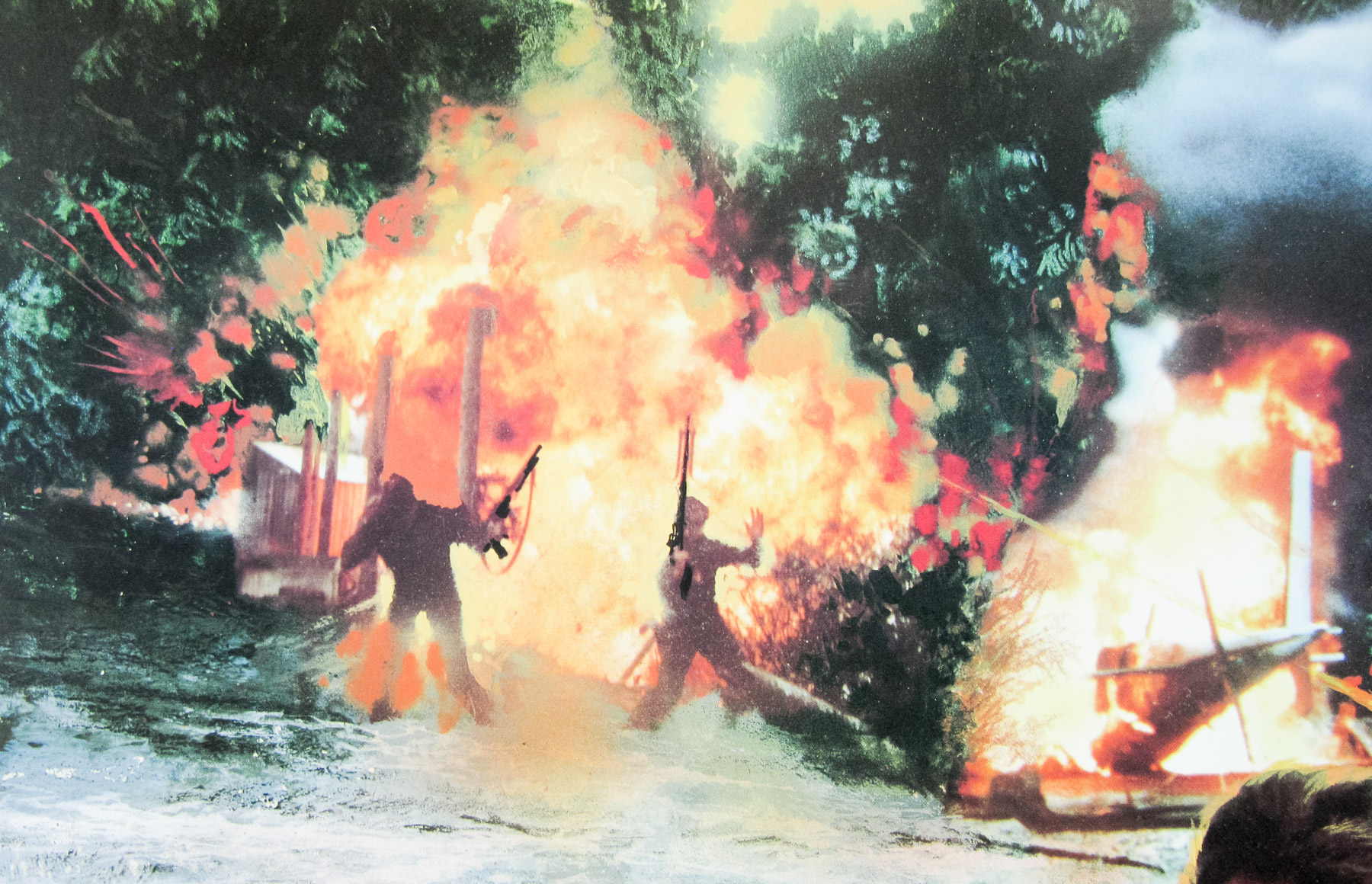
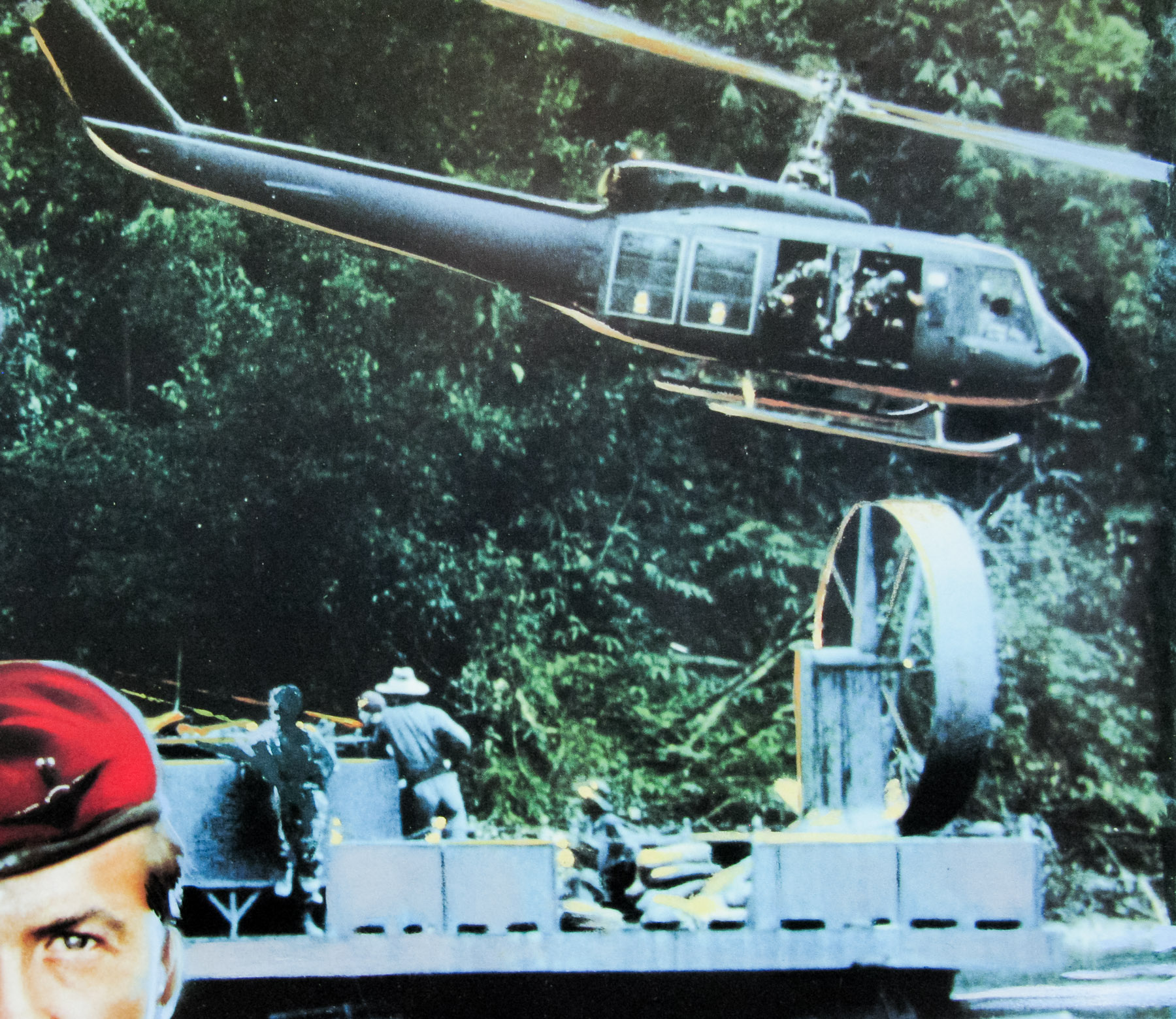
Codename: Wild Geese / one sheet / USA

17.05.11

Poster Poster
Title
Codename: Wild Geese
AKA
Geheimcode: Wildgänse (Germany - original title) | Arcobaleno selvaggio [Wild Rainbow] (Italy)
Year of Film
1984
Director
Antonio Margheriti (as Anthony Dawson)
Starring
Lewis Collins, Lee Van Cleef, Ernest Borgnine, Klaus Kinski, Manfred Lehmann, Mimsy Farmer
Origin of Film
Italy | West Germany
Genre(s) of Film
Lewis Collins, Lee Van Cleef, Ernest Borgnine, Klaus Kinski, Manfred Lehmann, Mimsy Farmer,
Type of Poster
One sheet
Style of Poster
--
Origin of Poster
USA
Year of Poster
1986
Designer
Unknown
Artist
--
Size (inches)
27" x 41"
SS or DS
SS
NSS #
--
Tagline
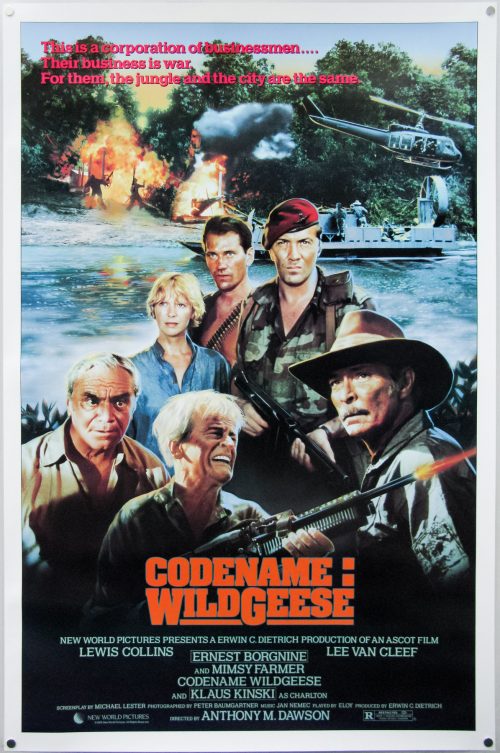
This is a corporation of businessmen... Their business is war. For them, the jungle and the city are the same.

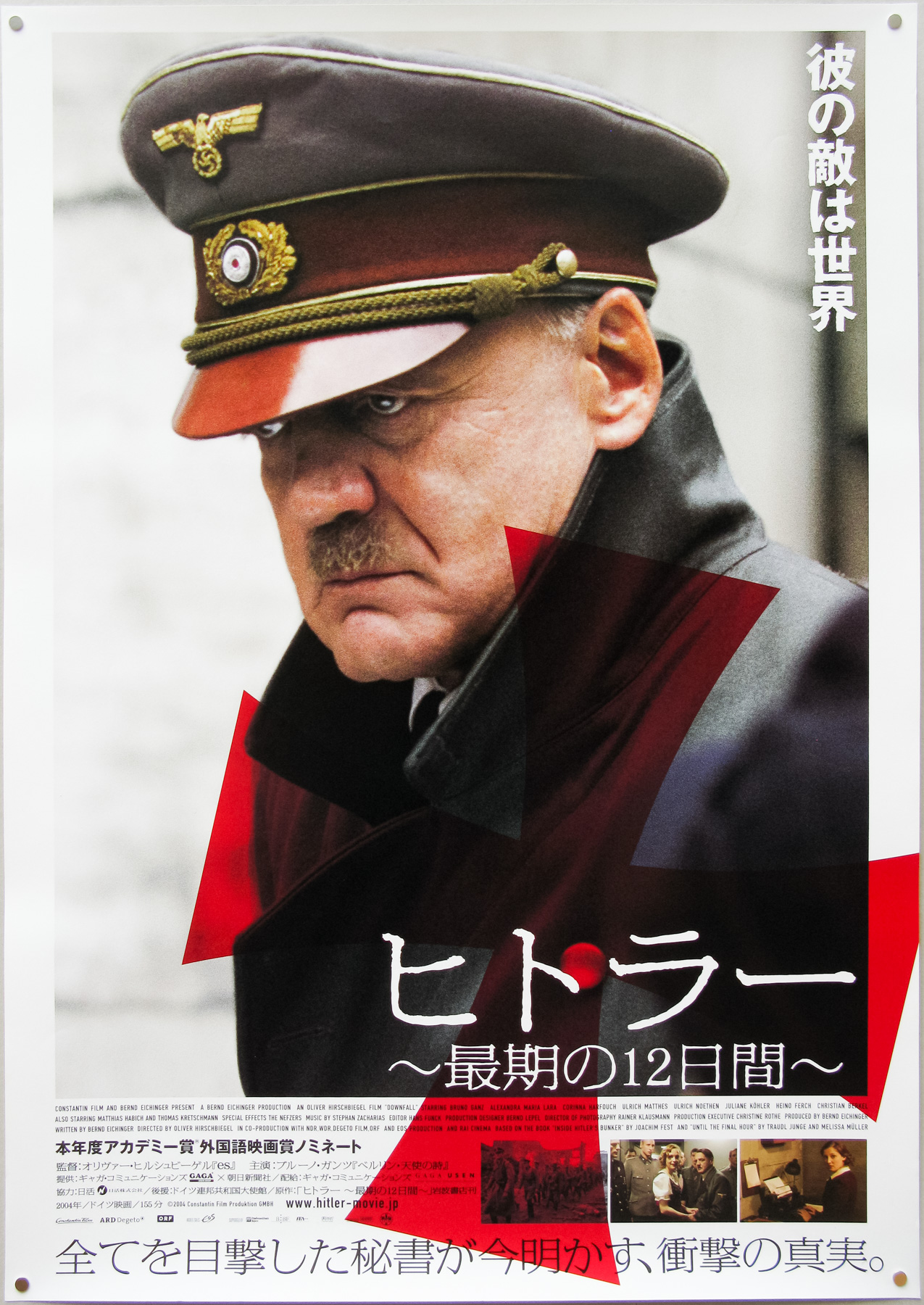
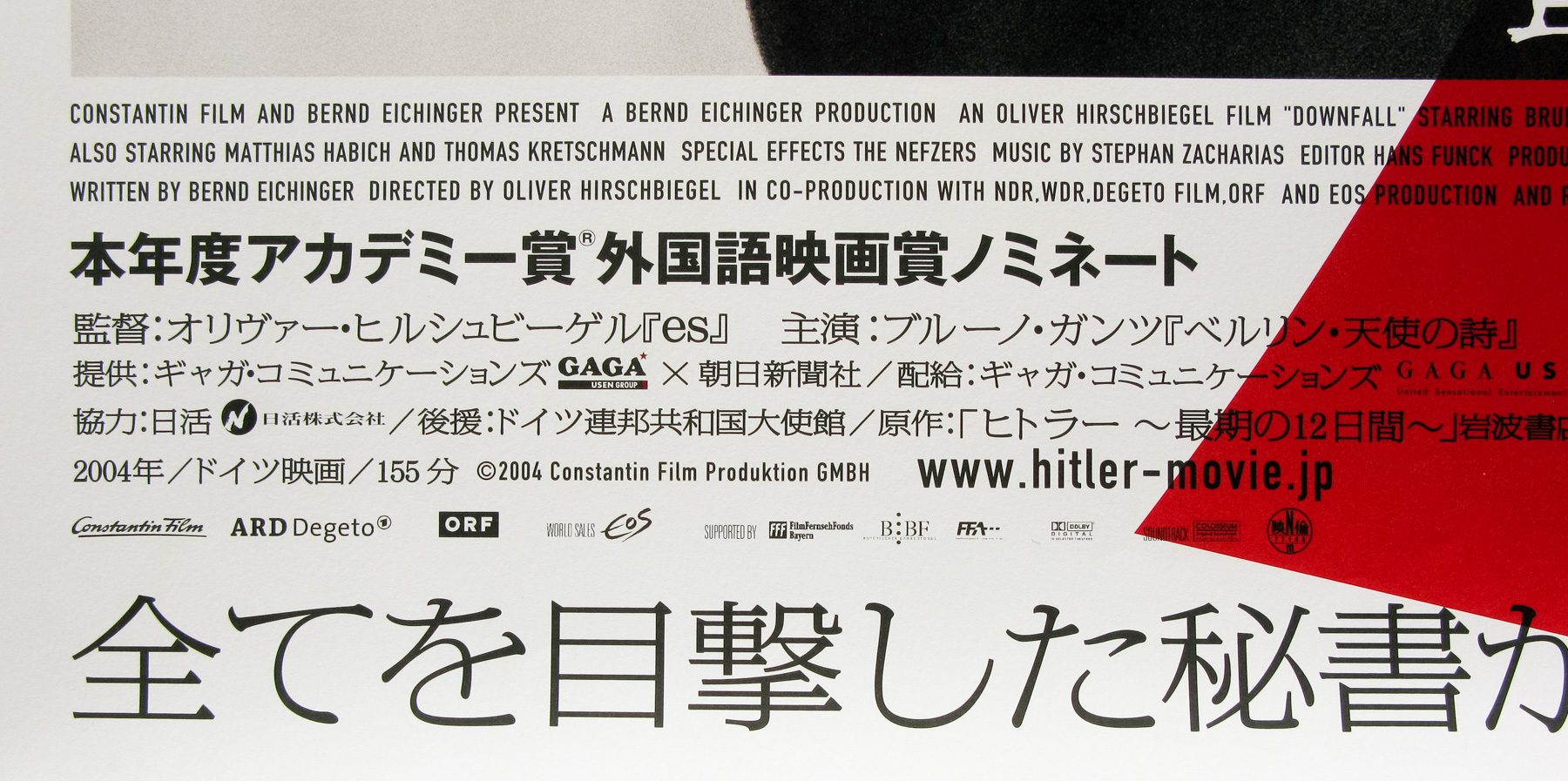
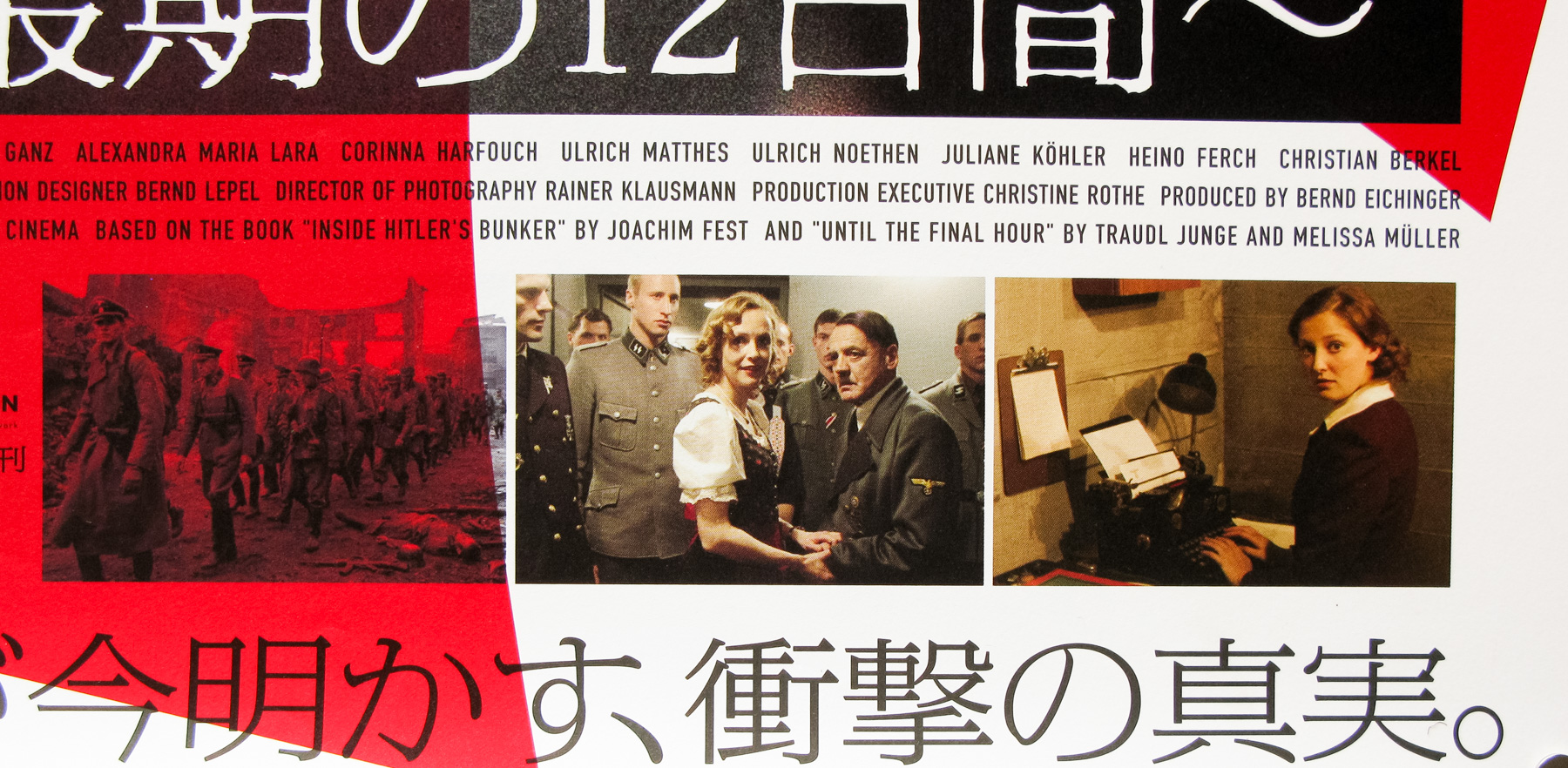
Downfall / B2 / Japan

17.05.11

Poster Poster
Title
Downfall
AKA
Der Untergang (Germany - original title) | Hitorâ saigo no juuninichikan (Japan)
Year of Film
2004
Director
Oliver Hirschbiegel
Starring
Bruno Ganz, Alexandra Maria Lara, Corinna Harfouch, Ulrich Matthes, Juliane Köhler
Origin of Film
Germany | Italy | Austria
Genre(s) of Film
Bruno Ganz, Alexandra Maria Lara, Corinna Harfouch, Ulrich Matthes, Juliane Köhler,
Type of Poster
B2
Style of Poster
--
Origin of Poster
Japan
Year of Poster
2005
Designer
Unknown
Artist
--
Size (inches)
20 6/16" x 28 13/16"
SS or DS
SS
Tagline
--

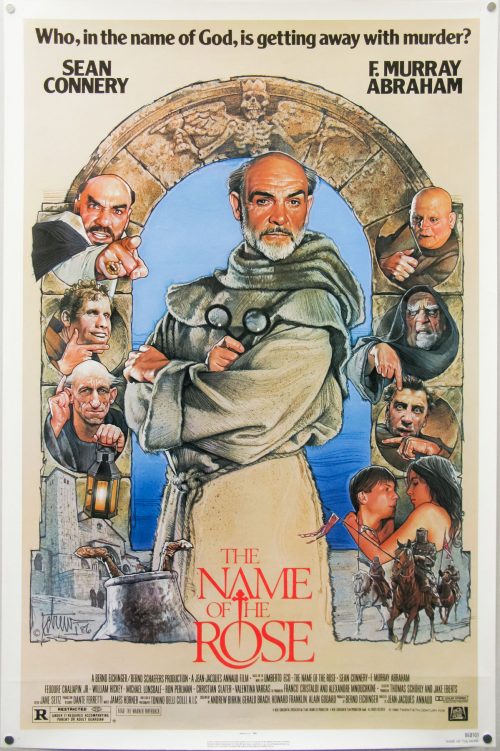
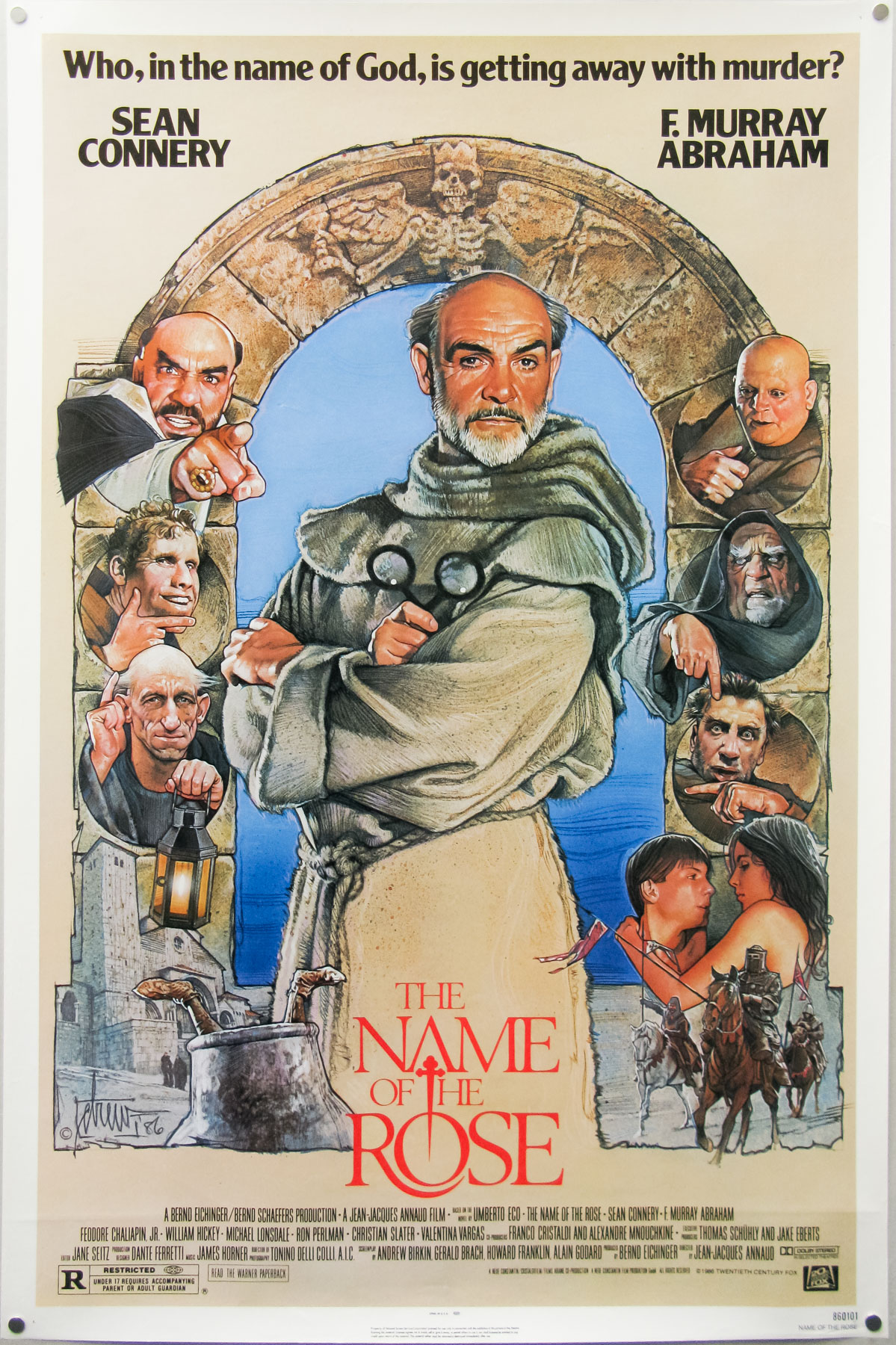
The Name of the Rose / one sheet / USA

28.05.12

Poster Poster
Title
The Name of the Rose
AKA
Der Name der Rose (Germany - original title)
Year of Film
1986
Director
Jean-Jacques Annaud
Starring
Sean Connery, Christian Slater, Helmut Qualtinger, Elya Baskin, Michael Lonsdale, Volker Prechtel, Feodor Chaliapin Jr., William Hickey, Michael Habeck, Urs Althaus
Origin of Film
France | Italy | West Germany
Genre(s) of Film
Sean Connery, Christian Slater, Helmut Qualtinger, Elya Baskin, Michael Lonsdale, Volker Prechtel, Feodor Chaliapin Jr., William Hickey, Michael Habeck, Urs Althaus,
Type of Poster
One sheet
Style of Poster
--
Origin of Poster
USA
Year of Poster
1986
Designer
Unknown
Artist
Drew Struzan
Size (inches)
27 1/16" x 40 15/16"
SS or DS
SS
NSS #
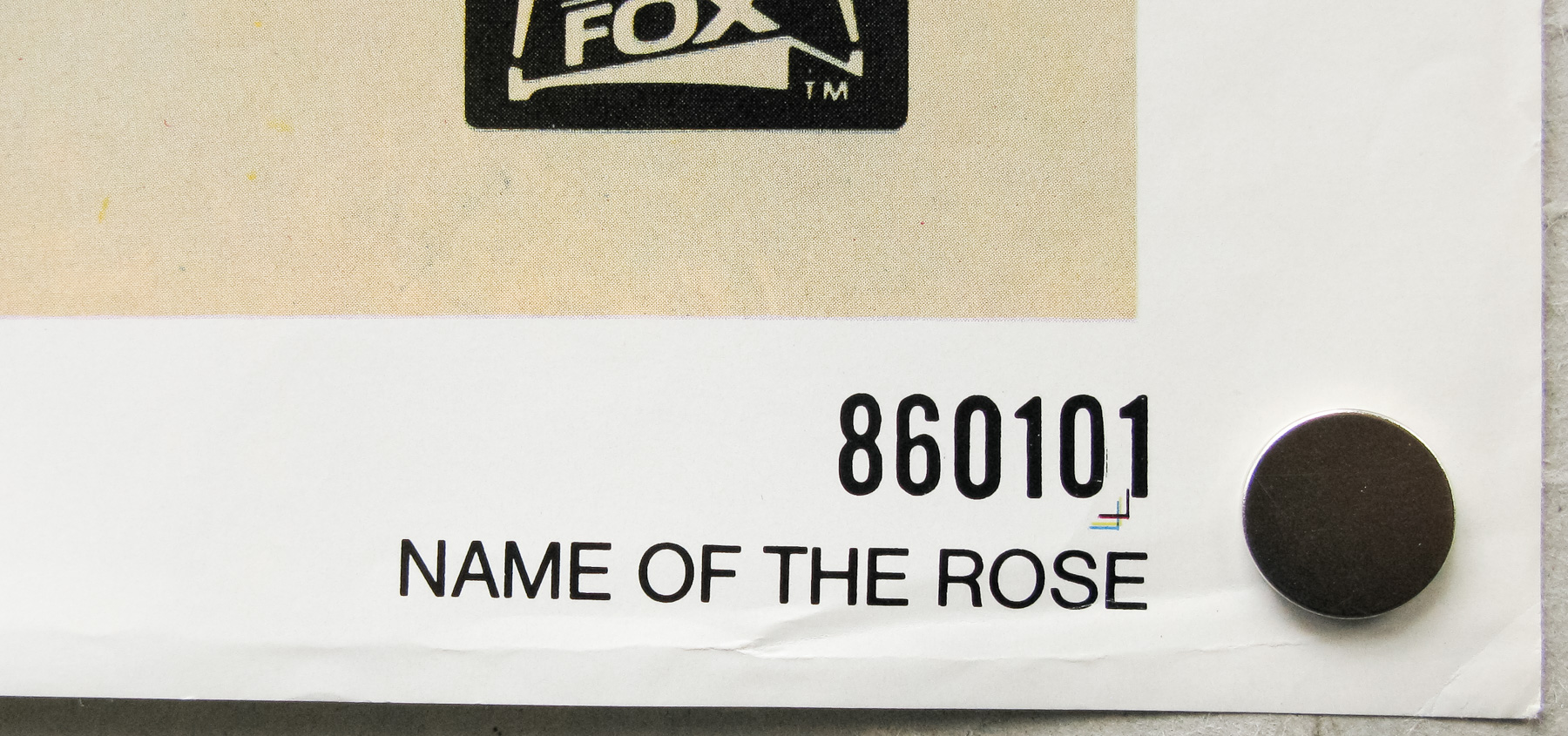
860101
Tagline
Who, in the name of God, is getting away with murder?

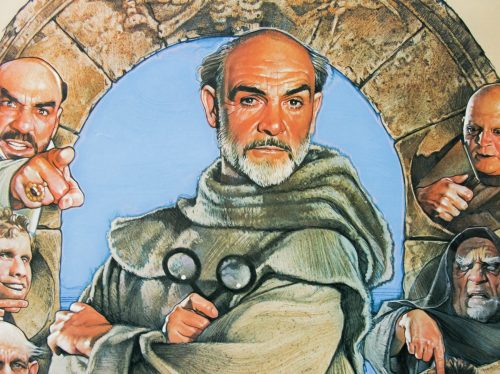
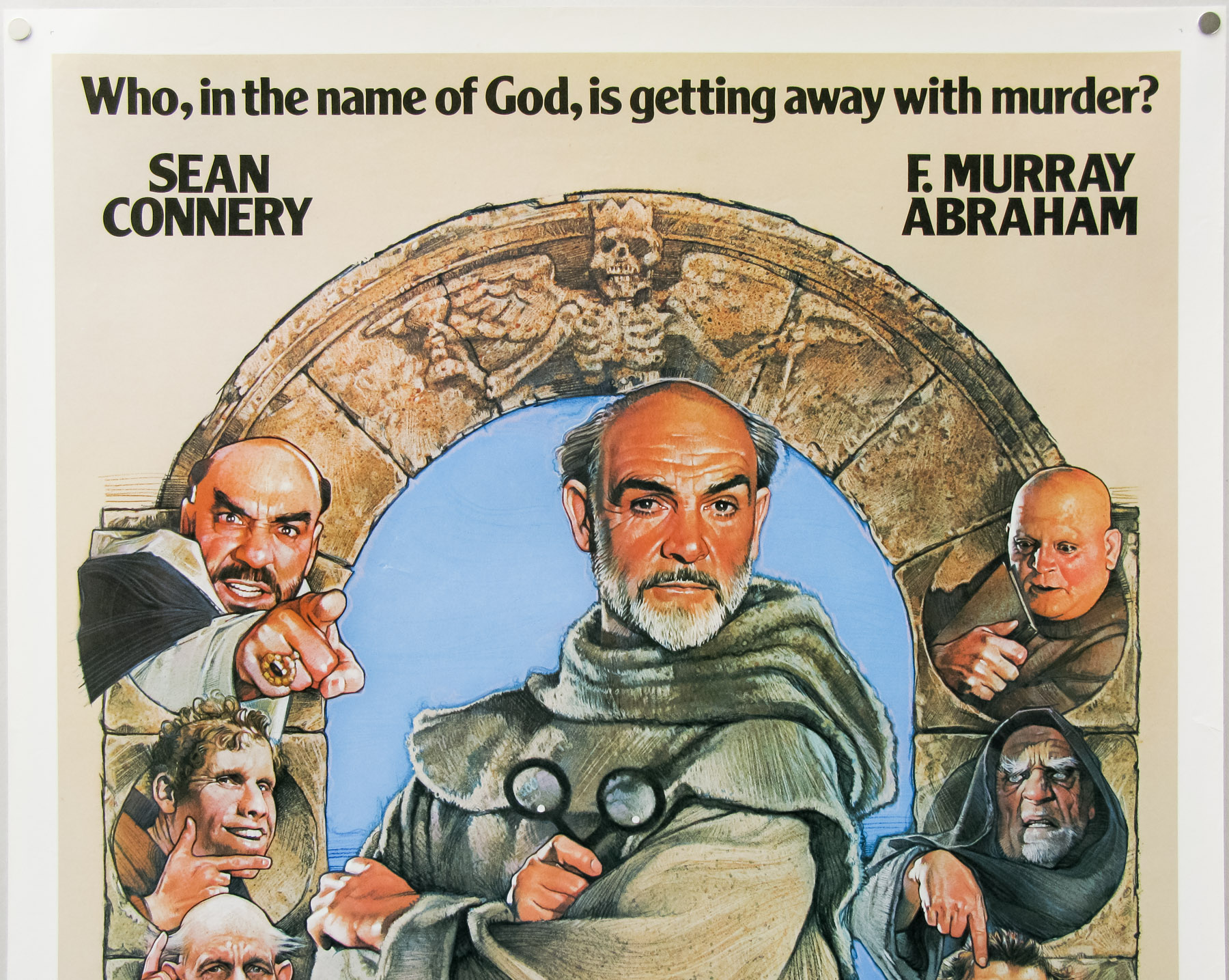
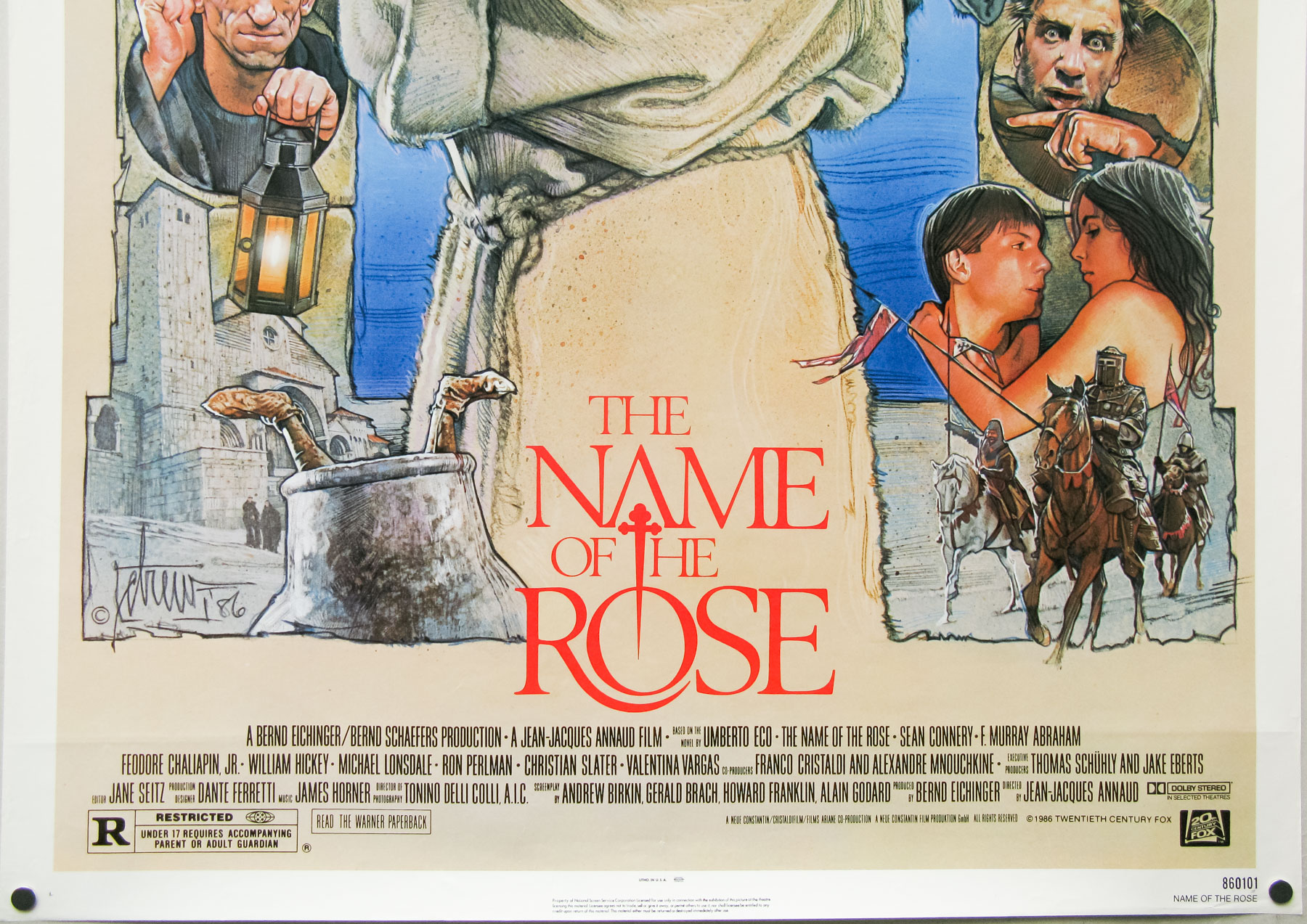
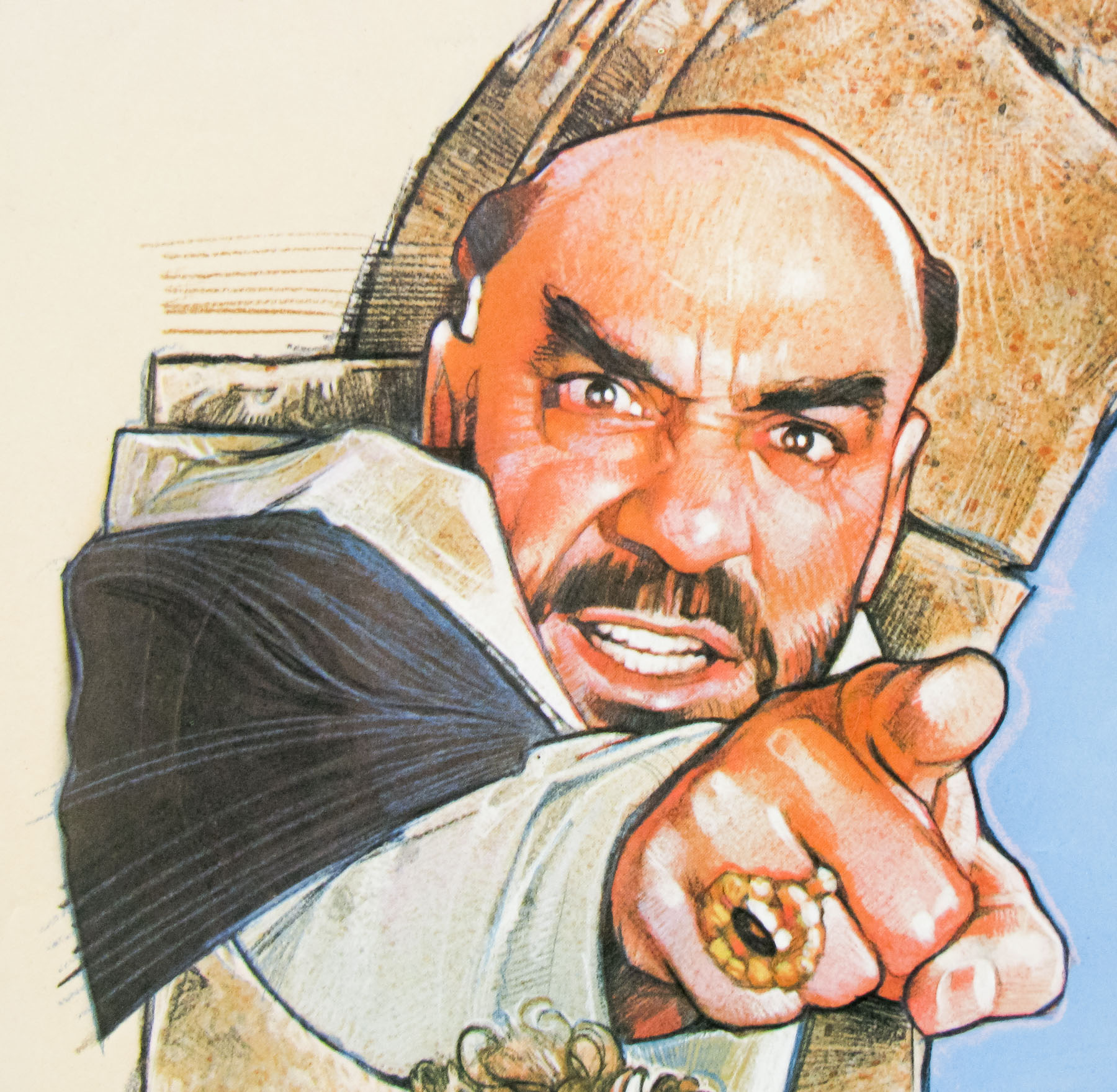
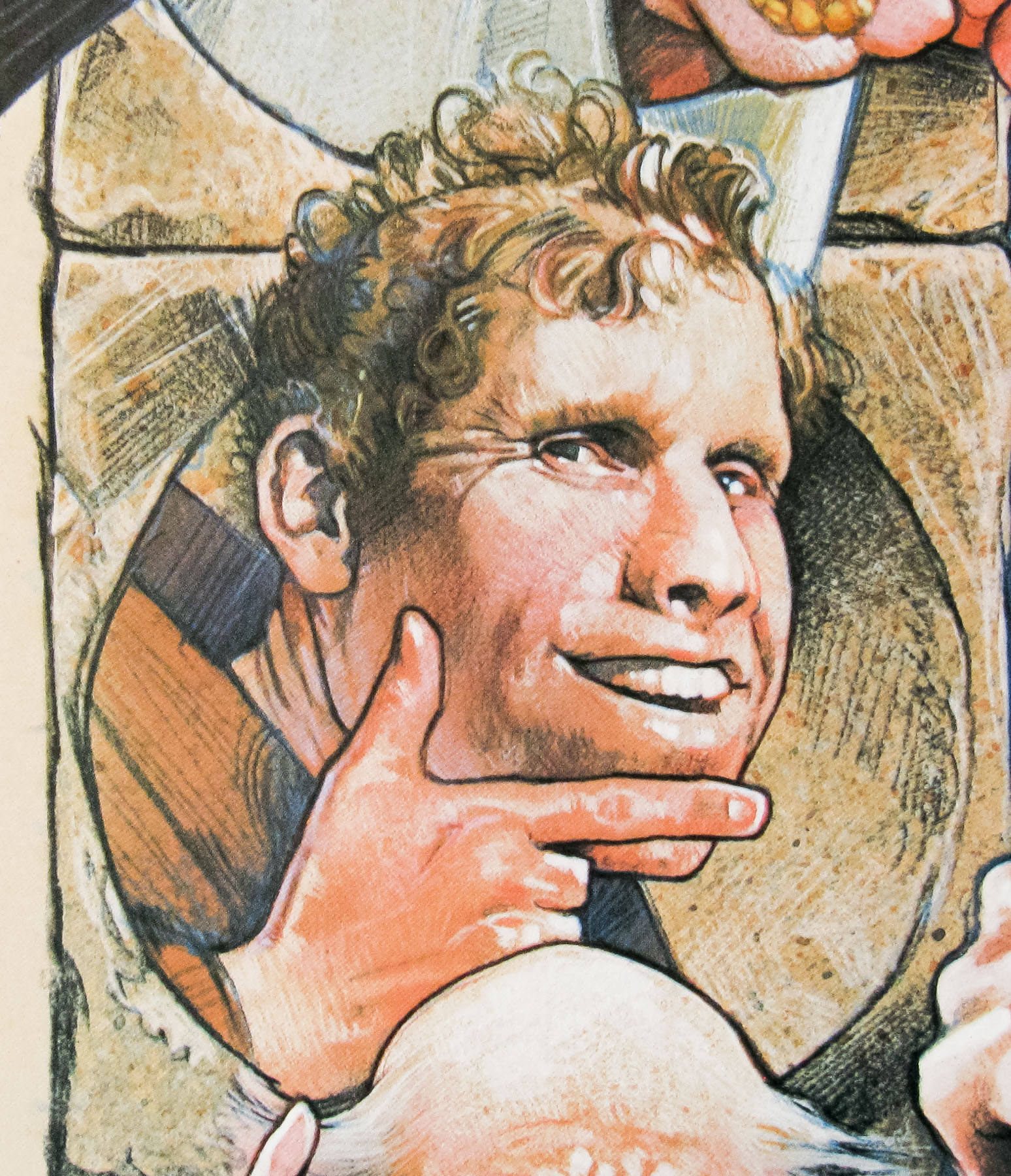
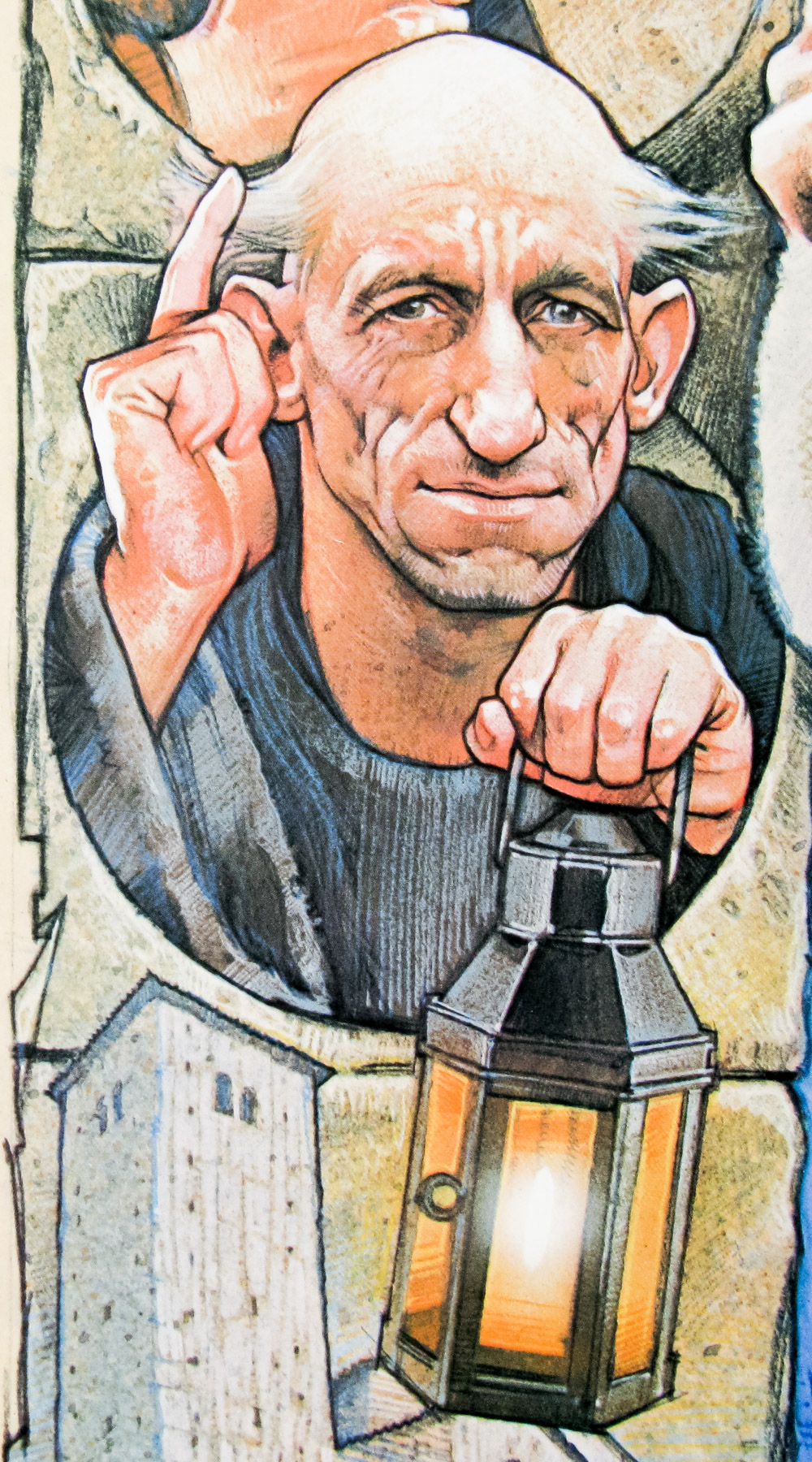
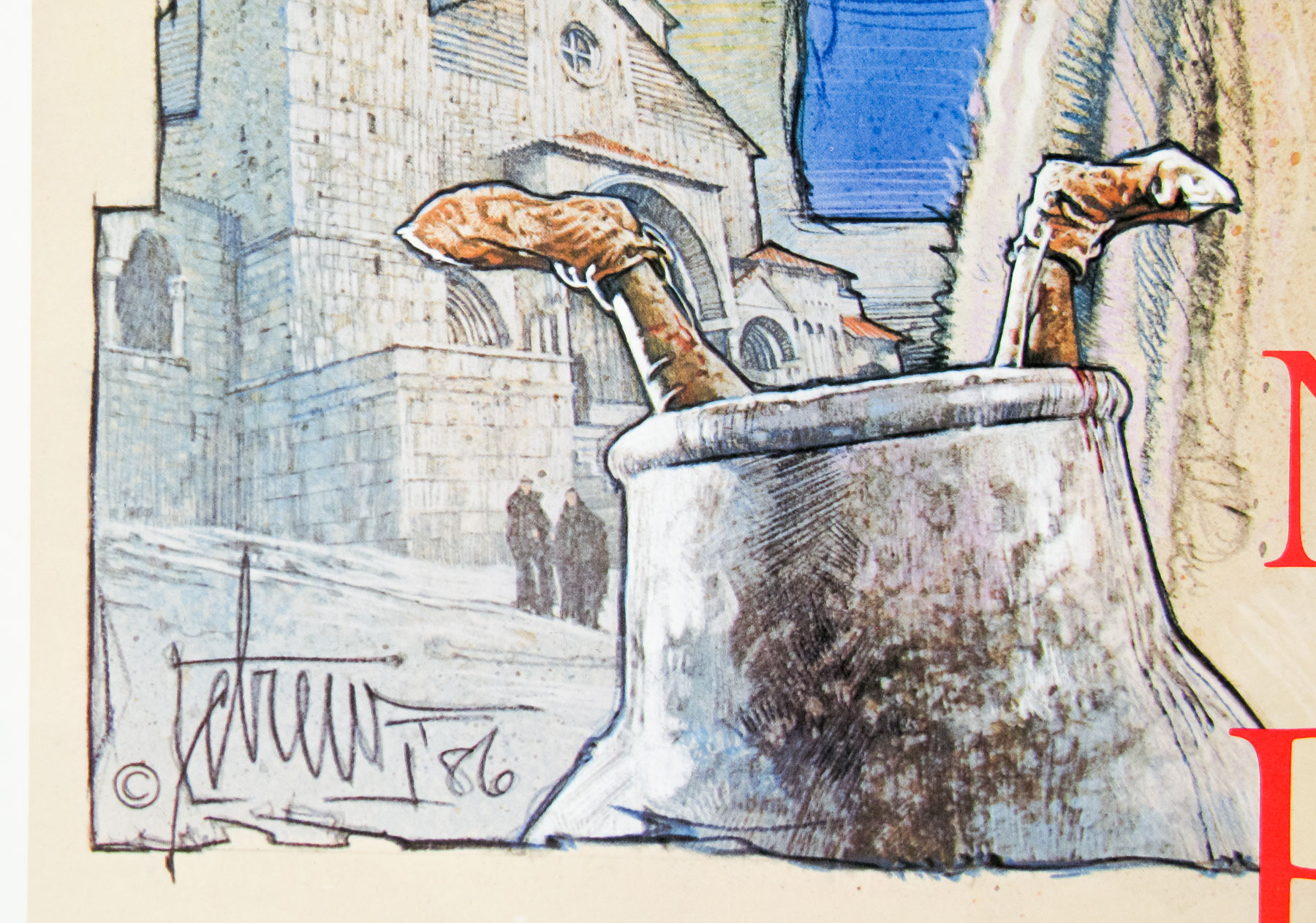
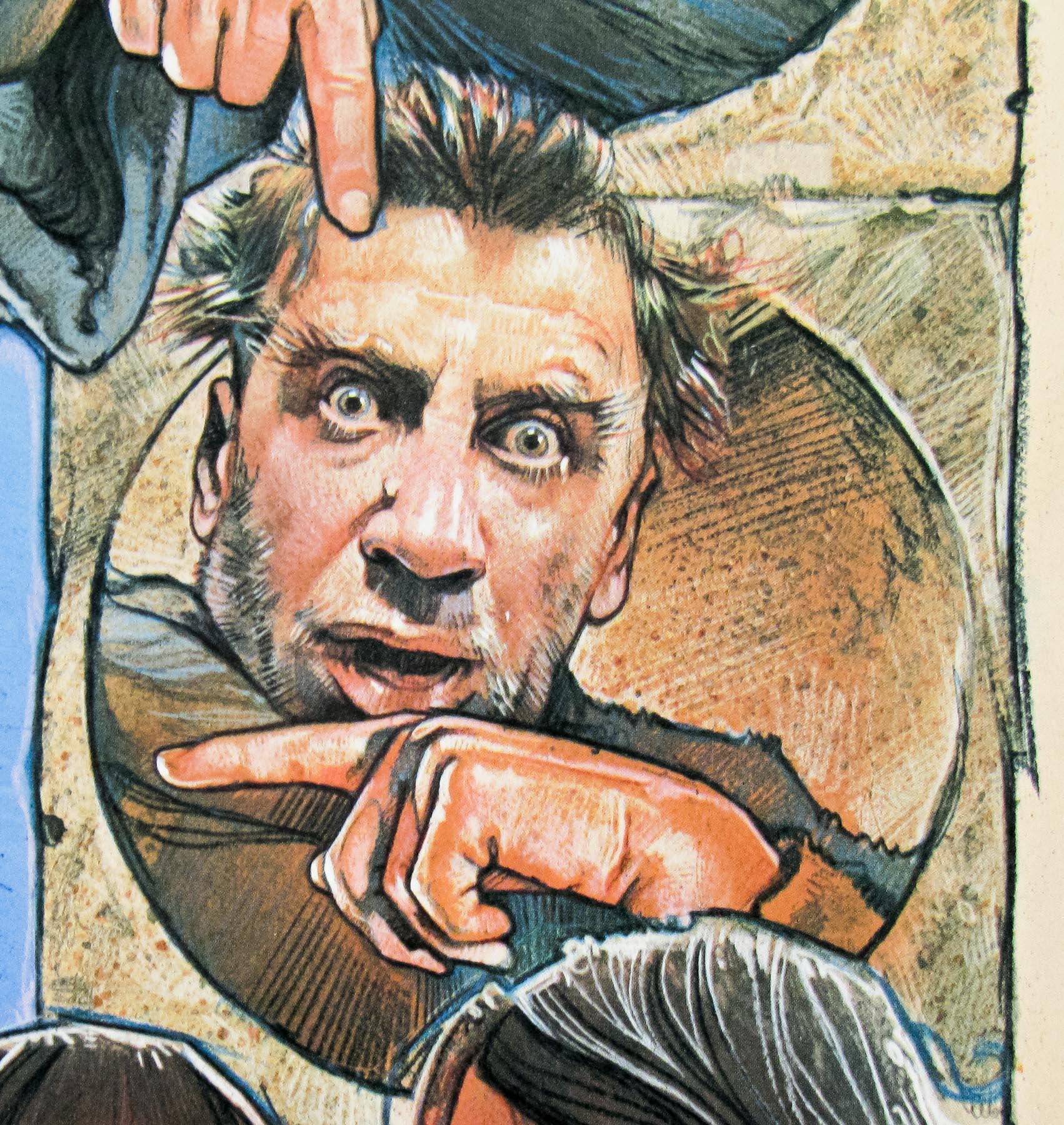
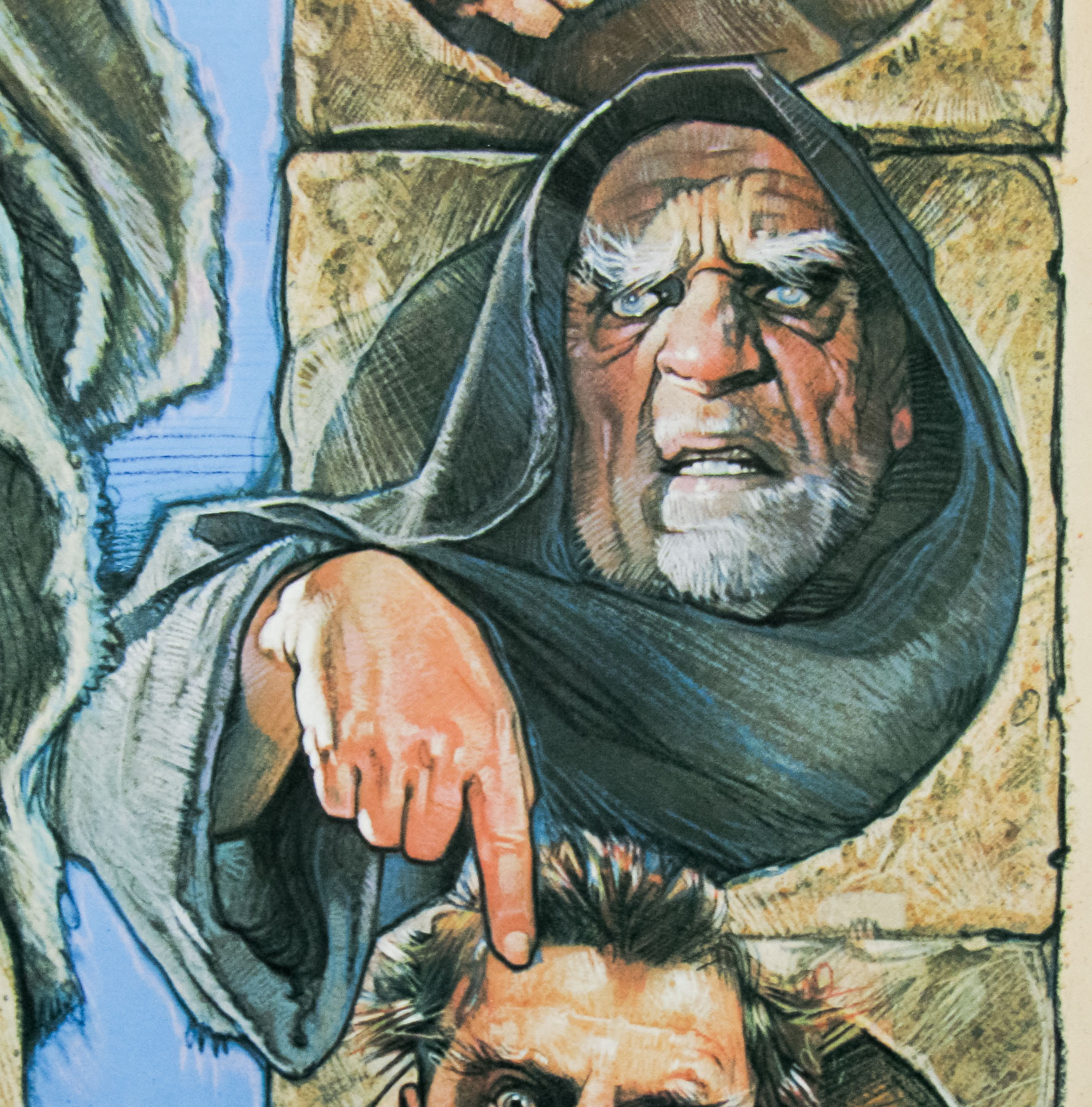
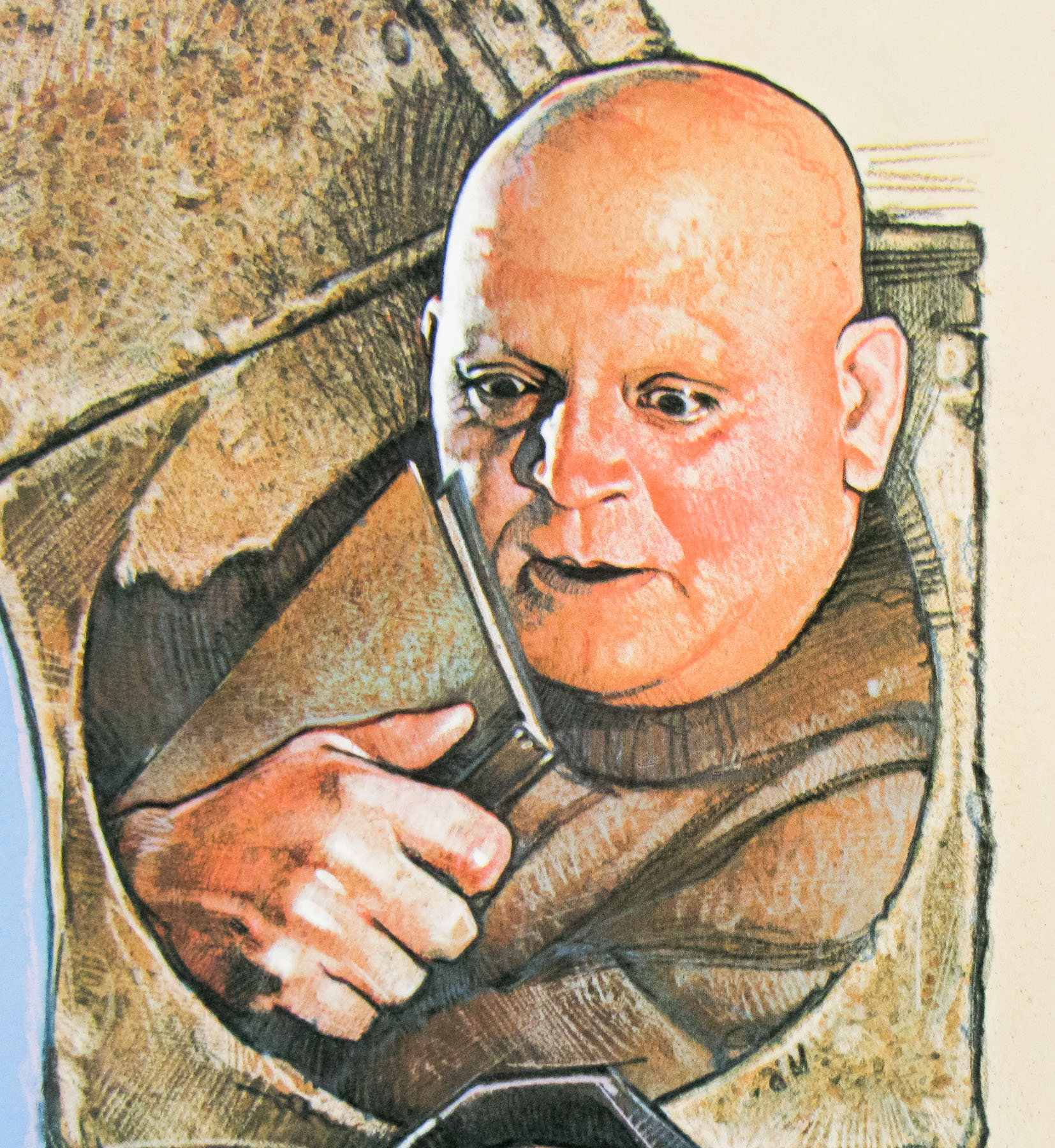
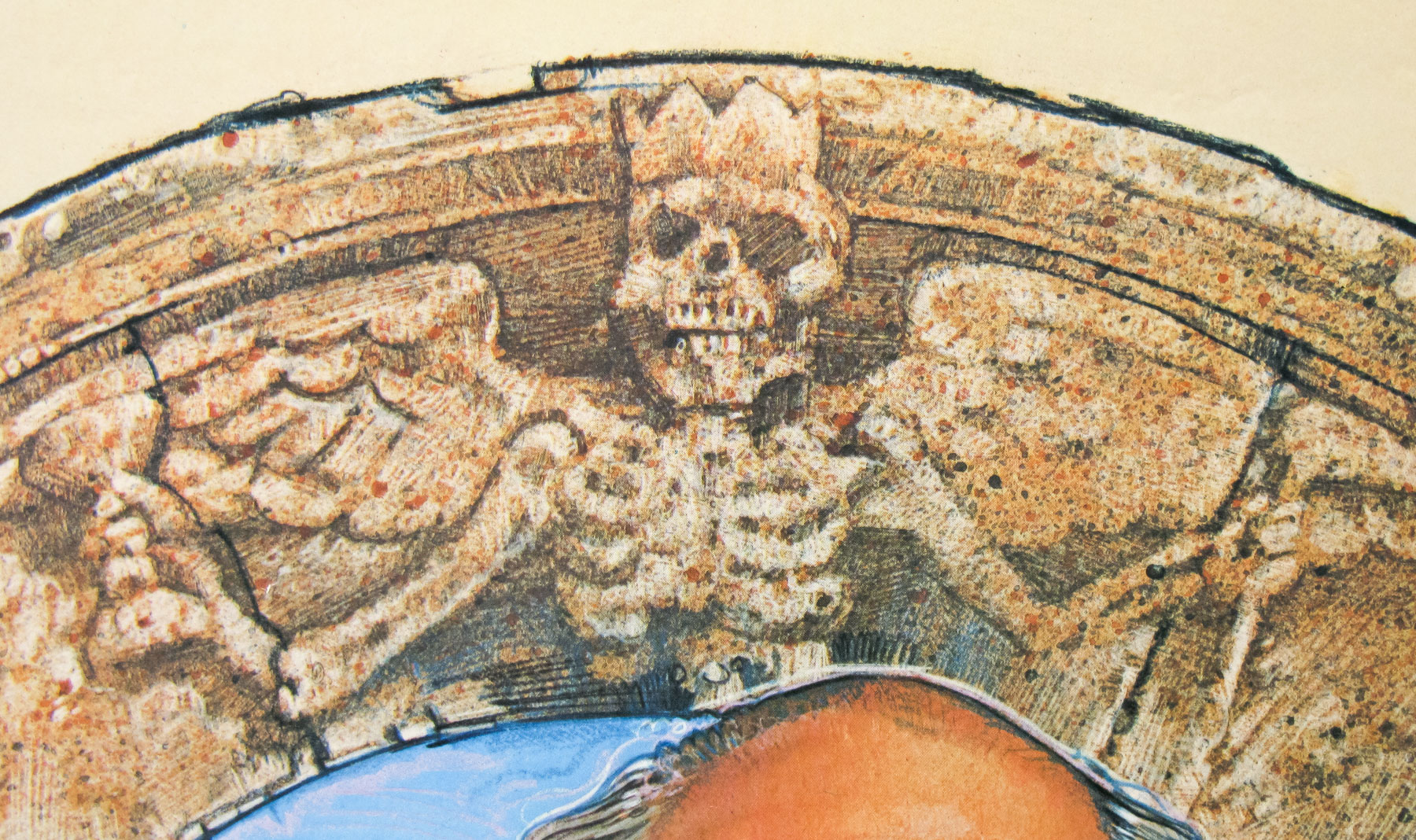
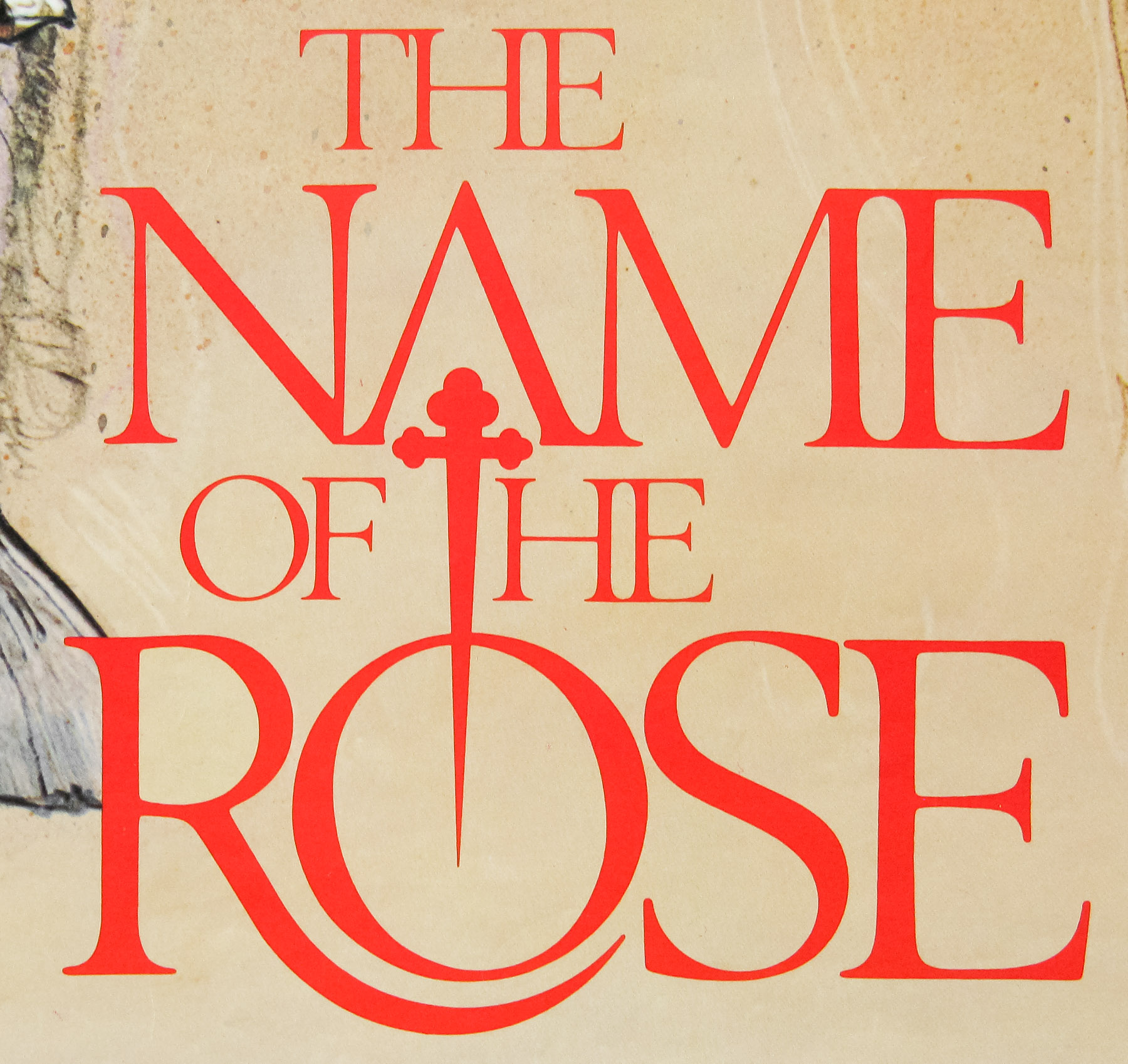
Artwork by the great Drew Struzan on this US one sheet for French director Jean-Jacques Annaud‘s 1986 medieval whodunnit, starring Sean Connery and Christian Slater in one of his first major film roles. Based on the book by Italian novelist, semiotician, philosopher and critic Umberto Eco, the film focuses on the investigation of a series of mysterious deaths in an isolated abbey by the monk William of Baskerville (Connery) aided by his novice Adso of Melk (Slater). The pair must race against time to prevent falsely accused suspects, including Ron Perlman‘s demented hunchback Salvatore, being punished at the hands of the inquisitor Bernardo Gui (F. Murray Abraham).

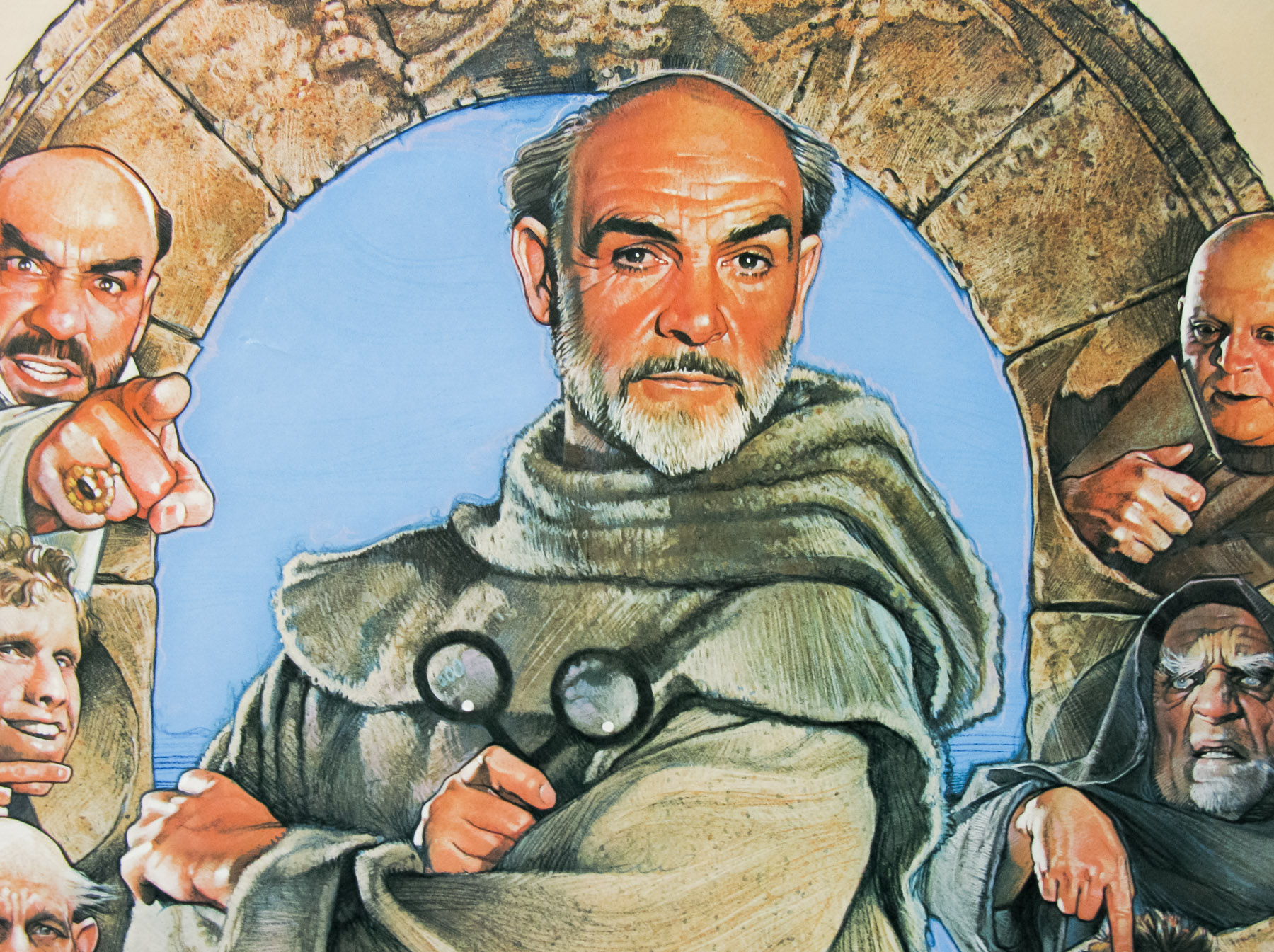
Struzan’s portrait of a balding Connery is absolutely spot on and easily on par with the one he did three years later for Indiana Jones and the Last Crusade. According to IMDb, the presence of the ugly characters in the film (and on the poster) is due to Annaud “casting the ugliest actors he could get because he wanted the characters to appear “real”, based on the men in the village where he lived. When he returned to his village, some of the men asked him if he really considered them to be as ugly as the actors, and he said, “Yes.”

Several other international posters for the film, including this German one, depict Connery looking extremely serious and glum.

To see the other posters I’ve collected by Struzan click here.
The original trailer is on YouTube.

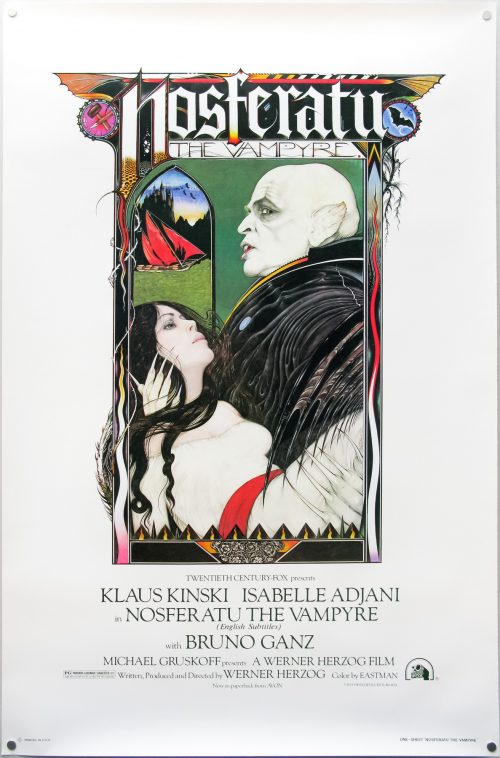
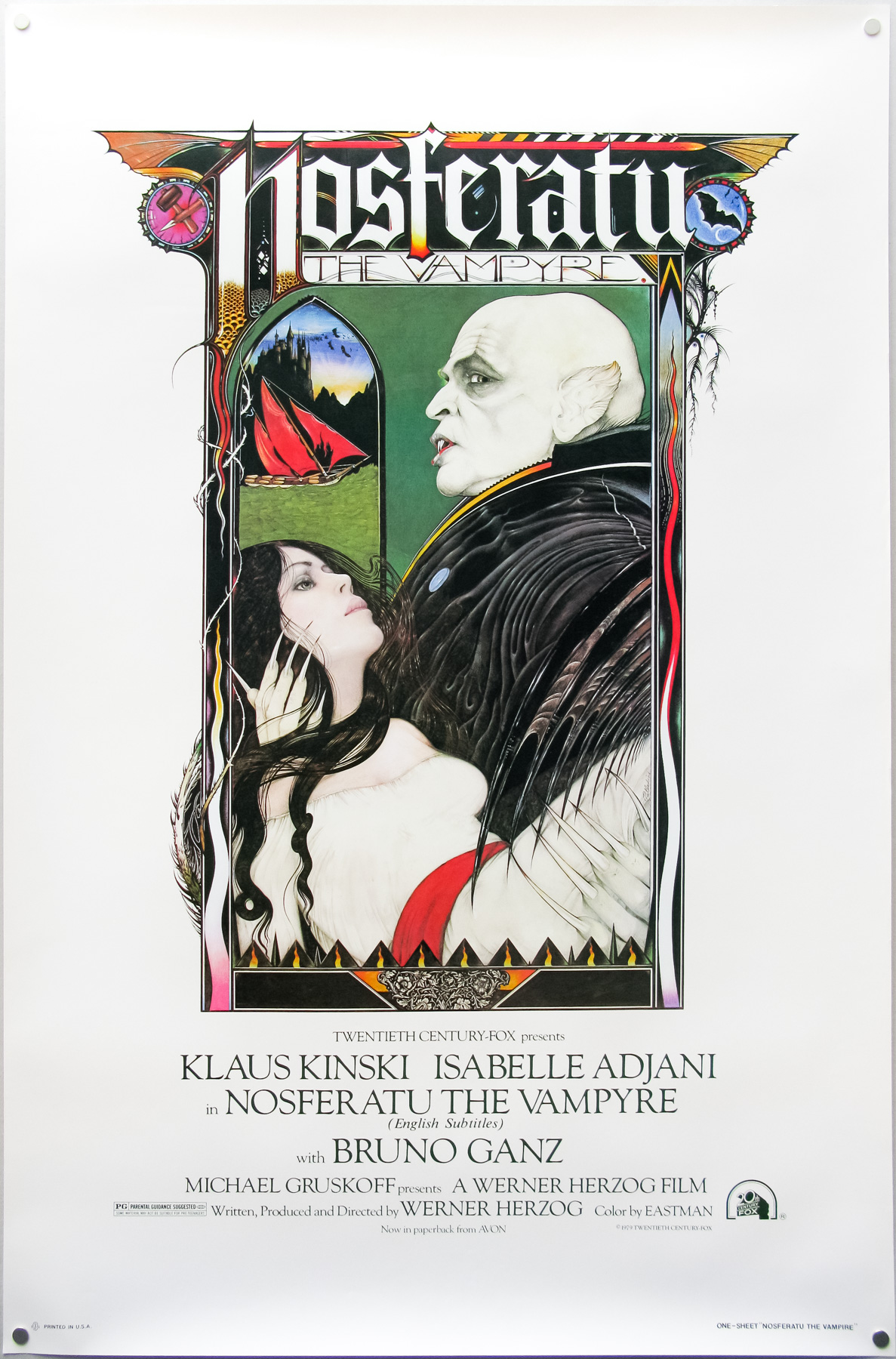
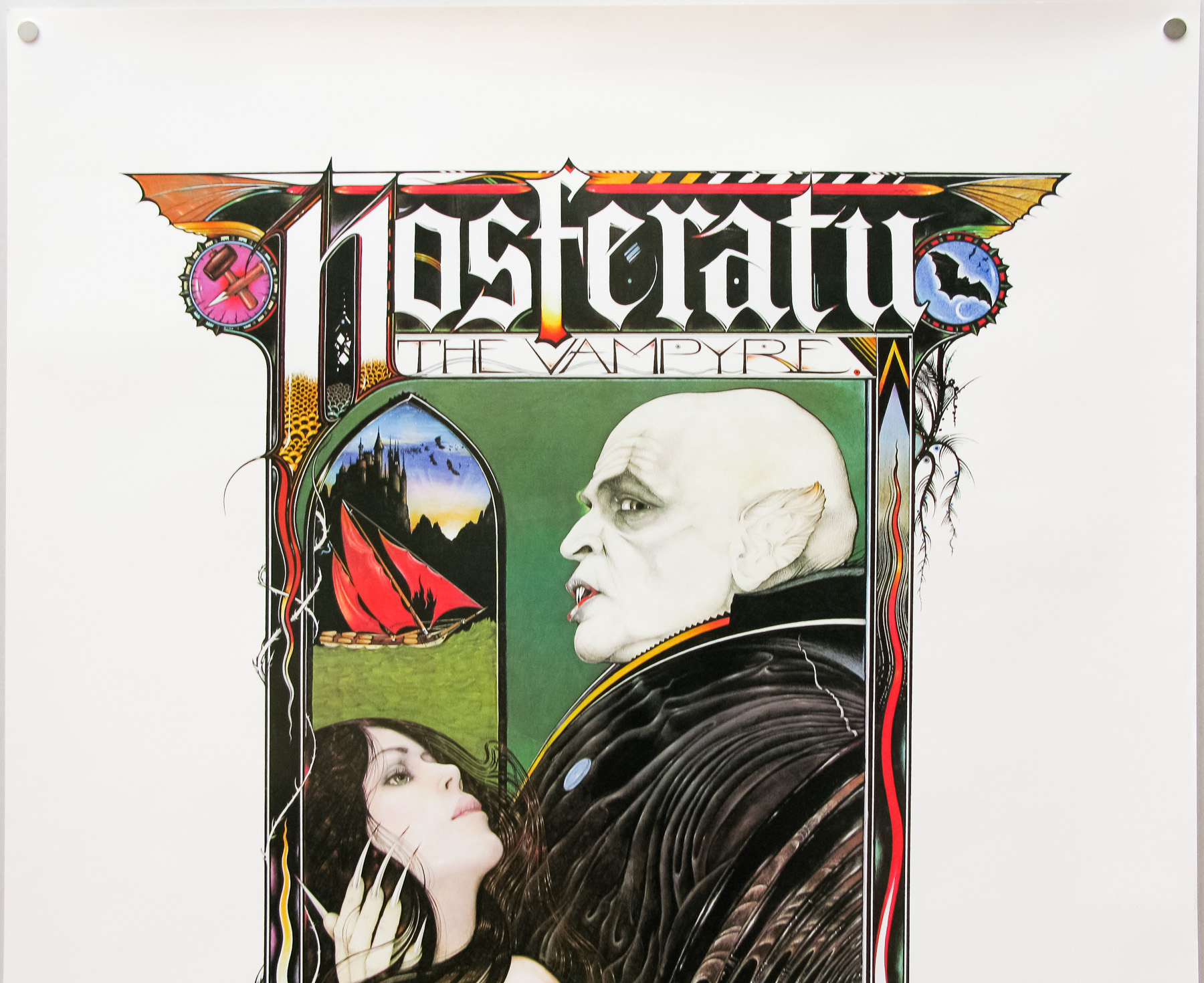
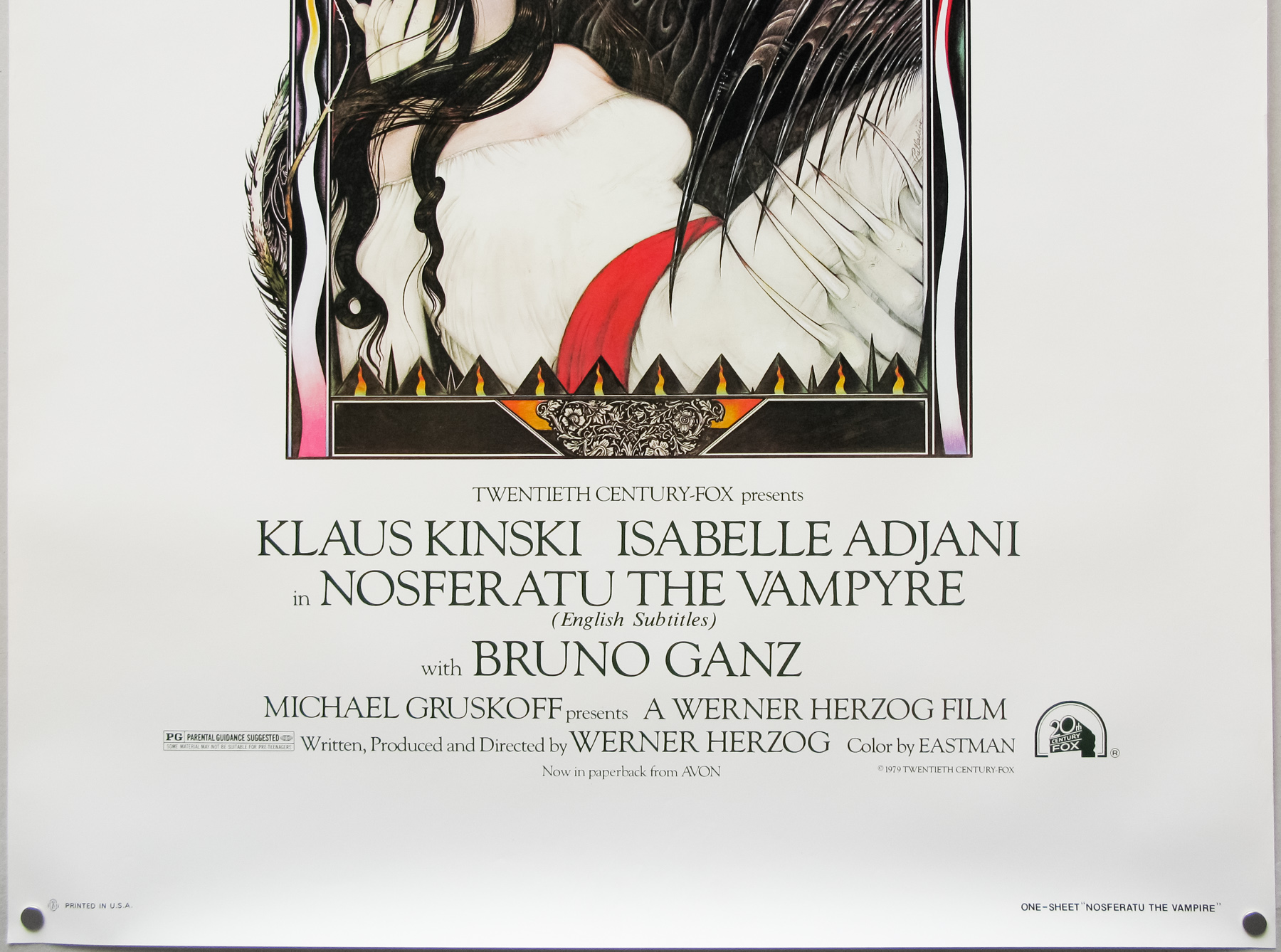
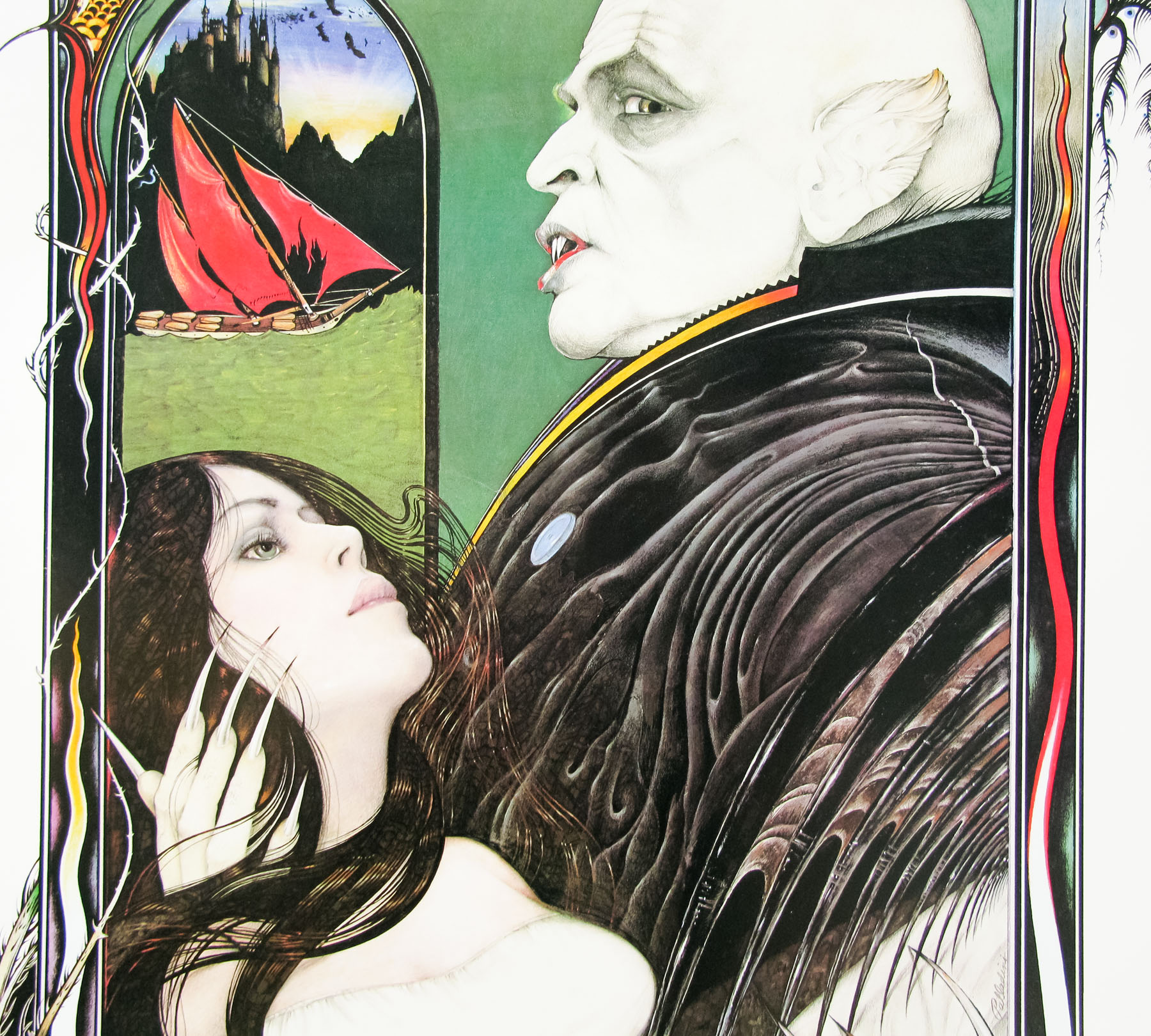
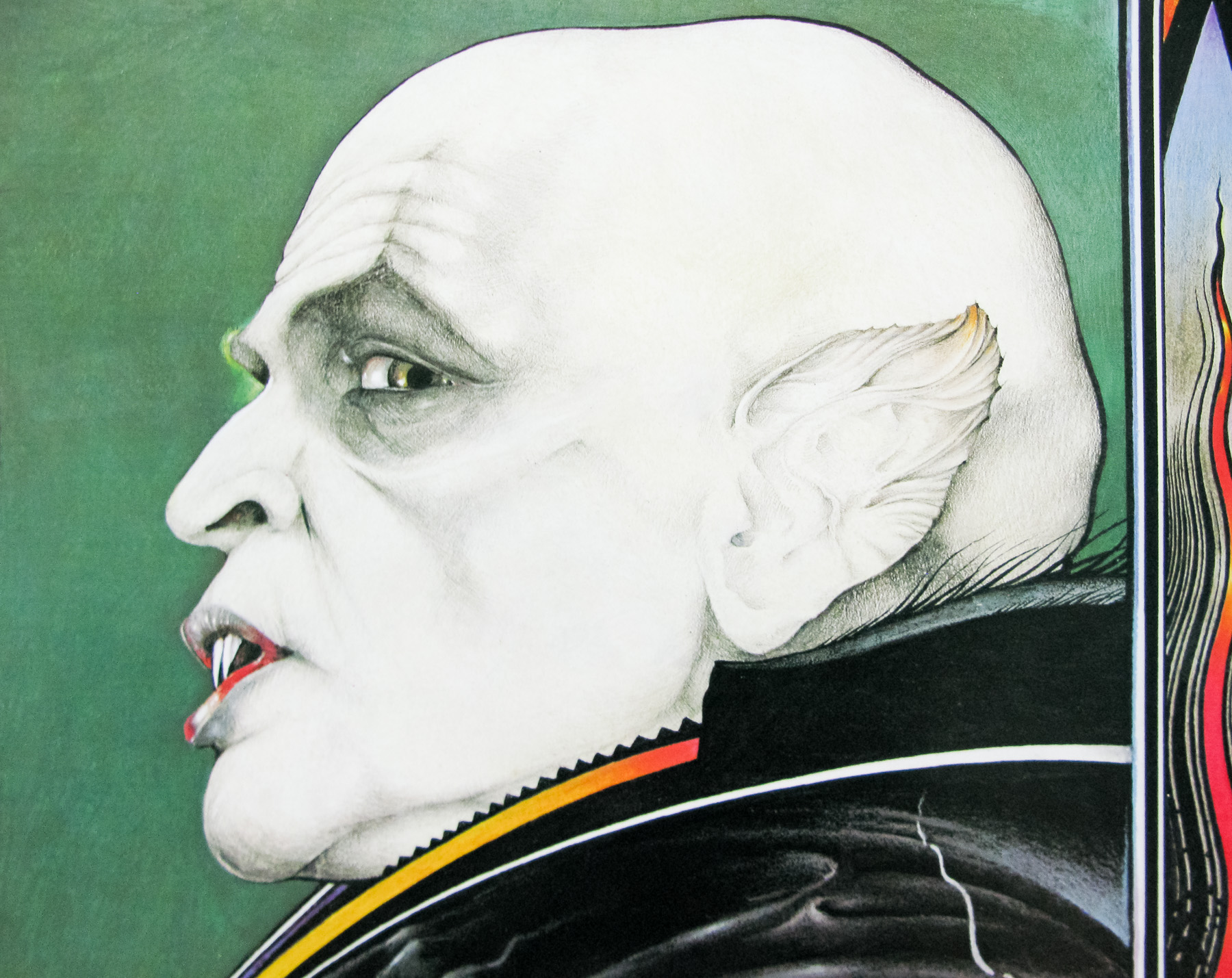
Nosferatu the Vampyre / one sheet / USA

17.05.11

Poster Poster

Patton / B2 / Japan

20.02.17

Poster Poster
Title
Patton
AKA
Patton - Rebell in Uniform (West Germany)
Year of Film
1970
Director
Franklin J. Schaffner
Starring
George C. Scott, Karl Malden, Stephen Young, Michael Strong, Carey Loftin, Albert Dumortier, Frank Latimore, Morgan Paull, Karl Michael Vogler
Origin of Film
USA
Genre(s) of Film
George C. Scott, Karl Malden, Stephen Young, Michael Strong, Carey Loftin, Albert Dumortier, Frank Latimore, Morgan Paull, Karl Michael Vogler,
Type of Poster
B2
Style of Poster
--
Origin of Poster
Japan
Year of Poster
1970
Designer
Unknown
Artist
--
Size (inches)
20 6/16" x 28 14/16"
SS or DS
SS
Tagline
--

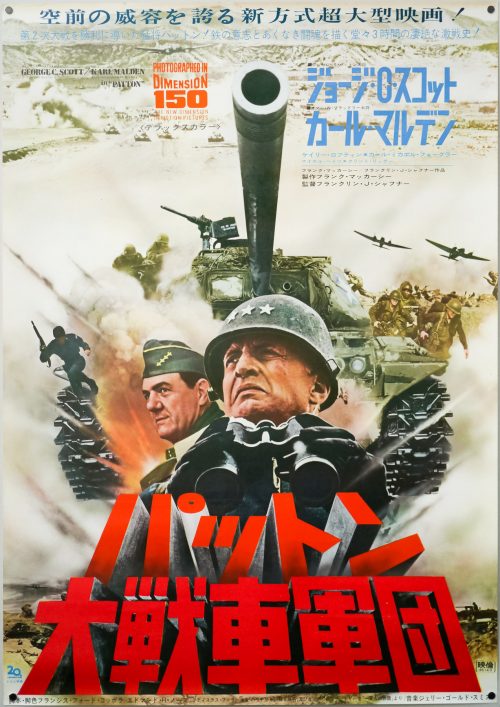
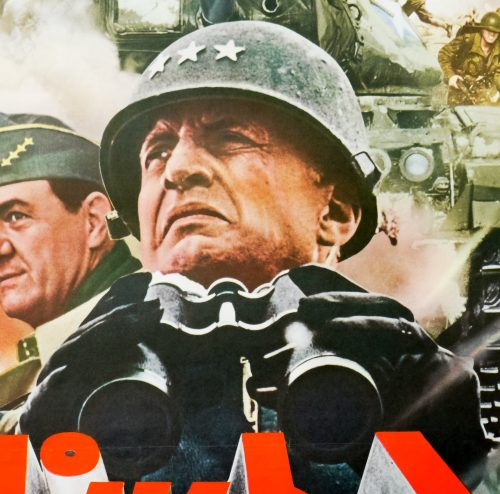
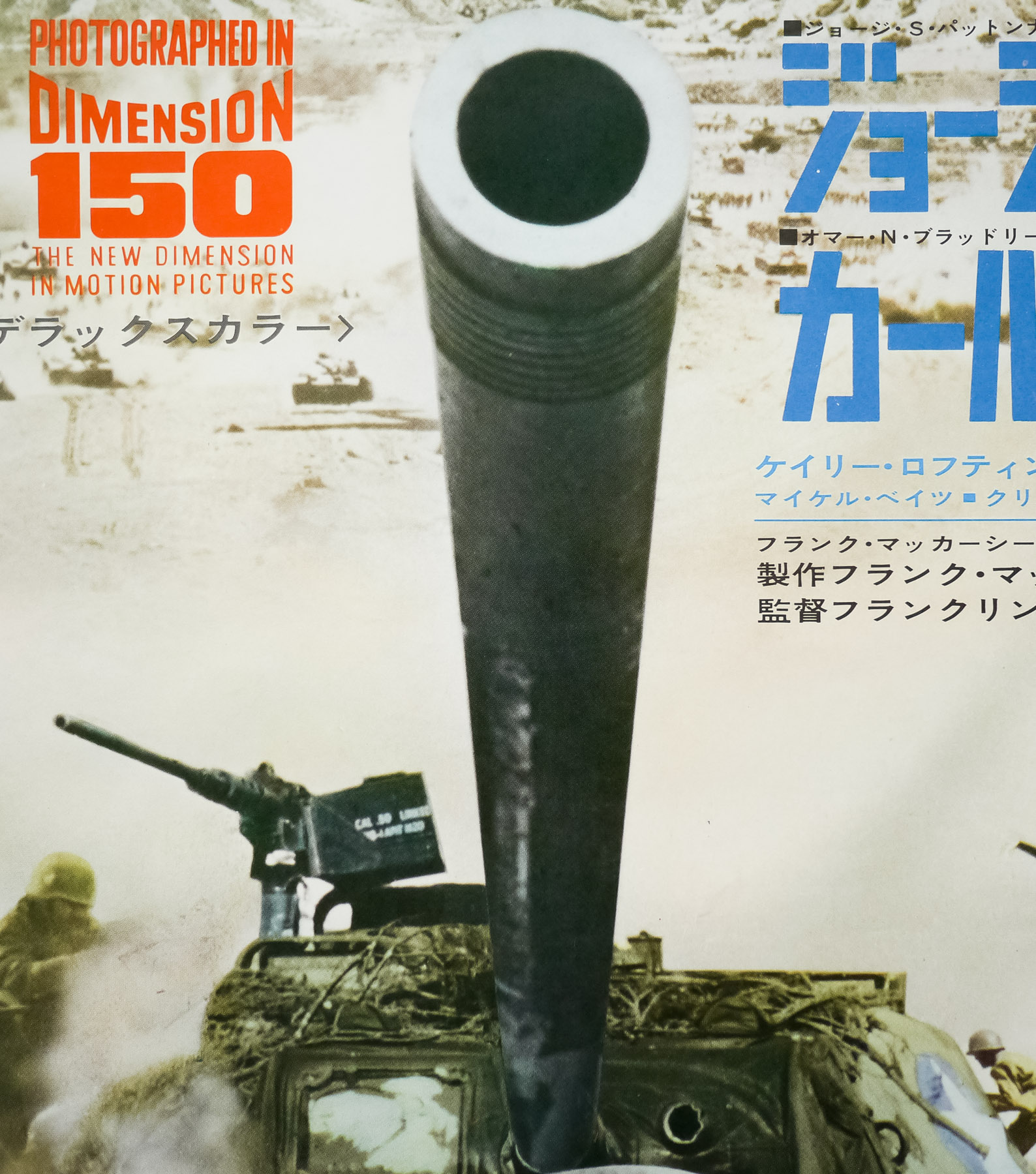
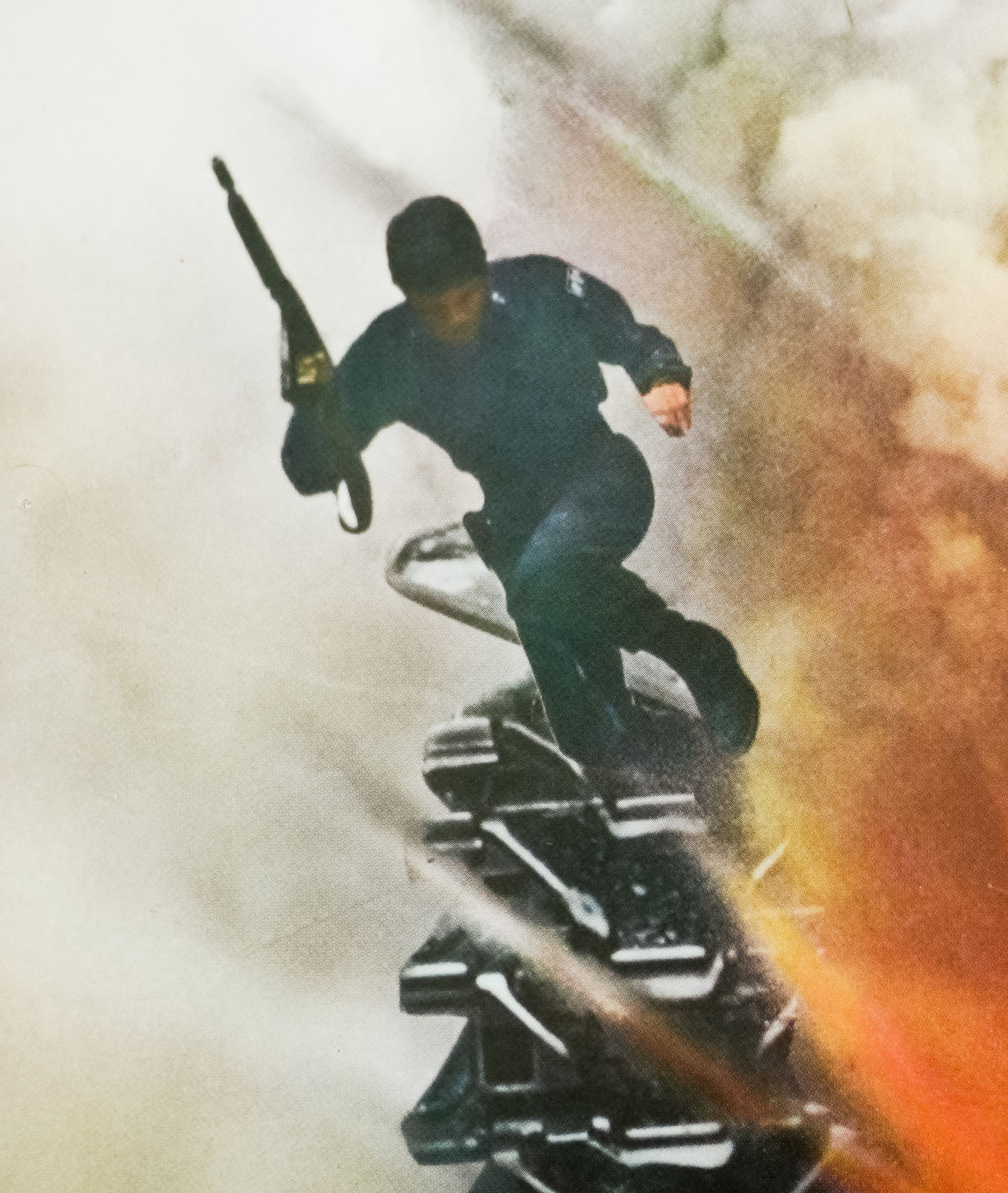
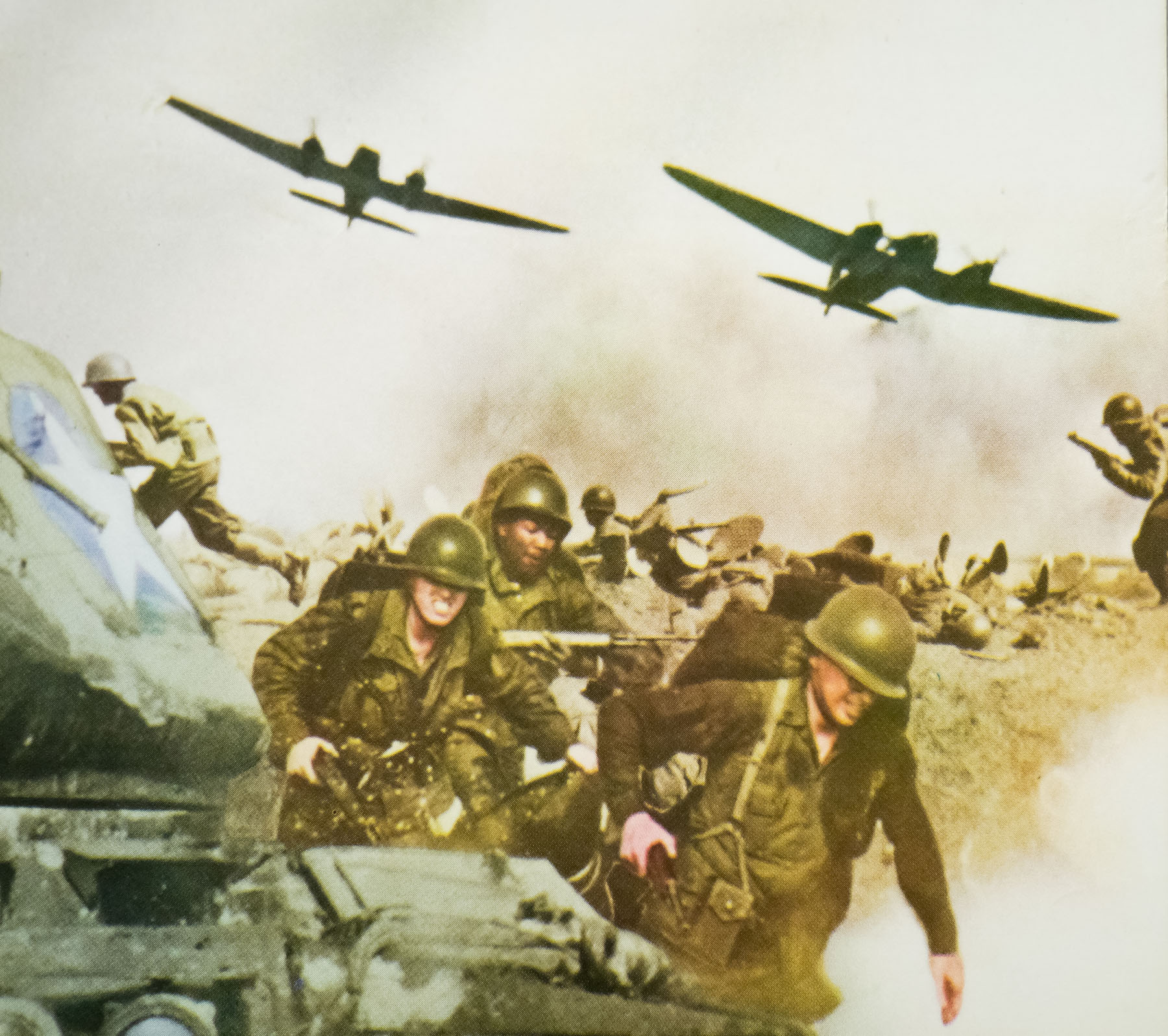
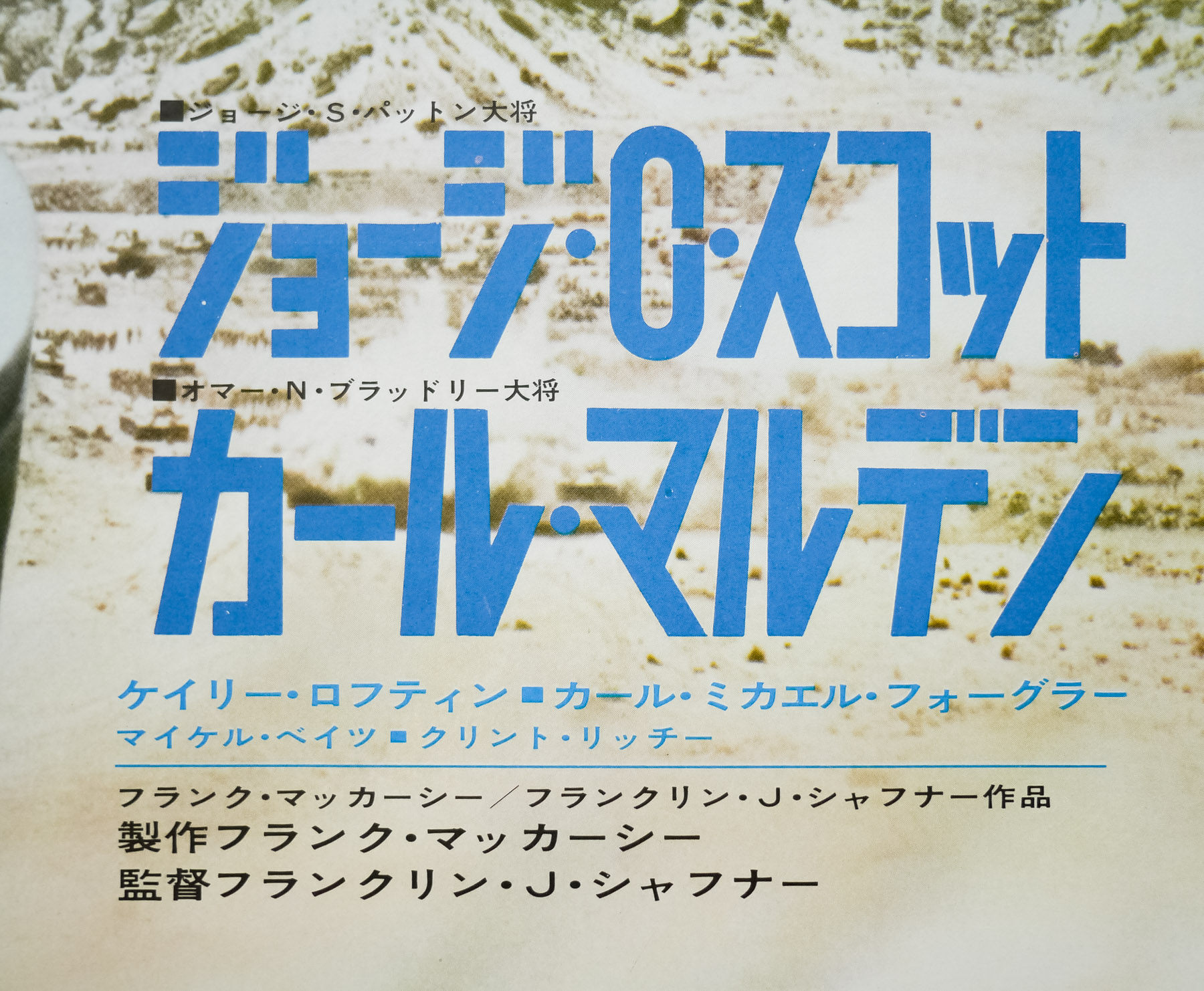
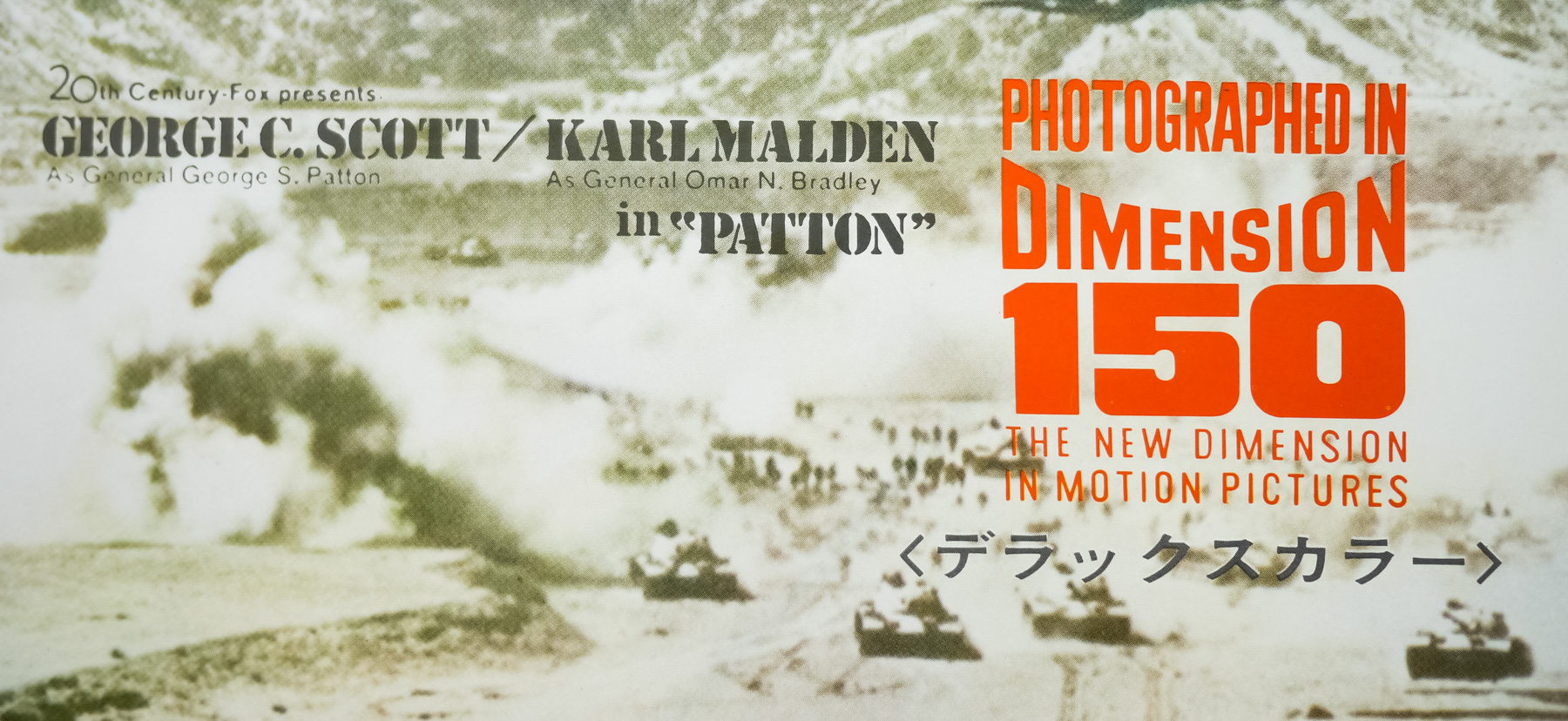
This is the original Japanese poster for the award-winning biography of General George S. Patton, the celebrated US Army officer who led successful campaigns during World War II. The film, simply titled Patton, was in development for several years and was something of a passion project for producer Frank McCarthy who had worked at the United States Department of War during WWII. The film was directed by Franklin J. Schaffner (arguably best known for Planet of the Apes, 1968) and starred the late actor George C. Scott in one of his most celebrated roles as the eponymous general. Karl Malden also appears as fellow senior officer, General Omar N. Bradley. The screenplay was written by Francis Ford Coppola and Edmund H. North, with the pair (who never worked together in person) basing their screenplay on two biographies of Patton. 

The film opens with a famous monologue where Patton addresses unseen troops in front of a giant American flag. The rest of the film, which clocks in at over three hours and features an intermission, deals with incidents from Patton’s career during World War II, including his successful campaigns in North Africa and Sicily. This includes controversial incidents that had a severe effect on his standing with the military top brass, including Allied Commander General Dwight Eisenhower (later US President). One involved him berating and slapping a shell-shocked soldier, which saw him reprimanded and forced to apologise to the entire division. Patton is depicted as something of a glory chaser, wanting to be at the front of any campaign and pushing the soldiers under him to their limits, with punishing schedules and lack of rest and relaxation. The final third of the film depicts his legendary sweep through Europe and into Germany before the eventual surrender of the German forces.

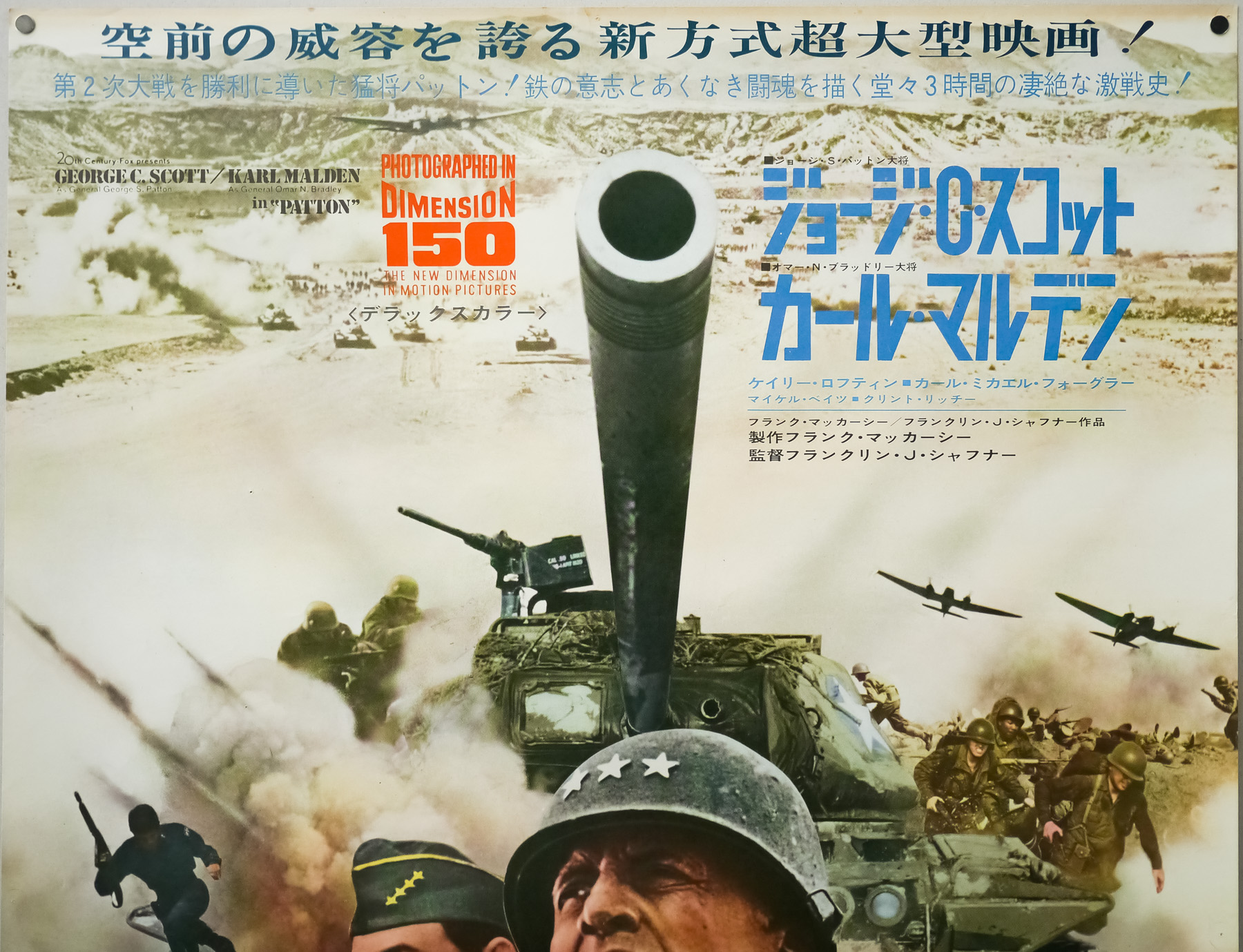
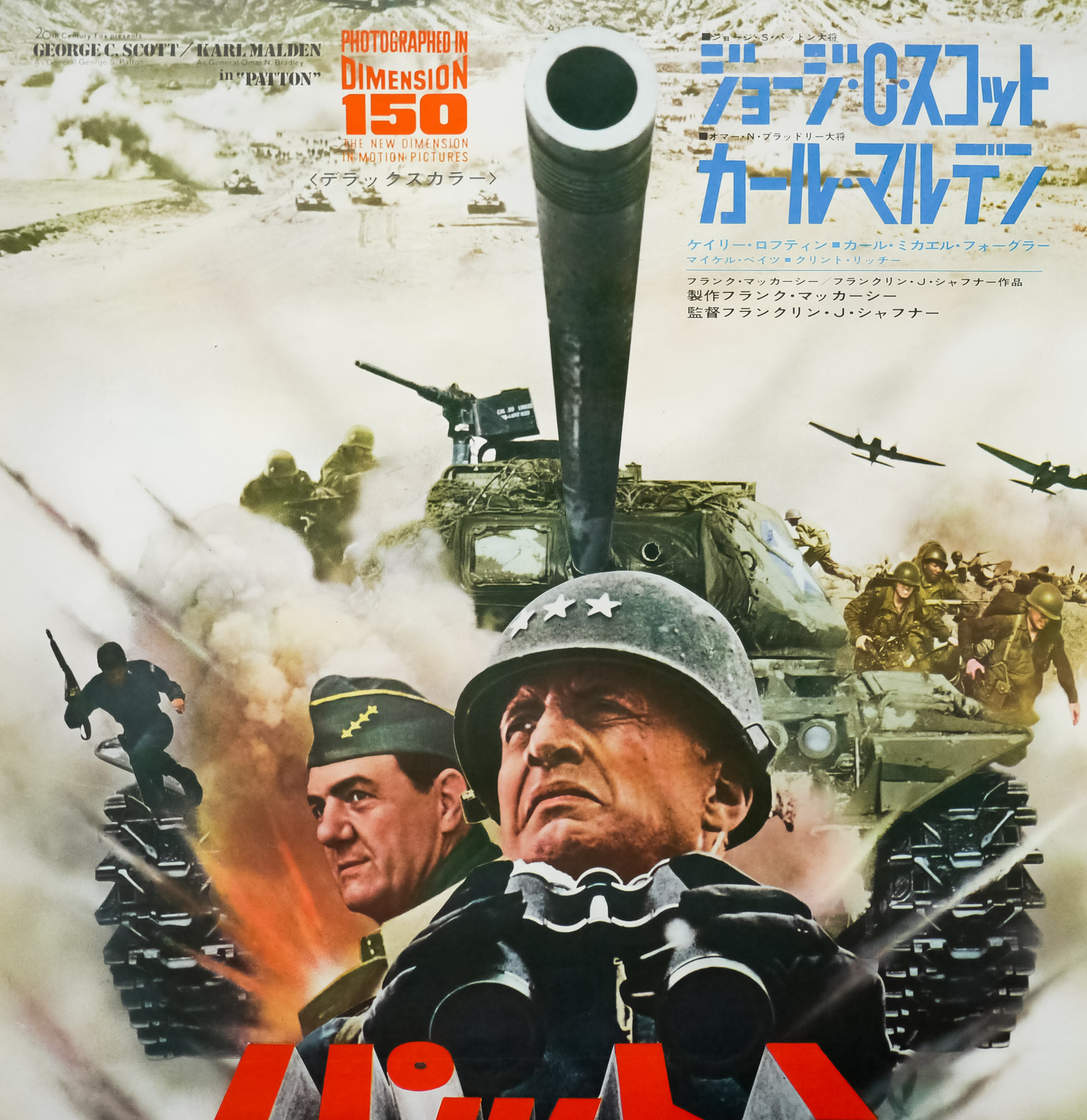
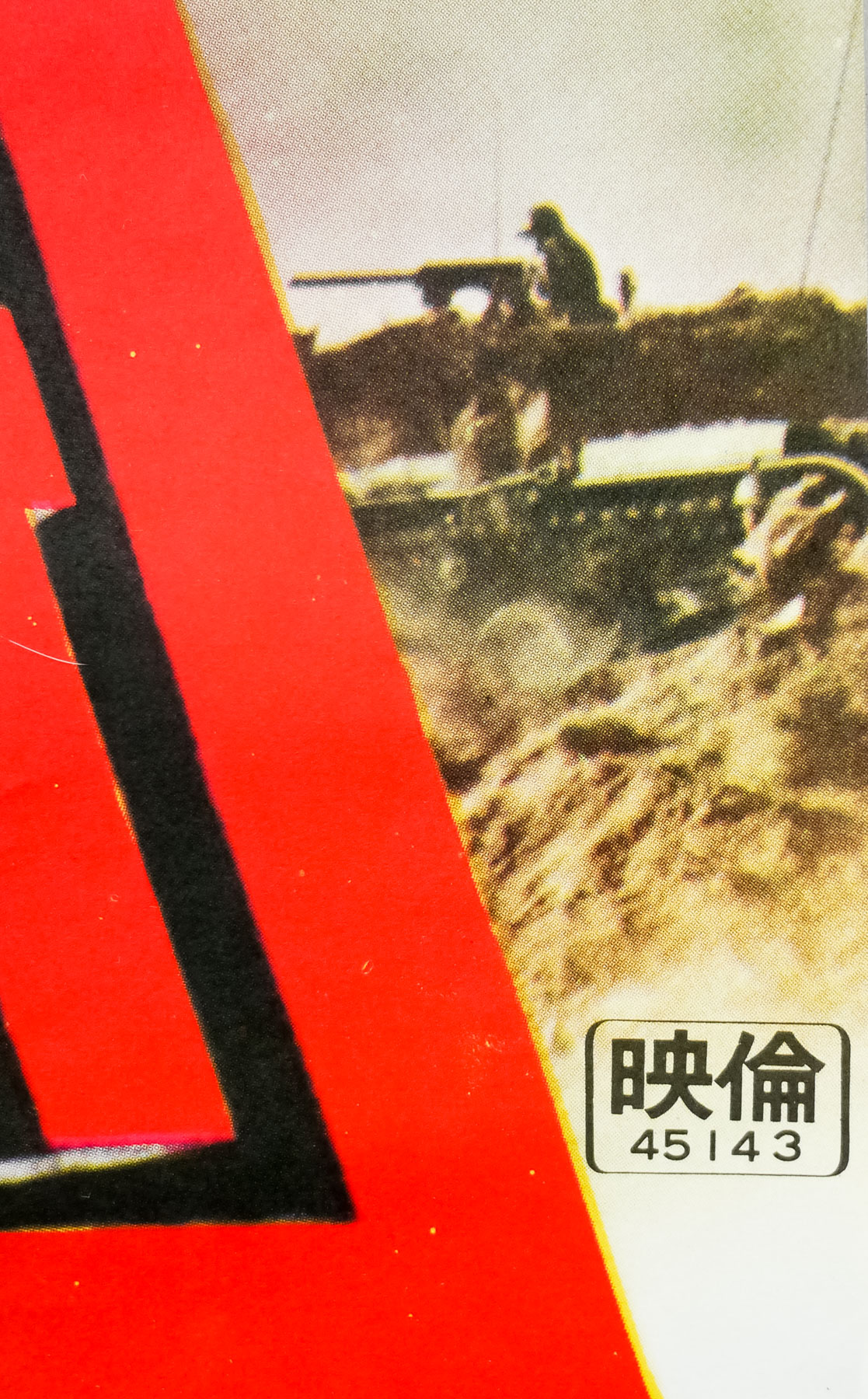
The film’s production design is incredible and, although largely filmed in Spain, the locations feel very authentic and the numerous battle scenes are suitably epic with plenty of actual military hardware in use (as opposed to the CGI that would be employed today). The film would justly win the Academy Award for Best Art Direction. It was also the Best Picture and Best Director winner at the 1971 ceremony, winning seven awards in total. Infamously, Scott won for Best Actor but declined the award, saying the politics around the ceremony was “demeaning” and that the show amounted to nothing more than “a two-hour meat parade”. The film remains one of the best War films made to this day. Note the Dimension 150 logo on this Japanese B2 poster which refers to an ultra-widescreen format, similar to Cinerama, that was only employed by two productions (The Bible being the other).

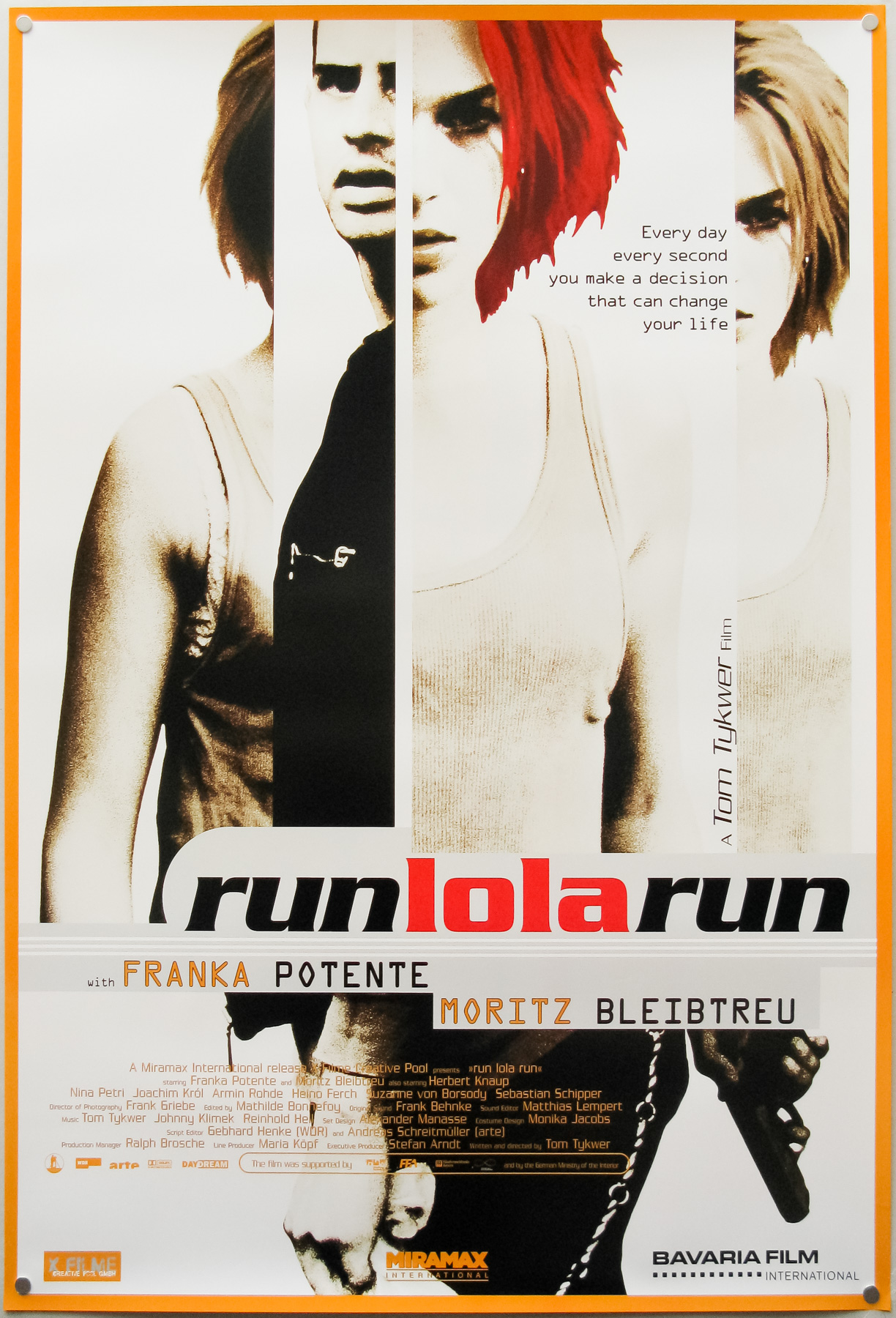
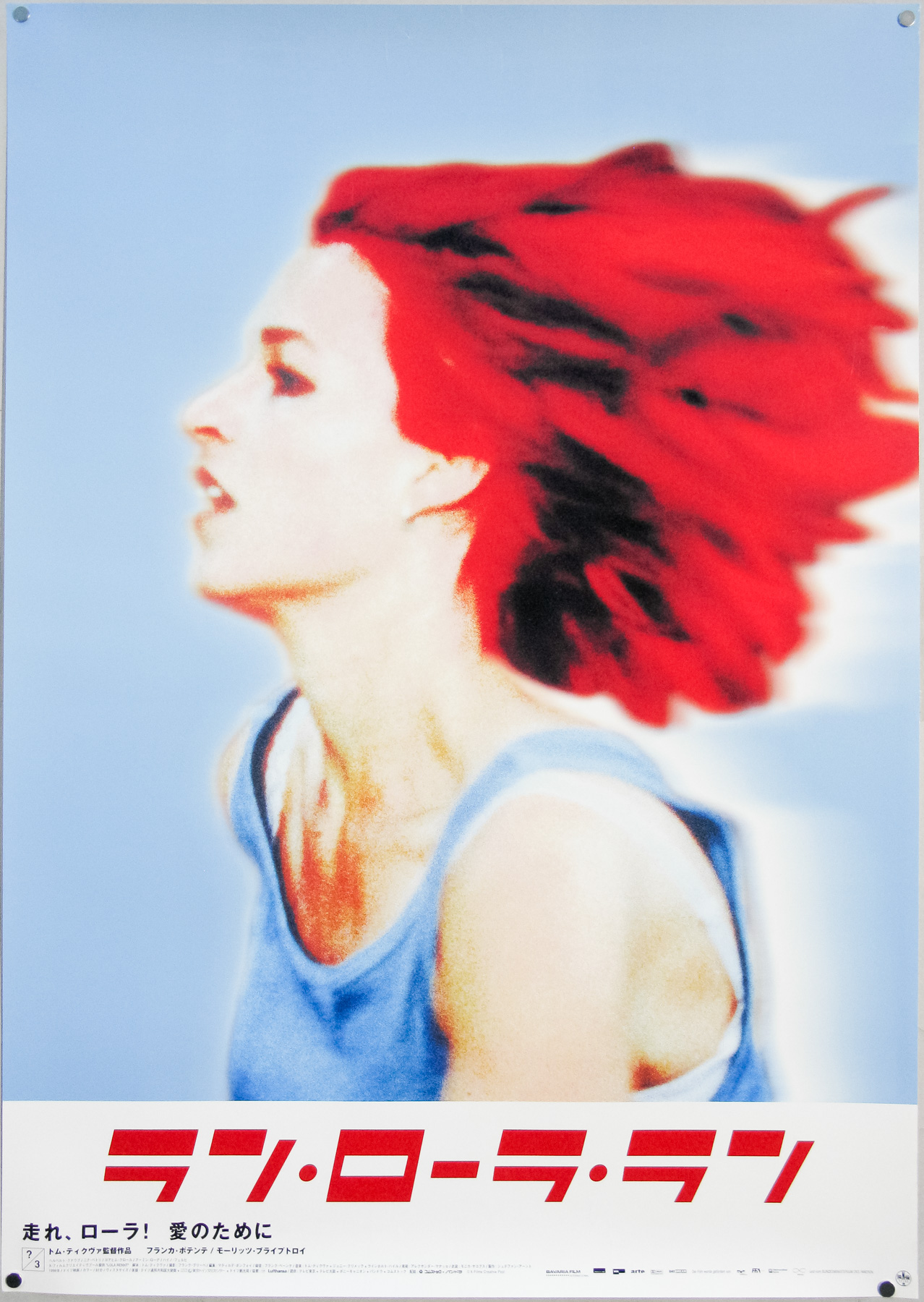
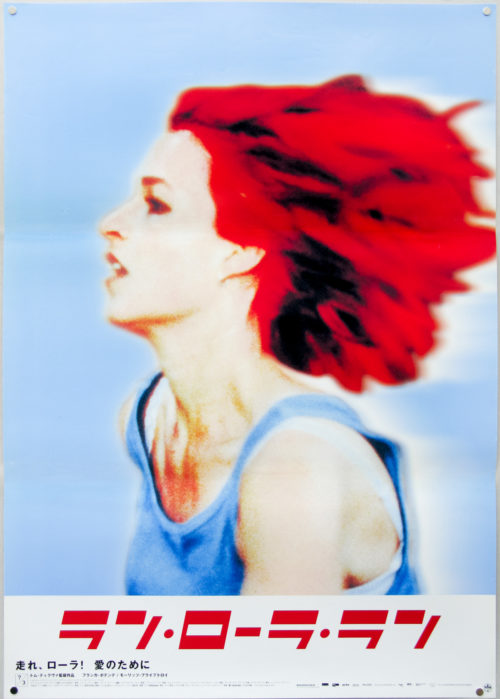
Run Lola Run / one sheet / USA

17.05.11

Poster Poster
Title
Run Lola Run
AKA
Lola rennt (Germany - original title) | Lola springer (Sweden)
Year of Film
1998
Director
Tom Tykwer
Starring
Franka Potente, Moritz Bleibtreu, Herbert Knaup, Nina Petri, Armin Rohde, Joachim Król, Ludger Pistor, Suzanne von Borsody
Origin of Film
Germany
Genre(s) of Film
Franka Potente, Moritz Bleibtreu, Herbert Knaup, Nina Petri, Armin Rohde, Joachim Król, Ludger Pistor, Suzanne von Borsody,
Type of Poster
One sheet
Style of Poster
--
Origin of Poster
USA
Year of Poster
1999
Designer
Unknown
Artist
--
Size (inches)
27" x 39 7/8"
SS or DS
SS
NSS #
--
Tagline
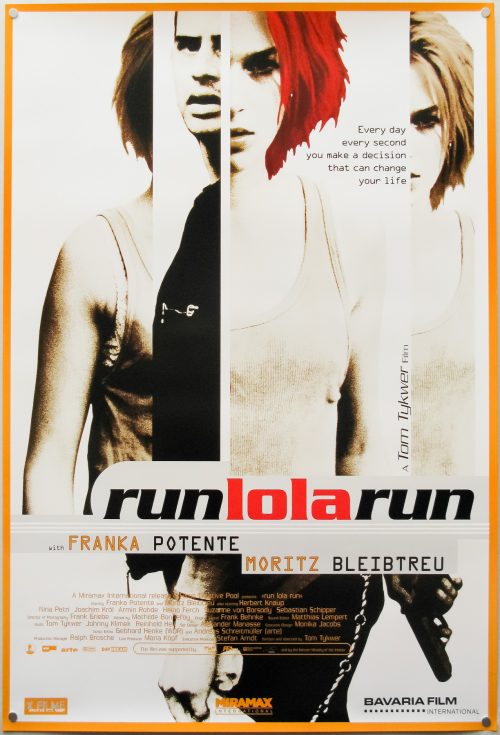
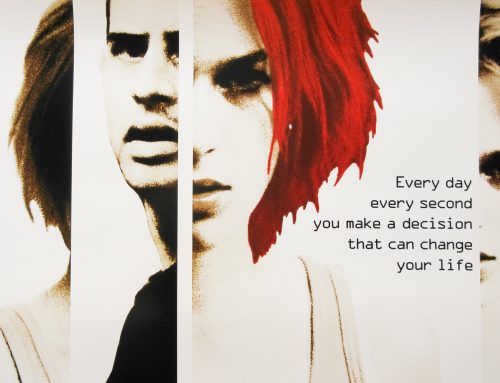
Every day every second you make a decision that can change your life

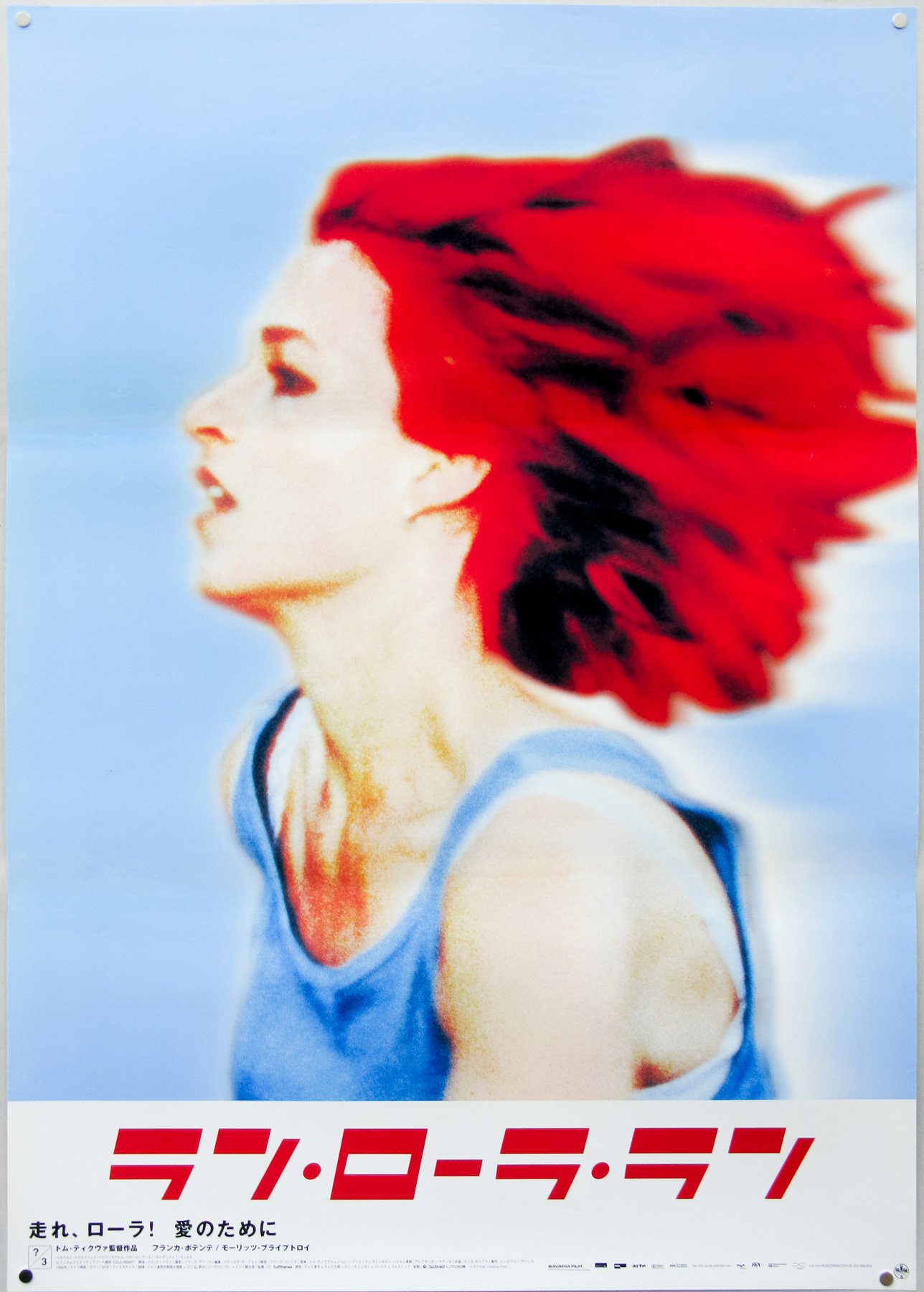
Run Lola Run / B1 / Japan

21.05.11

Poster Poster

Run Lola Run / B2 / Japan

17.05.11

Poster Poster

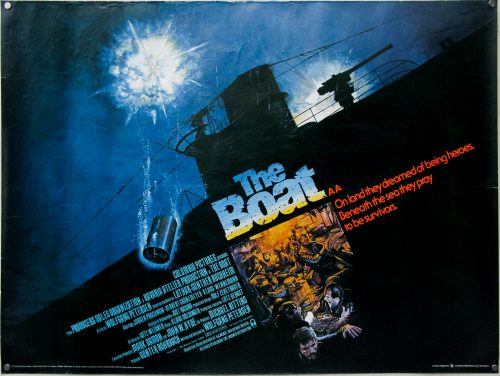
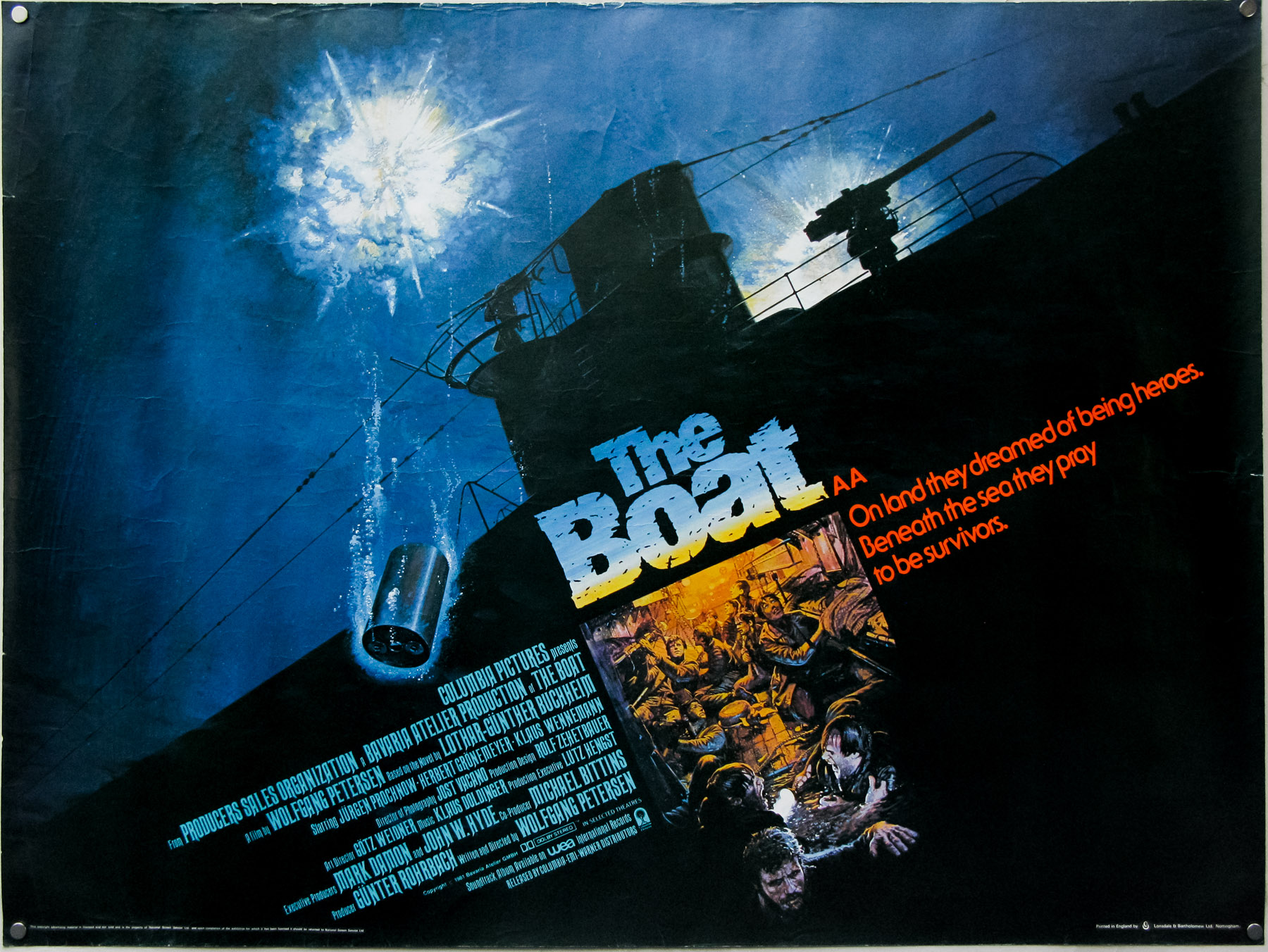
The Boat / quad / UK

18.05.11

Poster Poster
Title
The Boat
AKA
Das Boot (Germany - original title) | U-Bôto (Japan) | U-Boot 96 (Italy)
Year of Film
1981
Director
Wolfgang Petersen
Starring
Jürgen Prochnow, Herbert Grönemeyer, Klaus Wennemann, Hubertus Bengsch, Martin Semmelrogge, Bernd Tauber, Erwin Leder, Martin May, Heinz Hoenig, Uwe Ochsenknecht
Origin of Film
West Germany
Genre(s) of Film
Jürgen Prochnow, Herbert Grönemeyer, Klaus Wennemann, Hubertus Bengsch, Martin Semmelrogge, Bernd Tauber, Erwin Leder, Martin May, Heinz Hoenig, Uwe Ochsenknecht,
Type of Poster
Quad
Style of Poster
--
Origin of Poster
UK
Year of Poster
1981
Designer
Marcus Silversides
Artist
Brian Bysouth
Size (inches)
29 7/8" x 39 7/8"
SS or DS
SS
Tagline
--

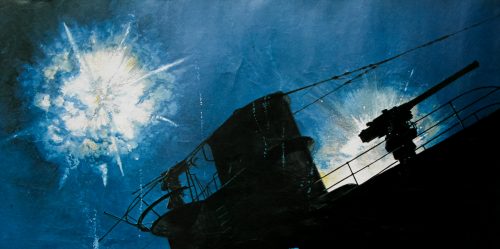
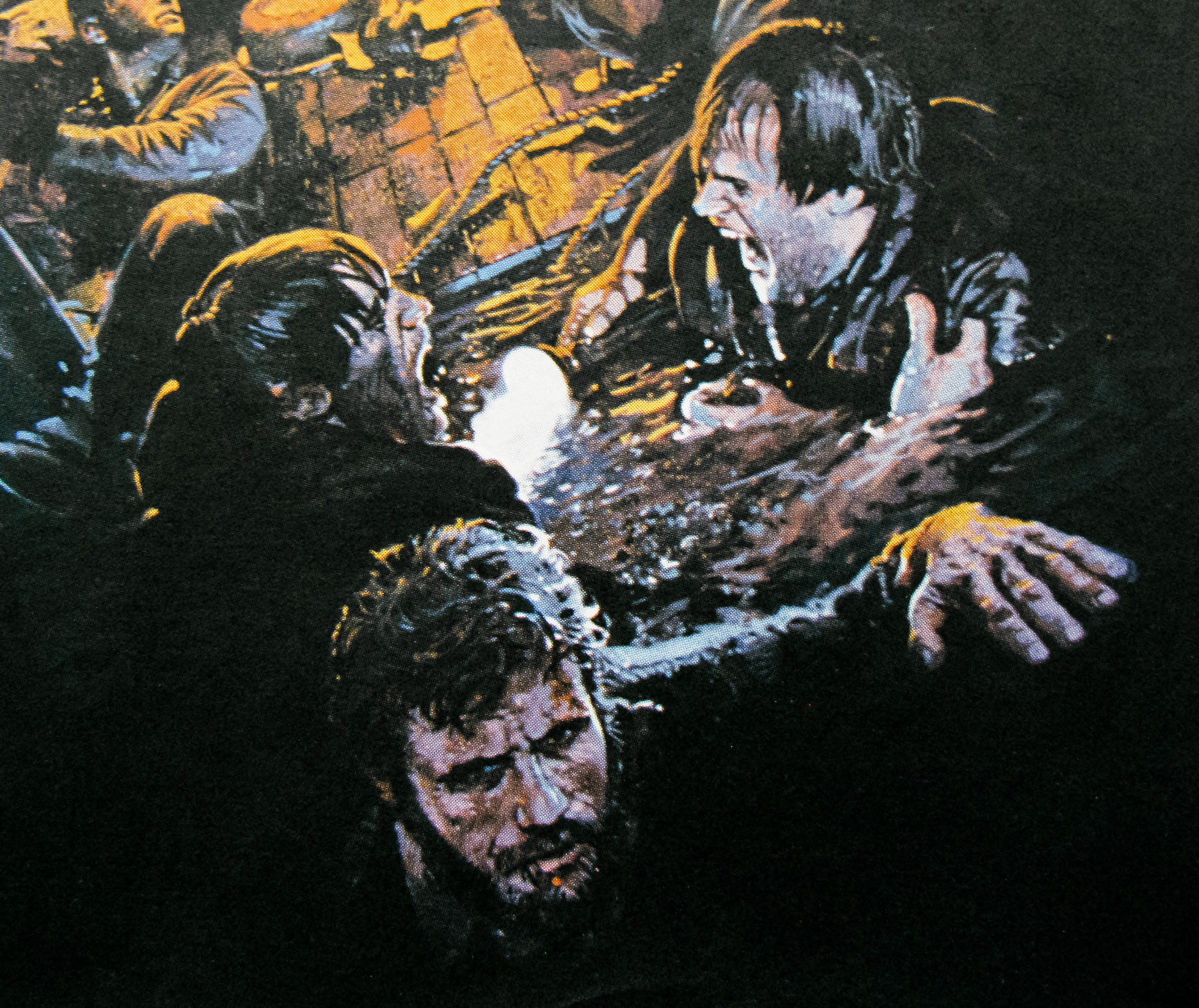
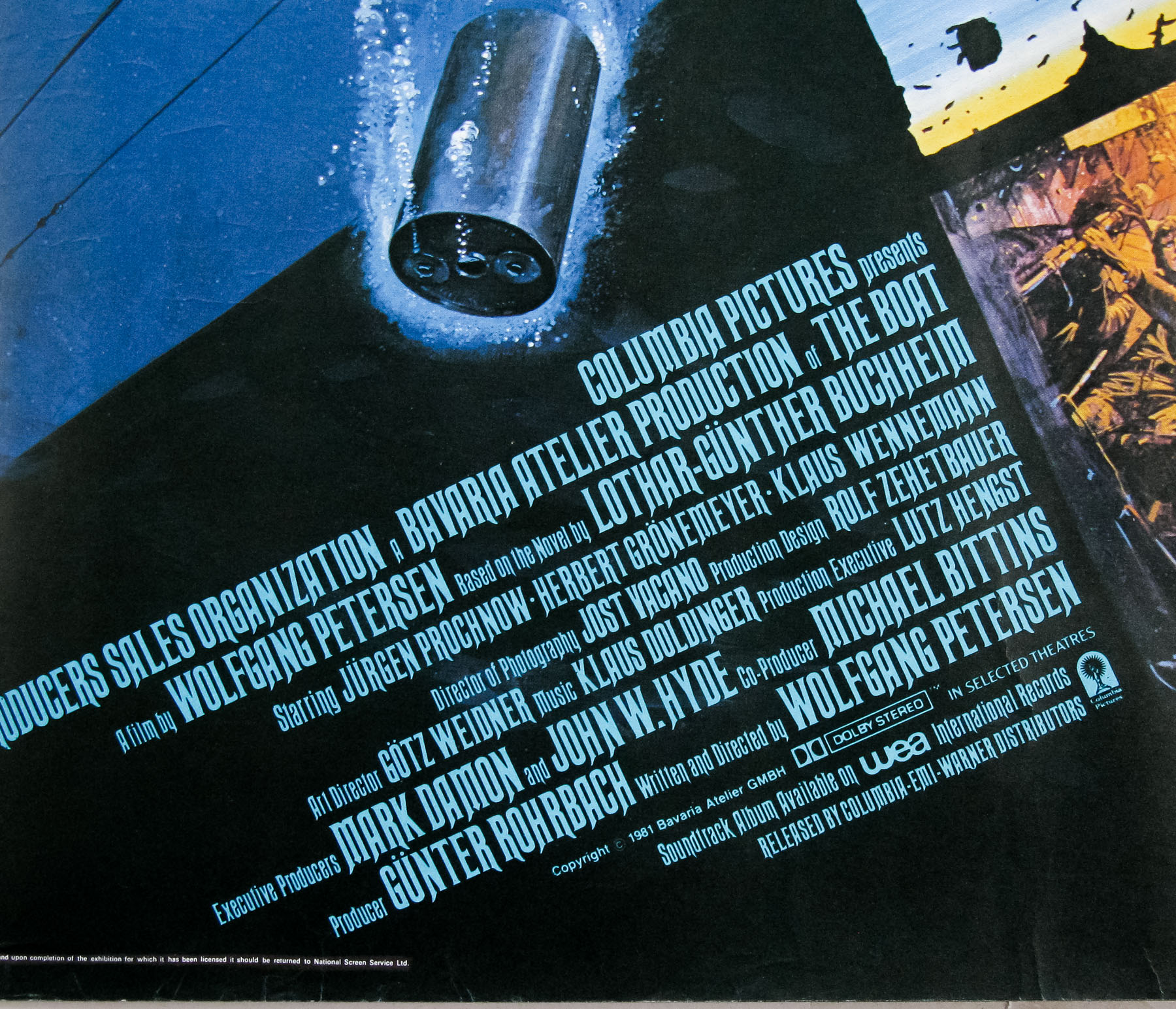
The UK quad for the classic submarine film The Boat (AKA Das Boot) was designed by Marcus Silversides and painted by Brian Bysouth. In 2012 I met and interviewed the artist and the resultant article can be read here.
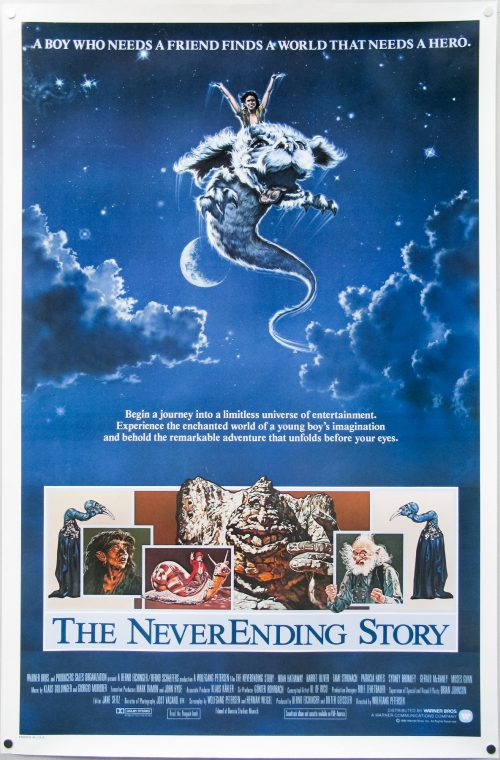
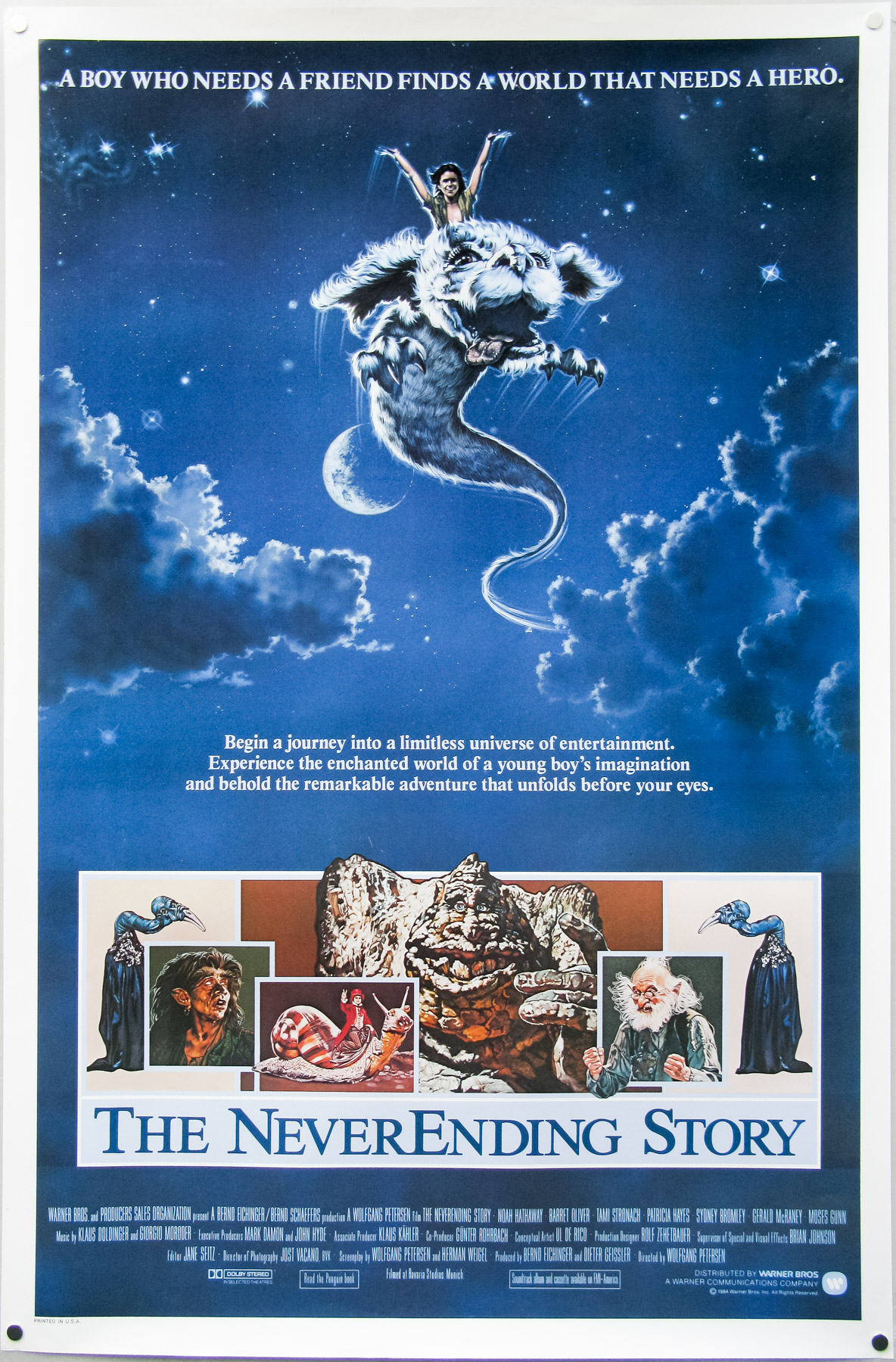
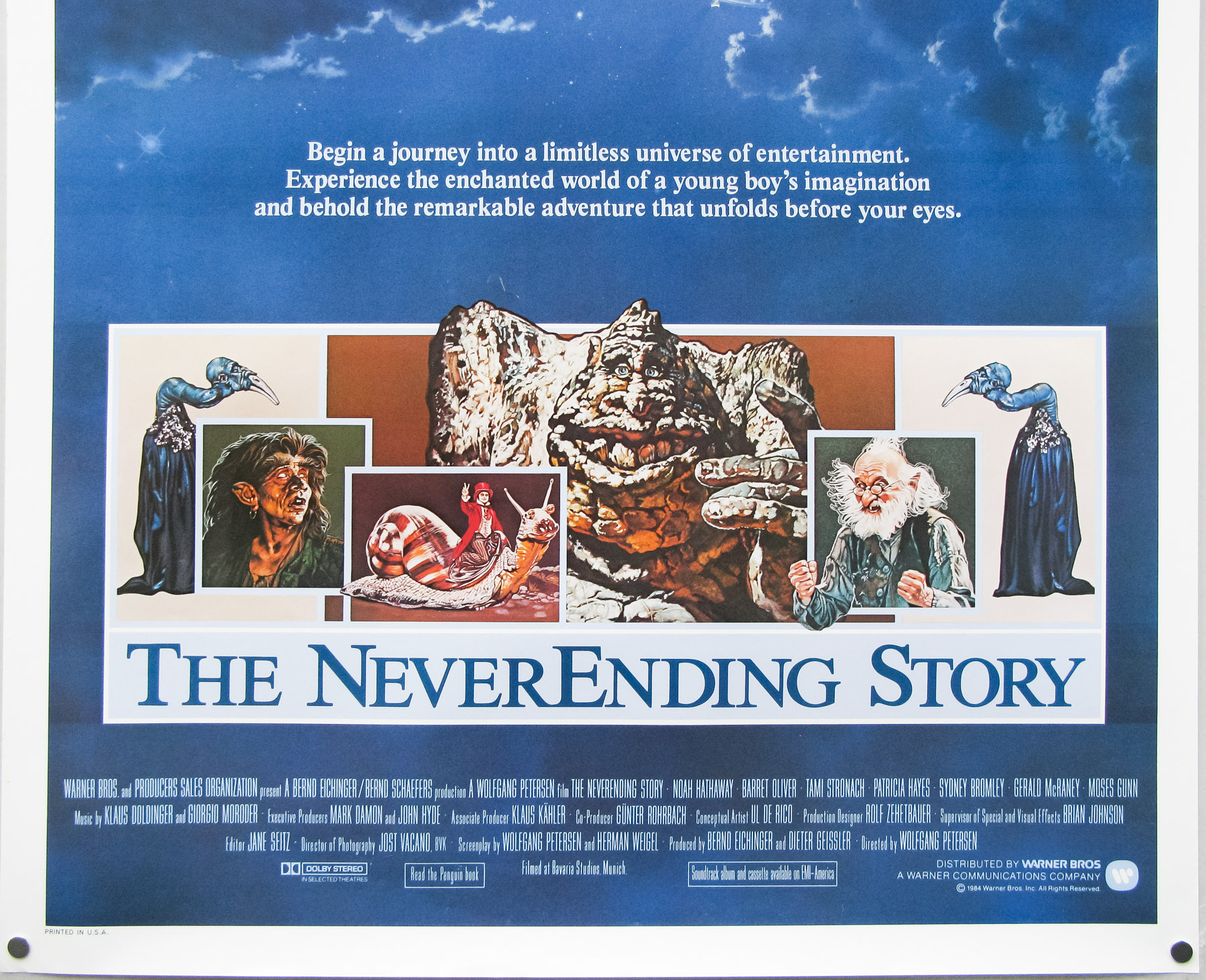
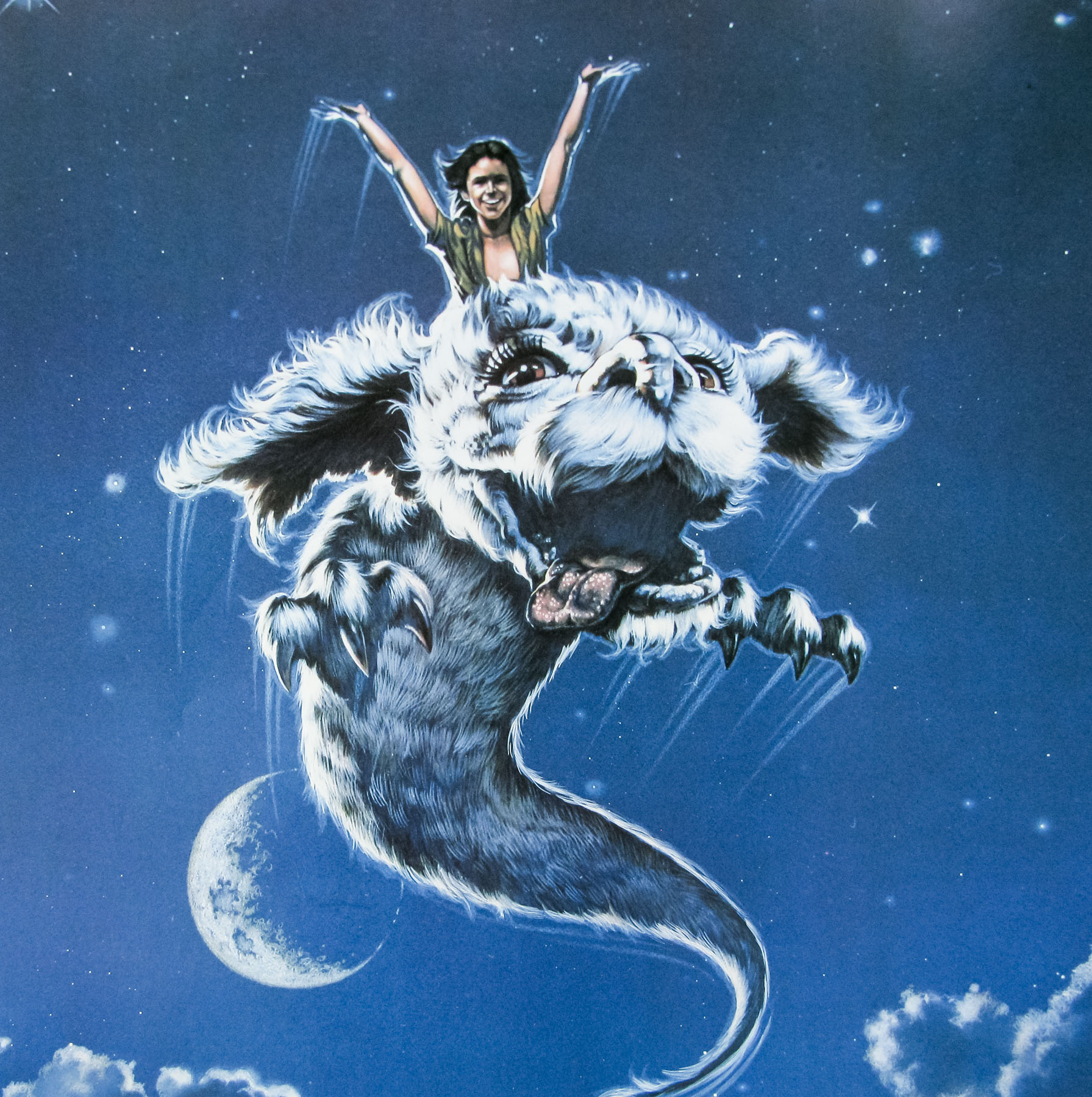
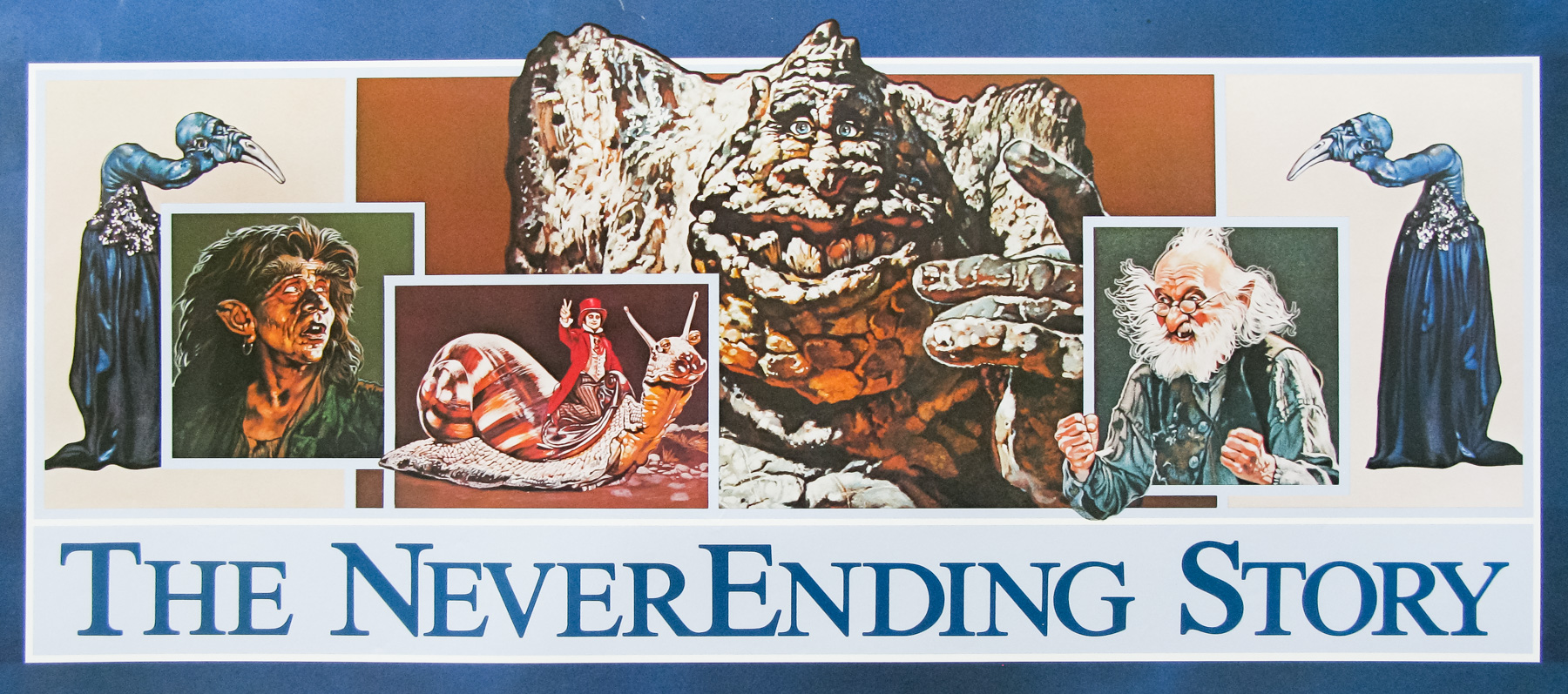
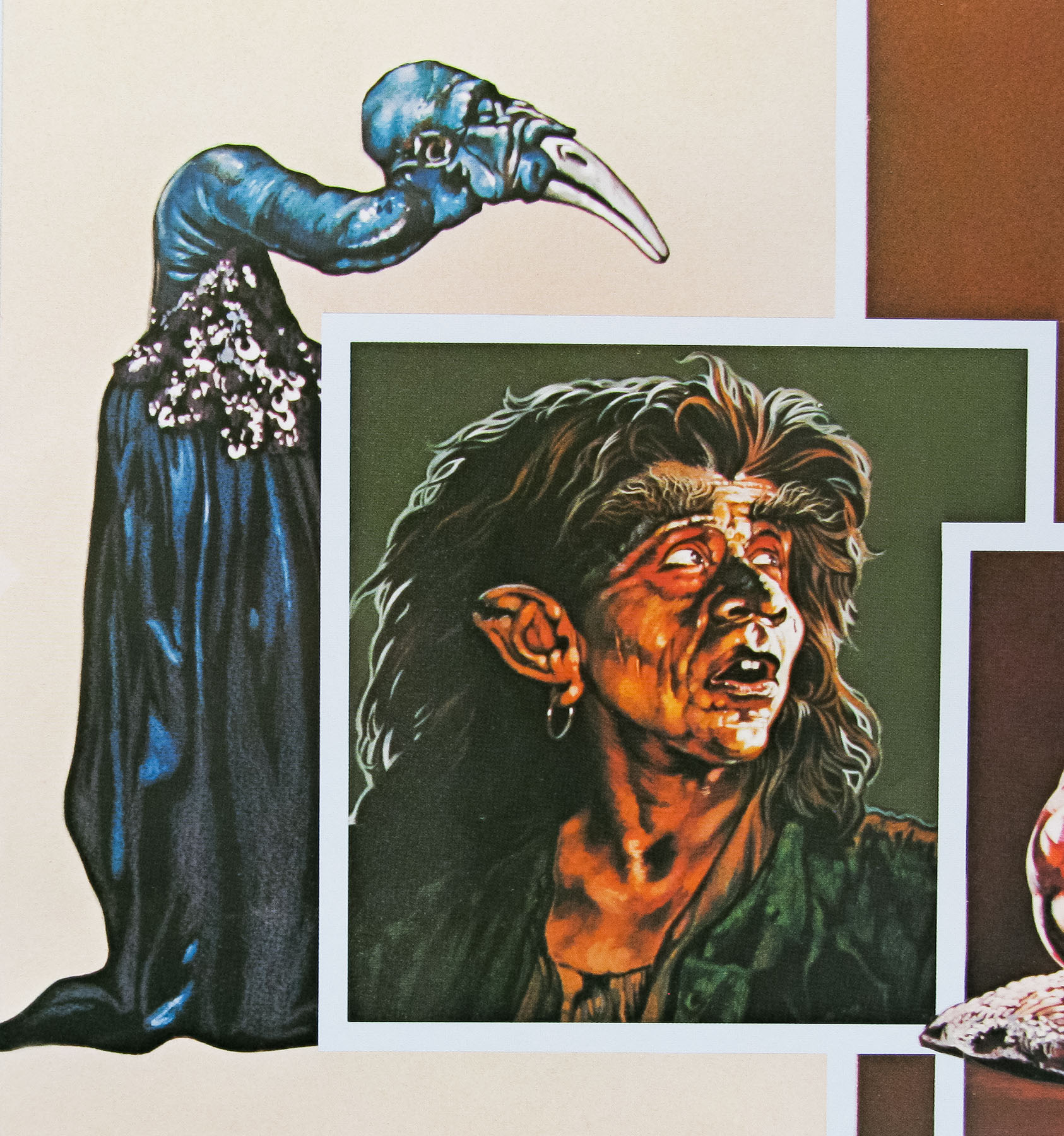
The NeverEnding Story / one sheet / USA

17.05.11

Poster Poster
Title
The NeverEnding Story
AKA
Die unendliche Geschichte (West Germany - original title)
Year of Film
1984
Director
Wolfgang Petersen
Starring
Barret Oliver, Noah Hathaway, Tami Stronach, Alan Oppenheimer, Thomas Hill, Deep Roy, Tilo Prückner, Moses Gunn, Sydney Bromley, Patricia Hayes, Gerald McRaney
Origin of Film
West Germany | USA
Genre(s) of Film
Barret Oliver, Noah Hathaway, Tami Stronach, Alan Oppenheimer, Thomas Hill, Deep Roy, Tilo Prückner, Moses Gunn, Sydney Bromley, Patricia Hayes, Gerald McRaney,
Type of Poster
One sheet
Style of Poster
--
Origin of Poster
USA
Year of Poster
1984
Designer
Unknown
Artist
Ezra Tucker
Size (inches)
27" x 41"
SS or DS
SS
Tagline
A boy who needs a friend finds a world that needs a hero. | Begin a journey into a limitless universe of entertainment. Experience the enchanted world of a young boy's imagination and behold the remarkable adventure that unfolds before your eyes.

Aguirre, Wrath of God / B2 / Japan

10.09.12

Poster Poster
Title
Aguirre, Wrath of God
AKA
Aguirre, der Zorn Gottes (West Germany - original title)
Year of Film
1972
Director
Werner Herzog
Starring
Klaus Kinski, Helena Rojo, Del Negro, Ruy Guerra, Peter Berling, Cecilia Rivera, Daniel Ades, Edward Roland
Origin of Film
West Germany
Genre(s) of Film
Klaus Kinski, Helena Rojo, Del Negro, Ruy Guerra, Peter Berling, Cecilia Rivera, Daniel Ades, Edward Roland,
Type of Poster
B2
Style of Poster
--
Origin of Poster
Japan
Year of Poster
1983
Designer
Unknown
Artist
--
Size (inches)
20 6/16" x 28 13/16"
SS or DS
SS
NSS #
--
Tagline
--

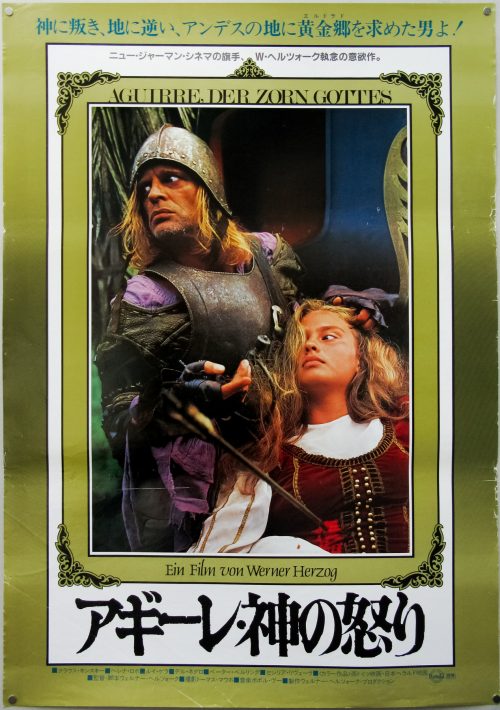
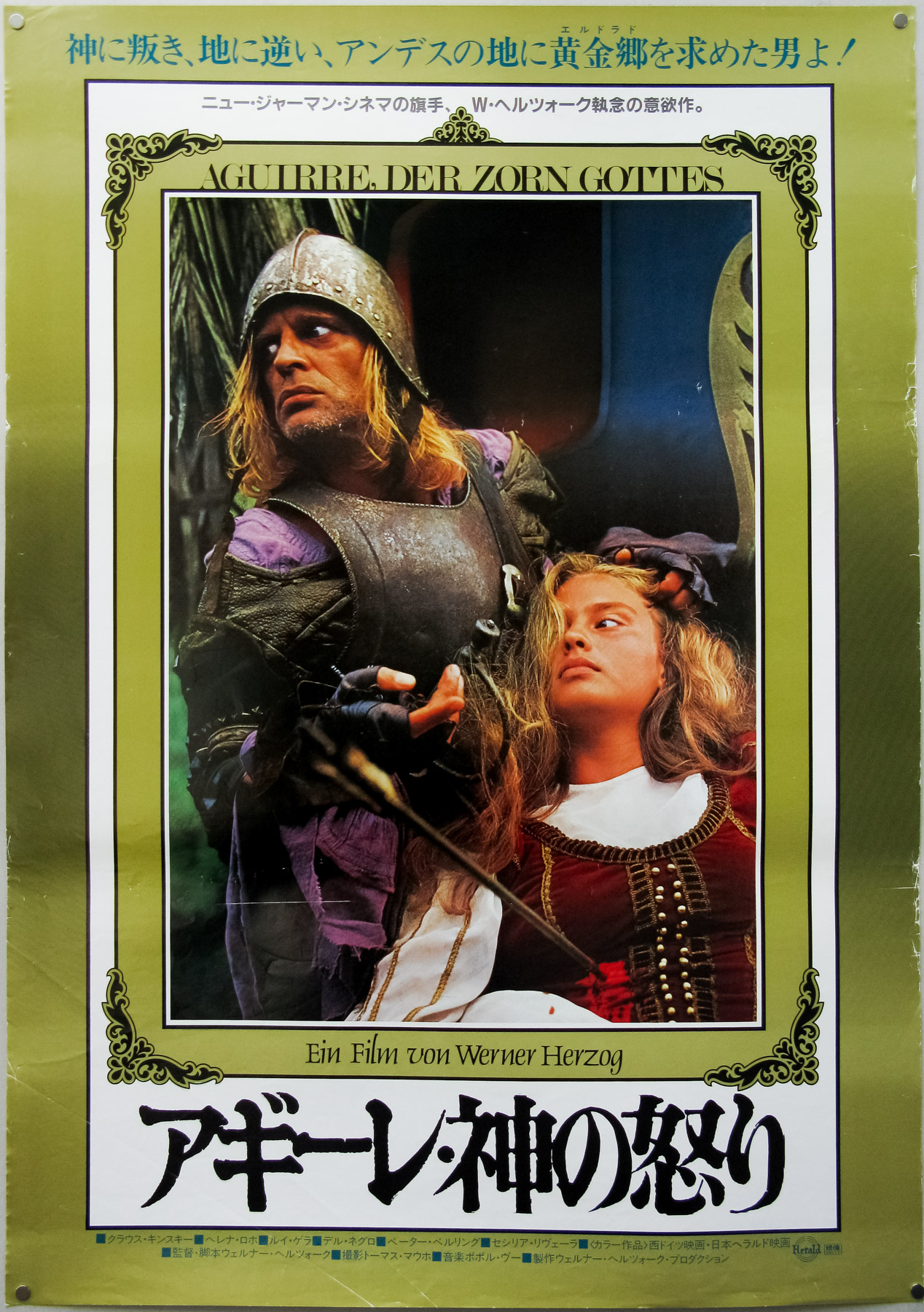
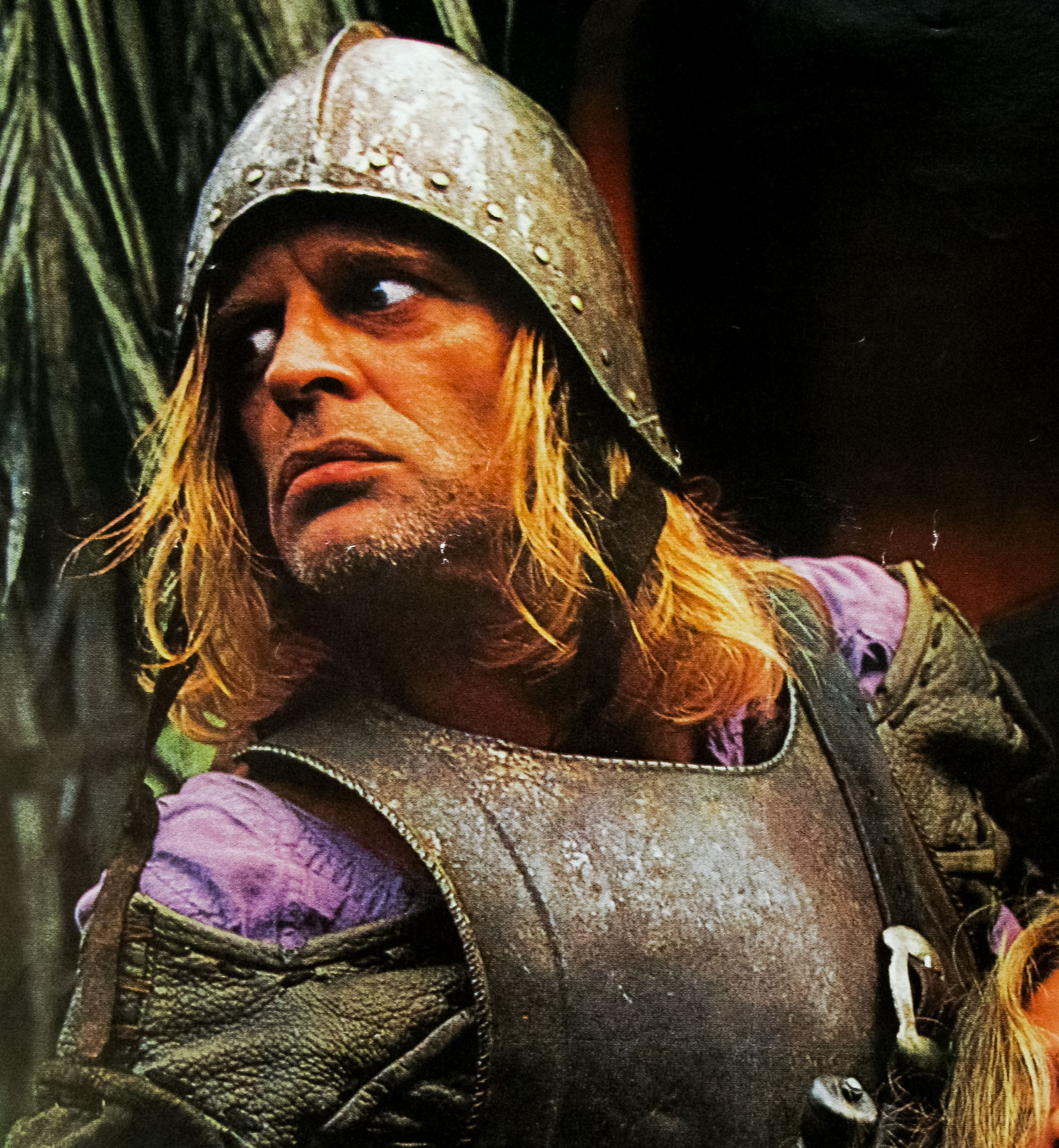
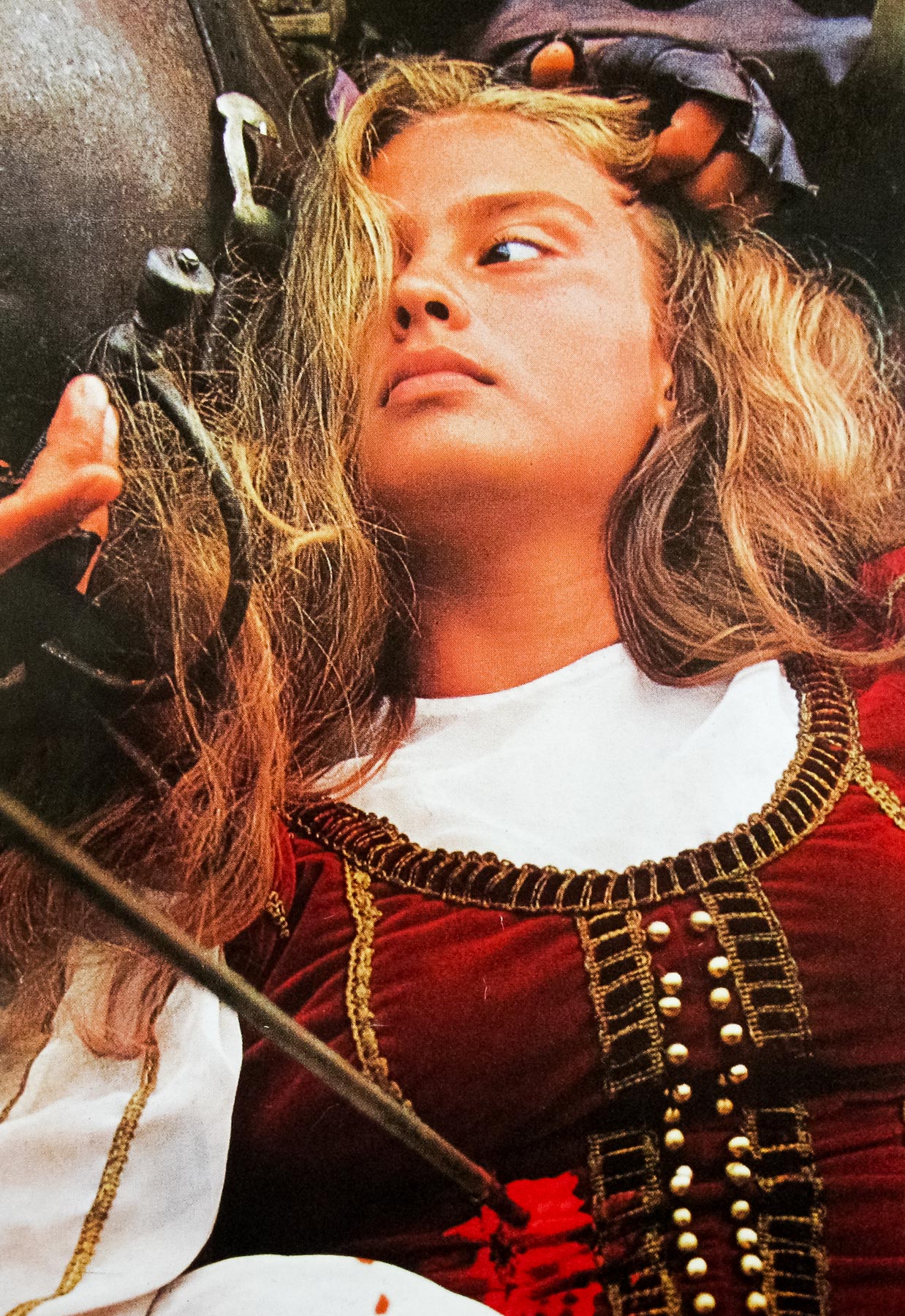
The distinctive German filmmaker Werner Herzog directed his frequent collaborator, the equally eccentric Klaus Kinski, for the first time in this 1972 German New Wave adventure film Aguirre, Wrath of God. The story follows a 16th Century Spanish expedition from the mountains of Peru into the jungle surrounding the Amazon river as a band of conquistadors search for the mythic city of El Dorado and the riches that supposedly dwell within. After struggling through the difficult terrain the leader of the group selects a small band of people to scout ahead. Commanded by Don Pedro de Ursua (Ruy Guerra), with Don Lope de Aguirre (Kinski) as his second in command, they soon encounter further difficulties and the expedition descends into a nightmare from which there may be no return.

Tales of Herzog and Kinski’s battles behind the scenes are legendary and the film is known to have had a very high pressured shoot. Apparently, before every shot featuring Kinski, the director would deliberately infuriate the actor in order to get the performance he desired. The story goes that when Kinski made the decision to leave the set and return home, Herzog pulled a gun and threatened to shoot him and then turn the gun on himself.

Herzog once said of Kinski: “People think we had a love-hate relationship. Well, I did not love him, nor did I hate him. We had mutual respect for each other, even as we both planned each other’s murder”.

This is the poster for the film’s first release in Japan in 1983.

The original trailer for Aguirre is on YouTube.
Fitzcarraldo + Aguirre, Wrath of God / double-bill / special / Japan

11.11.11

Poster Poster

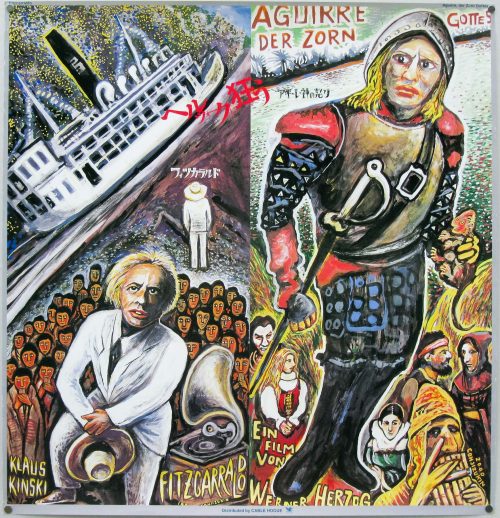
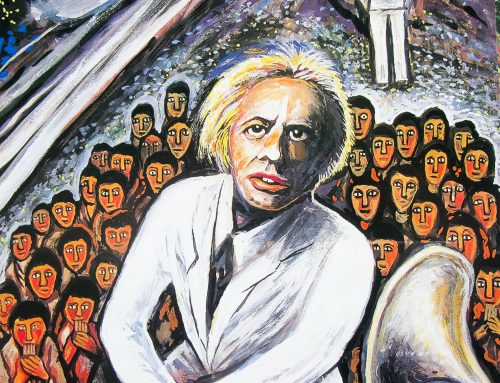
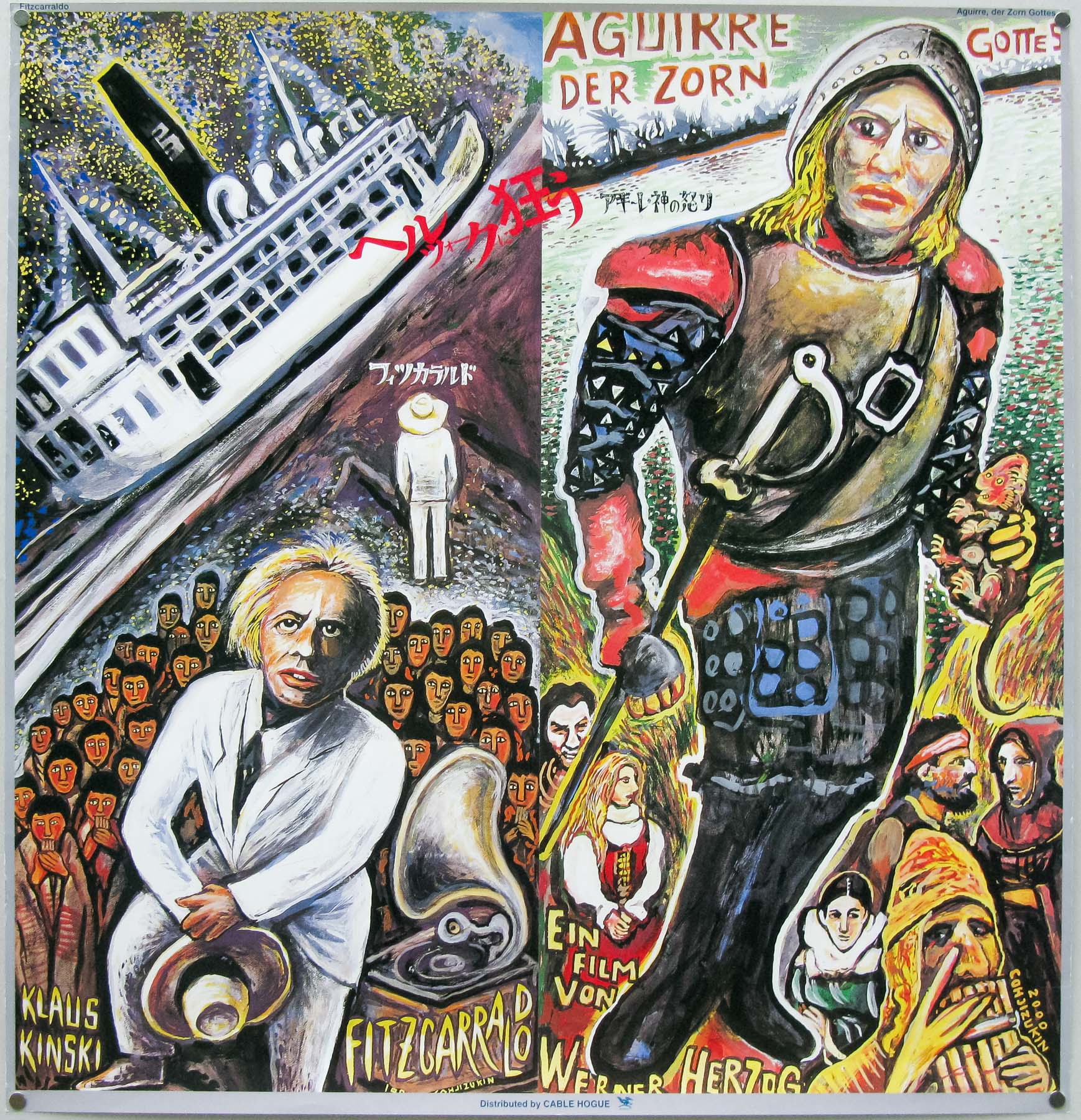
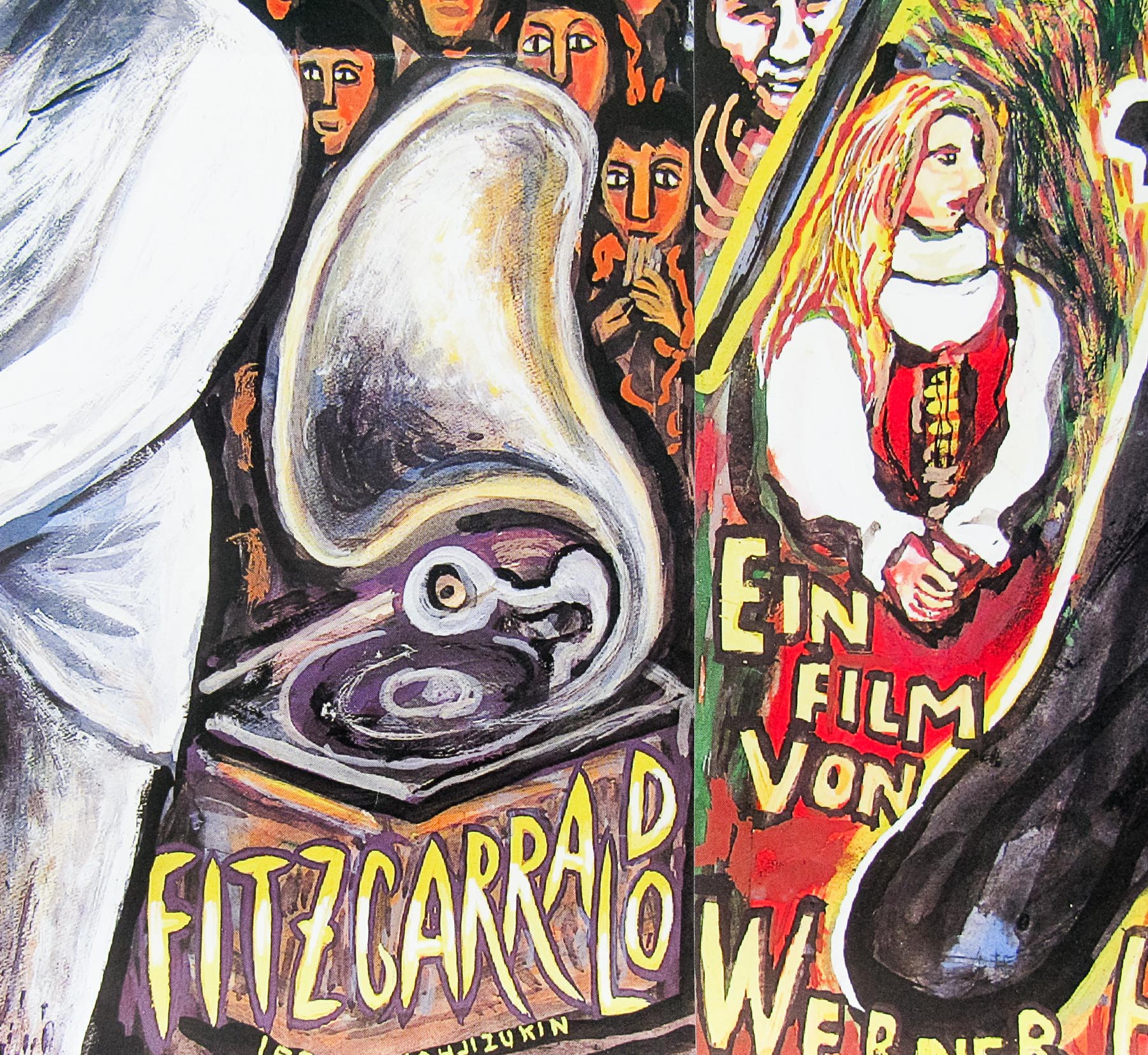
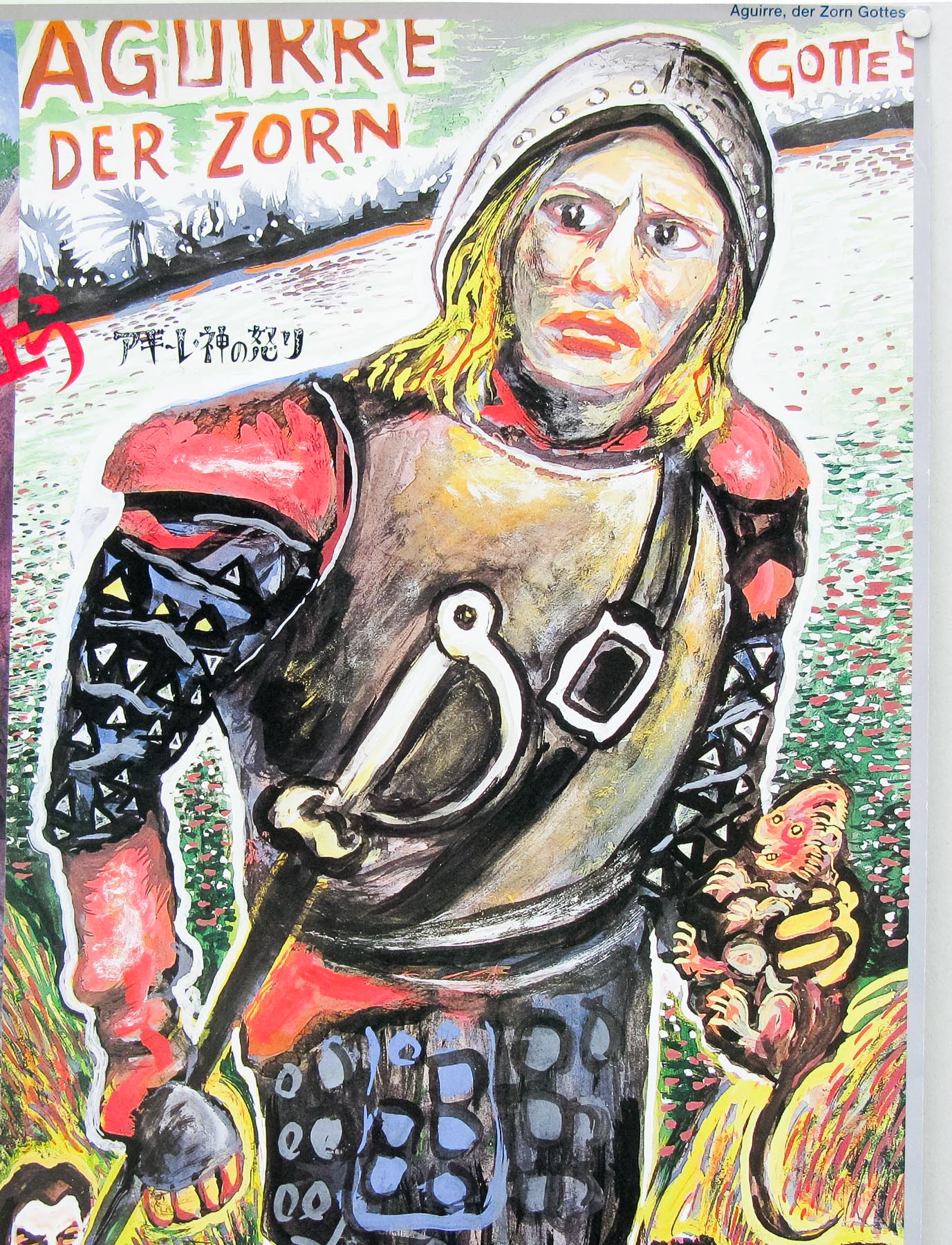
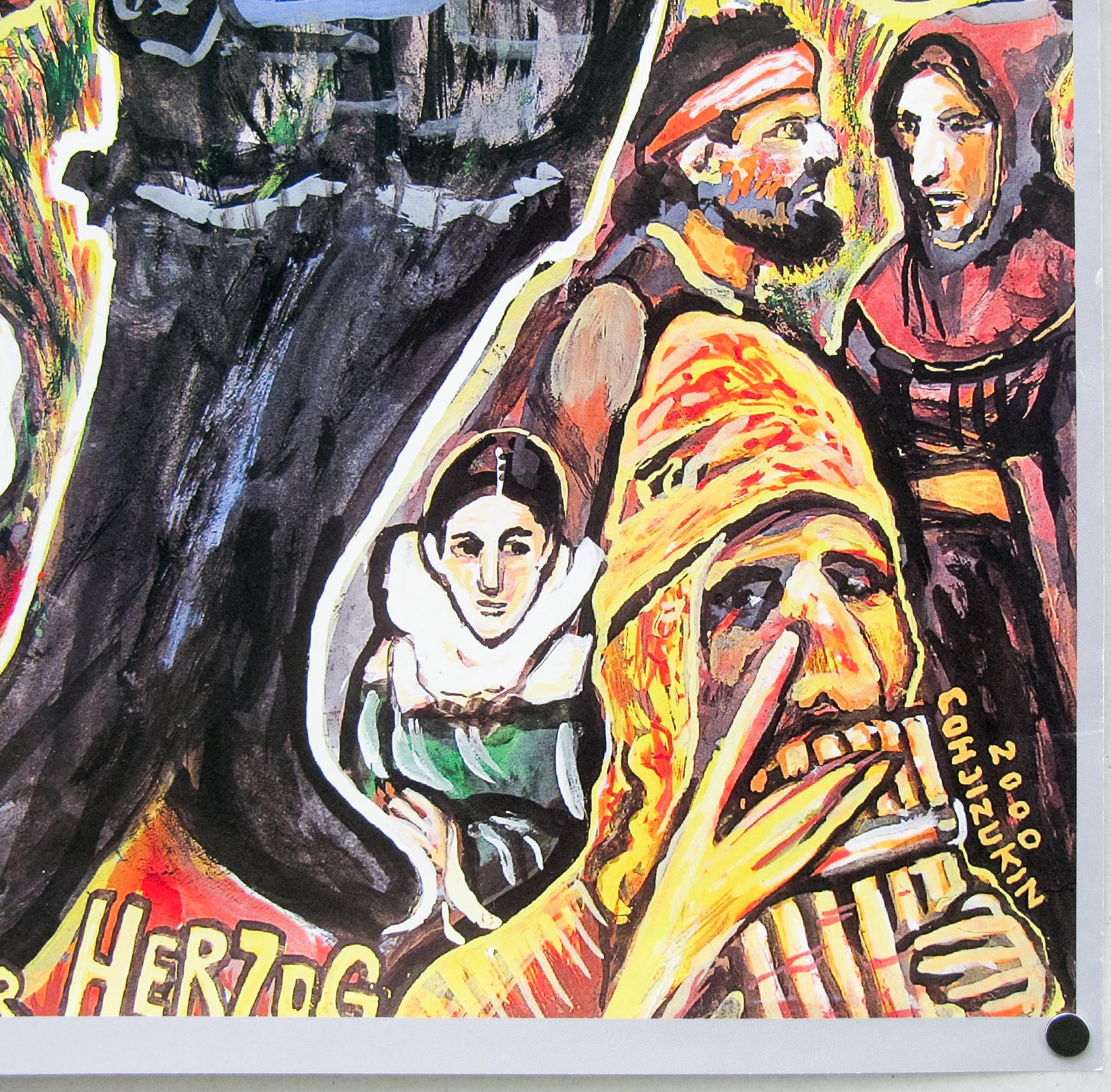
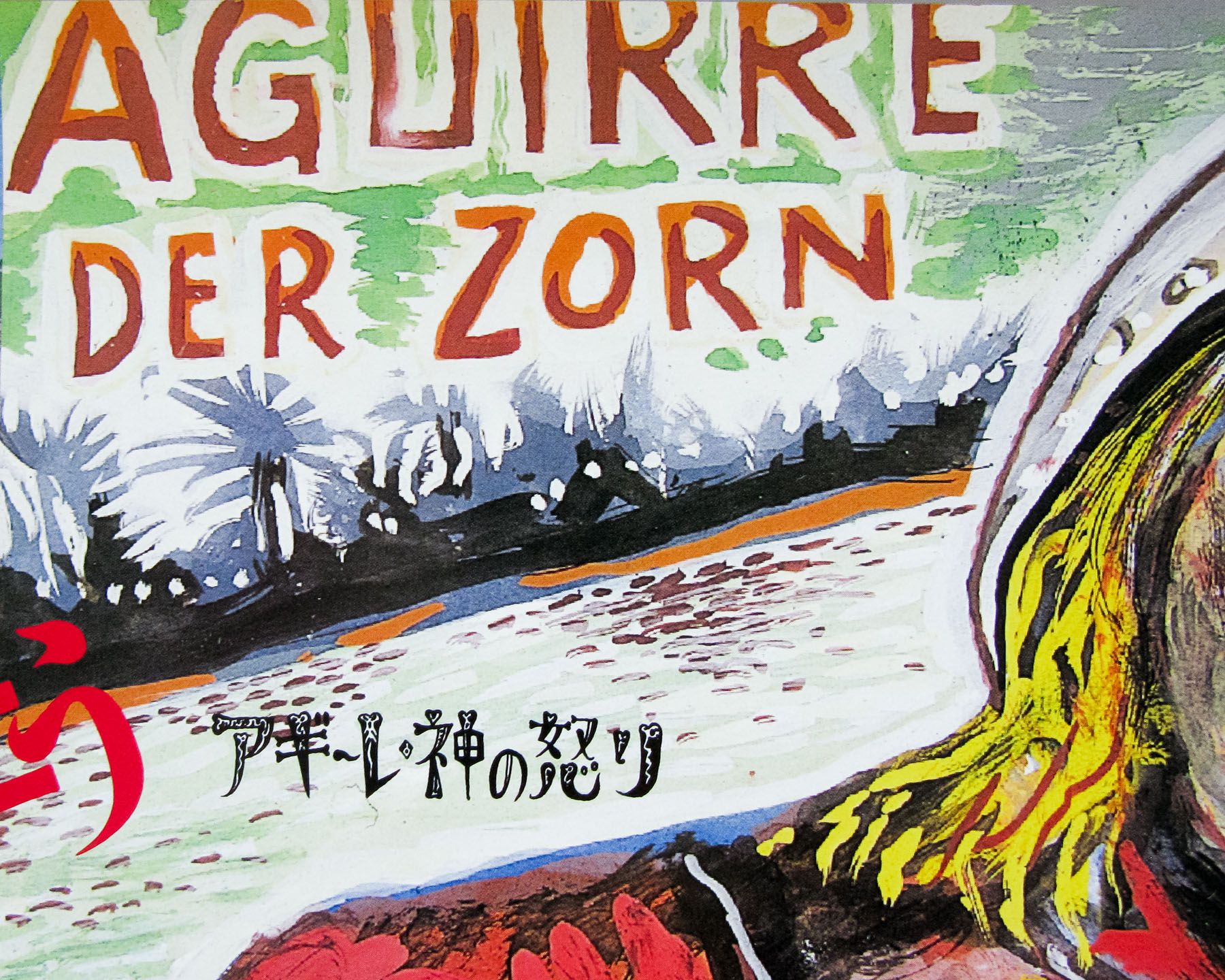
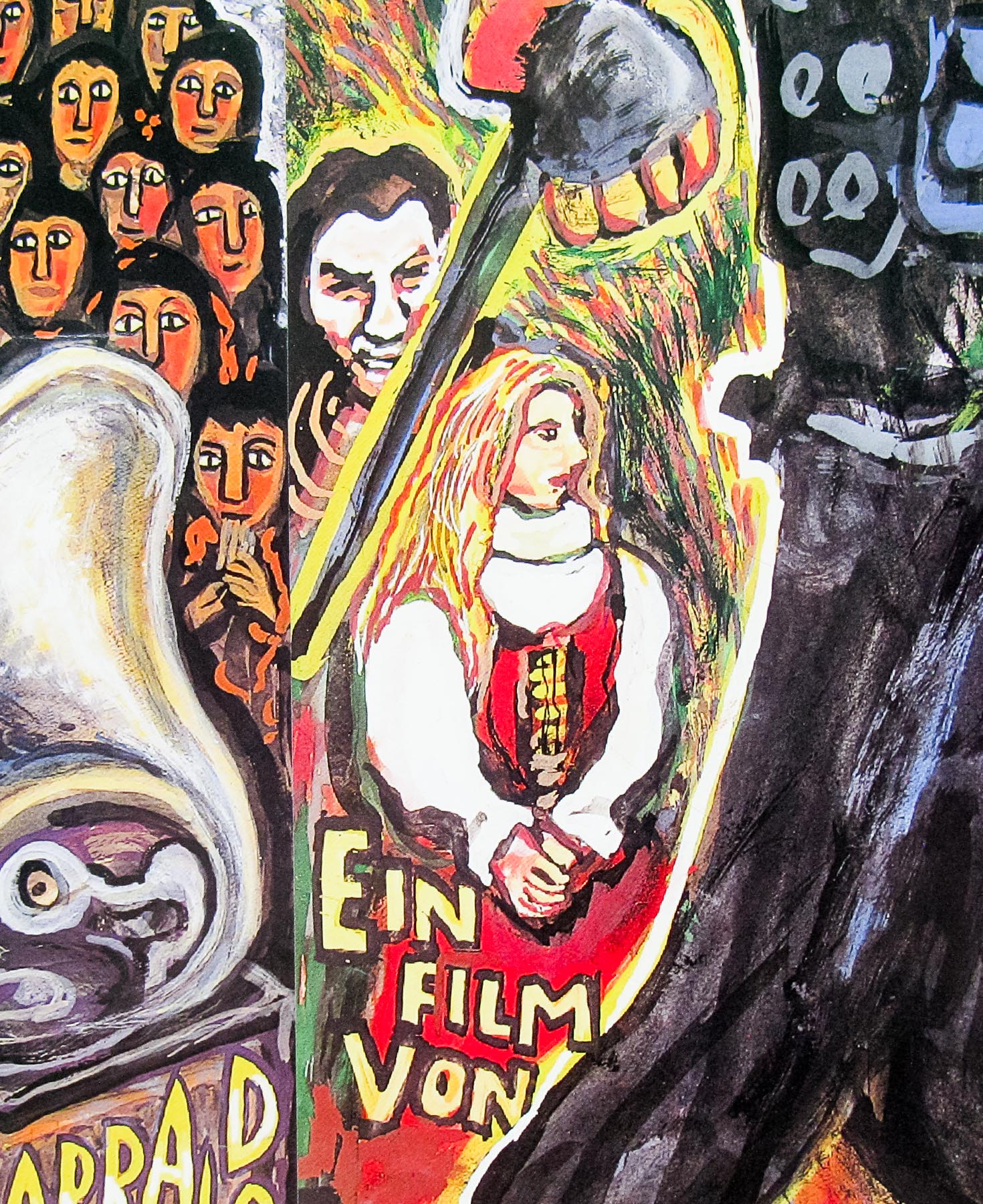
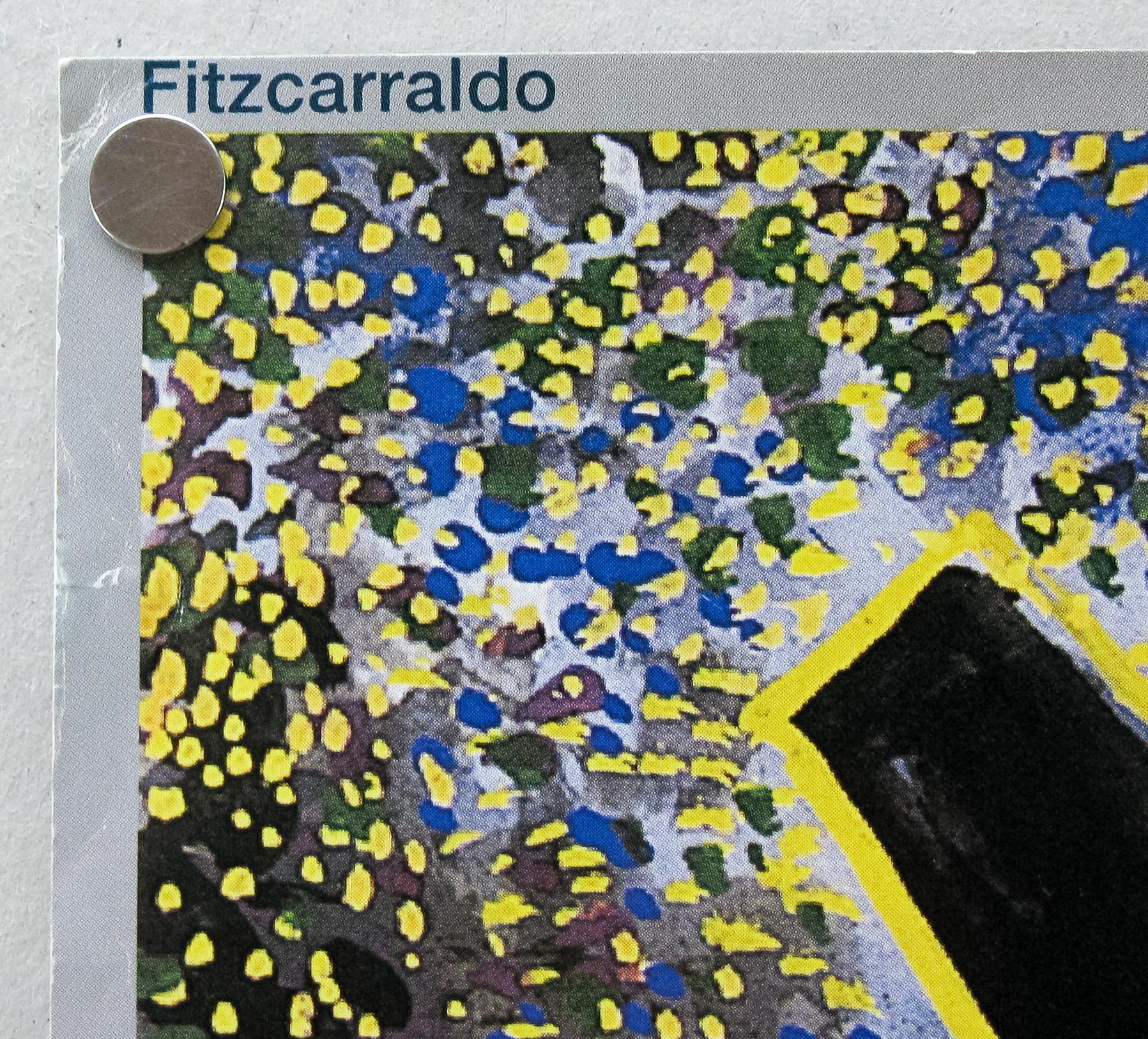
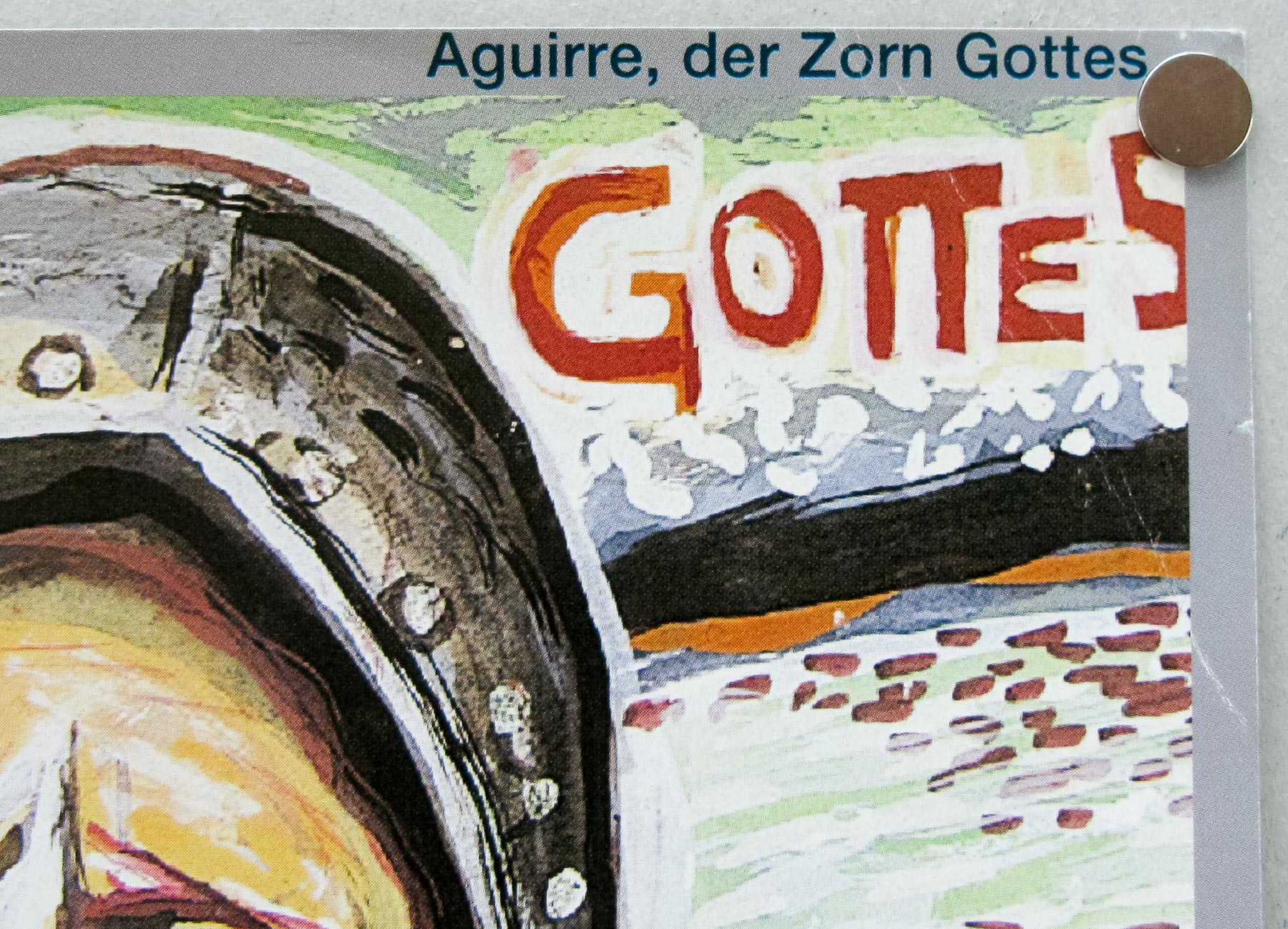
A Japanese double-bill poster for re-release of ace director Werner Herzog‘s two masterpieces. Made ten years apart, both films star Klaus Kinski, a frequent collaborator, and the stories behind the making of the films are legendary.
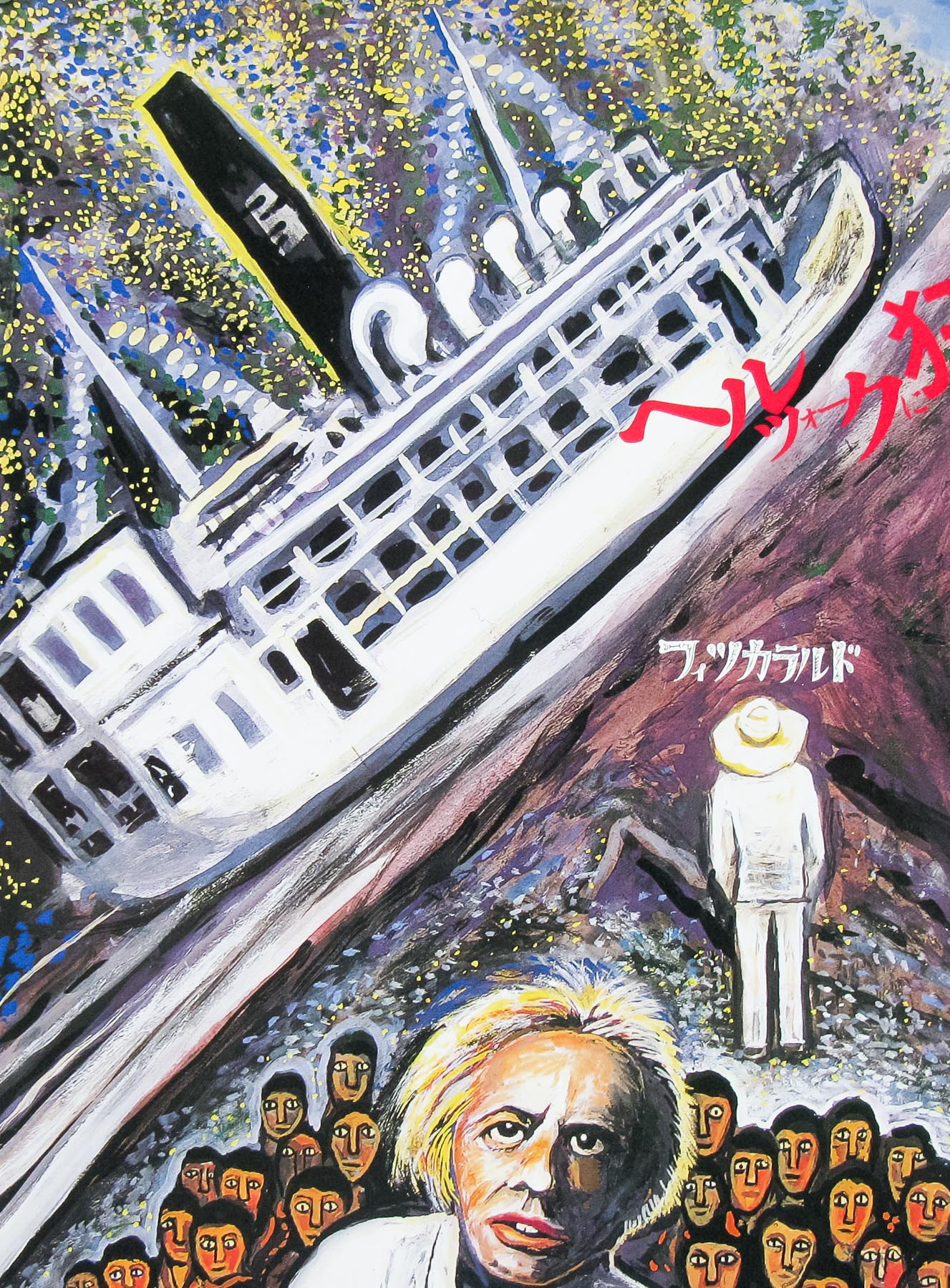
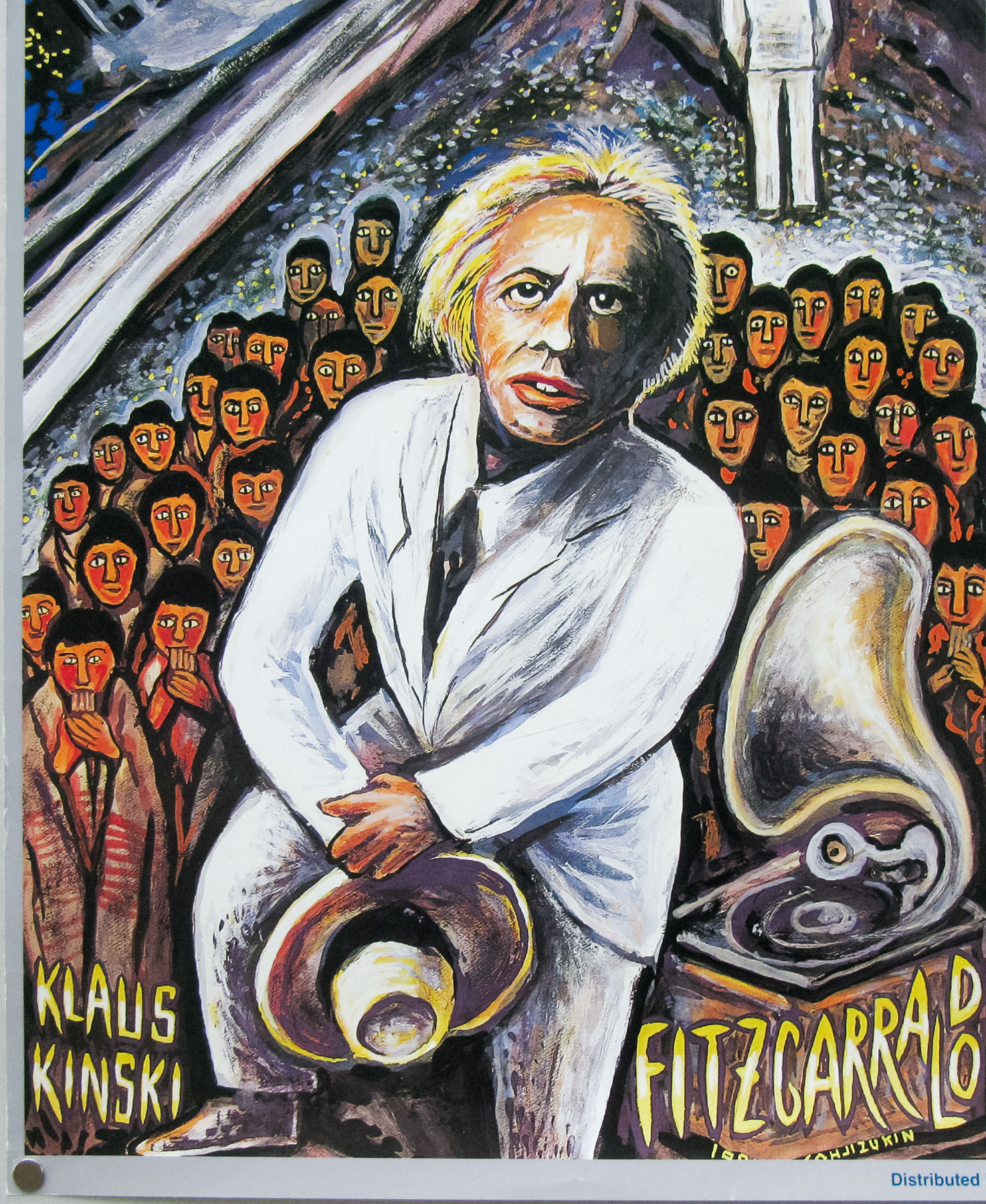
Fitzcarraldo tells the true story of  one man’s obsession to build an opera house in the Peruvian jungle, a task that sees him having to drag a full-sized steamer boat over a mountain from one river to another. Rather than rely on special effects or clever editing, Herzog and the crew actually did drag a steamer boat over a mountain! The story of the shoot was told in the excellent documentary Burden of Dreams.

Aguirre, Wrath of God was a similarly chaotic and pressured shoot and the story goes that when Kinski decided to leave the set and return home, Herzog pulled a gun on him and threatened to shoot him and then turn the gun on himself.

Herzog once said of Kinski: “People think we had a love-hate relationship. Well, I did not love him, nor did I hate him. We had mutual respect for each other, even as we both planned each other’s murder”.

I believe this double-bill poster was for a Japanese release in either 2000 or 2001 and the artwork is by an artist called Suzuki Cohjizukin about whom I know very little. Some of his other works can be found with a google search but if anyone knows anything more about him please get in touch.
Here are the original trailers for Fitzcarraldo and Aguirre.