You searched for: Garrett%2520M.%2520Brown

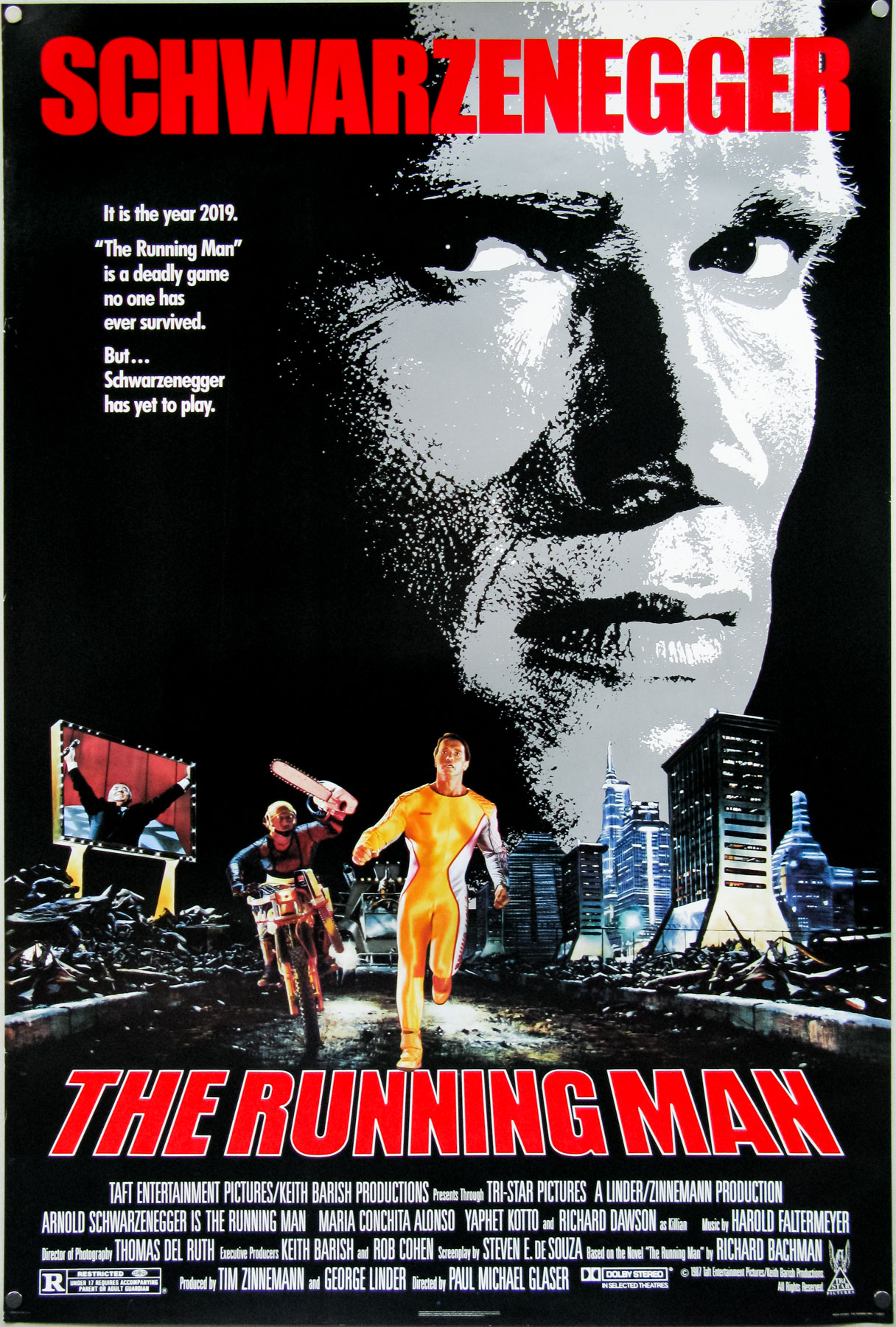
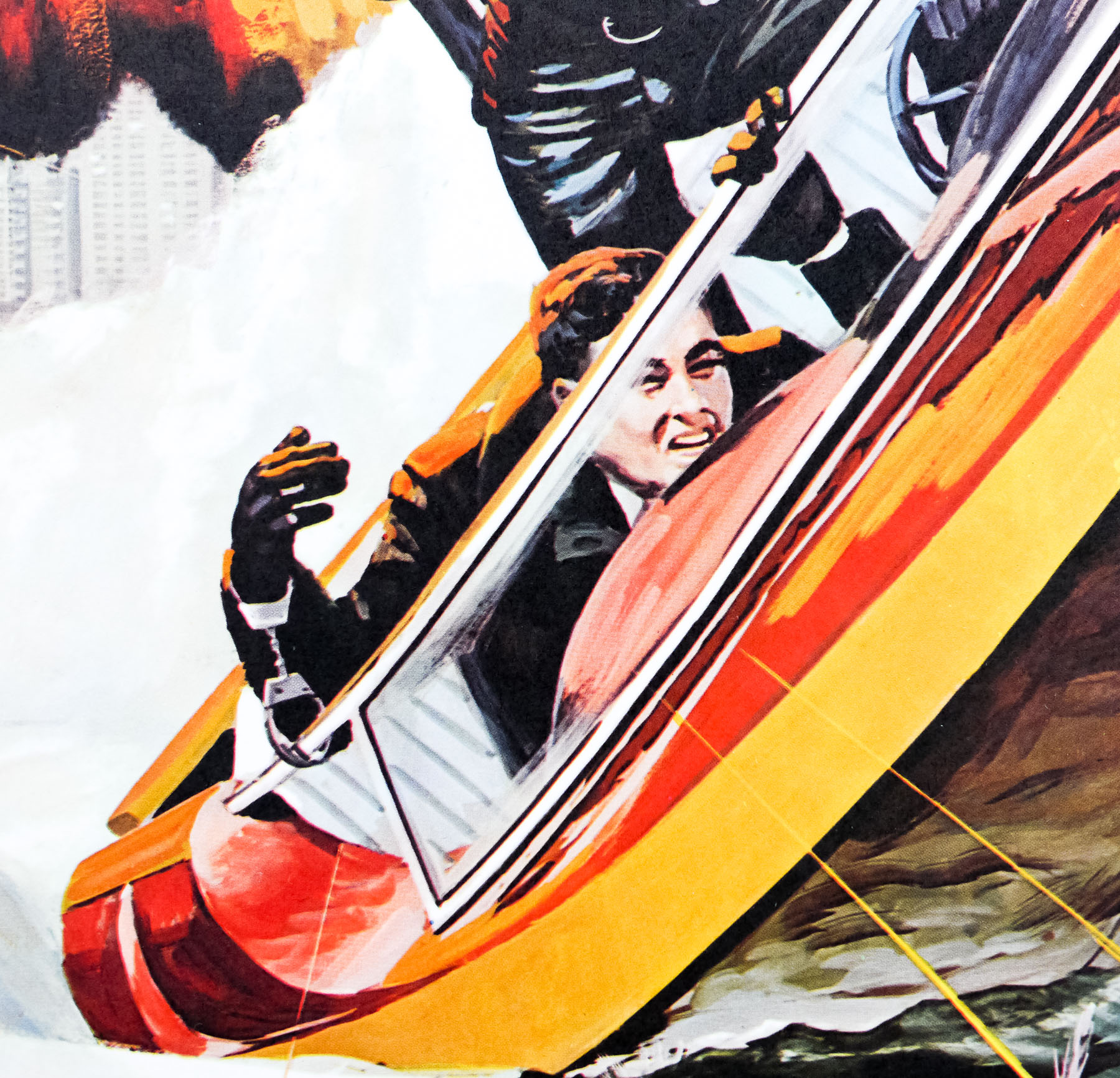
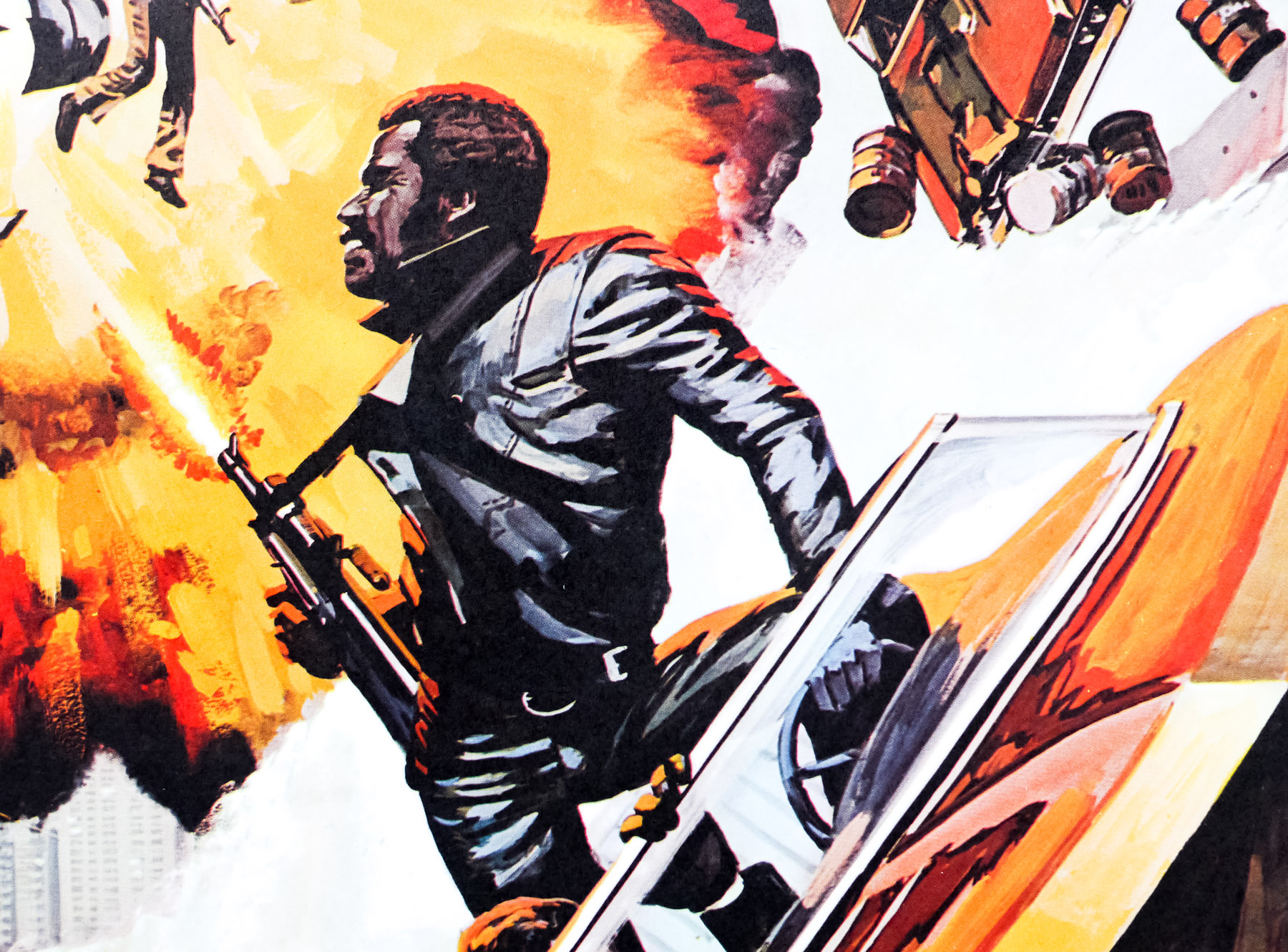
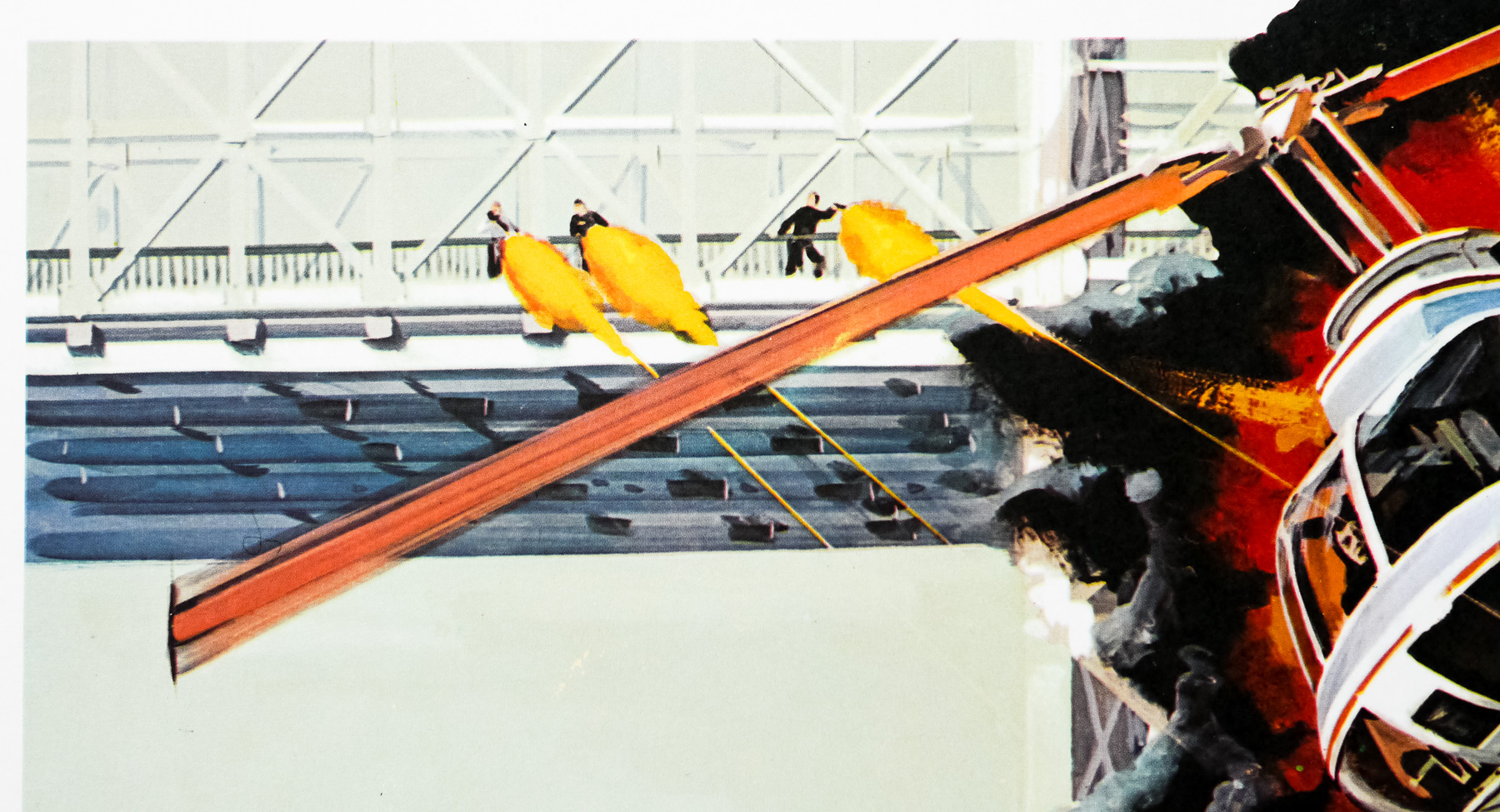
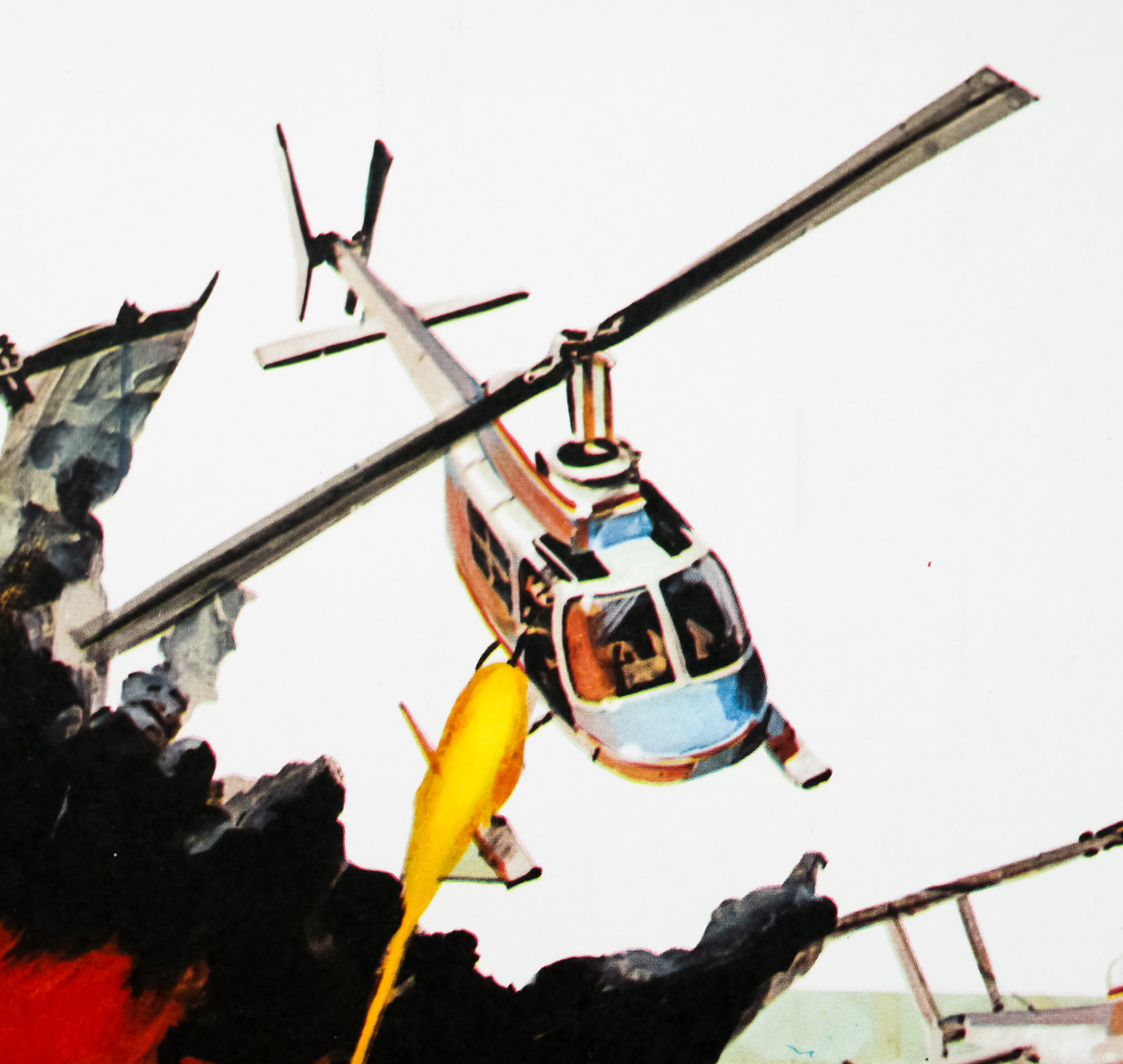
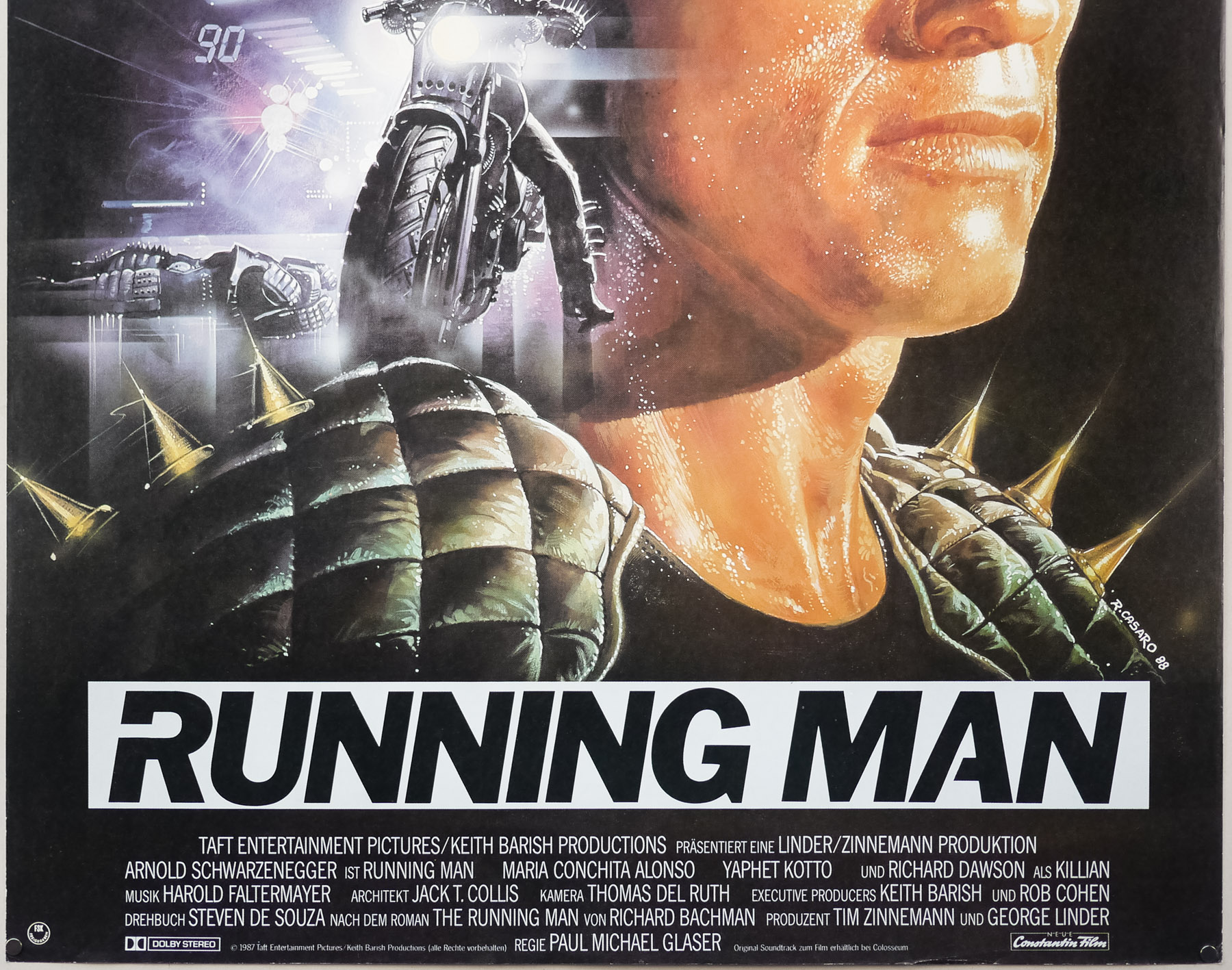
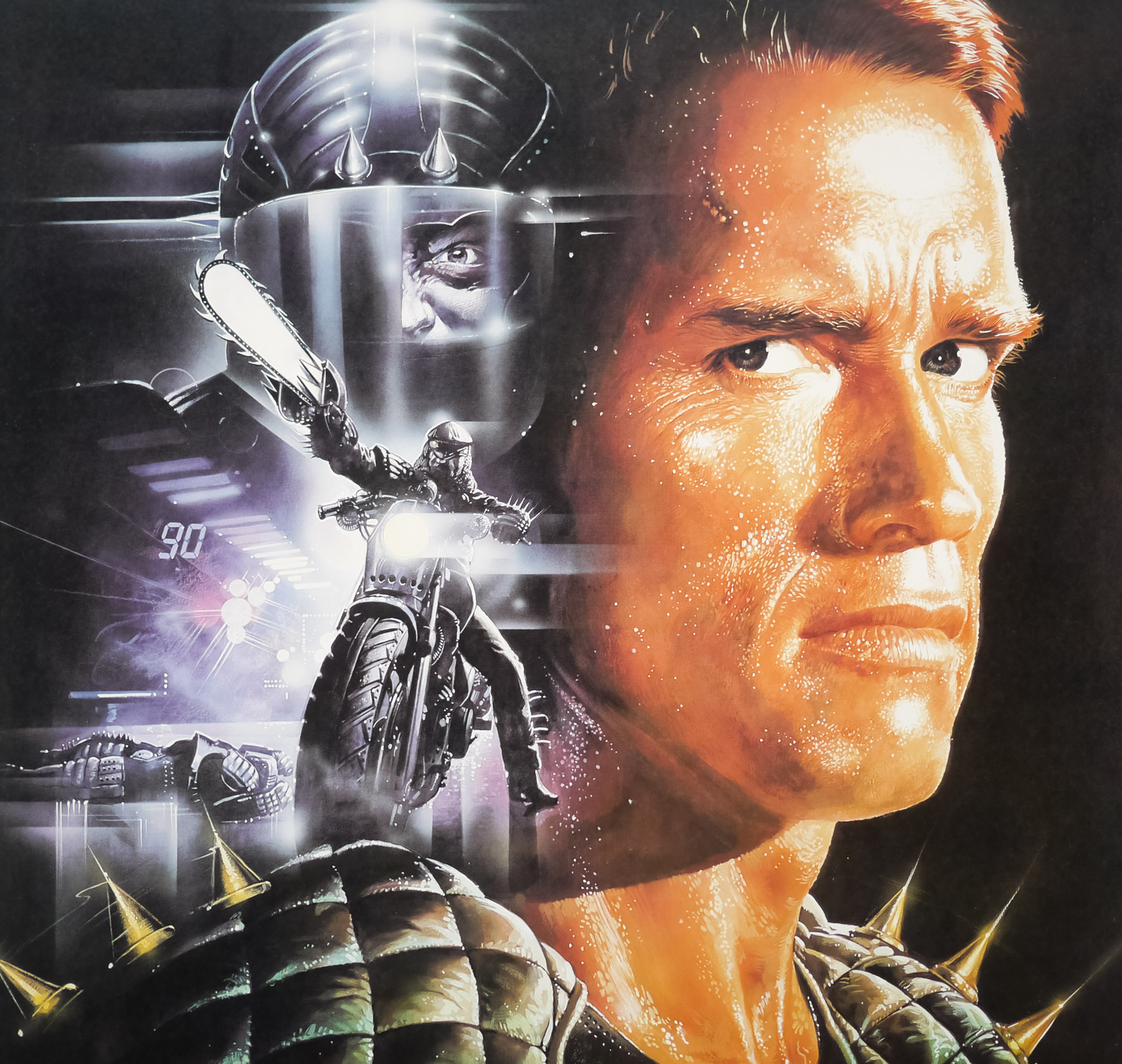
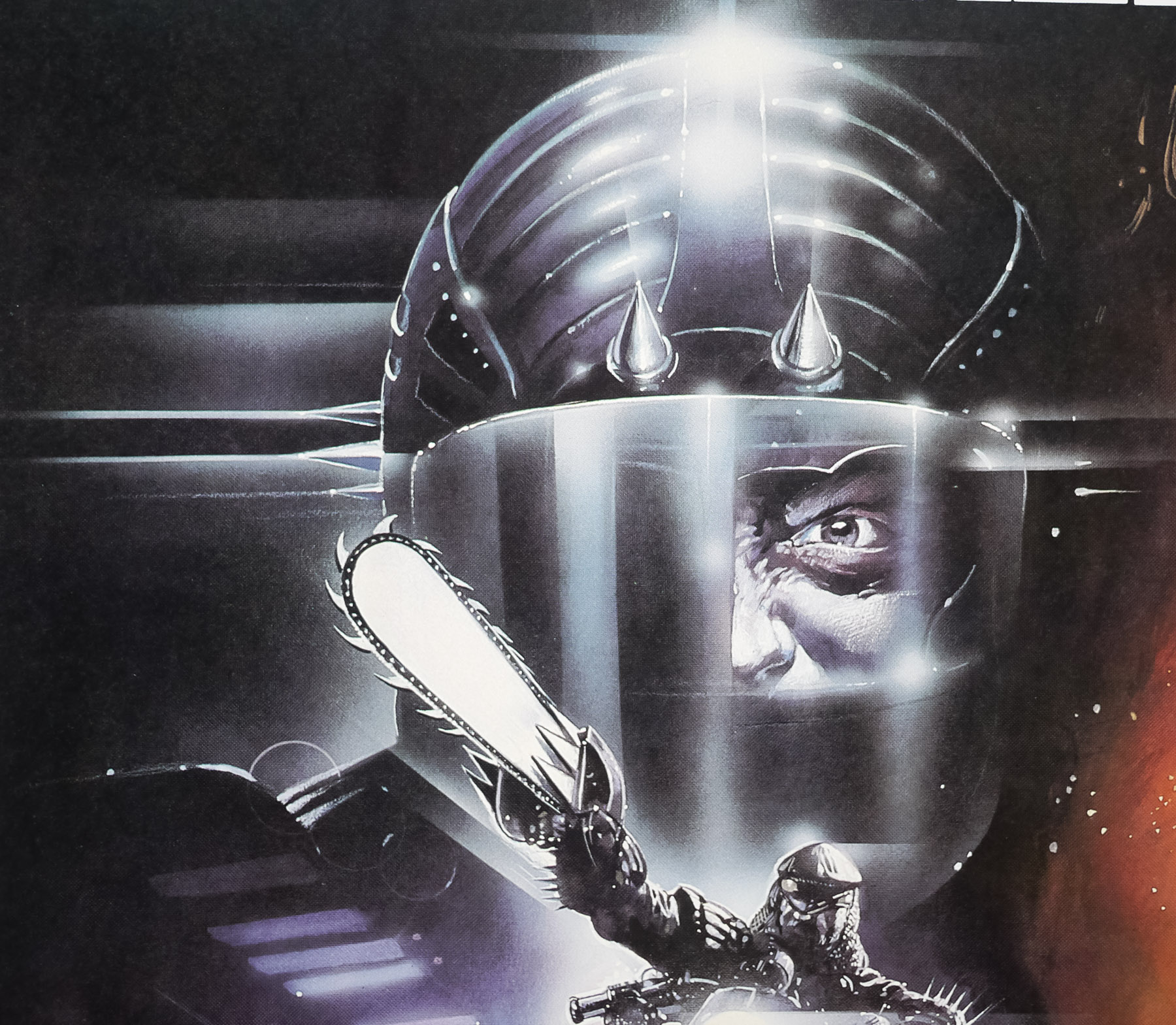
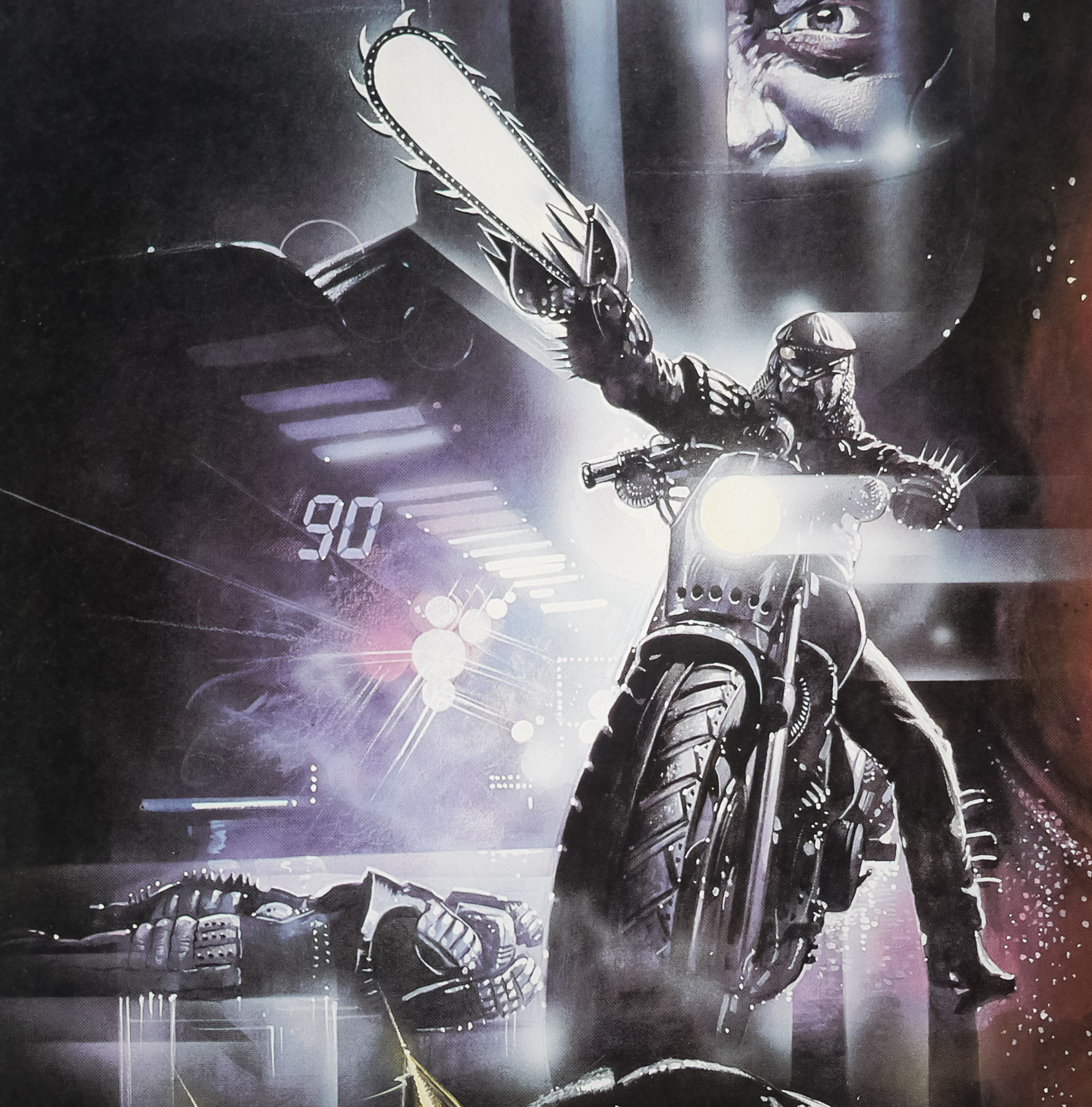
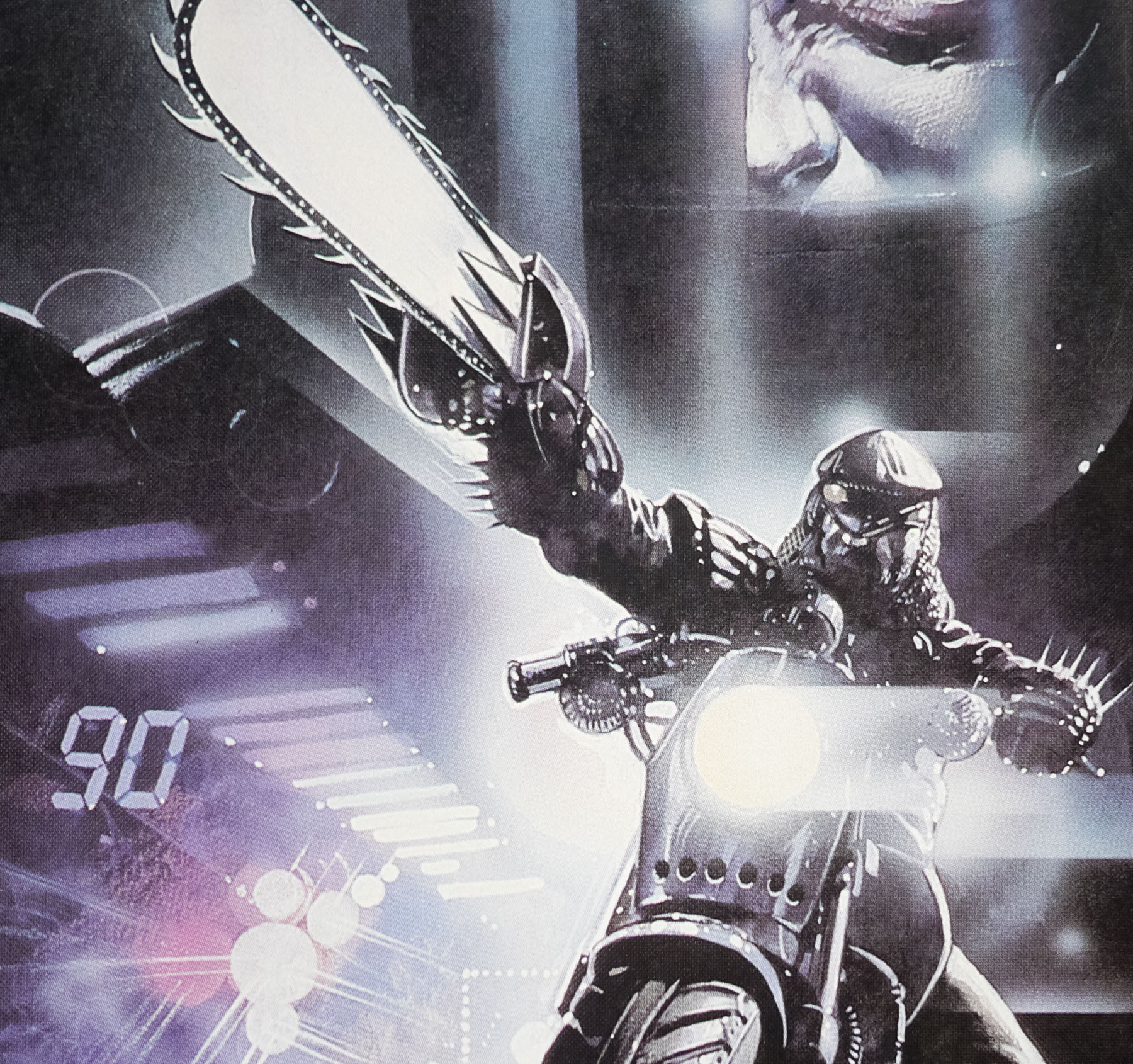
The Running Man / one sheet / style B / USA

17.05.11

Poster Poster

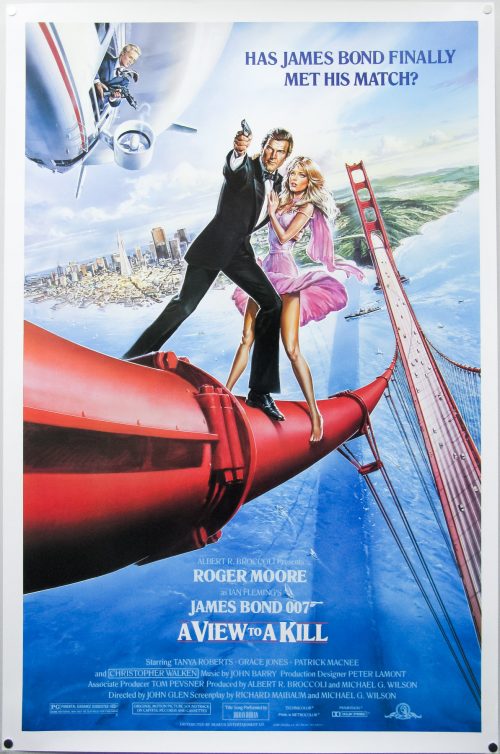
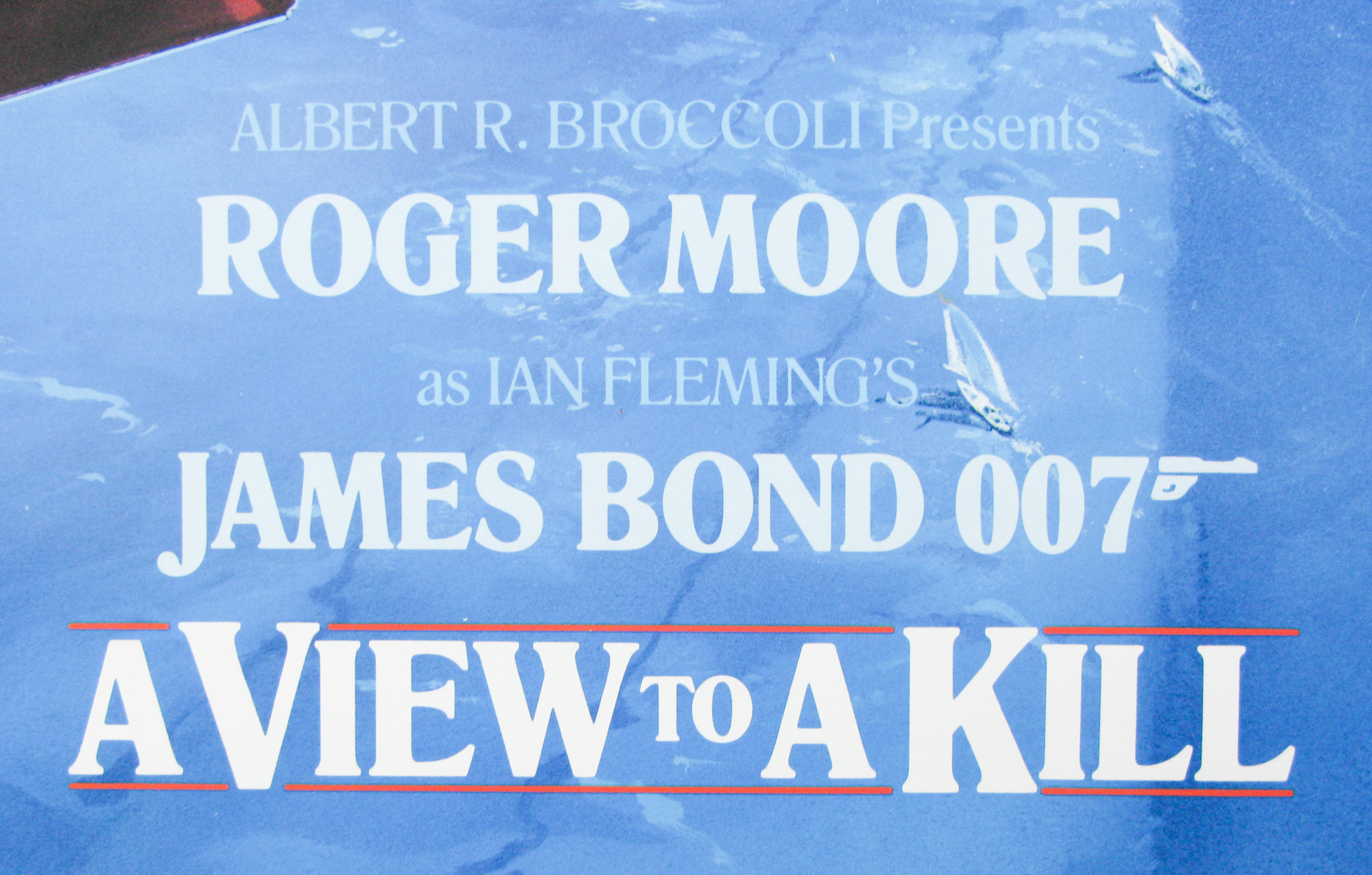
A View To A Kill / one sheet / USA

06.08.12

Poster Poster

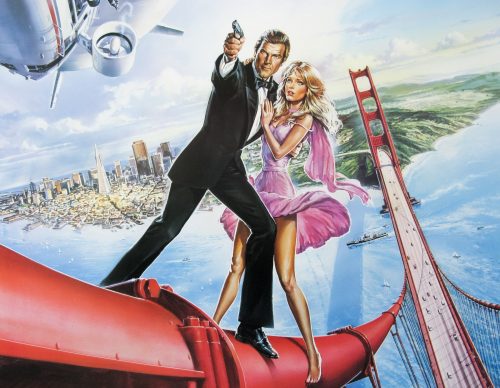
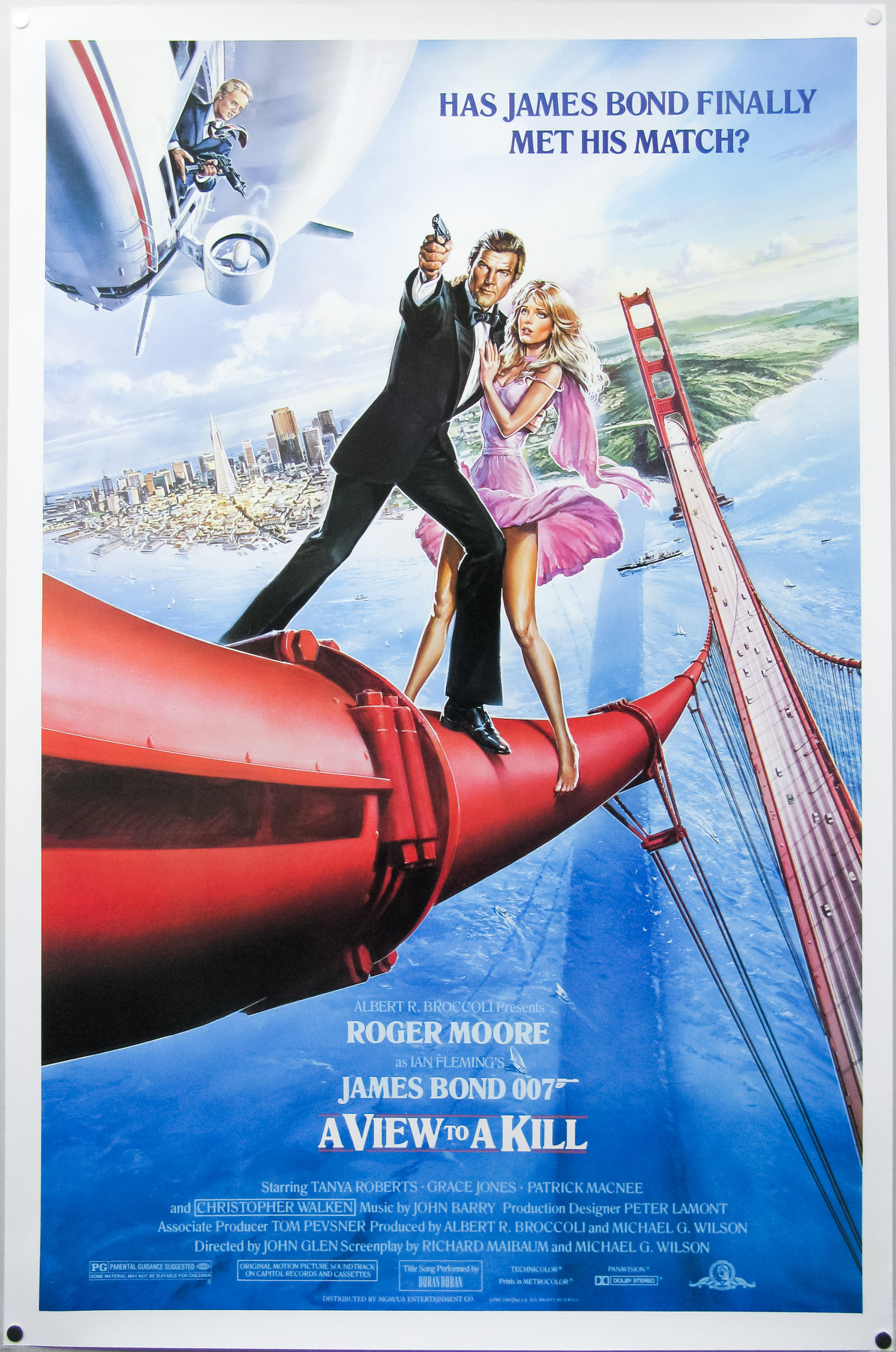
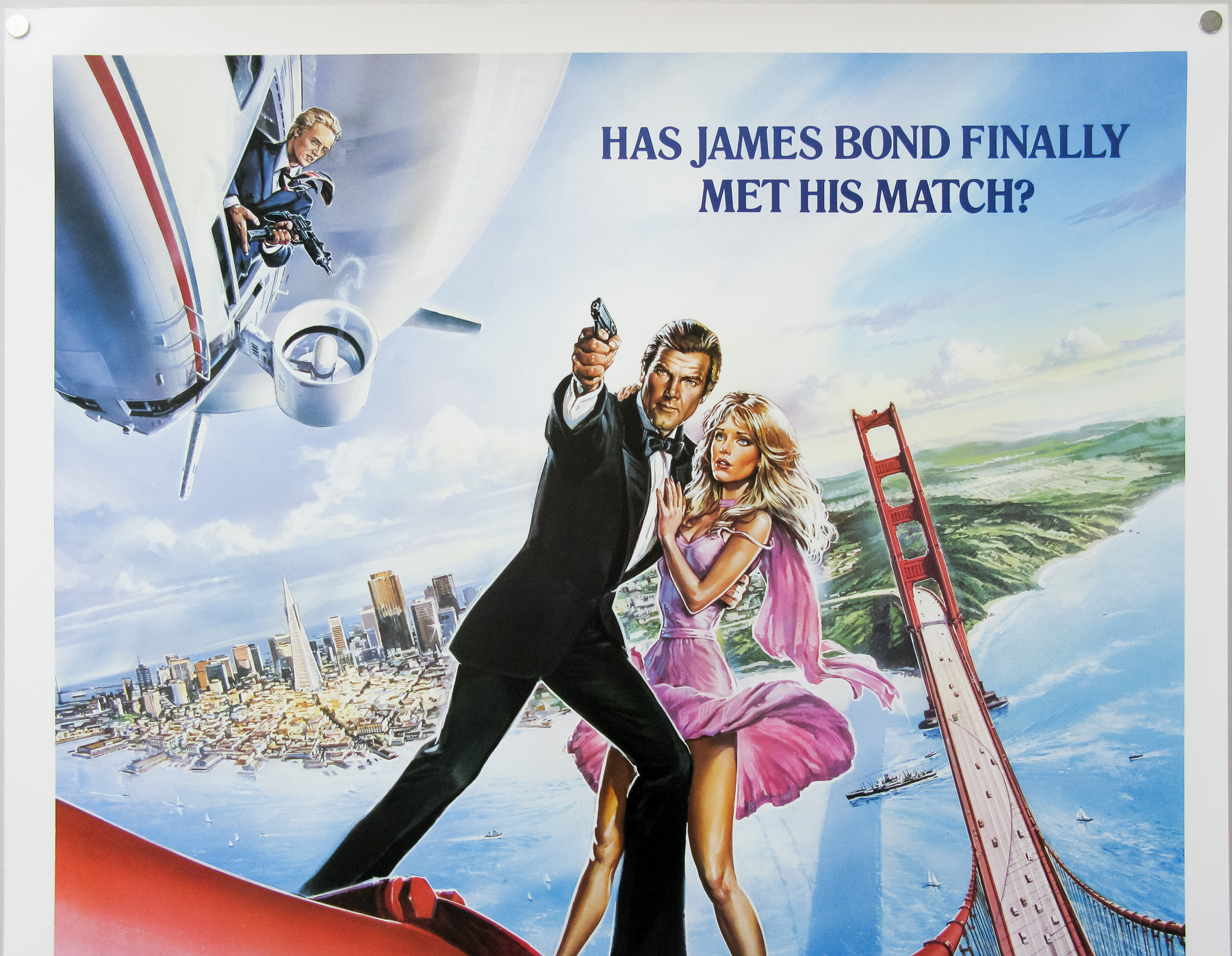
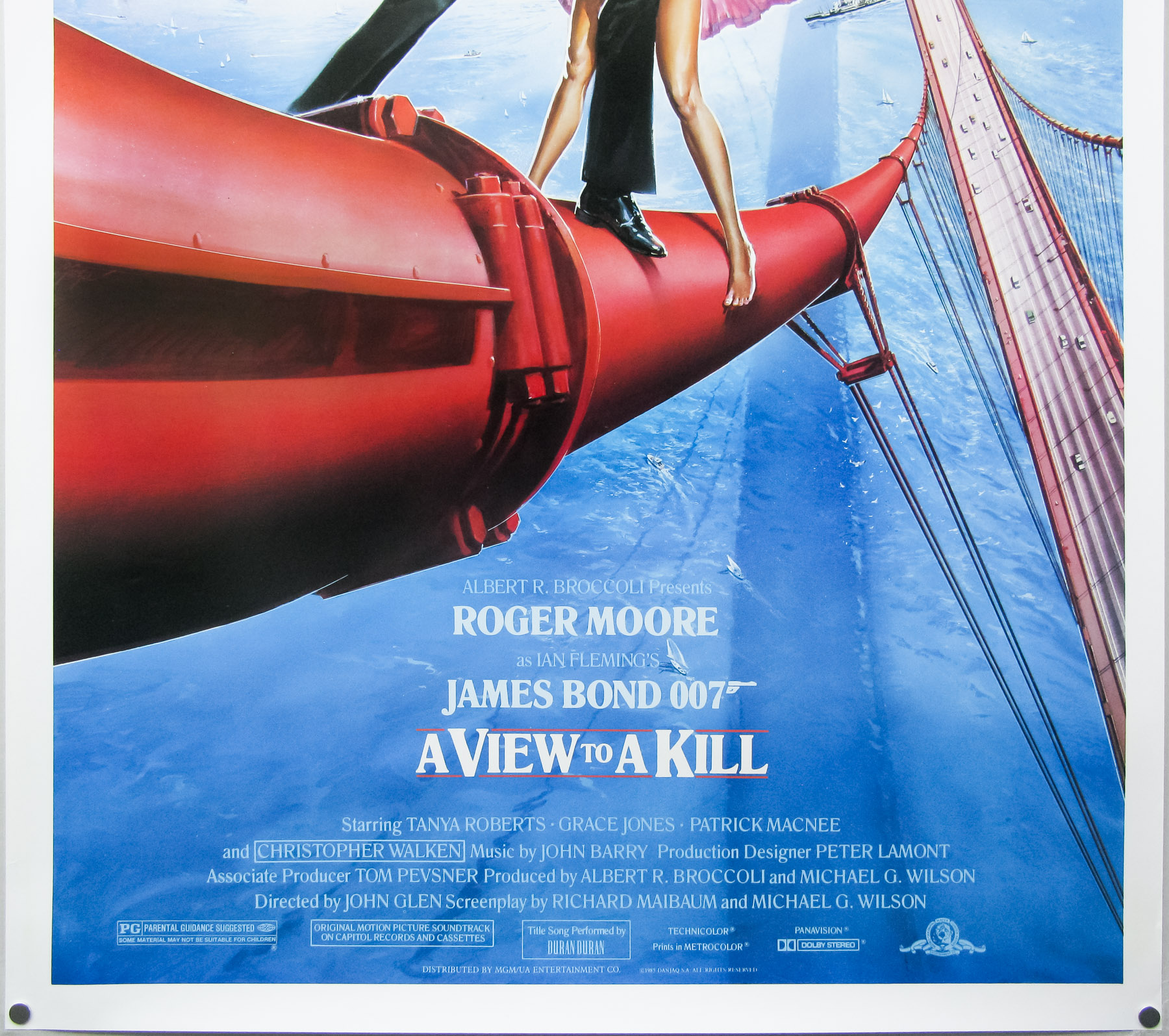
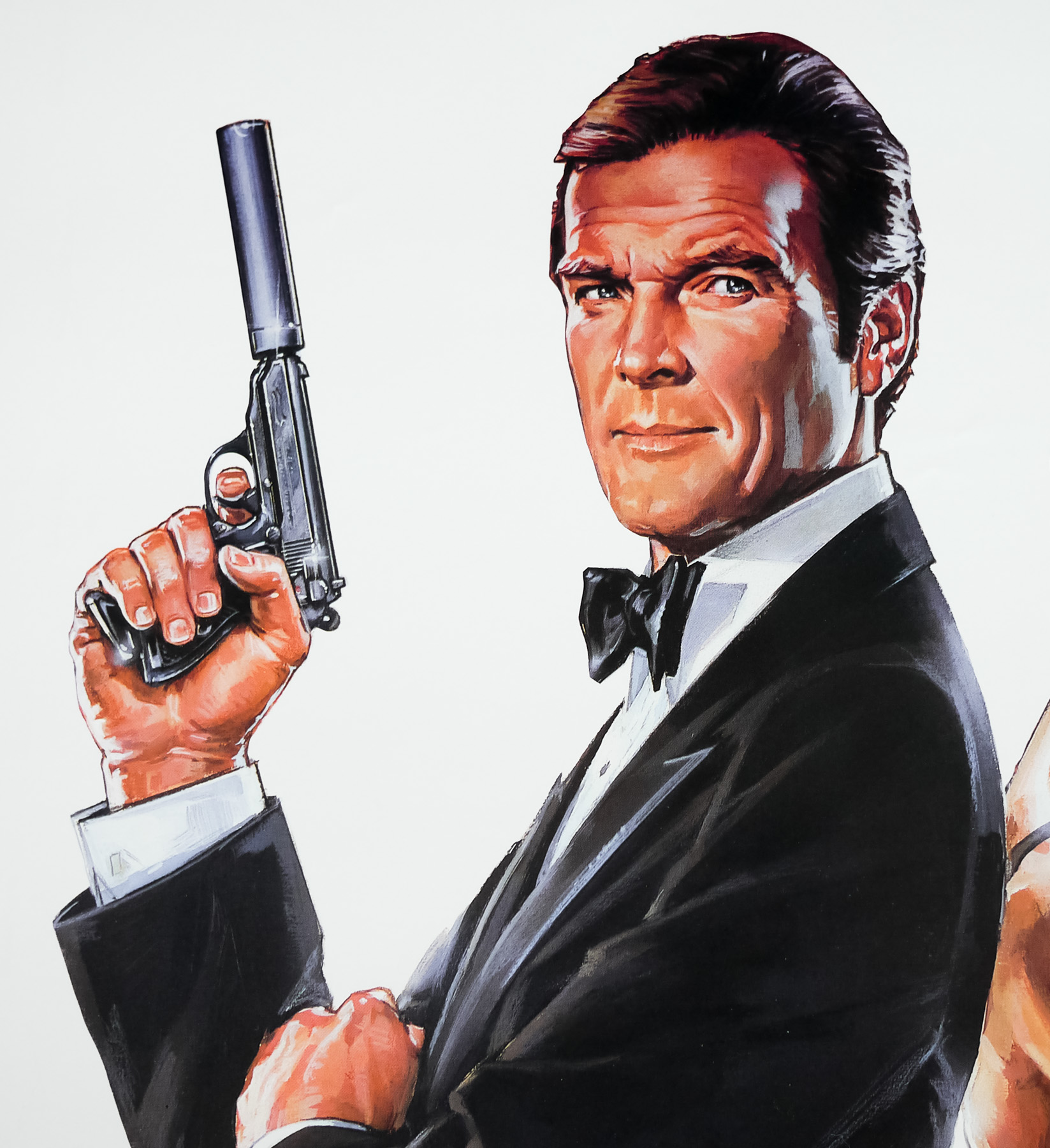
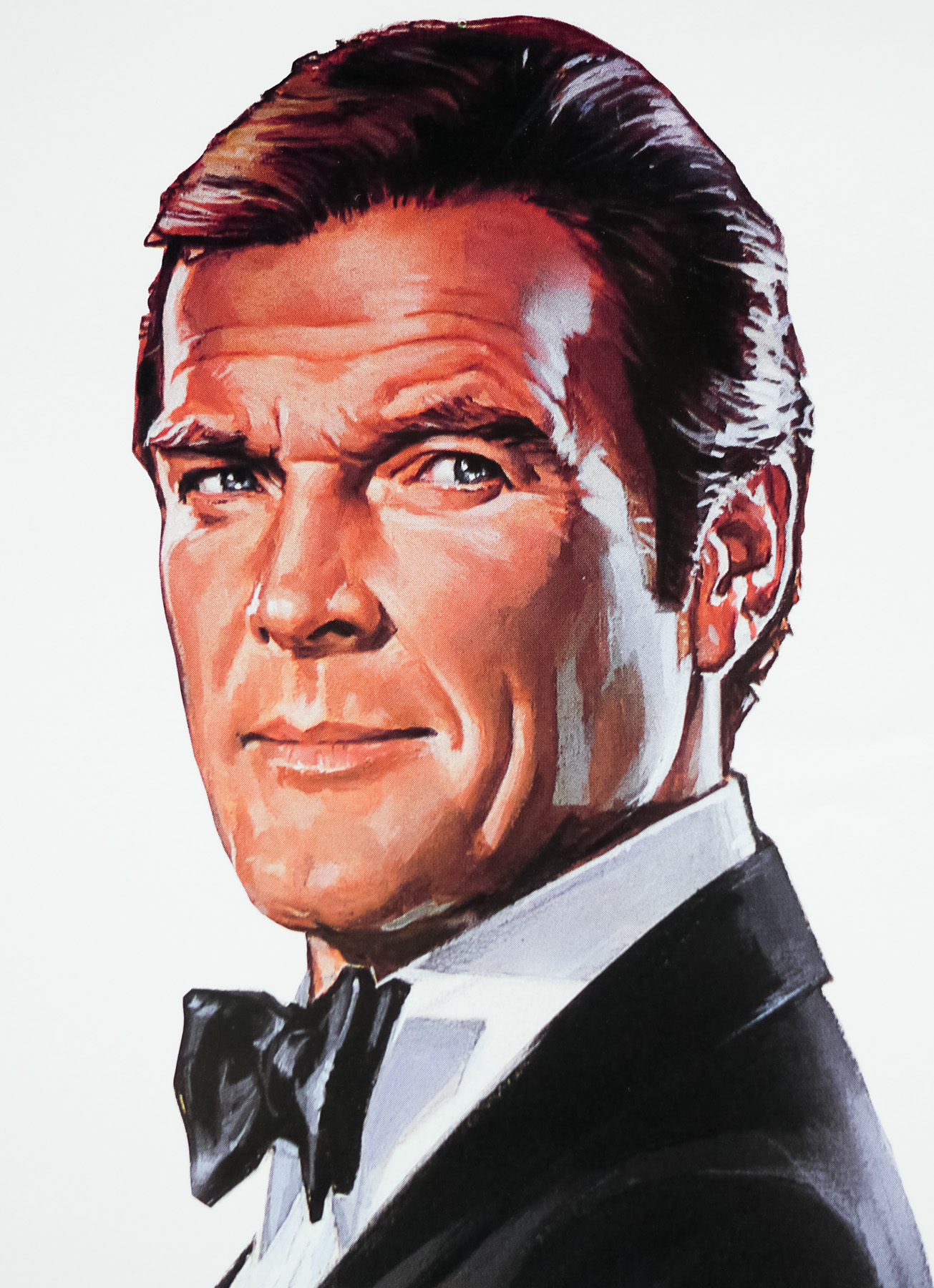
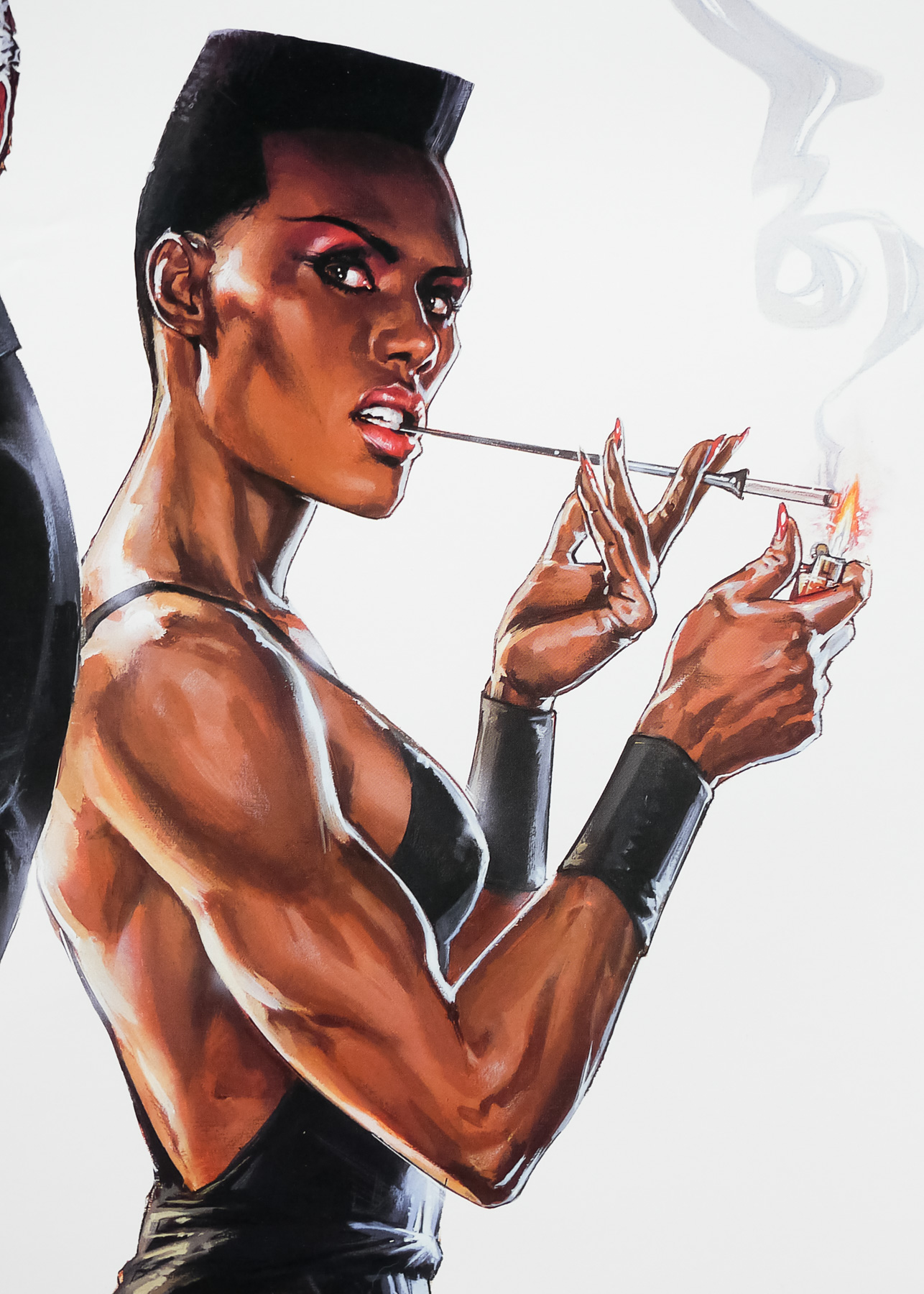
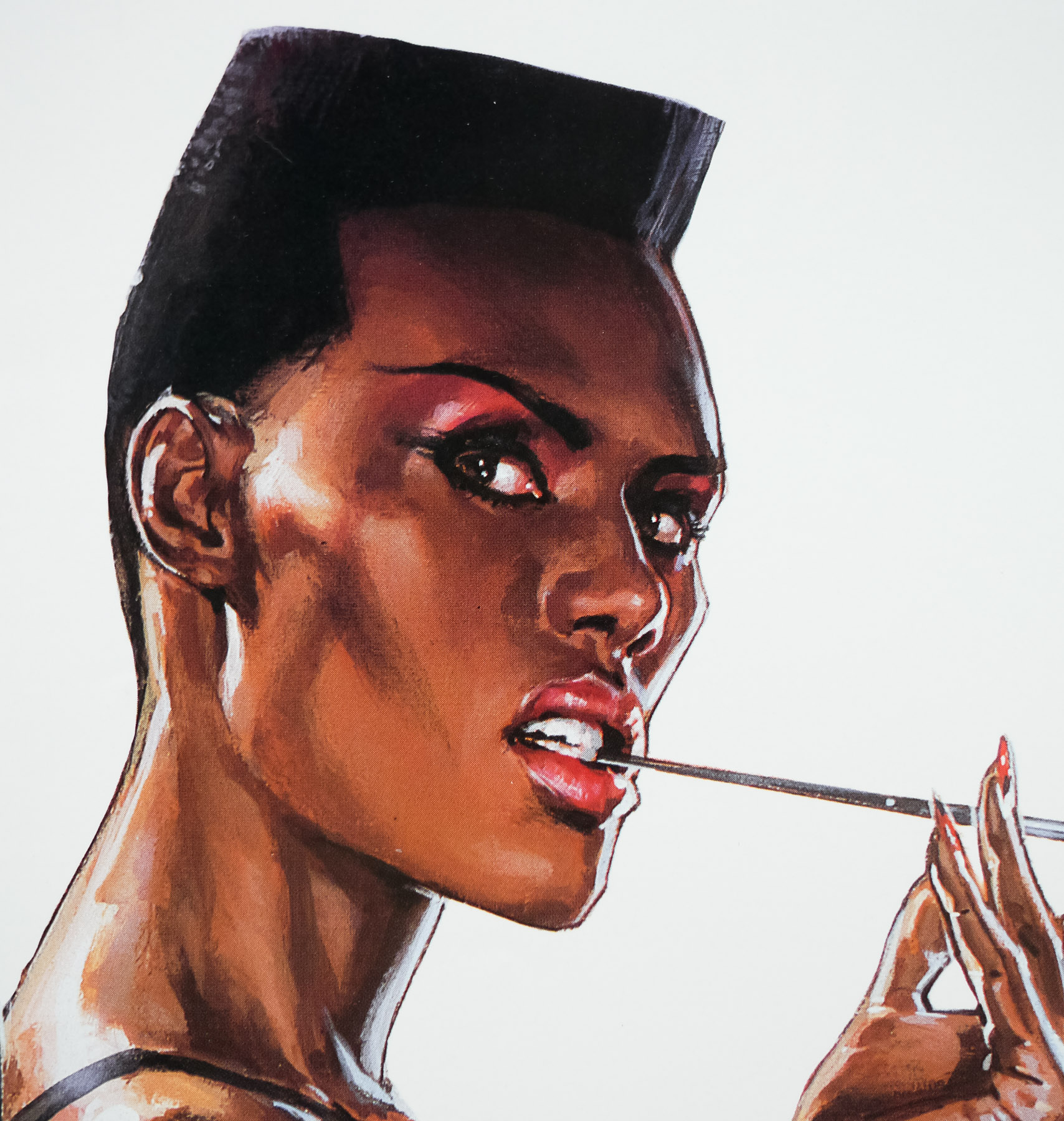
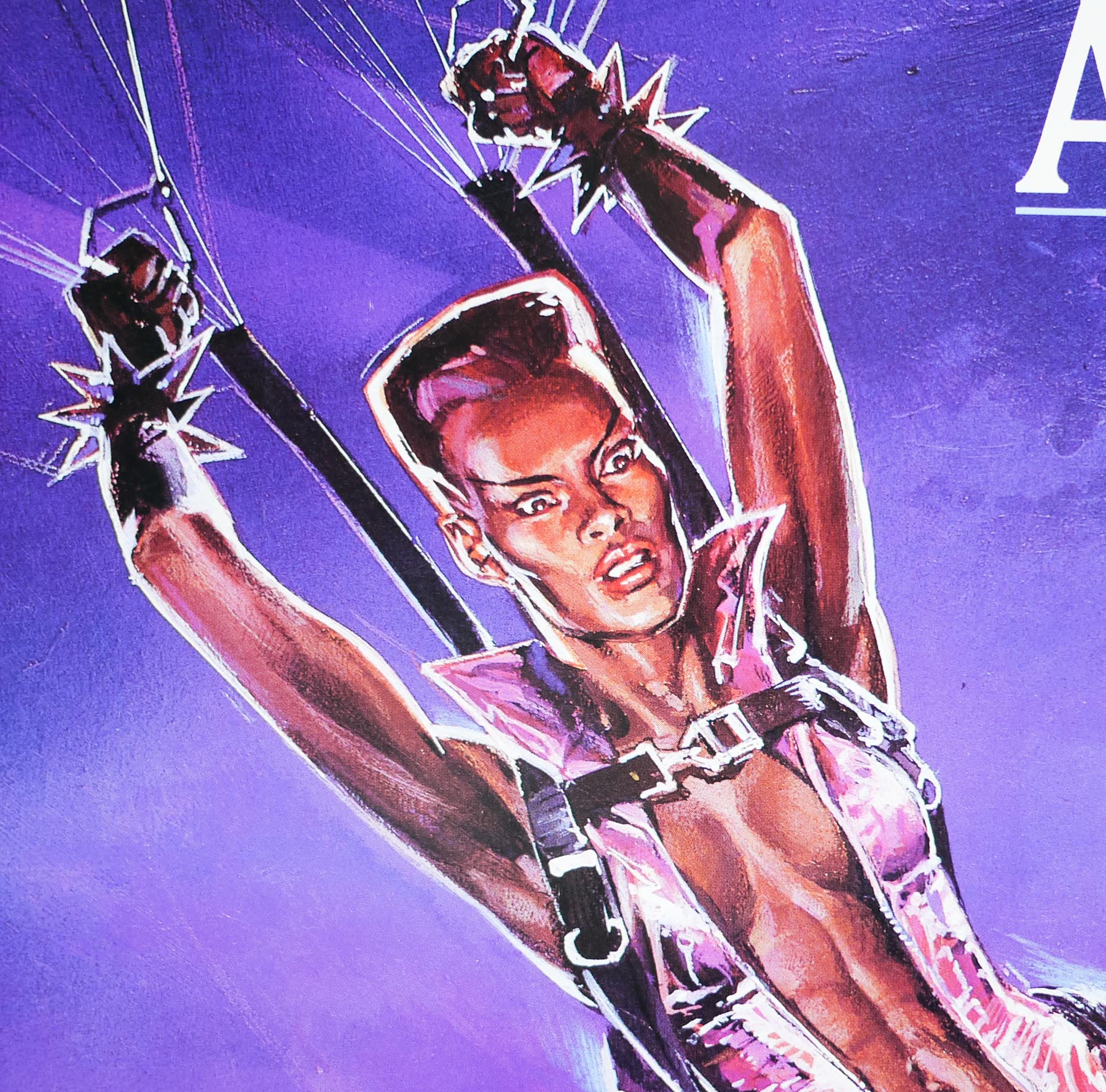
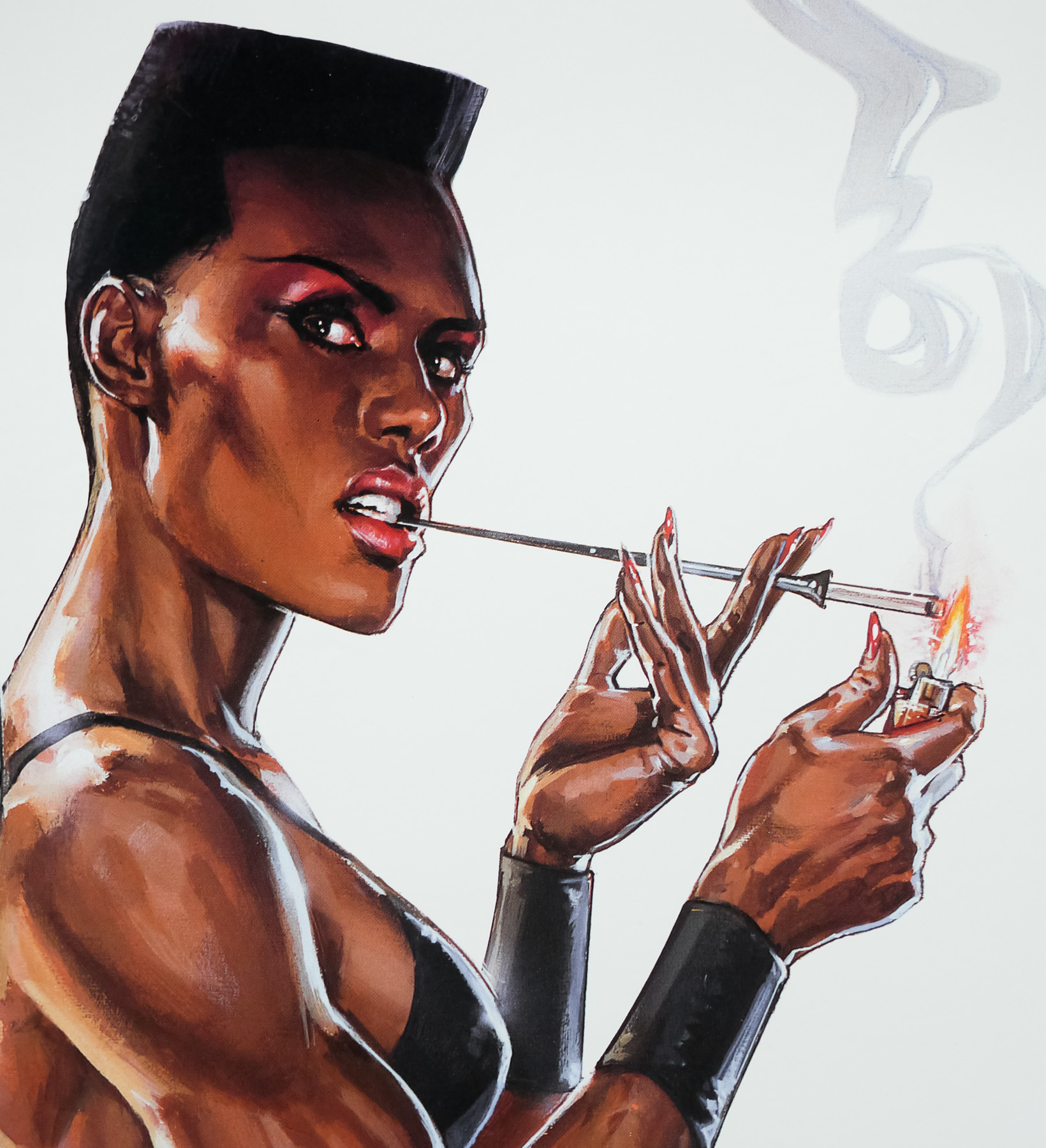
Sir Roger Moore‘s last outing as James Bond was definitely not his finest hour, although it is memorable for a few reasons, including Christopher Walken‘s turn as the psychotic bad guy (Max Zorin), Duran Duran’s great title theme and the appearance of the incomparable Grace Jones as Mayday, Zorin’s accomplice. She may not be the greatest actress but she’s never anything less than a striking presence and is definitely not a lady to mess with, as British chat show presenter Russell Harty infamously found out.

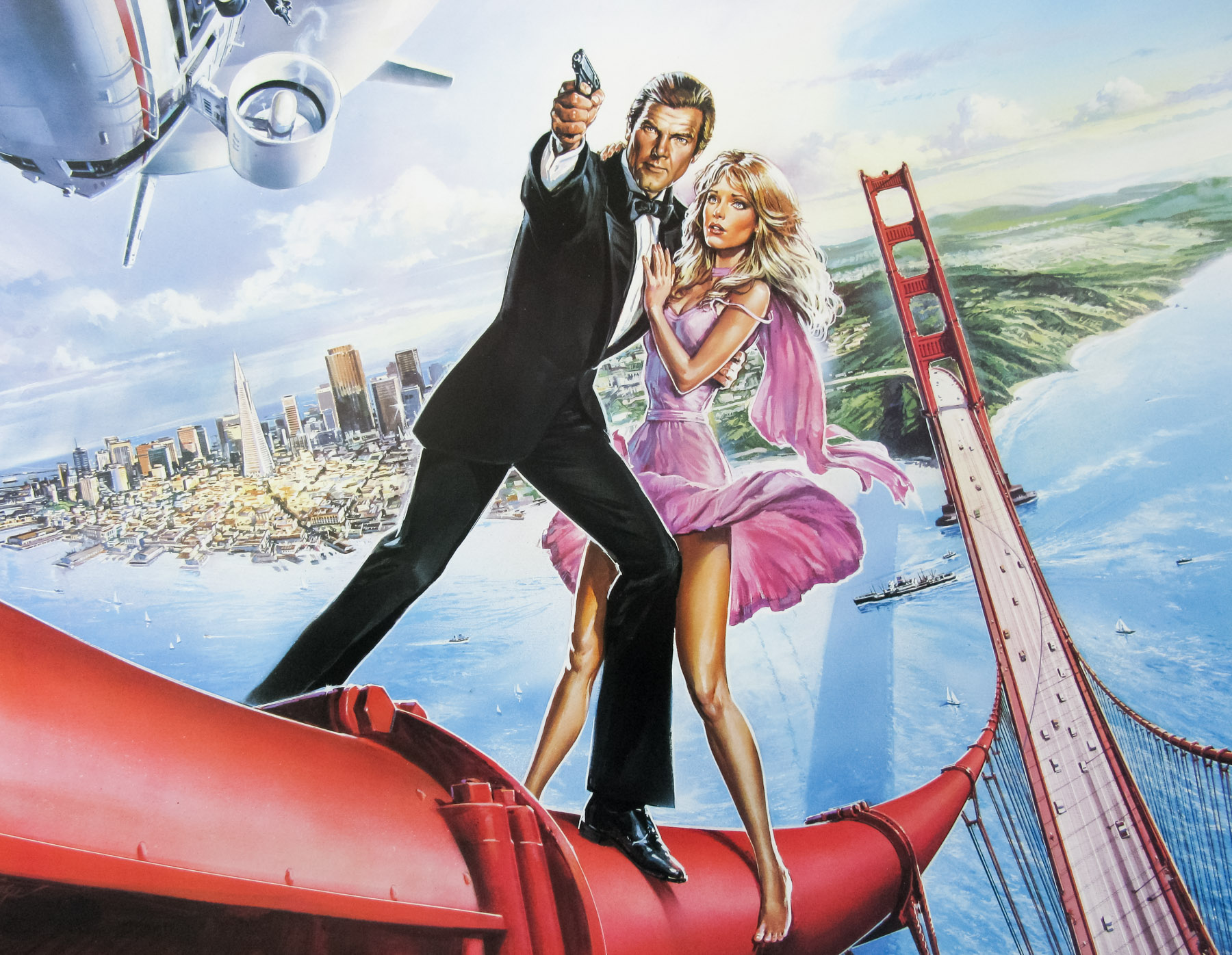
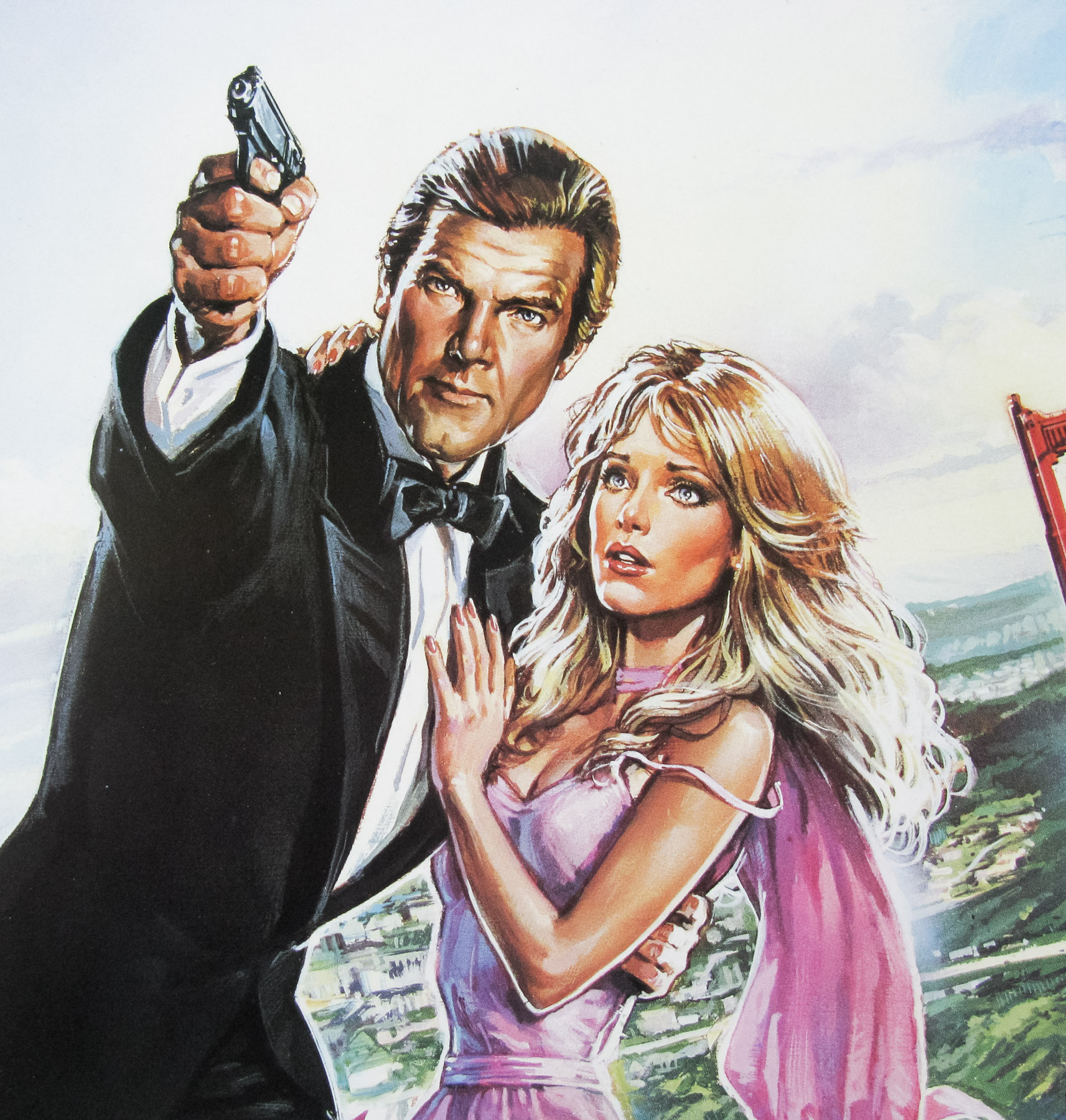
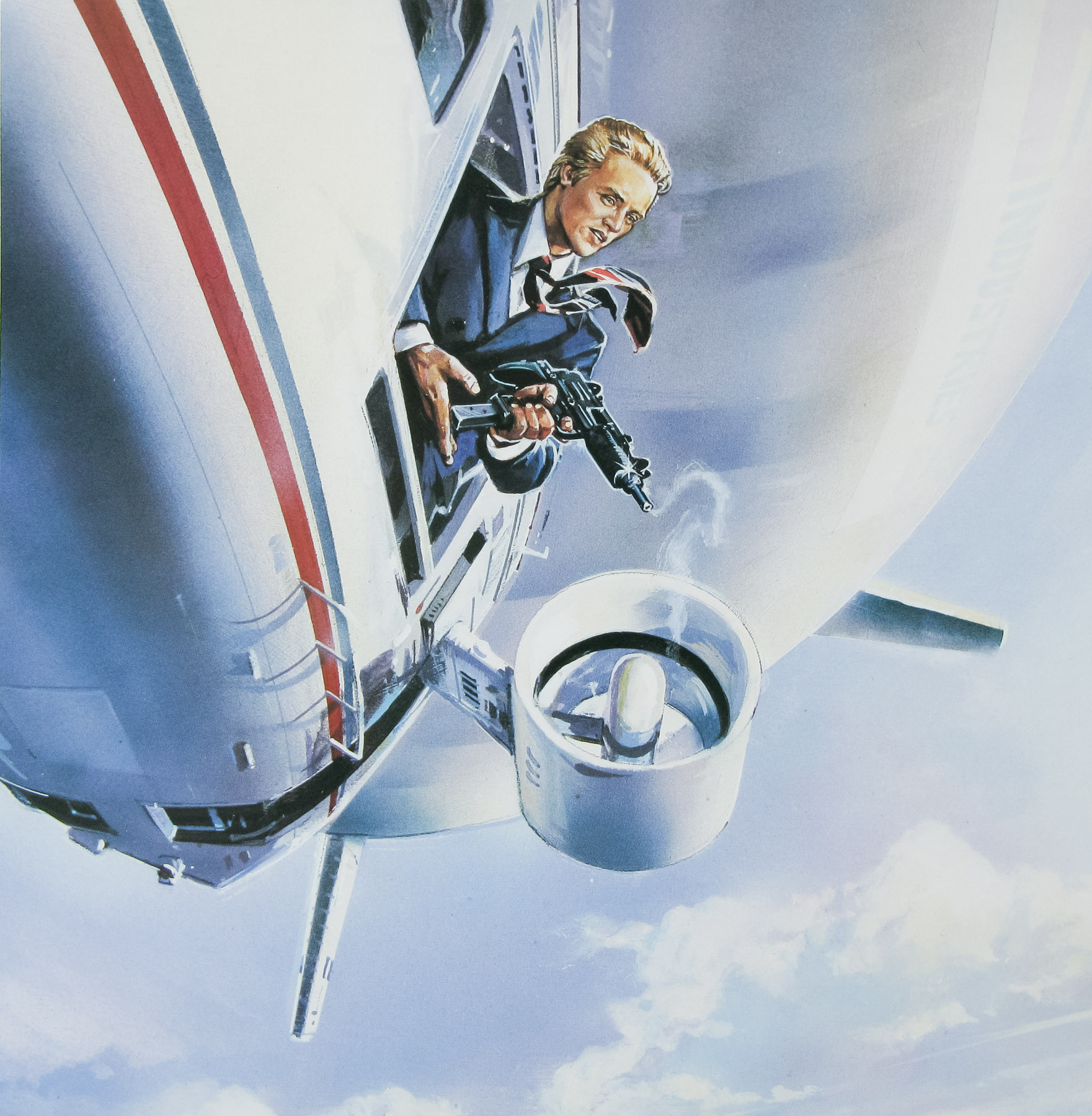
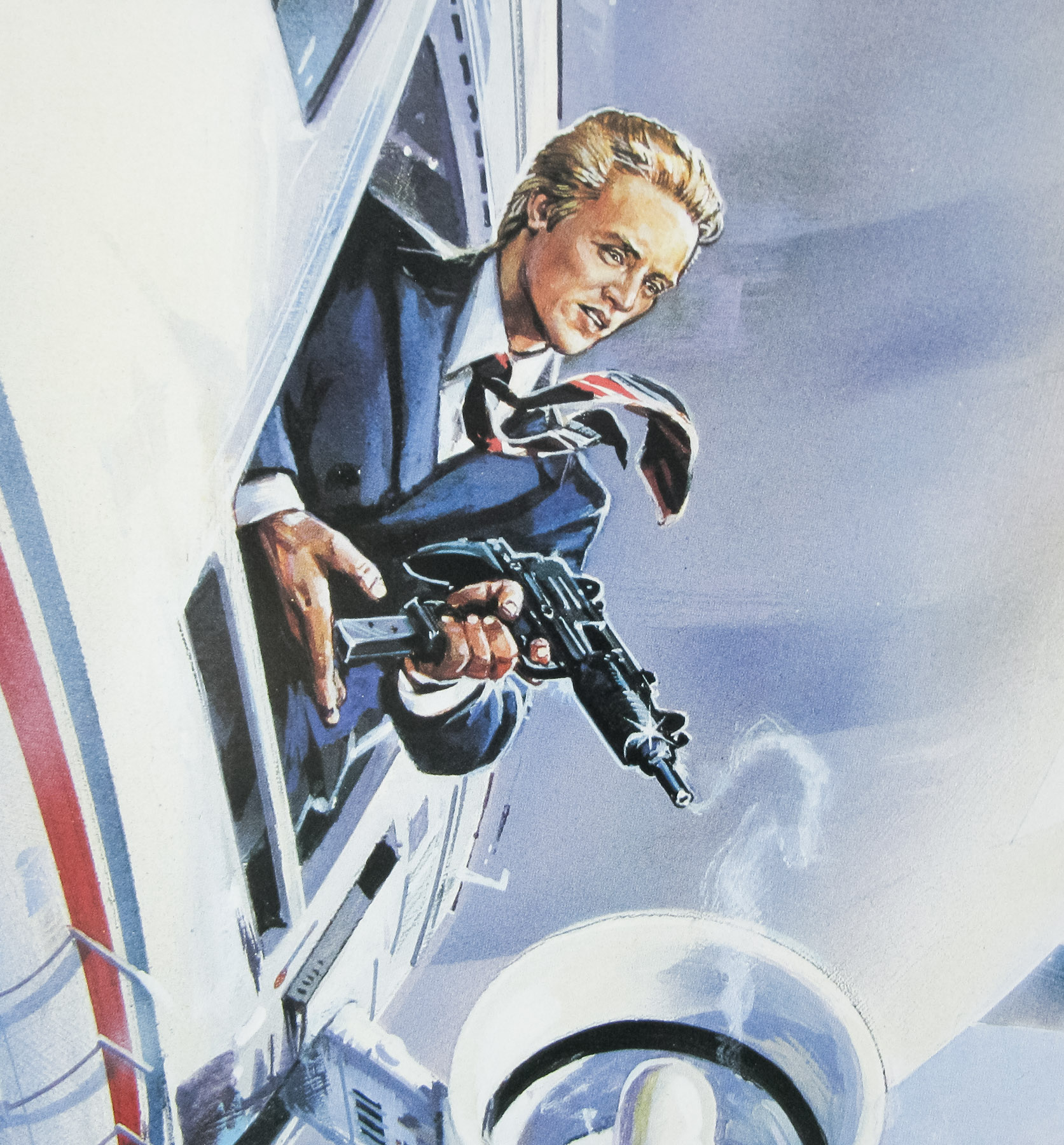
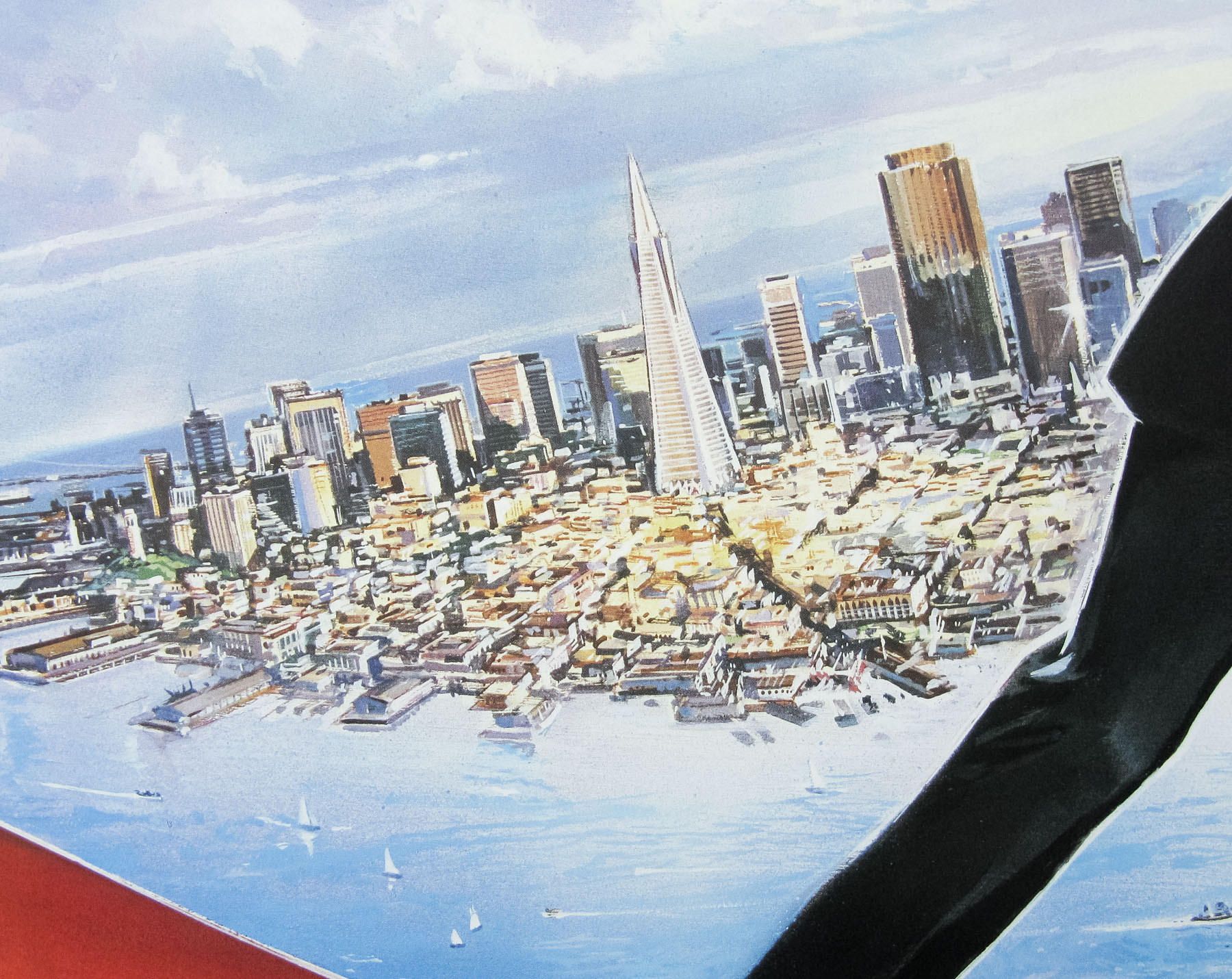
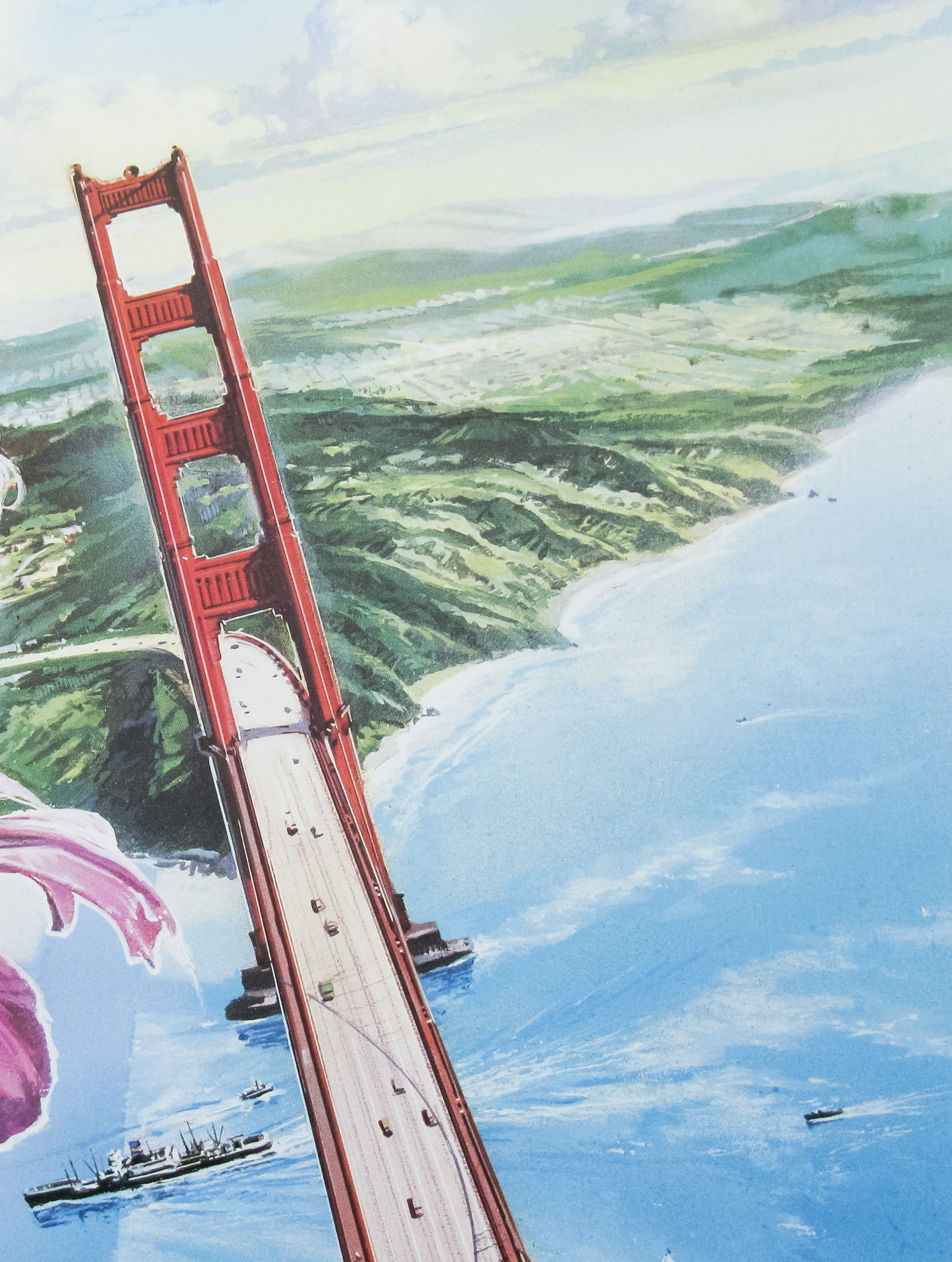
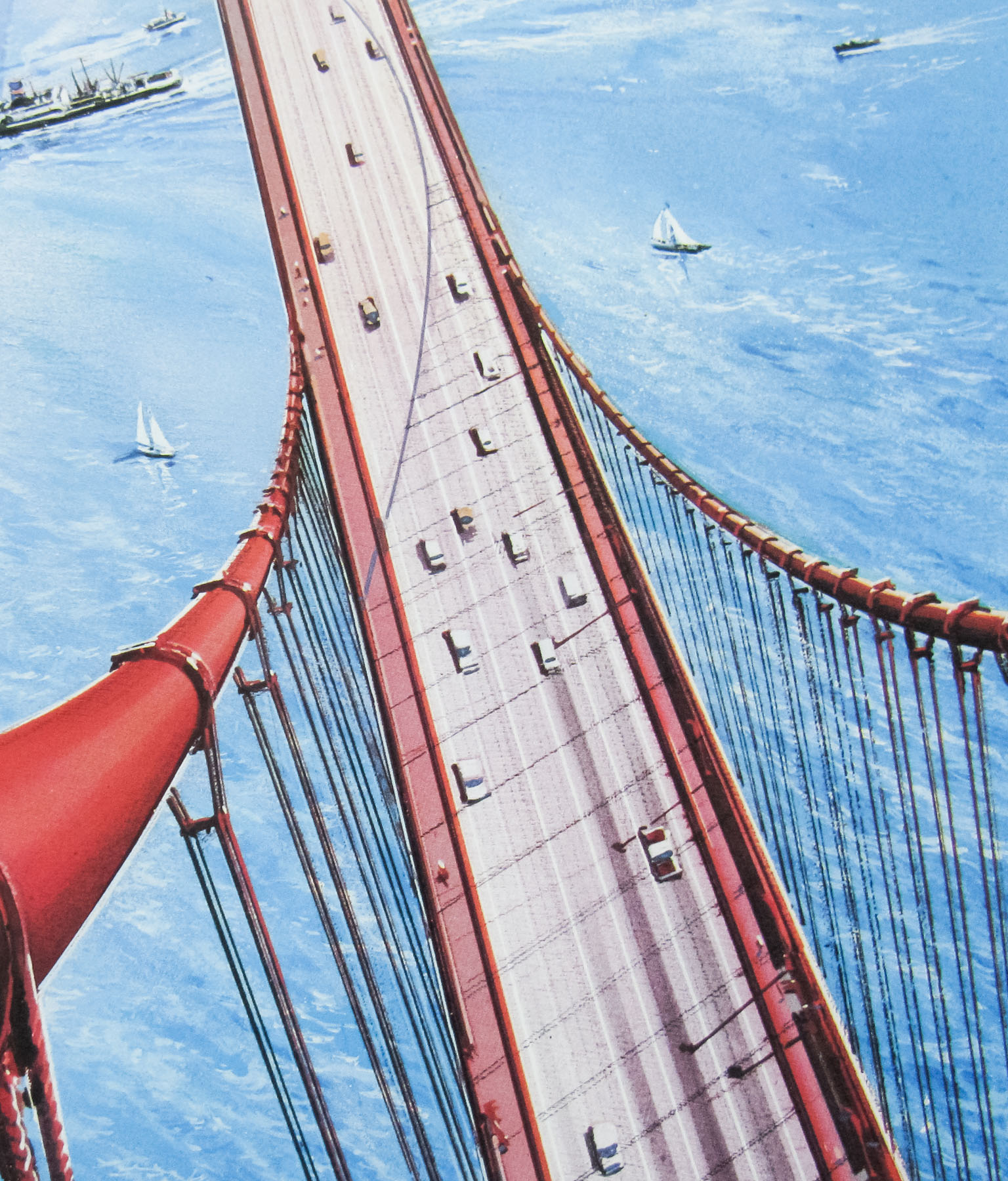
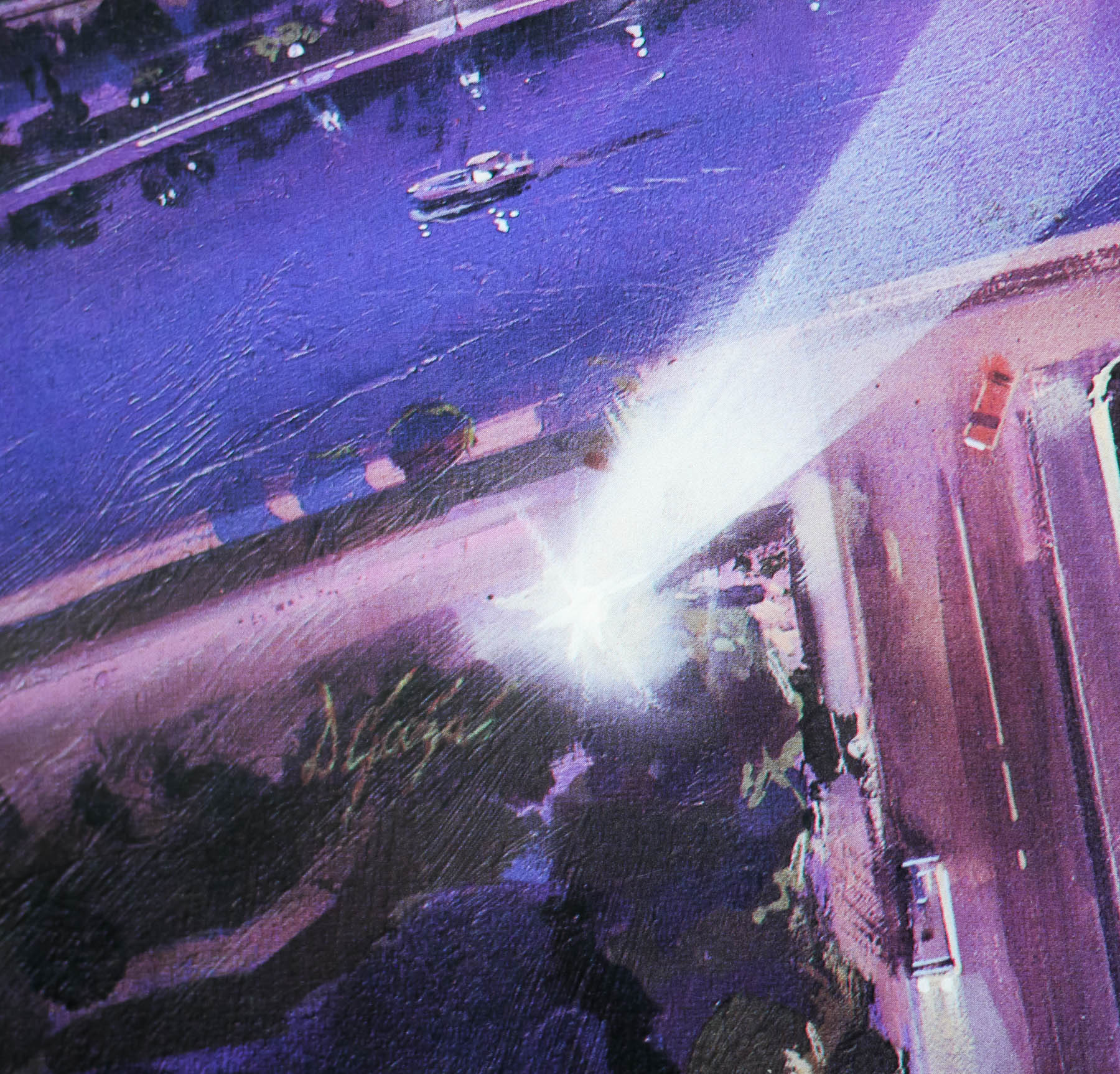
This US one sheet features imagery from the climactic fight atop the Golden Gate Bridge in San Francisco, which sees Bond and Stacey Sutton (Tanya Roberts) face off against Zorin and his henchmen in the Zorin Industries airship. Special effects supervisor John Richardson filmed a series of sequences featuring stunt performers on top of the actual bridge that were later matched up against green-screen shots of the actors. This was the first Bond film to have its premiere held outside the UK; it opened on the 22nd of May, 1985 at San Francisco’s Palace of Fine Arts.

The artwork is by American poster artist Dan Goozee who was also responsible for a few Bond posters, including Moonraker and Octopussy, as well as several other classic posters from the 1980s. The other designs I’ve collected by him can be seen here.

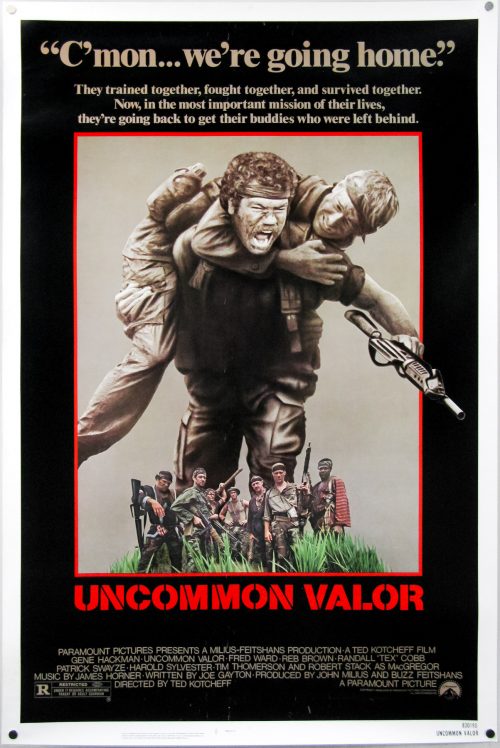
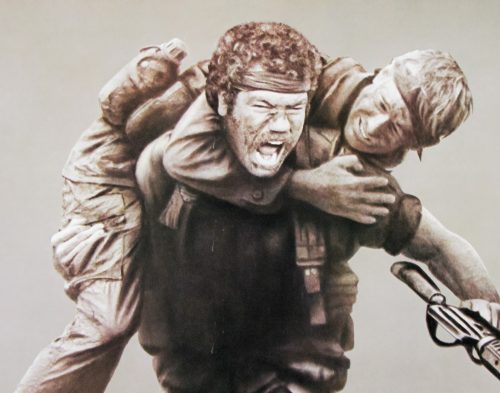
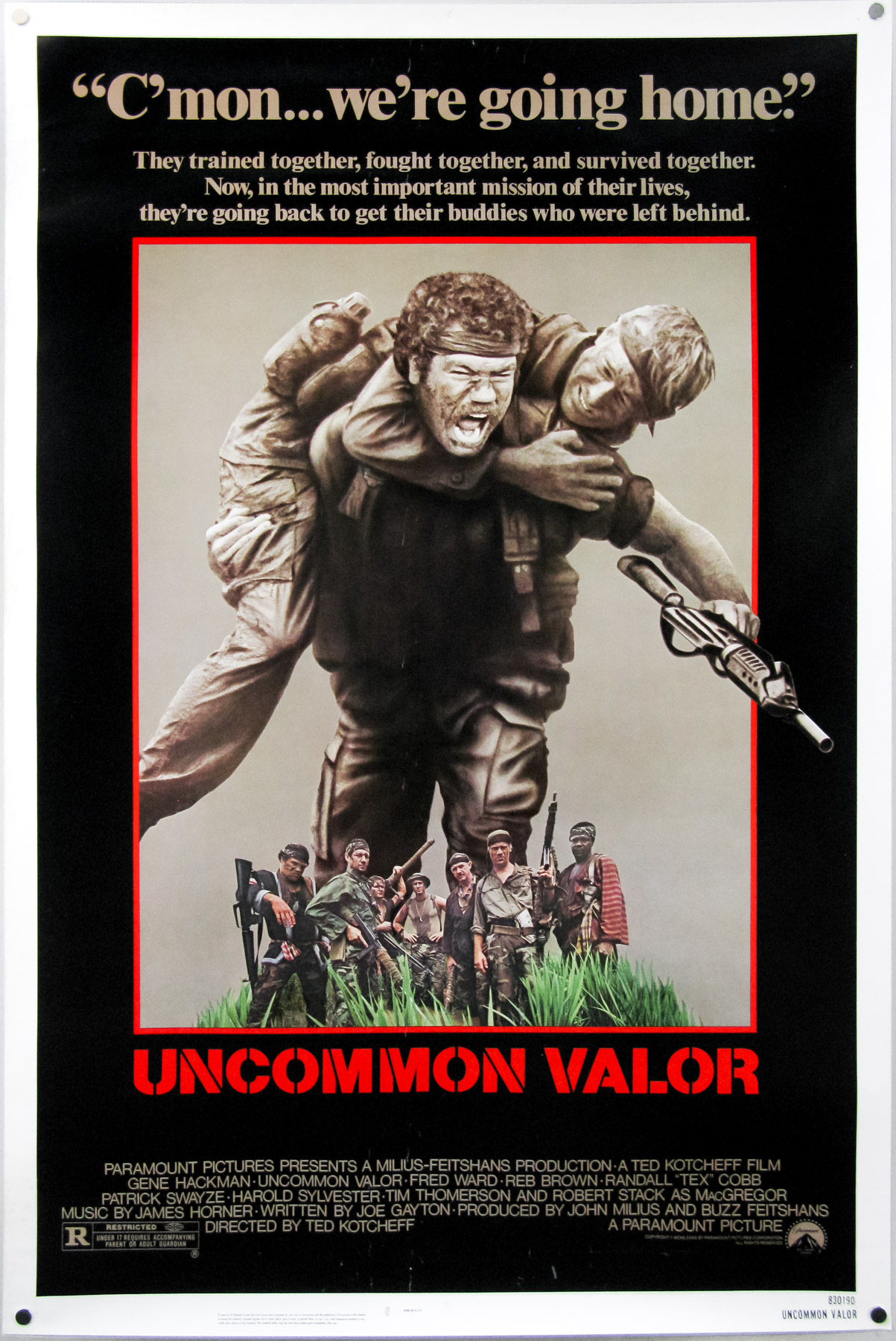
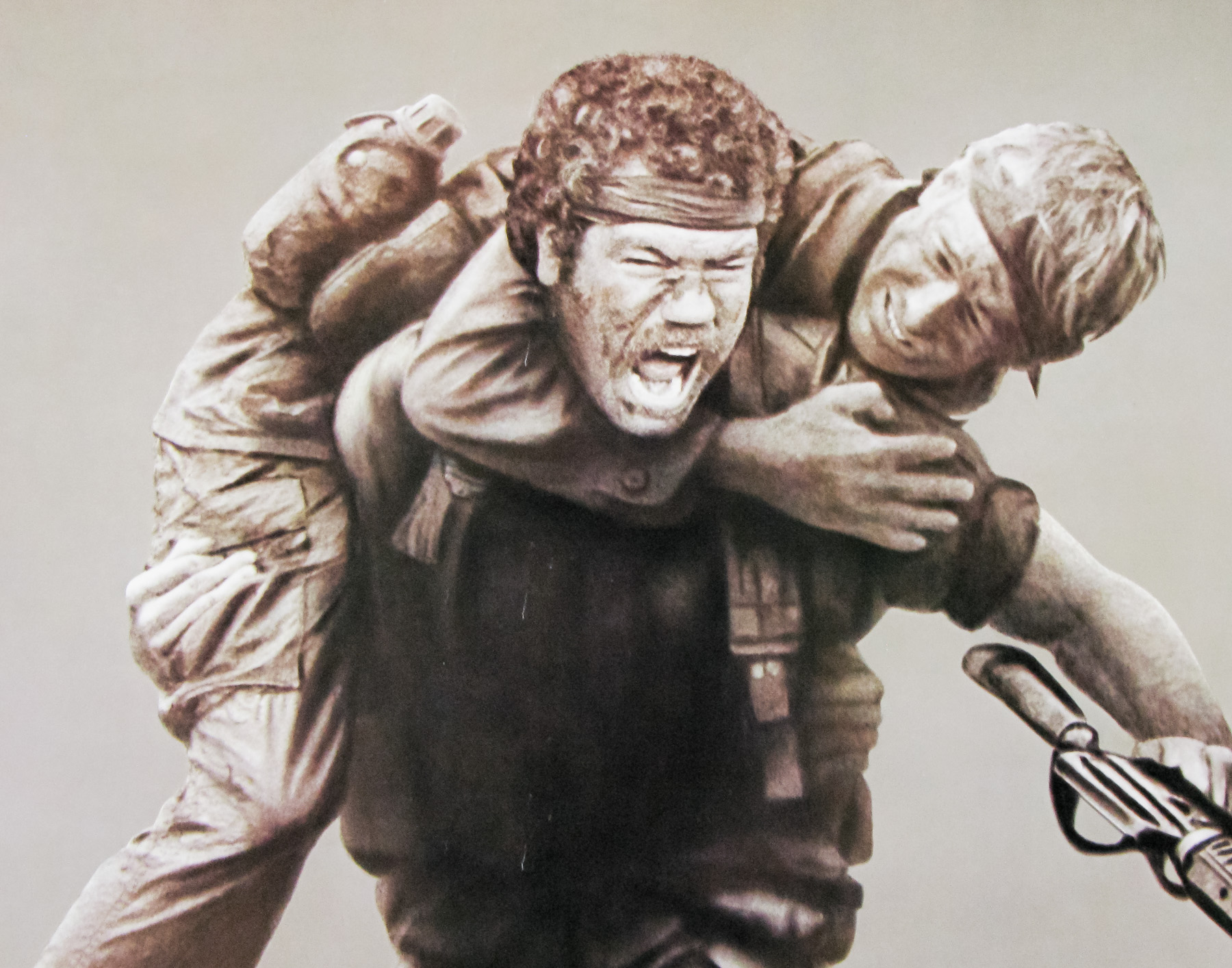
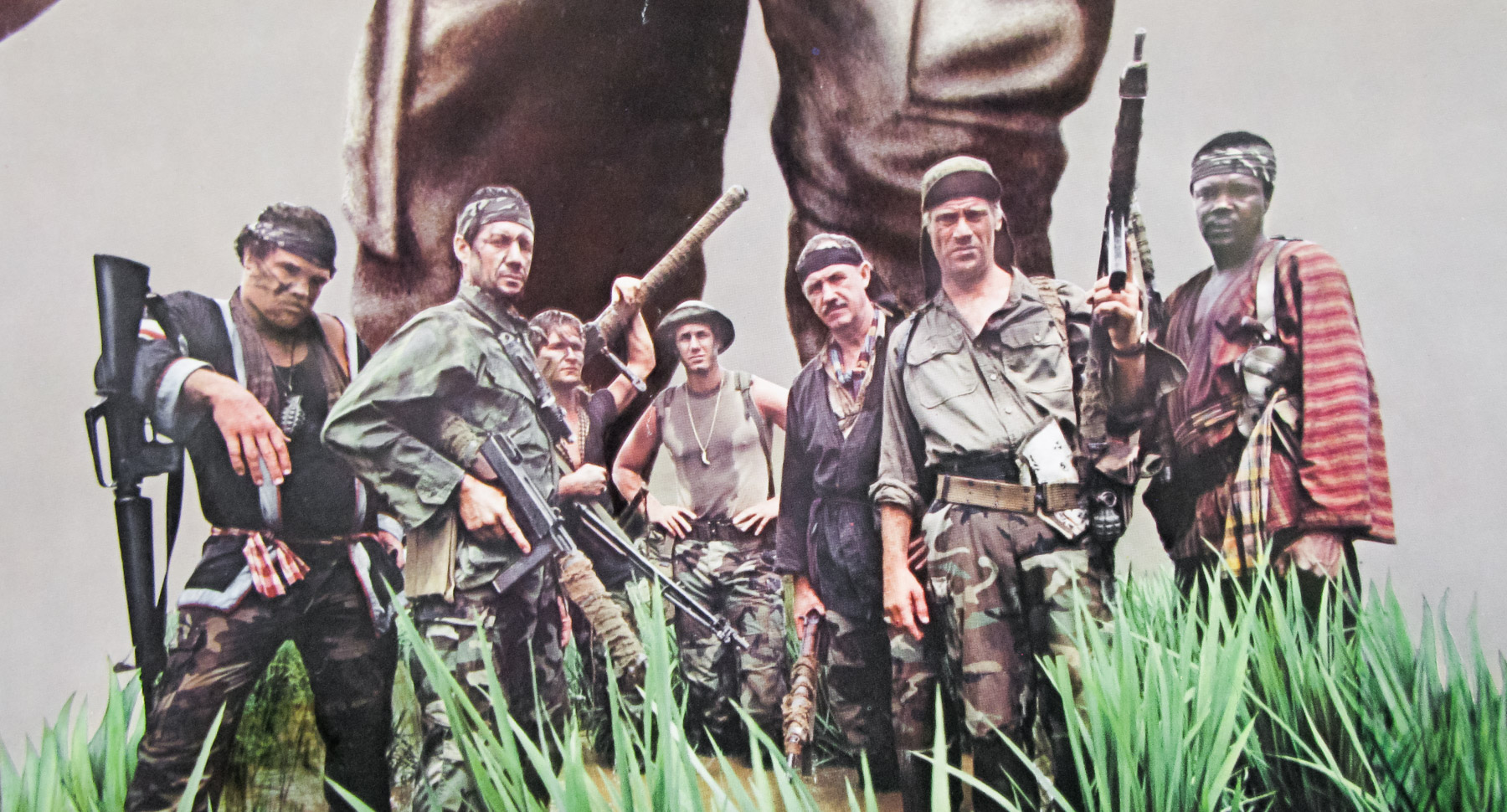
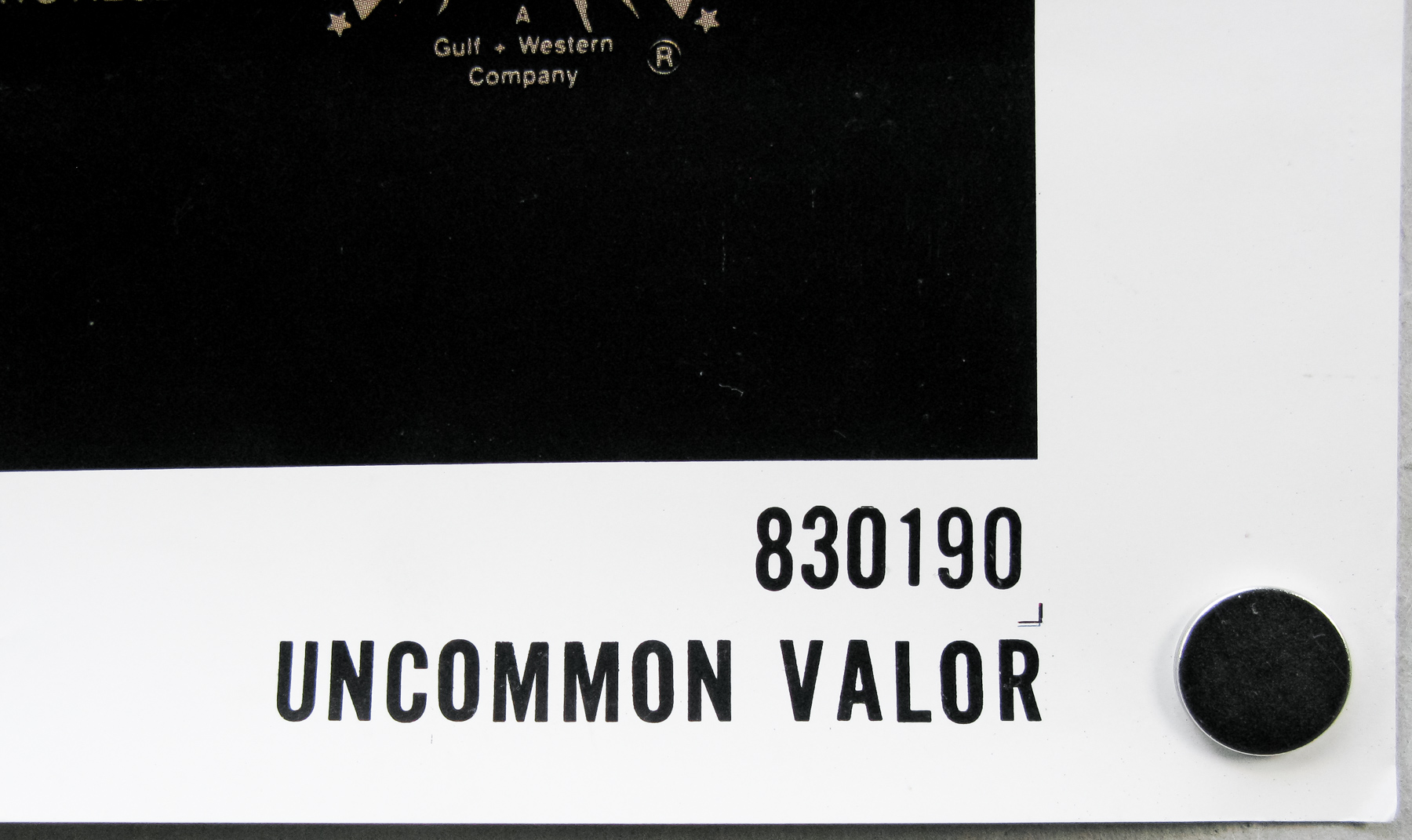
Uncommon Valor / one sheet / USA

17.05.11

Poster Poster
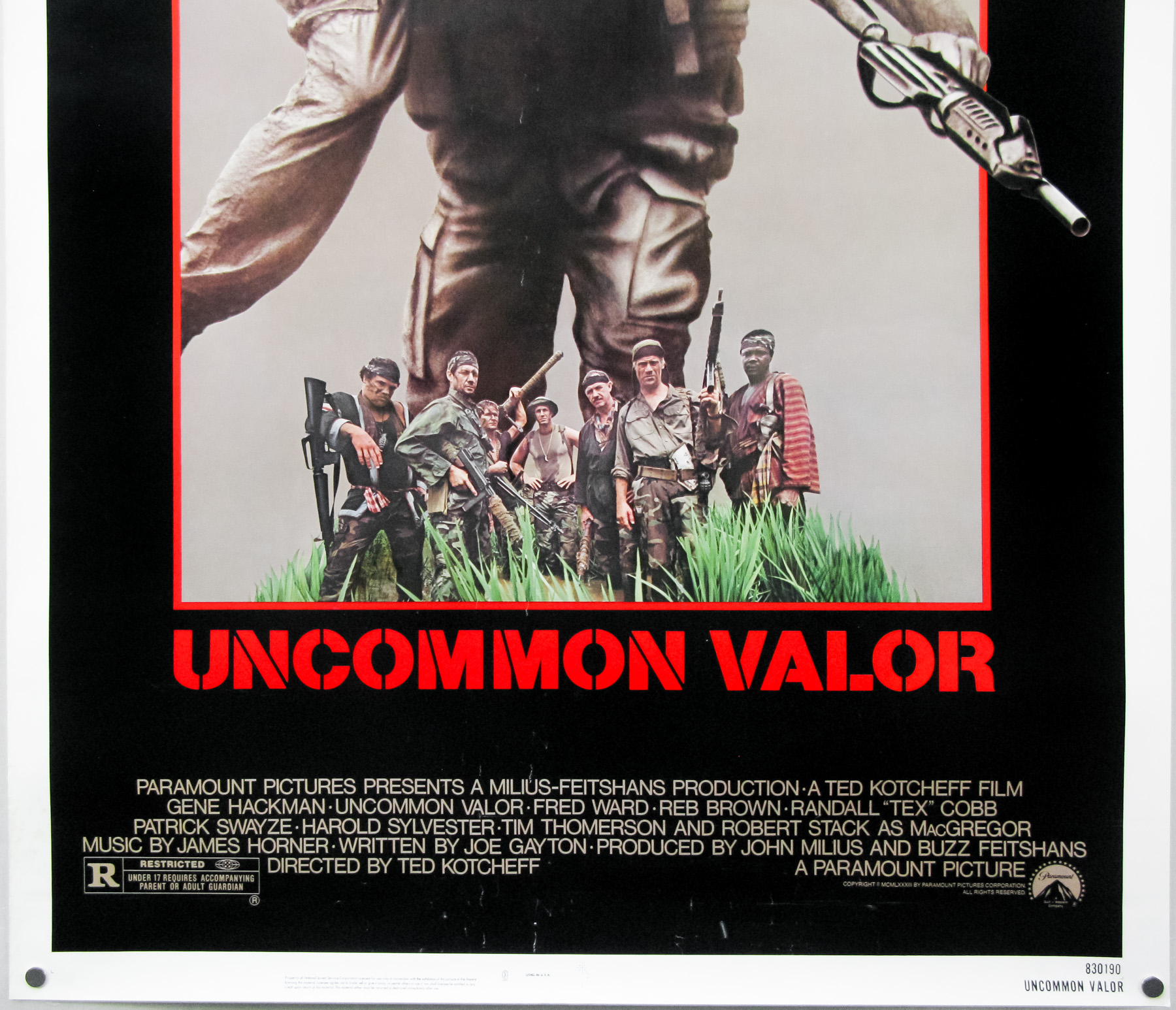
Title
Uncommon Valor
AKA
Fratelli nella notte [Friends in the night] (Italy)
Year of Film
1983
Director
Ted Kotcheff
Starring
Gene Hackman, Fred Ward, Patrick Swayze, Reb Brown, Tim Thomerson, Robert Stack
Origin of Film
USA
Genre(s) of Film
Gene Hackman, Fred Ward, Patrick Swayze, Reb Brown, Tim Thomerson, Robert Stack,
Type of Poster
One sheet
Style of Poster
--
Origin of Poster
USA
Year of Poster
1983
Designer
Unknown
Artist
--
Size (inches)
27 1/8" x 41
SS or DS
SS
NSS #
830190
Tagline
"C'mon... we're going home."

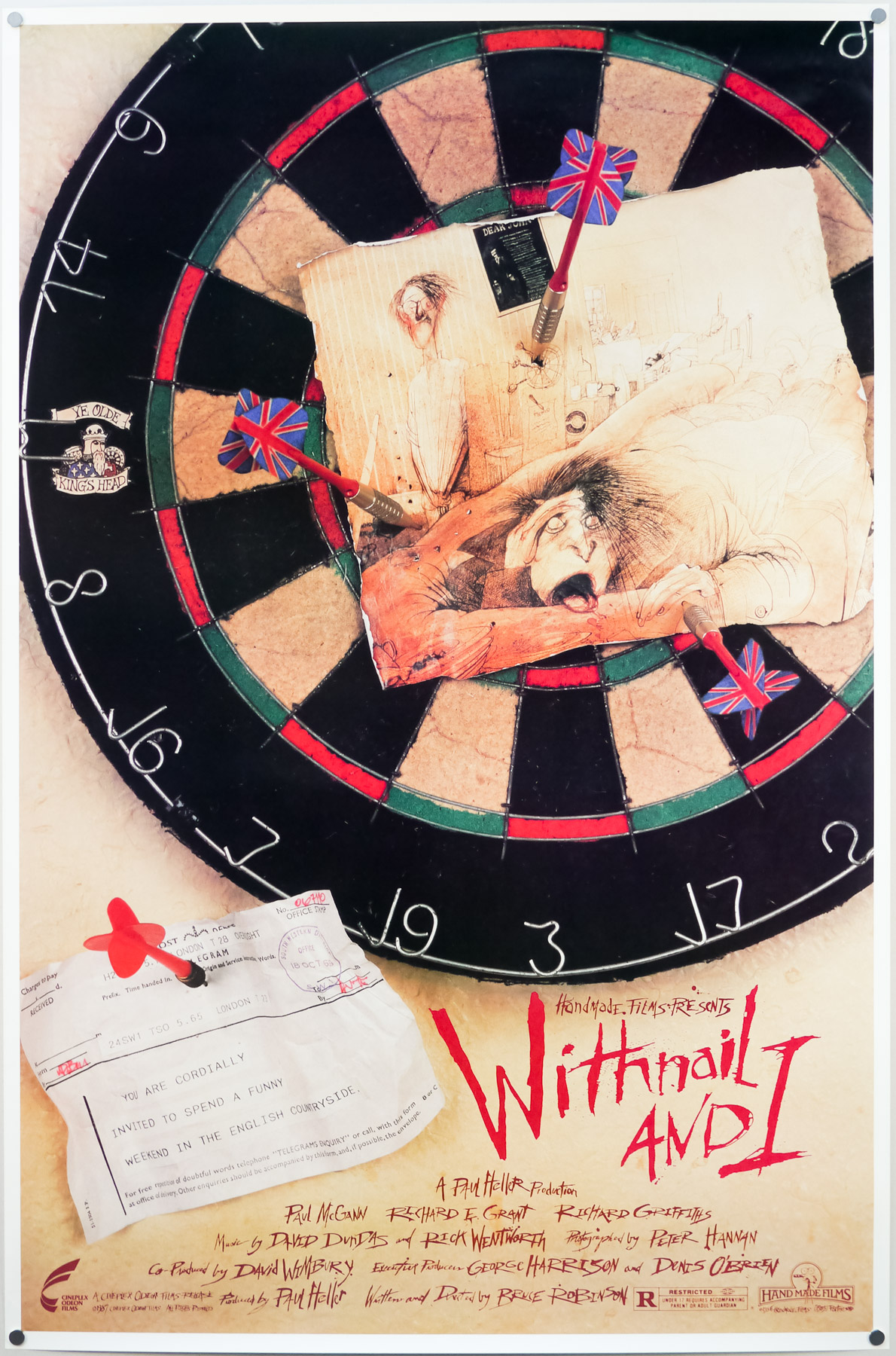
Withnail and I / one sheet / USA

14.01.13

Poster Poster
Title
Withnail and I
AKA
Shakespeare a colazione [Shakespeare at breakfast] (Italy)
Year of Film
1986
Director
Bruce Robinson
Starring
Paul McGann, Richard E. Grant, Richard Griffiths, Ralph Brown, Michael Elphick, Daragh O'Malley, Michael Wardle, Una Brandon-Jones
Origin of Film
UK
Genre(s) of Film
Paul McGann, Richard E. Grant, Richard Griffiths, Ralph Brown, Michael Elphick, Daragh O'Malley, Michael Wardle, Una Brandon-Jones,
Type of Poster
One sheet
Style of Poster
--
Origin of Poster
USA
Year of Poster
1987
Designer
Unknown
Artist
Ralph Steadman
Size (inches)
27 1/16" x 41"
SS or DS
SS
Tagline
--

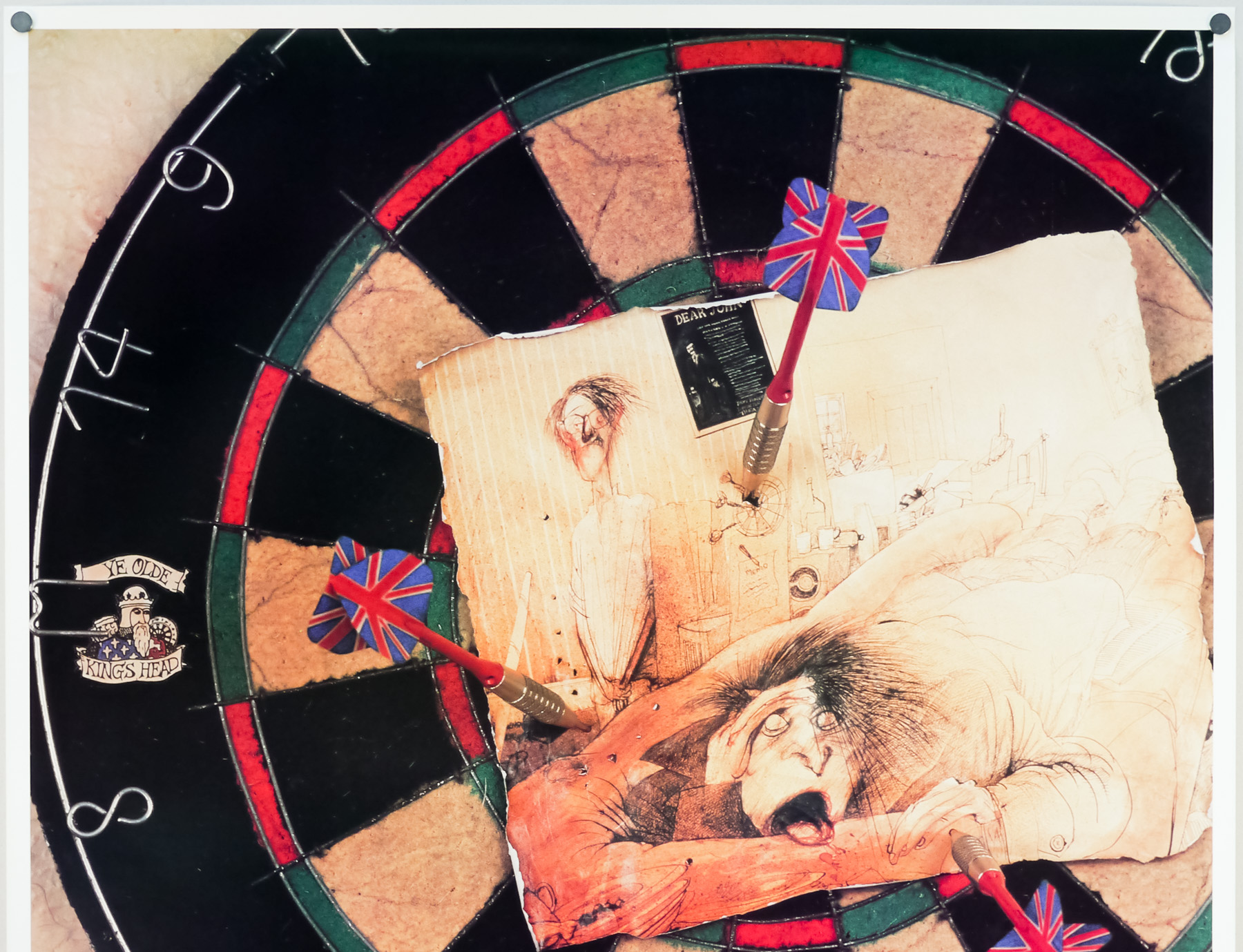
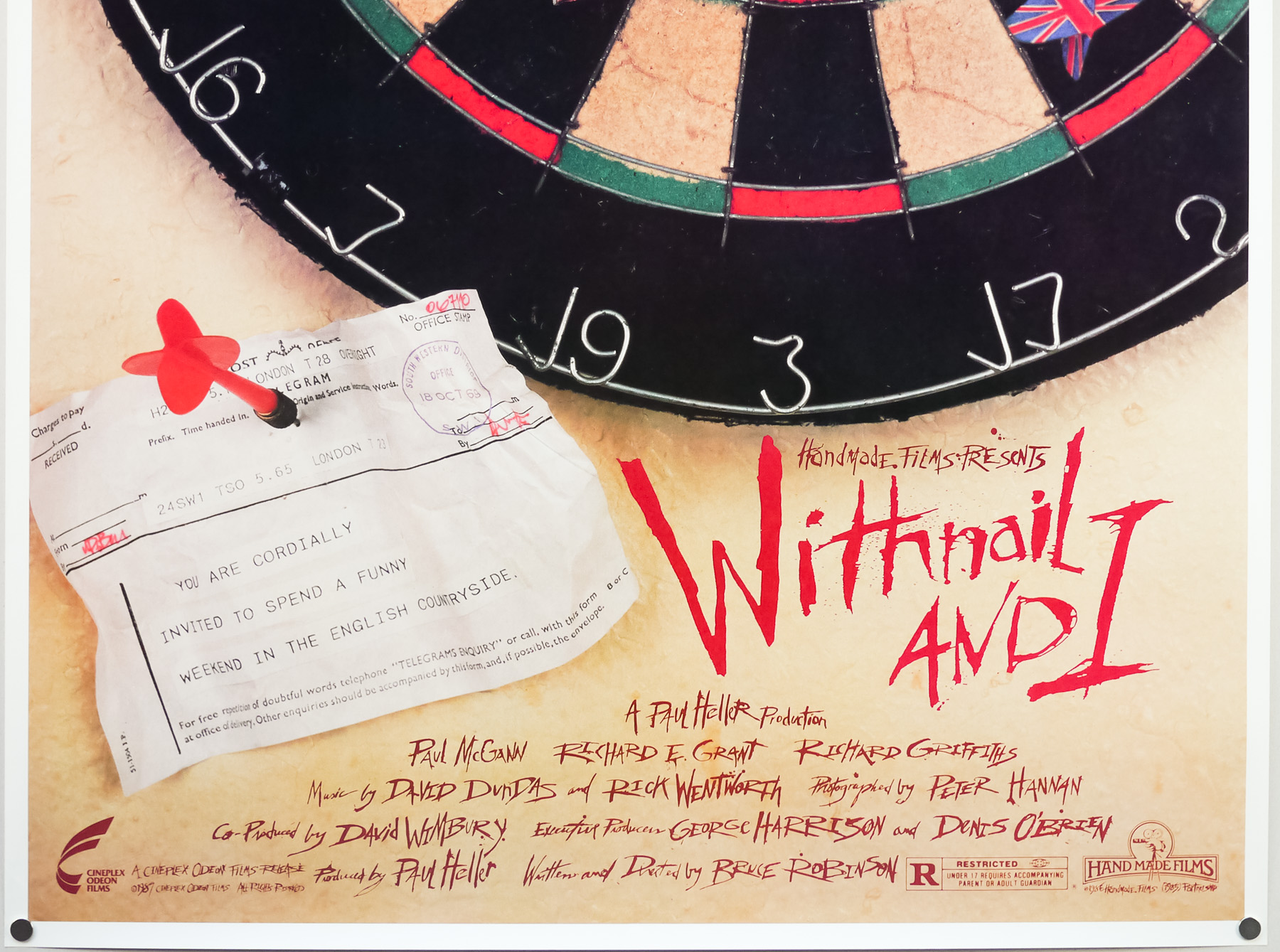
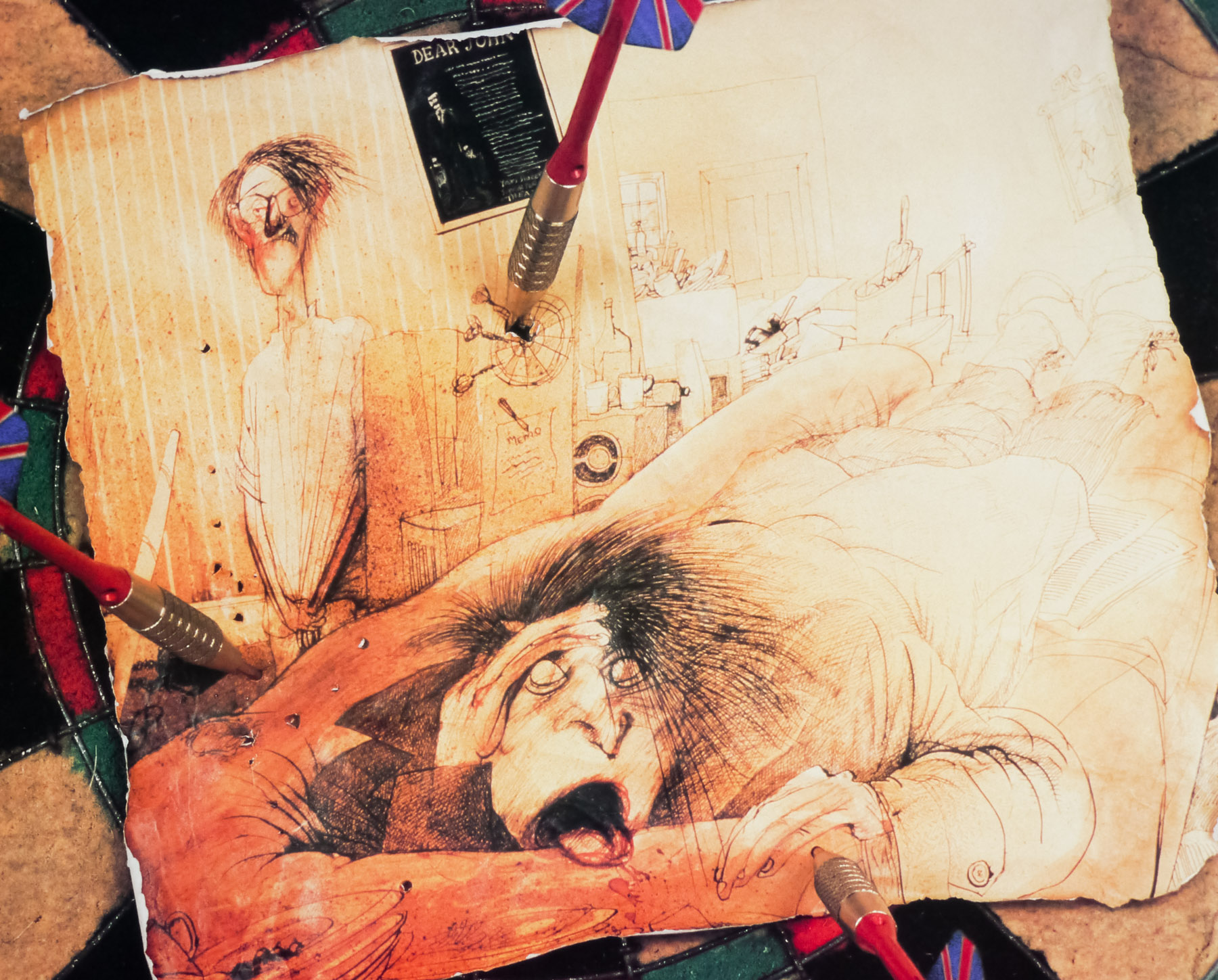
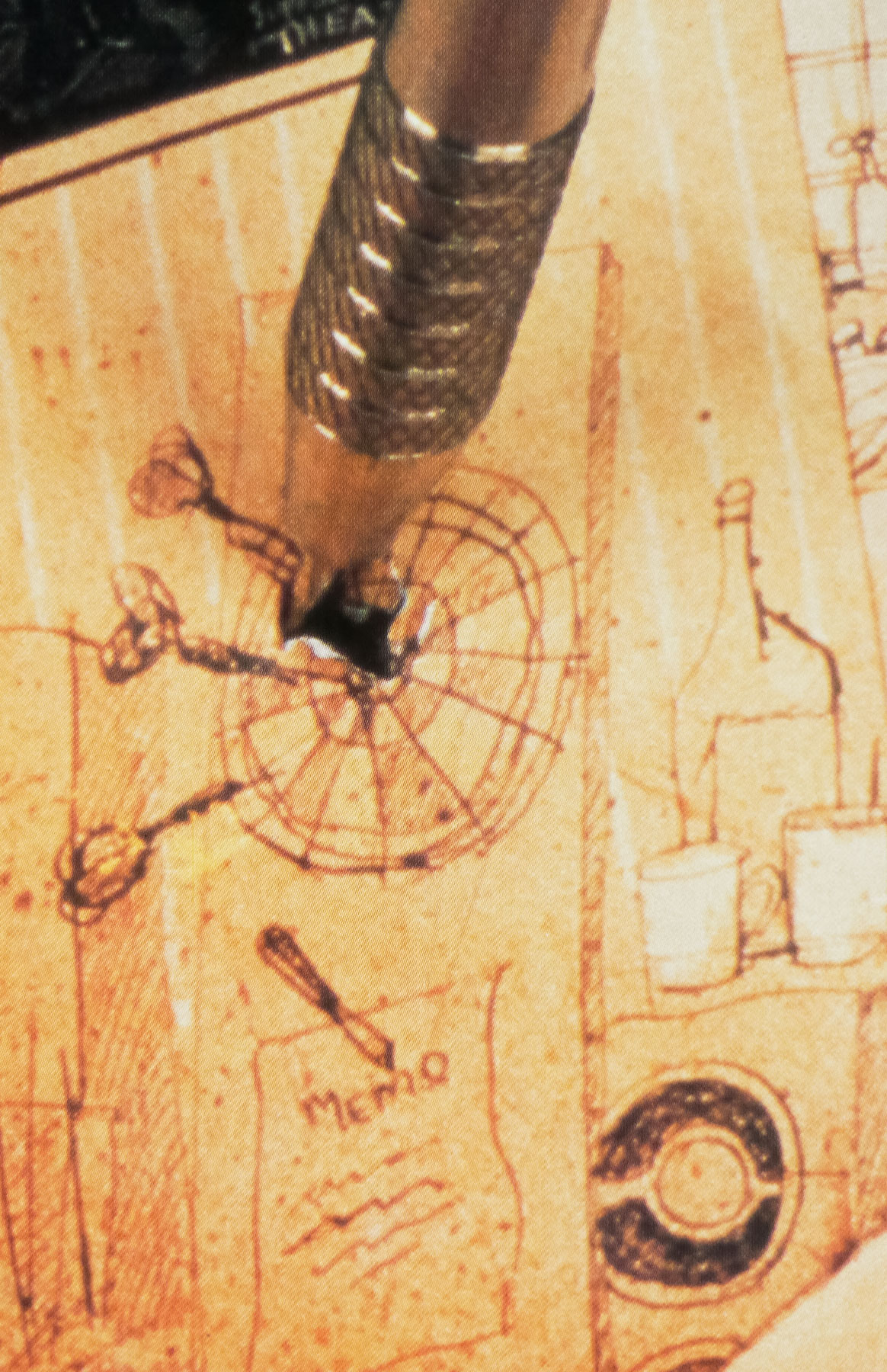
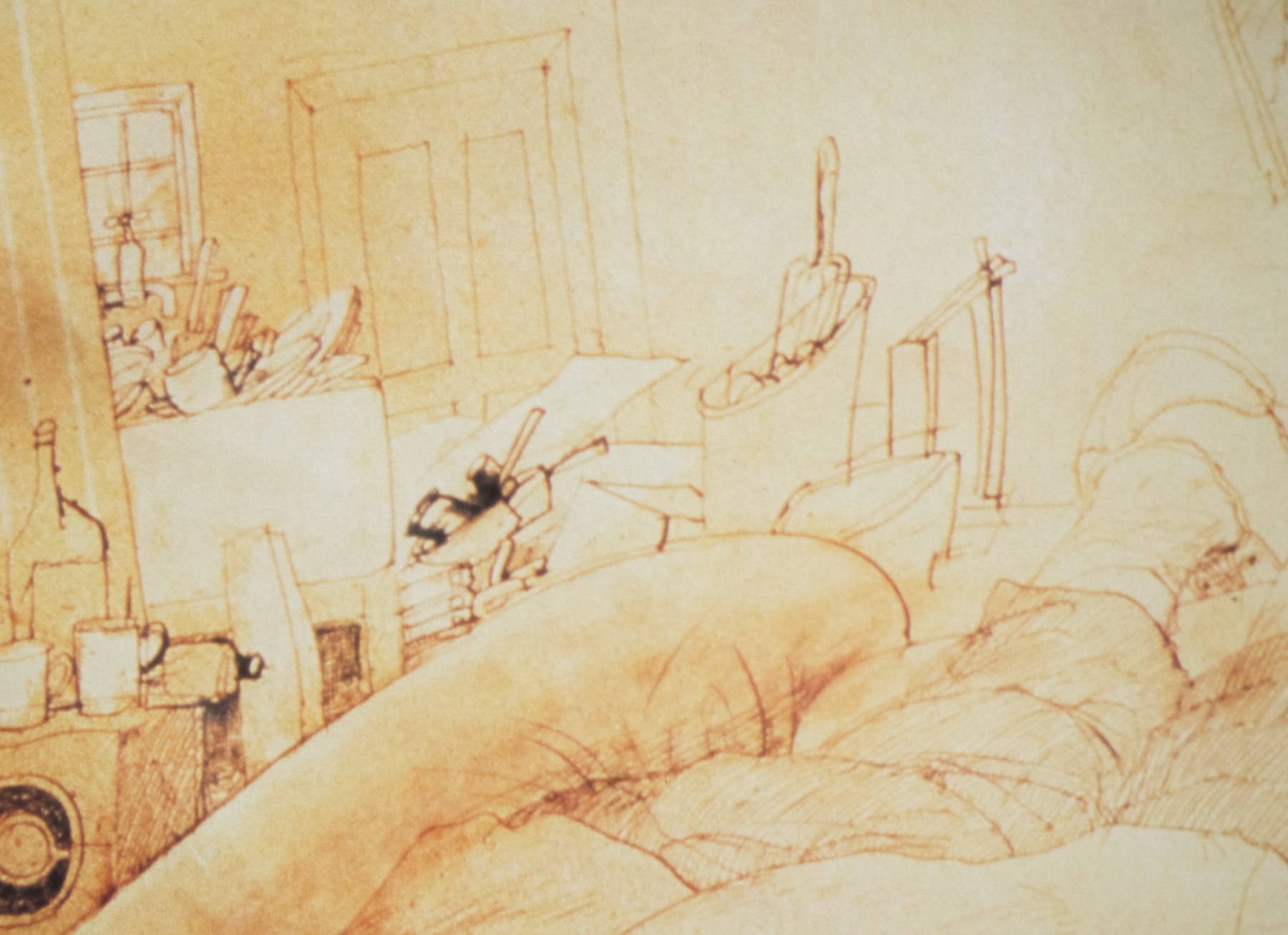
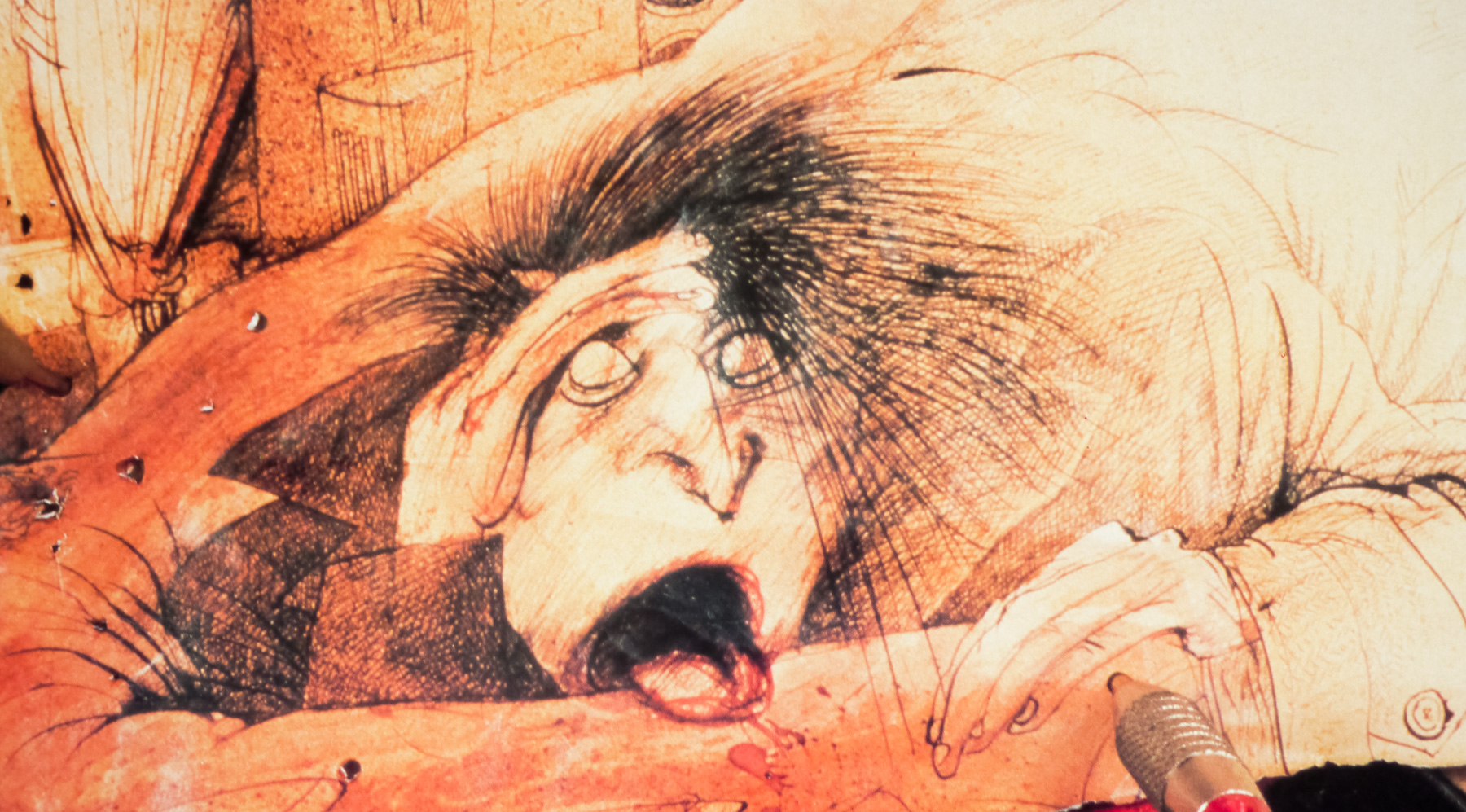
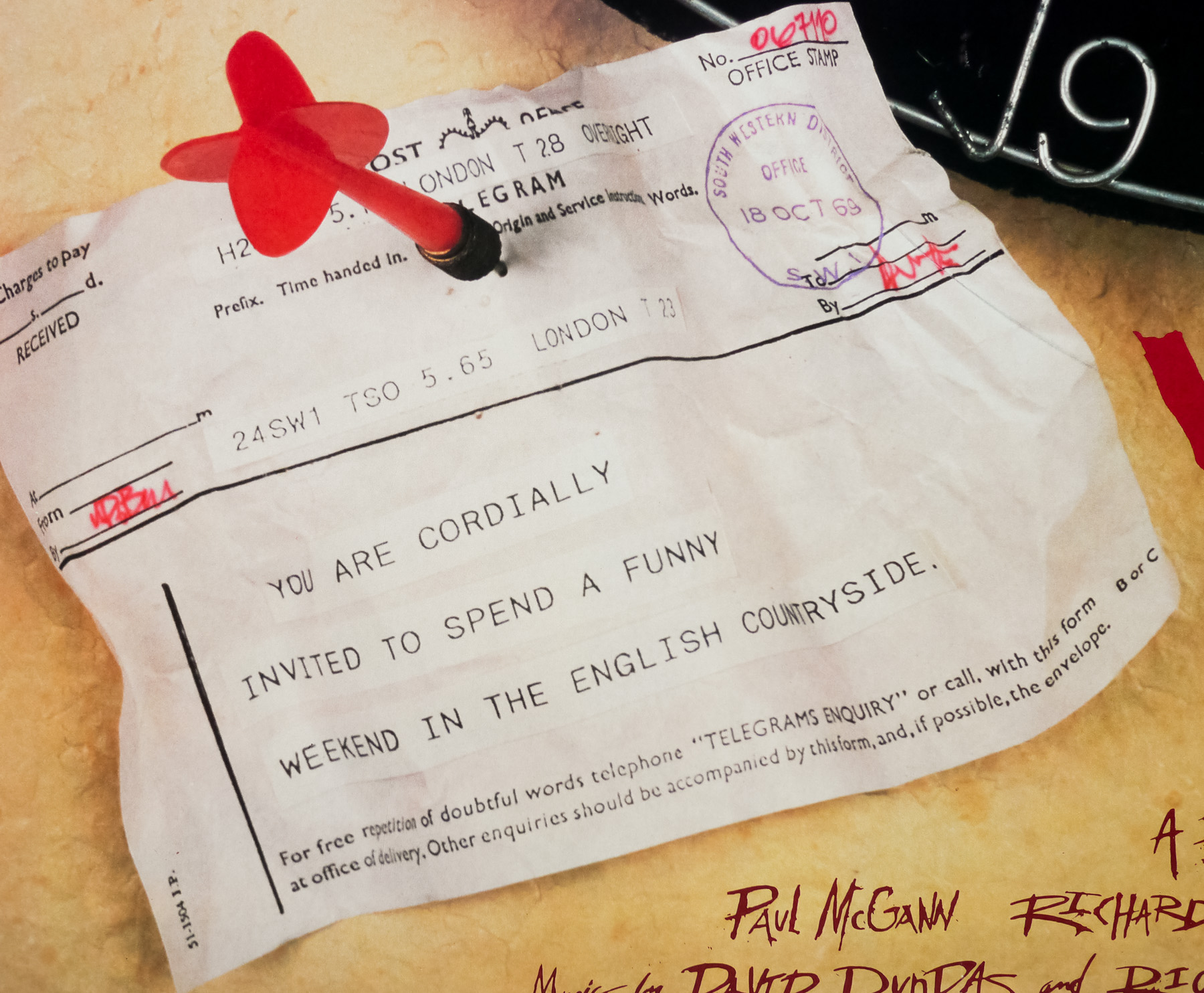
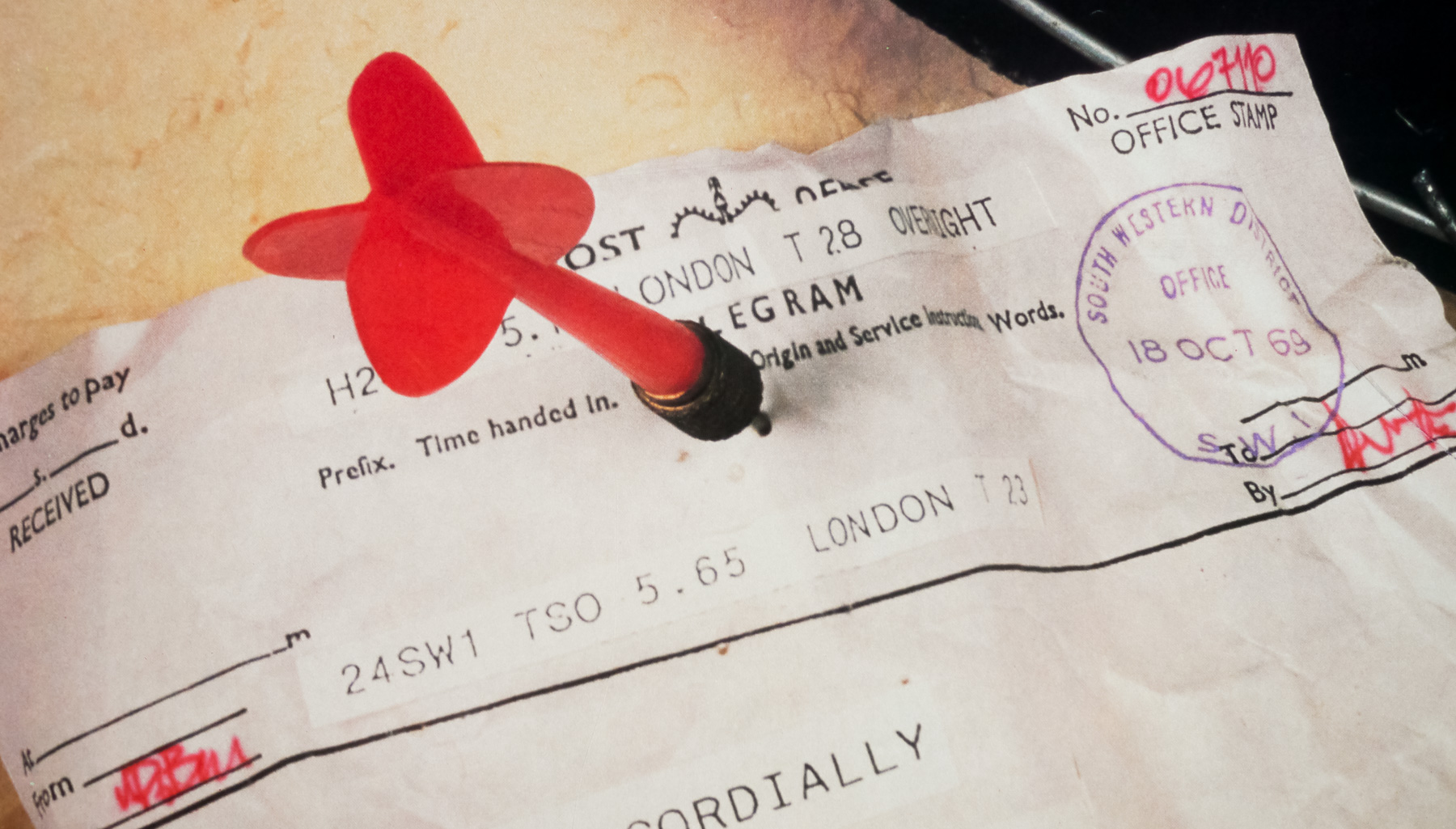
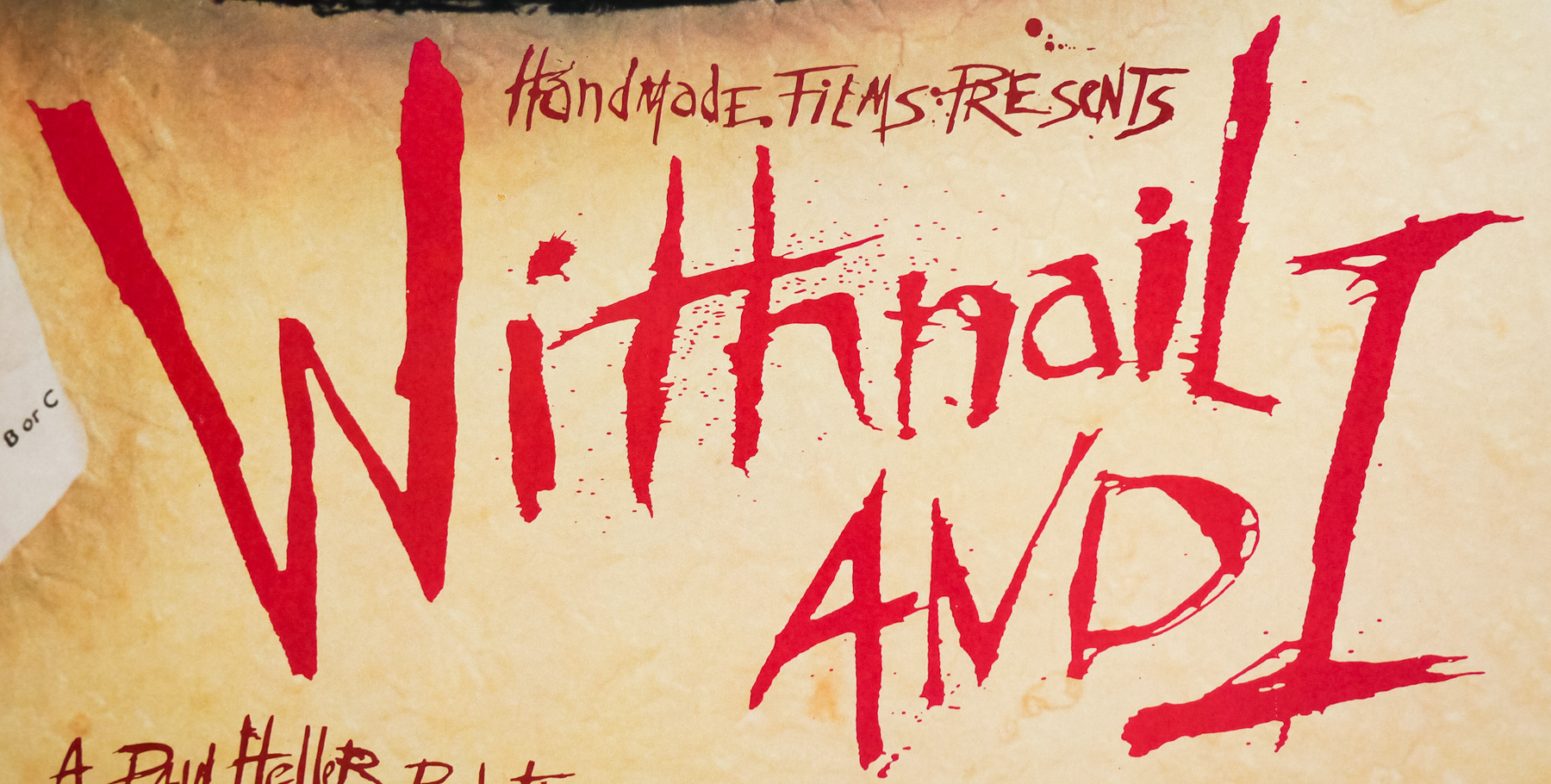
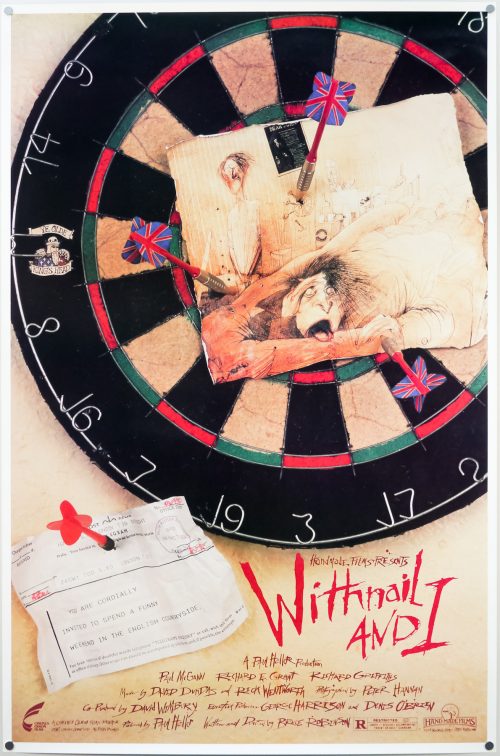
Bruce Robinson’s Withnail & I is my favourite British film and one of the best black comedies ever made. Based on the director’s own experiences of living in North London as an unemployed actor, the film stars Richard E. Grant in his debut film role as the titular Withnail and Paul McGann as ‘I’/Marwood. Tired of the mess in their squalid apartment and sick of the lack of job prospects, the pair decide to take advantage of the fact that Withnail’s eccentric uncle Monty (Richard Griffiths) has a cottage in the Lake District, and they plan a relaxing break in the country. After driving up North in Marwood’s battered Jaguar the pair find their time in the cottage is significantly less idyllic than they’d hoped, and the film follows their escapades as they  have to deal with inclement weather, a lack of supplies and a bunch of oddball locals. To make matters worse Monty arrives unannounced and takes a keen interest in Marwood.

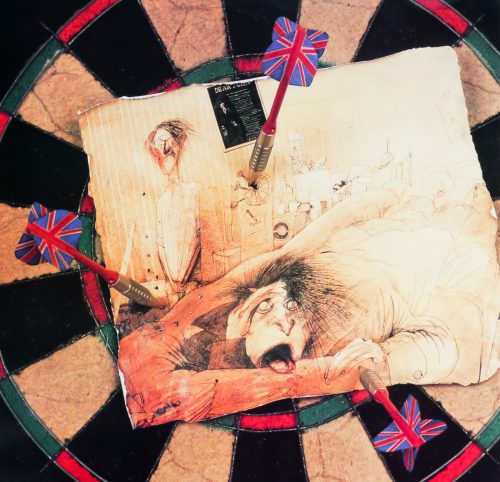
The artwork on this American one sheet is by the famed British cartoonist and illustrator Ralph Steadman who is perhaps best known for his long-term collaboration with the late American author and journalist Hunter S. Thompson. Born in 1936, Steadman is a noted political cartoonist and has painted book covers for writers such as Ted Hughes and George Orwell, as well as editorial work for papers like The Independent. Steadman’s work with Thompson saw him accompanying the journalist on several field trips, which saw the birth of the famed Gonzo style of journalism. He illustrated the covers for both Fear and Loathing on the Campaign Trail ’72 and the classic Fear and Loathing in Las Vegas, which saw the creation of the stylised character of Thompson depicted with bucket hats, aviator glasses and a cigarette holder. The artist’s official website features a great biography and plenty of galleries of his work.

Steadman has illustrated several film posters, including Terry Gilliam’s brilliant adaptation of Fear and Loathing in Las Vegas and the film based on Thompson’s life Where the Buffalo Roam, as well as the recent documentary Gonzo. In addition to this one sheet, the artwork seen here was used on the superb British quad for the film.

Shaft’s Big Score / 30×40 / USA

25.02.13

Poster Poster
Title
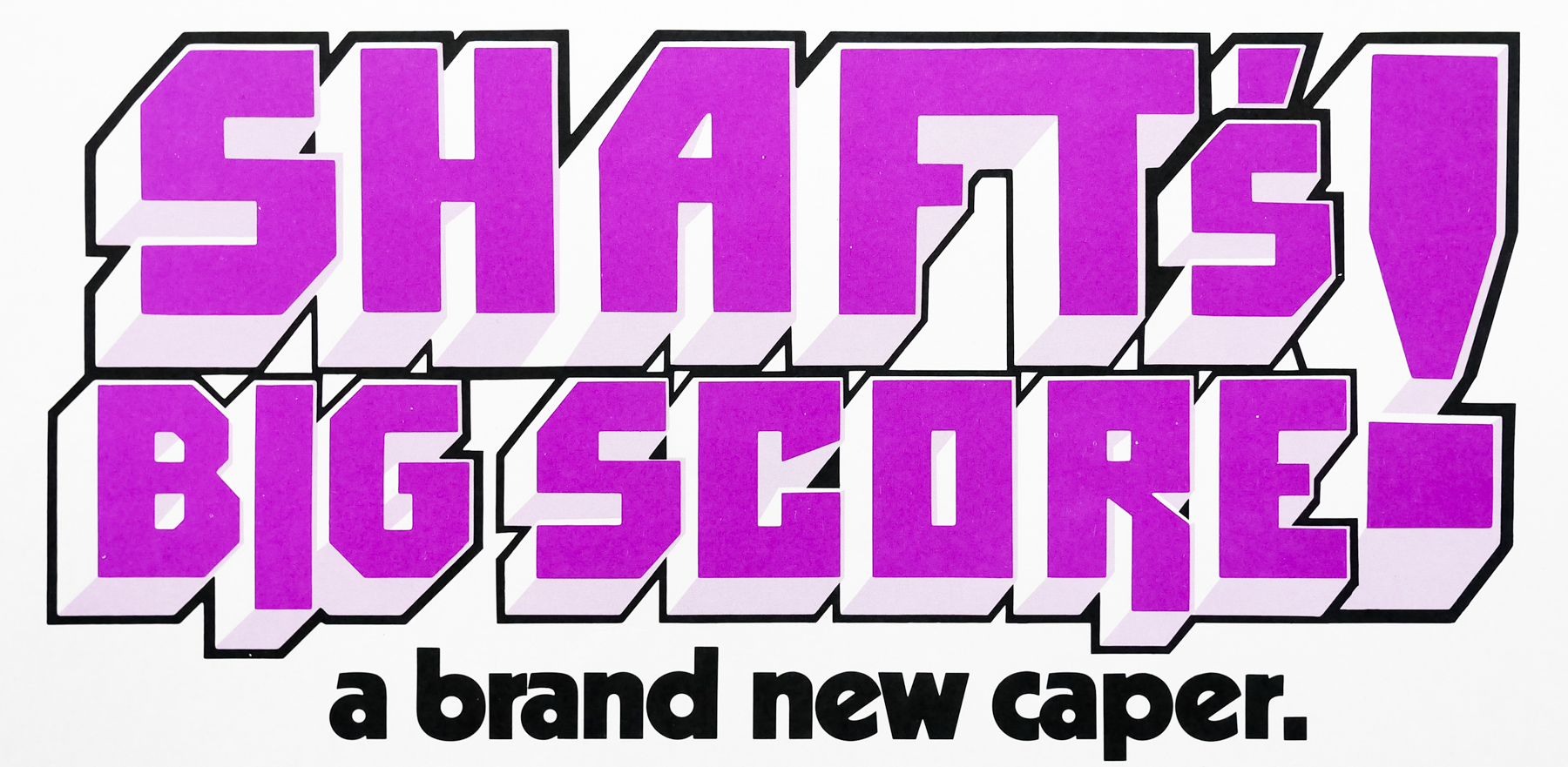
Shaft's Big Score
AKA
--
Year of Film
1972
Director
Gordon Parks
Starring
Richard Roundtree, Moses Gunn, Drew Bundini Brown, Joseph Mascolo, Kathy Imrie, Wally Taylor, Julius Harris, Rosalind Miles, Joe Santos
Origin of Film
USA
Genre(s) of Film
Richard Roundtree, Moses Gunn, Drew Bundini Brown, Joseph Mascolo, Kathy Imrie, Wally Taylor, Julius Harris, Rosalind Miles, Joe Santos,
Type of Poster
30x40
Style of Poster
--
Origin of Poster
USA
Year of Poster
1972
Designer
Unknown
Artist
John Solie
Size (inches)
30 3/16" x 40"
SS or DS
SS
NSS #
72/175
Tagline
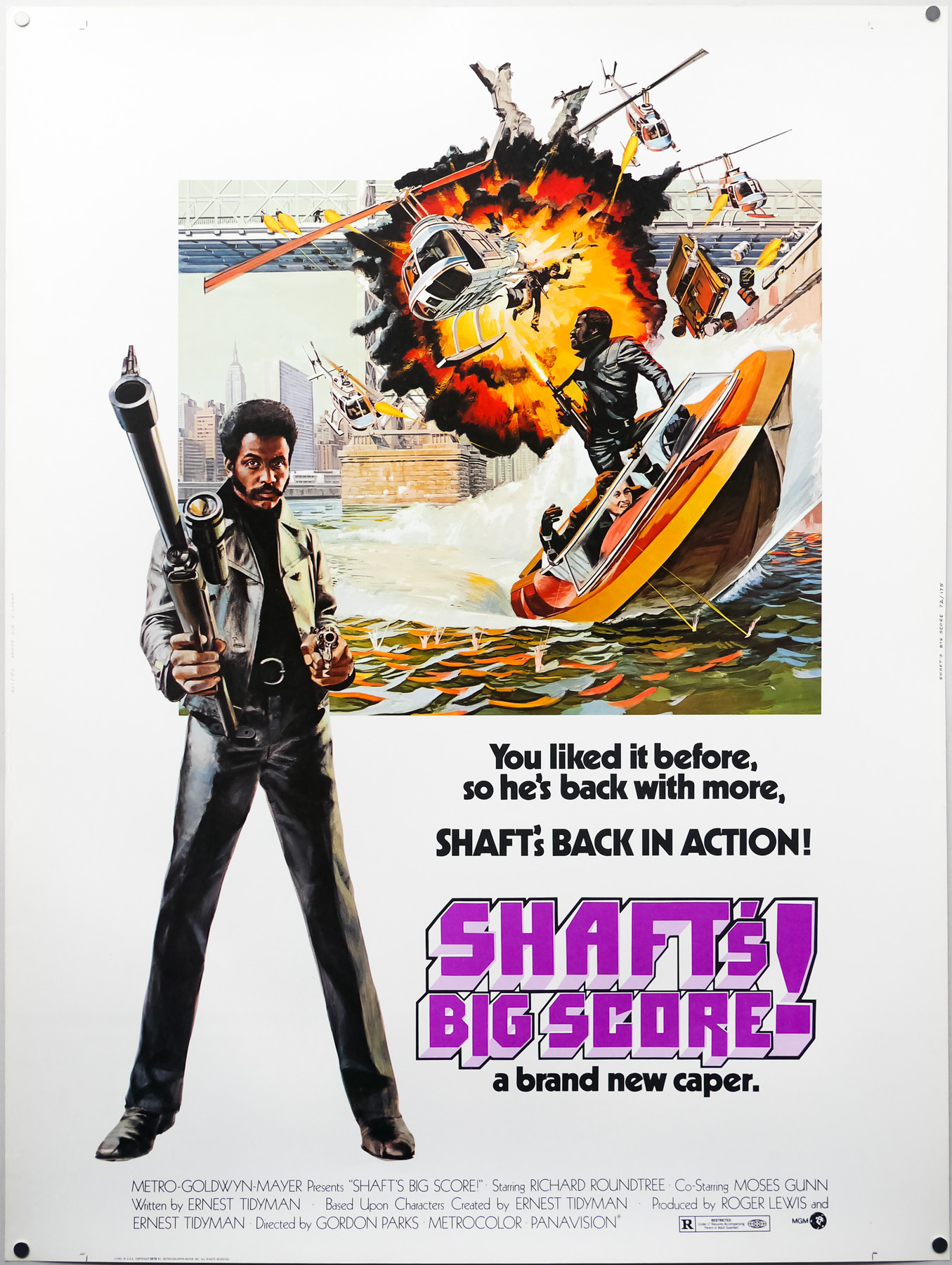
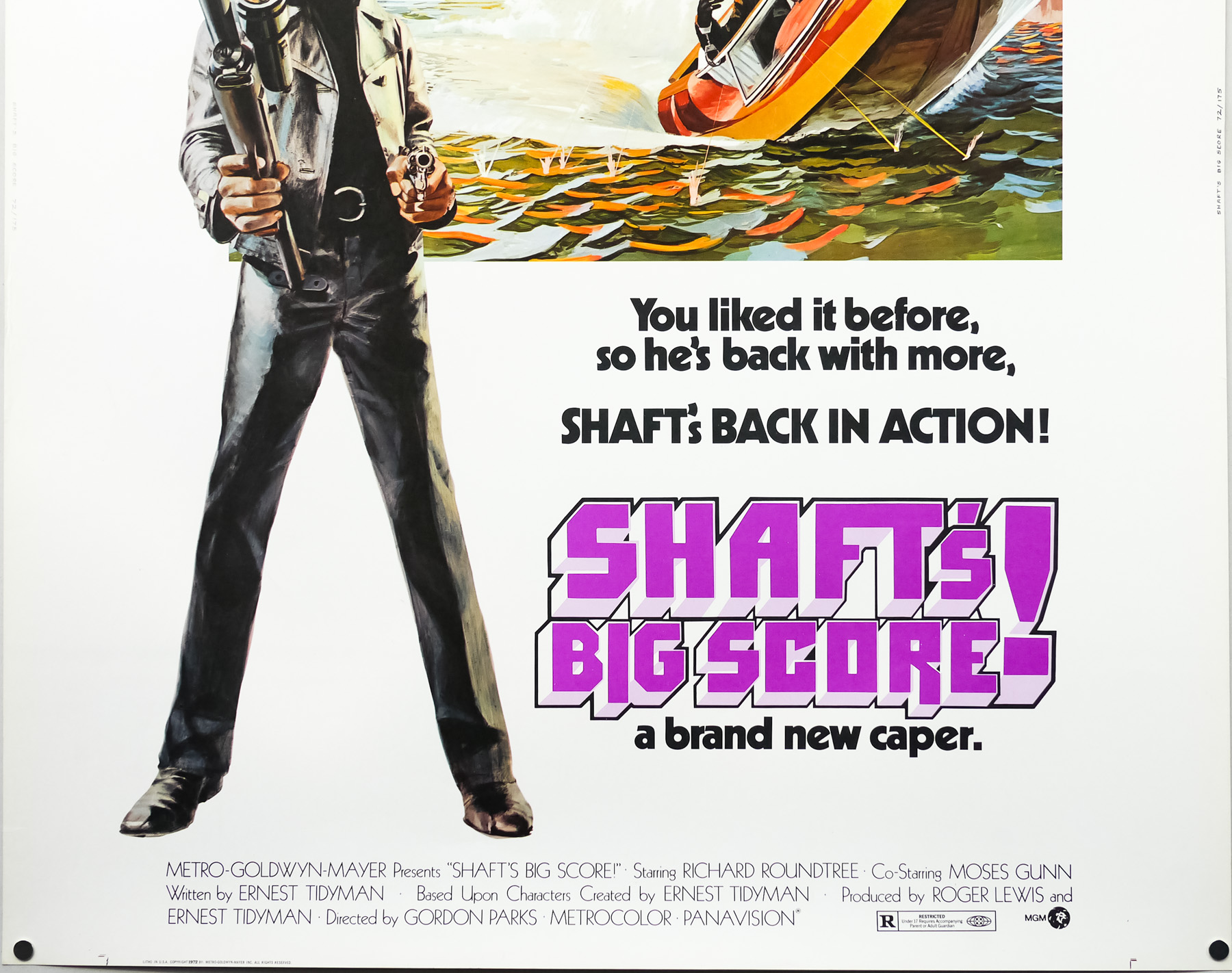
You liked it before, so he's back with more. SHAFT's BACK IN ACTION! | a brand new caper

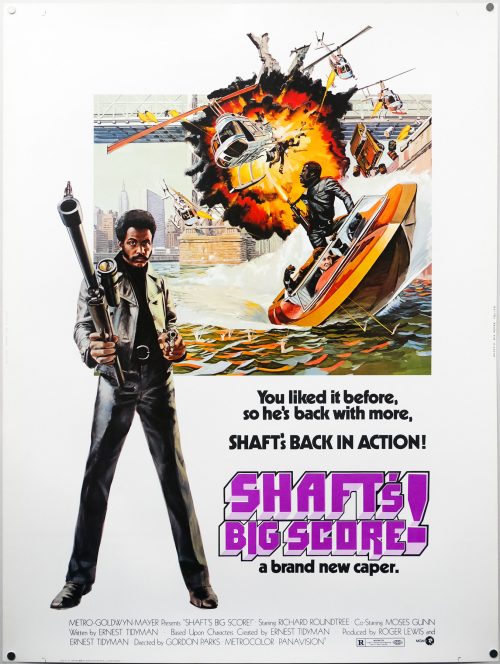
Shaft’s Big Score is the second in the trilogy of films featuring Blaxploitation hero Shaft (Richard Roundtree) which sees the private-eye caught up in a war between two rival mobs after the death of one of his friends. The murder leaves the two gangs chasing a missing $200,000 and battling to take over a neighbourhood with Shaft battling to stop them. The film was directed by Gordon Parks who was also responsible for the first film and would later direct another blaxploitation caper, The Super Cops (1974). Although singer Isaac Hayes had provided the score for the first Shaft film, he wasn’t available for this sequel and Parks decided to work on the score himself since he was also a composer.

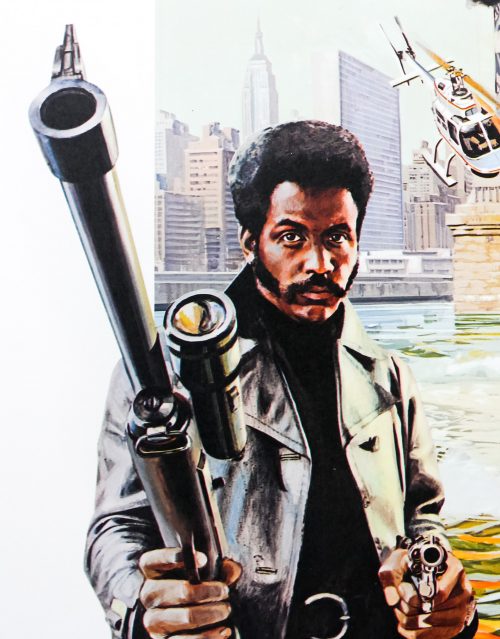
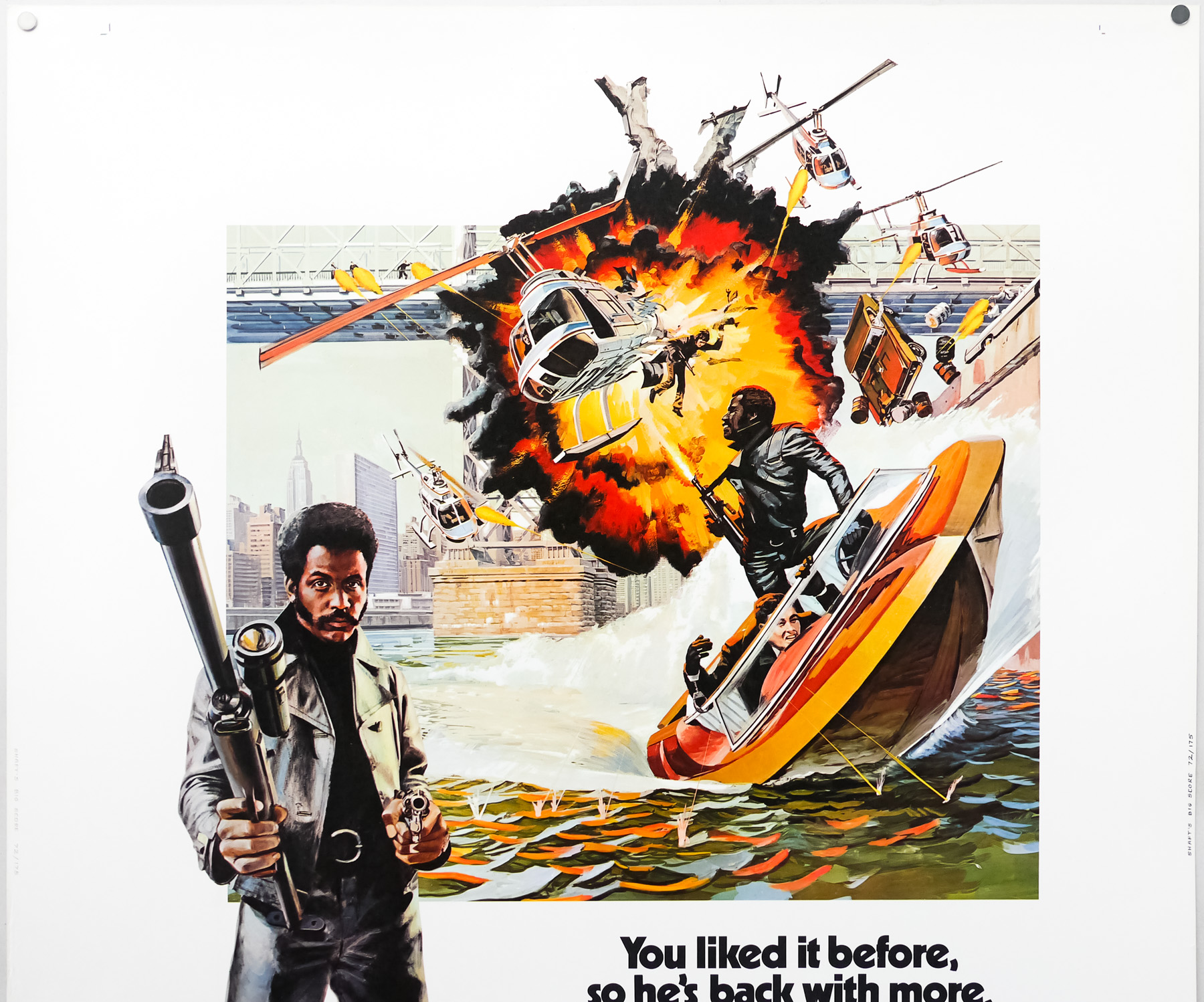
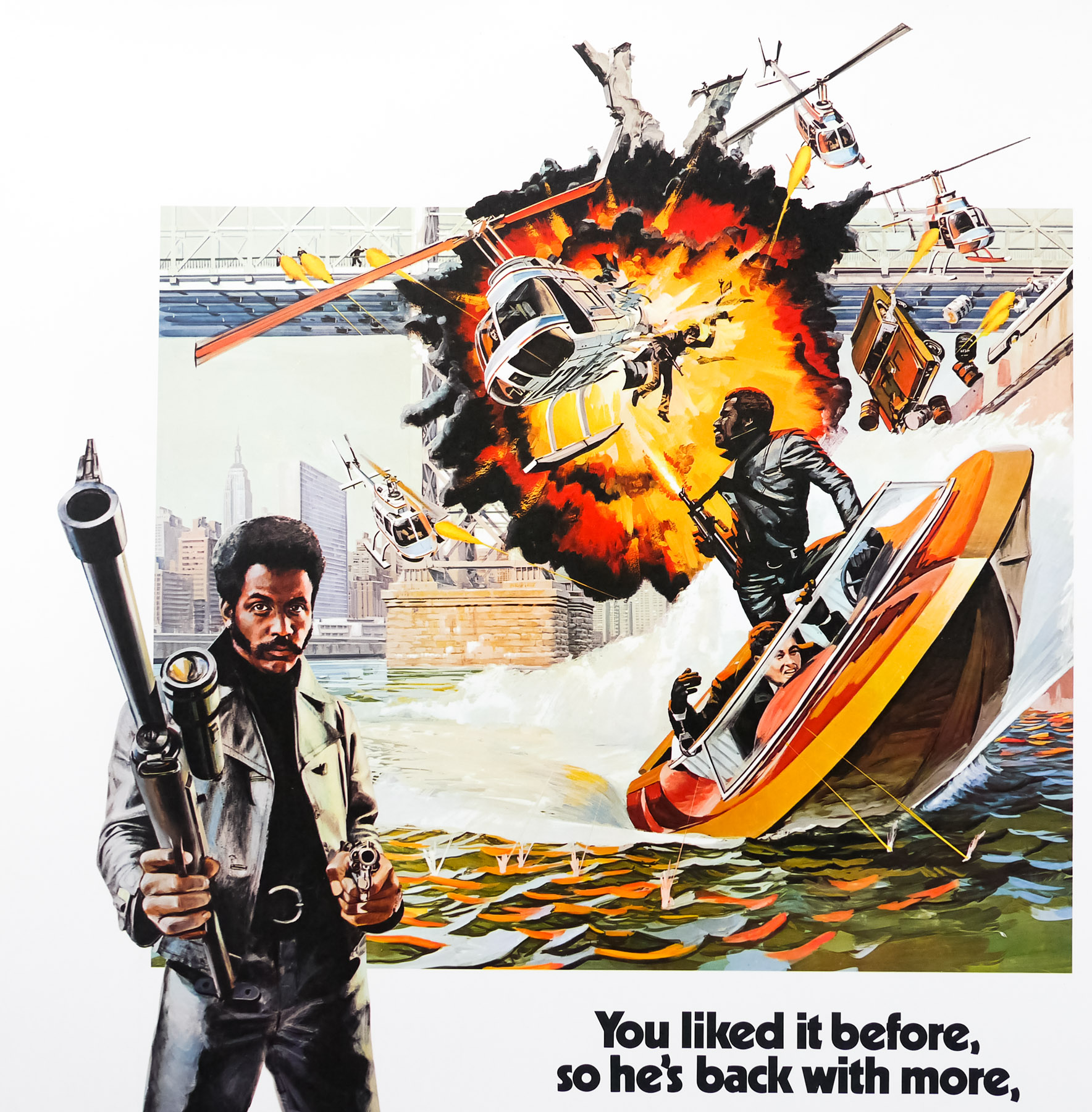
The all-action artwork on this 30×40 poster is by the American artist John Solie who has been working as an illustrator for over 40 years. Film posters are just one aspect of his output, which also includes book and magazine covers, sculptures, portraits and work for NASA. He continues to paint today in Tucson, Arizona. Another gallery of his work can be viewed on Wrong Side of the Art.

Here are the posters by John Solie I have collected to date.

You can view the trailer on YouTube.

A View To A Kill / one sheet / advance / white style / USA

10.06.13

Poster Poster
Title
A View To A Kill
AKA
The Beautiful Prey (Japan - English title)
Year of Film
1985
Director
John Glen
Starring
Roger Moore, Christopher Walken, Tanya Roberts, Grace Jones, Patrick Macnee, Patrick Bauchau, David Yip, Fiona Fullerton, Manning Redwood, Alison Doody, Willoughby Gray, Desmond Llewelyn, Robert Brown, Lois Maxwell
Origin of Film
UK
Genre(s) of Film
Roger Moore, Christopher Walken, Tanya Roberts, Grace Jones, Patrick Macnee, Patrick Bauchau, David Yip, Fiona Fullerton, Manning Redwood, Alison Doody, Willoughby Gray, Desmond Llewelyn, Robert Brown, Lois Maxwell,
Type of Poster
One sheet
Style of Poster
Advance - white style
Origin of Poster
USA
Year of Poster
1985
Designer
Unknown
Artist
Dan Goozee
Size (inches)
27" x 41 1/16"
SS or DS
SS
NSS #
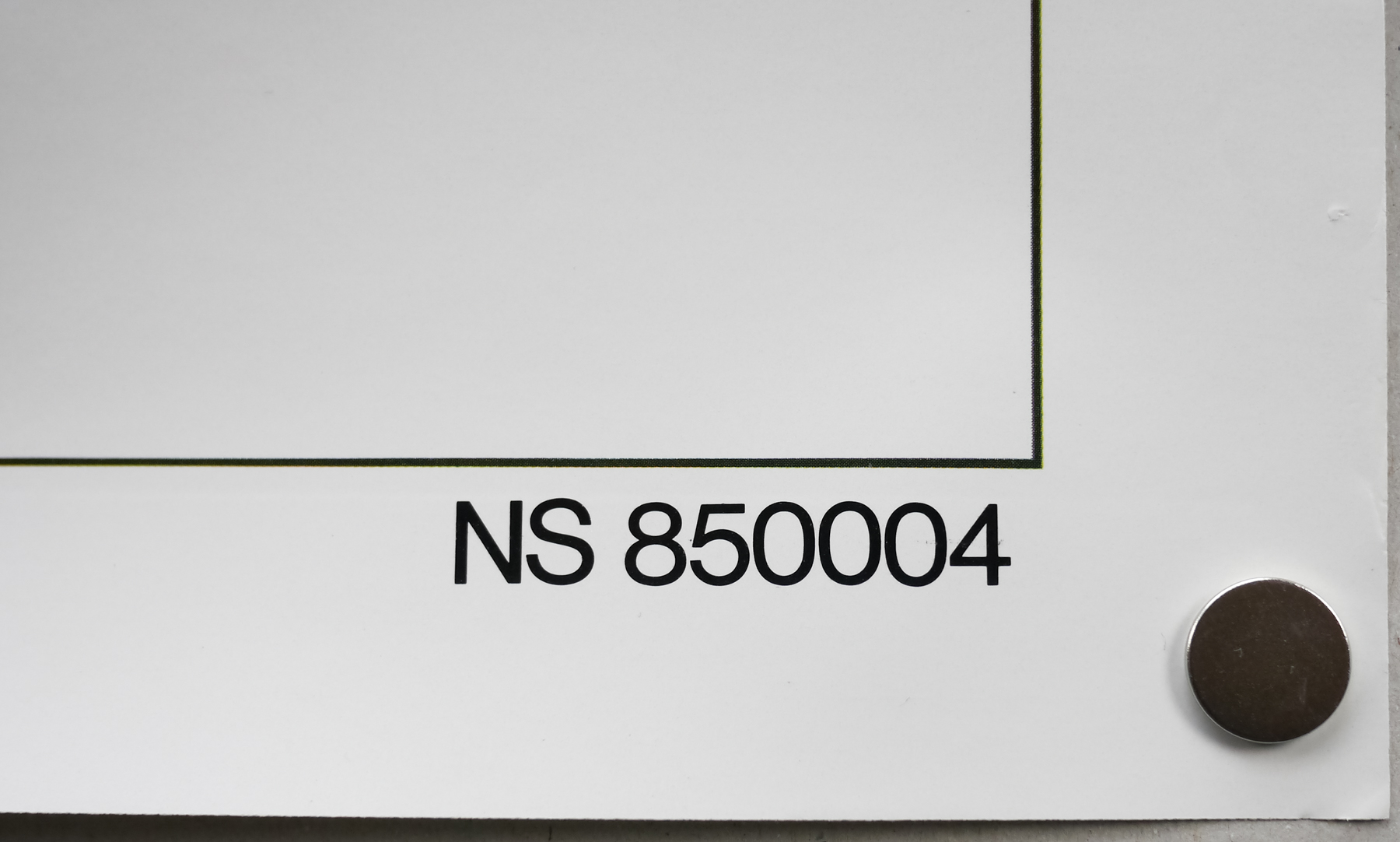
850004
Tagline
Has James Bond finally made his match? | Find out this summer.

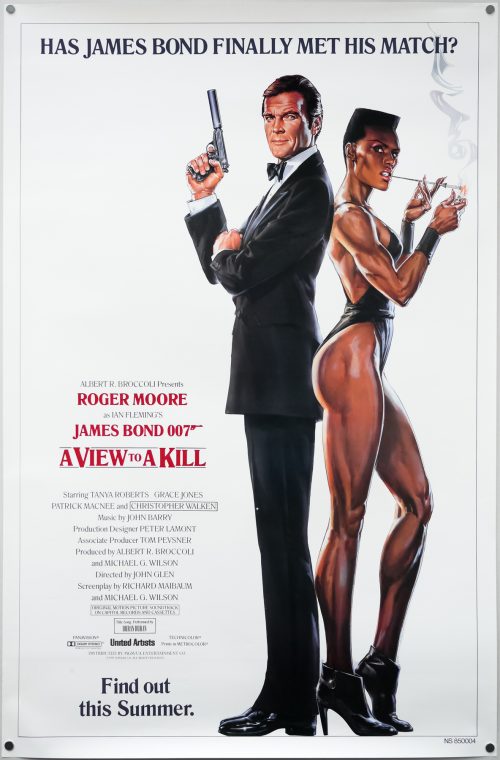
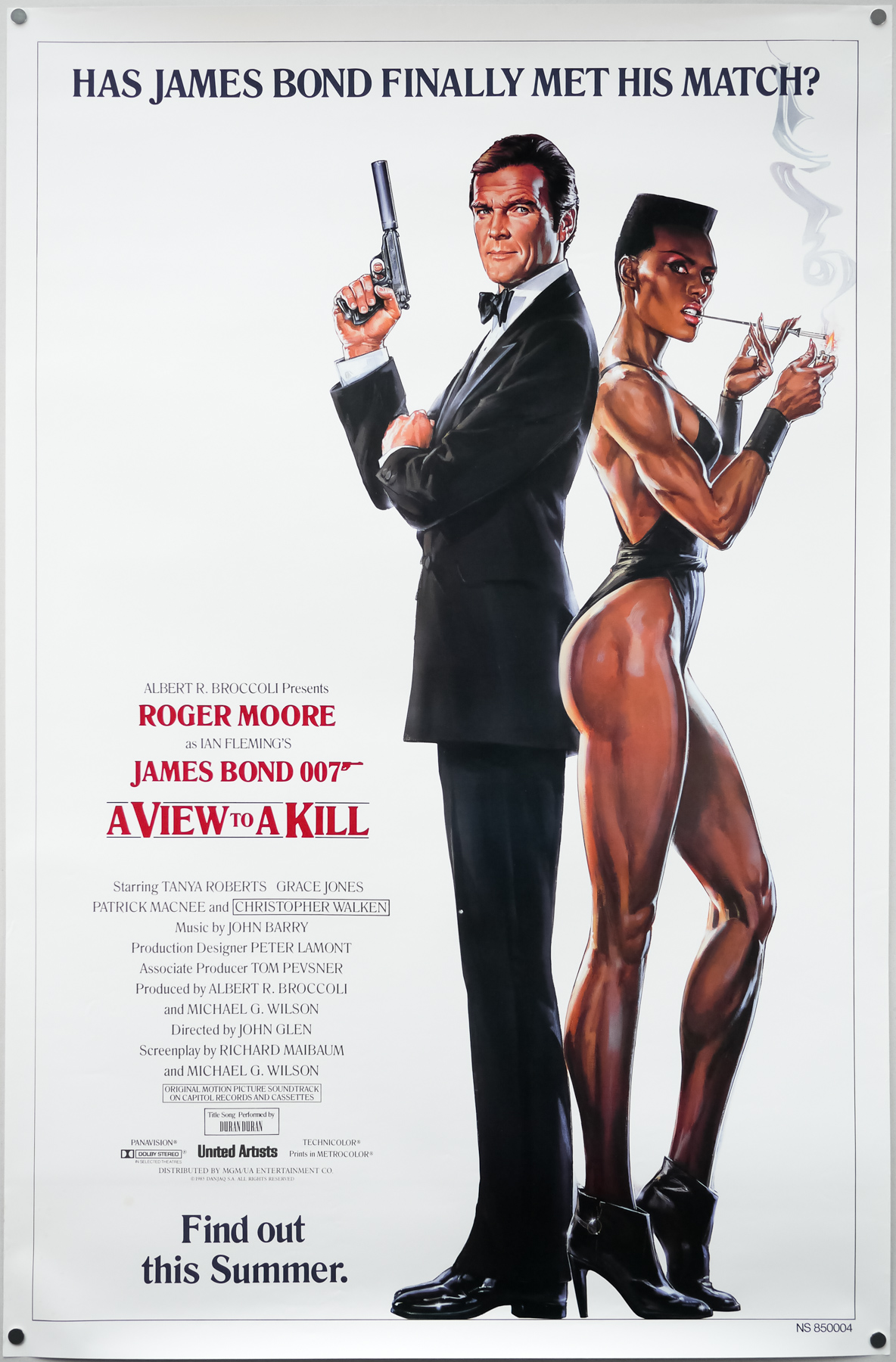
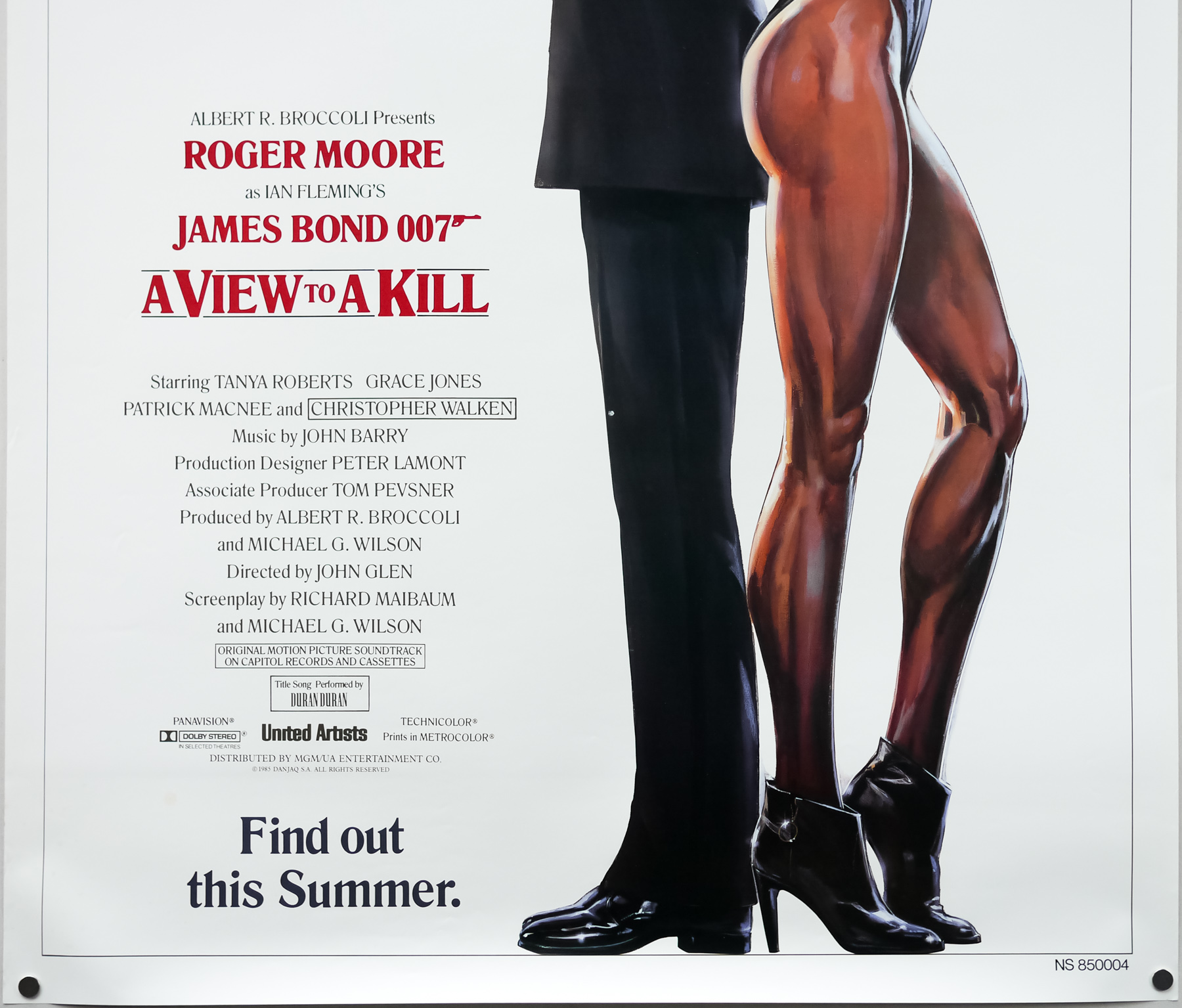
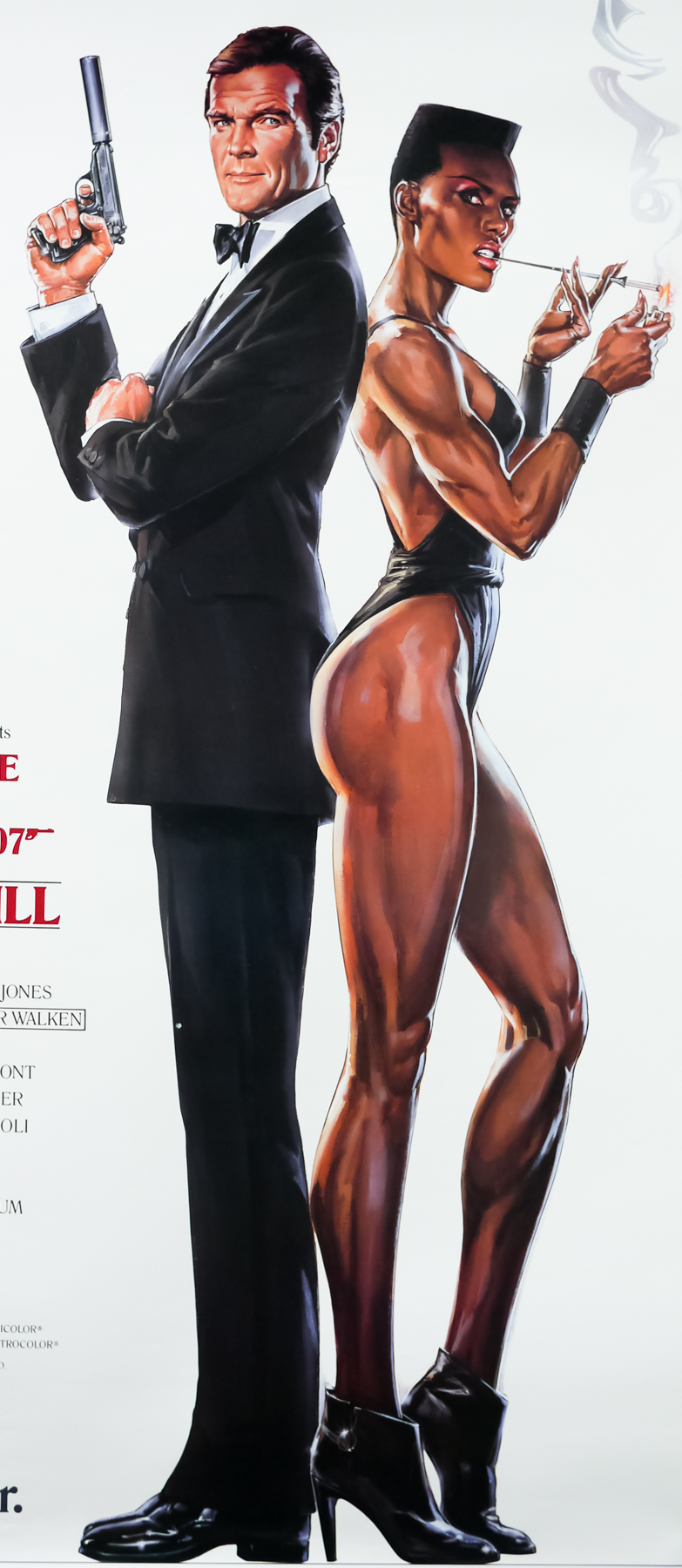
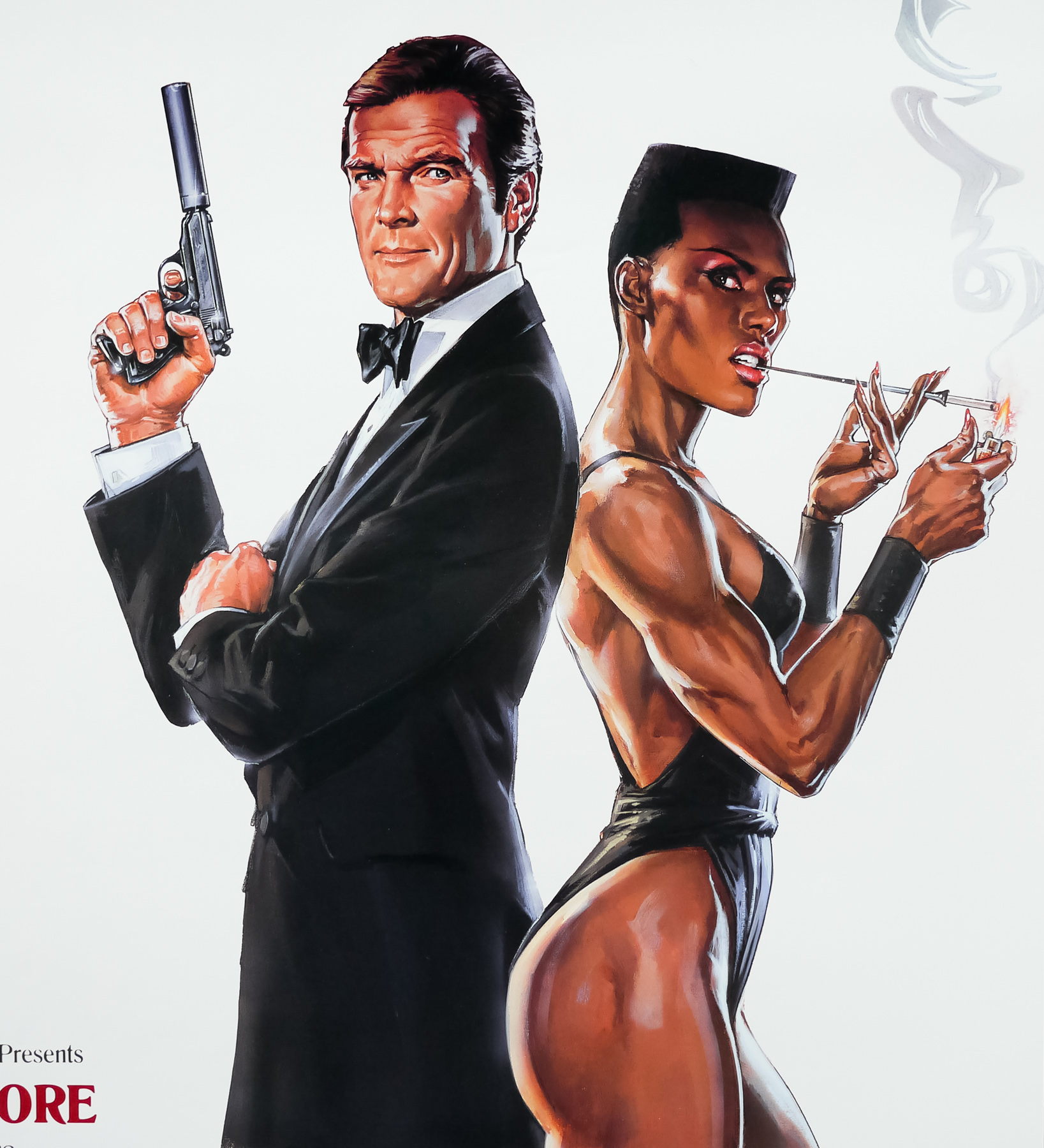
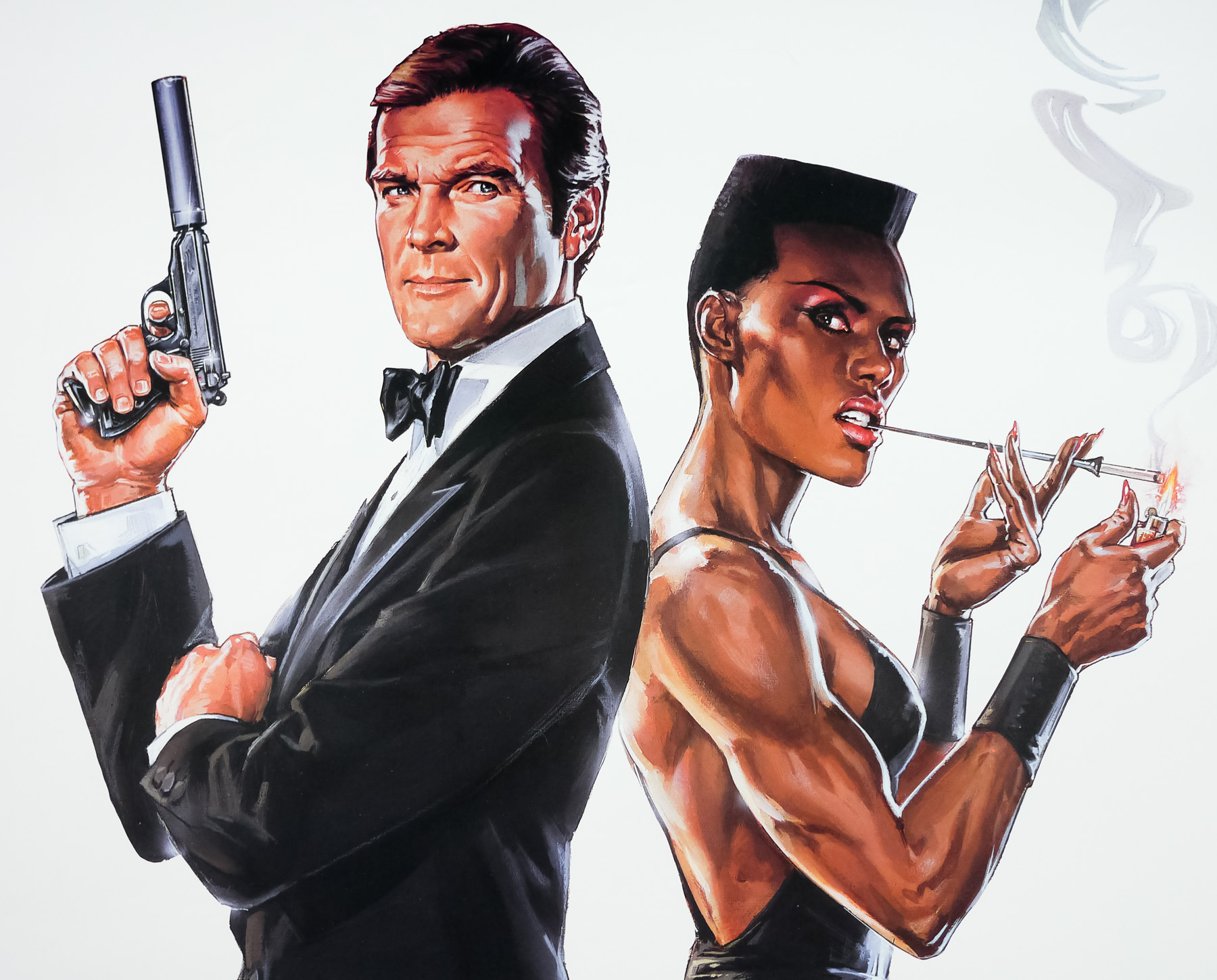
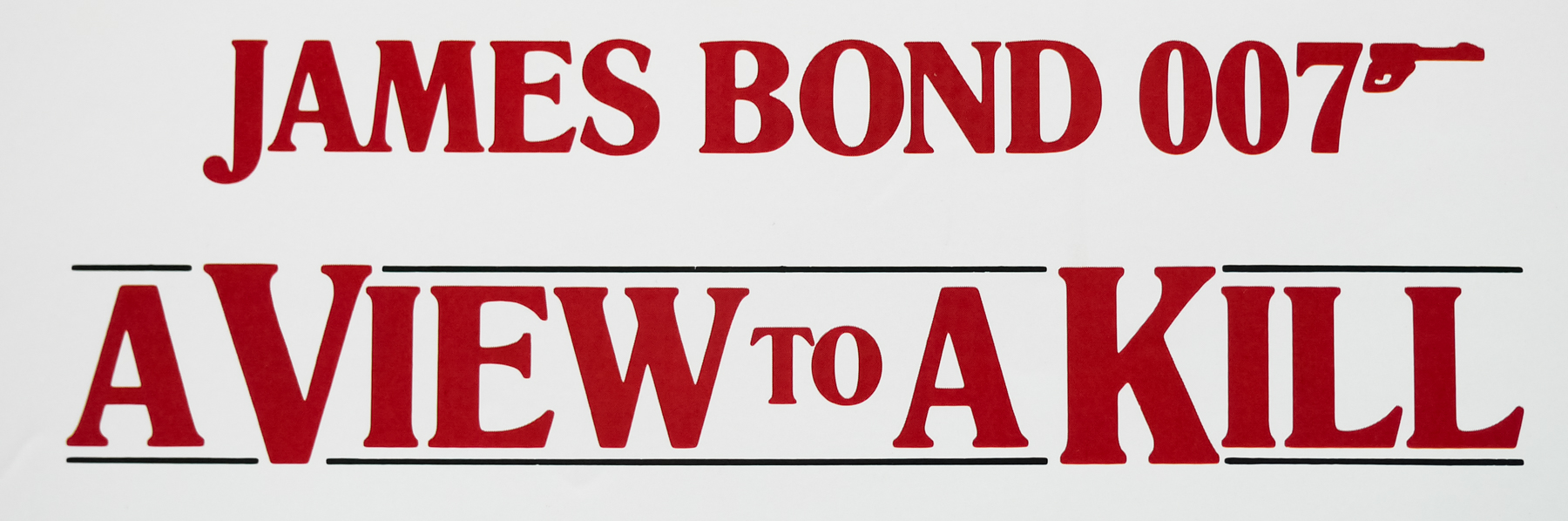
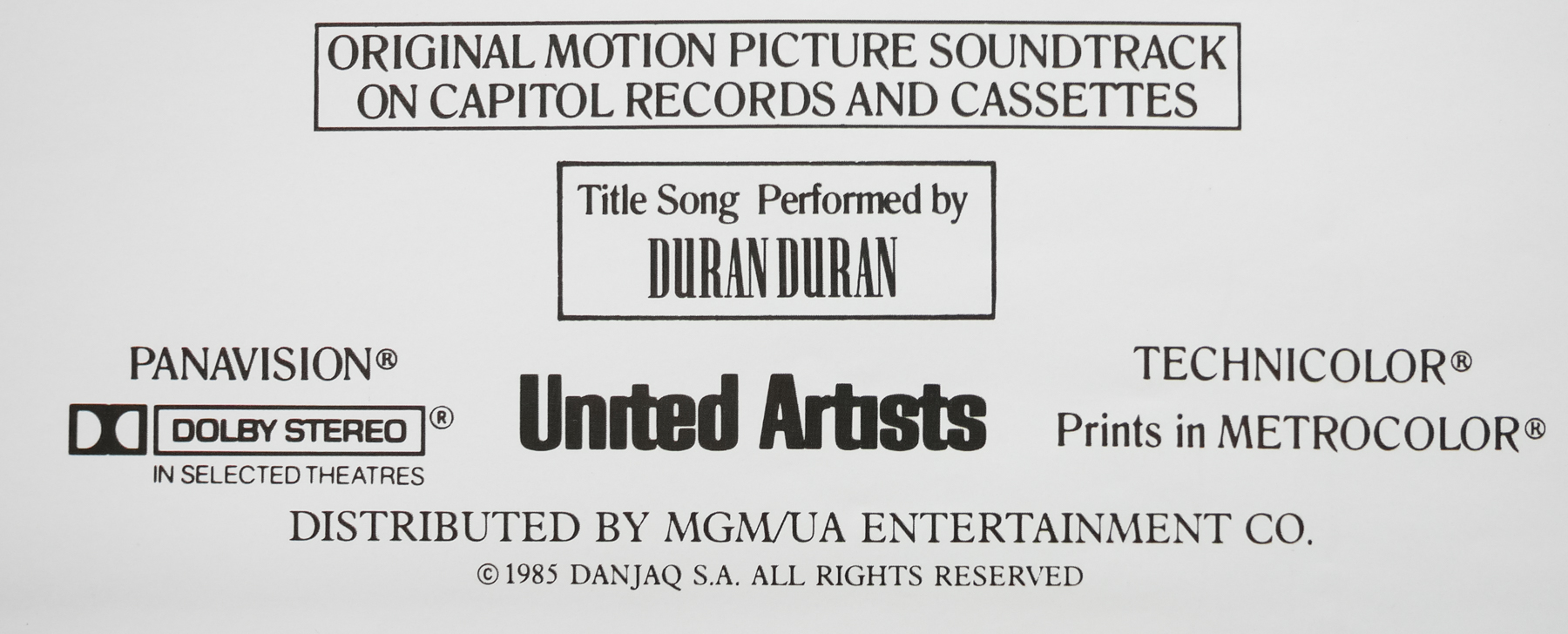
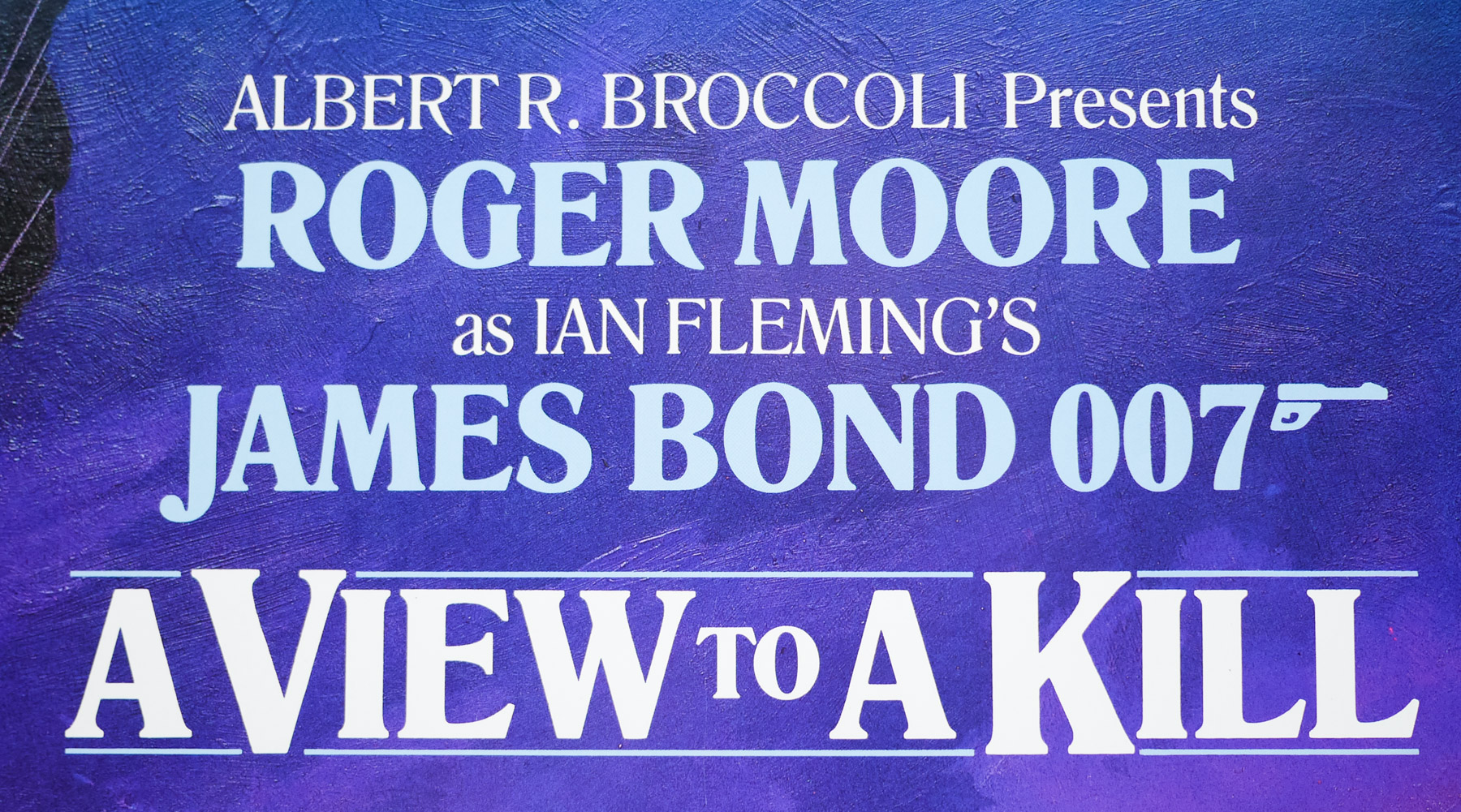
A View to a Kill, Sir Roger Moore‘s last outing as James Bond was definitely not his finest hour, although it is memorable for a few reasons, including Christopher Walken‘s turn as the psychotic bad guy Max Zorin, Duran Duran’s great title theme and the appearance of the incomparable Grace Jones as Mayday, Zorin’s accomplice. She may not be the greatest actress but she’s never anything less than a striking presence and is definitely not a lady to mess with, as British chat show presenter Russell Harty infamously found out.

The film features a climactic fight atop the Golden Gate Bridge in San Francisco, which sees Bond and Stacey Sutton (Tanya Roberts) face off against Zorin and his henchmen in the Zorin Industries airship. Special effects supervisor John Richardson filmed a series of sequences featuring stunt performers on top of the actual bridge that were later matched up against green-screen shots of the actors. This was the first Bond film to have its premiere held outside the UK; it opened on the 22nd of May, 1985 at San Francisco’s Palace of Fine Arts.

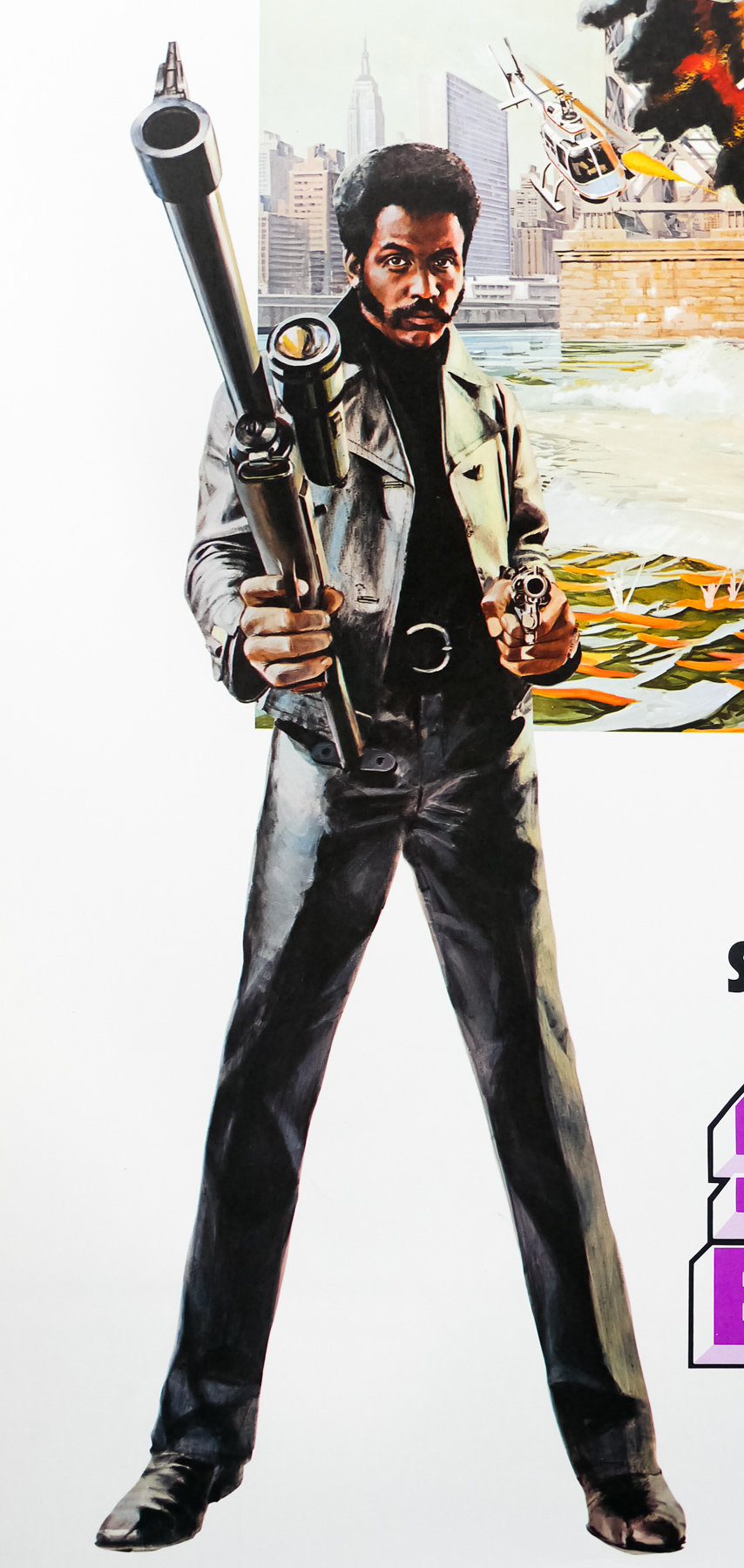
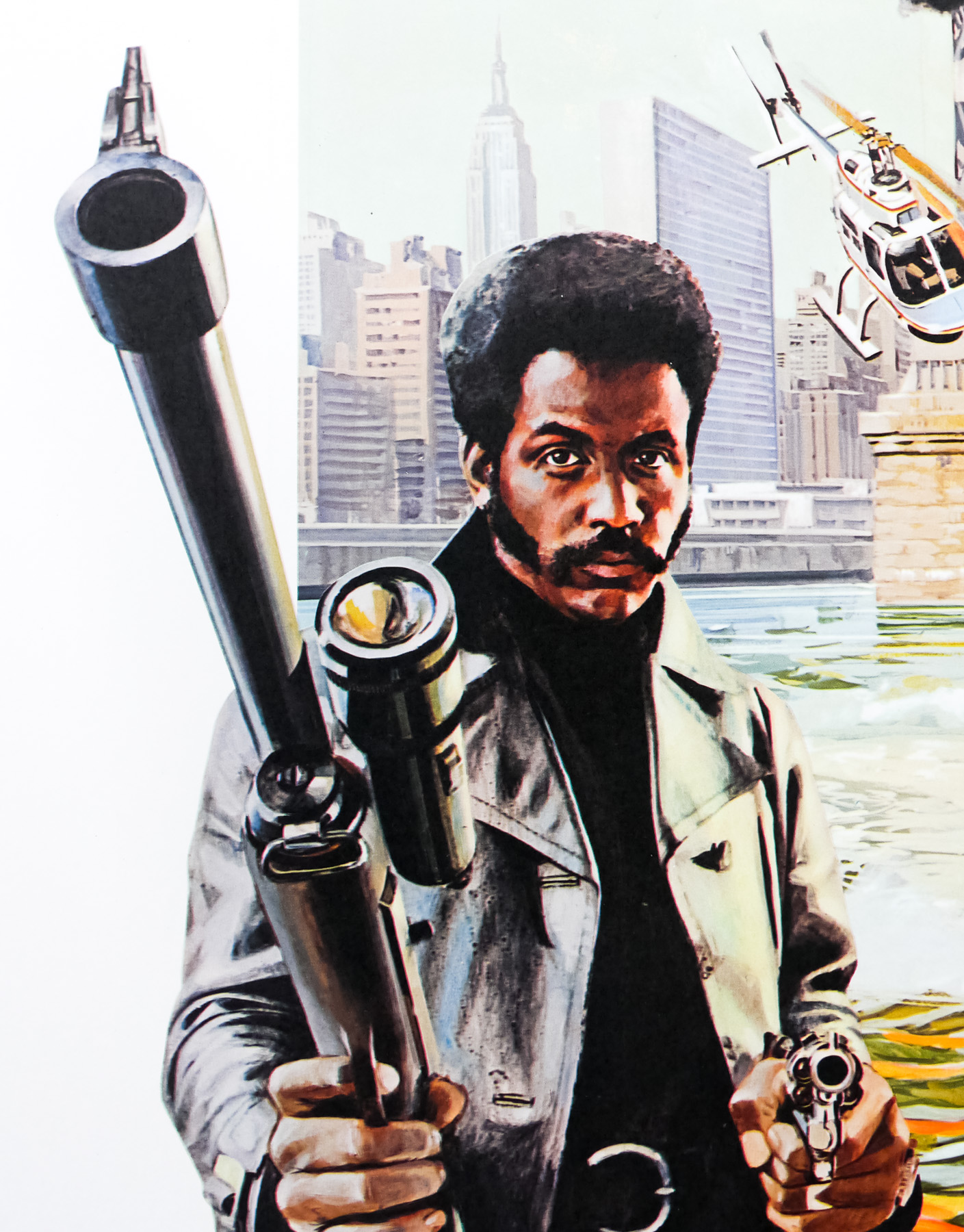
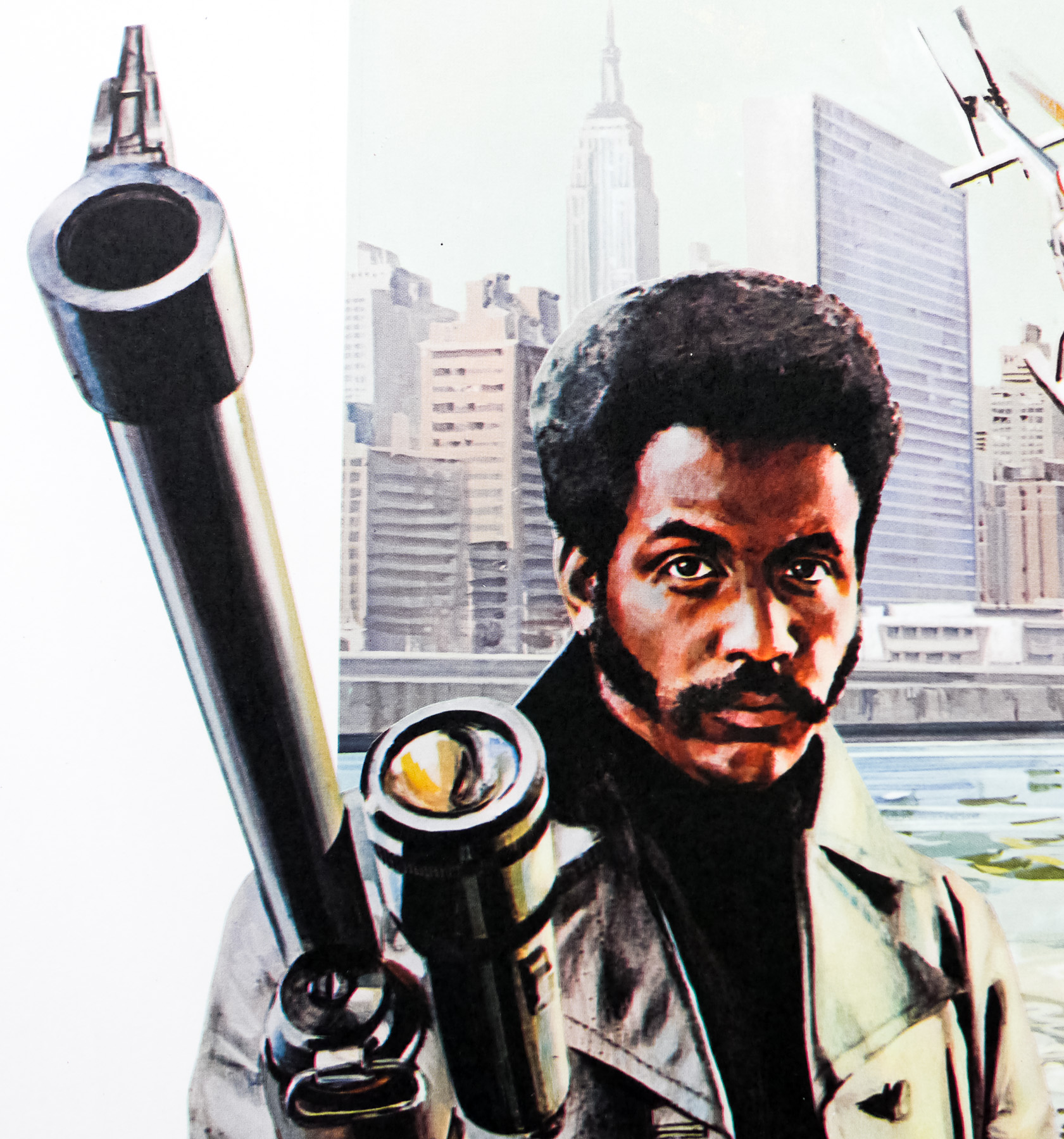
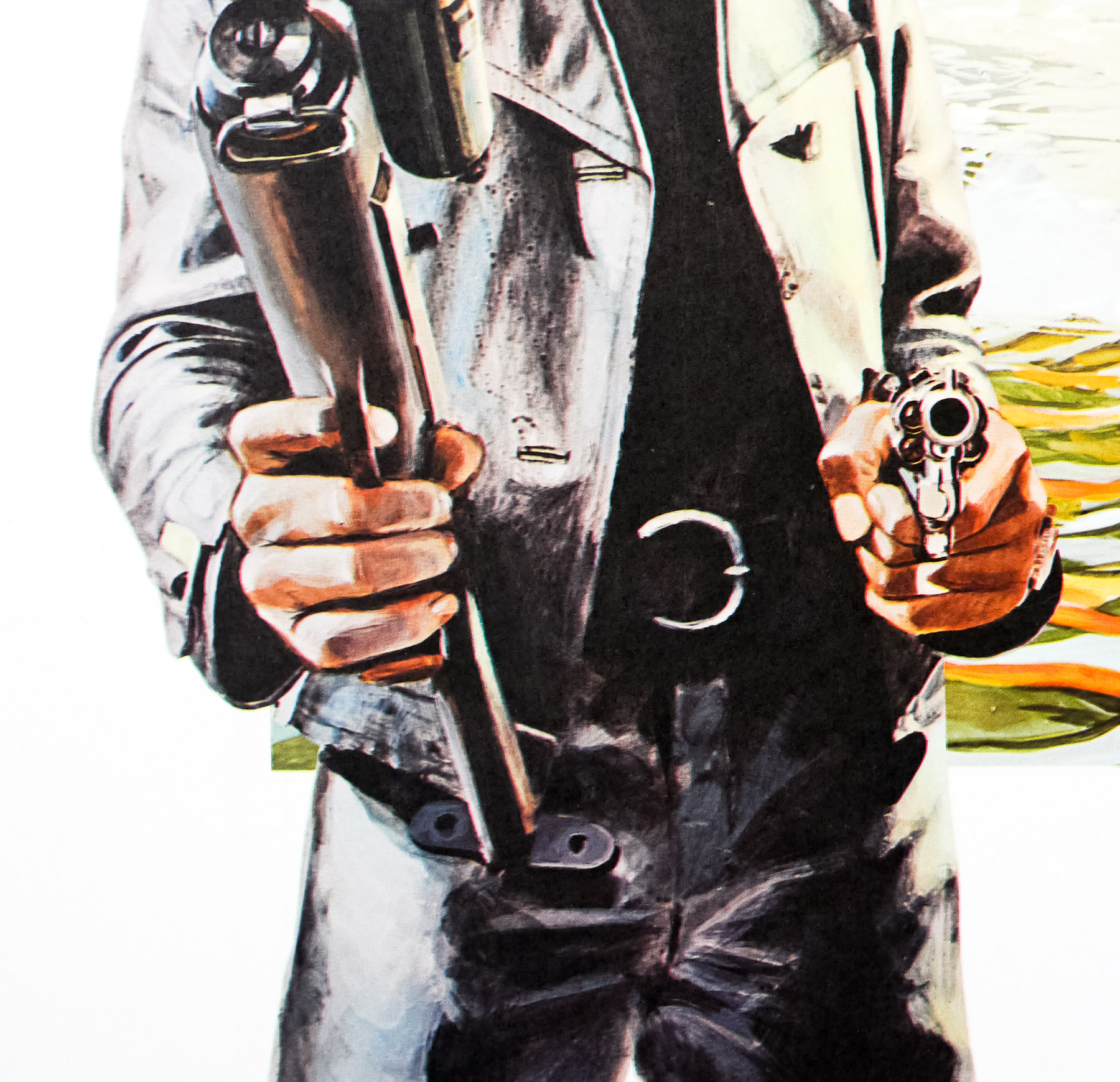
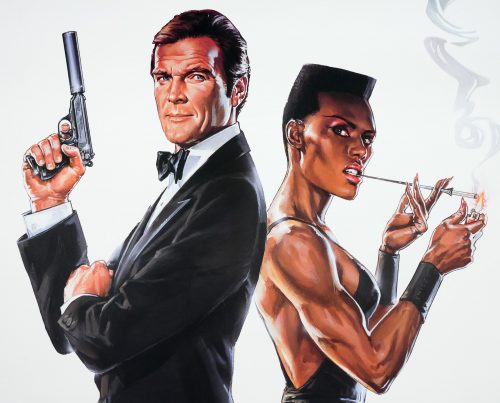
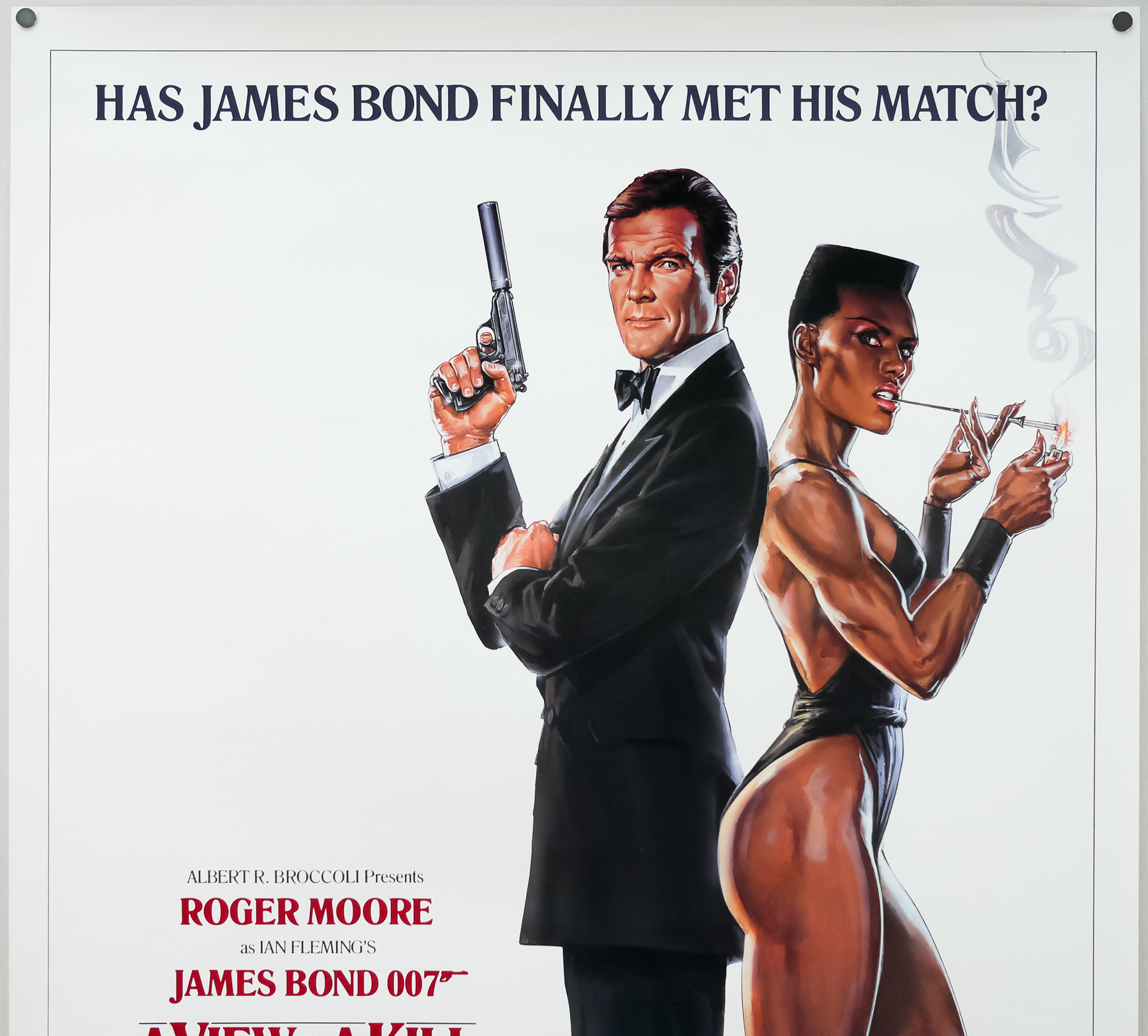
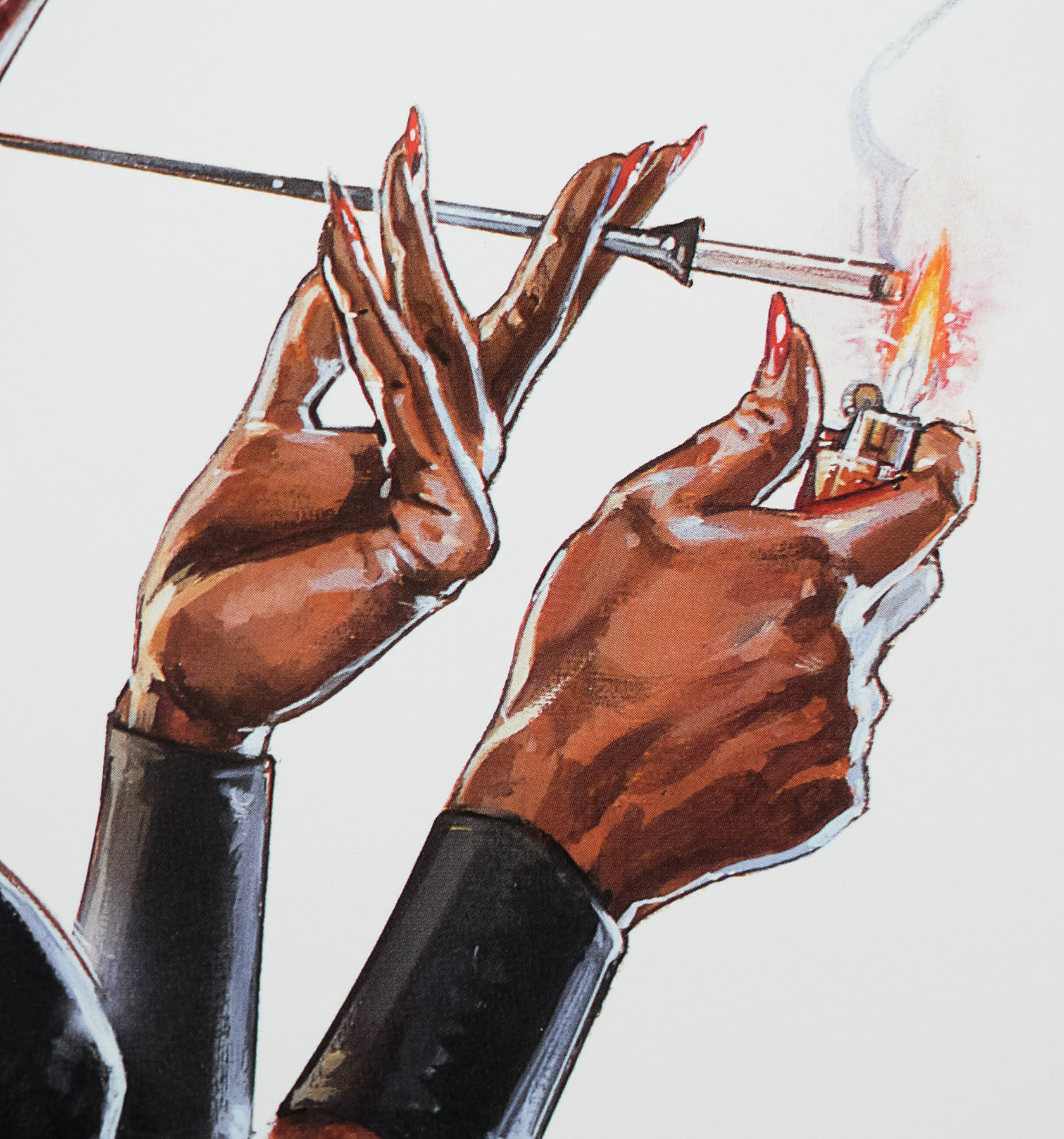
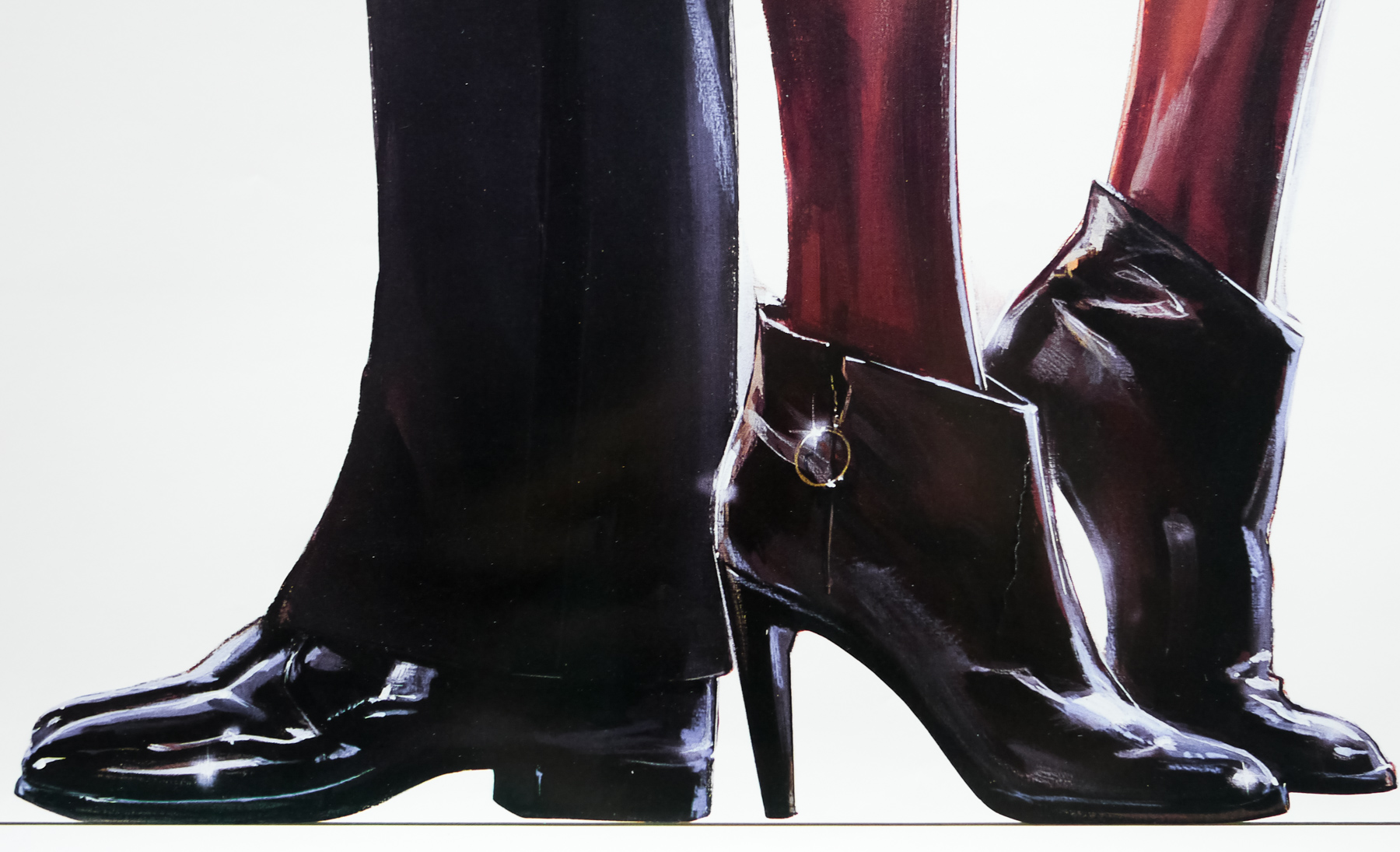
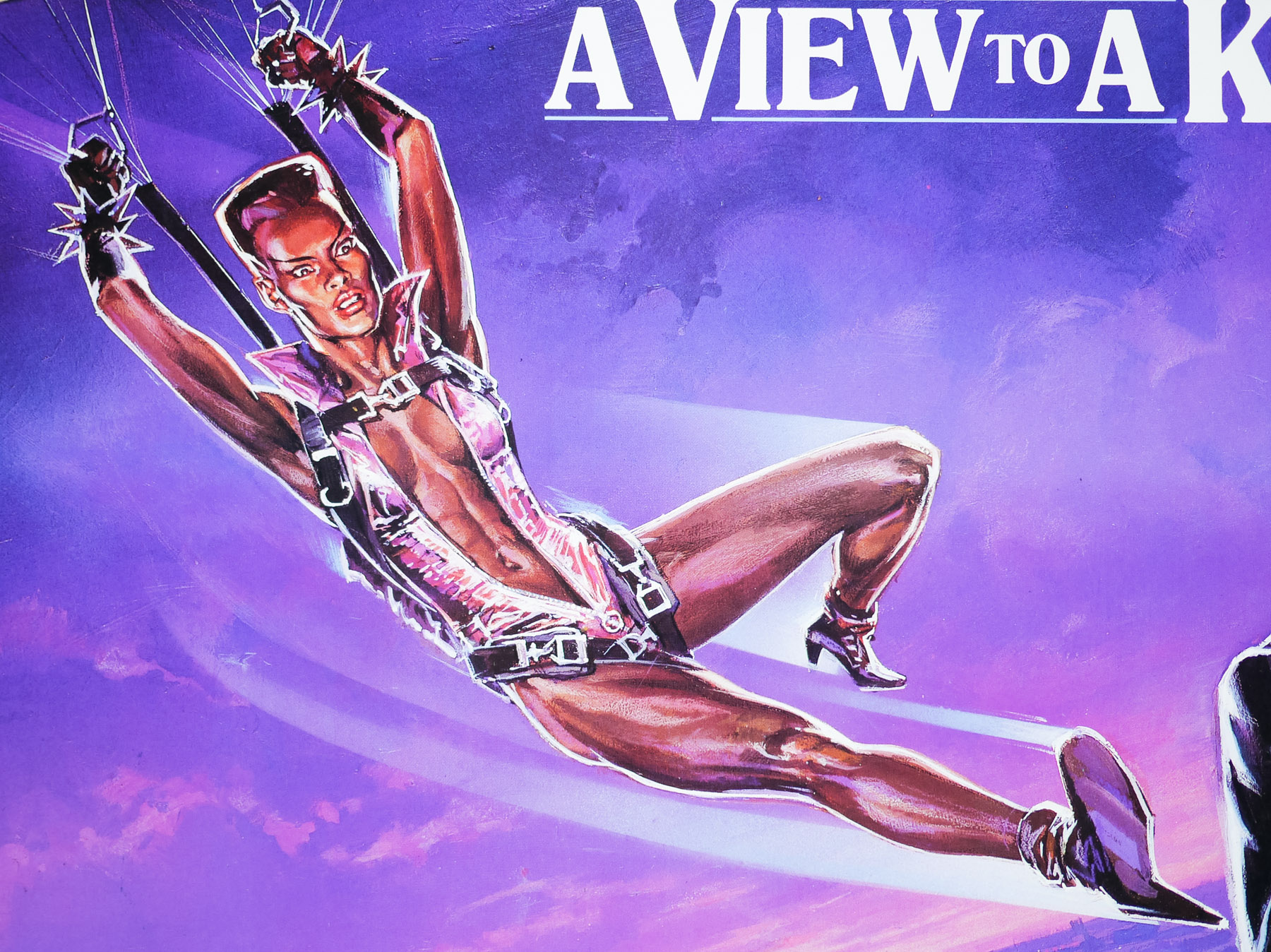
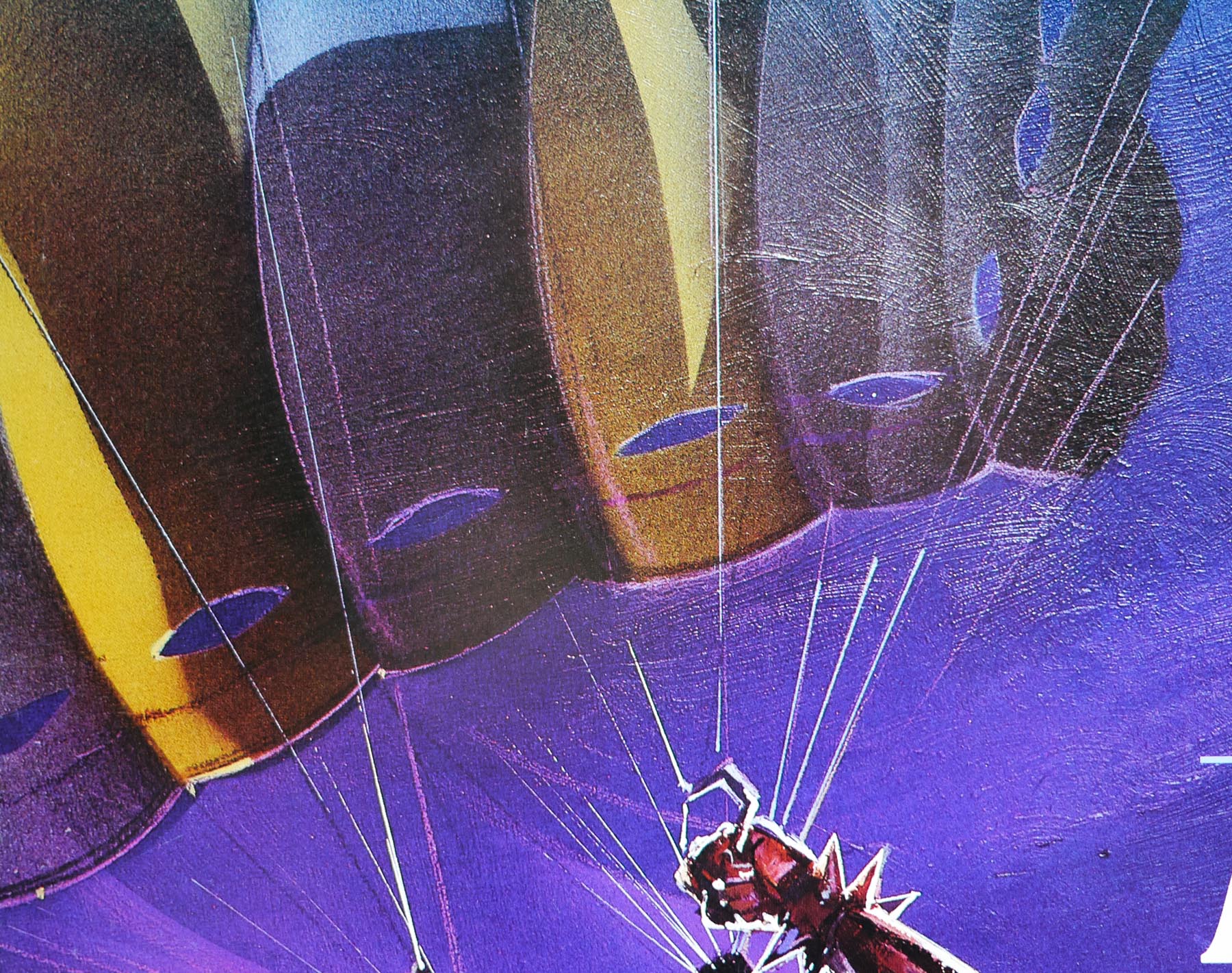
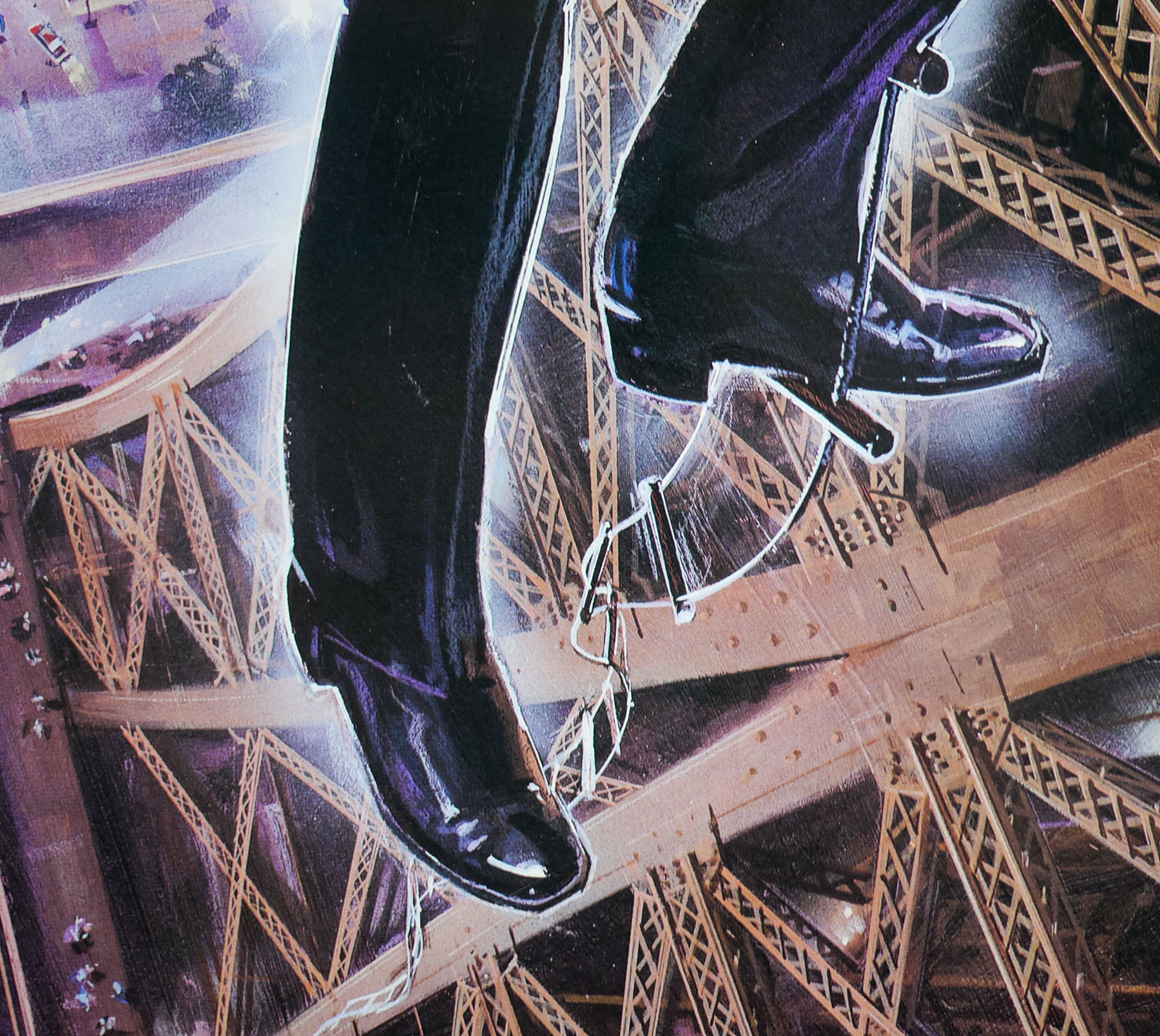
The excellent artwork on this advance one sheet (those are some very long legs!) is by the American poster artist Dan Goozee who was also responsible for a few other Bond posters, including Moonraker and Octopussy, as well as several other classic designs from the 1980s. The other posters I’ve collected by him can be seen here.

Vampire Circus / 30×40 / USA

29.07.13

Poster Poster

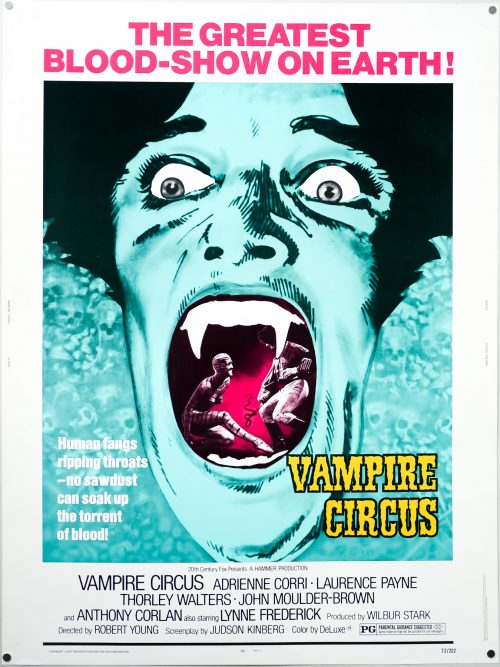
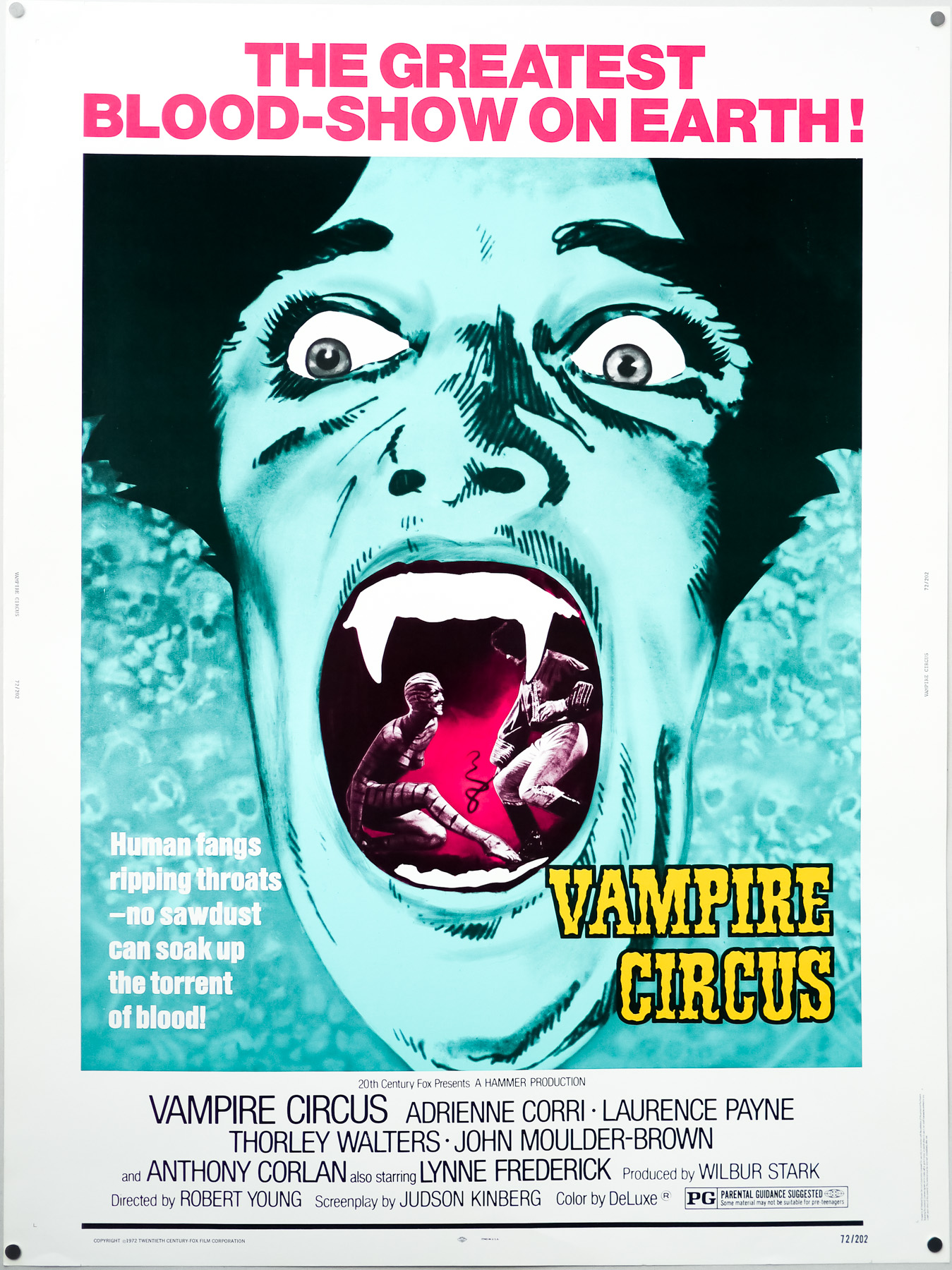
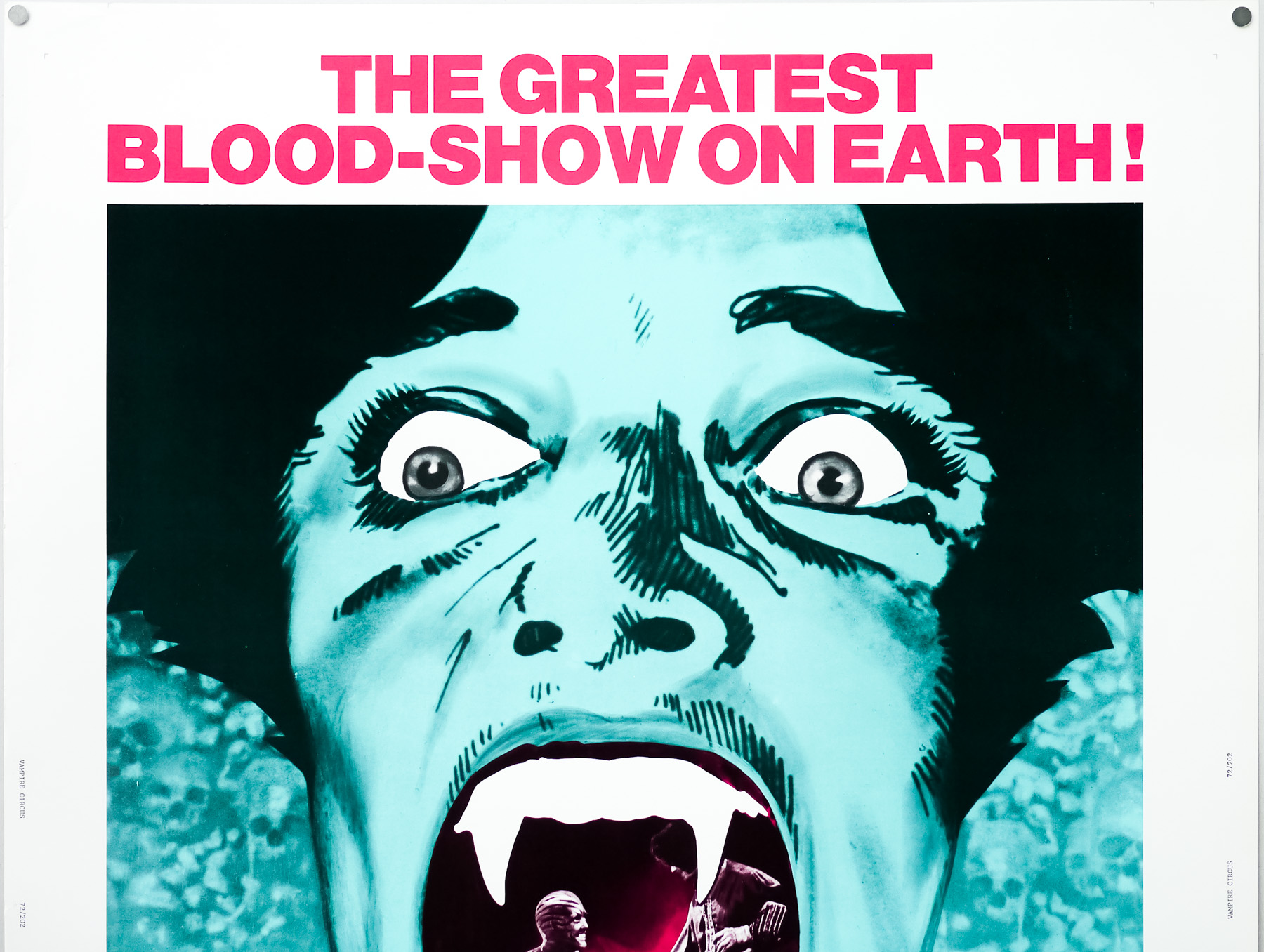
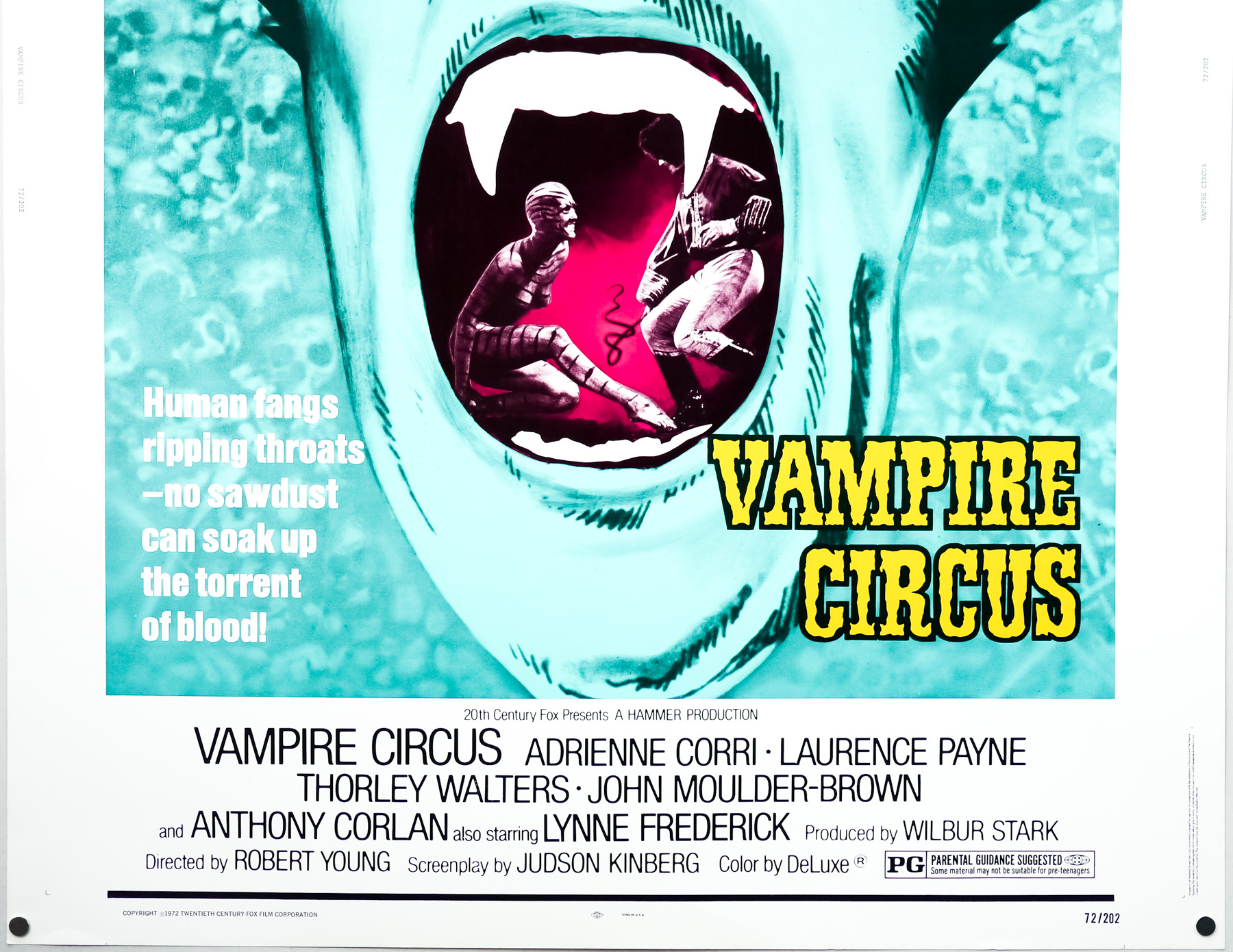
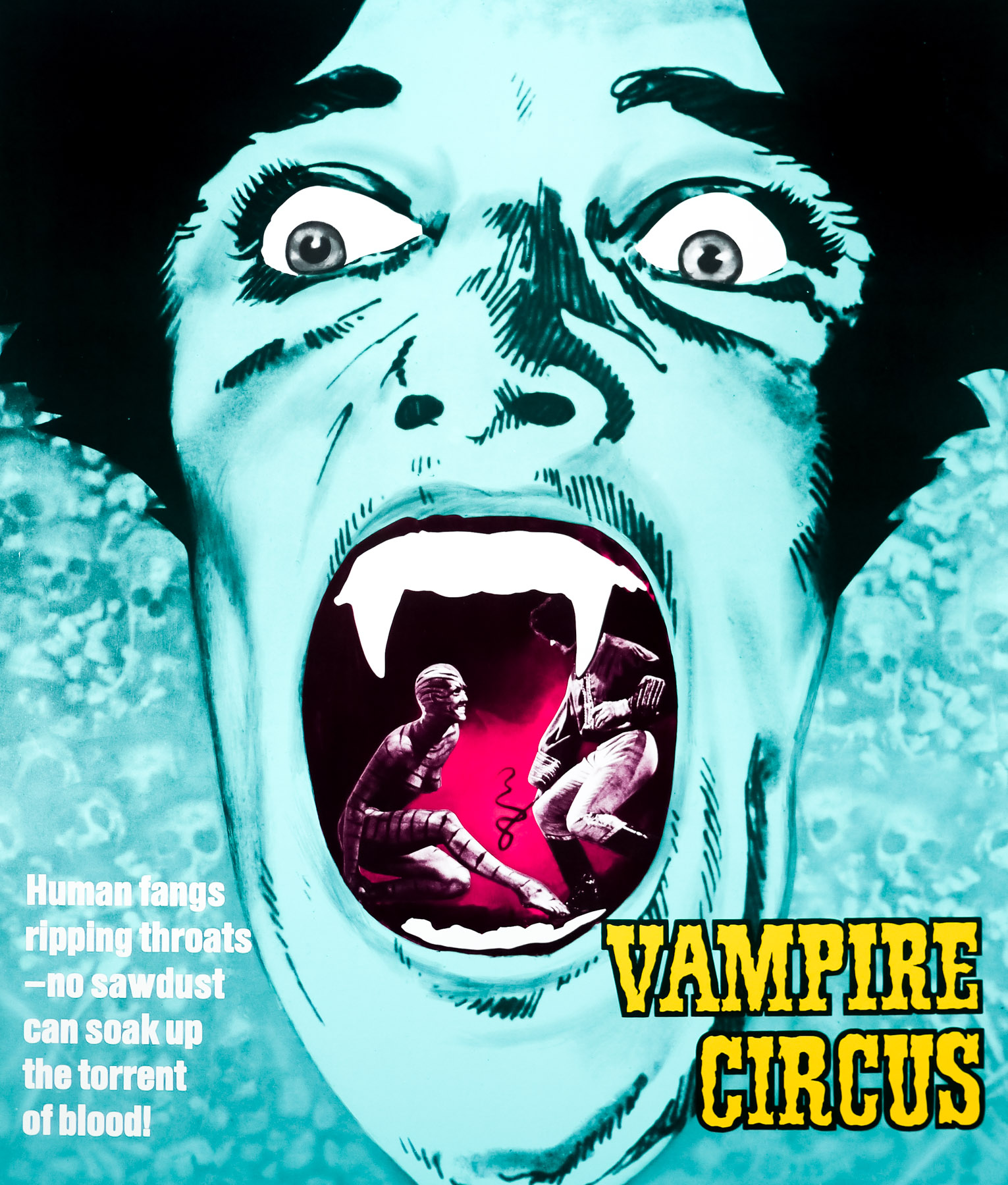
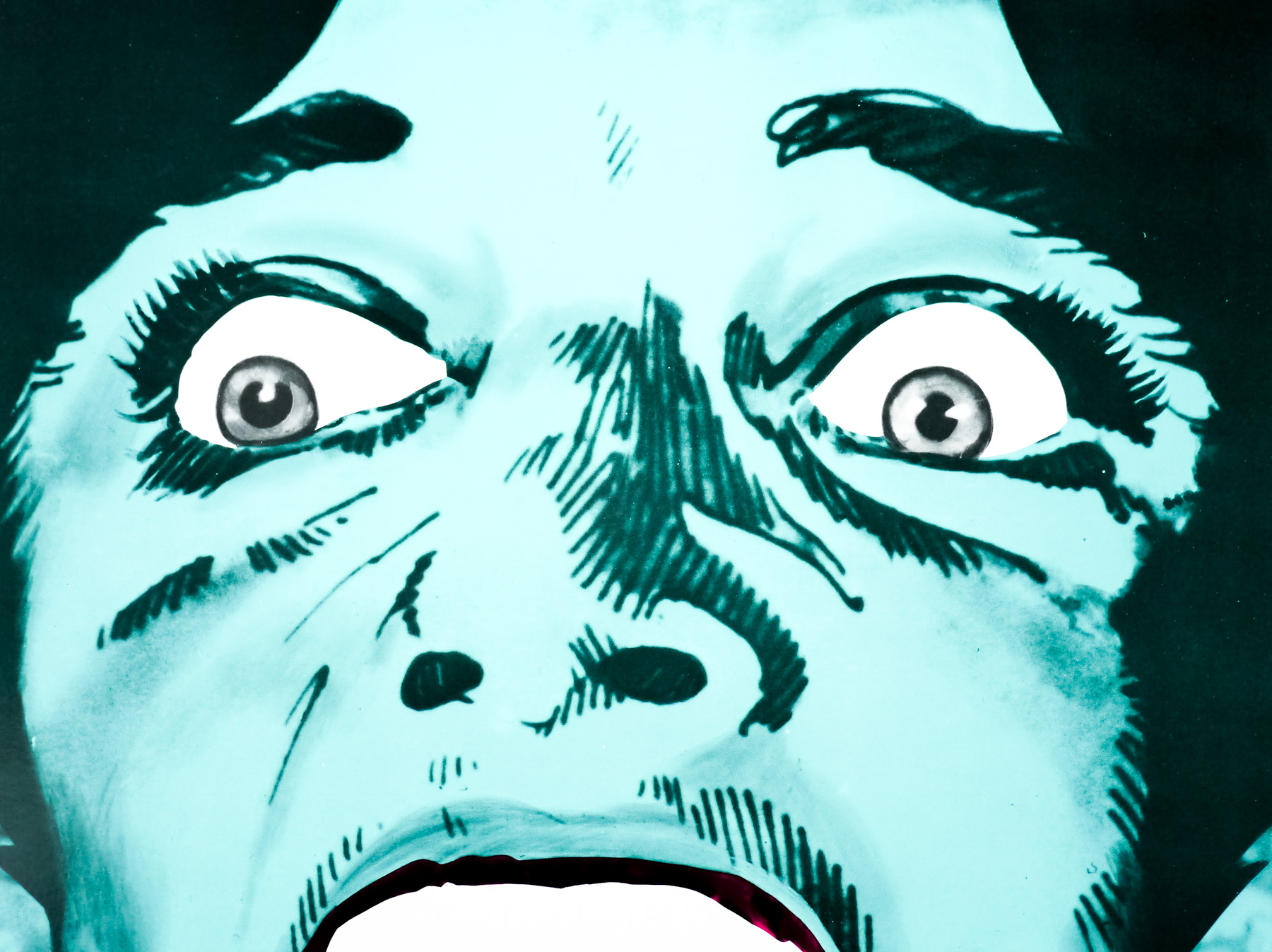
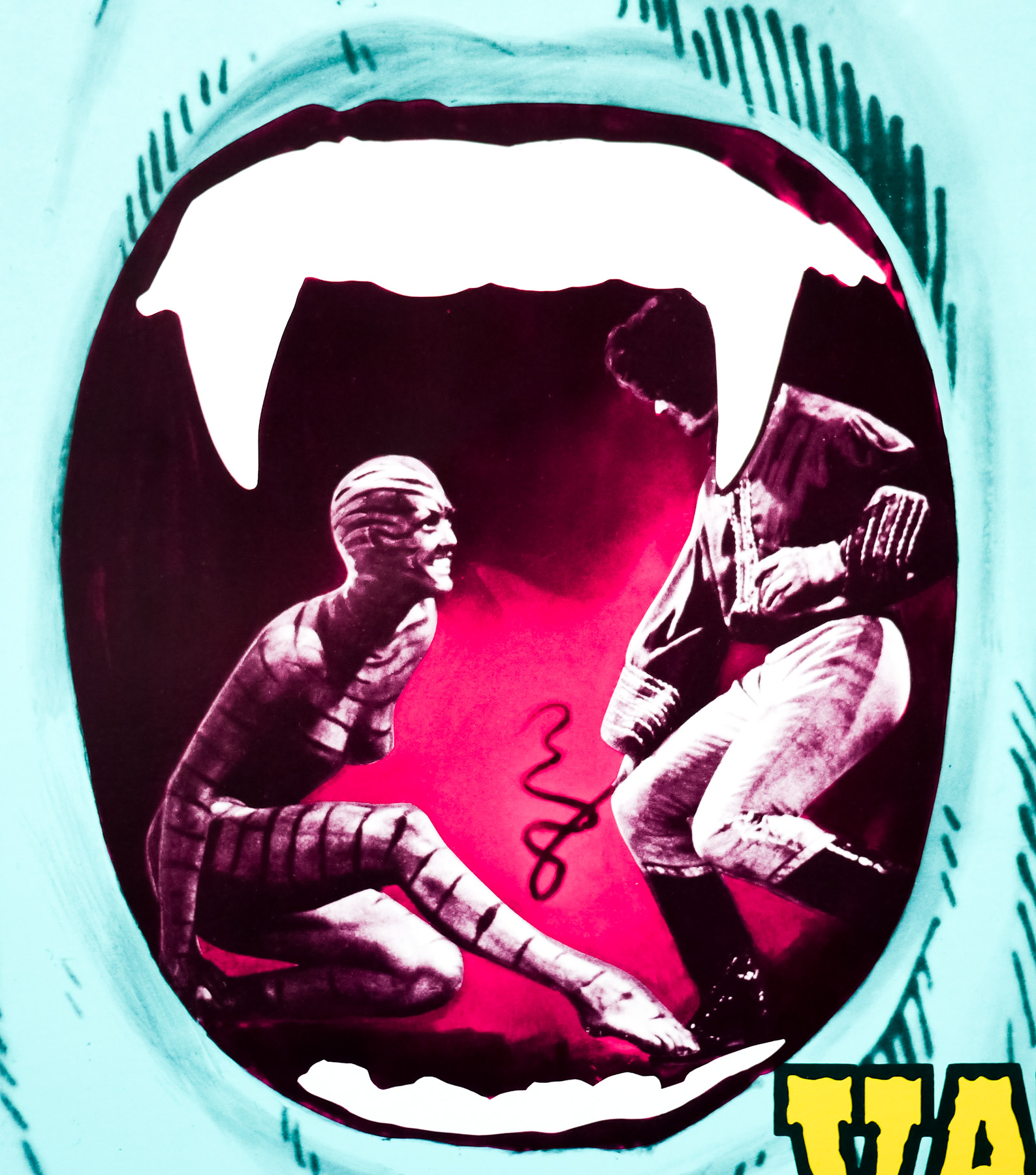
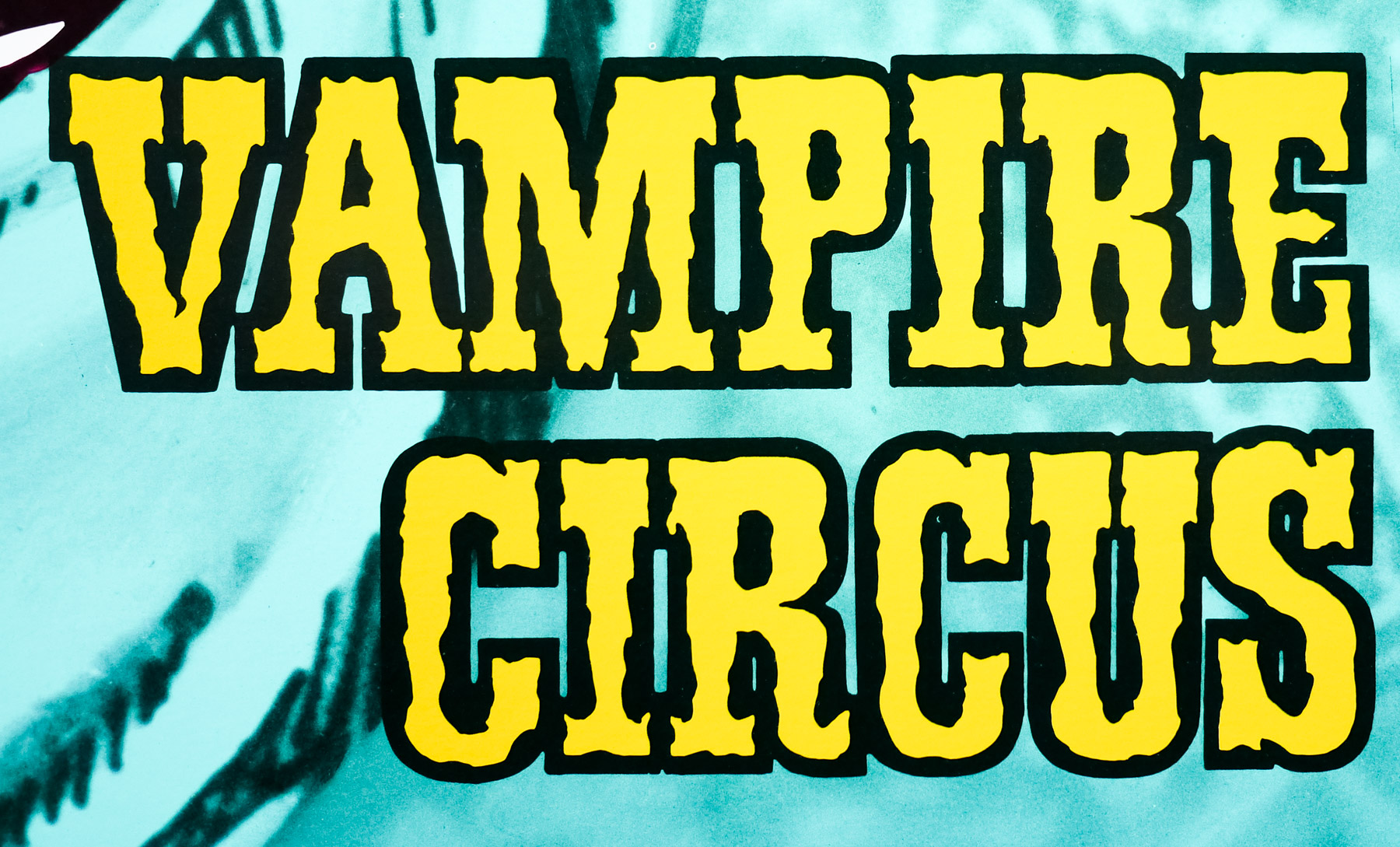
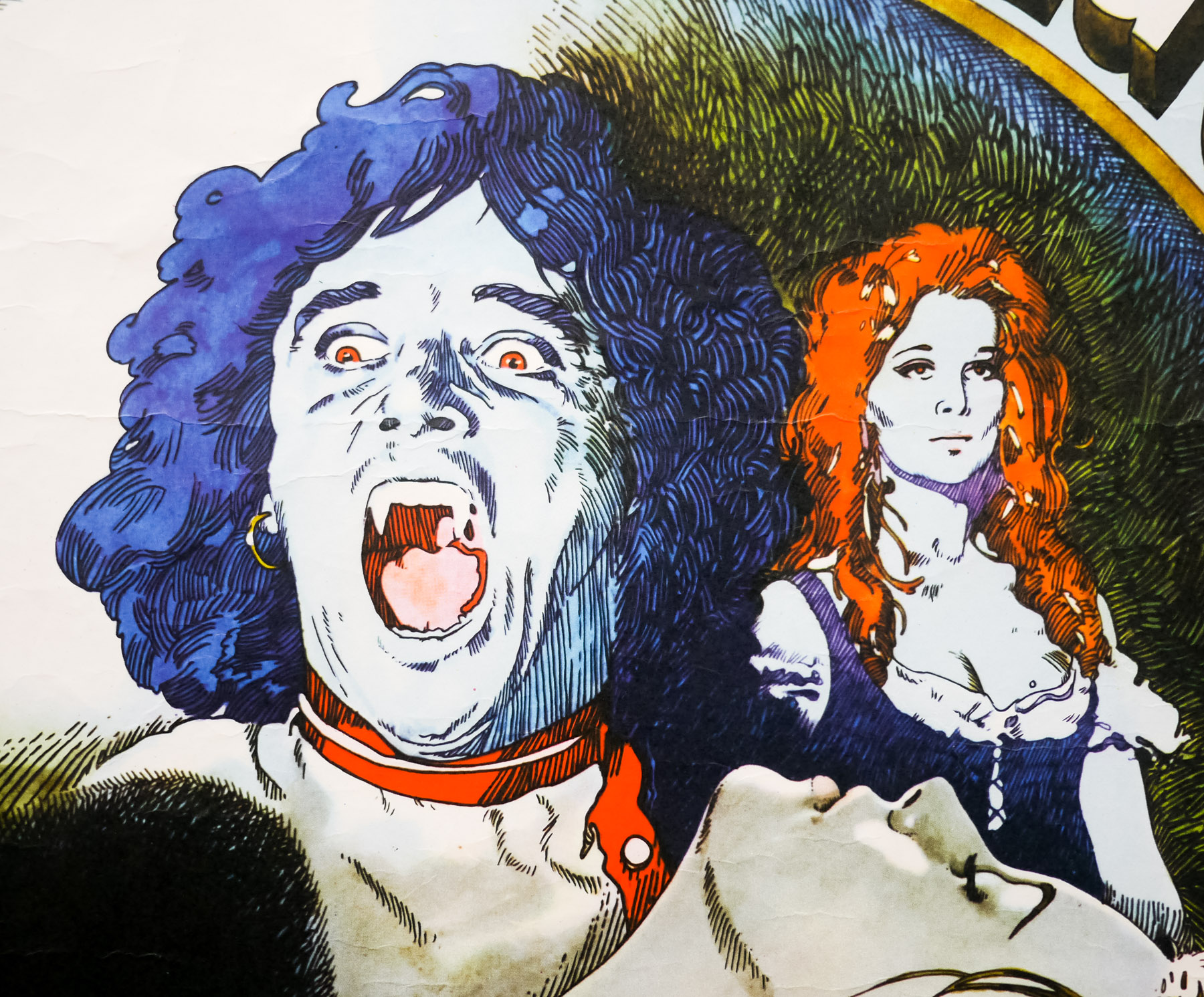
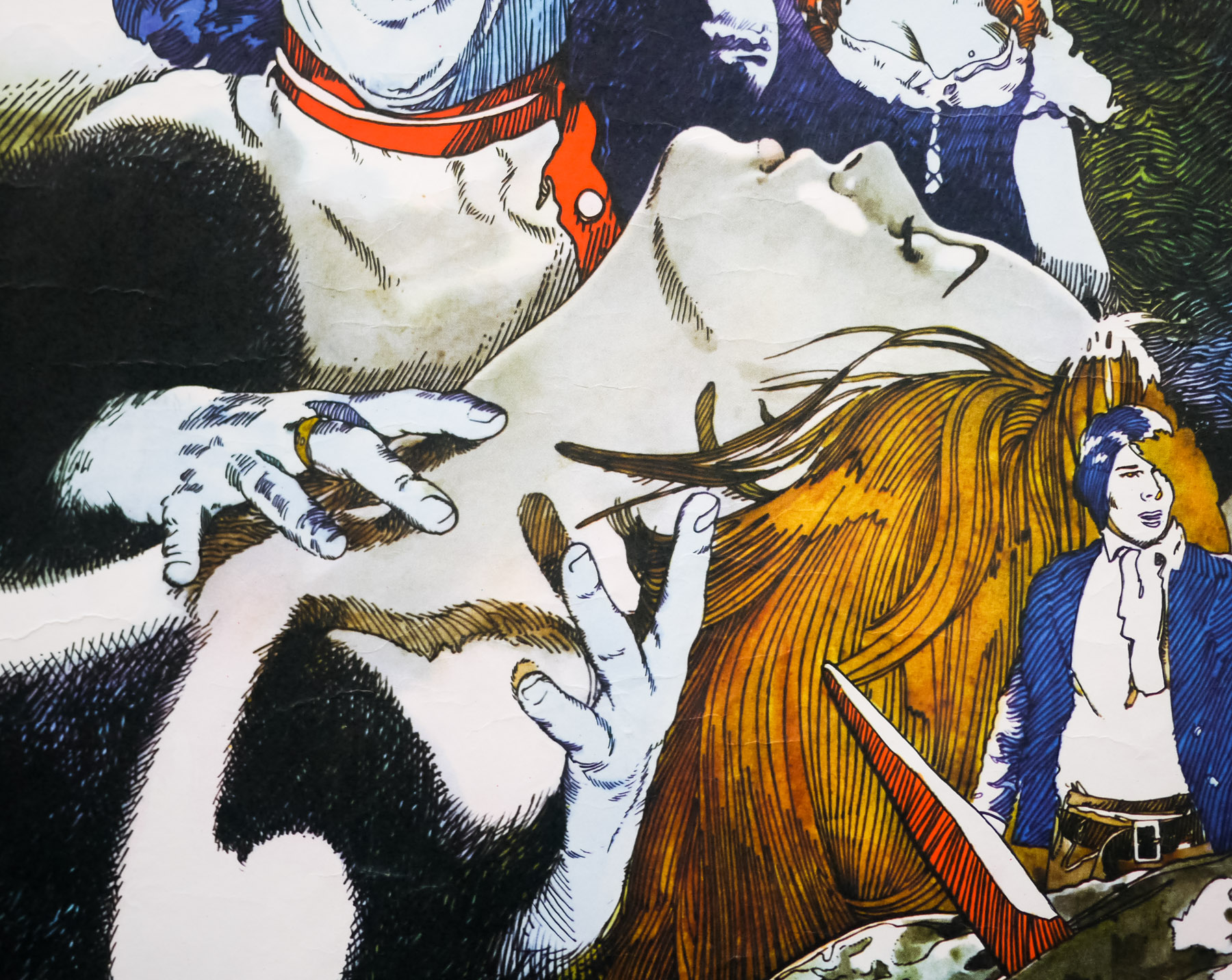
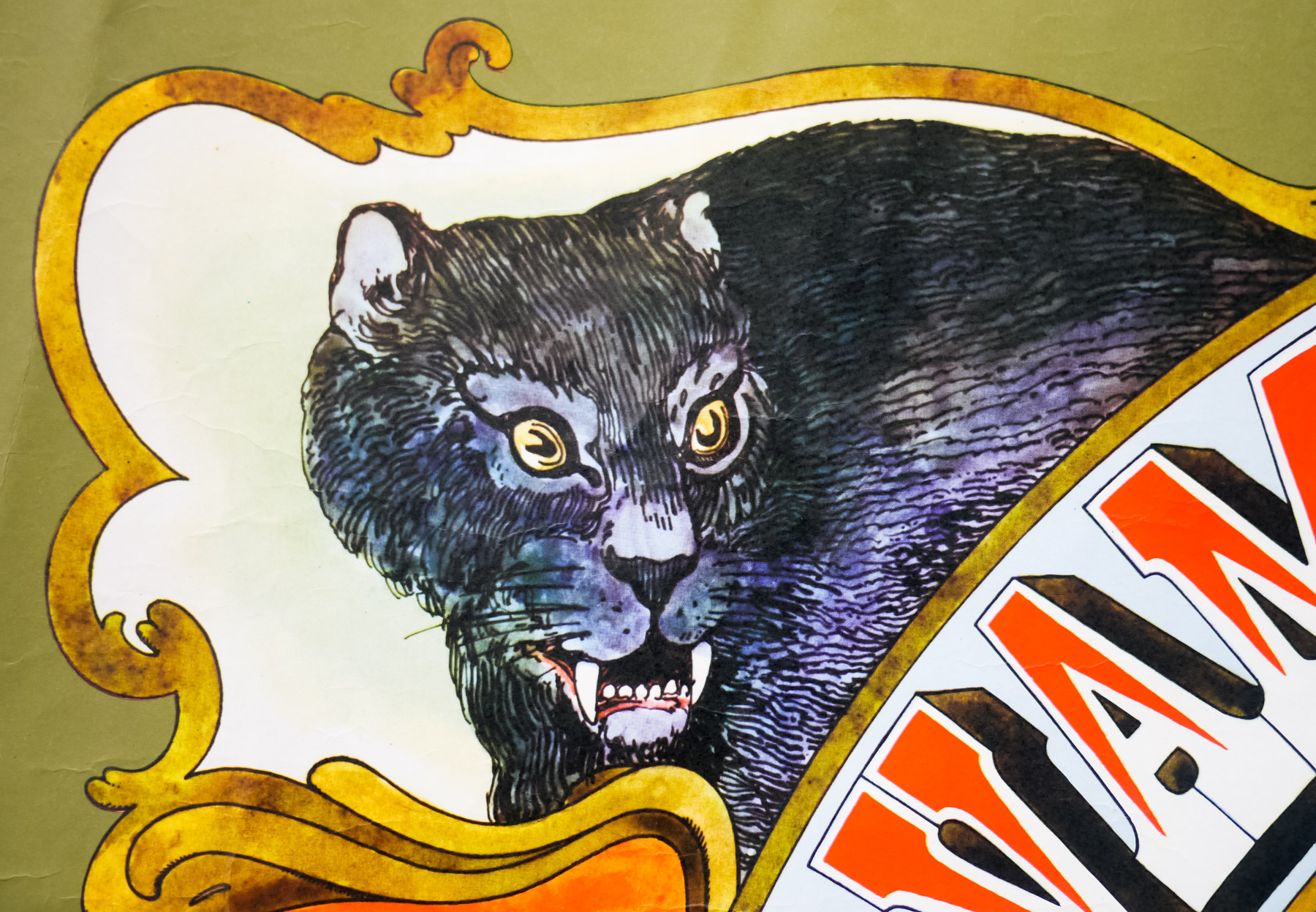
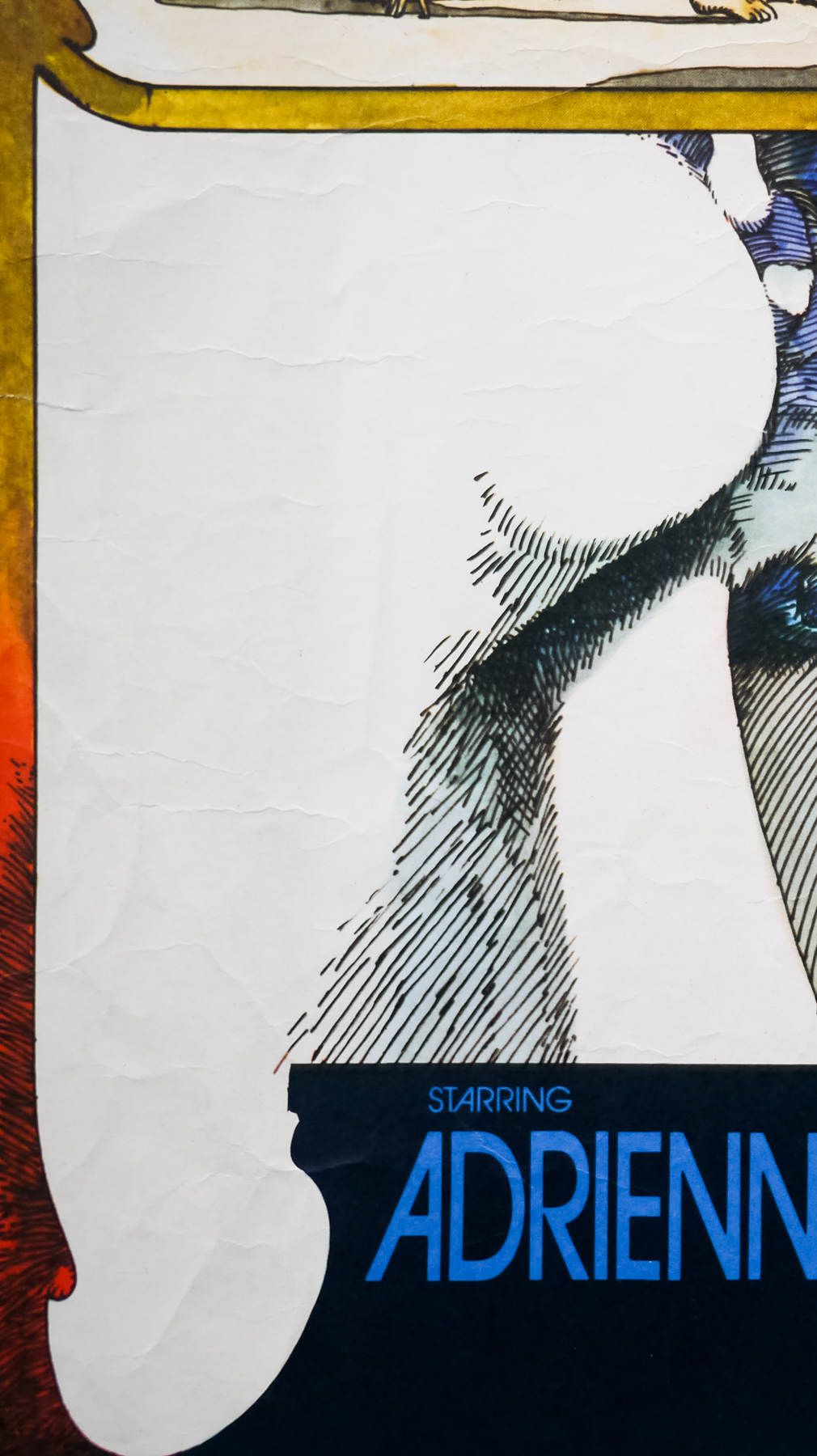
The taglines on this US 30×40 left cinema-goers in no doubt as to the kind of film they were in for with Hammer Films‘ 1972 horror Vampire Circus. Released at a time when the popularity of British gothic horror tales was on the wane, particularly when compared against the more explicit, contemporary horrors coming out of Hollywood (Rosemary’s Baby and later The Exorcist), the film nevertheless managed to stand out from a glut of other films produced by the studio around the same time. A decent script, typically excellent production design and a raft of quality British thespians all help to make Vampire Circus one of the more memorable films to be produced by the House of Horror before its first demise picked up pace a couple of years later

Set in a small village in the studio’s customary ‘mittel-Europe’ sometime in the 19th century, a lengthy pre-credits sequence shows a young girl being led into the castle of vampire Count Mitterhaus by Anna (Domini Blythe), the wife of local schoolmaster Albert Müller (Laurence Payne). Soon after the girl is murdered by the vampire, a group of villagers led by Müller storm the castle, stake the Count and burn the castle to the ground. Anna manages to drag the dying vampire to the crypt beneath the castle and before he perishes he curses the villagers and promises that their children will die to give him back his life. Fast-forward fifteen years, the village is beset by a plague and blockaded by the authorities with the miserable villagers fearing that this is the Count’s doing.

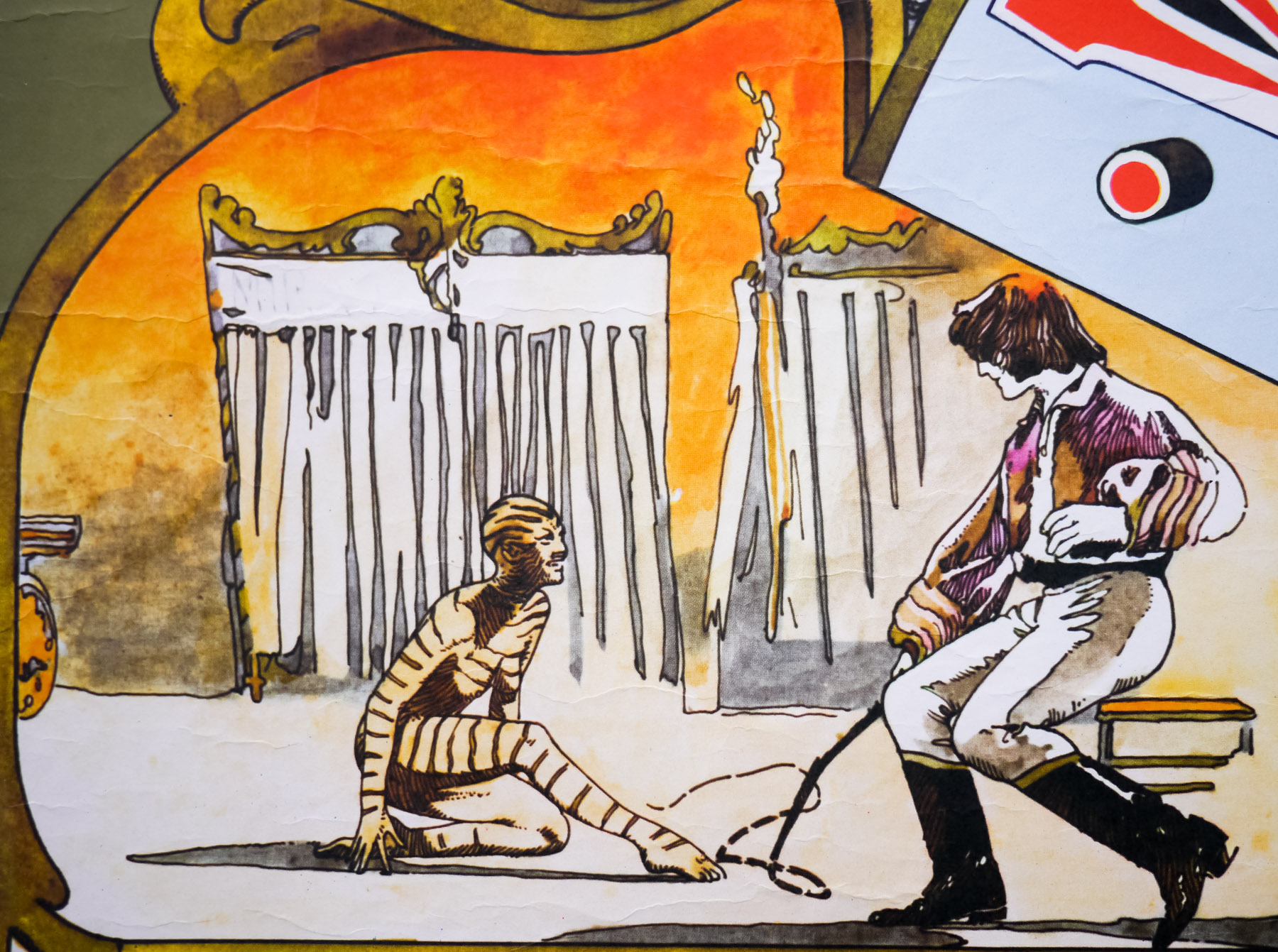
One day the eponymous travelling troupe arrives, having apparently snuck past the blockades, led by a mysterious gypsy woman (Adrienne Corri) and containing a ragtag bunch of performers, including a mischievous clown dwarf, a set of flying twins, an erotic tiger dancer (as depicted on this poster) and Emil, a shape-shifting artiste. At first the villagers are happy to be entertained by the circus as it gives them a reprieve from their misery, but it soon becomes clear that the gang have an ulterior motive for being there. Before long the Count’s dying promise is being kept by Emil, who it turns out is a ‘kinsman’ of Mitterhaus, and the leaders of the village must battle to try to stop the murder of their children and the resurrection of the cursed Count. It’s a well-paced film and certainly a stand-out feature in Hammer’s output of the early 1970s, only let down by some dodgy special effects, which can be explained by a curtailed production period and the dwindling budgets of the time.

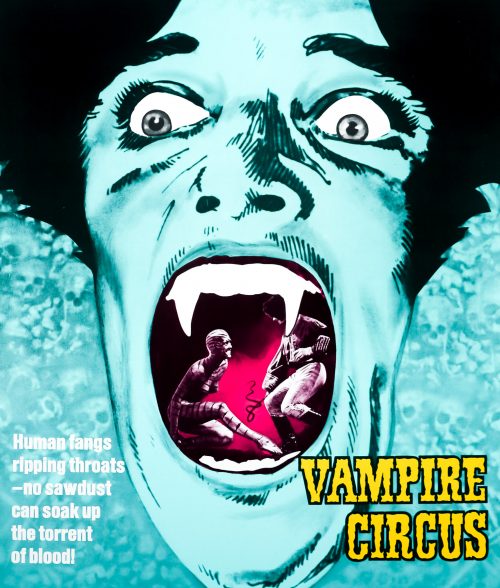
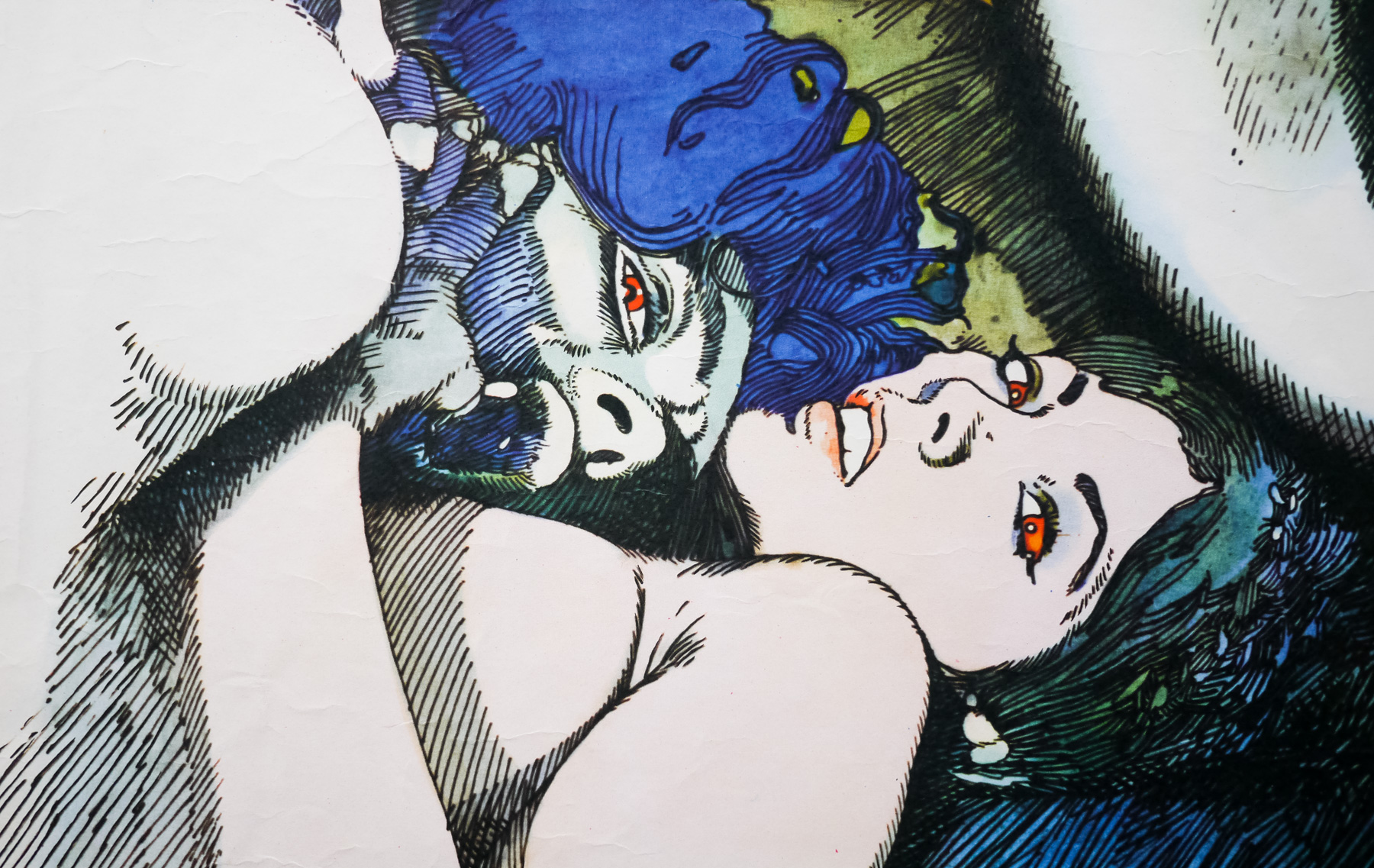
I’m unsure who is responsible for the artwork on this American poster, which depicts Emil in all his fang-baring glory, so if you have any ideas please get in touch.

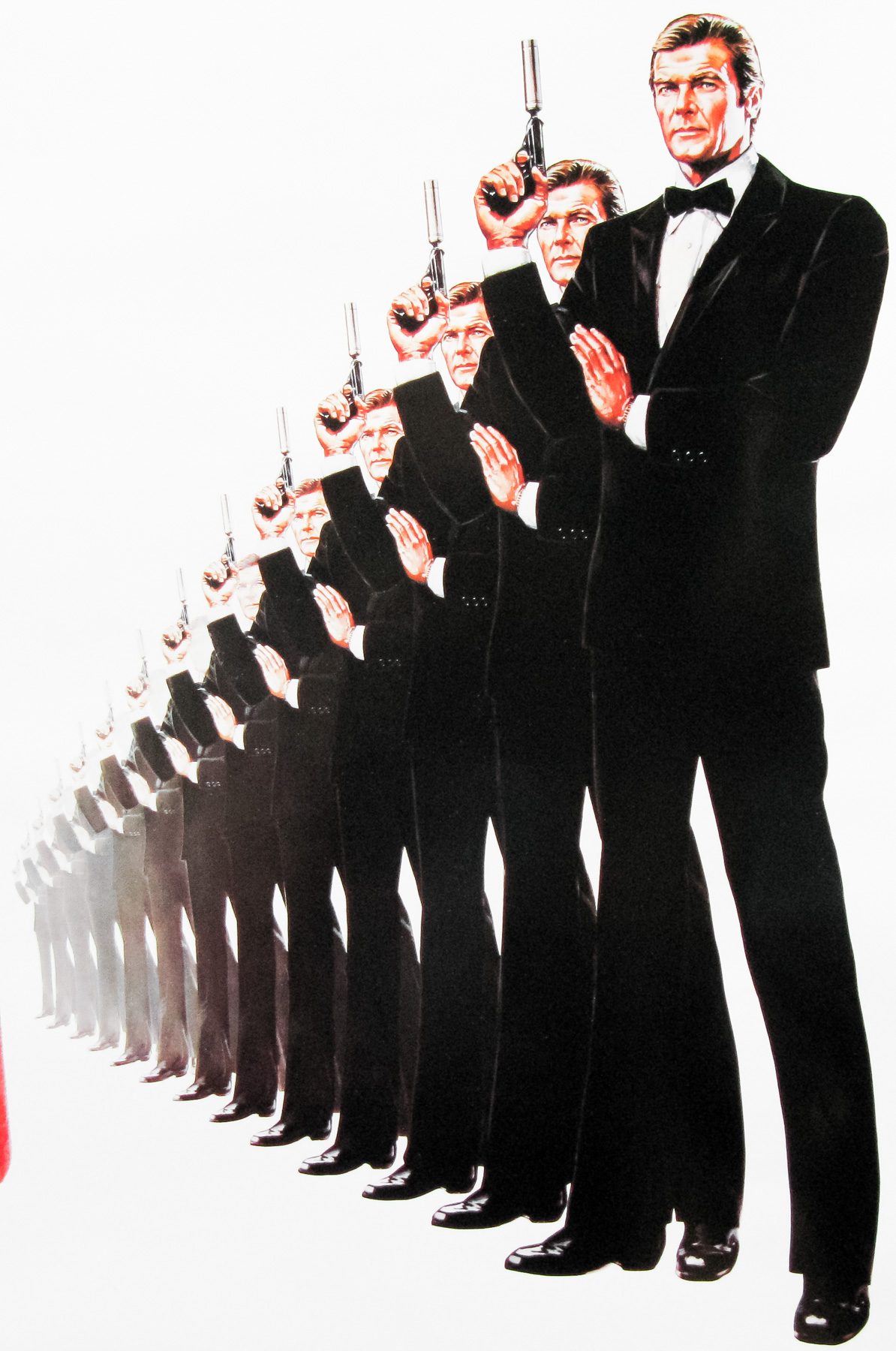
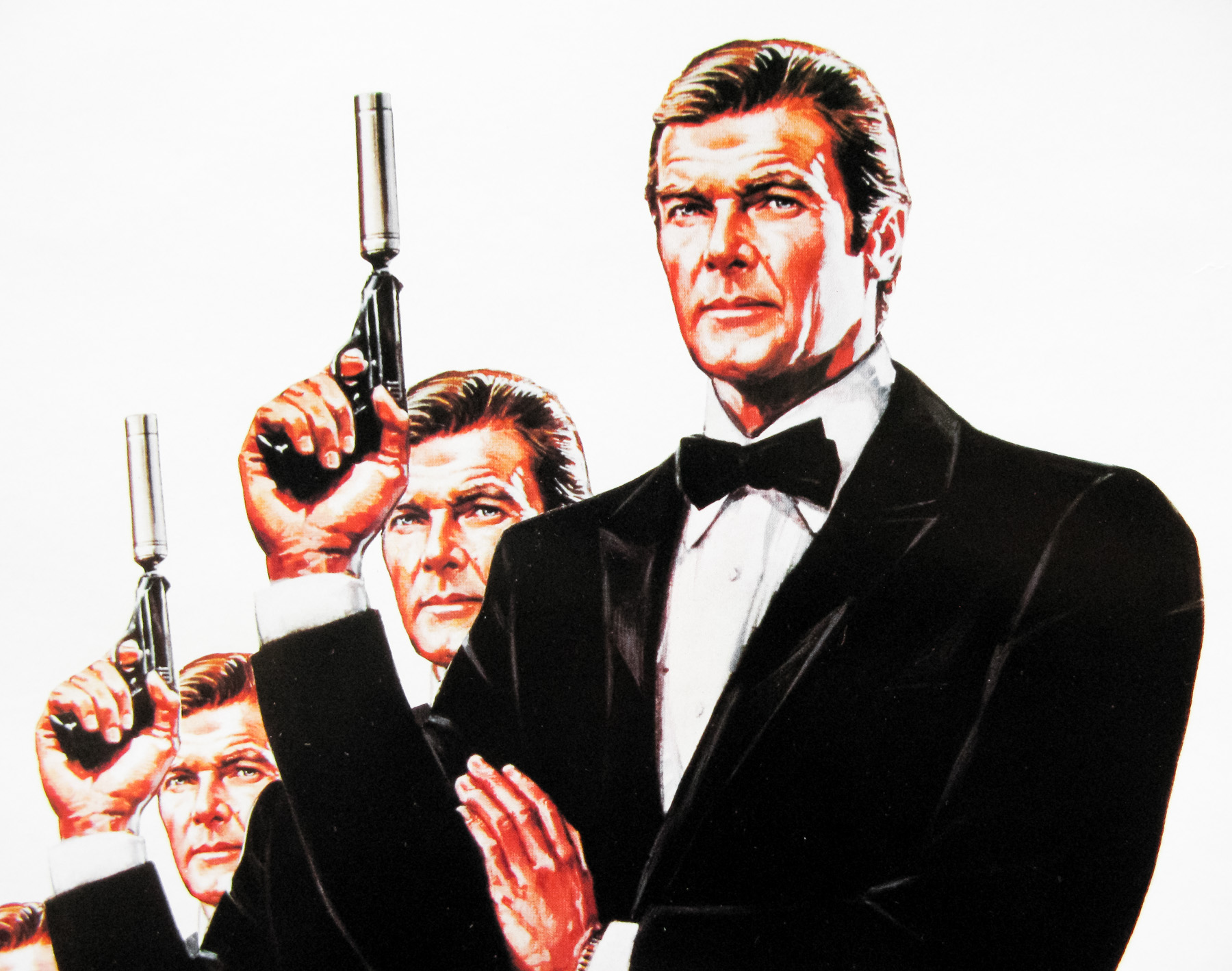
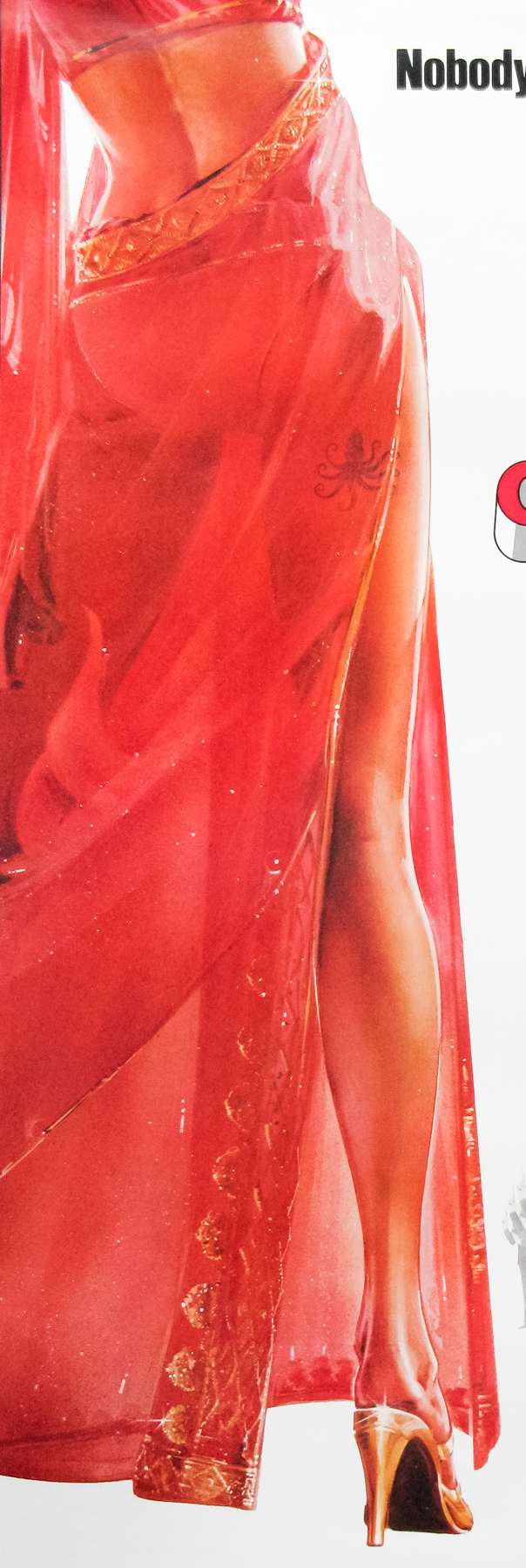
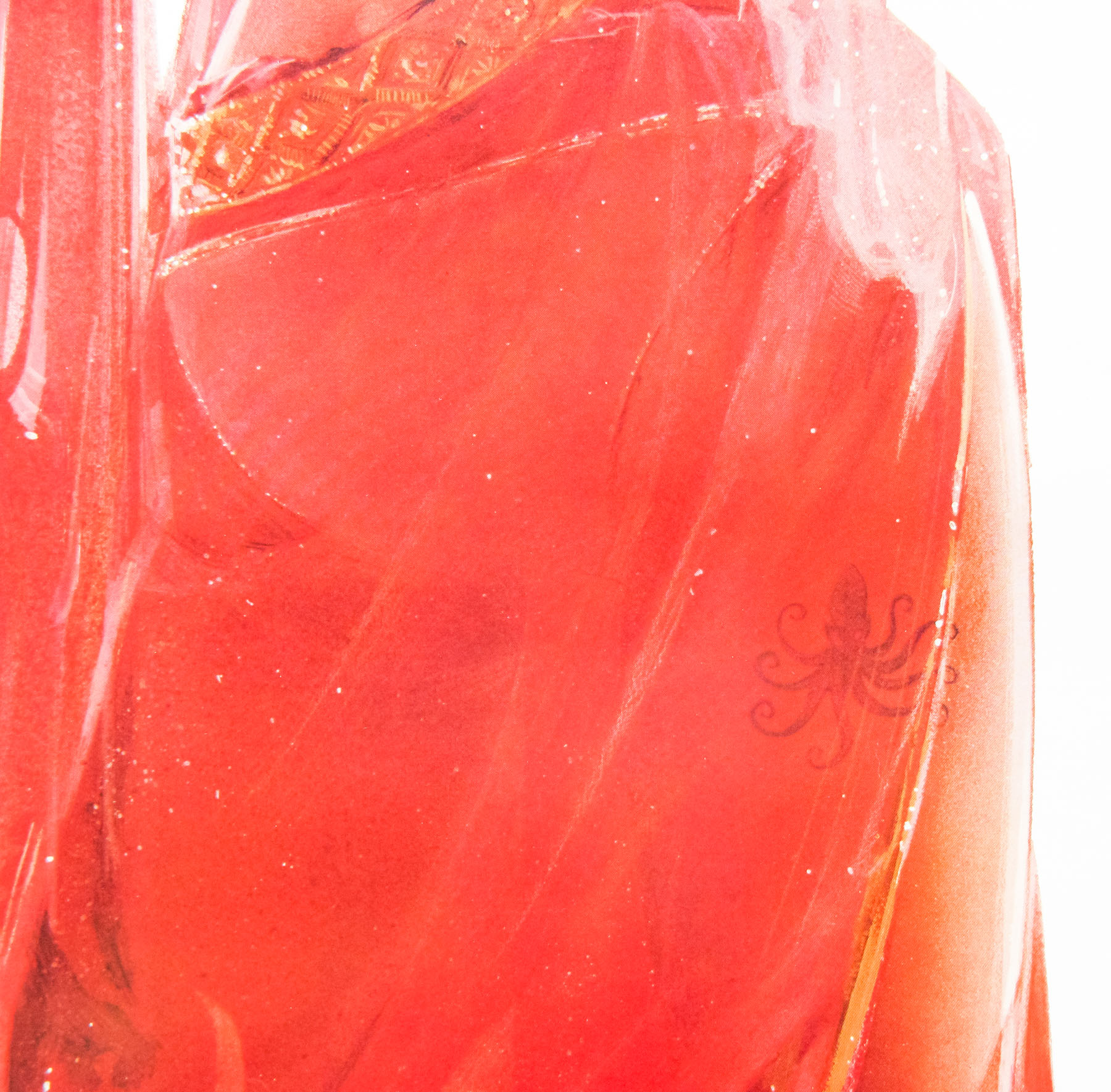
Octopussy / quad / UK

09.08.13

Poster Poster

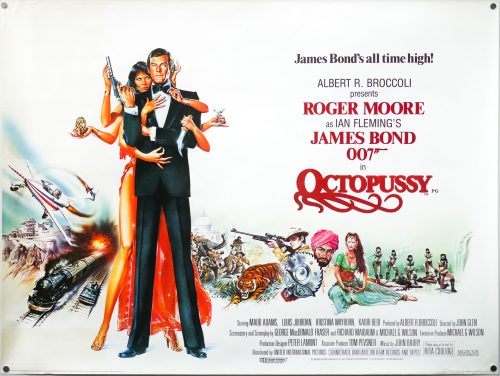
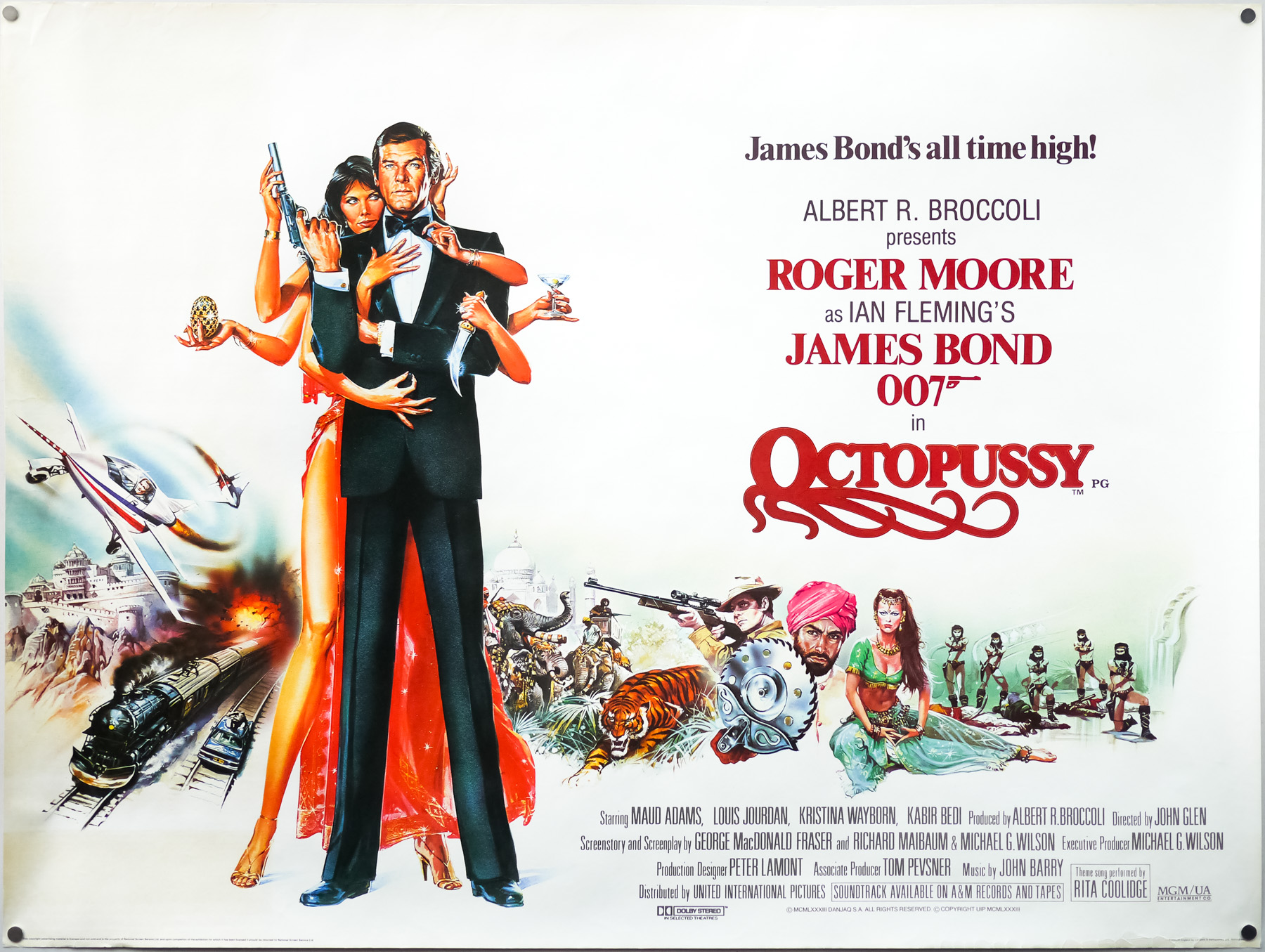
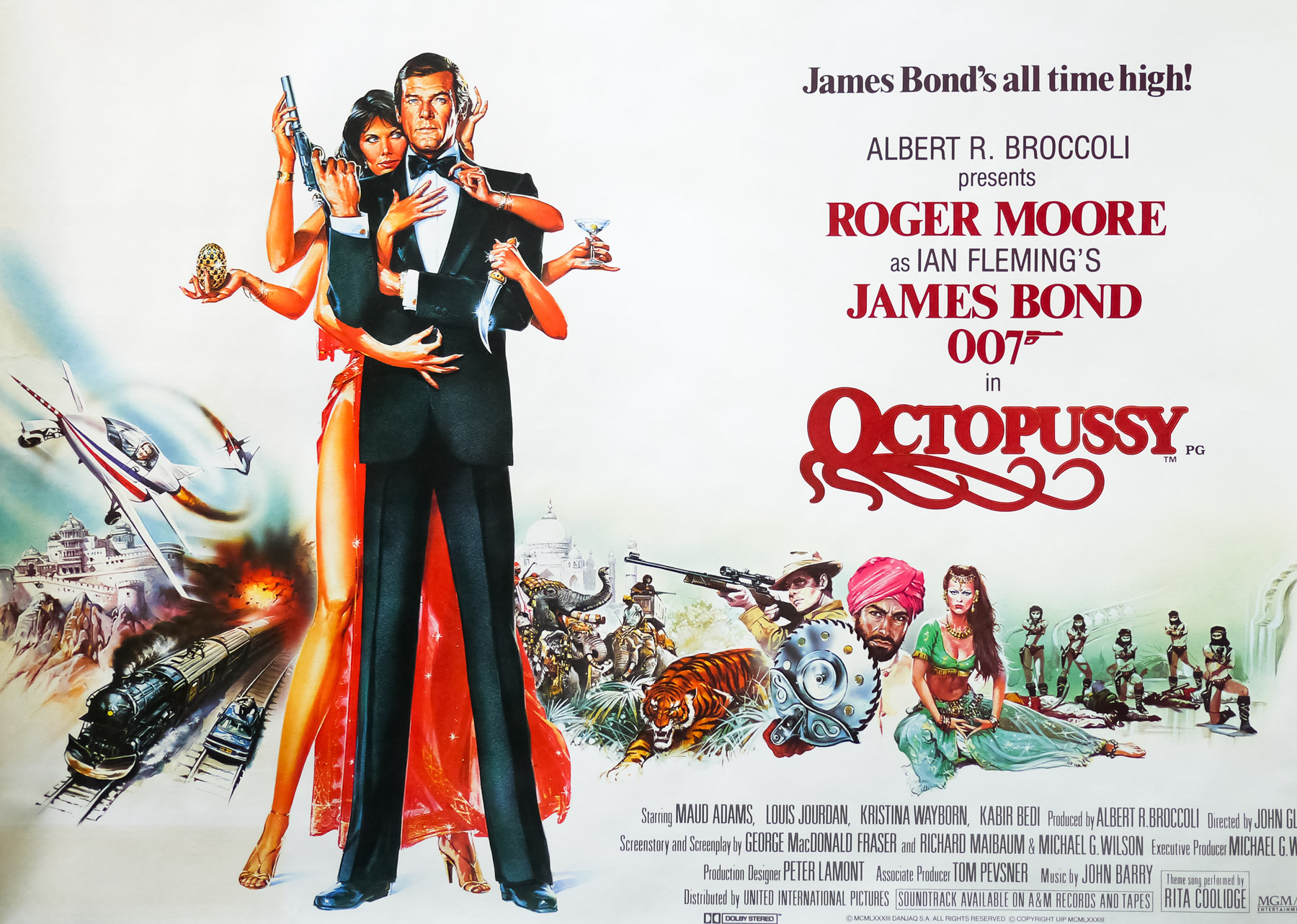
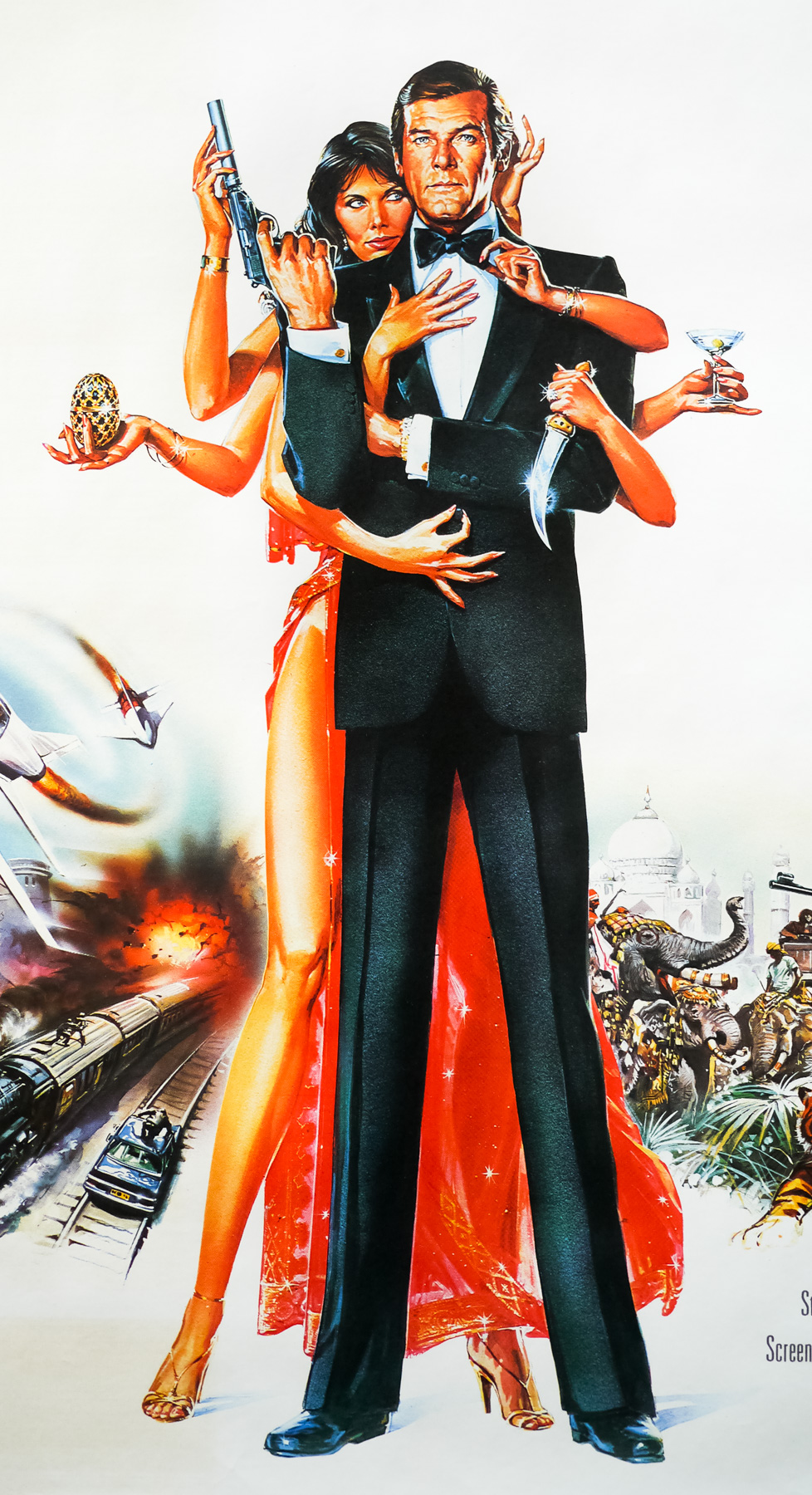
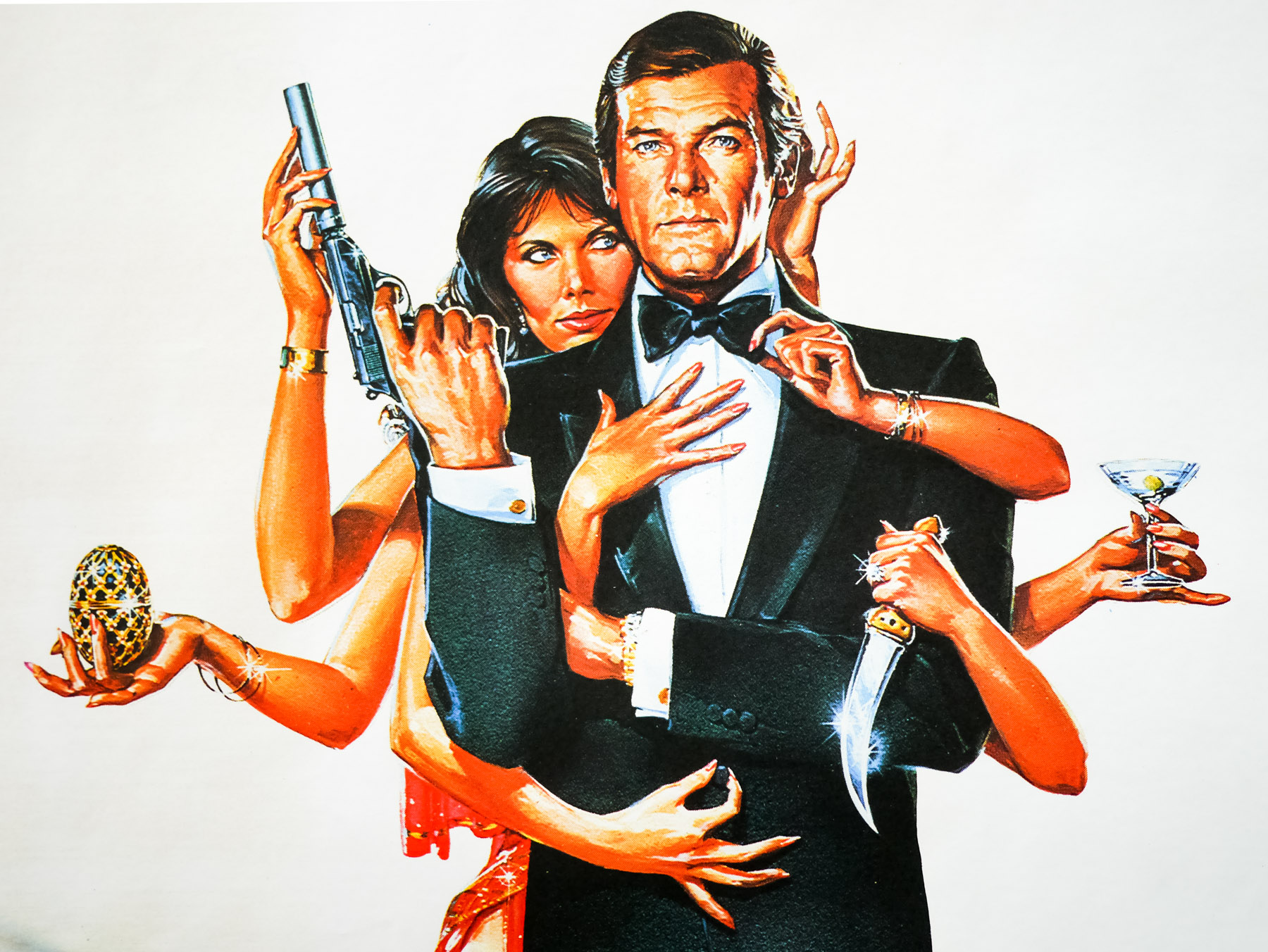
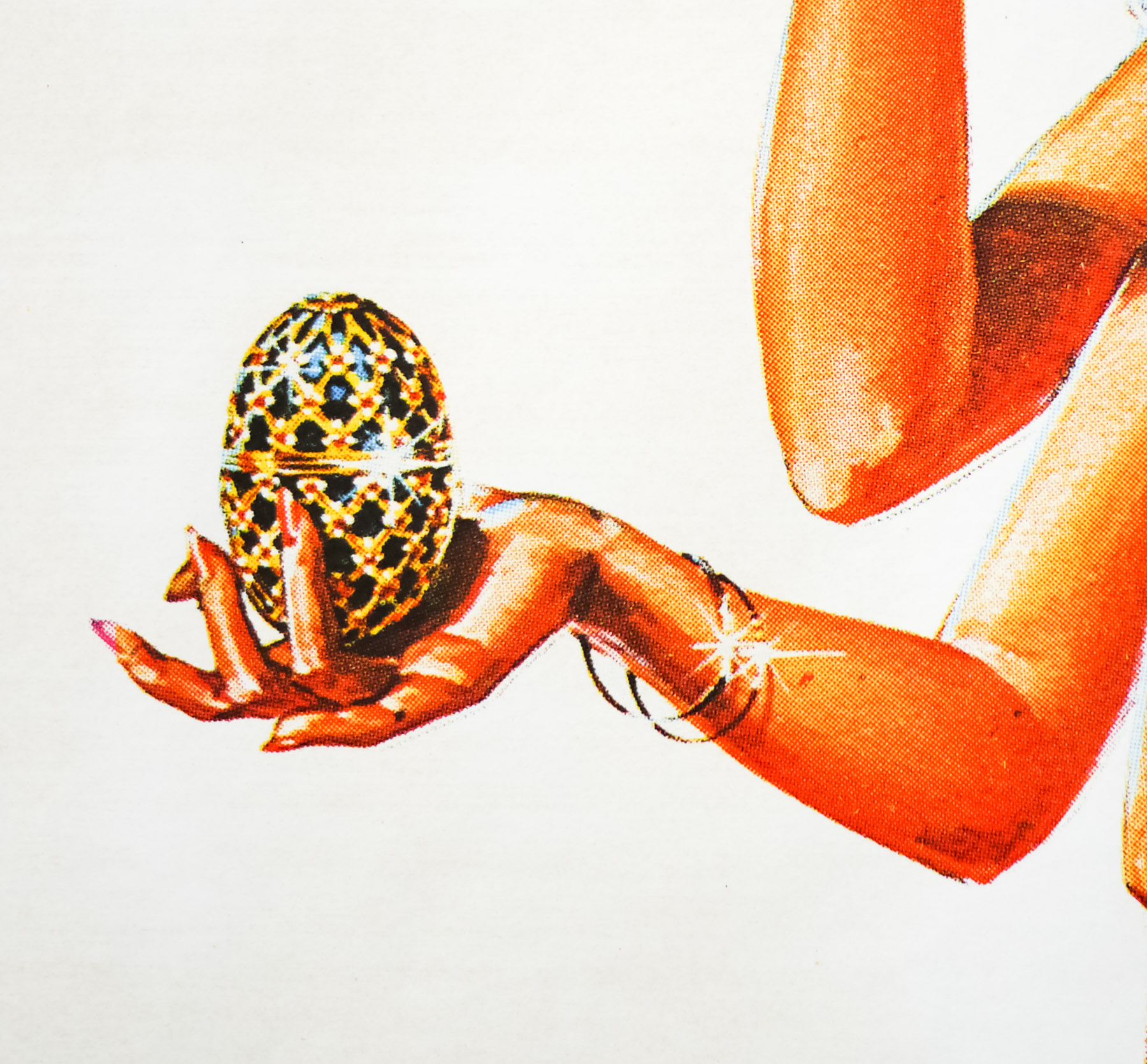
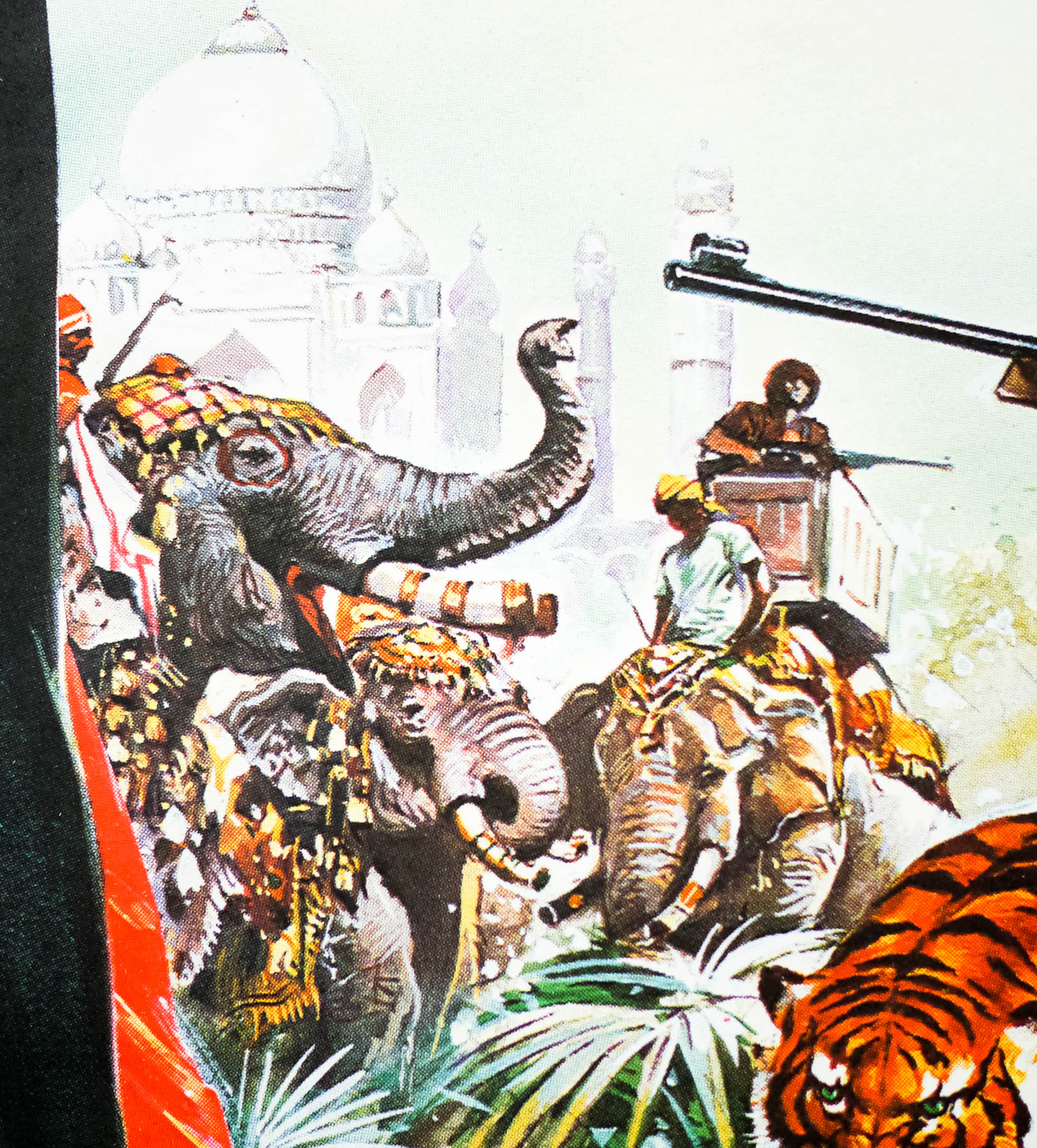
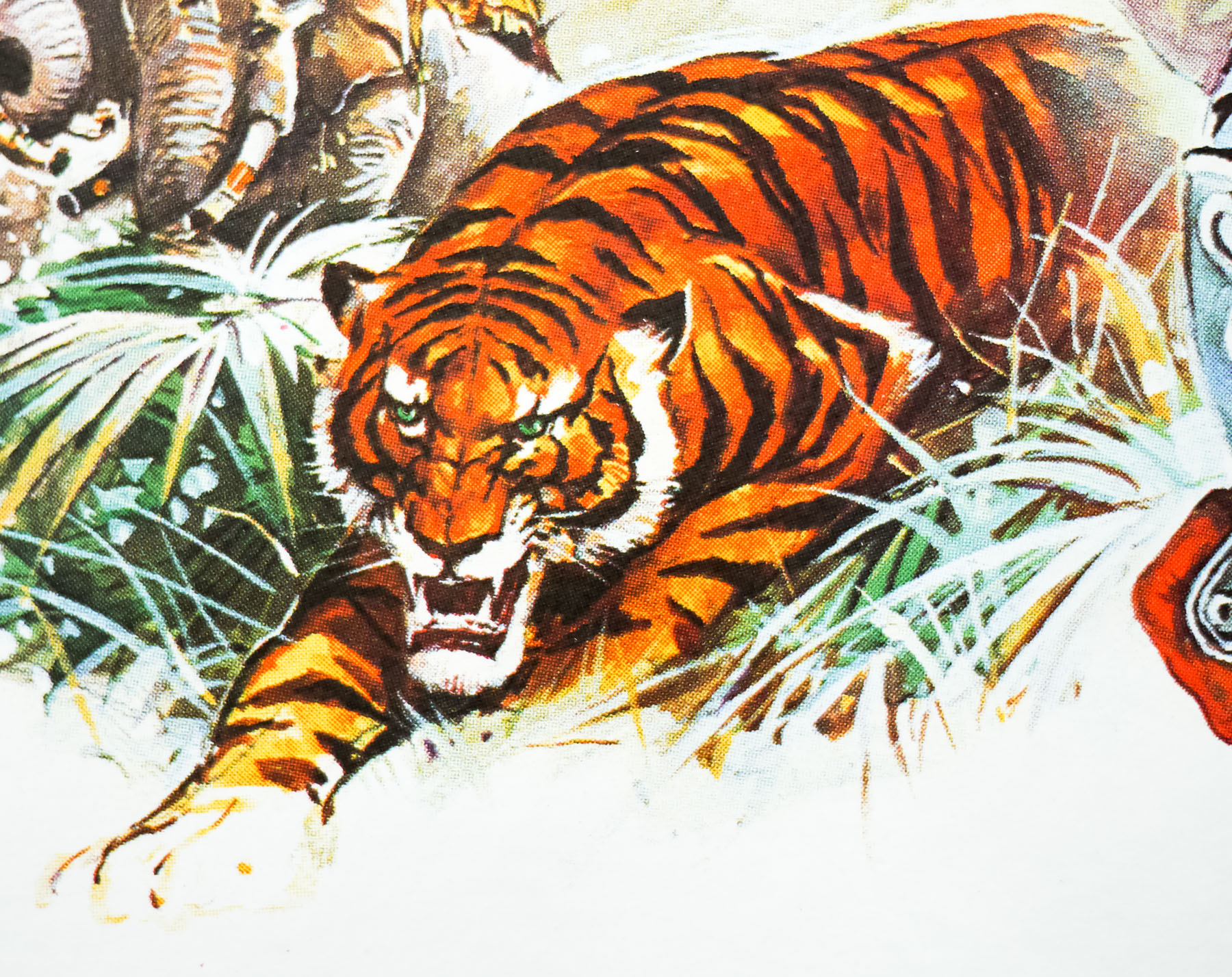
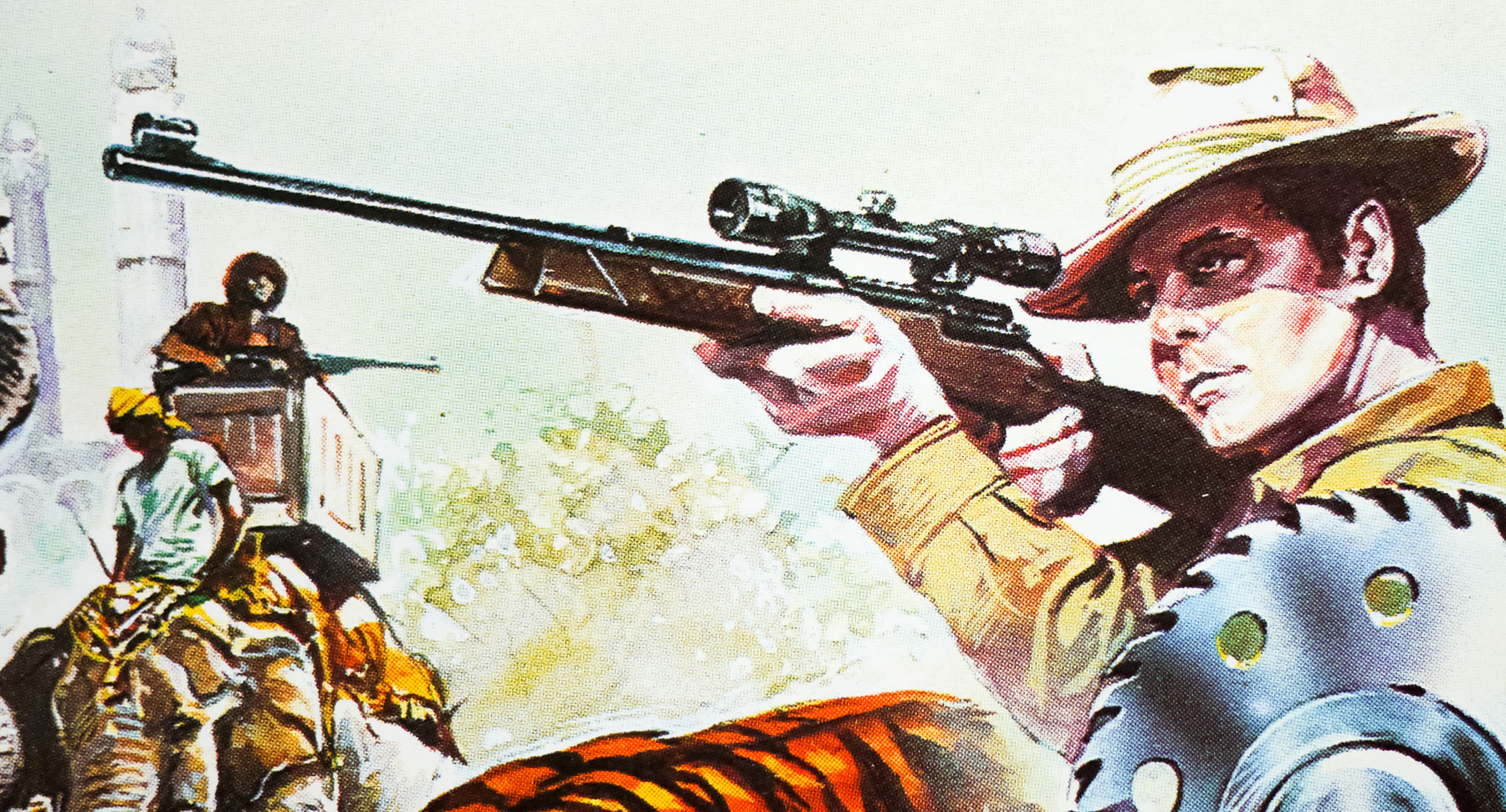
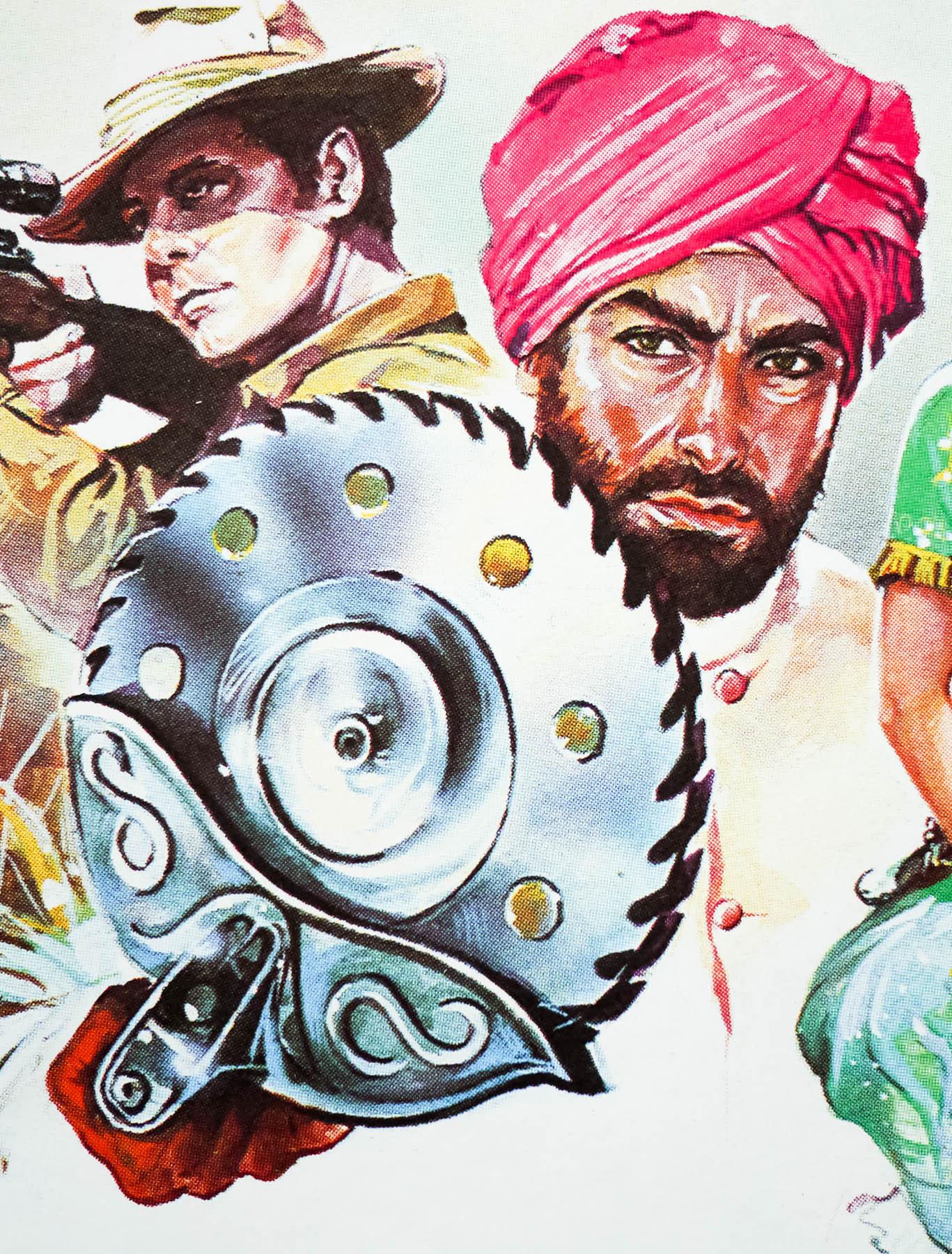
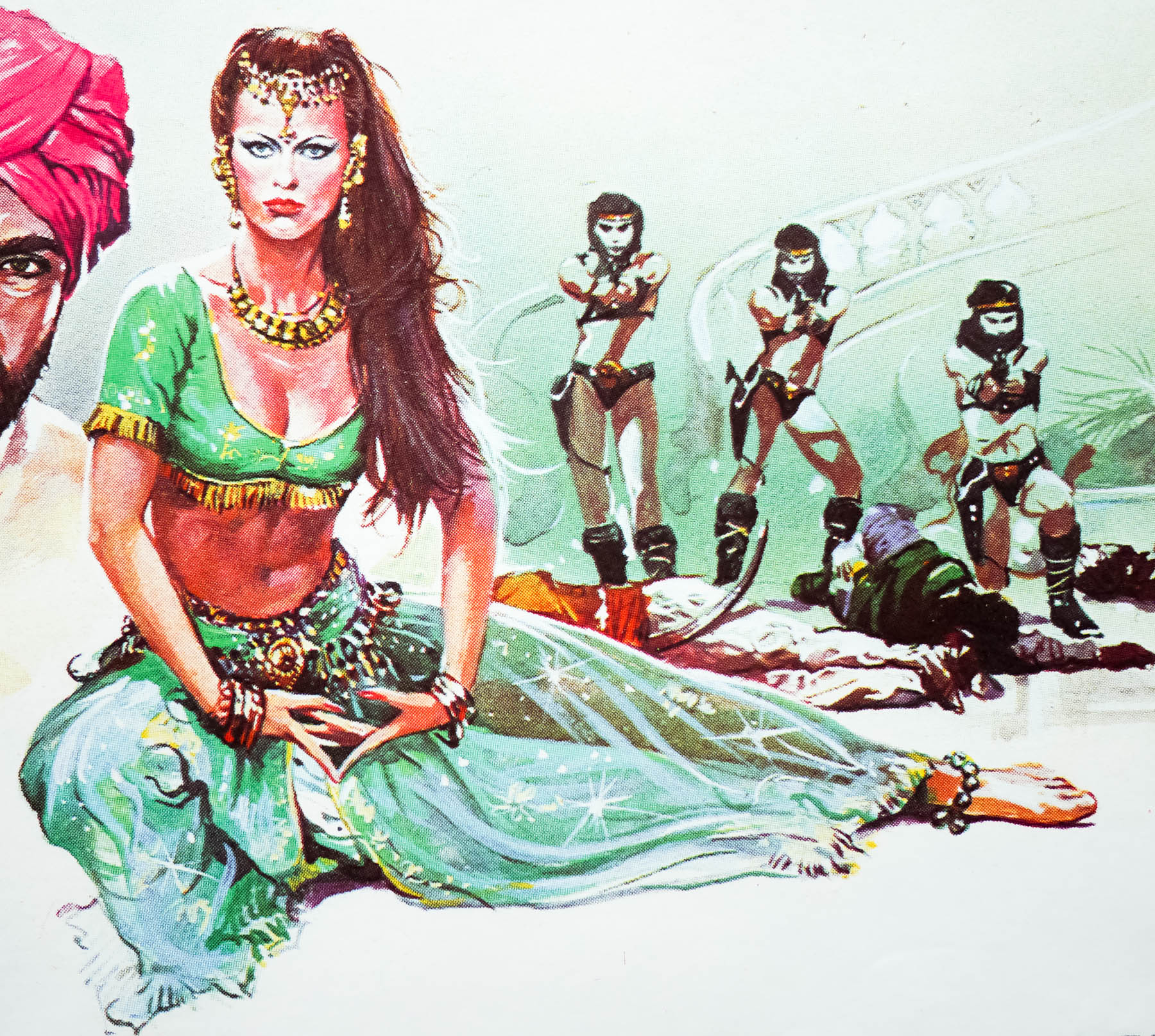
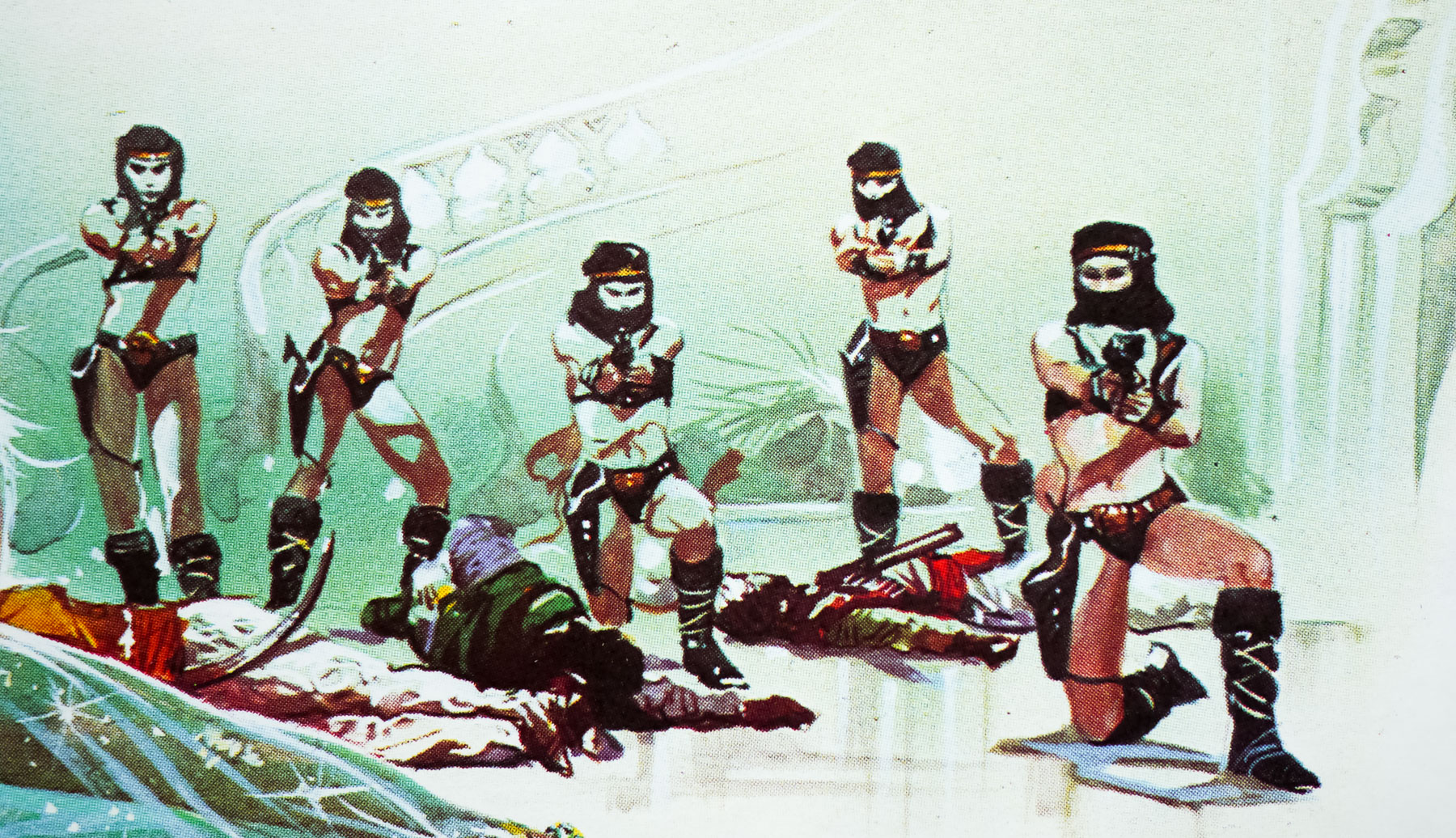
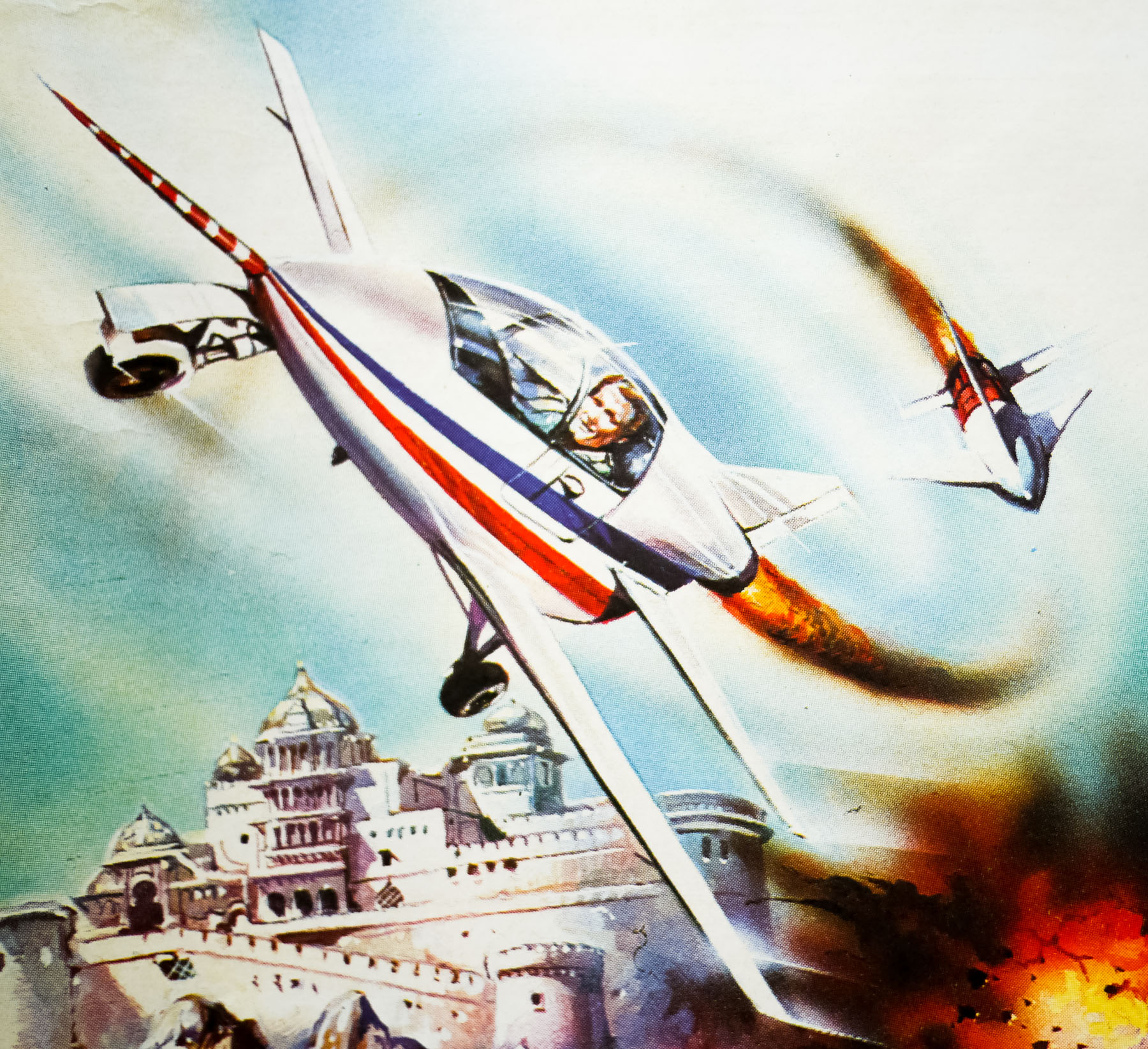
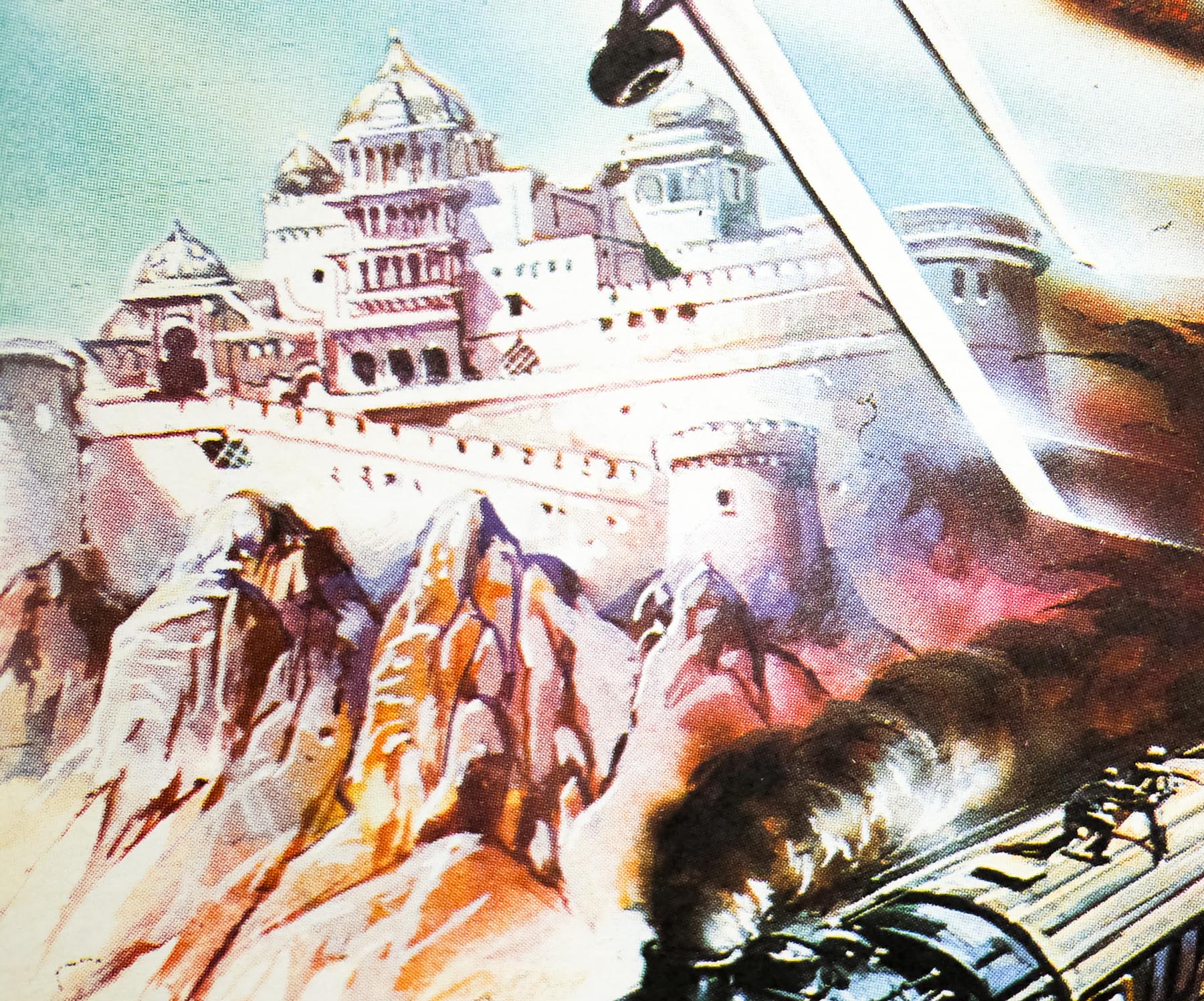
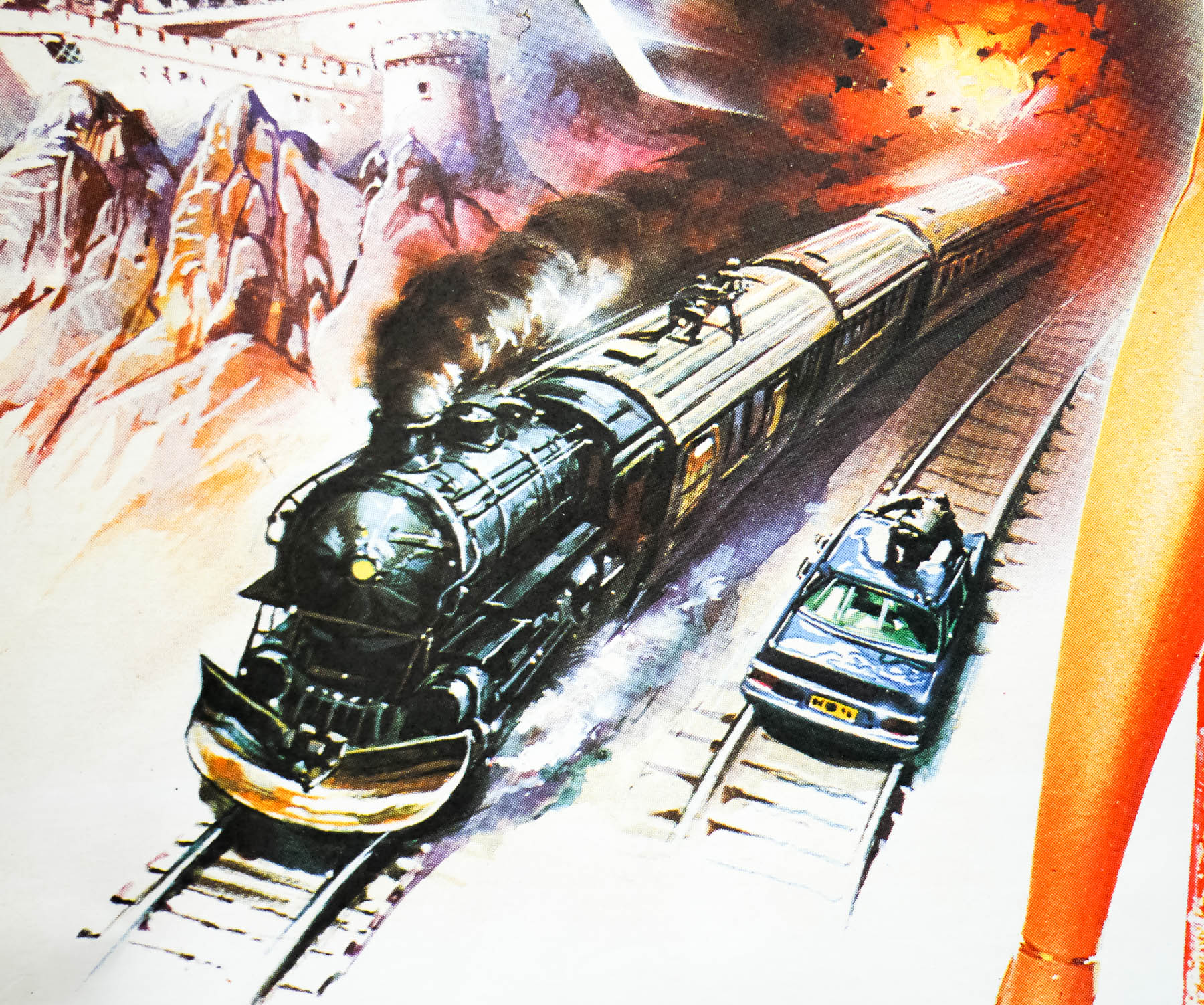
This is the UK quad for Roger Moore‘s sixth outing as the legendary spy, 1983’s Octopussy. Considered by many to be one of the weaker entries in the long-running series, the film nevertheless continued the more ‘realistic’ and down to earth approach that was taken for the previous entry, For Your Eyes Only (1981), following the over-the-top lunacy of Moonraker (1979). The story sees Bond sent to investigate the death of his fellow agent ‘009’ who perishes in front of the British embassy in East Berlin clutching a copy of a priceless Fabergé egg. When the trail leads to an auction house in London where the real egg is to be sold, Bond enters a bidding war with the mysterious Afghan prince Kamal Khan (Louis Jourdan), forcing him to spend several times its listing price.

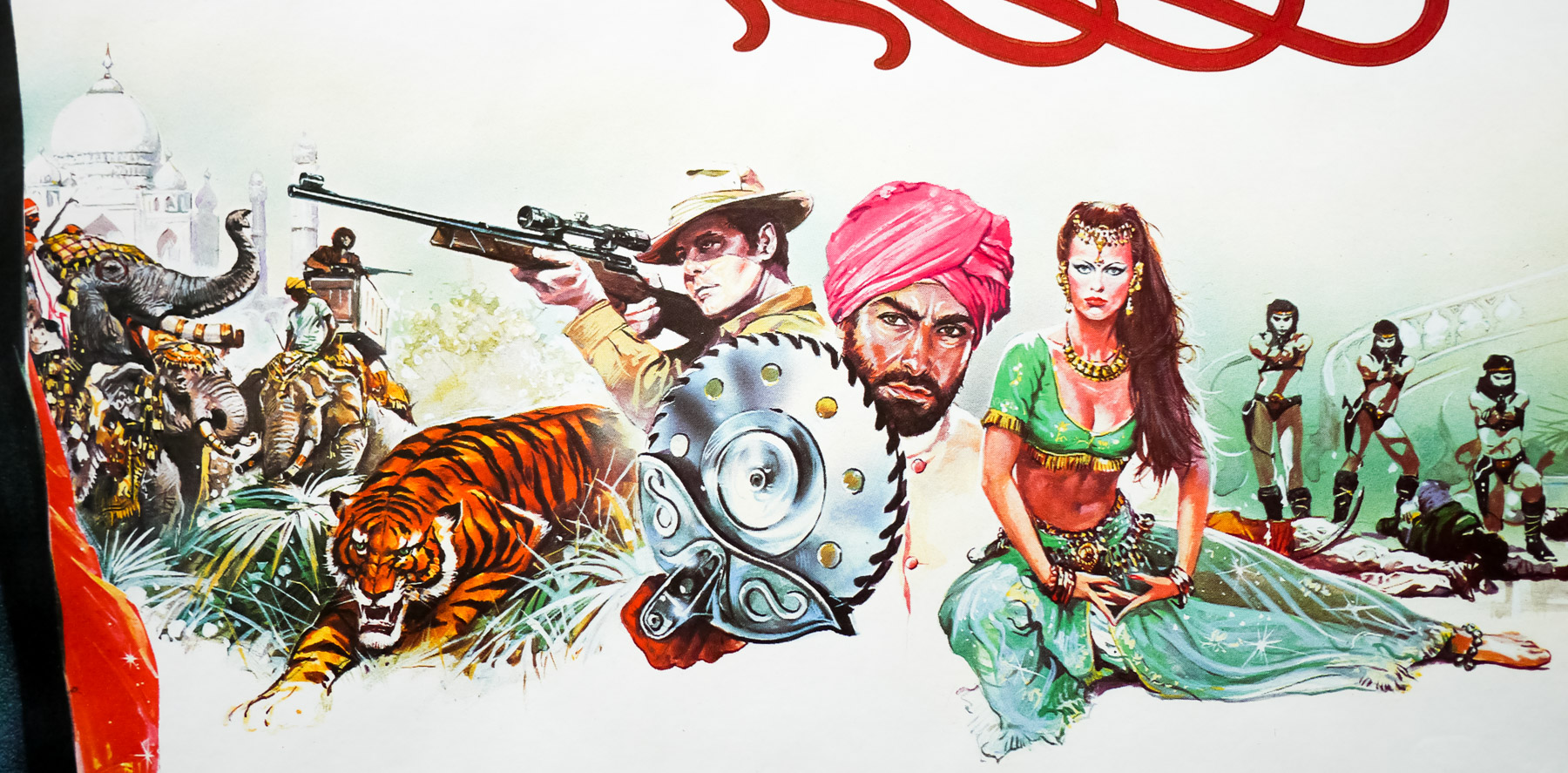
After following Khan back to his palace in Rajasthan, India, the spy eventually ends up in the clutches of Khan’s bodyguard Gobinda (an imposing Kabir Bedi) and, after escaping, discovers that the prince is working with a power-hungry Soviet general named Orlov (Steven Berkoff) who plans to detonate a nuclear bomb in a US Air Force base in Germany in order to destabilise Europe and expand Soviet borders. Bond heads to a palace on an Indian lake on the trail of Octopussy (Maud Adams), the enigmatic leader of an all-female cult and head of a travelling circus troupe that Khan and Orlov plan to use to smuggle the weapon into the base. Bond must convince Octopussy that Khan is only using her for his nefarious plot and sets out to prevent the bomb from detonating before Europe is plunged into chaos.

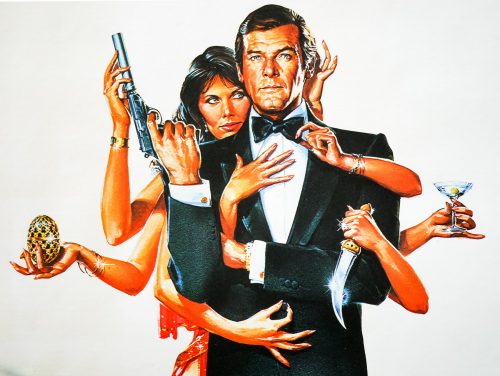
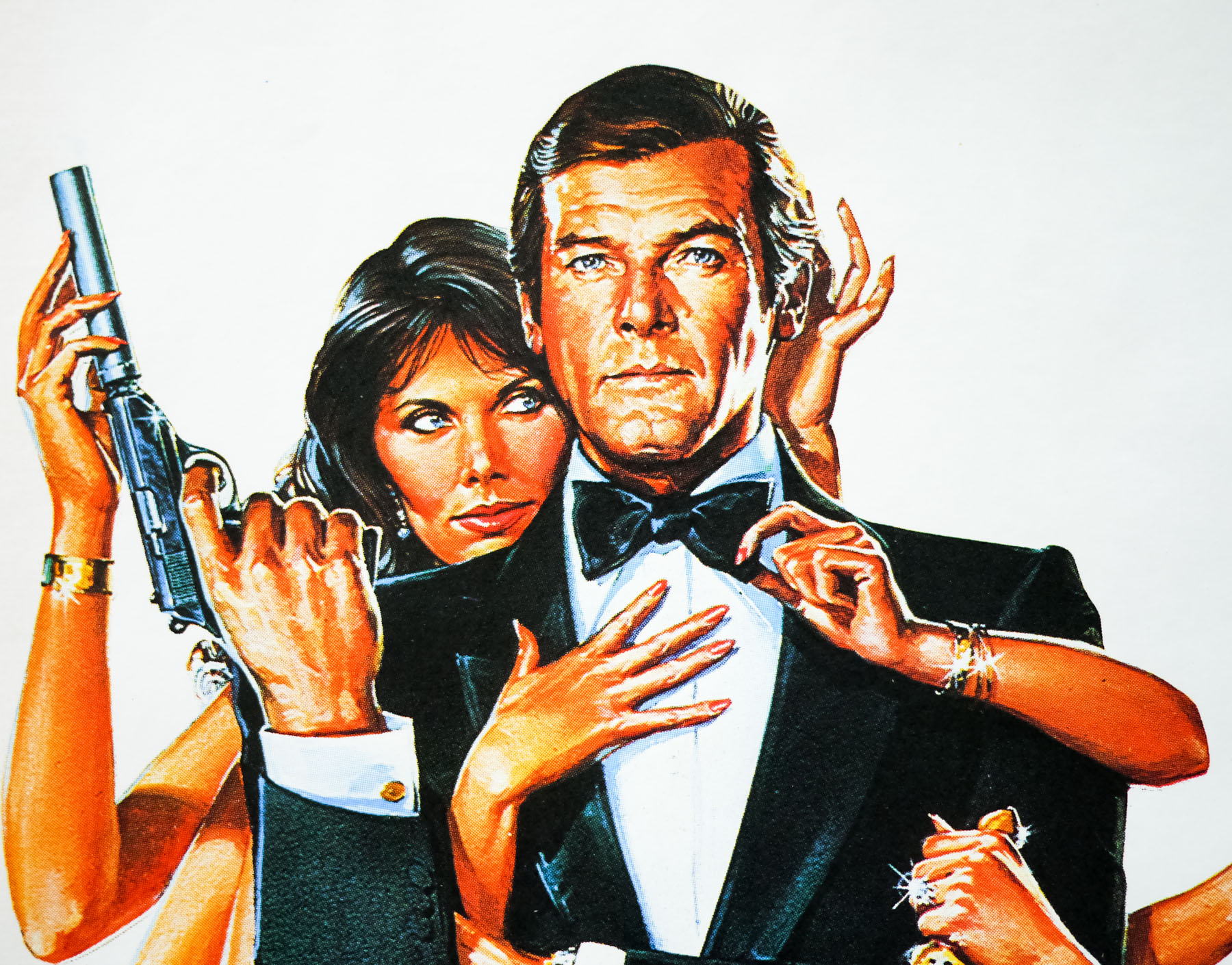
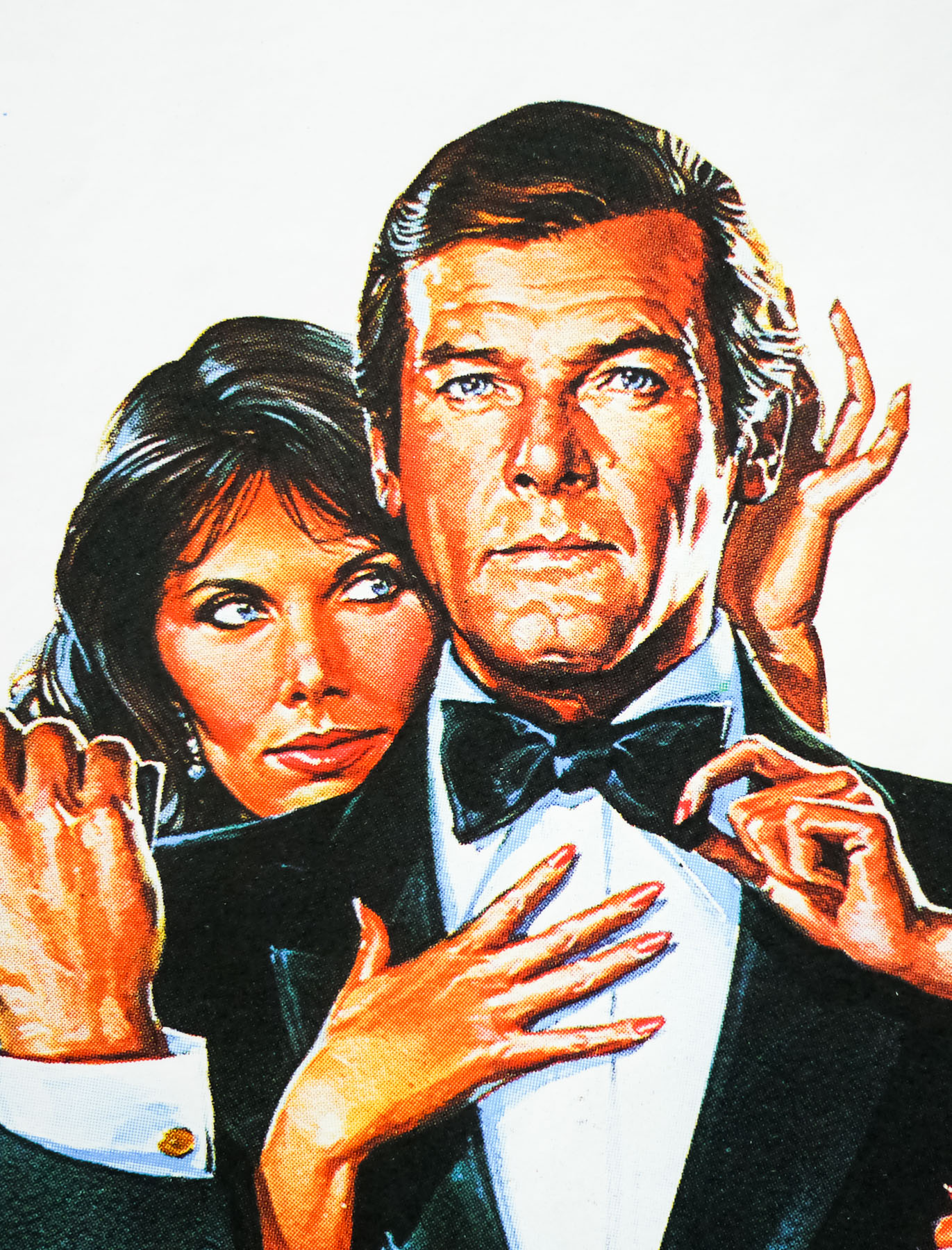
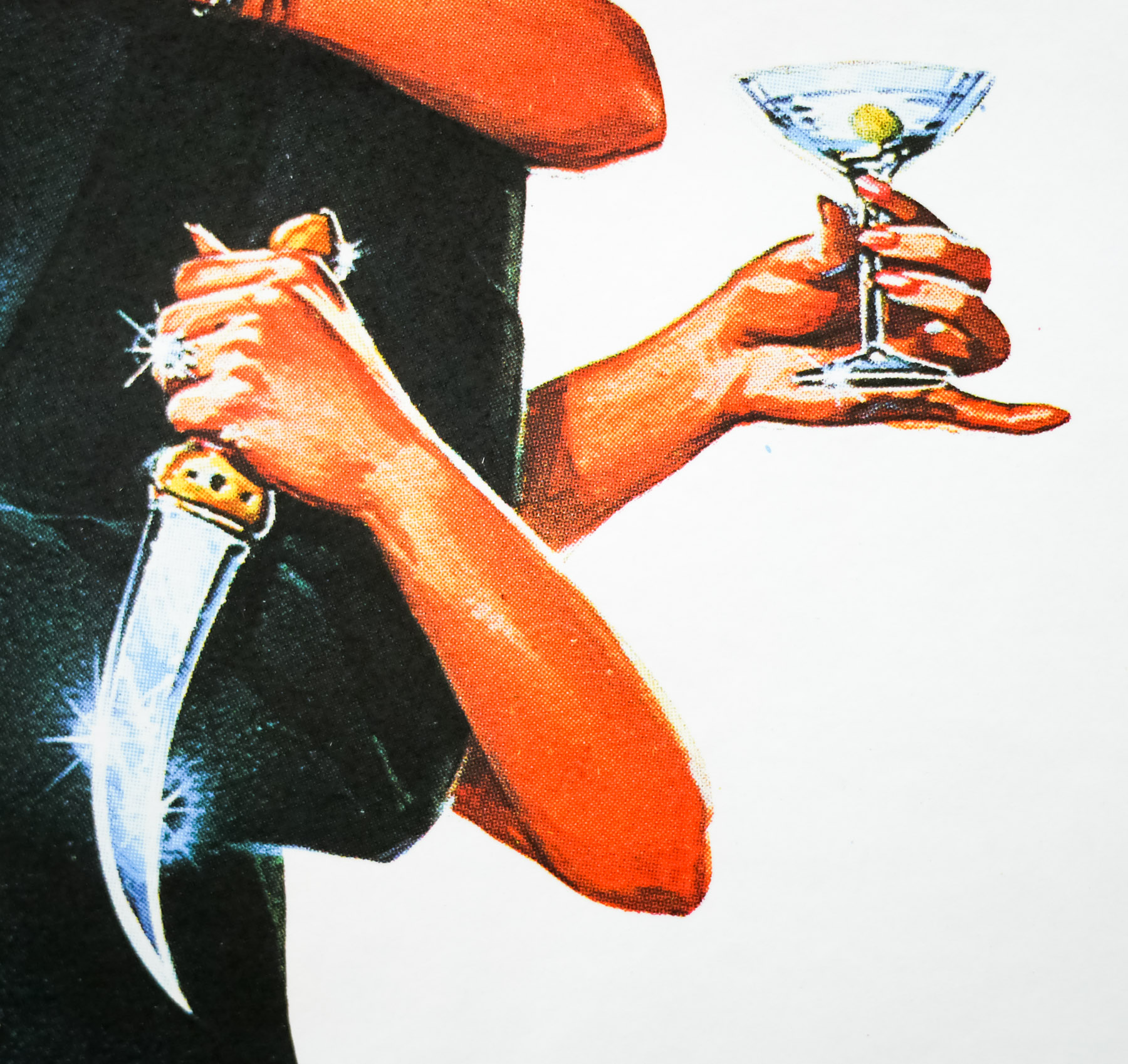
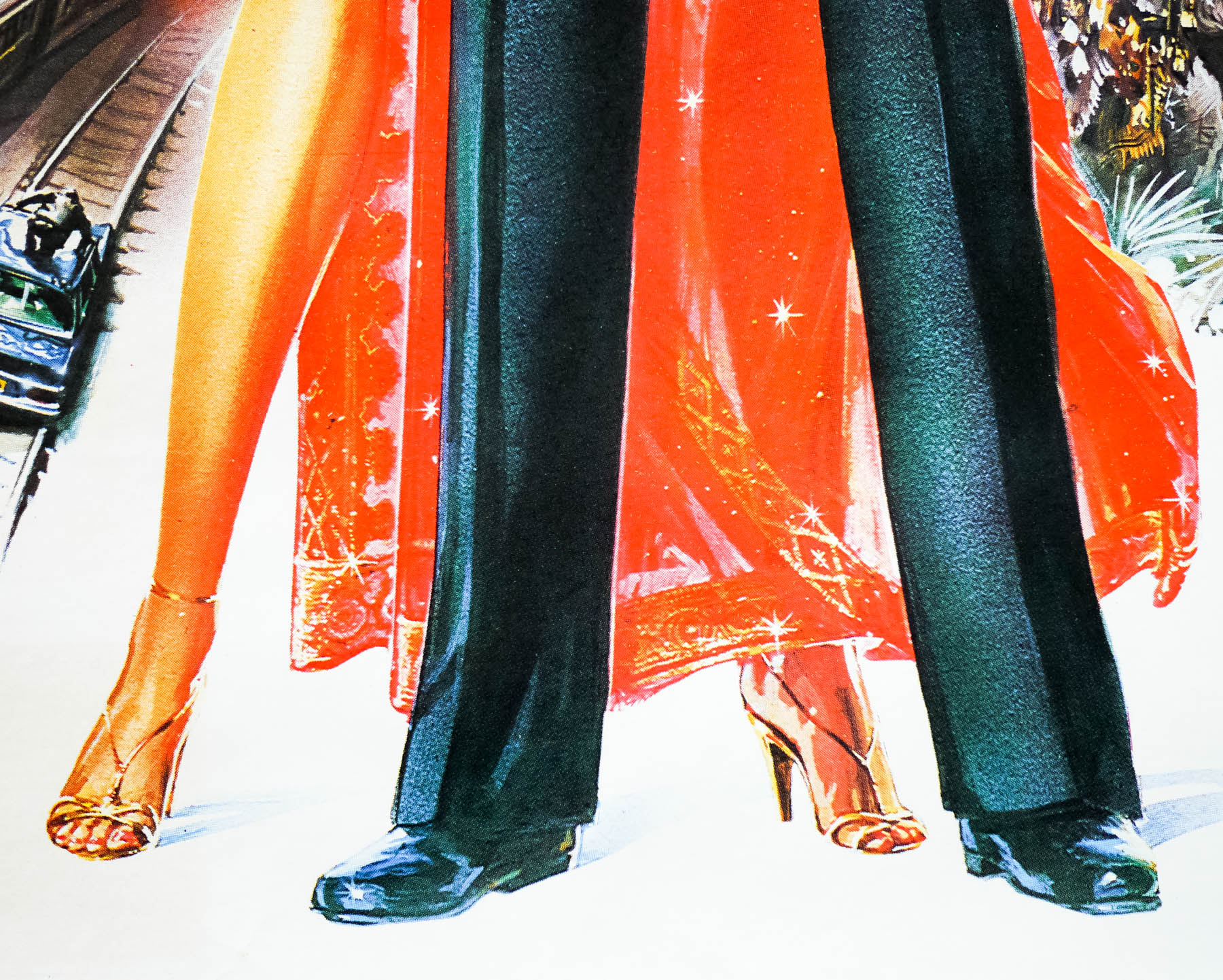
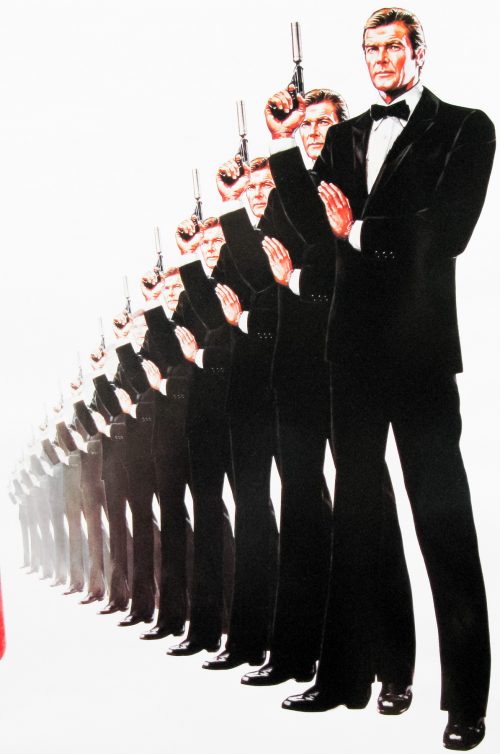
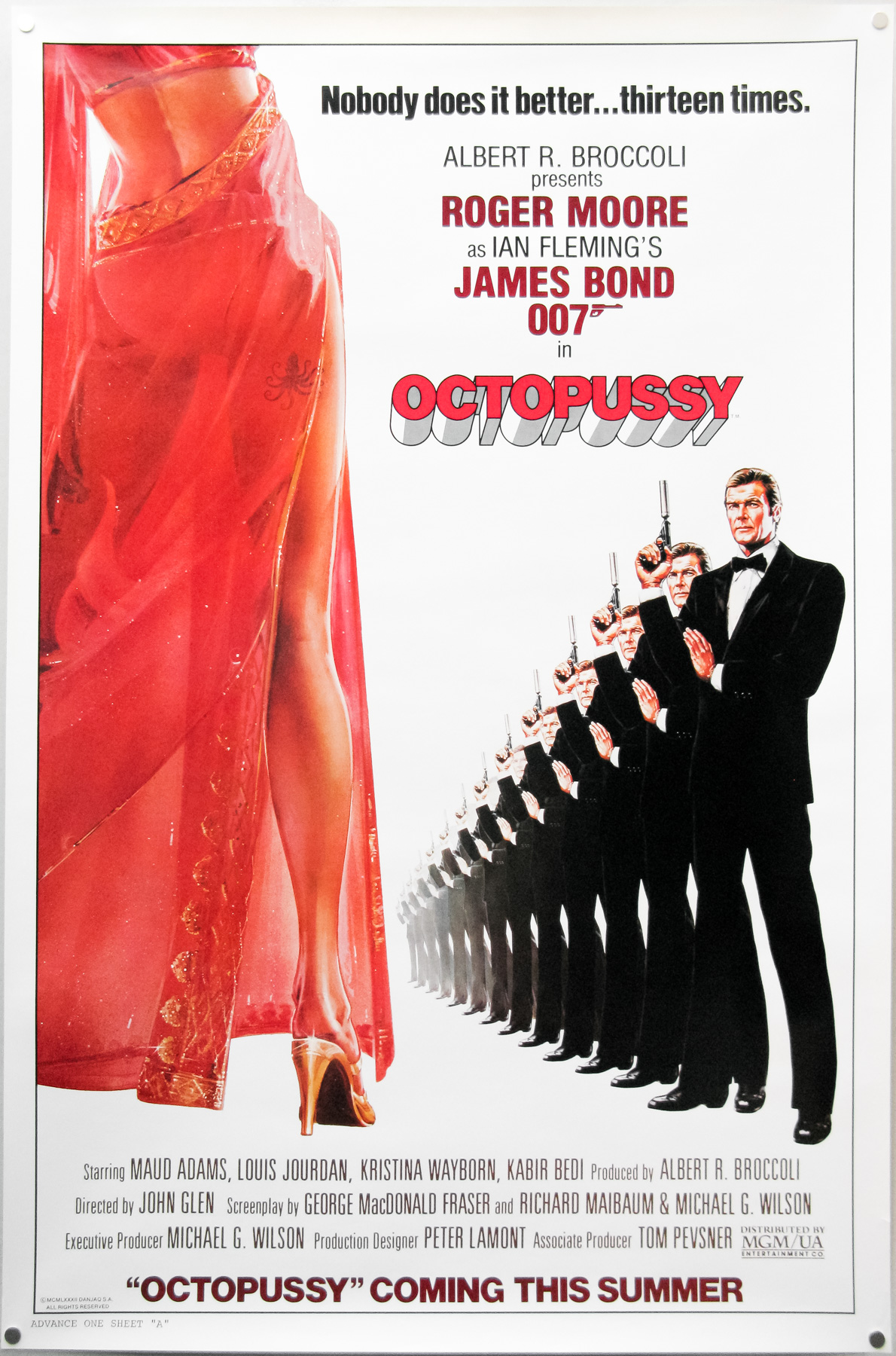
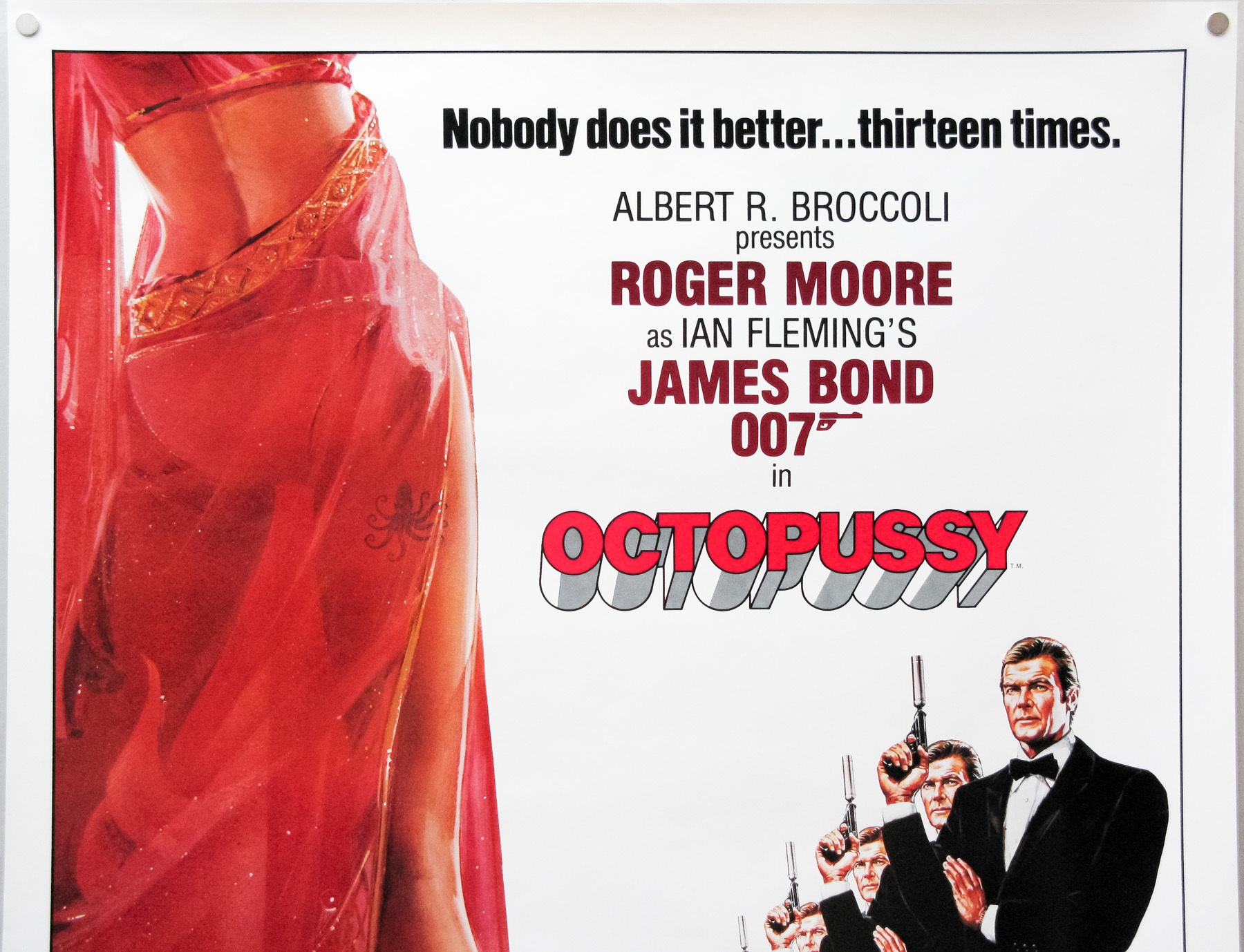
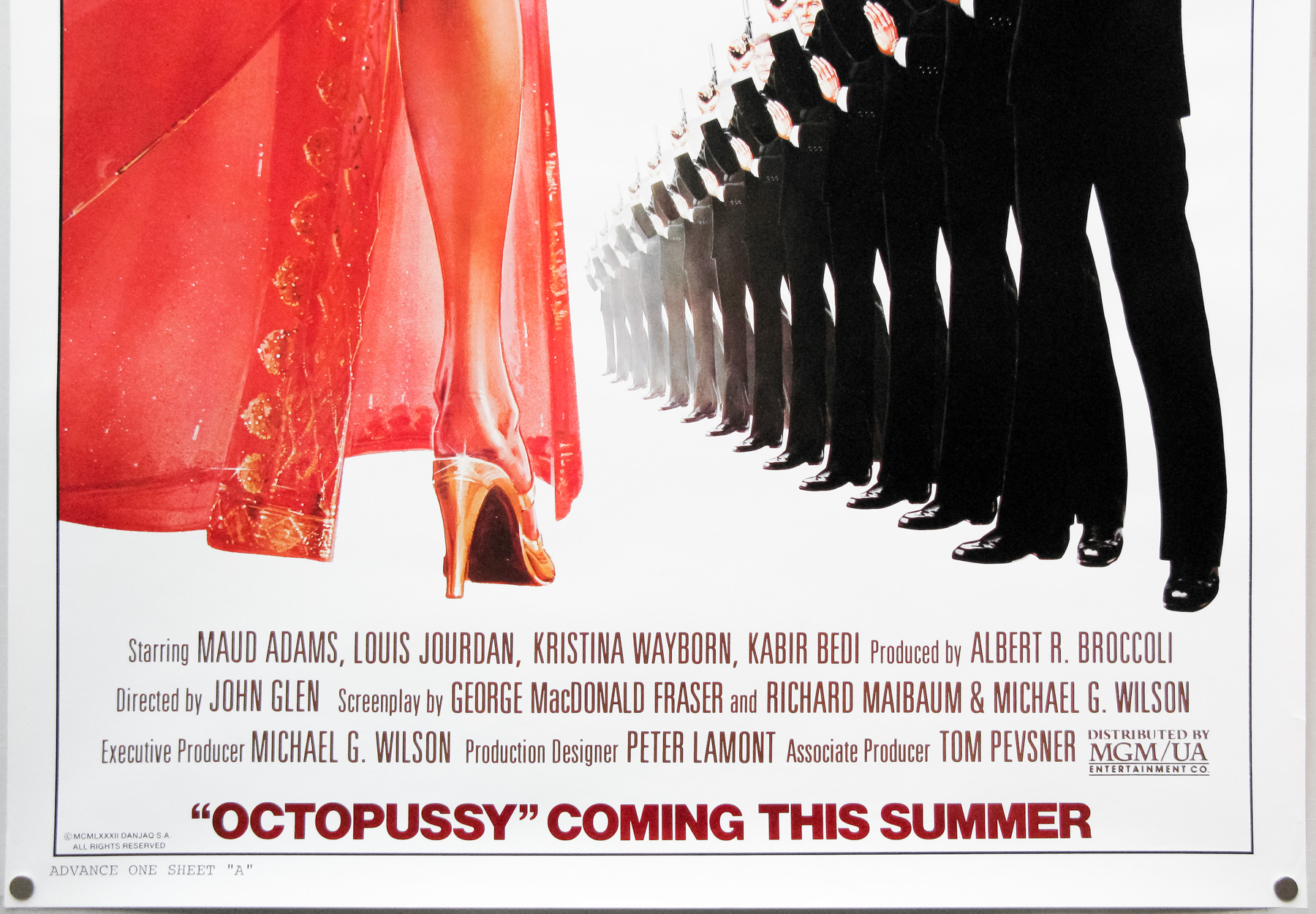
This quad was jointly illustrated by both Renato Casaro, an Italian artist with a prolific output, and the American artist Dan Goozee who painted the central two figures for the US one sheet. They were reused here and then surrounded by the montage of action scenes painted by Casaro. On the Japanese B2, Casaro actually repainted the figures, which then sat alongside a slightly modified montage.

Renato Casaro began his career in 1953, aged 19, at the famous Studio Favalli in Rome, which was part of the legendary Cinecittà studios and handled film publicity for many Italian productions. Casaro soon decided to become a freelance artist and went on to design and paint posters for many of the biggest directors in the world. His skill at accurately portraying actors and his brilliant use of colour and composition saw him much in demand from studios and actors alike. His artwork has featured on many German posters as well as others from countries including Japan, UK, North America as well as in his native Italy.

Check out the incredible amount of work on his official website here, which also features a biography of the artist. The other posters I’ve collected by Casaro can be seen by clicking here.

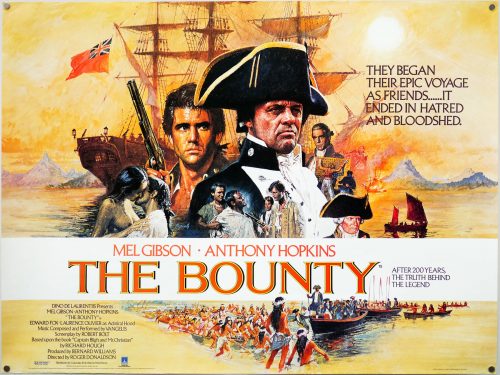
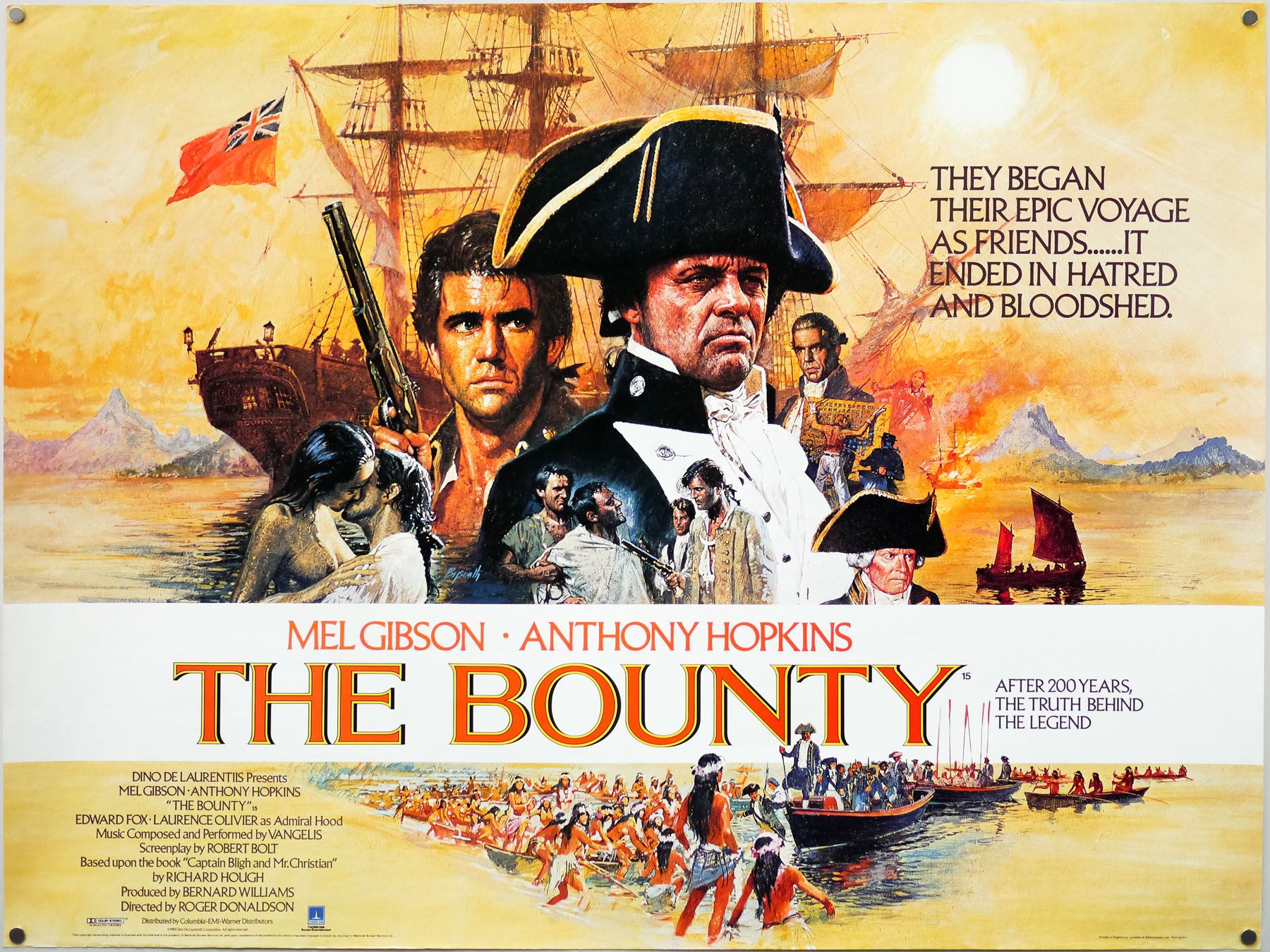
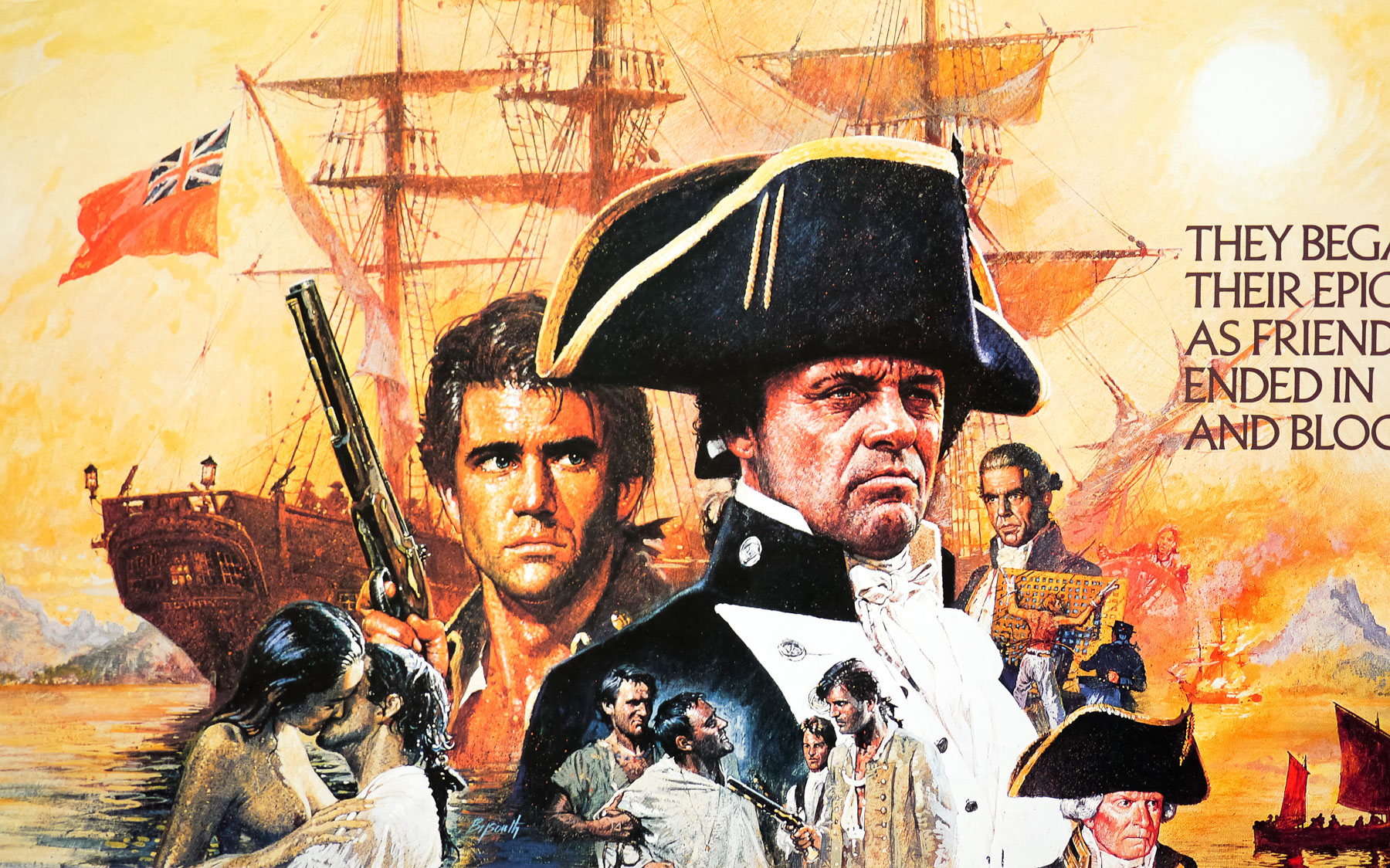
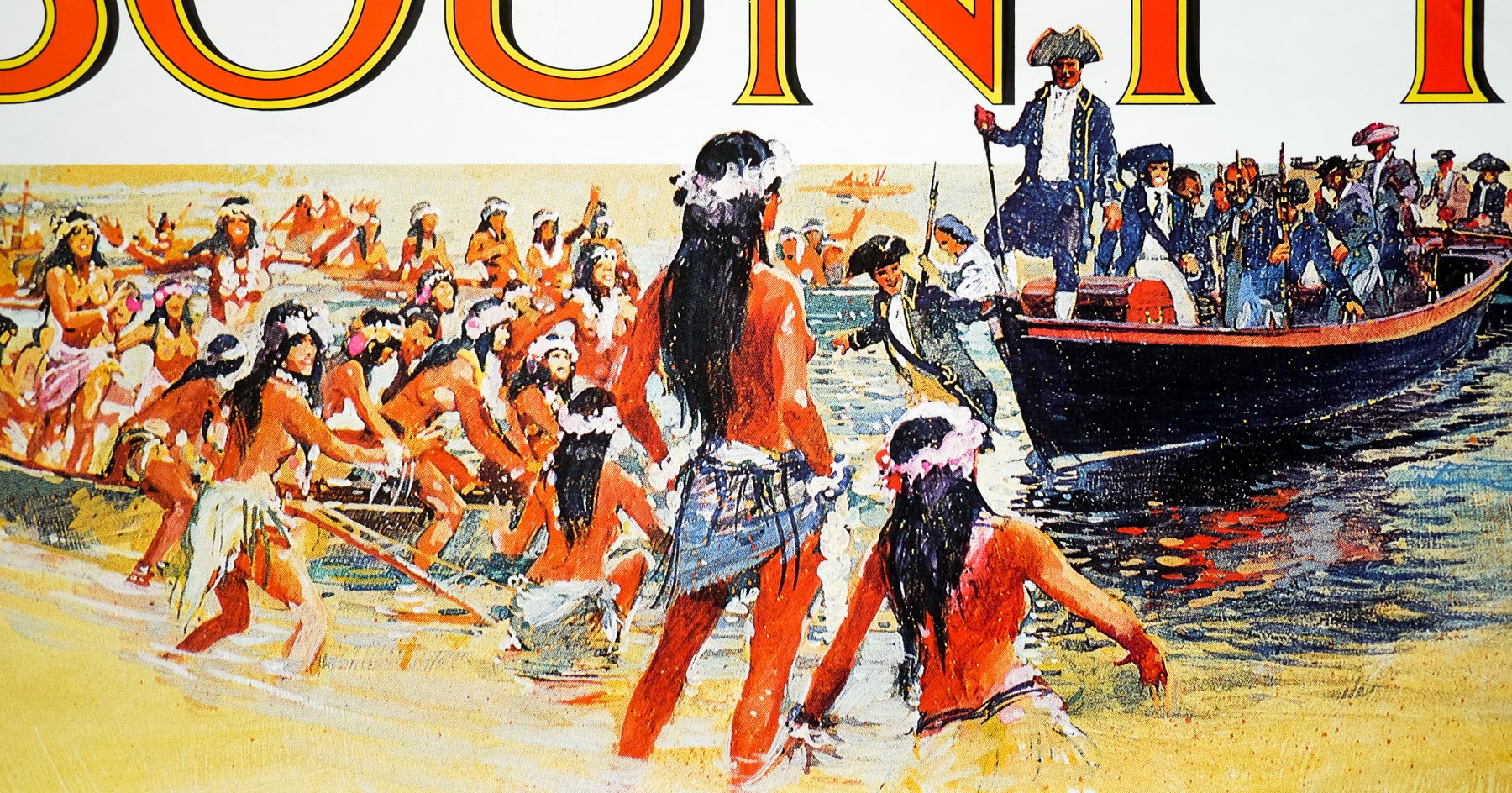
The Bounty / quad / UK

09.09.13

Poster Poster
Title
The Bounty
AKA
--
Year of Film
1984
Director
Roger Donaldson
Starring
Mel Gibson, Anthony Hopkins, Laurence Olivier, Edward Fox, Daniel Day-Lewis, Bernard Hill, Philip Davis, Liam Neeson. Wi Kuki Kaa, Tevaite Vernette, Philip Martin Brown, Simon Chandler
Origin of Film
UK | USA
Genre(s) of Film
Mel Gibson, Anthony Hopkins, Laurence Olivier, Edward Fox, Daniel Day-Lewis, Bernard Hill, Philip Davis, Liam Neeson. Wi Kuki Kaa, Tevaite Vernette, Philip Martin Brown, Simon Chandler,
Type of Poster
Quad
Style of Poster
--
Origin of Poster
UK
Year of Poster
1984
Designer
Eric Pulford | Brian Bysouth
Artist
Brian Bysouth
Size (inches)
30 1/16" x 39 14/16"
SS or DS
SS
Tagline
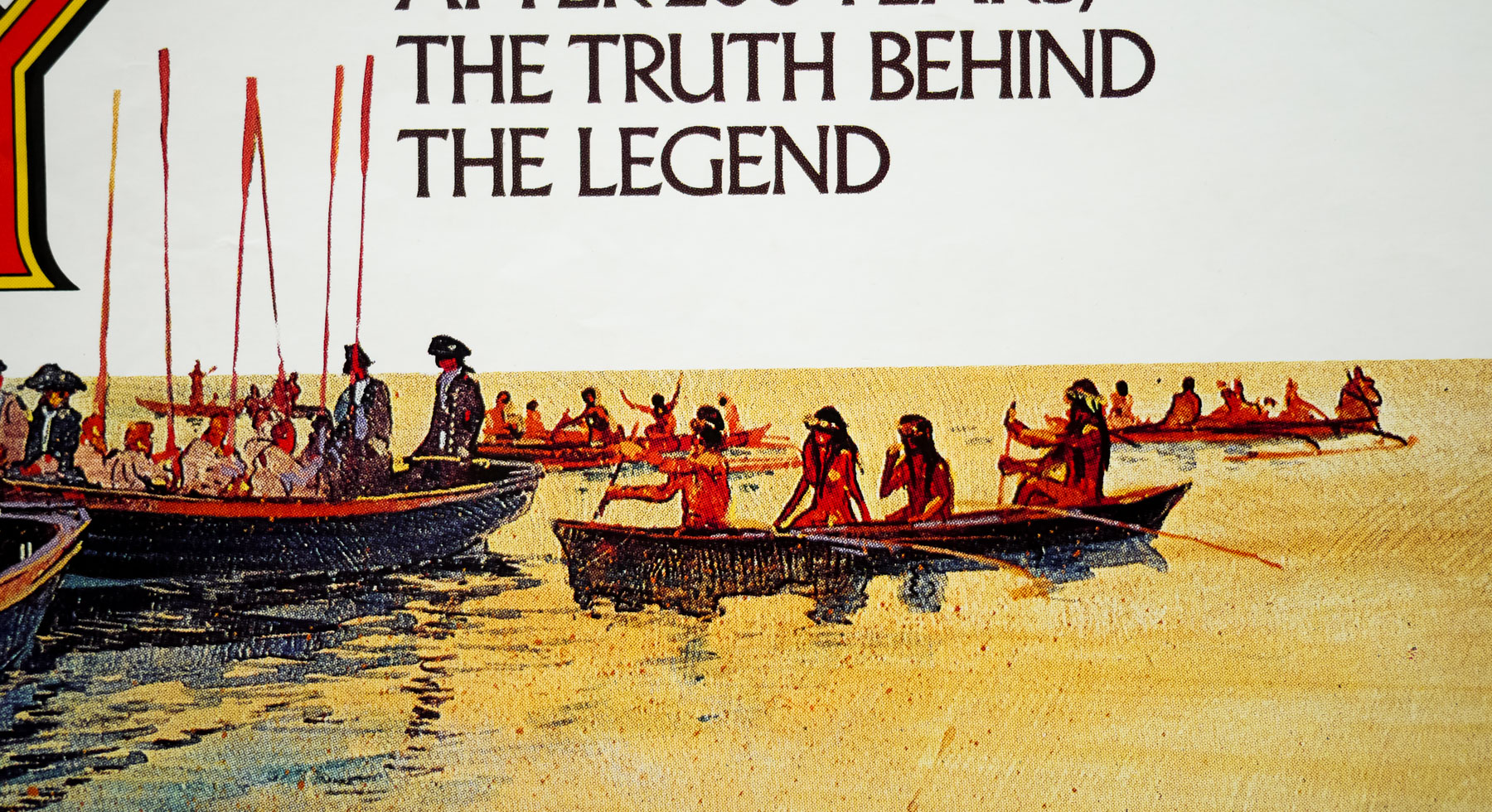
They began their epic voyage as friends... it ended in hatred and bloodshed. | After 200 years, the truth behind the legend.

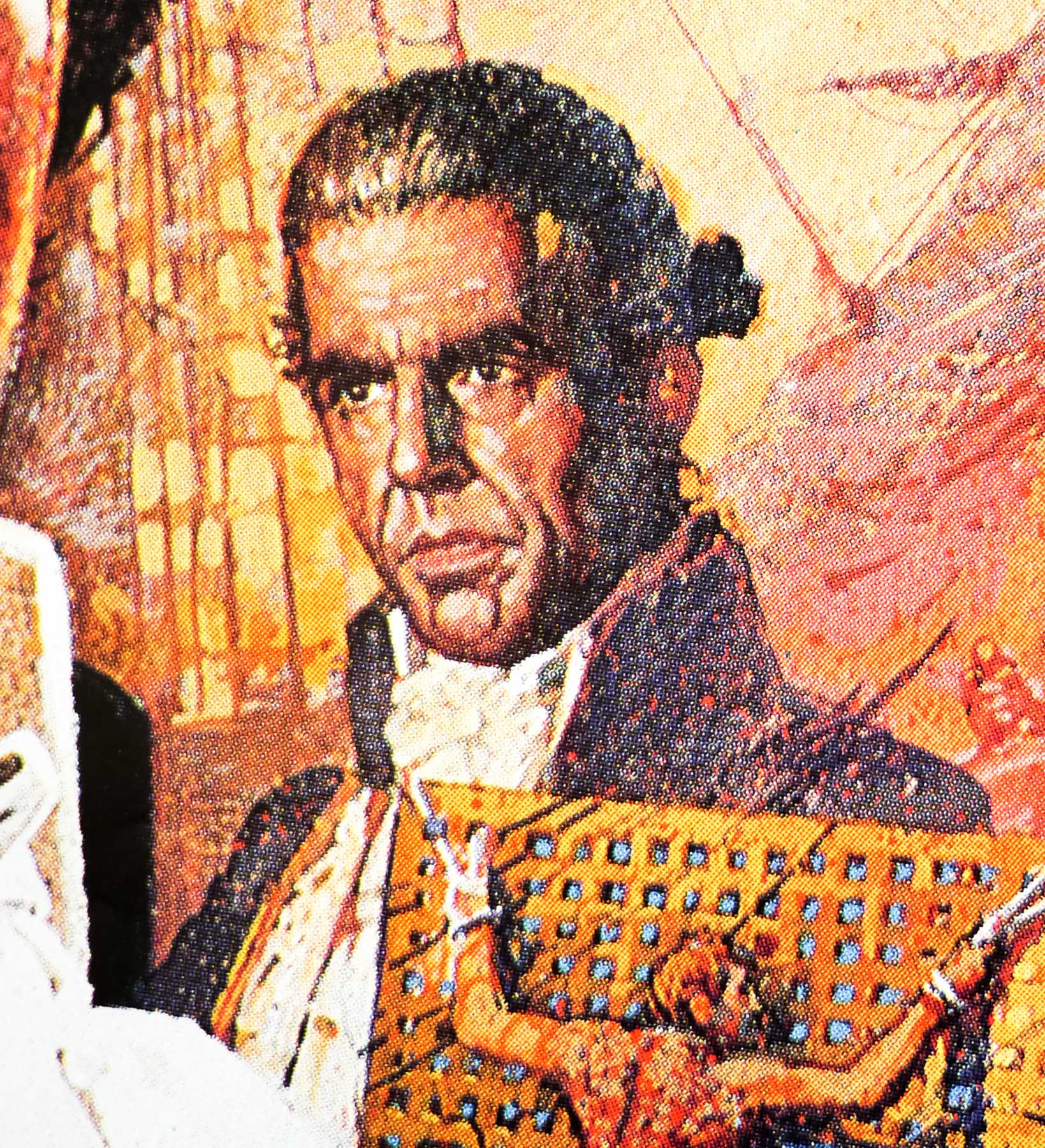
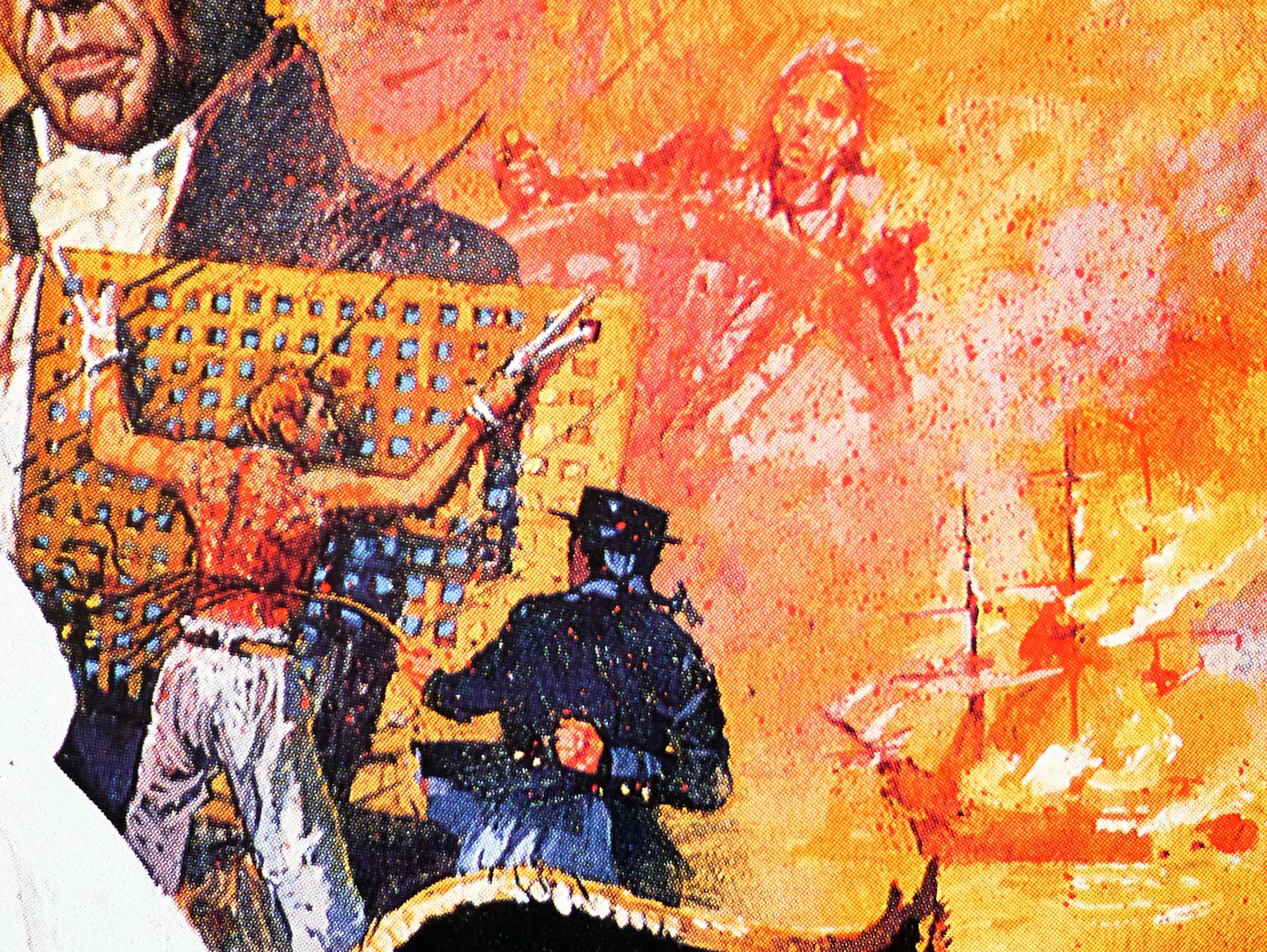
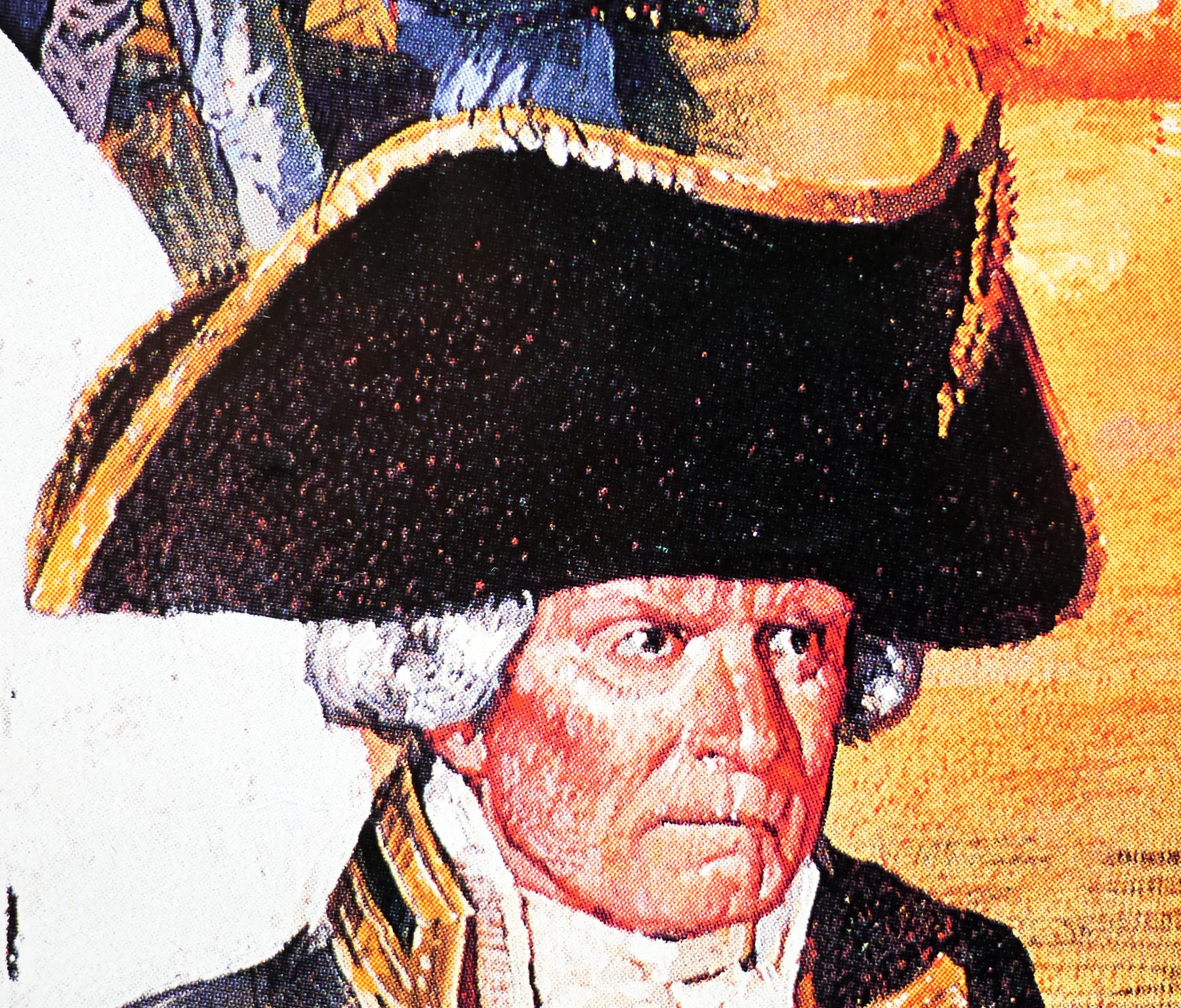
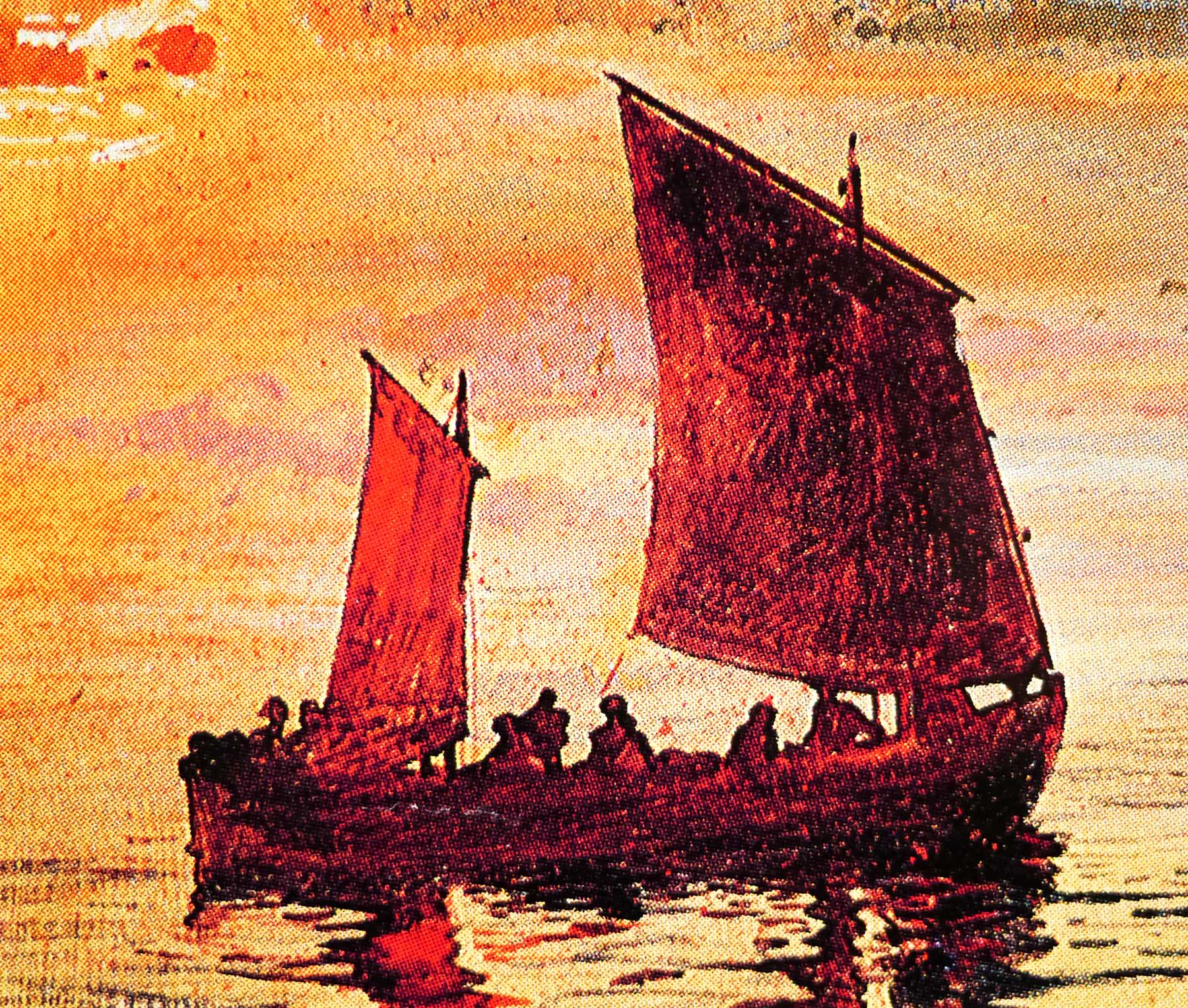
The Bounty was the fifth film based on the true life story of the Mutiny on the Bounty, which took place at sea onboard the British Royal Navy ship of the same name in 1789. The event saw a mutinous group of sailors led by Fletcher Christian place Captain William Bligh, and a group of sailors loyal to him, onboard a small launch (boat) before sailing back to the island of Tahiti where they wished to settle. Incredibly, Captain Bligh was able to navigate the tiny boat over 3600 nautical miles to Timor in the East Indies from where he was able to travel back to London and report the mutiny.

A Royal Navy ship (HMS Pandora) was dispatched with the task of rounding up the mutineers and the crew were successful in capturing fourteen of them, but were unable to locate Fletcher Christian or The Bounty itself. After setting sail back to England, the ship ran aground on part of the Great Barrier Reef and sank shortly thereafter, killing a number of the crew and four of the prisoners. Eventually the remaining mutineers were returned to face court martial in Britain, whilst those who escaped continued to try to evade justice aboard the Bounty before settling one of the tiny Pitcairn Islands in the Pacific Ocean to the east of Australia.

This version was originally being prepared for the screen by the legendary British director David Lean, but problems were encountered with getting the requisite financial backing for his vision of two films, later reconfigured to a TV series. Italian producer Dino De Laurentiis stepped in with the financial support and the film was reconfigured as a single feature. When Lean’s screenwriter partner Robert Bolt suffered a massive stroke, Lean decided to leave the project but had already overseen the construction of a replica Bounty and had successfully cast most of the roles.

Mel Gibson, who was to play Fletcher Christian, brought in a fellow Aussie Roger Donaldson to helm the film and production got underway. Featuring an extremely impressive cast, including Anthony Hopkins (as Captain Bligh), Laurence OlivierDaniel Day-Lewis and Liam Neeson, the film was considered to be something of a revisionist take on the event and was certainly more accurate than the two previous Hollywood versions. The Bounty was warmly critically received but was sadly something of a flop at the box office, failing to recoup even half of its budget in the US.

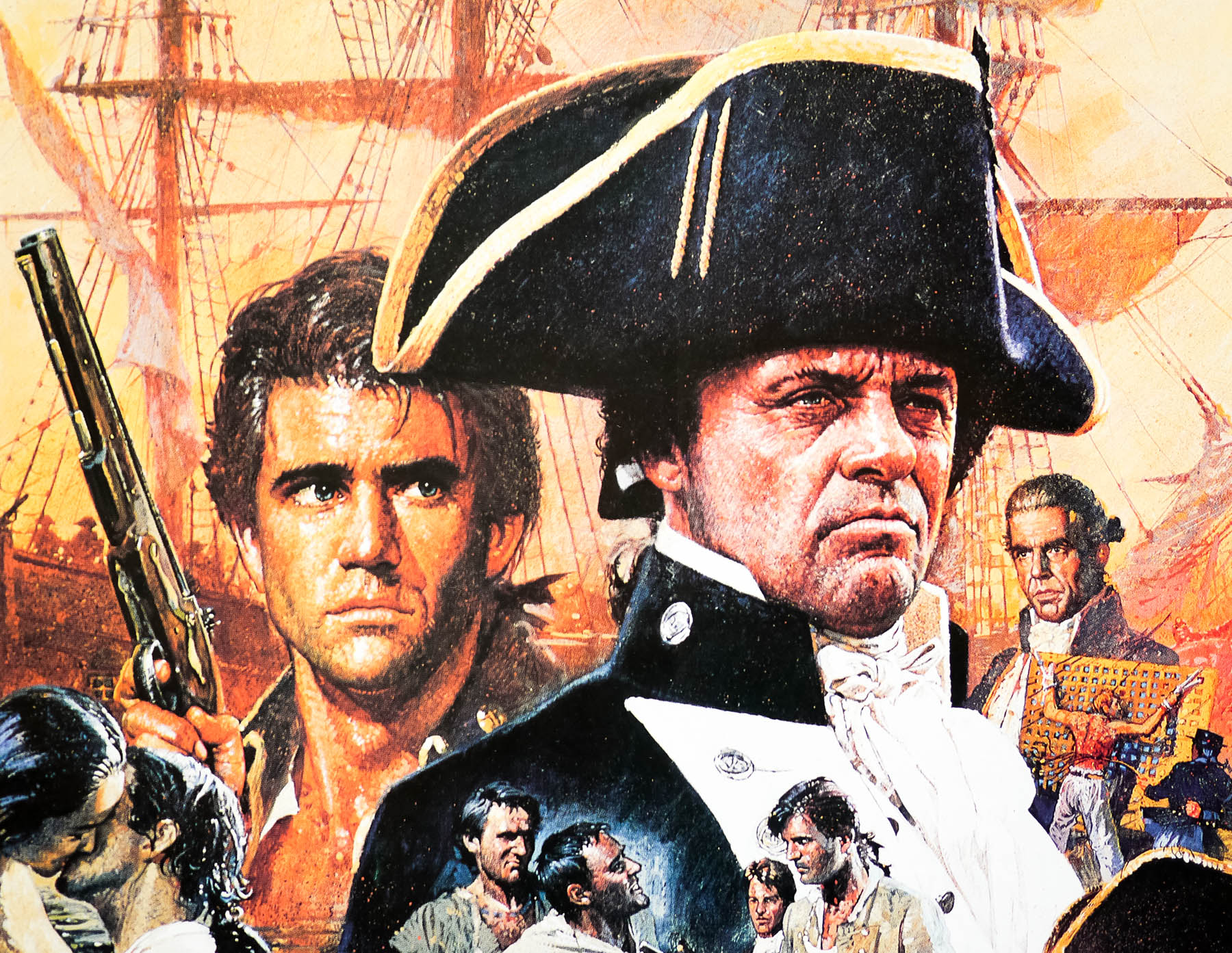
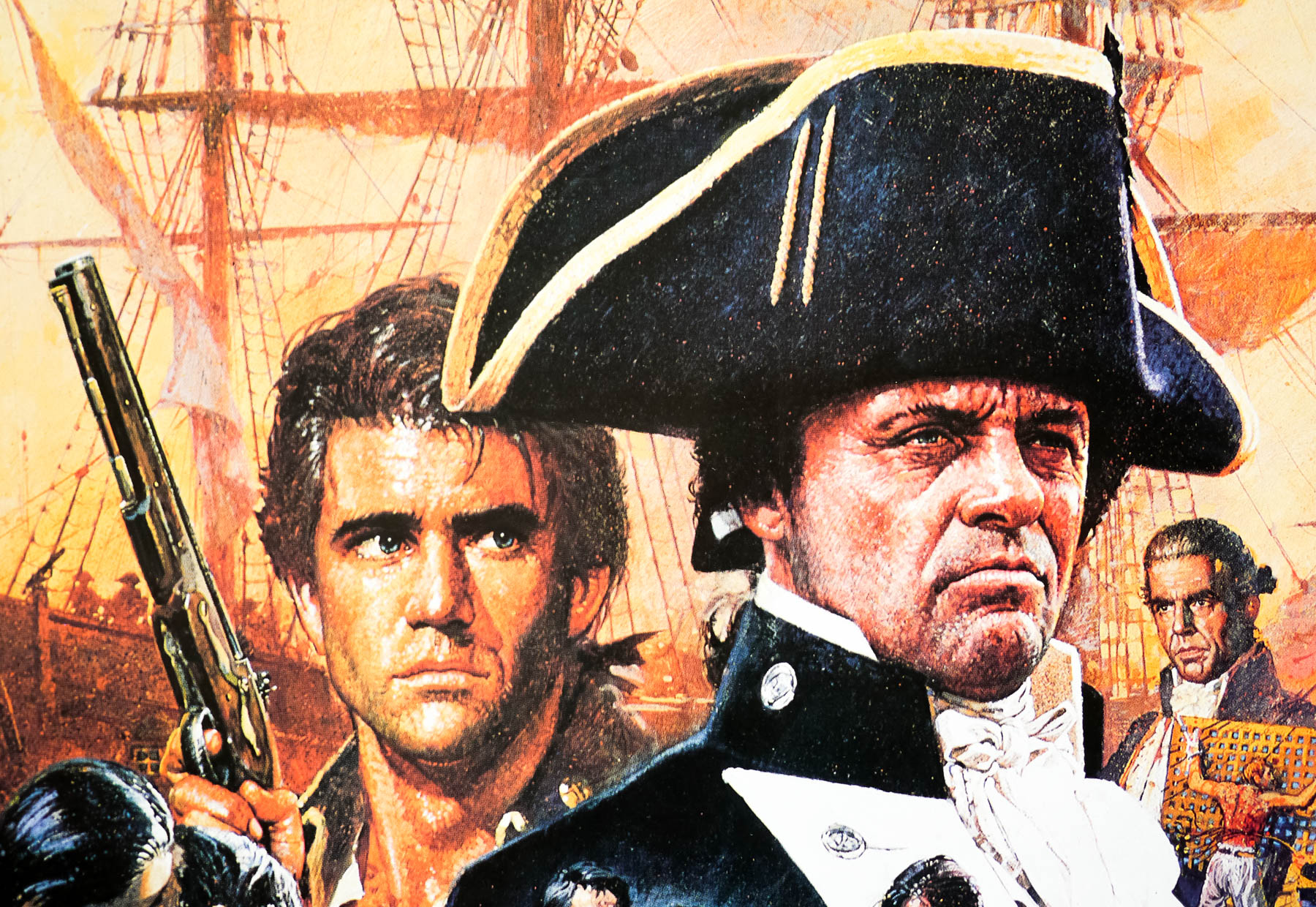
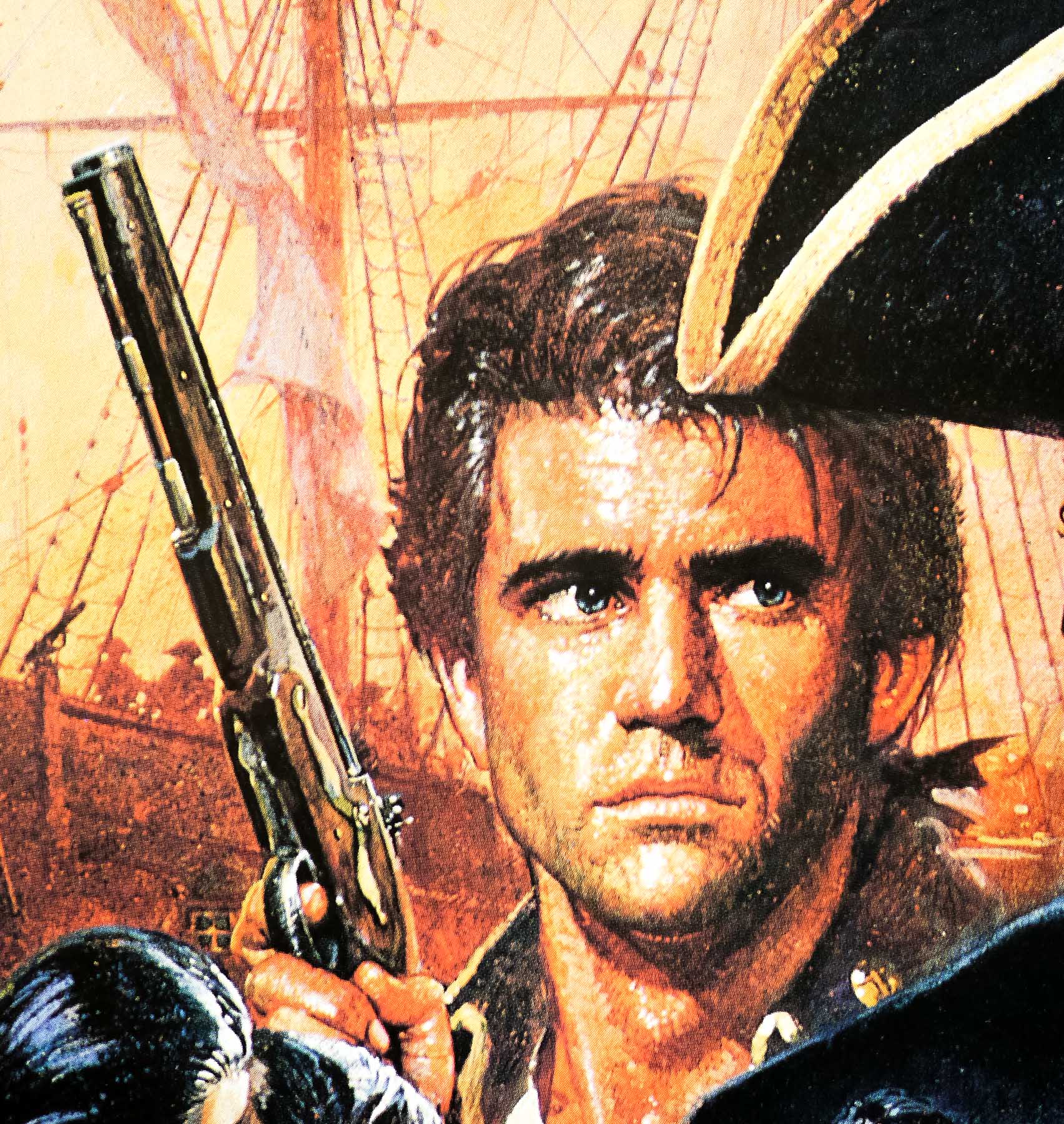
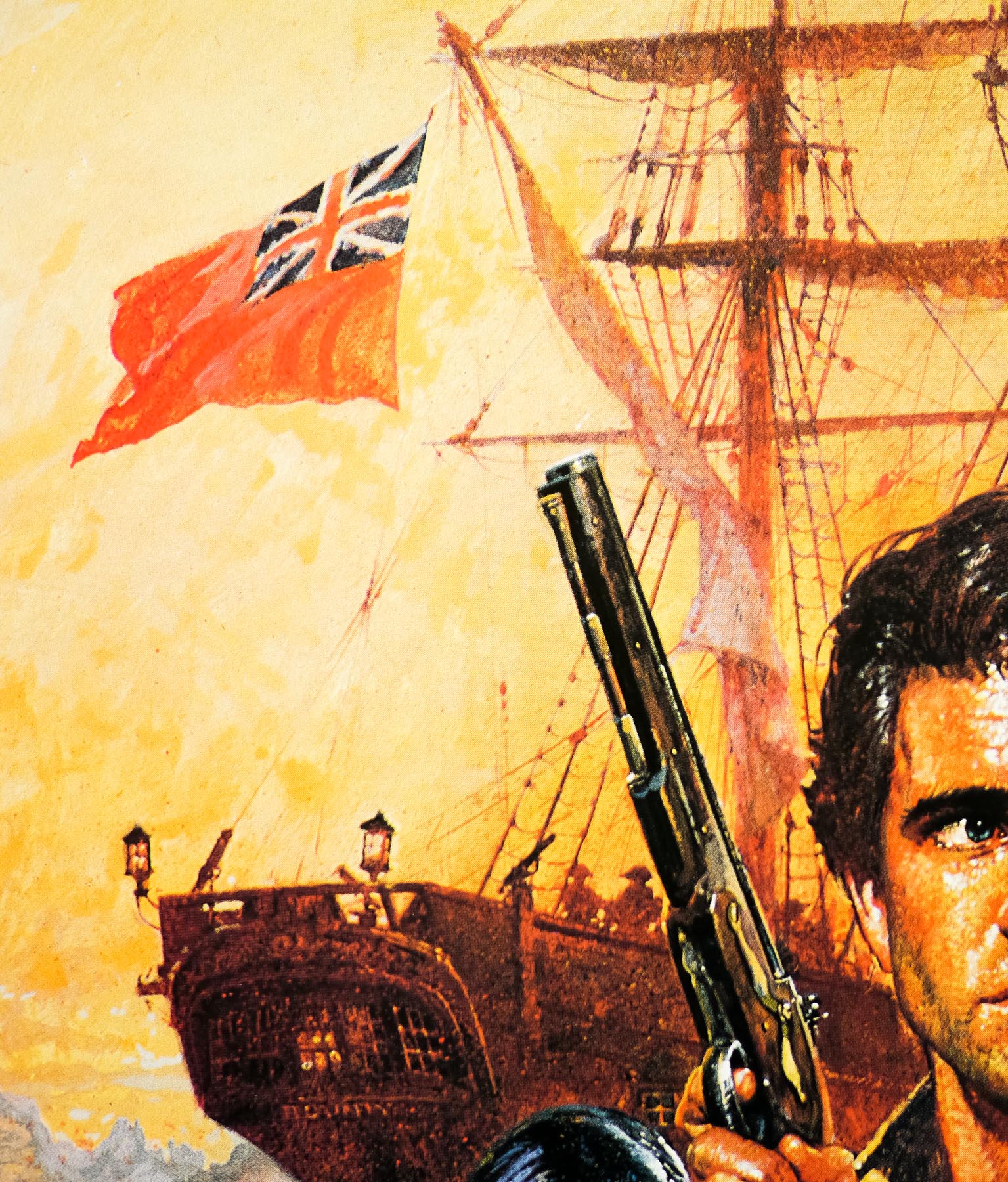
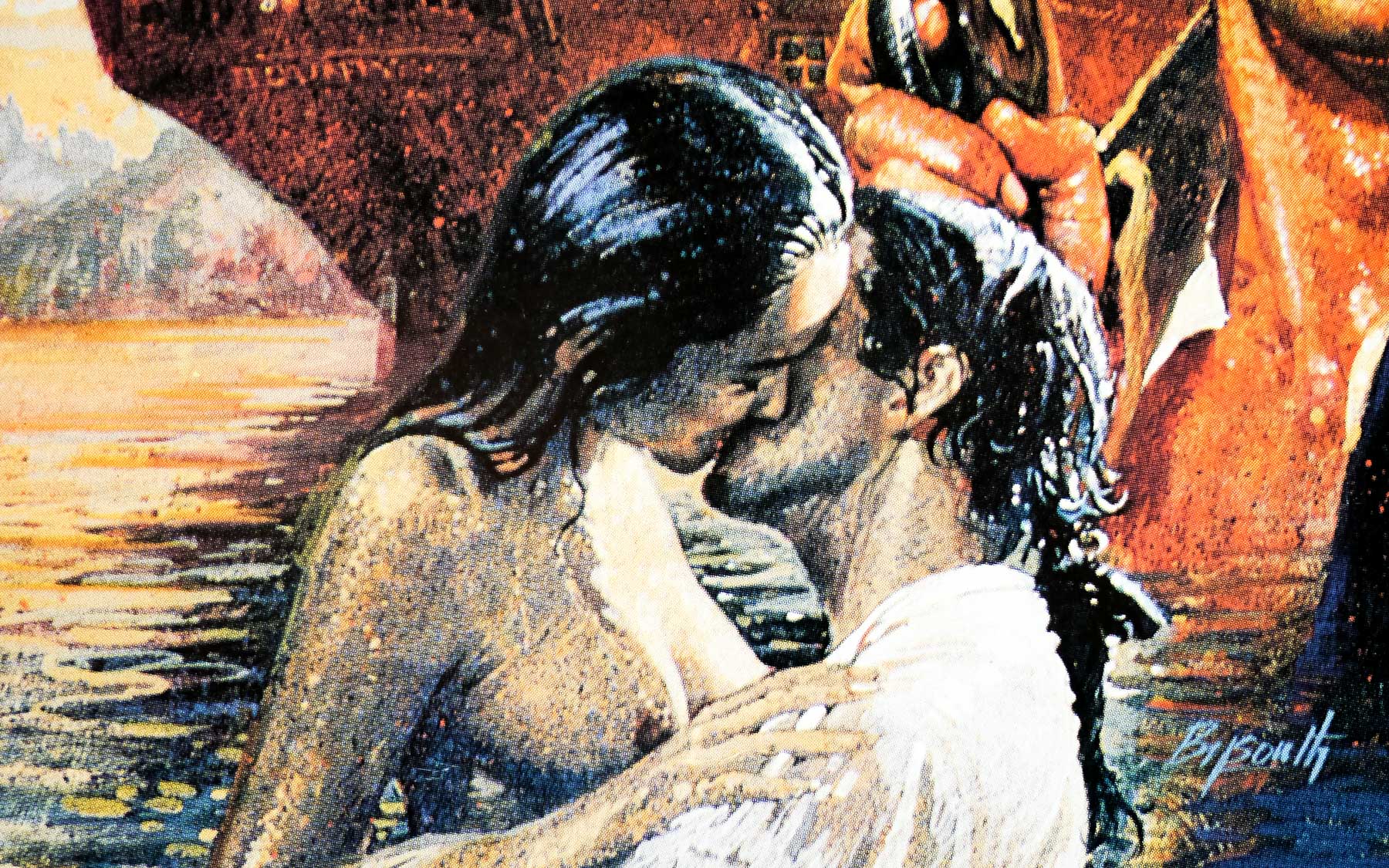
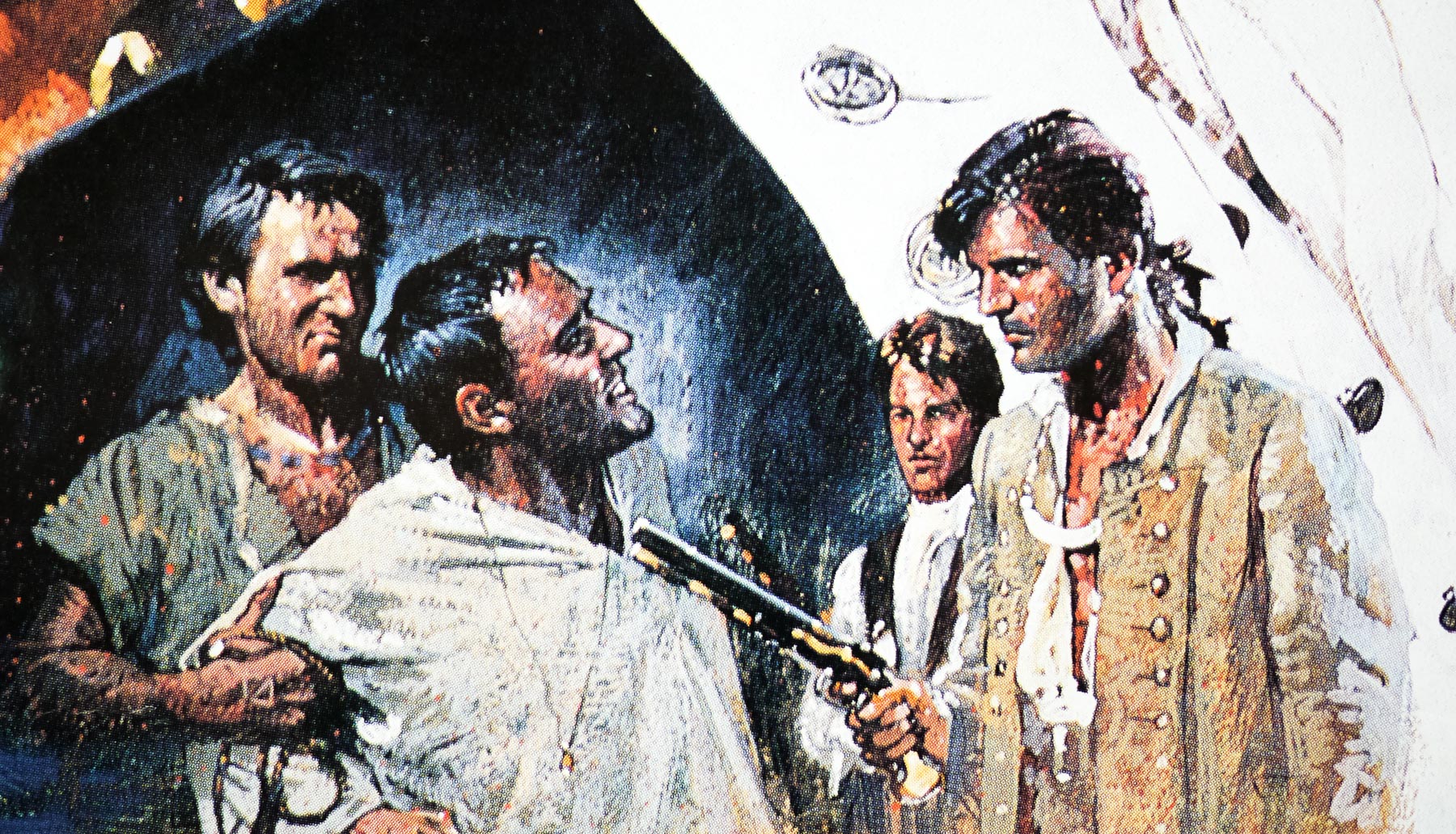
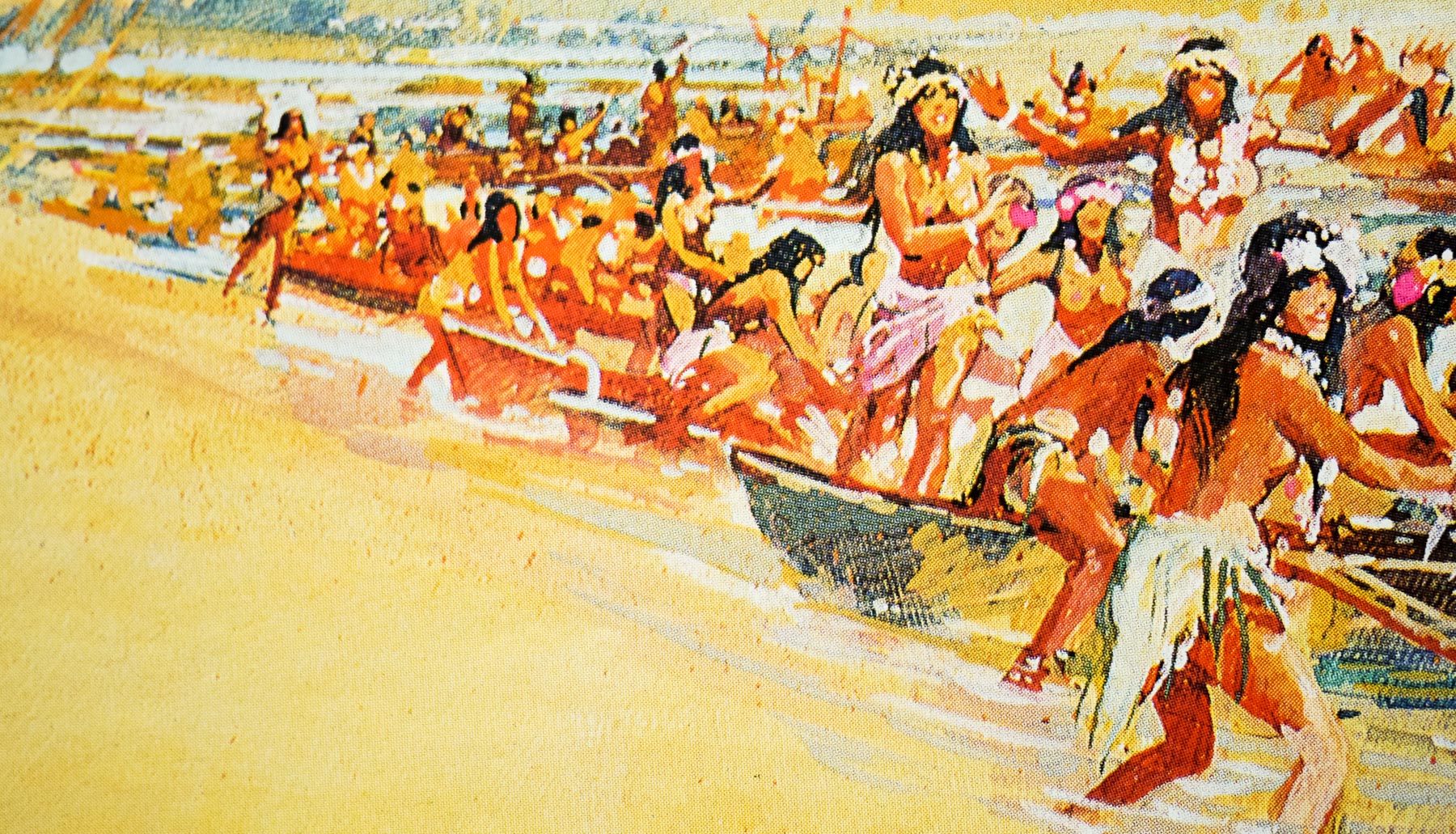
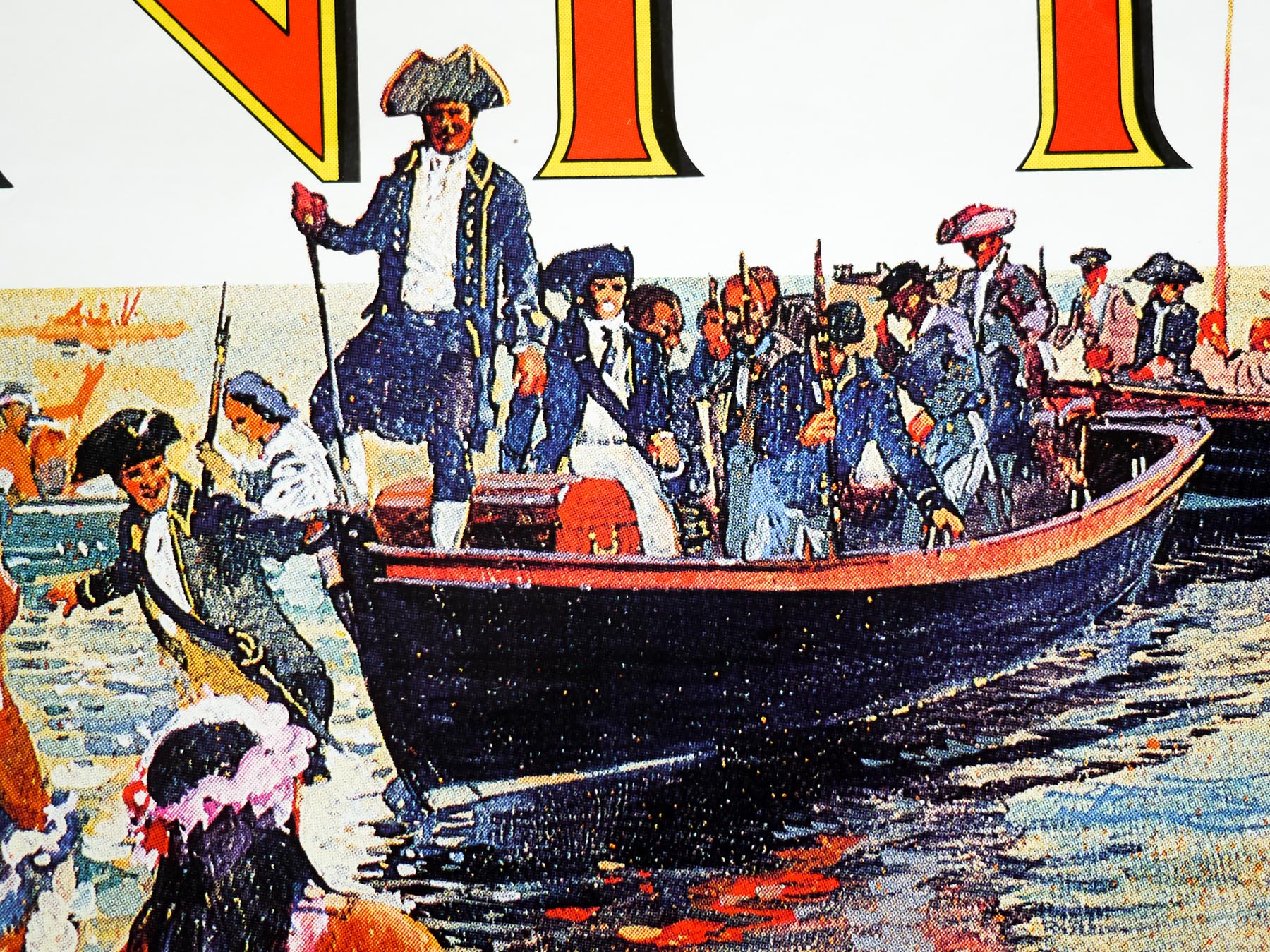
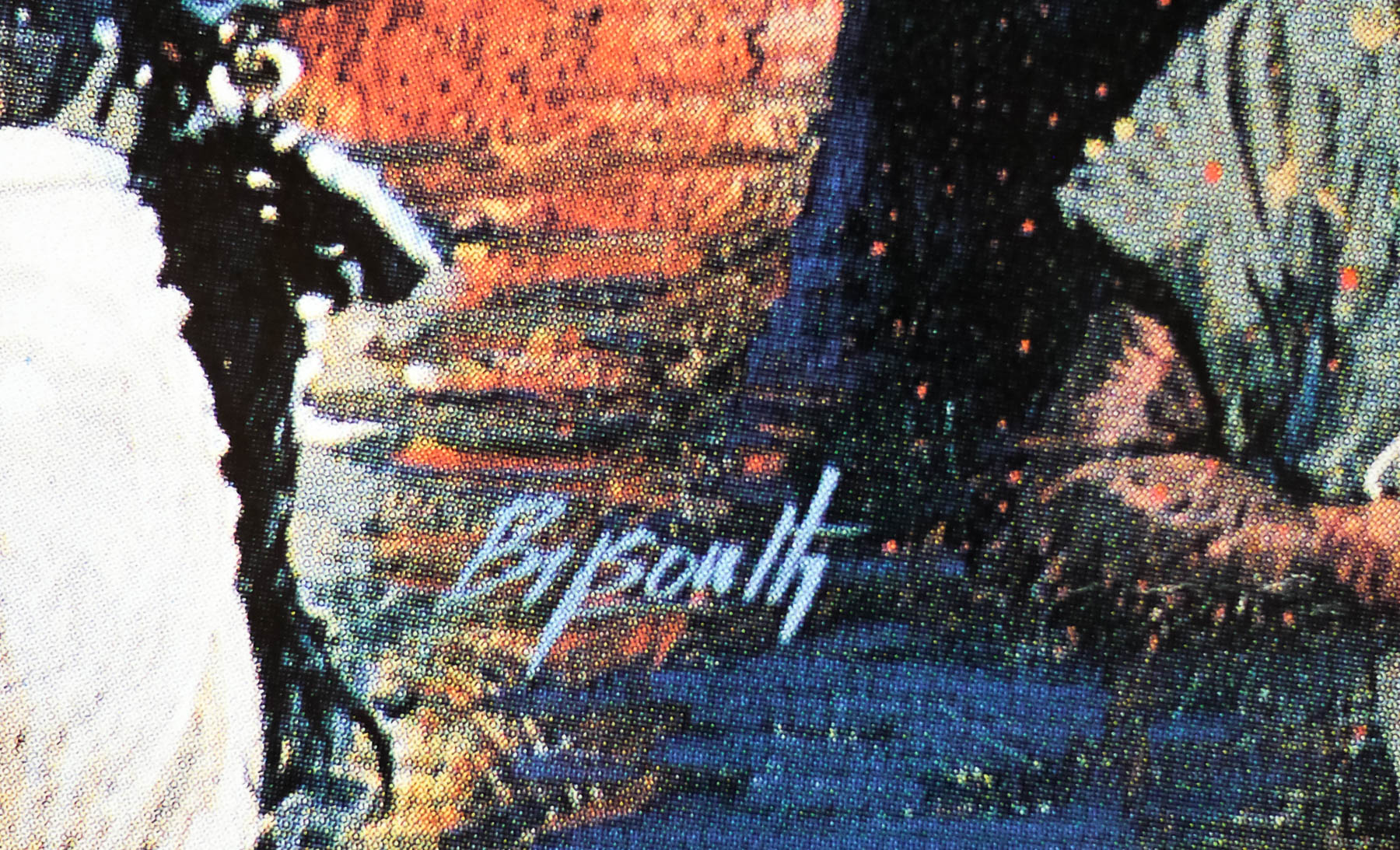
The artwork on this British quad was painted by the British artist Brian Bysouth, from an original design by Eric Pulford. When I interviewed the artist in 2012 this poster was discussed and the following is an excerpt from the article:

—————-

One Bond poster you worked on is the quad for For Your Eyes Only. It had the Bill Gold designed element of the long legs, but you modified the montage when doing the finished illustration?
Eric Pulford created the U.K. poster design that was approved. The inclusion of the very iconic Bill Gold legs concept was a must in any design that was submitted, so I suppose the scope for fresh designs was limited. In my opinion Eric’s original montage was not his best work and, although I tried to re-arrange some of the elements, the reference material supplied was not very exciting and I think the surrounding montage looks rather ordinary.

A similar difficulty arose with the design Eric had done for The Bounty (1984). His atmospheric colour rough was exciting, but when I began to sketch out the finished painting I realised the perspective of the ship was flawed. Eric’s exciting random montage of characters had initially disguised the shortcoming. I spent a day redrawing the ship and rigging to ensure it was reasonably correct, and then moved the characters to try to improve the composition. I was pleased with the final painting but was never happy with the montage, which I really thought needed recomposing. I didn’t think a confrontation with Eric was in my best interest.

Some weeks later I asked for the return of my painting only to be told, ‘it could not be found’.  Obviously, a light-fingered person took a fancy to it. Much of my work has been lost to me in that way, including my teaser art for A View to a Kill.

—————-

The other posters I have that were designed and/or painted by Brian Bysouth can be viewed here.
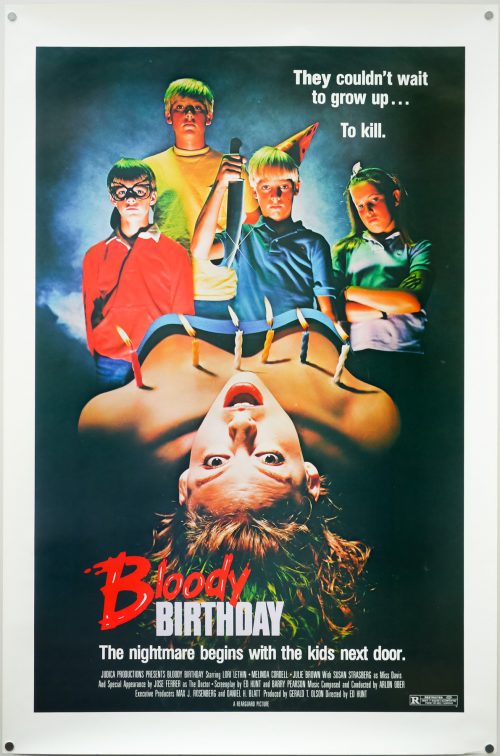
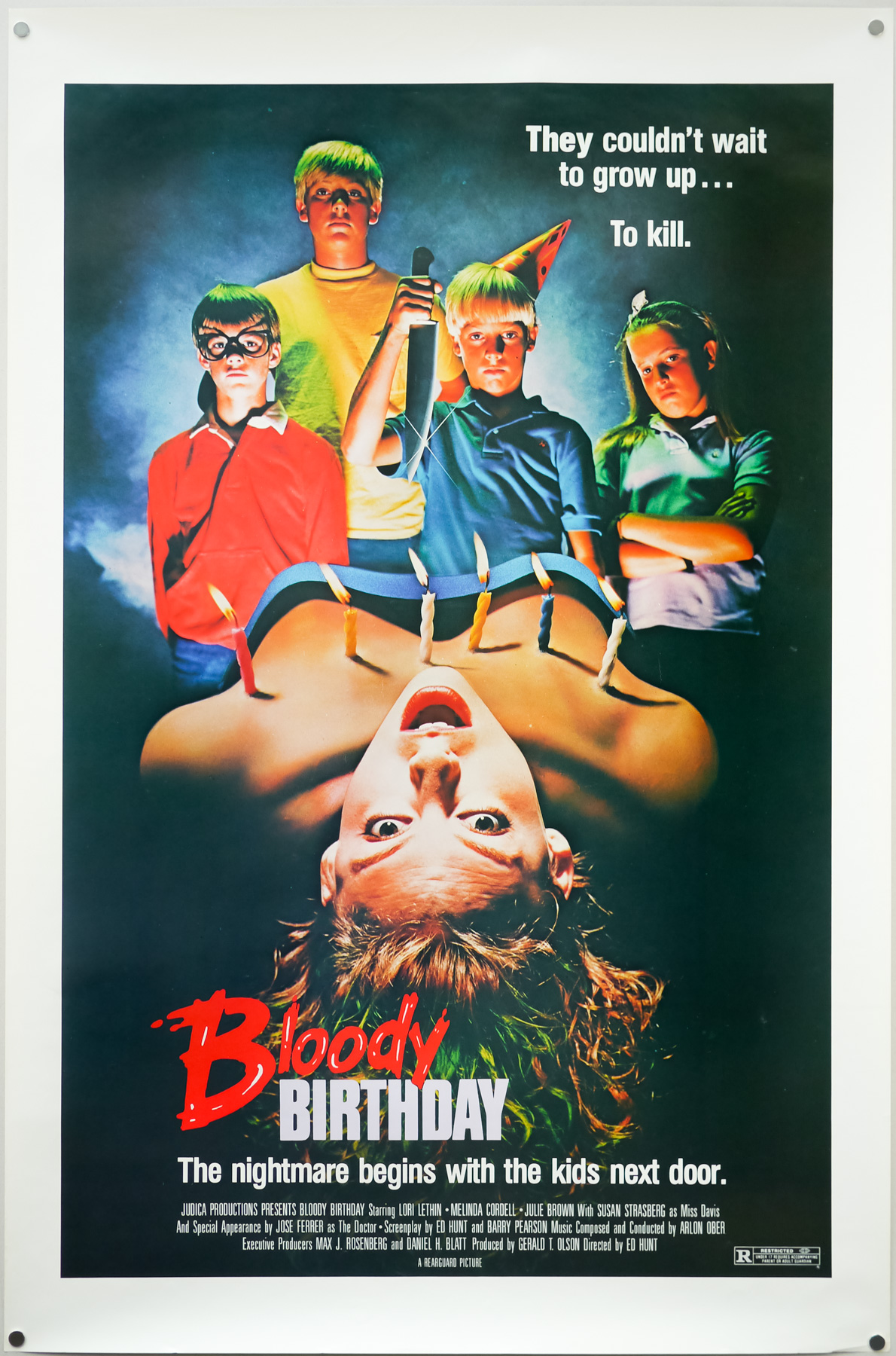
Bloody Birthday / one sheet / international

30.08.13

Poster Poster
Title
Bloody Birthday
AKA
--
Year of Film
1981
Director
Ed Hunt
Starring
Lori Lethin, Melinda Cordell, Julie Brown, Joe Penny, Bert Kramer, K.C. Martel, Elizabeth Hoy, Billy Jayne, Andy Freeman, Susan Strasberg, José Ferrer, Ben Marley, Erica Hope, Ellen Geer
Origin of Film
USA
Genre(s) of Film
Lori Lethin, Melinda Cordell, Julie Brown, Joe Penny, Bert Kramer, K.C. Martel, Elizabeth Hoy, Billy Jayne, Andy Freeman, Susan Strasberg, José Ferrer, Ben Marley, Erica Hope, Ellen Geer,
Type of Poster
One sheet
Style of Poster
--
Origin of Poster
International
Year of Poster
1981
Designer
Unknown
Artist
--
Size (inches)
27 1/16" x 41"
SS or DS
SS
NSS #
--
Tagline
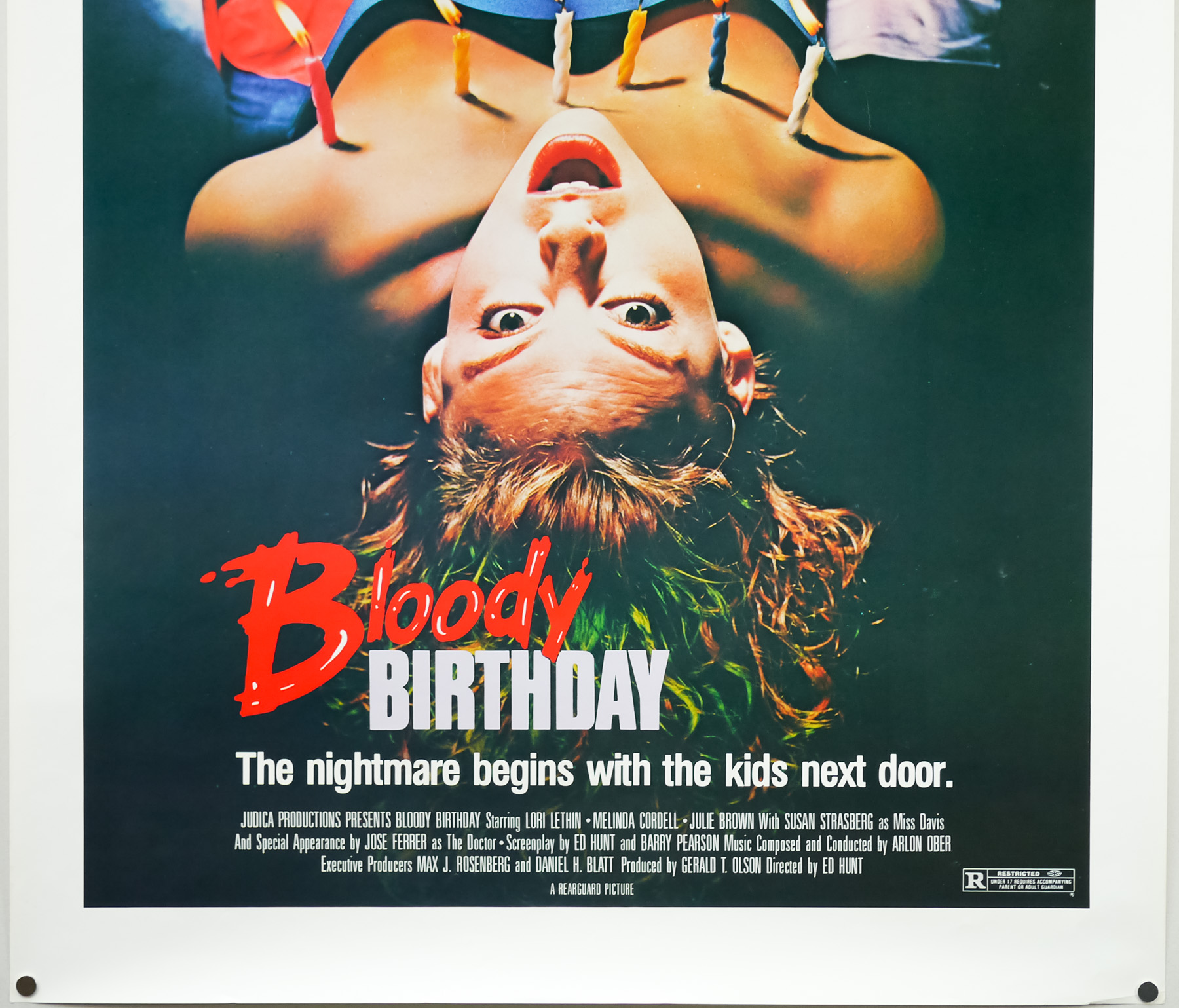
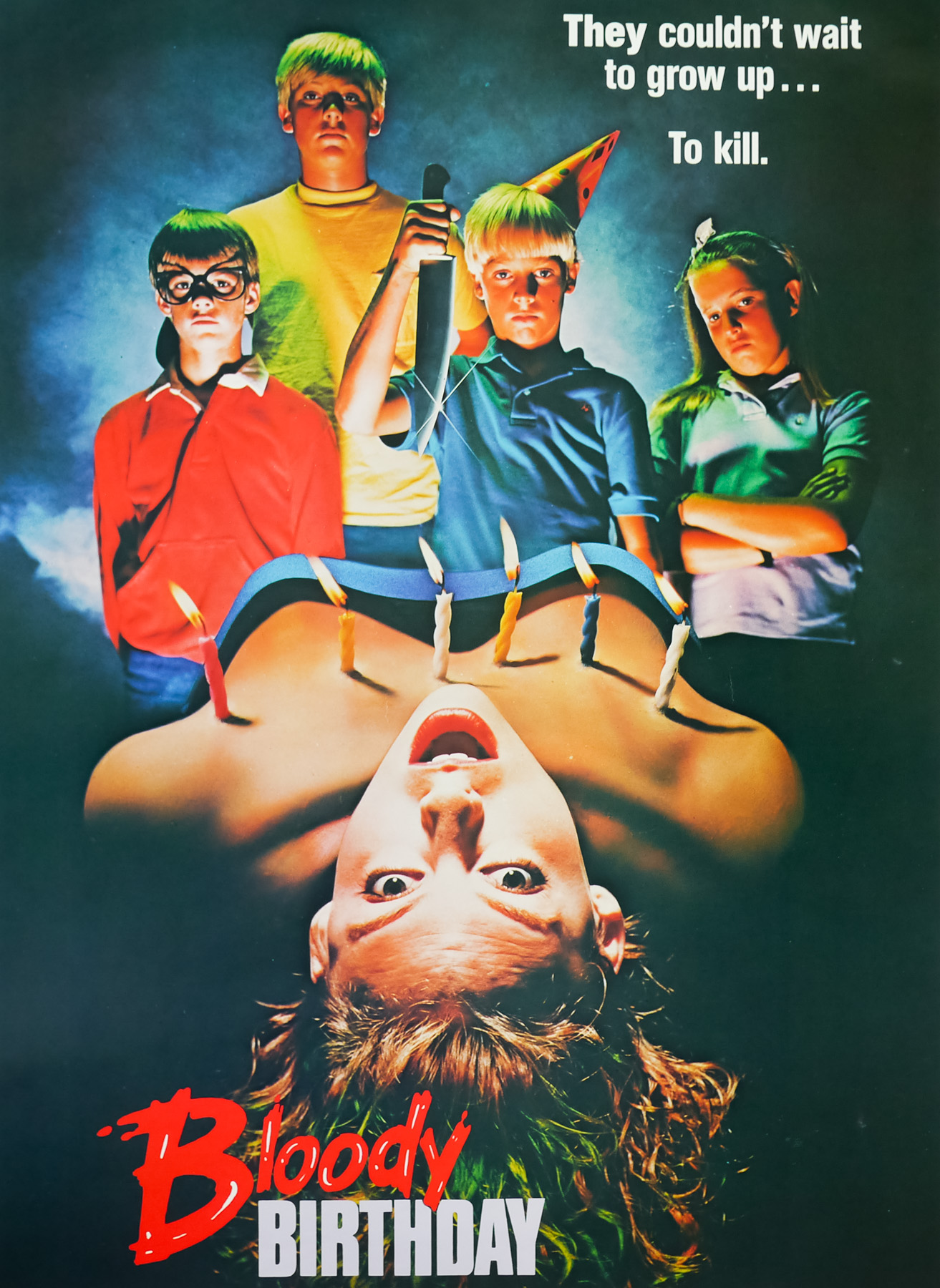
They couldn't wait to grow up... to kill. | The Nightmare Begins With The Kids Next Door

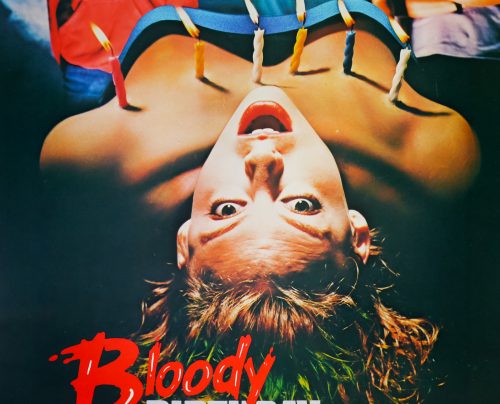
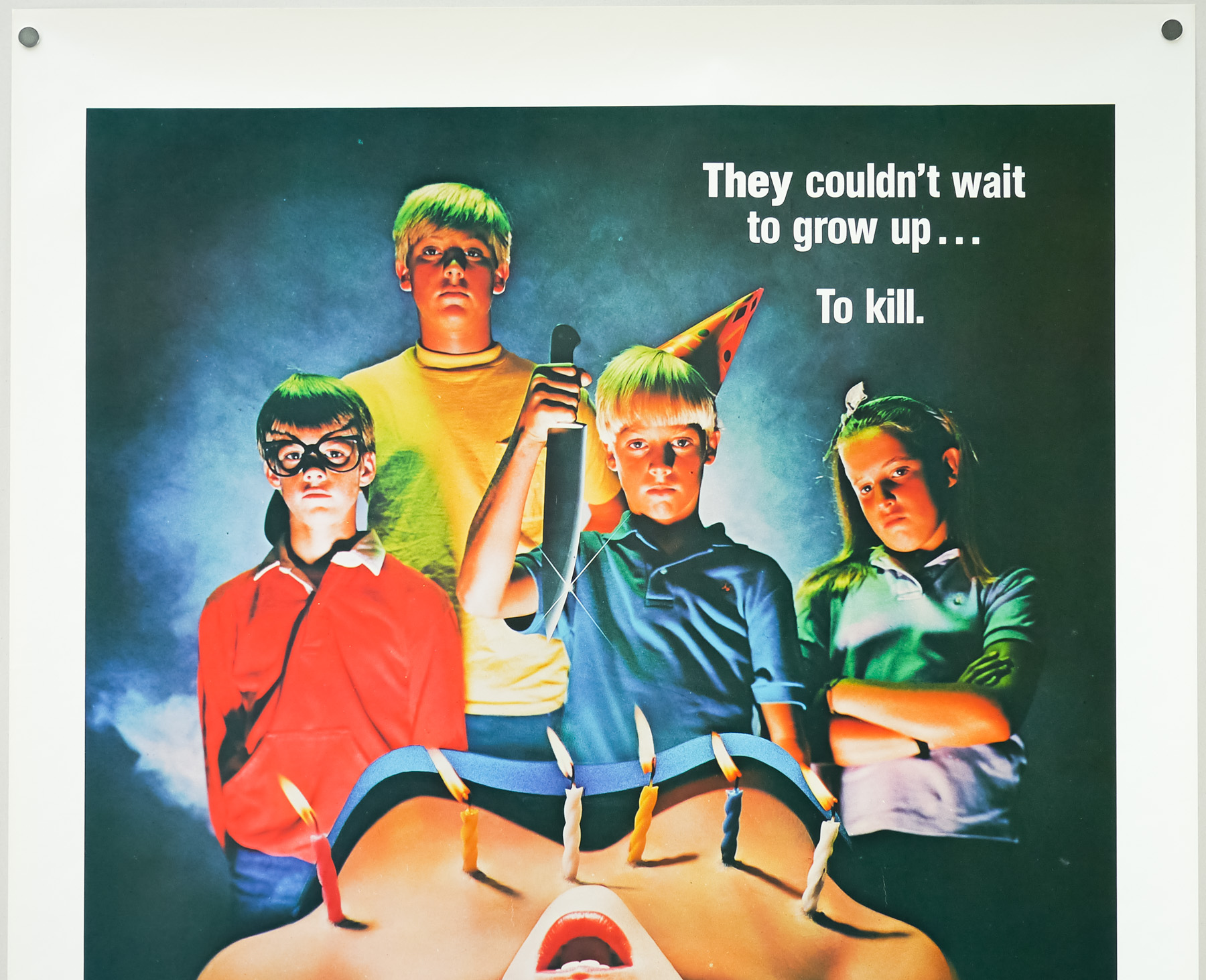
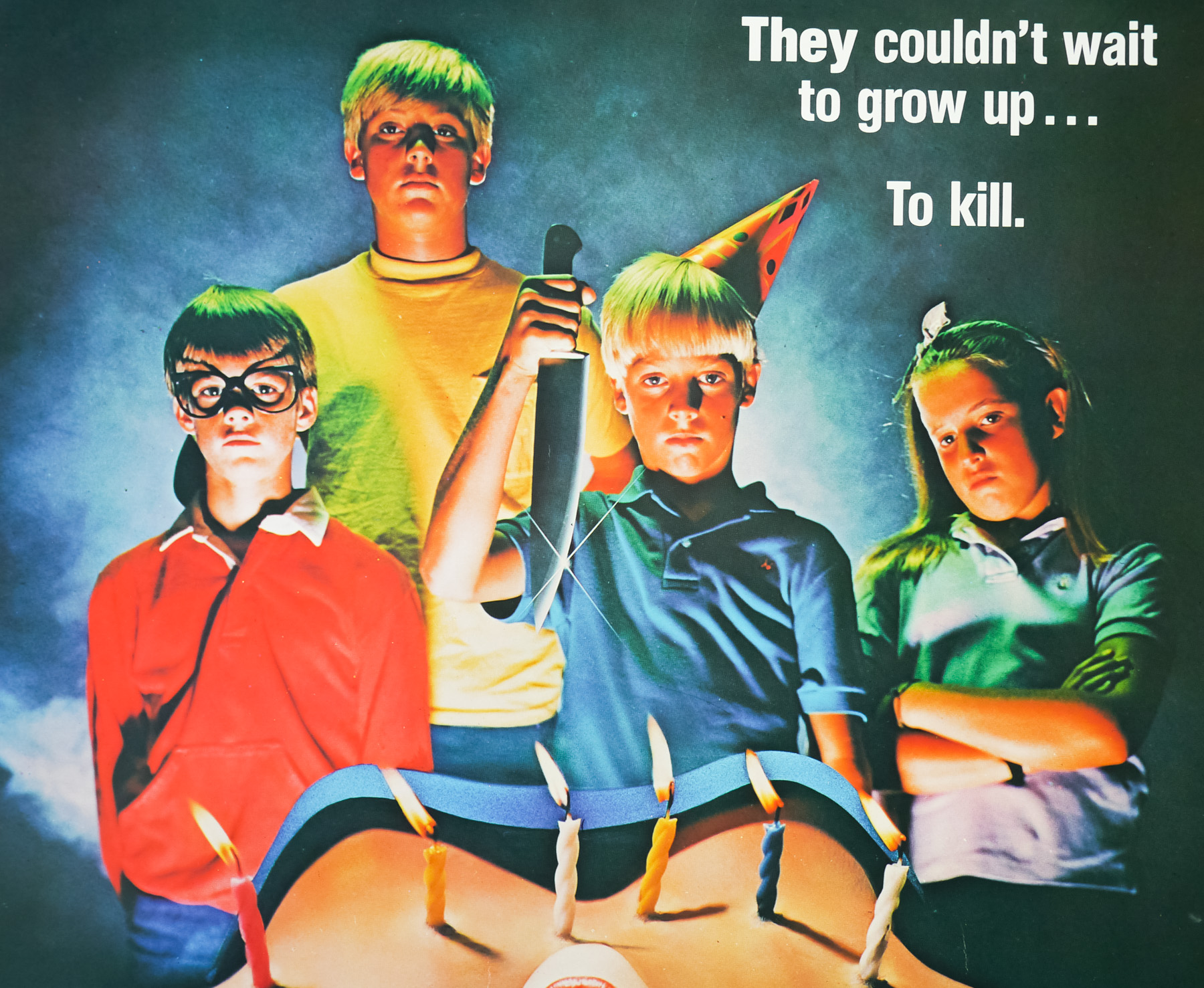
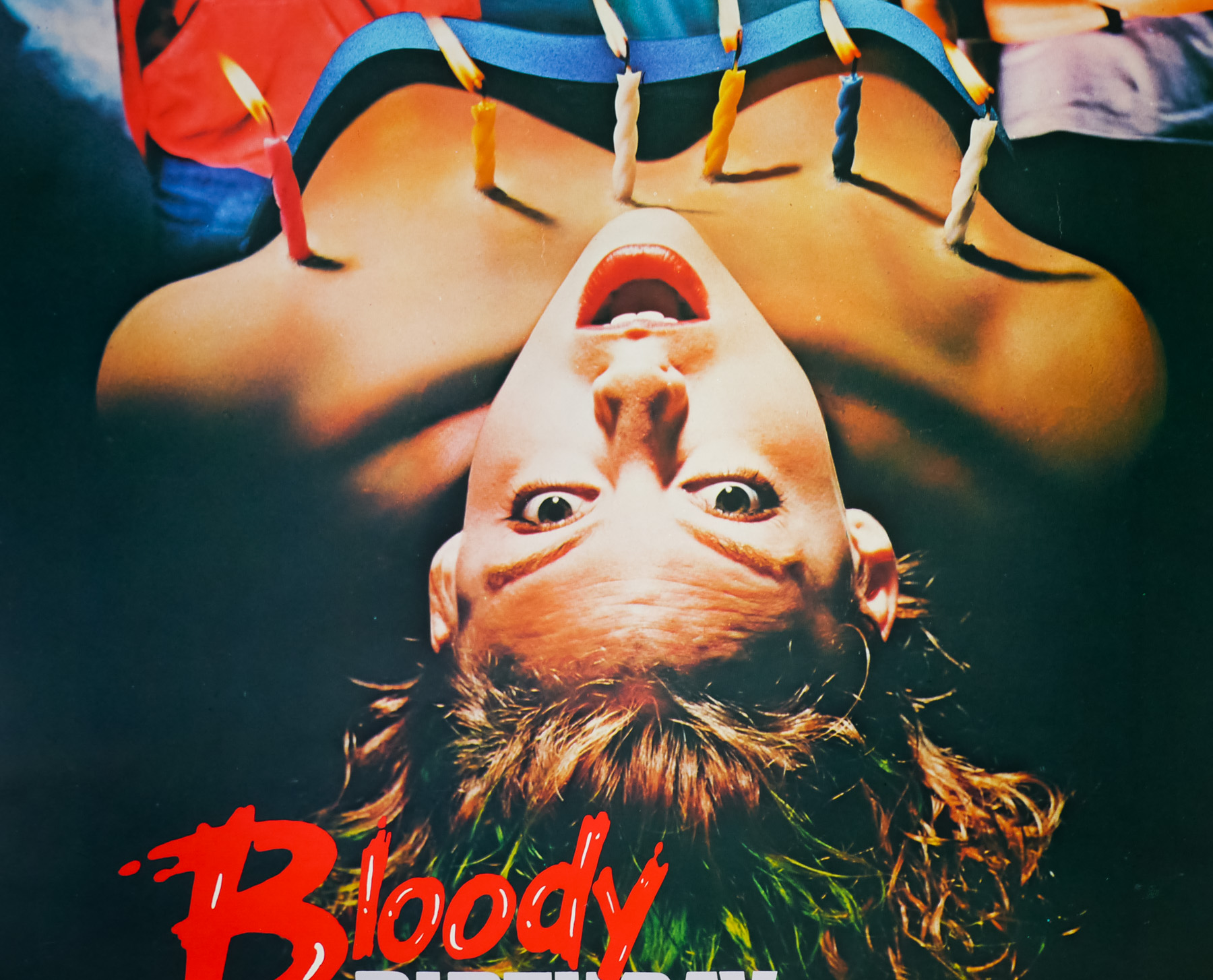
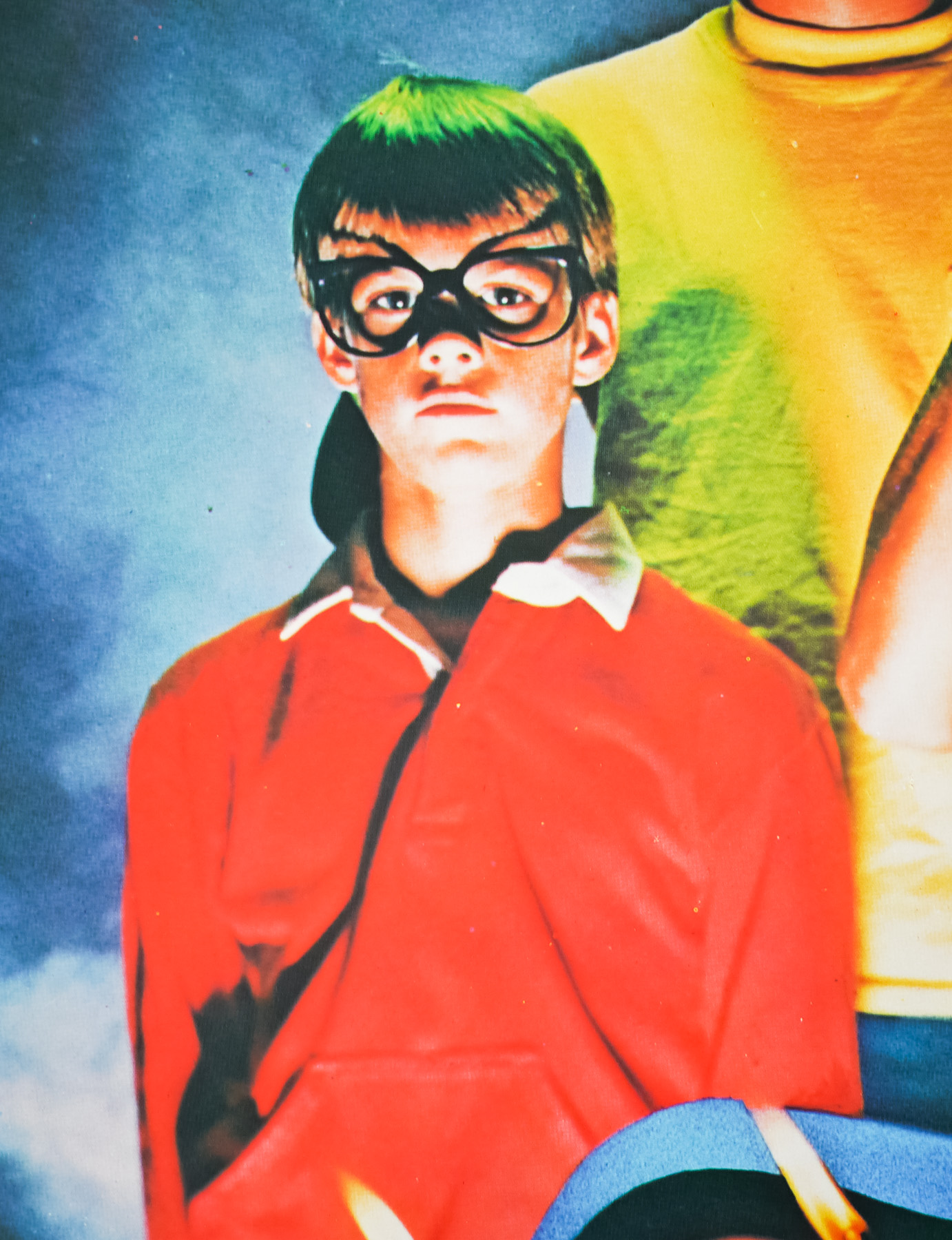
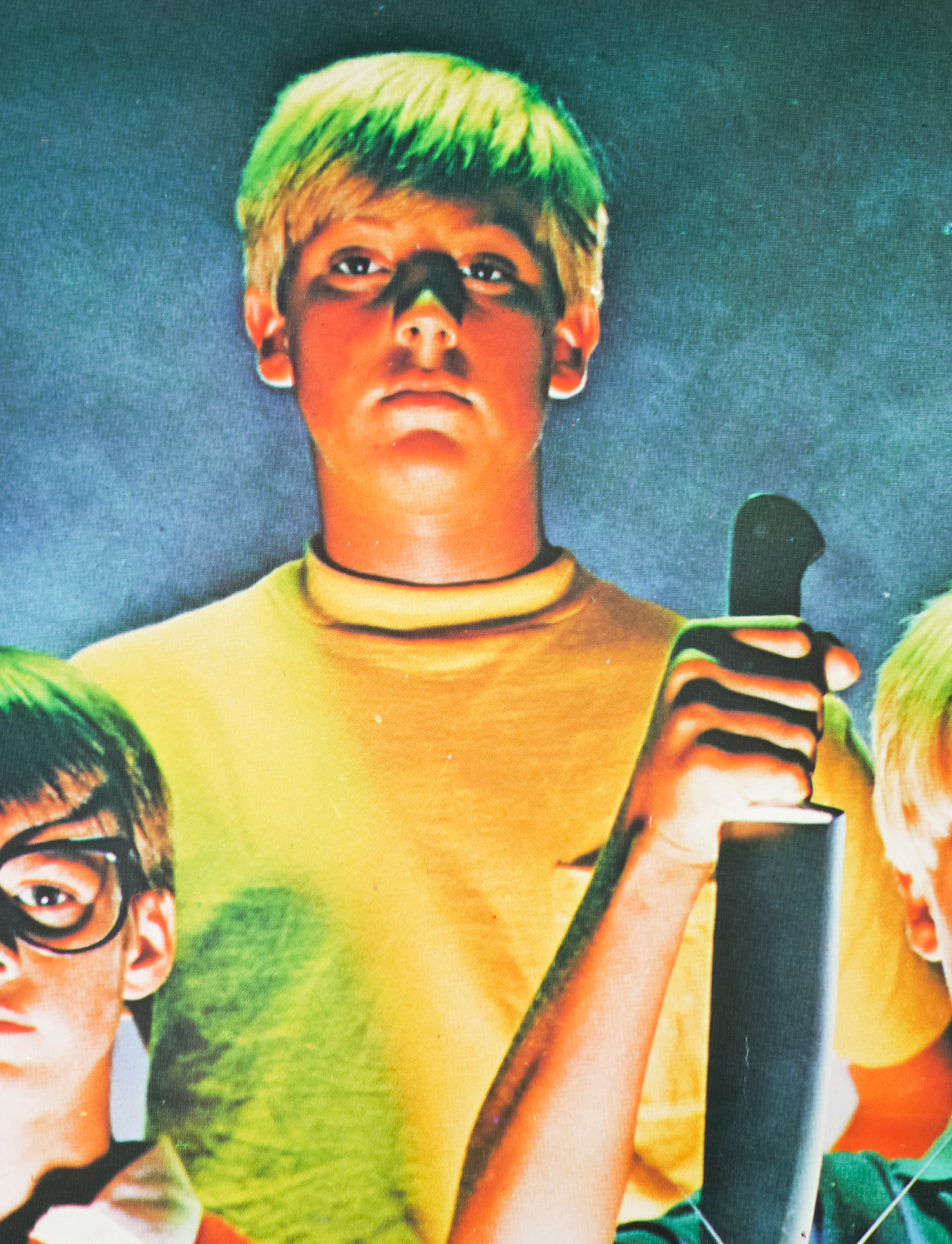
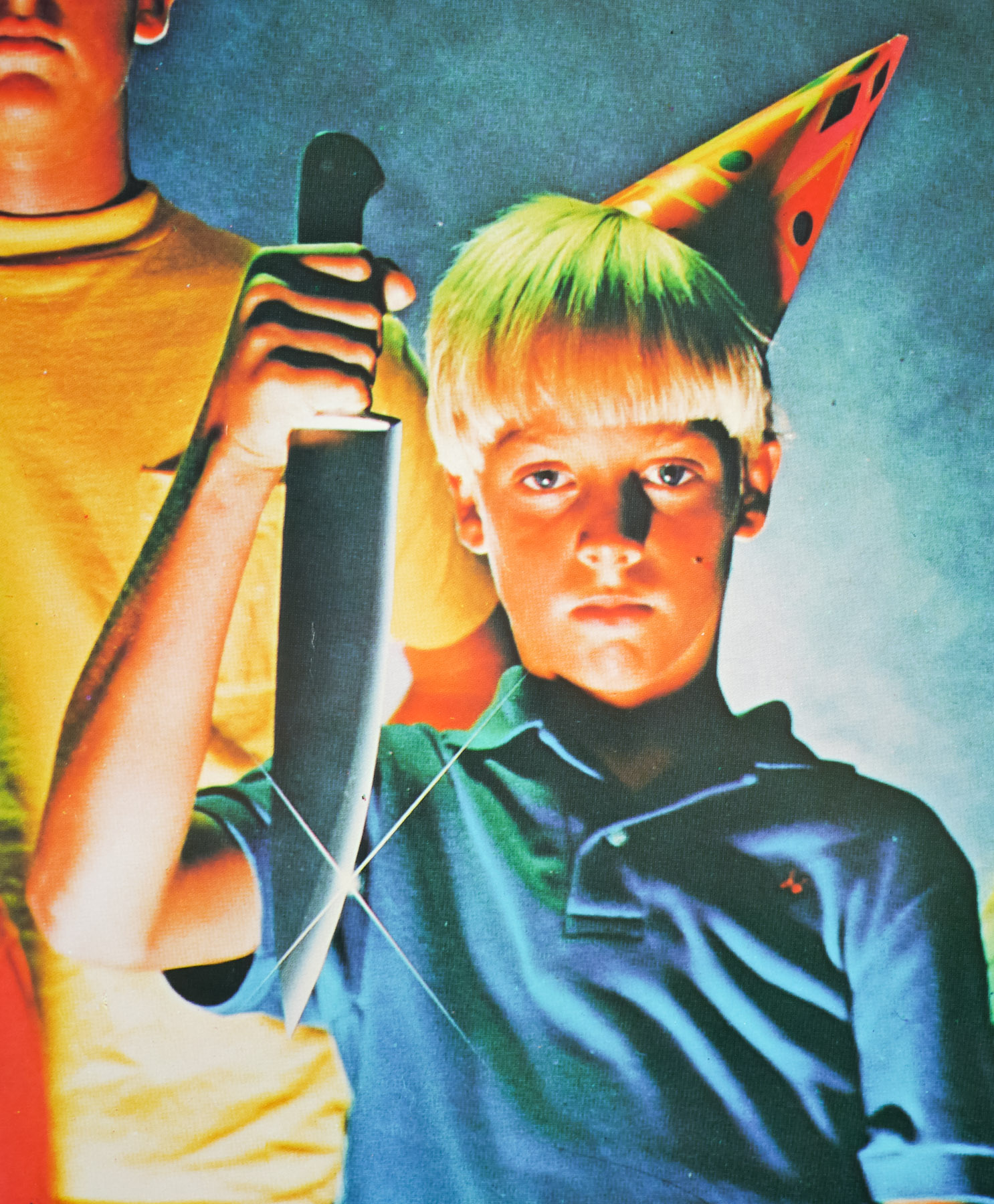
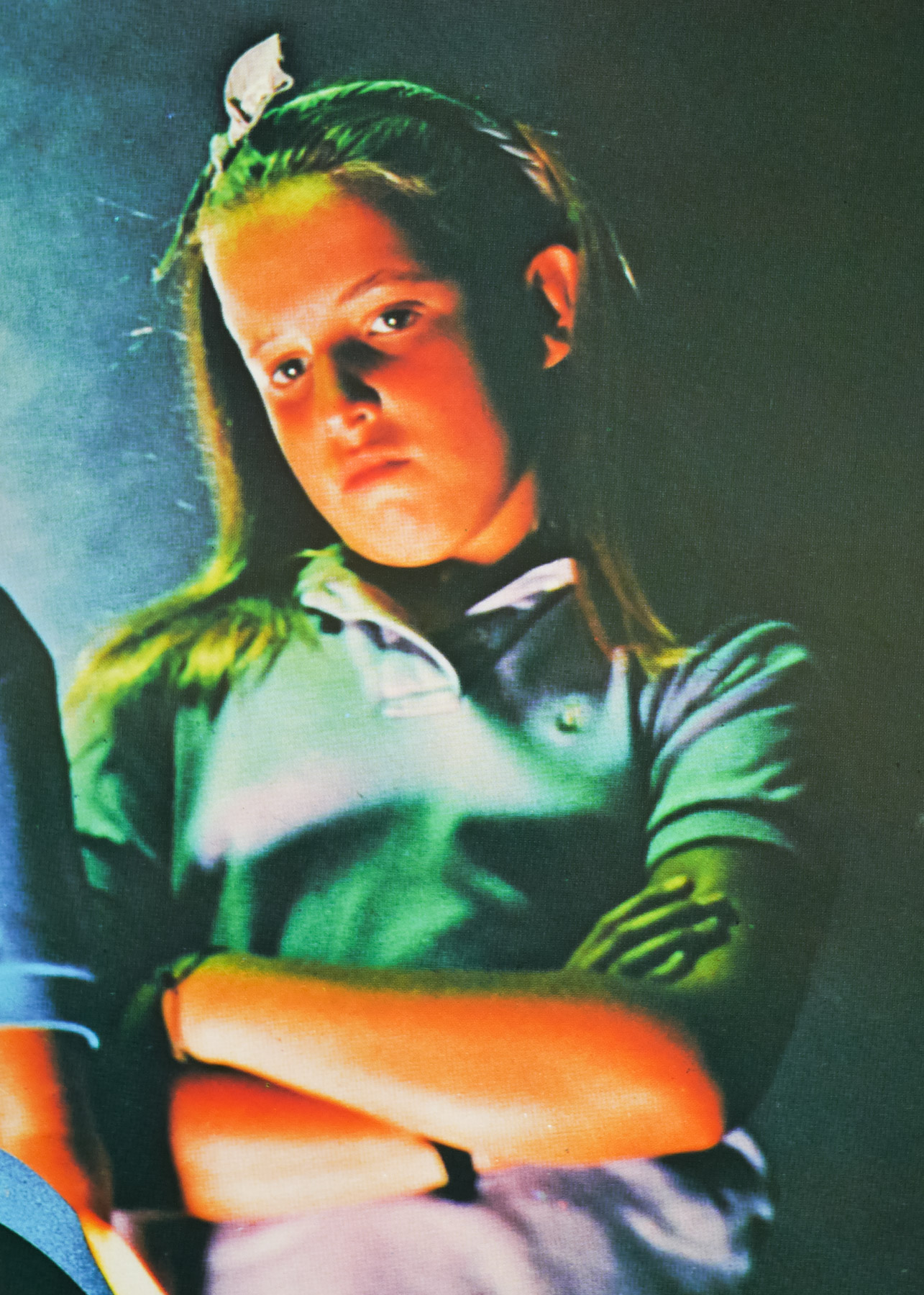
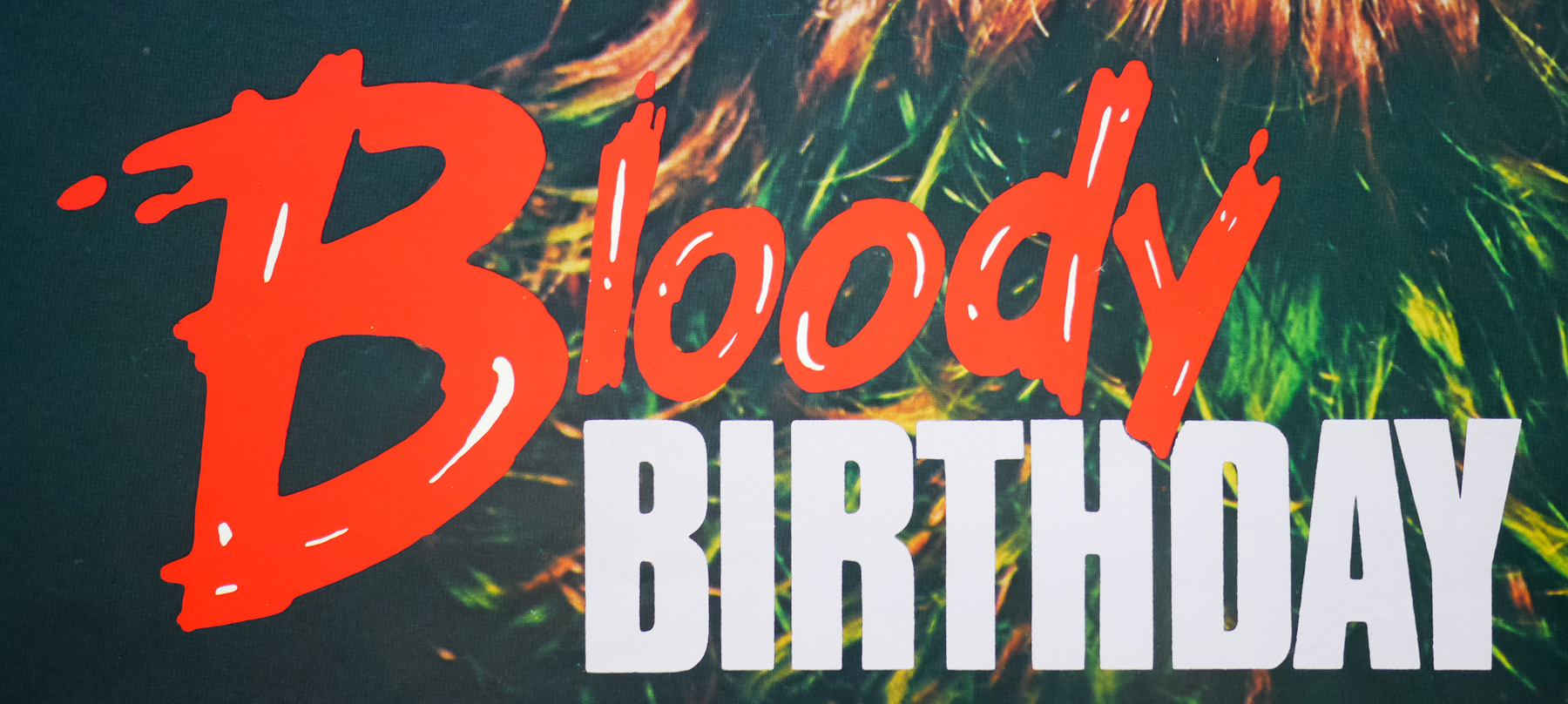
A wild design on this one sheet for the 1981 horror featuring a trio of demonic kids. From IMDb:

In 1970, three children are born at the height of a total eclipse. Due to the sun and moon blocking Saturn, which controls emotions, they have become heartless killers ten years later, and are able to escape detection because of their youthful and innocent facades. A boy and his teenage sister become endangered when they stumble onto the bloody truth.

Director Ed Hunt would retire from filmmaking a few years after Bloody Birthday was released with a modest ten films to his name.

I also have the alternative style one sheet in the collection. You can watch the trailer on YouTube.

The Running Man / quad / UK

25.10.13

Poster Poster
Title
The Running Man
AKA
L'implacabile [The remorseless] (Italy)
Year of Film
1987
Director
Paul Michael Glaser
Starring
Arnold Schwarzenegger, Richard Dawson, María Conchita Alonso, Yaphet Kotto, Jim Brown, Jesse Ventura, Sven-Ole Thorsen, Erland Van Lidth, Marvin J. McIntyre, Mick Fleetwood, Gus Rethwisch
Origin of Film
USA
Genre(s) of Film
Arnold Schwarzenegger, Richard Dawson, María Conchita Alonso, Yaphet Kotto, Jim Brown, Jesse Ventura, Sven-Ole Thorsen, Erland Van Lidth, Marvin J. McIntyre, Mick Fleetwood, Gus Rethwisch,
Type of Poster
Quad
Style of Poster
--
Origin of Poster
UK
Year of Poster
1987
Designer
Unknown
Artist
--
Size (inches)
30 2/16" x 40"
SS or DS
SS
Tagline
It is the year 2019. The "Running Man" is a deadly game no one has ever survived. But... Schwarzenegger has yet to play.

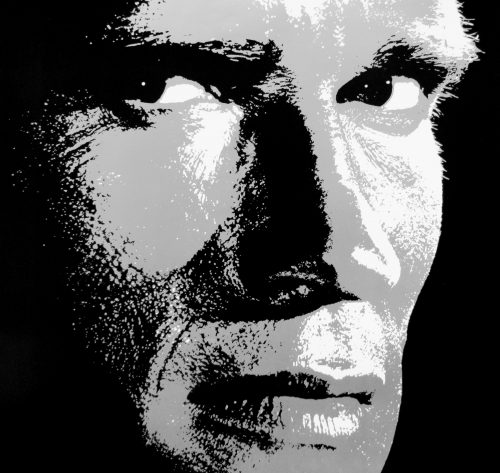
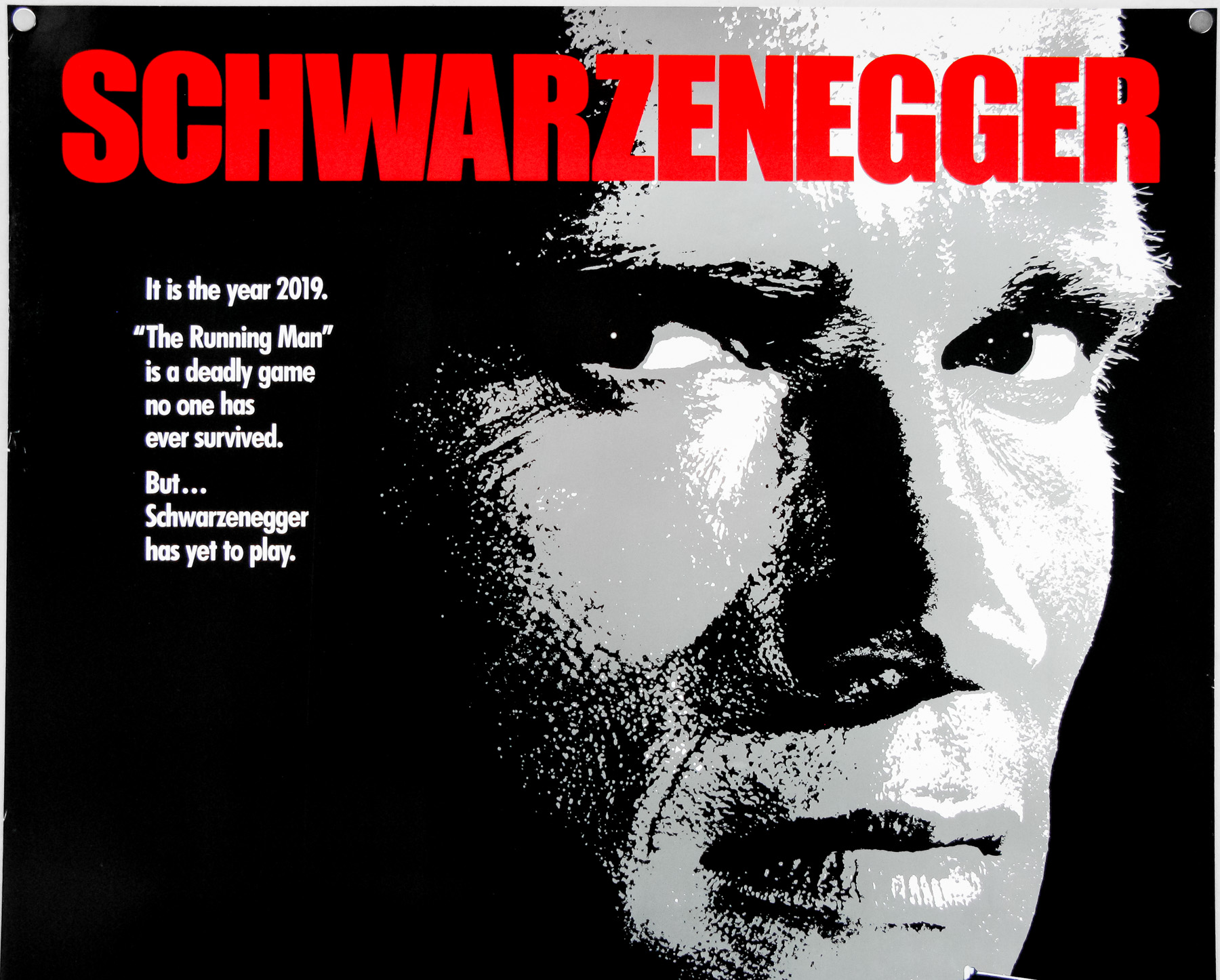
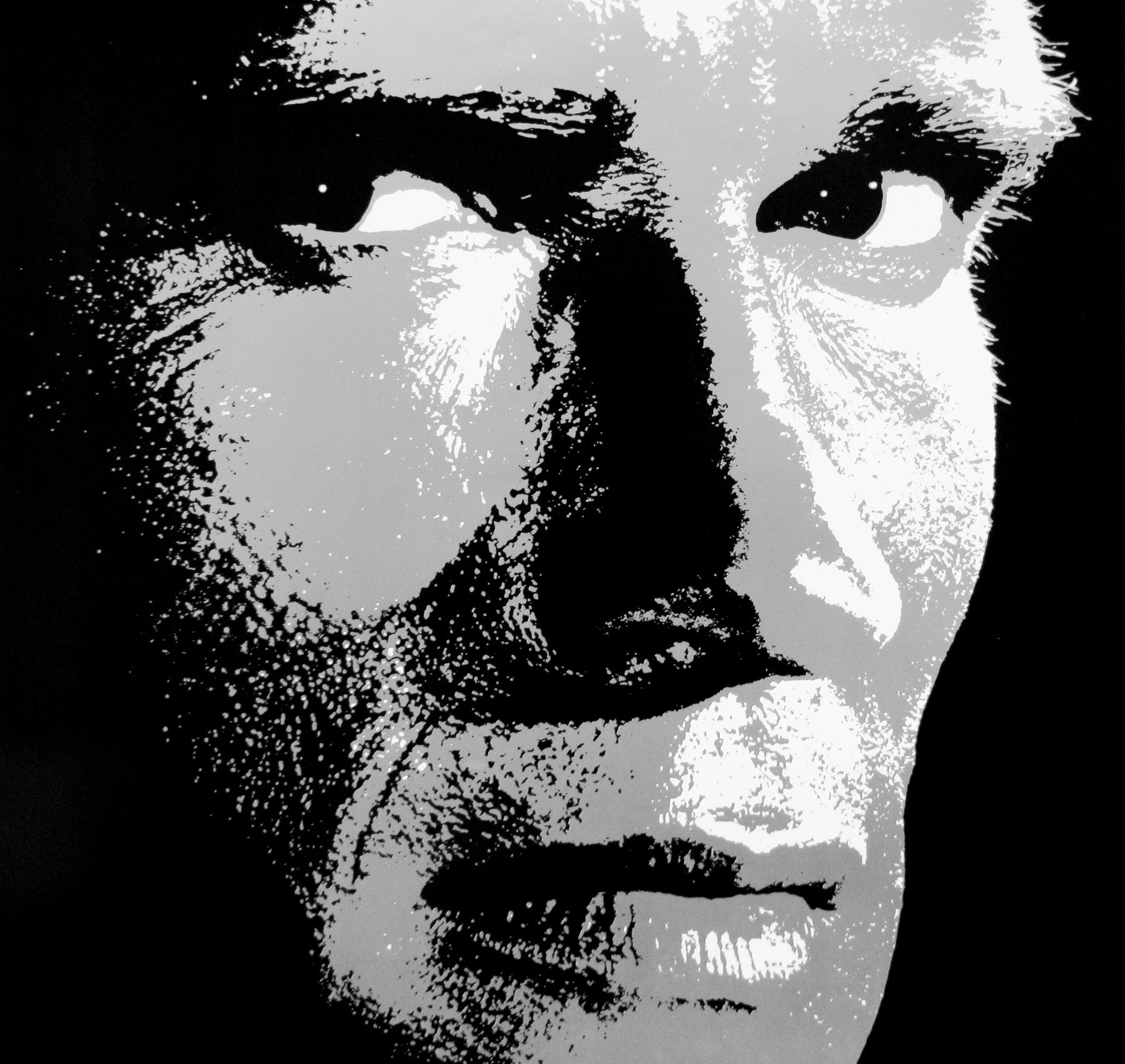
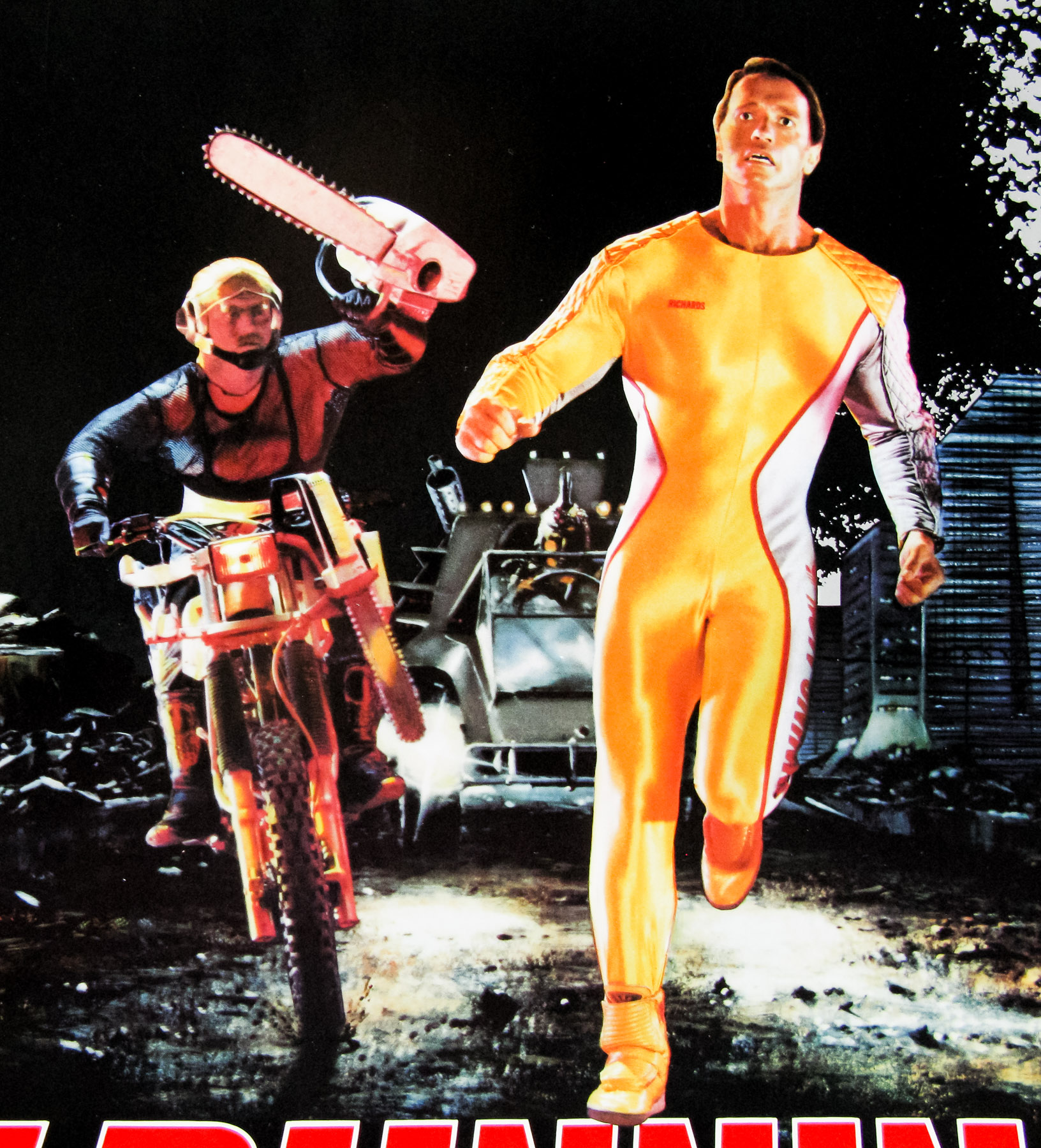
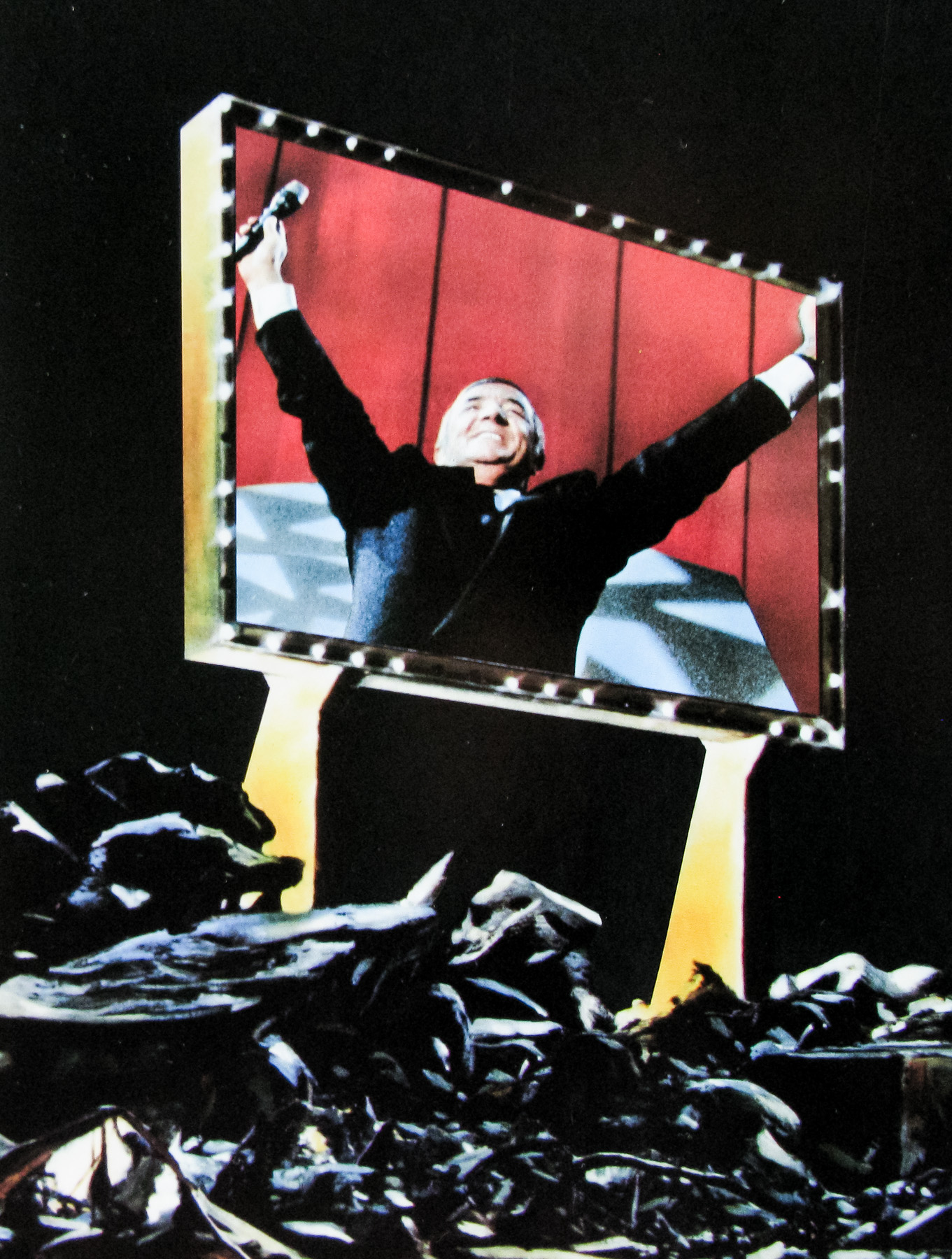
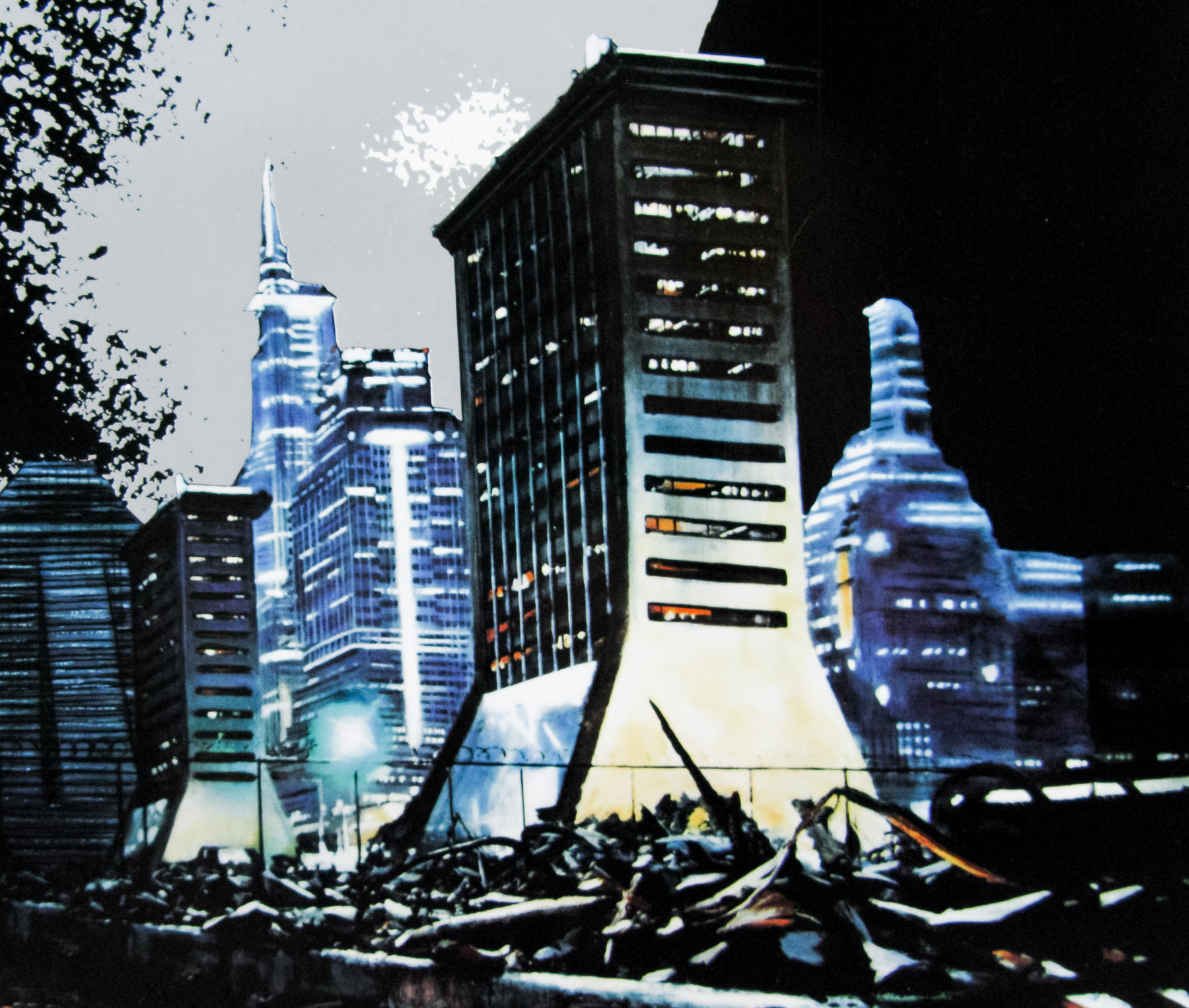
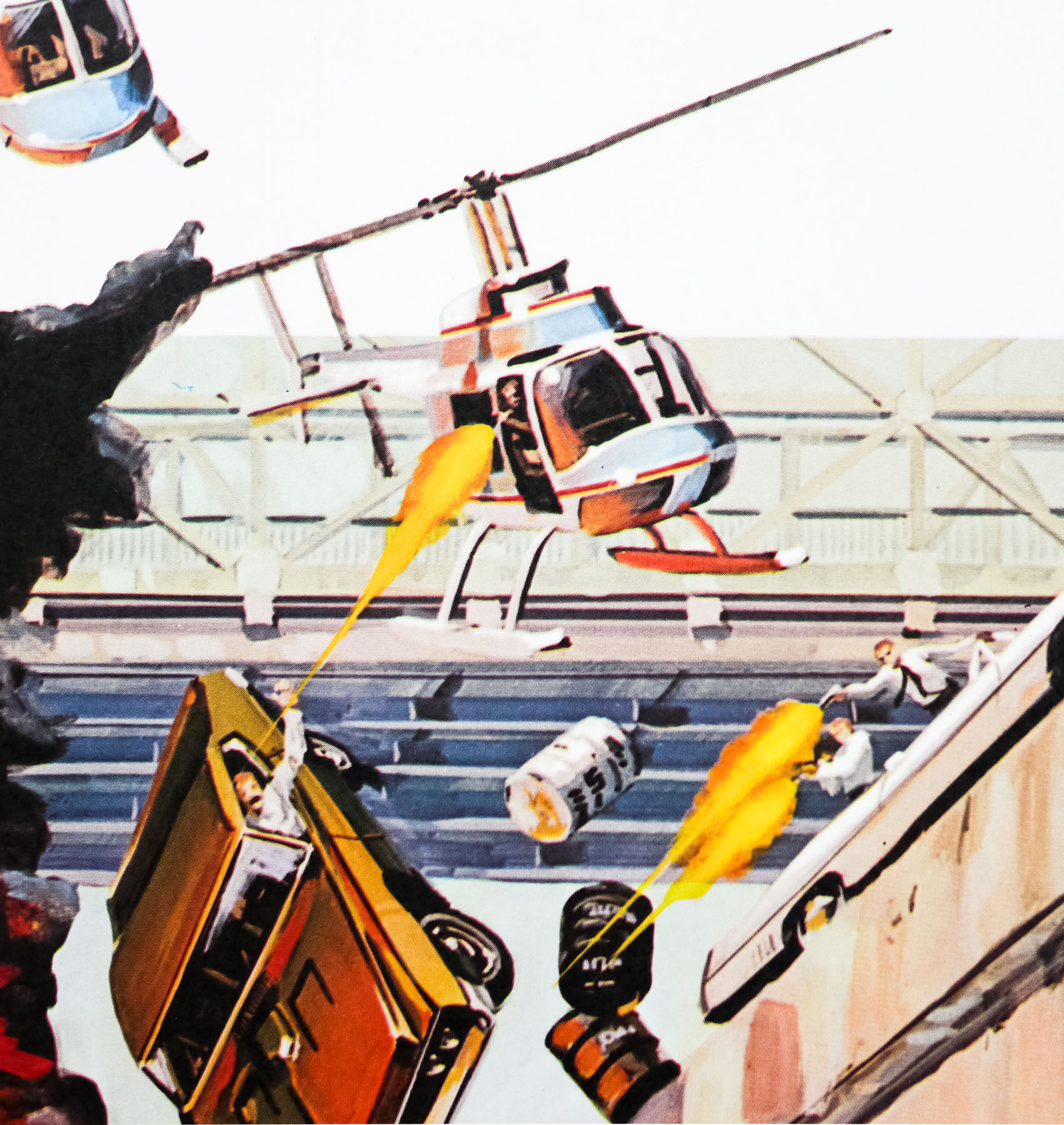
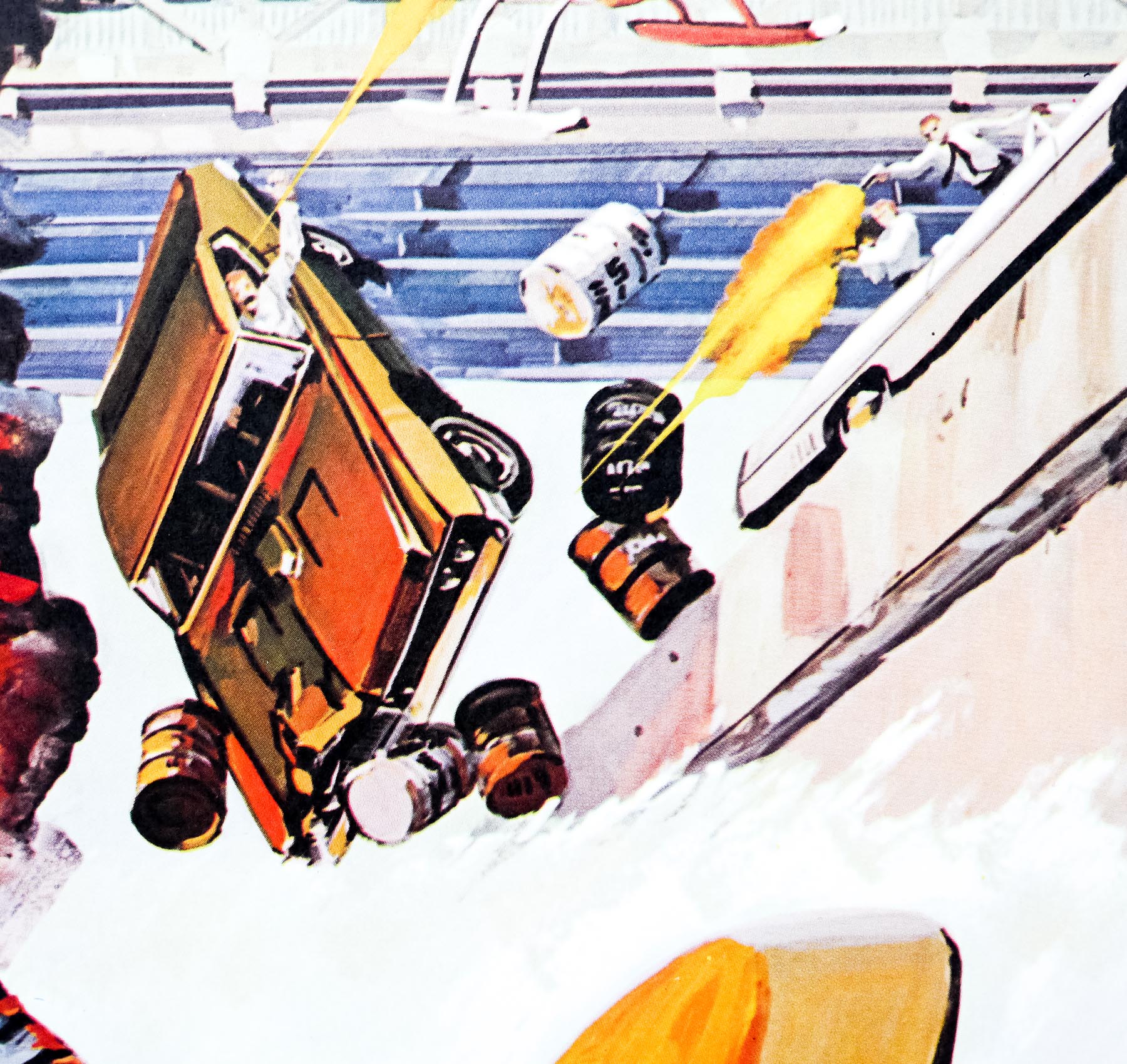
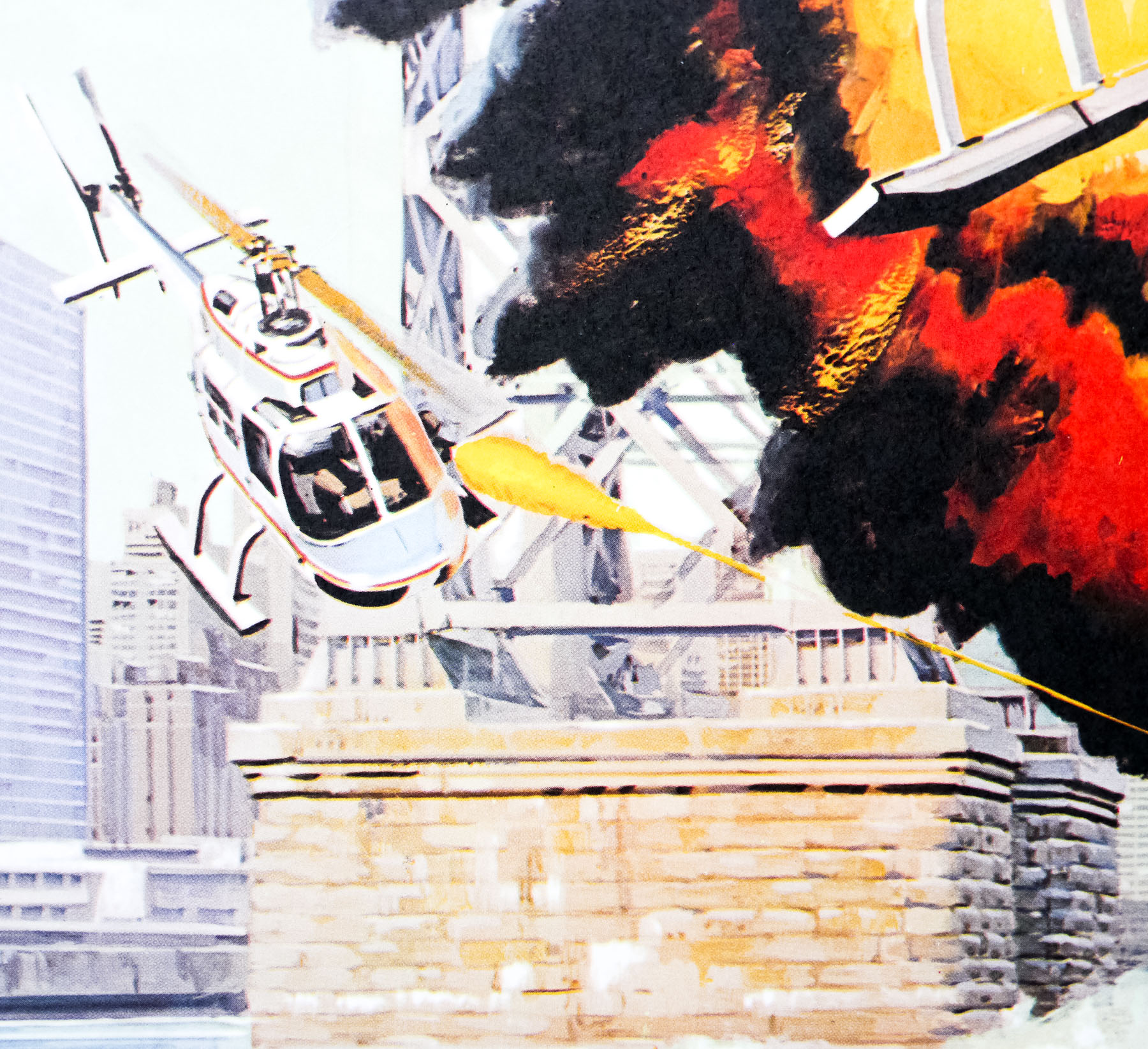
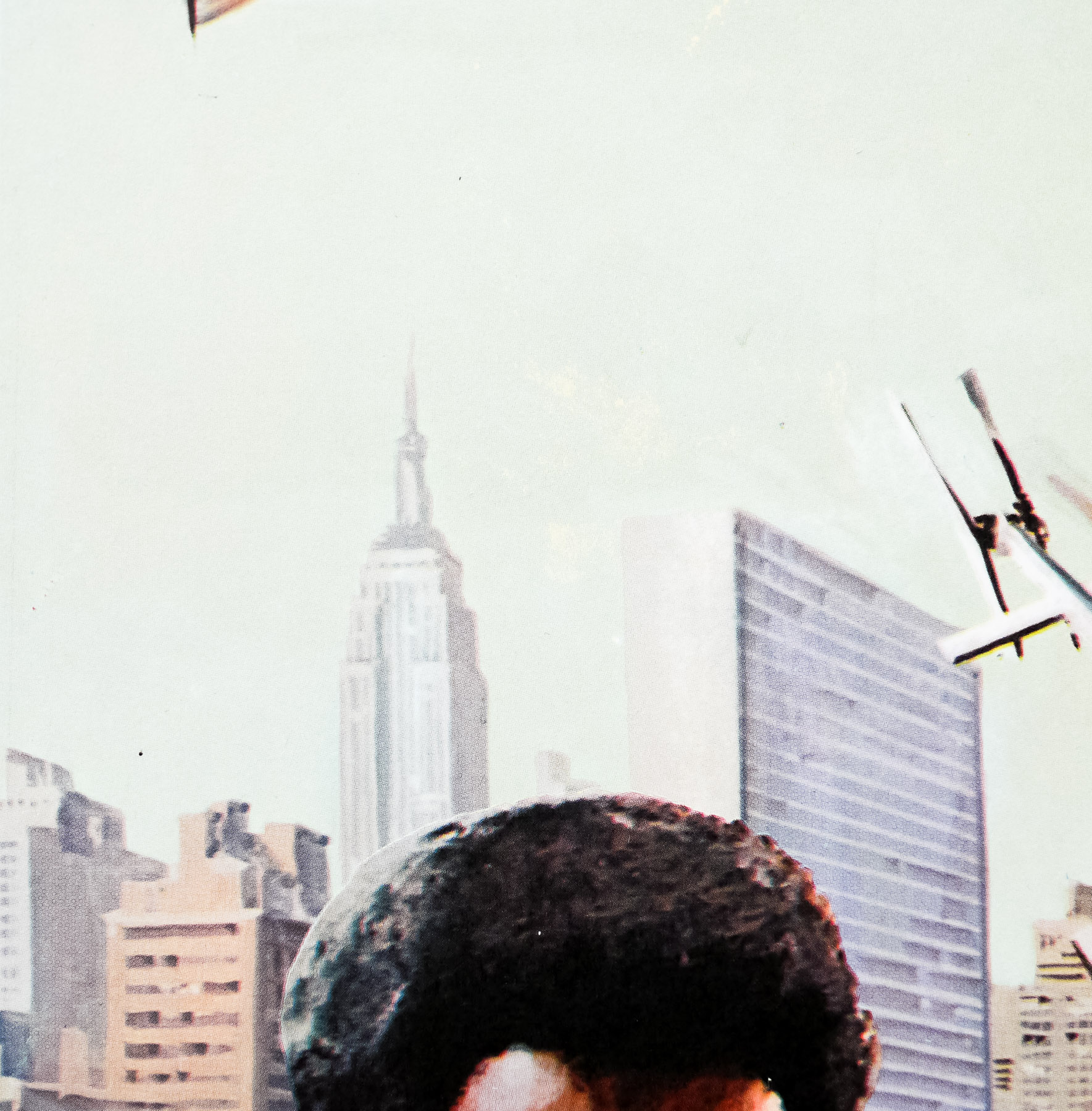
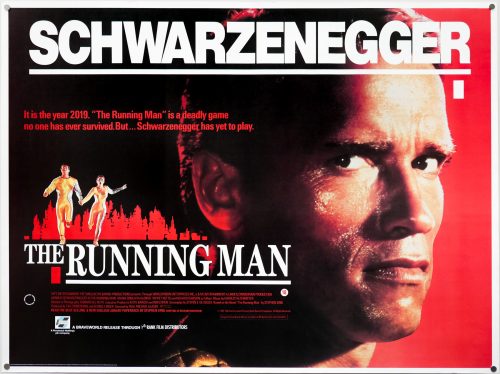
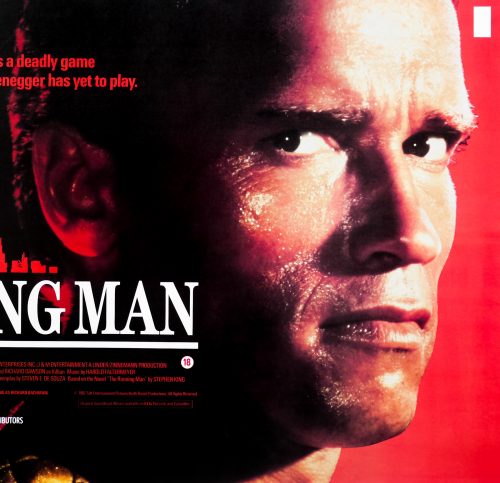
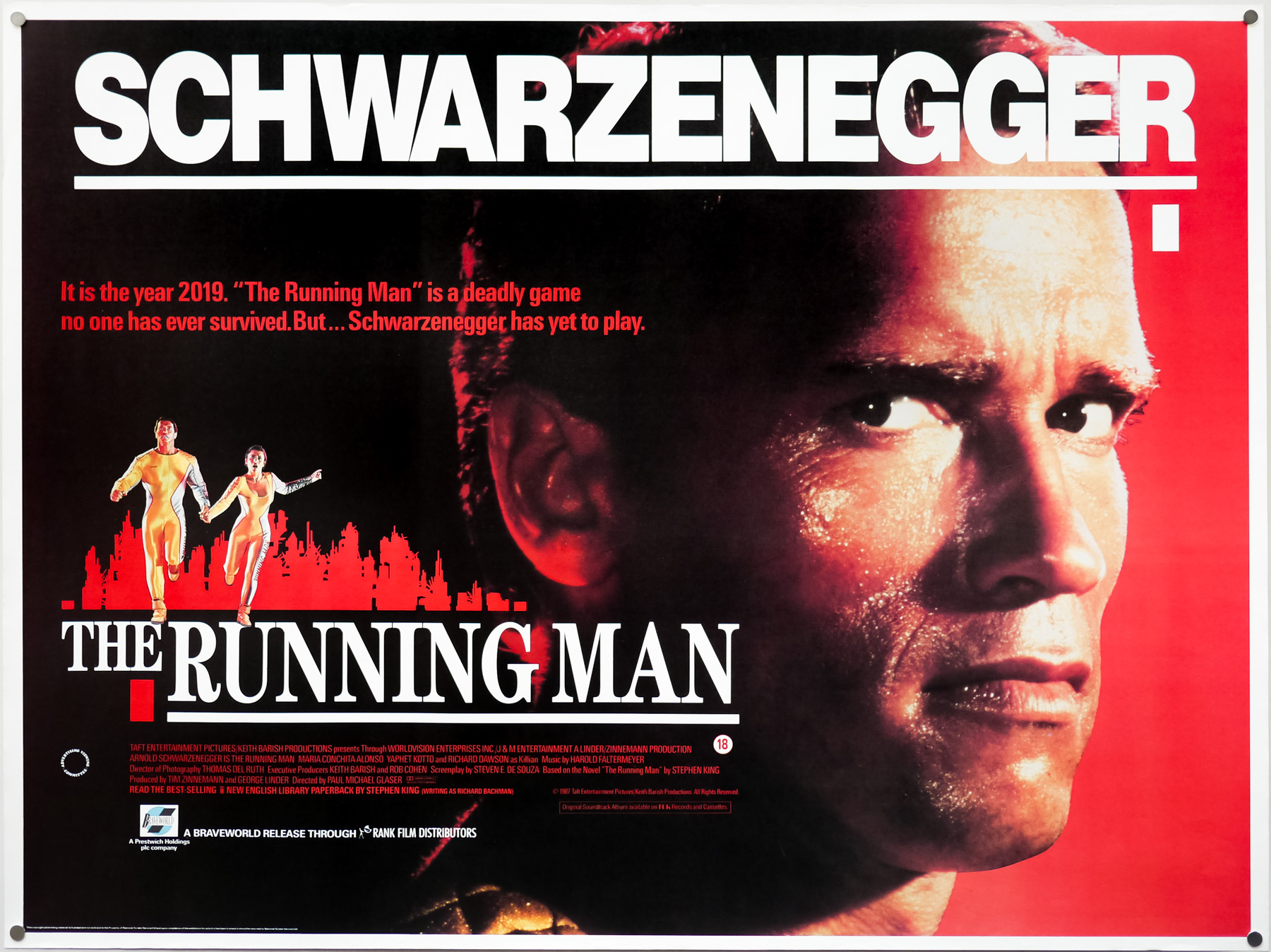
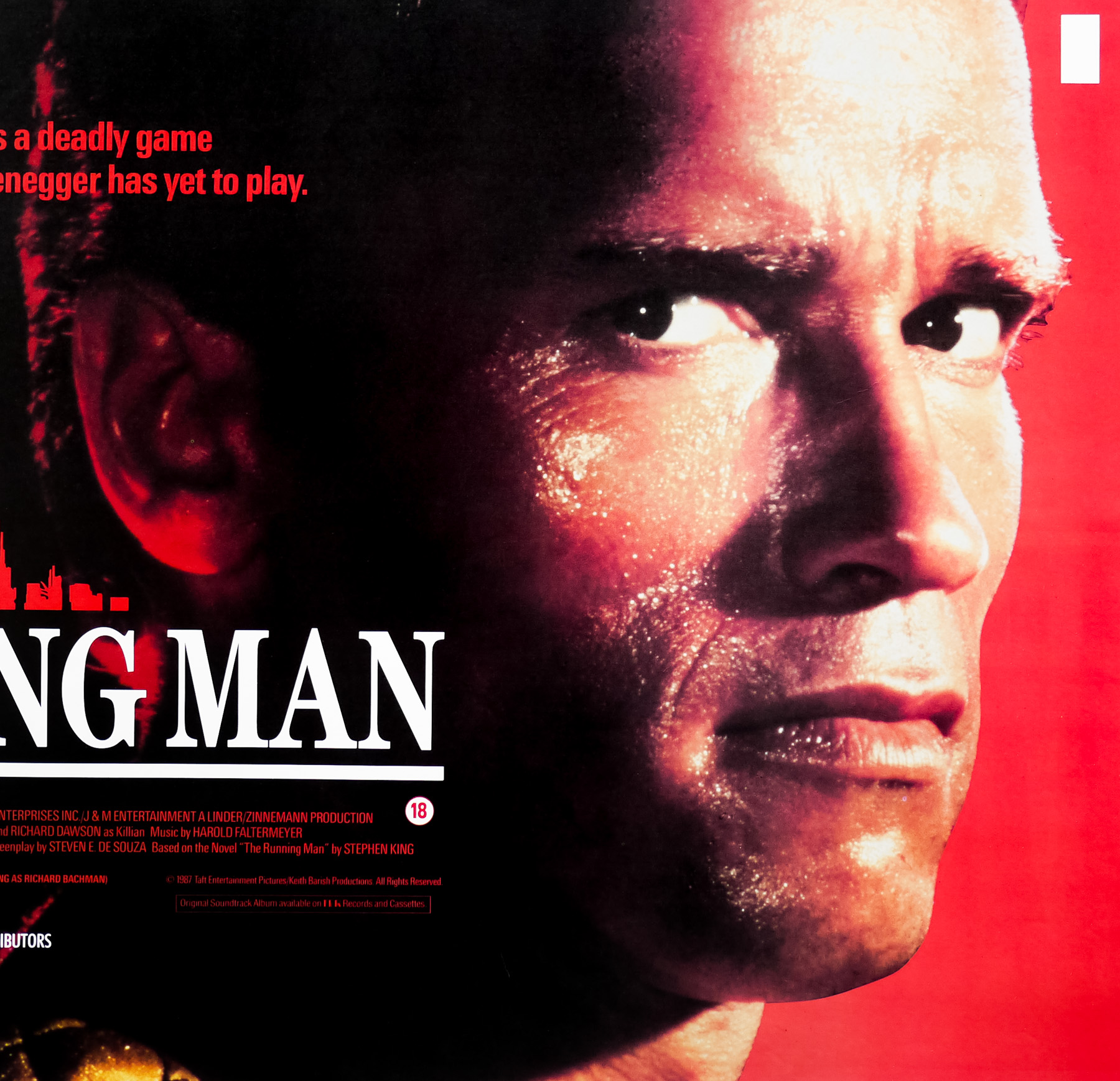
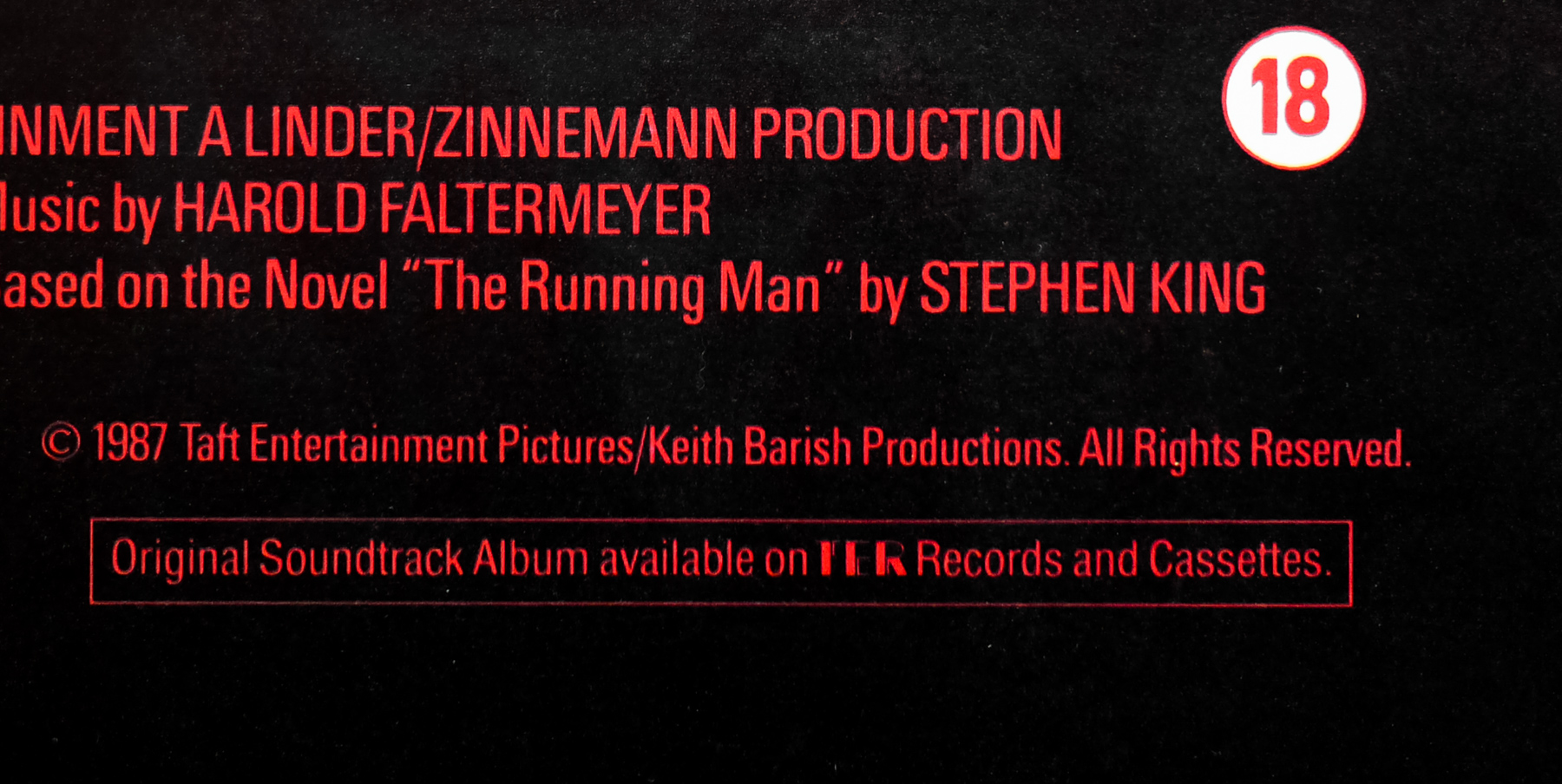
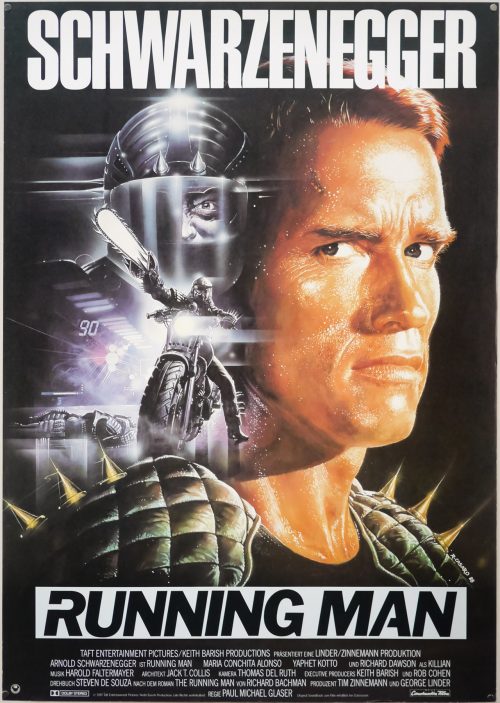
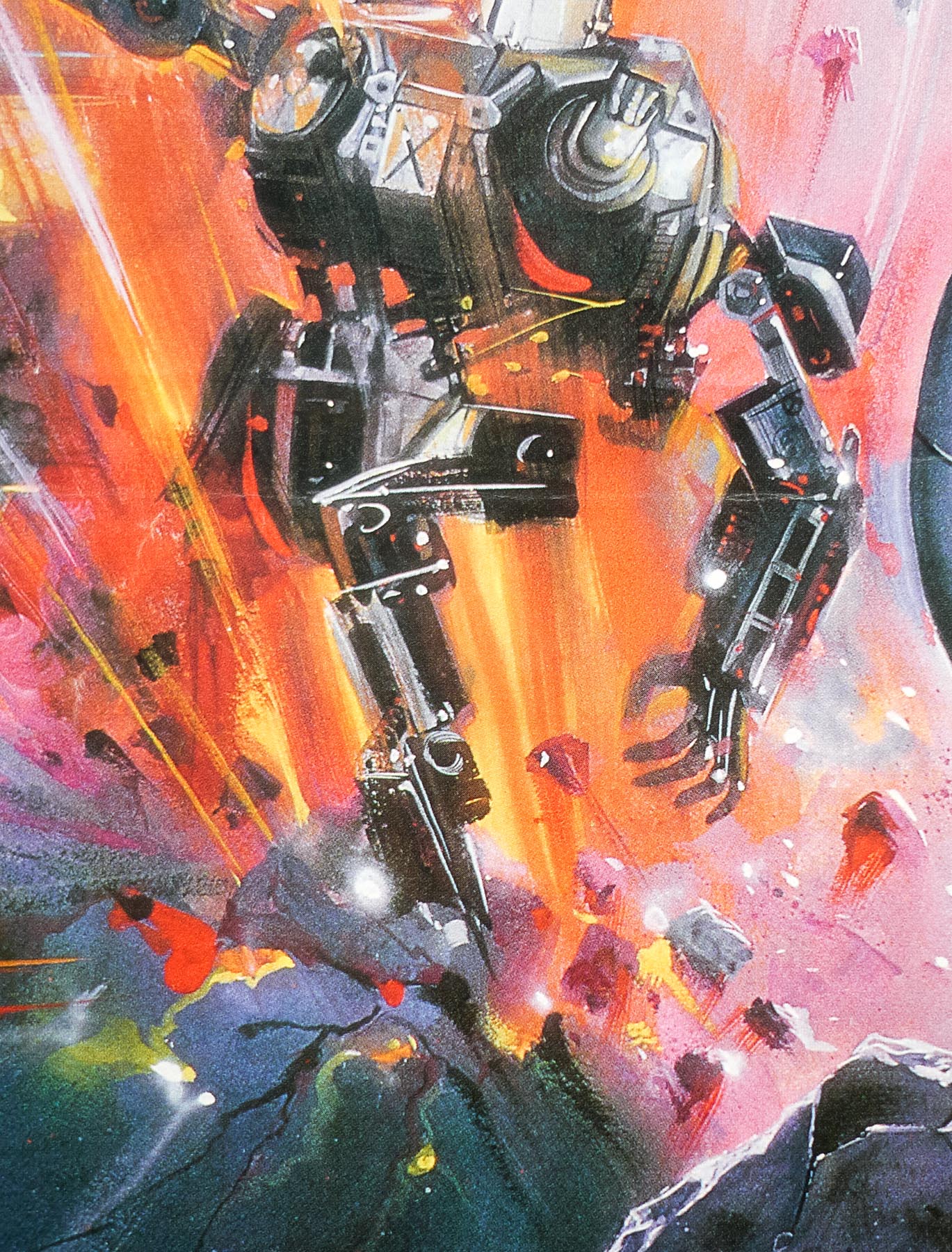
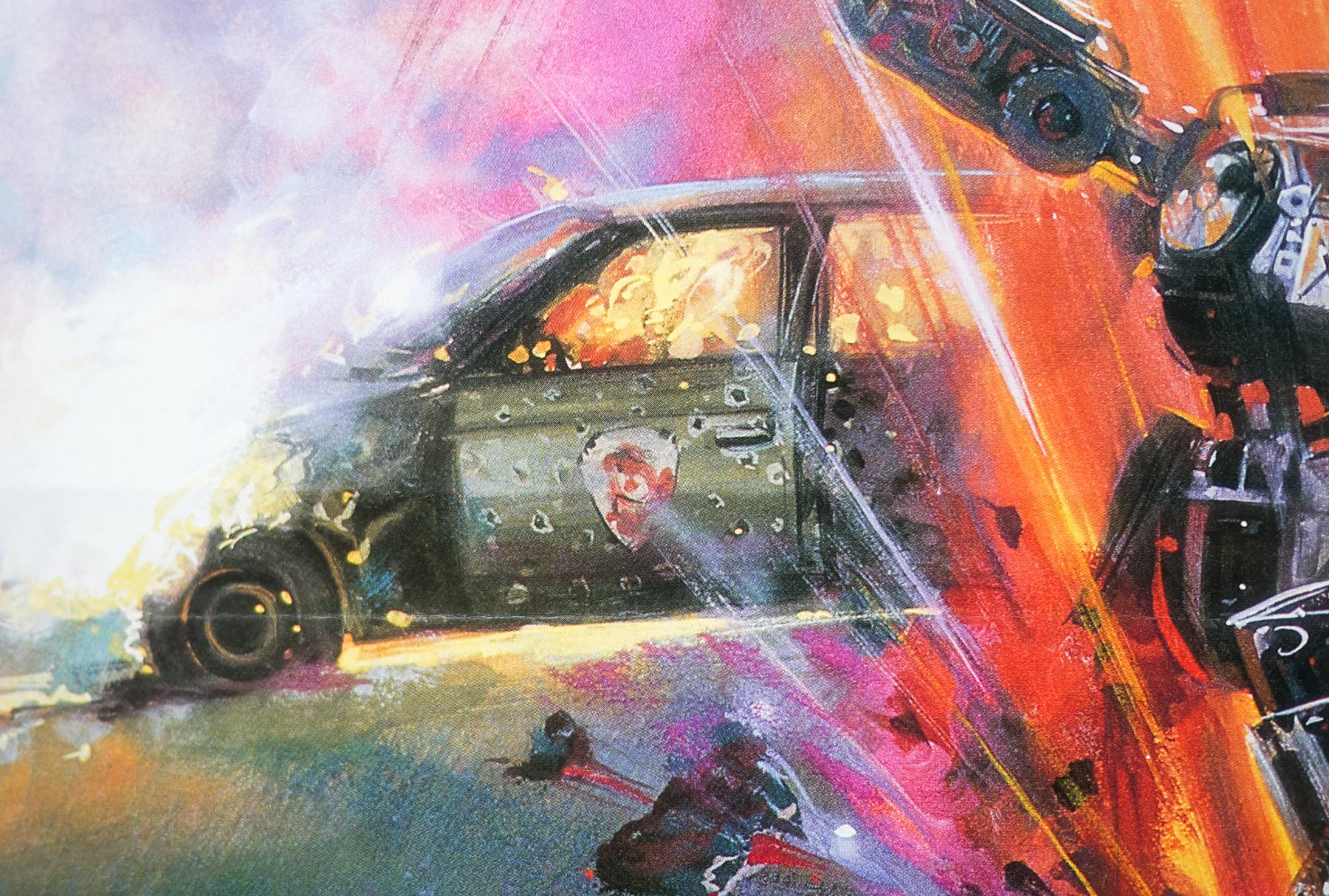
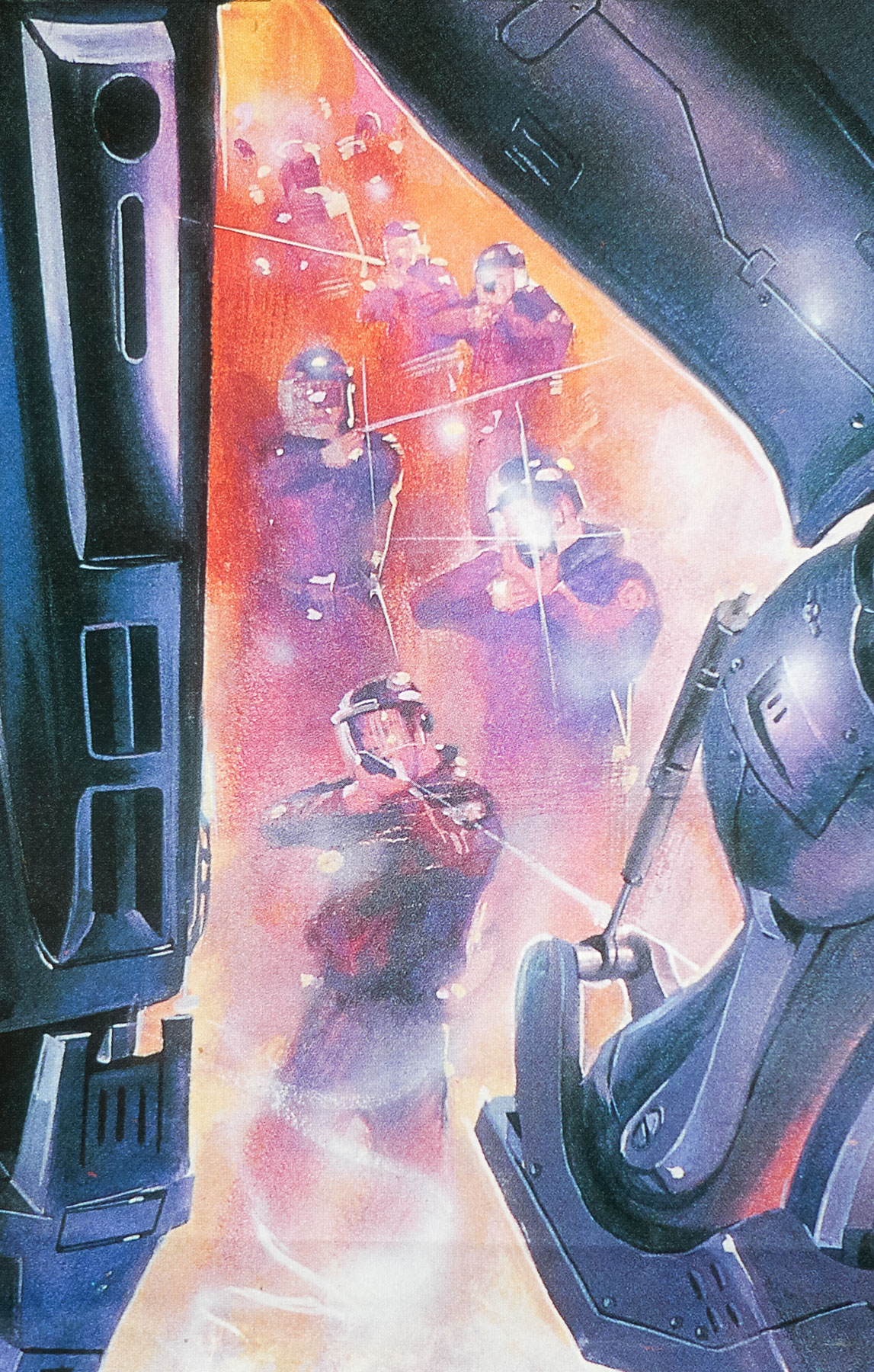
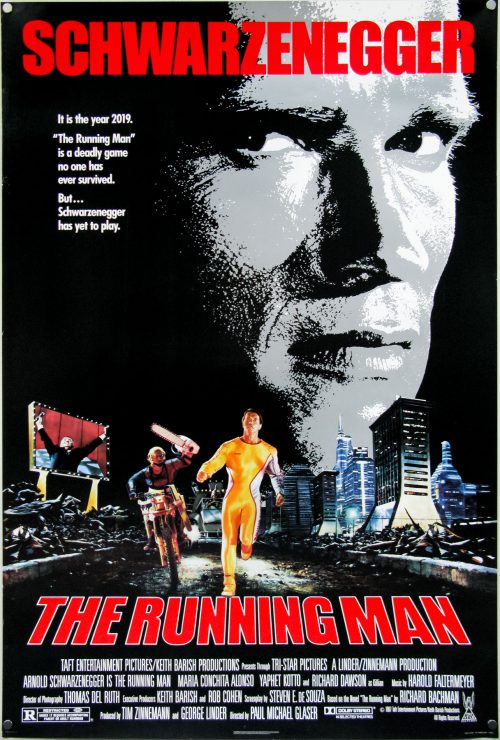
In the mid 1980s there were few actors who could get away with having their head dominate a film poster, and fewer still who could couple that with their surname in giant letters spread across the entirety of a 40″ wide poster, but then there was Arnold Schwarzenegger and this British quad for the 1987 film The Running Man. Set in the dystopian future of 2017 where the world’s economy is in ruins and America is a totalitarian police state, the populace is pacified by the broadcasting of a series of gameshows that see convicted prisoners fighting for their lives across various kinds of formats. The most popular of these shows is the titular Running Man in which the unwilling participants must try to survive in a closed-off area against an onslaught of vicious killers with catchy names and different methods of dispatching their prey.

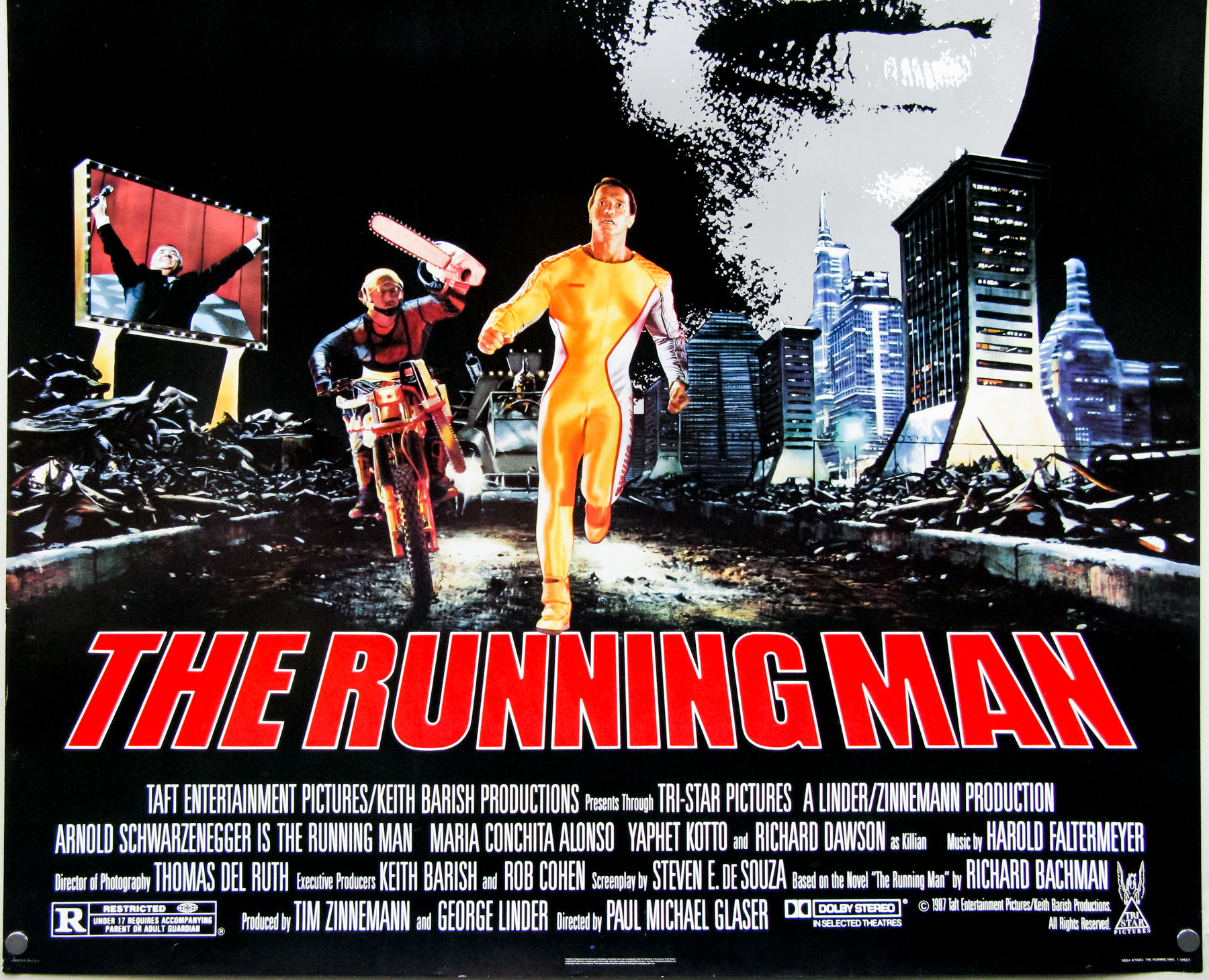
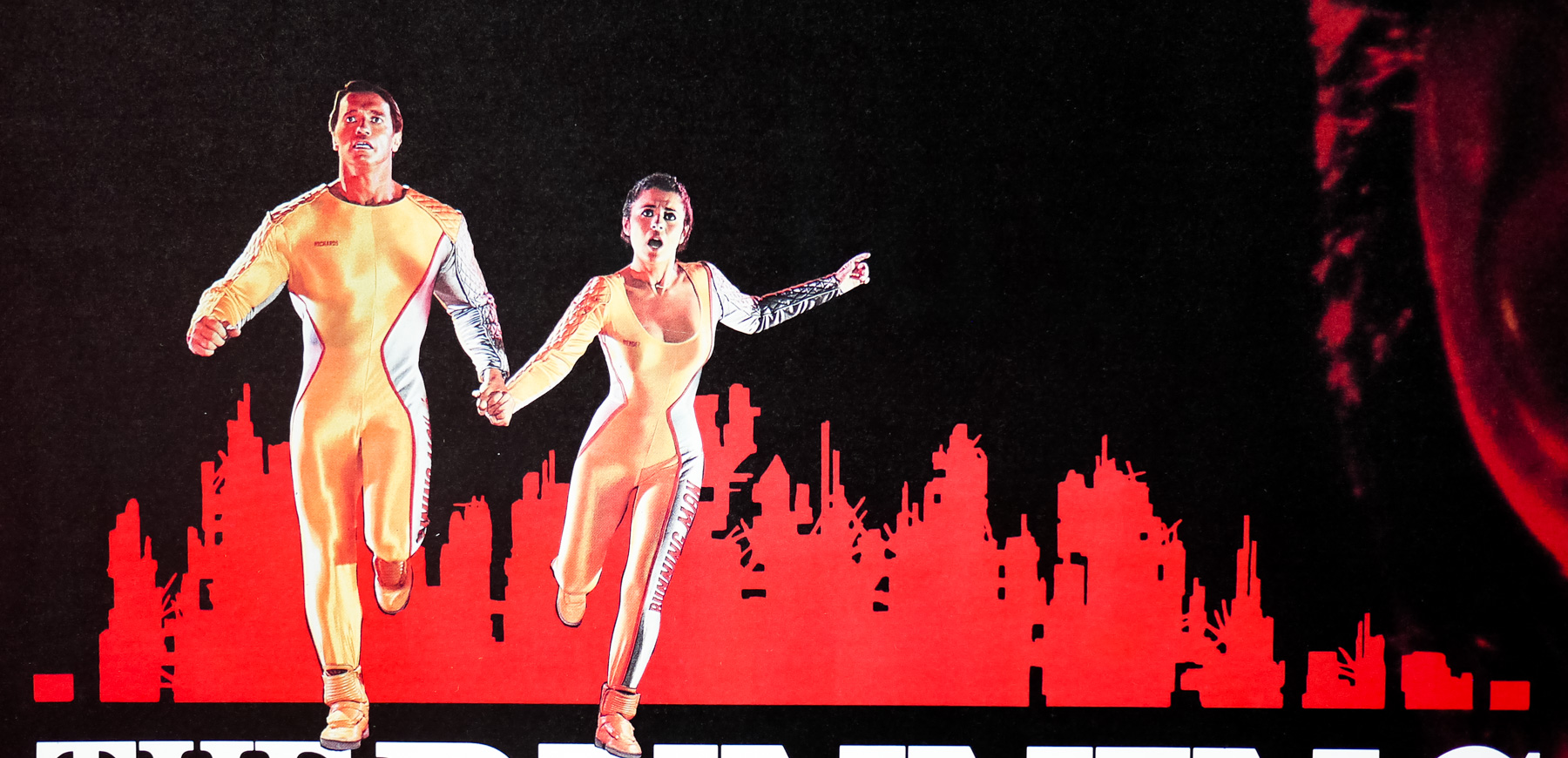
Ben Richards (Schwarzenegger) is a former police helicopter pilot who was wrongly convicted of massacring a crowd of people and sent to prison. After escaping several months later with a pair of fellow convicts, Richards is preparing to flee the country but is turned into the authorities by Amber Mendez (Maria Conchita Alonso), a composer for the network that he finds living in his brother’s apartment. He is taken to the Running Man studio where he meets the ruthless show host Damon Killian (a memorable turn by the late Richard Dawson) who informs him that unless he takes part in the show his two friends will be sent in his place. After agreeing to get dropped into the play zone, Richards finds that Killian has tricked him and has also sent his pals into the arena. The trio must face-off against the killers whilst trying to work out how to escape the arena and put an end to the show once and for all. When Amber looks a little too closely at the reasons for Ben Richards’ incarceration, she too is captured and dropped into the Running Man arena (she’s pictured next to Arnie on this quad).

Ably directed by Paul Michael Glaser, best known for his acting career – he was Starsky in the classic 1970s cop show Starsky and Hutch – the film is well paced and features several memorable scenes, whilst not holding back on the the violence and gore. The bad guy killers, including Sub Zero, Fireball and Captain Freedom and particularly memorable. It’s definitely a highlight of the Austrian Oak’s filmography, although it was released the same year as the incredible Predator, which is unquestionably the better film. Note that the tagline on this British quad fudges the date that the film is set – 2019 instead of the correct 2017.

Vampire Circus / quad / UK

06.02.14

Poster Poster

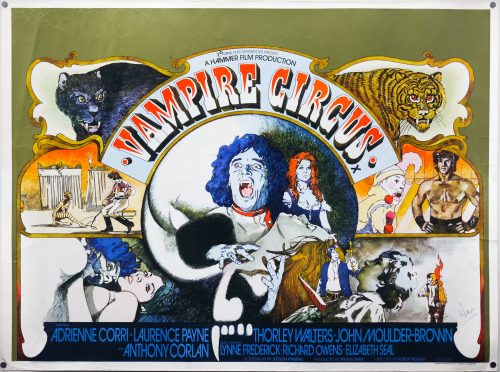
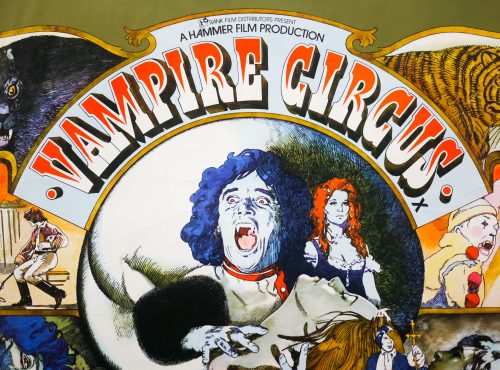
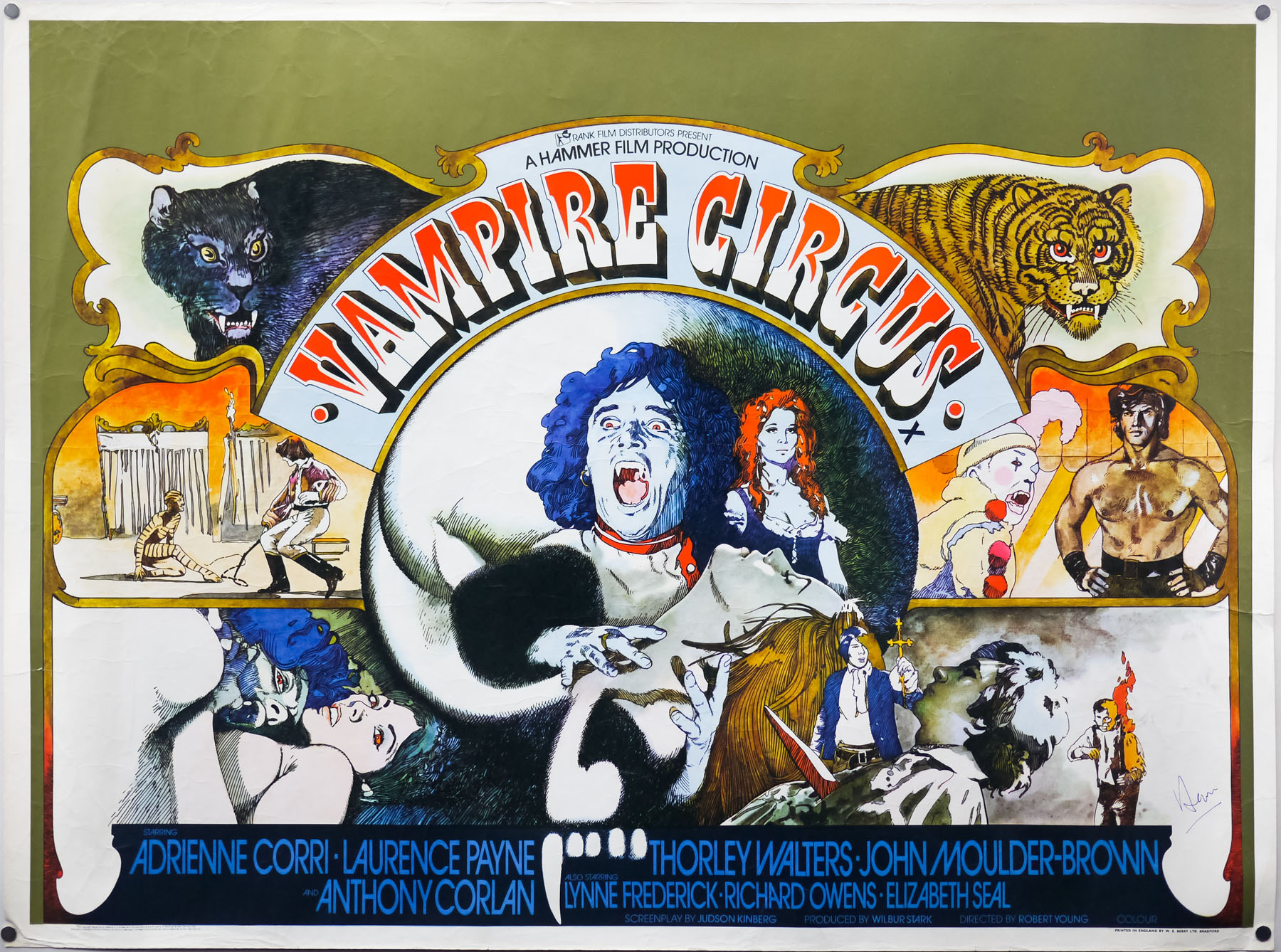
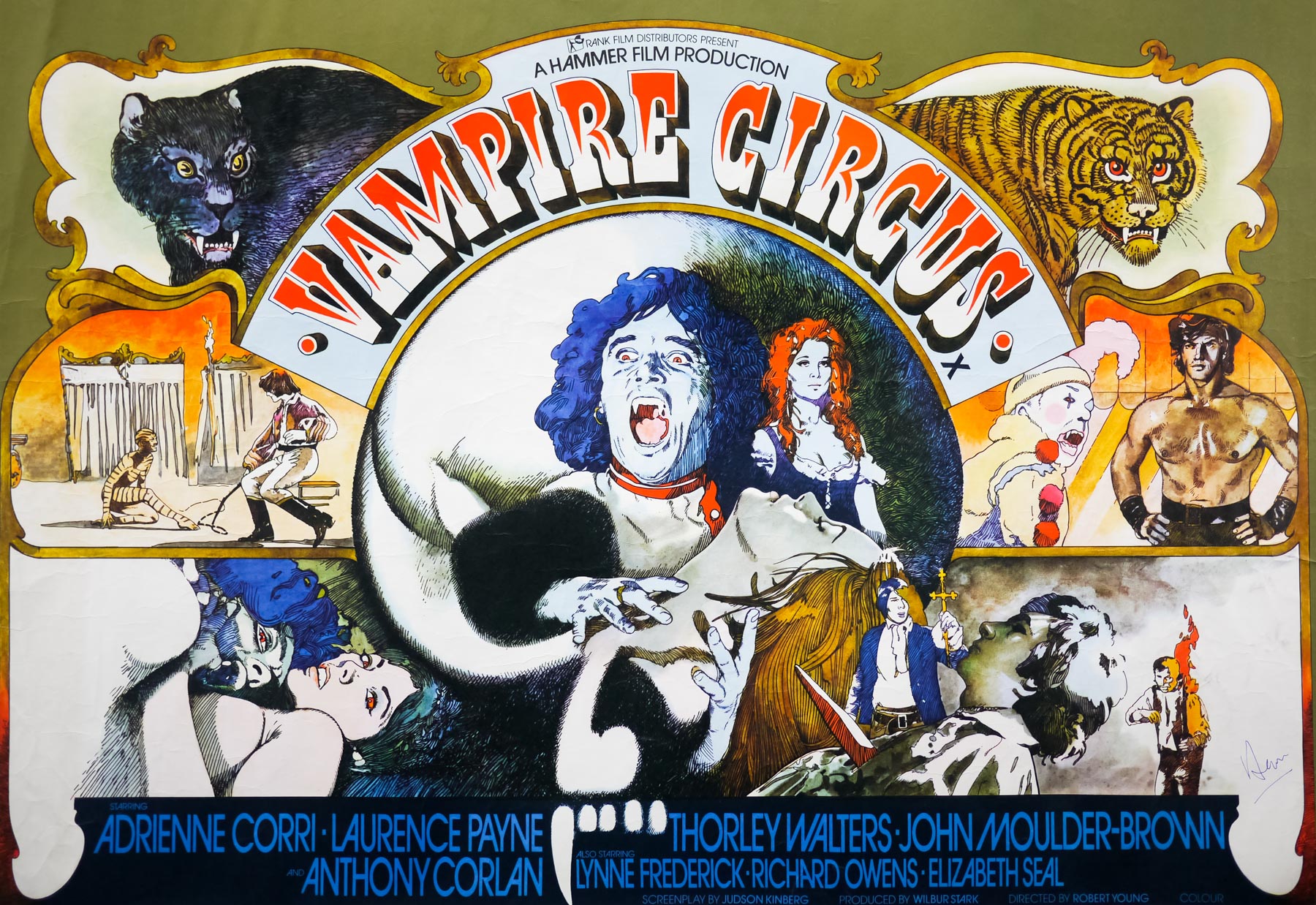
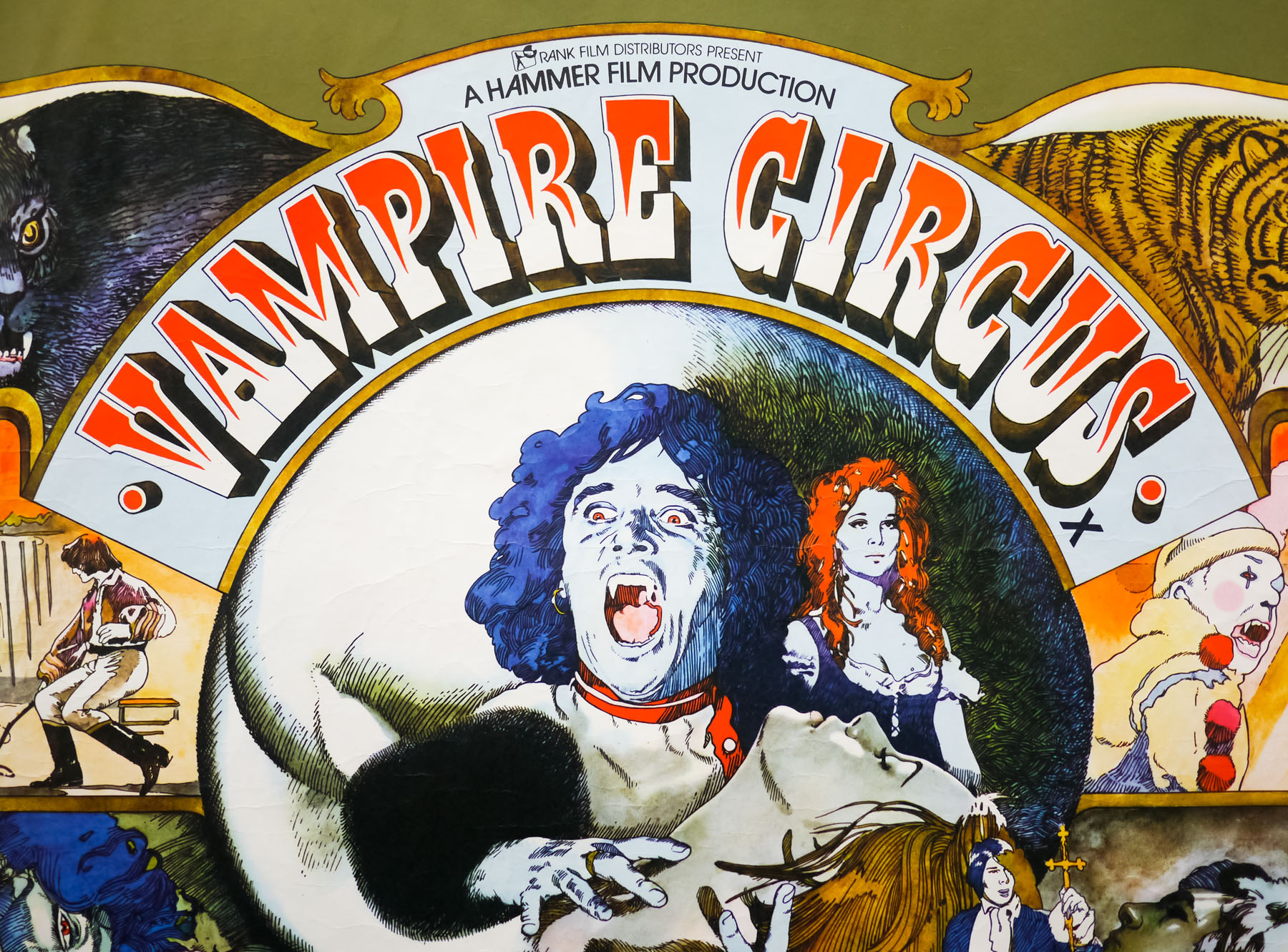
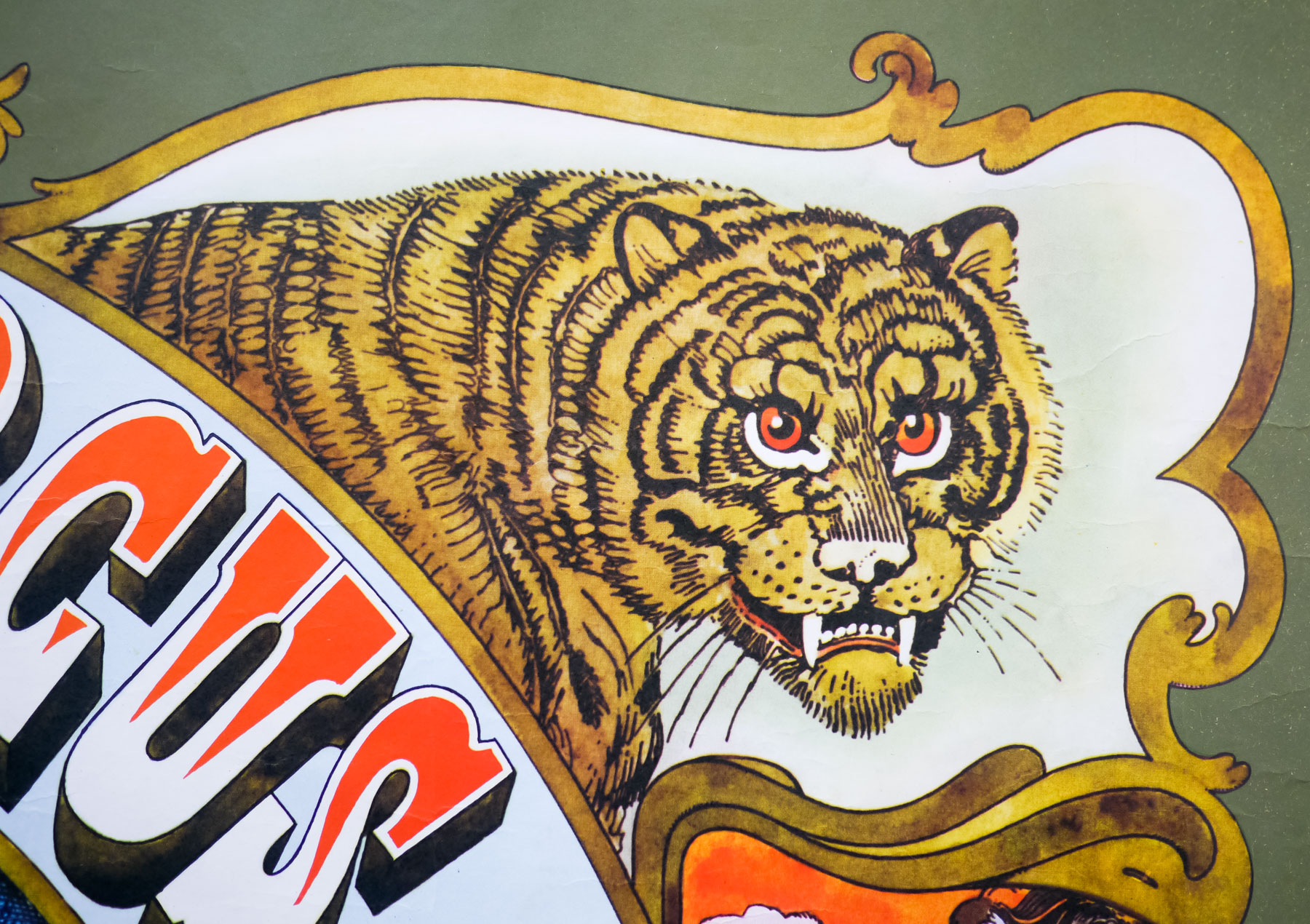
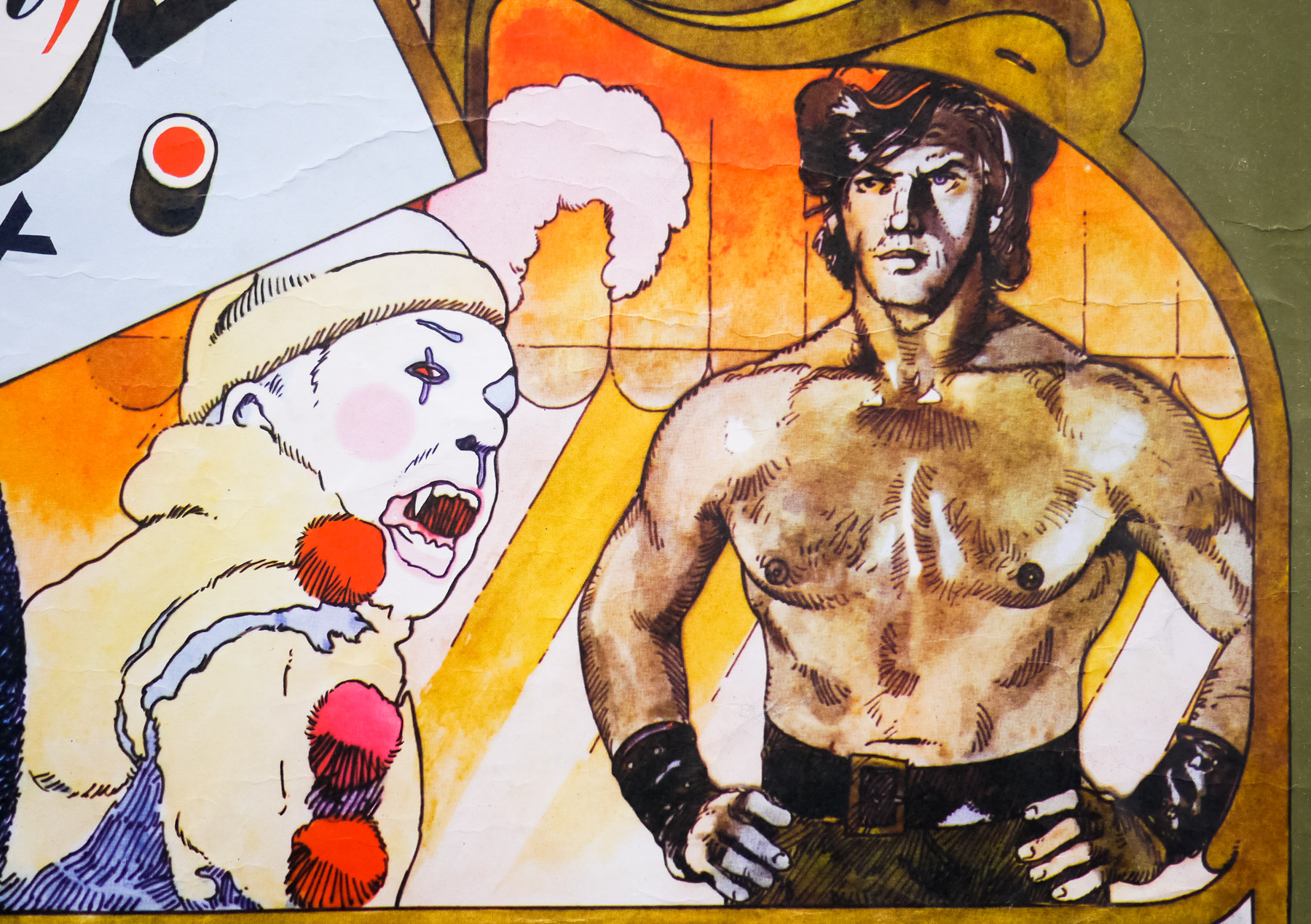
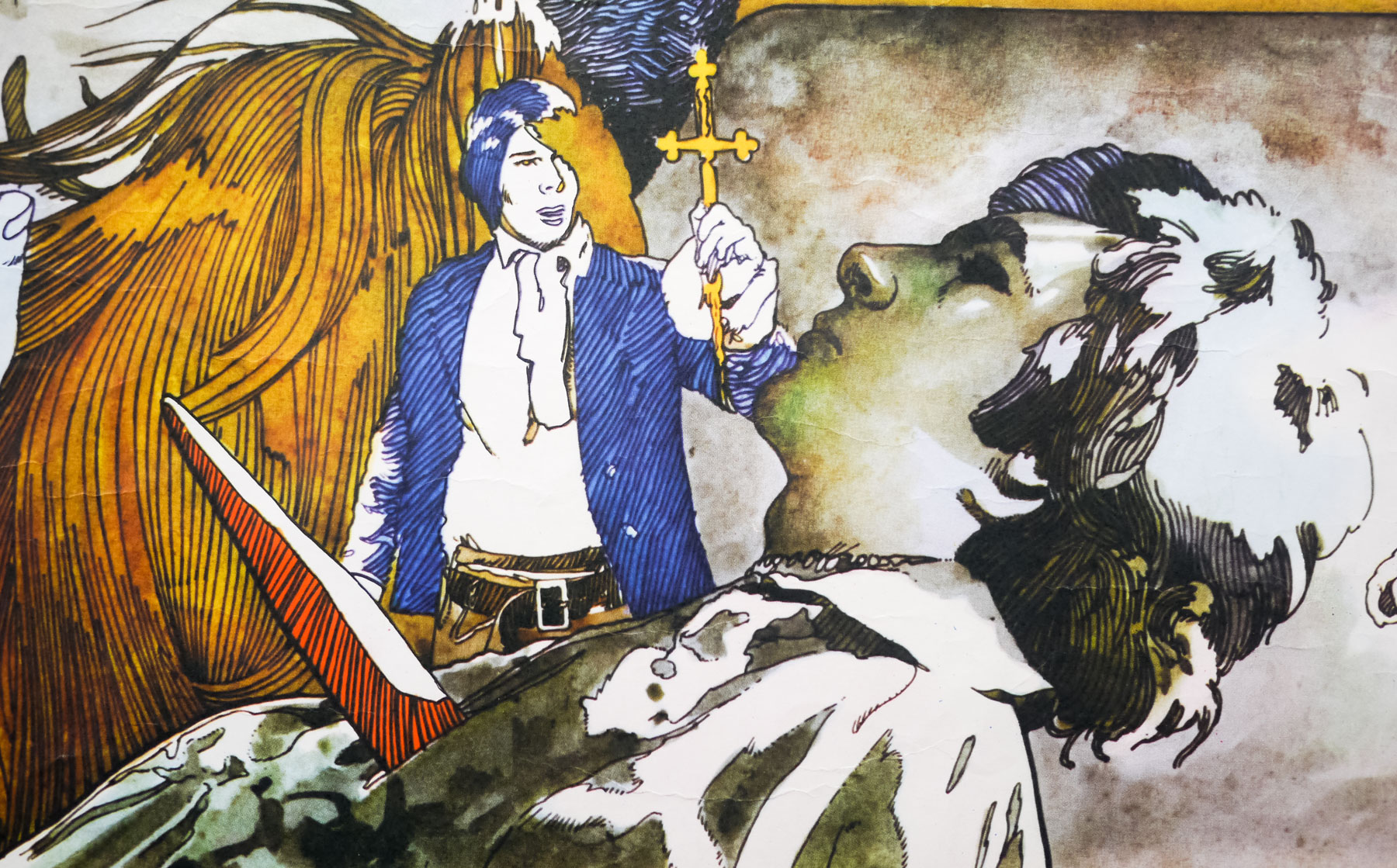
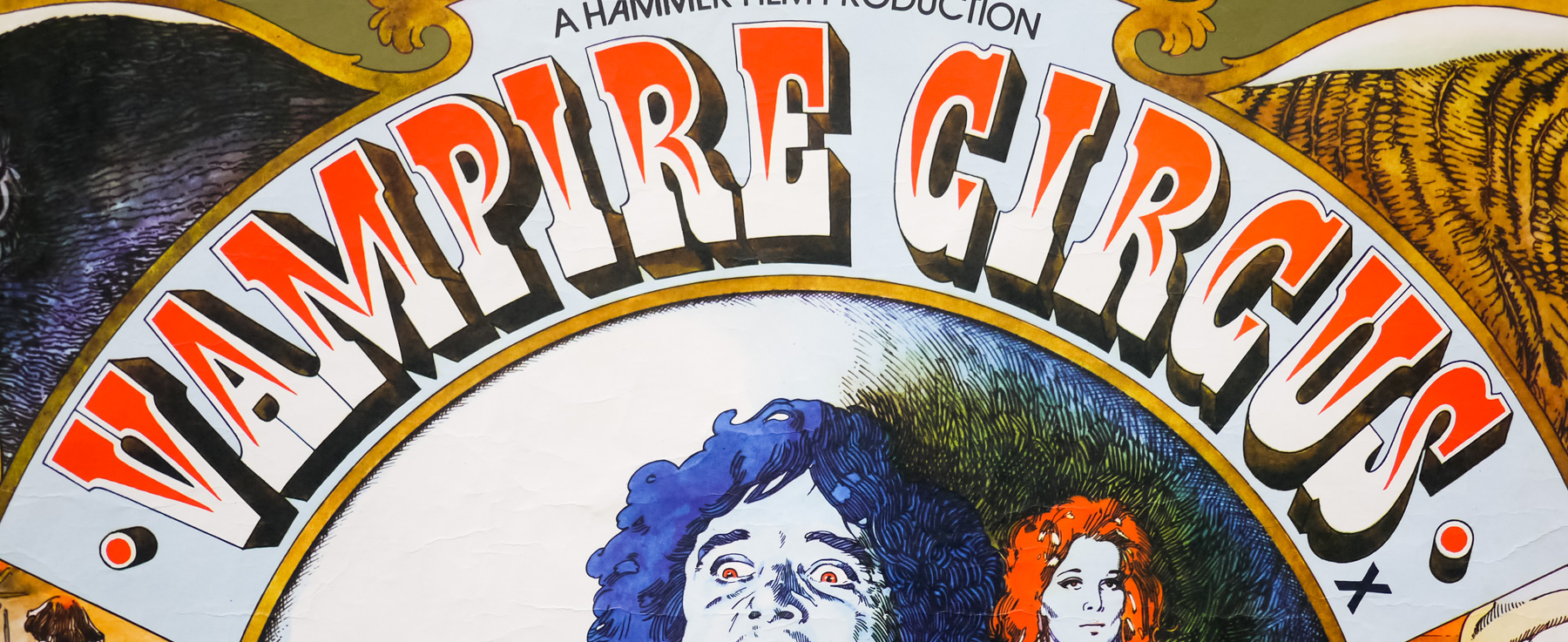
Iconic Vic Fair artwork graces this UK quad for the release of Hammer Films‘ 1972 horror Vampire Circus. Released at a time when the popularity of British gothic horror tales was on the wane, particularly when compared against the more explicit, contemporary horrors coming out of Hollywood (Rosemary’s Baby and later The Exorcist), the film nevertheless managed to stand out from a glut of other films produced by the studio around the same time. A decent script, typically excellent production design and a raft of quality British thespians all help to make Vampire Circus one of the more memorable films to be produced by the House of Horror before its first demise picked up pace a couple of years later

Set in a small village in the studio’s customary ‘mittel-Europe’ sometime in the 19th century, a lengthy pre-credits sequence shows a young girl being led into the castle of vampire Count Mitterhaus by Anna (Domini Blythe), the wife of local schoolmaster Albert Müller (Laurence Payne). Soon after the girl is murdered by the vampire, a group of villagers led by Müller storm the castle, stake the Count and burn the castle to the ground. Anna manages to drag the dying vampire to the crypt beneath the castle and before he perishes he curses the villagers and promises that their children will die to give him back his life. Fast-forward fifteen years, the village is beset by a plague and blockaded by the authorities with the miserable villagers fearing that this is the Count’s doing.

One day the eponymous travelling troupe arrives, having apparently snuck past the blockades, led by a mysterious gypsy woman (Adrienne Corri) and containing a ragtag bunch of performers, including a mischievous clown dwarf, a set of flying twins, an erotic tiger dancer (as depicted on this poster) and Emil, a shape-shifting artiste. At first the villagers are happy to be entertained by the circus as it gives them a reprieve from their misery, but it soon becomes clear that the gang have an ulterior motive for being there. Before long the Count’s dying promise is being kept by Emil, who it turns out is a ‘kinsman’ of Mitterhaus, and the leaders of the village must battle to try to stop the murder of their children and the resurrection of the cursed Count. It’s a well-paced film and certainly a stand-out feature in Hammer’s output of the early 1970s, only let down by some dodgy special effects, which can be explained by a curtailed production period and the dwindling budgets of the time.

During my interview with Vic Fair that was published at the end of 2013 I asked the artist about his work on the poster and this is an excerpt from that article (which also features an image of the original sketch created for the poster):

‘I enjoyed working on the quad I designed for Vampire Circus. I’d wanted to design something that might have been used to advertise an actual circus. The animals on there were pretty much copied directly from a children’s book, as I really didn’t have that much time to work on it. I thought they looked quite amusing, since they’re not exactly anatomically correct portraits of tigers and lions! I also had fun sneaking in the hidden male members, which was really just meant as a bit of a tease towards certain people behind the scenes. I can’t believe I got away with it really.’

To see the other posters I’ve collected that were designed by Vic click here.

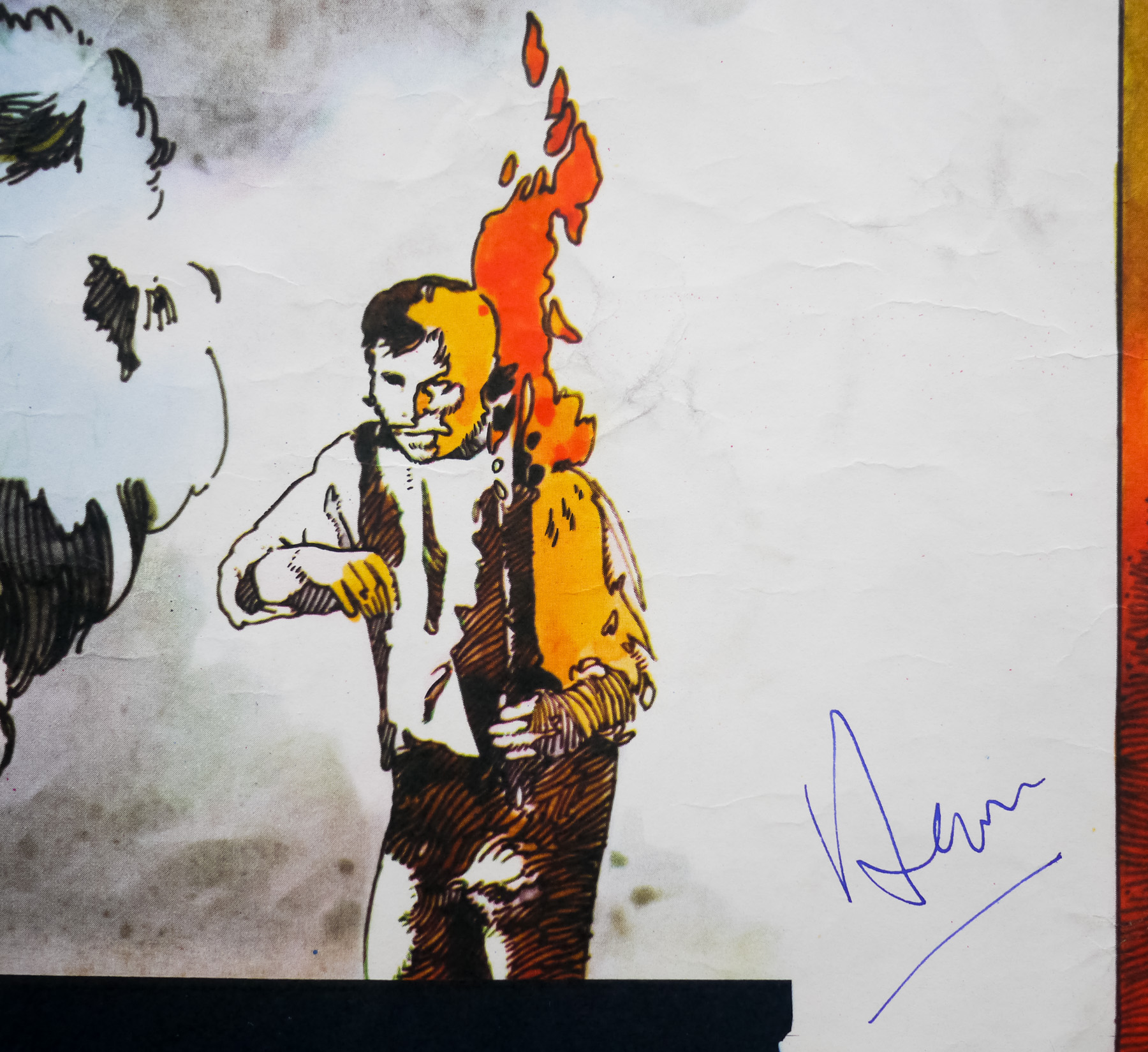
Note that this copy came from Vic’s personal archive and it is signed in the bottom right-hand corner.

The Running Man / A1 / Germany

15.08.14

Poster Poster

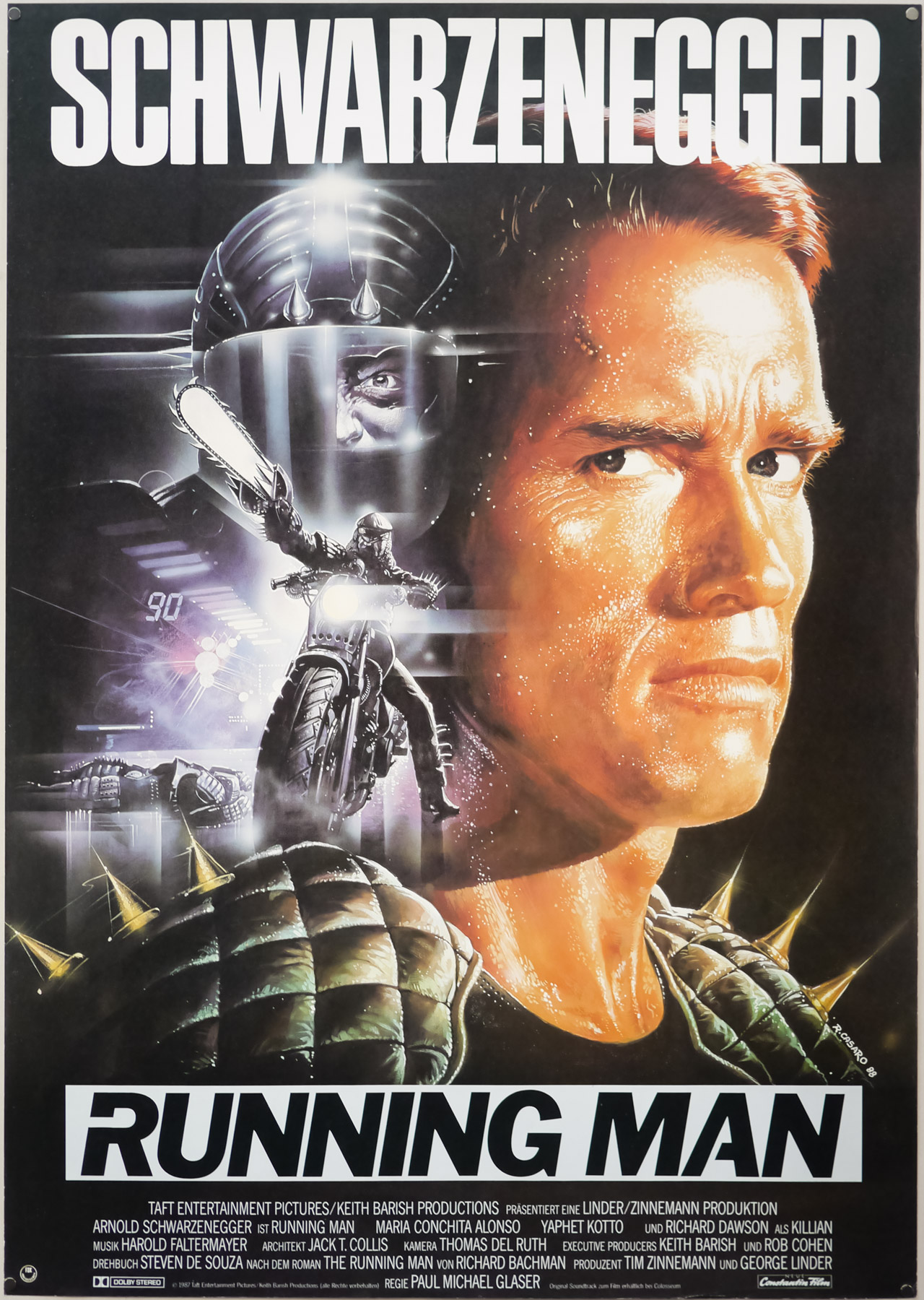
In the mid 1980s there were few actors who could get away with having their head dominate a film poster, and fewer still who could couple that with their surname in giant letters spread across the full width of the poster. One such actor was Arnold Schwarzenegger, the star of several action flicks including The Running Man. Set in the dystopian future of 2017 where the world’s economy is in ruins and America is a totalitarian police state, the populace is pacified by the broadcasting of a series of gameshows that see convicted prisoners fighting for their lives across various kinds of formats. The most popular of these shows is the titular Running Man in which the unwilling participants must try to survive in a closed-off area against an onslaught of vicious killers with catchy names and different methods of dispatching their prey.

Ben Richards (Schwarzenegger) is a former police helicopter pilot who was wrongly convicted of massacring a crowd of people and sent to prison. After escaping several months later with a pair of fellow convicts, Richards is preparing to flee the country but is turned into the authorities by Amber Mendez (Maria Conchita Alonso), a composer for the network that he finds living in his brother’s apartment. He is taken to the Running Man studio where he meets the ruthless show host Damon Killian (a memorable turn by the late Richard Dawson) who informs him that unless he takes part in the show his two friends will be sent in his place. After agreeing to get dropped into the play zone, Richards finds that Killian has tricked him and has also sent his pals into the arena. The trio must face-off against the killers whilst trying to work out how to escape the arena and put an end to the show once and for all. When Amber looks a little too closely at the reasons for Ben Richards’ incarceration, she too is captured and dropped into the Running Man arena (she’s pictured next to Arnie on this quad).

Ably directed by Paul Michael Glaser, best known for his acting career – he was Starsky in the classic 1970s cop show Starsky and Hutch – the film is well paced and features several memorable scenes, whilst not holding back on the the violence and gore. The bad guy killers, including Sub Zero, Fireball and Captain Freedom and particularly memorable. It’s definitely a highlight of the Austrian Oak’s filmography, although it was released the same year as the incredible Predator, which is unquestionably the better film.

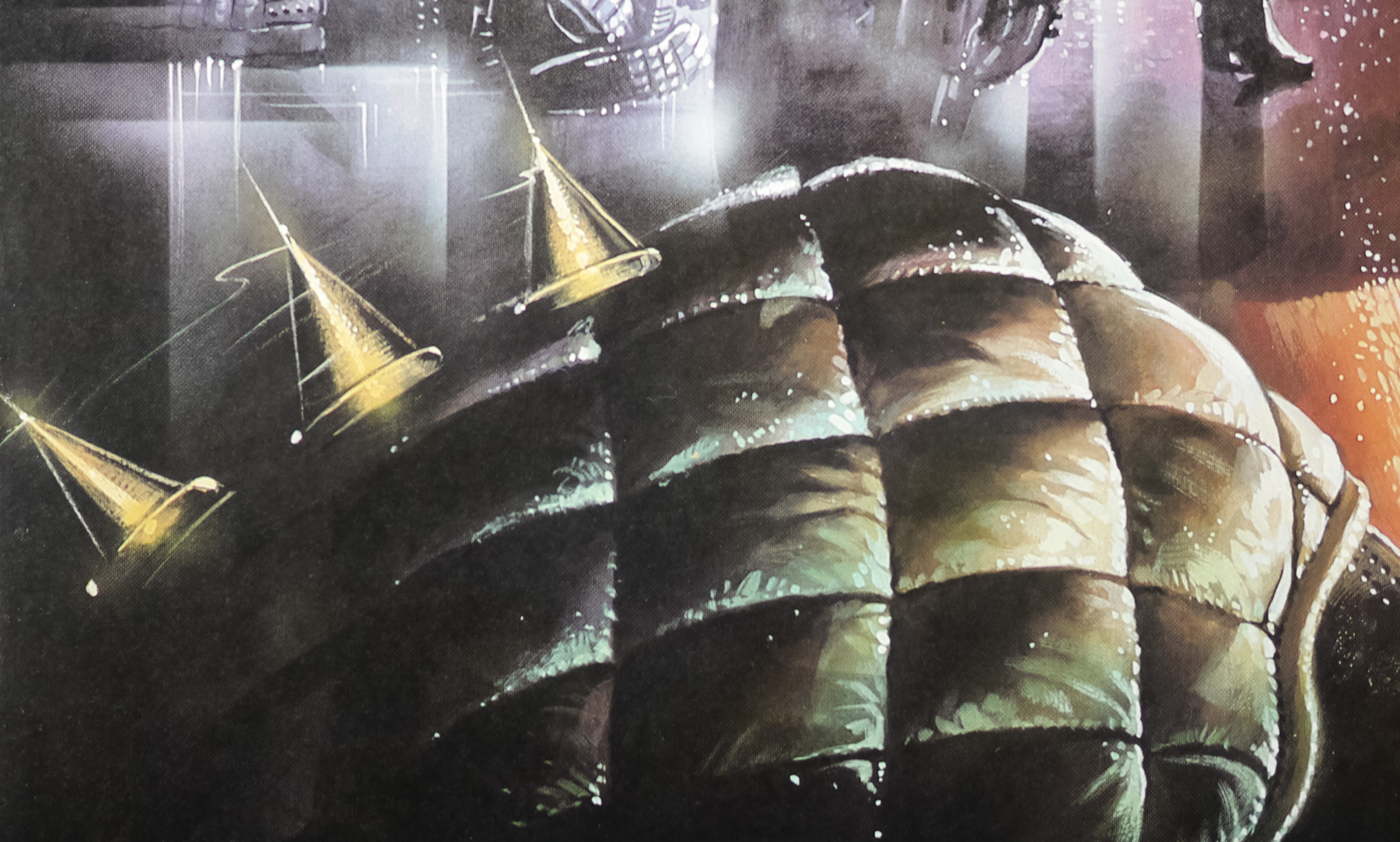
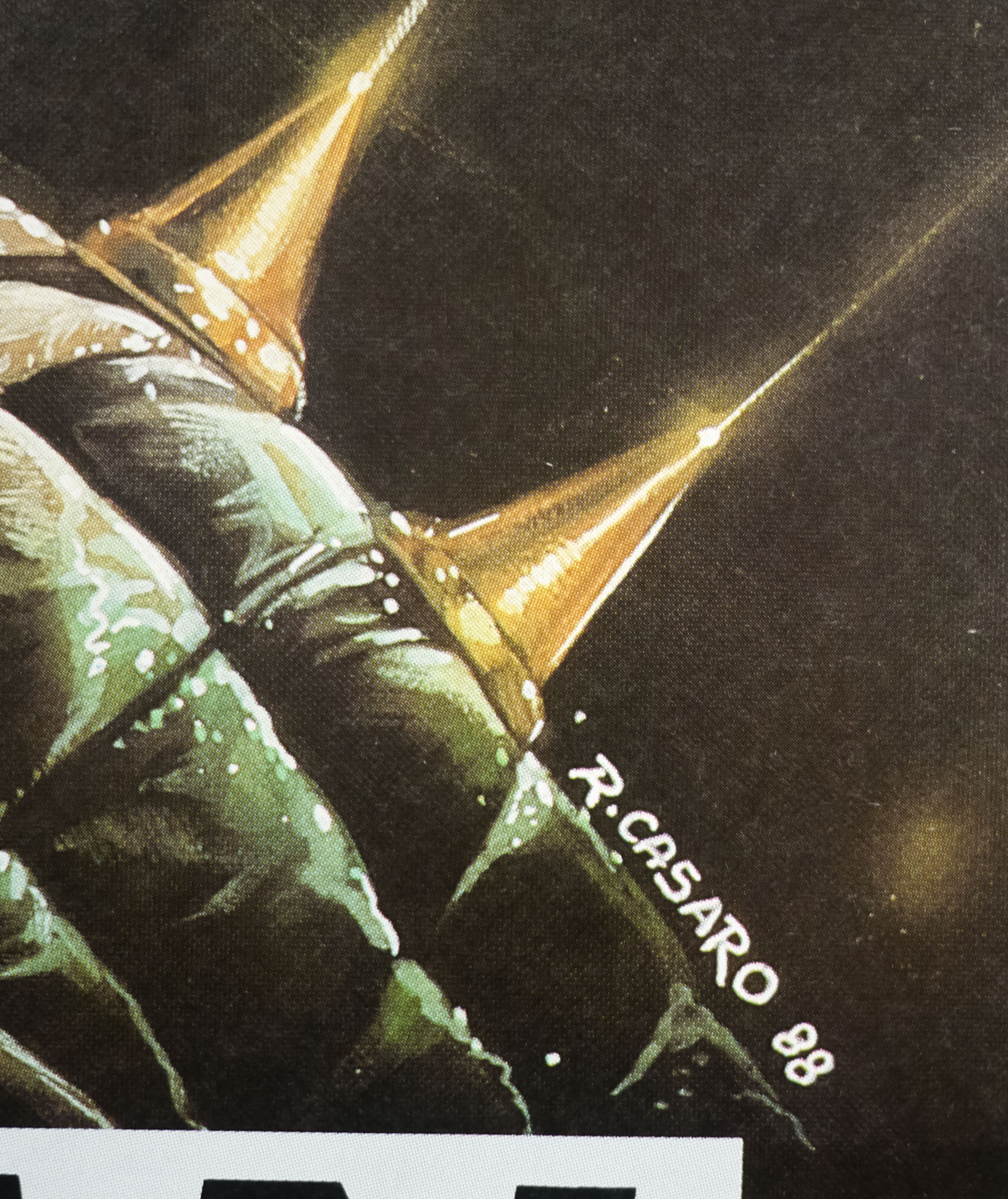
The excellent artwork on this German A1 was painted by the celebrated Italian artist Renato Casaro who worked on a significant number of German posters during the 1980s and 1990s. In March 2014 I published a lengthy interview I carried out with Renato and that can be read by clicking here. The other posters I’ve collected by the artist can be seen by clicking here.

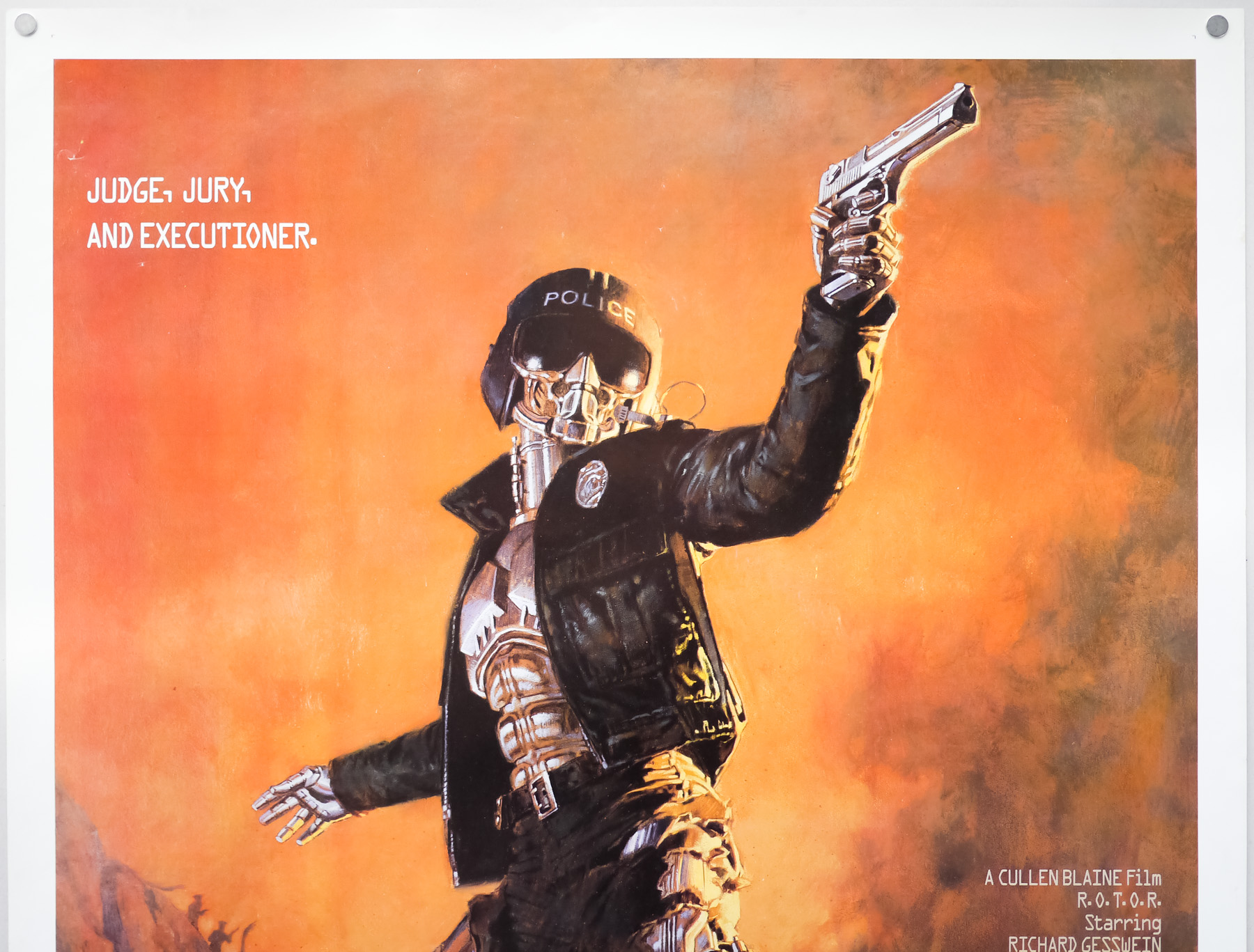
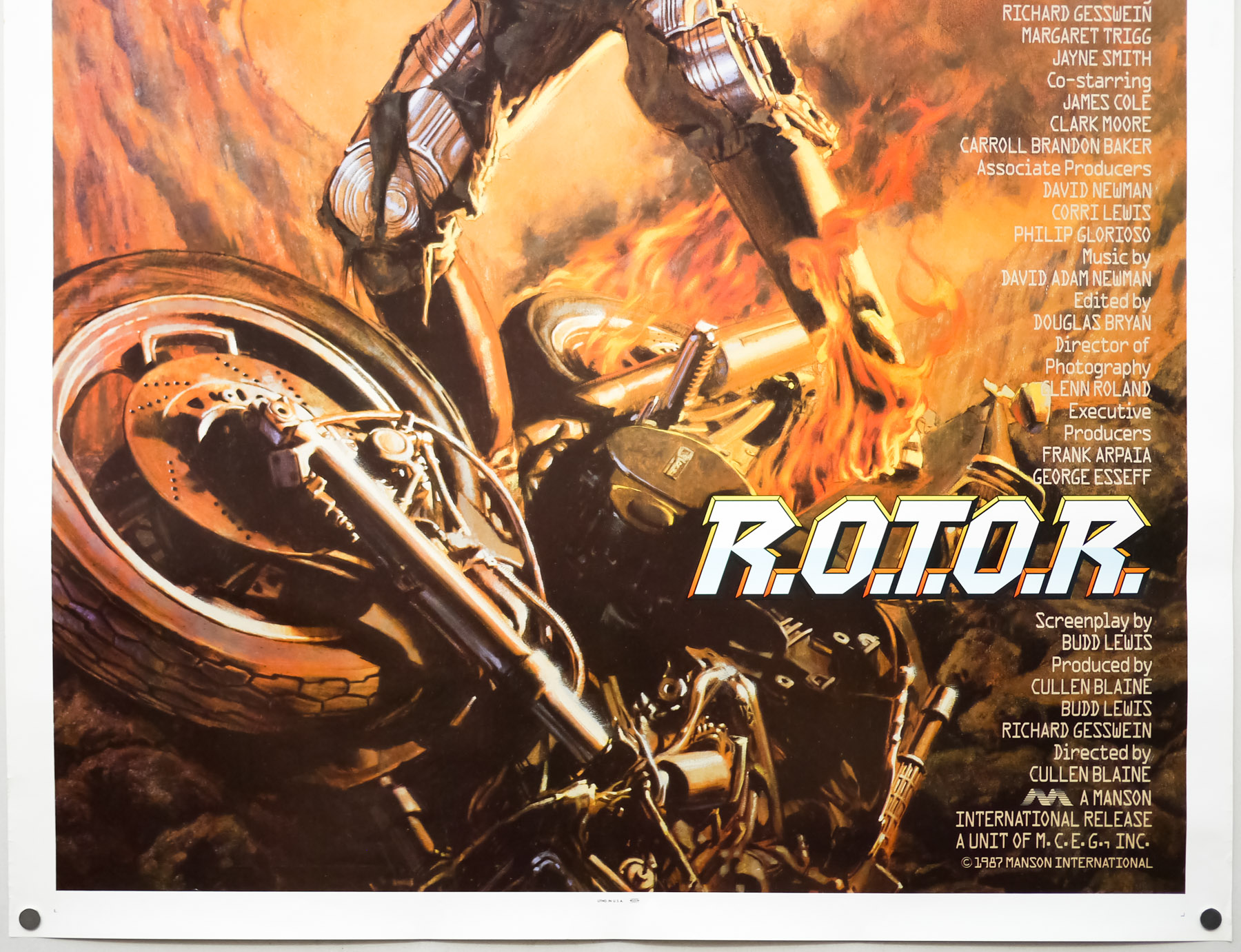
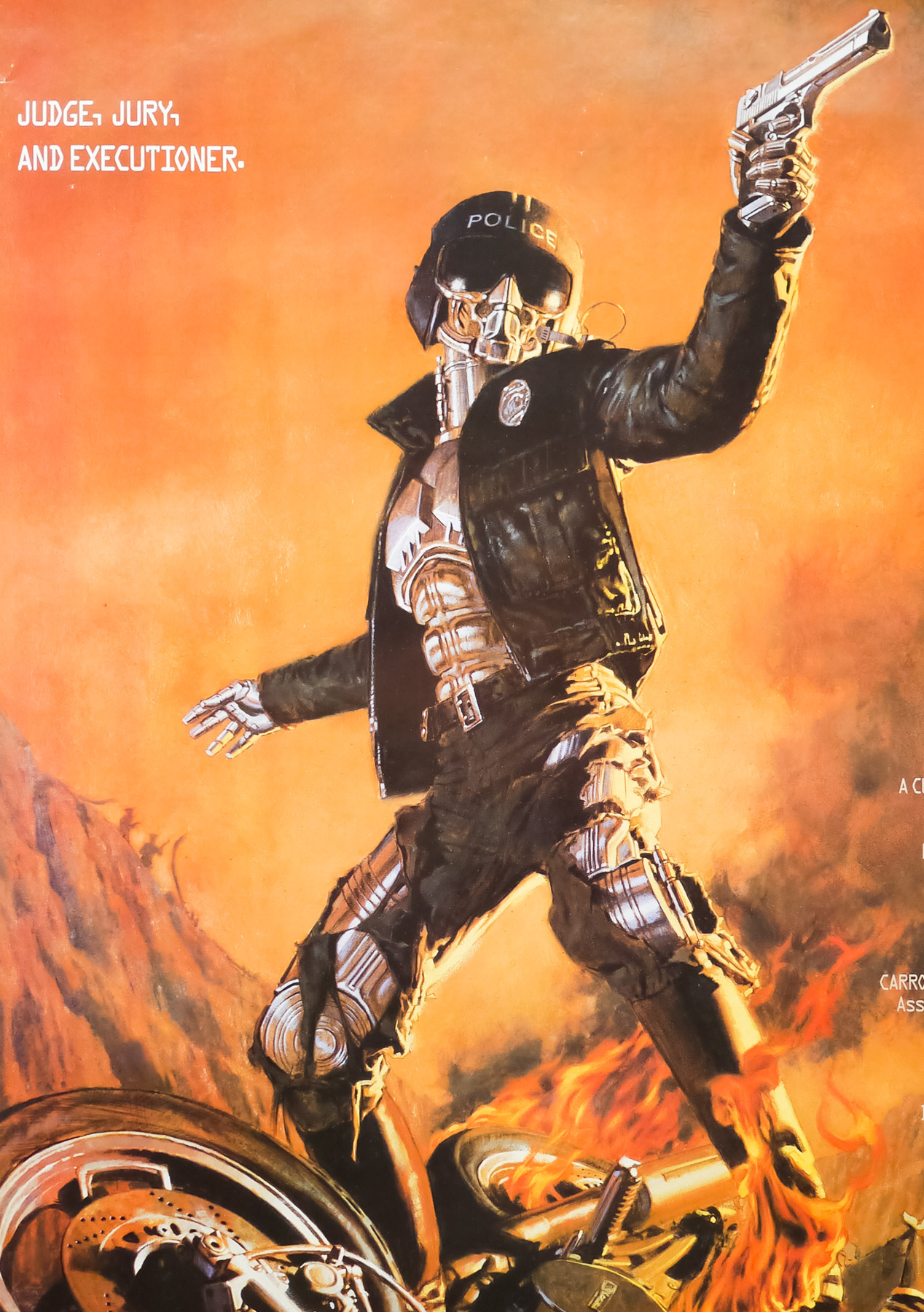
ROTOR / one sheet / USA

02.05.14

Poster Poster
Title
ROTOR
AKA
R.O.T.O.R. (alt. spelling)
Year of Film
1988
Director
Cullen Blaine
Starring
Margaret Trigg, Richard Gesswein, Jayne Smith, James Cole, Stan Moore, Nanette Kuczek, Brad Overturf, Shawn Brown, Michael Hunter, Victor Kwasnick
Origin of Film
USA
Genre(s) of Film
Margaret Trigg, Richard Gesswein, Jayne Smith, James Cole, Stan Moore, Nanette Kuczek, Brad Overturf, Shawn Brown, Michael Hunter, Victor Kwasnick,
Type of Poster
One sheet
Style of Poster
--
Origin of Poster
USA
Year of Poster
1988
Designer
Unknown
Artist
Unknown
Size (inches)
27 3/16" x 41"
SS or DS
SS
NSS #
--
Tagline
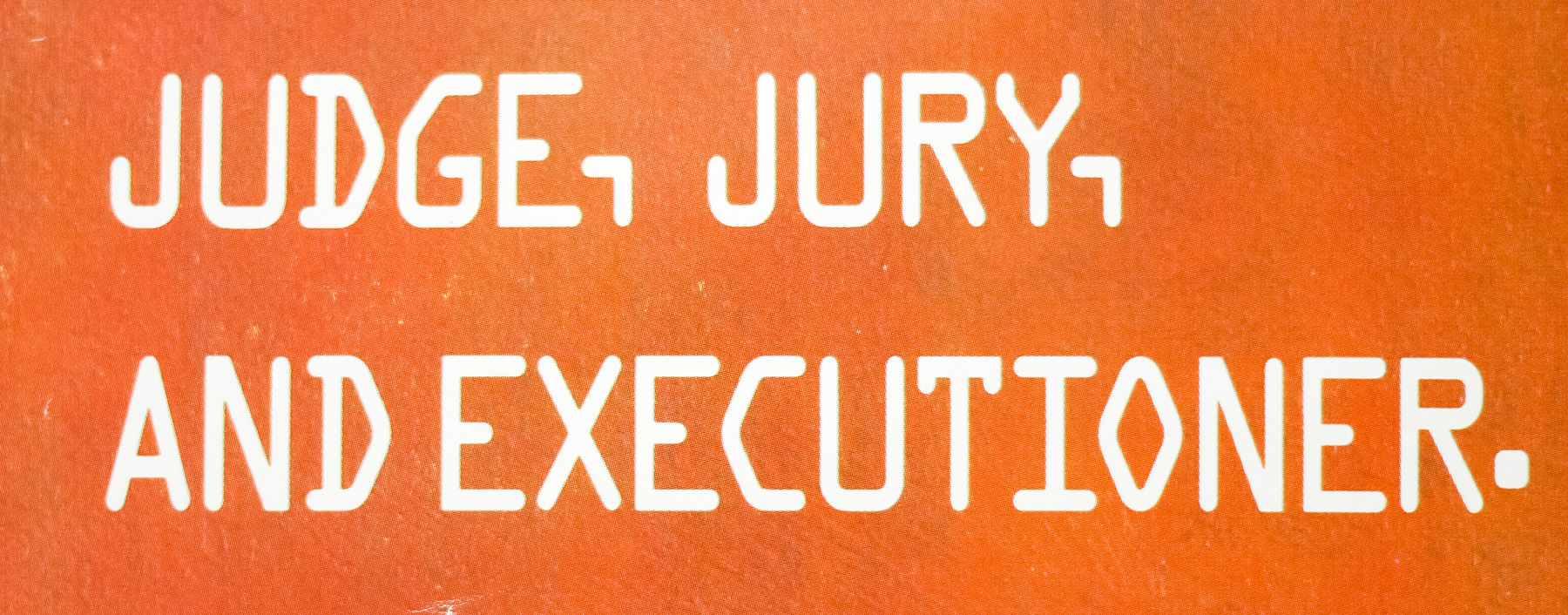
Judge, jury, and executioner.

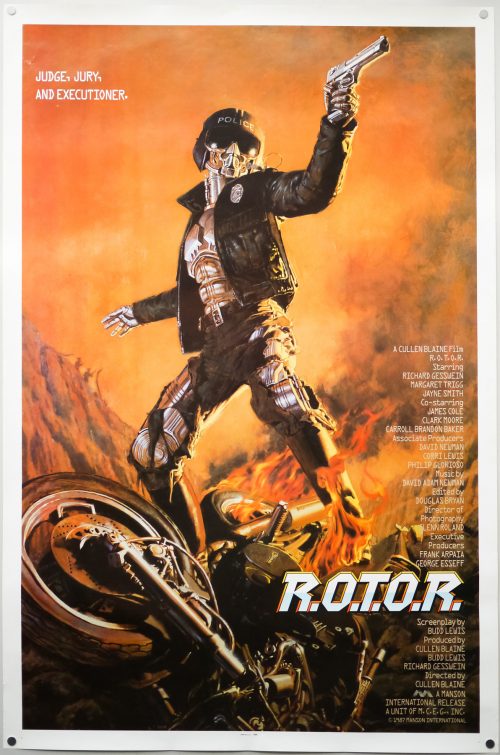
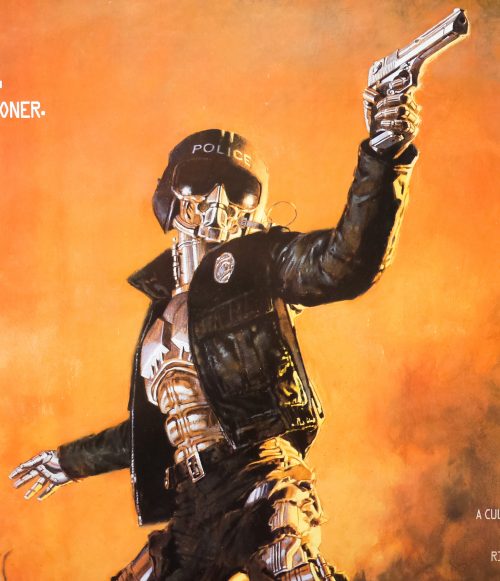
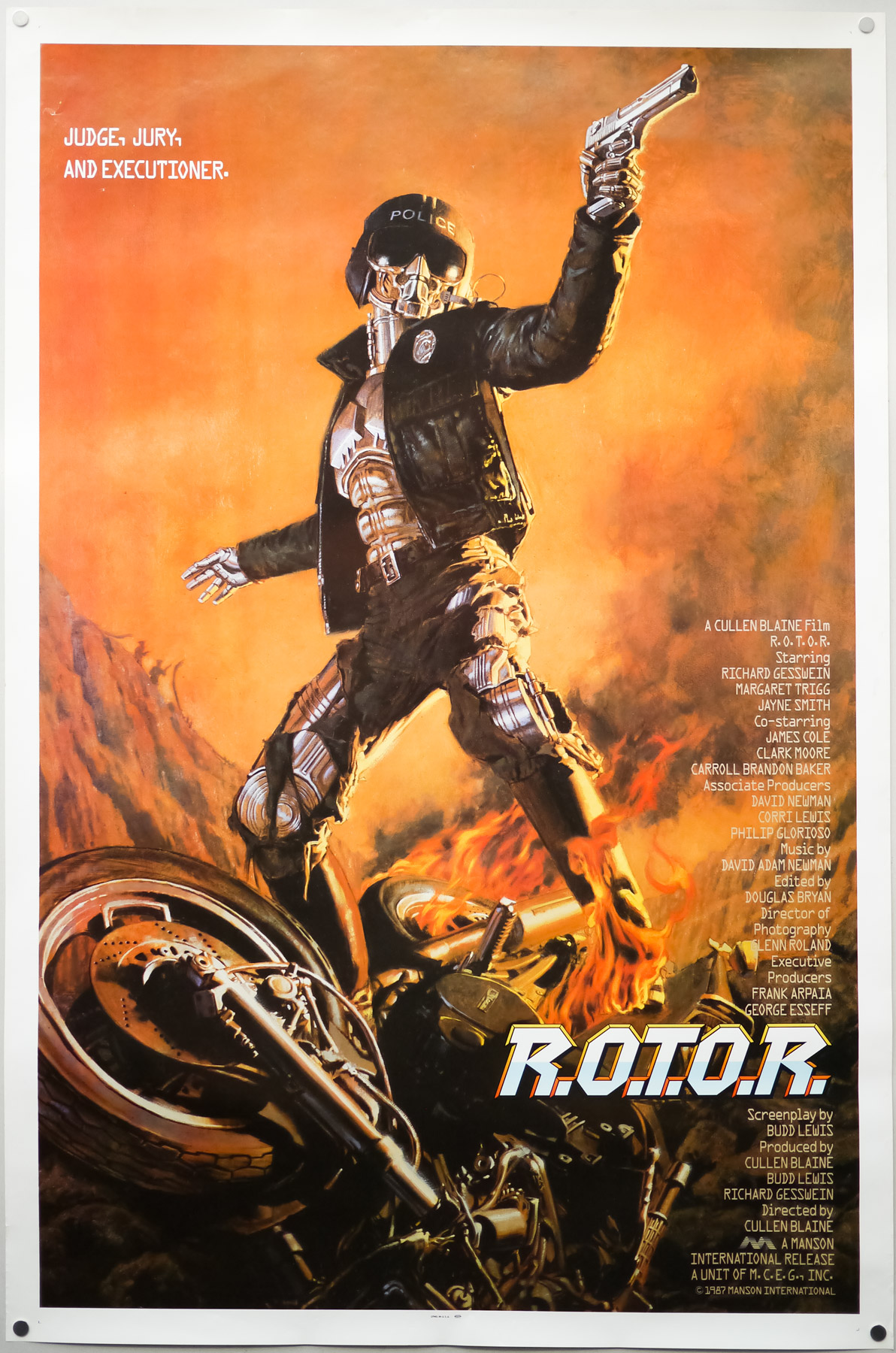
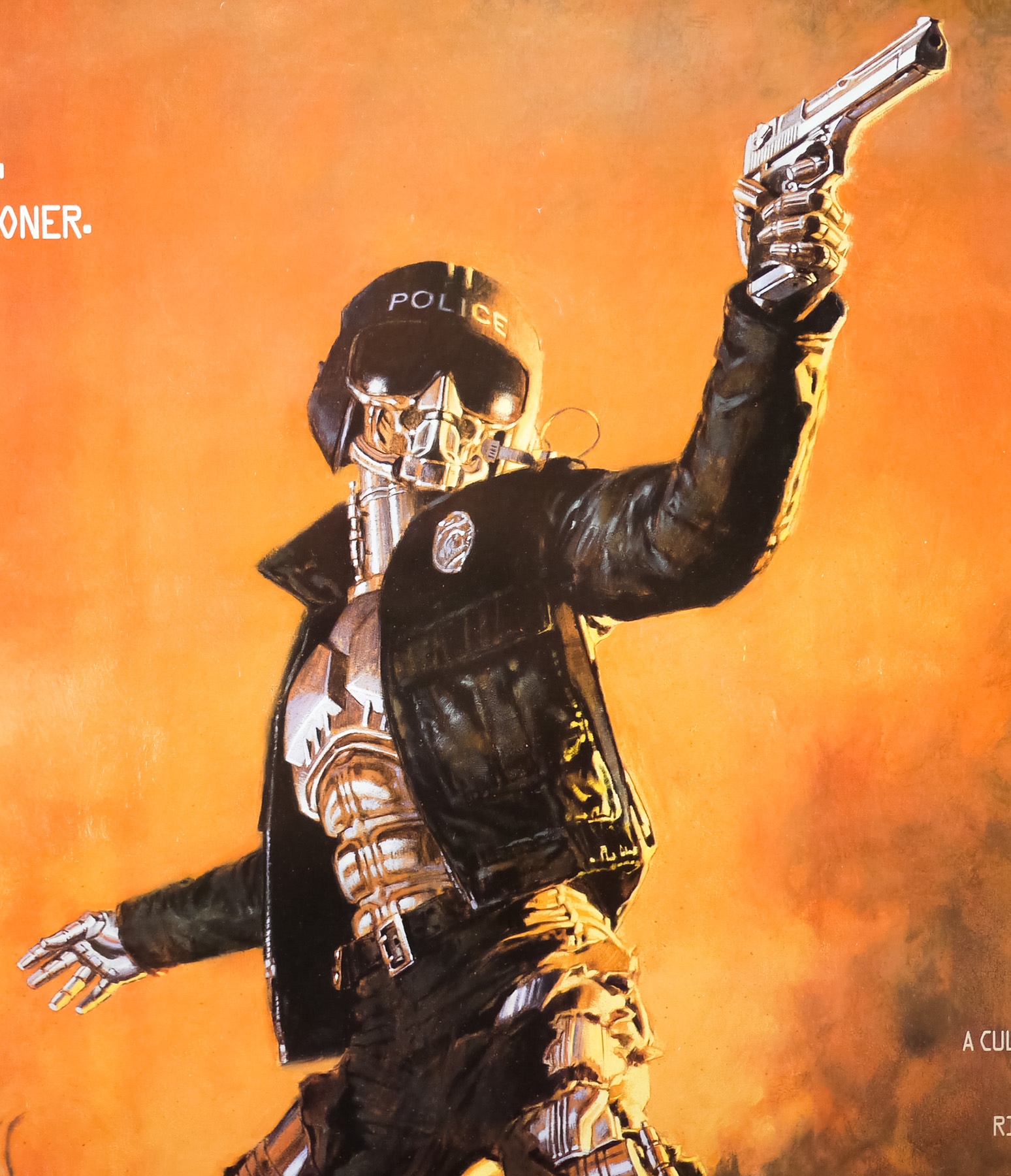
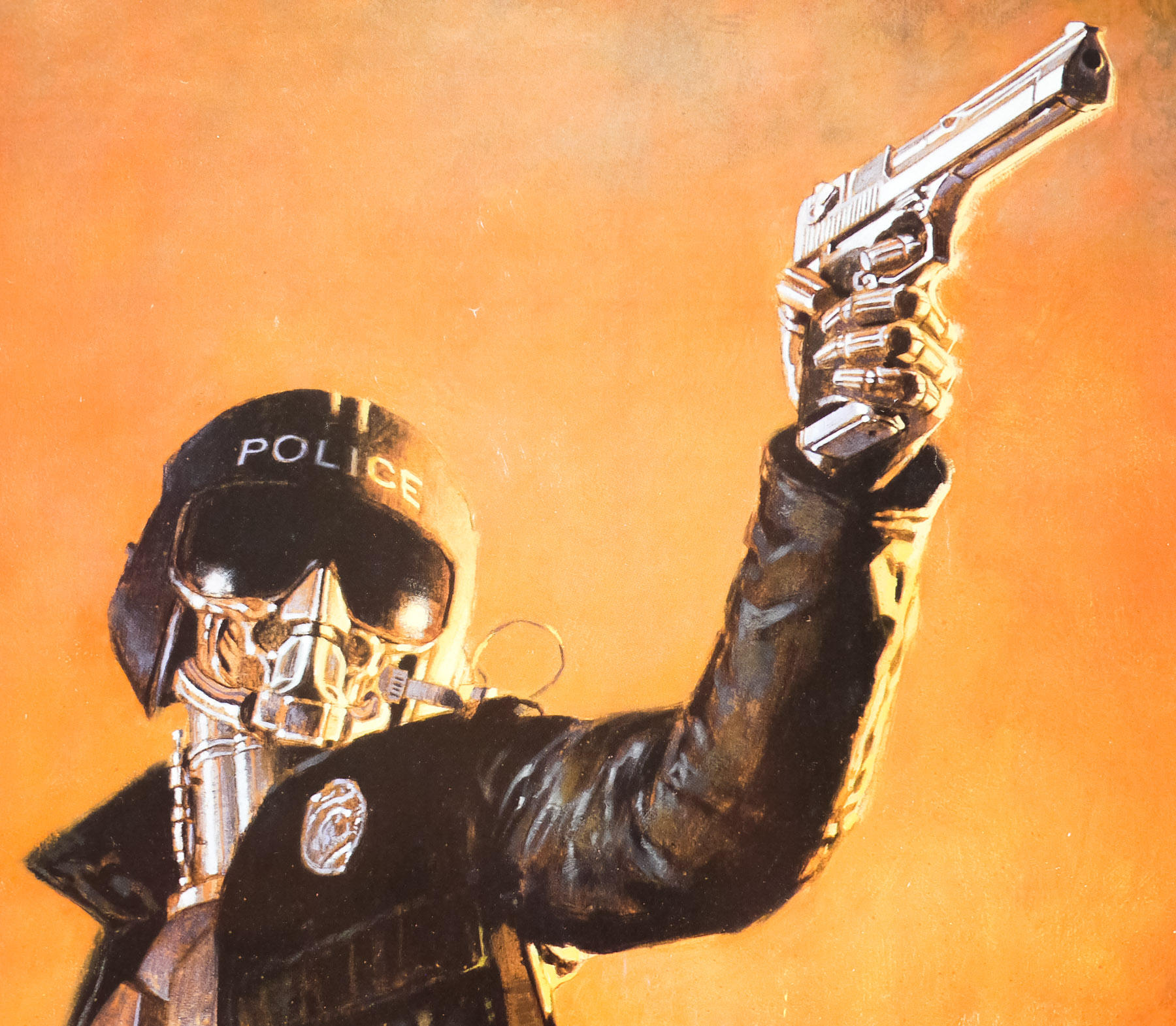
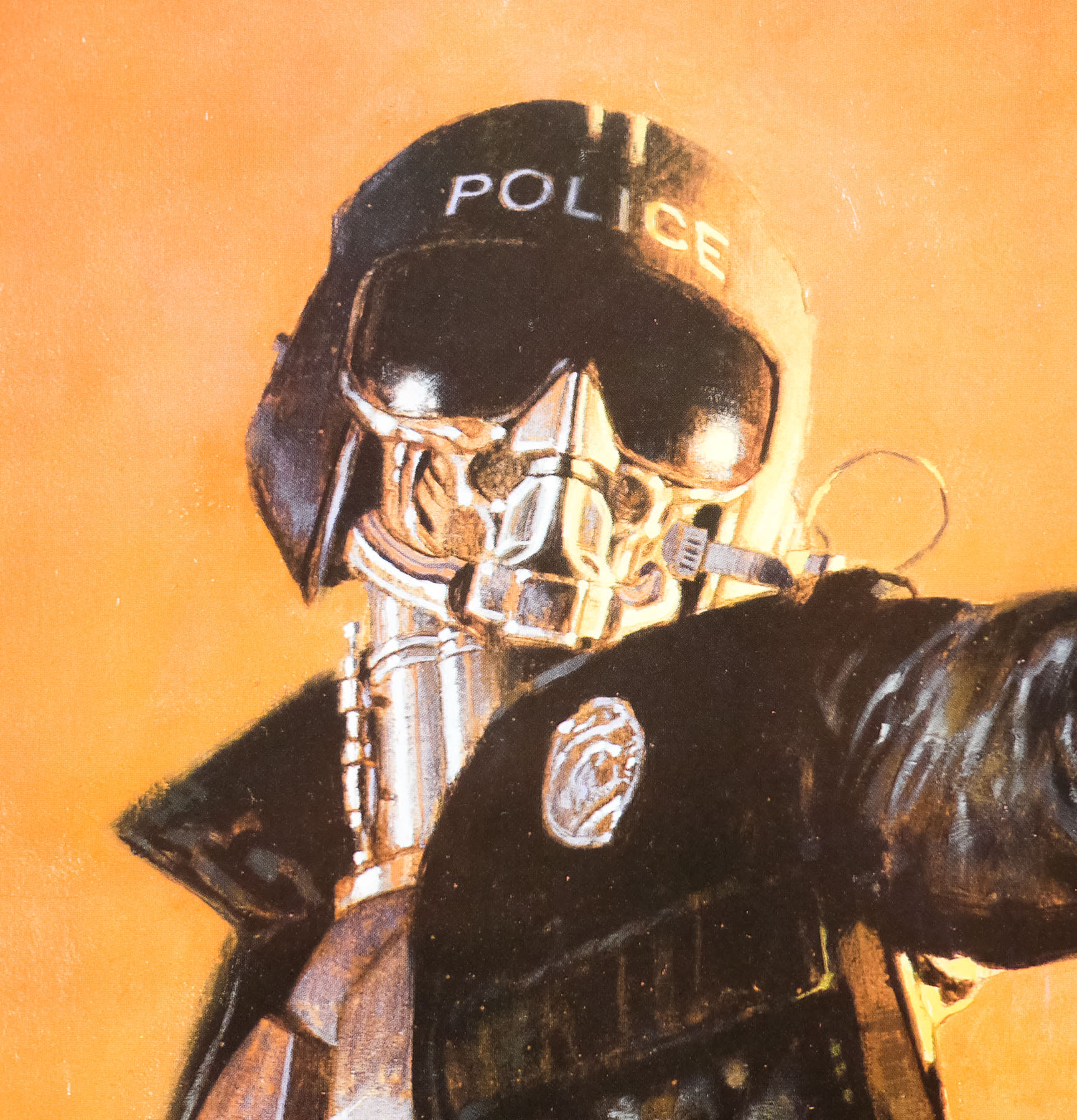
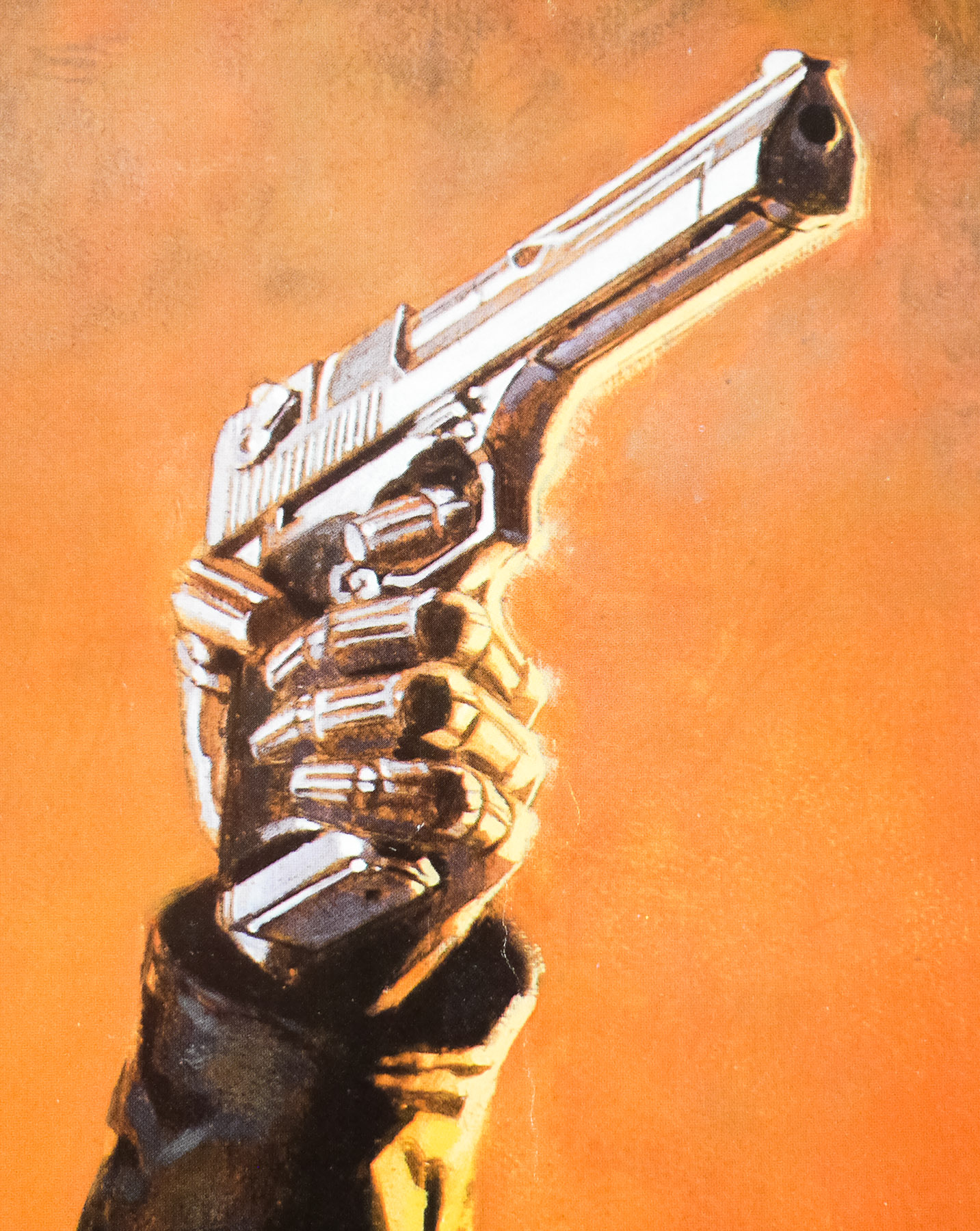
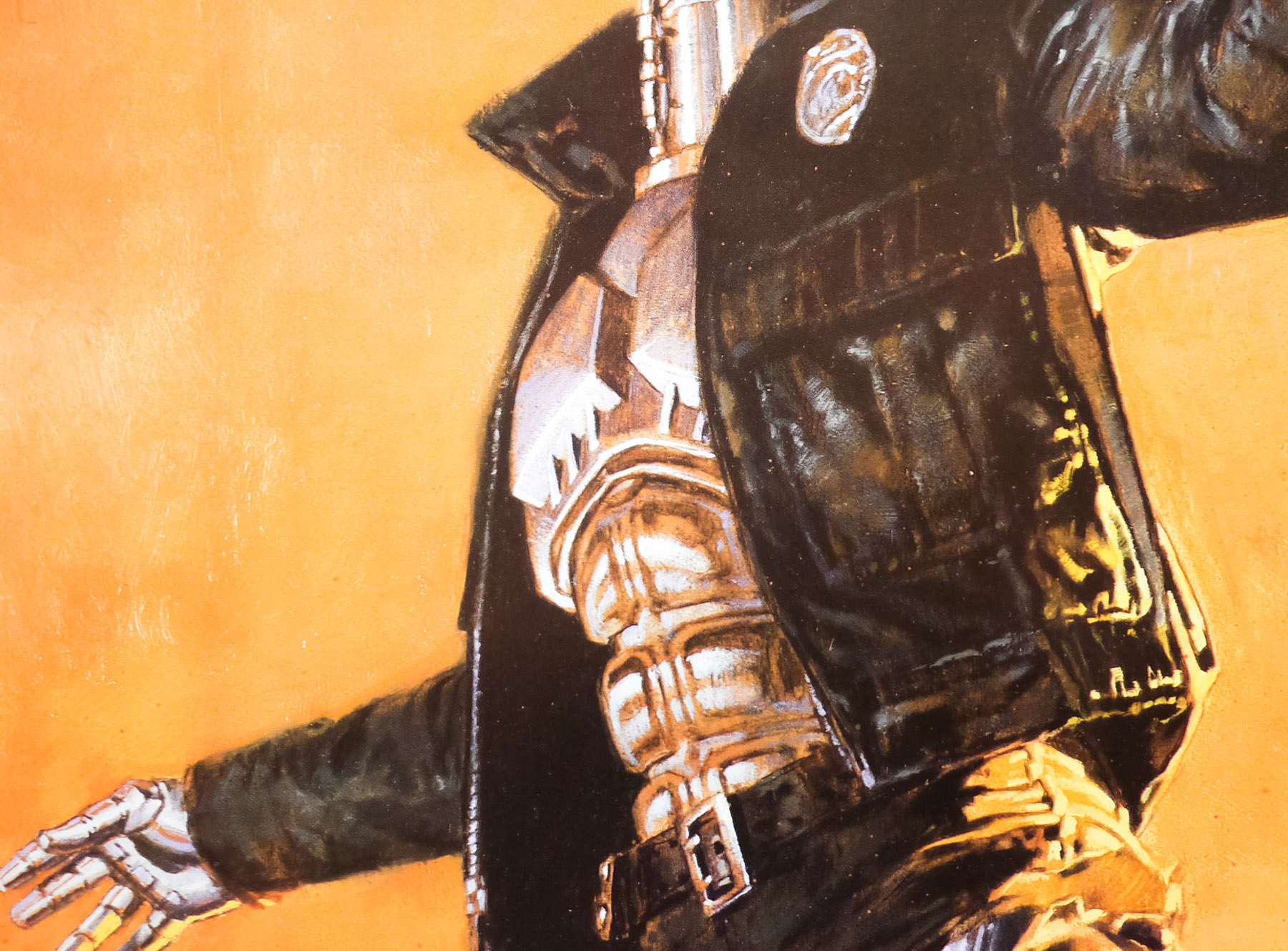
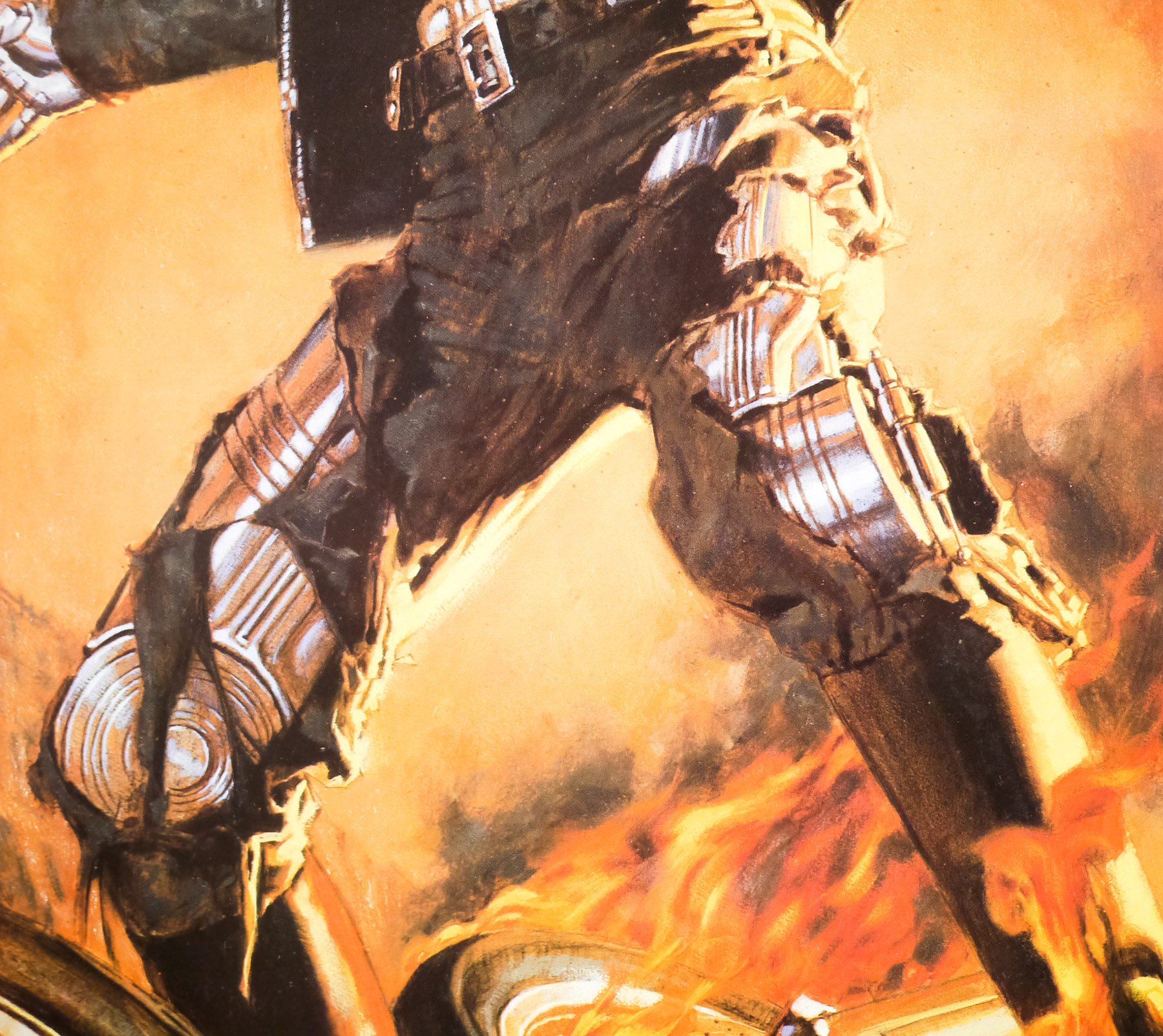
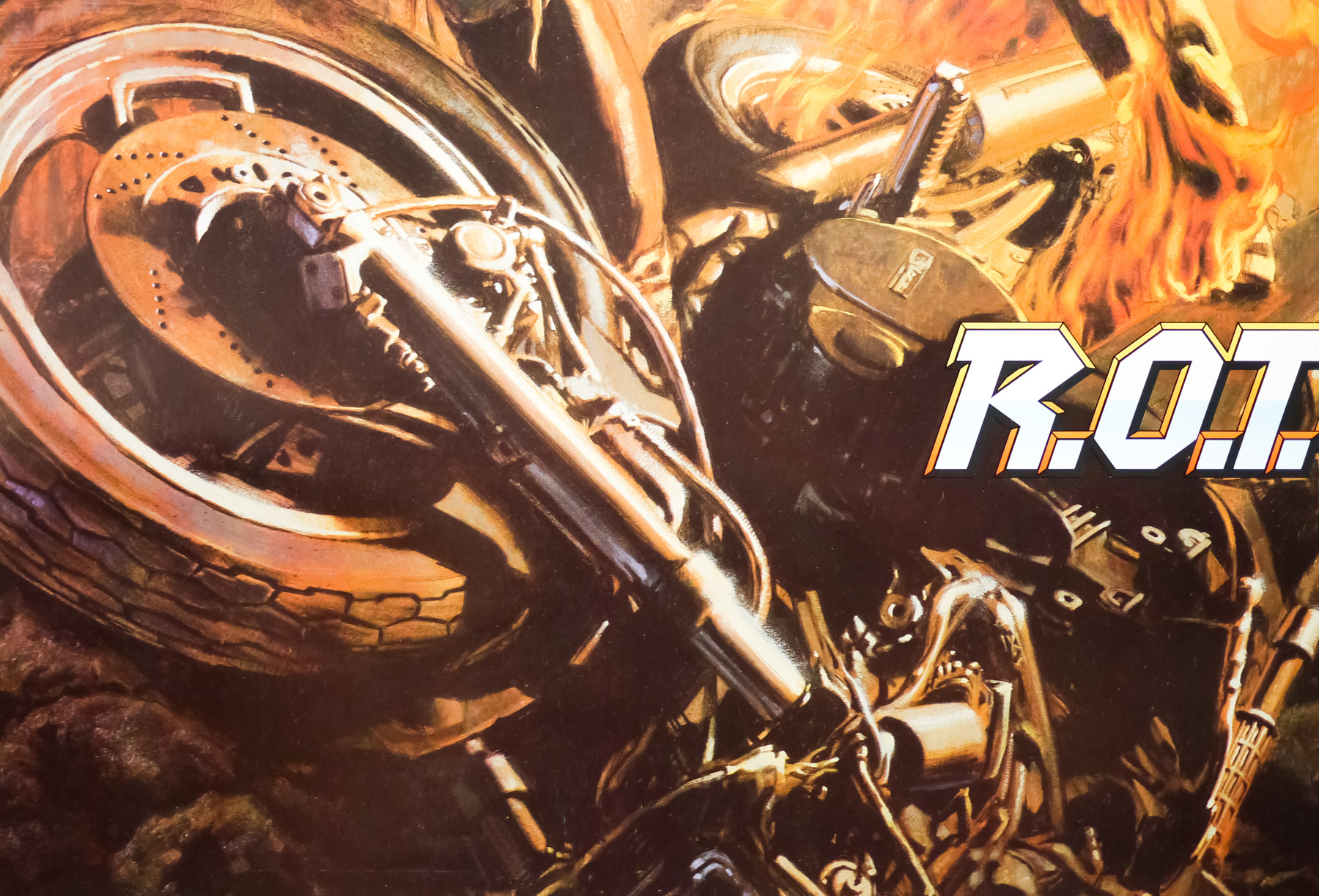
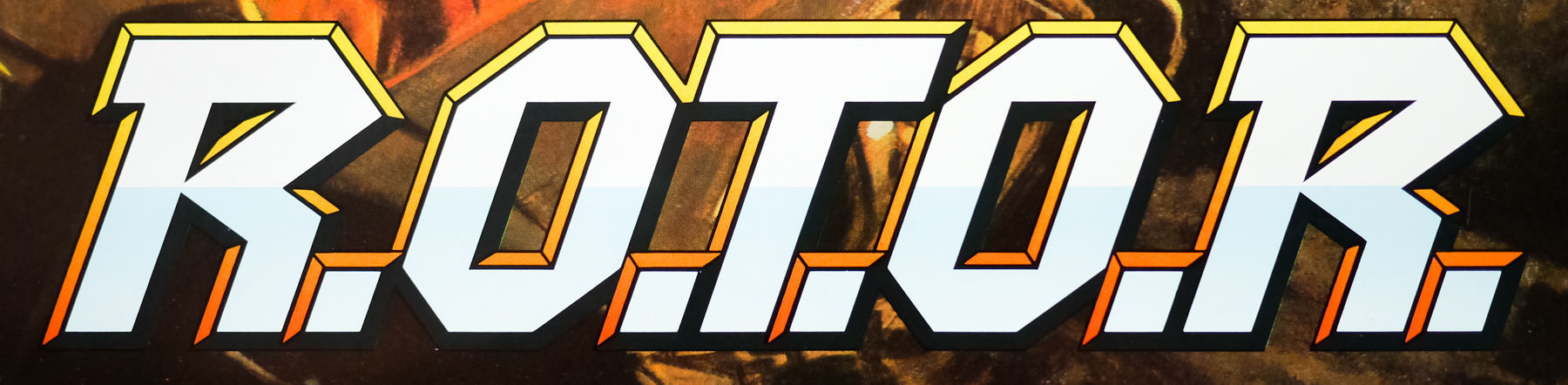
If ever there was a case where the poster is the most interesting thing about the movie, this one sheet for the brief cinema release of ROTOR (or R.O.T.O.R.) is the perfect example. Although I’ve never had the (mis)fortune of seeing the film, the reviews on IMDb speak for themselves and the following synopsis gives you an idea of the kind of experience you’re in for:

Robotic Officer Tactical Operations Research. ROTOR is a robotic cop manufactured from a rare metal – an alloy that’s not only responsible for the unit’s movements, but for it’s intelligence as well. ROTOR has been programmed to combat crime and corruption – to judge and to execute – to be the ultimate law enforcer. But something goes horribly wrong. The robot’s framework mutates into humanoid form and escapes from the research unit. Then when a speeding driver is killed for his minor traffic offence. It’s clear that ROTOR has been programmed too well. Now no one is safe – ROTOR is out on the streets, out of control and out to kill.

Currently hovering near the bottom of IMDb rankings (on a meagre 2.2 rating), reviewer ‘gridoon’ has this to say about the film:

‘There are bad movies that are funny. Bad movies that are boring. Bad movies that are offensive. And then there are bad movies that are just plain incompetent. You can’t get angry at these movies, because it’s obvious they were made by people who simply didn’t have the talent or the budget to make something even halfway decent. “R.O.T.O.R” is one such movie.’

Fellow reviewer ‘martin_dc’ sums the film up thusly:

‘Guaranteed laughter the first 15 minutes. After this the brain tends to numb completely and you watch the rest out of inertia or masochism, so in an unintentional way the movie actually works. Highlights include the R.O.T.O.R. creator giving coffee to his horse and inexplicably trying to blow up a tree.’

One reviewer simply lists 10 things they’d rather do than sit through ROTOR again, which includes ‘Get smashed on the back of the head with a folding chair’ and ‘Belly flop off a 10-meter tower into an empty swimming pool.’

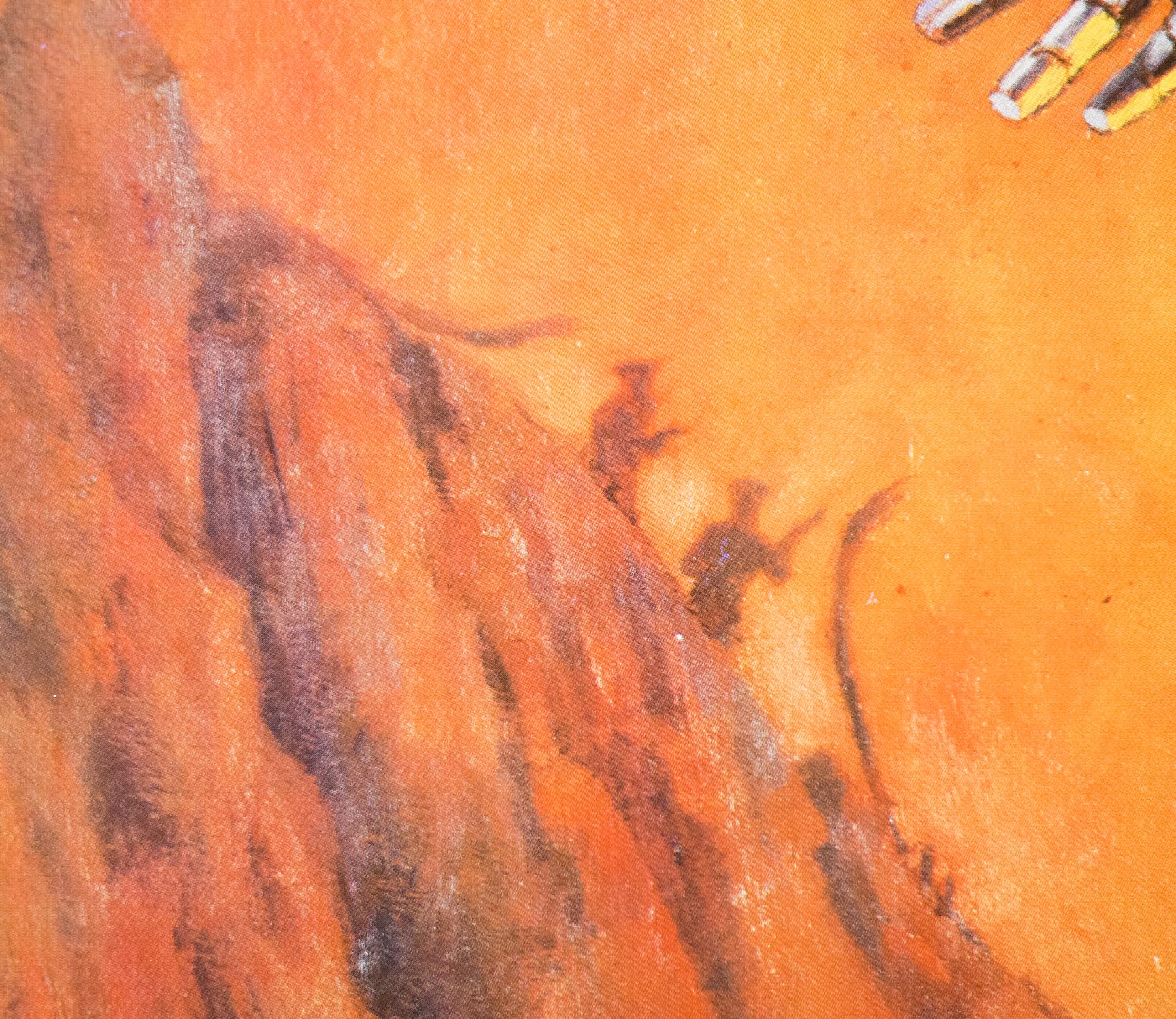
I’ve been unable to determine who painted this artwork, but it appeared on this cinema-release one sheet as well as the video release poster and VHS covers. Whoever did do it was clearly influenced by the US one sheet for Mad Max (painted by Bill Garland), right down to the pose that ROTOR is in. I can only imagine how many people were suckered into picking this VHS off the shelves of their local video rental shop based on the cover alone.

Check out the mesmerising trailer here.

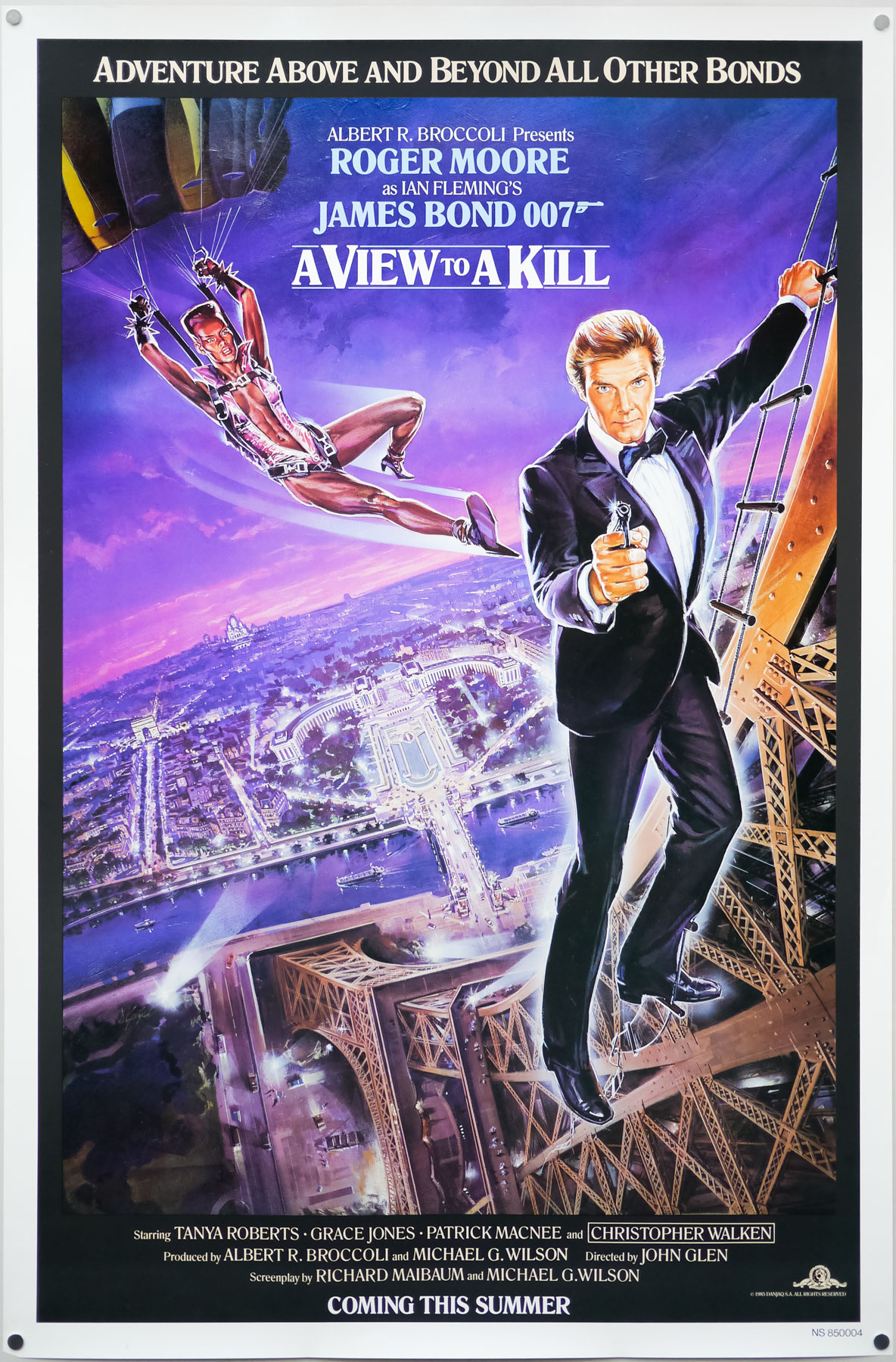
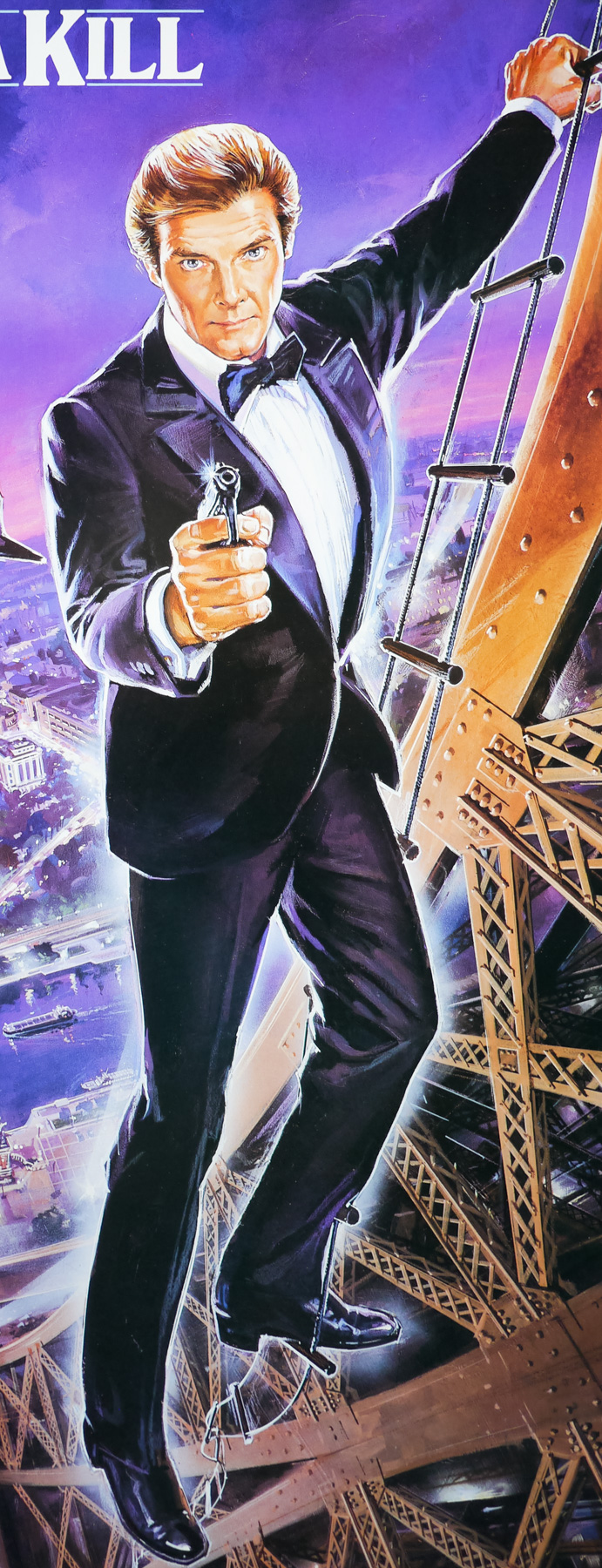
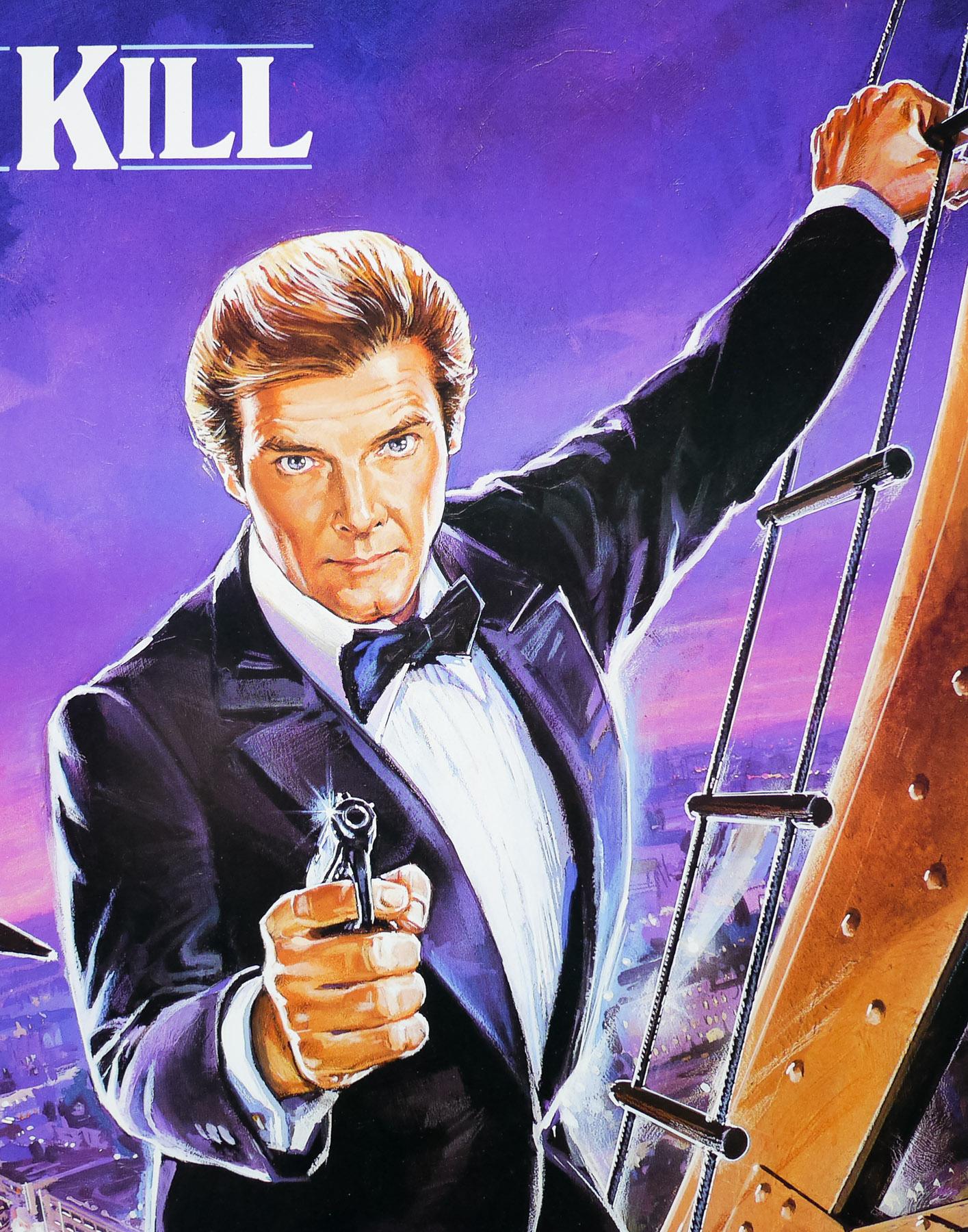
A View To A Kill / one sheet / advance / Eiffel Tower style / USA

29.09.14

Poster Poster
Title
A View To A Kill
AKA
The Beautiful Prey (Japan - English title)
Year of Film
1985
Director
John Glen
Starring
Roger Moore, Christopher Walken, Tanya Roberts, Grace Jones, Patrick Macnee, Patrick Bauchau, David Yip, Fiona Fullerton, Manning Redwood, Alison Doody, Willoughby Gray, Desmond Llewelyn, Robert Brown, Lois Maxwell
Origin of Film
UK
Genre(s) of Film
Roger Moore, Christopher Walken, Tanya Roberts, Grace Jones, Patrick Macnee, Patrick Bauchau, David Yip, Fiona Fullerton, Manning Redwood, Alison Doody, Willoughby Gray, Desmond Llewelyn, Robert Brown, Lois Maxwell,
Type of Poster
One sheet
Style of Poster
Advance - Eiffel Tower style
Origin of Poster
USA
Year of Poster
1985
Designer
Unknown
Artist
Dan Goozee
Size (inches)
27 1/16" x 41"
SS or DS
SS
NSS #
850004
Tagline
Adventure above and beyond all other Bonds

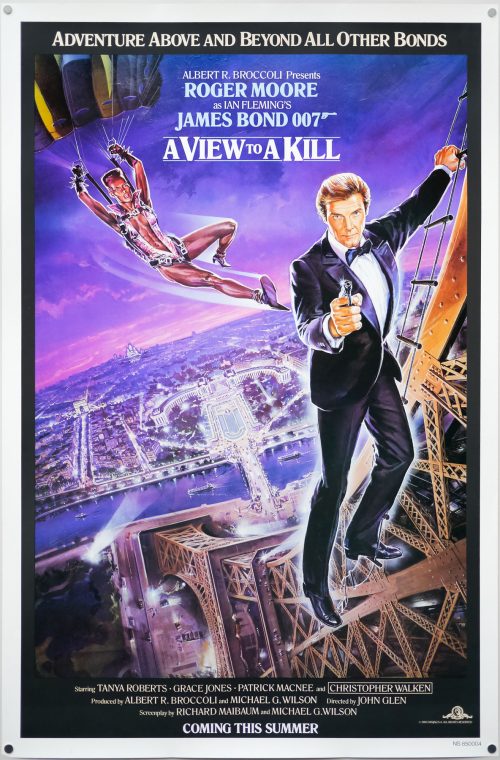
A View to a Kill, Sir Roger Moore‘s last outing as James Bond was definitely not his finest hour, although it is memorable for a few reasons, including Christopher Walken‘s turn as the psychotic bad guy Max Zorin, Duran Duran’s great title theme and the appearance of the incomparable Grace Jones as Mayday, Zorin’s accomplice. She may not be the greatest actress but she’s never anything less than a striking presence and is definitely not a lady to mess with, as British chat show presenter Russell Harty infamously found out.

The film features a climactic fight atop the Golden Gate Bridge in San Francisco, which sees Bond and Stacey Sutton (Tanya Roberts) face off against Zorin and his henchmen in the Zorin Industries airship. Special effects supervisor John Richardson filmed a series of sequences featuring stunt performers on top of the actual bridge that were later matched up against green-screen shots of the actors. This was the first Bond film to have its premiere held outside the UK; it opened on the 22nd of May, 1985 at San Francisco’s Palace of Fine Arts.

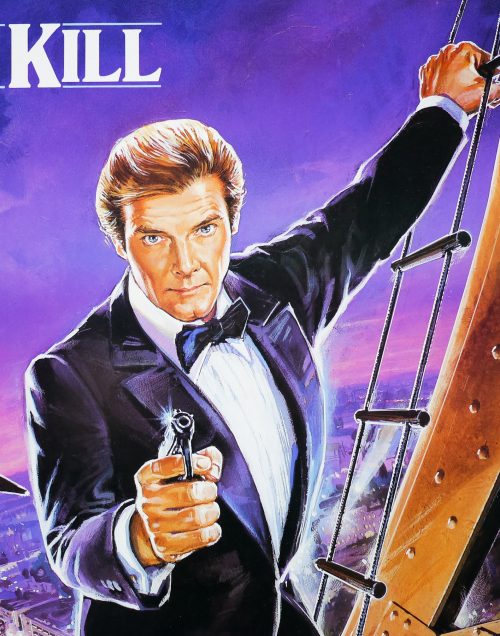
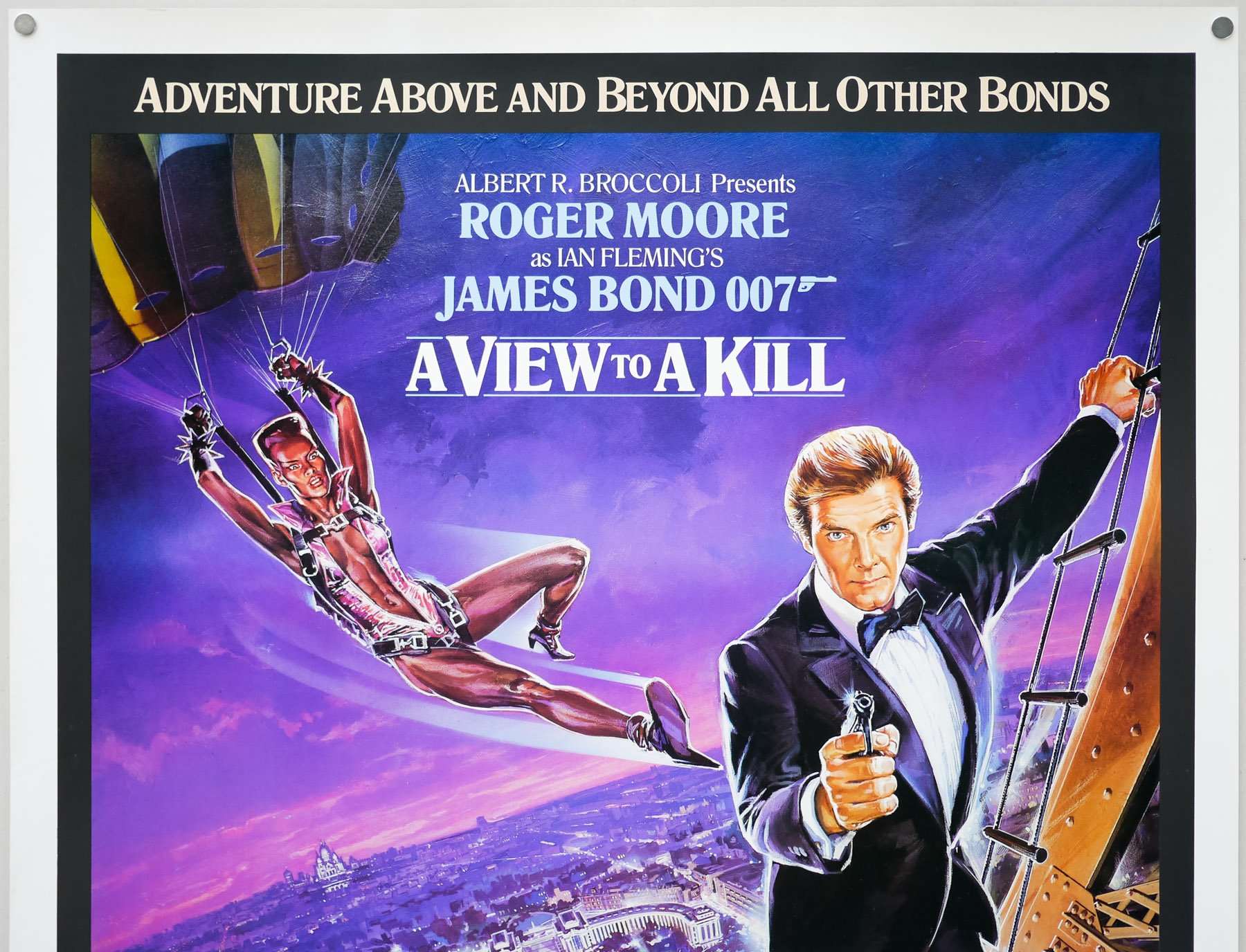
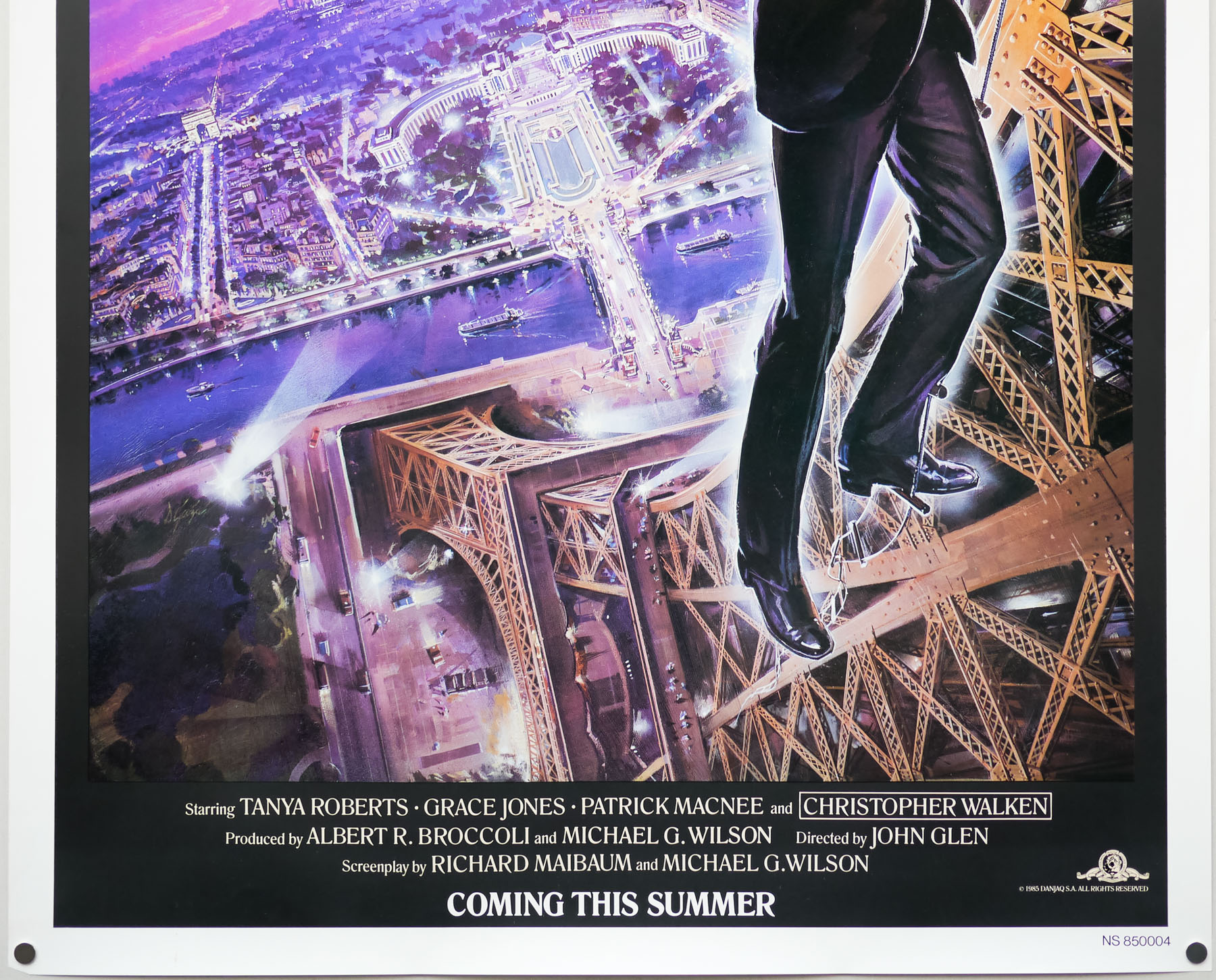
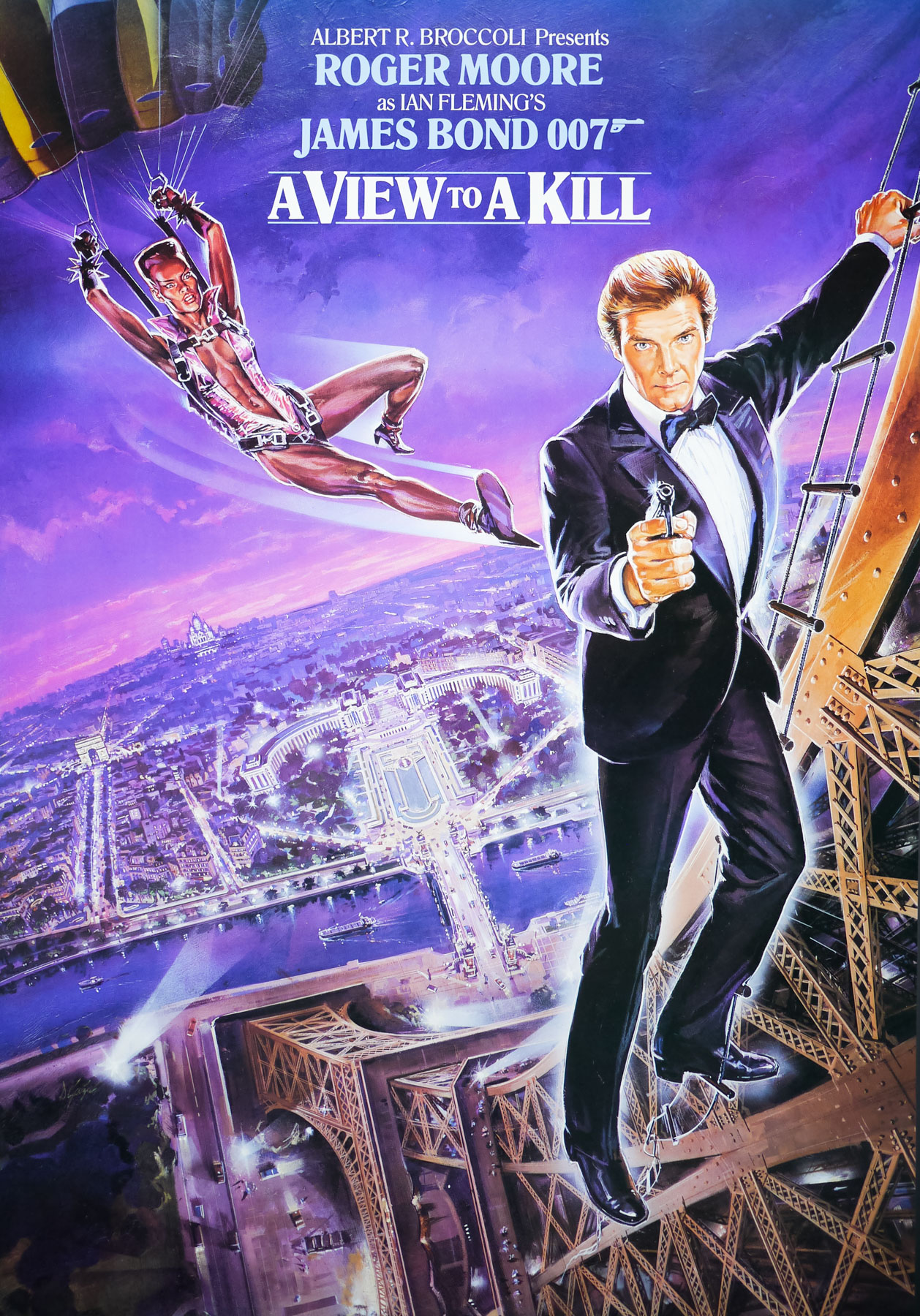
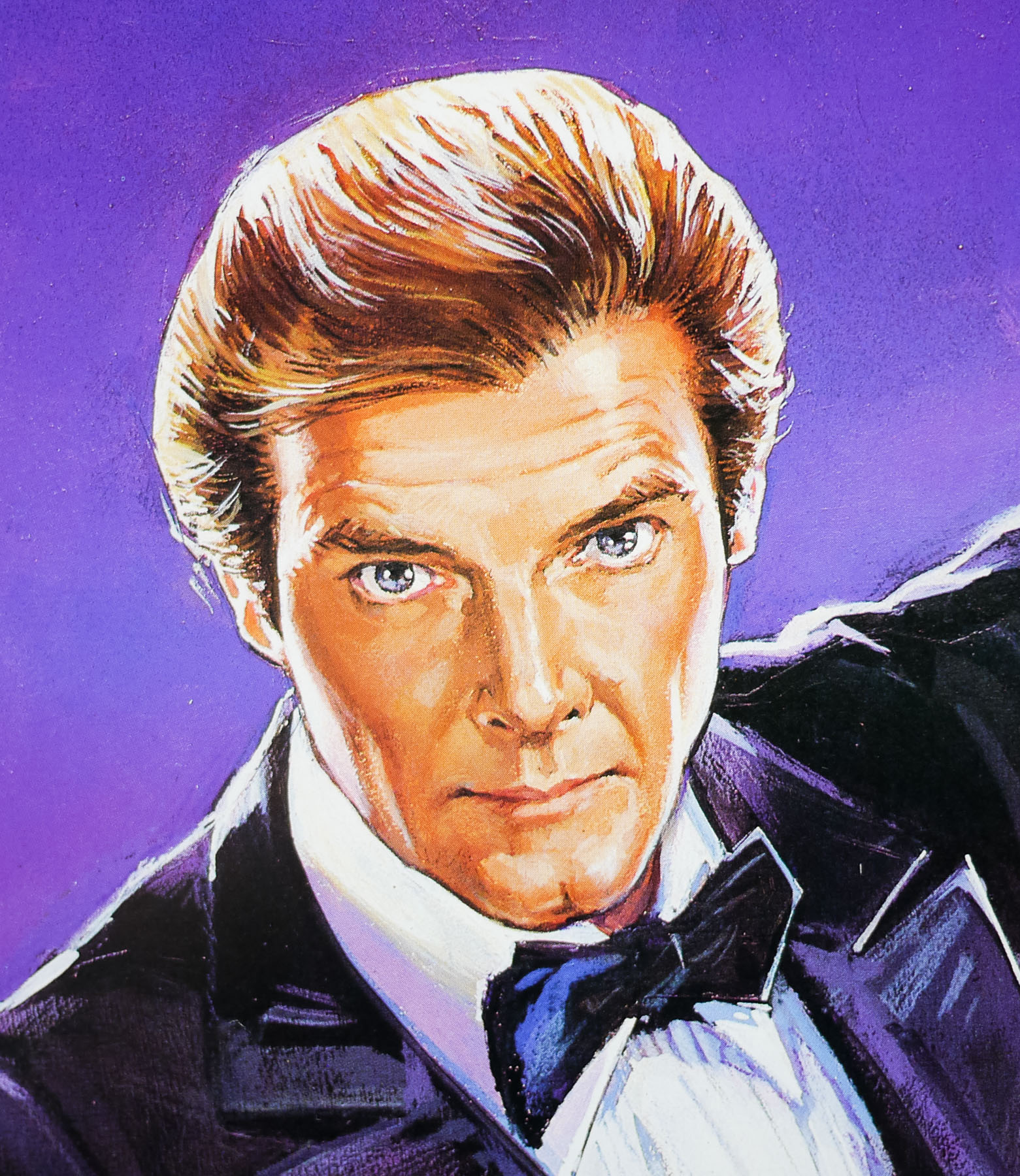
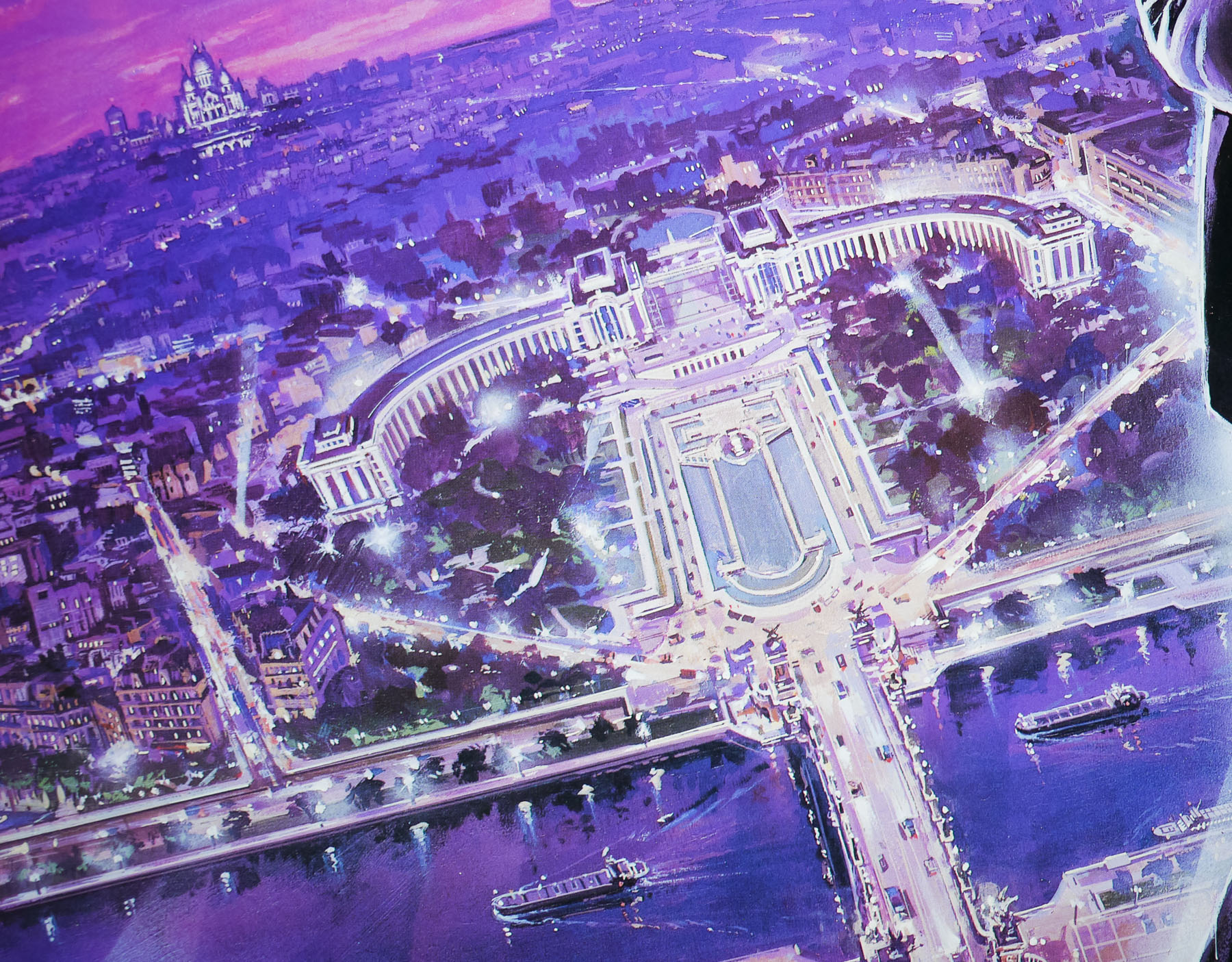
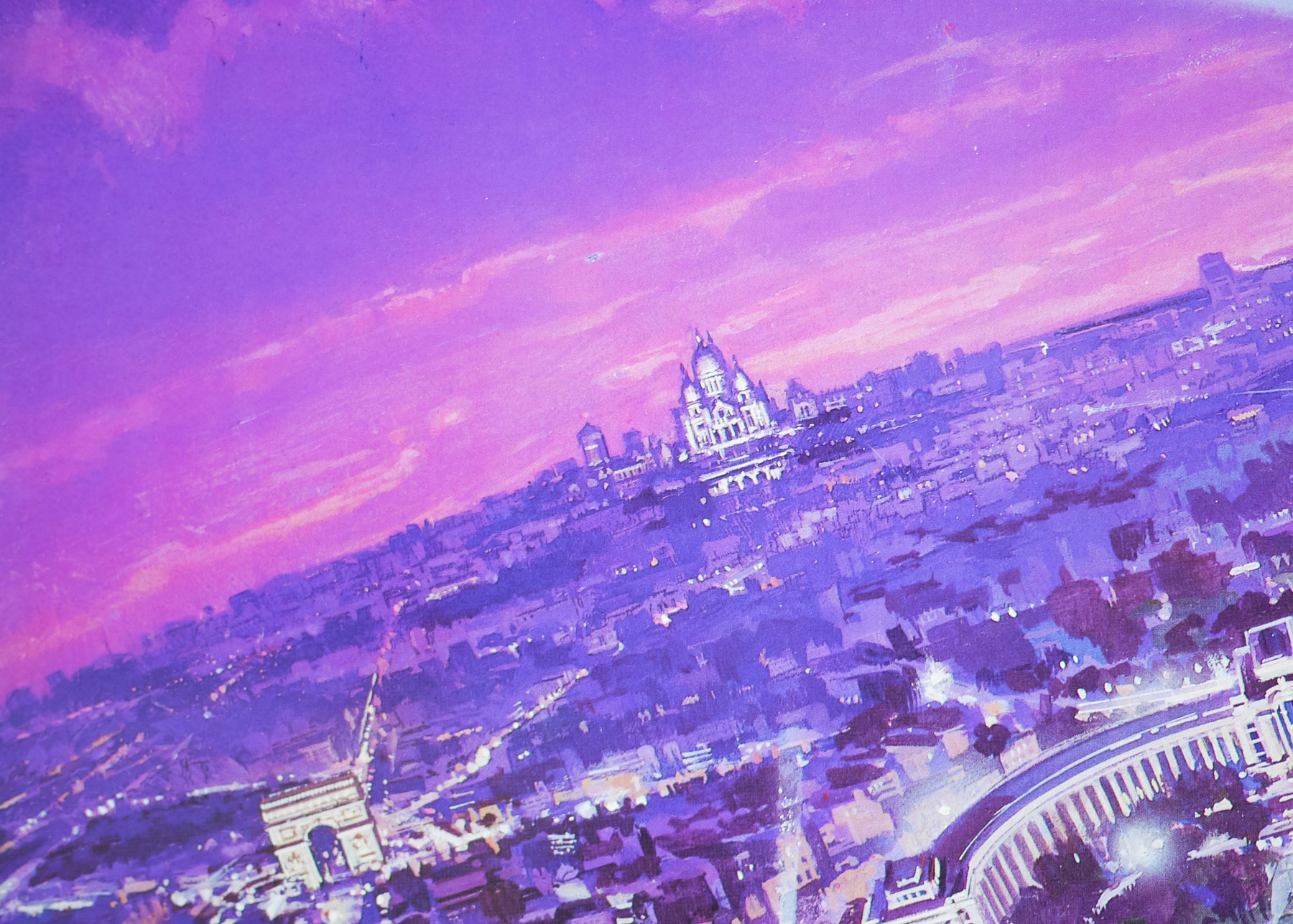
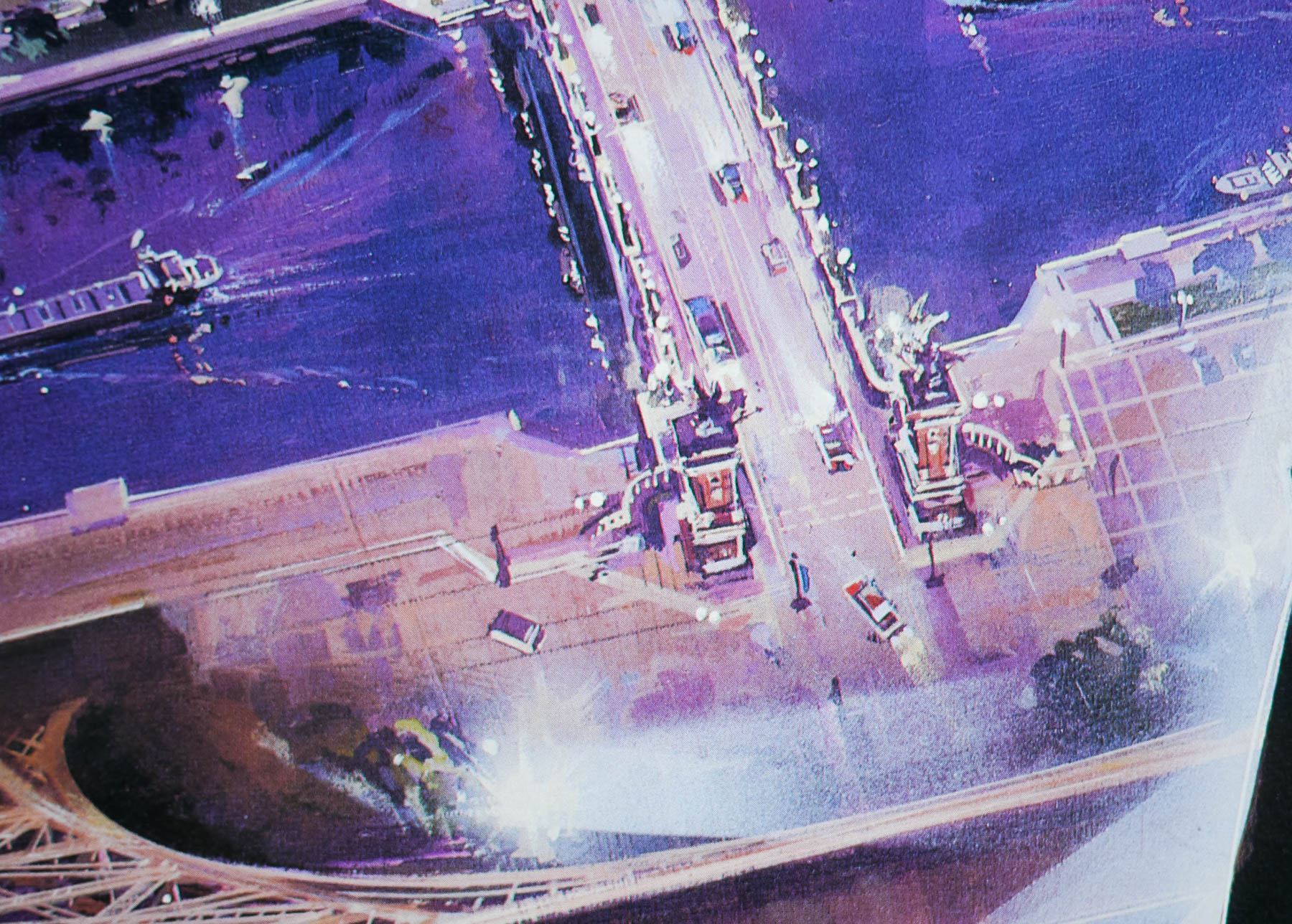
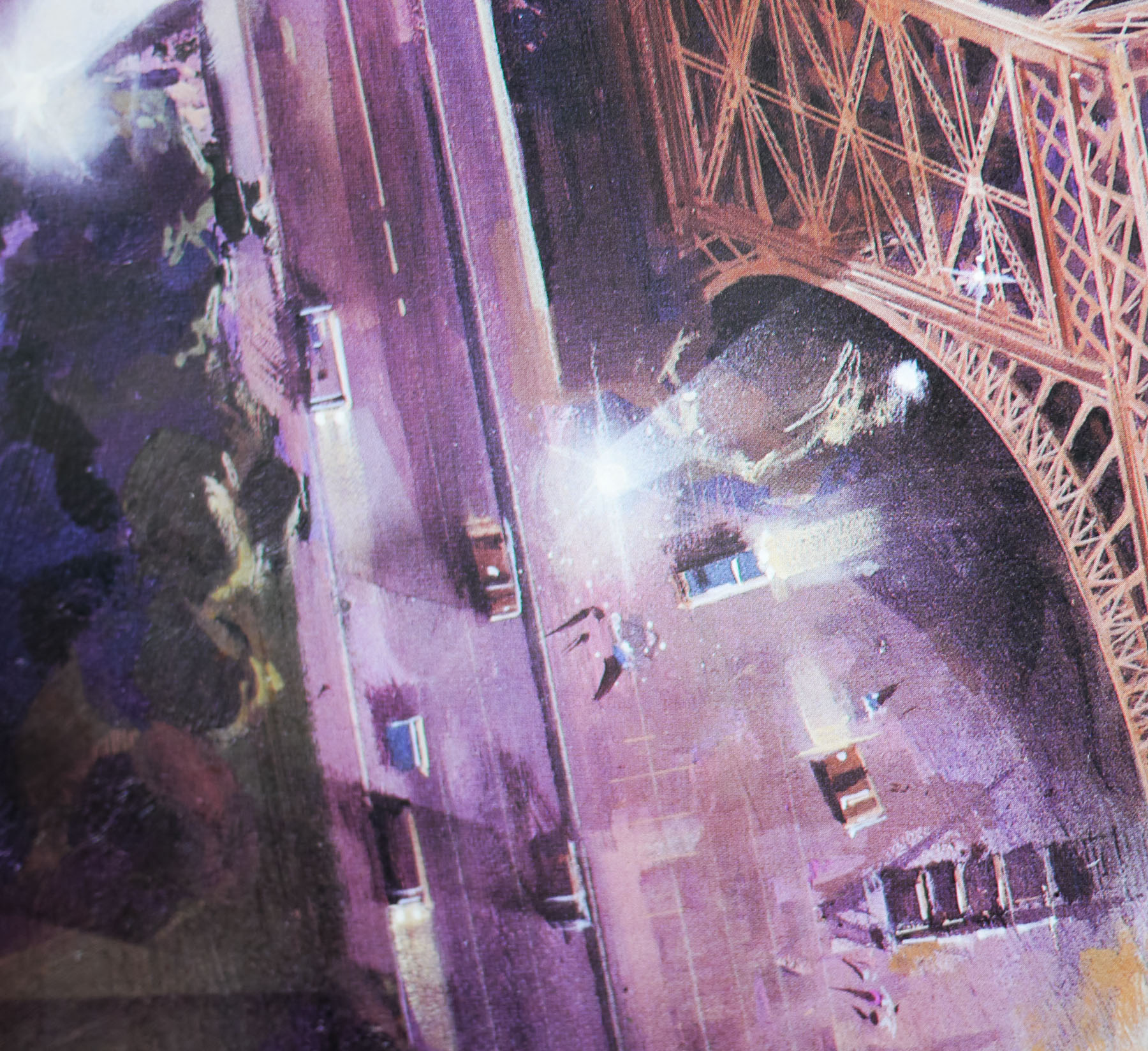
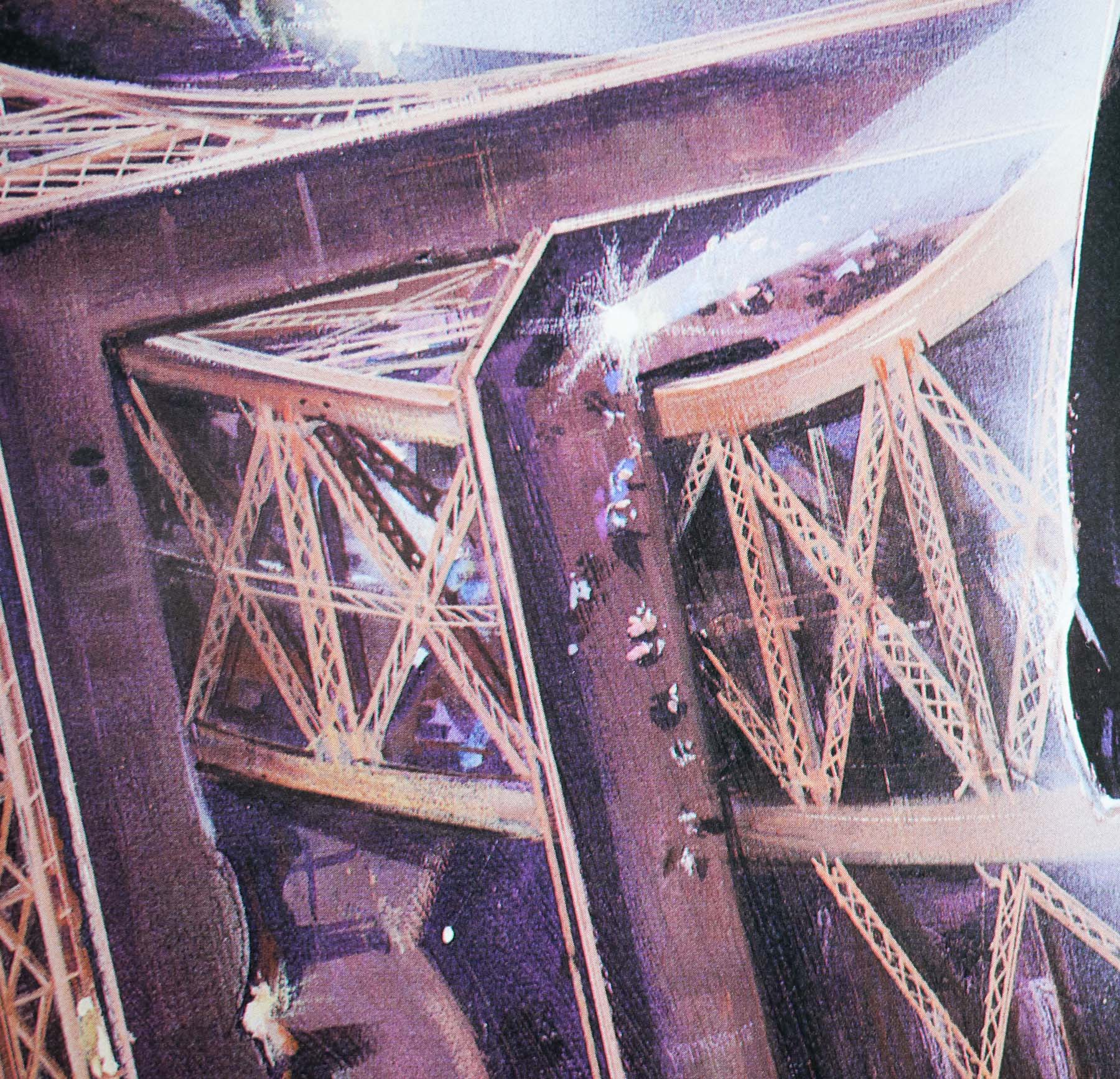
The excellent artwork depicting an action scene on the Eiffel Tower in Paris (which is not exactly accurate in terms of events in the film) is by the American poster artist Dan Goozee who was also responsible for the other ‘legs’ advance and the final US one sheet which features another action-packed scene. He also worked on the posters for a few other Bond posters, including Moonraker and Octopussy, as well as several other classic posters designs from the 1980s. The other posters I’ve collected by him can be seen here.

The Crying Game / quad / UK

14.03.16

Poster Poster

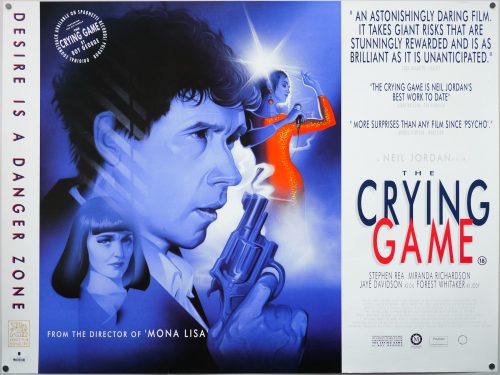
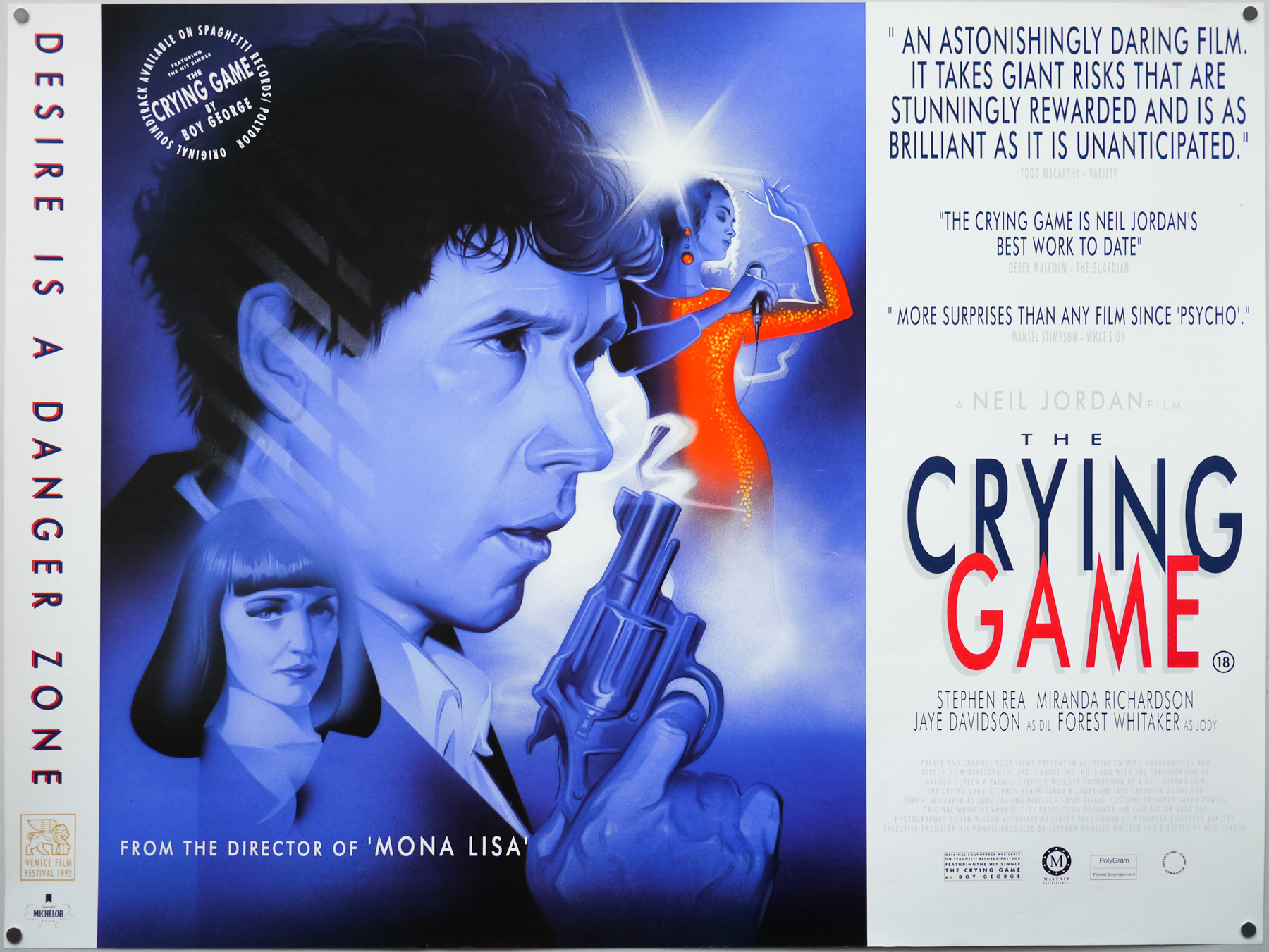
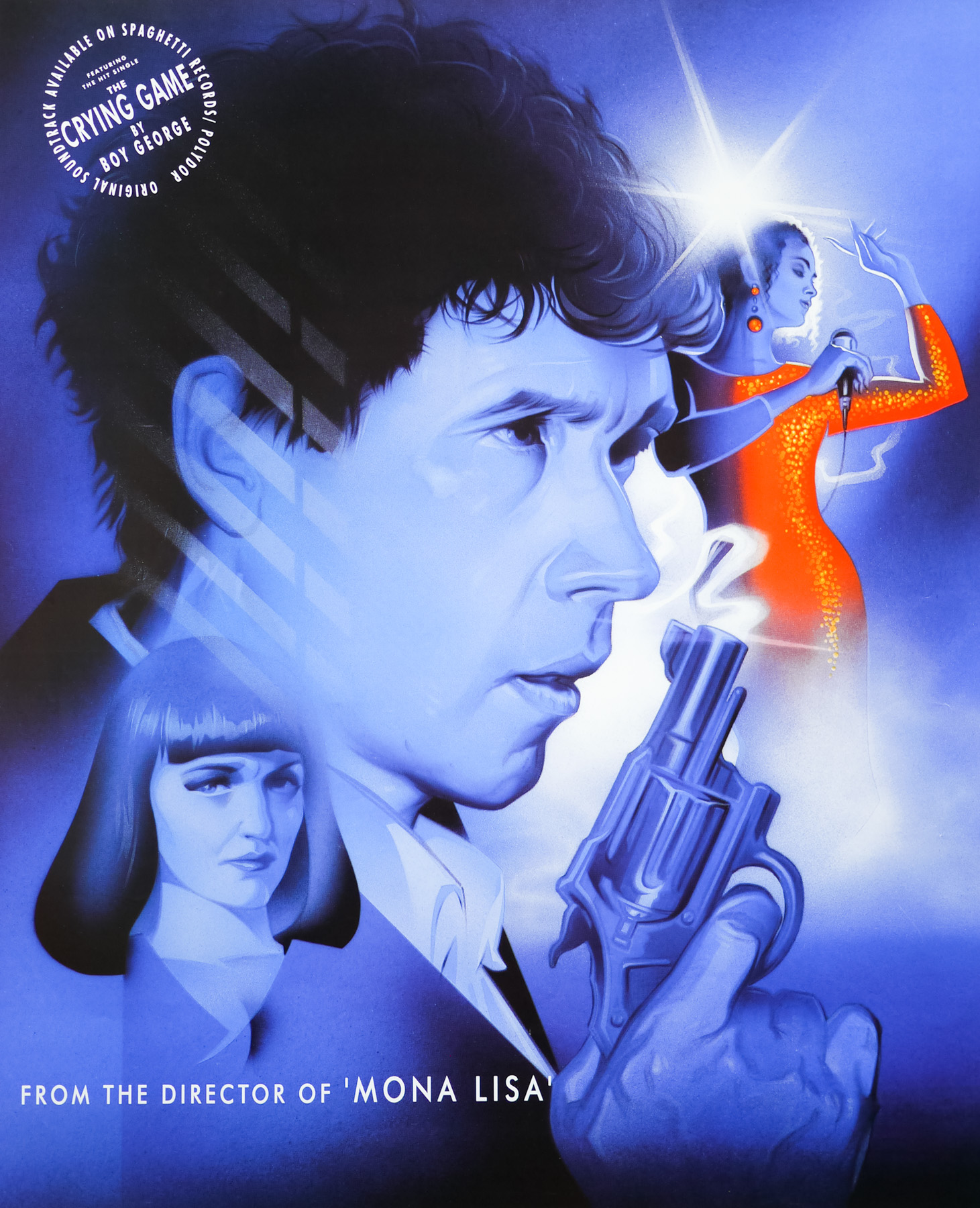
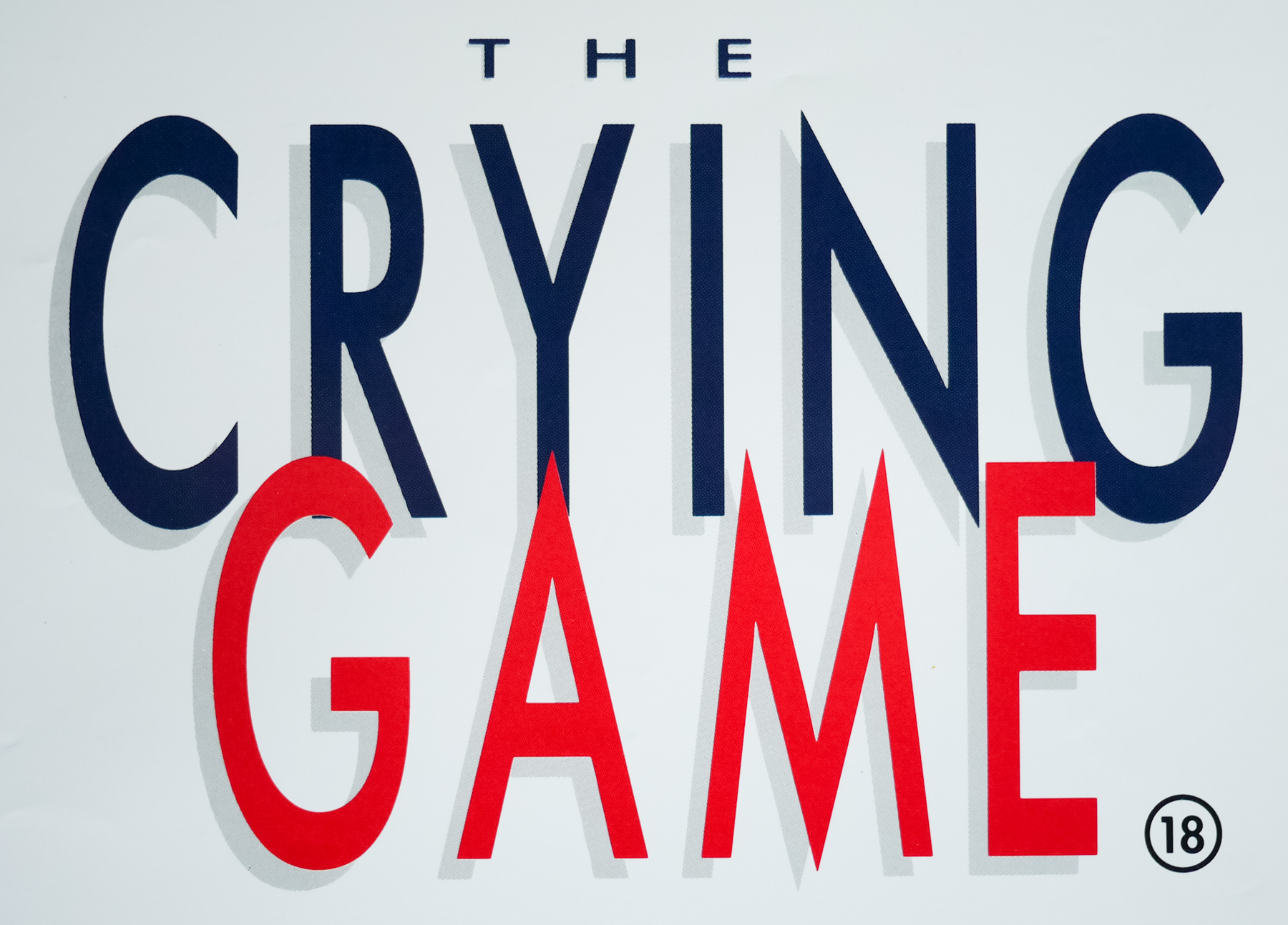
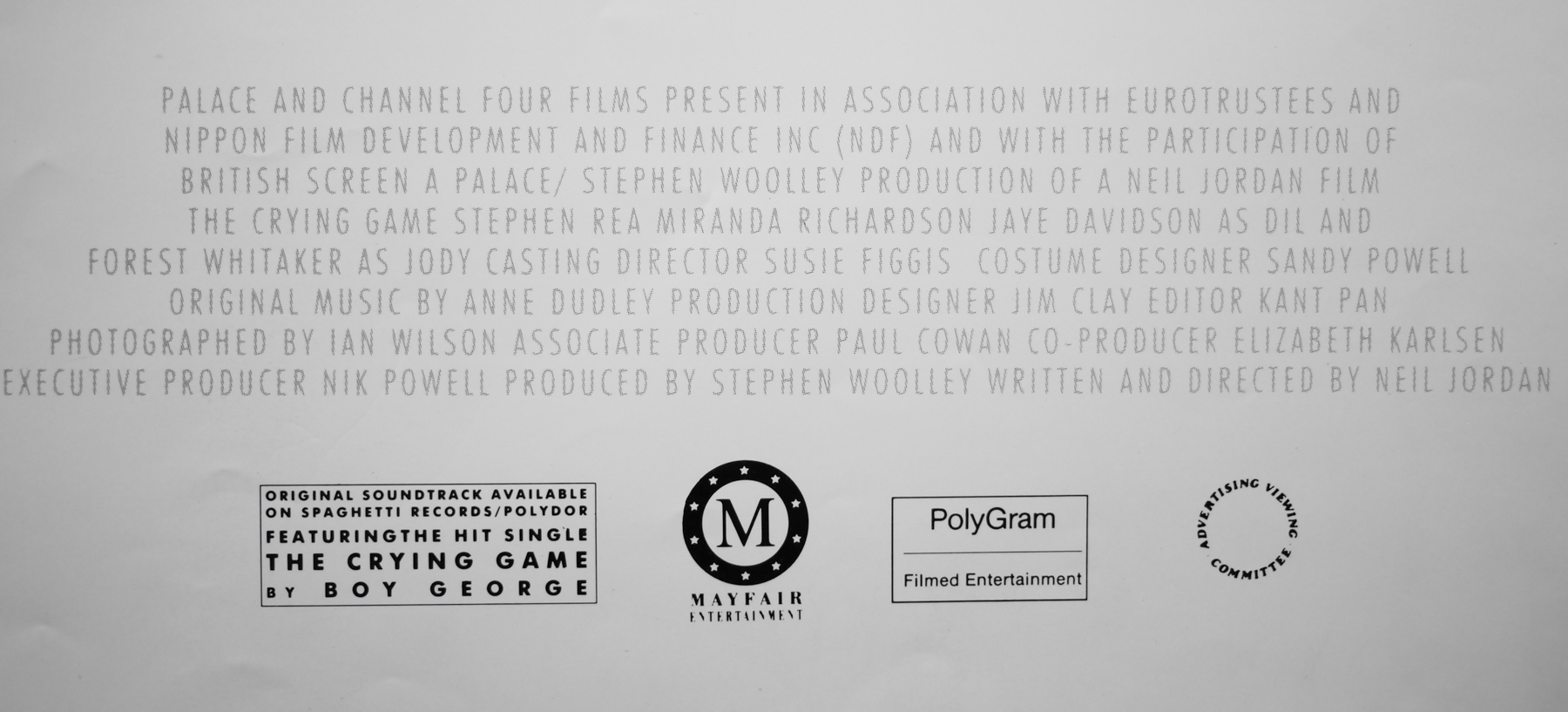
This UK quad poster for the release of Neil Jordan‘s 1992 drama The Crying Game is notable for marking the end of an era of British film posters featuring painted artwork. As Sim Branaghan writes in his must-own book British Film Posters: An Illustrated History, ‘By the time this [quad] appeared in 1992, illustration on British posters was effectively dead.’ After this time it was a rare exception that a film wasn’t advertised using a photographic montage, often with the same image being used around the globe to promote a film.

The production company behind the film, Palace Pictures, had worked with Jordan on other features, including Mona Lisa and The Company of Wolves and had regularly worked with artists and illustrators when it came to the posters for the films they released. Celebrated artist Graham Humphreys received his big break into working as an illustrator for film posters when he was asked to paint the artwork to be used on the quad for The Evil Dead, which Palace were distributing in the UK. For more details see the Film on Paper interview with Humphreys which can be read here.
The Crying Game was written by Jordan (he would later win an Academy Award for the screenplay) and stars Stephen Rea as a member of an IRA crew who kidnap a British soldier called Jody (Forest Whitaker) by luring him into a wood with the promise of sex from one of their squad, Jude (Miranda Richardson). The group demand the release of imprisoned IRA members and threaten to execute Jody if their requests are not met.

Fergus and the soldier strike up an uneasy friendship, despite their differences. When the hostage situation goes horribly wrong Fergus is forced into hiding and moves to London, assuming a new identity as ‘Jimmy’. There he looks up Jody’s girlfriend Dil (Jaye Davidson) whom Jody had spoken a lot about and eventually the pair form a tentative relationship. But there’s more to Dil than Fergus realises and the danger that his past life will be uncovered by her grows ever larger.

The film was met with critical praise and glowing reviews around the globe but failed to perform at the UK and Ireland box-office, something that is now felt to be due to its heavy political undertones and the public’s attitude towards the IRA. It was released in the US by Miramax and became a sleeper hit over the following weeks. As hinted at by one of the press quotes on the poster, it’s one of those films that has a plot twist so significant that it becomes the main reason people are aware of and discuss the film (see also ‘The Sixth Sense’).


The Passage / quad / UK

06.06.16

Poster Poster

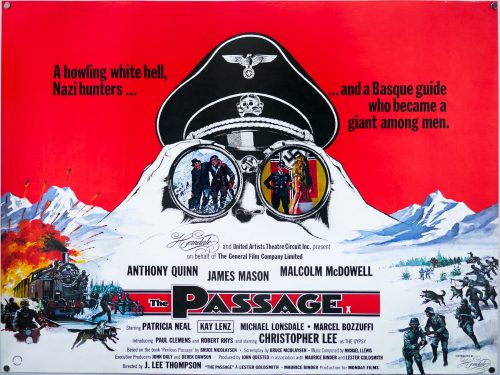
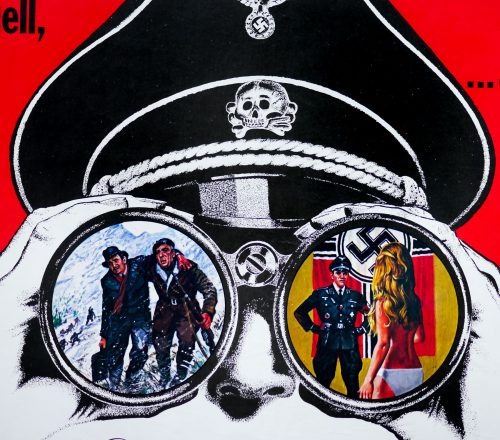
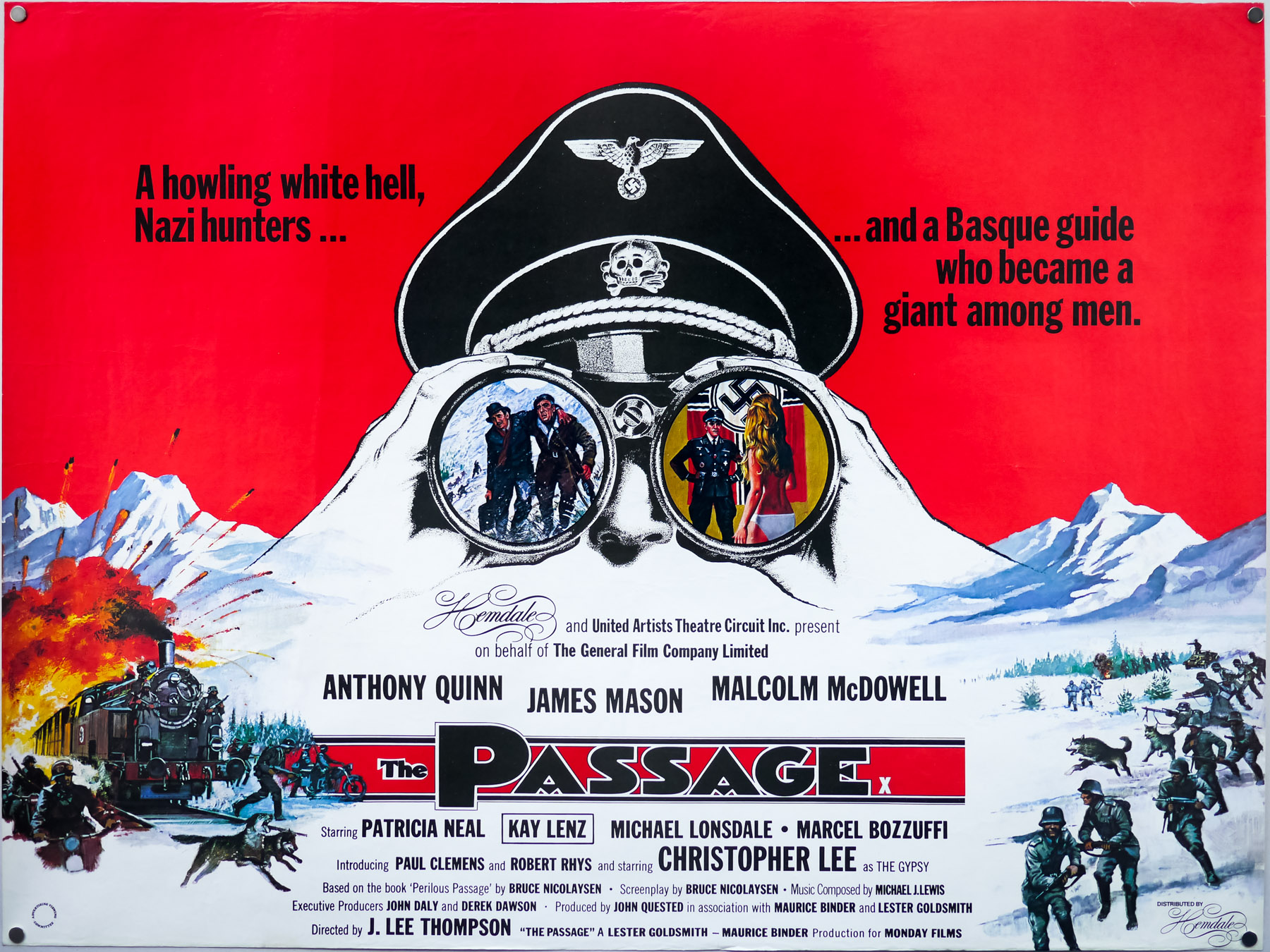
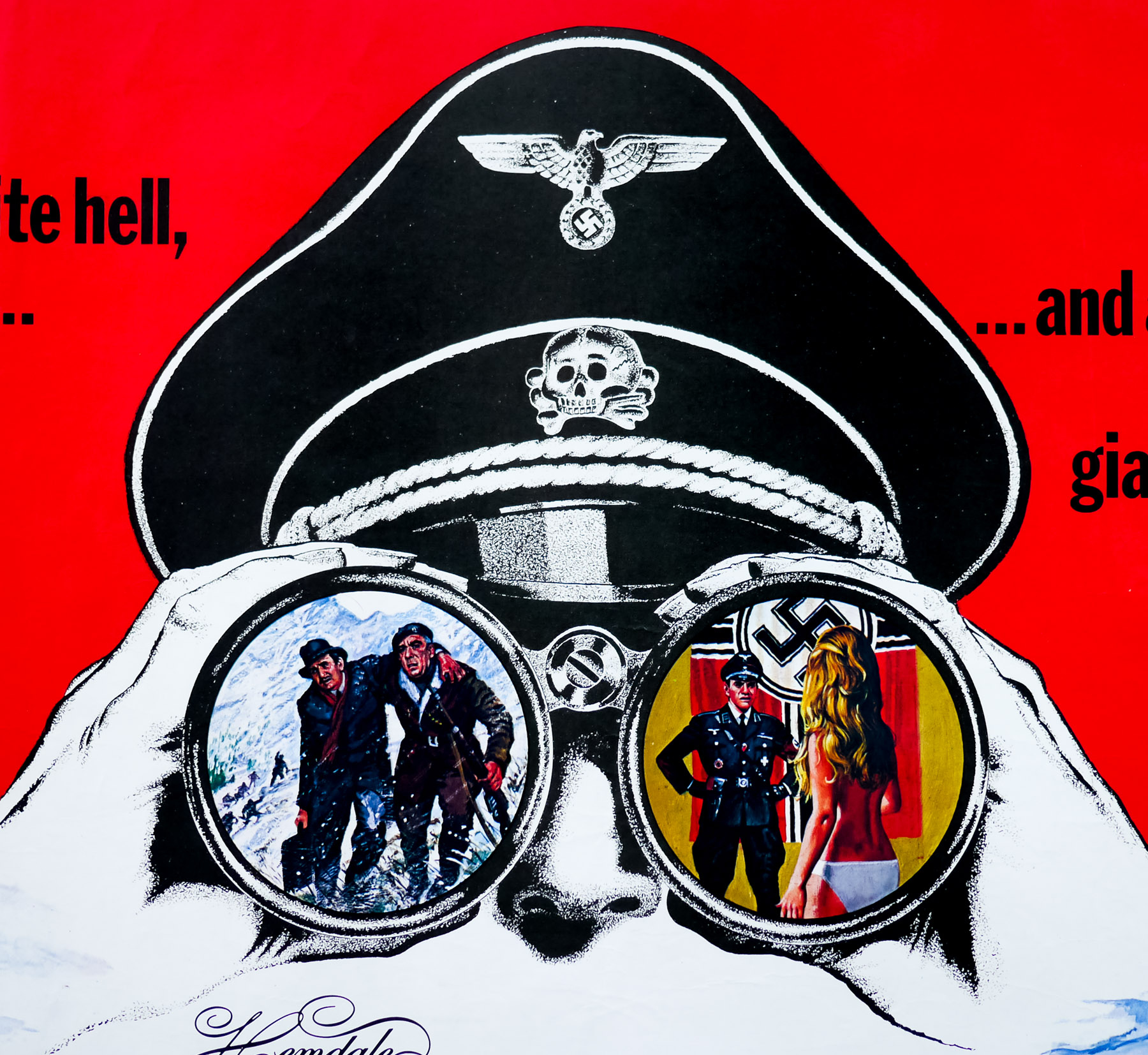
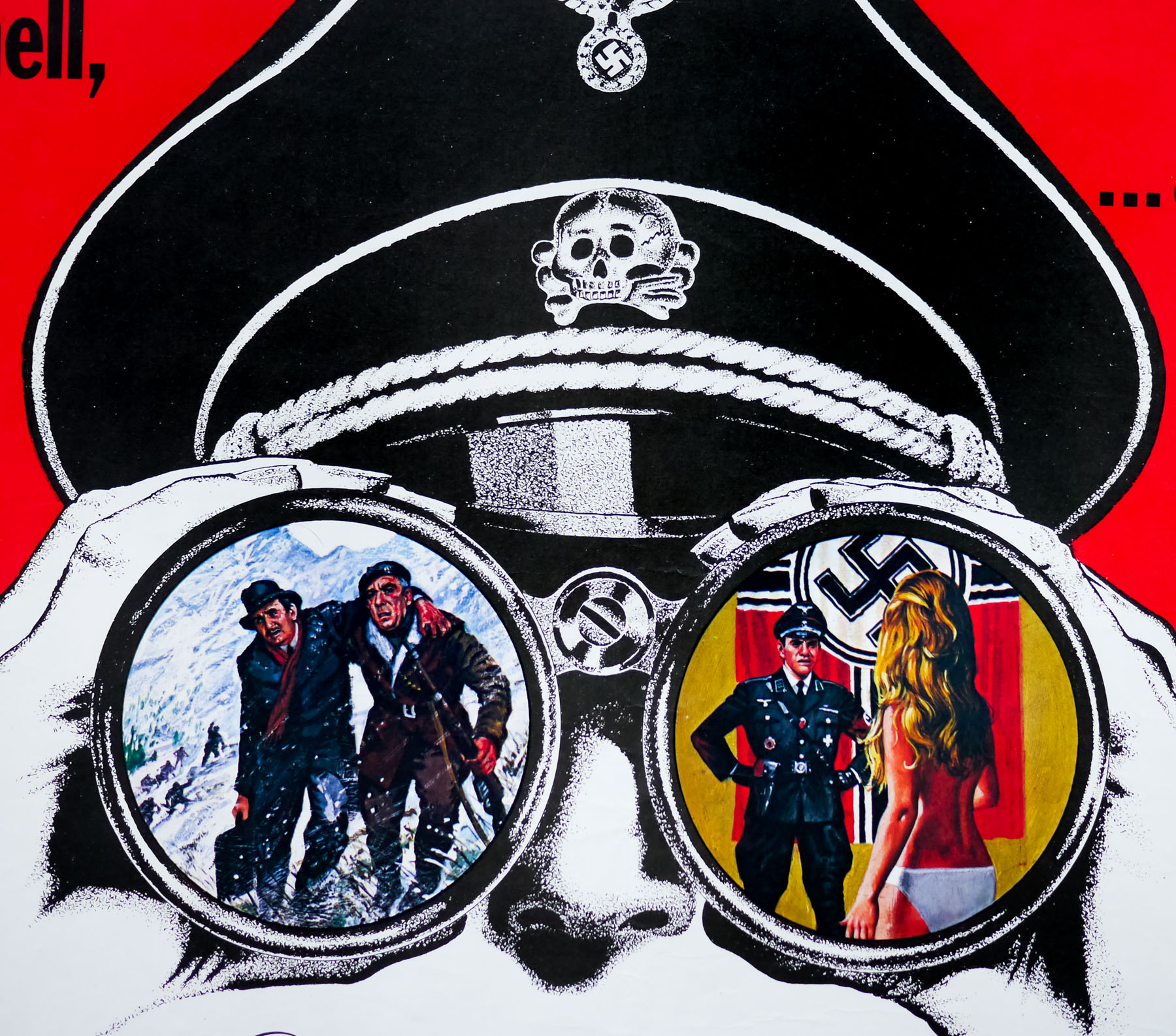
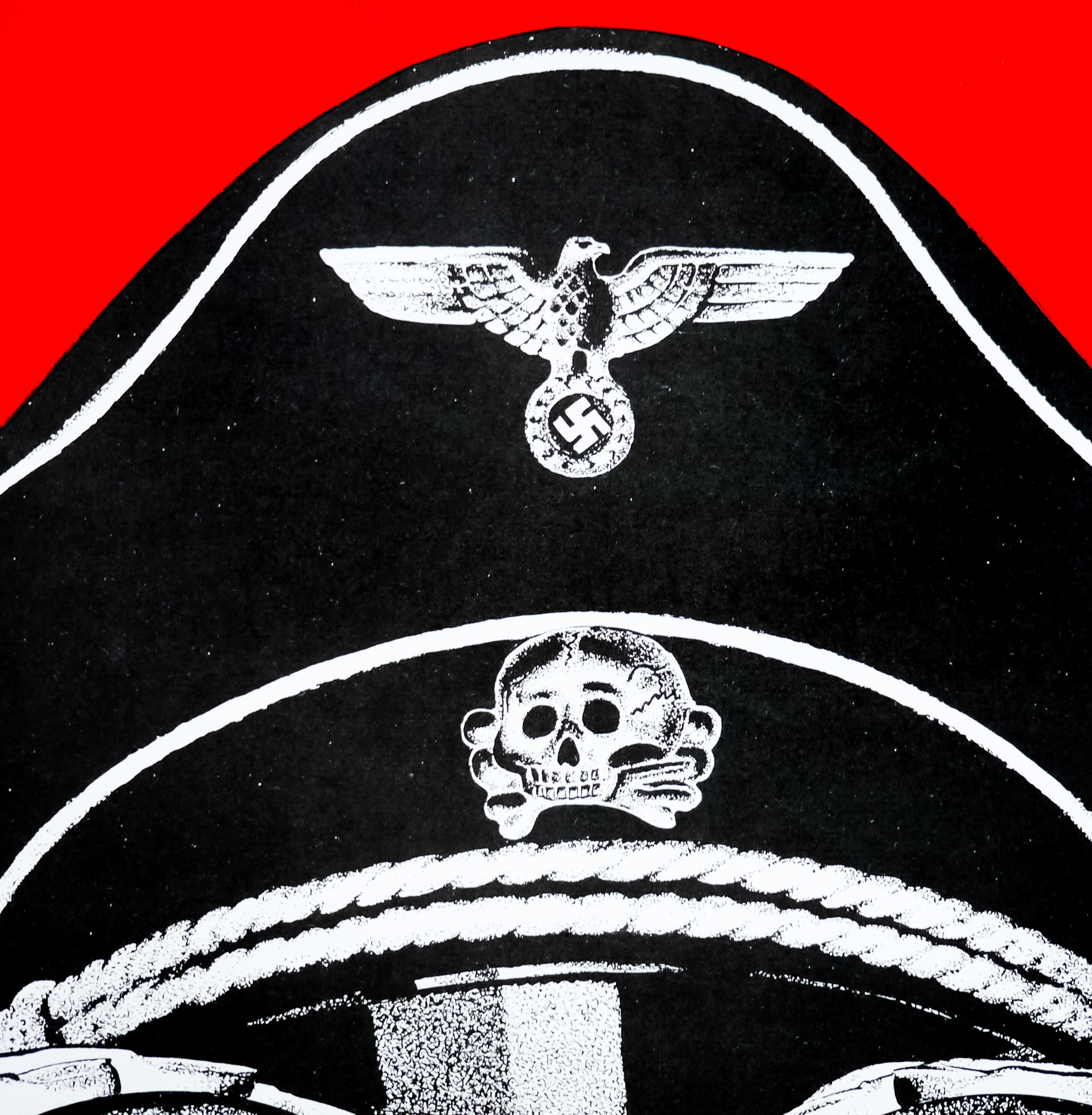
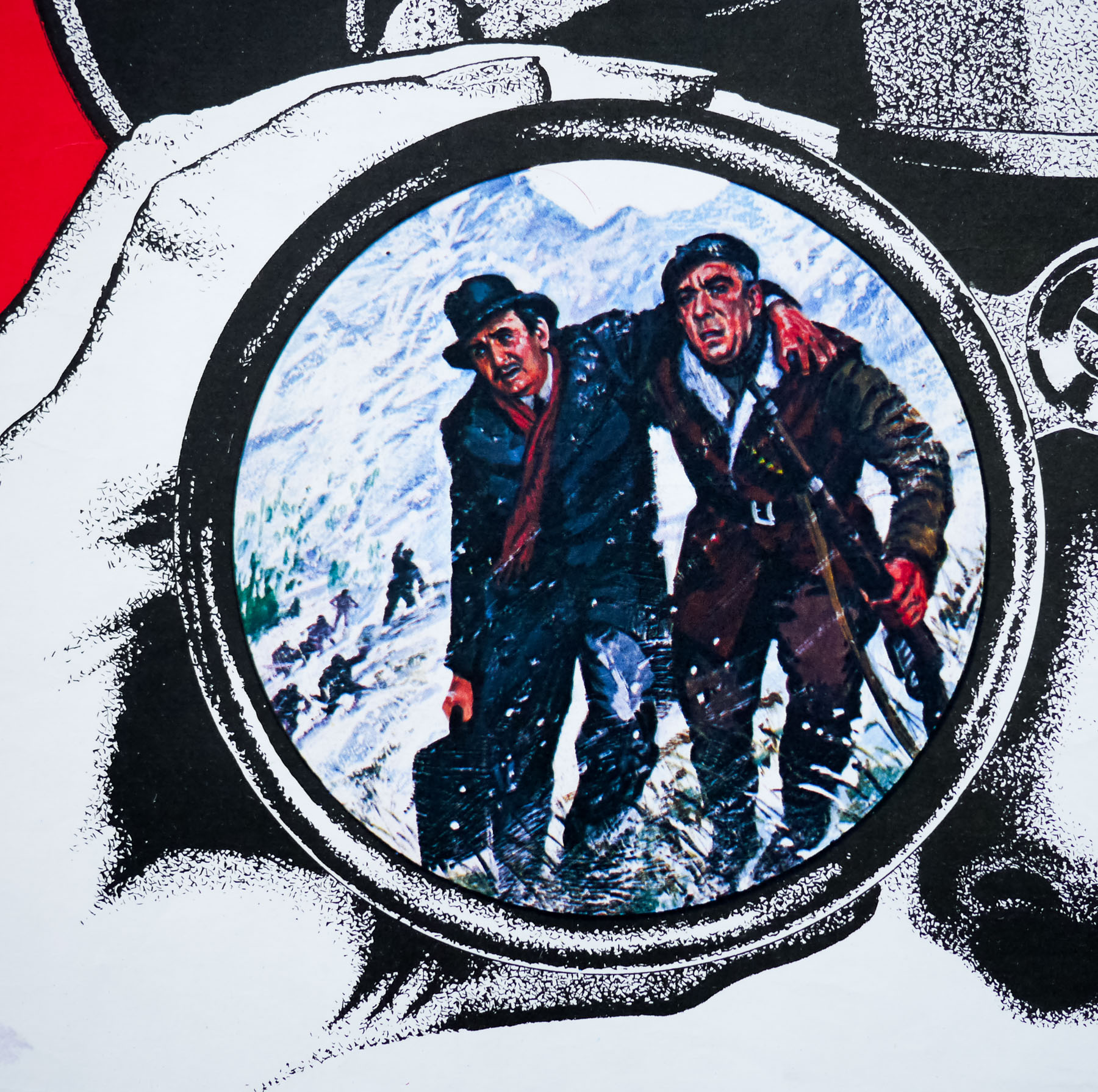
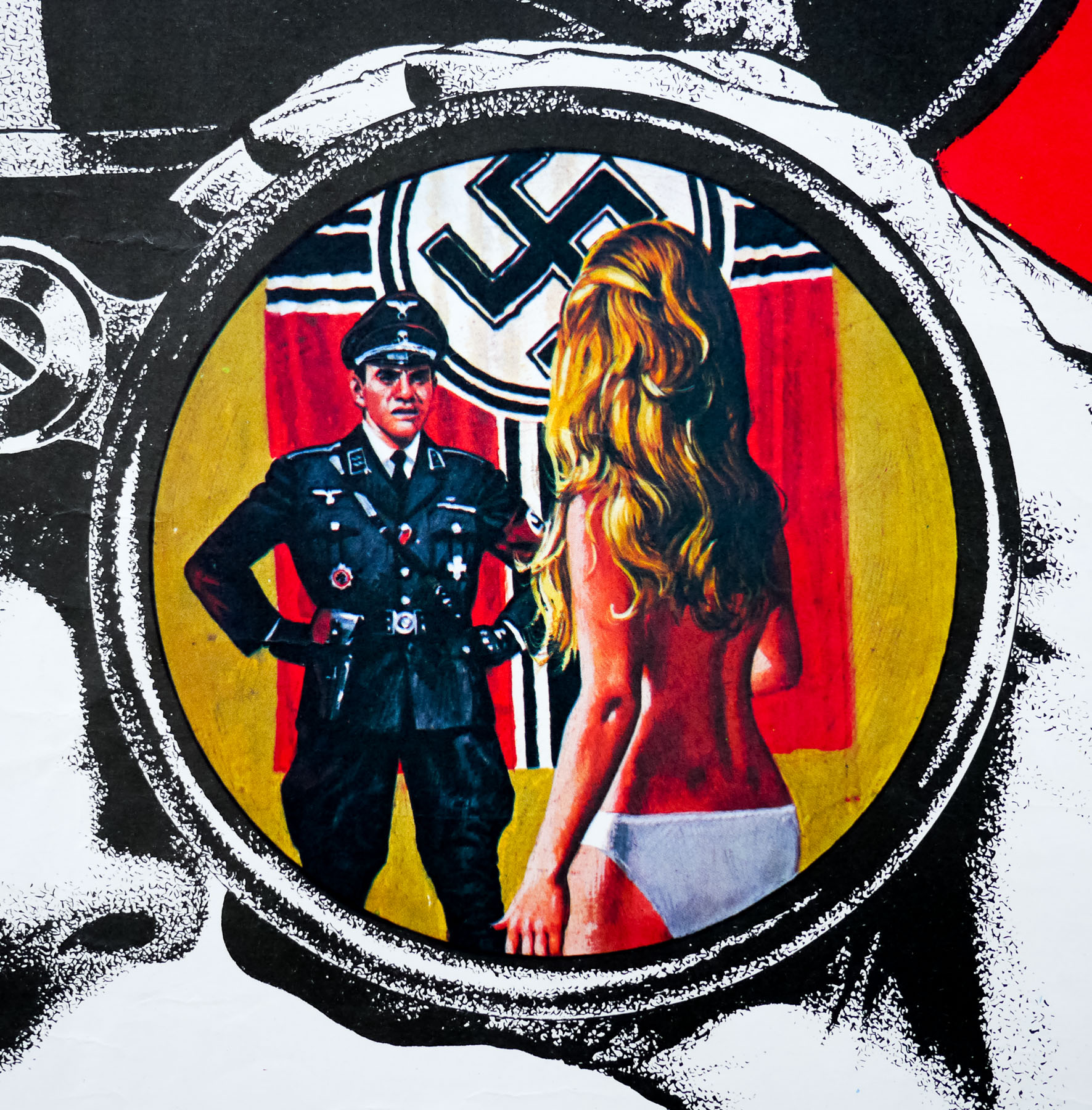
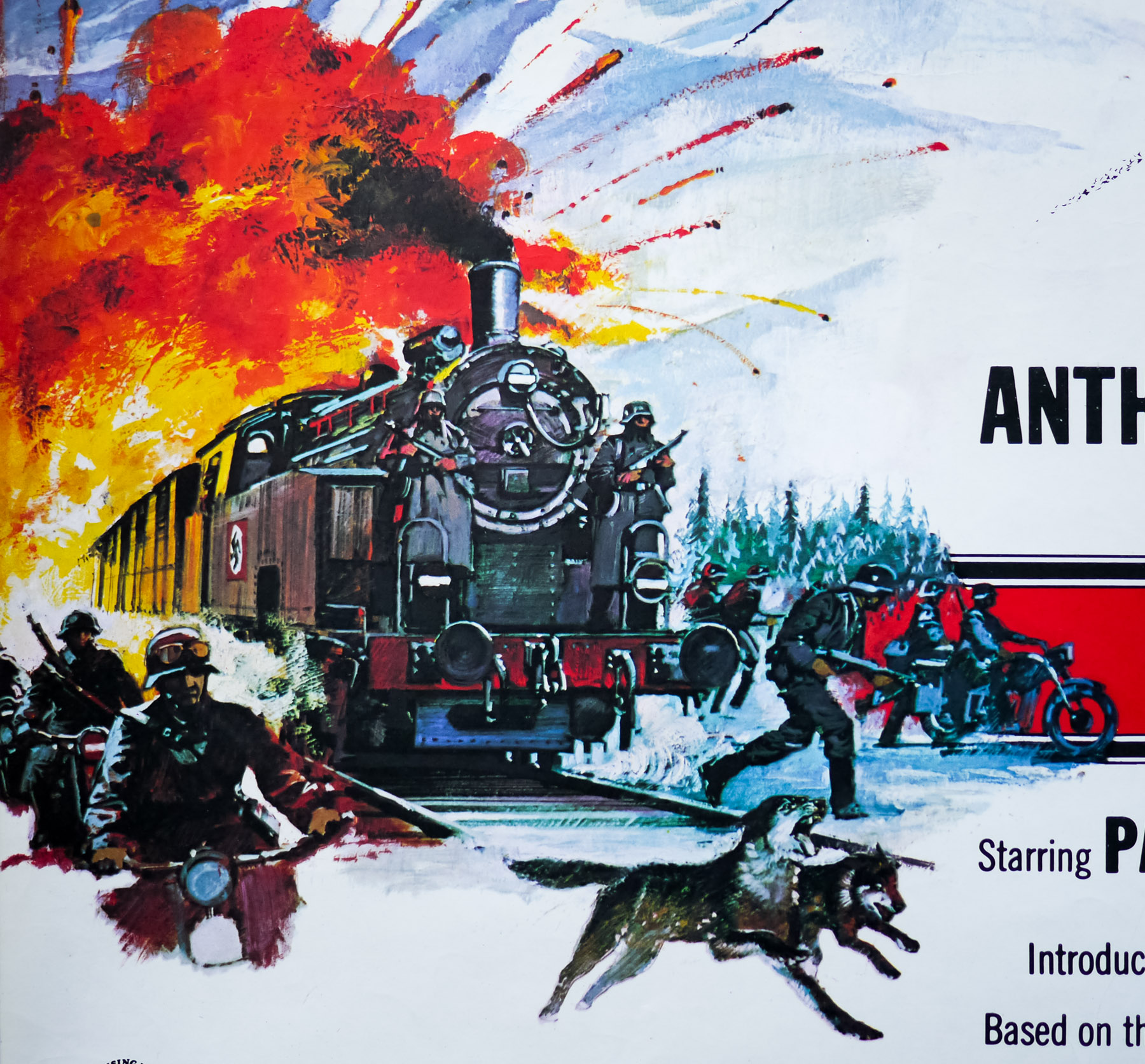
Colourful and typically dynamic artwork by Brian Bysouth features on this UK quad for the largely forgotten British war film The Passage (1979). Based on the novel Perilous Passage by Bruce Nicolaysen (who also wrote the screenplay), the film was directed by the British director J. Lee Thompson who was responsible for the classic war film The Guns of Navarone, as well as multiple films headlined by Charles Bronson.

Set during World War II, the story sees a Basque farmer (played by Anthony Quinn) escort a scientist (James Mason) and his family over the treacherous Pyrenees mountains to escape the sadistic clutches of a Nazi SS officer, Captain Von Berkow (Malcolm McDowell giving an impressively over the top performance). Christopher Lee appears as a character called The Gypsy who is sympathetic to the group’s plight. Apparently the film bombed spectacularly at the US box office and was critically drubbed on release.

This British quad was created at the London-based Downtons Advertising agency by one of the principal designers, Eddie Paul, and painted by Brian Bysouth who was working as a freelancer at the time. Both men are featured in Sim Branaghan’s must-own book British Film Posters: An Illustrated History and are each responsible for several iconic British posters. The designer Eddie Paul was born in Hackney in 1920 and attended Southend School of Art, later beginning his career at Temple Art Studios before moving on to Star Illustrations on Shoe Lane, where he gained a good reputation as a scrapboard artist.

After serving in the RAF during the war, Eddie joined Pulford Publicity in 1946 and started designing film posters using crayons and coloured pencils. He worked on several successful poster campaigns during the 1960s, including El Cid (1961), The Fall of the Roman Empire (1964) and the famous quad for From Russia with Love (painted by Renato Fratini). He later joined four ex-Downton colleagues and formed the successful agency FEREF in 1968. As Sim notes in his book, ‘He was well liked and respected within the business as a gentleman’. Eddie Paul passed away from a heart attack whilst on his way to work in 1984, just shy of his retirement from FEREF.

The artwork was painted by Brian Bysouth who is one of my favourite poster artists and was responsible for many classic posters from the 1960s to the 1980s, including the final painted poster for a James Bond film, The Living Daylights (1987). In 2012 I was fortunate to meet and interview Brian for this site and the article can be read here. The other posters I’ve collected by Brian can be seen by clicking here.
Robocop 2 / Thailand

22.06.16

Poster Poster

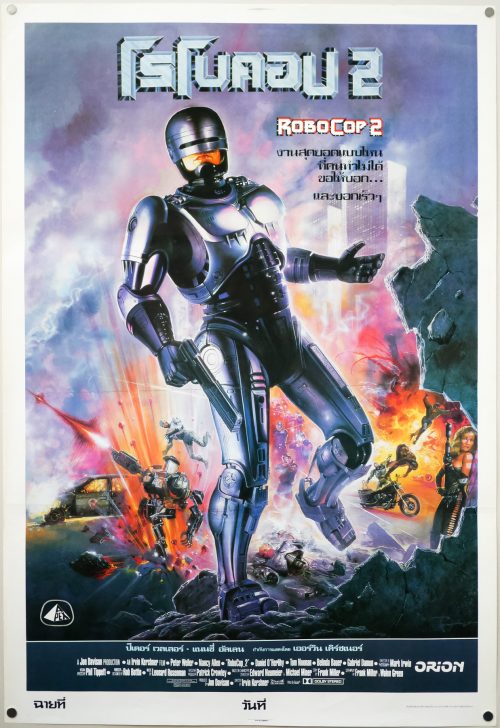
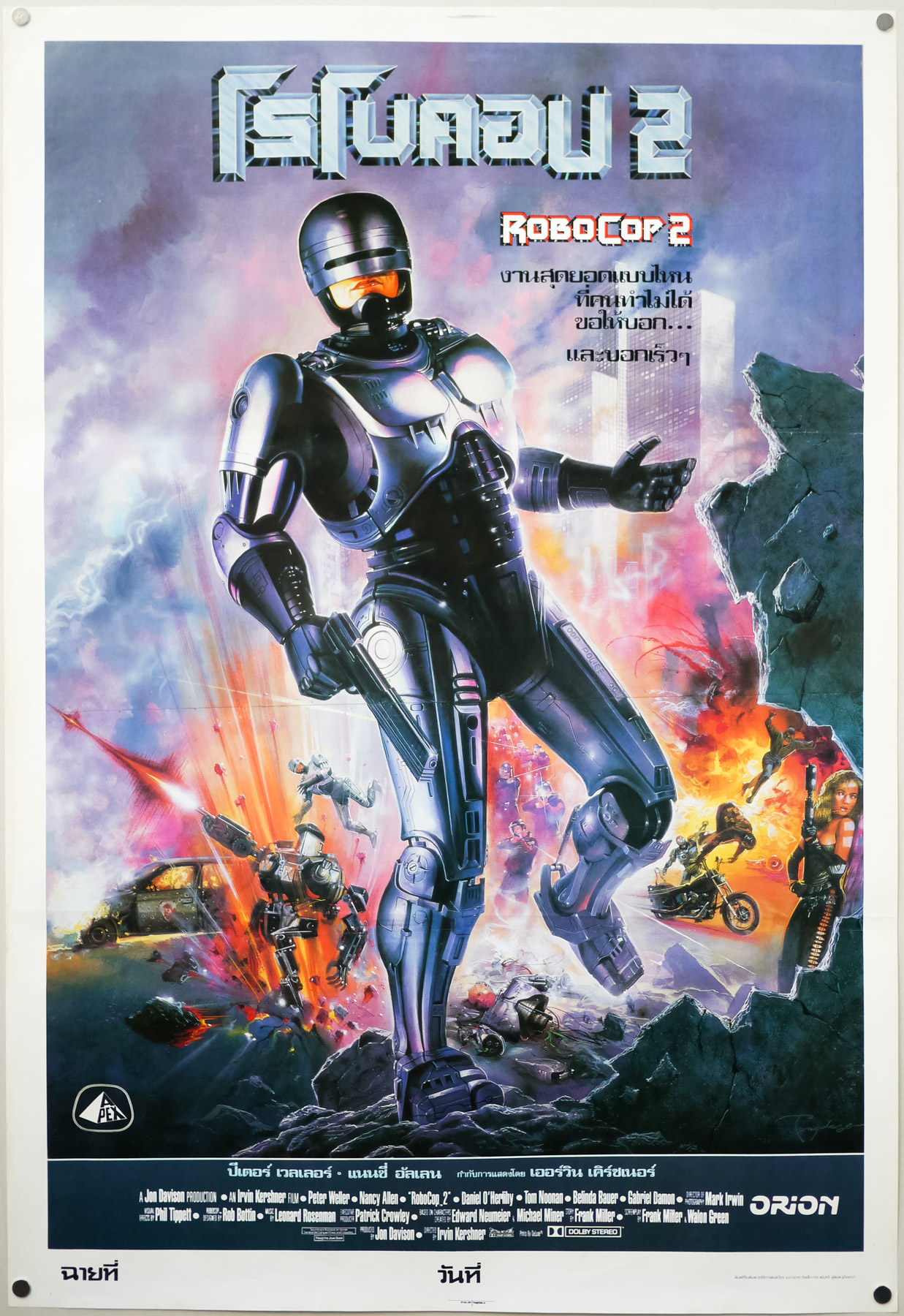
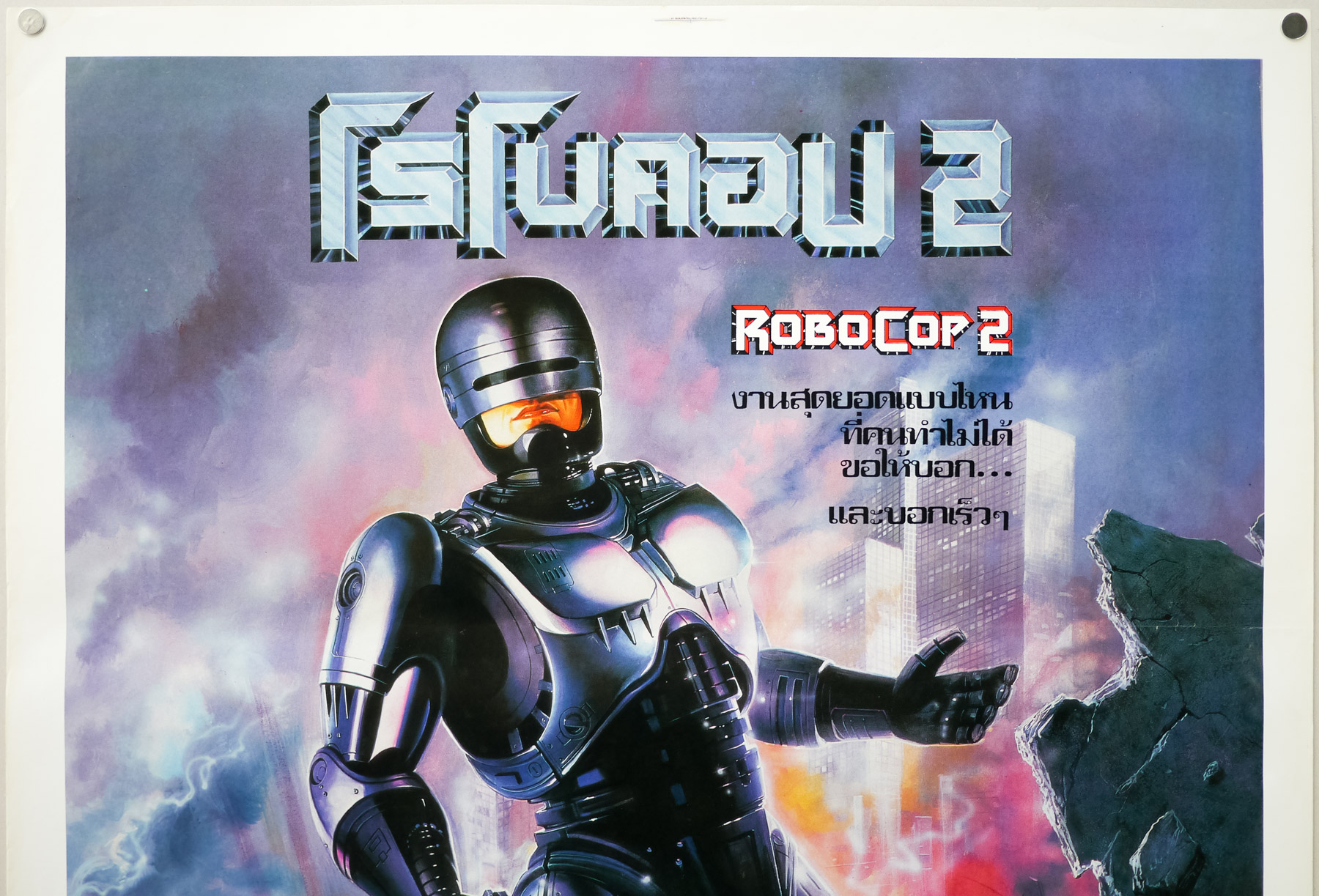
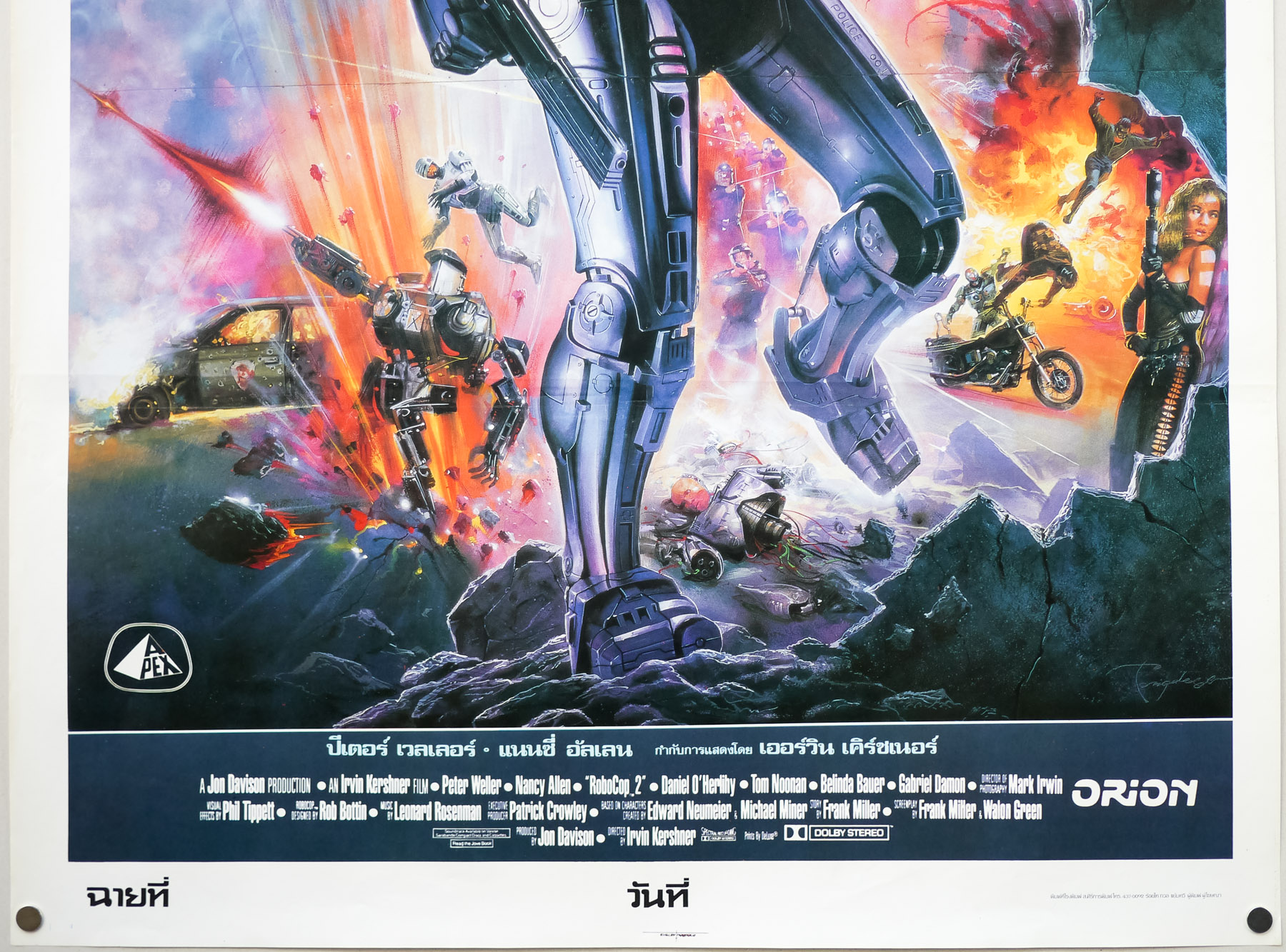
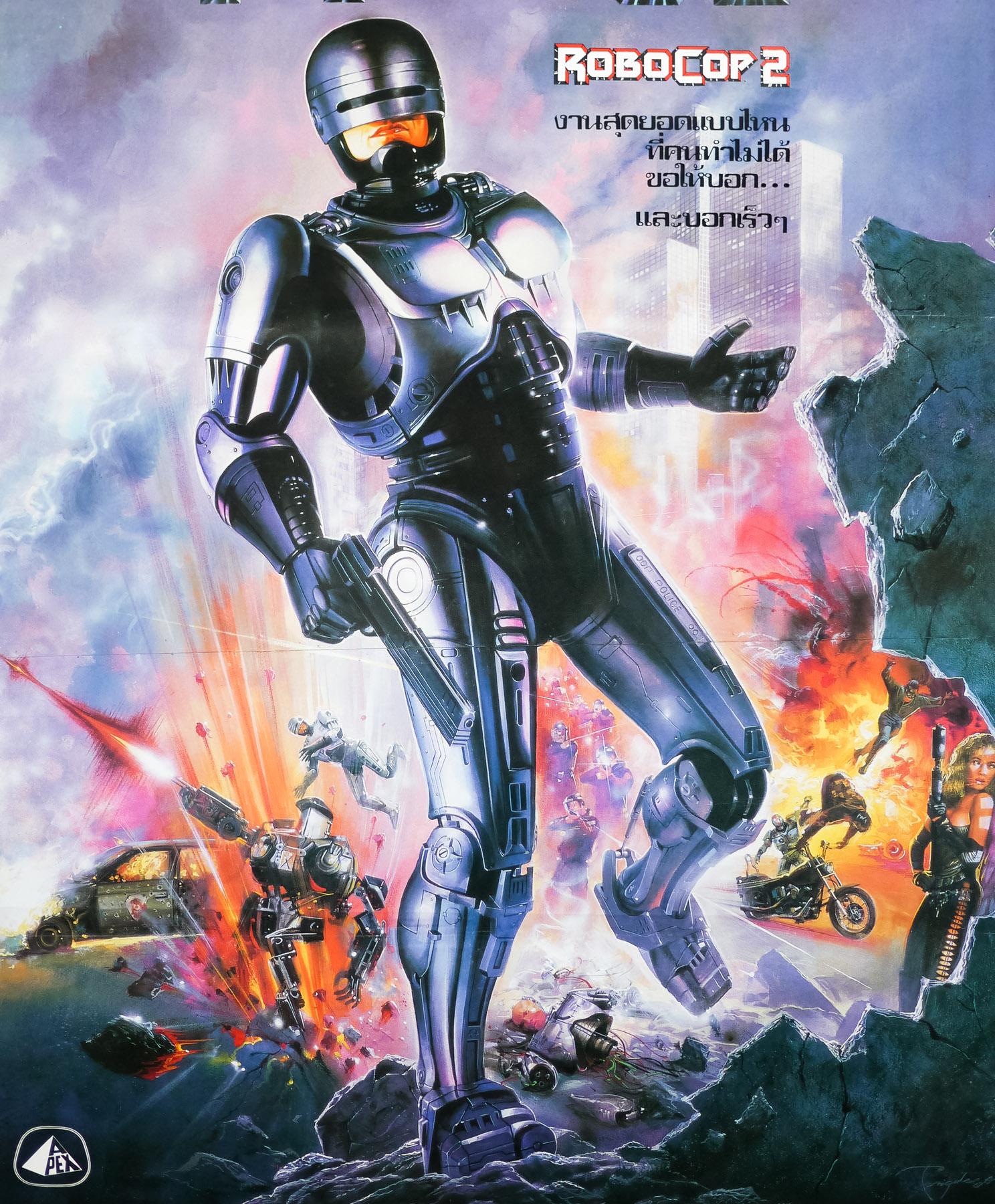
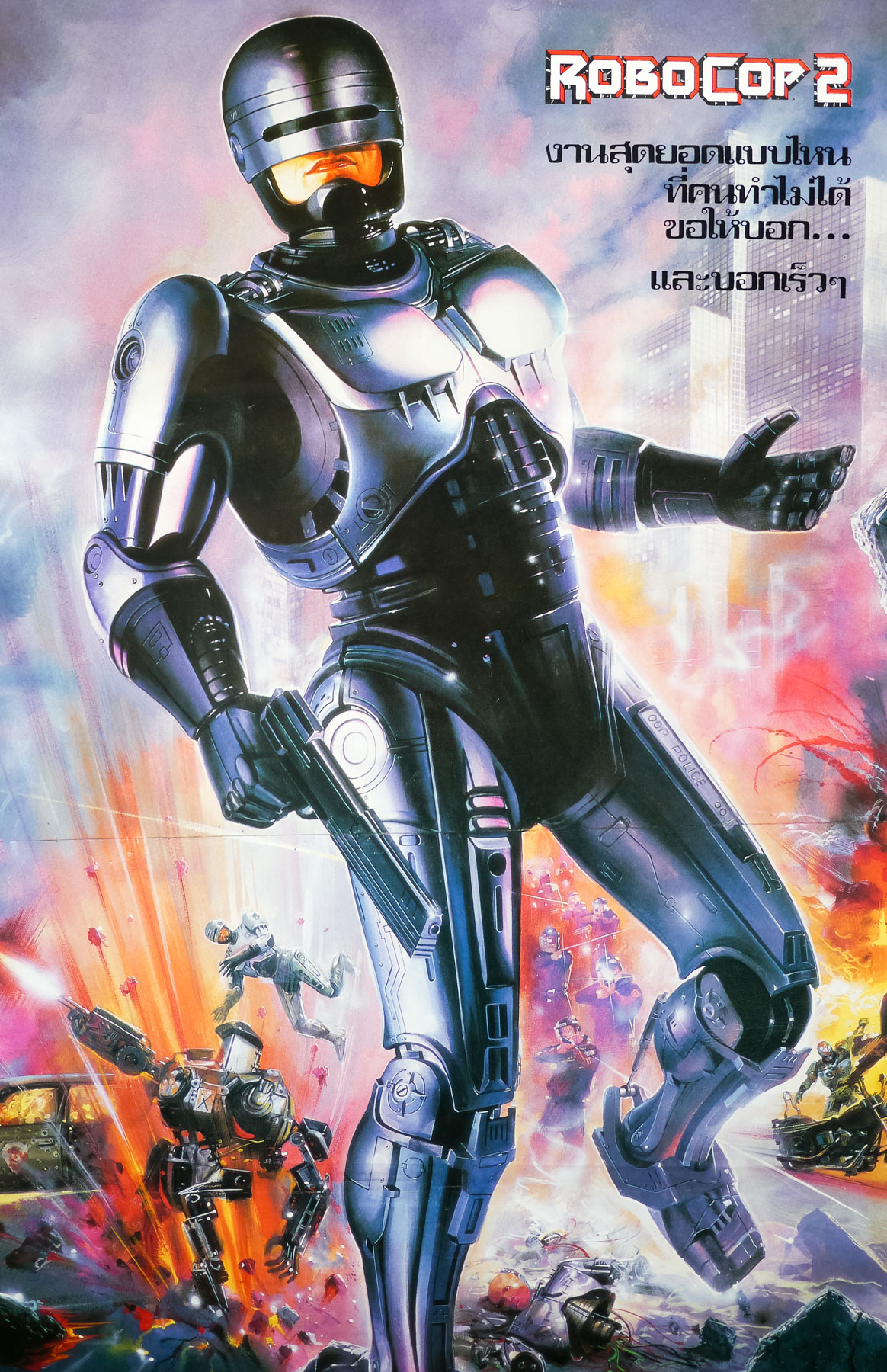
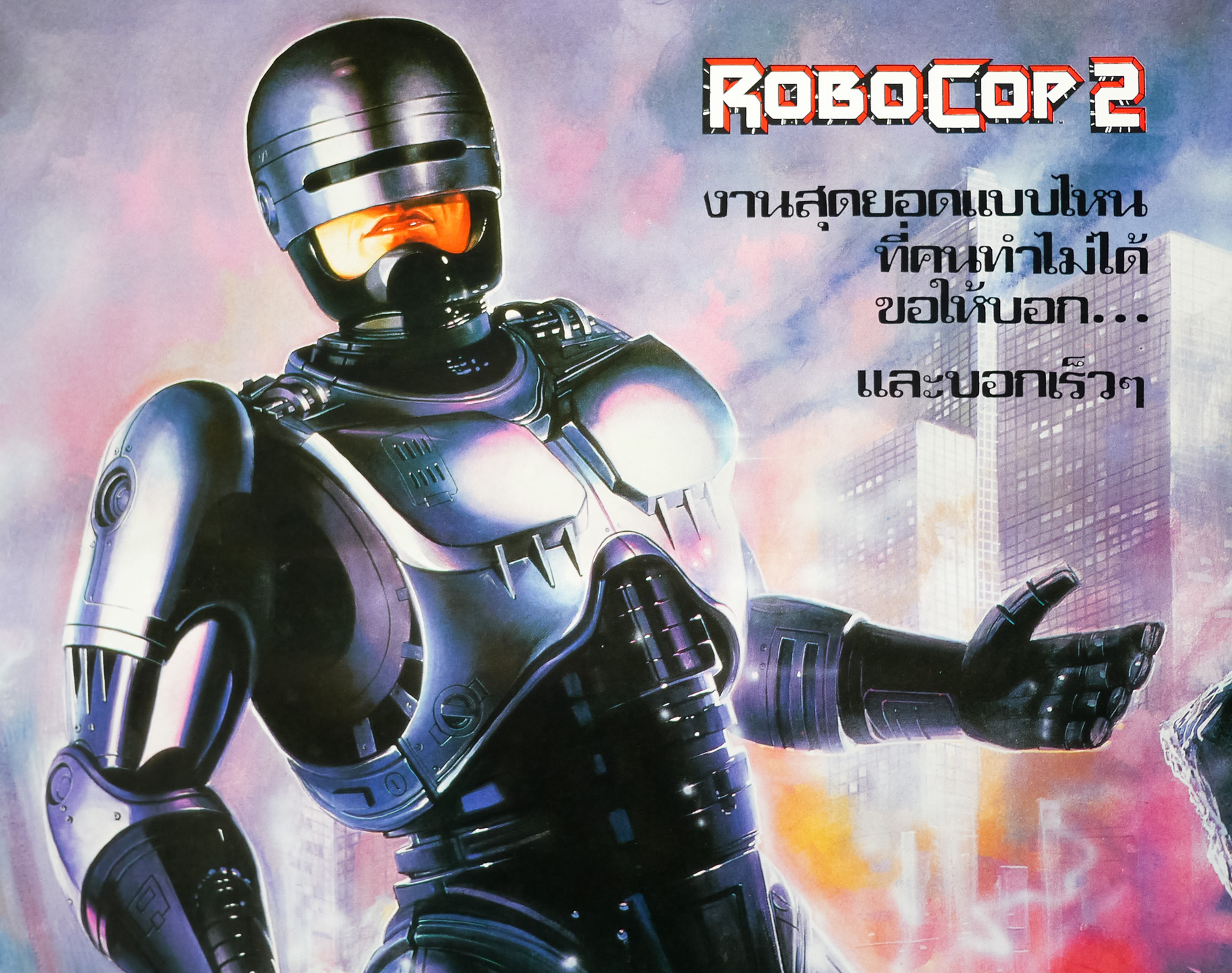
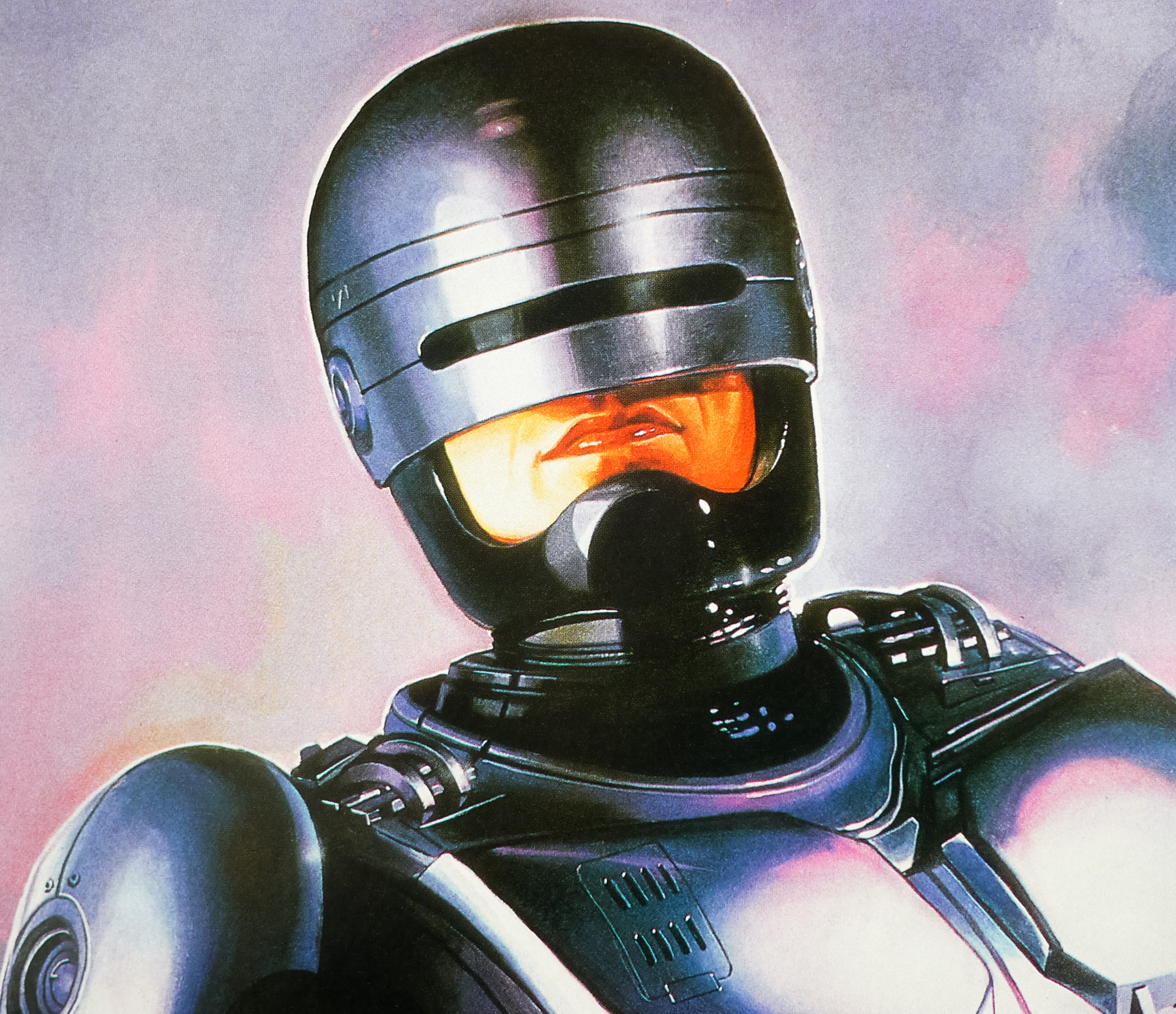
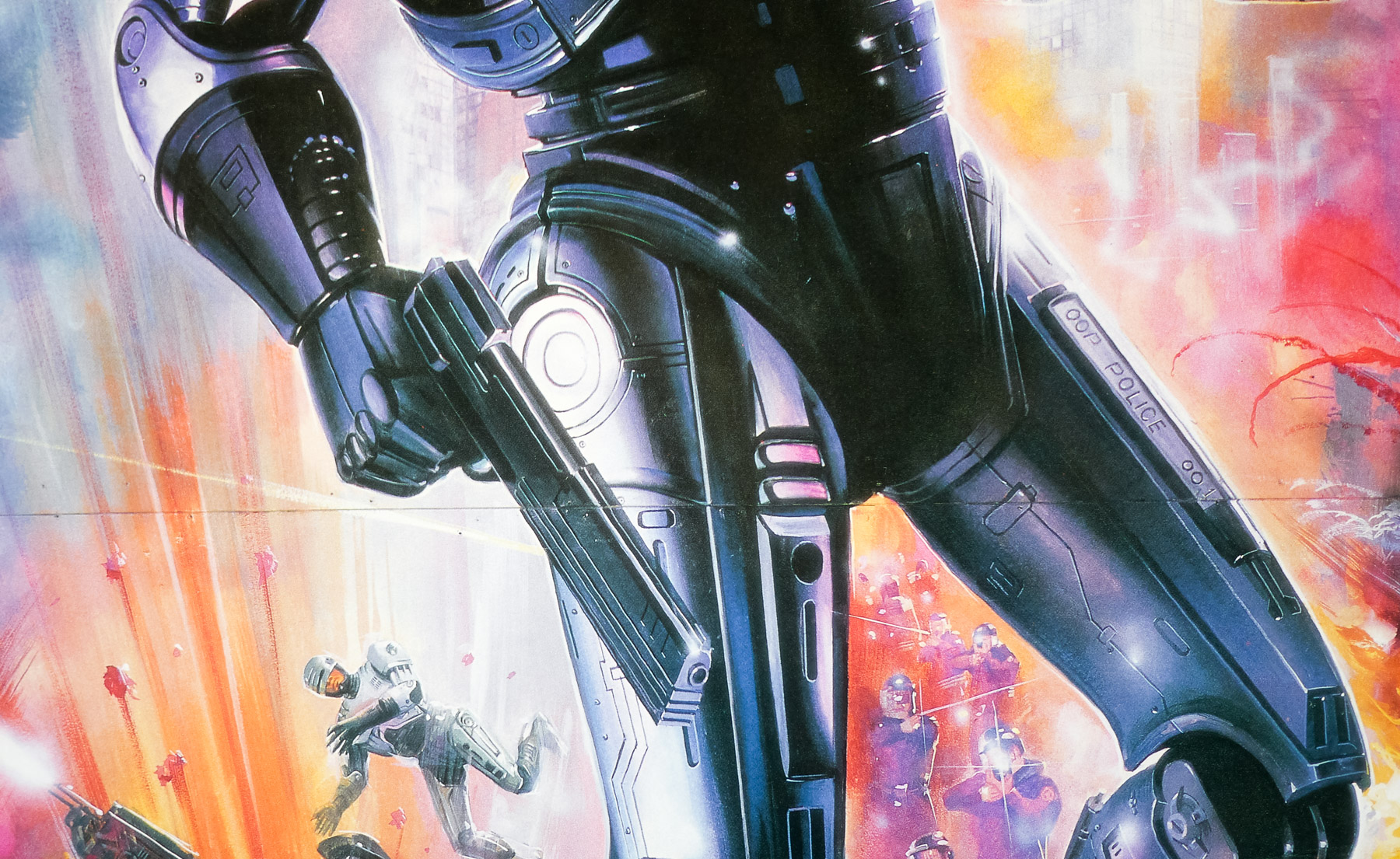
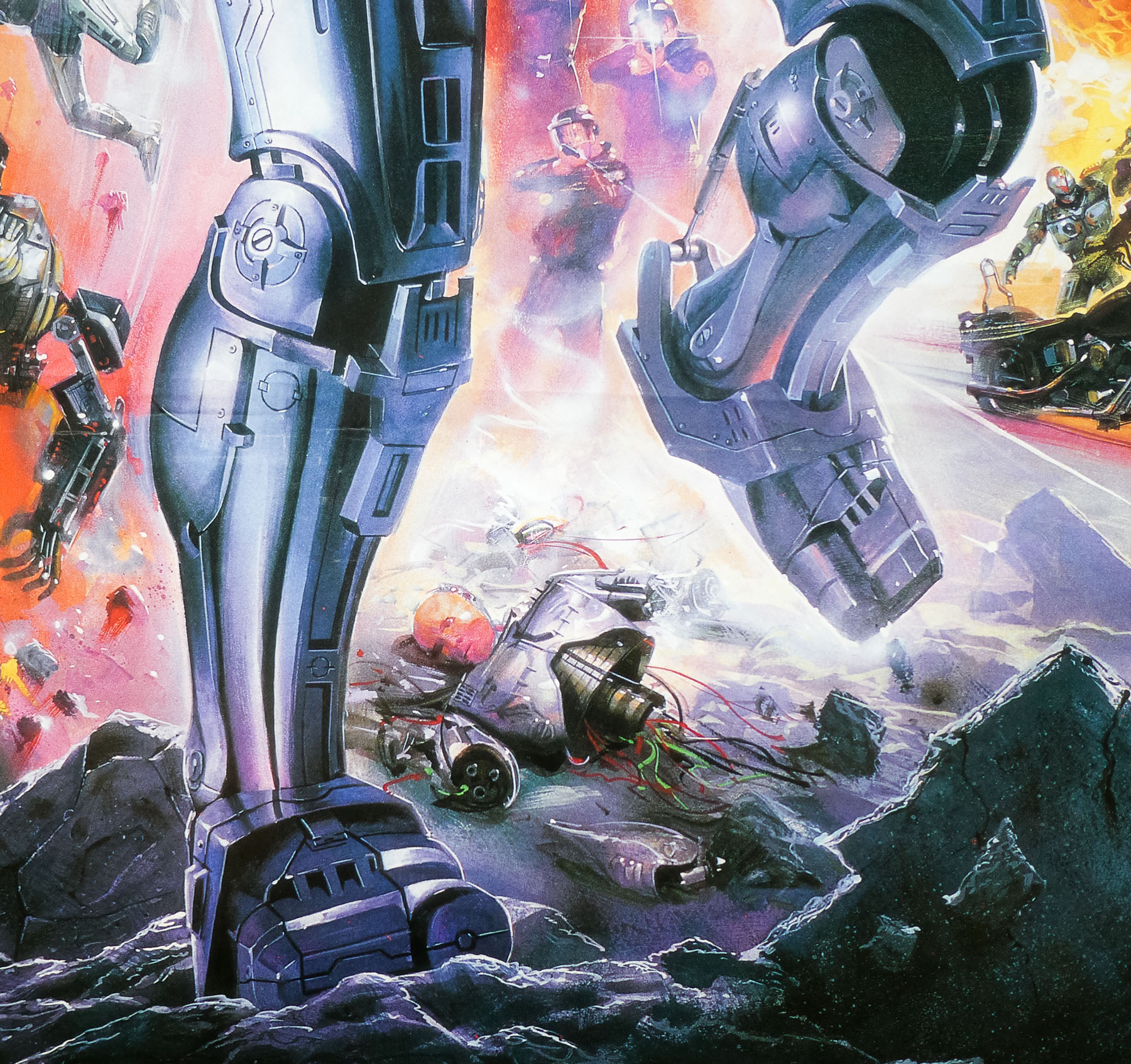
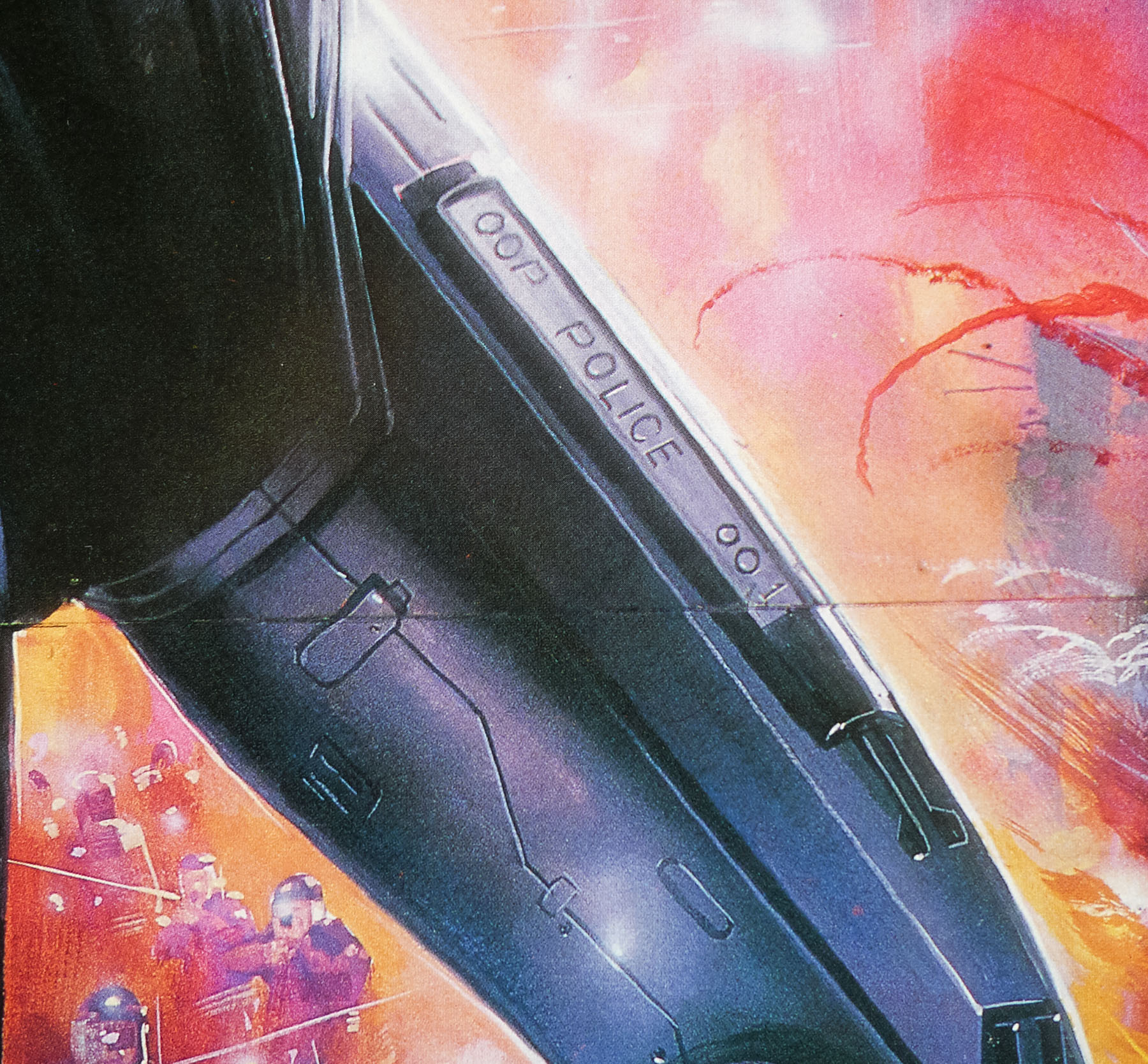
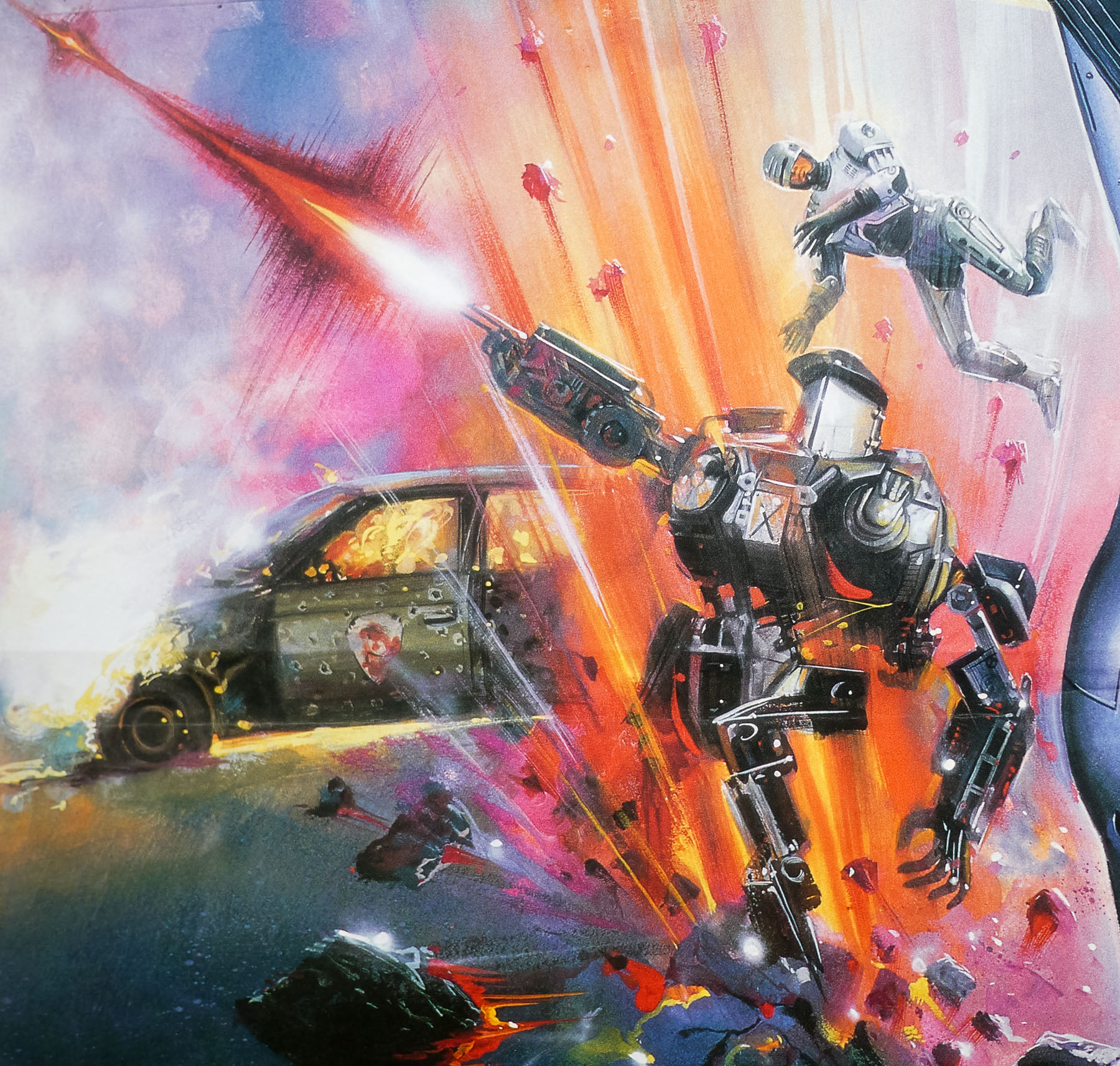
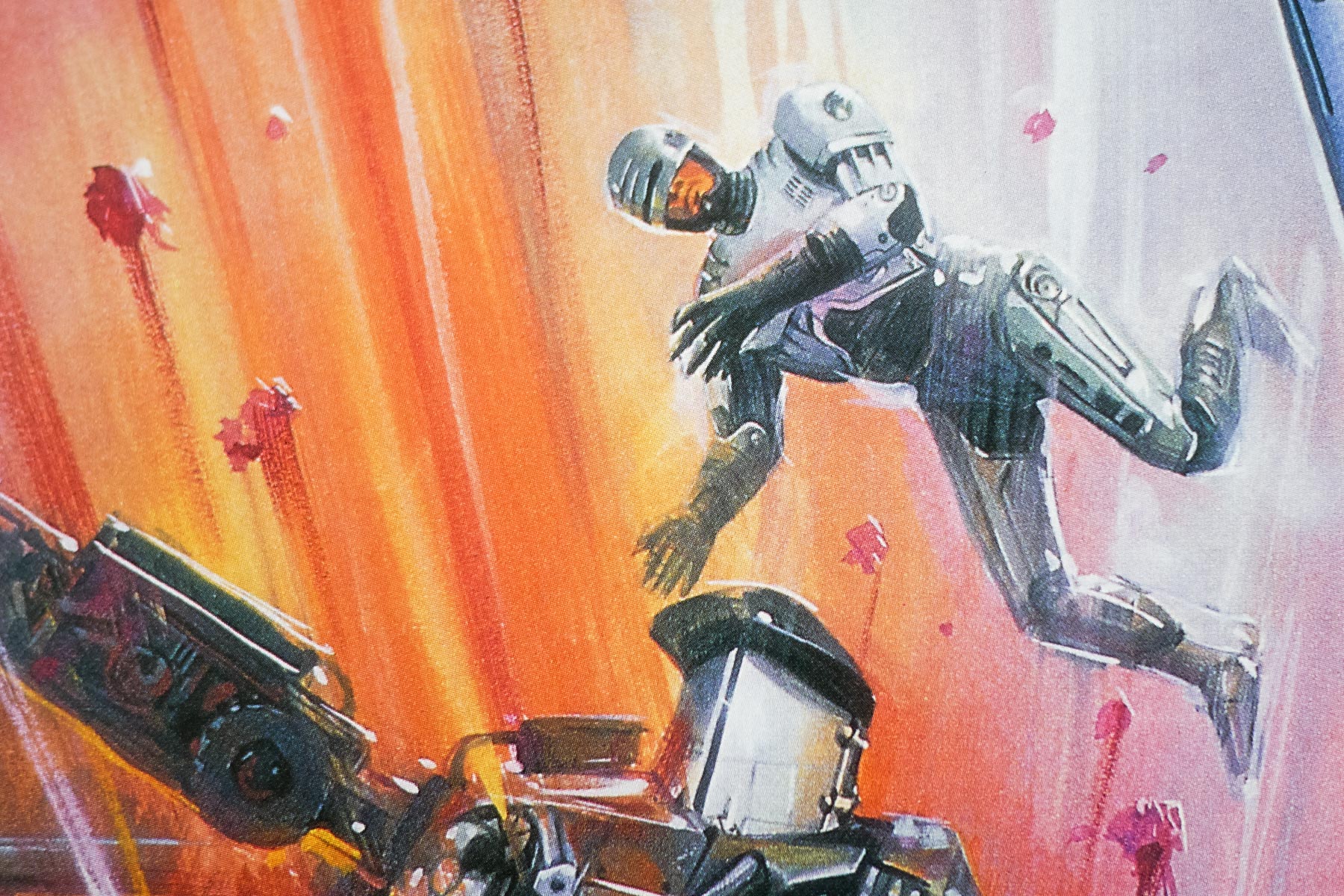
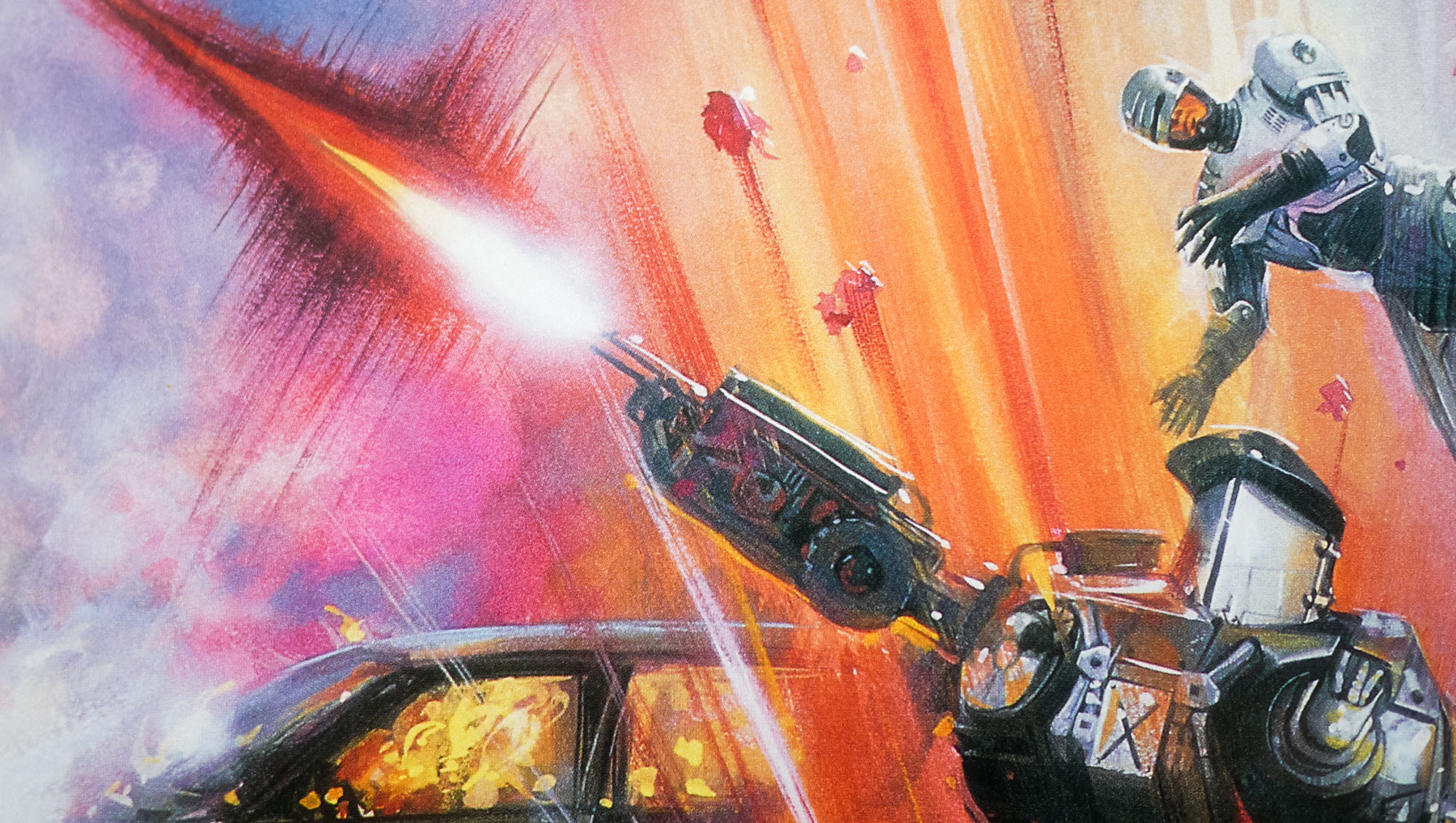
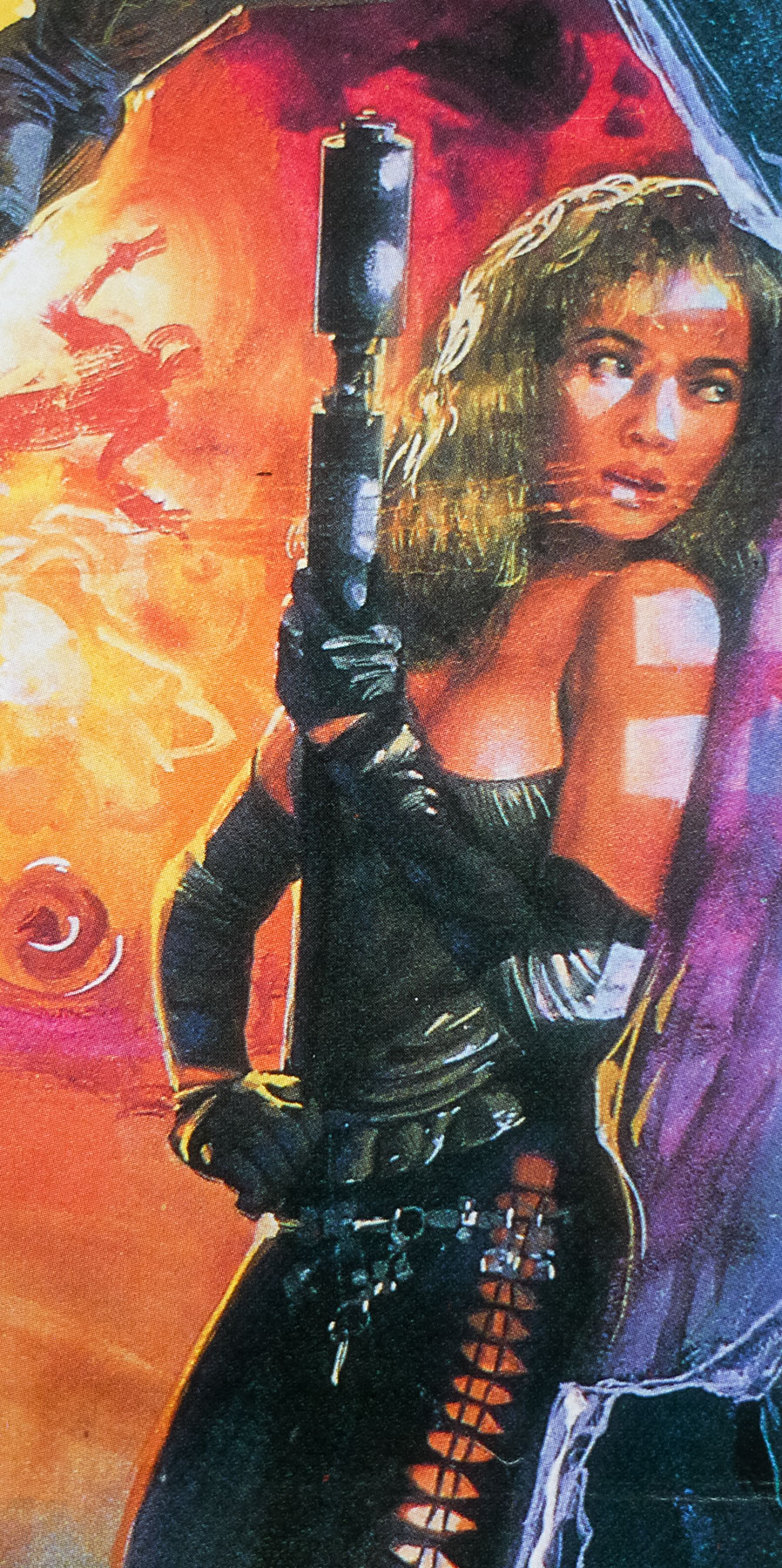
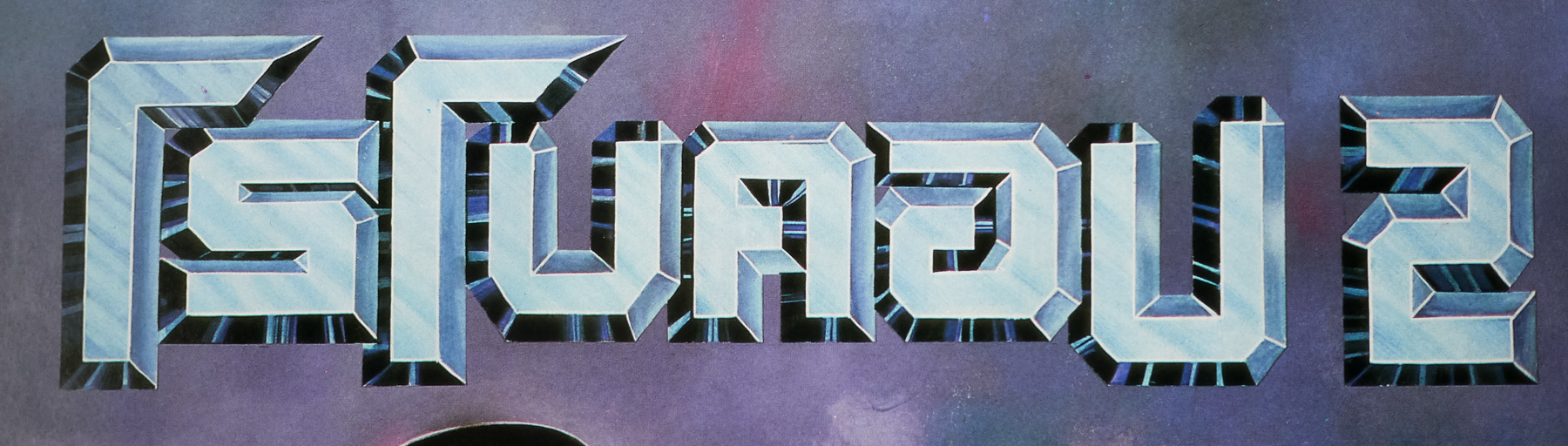
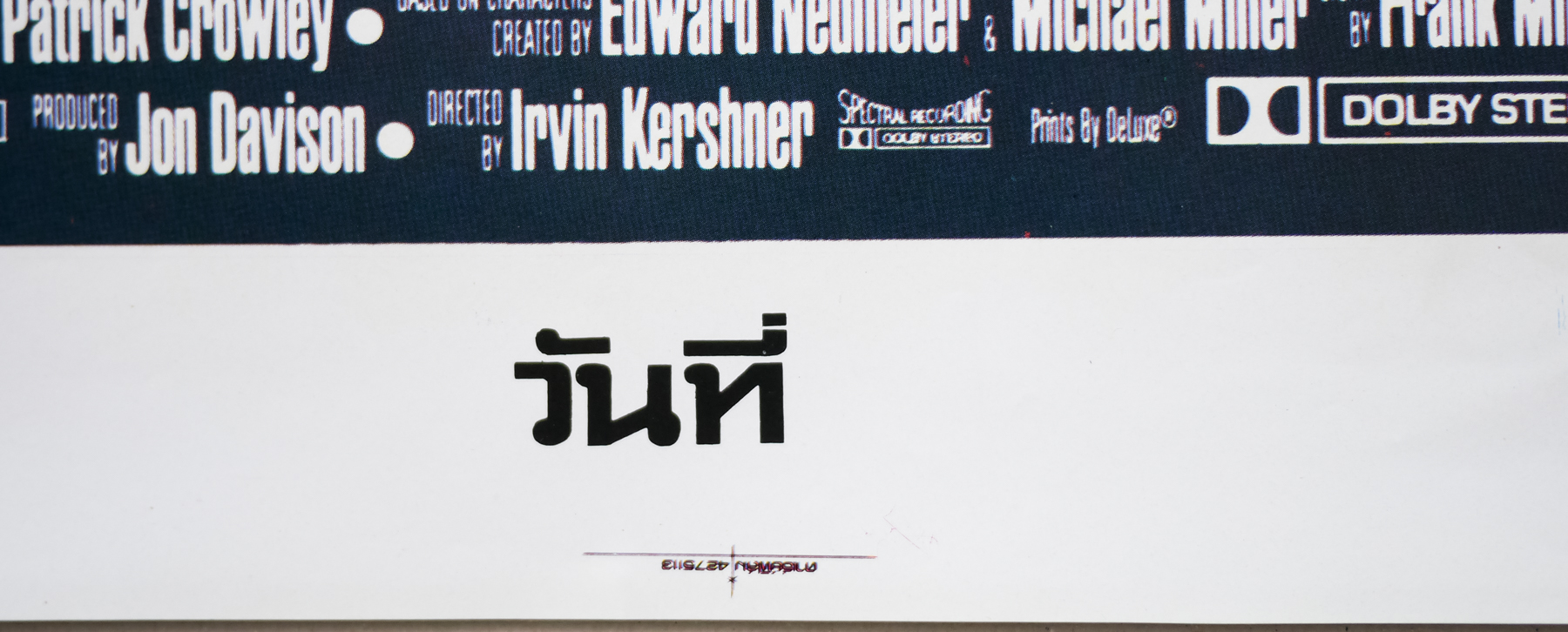
Excellent artwork by Tongdee Panumas features on this Thai poster for the release of the 1990 sequel, Robocop 2. The film is definitely not a patch on the classic original, although it does have a few redeeming qualities. Paul Verhoeven decided to pass on directing the sequel as he wasn’t happy with the direction the studio wanted to take the story. He was then offered the job on Total Recall which ended up being released the same year as Robocop 2. The original screenwriters also failed to return and the script was penned by Frank Miller (best known for Sin City and his work as a comic book writer) and Walon Green (The Wild Bunch). Irvin Kershner (The Empire Strikes Back) signed on as director and it would turn out to be the final film he would helm.

The film is notably dark and possibly even more violent than the original. Peter Weller returns as the eponymous cyborg who continues to police the streets of an increasingly out of control Detroit. The city is dealing with an epidemic surrounding a new drug called Nuke, pushed by the psychotic Cain (Tom Noonan) and his gang of miscreants. The nefarious corporation OCP is also moving ahead with secret plans to bankrupt the city and turn it into their own Delta City, independent of the US government.

As part of the plan they have been increasing the amount of crime in the city by causing police strikes. They also intend to expand the Robocop program by using dead criminals, and not police officers, as the basis for their next cyborgs. When Cain is mortally wounded during a confrontation with Robocop, the unscrupulous scientist Faxx (Belinda Bauer) seizes the opportunity to implant his brain in her new robotic creation. Unfortunately for her and OCP Cain’s addiction to Nuke, which they initially think they can use to control him, turns out to be their undoing. Only Robocop can stop the new cyborg’s rampage and end the Delta City dream once and for all.

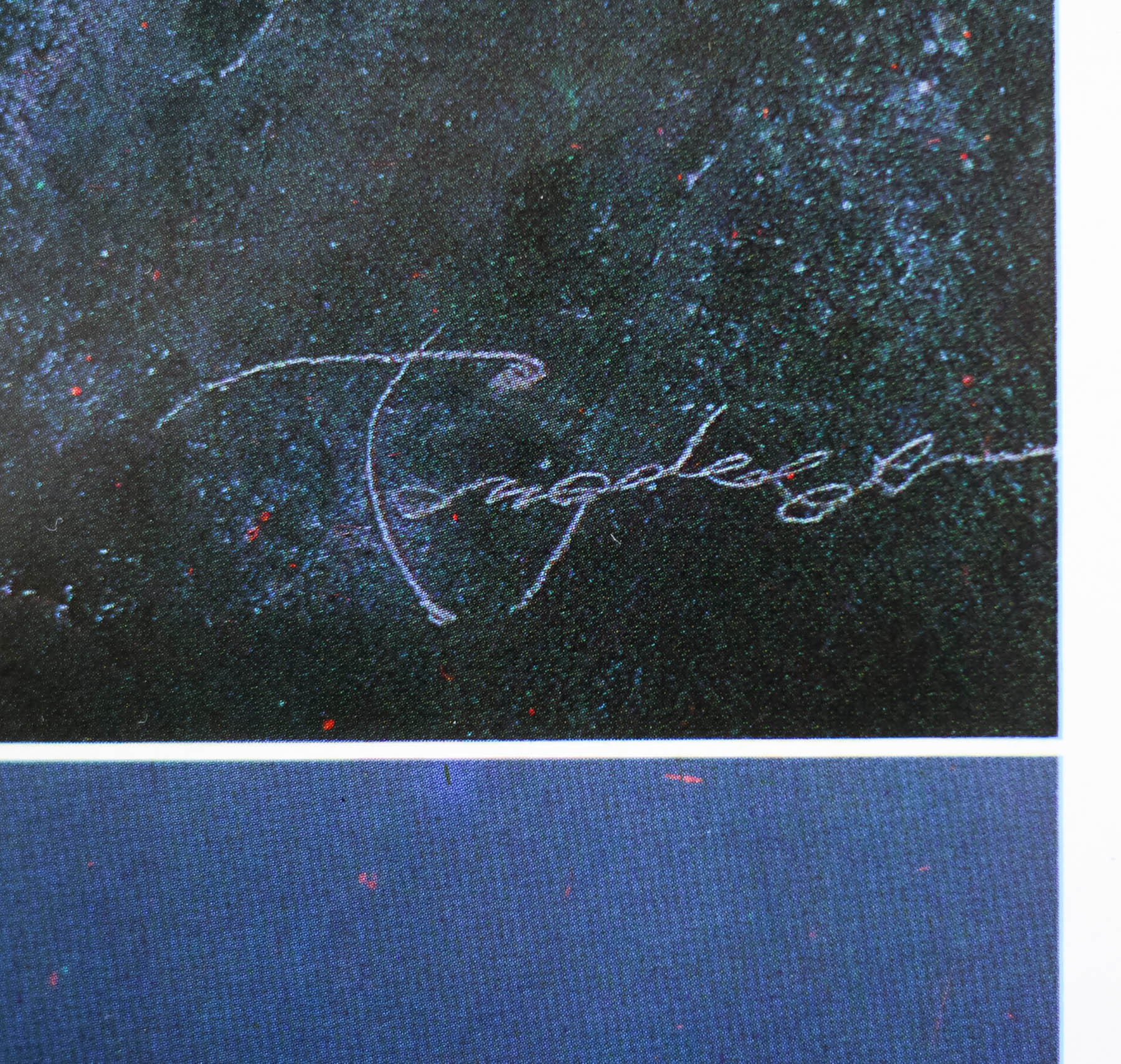
Tongdee Panumas (he signs his posters with just his first name) was an incredibly prolific Thai film poster artist during the 70s, 80s and 90s. I’ve been unable to find out much about him, other than that he was born in 1947, so if anyone has any more details please get in touch.

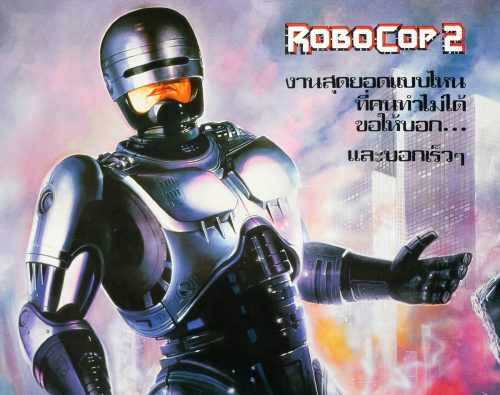
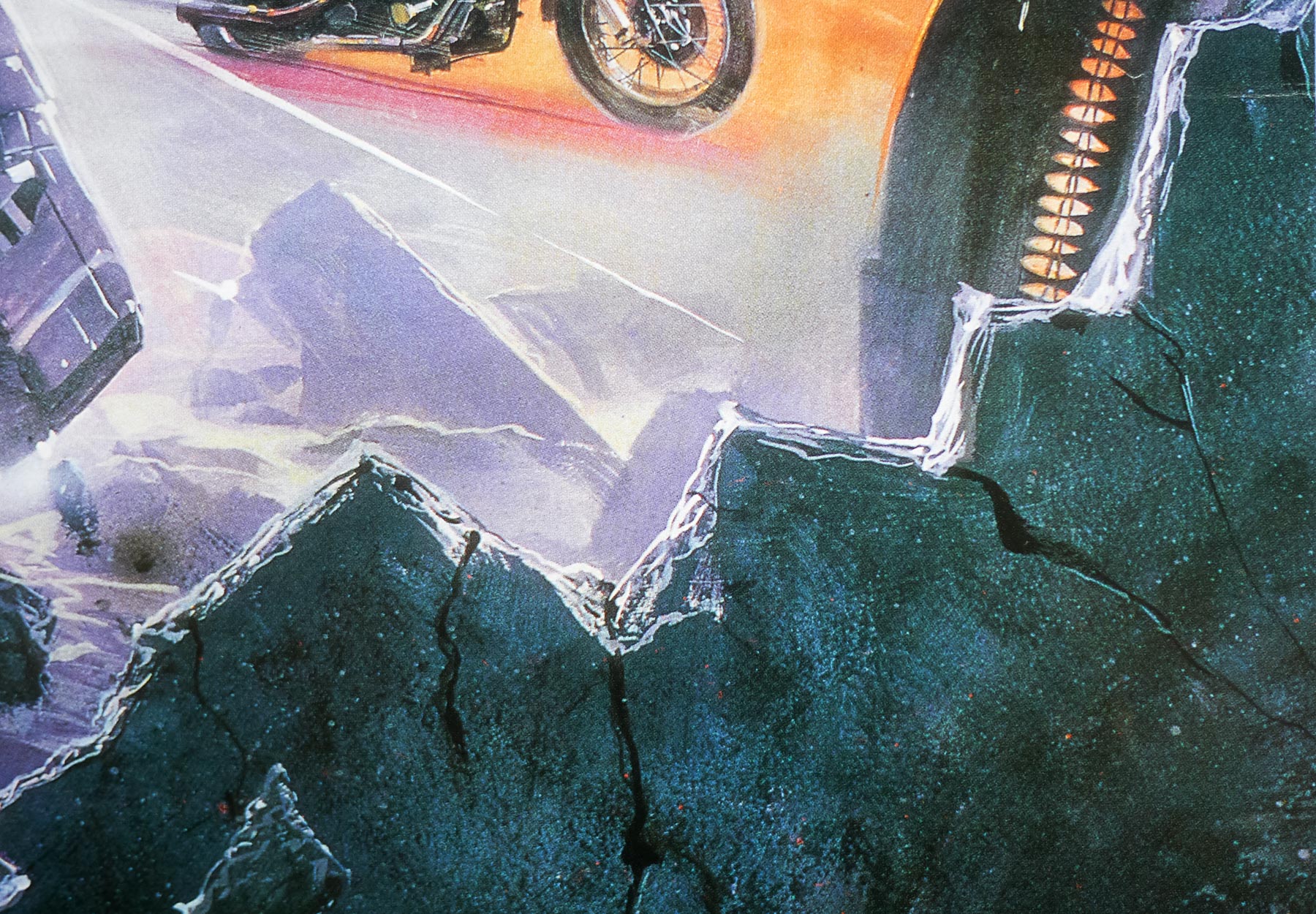
Note that the line across the centre of the poster is where the original artboards onto which Tongdee paints were joined. Thai artists apparently often struggled to find large enough canvases to paint on. There are also some other marks where the original canvases were damaged before printing – see the close up of the female figure on the right as an example. The main figure on this poster is repainted from the photographic international one sheet which can be seen here.

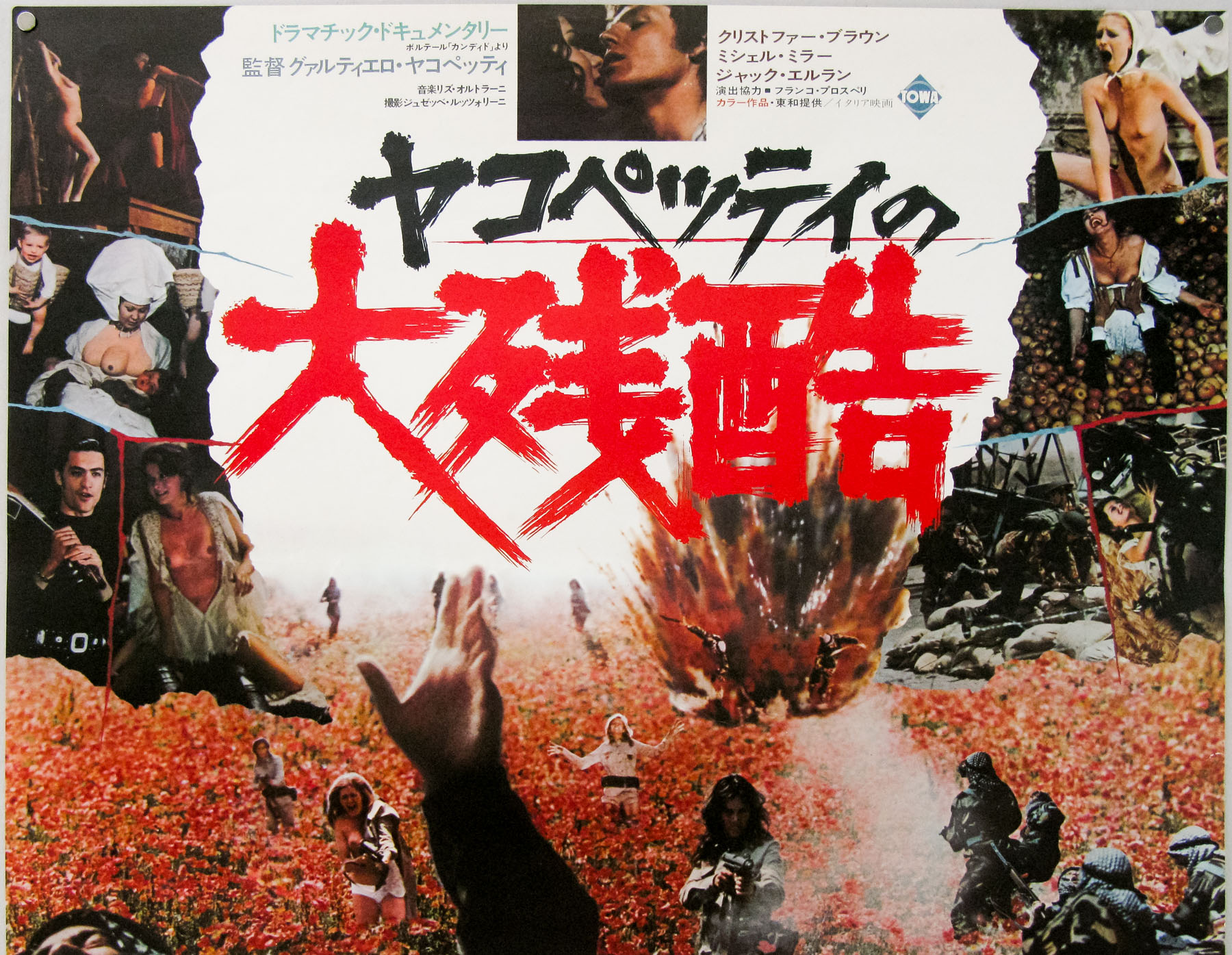
Mondo Candido / B2 / Japan

11.12.13

Poster Poster

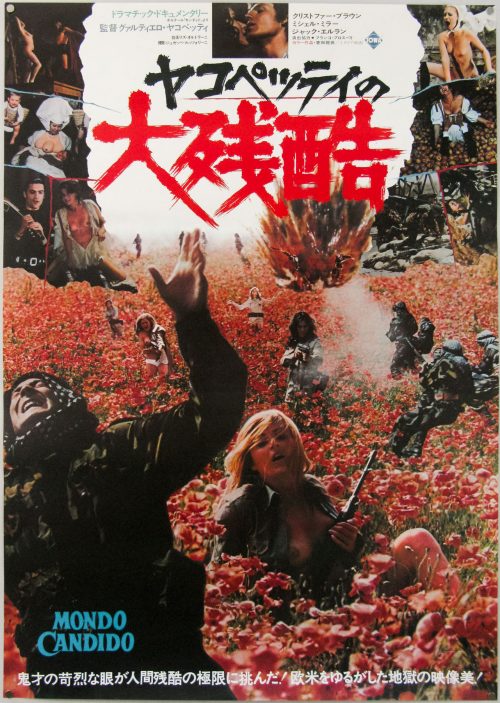
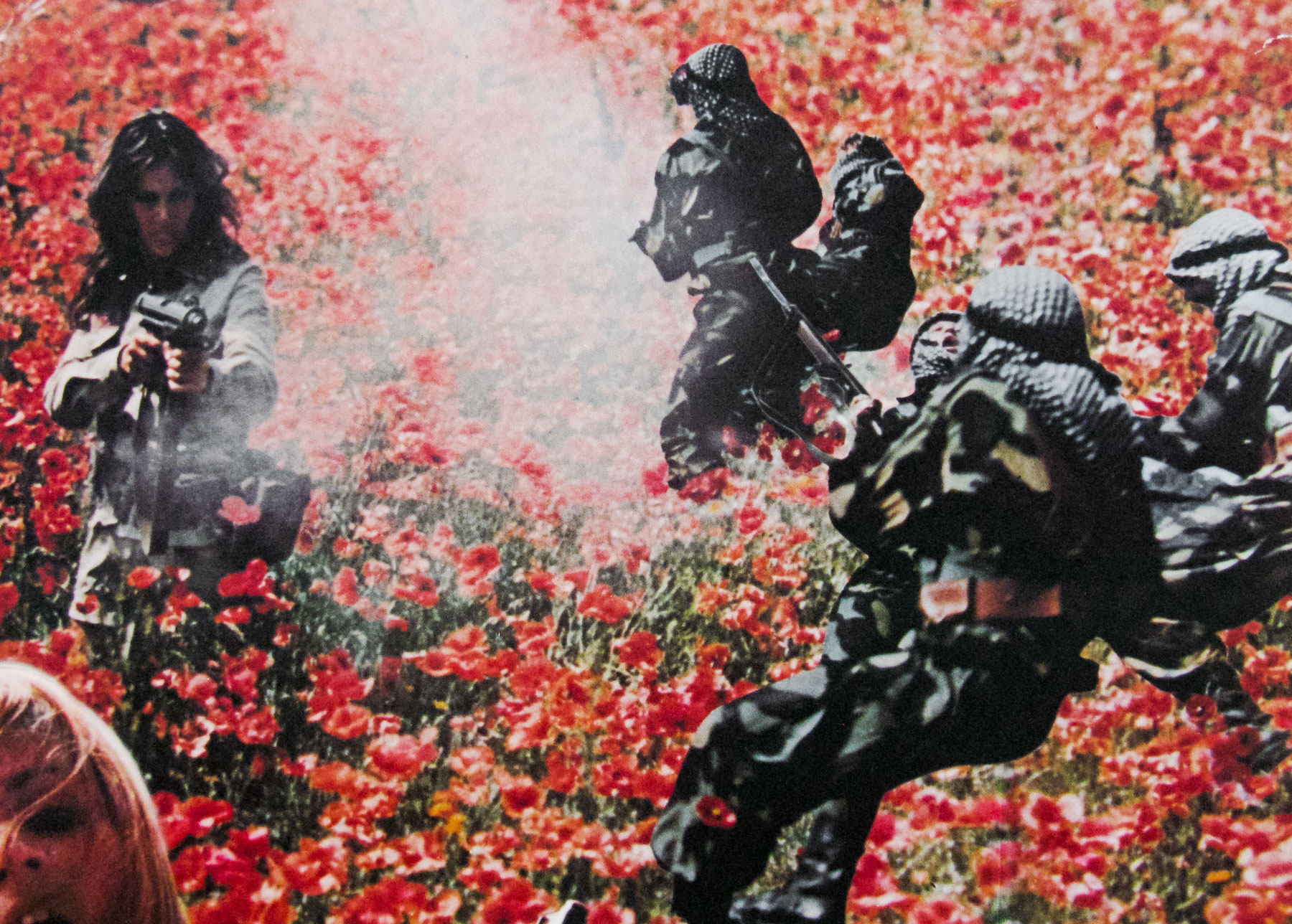
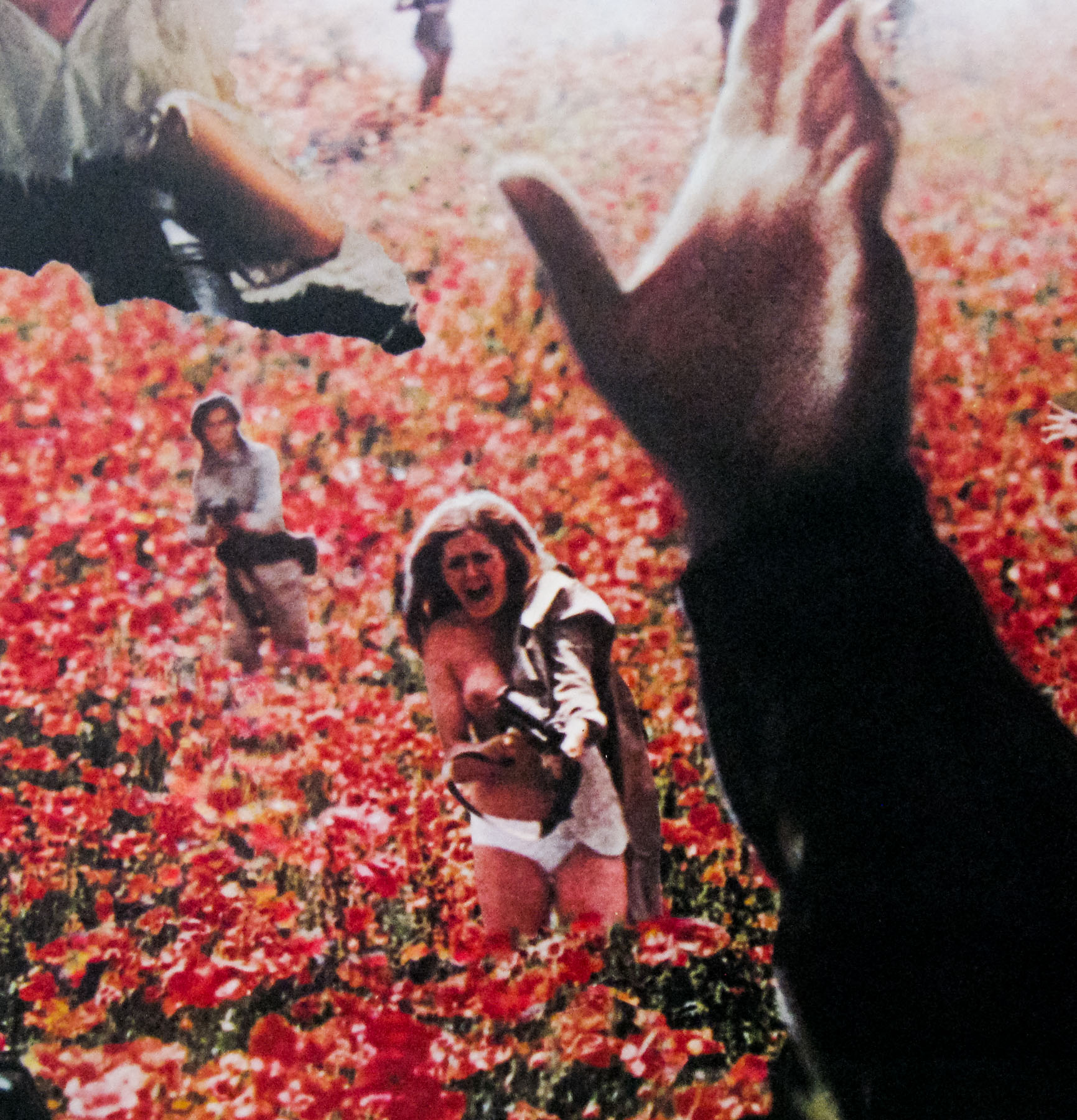
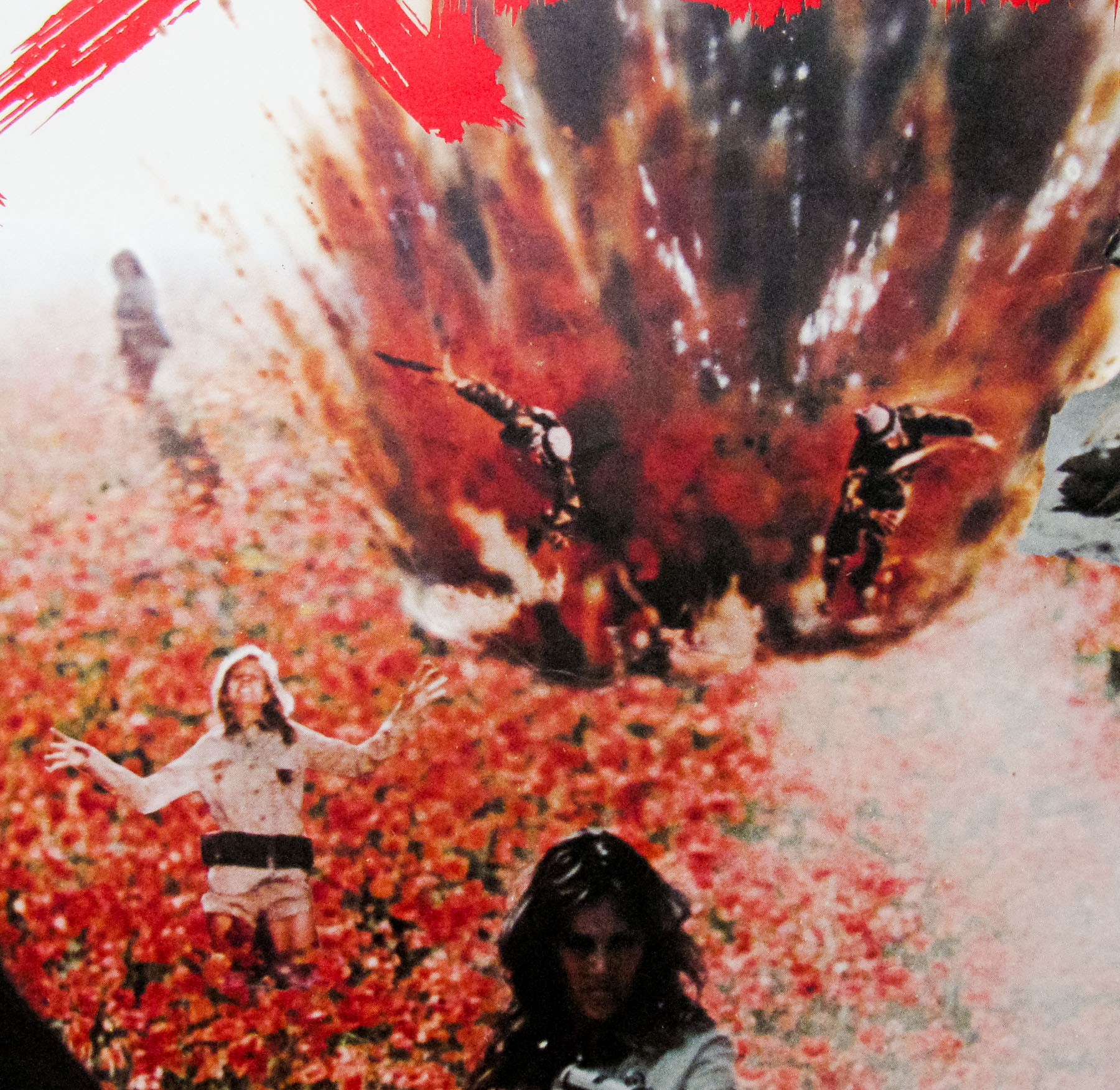
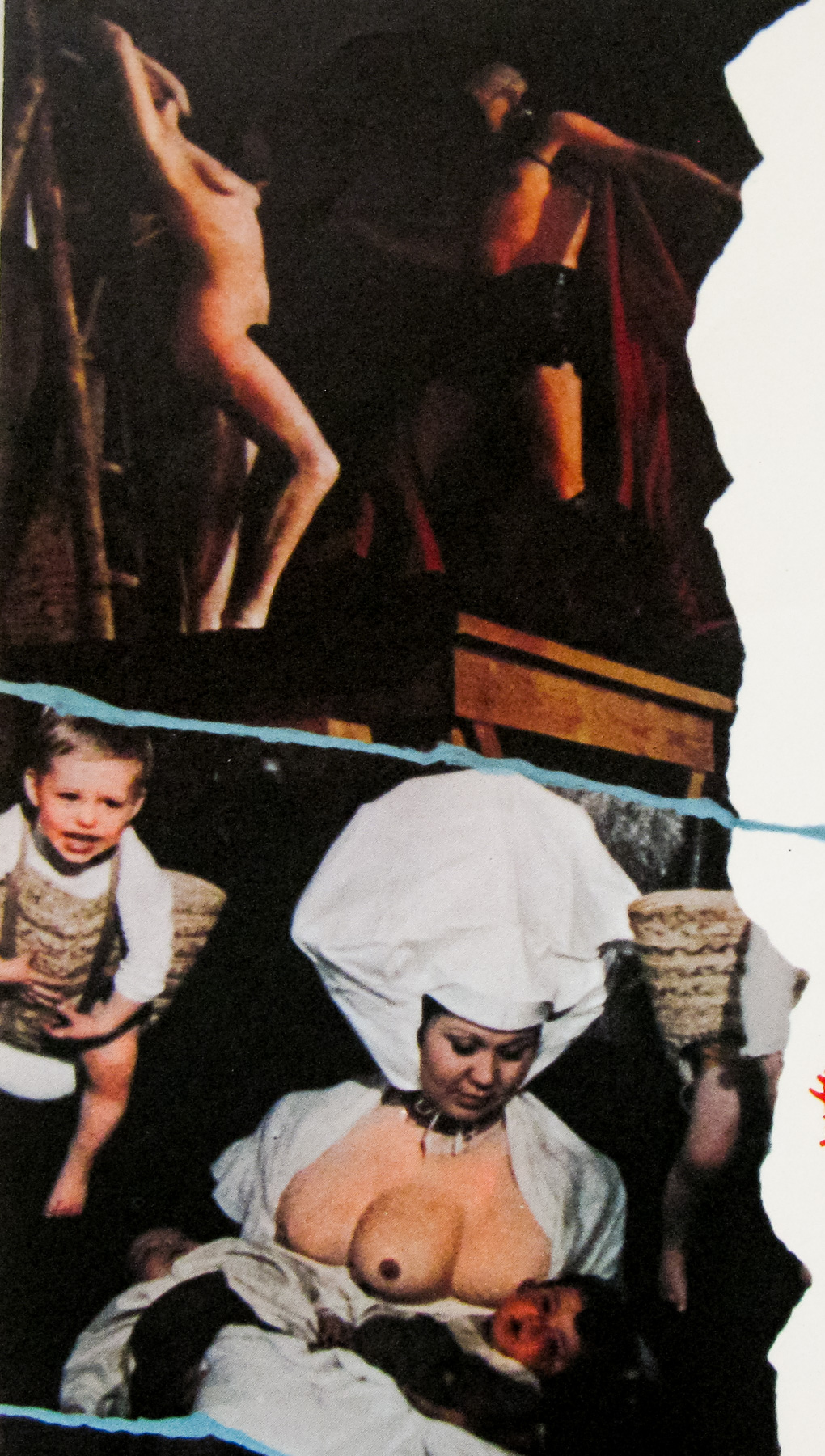
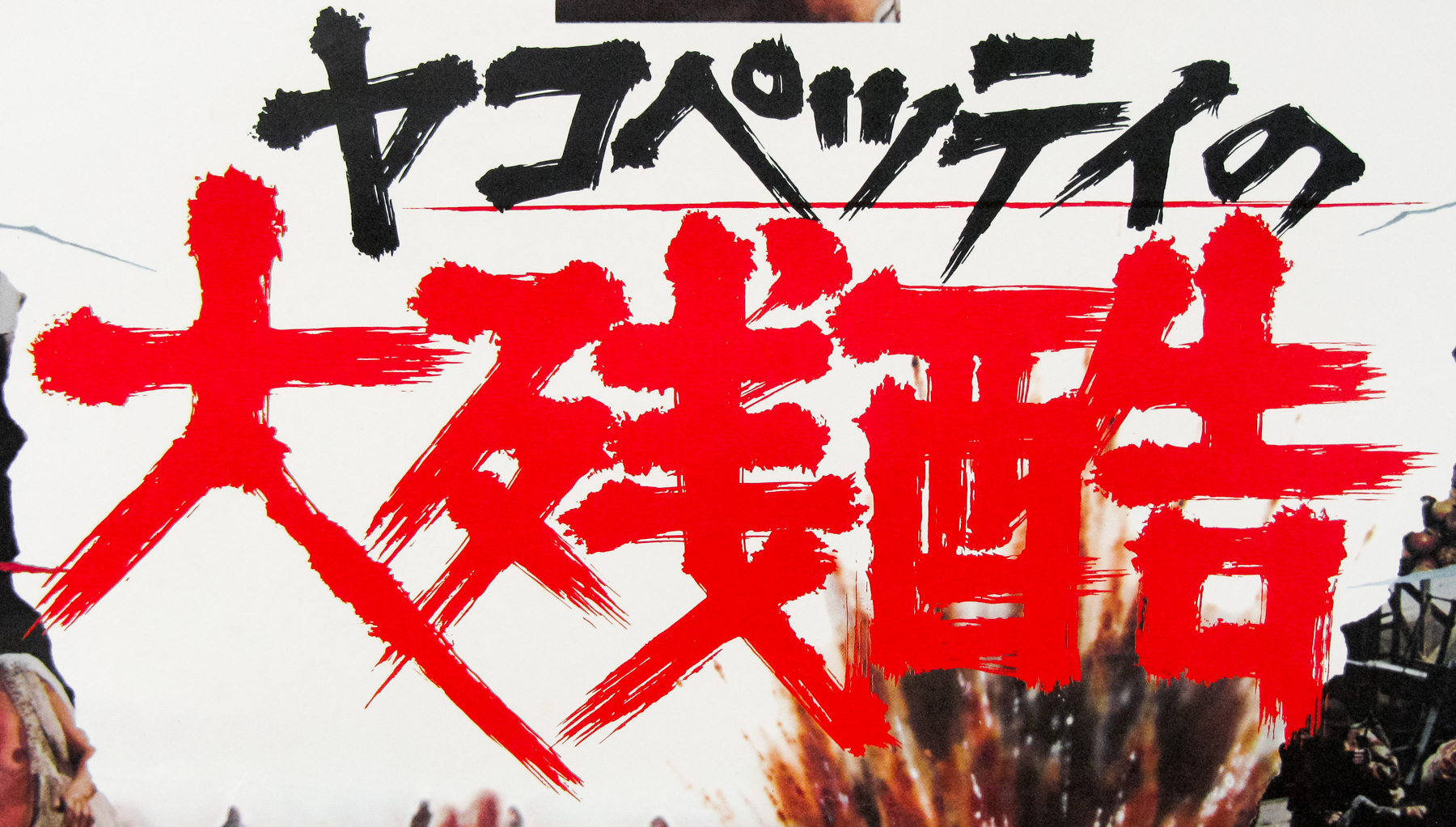
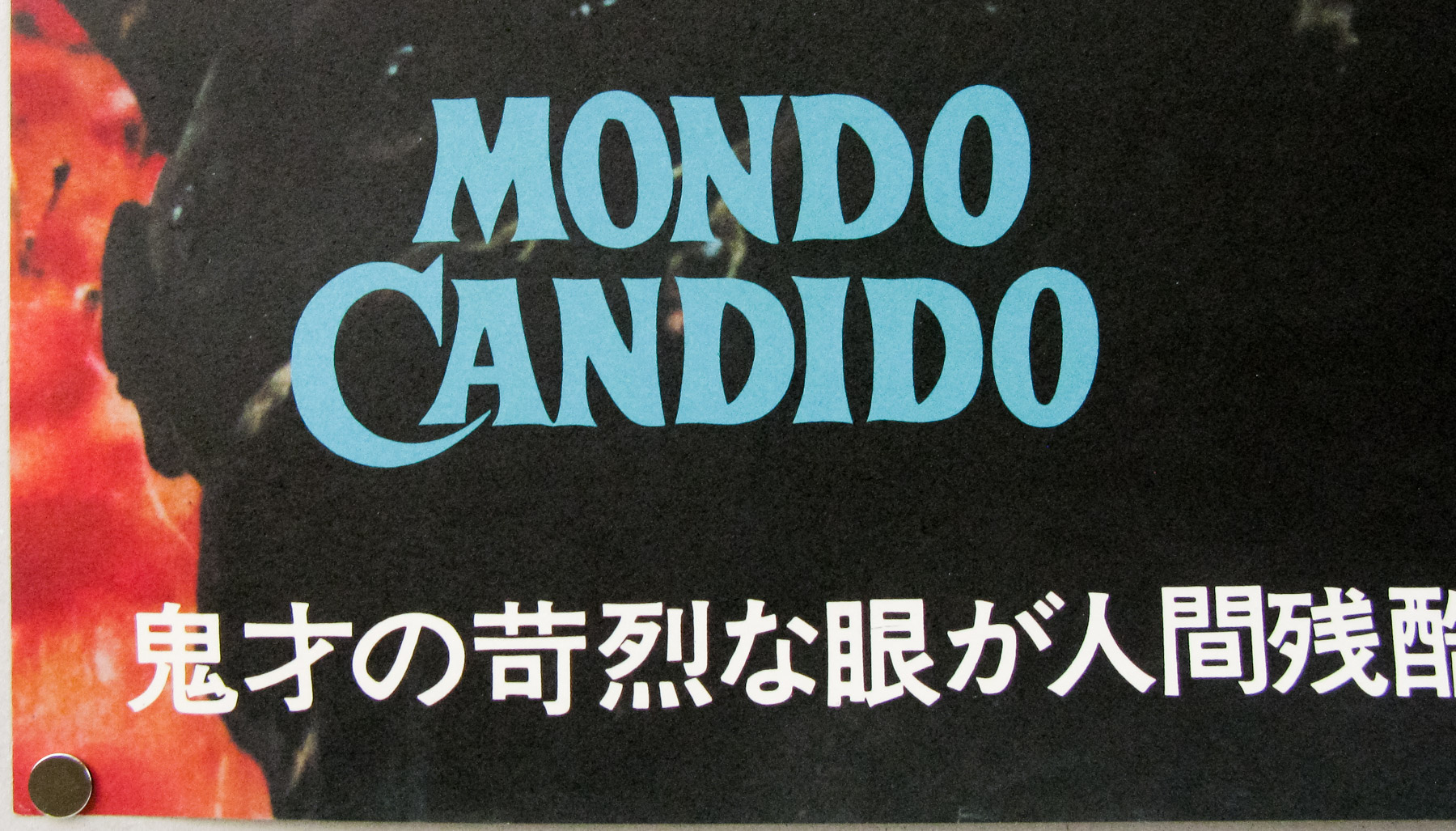
Italian directors Franco Prosperi and Gualtiero Jacopetti are best known as the co-creators of the infamous Mondo Cane ‘shockumentary’, which consisted of a series of travelogue-style vignettes looking at strange cultural practices from around the world with the intention of shocking Western audiences. Made in 1962, the film had an emphasis on taboo subjects including sex, death, ritual killings and cannibalism, and it was such a success that it spawned a slew of sequels and copycat films, and created it’s own mondo genre of exploitation films. Despite being presented as genuine documentary footage, many of the scenes in mondo movies were clearly staged by the producers.

Mondo Candido, despite its title hinting at the previous shockumentaries in the series, is actually a fictional tale adapted from the popular satire Candide by the French author Voltaire. Unavailable on DVD and likely never shown on UK TV, it’s not a film I’m familiar with and there are a paucity of reviews on IMDb and other sites. One hints at the  broad outline of the film:

‘The plot concerns a very happy go lucky “skips everywhere with wild abandon” young man who falls madly in love with a princess. When he is caught in an inappropriate situation with her, he’s banned from the castle. Thus begins a quest to find his lady love and himself as he travels across a medieval landscape that becomes modern New York, Ireland and Israel. During the course of the journey he finds that all is not as happy and joyous as he once thought.’
Things apparently frequently take a turn into the surreal:

‘It starts off in period vein but then switches to more recent times and events (presumably for a greater political immediacy) – so that we see Candide & Co. involved with IRA bombings, Jewish freedom-fighters, even hippies; that said, it maintains a curious balance throughout of old and new: for instance, at one point Cunegonde is raped by a rocker dressed in a knight’s outfit(!) – which emerges to be perhaps the film’s comic/absurd highlight.’
It certainly sounds like an interesting watch and the full film is on YouTube should you be tempted.

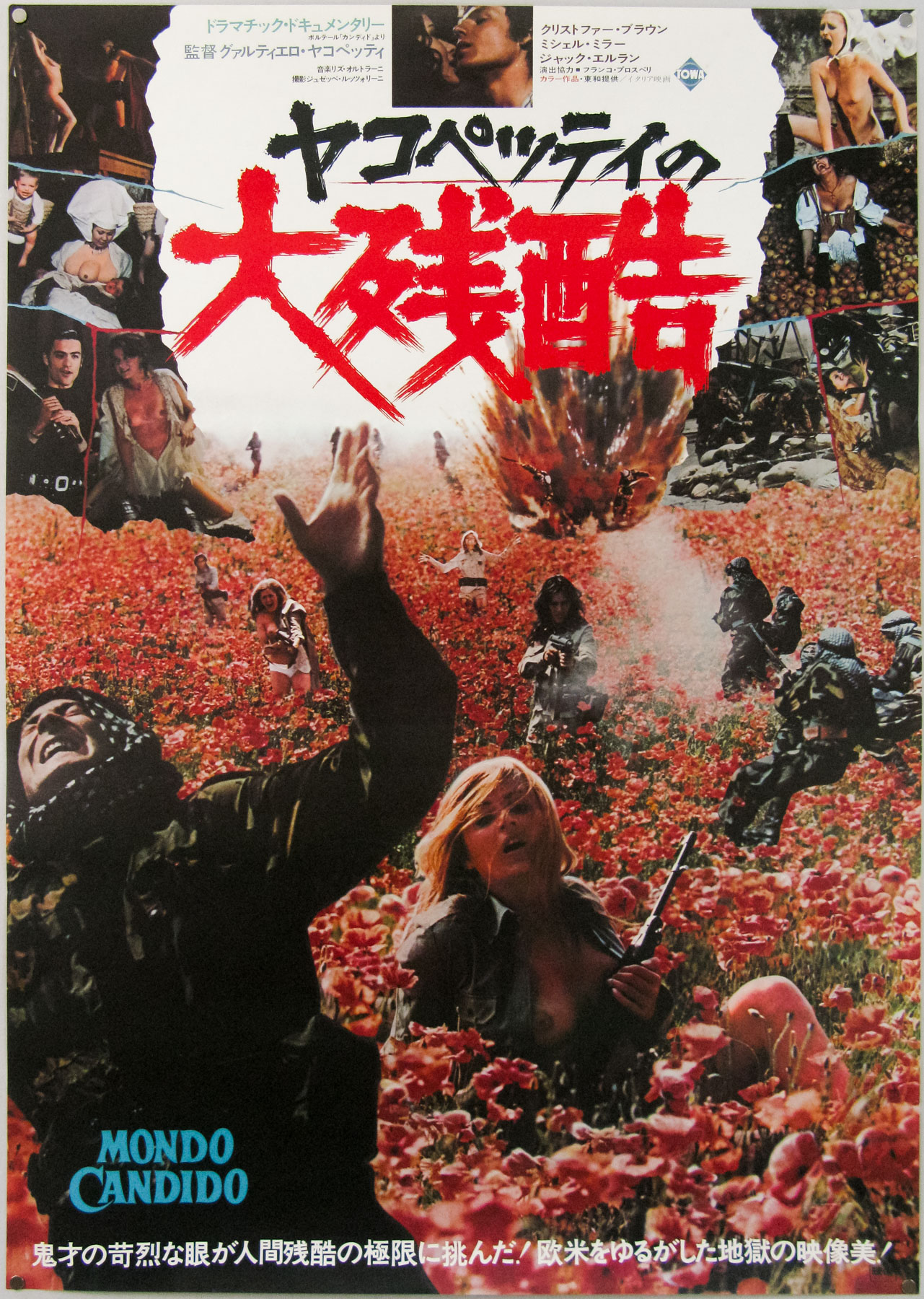
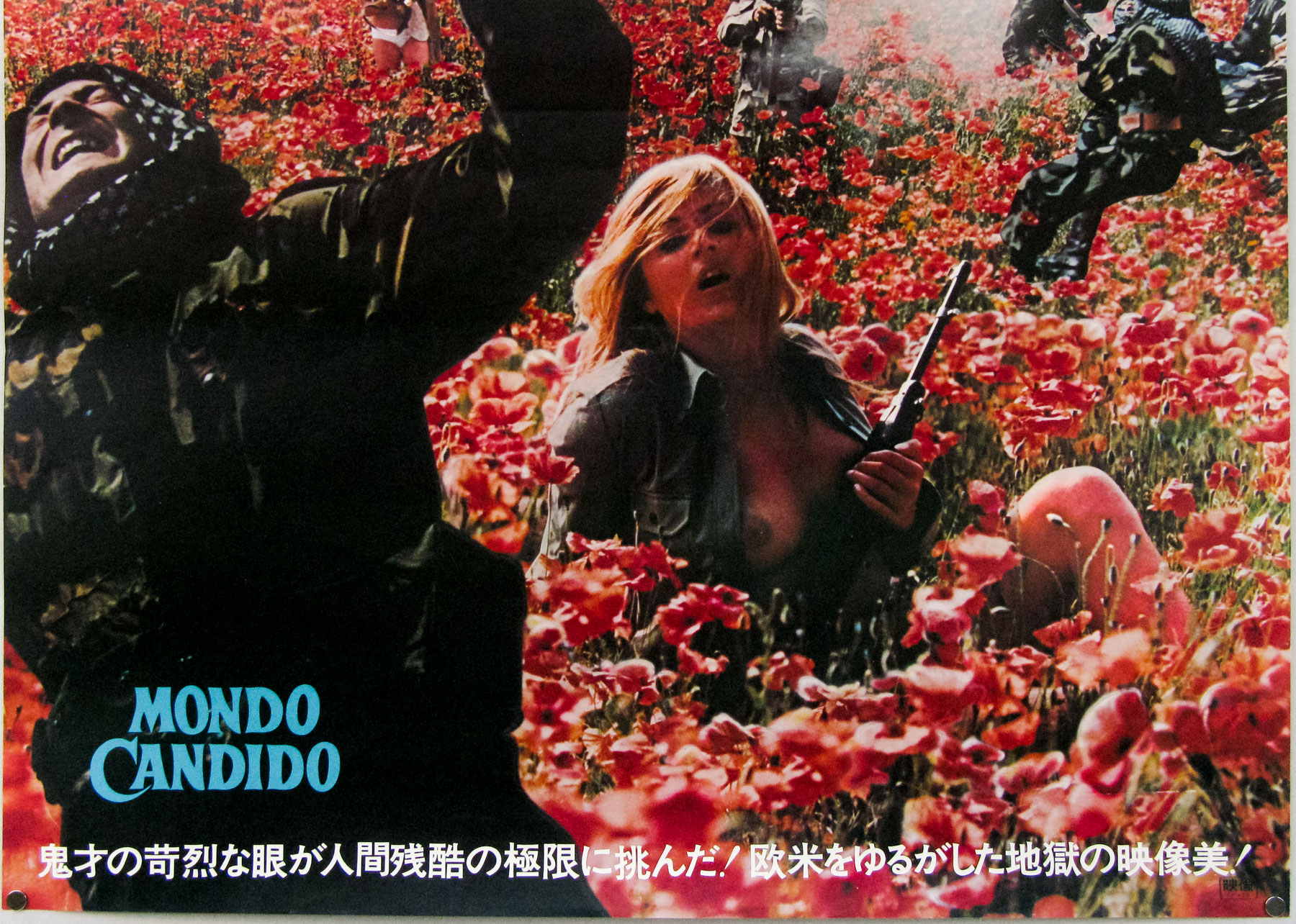
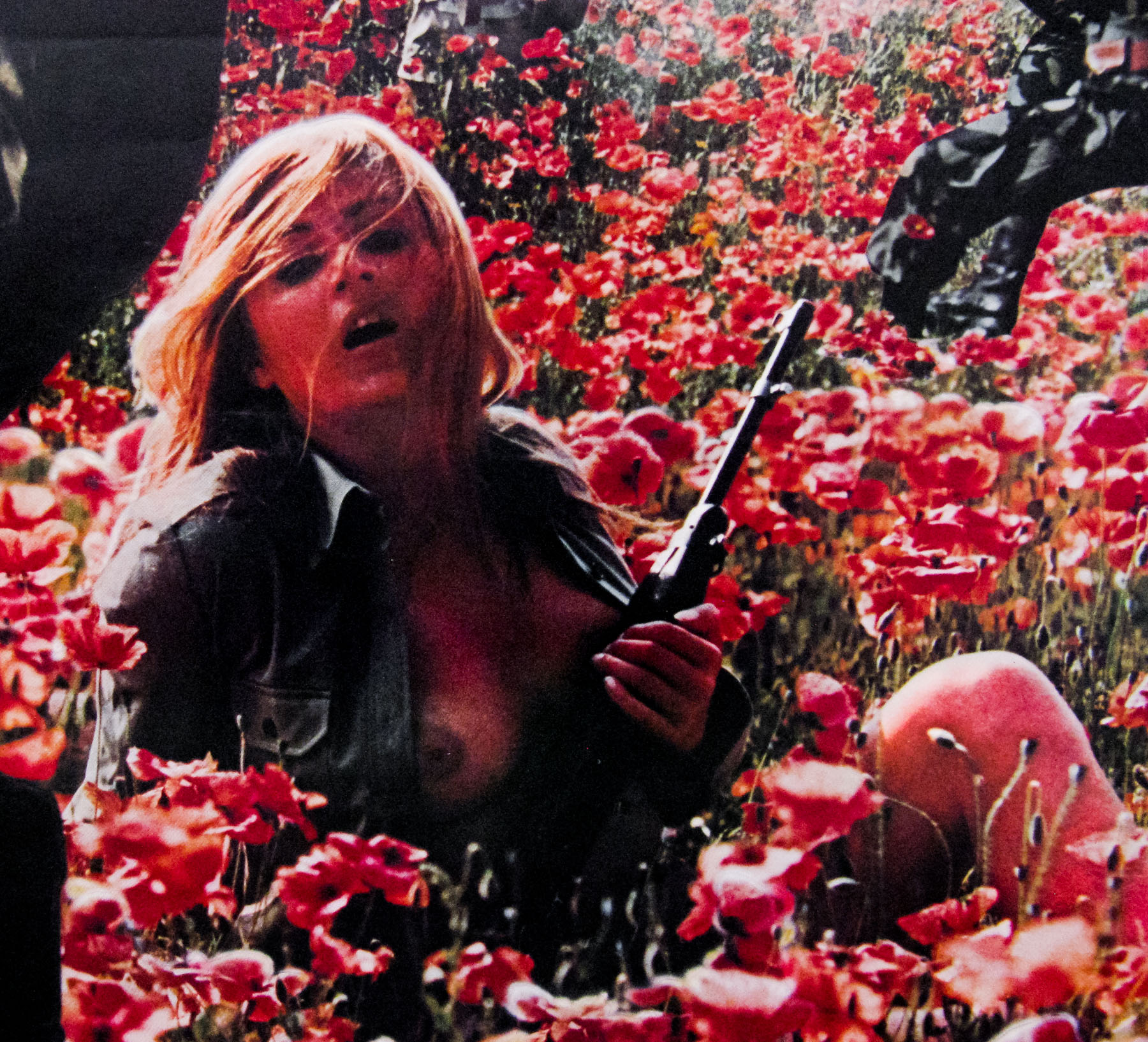
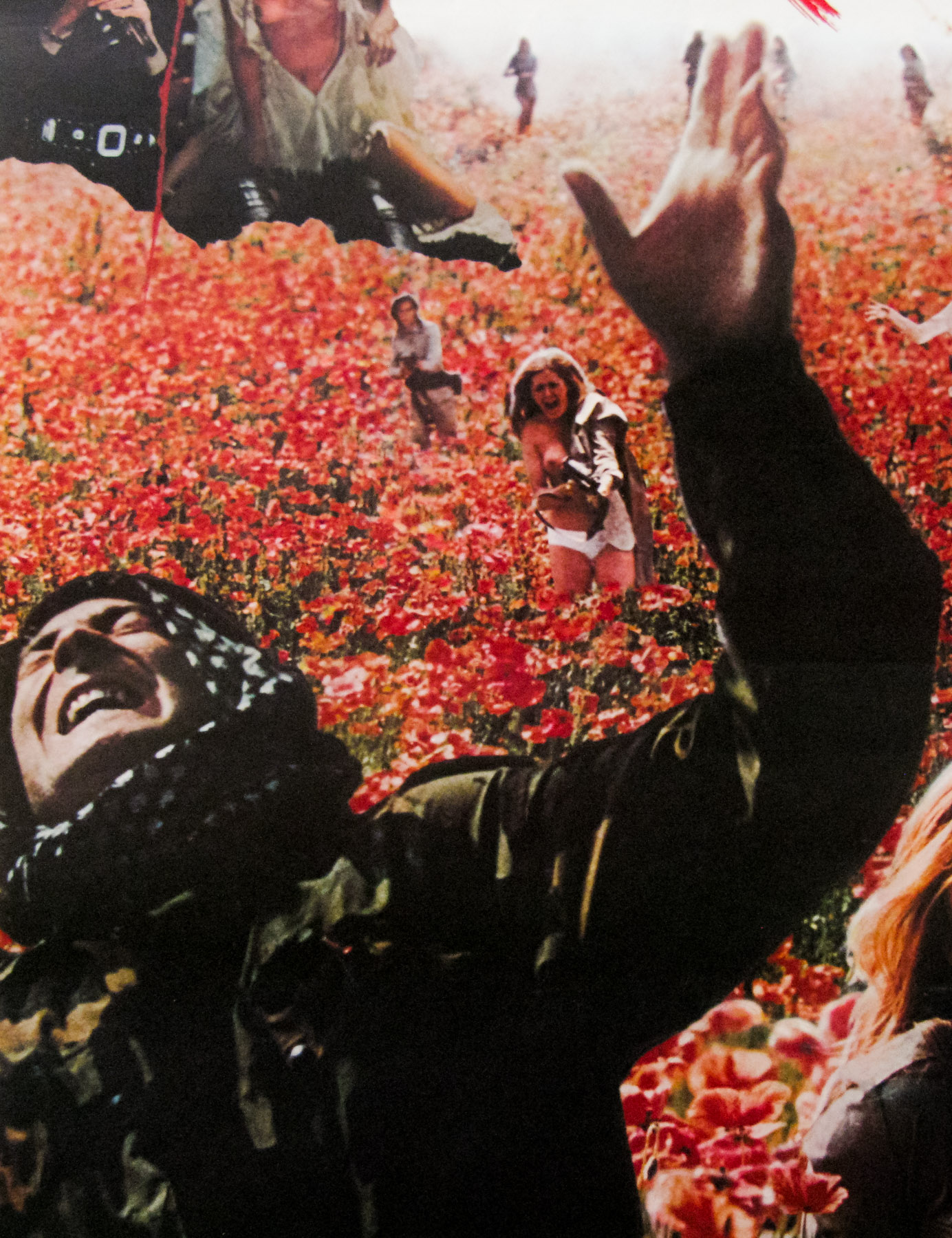
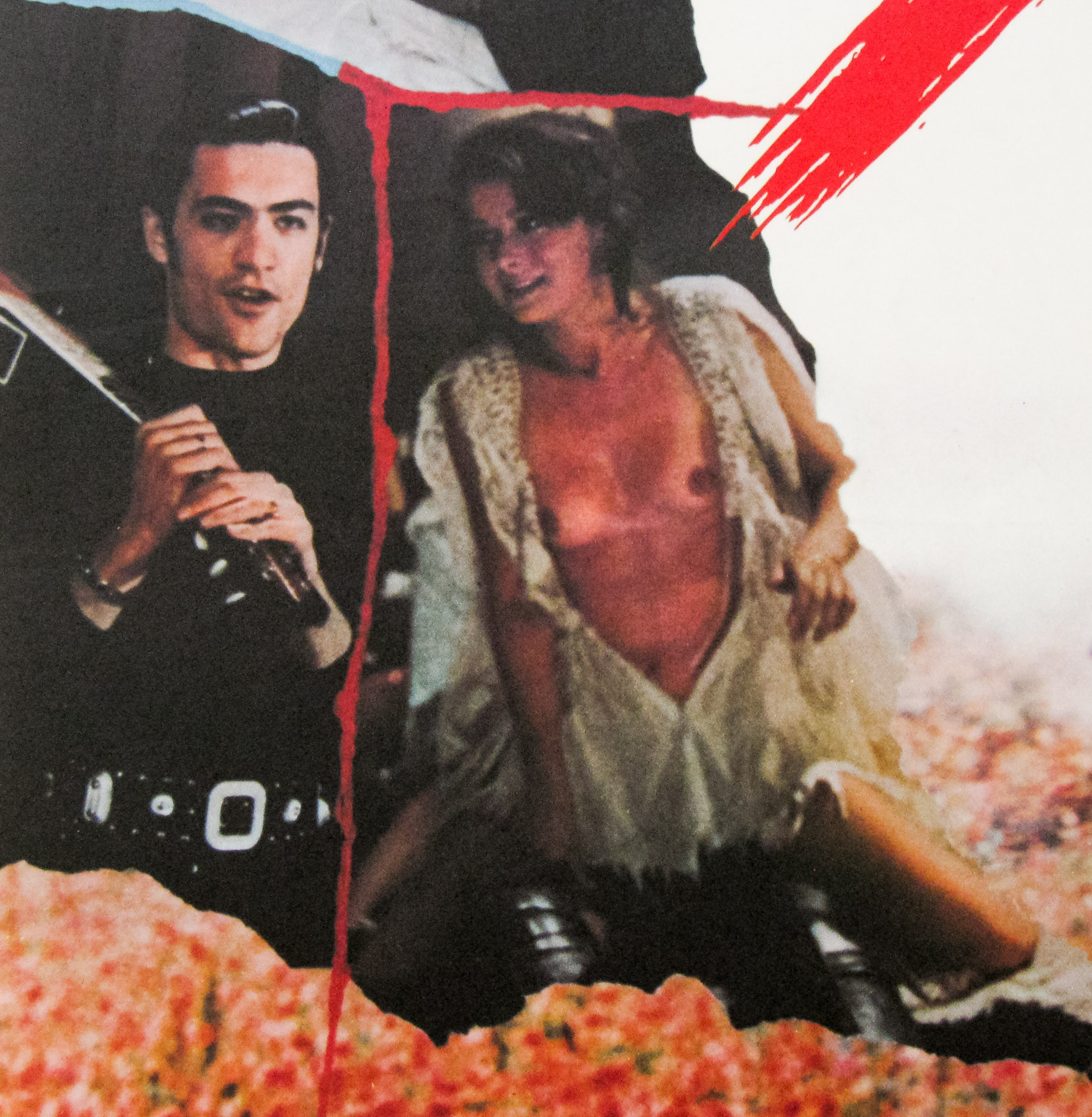
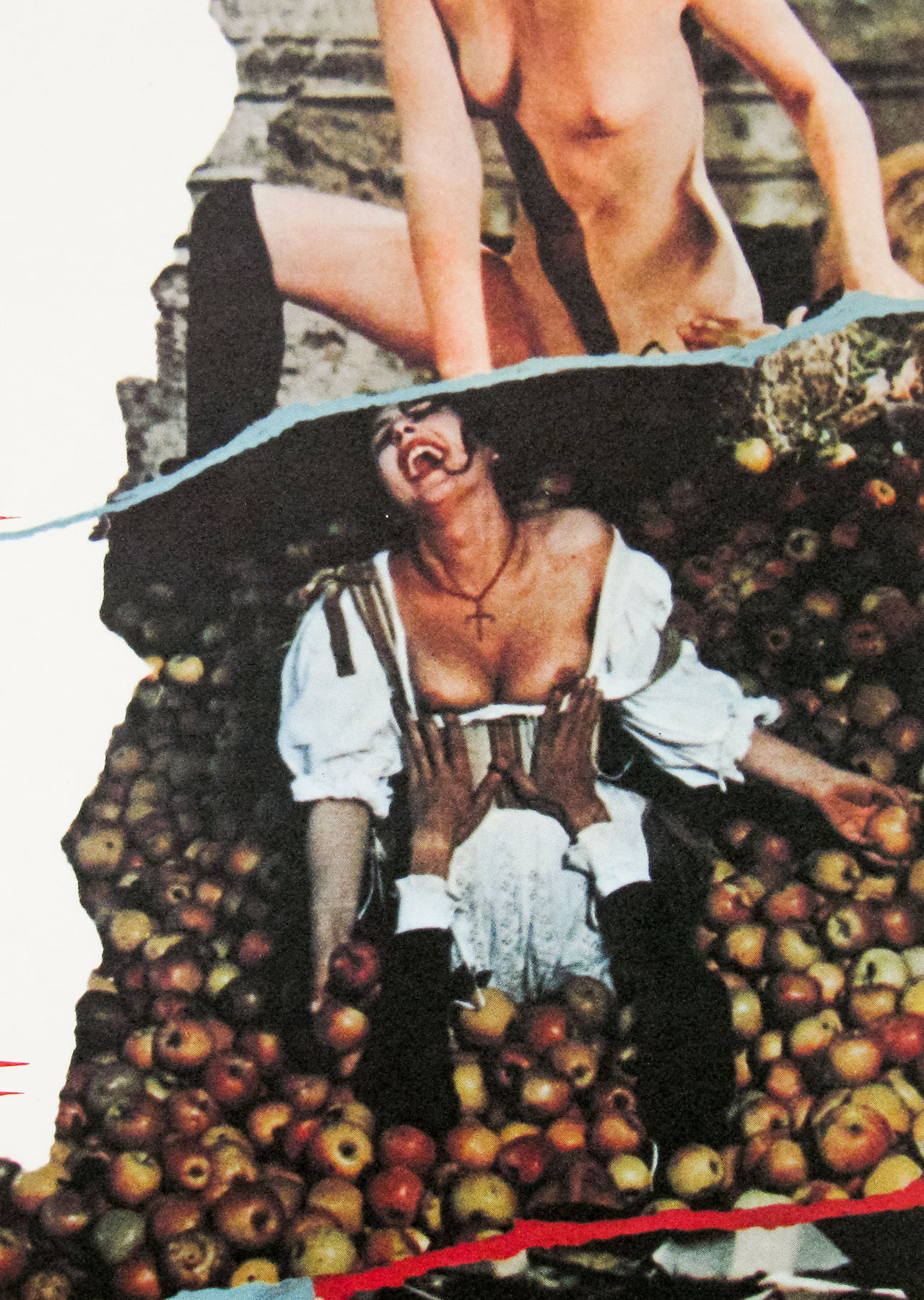
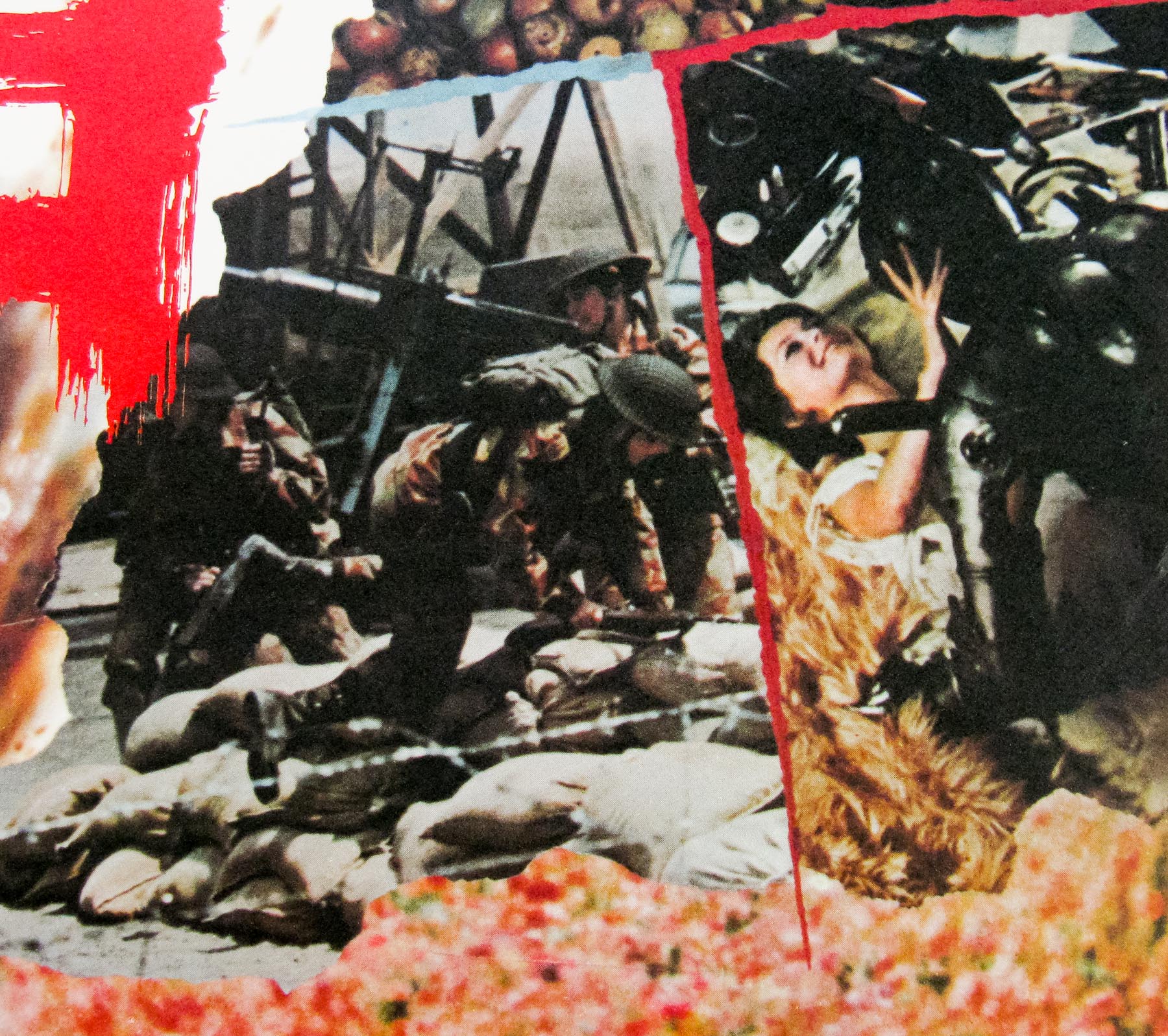
This Japanese B2 poster clearly aims to emphasise the more violent, erotic elements of the film. Japan was one of only a handful of countries to release it theatrically in 1975.

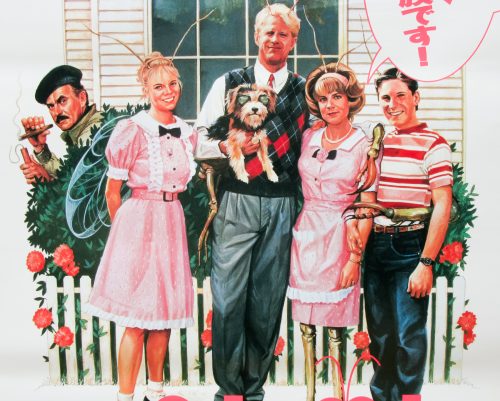
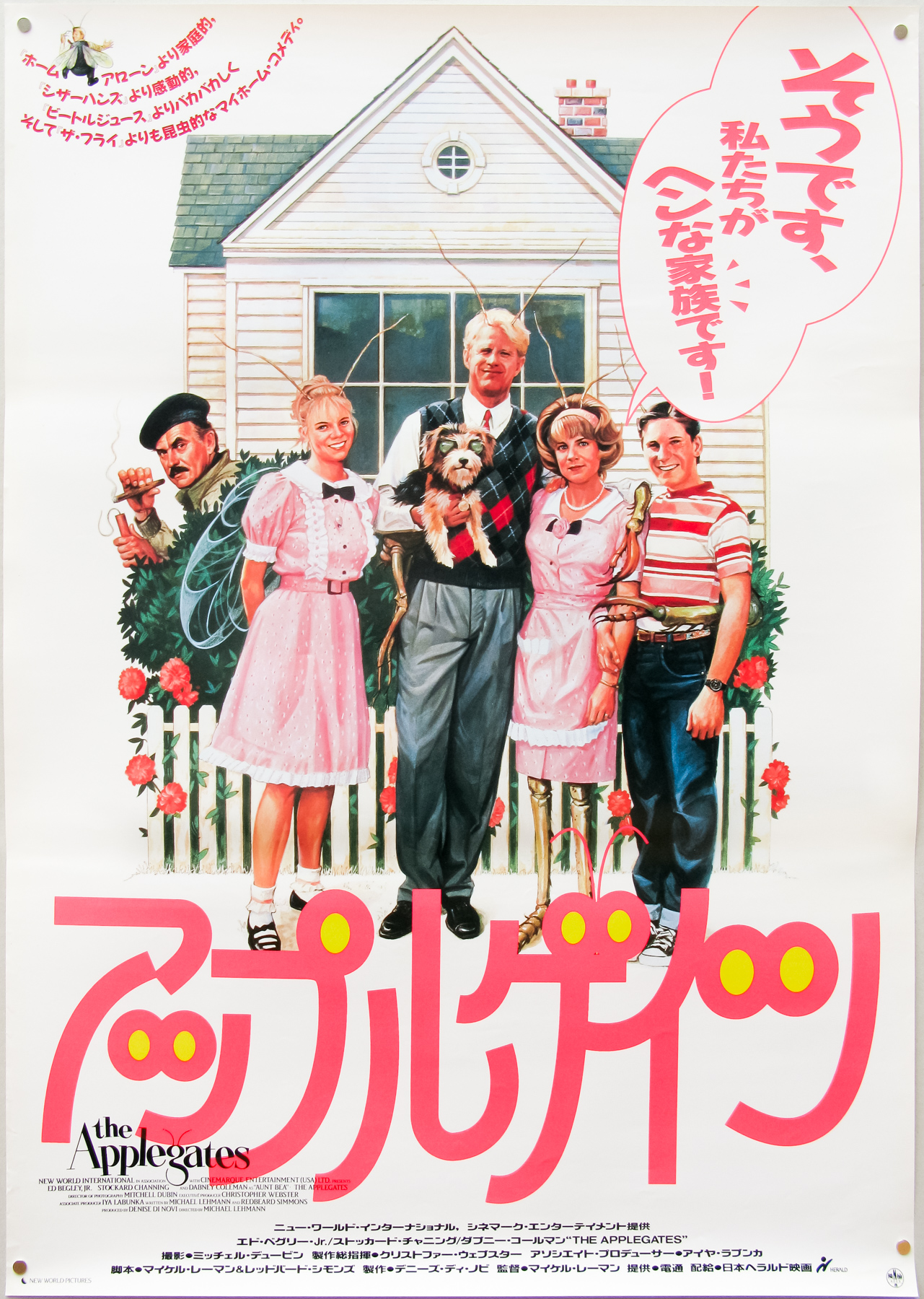
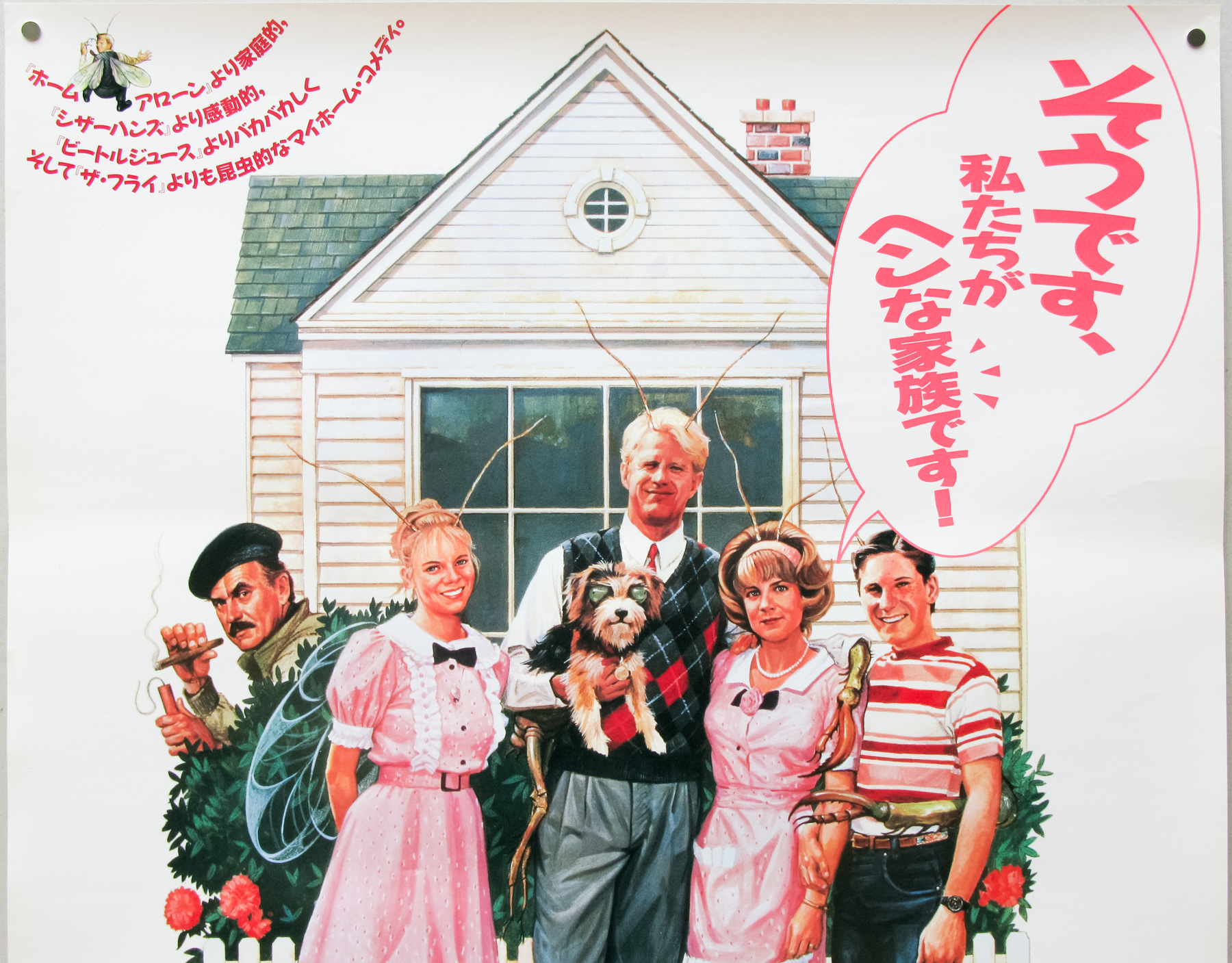
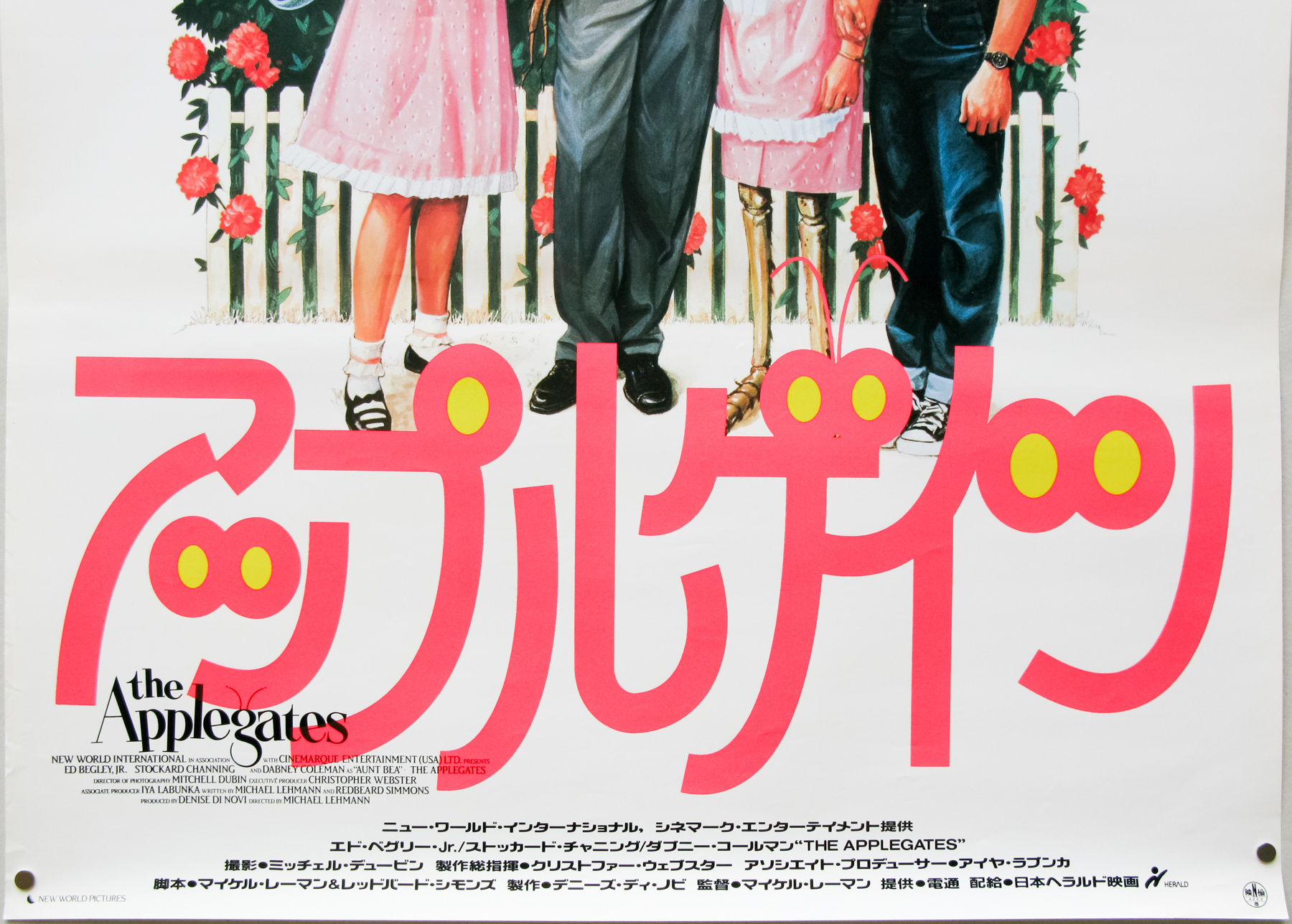
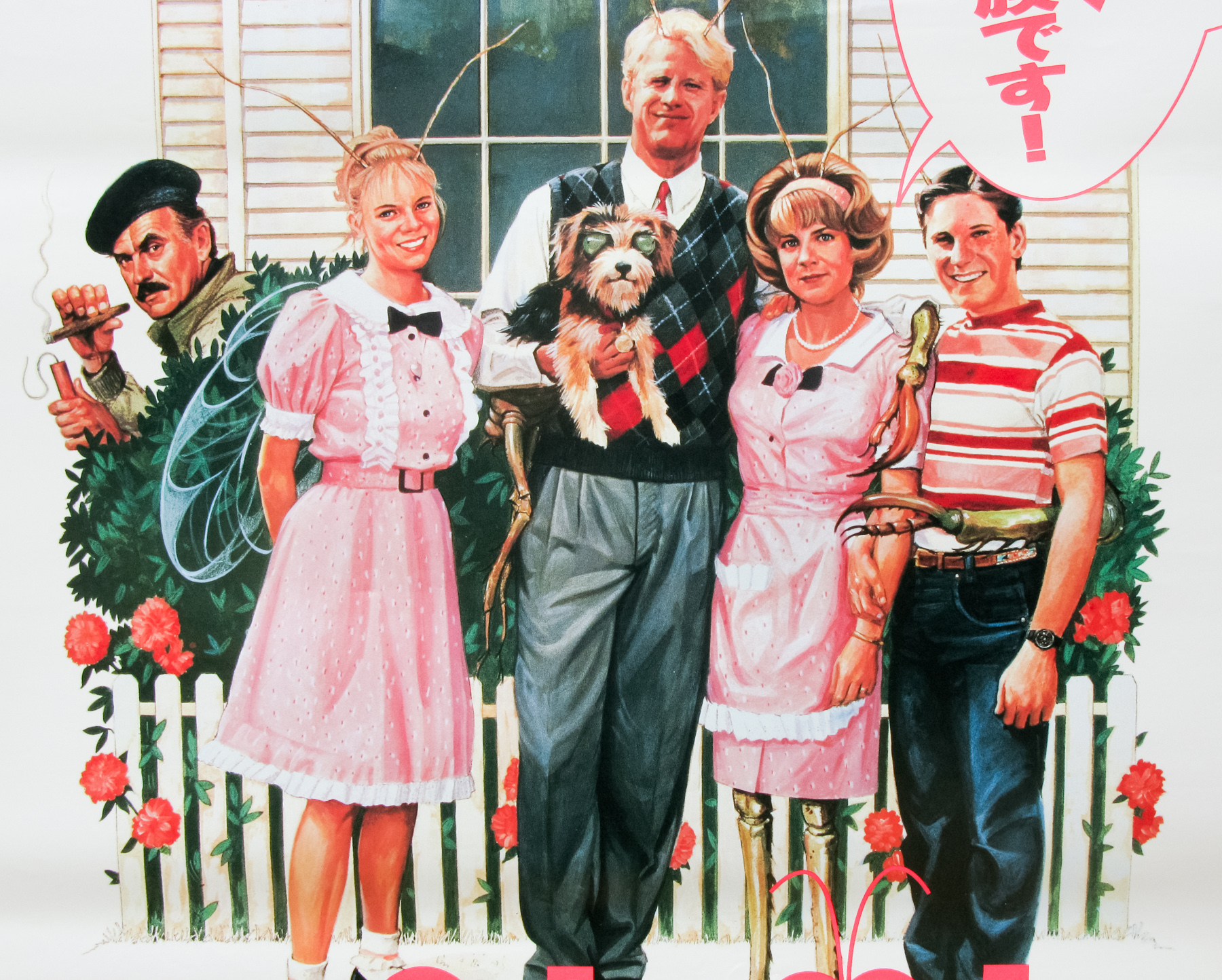
The Applegates / B2 / Japan

17.05.11

Poster Poster

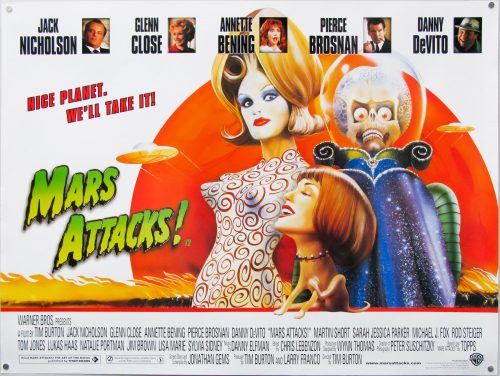
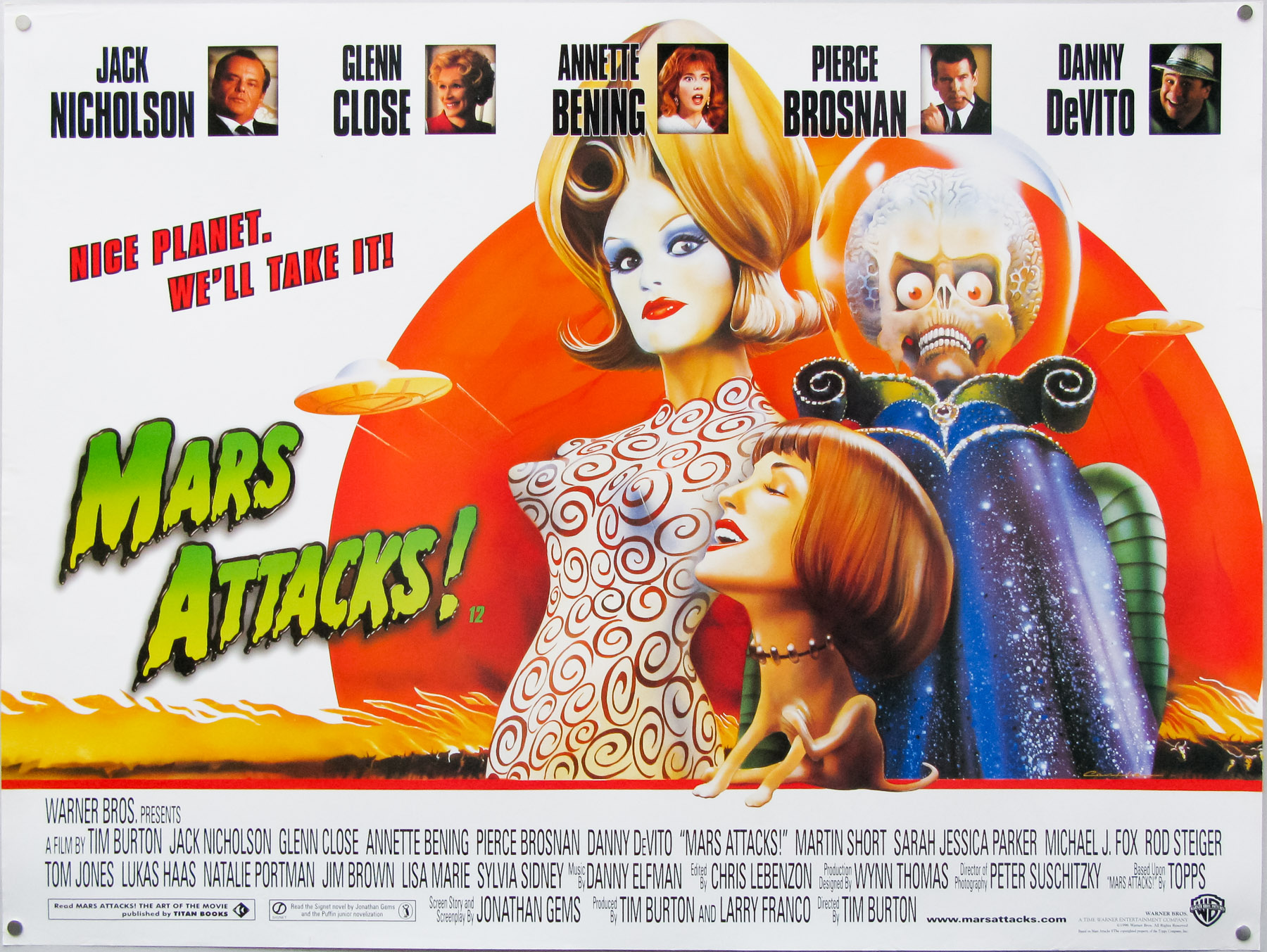
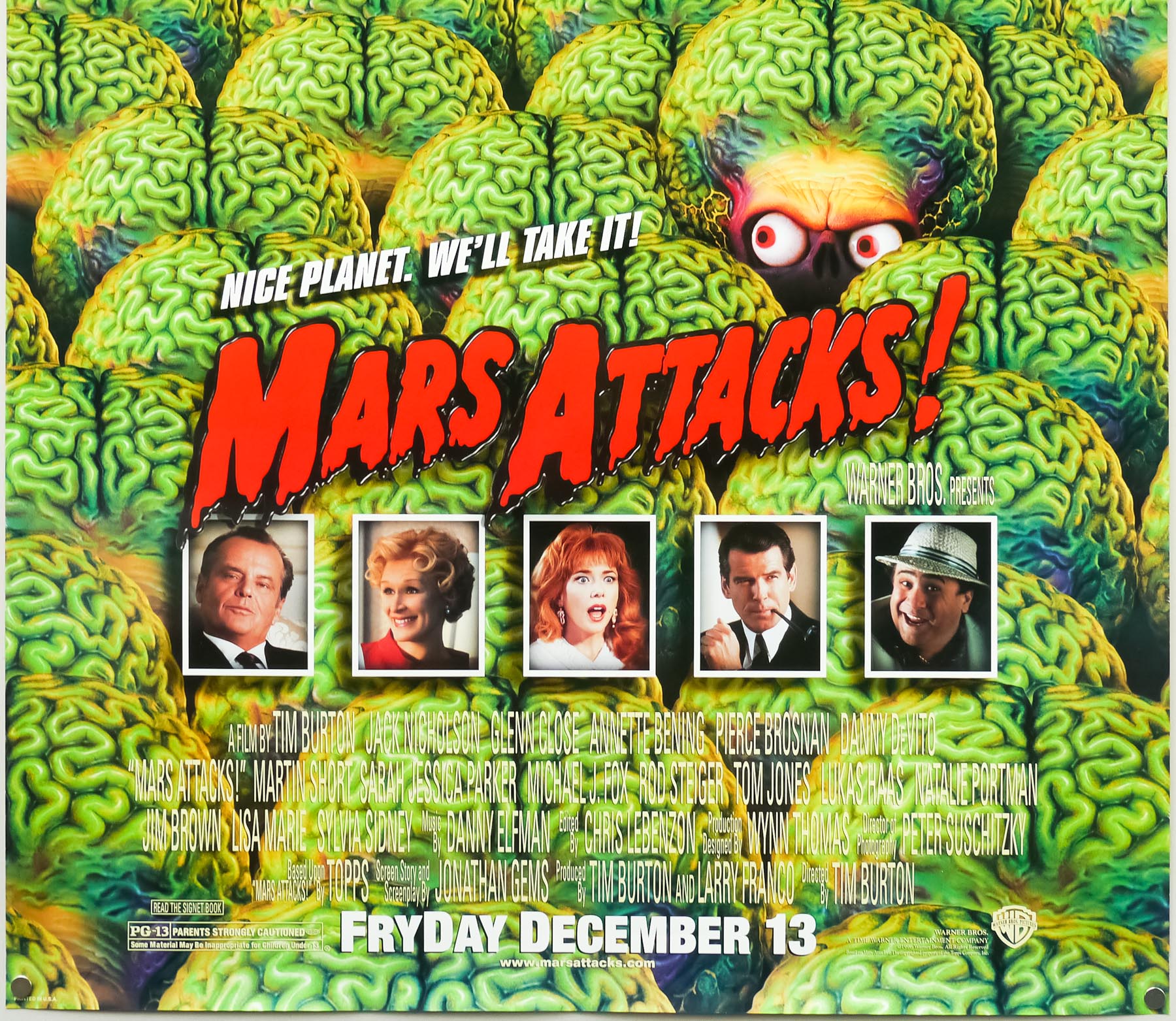
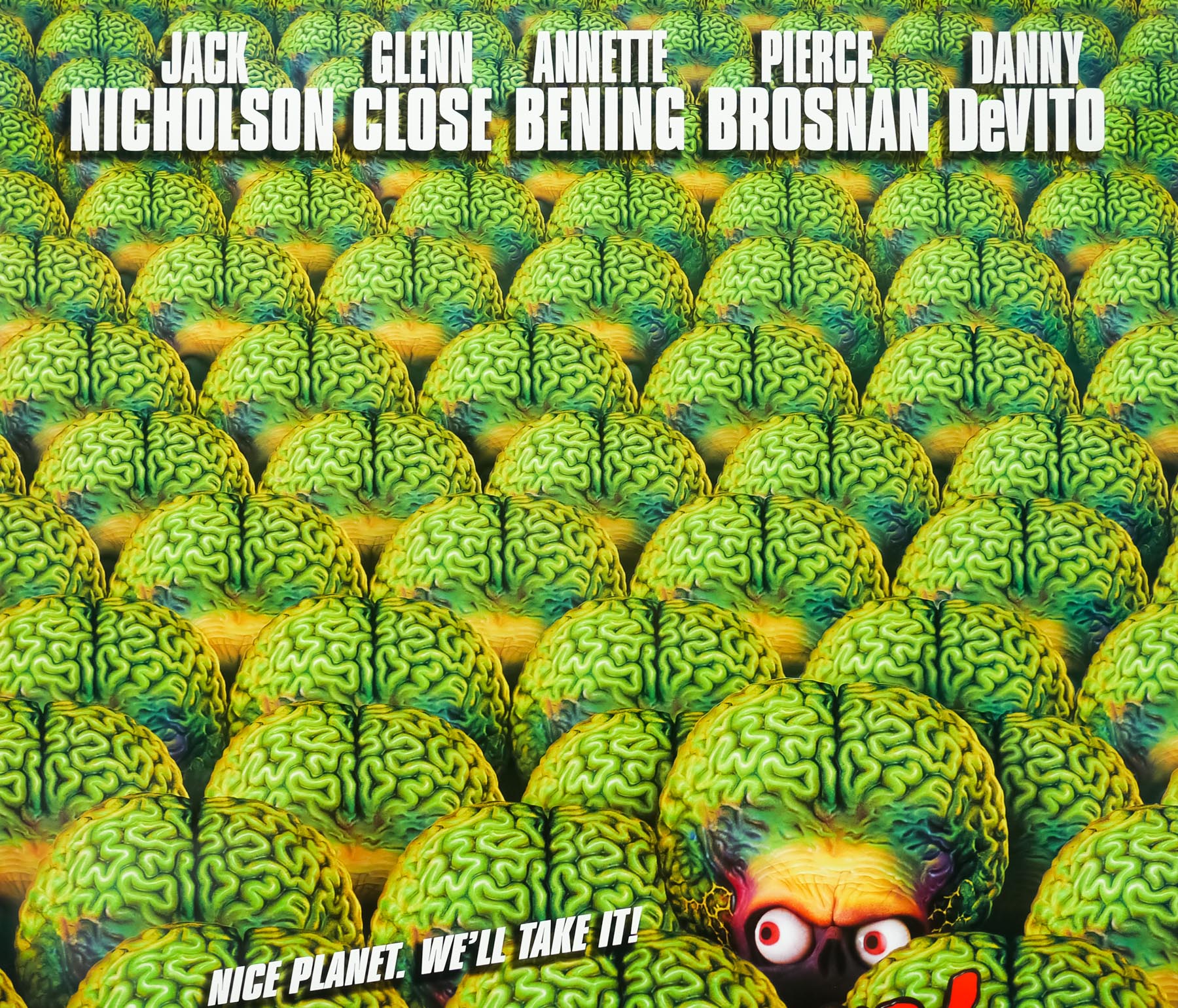
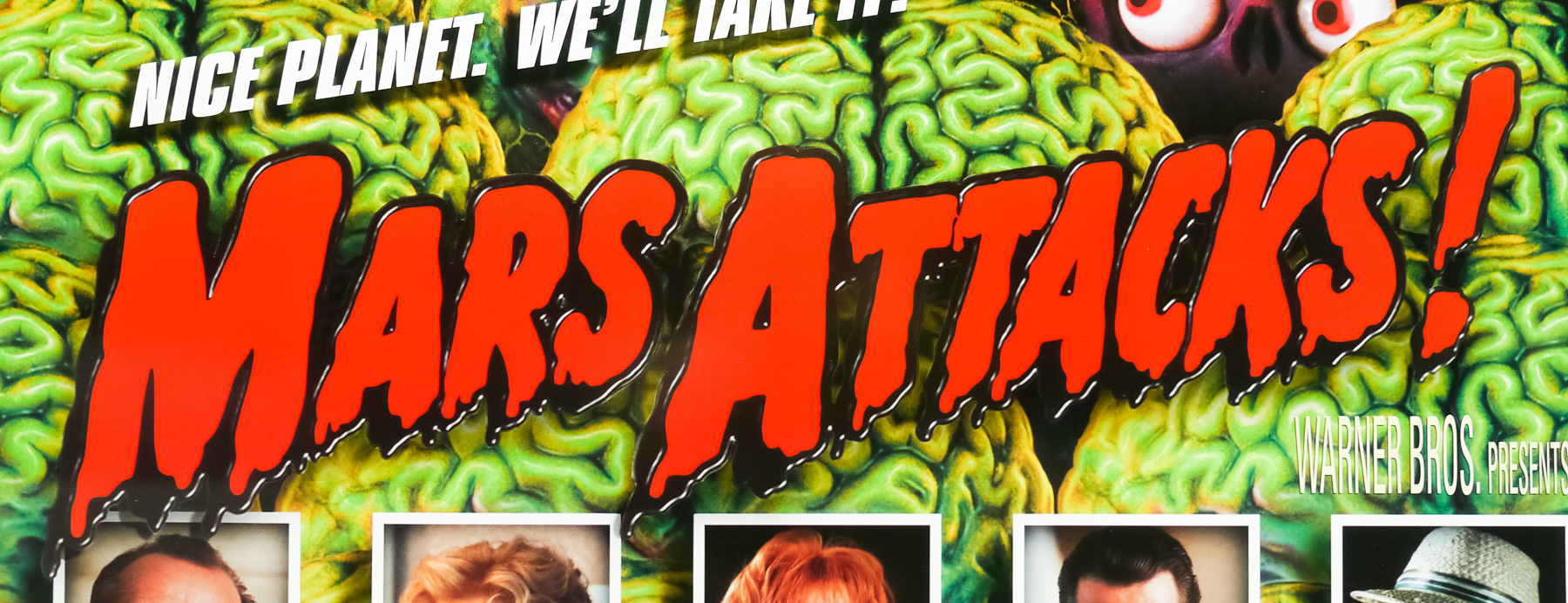
Mars Attacks! / quad / UK

18.05.11

Poster Poster

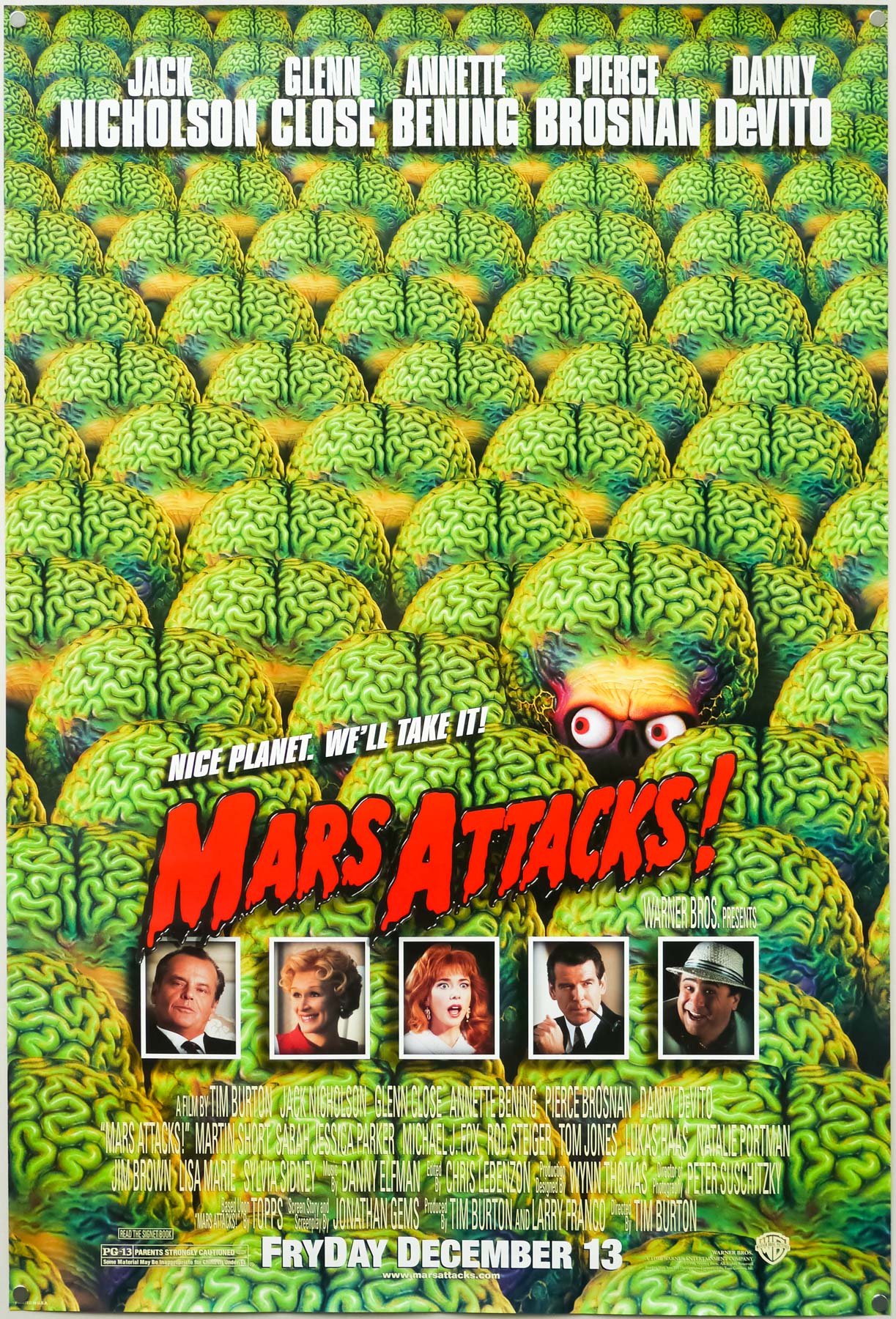
Mars Attacks! / one sheet / advance / USA

17.05.11

Poster Poster

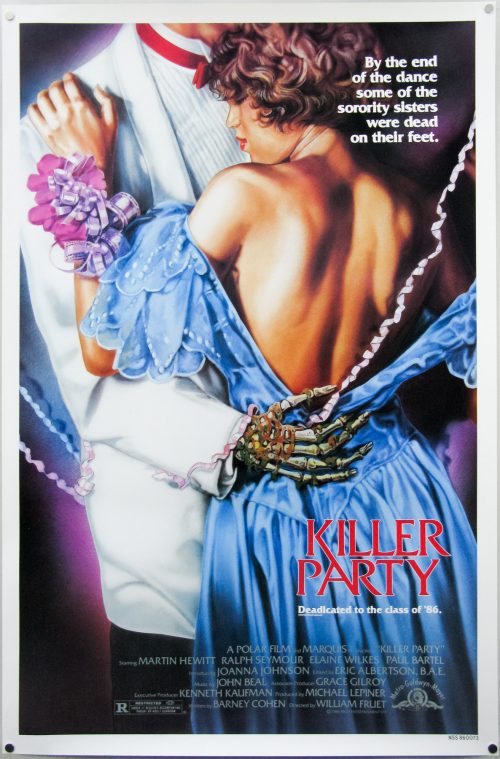
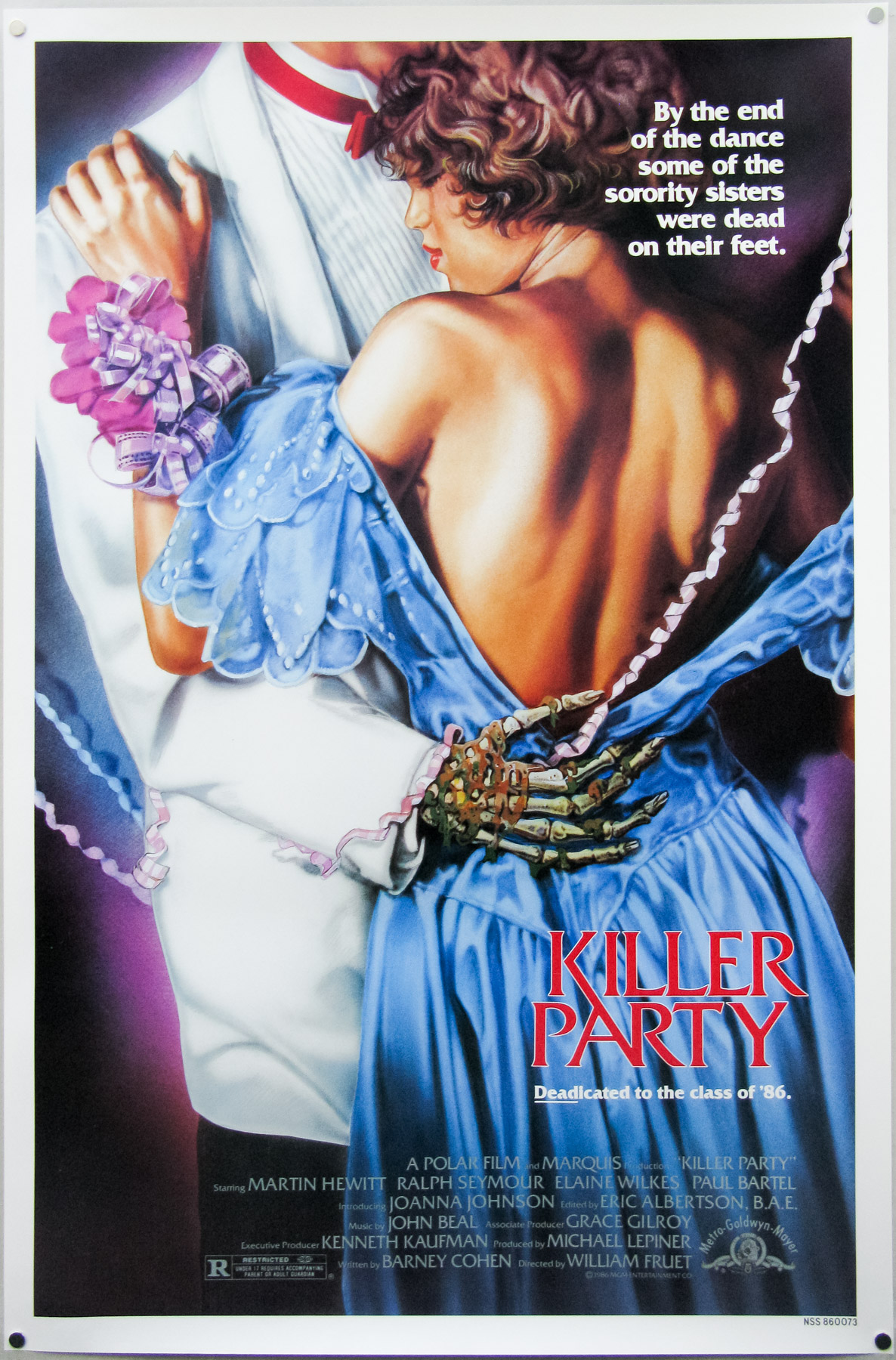
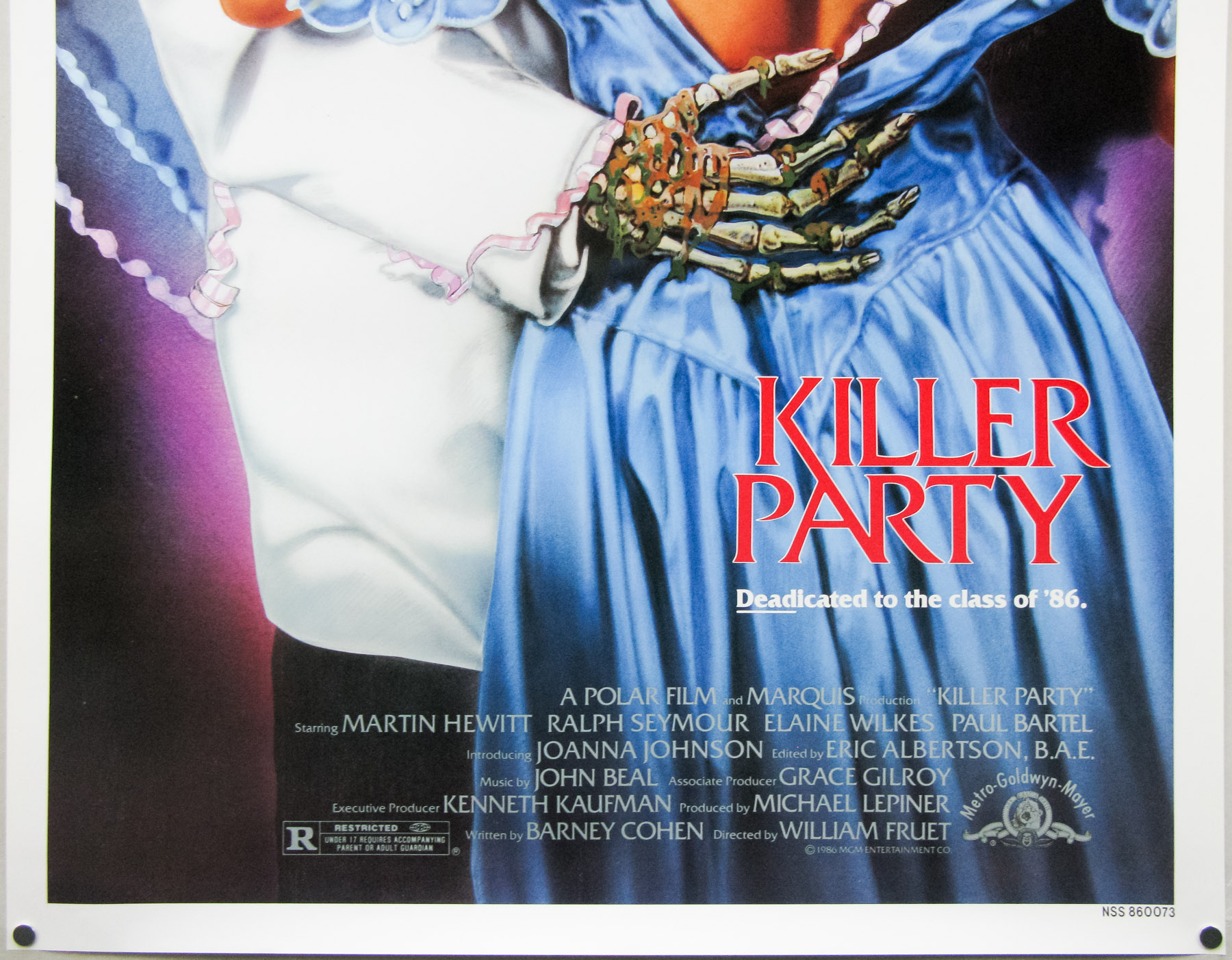
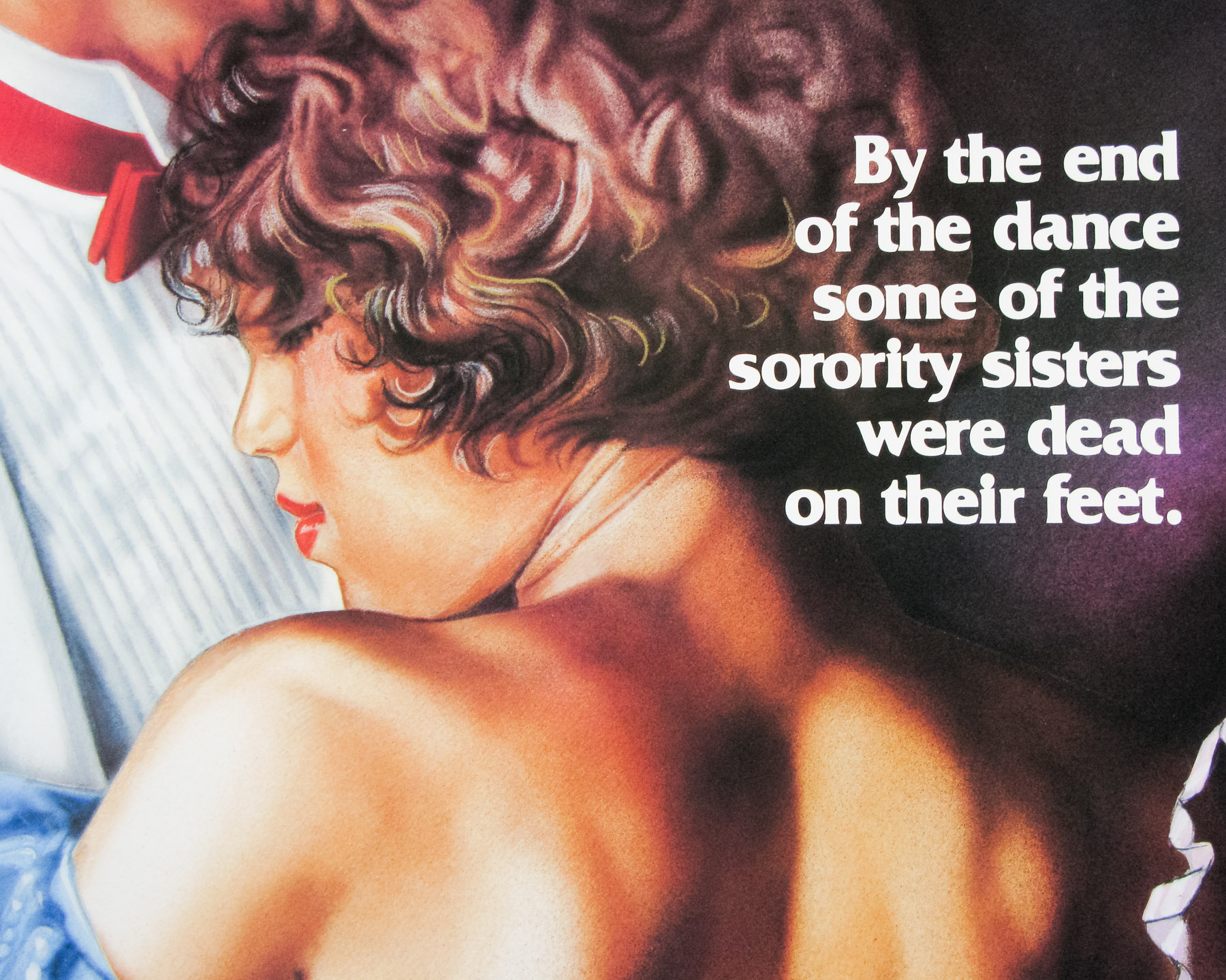
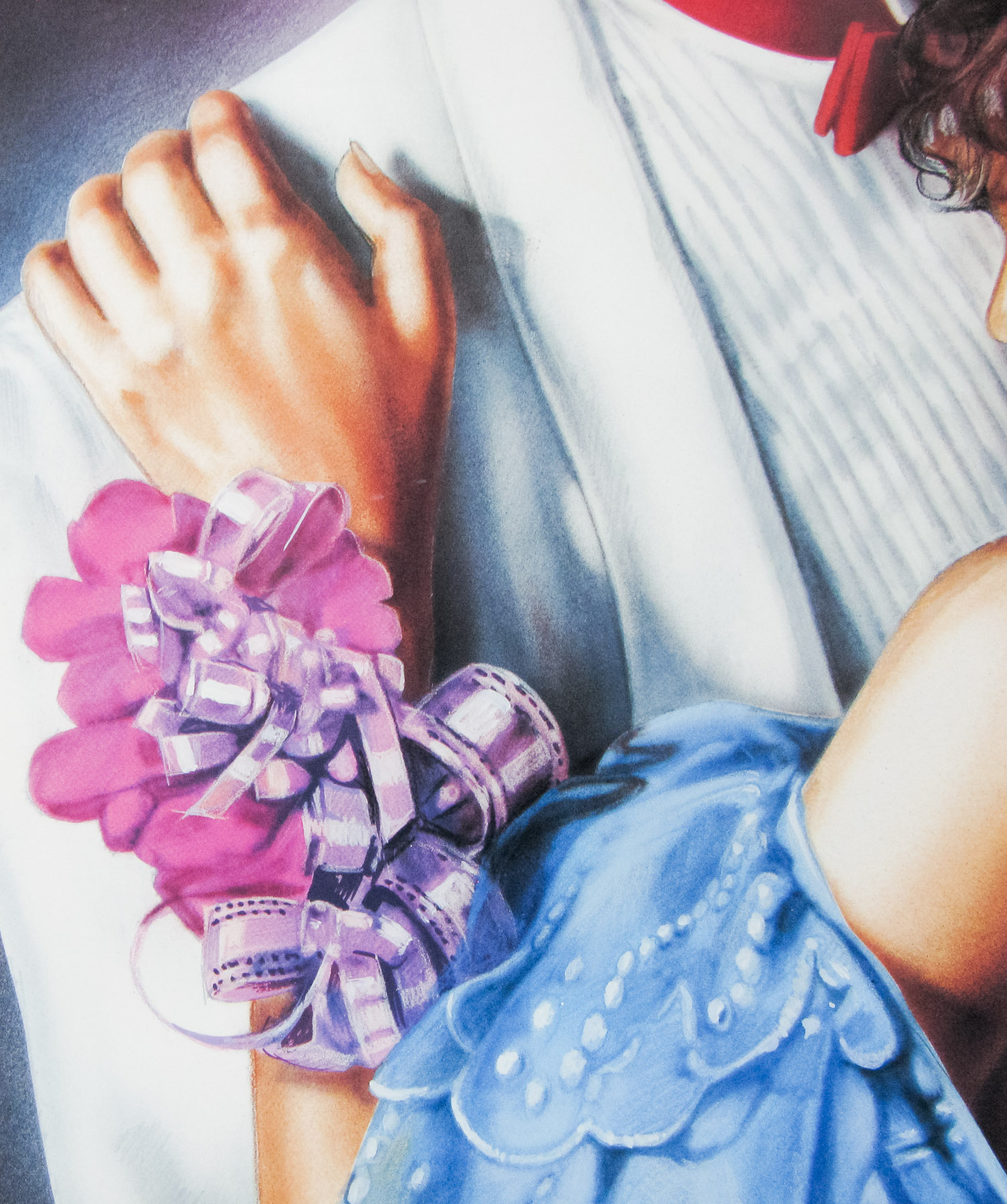
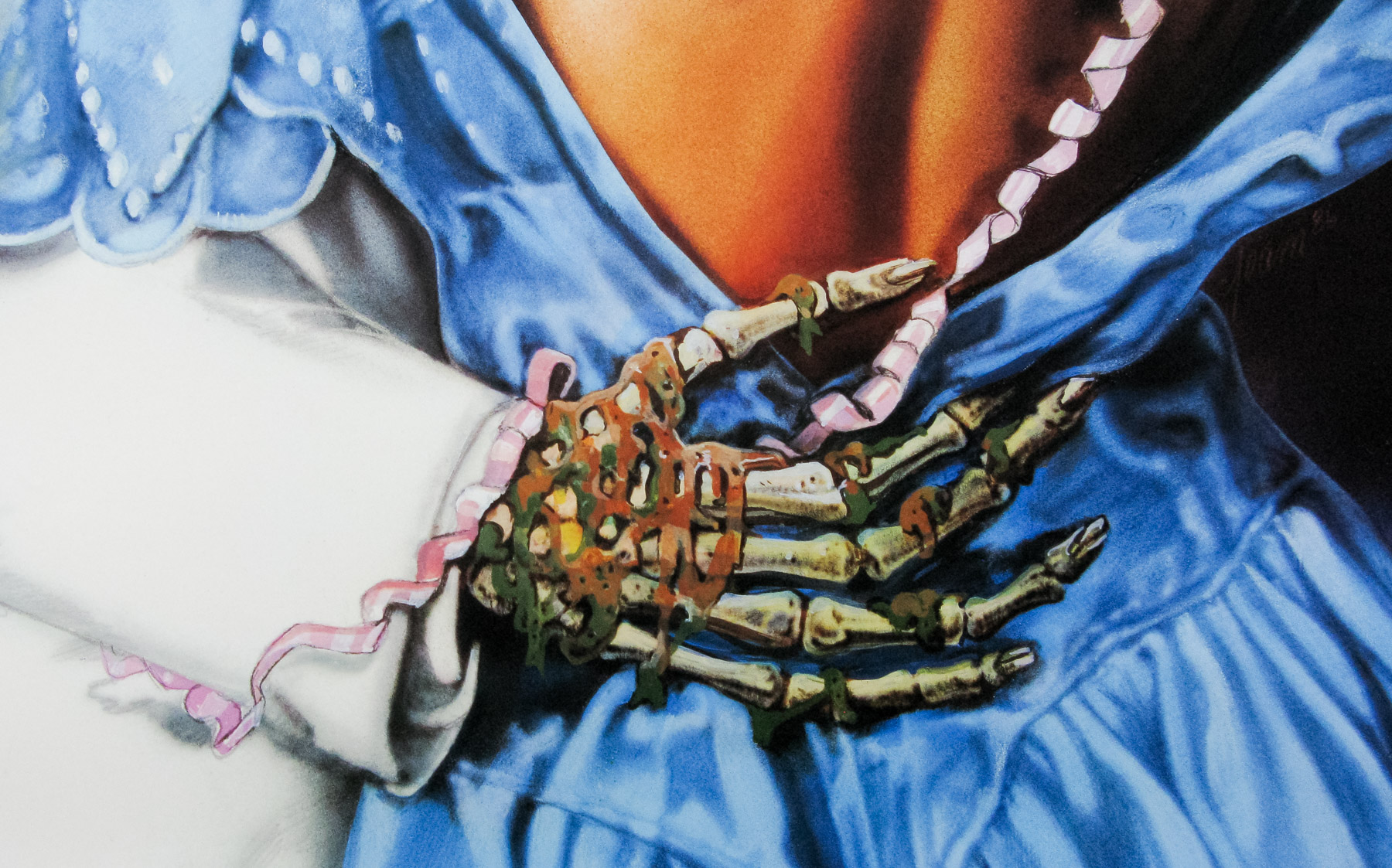
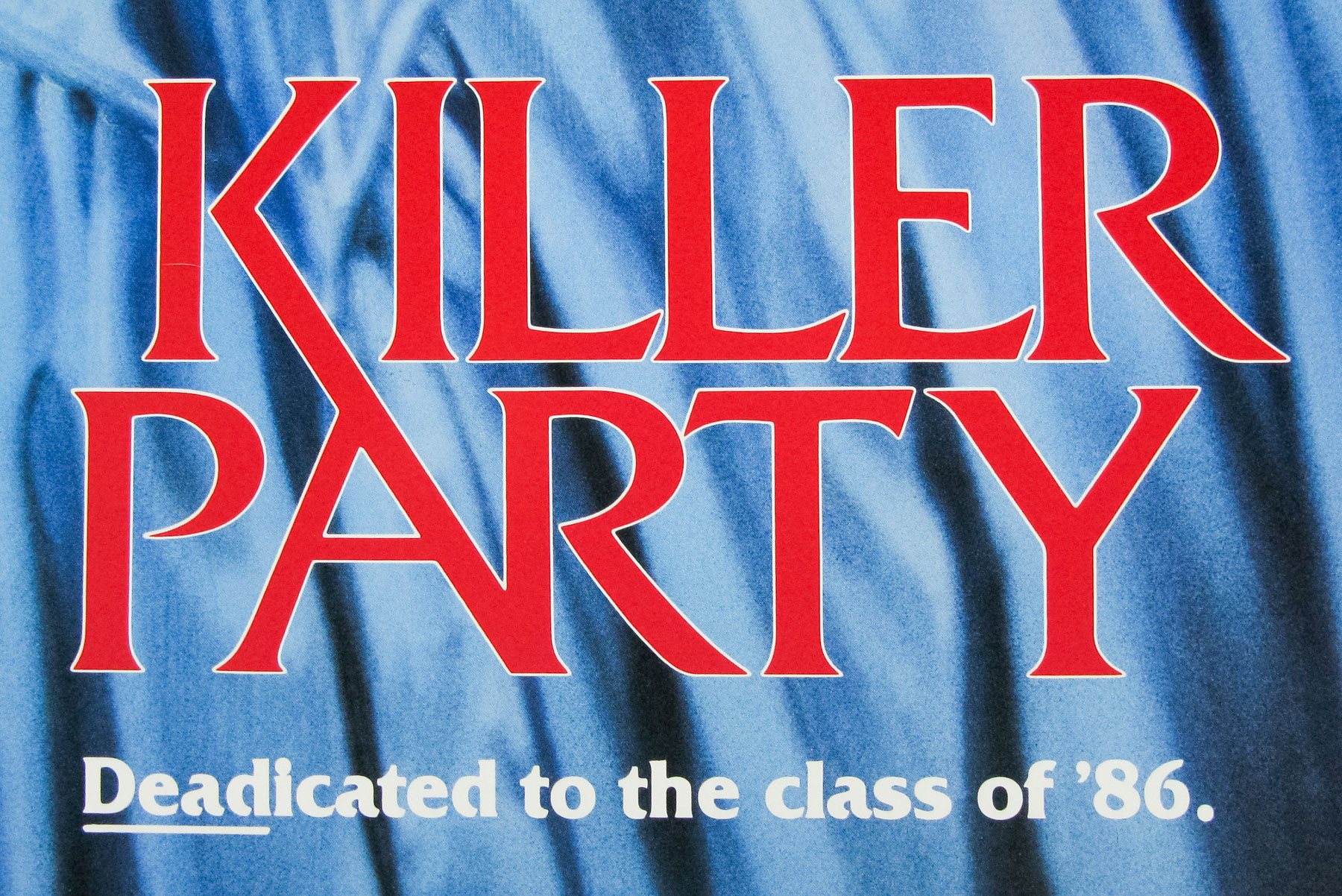
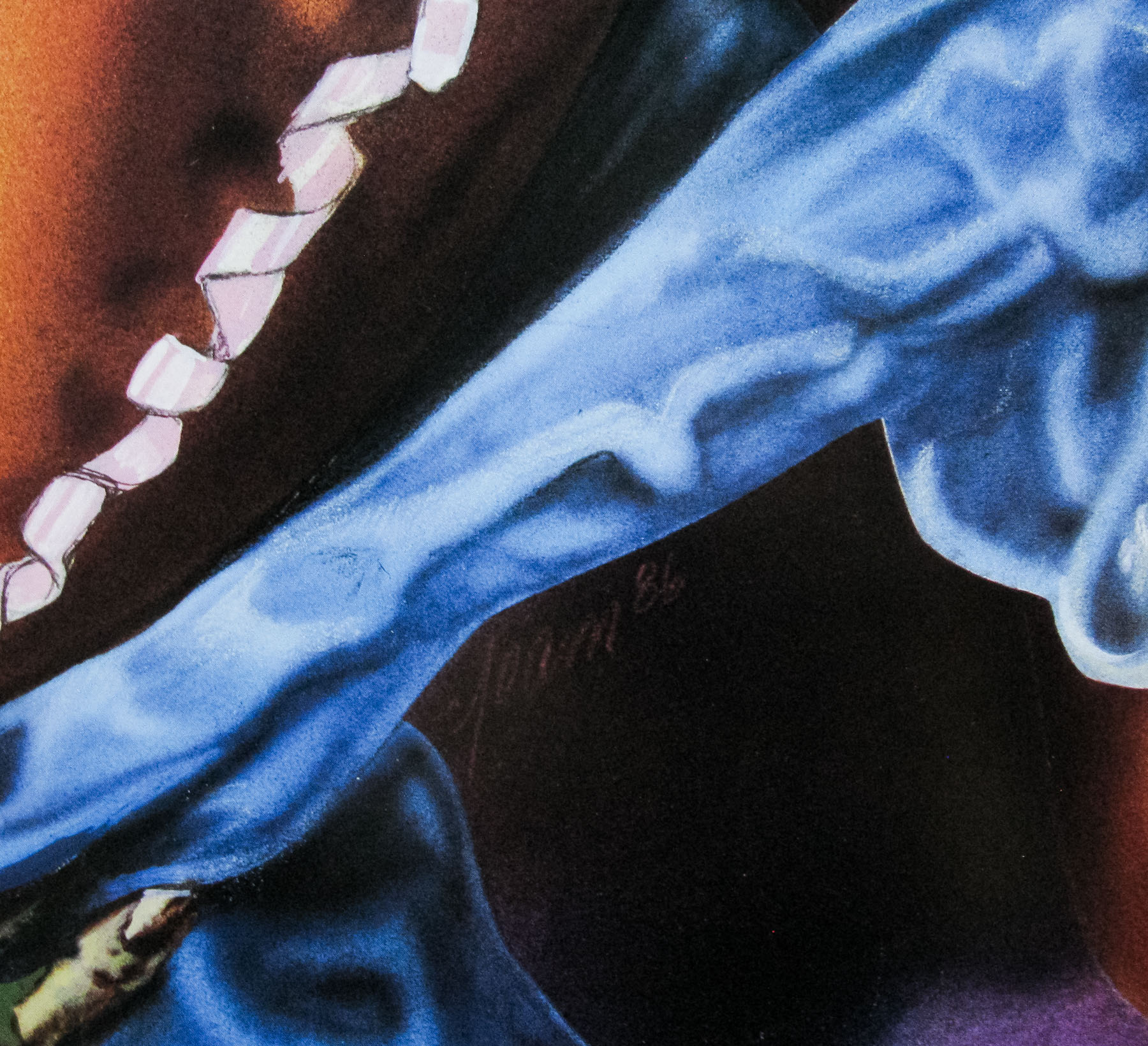
Killer Party / one sheet / USA

17.05.11

Poster Poster
Title
Killer Party
AKA
The April Fool (USA - alternative title)
Year of Film
1986
Director
William Fruet
Starring
Martin Hewitt, Ralph Seymour, Elaine Wilkes, Paul Bartel, Sherry Willis-Burch, Alicia Fleer, Woody Brown, Joanna Johnson
Origin of Film
USA
Genre(s) of Film
Martin Hewitt, Ralph Seymour, Elaine Wilkes, Paul Bartel, Sherry Willis-Burch, Alicia Fleer, Woody Brown, Joanna Johnson,
Type of Poster
One sheet
Style of Poster
--
Origin of Poster
USA
Year of Poster
1986
Designer
Unknown
Artist
Joann Daley
Size (inches)
27" x 41"
SS or DS
SS
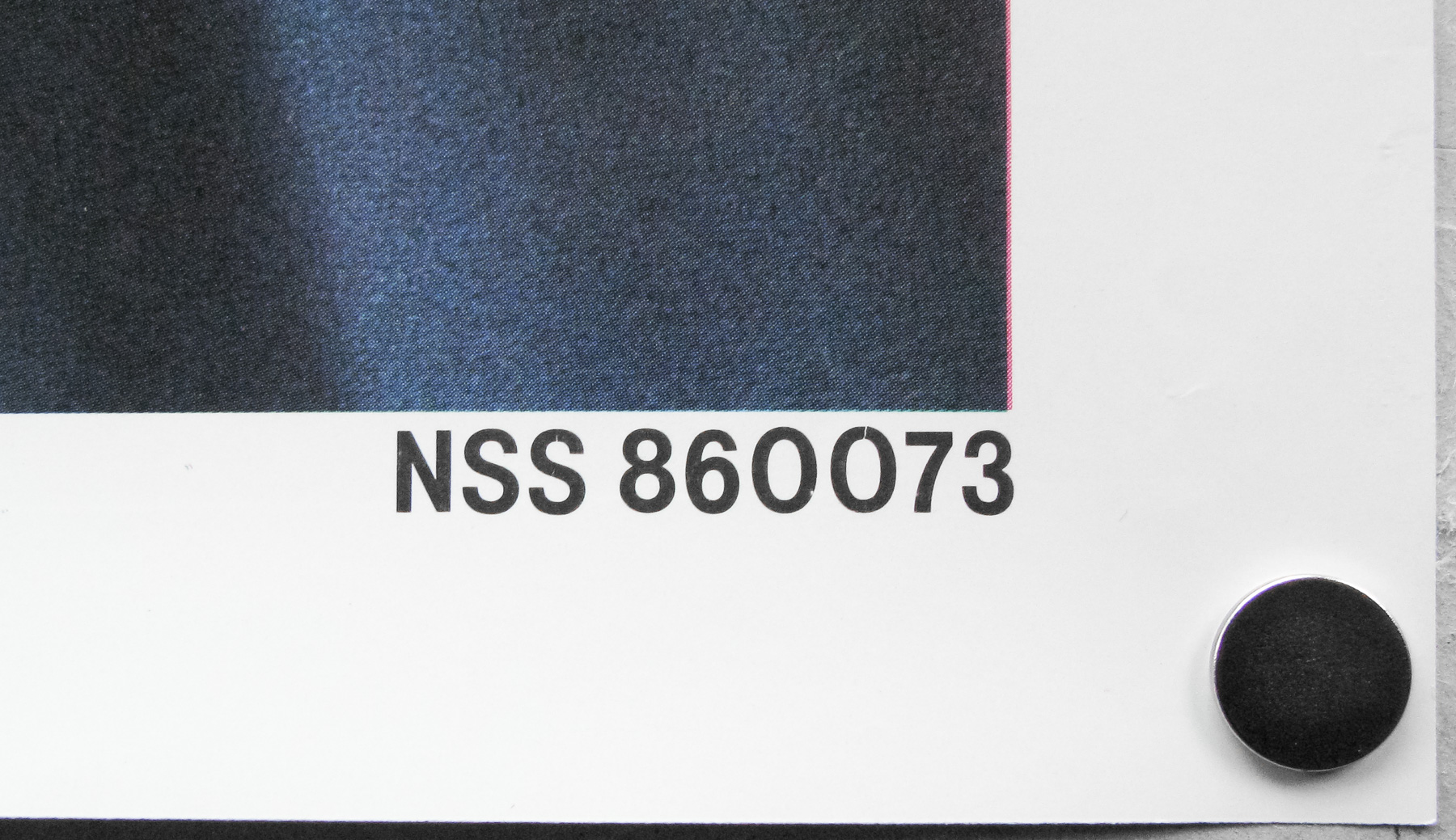
NSS #
860073
Tagline
By the end of the dance, some of the sorority sisters were dead on their feet. | DEADicated to the class of '86.

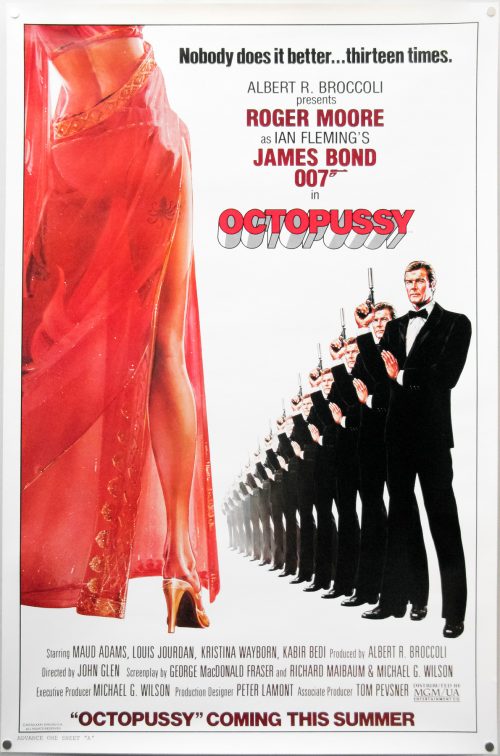
Octopussy / one sheet / advance / style A / USA

17.05.11

Poster Poster

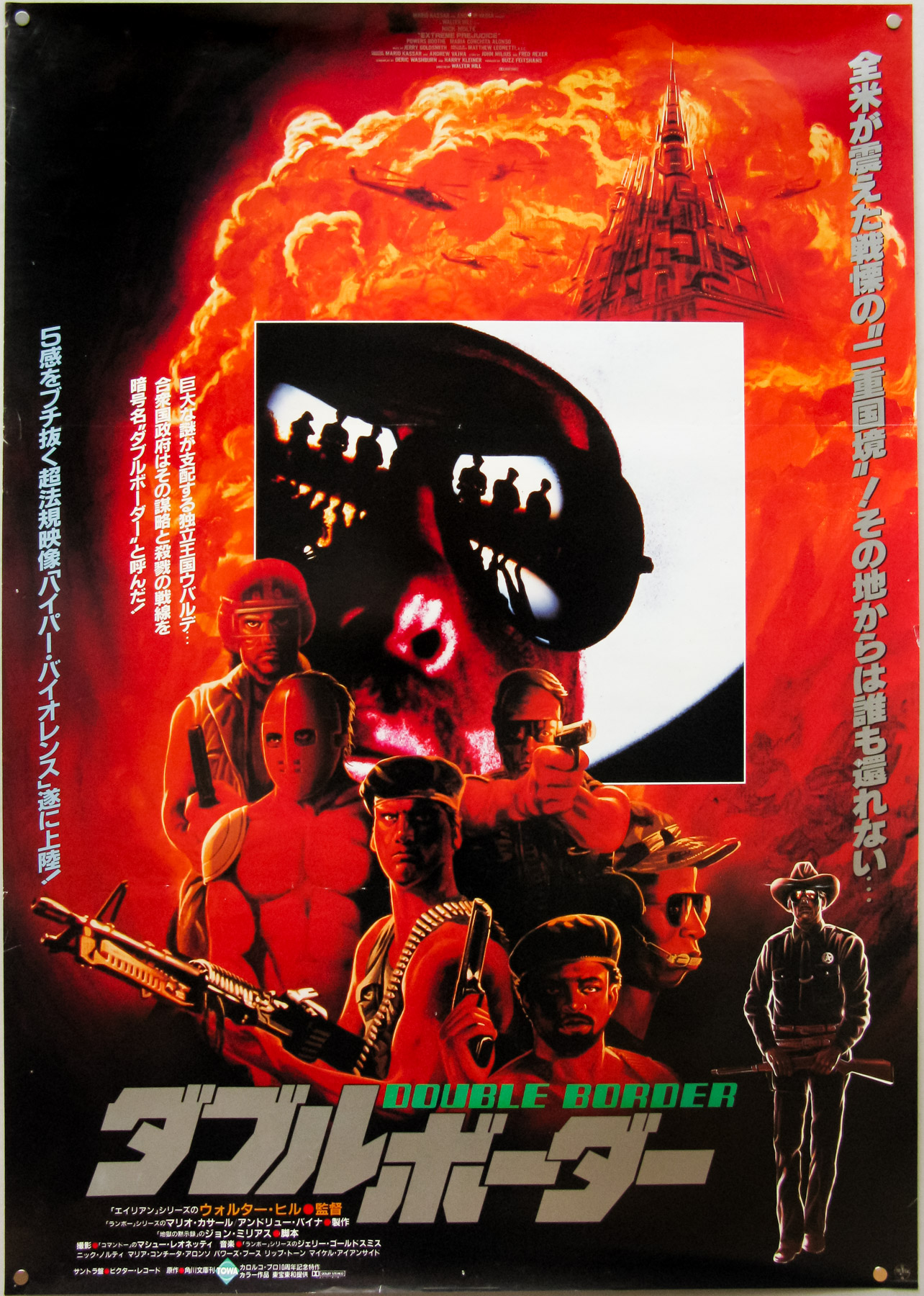
Double Border / B2 / Japan

17.05.11

Poster Poster