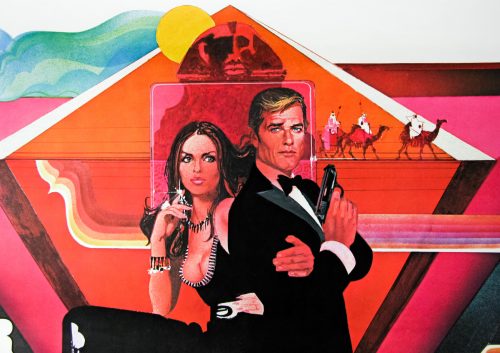
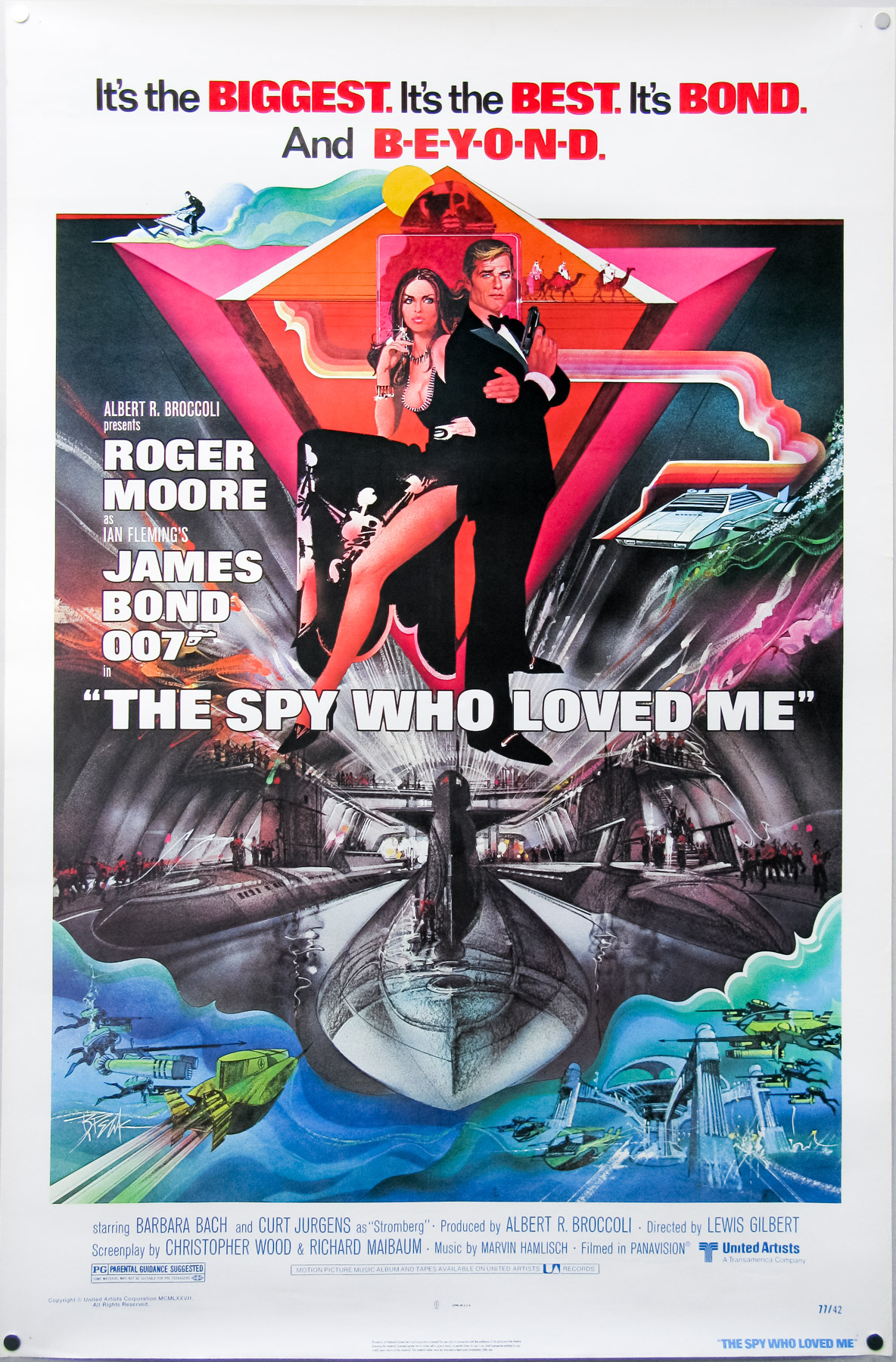
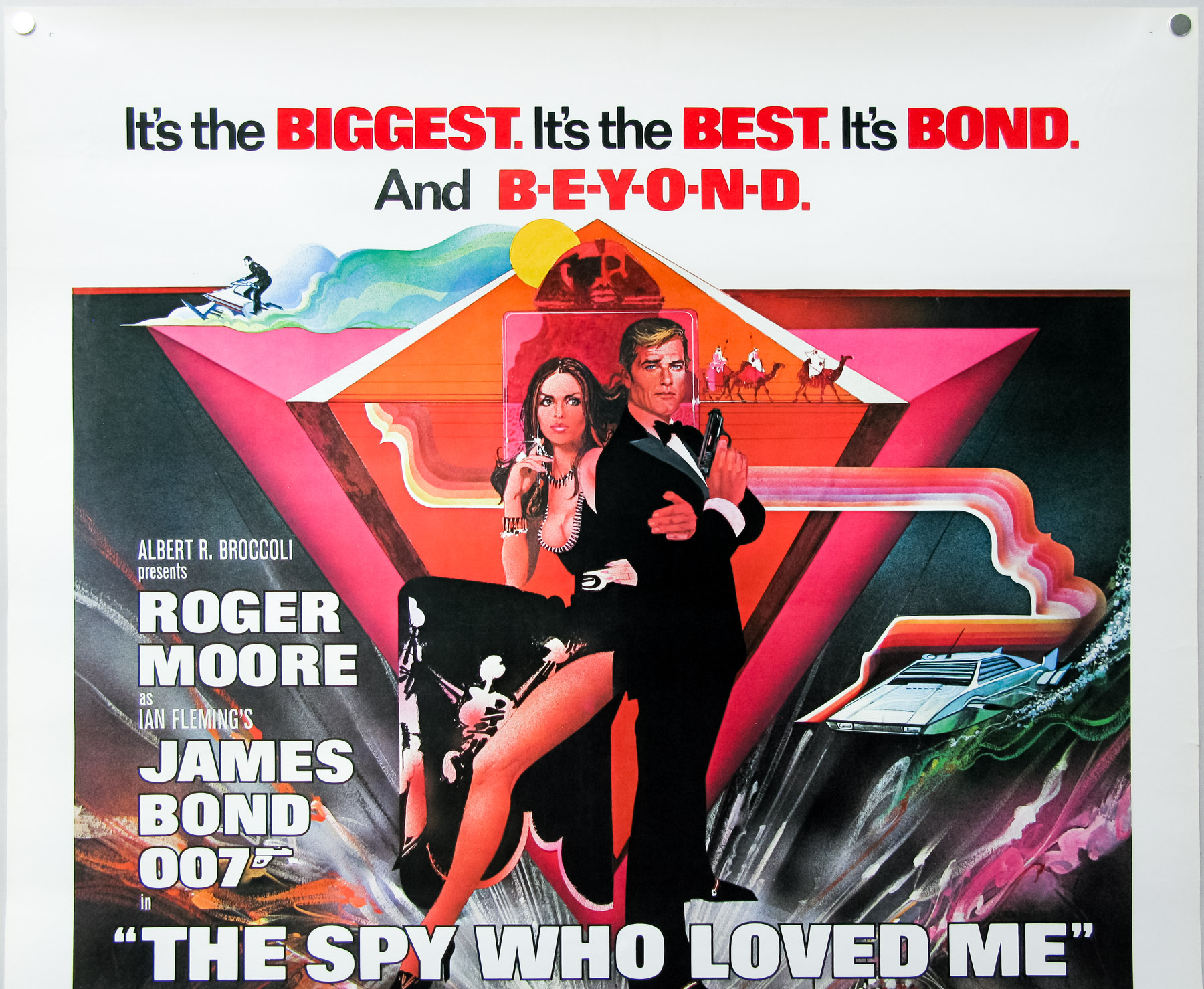
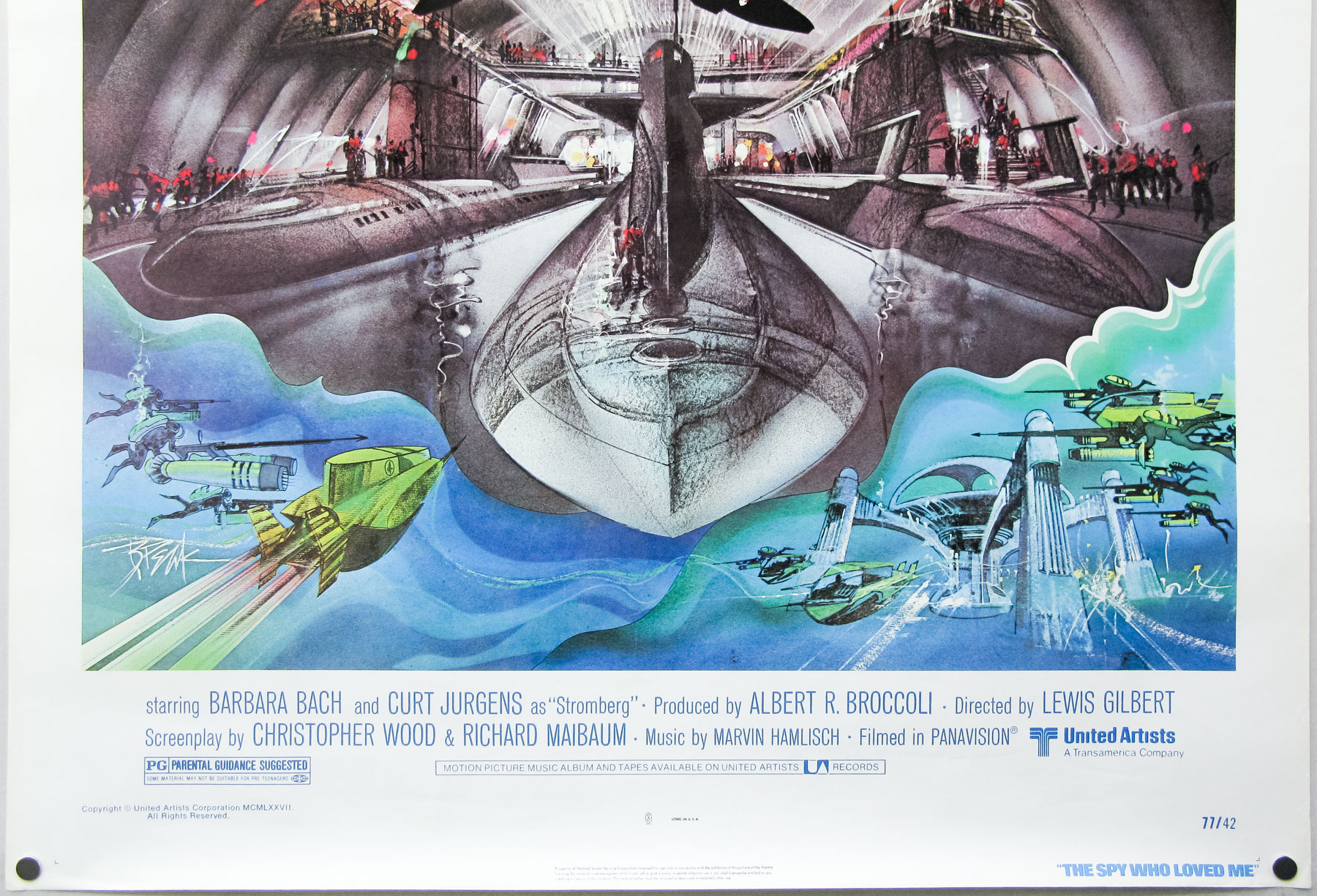
You searched for: USA

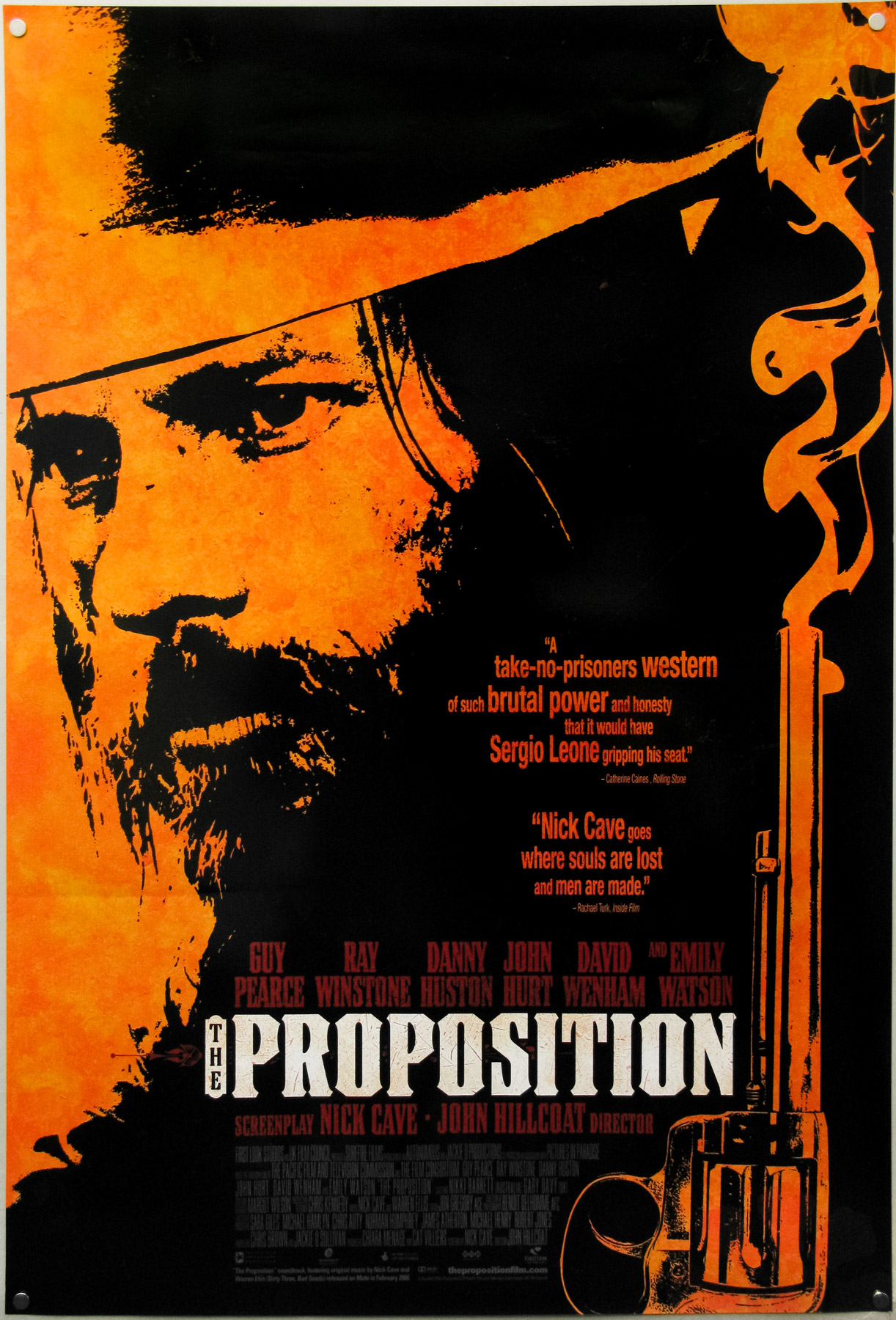
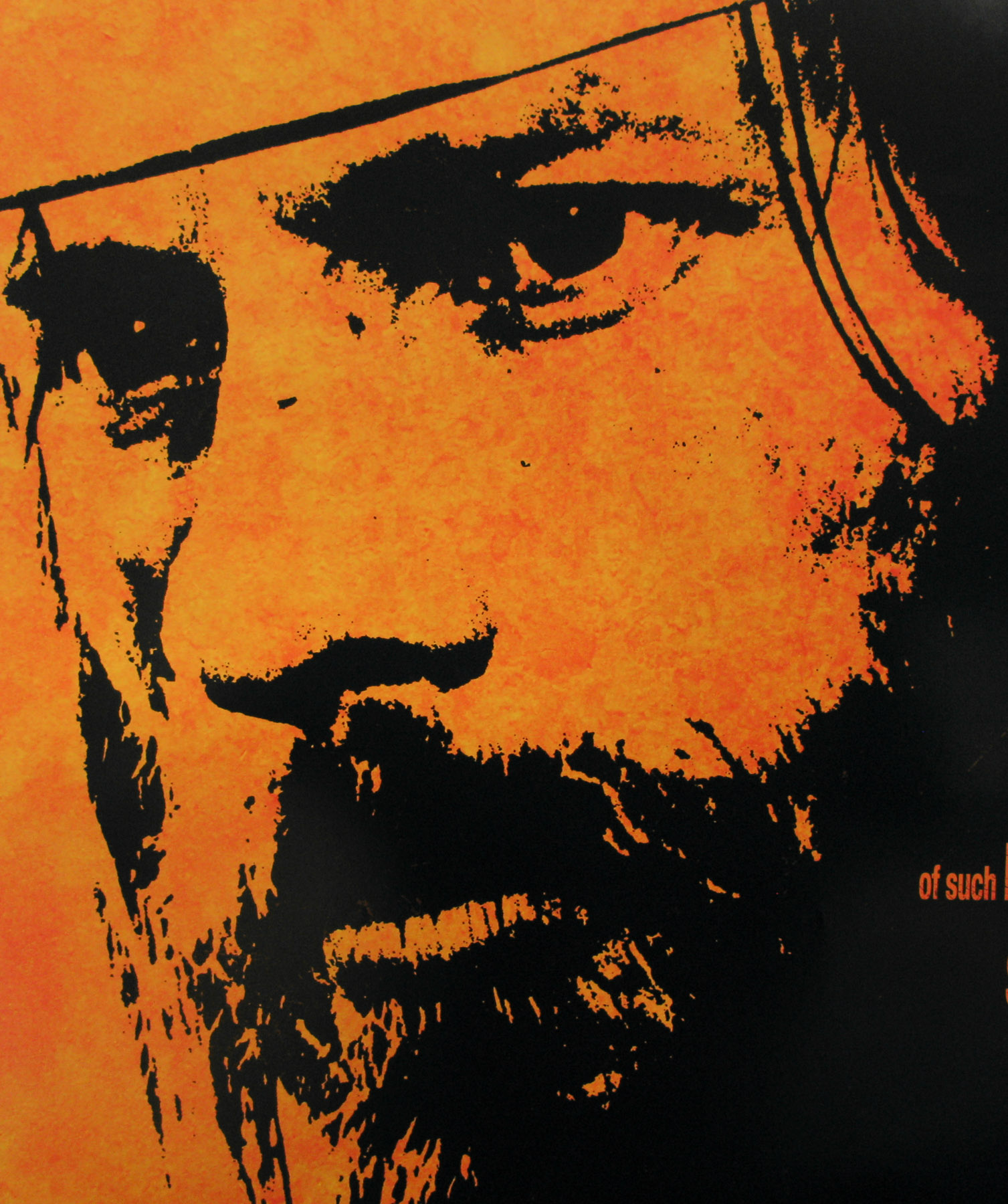
The Proposition / one sheet / USA

17.05.11

Poster Poster

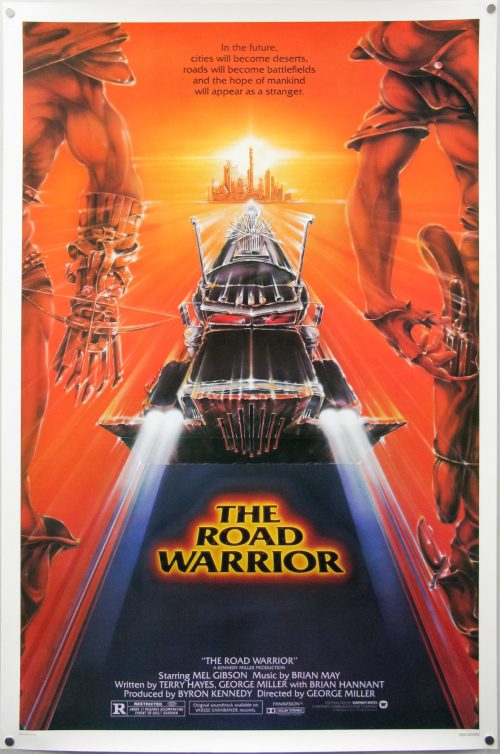
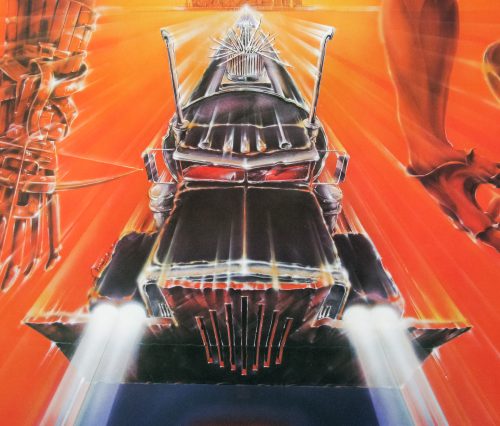
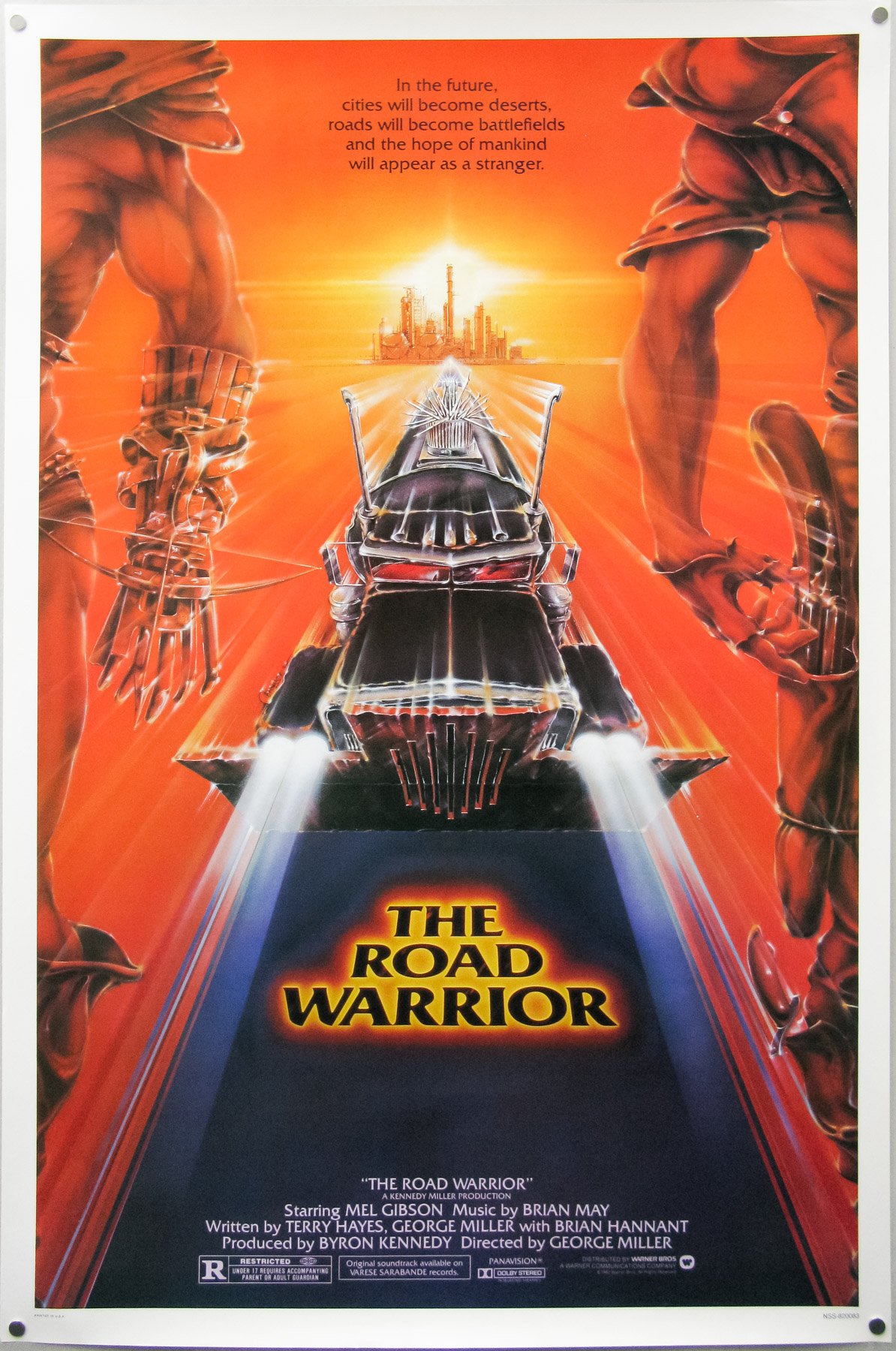
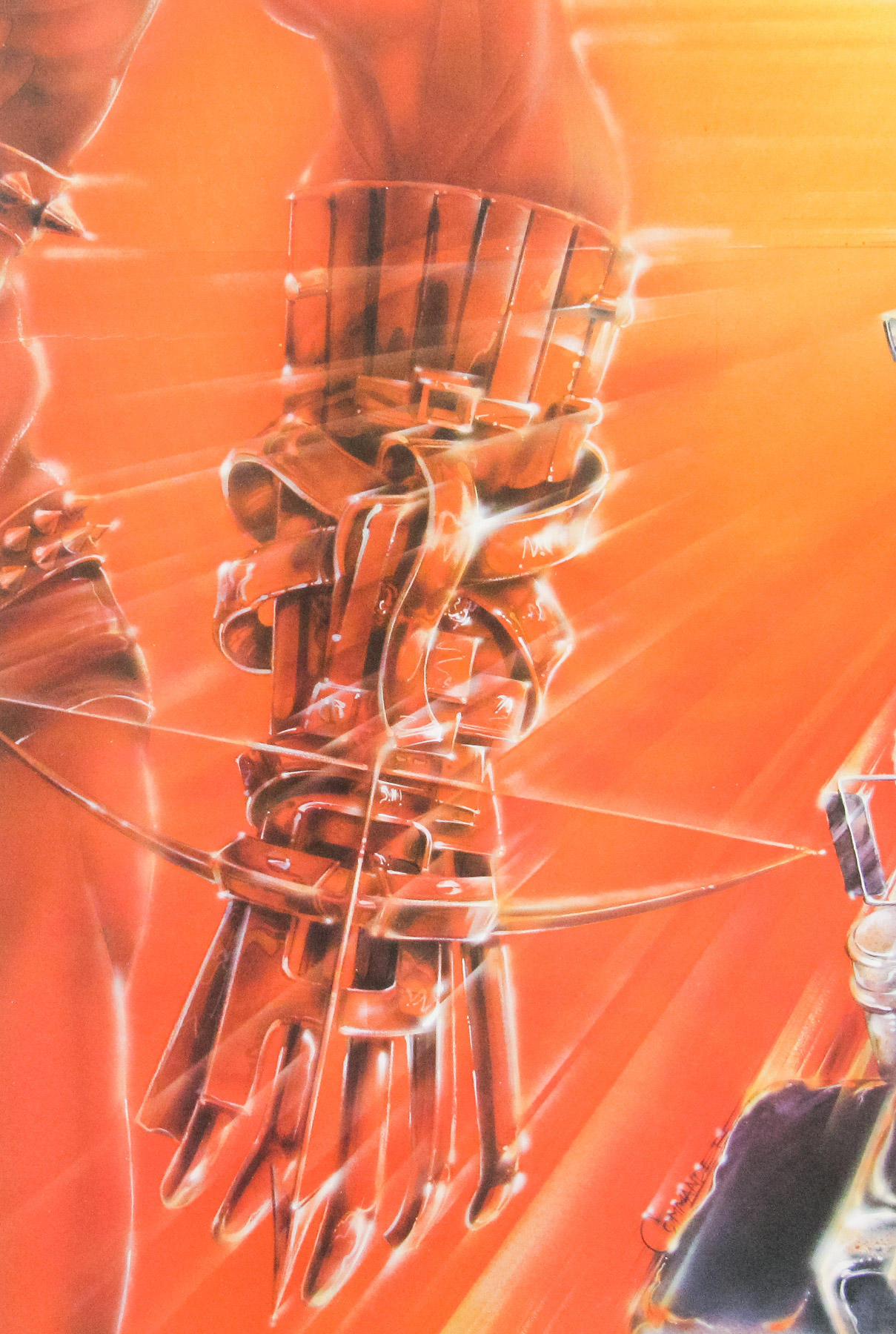
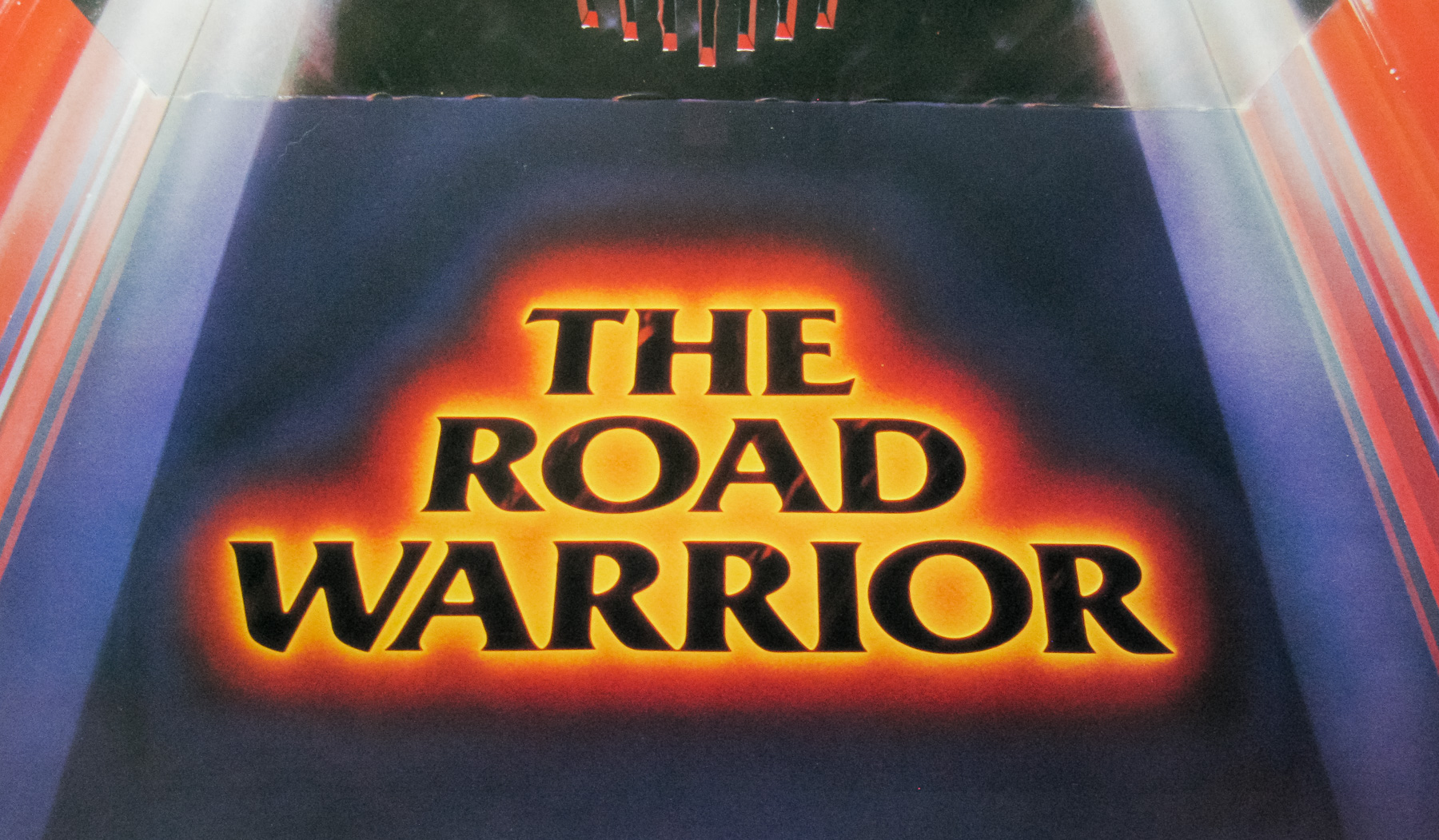
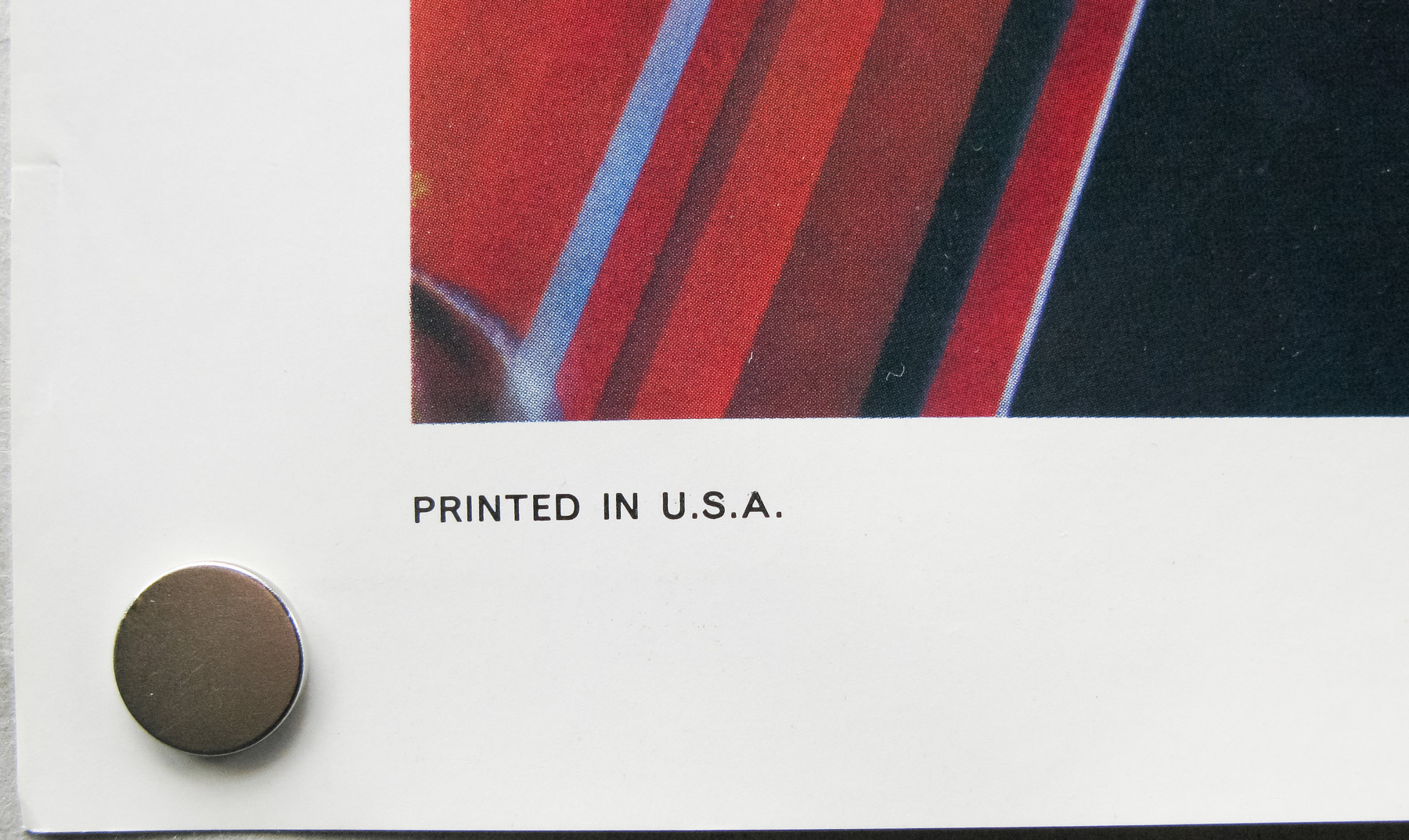
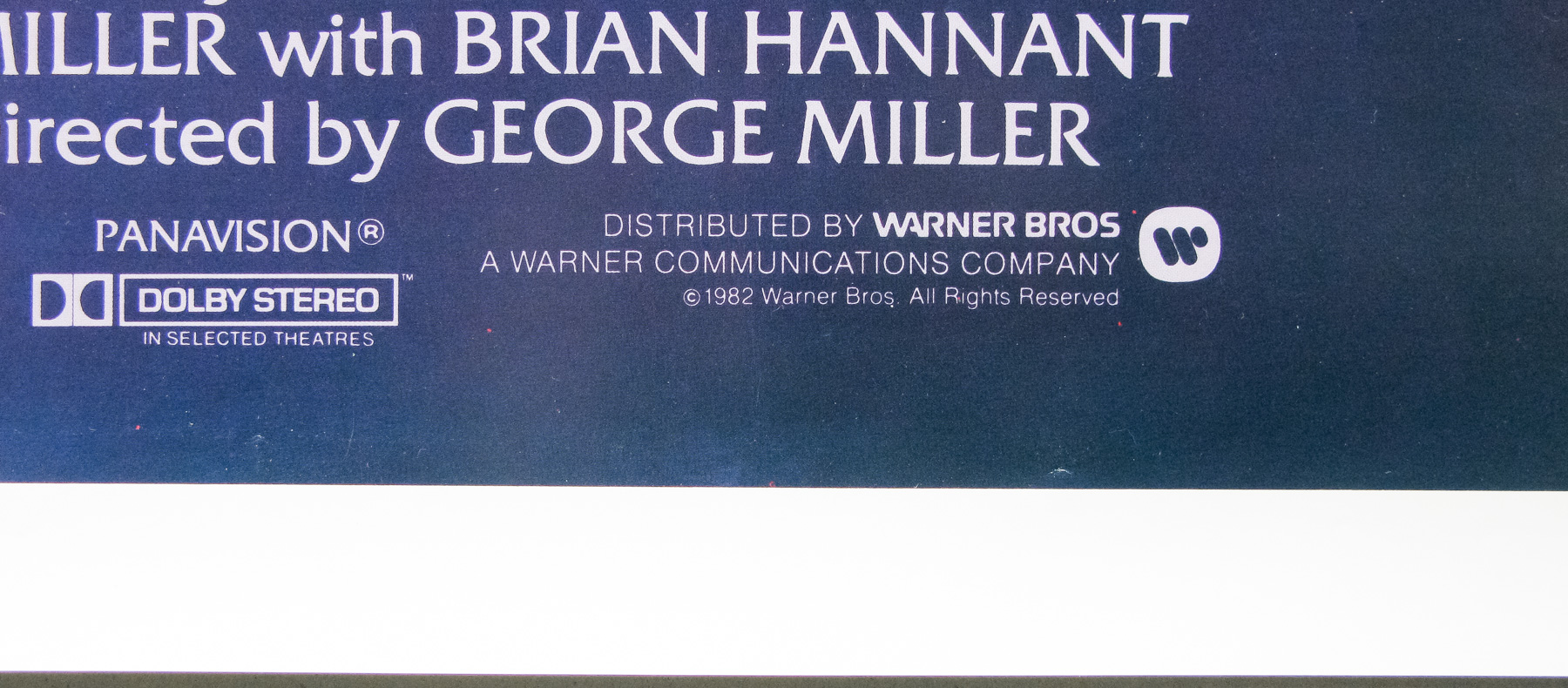
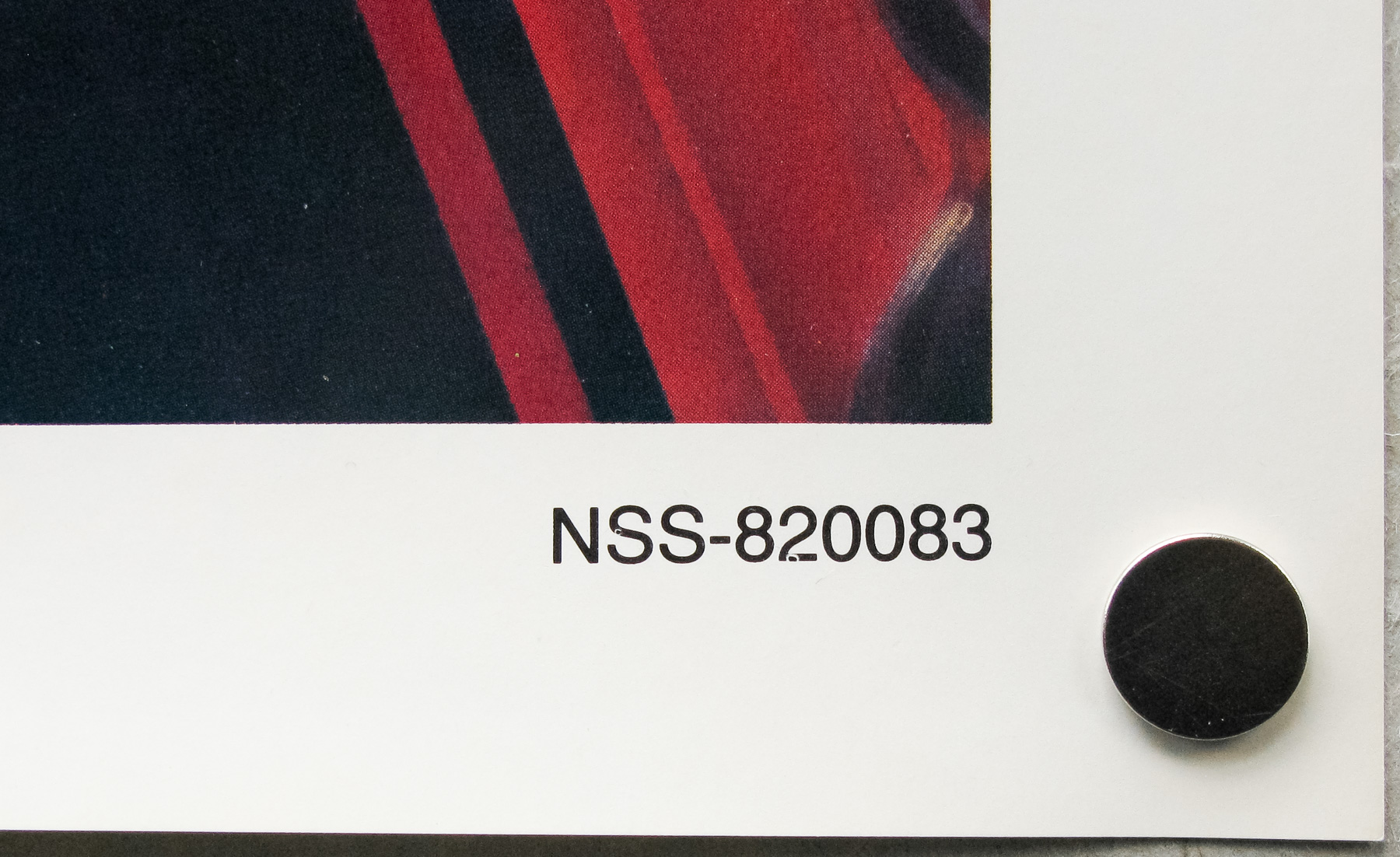
The Road Warrior / one sheet / USA

17.05.11

Poster Poster
Title
The Road Warrior
AKA
Mad Max 2 (International) | Interceptor, il guerriero della strada [Interceptor, the warrior of the road] (Italy)
Year of Film
1981
Director
George Miller
Starring
Mel Gibson, Michael Preston, Bruce Spence, Vernon Wells, Kjell Nilsson, Virginia Hey, Emil Minty
Origin of Film
Australia
Genre(s) of Film
Mel Gibson, Michael Preston, Bruce Spence, Vernon Wells, Kjell Nilsson, Virginia Hey, Emil Minty,
Type of Poster
One sheet
Style of Poster
--
Origin of Poster
USA
Year of Poster
1982
Designer
Unknown
Artist
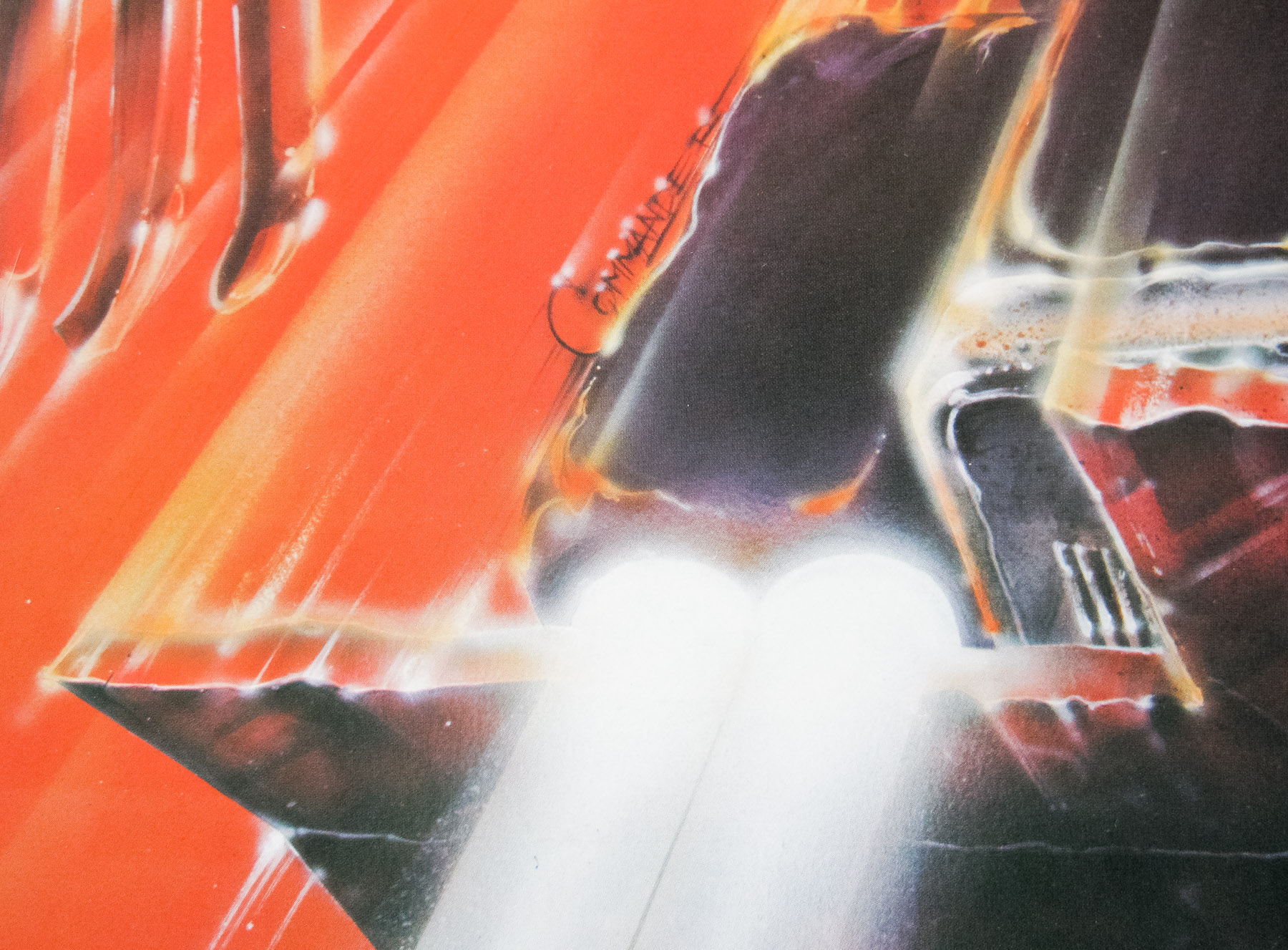
Commander
Size (inches)
27" x 41"
SS or DS
SS
NSS #
820083
Tagline
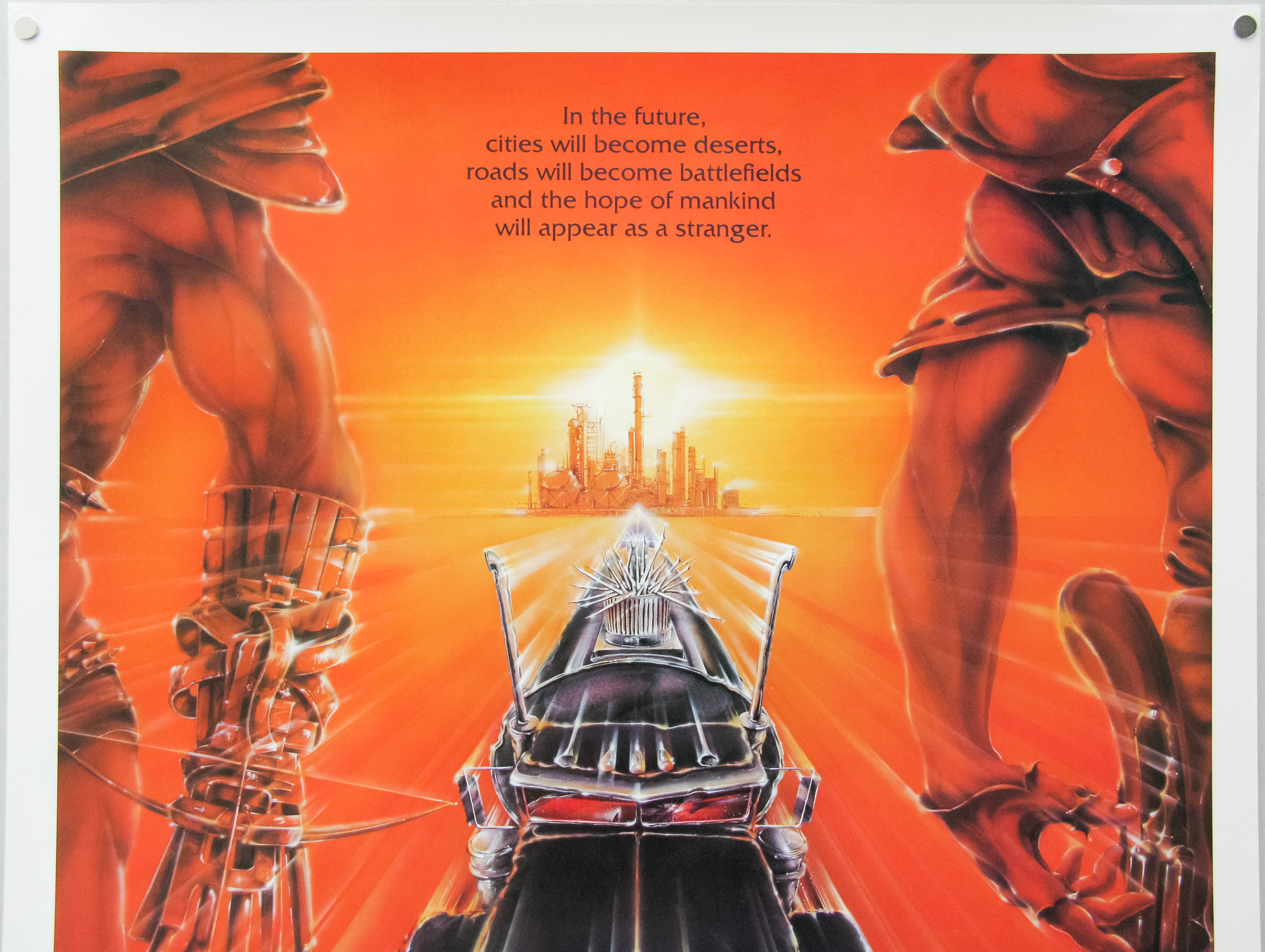
In the future, cities will become deserts, roads will become battlefields and the hope of mankind will appear as a stranger.

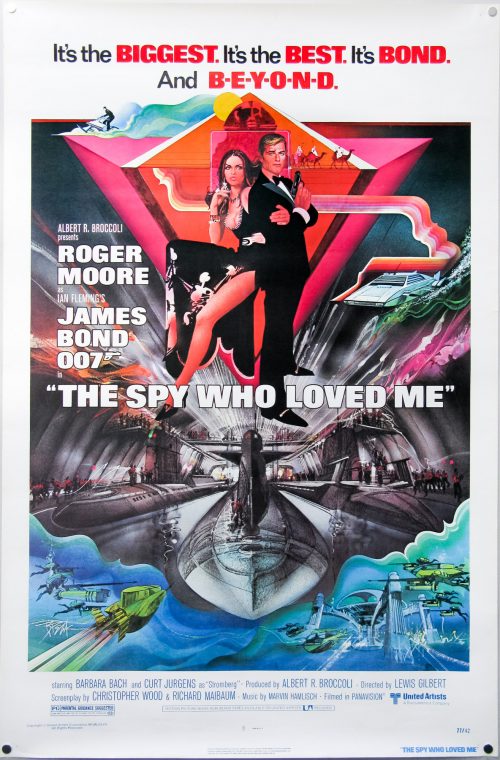
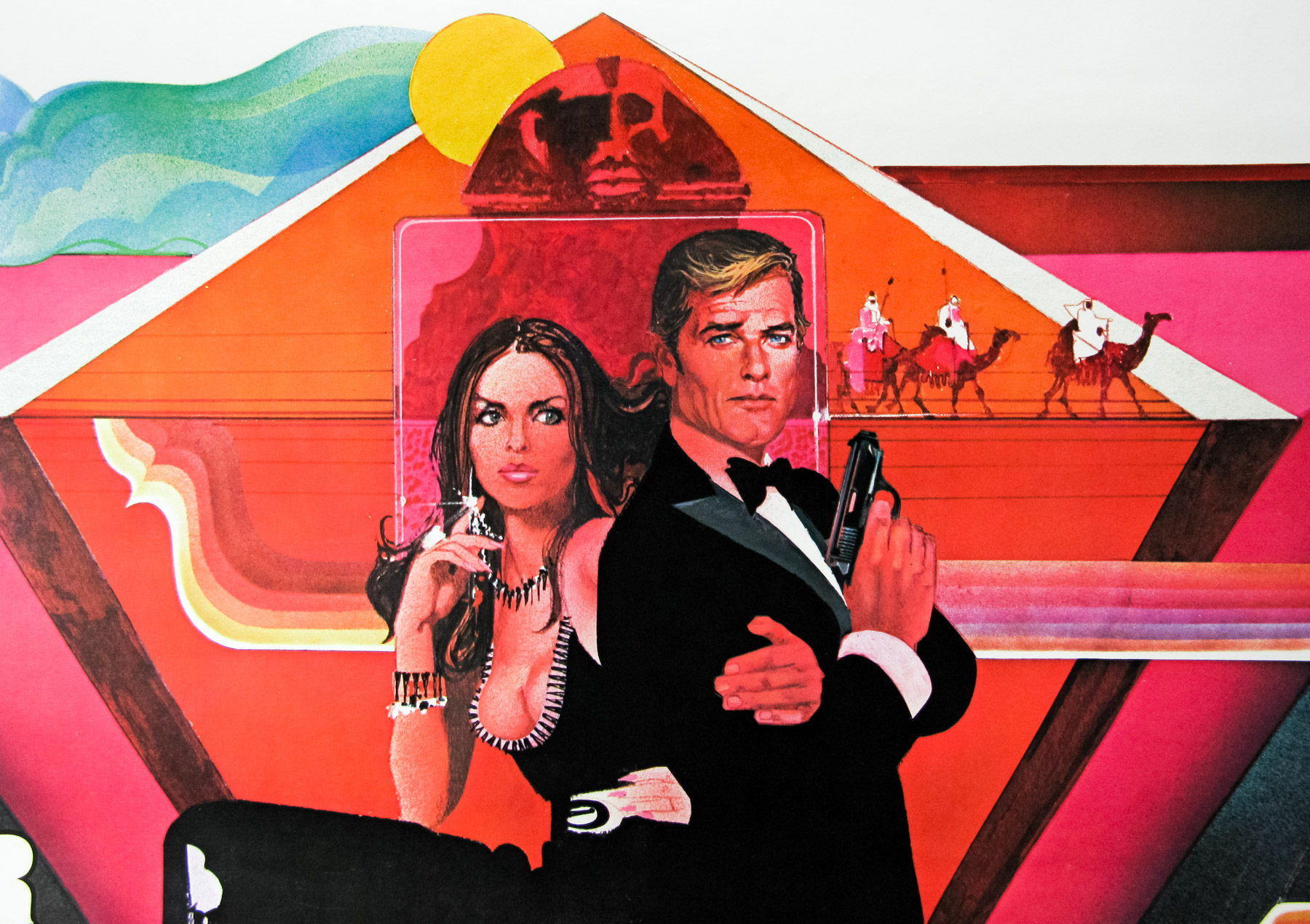
The Spy Who Loved Me / one sheet / USA

17.05.11

Poster Poster

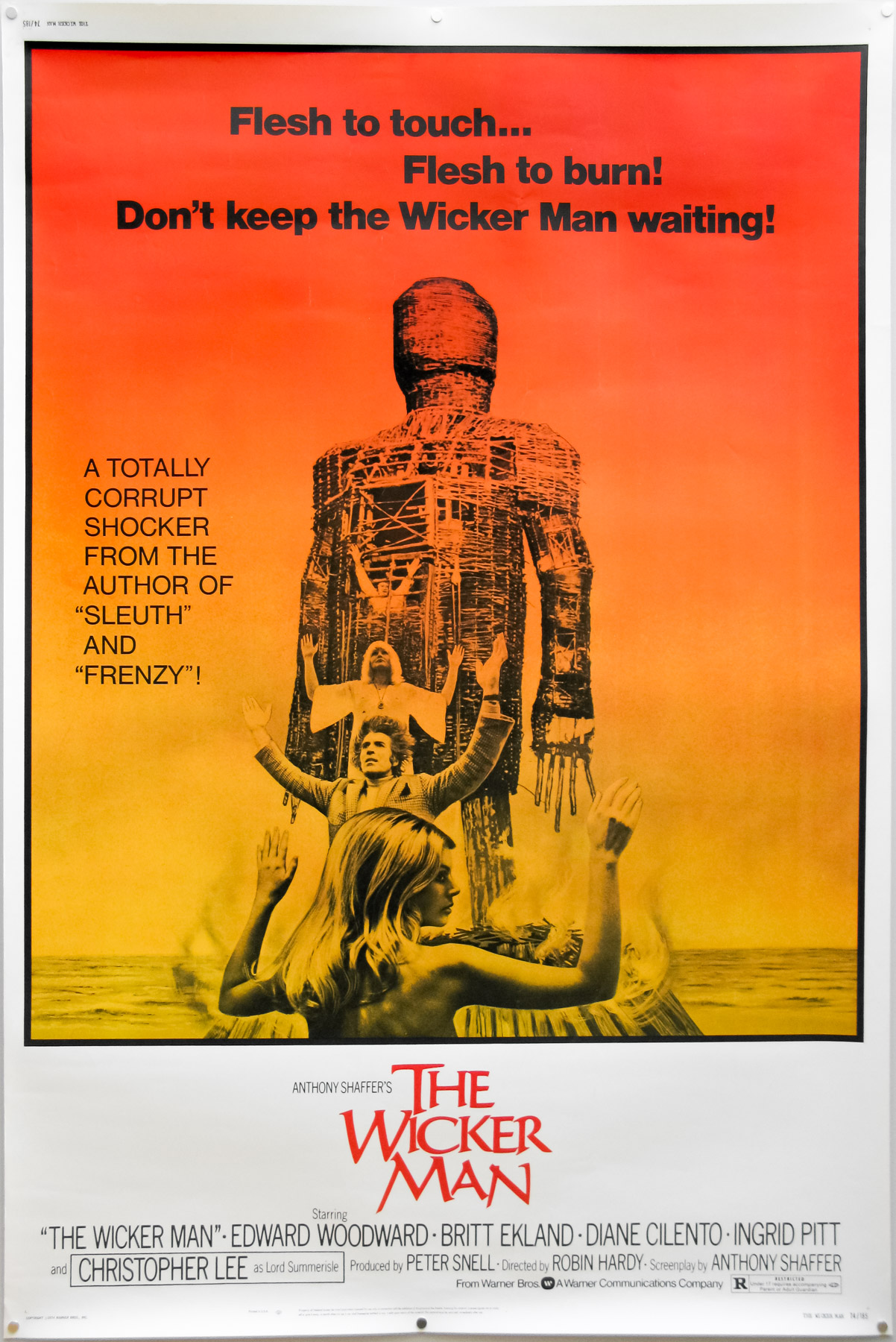
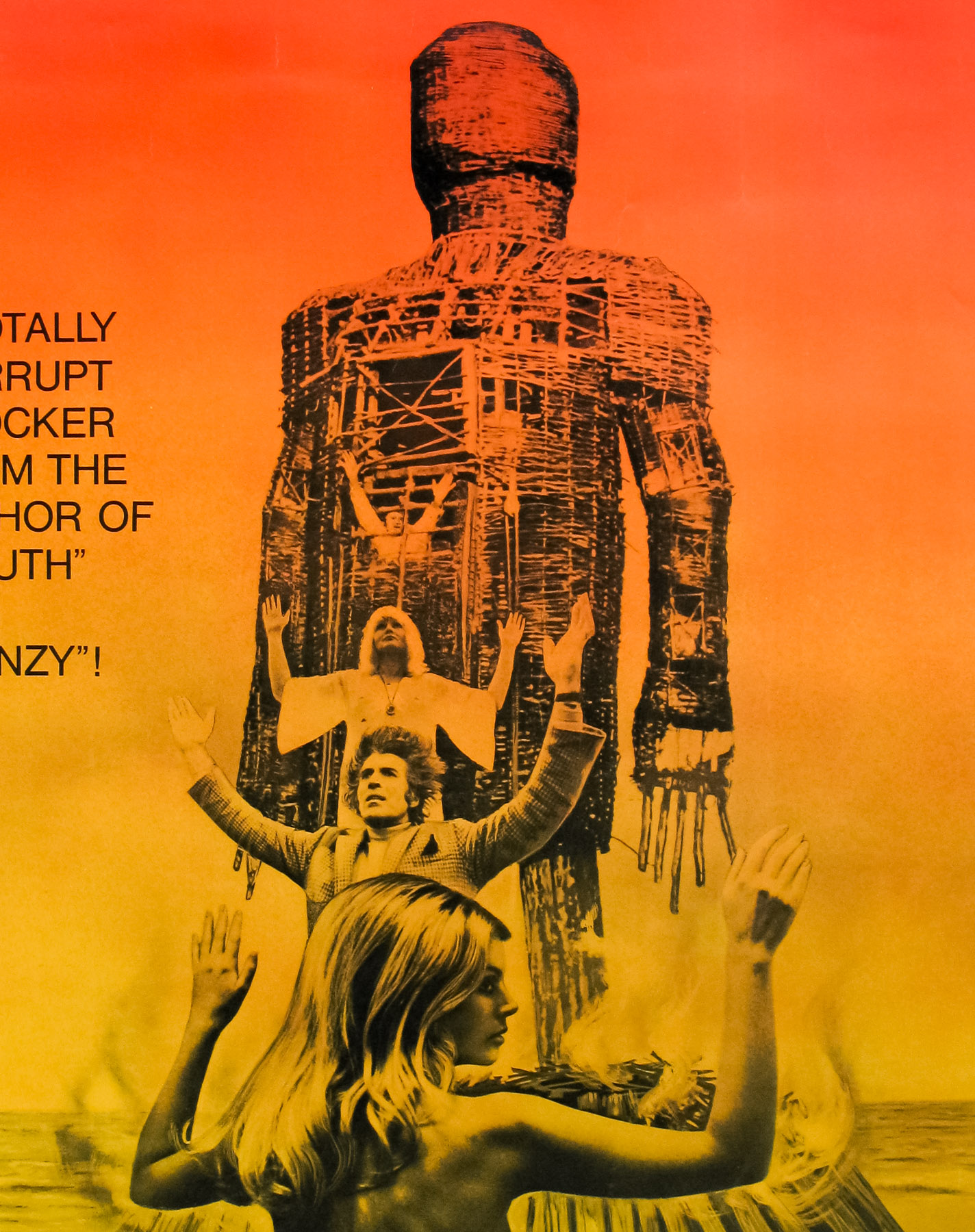
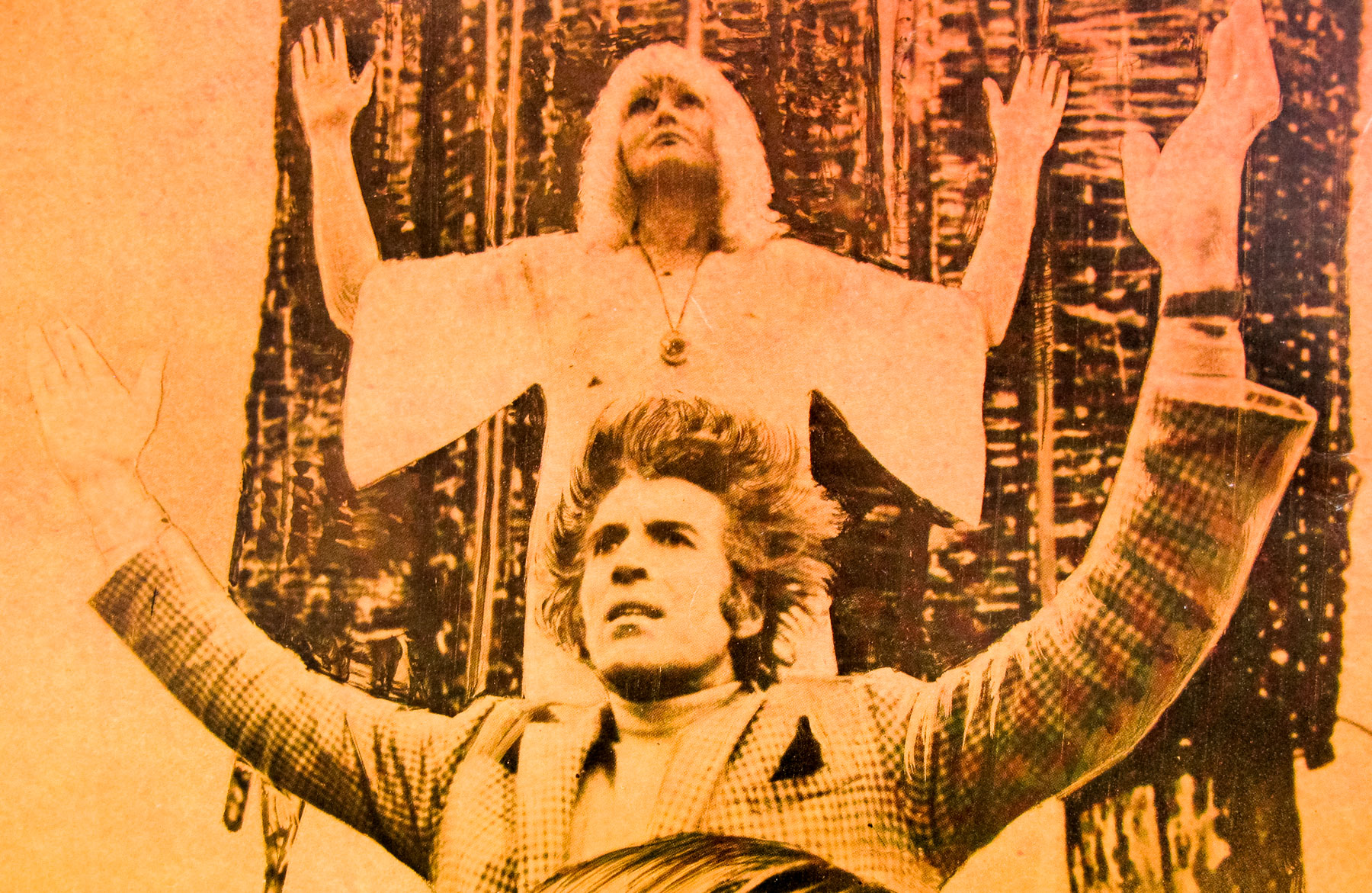
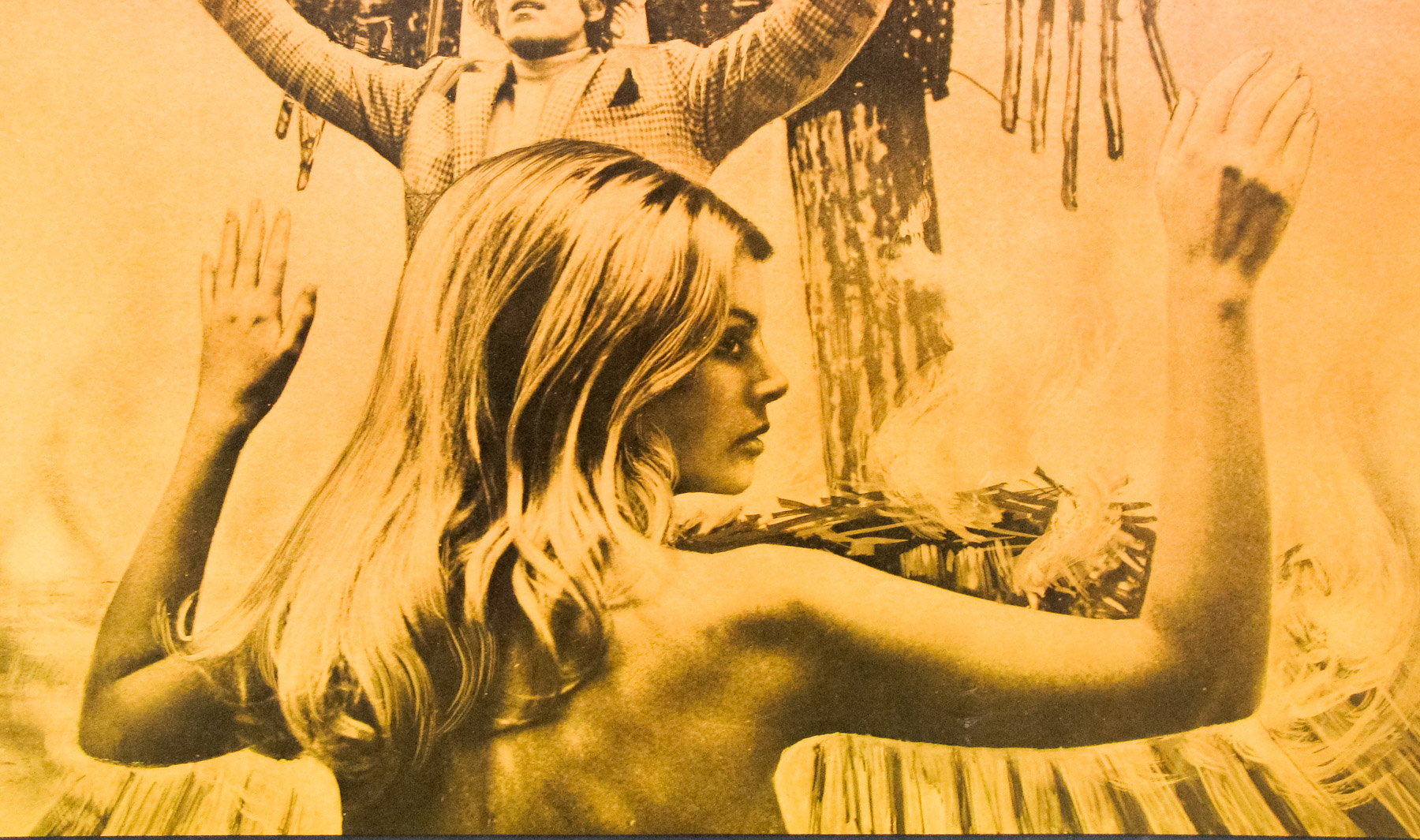
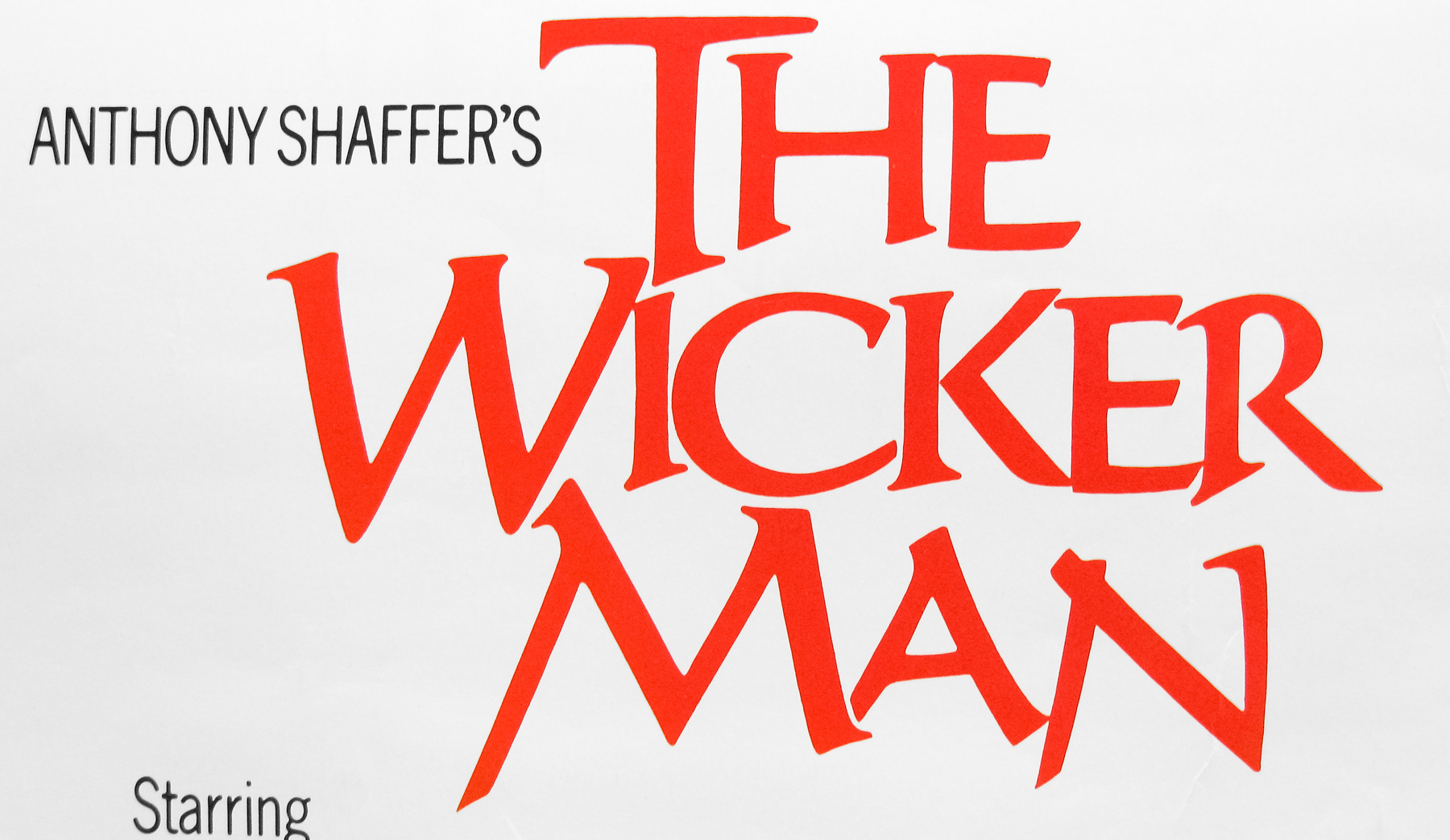
The Wicker Man / 40×60 / USA

18.05.11

Poster Poster

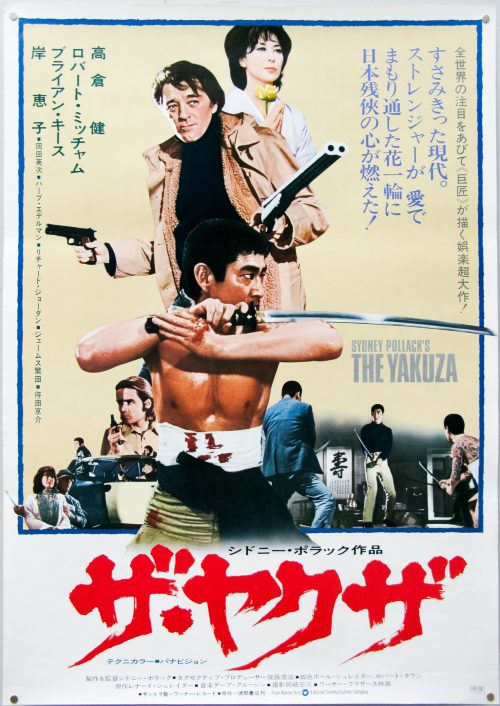
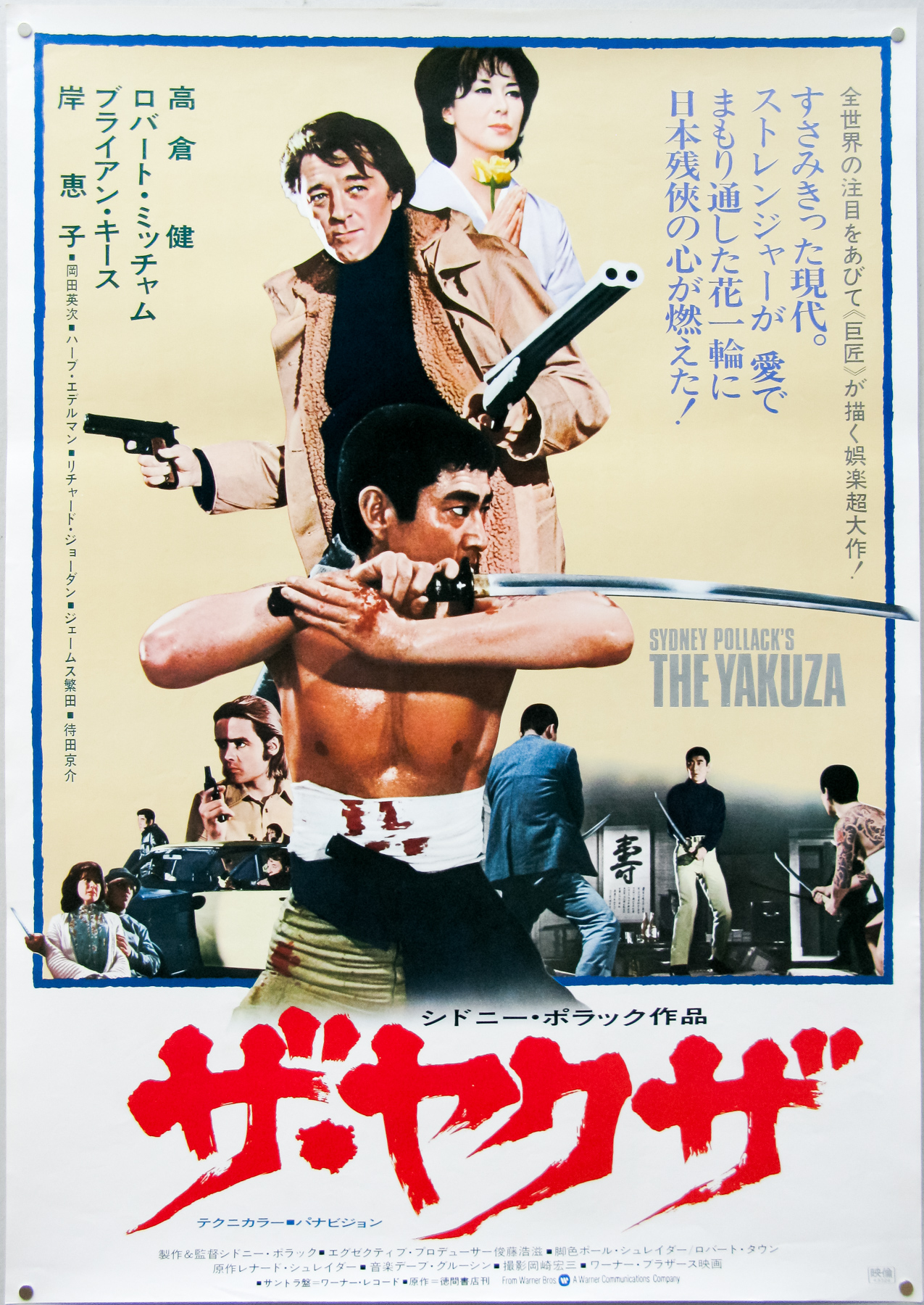
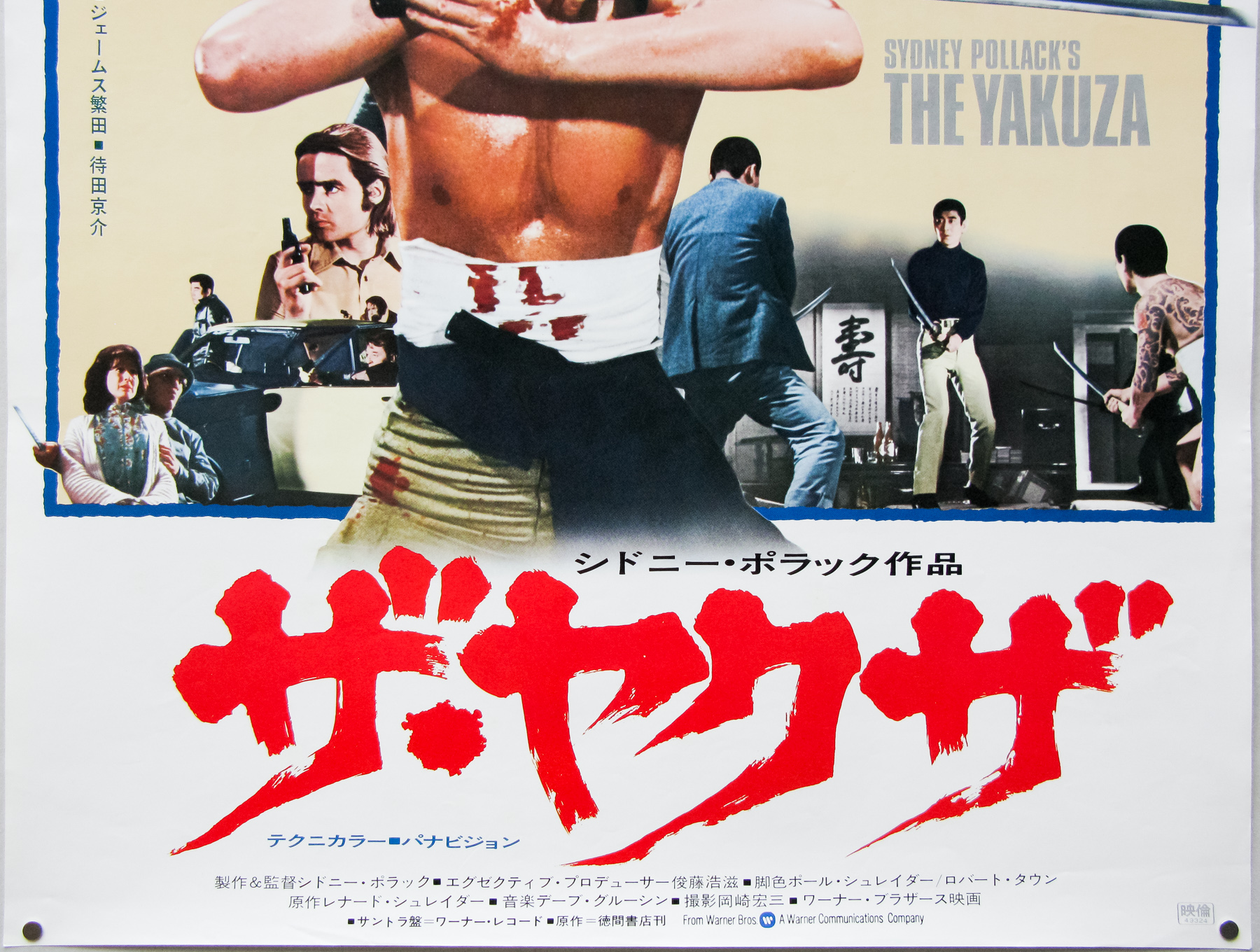
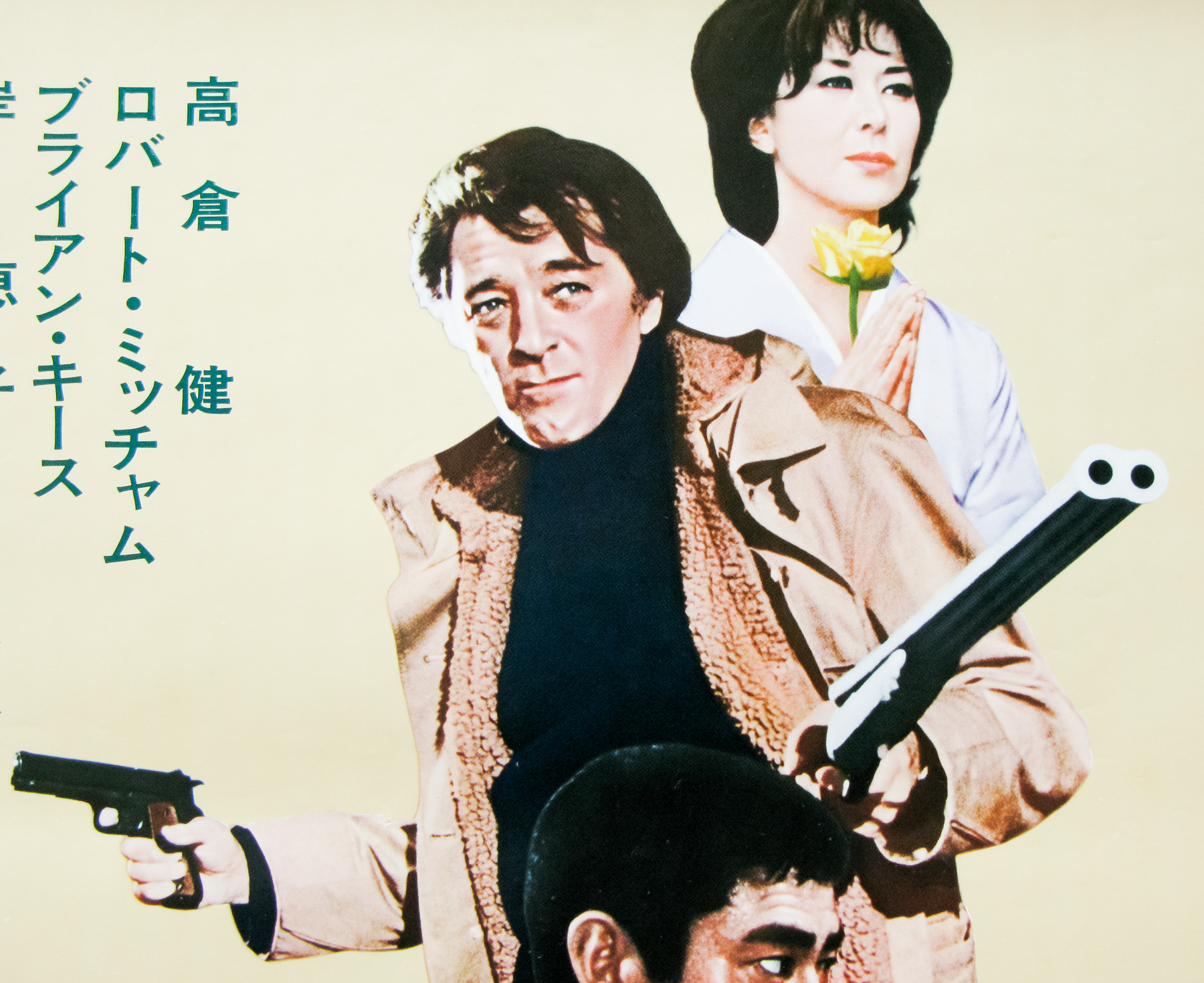
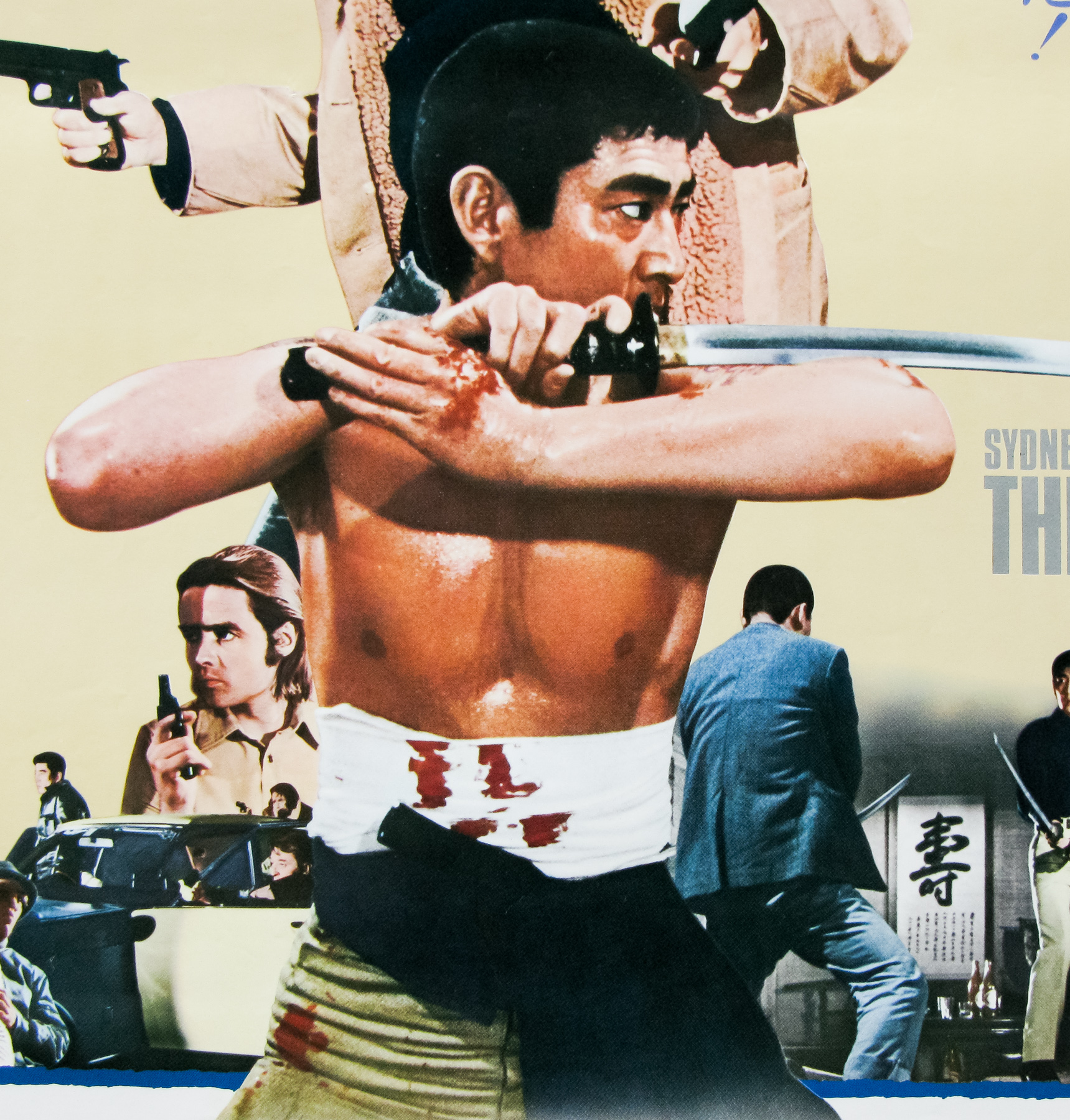
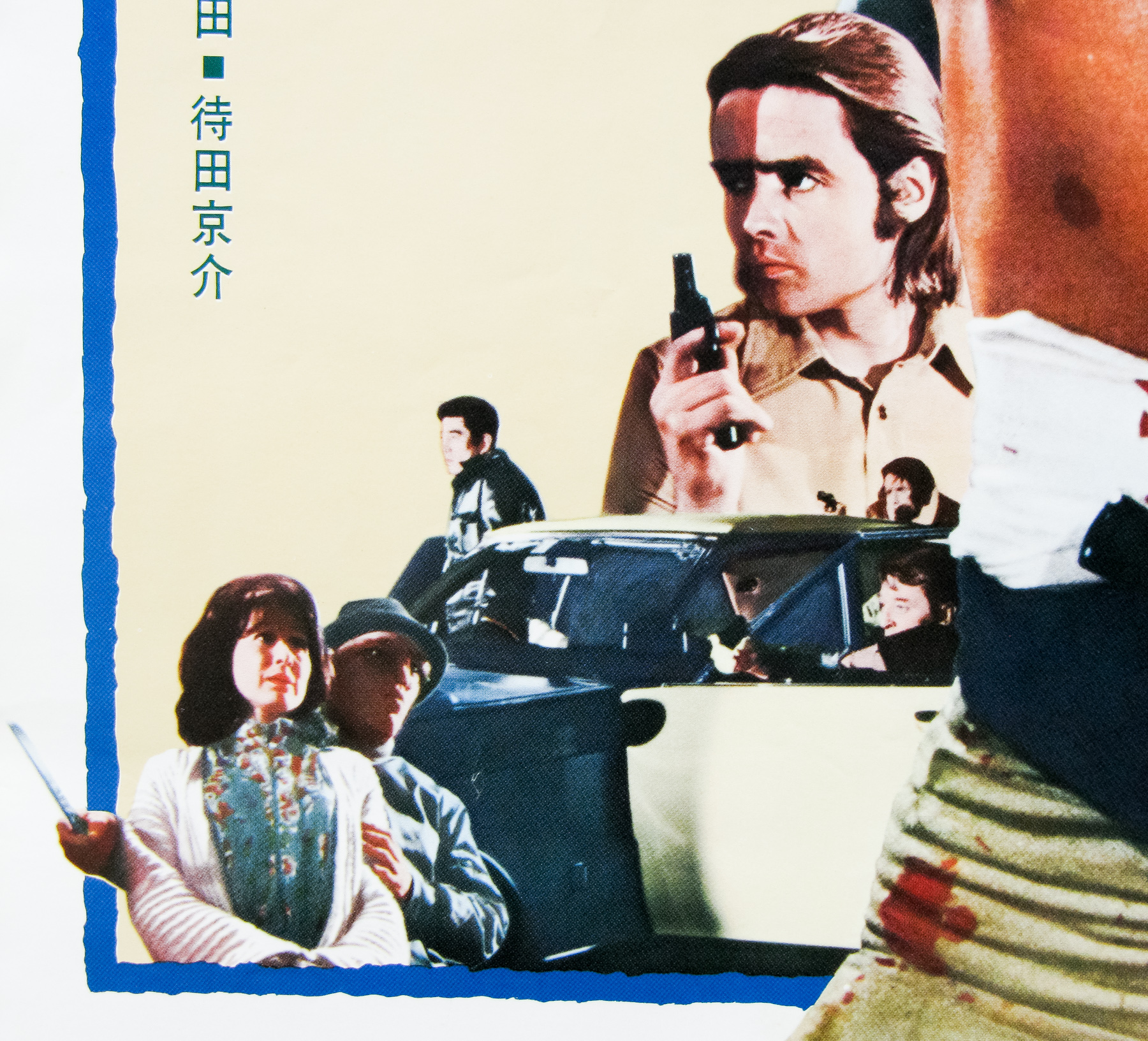
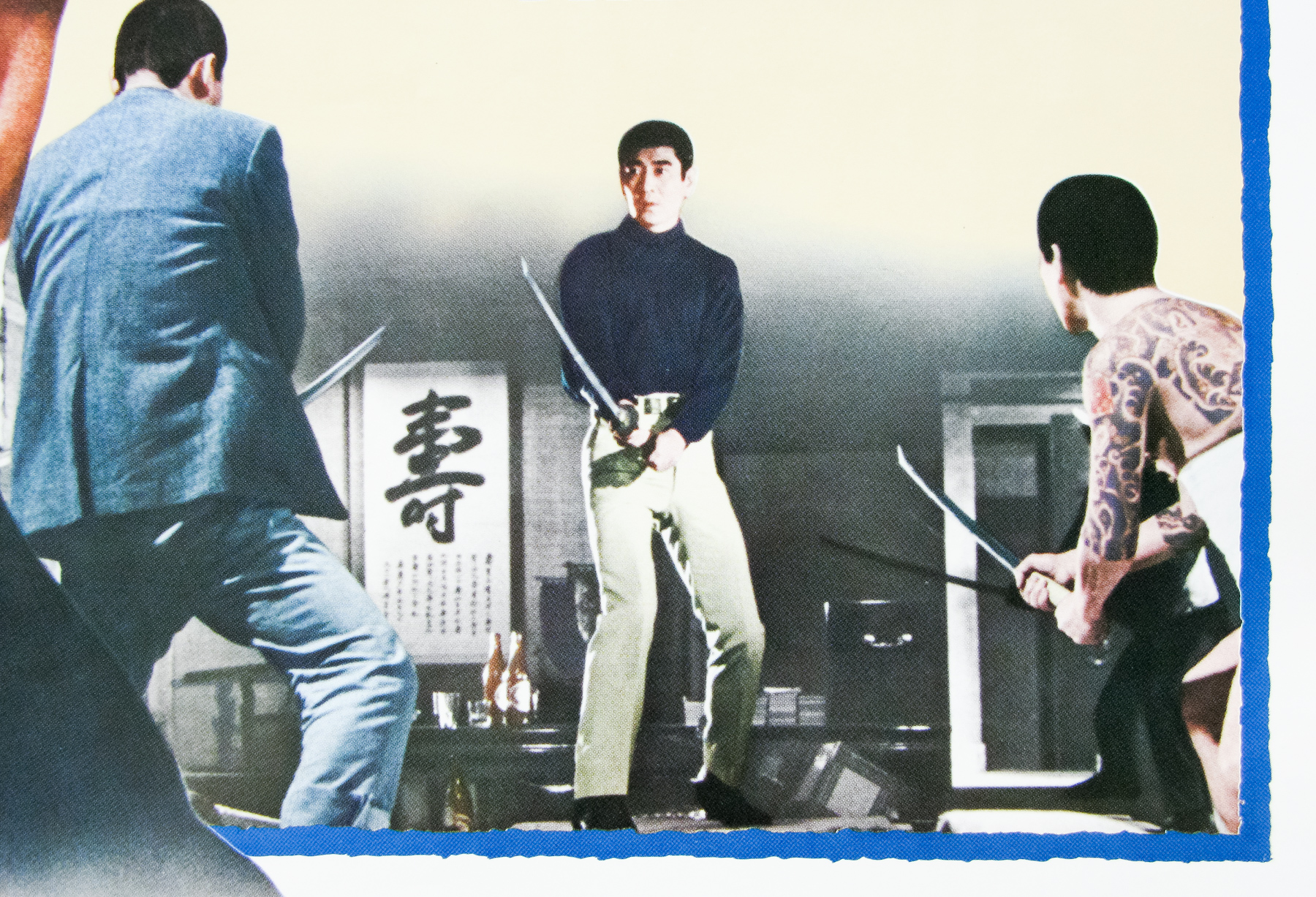
The Yakuza / B2 / photo style / USA

17.05.11

Poster Poster

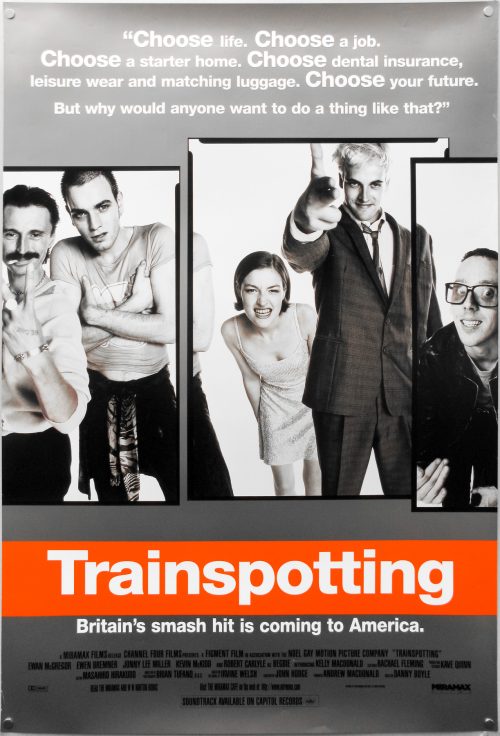
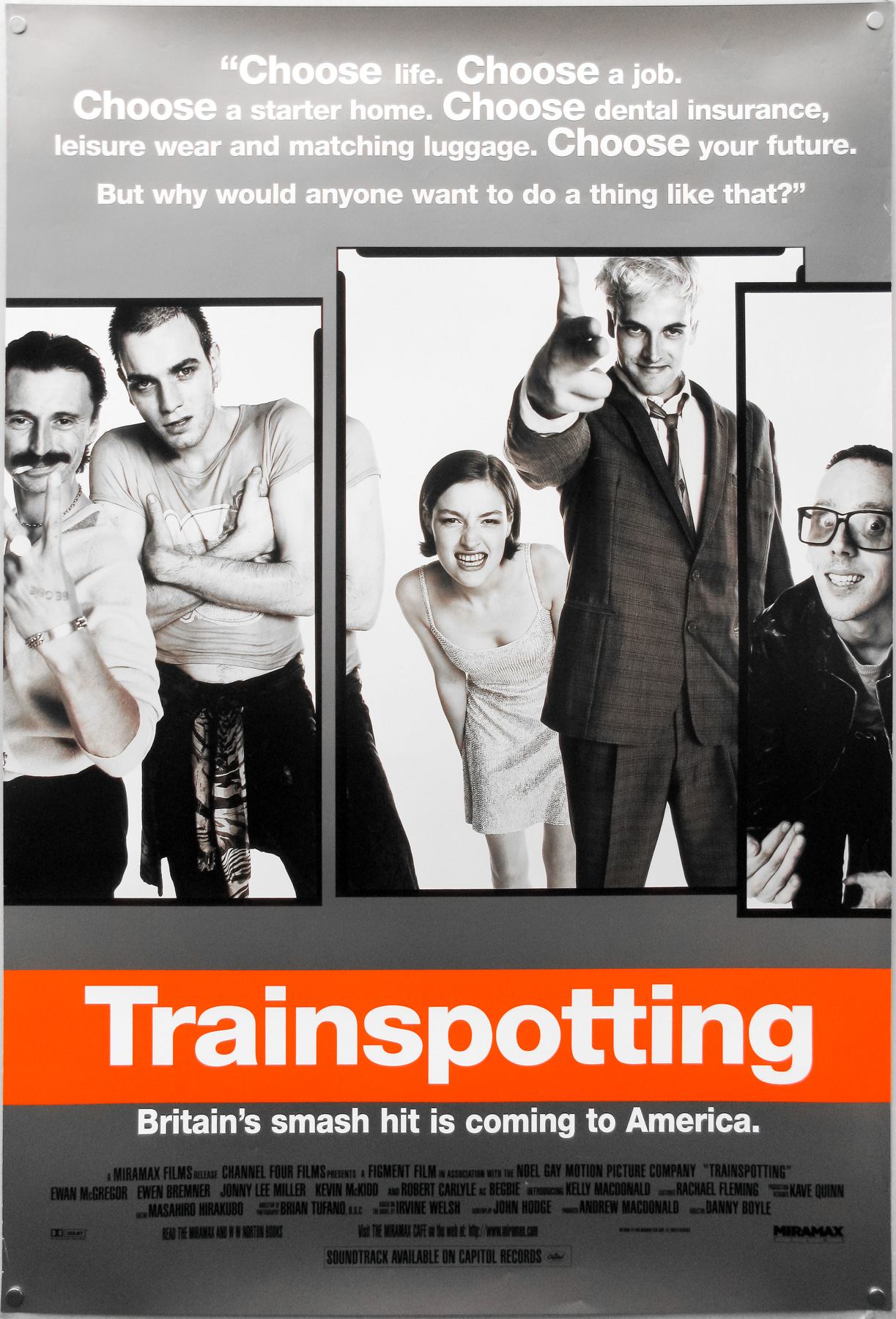
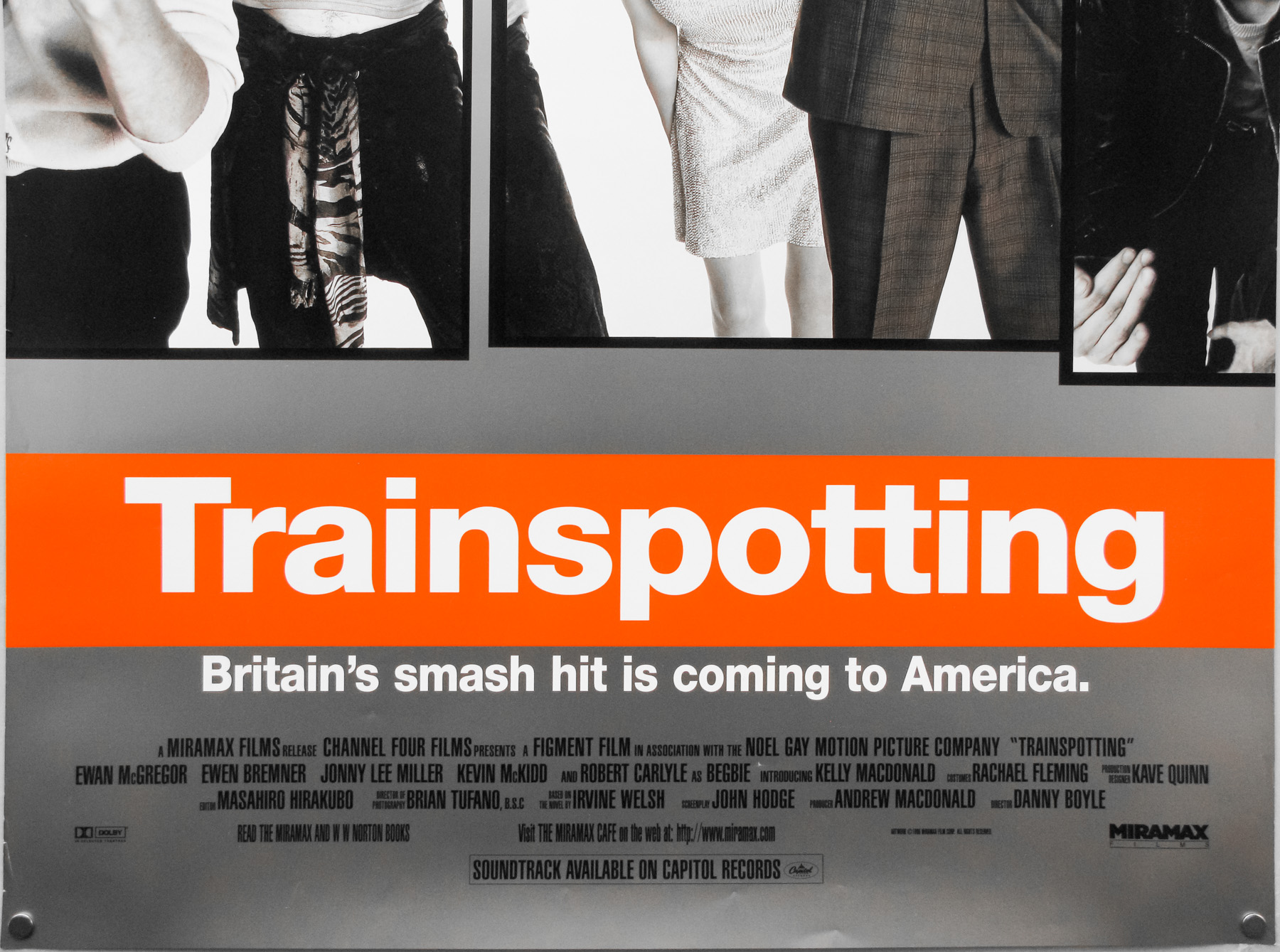
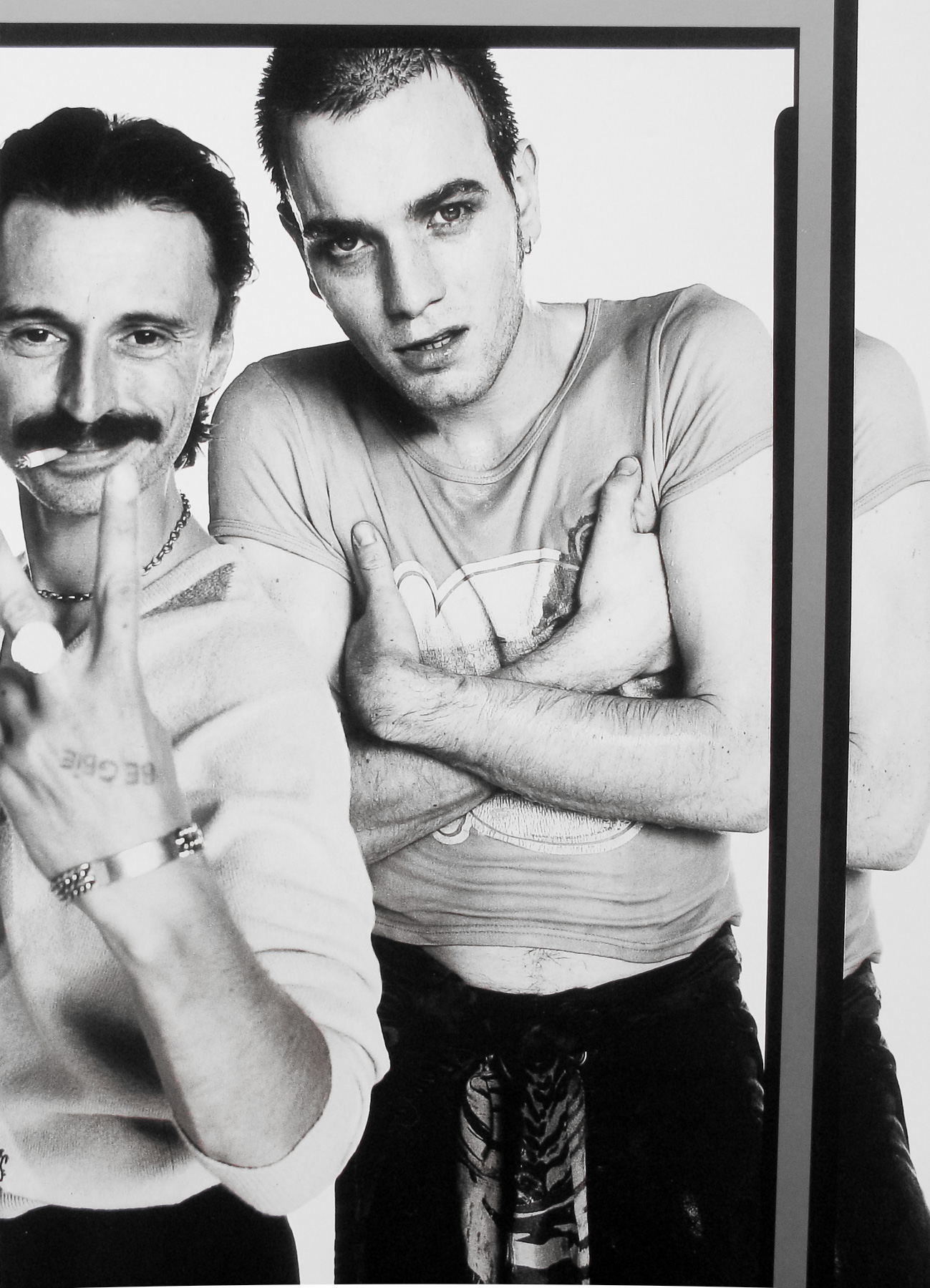
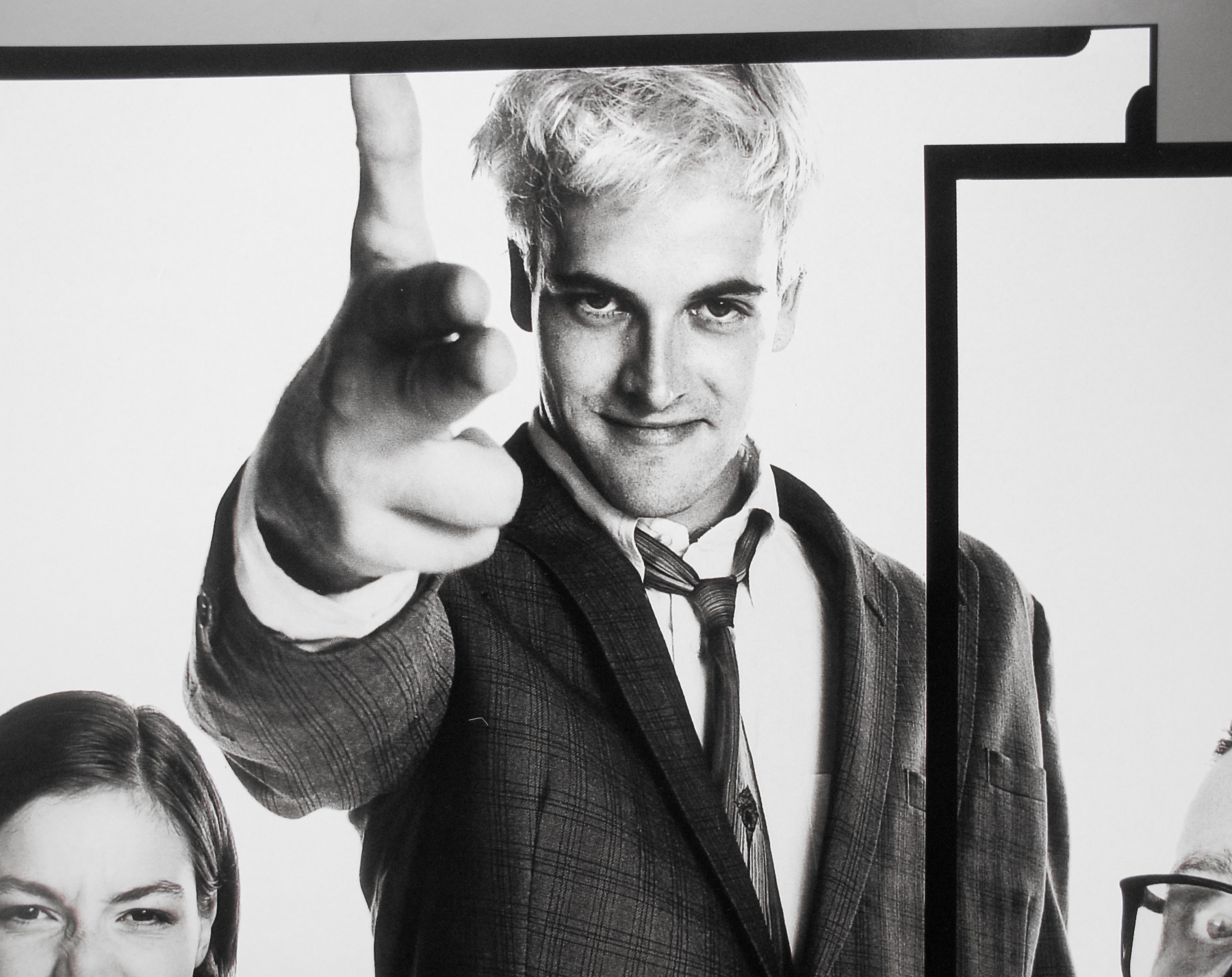
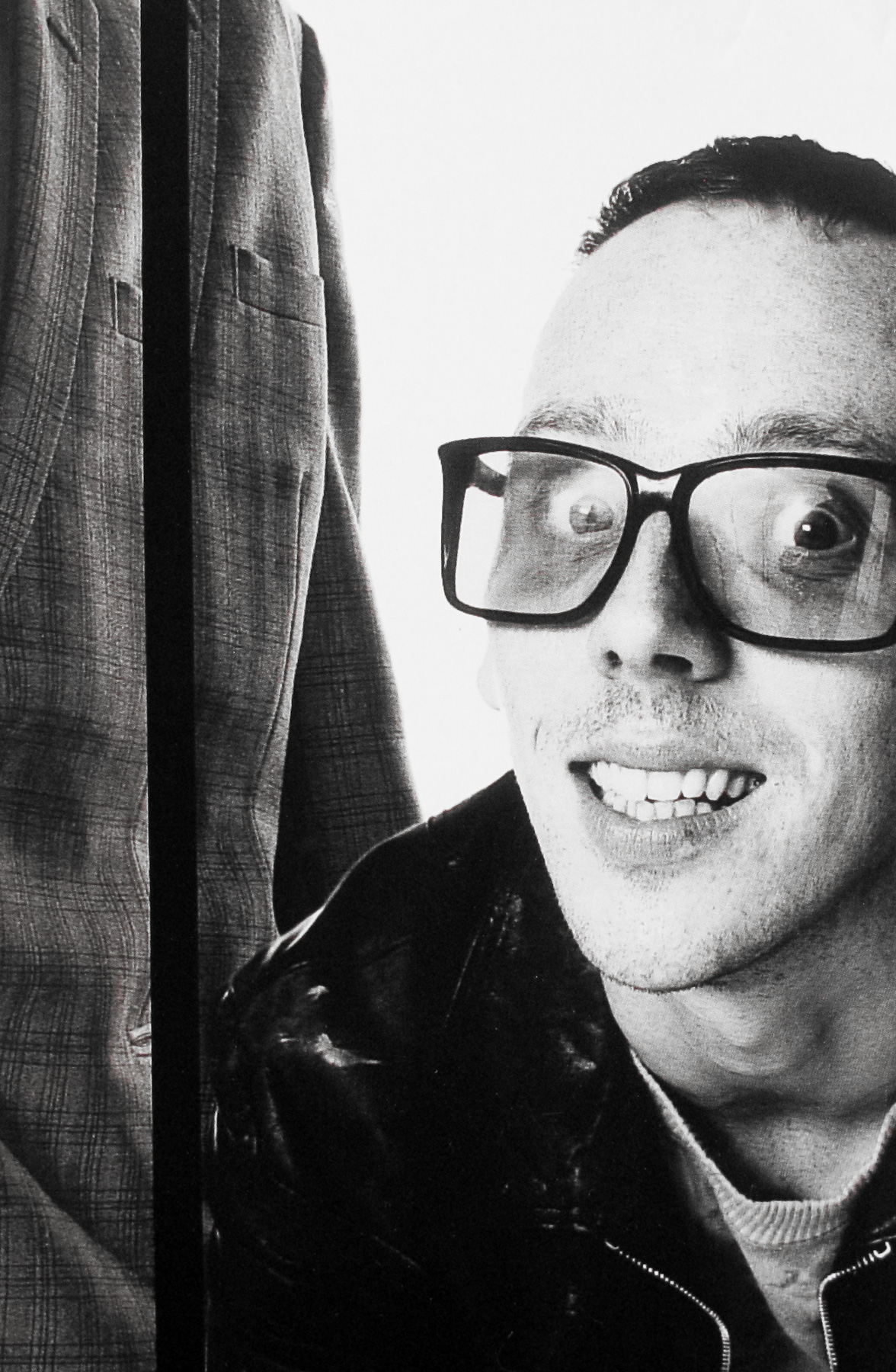
Trainspotting / one sheet / USA

17.05.11

Poster Poster

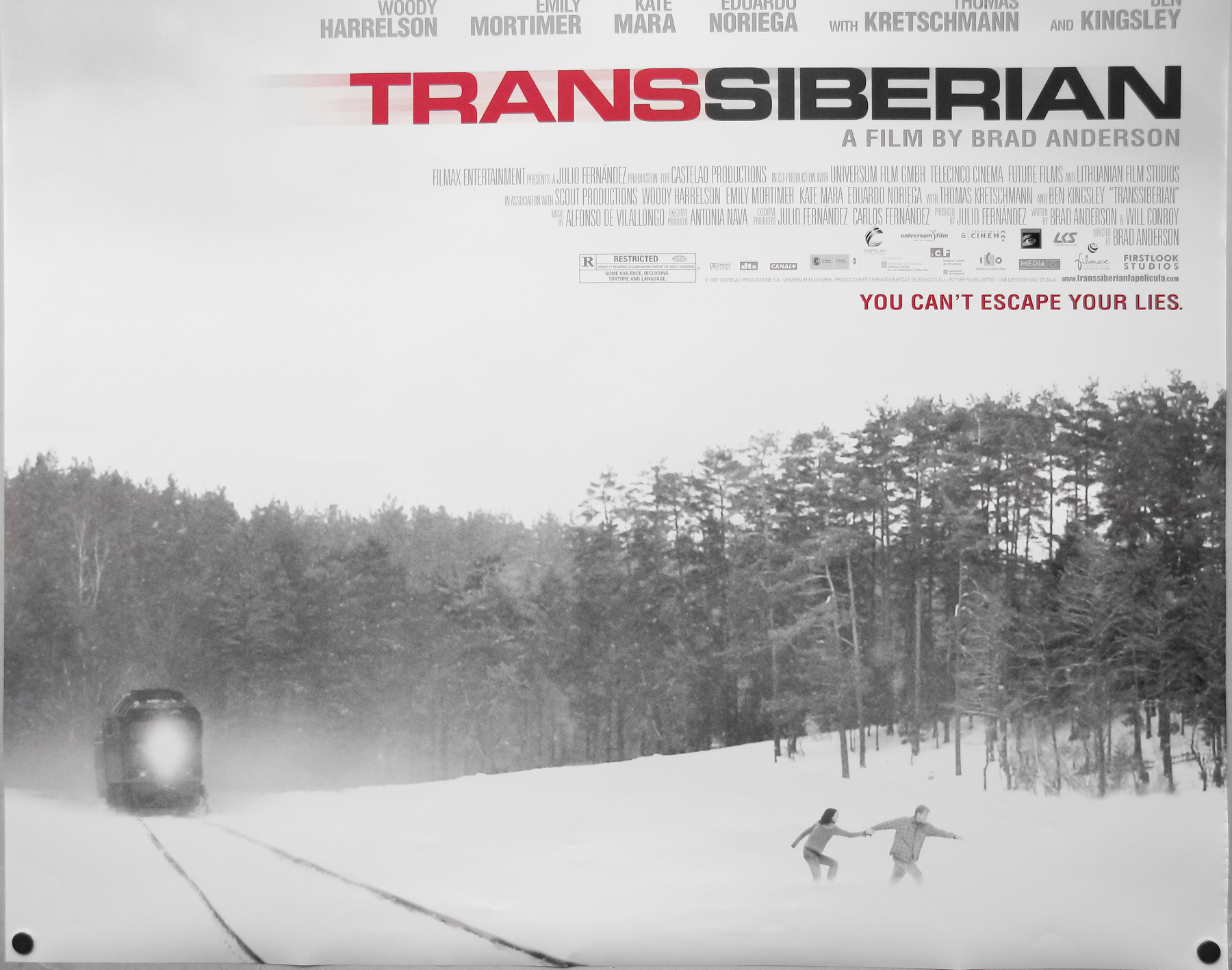
Transsiberian / one sheet / USA

17.05.11

Poster Poster

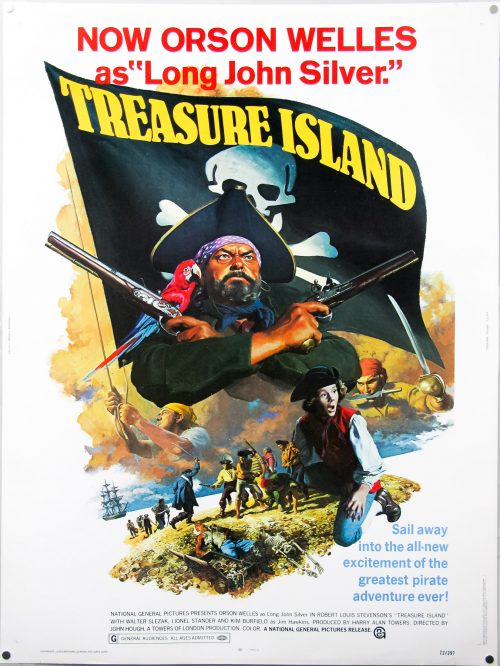
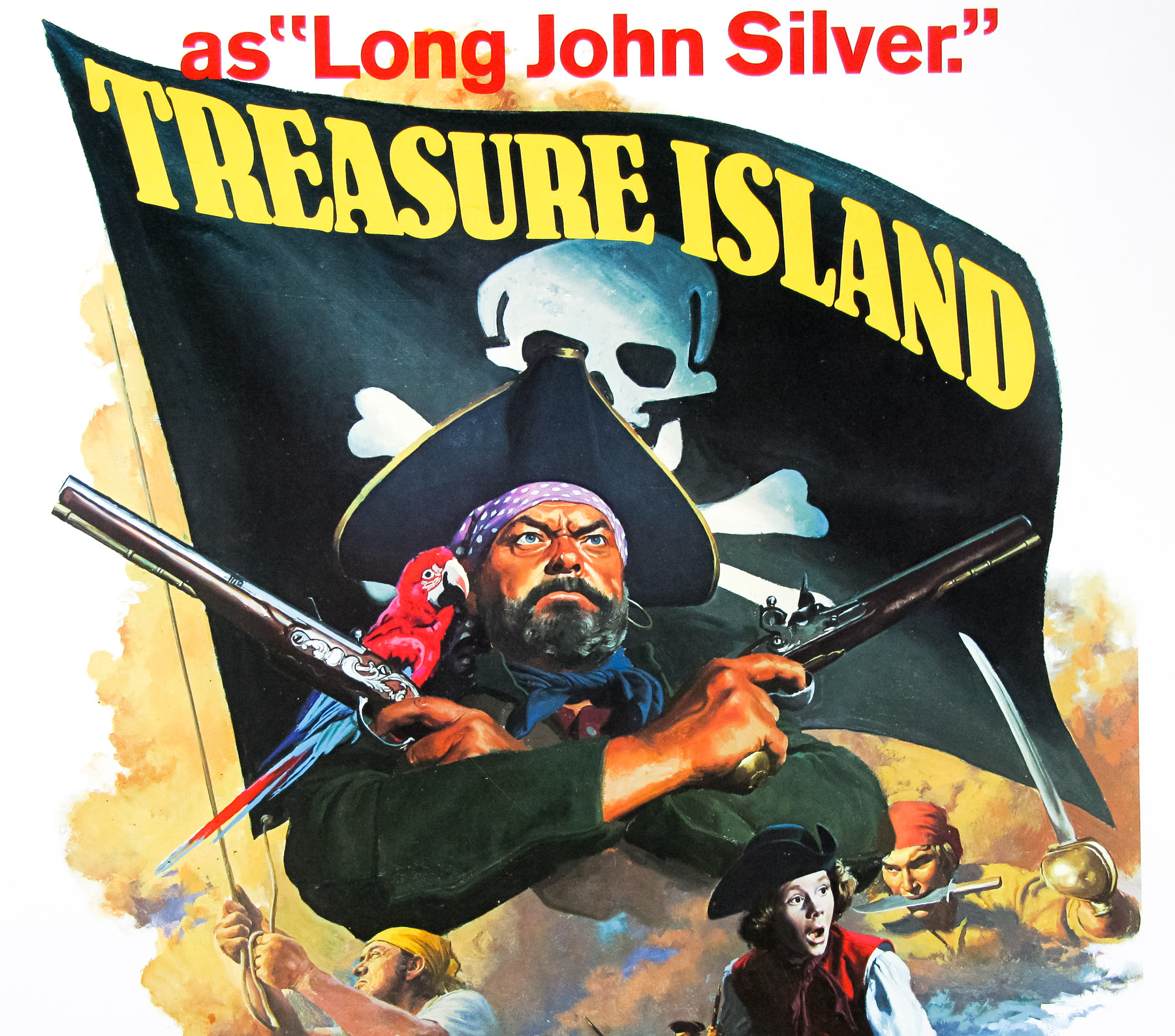
Treasure Island / 30×40 / USA

14.11.11

Poster Poster
Title
Treasure Island
AKA
--
Year of Film
1972
Director
John Hough
Starring
Orson Welles, Kim Burfield, Walter Slezak, Rik Battaglia, Ángel del Pozo, Lionel Stander, Jean Lefebvre, Maria Rohm, Paul Muller
Origin of Film
France | Italy | Spain | UK | West Germany
Genre(s) of Film
Orson Welles, Kim Burfield, Walter Slezak, Rik Battaglia, Ángel del Pozo, Lionel Stander, Jean Lefebvre, Maria Rohm, Paul Muller,
Type of Poster
30x40
Style of Poster
--
Origin of Poster
USA
Year of Poster
1972
Designer
Unknown
Artist
Unknown
Size (inches)
30 1/16" x 40"
NSS #
72/397
Tagline
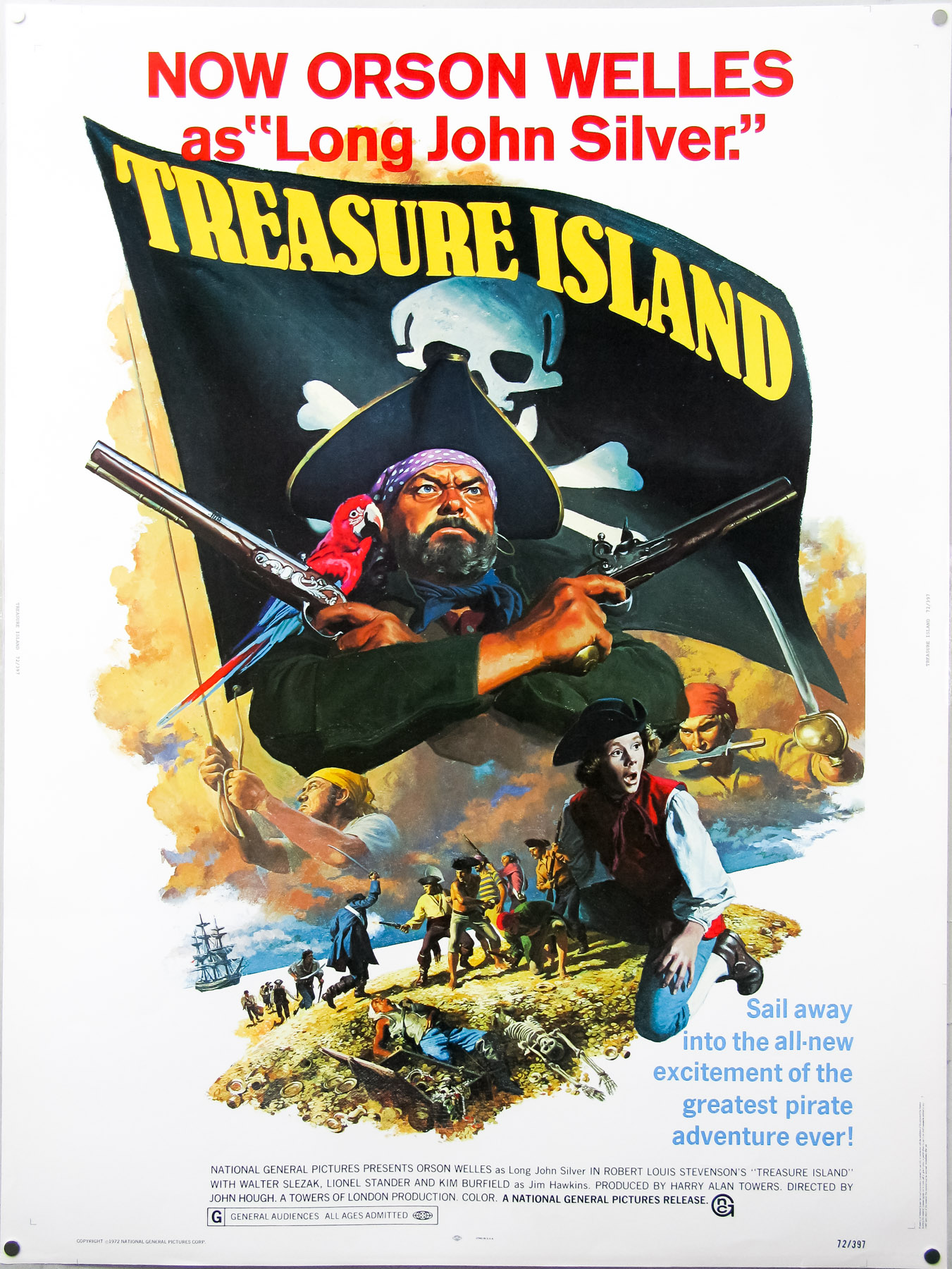
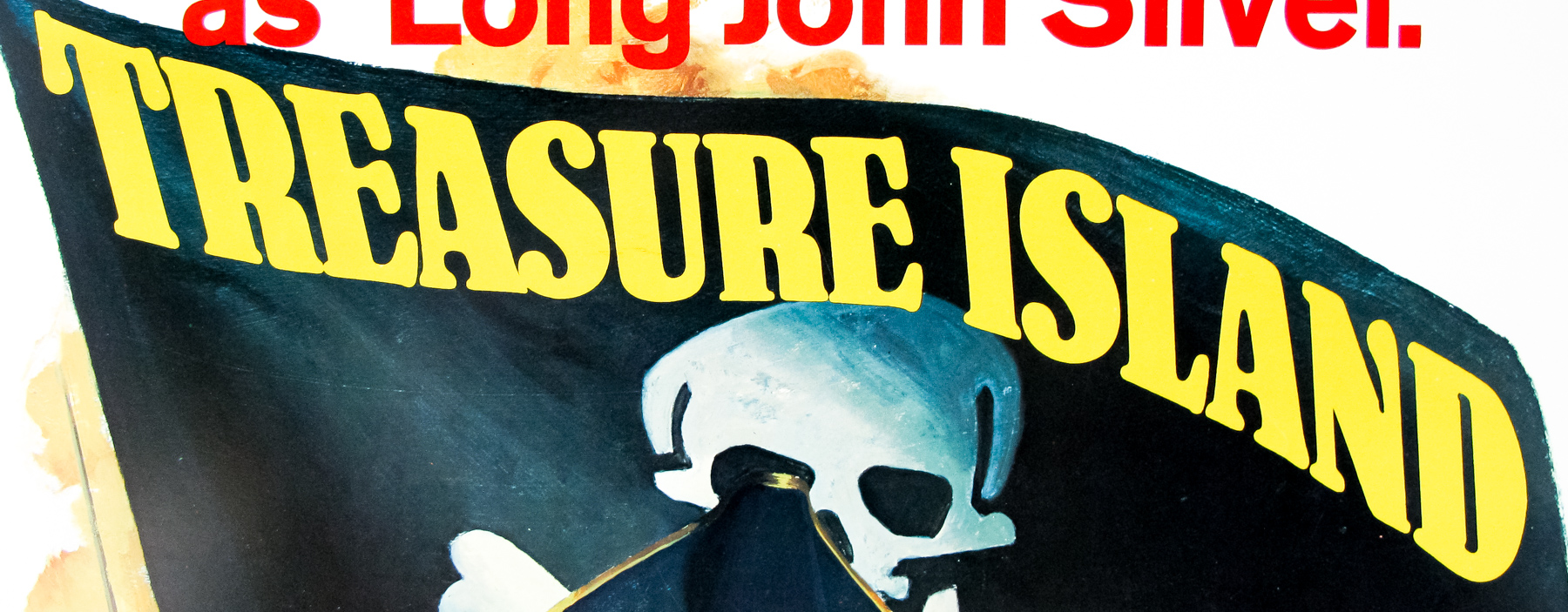
NOW ORSON WELLES as "Long John Silver" | Sail away into the all-new excitement of the greatest pirate adventure ever!

One of over fifty film and TV adaptations of Robert Louis Stevenson‘s classic 19th century novel of the same name, this version of Treasure Island is only really notable for the fact that it starred Orson Welles. Apparently Welles contributed to the script under the pseudonym ‘O. W. Jeeves’ and also had his voice dubbed by another actor in post-production.

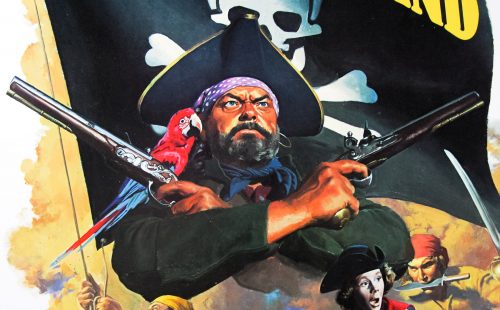
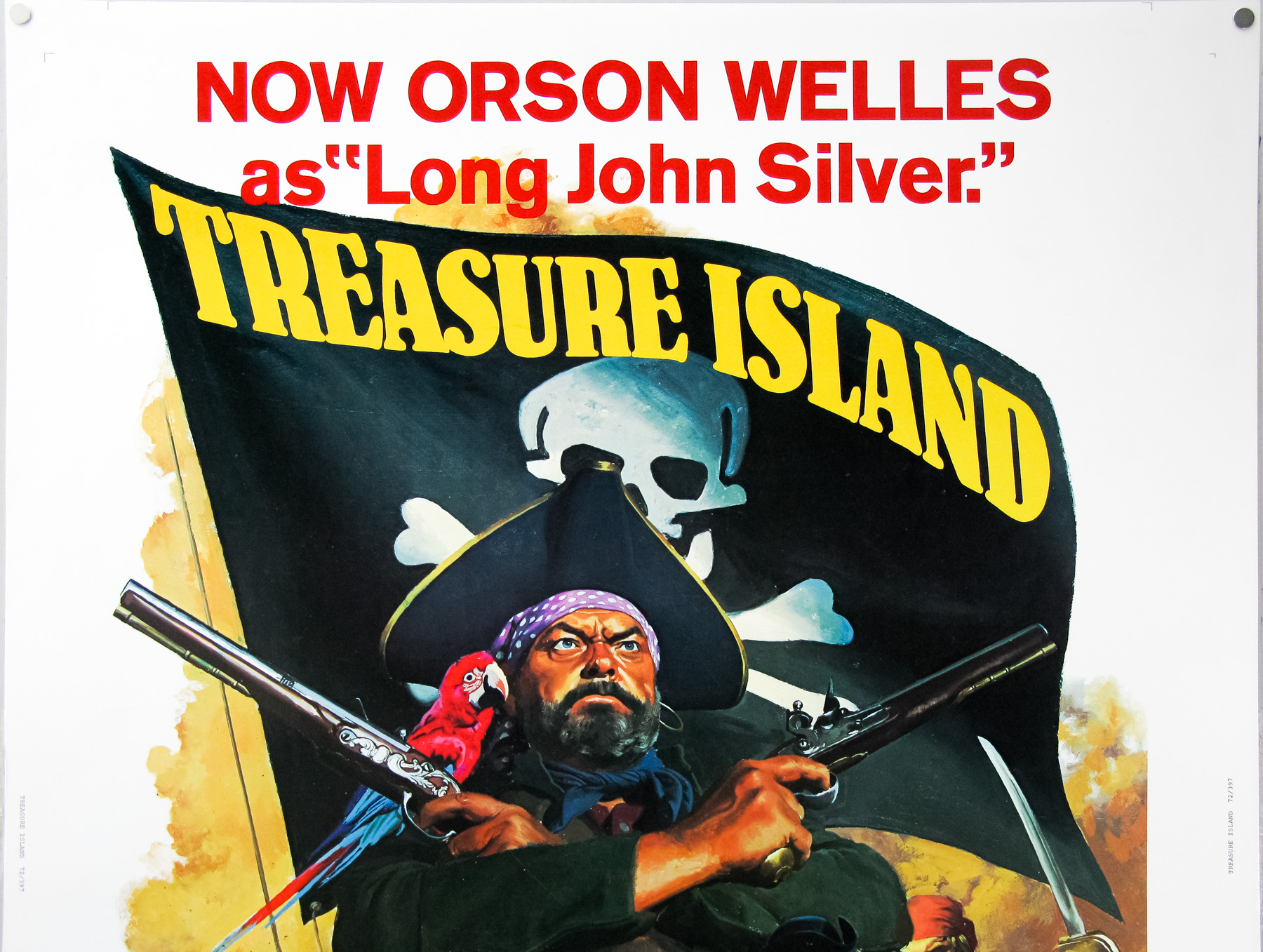
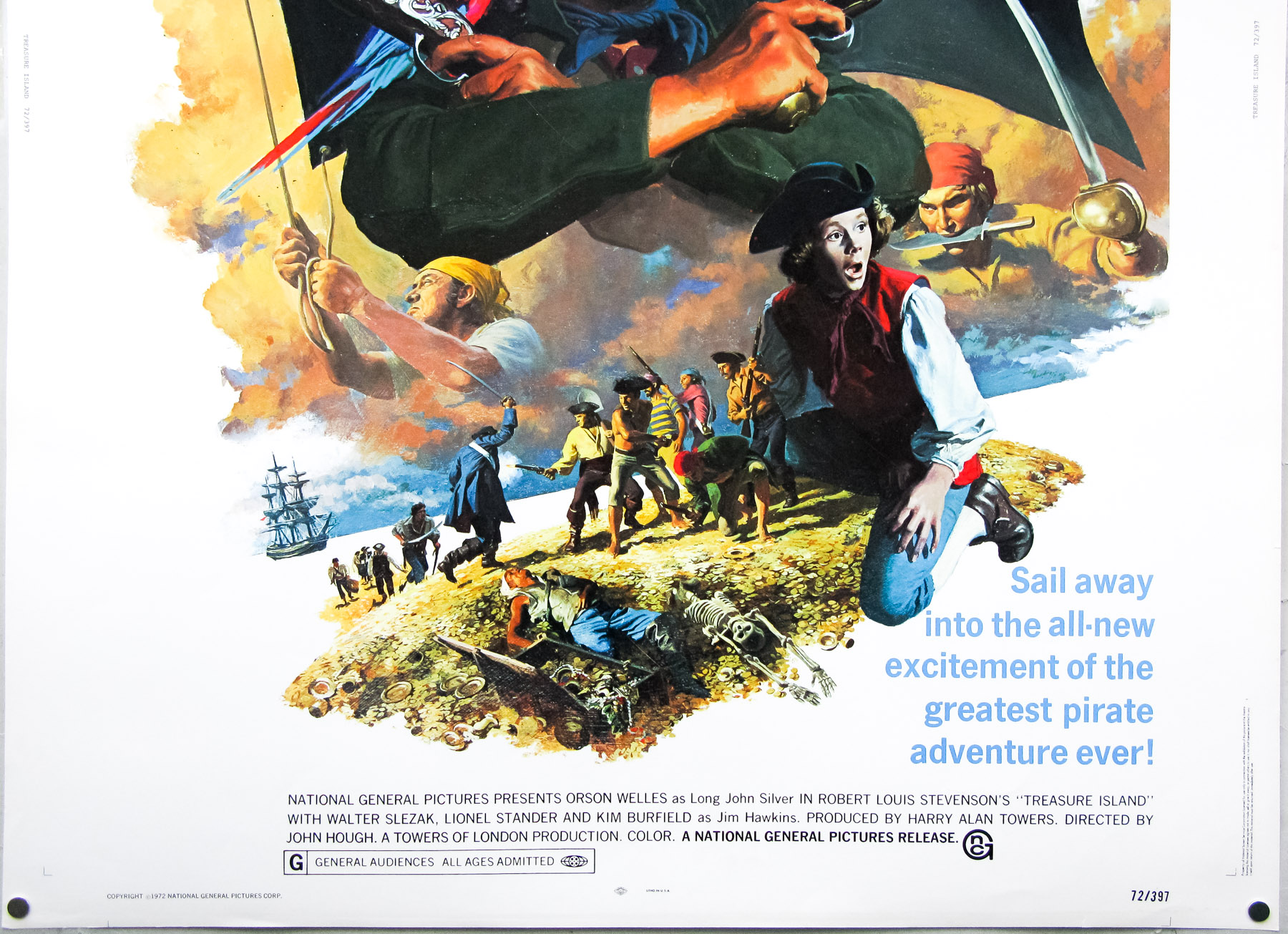
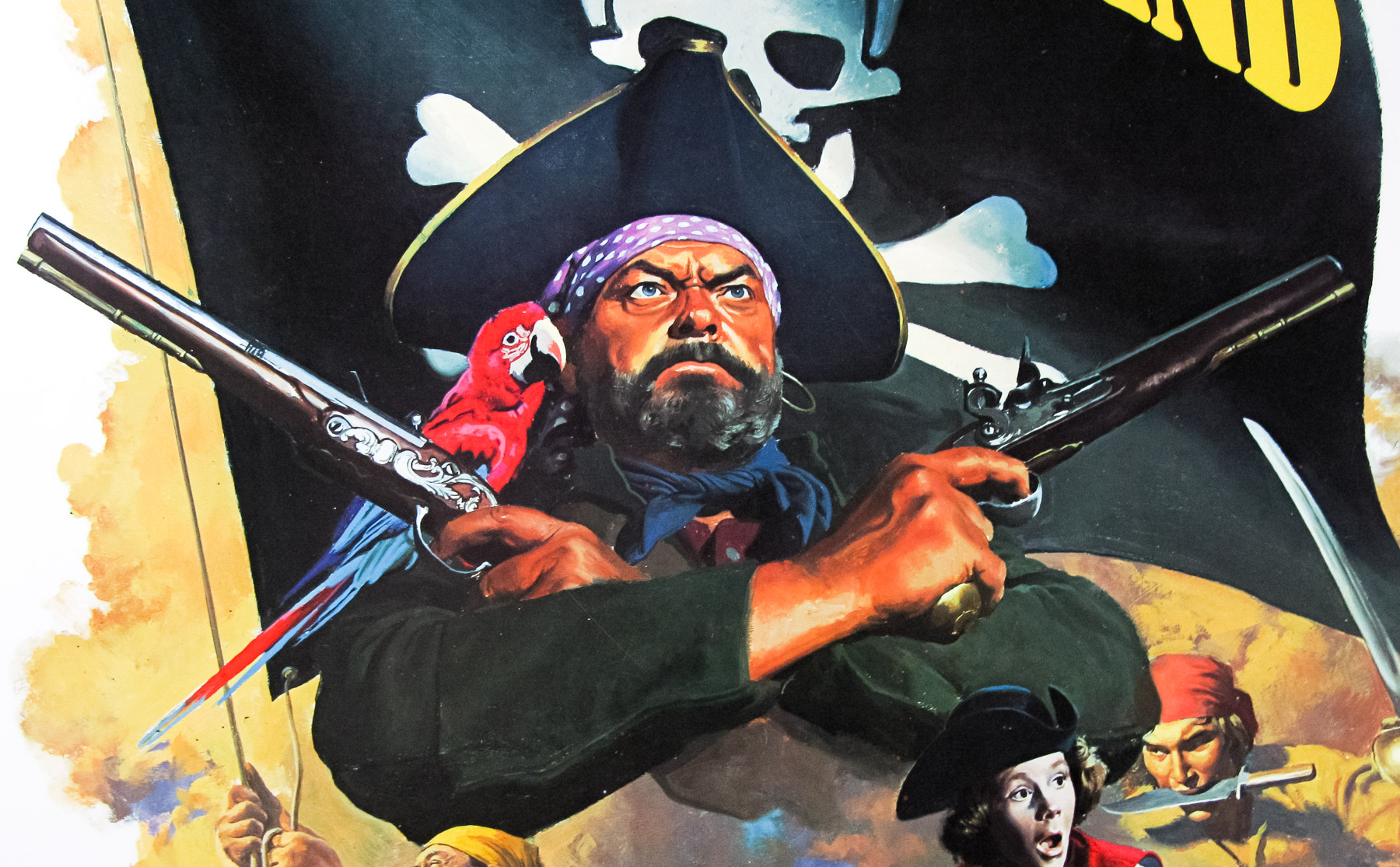
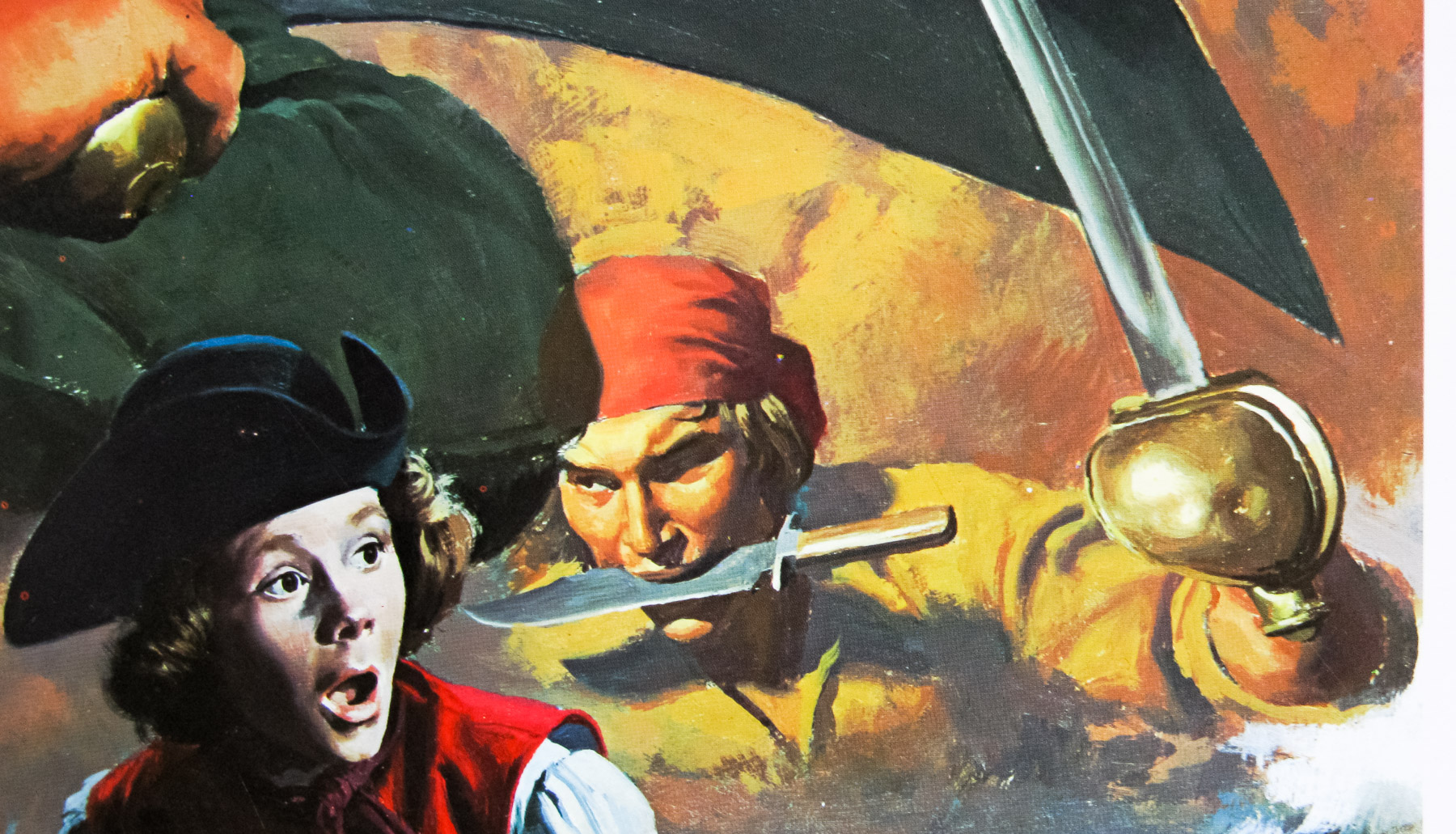
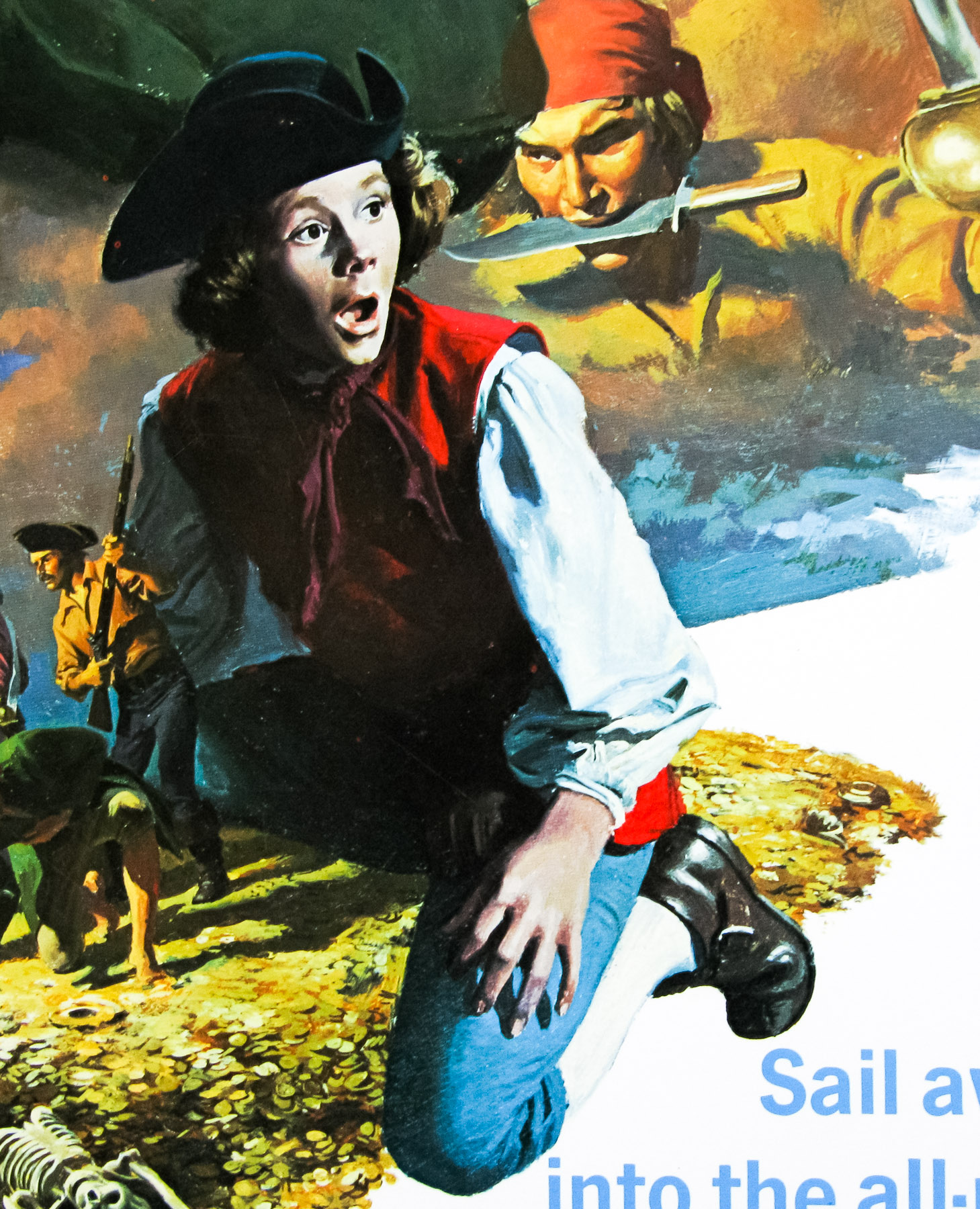
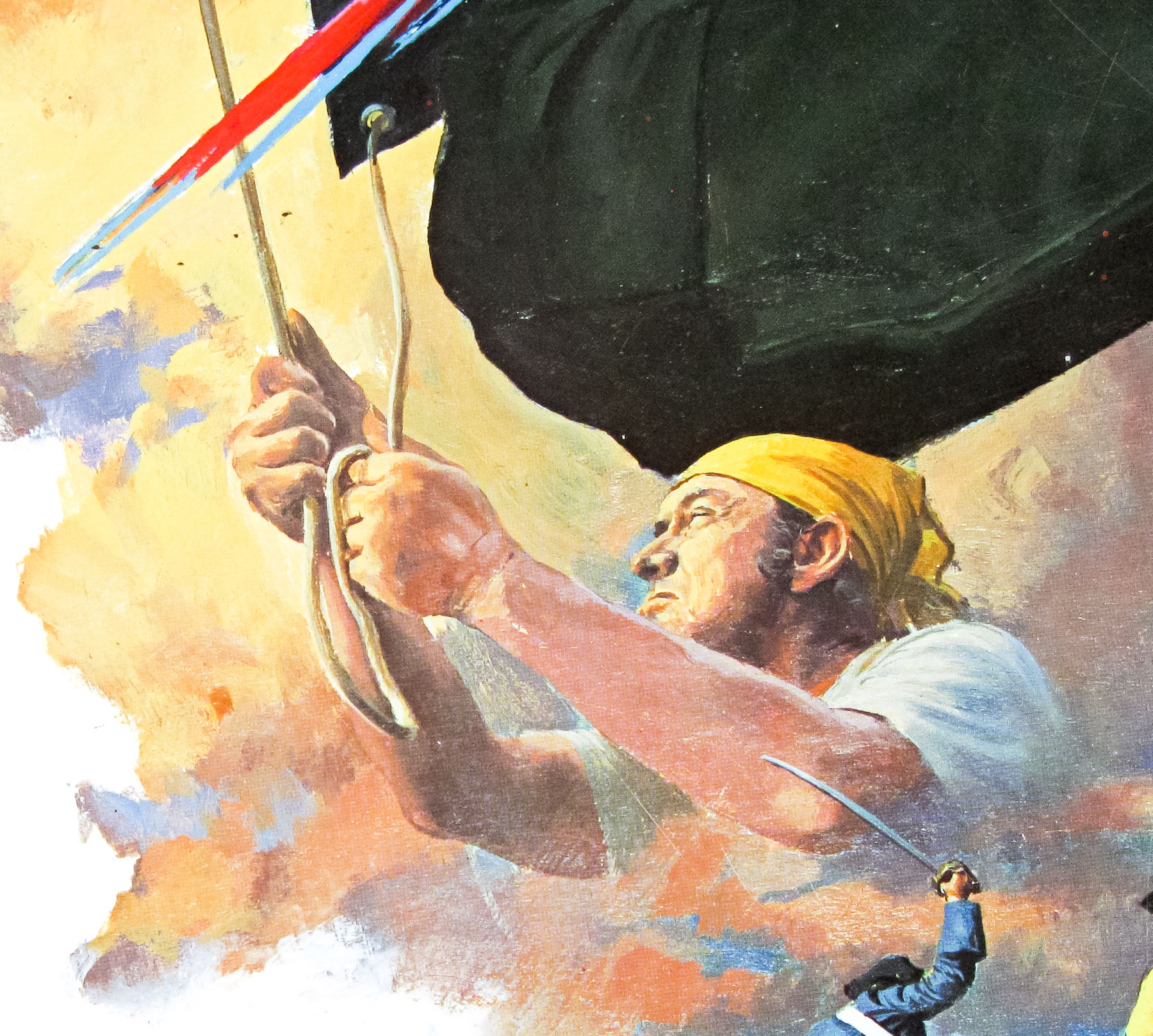
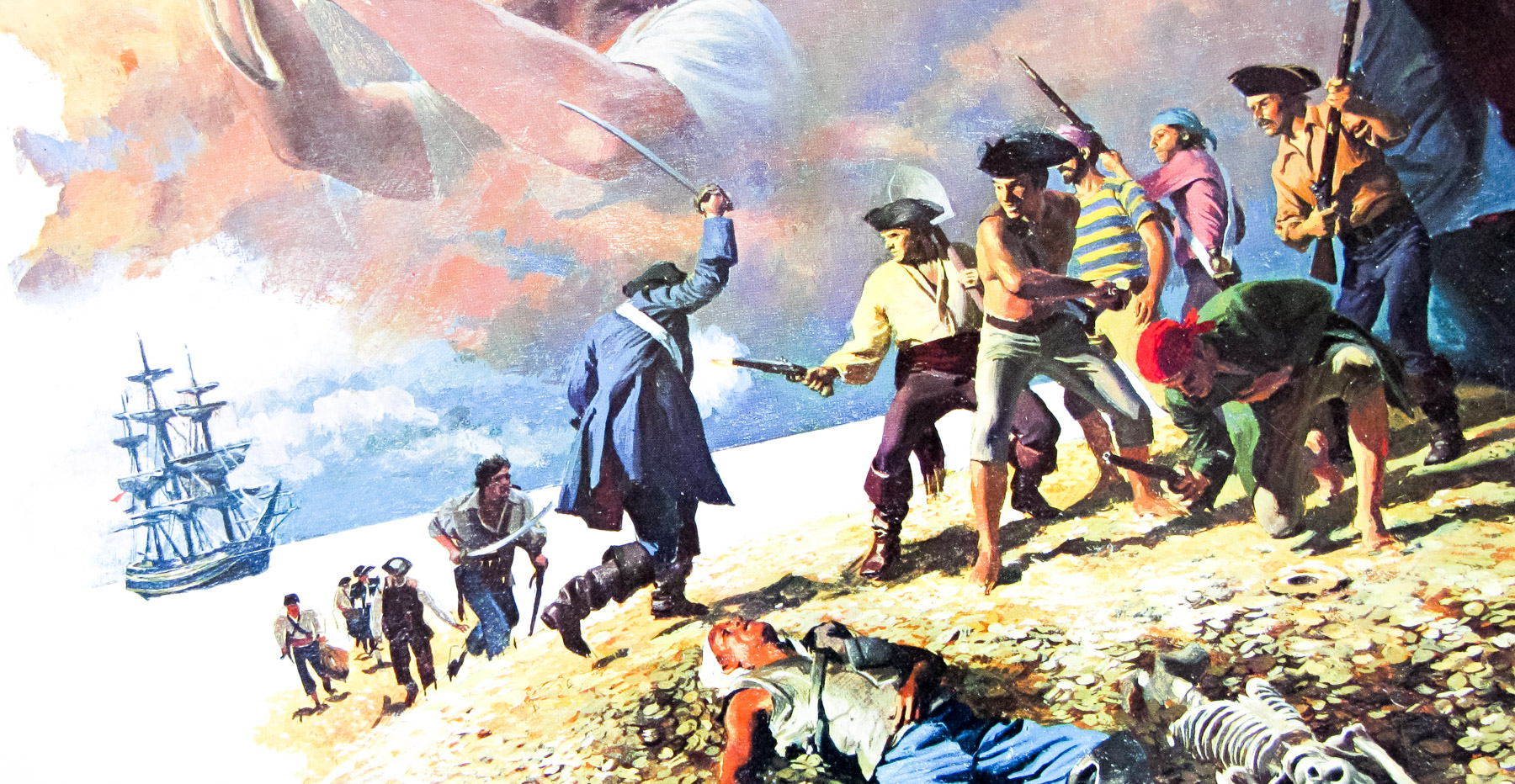
This poster features an excellent portrait of Welles by an unknown artist. There is what could possibly be a signature and date to the right of the open-mouthed boy (Jim Hawkins). If anyone has any ideas who may have illustrated it please get in touch.

The sans-serif typeface to announce Welles is an odd choice since it doesn’t match with the rest of the poster at all, although it’s quite clear what the producers felt was the main selling point of the film.

Triple Irons / 30×40 / USA

02.11.11

Poster Poster
Title
Triple Irons
AKA
Xin du bi dao (Hong Kong - original title) | New One-Armed Swordsman (Hong Kong - English title) | La rage du tigre [The rage of the tiger] (France)
Year of Film
1971
Director
Cheh Chang
Starring
David Chiang, Ching Lee, Lung Ti, Feng Ku, Sing Chen, Lei Cheng, Chung Wang
Origin of Film
Hong Kong
Genre(s) of Film
David Chiang, Ching Lee, Lung Ti, Feng Ku, Sing Chen, Lei Cheng, Chung Wang,
Type of Poster
30x40
Style of Poster
--
Origin of Poster
USA
Year of Poster
1973
Designer
Unknown
Artist
Unknown
Size (inches)
30 2/16" x 39 15/16"
SS or DS
SS
NSS #
73/296
Tagline
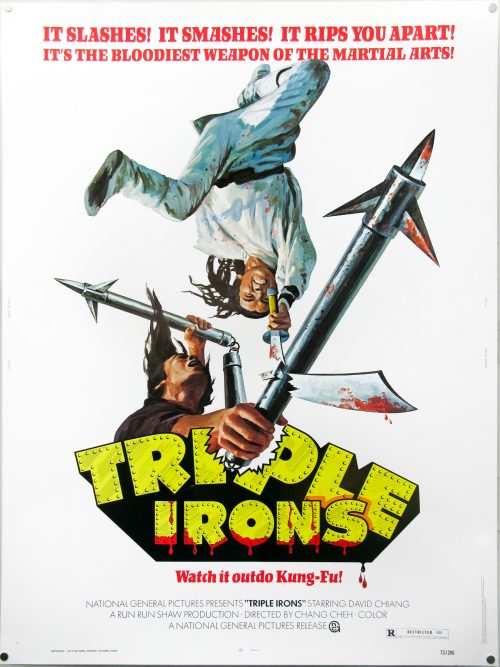
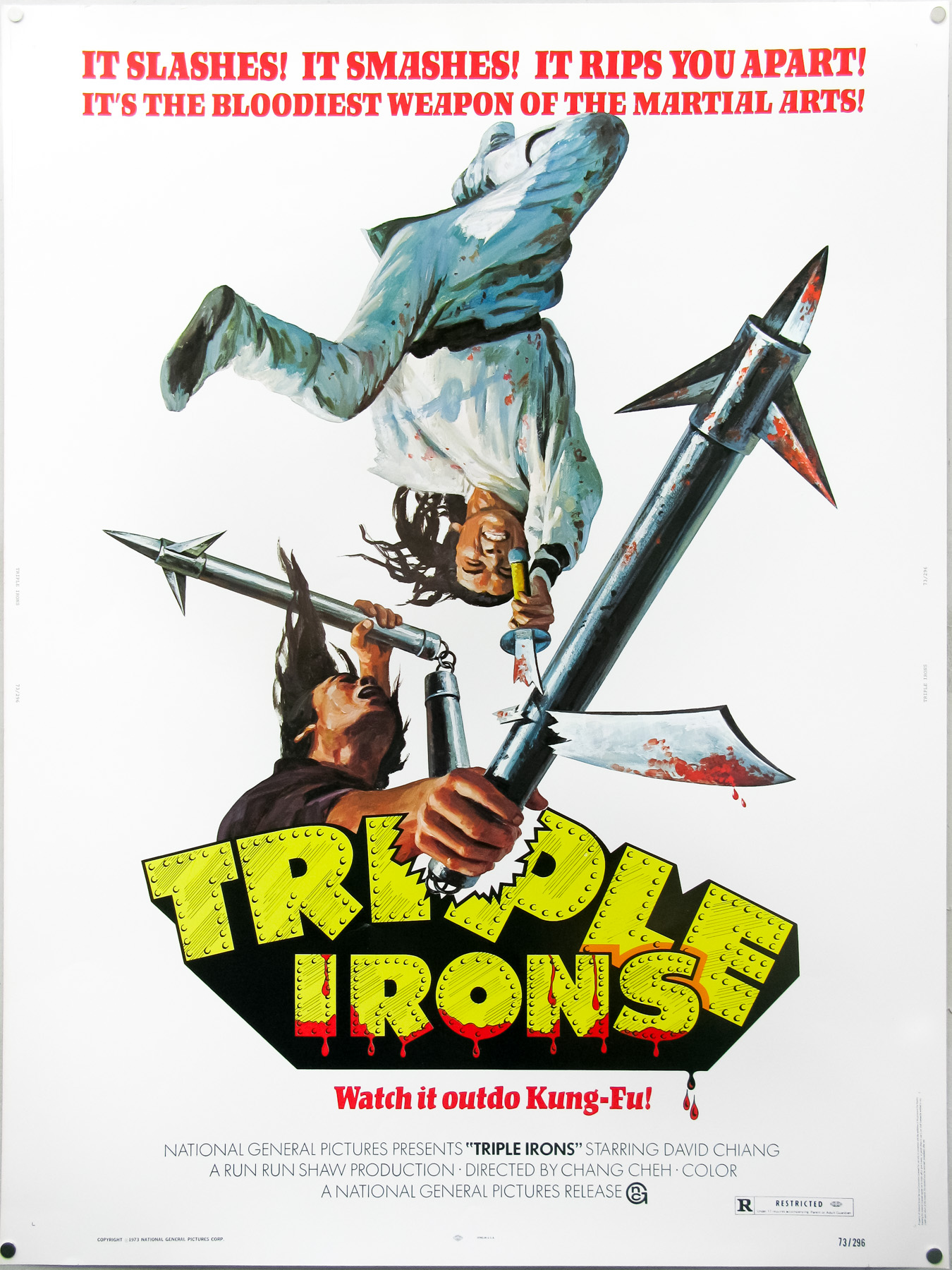
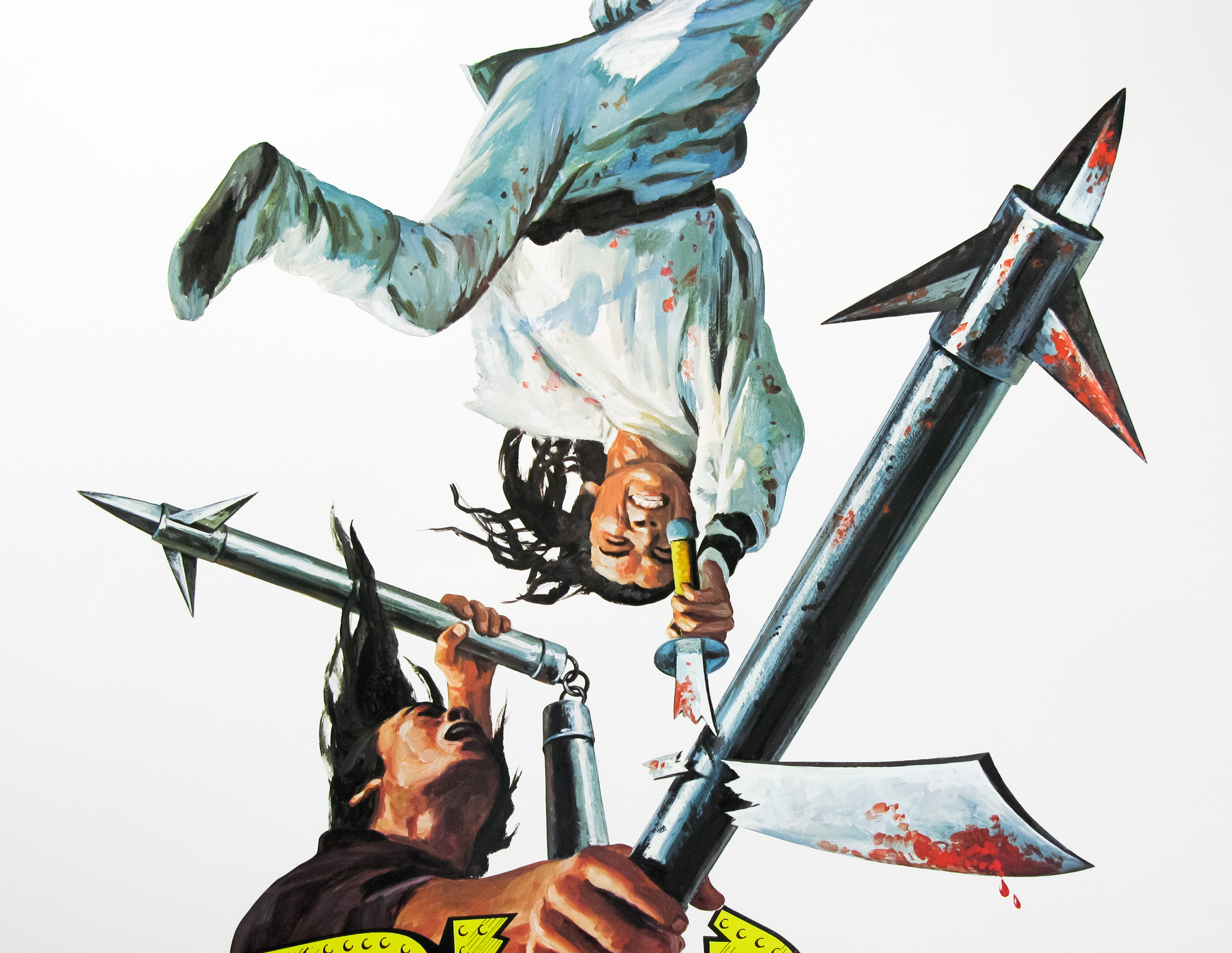
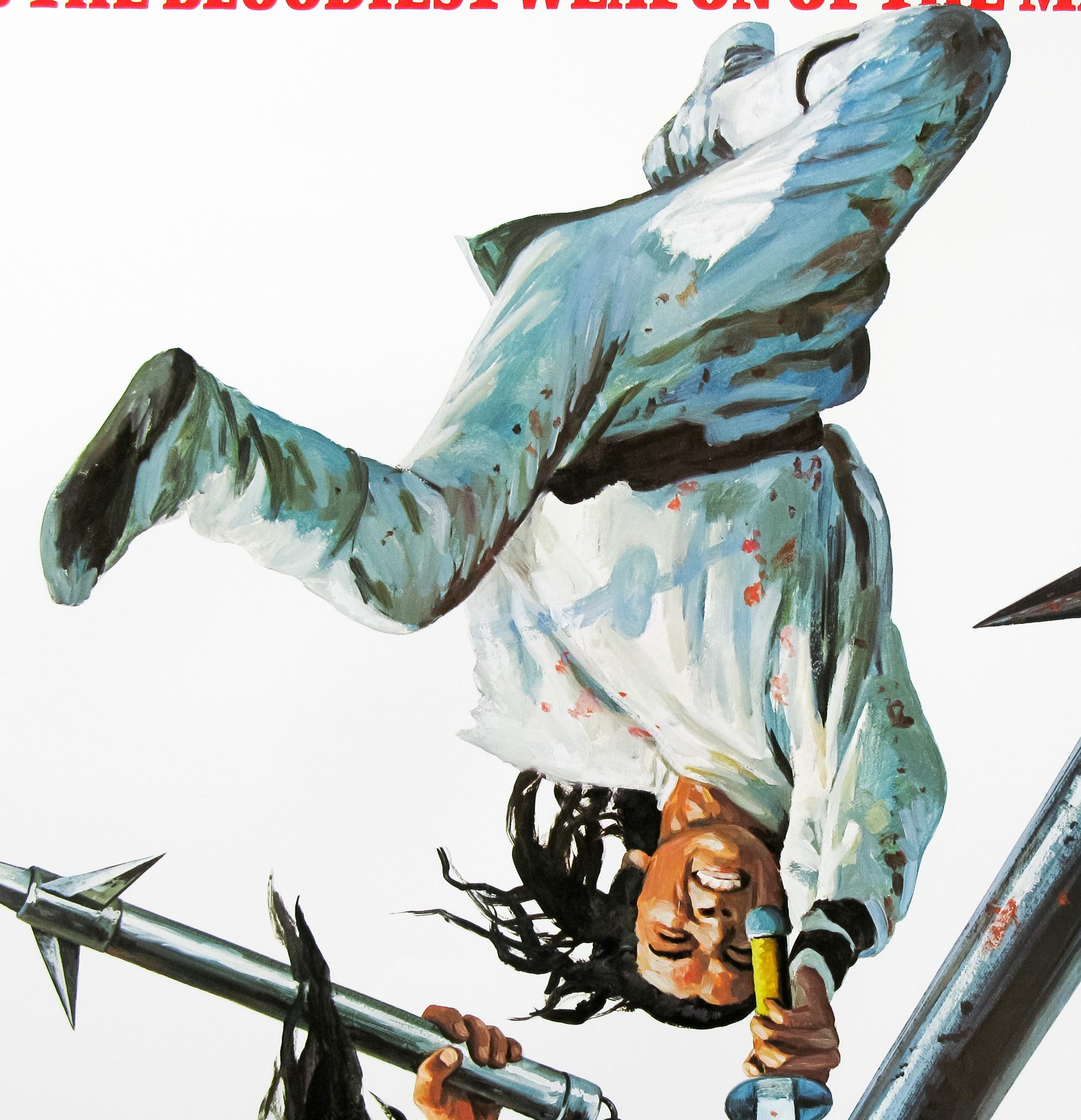
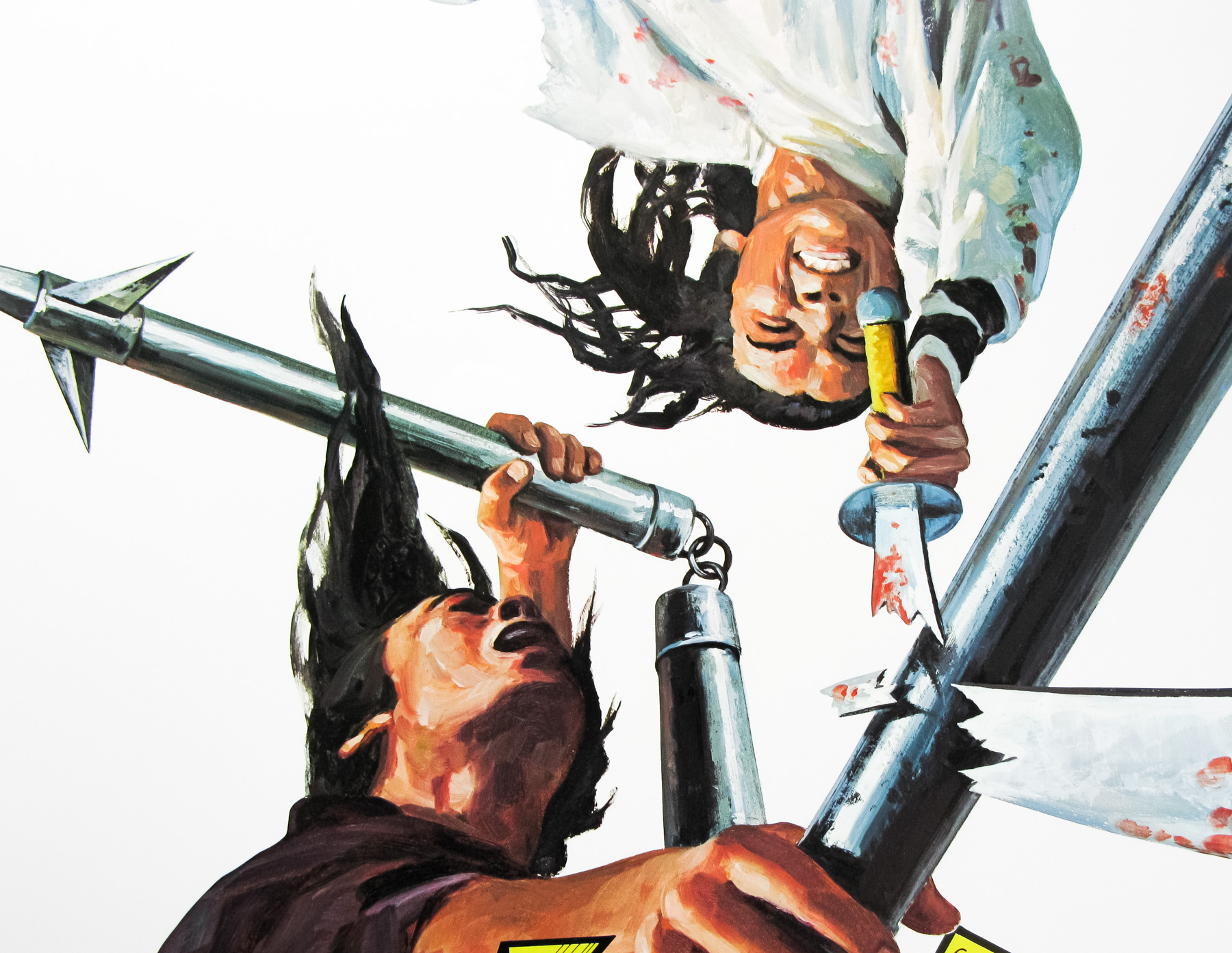
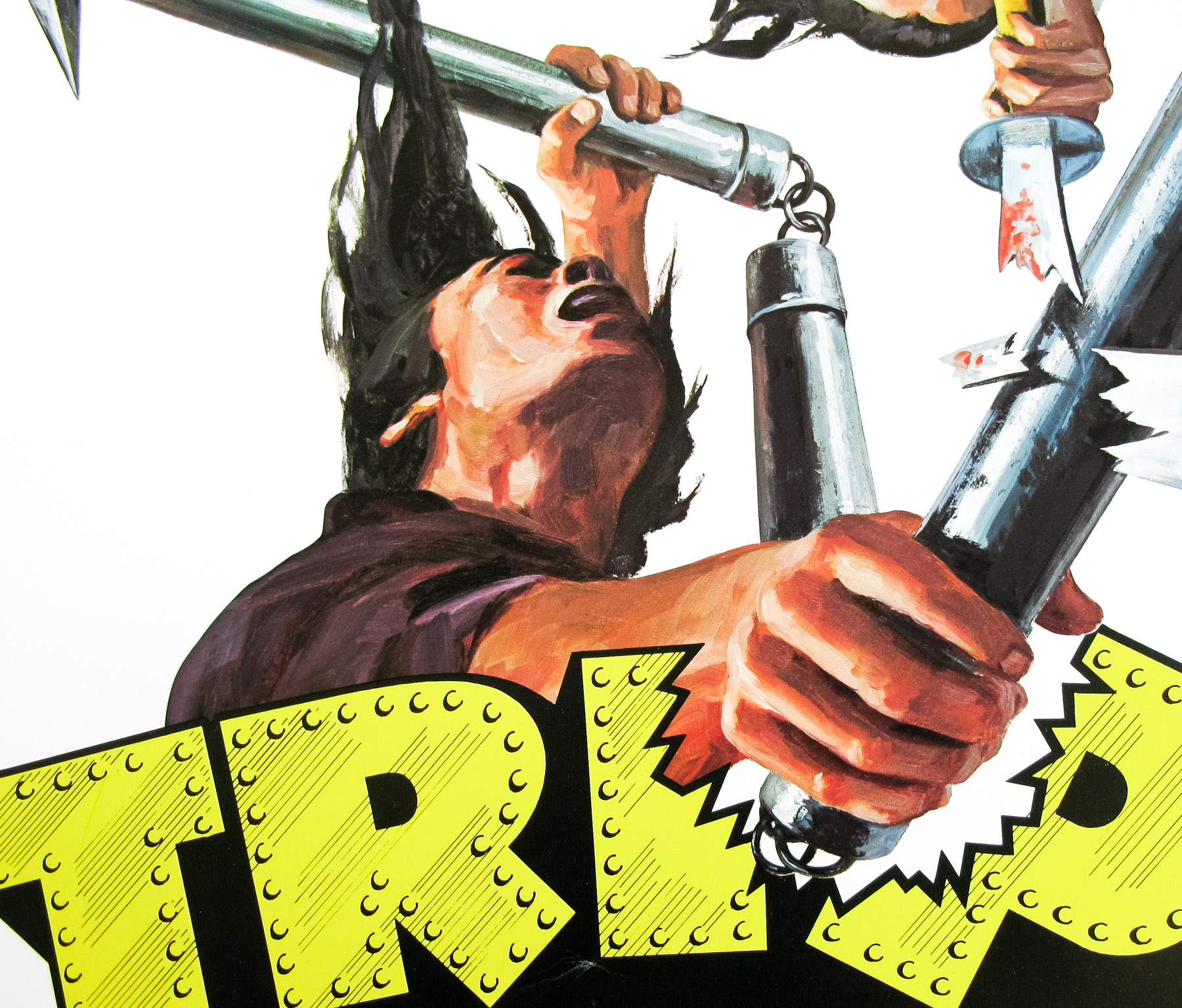
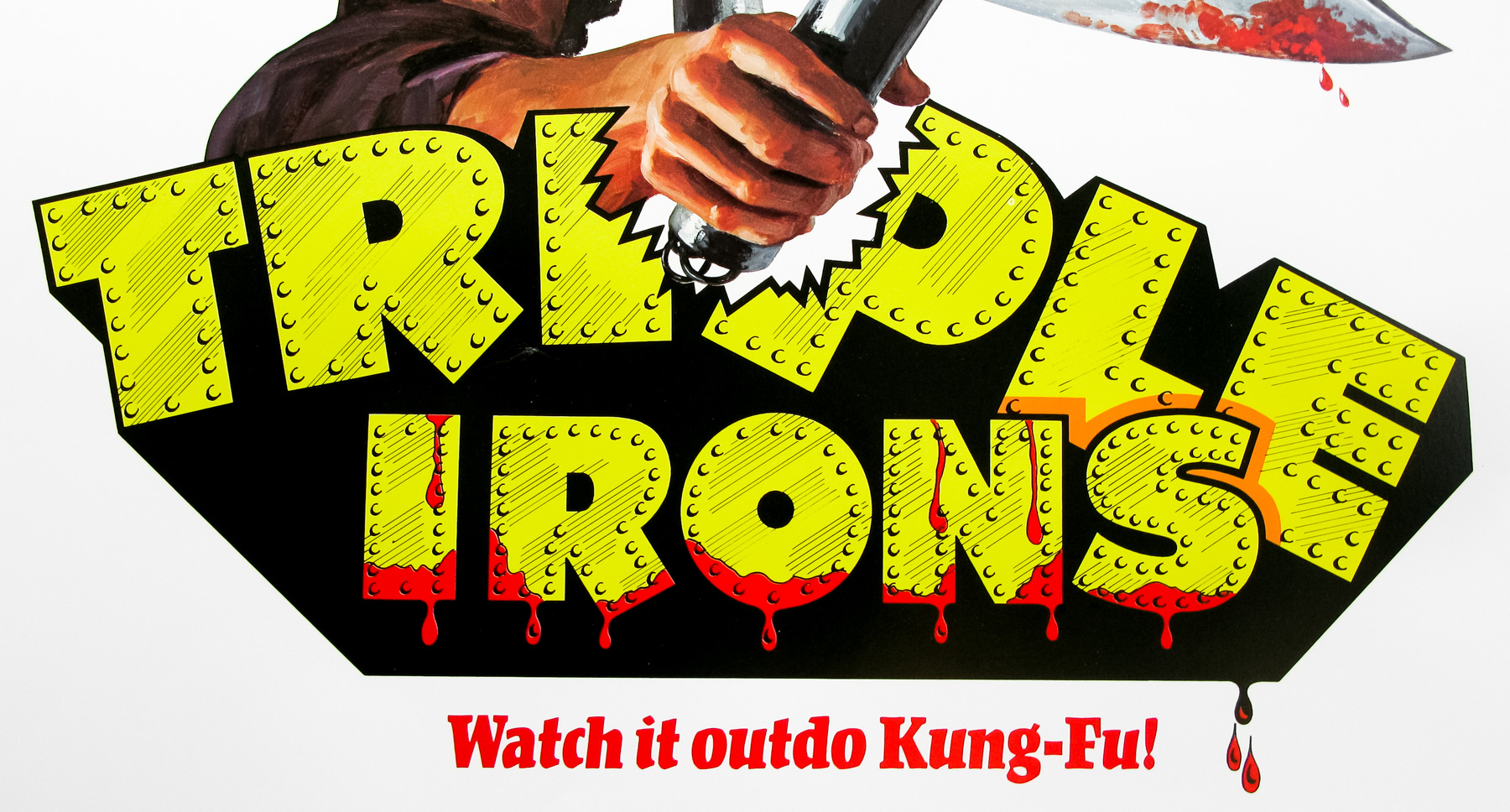
It slashes! It smashes! It tears you apart! It's the bloodiest weapon of the martial arts! | Watch it outdo Kung-fu!

Produced by Hong Kong’s legendary Shaw Brothers, and also known as The New One Armed Swordsman, this is the third film in the ‘One Armed’ series, although it replaces the previous lead with David Chaing. Supposedly this is one of the films that influenced the House of Blue Leaves sequence in Quentin Tarantino’s Kill Bill. To see why, here’s a ‘kill count’ video (148!).

The logo on this poster for the US release is superbly over the top and it’s interesting to note that the marketing focused around the titular weapon (it’s wielded by the bad guy).

The full film is available to watch on YouTube (with English subs).

Here’s a trailer for the film.

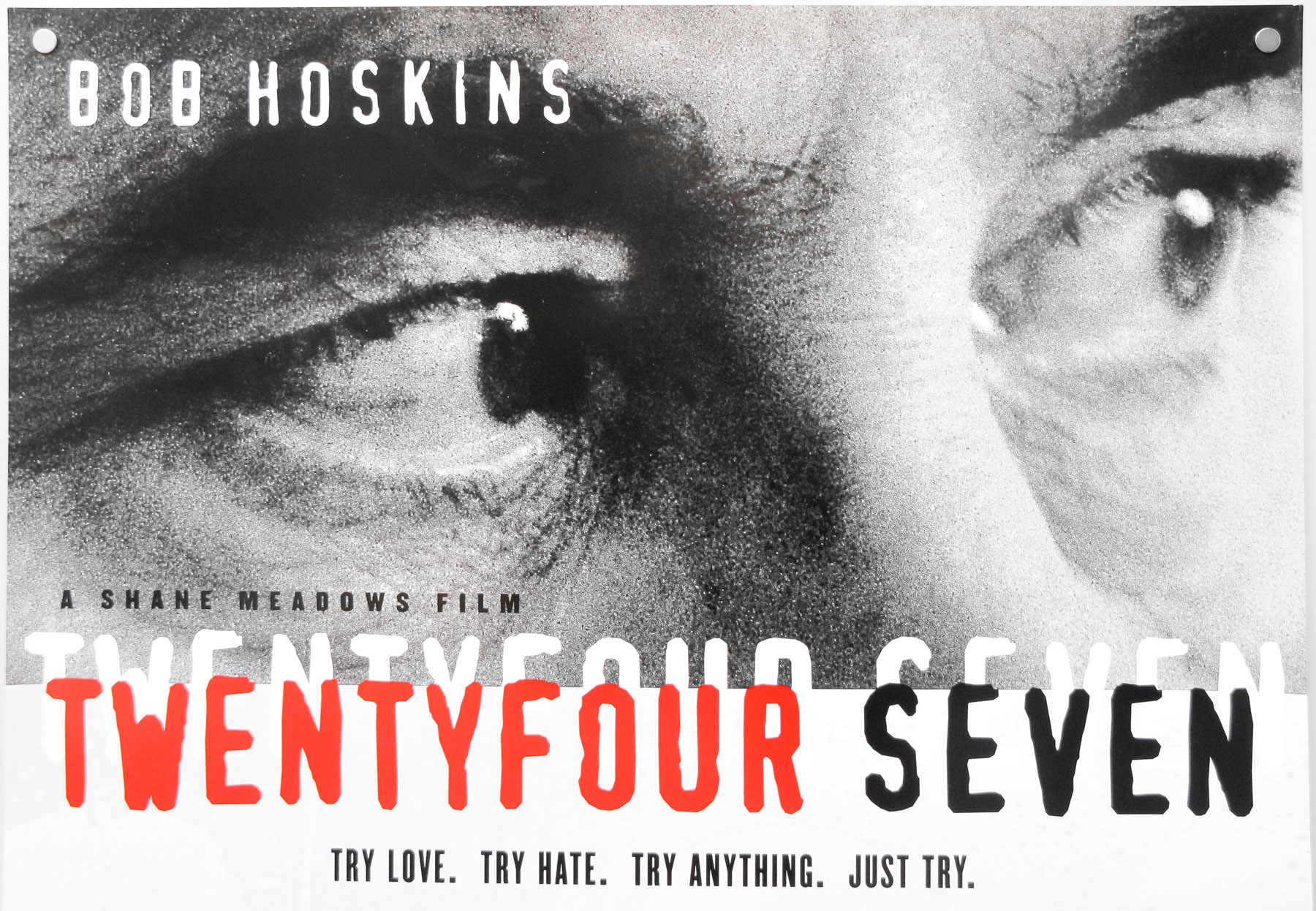
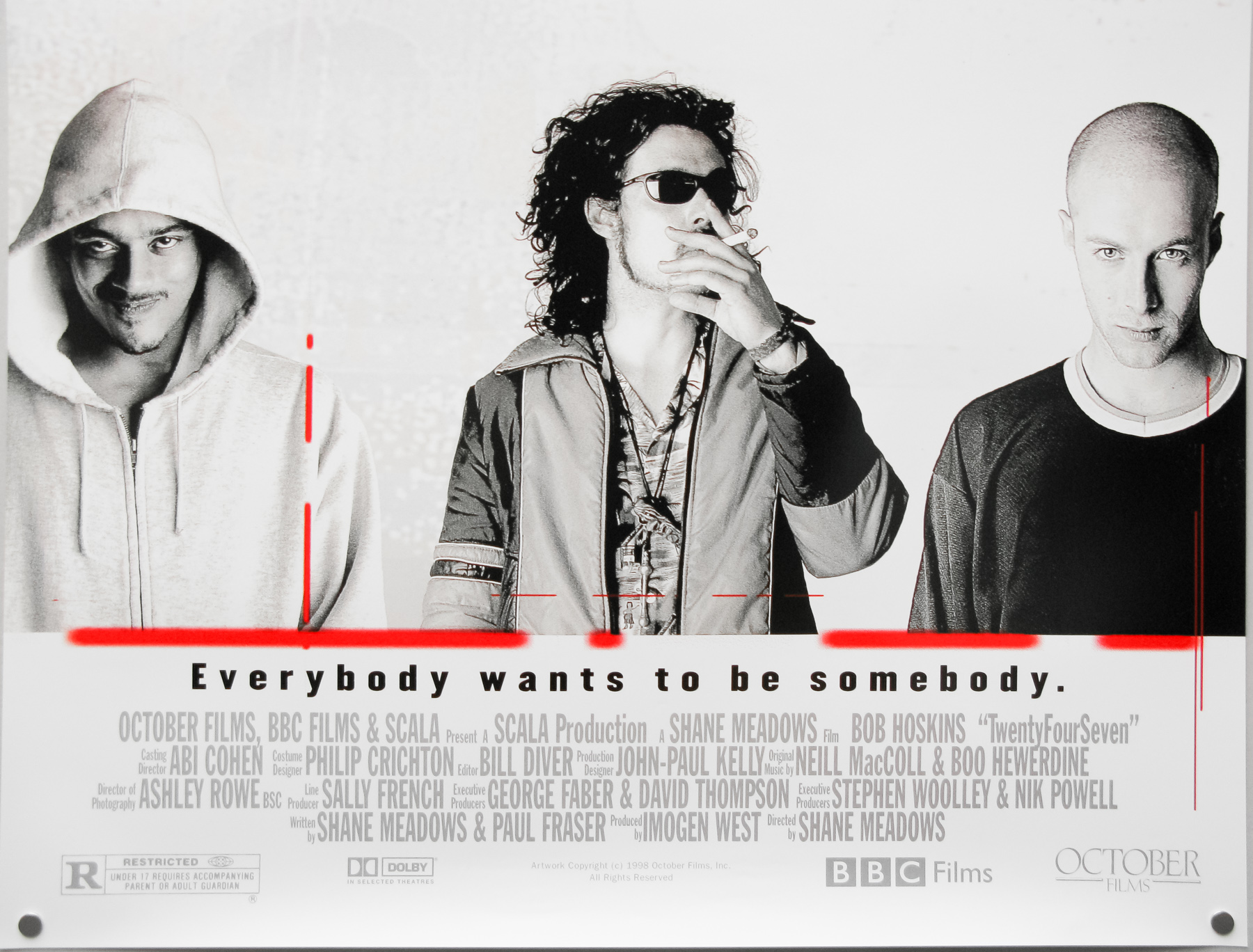
Twentyfour Seven / one sheet / USA

17.05.11

Poster Poster

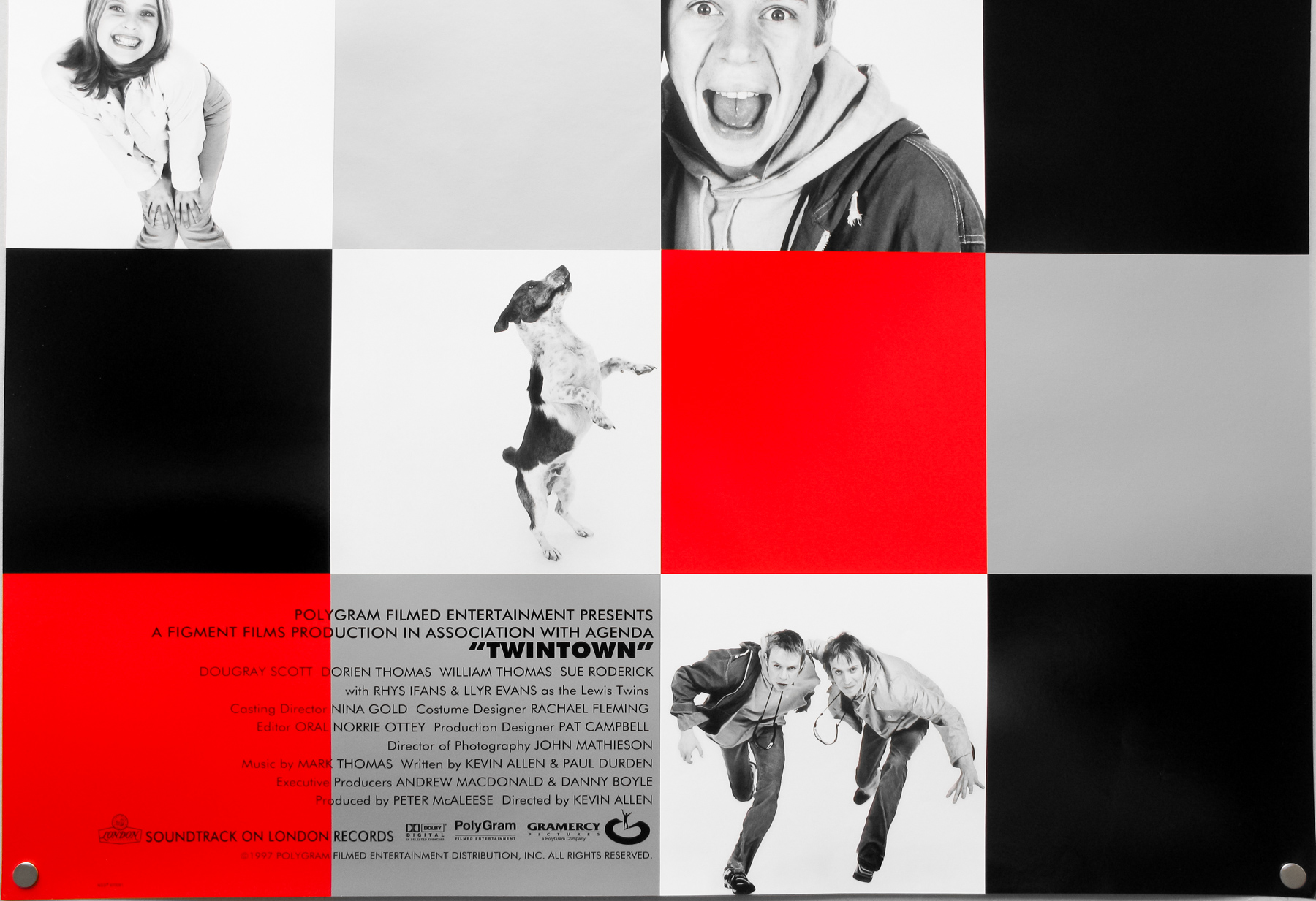
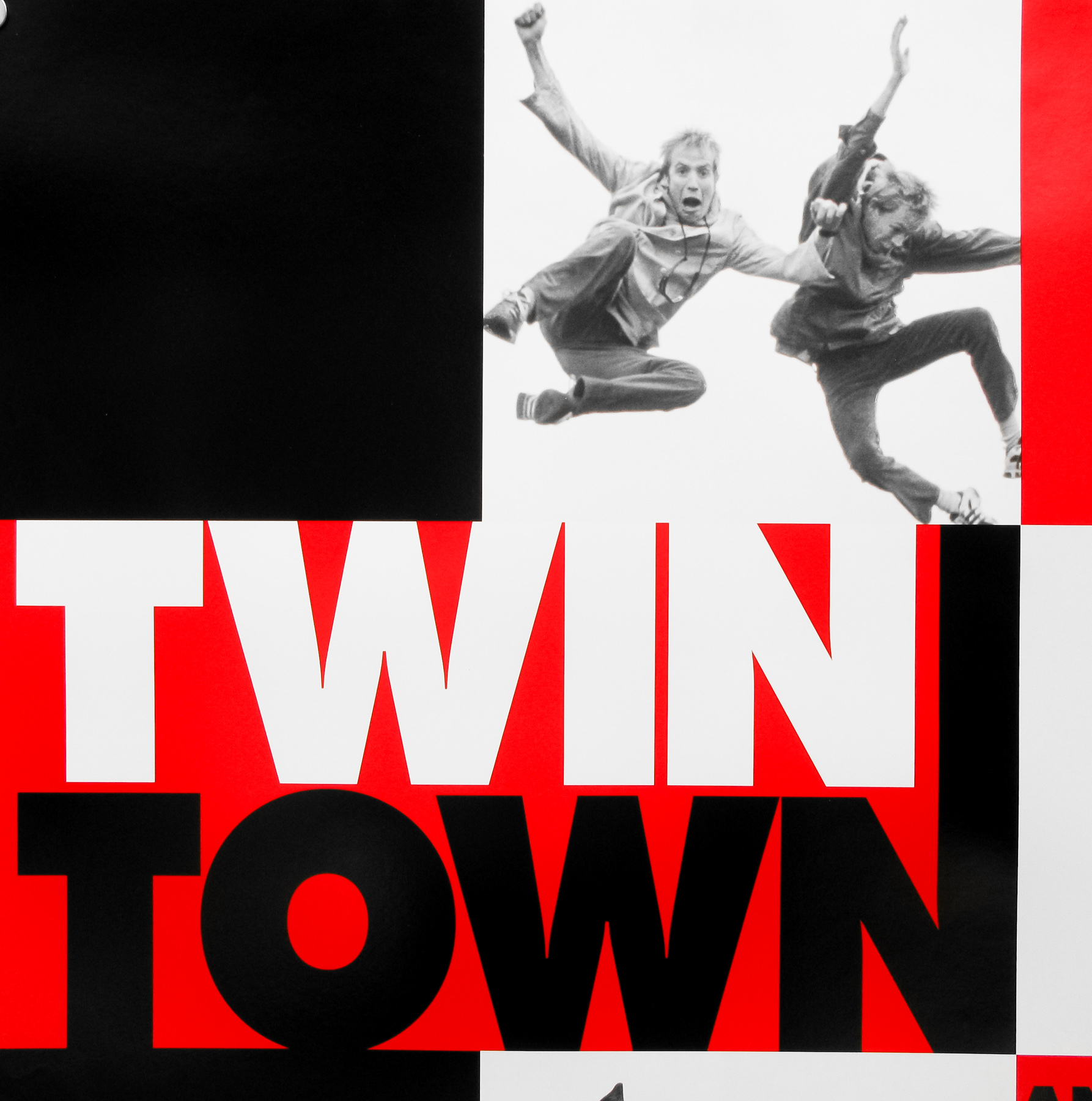
Twin Town / one sheet / USA

17.05.11

Poster Poster

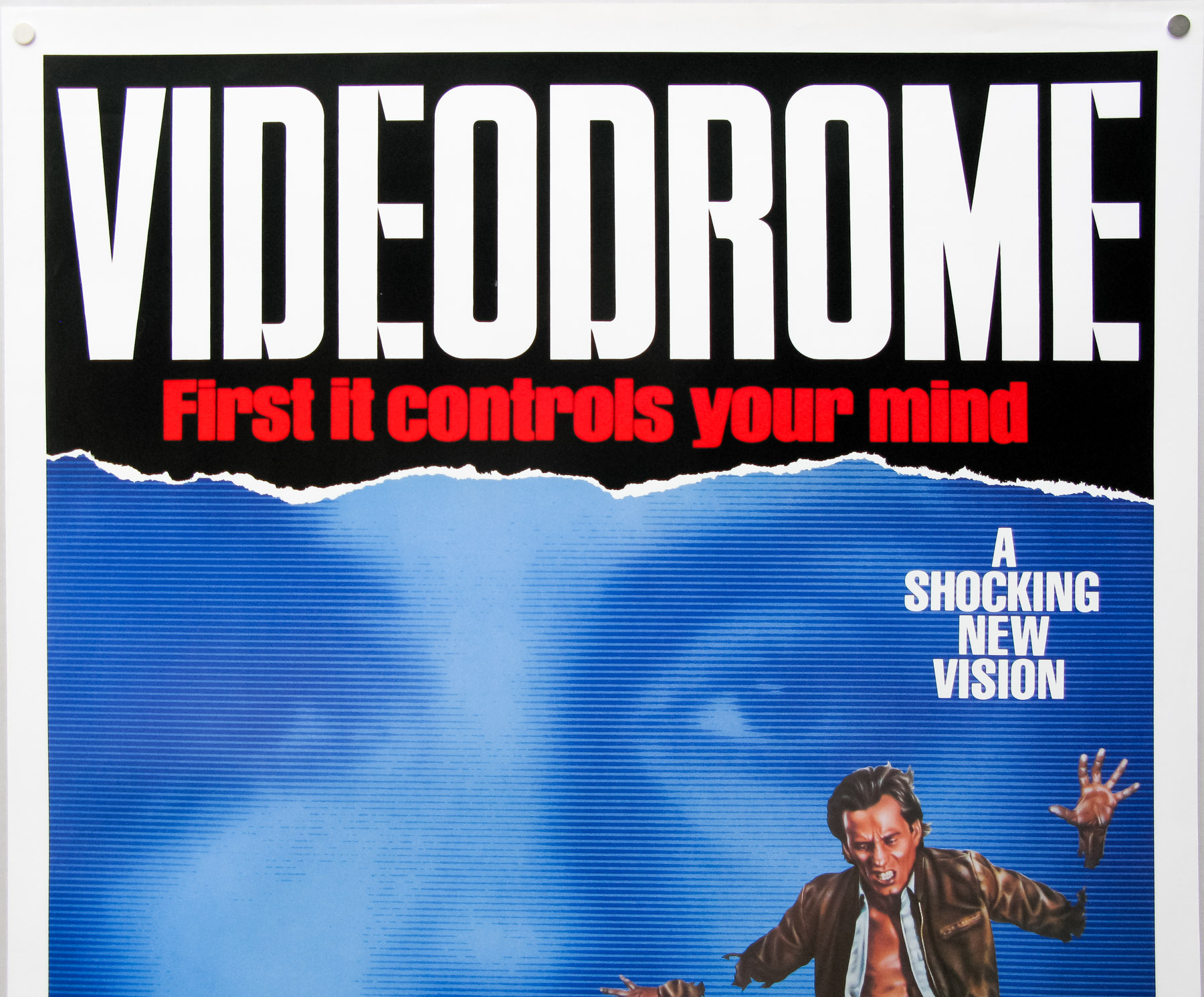
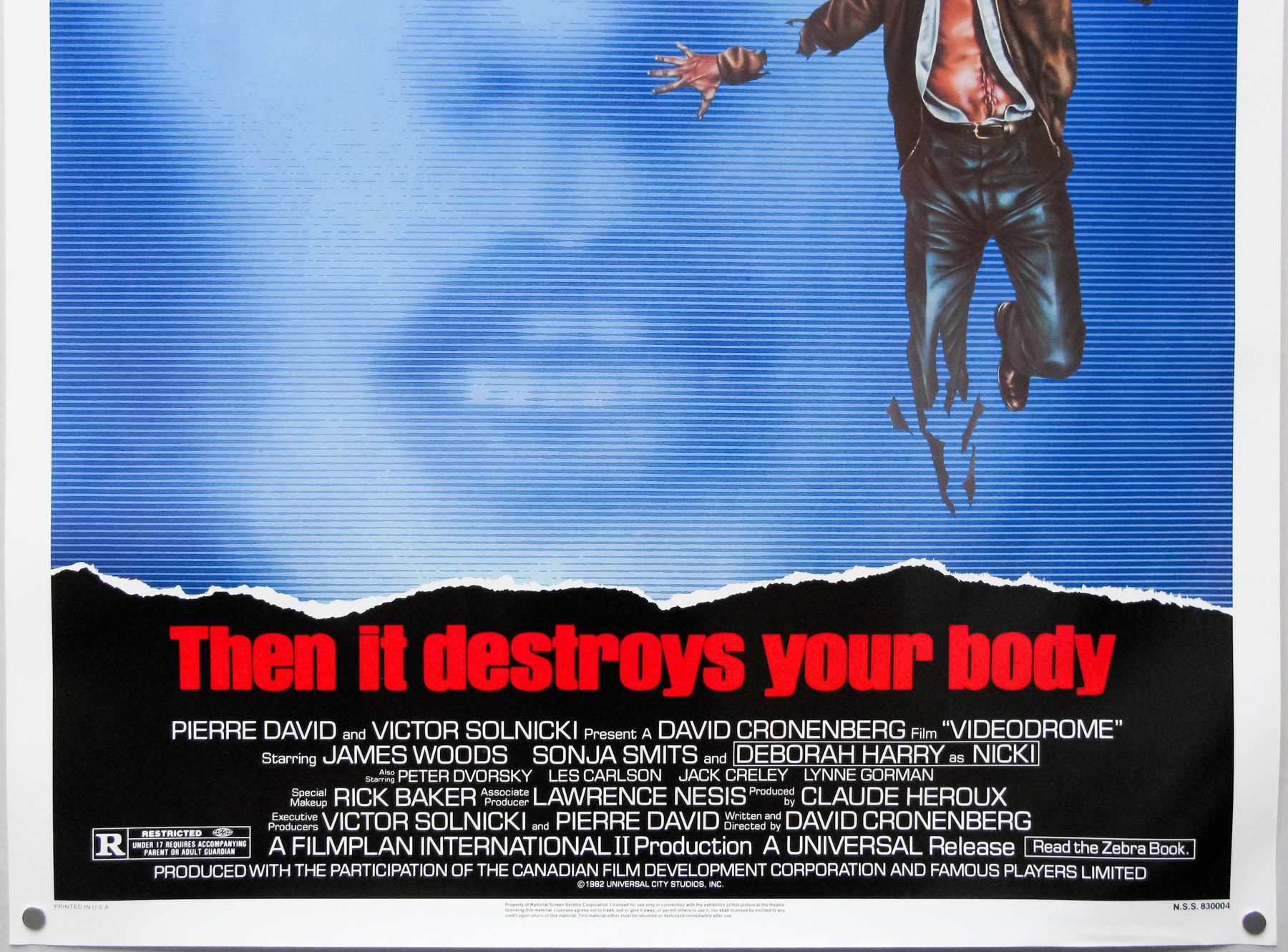
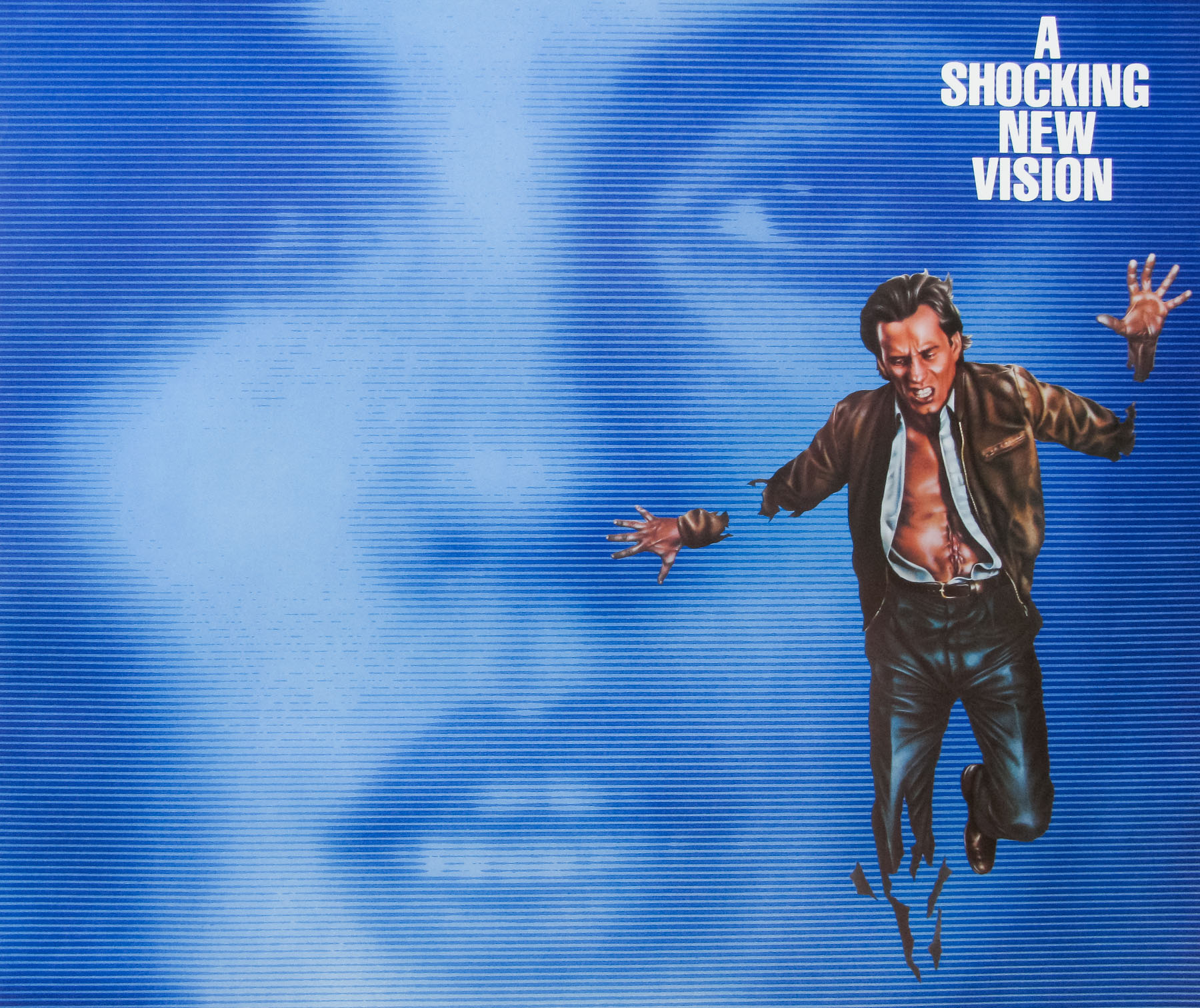
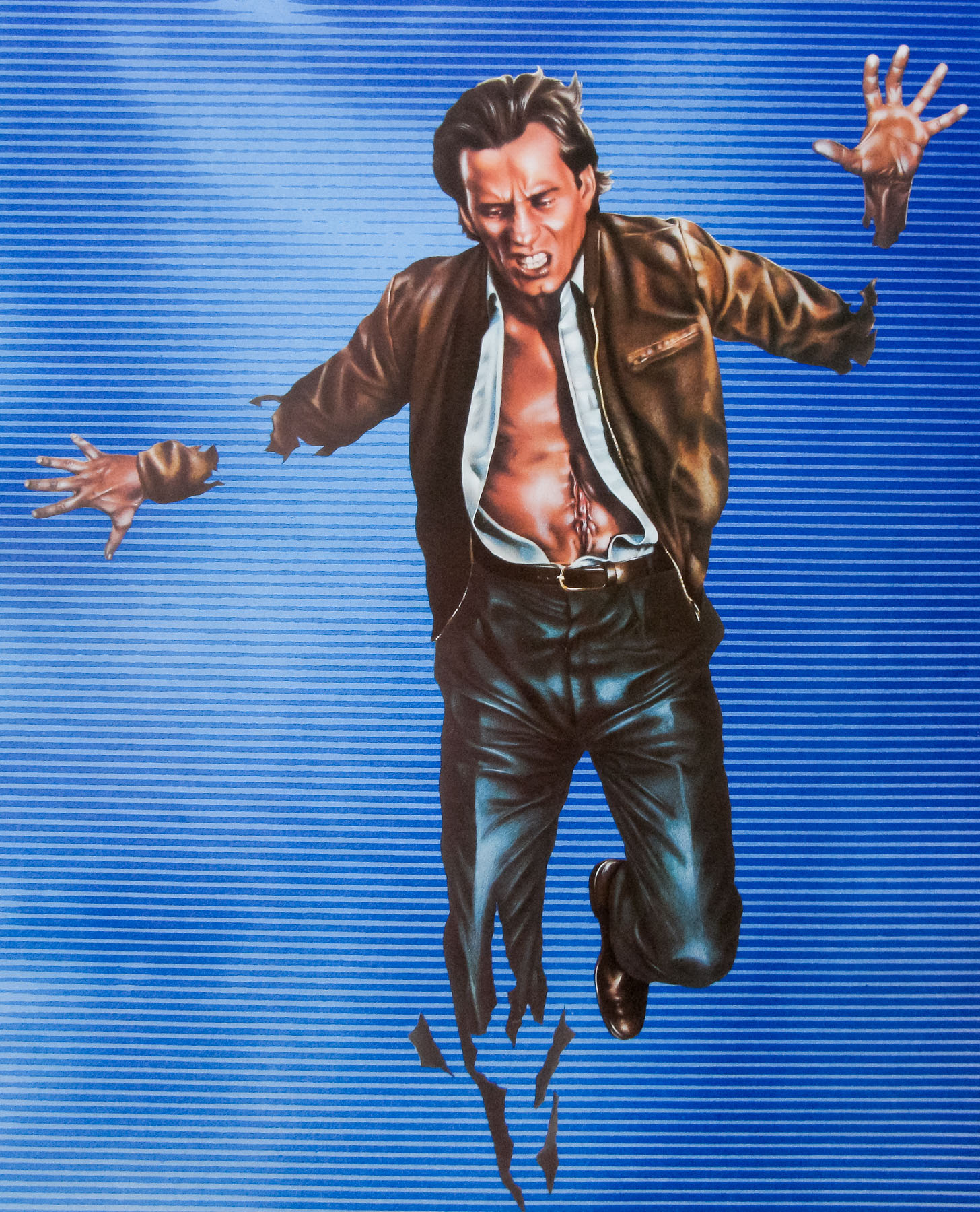
Videodrome / one sheet / USA

17.05.11

Poster Poster
Title
Videodrome
AKA
--
Year of Film
1982
Director
David Cronenberg
Starring
James Woods, Deborah Harry, Sonja Smits, Peter Dvorsky, Leslie Carlson, Jack Creley
Origin of Film
Canada
Genre(s) of Film
James Woods, Deborah Harry, Sonja Smits, Peter Dvorsky, Leslie Carlson, Jack Creley,
Type of Poster
One sheet
Style of Poster
--
Origin of Poster
USA
Year of Poster
1982
Designer
Unknown
Artist
Unknown
Size (inches)
27" x 41"
SS or DS
SS
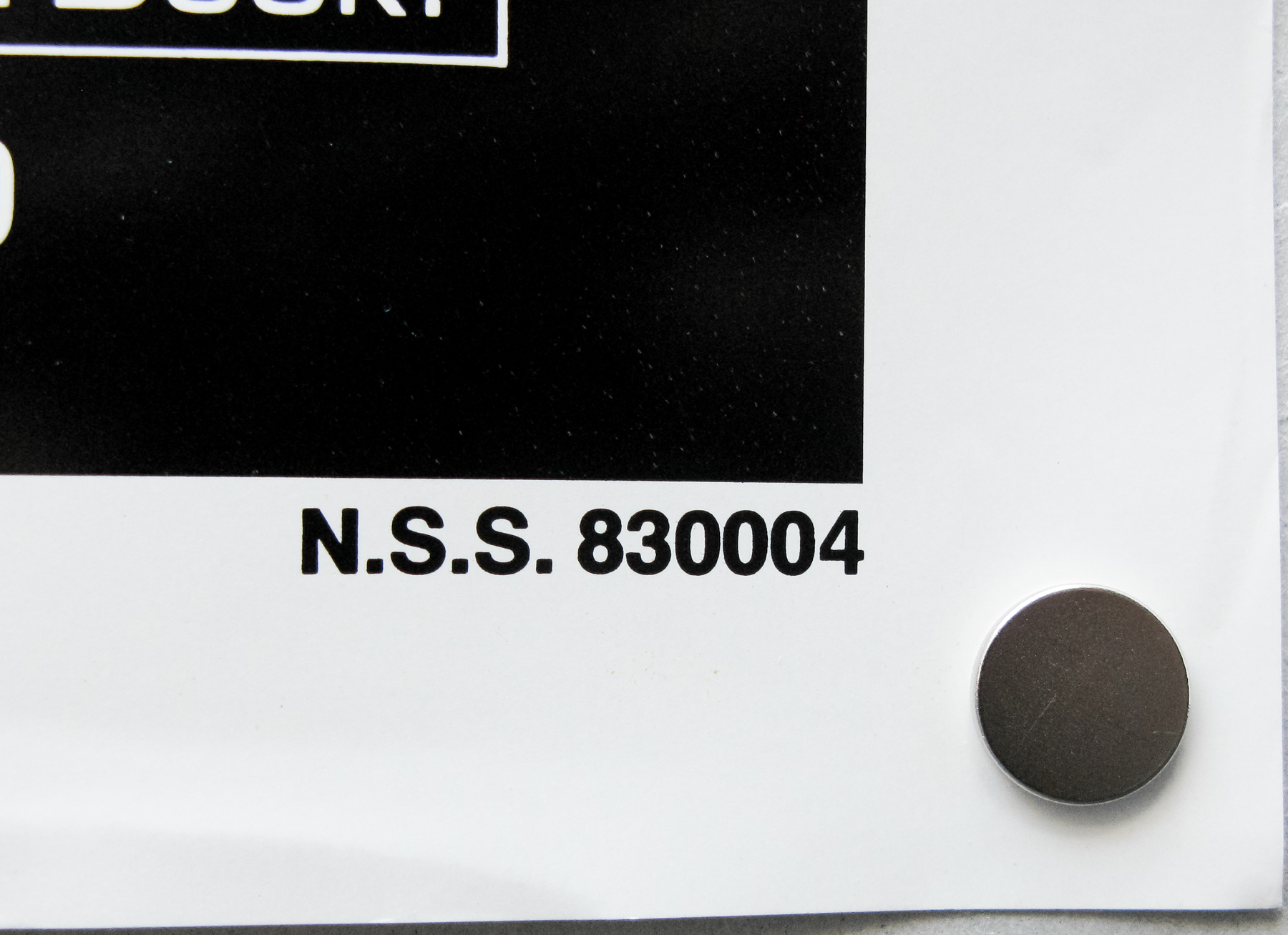
NSS #
830004
Tagline
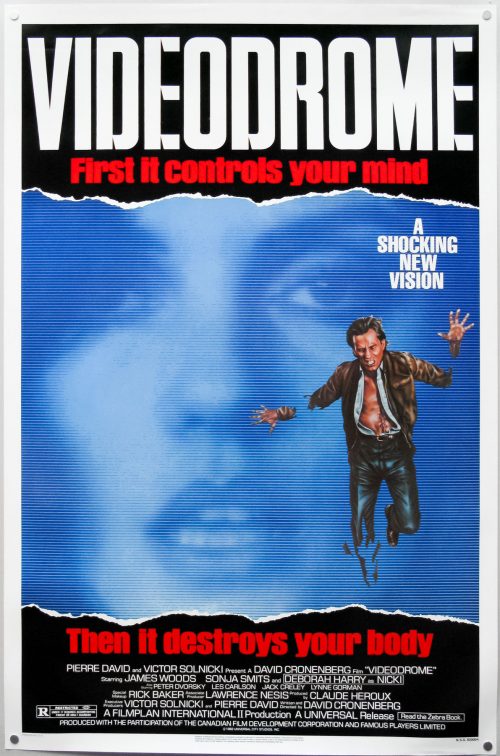
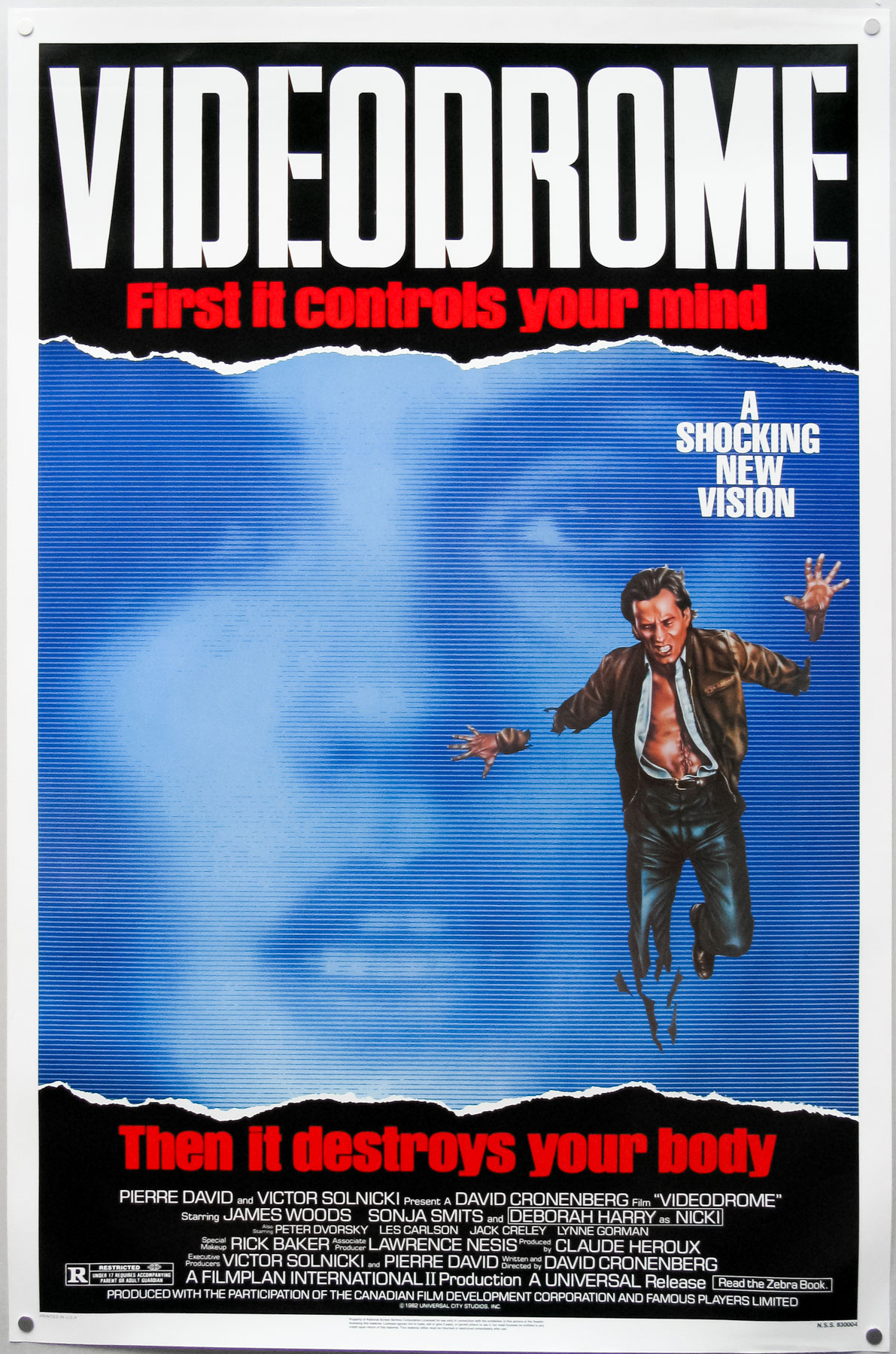
First it controls your mind...then it destroys your body

Cult Canadian director David Cronenberg’s Videodrome was released with this unique poster design when it hit Japanese cinemas in 1985. Like much of the director’s output, Videodrome is definitely not for the faint of heart and contains some utterly unforgettable moments of Cronenberg’s patented body-horror mutations. James Woods stars as Max Renn the sleazy CEO of a minor cable TV station who is constantly on the lookout for cheap exploitation fare to broadcast. Renn is told about Videodrome, a new and mysterious signal apparently being broadcast out of Malaysia which purports to depict real ‘snuff’ movies of victims being tortured and killed.

Renn decides to start pirating the show and broadcasting it to his audience. This soon attracts widespread attention that puts him into contact with sadomasochistic psychiatrist Nicki Brand (Debby Harry) and Professor Brian O’Blivion (Jack Creley). When he discovers that the signal is actually being broadcast out of Pittsburgh, Renn decides to investigate further and he plunges into a nightmarish conspiracy that goes deeper than he ever imagined. As the American tagline says ‘First it controls your mind. Then it destroys your body’. Fans of Cronenberg’s proclivity for unnatural cavities and the melding of flesh with inorganic substances are not left disappointed, and the gun on this poster hints towards the finale.

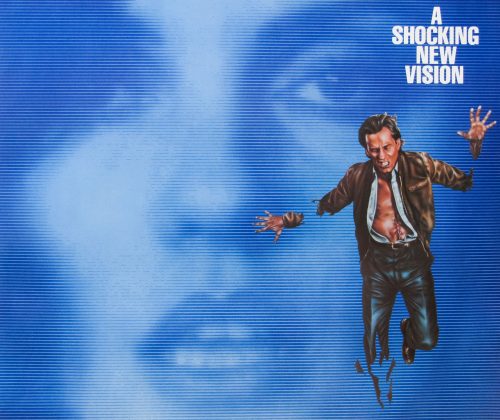
This American one sheet features a great illustration of Woods being torn apart in front of a giant image of Debby Harry’s face. I’ve been unable to discover who is responsible for the art so if you have any ideas please get in touch.

In addition to the one sheet I also have the British quad and the Japanese B2.

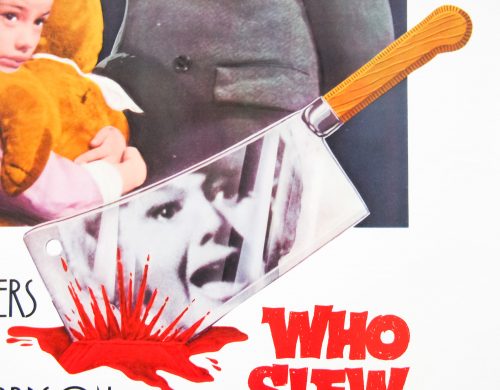
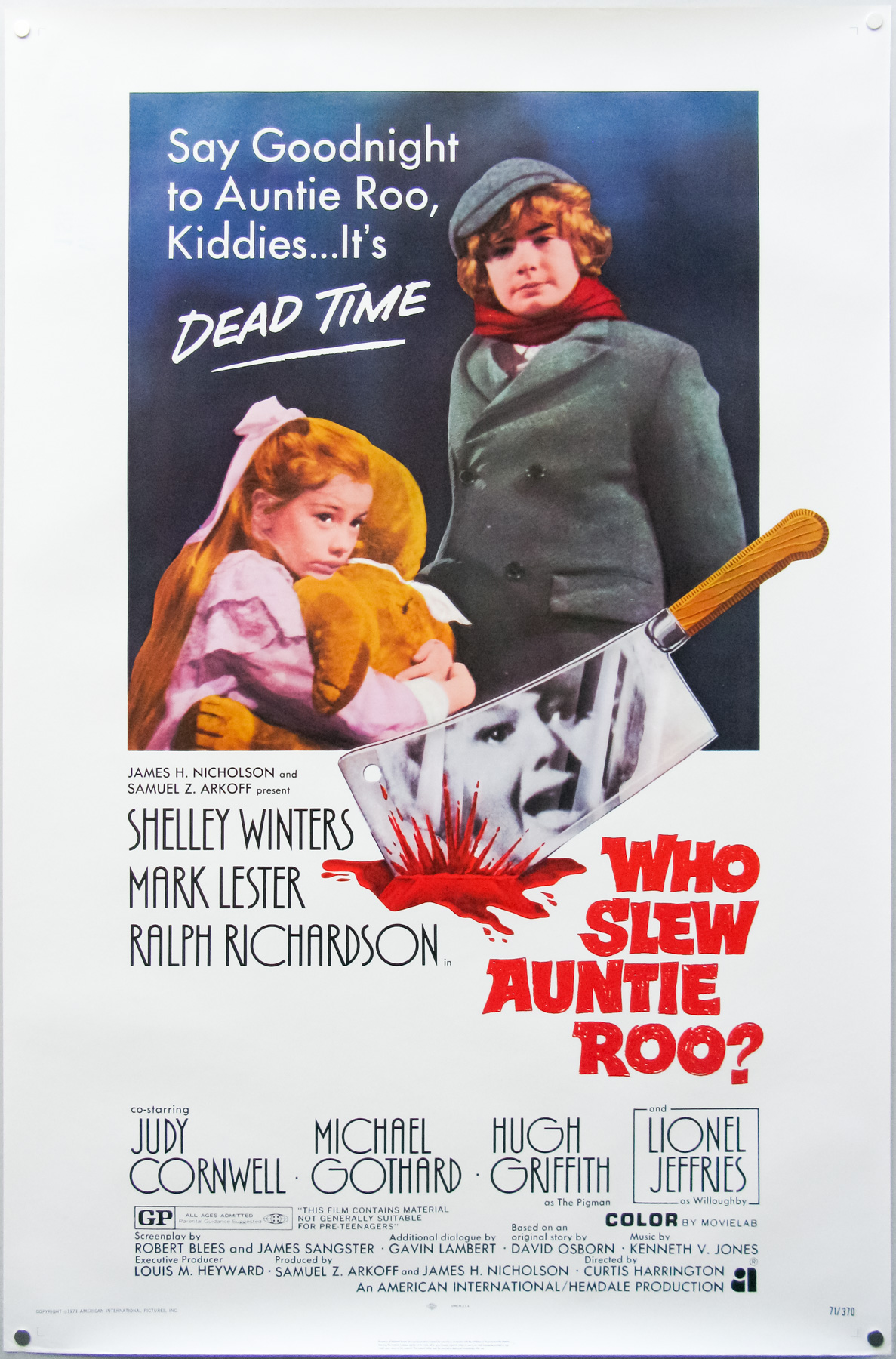
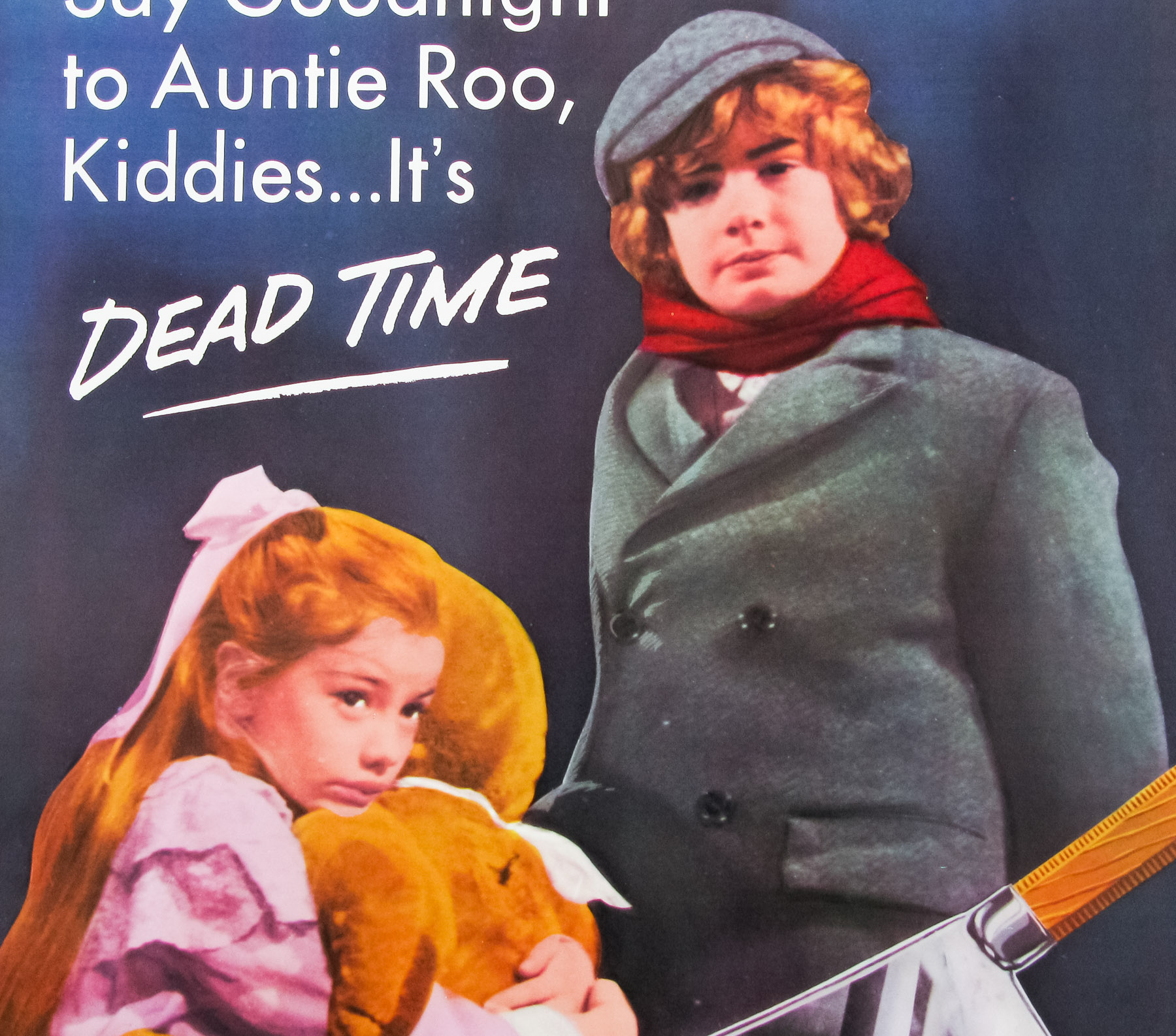
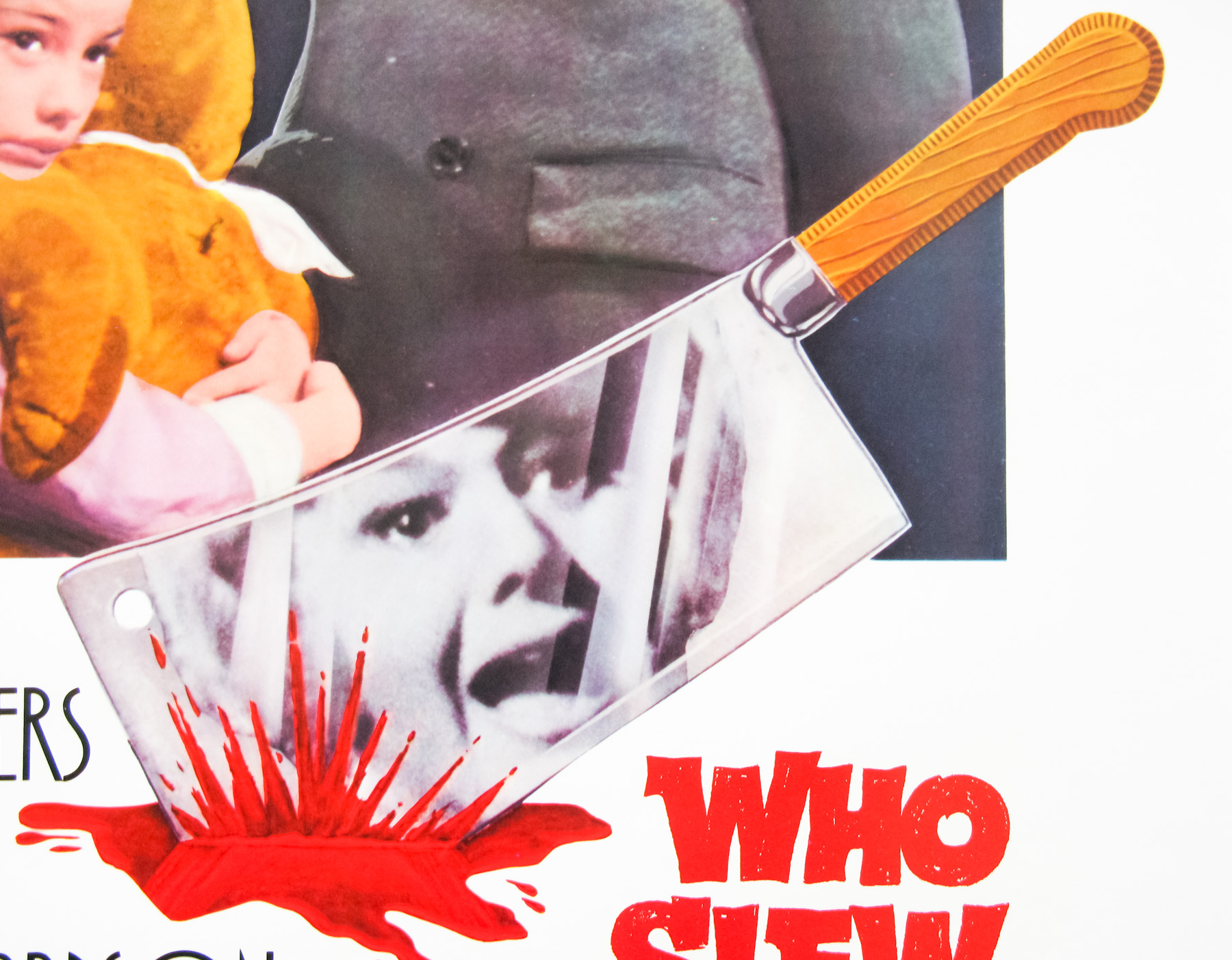
Who Slew Auntie Roo? / one sheet / USA

17.05.11

Poster Poster

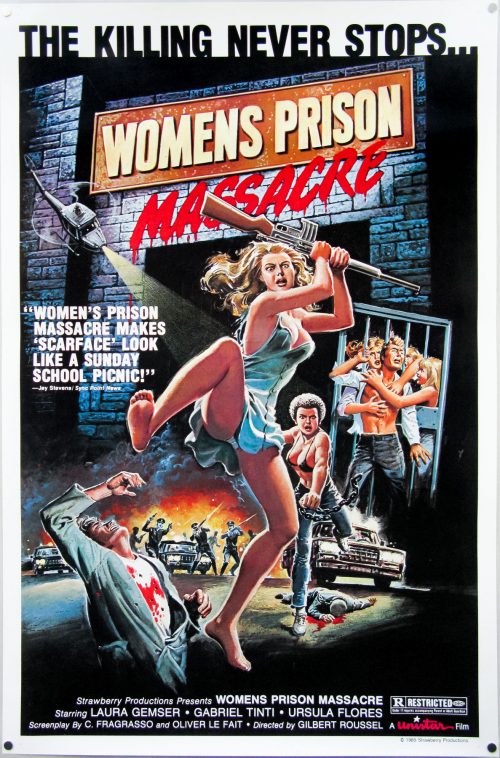
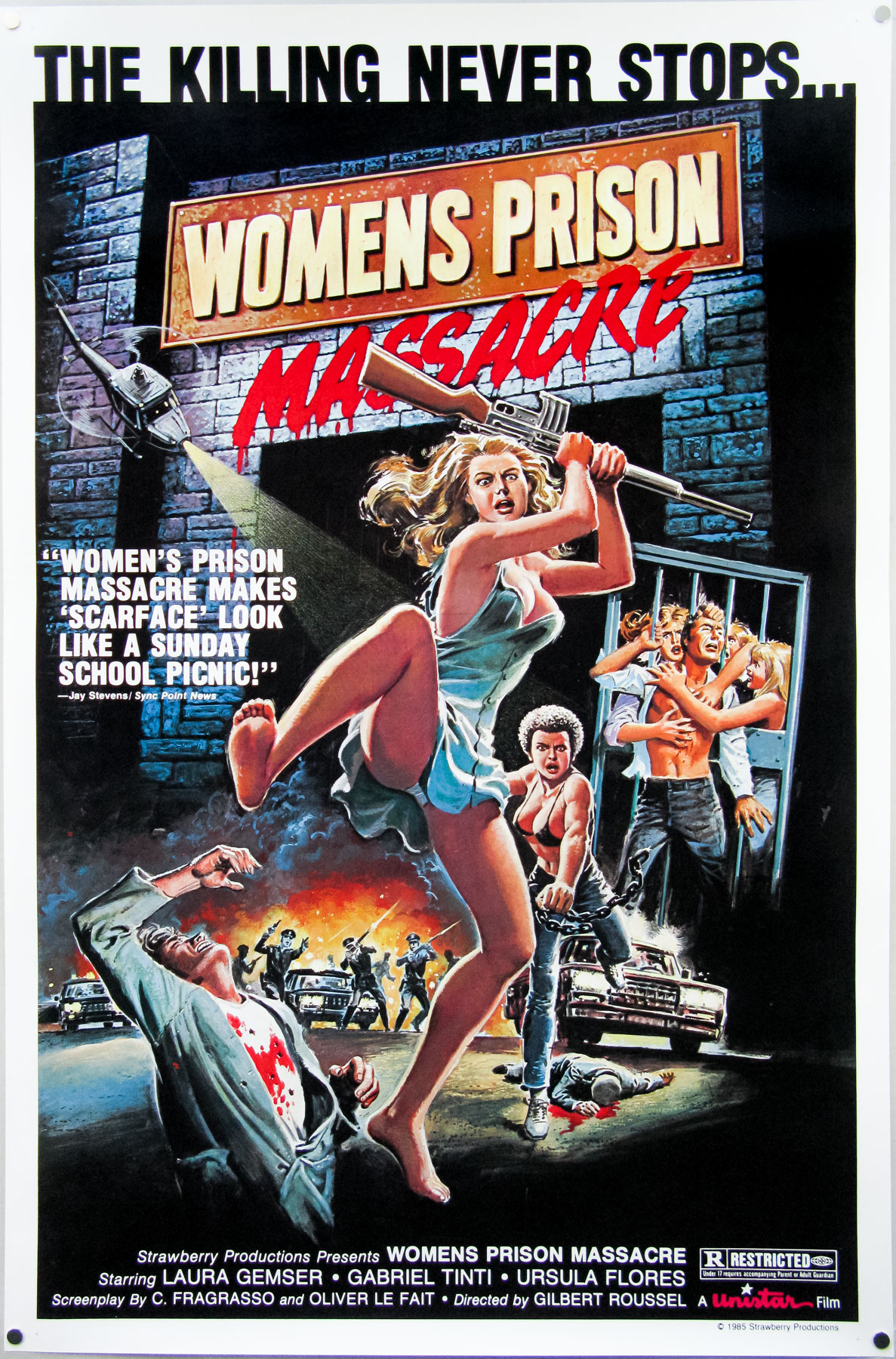
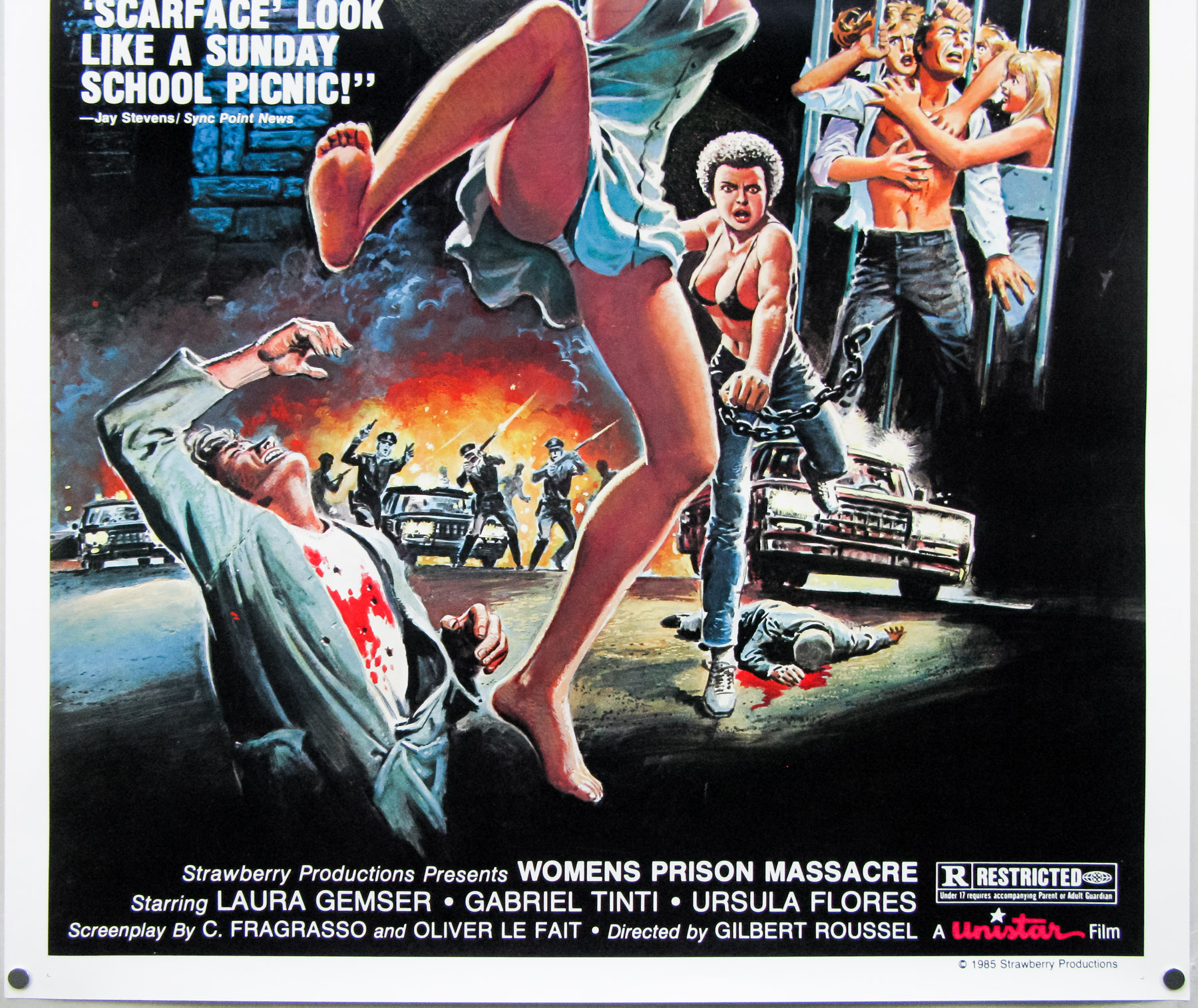
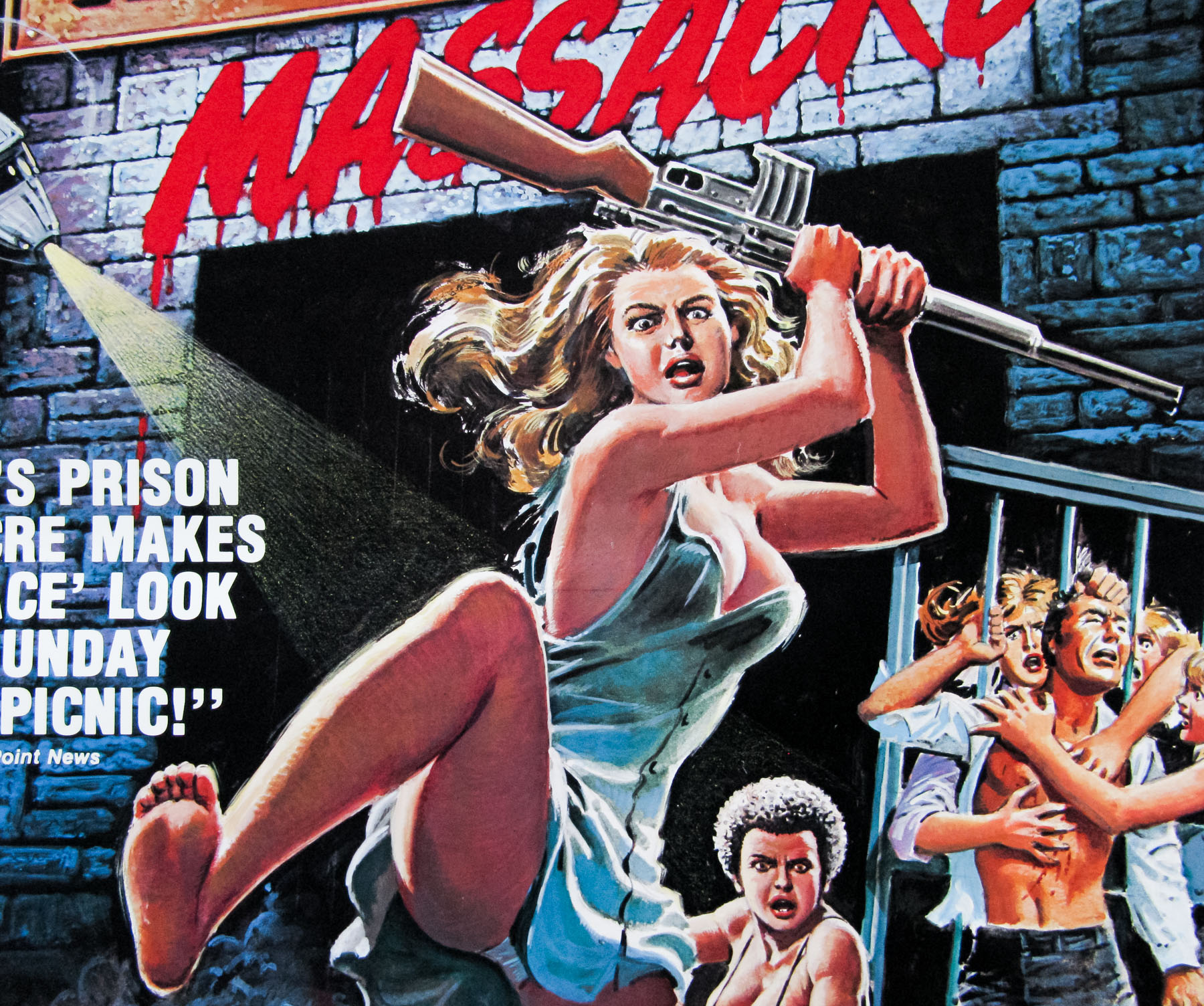
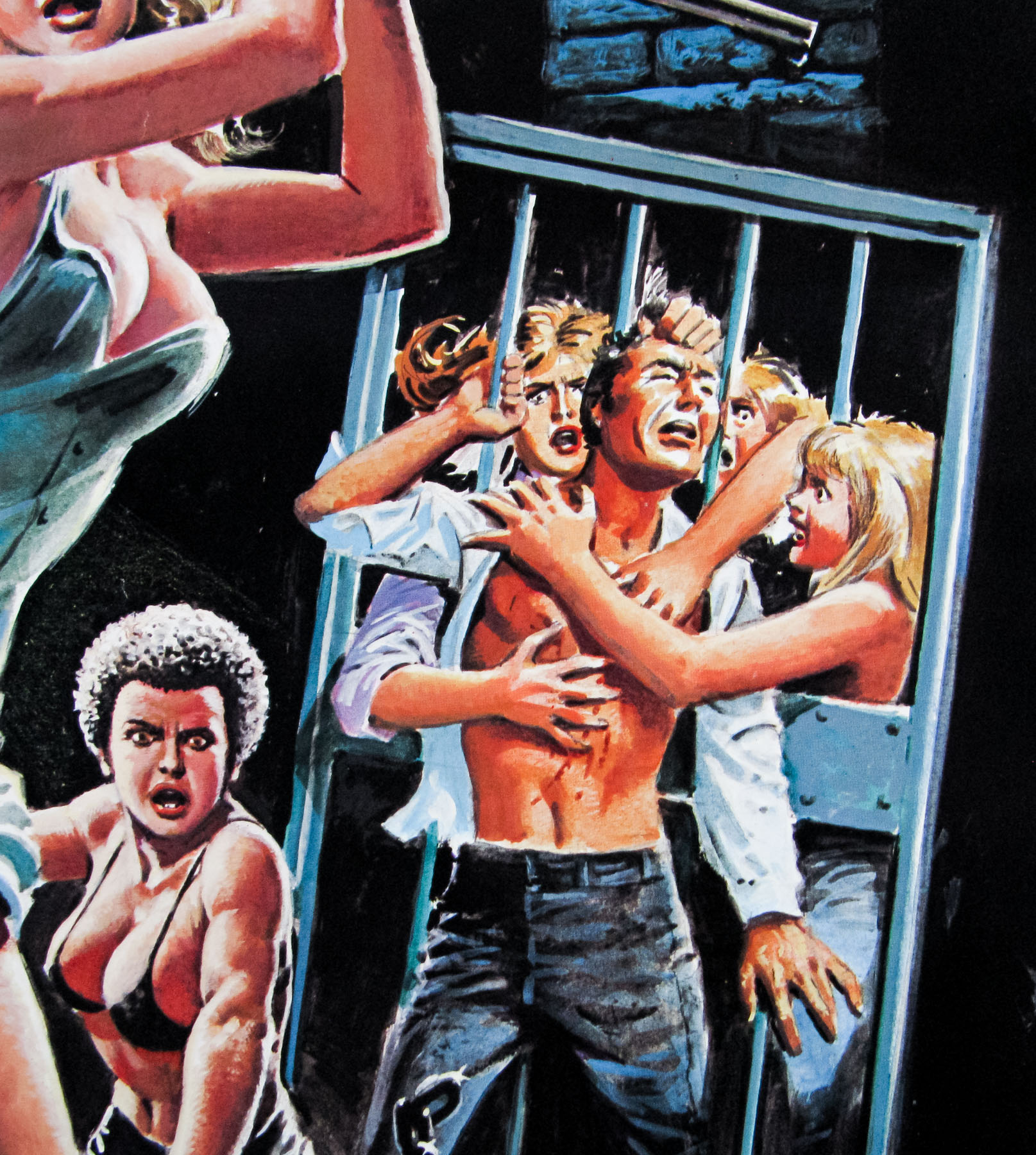
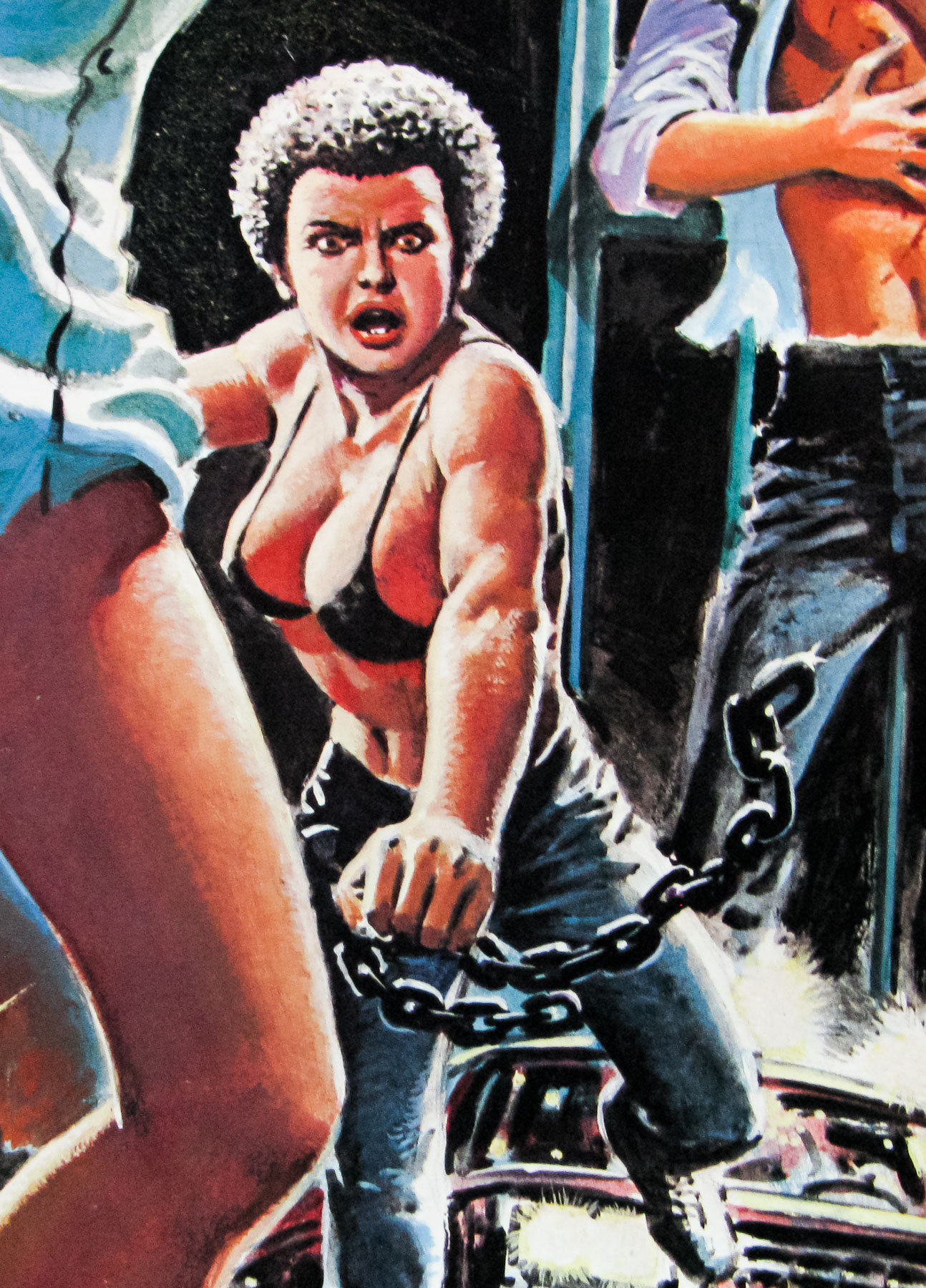
Women’s Prison Massacre / one sheet / USA

17.05.11

Poster Poster

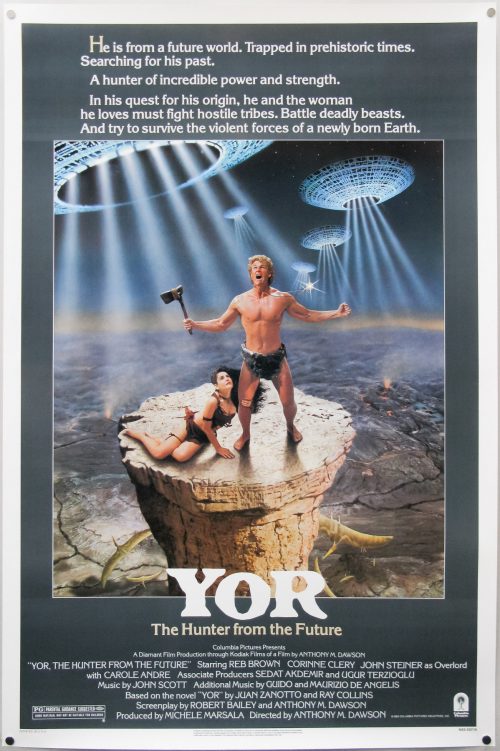
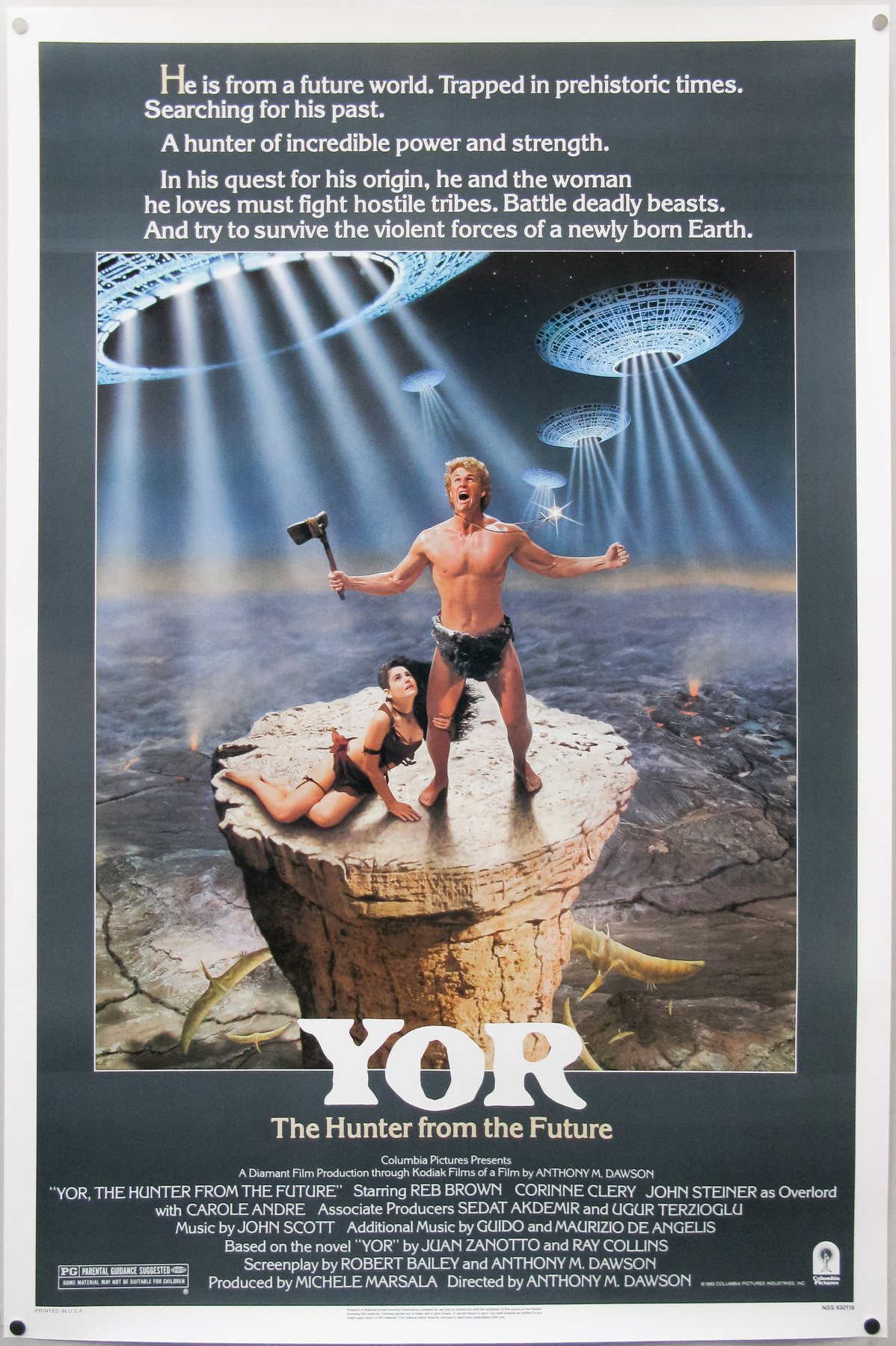
Yor: the Hunter from the Future / one sheet / USA

20.07.12

Poster Poster
Title
Yor: the Hunter from the Future
AKA
Il mondo di Yor (Italy - original title)
Year of Film
1983
Director
Antonio Margheriti (as Anthony M. Dawson)
Starring
Reb Brown, Corinne Clery, Luciano Pigozzi, Carole André, John Steiner, Ayshe Gul, Aytekin Akkaya, Marina Rocchi, Sergio Nicolai
Origin of Film
Italy | France | Turkey
Genre(s) of Film
Reb Brown, Corinne Clery, Luciano Pigozzi, Carole André, John Steiner, Ayshe Gul, Aytekin Akkaya, Marina Rocchi, Sergio Nicolai,
Type of Poster
One sheet
Style of Poster
--
Origin of Poster
USA
Year of Poster
1983
Designer
Unknown
Artist
--
Size (inches)
27" x 41"
SS or DS
SS
NSS #
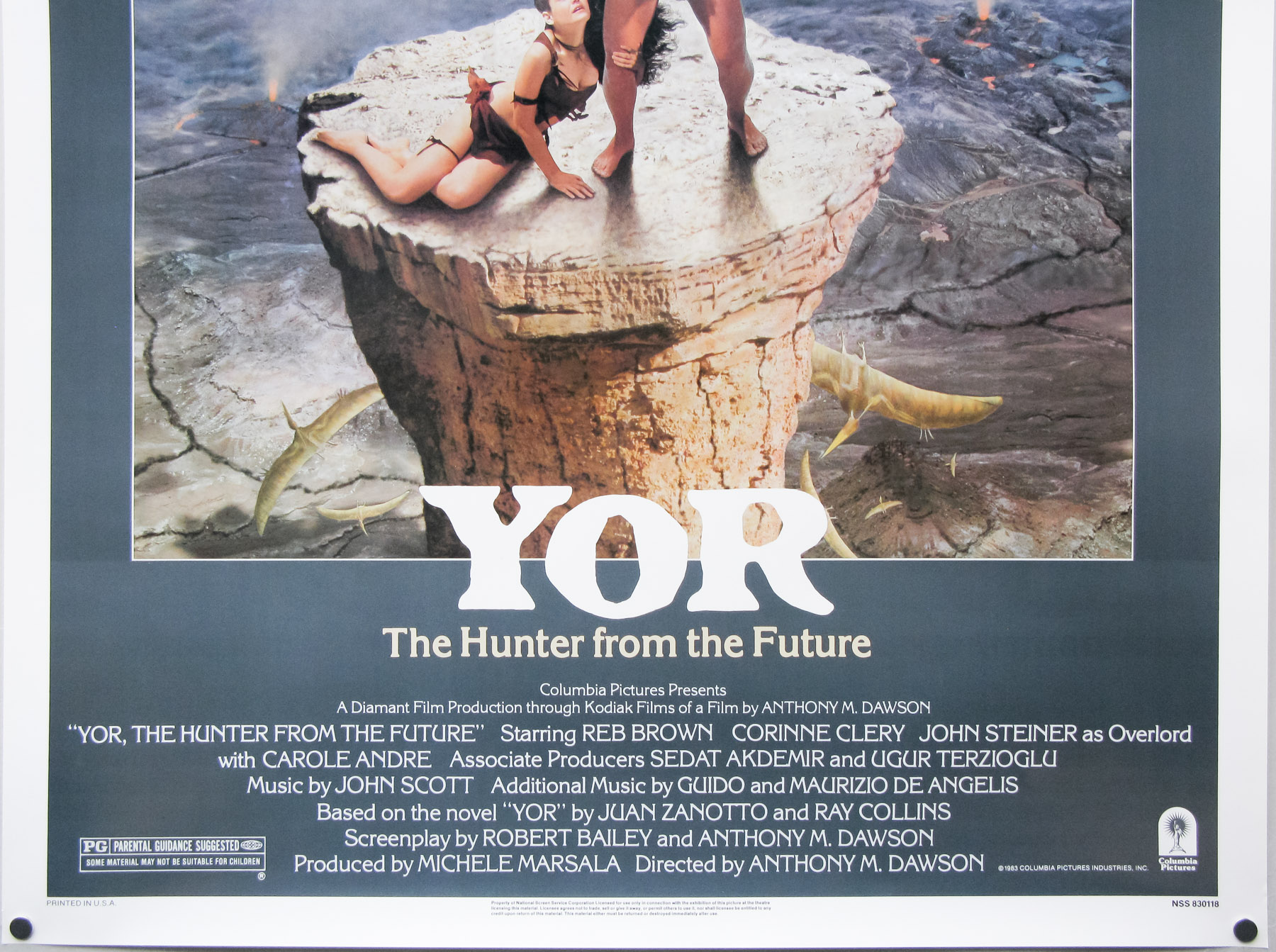
830118
Tagline
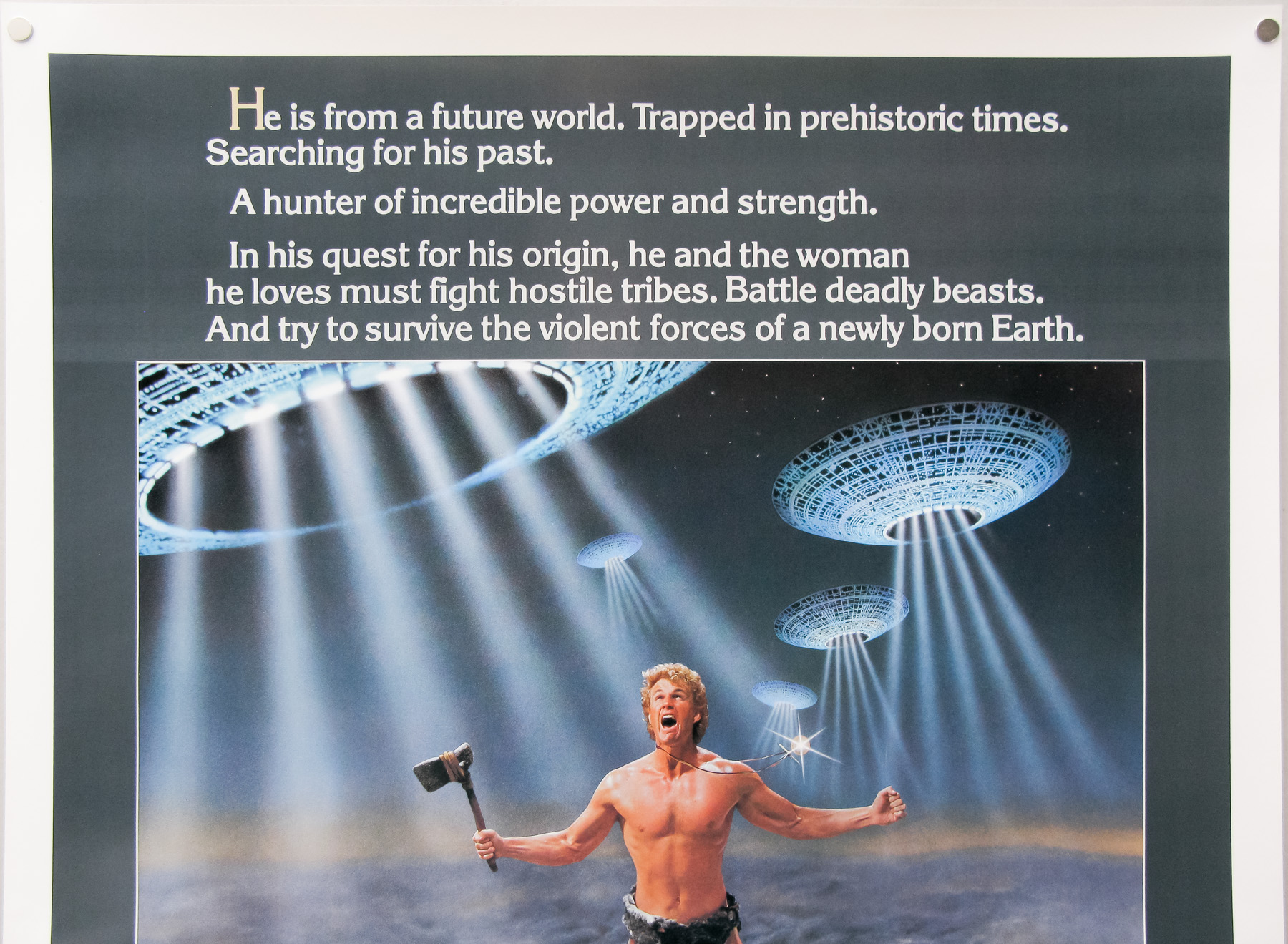
He is from a future world. Trapped in prehistoric times. Searching for his past. A hunter of incredible power and strength. In his quest for his origin, he and the woman he loves must fight hostile tribes. Battle deadly beasts. And try to survive the violent forces of a newly born earth. | The Hunter from the Future

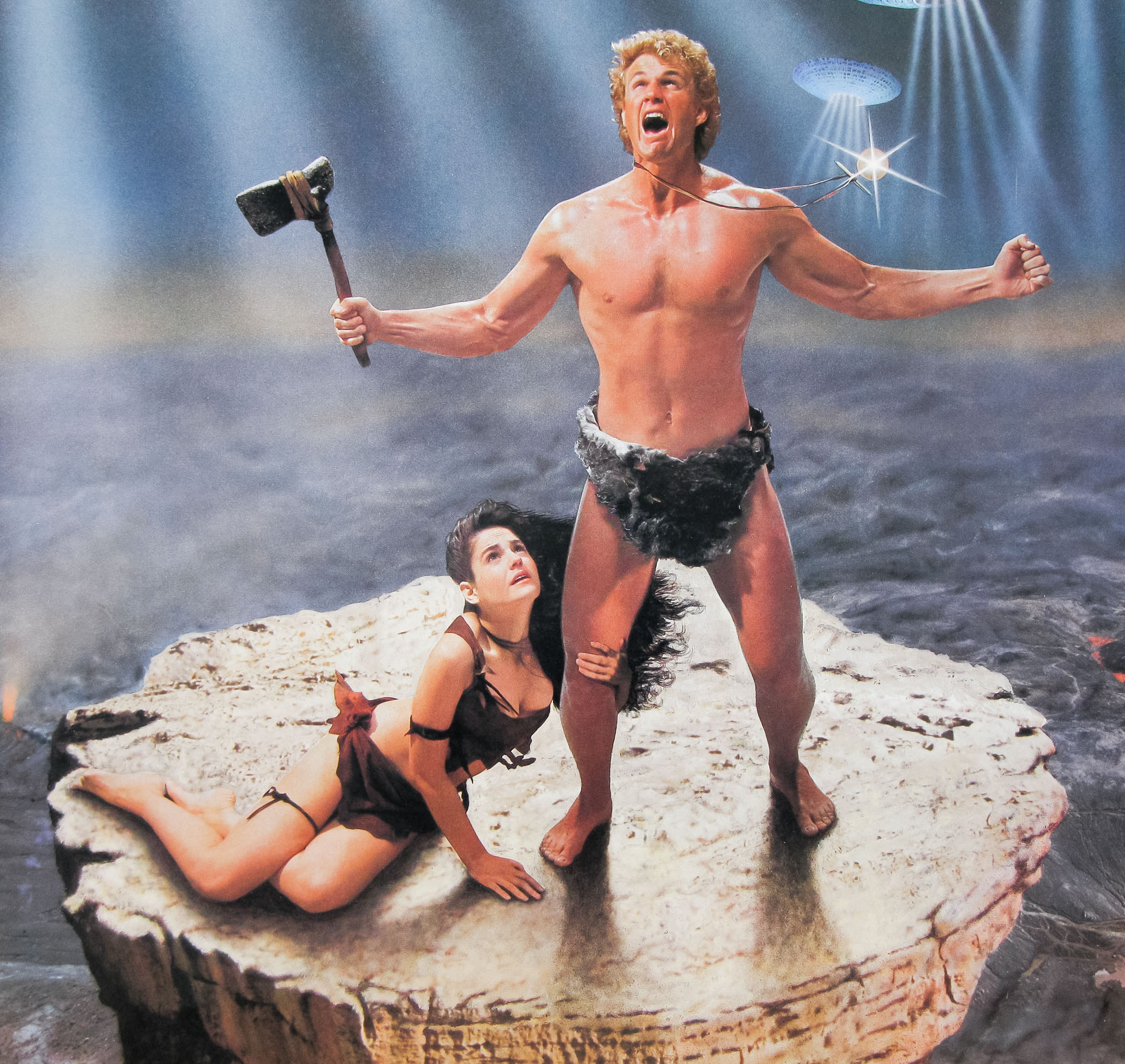
Filmed by prolific Italian B-movie director Antonio Margheriti, the bizarre caveman-sci-fi hybrid Yor the Hunter From the Future actually started out as a four part TV series shown on Italian TV called ‘Il Mondo di Yor’ (The World of Yor), which itself was based on a comic book series of the same name. Margheriti, who shot the entire thing in Turkey, cut the four-hour series down to this 90-minute version that was distributed internationally and is now regularly cited as one of the worst films ever released.

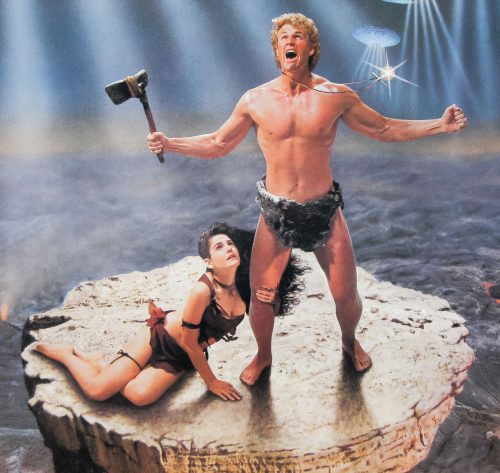
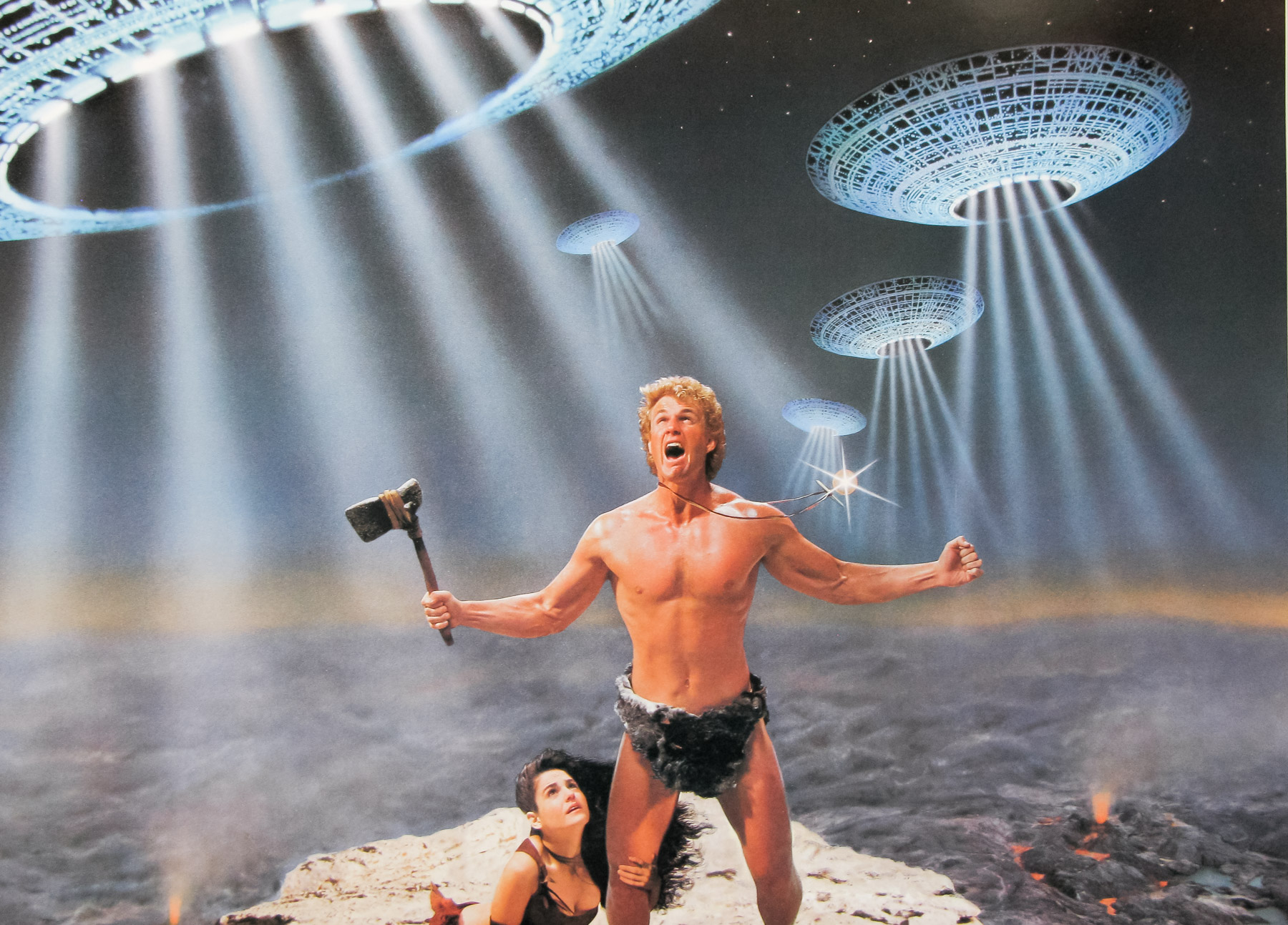
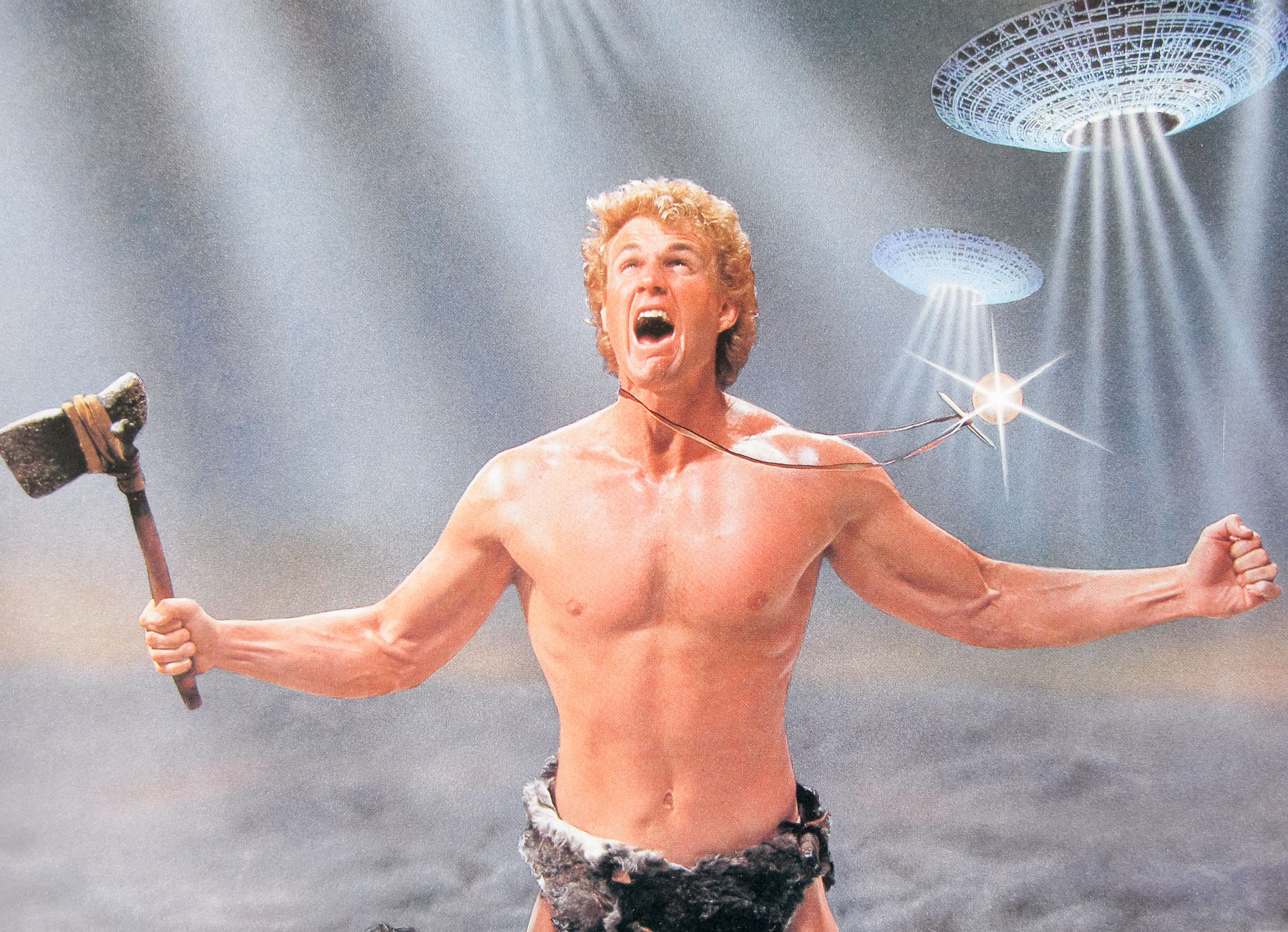
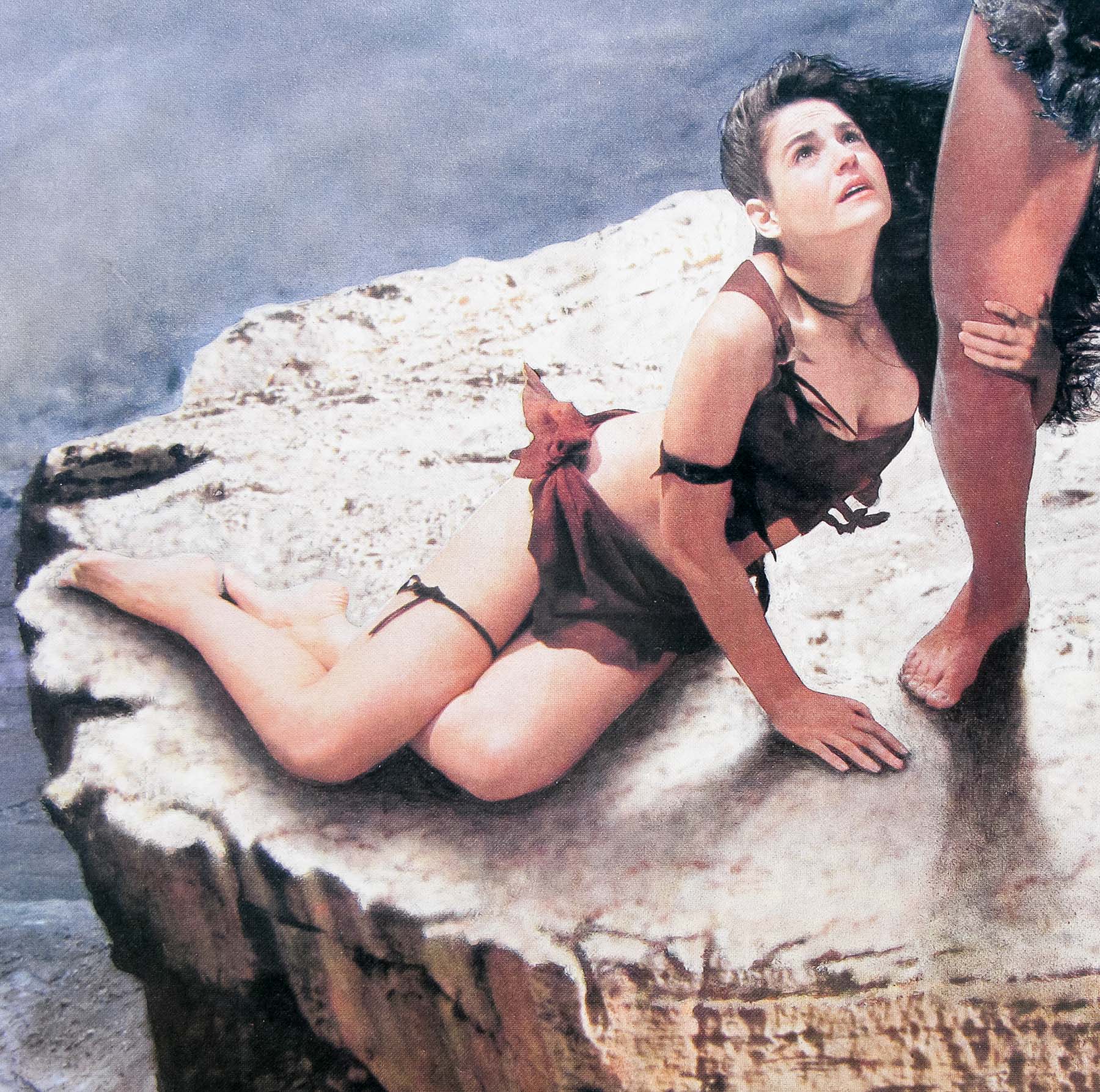
Reb Brown plays the bronzen, muscled and poodle-haired Yor, a mysterious warrior who travels through an prehistoric world besieged by cavemen tribes and dinosaurs in search of his origins. Along the way he meets Ka-Laa (played by the gorgeous Corinne Cléry) and Pak (Luciano Pigozzi) two primitives who help Yor on his journey to discover the secret of the golden medallion he wears around his neck.

This poster for the US release of the short version features a brilliantly pompous and full-stop heavy tagline.

The original trailer is on YouTube.

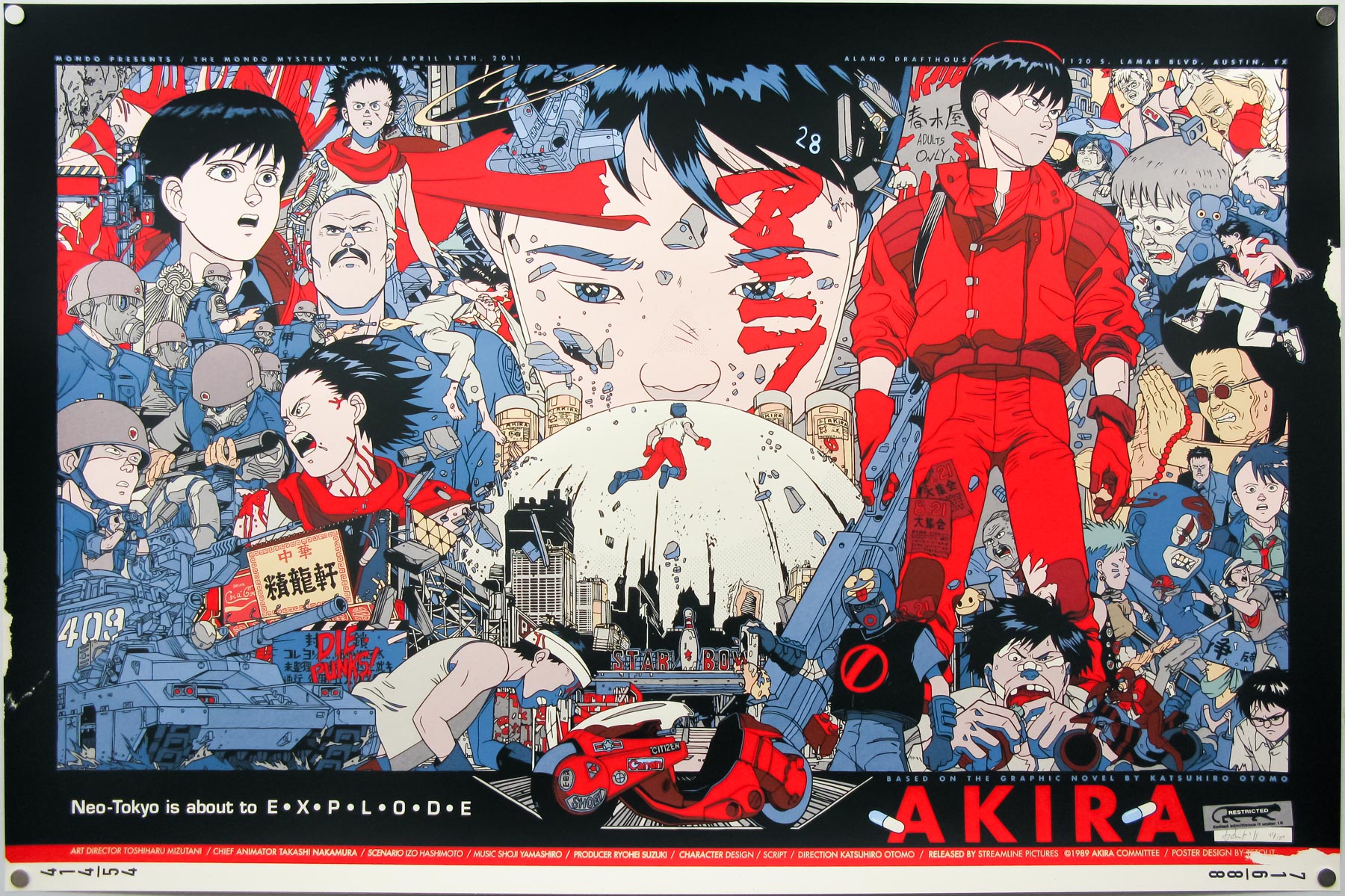
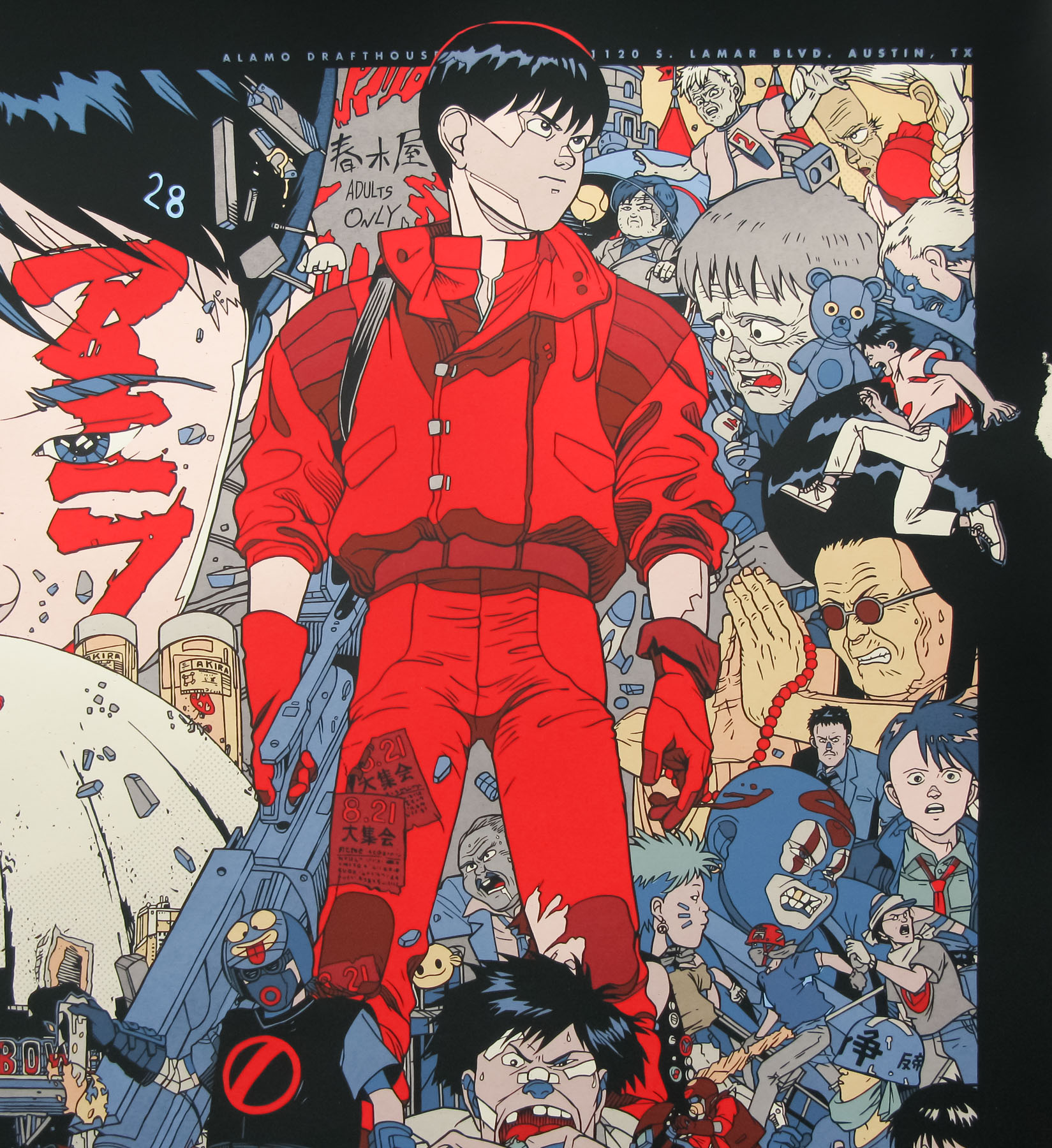
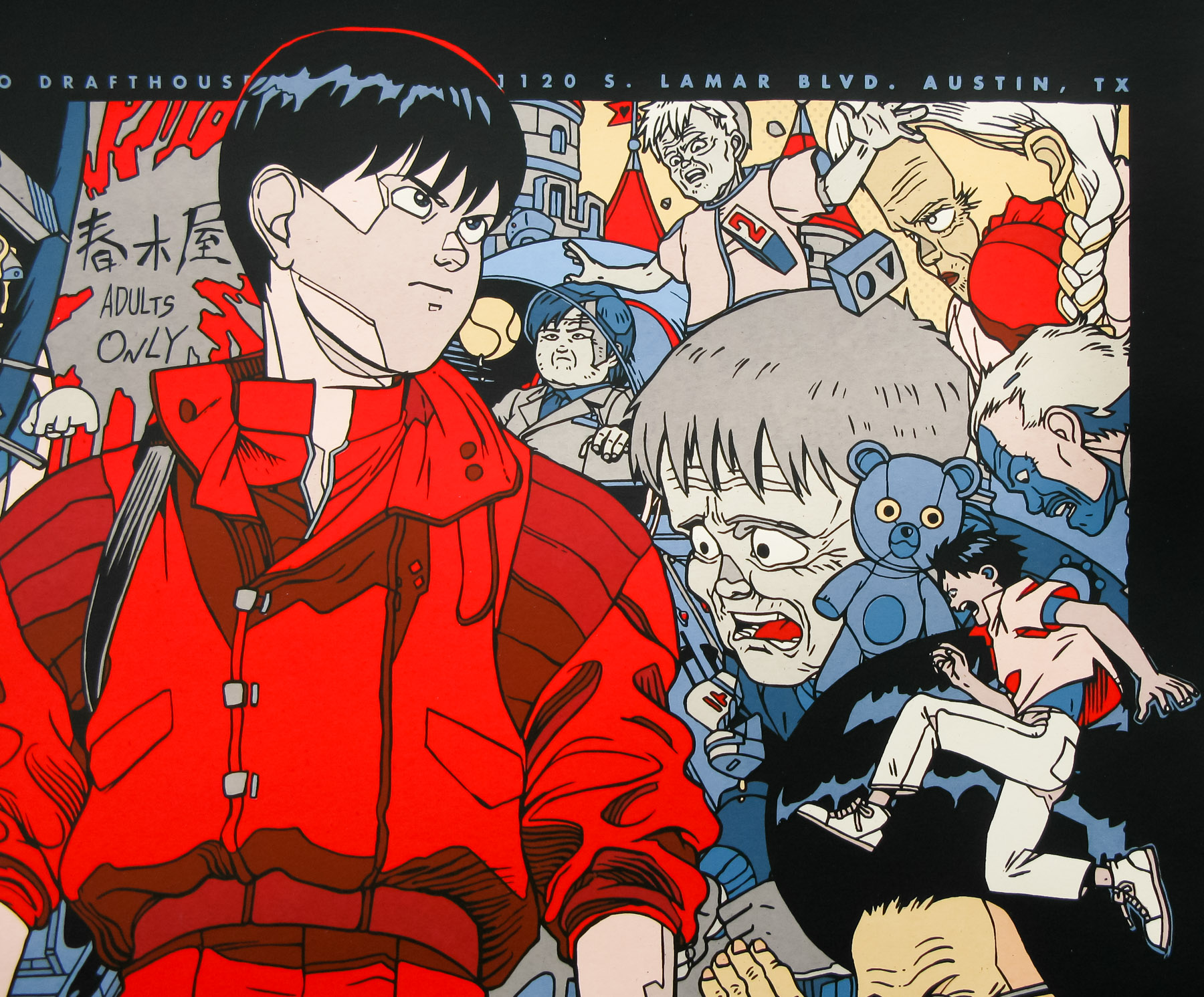
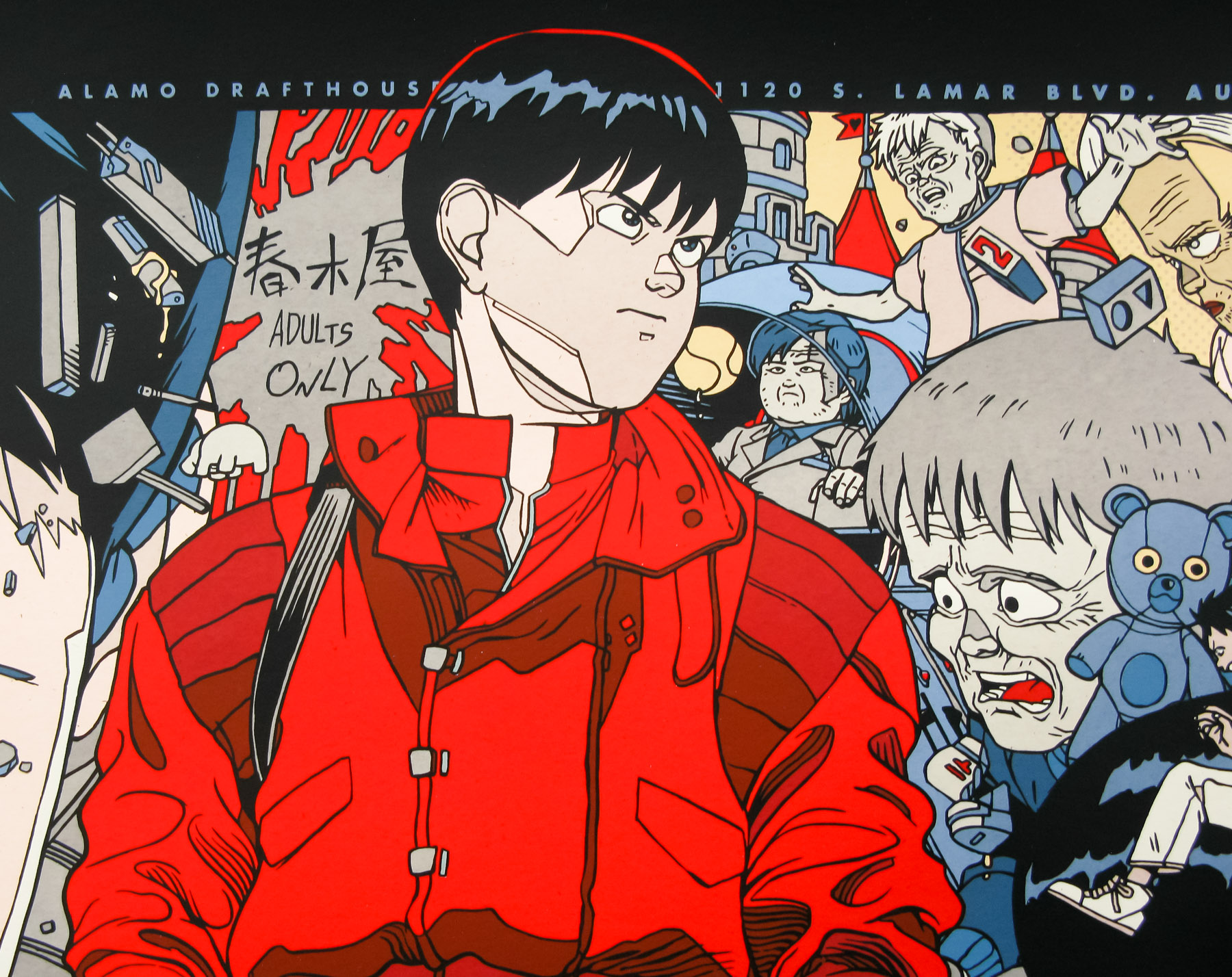
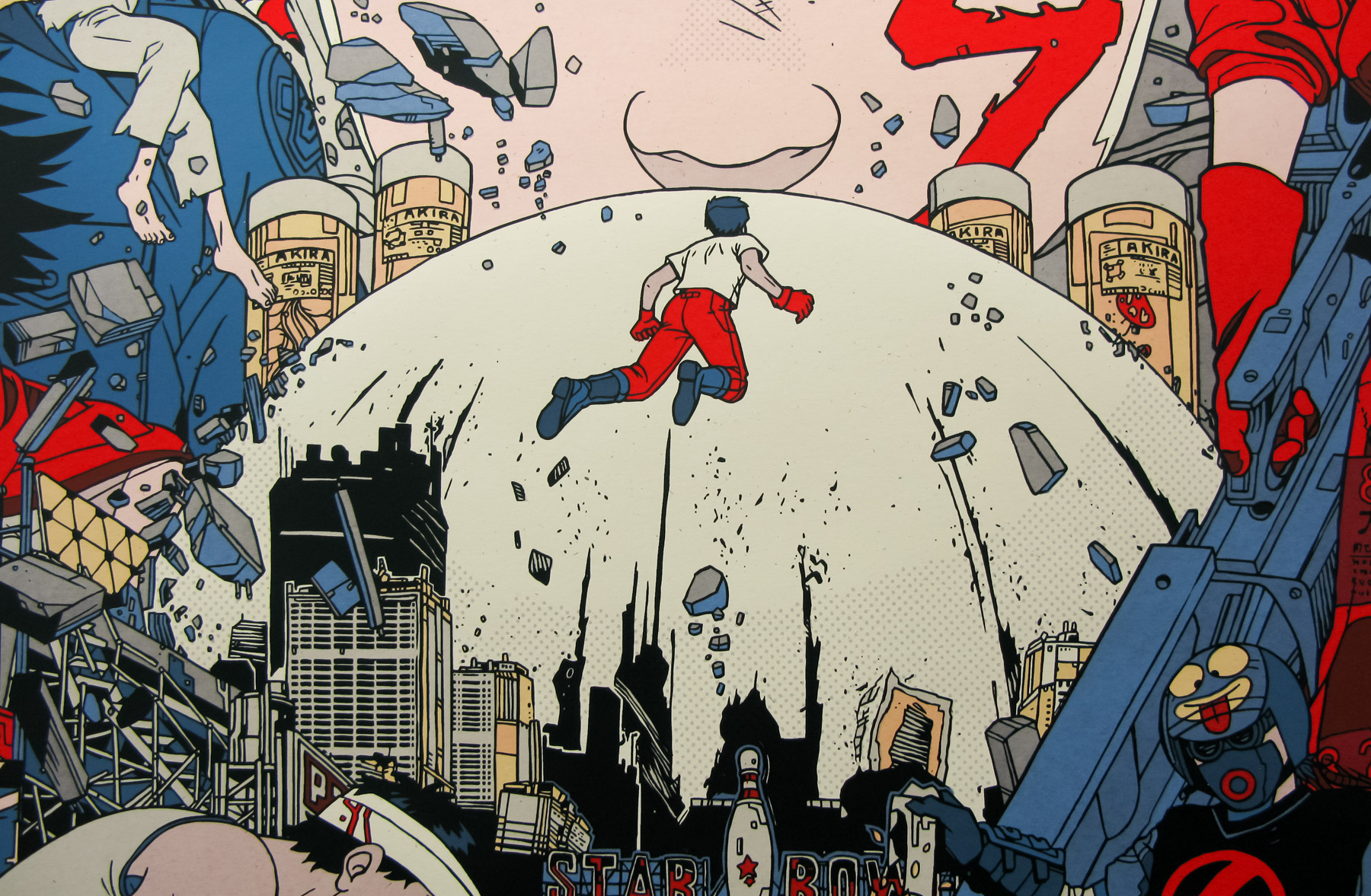
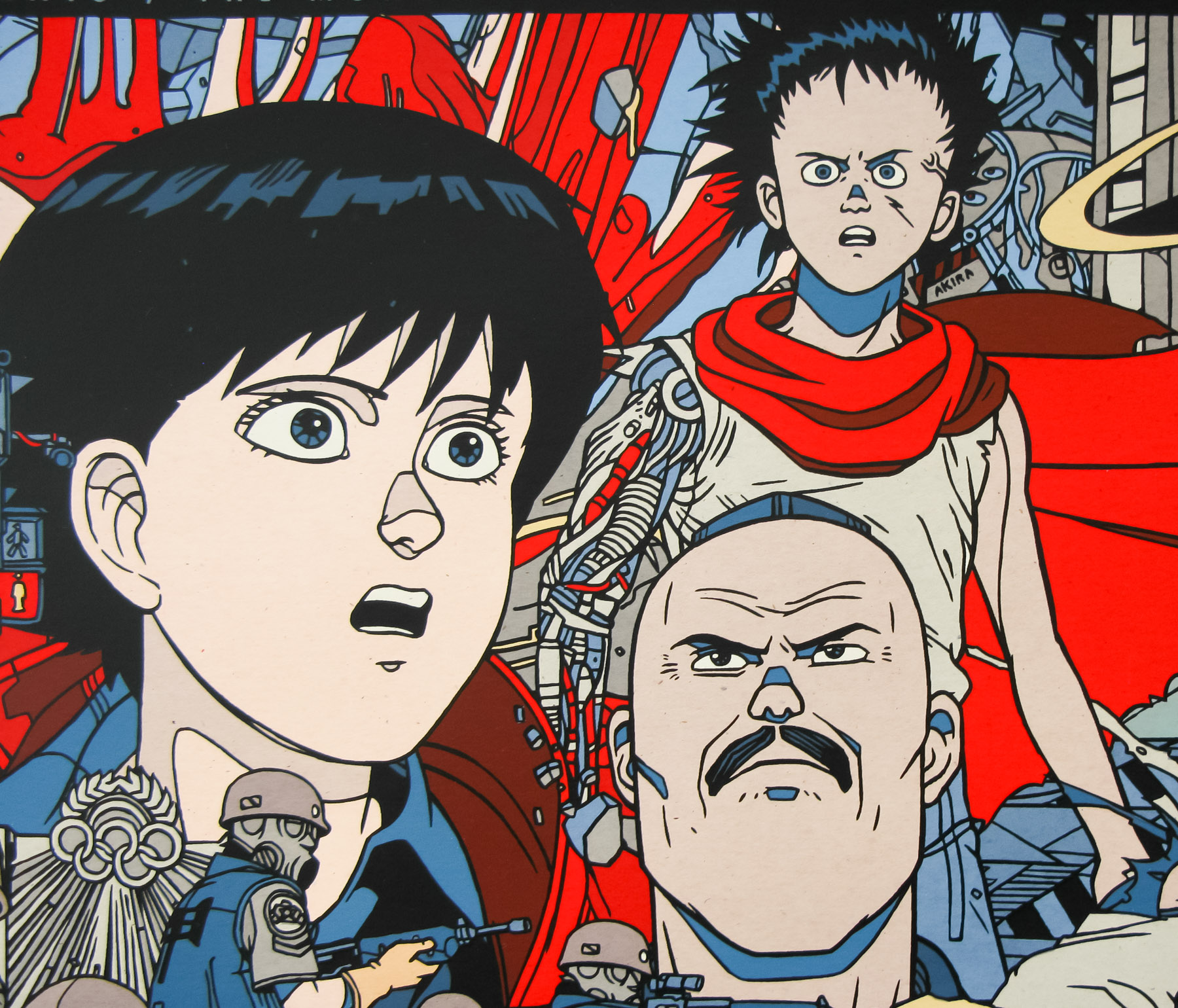
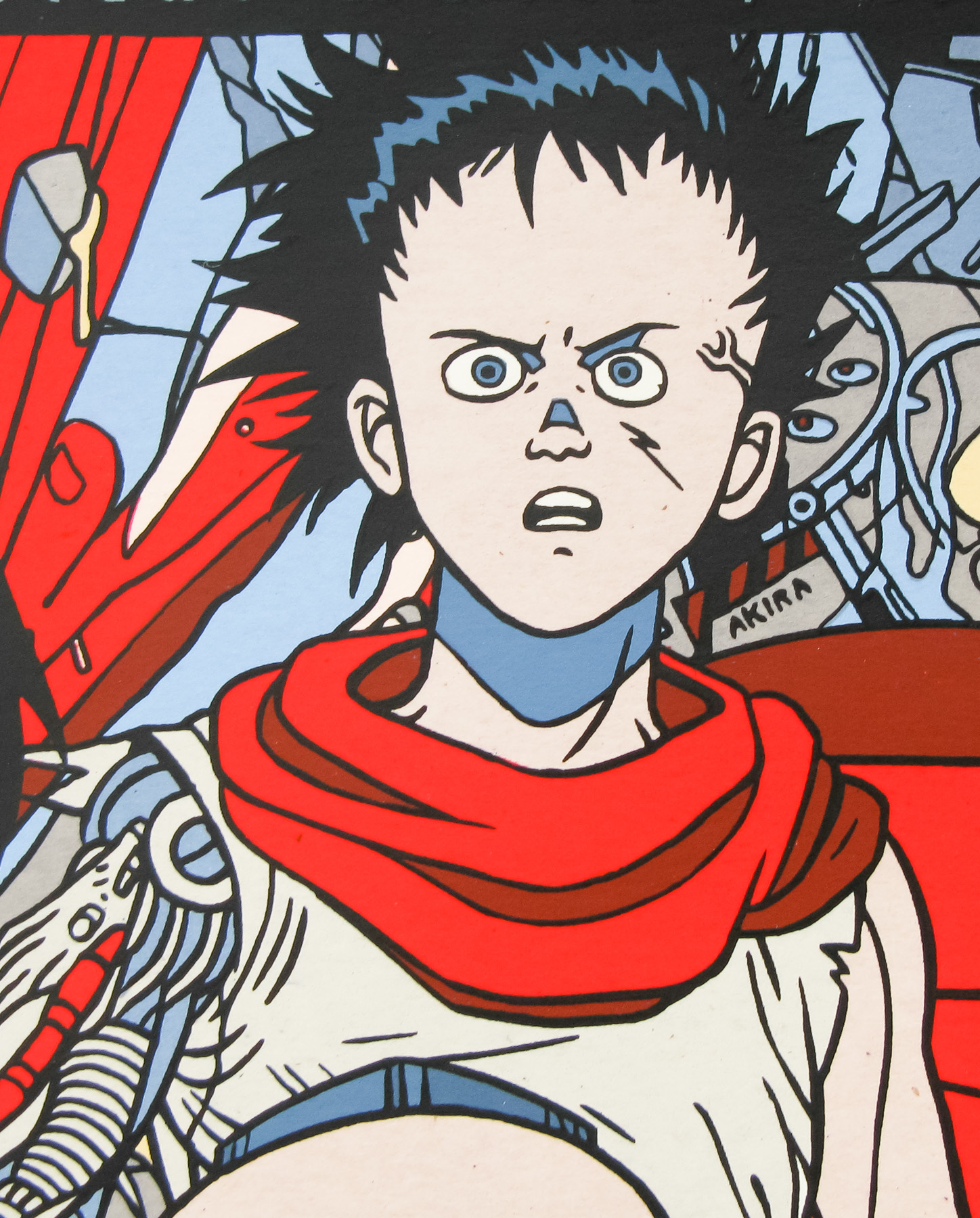
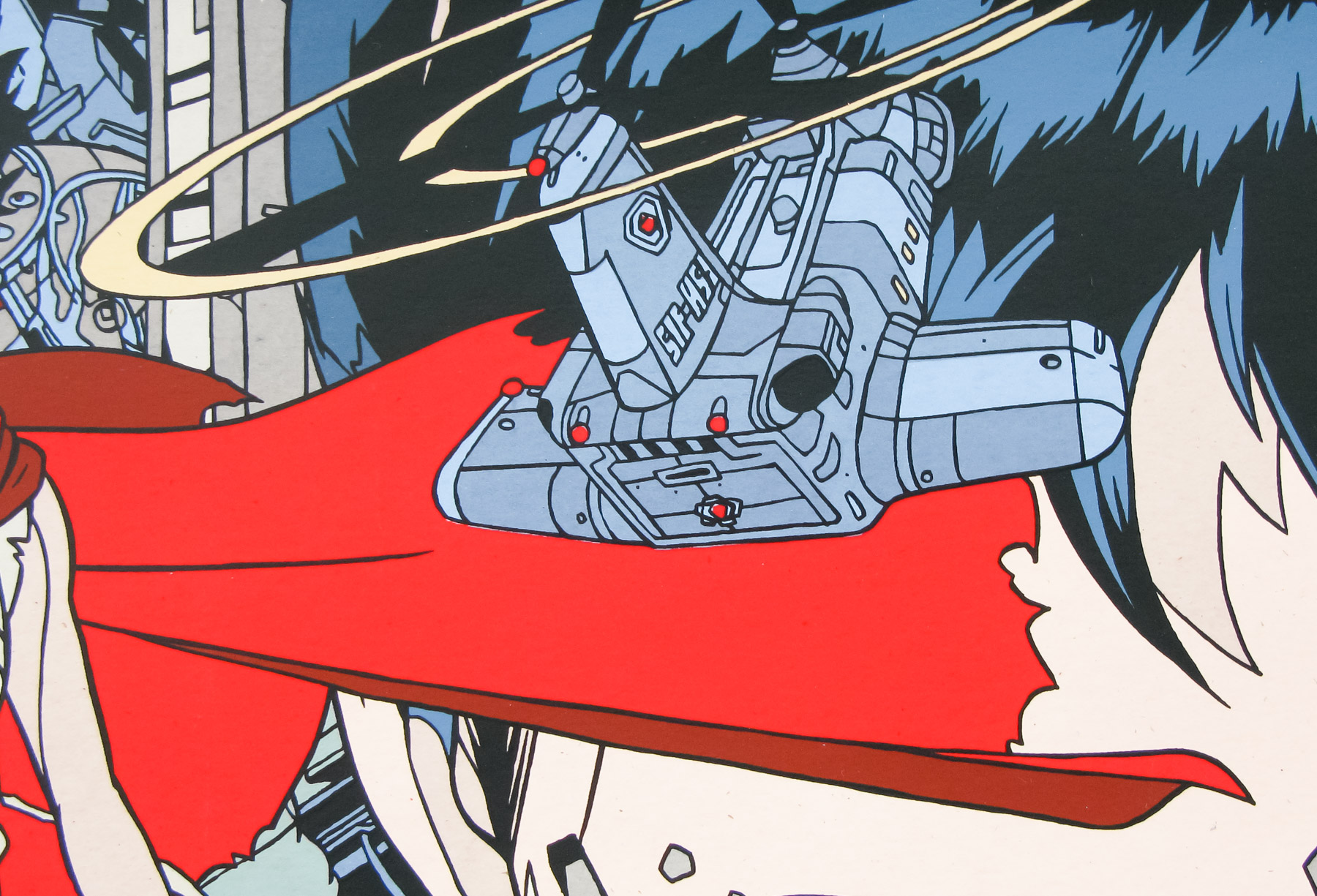
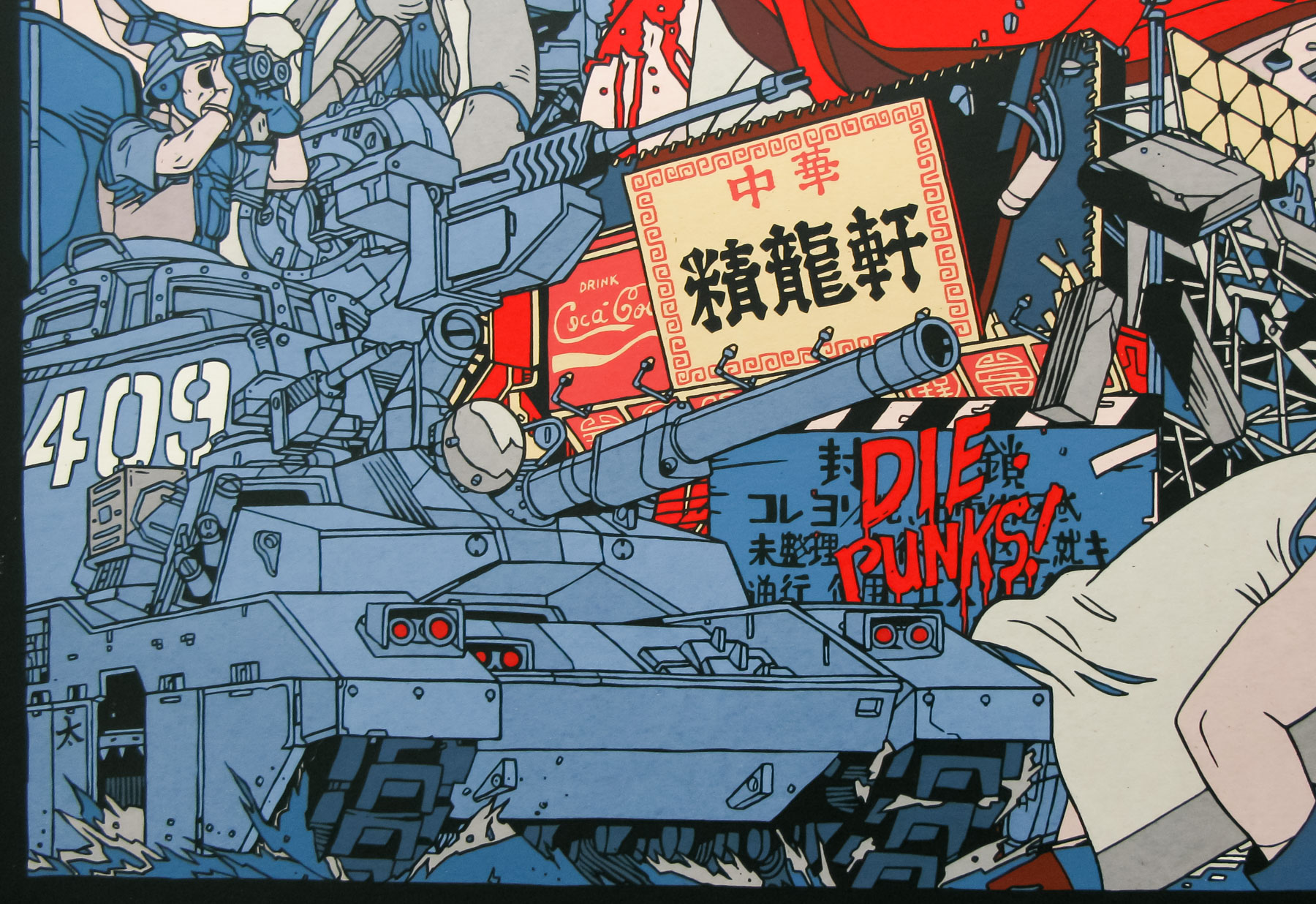
Akira / screen print / Tyler Stout / regular / USA

09.11.11

Poster Poster
Title
Akira
AKA
--
Year of Film
1988
Director
Katsuhiro Ôtomo
Starring
Mitsuo Iwata, Nozomu Sasaki, Mami Koyama
Origin of Film
Japan
Genre(s) of Film
Mitsuo Iwata, Nozomu Sasaki, Mami Koyama,
Type of Poster
Screen print
Style of Poster
Regular
Origin of Poster
USA
Year of Poster
2011
Designer
Tyler Stout
Artist
Tyler Stout
Size (inches)
23 15/16" x 36"
SS or DS
SS
NSS #
--
Tagline
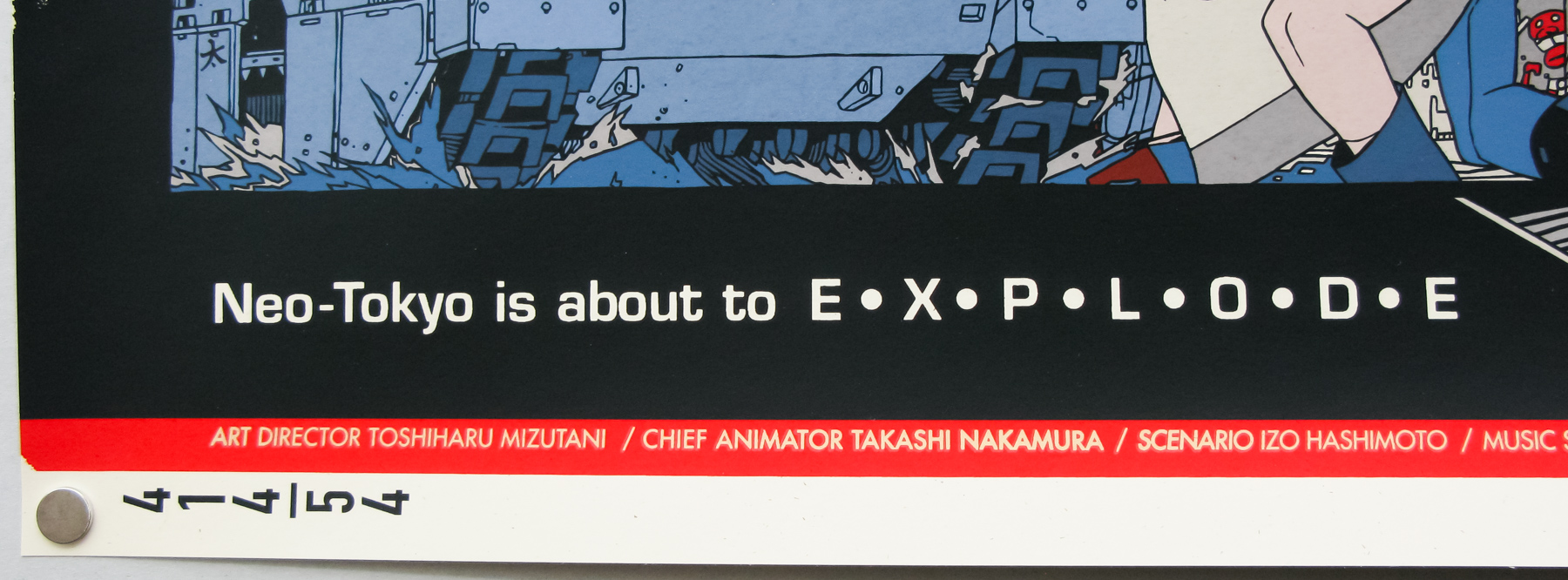
Neo-Tokyo is about to E.X.P.L.O.D.E.

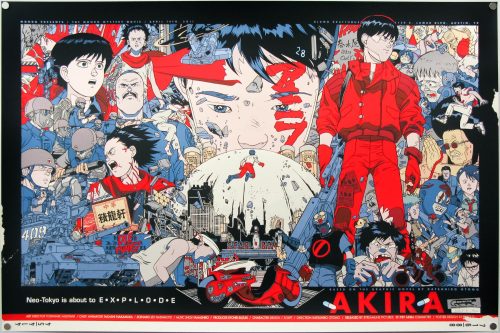
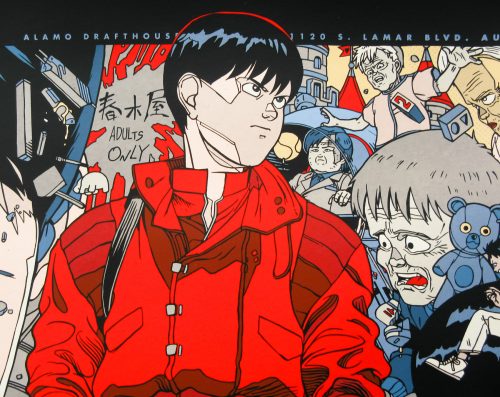
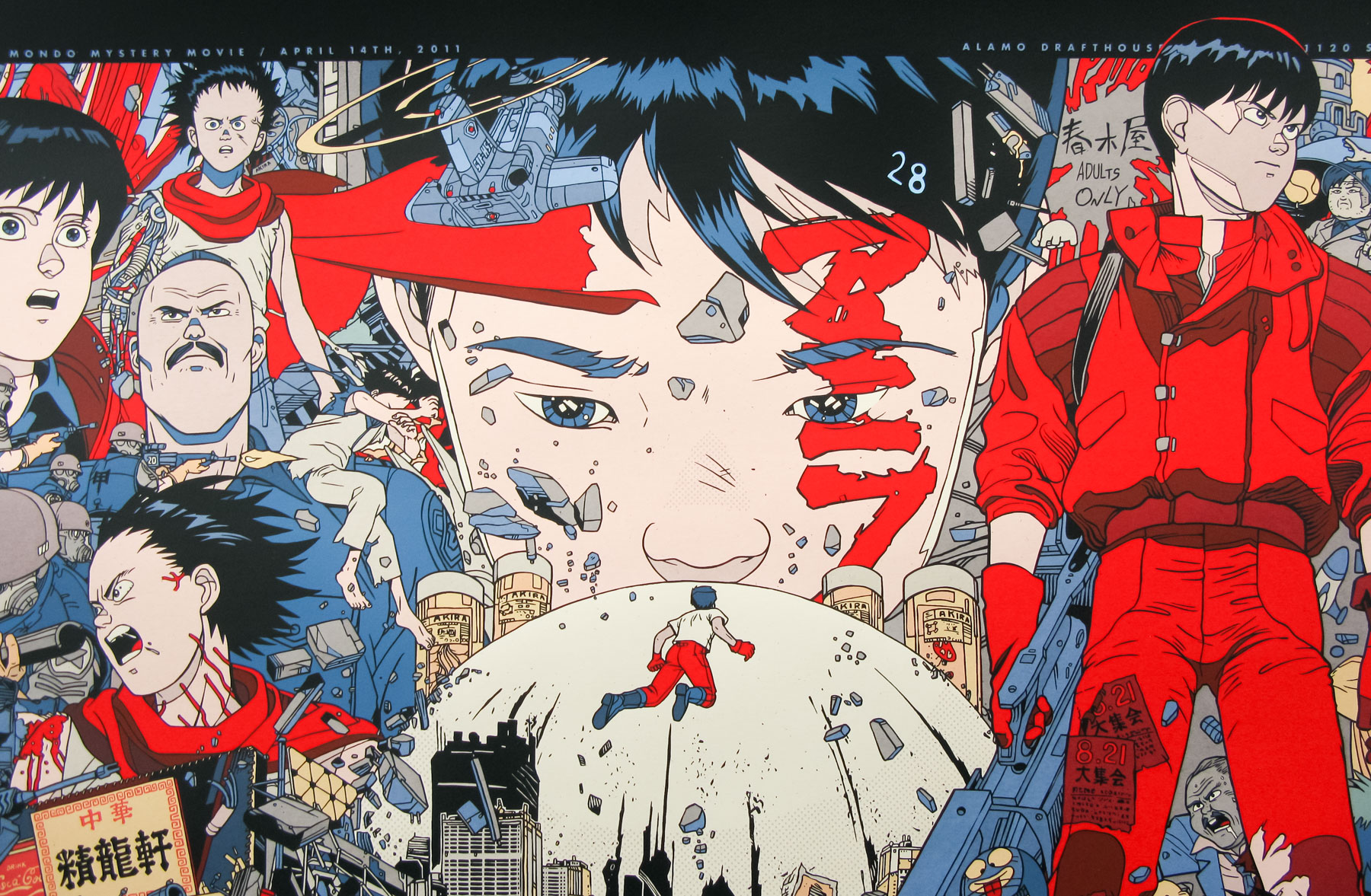
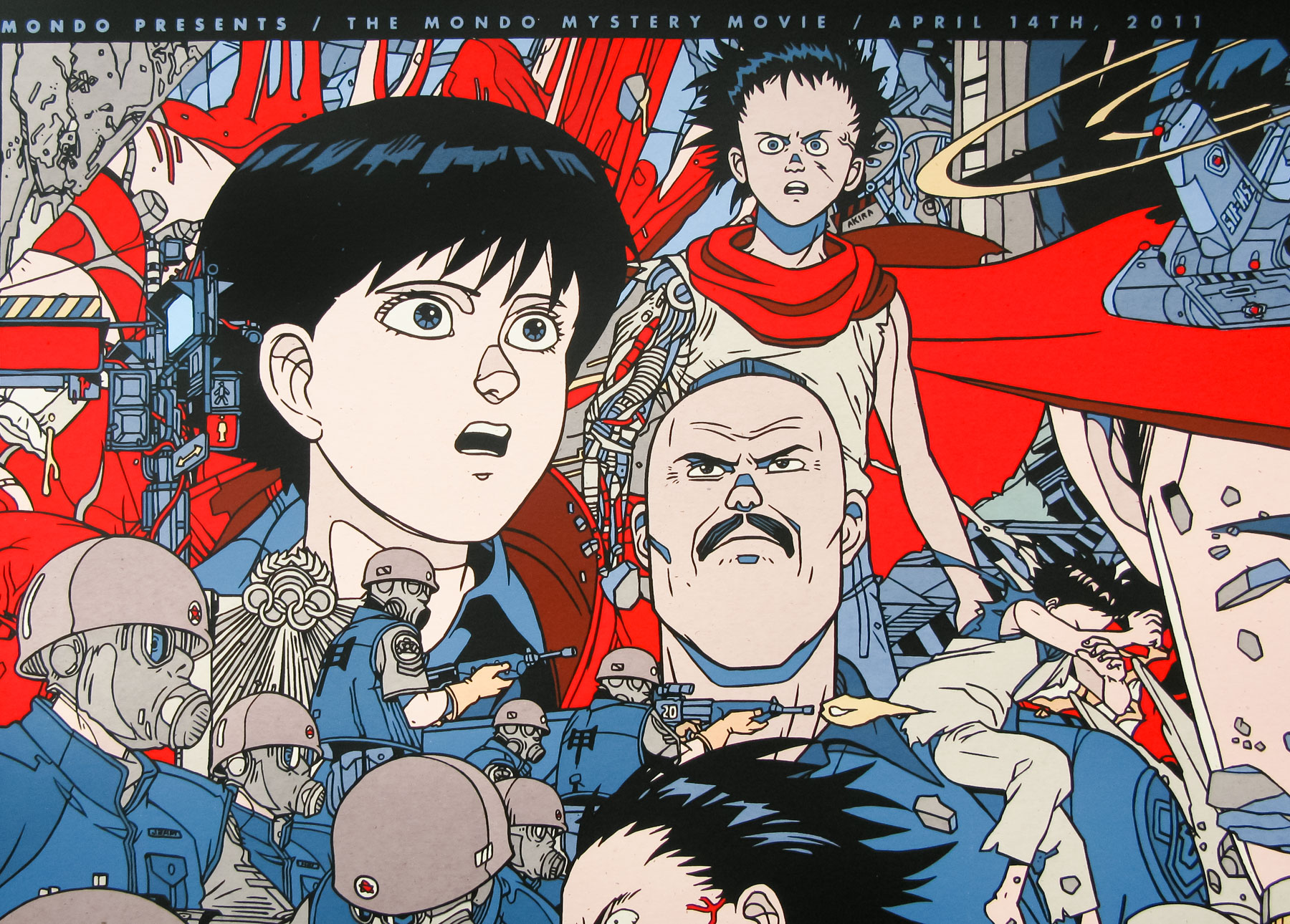
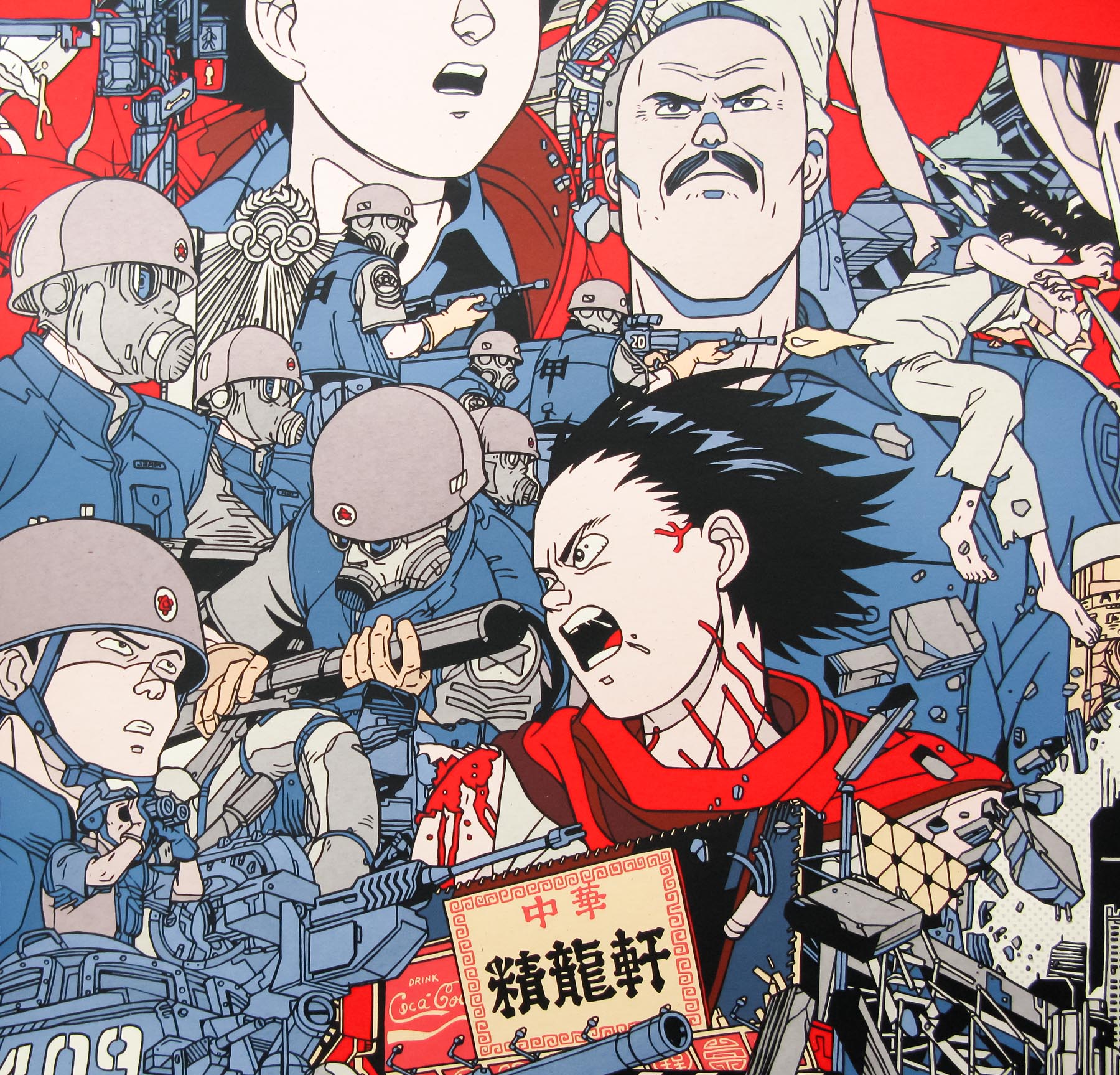
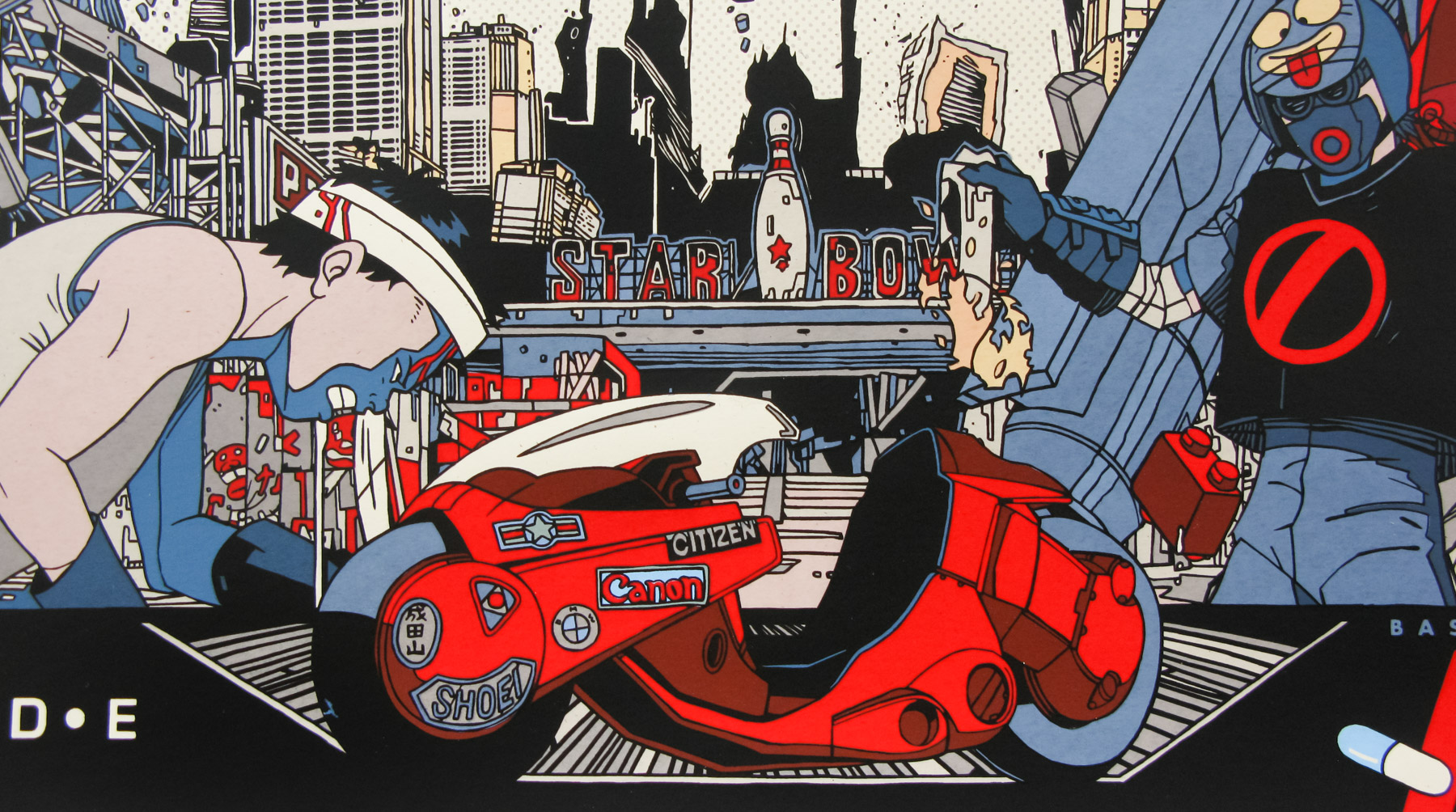
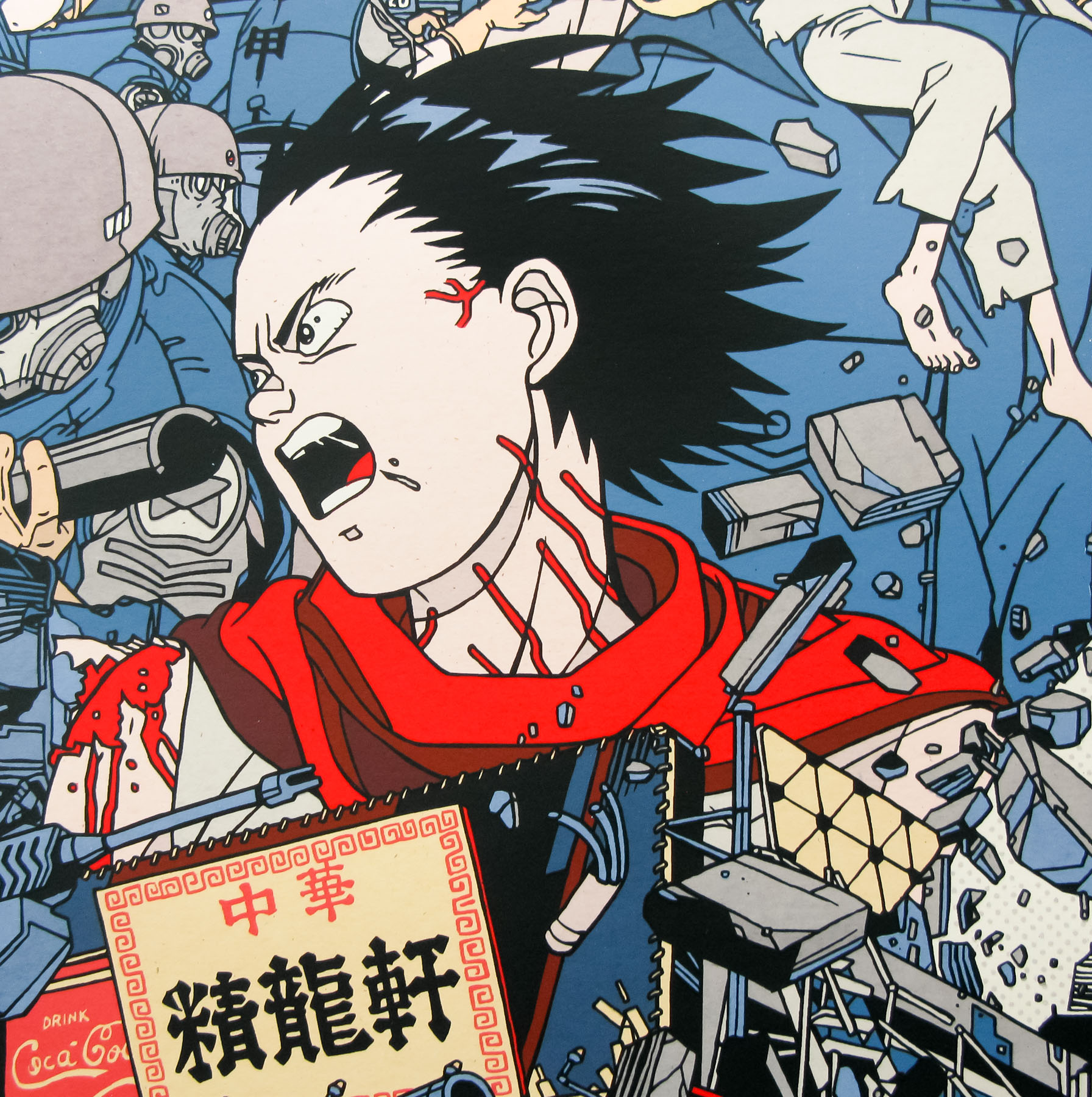
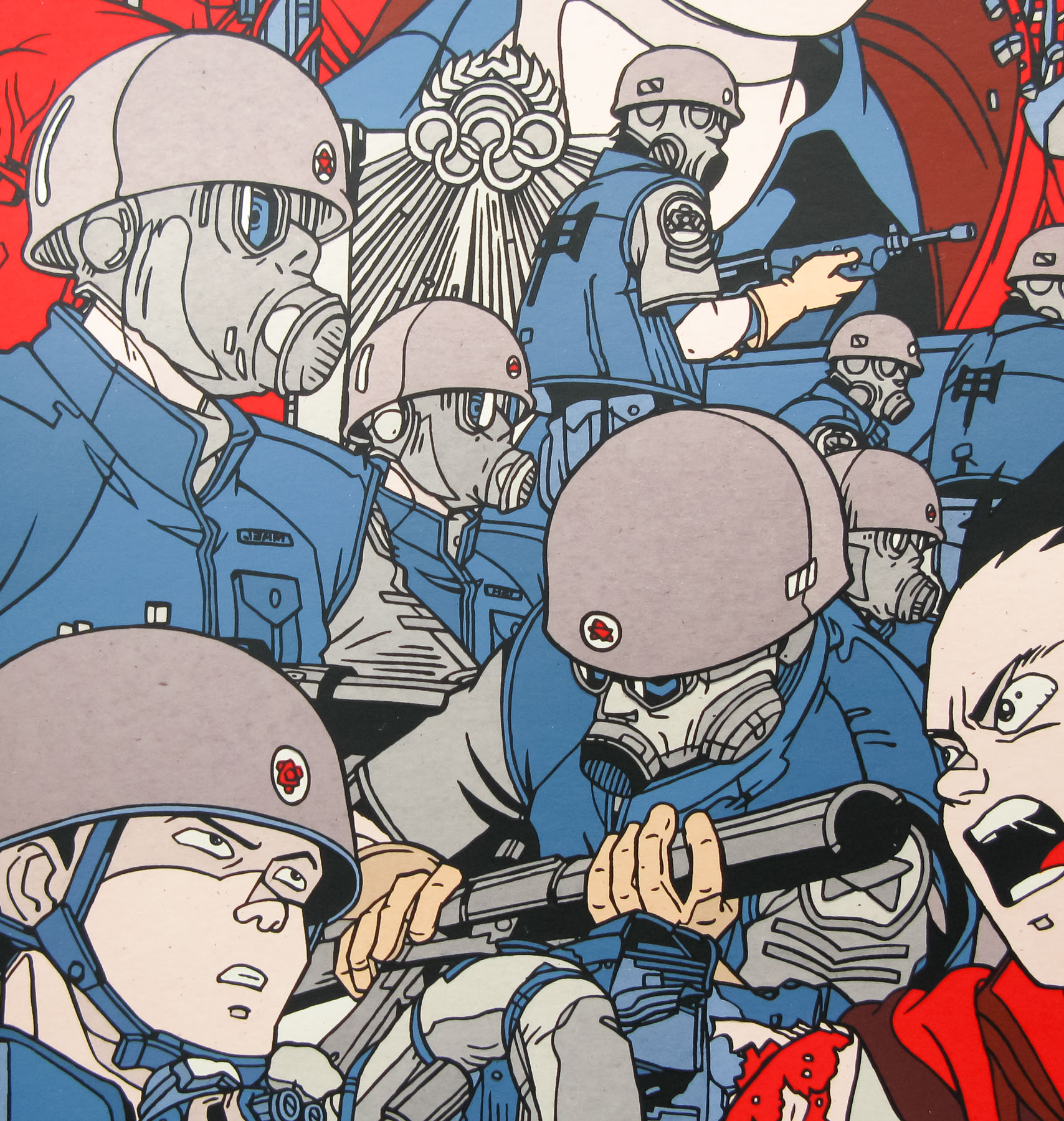
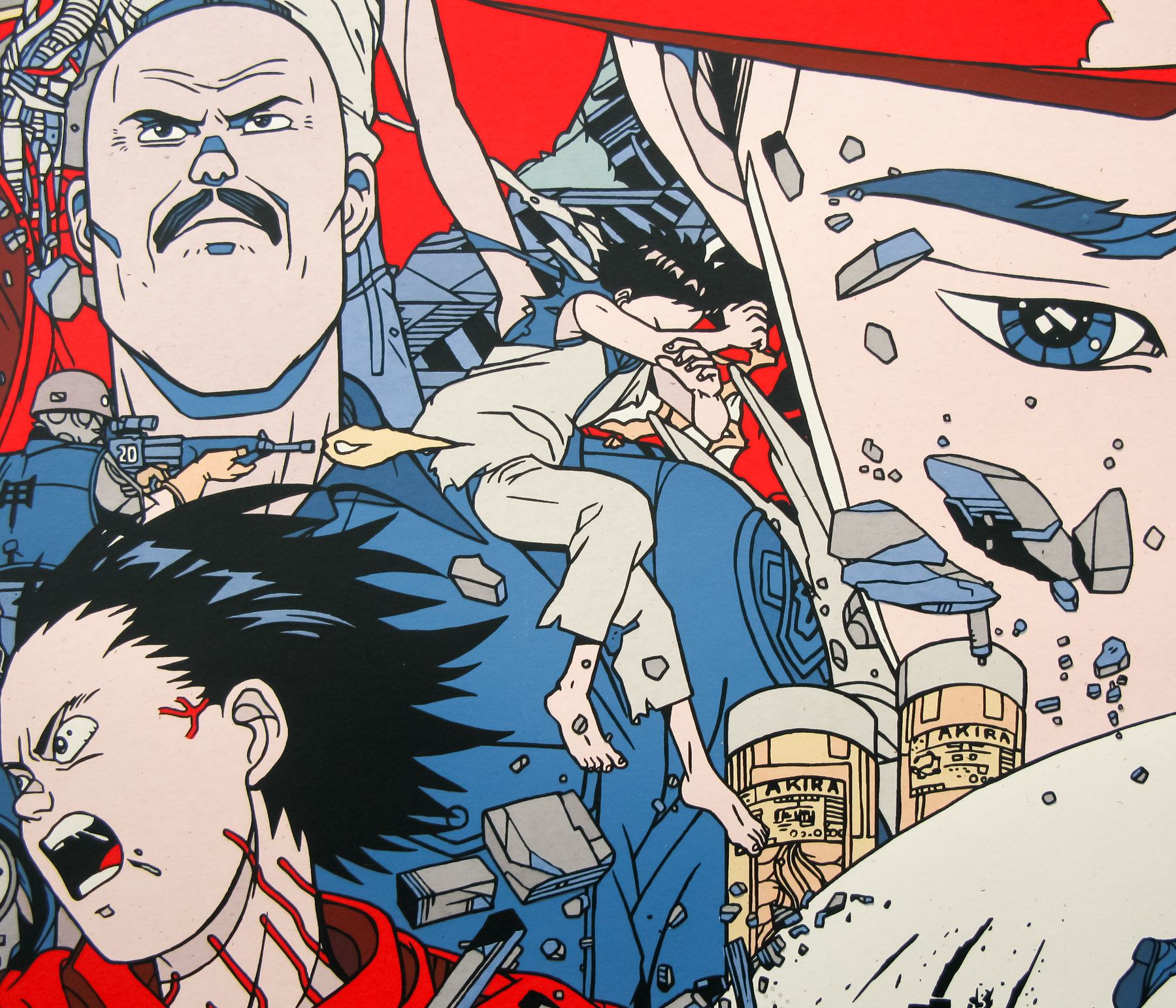
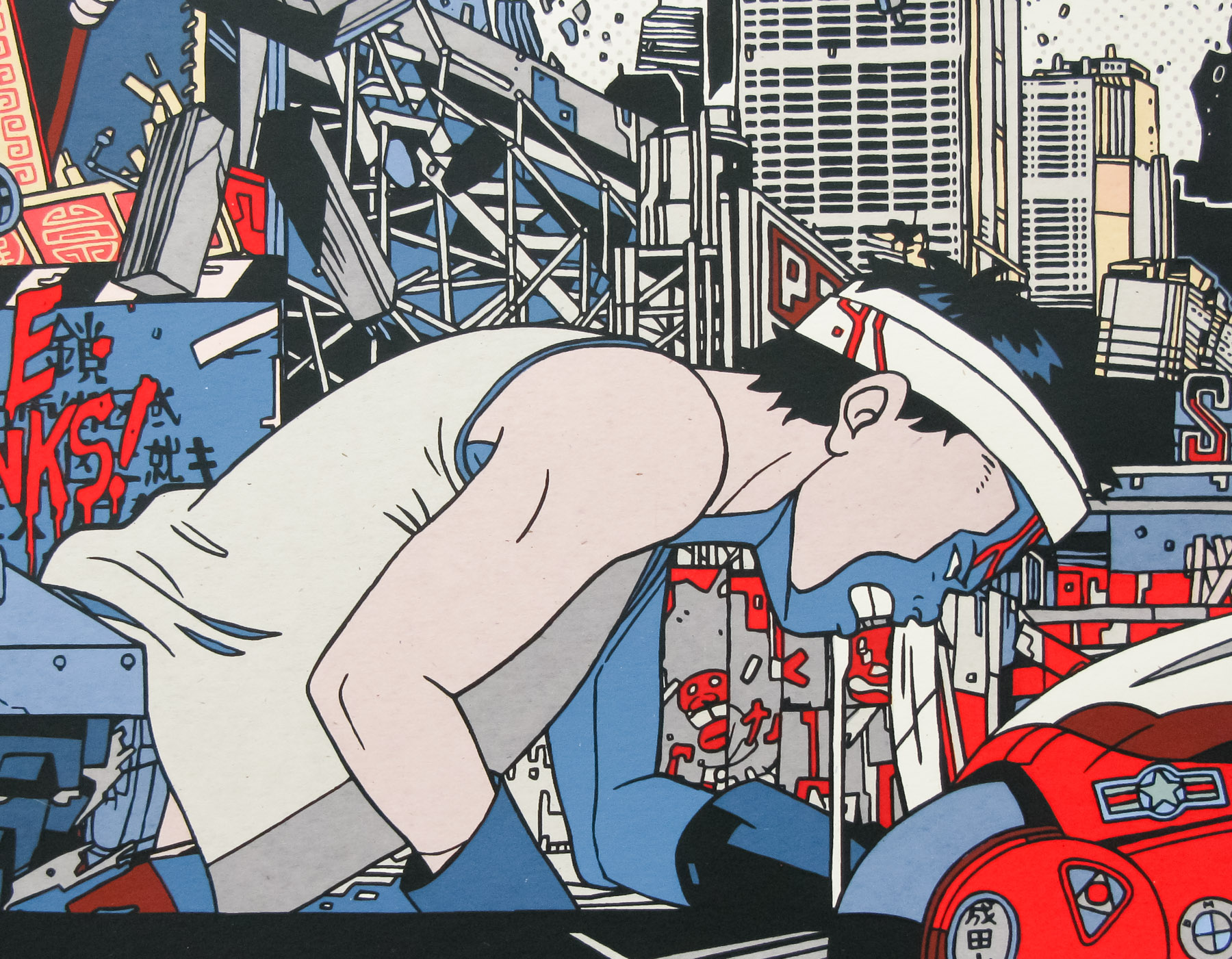
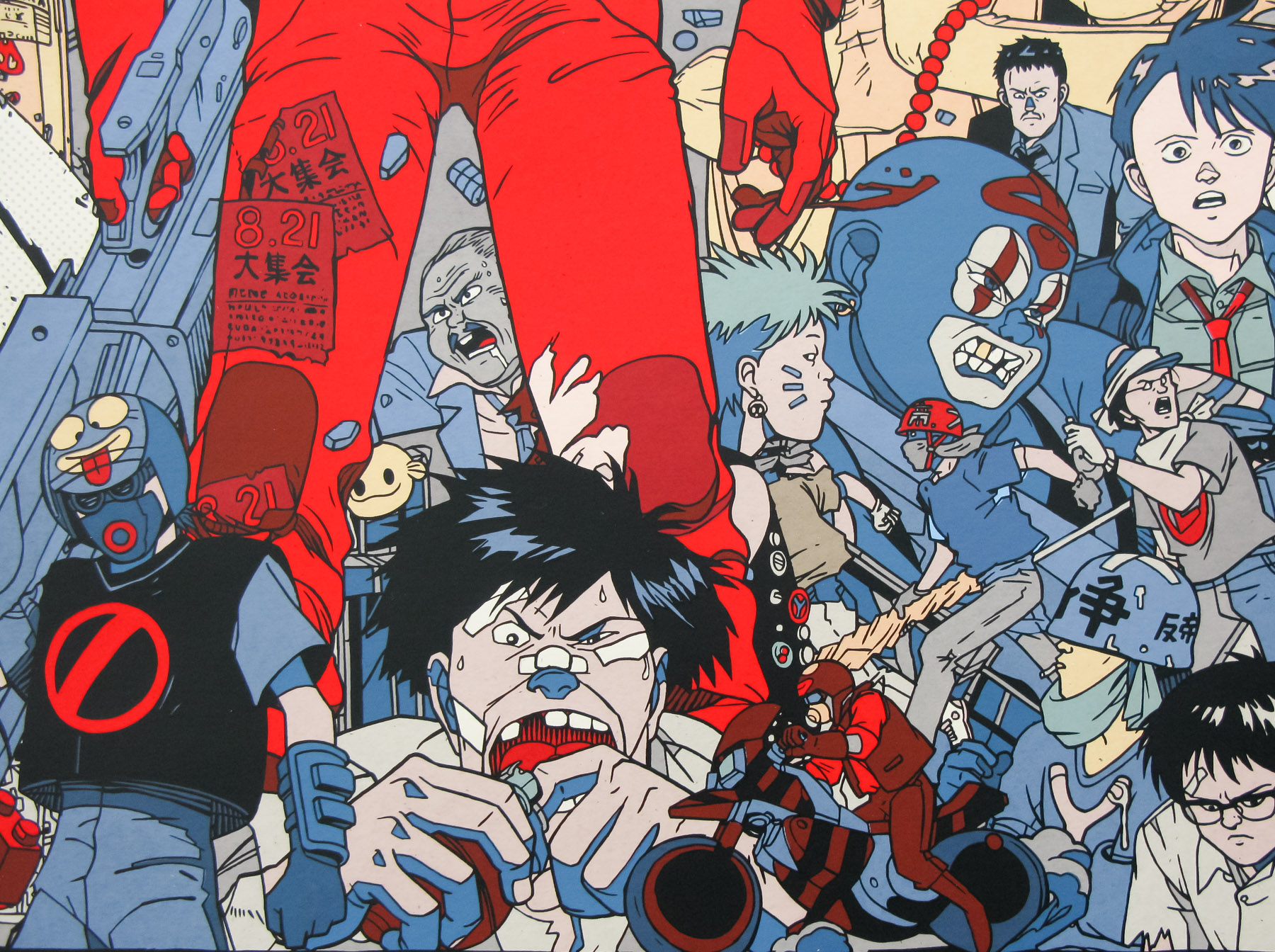
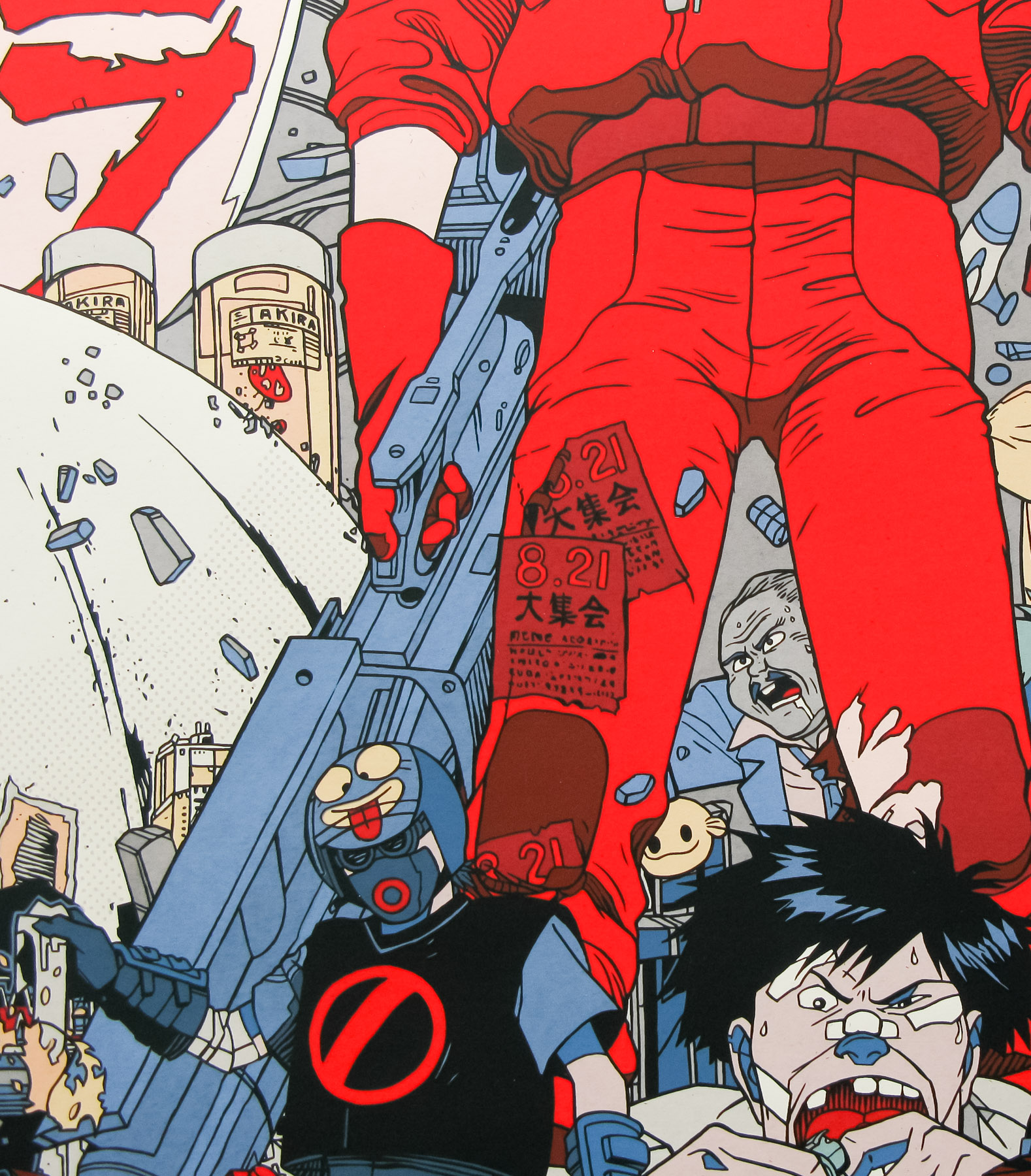
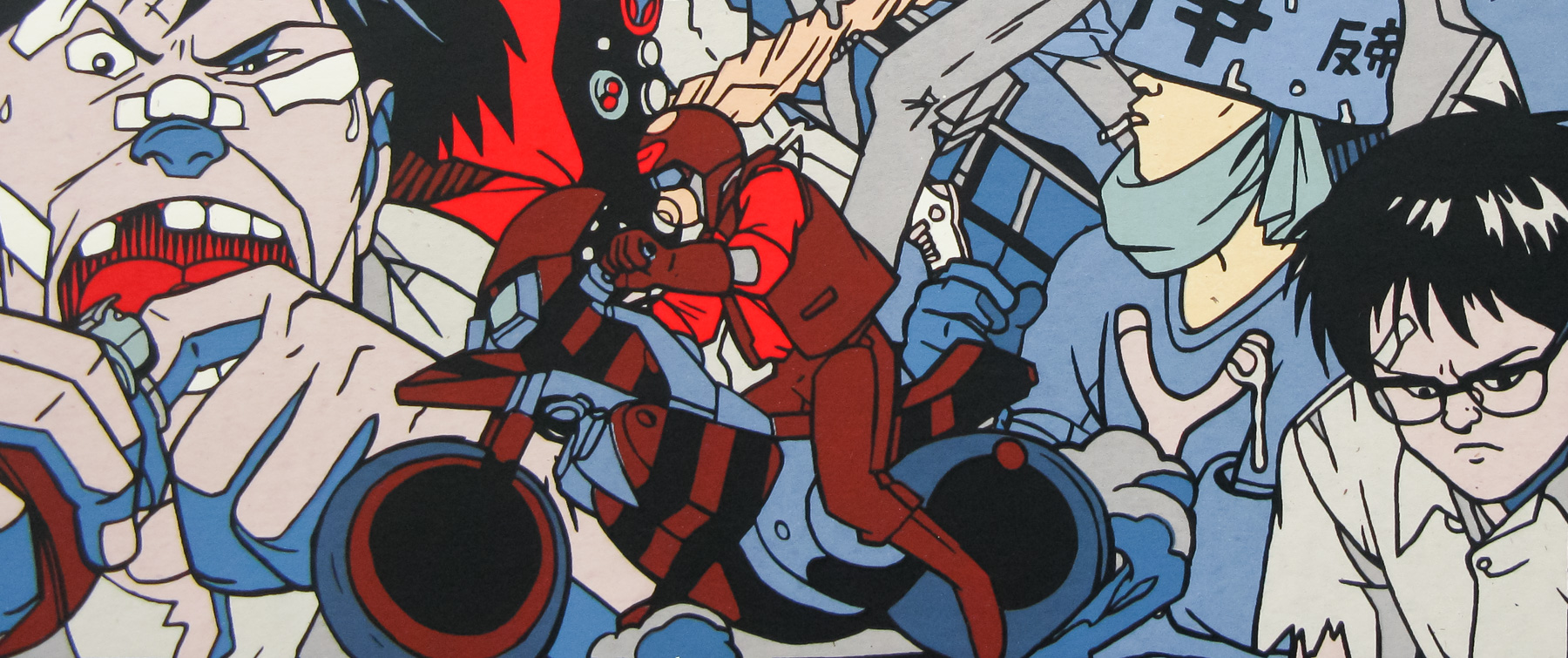
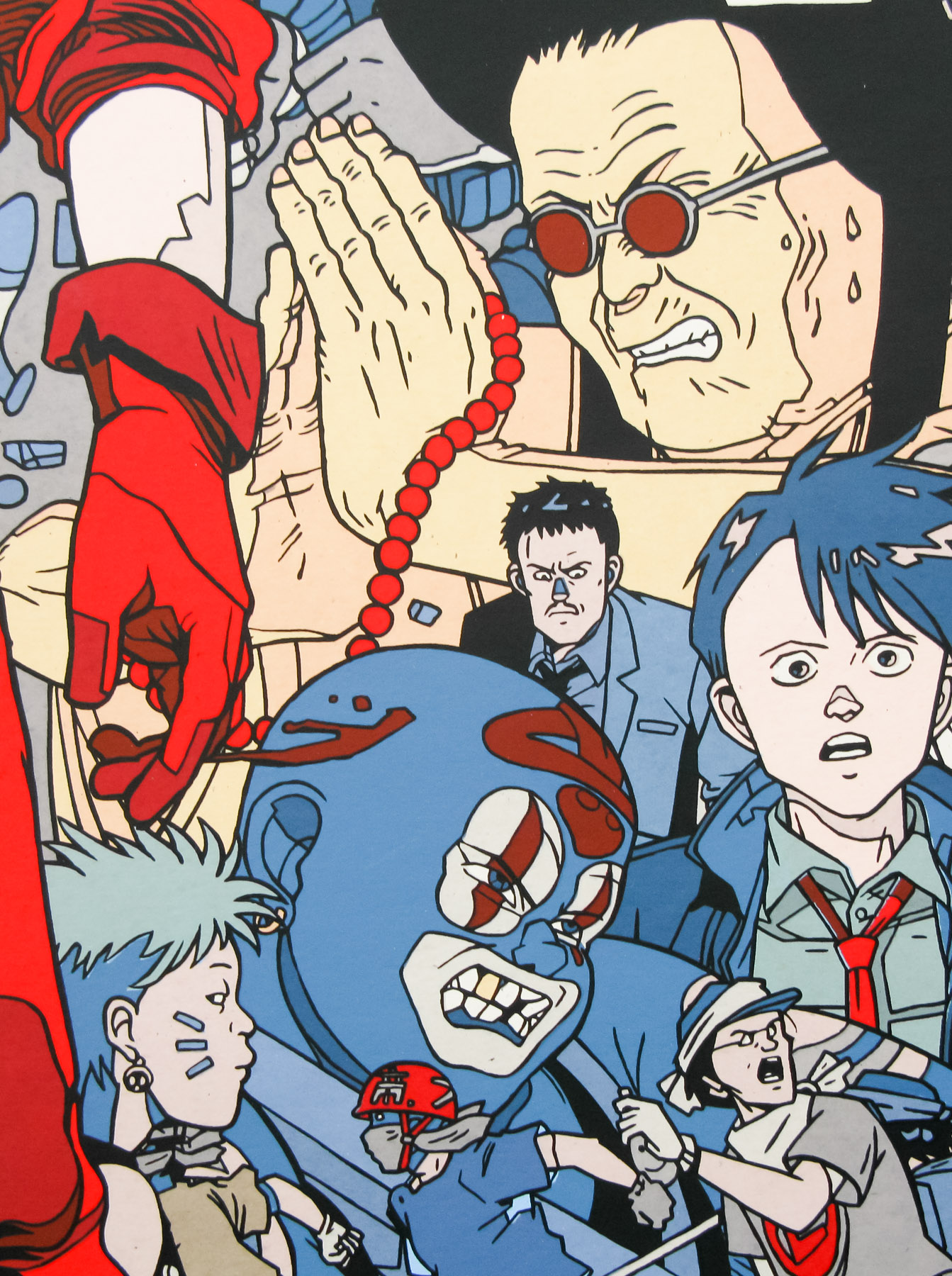
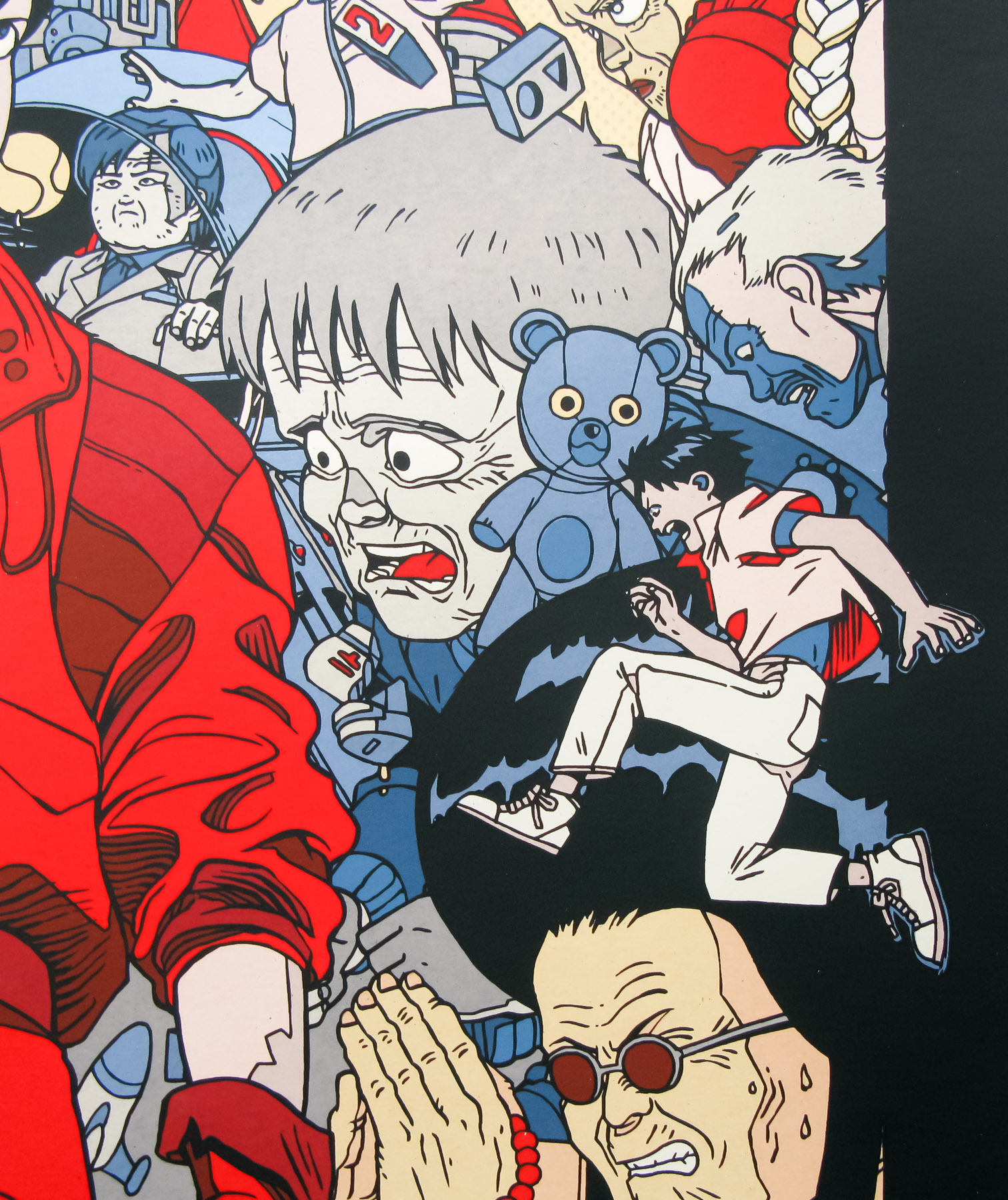
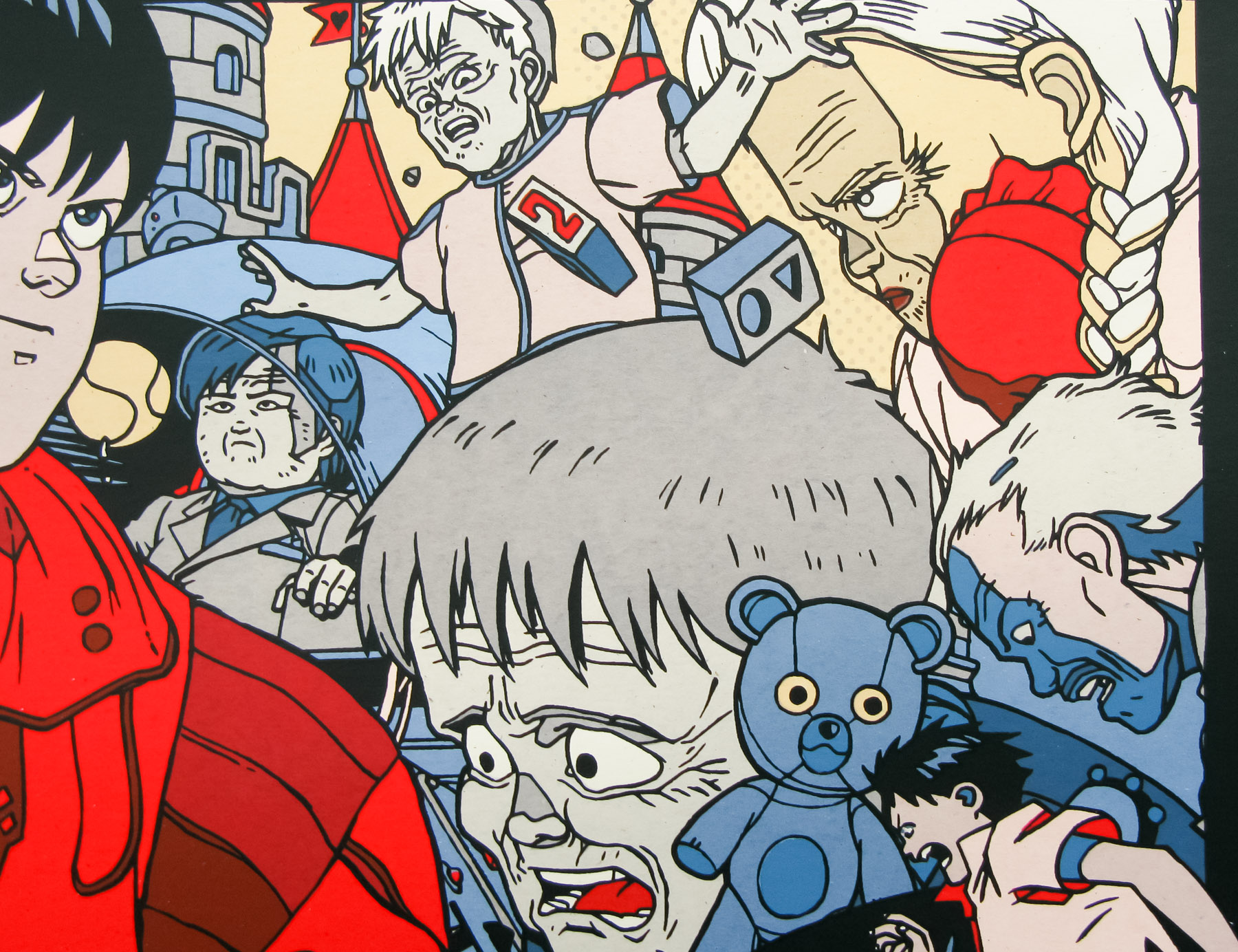
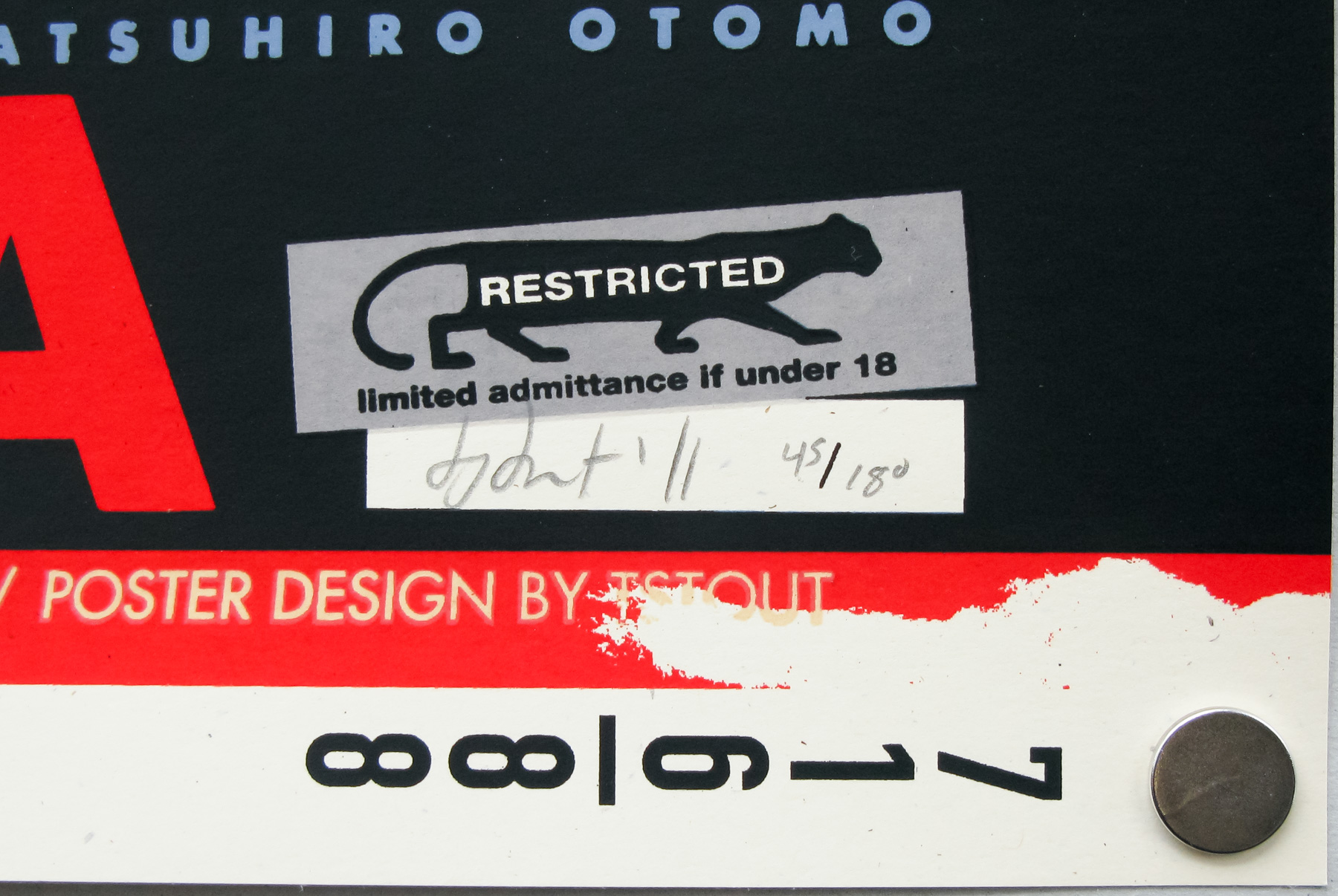
Katsuhiro Otomo‘s landmark anime, based on his own manga of the same name, was chosen by the artist Tyler Stout to be the first in a series of ‘Mondo Mystery Movies’; one-time-only screenings of a mystery film organised by the crew at the incomparable Mondo Tees. After the screening those in attendance are able to purchase a screen print by a mystery artist who is only revealed at the end of the film.

The 9th MMM has just happened and those lucky enough to secure a ticket were treated to a showing of George Romero’s classic Dawn of the Dead in a mall surrounded by 200 zombies with the man himself in attendance. Here’s a recap of the event on Collider.com.

Because the poster is exclusive to the showing and never sold on Mondo’s website it’s pretty much impossible for collectors who were unable to attend the screening to get hold of it, unless they’re willing to scour sites like eBay and accept the significant mark-ups in price that come with a second-hand purchase.

I had pretty much given up hope of ever getting hold of Akira, but after purchasing another print from Tyler’s website I opened the tube to find that he’d also included a regular version of Akira in there. Apparently he’d treated a few lucky folks to the copies of the print he’d been given by Mondo after the event, which gives you some idea of the kind of guy Tyler is.

I recently emailed him to ask him a few questions about the print so that I could add them to this site and the resulting interview can be found on this blog page, along with a few exclusive images from the creation of the poster.

There was also a variant of the poster (80 printed) with metallic inks and a different colour scheme that can be seen on Expresso Beans.

Akira had a huge impact on me when it was shown on the UK’s Channel 4 sometime in the early 1990s. I’d never seen anything quite like it and it opened my eyes to the world of anime films that were slowly being released in the UK, including the likes of Ninja Scroll, Ghost in the Shell and the great work of Hayao Miyazaki and his Studio Ghibli.

The film was recently released on blu-ray and the lossless Japanese soundtrack is astonishingly good. There’s still talk of a live-action remake which fills me, and countless other fans of the anime, with great dread. I really hope it doesn’t happen!

Here’s the blu-ray trailer.

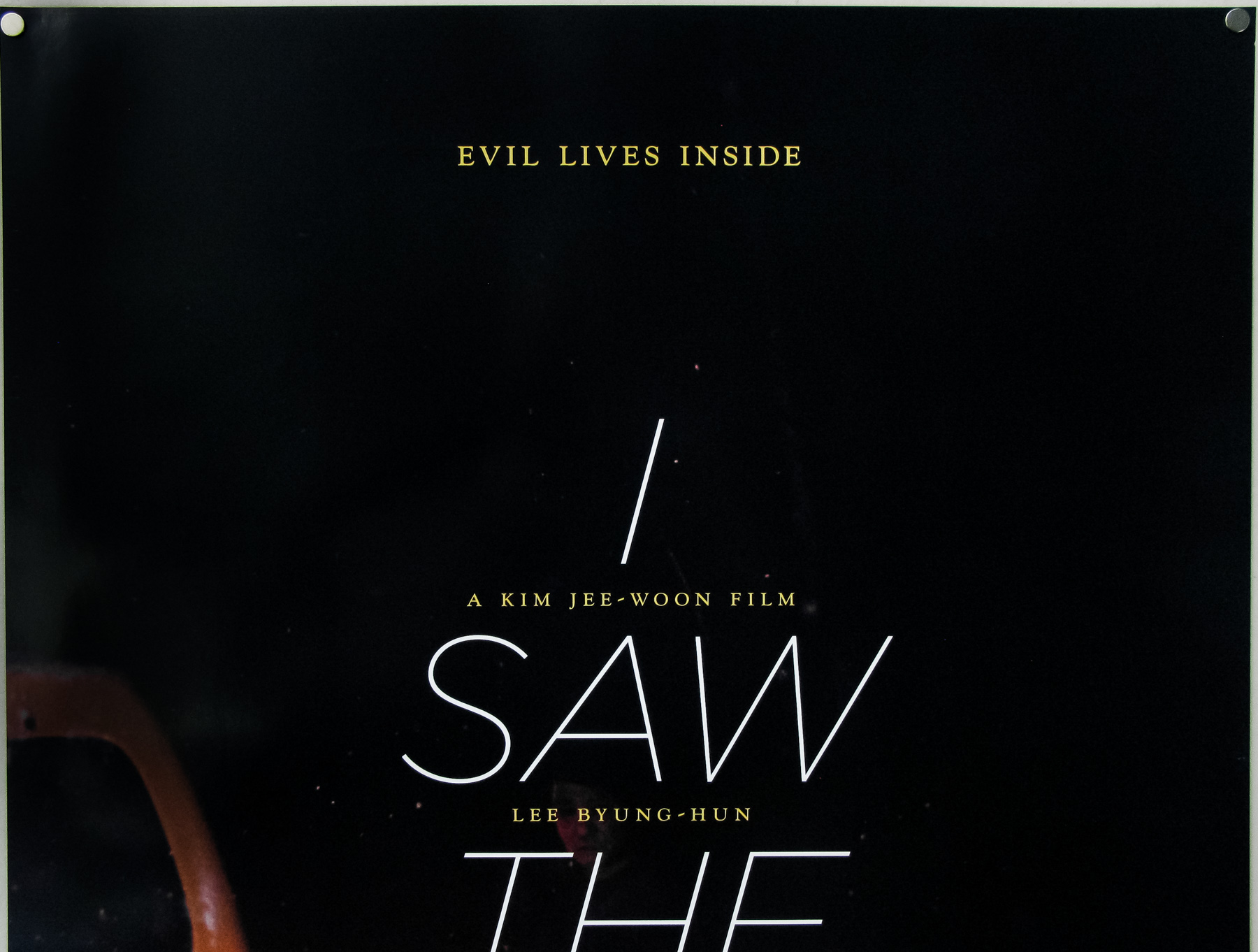
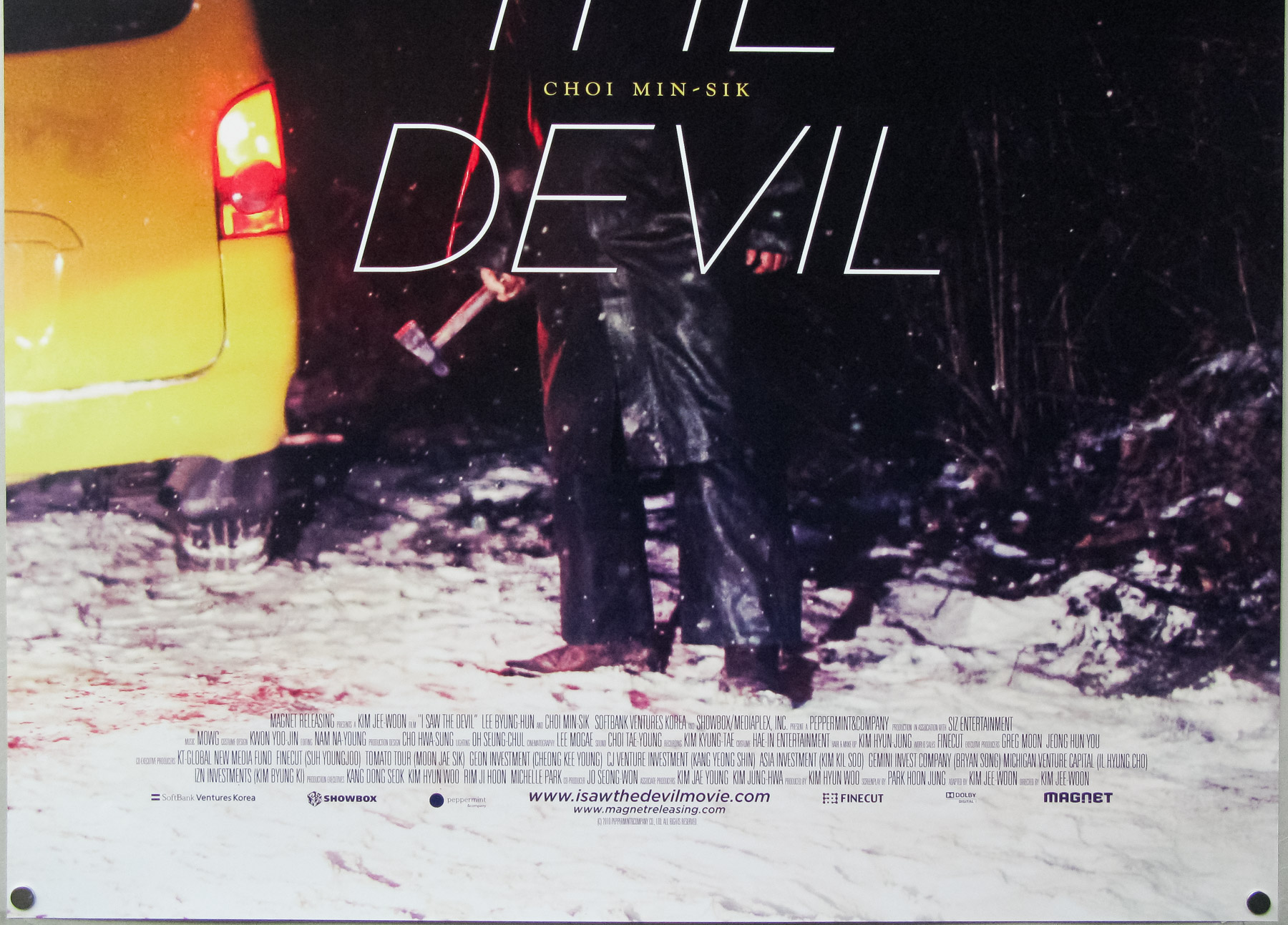
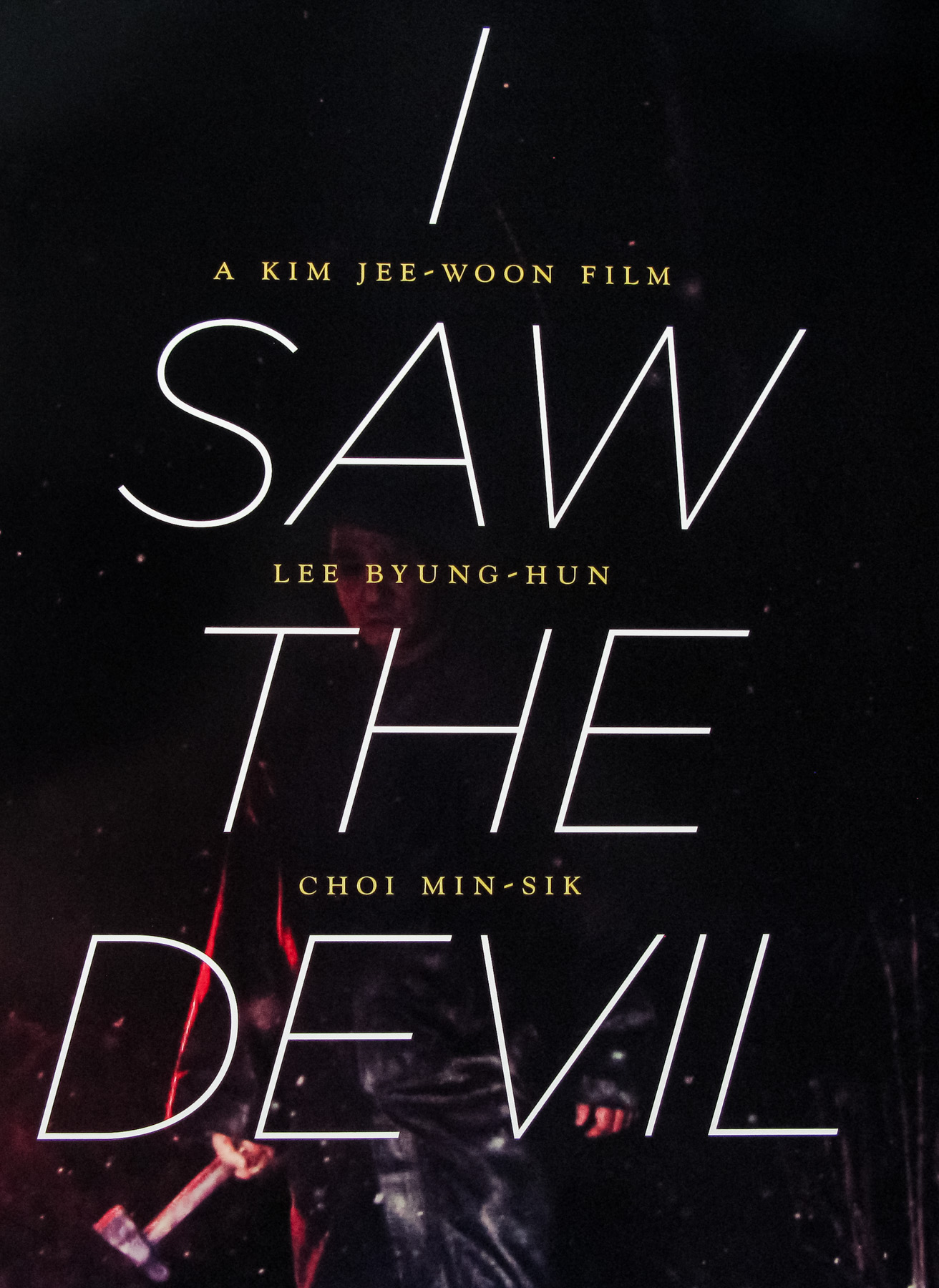
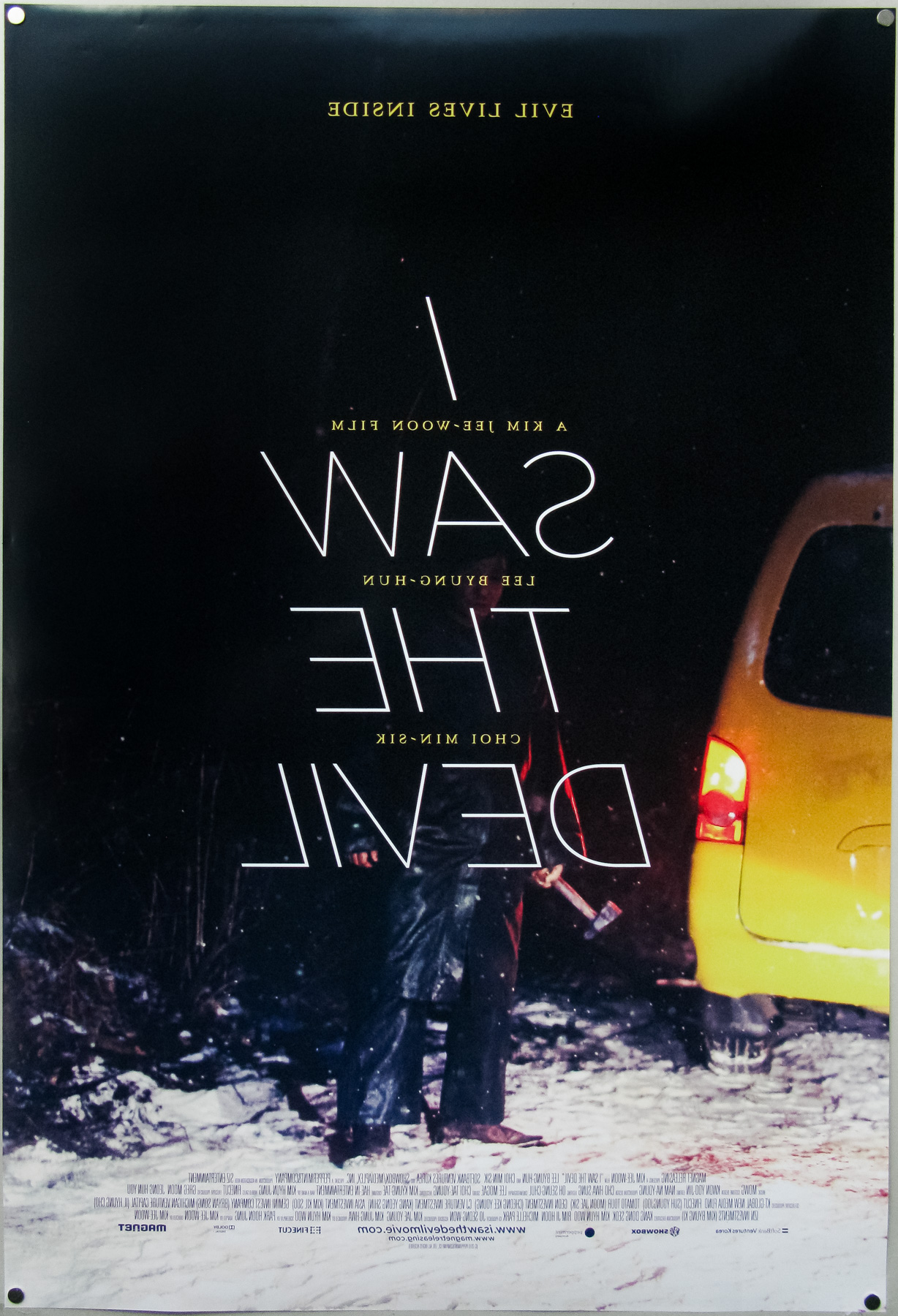
I Saw the Devil / one sheet / style A / USA

16.11.11

Poster Poster
Title
I Saw the Devil
AKA
Akmareul boatda (South Korea - original title)
Year of Film
2010
Director
Jee-woon Kim
Starring
Byung-hun Lee, Min-sik Choi, Gook-hwan Jeon, Ho-jin Jeon, San-ha Oh, Yoon-seo Kim
Origin of Film
South Korea
Genre(s) of Film
Byung-hun Lee, Min-sik Choi, Gook-hwan Jeon, Ho-jin Jeon, San-ha Oh, Yoon-seo Kim,
Type of Poster
One sheet
Style of Poster
Style A
Origin of Poster
USA
Year of Poster
2011
Designer
Gravillis Inc.
Artist
--
Size (inches)
27" x 39 13/16"
SS or DS
DS
NSS #
--
Tagline
Evil lives inside

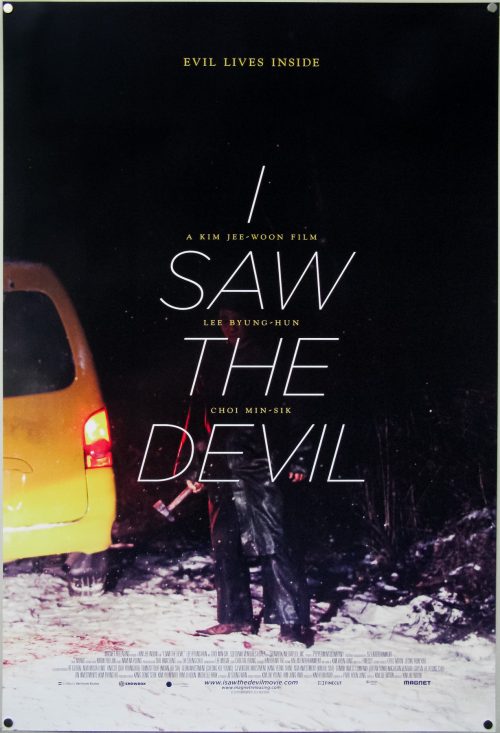
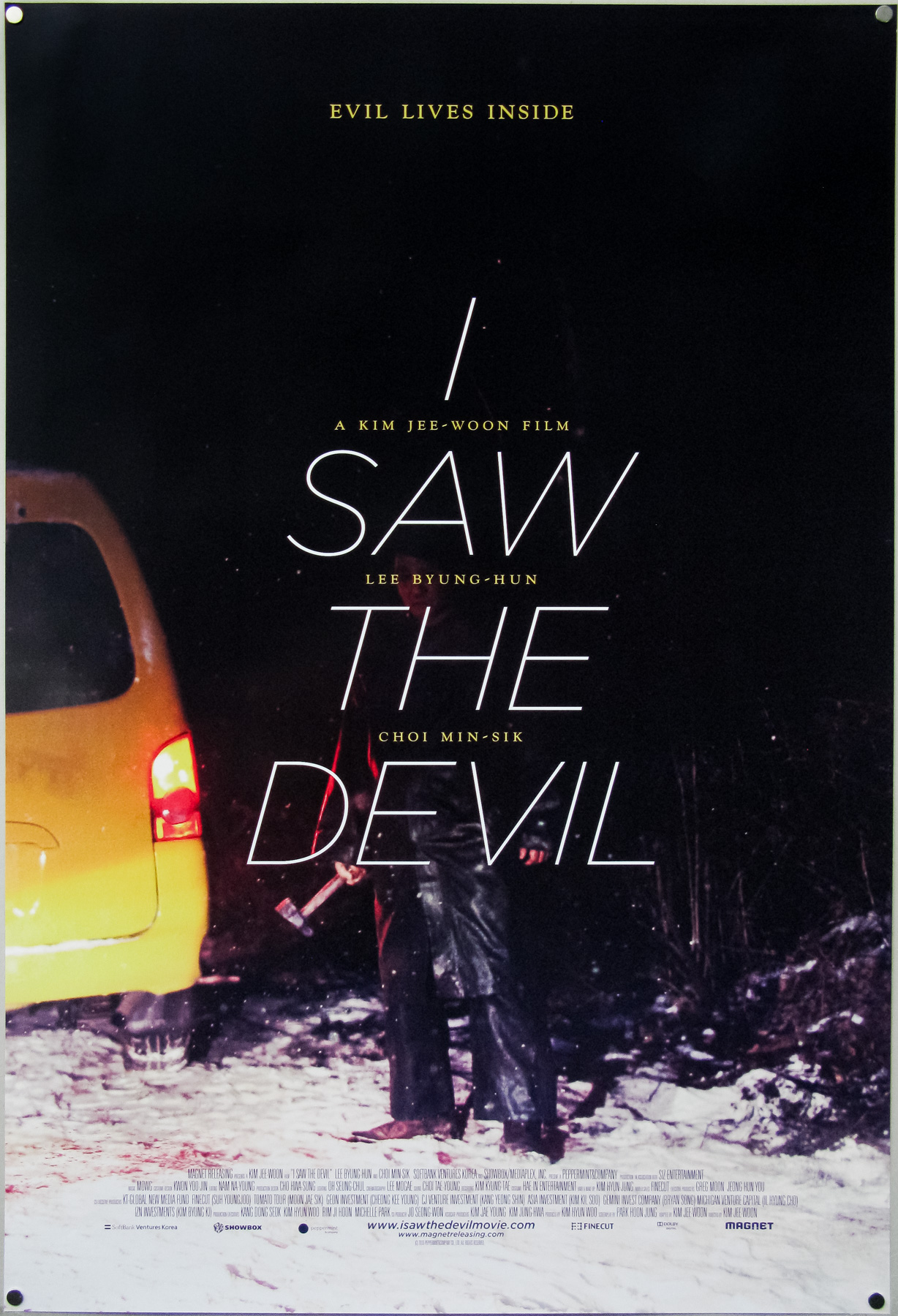
Not one for the faint of heart, Jee-woon Kim‘s ‘I Saw the Devil‘ is further proof that some of the most exciting, visceral and challenging cinema continues to come out of South Korea. The film sees a serial killer, played by Min-sik Choi [Oldboy], enter into a brutal game of cat and mouse with a secret agent (Byung-hun Lee ) after killing his pregnant fiance. To say it features some disturbing scenes would be an understatement – this is not a date movie – it’s still a must see for fans of crime thrillers and Korean cinema; if you enjoyed Chan-wook Park‘s Vengeance Trilogy you need to see this film.

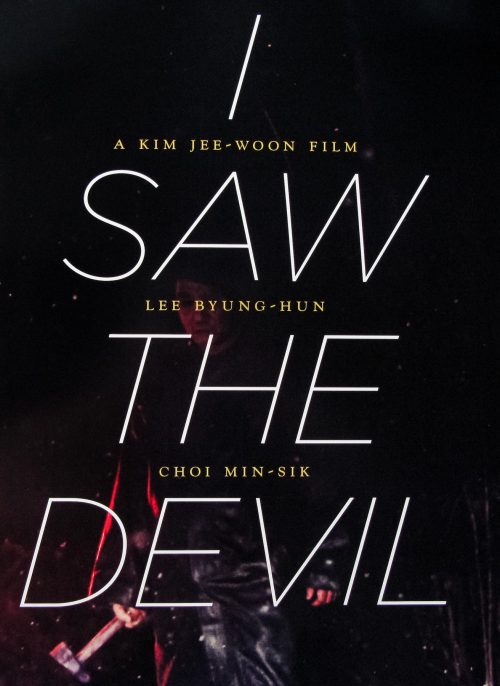
This simple but effective one sheet was designed by Gravillis Inc. for the limited release in the US earlier this year. There is also a style B one sheet which is markedly different but just as good, IMO.

The trailer is on YouTube.

Uncle Boonmee Who Can Recall His Past Lives / one sheet / USA

25.05.12

Poster Poster

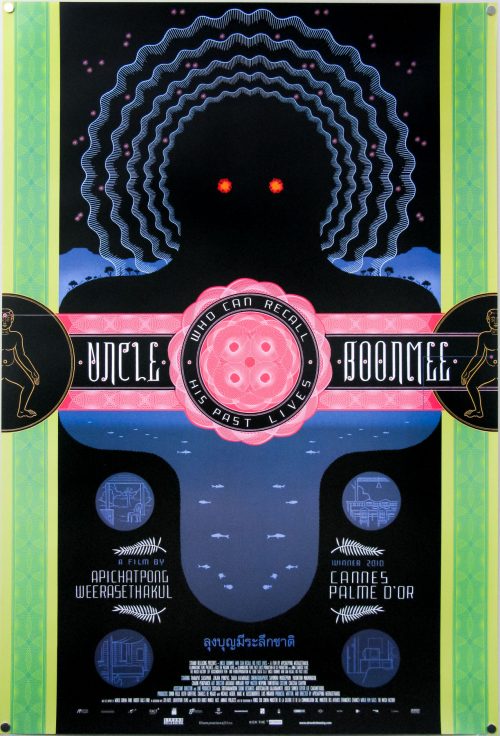
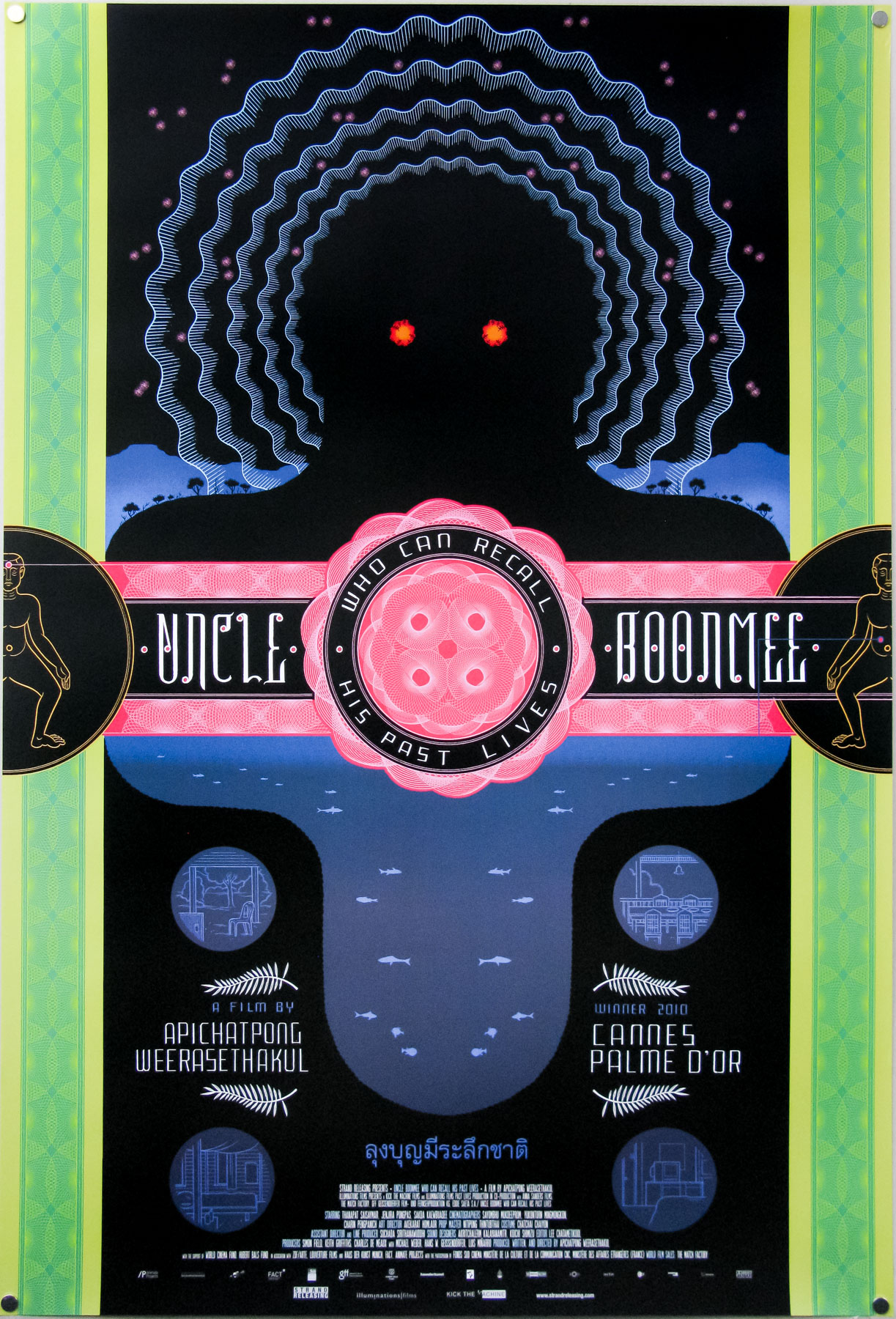
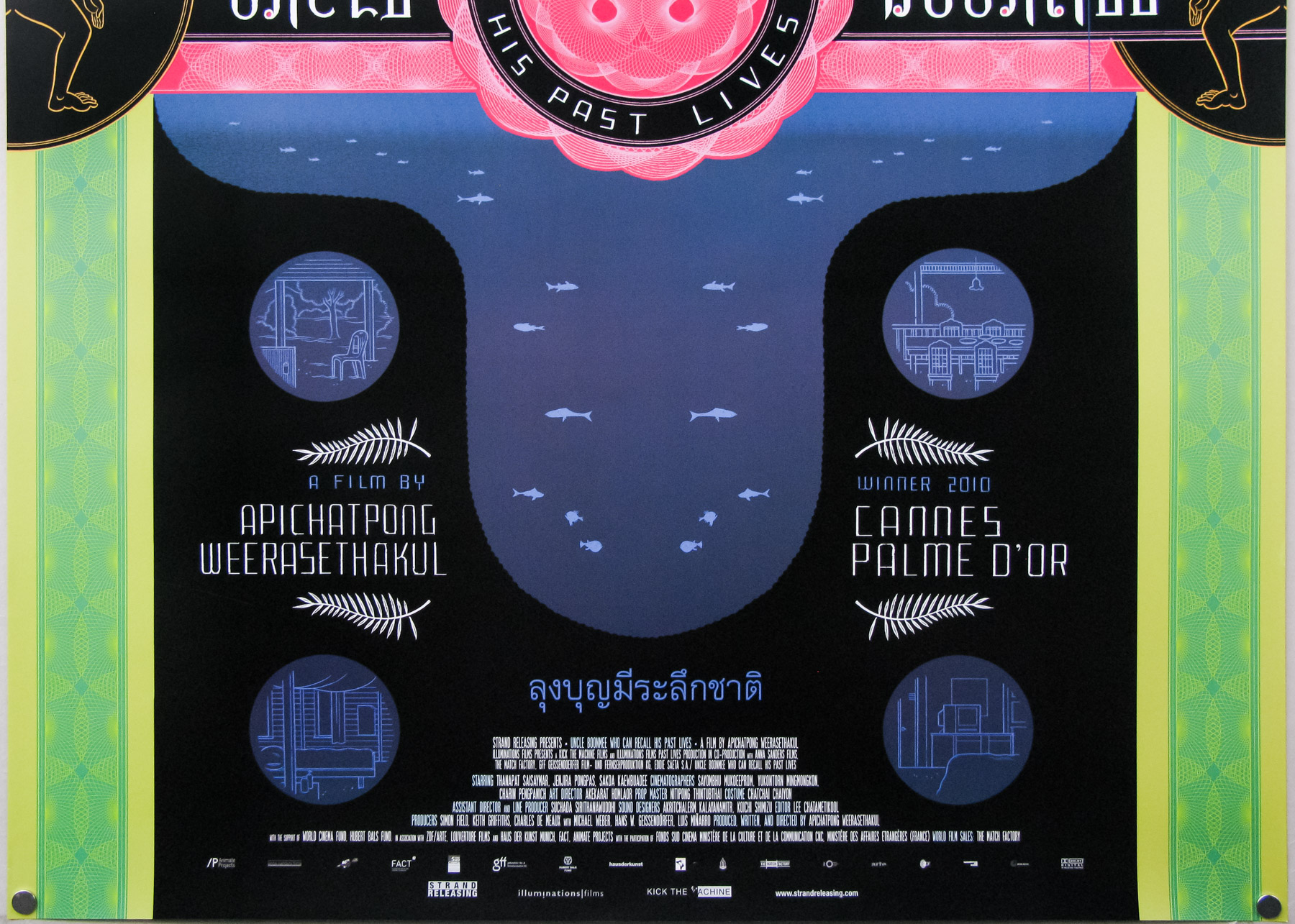
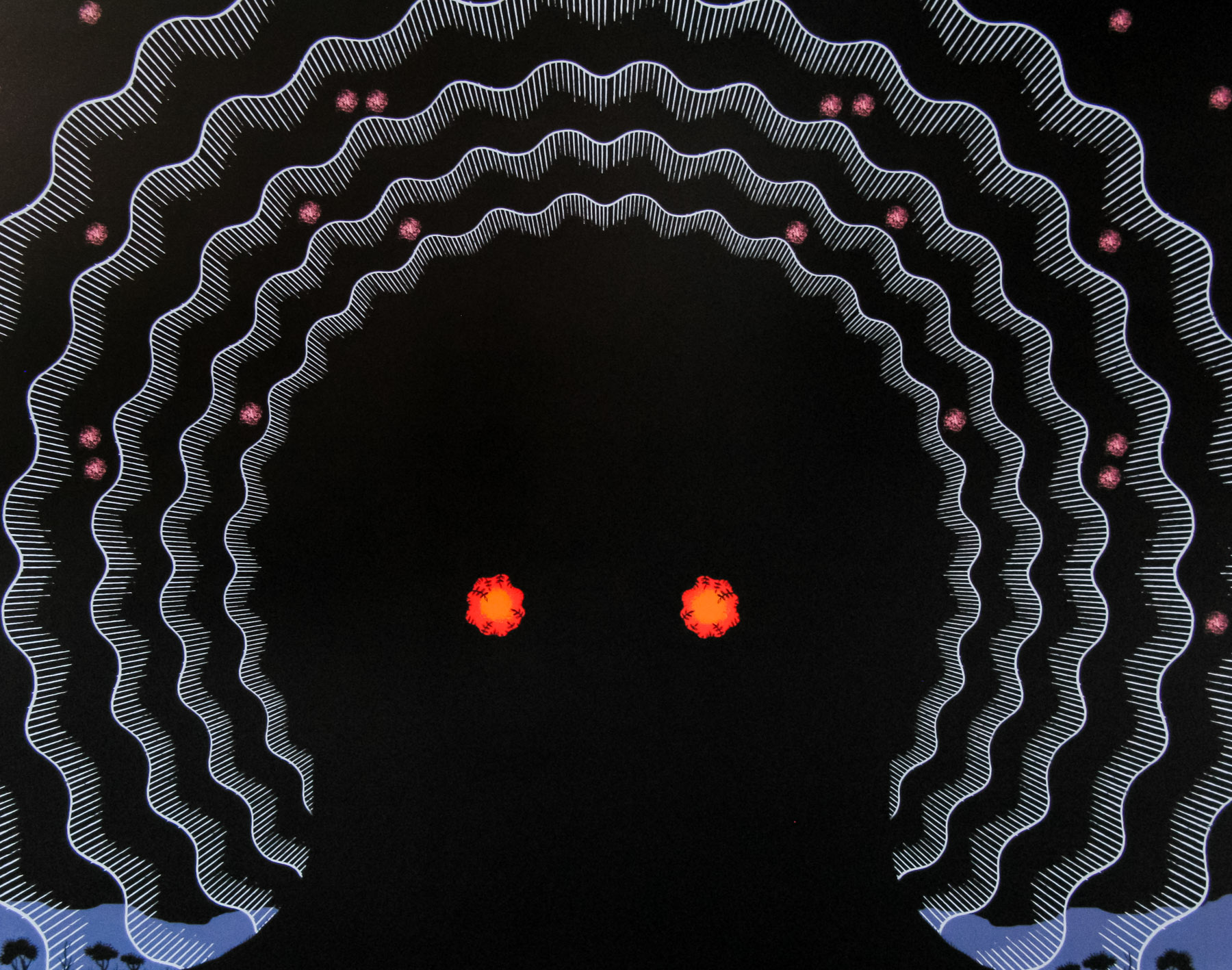
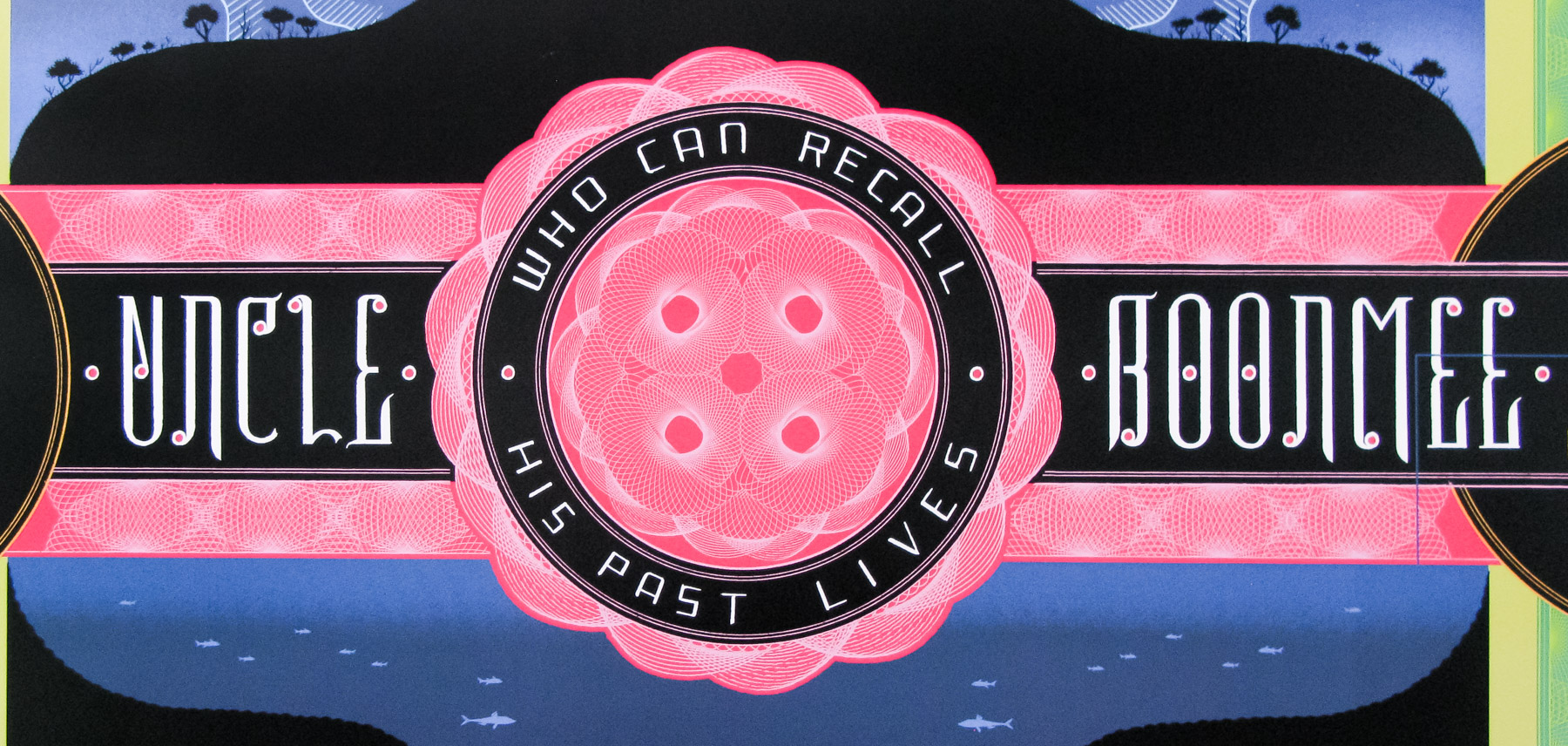
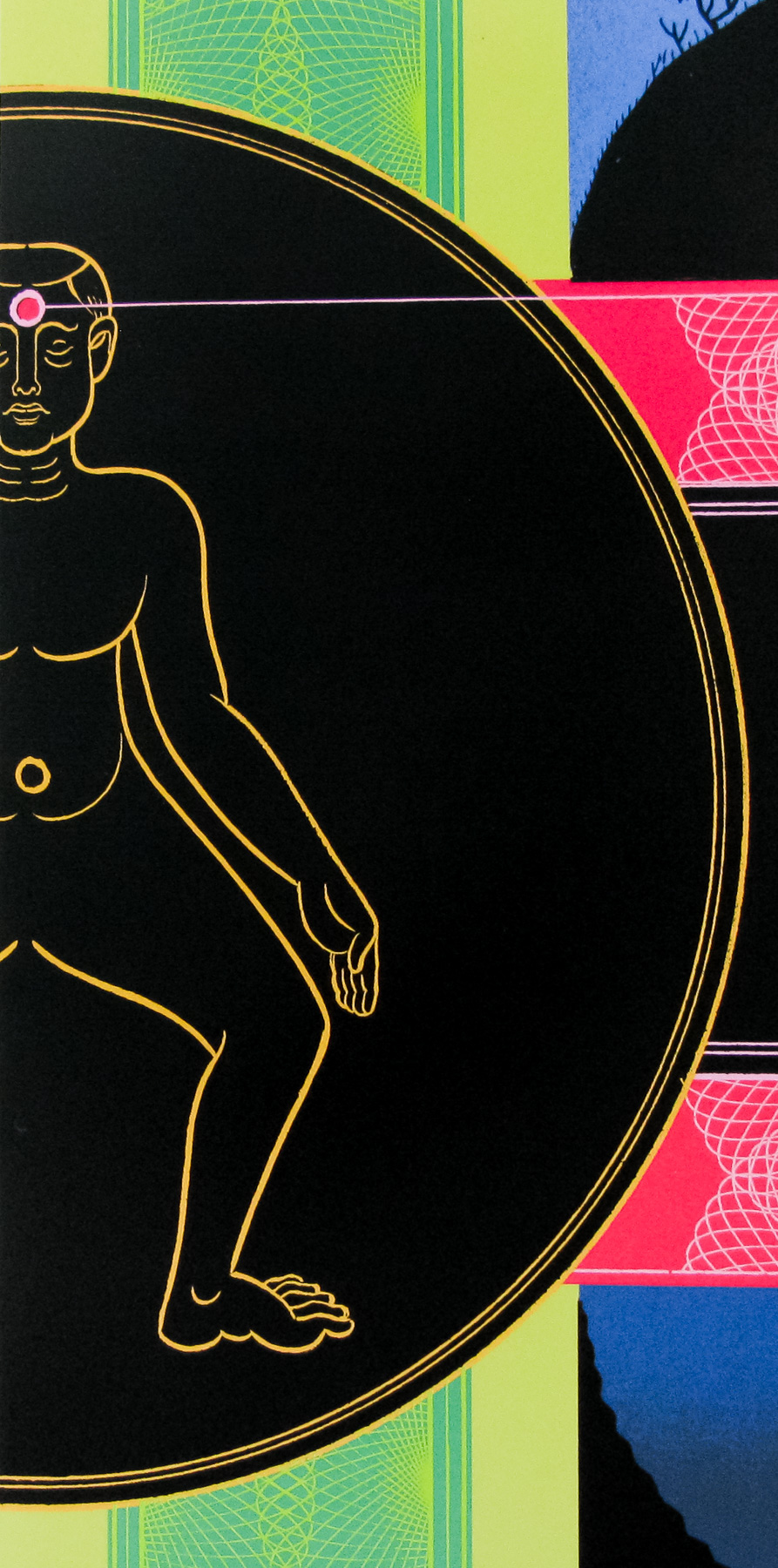
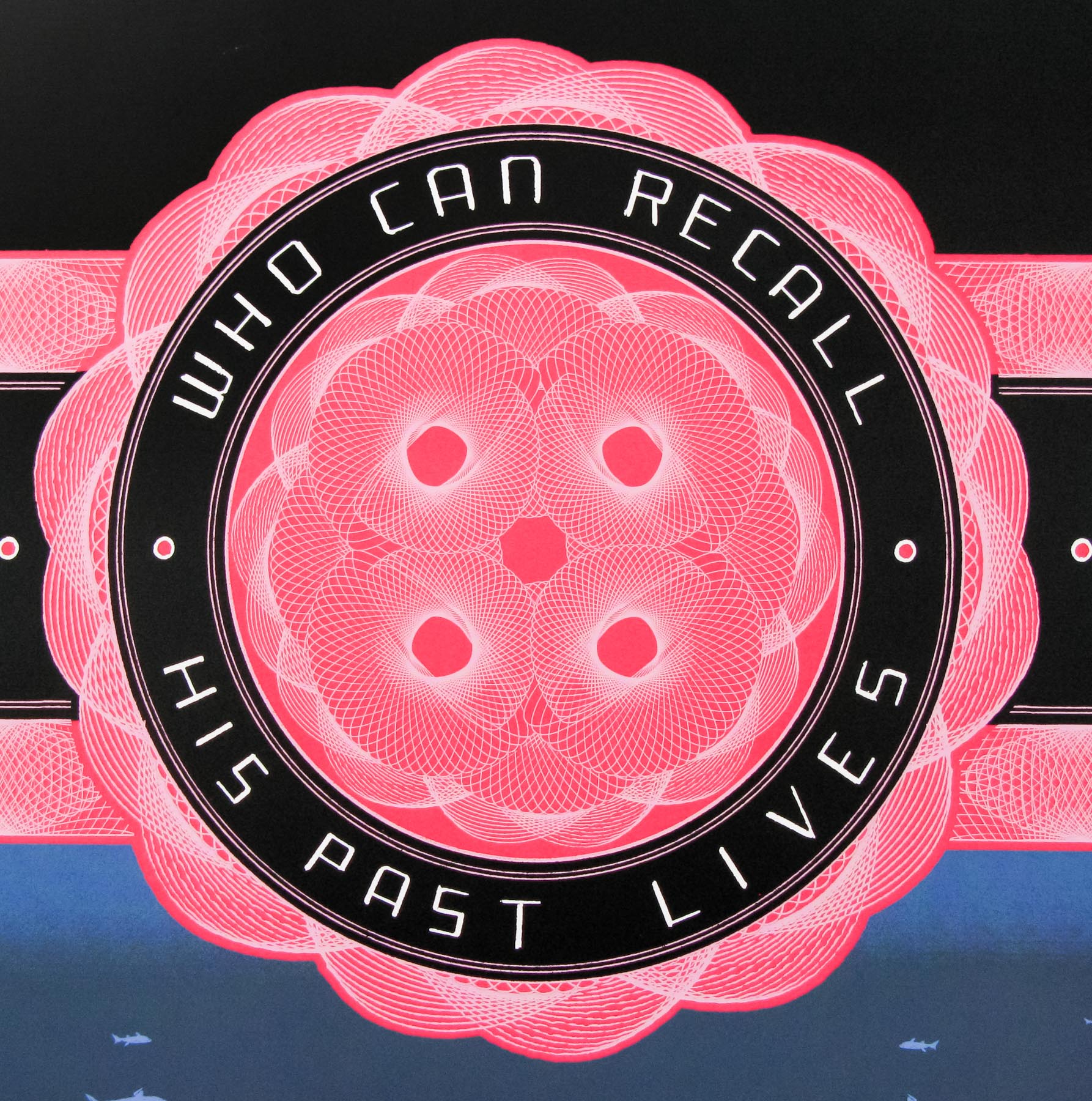
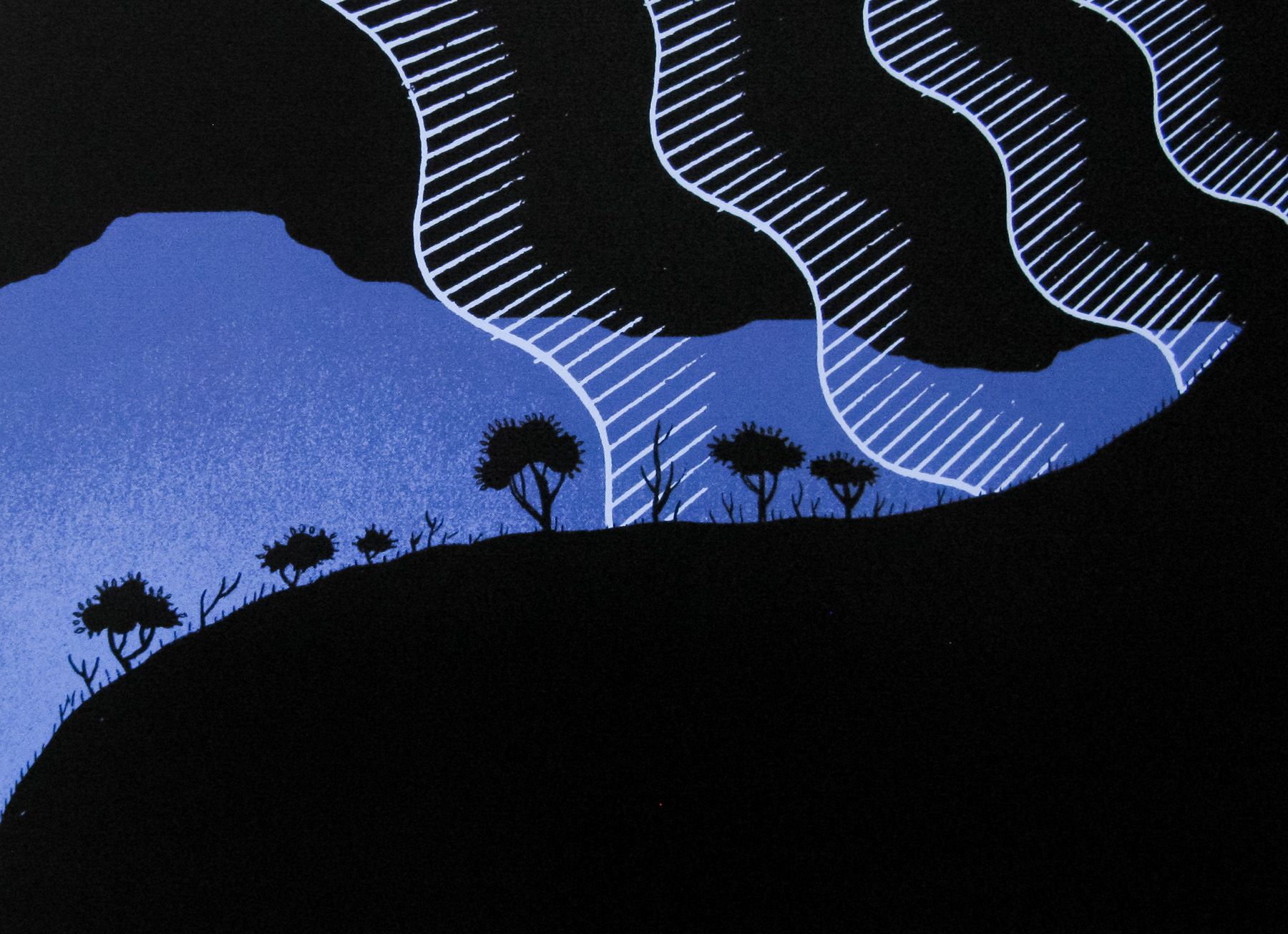
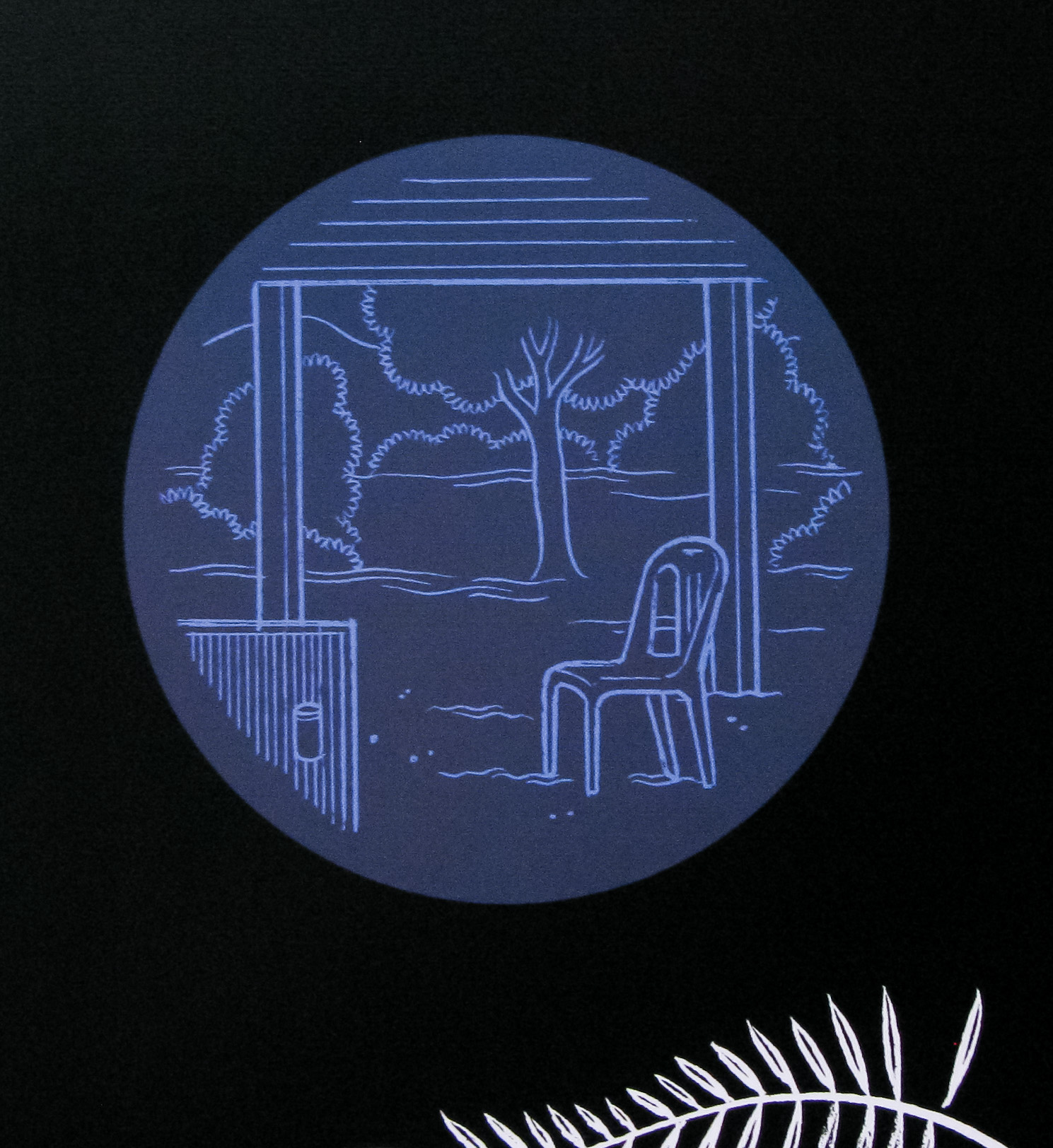
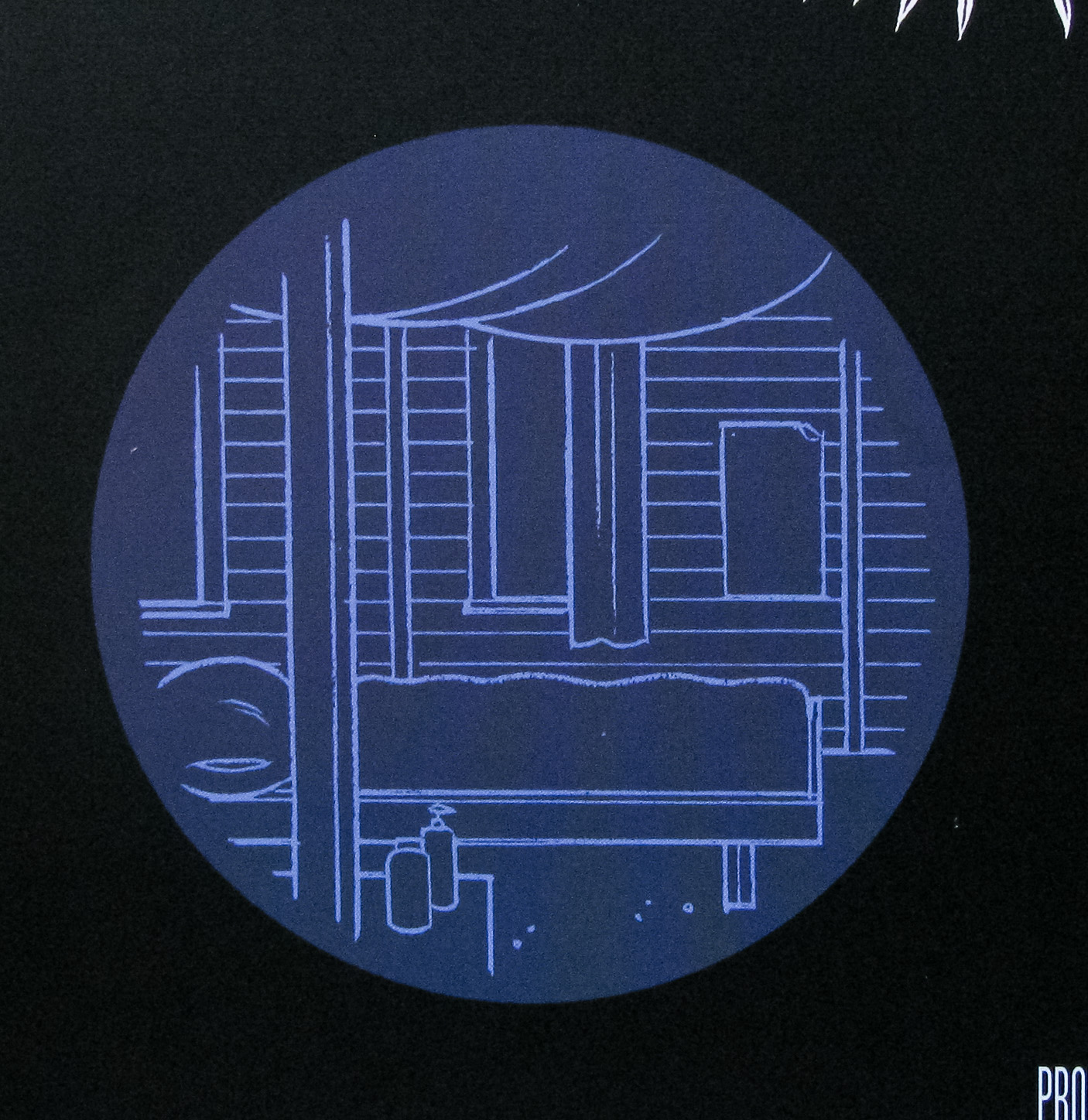
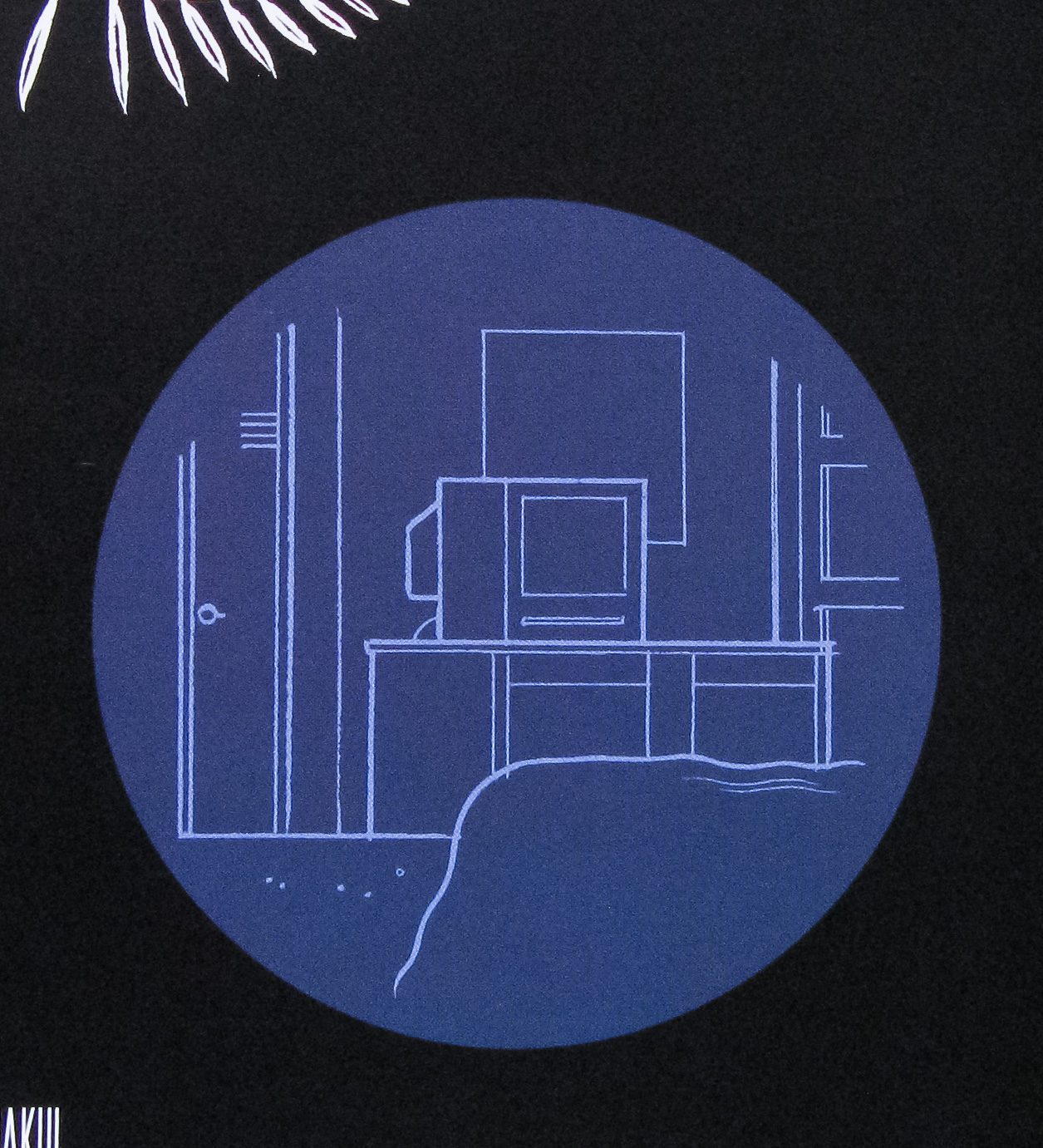
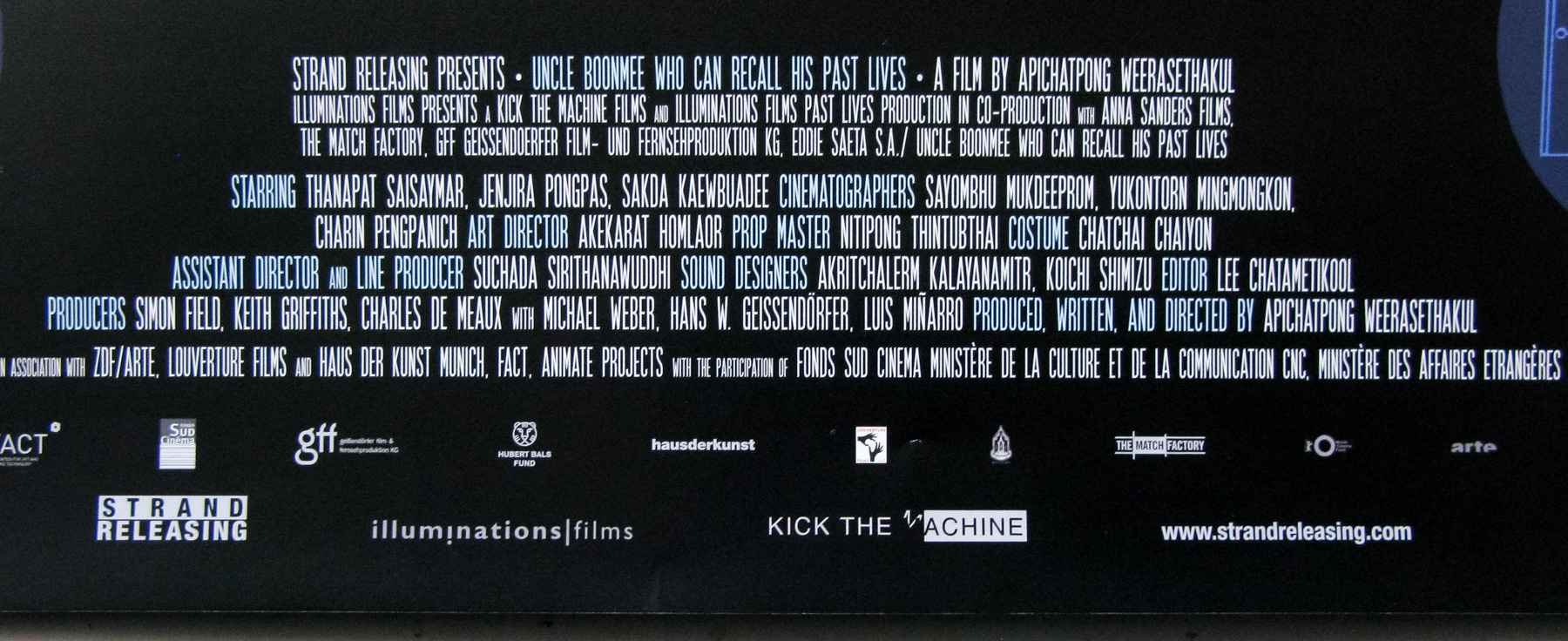
This is one of those posters that you can’t quite believe the studio was willing to go ahead and print, but you’re very glad they did! The poster was designed and illustrated by the brilliant cartoonist Chris Ware, the man behind the sublime Jimmy Corrigan, the Smartest Kid on Earth graphic novel and other excellent creations such as Quimby the Mouse (one of his earliest charatcters).

In an article on the Vulture website, the artist says of the poster; “I wanted to get at both the transcendent solemnity of the film while keeping some sense of its loose, very unpretentious accessibility.” He also remarks,”This being a poster, however — and even worse, me not really being a designer — I realized it also had to be somewhat punchy and strange, so as to draw viewers in and pique their curiosity without, hopefully, insulting their intelligence.”

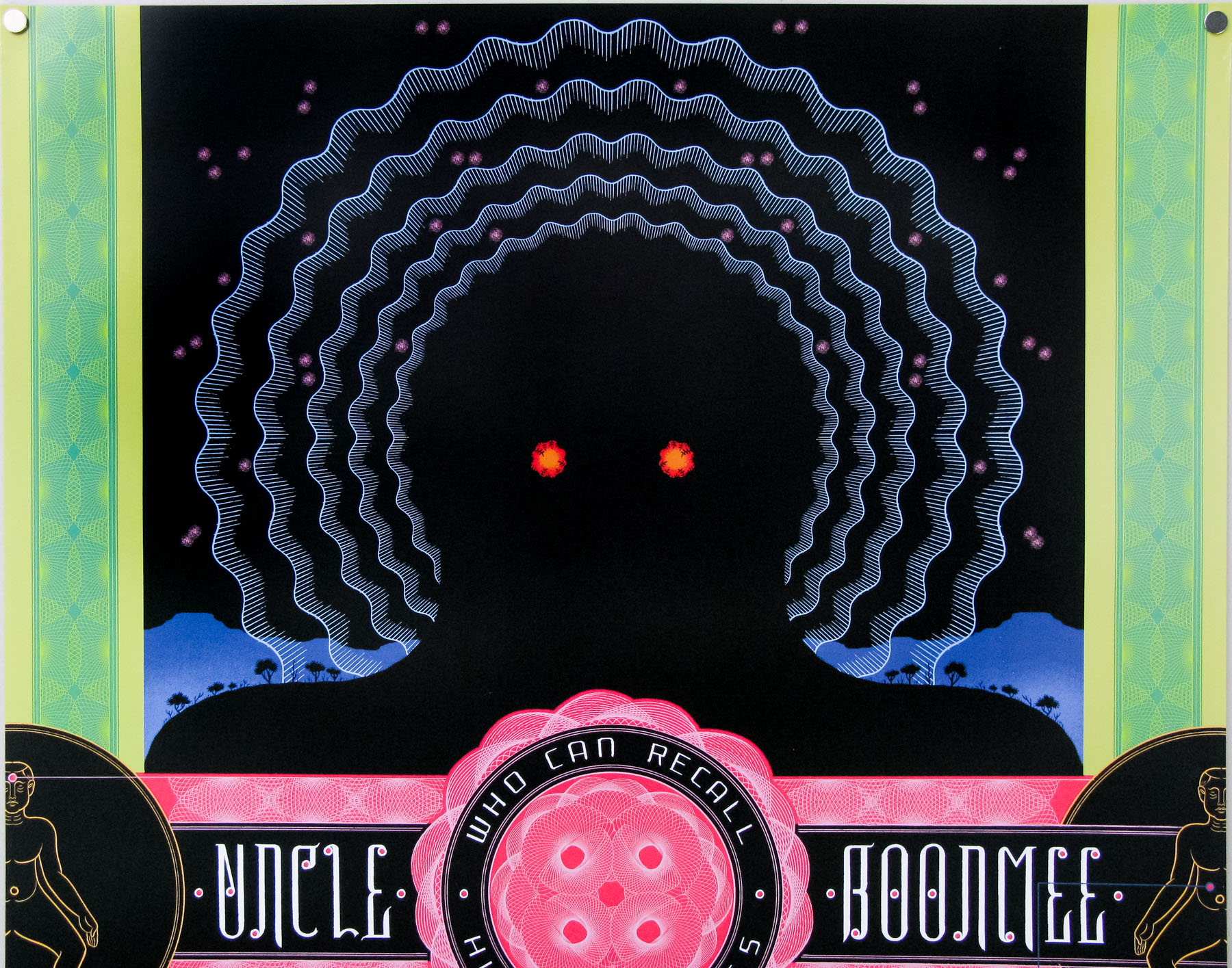
The intricate lettering, oblique imagery and brilliant use of colour is quintessential of Ware’s work and it’s a thrill to see it on such a big scale. I’ve read some complaints that it’s almost too difficult to read, but I think that’s part of its charm and it is infinitely more interesting than most of the bland photoshopped creations so prevalent today.

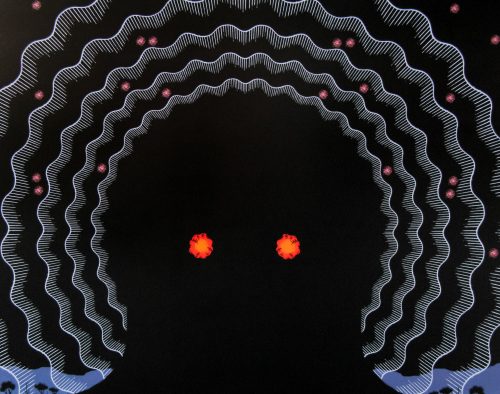
The film itself, as the title suggests, focuses on the reminiscences of Uncle Boonmee, a dying man who spends his final days recalling his previous lives with the ghost of his dead wife and his long lost son who has returned as a kind of ape creature with red eyes (as depicted on this poster). Directed by Apichatpong Weerasethakul, the film is based on a book that was written after a man named Boonmee approached Phra Sripariyattiweti, the abbot of a Buddhist temple in the director’s home town, claiming he could clearly remember his own previous lives while meditating. The abbot was so impressed with Boonmee’s ability that he published a book called A Man Who Can Recall His Past Lives in 1983.

Winning the Palme d’Or at the 2010 Cannes Film Festival, it’s certainly not a film for everyone with slow meditative sequences and bizarre, often hallucinatory imagery, but it’s definitely worth a watch, particularly for fans of world cinema.

The original trailer is on YouTube.

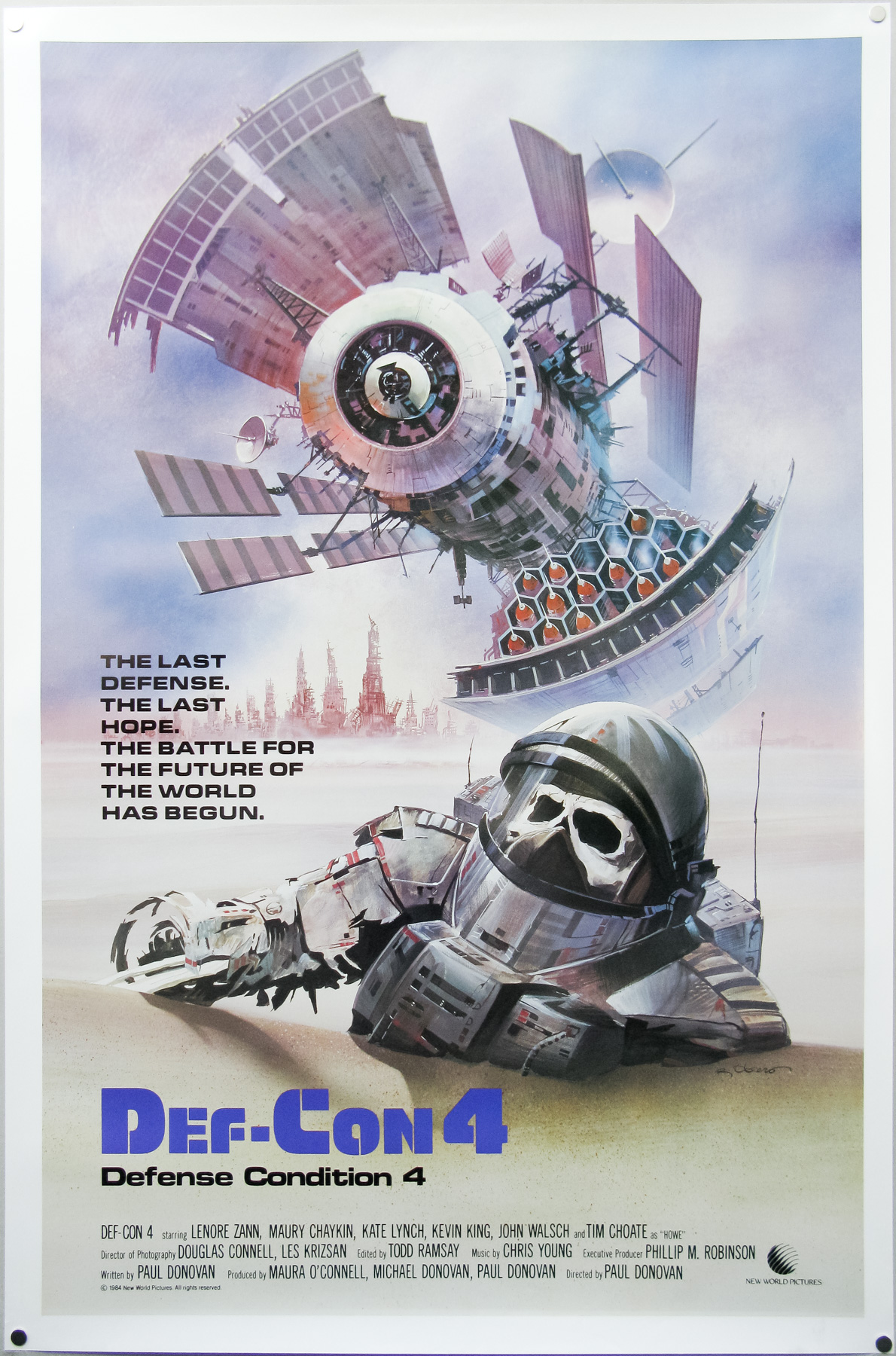
Def-Con 4 / one sheet / USA

30.06.12

Poster Poster
Title
Def-Con 4
AKA
--
Year of Film
1985
Director
Paul Donovan
Starring
Lenore Zann, Maury Chaykin, Kate Lynch, Kevin King, John Walsch, Tim Choate, Jeff Pustil, Donna King, Alan MacGillivray, Florence Paterson, Karen Kennedy, Ken Ryan
Origin of Film
Canada
Genre(s) of Film
Lenore Zann, Maury Chaykin, Kate Lynch, Kevin King, John Walsch, Tim Choate, Jeff Pustil, Donna King, Alan MacGillivray, Florence Paterson, Karen Kennedy, Ken Ryan,
Type of Poster
One sheet
Style of Poster
--
Origin of Poster
USA
Year of Poster
1985
Designer
Unknown
Artist
Rudy Obrero
Size (inches)
27 1/16" x 41"
SS or DS
SS
NSS #
--
Tagline
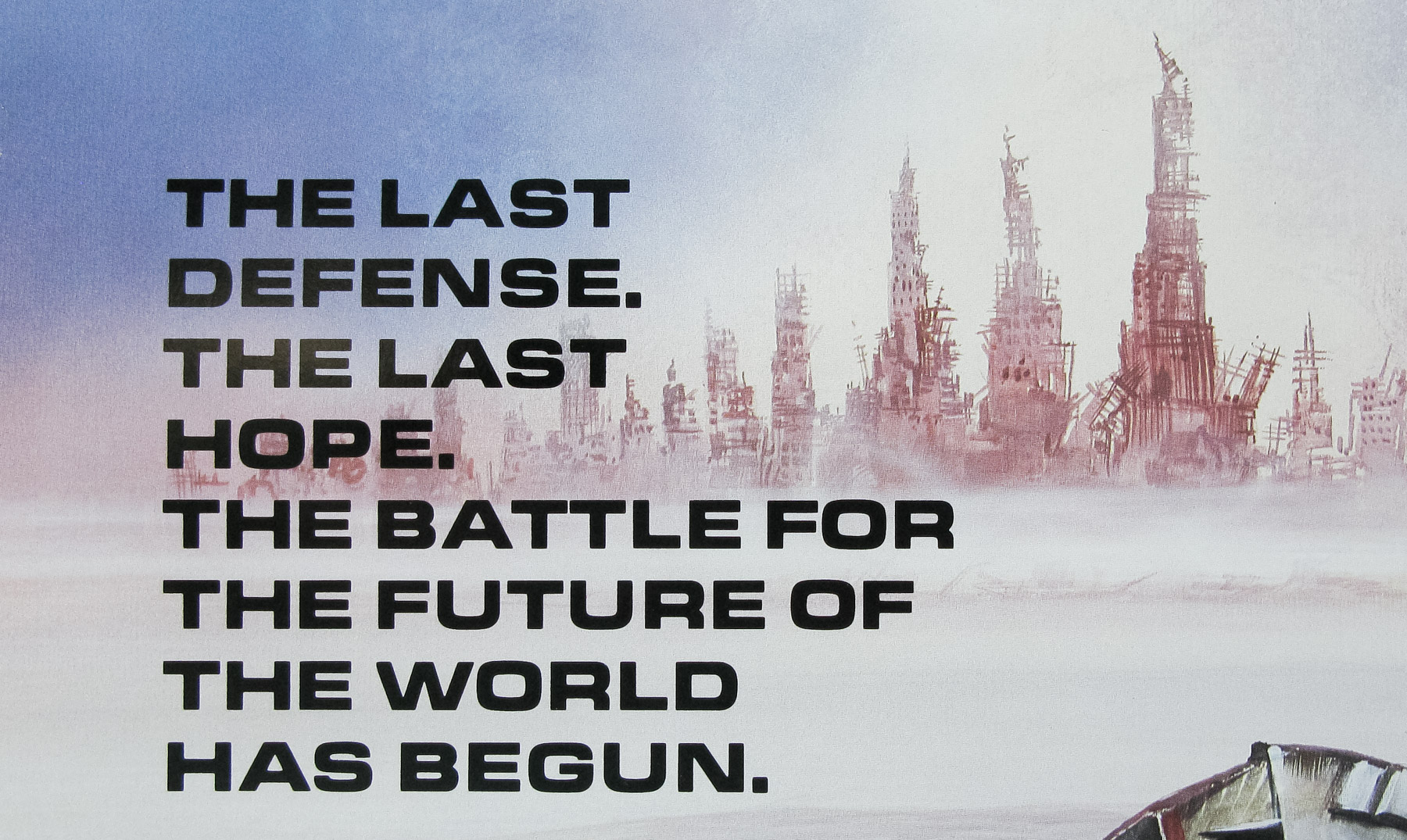
The last defense. The last hope. The battle for the future of the world has begun.

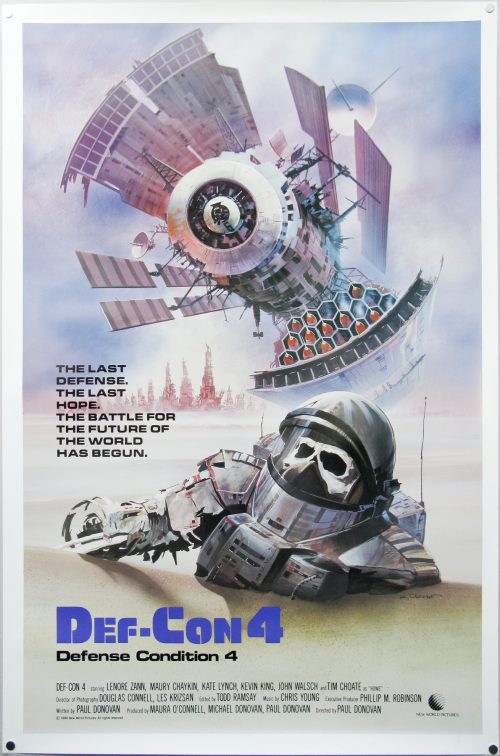
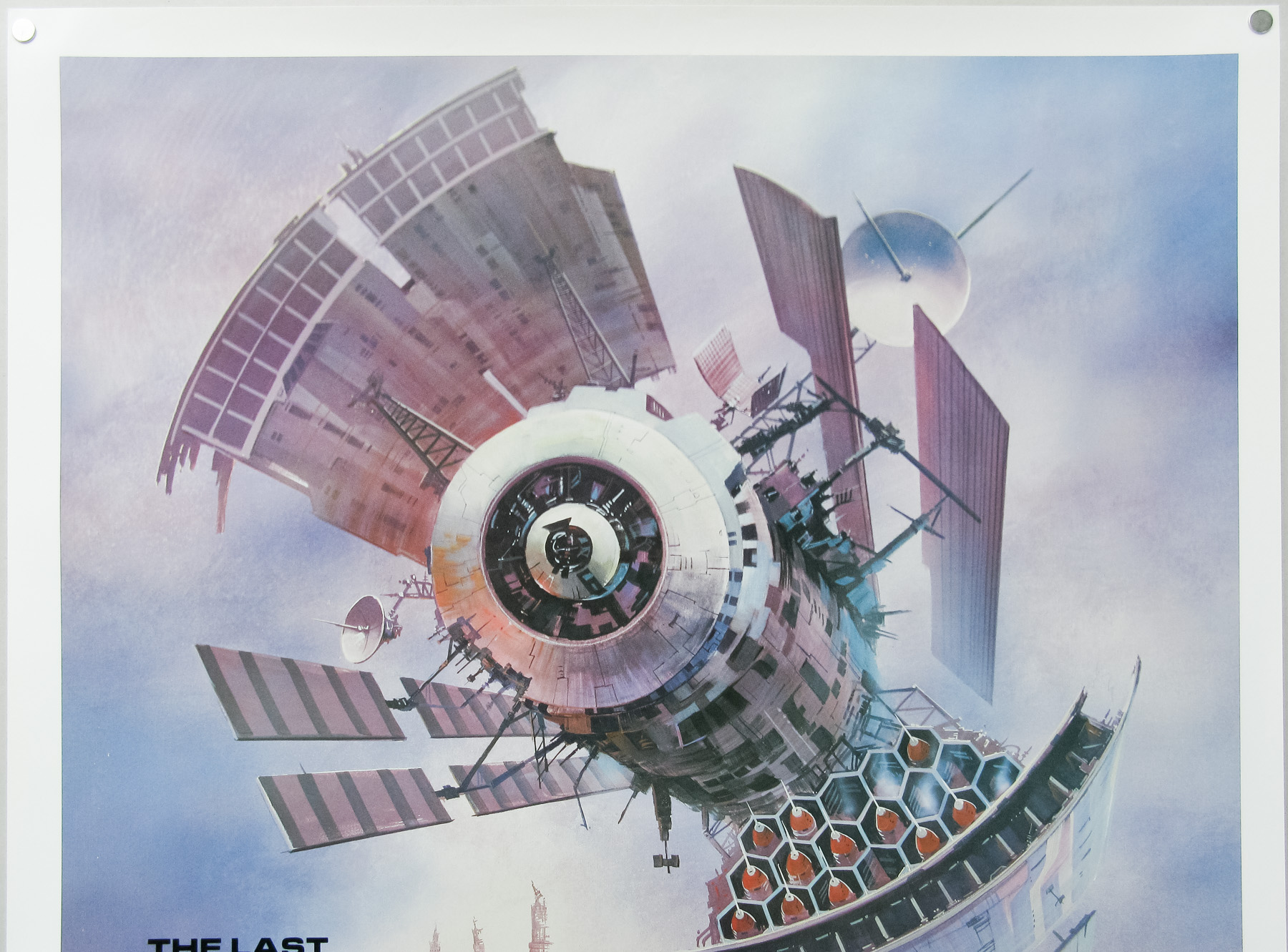
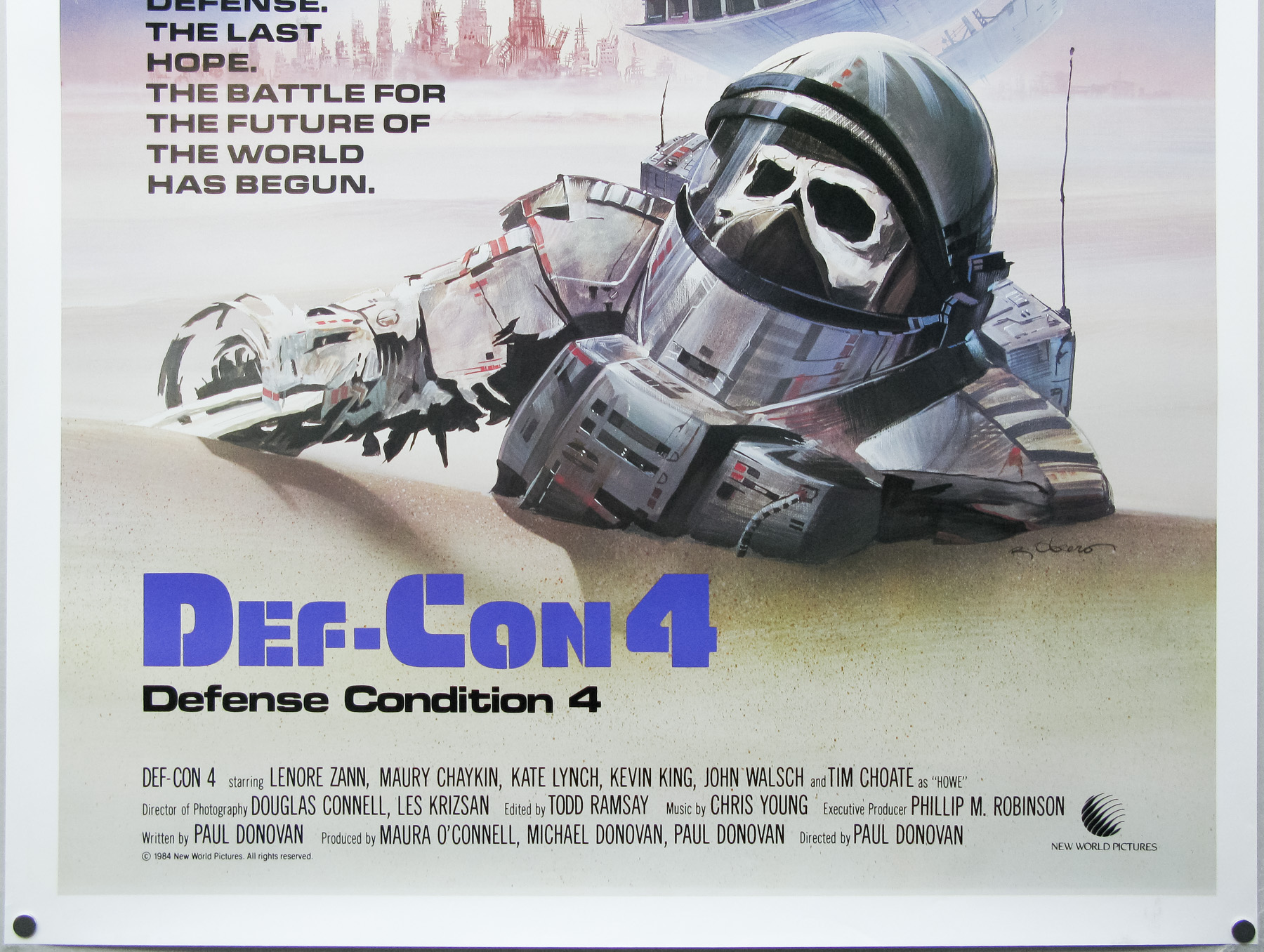
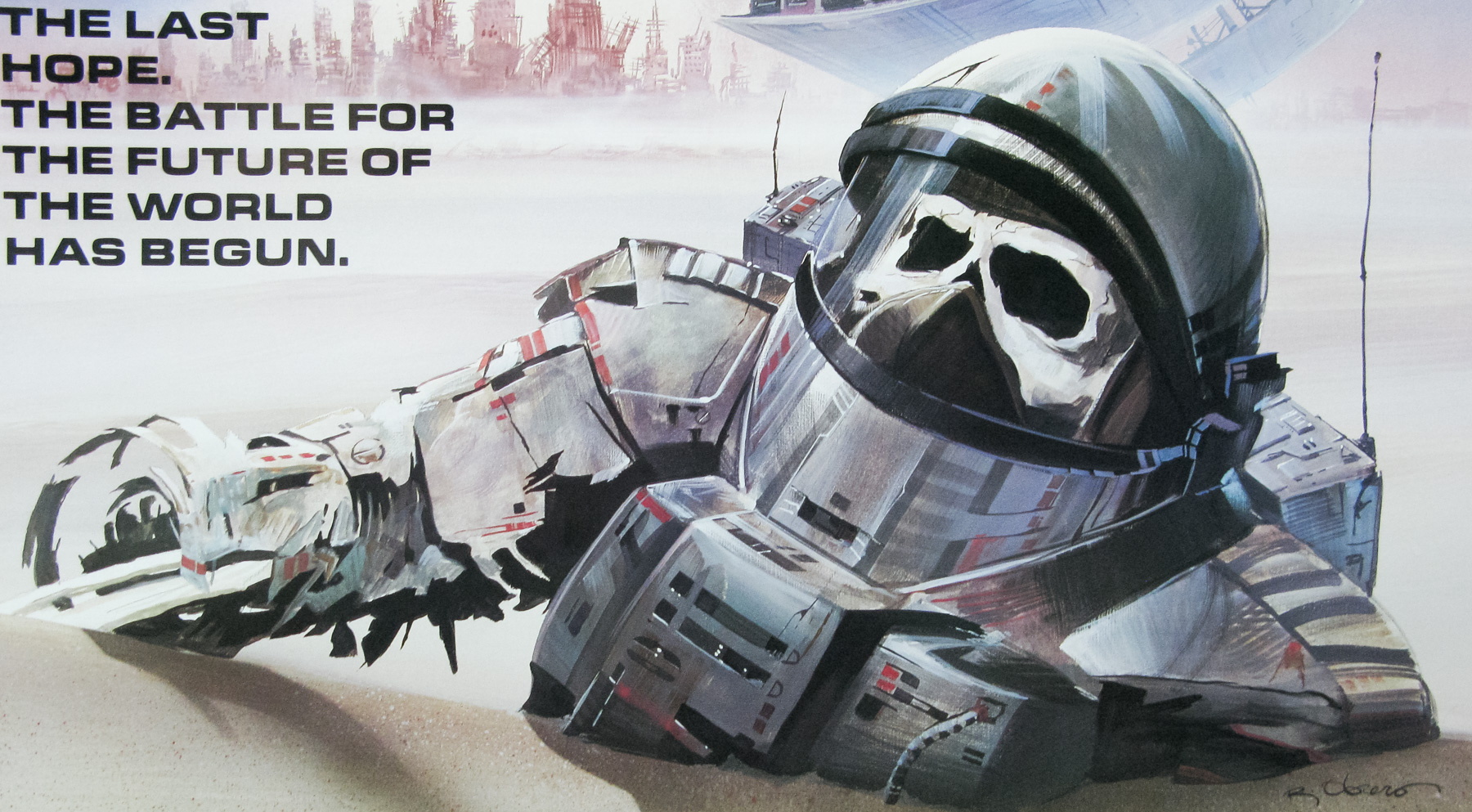
A Canadian post-apocalyptic sci-fi, Def-Con 4 tells the story of a crew of three astronauts on an orbiting space station loaded with nuclear warheads who witness the outbreak of World War 3 on earth and are unable to prevent the destruction below. Several months later a signal forces the space station to crash-land back on earth (on a Canadian beach) and the crew must adapt to survive the hostile environment, which includes the diseased survivors of the war who are known as Terminals, and a band of militants intent on harnessing the power of the downed station.

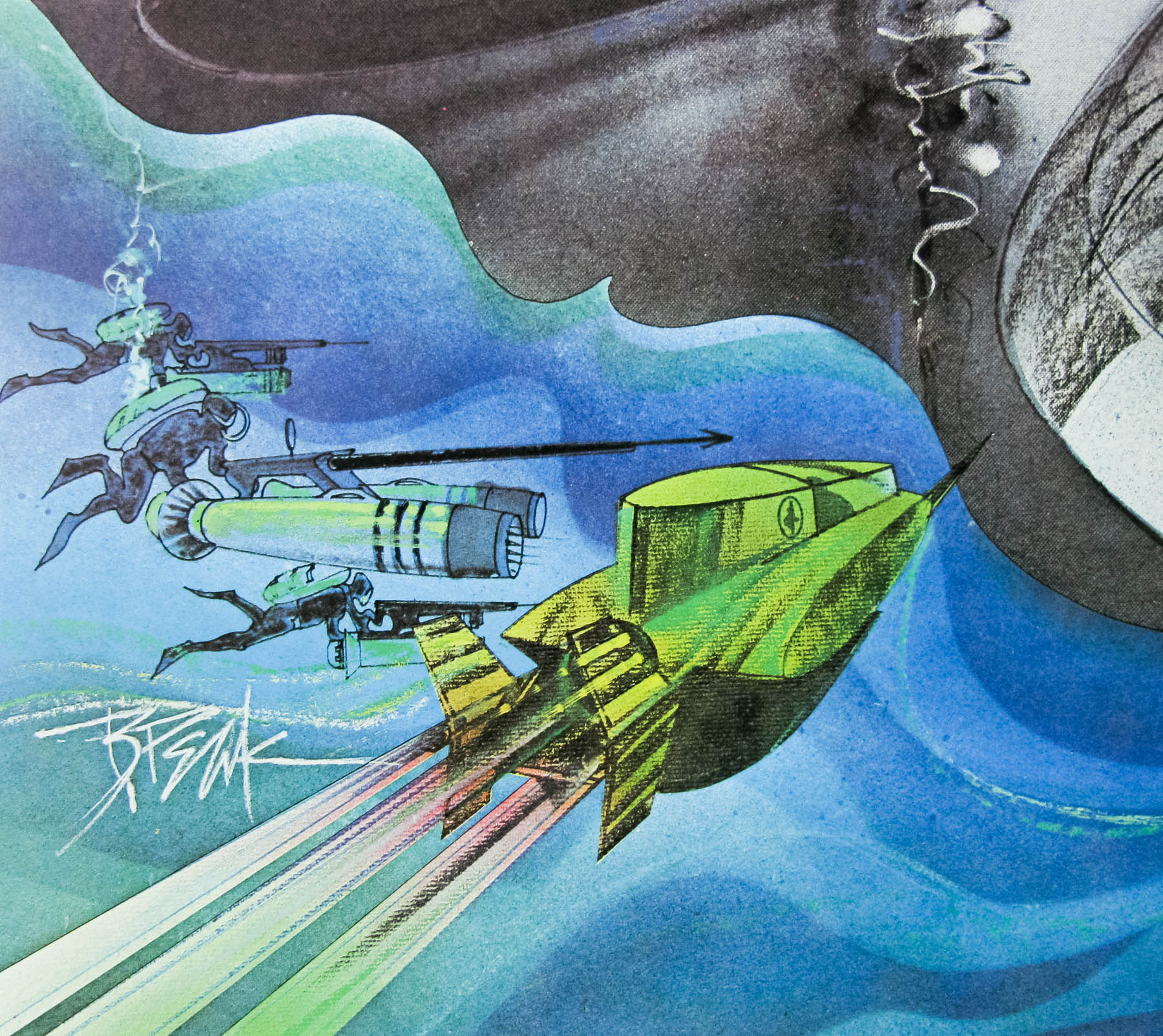
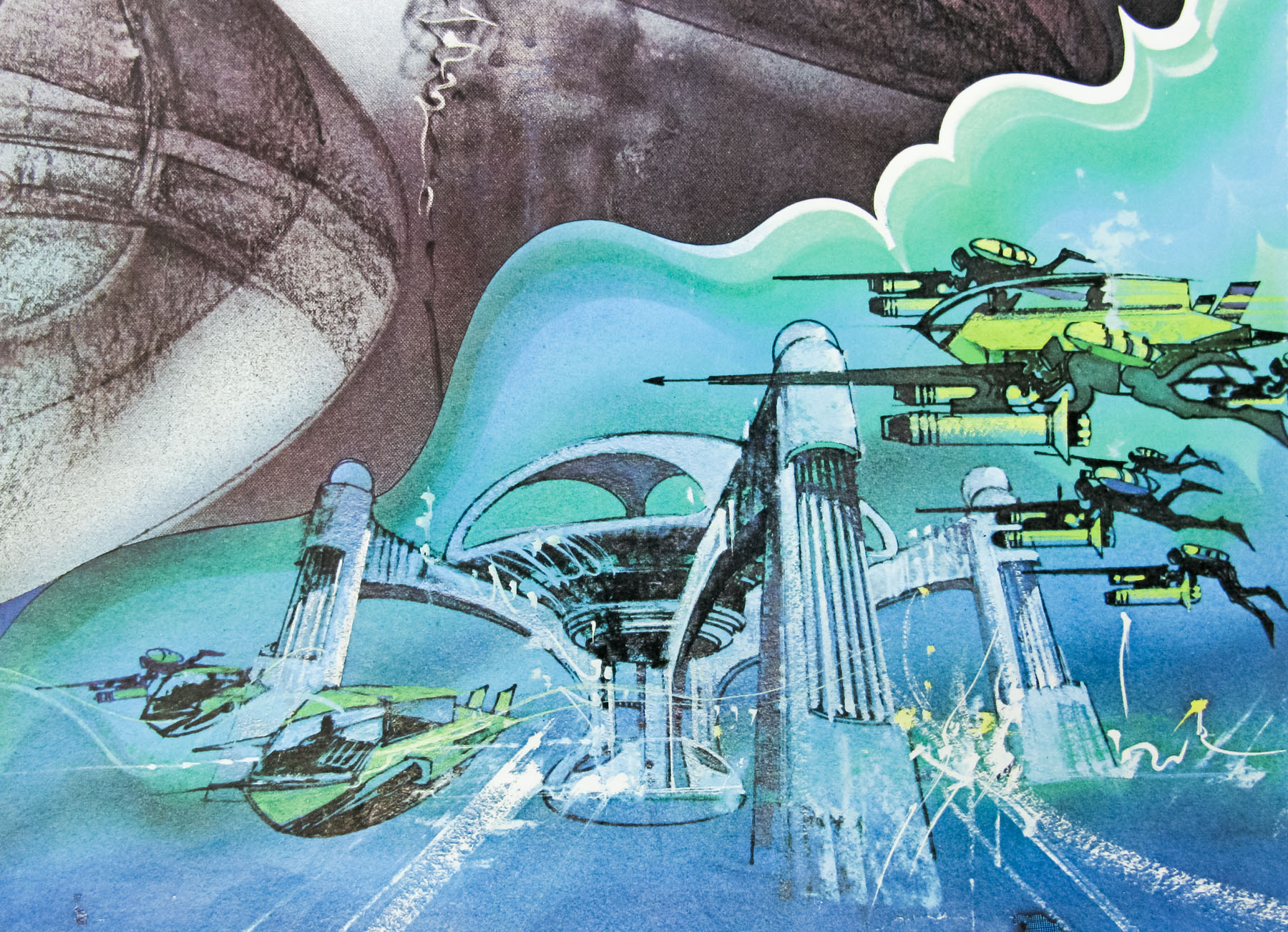
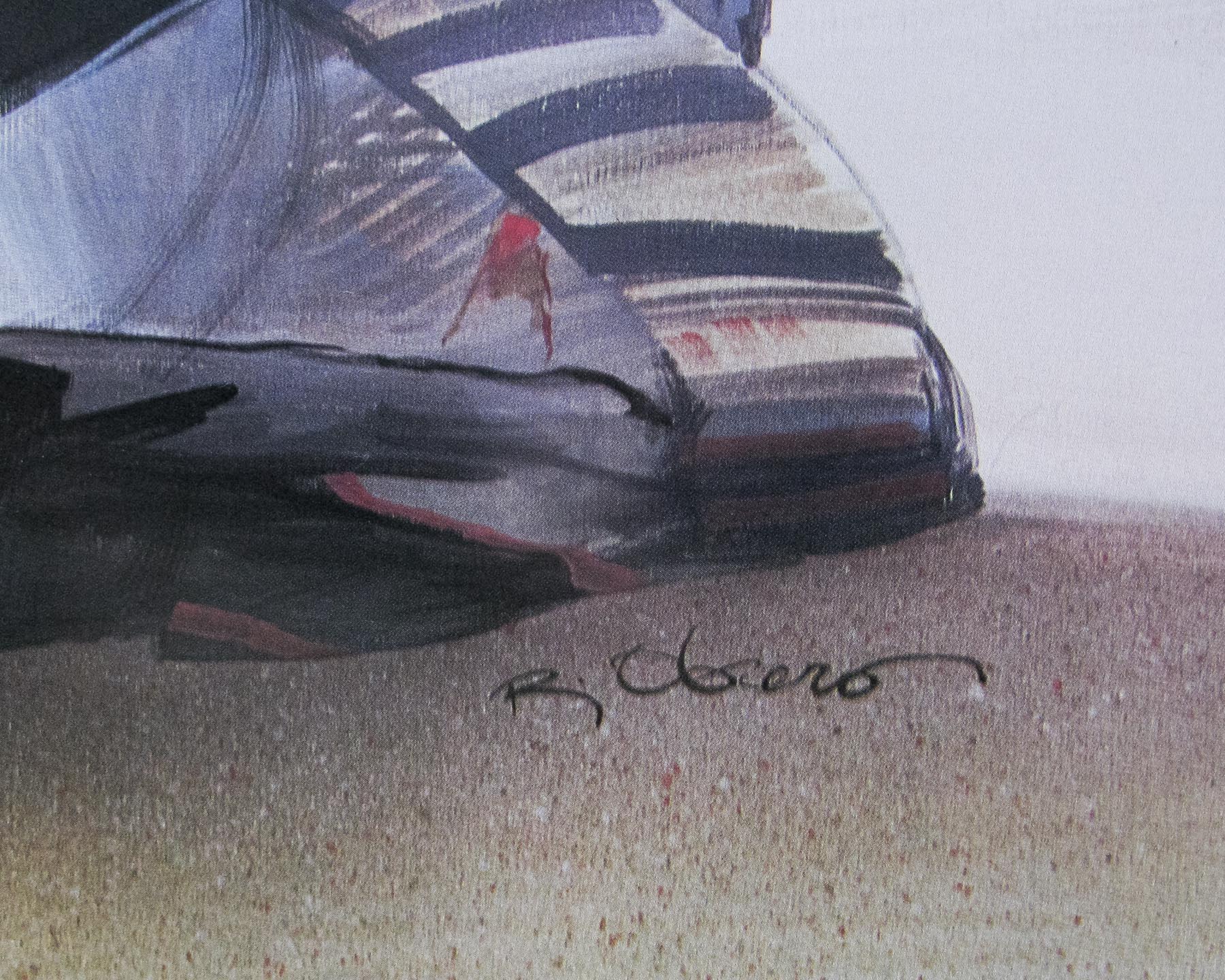
The artwork on this poster was done by freelance illustrator and designer Rudy Obrero who is based in Los Angeles and has worked for a huge variety of commercial clients throughout his career, including Disney, Warner Bros and Universal Studios. As well as film posters his work includes design style guides for many entertainment properties, including E.T., Curious George and Universal Monsters. He’s also worked on the packaging artwork for toys and this picture shows Rudy with a box featuring an illustration he painted for the He-Man range by Mattel (a close up detail can be seen here).

One of his best film poster illustrations, in my opinion,  is the one painted for the international one sheet of Mad Max 2 (AKA The Road Warrior), which can be viewed here. He’s also responsible for the American one sheet artwork for Never Say Never Again.

Update 2024
Reader of the site Jaco Tenente left a comment below to point out that this painting is a cheeky rip-off of this untitled painting by Angus McKie from 1976.

The trailer for the film is on YouTube.

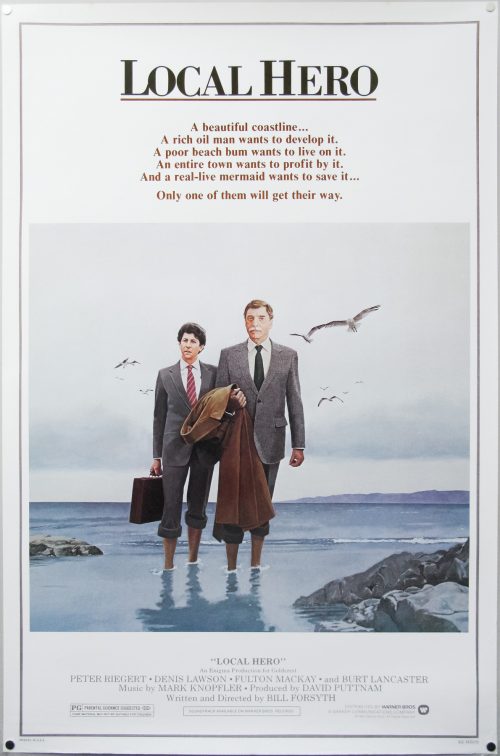
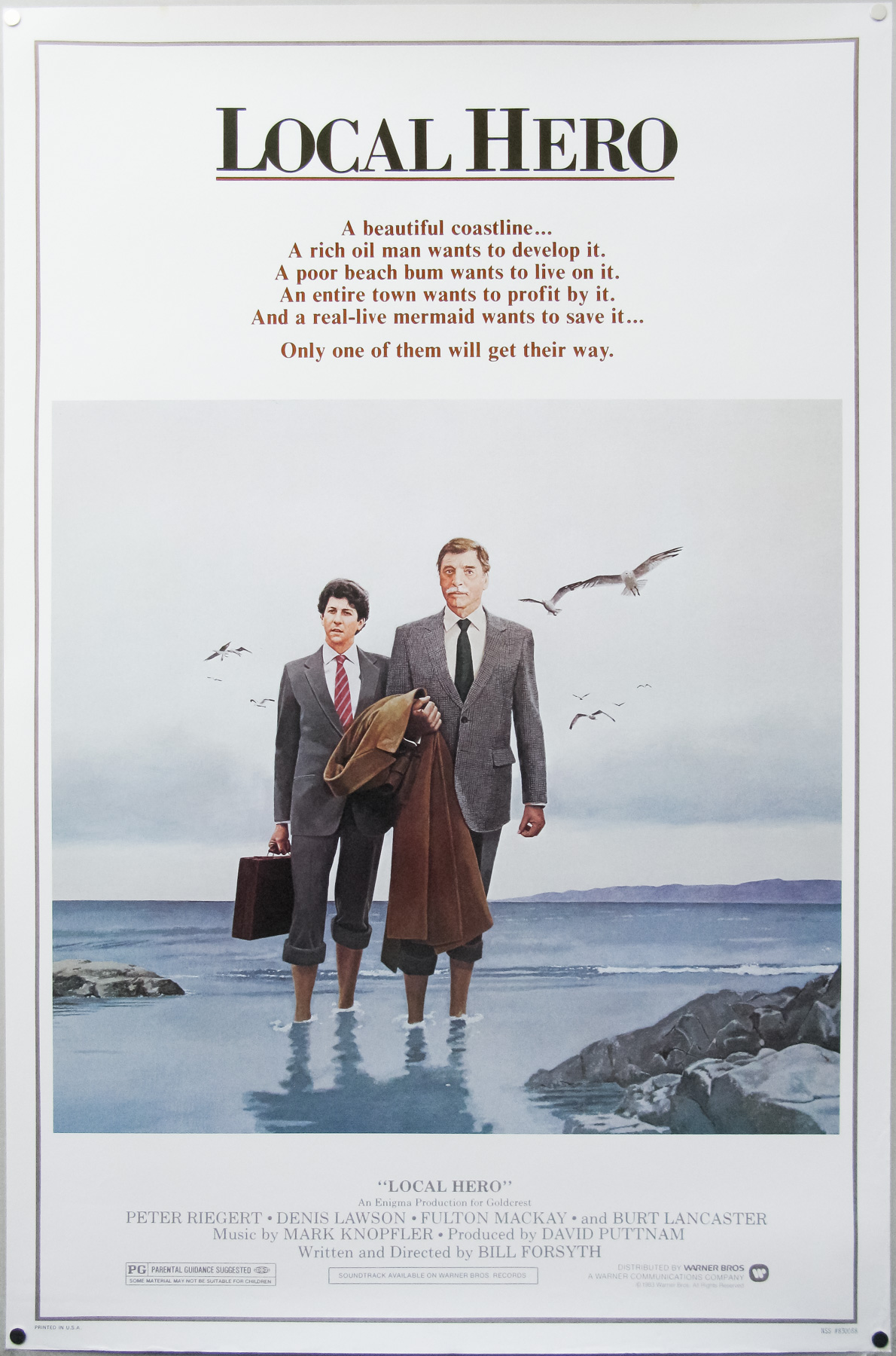
Local Hero / one sheet / USA

20.08.12

Poster Poster
Title
Local Hero
AKA
--
Year of Film
1983
Director
Bill Forsyth
Starring
Burt Lancaster, Peter Riegert, Fulton Mackay, Denis Lawson, Norman Chancer, Peter Capaldi, Rikki Fulton, Alex Norton, Jenny Seagrove, Jennifer Black, Christopher Rozycki, Gyearbuor Asante, John M. Jackson, Dan Ammerman
Origin of Film
UK
Genre(s) of Film
Burt Lancaster, Peter Riegert, Fulton Mackay, Denis Lawson, Norman Chancer, Peter Capaldi, Rikki Fulton, Alex Norton, Jenny Seagrove, Jennifer Black, Christopher Rozycki, Gyearbuor Asante, John M. Jackson, Dan Ammerman,
Type of Poster
One sheet
Style of Poster
--
Origin of Poster
USA
Year of Poster
1983
Designer
Unknown
Artist
Unknown
Size (inches)
27" x 40 15/16"
SS or DS
SS
NSS #
830088
Tagline
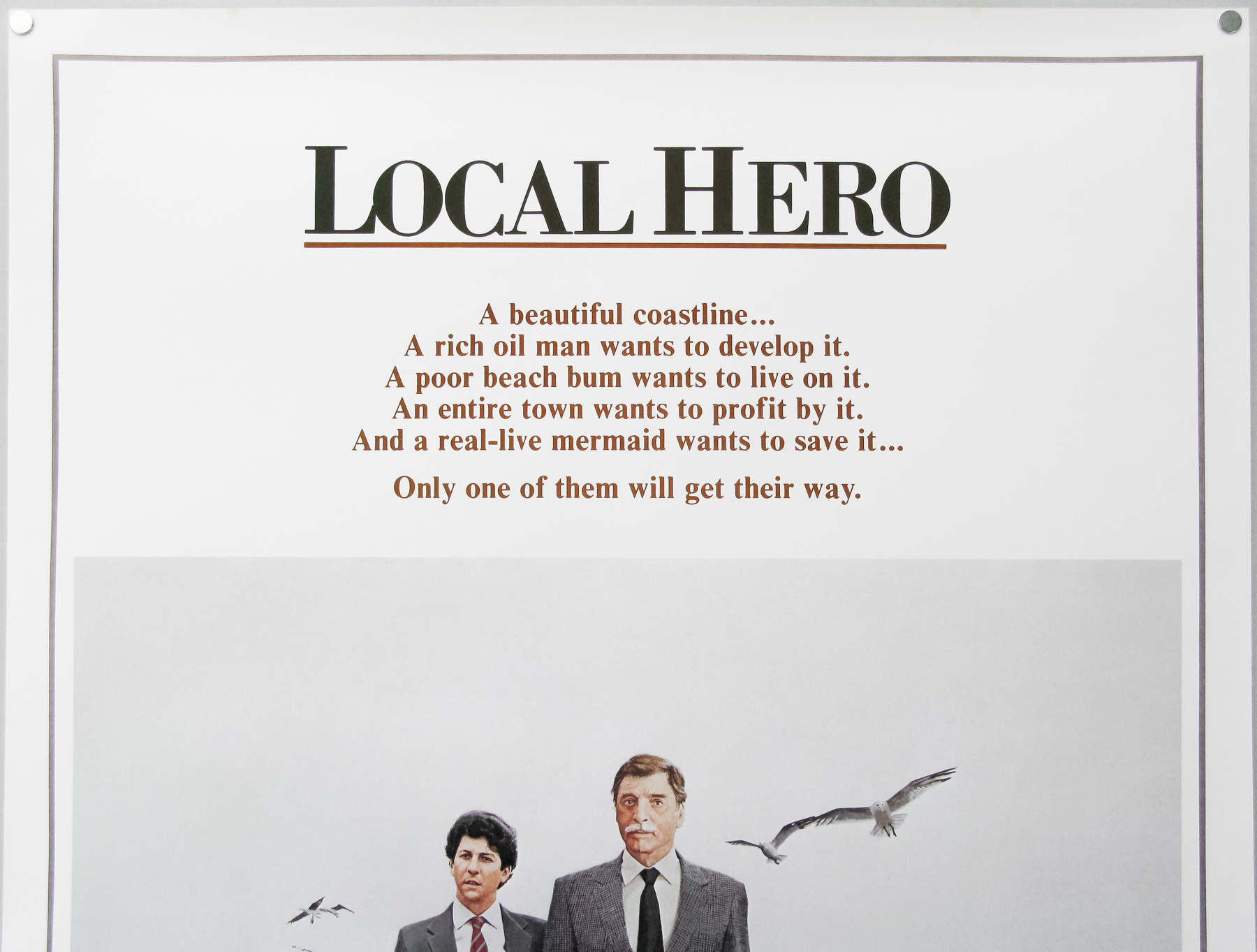
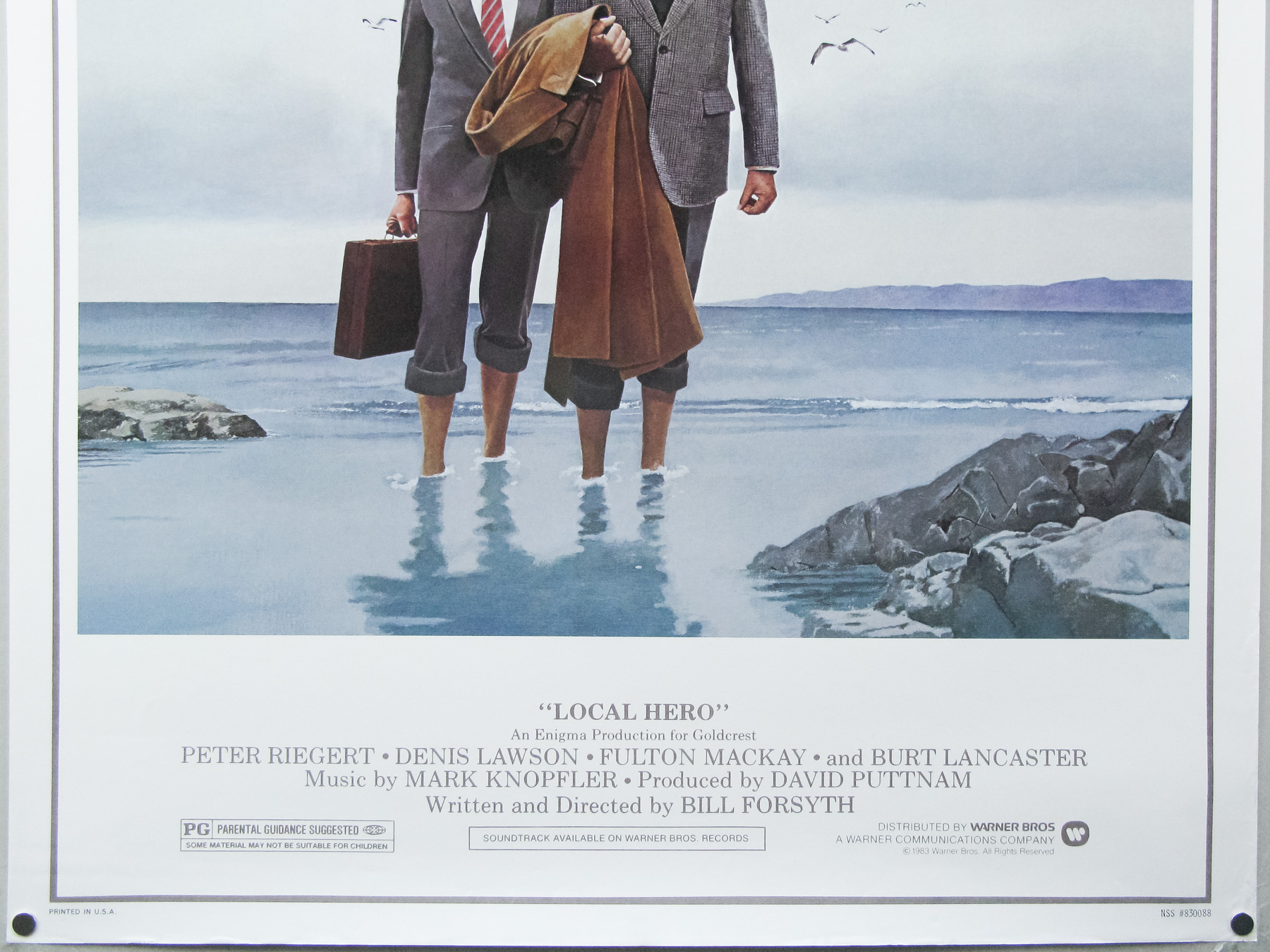
A beautiful coastline... A rich oil man wants to develop it. A poor beach bum wants to live on it. An entire town wants to profit by it. And a real-live mermaid wants to save it... Only one of them will get their way.

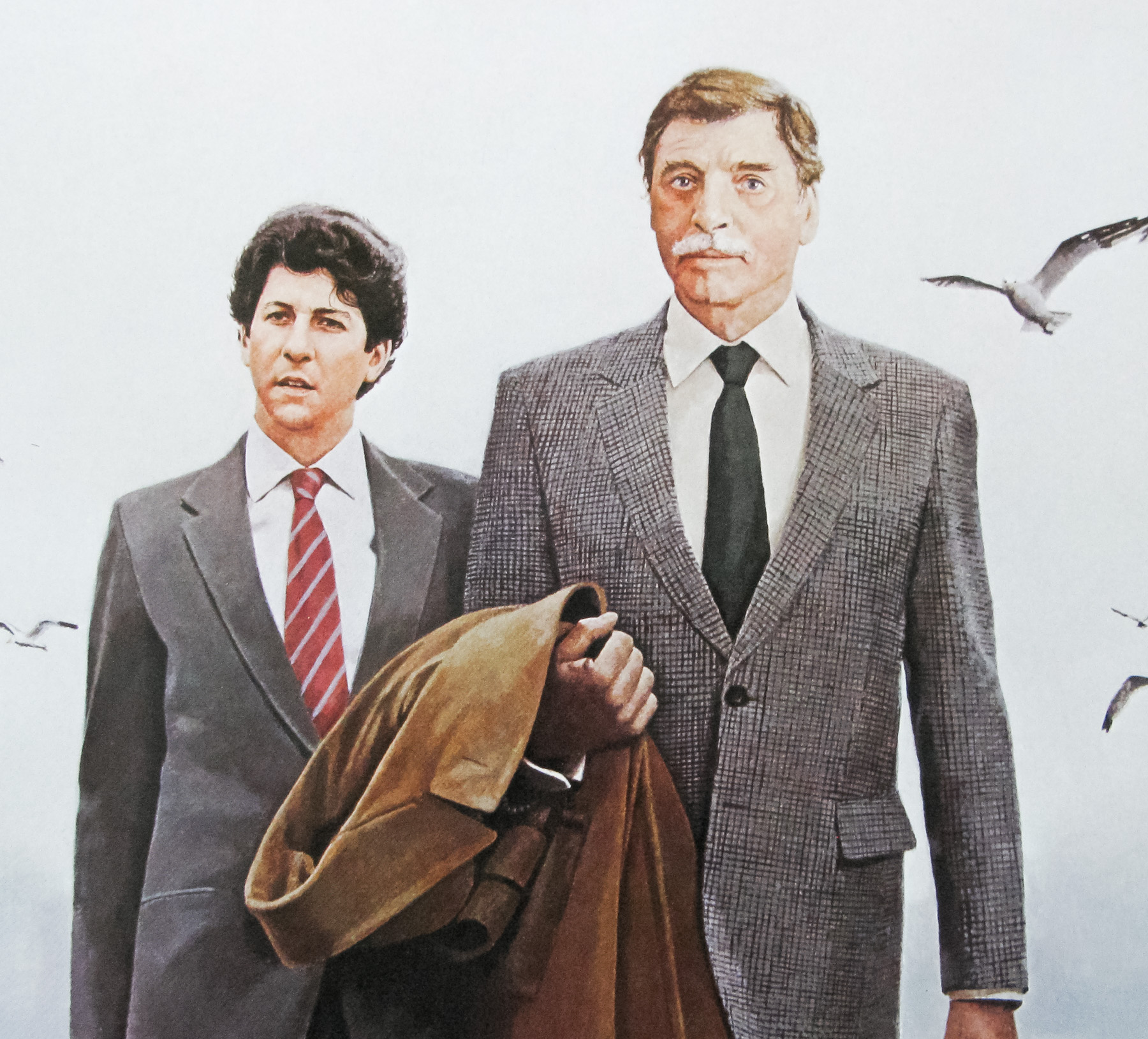
One of the best British films of all time, and certainly one of the best comedies, Local Hero was directed by Scotsman Bill Forsyth and tells the story of what happens when a Texan company reveals plans to turn a tiny stretch of the Northern Scottish coastline into a massive oil refinery. Burt Lancaster plays Felix Happer, the head of Knox Oil and Gas, who sends one of his hot-shot executives Mac (Peter Riegert) to the tiny village of Ferness to make a purchase offer to the residents. Mac meets up with local Knox representative Oldsen (Peter Capaldi) and the pair start negotiations with the help of local solicitor and pub owner Urquhart (Peter Capaldi).

Despite the enthusiasm of the majority of the locals, who relish the idea of the money heading their way, things don’t exactly go to plan as Mac starts to enjoy life in the sleepy village, Oldsen meets and falls in love with a local girl (mermaid?) called Marina and an old beachcomber who lives in a shack on the beach reveals he has no plans to sell up and move on.

The film features a brilliantly sharp script full of memorable characters, hilarious exchanges and some wonderful sight gags; one in particular featuring an abseiling therapist spelling out a message on a window is perfectly done. It also features a very memorable score by Dire Straits frontman Mark Knopfler. Local Hero could rightly be called a treasure of a movie and I strongly urge you to check it out if you’re yet to experience it.

The village of Pennan near Aberdeen was used for the village location shots and is now a scene of pilgrimage for the fans of the film, particularly the red phone box that plays a prominent role in the story. In 2008, the British critic Mark Kermode travelled to the village with Bill Forsyth to interview him about the film and hold a special screening on the 25th anniversary of its release. The video of the event can be watched here.

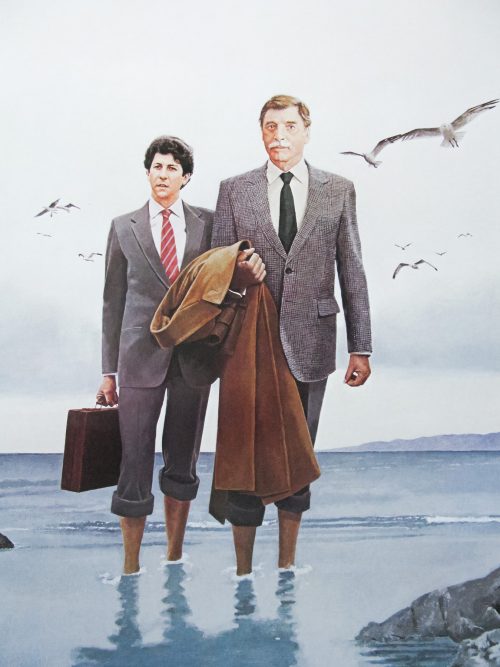
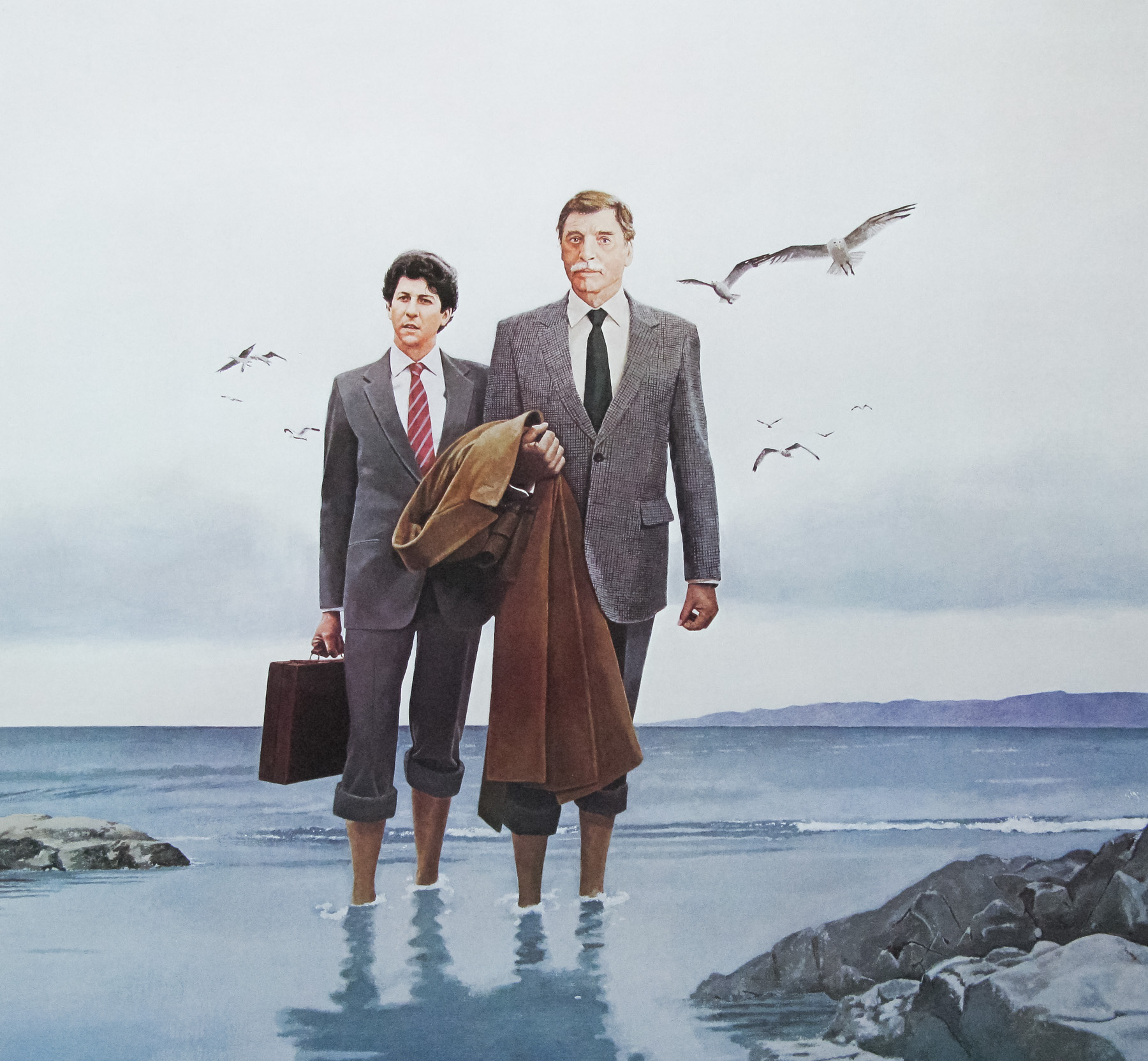
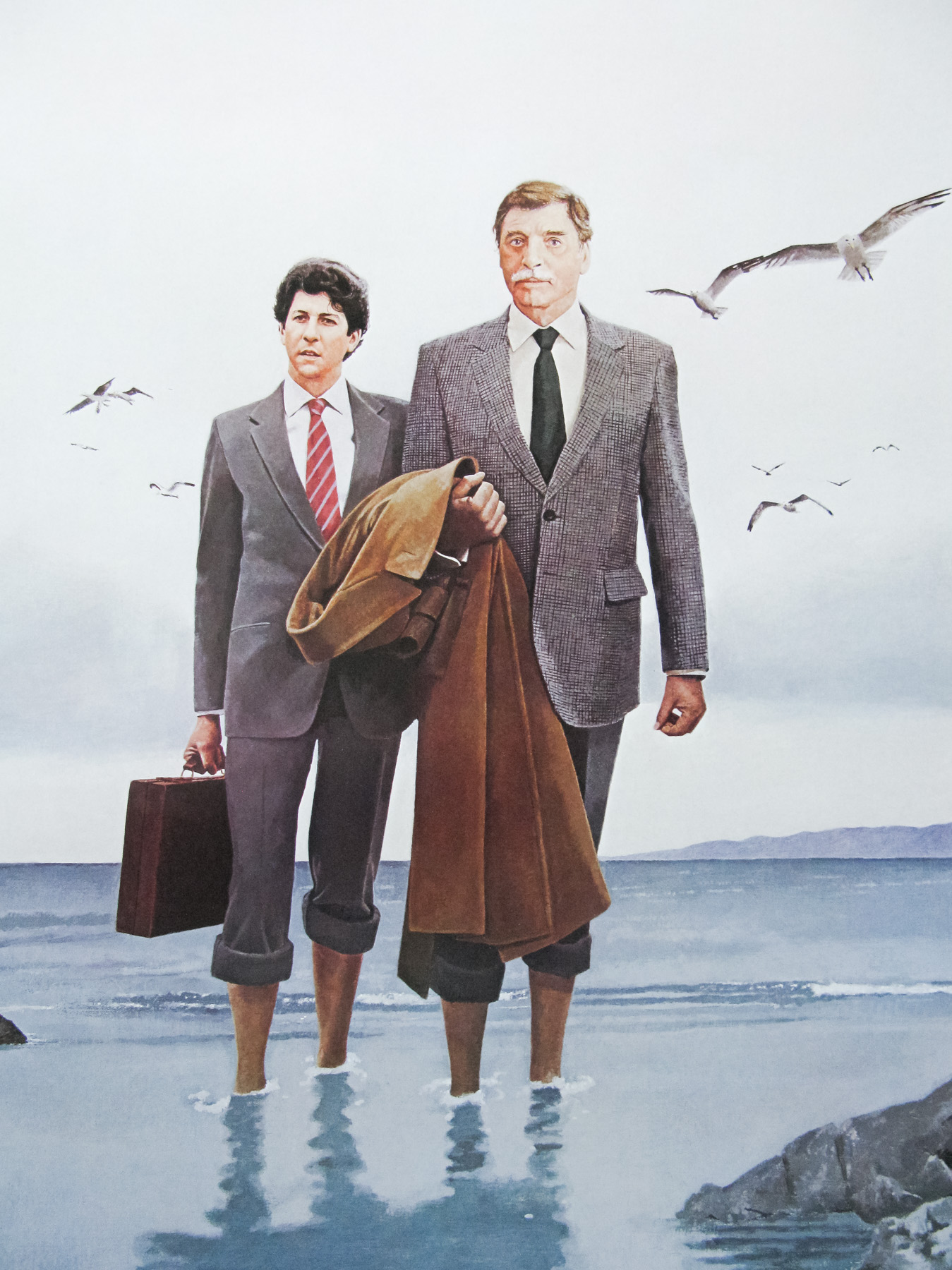
I’m unsure who is responsible for the artwork on this US one sheet but the UK quad also features a very similar image of Mac (with the addition of the phone box). If you have any ideas who might have been responsible please get in touch.

The original trailer is on YouTube.

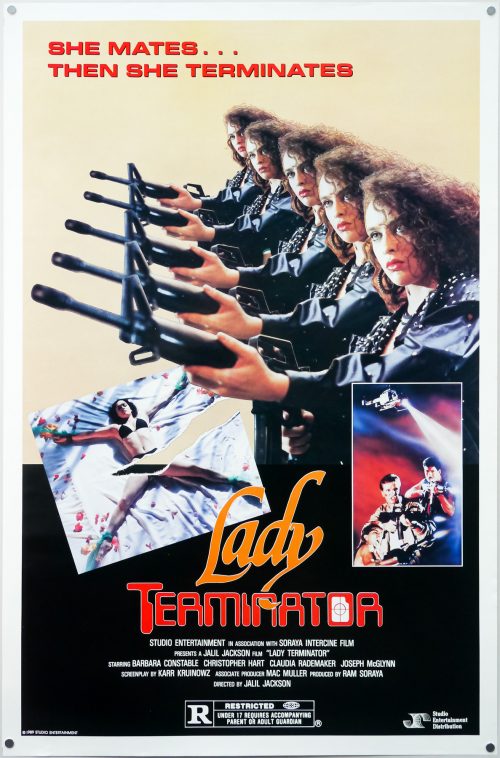
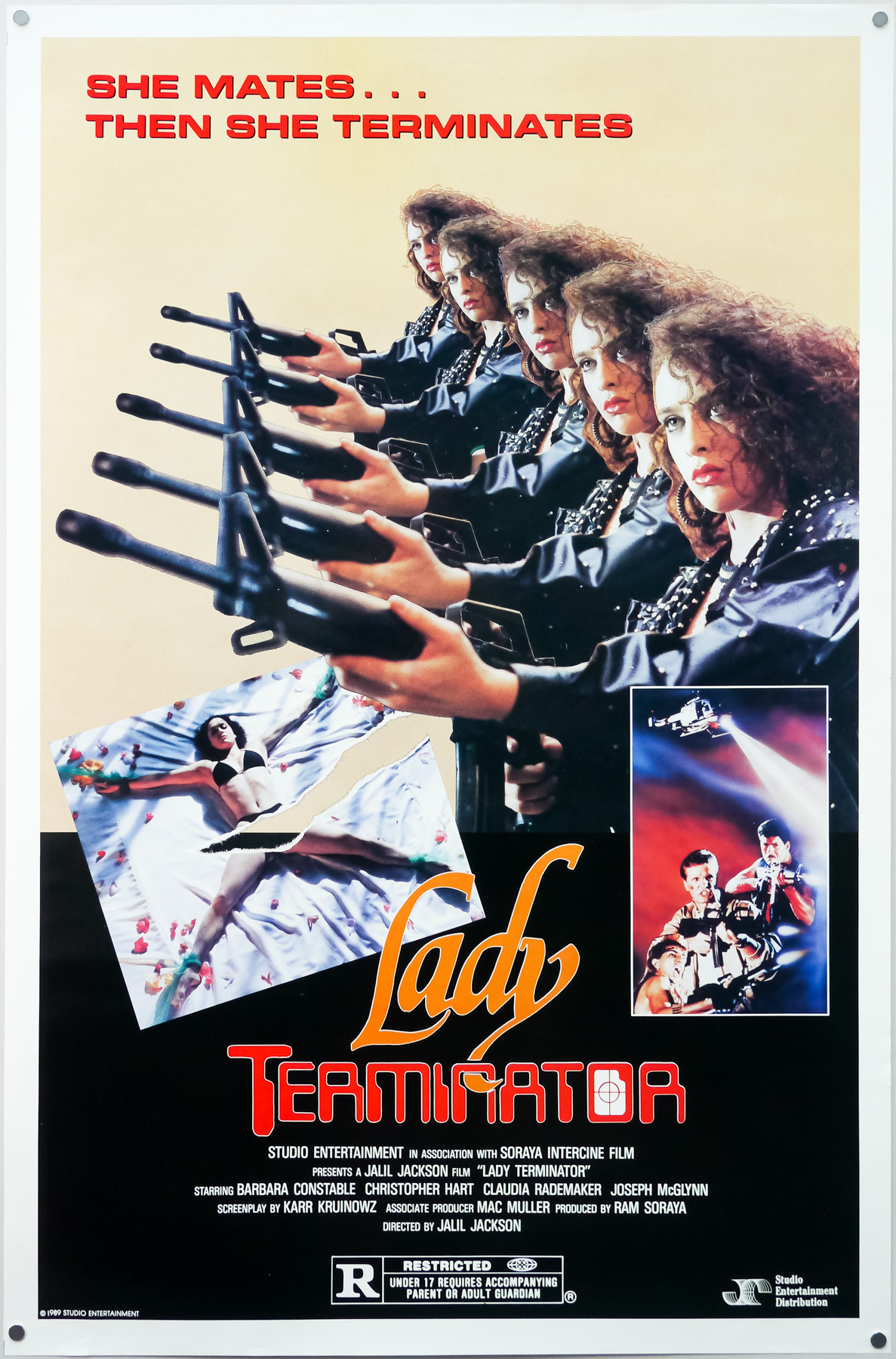
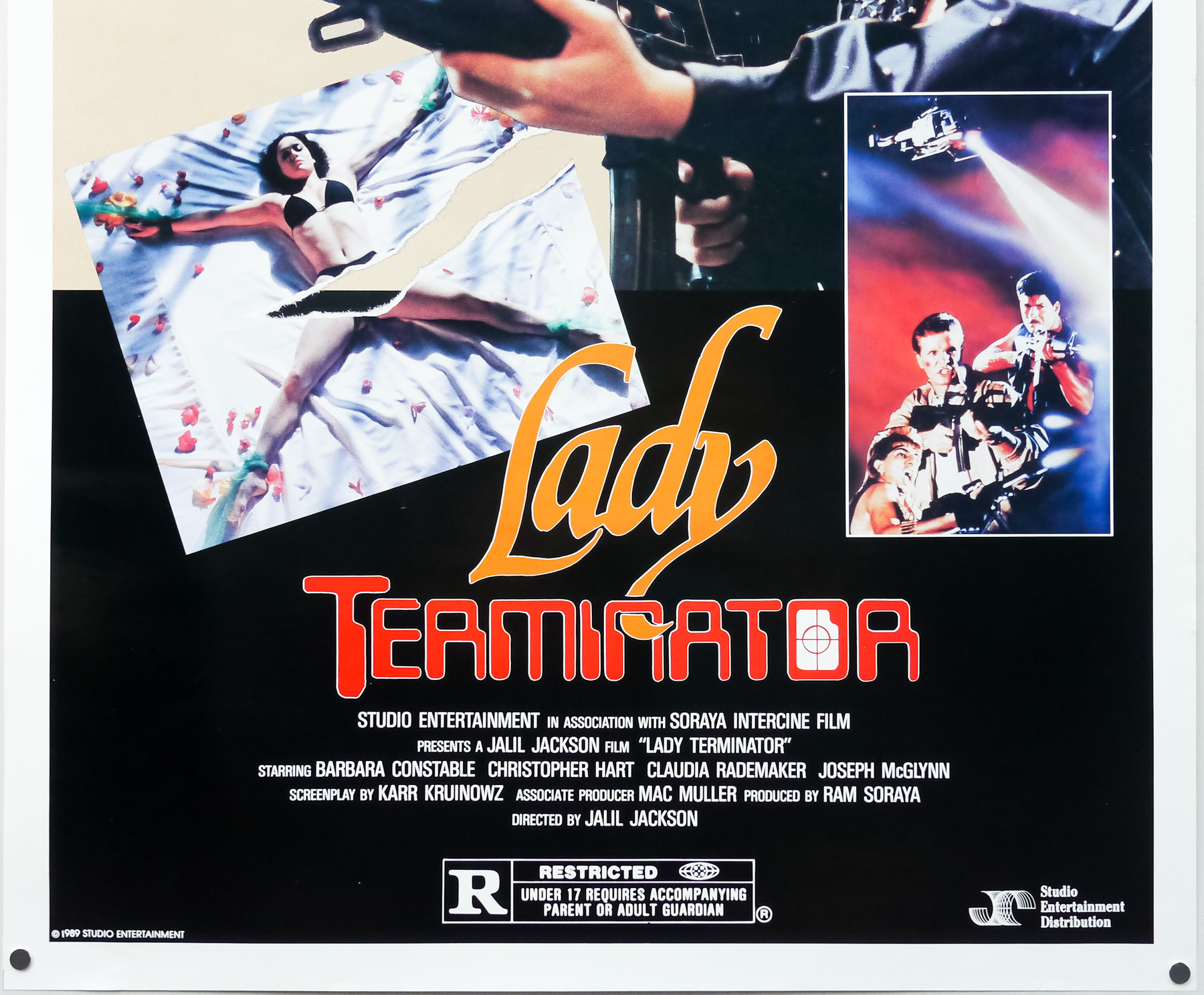
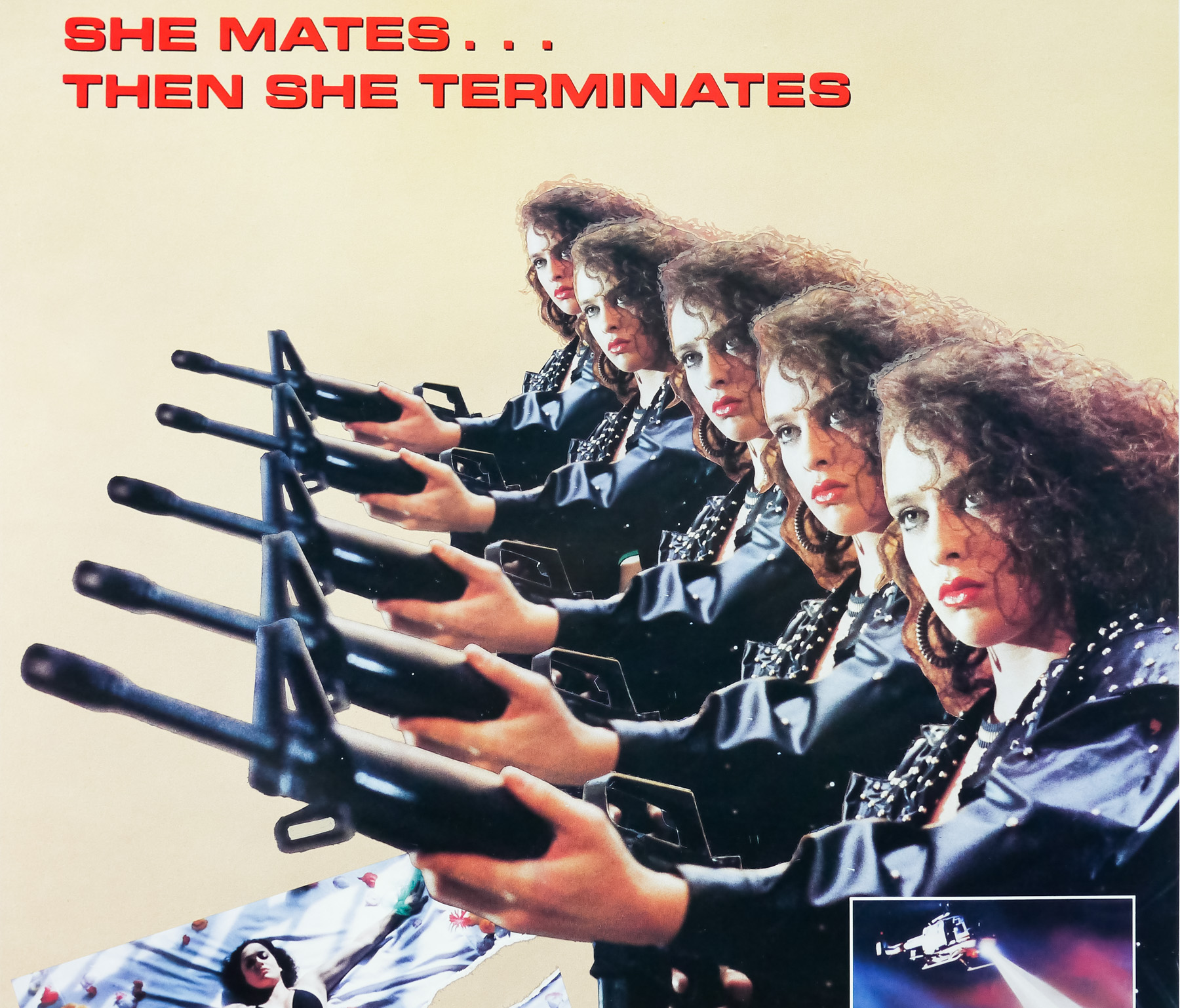
Lady Terminator / one sheet / USA

01.02.13

Poster Poster
Title
Lady Terminator
AKA
Pembalasan ratu pantai selatan (Indonesia - original title) | Nasty Hunter (France / International) | La maledizione di Erika [The Curse of Erika] (Italy) | Snake Terminator: The Snake Wench Dies Twice (Japan - English title)
Year of Film
1989
Director
H. Tjut Djalil (as Jalil Jackson)
Starring
Barbara Anne Constable, Christopher J. Hart, Claudia Angelique Rademaker, Joseph P. McGlynn, Adam Stardust, Ikang Fawzi
Origin of Film
Indonesia
Genre(s) of Film
Barbara Anne Constable, Christopher J. Hart, Claudia Angelique Rademaker, Joseph P. McGlynn, Adam Stardust, Ikang Fawzi,
Type of Poster
One sheet
Style of Poster
--
Origin of Poster
USA
Year of Poster
1989
Designer
Unknown
Artist
--
Size (inches)
27" x 41"
SS or DS
SS
NSS #
--
Tagline
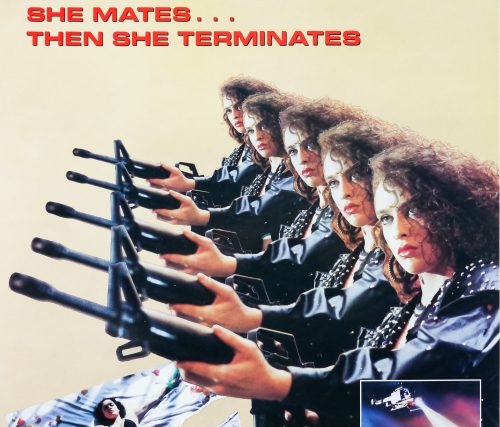
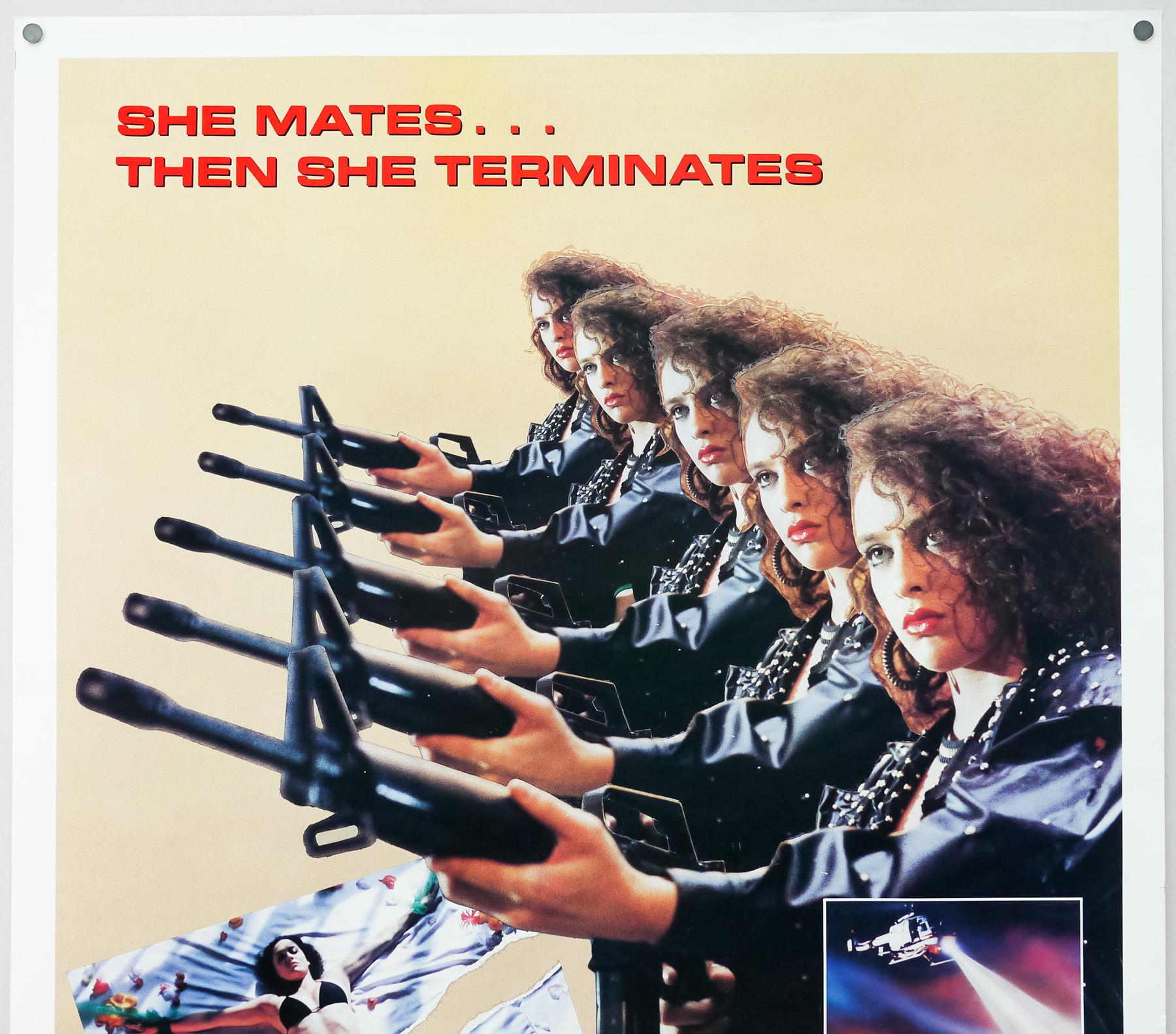
She mates... then she terminates

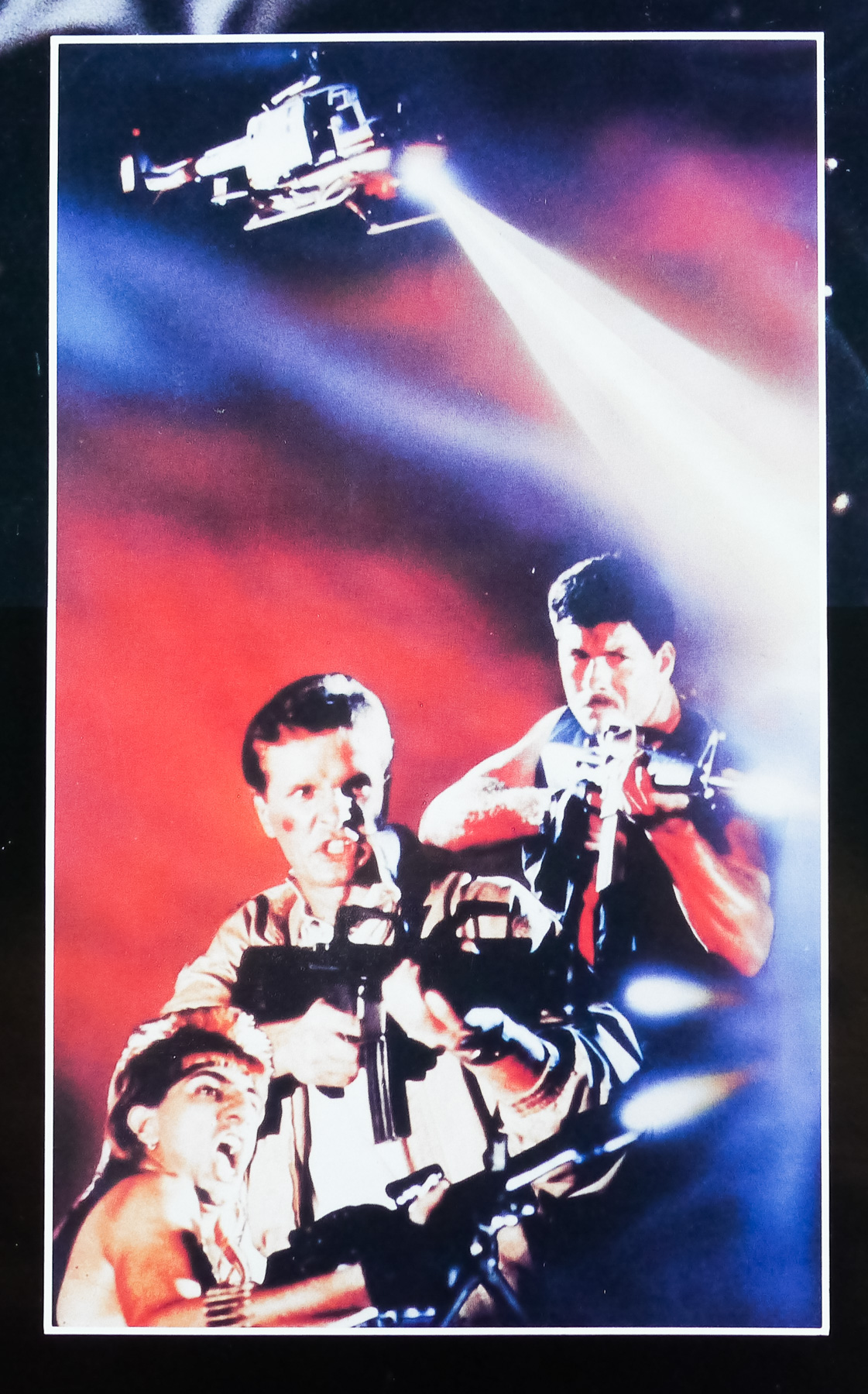
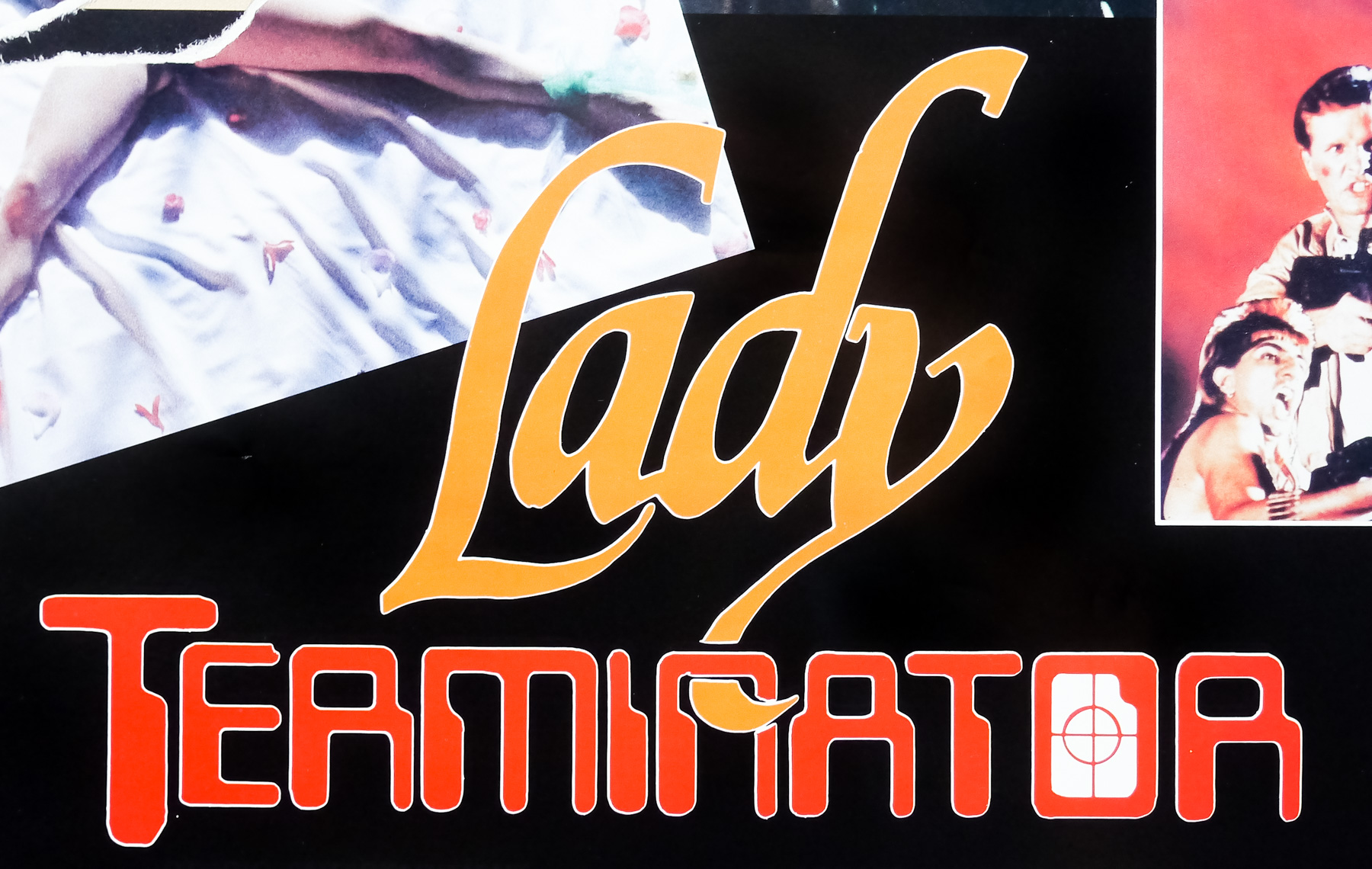
You have to love that tagline! From Indonesia comes this brazen rip-off homage to James Cameron’s original sci-fi classic, which not only rehashes most of the original’s premise but actually lifts entire shot sequences and even lines of dialogue, including the famous ‘come with me if you want to live’. Lady Terminator was apparently the product of a period of boom in the Indonesian economy that lasted from the early 1970s up until the 1990s and had a knock on effect the country’s cultural output, including the fledgling film industry. Eager directors filmed a number of low-budget exploitation features, often with western distribution in mind, and the results are a mish-mash of Hollywood tropes and Indonesian culture.

Arguably the most well-known of these films is this 1989 action/horror that features an admirably ludicrous plot blending the history of the legendary Indonesian spirit The Queen of the Southern Sea with a series of loosely connected action scenes featuring a possessed anthropology student on a murderous rampage. This page on Rotten Tomatoes does a better job at summarising the plot than I ever could:

In 1889, the vicious “Queen of the South Sea” collects men that she murders during sex, thanks to a magical eel that lives inside of her vagina and bites the penises off of those who can’t satisfy her lust. Finally, one man pleasures her long enough to reach inside and pull out the creature, which instantly turns into a dagger. Furious, the Queen vows that she’ll take her revenge on the man’s great-granddaughter, and goes into the sea to wait for one hundred years.

A century passes, and Tania, a plucky anthropologist, finds an ancient book on the legend of the Queen and decides to investigate. She charters a boat to take her to the area where the Queen is believed to have disappeared, but while skindiving, a tidal wave destroys the vessel and Tania suddenly finds herself tied to a bed in a mysterious room. When a mystical eel enters her, she is possessed by the spirit of the bloodthirsty Queen. After killing a pair of drunken punks in a lascivious manner, she sees the image of Erika, a pop singer, on television and recognizes her as the descendant of the man the Queen vowed revenge on a century before.

Just…wow! Check out the trailer to get a glimpse at this insanity. Lady Terminator was played by the London-born model Barbara Anne Constable who grew up in Australia and landed the role in Lady Terminator whilst visiting Hong Kong. It ended up being her only film role and there’s a great interview with her on this website.

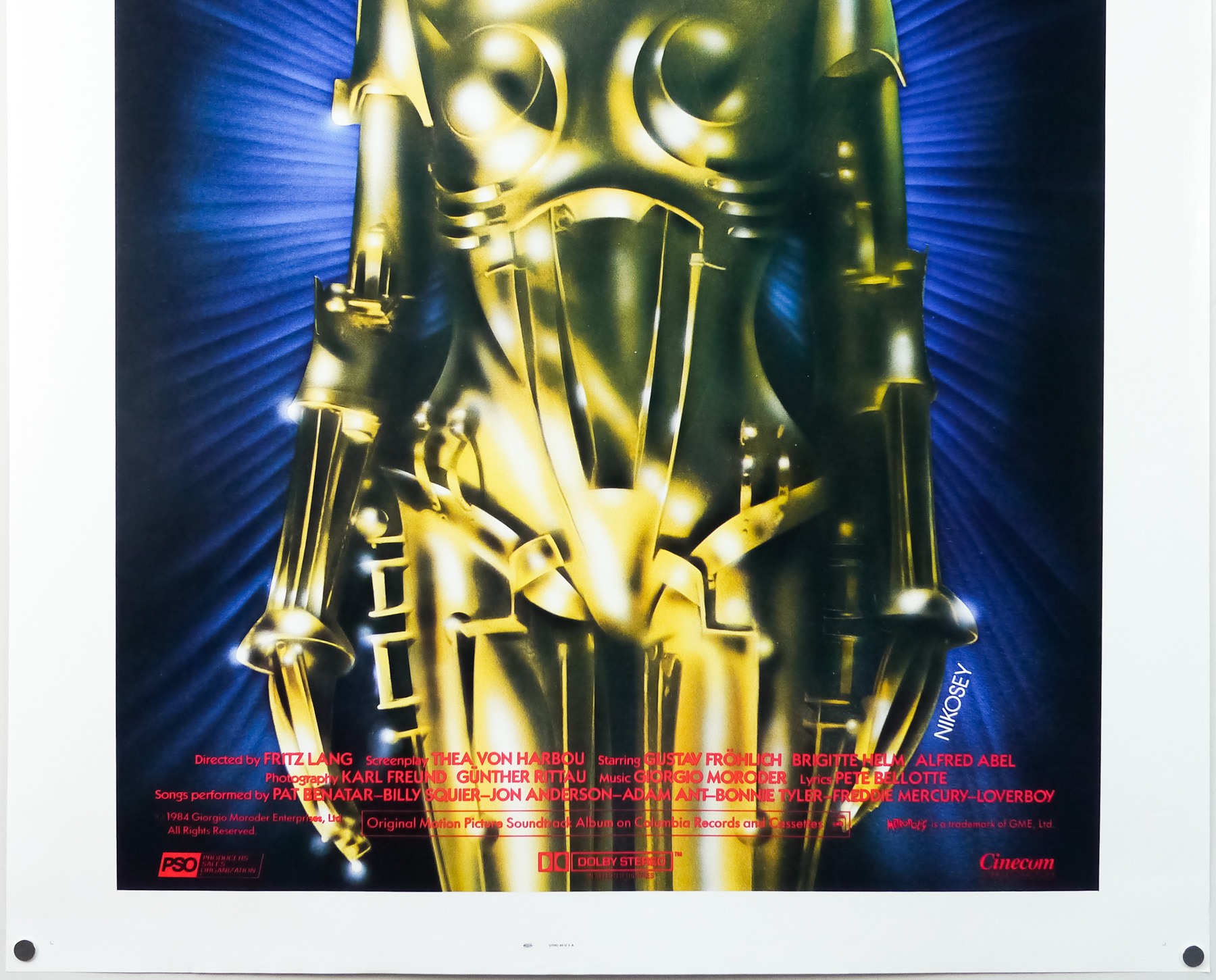
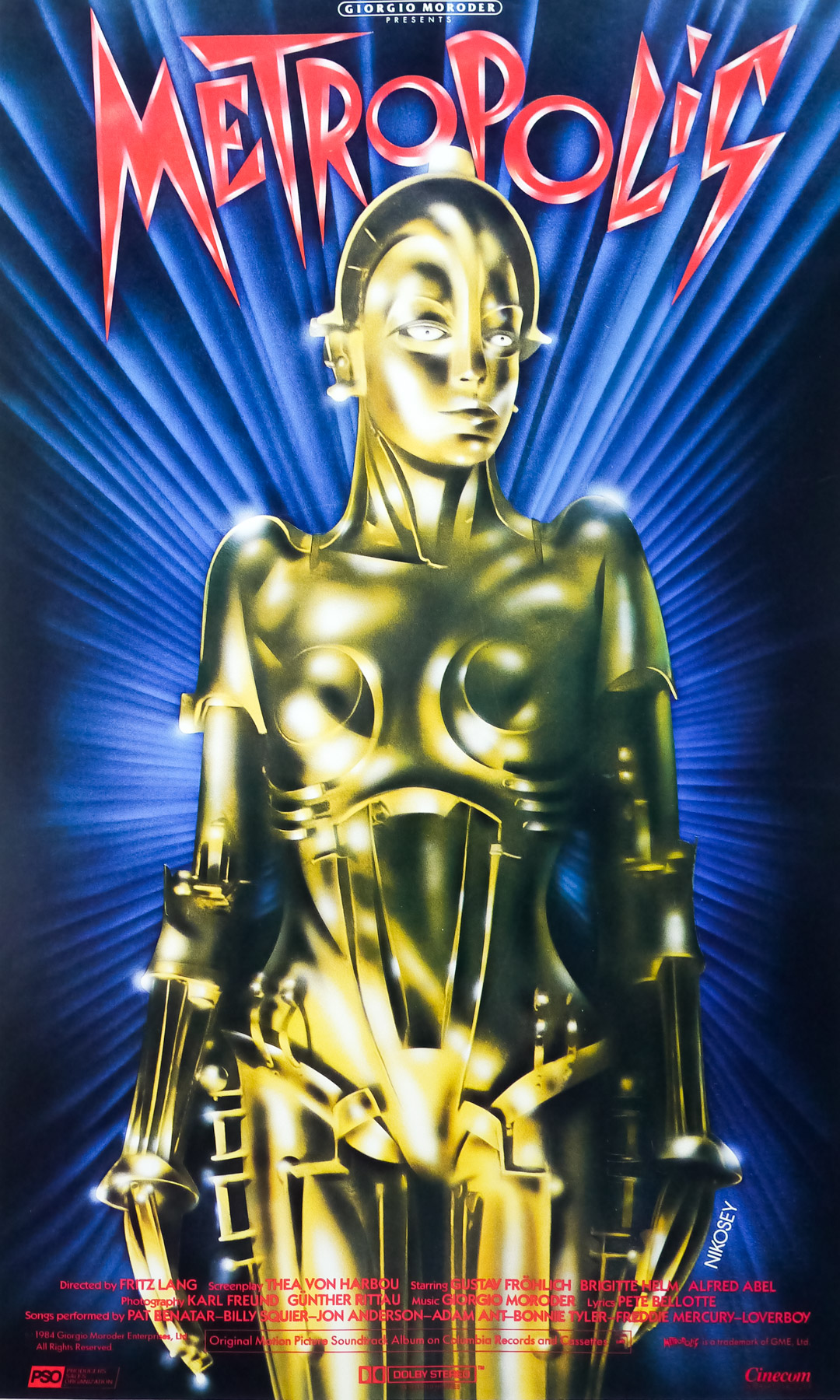
Metropolis / one sheet / 1984 re-release / USA

25.03.13

Poster Poster
Title
Metropolis
AKA
--
Year of Film
1927
Director
Fritz Lang
Starring
Alfred Abel, Brigitte Helm, Gustav Fröhlich, Rudolf Klein-Rogge
Origin of Film
Germany
Genre(s) of Film
Alfred Abel, Brigitte Helm, Gustav Fröhlich, Rudolf Klein-Rogge,
Type of Poster
One sheet
Style of Poster
Re-release
Origin of Poster
USA
Year of Poster
1984
Designer
Tom Nikosey
Artist
Tom Nikosey
Size (inches)
27 2/16" x 41"
SS or DS
SS
Tagline
--

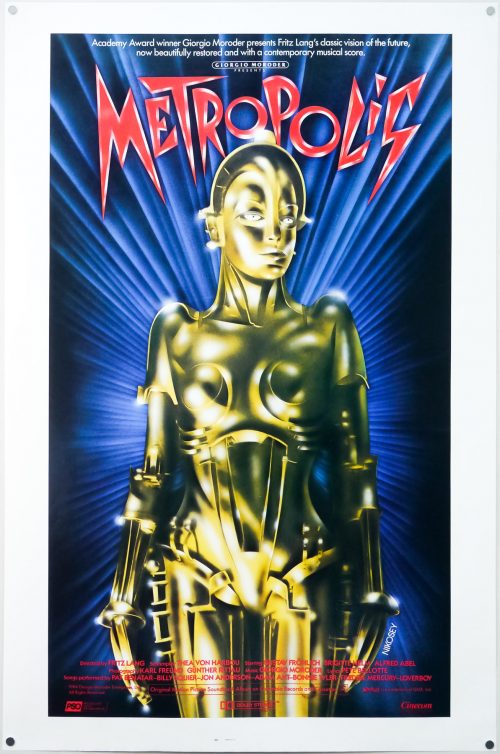
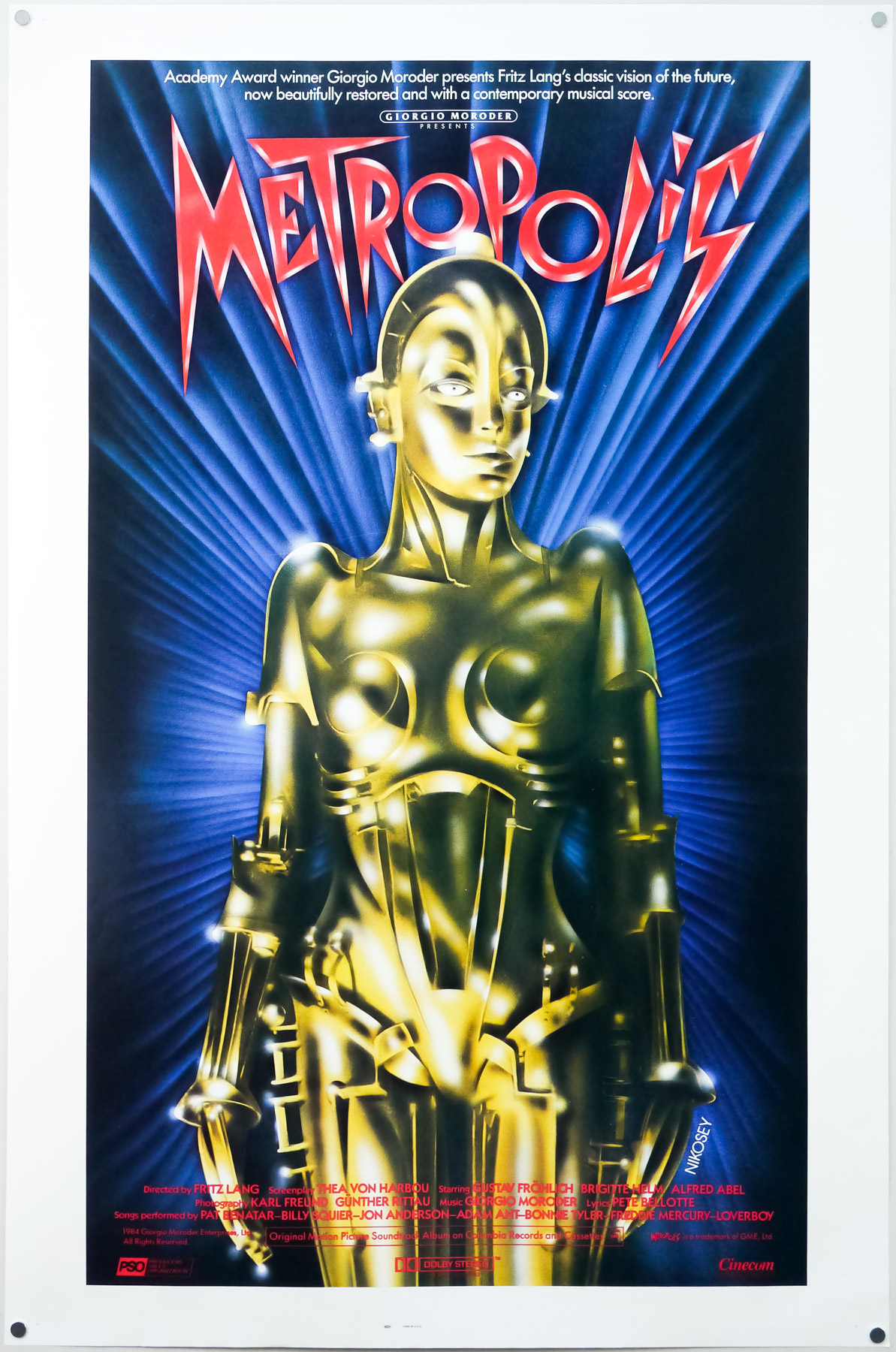
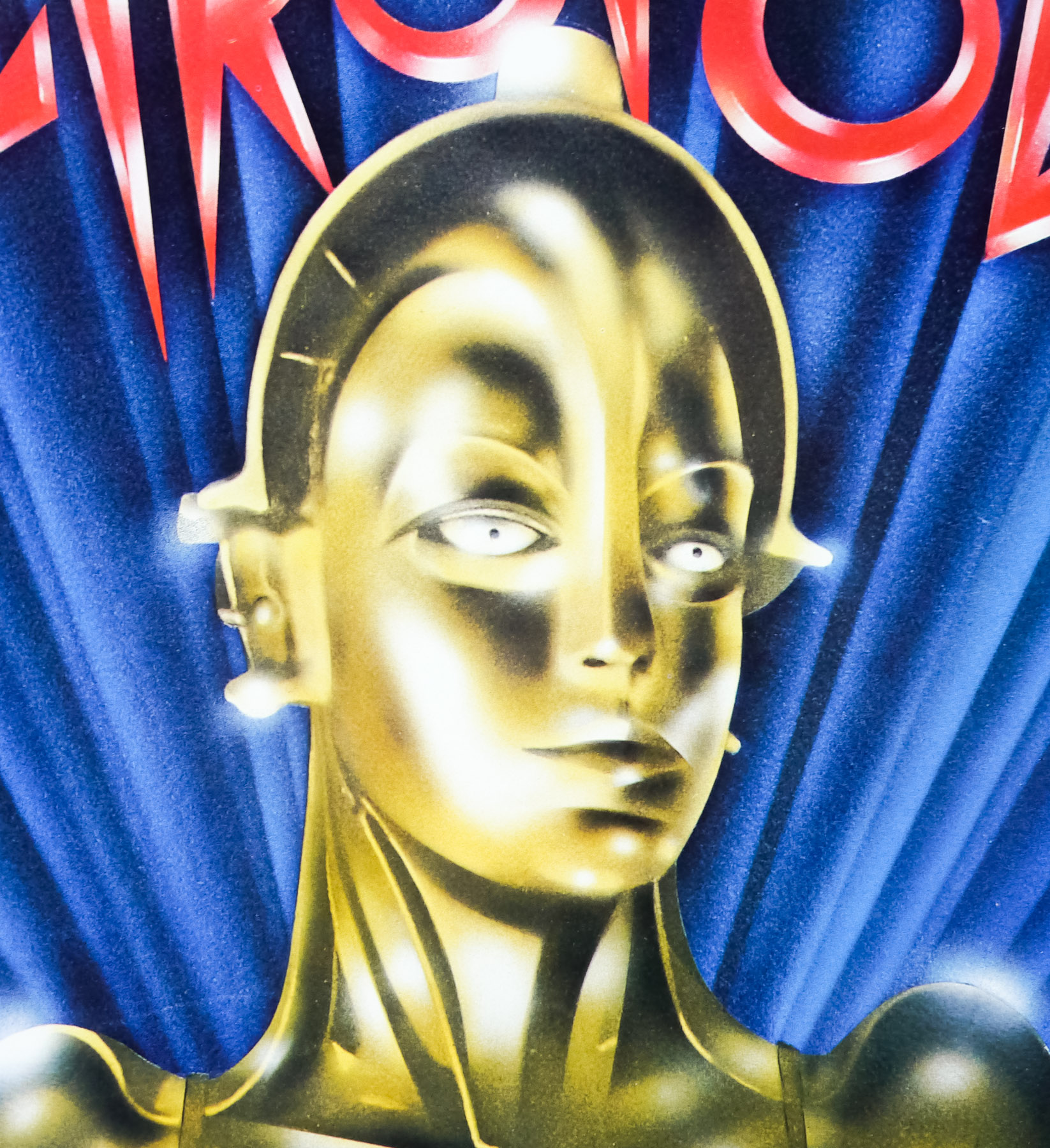
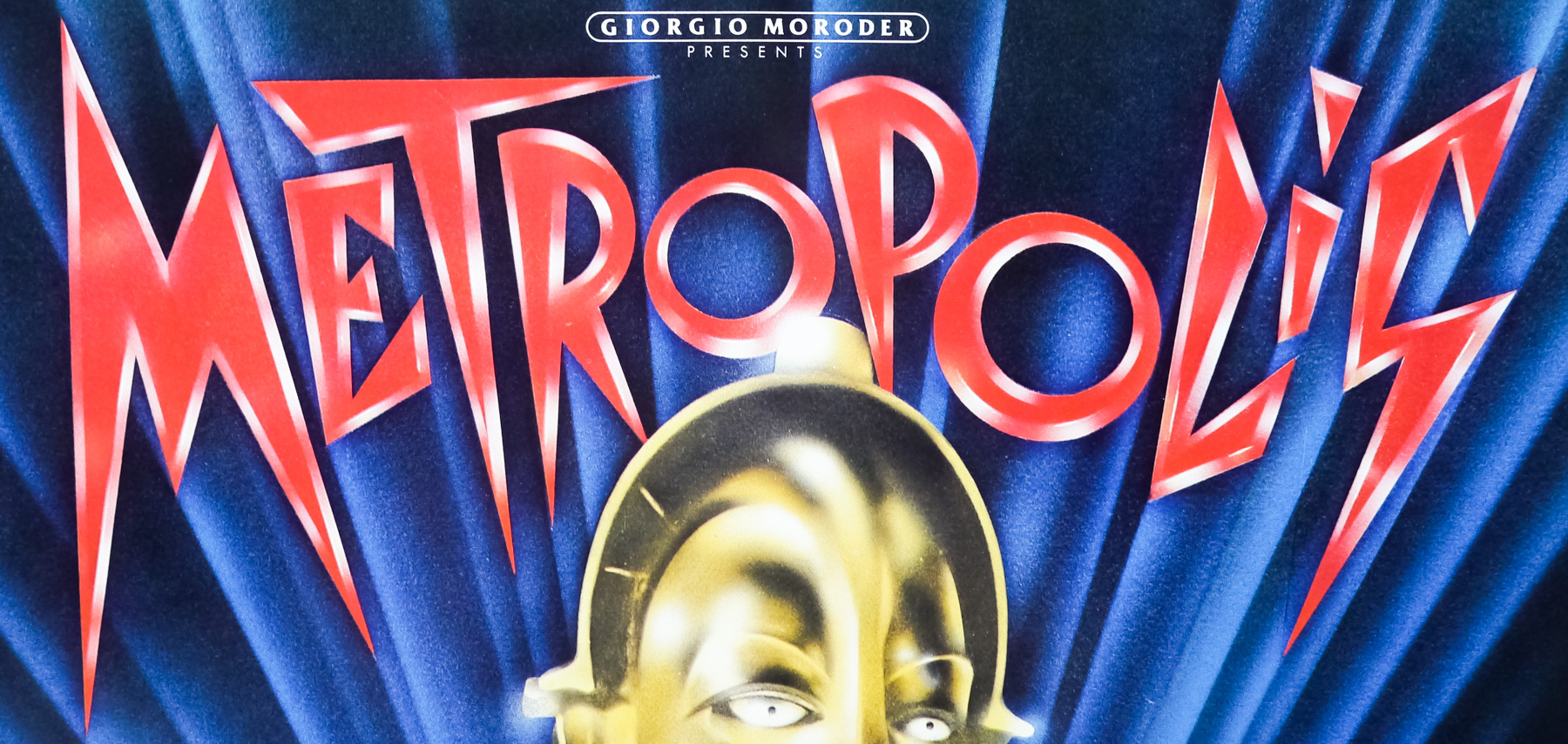
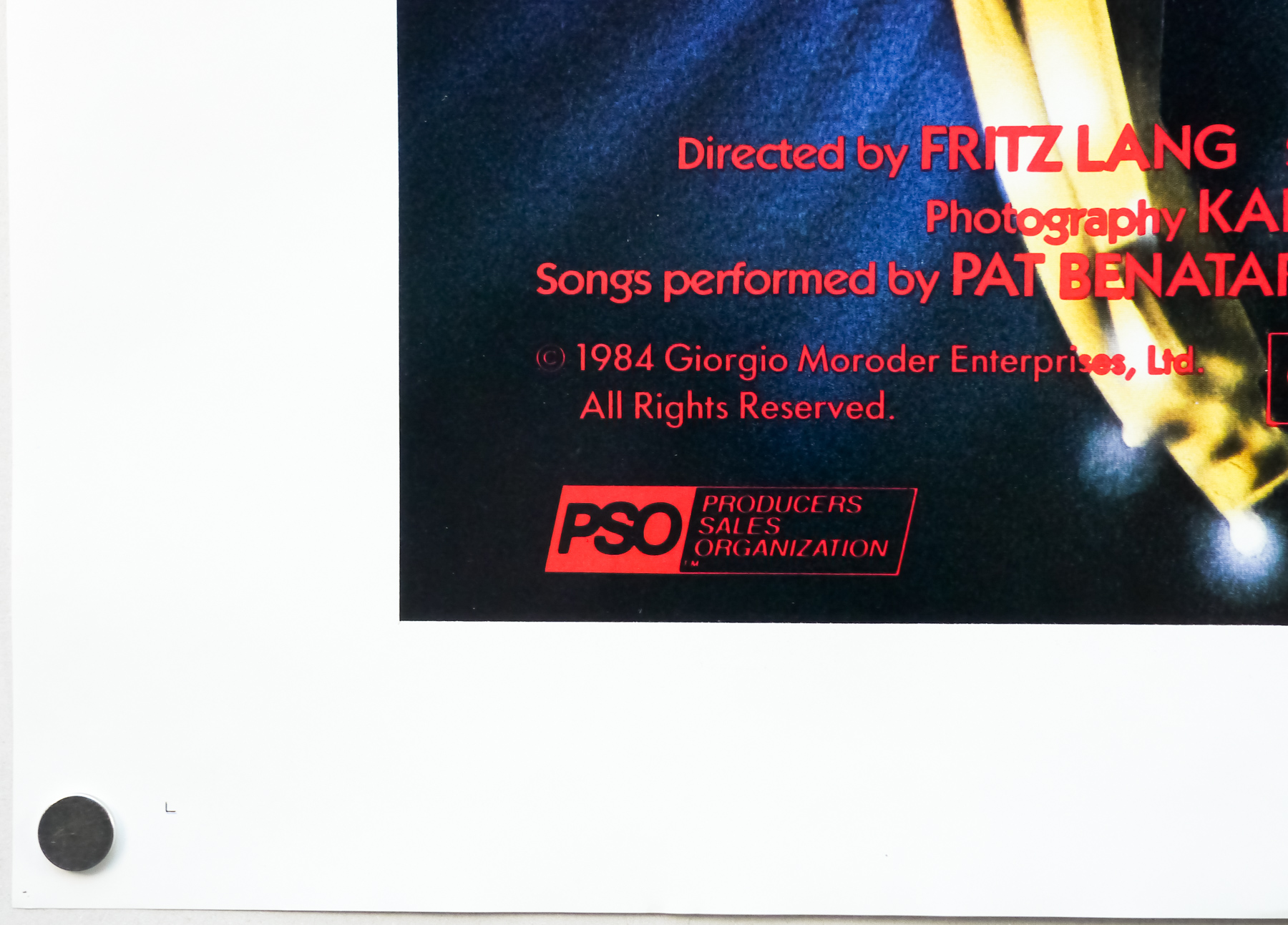
Fritz Lang’s 1927 sci-fi masterpiece Metropolis was given a cinema re-release in 2010 after missing scenes, long thought lost, were discovered in an Argentinian museum and reintegrated back into the film. 26 years earlier, music producer Giorgio Moroder produced and released an alternative version of the film which was restored and had various scenes that were missing from the first US release reinserted back in.

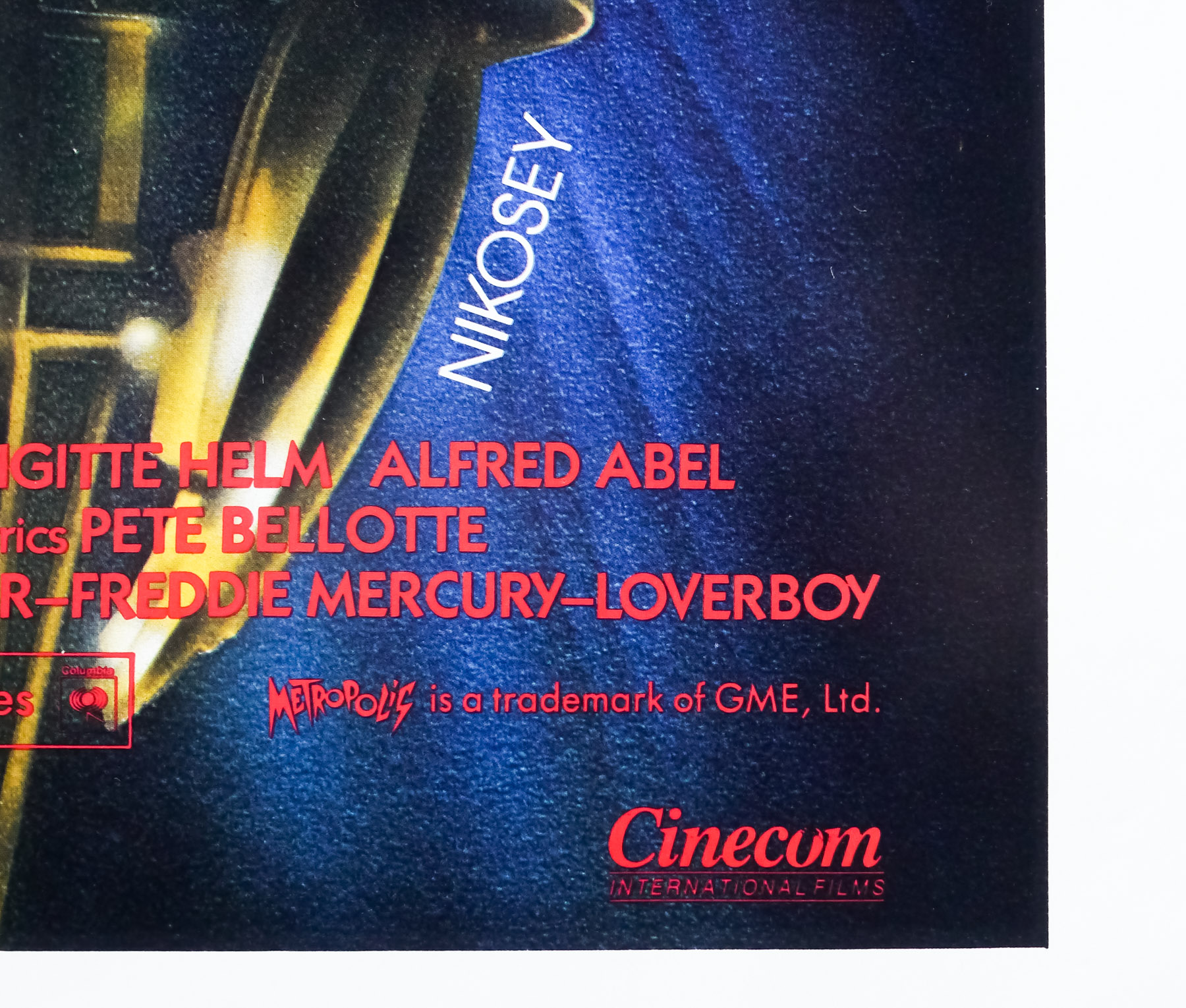
Controversially, Moroder also replaced the original orchestral score by Gottfried Huppertz with contemporary rock and pop music from the likes of Pat Benatar, Bonnie Tyler, Adam Ant and Freddie Mercury. Despite the heated debate that this re-release provoked it did have the benefit of bringing the film back into the public consciousness and led to further restorations over the following years. The discovery of the lost footage in 2008 was a complete revelation and brought the film very close to its original release version, which many feared was lost forever.

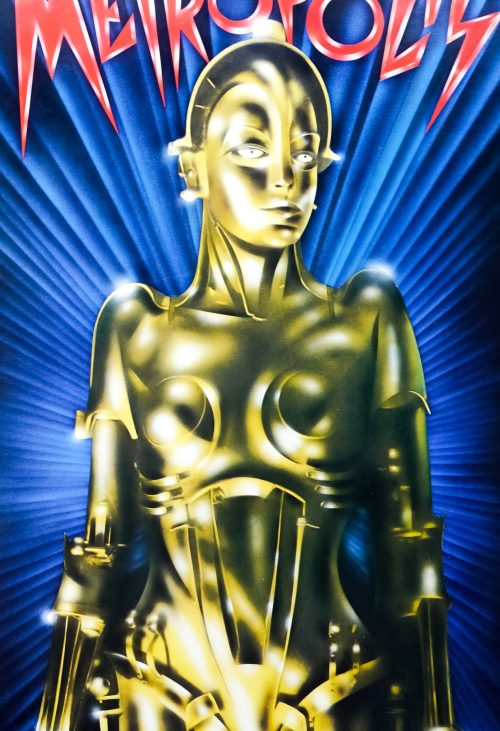
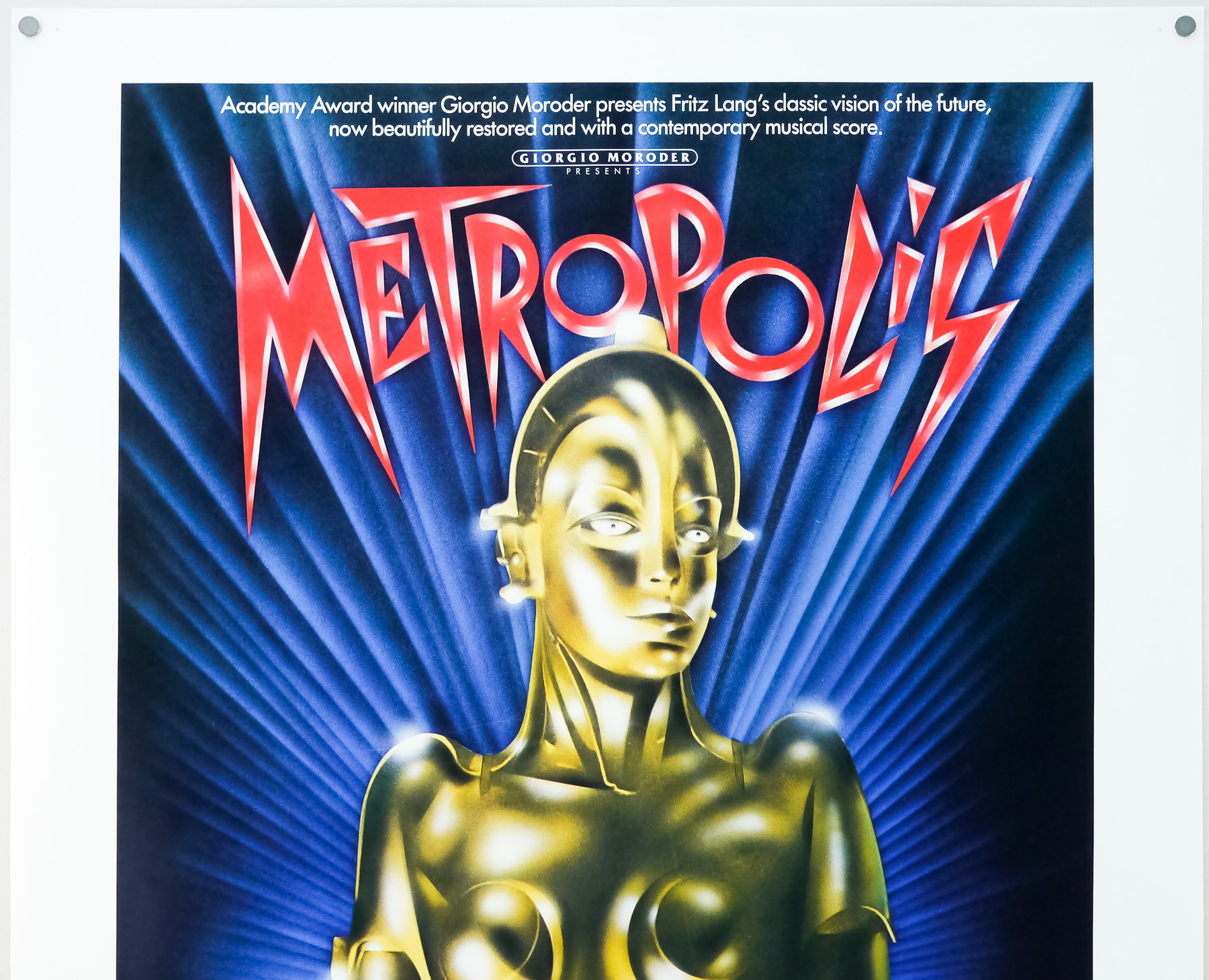
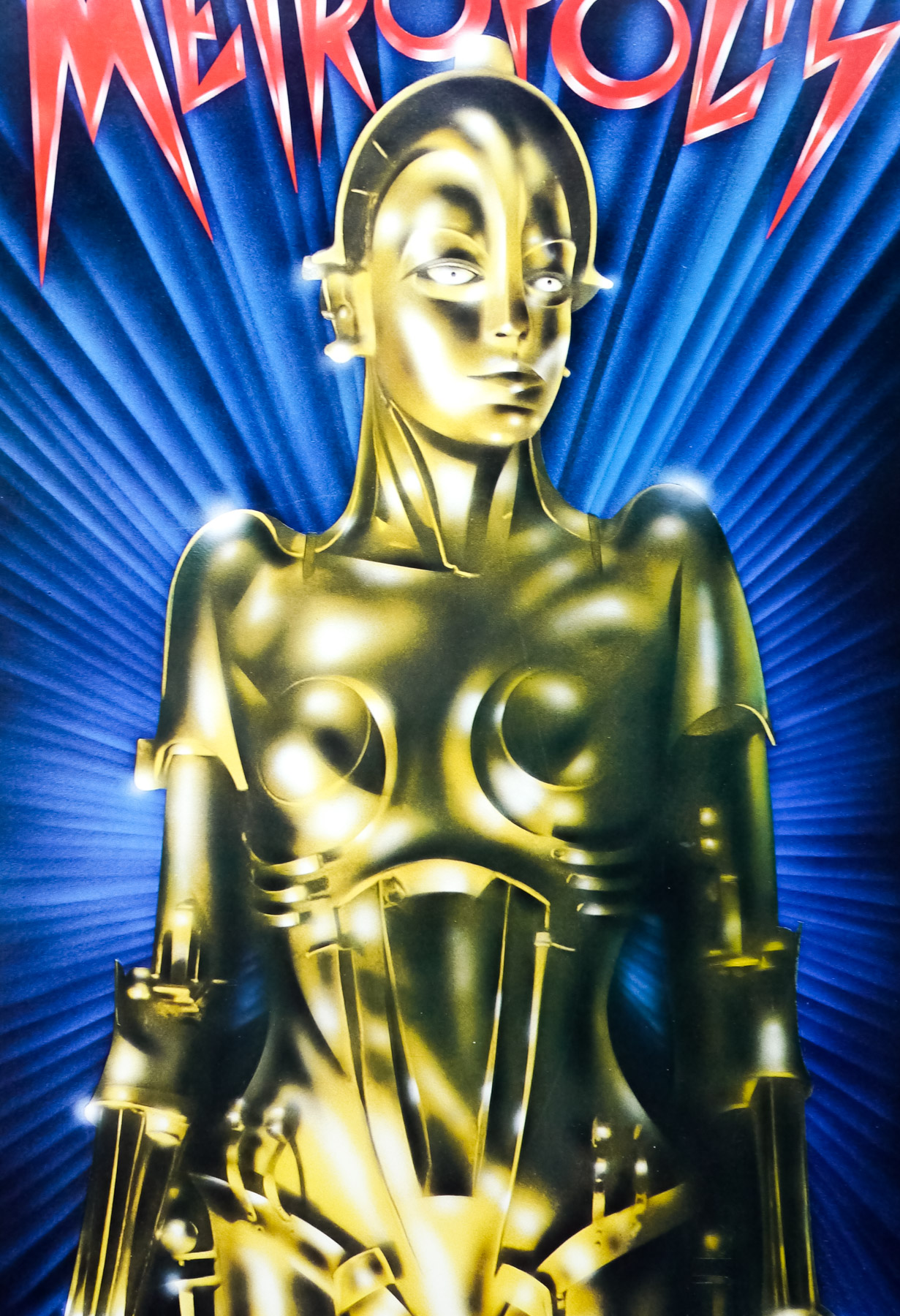
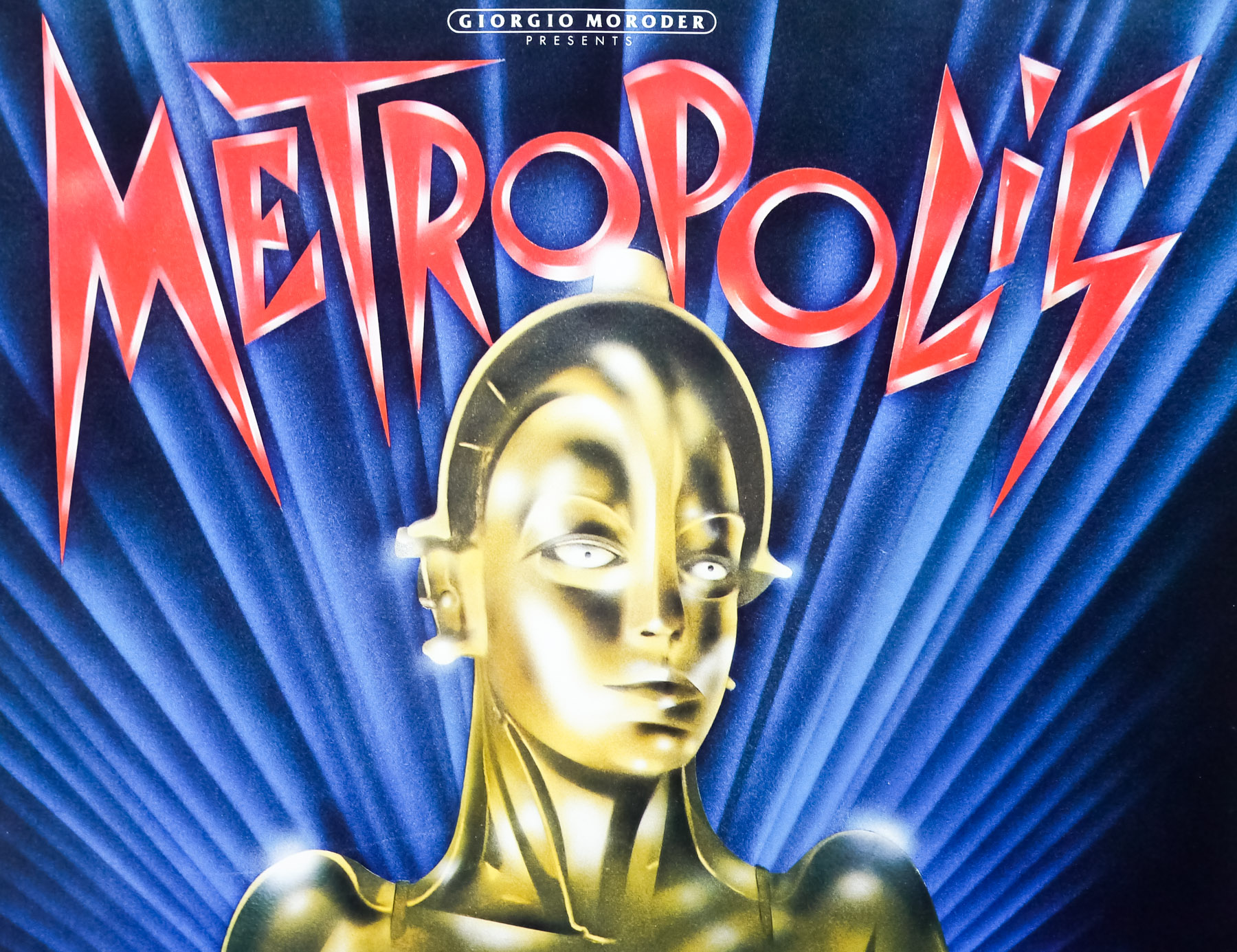
This one sheet was designed and illustrated by the American artist and designer Tom Nikosey who has been working since the 1970s and has created hundreds of iconic logos, posters and music album covers. Originally from Brooklyn, New York, Nikosey moved to Los Angeles in 1972 and began working heavily for the music industry, designing covers for artists such as Eric Clapton, Commodores and The Bee Gees. He’s also worked on hundreds of iconic logos, including ones for American sports teams, the NFL Super Bowl and multiple entertainment companies.

I was contacted by Tom in late 2018 and he was kind enough to answer some questions I had about his career and the creation of this poster. The questions and answers are below:

Thanks for agreeing to answer my questions. Can I ask how your career progressed once you settled on doing art and design for a living?
Very quickly in those days. After graduation from Art School in 1972 I ventured west to Los Angeles. I got my first job at a newspaper then a couple of advertising agencies as an assistant designer. After later being laid off work in 1974 I started freelancing and by 1975 I had started Tom Nikosey Design.

Had you done any work on film posters before Metropolis?
Not really as I’m mainly known as a lettering/logo artist. Over the years I did logos for ‘Prizzi’s Honor’, ‘Labyrinth’, ‘Flight of The Navigator’, ‘Adventures in Babysitting’, ‘Sgt.Pepper’s’ (the Bee Gees film), ‘Corvette Summer”, ‘Hooper’, ‘Pure Country’ but never the complete poster.

What was the sequence of events that saw you become involved in the Metropolis release? Was it an enjoyable project?
I met Giorgio through my friend Richie Zito the great music producer. I went on to create logos and graphics for all of Giorgio’s music projects and branded his recording studios in North Hollywood. When the project came together he asked me to create the posters for his re-release of Metropolis. There are actually two posters; the first one I created was for the international release of the film, then I did another version of the poster intended for the soundtrack double album cover fold out, which was what became the official one sheet.

Did you have many interactions with Giorgio Moroder himself?
Many and we’re still in touch.

Very cool! Were you given a specific brief for the poster? Was there another designer involved or were you working alone?
No, Giorgio gave me free reign creatively.

How long did it take for you to settle on the final artwork?
Actually rather quickly. After the teaser version which was used for the international release, I then created the soundtrack/one sheet version. The international poster won the Hollywood Reporter award that year for Best Foreign Film Poster.

What happened to the finished artwork after it had been copied for print?
Someone stole it. It breaks my heart to this day. Probably from the color separator or printing shop back then. Giorgio doesn’t know what happened either.

Did your work on the poster result in more film-related commissions?
Not sure, probably not.

What have you done since then and are you still actively working?
I’m still working. Metropolis was in 1984 and I was 33 when I created that piece. That was 34 years ago and I’ve done many, many projects since then. 

By the way, I came across some images in my collection related to Metropolis. The first one (see here) is the info on the first ‘teaser’ poster that was used as the International release that American Film Magazine referenced. The second one (see here) has a very small thumbnail sketch that I did to show Giorgio how I was intending to create a ‘fold out’ album cover image for the Metropolis soundtrack LP. Along with this is the printer’s proof for the Soundtrack Cassette package. I thought these would interest you.

Thanks so much Tom, I really appreciate you taking the time to answer my questions.
You’re very welcome, thank you!

—————————-

Tom’s official website features galleries of his excellent work. The Album Cover Hall of Fame website also features a two-part interview with the artist that is well worth reading.

Queen’s music video for their song ‘Radio Ga Ga’ was released at the same time as Moroder’s version and featured footage for the film.

As well as the original restored film, the Moroder version was released on blu-ray in 2011.

The original trailer for this version of Metropolis is on YouTube.
Rashomon / one sheet / 2009 re-release / USA

22.05.13

Poster Poster
Title
Rashomon
AKA
Rashômon (Japan - original title)
Year of Film
1950
Director
Akira Kurosawa
Starring
Toshirô Mifune, Machiko Kyô, Masayuki Mori, Takashi Shimura, Minoru Chiaki, Kichijirô Ueda, Noriko Honma, Daisuke Katô
Origin of Film
Japan
Genre(s) of Film
Toshirô Mifune, Machiko Kyô, Masayuki Mori, Takashi Shimura, Minoru Chiaki, Kichijirô Ueda, Noriko Honma, Daisuke Katô,
Type of Poster
One sheet
Style of Poster
Re-release
Origin of Poster
USA
Year of Poster
2009
Designer
Unknown
Artist
Kent Williams
Size (inches)
27" x 40"
SS or DS
SS
NSS #
--
Tagline
--

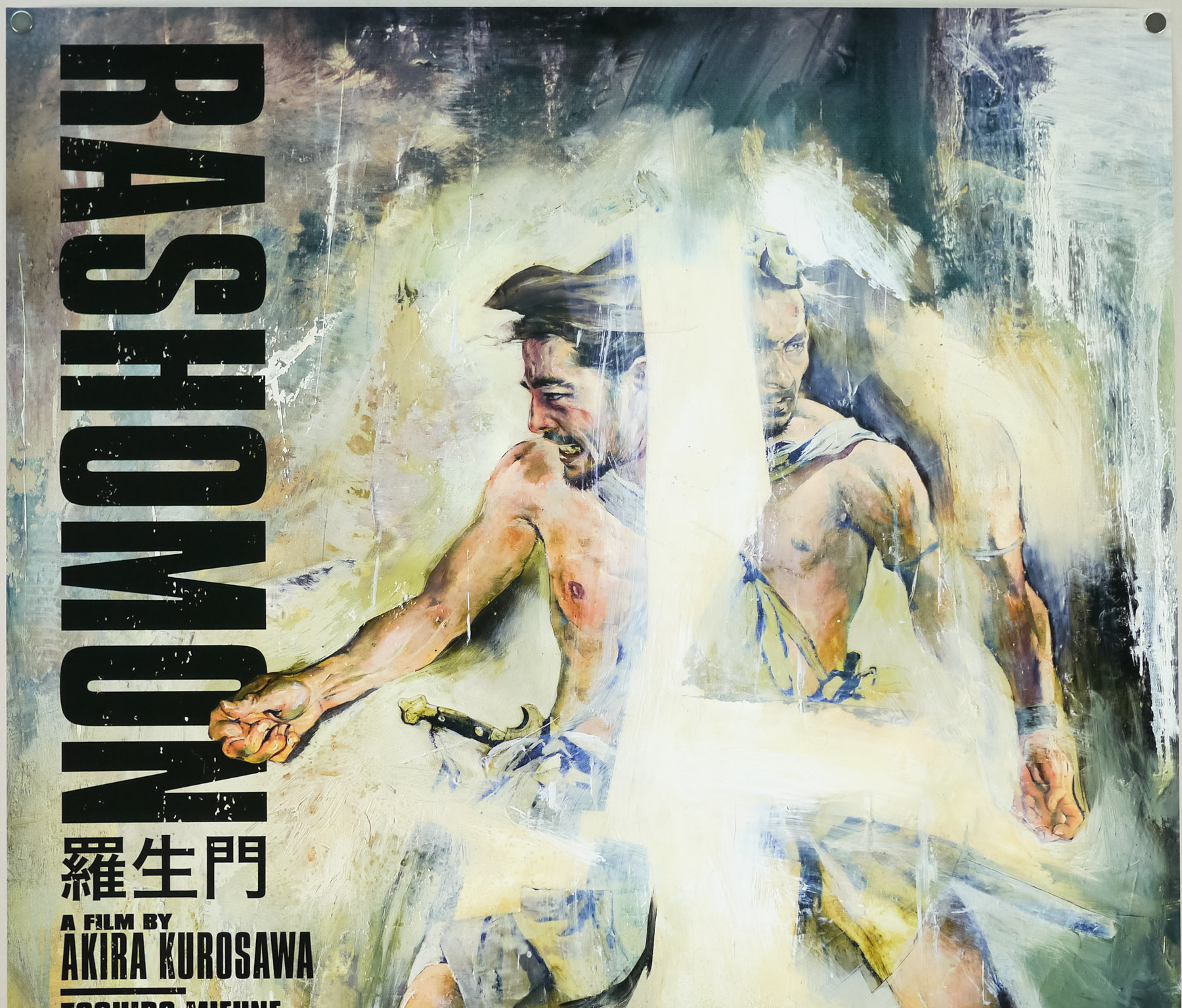
Legendary Japanese director Akira Kurosawa‘s 1950 masterpiece Rashomon is considered by many to be his crowning achievement, which is no mean feat when you consider it’s stacked against films as beloved as Seven Samurai (1954) and Yojimbo (1961). Considered incredibly influential and ground-breaking, particularly in terms of storytelling, cinematography and editing, the film has lost none of its impact in the 60+ years since its first release. The film is essentially an investigation into the truth behind a heinous crime in which a woman is raped and her samurai husband is slain at the end of a dagger, but it’s the way that Kurosawa stages the recollections of the four key eyewitnesses that makes Rashomon so special.
The film begins as three strangers shelter under the ruins of the eponymous gate during a calamitous thunderstorm. Two of the men, a woodcutter and a priest, were witnesses to events that happened in a nearby forrest three days earlier and they begin to recount what they saw to the commoner who’s eager to hear the details of the crime. Each of the recollections feature the husband and wife and a bandit named Tajômaru (Toshirô Mifune) but each of the witnesses recall the events that led to the death of the samurai in very different ways.
Kurosawa uses a number of editing techniques to differentiate the recollections for the viewer and apparently shot the same scene with several different cameras so he could cut to another angle of the same performances as he saw fit. Mifune, a frequent collaborator, deserves special mention for his memorable portrayal of the bandit Tajomaru in each of his different ‘guises’. In the end, the viewer is left to decide which of the witnesses they believe with the director resisting the urge to wrap things up neatly. As the commoner remarks when discussing the validity of one of the recollections: ‘We all want to forget something, so we tell stories. It’s easier that way.’

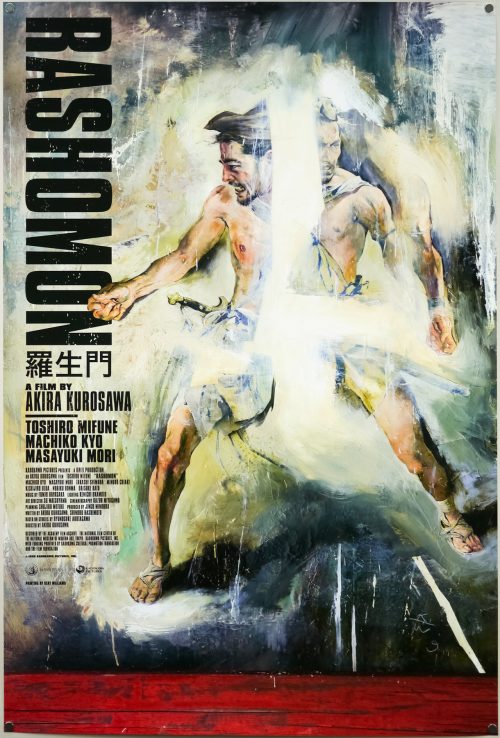
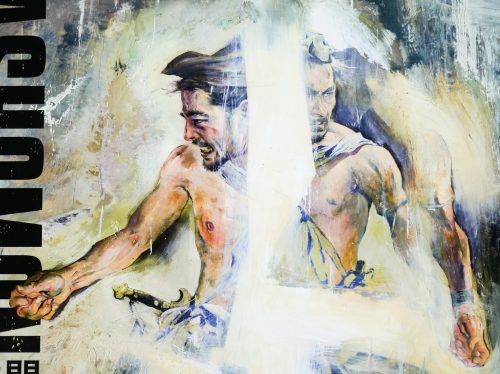
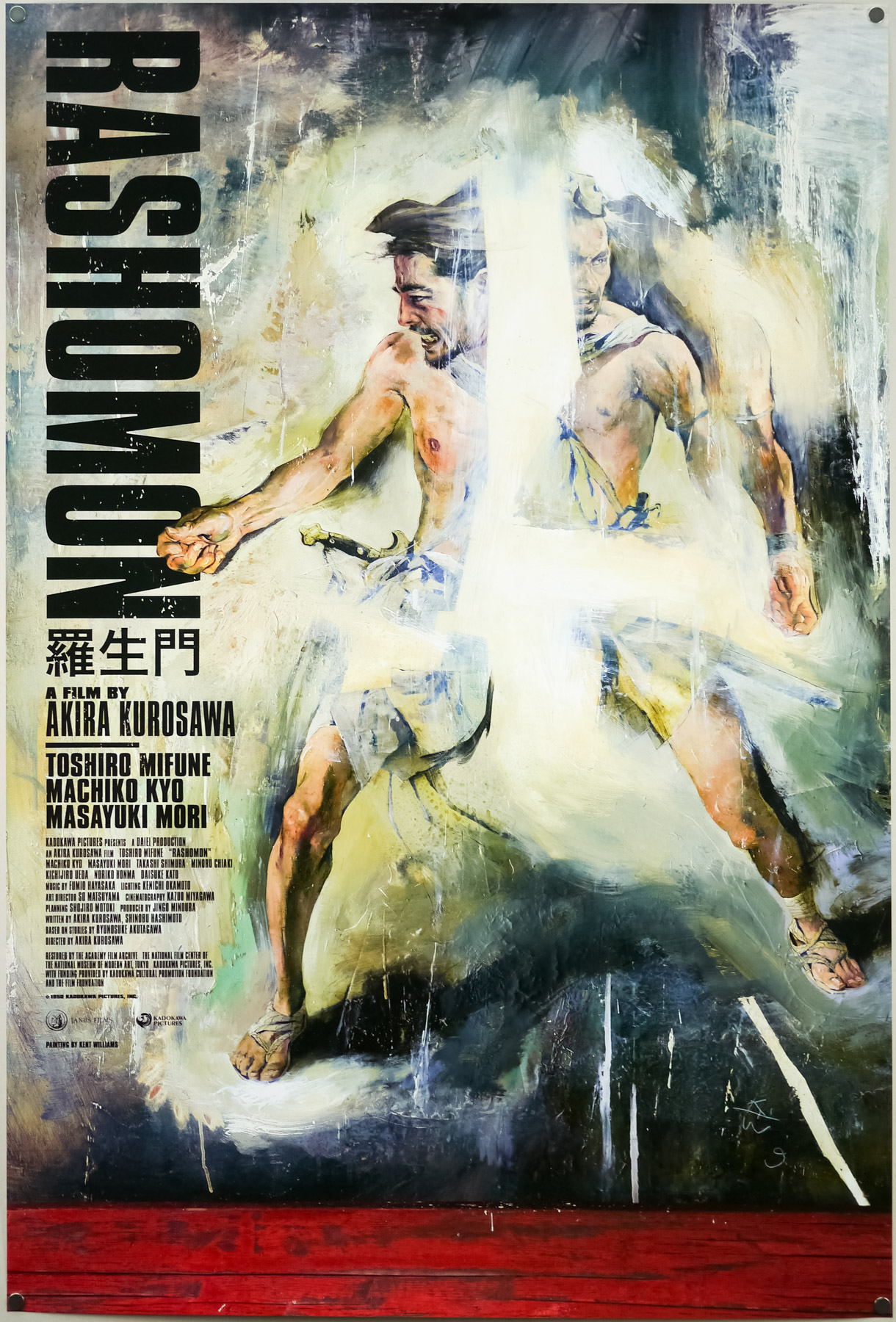
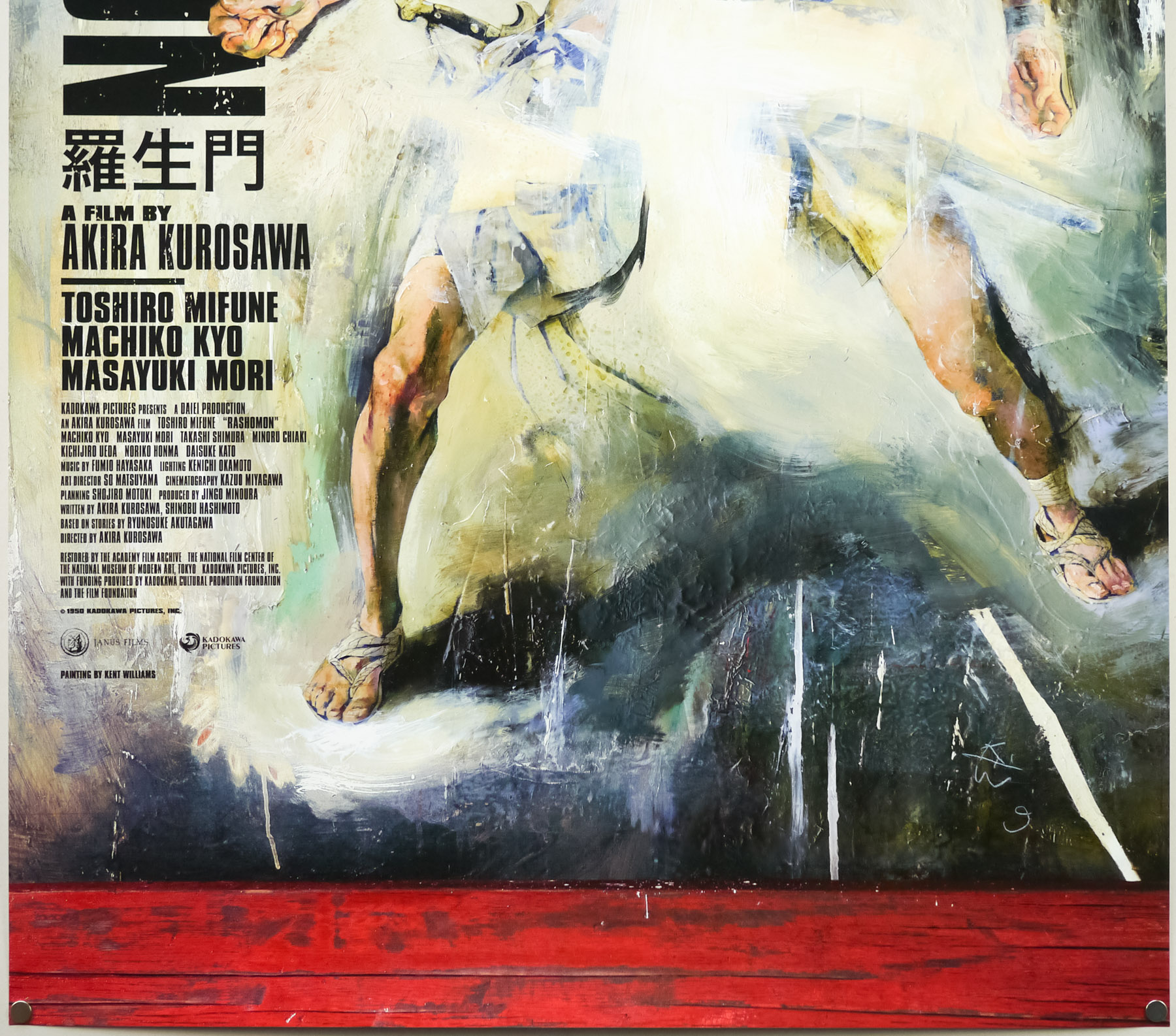
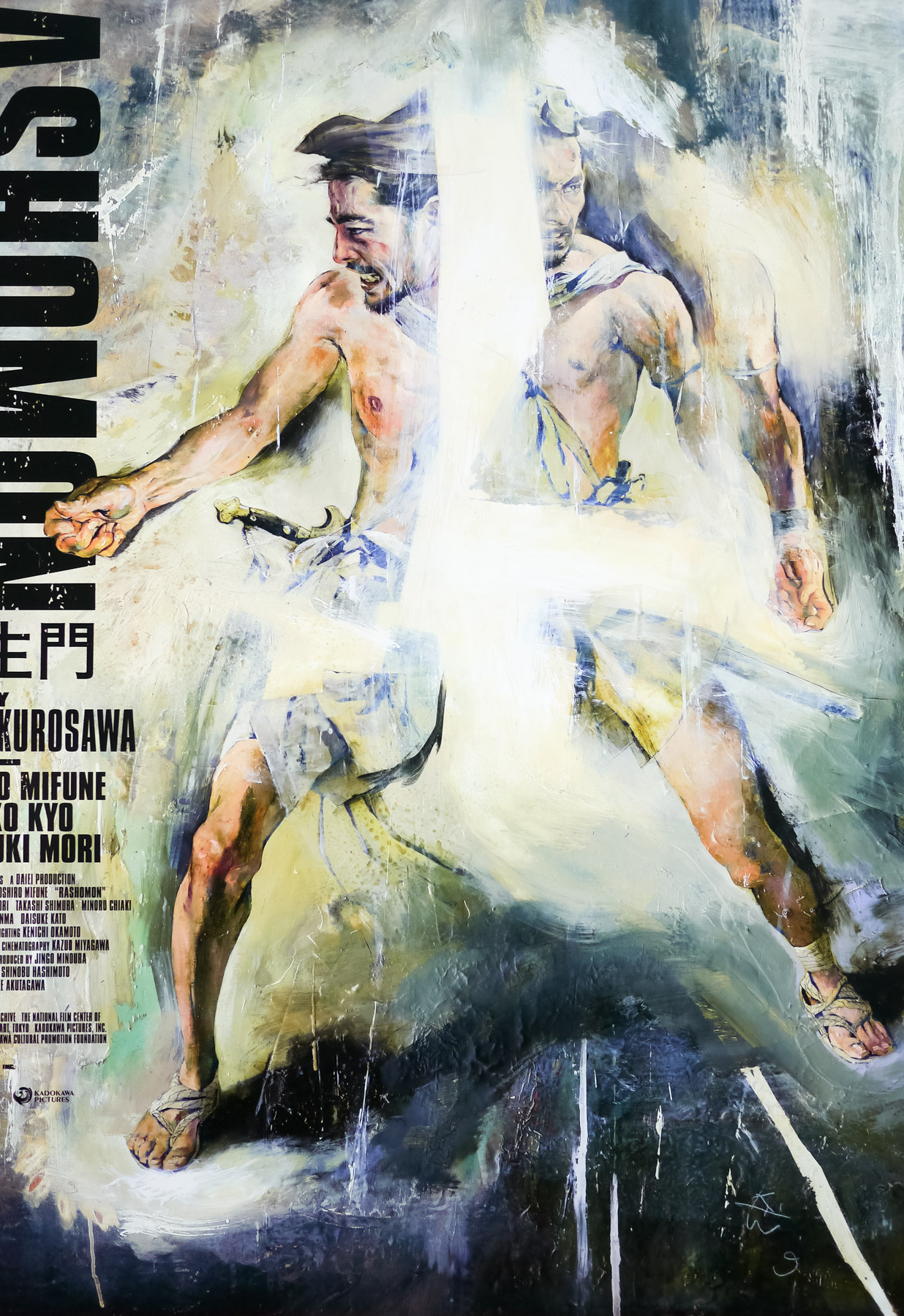
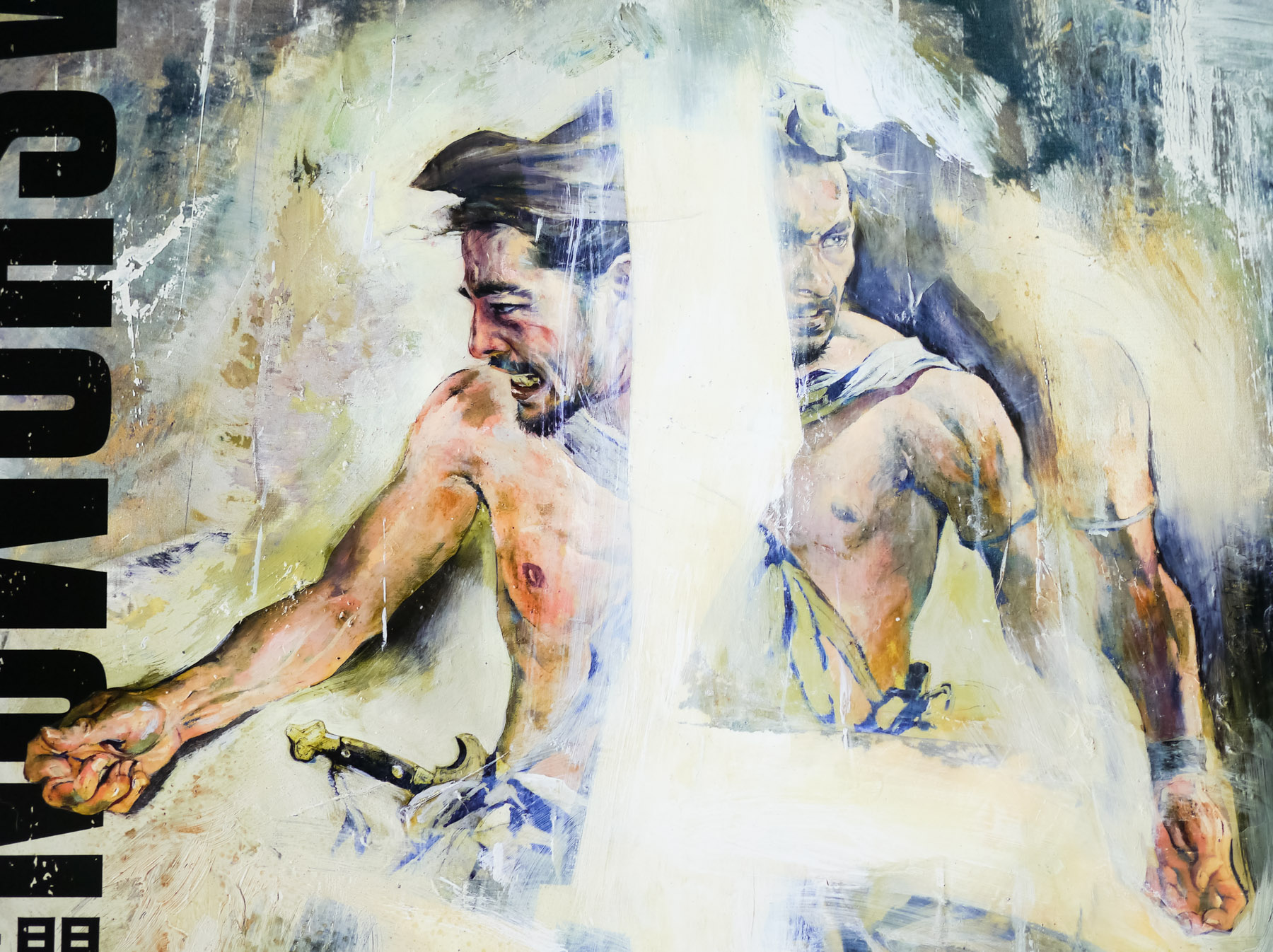
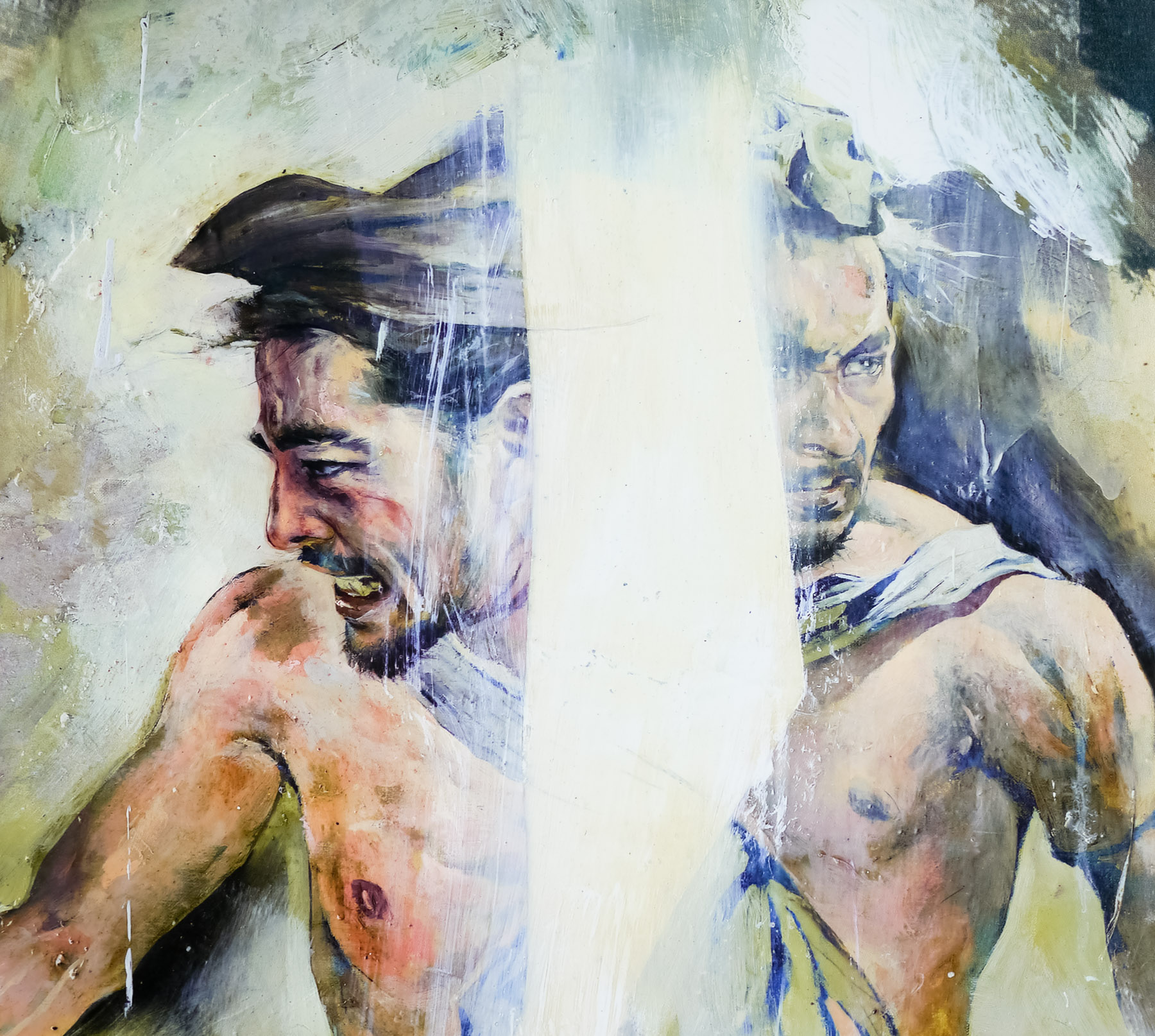
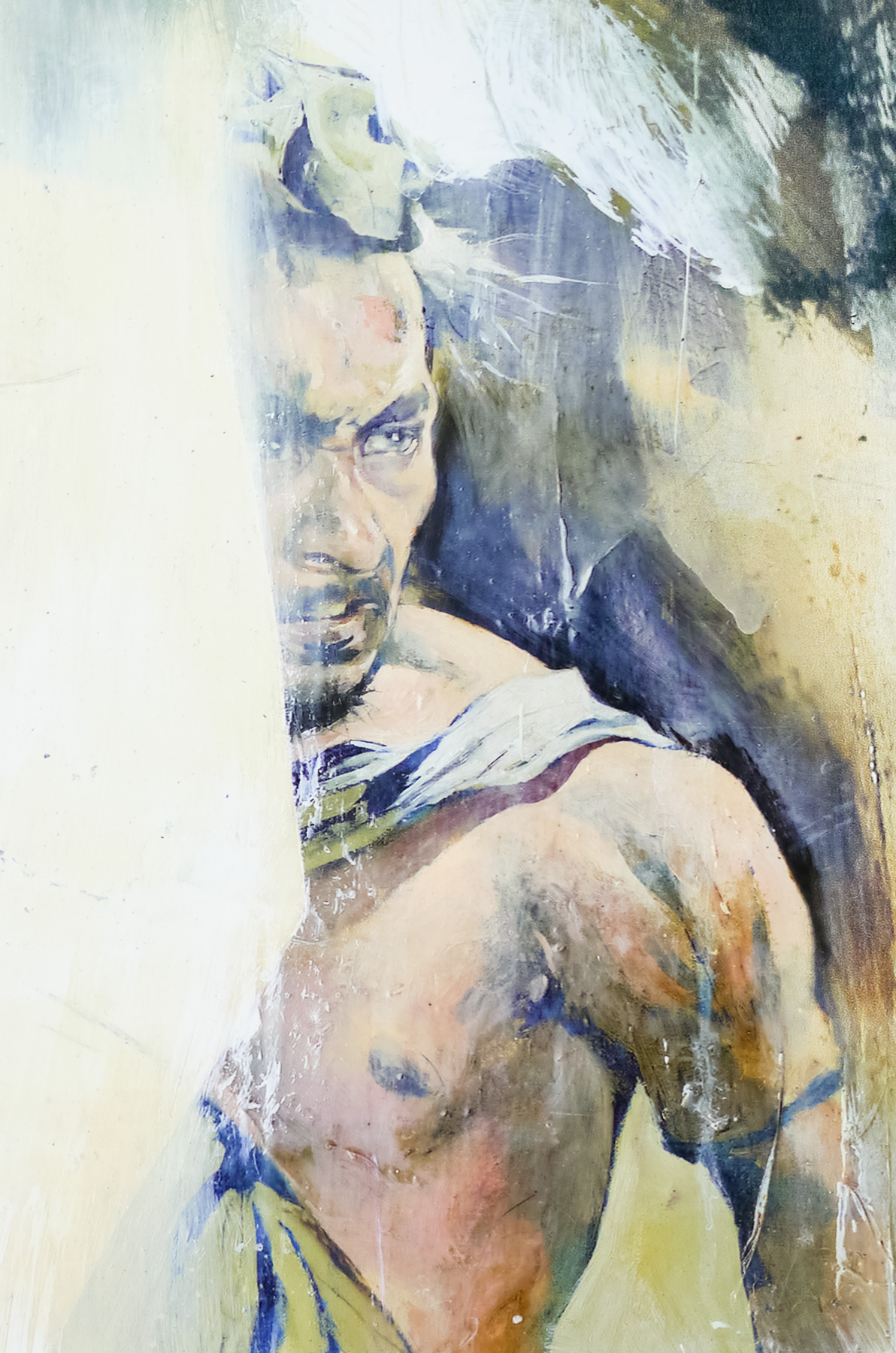
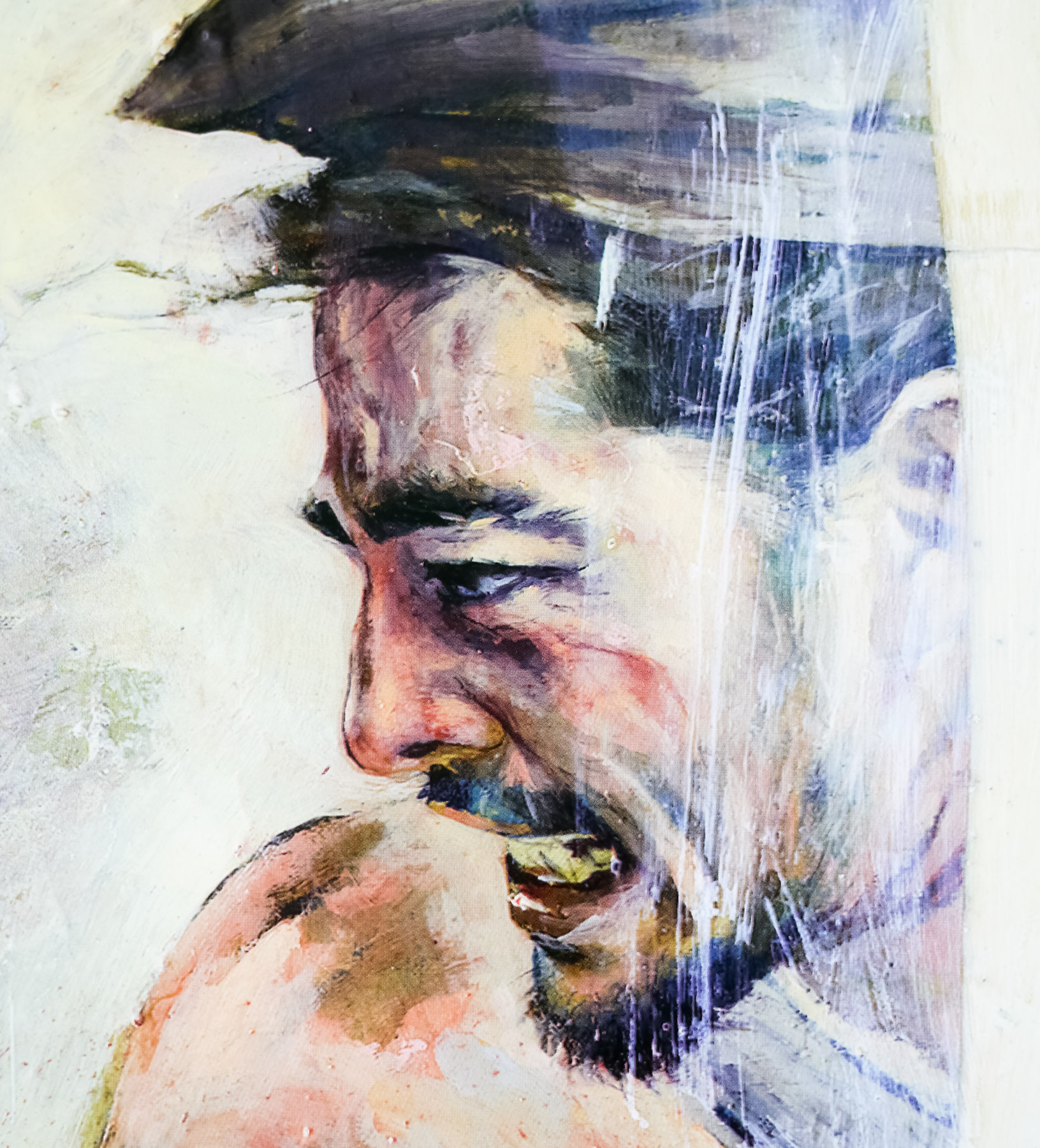
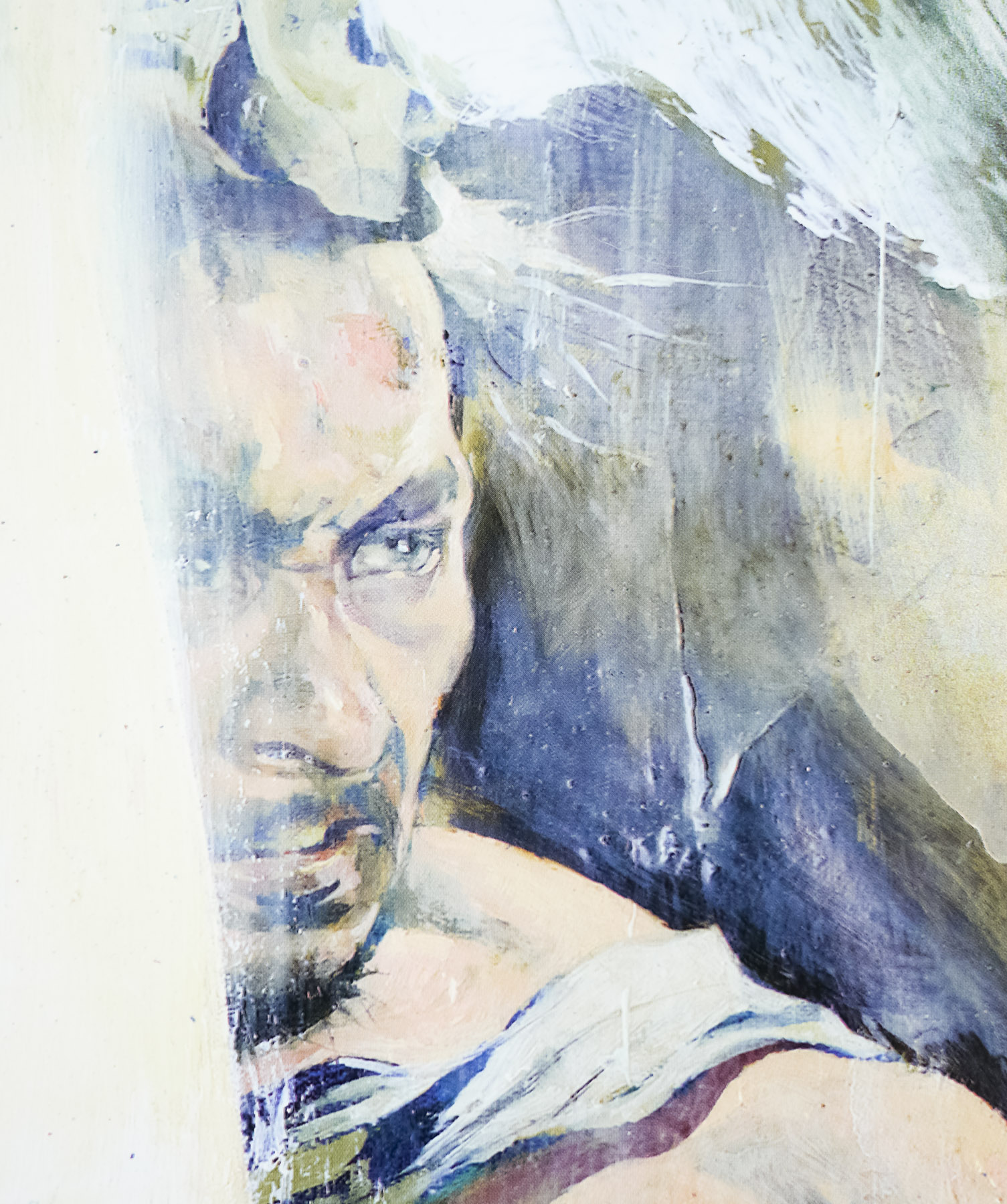
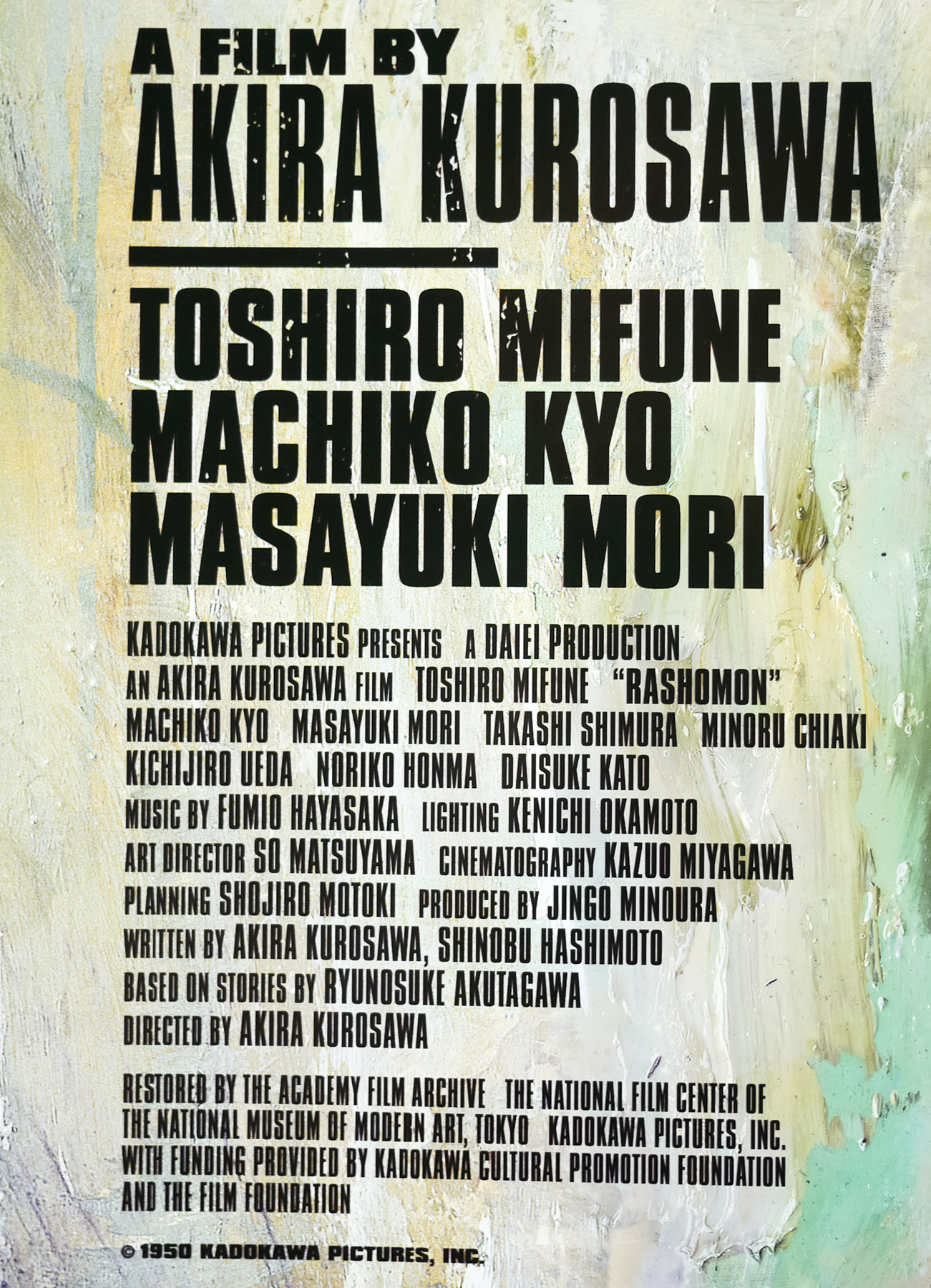
American artist Kent Williams painted this stunning portrait of Tajomaru that was commissioned by Janus Films for the 2009 cinema re-release of Rashomon. The release followed an extensive 2008 restoration undertaken by the Academy Archive, the National Film Center of the National Museum of Modern Art, Tokyo, and Kadokawa Pictures. Born in 1962, Williams has lent his considerable talents to a wide range of artistic channels, including printmaking, photography, architecture and film. He is perhaps best known for his work on graphic novels for the likes of Marvel and Vertigo and in 2006 he collaborated with filmmaker Darren Aronofsky on a comic book tie-in for the sci-fi fantasy film The Fountain. His official website contains galleries of his work, as well as a biography, links to blogs and more.

Kent’s 2009 blog post announcing the completion of this piece can be viewed here and confirms that the original artwork was realised with oil and encaustic on linen mounted on wood panel with a distressed wooden beam. This same image was used for the must-own 2012 Criterion re-release of Rashomon and the poster was available to purchase via their web shop for a number of months, which is where I picked it up from. It sadly appears to be no longer available for purchase.

Hellraiser / one sheet / USA

12.06.13

Poster Poster
Title
Hellraiser
AKA
Clive Barker's Hellraiser (UK - complete title)
Year of Film
1987
Director
Clive Barker
Starring
Andrew Robinson, Doug Bradley, Clare Higgins, Ashley Laurence, Sean Chapman, Oliver Smith
Origin of Film
UK
Genre(s) of Film
Andrew Robinson, Doug Bradley, Clare Higgins, Ashley Laurence, Sean Chapman, Oliver Smith,
Type of Poster
One sheet
Style of Poster
--
Origin of Poster
USA
Year of Poster
1987
Designer
Pulse Advertising
Artist
--
Size (inches)
27 2/16" x 41 1/16"
SS or DS
SS
NSS #
--
Tagline
Demon to some. Angel to others. | He'll tear your soul apart

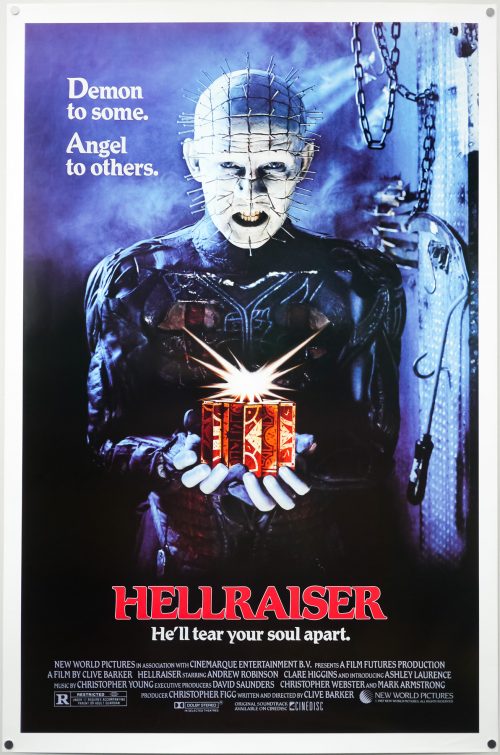
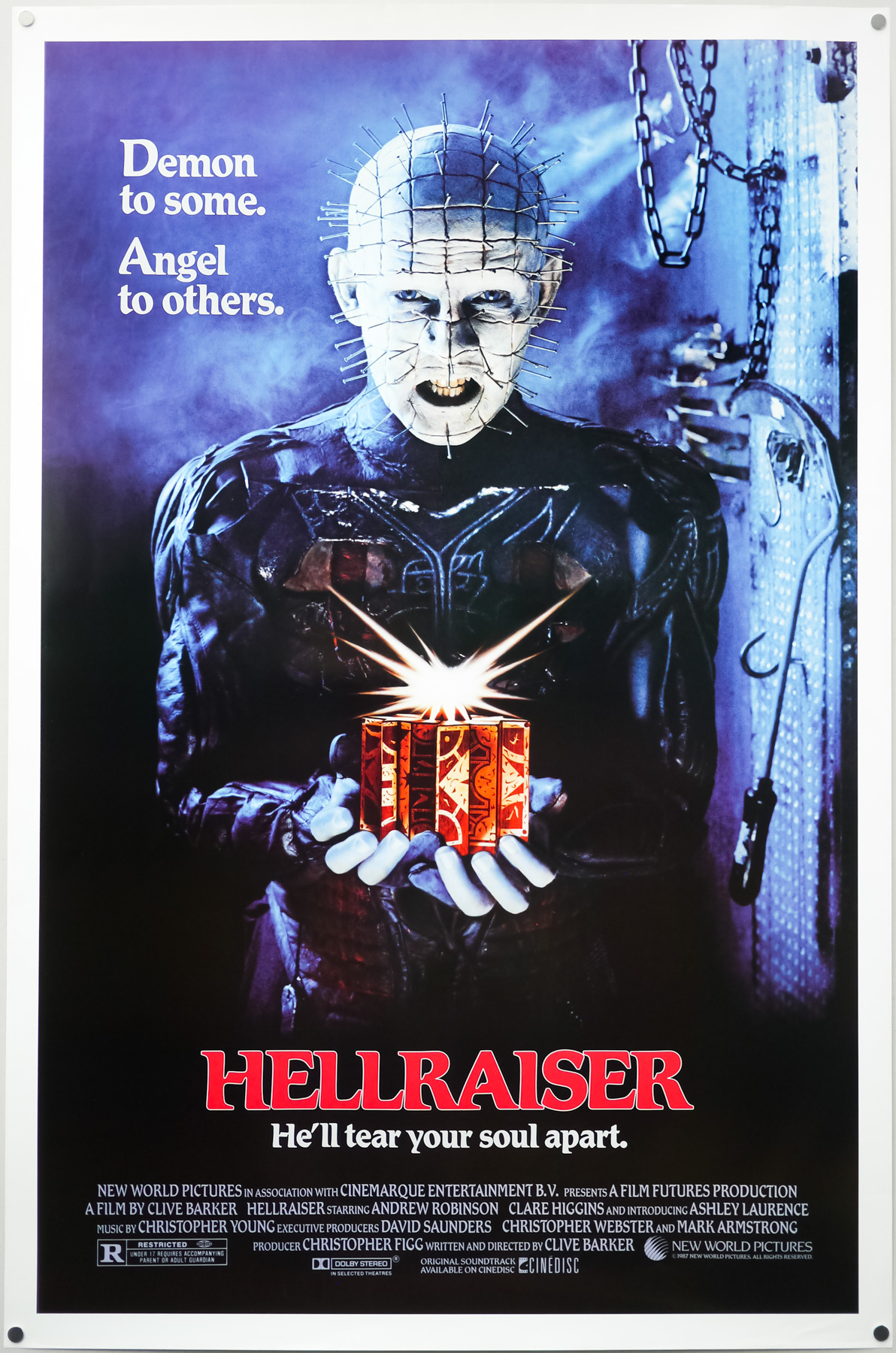
Unquestionably one of the truly great British horror films, Clive Barker‘s Hellraiser launched an enduring franchise and established the character of Pinhead (or ‘Priest’, as Barker prefers him to be known) as one of horror’s most beloved villains. Based on the 1986 novella The Hellbound Heart, Barker made the decision to both write the screenplay and direct the film after being disappointed with how two of his earlier scripts had been treated by other directors. The story begins as seedy hedonist Frank Cotton (Sean Chapman) purchases a golden puzzle box from an antiques dealer in Morocco believing it holds the key to the ‘ultimate sensual experience’. On returning to his London home, Frank opens the puzzle box and is promptly torn apart by massive hooks controlled by a group of horribly scarred and mutilated humanoids known as the Cenobites. The lead Cenobite (Pinhead, played by Doug Bradley) twists the box back to its original shape and they pass back into their realm with Frank’s remains with the room returning to normal.

Sometime later, Frank’s brother Larry (Andrew Robinson) and his second wife Julia (Clare Higgins) move into the same house assuming that Frank is in jail in some exotic location. Larry’s daughter Kirsty (Ashley Laurence) declines the offer to move in with her stepmother and chooses to find her own place. When Larry accidentally cuts his hand and drips blood onto the attic floor it somehow reaches Frank in his prison in the other realm and starts to resurrect his body (in a stunning special effects sequence). Later that day Julia finds Frank in the attic and the pair rekindle an affair they had started some years before. Julia agrees to help Frank to fully resurrect himself, which can only happen through blood sacrifices so she begins to seduce and bring back random men to the house before bludgeoning them to death for Frank to consume. Kirsty begins to suspect something is afoot and soon she is having her own encounter with the Cenobites who are displeased to learn that one of their prisoners has escaped and is on a murder spree.

What makes the film stand out is the excellent script by Barker which prevents the characters from being the usual one-dimensional death fodder usually seen in horror films, particularly those being released towards the end of the 1980s. The production, costume and makeup design are all excellent, with all of the Cenobite designs being particularly memorable. There’s only one stop-motion animation sequence at the end of the film that belies the productions low budget and the film stands up extremely well today. Although the series is up to its ninth film instalment, Barker never directed another and was only producer on the first two sequels. After the fourth film (1996’s Bloodline) the series became a straight-to-video enterprise and quality dropped significantly from then onwards.

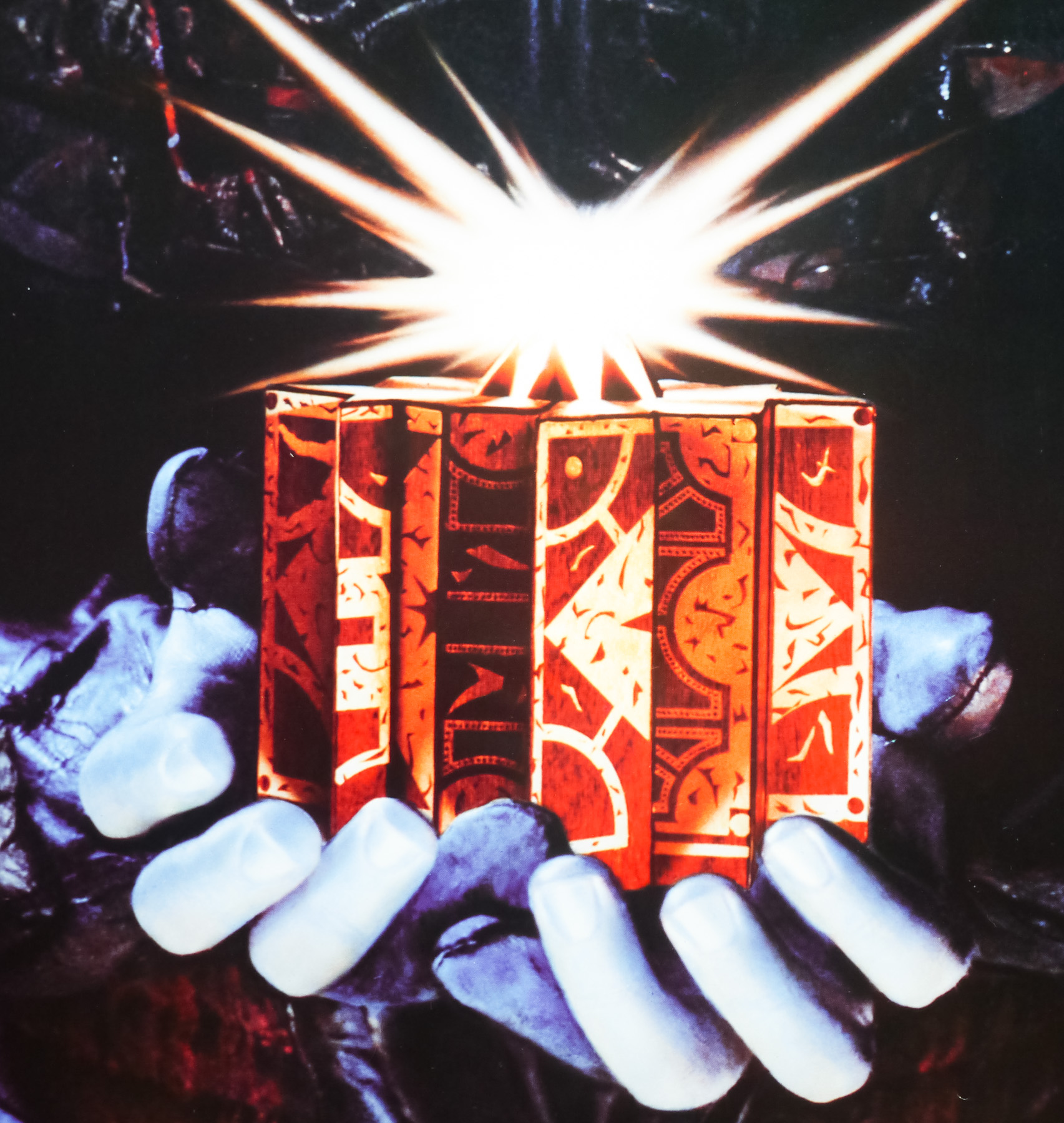
This US one sheet, designed by Pulse Advertising, features a great image of Pinhead holding the puzzlebox, alongside a very memorable tagline. The lead Cenobite would be front and centre on posters for the film used around the world, as well as all theatrically-released sequels. To see more posters designed by Pulse, check out this page on IMPAwards and the posters I’ve collected that were designed by them can be seen here.

House / one sheet / 2010 re-release / USA

19.06.13

Poster Poster

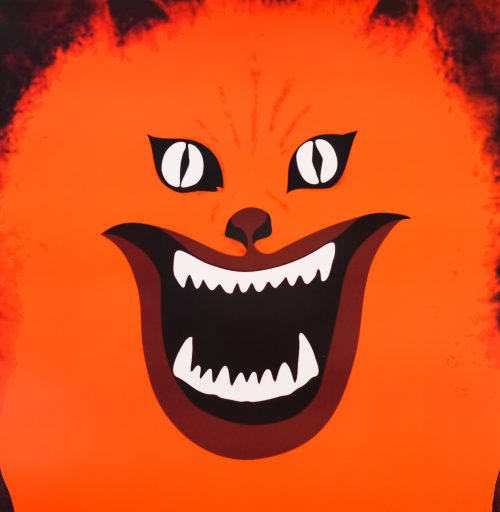
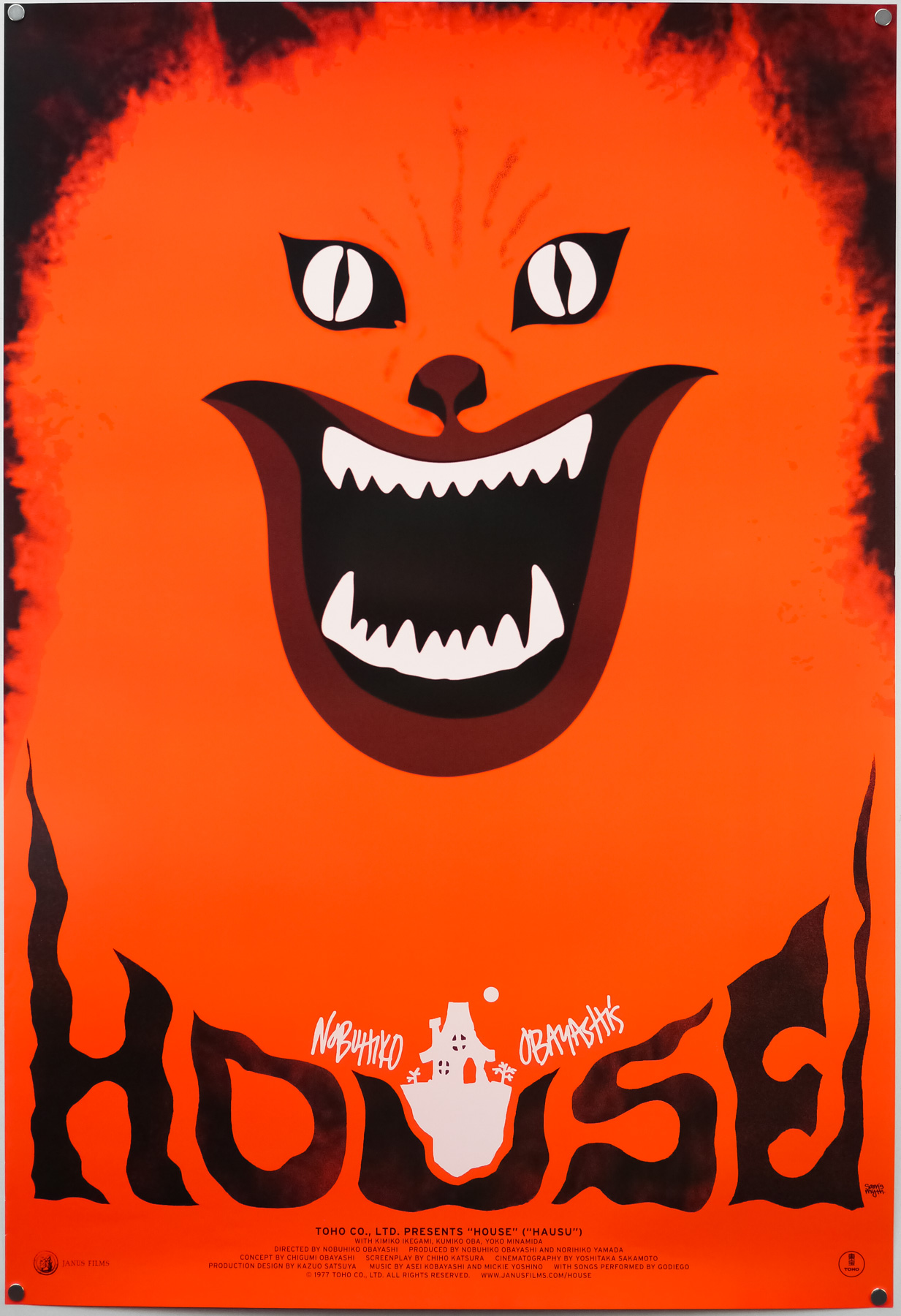
A cinematic experience quite unlike any other, Japanese director Nobuhiko Obayashi‘s 1977 masterpiece House is almost impossible to categorize or even describe and simply needs to be seen to be believed. The American distributor Janus Films, who supervised a restoration of the film in 2010, attempt to summarise the film better than I possibly could:

‘How to describe Nobuhiko Obayashi’s 1977 movie House? As a psychedelic ghost tale? A stream-of-consciousness bedtime story? An episode of Scooby Doo as directed by Dario Argento? Any of the above will do for this hallucinatory head trip about a schoolgirl who travels with six classmates to her ailing aunt’s creaky country home, only to come face to face with evil spirits, bloodthirsty pianos, and a demonic housecat. Too absurd to be genuinely terrifying, yet too nightmarish to be merely comic, House seems like it was beamed to Earth from another planet.’

Relatively unknown outside of his native Japan, Obayashi had started his career in the field of experimental filmmaking and quickly forged a reputation as a master visual artist. His skills were soon utilised by advertising agencies and he quickly became a sought-after commercial director, working with Western actors including Sophia Loren and Charles Bronson who were earning lucrative paycheques to hawk various goods. The Japanese studio Toho approached Obayashi and asked him to develop a script for a horror film that would hopefully emulate the great success of Spielberg’s Jaws. The director spoke to his 11-year-old daughter Chigumi to get some inspiration, claiming later that adults “only think about things they understand…everything stays on that boring human level”.

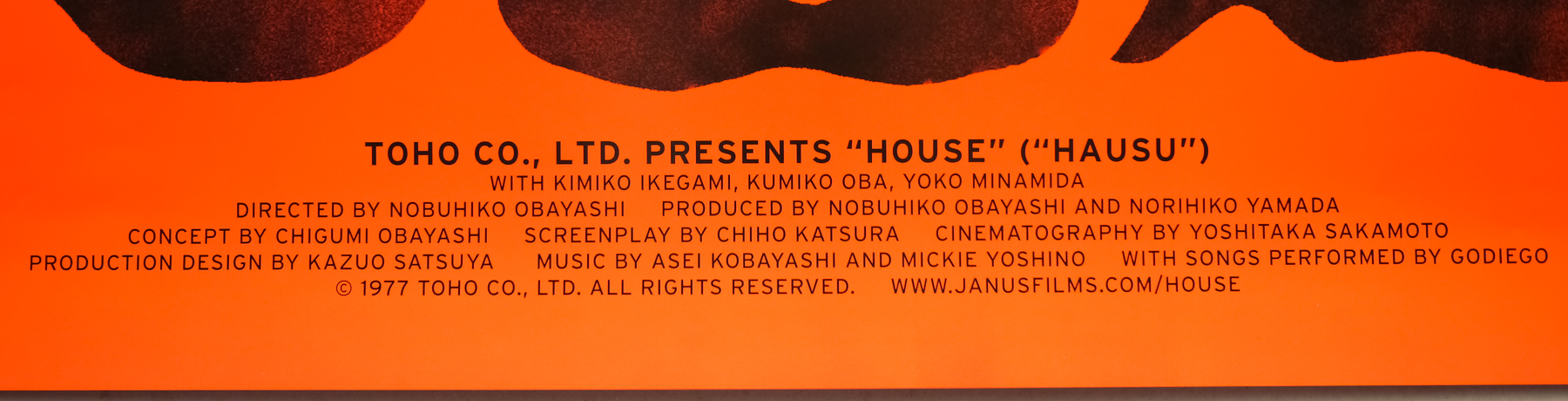
The resultant script, written by Chiho Katsura, included several of Chigumi’s suggestions. Toho green-lit the script and then, after struggling to find a director willing to tackle it, gave the job to Obayashi himself despite him not being a member of the Toho staff. The resultant film is clearly the work of someone who is unafraid to experiment with the medium of film and the director spent two months on Toho’s biggest soundstage shooting the script without storyboards and utilising a whole host of special effects techniques, several of which Obayashi seemingly created especially for this film. House was a huge hit, much to the studio’s surprise, unquestionably helped by the fact that the popular band Godiego providing the best-selling soundtrack, thus cementing the film’s appeal to the youth market.

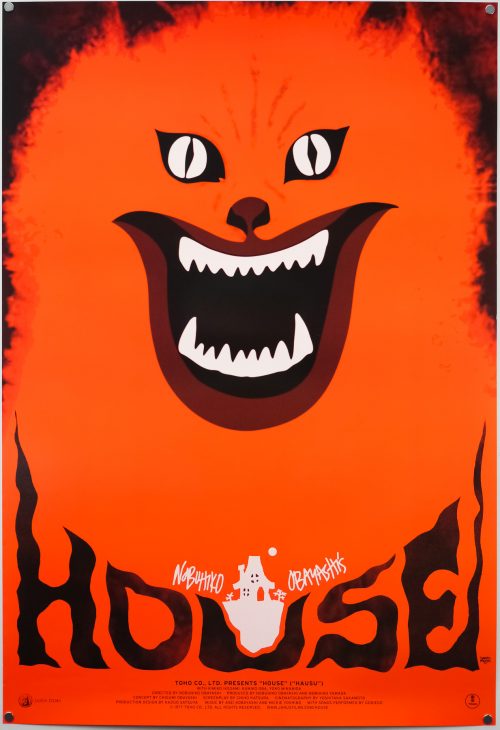
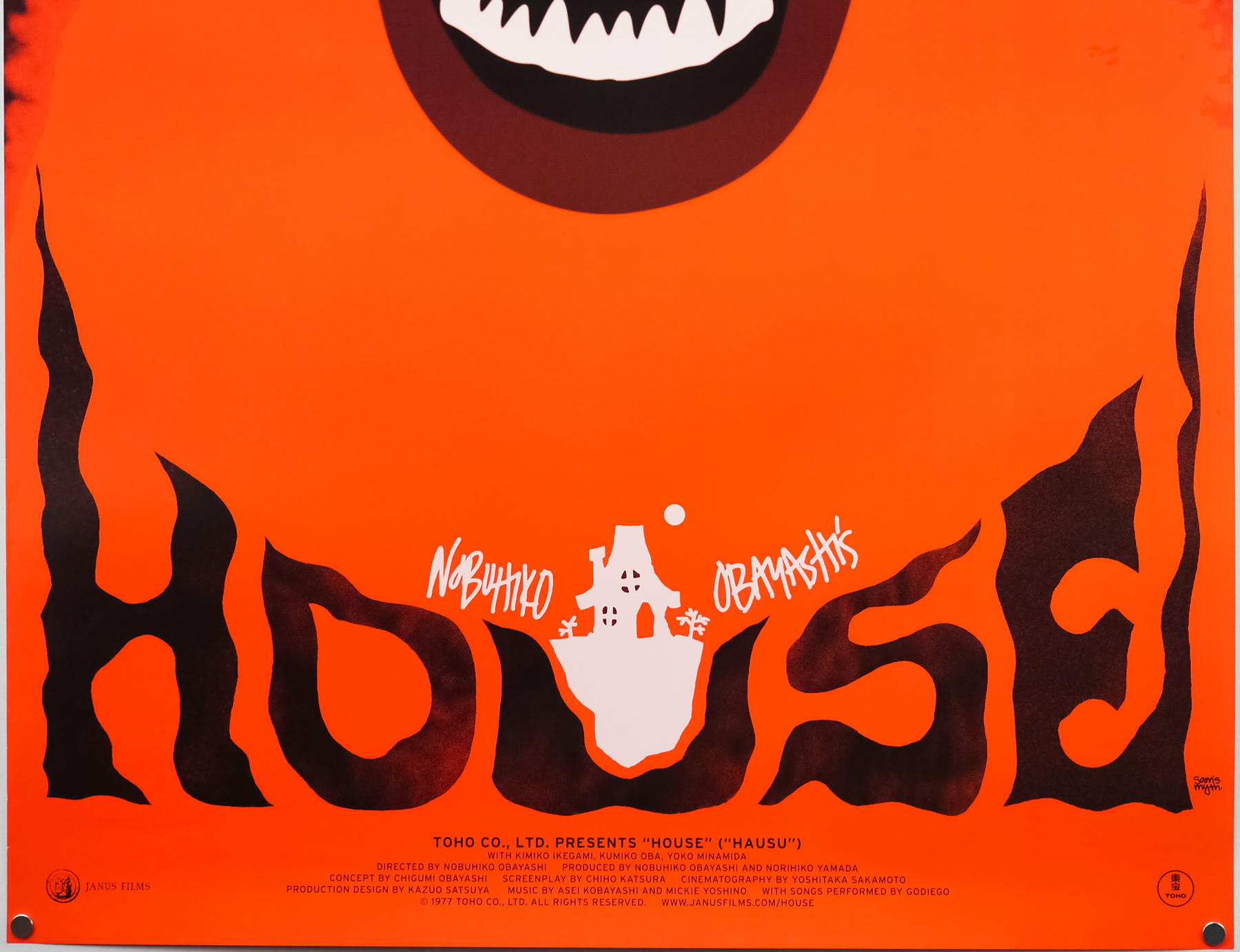
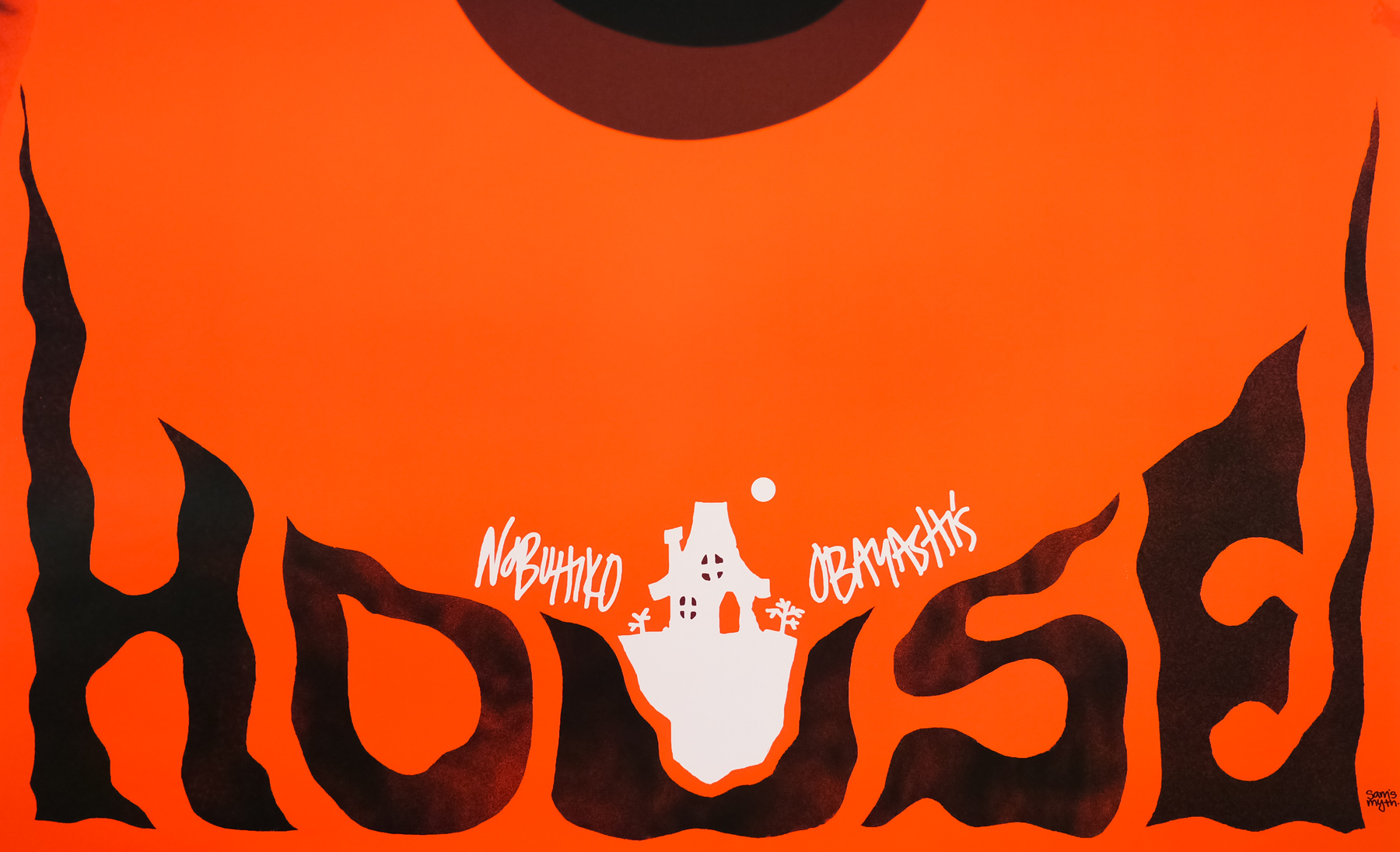
Despite Japanese success the film wasn’t released outside of the country, that is until Janus Films bought the distribution rights and aided with a digital restoration in preparation for a cinema re-release, and eventually a blu-ray release on their Criterion label in 2010. When the Nashville-based designer and artist Sam Smith (AKA Sam’s Myth) prepared a poster for a preview showing of the film at his local Belcourt Theatre he had no idea that Janus would eventually decide to not only use the image for their official one sheet but also as the cover of the eventual Criterion release. In June 2013 I interviewed Sam and the resultant article can be read here. We discussed the House poster and the following excerpt explains how he arrived at the final design:

How quickly did you arrive at using the image of Blanche the cat as the poster image?
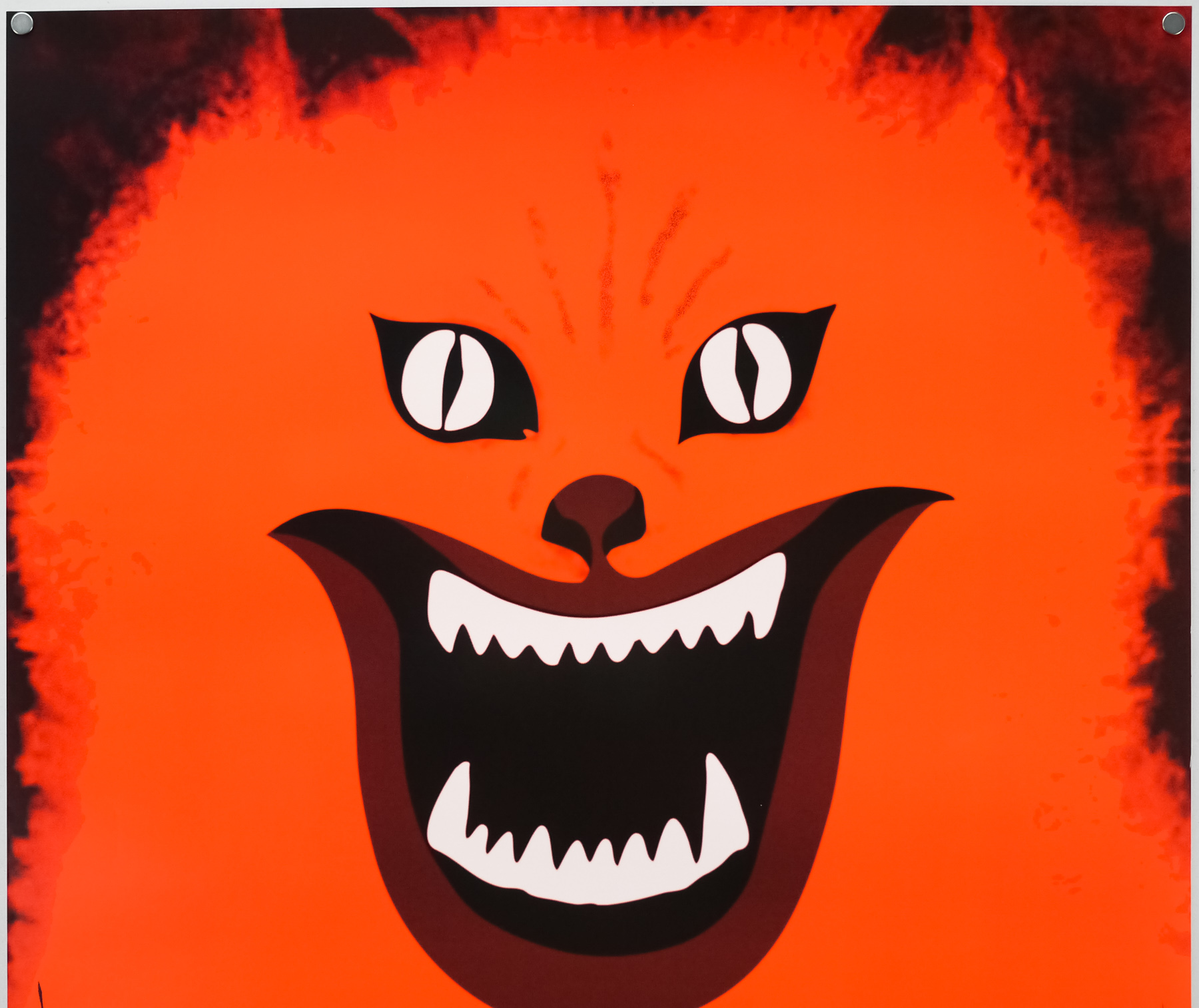
Almost instantly actually. In fact, my friend Zack Hall who is a manager at the Belcourt sent me some images and we were brainstorming at that image of Blanche just jumped out at me and seemed like something I could use. But I wanted to transform it from the screenshot into a graphic piece. The angle of that shot isn’t quite straight on, so I manipulated that, and I gave the cat’s face the entire frame of the poster, removed from the picture frame. I touched the image up and blew it out in black and white, and I just saw this field of red-orange over the whole thing, thinking it could really transform that image into something iconic. The lettering and everything else– the little house illustration– all came very quickly, in a single pass. It’s by far the fastest any poster design has ever come together for me. I didn’t really think much about it and don’t really remember it happening.

Were you surprised at how iconic the Blanche image has ended up being?
A little bit, but I must give credit to Obayashi who came up with this image in the first place. It’s not like I drew it or created it out of my own imagination. I feel that I just plucked it out of the film and tried to transform it graphically into something iconic that represented the insane, exciting, colorful energy of the film, while adding my own touches with the lettering and accoutrements. People loved it though. I suggested making t-shirts and stickers, and I still see people wearing them when I’m at a festival or traveling somewhere. It really taught me that in this day and age, the most important quality of a poster is for its design to feel iconic and eye-catching, above all else. The goal is to get people talking about the film and going to see the film and telling their friends about it, and it’s cool to hear people say “you know, the movie with the poster of the red cat face” and realize you had a role in the film finding its audience.

———————

Sam’s blog has a post about the creation of the House poster and is well worth a read.