

You searched for: Japan

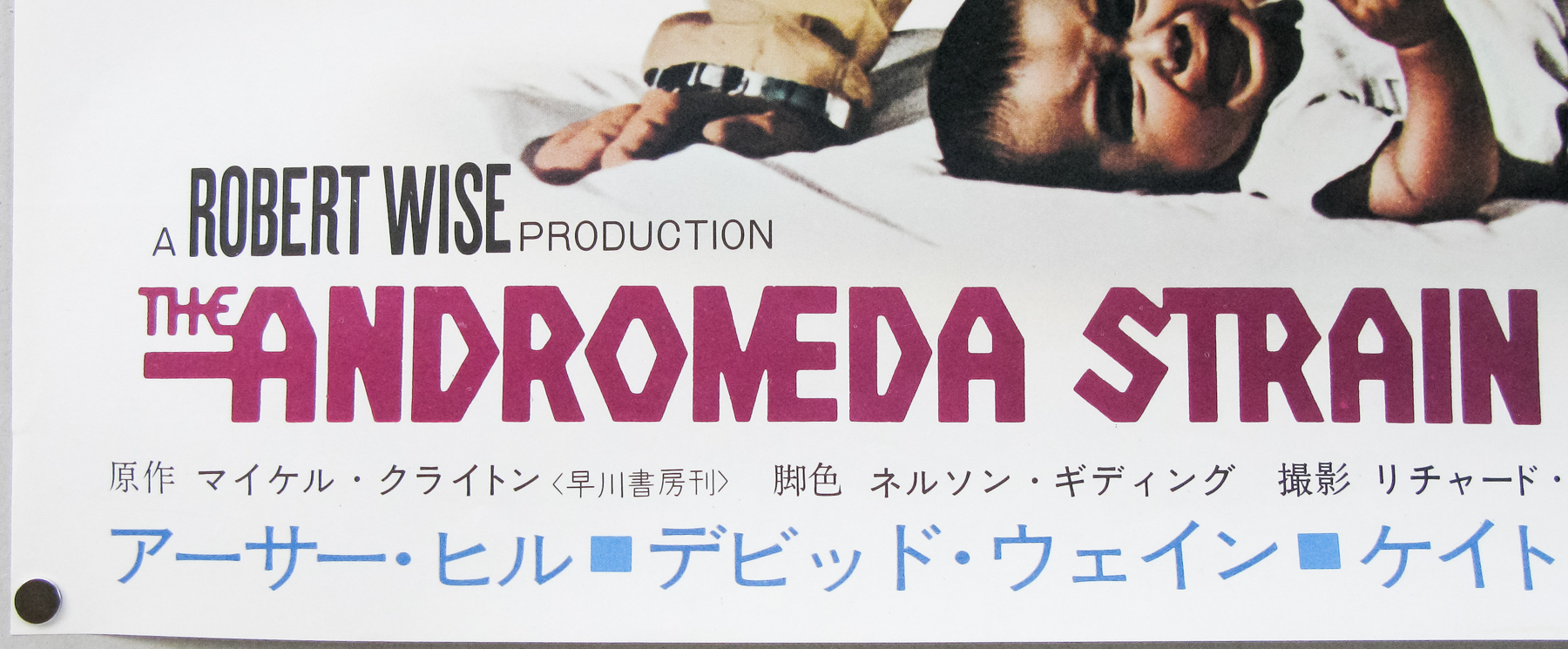
The Andromeda Strain / B2 / Japan

23.02.12

Poster Poster
Title
The Andromeda Strain
AKA
--
Year of Film
1971
Director
Robert Wise
Starring
Arthur Hill, David Wayne, James Olson, Kate Reid, Paula Kelly, George Mitchell, Ramon Bieri, Peter Hobbs, Kermit Murdock, Richard O'Brien
Origin of Film
USA
Genre(s) of Film
Arthur Hill, David Wayne, James Olson, Kate Reid, Paula Kelly, George Mitchell, Ramon Bieri, Peter Hobbs, Kermit Murdock, Richard O'Brien,
Type of Poster
B2
Style of Poster
--
Origin of Poster
Japan
Year of Poster
1971
Designer
Unknown
Artist
--
Size (inches)
20 4/16" x 28 13/16"
SS or DS
SS
Tagline
--

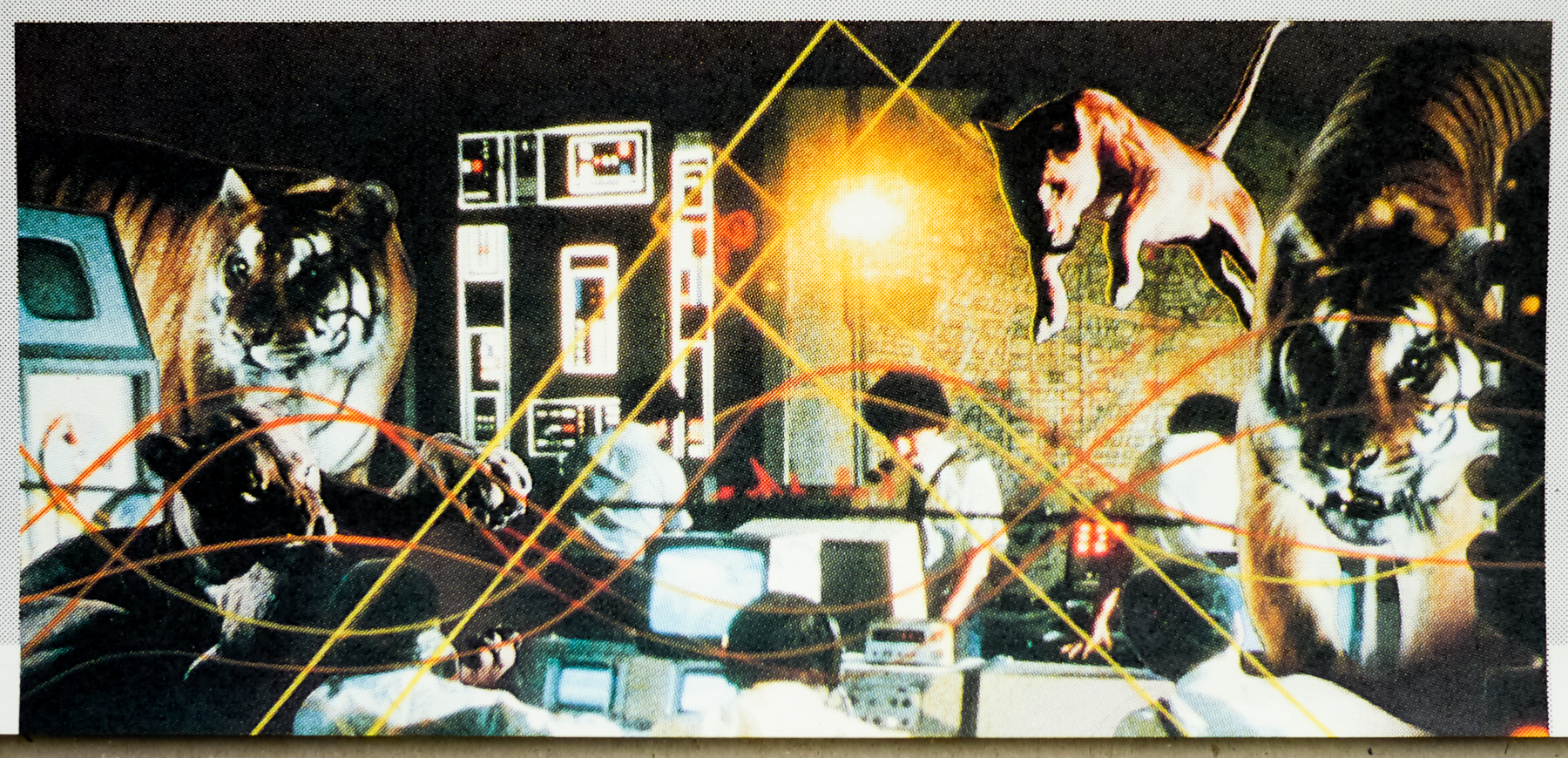
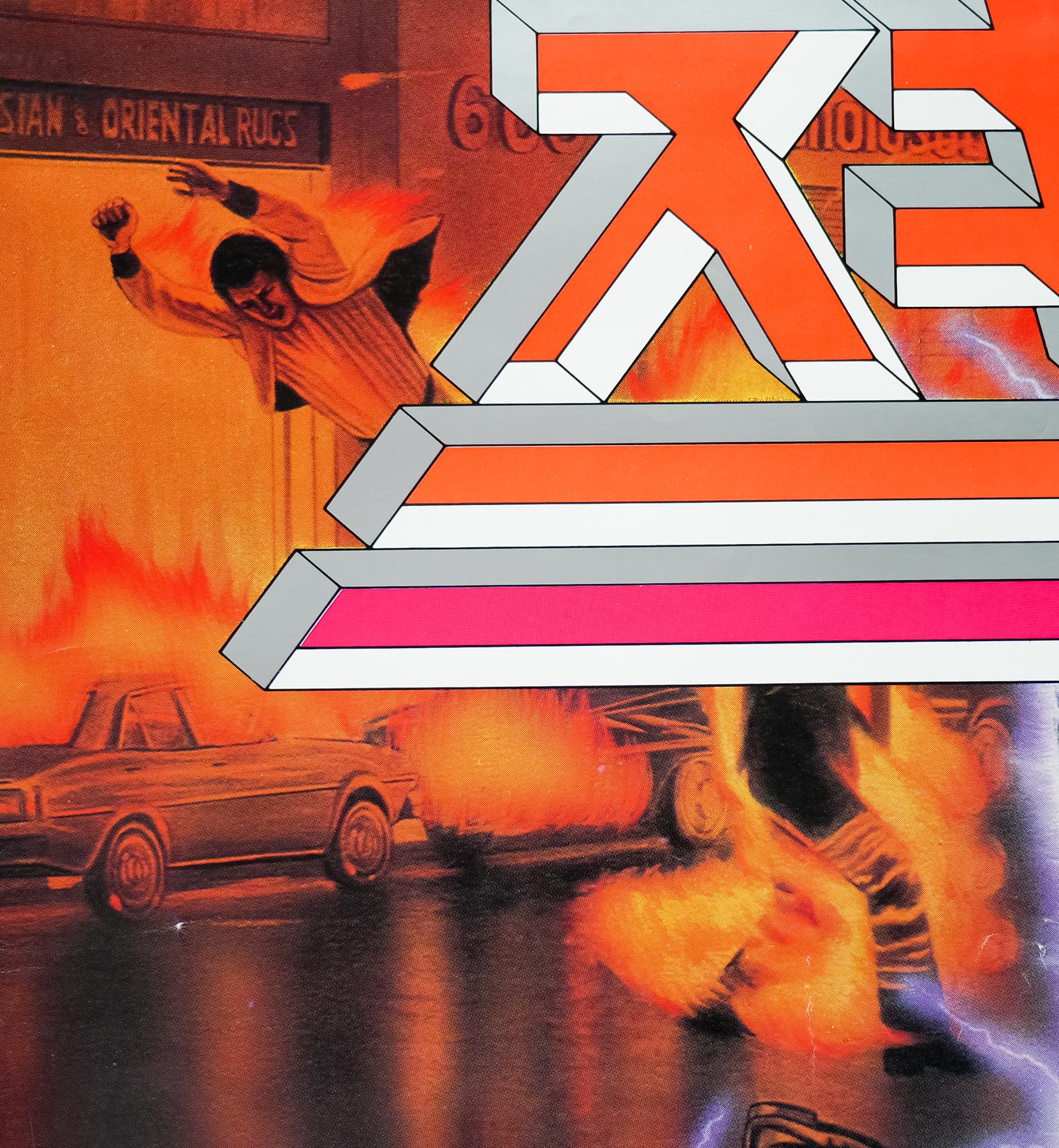
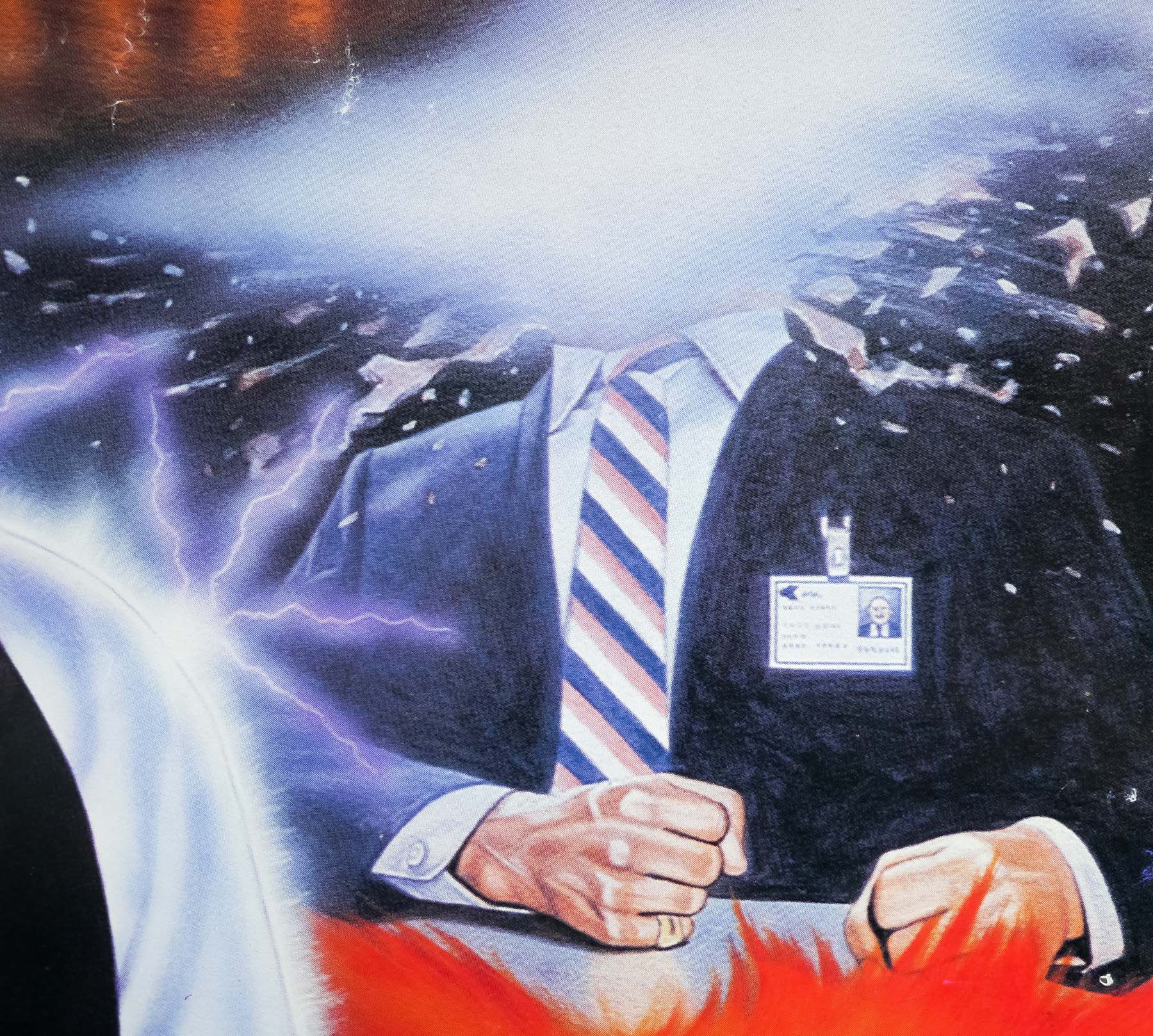
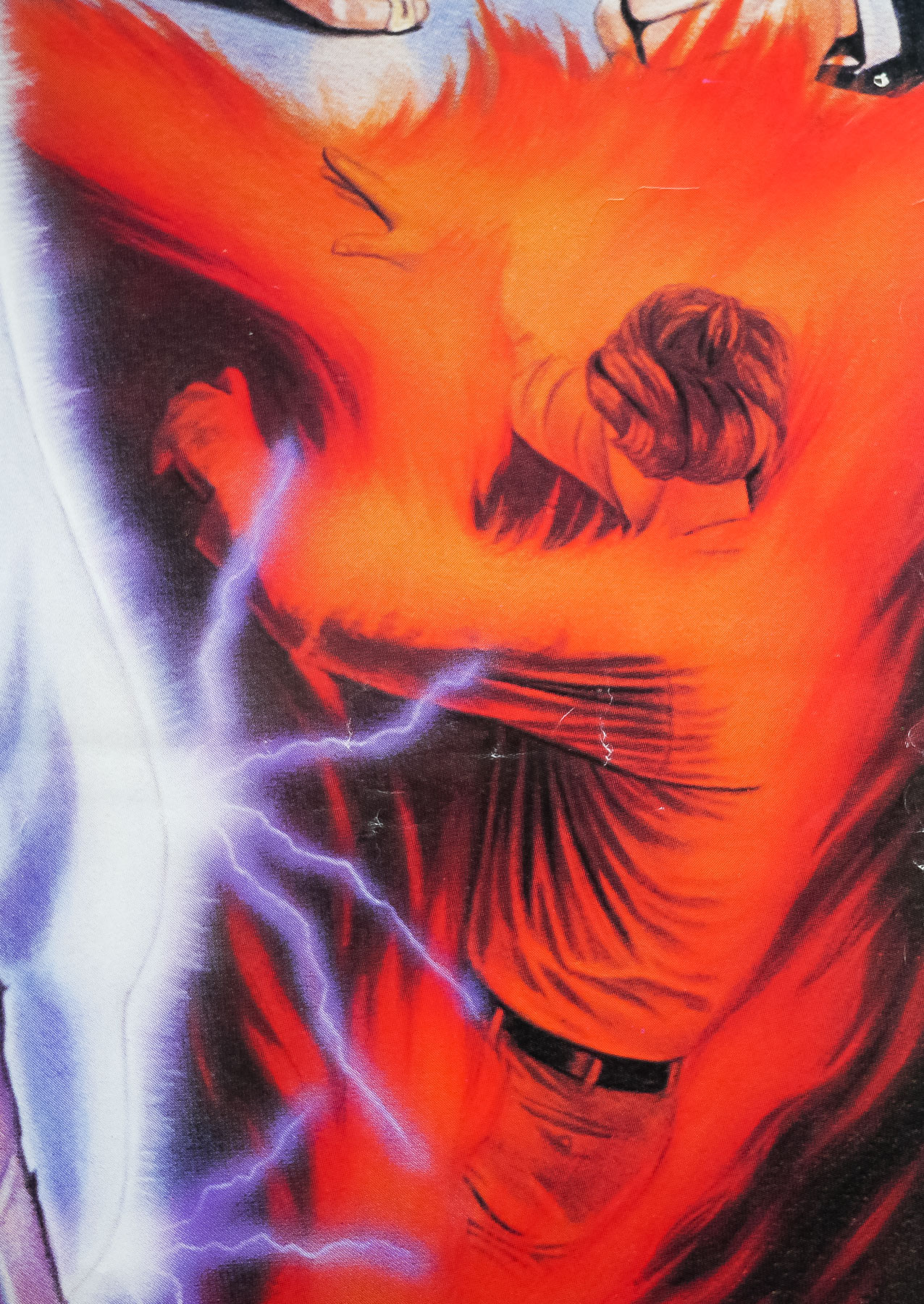
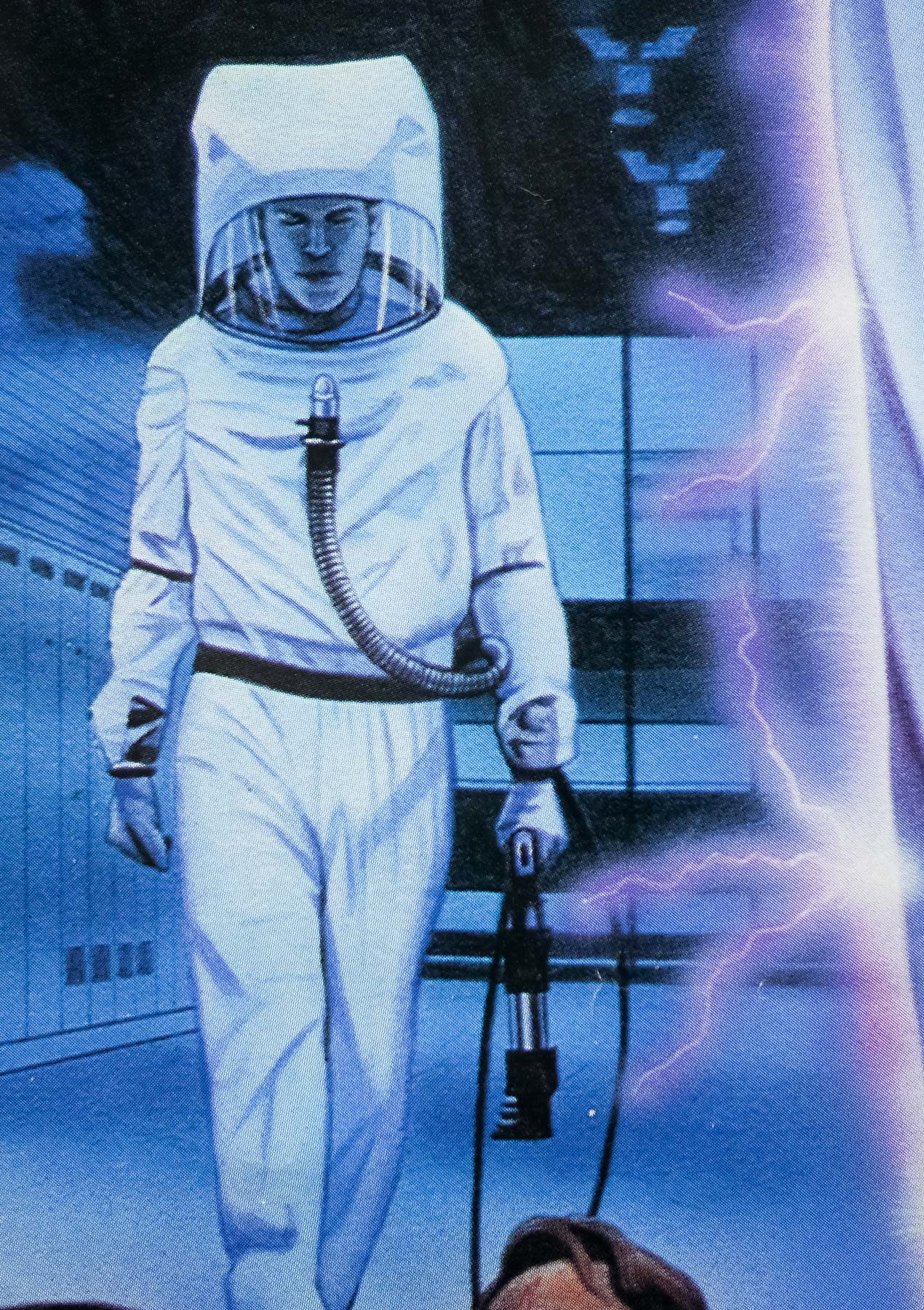
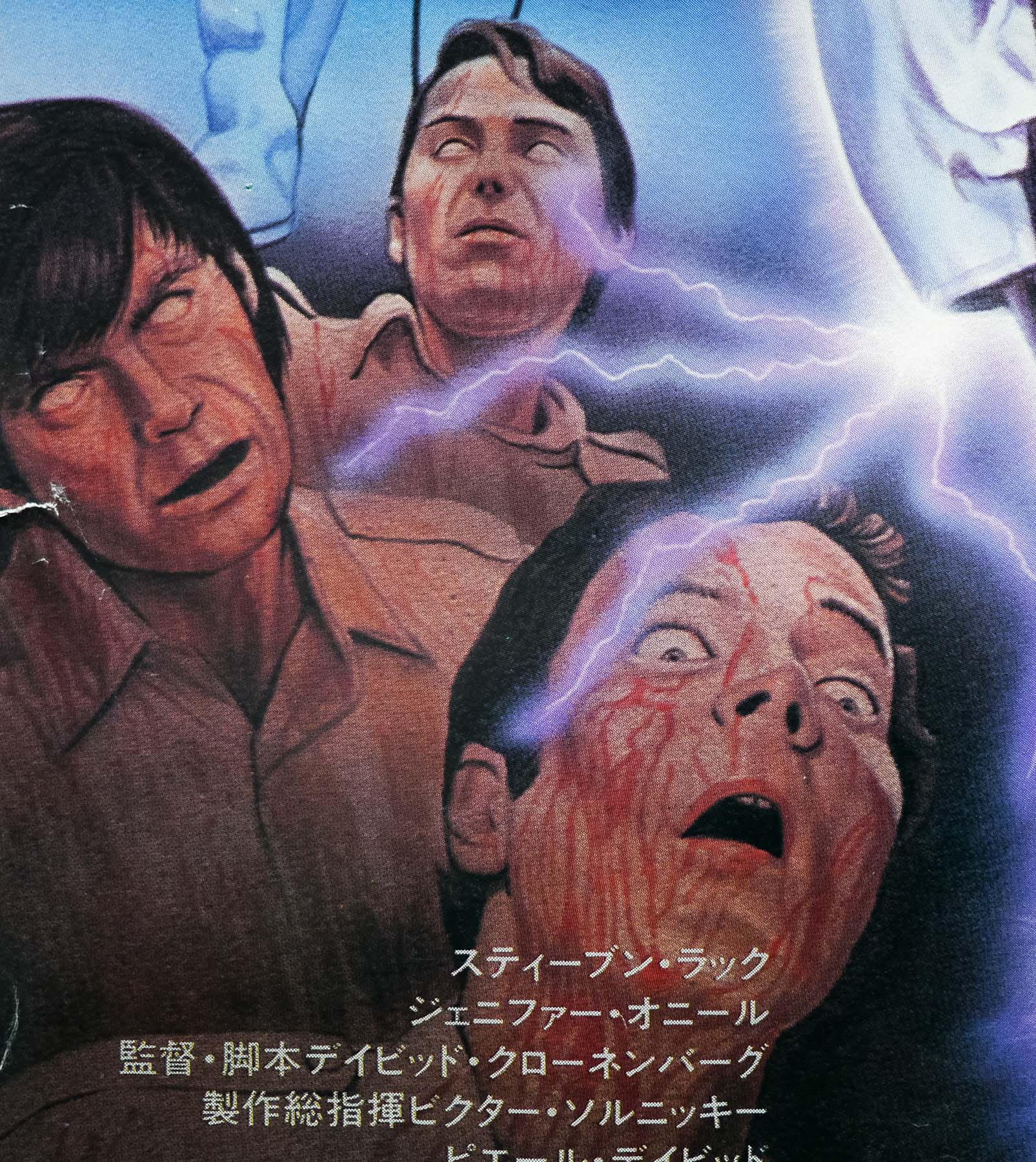
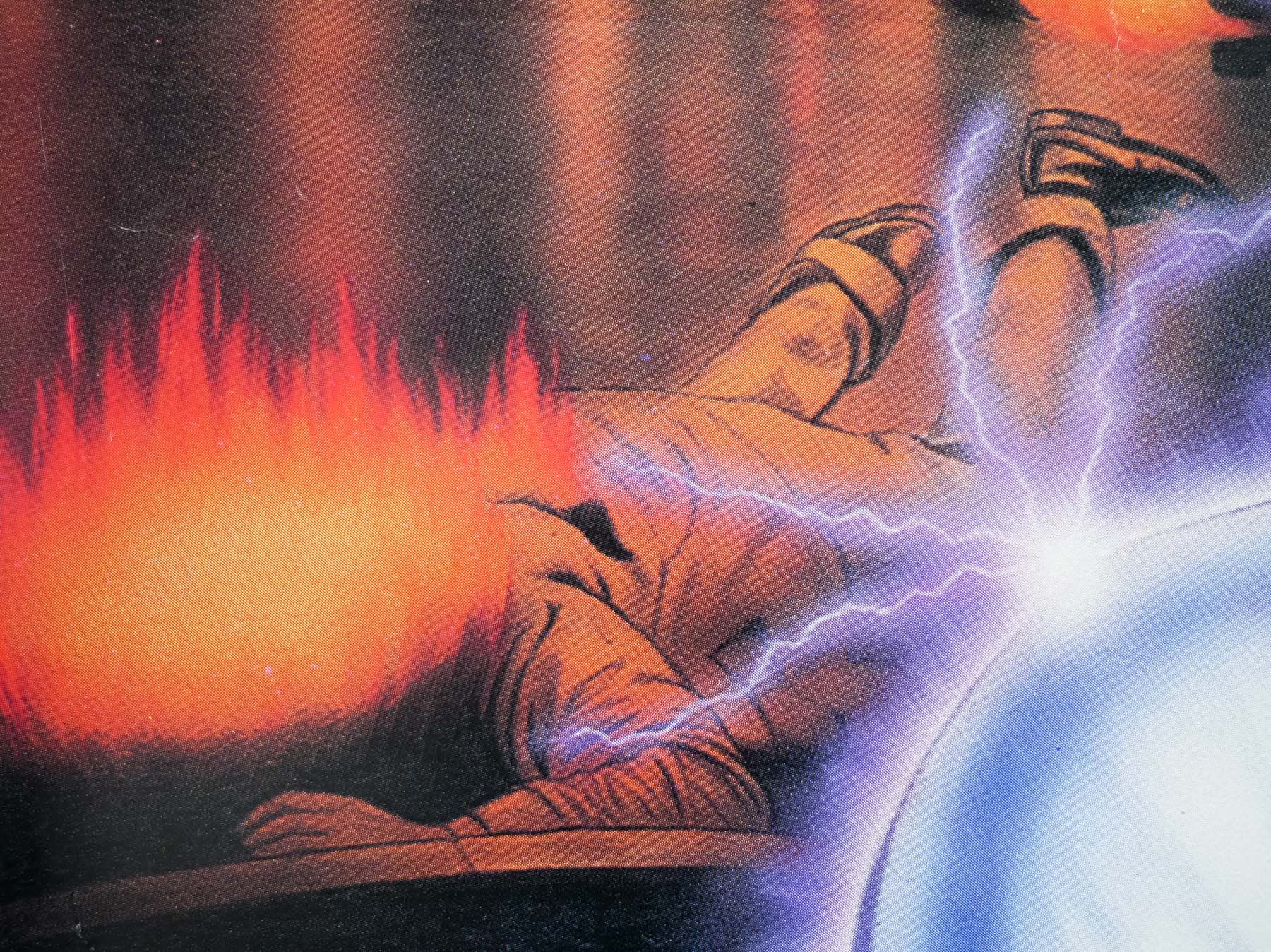
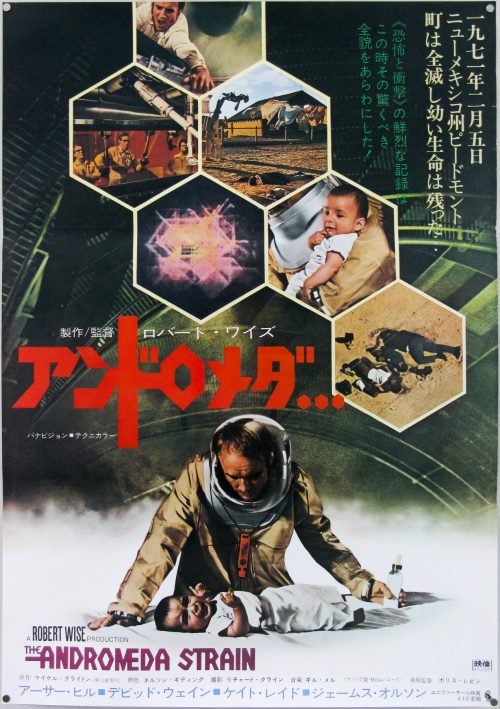
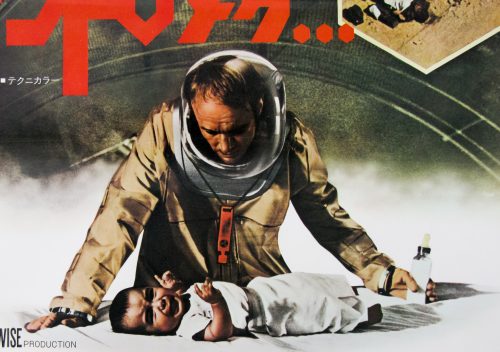
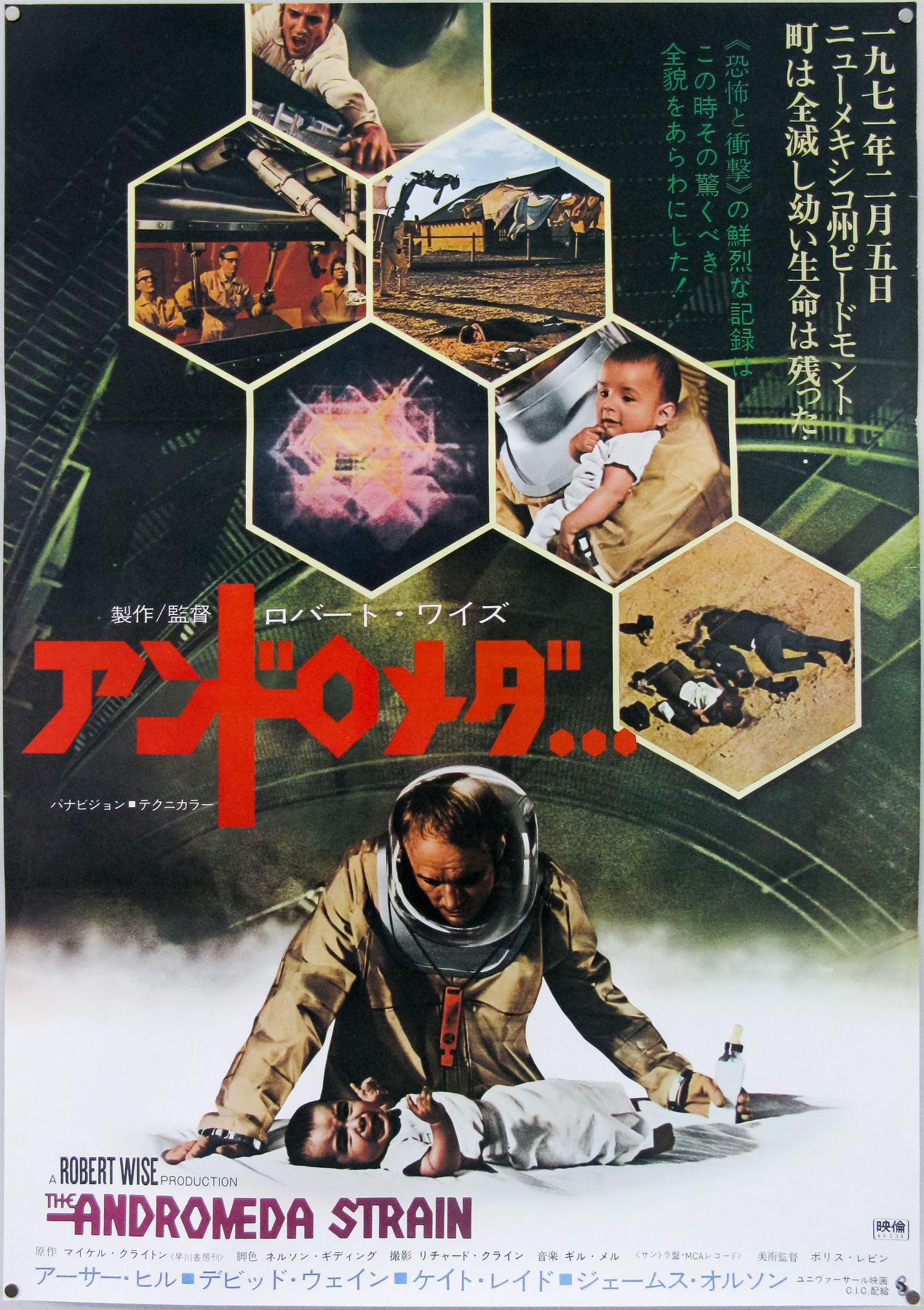
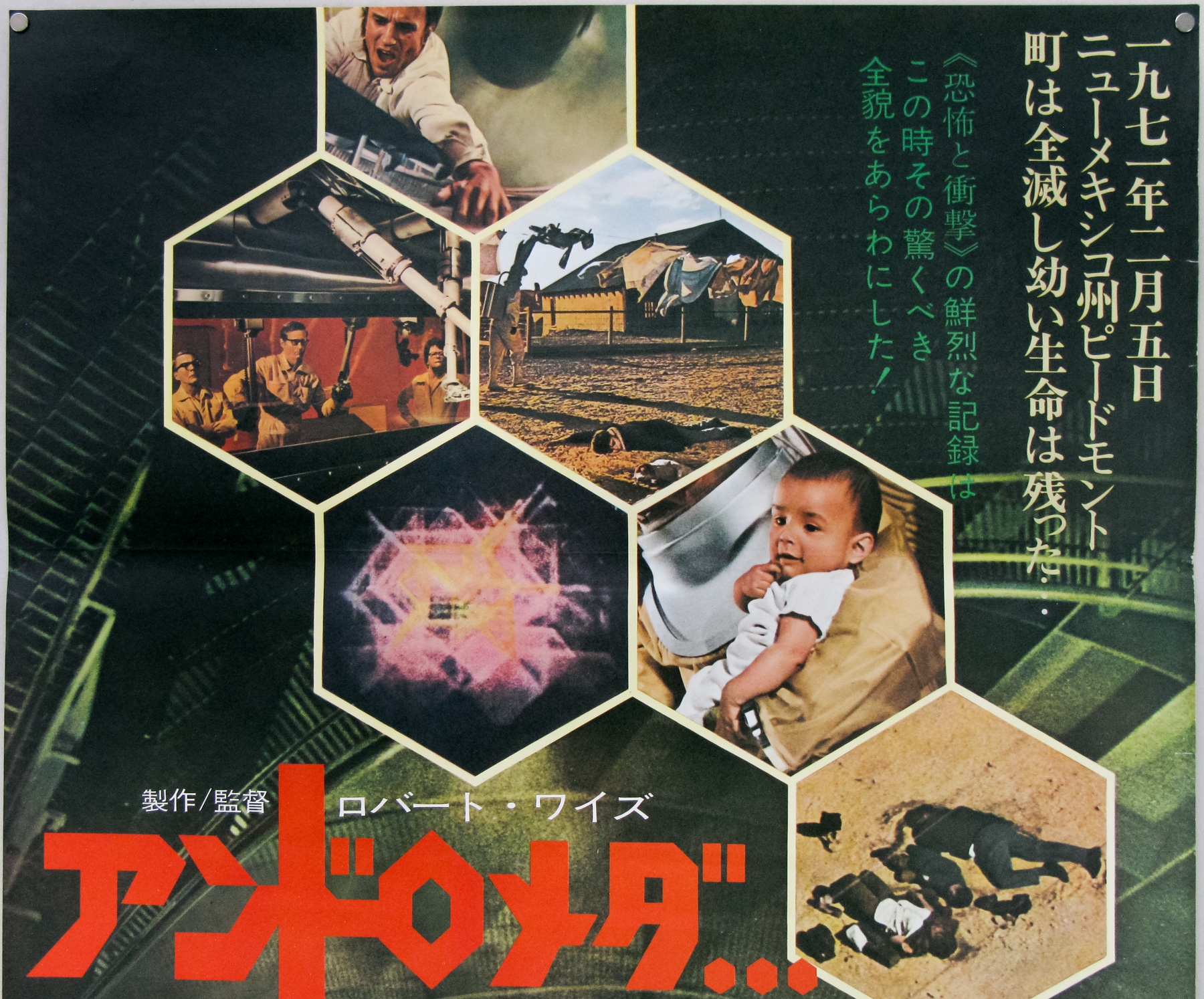
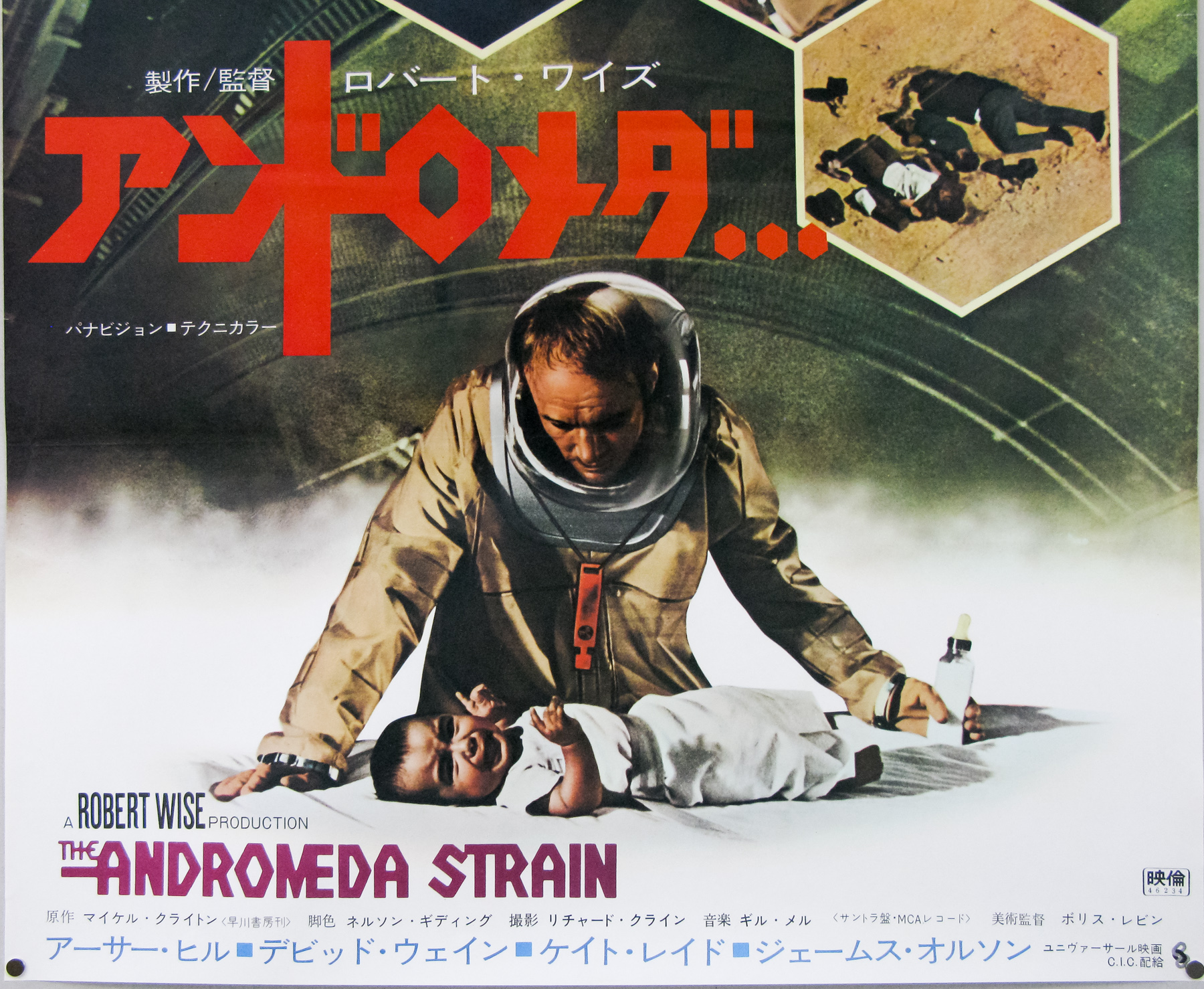
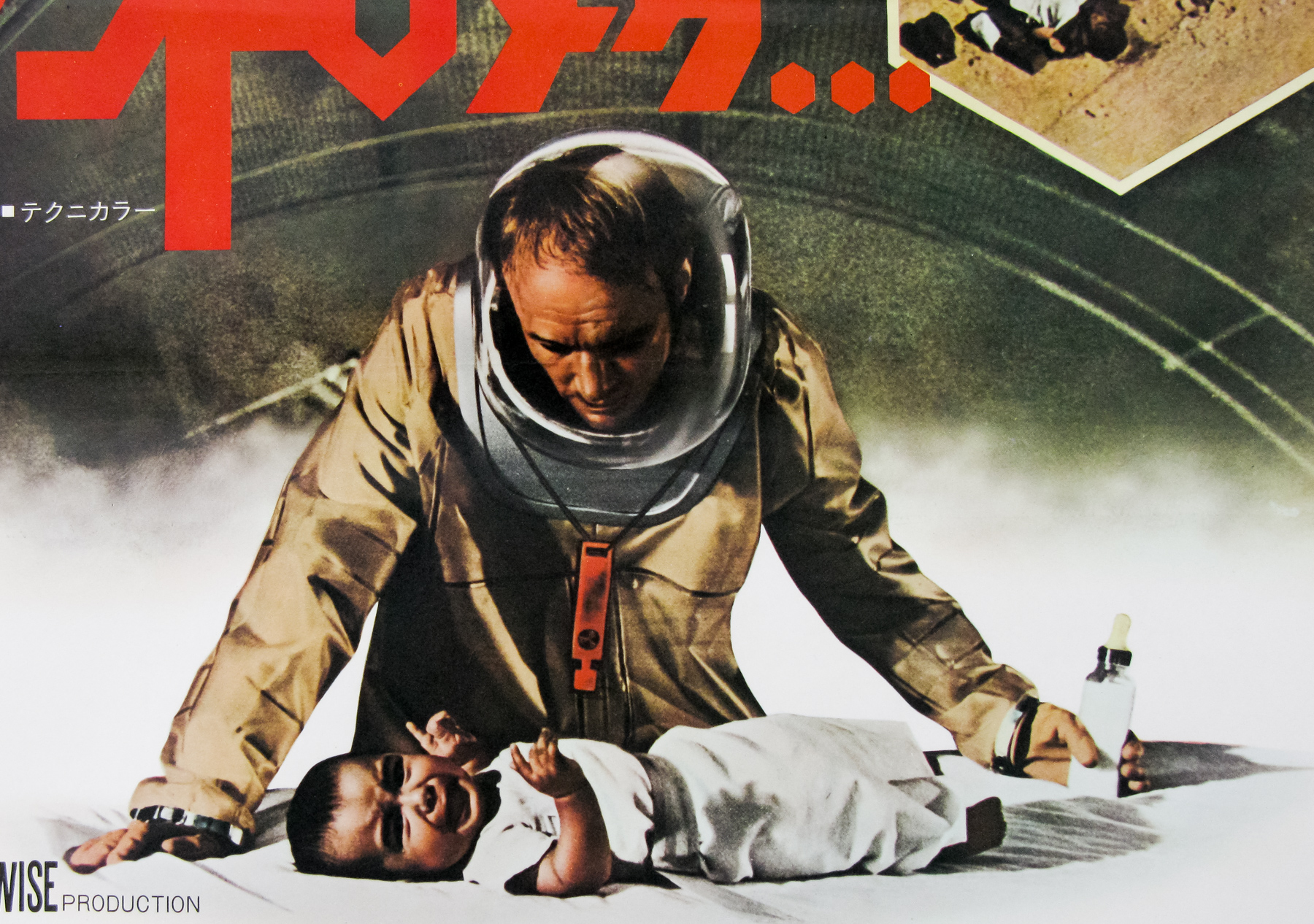
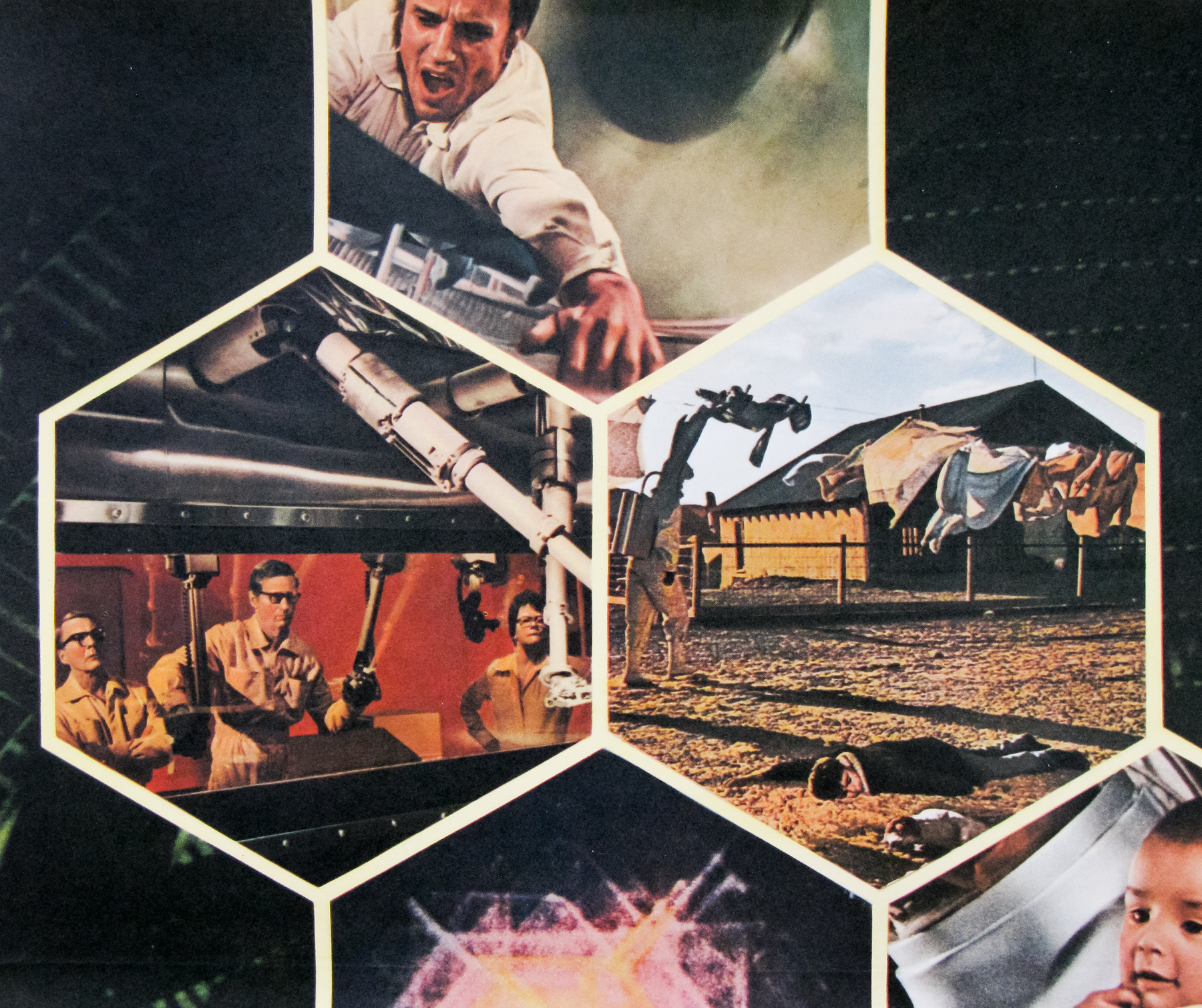
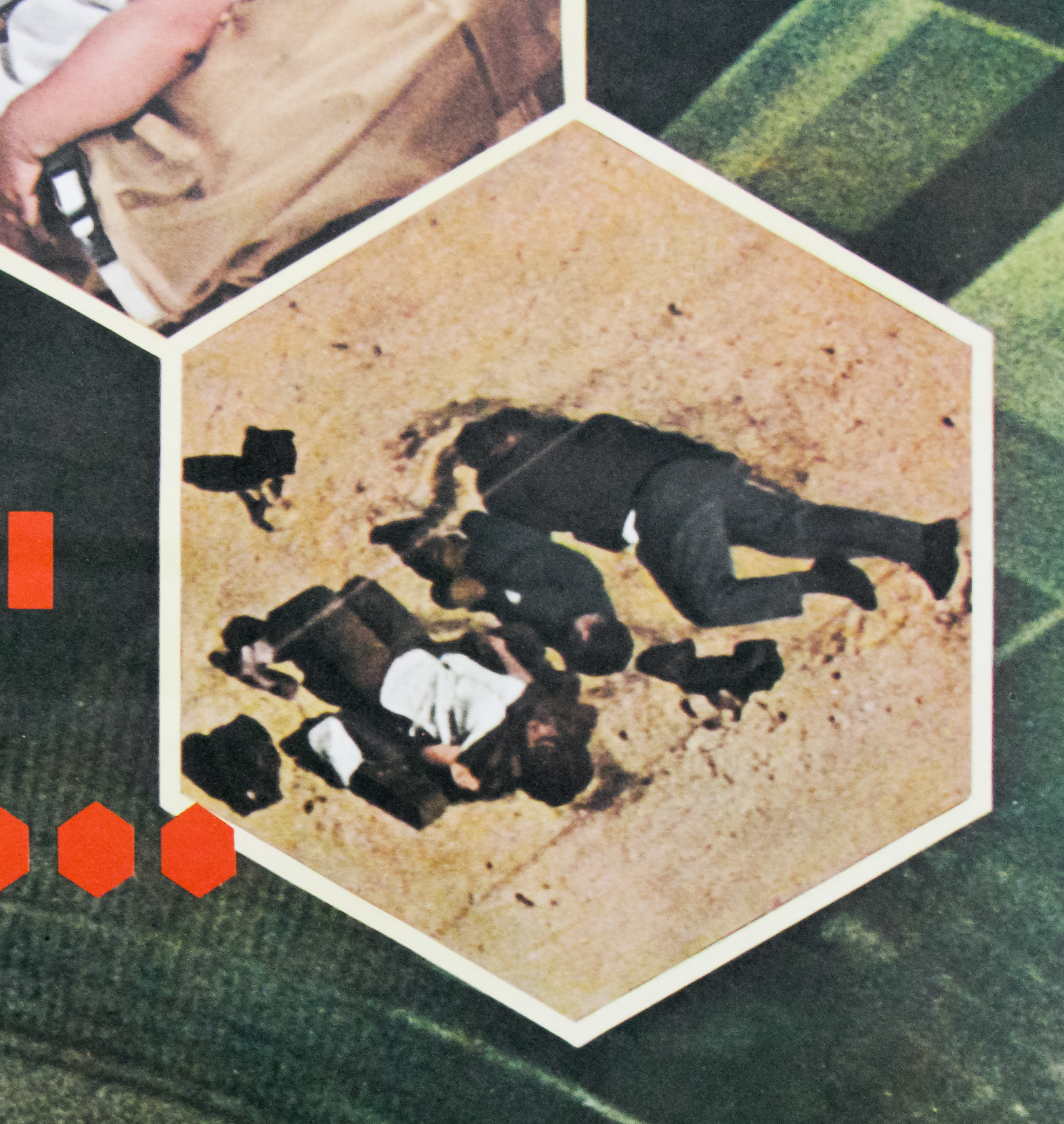
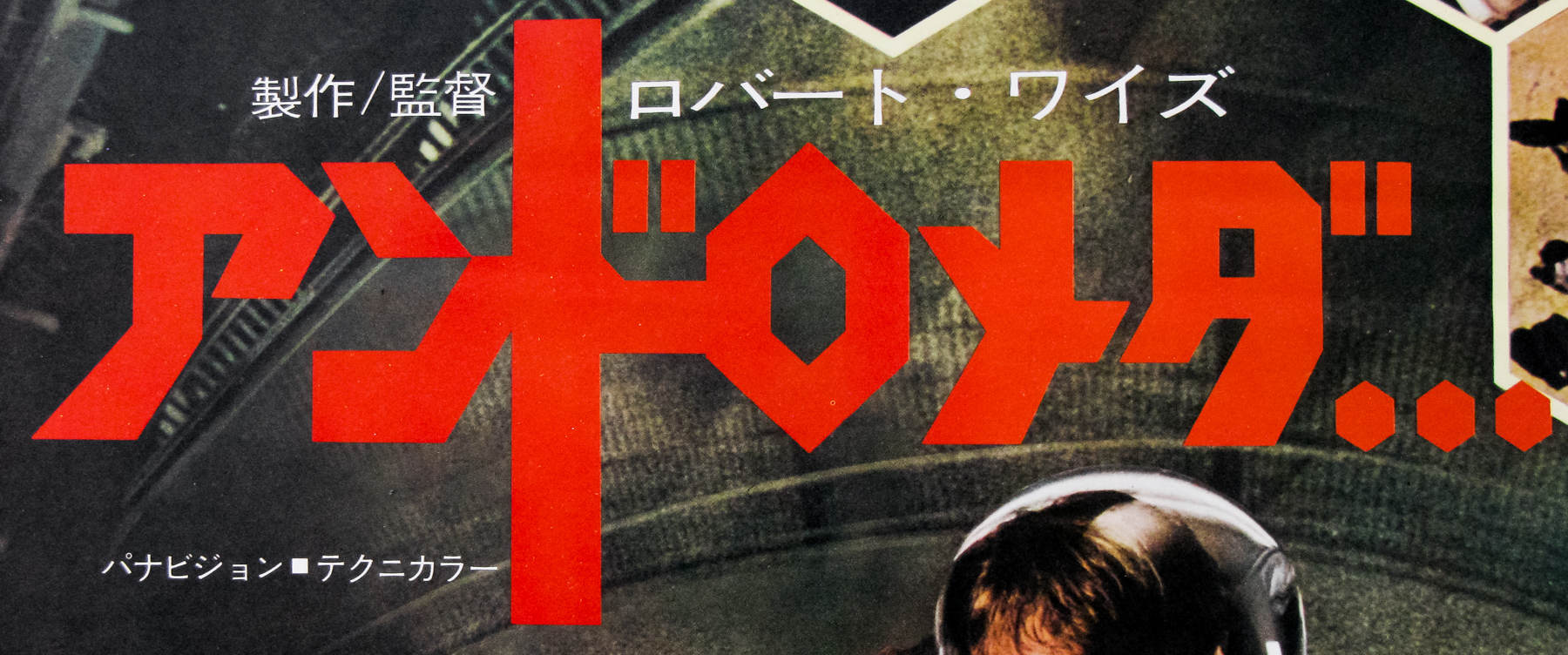
A unique design on this Japanese poster for the classic sci-fi thriller The Andromeda Strain, which was based on Michael Crichton’s book of the same name. Despite clearly being a product of the early 1970s the film still stands up today and the events depicted are no less terrifying than they were 41 years ago; the threat of an unknown and deadly disease hangs over us all.

The story focuses on the mysterious deaths of the inhabitants of a small town in Arizona after a satellite crashes back to earth nearby. It’s suspected that the satellite was carrying an unknown extraterrestrial organism and a specialist team of scientists is despatched to investigate. They recover the satellite and also discover there are two survivors in the town; a delirious elderly man and a baby.  The team then heads to the specially constructed ‘Wildfire’ underground bunker where they must race against time (and the threat of nuclear destruction) to neutralise the alien threat with the help of the two survivors.

The visual effects were designed by Douglas Trumbull who has worked his magic on multiple classic films over the years, including 2001, Blade Runner and recently on The Tree of Life. Using techniques he’d honed on 2001, Trumbull was able to create realistic looking (for the time) screen displays without the need for an actual computer. The production design by Boris Leven is also fantastic with the bunker interior being particularly notable.

The US one sheet features the same shot of James Olson in the hermetically sealed suit with the uninfected baby.

The original trailer is available on YouTube.
 

Aliens / cinema program / Japan

07.03.12

Poster Poster
Title
Aliens
AKA
Aliens - Scontro finale [Final encounter] (Italy), Aliens - Le retour [The return] (France)
Year of Film
1986
Director
James Cameron
Starring
Sigourney Weaver, Carrie Henn, Michael Biehn, Lance Henriksen, William Hope, Paul Reiser
Origin of Film
USA
Genre(s) of Film
Sigourney Weaver, Carrie Henn, Michael Biehn, Lance Henriksen, William Hope, Paul Reiser,
Type of Poster
Cinema program
Style of Poster
--
Origin of Poster
Japan
Year of Poster
1986
Designer
Unknown
Artist
--
Size (inches)
N/A
SS or DS
--
Tagline
--

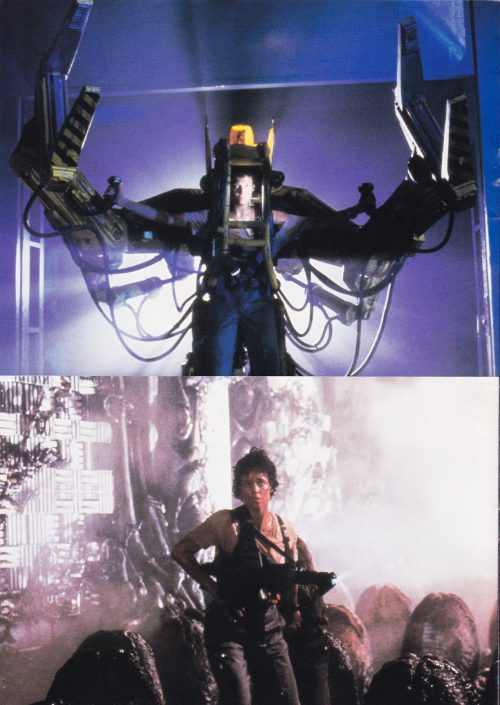
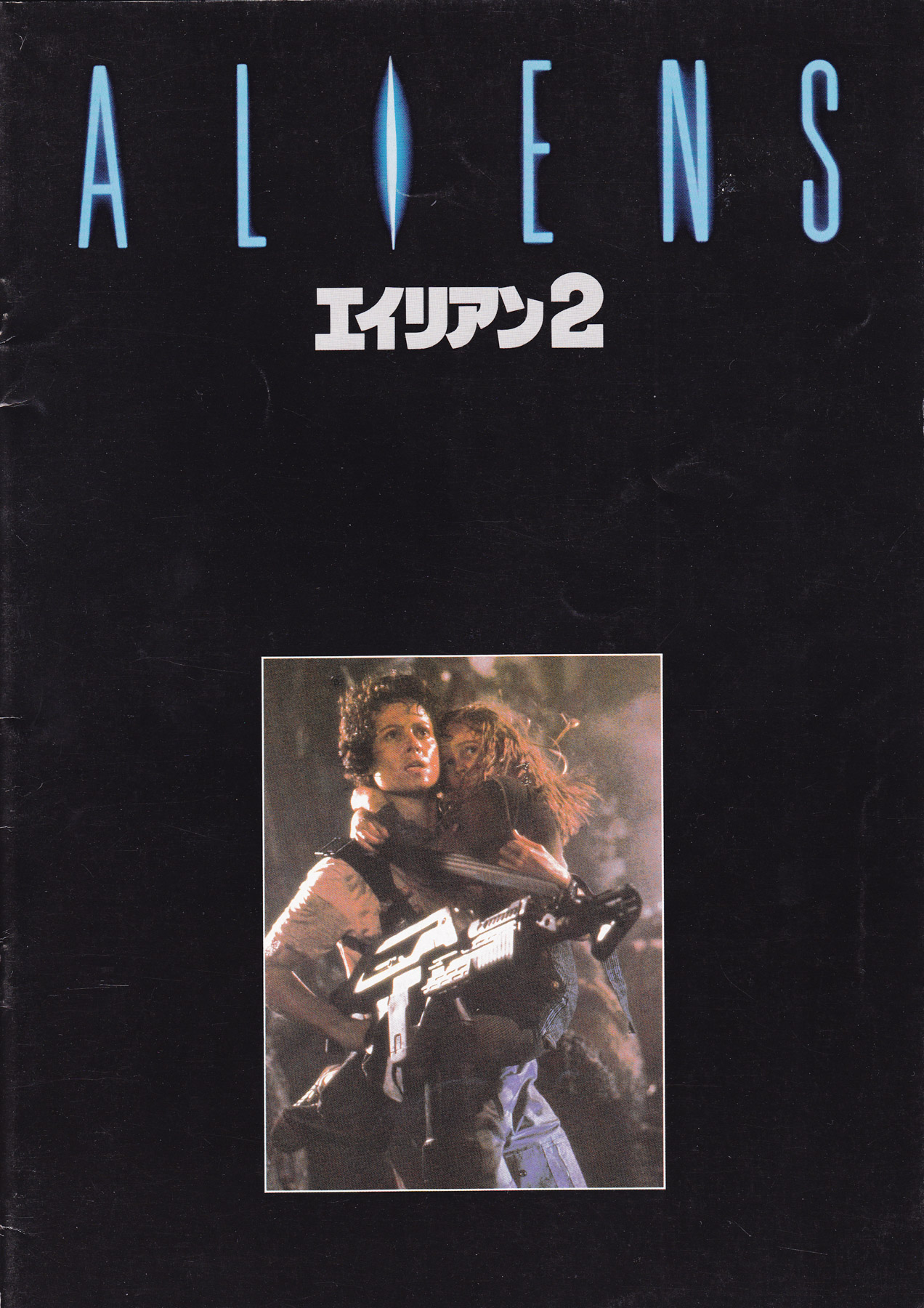
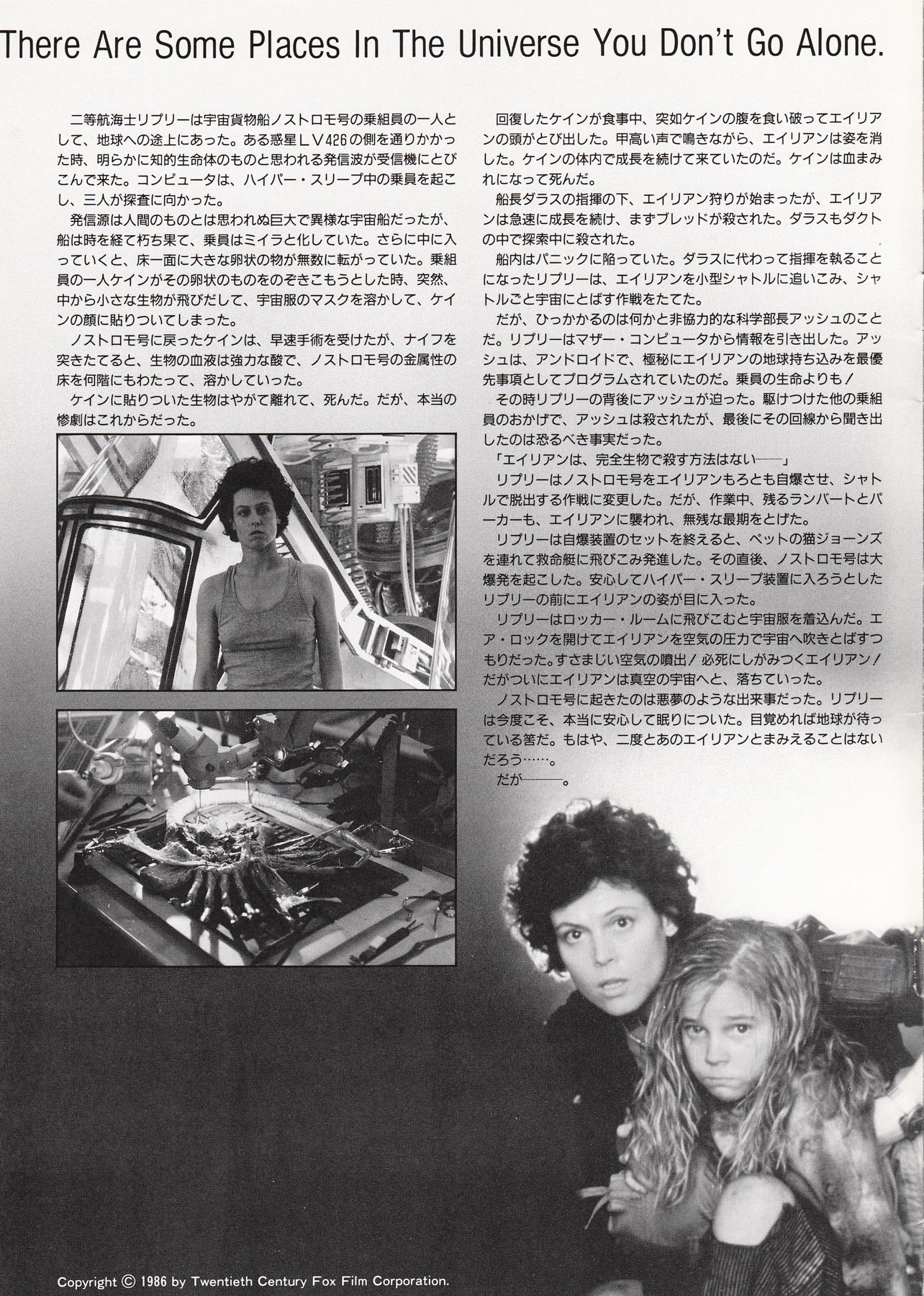
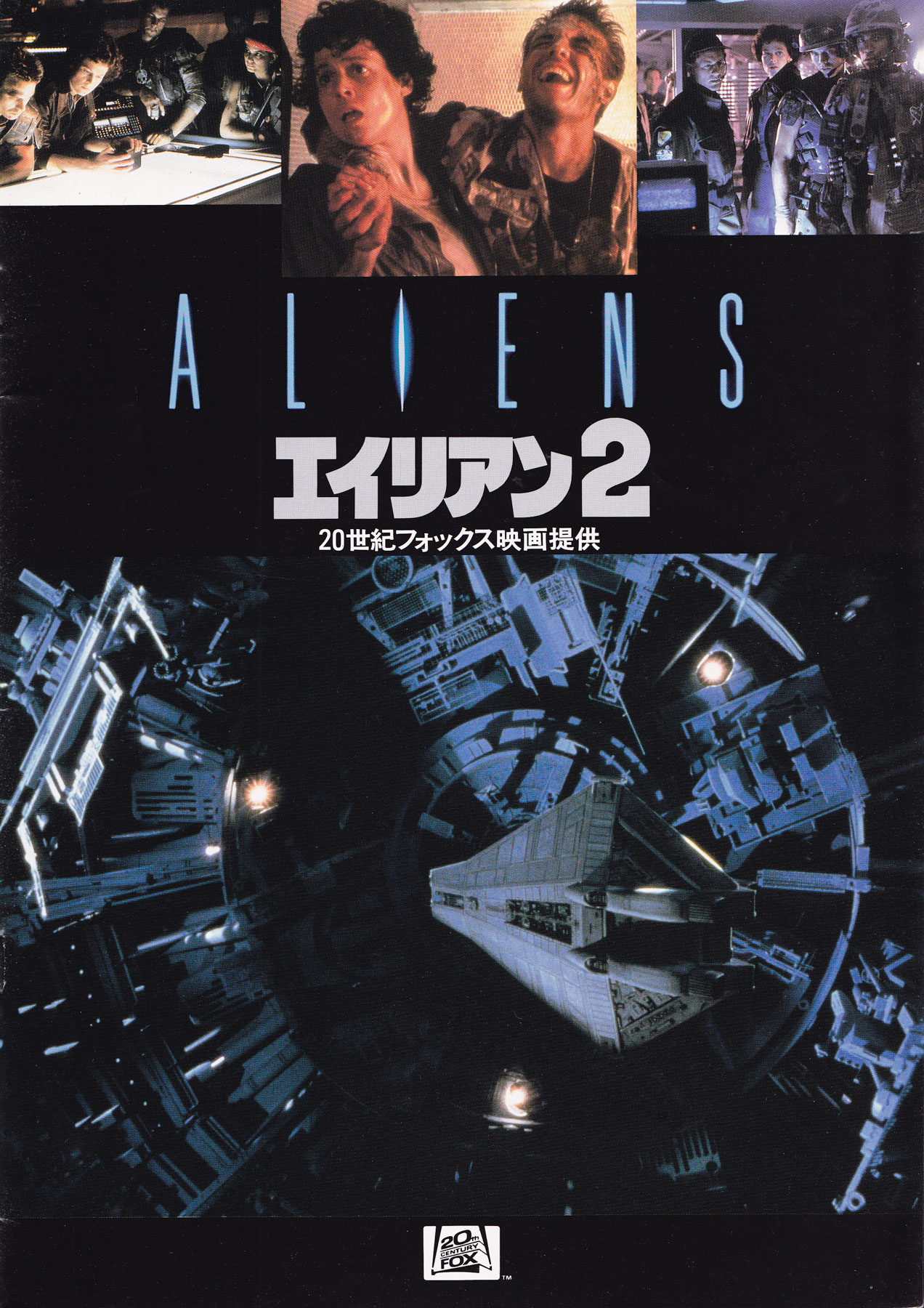
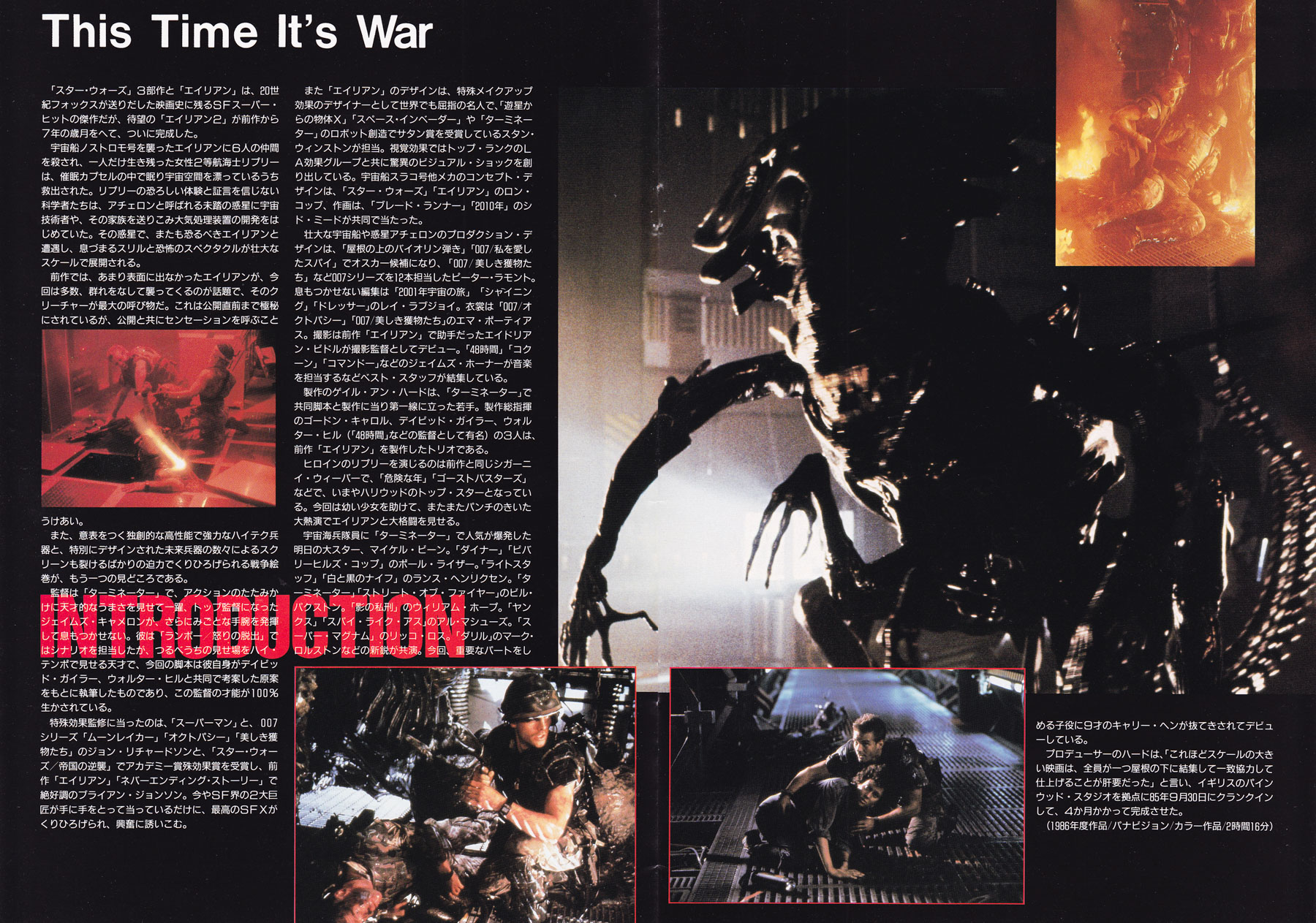
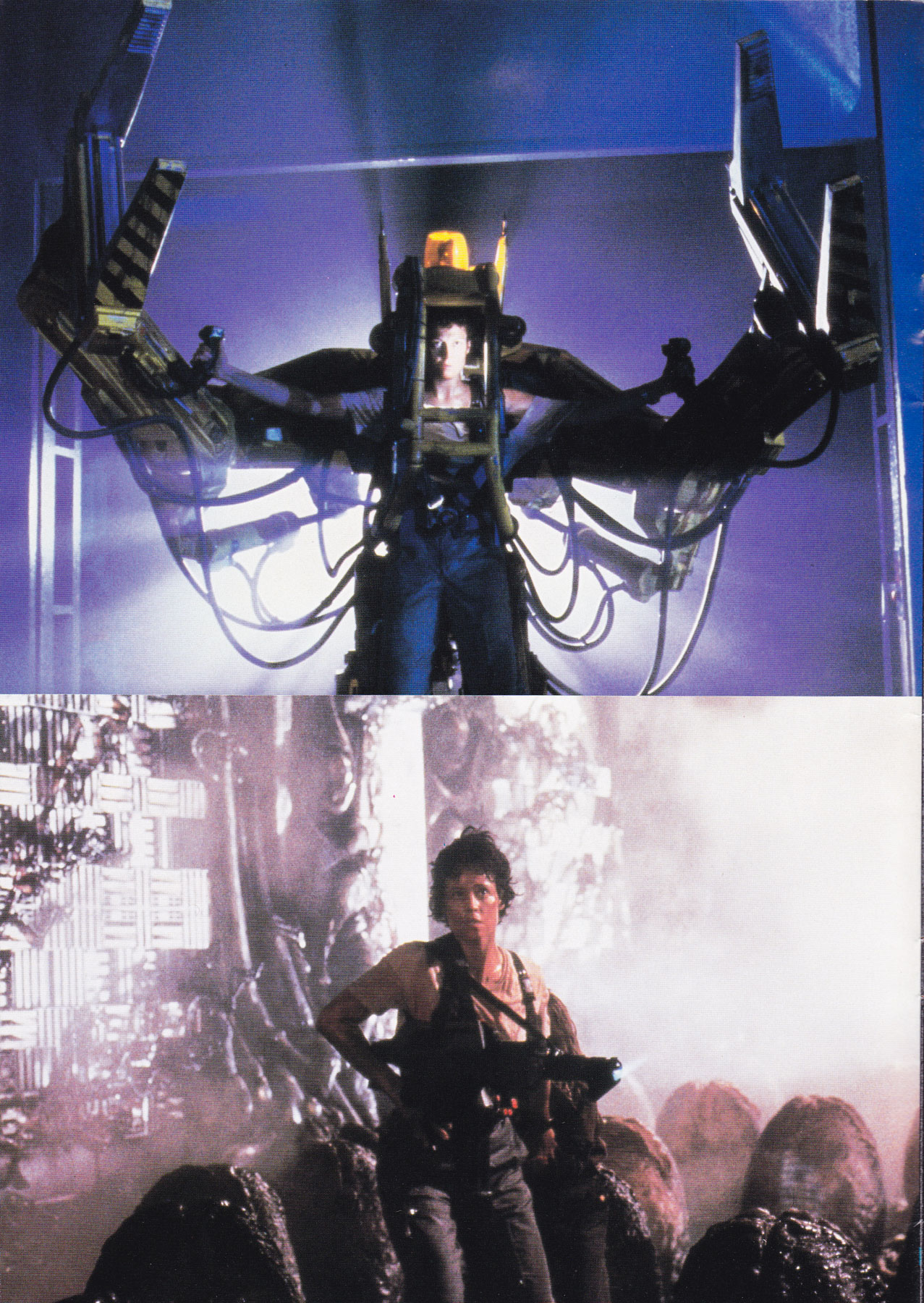
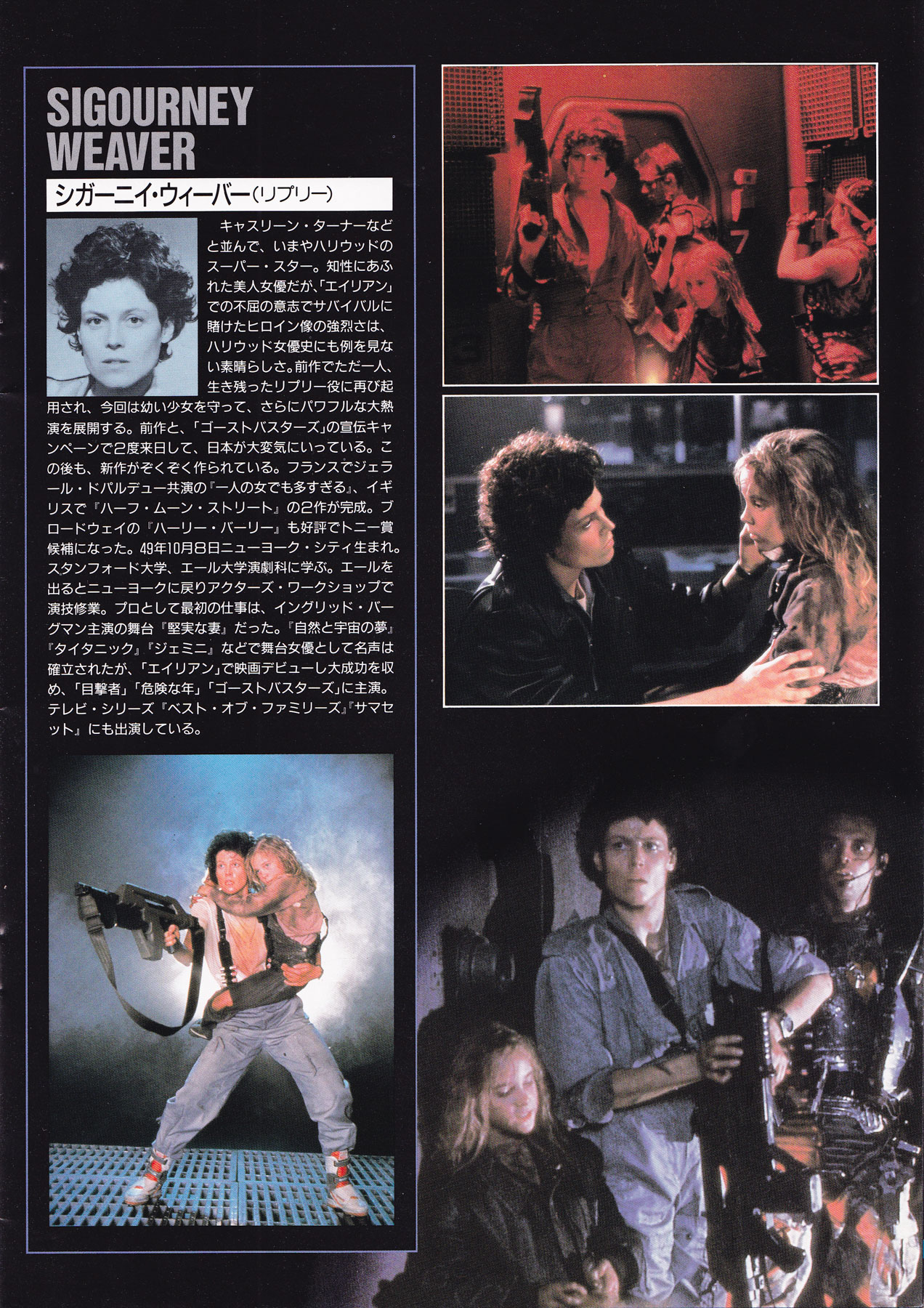
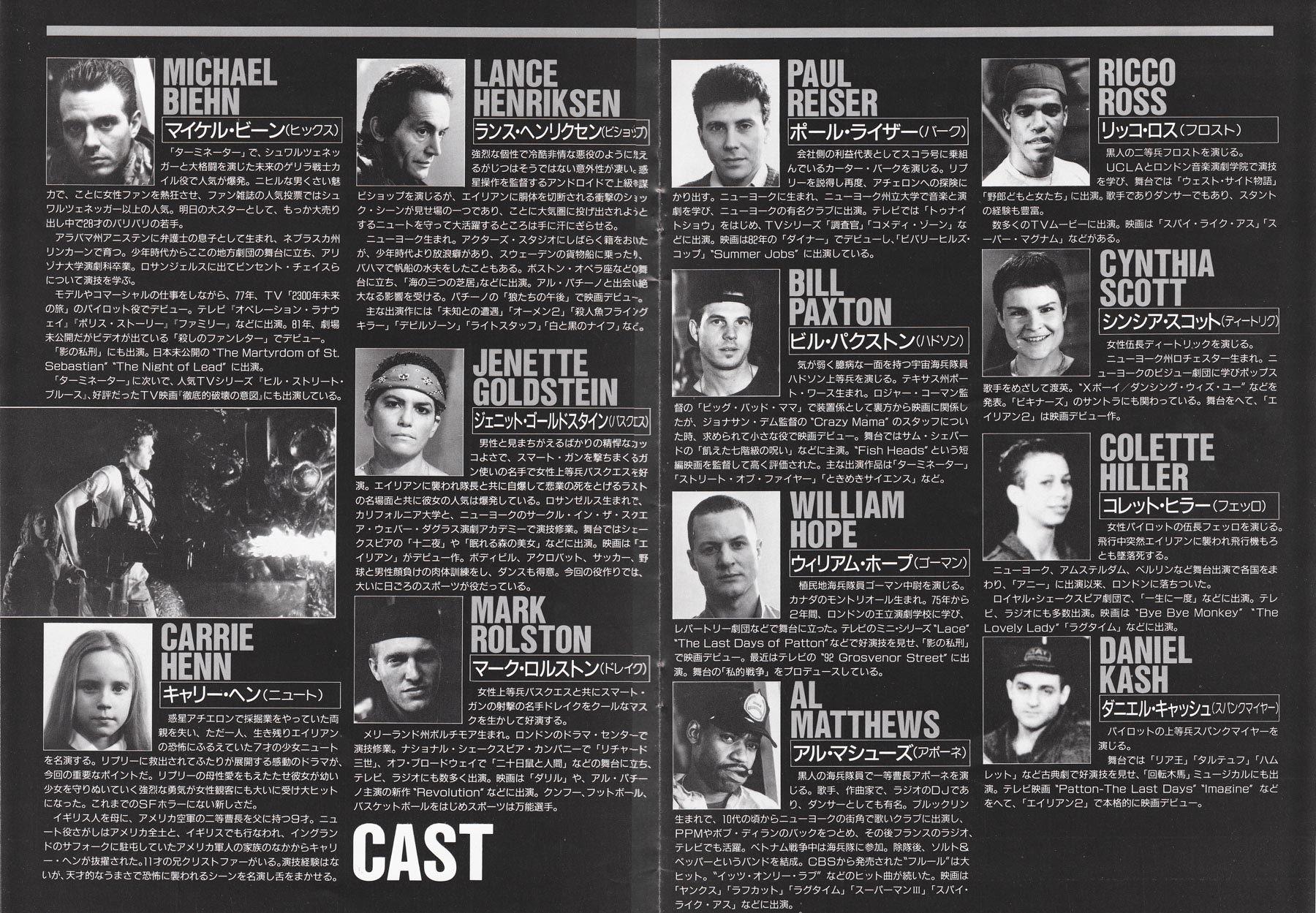
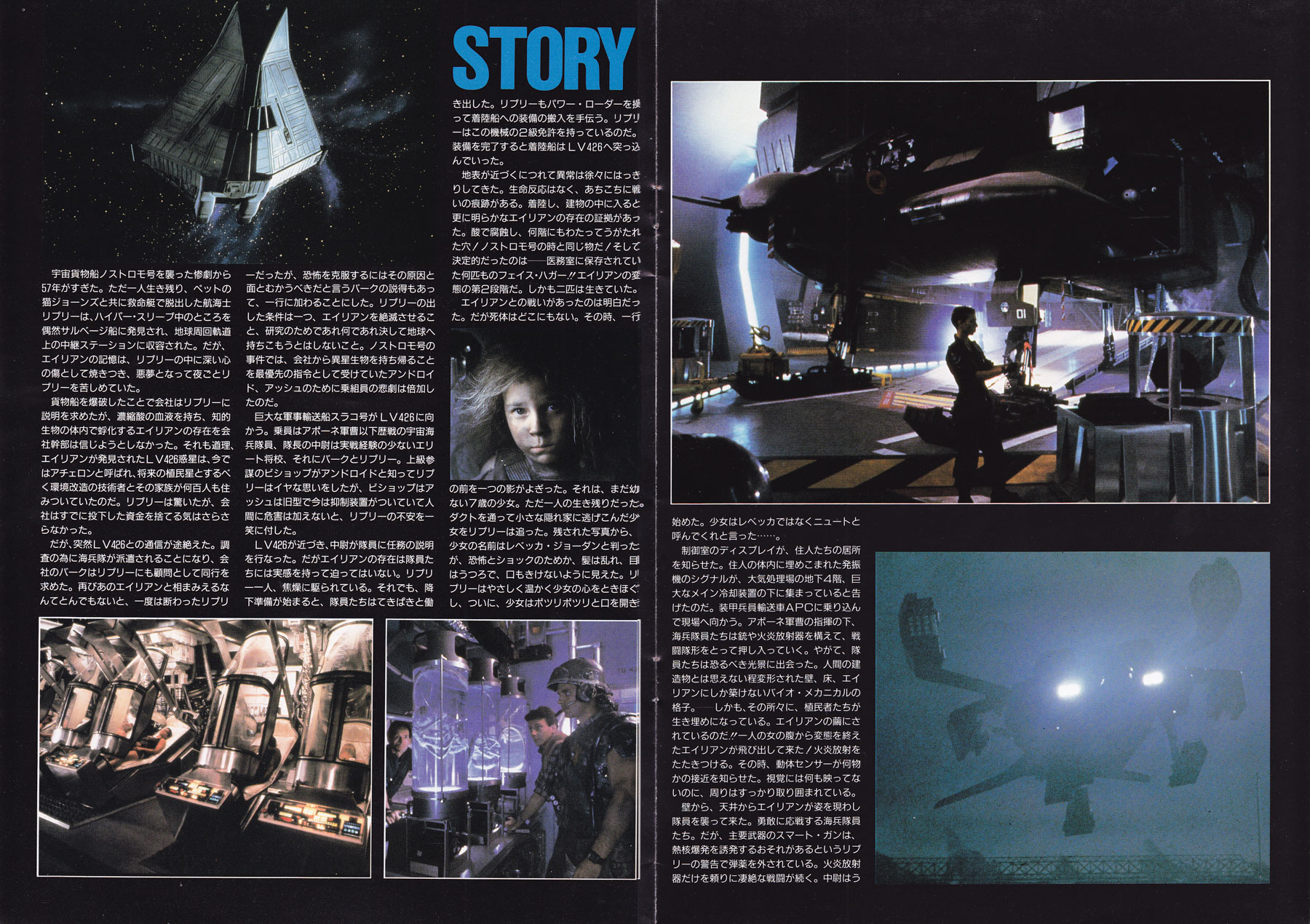
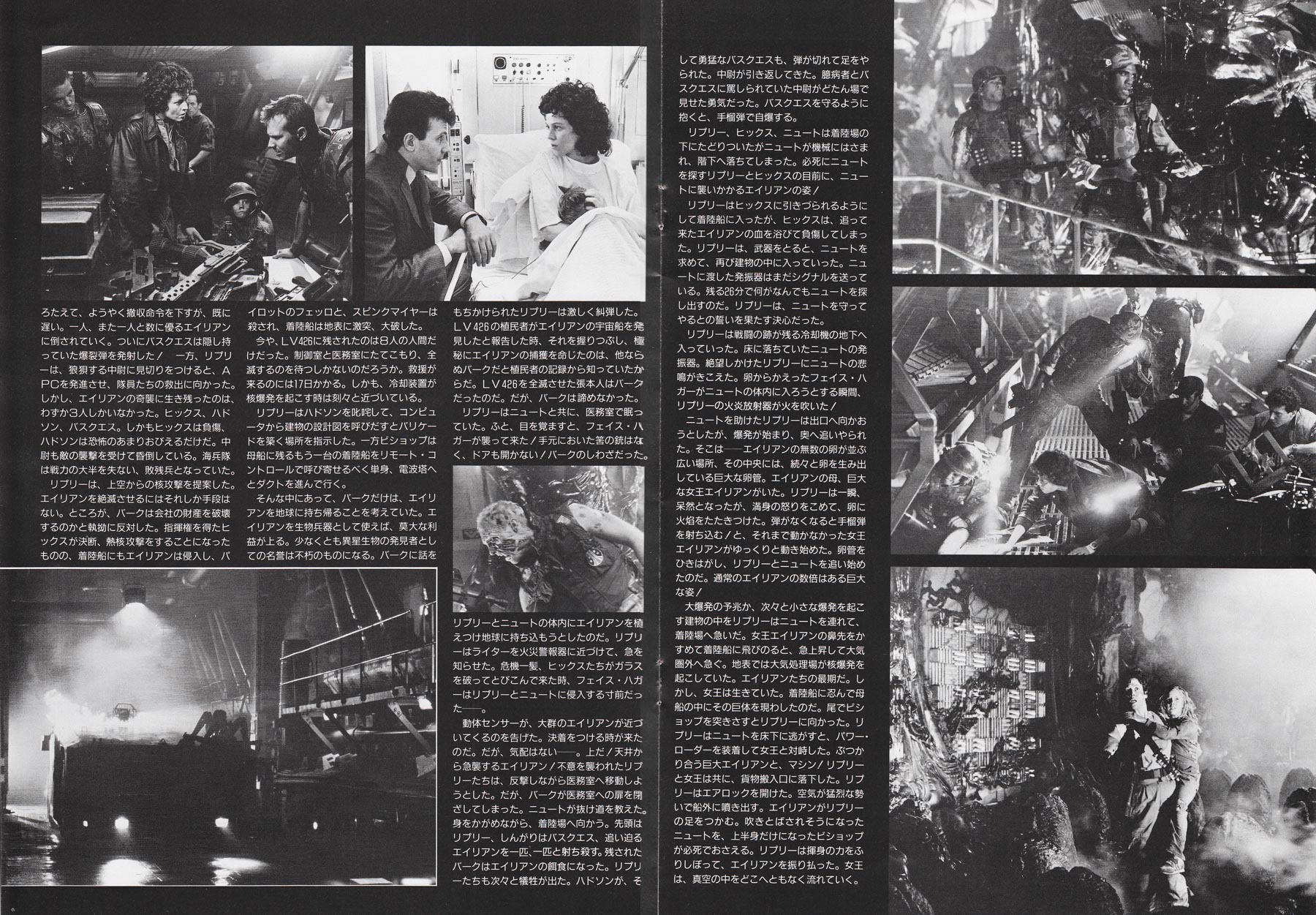
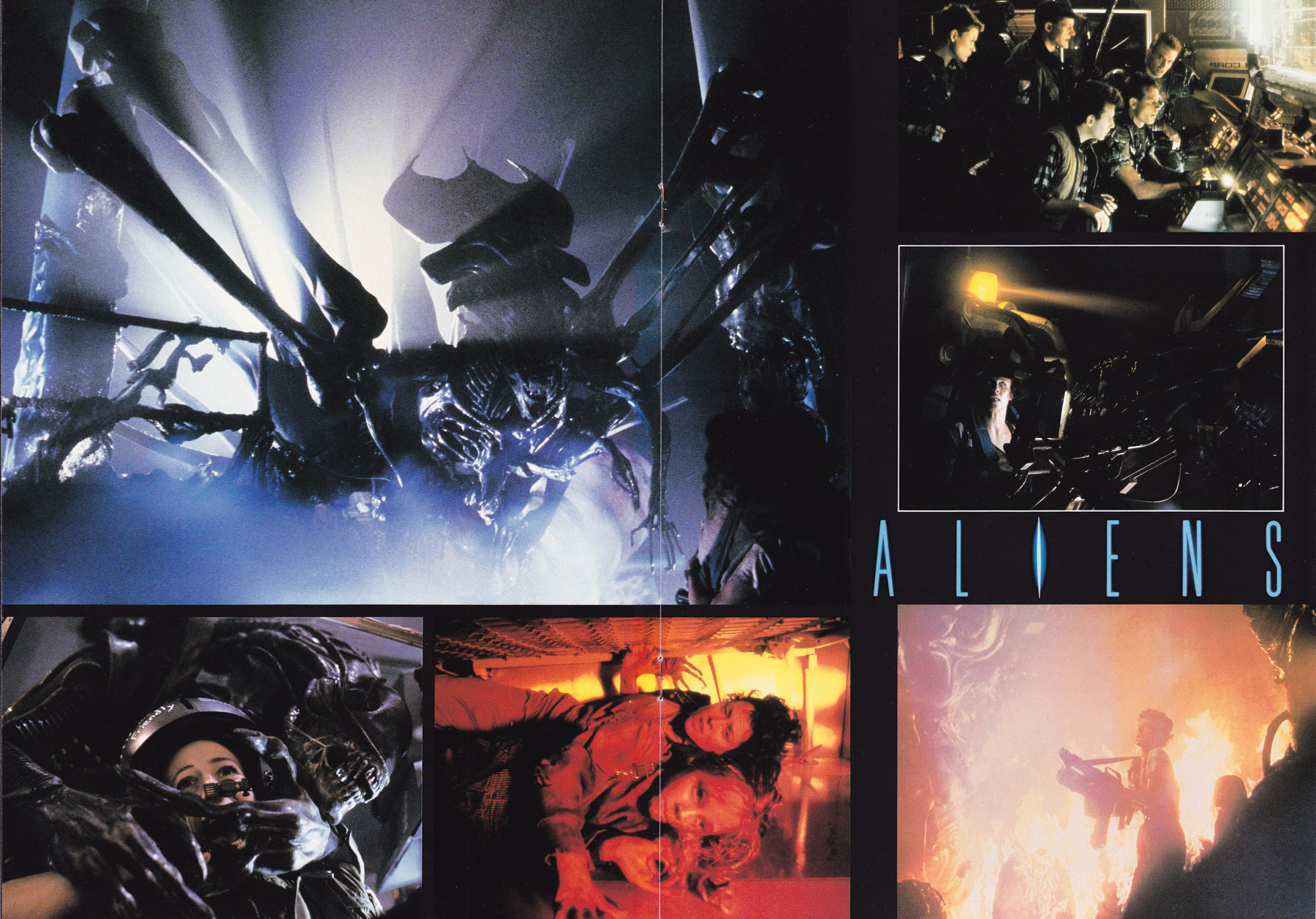
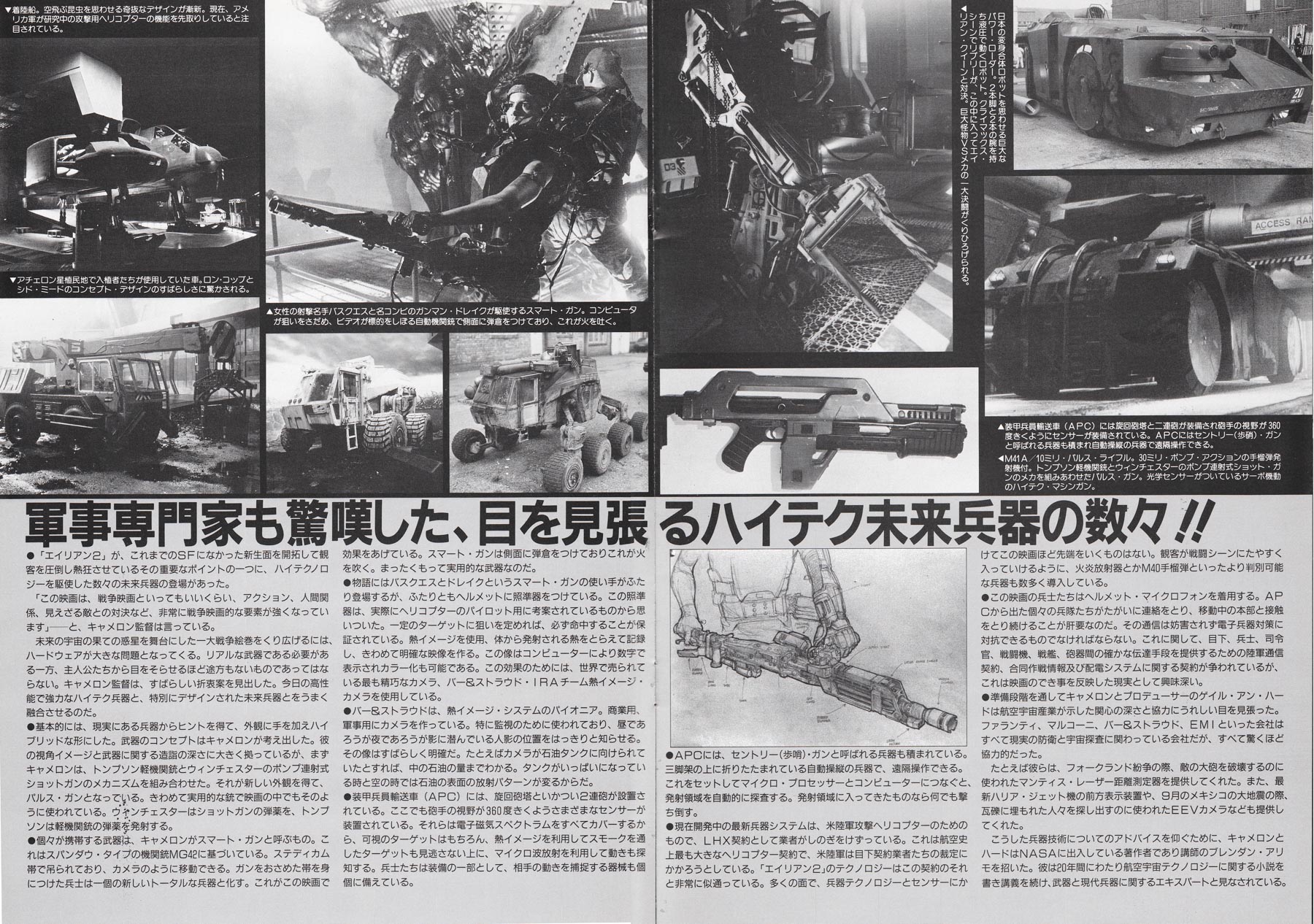
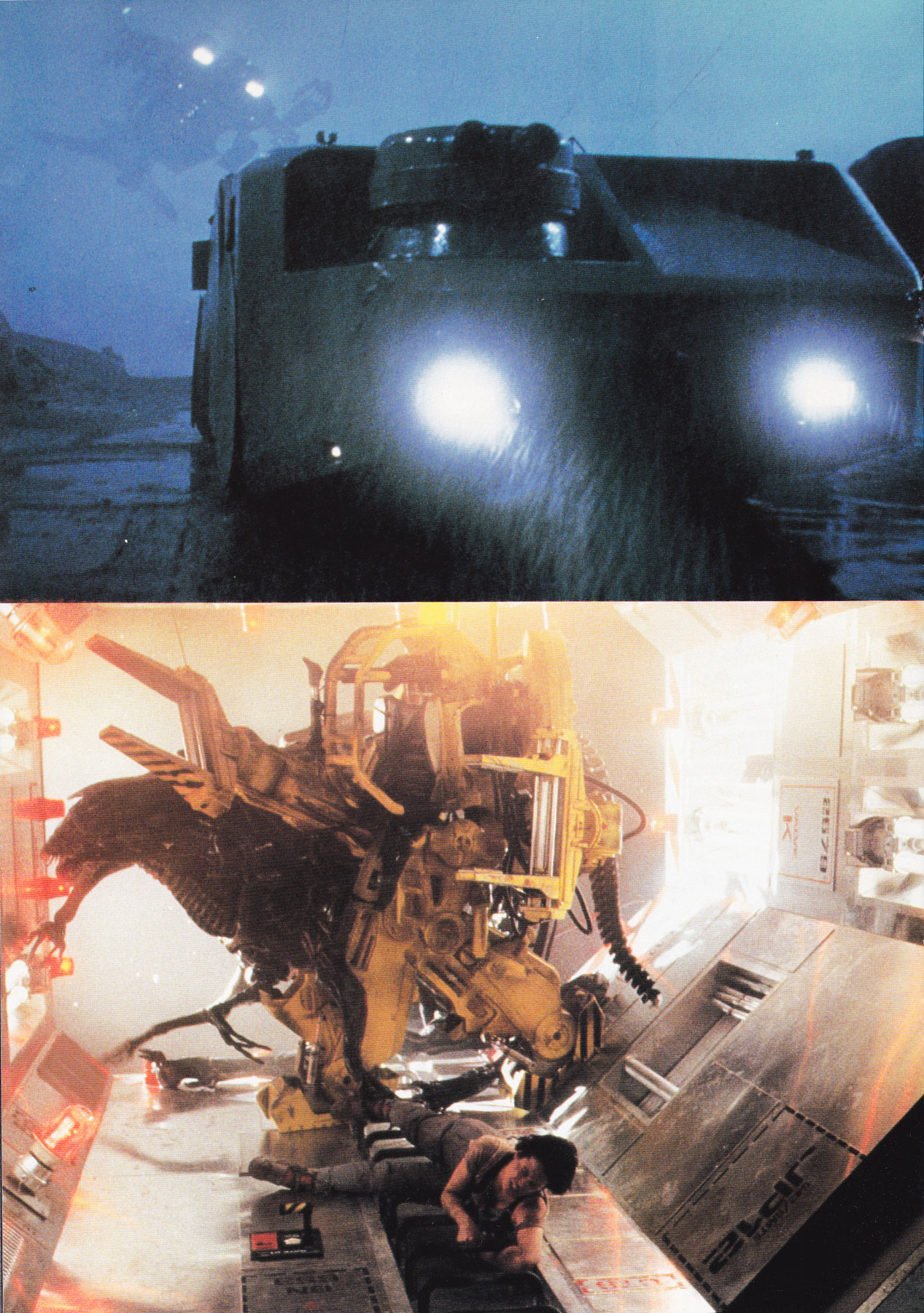
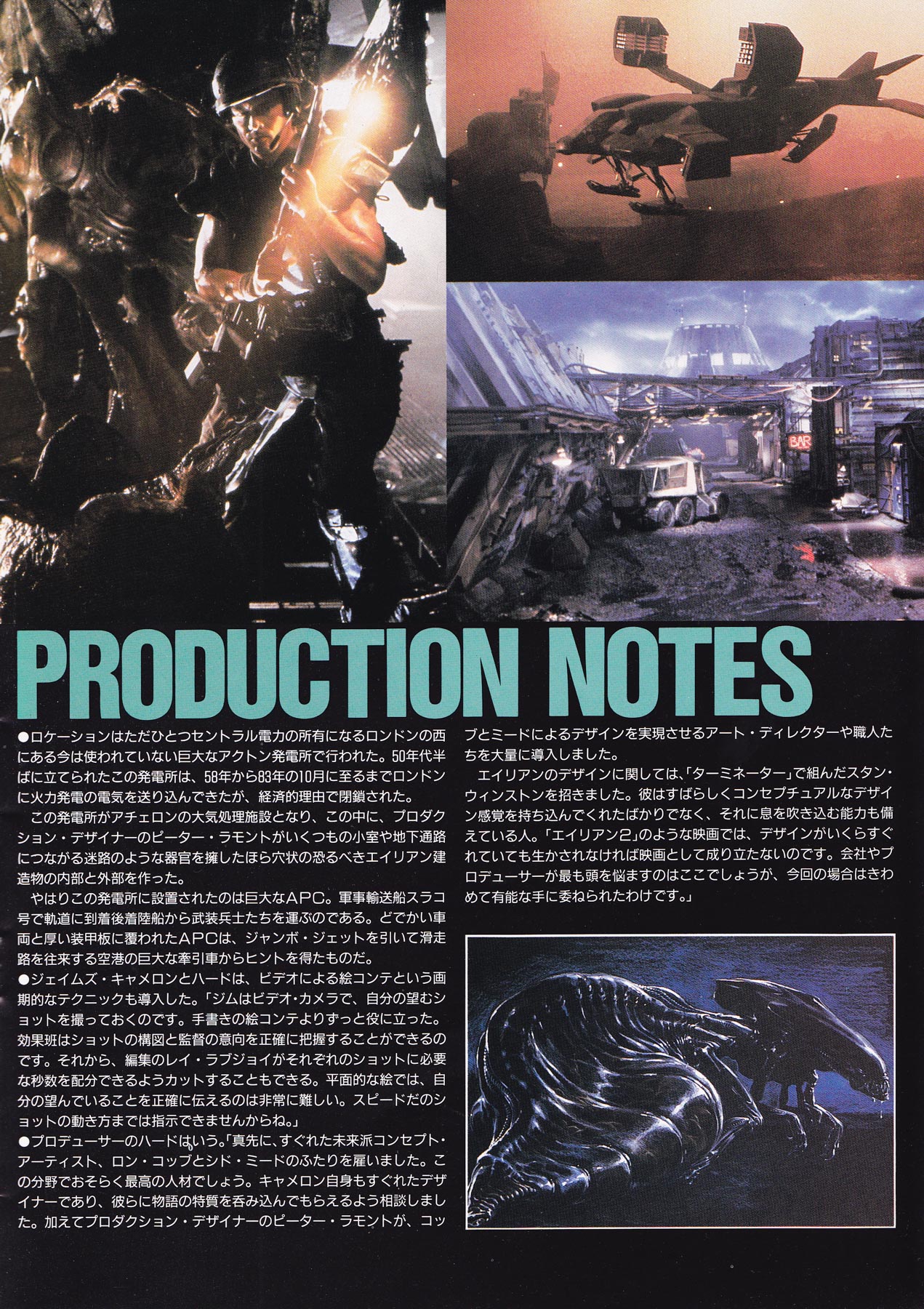
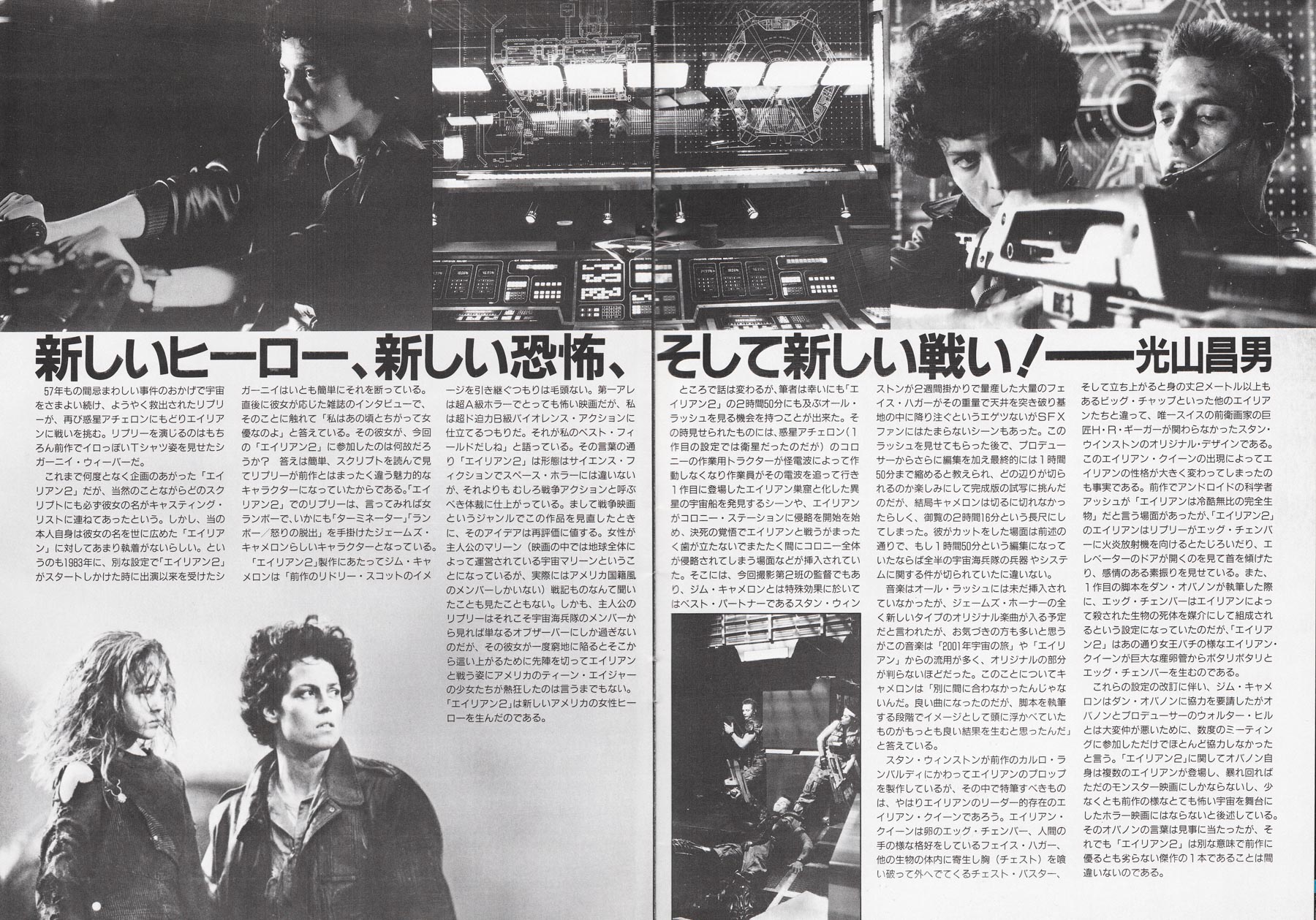
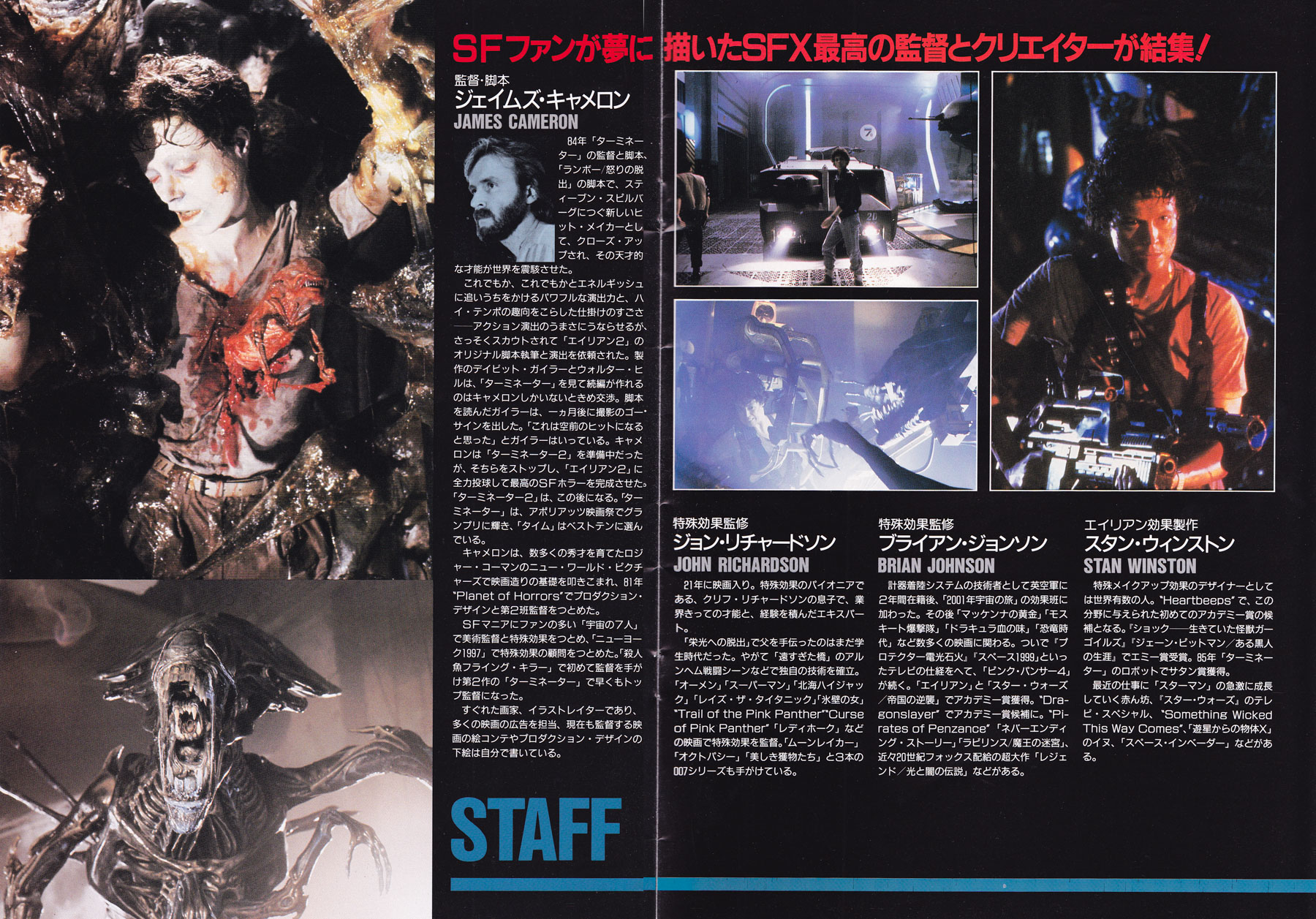
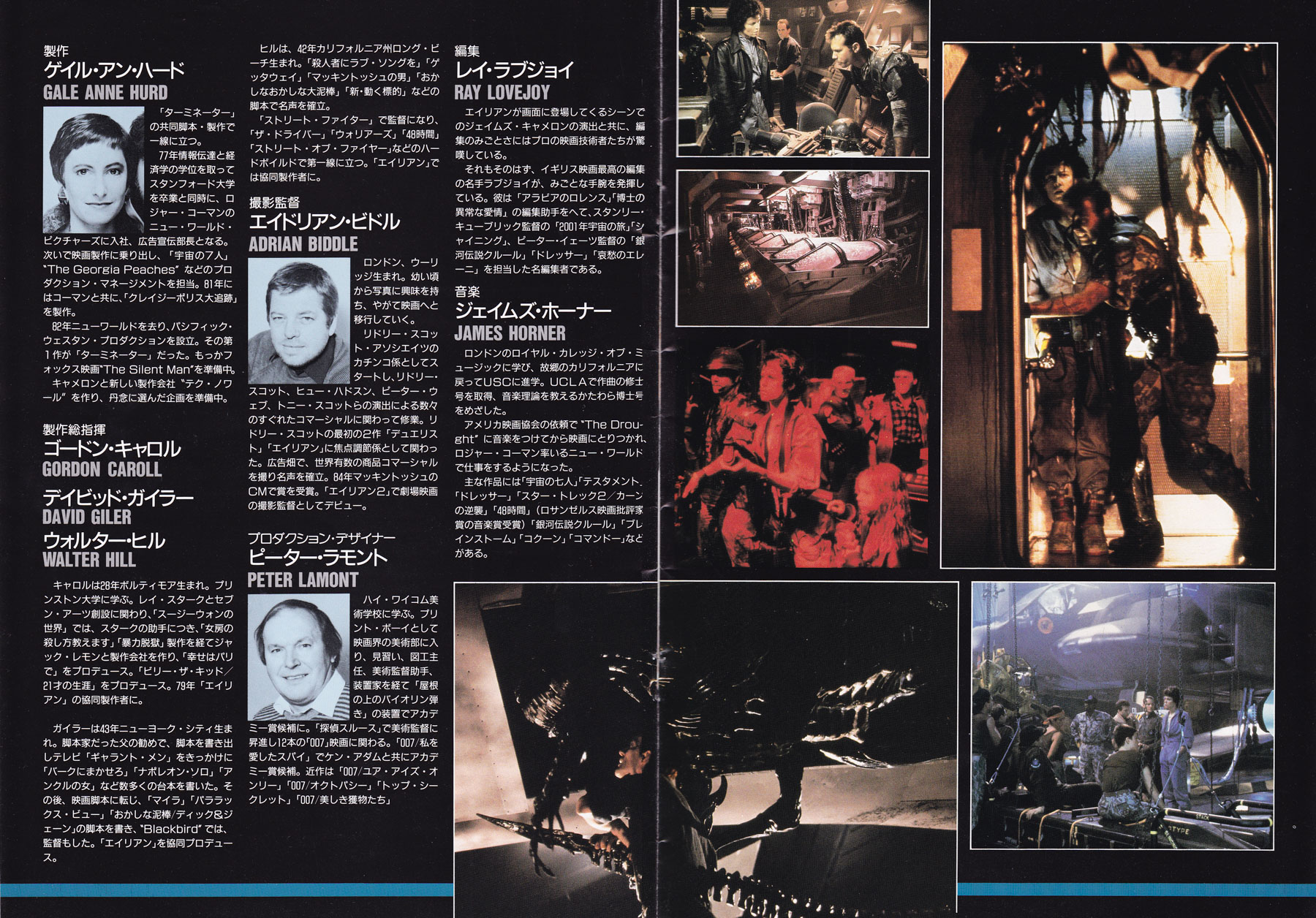
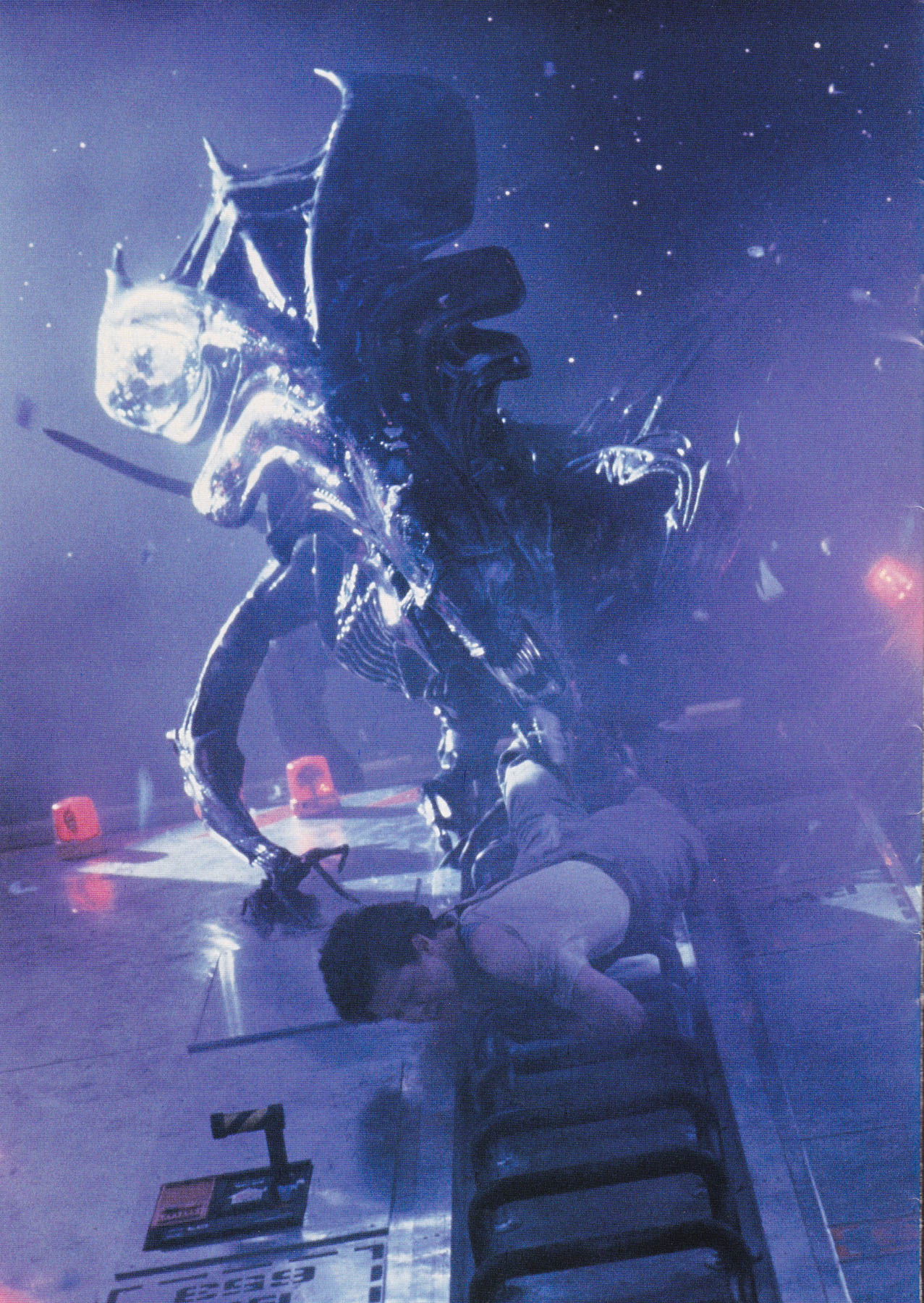
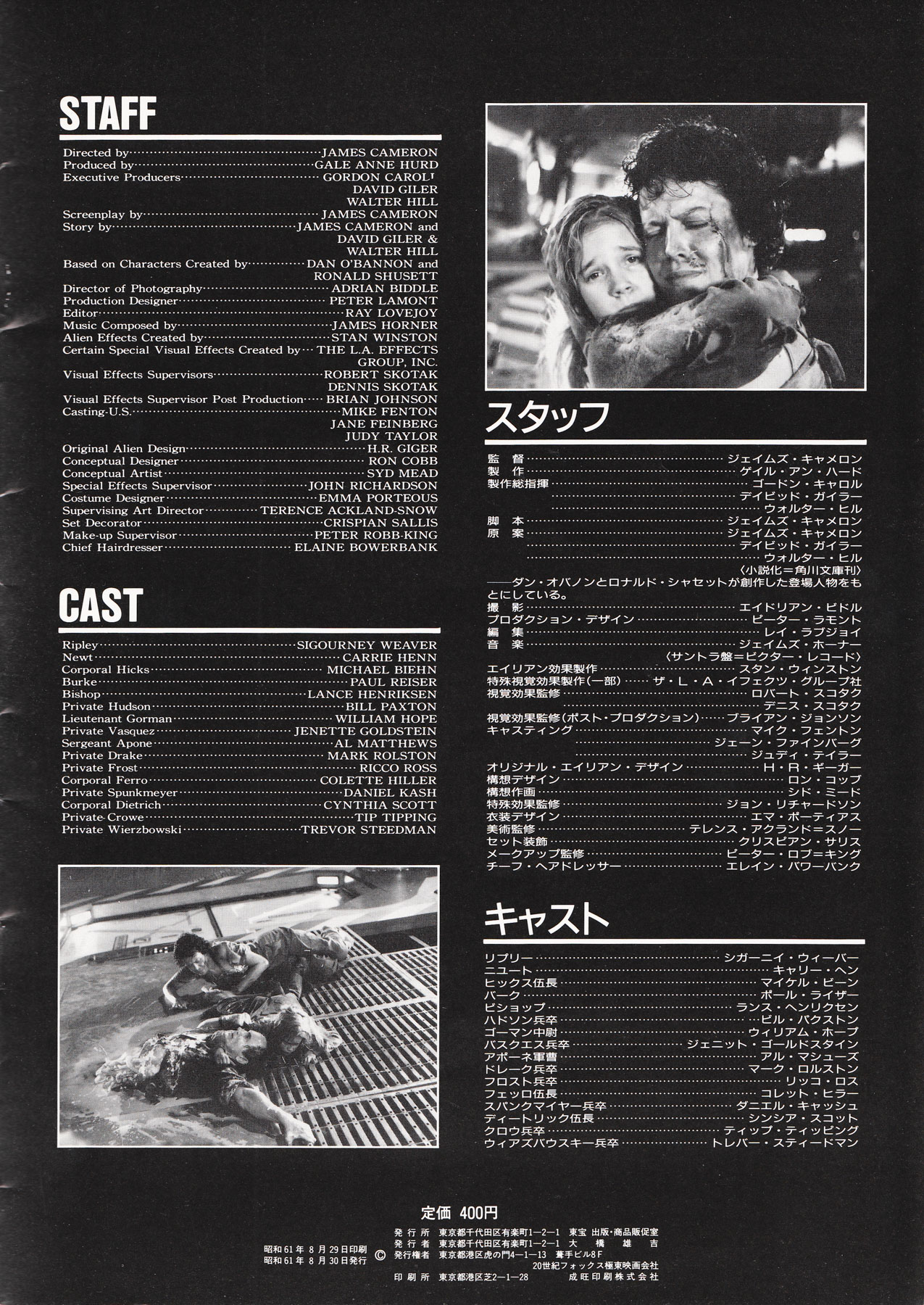
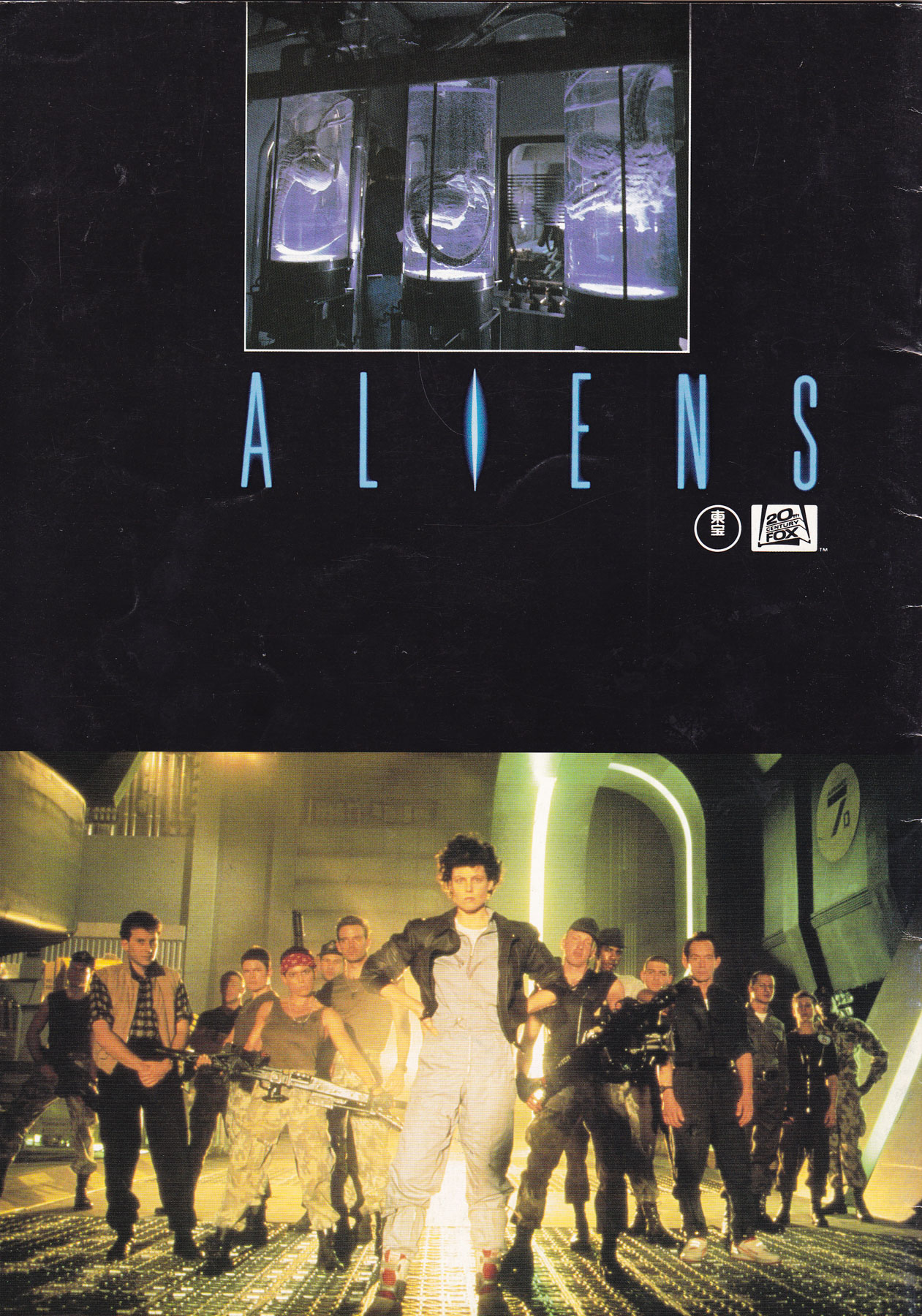
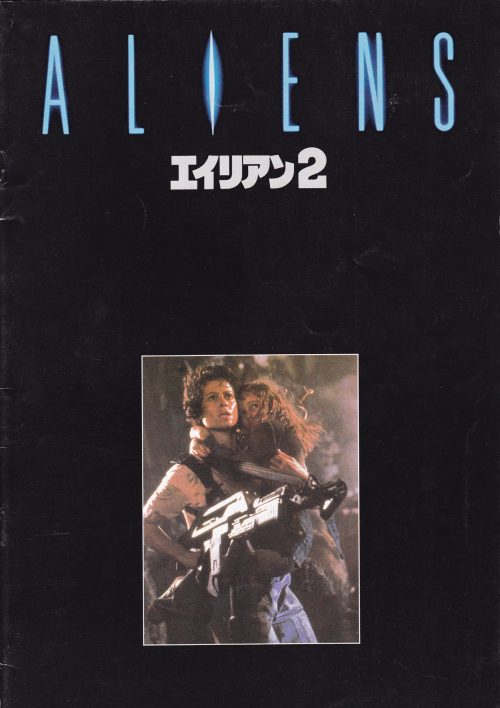
Another non-poster entry, this is the original Japanese program for James Cameron‘s sci-fi masterpiece Aliens. It would have been available to purchase in the cinema when the film was screening back in 1986.

There are some great stills in there as well as a handful of concept illustrations (check the Smart Gun sketch and alien queen image). It’s also great to see the head shots of the actors as well as some of the crew in the last few pages.

Aliens will always be firmly in my top five films of all time. To see the other items I’ve collected for the film click here.

The Black Hole / program / Japan

11.07.12

Poster Poster

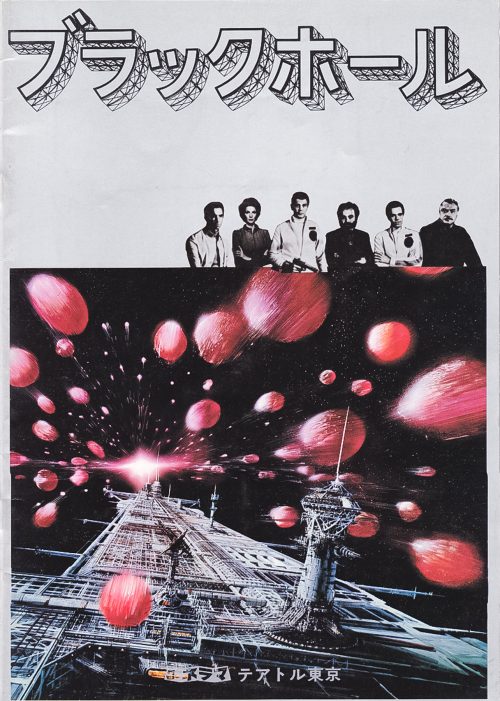
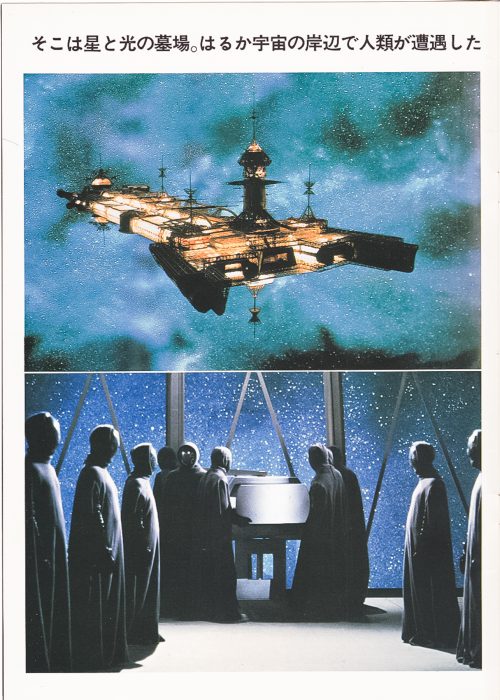
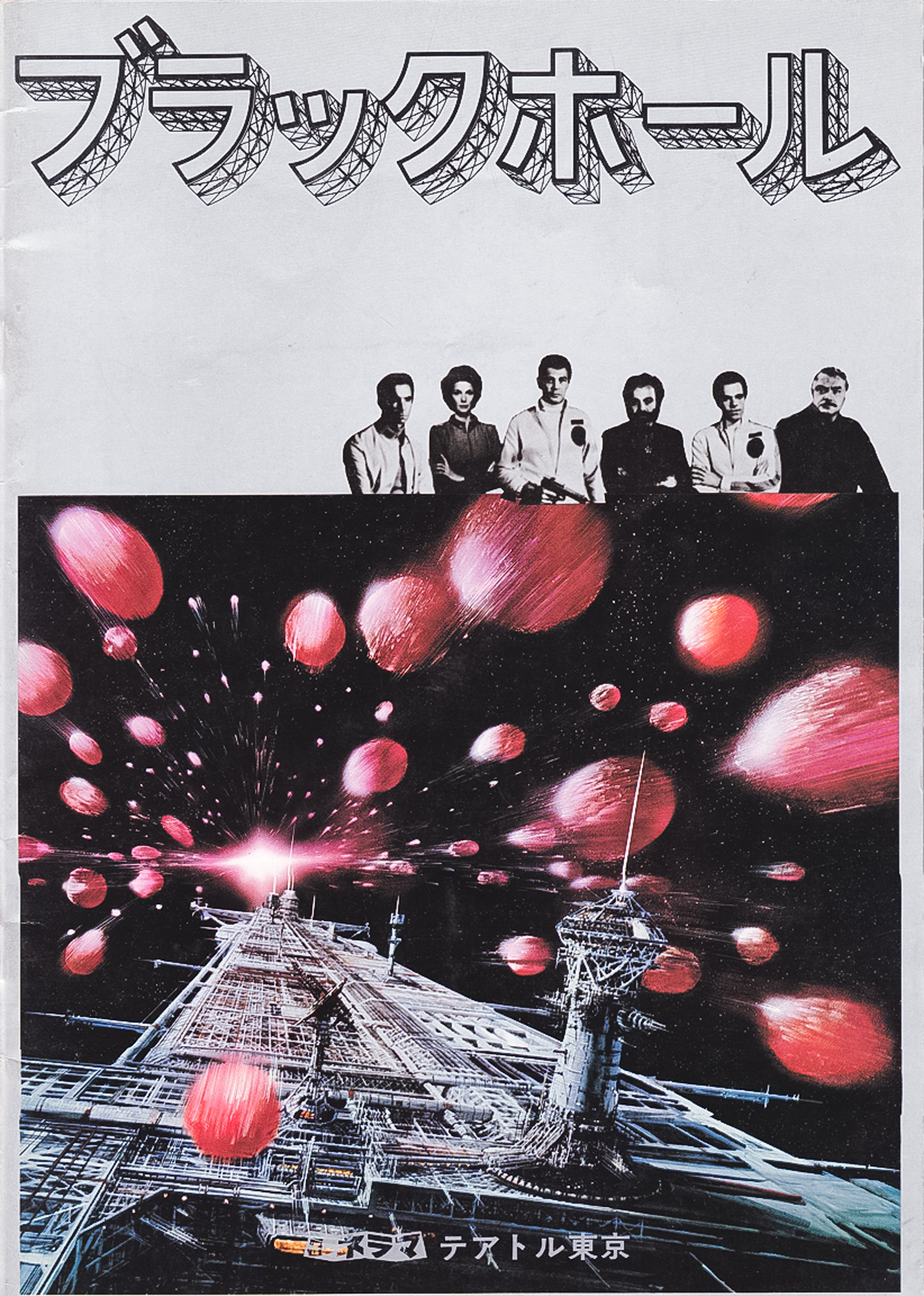
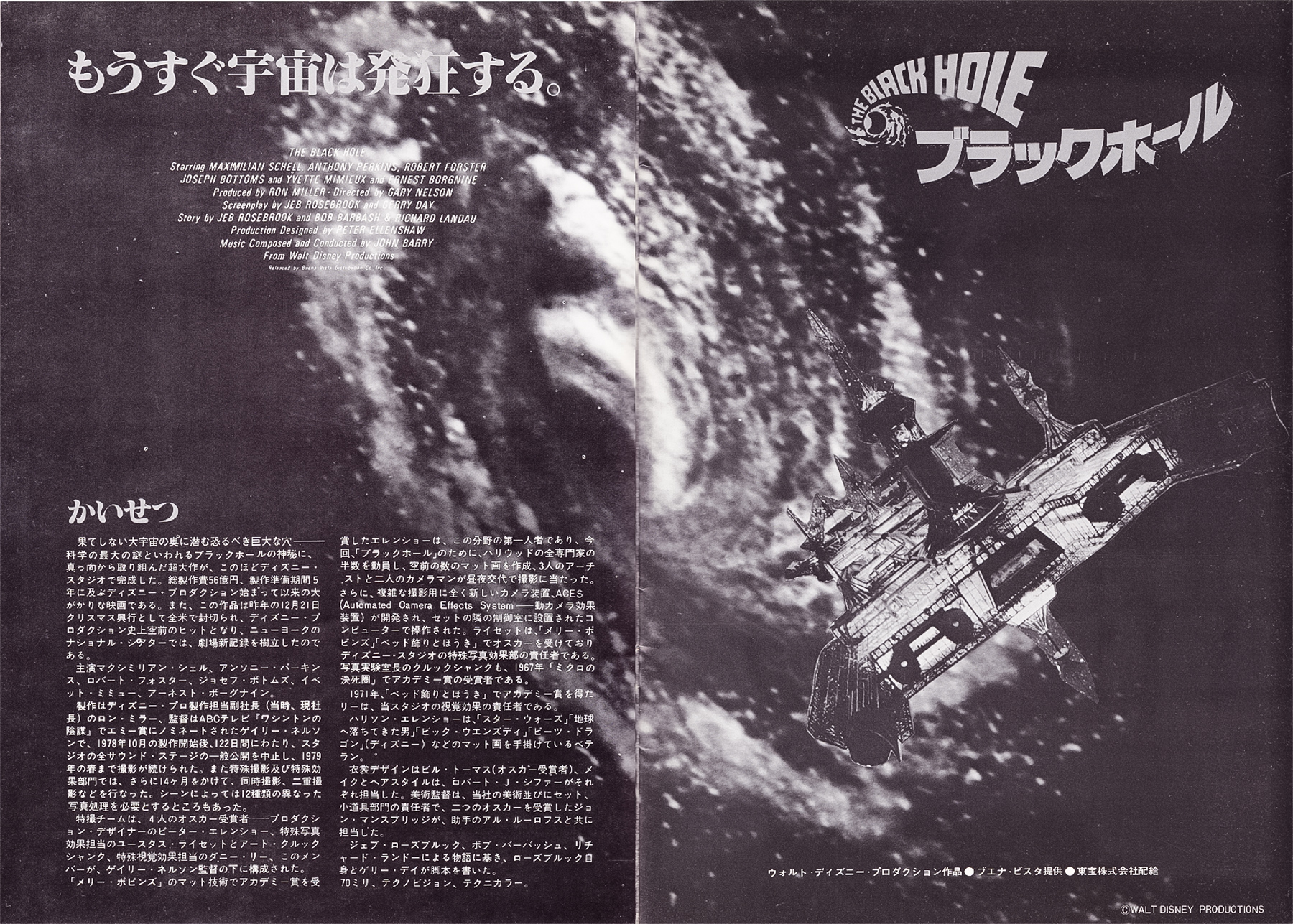
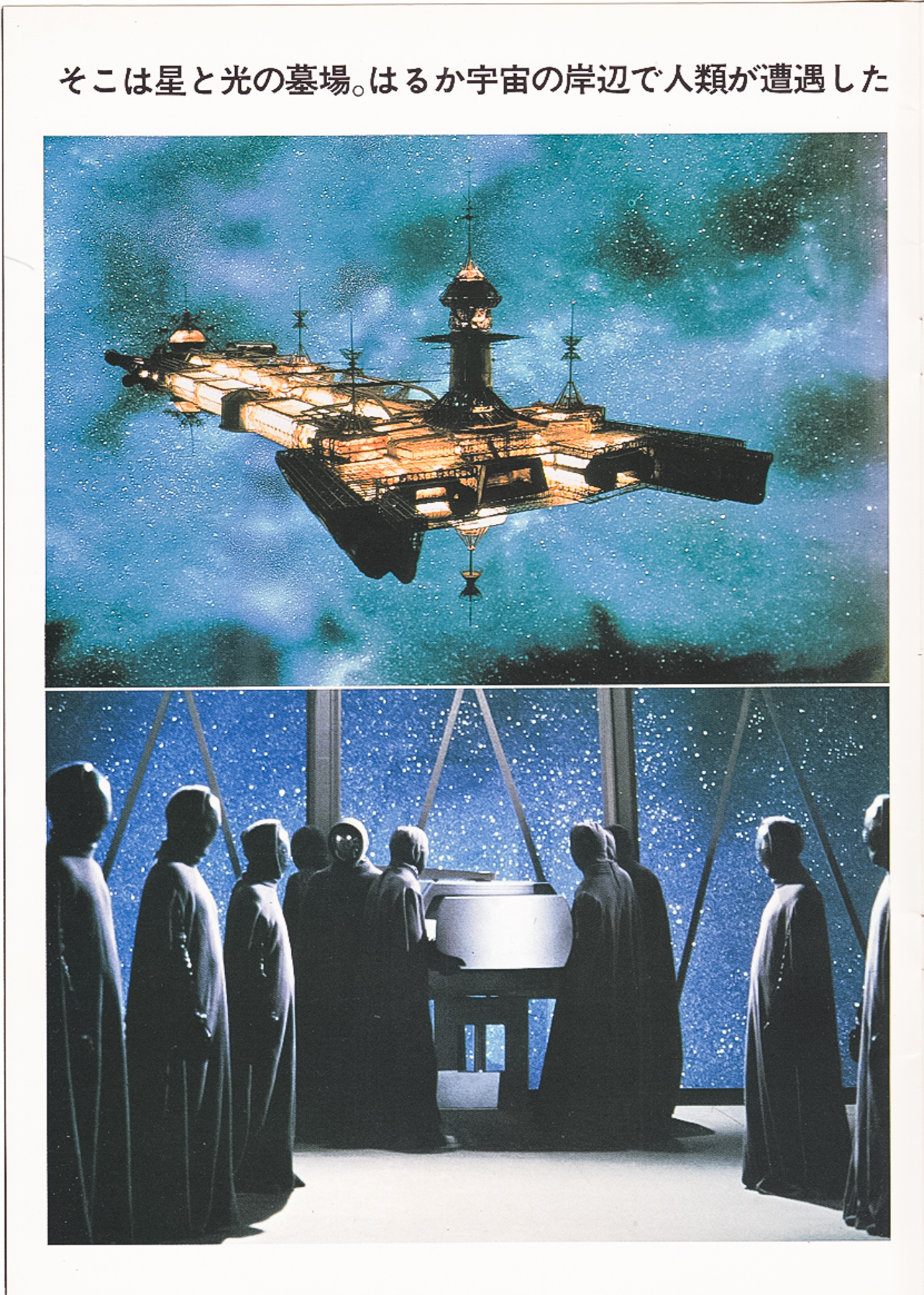
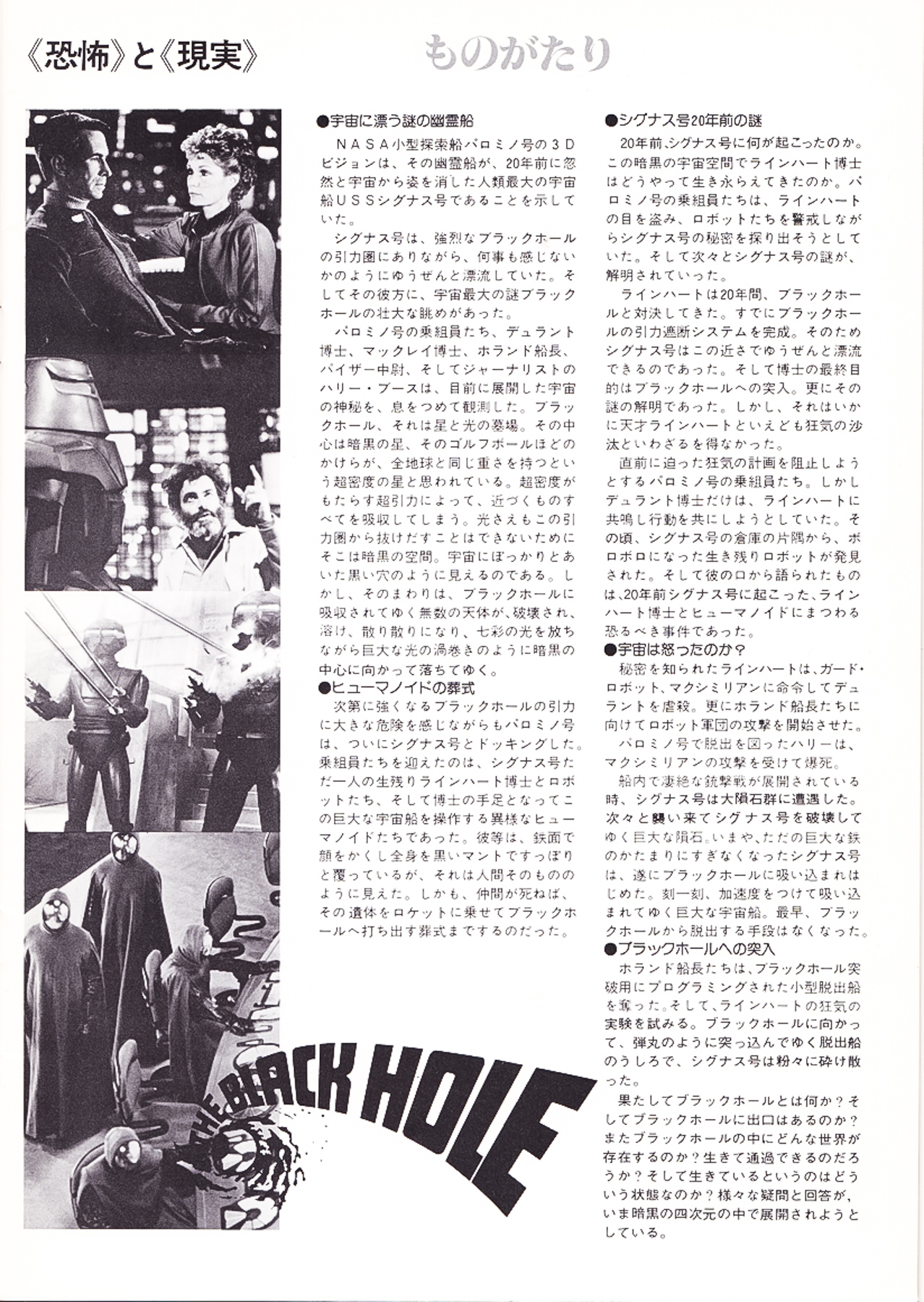
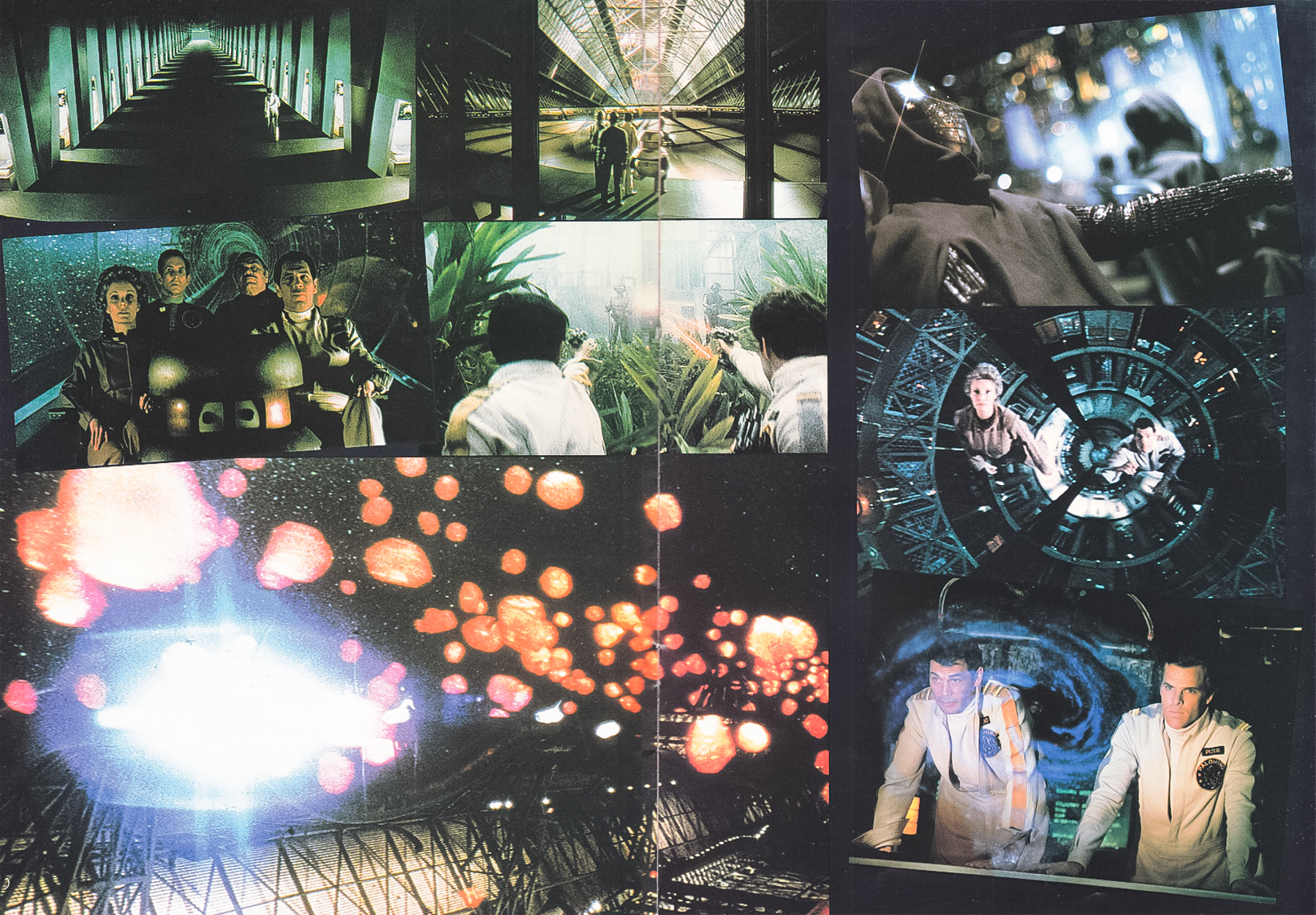
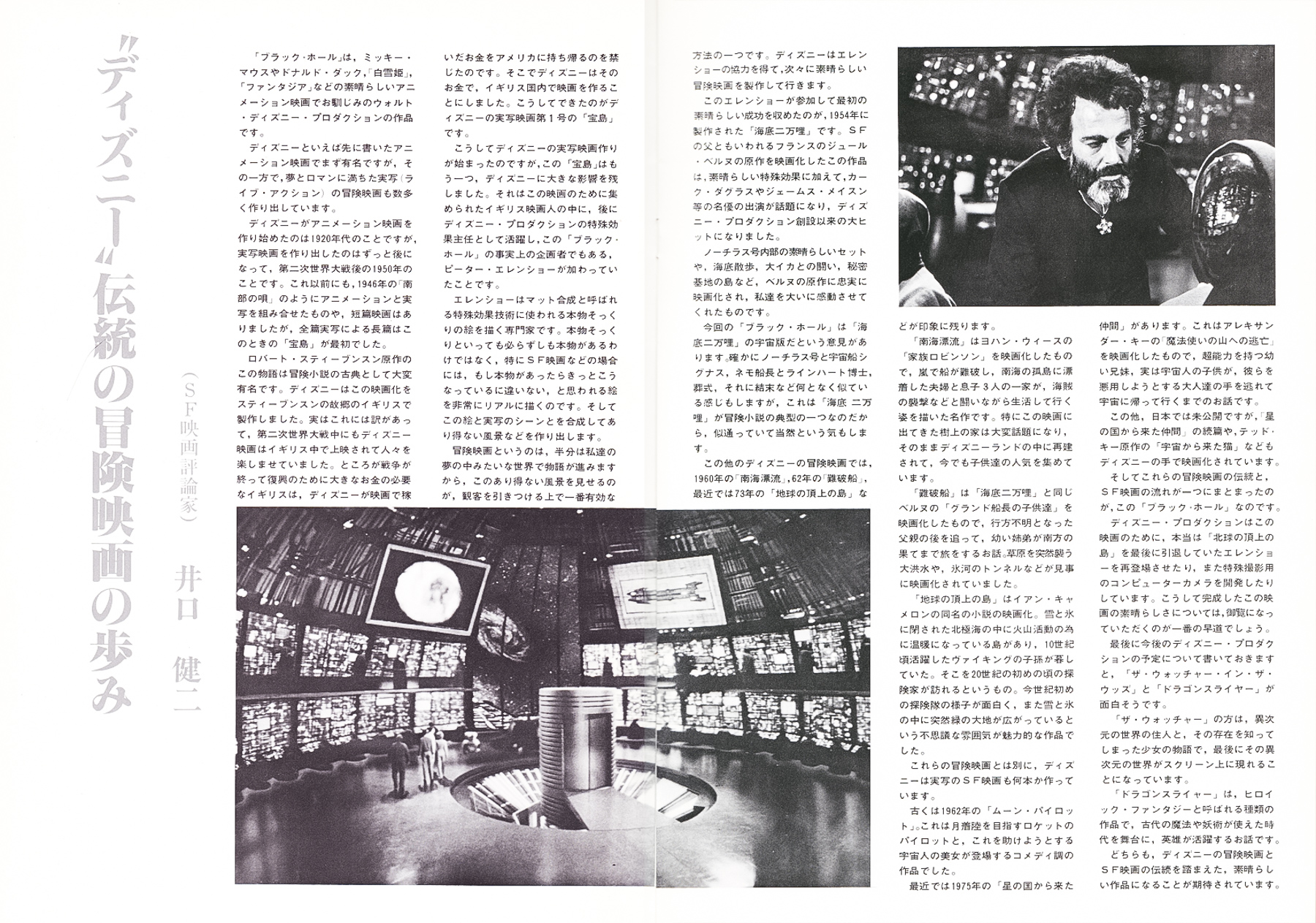
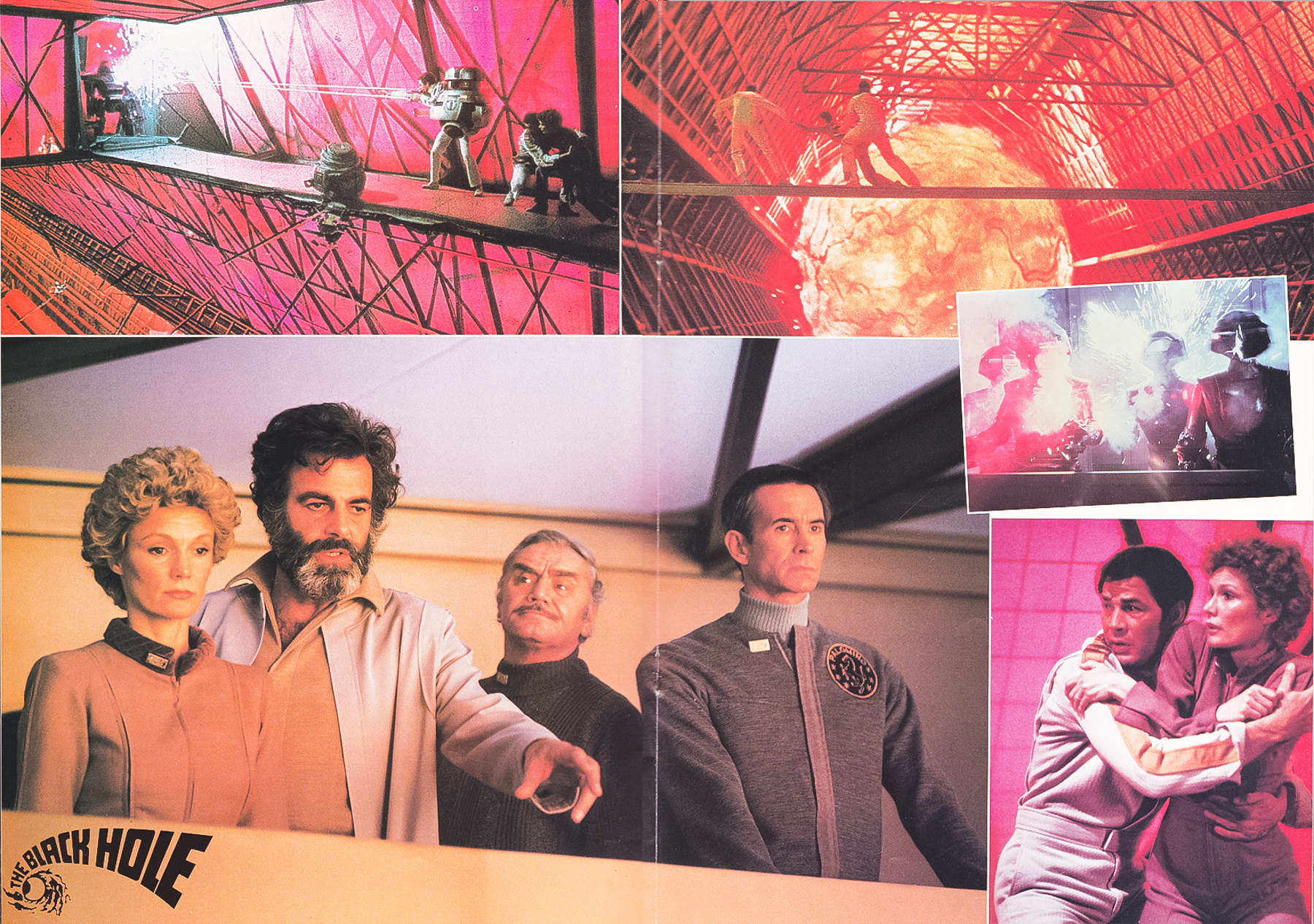
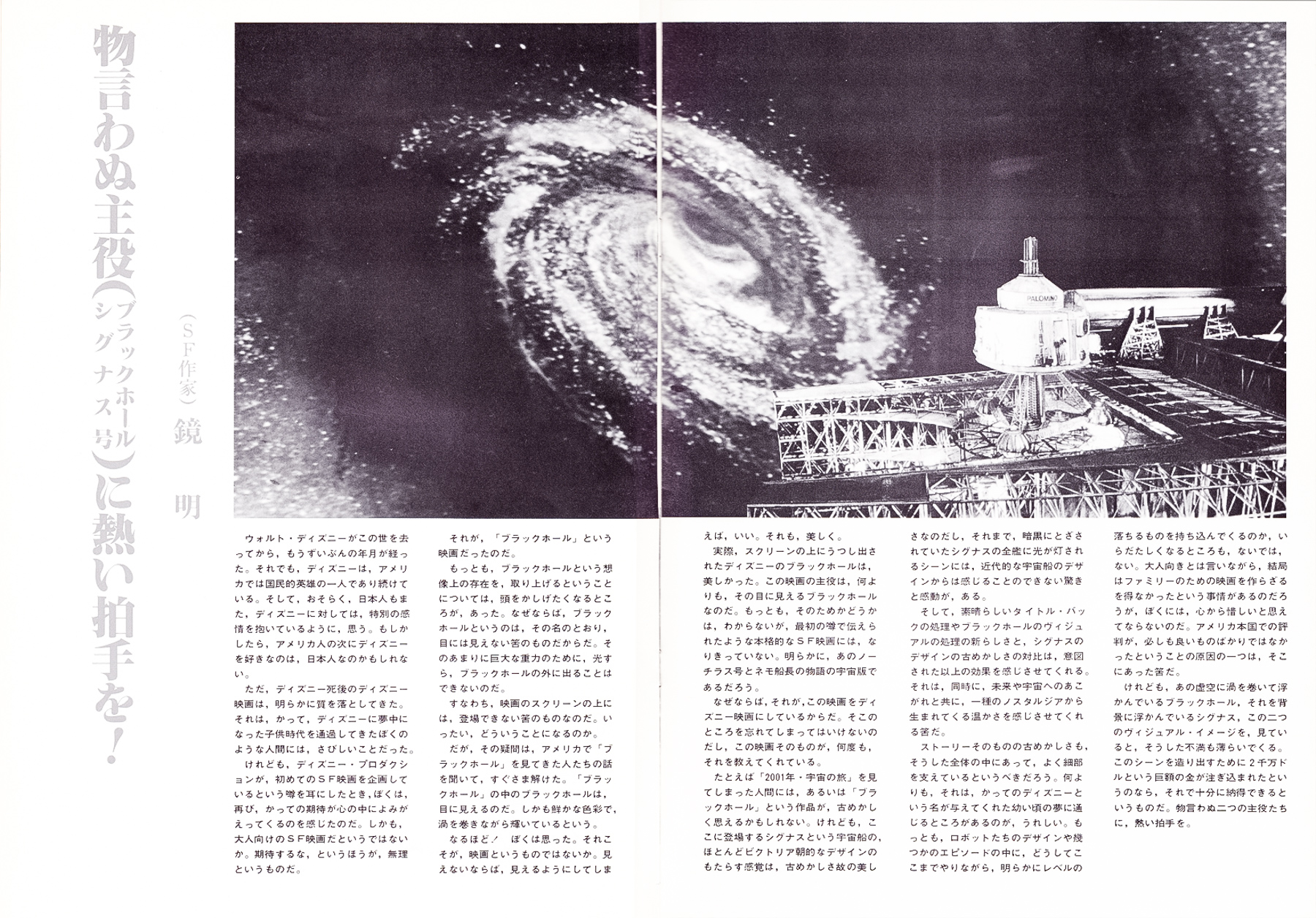
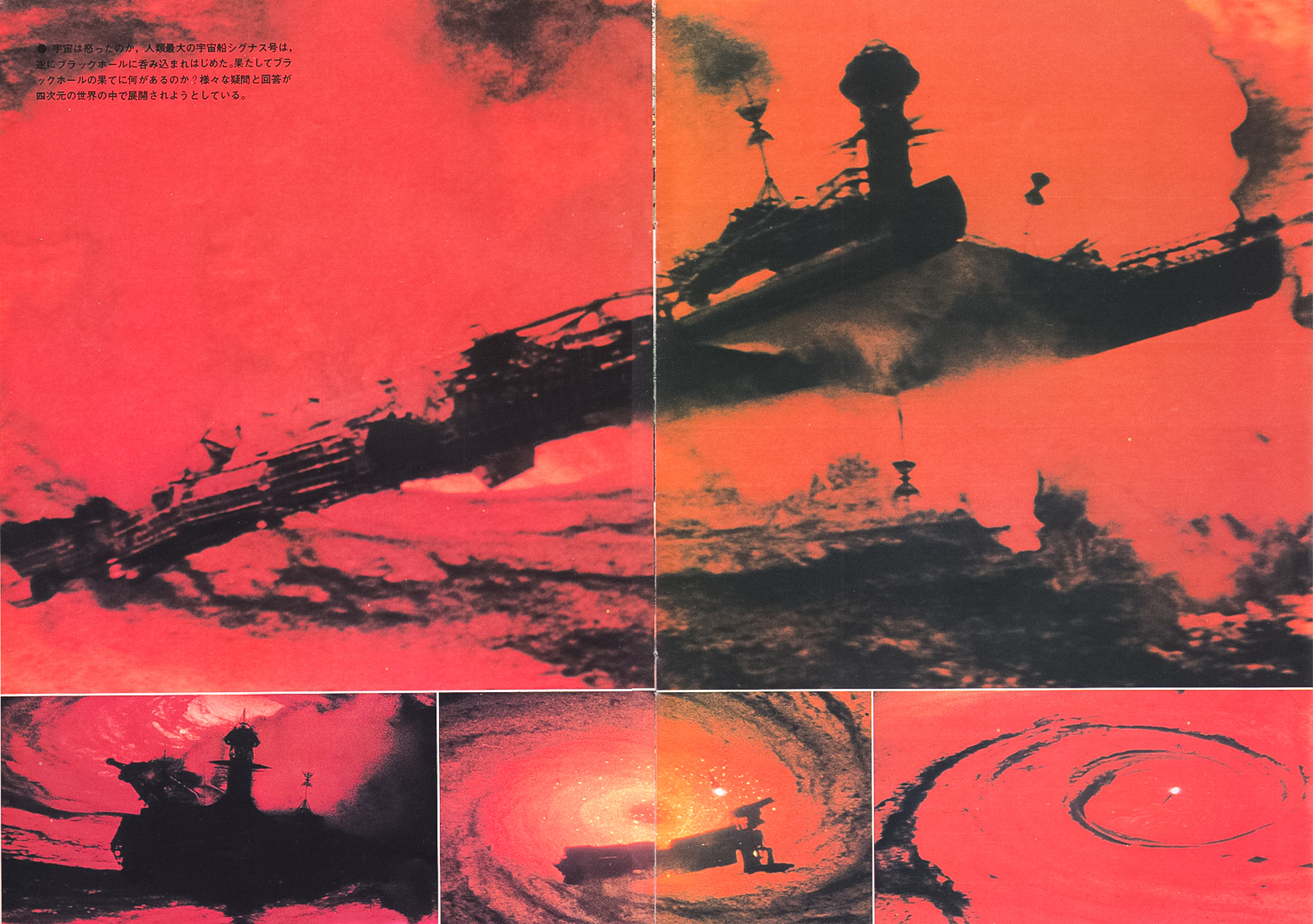
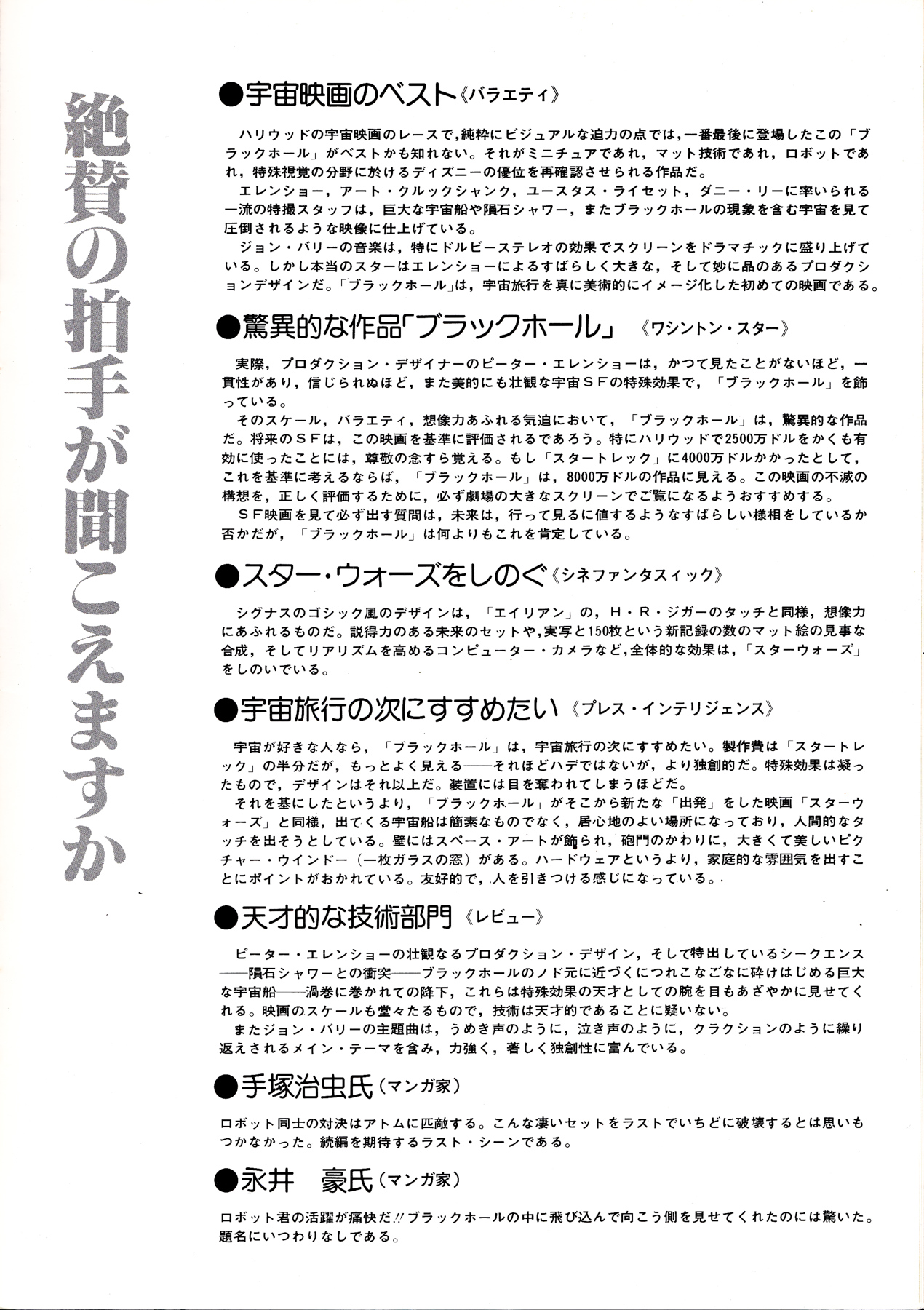
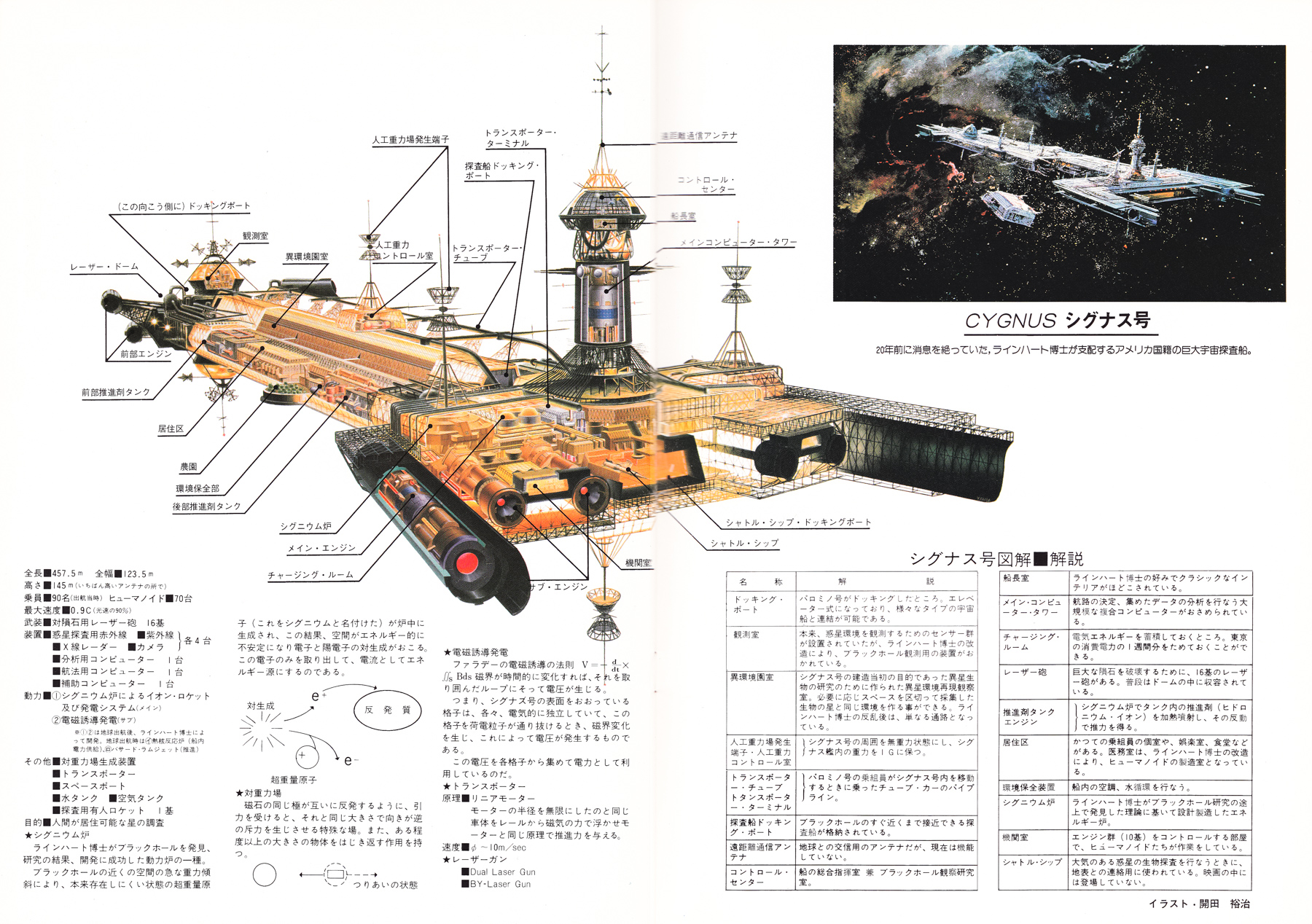
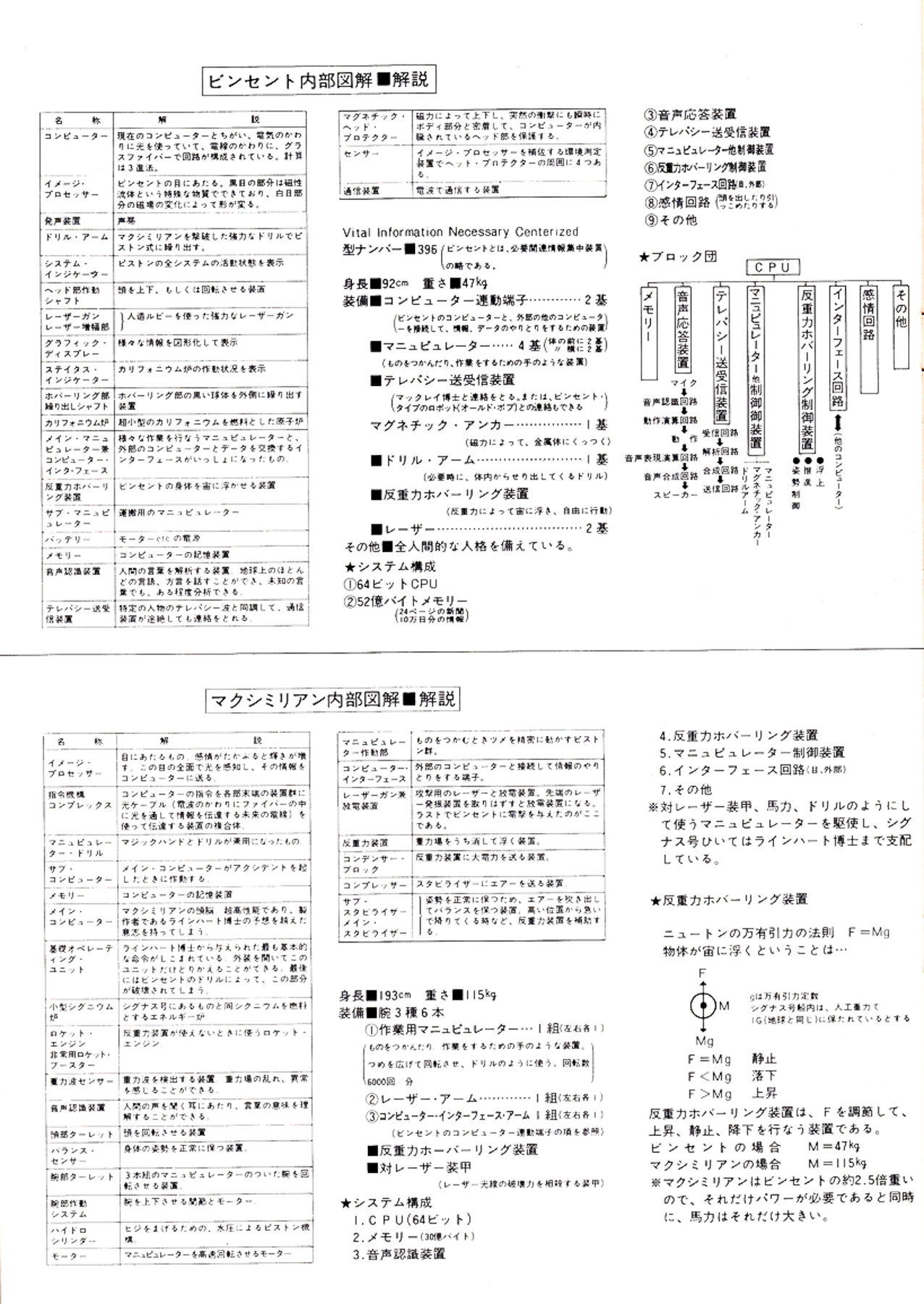
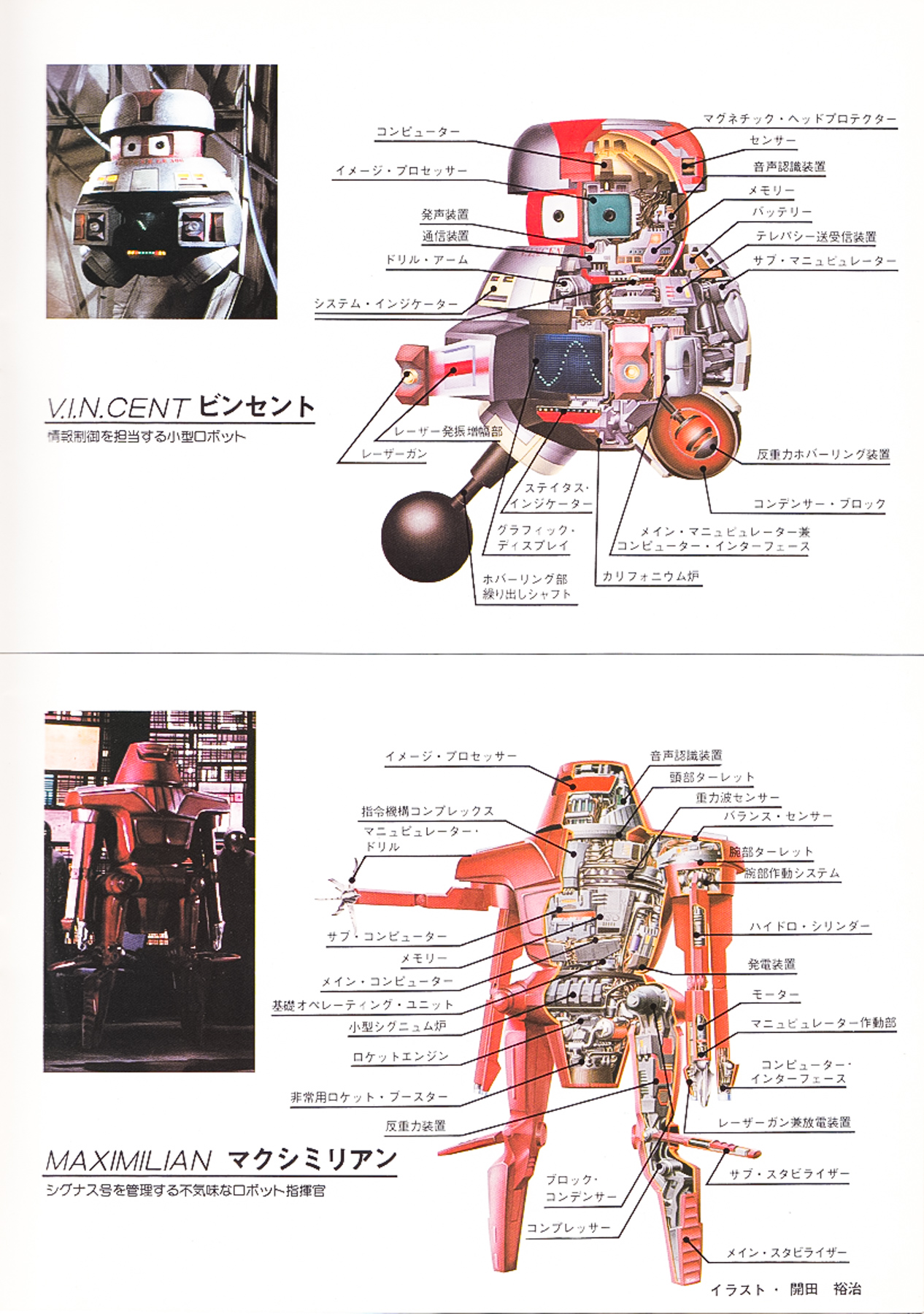
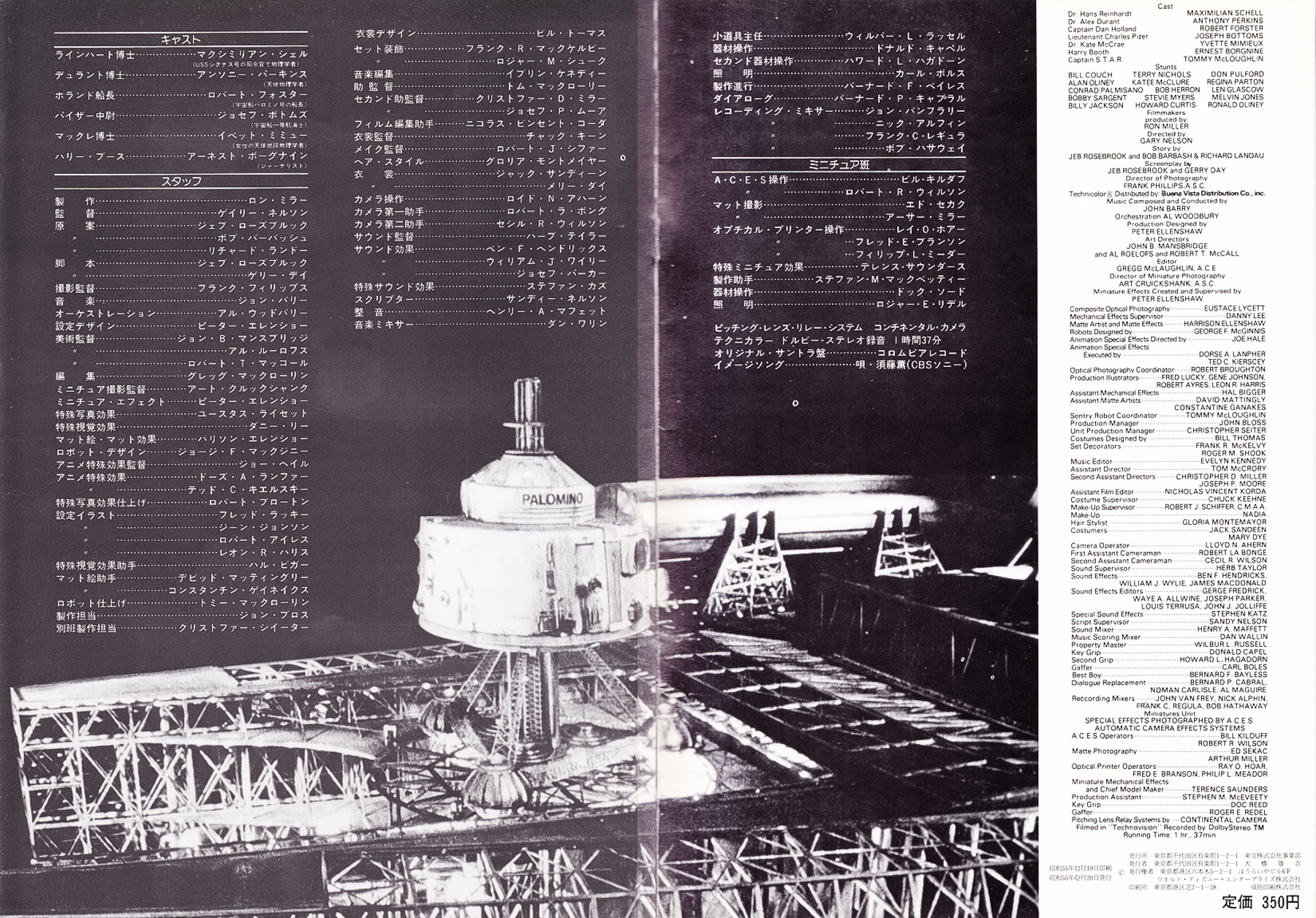
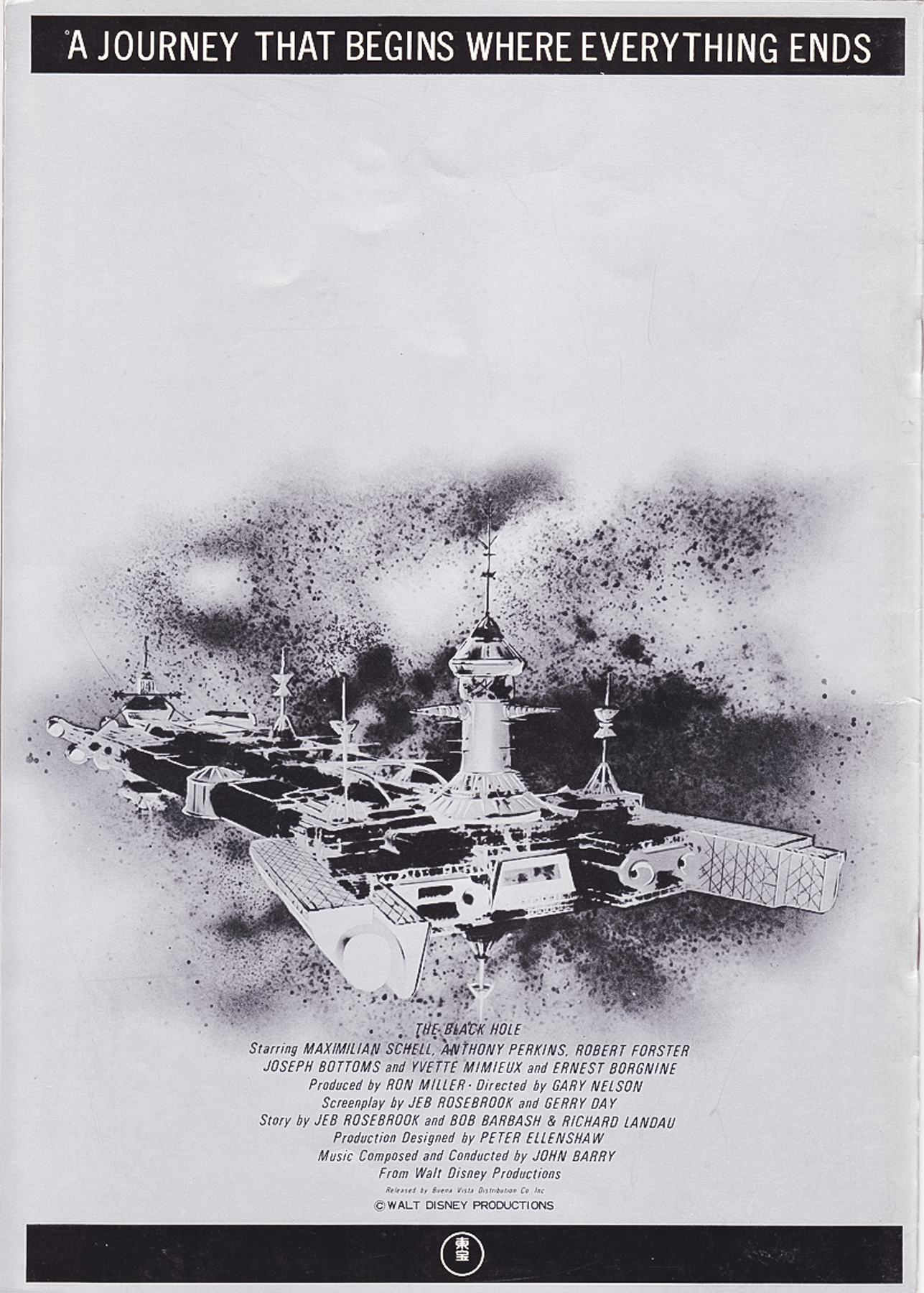
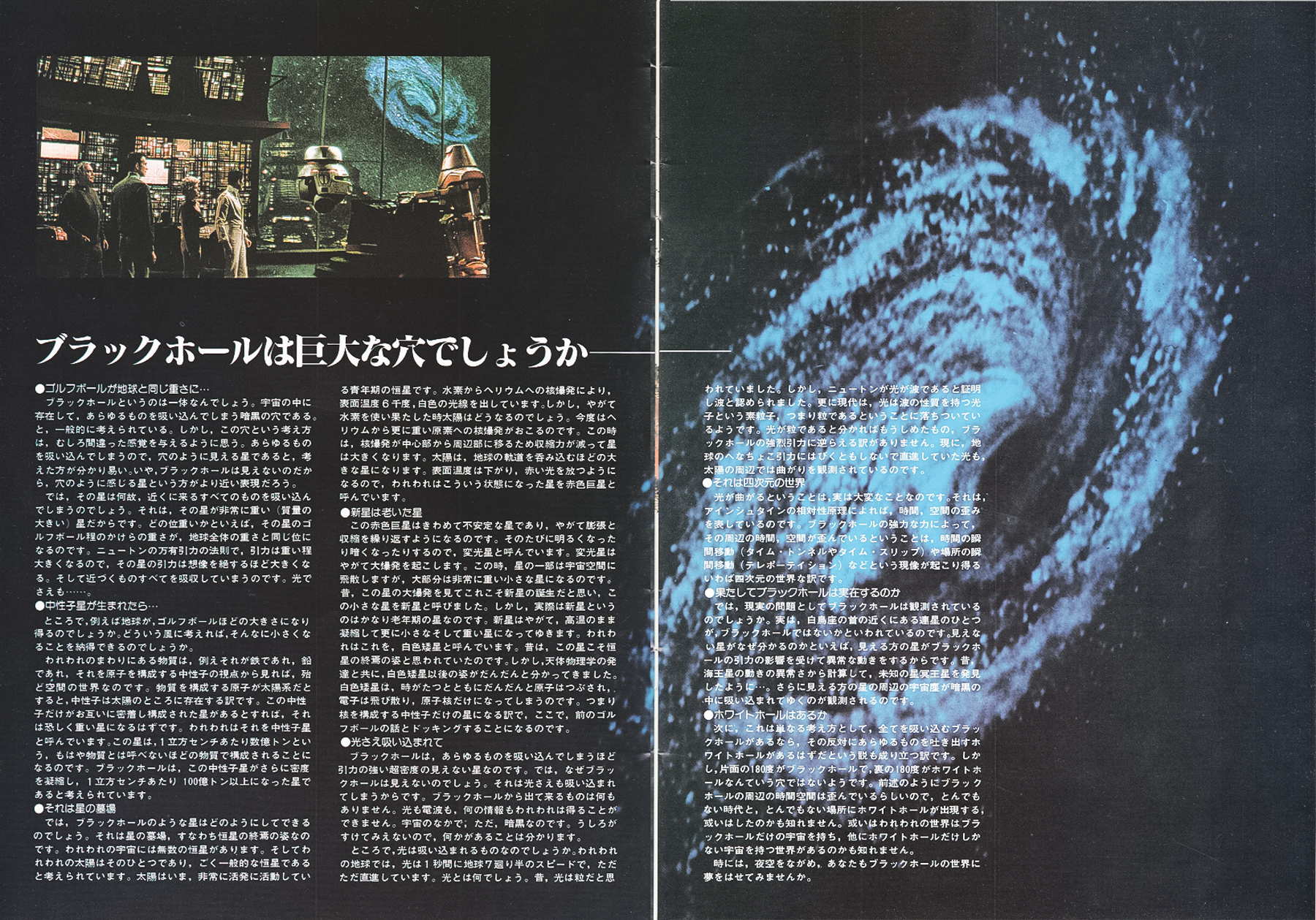
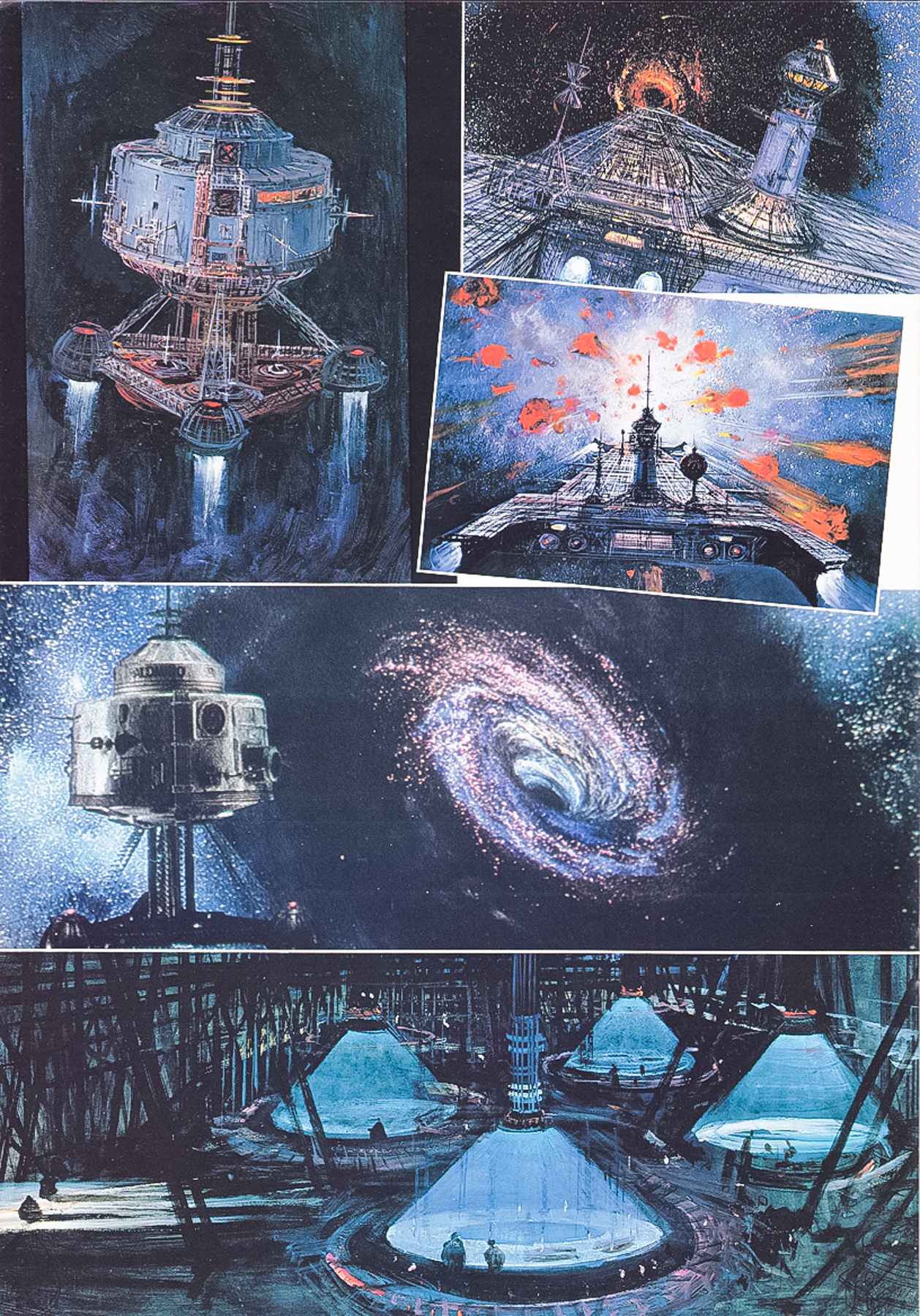
The next non-poster addition to the site is this original Japanese program for Disney’s 1979 live-action oddity The Black Hole. The program features some excellent production stills as well as several pages of concept artwork and three rather brilliant cutaway diagrams of the spacecraft Cygnus and the two robots V.I.N.Cent and Maximilian.

To see the other items I’ve collected for The Black Hole, including three Japanese posters, click here.

Thunderball / B2 / 1974 re-release / Japan

17.10.12

Poster Poster

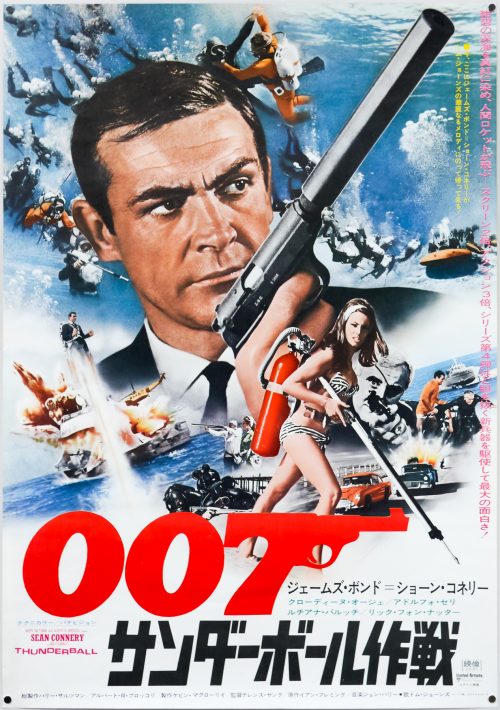
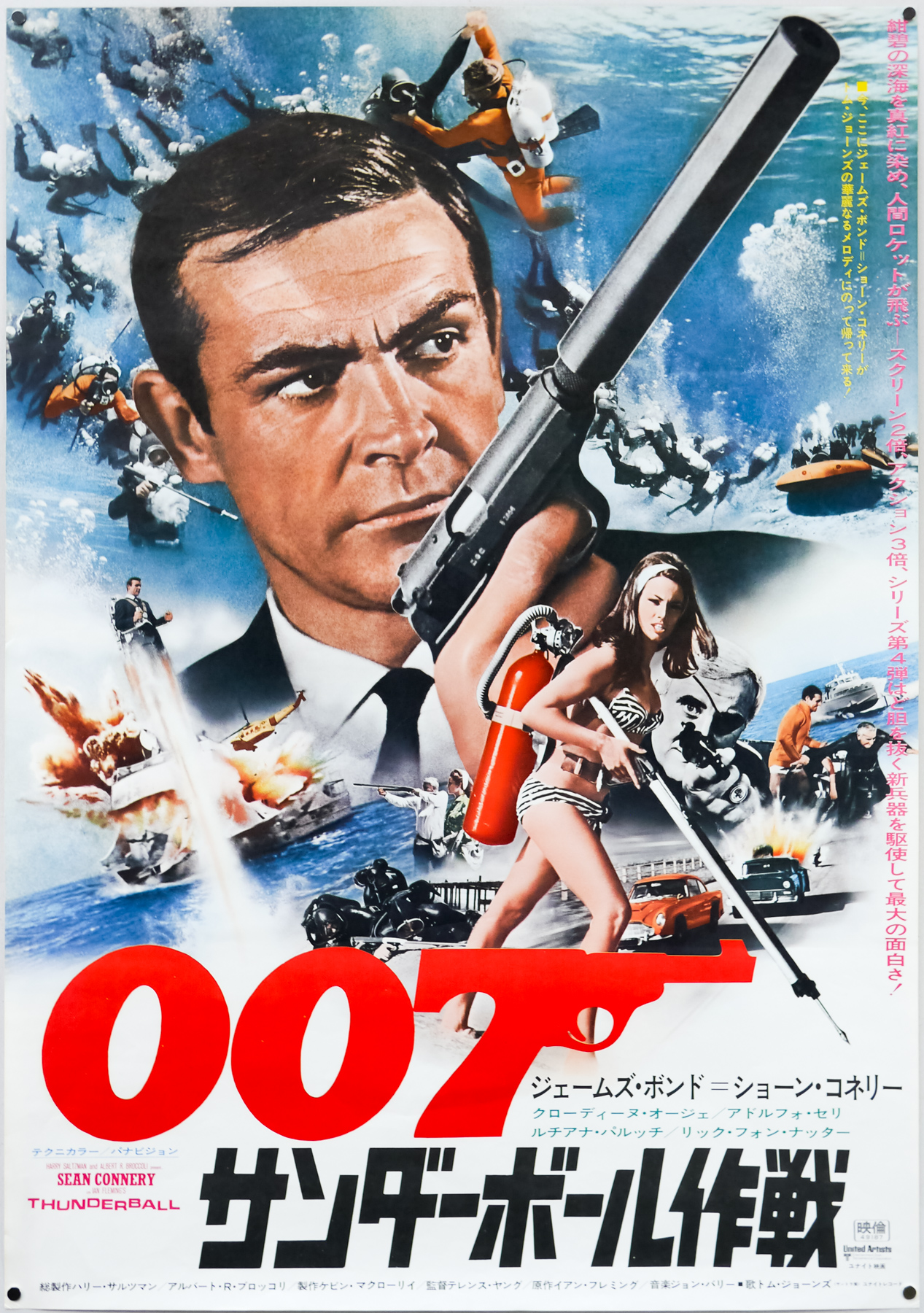
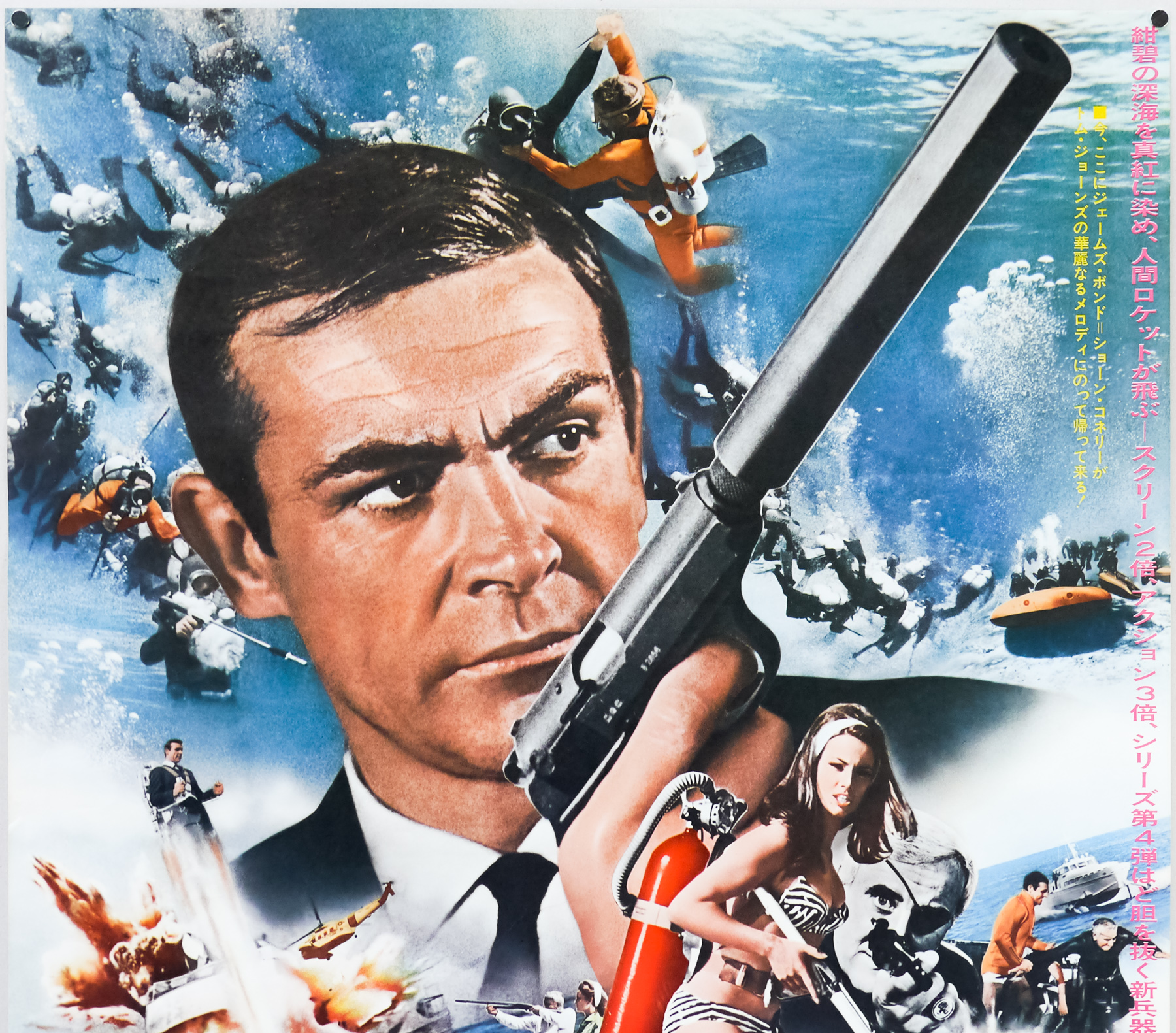
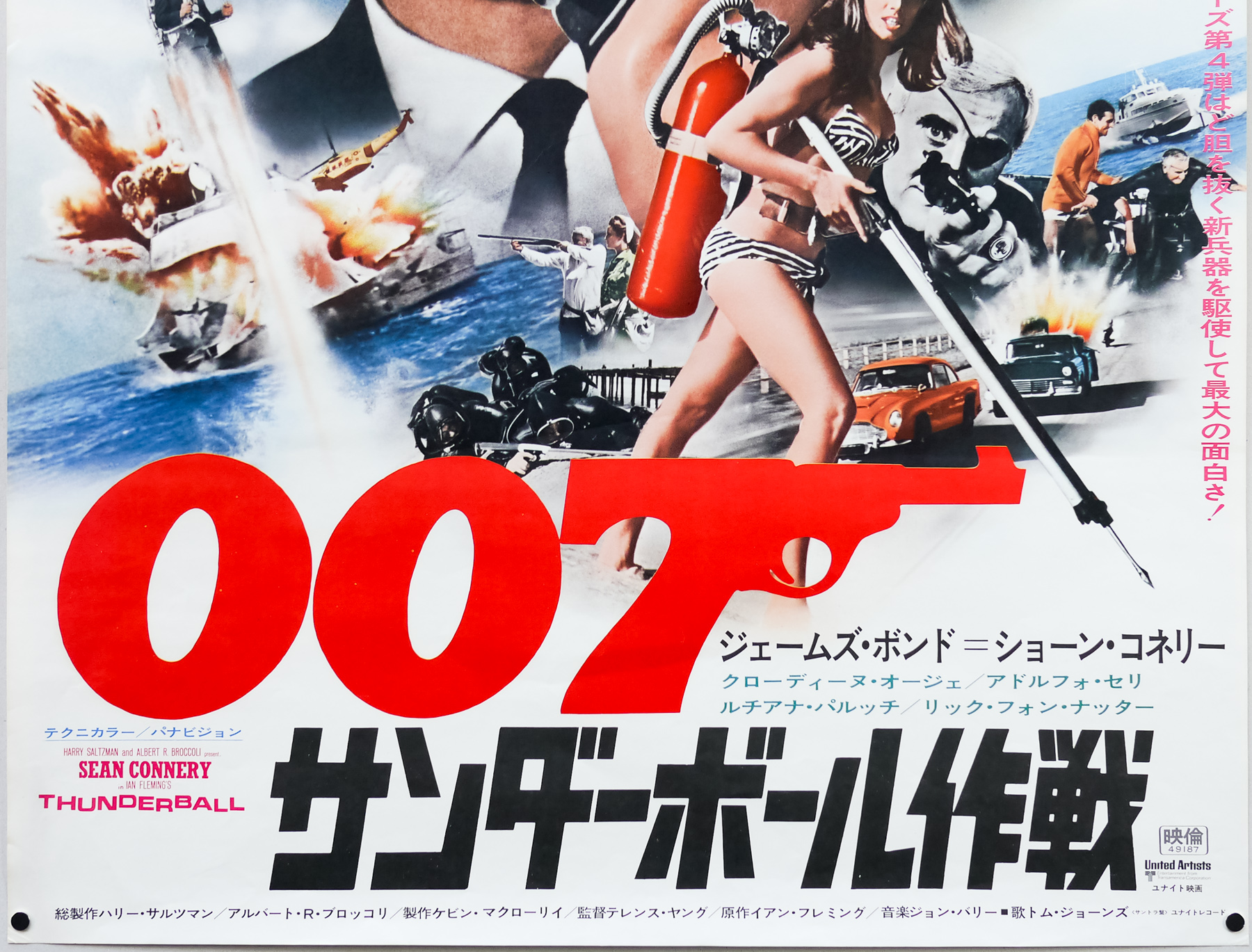
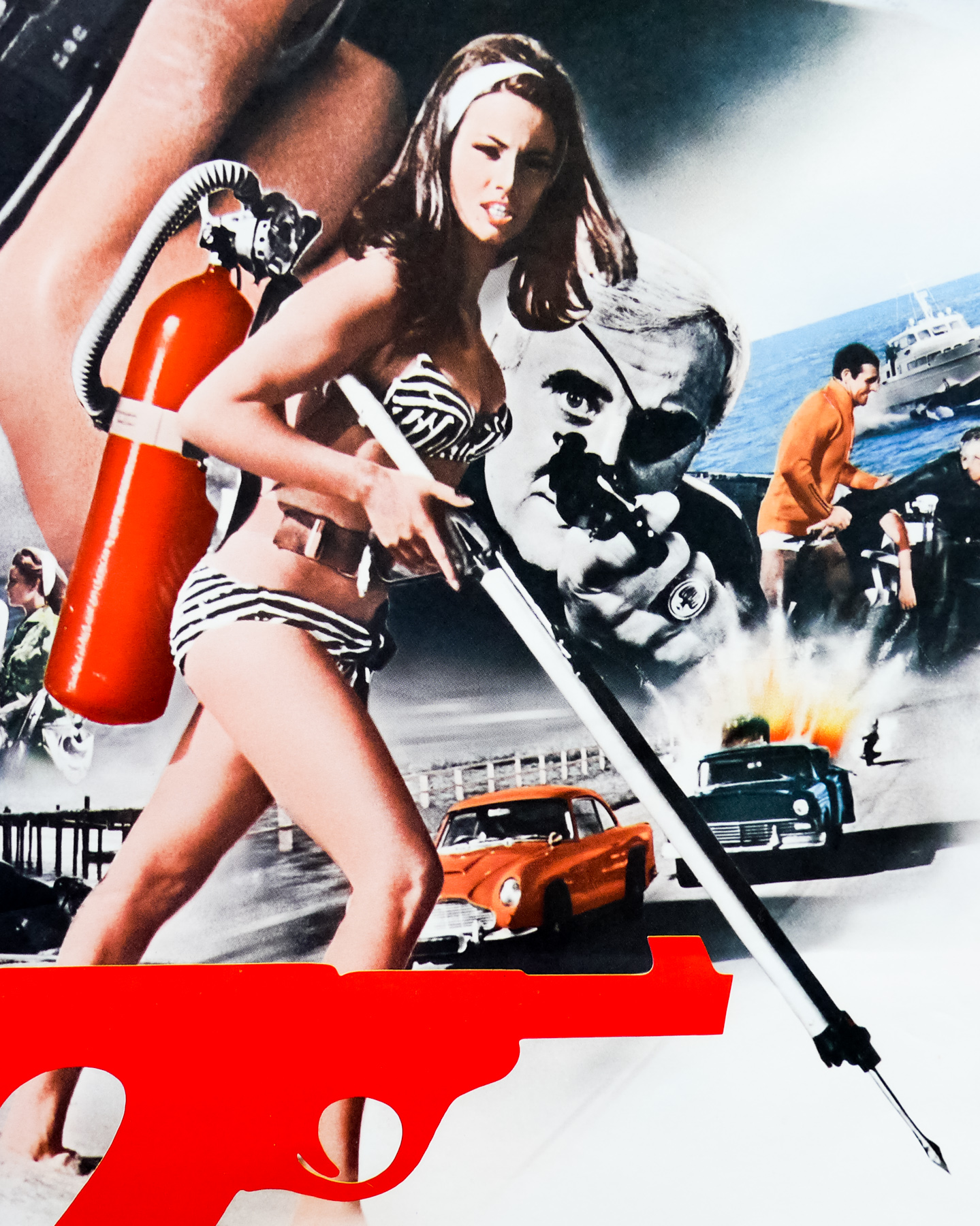
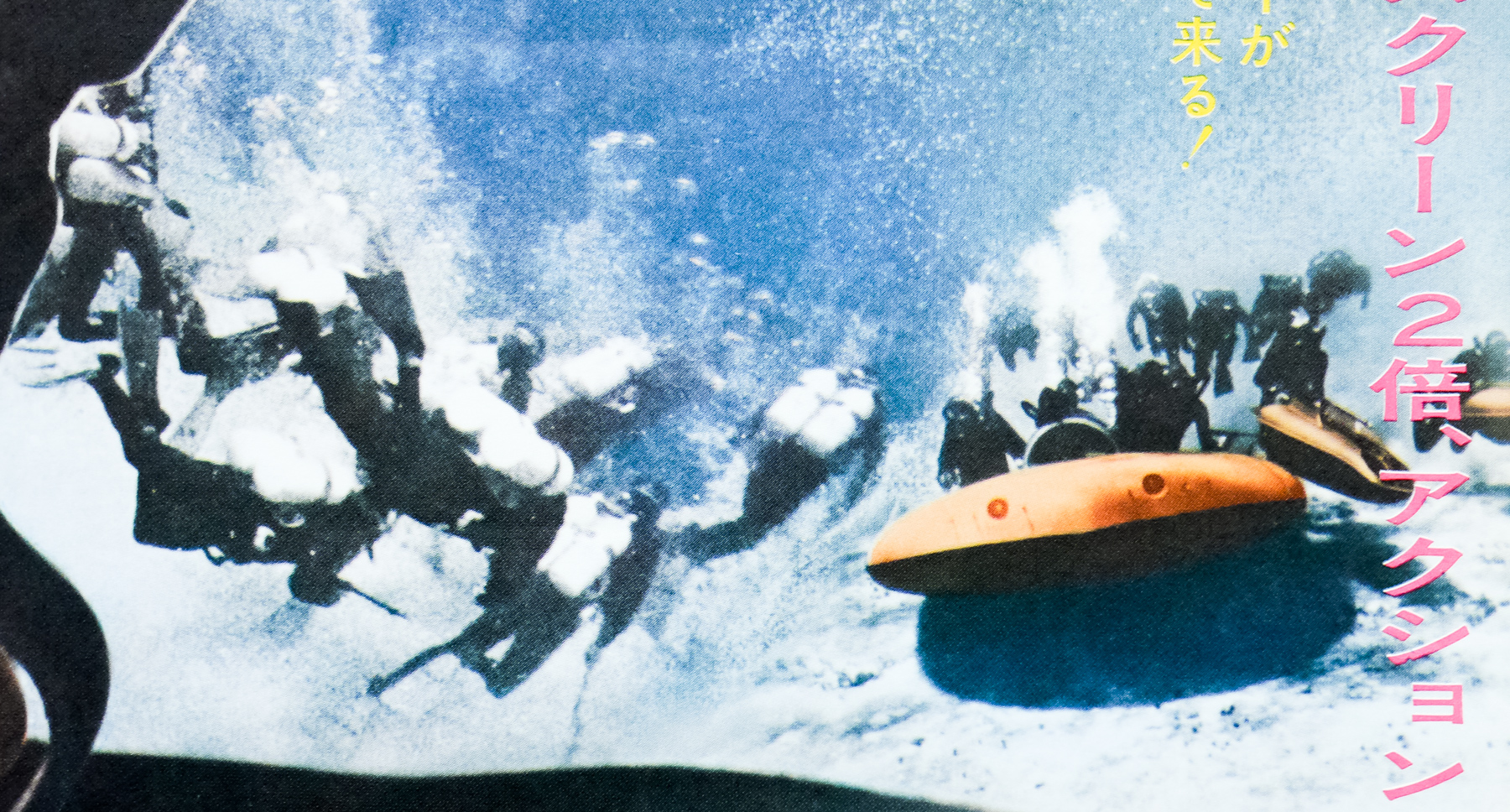
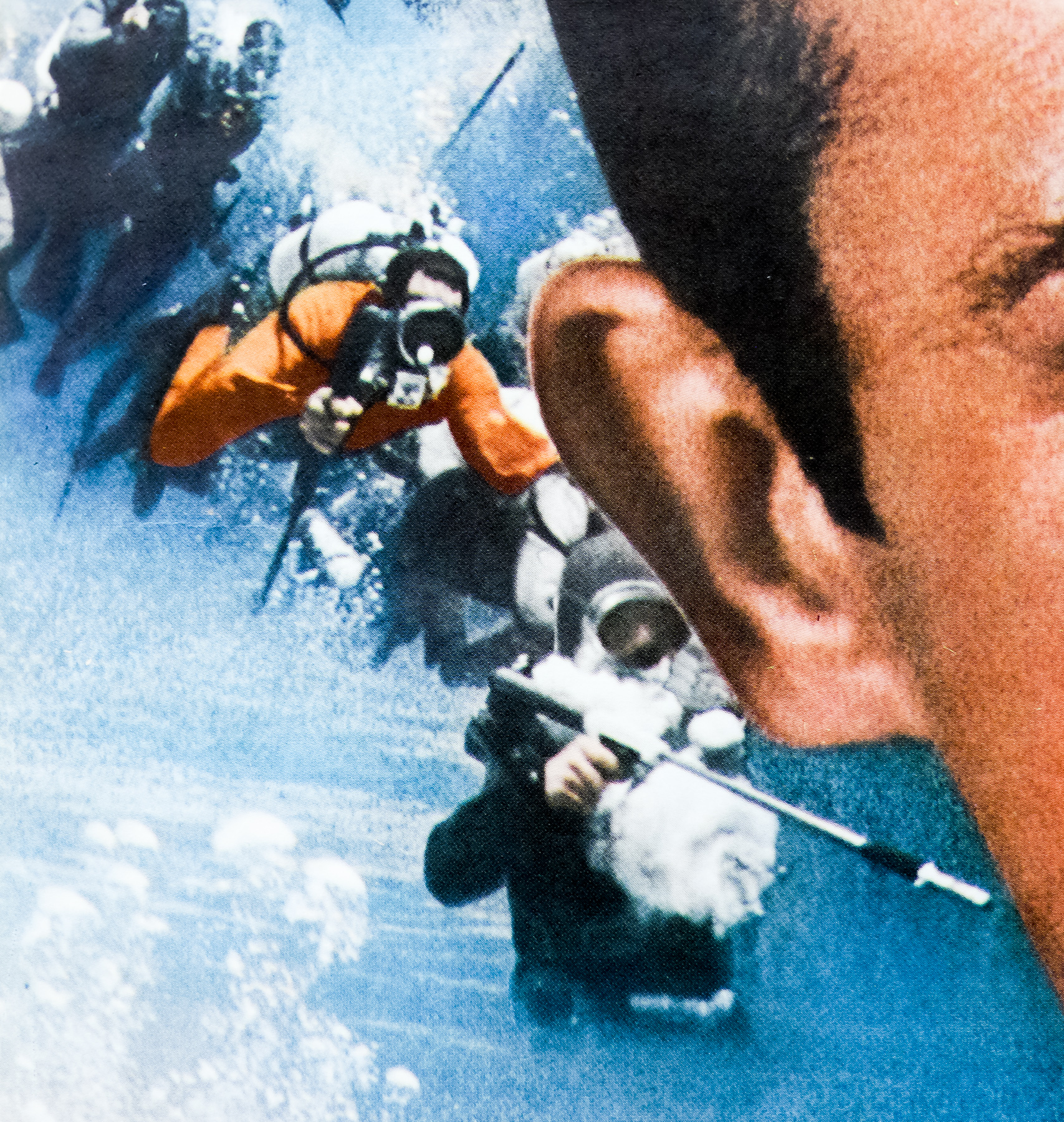
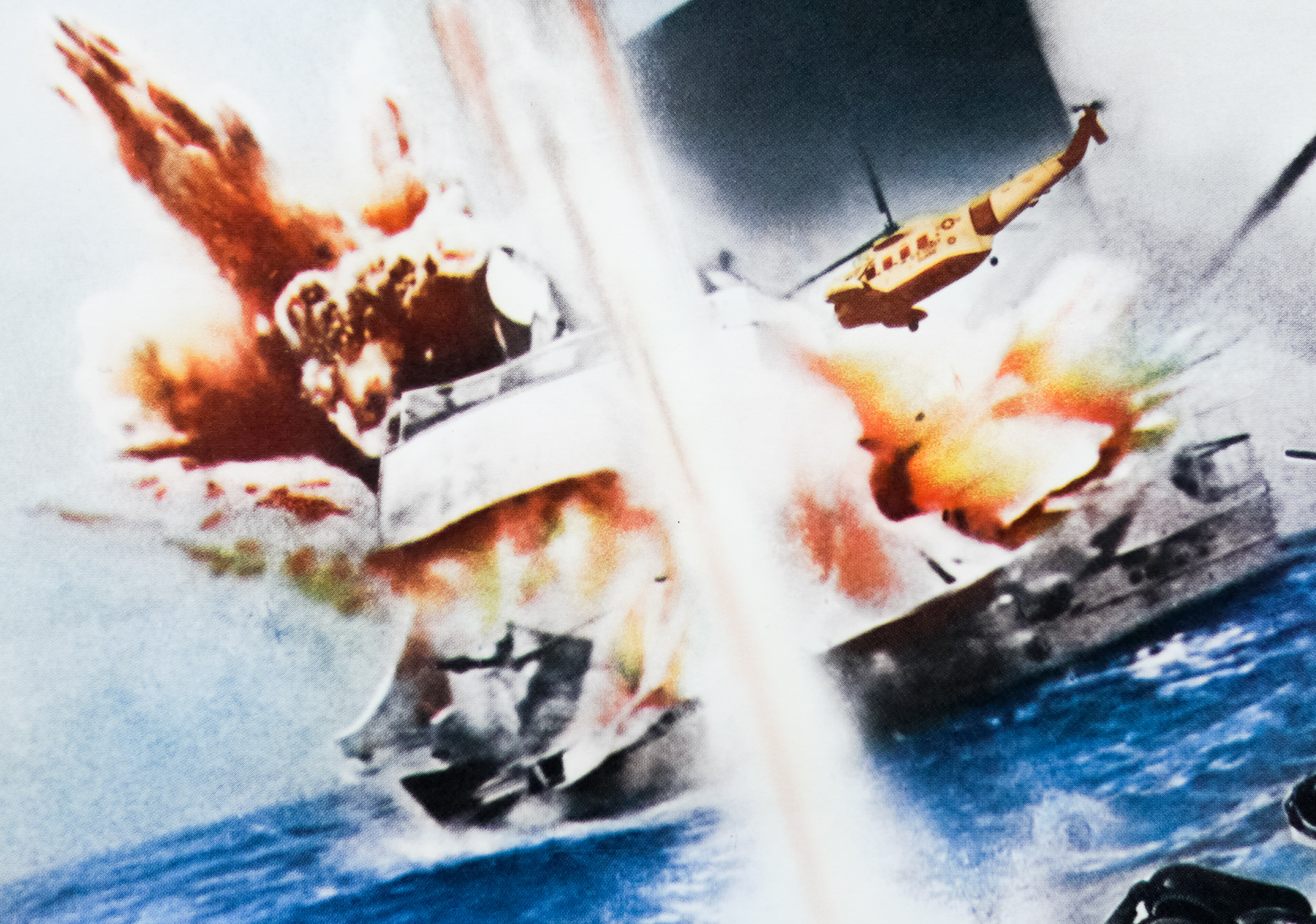
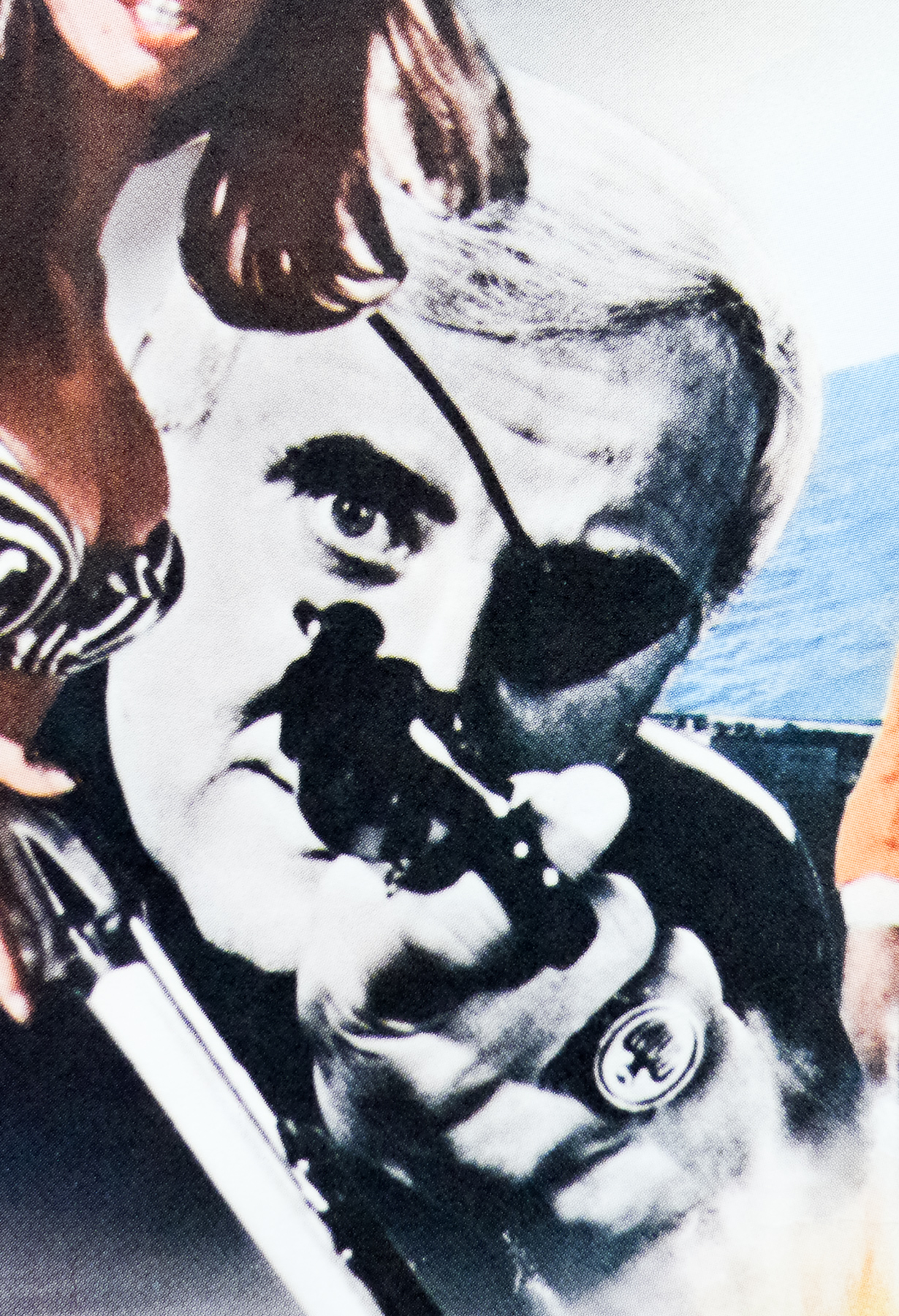
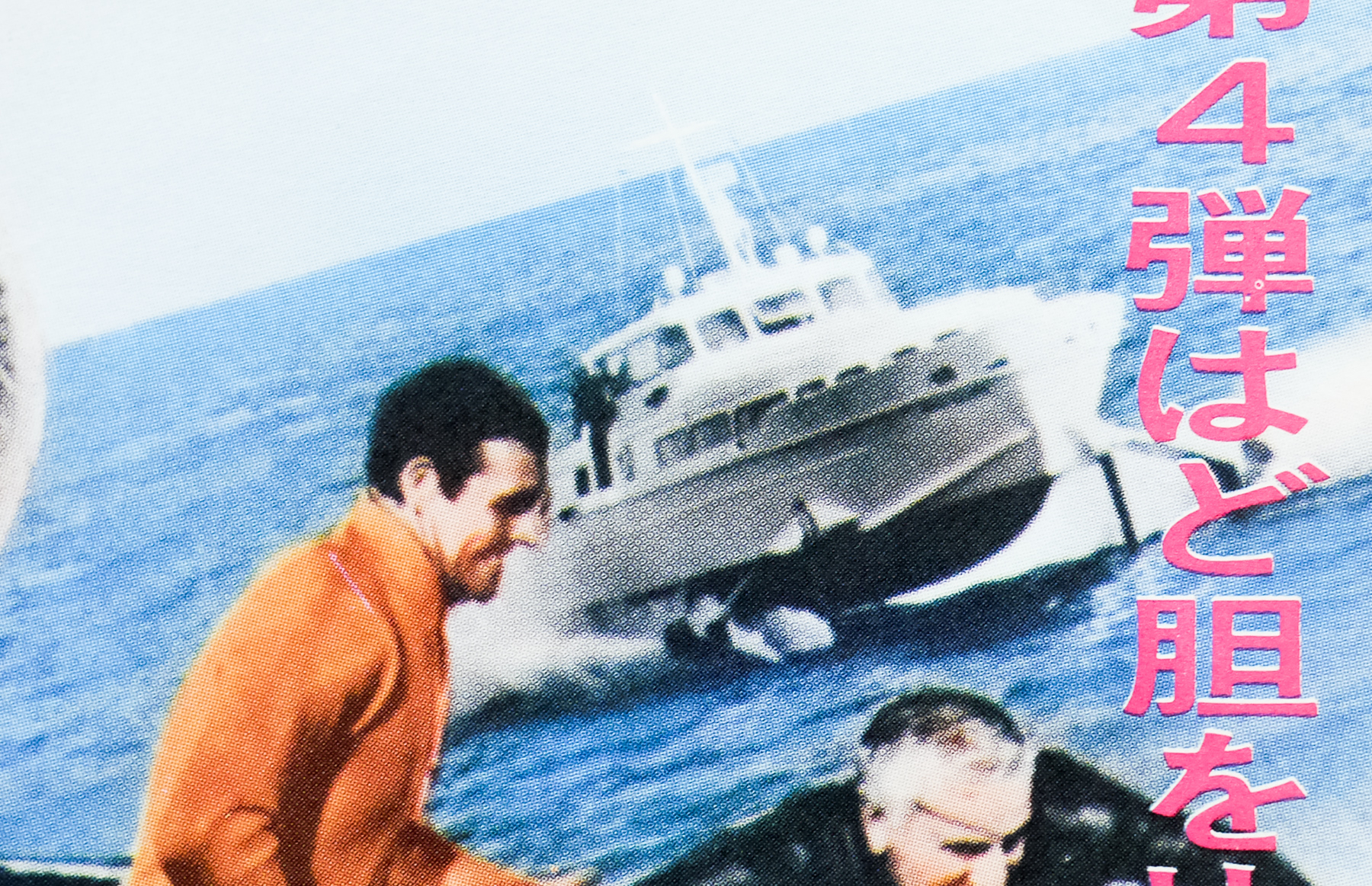
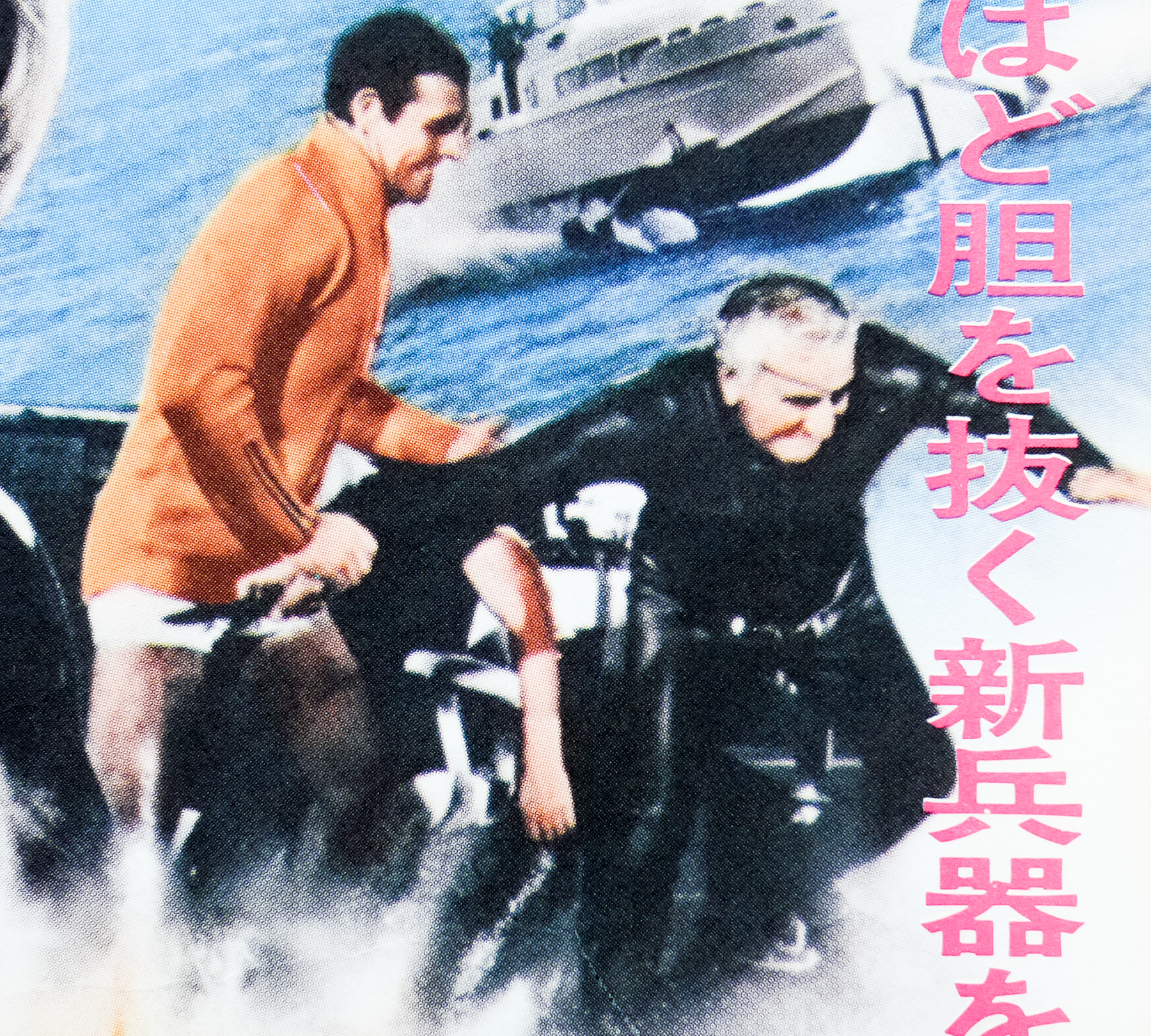
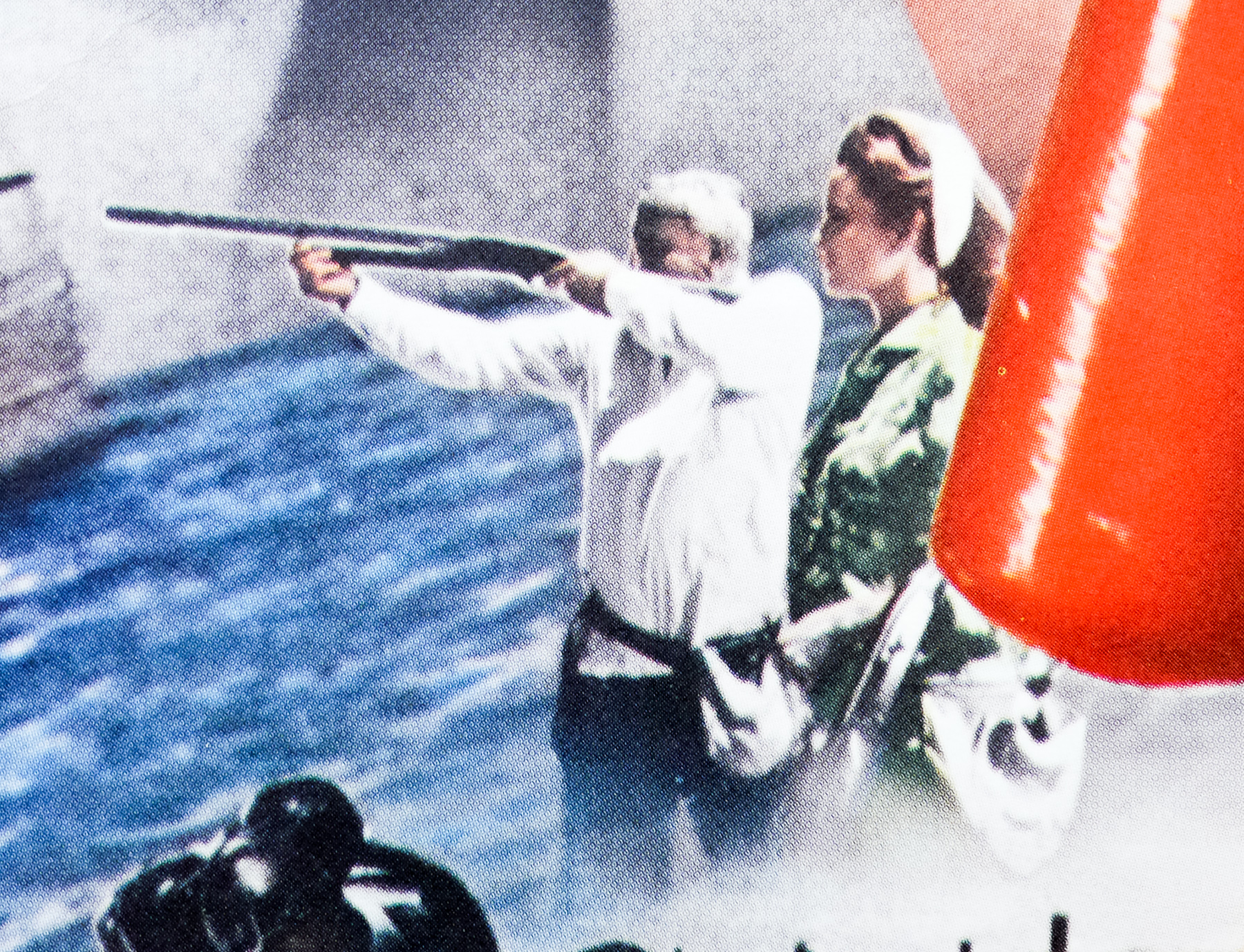
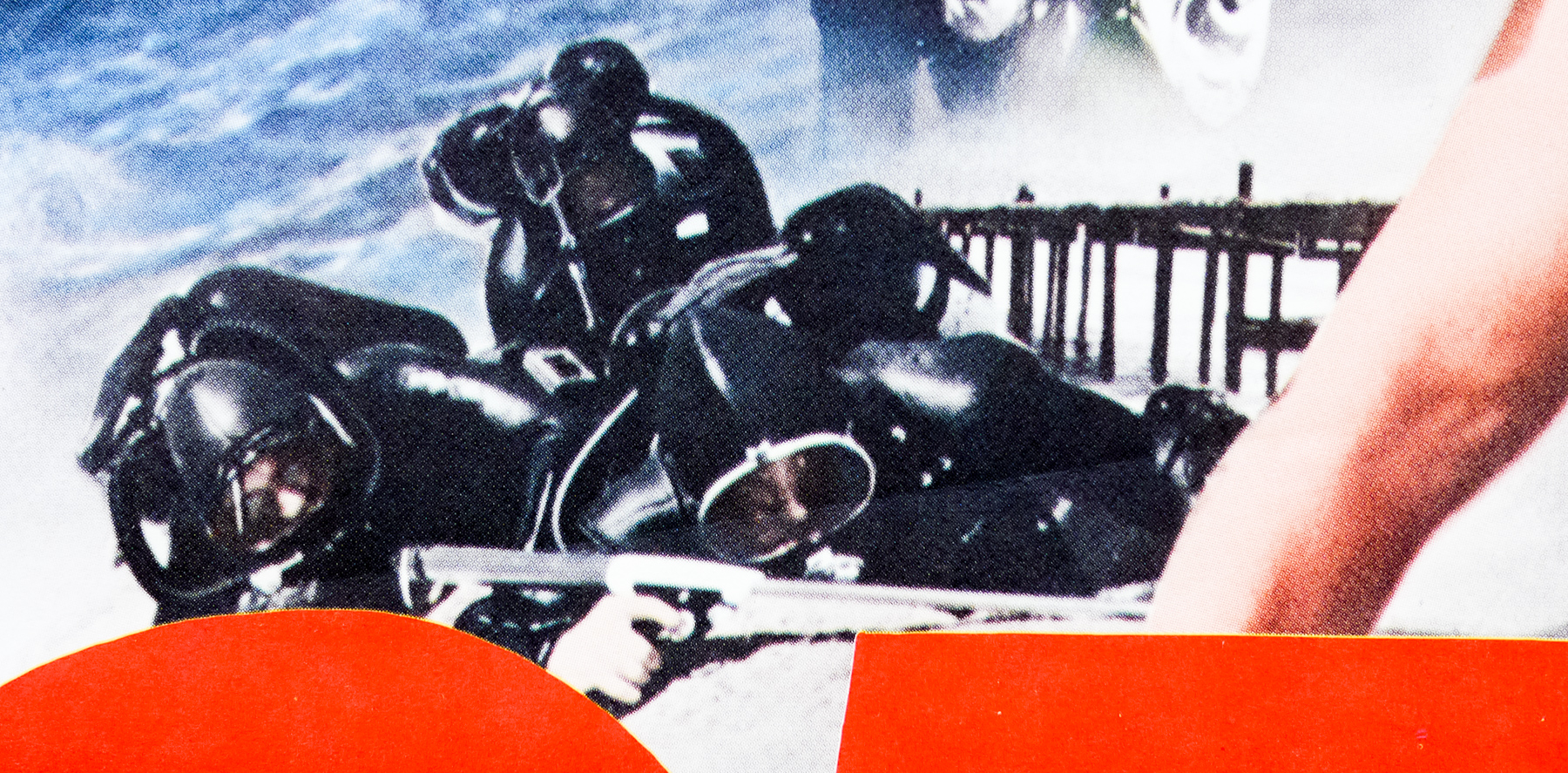
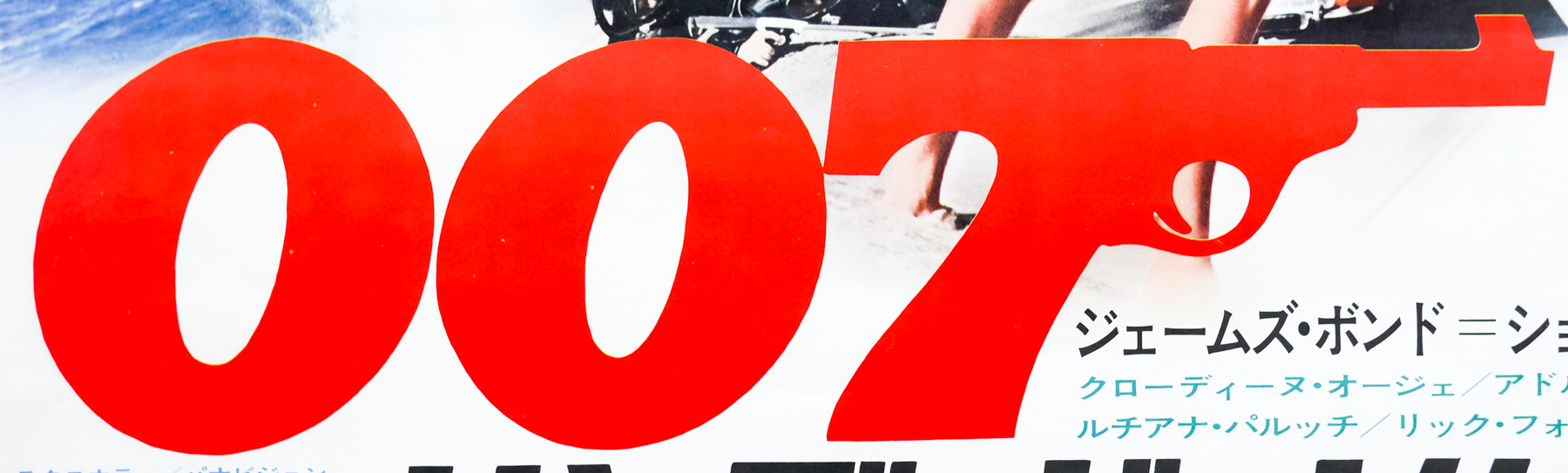
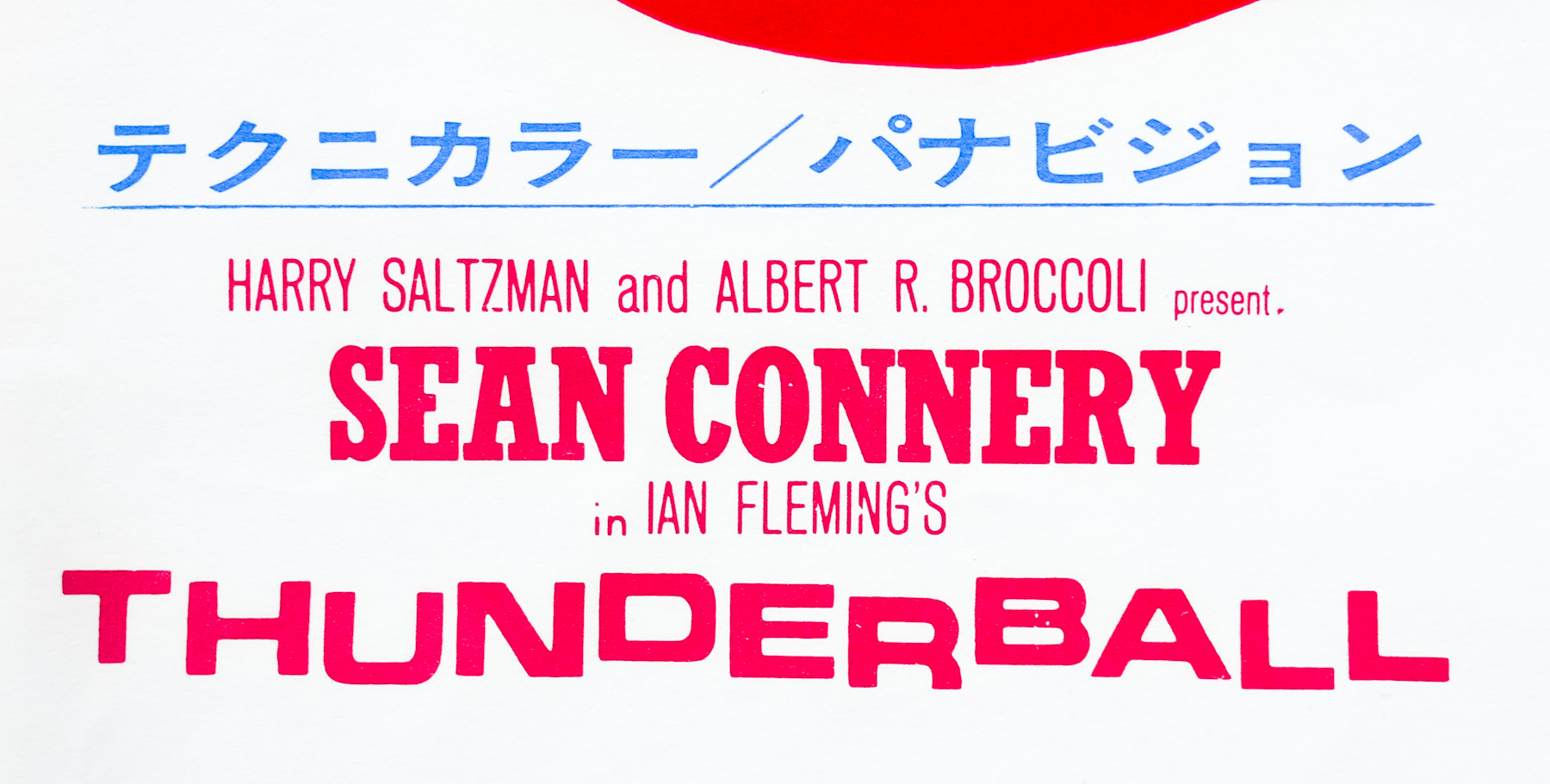
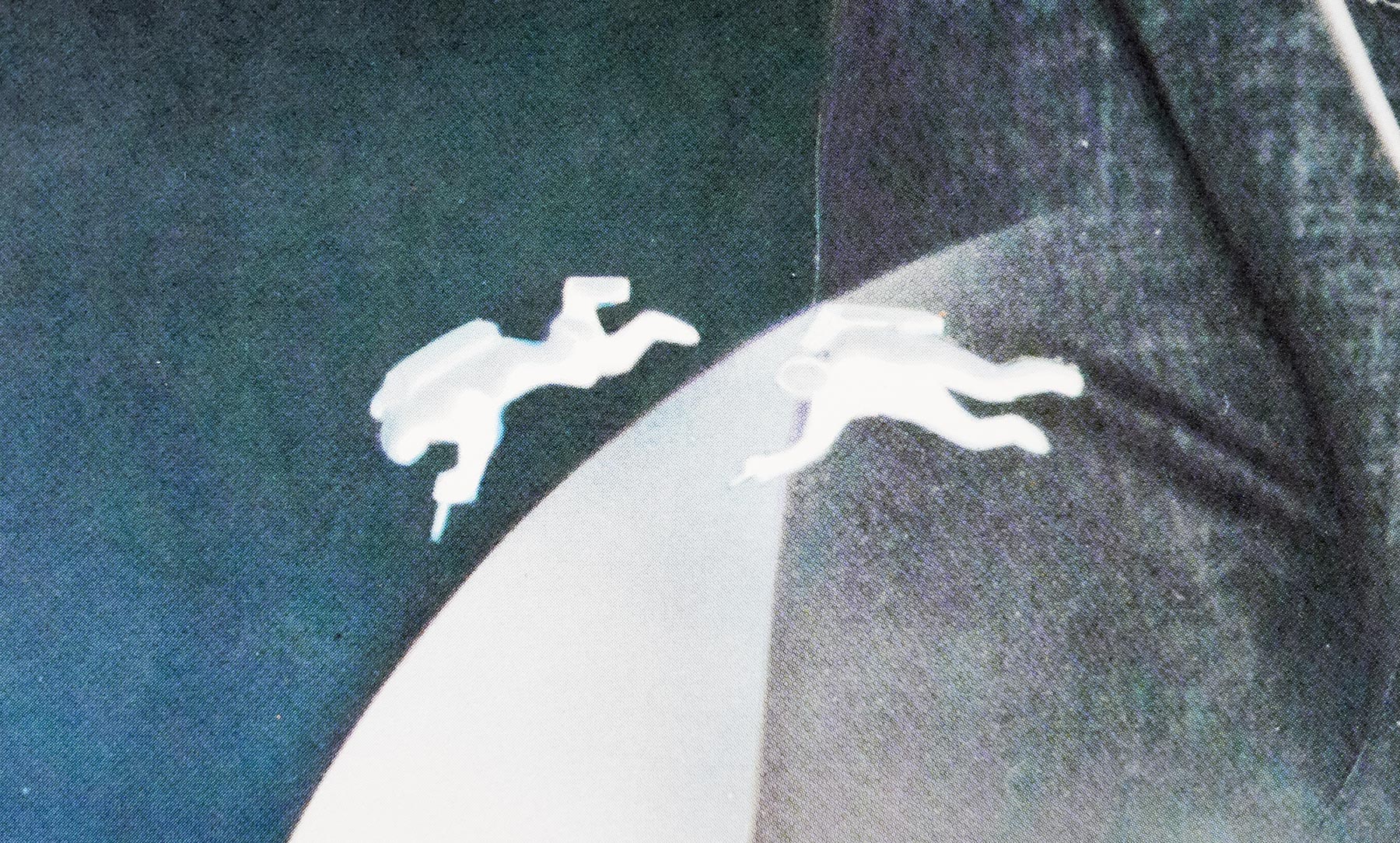
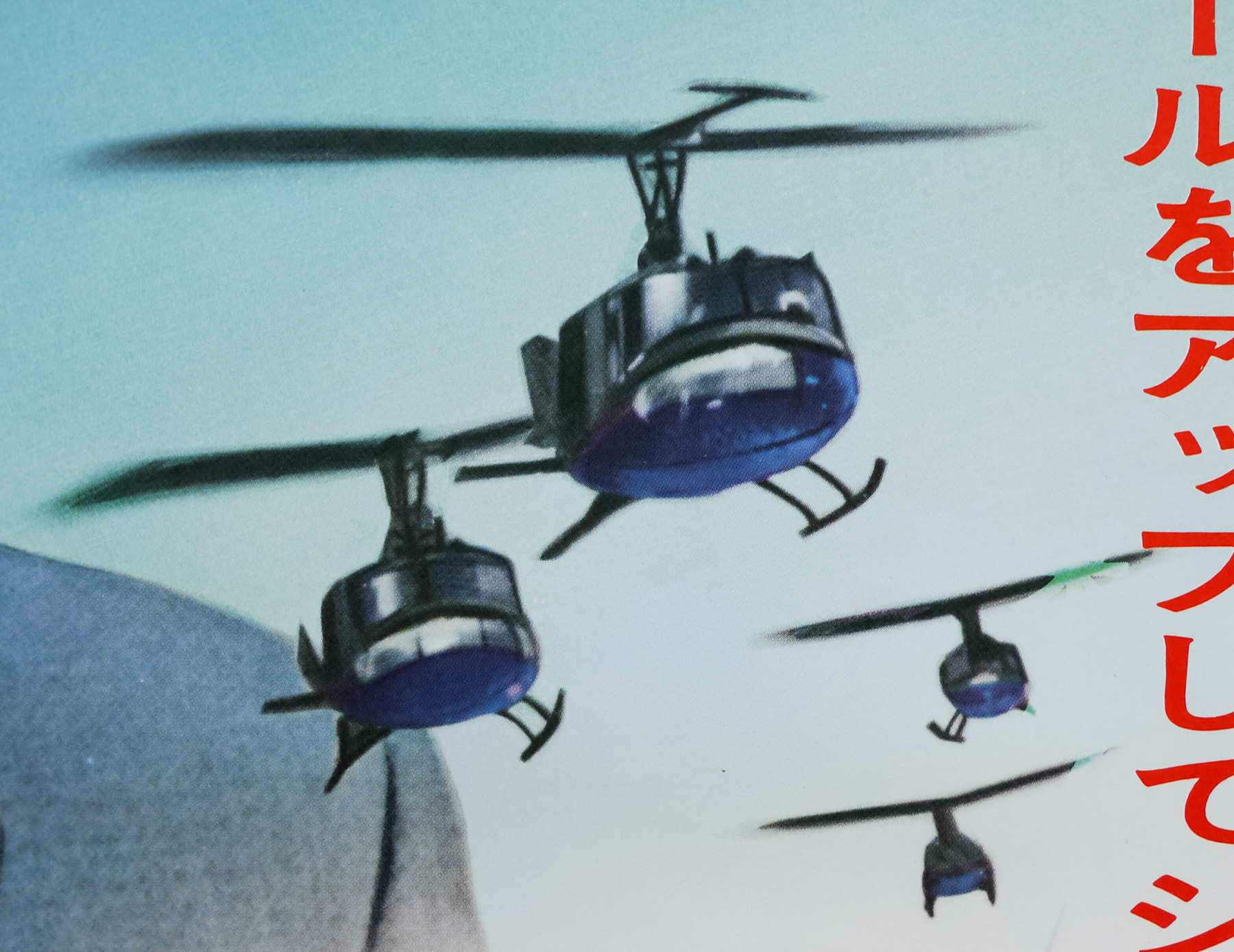
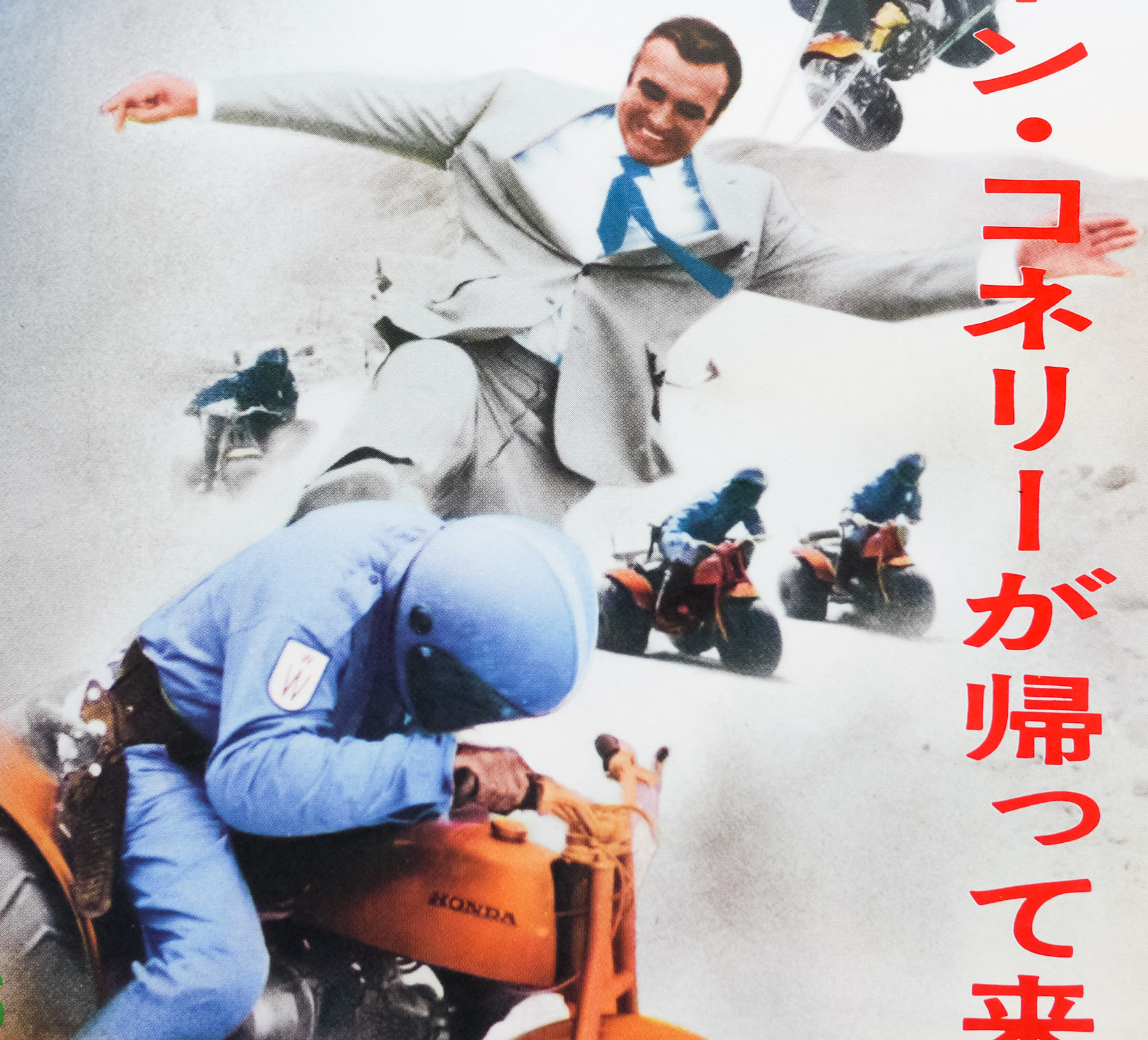
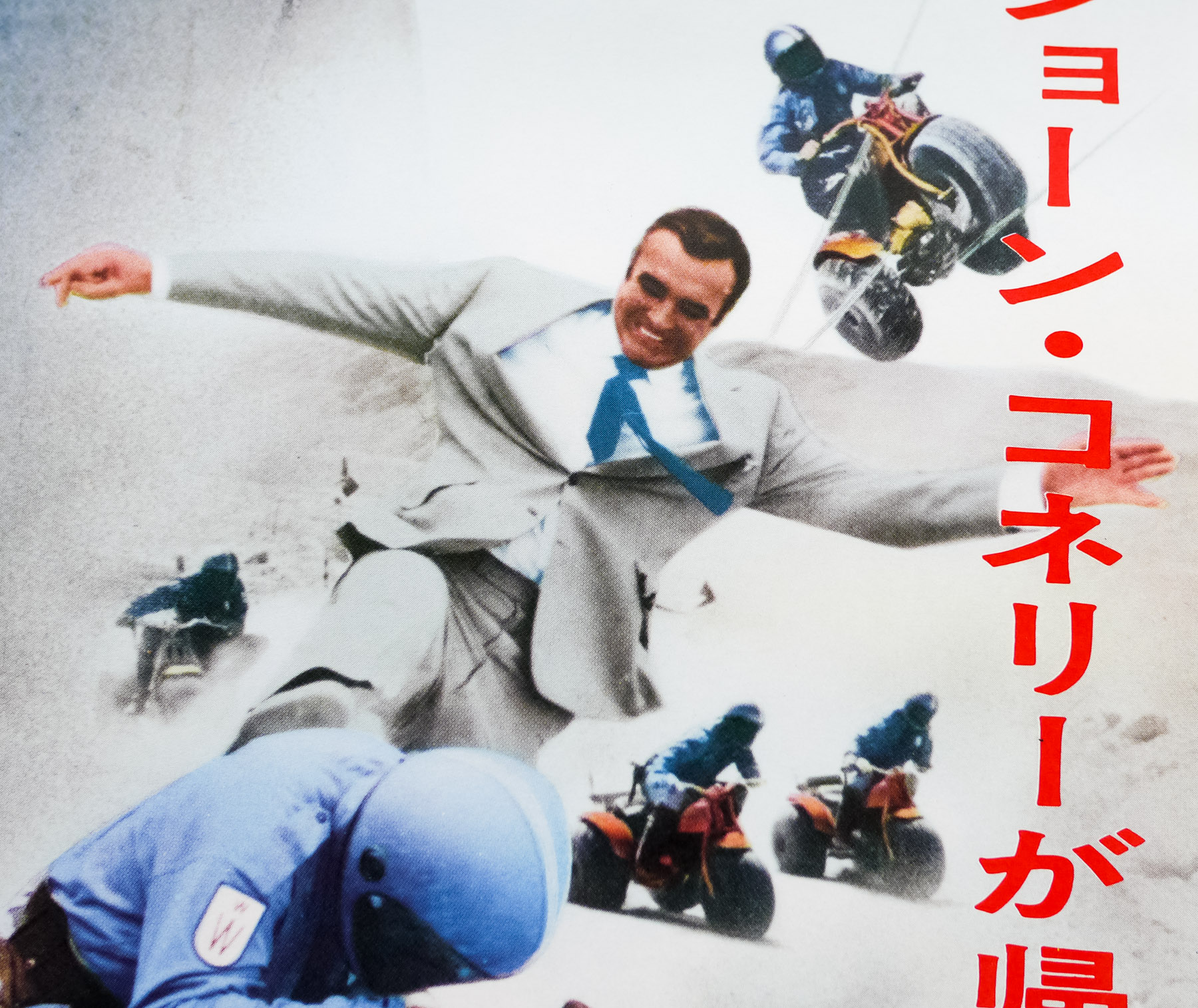
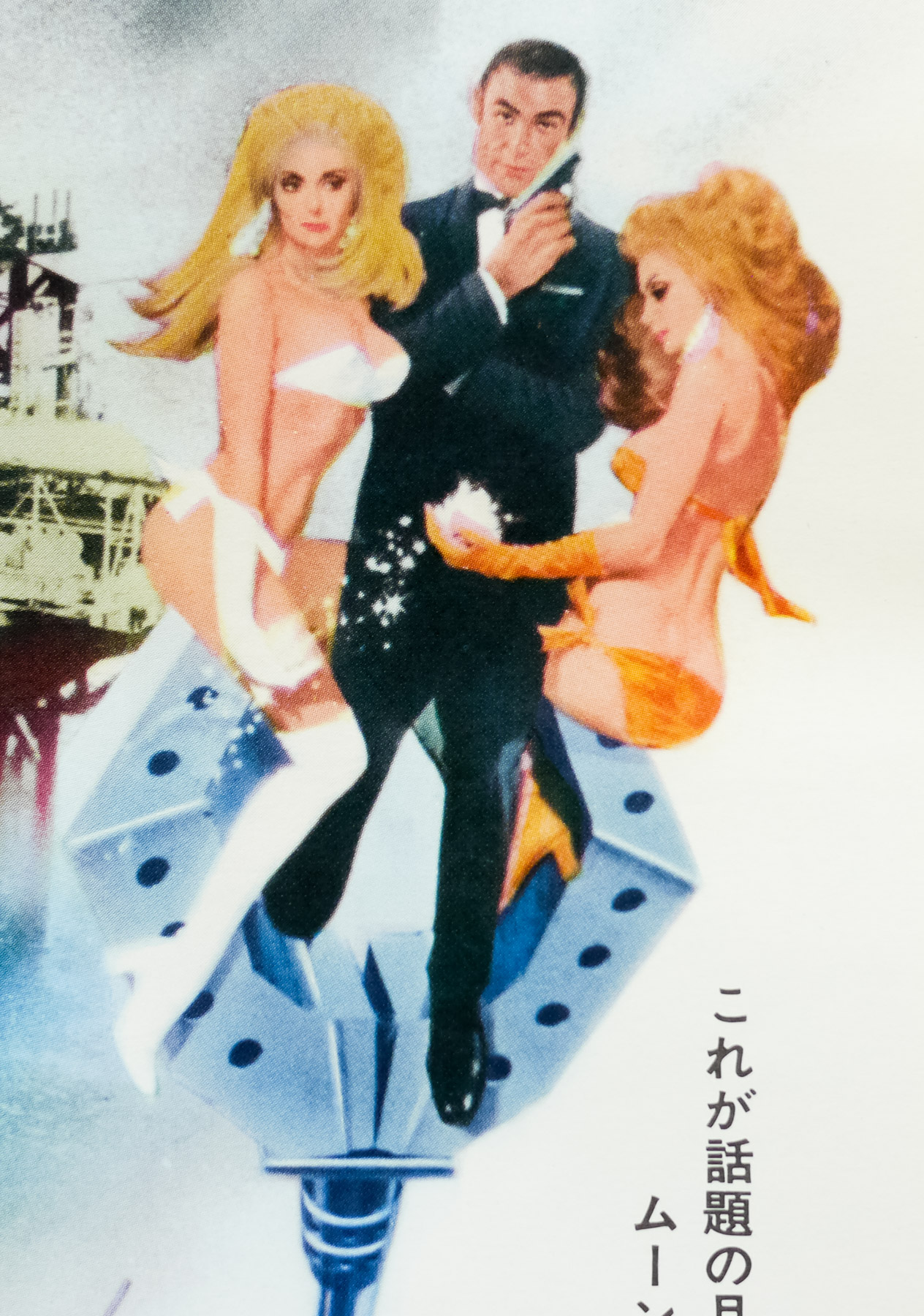
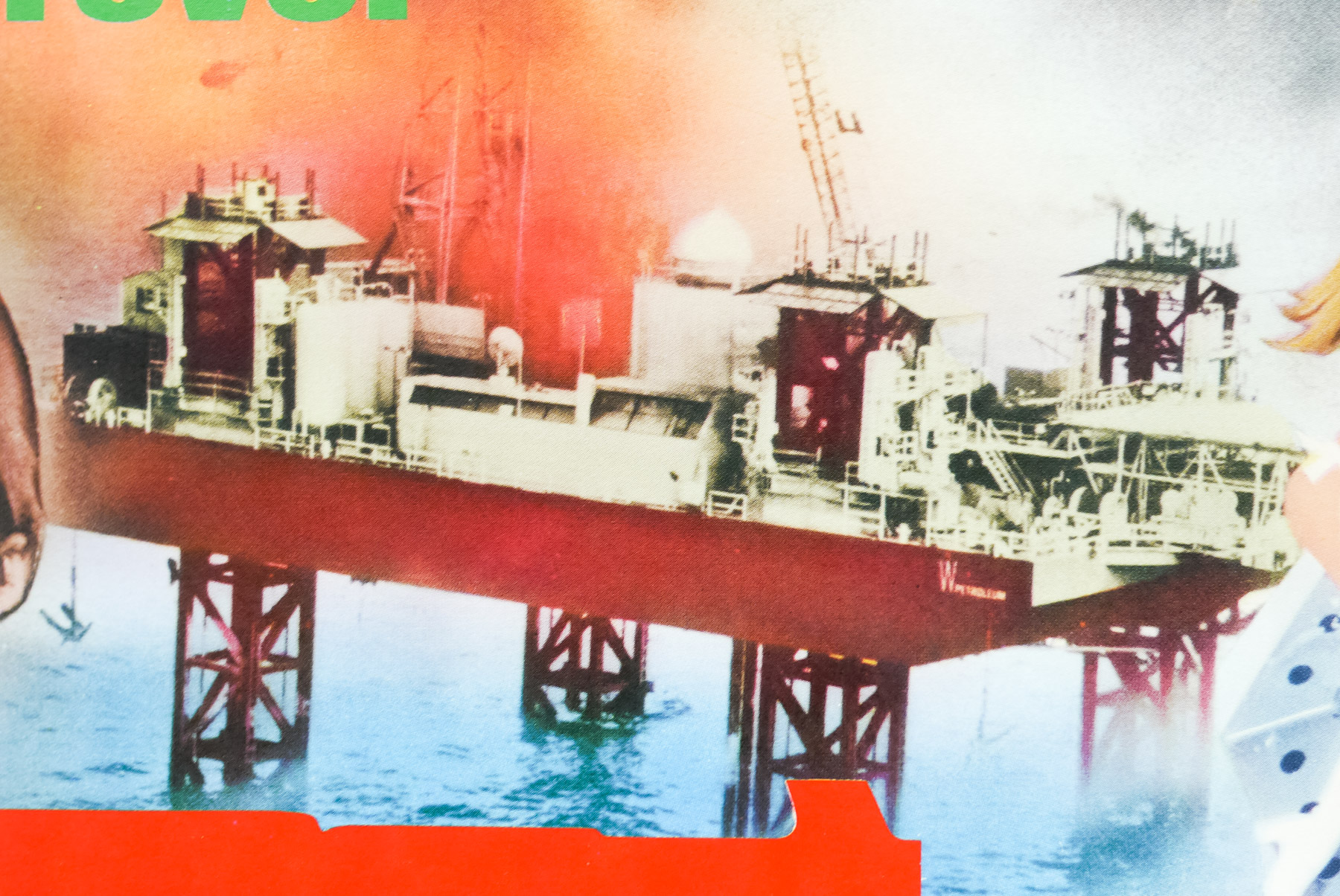
An exciting montage on this Japanese poster for the 1974 re-release of ThunderballSean Connery‘s fourth outing as the legendary spy. The plot sees Bond on the trail of two nuclear bombs stolen from a British Vulcan bomber by Emilio Largo (Adolfo Celi), an agent of Spectre, which takes him to the islands of The Bahamas. Spectre requests £100million in uncut diamonds with a threat of detonating the bomb over a major city and Bond must track the weapons down before time runs out. The gorgeous Claudine Auger plays Domino, Largo’s mistress and an eventual ally of Bond; to my mind one of the better Bond girls.

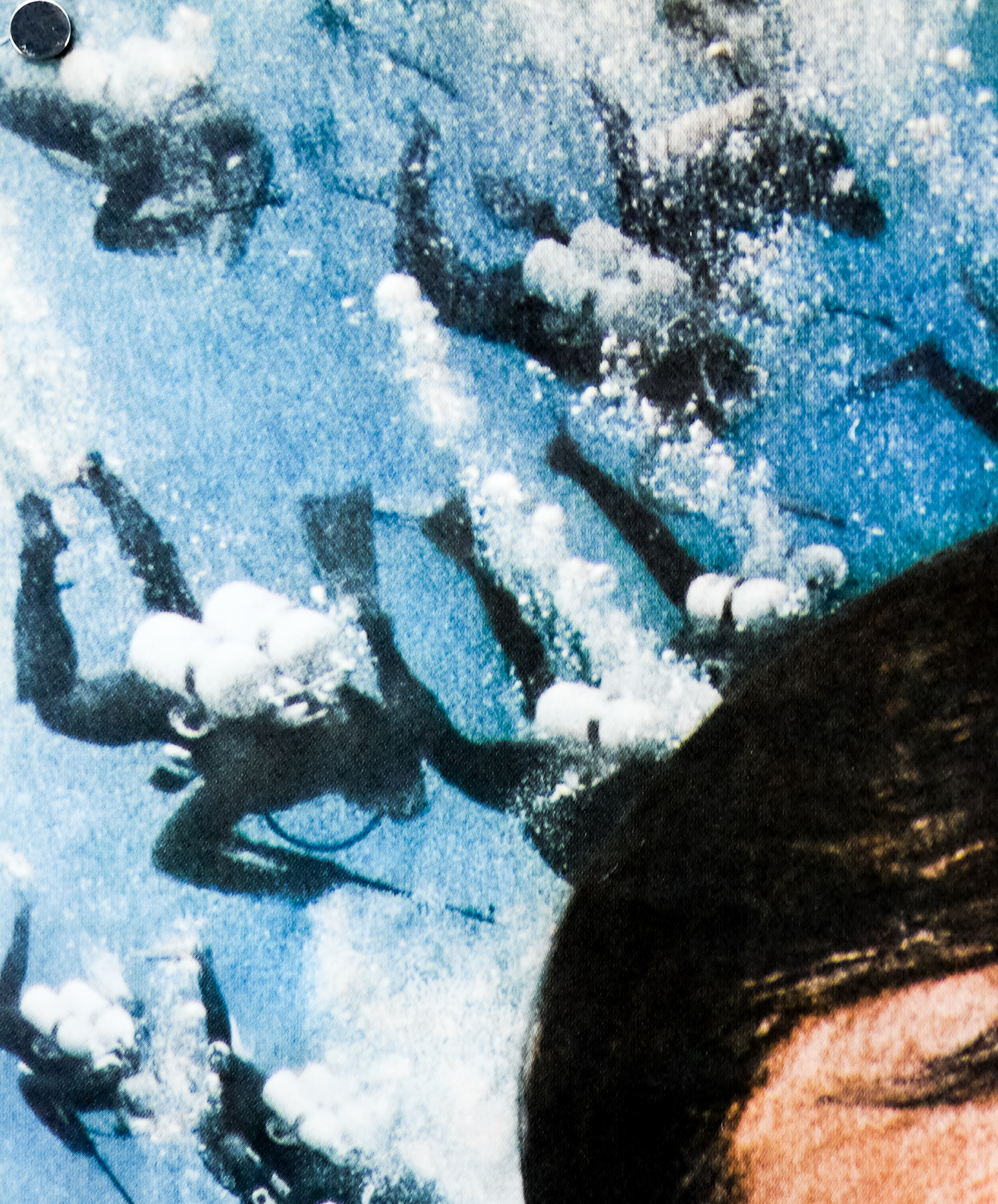
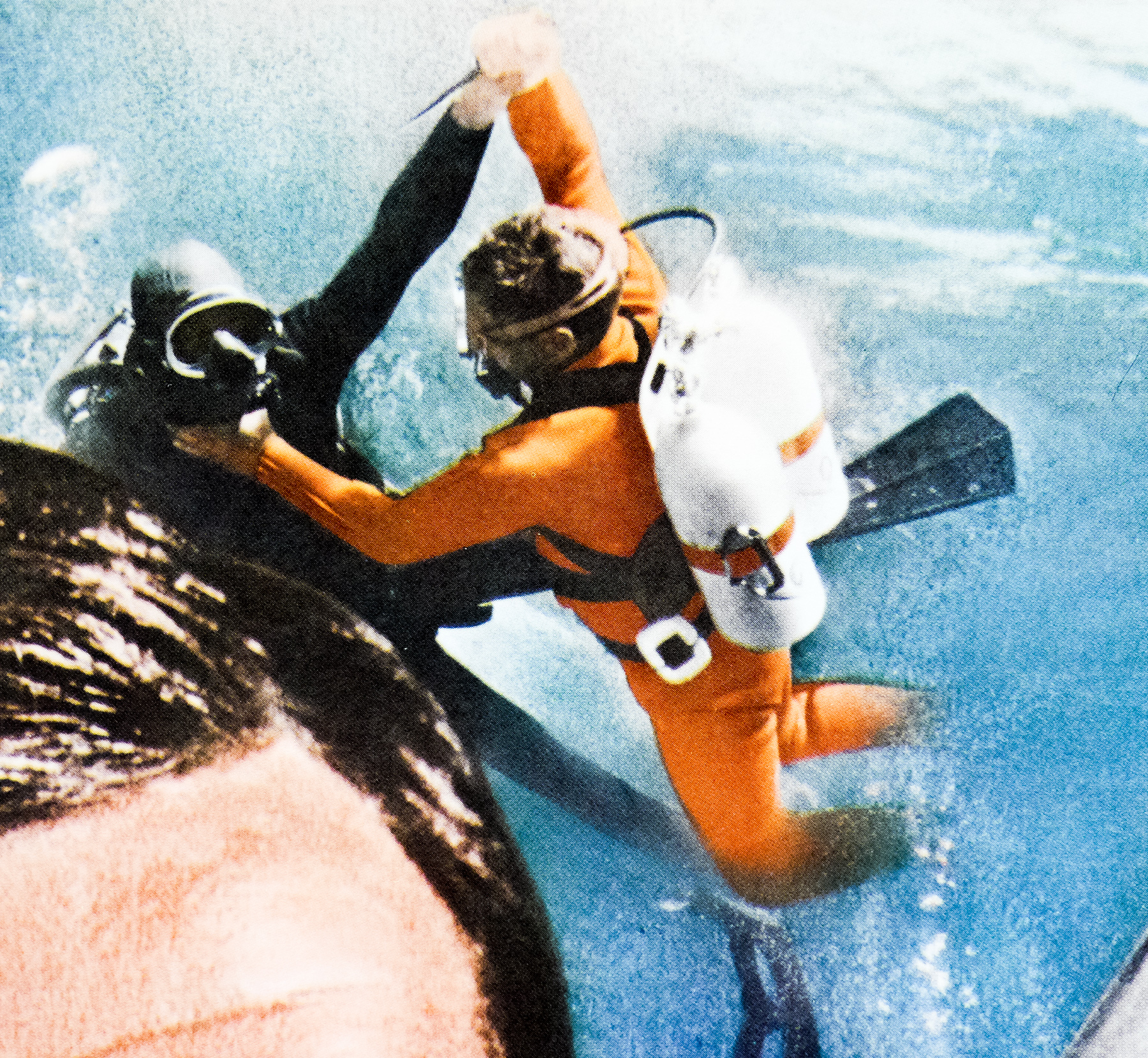
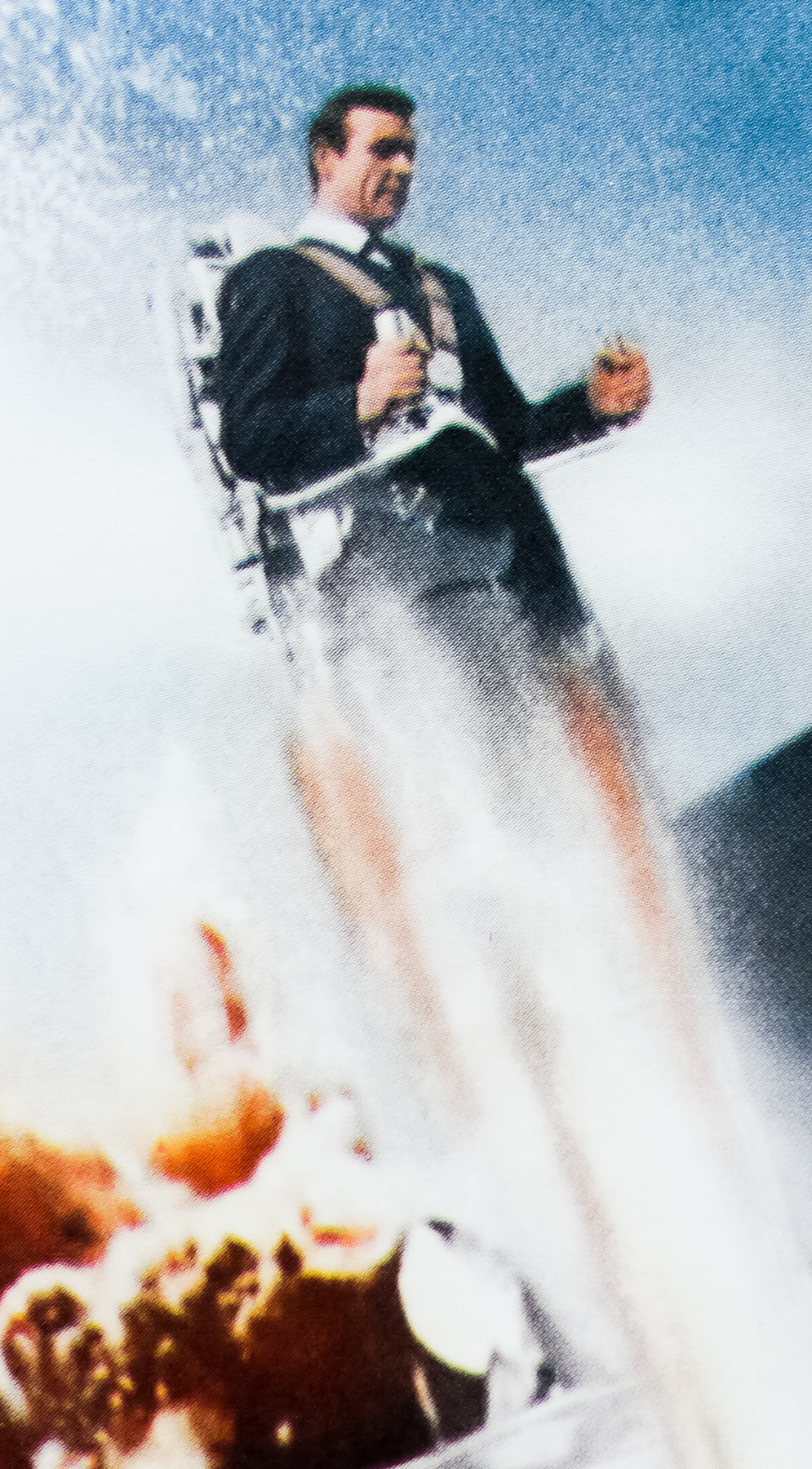
The film features a series of groundbreaking underwater action scenes and a number of memorable gadgets, including a jetpack used in the opening sequence. Viewed today, however, the final section featuring a fight onboard Largo’s runaway jet-powered boat is completely cringeworthy as it uses sped-up footage with badly matched rear-projection that was meant to give the feeling of speed. Whilst it may have been acceptable in 1965, time has not been kind and it now looks unforgivably poor. I count Thunderball as one of the weakest of Connery’s official Bond films.

With that being said, the advertising campaign and accompanying artwork used for the British and American releases was arguably the best of any in the series, and Robert McGinnis and Frank McCarthy‘s wonderful designs and illustrations are quintessential Bond.

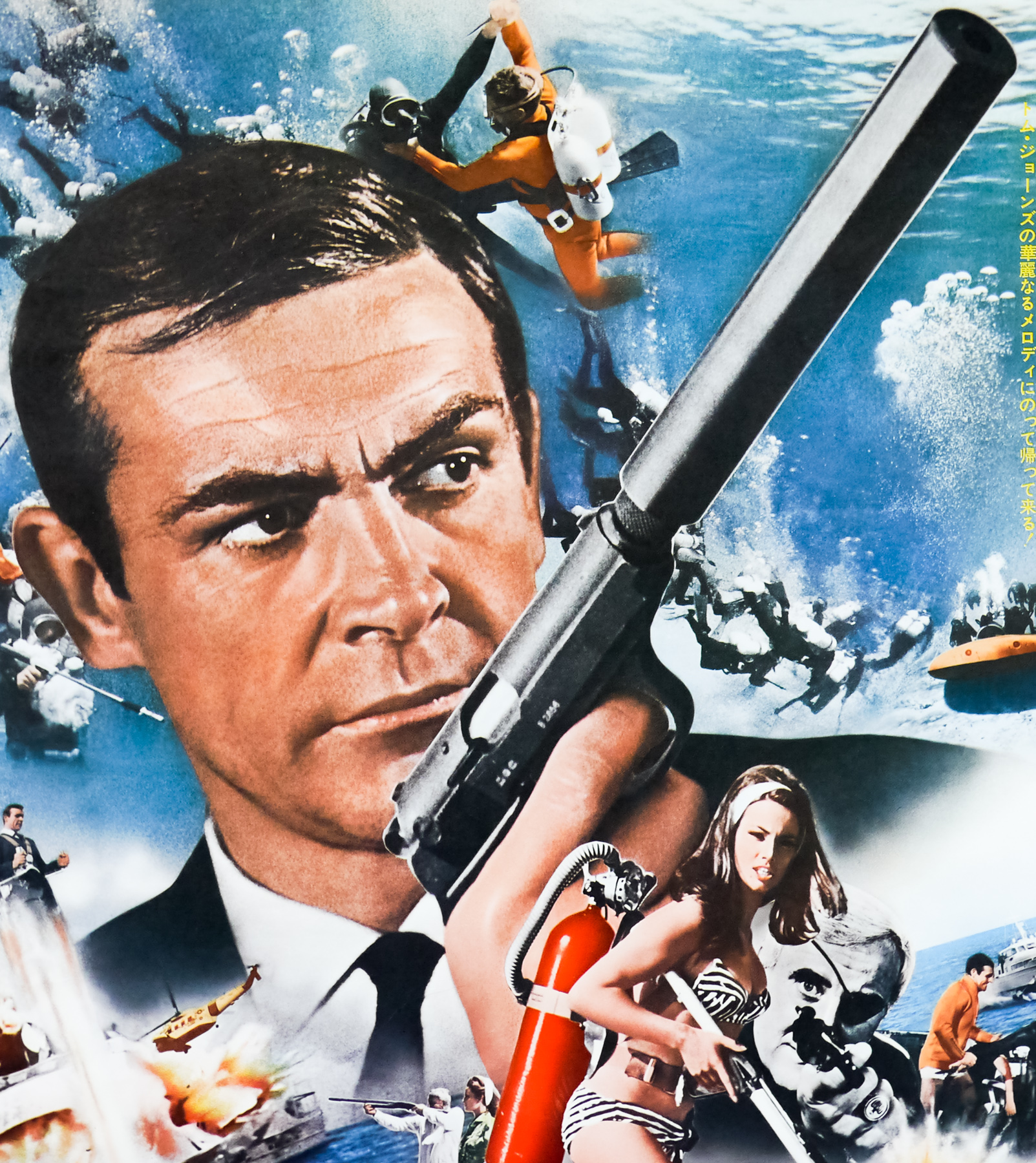
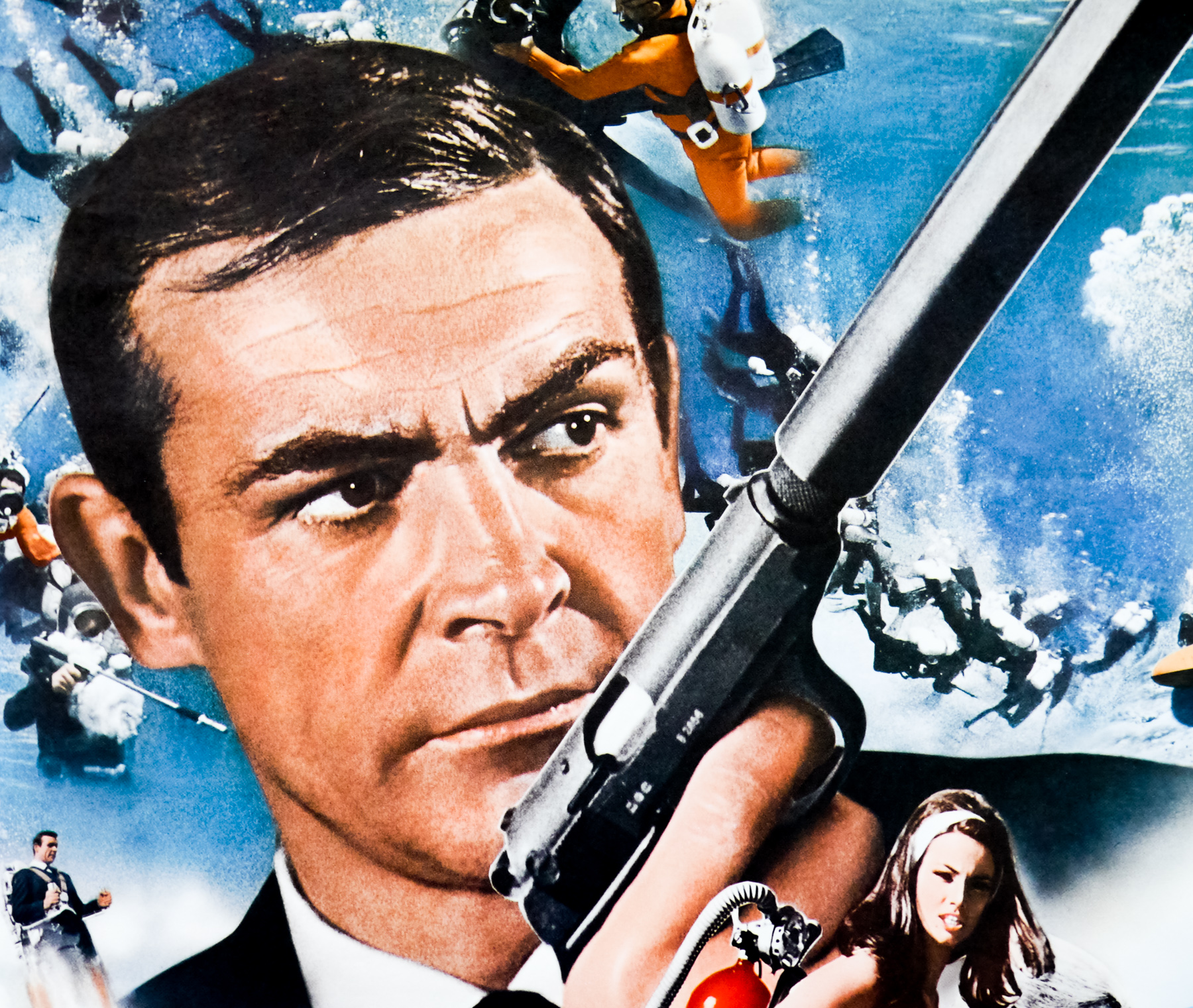
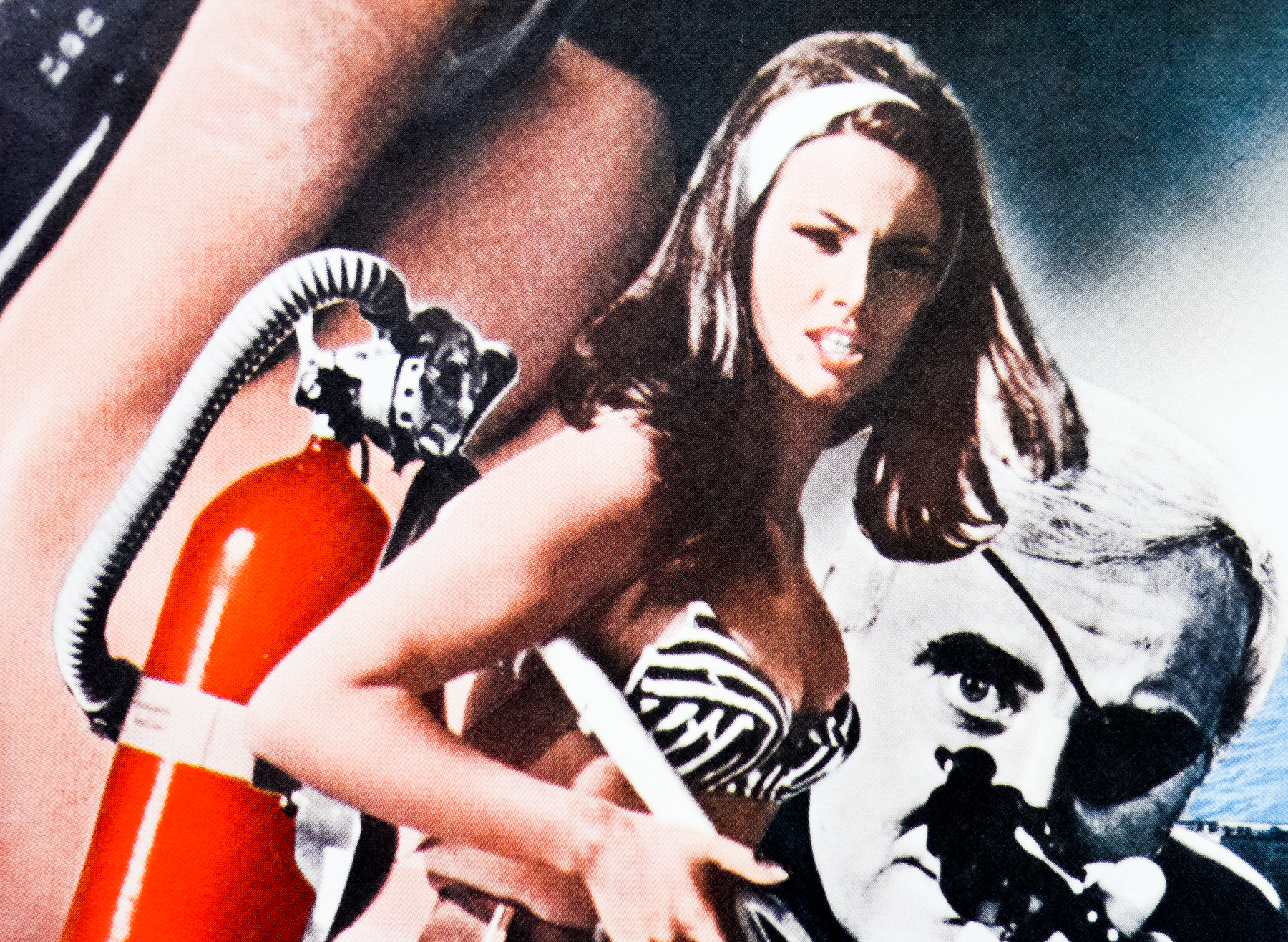
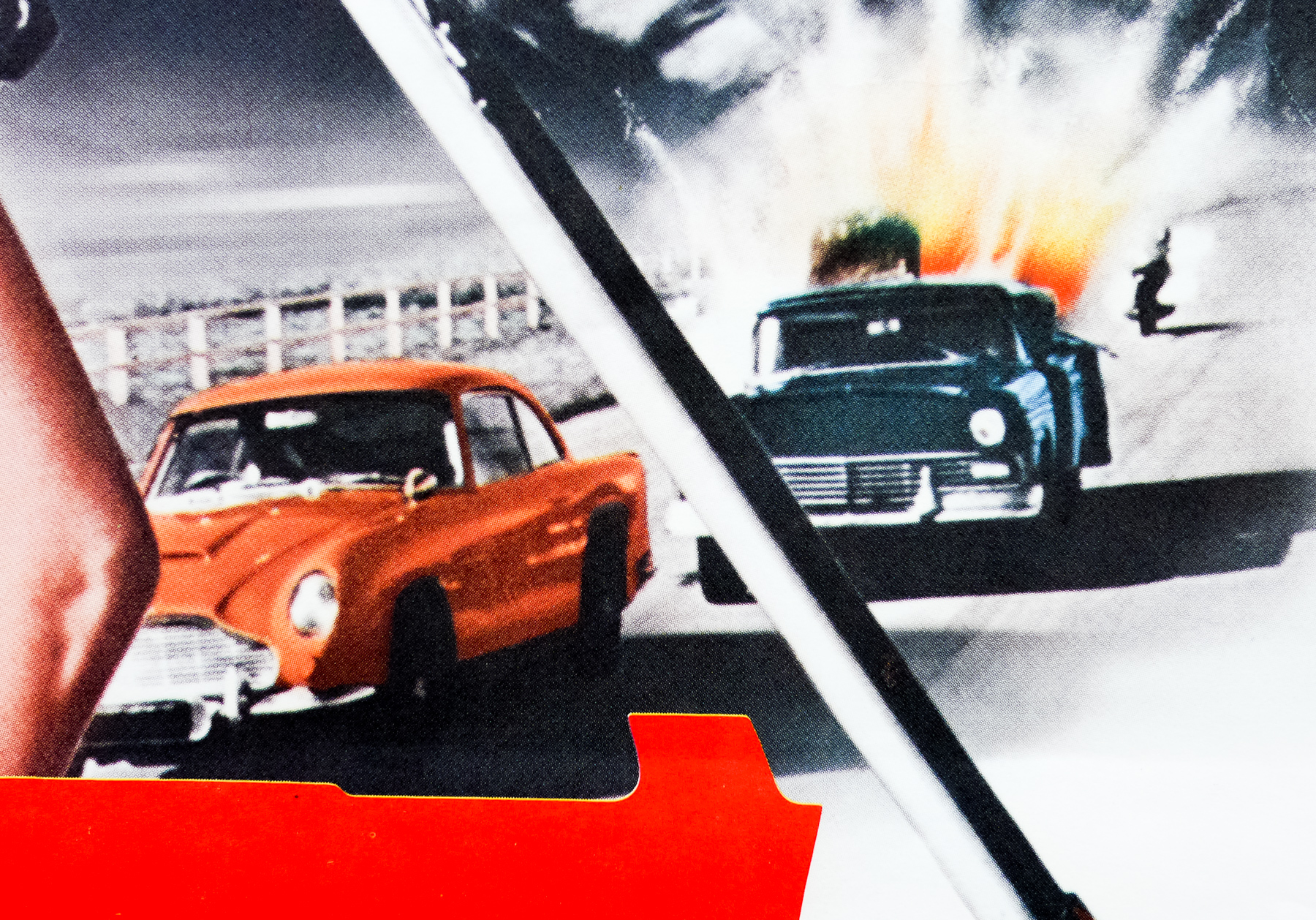
This montage appears to have been colour-tinted by hand, as evidenced by the bronze Aston Martin seen between Domino and her giant spear gun. The image of Connery with the large, silenced pistol was previously used on a Japanese poster for From Russia With Love.

Wild Beasts / B2 / Japan

05.11.12

Poster Poster

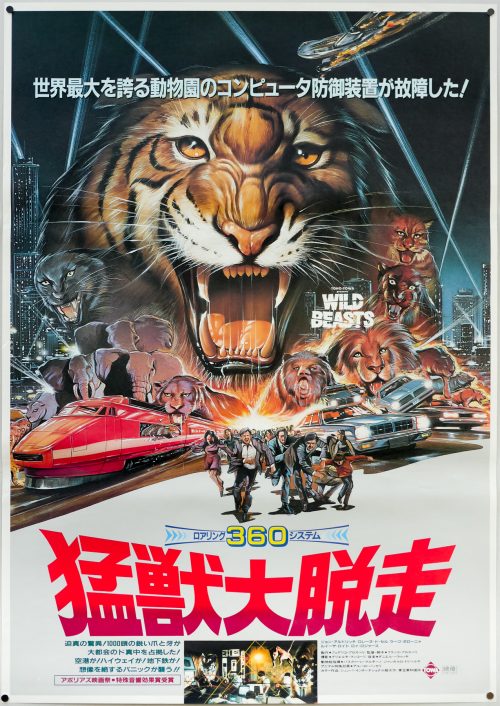
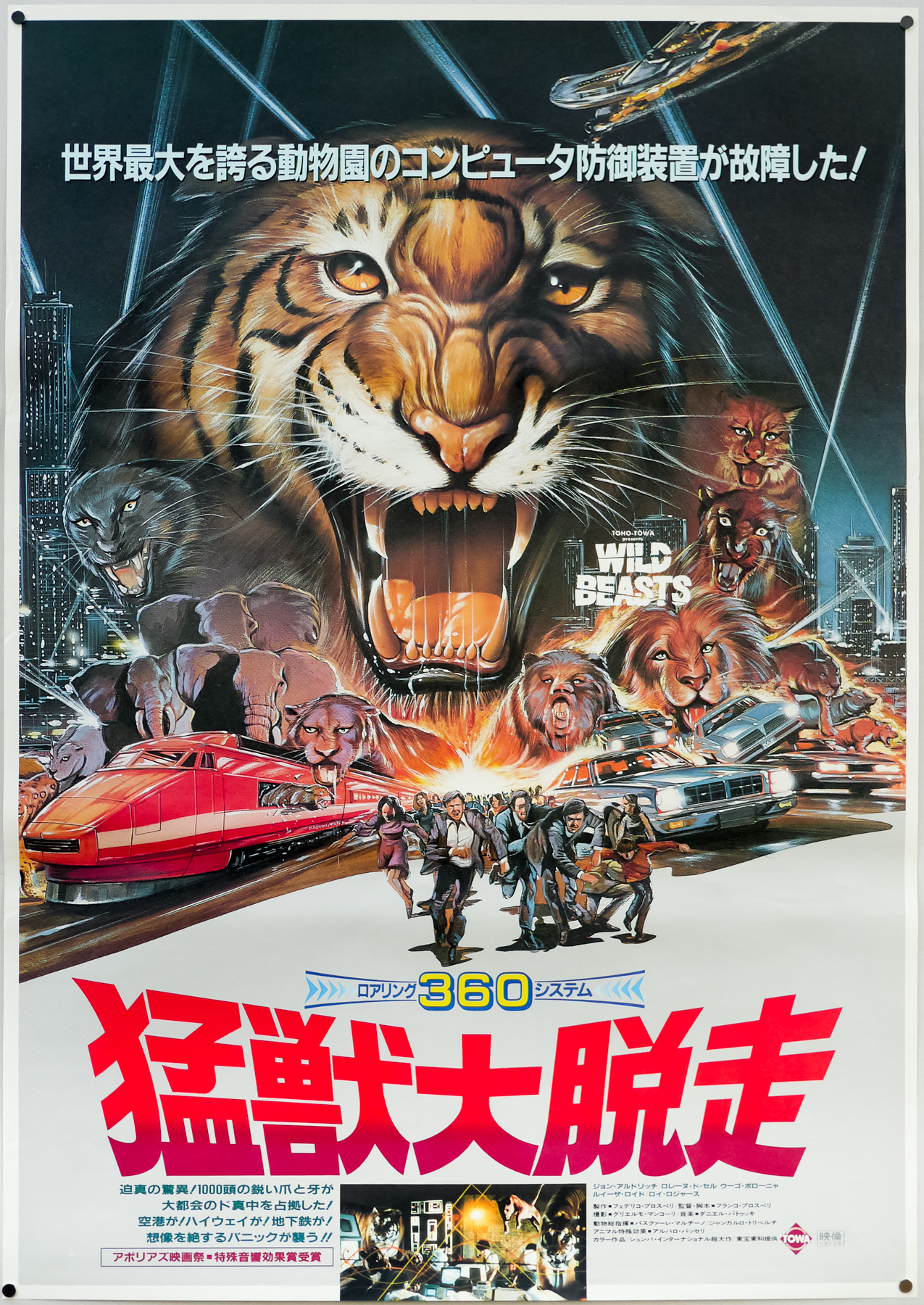
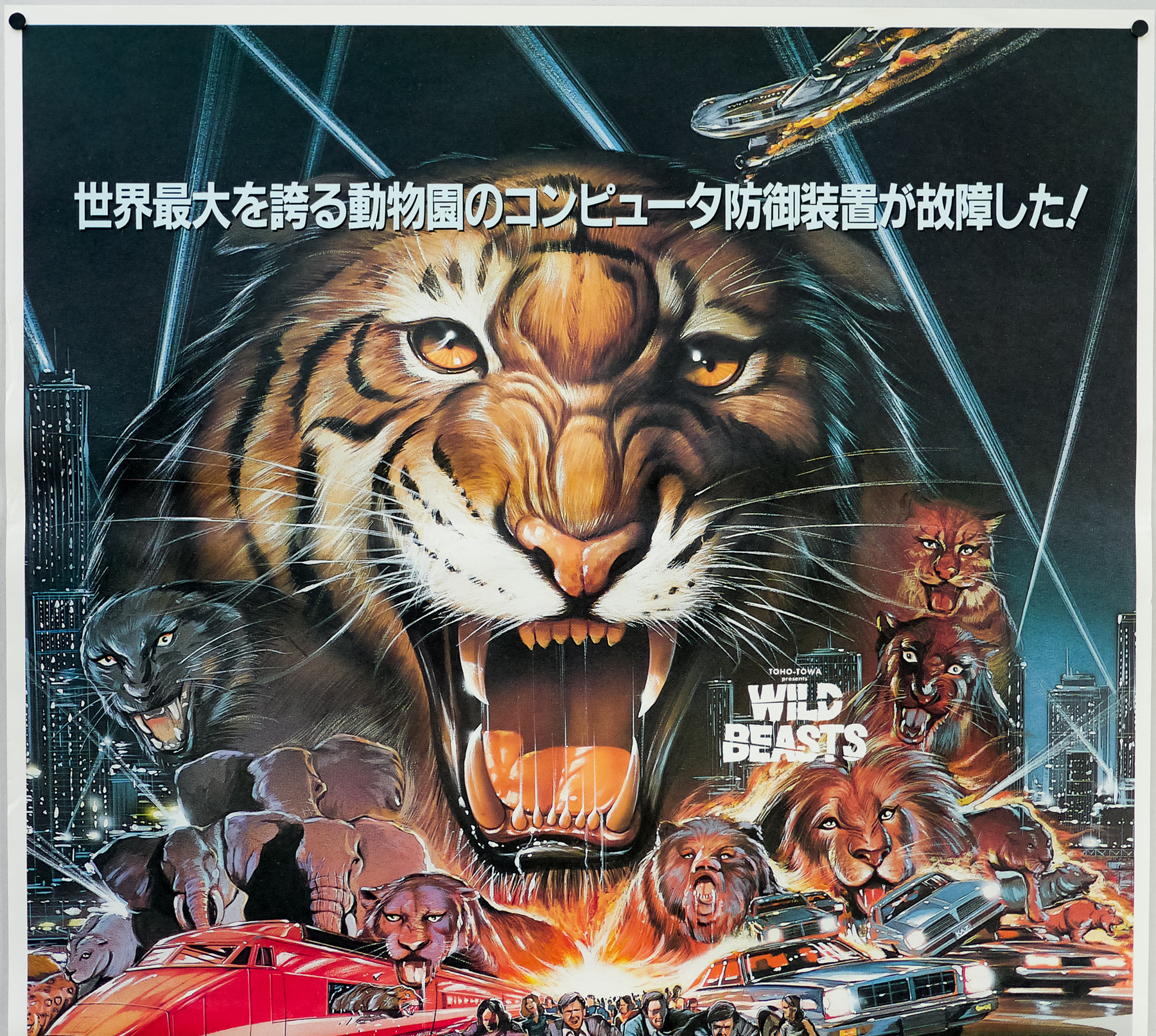
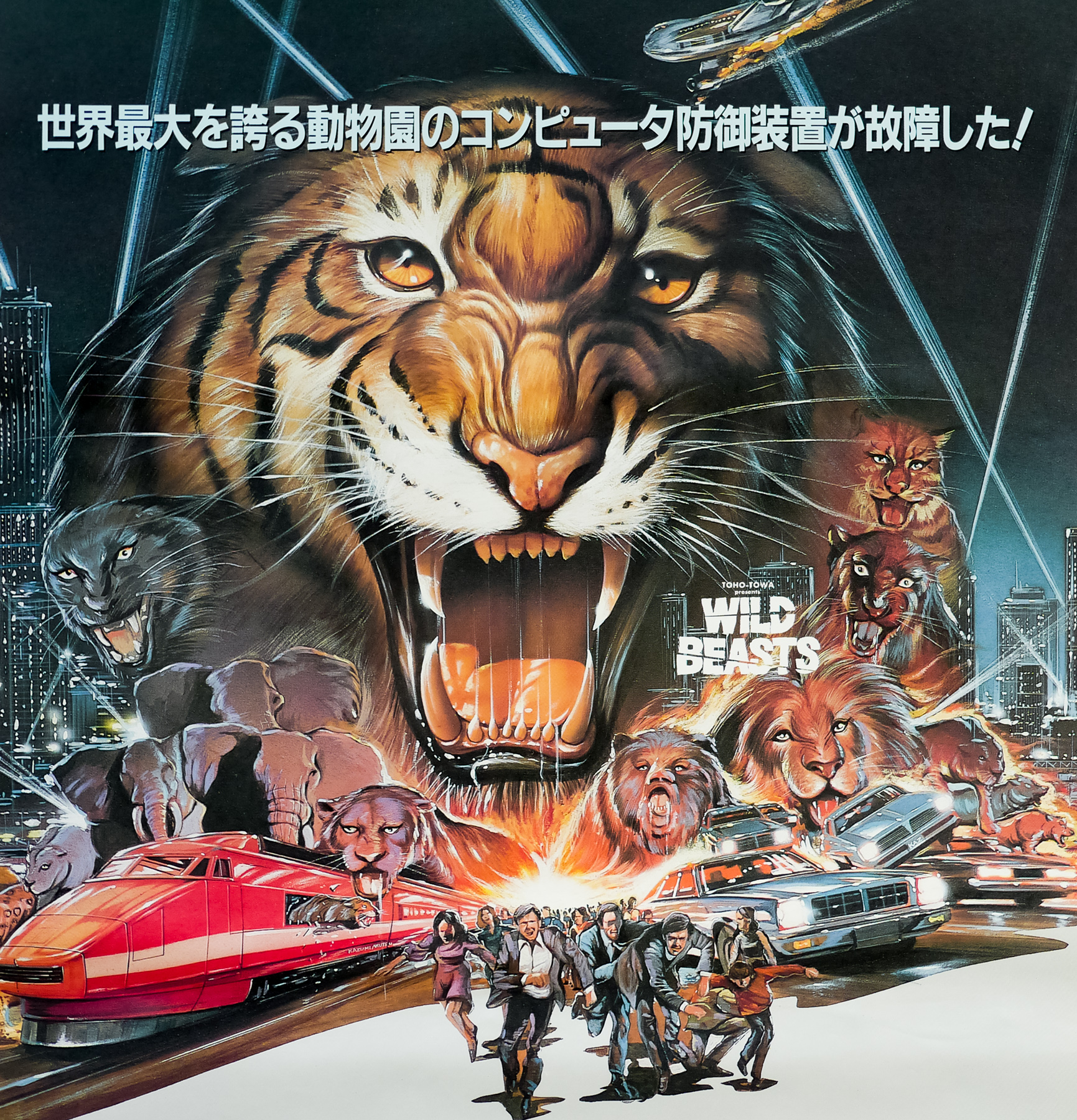
Italian director Franco Prosperi is best known as the co-creator of the infamous Mondo Cane ‘shockumentary’, which consisted of a series of travelogue-style vignettes looking at strange cultural practices from around the world with the intention of shocking Western audiences. Made in 1962, the film had an emphasis on taboo subjects including sex, death, ritual killings and cannibalism, and it was such a success that it spawned a slew of sequels and copycat films, and created it’s own mondo genre of exploitation films. Despite being presented as genuine documentary footage, many of the scenes in mondo movies were clearly staged by the producers.

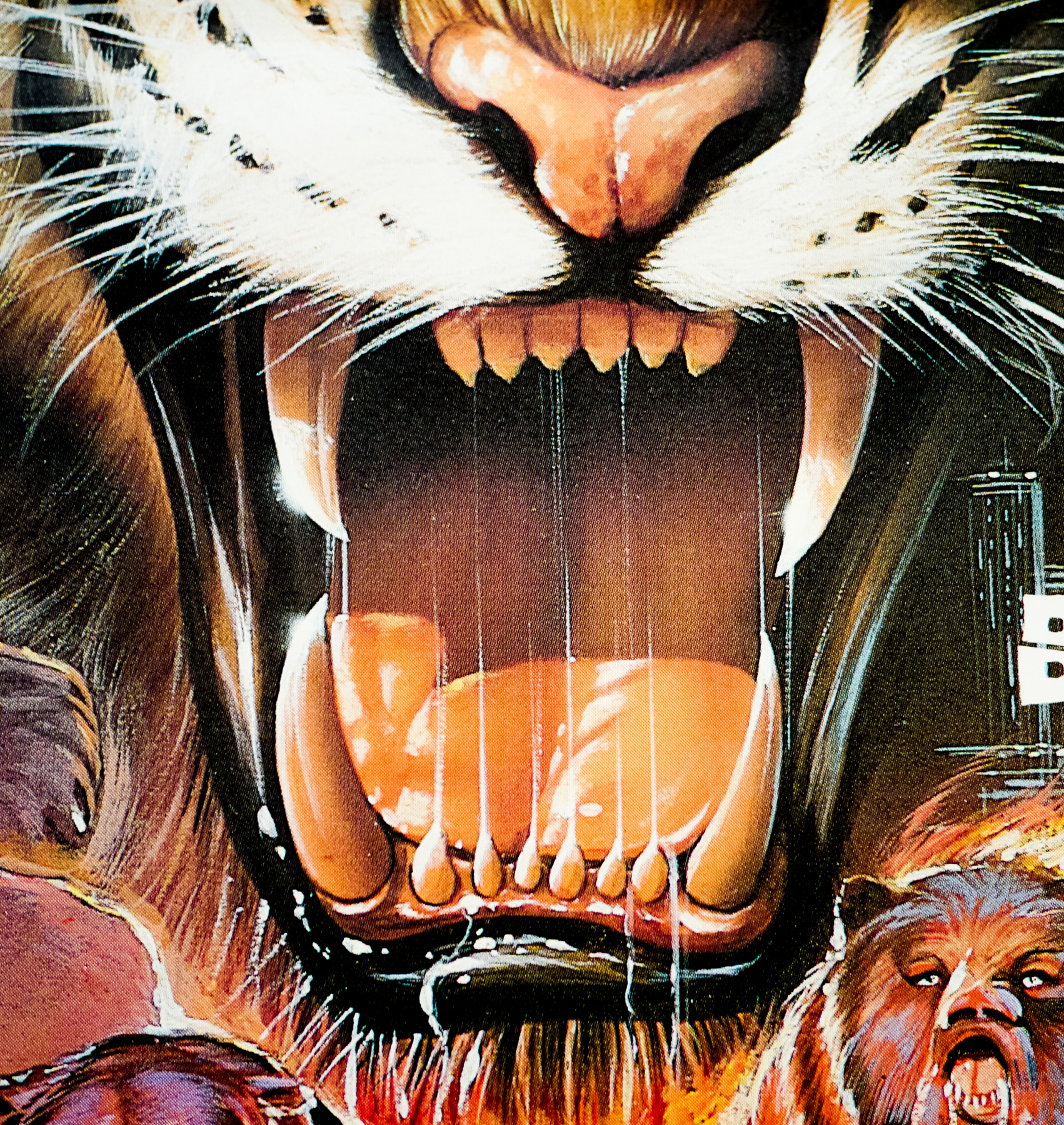
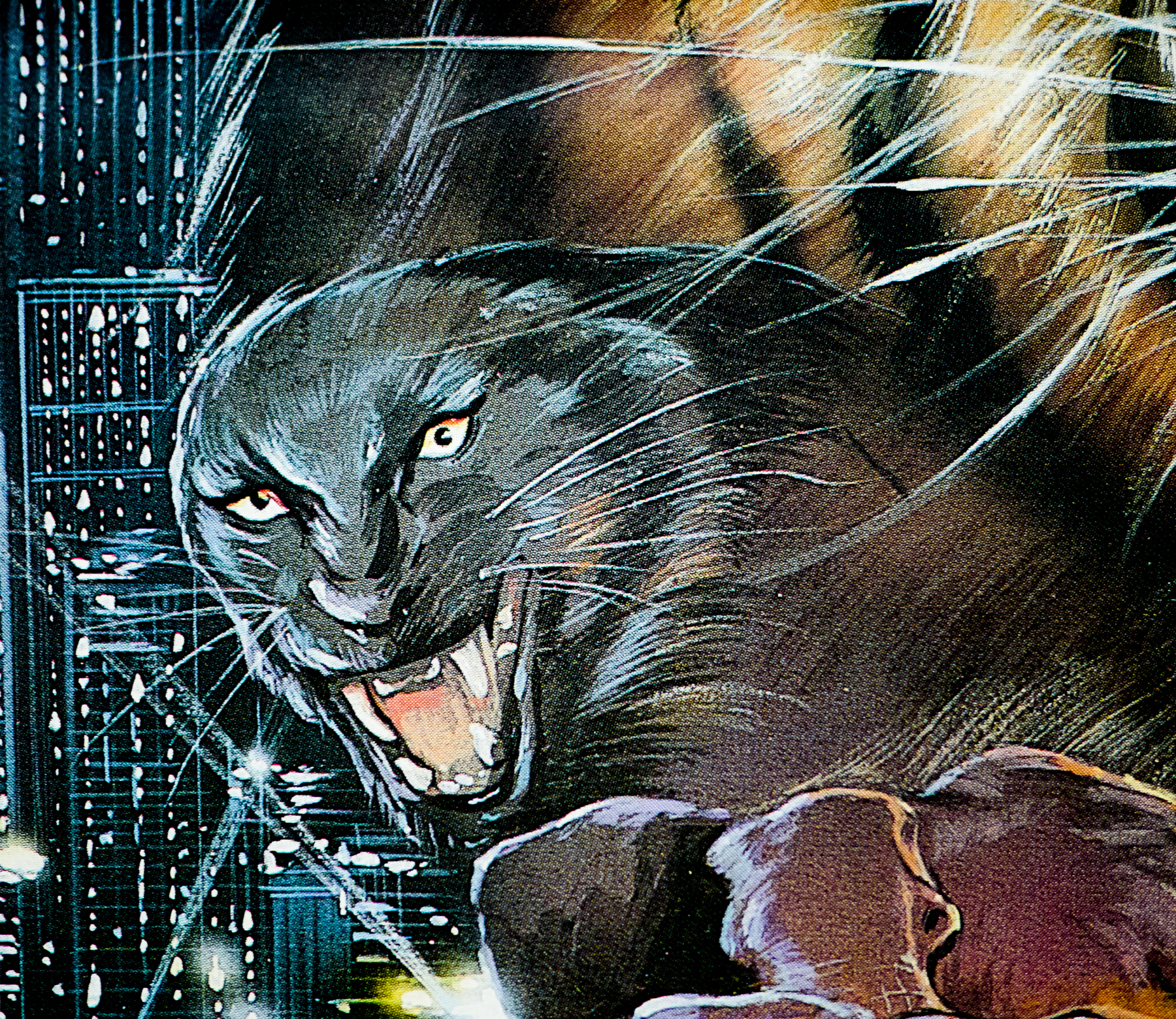
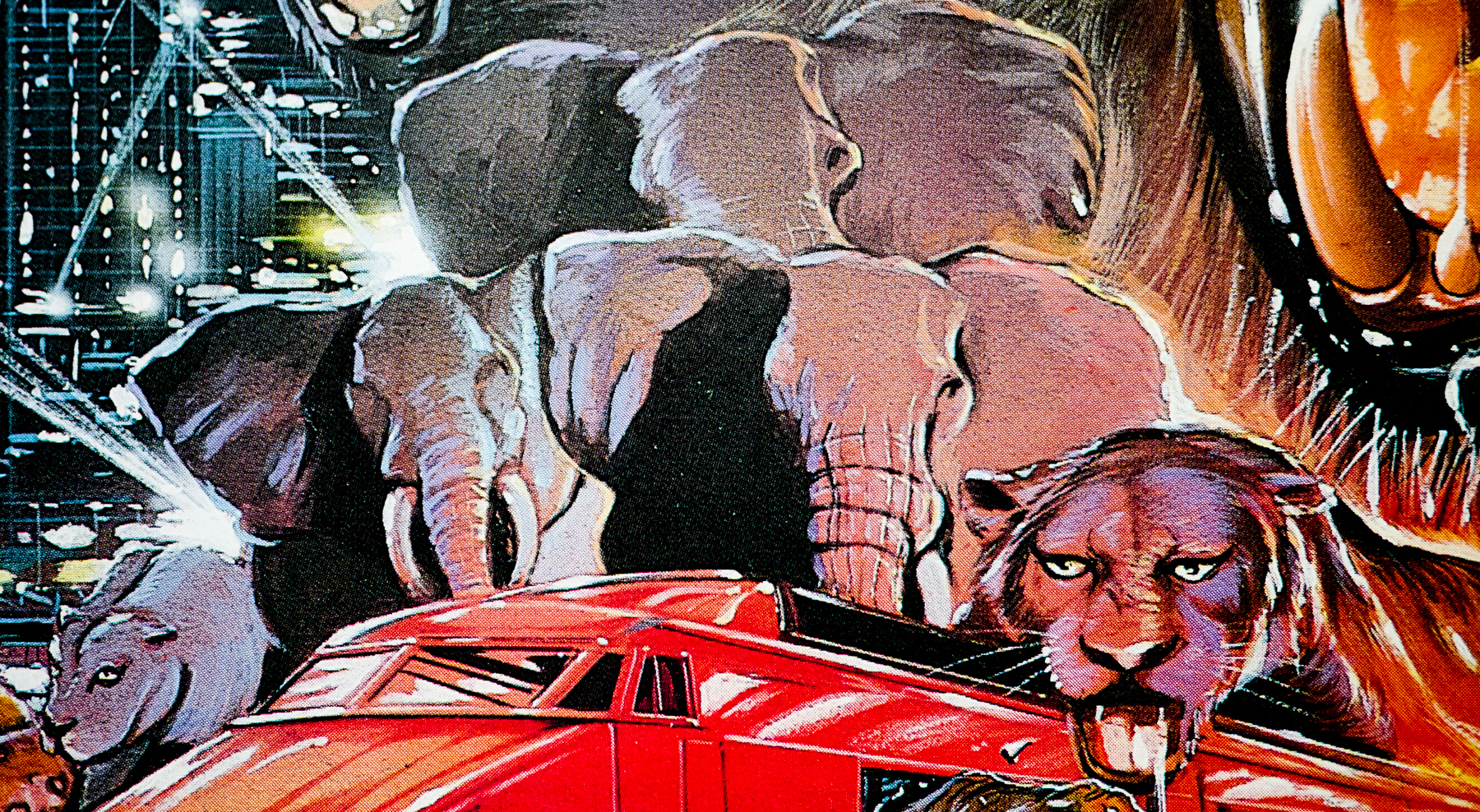
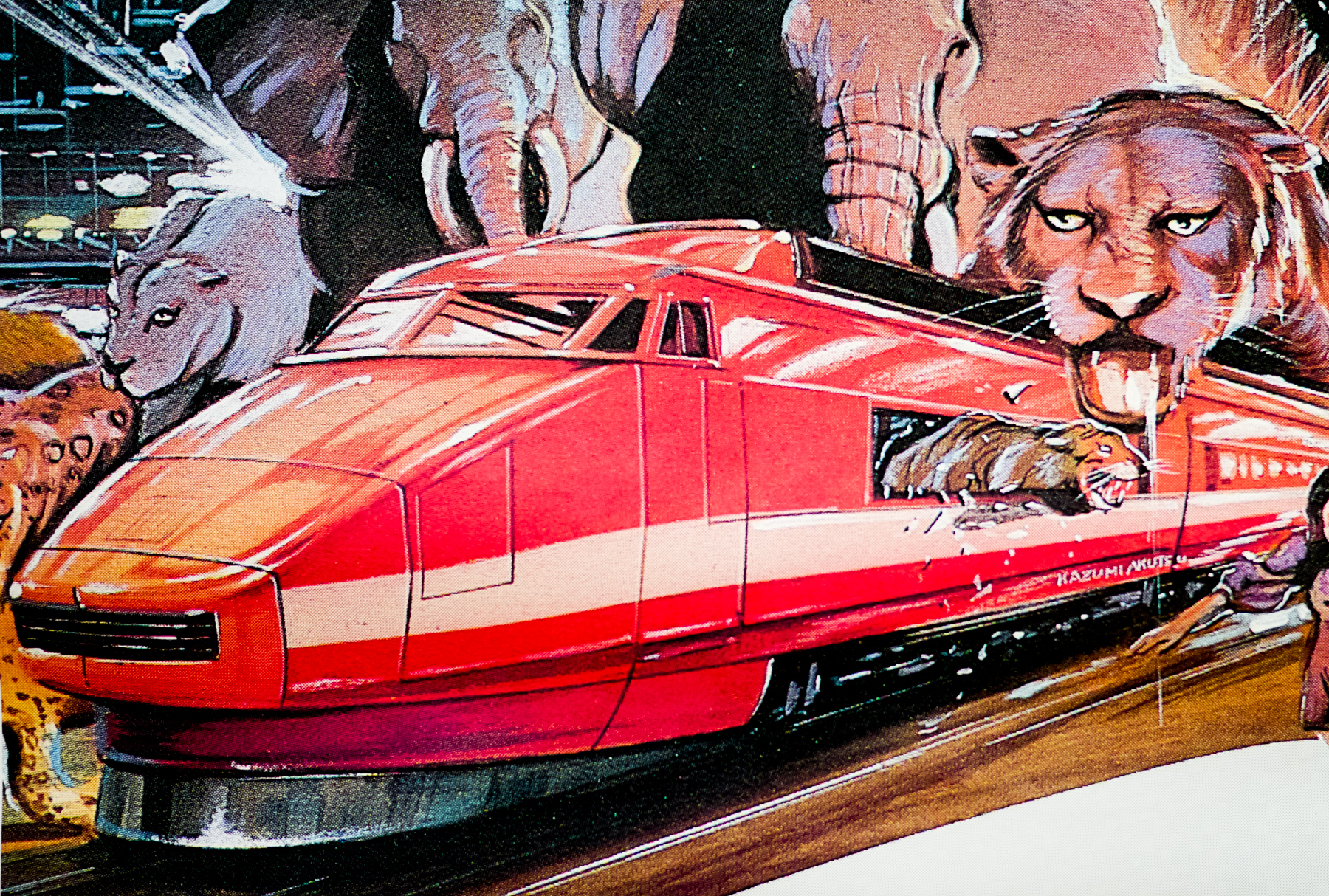
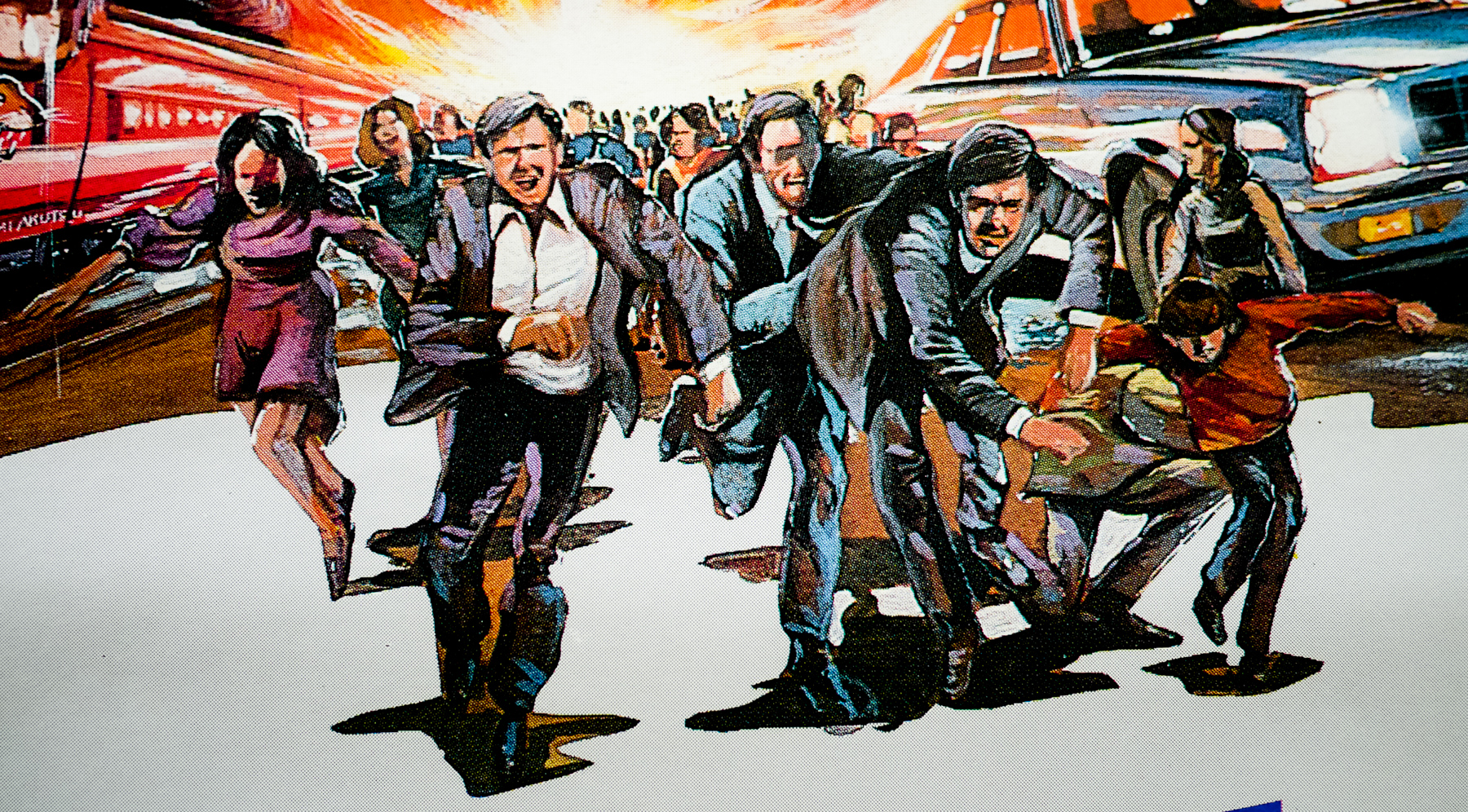
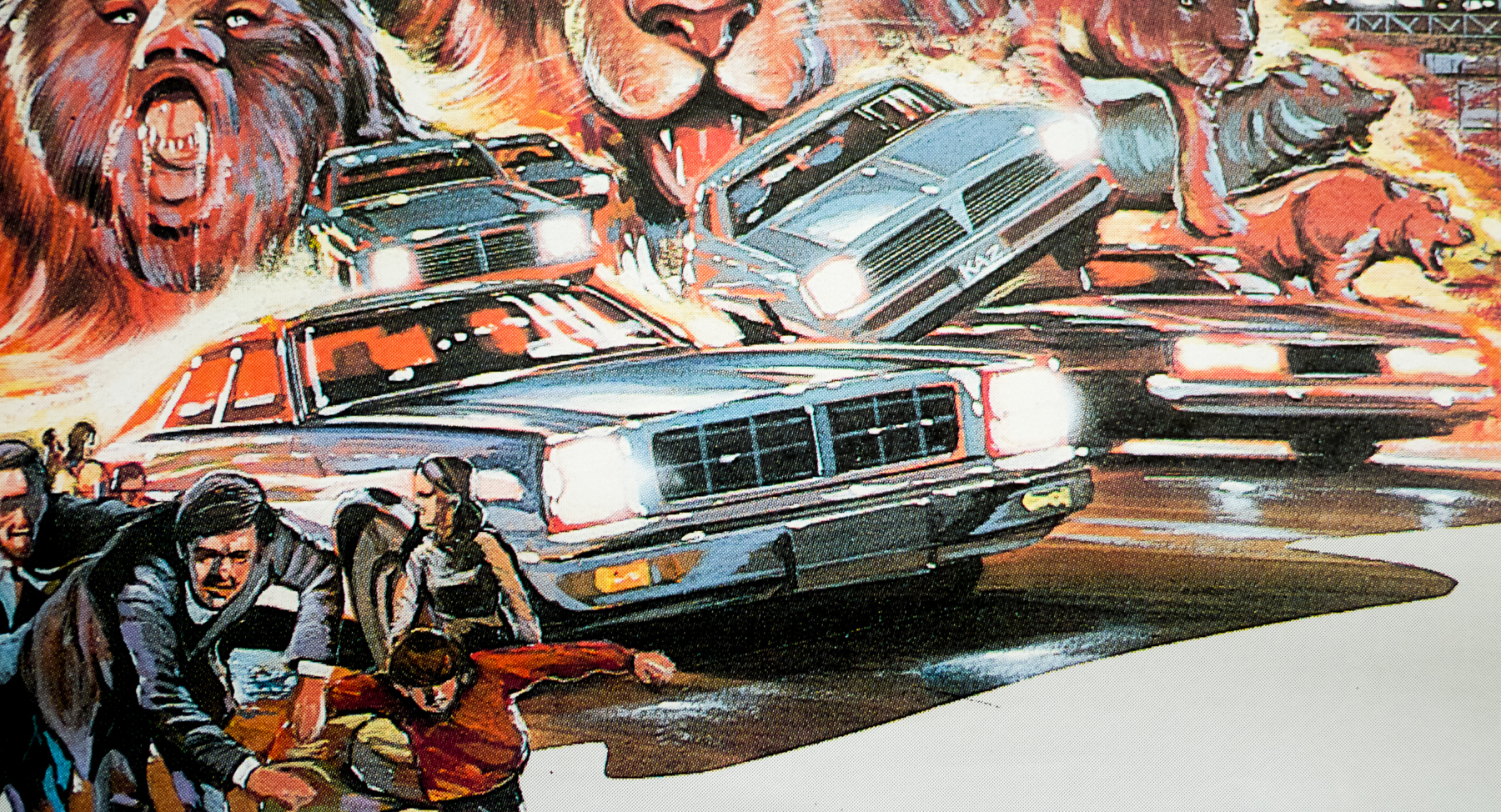
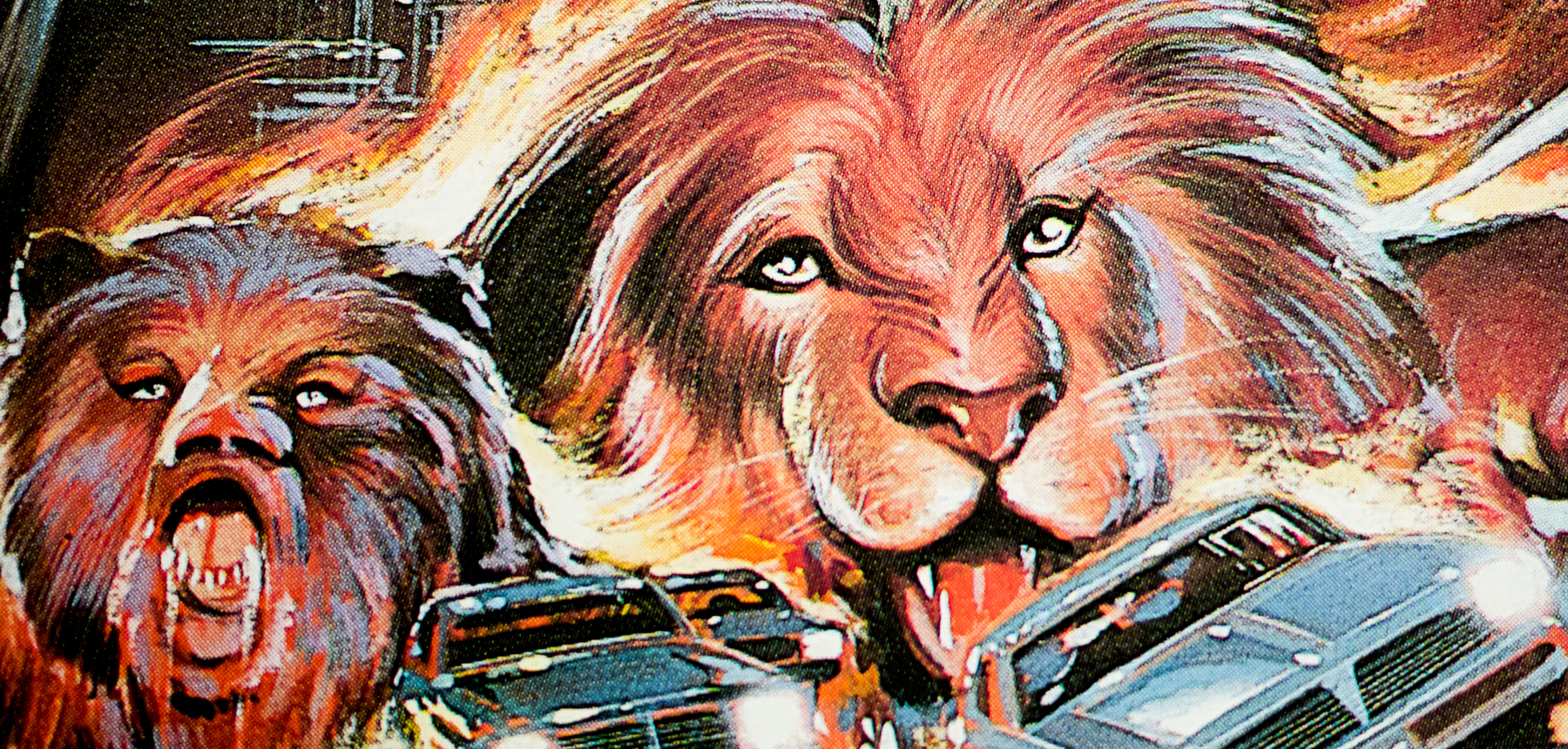
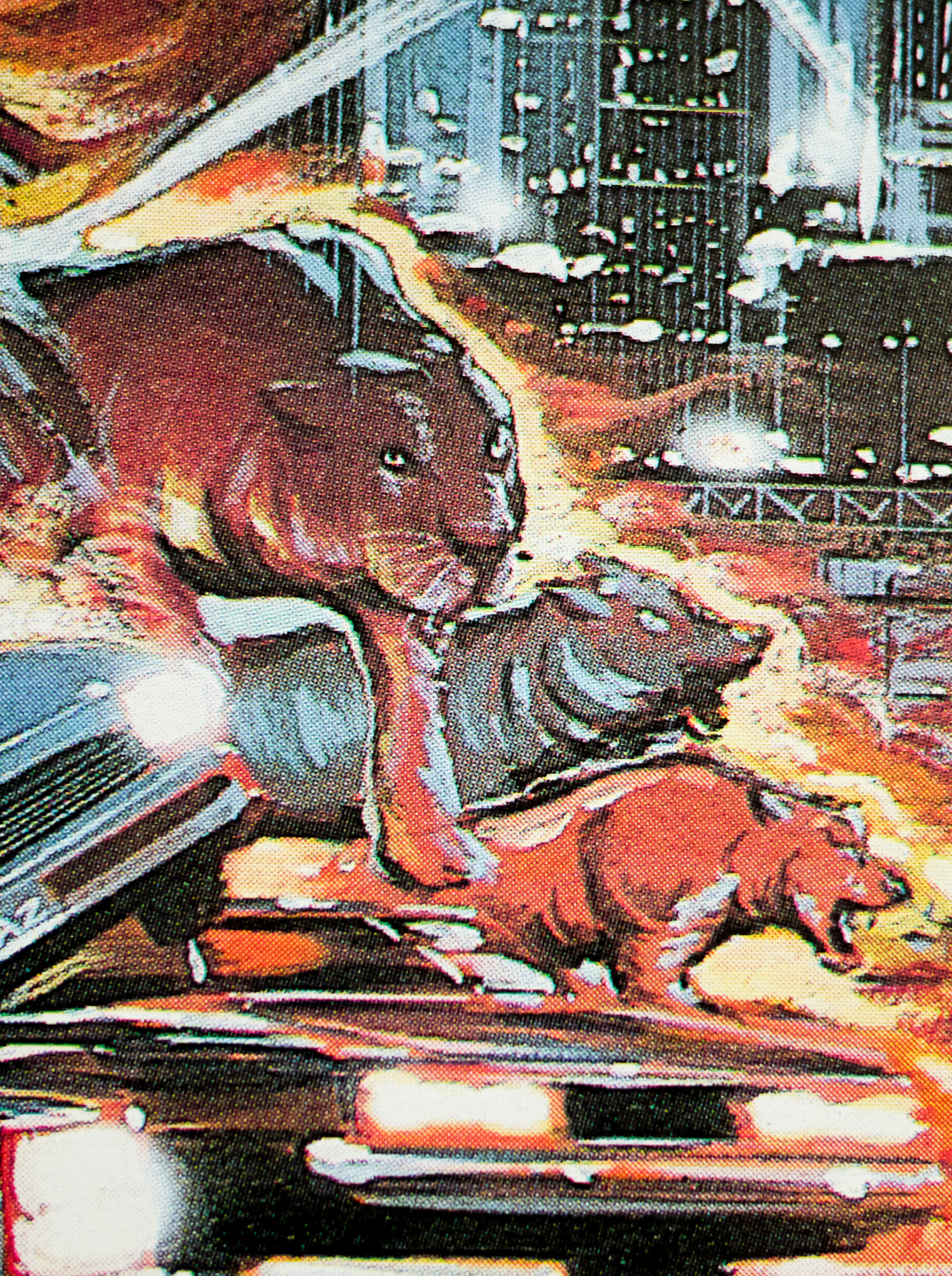
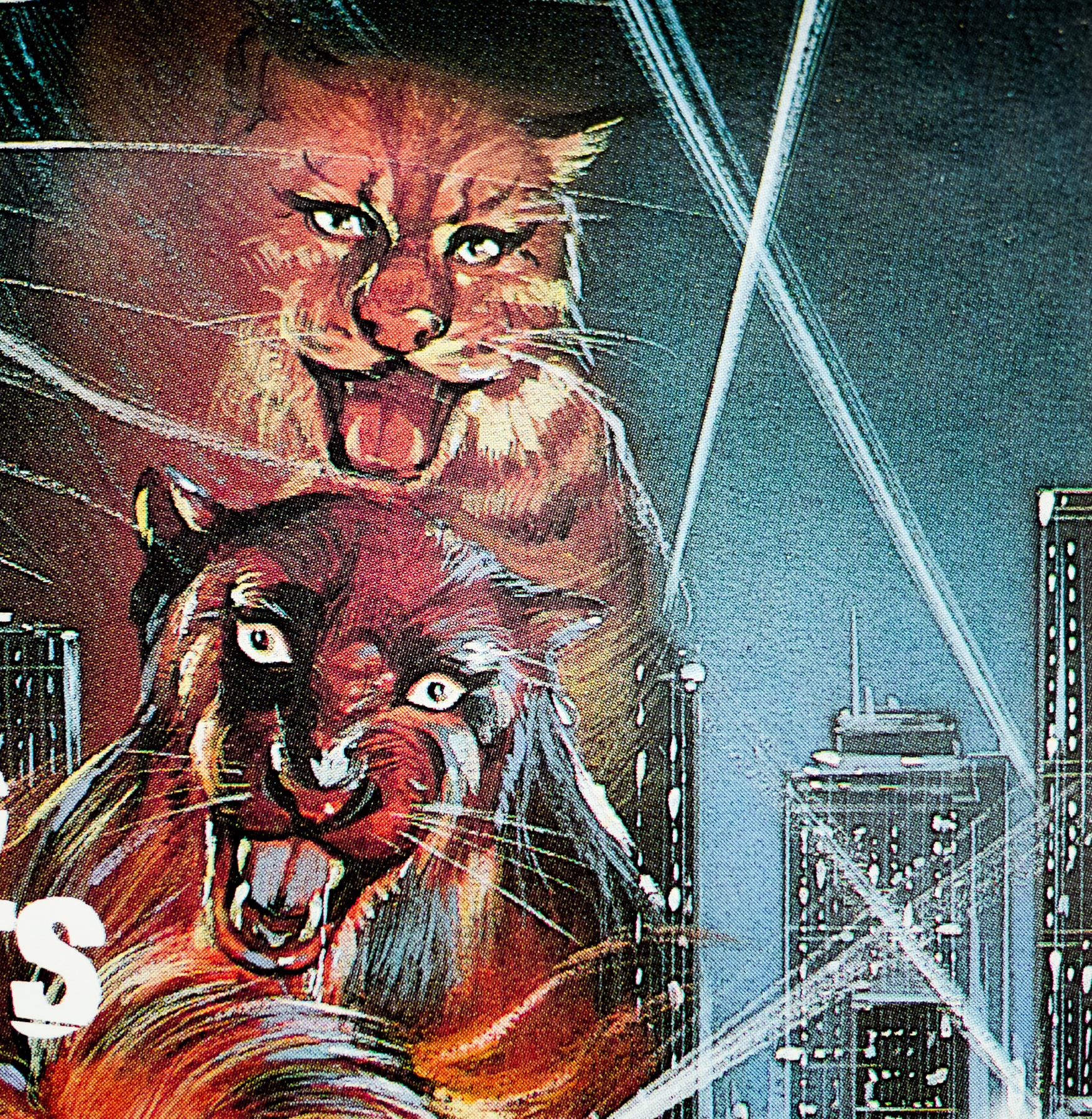
One recurring aspect of the genre was animal deaths and cruelty, and Prosperi continued this theme when he directed Wild Beasts, a 1984 horror set in an unnamed European city (actually Frankfurt in Germany). The film sees PHP inadvertently being released into the water supply for the local zoo and the crazed animals wreaking havoc on the city. Some of the carnage sees an elephant trampling a car (and the heads of the occupants), a guide-dog turning on his blind owner and rats devouring a series of unlucky victims. Working with animal handlers Prosperi used editing to achieve most of the attack scenes but unfortunately the film does feature moments of actual animal cruelty, including the live torching of the aforementioned rats. Because of these scenes I don’t believe the film was ever given a cinema release in the UK, although it appears to now be available here via import DVD.

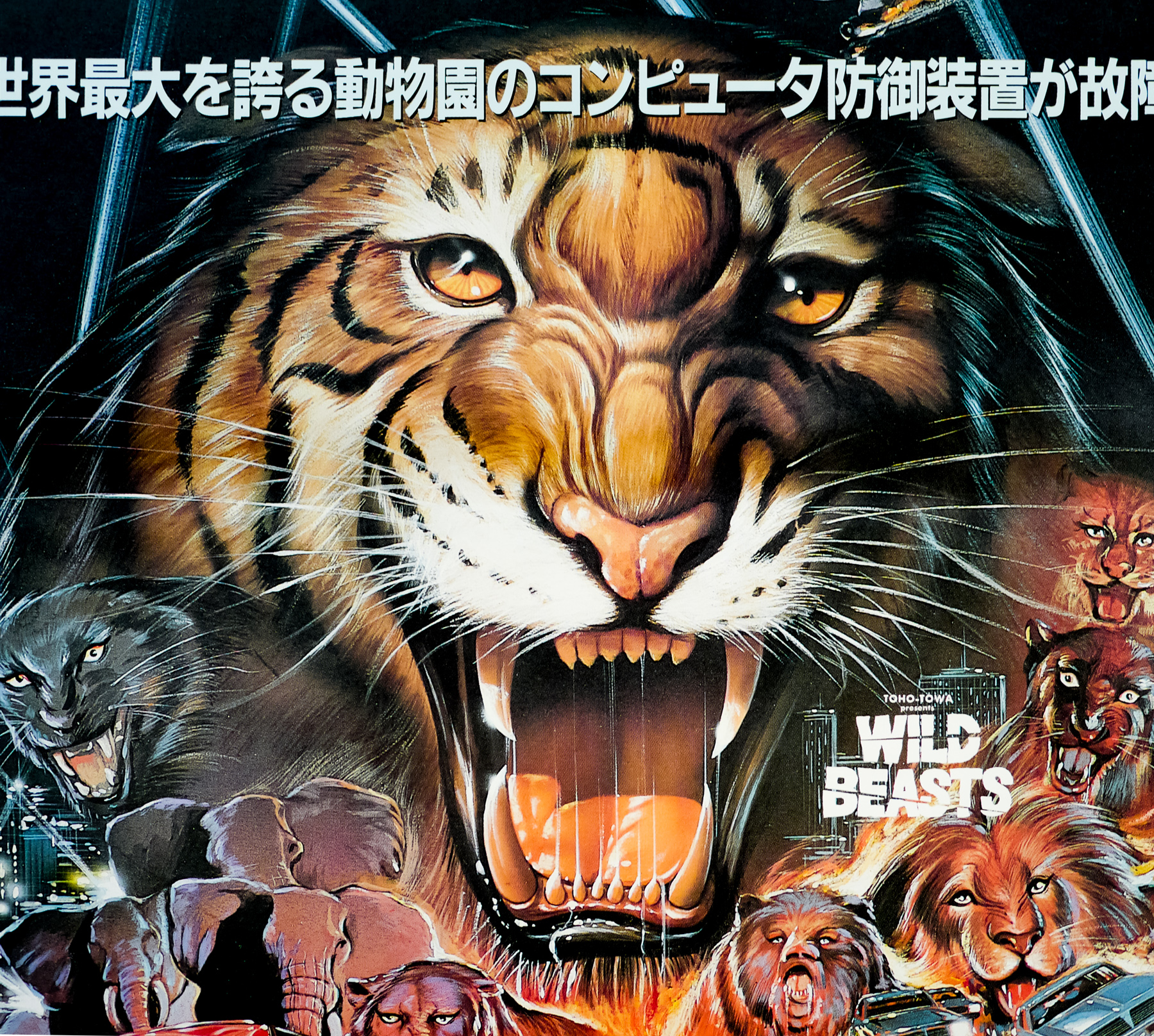
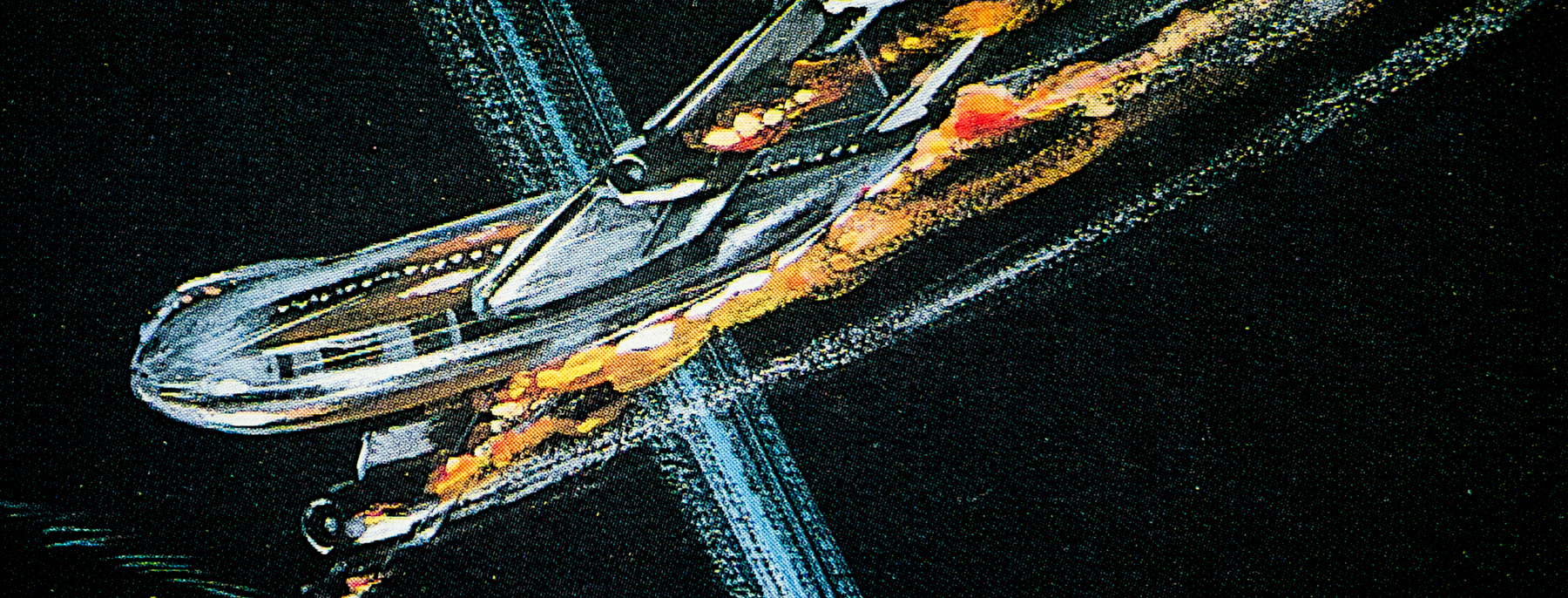
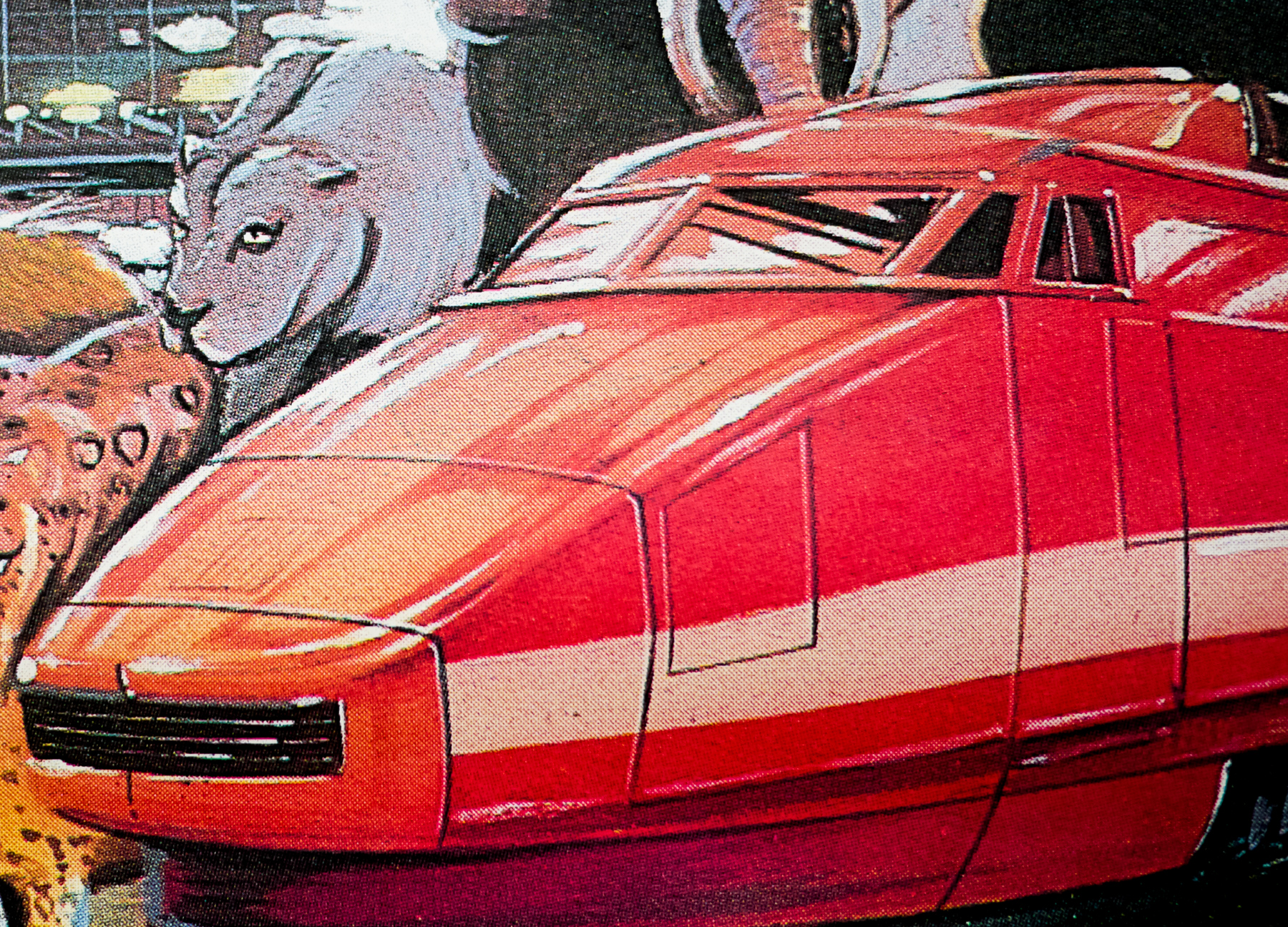
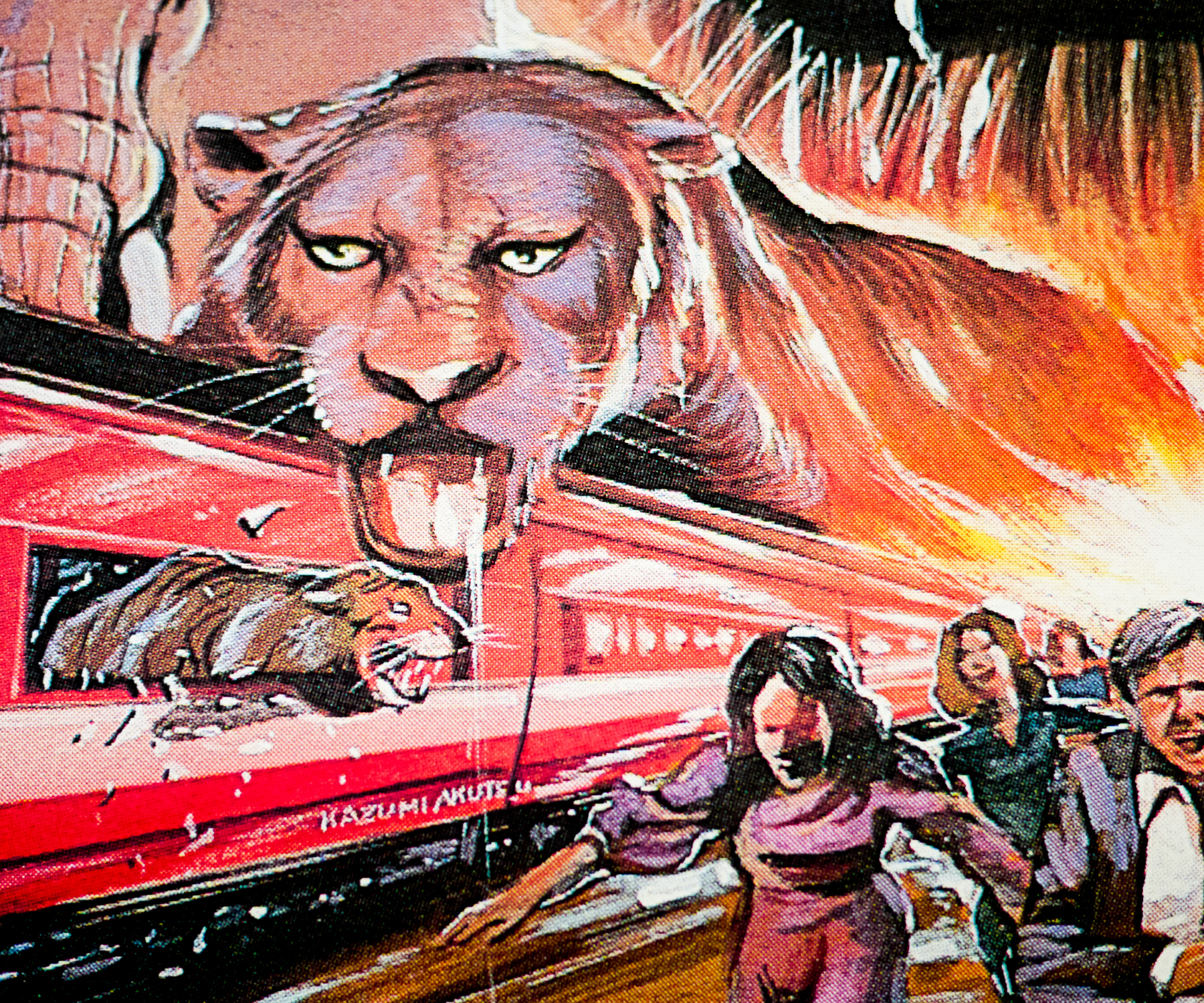
This is the poster for the Japanese release of the film and it features brilliantly exaggerated scenes of carnage, overselling the sequences from the film. The artist appears to be someone called Kazumi Akutsu according to the signature featured on the side of the speeding train, although it could be that I have one of the letters wrong in the surname. I’ve been unable to find out anything about the artist so please get in touch if you have any ideas. I’d strongly advise you not to perform a google image search for the name with safe search off!

The original Italian trailer is on YouTube.
The Straight Story / B2 / Japan

26.11.12

Poster Poster

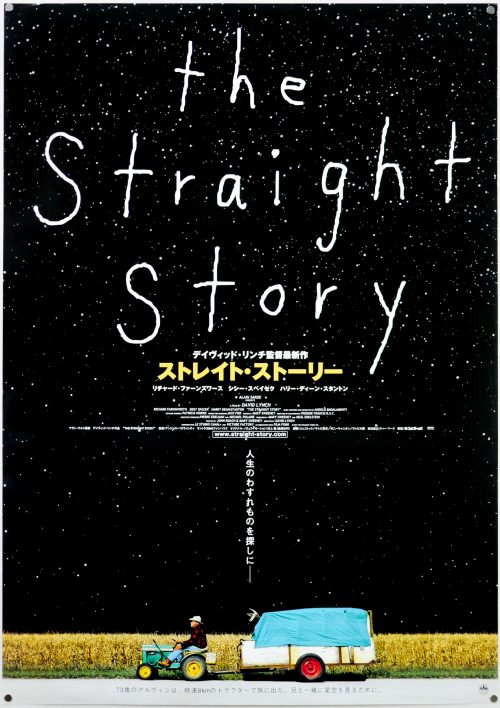
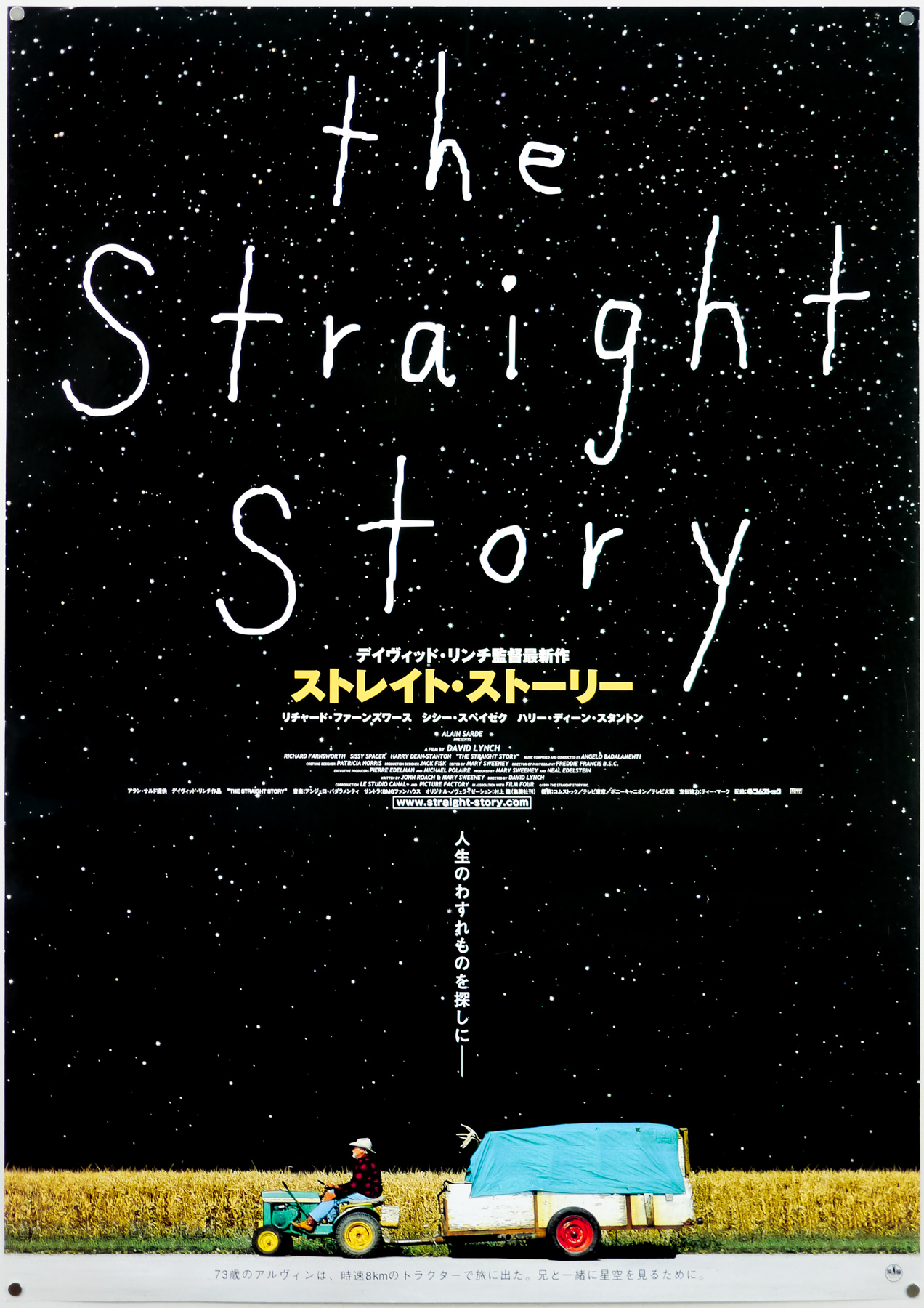
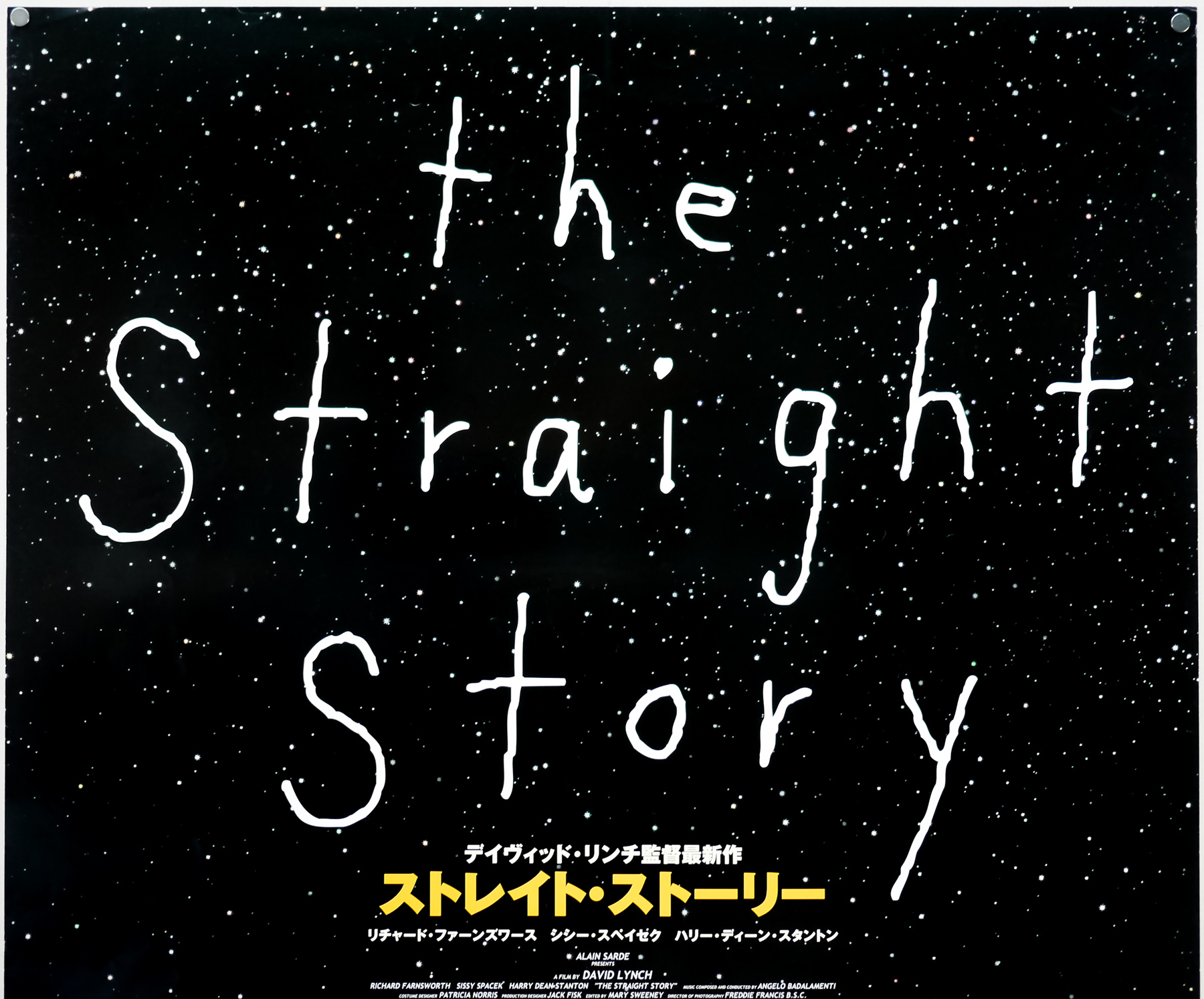
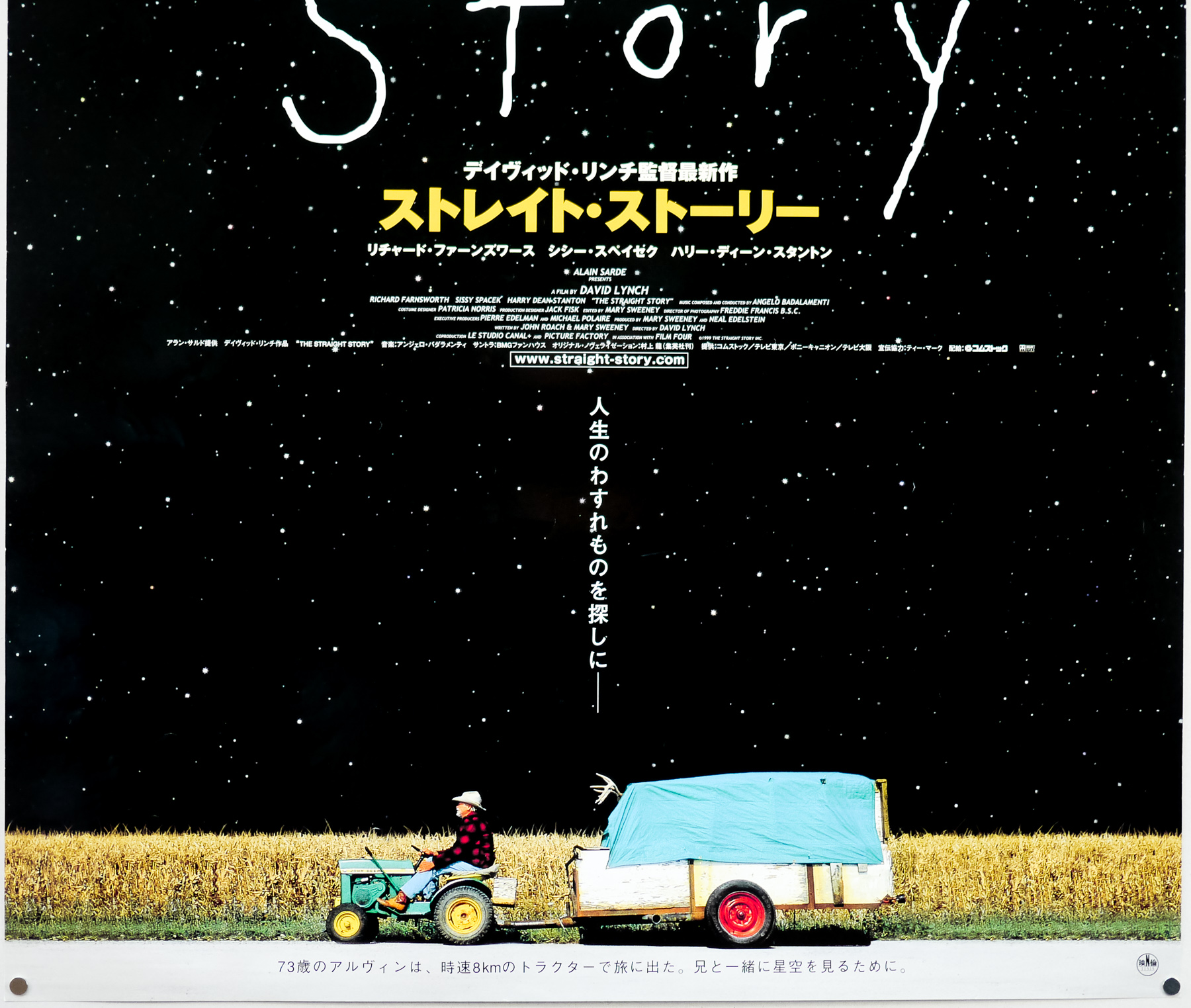
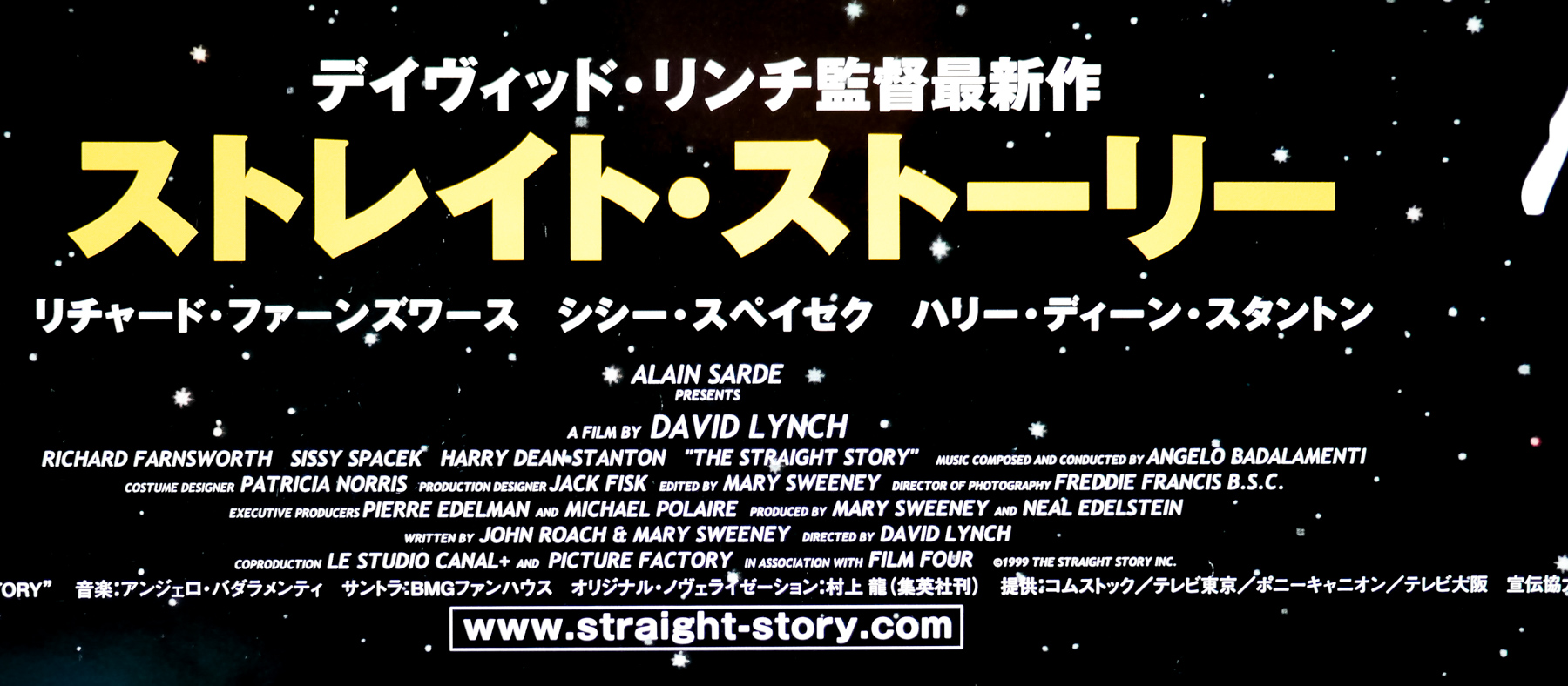
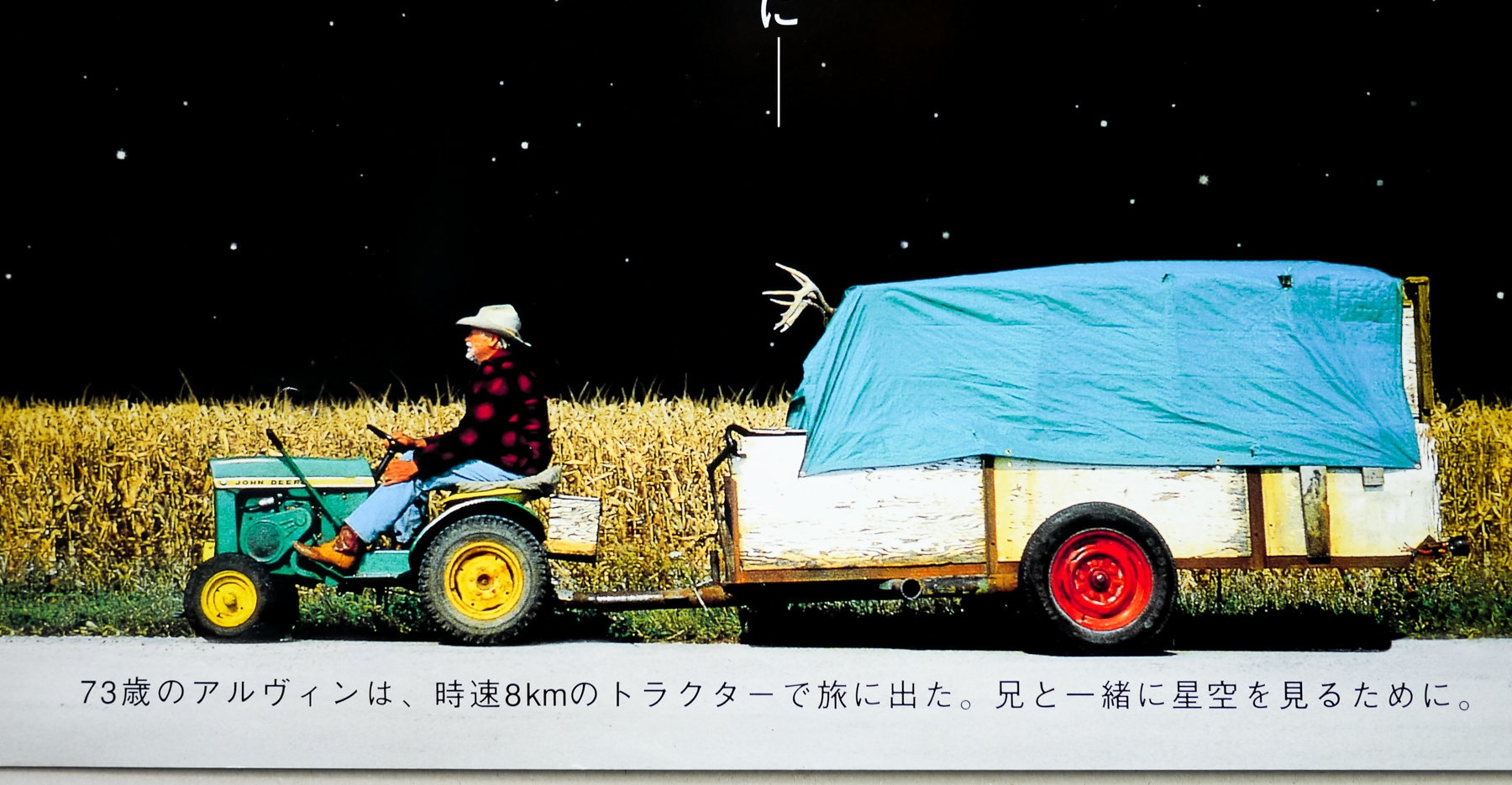
David Lynch‘s brilliant The Straight Story is an uncharacteristically warm and natural film, quite unlike anything else in the director’s filmography, although it still features unmistakably Lynchian touches. The plot is based on the true story of elderly World War II veteran Alvin Straight who, unable to obtain a driver’s licence, travelled over 240 miles on a sit-down lawnmower to visit his brother who had suffered a stroke. Richard Farnsworth, a former stuntman turned character actor, played Alvin in a oscar-nominated performance, and Sissy Spacek featured as his mentally disabled daughter Rose. Legendary actor Harry Dean Stanton appears as Alvin’s brother. Farnsworth was suffering from terminal cancer at the time he made the film and he sadly took his own life only months after filming had wrapped.

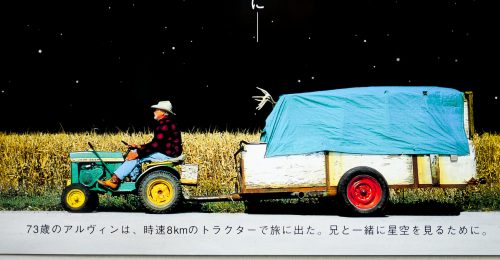
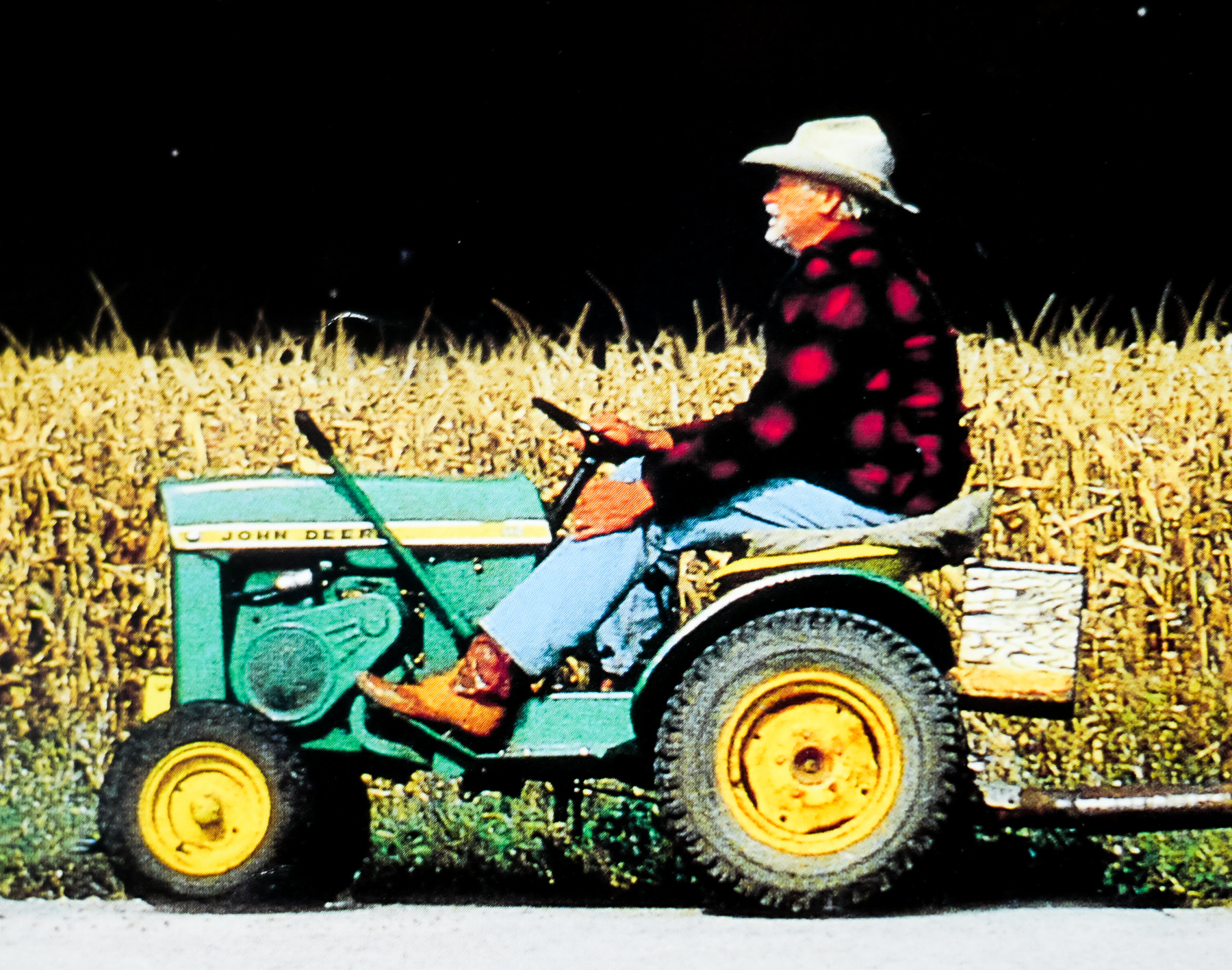
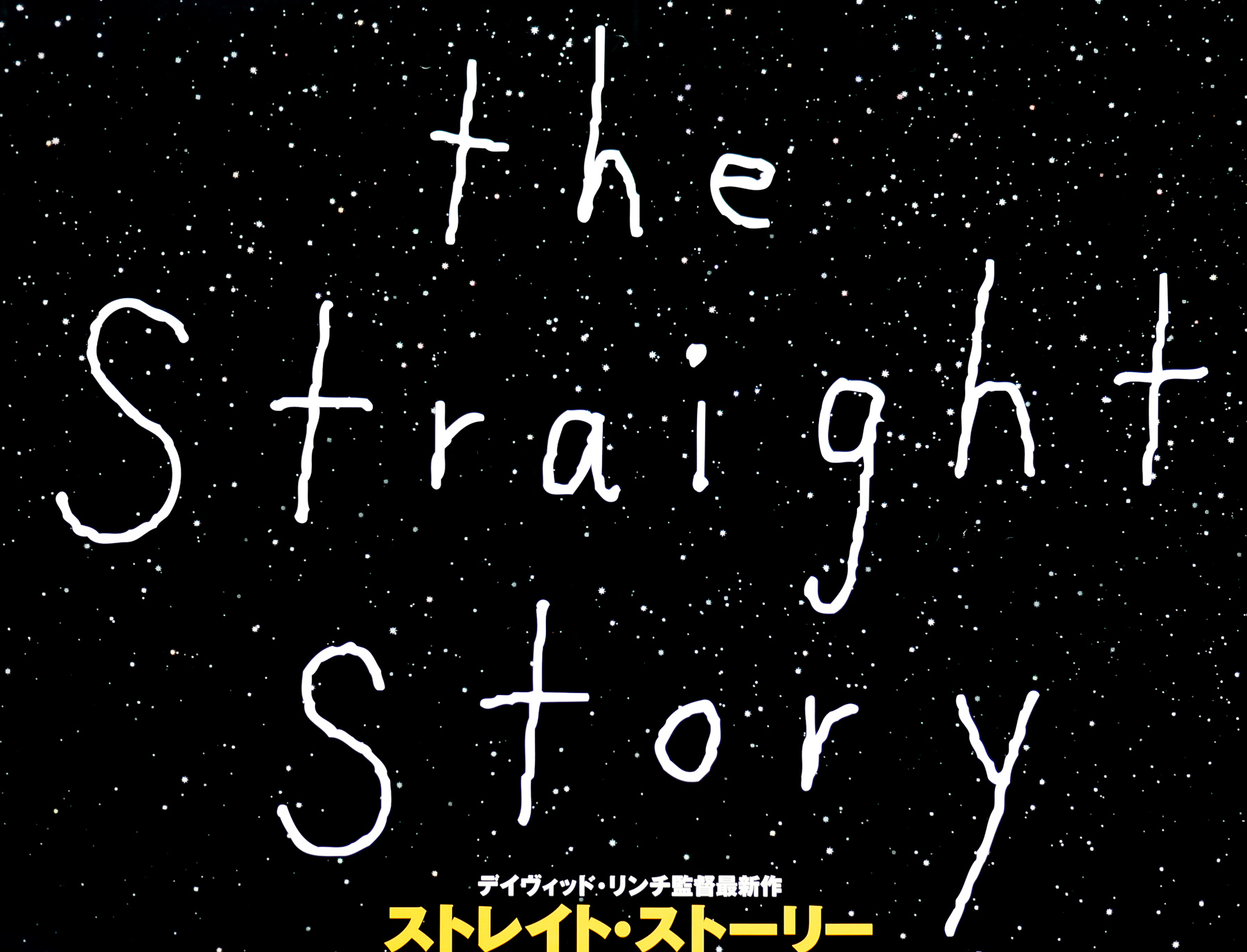
This Japanese poster features a unique design with a profile shot of Alvin riding the tractor at night underneath a hand-scrawled title. The film is frustratingly unavailable on blu-ray at the moment but I hold out hope that Disney will see fit to release it sometime soon.

Tron / B2 / montage style / Japan

08.01.13

Poster Poster
Title
Tron
AKA
Tron: The Electronic Gladiator (Australia)
Year of Film
1982
Director
Steven Lisberger
Starring
Jeff Bridges, Bruce Boxleitner, David Warner, Cindy Morgan, Barnard Hughes, Dan Shor, Peter Jurasik
Origin of Film
USA | Taiwan
Genre(s) of Film
Jeff Bridges, Bruce Boxleitner, David Warner, Cindy Morgan, Barnard Hughes, Dan Shor, Peter Jurasik,
Type of Poster
B2
Style of Poster
Montage style
Origin of Poster
Japan
Year of Poster
1982
Designer
Unknown
Artist
--
Size (inches)
20 6/16" x 28 13/16"
SS or DS
SS
Tagline
--

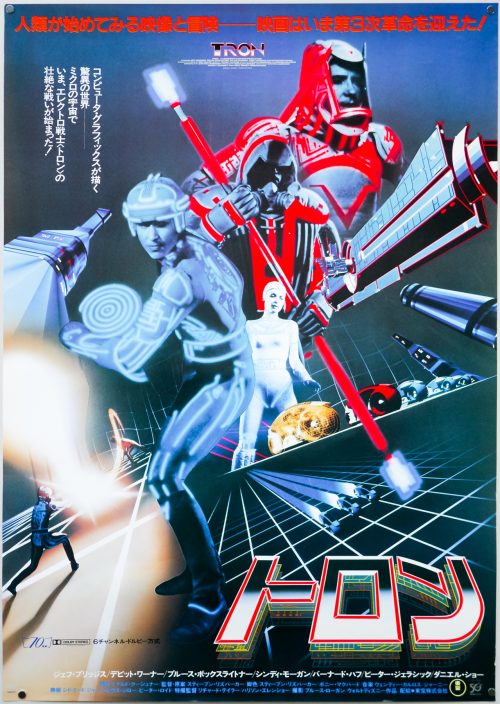
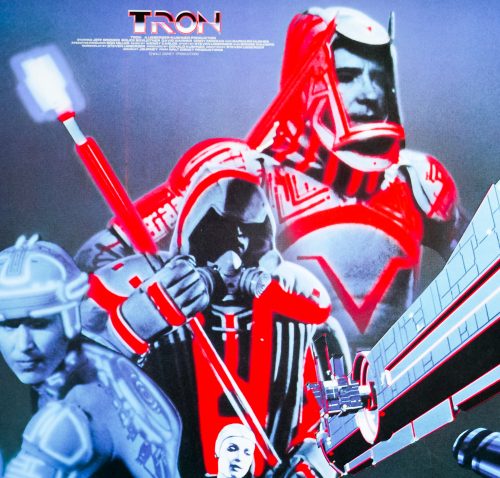
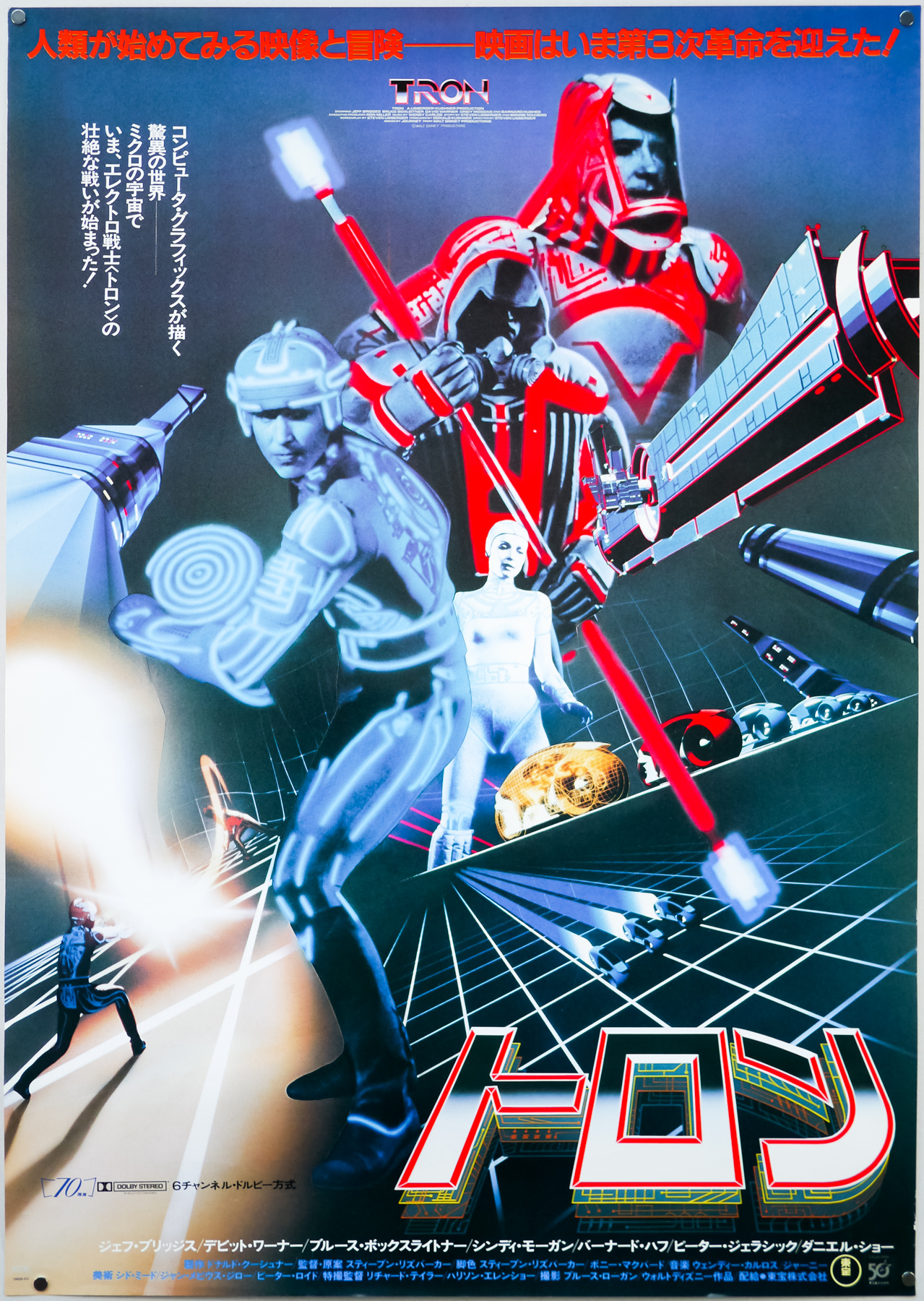
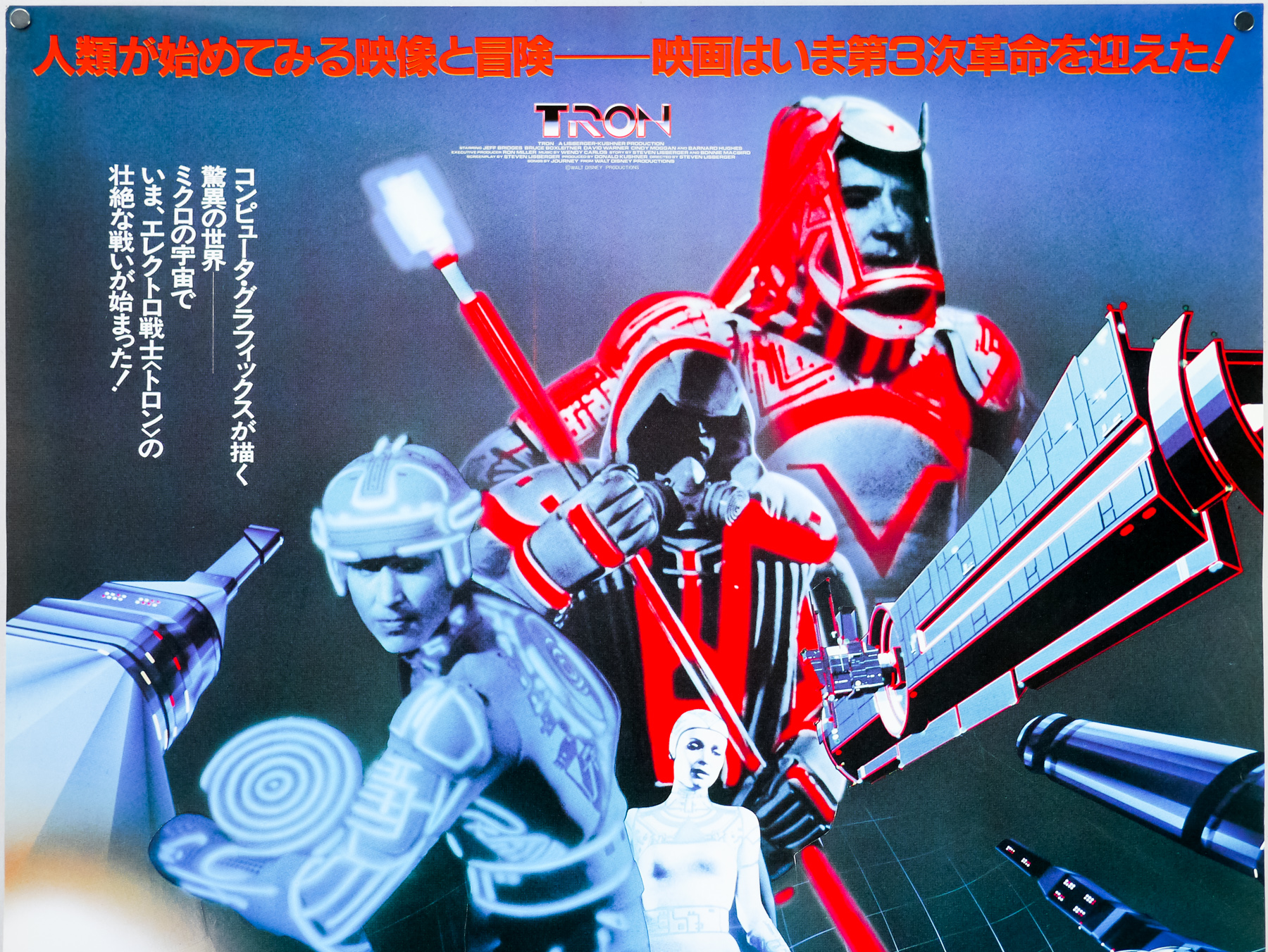
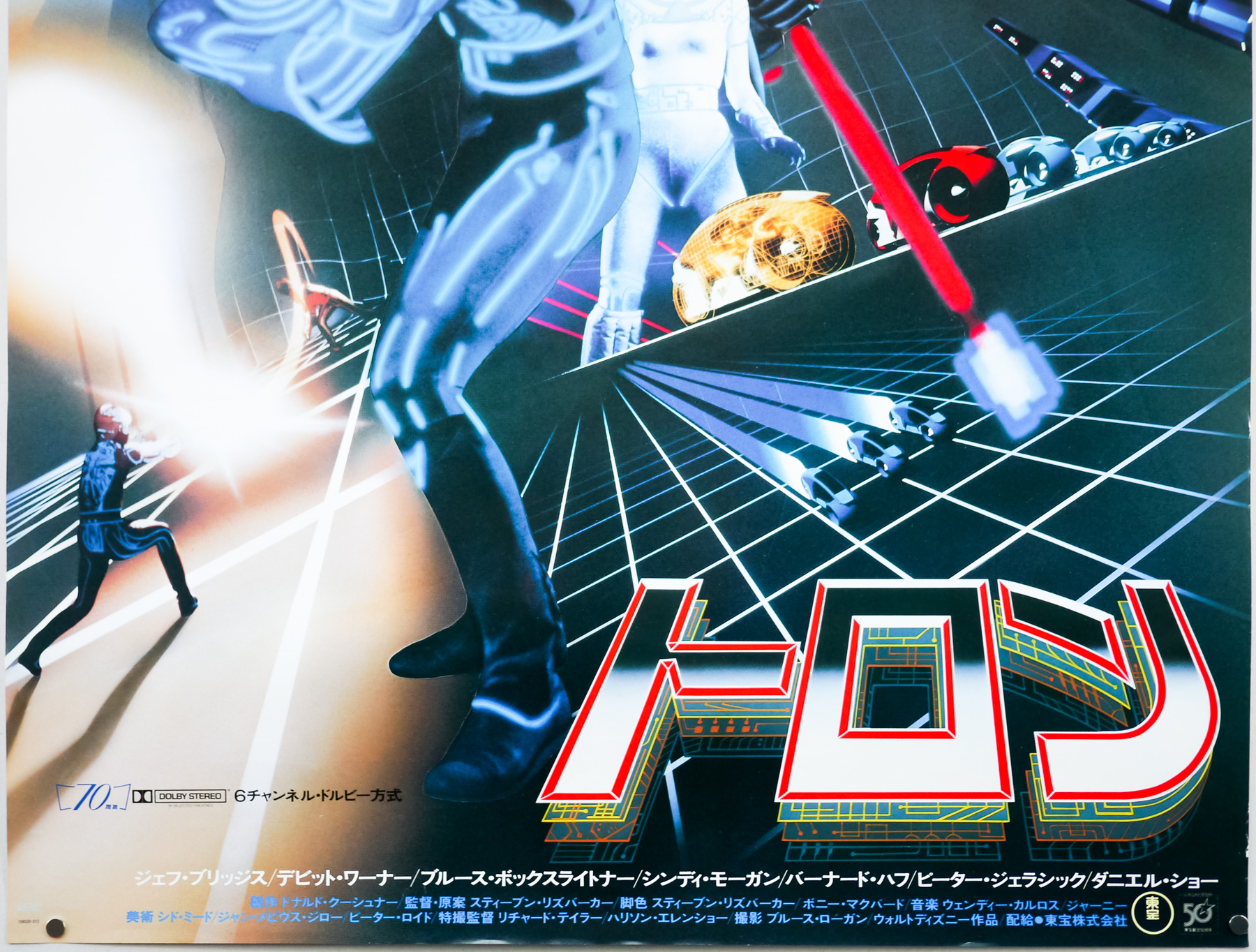
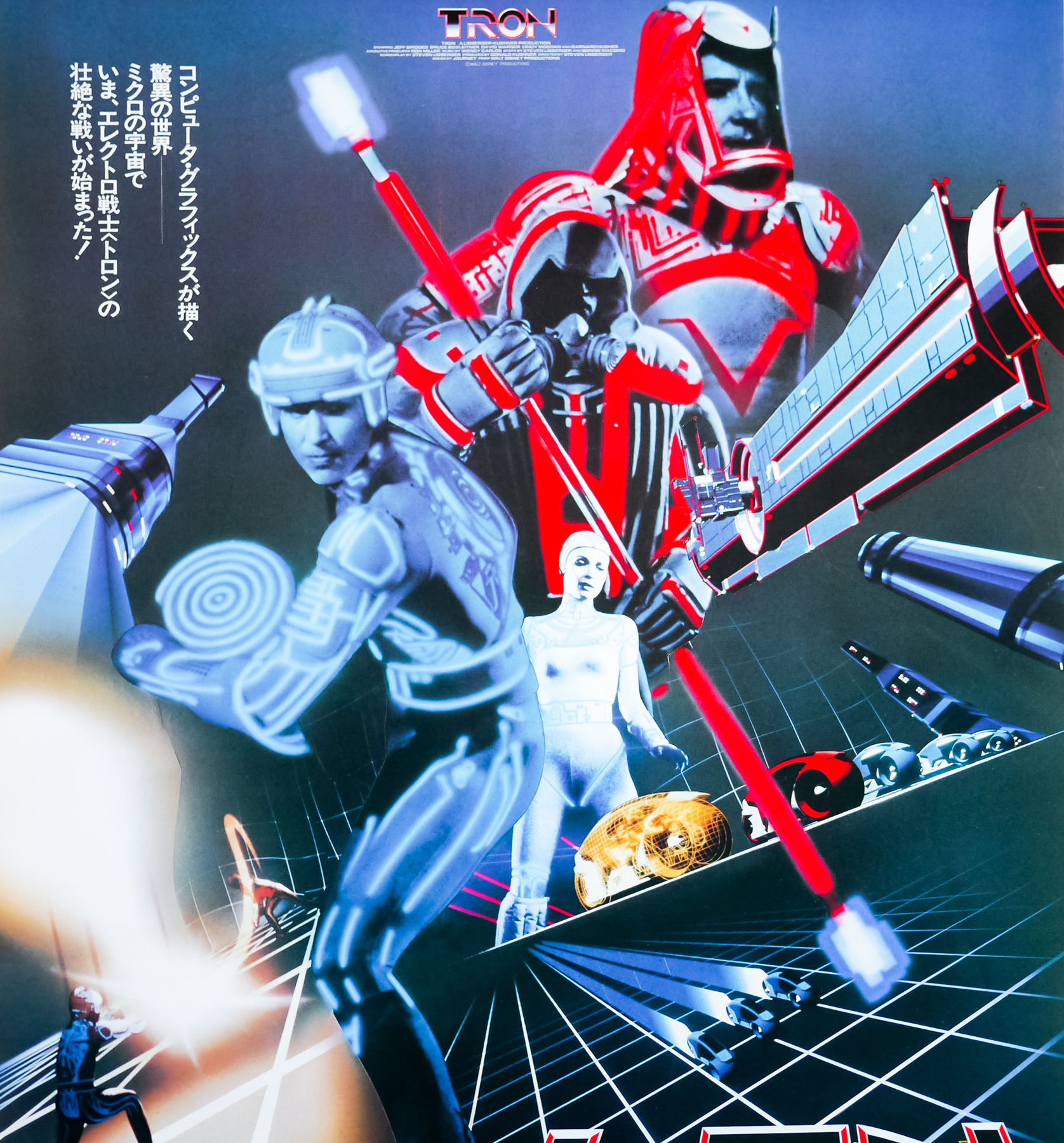
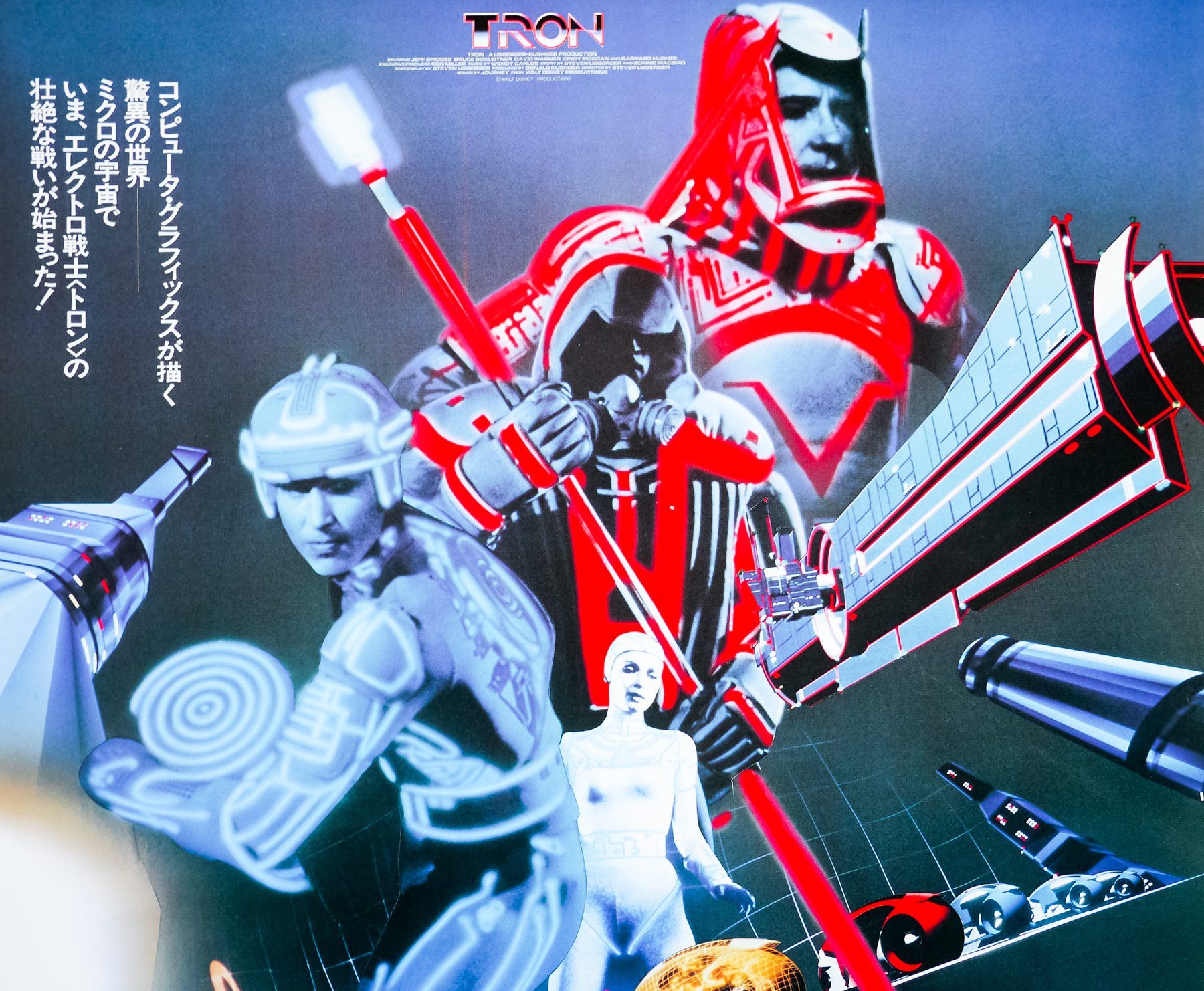
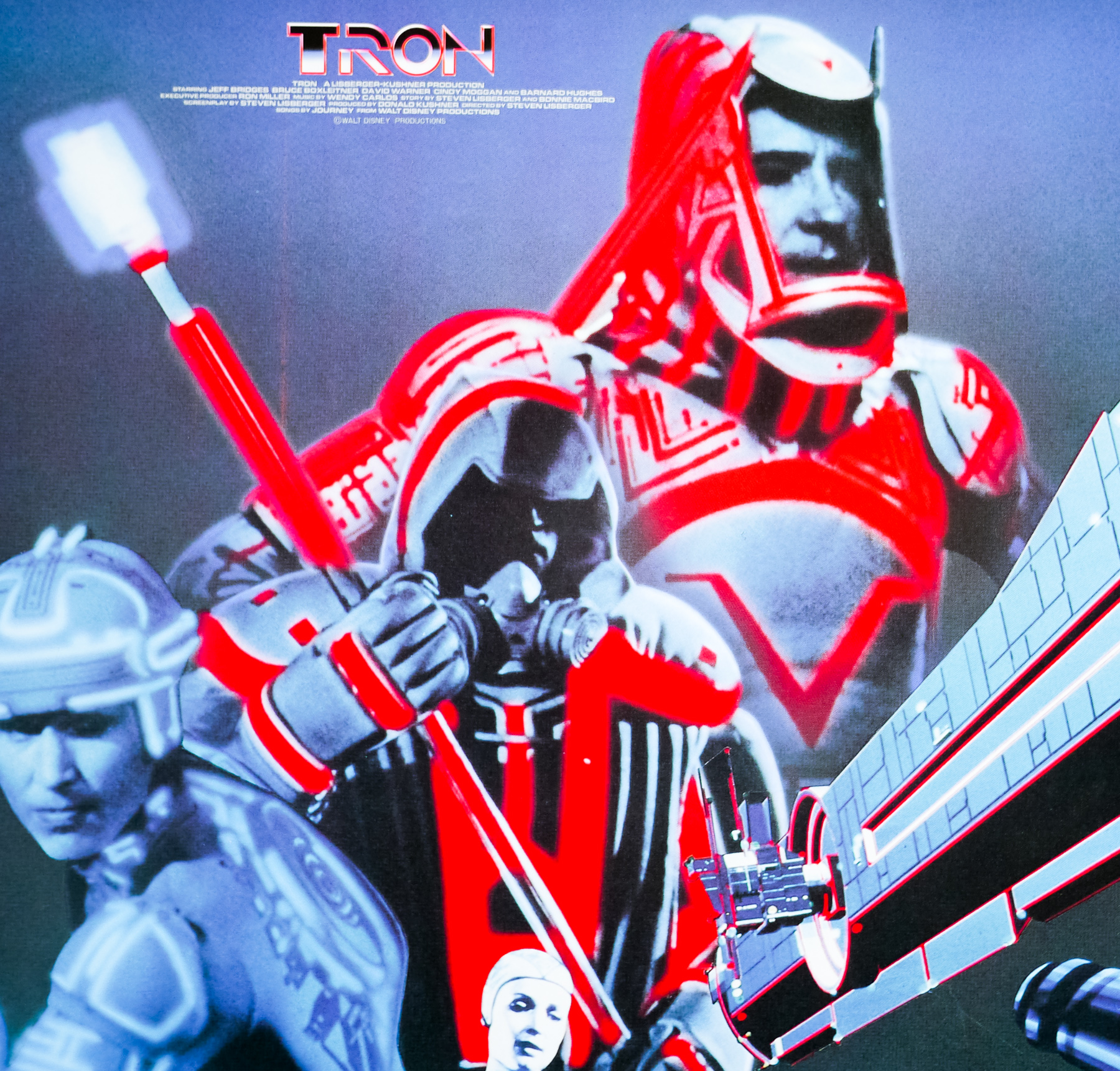
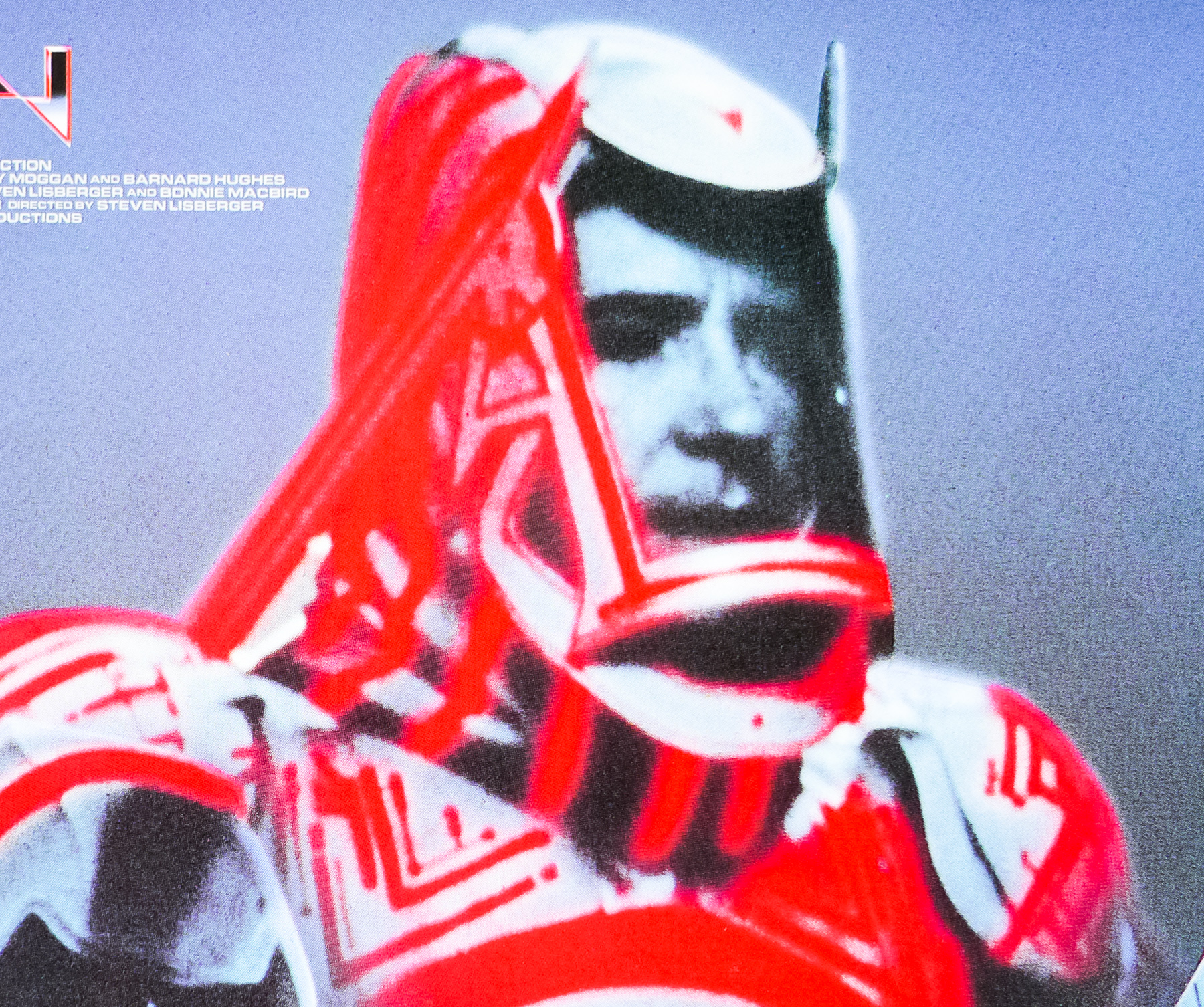
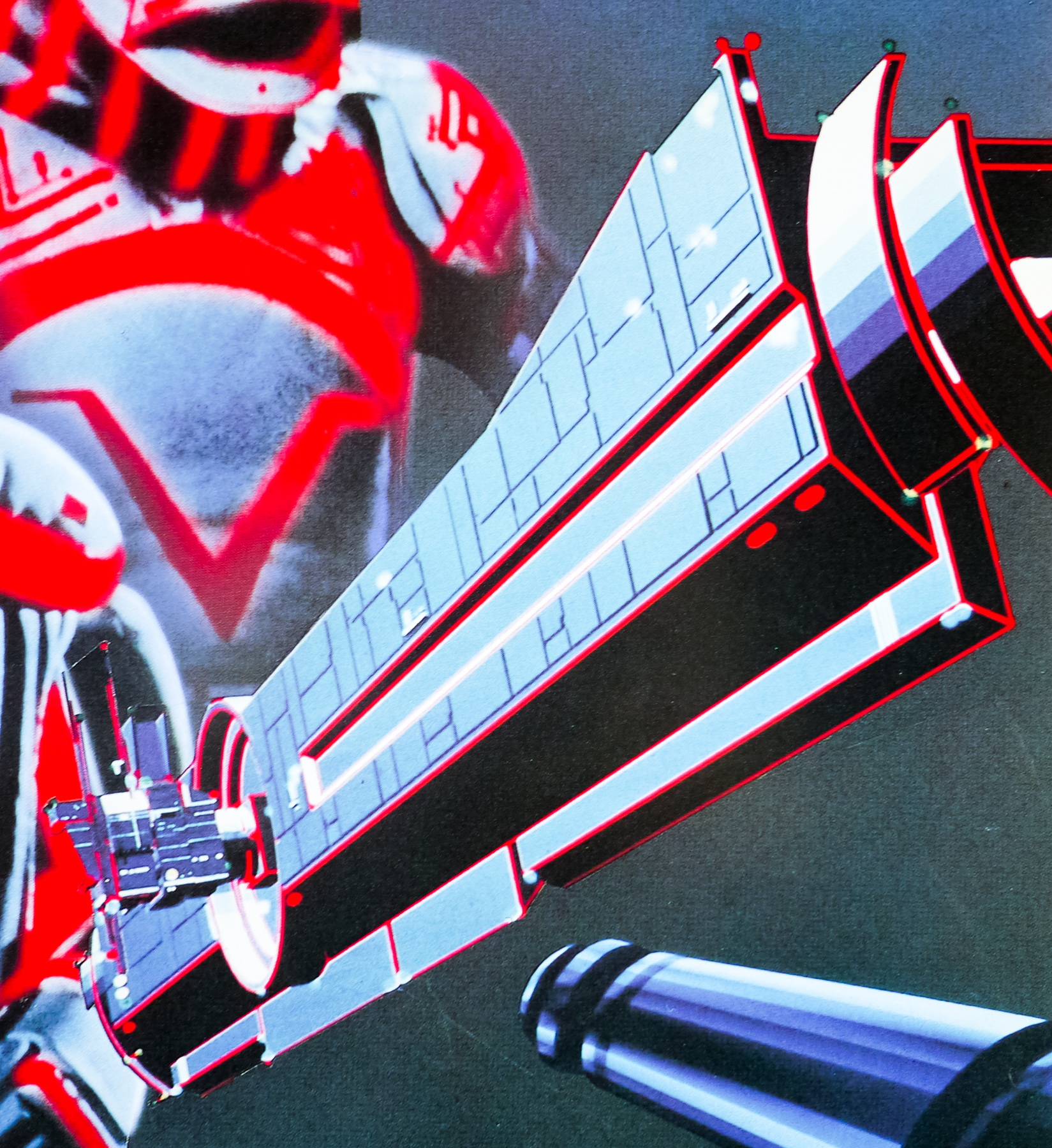
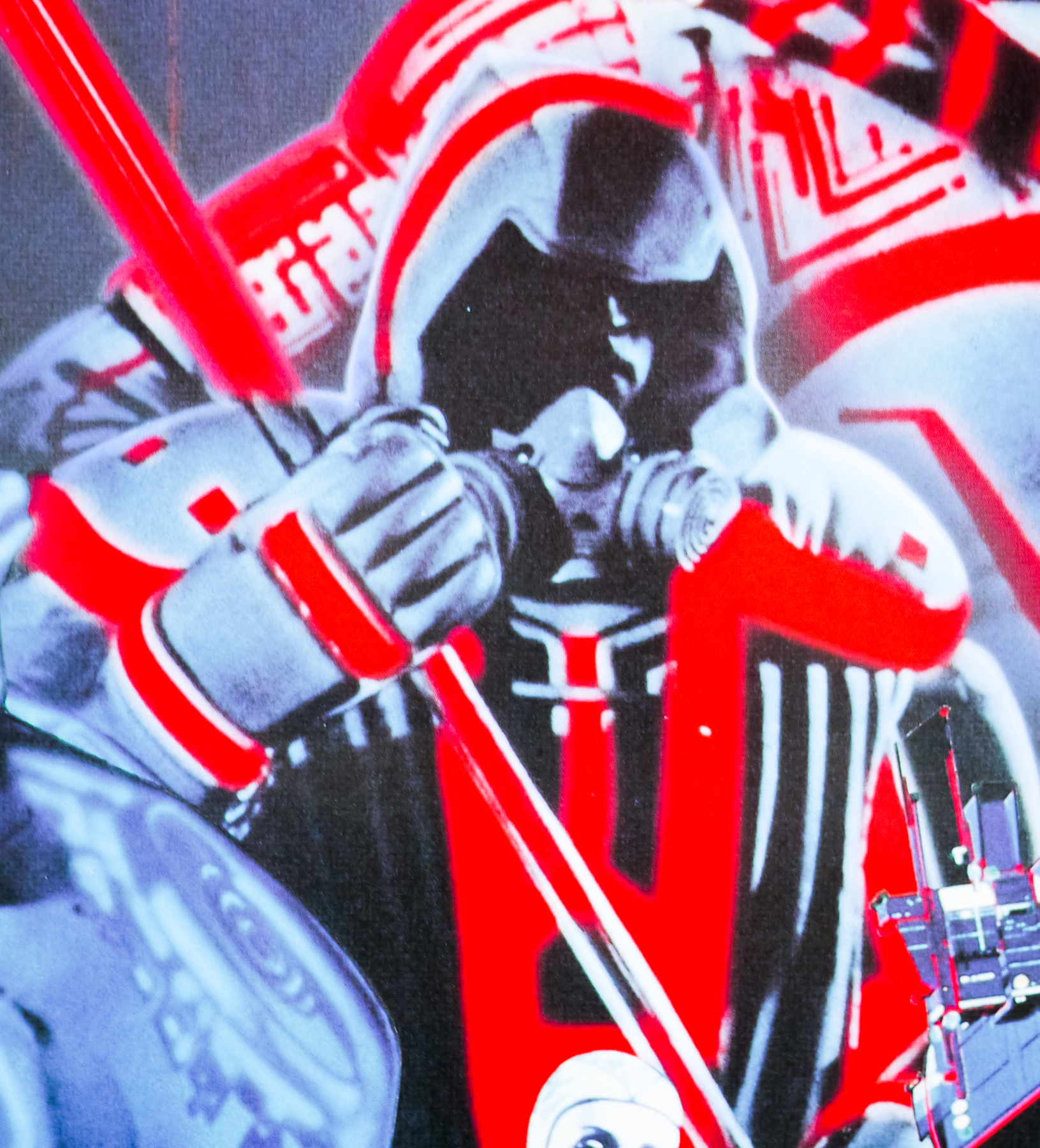
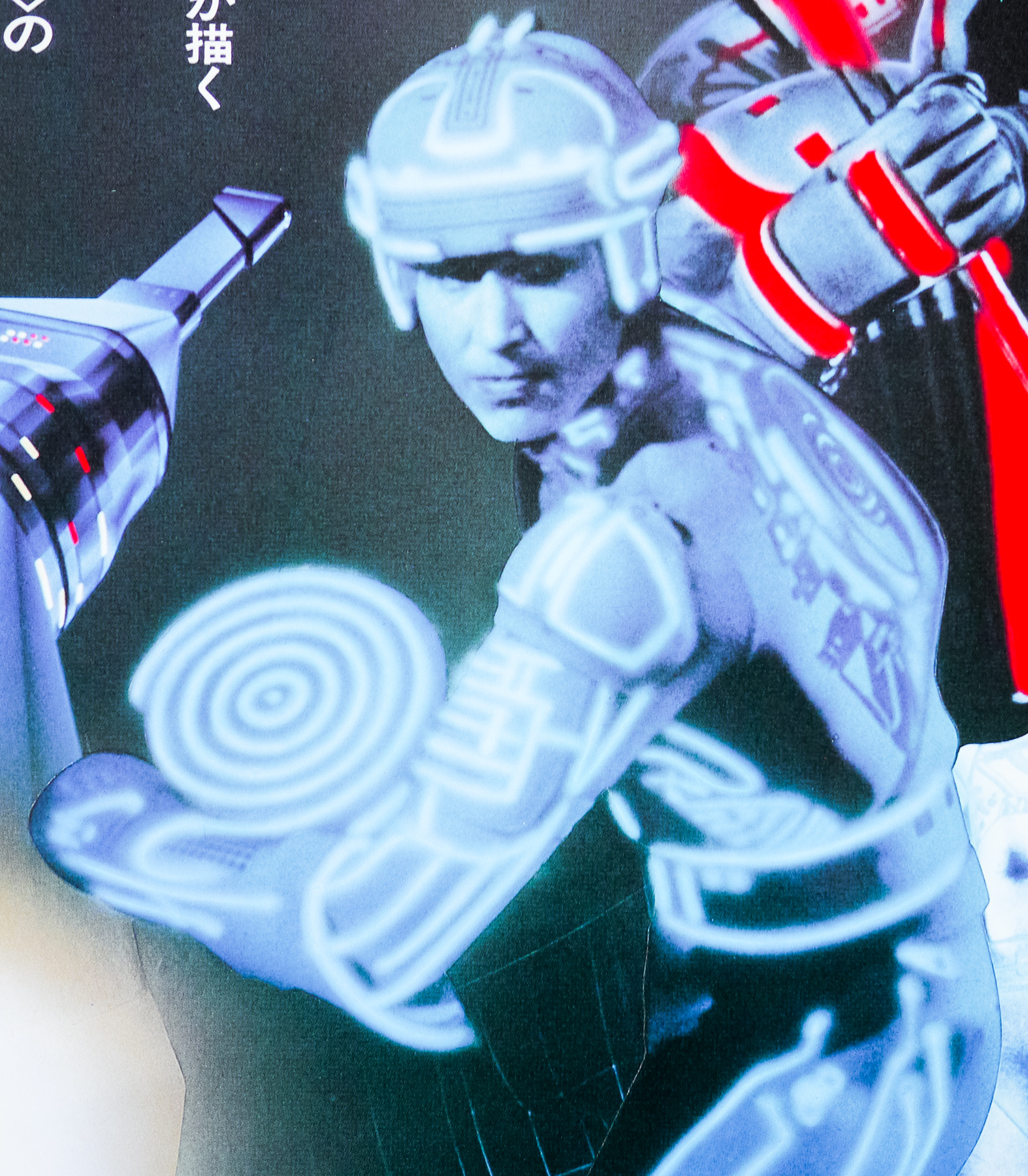
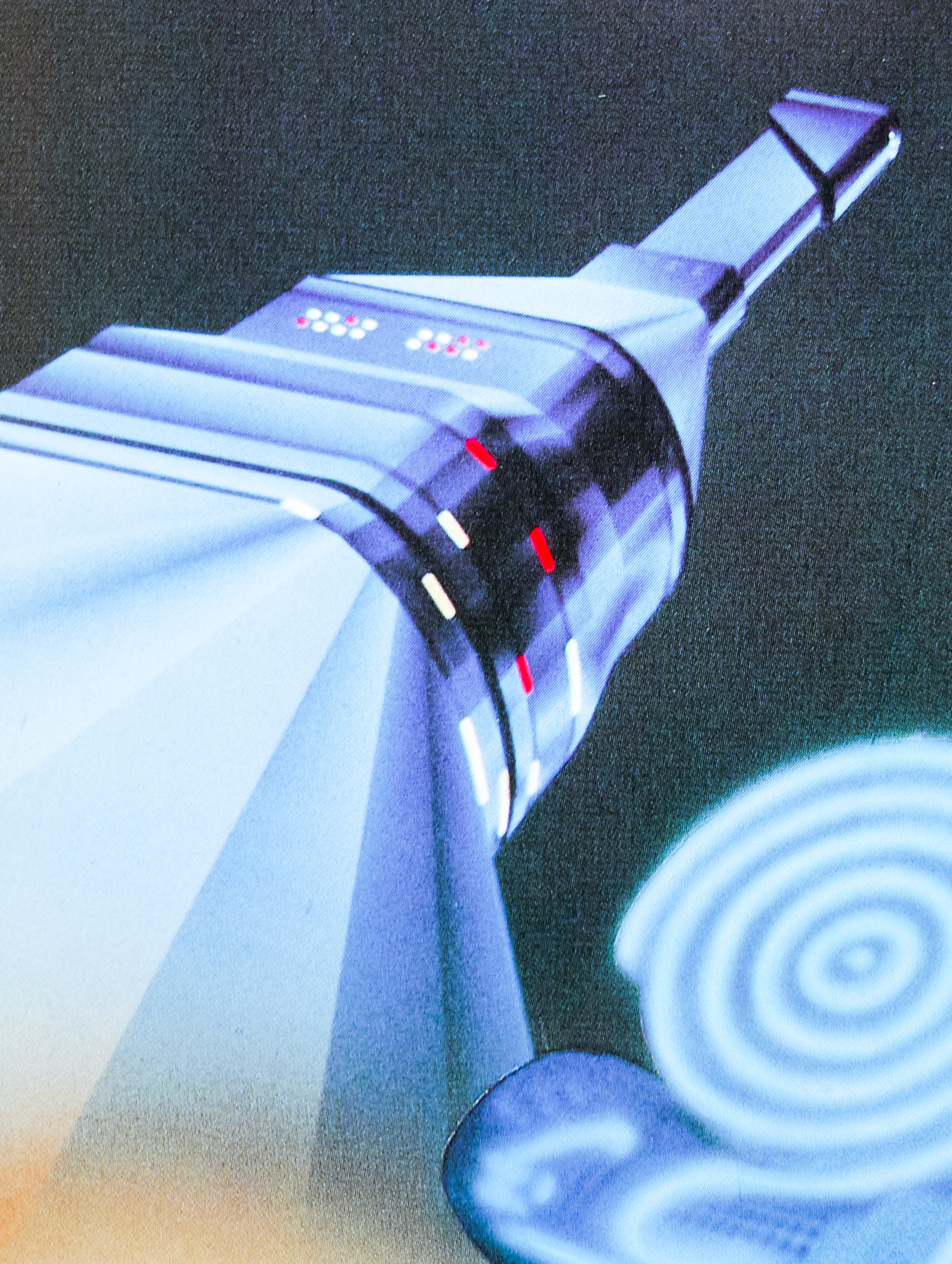
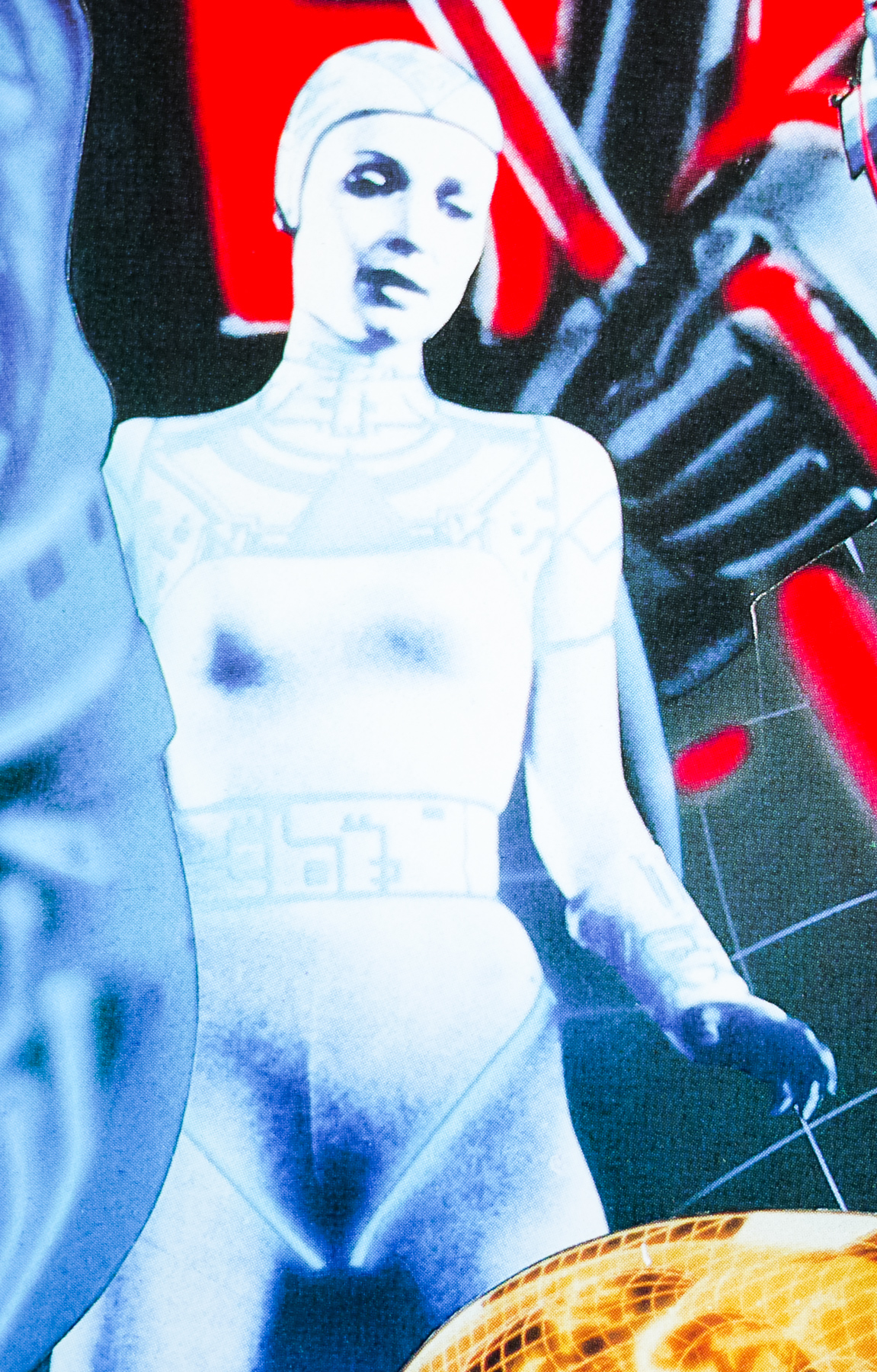
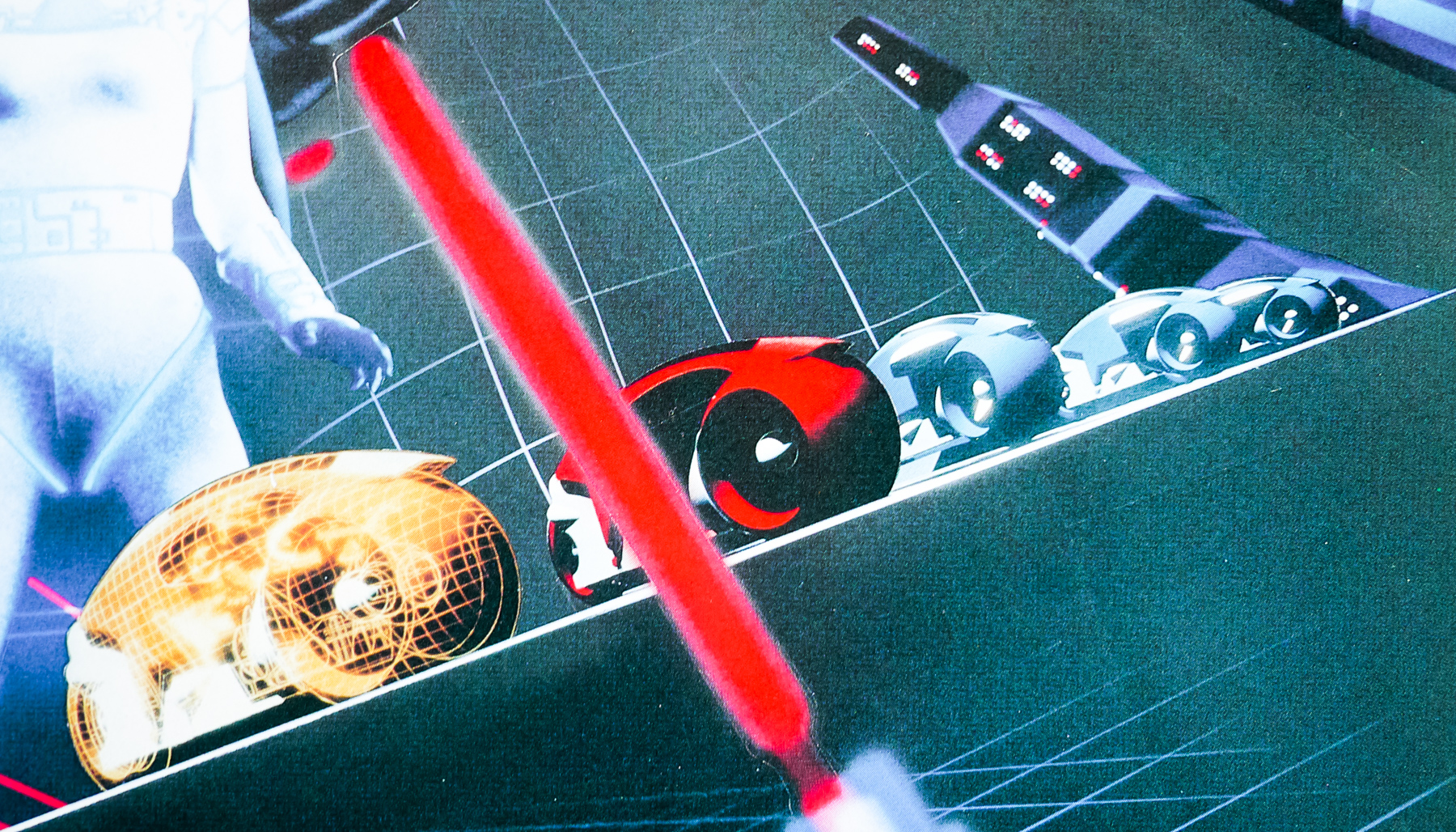
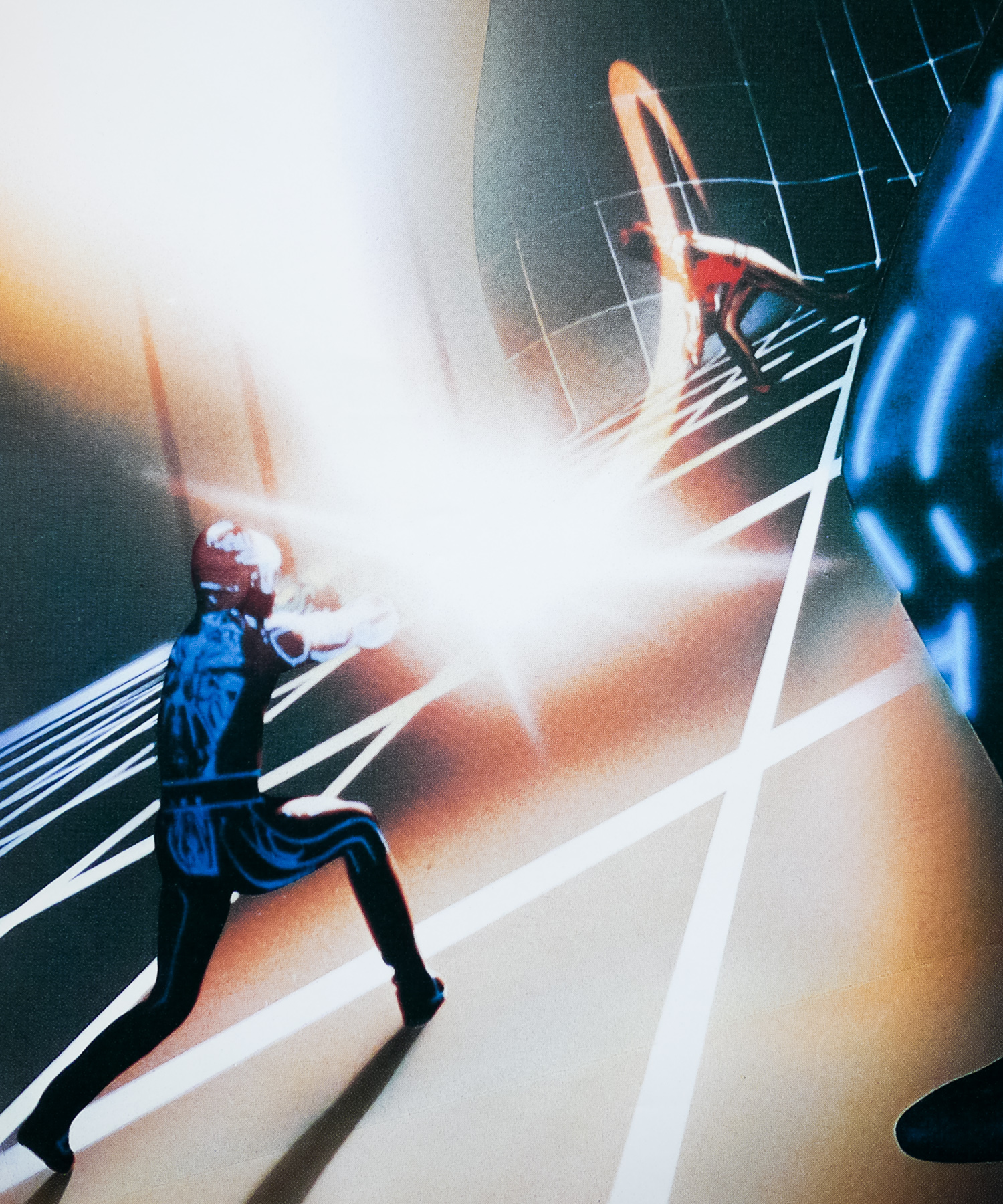
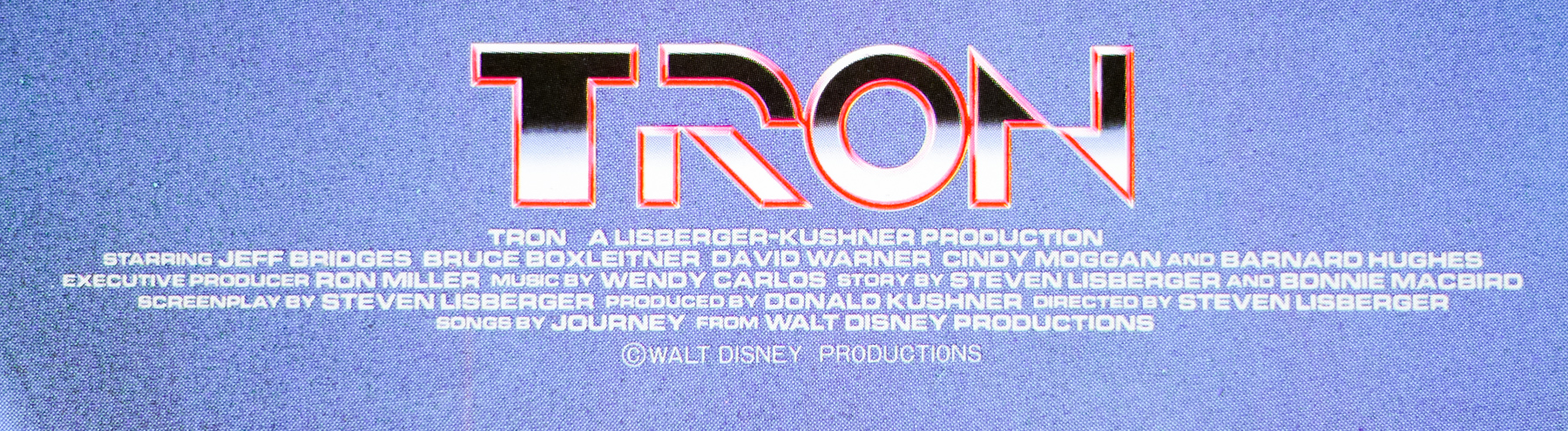
A colourful montage on this Japanese poster for the release of Disney’s groundbreaking sci-fi film, Tron. Another title that was released in the incredible summer of 1982, which included Blade Runner, E.T. the Extra Terrestrial and The Thing, the film follows the adventures of hacker Kevin Flynn (Jeff Bridges) who finds himself broken down into data and absorbed into a 3D computer world of his own making. There he must join forces with his lover Yori and the titular Tron to battle the malevolent Master Control Program and liberate the system from its dictatorial grip, which is the only way Flynn can return to the real world.

The film features seminal use of computer graphics to depict the world inside the mainframe and, although the visuals date the film somewhat when viewed today, back in 1982 they wowed audiences worldwide and were instrumental in CGI’s rise to prominence in the years that followed.

Note that Japanese audiences would have been treated to a 70mm screening of the film. There is also a special B2 poster that was printed for the country that can be viewed here.

For A Few Dollars More / B2 / 1972 re-release / Japan

06.02.13

Poster Poster
Title
For A Few Dollars More
AKA
Per qualche dollaro in più (Italy - original title) | Hævn for dollars (Denmark)
Year of Film
1965
Director
Sergio Leone
Starring
Clint Eastwood, Lee van Cleef, Gian Maria Volontè, Klaus Kinski
Origin of Film
Italy | Spain | West Germany
Genre(s) of Film
Clint Eastwood, Lee van Cleef, Gian Maria Volontè, Klaus Kinski,
Type of Poster
B2
Style of Poster
Re-release
Origin of Poster
Japan
Year of Poster
1972
Designer
Unknown
Artist
--
Size (inches)
20 6/16" x 28 13/16"
SS or DS
SS
Tagline
--

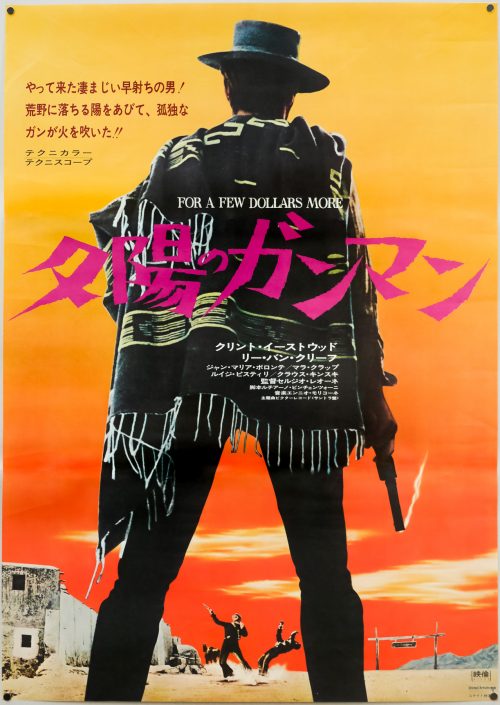
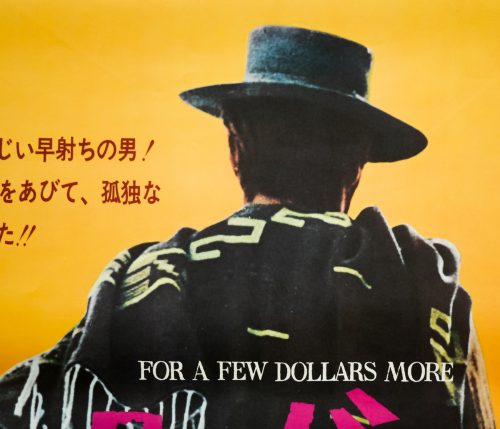
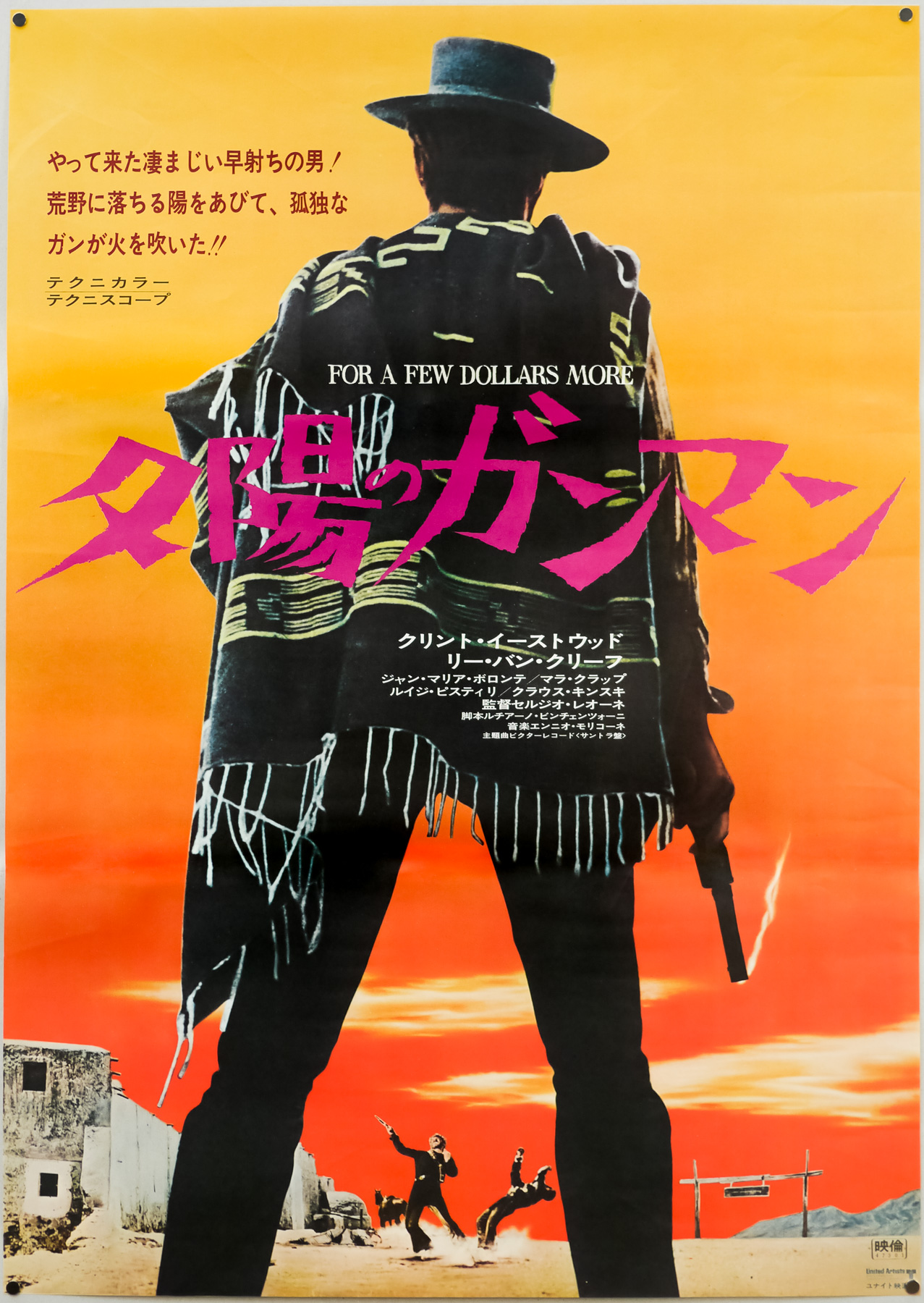
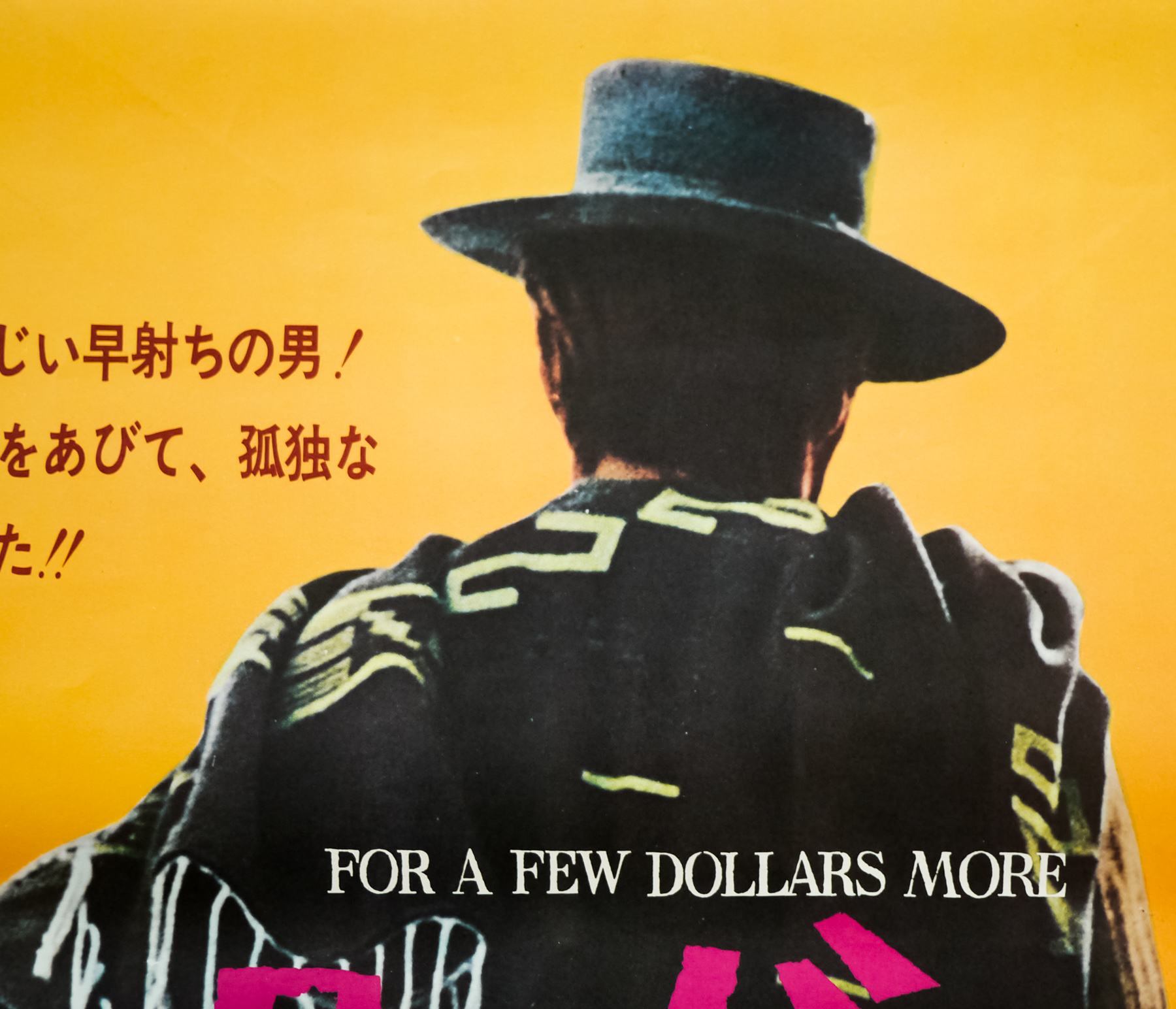
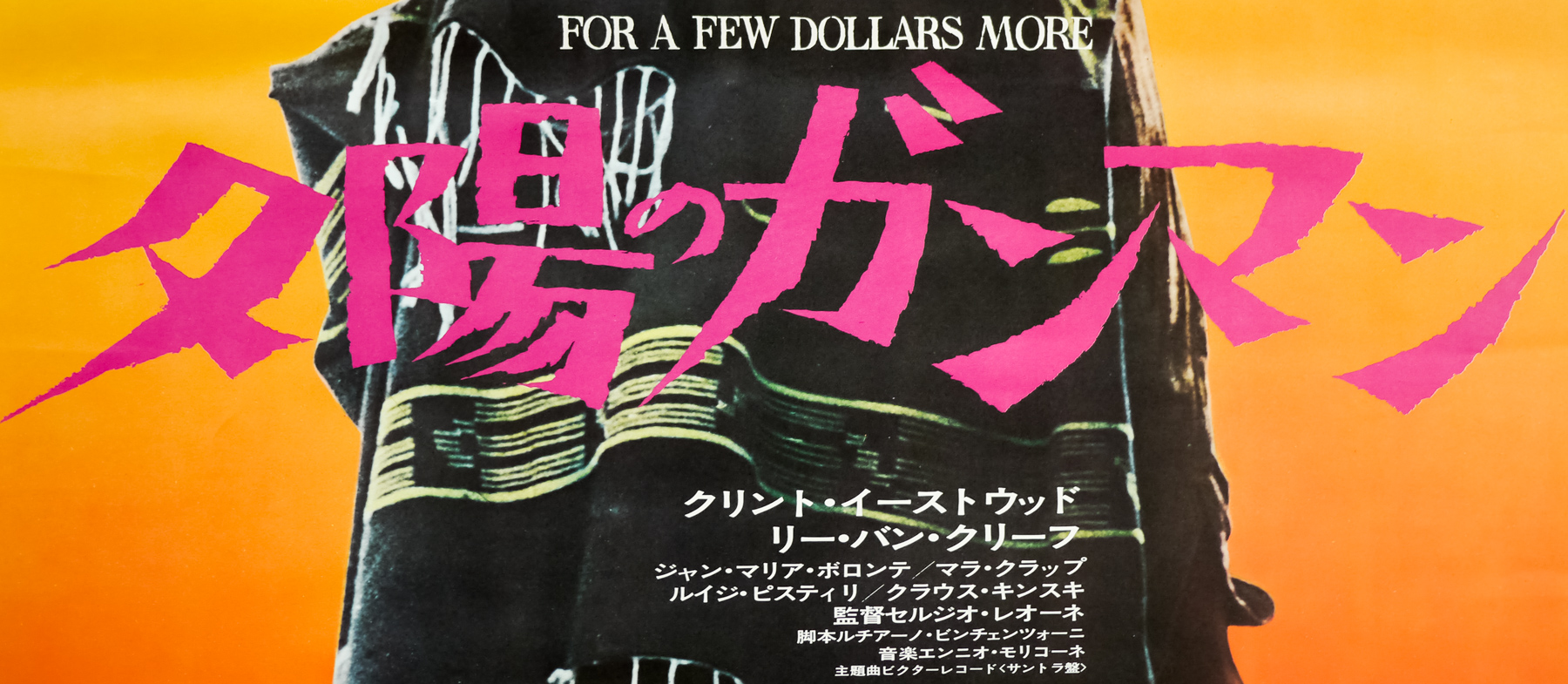
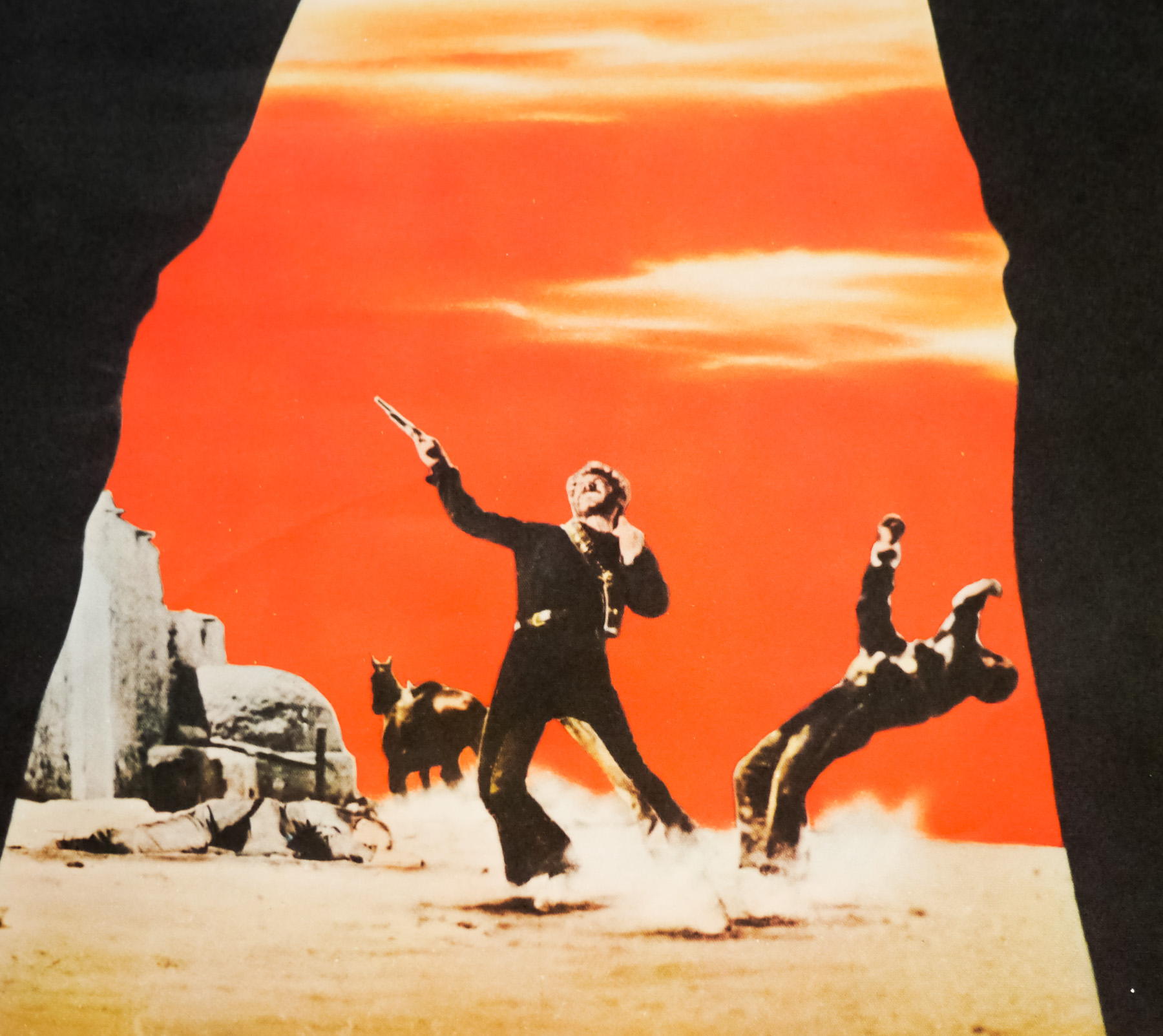
A striking design on this poster printed for the Japanese release of For a Few Dollars More, the second in legendary director Sergio Leone‘s unofficial ‘Dollars trilogy’, all three of which starred Clint Eastwood and helped put him and the sub-genre of the so-called Spaghetti Western firmly on the cinematic map. Although not conceived by Leone to be a series, The ‘Man with No Name’ concept was coined by the studio United Artists as an angle to sell the films, particularly since Eastwood plays the three different characters with similar mannerisms and dressed in the same attire. Despite the ‘n0 name’ label, Eastwood’s characters have a different nickname in each of the films.

In For a Few Dollars More he plays Manco (Spanish for ‘one-armed man’), a bounty hunter who is on the trail of the ruthless outlaw El Indio (Gian Maria Volonté) and his gang. Whilst on the hunt Manco meets Col. Douglas Mortimer (Lee Van Cleef, who would also appear in the next film in the trilogy) another bounty hunter who is also after the same man, and the two agree to team up and eventually split the reward. As the bullets begin to fly it soon becomes clear that the bounty hunters have different motivations for wanting to kill El Indio.

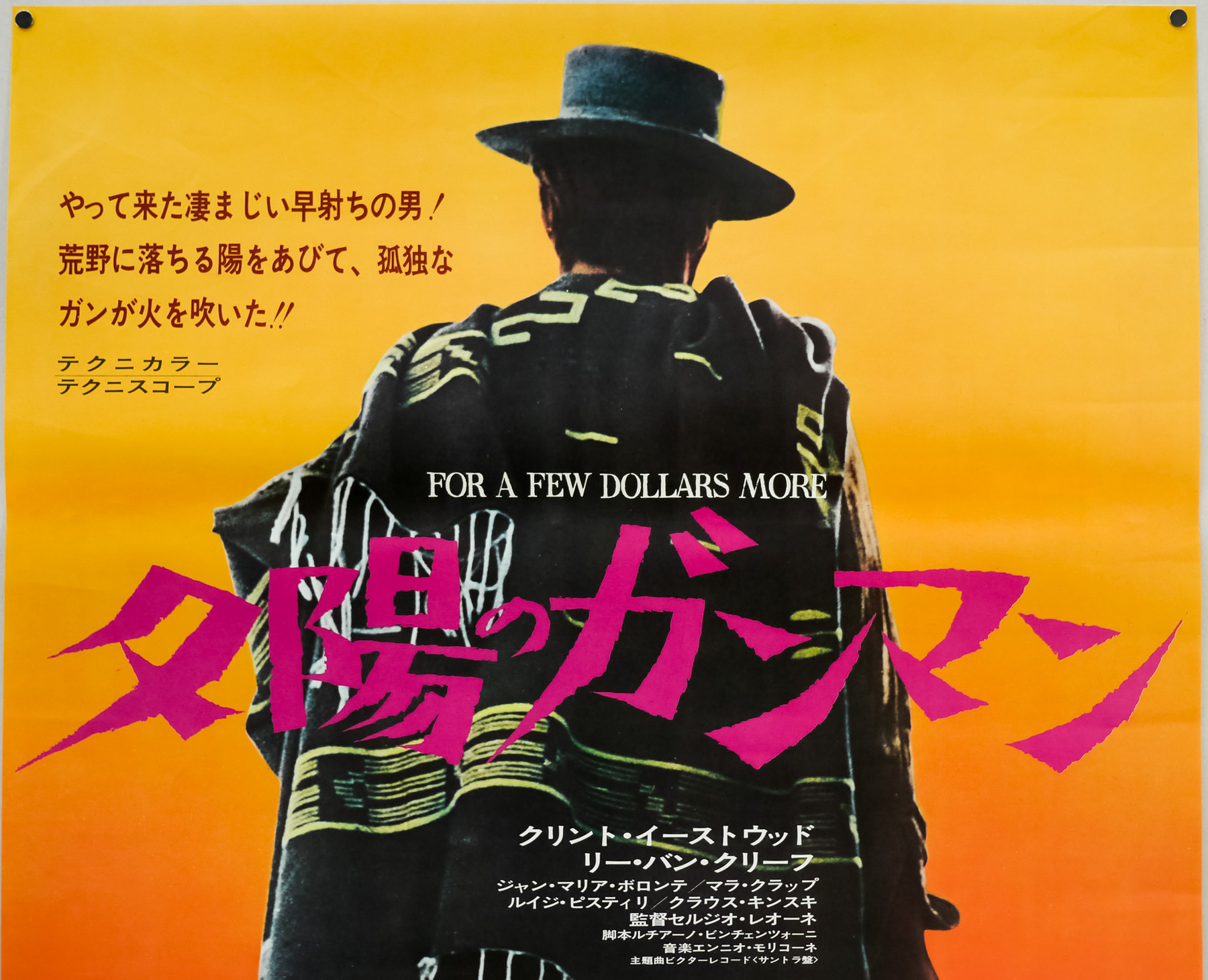
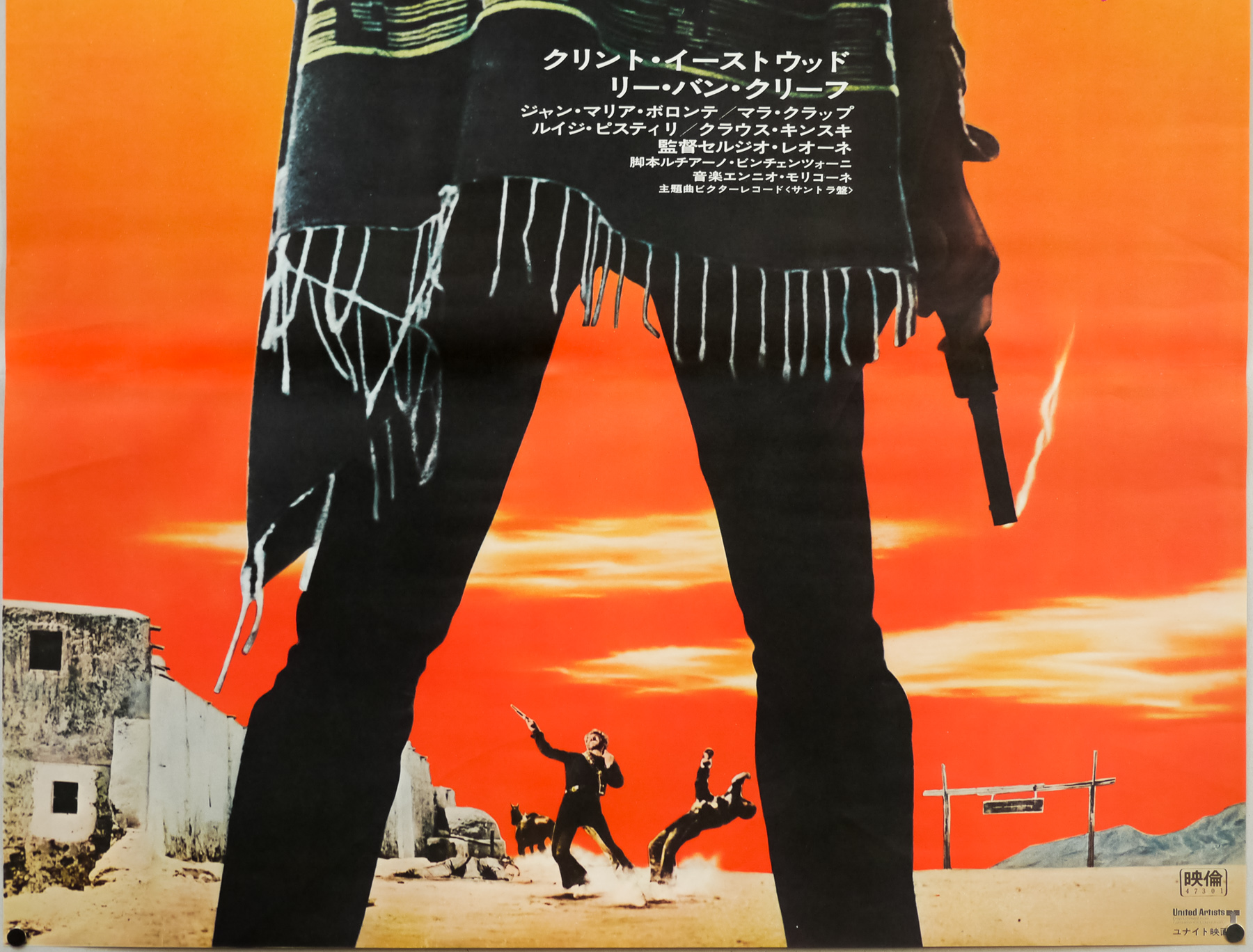
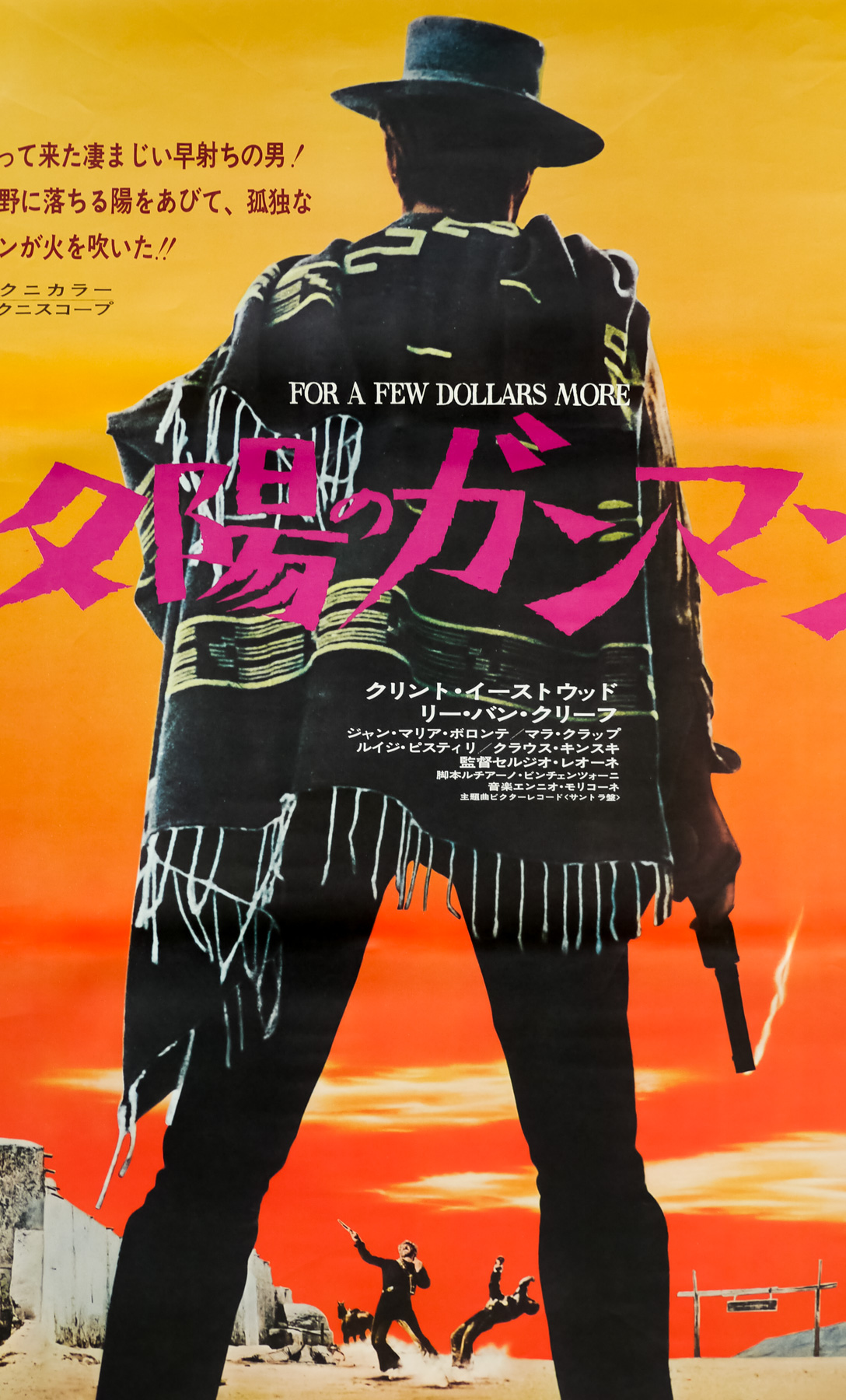
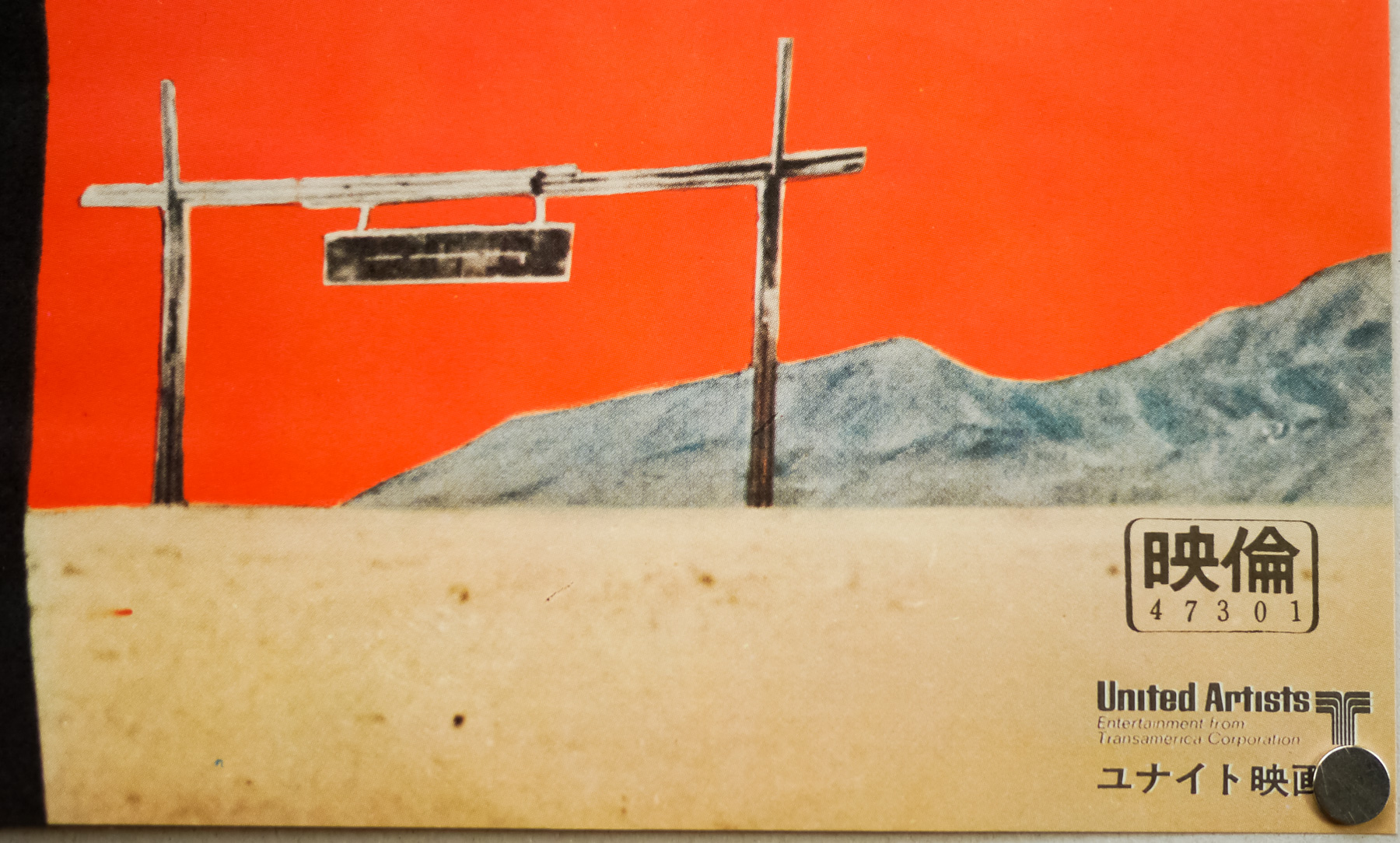
This Japanese poster is actually for the 1972 re-release, although it’s almost identical to the one printed for the original 1967 Japanese release, which can be seen here. The only really notable difference is the alternate studio logo in the bottom right corner and a different number on the Eirin stamp.

Videodrome / B2 / Japan

27.02.13

Poster Poster
Title
Videodrome
AKA
--
Year of Film
1982
Director
David Cronenberg
Starring
James Woods, Deborah Harry, Sonja Smits, Peter Dvorsky, Leslie Carlson, Jack Creley
Origin of Film
Canada
Genre(s) of Film
James Woods, Deborah Harry, Sonja Smits, Peter Dvorsky, Leslie Carlson, Jack Creley,
Type of Poster
B2
Style of Poster
--
Origin of Poster
Japan
Year of Poster
1985
Designer
Unknown
Artist
Unknown
Size (inches)
20 6/16" x 28 13/16"
SS or DS
SS
Tagline
--

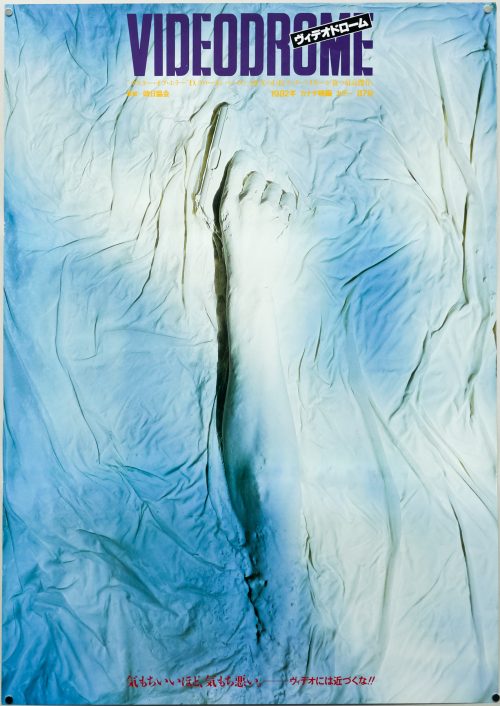
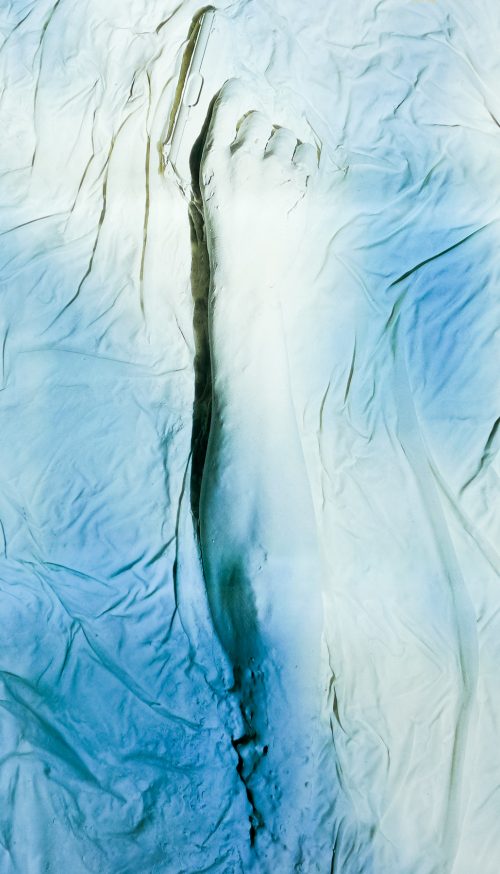
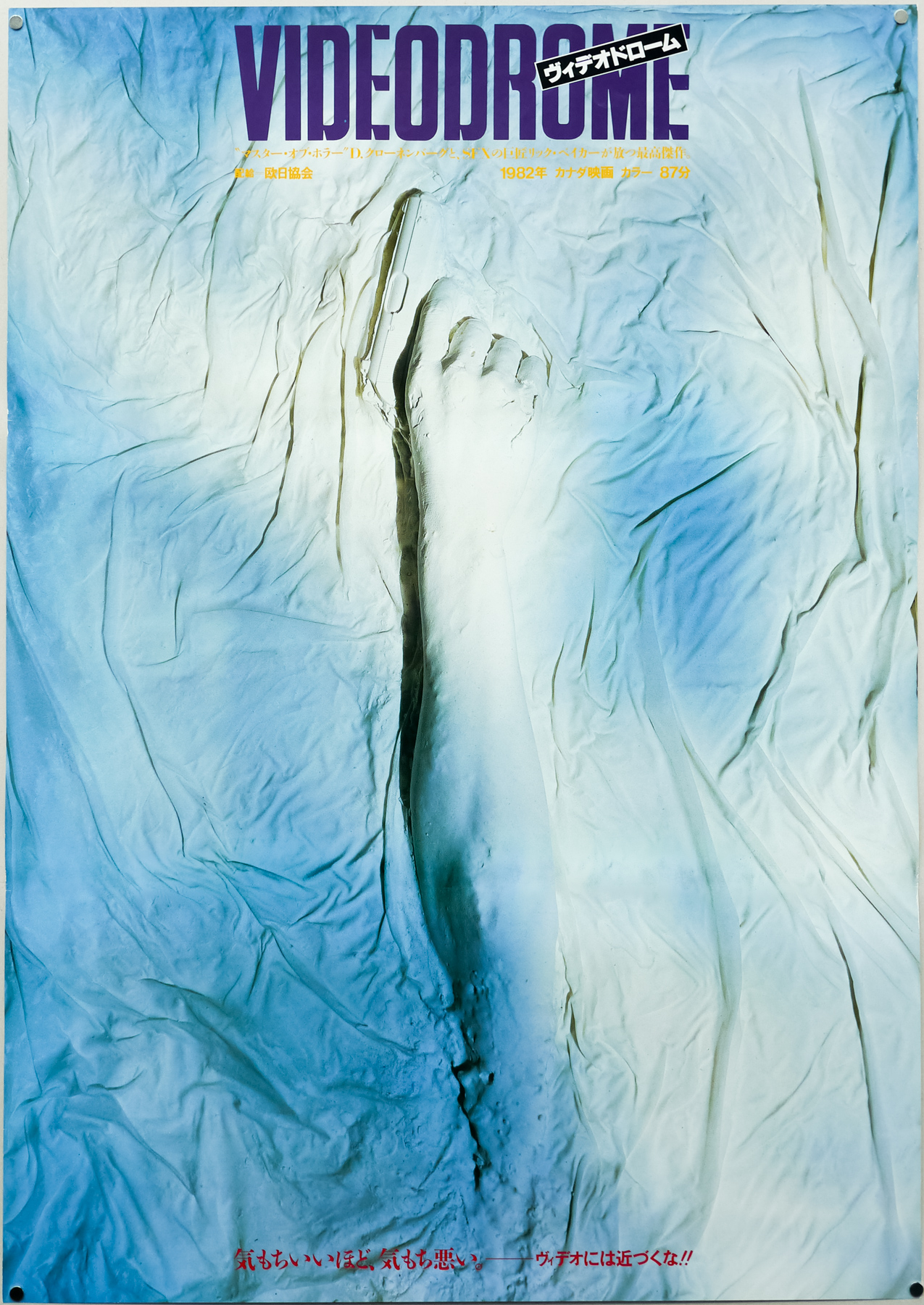
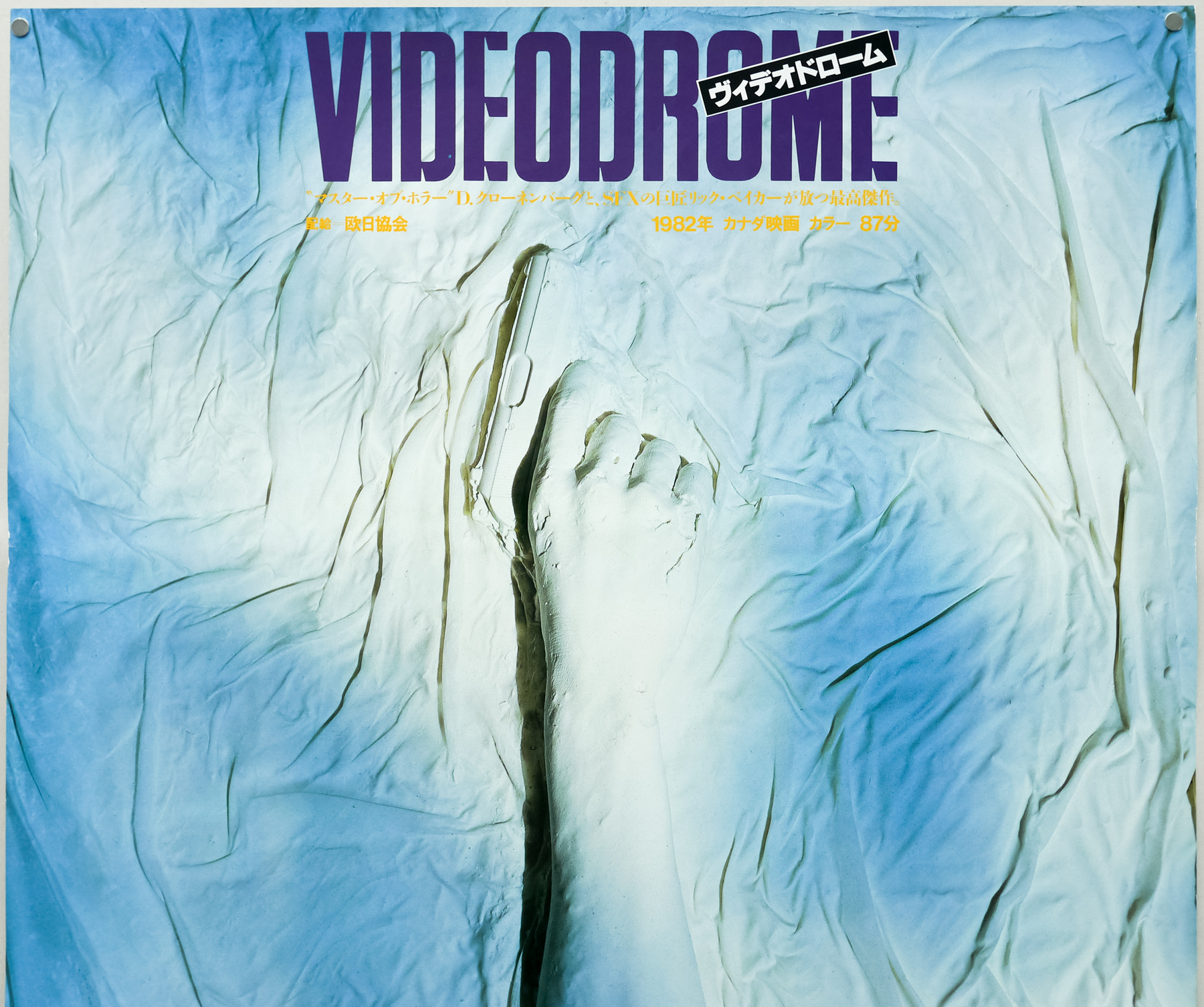
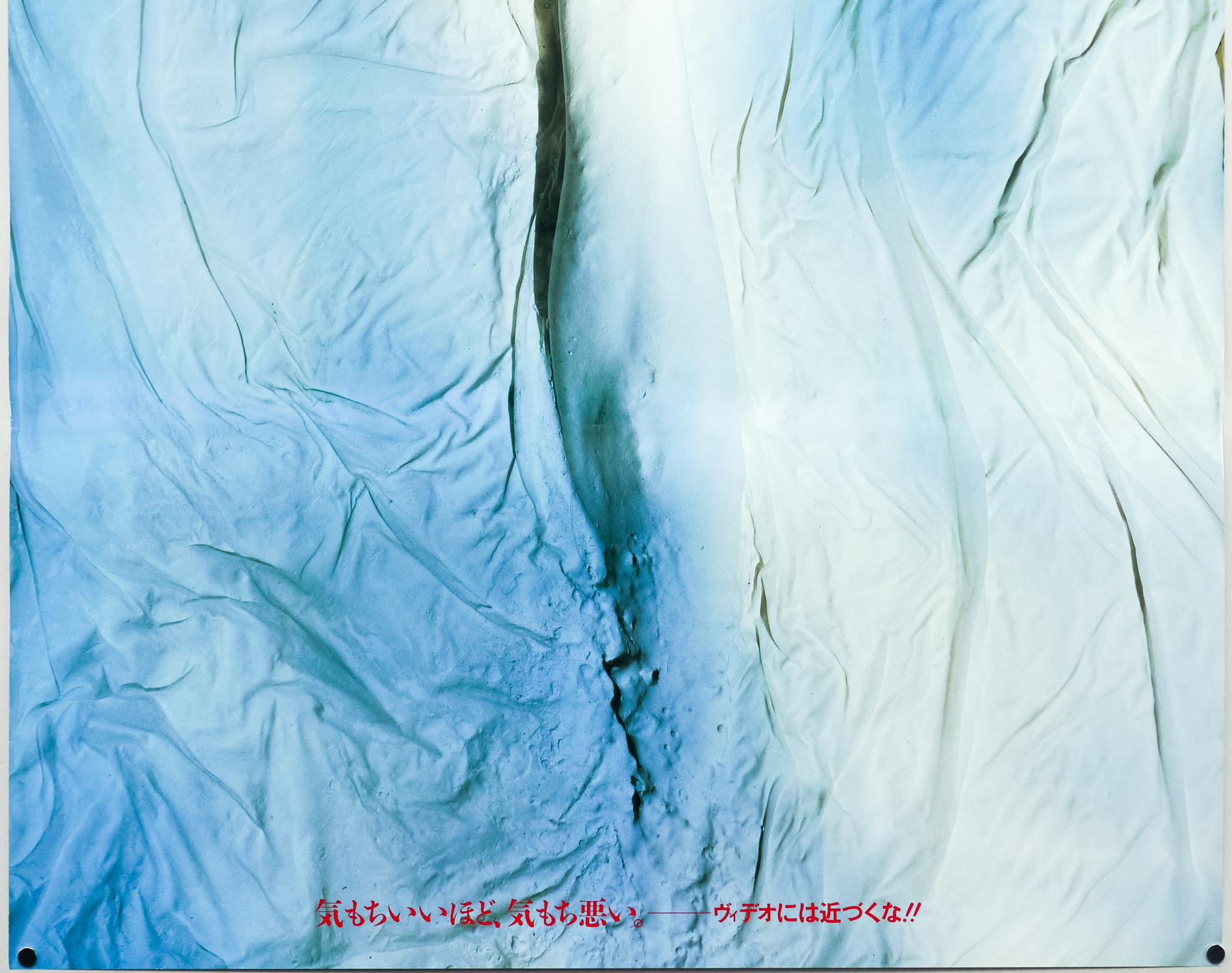
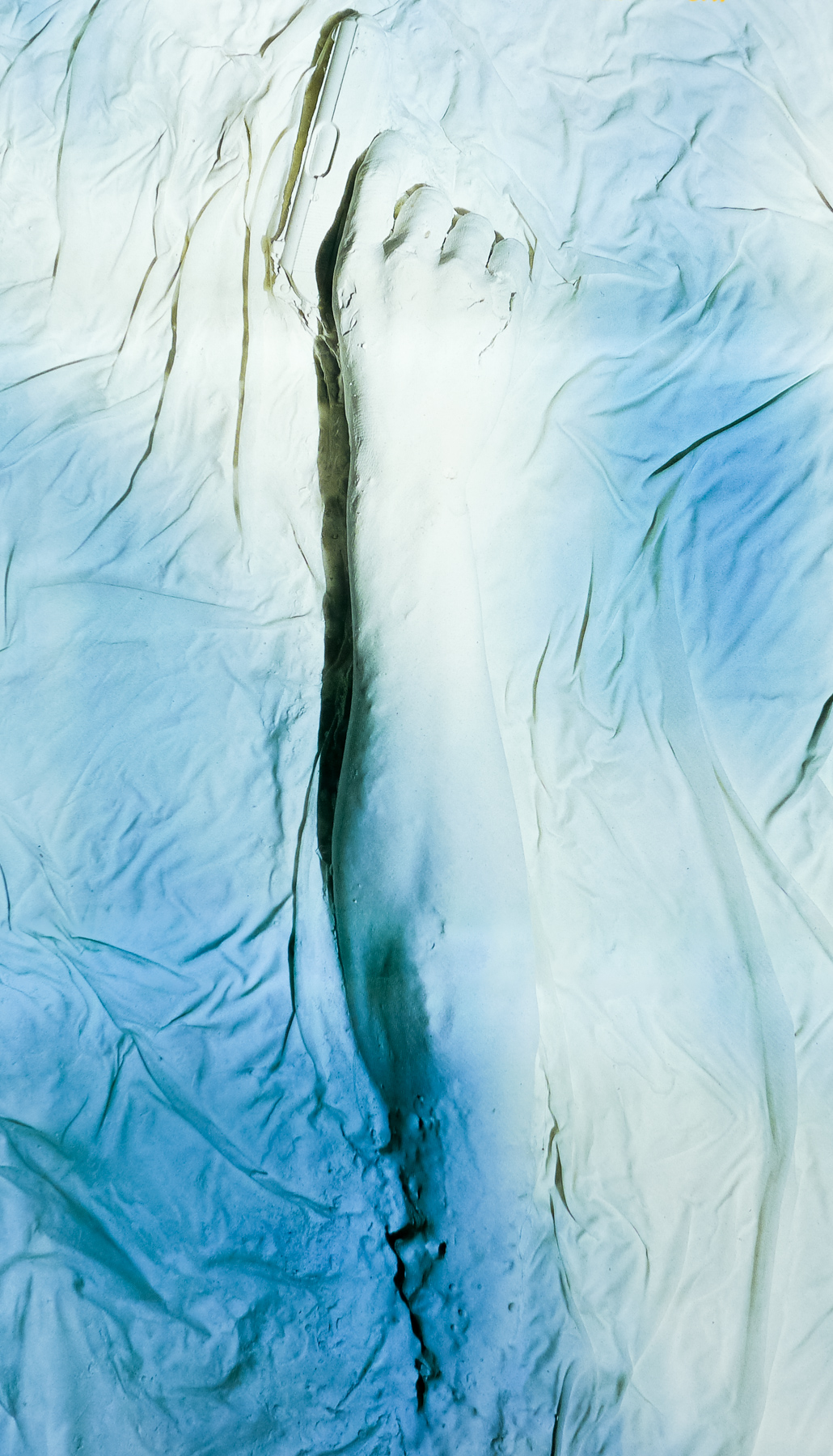
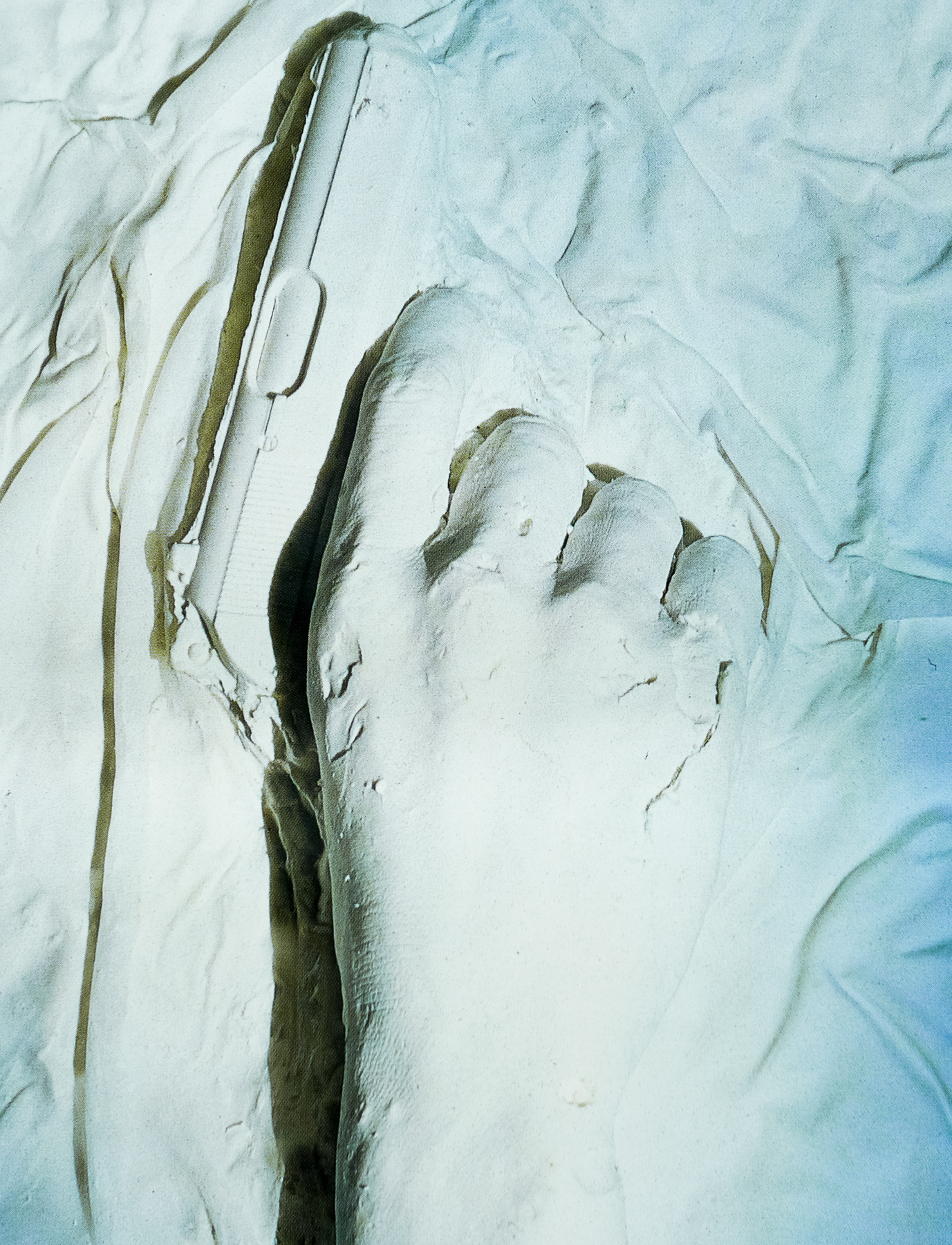
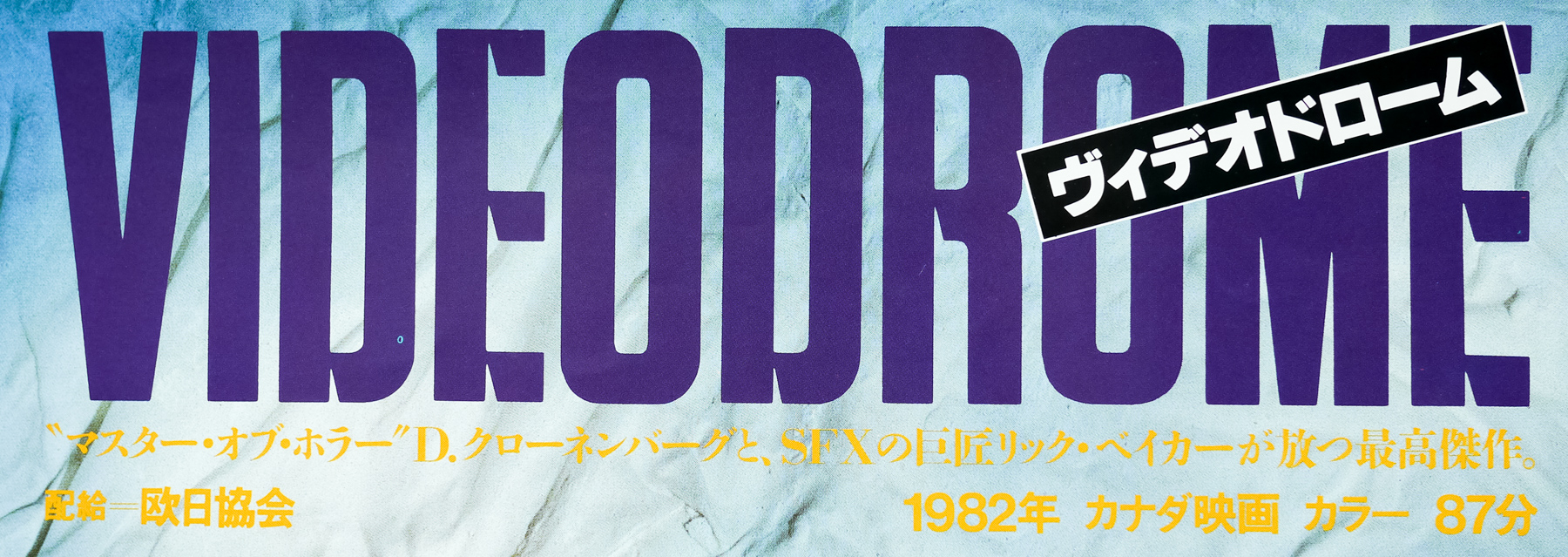
Cult Canadian director David Cronenberg’s Videodrome was released with this unique poster design when it hit Japanese cinemas in 1985. Like much of the director’s output, Videodrome is definitely not for the faint of heart and contains some utterly unforgettable moments of Cronenberg’s patented body-horror mutations. James Woods stars as Max Renn the sleazy CEO of a minor cable TV station who is constantly on the lookout for cheap exploitation fare to broadcast. Renn is told about Videodrome, a new and mysterious signal apparently being broadcast out of Malaysia which purports to depict real ‘snuff’ movies of victims being tortured and killed.

Renn decides to start pirating the show and broadcasting it to his audience. This soon attracts widespread attention that puts him into contact with sadomasochistic psychiatrist Nicki Brand (Debby Harry) and Professor Brian O’Blivion (Jack Creley). When he discovers that the signal is actually being broadcast out of Pittsburgh, Renn decides to investigate further and he plunges into a nightmarish conspiracy that goes deeper than he ever imagined. As the American tagline says ‘First it controls your mind. Then it destroys your body’. Fans of Cronenberg’s proclivity for unnatural cavities and the melding of flesh with inorganic substances are not left disappointed, and the gun on this poster hints towards the finale.

In addition to this Japanese poster I also have the American one sheet and the British quad.

The Company Of Wolves / B1 / Japan

06.03.13

Poster Poster

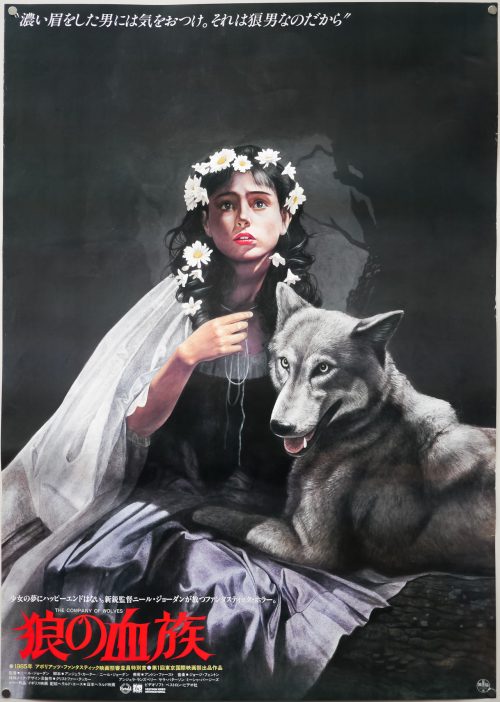
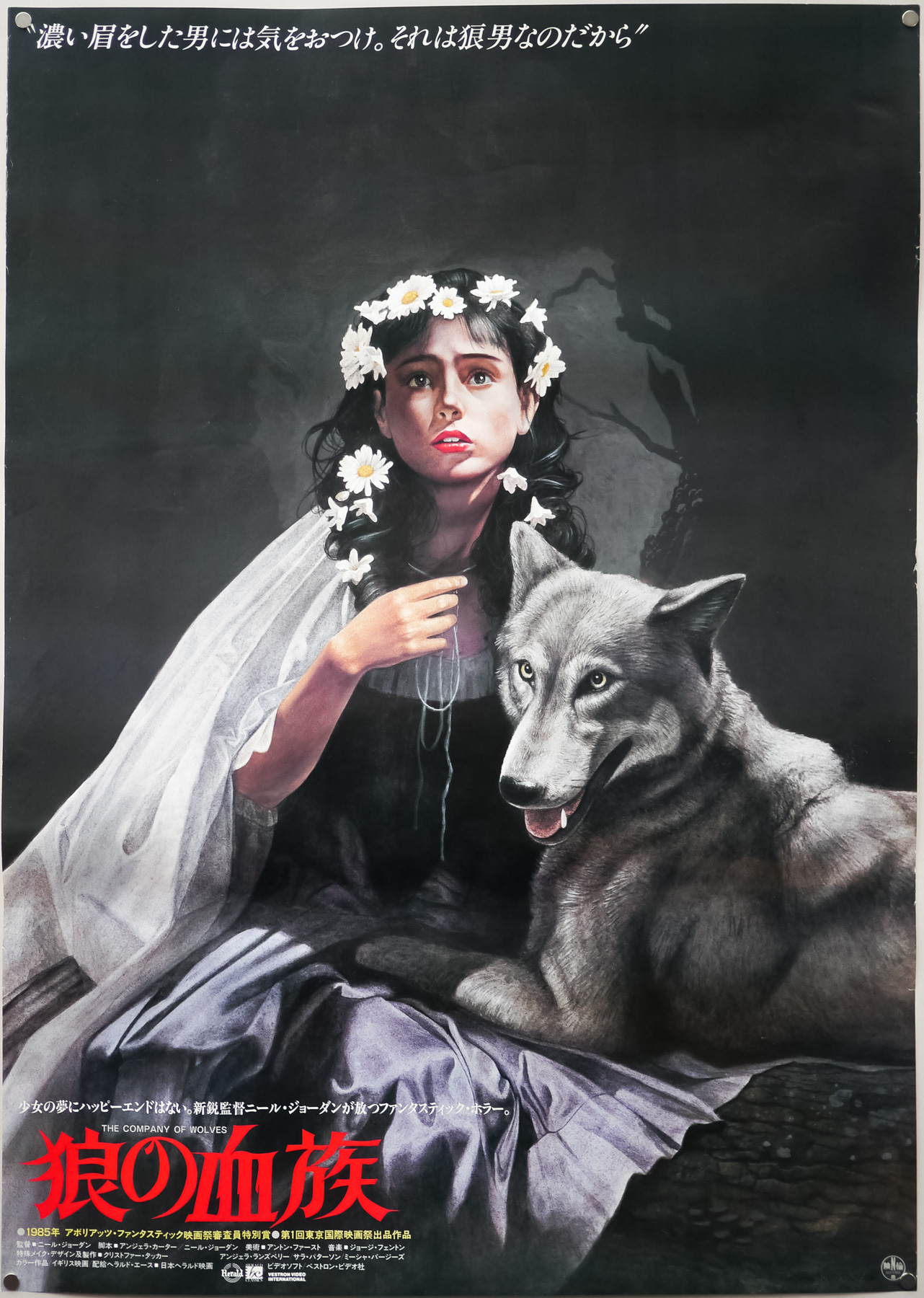
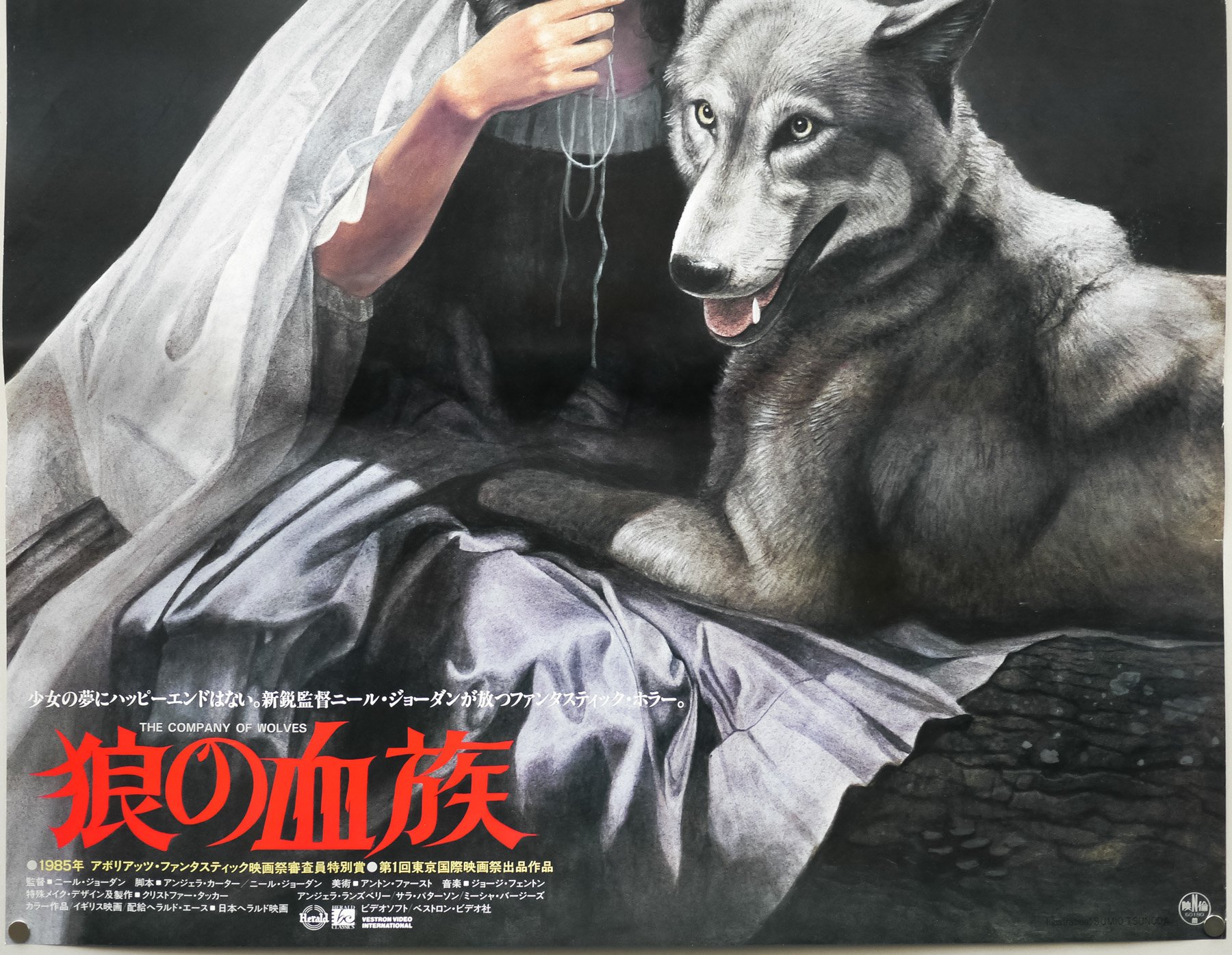
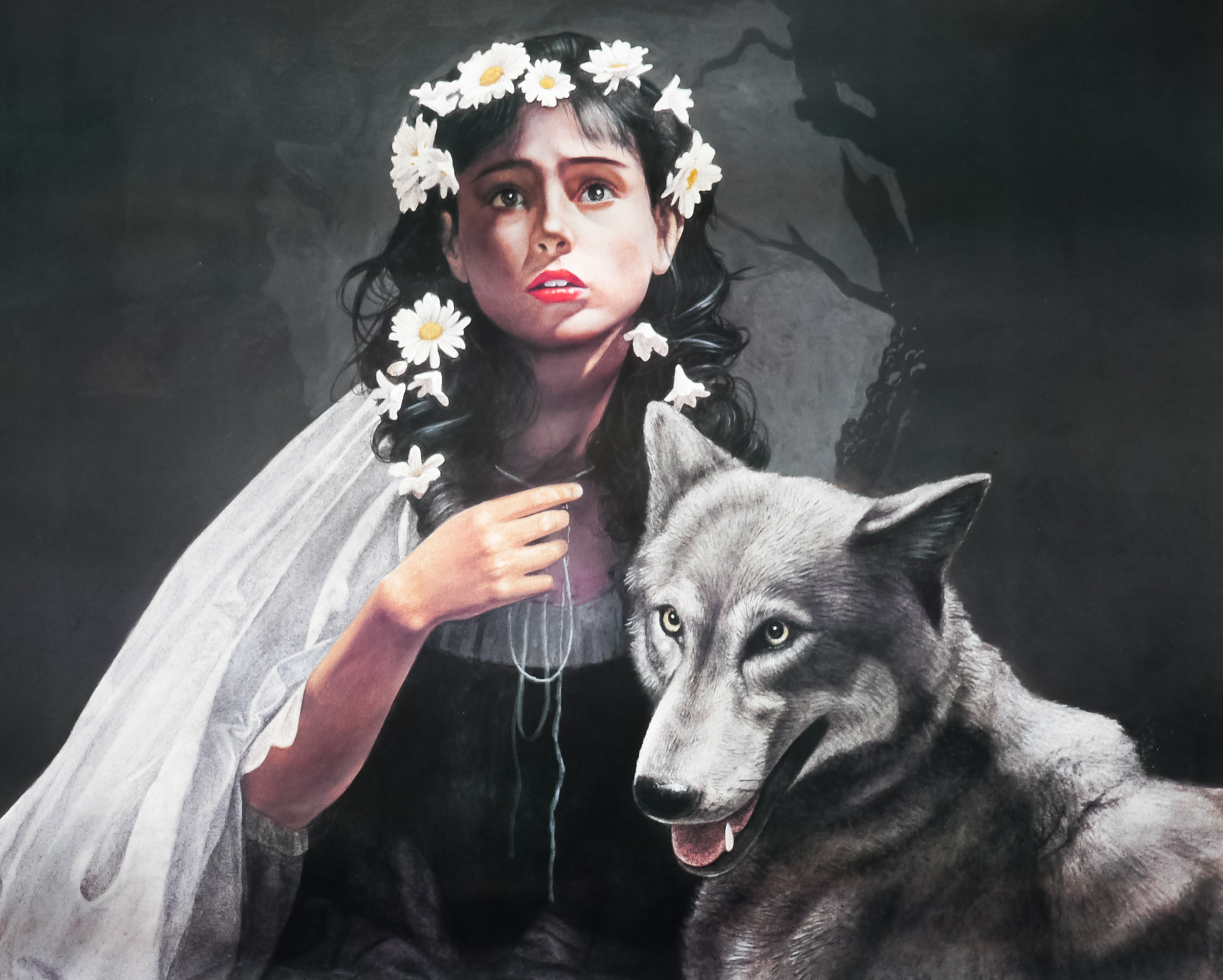
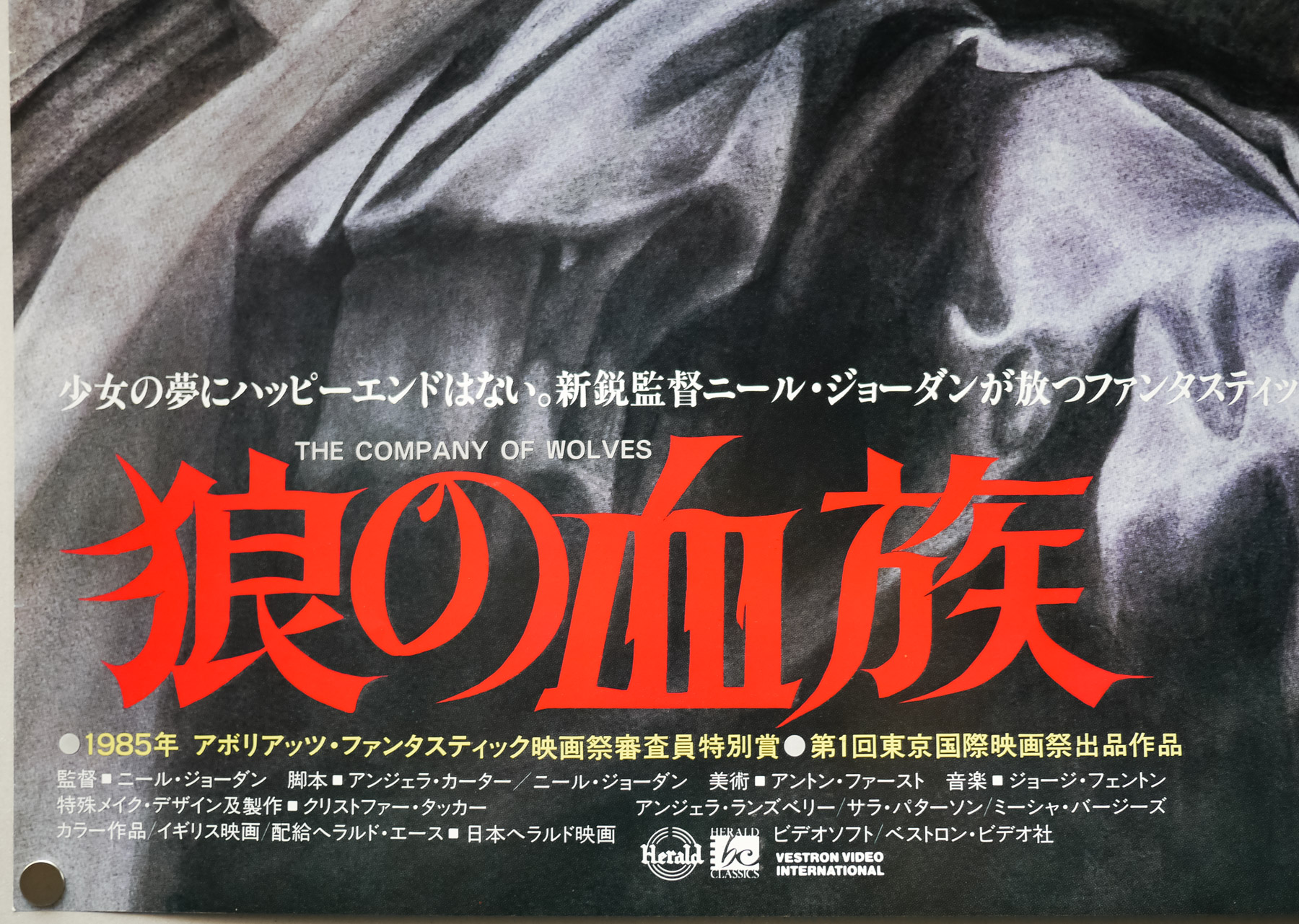
A joint collaboration between two British production companies, Palace Pictures and Lew Grade’s ITC Entertainment, The Company of Wolves was helmed by the Irish director Neil Jordan and based on a short story by the late English author Angela Carter, who also co-wrote the screenplay with Jordan. The film begins in the modern day with the  lead character Rosaleen (played by first-time actress Sarah Patterson) having moved with her parents to a large house in a forest. At night Rosaleen falls asleep and has a vivid dream in which she is a medieval peasant girl who lives with her grandma (played by Murder, She Wrote’s Angela Lansbury) in a woodland village. Sitting by the fire one evening her grandma begins to tell her a story and what follows is a series of surreal, fantasy tales, with multiple narratives and narrators, most of which feature wolves or werewolves, and all of which are ripe with hidden meanings and deeper significances (check out this page on IMDb to give you an idea).

Featuring elements of the classic Little Red Riding Hood fairytale (and indeed the film features a blood red shawl worn by a young girl) the film is a parable of the loss of innocence and the beginning of adolescence and sexual awakening – as the Grandma says at one point ‘Never stray from the path, never eat a windfall apple and never trust a man whose eyebrows meet in the middle.’ Overcoming a slight budget The Company of Wolves has a dream-like, eerie atmosphere helped in no-small part by excellent production and costume design. There is also a werewolf transformation scene that challenges the famous one seen in American Werewolf in London. Palace Pictures would re-team several more times with Neil Jordan, including for Mona Lisa (1986) and Oscar-winning The Crying Game (1992)

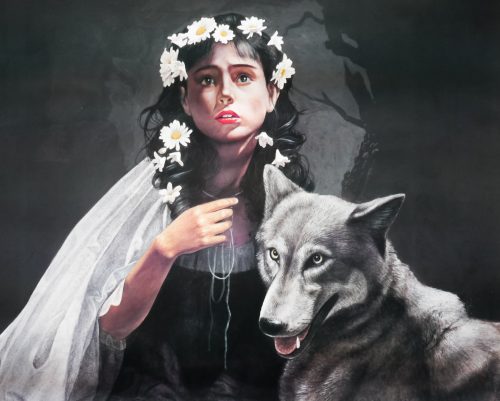
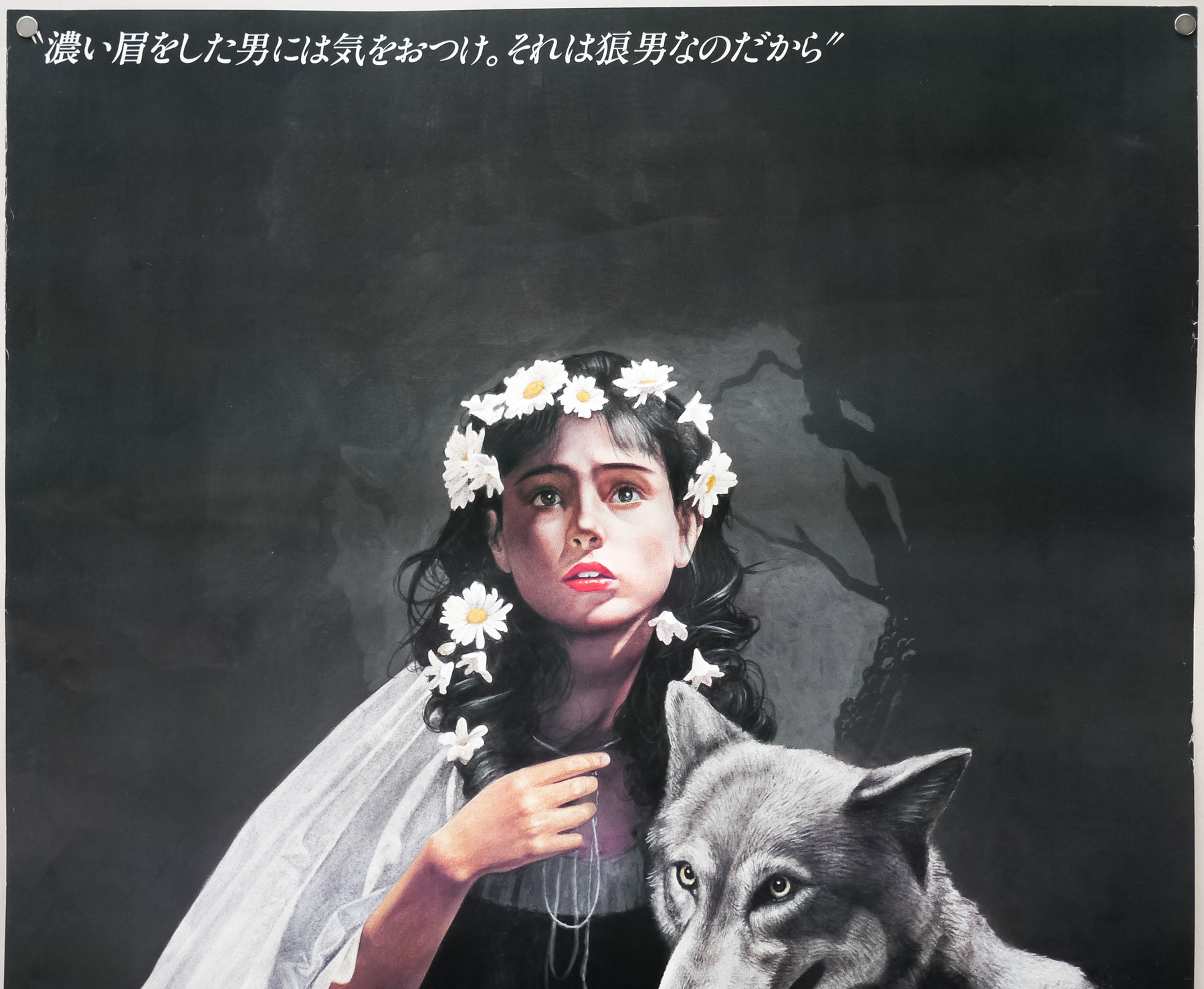
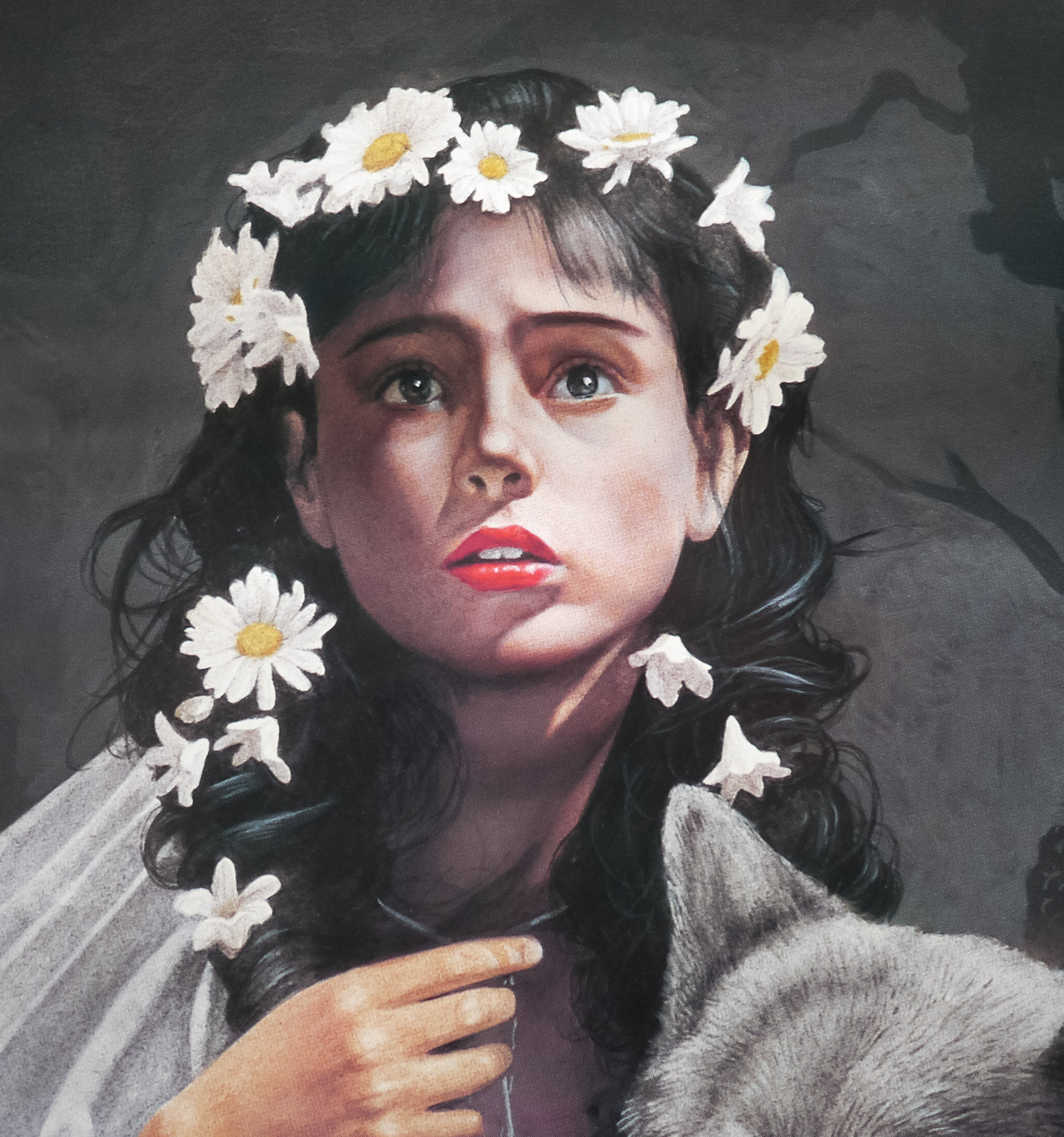
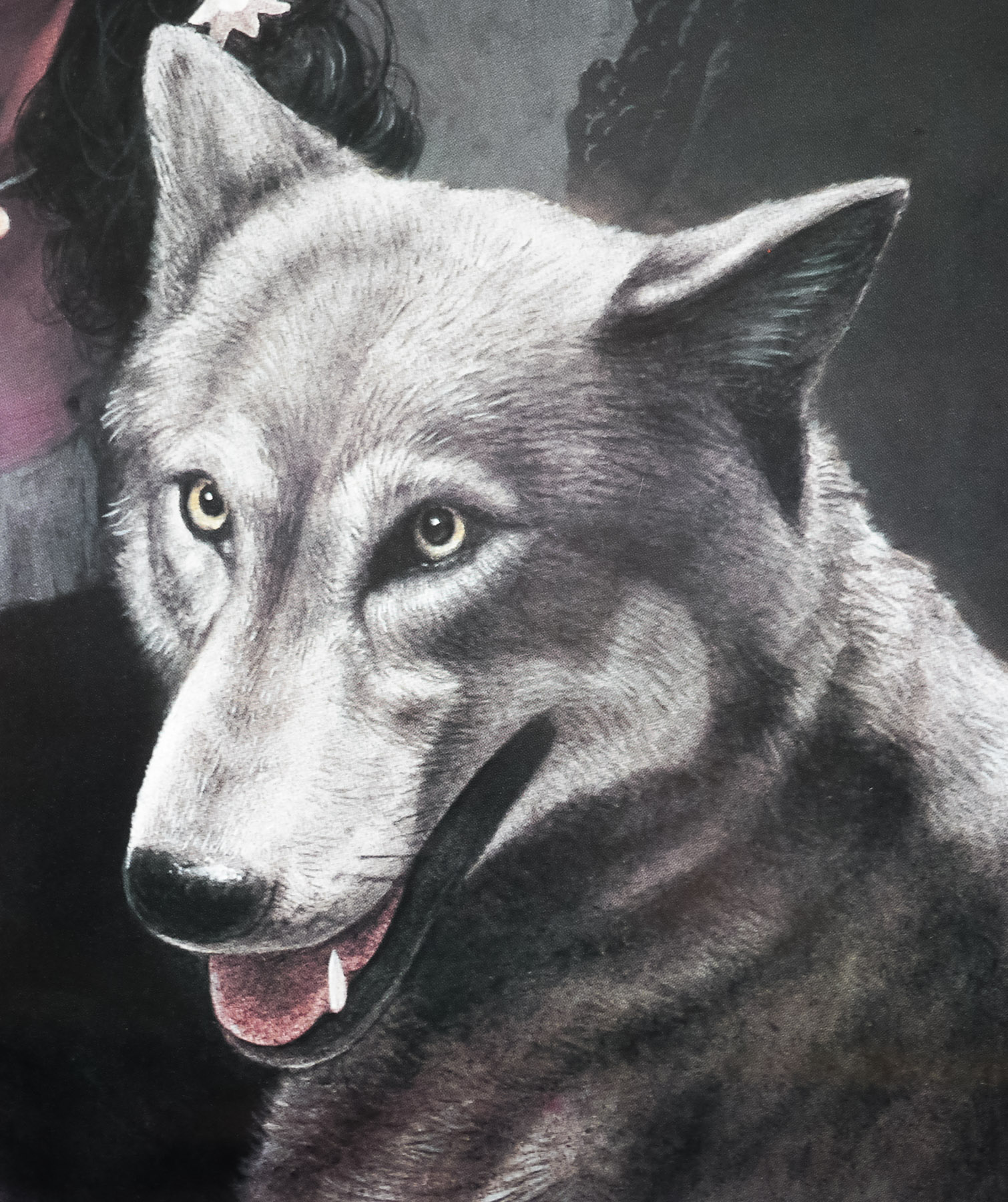
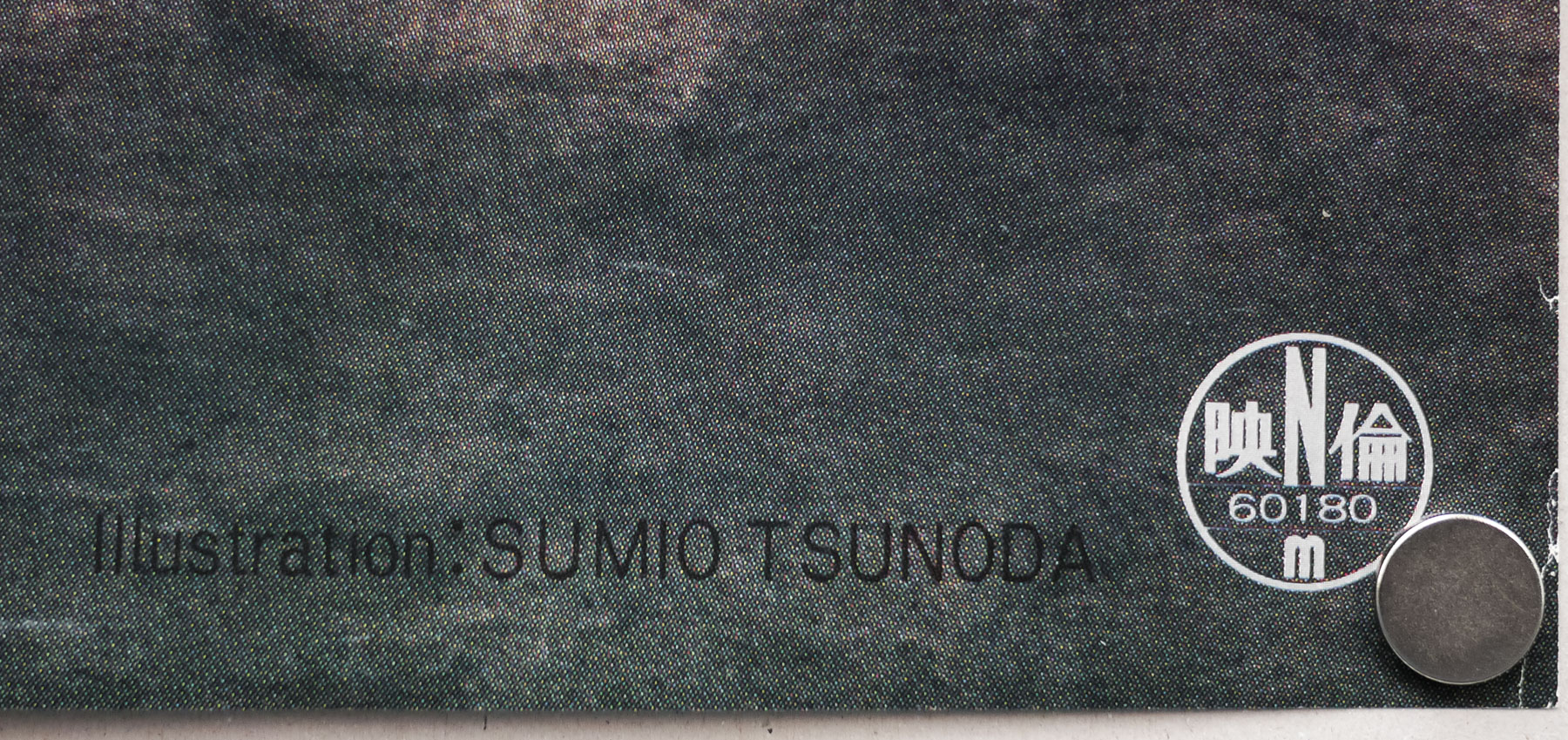
The excellent illustration on this Japanese B1 poster is credited to the illustrator Sumio Tsunoda about whom I was able to discover next to nothing. A search revealed that this cyberpunk image can also be credited to him. If anyone knows any more details about the artist please get in touch or leave a comment.

One by One / B2 / Japan

18.03.13

Poster Poster
Title
One by One
AKA
The Quick and the Dead (USA re-release) | Champions Forever (international)
Year of Film
1975
Director
Claude Du Boc
Starring
François Cévert, Mike Hailwood, Stacy Keach, Niki Lauda, Peter Revson, Jackie Stewart
Origin of Film
USA
Genre(s) of Film
François Cévert, Mike Hailwood, Stacy Keach, Niki Lauda, Peter Revson, Jackie Stewart,
Type of Poster
B2
Style of Poster
Artwork
Origin of Poster
Japan
Year of Poster
1976
Designer
Unknown
Artist
Seito
Size (inches)
20 5/16" x 28 13/16"
SS or DS
SS
Tagline
--

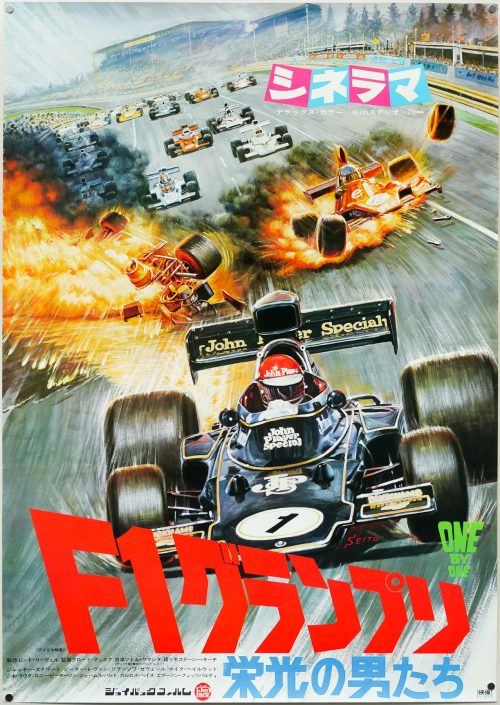
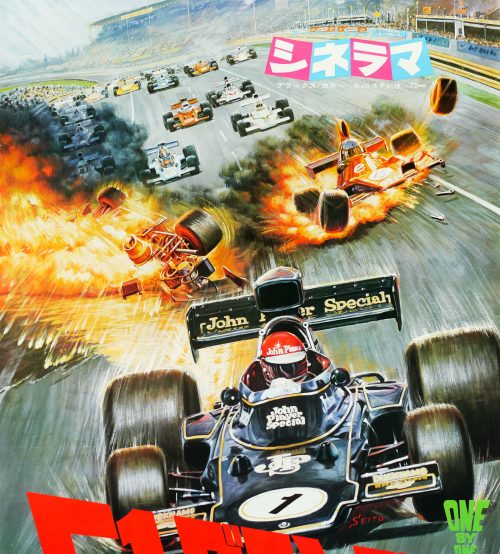
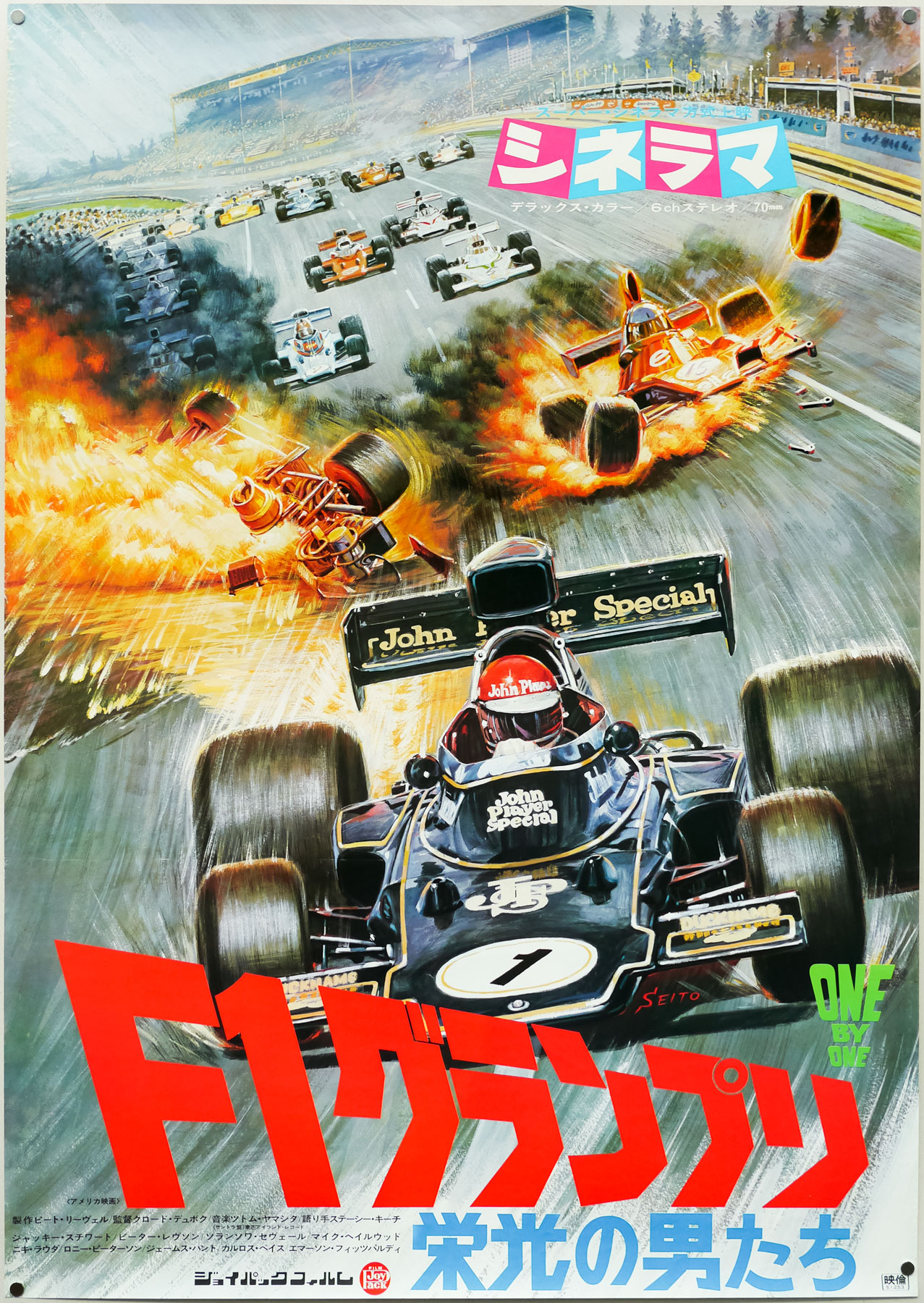
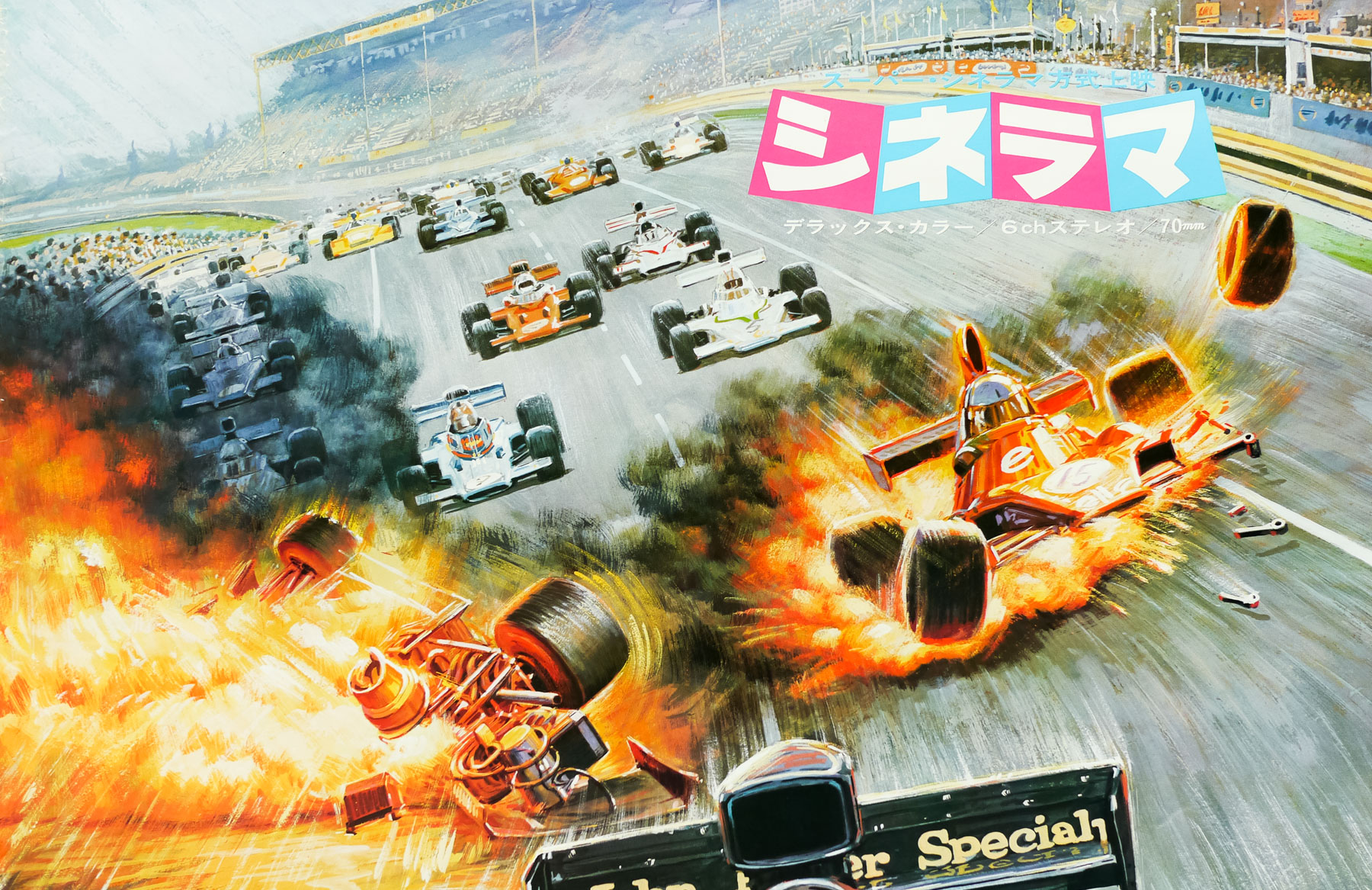
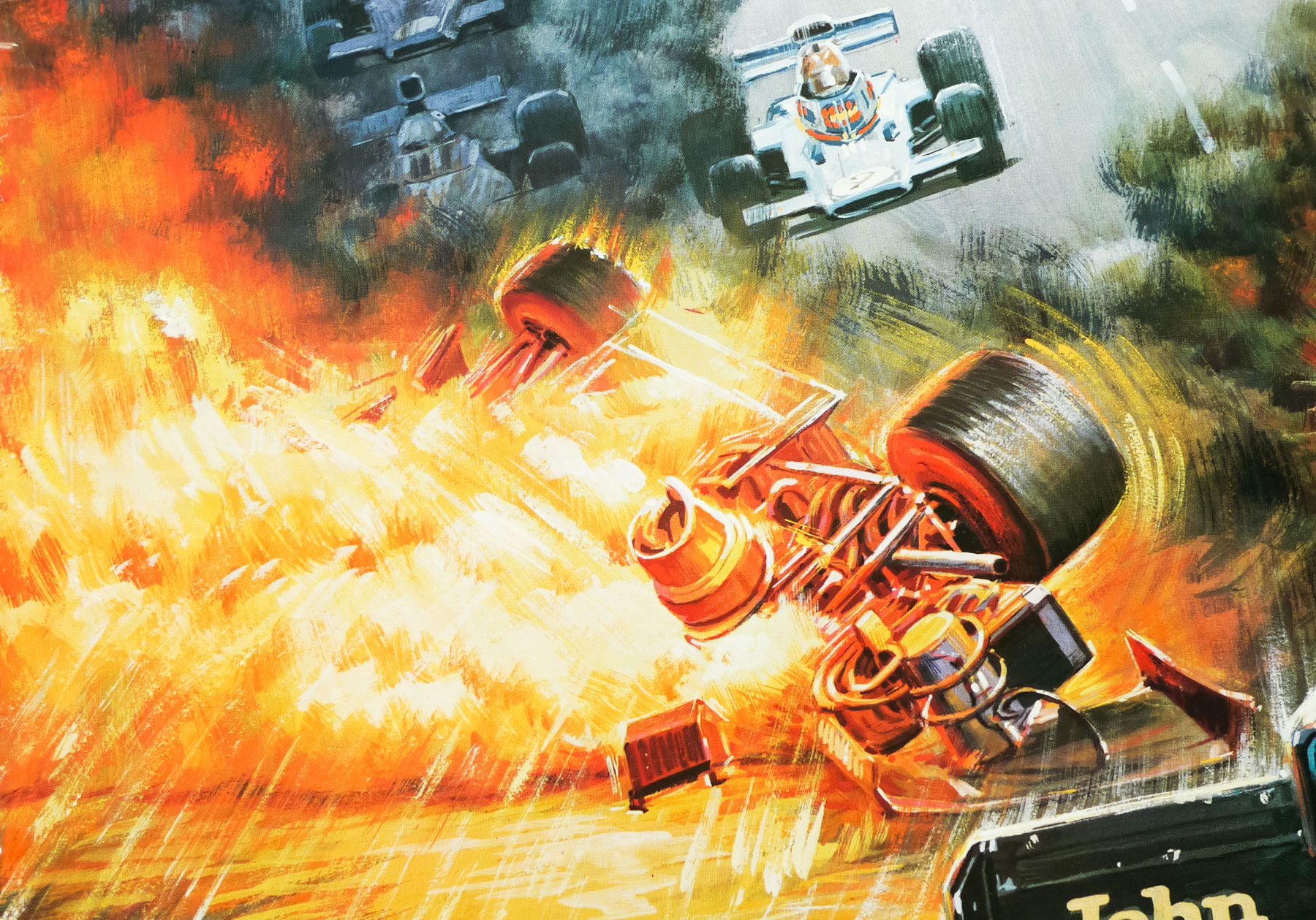
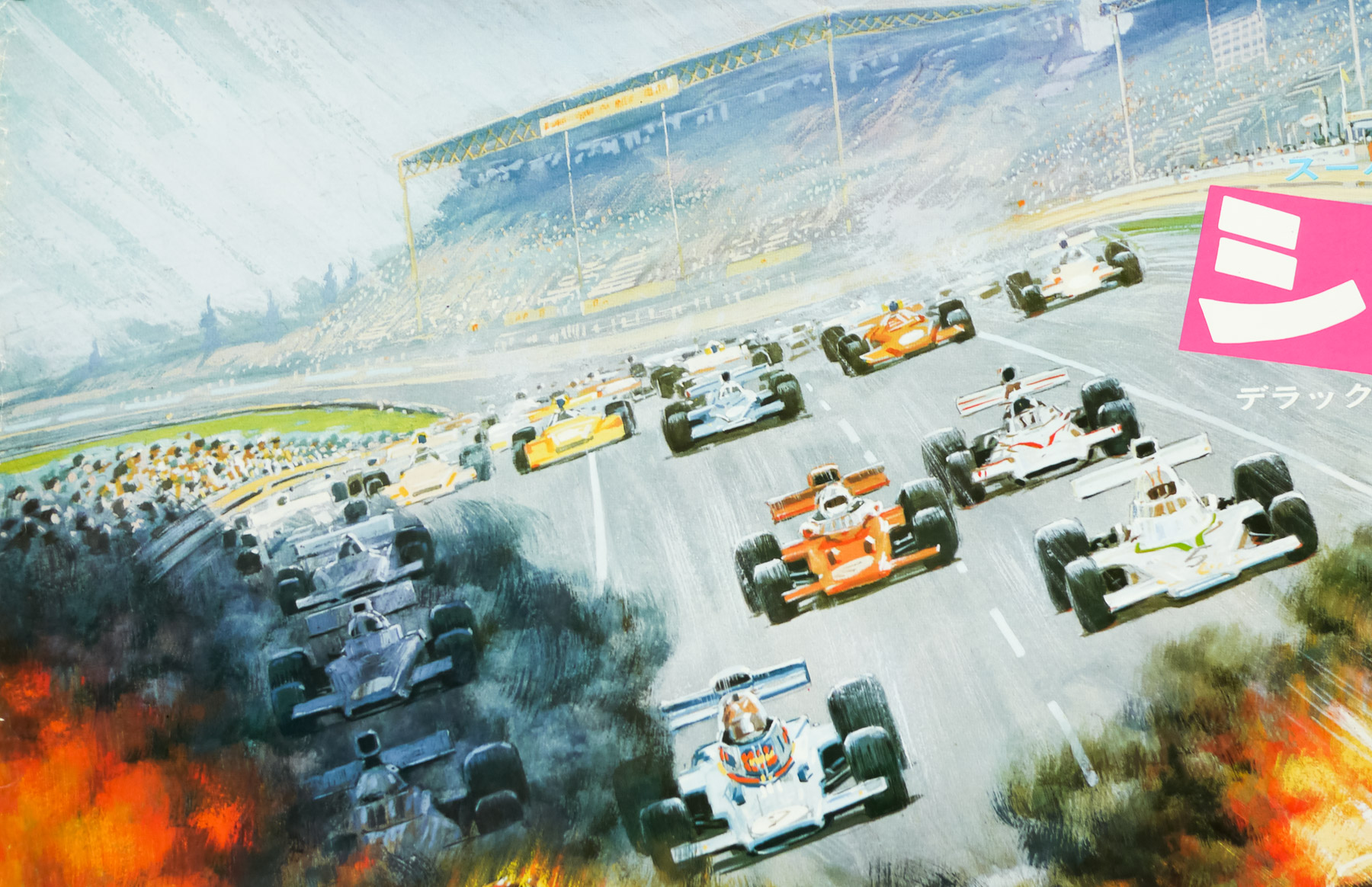
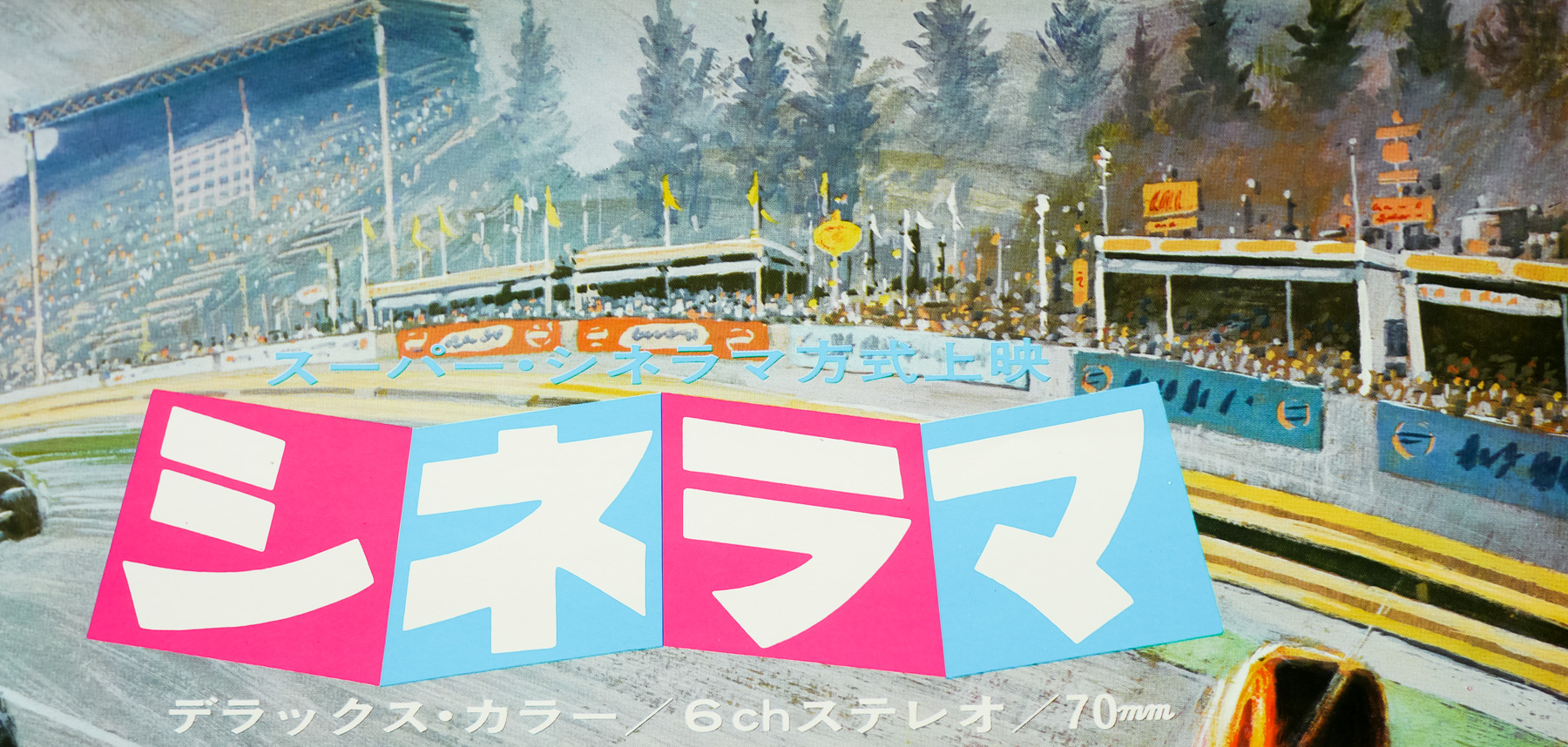
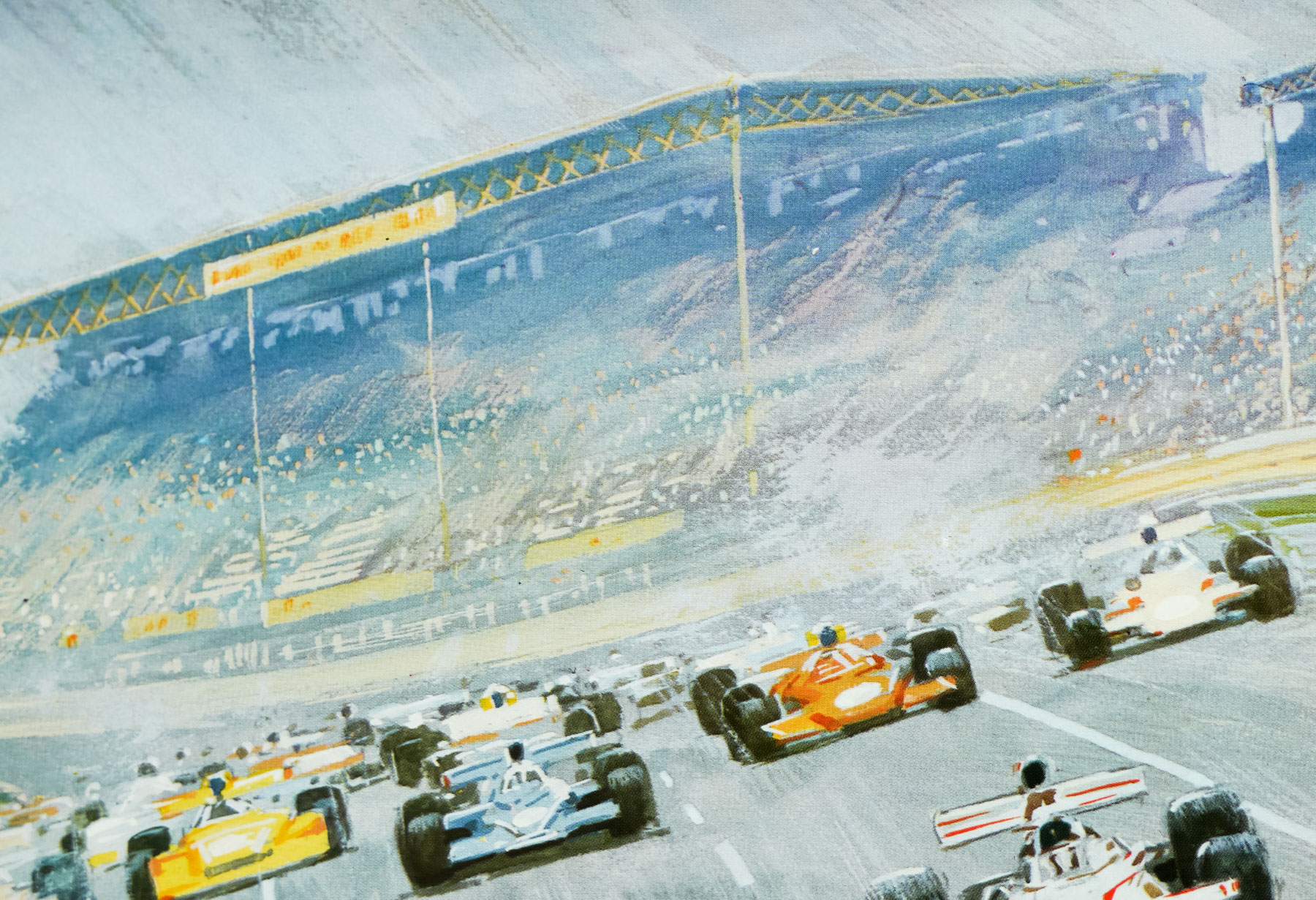
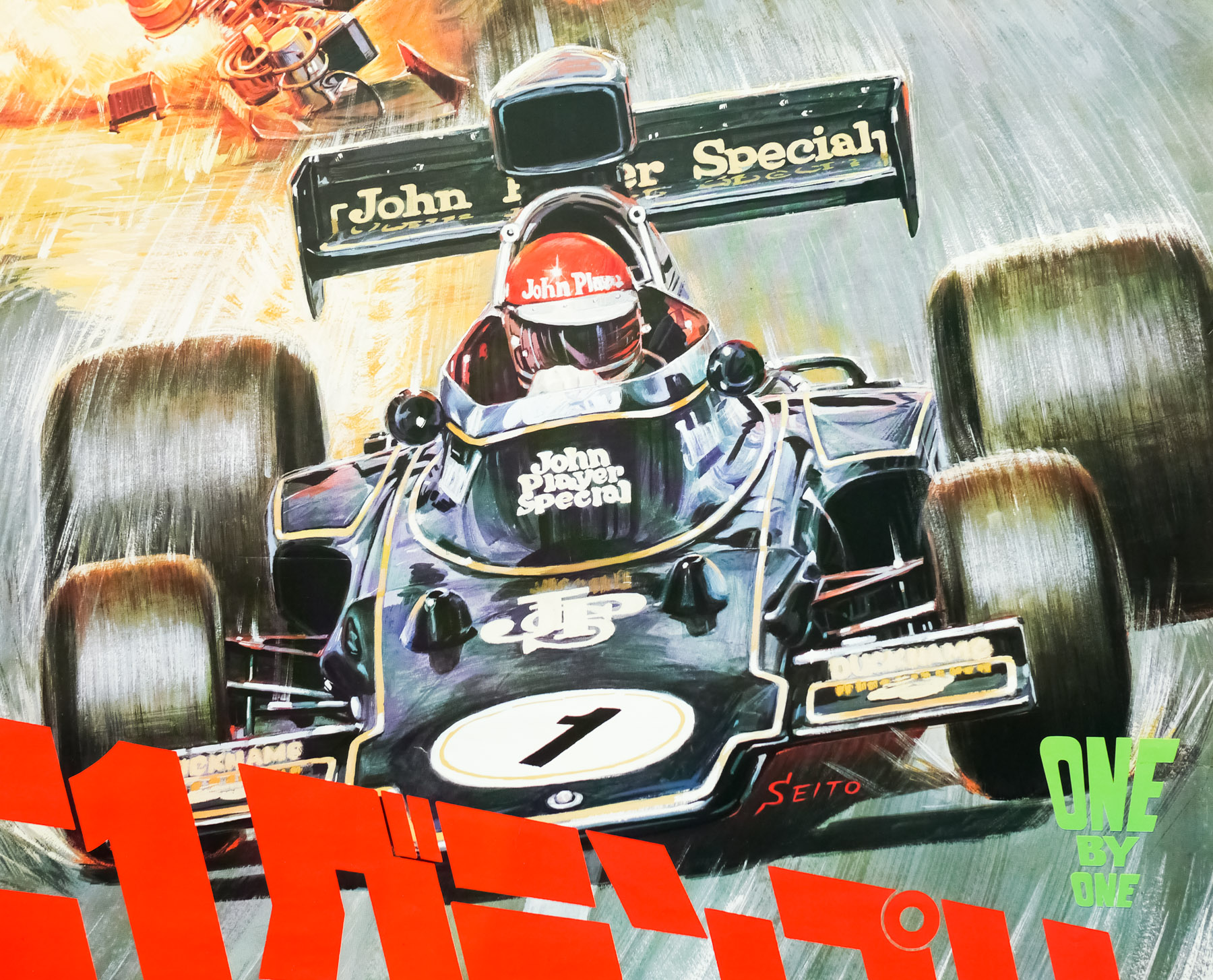
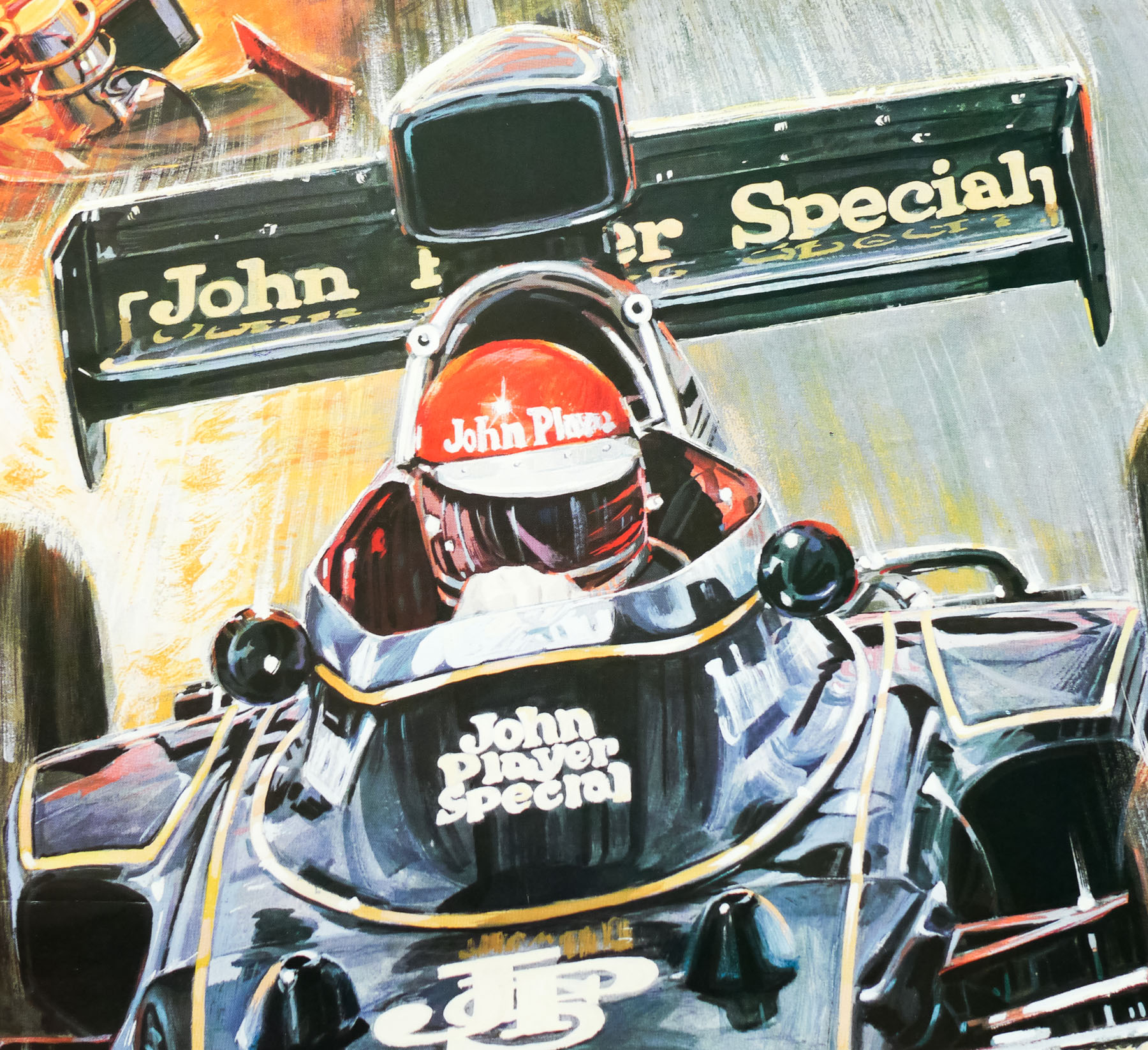
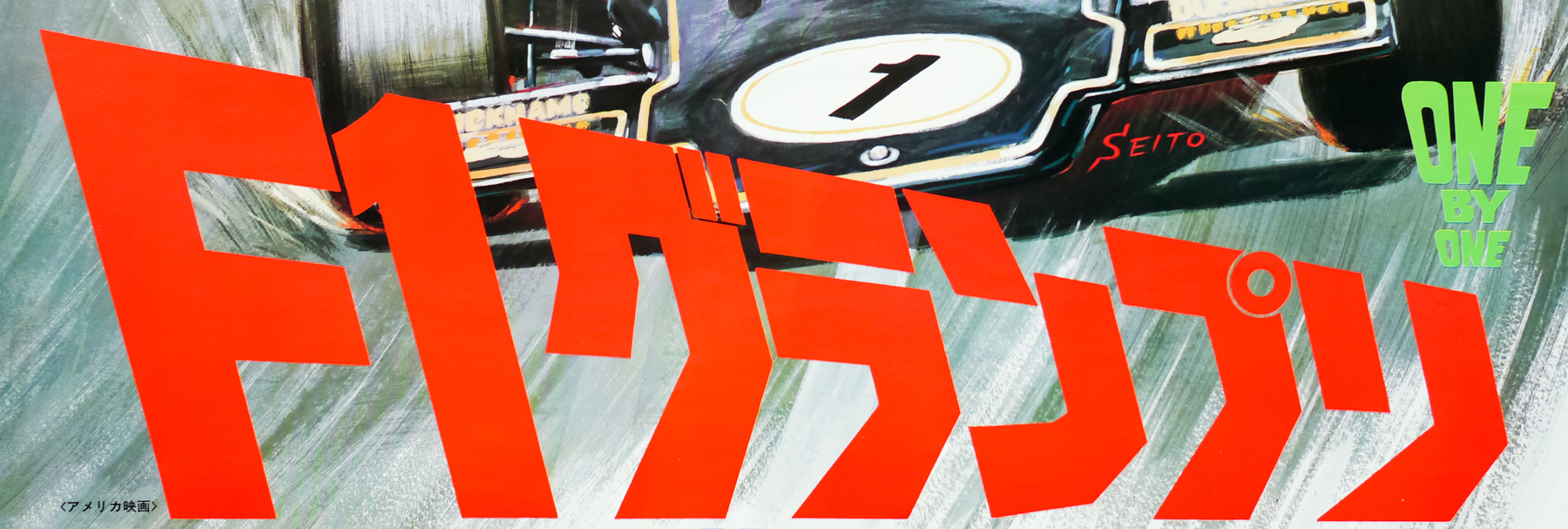
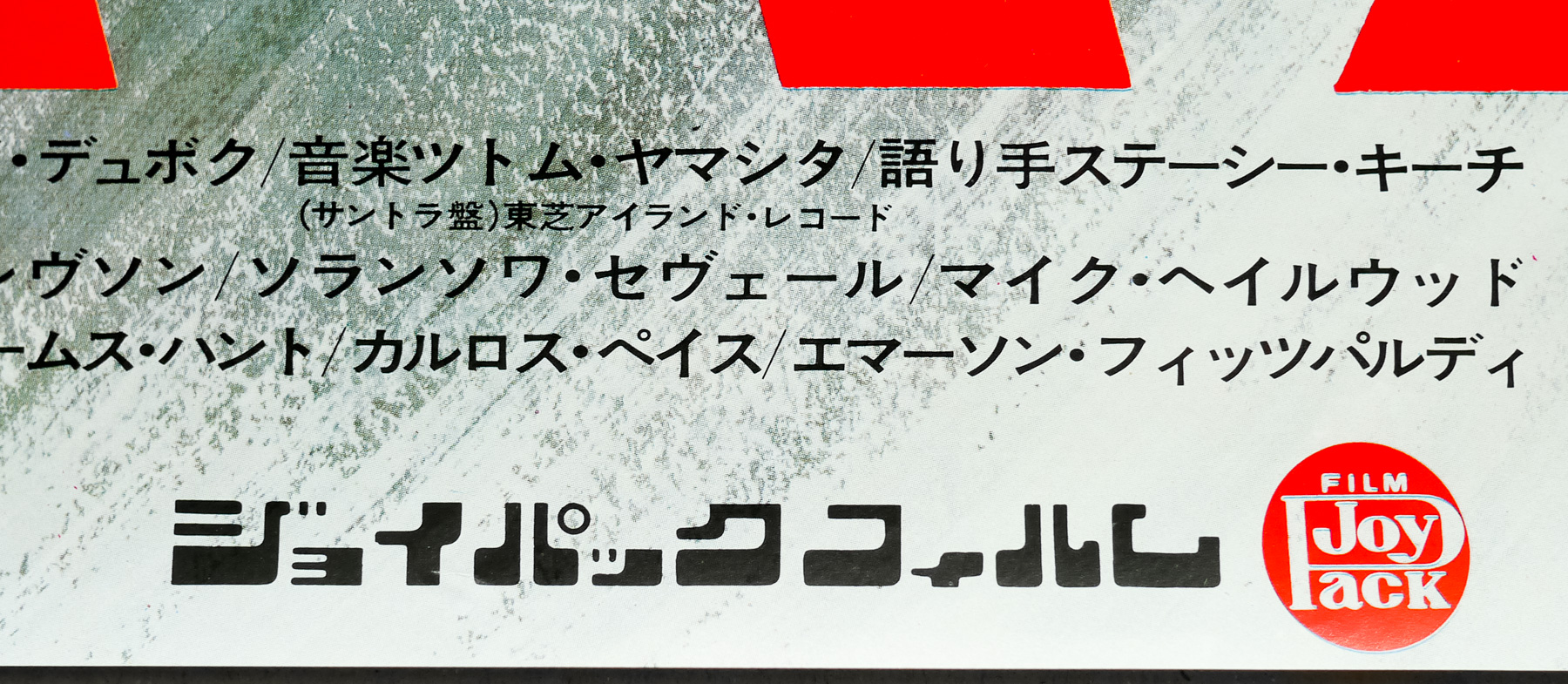
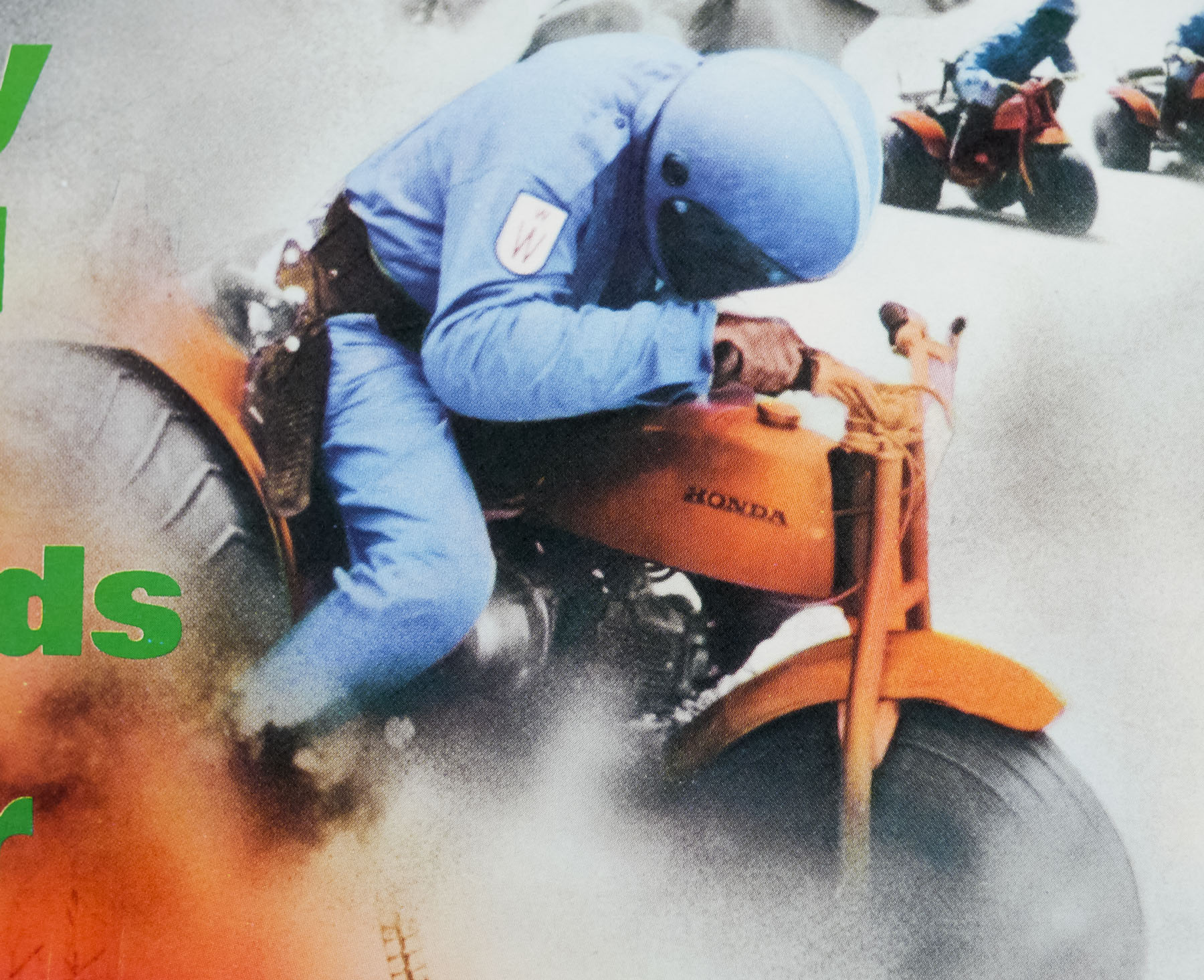
Striking artwork on this Japanese B2 poster for the release of the little-seen documentary One By One, which followed the 1973 Formula 1 season that happened to be one of the deadliest in the sports’ history. The film profiles four drivers; Francois Cevert, Peter Revson, Mike Hailwood and legendary Englishman Jackie Stewart, and features interviews with each man as well as extensive footage of them in action. Stewart was actually the winner of the World Championship of Drivers that year and the Cup for Manufacturers went to Team Lotus with their John Player Special branding as depicted on the lead car on this poster. The film is hosted and narrated by the American actor Stacey Keach.

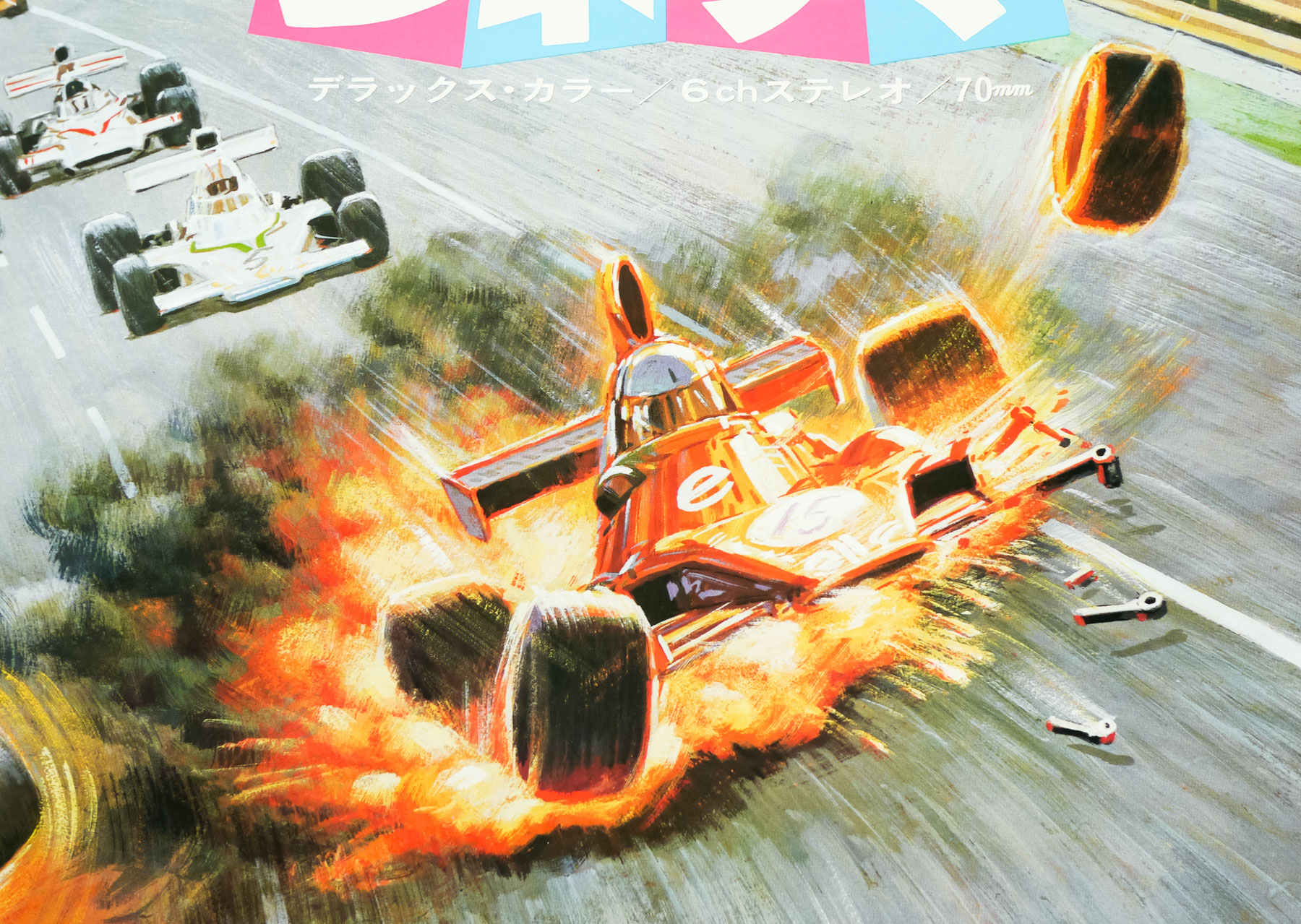
Tragically Cevert was to lose his life in a crash during the qualifying session for the final race at Watkins Glen in the US, and British driver Roger Williamson also lost his life in a horrific crash during the Dutch grand prix. Peter Revson was also to perish during a test run at the South African grand prix in the 1974 season, following the first release of the documentary. The film was later re-released as The Quick and the Dead in 1978 after being updated to add more footage from other F1 seasons, including the tragic incident that killed the Welsh driver Tom Pryce in 1977. Clearly the producers of the film recognised that the dangerous side to the sport was what would attract many viewers to the re-released documentary.

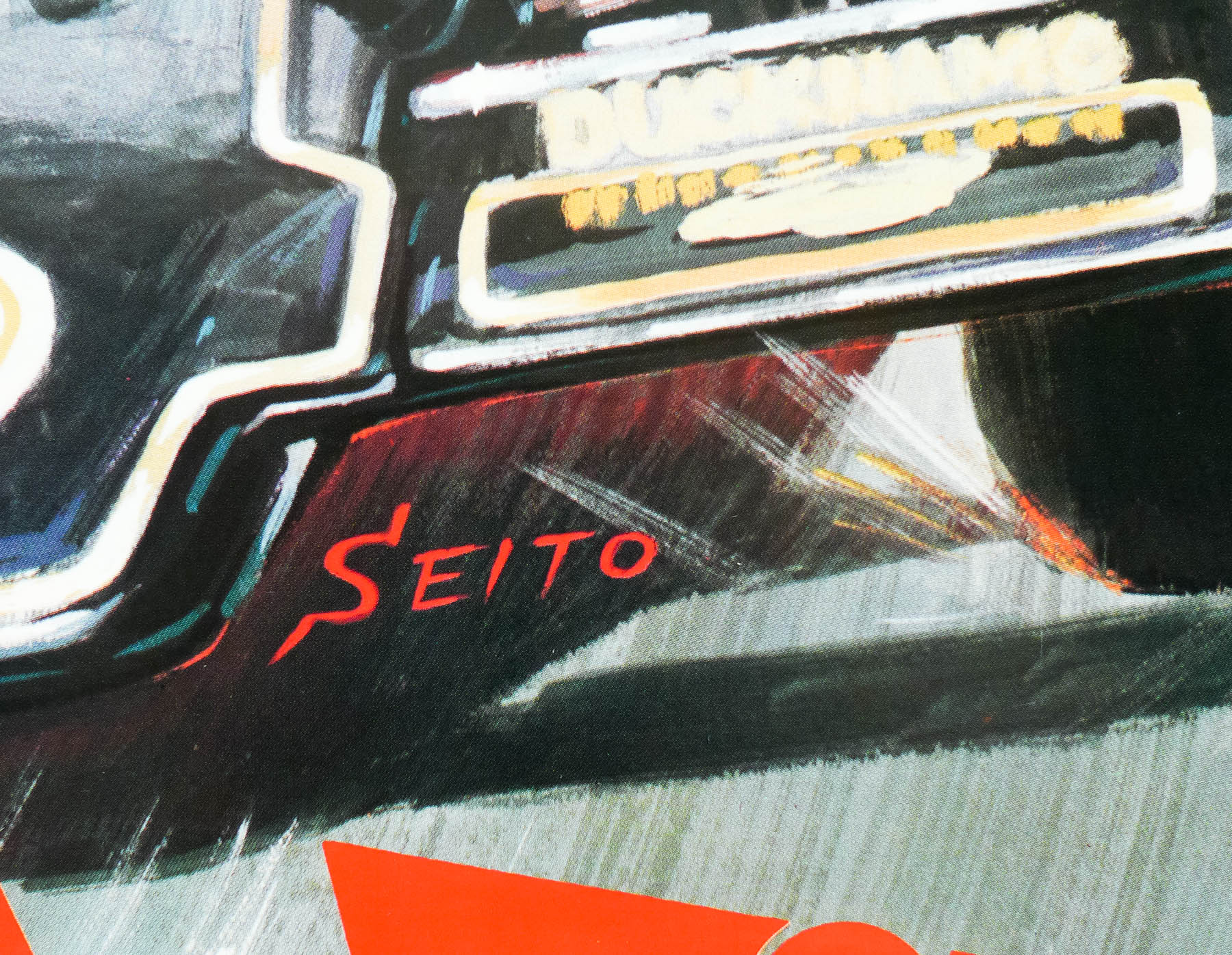
The exciting artwork is by Seito, one of my favourite Japanese artists, who was responsible for several fantastic illustrated posters during the 1970s and 1980s. Little is known about the man himself, even in his native country. To see the other posters I’ve collected by him click here.

The film is available to watch (as ‘Champions Forever’) on YouTube.
The Fog / B1 / Japan

19.04.13

Poster Poster
Title
The Fog
AKA
Tåken (Norway)
Year of Film
1980
Director
John Carpenter
Starring
Adrienne Barbeau, Jamie Lee Curtis, Janet Leigh, John Houseman, Tom Atkins, James Canning,Charles Cyphers, Nancy Loomis, Andy Wayne, Hal Holbrook
Origin of Film
USA
Genre(s) of Film
Adrienne Barbeau, Jamie Lee Curtis, Janet Leigh, John Houseman, Tom Atkins, James Canning,Charles Cyphers, Nancy Loomis, Andy Wayne, Hal Holbrook,
Type of Poster
B1
Style of Poster
--
Origin of Poster
Japan
Year of Poster
1980
Designer
Unknown
Artist
--
Size (inches)
28 12/16" x 40 6/16"
SS or DS
SS
Tagline
--

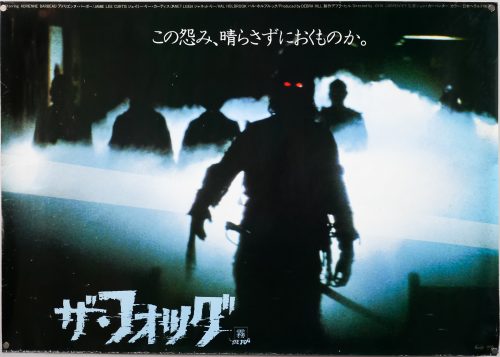
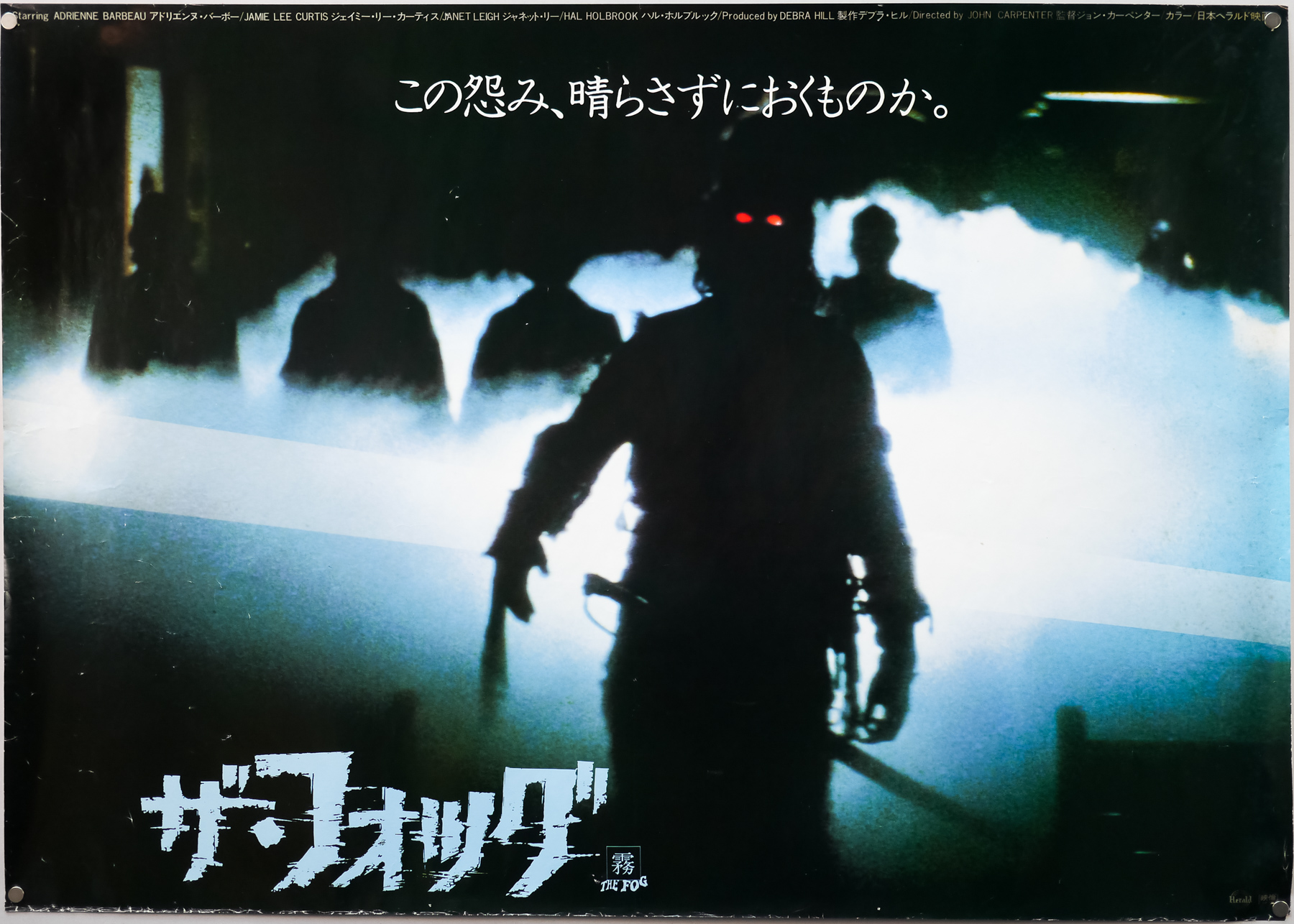
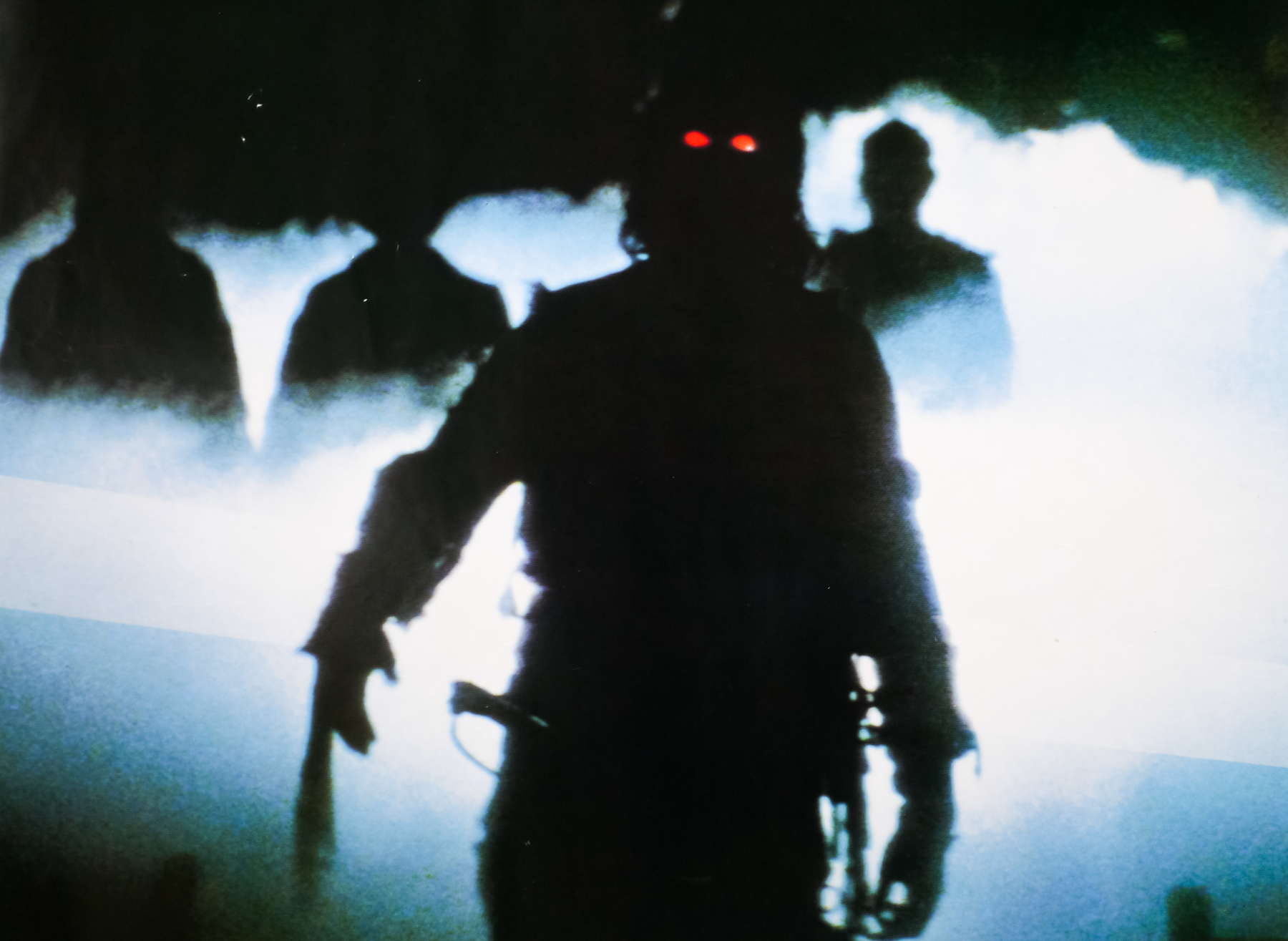
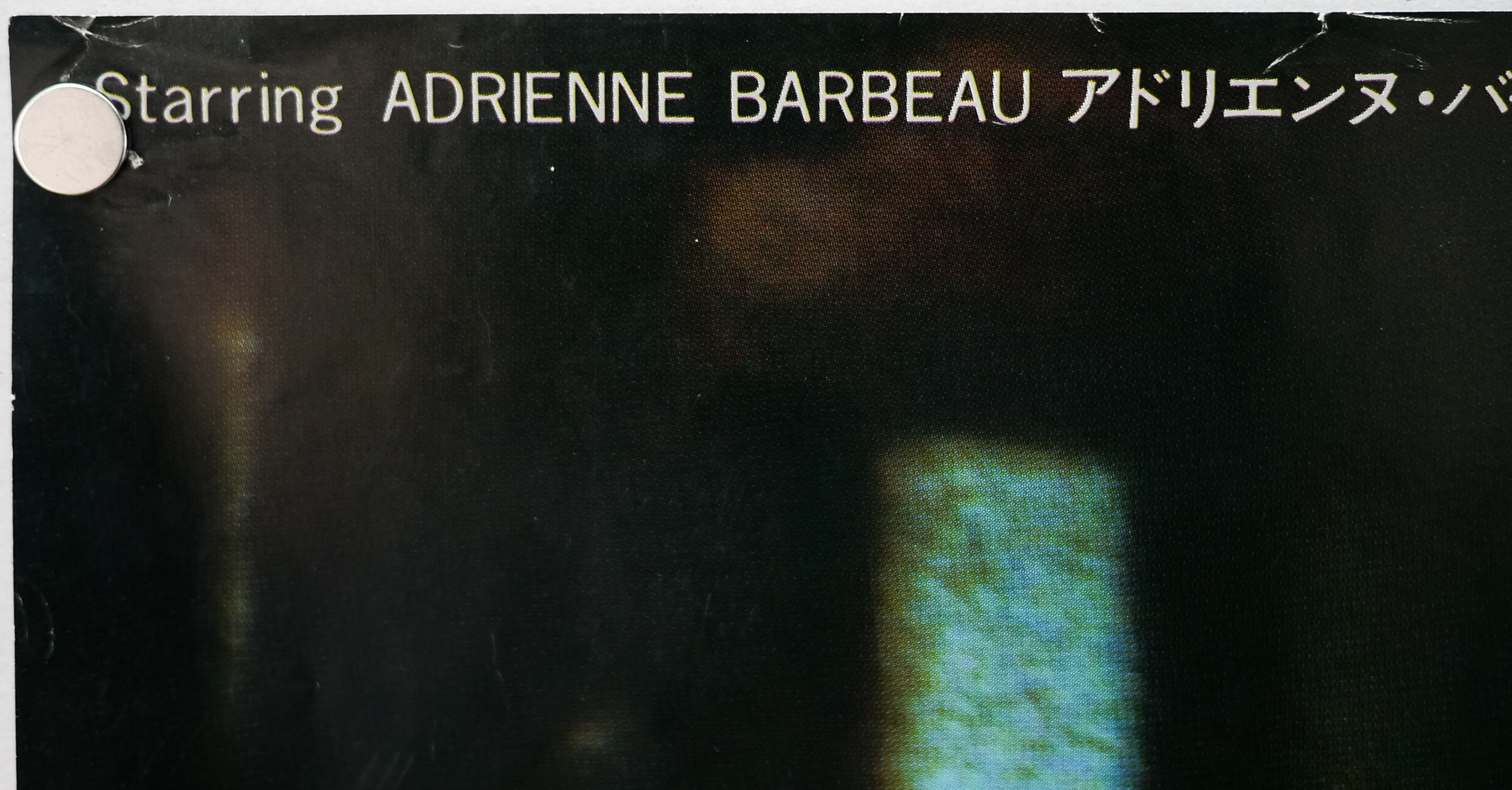
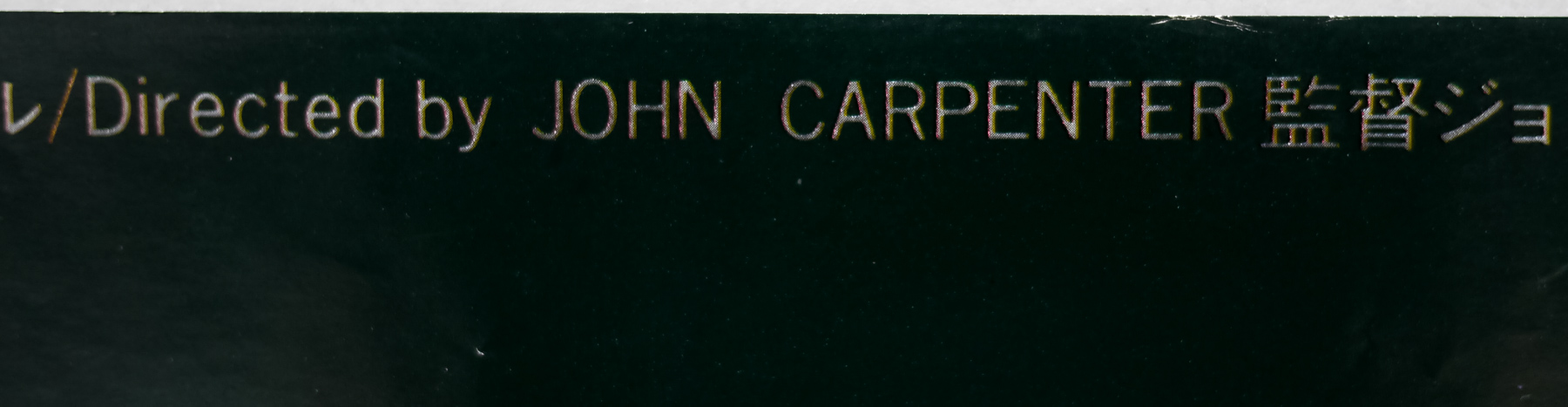
This is a scarce horizontal format Japanese B1 poster for John Carpenter’s excellent supernatural horror The Fog, the next cinema release following the directors’ 1978 horror masterpiece Halloween. The film is set in the fictional Californian fishing town of Antonio Bay which is about to celebrate its centennial. What the current residents don’t know is that the town holds a terrible secret; the six original founders deliberately wrecked the Elizabeth Dane, a ship containing a wealthy man named Blake and his five companions who were all suffering from leprosy and wanted to establish a colony nearby. After plundering the wreck and stealing the gold onboard, the conspirators went on to establish Antonio Bay and deliberately covered up their actions.

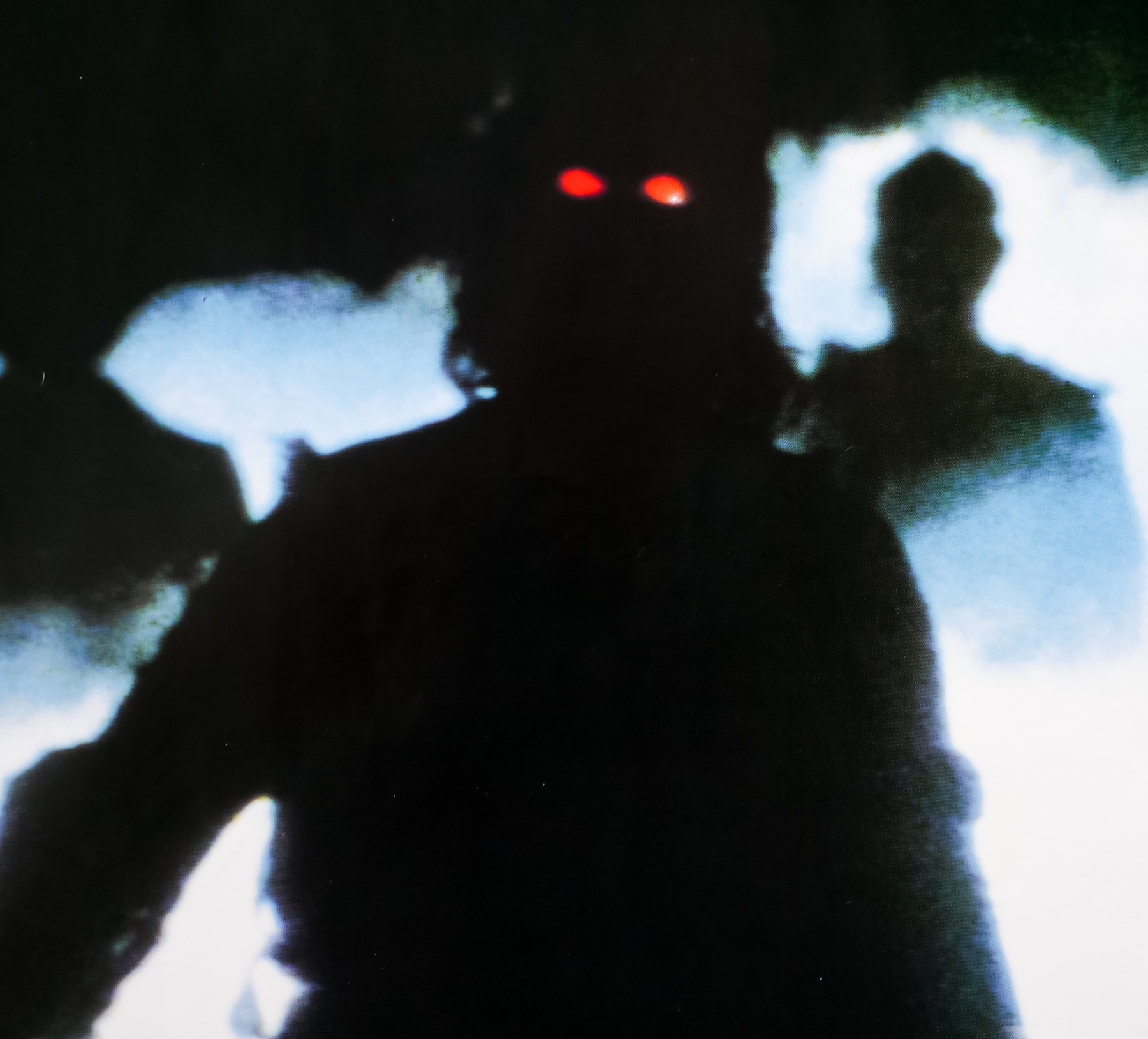
As the celebrations are being prepared, a mysterious fog bank rolls off the sea which enshrouds the town and surrounding area. Off the coast, a local trawler is also enveloped and the crew subjected to an attack by mysterious glowing-eyed apparitions. Around the same time a young hitchhiker named Elizabeth Solley (Halloween star Jamie Lee Curtis) is picked up on the outskirts of the town by local resident Nick Castle (genre stalwart Tom Atkins). As the pair are driving through the fog into town Nick’s vehicle mysteriously cuts out and all the windows shatter without warning. Local radio DJ Stevie Wayne (played by gorgeous ‘scream queen’ Adrienne Barbeau), who broadcasts from a lighthouse on a cliff above the town, is handed a piece of driftwood with ‘Dane’ inscribed on it. She takes it back to her studio only for the wood to trigger a strange sequence of events that culminates with a mysterious voice intoning that ‘six must die’. Over the next few hours the town is subjected to a series of terrifying attacks as Blake and his crew return from their watery graves to claim six souls in revenge for their treatment at the hands of the town’s founders.

The lighthouse featured in the film is actually the Point Reyes lighthouse which is situated to the north of San Francisco in California. In 2010 I visited the lighthouse and it’s an incredibly spooky place, even in bright sunshine. There is a constantly sounding foghorn which is used to warn ships away from a series of underwater rocks just off the coast. I spotted a series of whales moving past the point whilst I was there too. It’s well worth the trip if you’re ever in that area of the world.

This poster depicts a moment from the end of the film where Blake and his ghostly crew enter the town’s church in a final showdown with the local priest, Nick and Elizabeth. I also have the Japanese B2 poster that can be viewed here.

Dragon Attack / B2 / photo style / Japan

25.04.13

Poster Poster
Title
Dragon Attack
AKA
Mi ni te gong dui (Taiwan - original title) | Fantasy Mission Force (Hong Kong) | Mini Special Force (Malaysia - English title)
Year of Film
1982
Director
Yen-ping Chu
Starring
Jackie Chan, Brigitte Lin, Yu Wang, Yueh Sun, David Tao, Jung Fang, Shiu Bu Lia, Frankie Gao, Adam Cheng, Ling Chang
Origin of Film
Taiwan | Hong Kong
Genre(s) of Film
Jackie Chan, Brigitte Lin, Yu Wang, Yueh Sun, David Tao, Jung Fang, Shiu Bu Lia, Frankie Gao, Adam Cheng, Ling Chang,
Type of Poster
B2
Style of Poster
Photo
Origin of Poster
Japan
Year of Poster
1982
Designer
Unknown
Artist
--
Size (inches)
20 6/16" x 28 13/16"
SS or DS
SS
Tagline
--

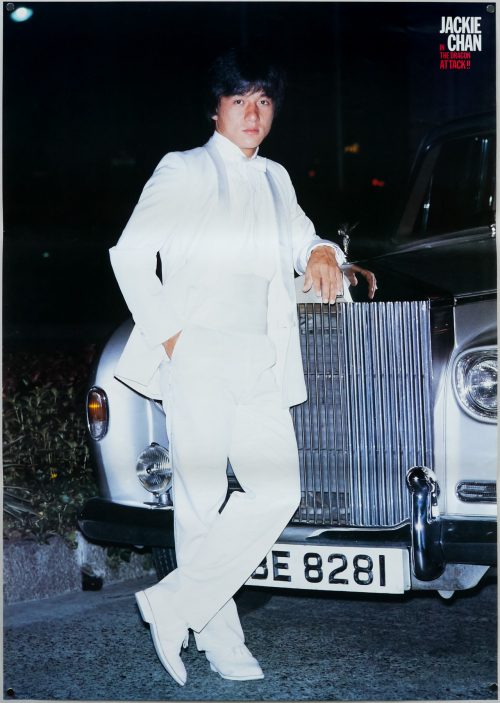
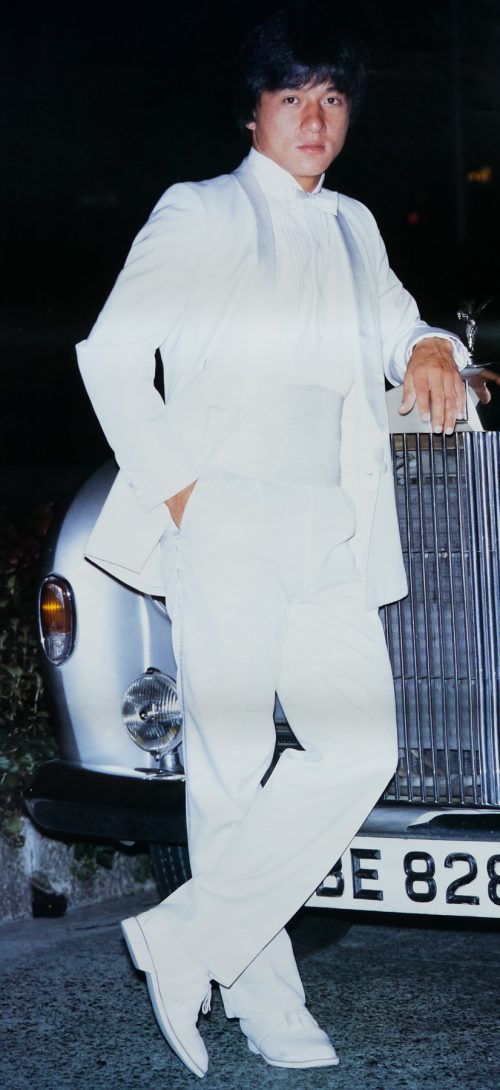
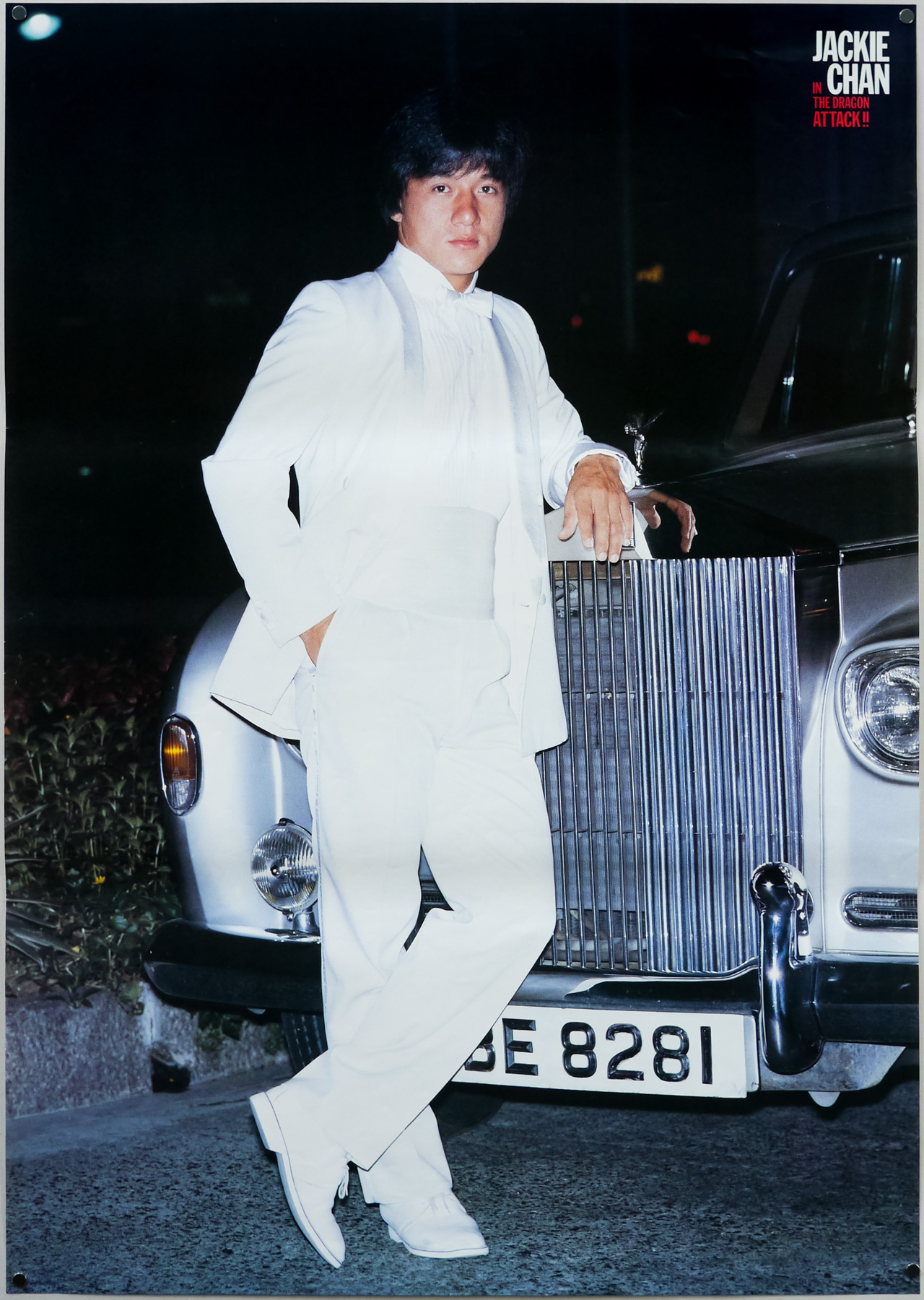
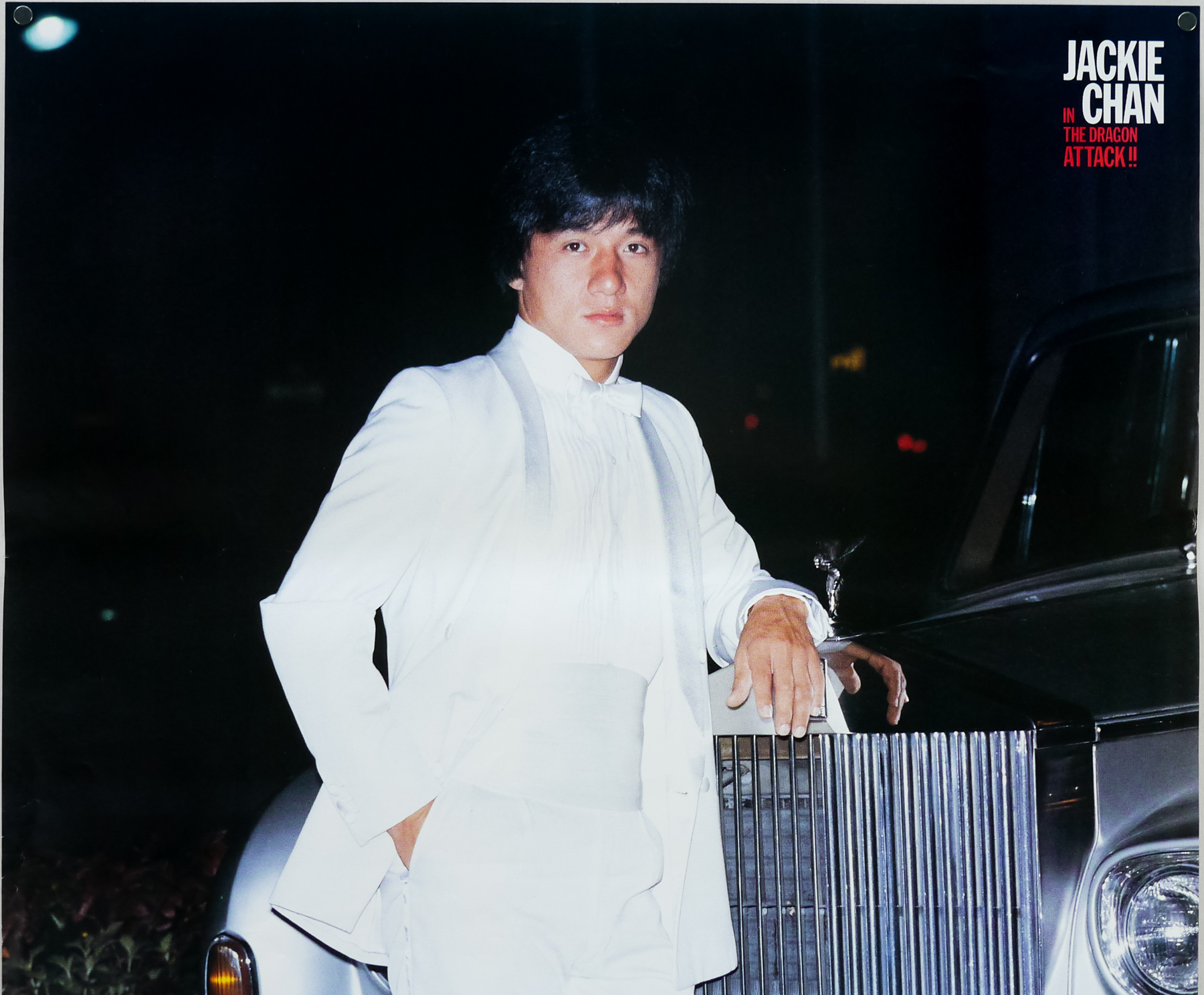
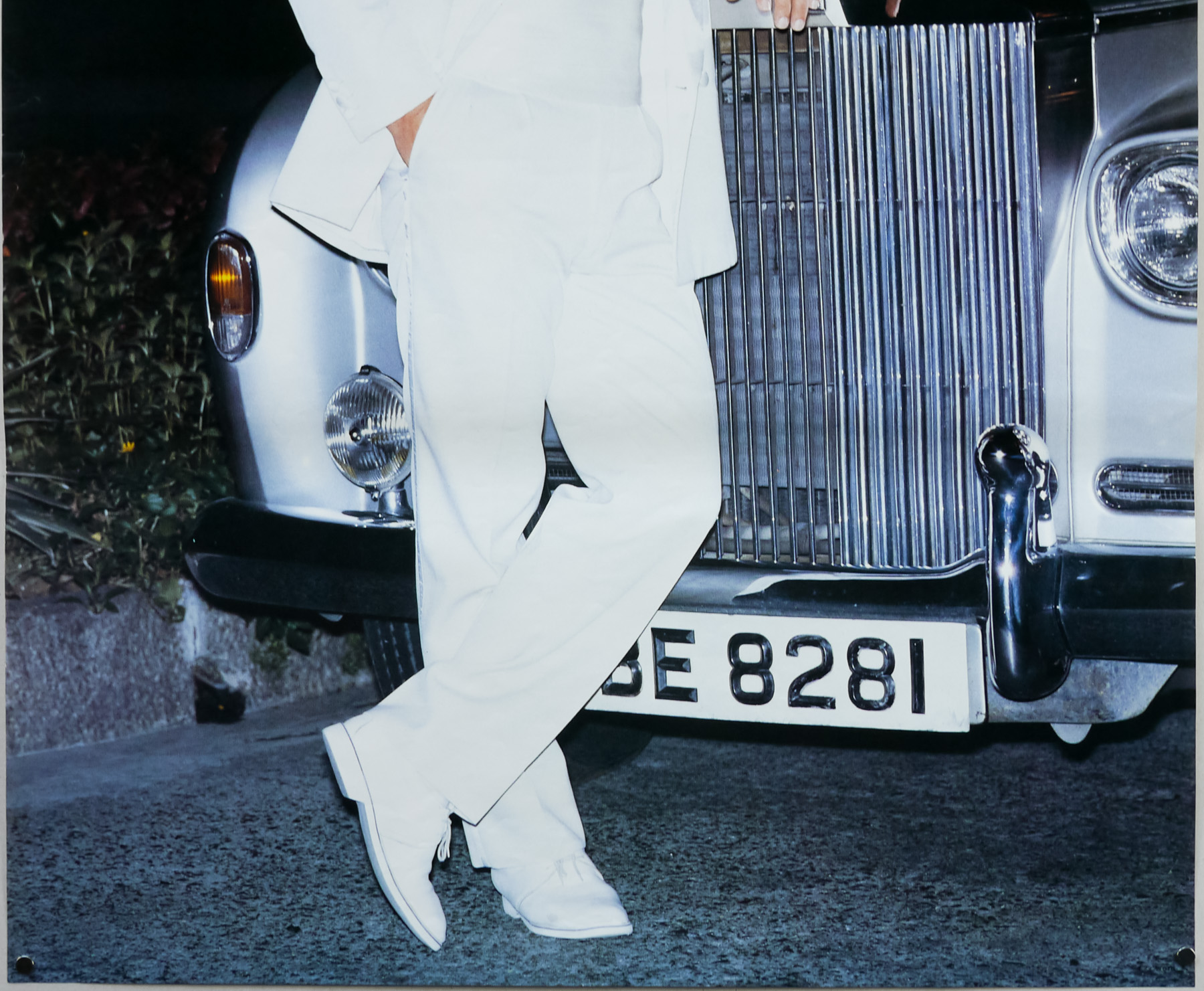
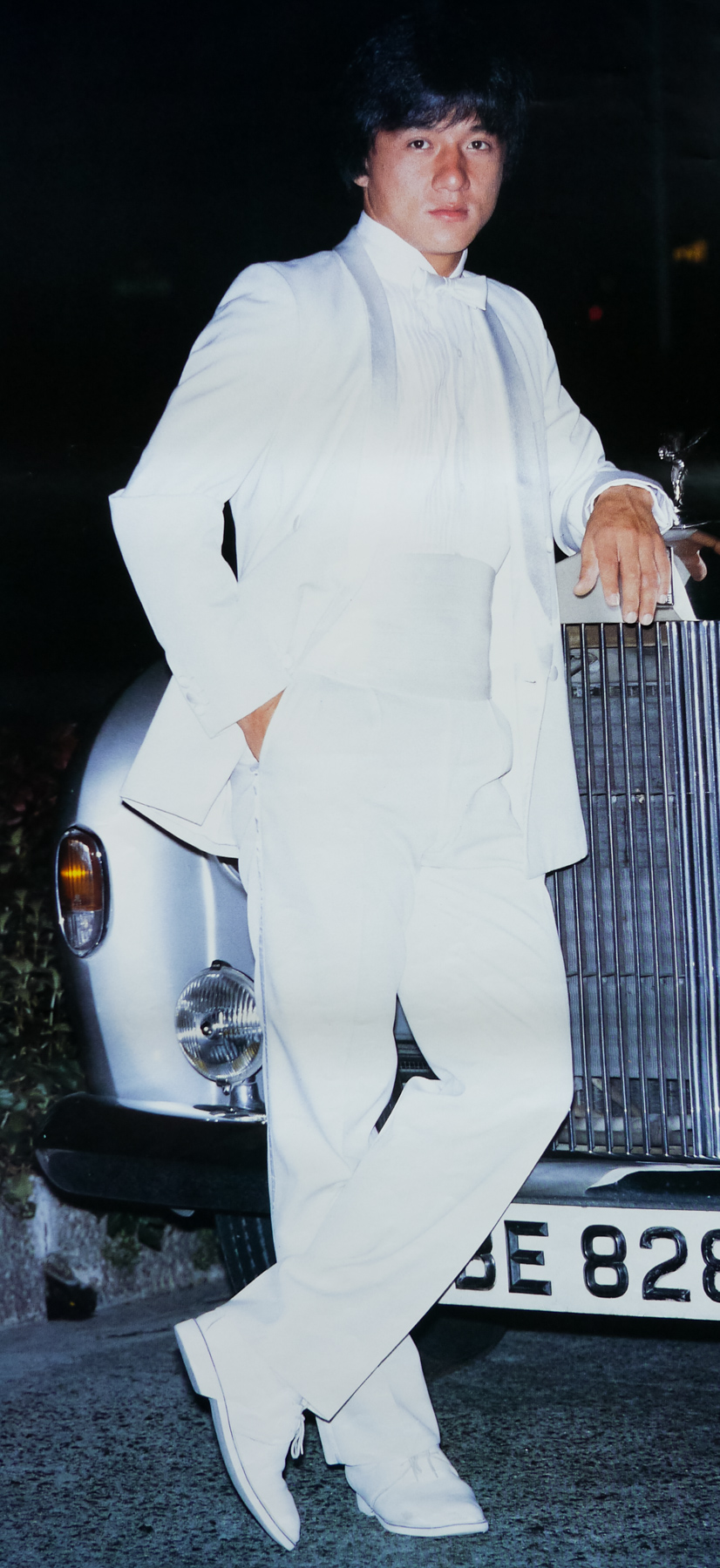
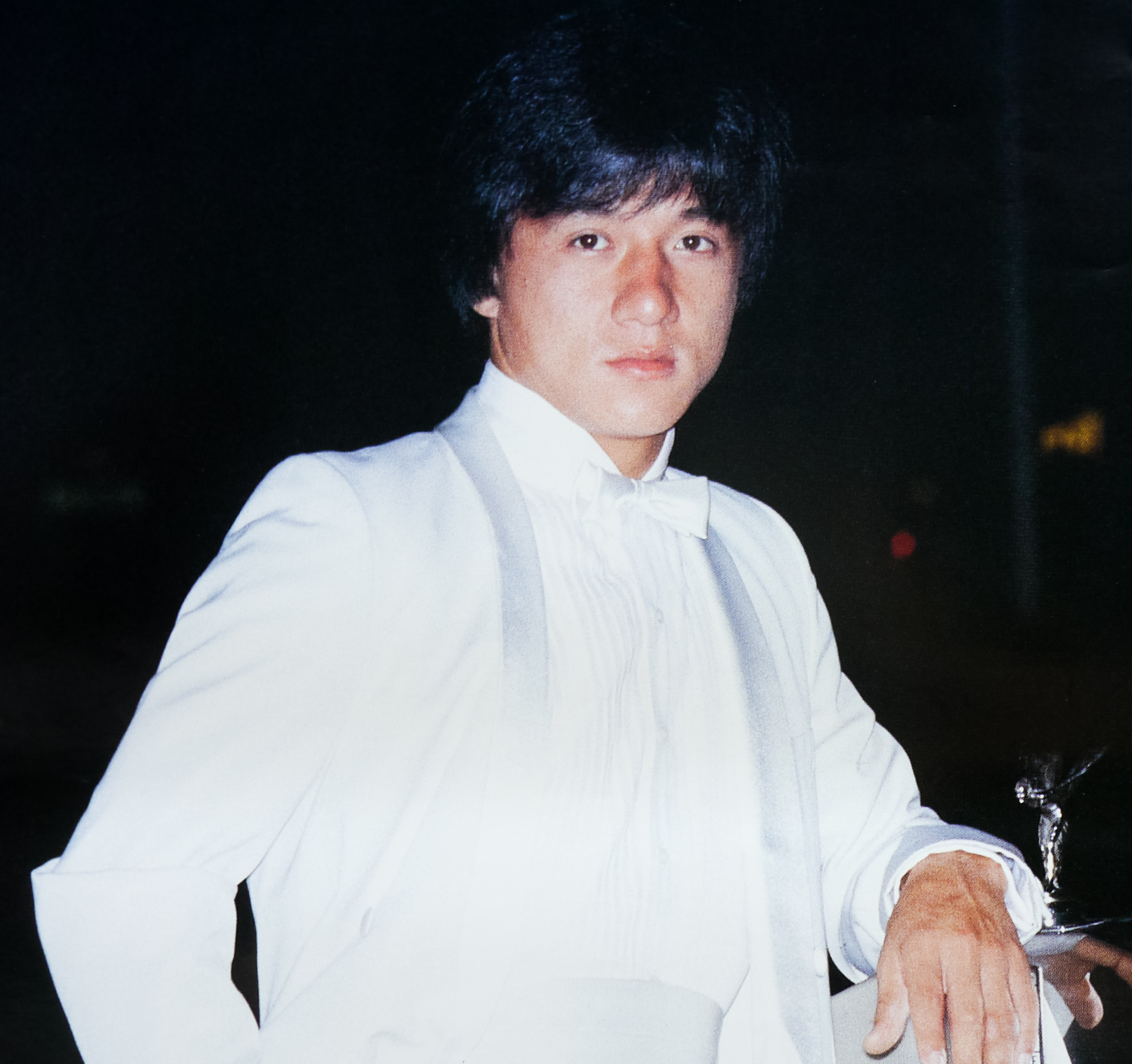
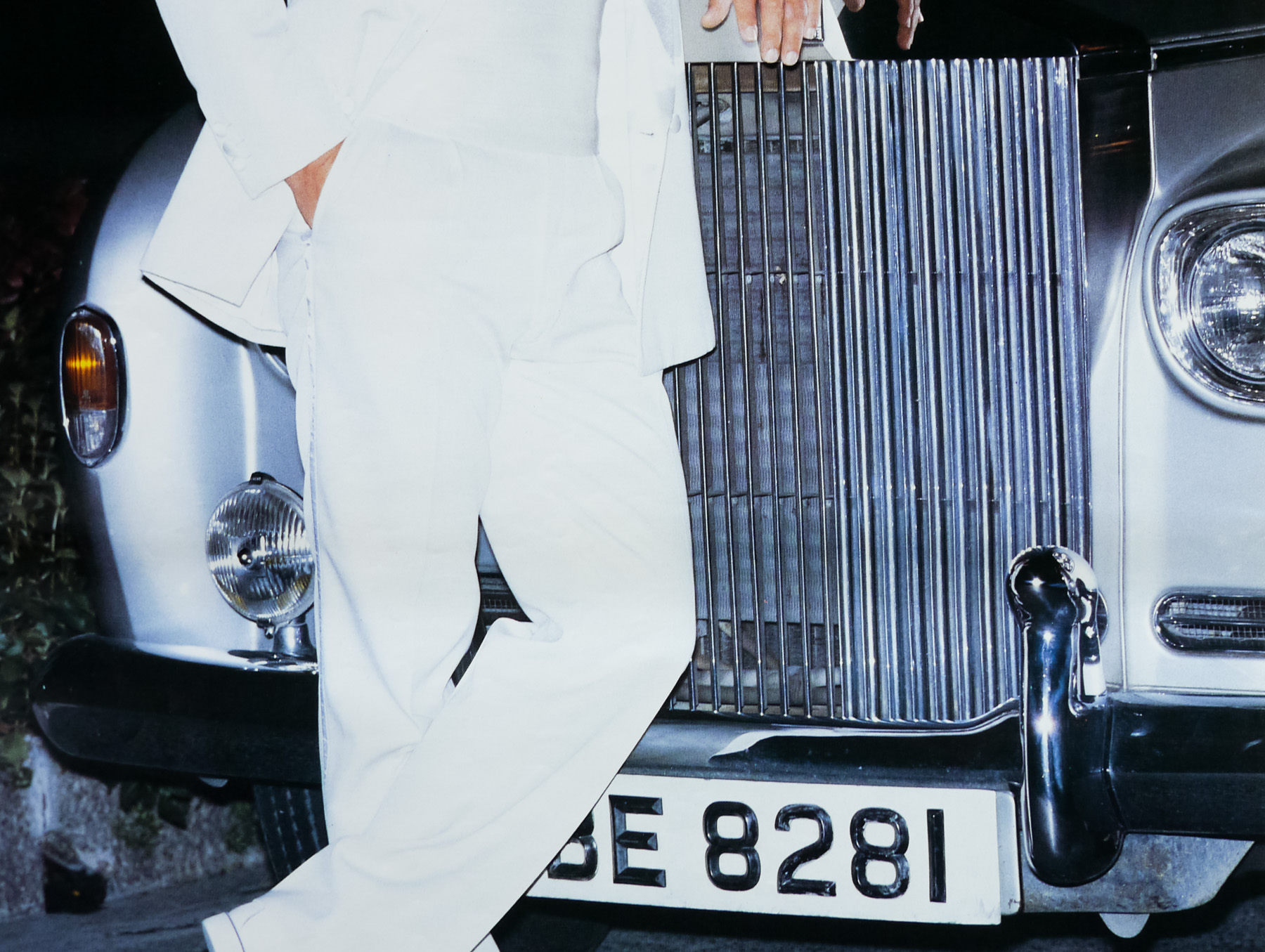
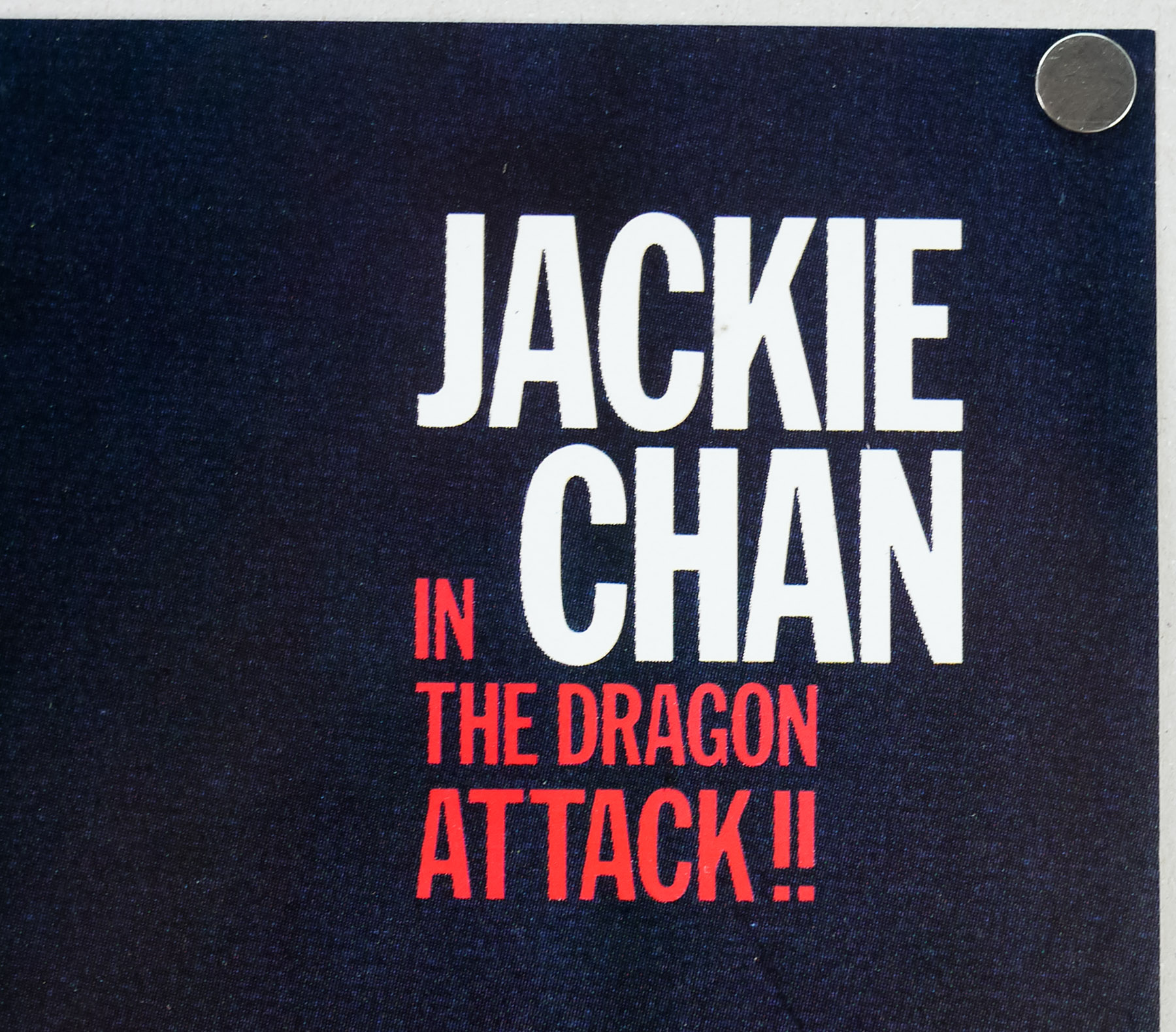
Nothing says you’ve made it like an all-white tuxedo and a Rolls-Royce Phantom, or so thought Hong Kong-born screen legend Jackie Chan circa 1982. This is a B2 poster that was printed around the time of the Japanese release of the film Dragon Attack (AKA Fantasy Mission Force) in which the prolific actor appeared as a wrestler in a team of mercenaries on a rescue mission during an alternative-universe World War II (American muscle-cars feature, for example).

A bizarre mix of comedy and ‘Dirty Dozen’ style men (and women) on a mission, the film is apparently something of a nonsensical but entertaining mess. As one reviewer on IMDb states:

‘Reviewing this movie is like reviewing someone else’s hallucination. There is absolutely no rhyme or reason to it, no way to even know what I just saw, let alone how to describe it. It makes Yellow Submarine seem as coherent as Schindler’s List.’

Another review has definitely peaked my interest:

‘This movie has everything! Hopping undead corpses. Crazed Amazons. Ghosts who cheat at cards. Japanese Nazis who attack riding atop 1970s clunker cars. Stupid musical numbers. Abraham Lincoln as a World War II general. Throw in loads of gratuitous violence, Chinese guys dressed in kilts and Elvis jumpsuits, and, er, Jacky Chan (and his chicken) and you have quite possibly the stupidest movie ever made.’

The trailer for the film is on YouTube (as is the entire film itself).

Scanners / B1 / Japan

03.05.13

Poster Poster

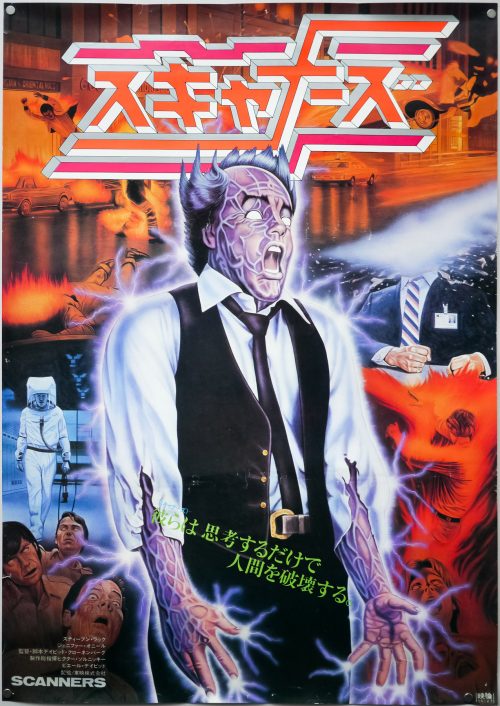
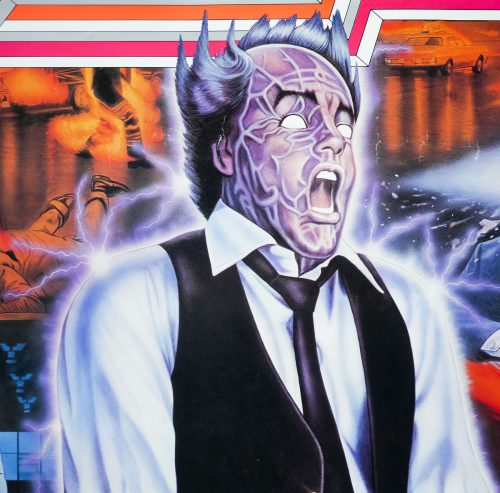
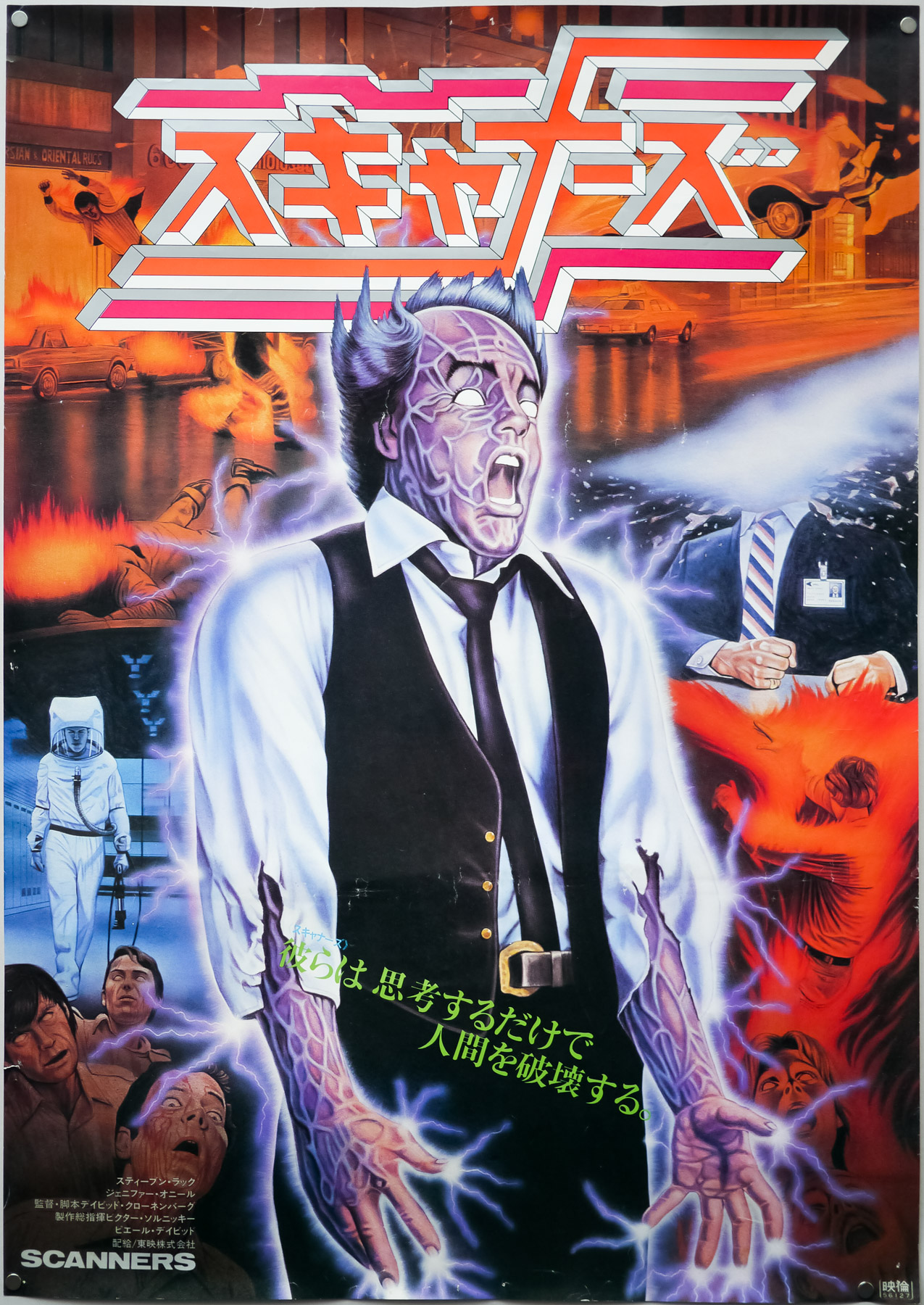
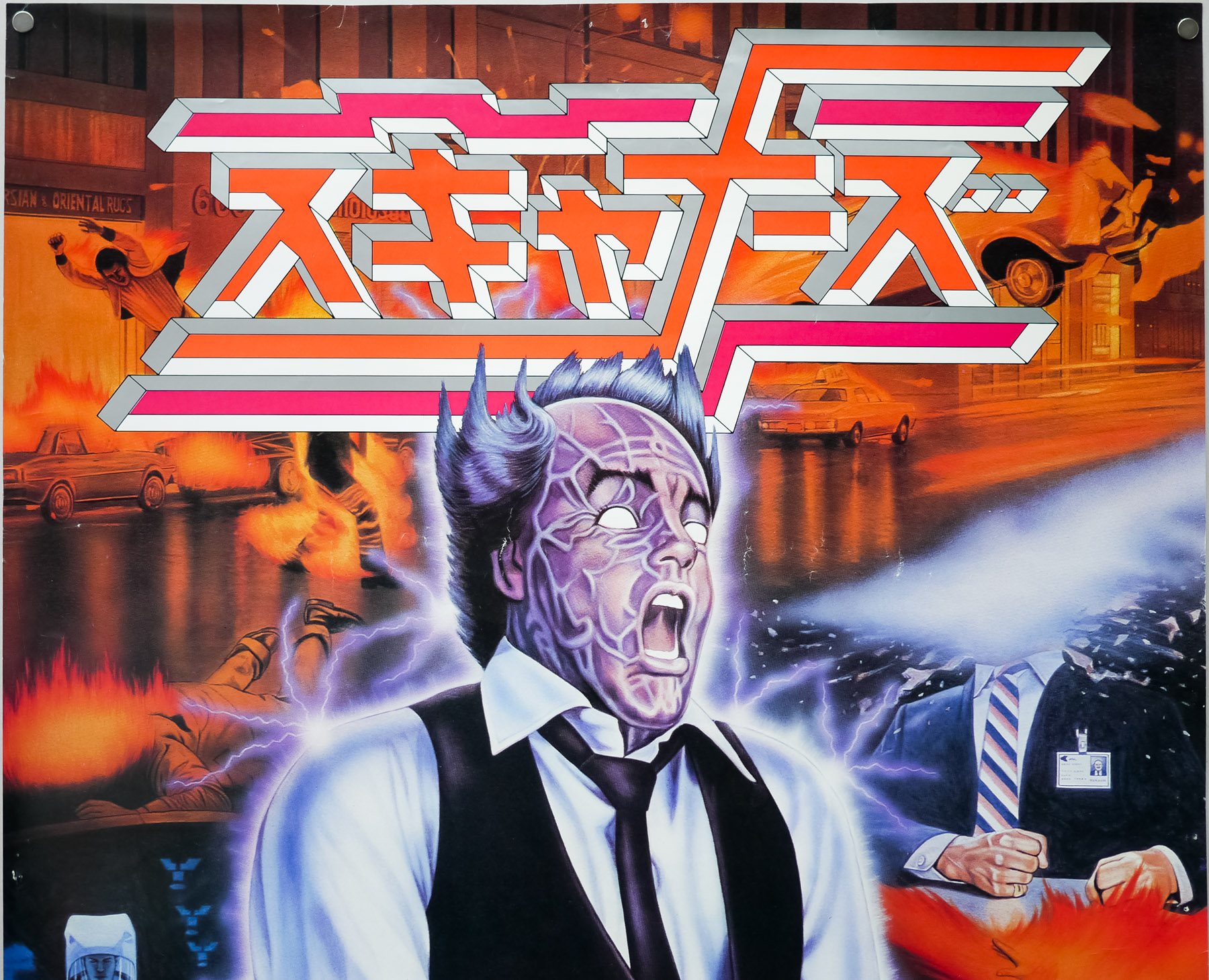
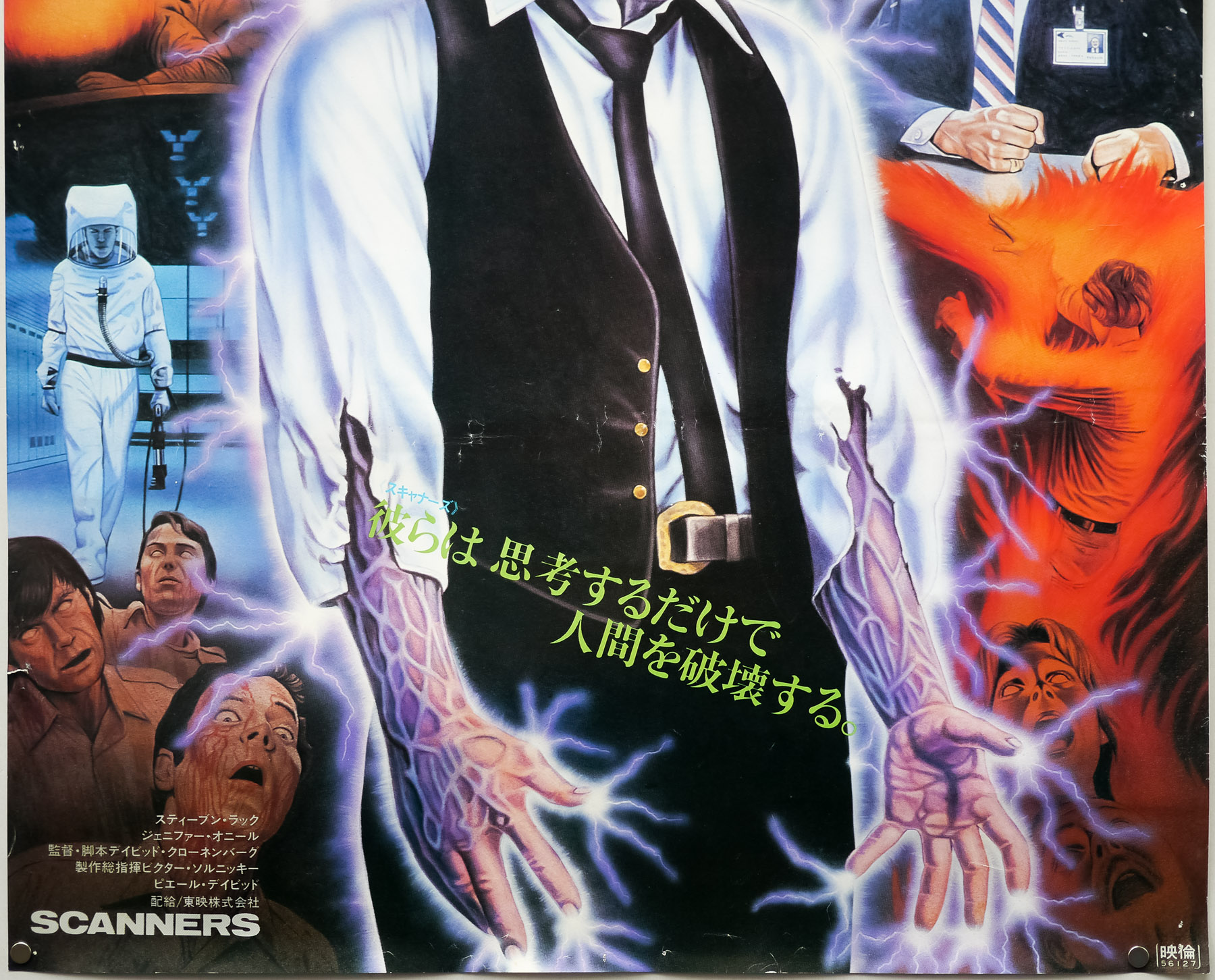
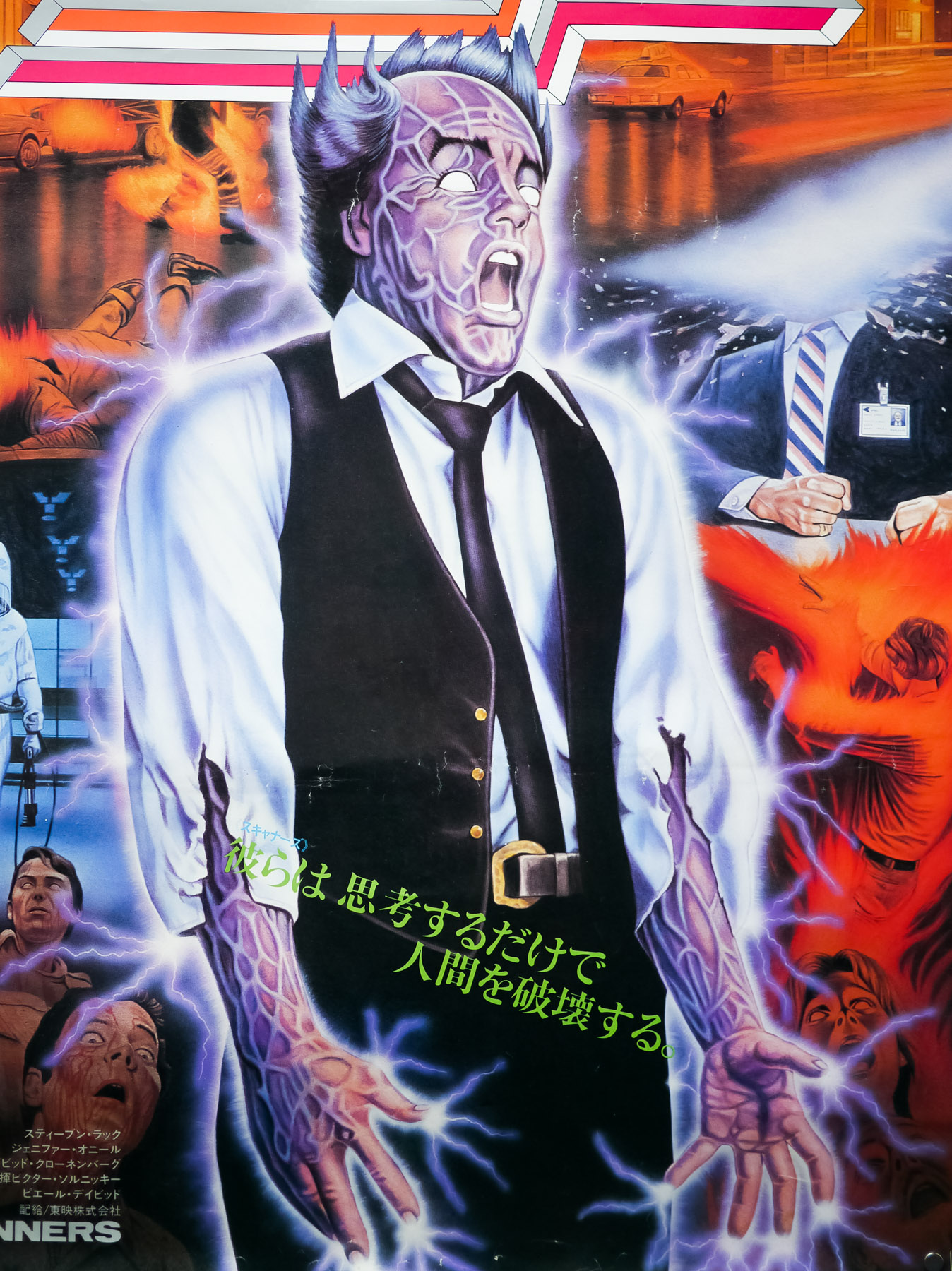
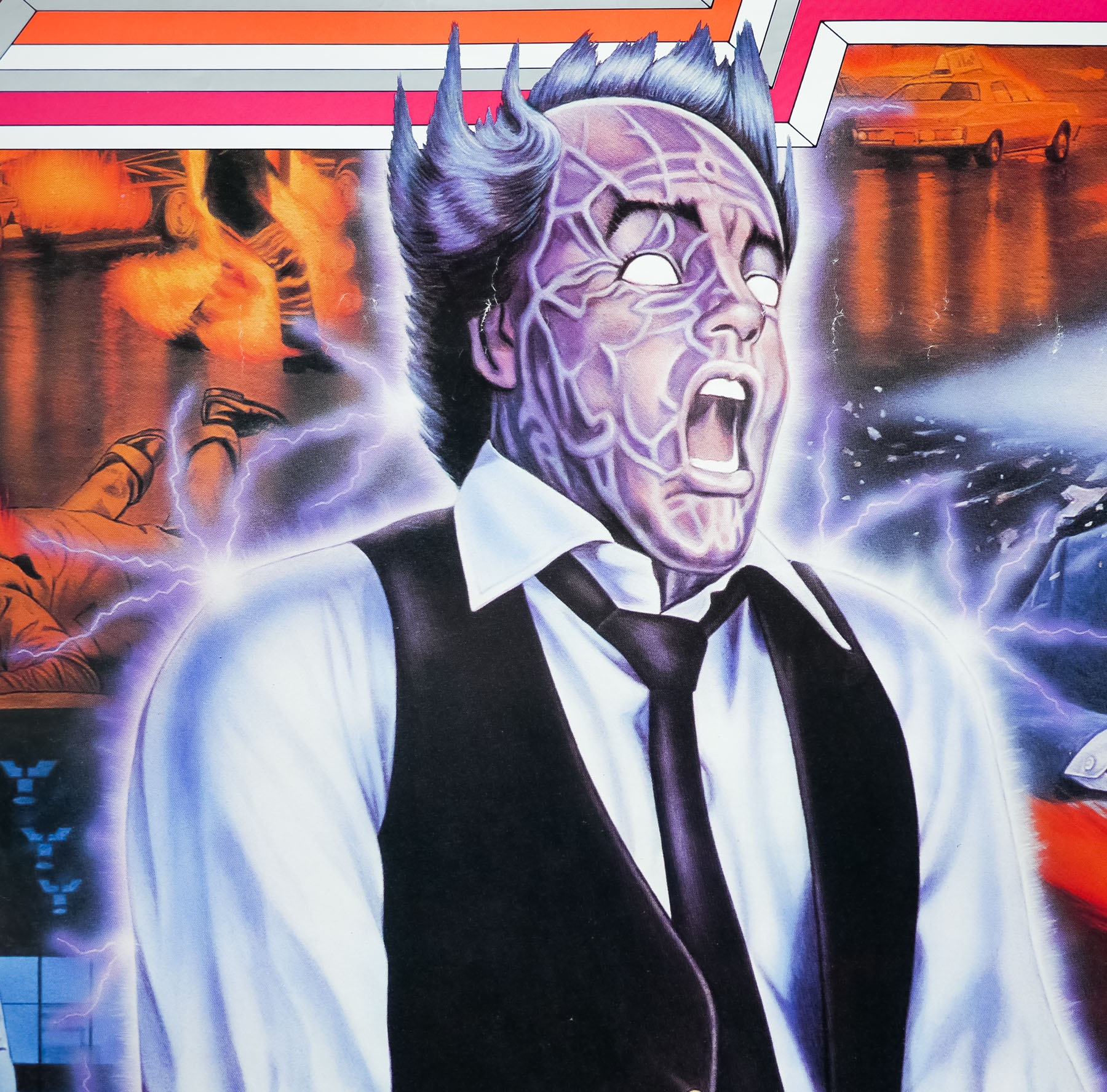
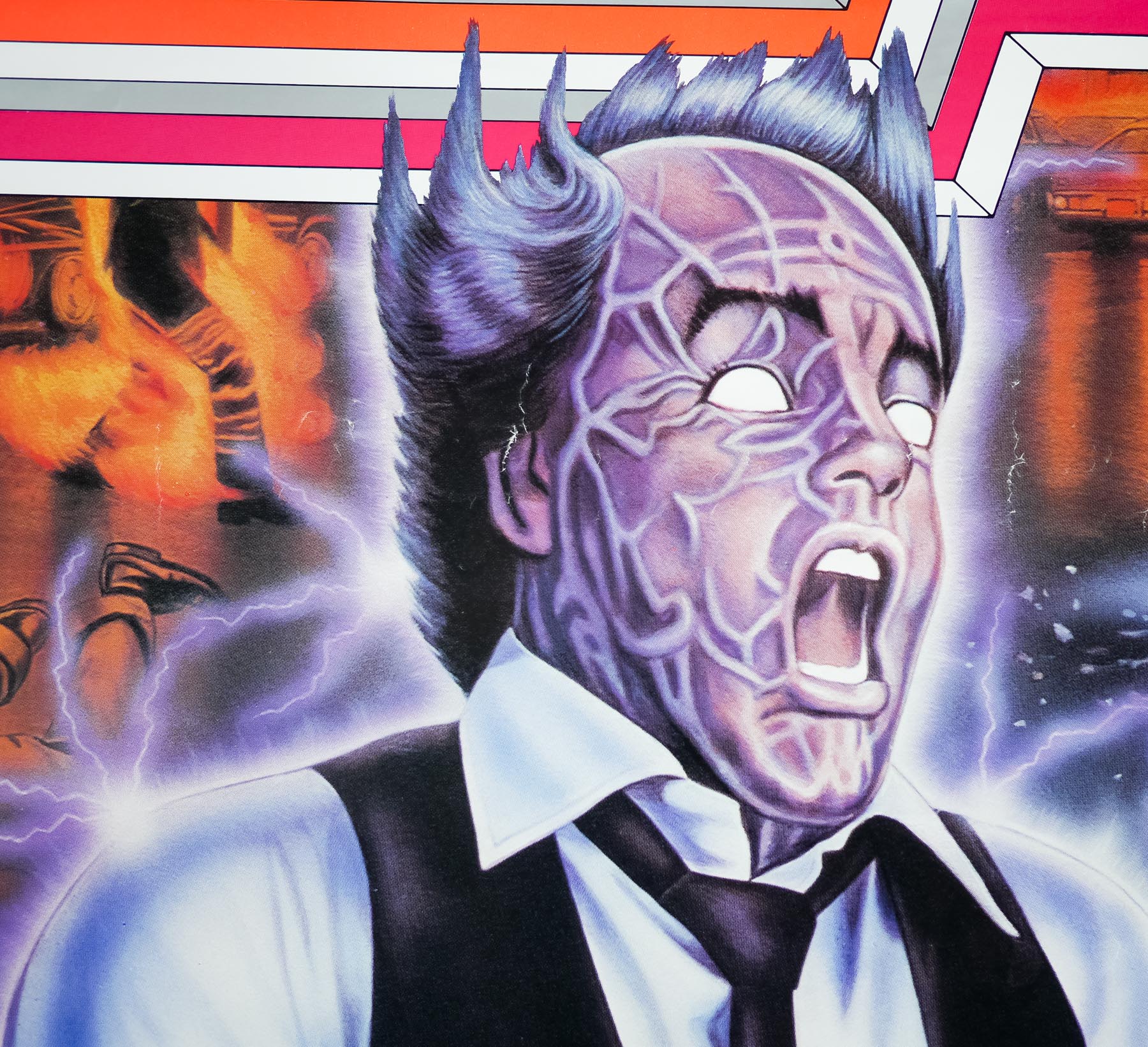
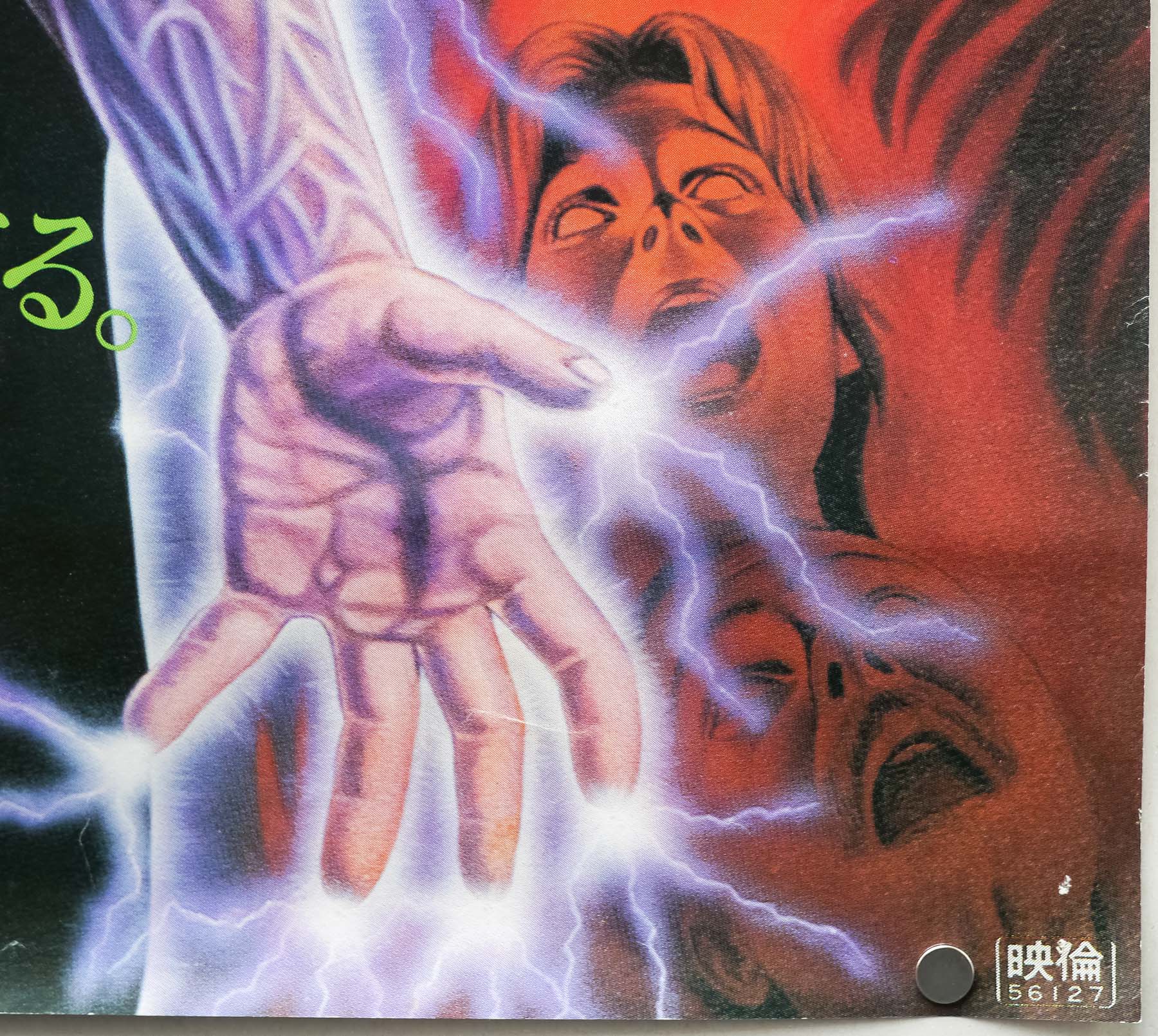
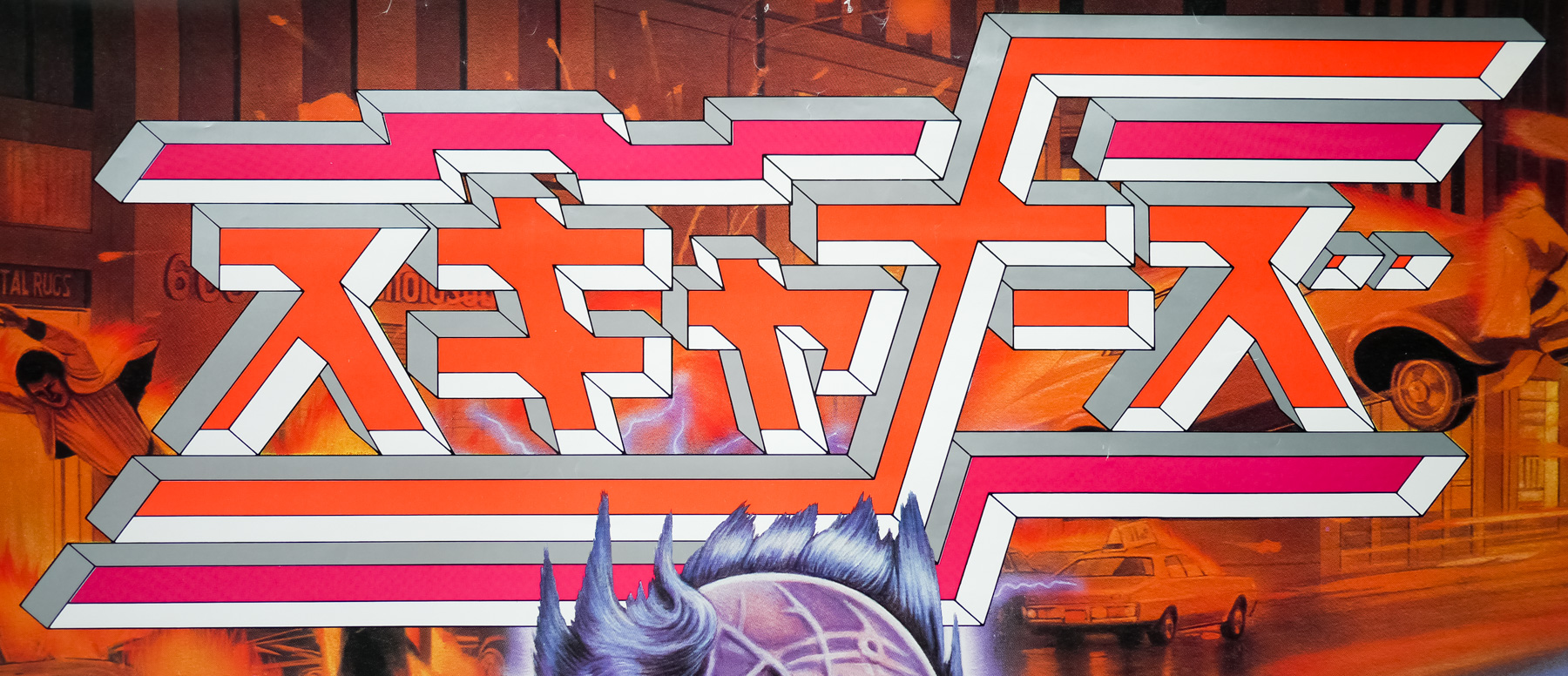
David Cronenberg‘s ‘future shock’ classic features a memorable turn by Michael Ironside as the superbly-monikered Daryl Revok, the evil leader of a renegade group of ‘Scanners’; mutant humans born with extreme telepathic and telekinetic powers who are capable of controlling machines and infiltrating the minds of others, often with head-popping consequences. The film is responsible for one of the best animated gifs on the internet.

This Japanese B1 features great artwork but I’ve been unable to identify the artist, so if you have any ideas please get in touch. The main figure is based on the one illustrated by Joann on the excellent British quad.

The film’s original British trailer is on YouTube (“You pray it will end…and it will!”).


Time Bandits / B2 / artwork style / Japan

17.05.13

Poster Poster

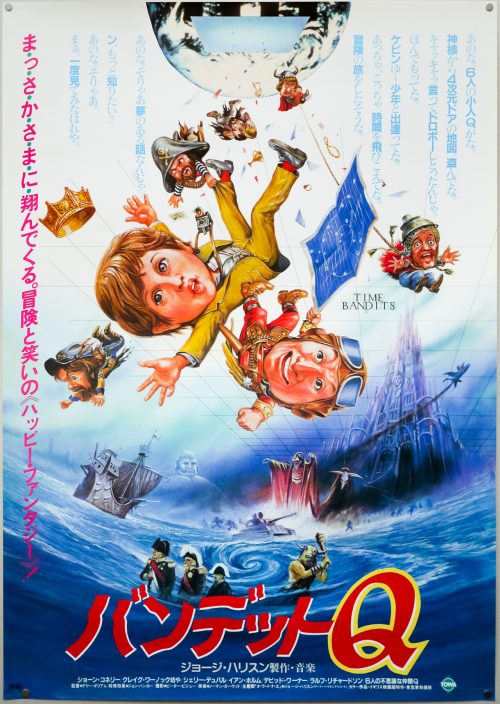
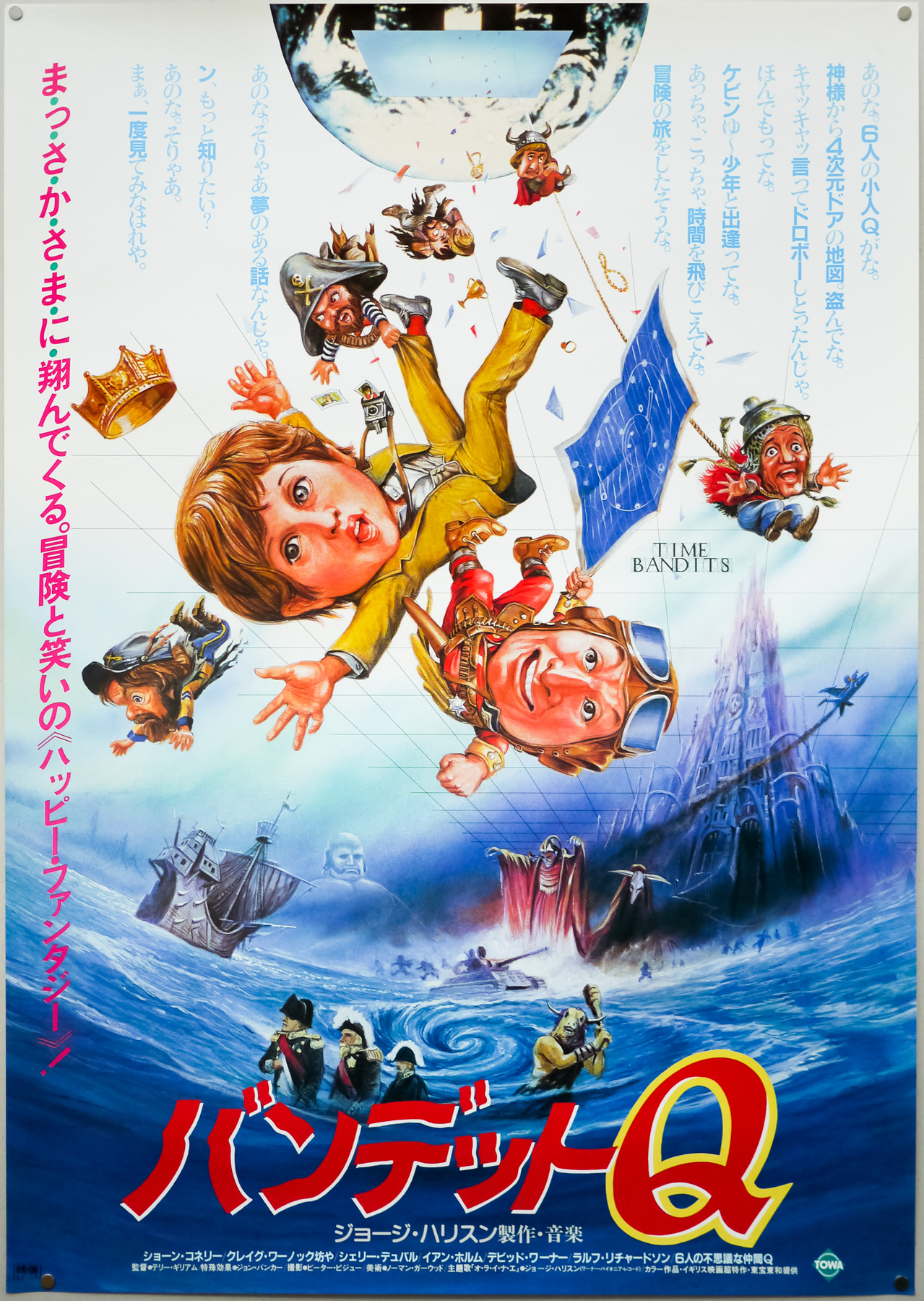
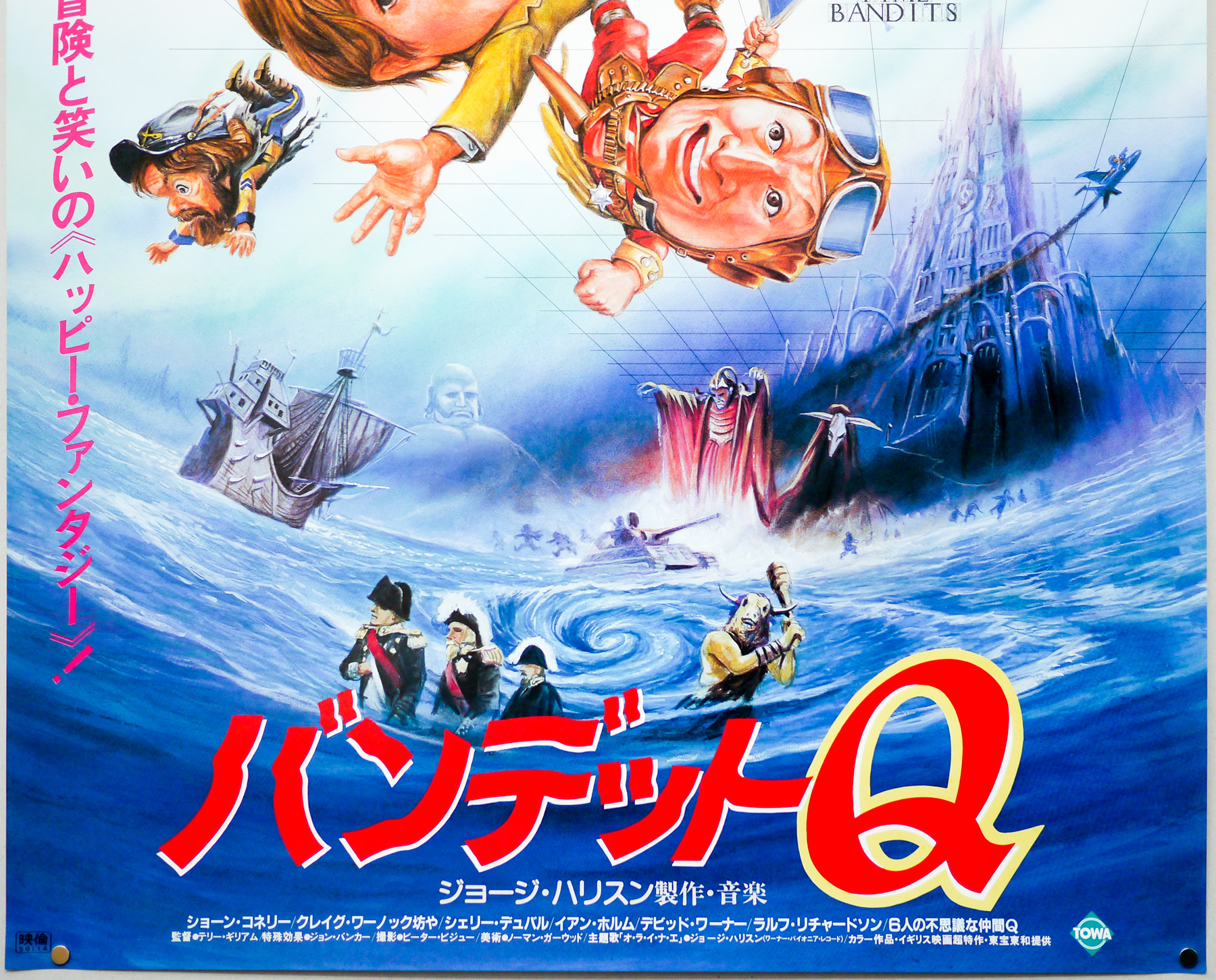
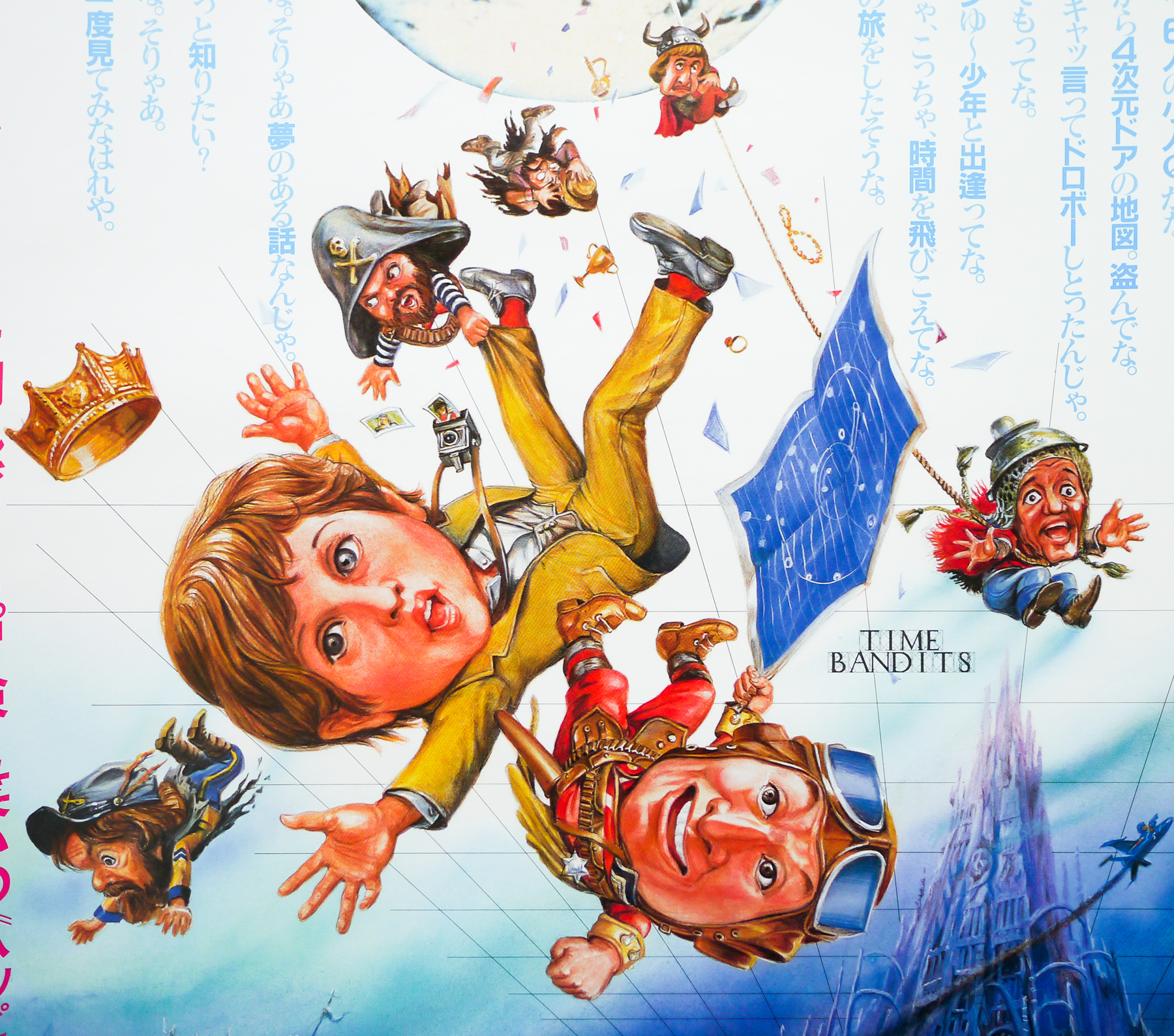
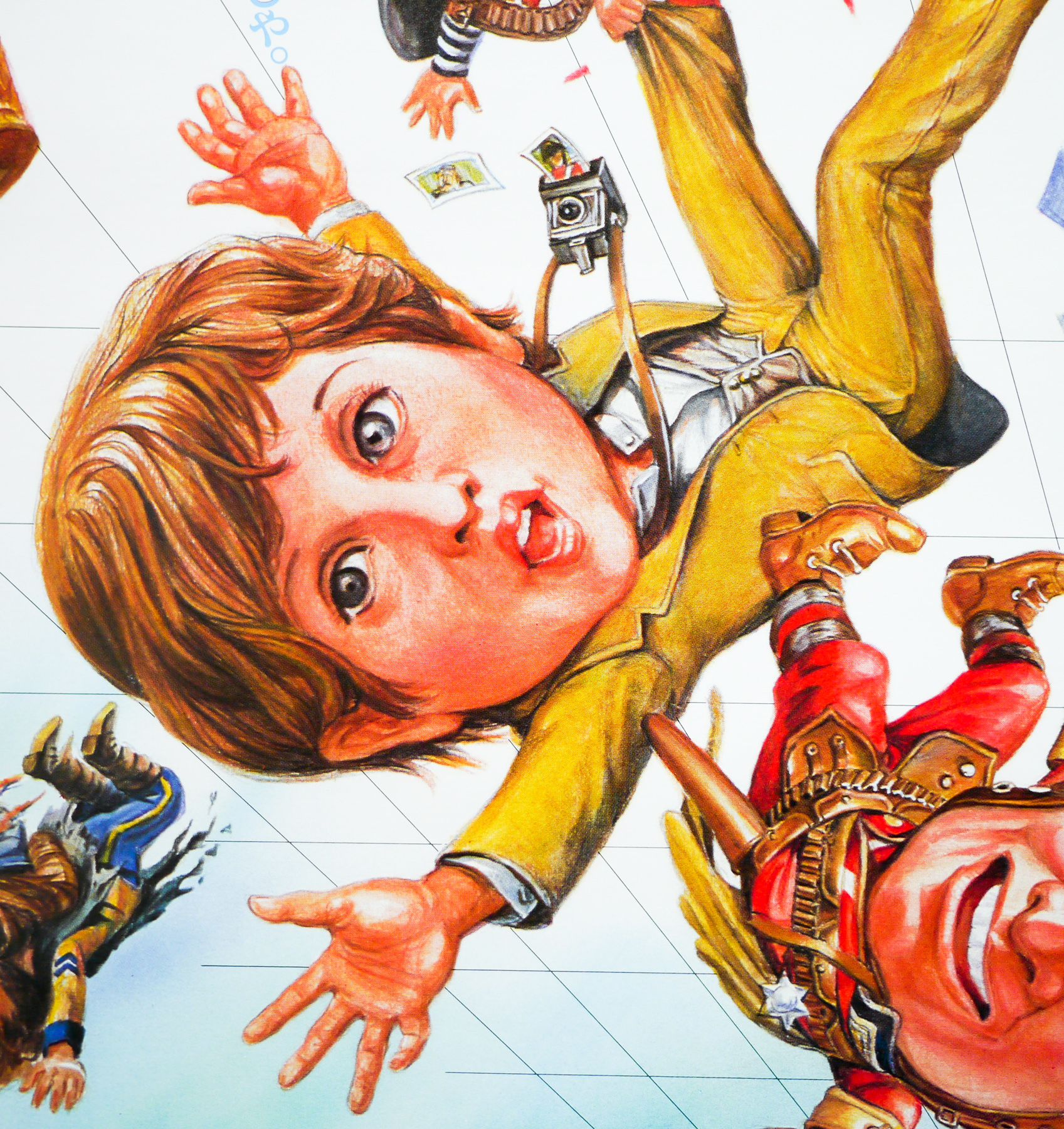
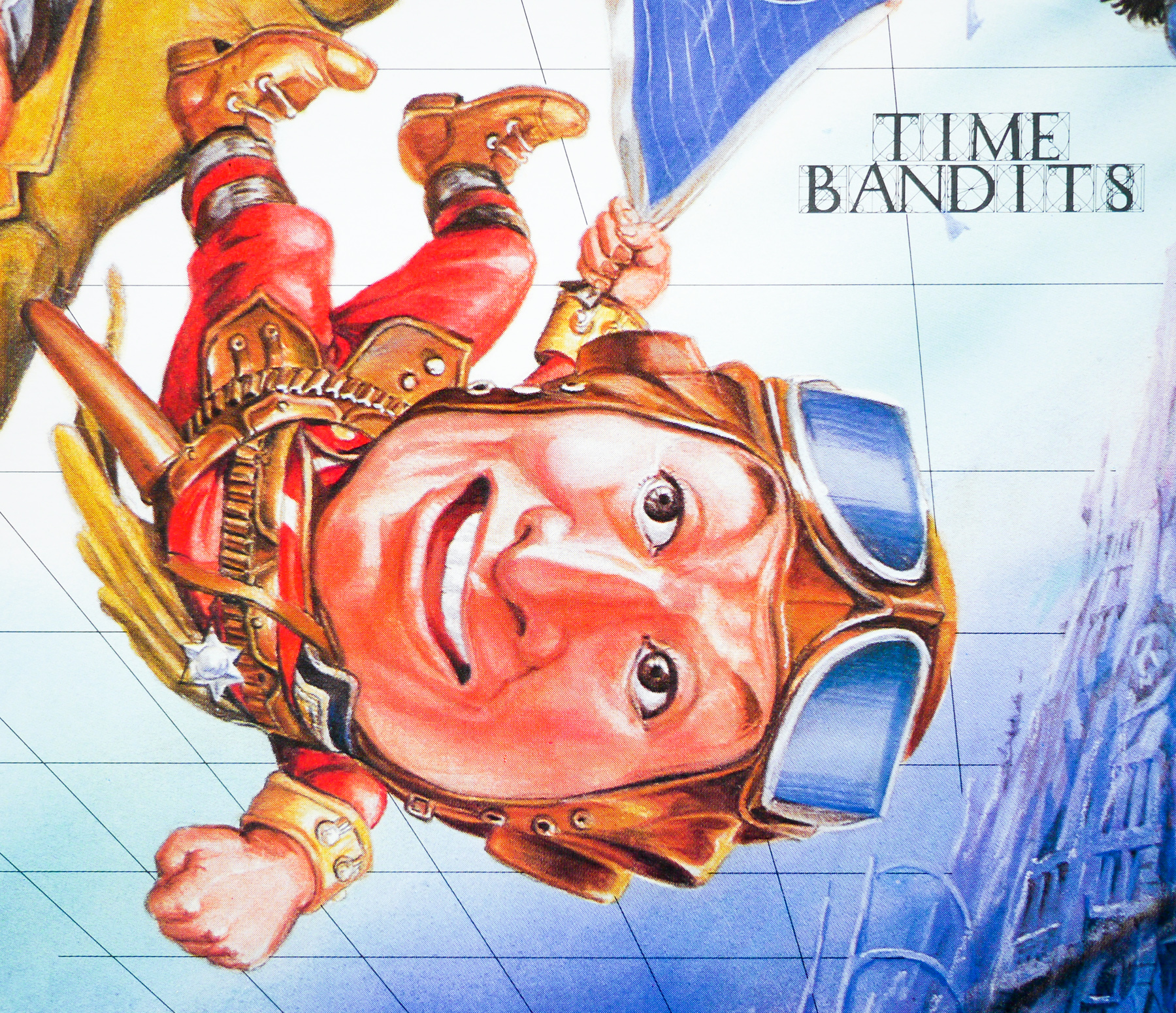
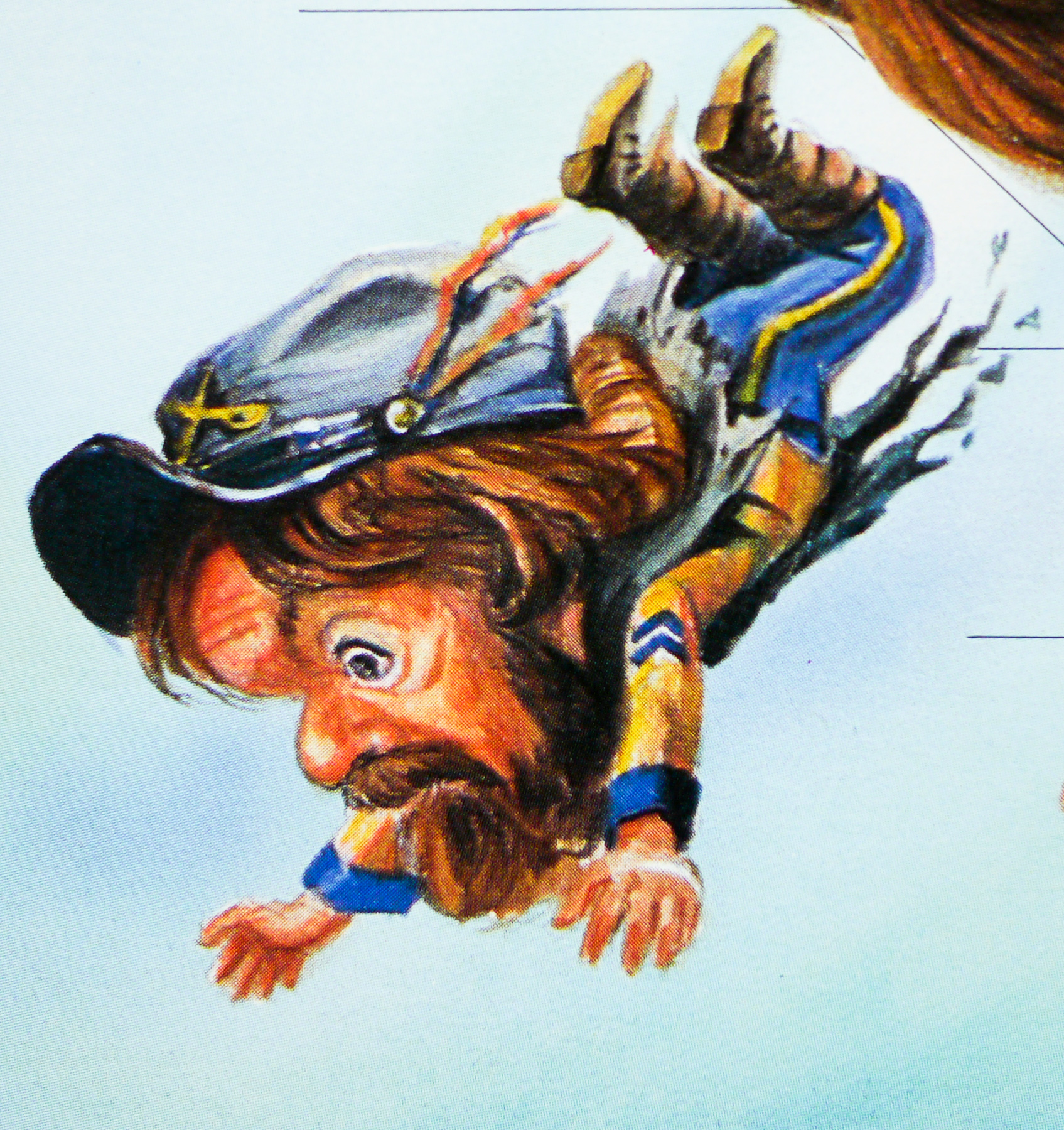
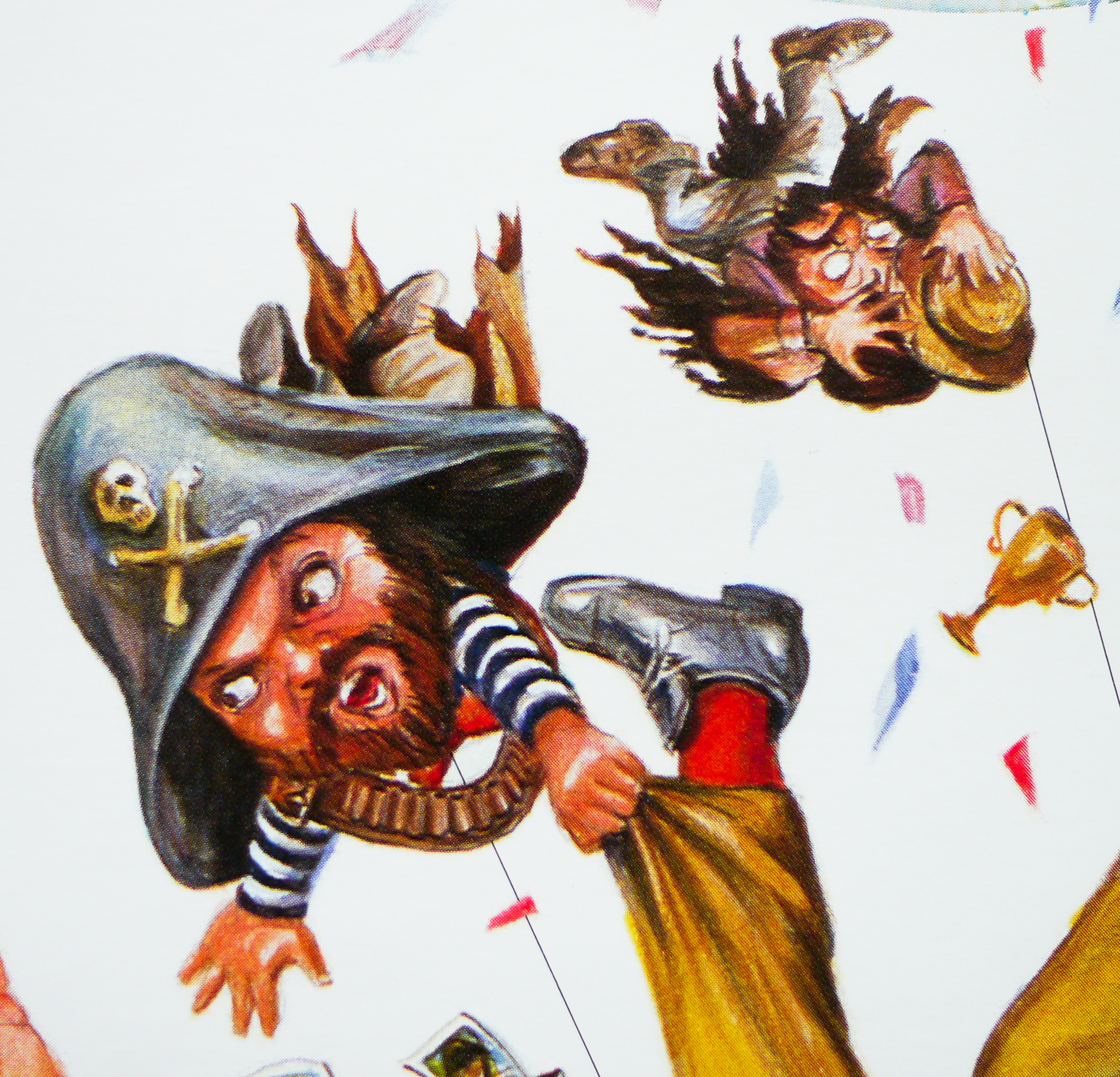
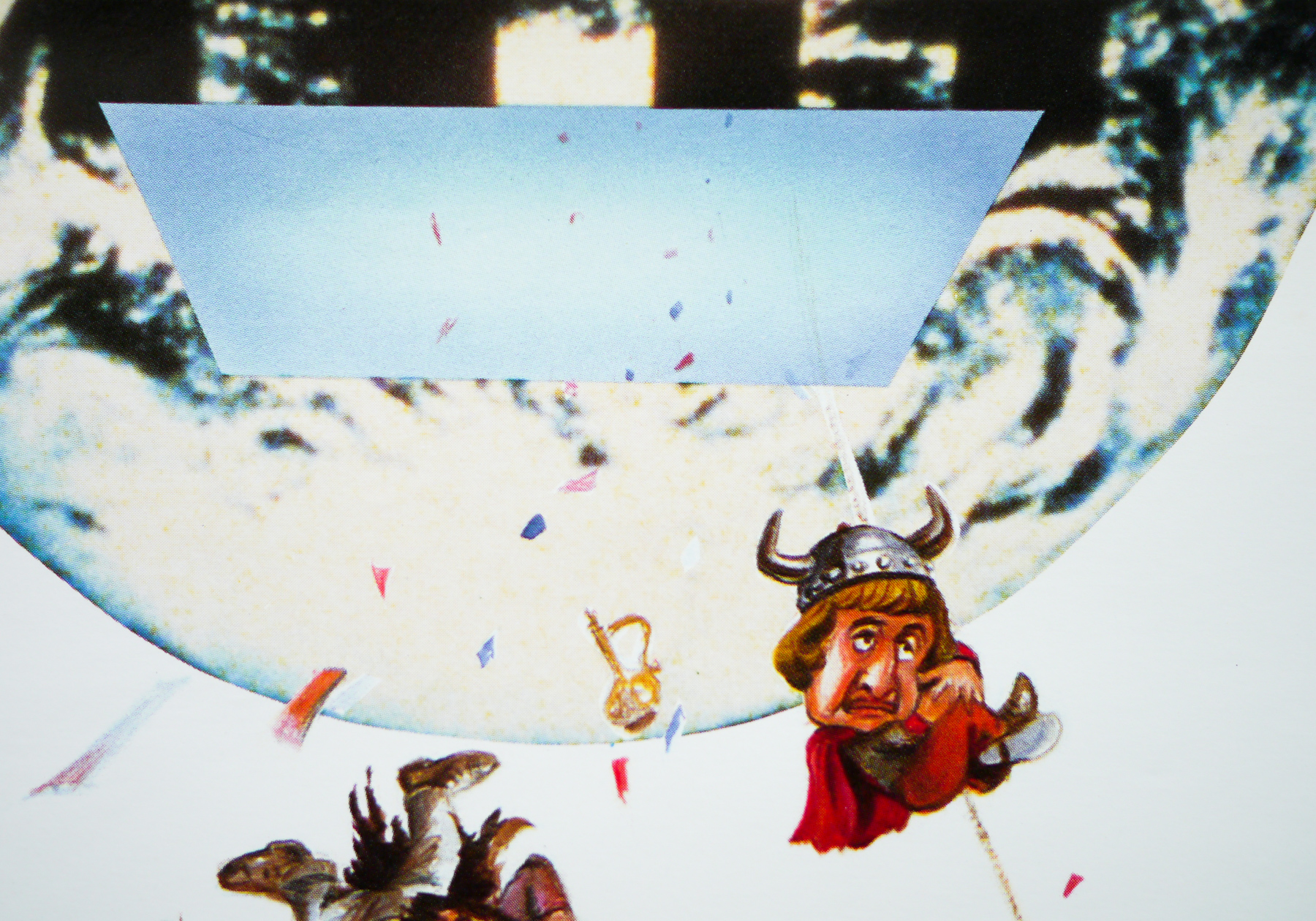
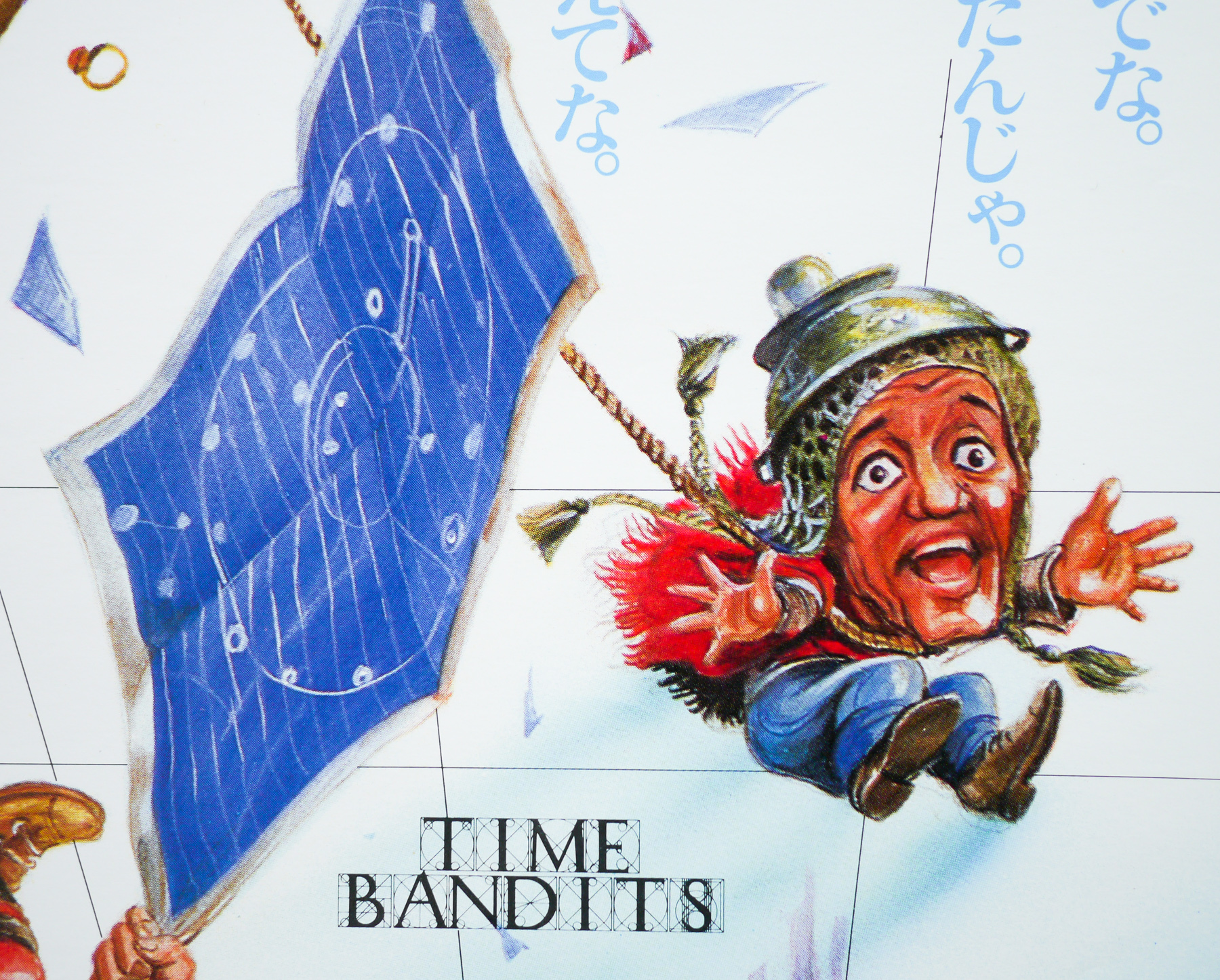
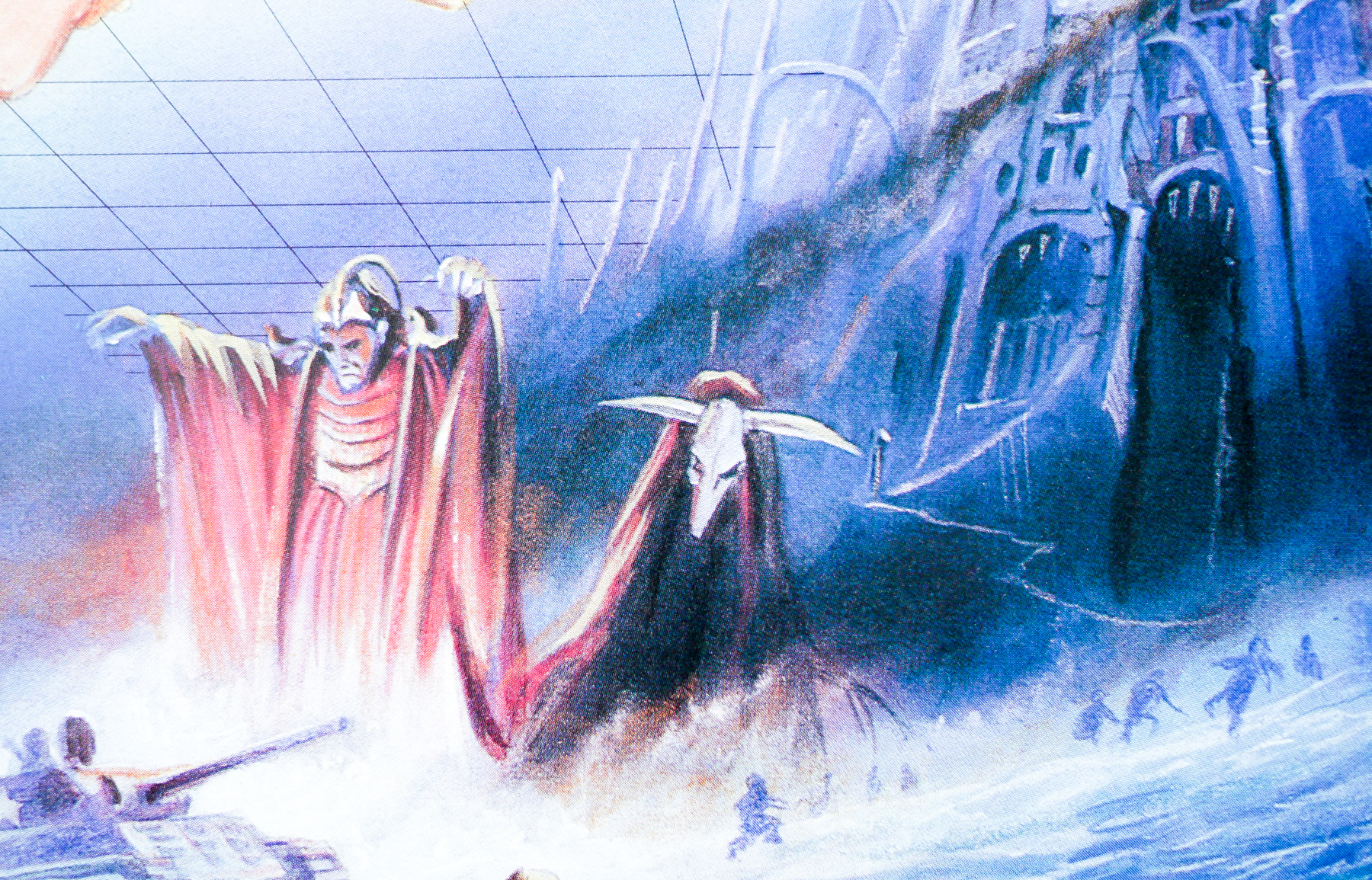
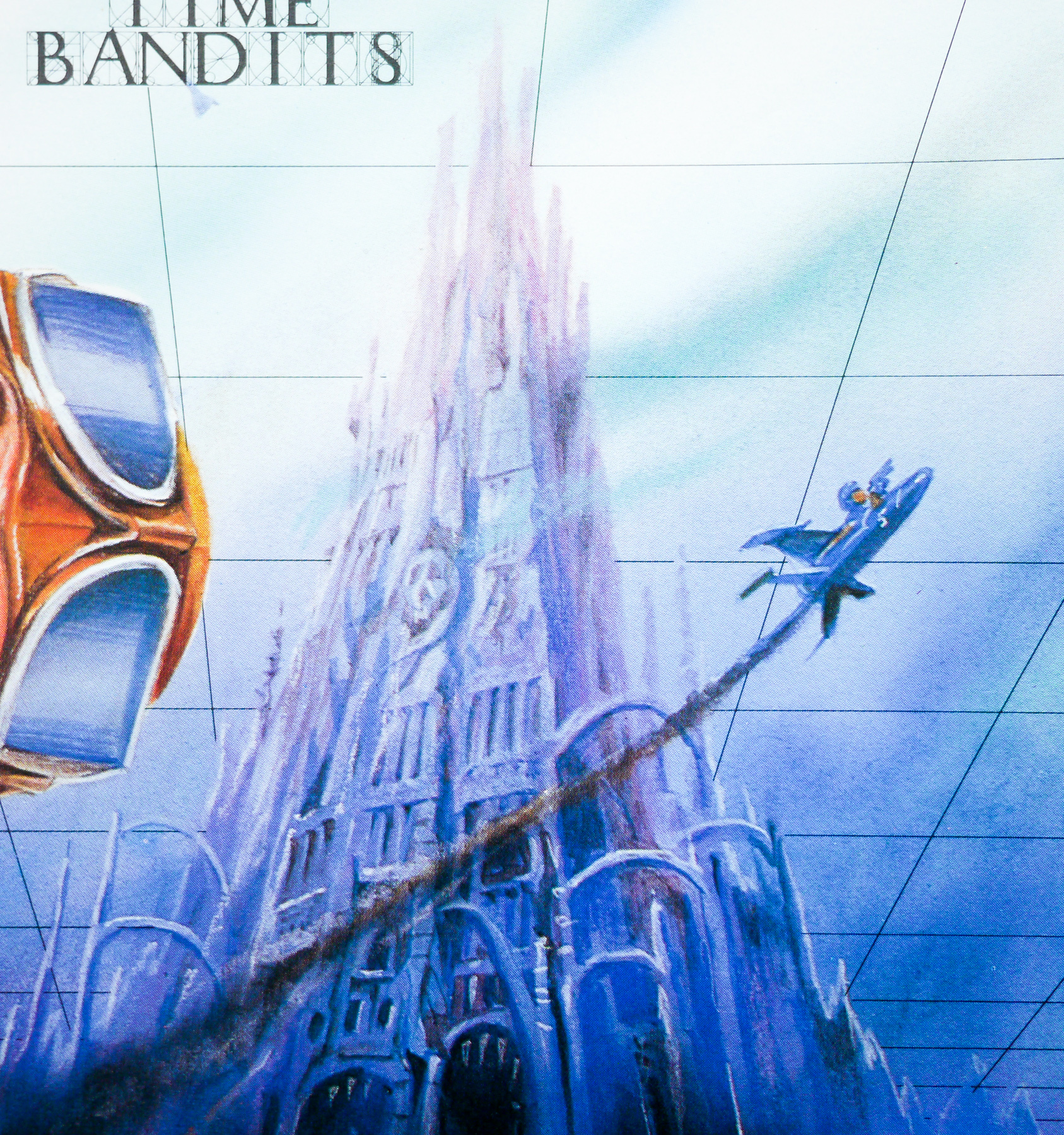
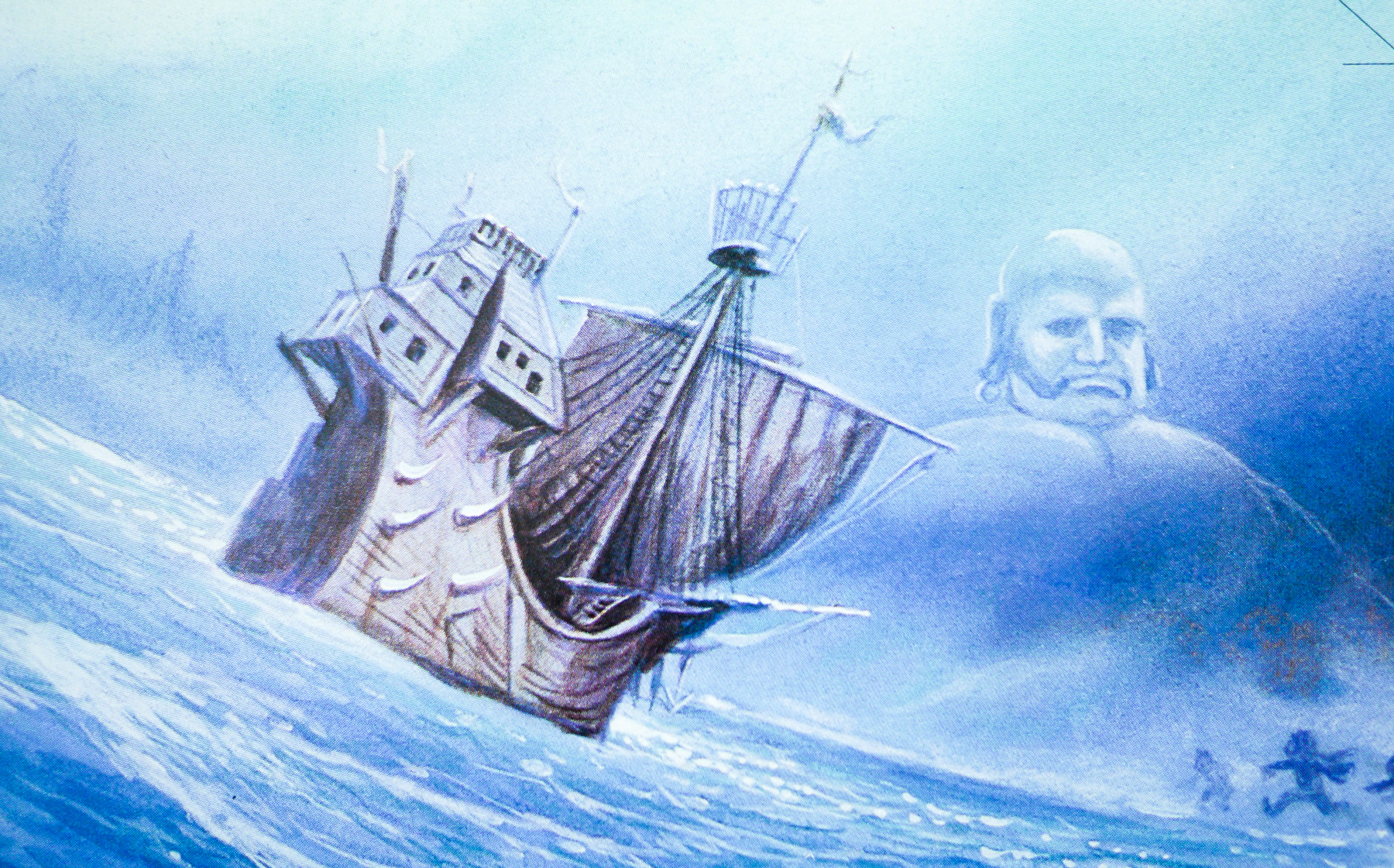
This Japanese B2 for Terry Gilliam‘s time-travelling fantasy Time Bandits features unique artwork exclusive to the poster. The 1981 film is one of the director’s best, in my opinion, and features typically brilliant imagery combined with a great cast, including a few surprising cameos.

The film follows 11-year-old Kevin (Craig Warnock) and his adventures with a troupe of time-travelling dwarves who are on the run from their master, the Supreme Being. As the gang use a special map to hop through holes in the universe and into different time periods they soon realise that their journey is being controlled by a sinister force. It’s not long before they are forced to confront Evil and save themselves from certain death. The ending of the film, which I won’t spoil, is brilliantly bonkers.

According to IMDb, in 1996 Terry Gilliam and [screenwriter and actor] Charles McKeown collaborated on a script for Time Bandits 2, bringing back most of the original cast, with the exceptions of David Rappaport and Tiny Ross who had passed away a few years before, and owing to Jack Purvis being paralysed from a car accident, his character was written to be in a similar state. But following the death of Purvis, the project was shelved indefinitely.

I’m unsure who is responsible for the artwork on this poster and there are no signatures or any other identifying marks. If you have any ideas please get in touch.

The excellent, unusual trailer is on YouTube.
 

Where Eagles Dare / B2 / Japan

05.06.13

Poster Poster

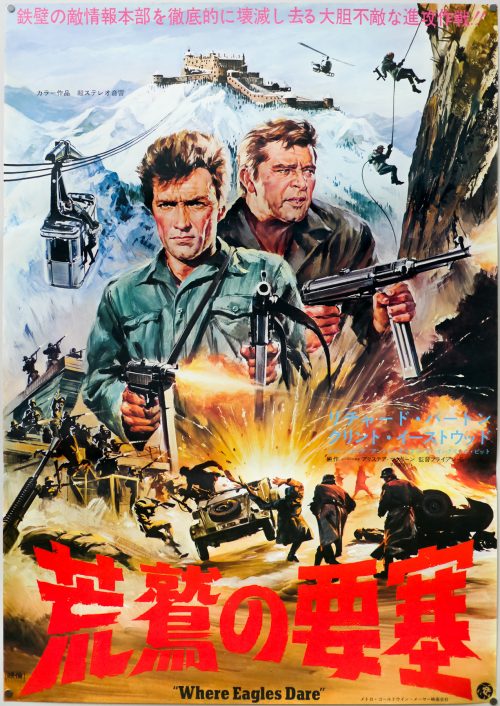
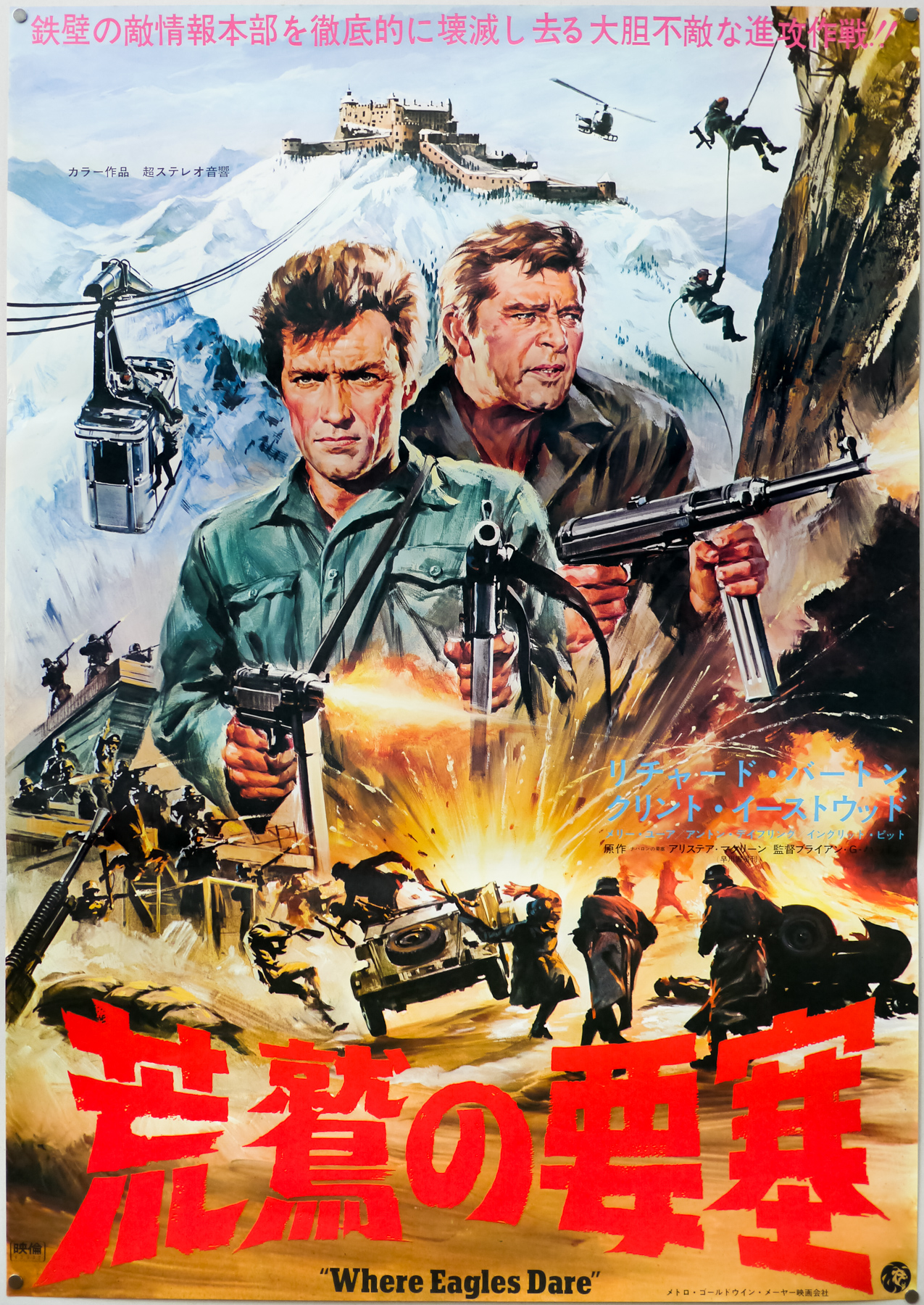
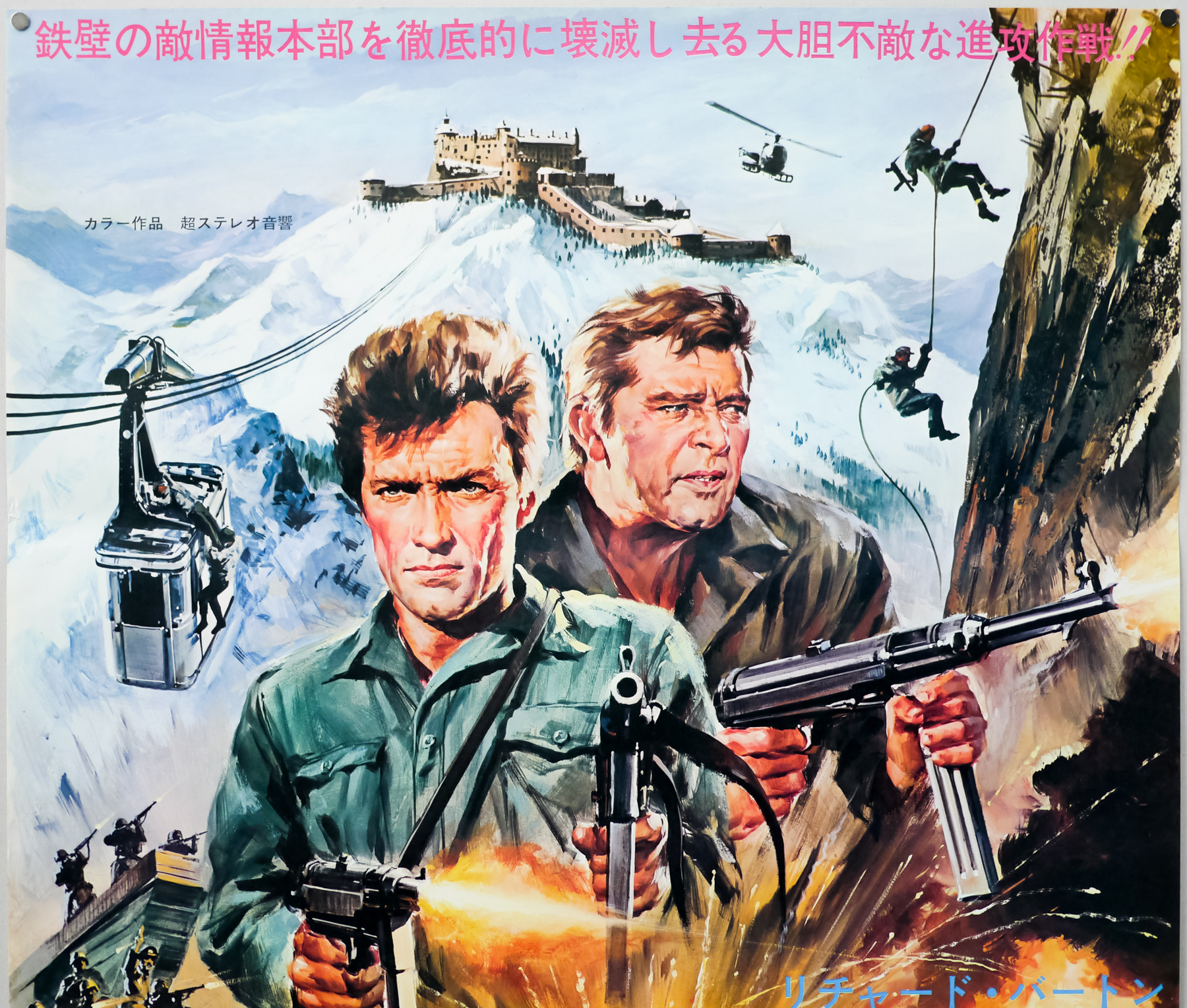
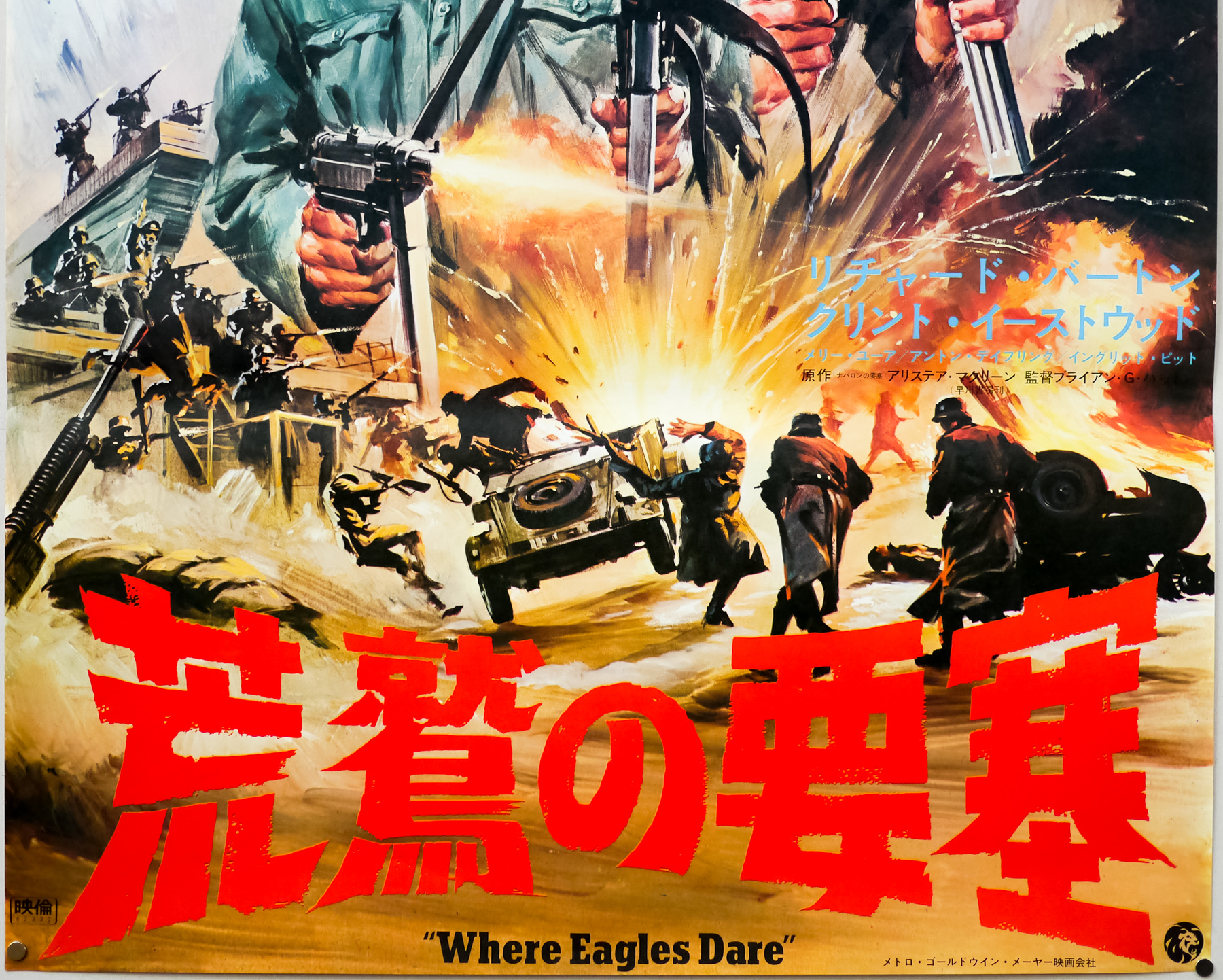
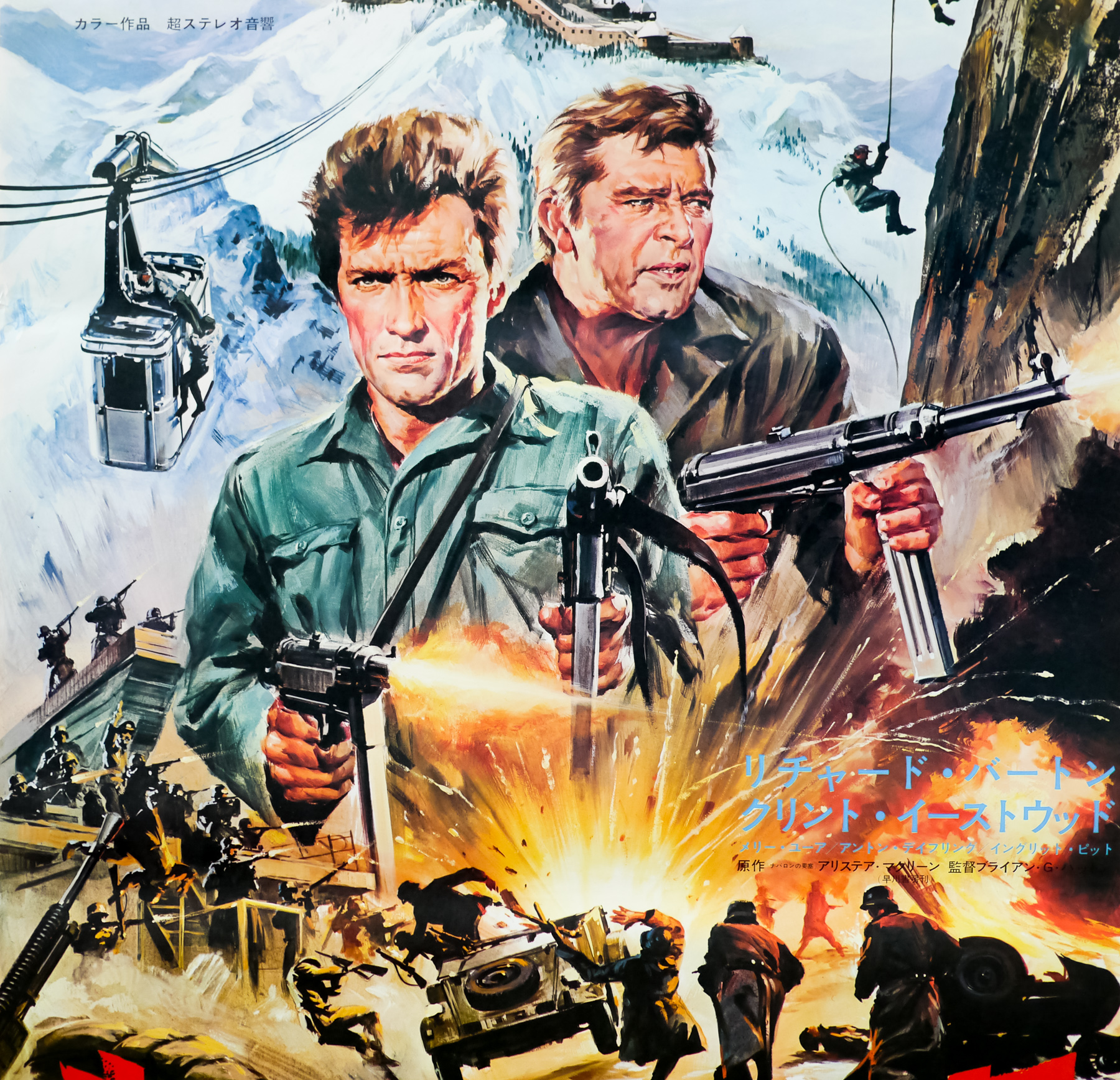
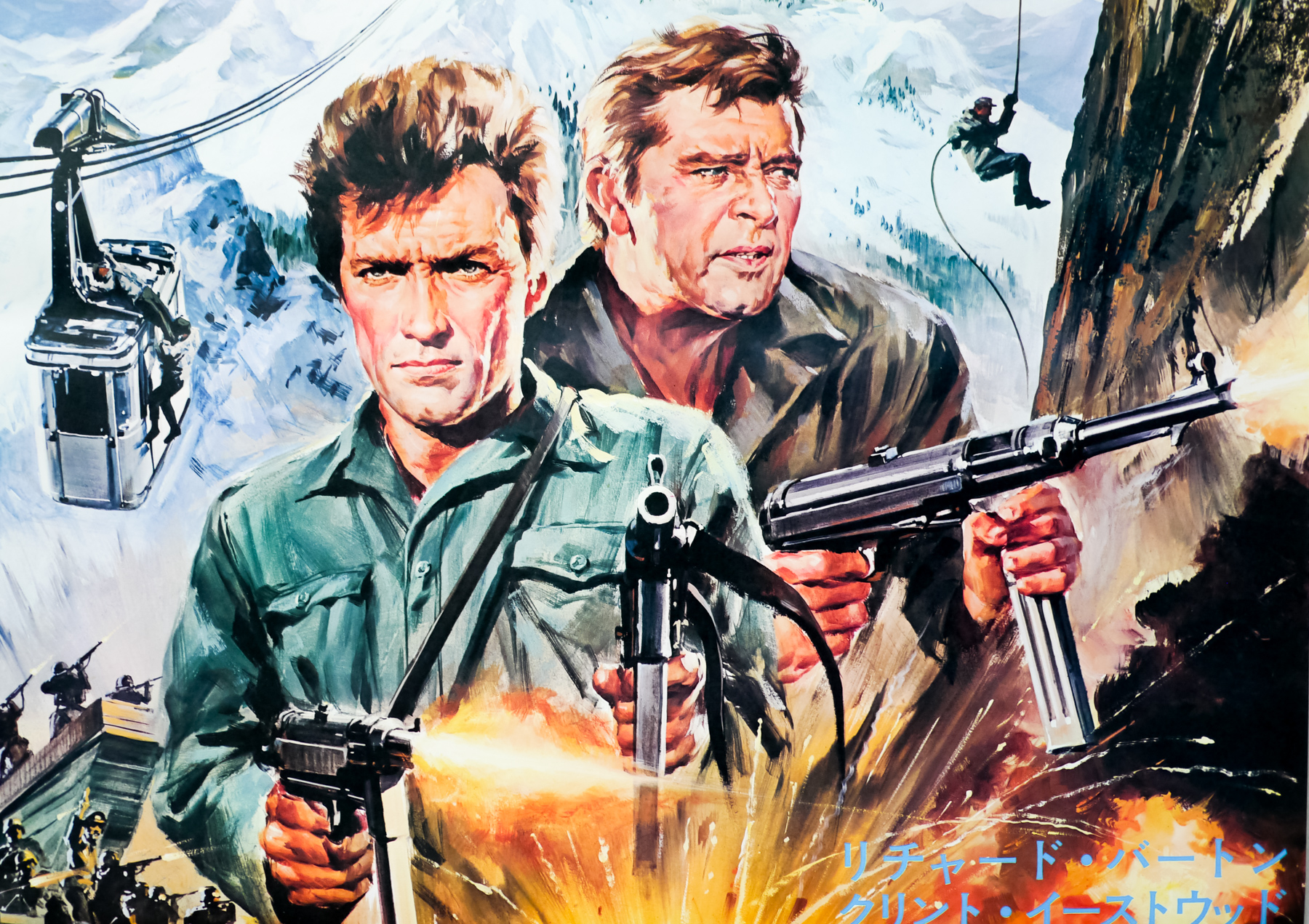
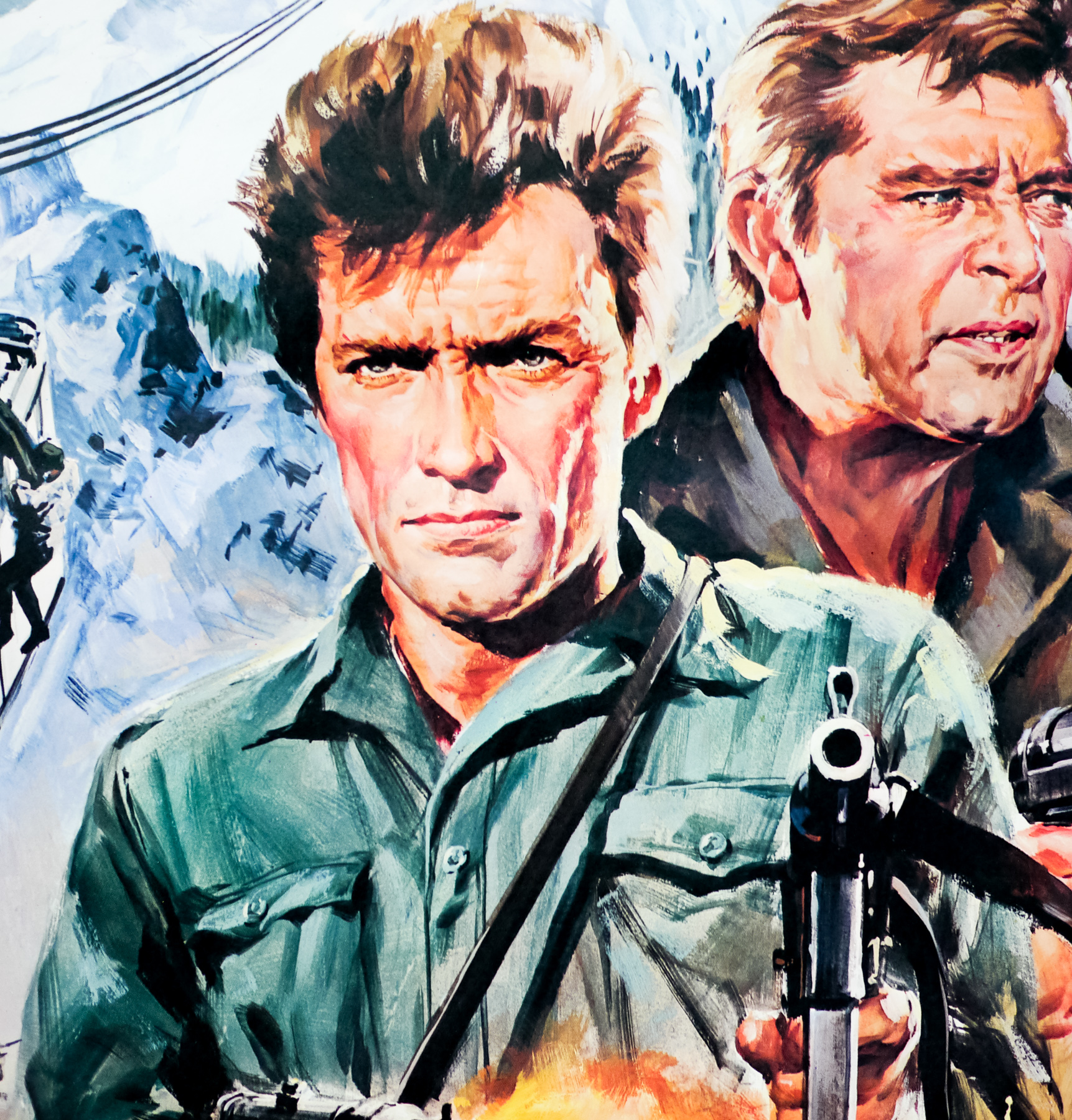
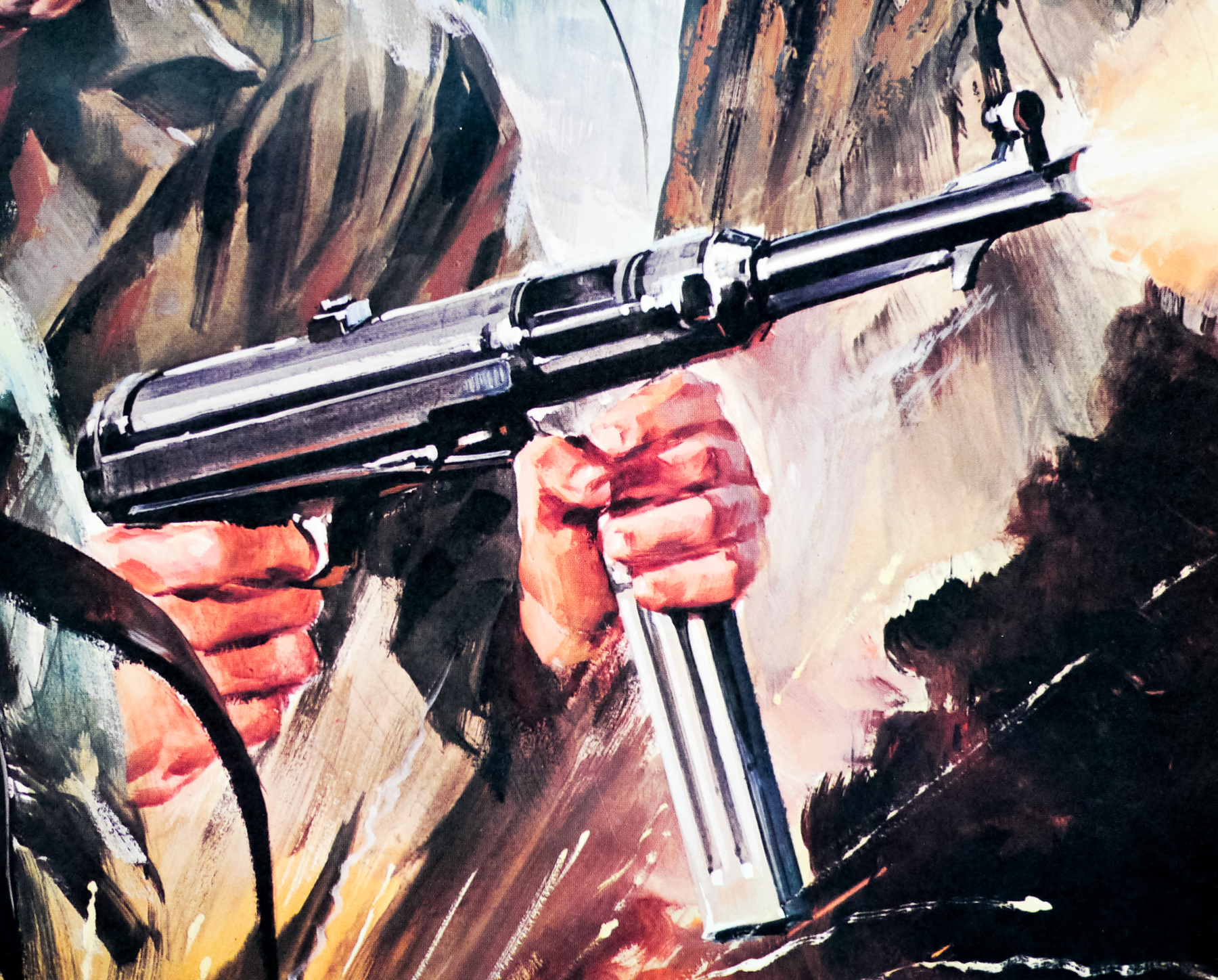
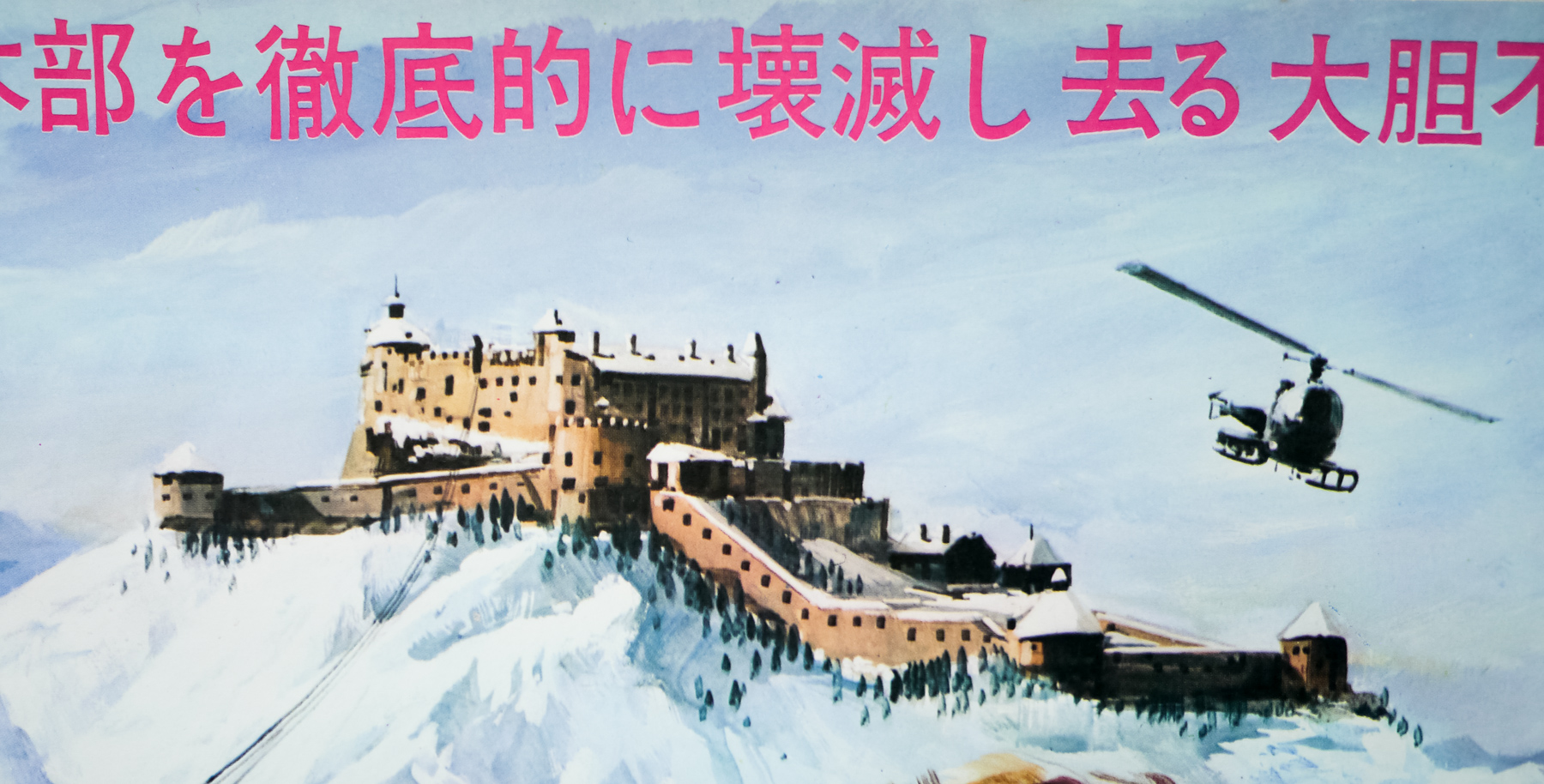
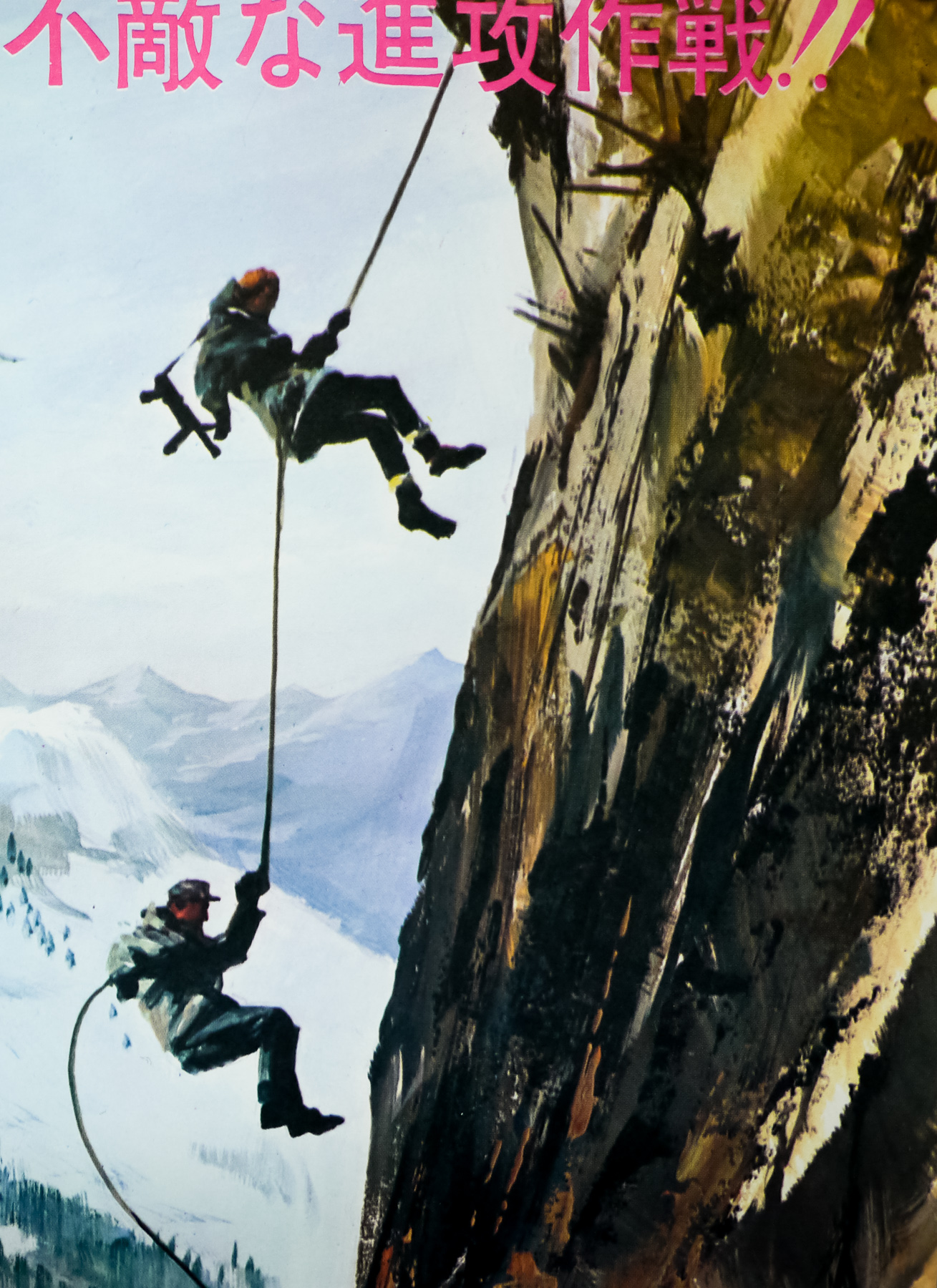
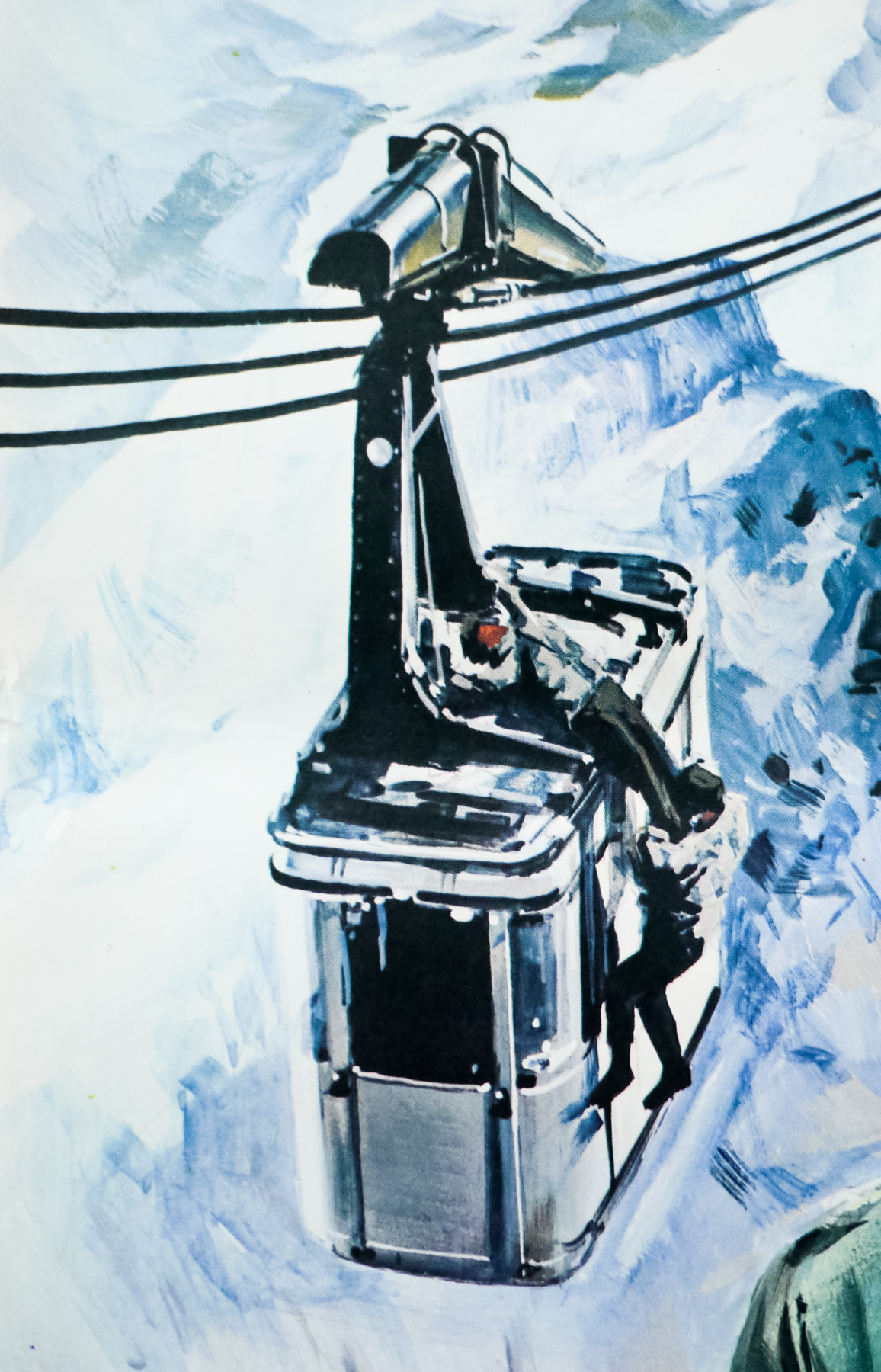
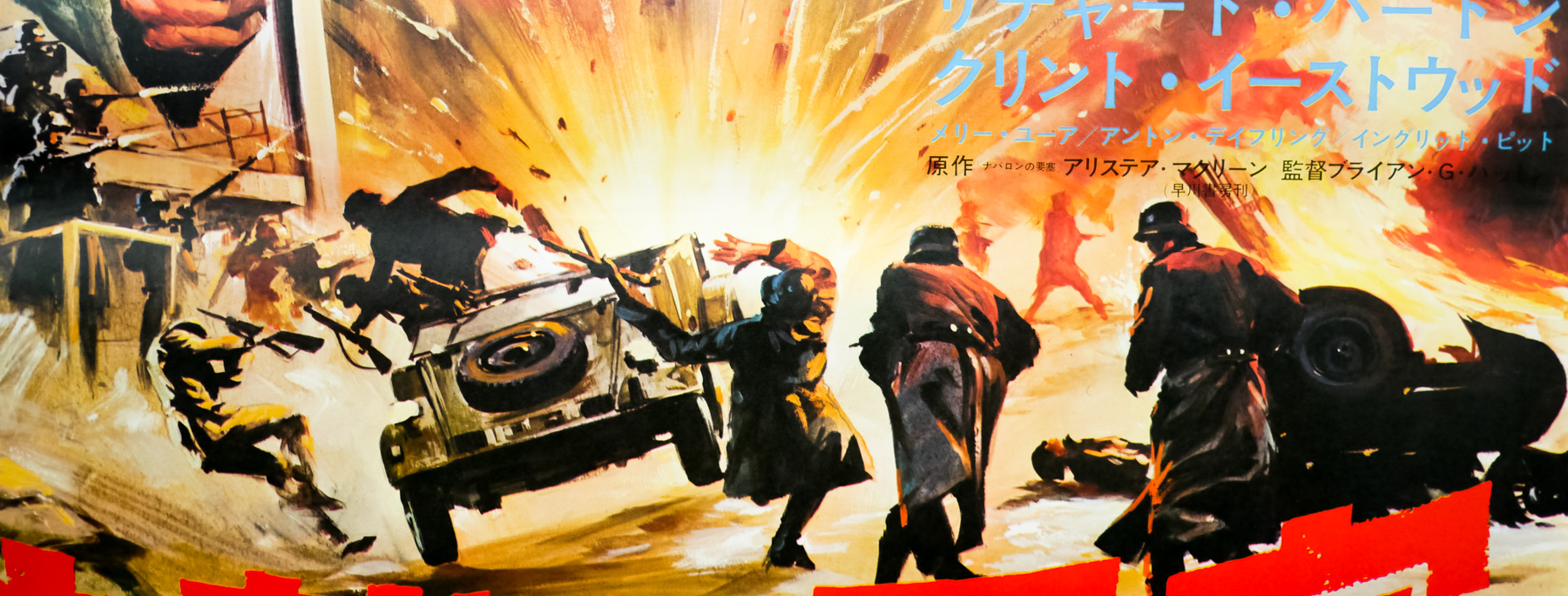
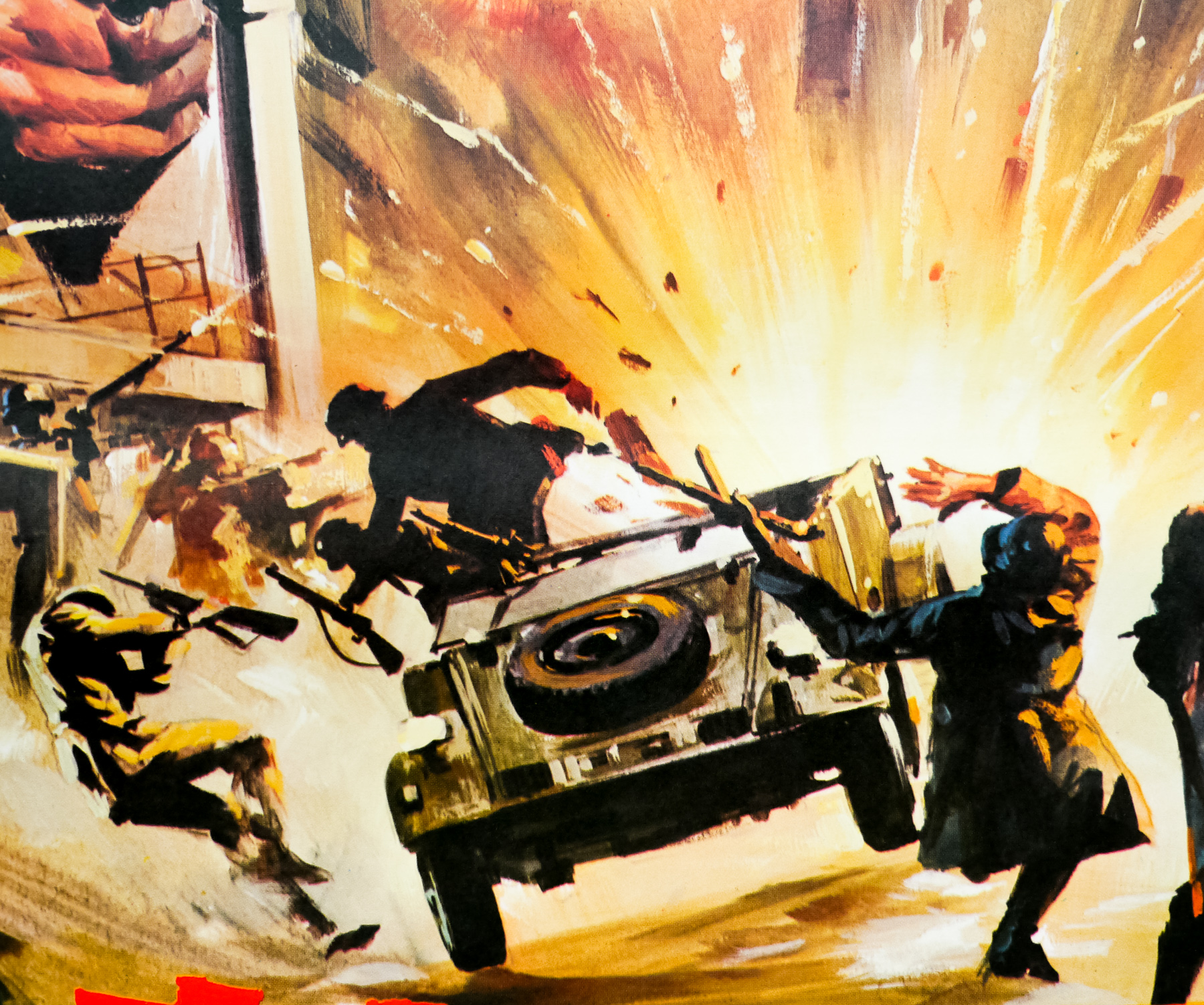
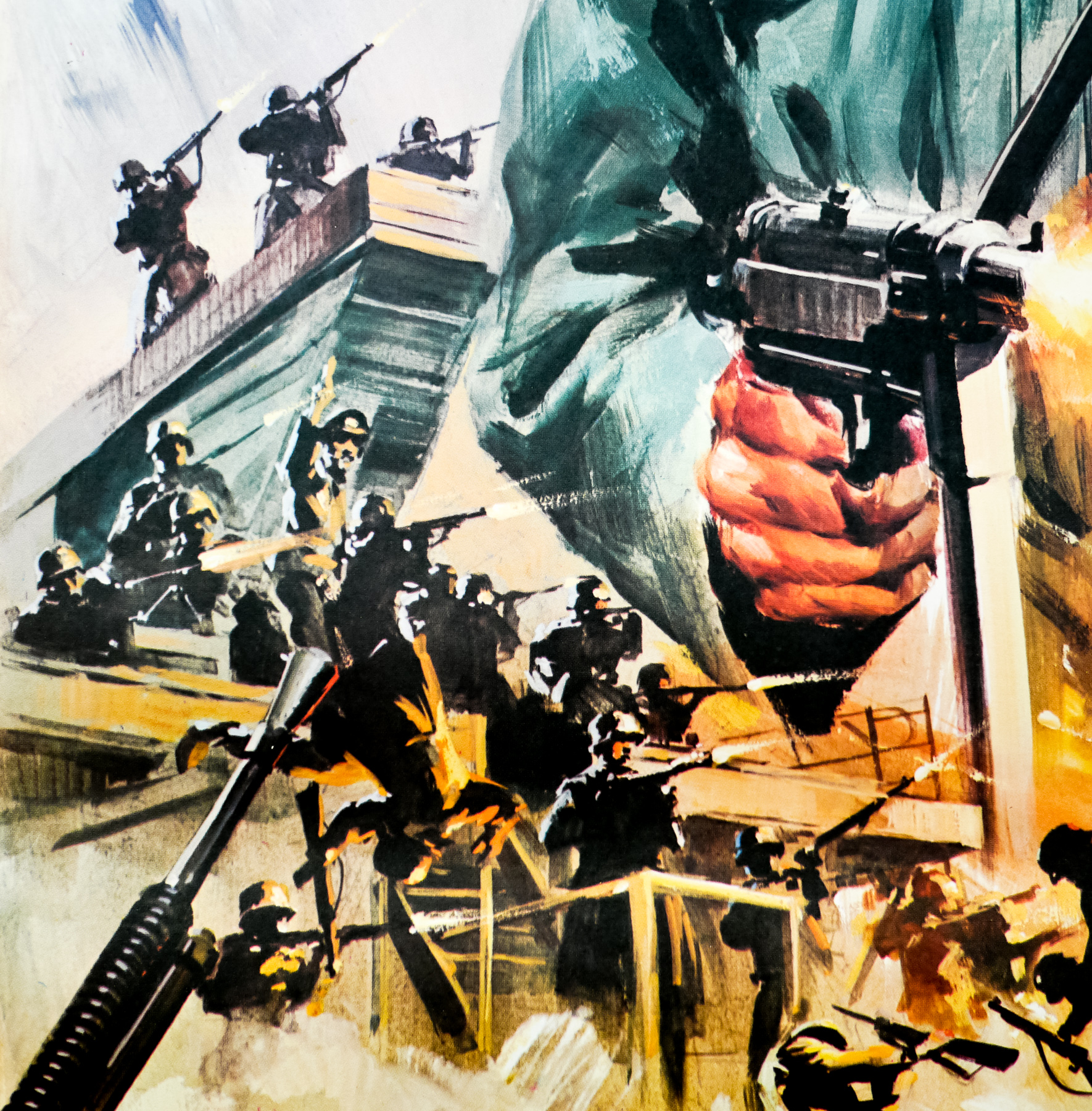
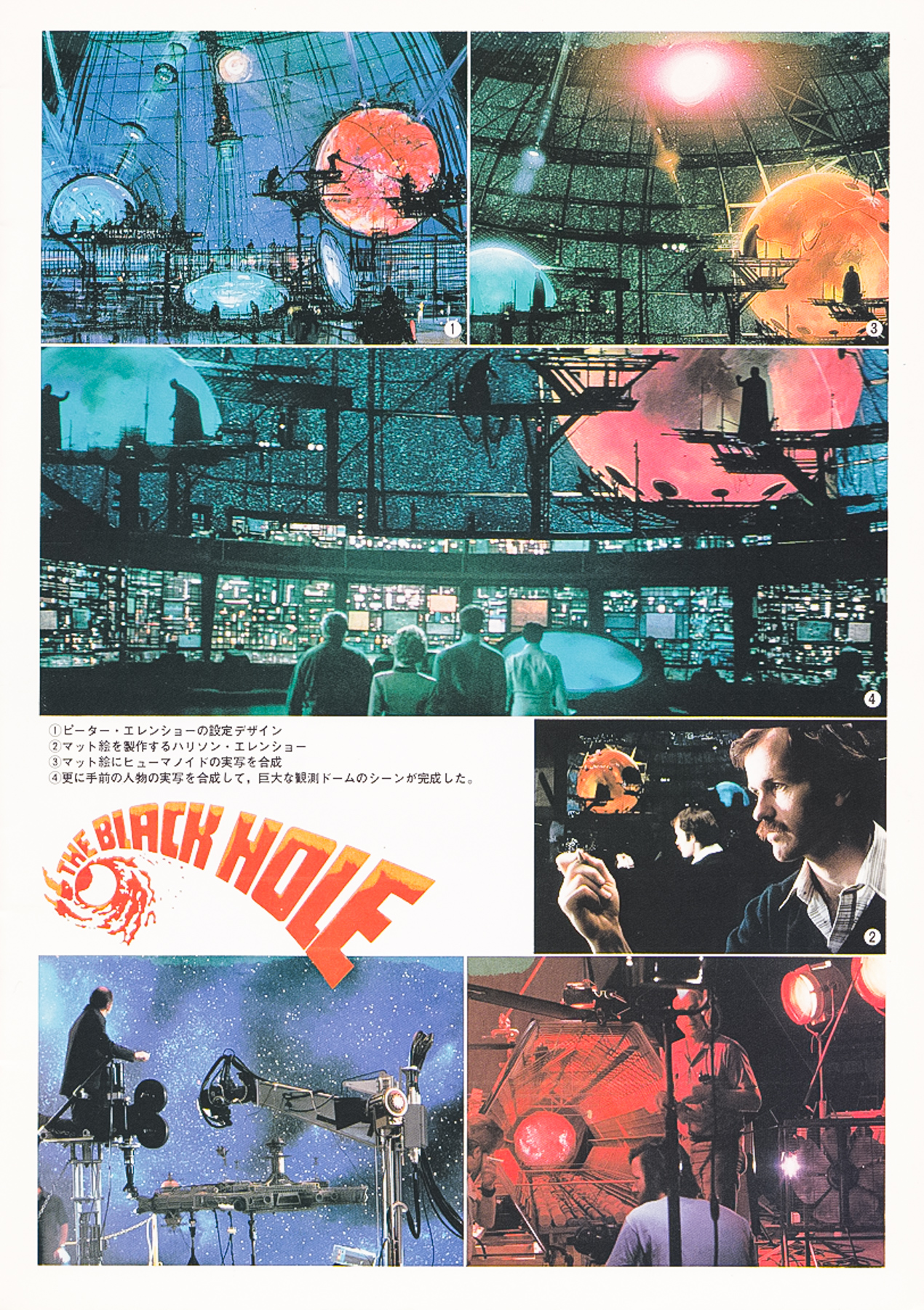
Great artwork by the Italian/French artist Jean Mascii on this Japanese B2 for the 1968 WWII action-adventure Where Eagles Dare, starring Richard Burton and Clint Eastwood. Scottish novelist Alistair MacLean was apparently commissioned by Burton to write a ‘boys-own’ action thriller that the actor could take his son to see. MacLean, who was already responsible for several successful novels-turned-films, including Guns of Navarone and Ice Station Zebra, wrote the book for Where Eagles Dare at the same time as the screenplay. The film would end up differing from the book, with the screenplay featuring significantly more violence – the film is often thought to feature Eastwood’s highest on-screen bodycount.

The story, set in the winter of 1943, sees Burton’s army major tasked with leading a team of commandos on a mission to a castle high in the Bavarian Alps to rescue a captured American General who, unknown to the Nazis, has detailed knowledge of the planned D-Day landings. Joining the team is Lieutenant Schaffer (Eastwood) an American ranger who is puzzled by his inclusion, but as the men scale the mountain to reach the castle and undertake their mission several members of the team reveal their true plans.

Jean Mascii was born in Italy in 1923 and moved with his parents to France in 1932. In 1947 he was given his first job painting cinema billboards and from there he moved onto designing and painting film posters and is thought to have worked on over 2000 of them during his career, including several undisputed classics such as the poster for Jean-Luc Godard’s Alphaville and George Franju’s Les Yeux Sans Visage. The Cinesud site features a gallery of hundreds of his posters that’s well worth browsing.

I’m not 100% certain that this Japanese version of Where Eagles Dare was painted by Mascii but I’ve seen the painting, which also features on a British quad (with some differences – Burton’s face being one), credited to him several times. There is also an alternative French poster (image taken from eatbrie.com) for the film that is credited to the artist. If anyone know for certain that Mascii can be credited with this painting please get in touch.

Speedtrap / B2 / artwork style / Japan

03.09.13

Poster Poster
Title
Speedtrap
AKA
Speed Interceptor III (Italy)
Year of Film
1977
Director
Earl Bellamy
Starring
Joe Don Baker, Tyne Daly, Richard Jaeckel, Robert Loggia, Morgan Woodward, Lana Wood, Timothy Carey, James Griffith, Lucky Hayes
Origin of Film
USA
Genre(s) of Film
Joe Don Baker, Tyne Daly, Richard Jaeckel, Robert Loggia, Morgan Woodward, Lana Wood, Timothy Carey, James Griffith, Lucky Hayes,
Type of Poster
B2
Style of Poster
Artwork style
Origin of Poster
Japan
Year of Poster
1978
Designer
Unknown
Artist
Seito
Size (inches)
20 6/16" x 28 13/16"
SS or DS
SS
Tagline
--

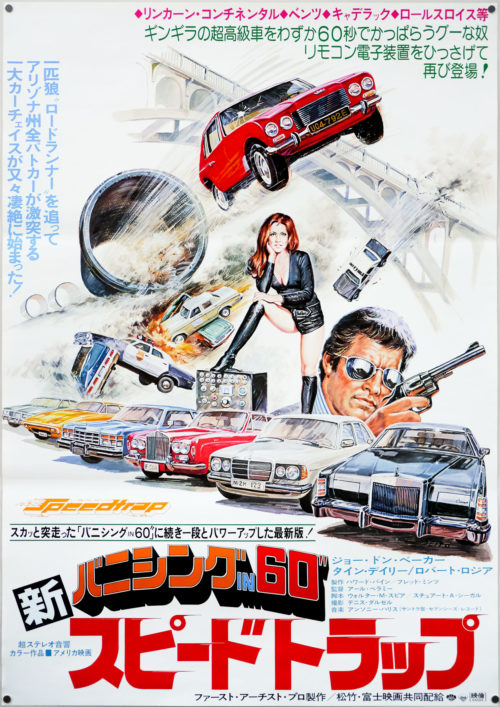
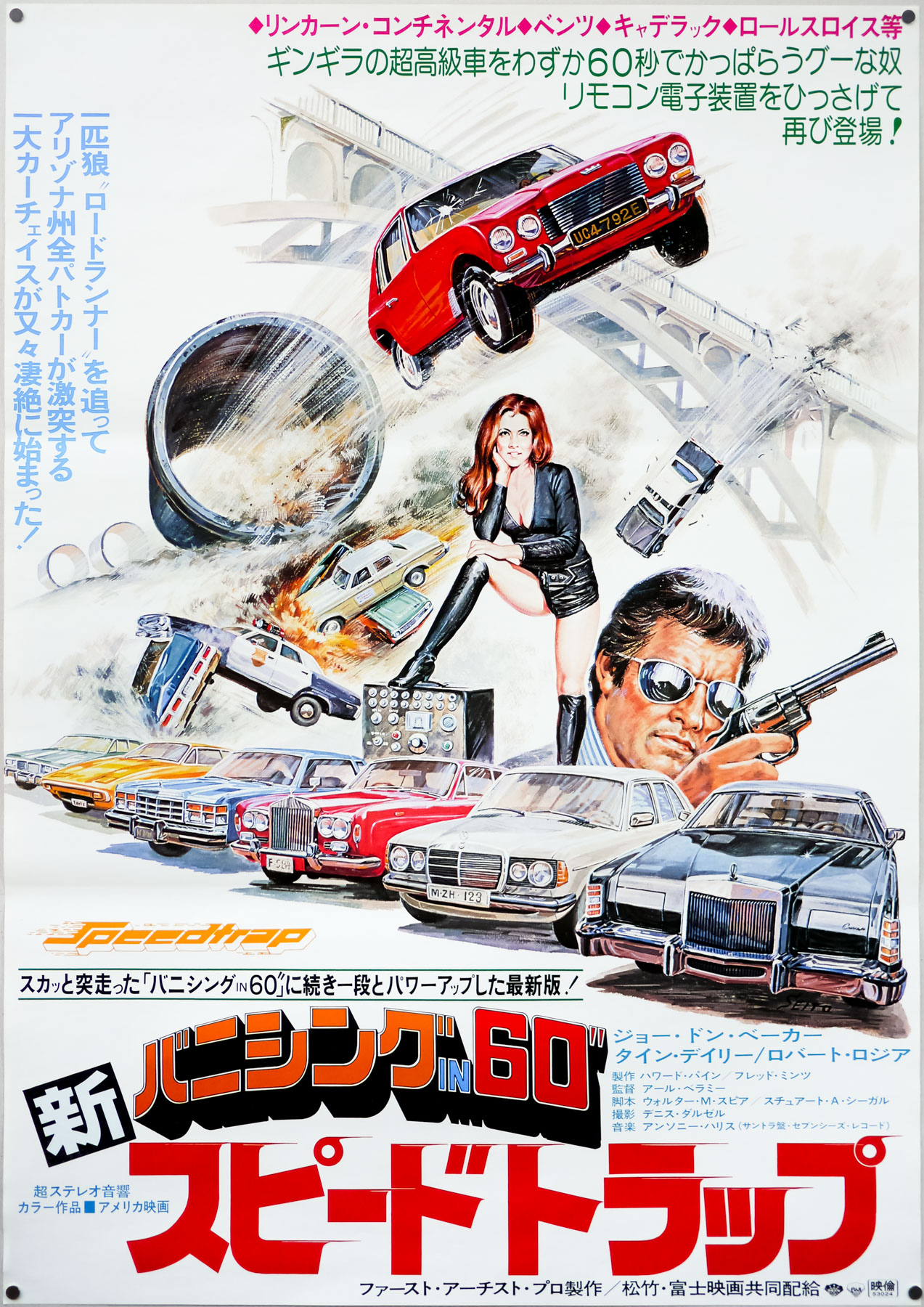
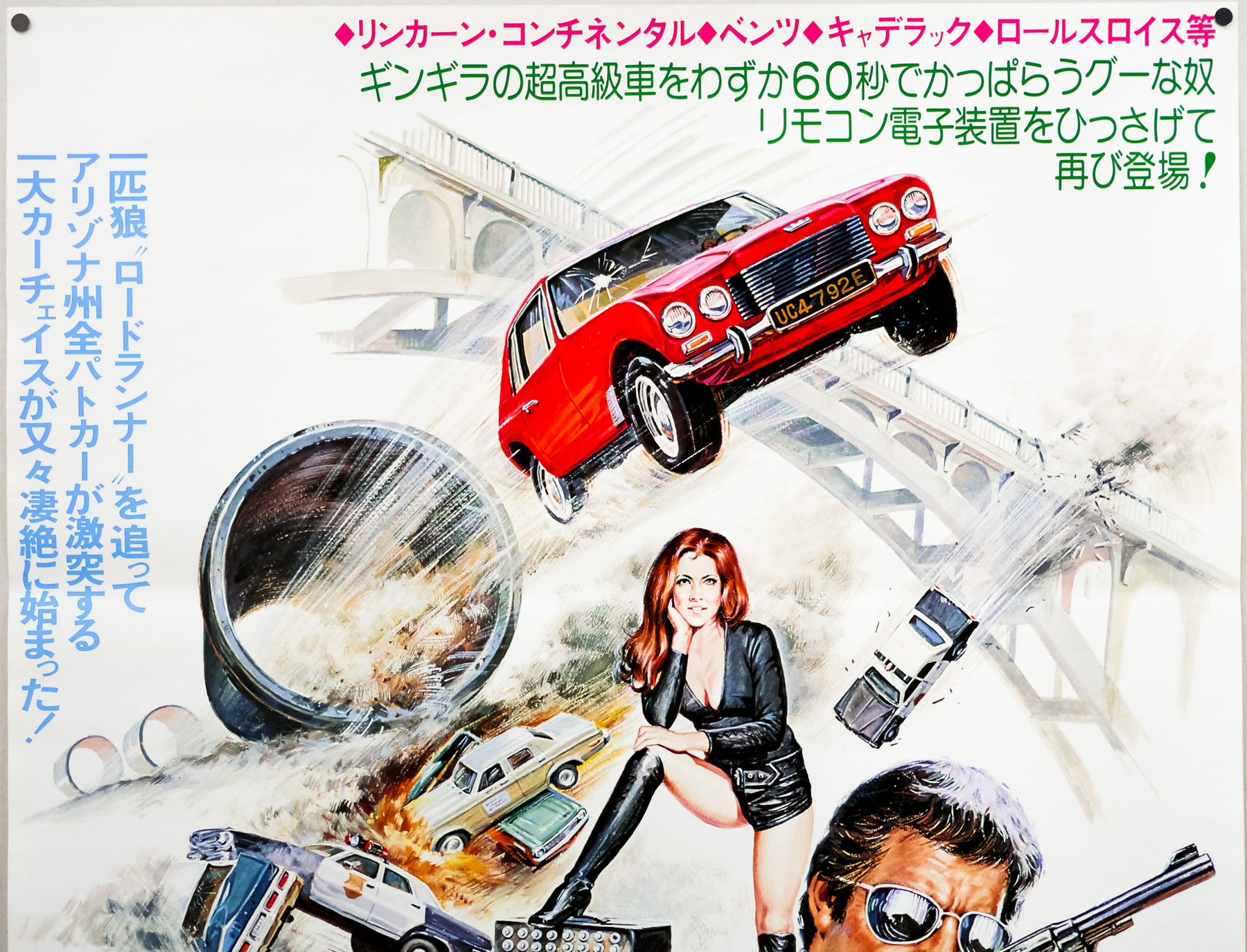
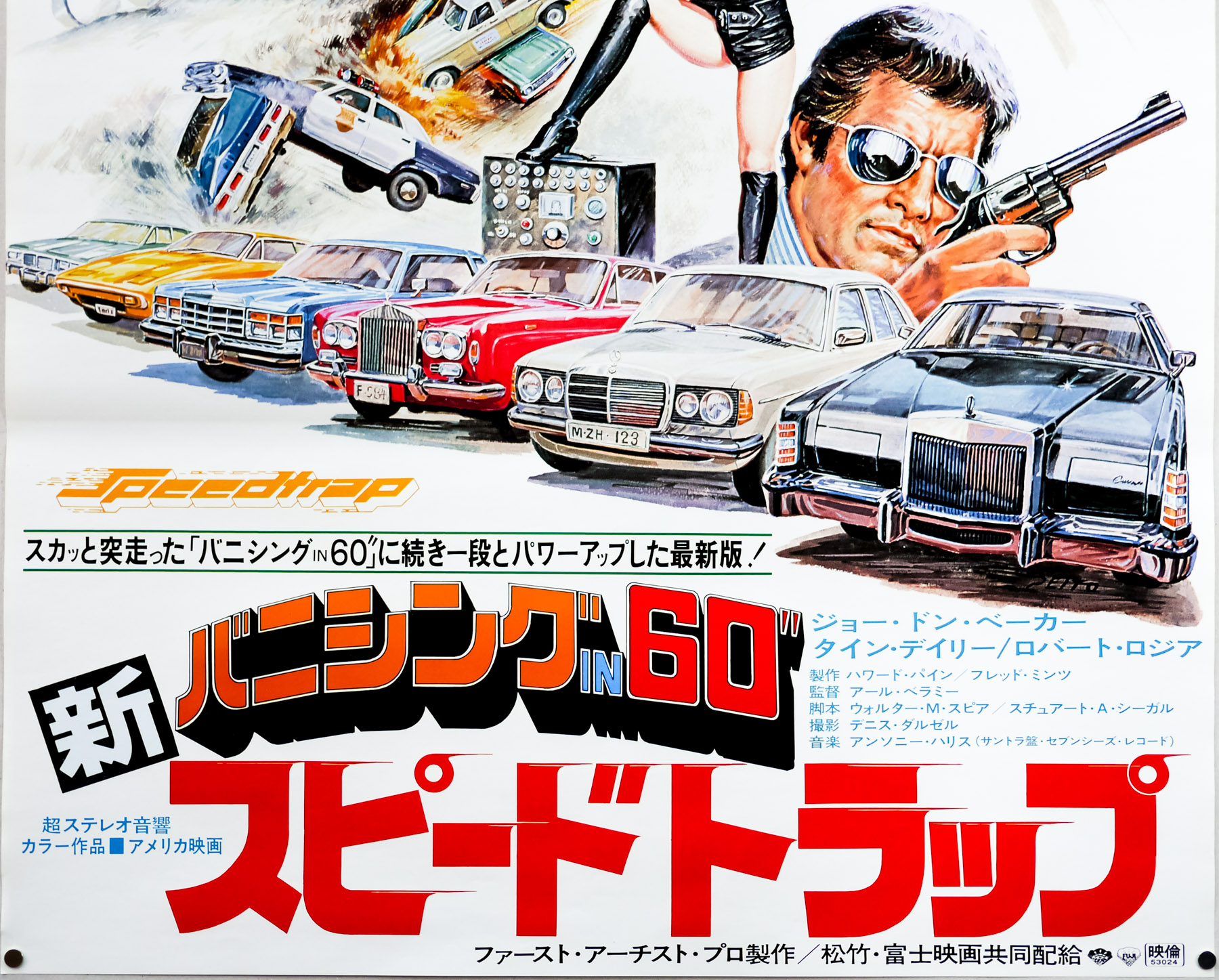
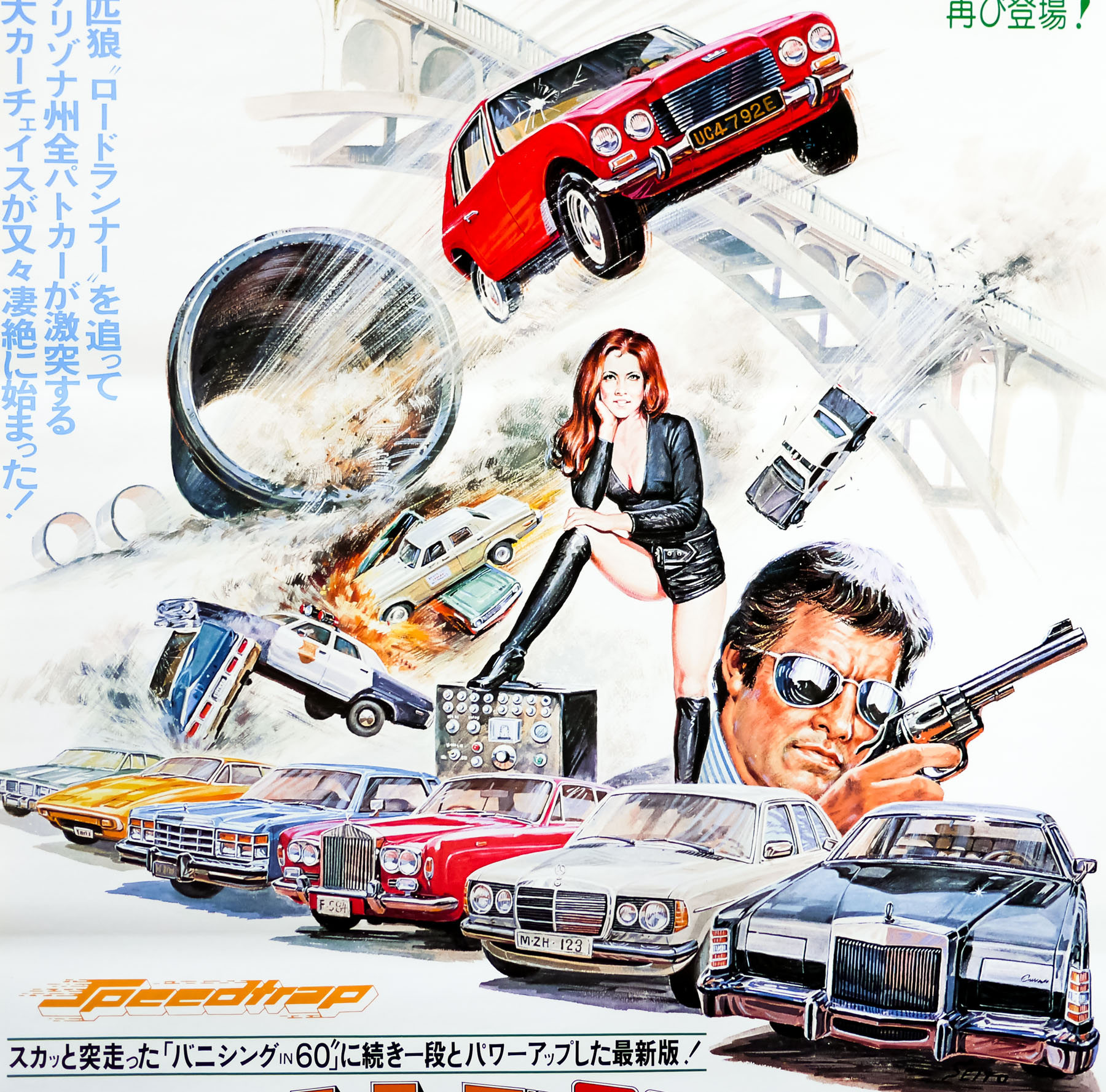
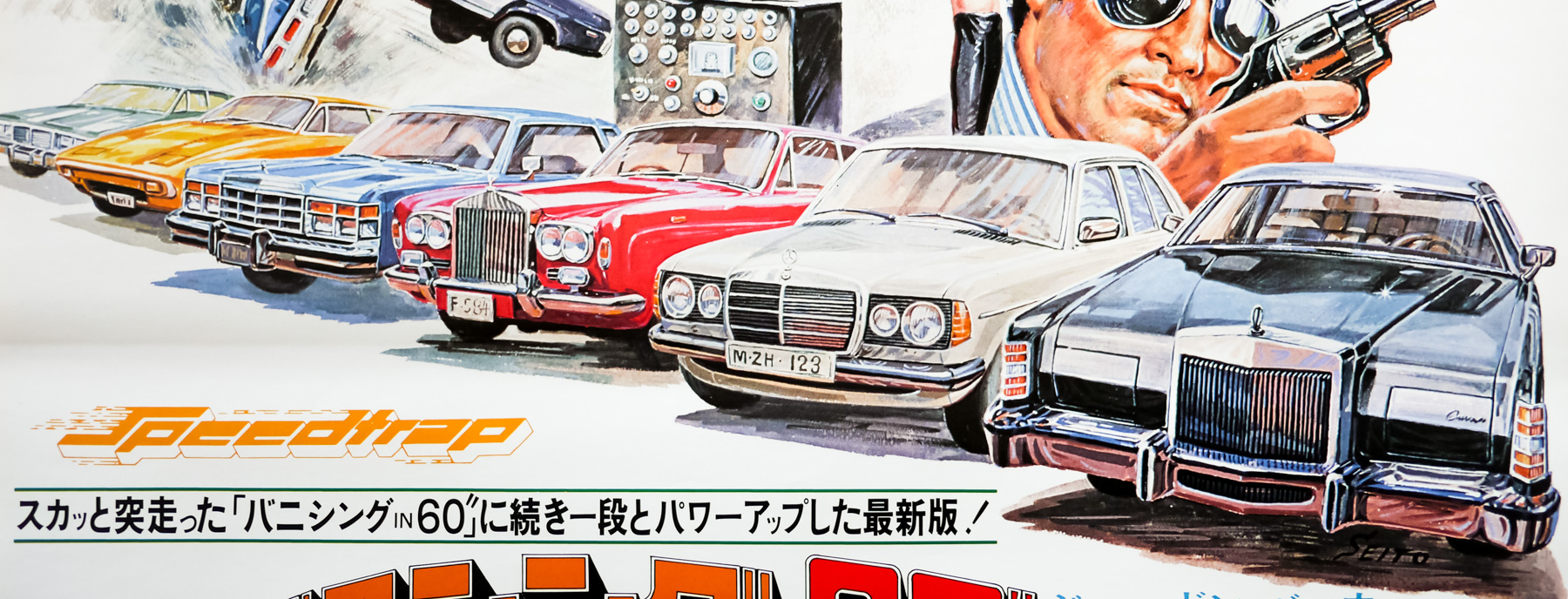
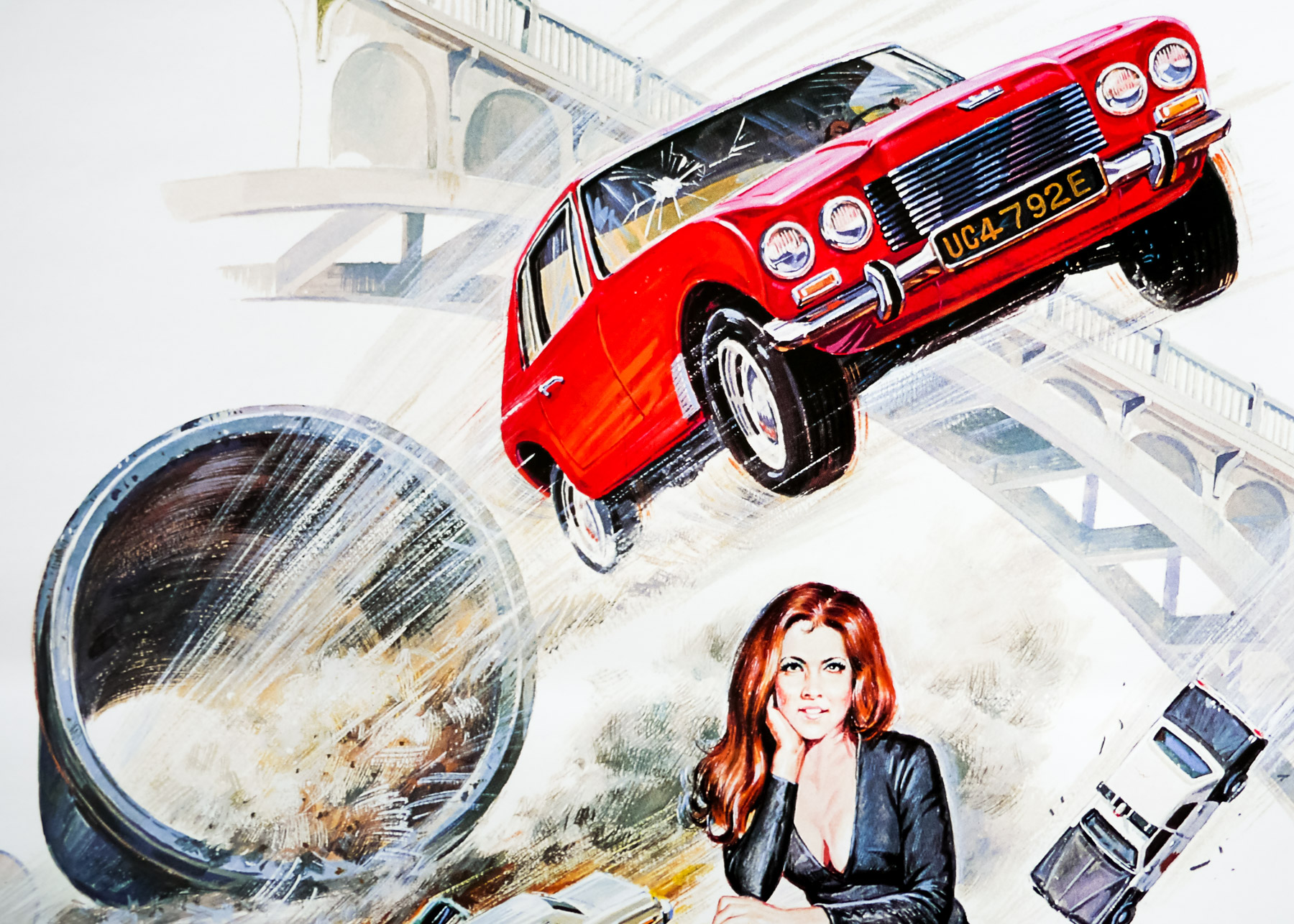
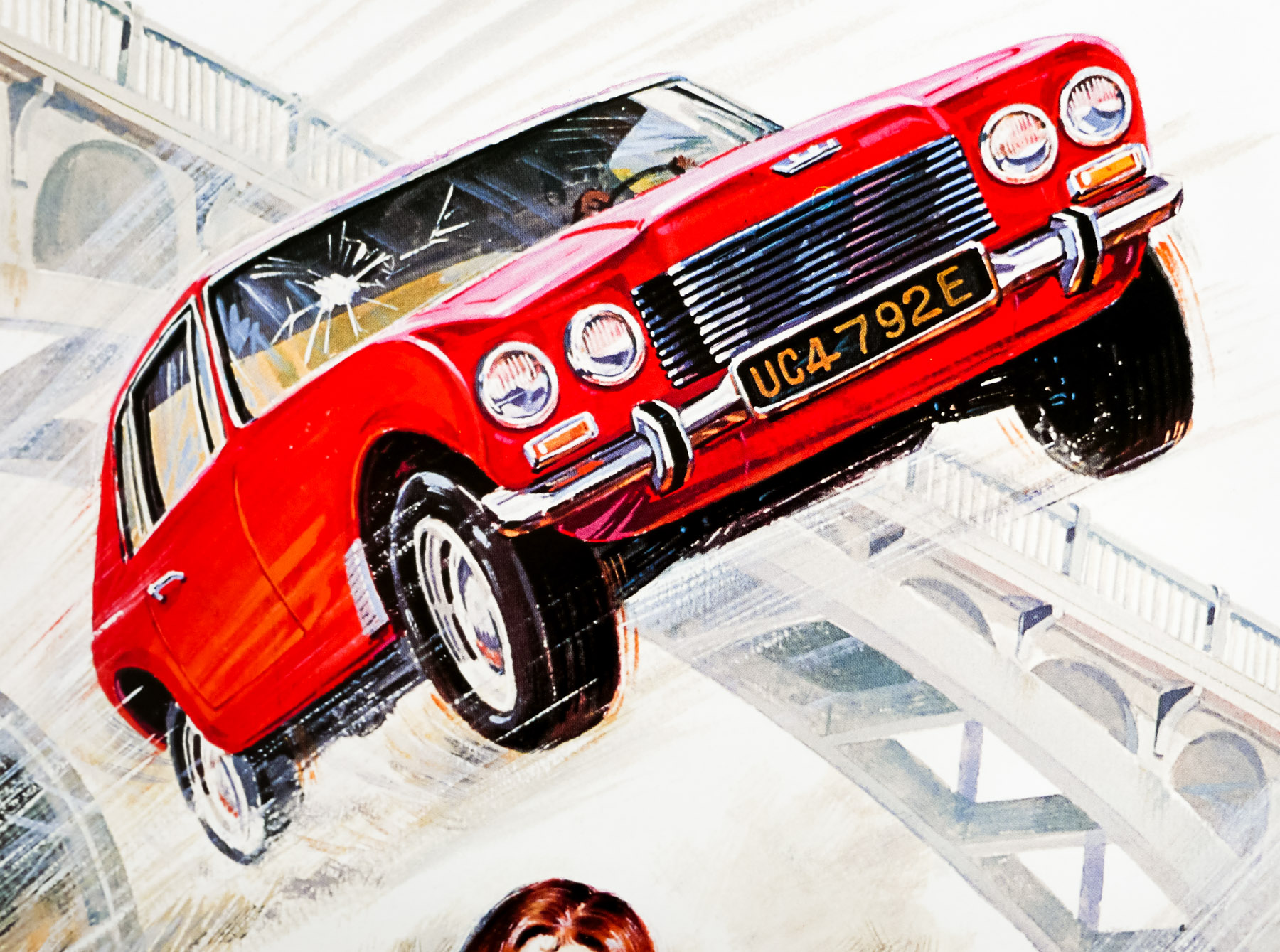
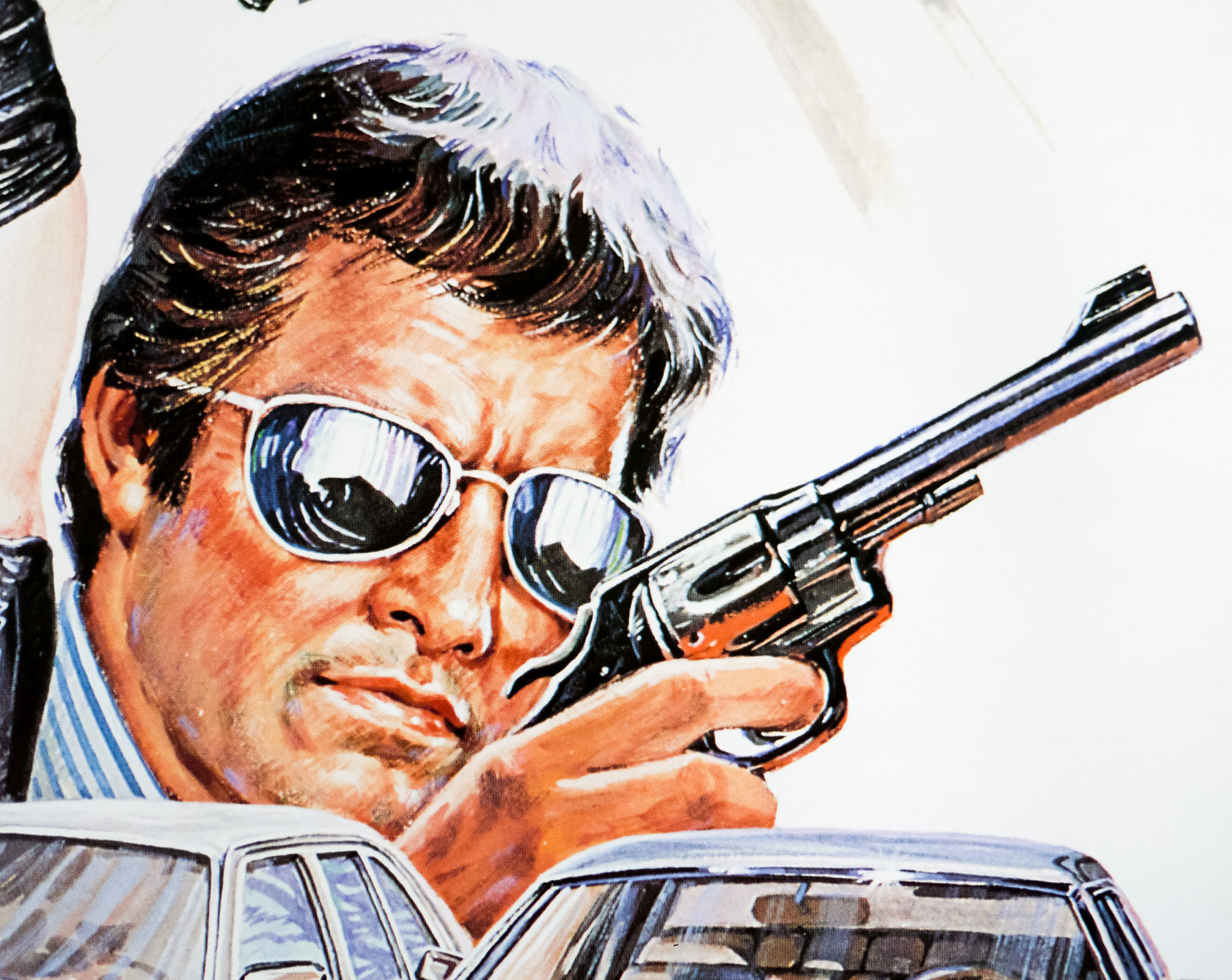
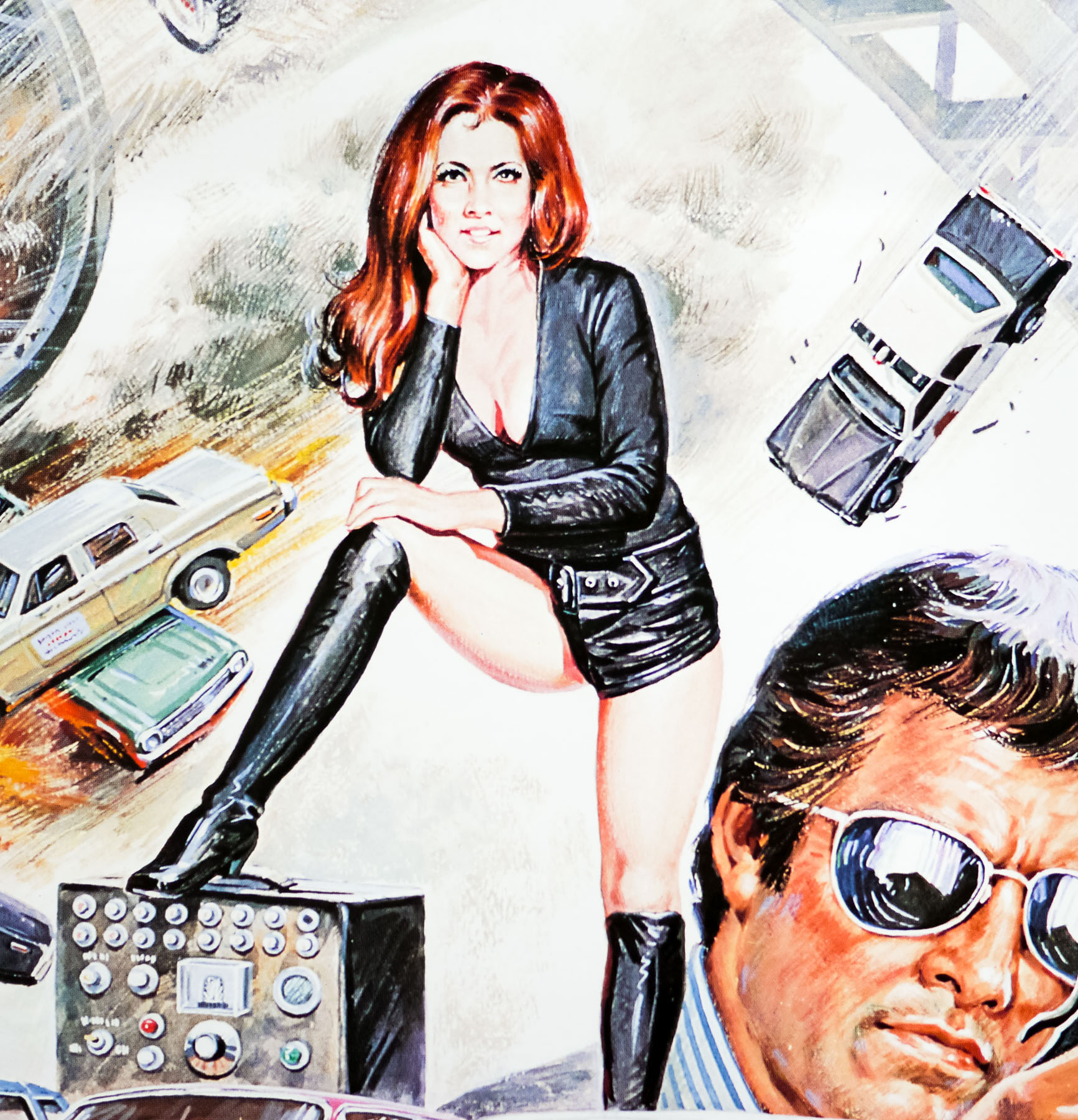
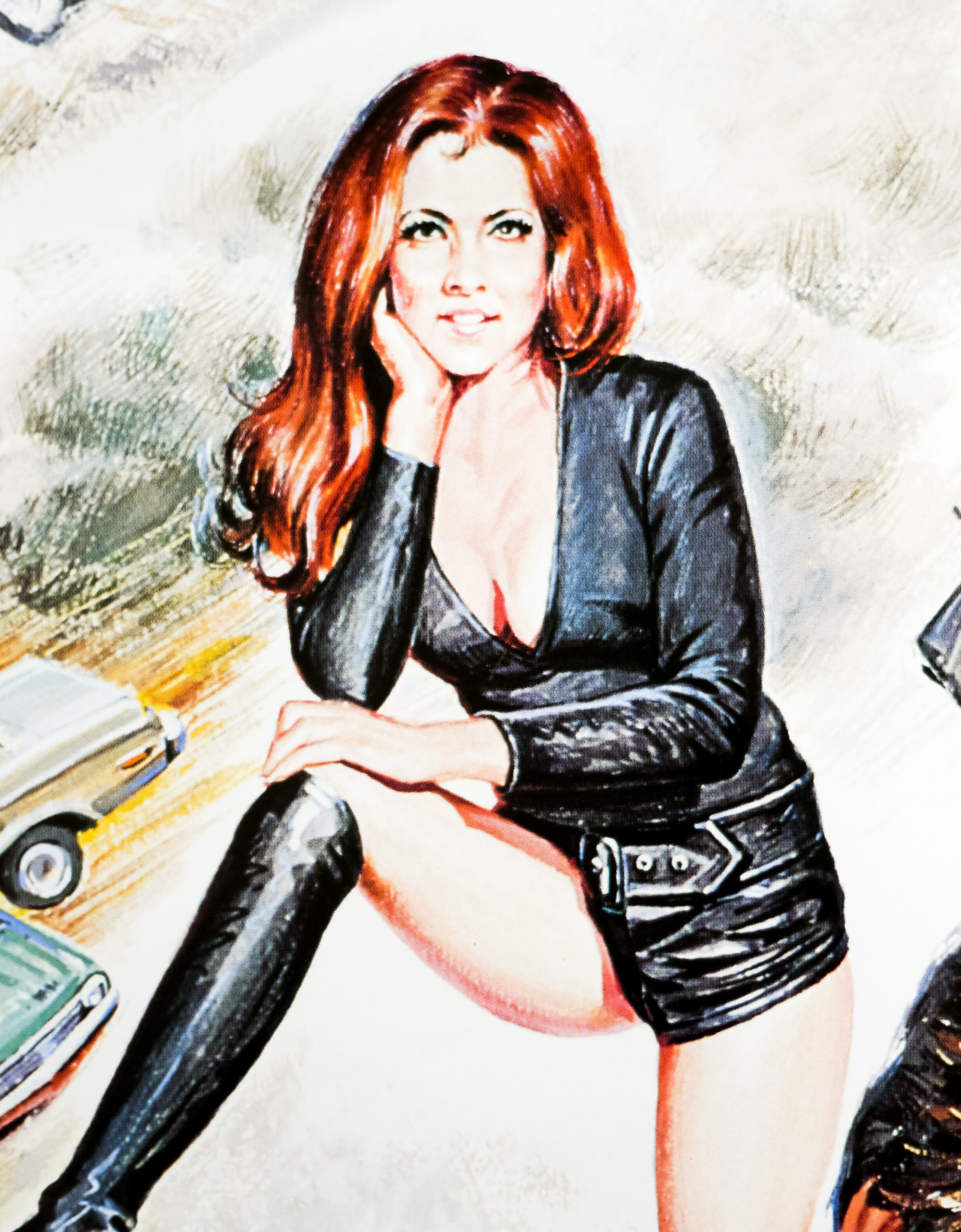
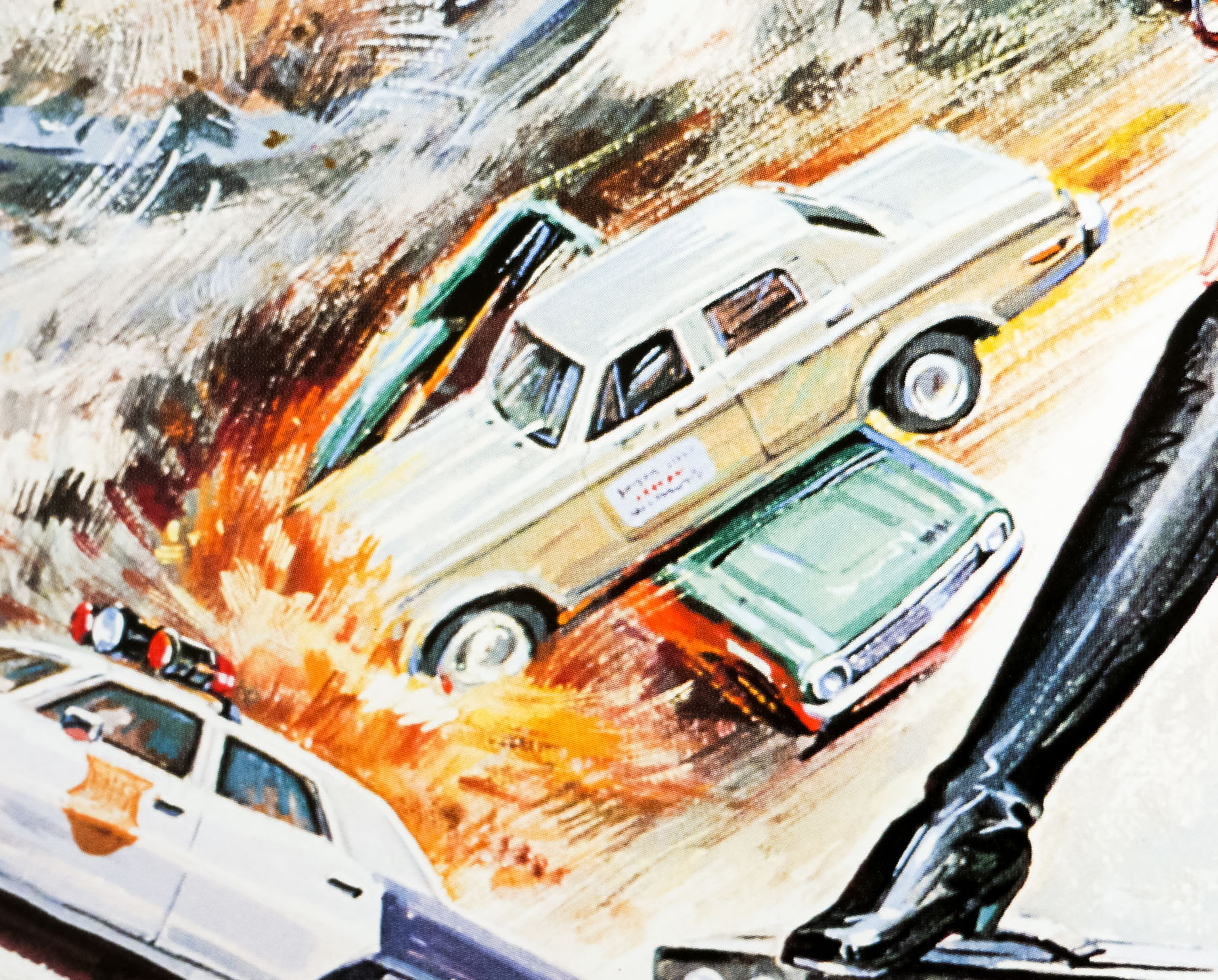
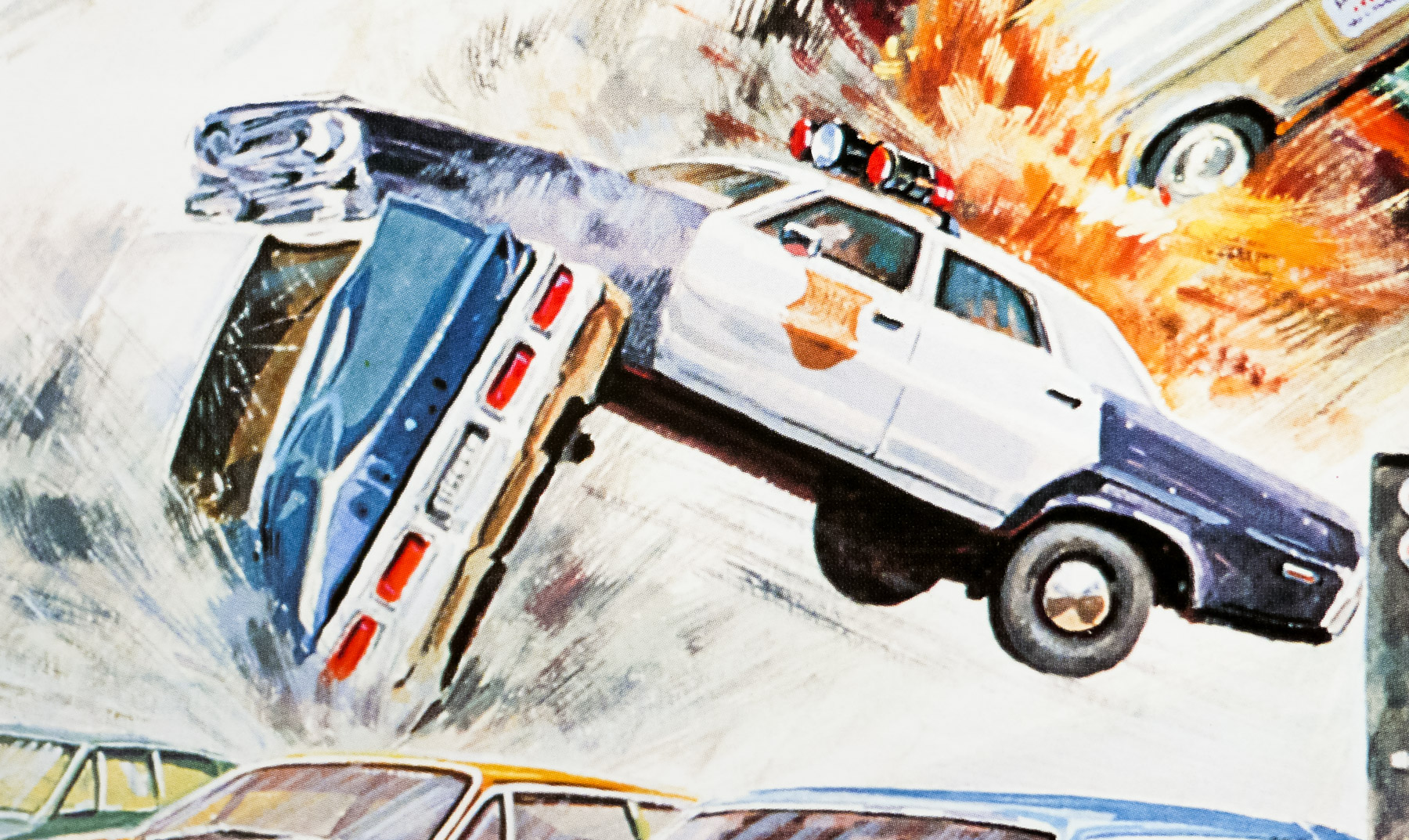
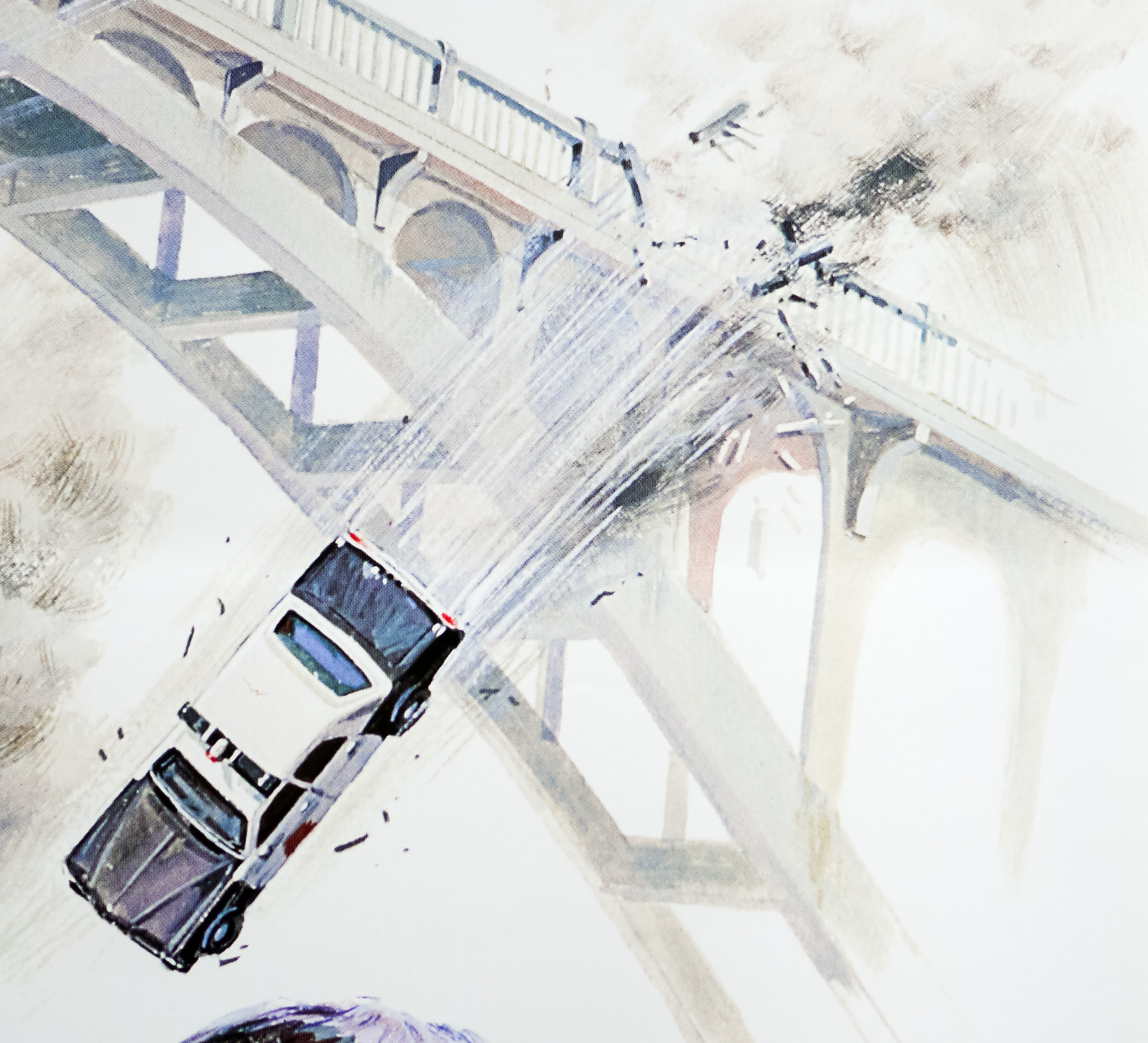
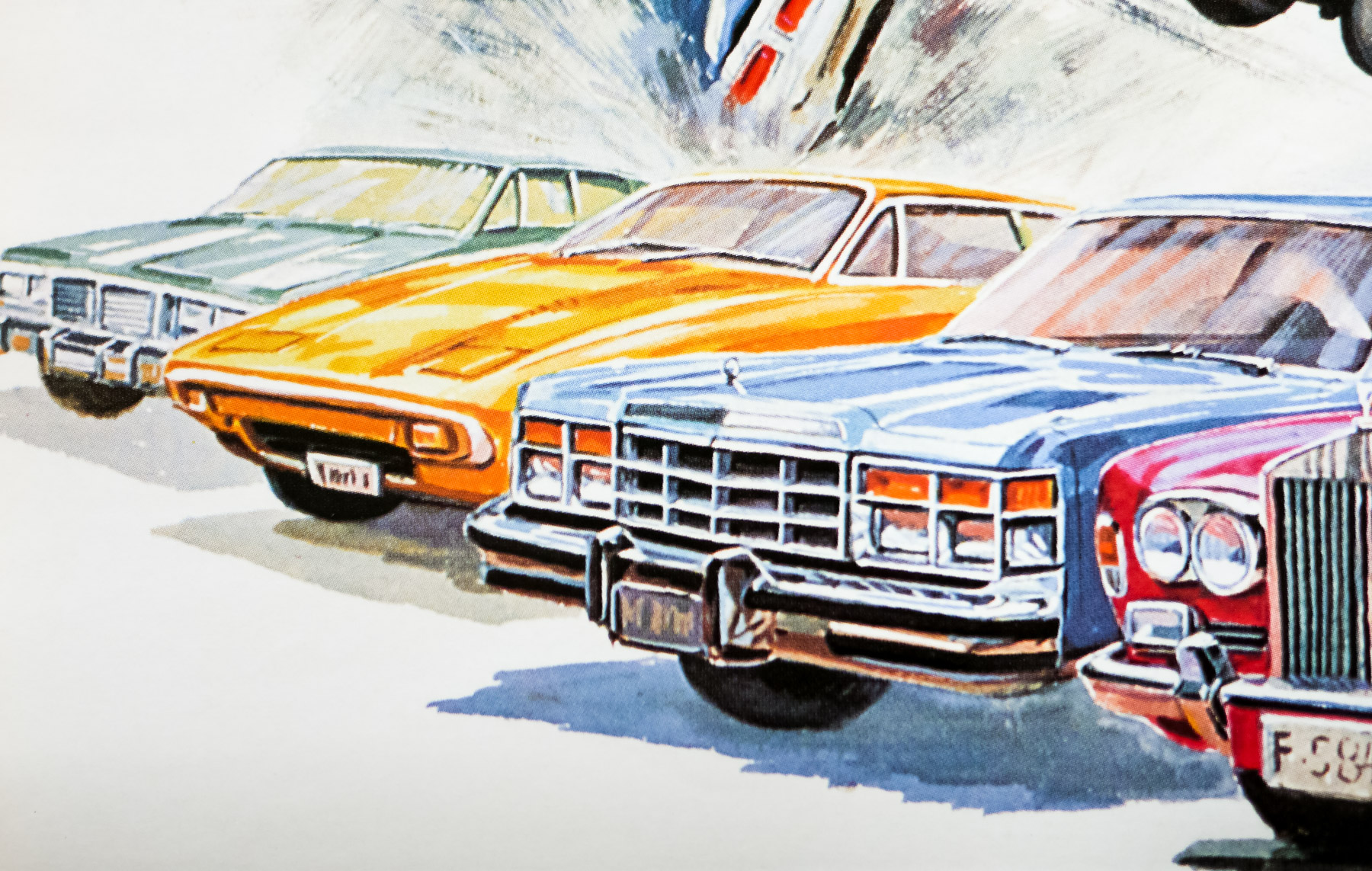
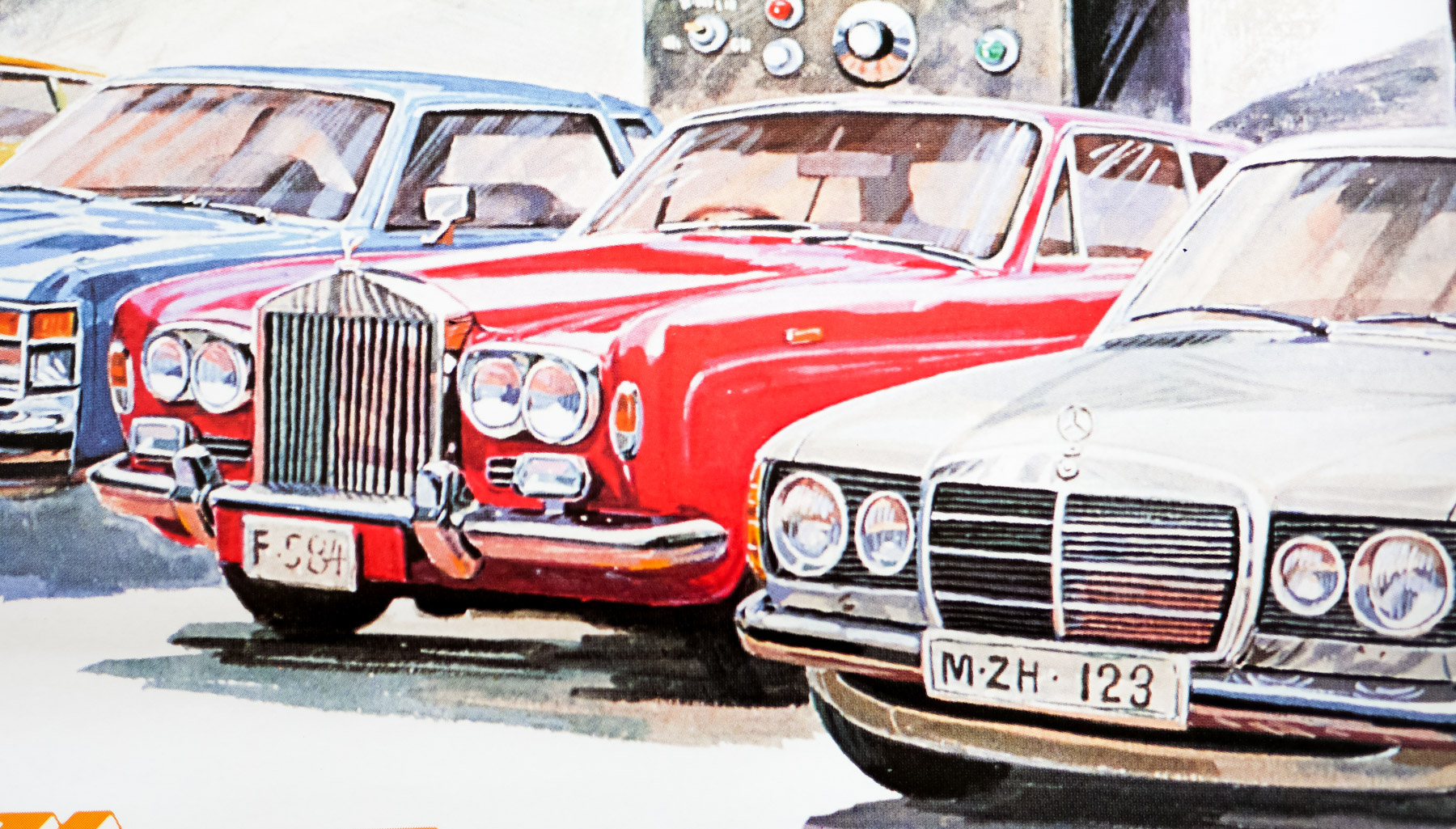
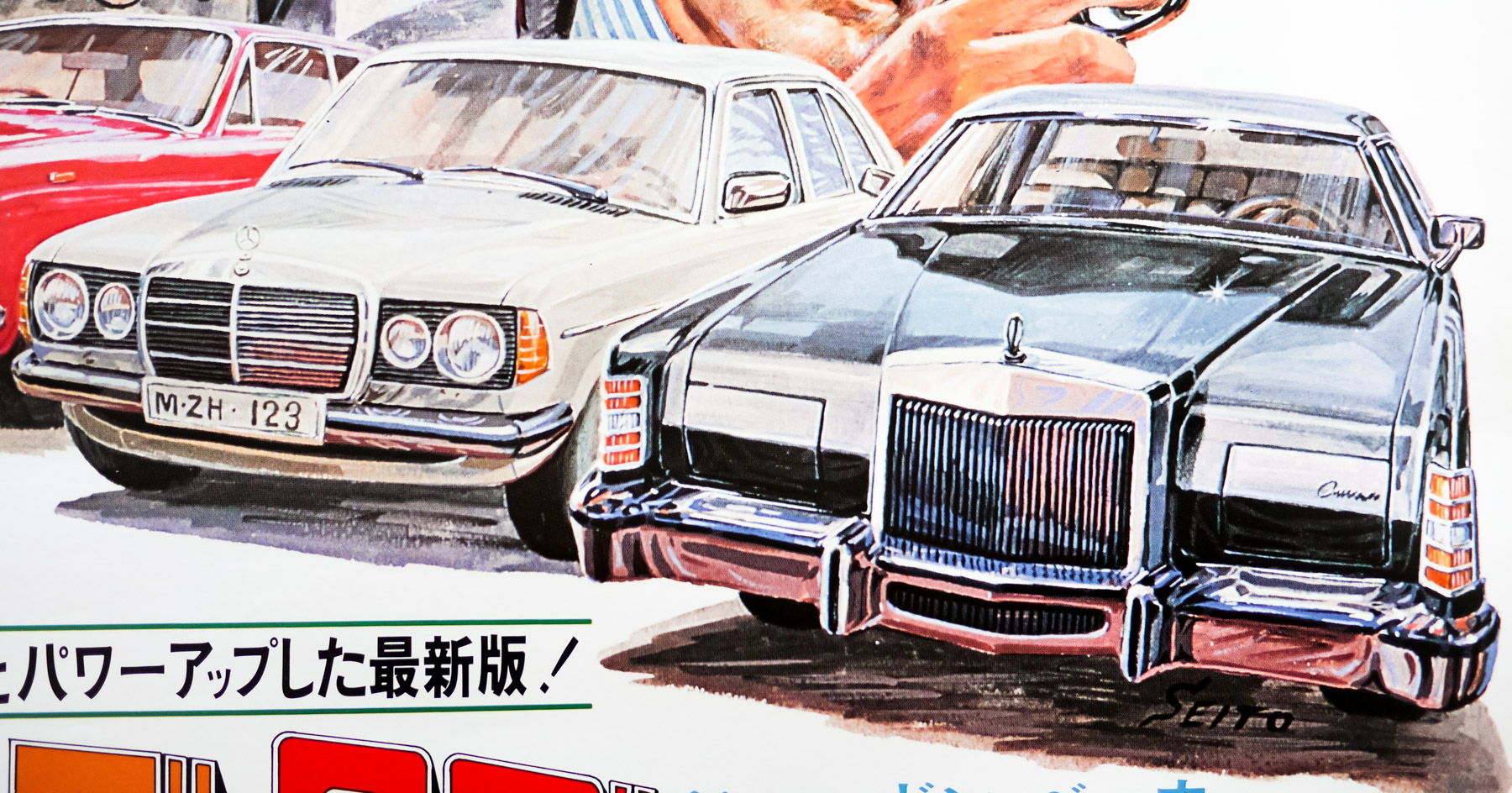
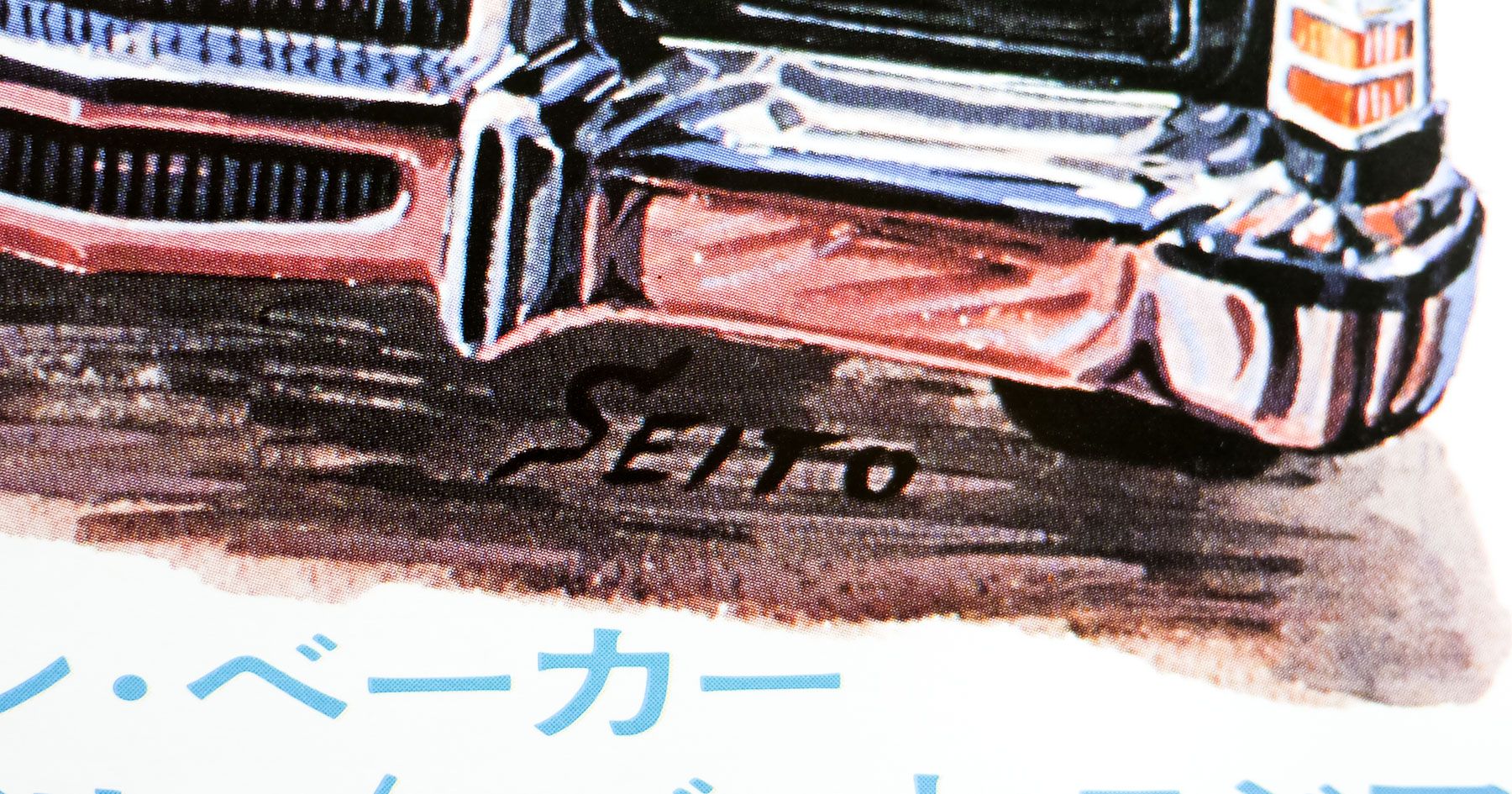
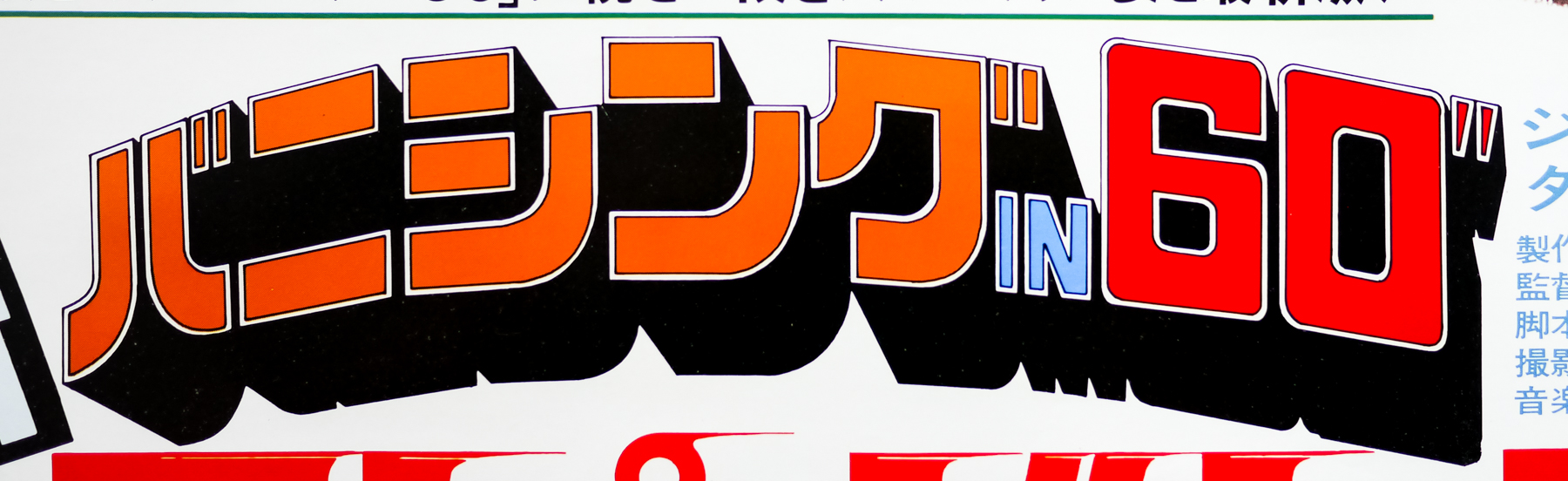
A highly detailed illustration graces this Japanese B2 for the release of Speedtrap, a little-seen automotive action flick that was made in the mould of the original Gone in 60 Seconds, which was released only a couple of years earlier – this poster even references the film (hence the ’60’ above the red title at the bottom). The story sees private eye Pete Novick, played by the respected character actor Joe Don Baker (best known for the original Walking Tall and several appearances in Brosnan-era Bond films), hired by an insurance company to track down the mysterious ‘Road Runner’ a master car thief responsible for the disappearance of hundreds of high-end automobiles.

After teaming up with an ex-girlfriend who also happens to be a police detective (Tyne Daly, who featured in The Enforcer), Novick sets his sights on the master criminal and goes all out to stop him striking again. Robert Loggia appears as a mafia boss who falls victim to the Road Runner when his drug-filled Rolls-Royce disappears.

The exciting artwork is by Seito, one of my favourite Japanese artists, who was responsible for several fantastic illustrated posters during the 1970s and 1980s. Little is known about the man himself, even in his native country. Seito also worked on the original Japanese poster for the release of Gone in 60 Seconds, which I have in the collection and can be seen here.

To see the other posters I’ve collected by him click here.

The Last Starfighter / B2 / grey title style / Japan

23.09.13

Poster Poster
Title
The Last Starfighter
AKA
Giochi stellari [Star games] (Italy)
Year of Film
1984
Director
Nick Castle
Starring
Lance Guest, Dan O'Herlihy, Catherine Mary Stewart, Norman Snow, Robert Preston, Kay E. Kuter, Barbara Bosson, Chris Hebert, Dan Mason, Vernon Washington
Origin of Film
USA
Genre(s) of Film
Lance Guest, Dan O'Herlihy, Catherine Mary Stewart, Norman Snow, Robert Preston, Kay E. Kuter, Barbara Bosson, Chris Hebert, Dan Mason, Vernon Washington,
Type of Poster
B2
Style of Poster
Grey title style
Origin of Poster
Japan
Year of Poster
1985
Designer
Unknown
Artist
--
Size (inches)
20 5/16" x 28 14/16"
SS or DS
SS
Tagline
--

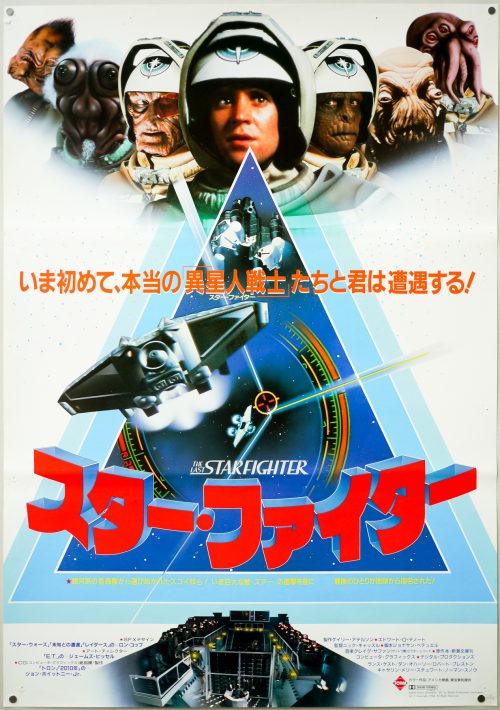
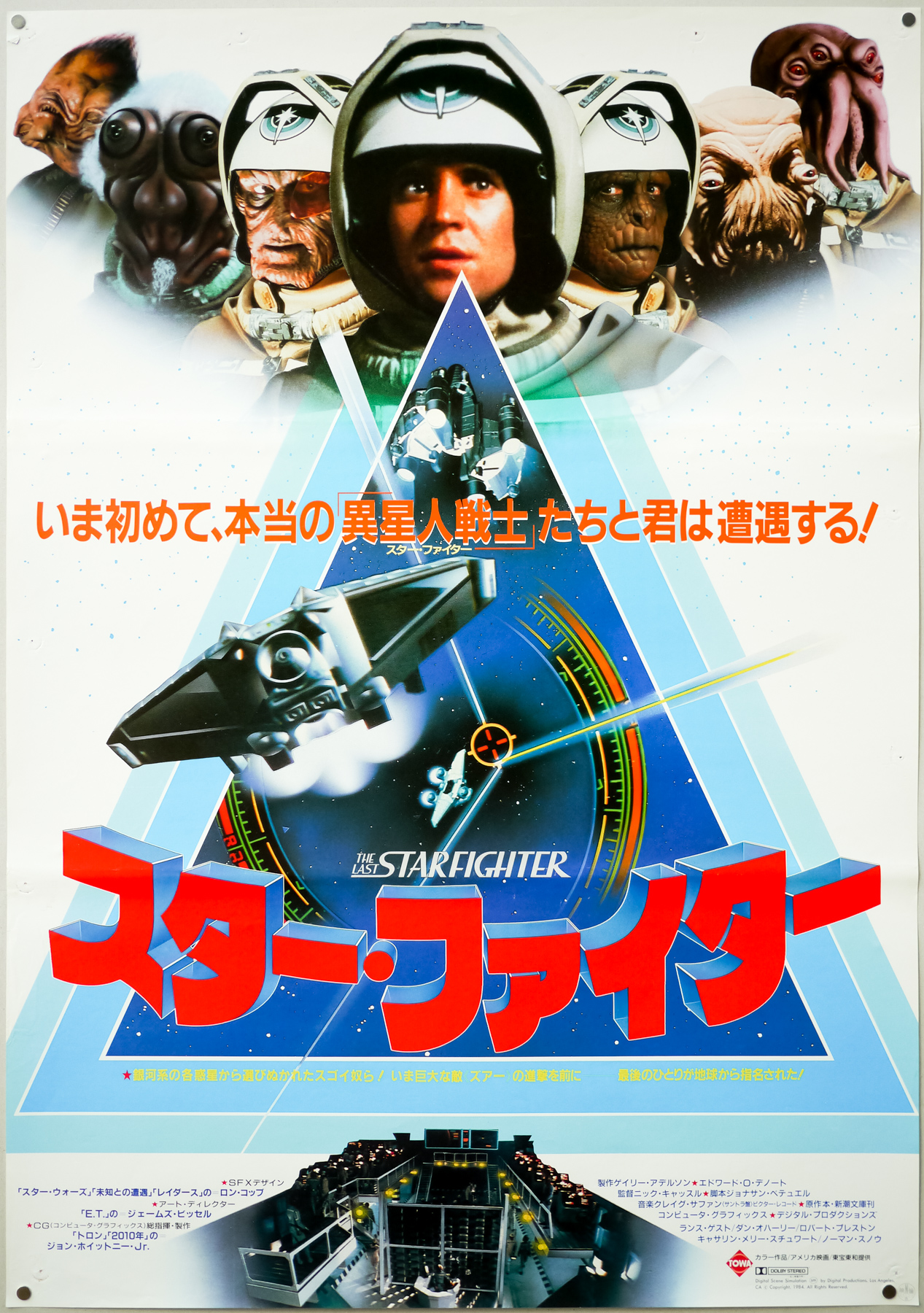
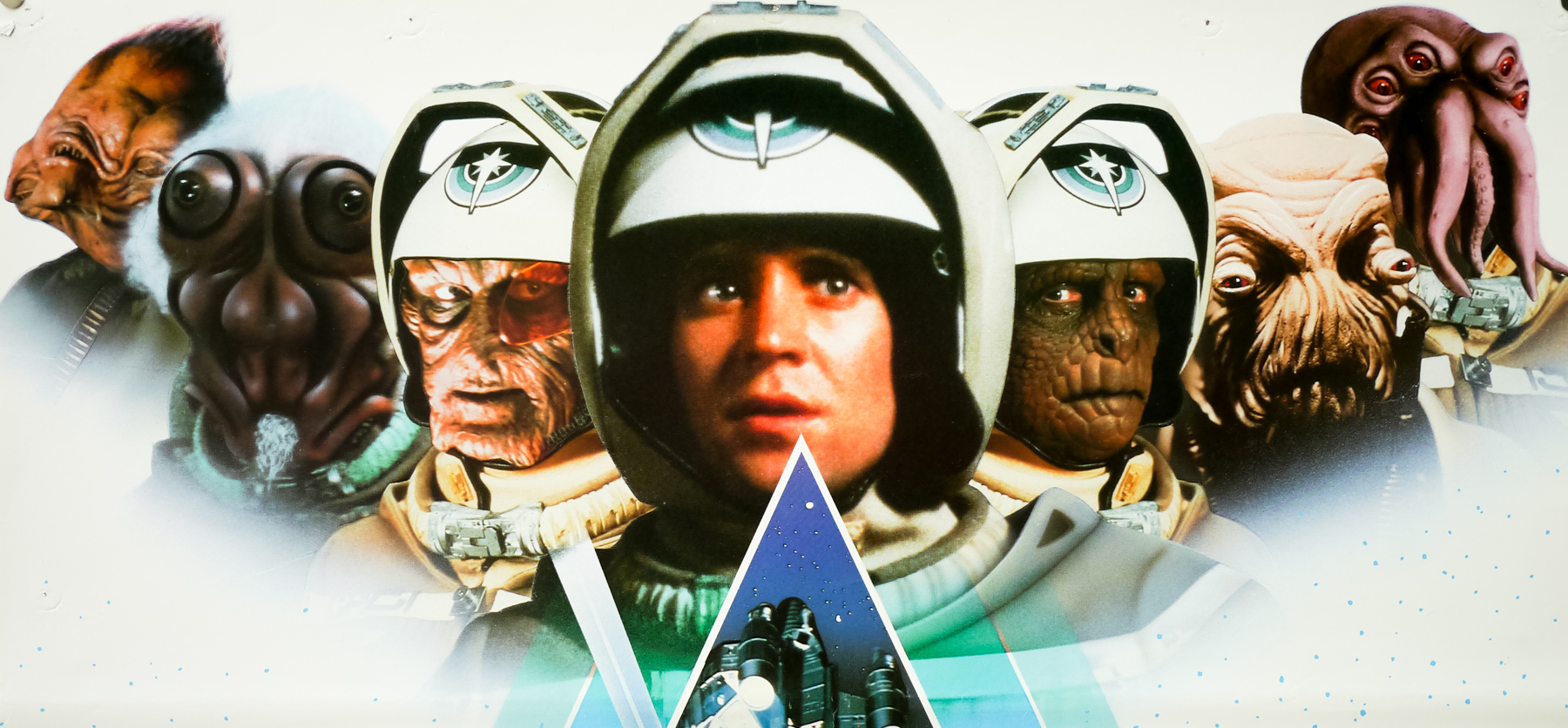
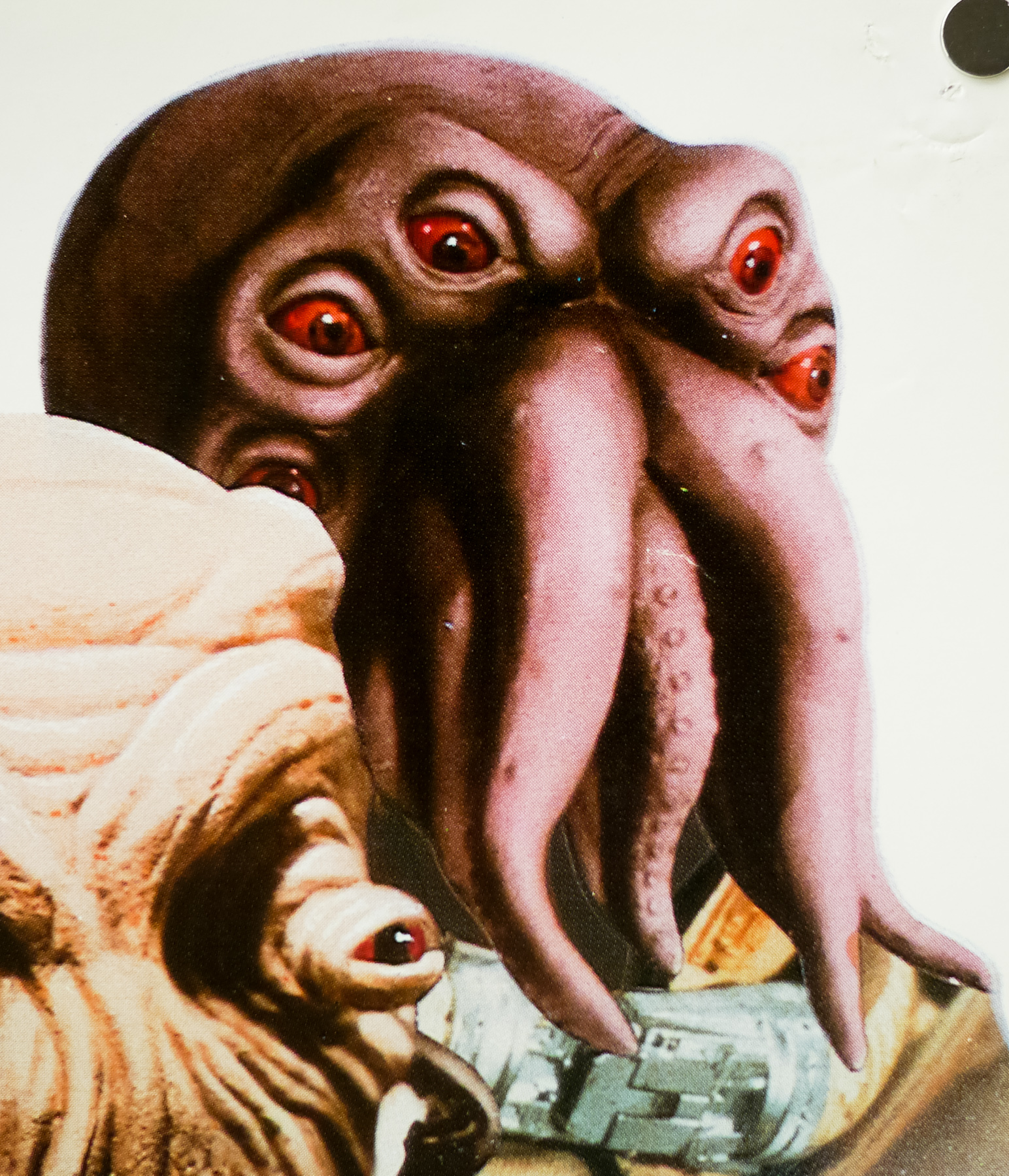
A minor sci-fi classic, The Last Starfighter is one of those perennial favourites that seemed to be on TV every month and, along with films like Flight of the Navigator and The Goonies, became a cult favourite for children of the 1980s. The film’s plot is fairly straightforward; Alex Rogan (Lance Guest) is a frustrated teenager who dreams of leaving his small American town to study at university, despite the protestations of his girlfriend Maggie (Catherine Mary Stewart). One day he beats the high score of an arcade game called Starfighter that is secretly a recruiting tool for the Star League, a team of space pilots who are battling against an overwhelming force threatening the entire galaxy. When an alien recruiter arrives and takes Alex to the headquarters of the defence force, the teenager is at first reluctant to join the war, but when a surprise attack from the enemy force destroys most of the command centre and the other starfighters, Alex decides to step up to the challenge.

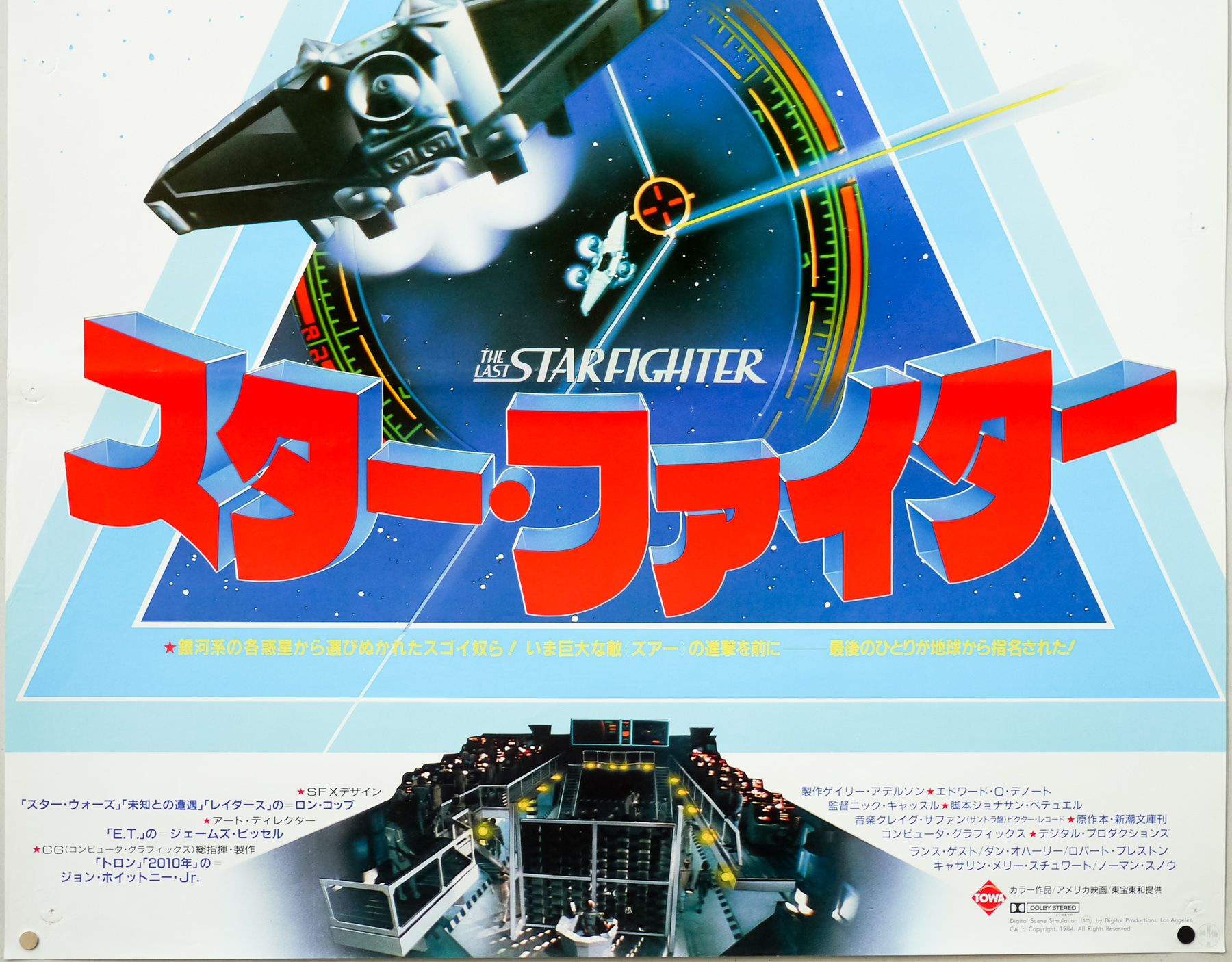
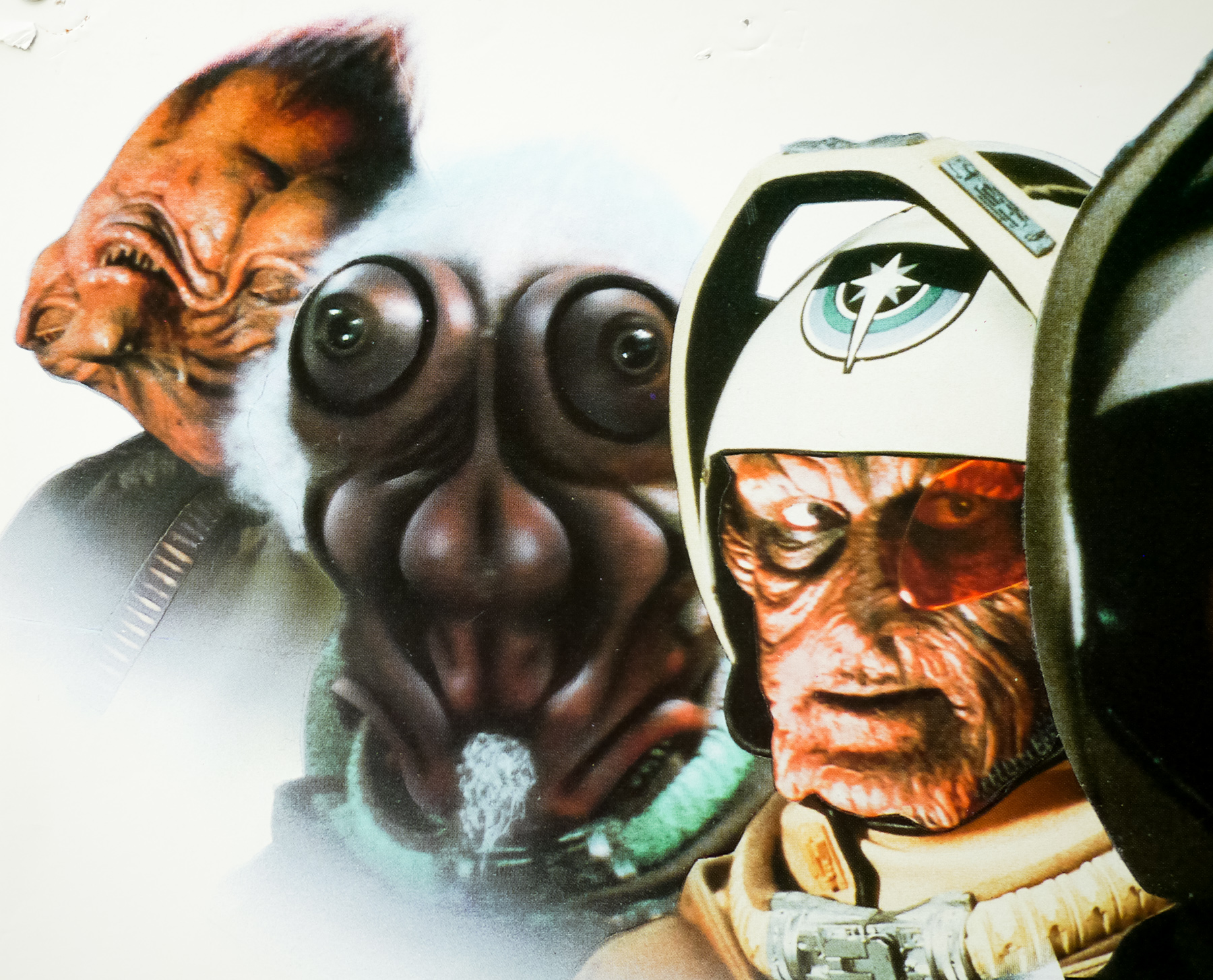
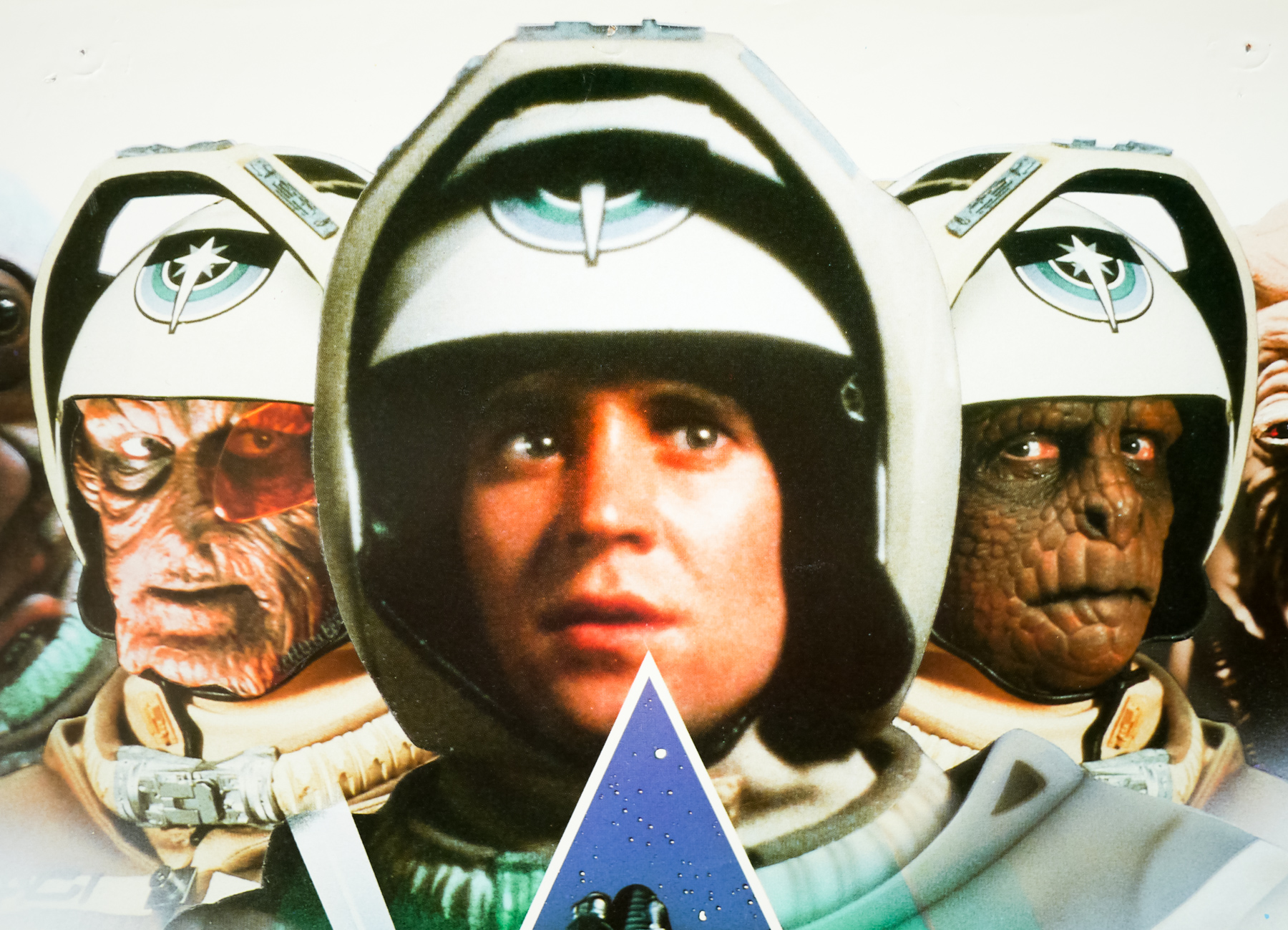
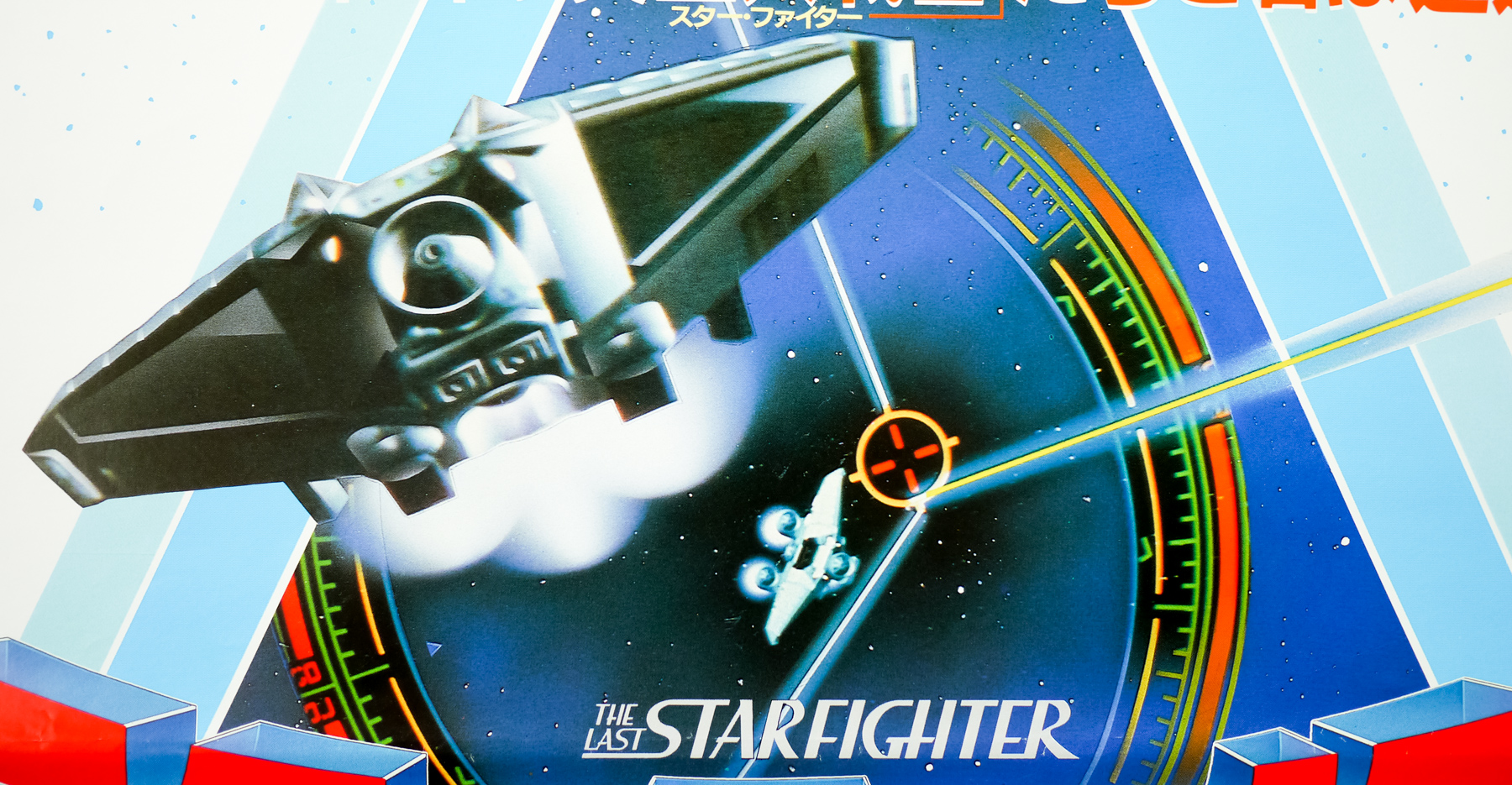
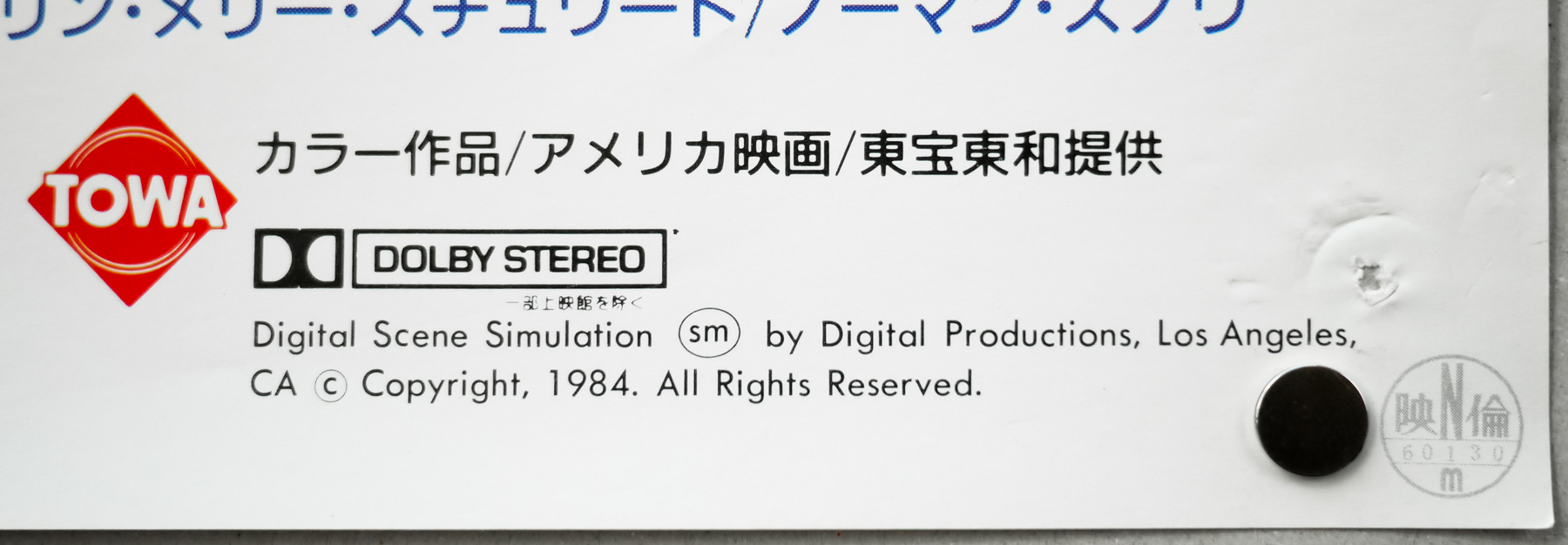
Ably directed by Nick Castle, a friend and former classmate (at USC) of John Carpenter – Nick actually played the part of Michael Myers in Halloween – the film has a sweet story filled with memorable characters, such as the late, great character actor Robert Preston as the alien benefactor who recruits Alex and Dan O’Herlihy as Grig, his alien co-pilot (as seen to the right of Alex on this poster). The film is perhaps most notable for being a milestone of technical achievement for its pioneering use of CGI to depict most of the scenes involving space battles, or ‘digital scene simulation’ as it’s (unusually) credited as on the bottom of this poster.

A company called Digital Productions was hired to work on these sequences and, as detailed in the excellent making-of documentary found on the blu-ray of the film, the artists and technicians were pushing the boundaries of what was possible with the available hardware – a giant supercomputer called Cray – on a daily basis. It was the first time that CGI was used to depict scenes in a film that weren’t explicitly part of a computer simulation (like Tron, for example) and the team had to battle against time and a plentiful supply of naysayers who were trying to push Castle and the producers to use the more traditional model work seen in other films of the period. The director stood his ground and the results speak for themselves. Viewed now it’s clear how far the technology has come, but audiences must have been thrilled back in 1984 and some of the sequences still look pretty decent even today.

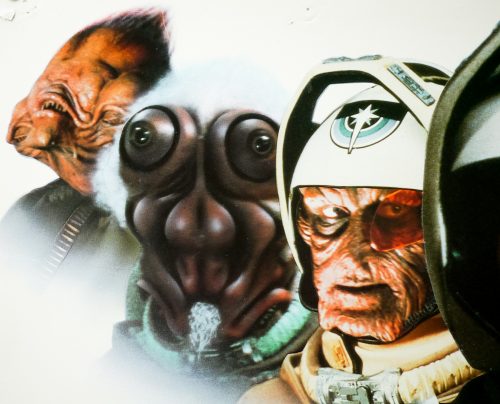
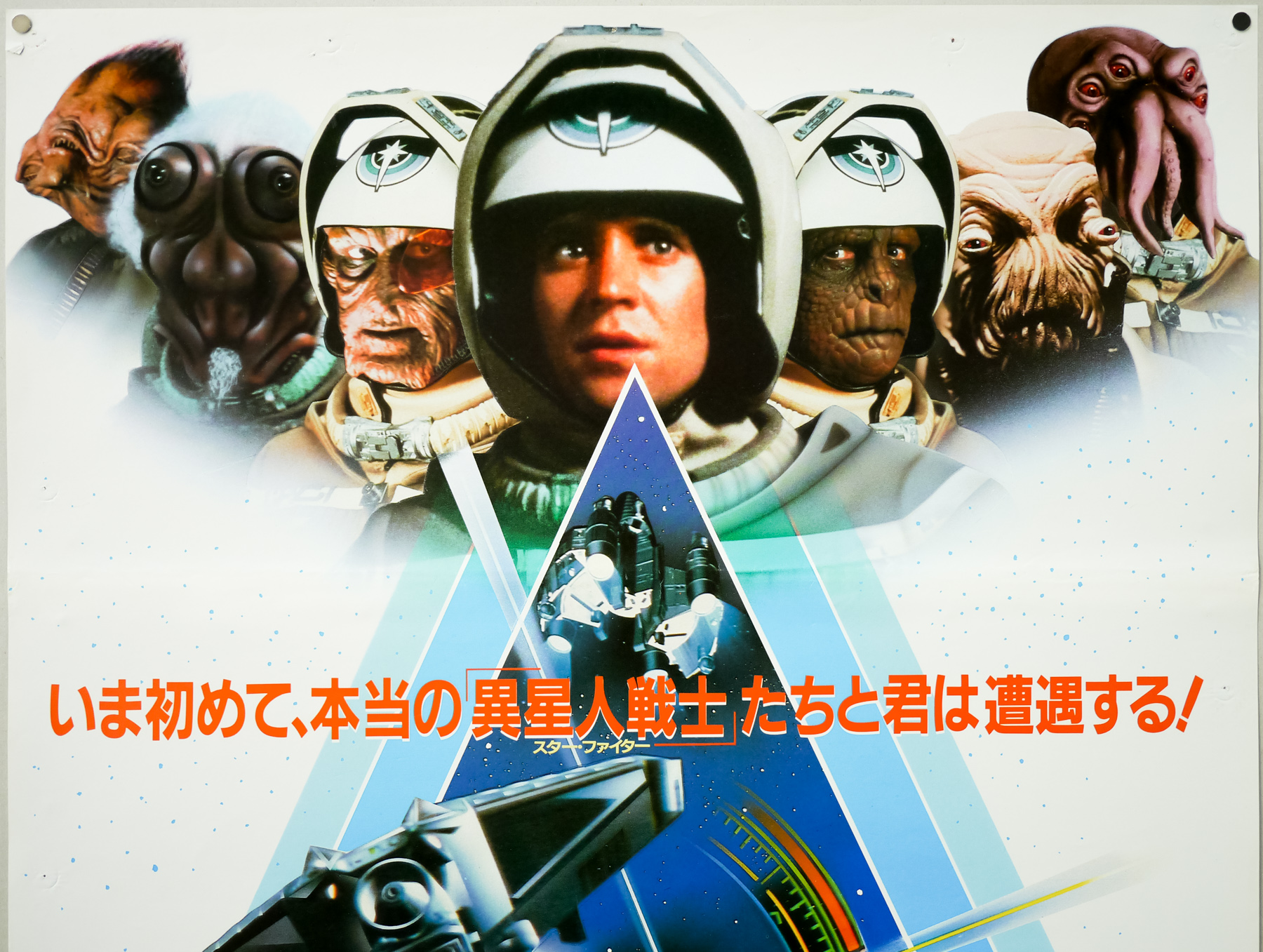
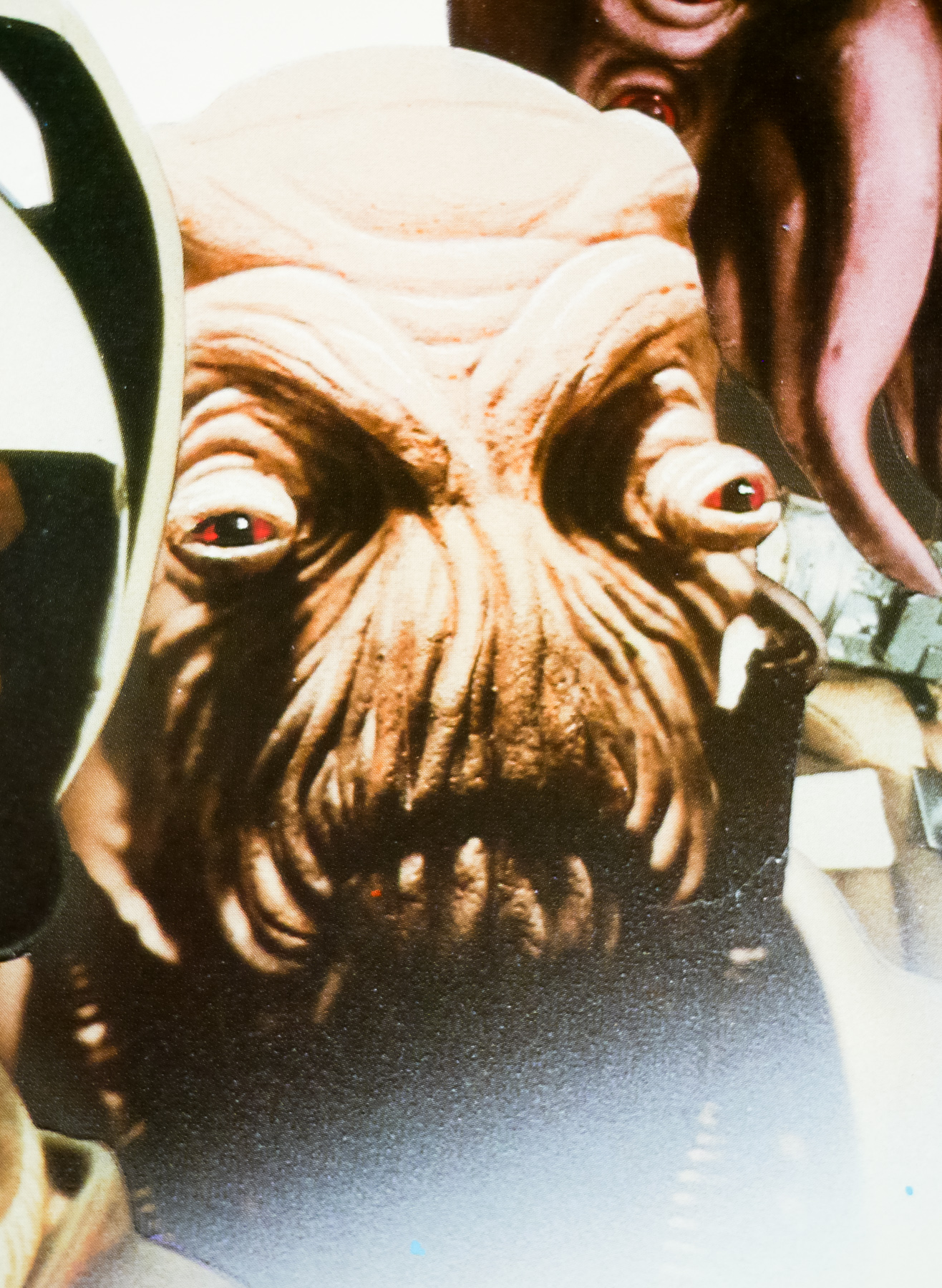
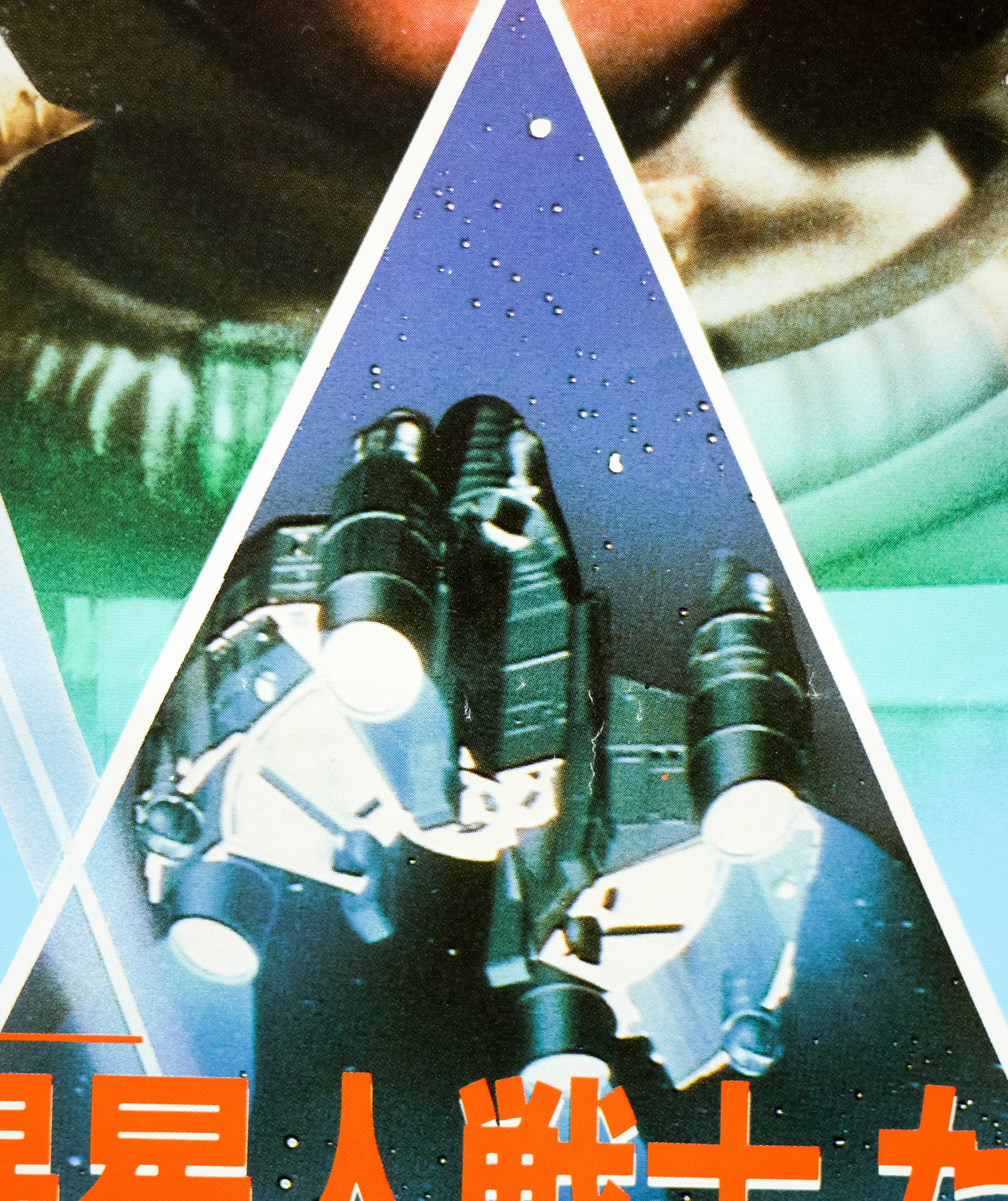
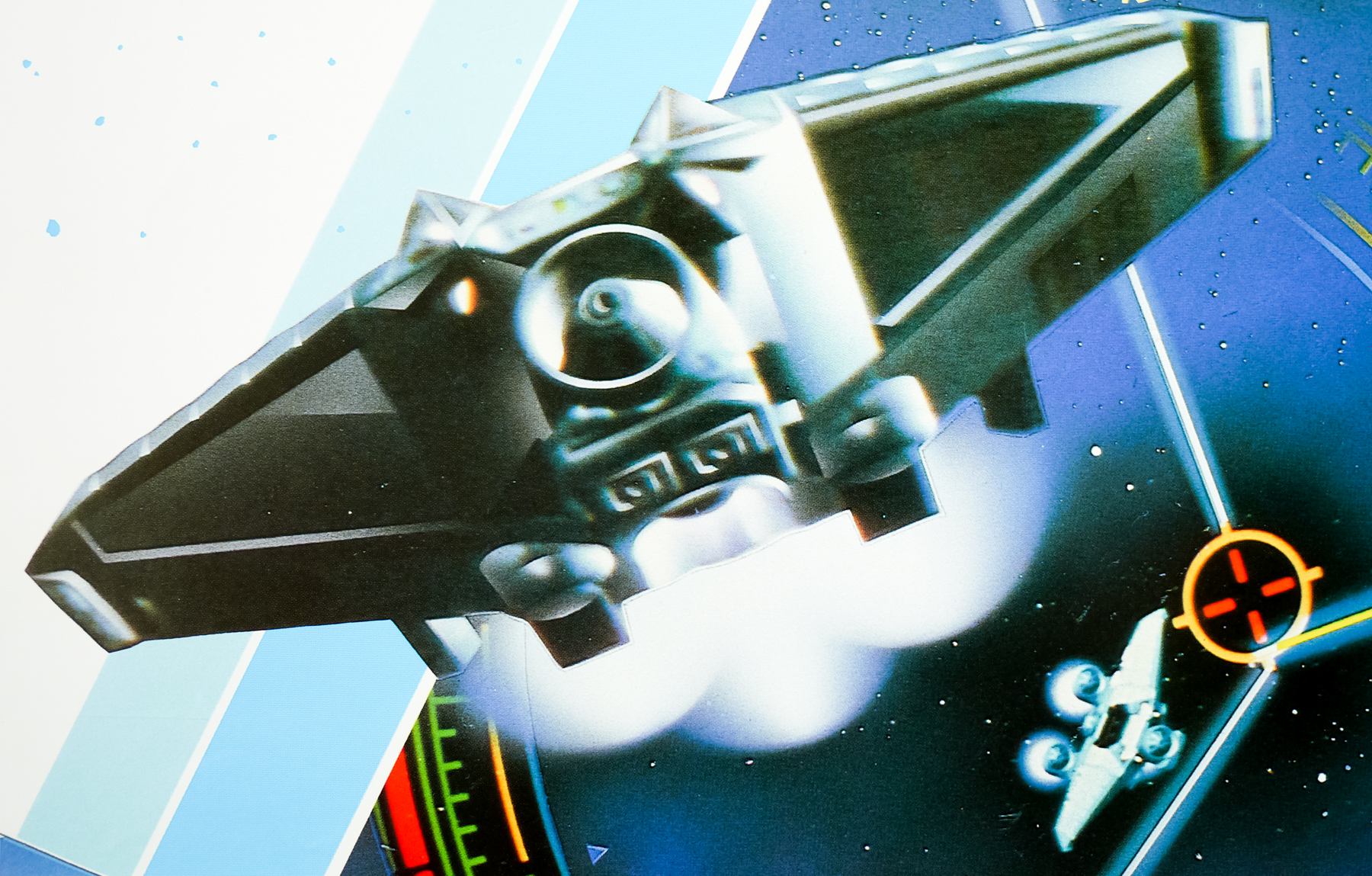
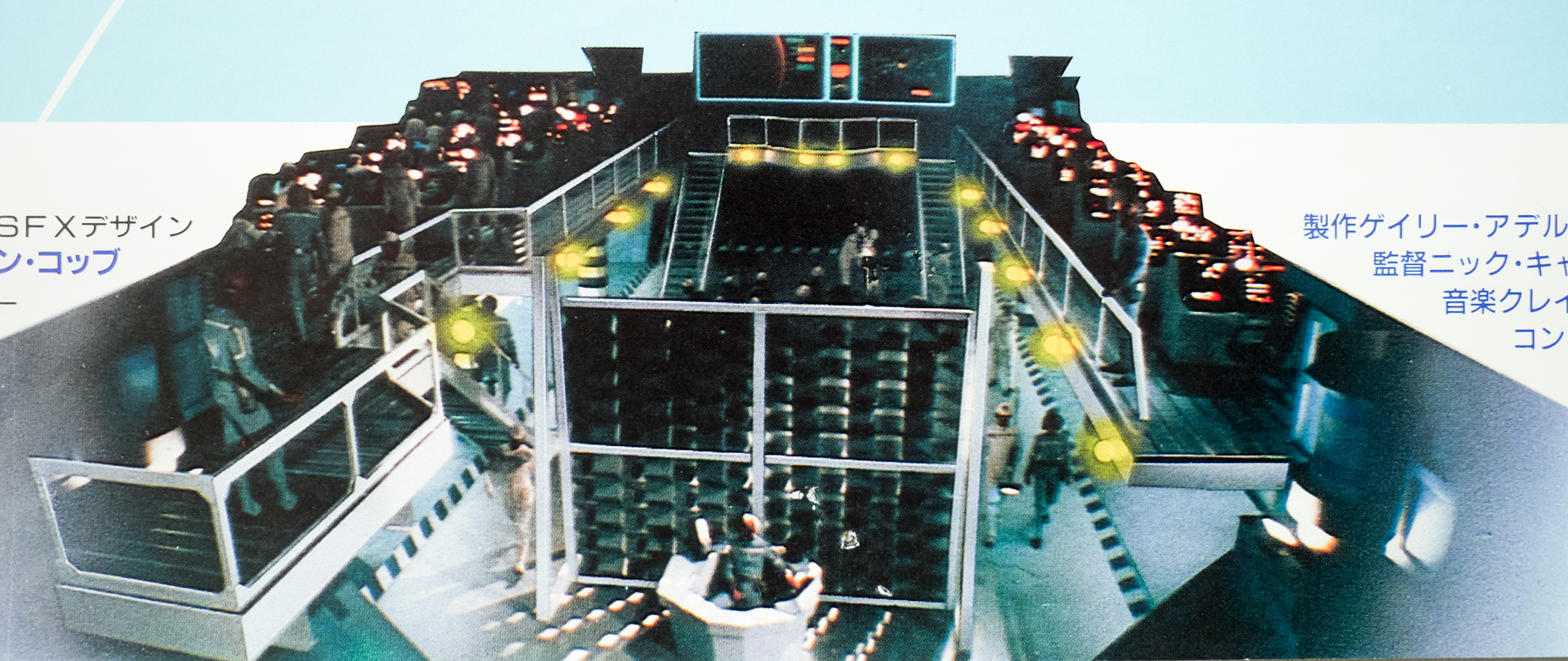
This Japanese poster features a montage of images from the film, including some of Alex’s fellow starfighters, although fans of the film will notice that the designer of the poster has taken some liberties by placing a starfighter helmet on the head of one of the main bad guys (the brown-faced alien with the eye glass). I’m assuming it had something to do with making the design more symmetrical, unless there’s a deleted scene that I’m unaware of!


Sharks and Men / B2 / Japan

28.10.13

Poster Poster
Title
Sharks and Men
AKA
Uomini e Squali (Italy - original title) | Of Sharks and Men (alt. full title)
Year of Film
1976
Director
Bruno Vailati
Starring
N/A
Origin of Film
Italy
Genre(s) of Film
N/A,
Type of Poster
B2
Style of Poster
--
Origin of Poster
Japan
Year of Poster
1976
Designer
Unknown
Artist
Susumu Masukawa
Size (inches)
20 6/16" x 28 13/16"
SS or DS
SS
Tagline
--

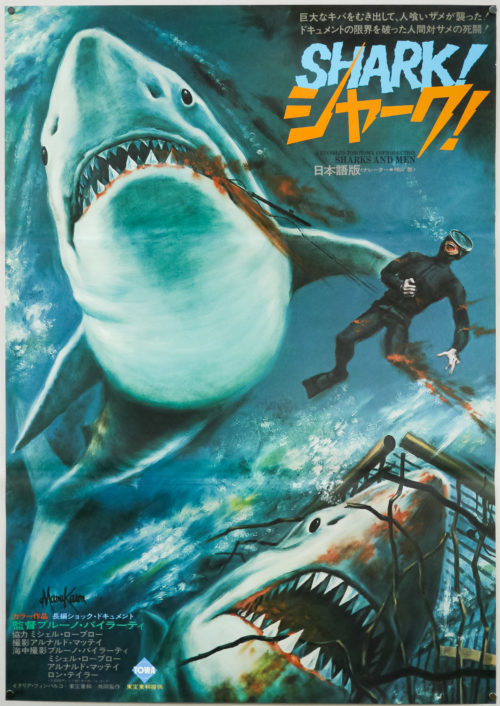
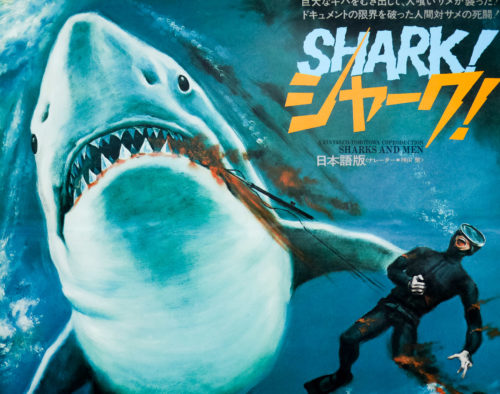
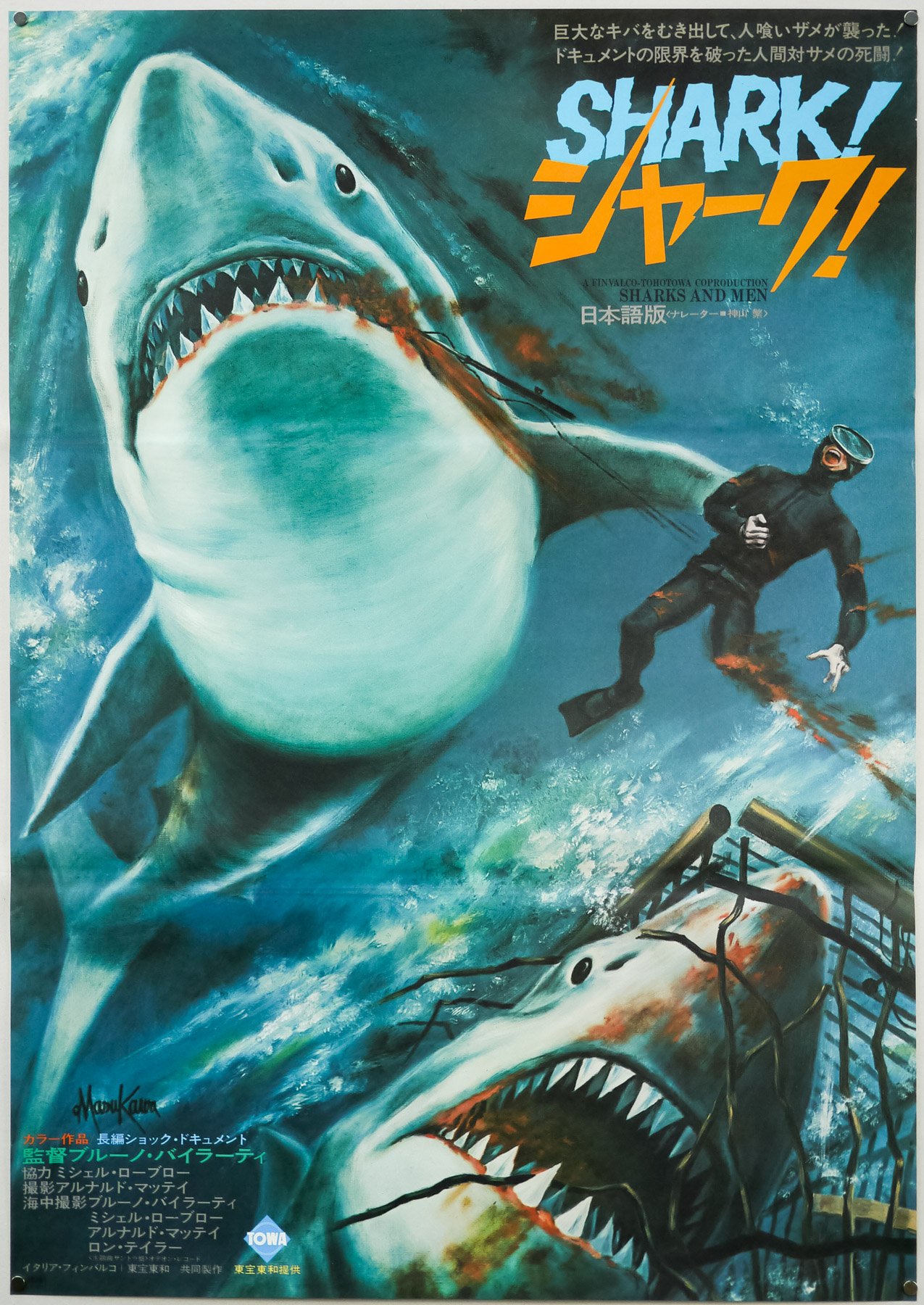
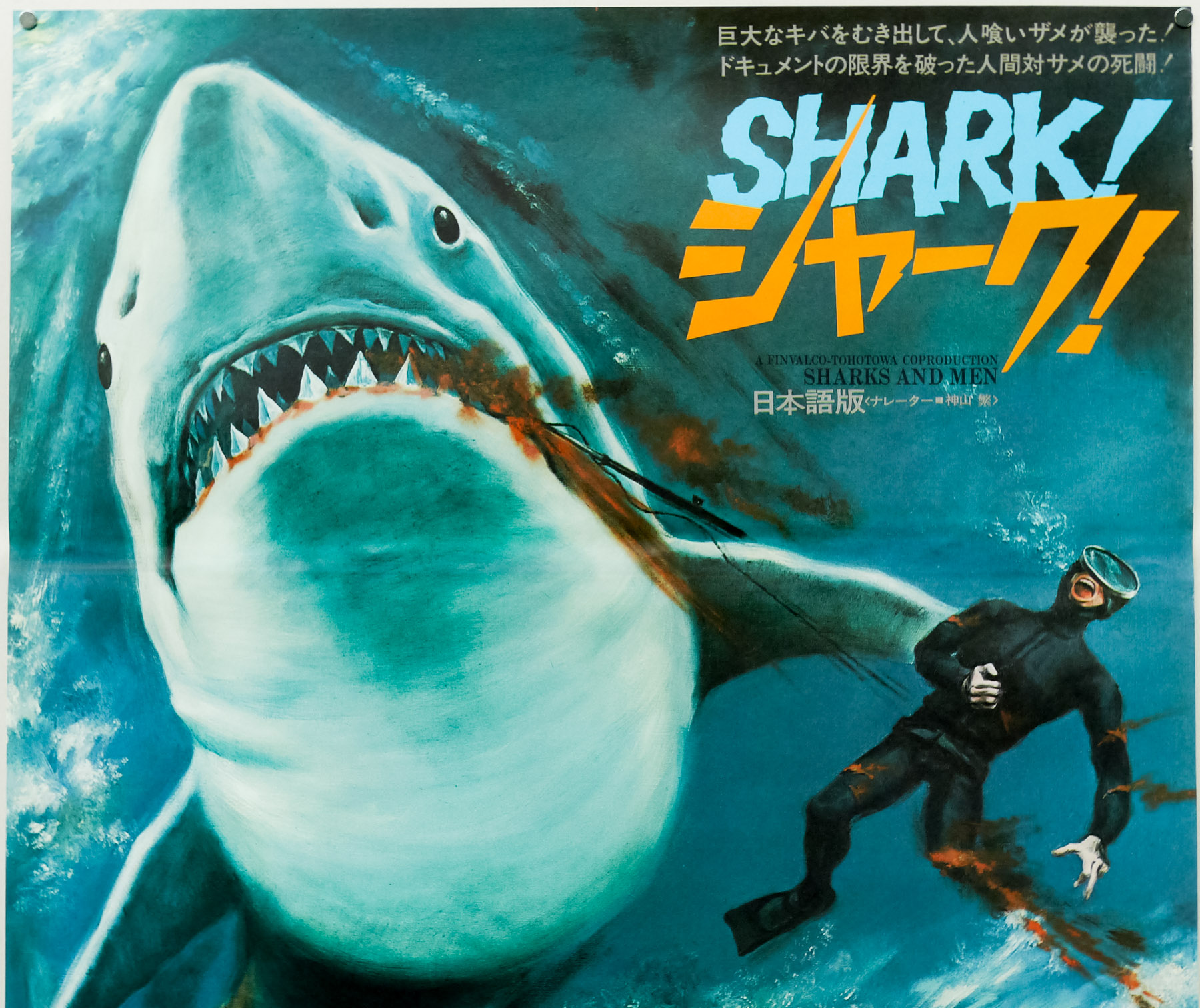
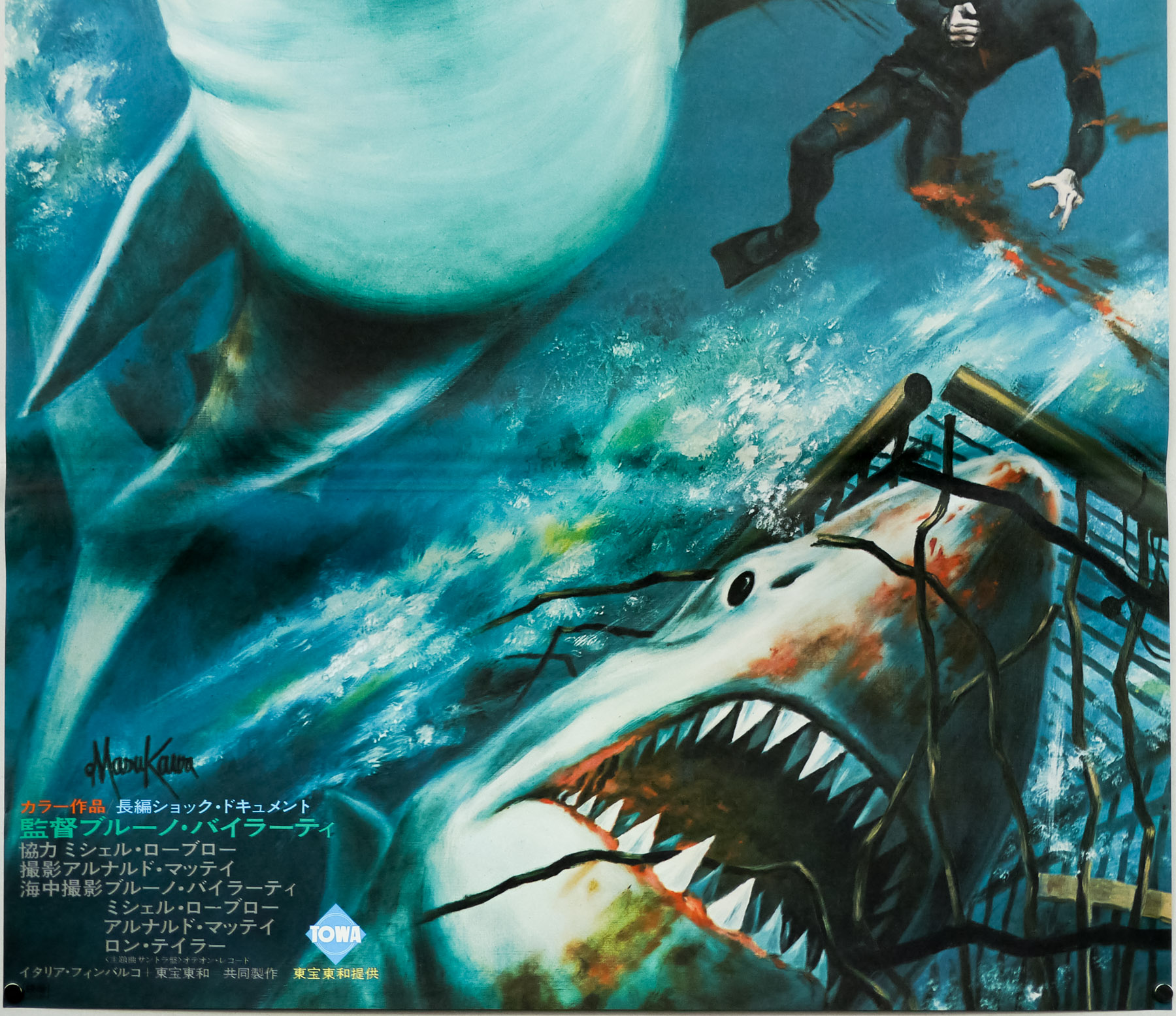
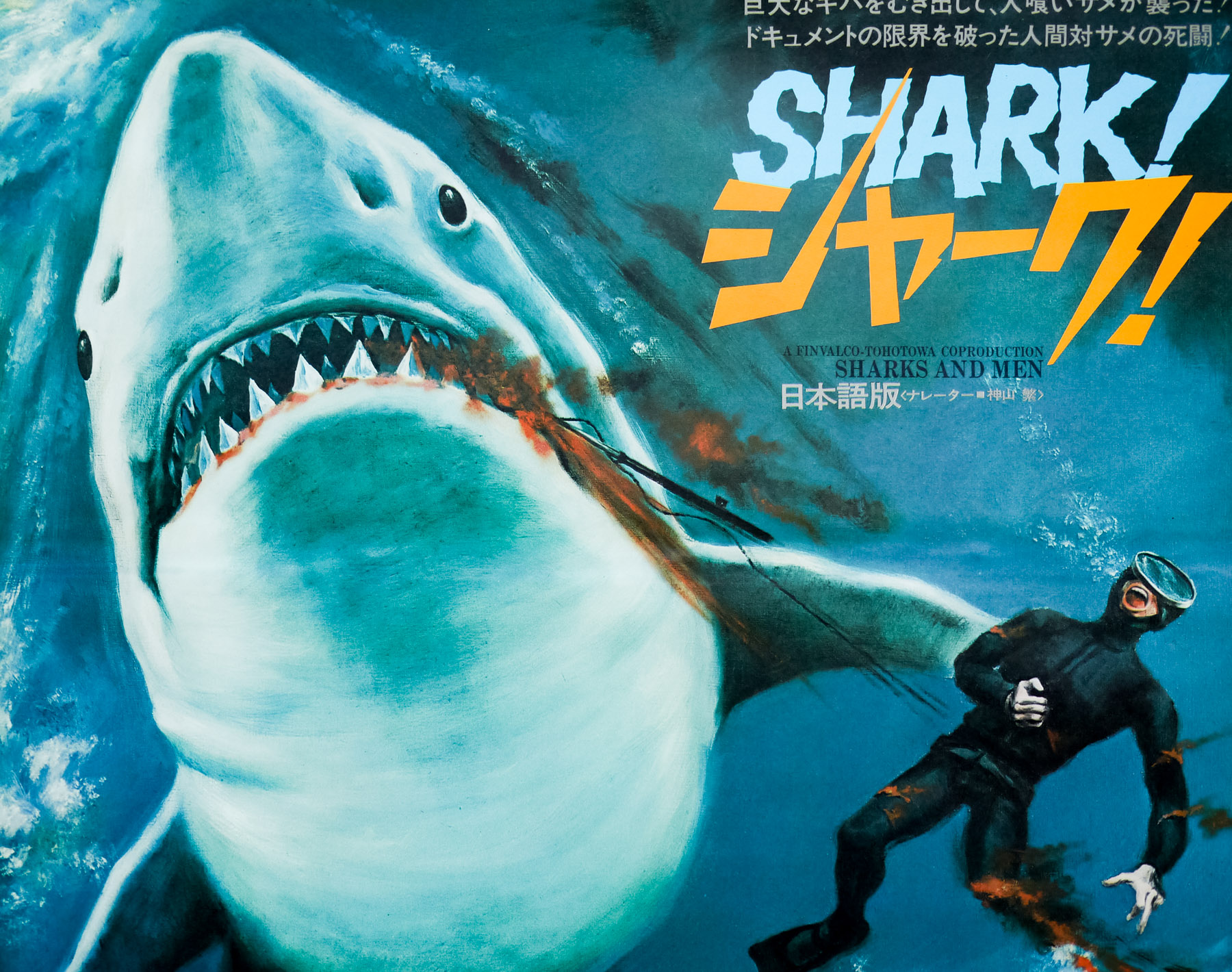
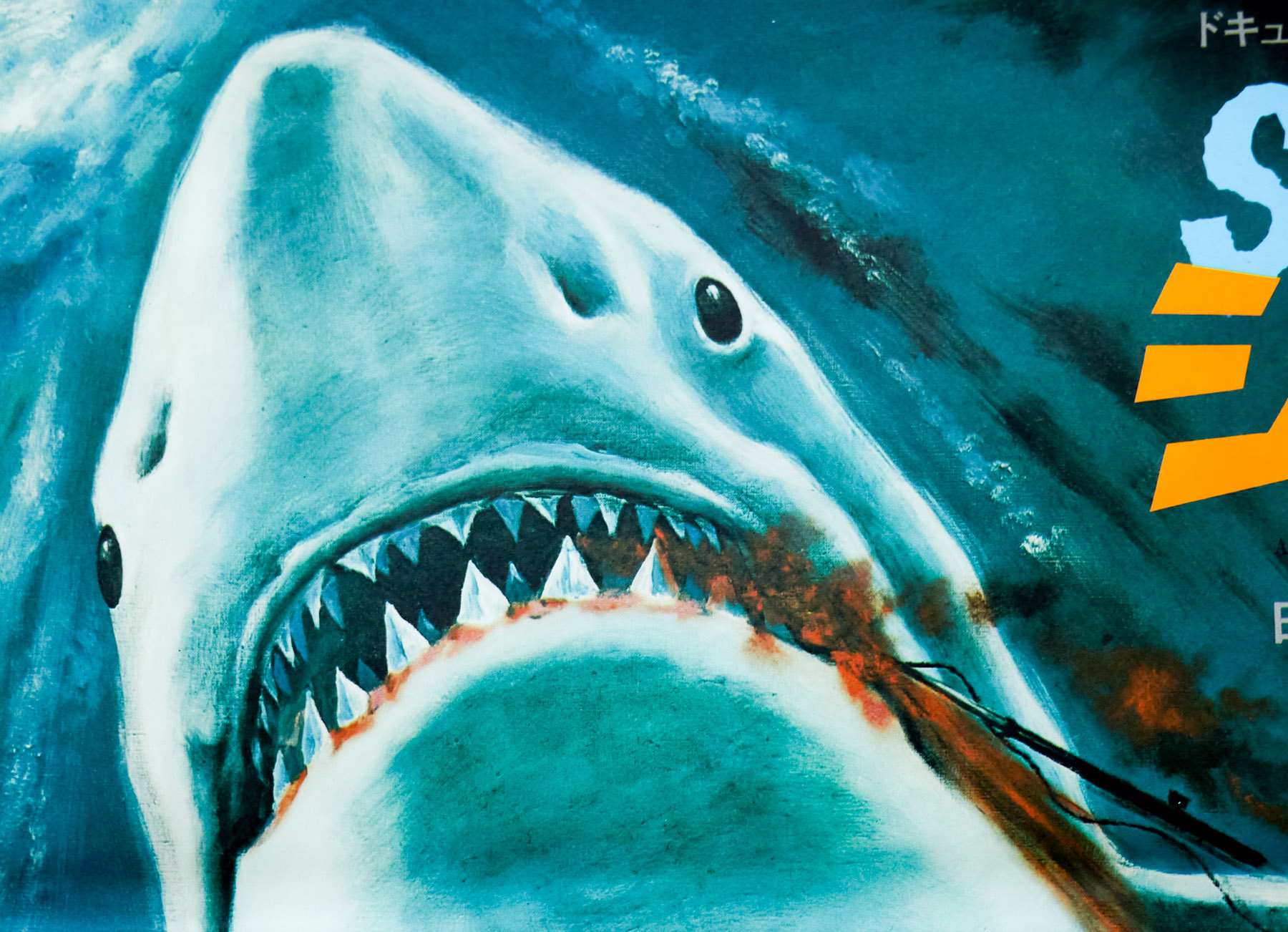
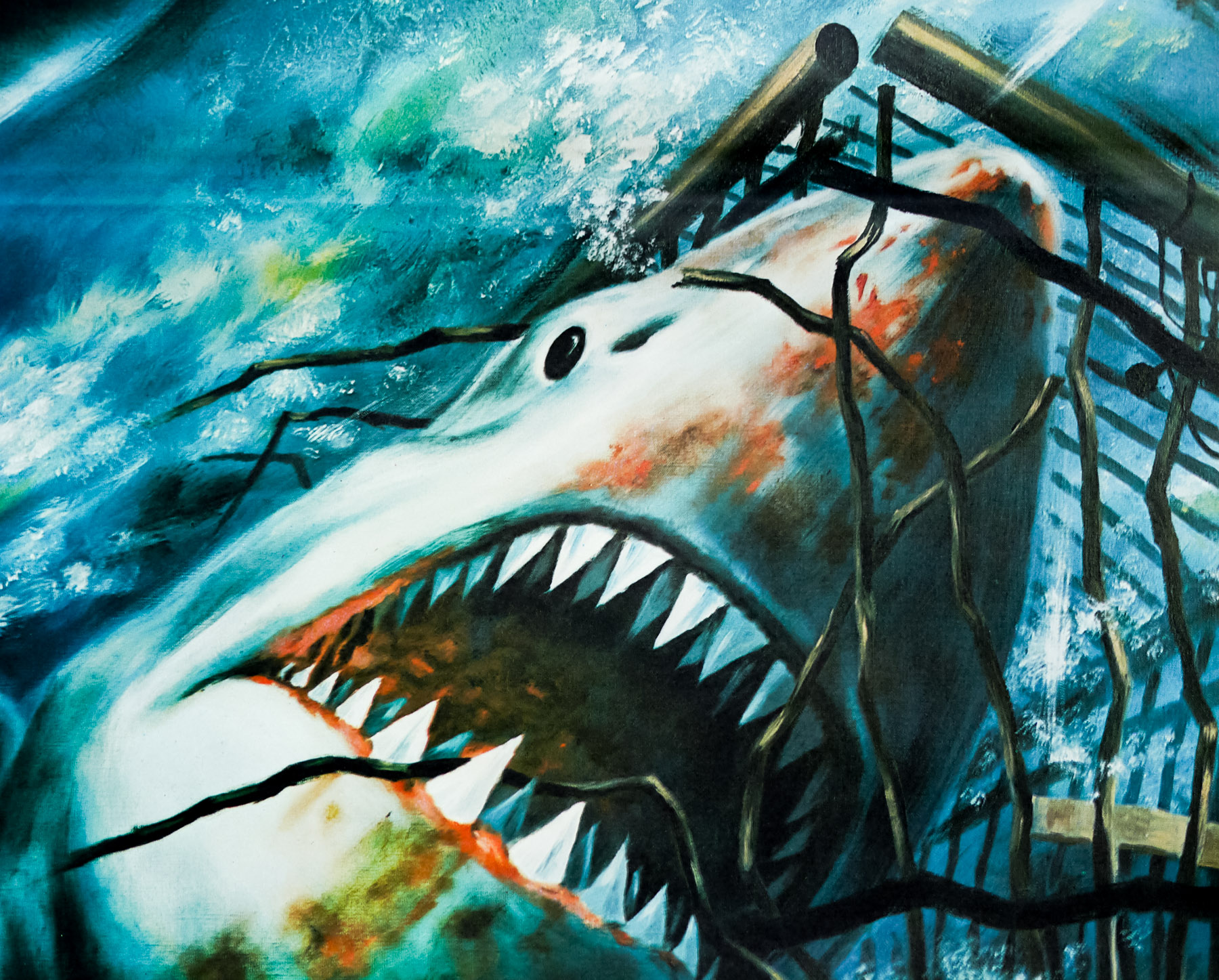
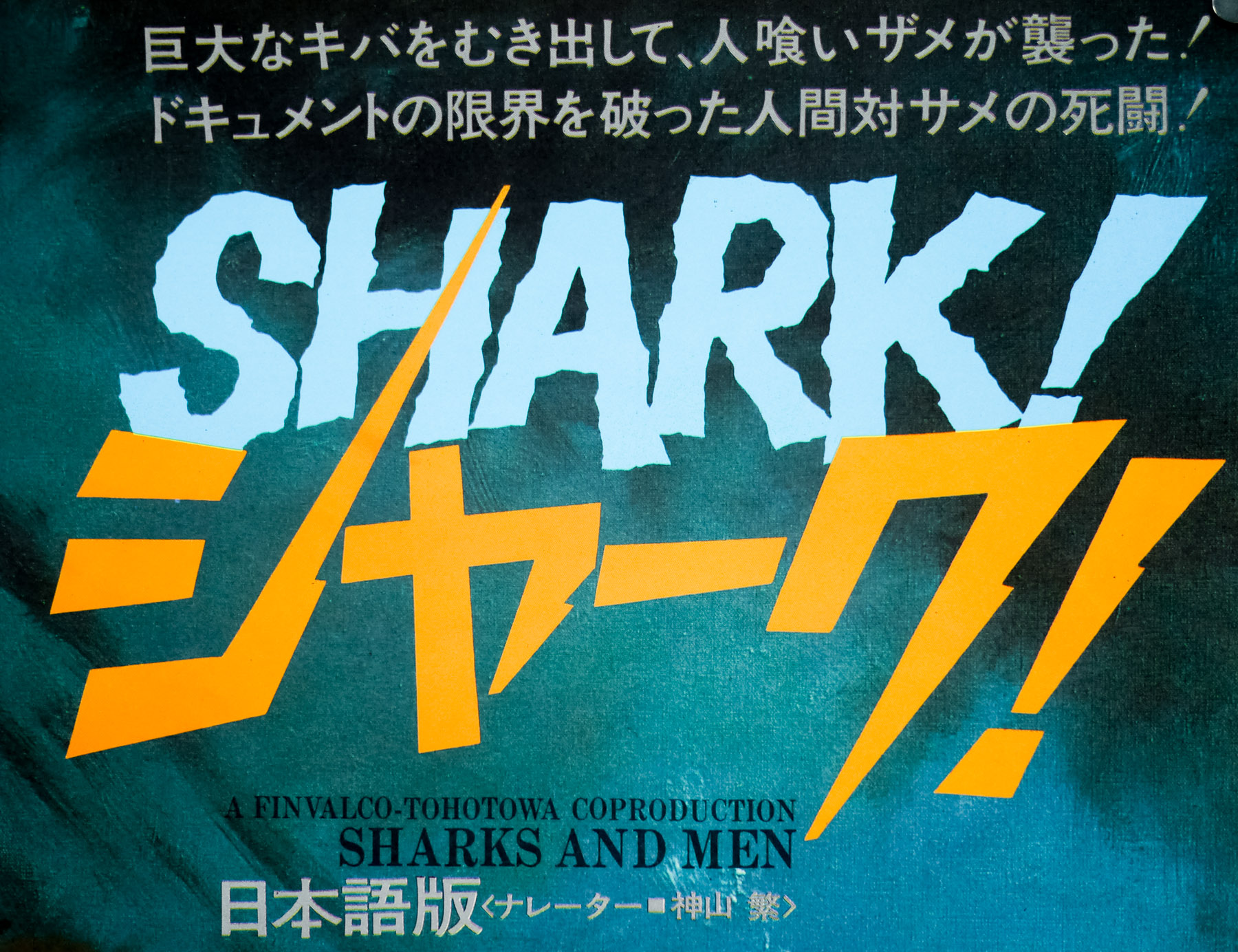
This is the Japanese poster for the release of the little-seen 1976 mondo documentary about sharks that was filmed by the Italian director Bruno Vailati (who’s probably best known for the 1961 version of The Thief of Baghdad) and released in a handful of countries that included France (I don’t believe it reached the UK). There are no prizes for guessing which Hollywood blockbuster, released only a year earlier, was the reason this documentary was put together. The IMDb page for the film is bare and features not a single review of the film. I had to dig around a bit before I found out any details of what the documentary features via this review of the VHS release on Amazon.com:

“This is the English language version of the 1976 Italian documentary “Uomini e squali” (‘Sharks and Men’), from director Bruno Vailati, narrated by Joseph Campanella, with a score by Daniele Patucchi (“Death Played the Flute”, “Frankenstein 80”) and featuring an on-screen appearance by Ray Cannon, author of “The Sea of Cortez.” Traveling all over the world (the Red Sea, the Yucatan, Tahiti and Australia), we’re treated to footage of all different species of sharks (bull, hammerhead, Great White), as well as other forms of sea life, like elephant seals, tuna and killer whales.

For those sensitive to such issues, there is a fair amount of casual cruelty in this film, including an “improvised Caesarean” of a pregnant shark (though, mercifully, her brood is cut loose and then freed to the sea) and gruesome shots of sharks being butchered. Still, an informative if somewhat outdated documentary with lots of great underwater photography (even if a few of the shots have been tampered with in post-production, e.g. net lines matted in during the opening tuna-fishing segment).”

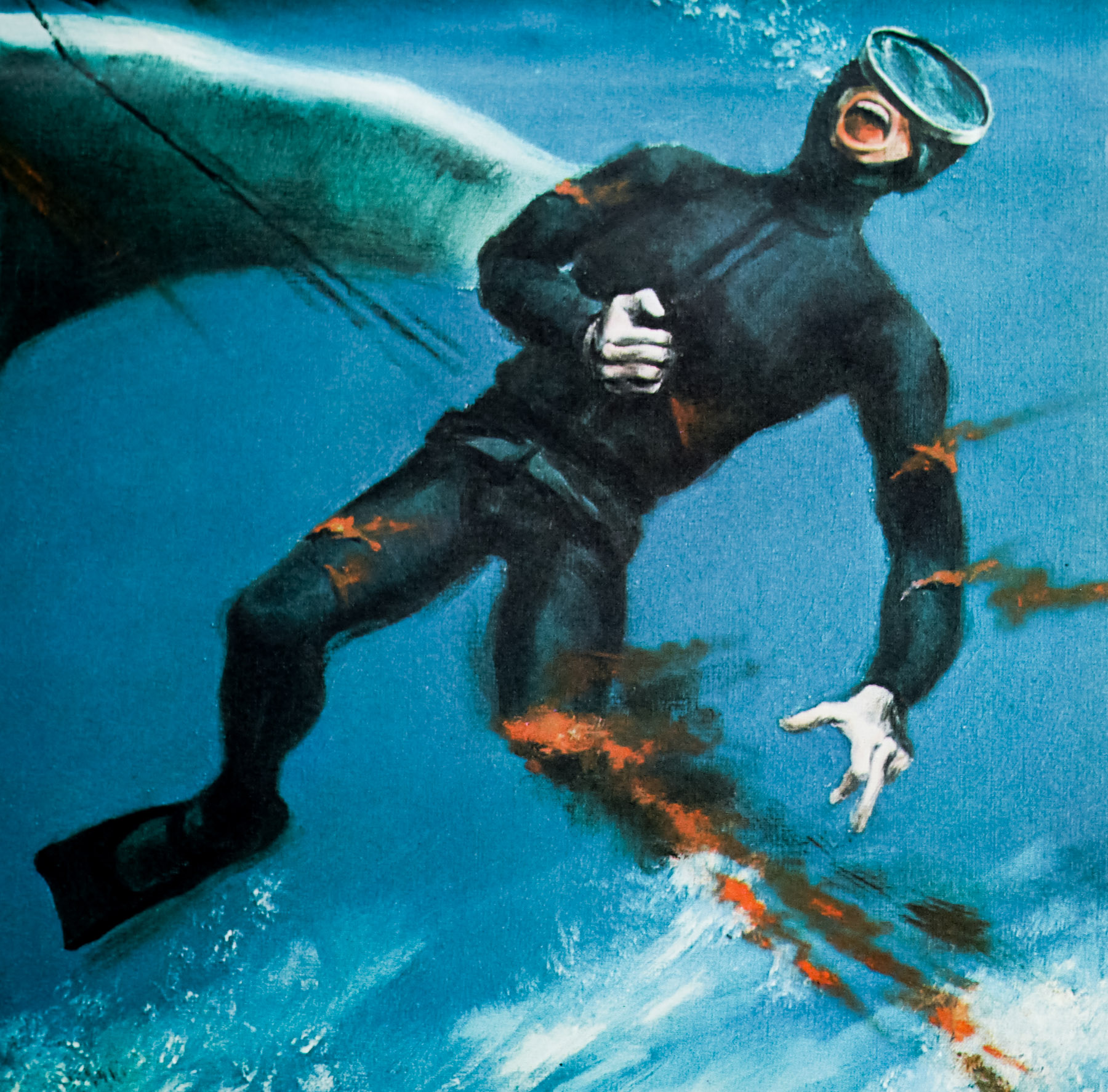
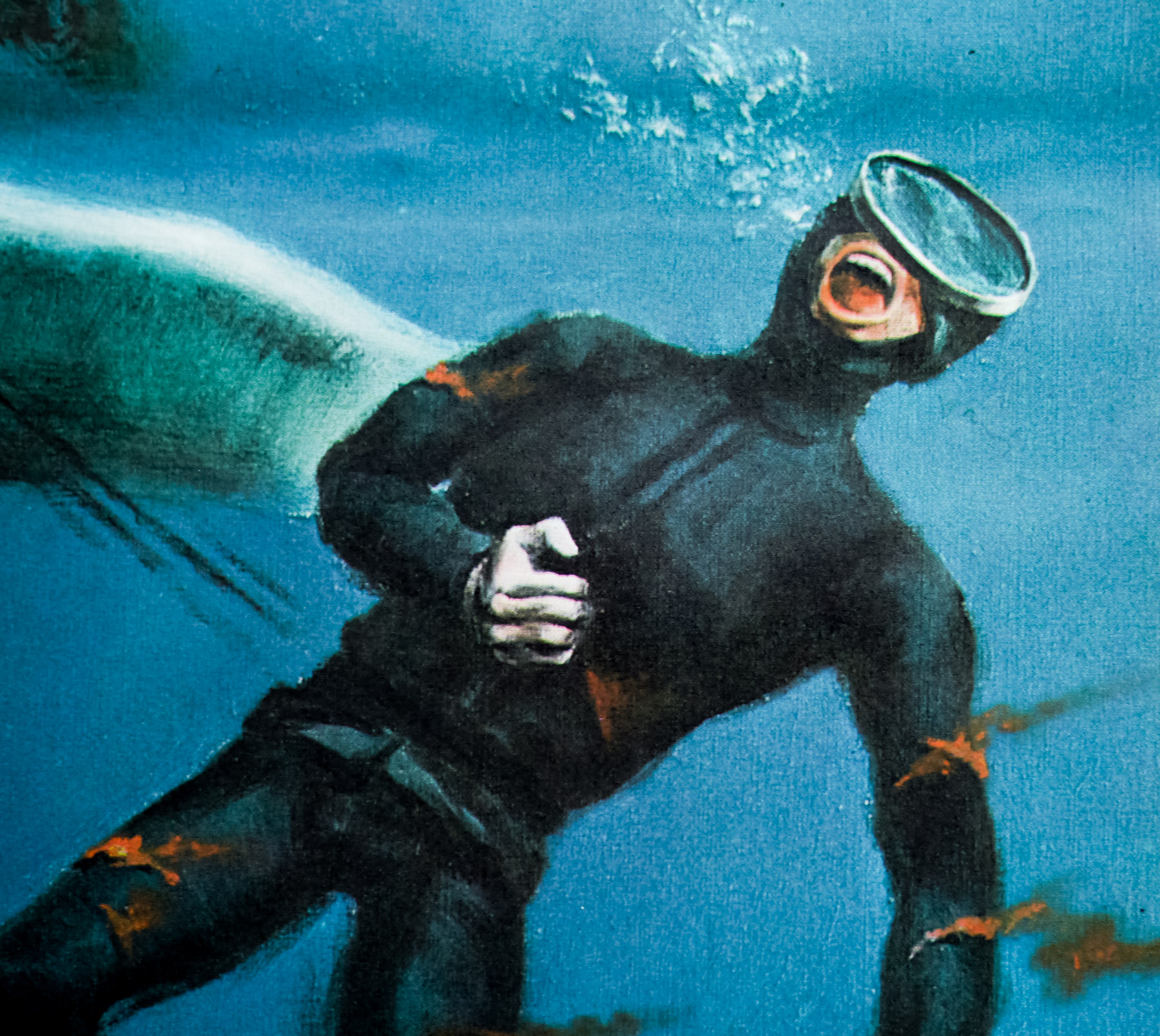
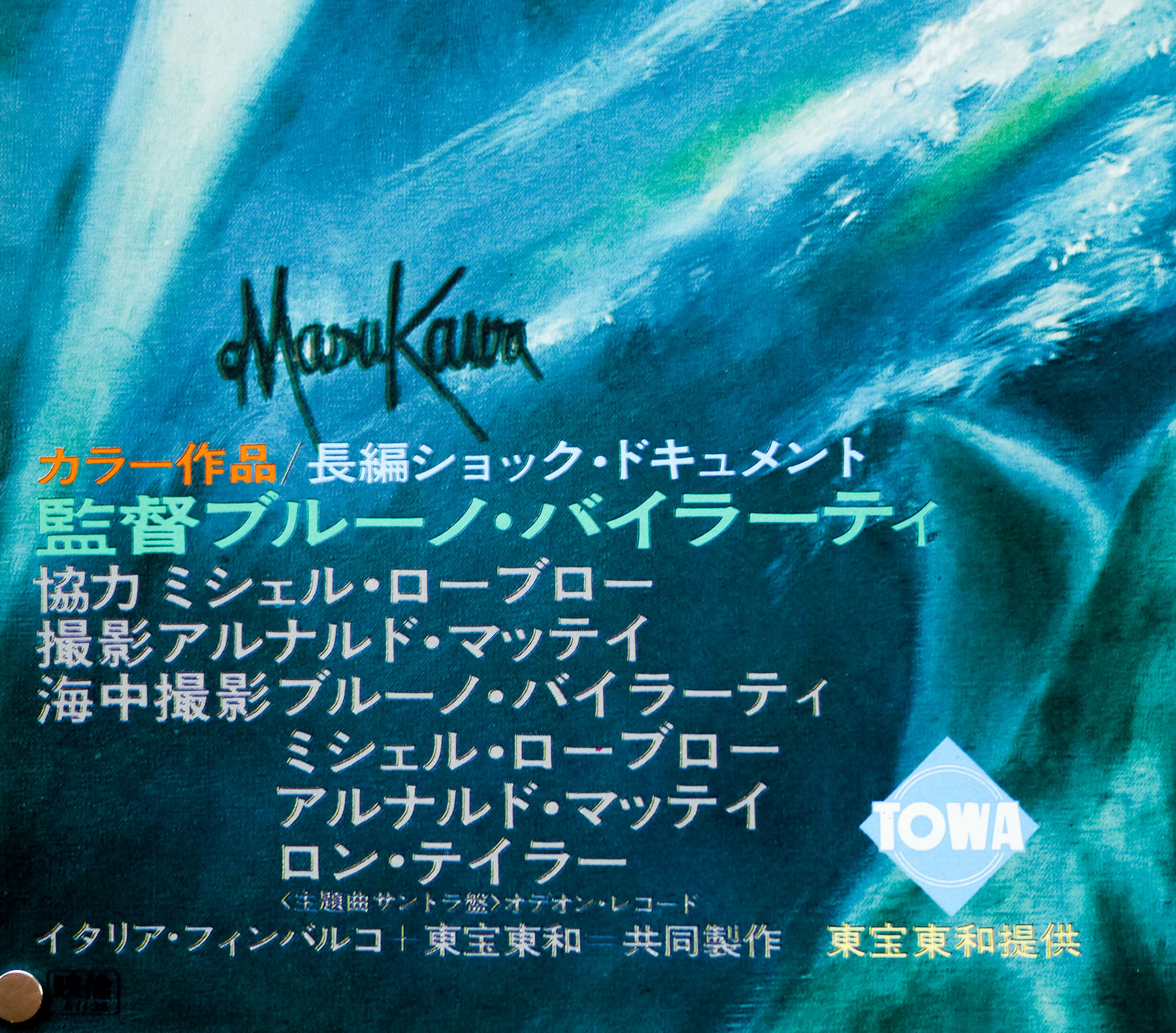
This French trailer for the film (it was released in France as ‘Les Dents de la Mort’, or The Teeth of Death) features a section at the end where a diver is bitten in the leg by a Great White in what is clearly a mondo-style faked sequence. This was obviously used by the artist of this poster as the basis for this image of an unlucky diver with a missing leg (there’s nothing like a bit of oversell!). A friend of the site identified the artist as Susumu Masukawa about whom I’ve been unable to discover many details. If anyone has any more information about the artist please get in touch.

The Empire Strikes Back / B1 / advance / Japan

04.11.13

Poster Poster

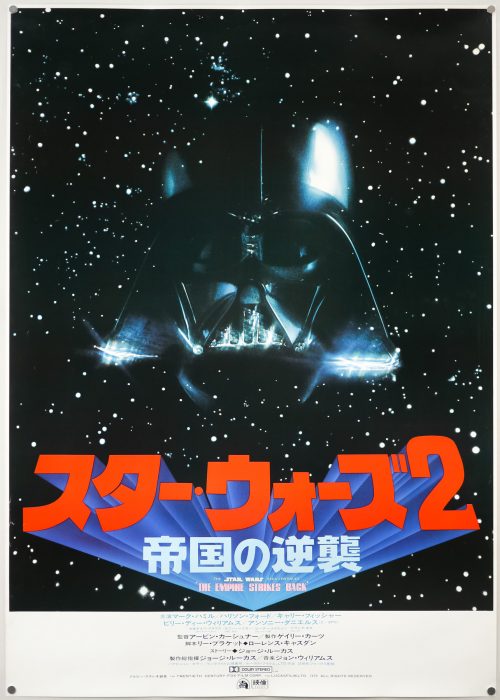
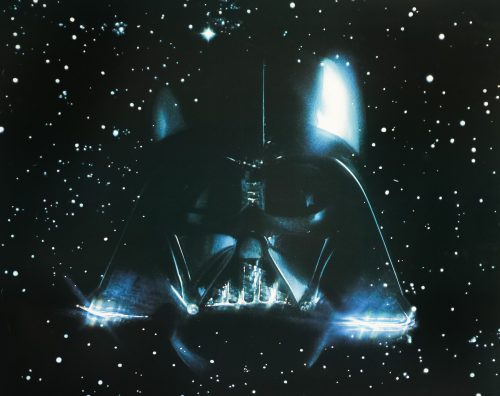
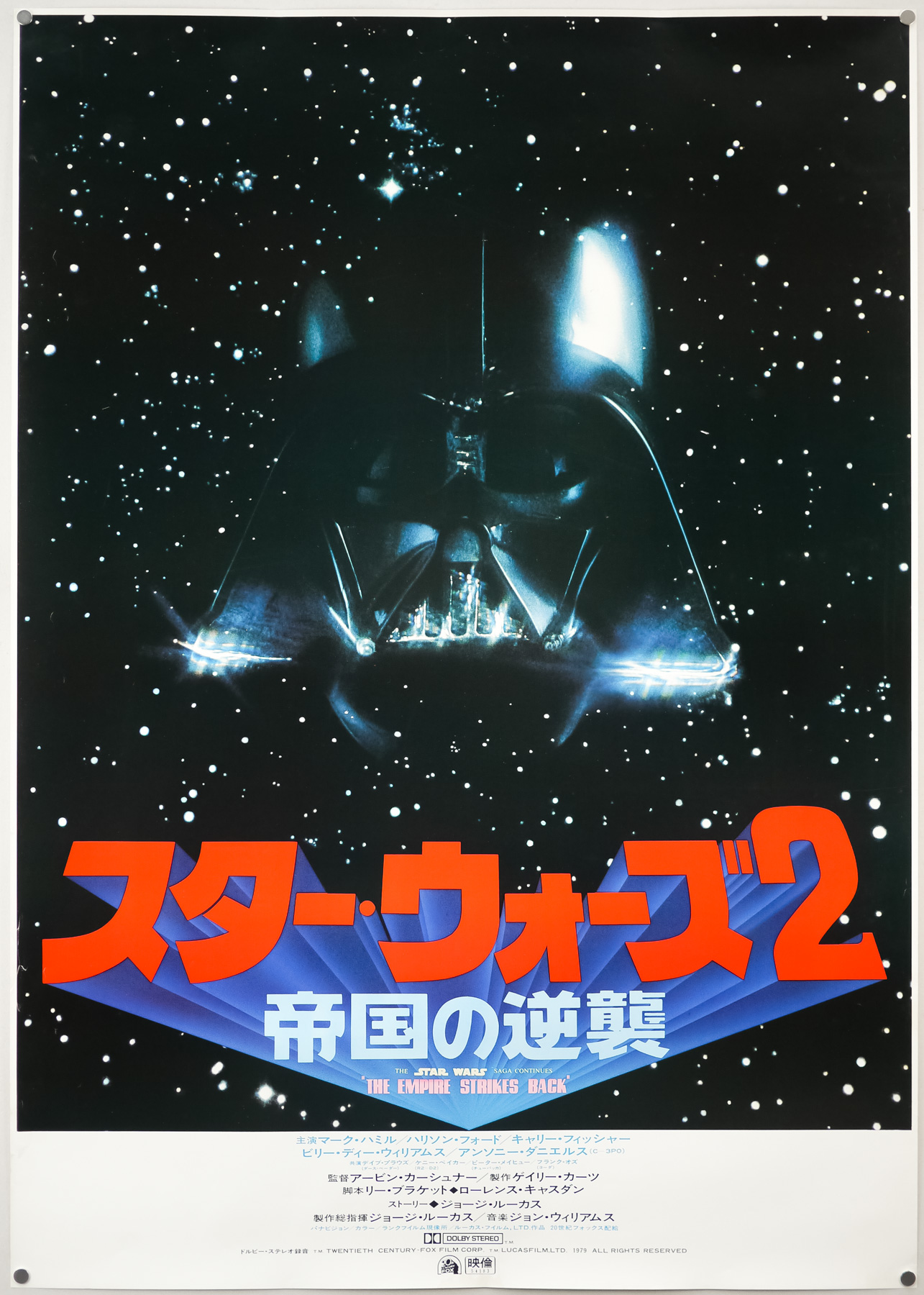
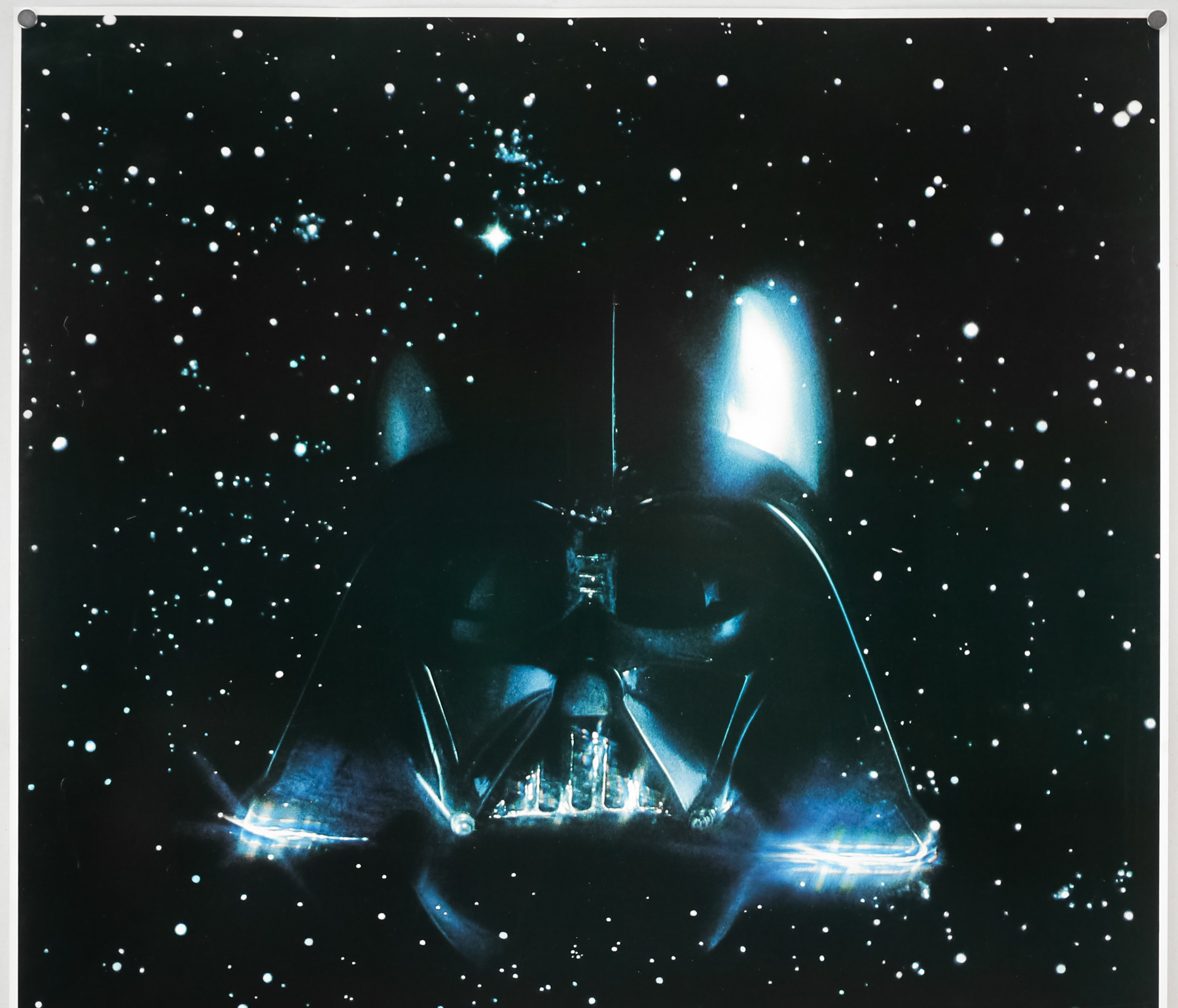
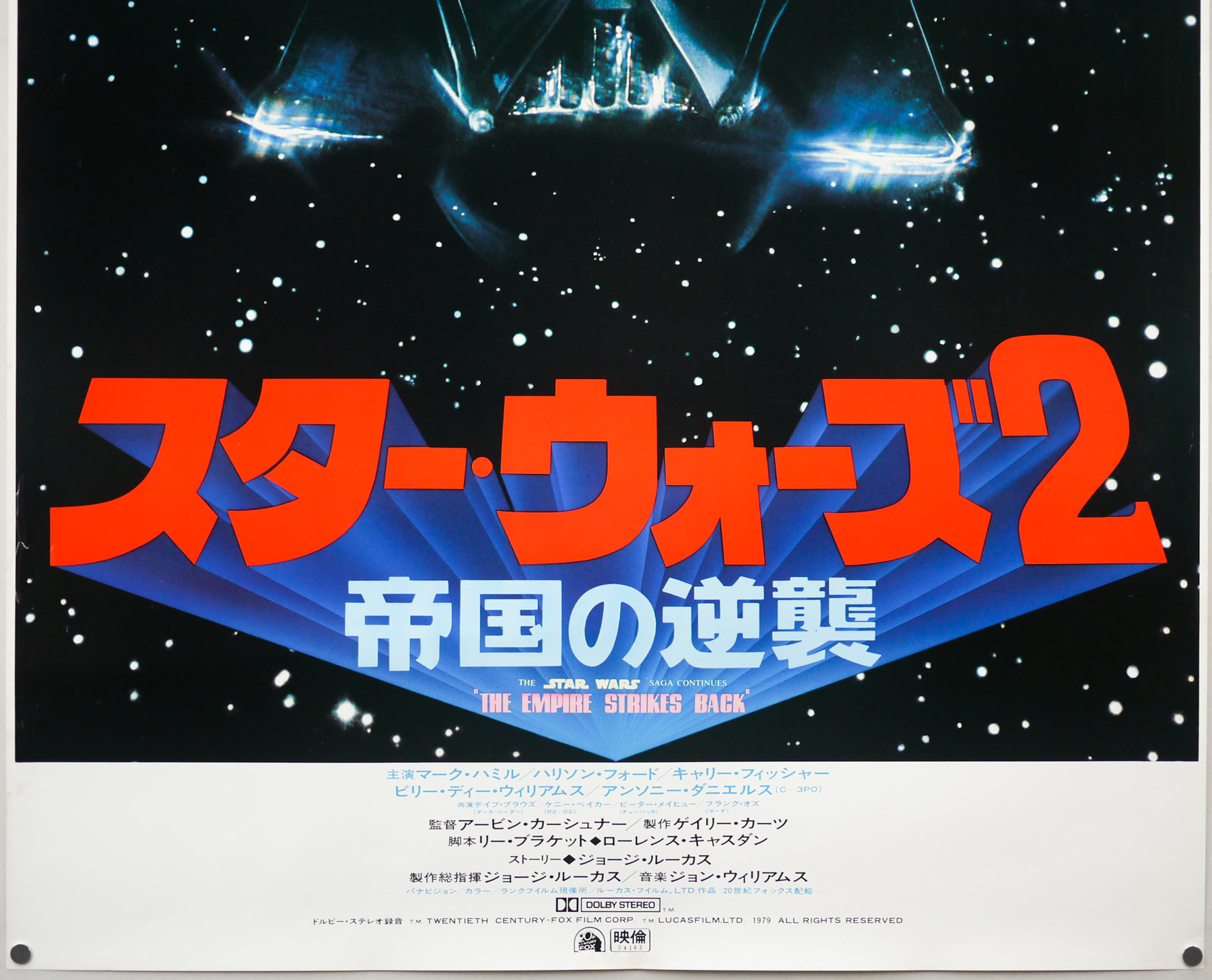
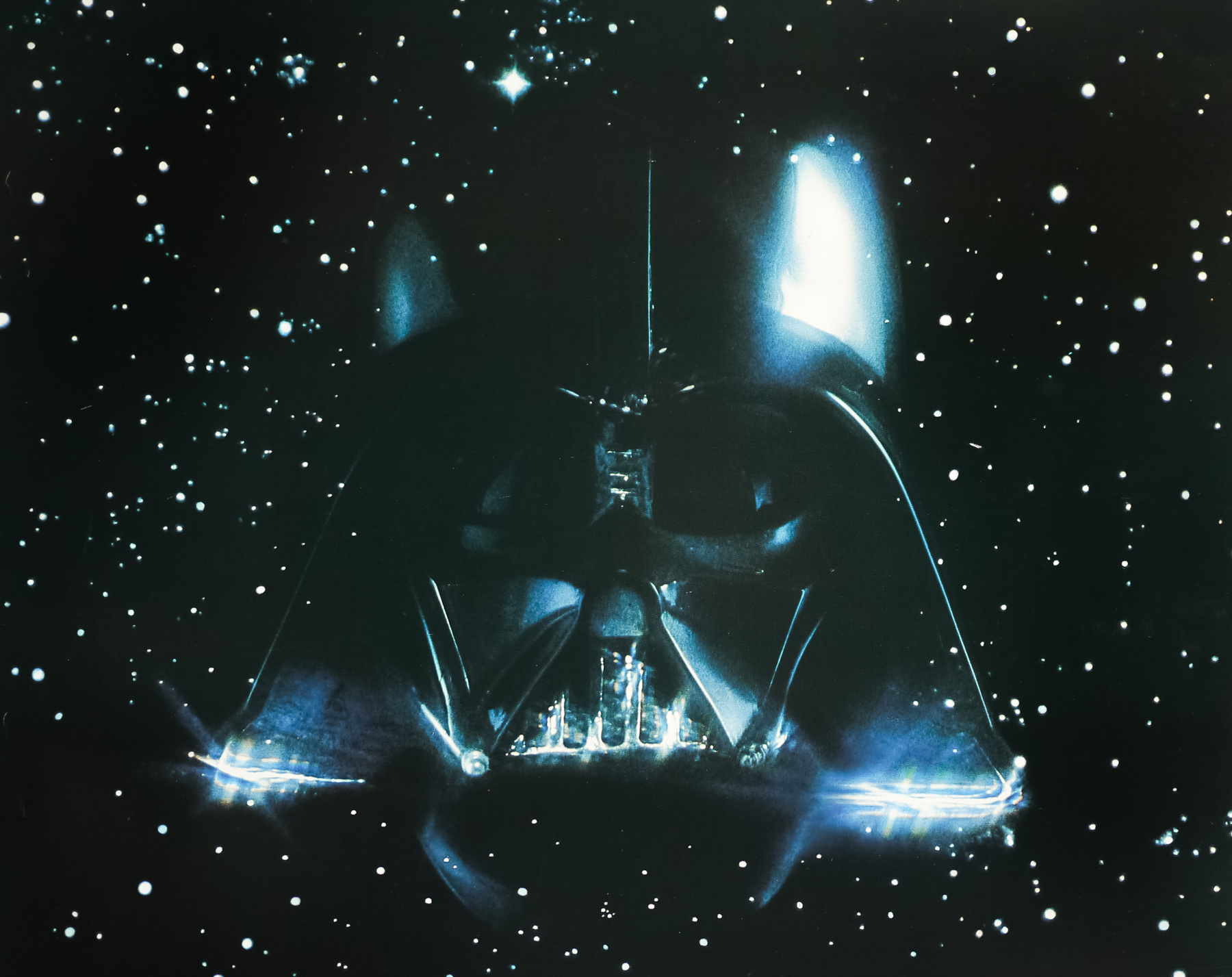
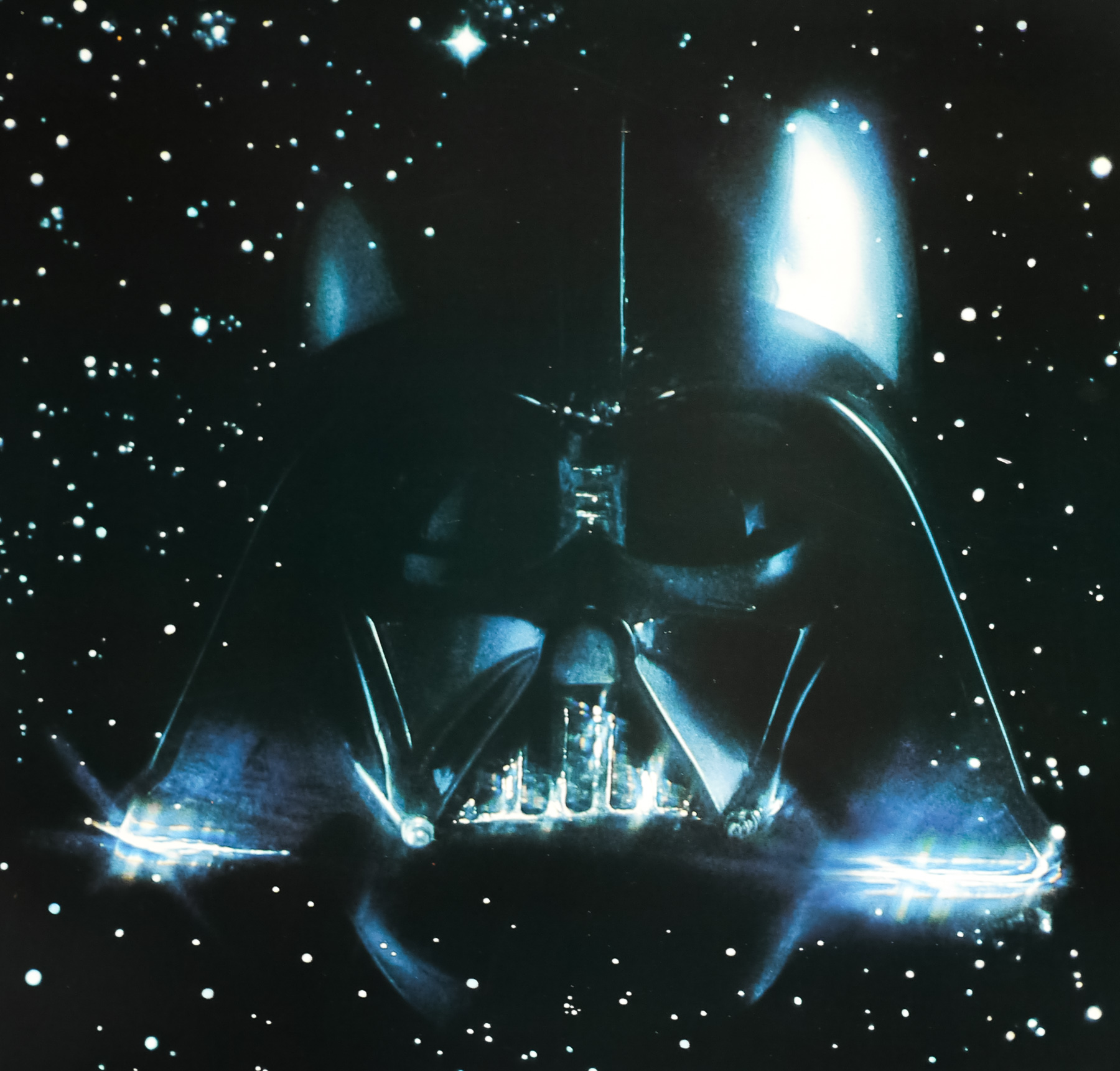
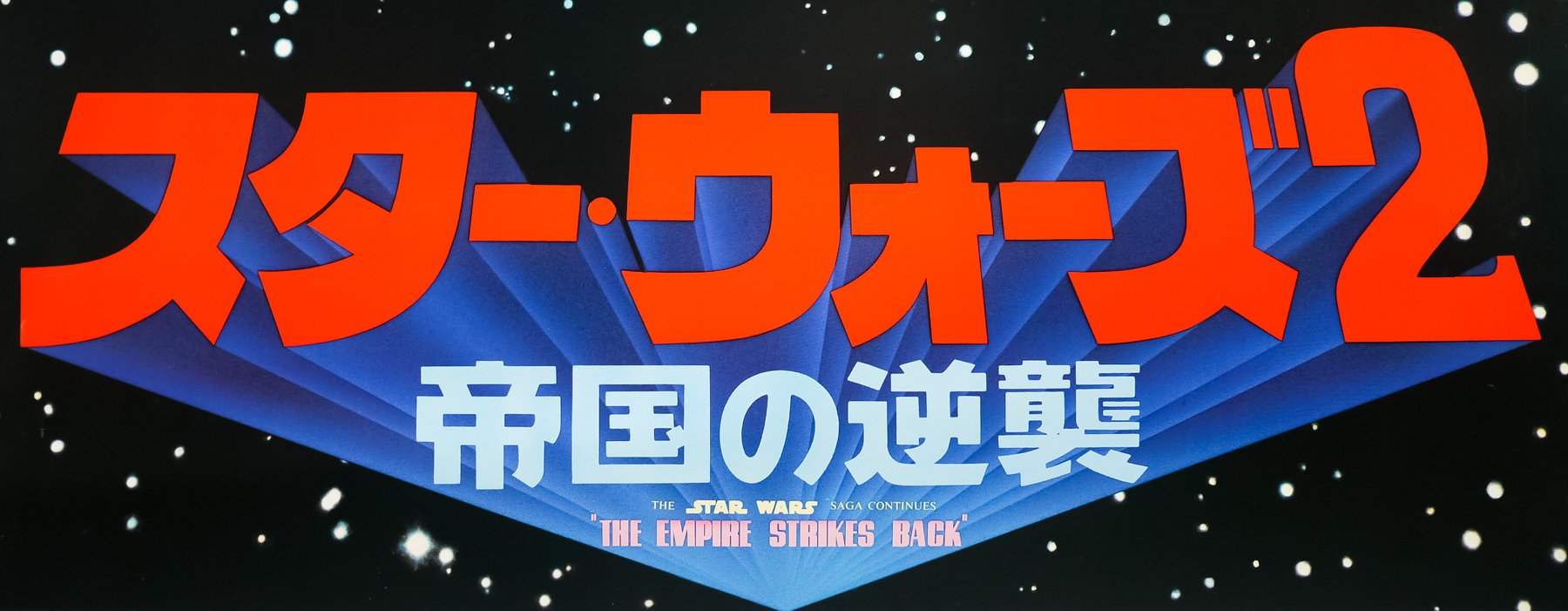
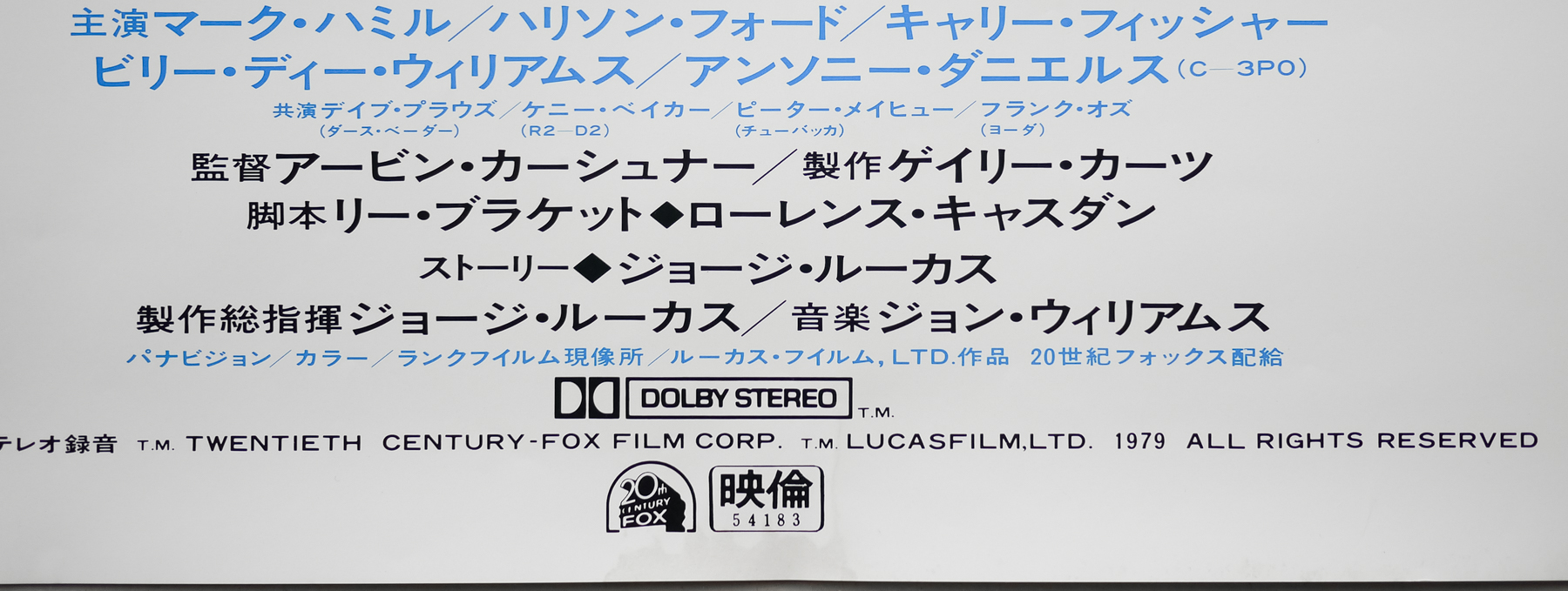
This is the B1 advance poster for the Japanese release of The Empire Strikes Back, which by 1980 was one of the most anticipated sequels in the history of cinema following the continuing international success of George Lucas’ original Star Wars (1977). This image of bad guy Darth Vader’s helmet was also used for the North American advance one sheet and is a photograph of a prop helmet created to be worn by Dave Prowse in the original trilogy. The photo shoot for this poster was apparently done by the respected poster designer and artist Bob Peak, who was responsible for many classic 70s and 80s posters, including Apocalypse Now, The Spy Who Loved Me and Superman.

This image was only used for the B1 size Japanese poster, with a photographic montage being used for the standard B2 whilst Noriyoshi Ohrai was responsible for the artwork on the superb alternative style B2, which was also printed as a B1 size poster.

To see more posters by Bob Peak in the Film on Paper collection click here.


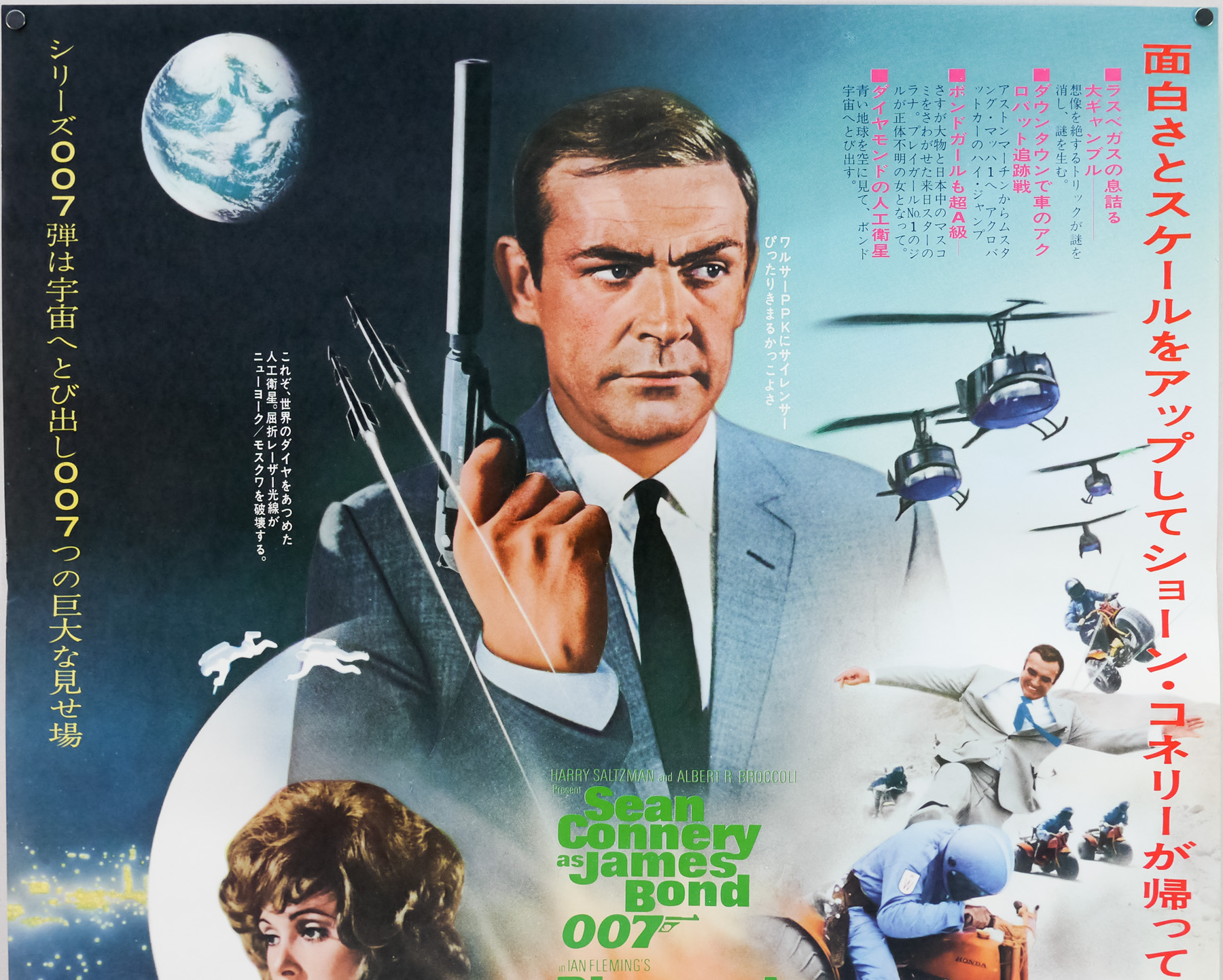
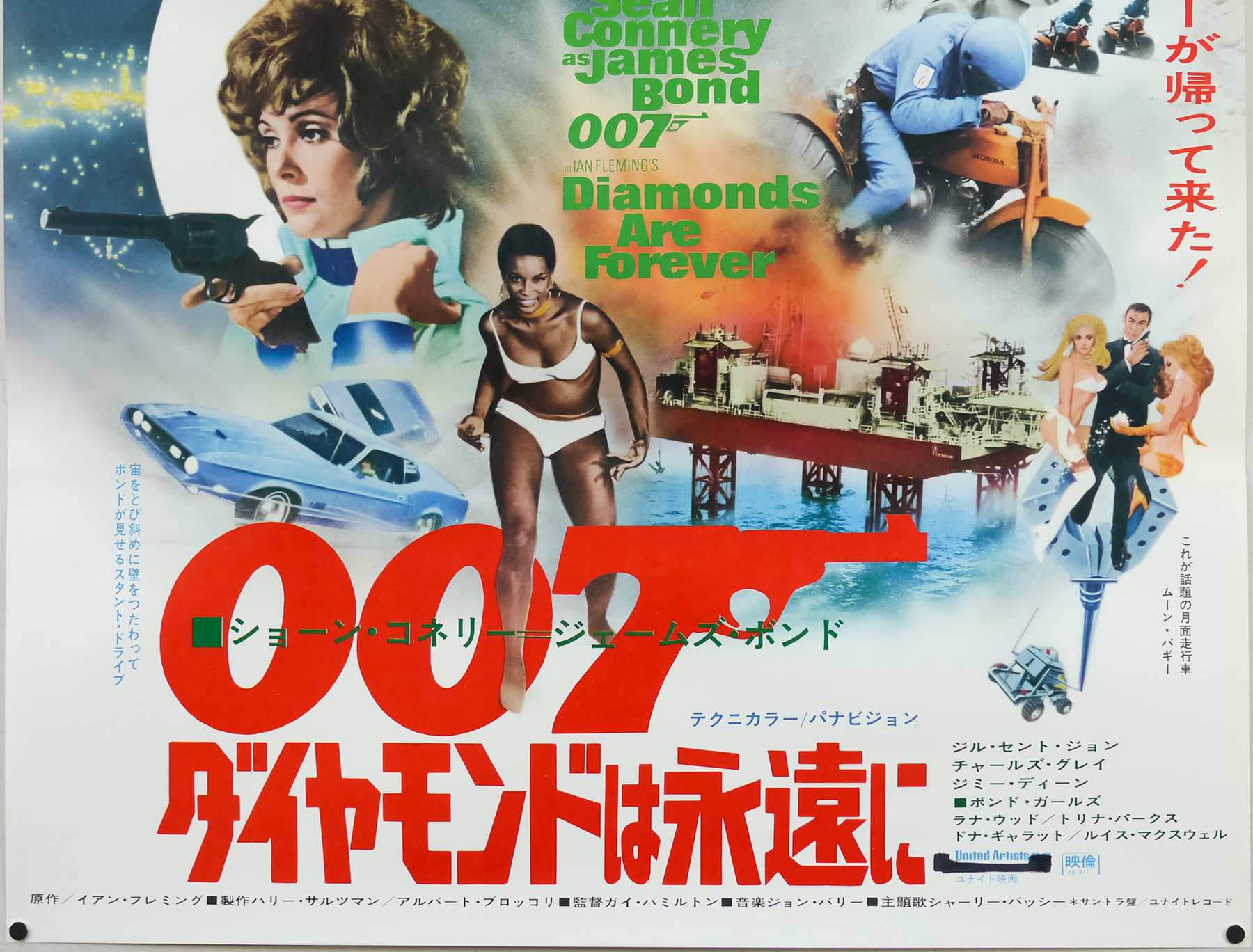
Diamonds are Forever / B2 / Japan

15.11.13

Poster Poster

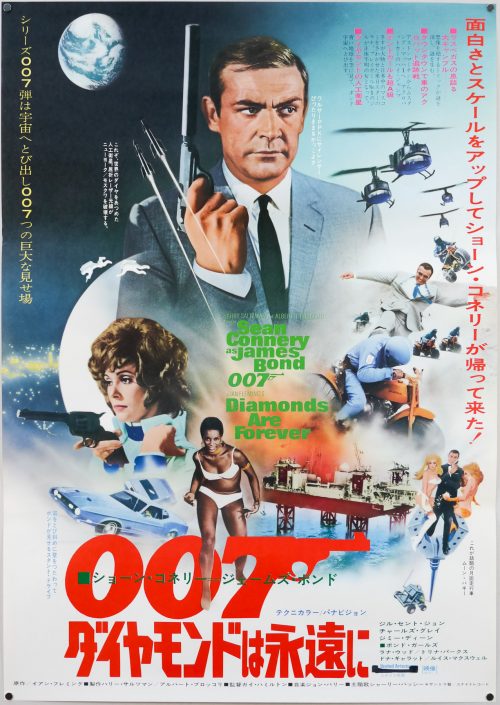
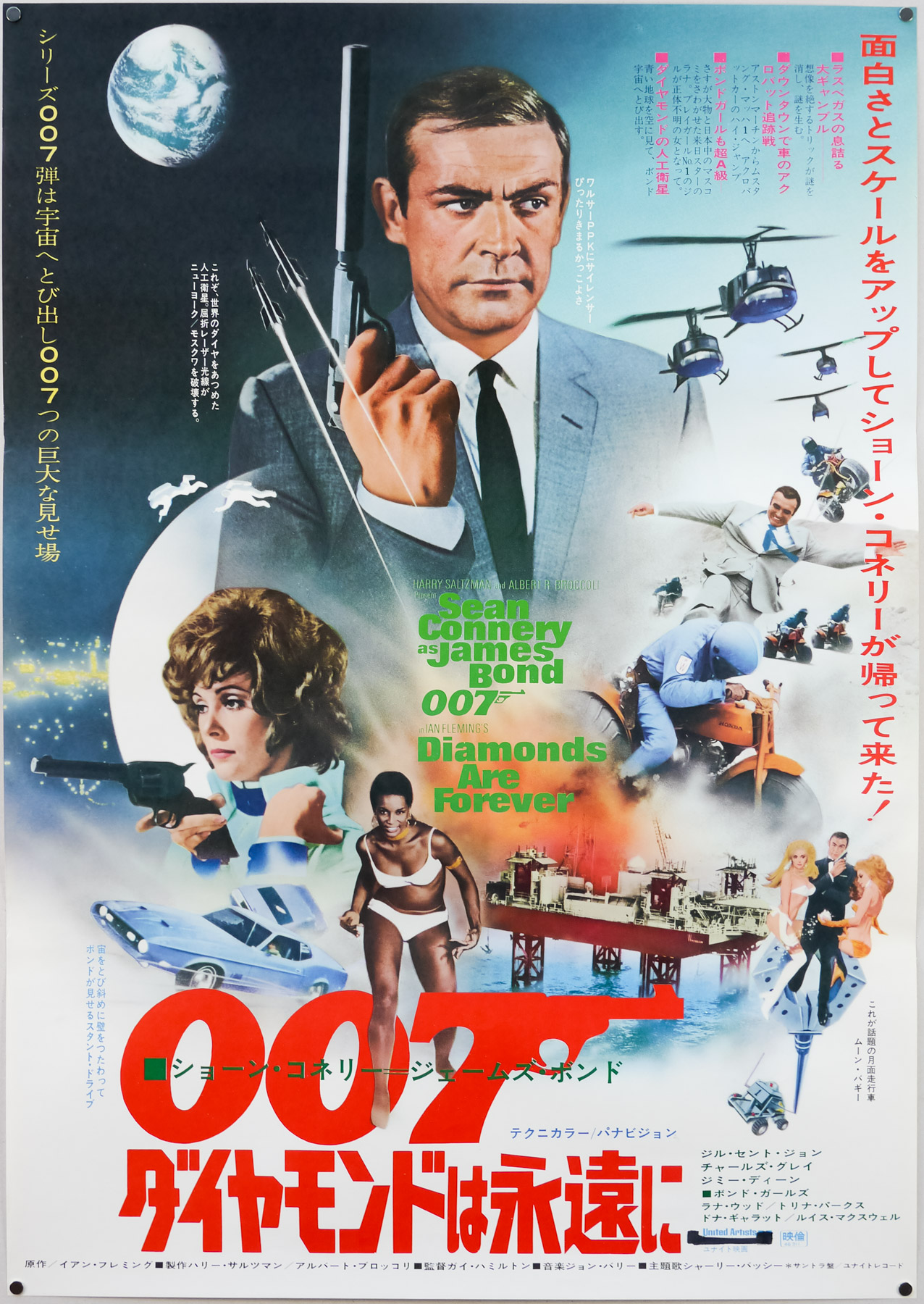
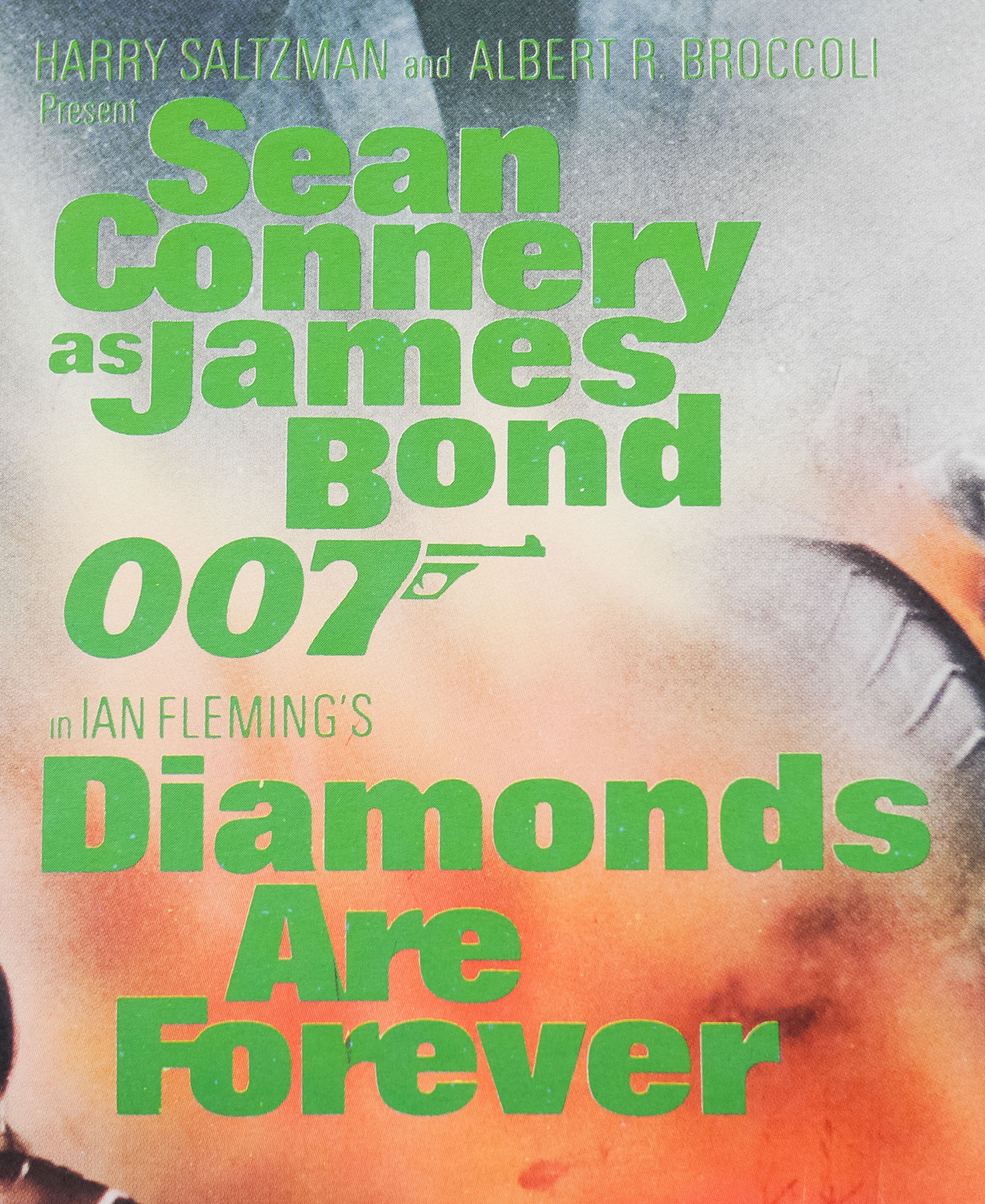
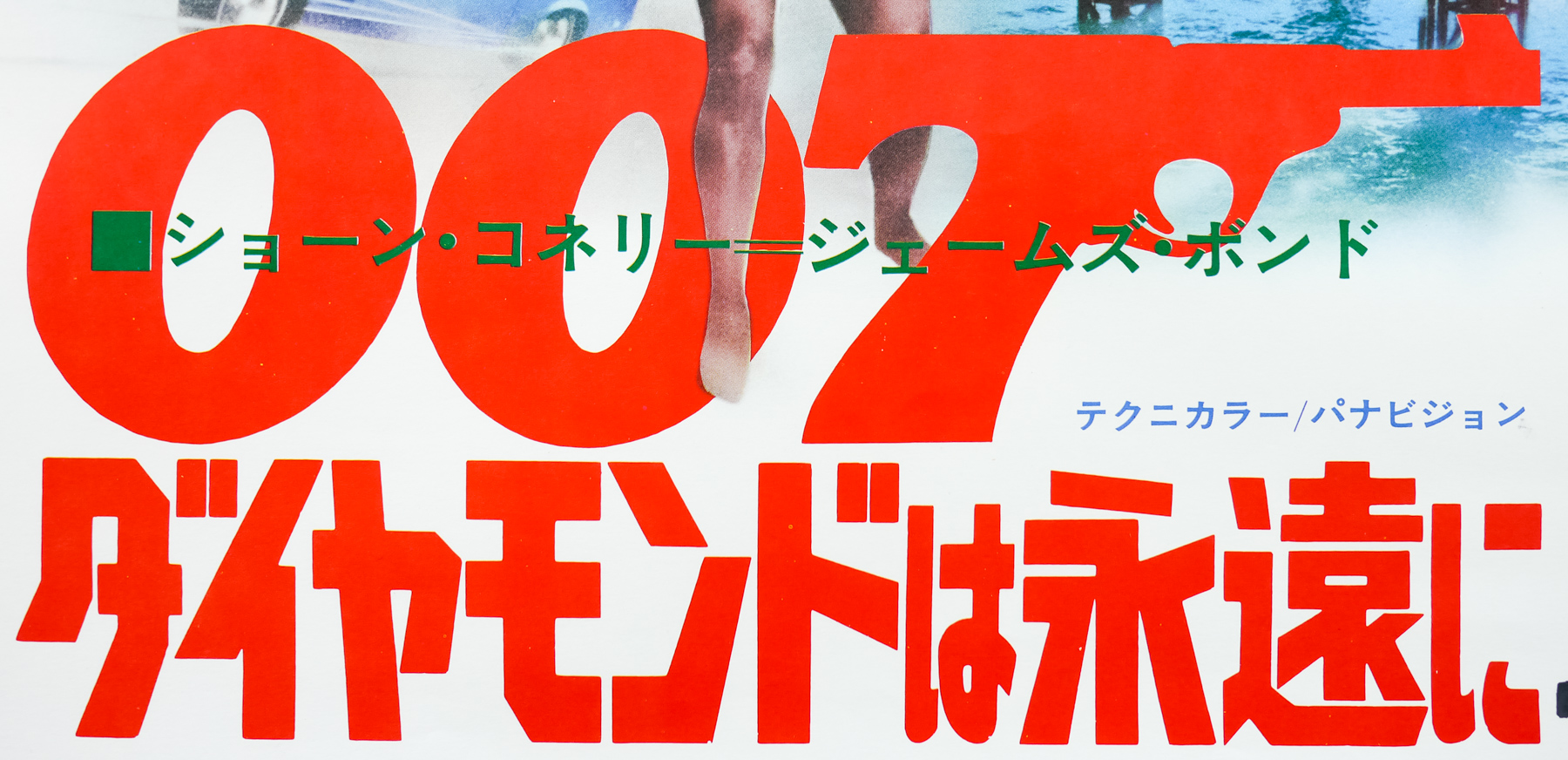
Diamonds are Forever is the seventh film in the long-running James Bond franchise and was the last official (EON productions) film to star arguably the greatest actor who played the spy, Sean Connery. After appearing in On Her Majesty’s Secret Service actor George Lazenby decided to leave the franchise, apparently on the advice of his agent, and the producers considered a few other actors before the then head of United Artists (David Picker) declared that he wanted Connery back and money was no object. The Scottish actor, who had previously declared he would never return to the role, demanded an unprecedented fee of £1.25m (equivalent to £23 million in 2013) and was also granted backing to produce two other films of his choice. After both sides agreed to the deal the casting was announced and Connery then donated his fee to set up the Scottish International Education Trust, which allowed artists from the country to apply for funding without having to leave Scotland.

The story starts out with Bond apparently killing his arch-enemy Ernst Stavro Blofeld in revenge for the death of his new bride at the end of the previous film. The spy is then sent to investigate the mysterious murders of diamond smugglers and the theft of thousands of the precious stones. After following the trail from Amsterdam to Las Vegas, picking up a partner in smuggler Tiffany Case (Jill St. John) along the way, Bond discovers that two quirky assassins called Mr Wint and Mr Kidd (played memorably by Bruce Glover and Putter Smith) have been killing other smugglers across the world and are stockpiling diamonds for a mysterious benefactor. When Bond tracks the diamonds to their destination in a remote desert facility, he discovers that his arch enemy Blofeld is still alive and is using the diamonds to create a space laser capable of destroying targets on earth. The super spy sets out to stop the maniac’s plans and prevent him from holding the world to ransom with his new weapon.

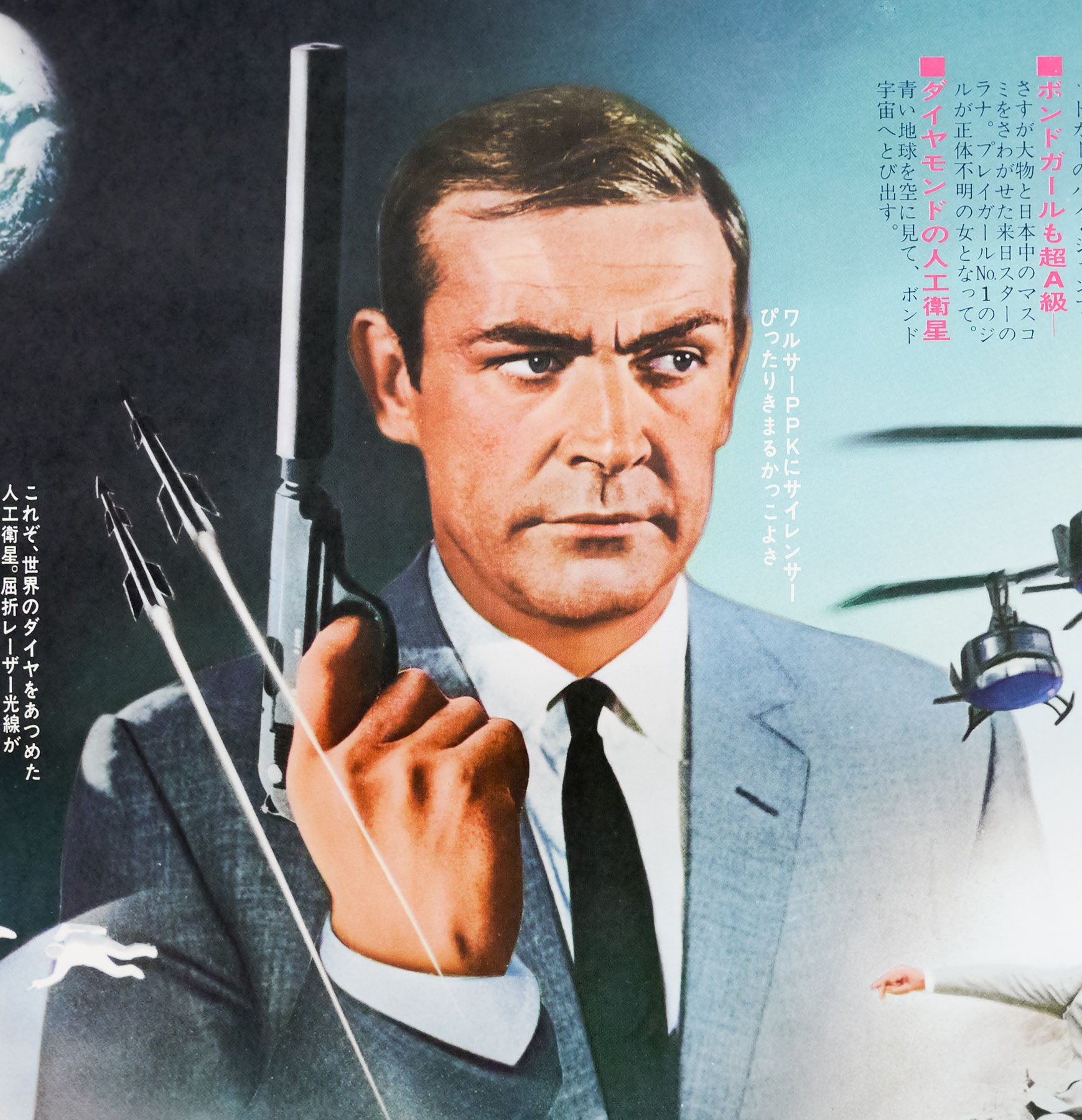
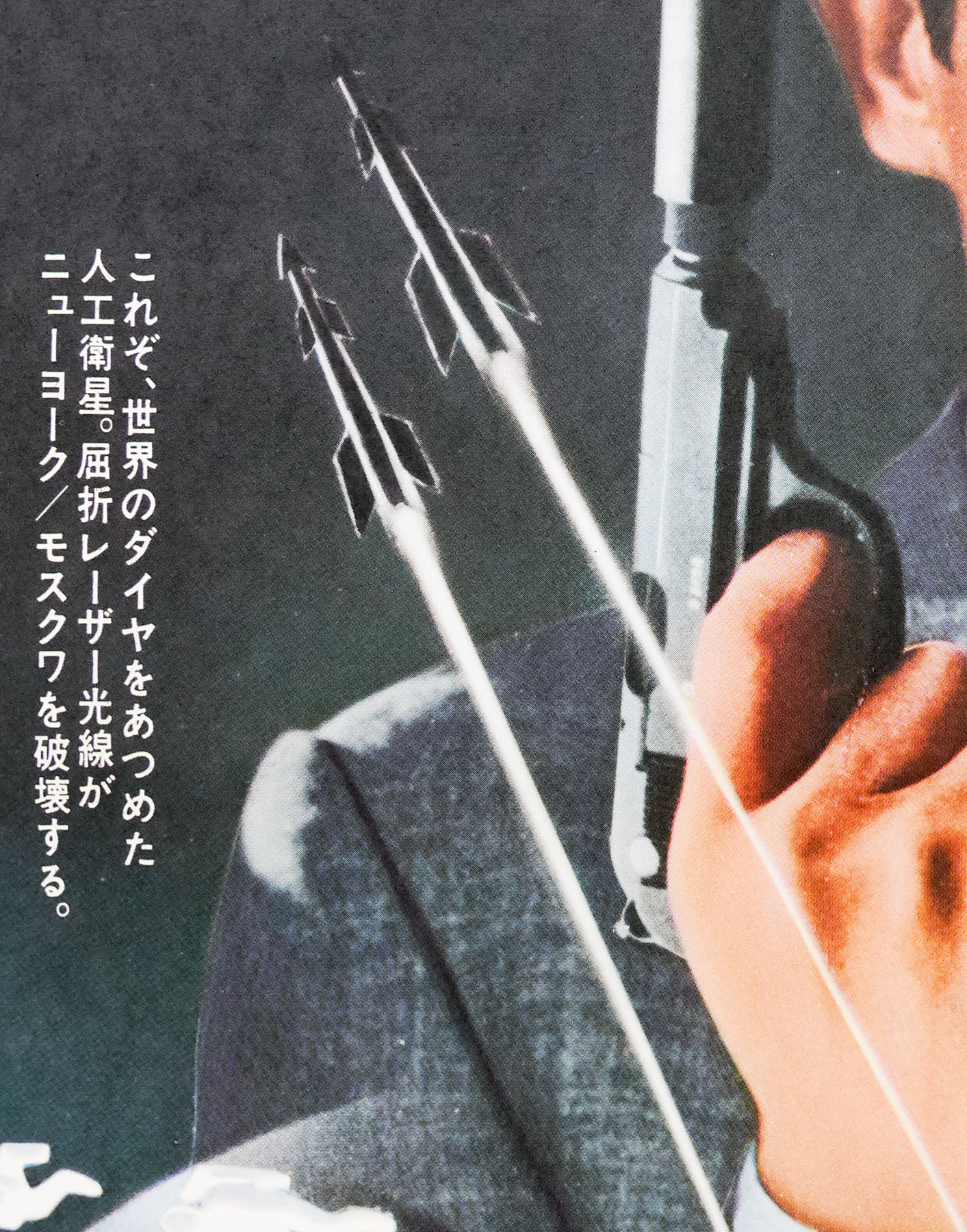
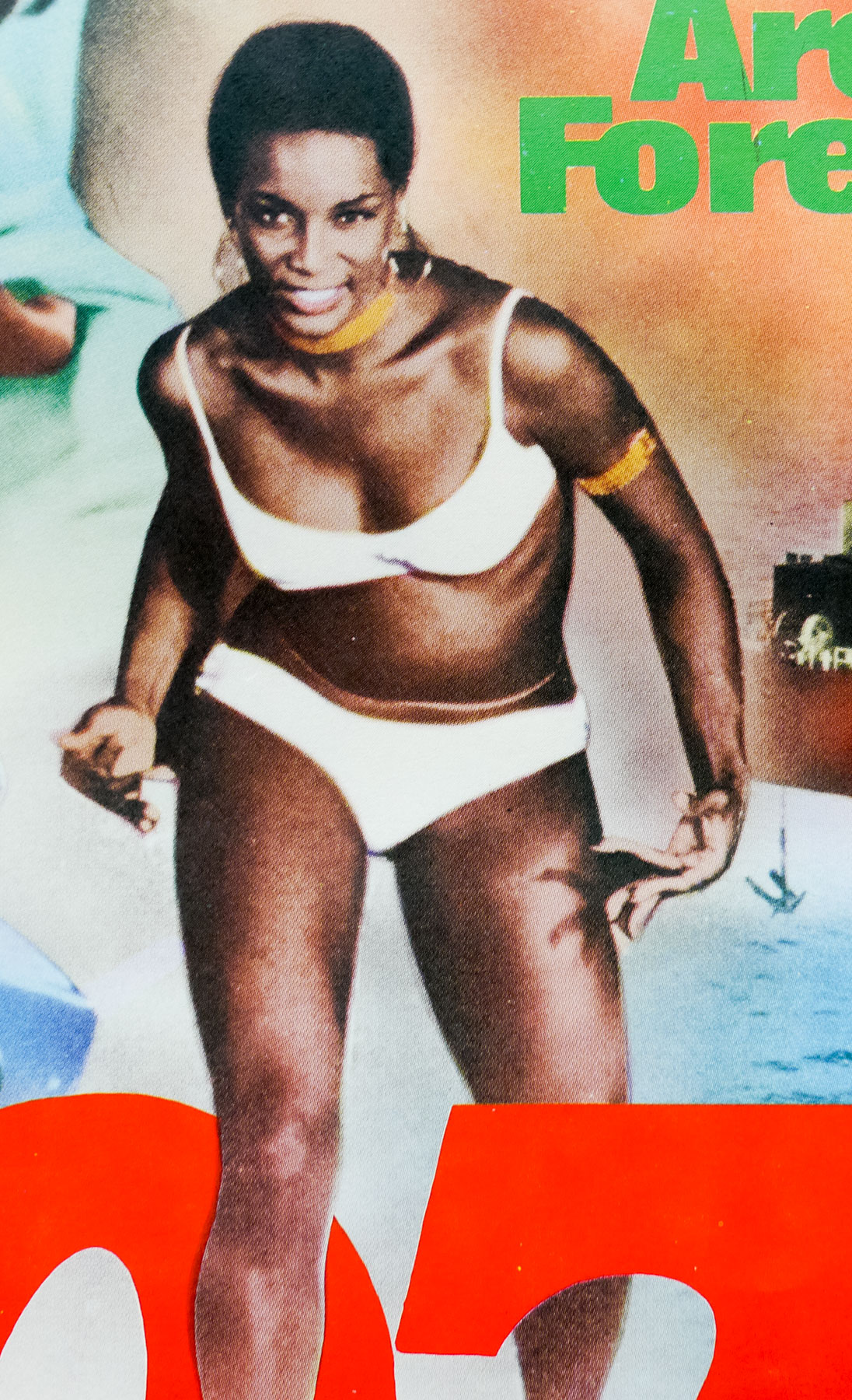
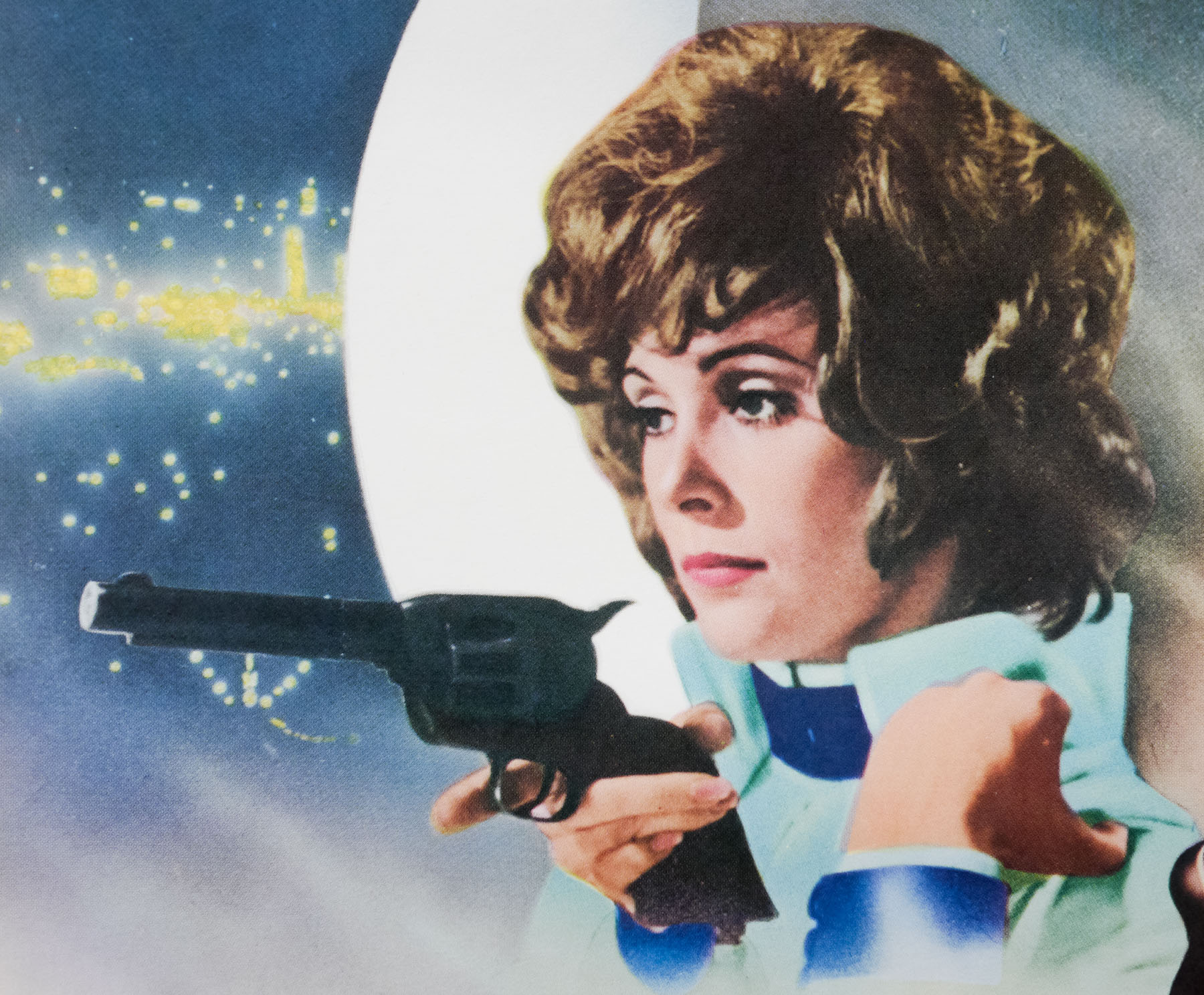
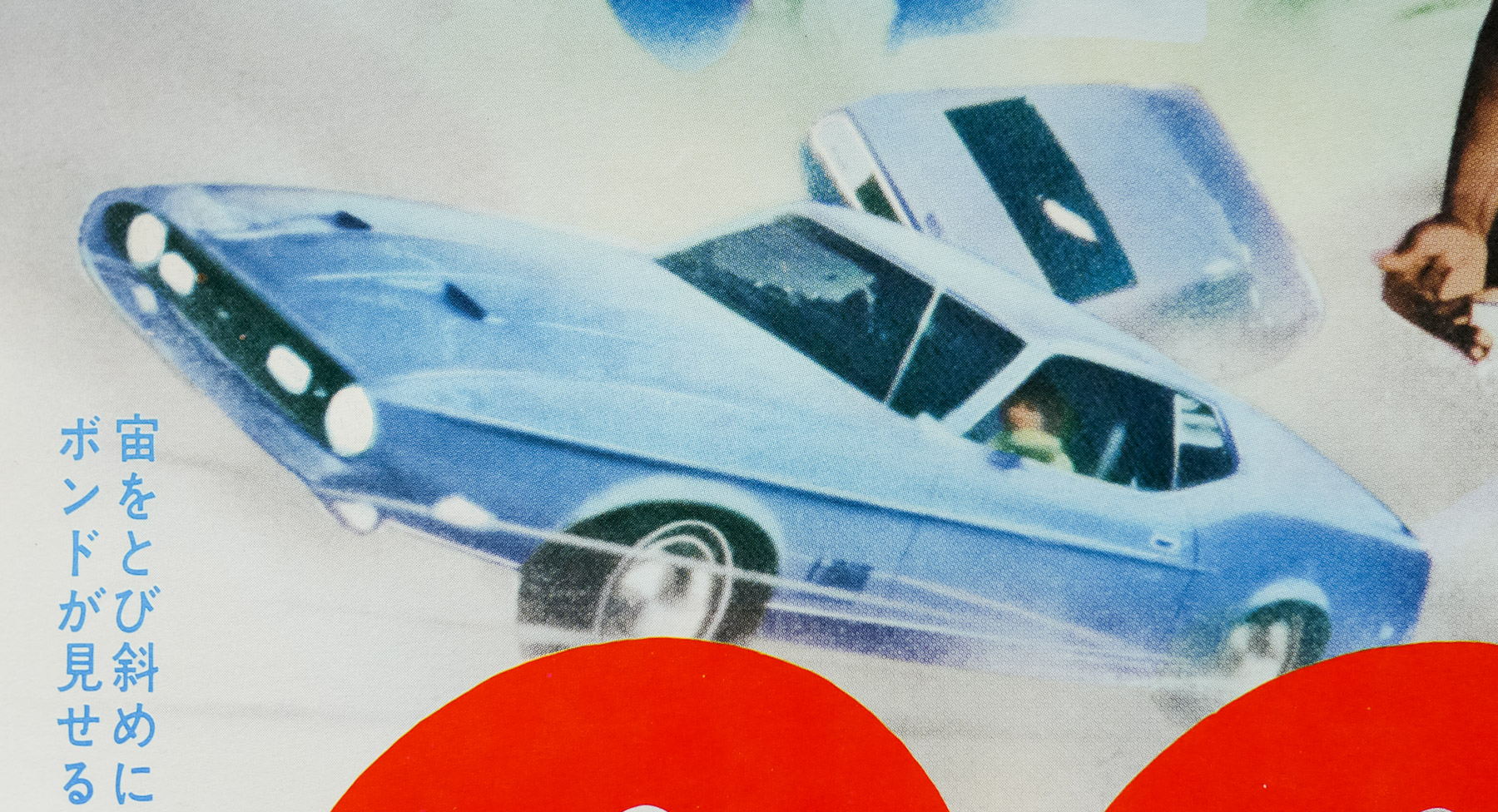
This Japanese B2 features a montage that is unique to the poster and it includes images of Tiffany Case (on the left) and Trina Parks as the inept assassin Thumper (partnered in the film with ‘Bambi’) who is notable as being the first African-American actress to appear in a Bond film. There is also a small part of the artwork from the American one sheet that was painted by Robert McGinnis.

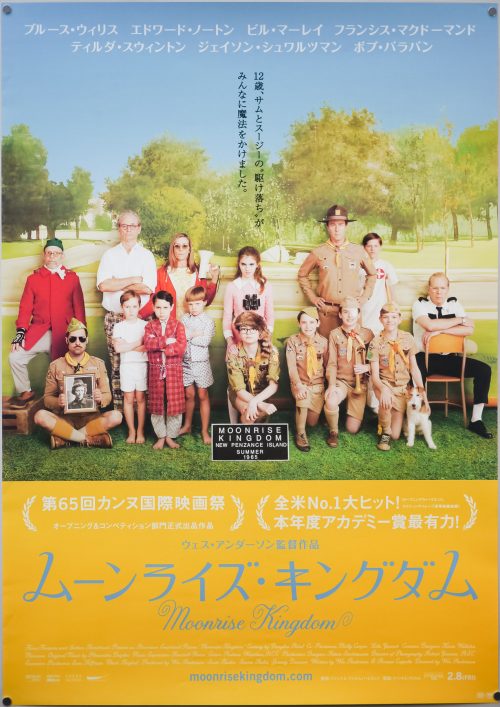
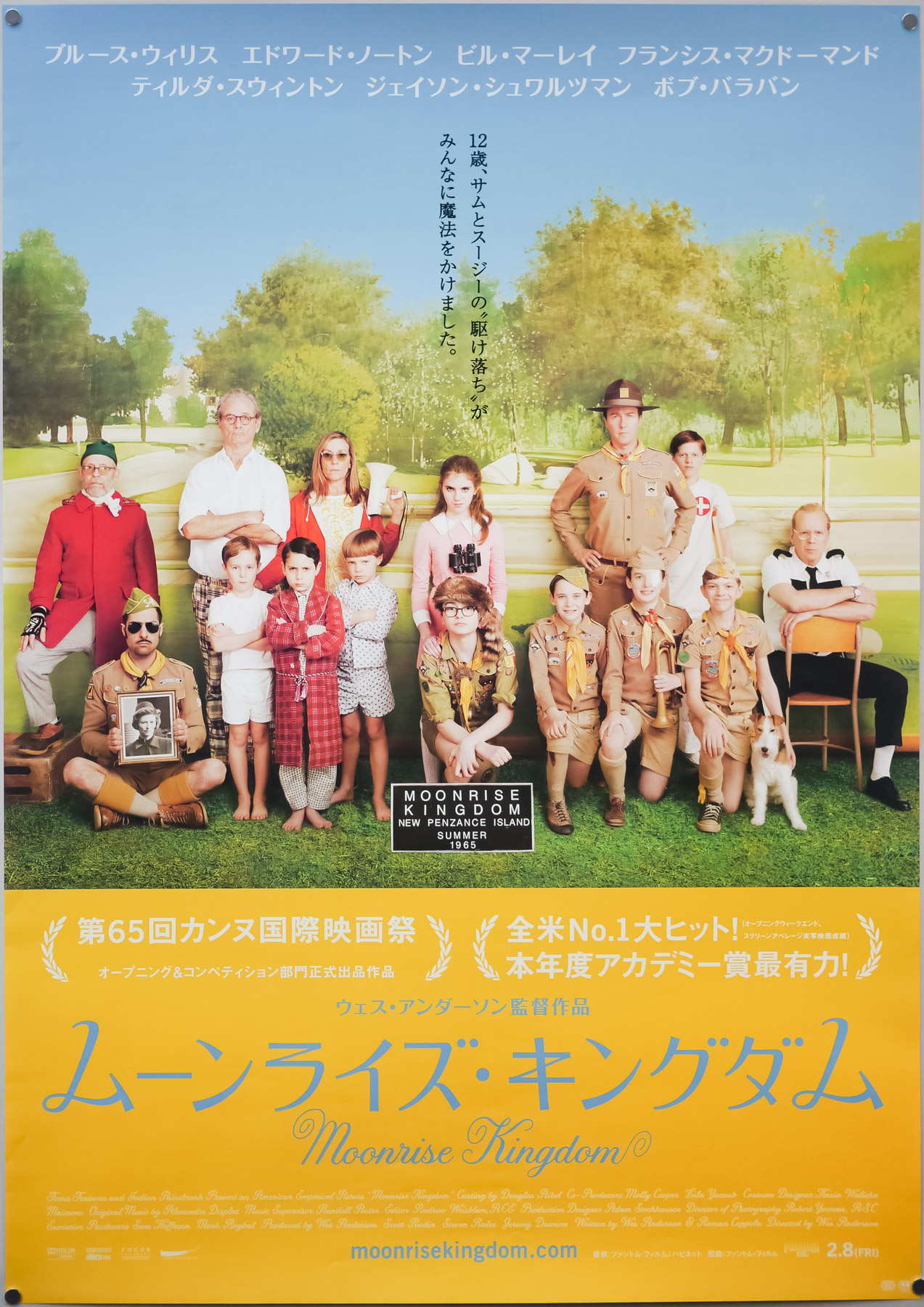
Moonrise Kingdom / B1 / Japan

17.12.13

Poster Poster

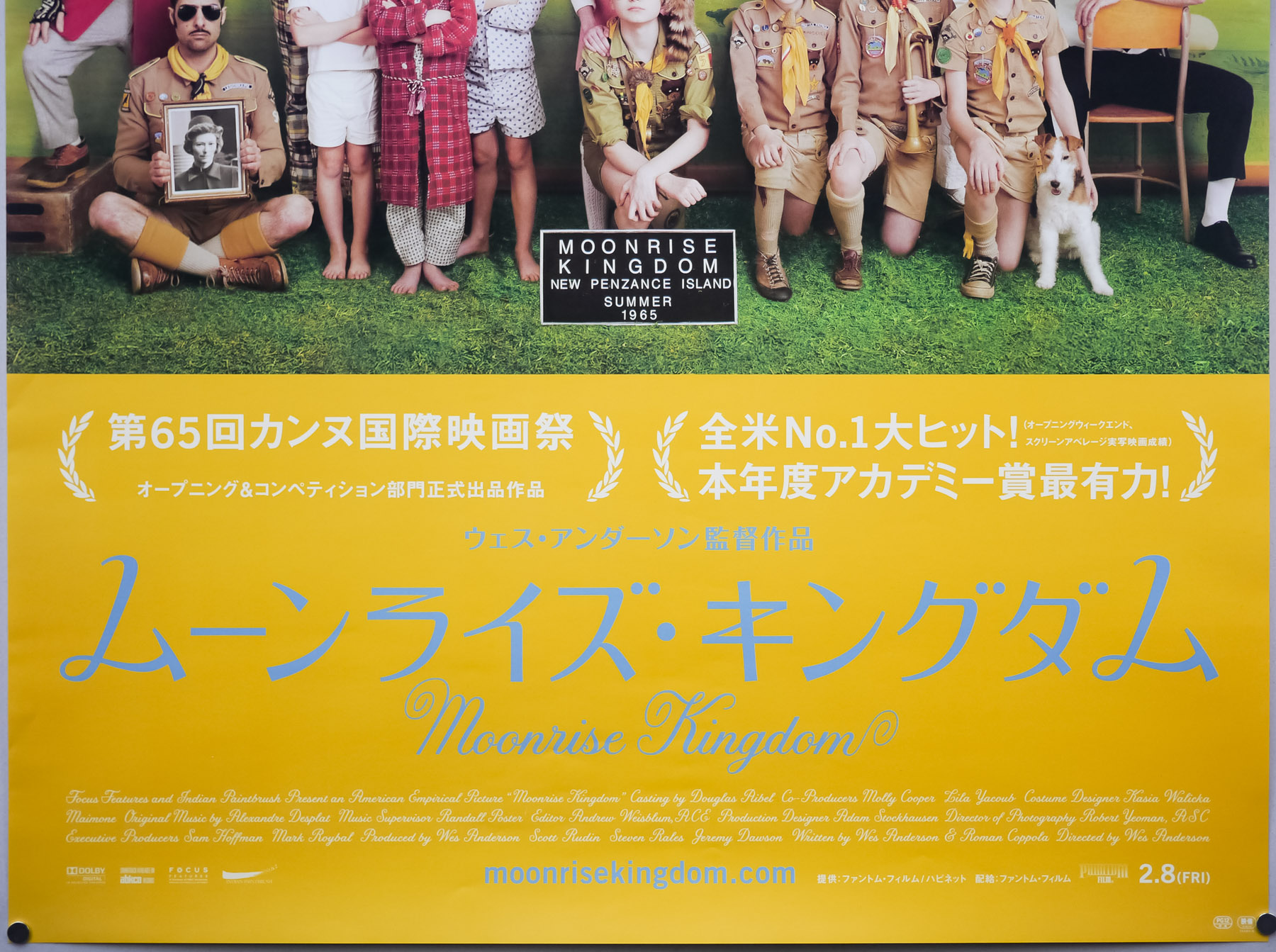
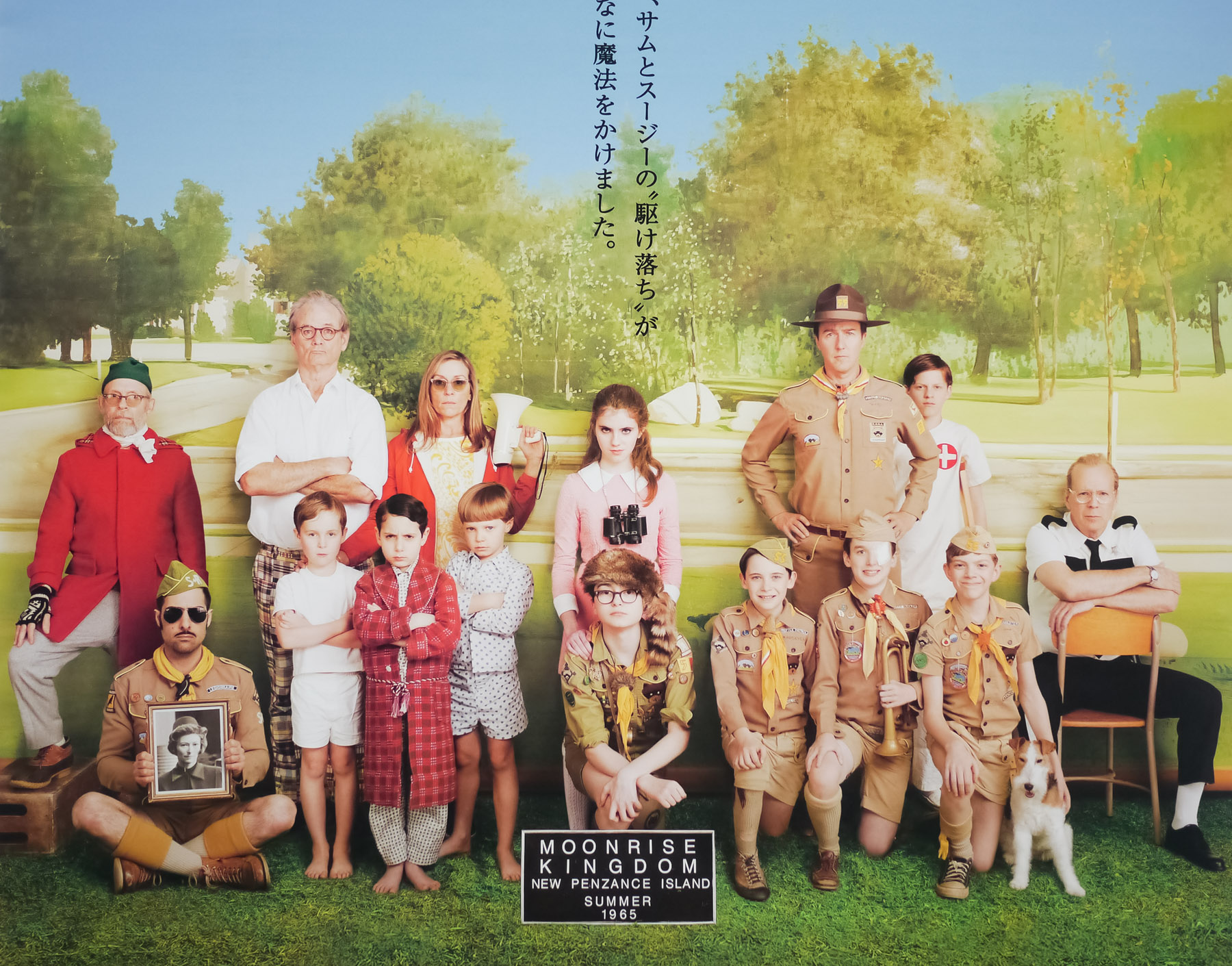
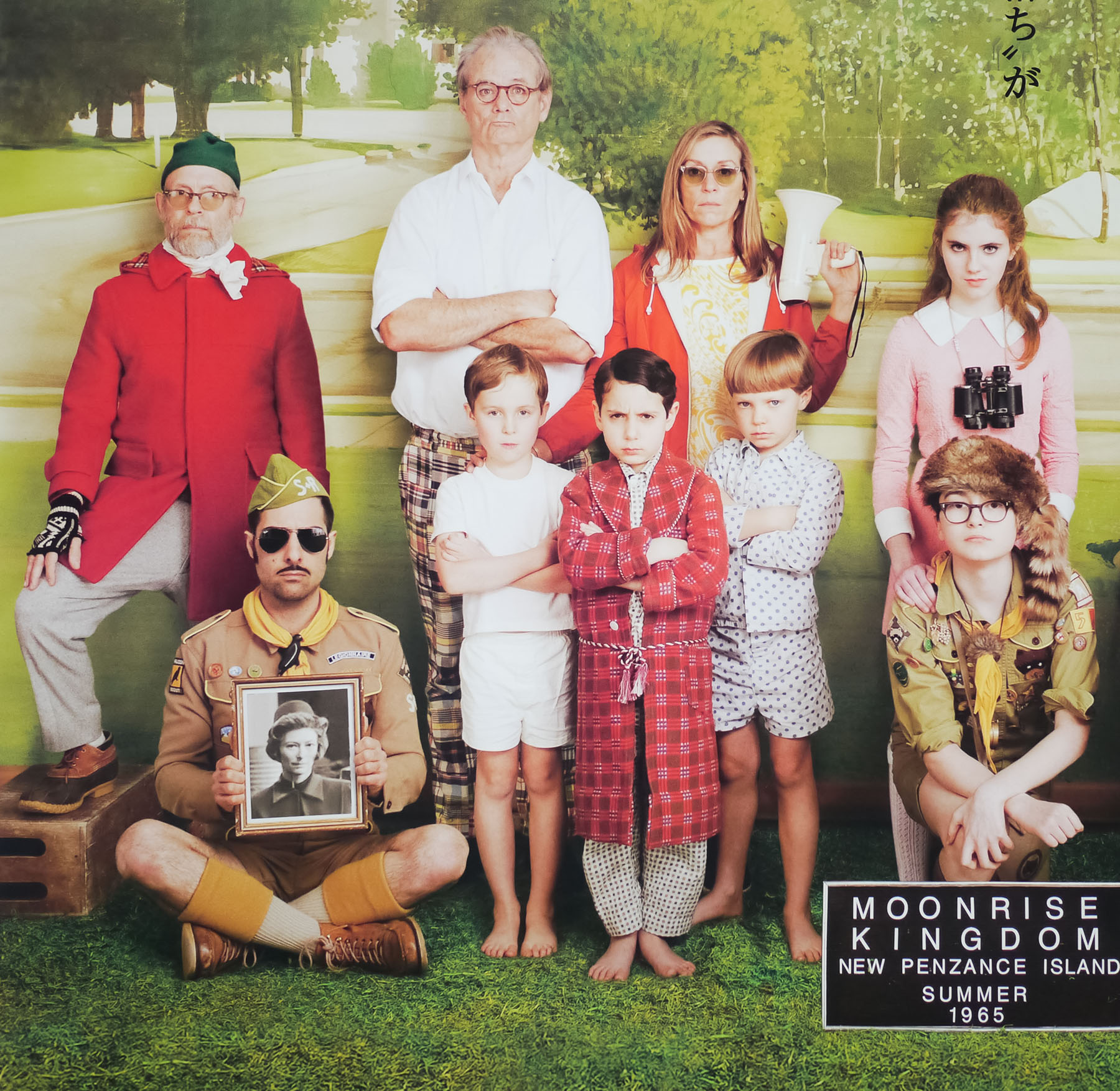
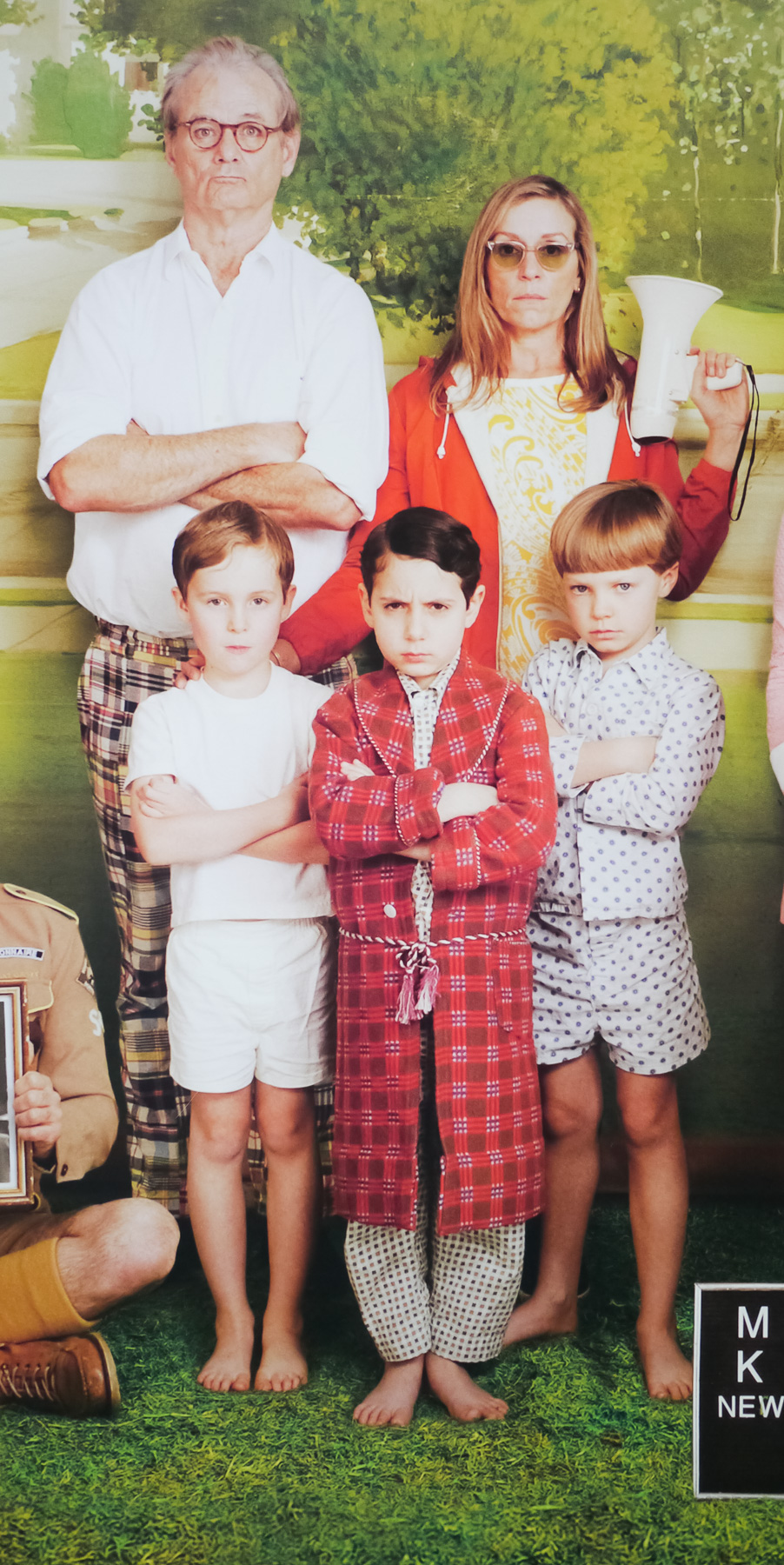
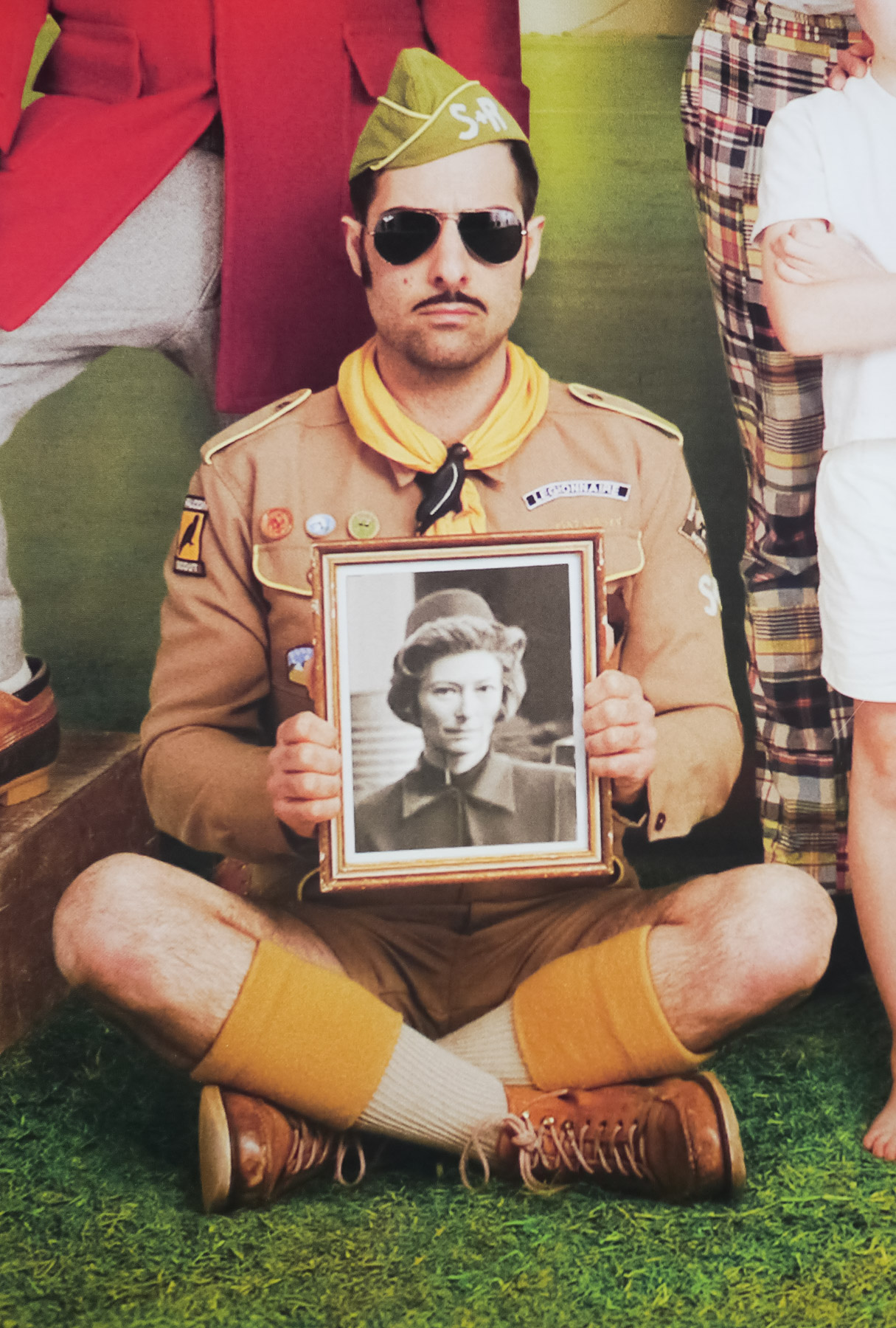
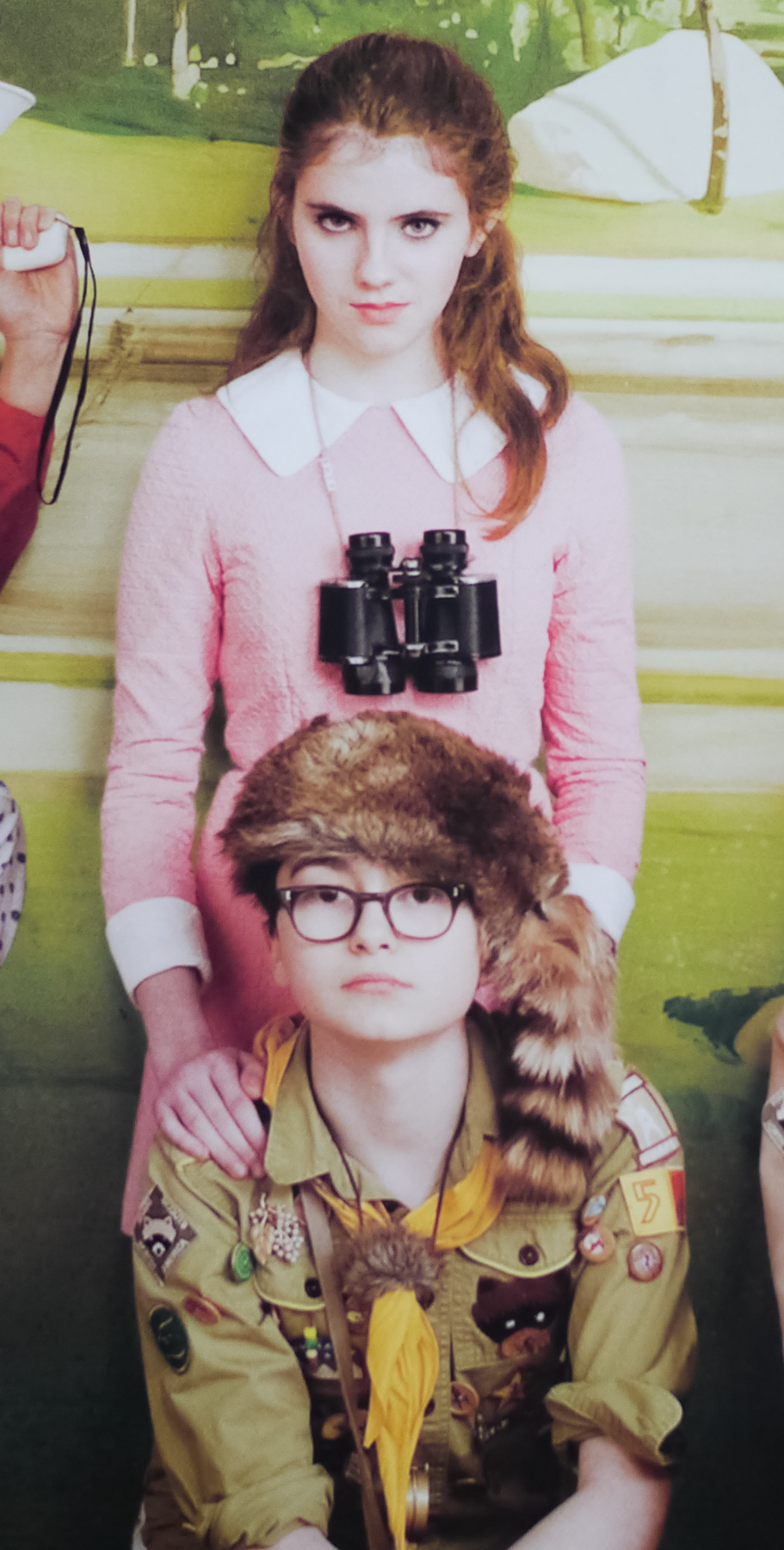
Wes Anderson‘s superb Moonrise Kingdom was my favourite film of 2012 and is arguably the director’s best to date (although I’d have a hard time justifying picking this over Rushmore). The film is set on a fictional New England island in the 1960s and follows the exploits of a pair of young lovers who decide to elope (her from home, him from scout camp) and trigger a series of events as the islanders set out on the hunt for them. The pair at the centre of the film (as depicted on this poster) are played by two unknowns, Kara Hayward and Jared Gilman, and are surrounded by Anderson regulars, including Bill Murray and Jason Schwartzman, as well as a handful of first-time collaborators like Bruce Willis and Edward Norton.

This Japanese B1 poster is markedly different from the American one sheet but this posed image of the characters, created especially for the marketing campaign, was also used on several other international posters, including the British quad.

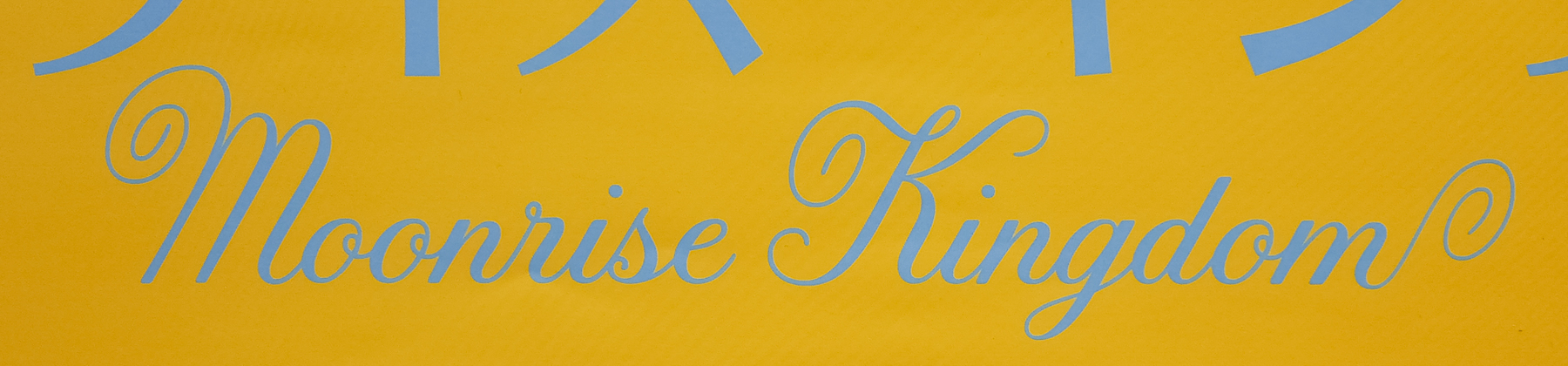
Jessica Hische is responsible for the design of the typography that was used on the posters (only the title of which features on this B1) as well as the credits during the film itself. Hische is a multi-talented letterer and illustrator who has worked on projects for advertising, editorial, branding and books. Her official website features a biography as well as an extensive portfolio of her work. The site used to have a page on which the designer wrote about her involvement in the project:

“I worked directly with Wes and his small team of co-producers to bring his vision to life. […] The initial direction was based on Ed Benguiat’s Edwardian Script, but the direction shifted toward something more hand-hewn looking and lightly referencing titles from a Chabrol film. I was hired to create the 20 or so credits in the beginning of the movie, and a typeface to be used for the end credits. I ended up creating two fonts—a display and a text weight of the same typeface. […] Working with Wes was an absolute dream and I was amazed and impressed at just how involved he is with every aspect of his films.”

The trailer for the film is on YouTube and if you’re yet to see the film I strongly urge you to hunt down a copy of it ASAP, with the only caveat being that if you’re not a fan of Wes Anderson’s output then this film will not convert you!

Orca / B2 / style A / Japan

30.12.13

Poster Poster
Title
Orca
AKA
Orca: Killer Whale (alt. title) | The Killer Whale (alt. title)
Year of Film
1977
Director
Michael Anderson
Starring
Richard Harris, Charlotte Rampling, Will Sampson, Bo Derek, Keenan Wynn, Robert Carradine, Scott Walker, Peter Hooten, Wayne Heffley
Origin of Film
USA
Genre(s) of Film
Richard Harris, Charlotte Rampling, Will Sampson, Bo Derek, Keenan Wynn, Robert Carradine, Scott Walker, Peter Hooten, Wayne Heffley,
Type of Poster
B2
Style of Poster
Style A
Origin of Poster
Japan
Year of Poster
1977
Designer
Unknown
Artist
Unknown
Size (inches)
20 7/16" x 28 14/16"
SS or DS
SS
Tagline
--

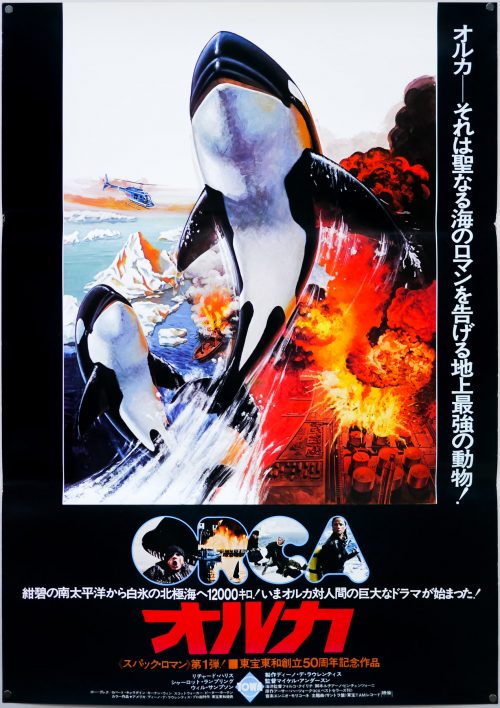
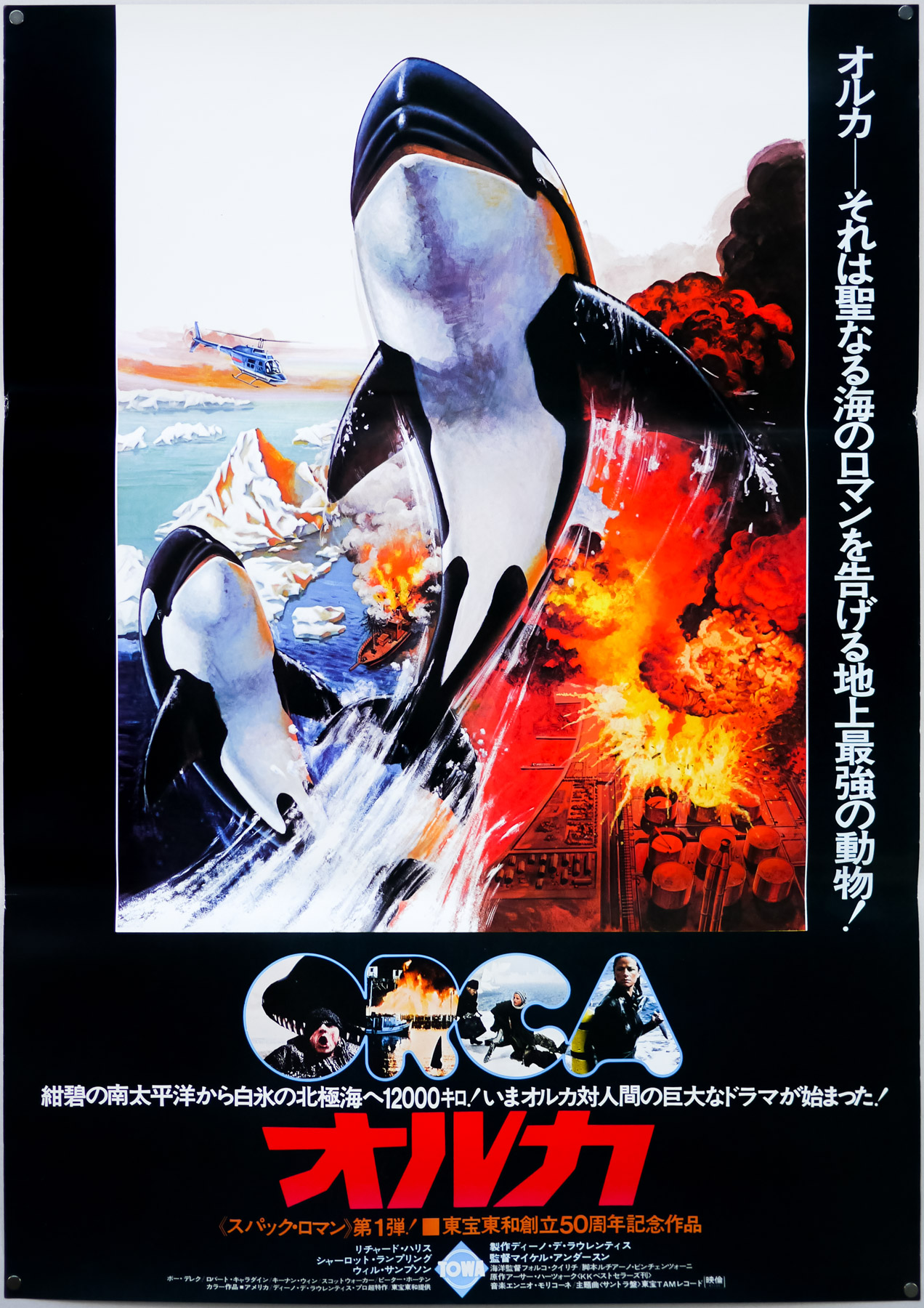
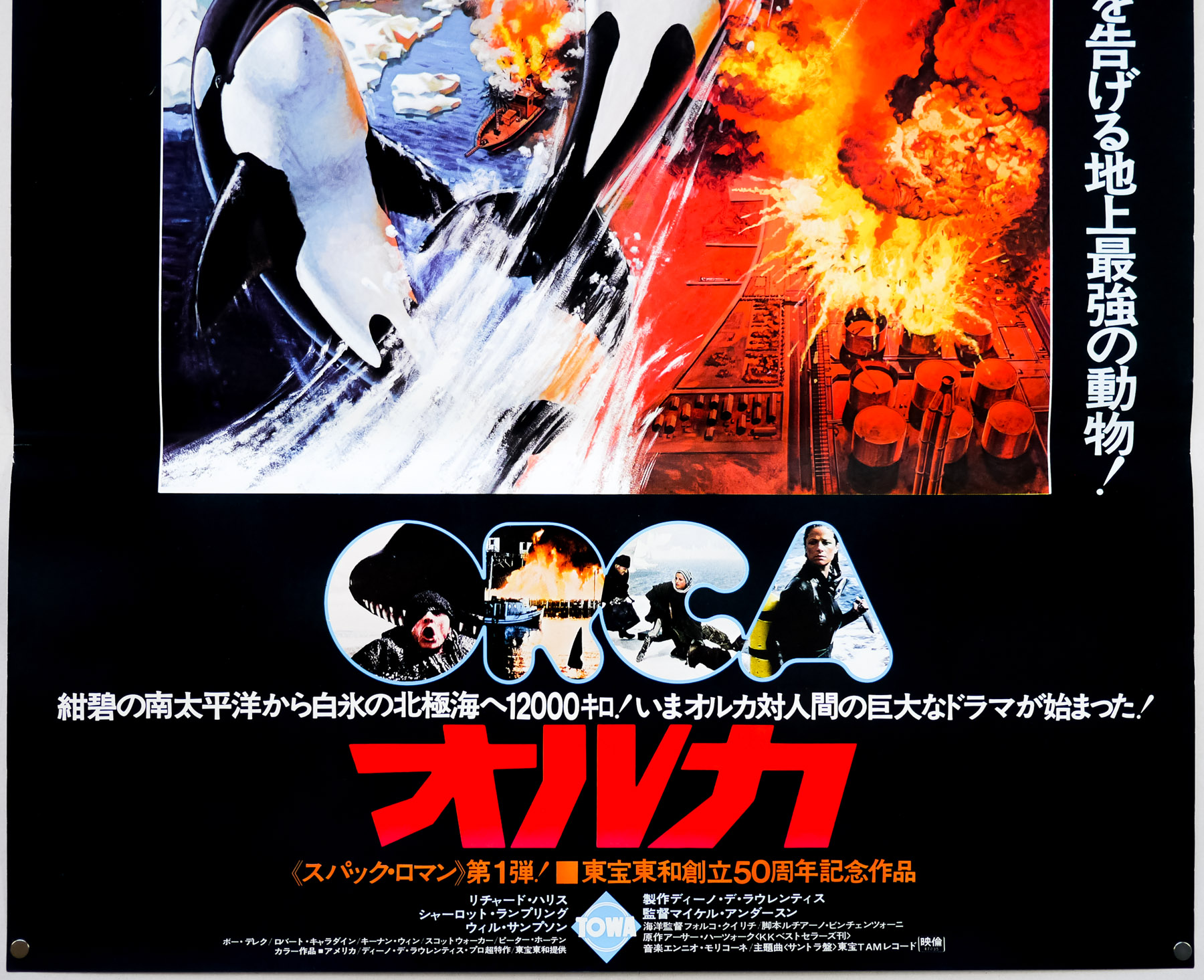
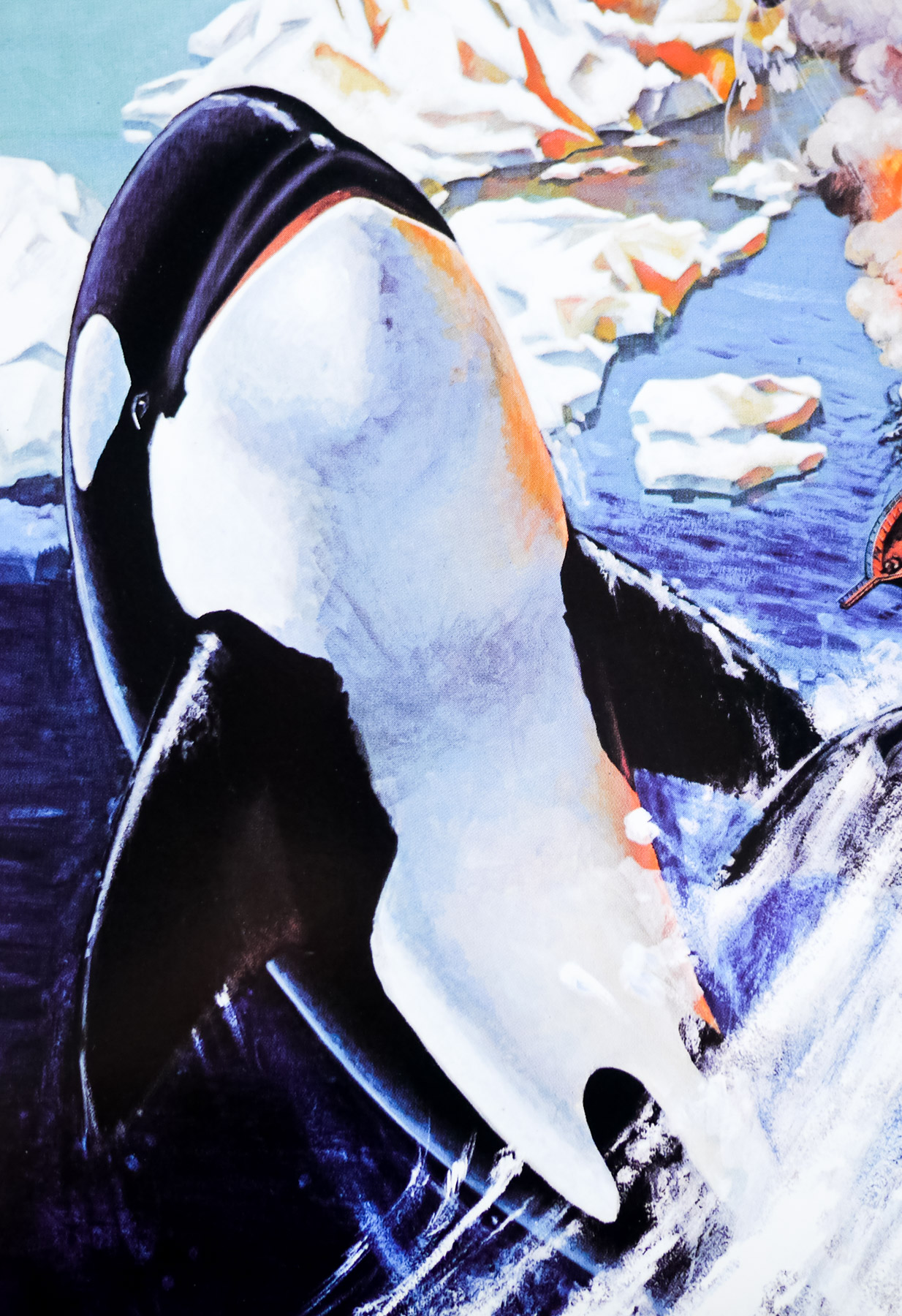
A man versus giant killer fish film that was released two years after the original summer blockbuster Jaws, Orca was always going to be compared to Spielberg’s classic even if its lead actor, the late Richard Harris, was apparently angered by the links; ‘I get really offended when people make the comparison’, he is quoted as saying at the time of release. The late Italian producer Dino De Laurentiis was determined to one-up the spectacle of Jaws and tasked the screenwriter Luciano Vincenzoni to “find a fish tougher and more terrible than the great white”, which led them to the killer whale and production on ‘Orca’ began.

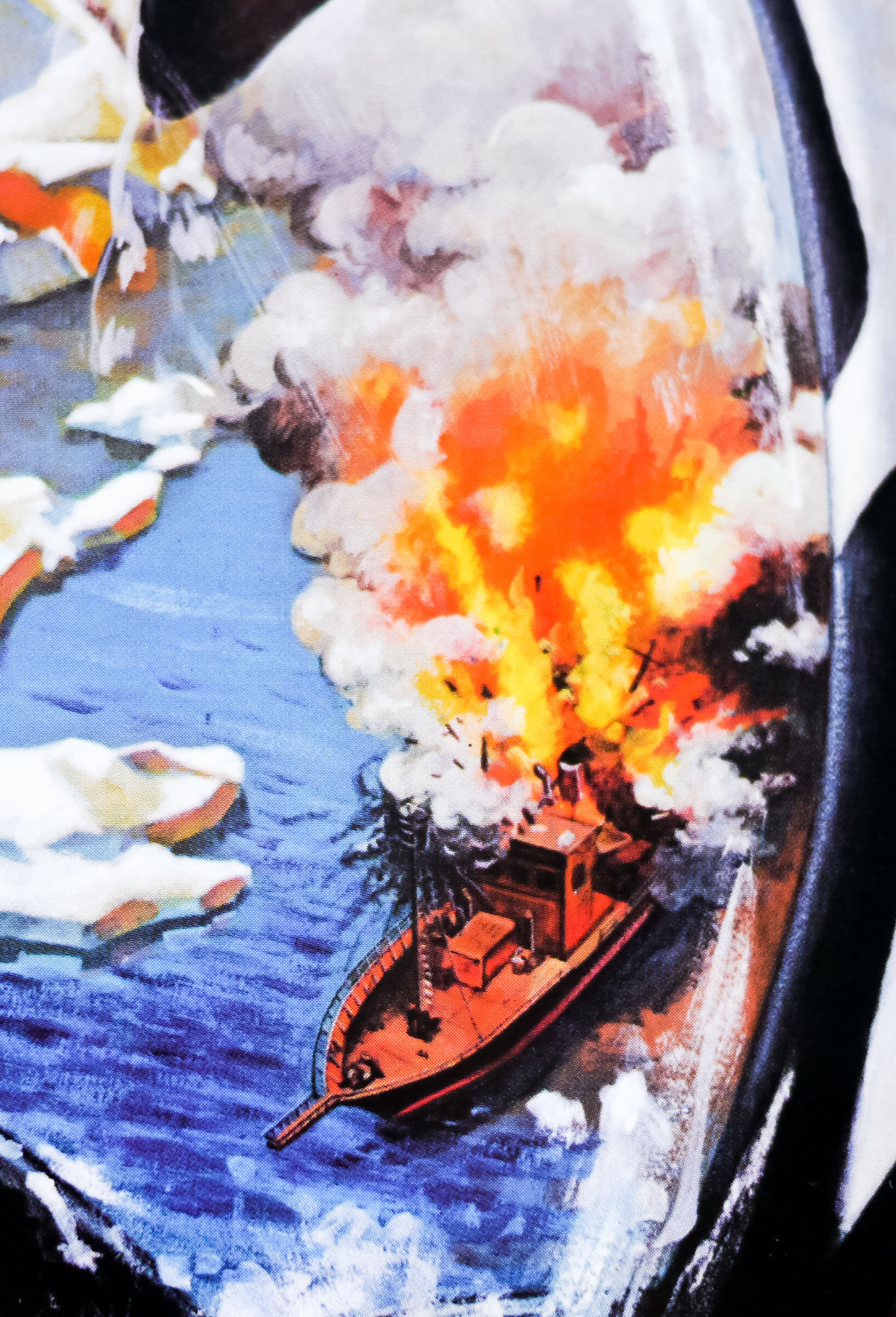
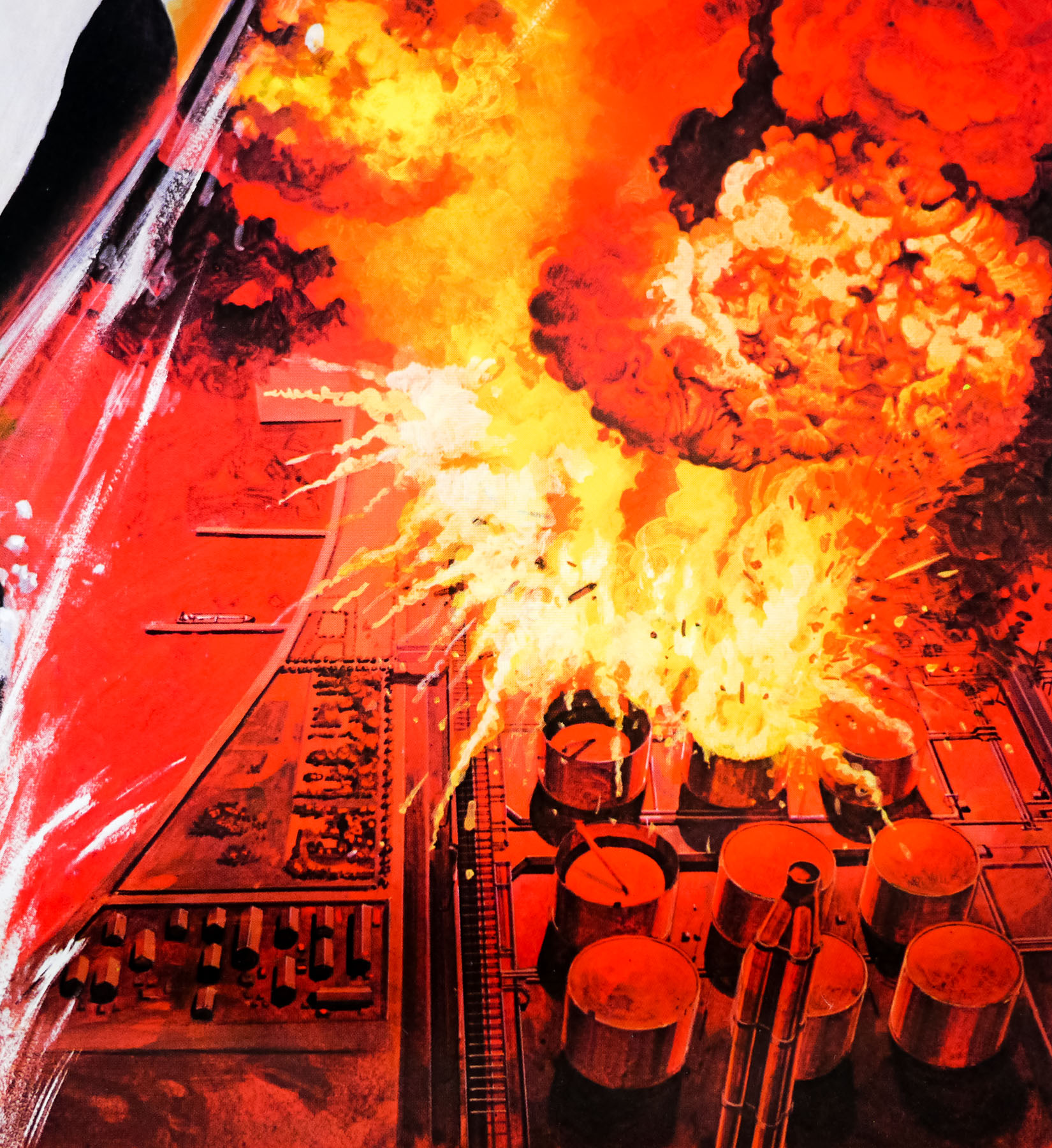
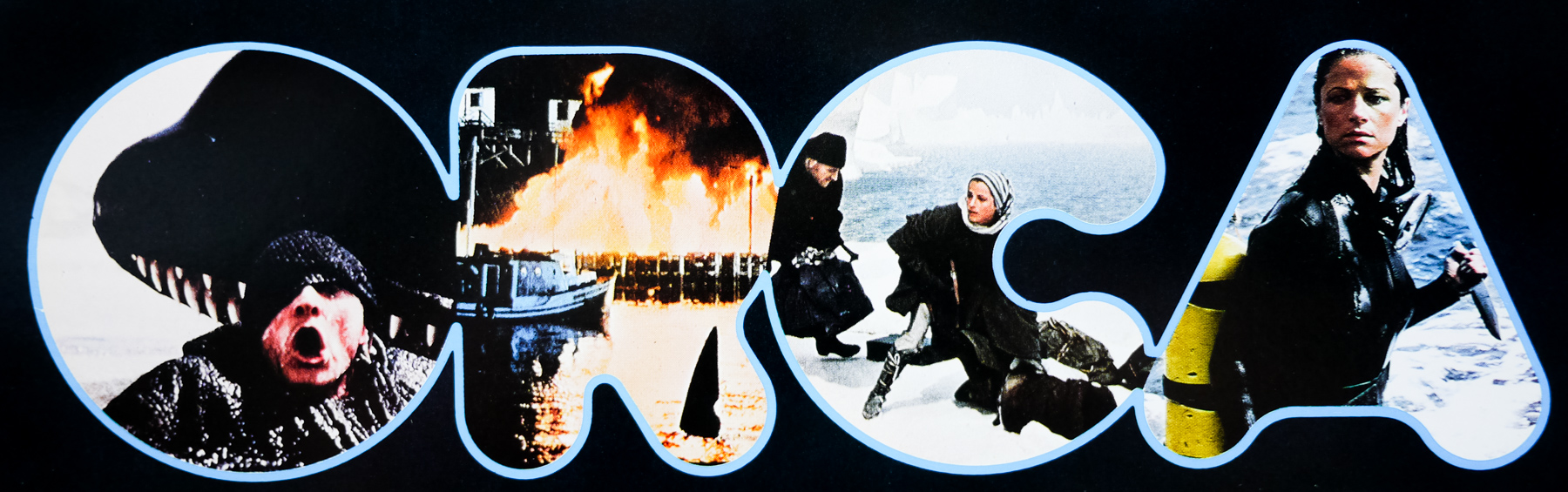
Harris plays Nolan, the Irish captain of a fishing boat operating in the waters off the coast of northern Canada who hears of a lucrative contract being offered for the live capture of a killer whale and hopes the bounty will pay off the mortgage on his boat. After Nolan and his crew accidentally spear a pregnant female killer whale they drag it onto the ship where it miscarries, and almost dies, before the male (Orca) attacks the ship, killing one of the crew before the female is cut loose and falls into the water. The next morning the body of the female whale washes up on shore and before long it becomes clear that Orca is out for revenge, as he attacks the fishing village and destroys vital fuel lines. The villagers insist Nolan is responsible and task him with killing Orca so he sets off with the remainder of his crew, plus marine biologist Rachel Bedford (Charlotte Rampling) and a native American killer whale expert (Will Sampson). The whale leads the boat away from the village into frozen, iceberg covered waters and the stage is set for a final confrontation.

Unfortunately for De Laurentiis and all involved the film was critically derided and sank quickly at the box office, particularly since the juggernaut that was Star Wars was already smashing box office records around the world. The idea of a vengeful fish obviously didn’t go down too well with audiences, although the people behind 1987’s awful Jaws: The Revenge must have forgotten this by the time it was decided to make a third Jaws sequel. The practice of hunting and capturing killer whales to feed the demand from aquariums in the 1960s and 70s was sadly all too prevalent, as documented in the recent heartbreaking documentary Blackfish, which also points out that there are no documented cases of humans being killed by the whales in the wild.

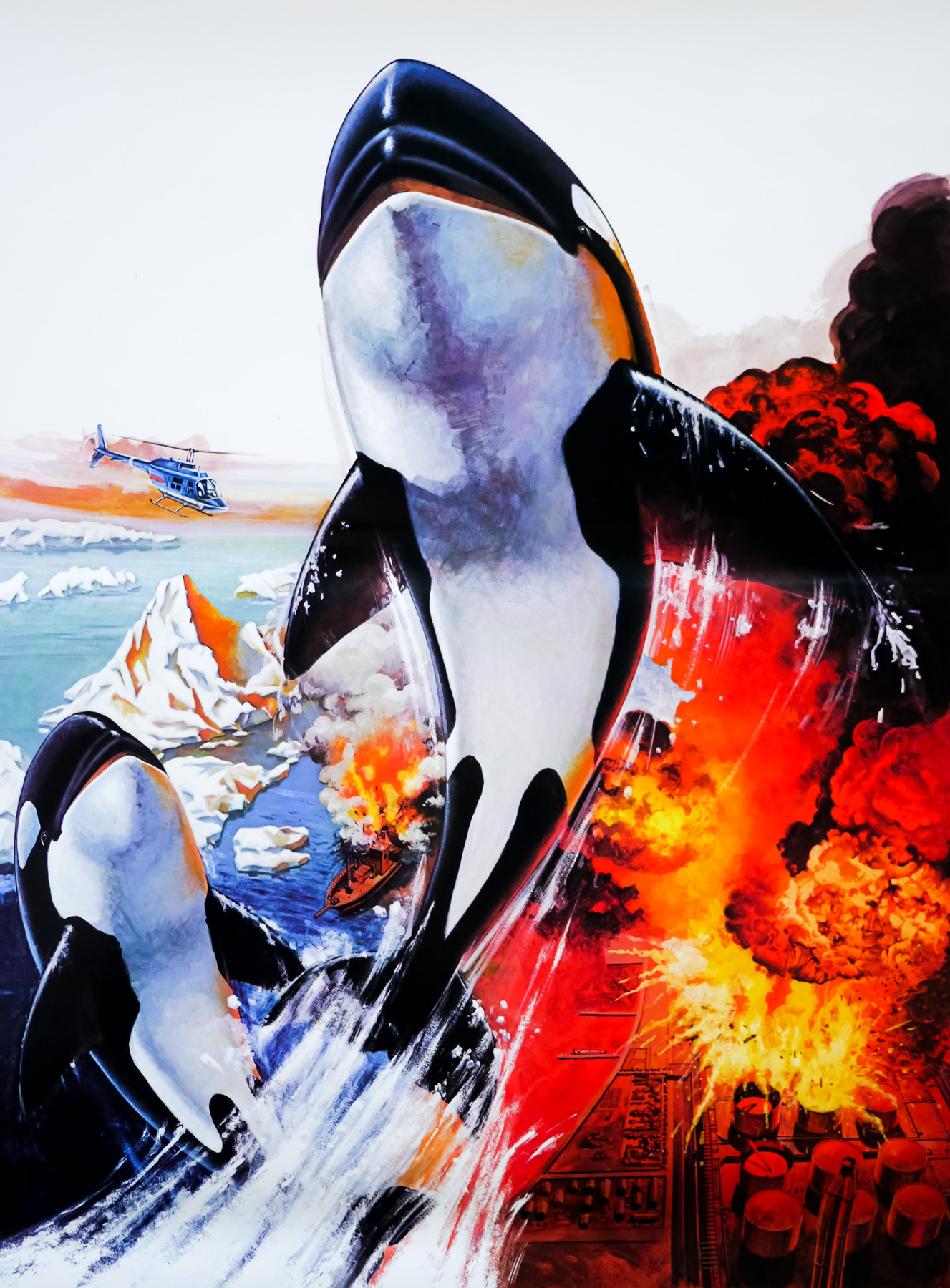
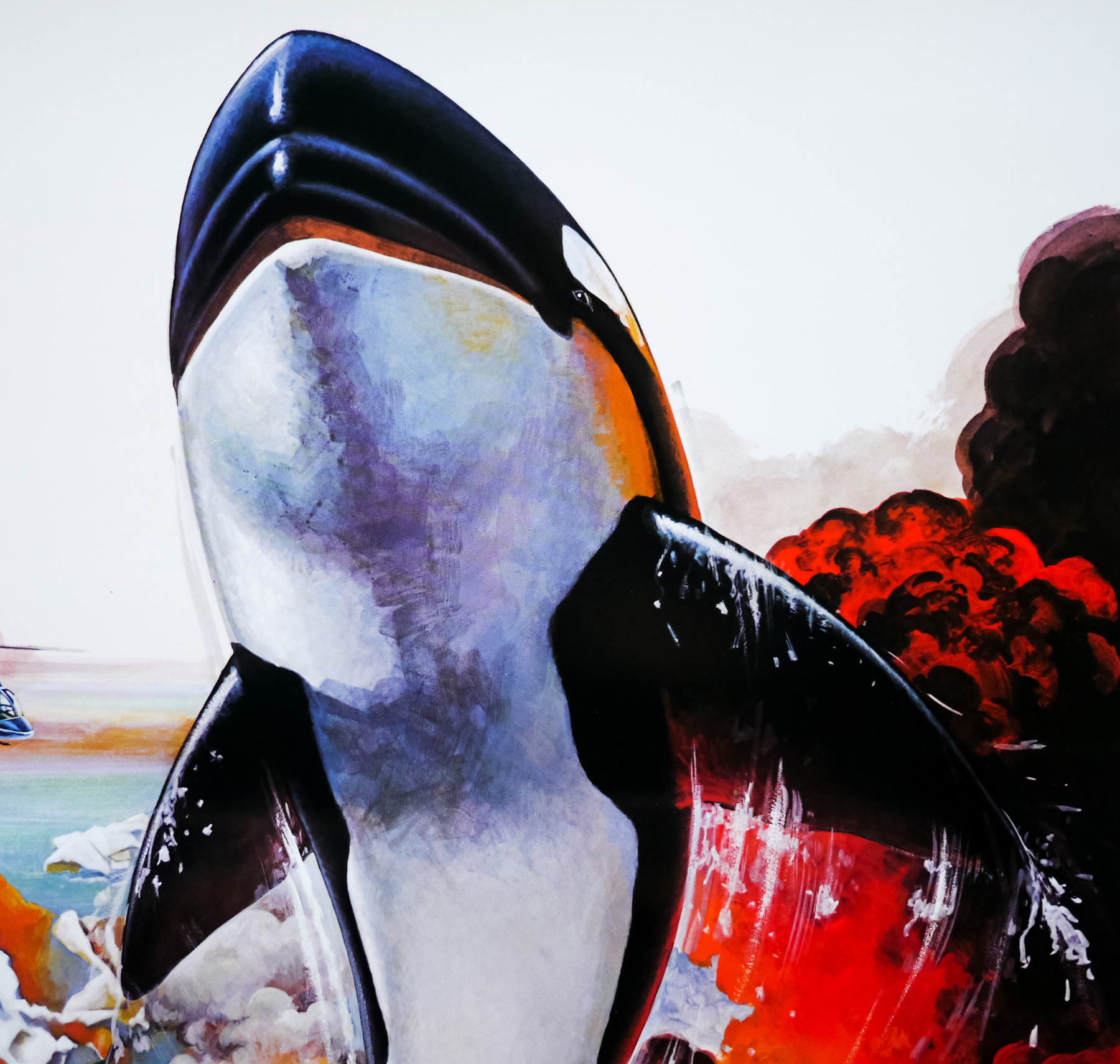
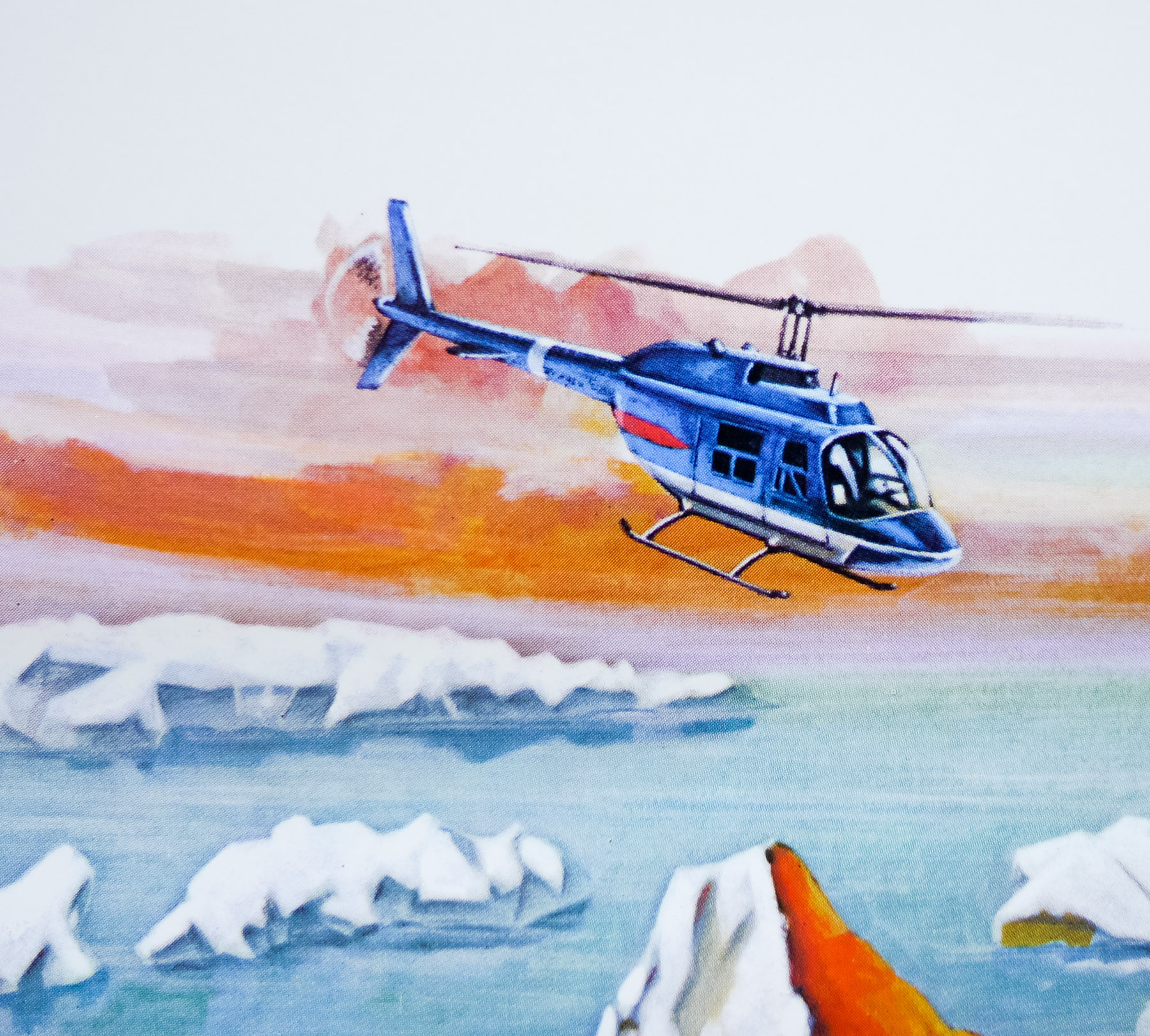
The artwork on the American one sheet was painted by John Berkey who also worked on the poster for the De Laurentiis produced remake of King Kong a year earlier, and the Orca art was also used for the British quad. The Japanese marketing campaign, however, featured at least three B2-sized posters, including this one, that featured artwork apparently unique to the posters and only the B1 format used the Berkey painting. I’ve called this B2 the ‘style A (black surround)’ and I also have the other two styles which will be added to the site eventually. I’ve been unable to find out who is responsible for this artwork so if you have any ideas please get in touch.

Check out the bonkers original trailer on YouTube.
Trouble Man / B2 / Japan

12.02.14

Poster Poster
Title
Trouble Man
AKA
Fureur Noire [Black Fury] (France)
Year of Film
1972
Director
Ivan Dixon
Starring
Robert Hooks, Paul Winfield, Ralph Waite, William Smithers, Paula Kelly, Julius Harris, Bill Henderson, Wayne Storm, Akili Jones, Vince Howard
Origin of Film
USA
Genre(s) of Film
Robert Hooks, Paul Winfield, Ralph Waite, William Smithers, Paula Kelly, Julius Harris, Bill Henderson, Wayne Storm, Akili Jones, Vince Howard,
Type of Poster
B2
Style of Poster
--
Origin of Poster
Japan
Year of Poster
1973
Designer
Unknown
Artist
--
Size (inches)
20 6/16" x 28 12/16"
SS or DS
SS
Tagline
--

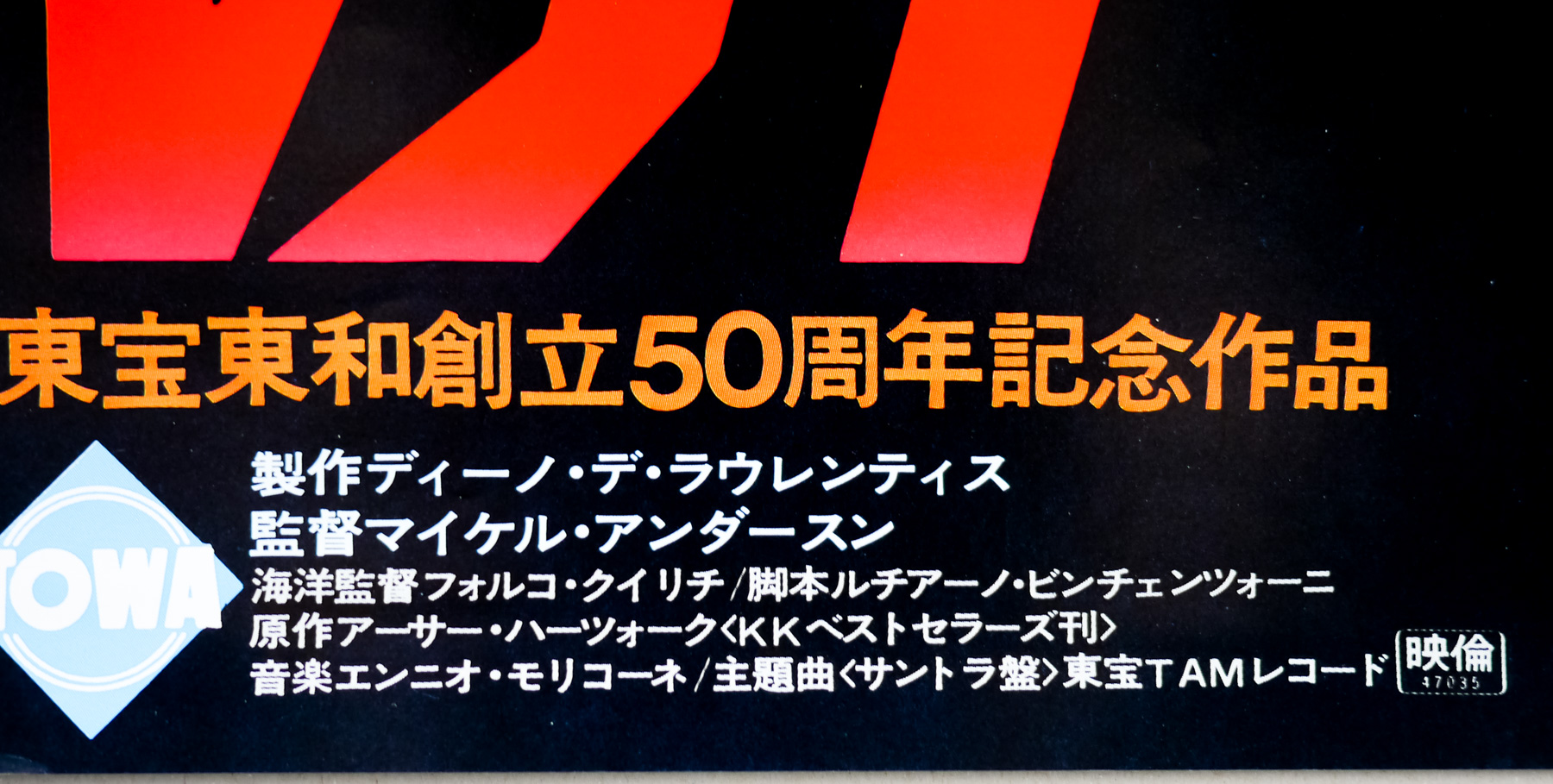
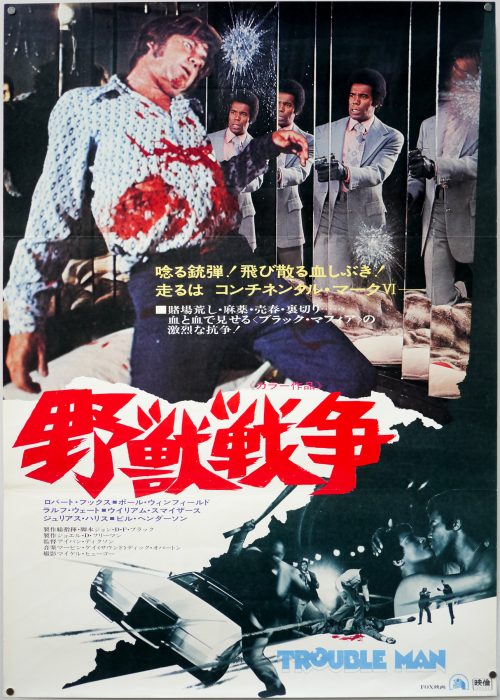
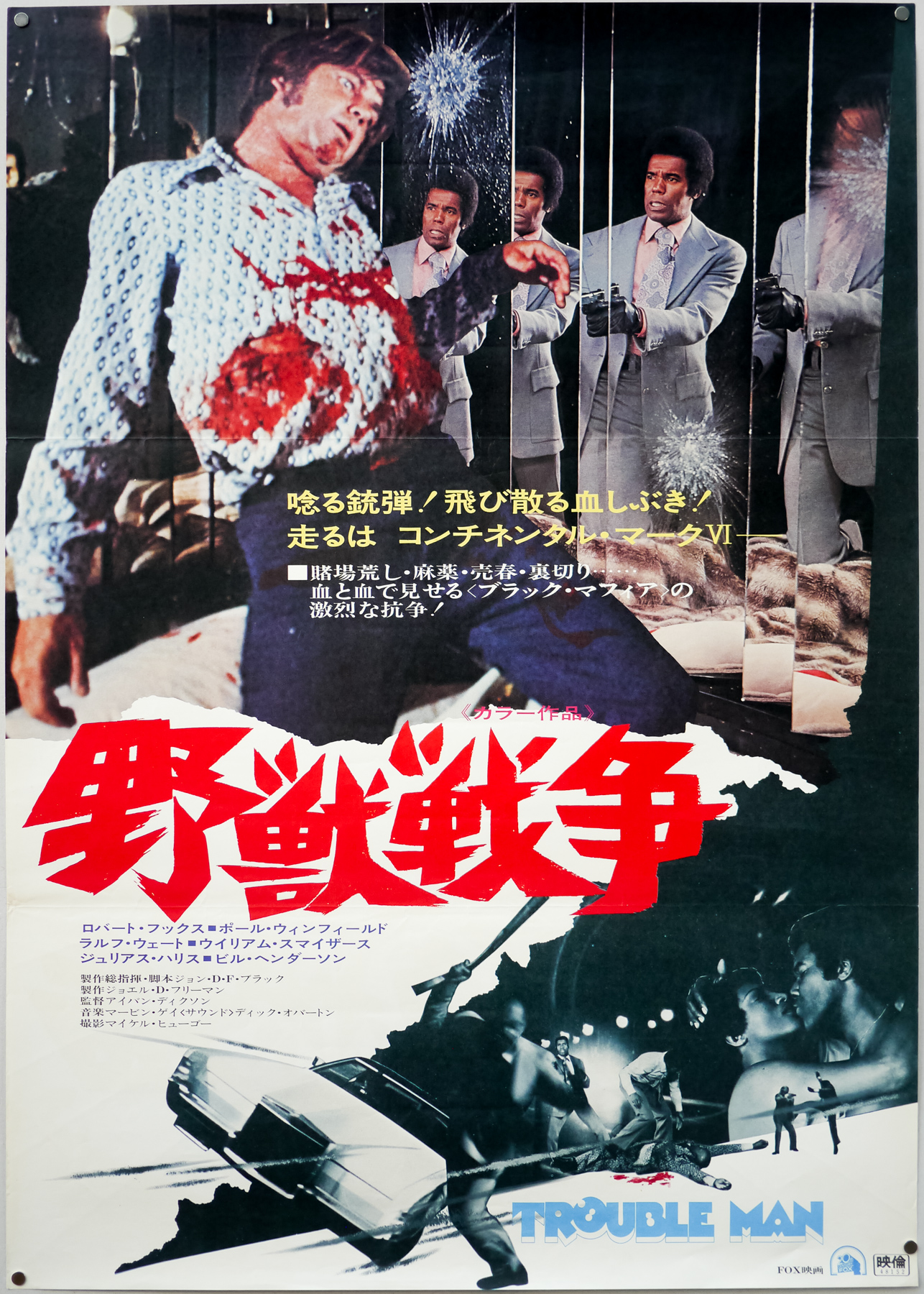
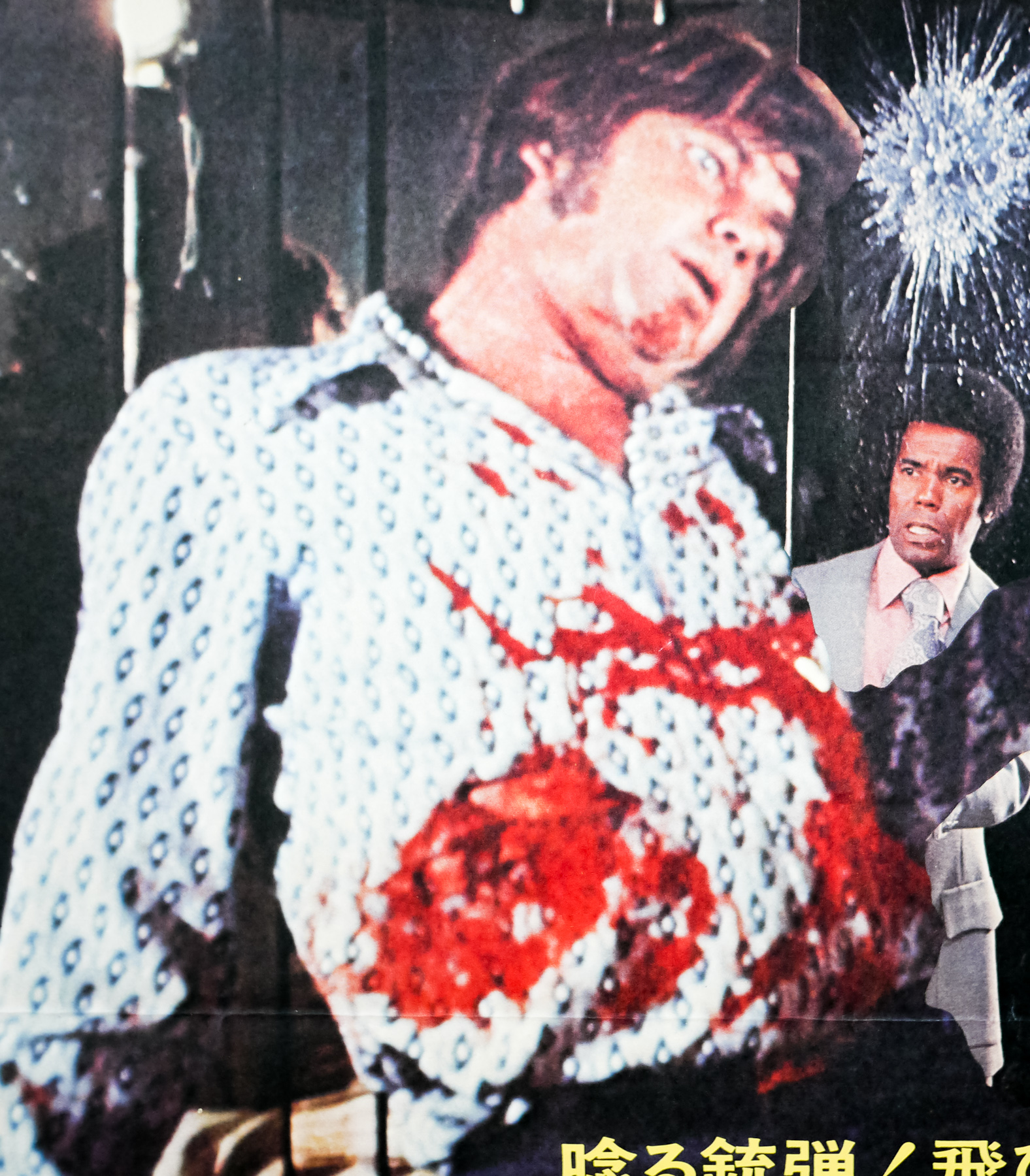
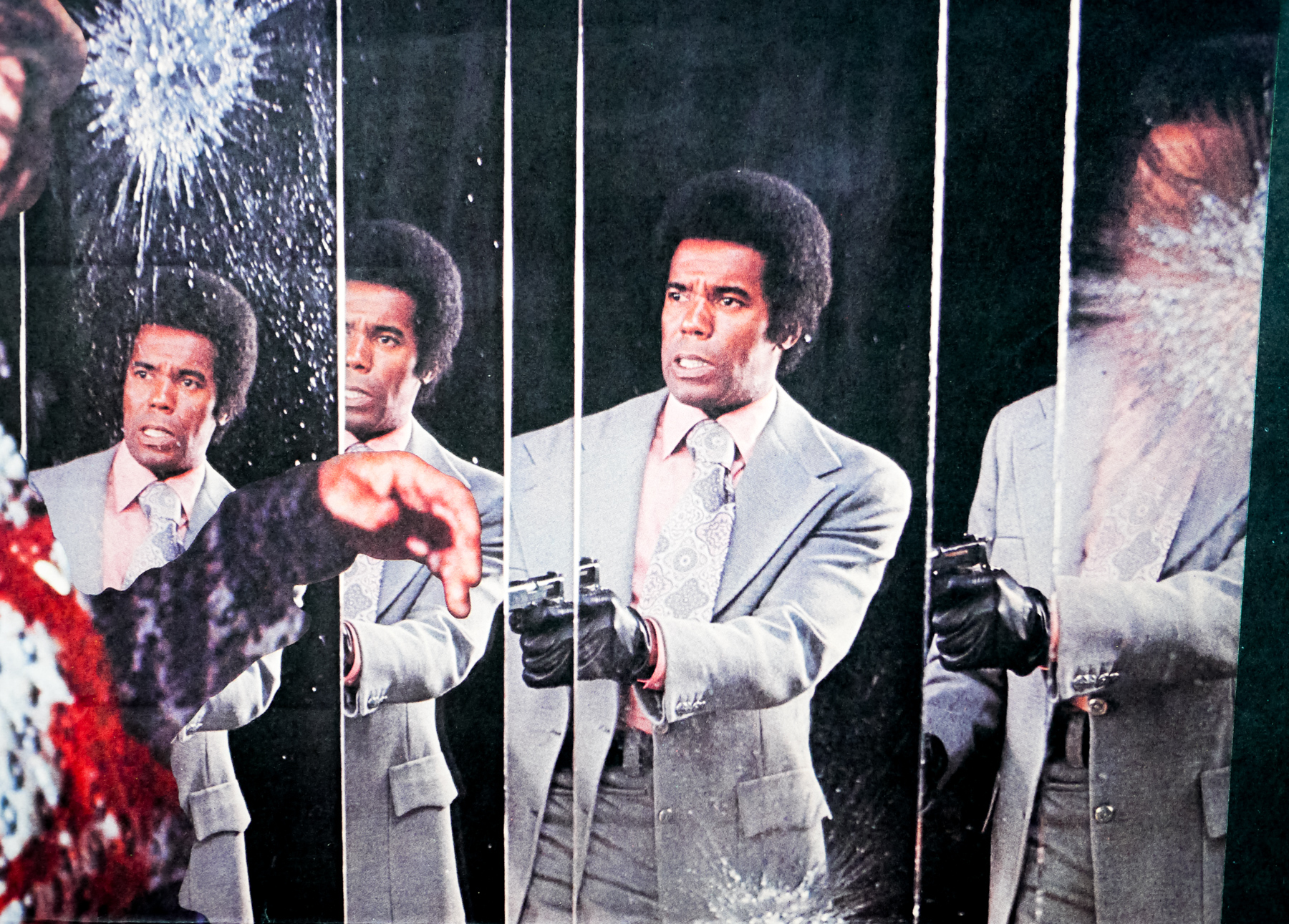
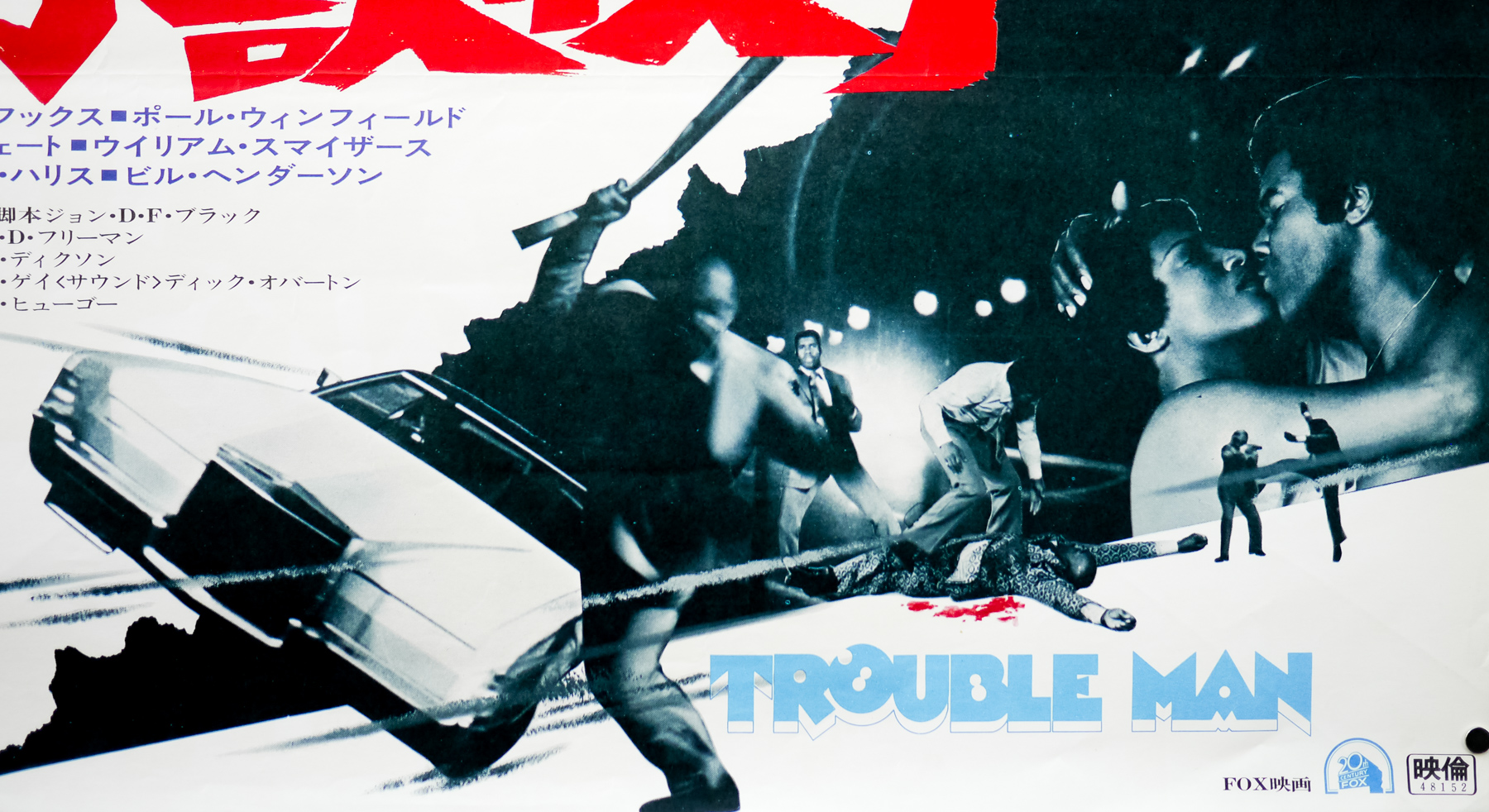
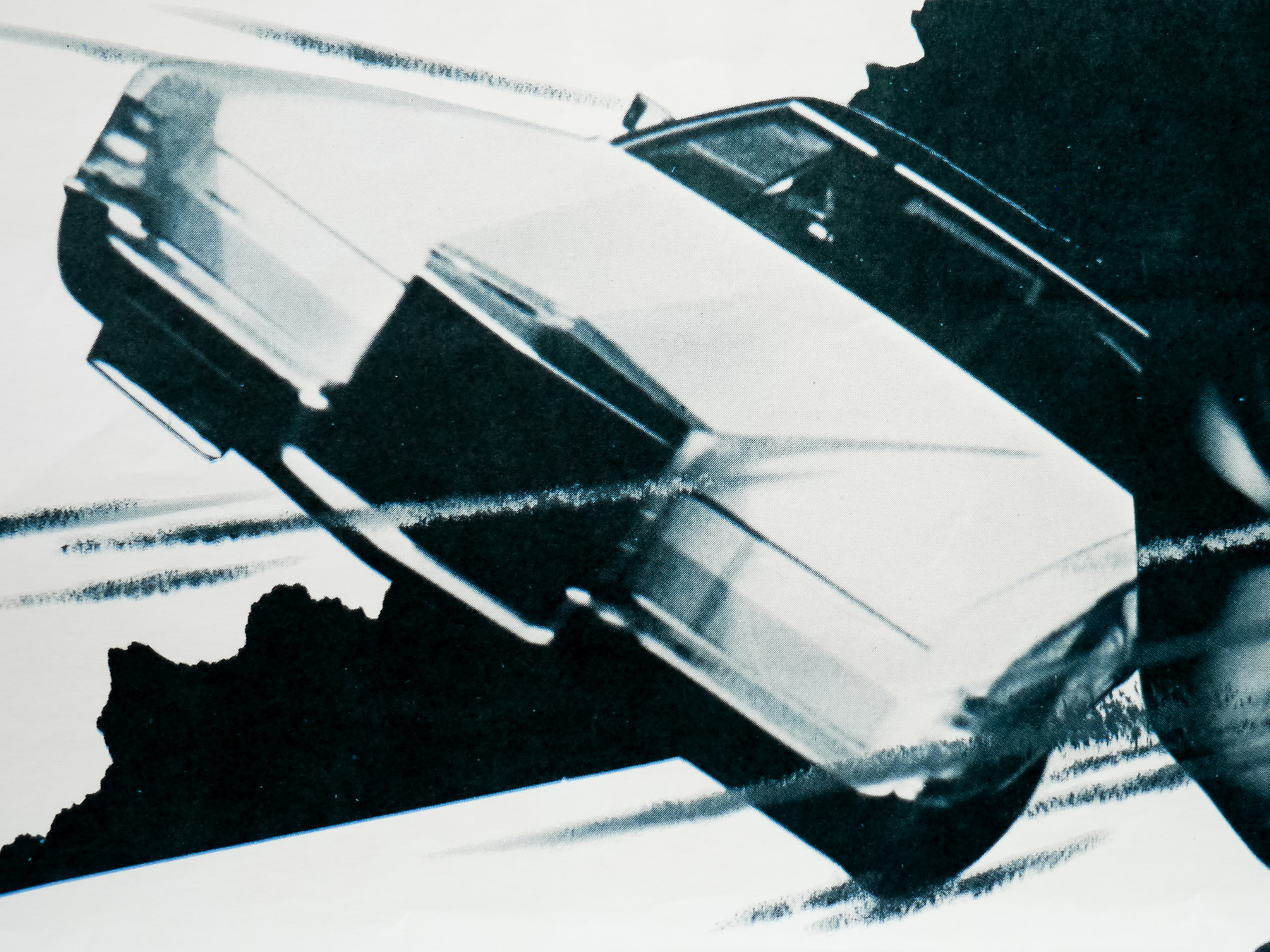
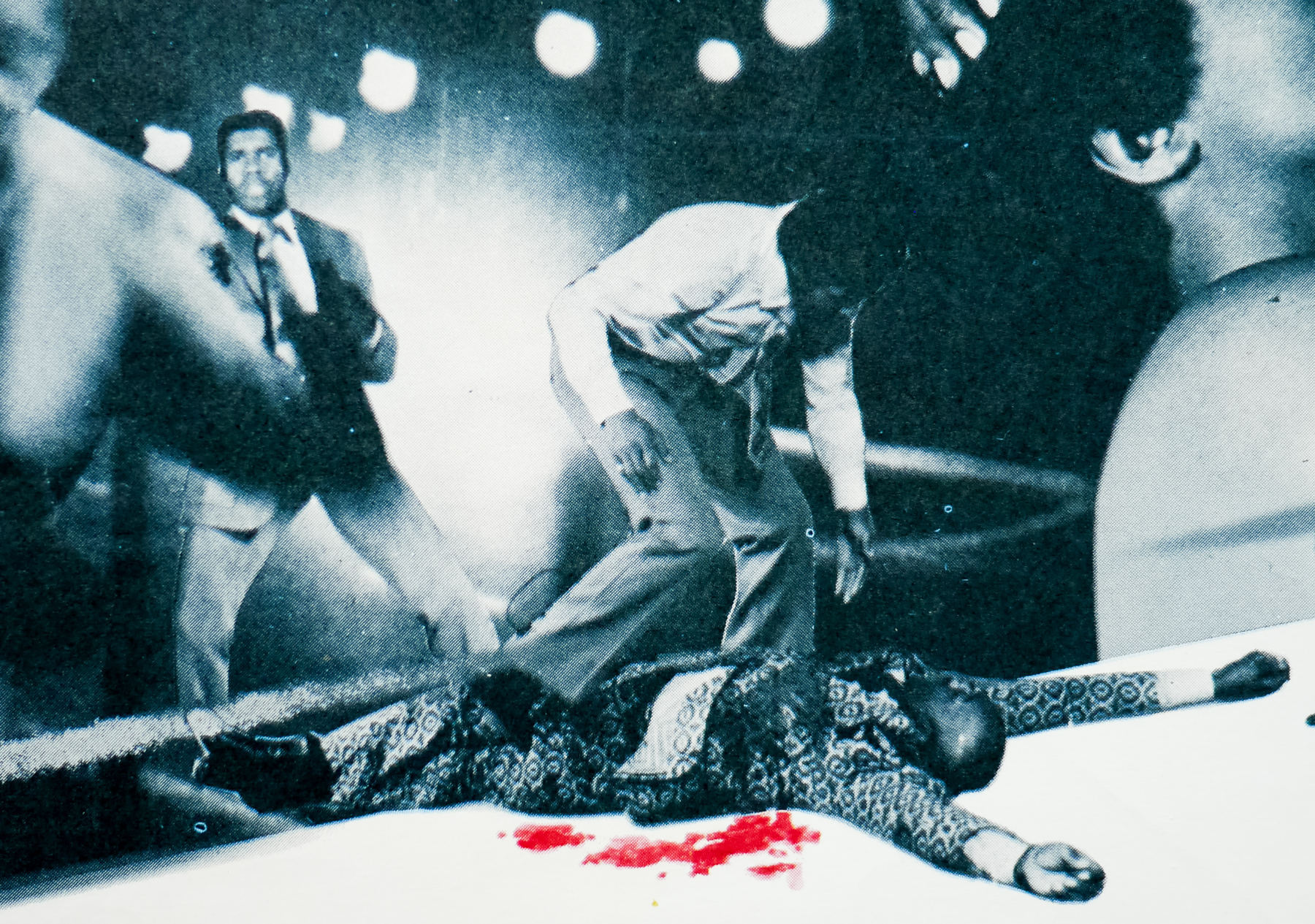
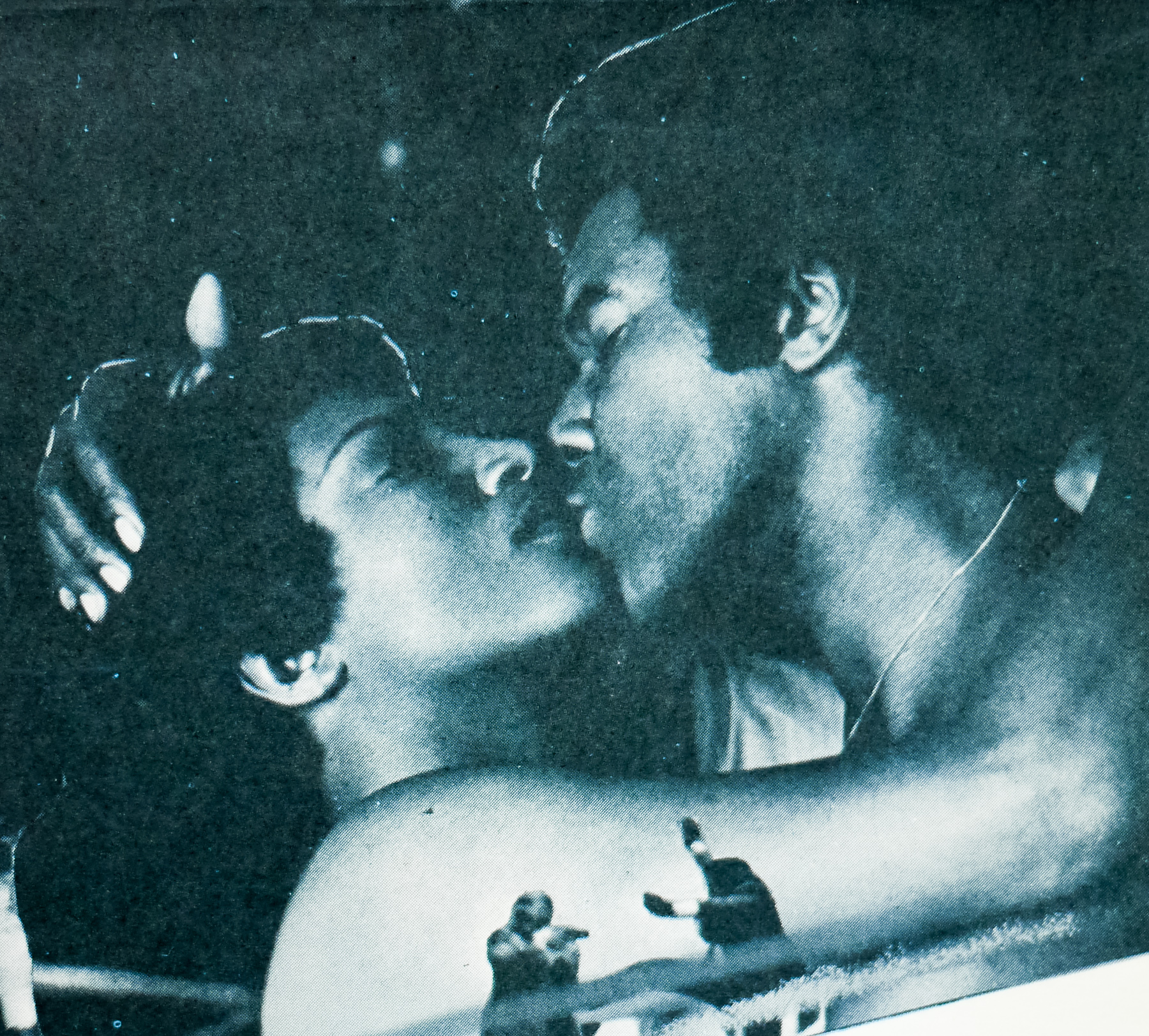
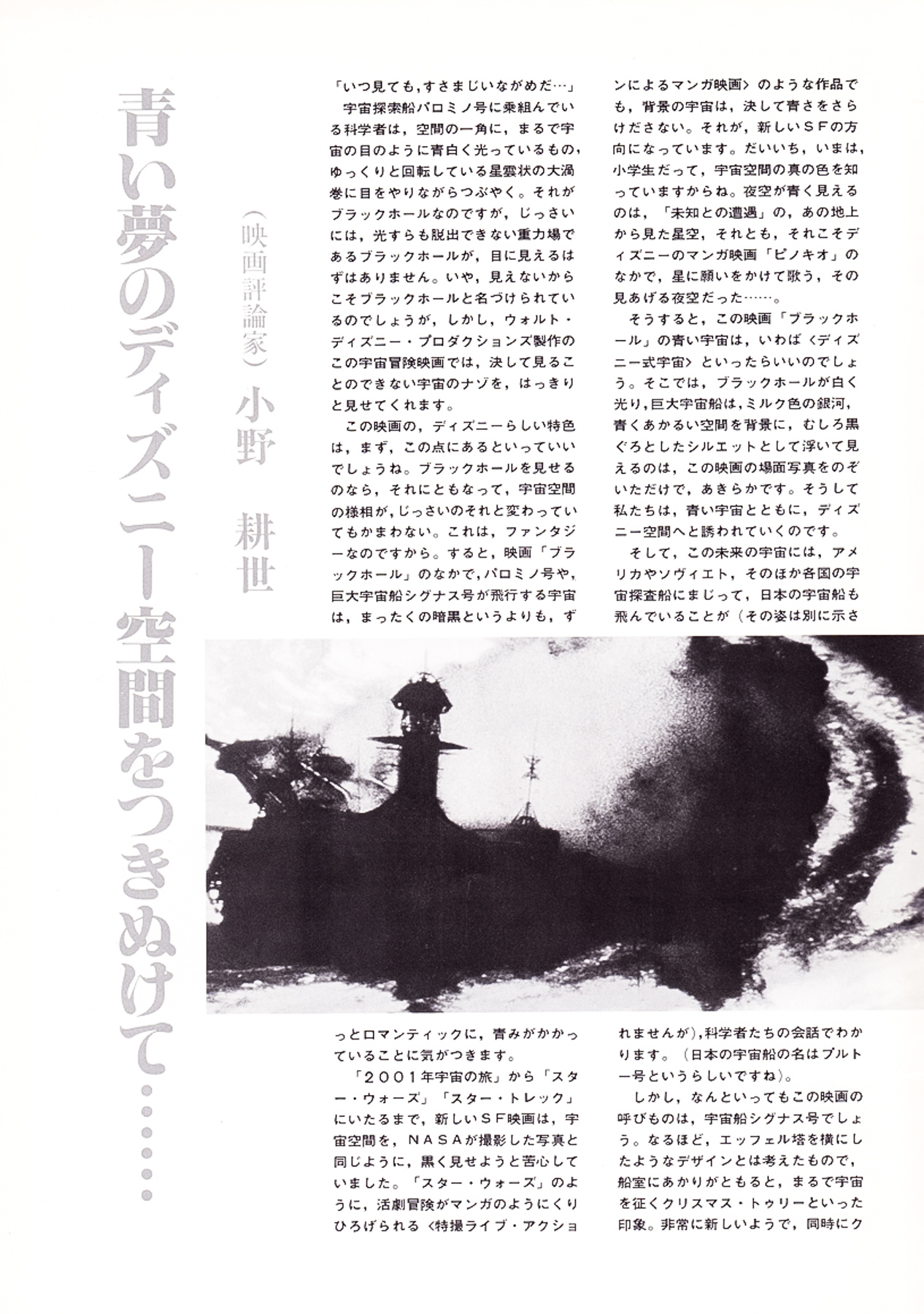
Actor turned director Ivan Dixon helmed Trouble Man, a blaxploitation thriller from 1972, starring Robert Hooks and featuring an original soundtrack by Marvin Gaye. Mr T (Hooks) is a former hustler turned private eye who has allies on both sides of the law and operates out of a pool hall where he sharks during his spare time. One day he is approached by Chalky (Paul Winfield) and Pete (Ralph Waite), two former pimps who have been running illegal dice games around the local neighbourhood which they claim have been robbed several times by a gang of masked men, despite them having changed the location several times.

Mr T agrees to help the pair discover who’s behind the heists for a price, but what he assumes to be a routine assignment soon turns out to be nothing of the sort when Chalky and Pete double cross him and leave him caught between a gang led by the kingpin Big (Julius Harris) and the local police captain. T must fight to survive and clear his name whilst getting even with Chalky and Pete before its too late. Often compared favourably to perhaps the best known blaxploitation feature Shaft, the film has something of a cult reputation today which is helped by the memorable Marvin Gaye soundtrack.

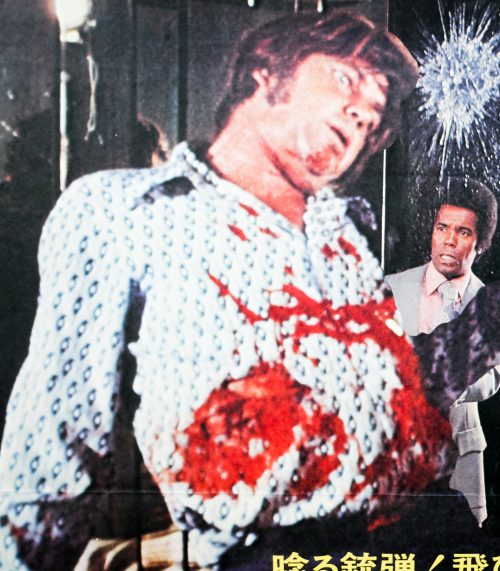
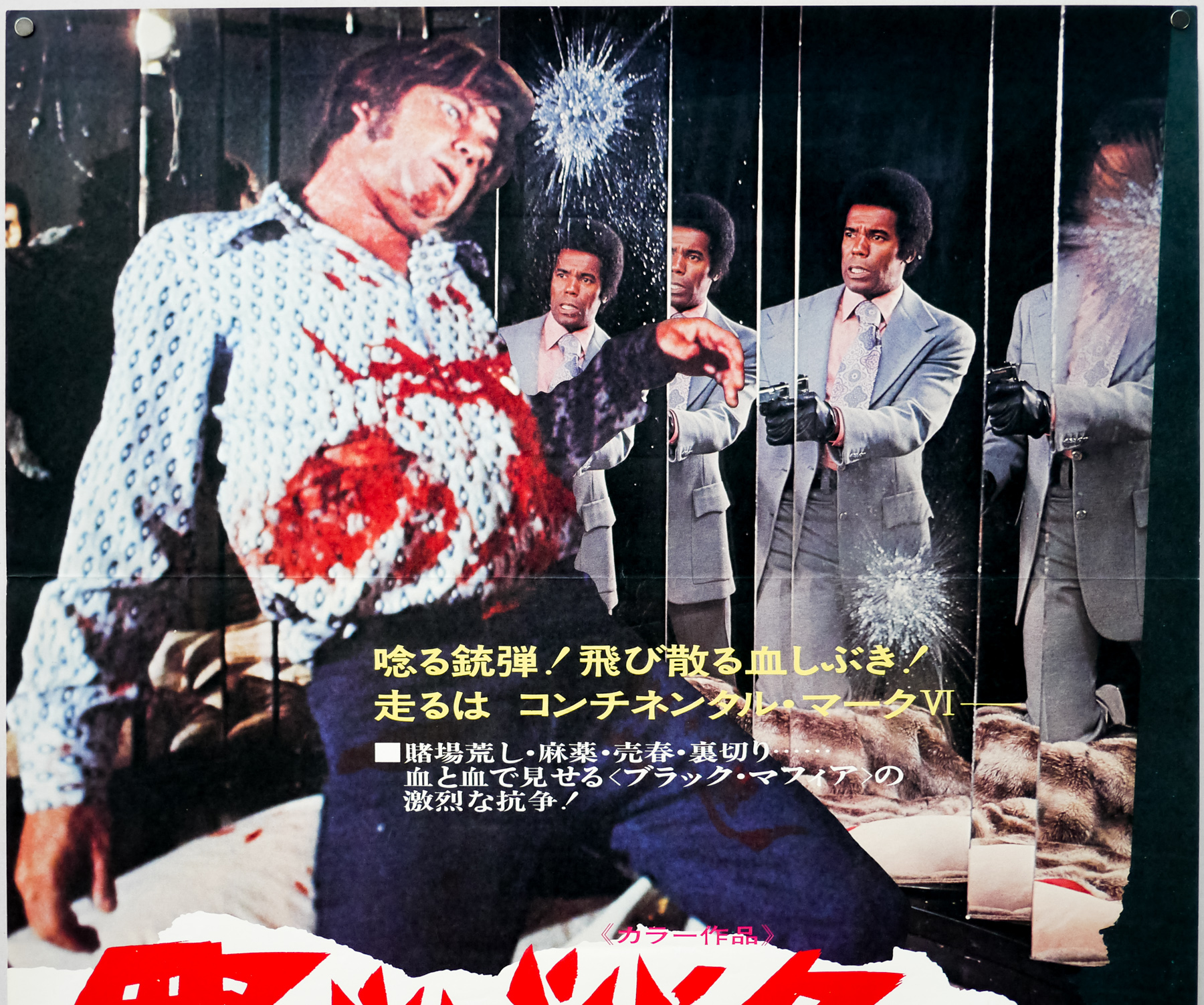
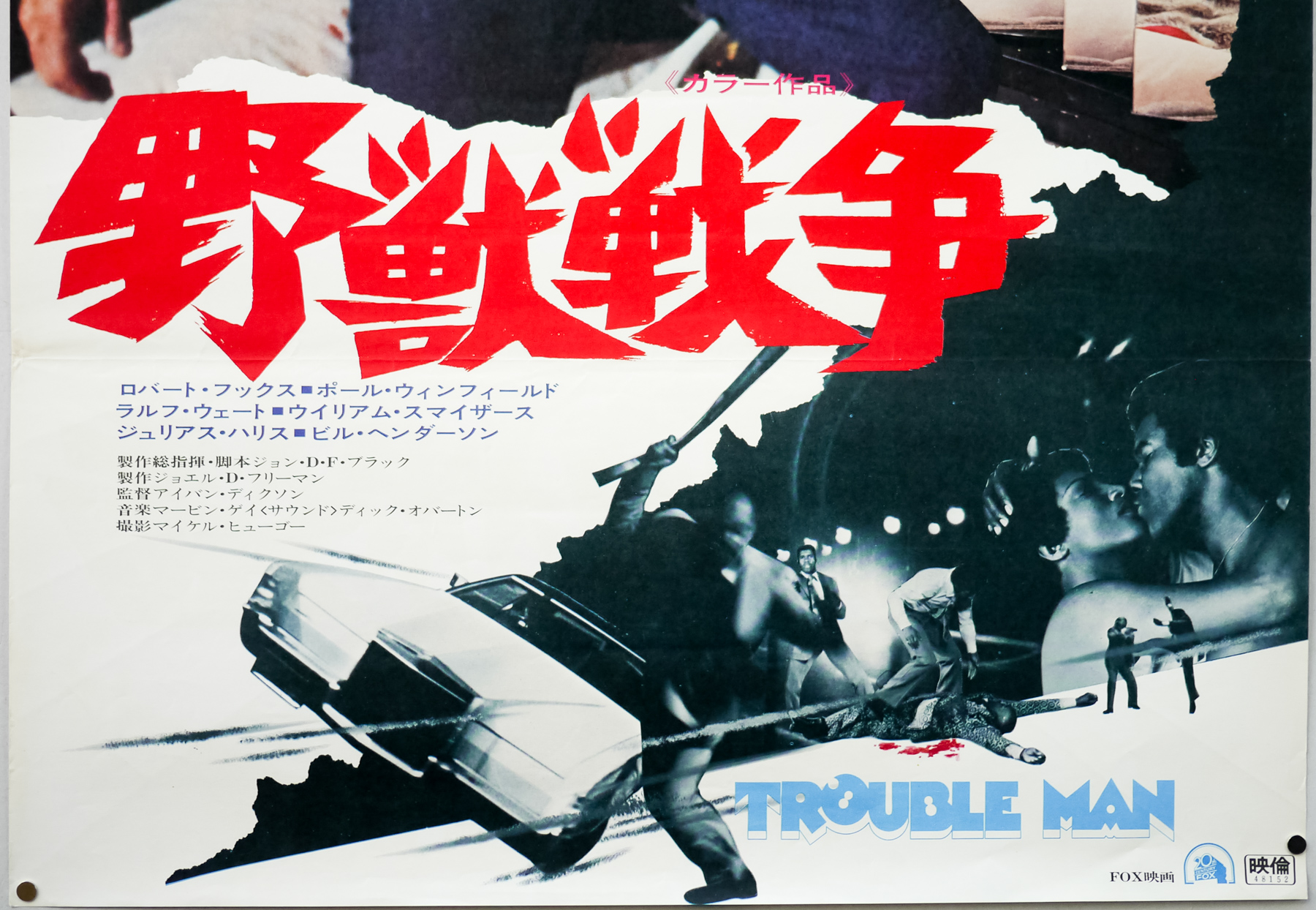
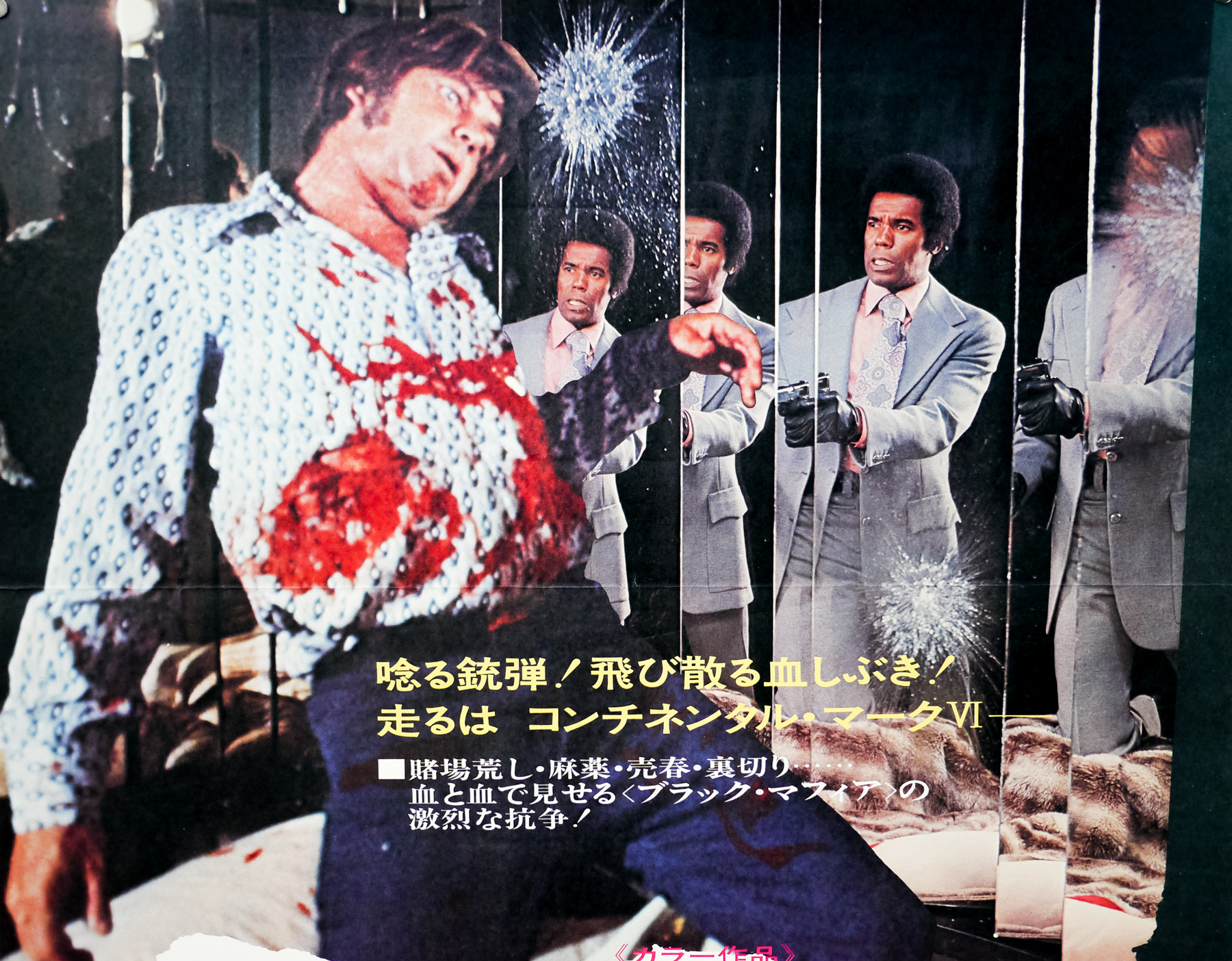
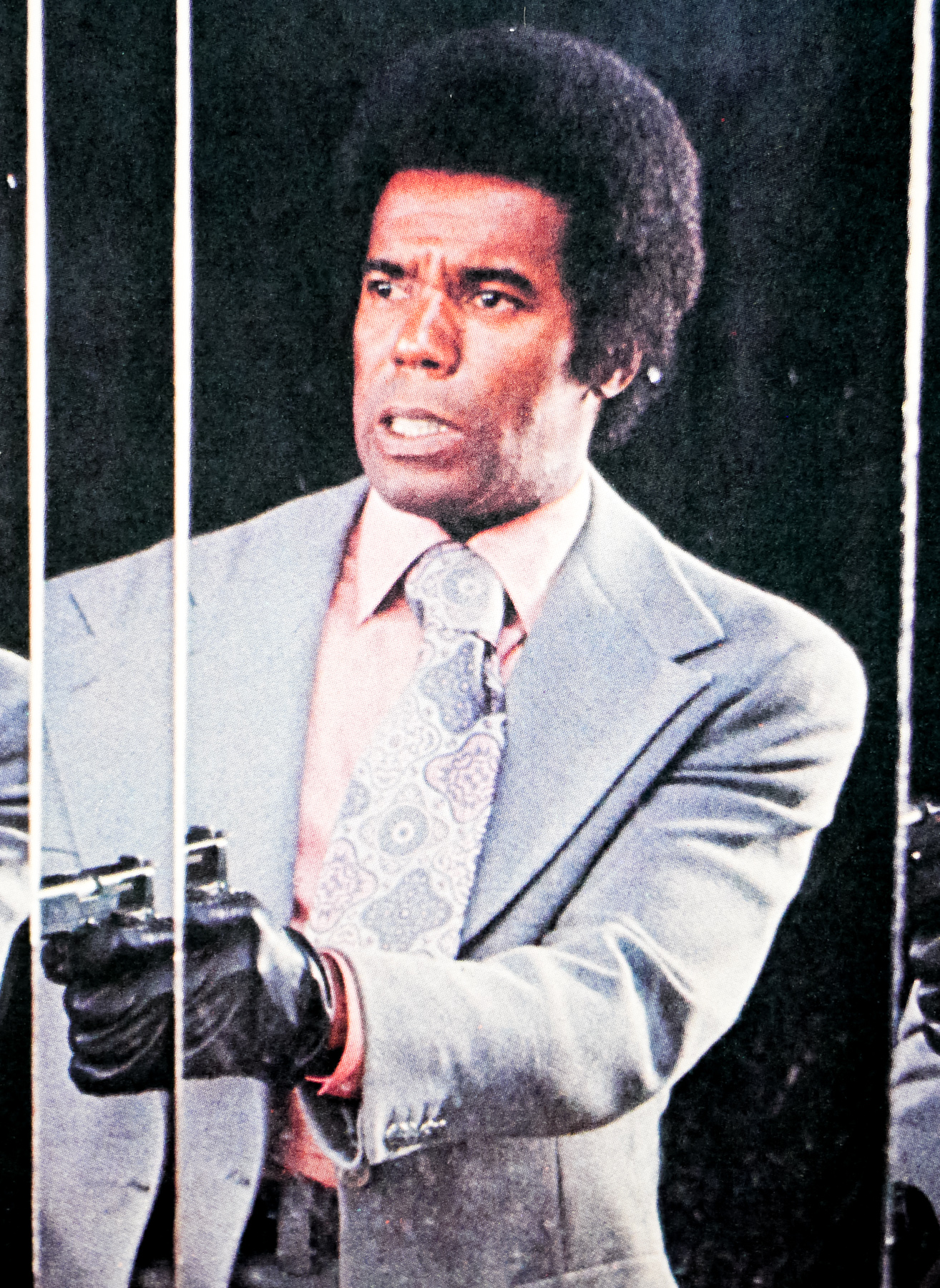
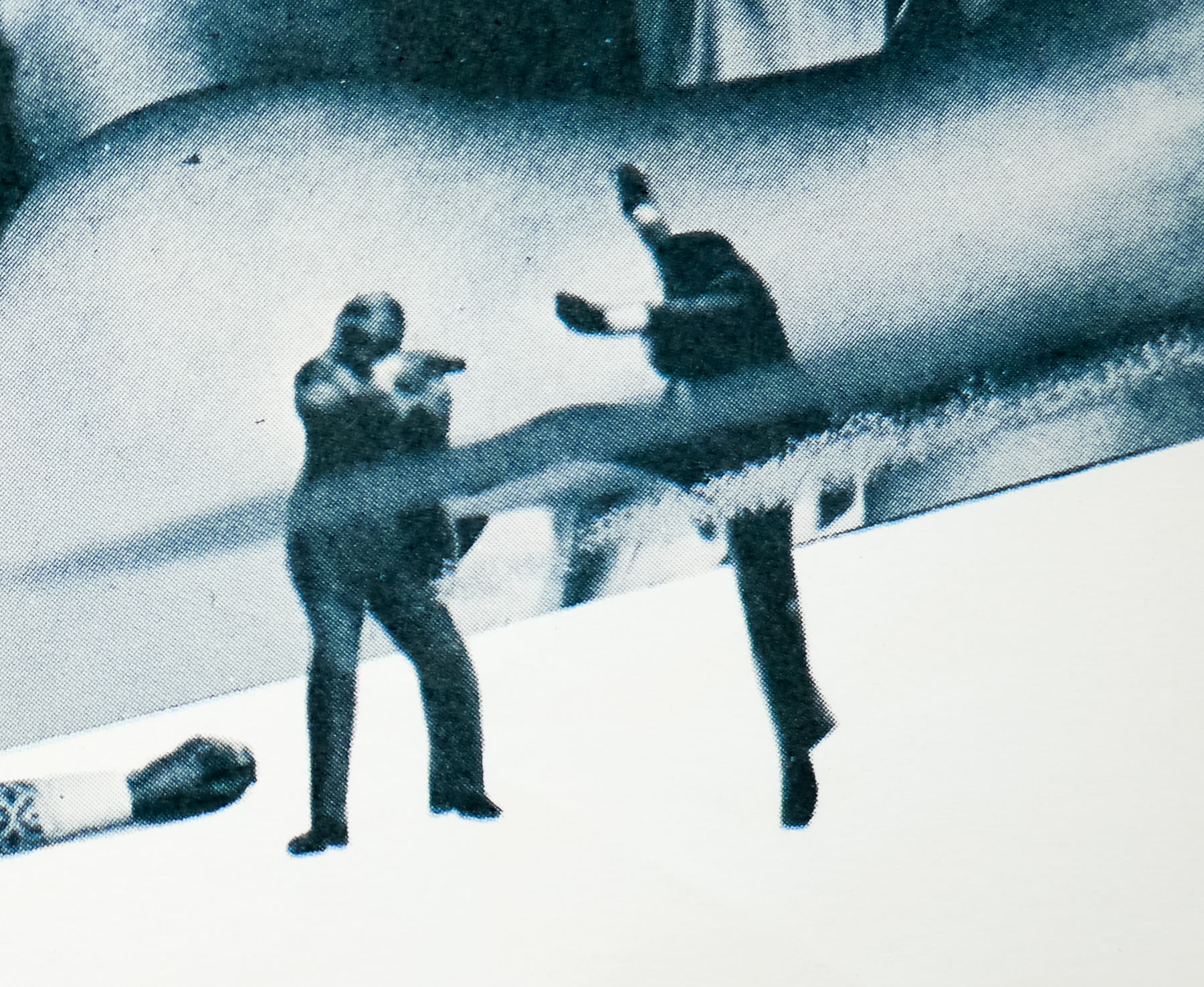
This Japanese B2 features a photo of Mr T in front of mirrors that is similar to the American one sheet, although this poster is obviously more violently explicit.

The excellent original trailer is on YouTube.
Scarface / B2 / black and white style / Japan

17.02.14

Poster Poster
Title
Scarface
AKA
--
Year of Film
1983
Director
Brian De Palma
Starring
Al Pacino, Steven Bauer, Michelle Pfeiffer, Mary Elizabeth Mastrantonio, Robert Loggia, F. Murray Abraham, Harris Yulin
Origin of Film
USA
Genre(s) of Film
Al Pacino, Steven Bauer, Michelle Pfeiffer, Mary Elizabeth Mastrantonio, Robert Loggia, F. Murray Abraham, Harris Yulin,
Type of Poster
B2
Style of Poster
Black and white
Origin of Poster
Japan
Year of Poster
1984
Designer
Unknown
Artist
--
Size (inches)
20 6/16" x 28 12/16"
SS or DS
SS
Tagline
--

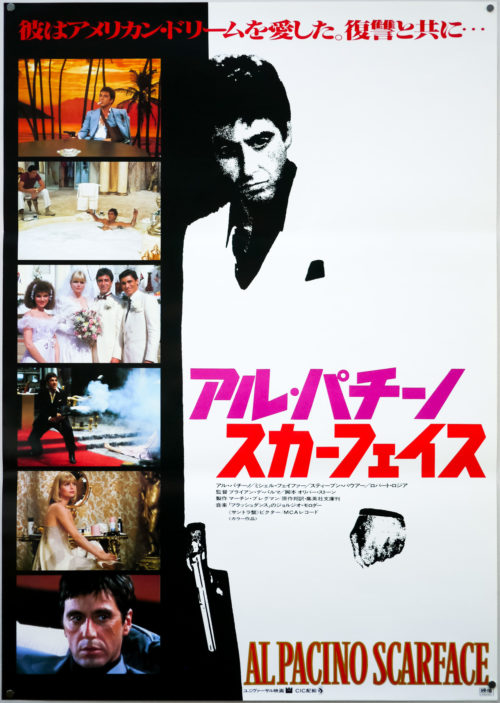
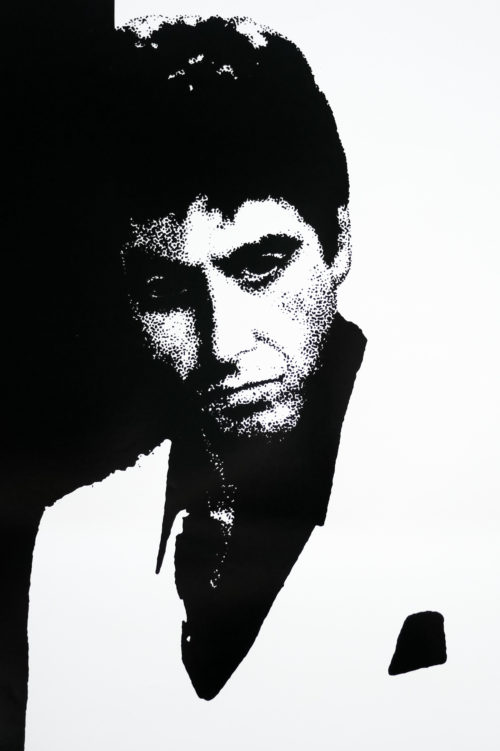
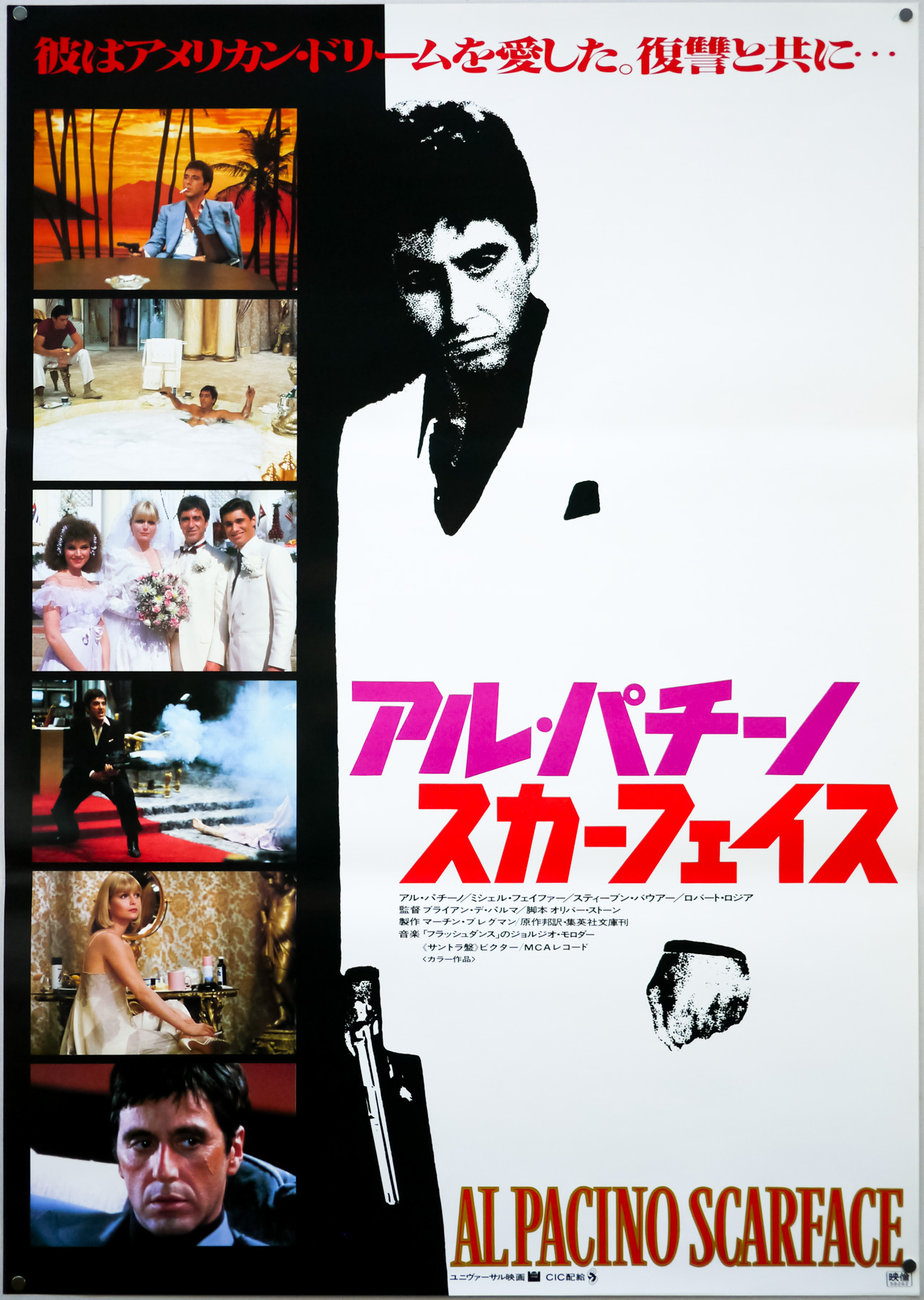
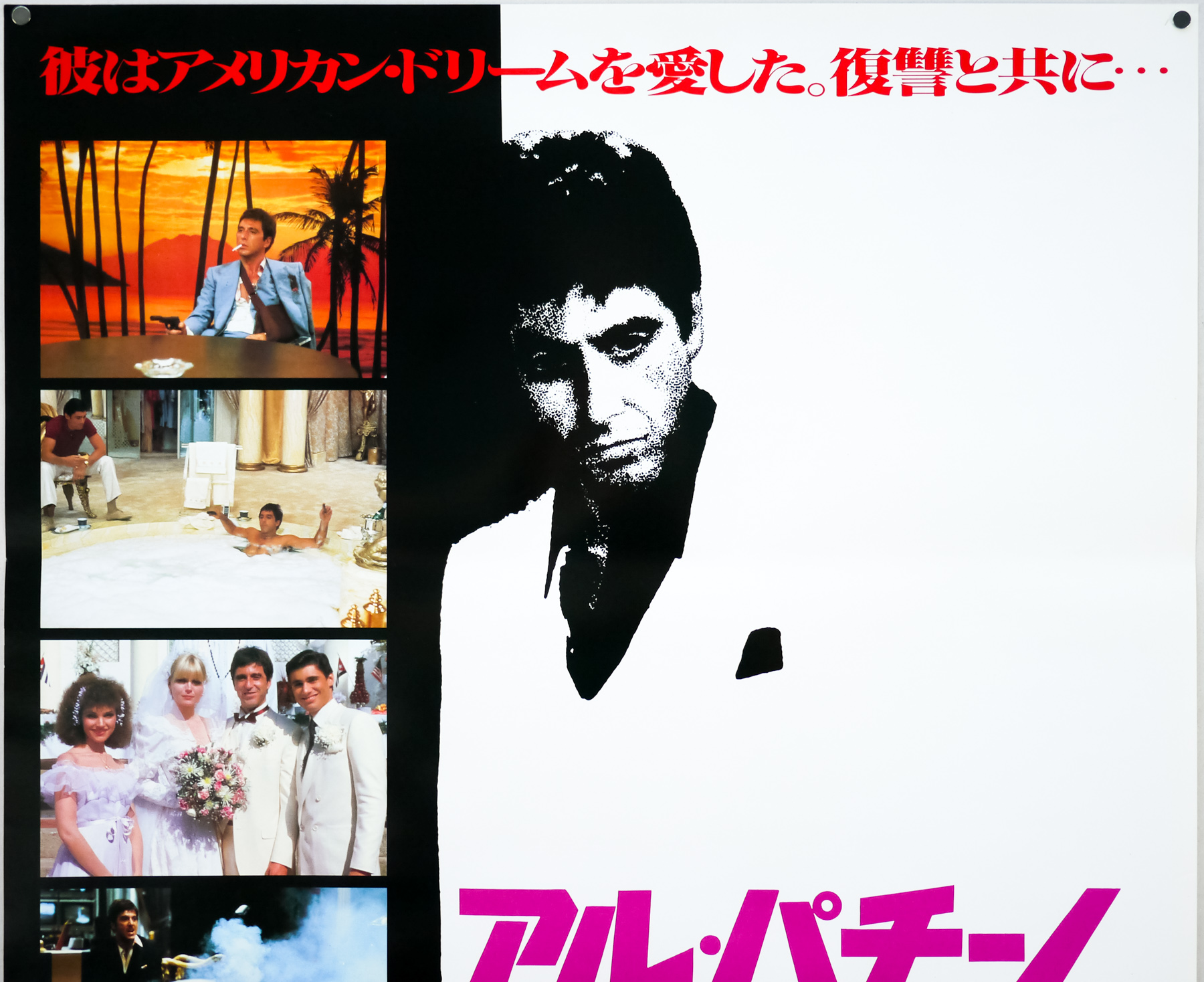
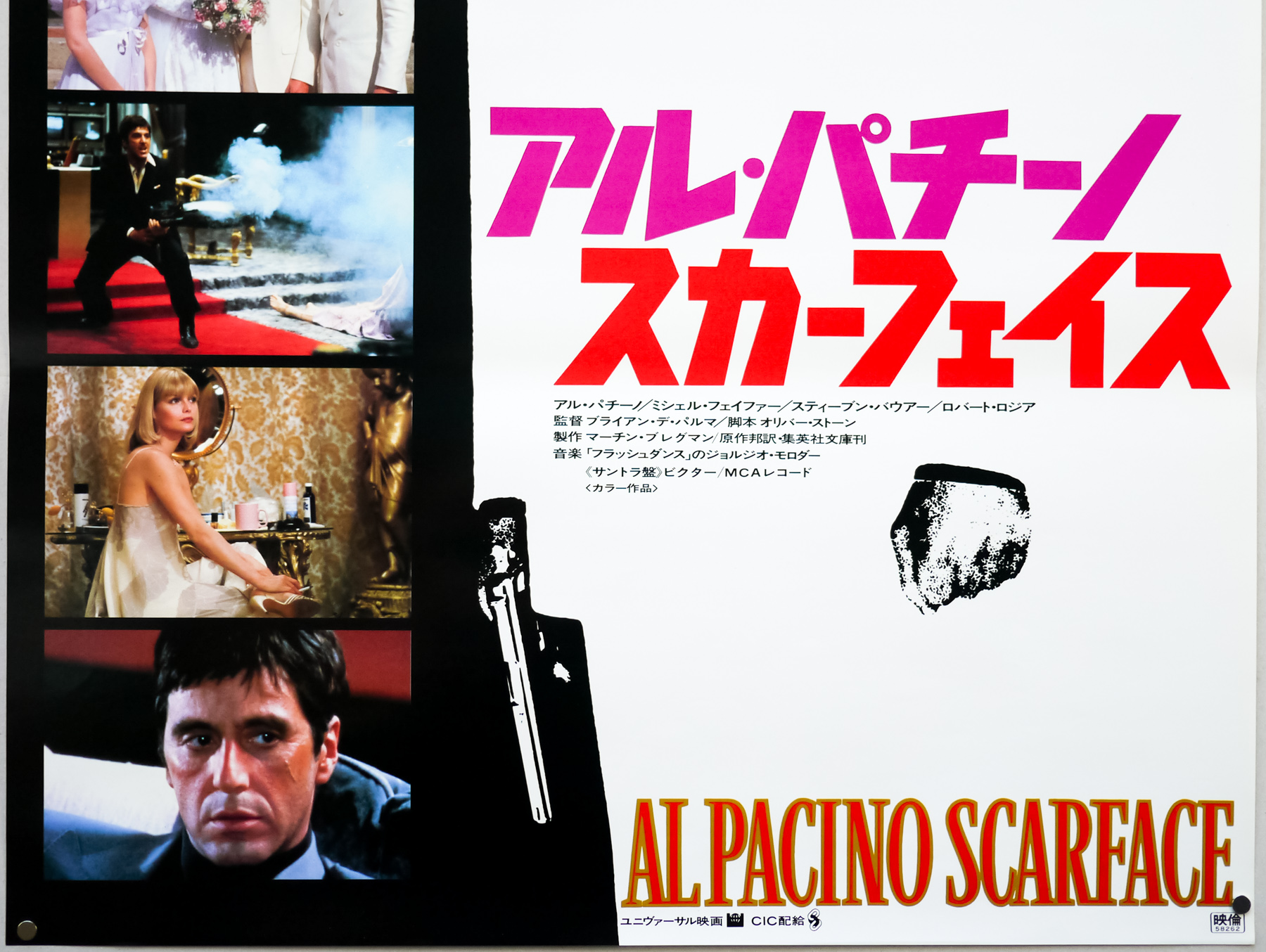
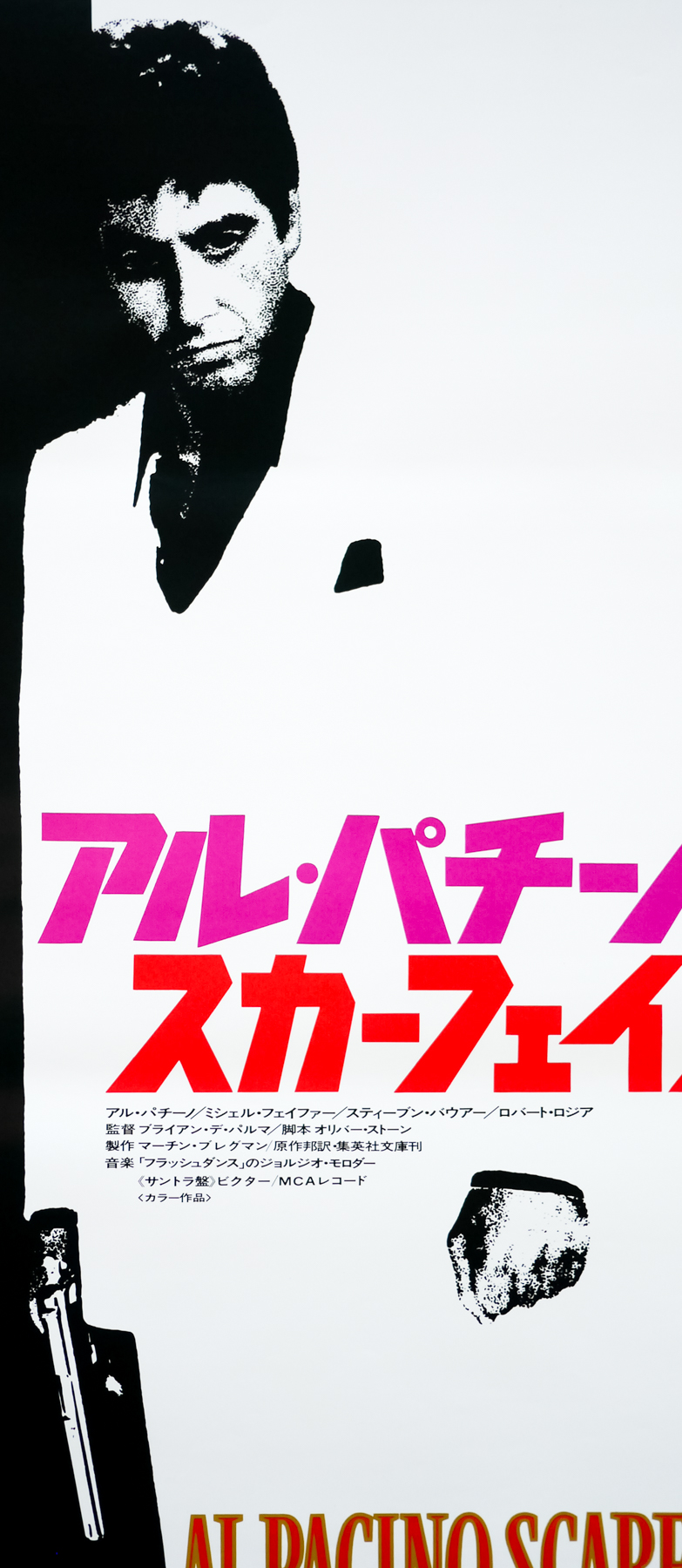
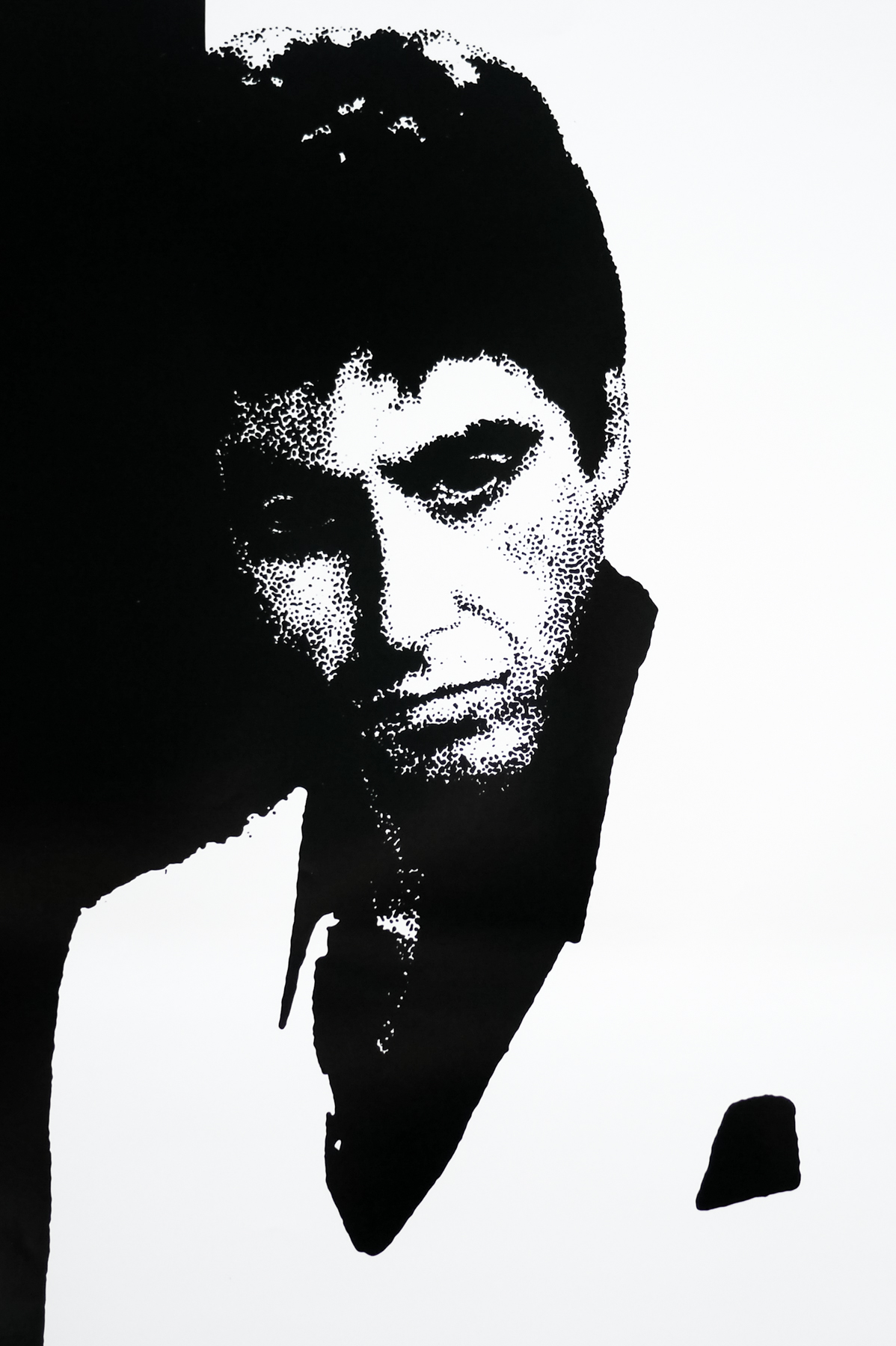
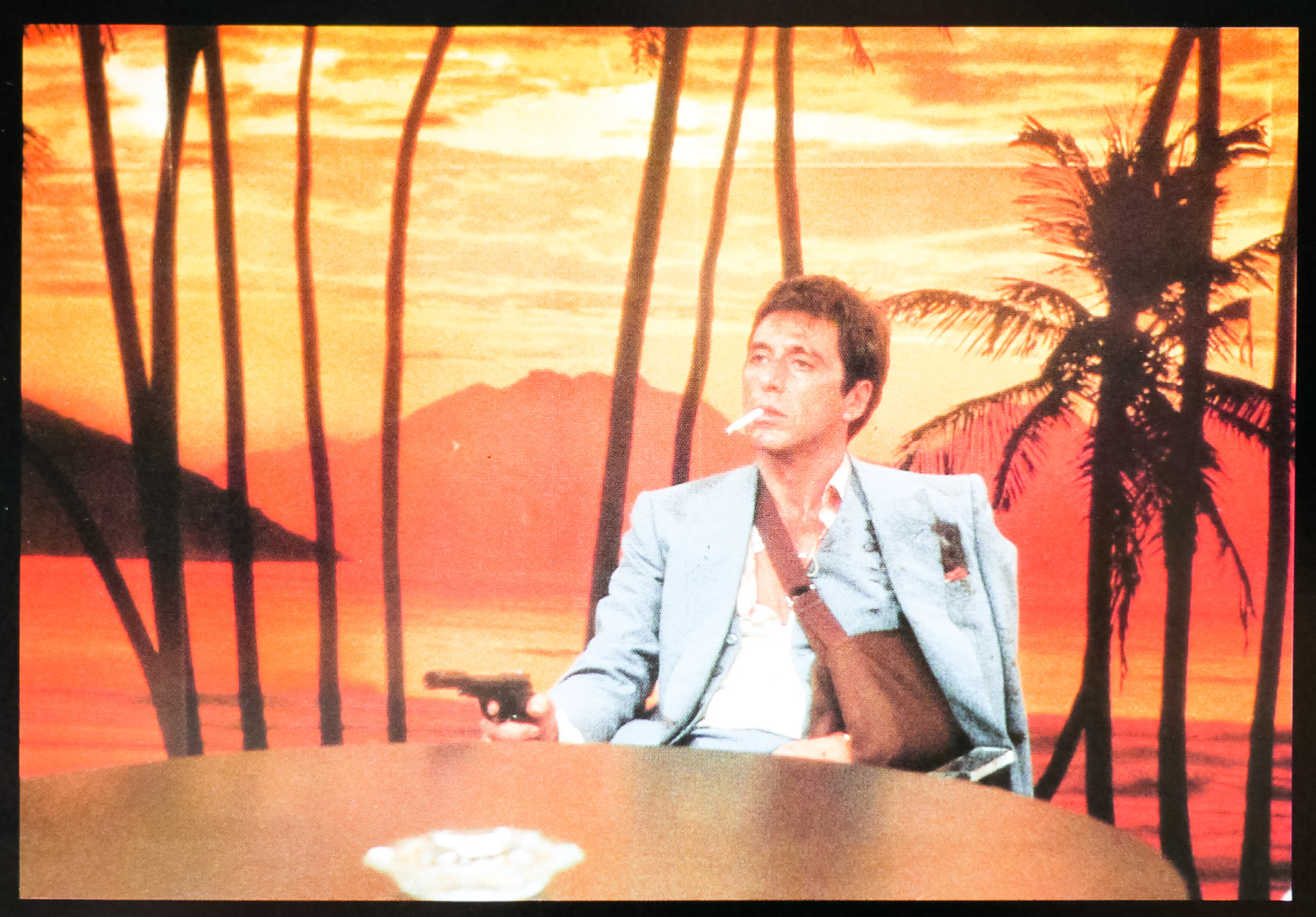
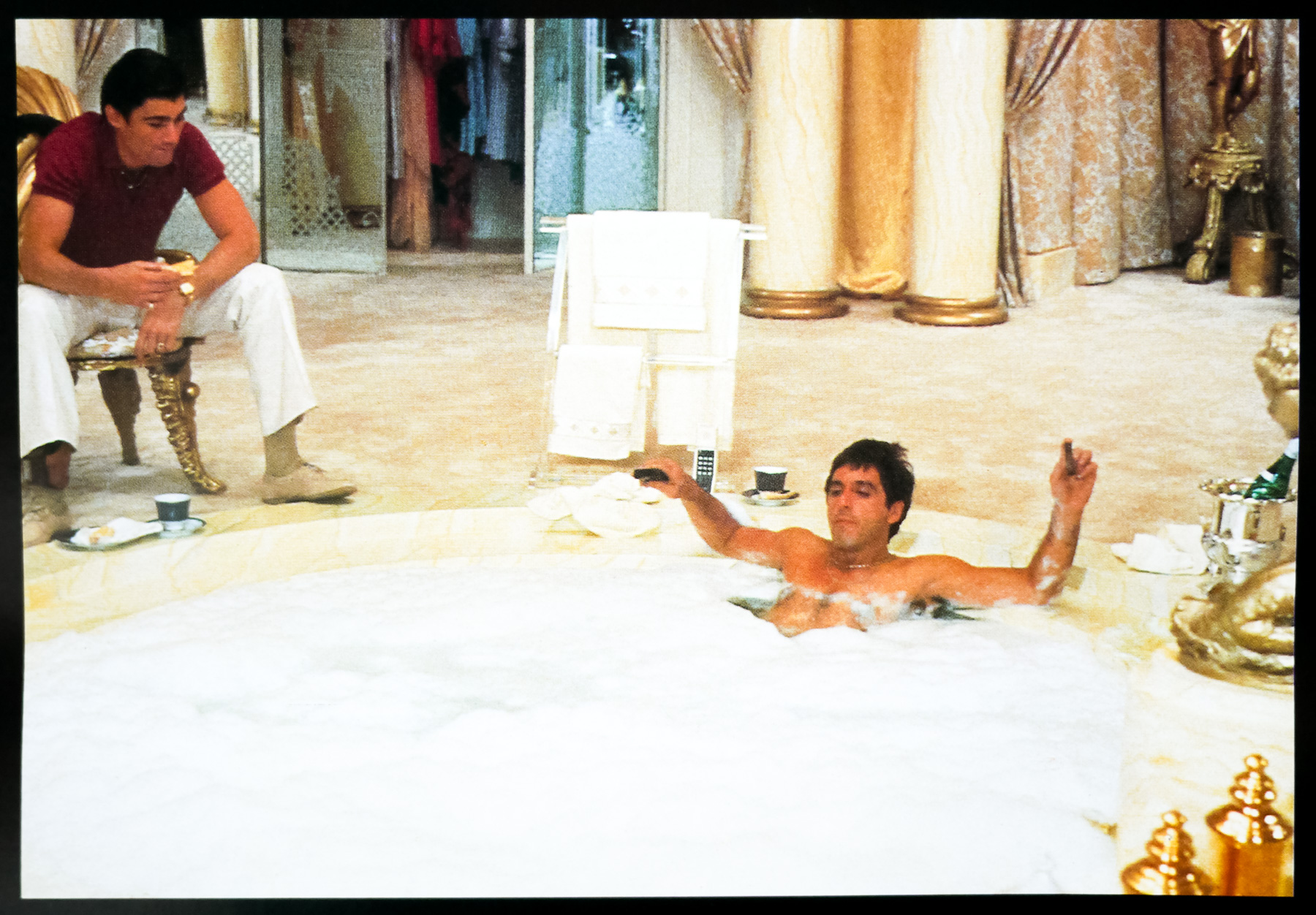
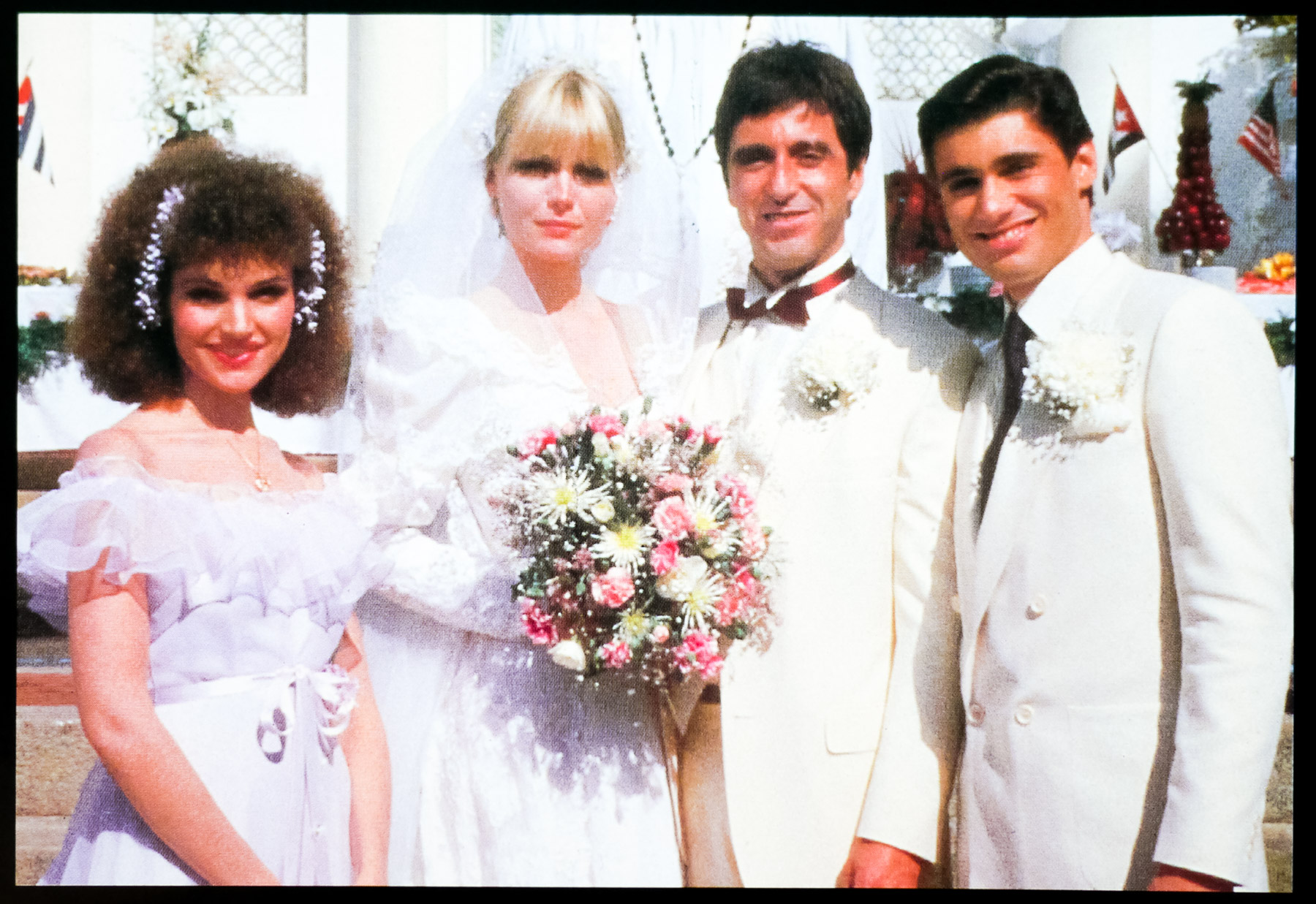
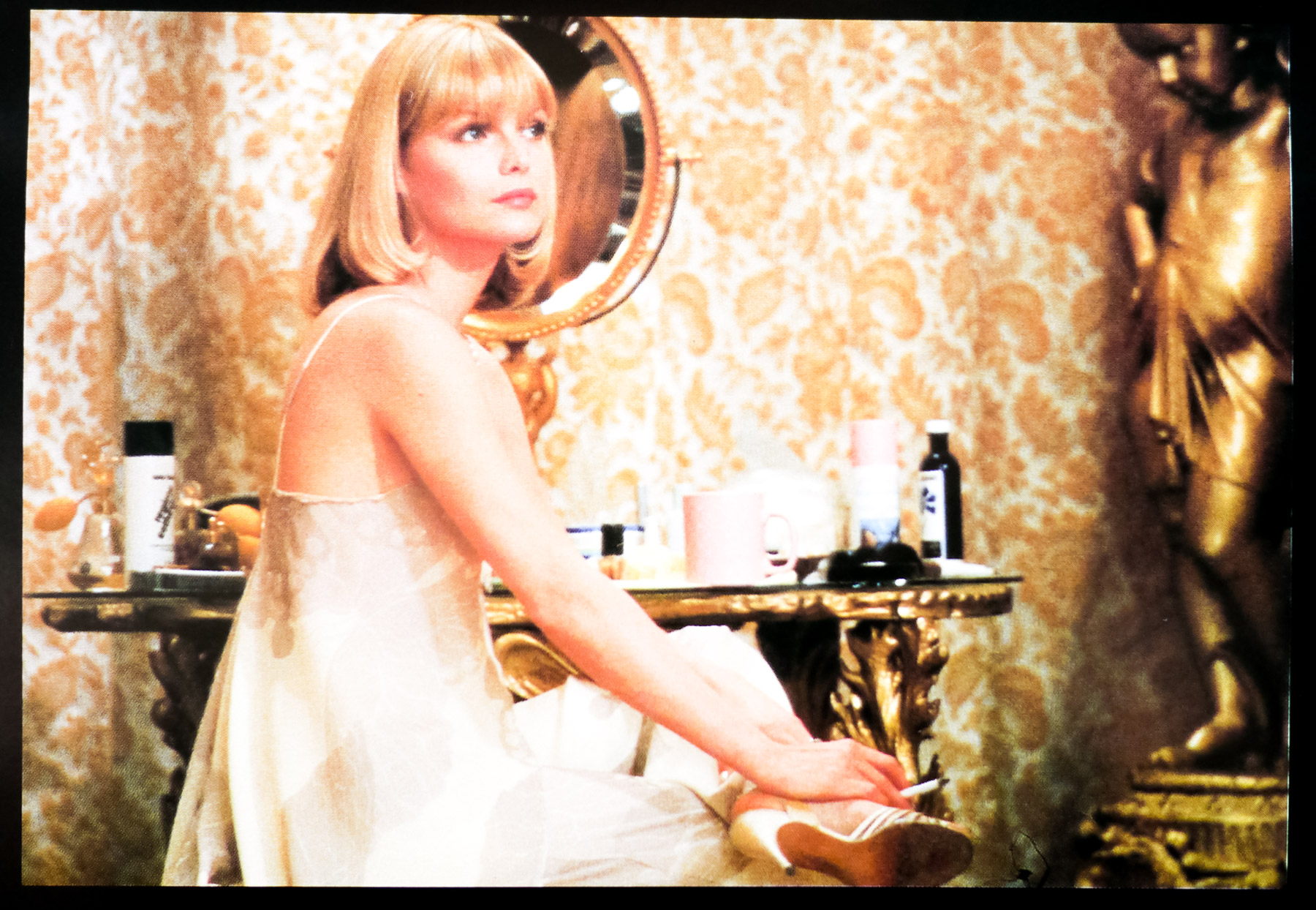
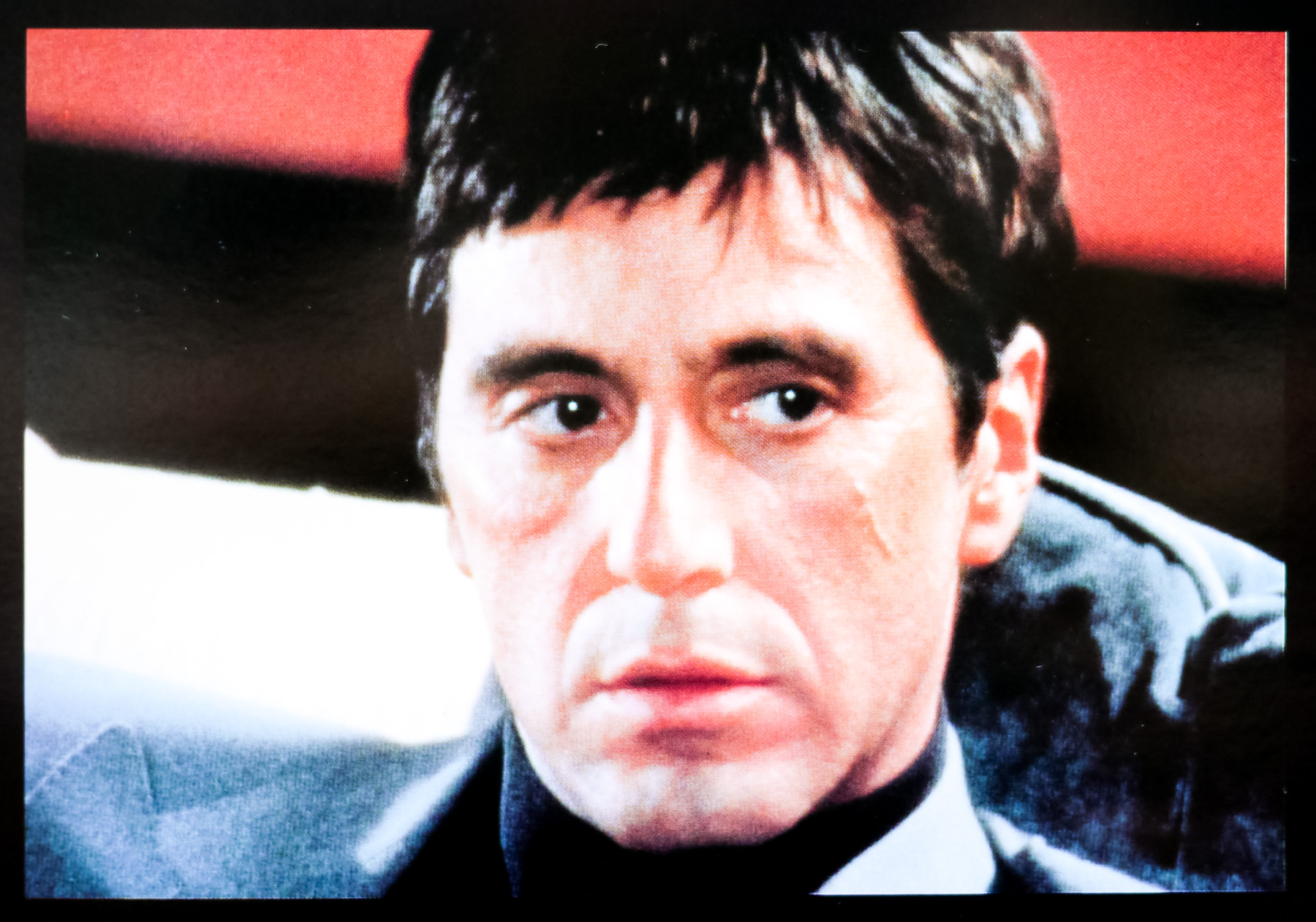
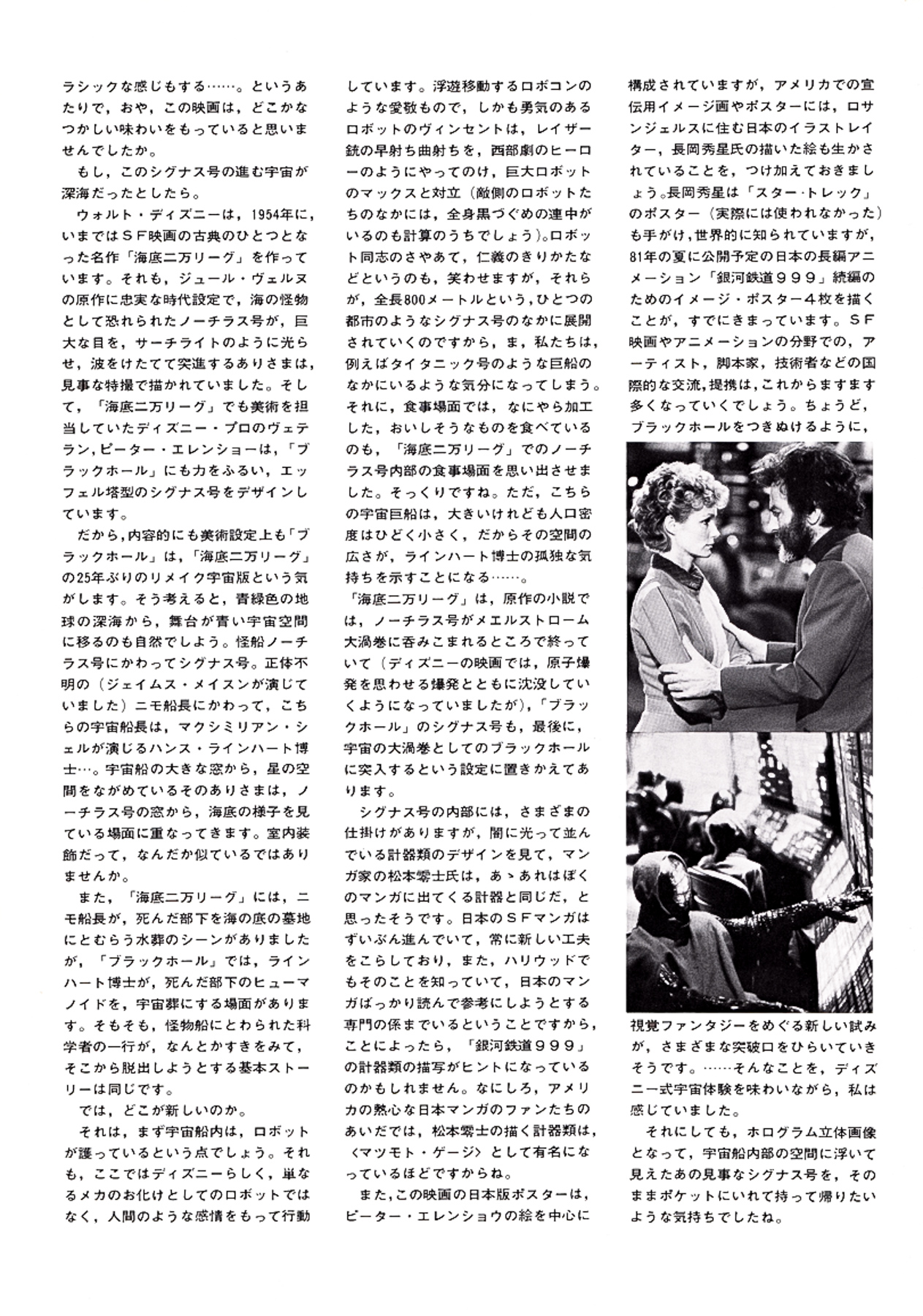
This is one of three B2 posters printed for the Japanese release of Brian De Palma‘s unforgettable 1983 crime epic Scarface. Unquestionably one of the all-time great gangster films, it’s hard to believe now but the film was originally released to mixed critical reception and audience ambivalence, much to De Palma and screenwriter Oliver Stone‘s dismay. Over the course of the following three decades the story of Cuban refugee Tony Montana’s rise to the top of the Miami drug world has been embraced by fans worldwide, including a multitude of African American rappers who cite his story as an inspiration and frequently reference the film in their music.
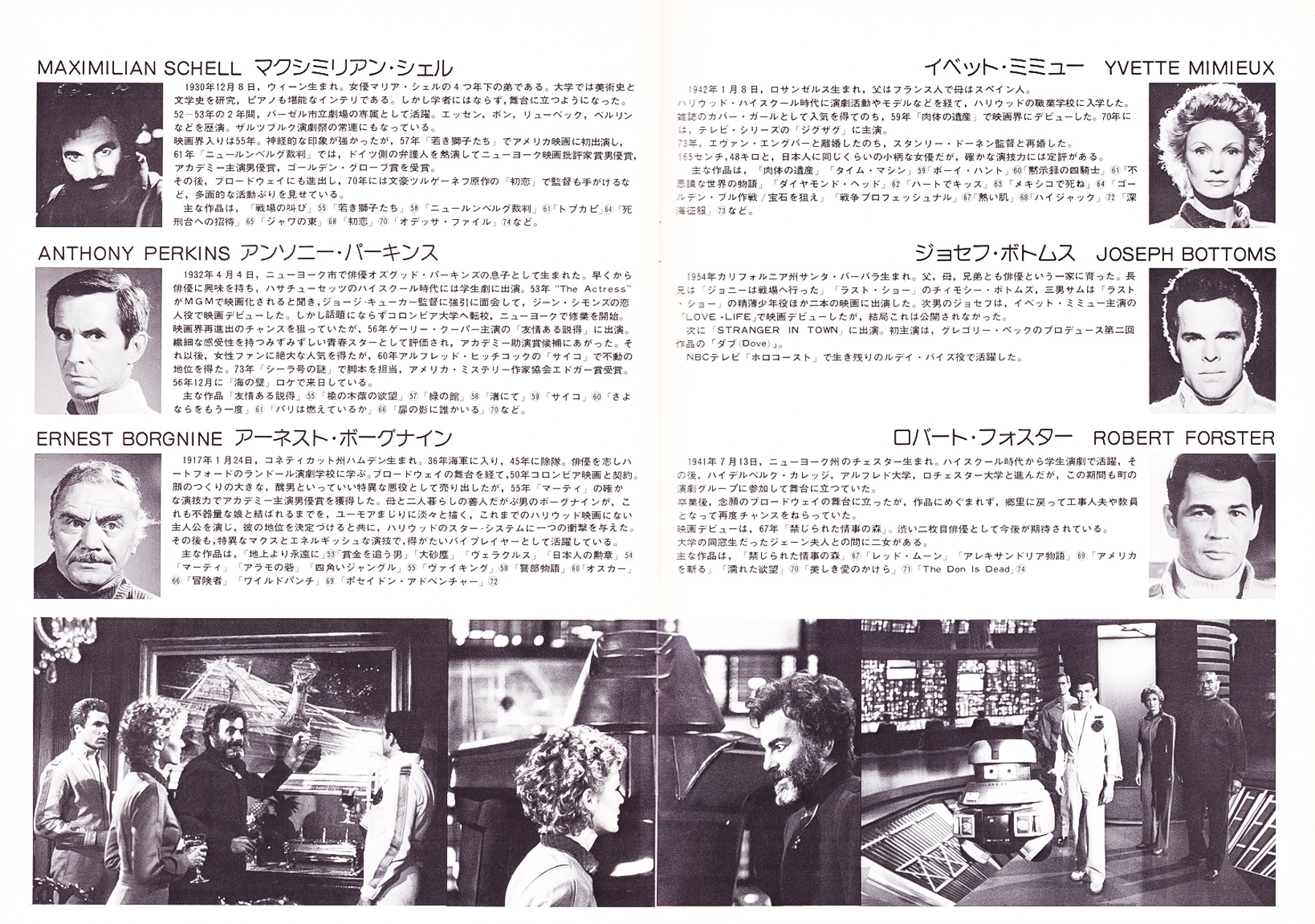
In one of his most memorable film performances, Al Pacino portrays Montana who arrives in Miami following the (real-life) Mariel boatlift, which saw thousands of Cubans leave the island in a bid to escape internal tensions and grinding poverty that had caused months of strife in the country. Hundreds of small boats made the journey across shark-infested waters to the Miami coast in an attempt to seek asylum in the Peruvian embassy. Fidel Castro also ordered the release of criminals from Cuban jails and joined the exodus and Montana and his friend Manny Ribera (Steven Bauer) are two such exiles who start their new life in America stuck in a refugee camp. After agreeing to murder a former Cuban government official, who is also in the camp, the pair are released with the help of a Miami drug kingpin Frank Lopez (played by Robert Loggia).

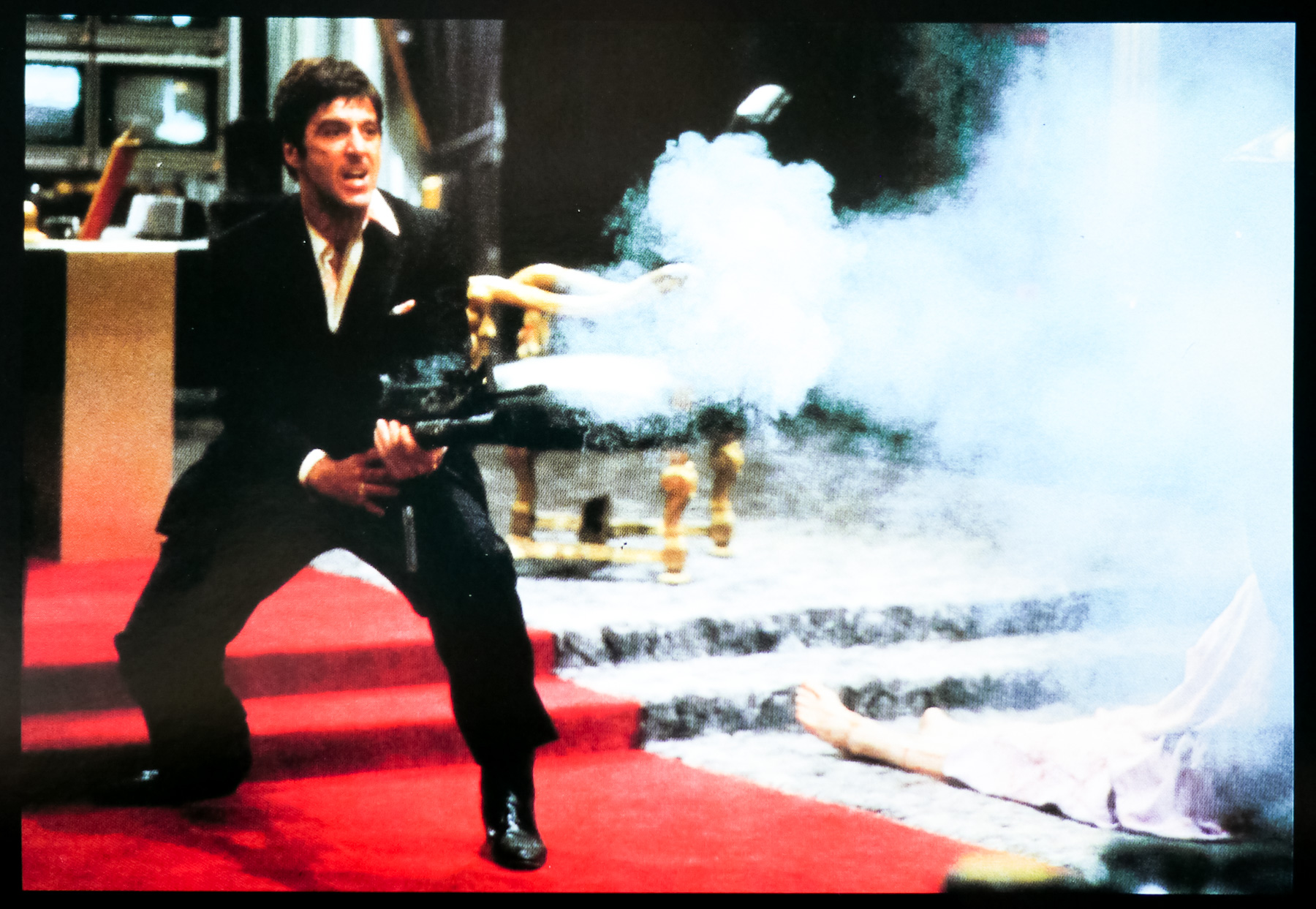
Tony and Manny get involved in a drug deal arranged by one of Lopez’s henchmen called Omar (F. Murray Abraham) that quickly goes horribly wrong and almost sees Tony being butchered with a chainsaw until Manny comes to his rescue and the pair turn the tables on the murderous gang. Suspecting that they may have been set up by Omar, Tony insists on delivering the recovered drugs and money to Frank who is impressed and offers them a job. The rest of the film deals with Tony’s violent rise to the top of the Miami drug trade, which sees him usurp and murder Frank, steal his woman Elvira (an early performance by Michelle Pfeiffer) and mess with the wrong Bolivian drug crime lord. The finale sees a cocaine-crazed Tony defend his palatial mansion from machine-gun toting killers, resulting in bullet-spraying mayhem and one of the most famous lines in cinematic history: “Say hello to my little friend!”

One of the other Japanese B2s can be seen by clicking here