
You searched for: Japan

The Funhouse / B2 / Japan

27.05.14

Poster Poster
Title
The Funhouse
AKA
Il Tunnel dell'Orrore [The Tunnel of Horror] (Italy)
Year of Film
1981
Director
Tobe Hooper
Starring
Elizabeth Berridge, Jack McDermott, Cooper Huckabee, Kevin Conway, William Finley, Sylvia Miles, Largo Woodruff, Miles Chapin
Origin of Film
USA
Genre(s) of Film
Elizabeth Berridge, Jack McDermott, Cooper Huckabee, Kevin Conway, William Finley, Sylvia Miles, Largo Woodruff, Miles Chapin,
Type of Poster
B2
Style of Poster
--
Origin of Poster
Japan
Year of Poster
1981
Designer
Unknown
Artist
--
Size (inches)
20 6/16" x 28 11/16"
SS or DS
SS
Tagline
--

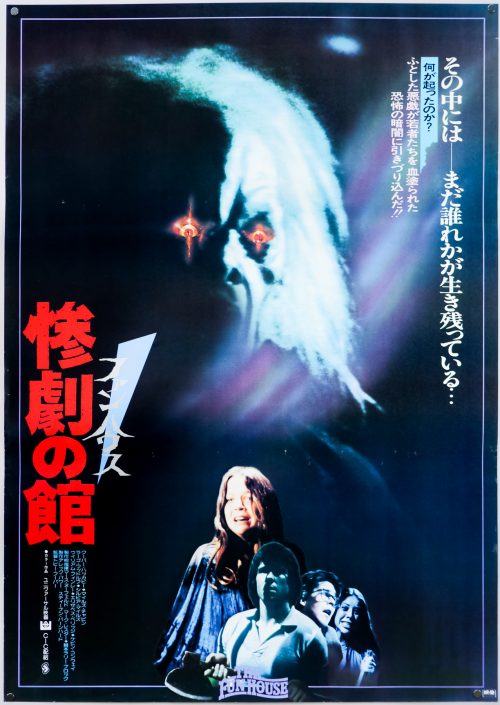
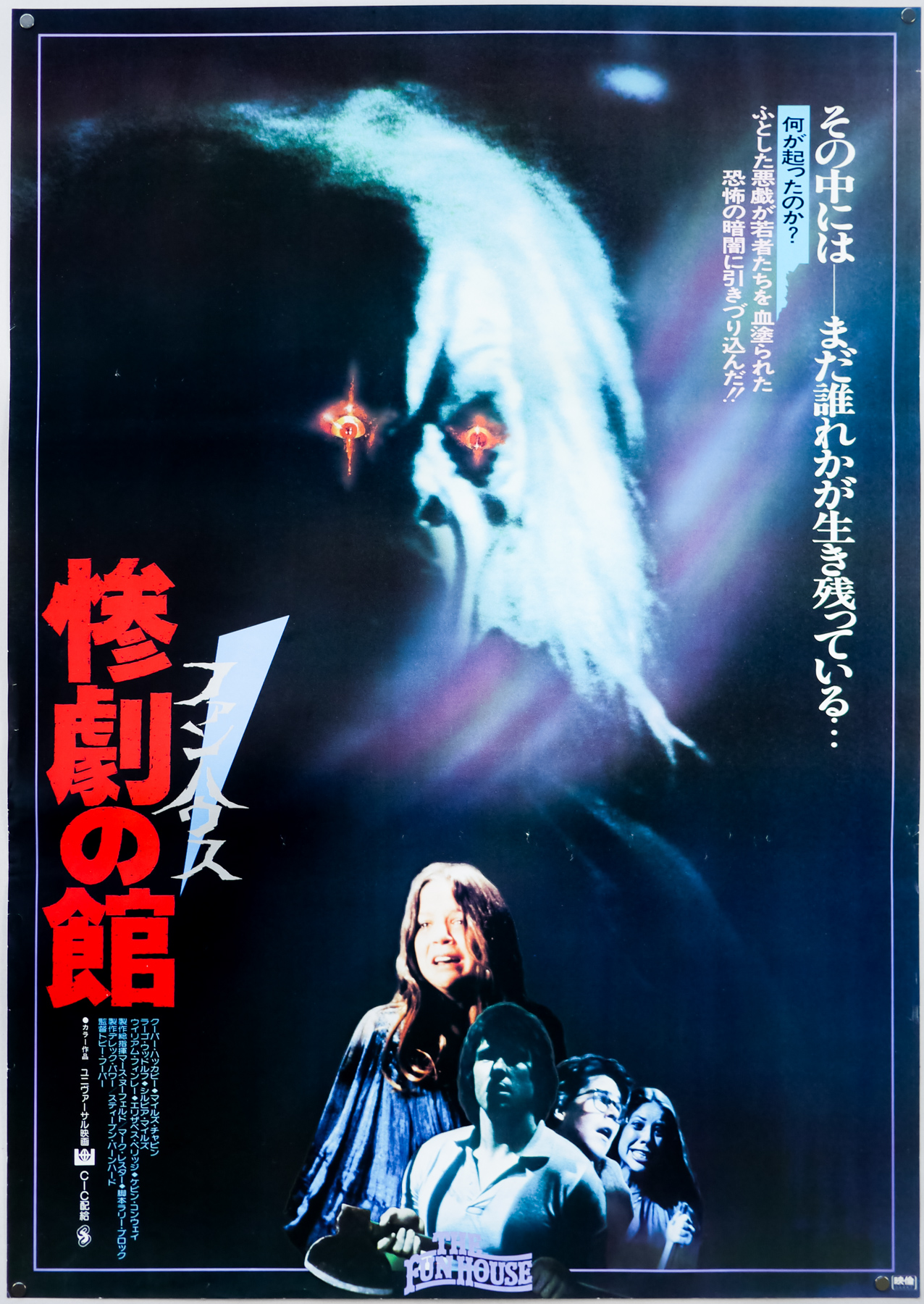
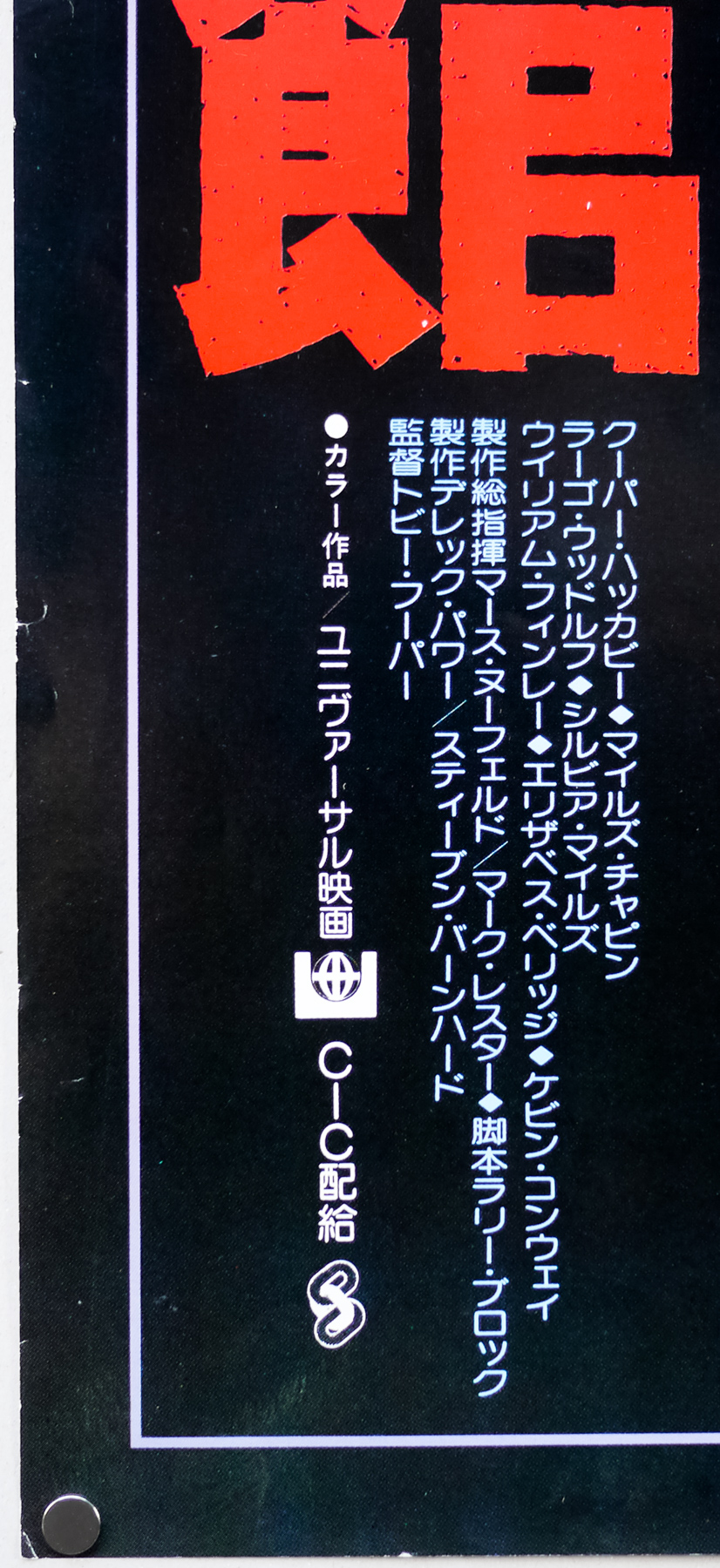
A creepy slice of horror from Tobe Hooper, the man responsible for the classic Texas Chainsaw Massacre, The Funhouse features a menacing atmosphere helped by great production design, solid performances from a number of character actors and a genuinely ghoulish killer. The story sees a quartet of teenage friends; Amy (Elizabeth Berridge), her boyfriend Buzz (Cooper Huckabee), her best friend Liz (Largo Woodruff) and Liz’s boyfriend Richie (Miles Chapin), visit a traveling carnival where they smoke marijuana, sneak into an over-21 strip show and interact with the carnies who run the shows. Richie dares the group to spend the night in the The Funhouse, an indoor ride on rails (often called a ghost train in the UK), and the girls reluctantly agree to hide until the park clears of people.

After sneaking into the depths of the ride the group inadvertently witness the mute, mask-wearing ride operator murder Madame Zena (Sylvia Miles), the fortune teller who also moonlights as a prostitute. When the ride’s barker Conrad (Kevin Conway) discovers what has happened it is revealed that he is the father of the murderous ride operator, actually called Gunther, and when Conrad admonishes him he knocks the mask off revealing a hideous freak underneath. Conrad realises that the crime has been witnessed by the kids and he unleashes Gunther to track them down. The rest of the film sees the teenagers trying to outwit the murderous carnies and escape The Funhouse alive. The make-up for Gunther is incredibly effective and he surely ranks up their as one of the best horror movie bad guys.

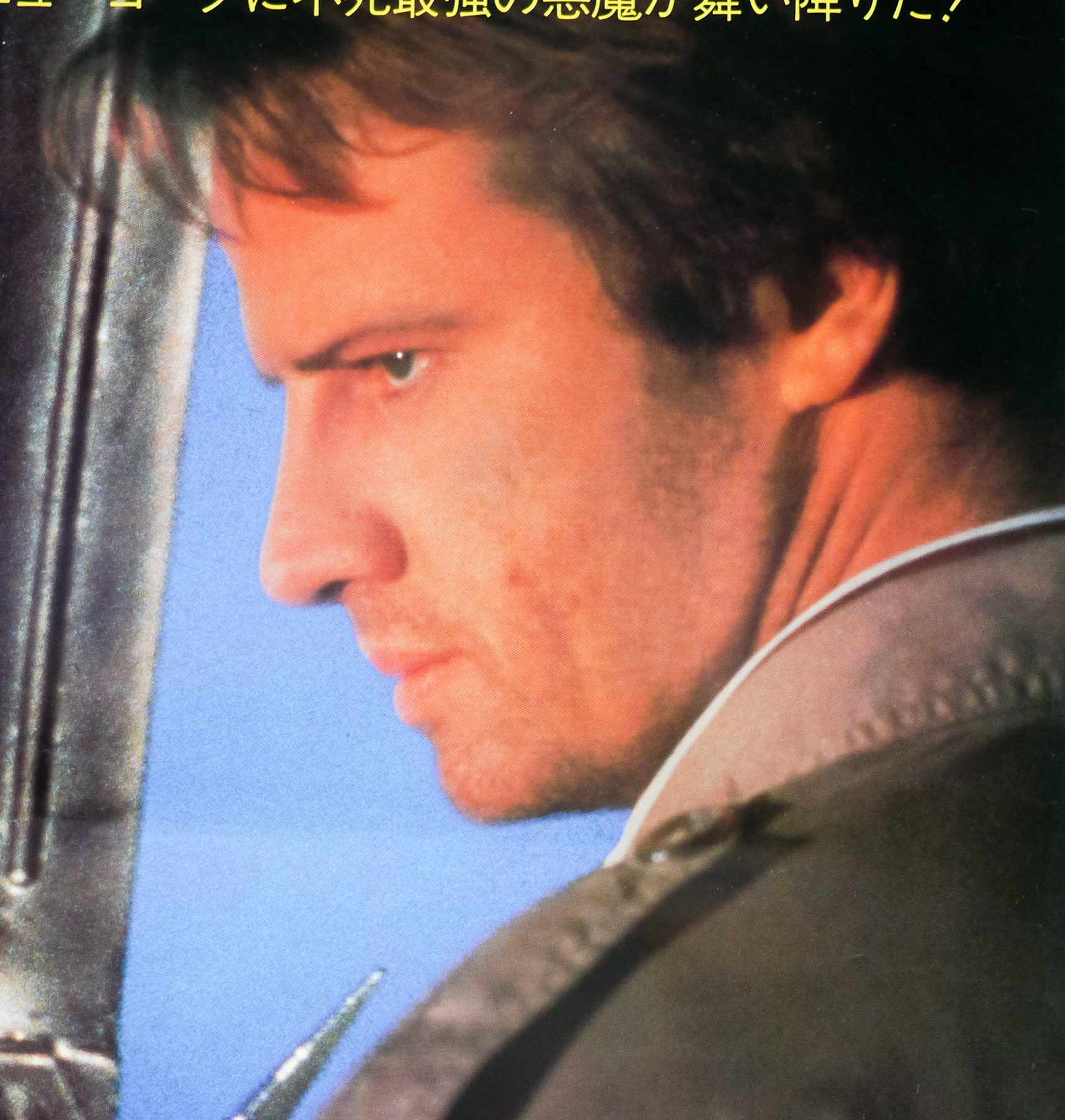
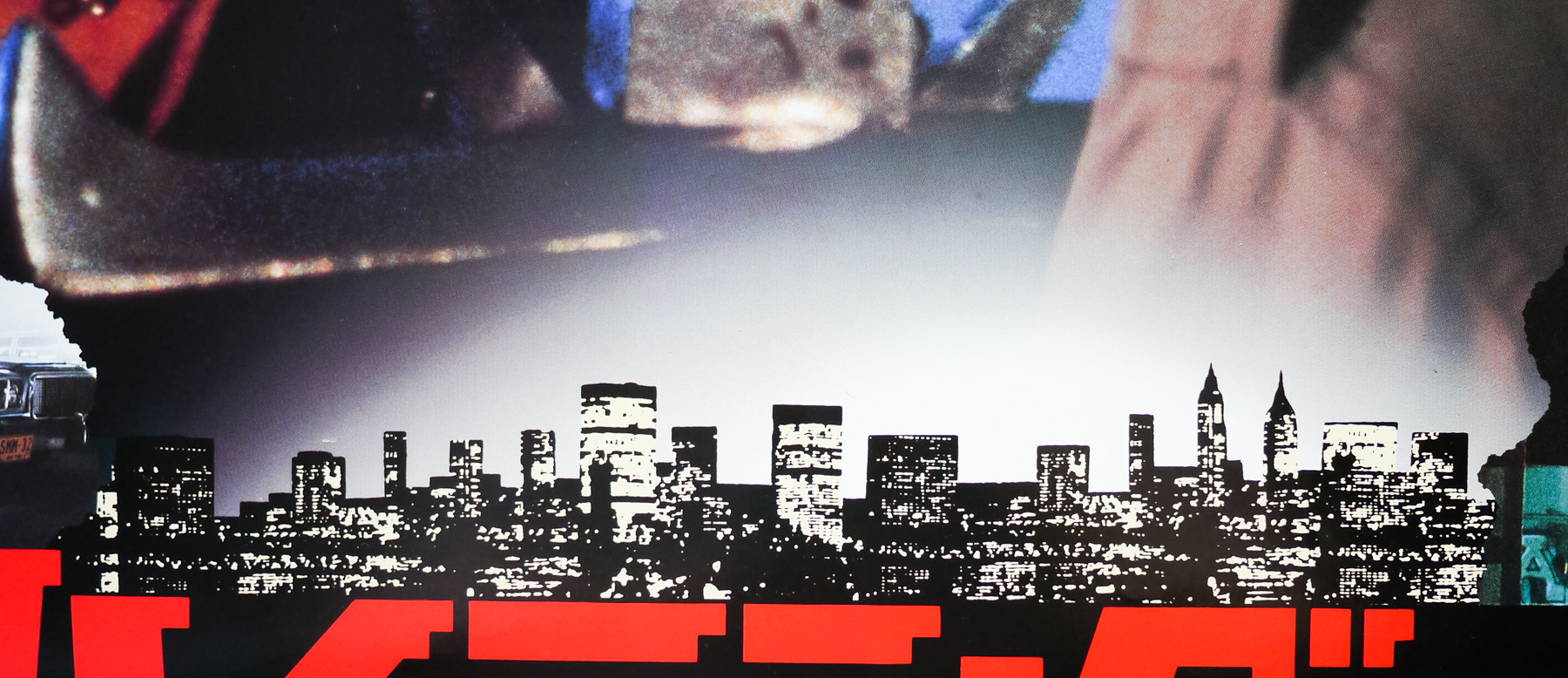
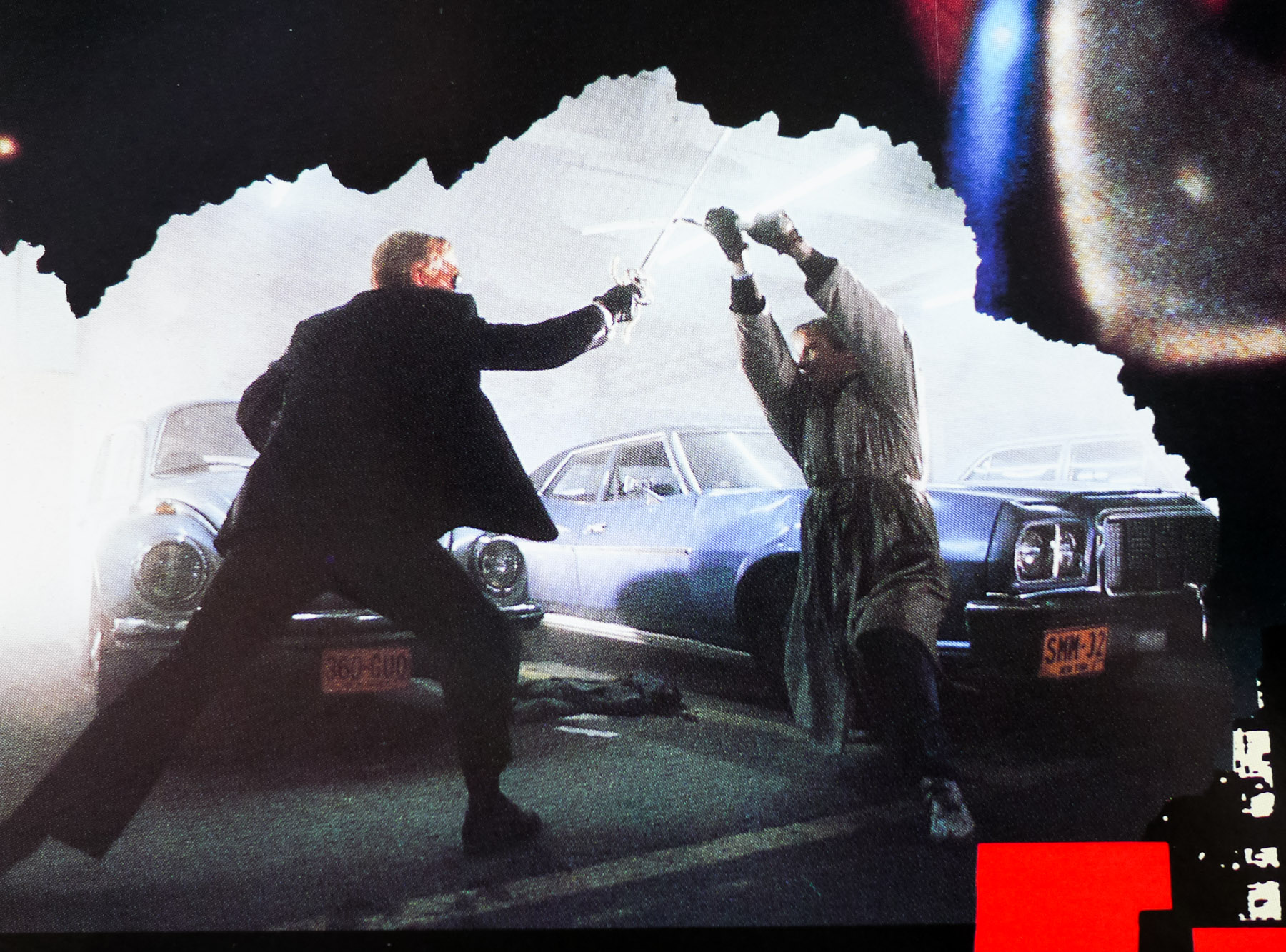
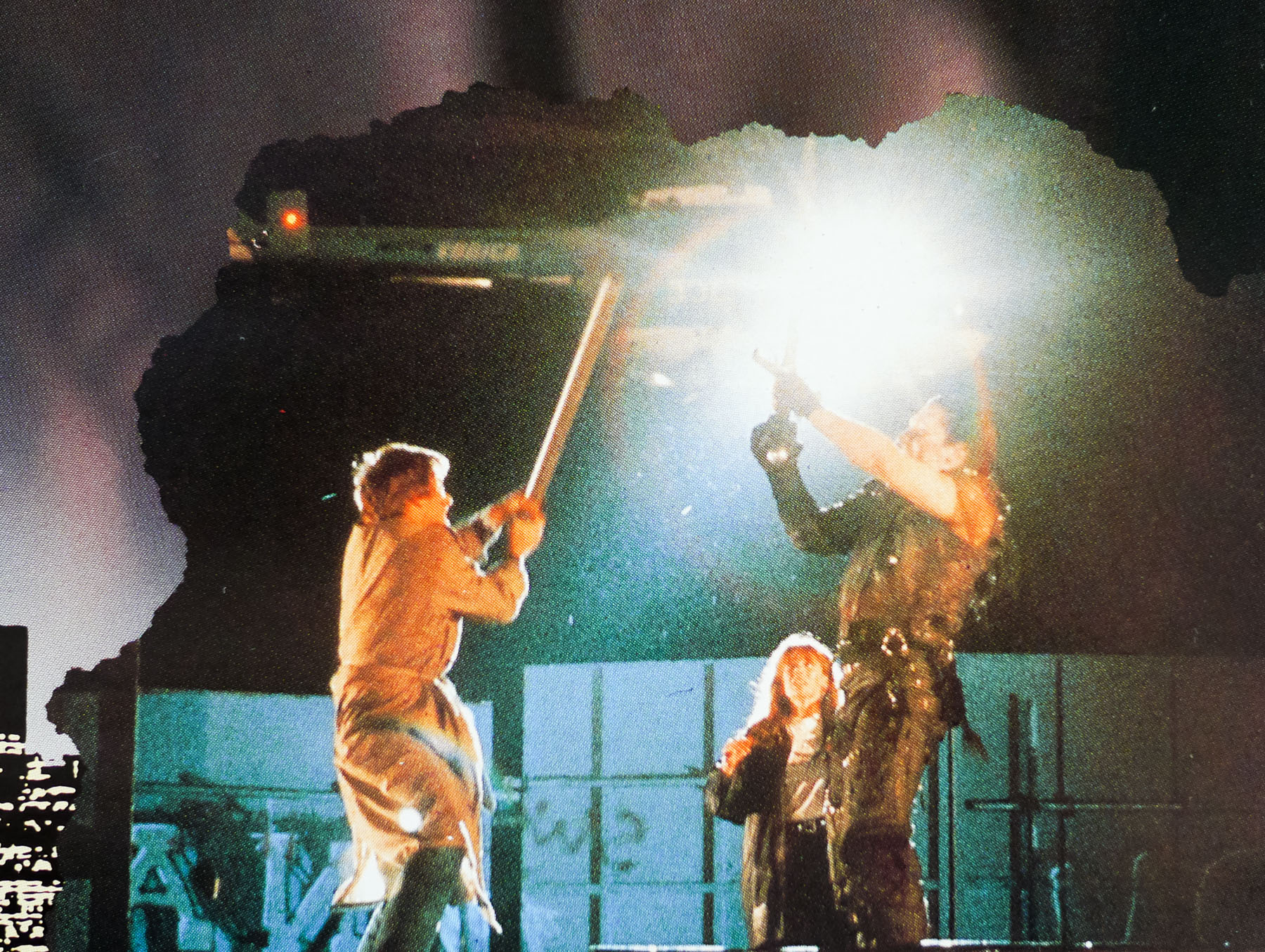
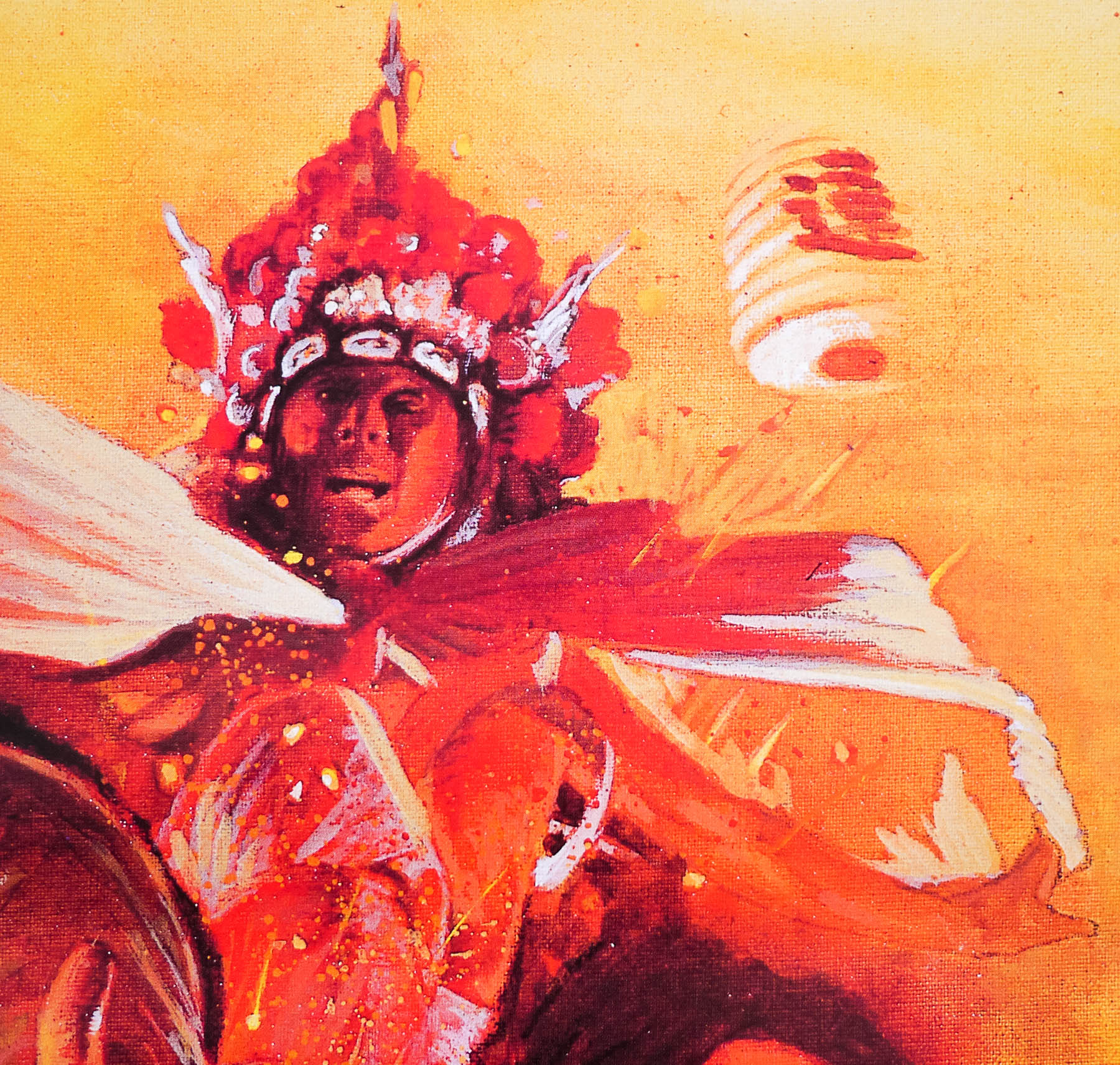
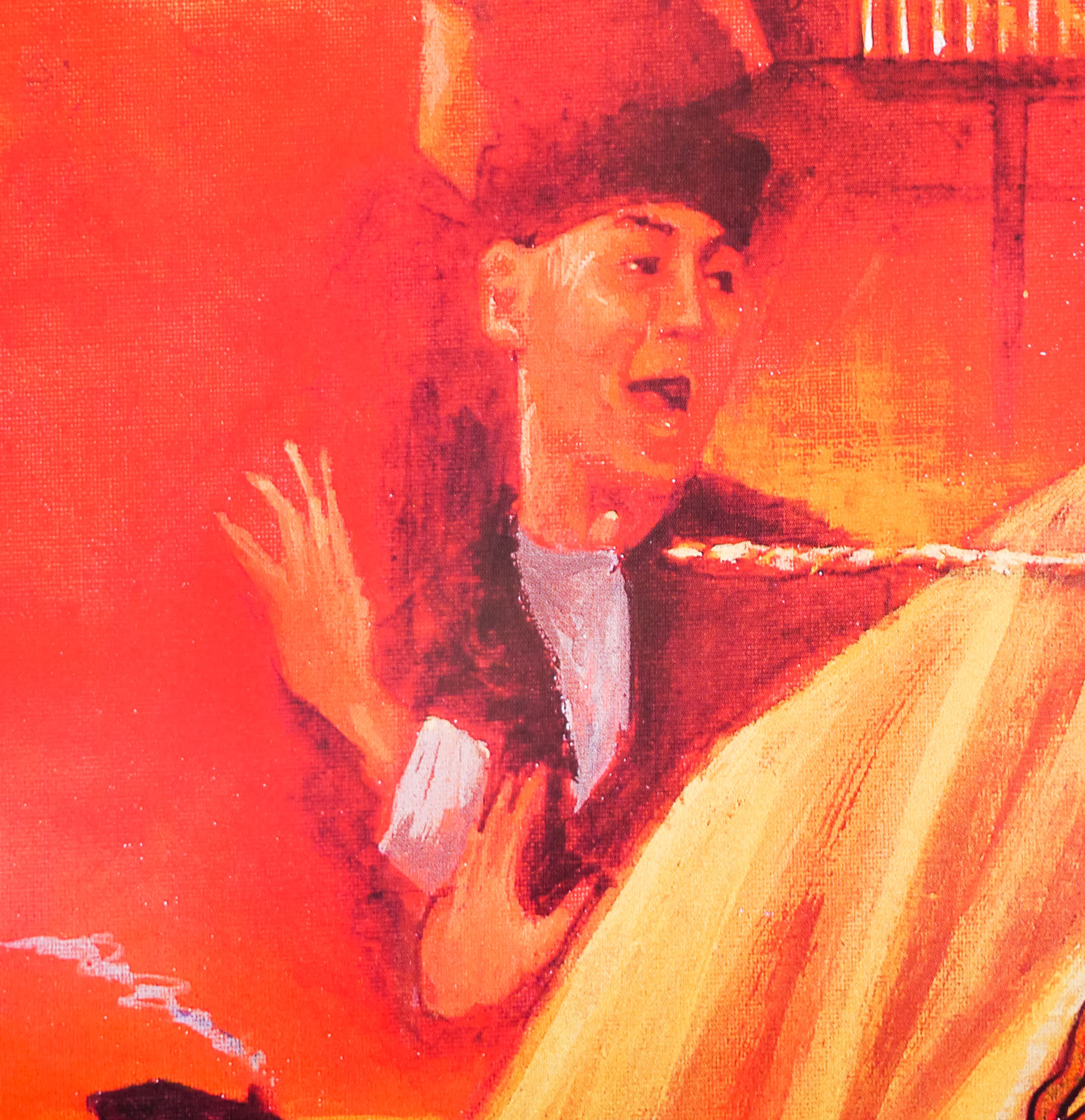
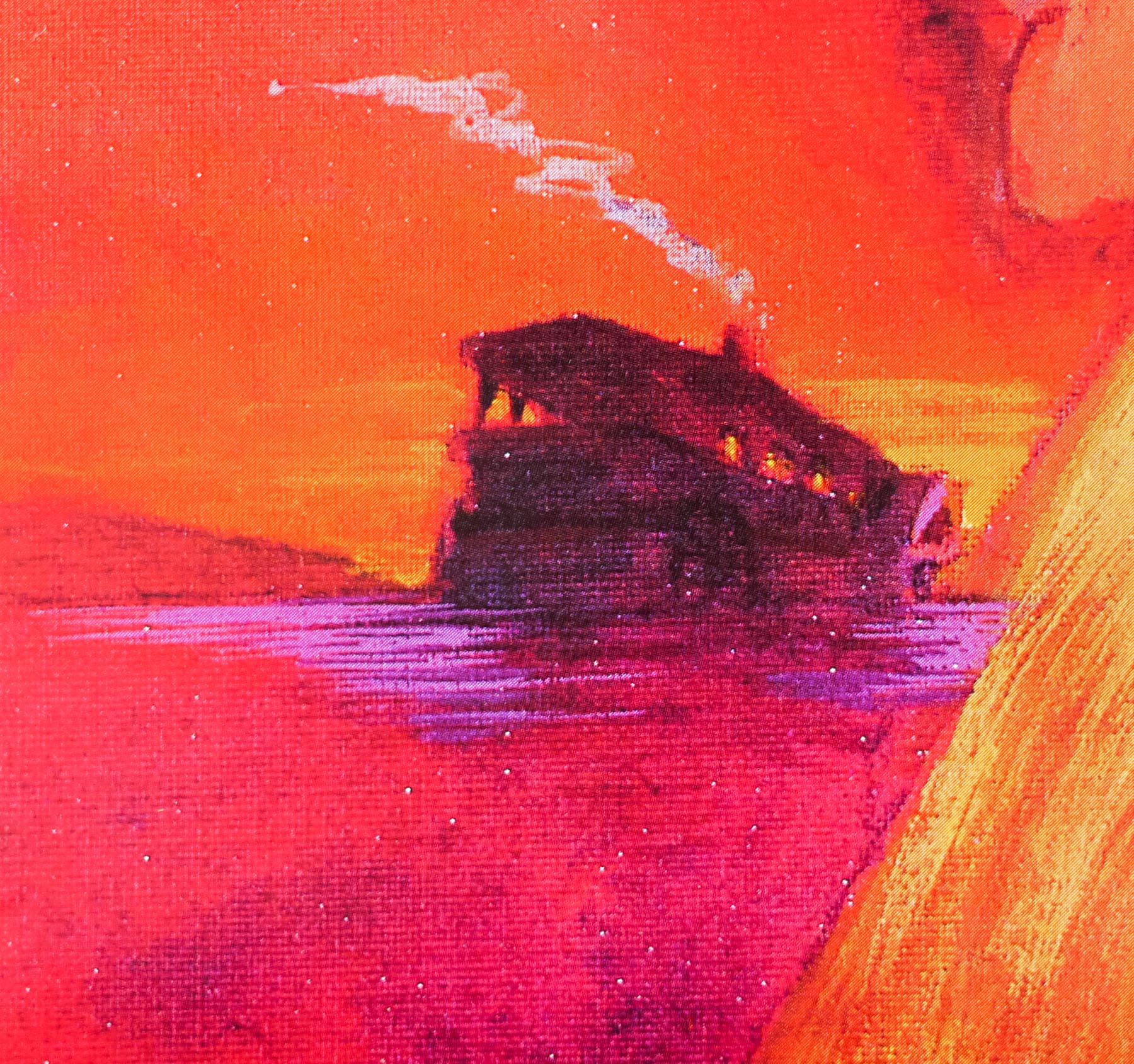
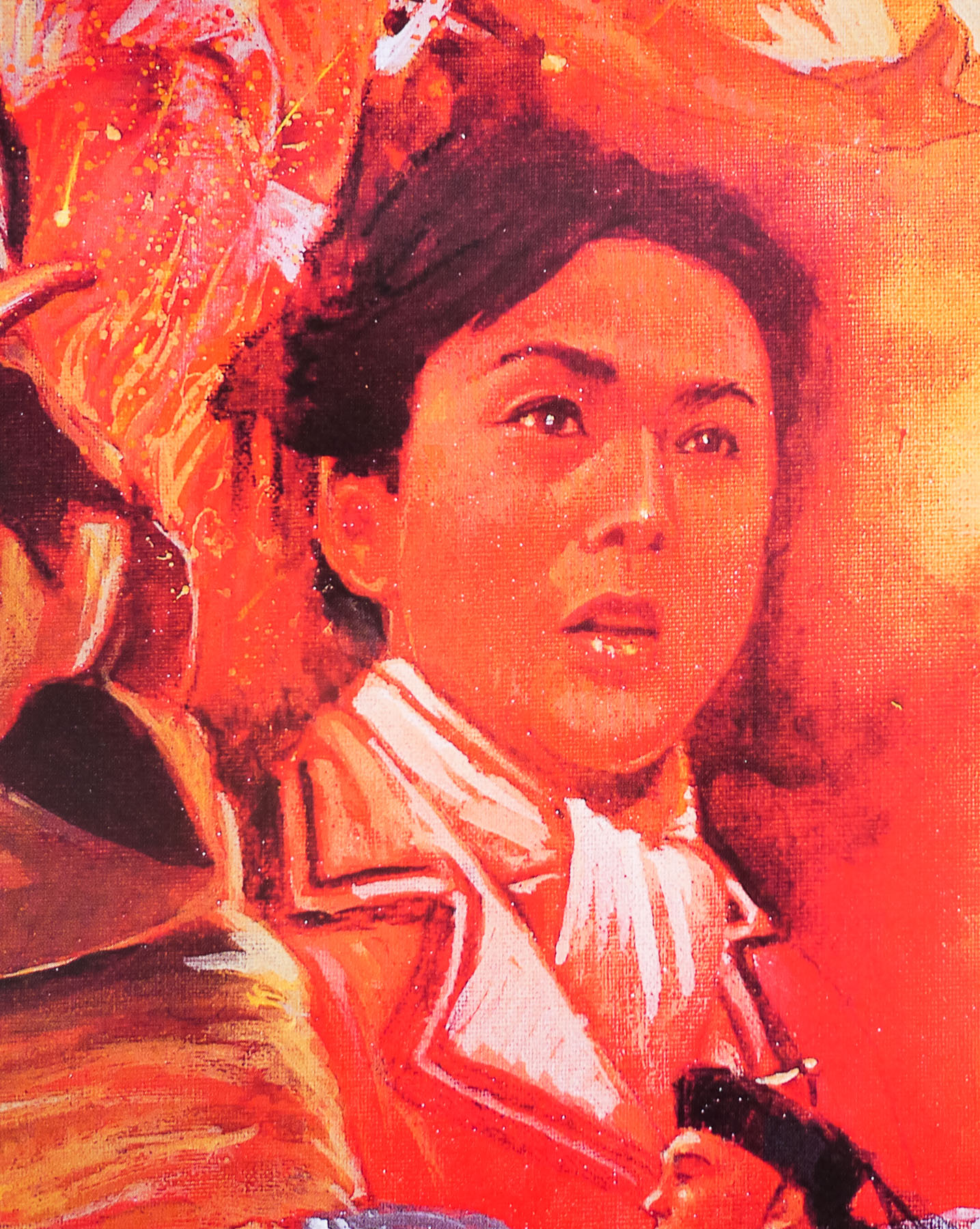
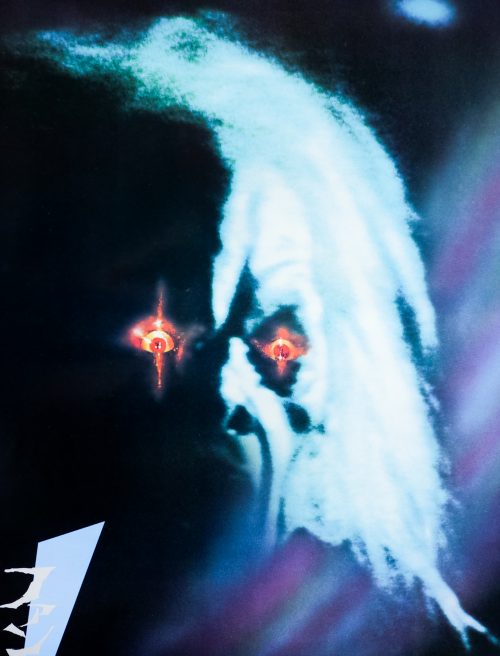
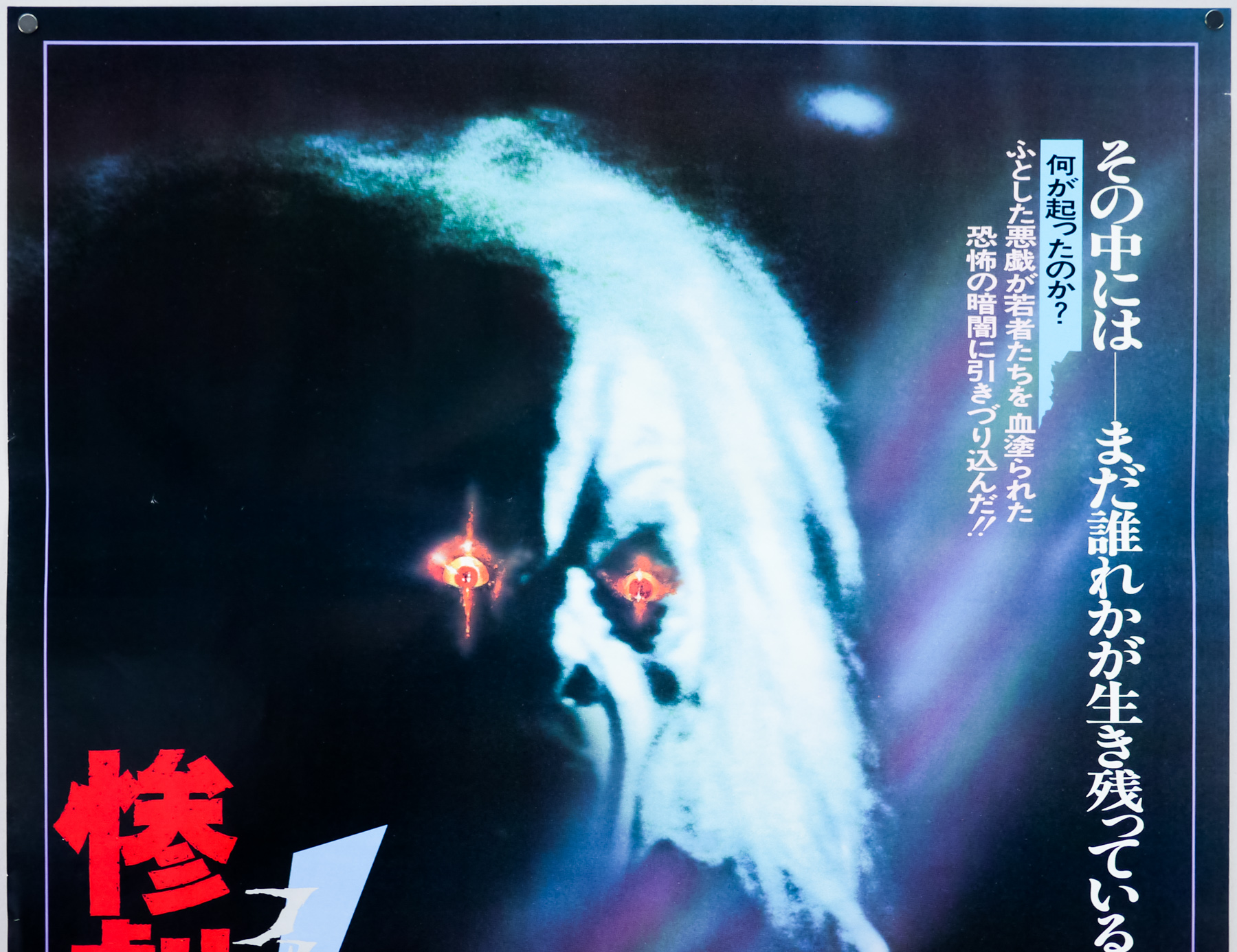
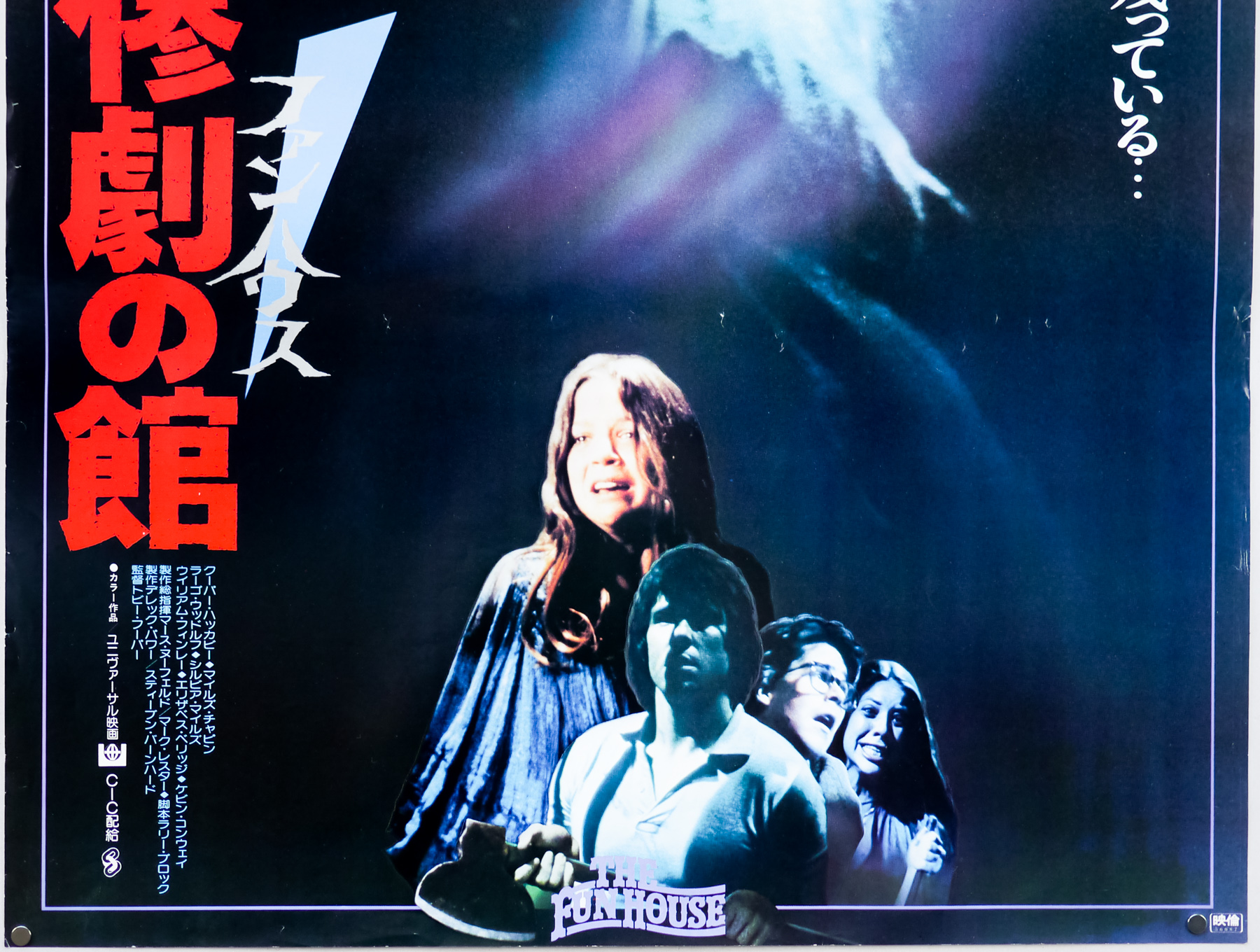
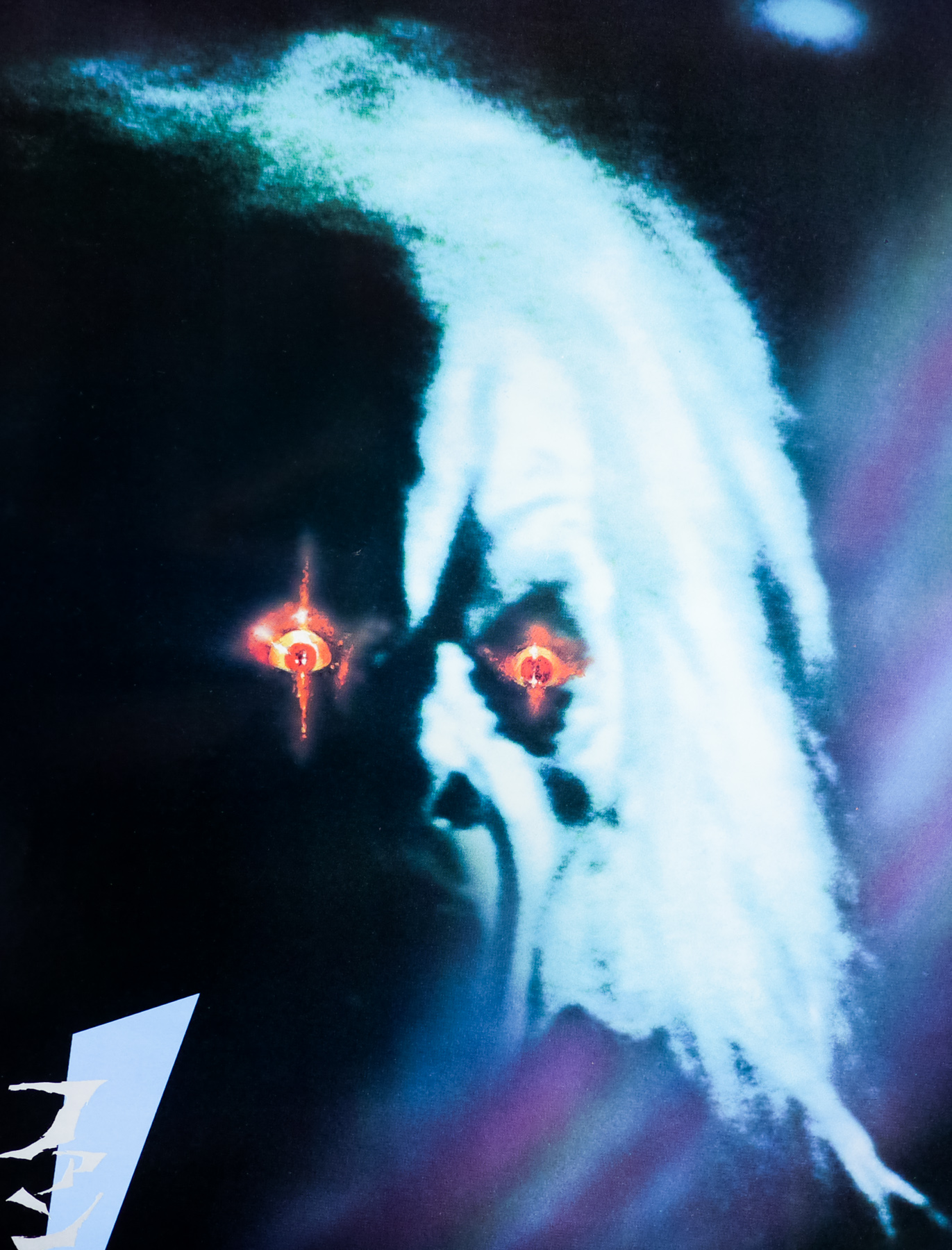
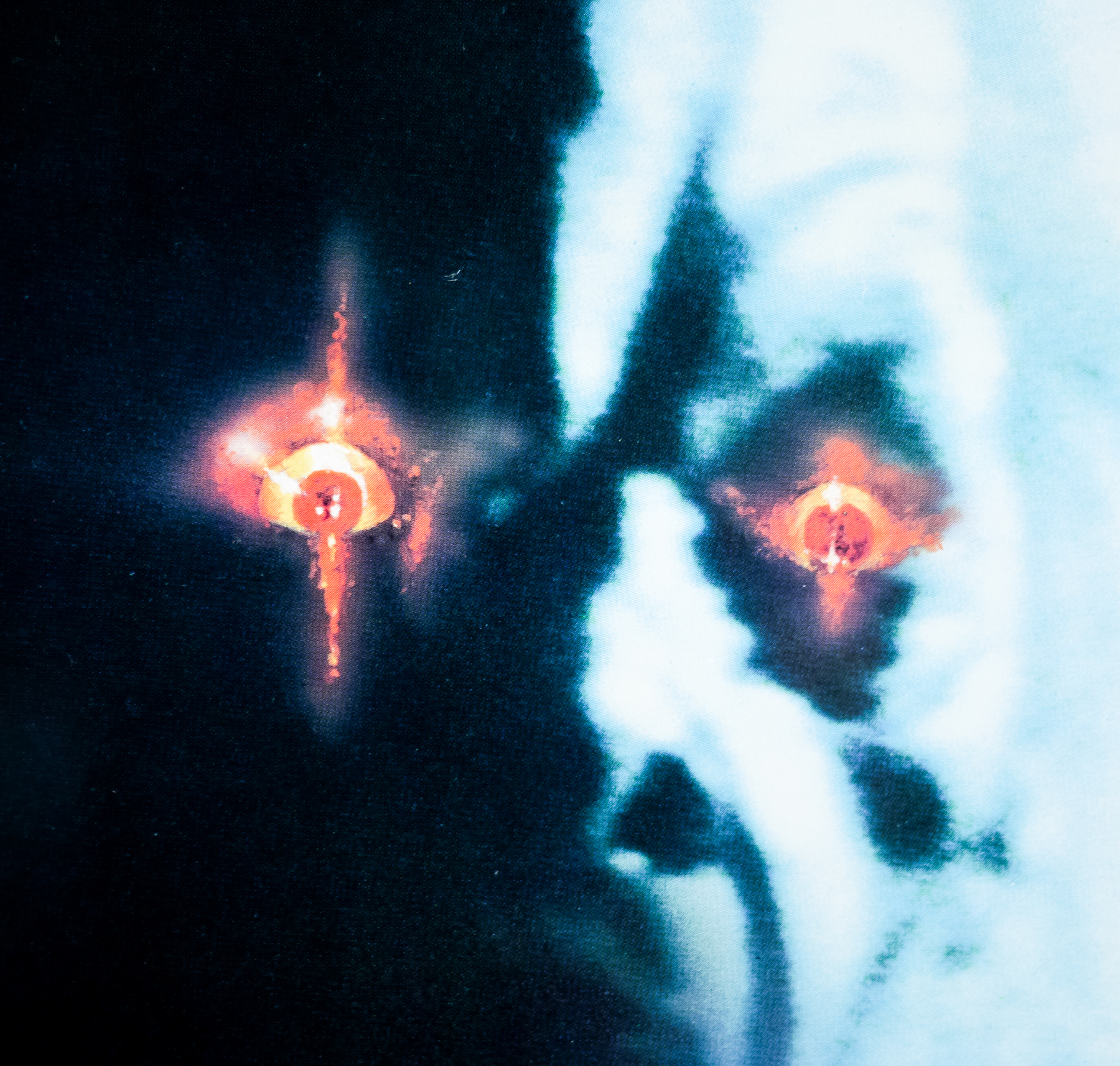
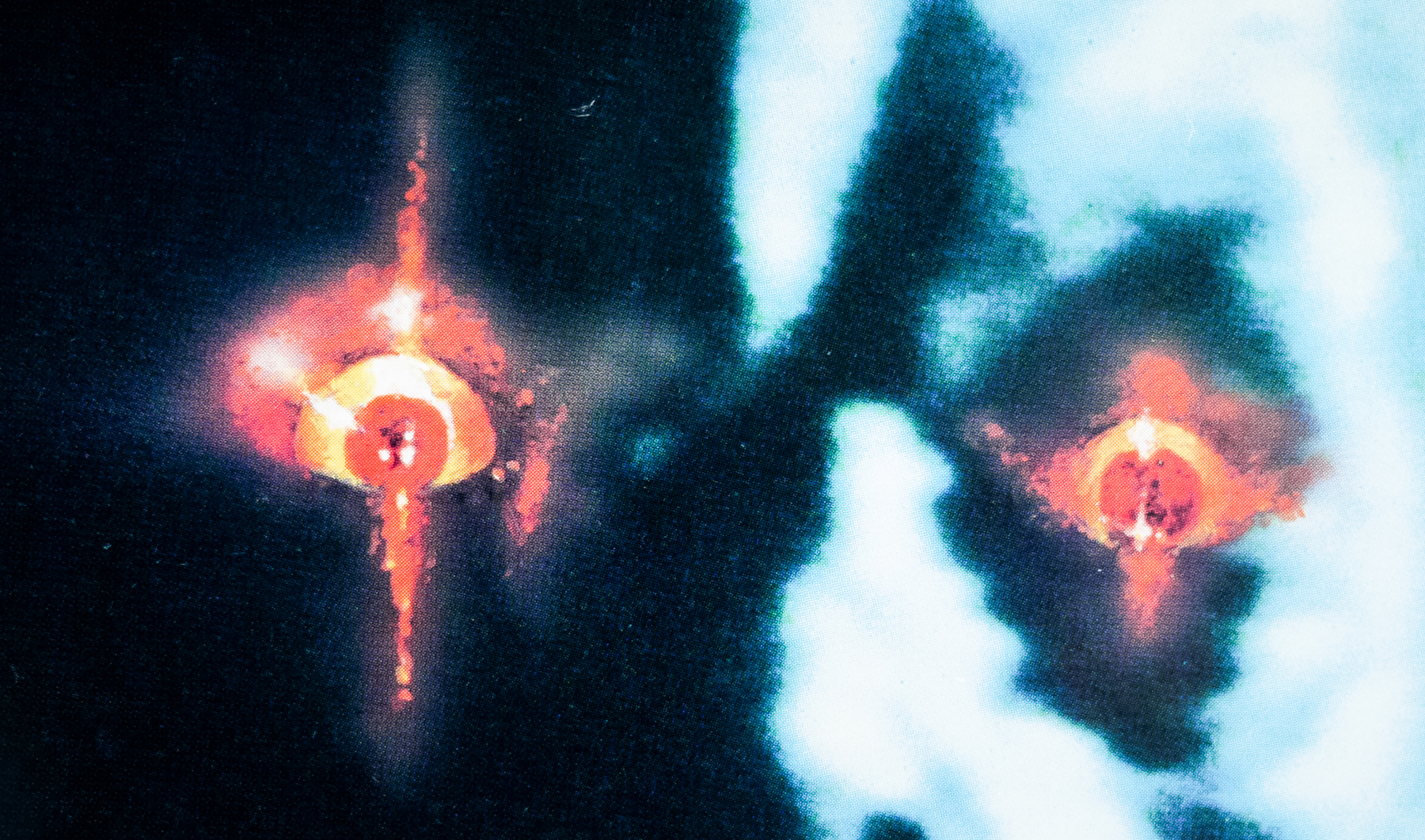
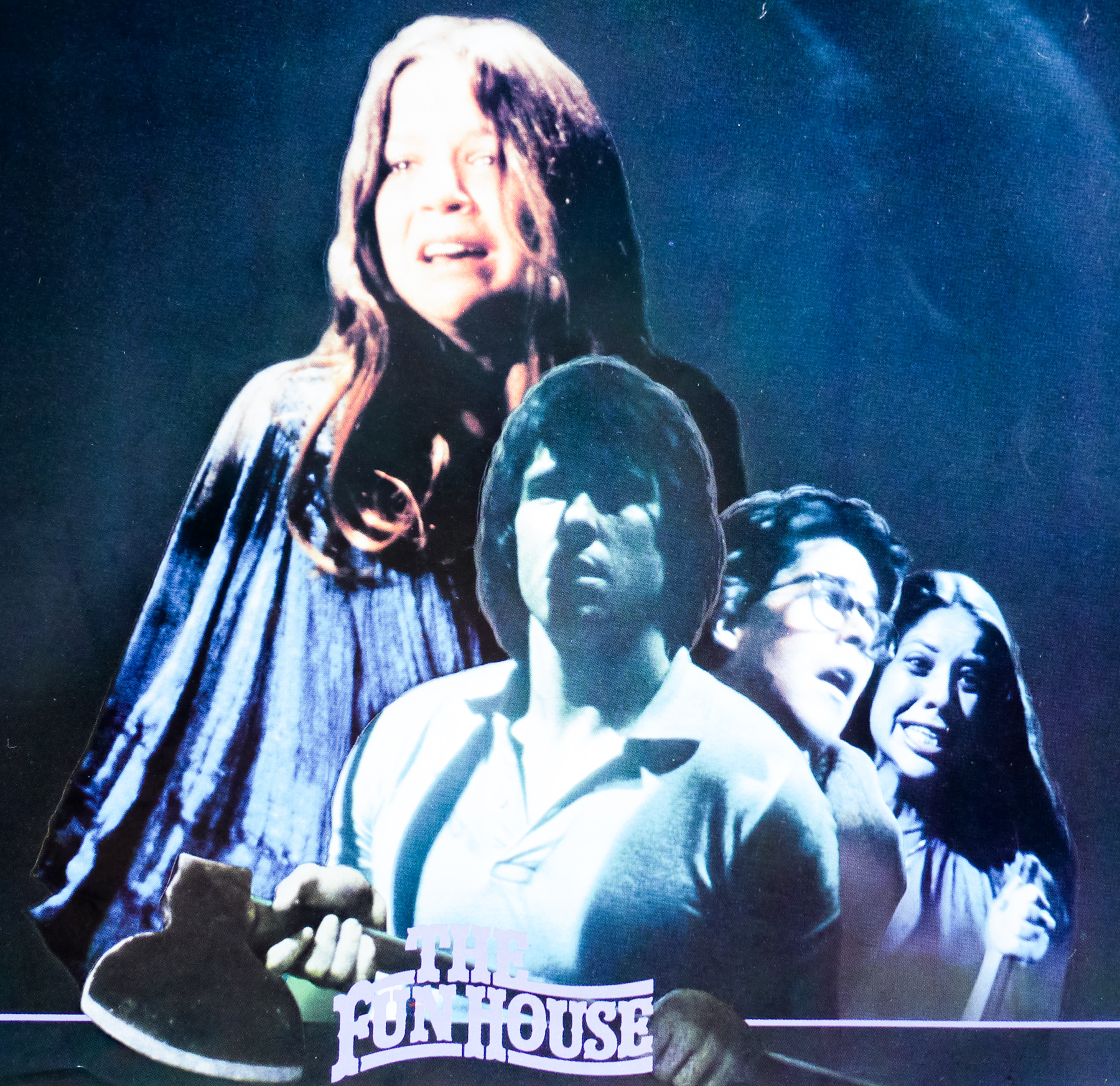
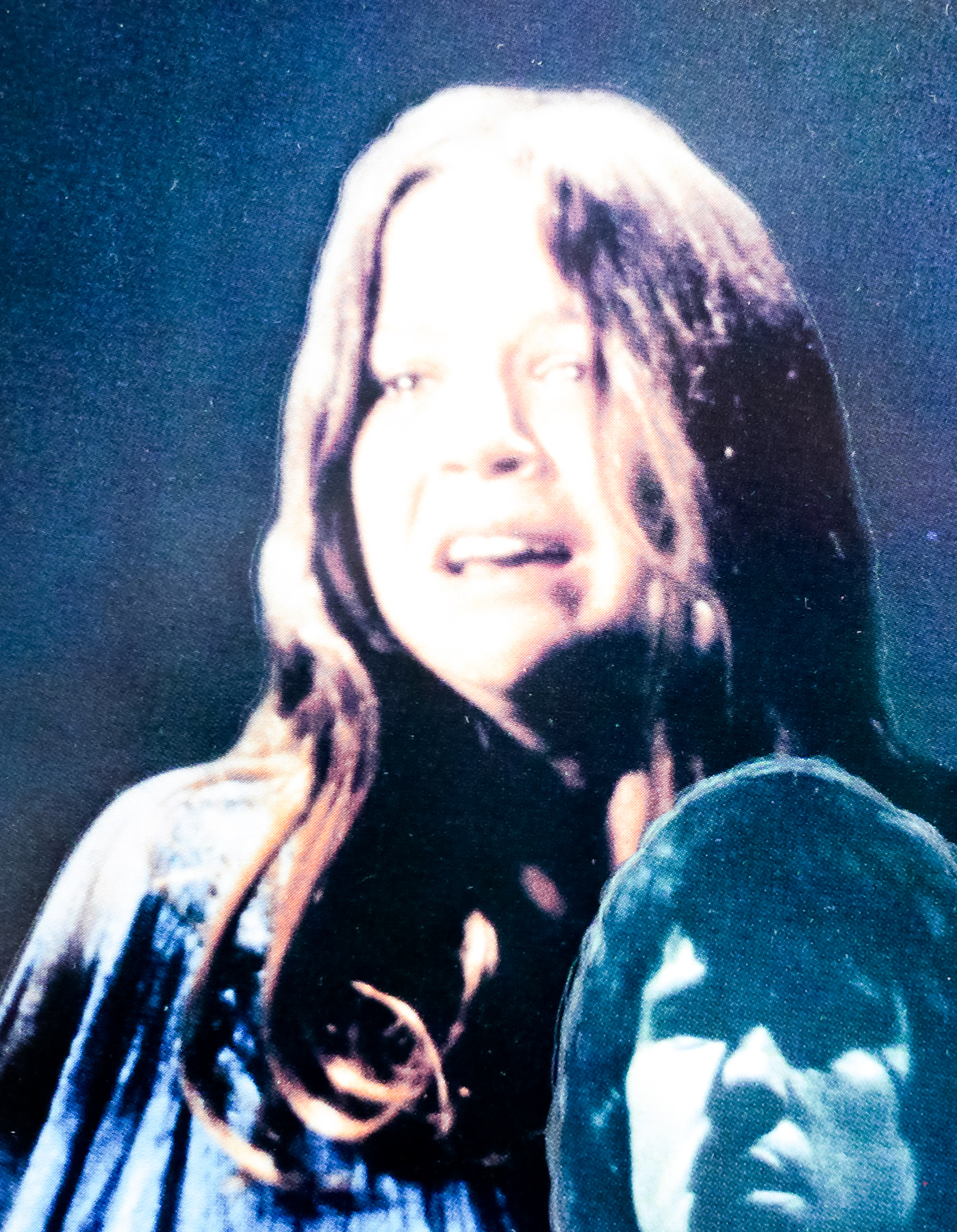
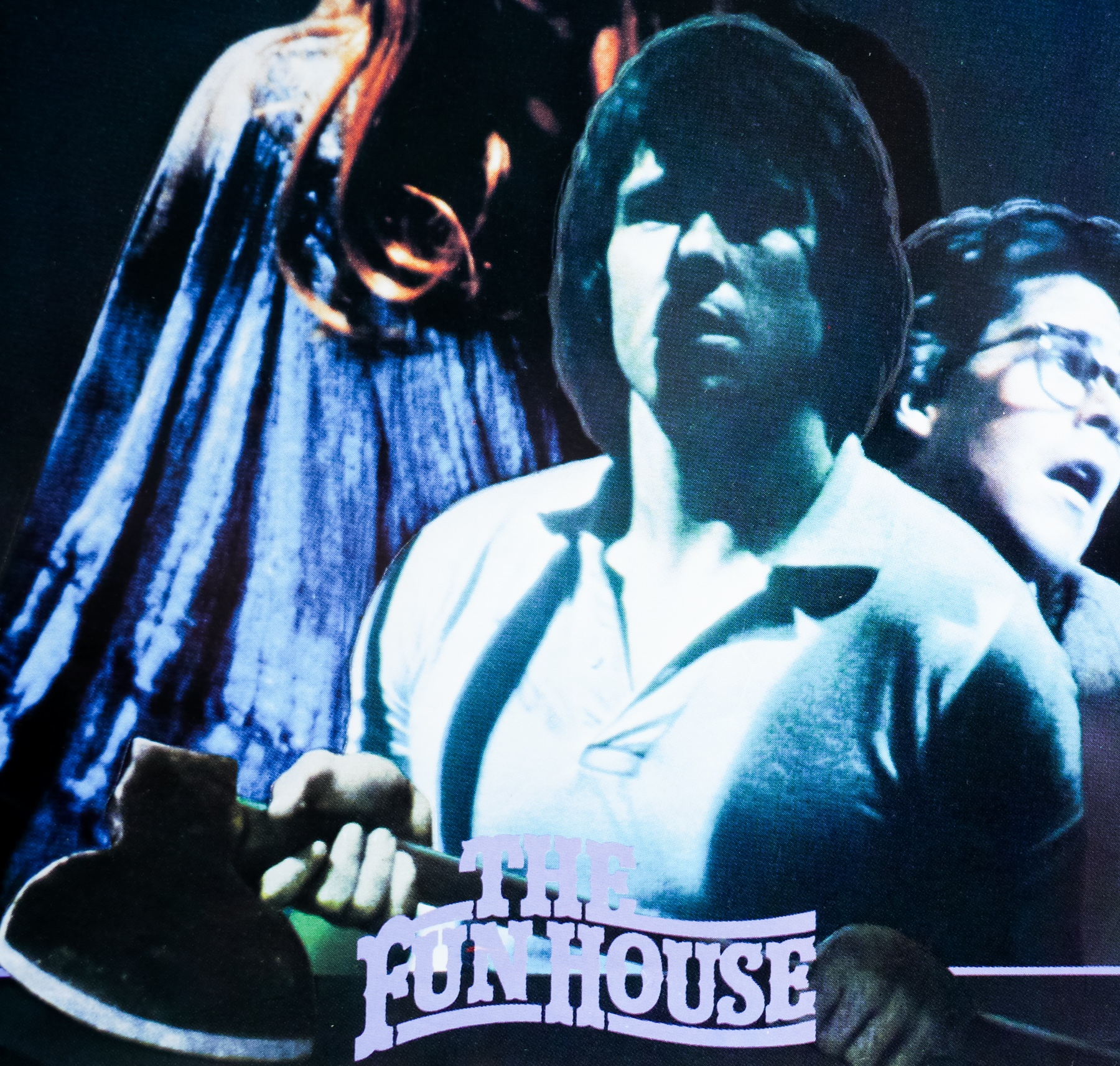
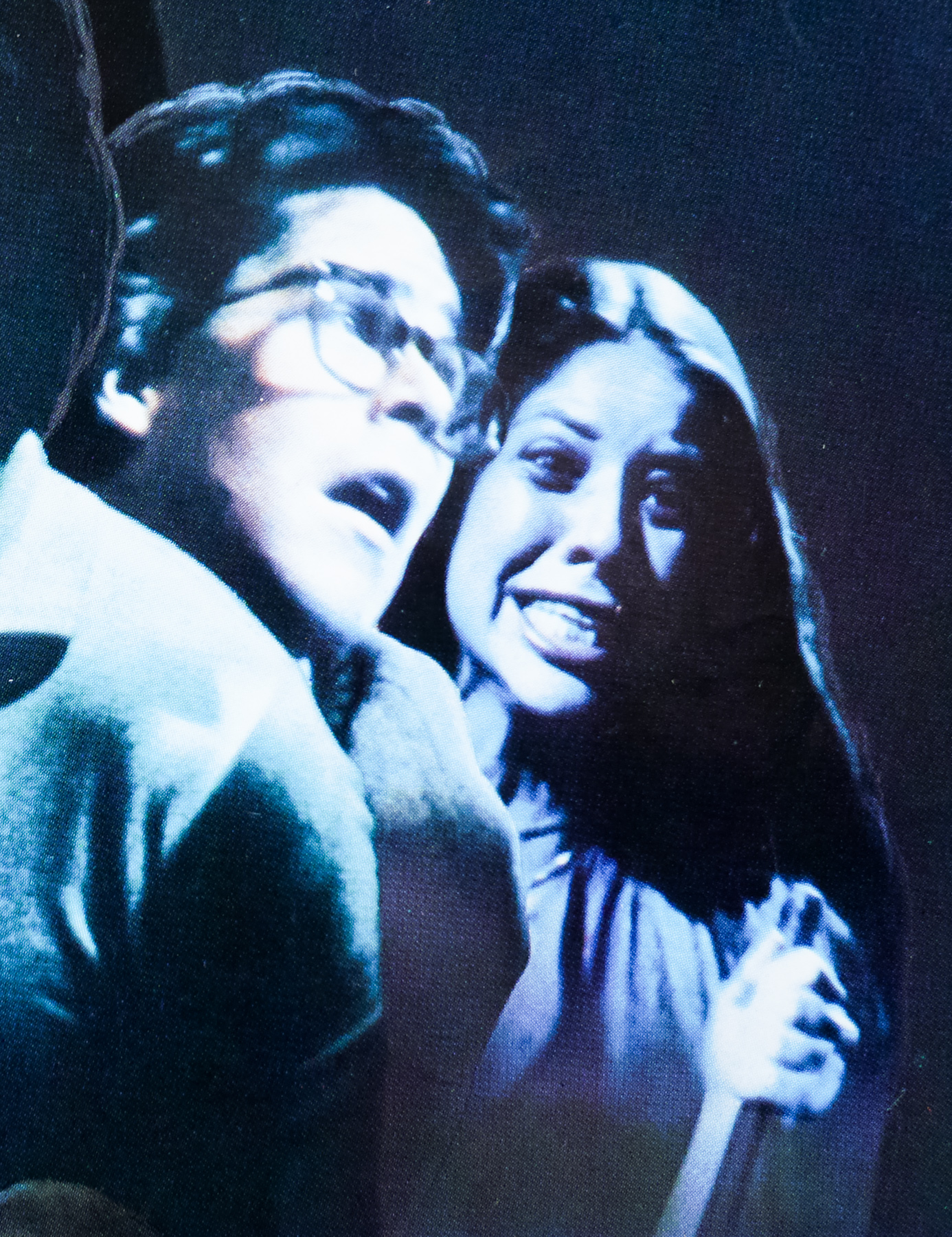
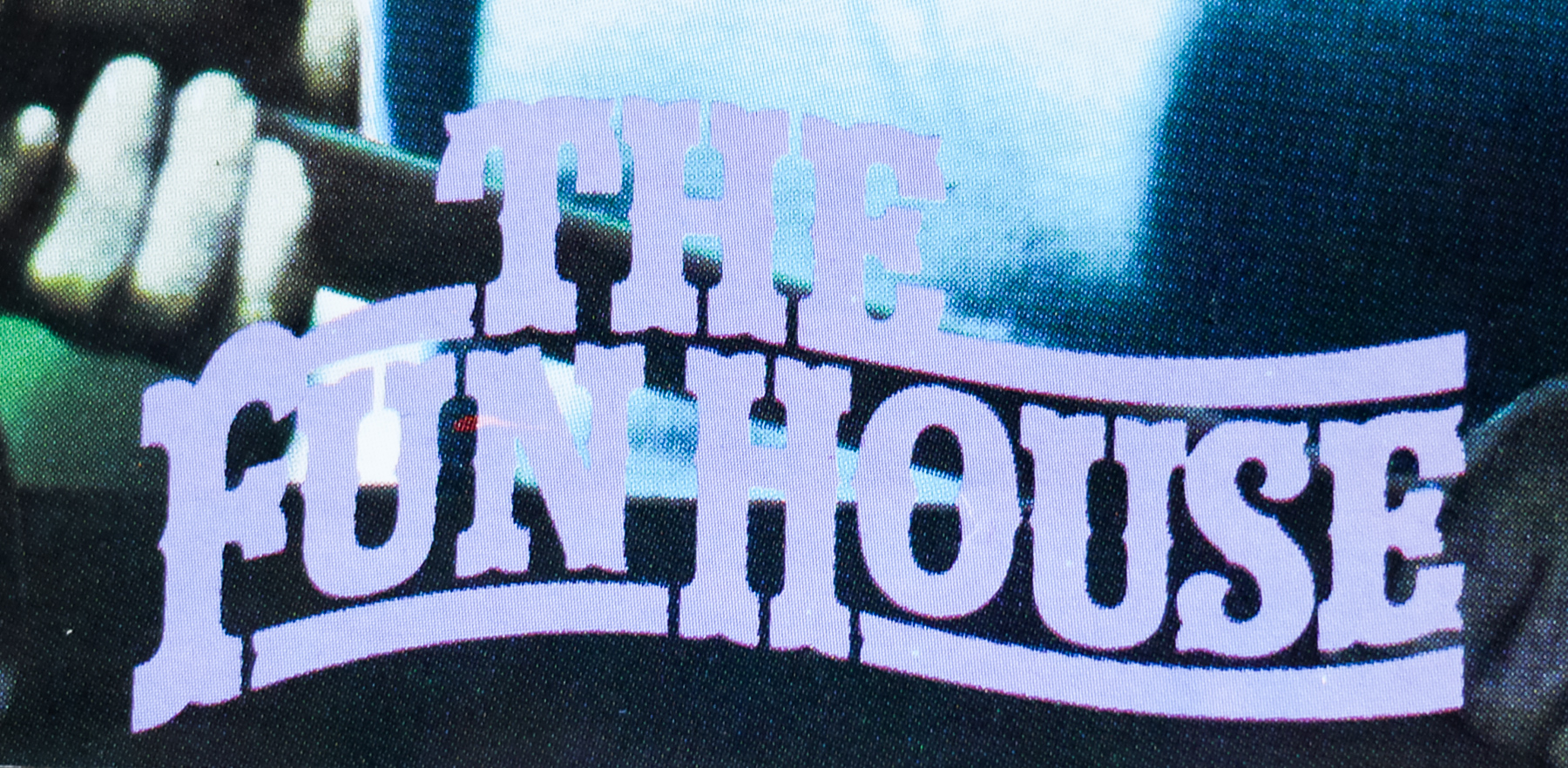
This Japanese B2 features an obscured photograph of Gunther which emphasises his glowing eyes. A photo montage of the four unlucky teens is displayed at the bottom along with the same logo seen on the US one sheet.
The Adventures Of Baron Munchausen / B1 / Japan

11.07.14

Poster Poster
Title
The Adventures Of Baron Munchausen
AKA
--
Year of Film
1988
Director
Terry Gilliam
Starring
John Neville, Sarah Polley, Eric Idle, Jonathan Pryce, Oliver Reed, Uma Thurman, Robin Williams, Peter Jeffrey
Origin of Film
UK | West Germany
Genre(s) of Film
John Neville, Sarah Polley, Eric Idle, Jonathan Pryce, Oliver Reed, Uma Thurman, Robin Williams, Peter Jeffrey,
Type of Poster
B1
Style of Poster
--
Origin of Poster
Japan
Year of Poster
1988
Designer
Unknown
Artist
Unknown
Size (inches)
28 12/16" x 40.5
SS or DS
SS
Tagline
--

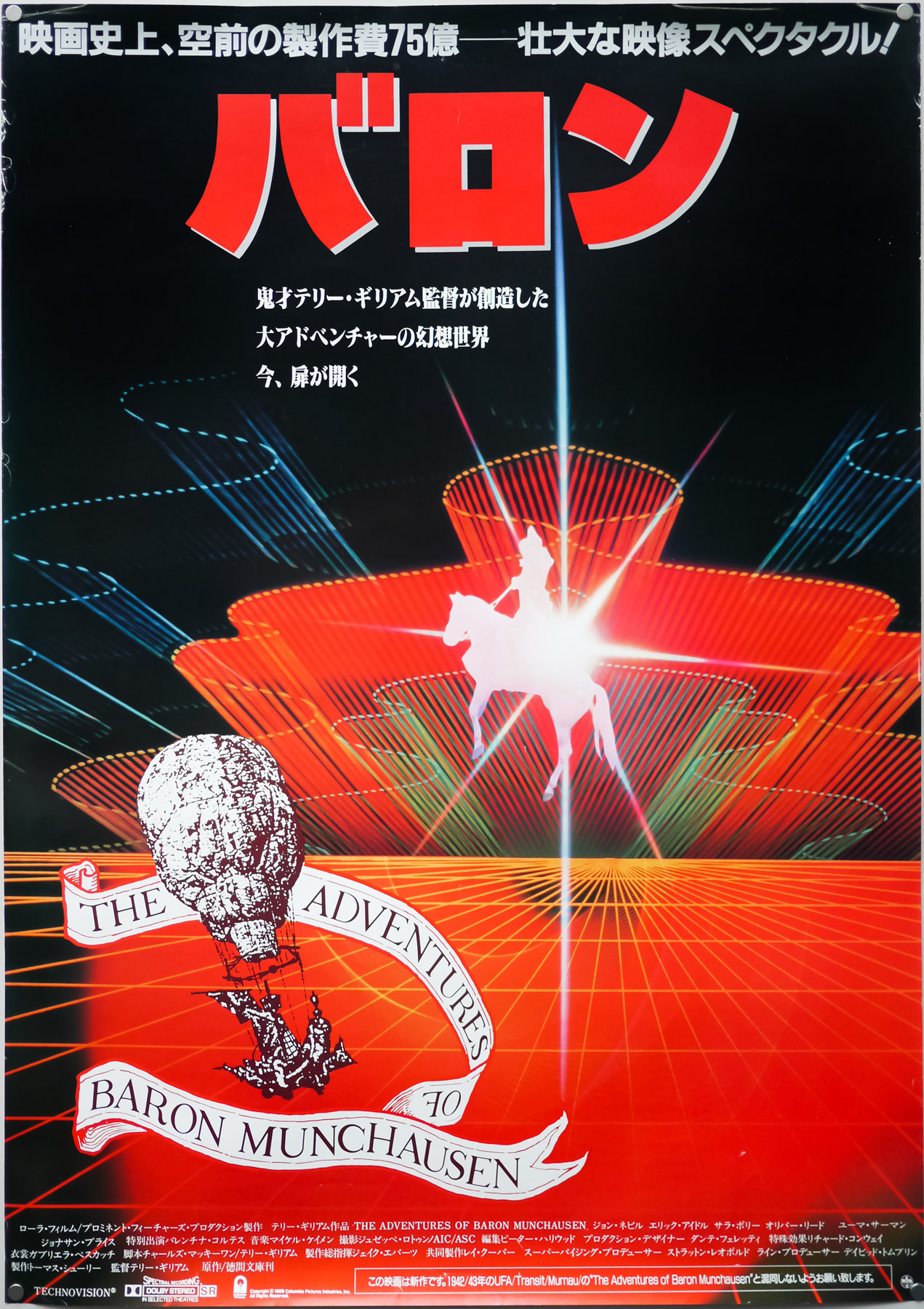
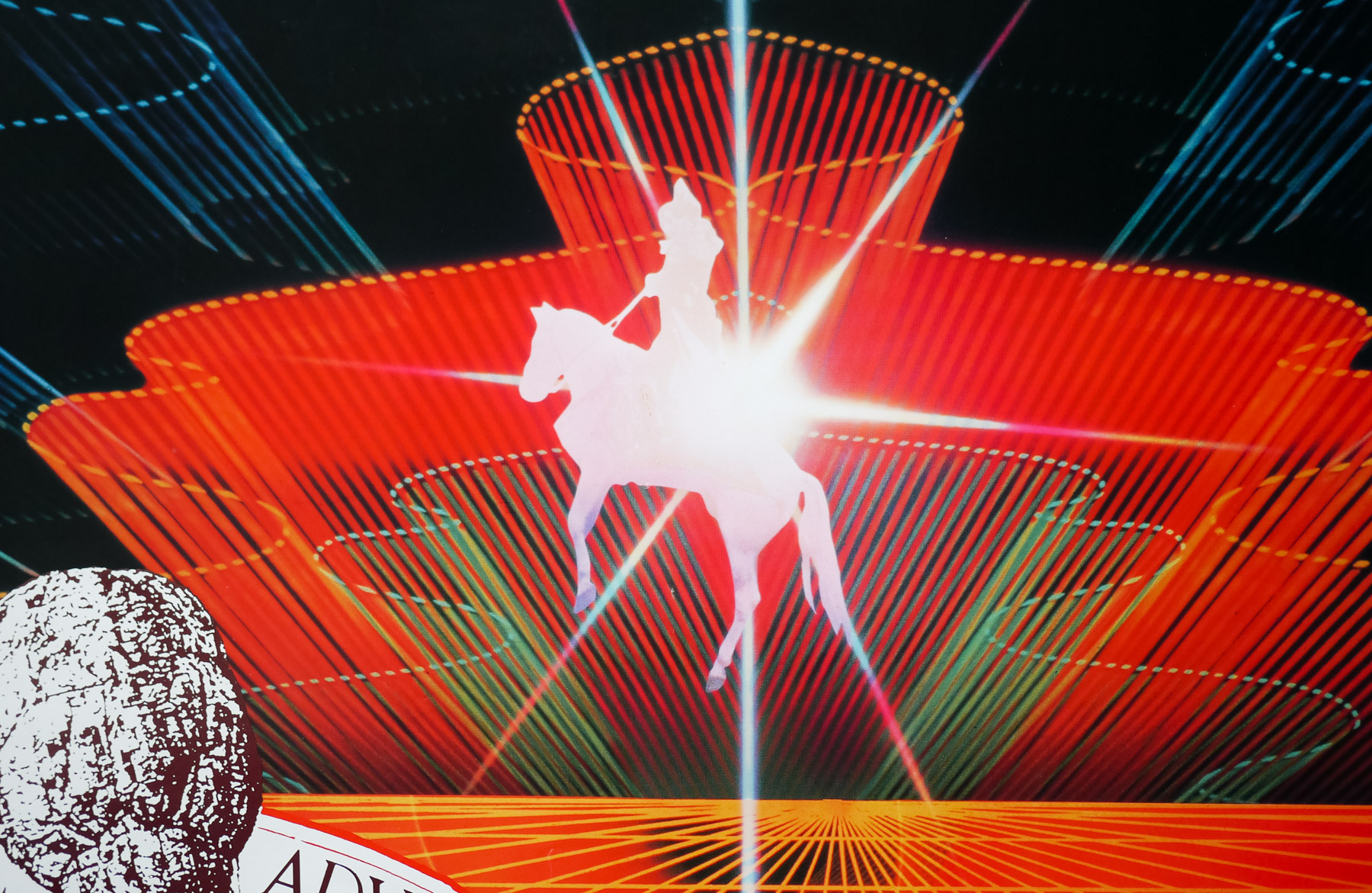
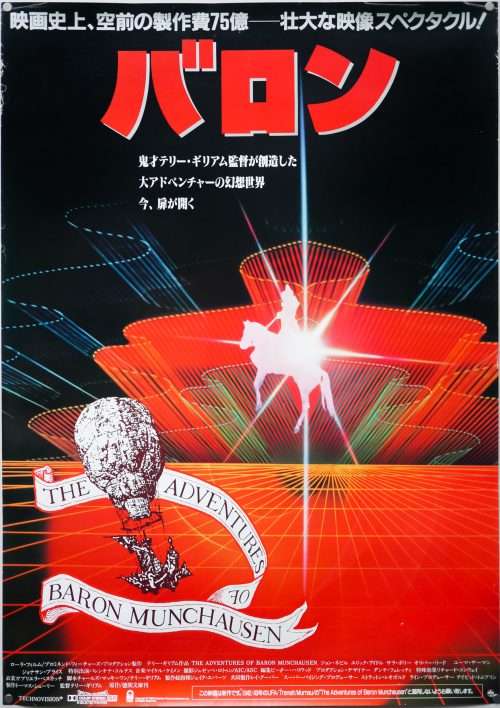
This is the scarce Japanese B1 for the release of the 1988 fantasy comedy The Adventures of Baron Munchausen, which was co-written and directed by Terry Gilliam. Based on the tall tales that the real-life 18th century German Baron Münchhausen allegedly told about his wartime dealings with the Ottoman Empire, the film is a riotous exploration of the power of storytelling and imagination. Gilliam plucked the veteran actor John Neville, in his early sixties at the time, from near obscurity to play the titular Baron who teams up with a young girl and a whole host of bizarre characters to save an unnamed European city from defeat by a besieging Turkish army. 

Actress (and recently director) Sarah Polley appears in her first screen role as Sally Salt, a member of a theatre troupe that has been touring the country showing farcical reconstructions of Munchausen’s supposed adventures. At one show the real Baron arrives into the theatre just as a Turkish army appears outside the city walls and begins to attack. What follows is a madcap mix of improbable, recollected tales and daring adventures as the Baron takes Sally on a journey to gather together his old gang of associates, including the fastest runner in the world (Eric Idle), a giant strongman and a dwarf able to expel powerful gusts of wind that can knock tens of people over. Their journey takes them to the moon where they encounter the eccentric King of the Moon (a memorable cameo from Robin Williams), into the crater of an active volcano where they meet the Roman God Vulcan (Oliver Reed) and his wife Venus (one of Uma Thurman‘s earliest film roles) and inside the belly of a giant sea monster, before they head back to the besieged city to rescue it from certain defeat.

Featuring a number of notable actors, often in dual roles that reflect the film’s clever play on the idea of fantasy and reality, the story is never anything less than entertaining and the action on screen completely belies the ridiculous behind the scenes travails that Gilliam went through to bring his vision to life. The film suffered a number of setbacks during its production, including a budget that more than doubled and a change of management at the studio that almost saw the film cancelled entirely (production was shut down for several weeks). The film was eventually practically dumped into cinemas in the States with a limited release that saw a corresponding lack of box office takings, and this was despite strong critical reception. It faired better in Europe but was unable to recoup its reported budget of over $45 million.

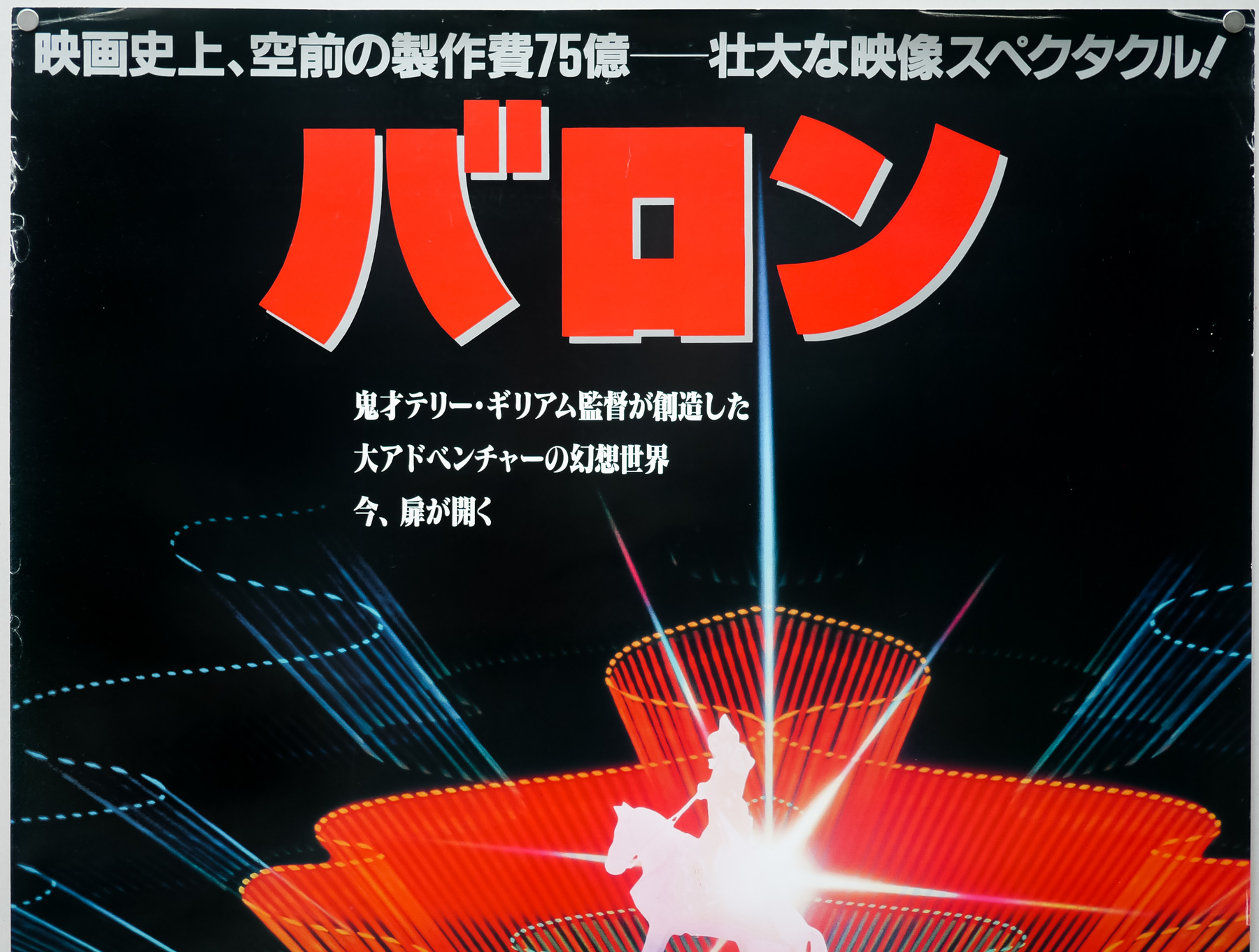
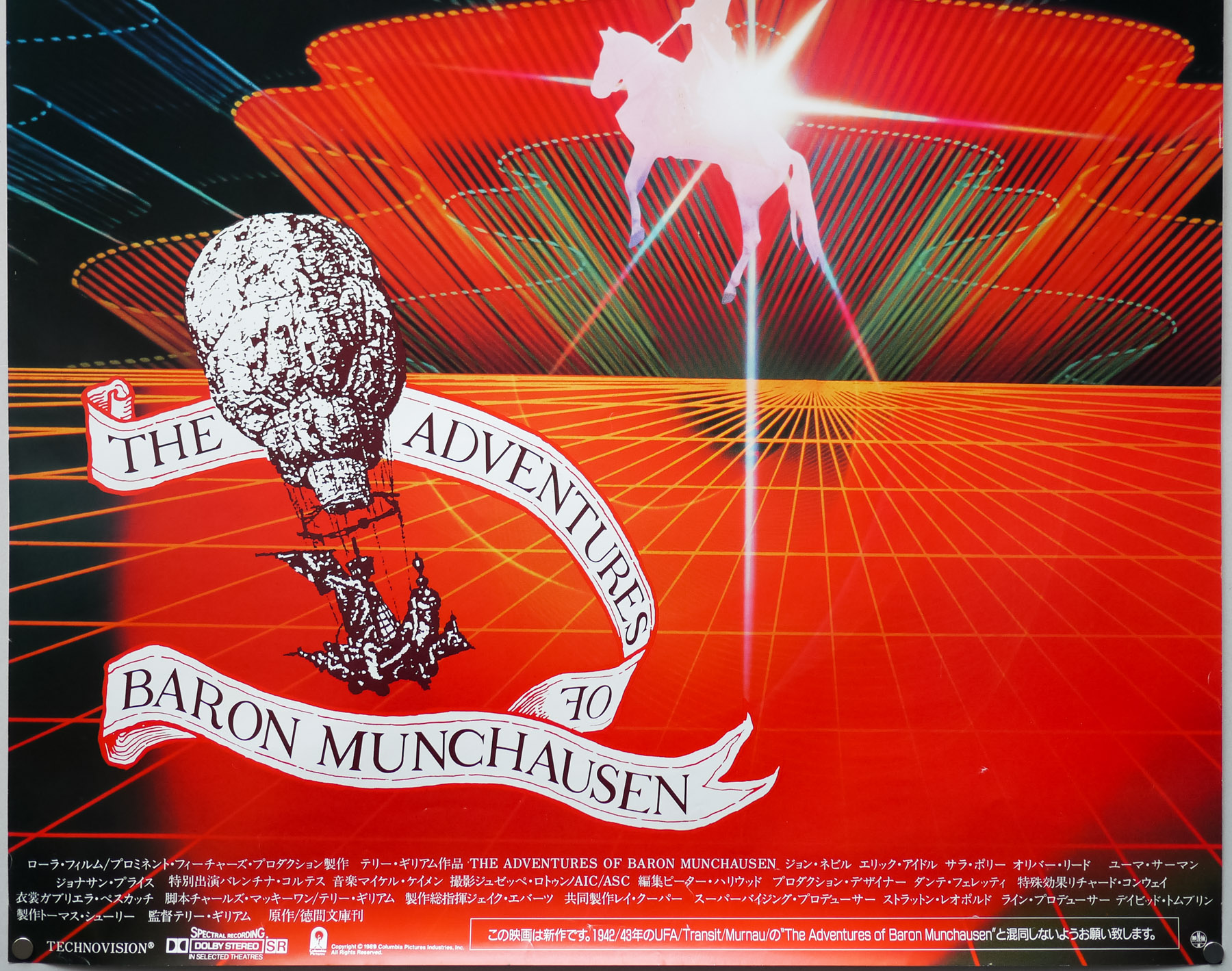
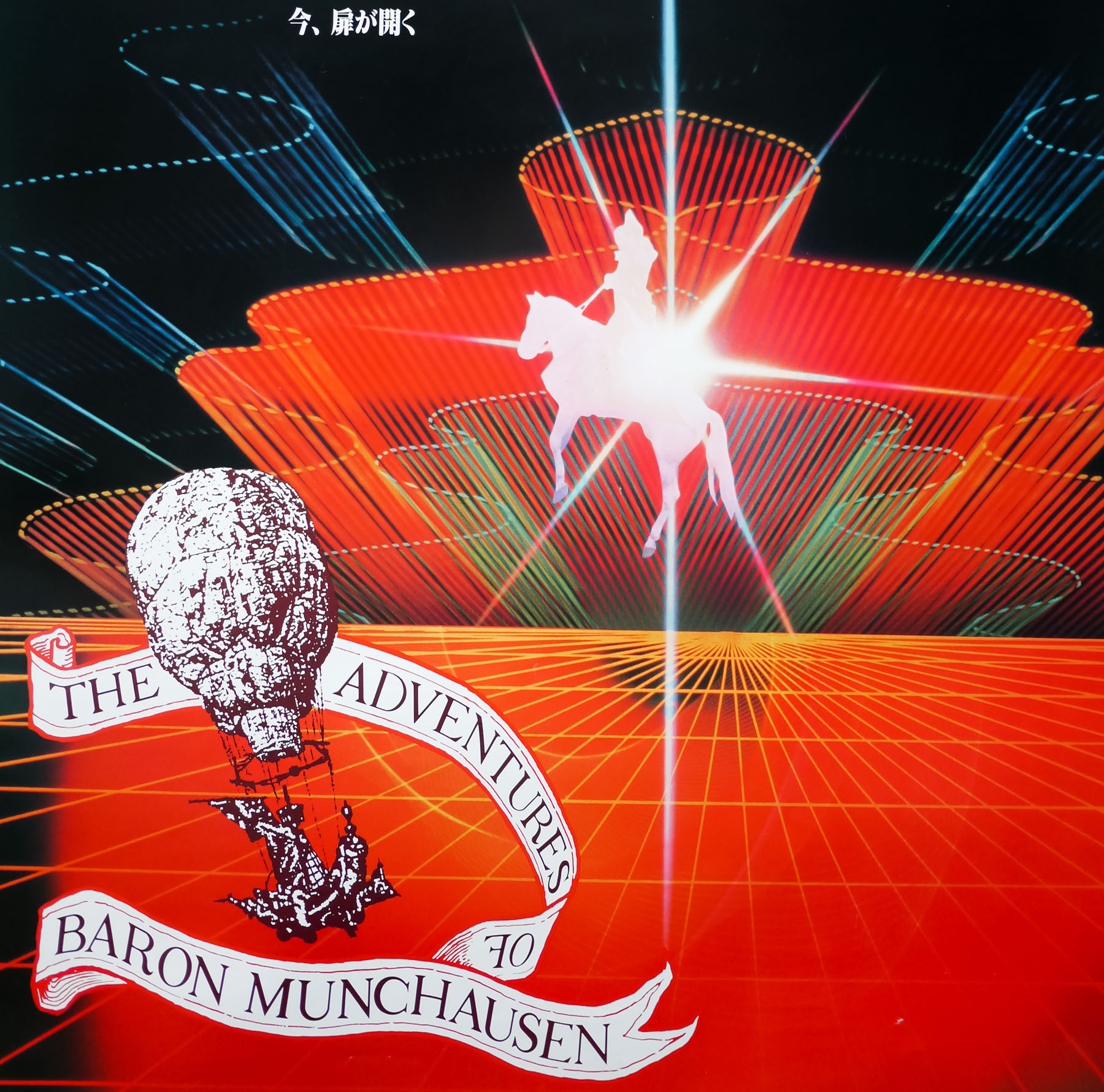
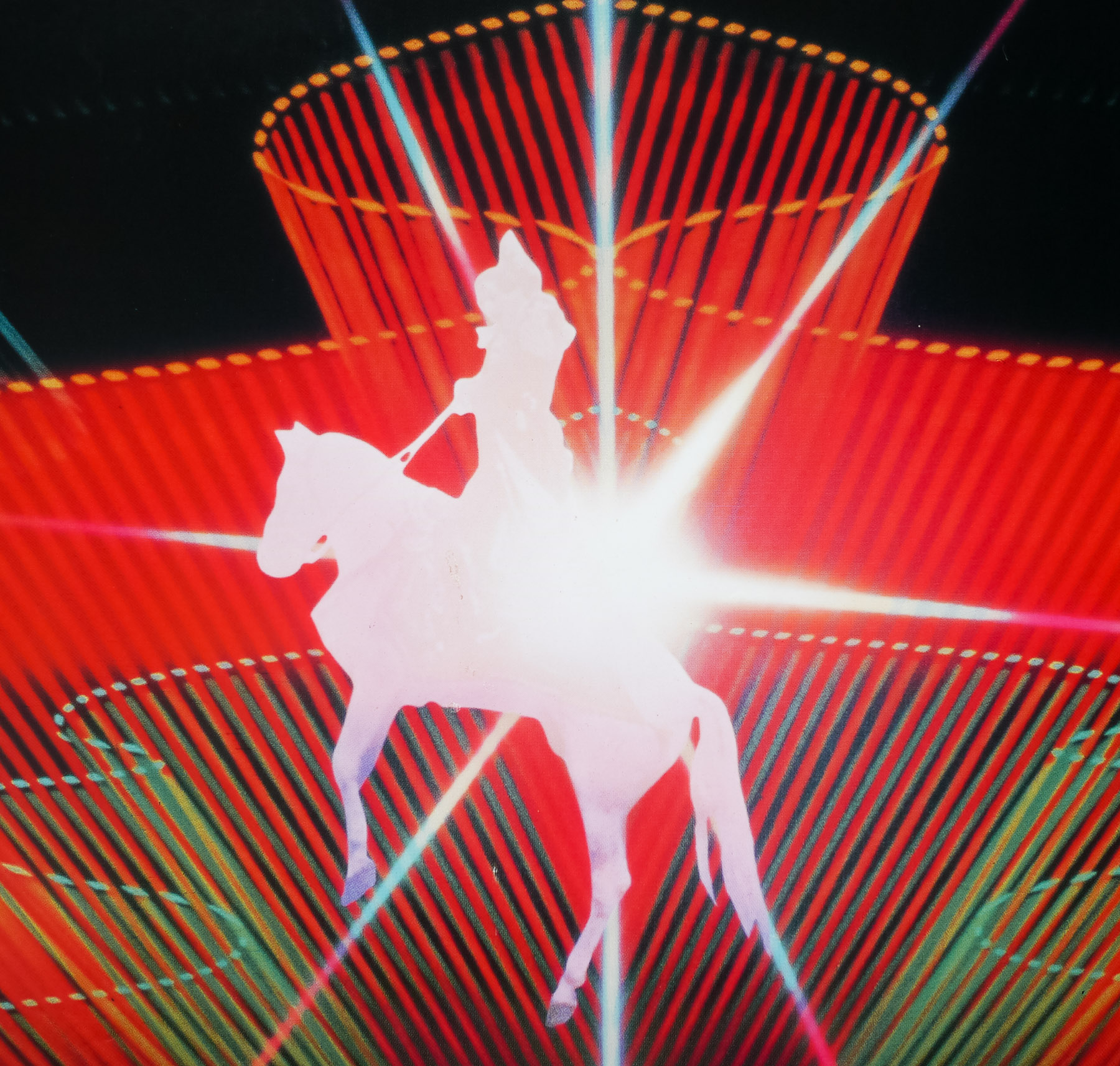
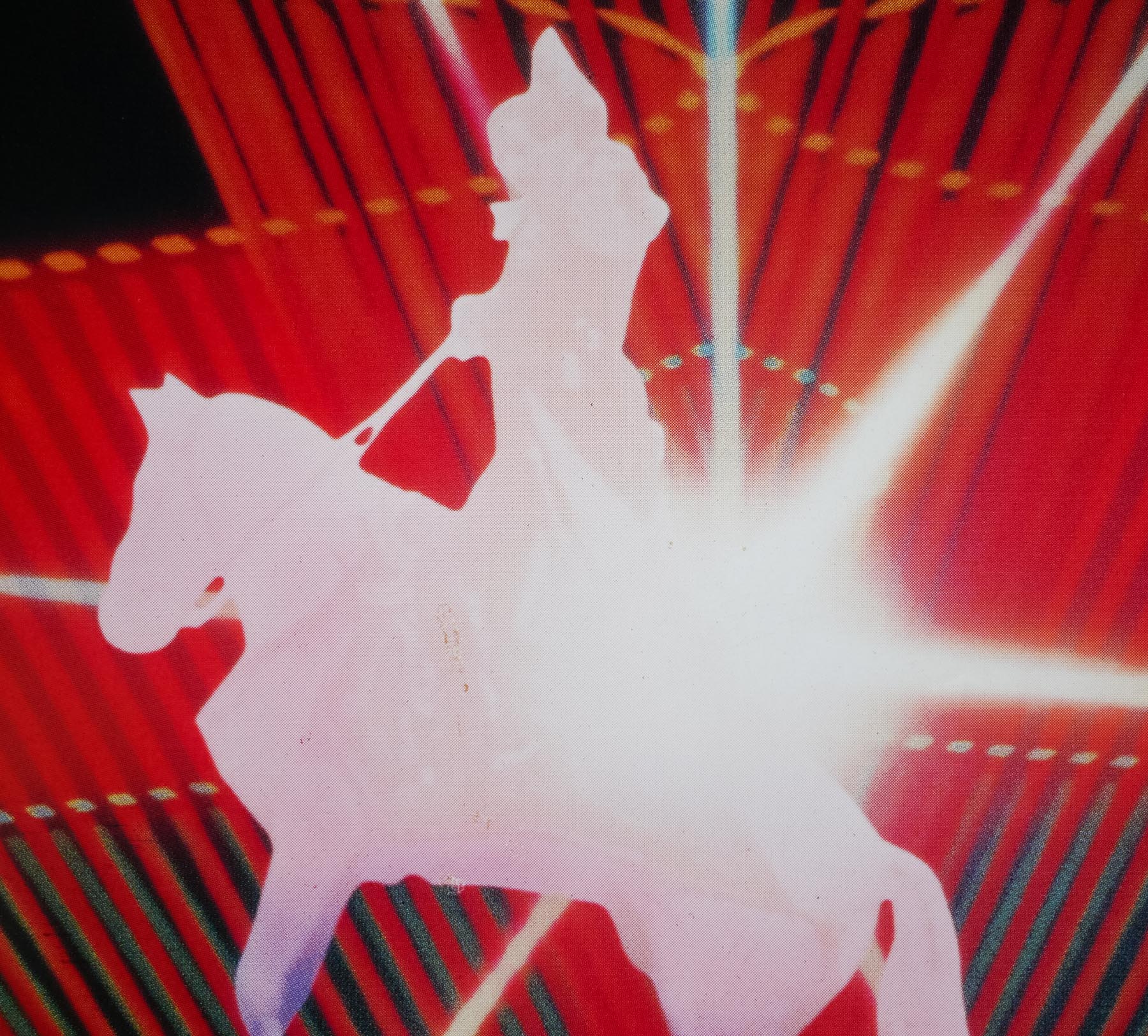
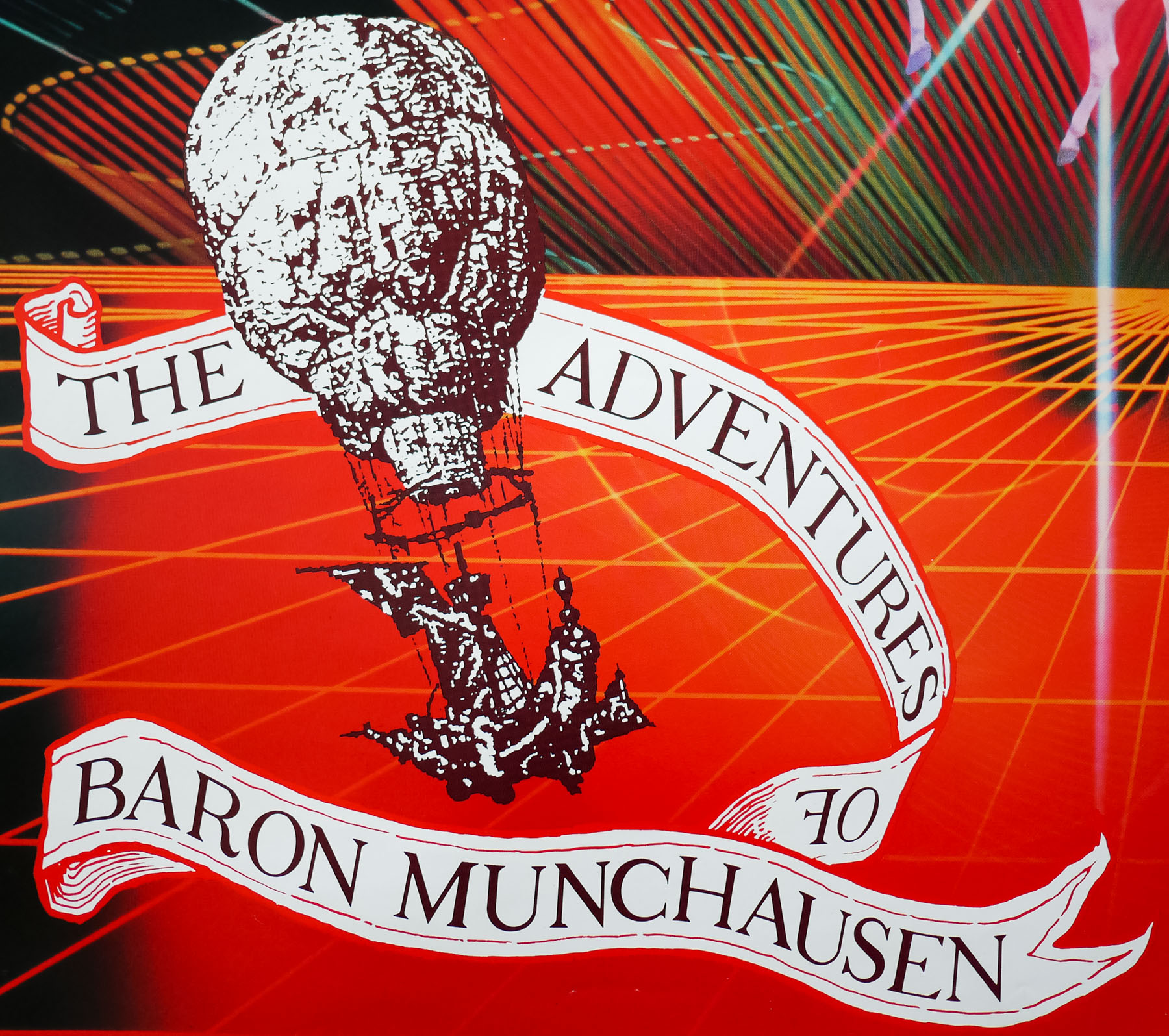
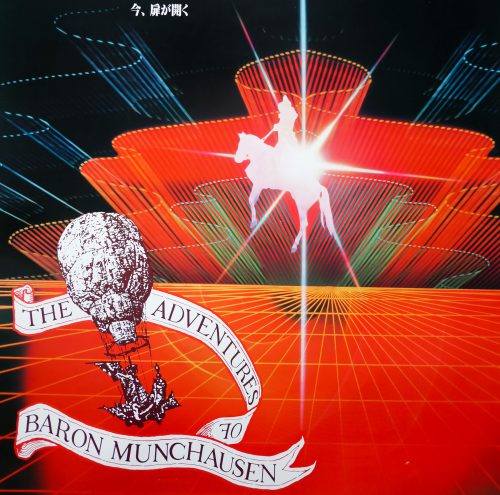
This psychedelic design is unique to this Japanese B1 and is markedly different to the equally trippy B2 poster.


The Silent Flute / B2 / Japan

06.08.14

Poster Poster
Title
The Silent Flute
AKA
Circle of Iron (US/UK)
Year of Film
1978
Director
Richard Moore
Starring
David Carradine, Jeff Cooper, Christopher Lee, Roddy McDowall, Eli Wallach, Anthony De Longis, Earl Maynard, Erica Creer
Origin of Film
USA
Genre(s) of Film
David Carradine, Jeff Cooper, Christopher Lee, Roddy McDowall, Eli Wallach, Anthony De Longis, Earl Maynard, Erica Creer,
Type of Poster
B2
Style of Poster
--
Origin of Poster
Japan
Year of Poster
1979
Designer
Unknown
Artist
Seito
Size (inches)
20 5/16" x 28 13/16"
SS or DS
SS
Tagline
--

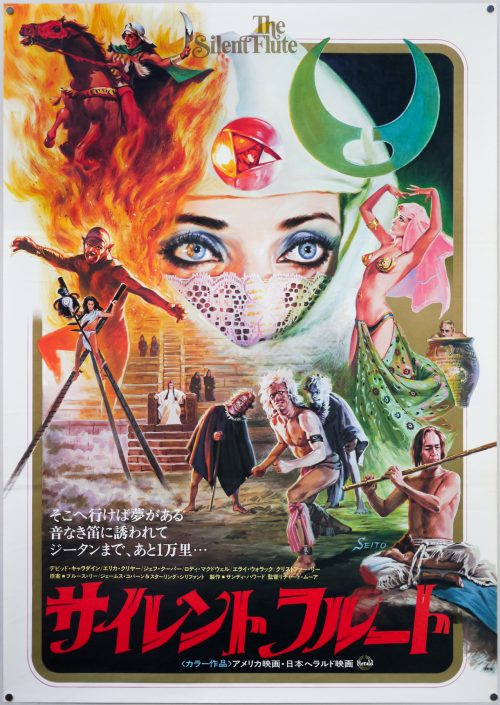
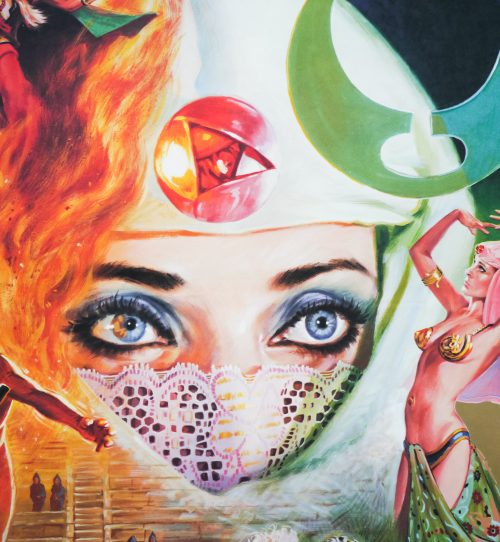
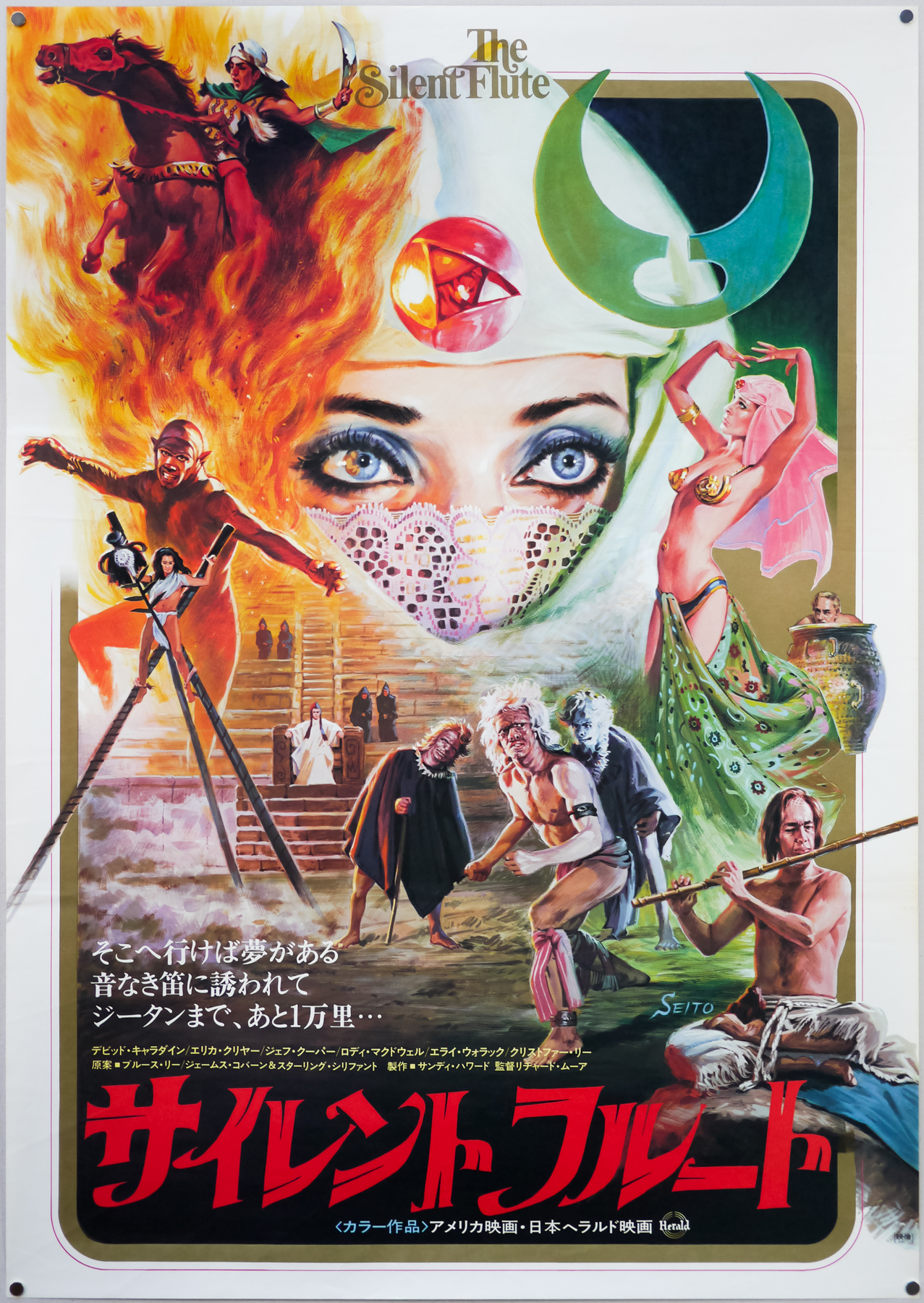
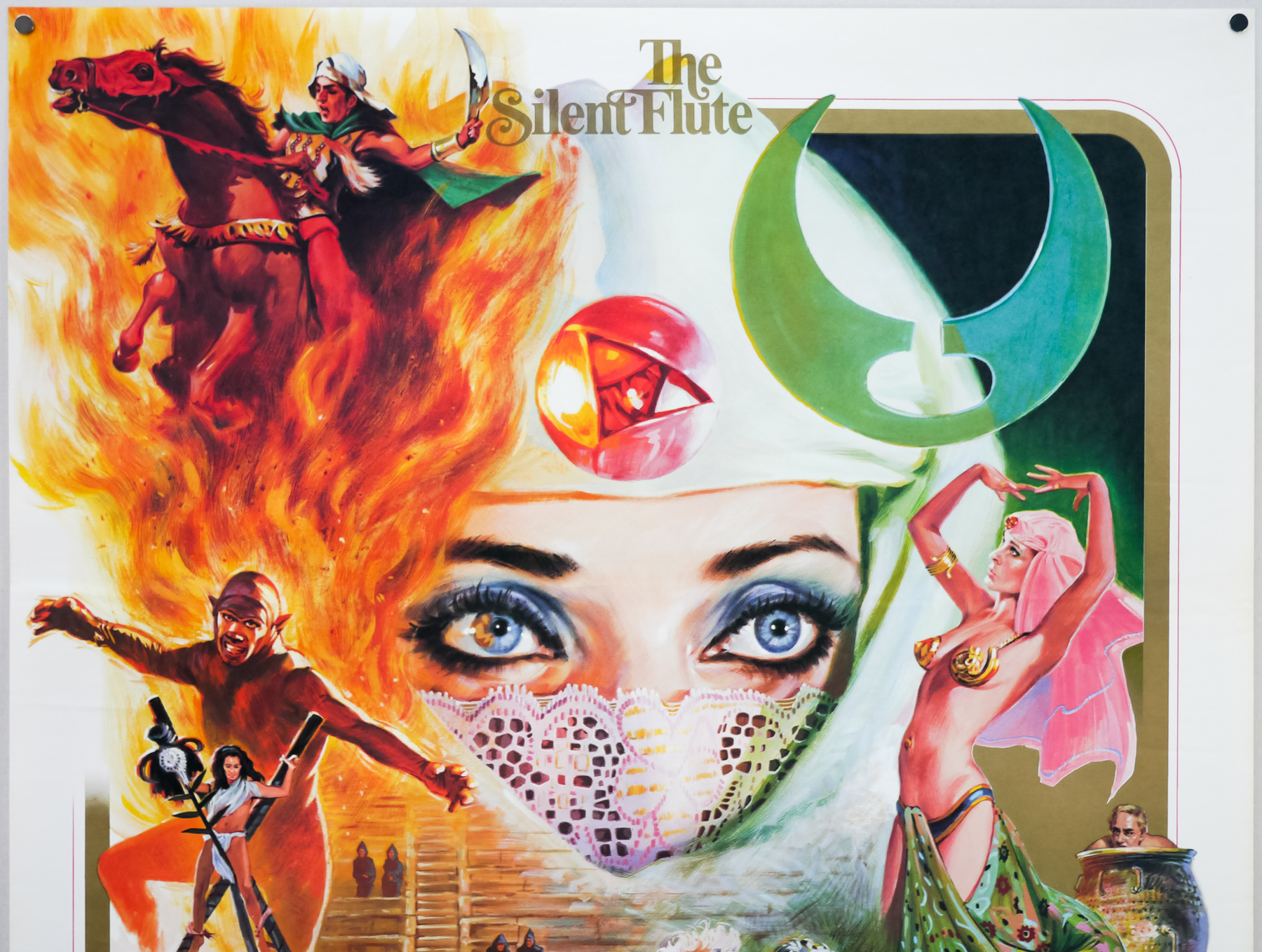
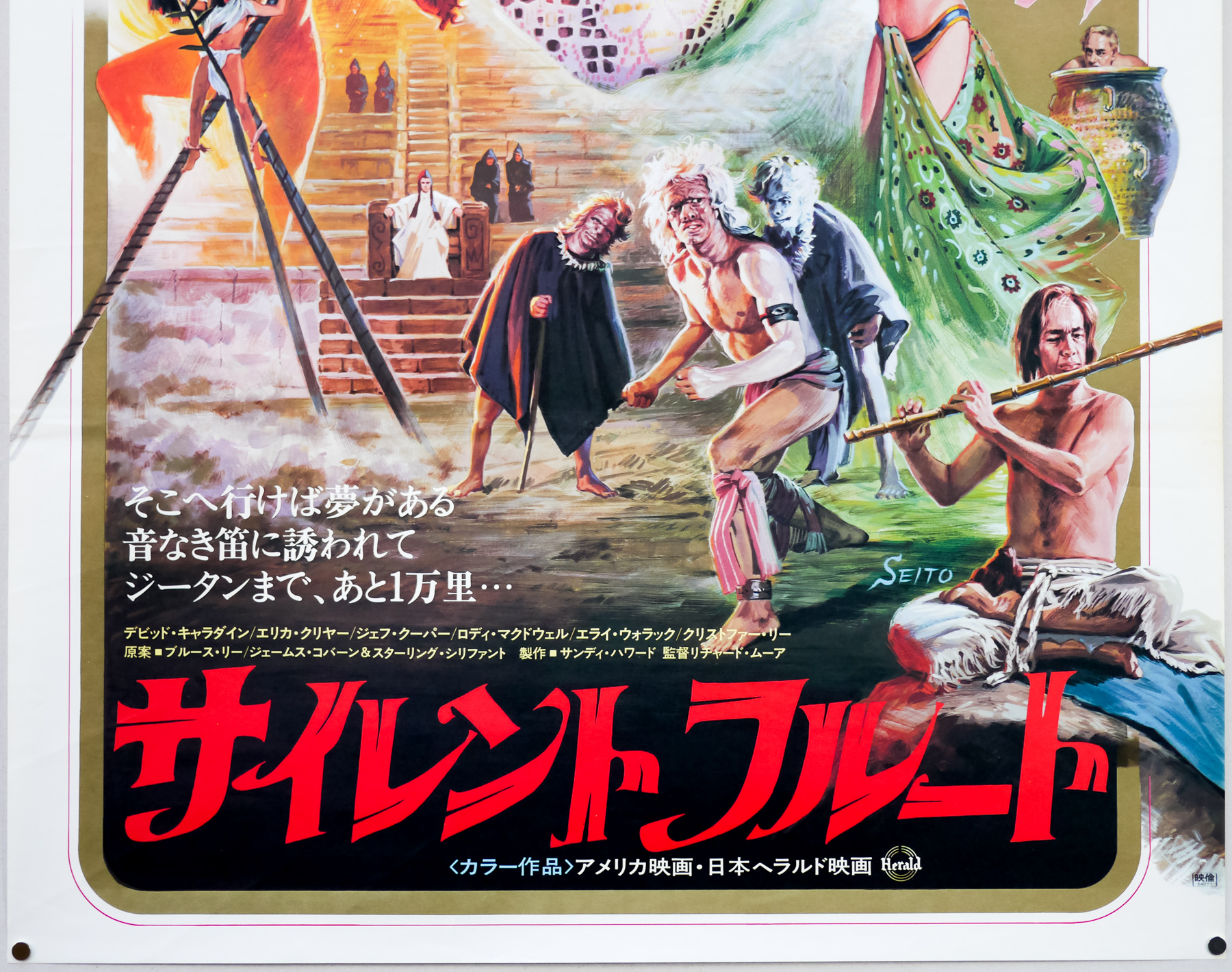
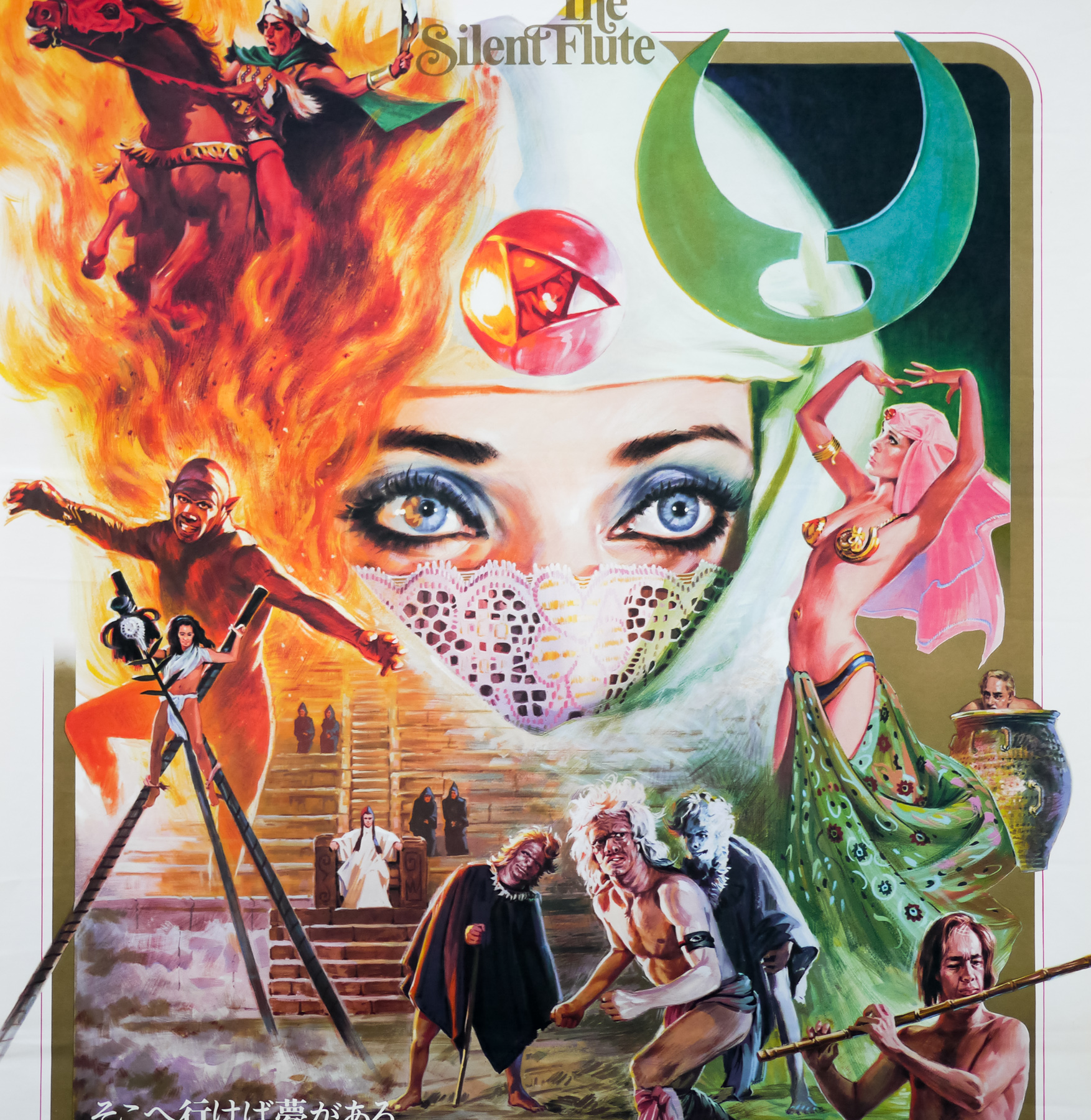
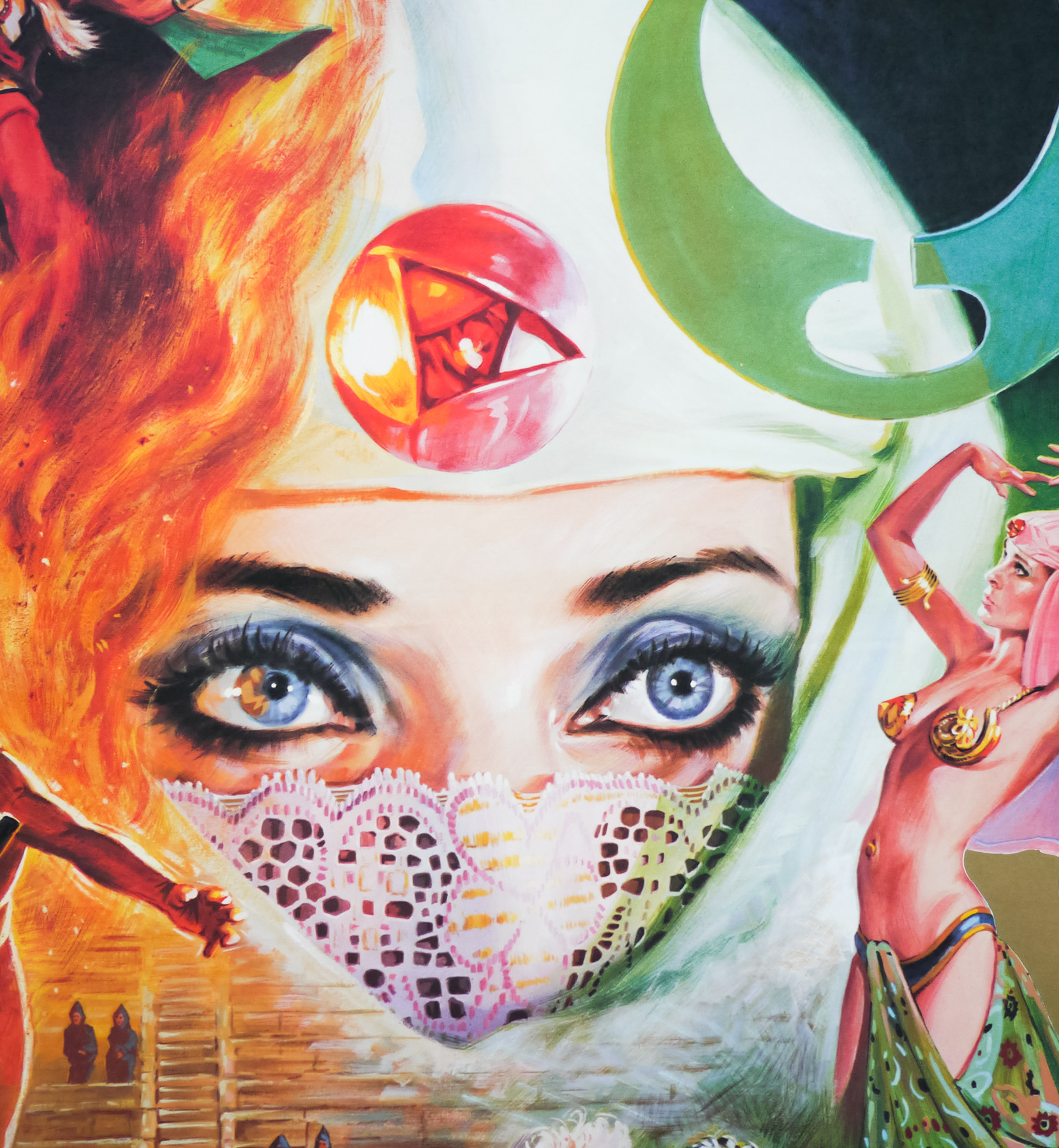
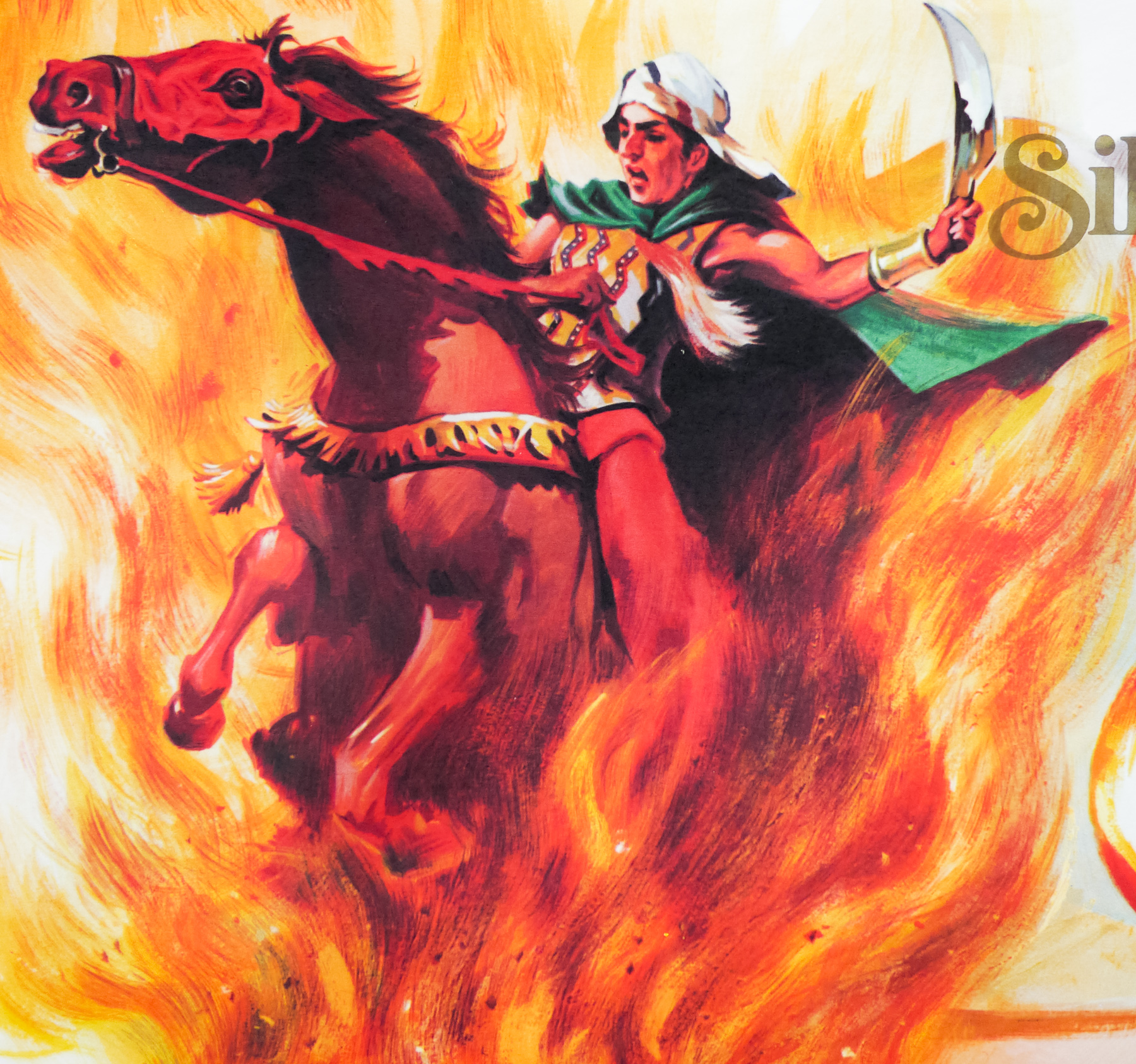
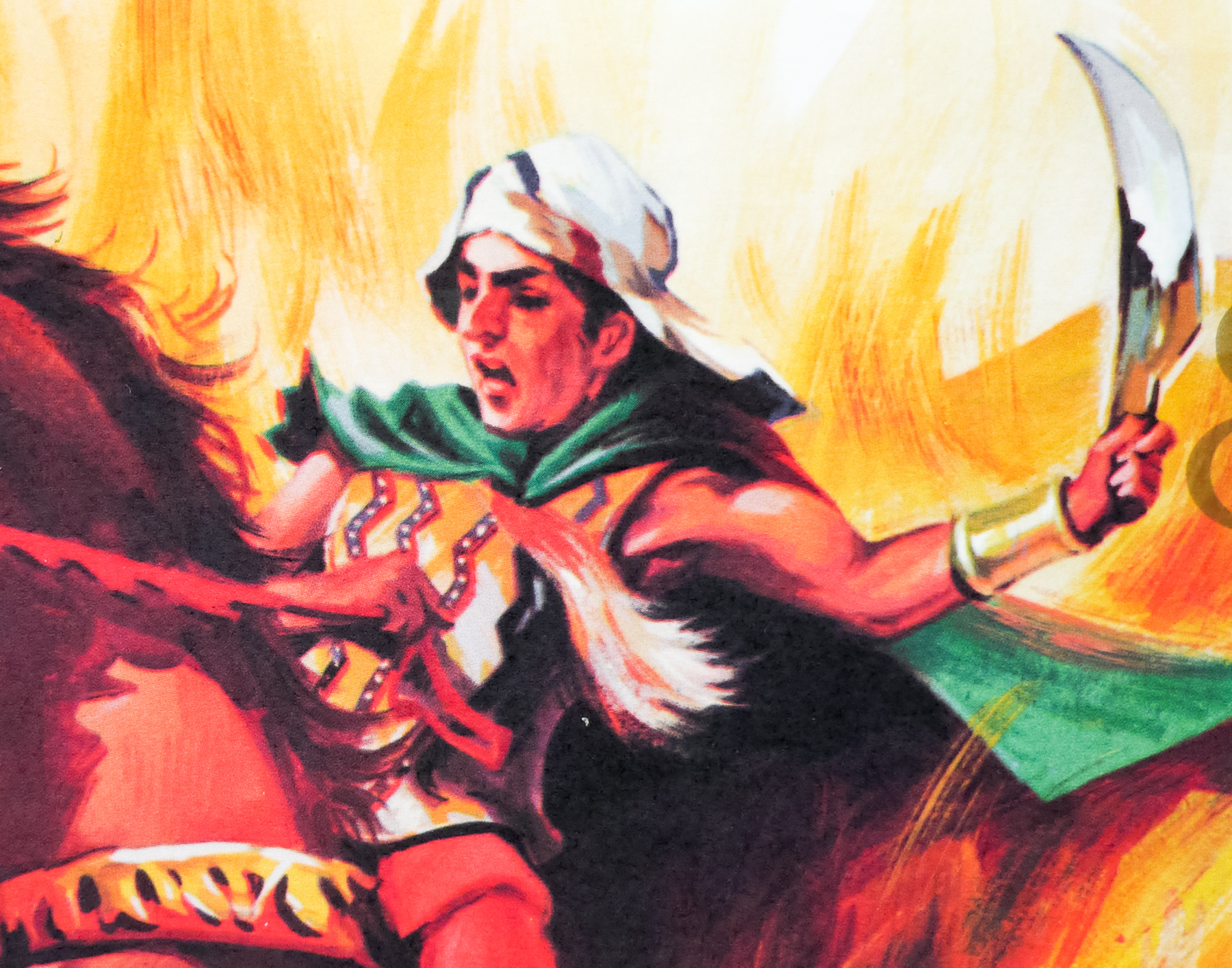
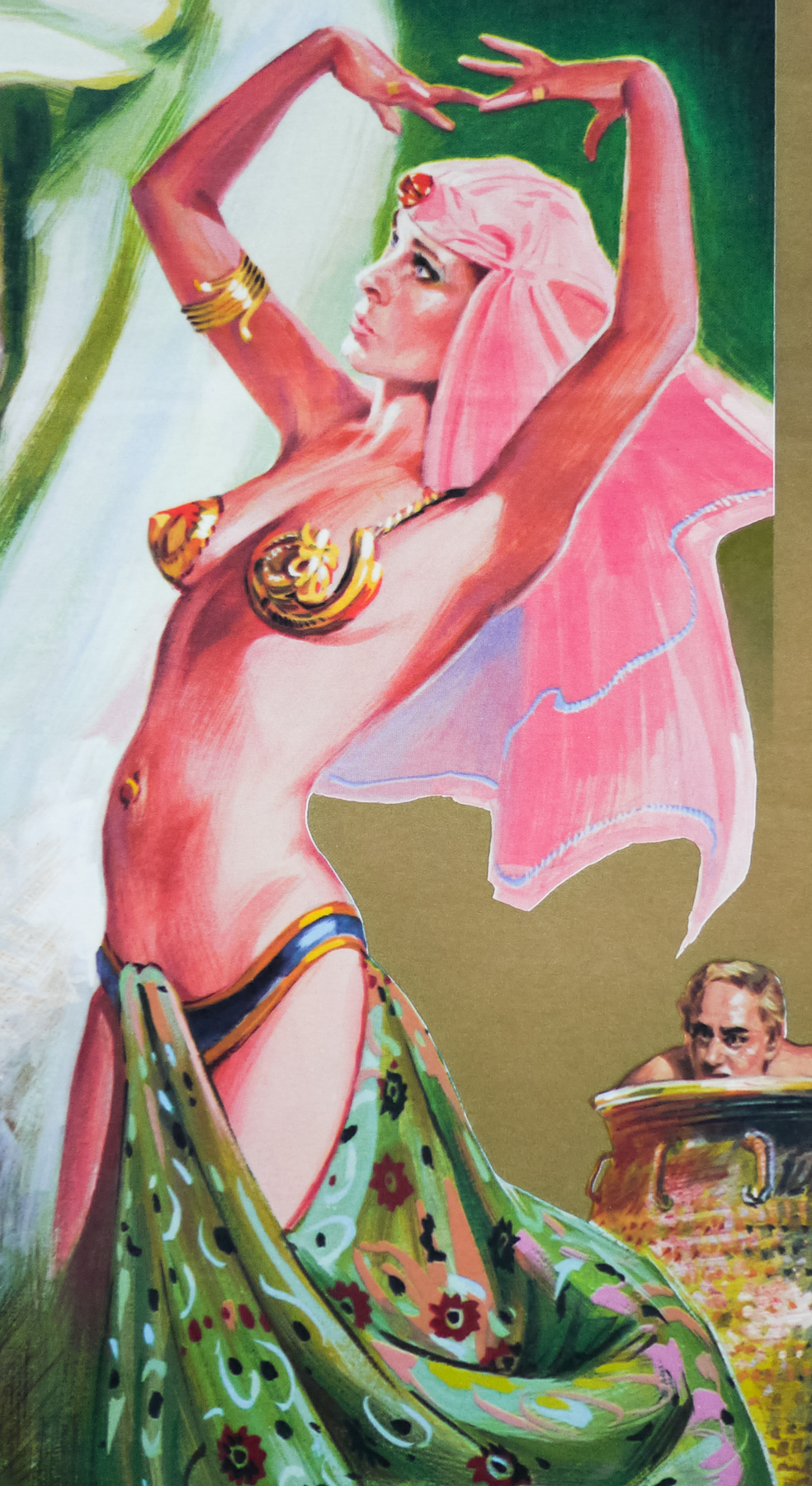
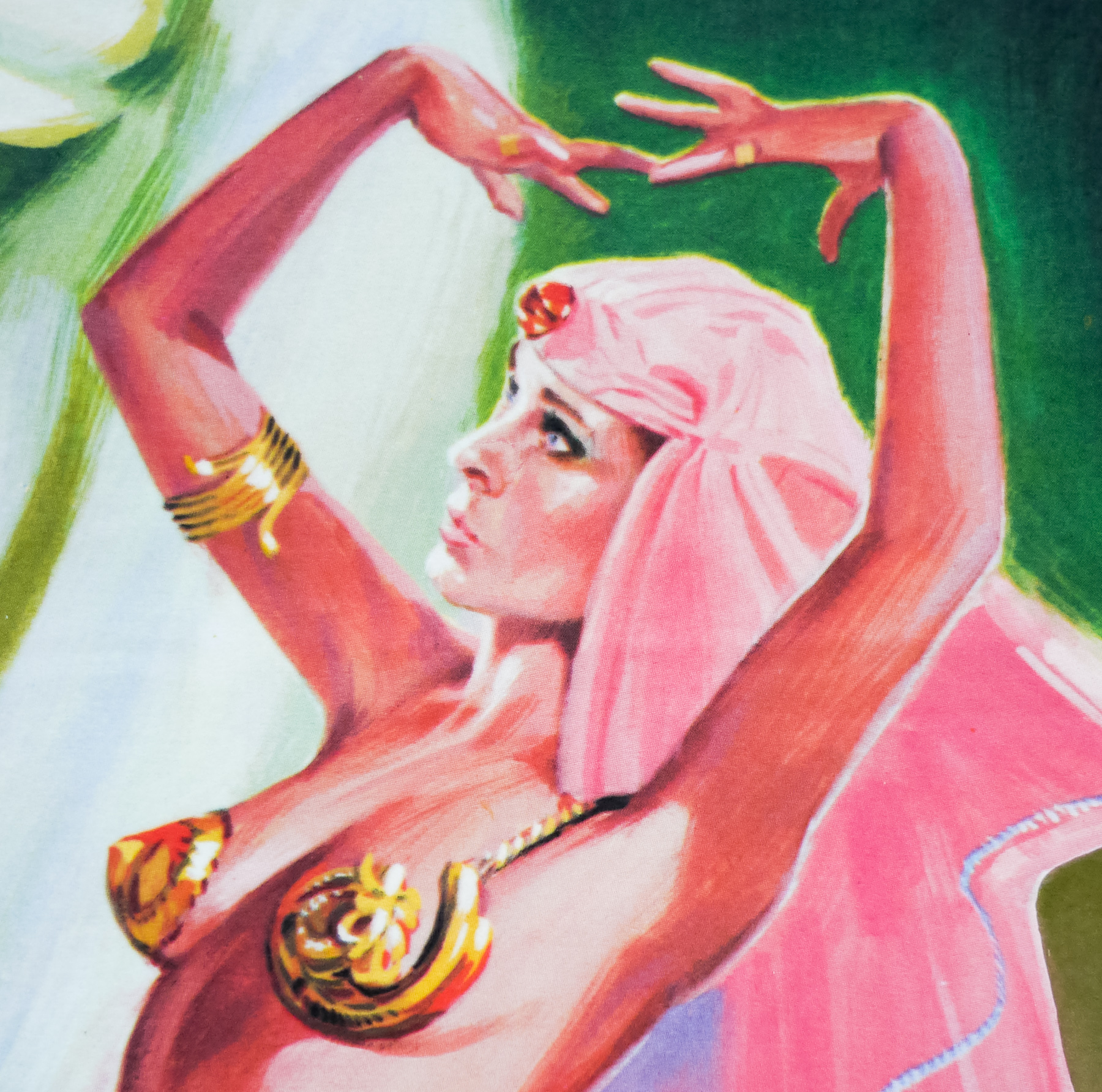
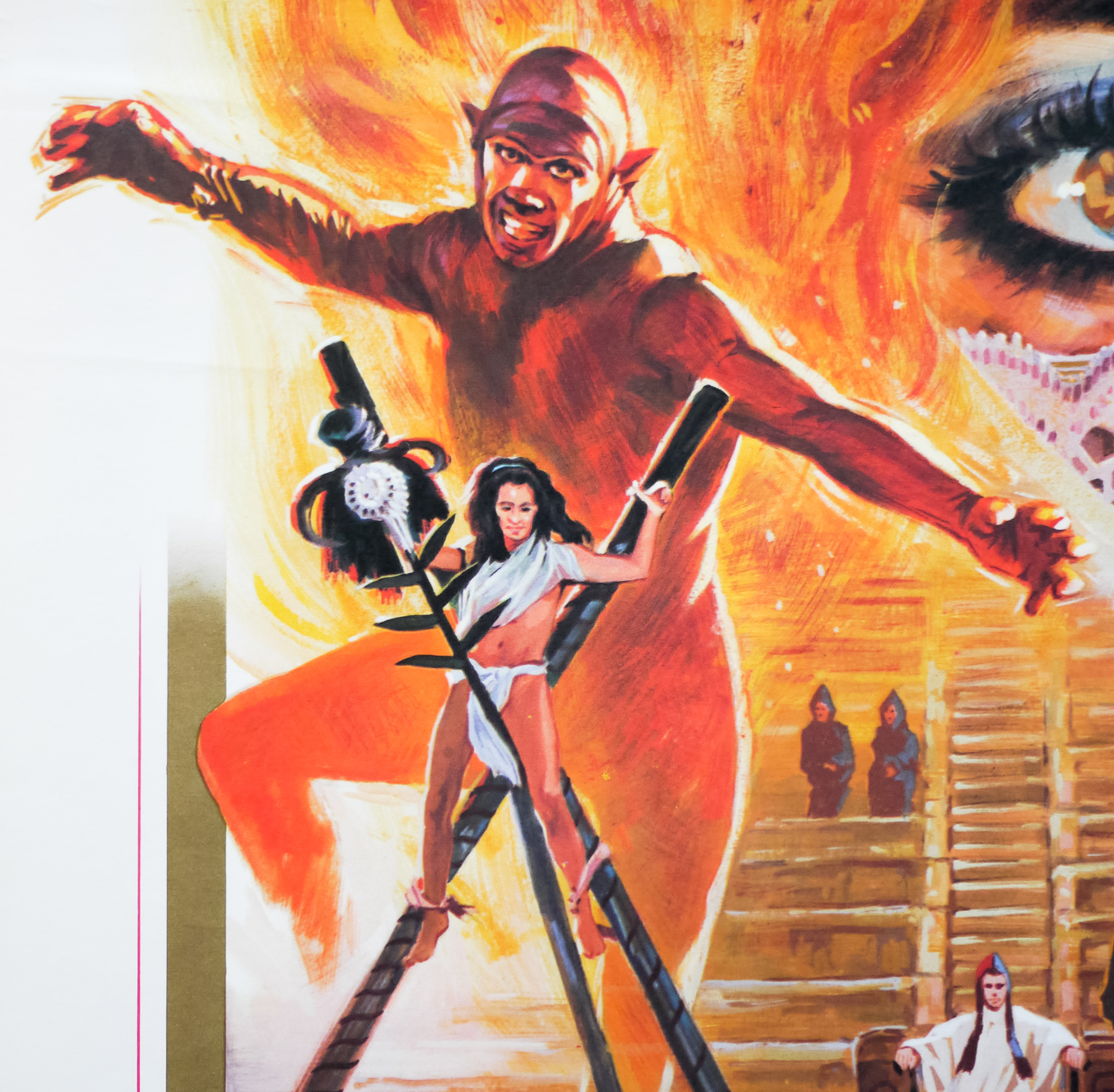
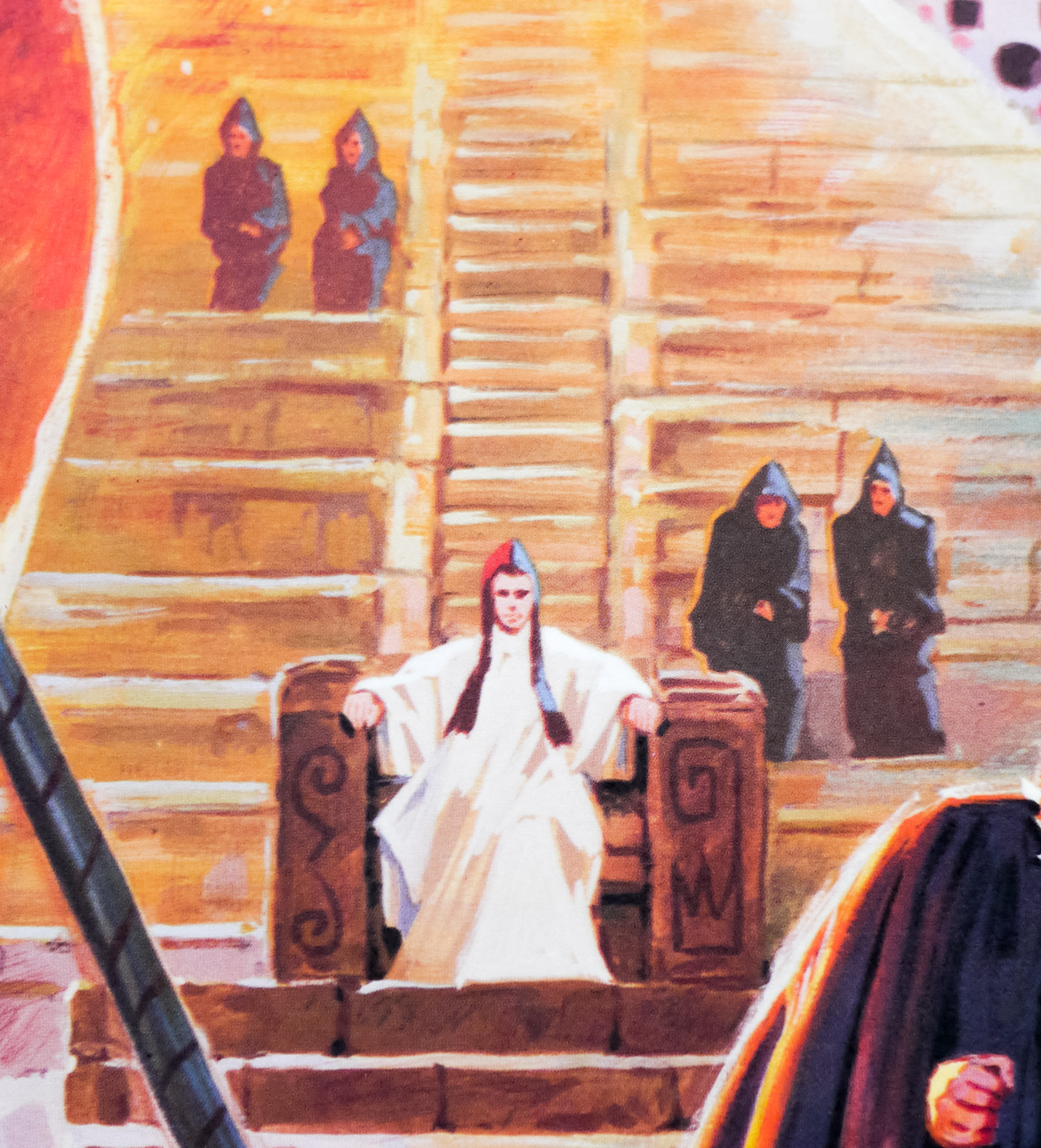
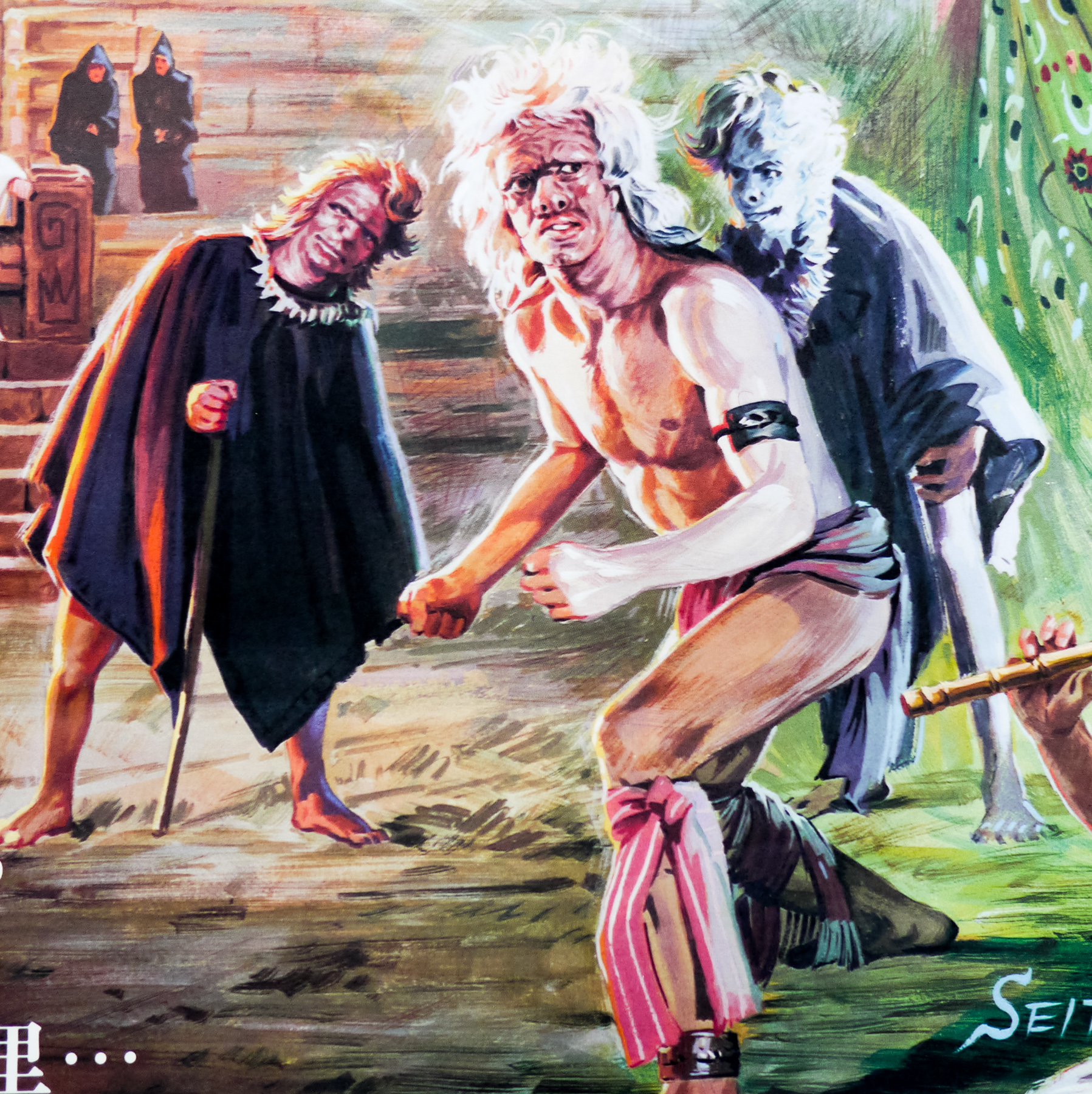
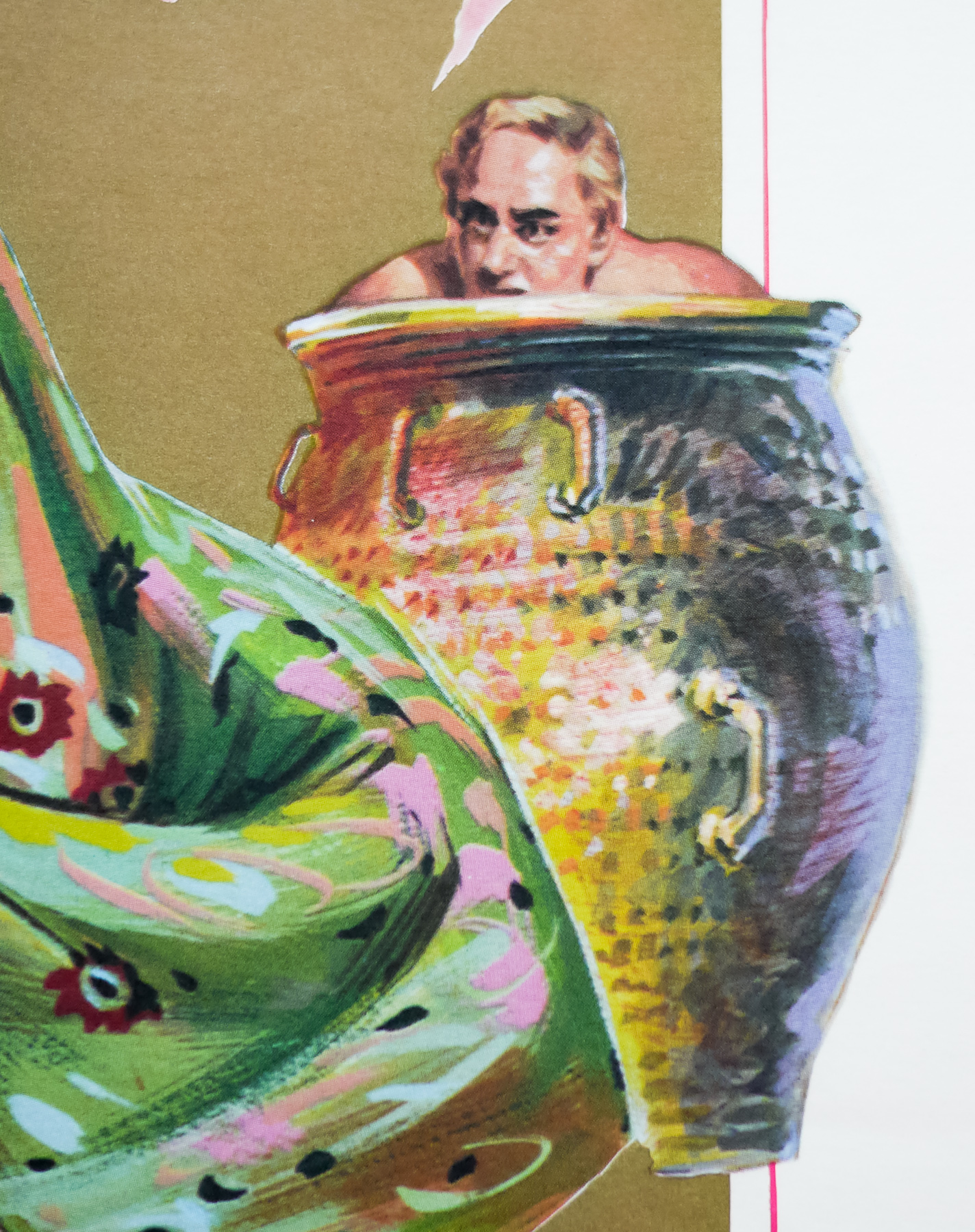
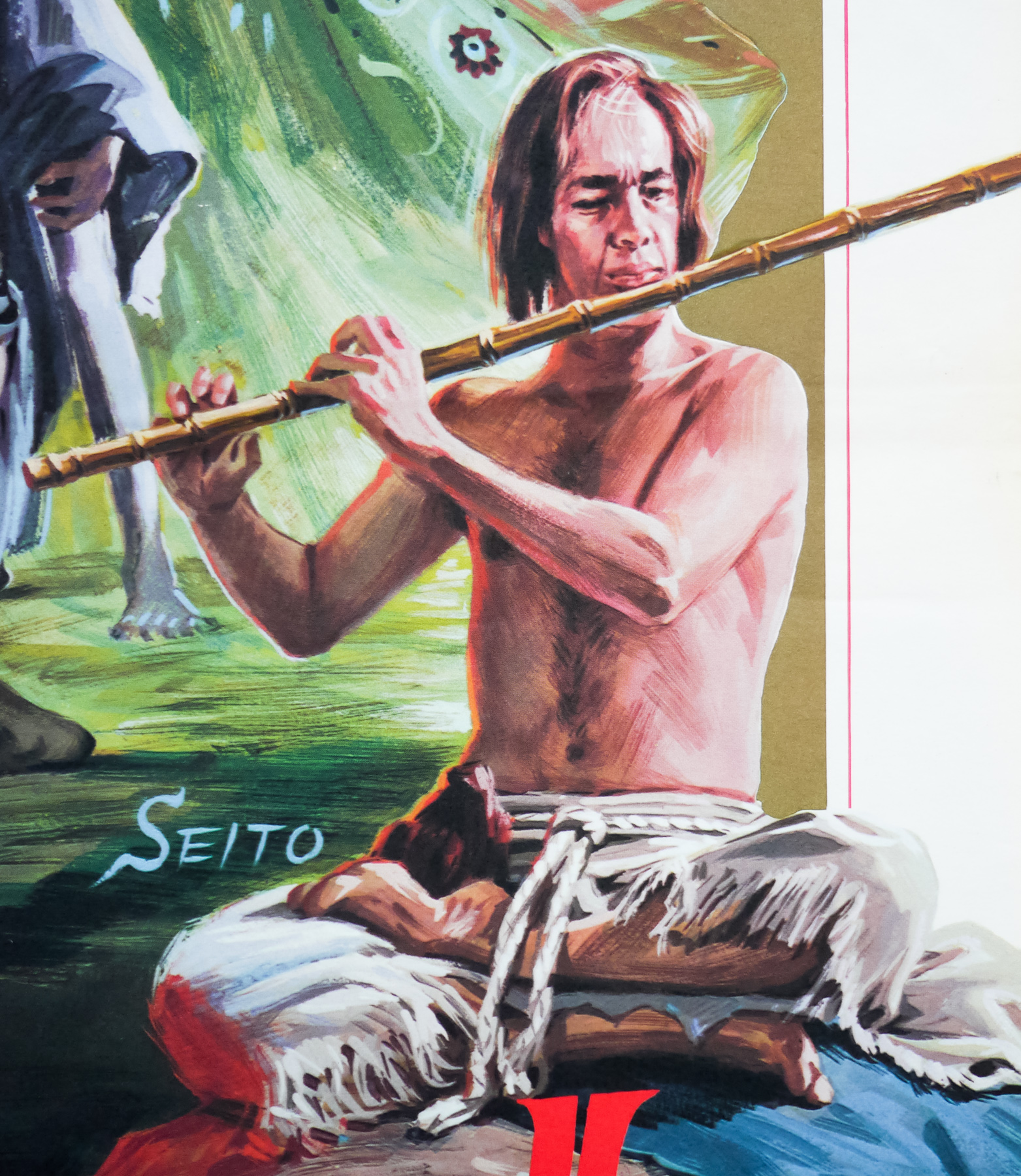
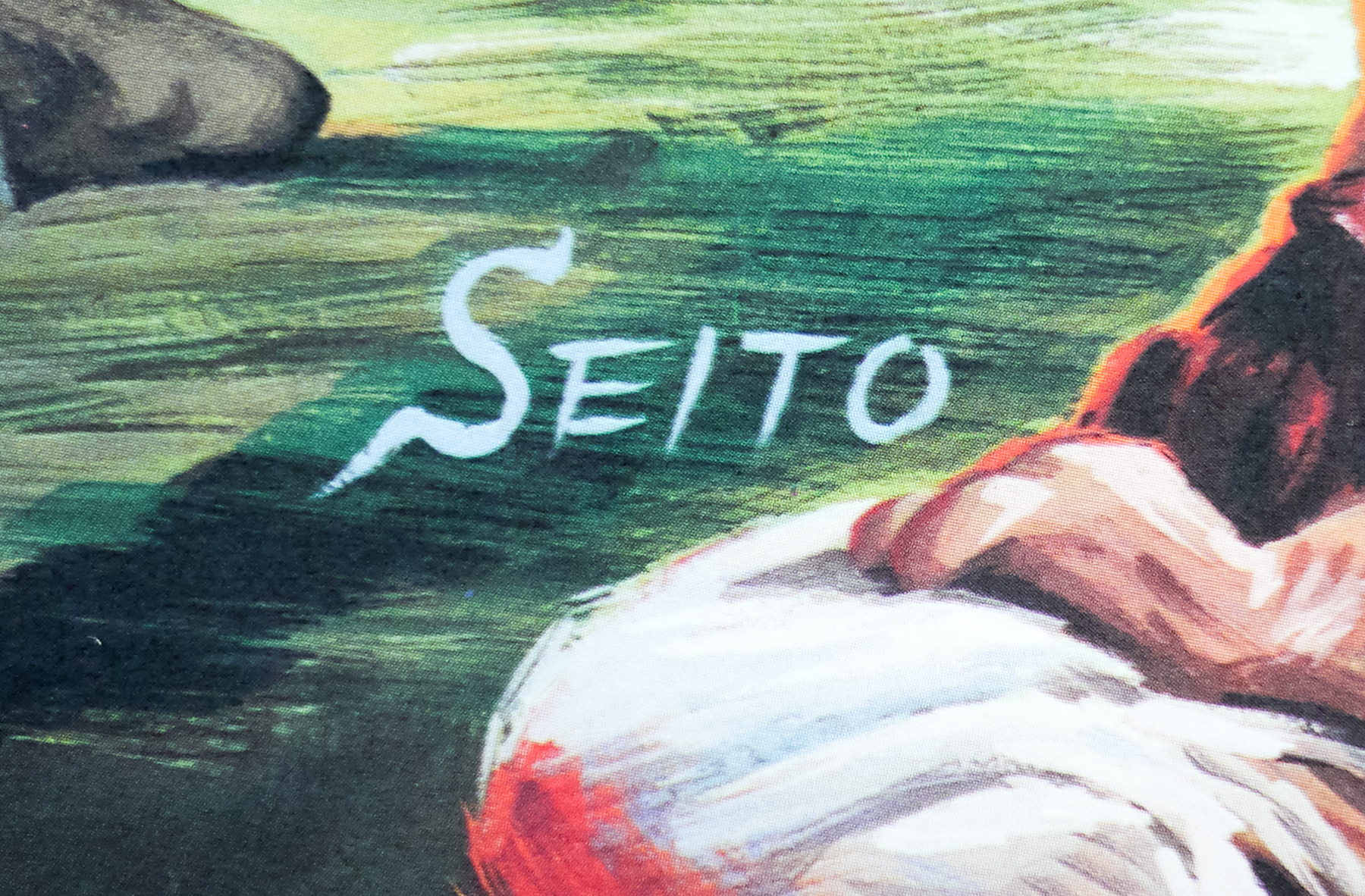
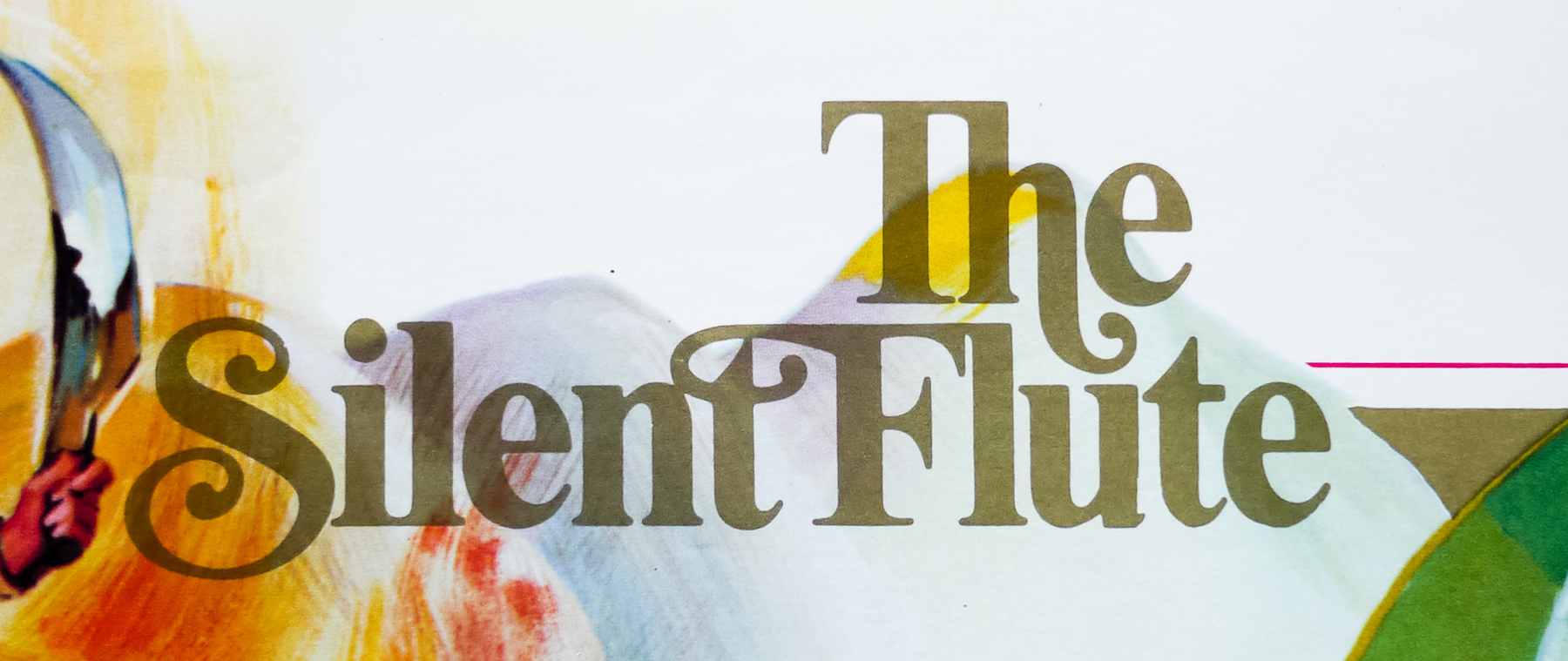
A colourful illustration by the artist known as Seito on this Japanese poster for the release of The Silent Flute (released in many countries as Cross of Iron), a strange cult oddity from the end of the 1970s. Originally conceived by Bruce LeeJames Coburn, and Stirling Silliphant at the end of the 1960s, the film was intended to be an introduction to Eastern philosophy and martial arts, but the project floundered following Lee’s untimely death. Silliphant and screenwriter Stanley Mann completed the screenplay in the mid-1970s and the rights were acquired by legendary actor David Carradine, at that time famous as the star of the TV series Kung Fu.

Carradine appears in the film in four roles that were originally intended for Bruce Lee but the lead character of Cord, a poodle-haired warrior, was played by the Canadian ‘actor’ Jeff Cooper, who somehow manages to get upstaged by his own abdominal muscles. To say he’s the weak link in the film would be an understatement and it’s literally impossible to take him seriously as the supposedly determined and proud hero who sets out on quest to find a wizard called Thetan and discover what is so important about the mysterious book he is said to protect. Almost all of Cord’s lines are uttered with a shit-eating grin and he has one of the most unintentionally hilarious laughs I’ve ever heard.

It doesn’t help that the script is at times impenetrable cod-philosophical twaddle, which was clearly meant to be profound but must have left most audiences expecting some martial arts action scratching their heads in confusion. One can only speculate that some of the ‘teachings’ were hangovers from the original script versions overseen by Bruce Lee, and you can’t help but wonder if he’d been partaking in a little bit too much Mary Jane at the time. Carradine is at least entertaining enough in his various roles, although he sports some questionable attire, terrible monkey make-up and a spectacularly bad moustache. Not even the appearance of Christopher Lee as Thetan can save the film since he seems to be wearing a costume better suited for a character from the Moomins. He was clearly in it for the bottom line.

Whilst the film isn’t much cop, this Japanese poster is rather excellent and the artwork is unique to the Japanese campaign. Seito is one of my favourite Japanese artists who was responsible for several fantastic illustrated posters during the 1970s and 1980s. Little is known about the man himself, even in his native country. 

To see the other posters I’ve collected by Seito click here.

Apocalypse Now Redux / B1 / Japan

04.09.14

Poster Poster

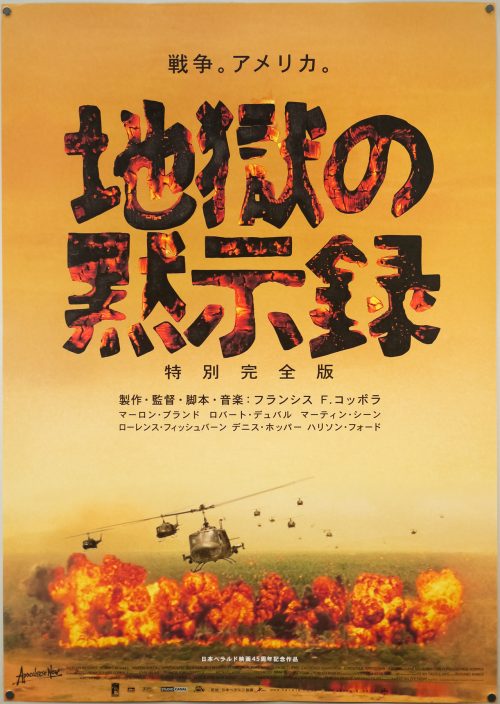
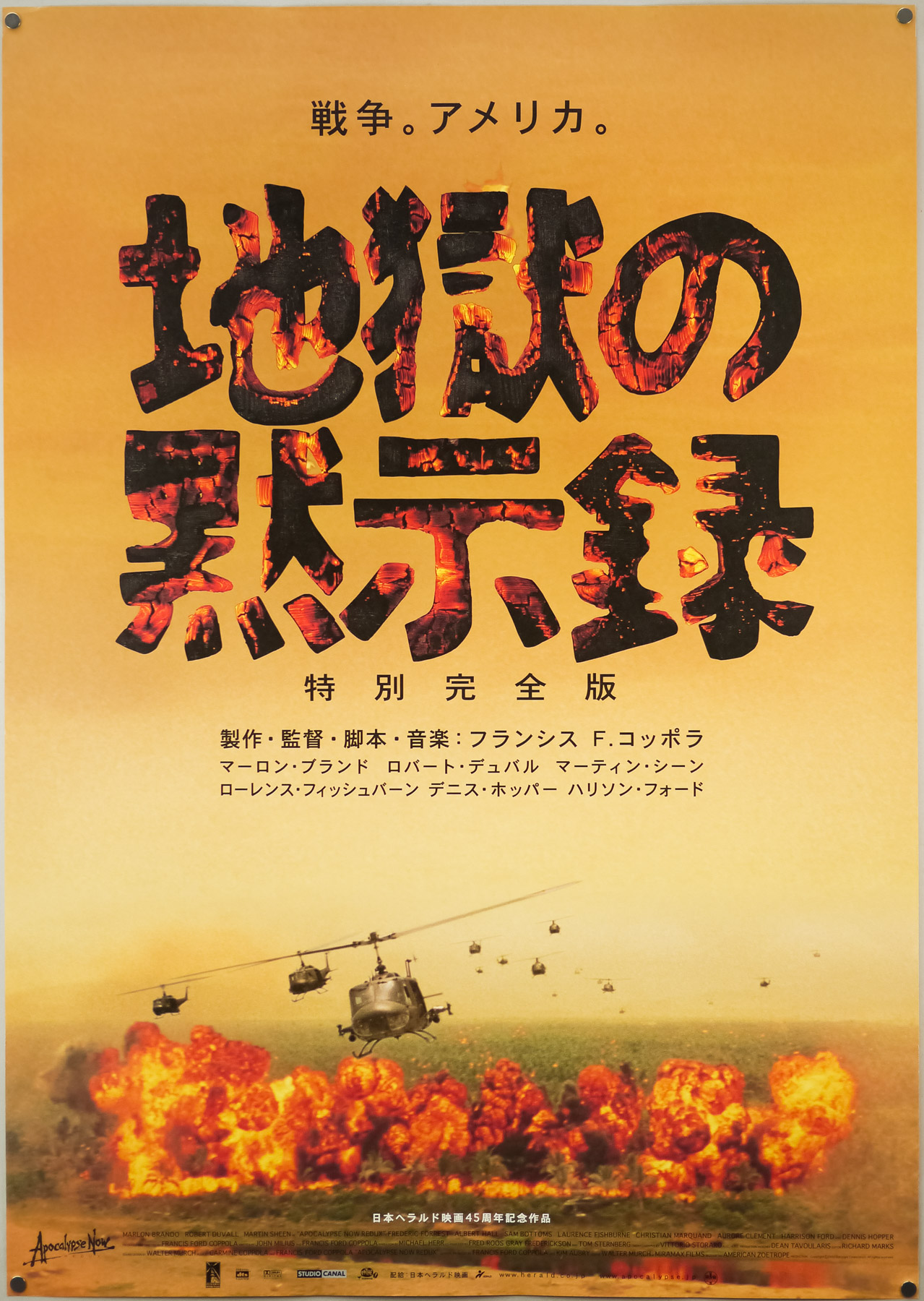
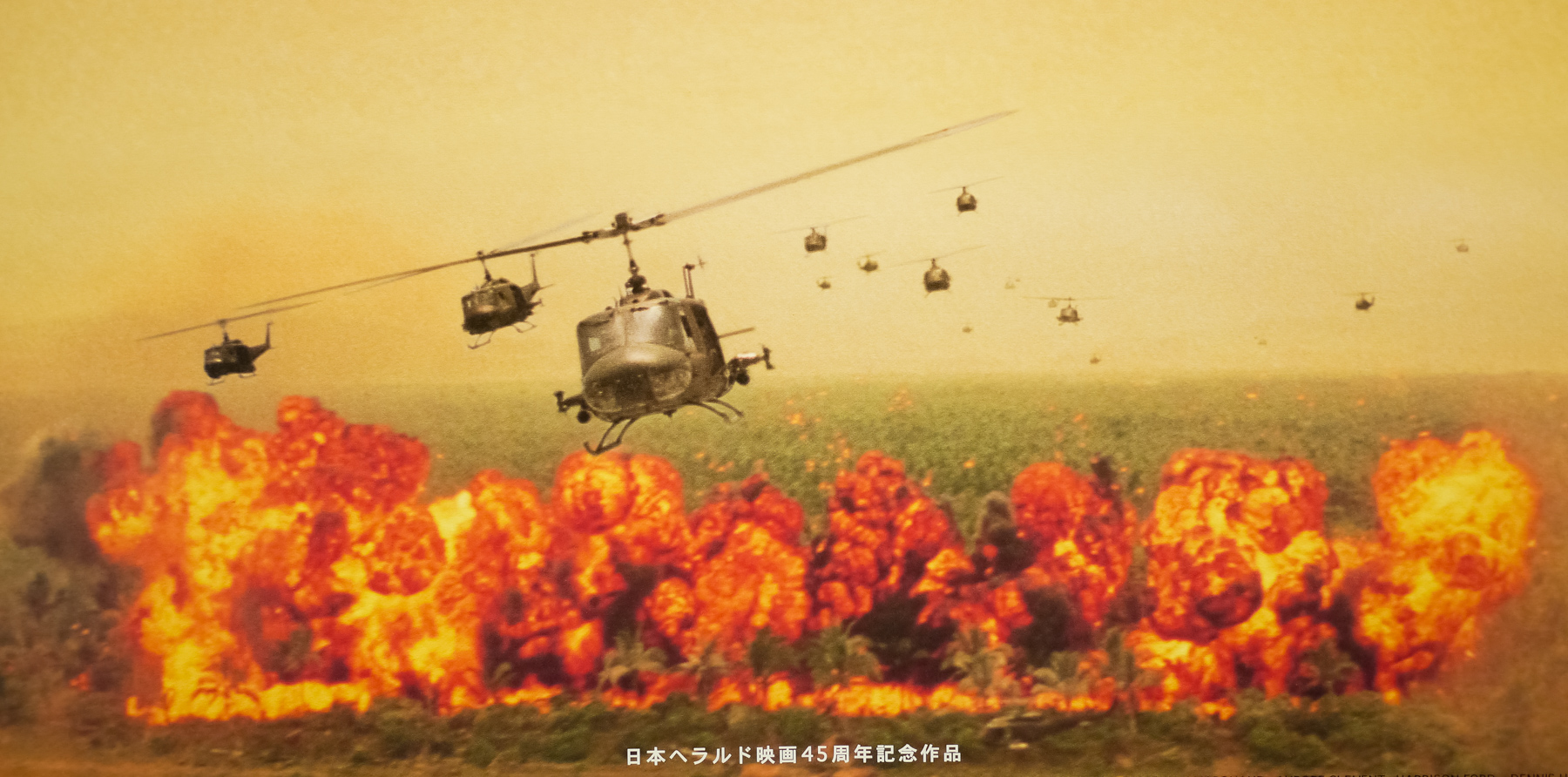
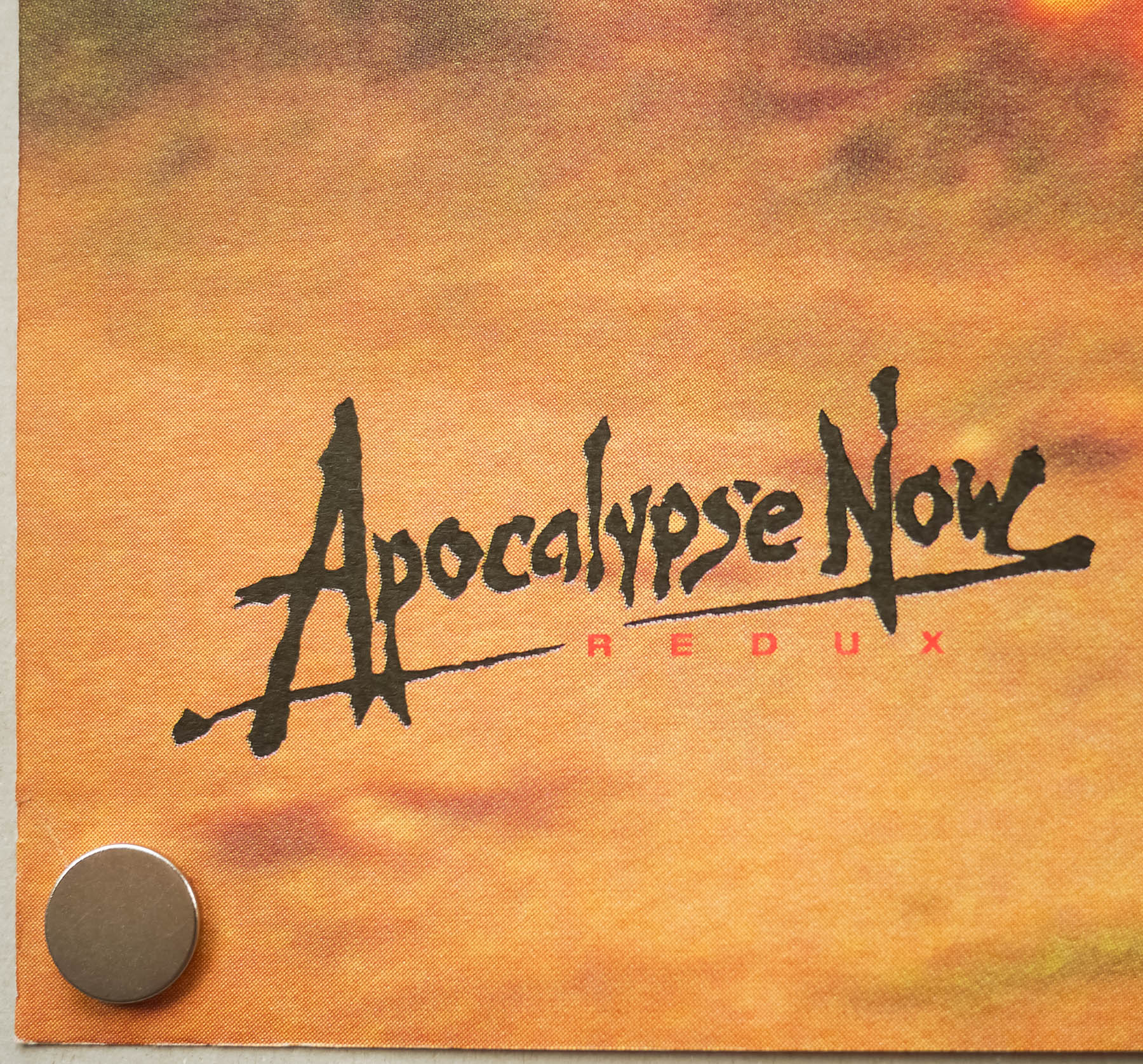
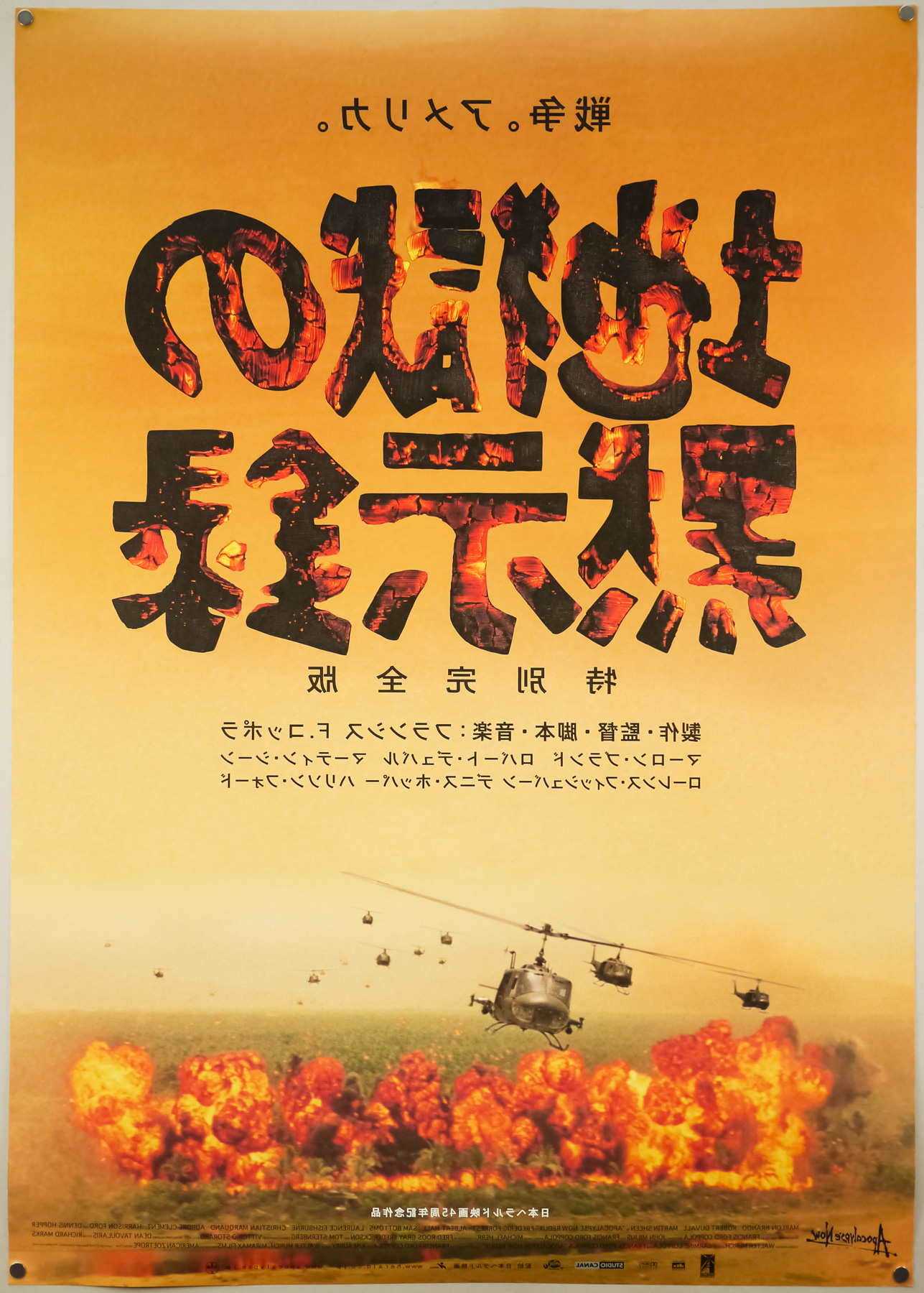
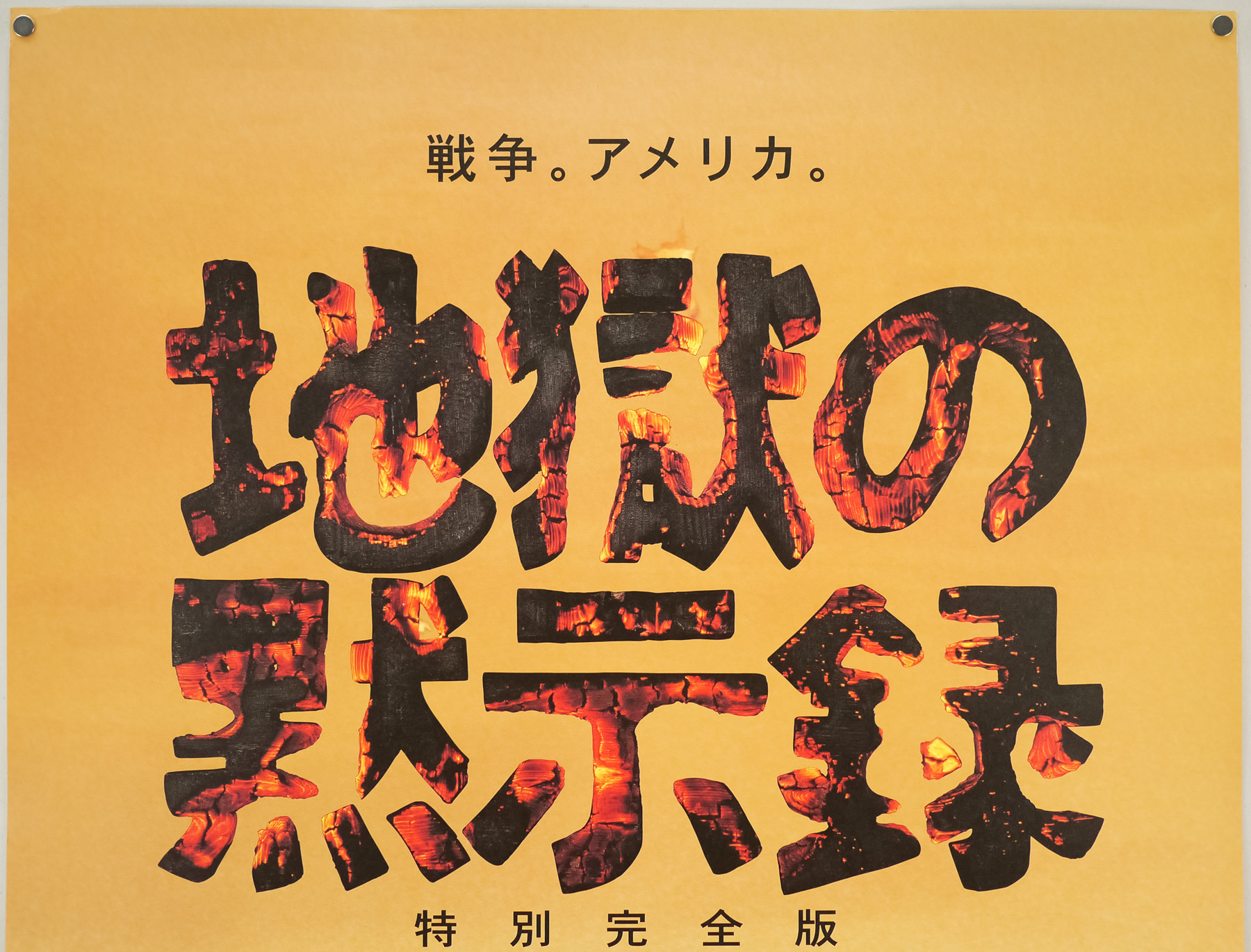
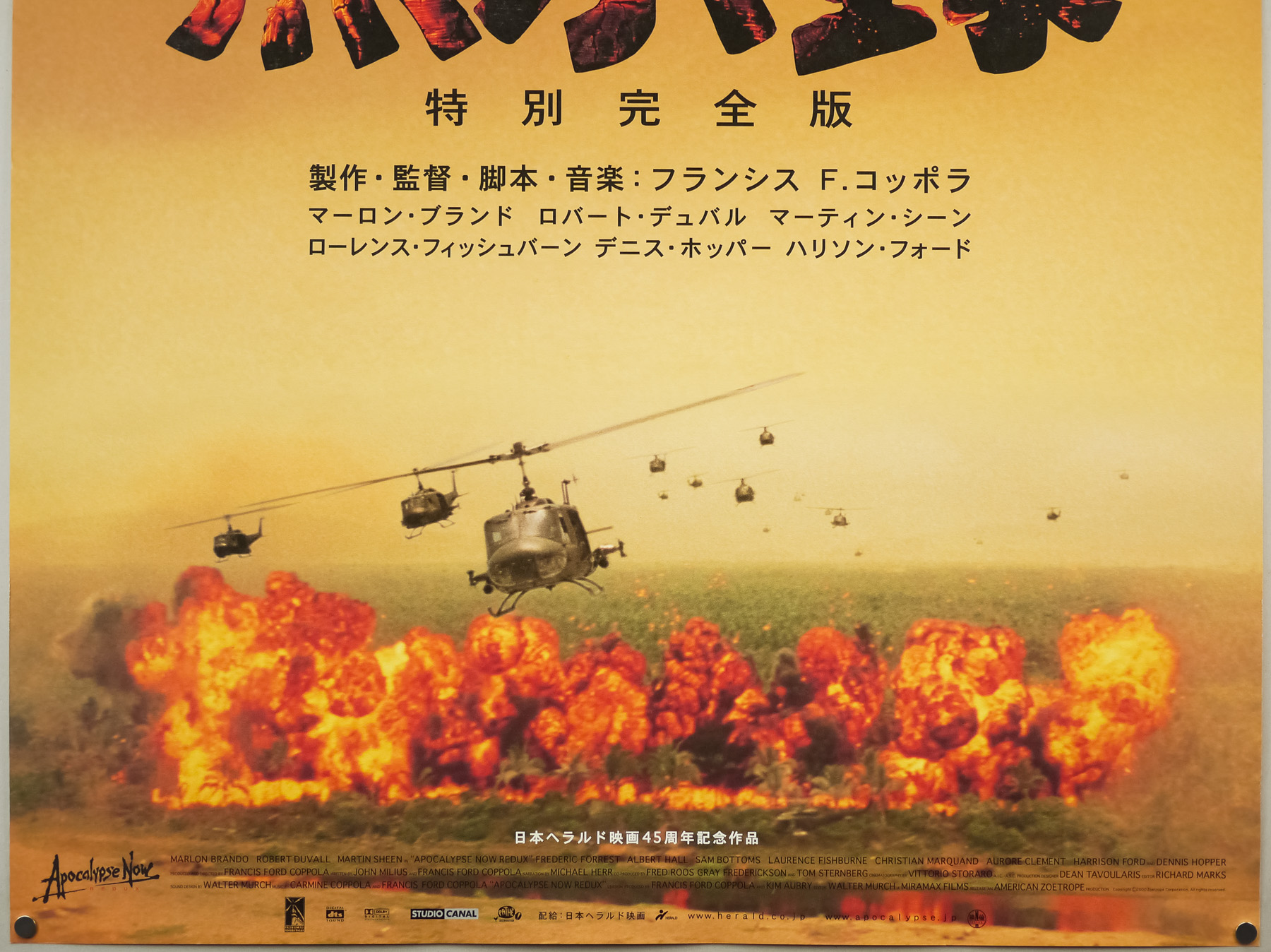
This is the Japanese B1 poster for the 2001 re-release of arguably the best war film ever made, Francis Ford Coppola’s Apocalypse Now. This release, known as ‘Redux’ was a new version prepared by the director and his editor and long-time collaborator Walter Murch that saw almost 50 minutes inserted back into the film with several sequences extended and the flow of the film altered as a result. Set during America’s war in Vietnam, the film follows Martin Sheen‘s US Army Army and special forces veteran Benjamin Willard as he journeys up the dangerous Nung River and deeper into the jungle in the search of the rogue Special Forces Colonel Walter E. Kurtz (Marlon Brando in an unforgettable role). Willard is told that an insane Kurtz has gathered together an army of indigenous fighters inside neutral Cambodia and that he must ‘terminate with extreme prejudice’. After landing at the mouth of the river in a spectacular sequence in which Colonel Kilgore (Robert Duvall) first attacks an enemy village from helicopters whilst blasting Wagner’s Ride of the Valkyries from loudspeakers, then orders some of his men to surf despite the fact that mortar shells continue to land all around them, Willard  joins the crew of a Navy PBR boat that transports him on his fateful journey up river.

Apocalypse Now is famous for its fraught production in which the shoot went over time and over budget, sets were destroyed by storms, Martin Sheen suffered a heart attack and other woes that caused Coppola to famously say, “We had access to too much money, too much equipment, and little by little we went insane”, and “My film is not about Vietnam, it is Vietnam”. The director’s wife Eleanor helped to put together the acclaimed documentary of the troubled production called Hearts of Darkness: A Filmmaker’s Apocalypse, which is an essential watch for fans of the film. Despite the production woes, the film was a huge critical and commercial success, with its cultural impact undeniable.

The Redux version, which involved re-recording several of the original actors’ dialogue 30 years since the original filming, plus the addition of newly recorded music, was met with generally positive reviews. Many critics felt that the revisions made the film an even richer, stranger experience, whilst some felt that the new cut was self-indulgent and that the new sequences, particularly one set in a French plantation, slowed the film down too much. Check out this wikipedia article for details of the changes. I personally prefer the original cut but the new additions are undoubtedly interesting to watch.

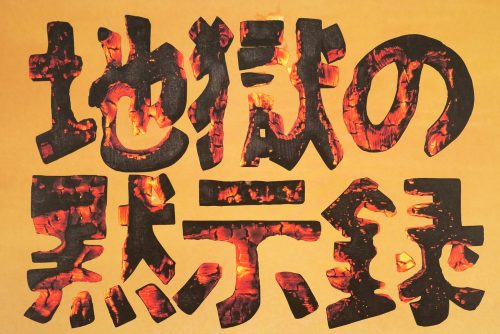
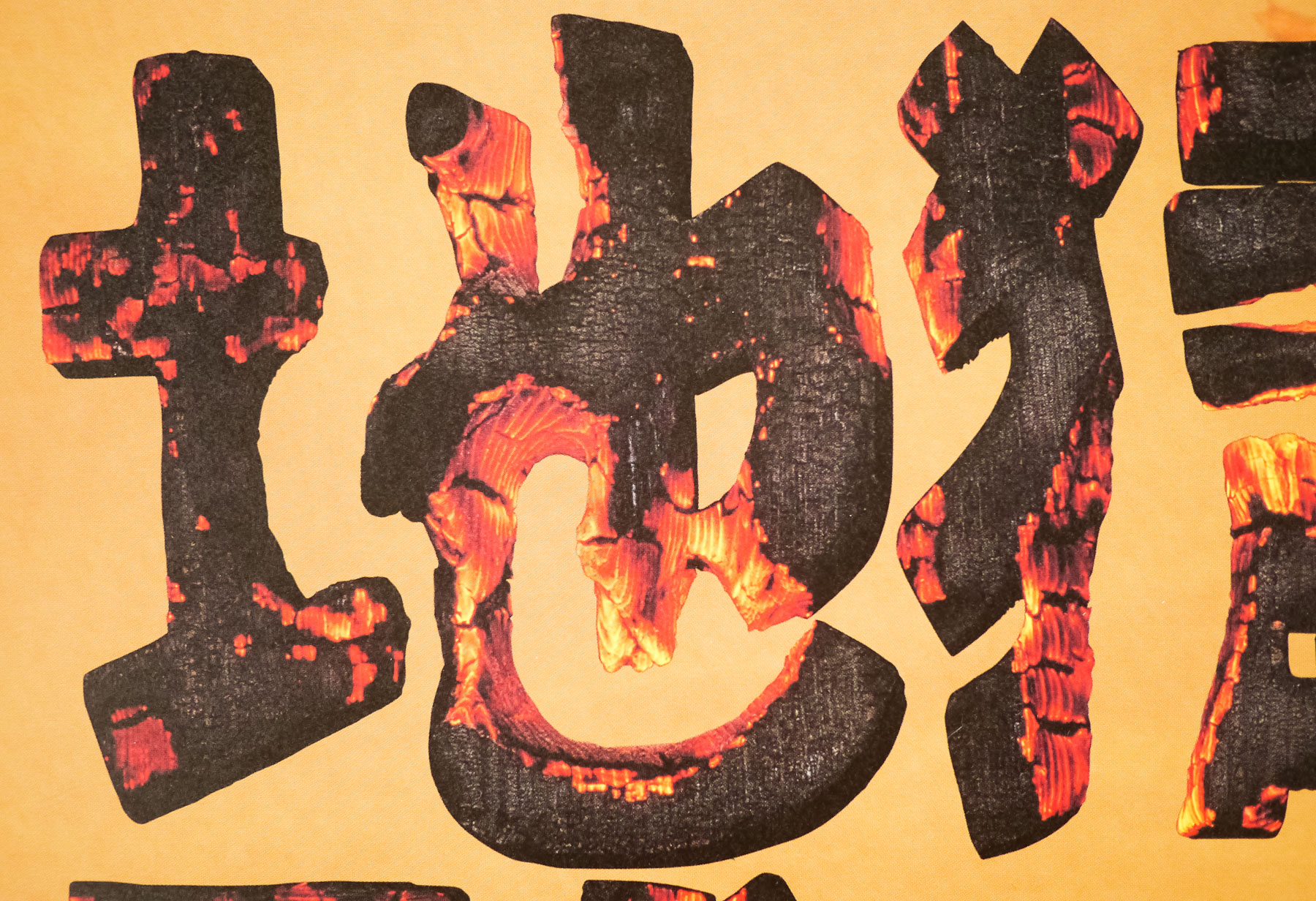
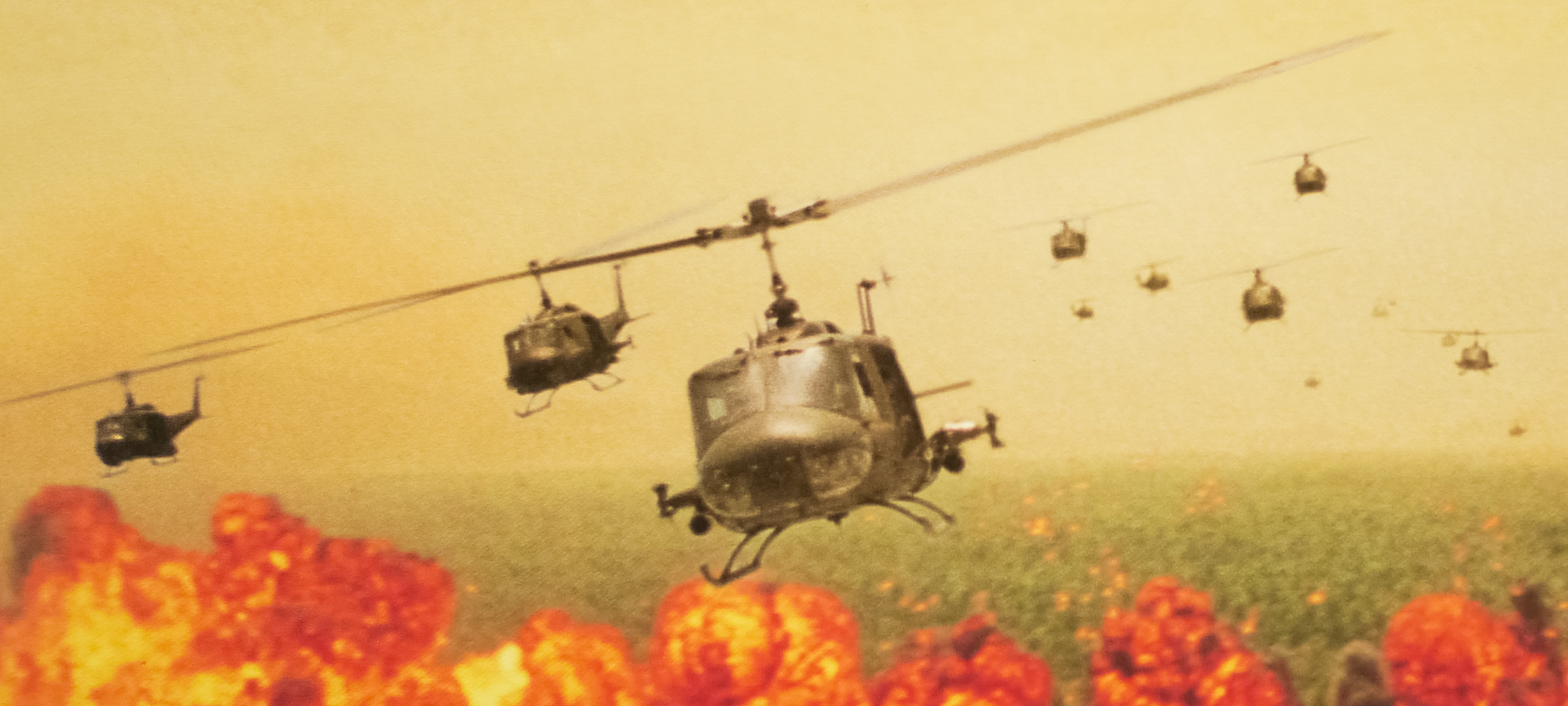
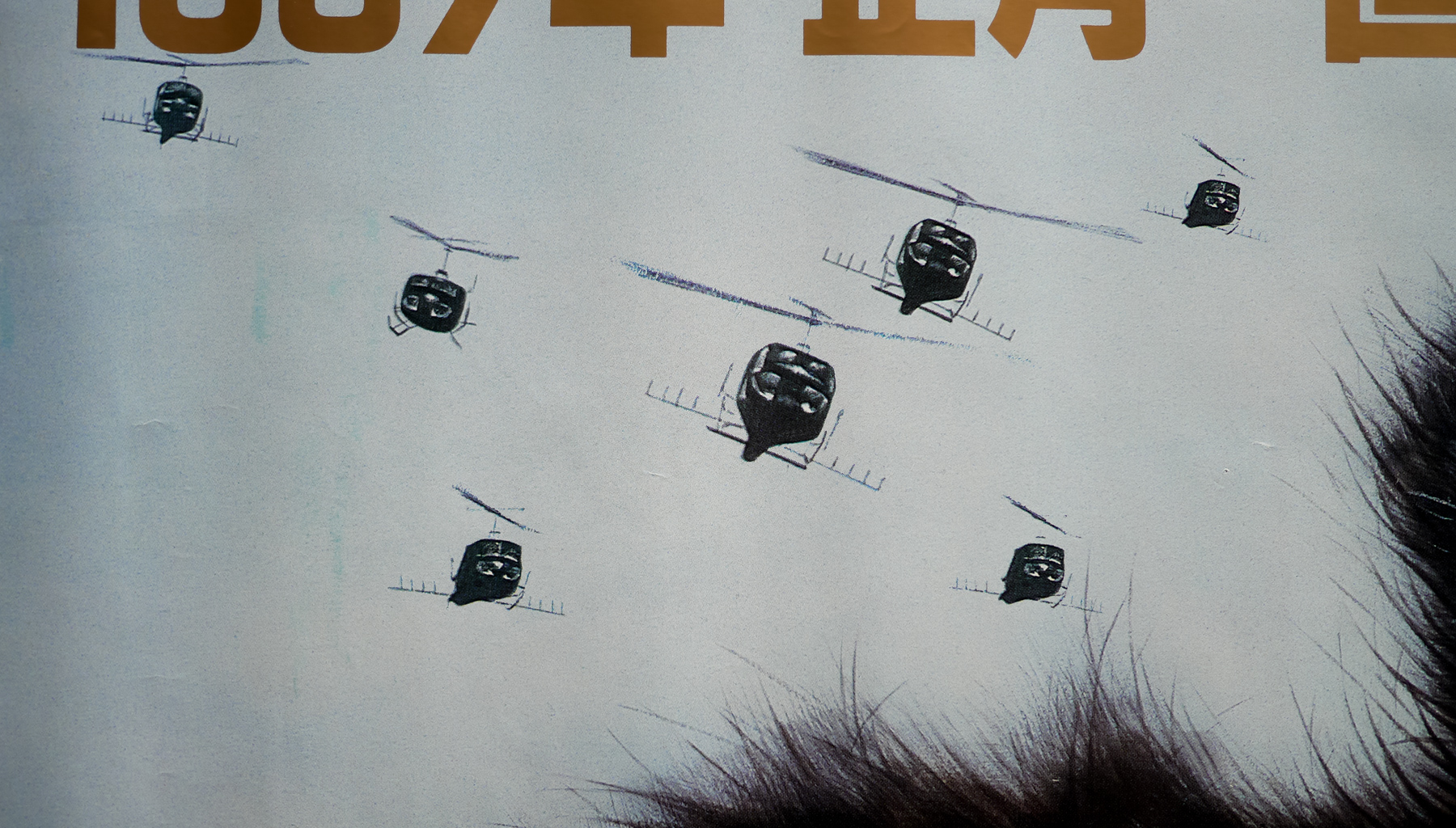
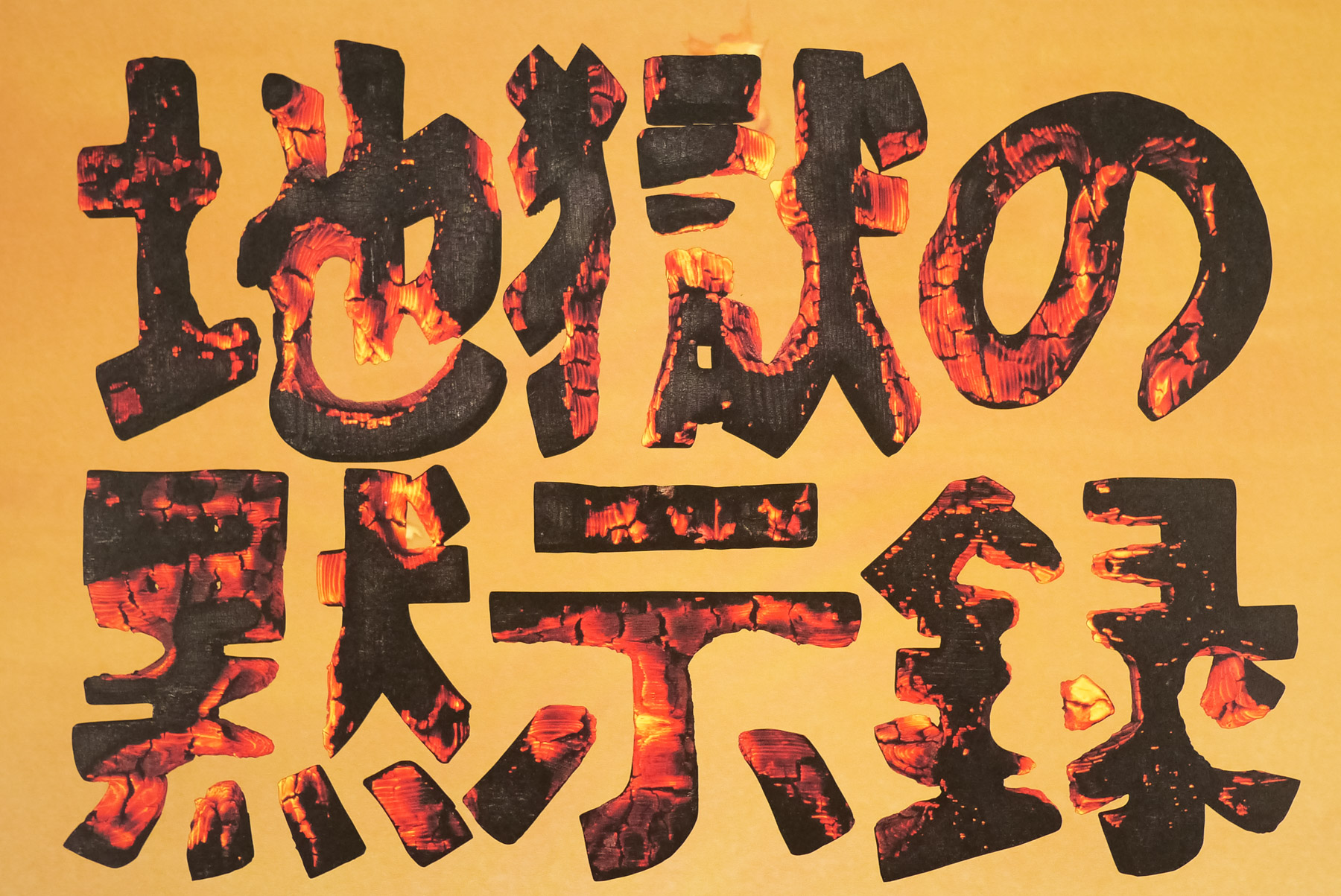
The Japanese title on this poster is made from a photographic image of burning wood and the explosion and helicopters are taken from the now iconic ‘Charlie don’t surf’ sequence.


Highlander / B2 / style B / Japan

18.09.14

Poster Poster

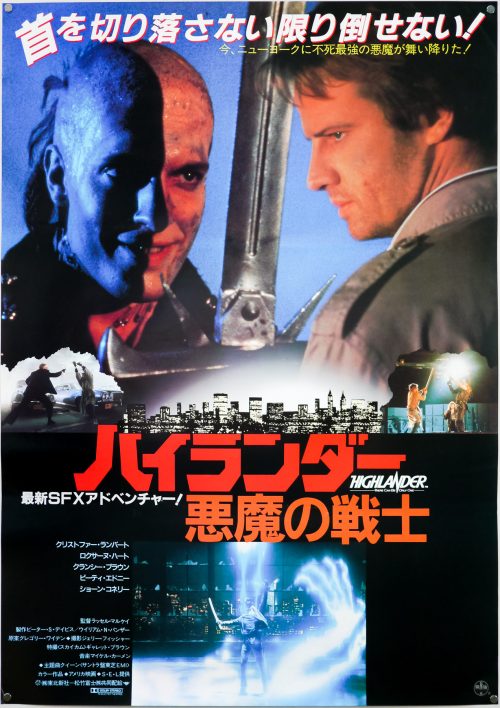
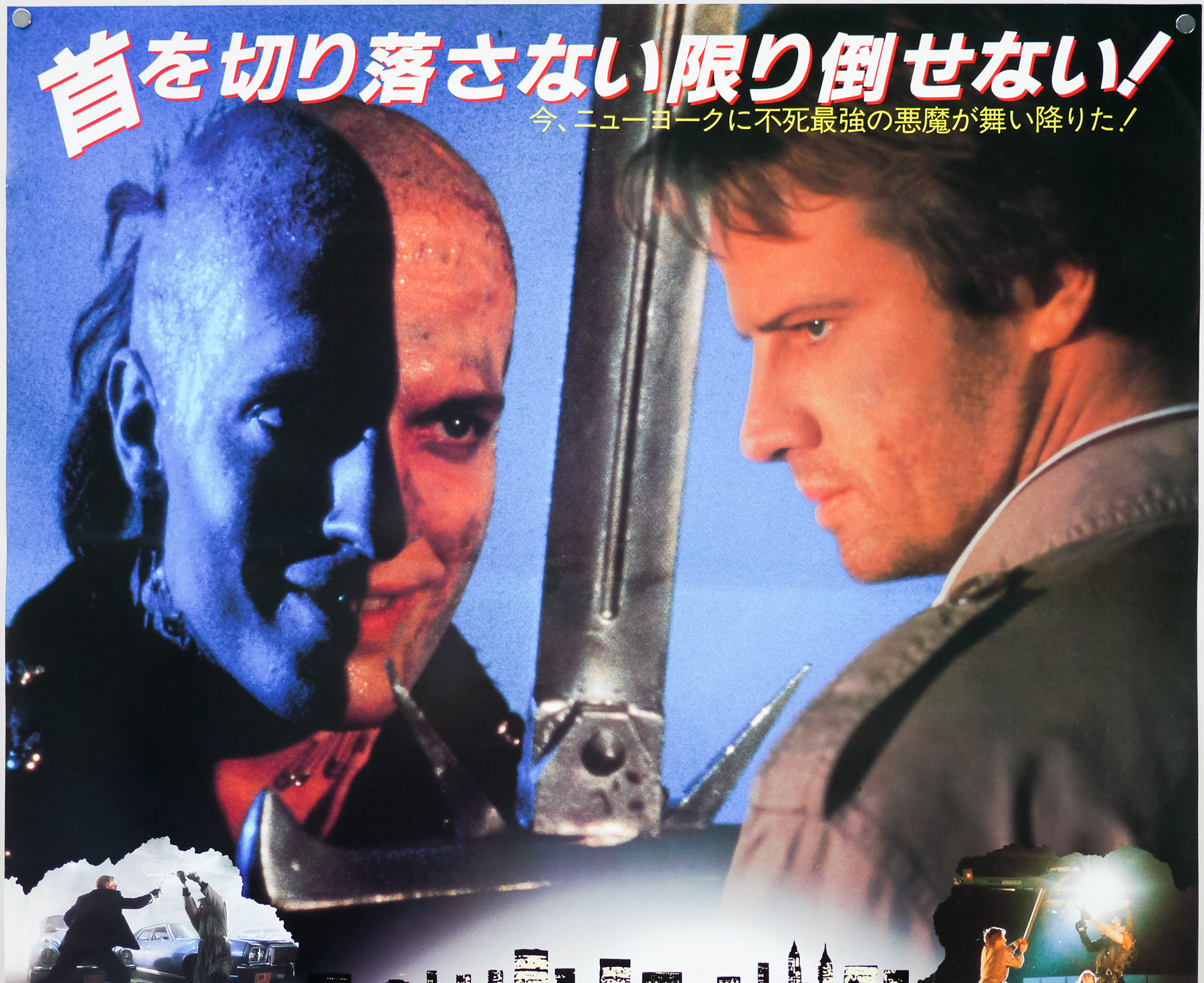
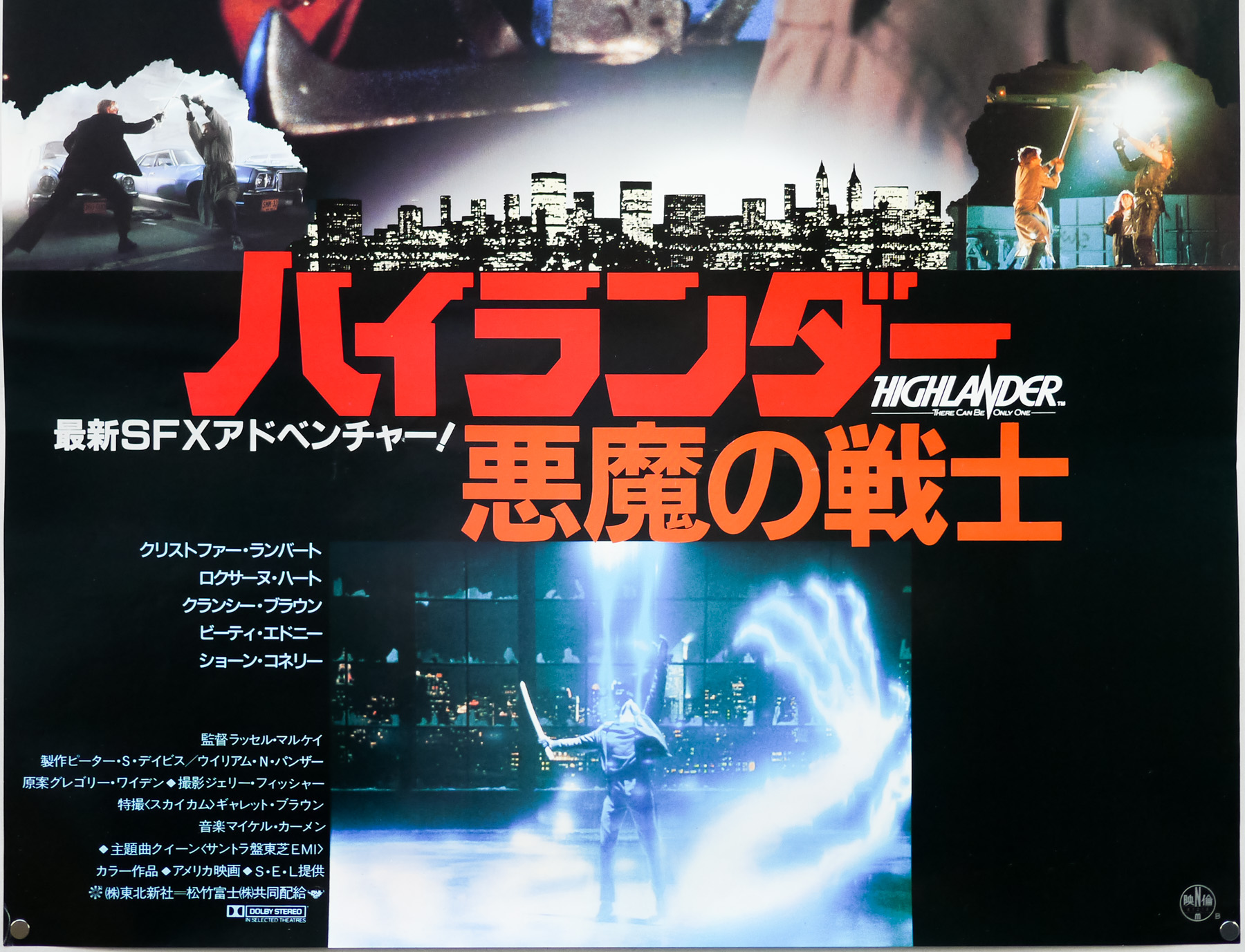
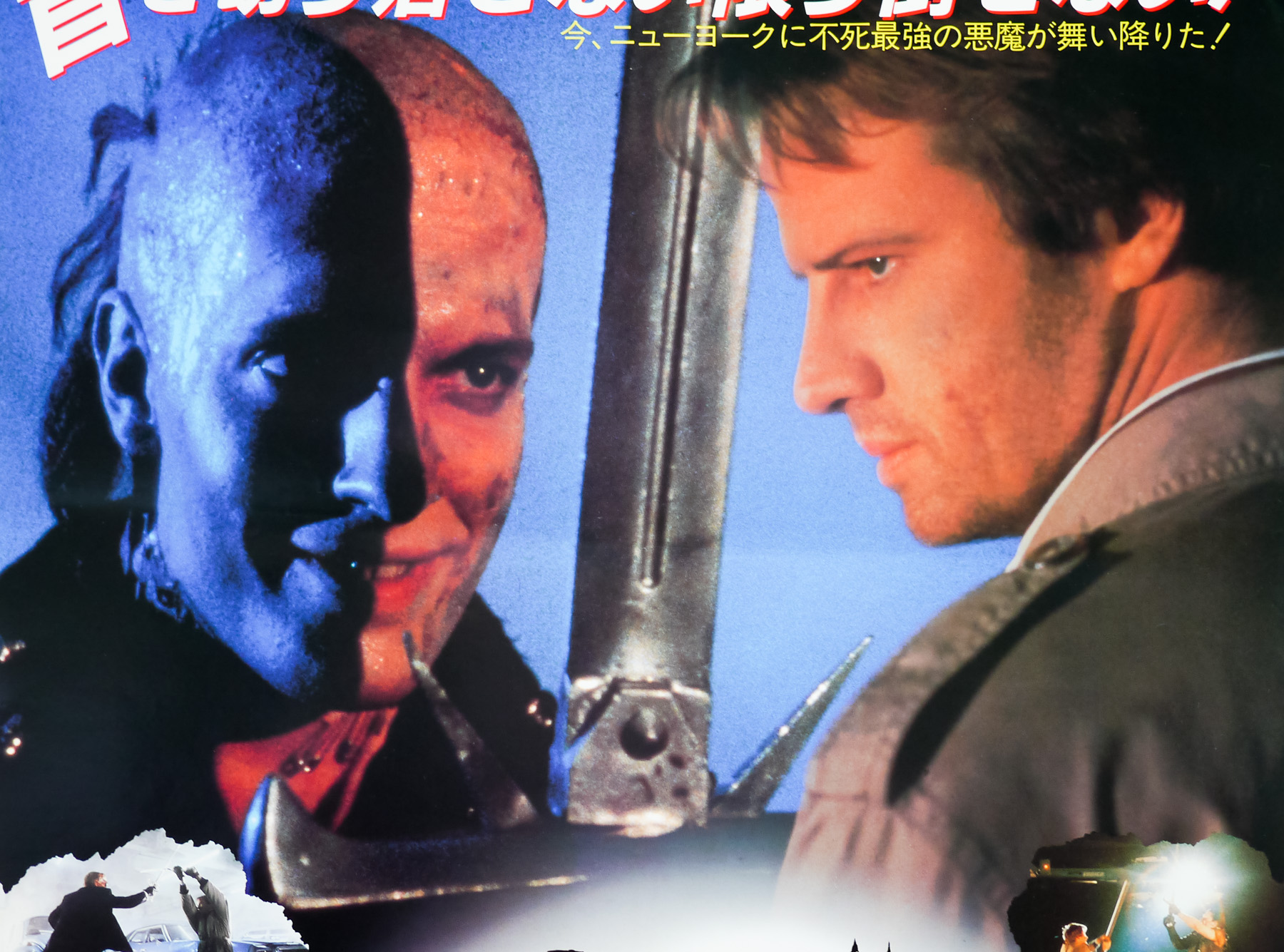
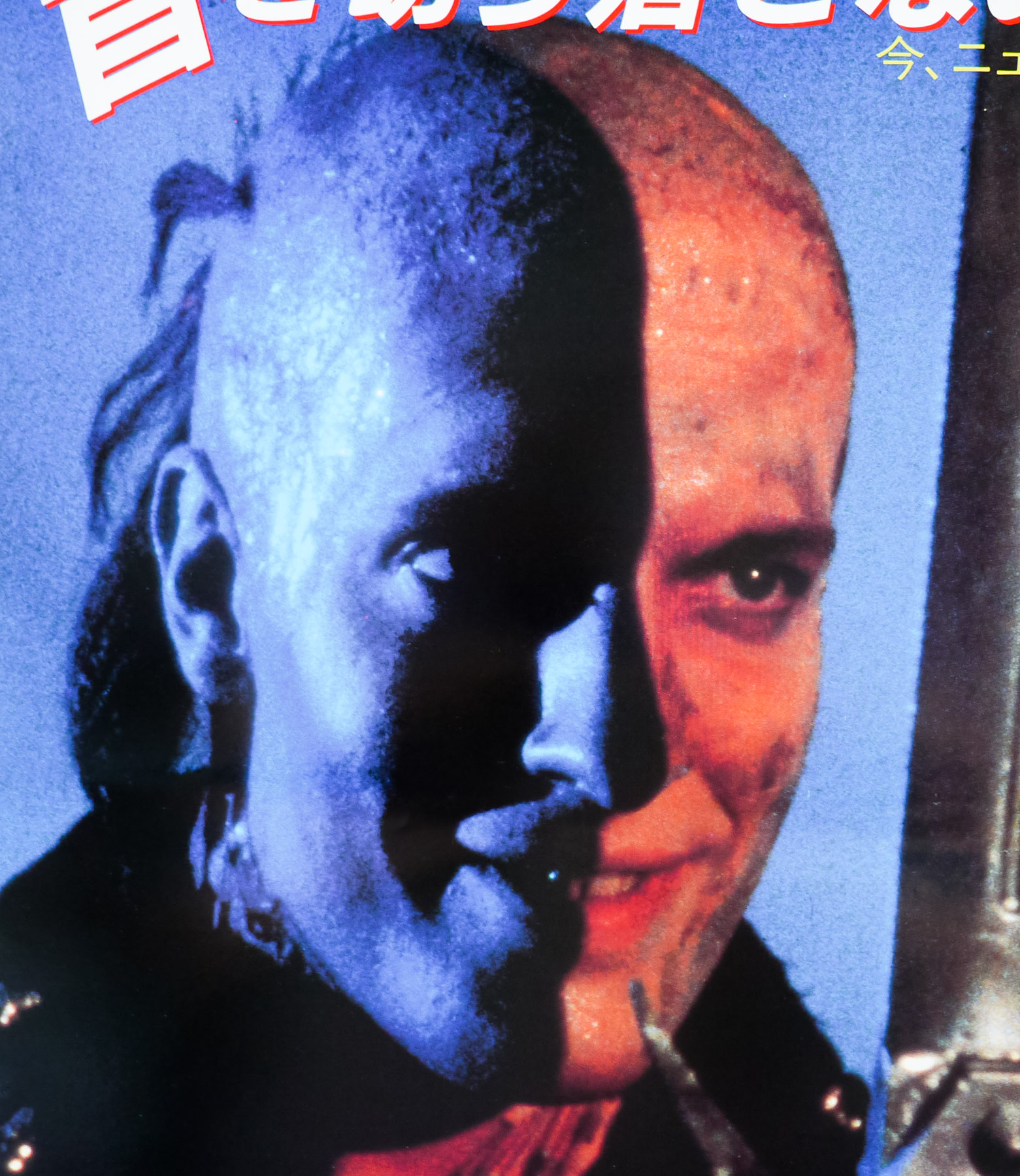
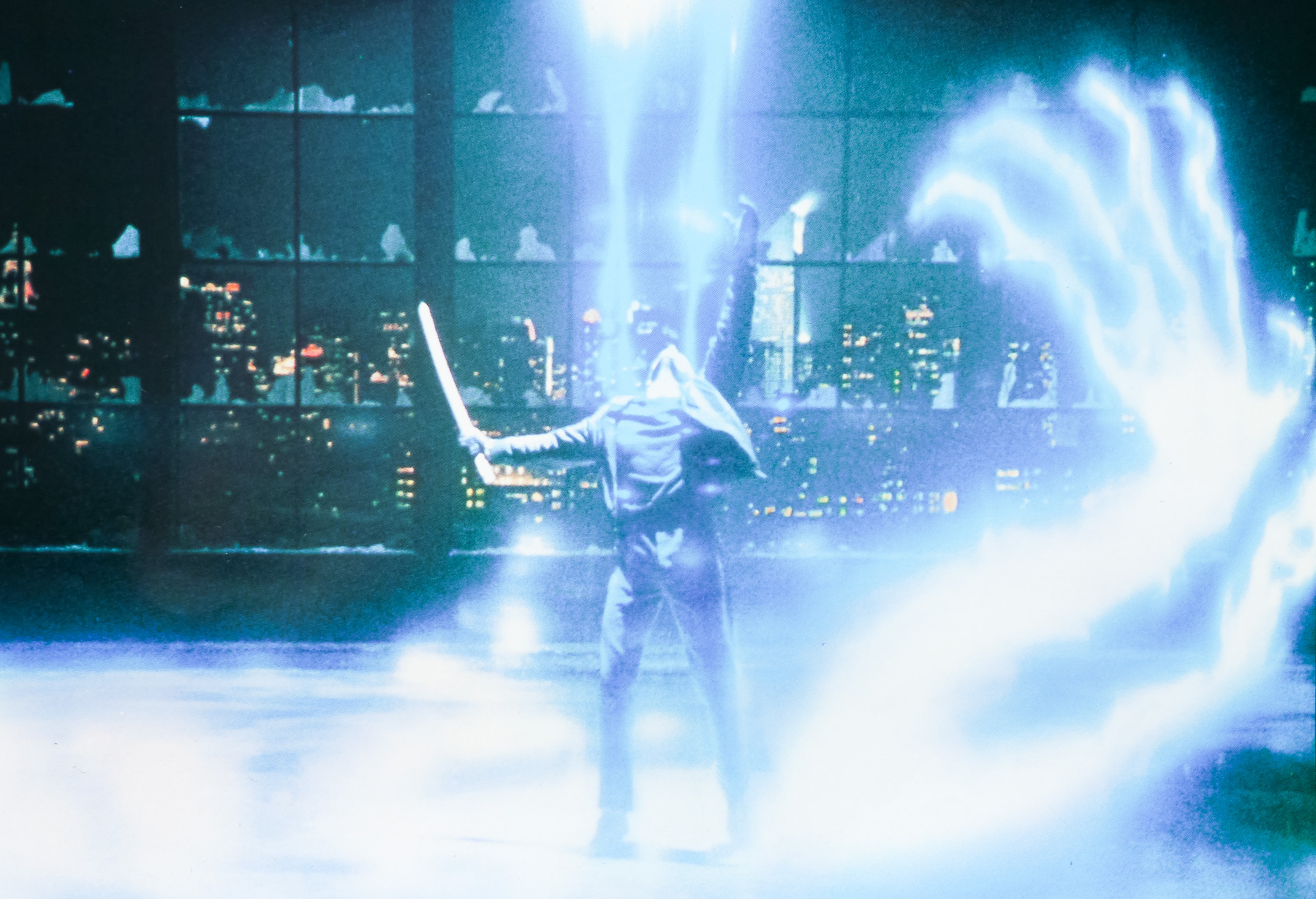
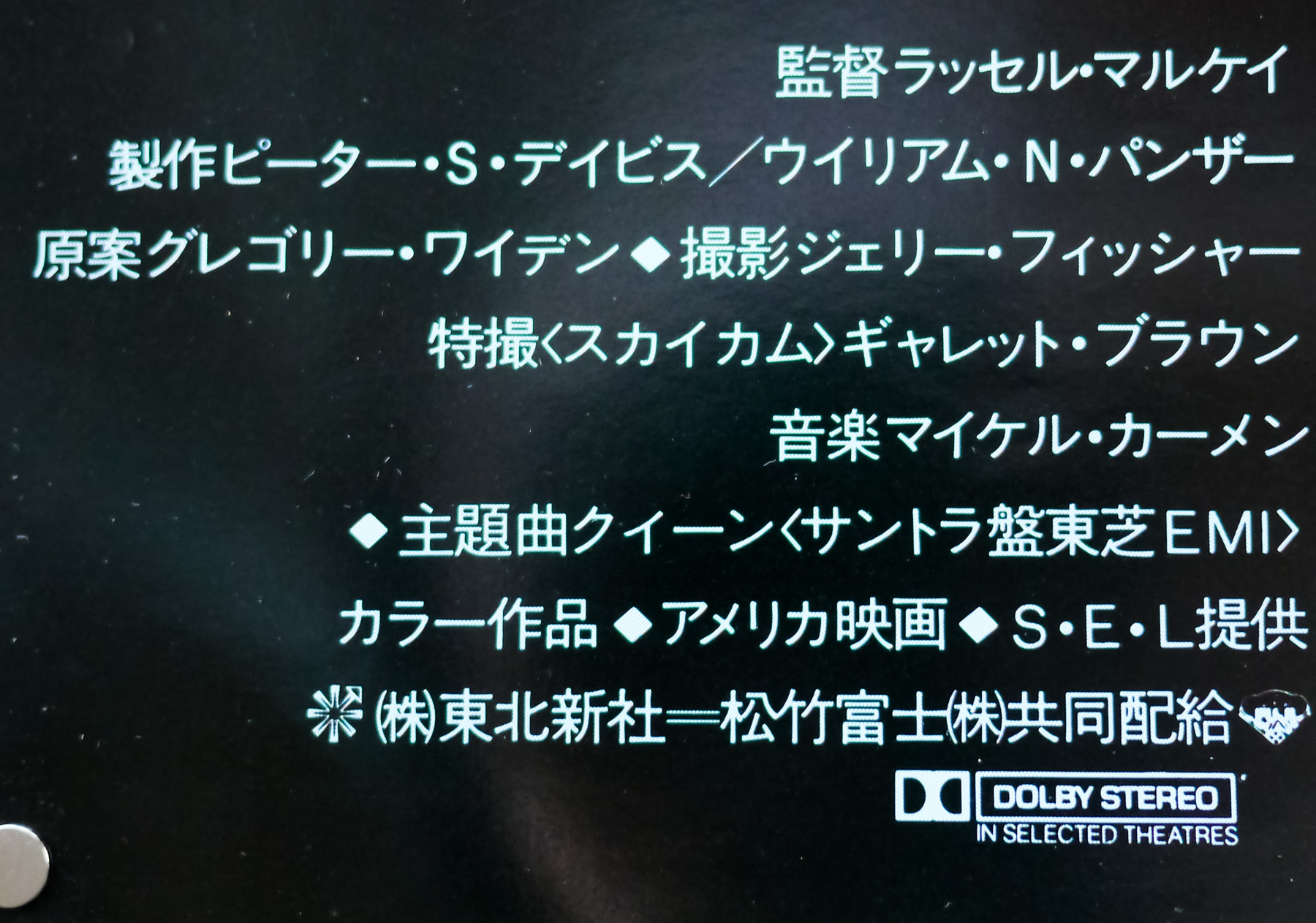
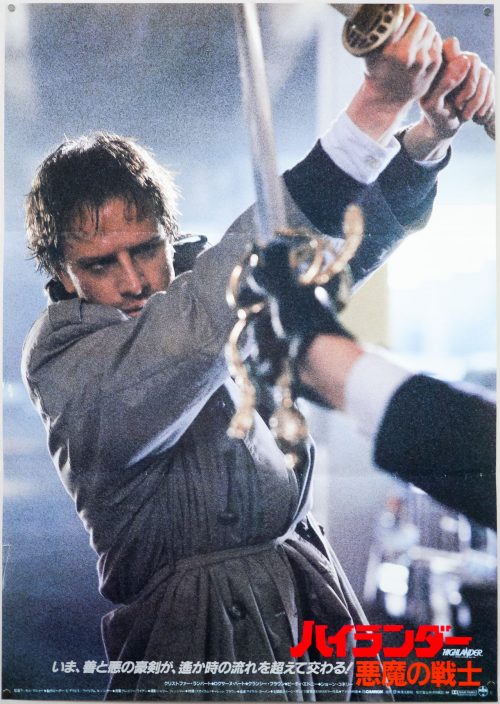
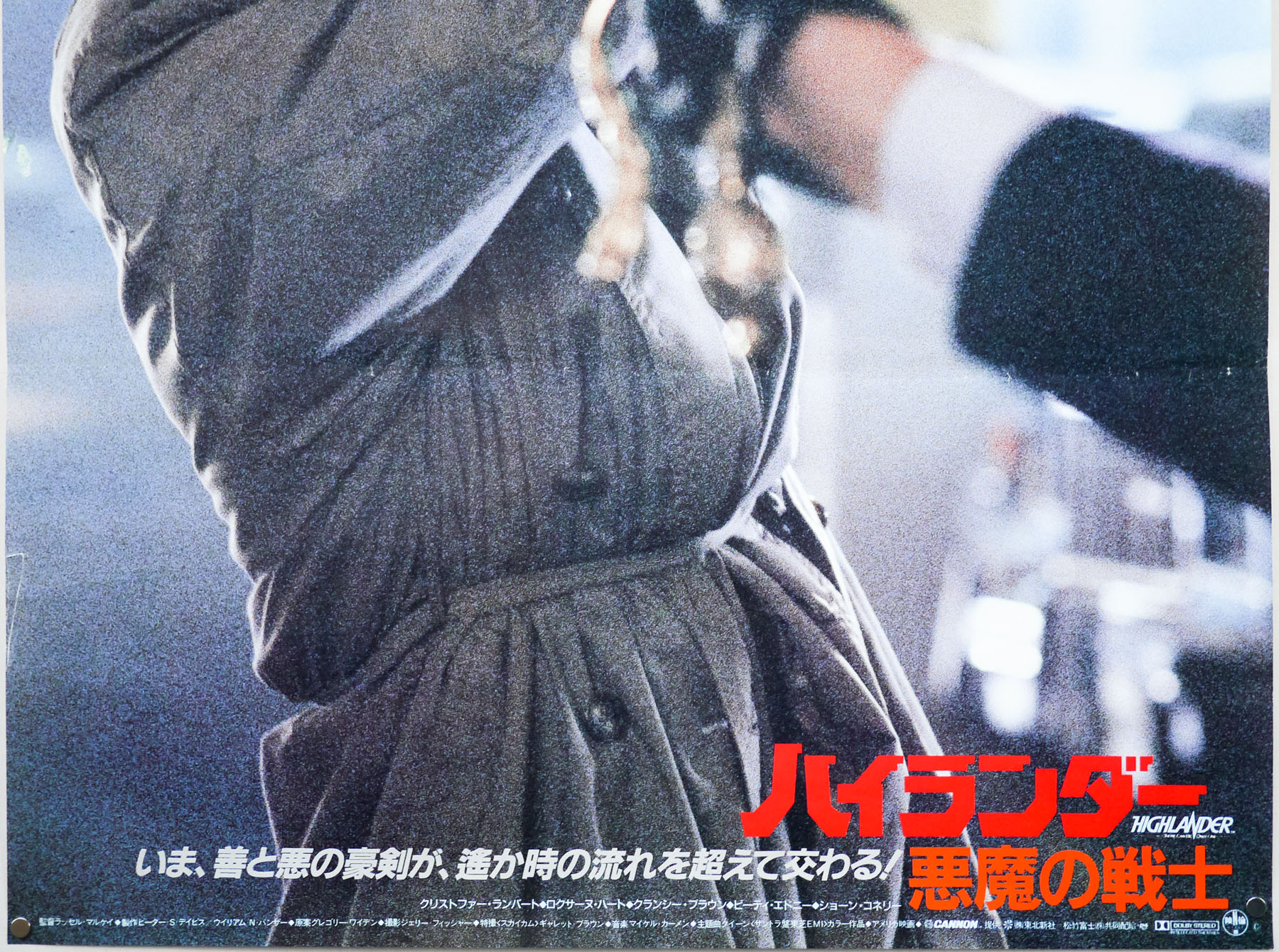
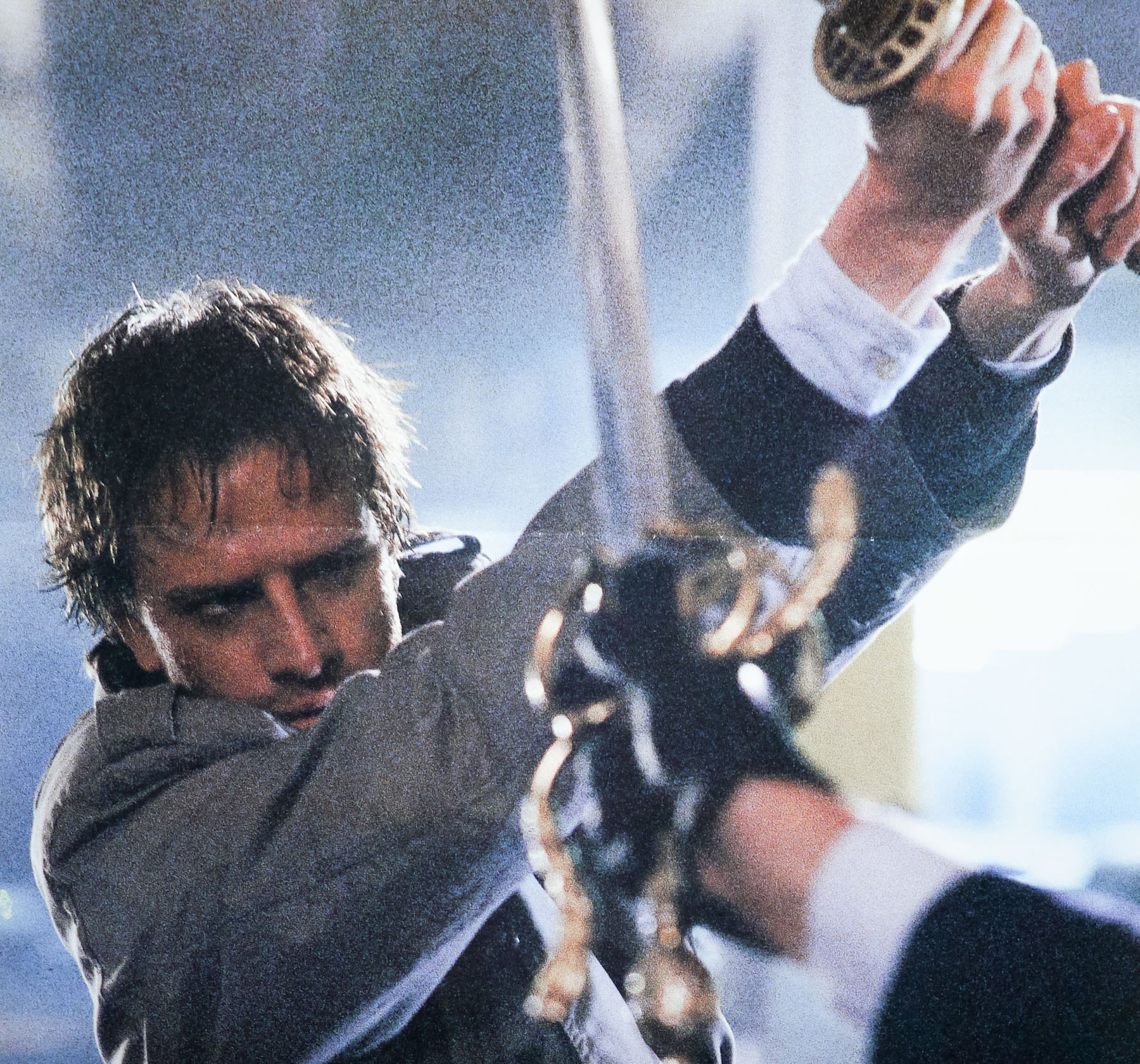
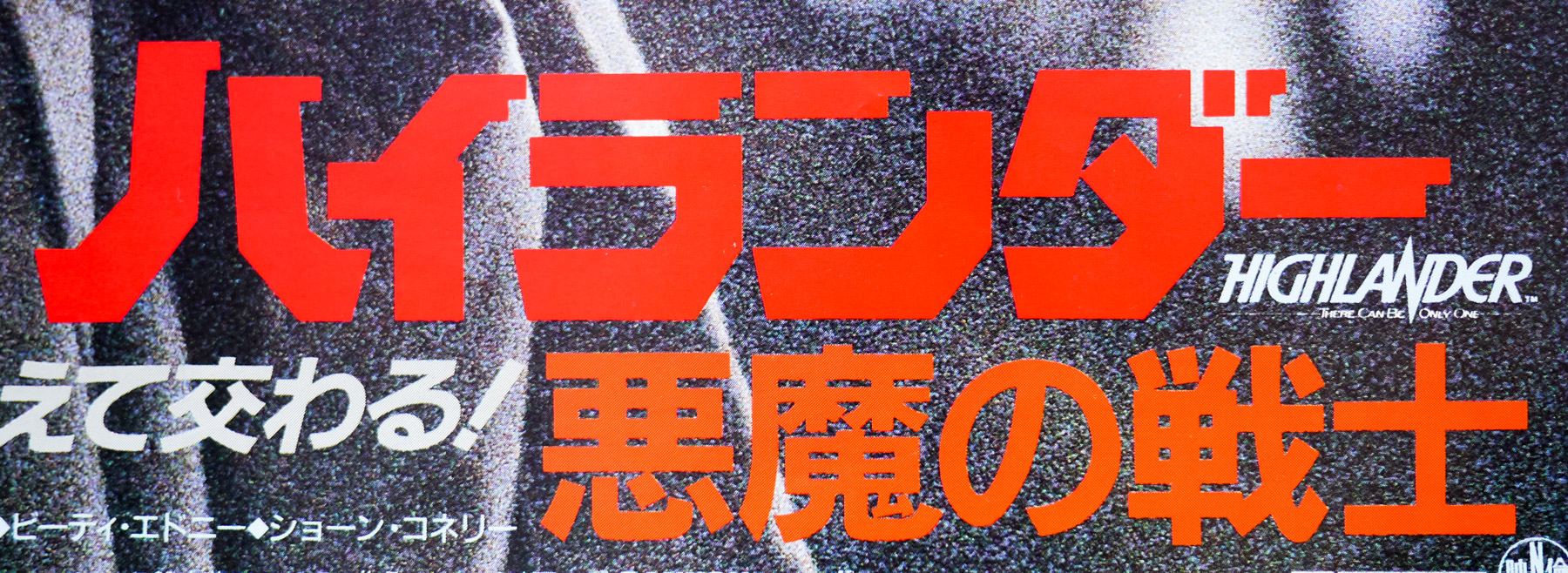
This is one of three B2 posters printed for the Japanese release of the cult fantasy Highlander. The film started life as a story by Gregory Widen which he penned whilst studying screenwriting at UCLA and it was sold to the film’s producers for $200k before undergoing several re-writes. Directed by Australian Russell Mulcahy, who had made a name with a series of music videos, the film is set in two time periods and tells the story of a Connor Macleod (a career-making turn from Christopher Lambert) who is born in Scotland in 1518 and discovers he is immortal when he is seemingly killed in a battle with a rival clan, later waking with no injuries. Believing him to be cursed, he is banished by his fellow clans people and is forced to live in a remote castle.

Eventually, after marrying a woman called Heather (Beatie Edney), he is visited by another immortal called Ramirez (Sean Connery) who teaches him how to sword fight and explains that the only way to kill another immortal is to remove his head. Ramirez also urges Connor to leave Heather, explaining that immortals are sterile and always end up causing hurt to any mortals that they fall in love with. In present day, Connor is shown to be living and working as an antique dealer in New York City and dealing with attacks from other immortals who are taking part in ‘The Gathering’ in which the remaining immortals from around the world fight to be the last one alive (“There can be only one!”). The psychotic Kurgan (Clancy Brown in a memorable turn), who first met Connor on the battlefield in Scotland, is determined to win the prize and will stop at nothing to do so.

Mulcahy injects great energy into the film, clearly using many of the tricks he learned making music videos and the performances of the three main actors all help to elevate the film beyond what could have been a very schlocky fantasy. Some of the scenes involving Connor and Heather are genuinely touching and force the viewer to imagine the downsides of living as an immortal. Michael Kamen’s orchestral score is excellent and is embellished by several memorable songs by the British band Queen, including ‘A Kind of Magic‘. Although not initially a box-office success in the US, the film was an international hit and would gain a cult following, which later saw the release a series of iffy film sequels and a popular TV series that lasted for six seasons. The franchise also includes comic books, novels and animated shows.

This is the style B Japanese B2 but I also have the style C one too. The British quad, painted by Brian Bysouth is by far the best of the international Highlander posters.

The trailer for the film can be seen on YouTube.

Highlander / B2 / style C / Japan

18.09.14

Poster Poster

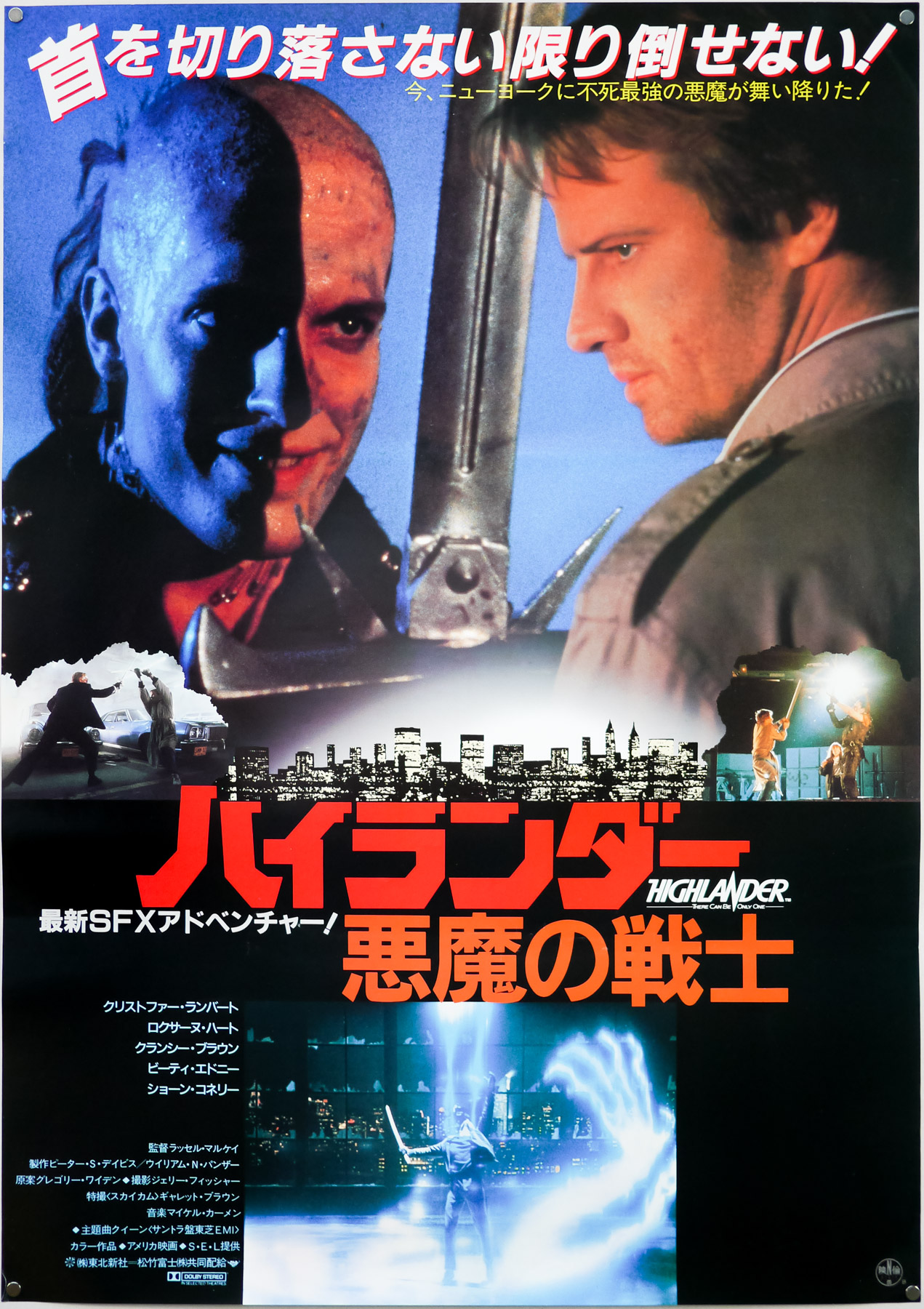
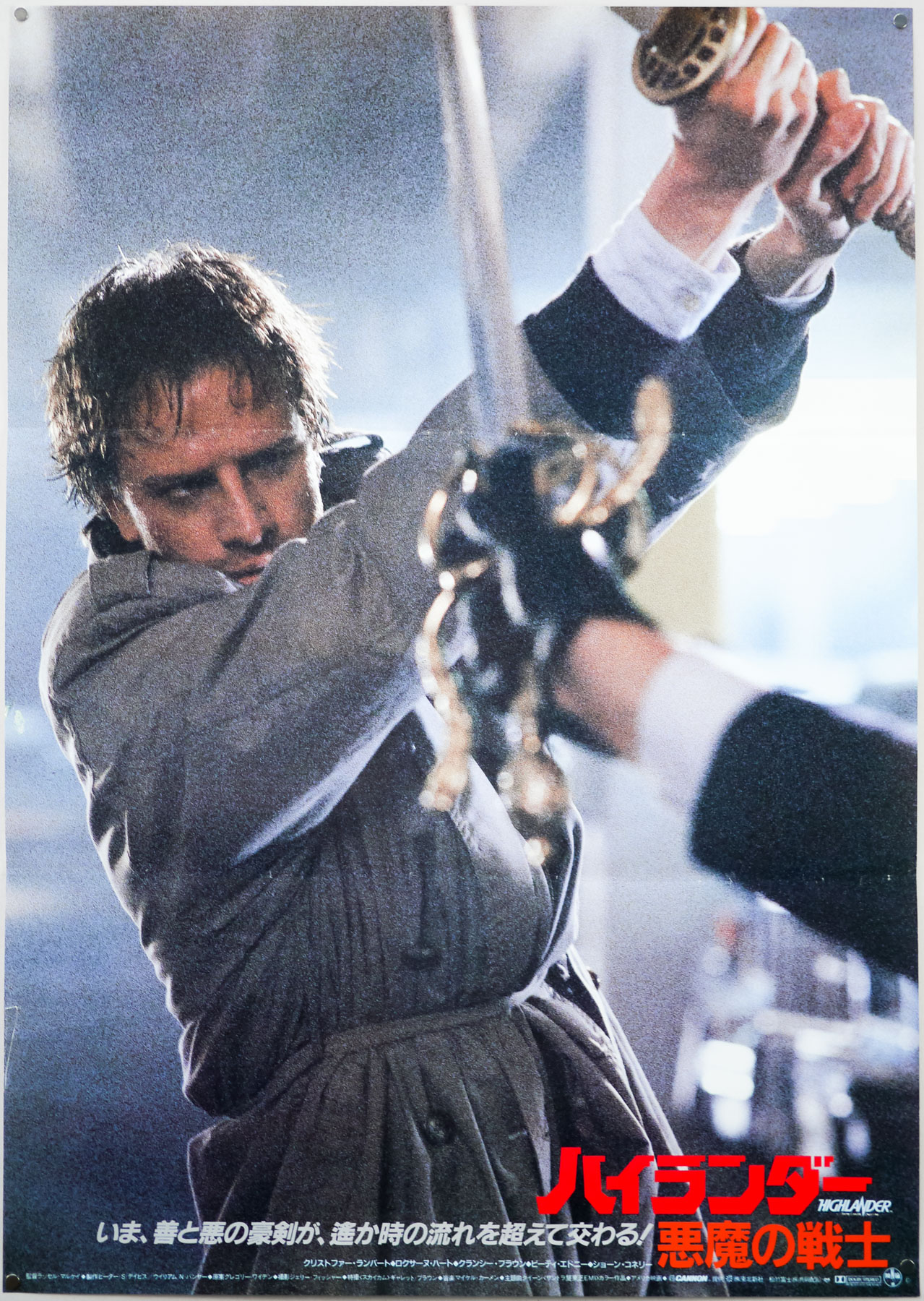
This is one of three B2 posters printed for the Japanese release of the cult fantasy Highlander. The film started life as a story by Gregory Widen which he penned whilst studying screenwriting at UCLA and it was sold to the film’s producers for $200k before undergoing several re-writes. Directed by Australian Russell Mulcahy, who had made a name with a series of music videos, the film is set in two time periods and tells the story of a Connor Macleod (a career-making turn from Christopher Lambert) who is born in Scotland in 1518 and discovers he is immortal when he is seemingly killed in a battle with a rival clan, later waking with no injuries. Believing him to be cursed, he is banished by his fellow clans people and is forced to live in a remote castle.

Eventually, after marrying a woman called Heather (Beatie Edney), he is visited by another immortal called Ramirez (Sean Connery) who teaches him how to sword fight and explains that the only way to kill another immortal is to remove his head. Ramirez also urges Connor to leave Heather, explaining that immortals are sterile and always end up causing hurt to any mortals that they fall in love with. In present day, Connor is shown to be living and working as an antique dealer in New York City and dealing with attacks from other immortals who are taking part in ‘The Gathering’ in which the remaining immortals from around the world fight to be the last one alive (“There can be only one!”). The psychotic Kurgan (Clancy Brown in a memorable turn), who first met Connor on the battlefield in Scotland, is determined to win the prize and will stop at nothing to do so.

Mulcahy injects great energy into the film, clearly using many of the tricks he learned making music videos and the performances of the three main actors all help to elevate the film beyond what could have been a very schlocky fantasy. Some of the scenes involving Connor and Heather are genuinely touching and force the viewer to imagine the downsides of living as an immortal. Michael Kamen’s orchestral score is excellent and is embellished by several memorable songs by the British band Queen, including ‘A Kind of Magic‘. Although not initially a box-office success in the US, the film was an international hit and would gain a cult following, which later saw the release a series of iffy film sequels and a popular TV series that lasted for six seasons. The franchise also includes comic books, novels and animated shows.

This is the style C Japanese B2 but I also have the style B one too. The British quad, painted by Brian Bysouth is by far the best of the international Highlander posters.

The trailer for the film can be seen on YouTube.

The Usual Suspects / B2 / Japan

01.10.14

Poster Poster

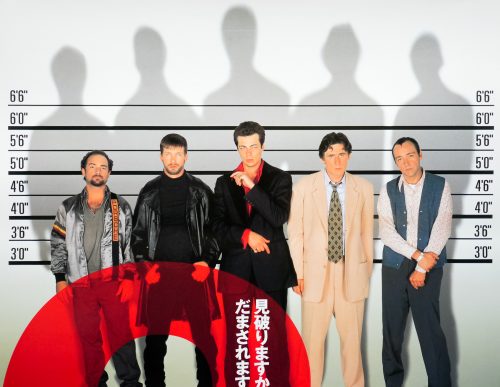
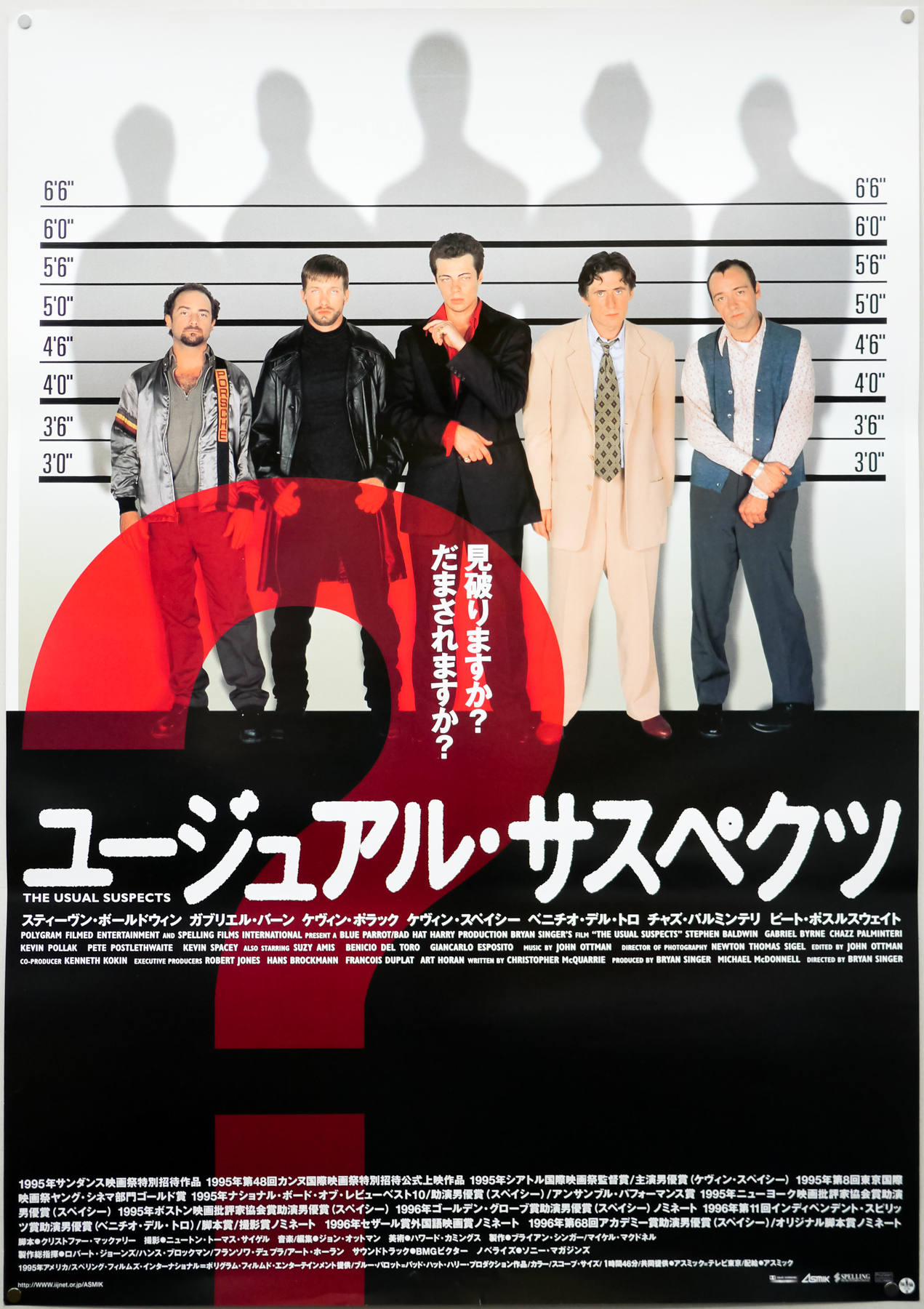
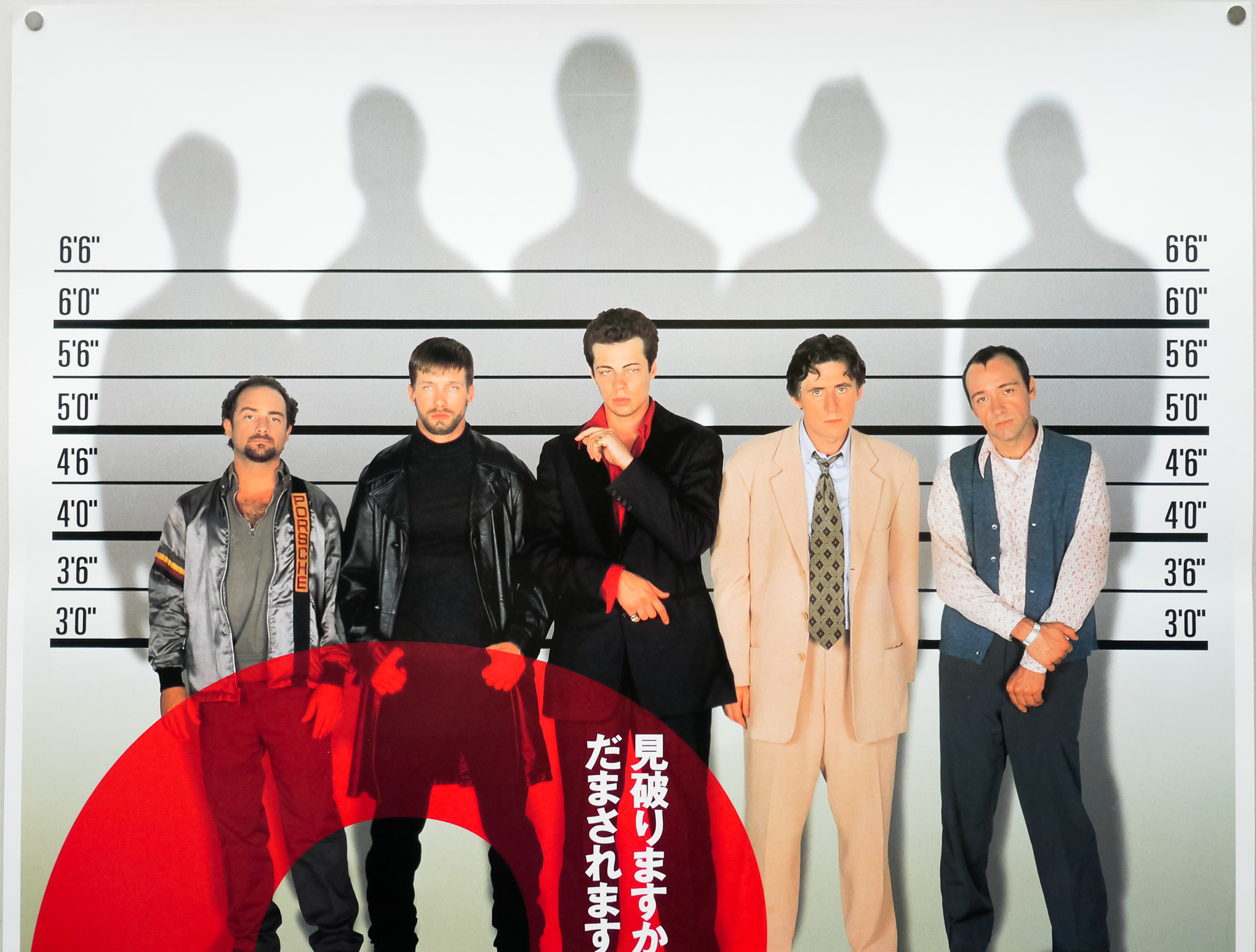
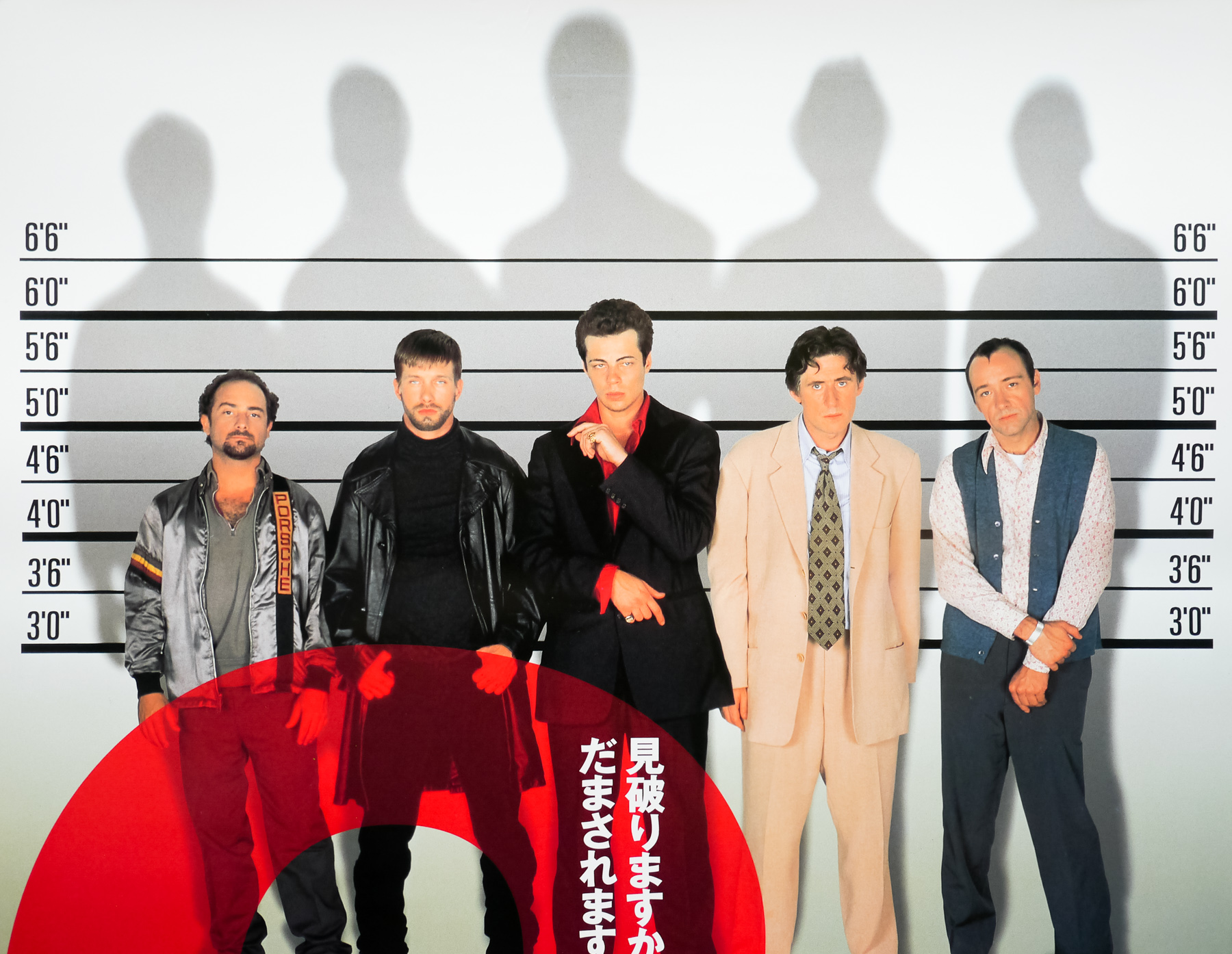
About to celebrate its 20th anniversary next year, Bryan Singer’s The Usual Suspects continues to sit at the top of many film fans’ lists of best crime thrillers and has been in the IMDb top 25 of all time (currently 23) since its release. Having won the Grand Jury Prize at the Sundance Film Festival with his debut film, Public Access, Singer once again collaborated with high school friend and screenwriter Christopher McQuarrie with the spark of the story coming from the title of an article in the satirical Spy magazine which the director had read. The idea of a bunch of criminals meeting in a police line-up and embarking on a new job came to Singer and the visual motif for the poster was one of the first concepts he and McQuarrie had, with the director asking “What would possibly bring these five felons together in one line-up?”

Actor Kevin Spacey had seen Public Access at Sundance and told Singer that he wanted to be involved in whatever his next project was so when the screenplay, which went through several rewrites, eventually attracted financing from a European company Spacey was cast as Roger ‘Verbal’ Kint. With a complex narrative structure, the film starts in the aftermath of a deadly attack on a container ship in San Pedro Bay which has left 27 people dead and two survivors, a badly burned Hungarian criminal and small-time con-artist Verbal Kint.

During questioning by a US customs agent, Kint explains how the massacre was the culmination of a series of events that began with a police line-up of ‘the usual suspects’ (Spacey, Gabriel ByrneBenicio Del ToroStephen Baldwin and Kevin Pollak) a ragtag bunch of criminals and followed their interactions with an underworld legend known as Keyser Söze. The film ends with one of the greatest twists in the history of cinema.

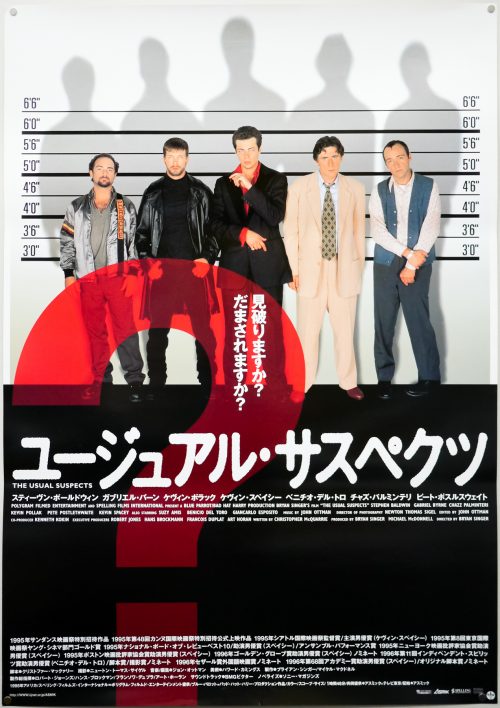
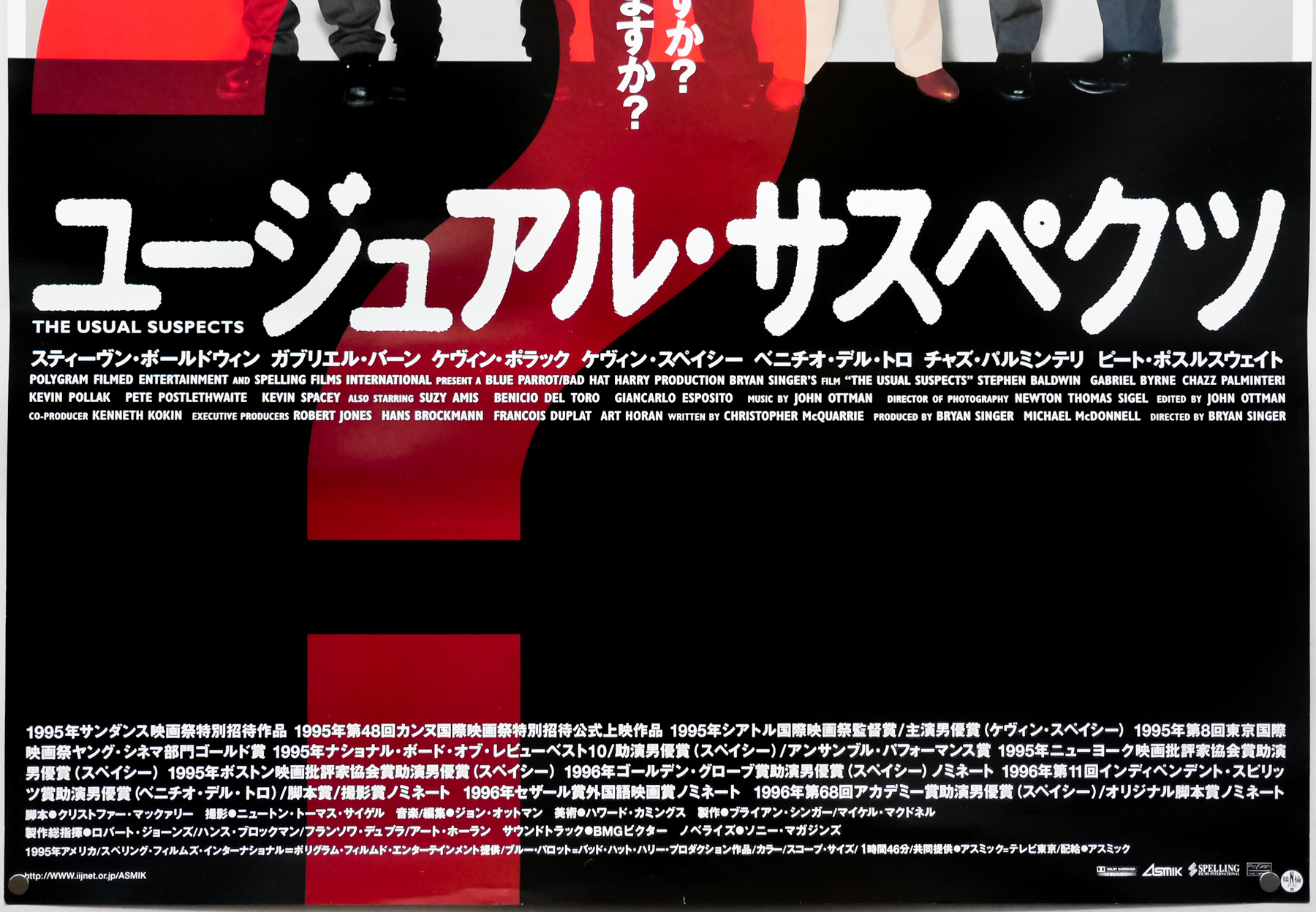
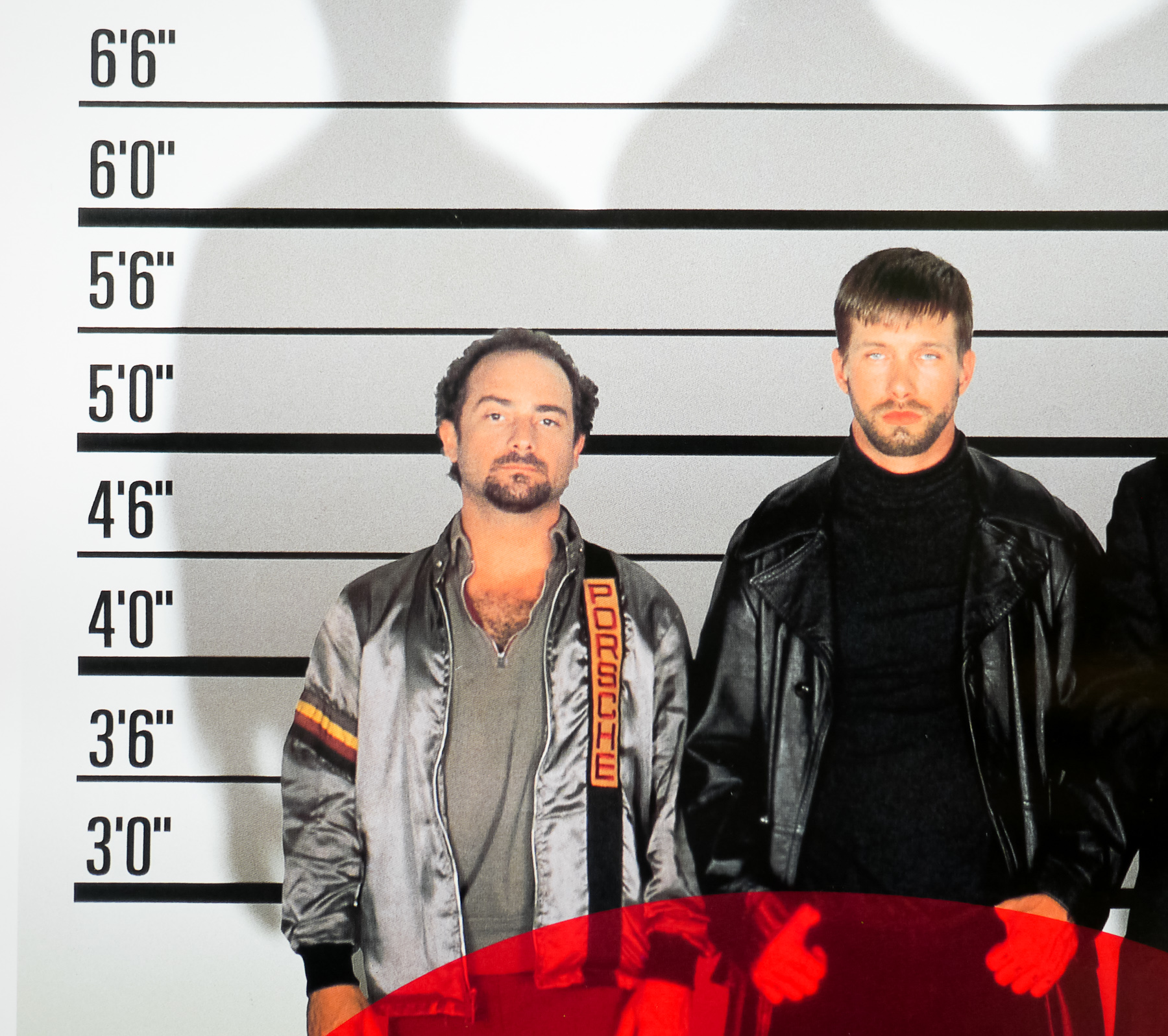
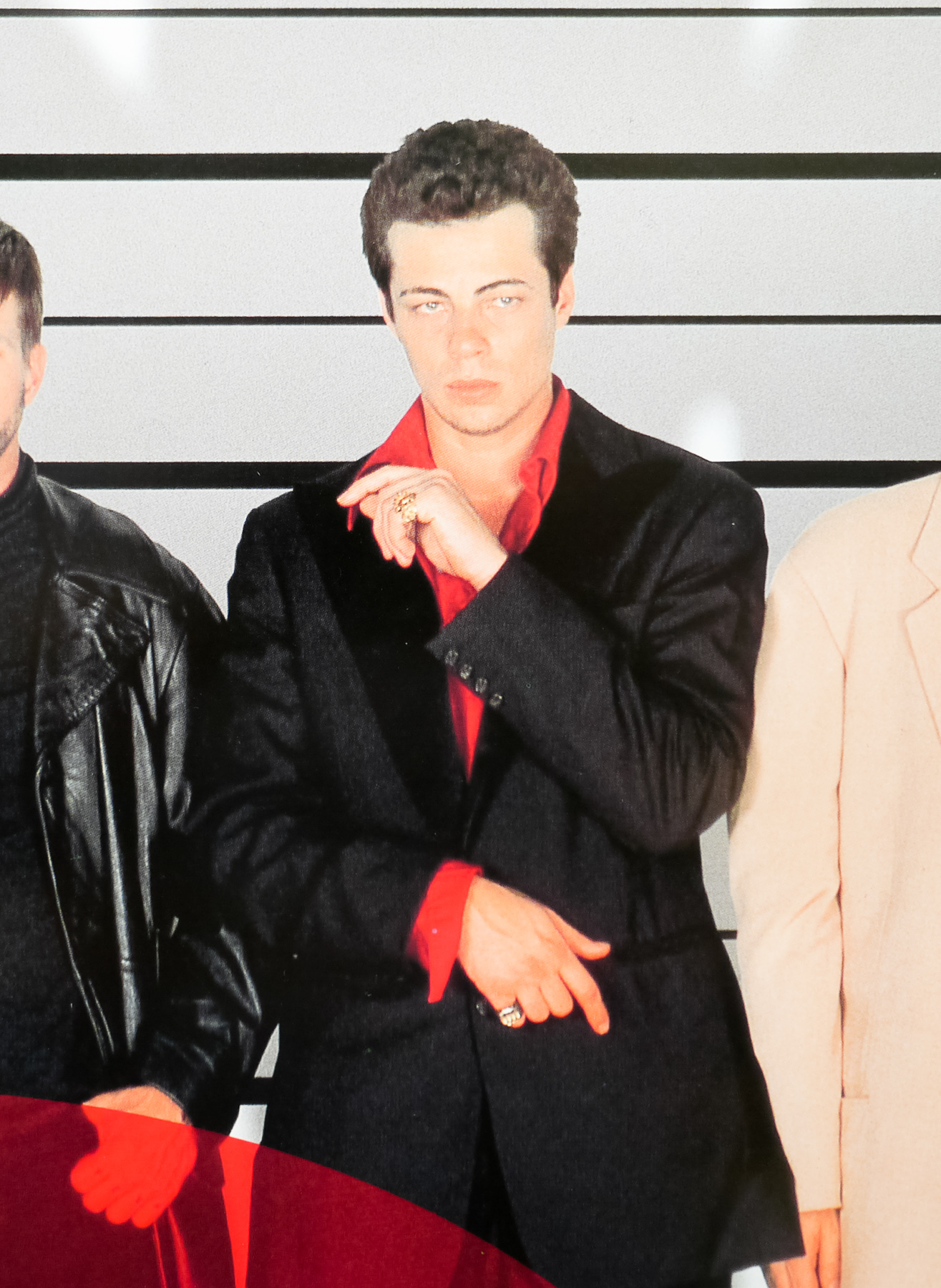
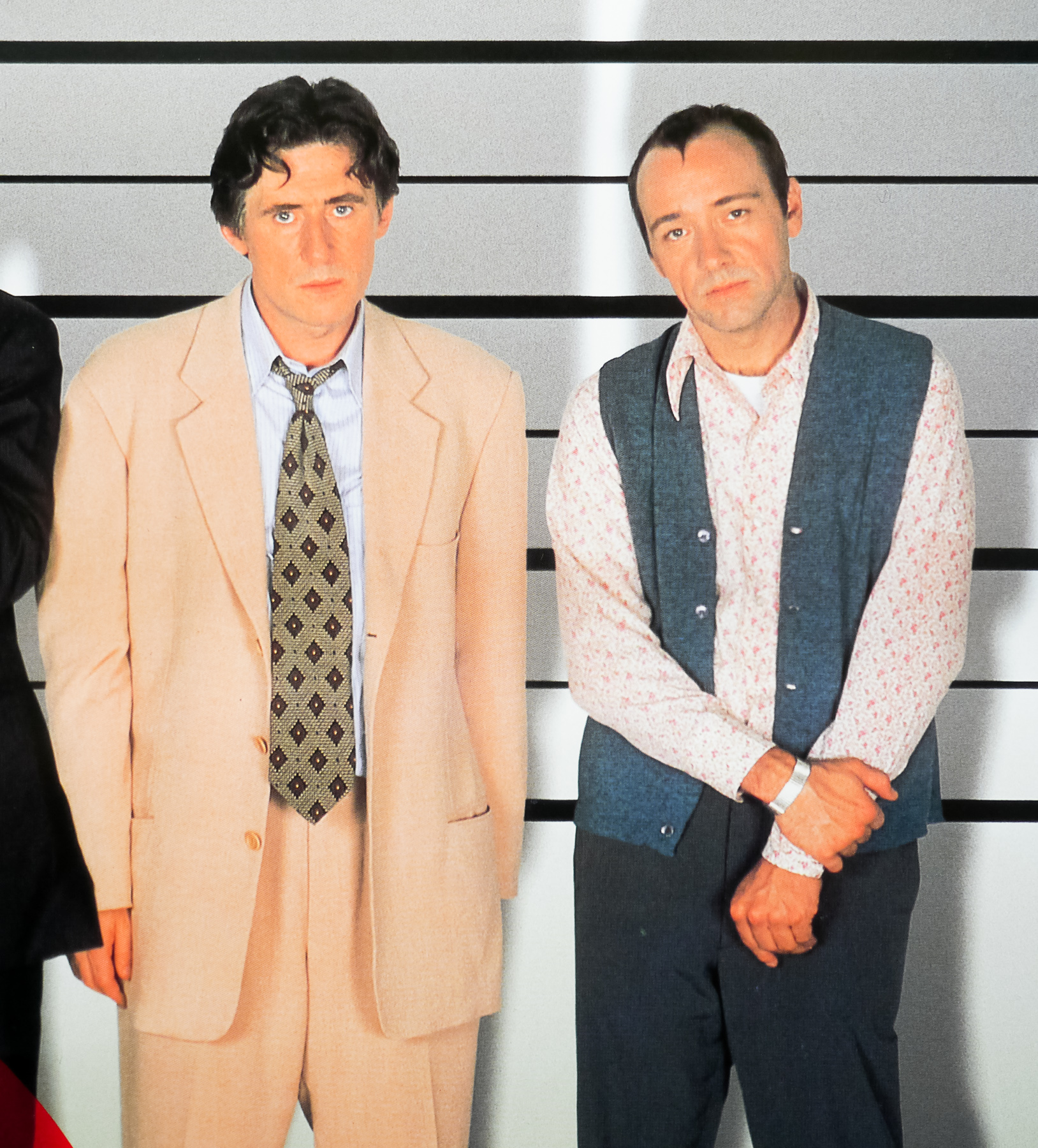
This is the Japanese B2 which features the same line-up shot seen on the UK quad and the international one sheet, but there were barely any posters for the film that didn’t feature the image in some form.

Orca / B2 / style B / Japan

13.10.14

Poster Poster
Title
Orca
AKA
Orca: Killer Whale (alt. title) | The Killer Whale (alt. title)
Year of Film
1977
Director
Michael Anderson
Starring
Richard Harris, Charlotte Rampling, Will Sampson, Bo Derek, Keenan Wynn, Robert Carradine, Scott Walker, Peter Hooten, Wayne Heffley
Origin of Film
USA
Genre(s) of Film
Richard Harris, Charlotte Rampling, Will Sampson, Bo Derek, Keenan Wynn, Robert Carradine, Scott Walker, Peter Hooten, Wayne Heffley,
Type of Poster
B2
Style of Poster
Style B
Origin of Poster
Japan
Year of Poster
1977
Designer
Unknown
Artist
Unknown
Size (inches)
20 7/16" x 28 14/16"
SS or DS
SS
Tagline
--

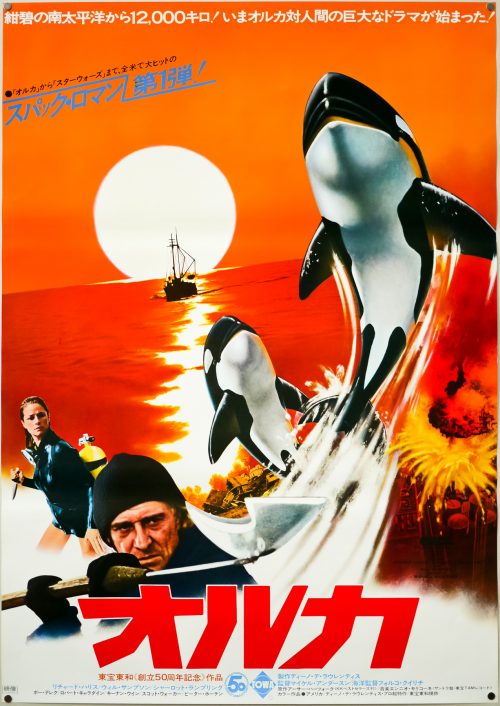
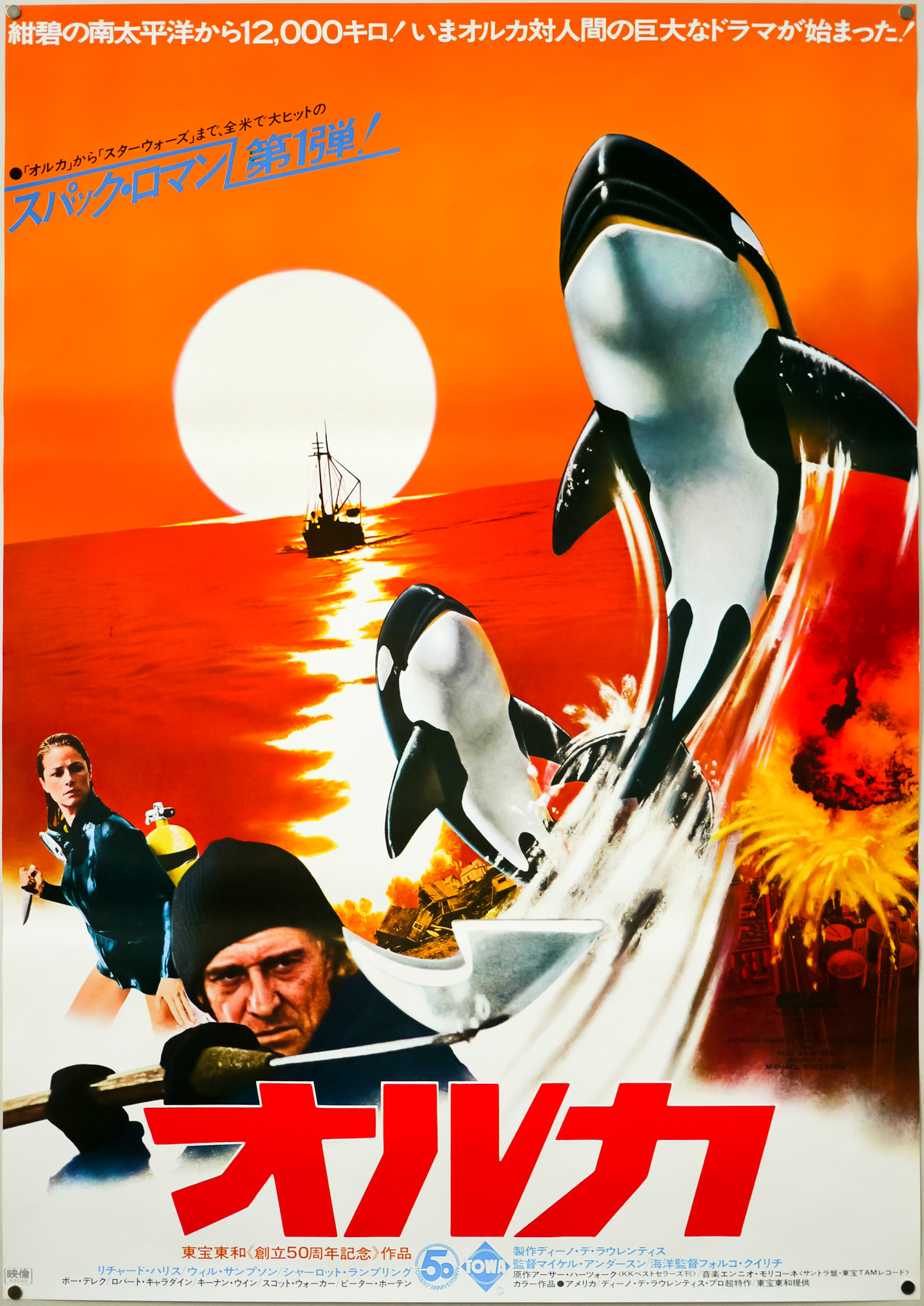
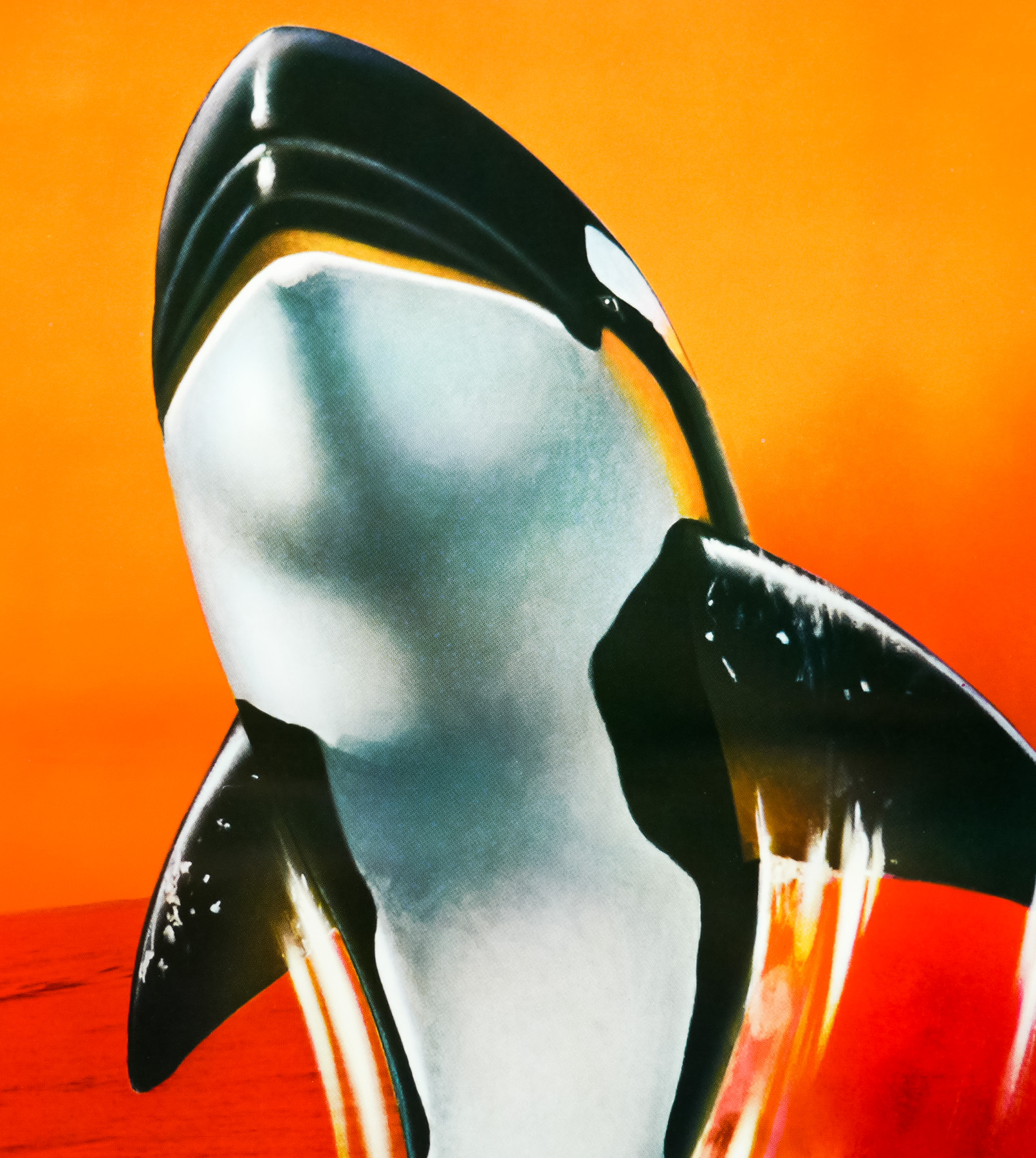
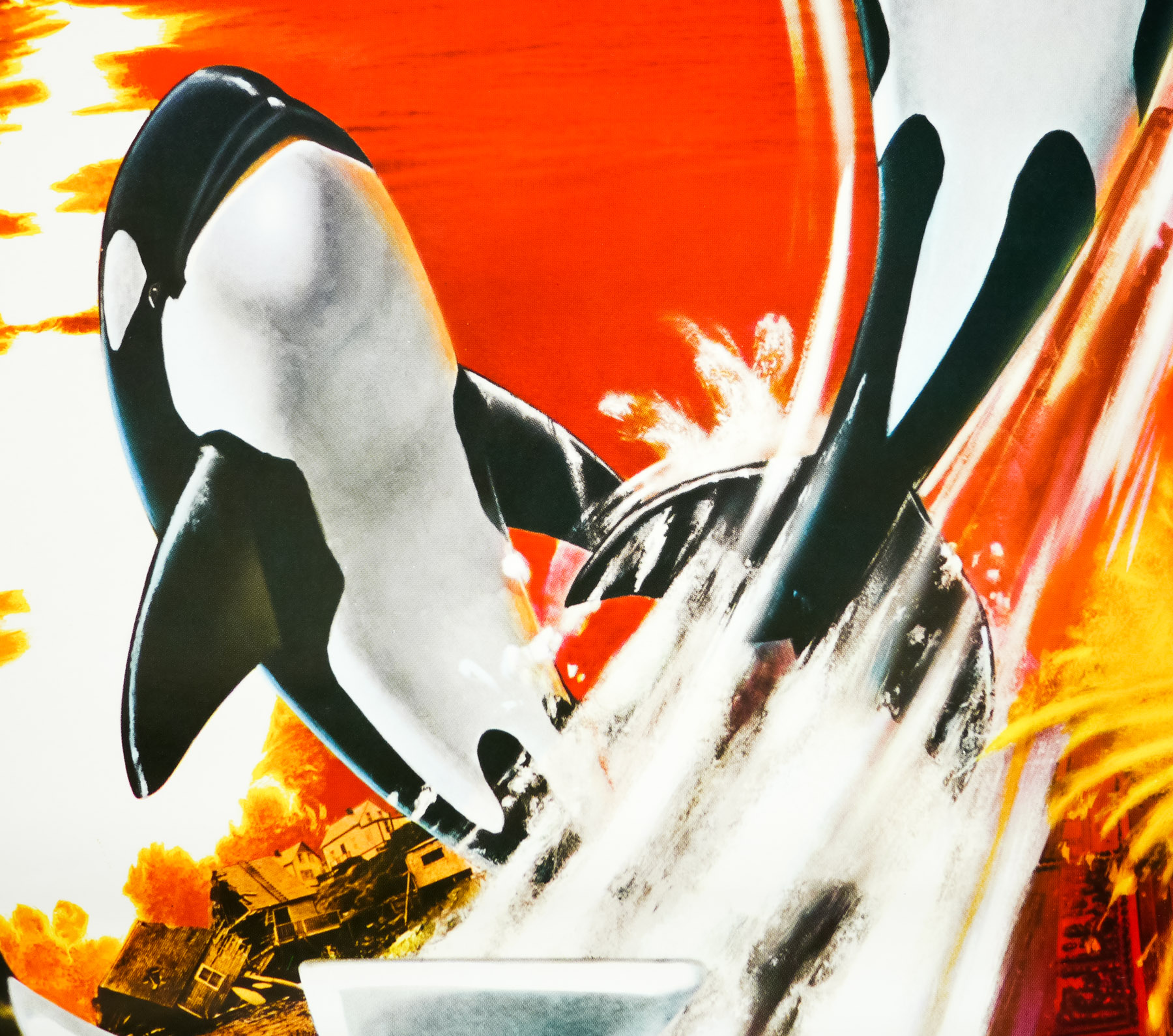
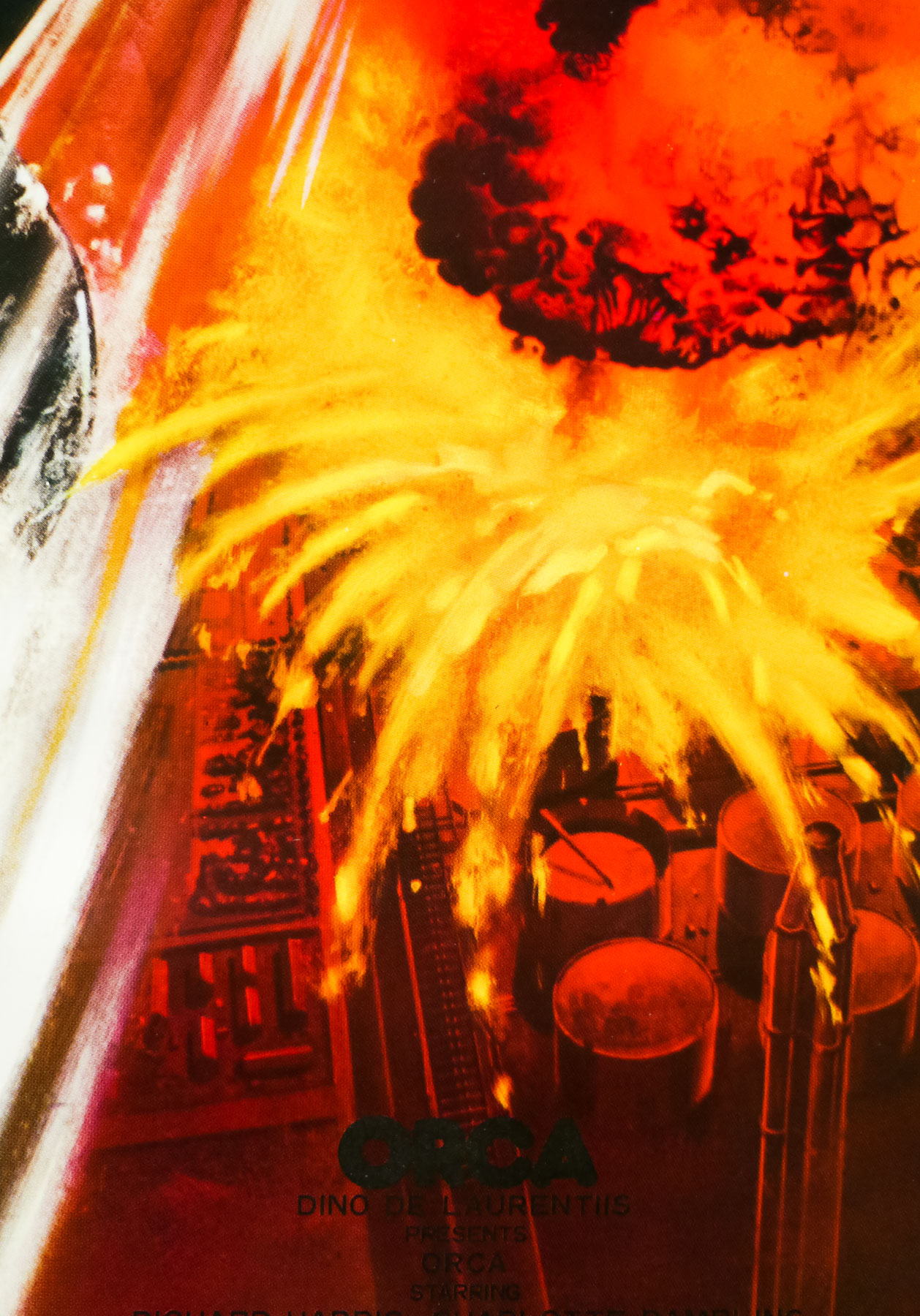
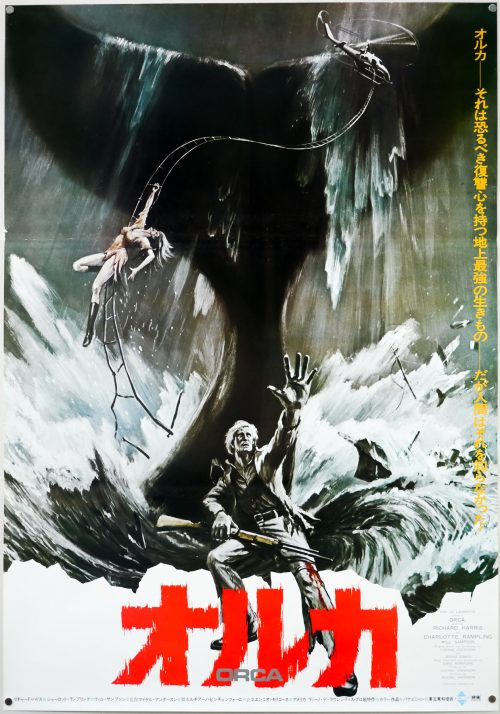
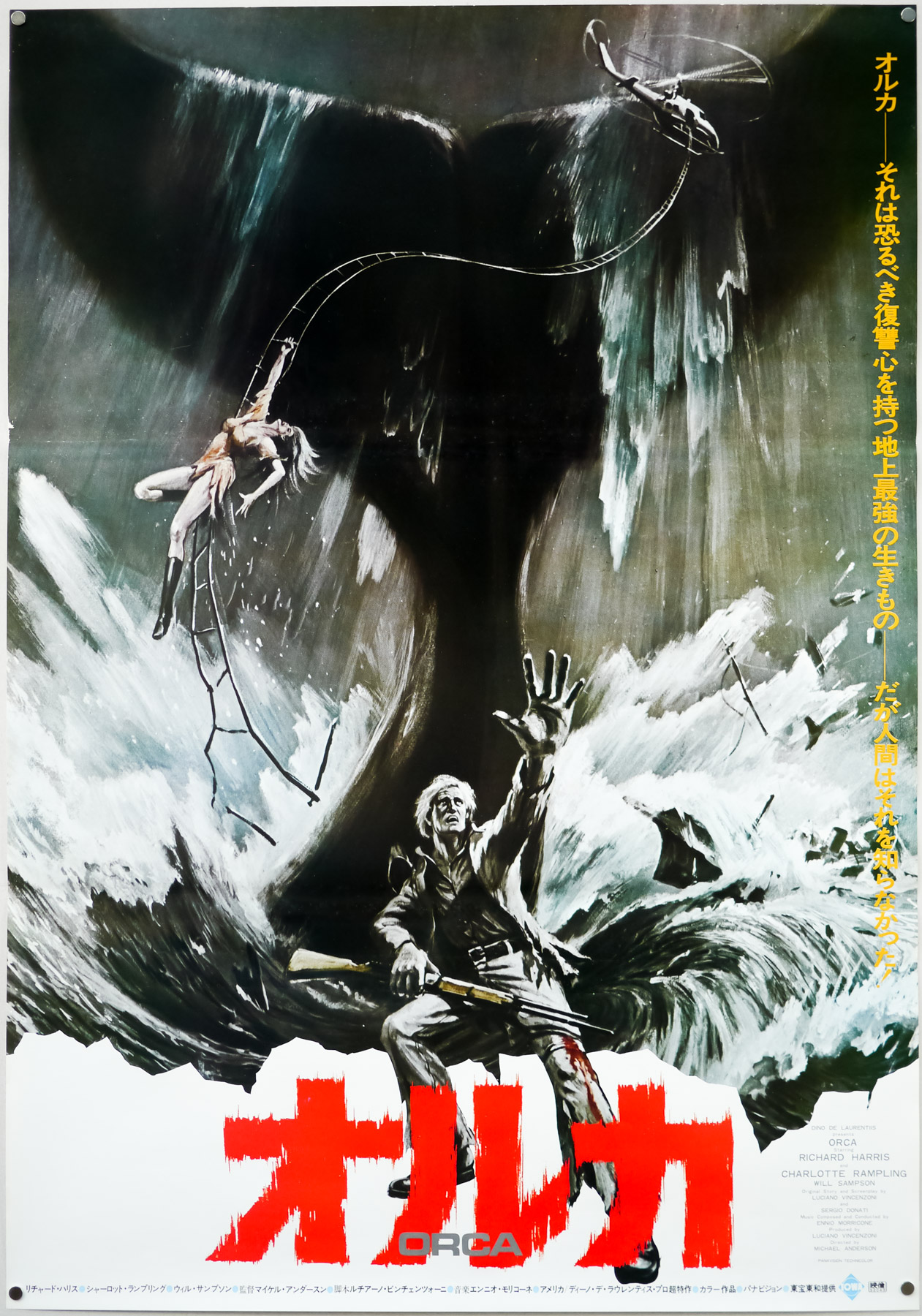
A man versus giant killer fish film that was released two years after the original summer blockbuster Jaws, Orca was always going to be compared to Spielberg’s classic even if its lead actor, the late Richard Harris, was apparently angered by the links; ‘I get really offended when people make the comparison’, he is quoted as saying at the time of release. The late Italian producer Dino De Laurentiis was determined to one-up the spectacle of Jaws and tasked the screenwriter Luciano Vincenzoni to “find a fish tougher and more terrible than the great white”, which led them to the killer whale and production on ‘Orca’ began.

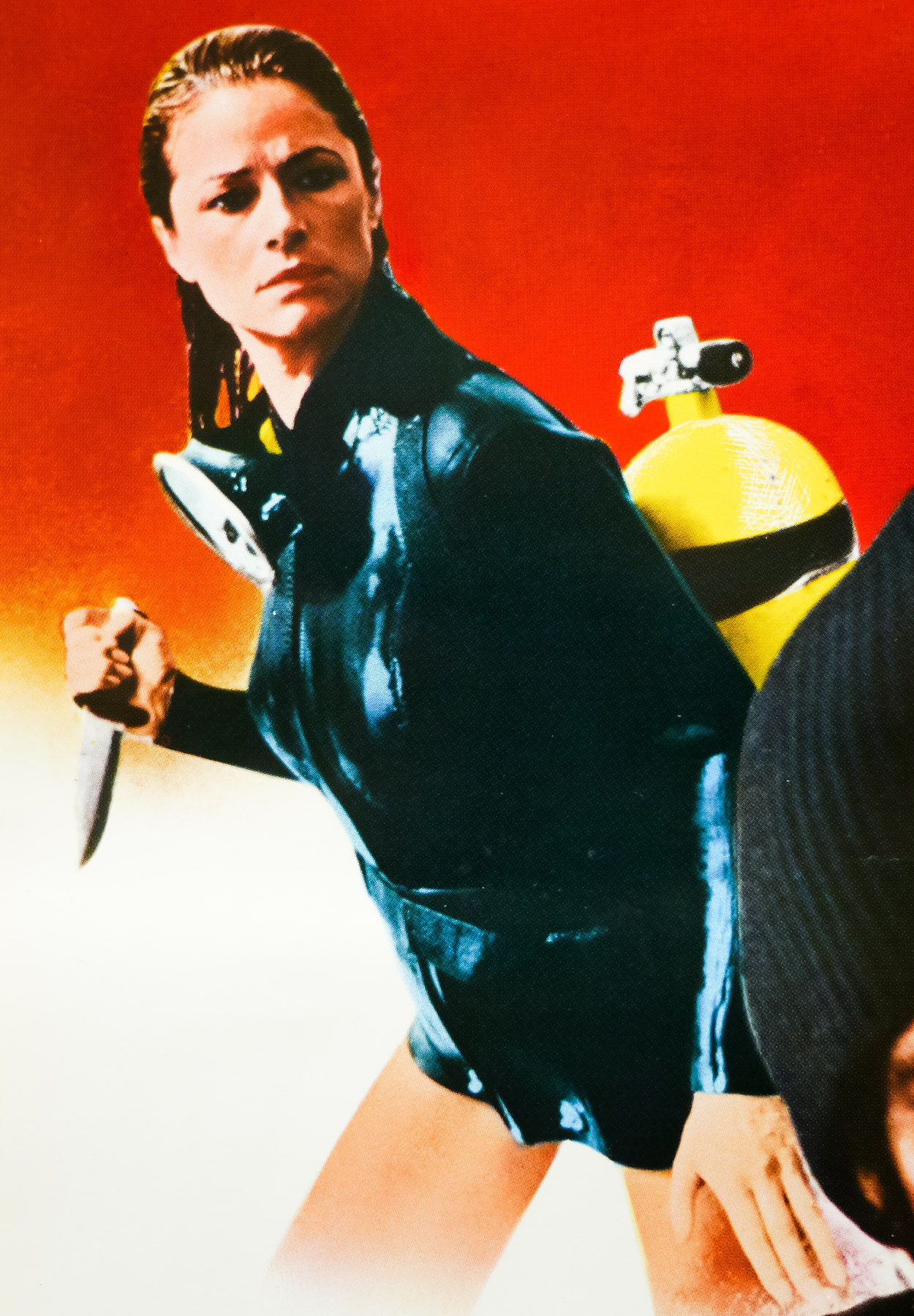
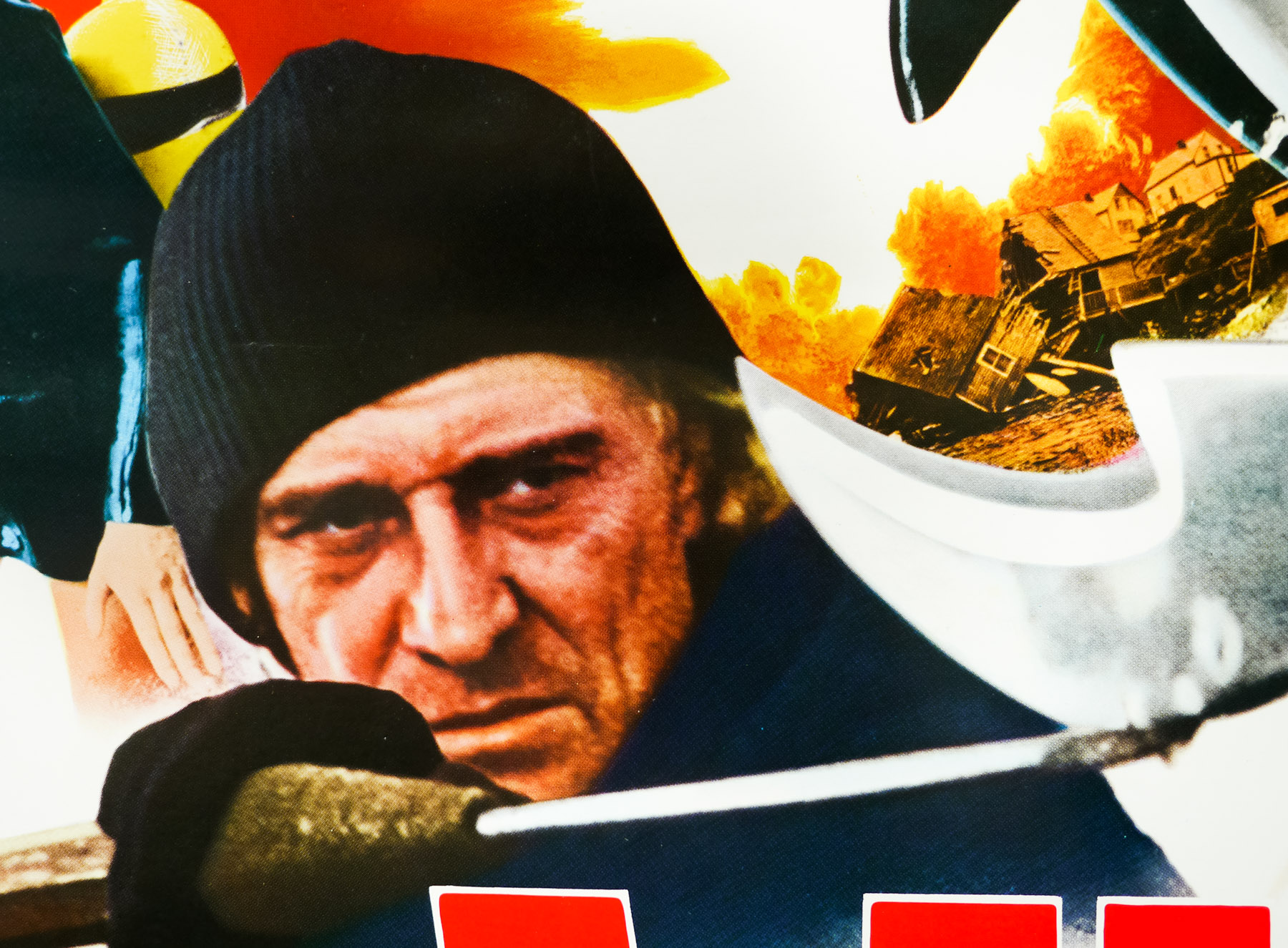
Harris plays Nolan, the Irish captain of a fishing boat operating in the waters off the coast of northern Canada who hears of a lucrative contract being offered for the live capture of a killer whale and hopes the bounty will pay off the mortgage on his boat. After Nolan and his crew accidentally spear a pregnant female killer whale they drag it onto the ship where it miscarries, and almost dies, before the male (Orca) attacks the ship, killing one of the crew before the female is cut loose and falls into the water. The next morning the body of the female whale washes up on shore and before long it becomes clear that Orca is out for revenge, as he attacks the fishing village and destroys vital fuel lines. The villagers insist Nolan is responsible and task him with killing Orca so he sets off with the remainder of his crew, plus marine biologist Rachel Bedford (Charlotte Rampling) and a native American killer whale expert (Will Sampson). The whale leads the boat away from the village into frozen, iceberg covered waters and the stage is set for a final confrontation.

Unfortunately for De Laurentiis and all involved the film was critically derided and sank quickly at the box office, particularly since the juggernaut that was Star Wars was already smashing box office records around the world. The idea of a vengeful fish obviously didn’t go down too well with audiences, although the people behind 1987’s awful Jaws: The Revenge must have forgotten this by the time it was decided to make a third Jaws sequel. The practice of hunting and capturing killer whales to feed the demand from aquariums in the 1960s and 70s was sadly all too prevalent, as documented in the recent heartbreaking documentary Blackfish, which also points out that there are no documented cases of humans being killed by the whales in the wild.

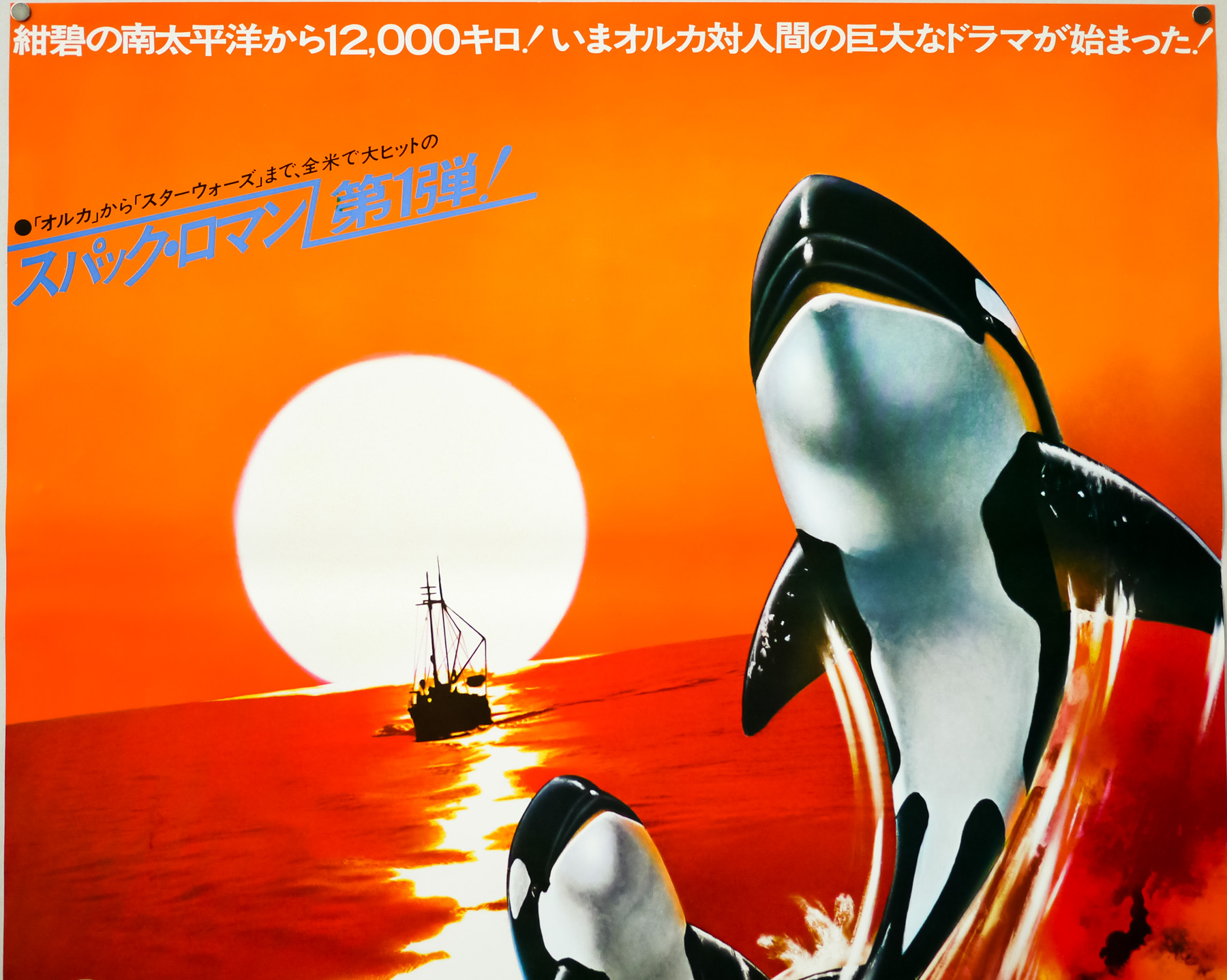
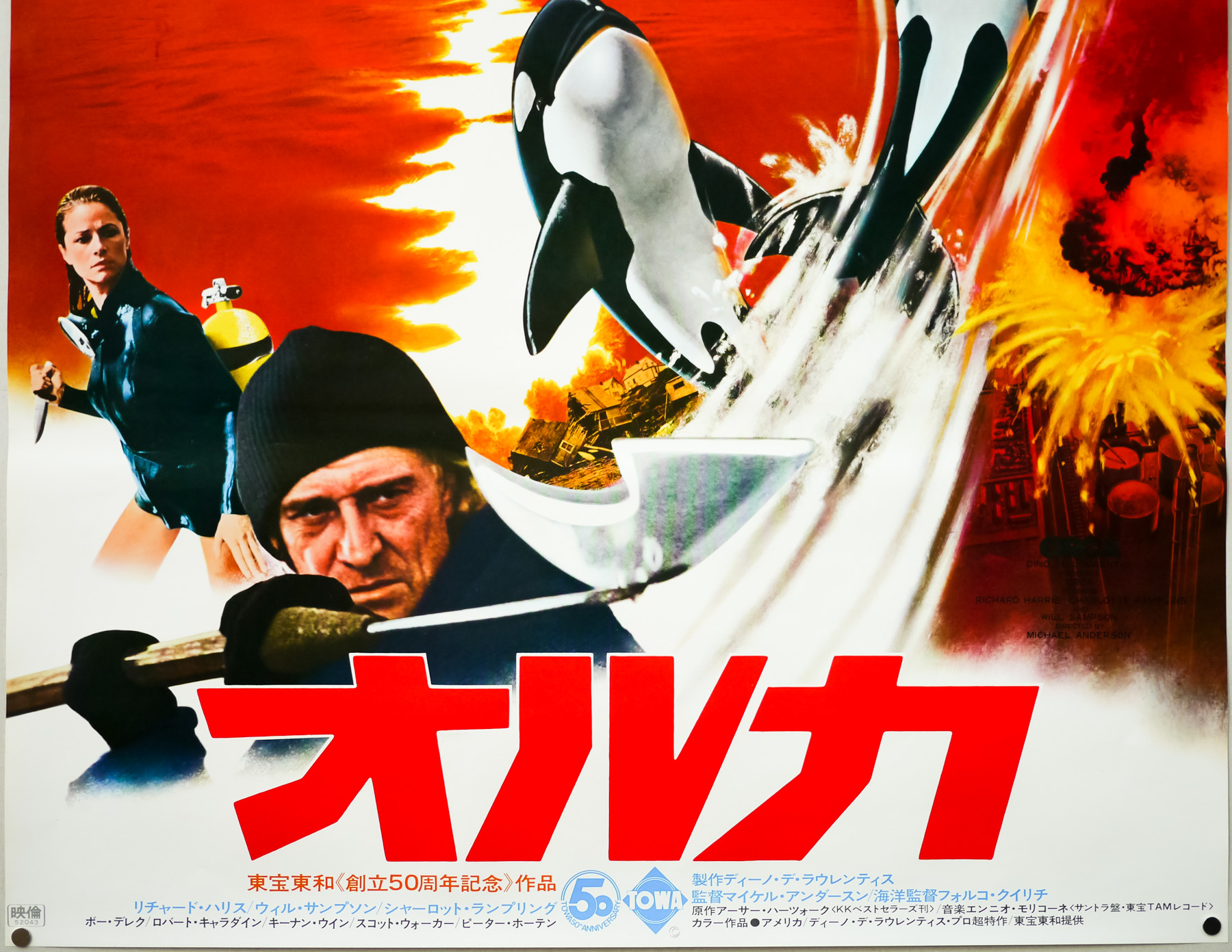
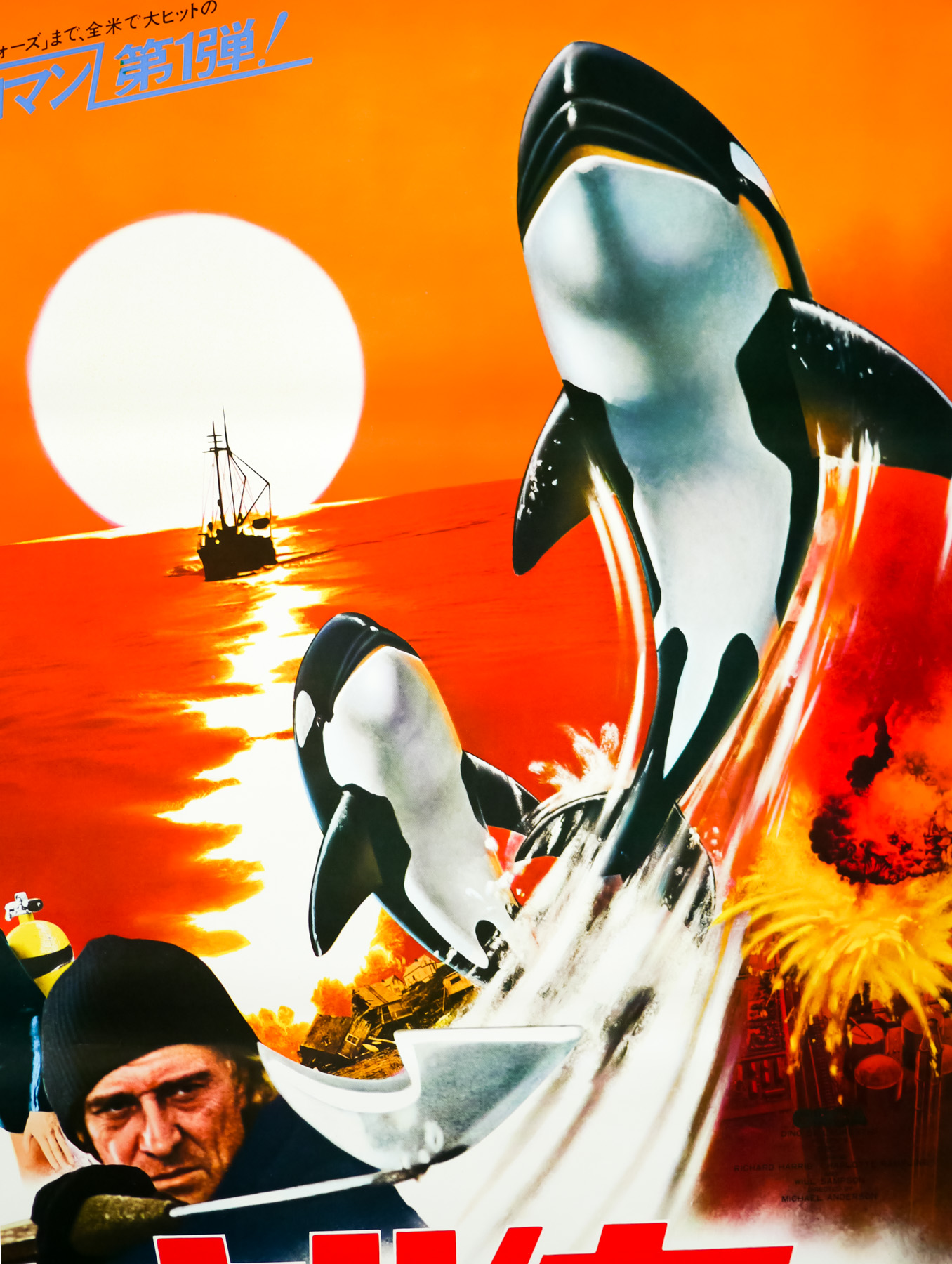
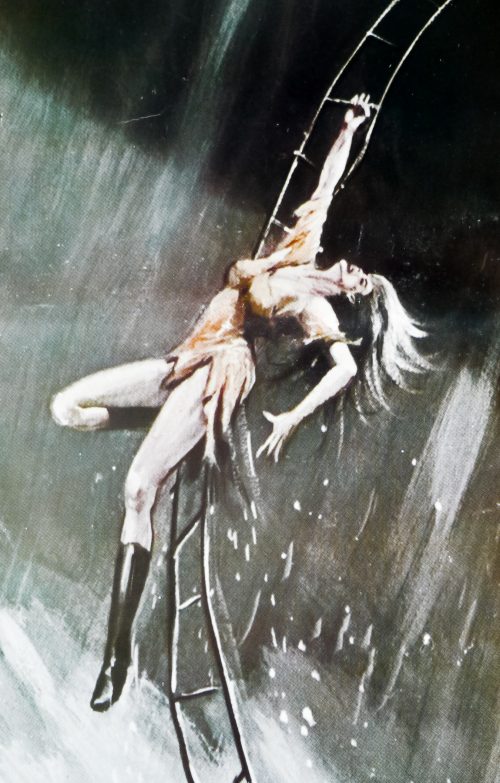
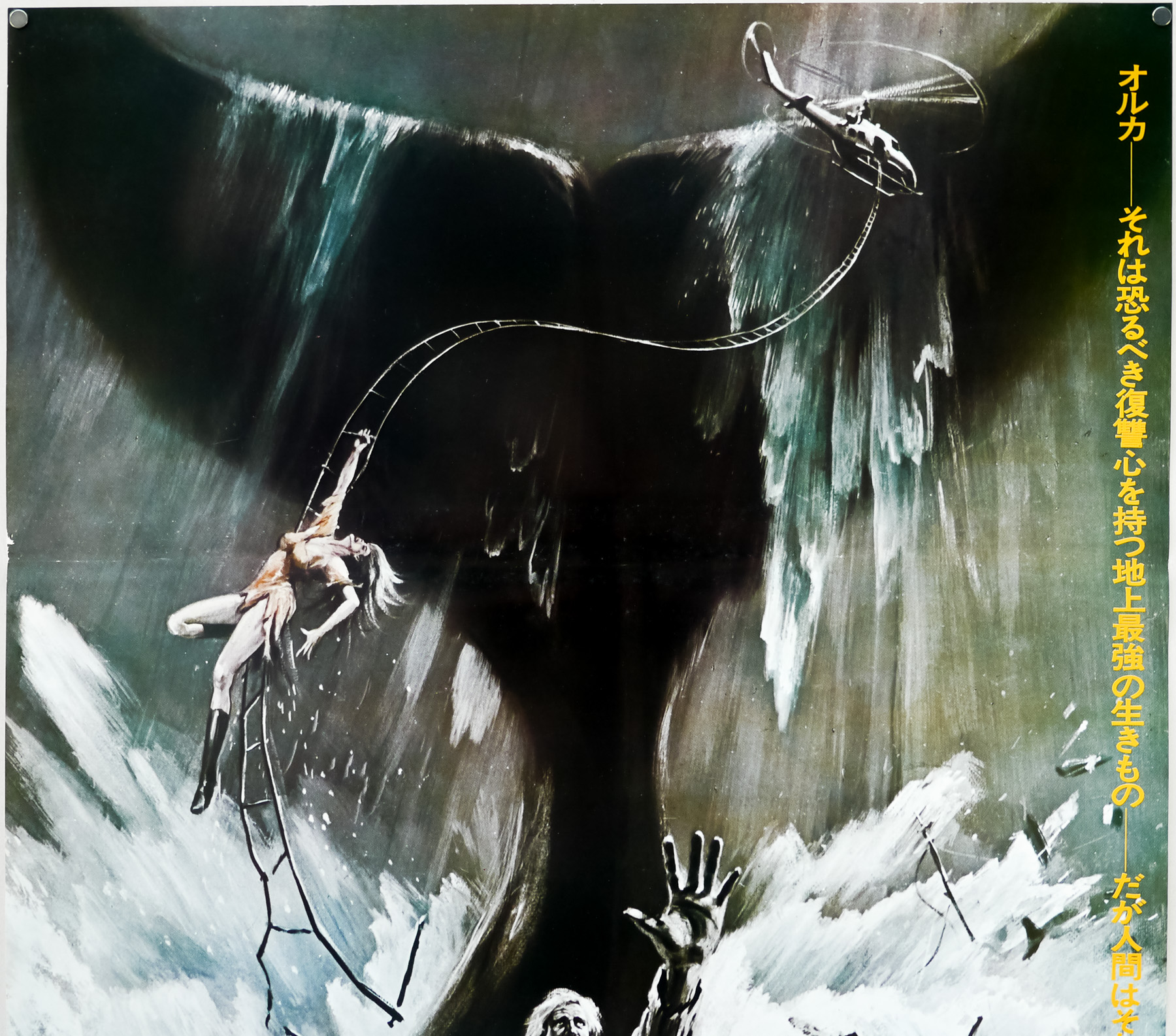
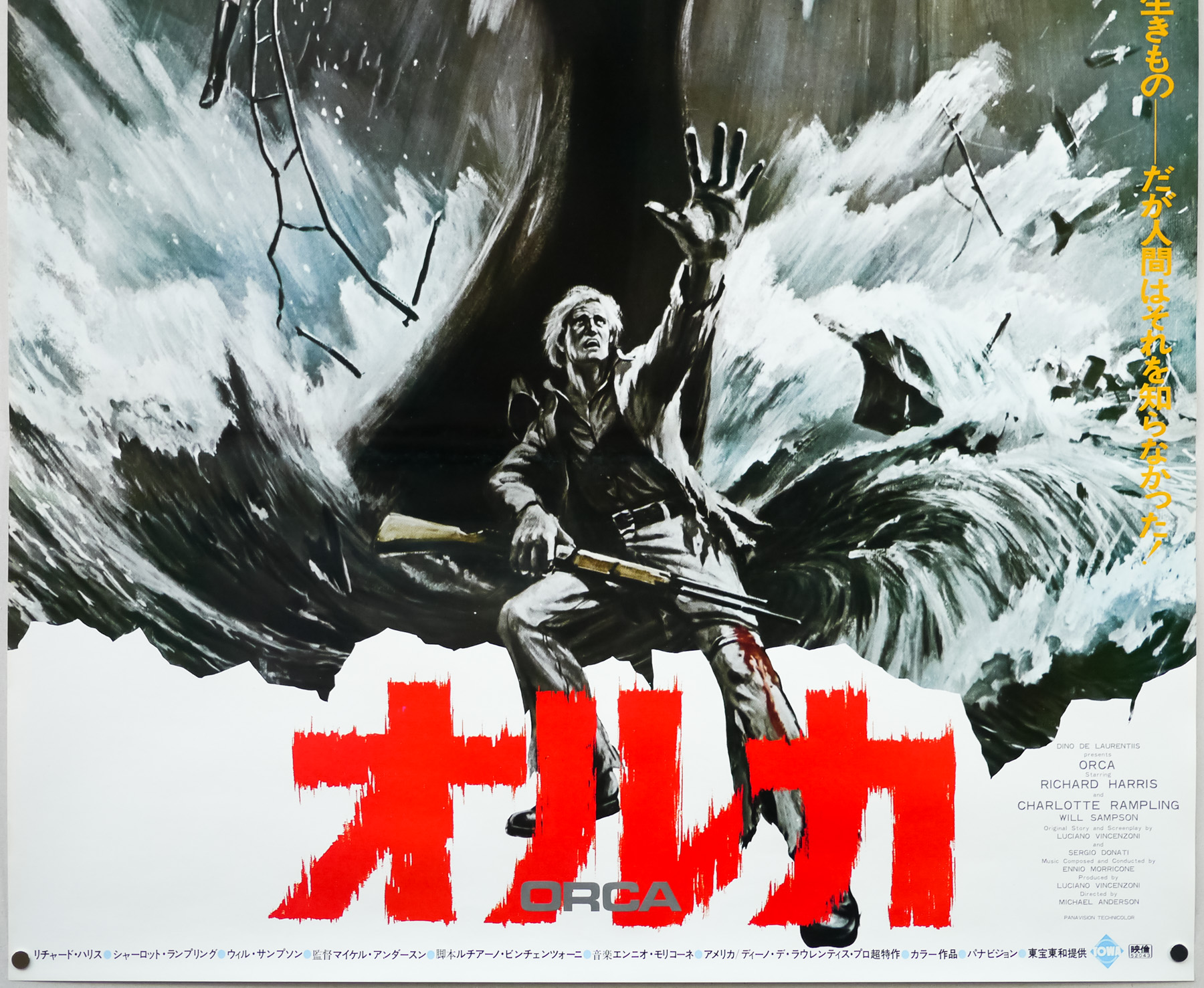
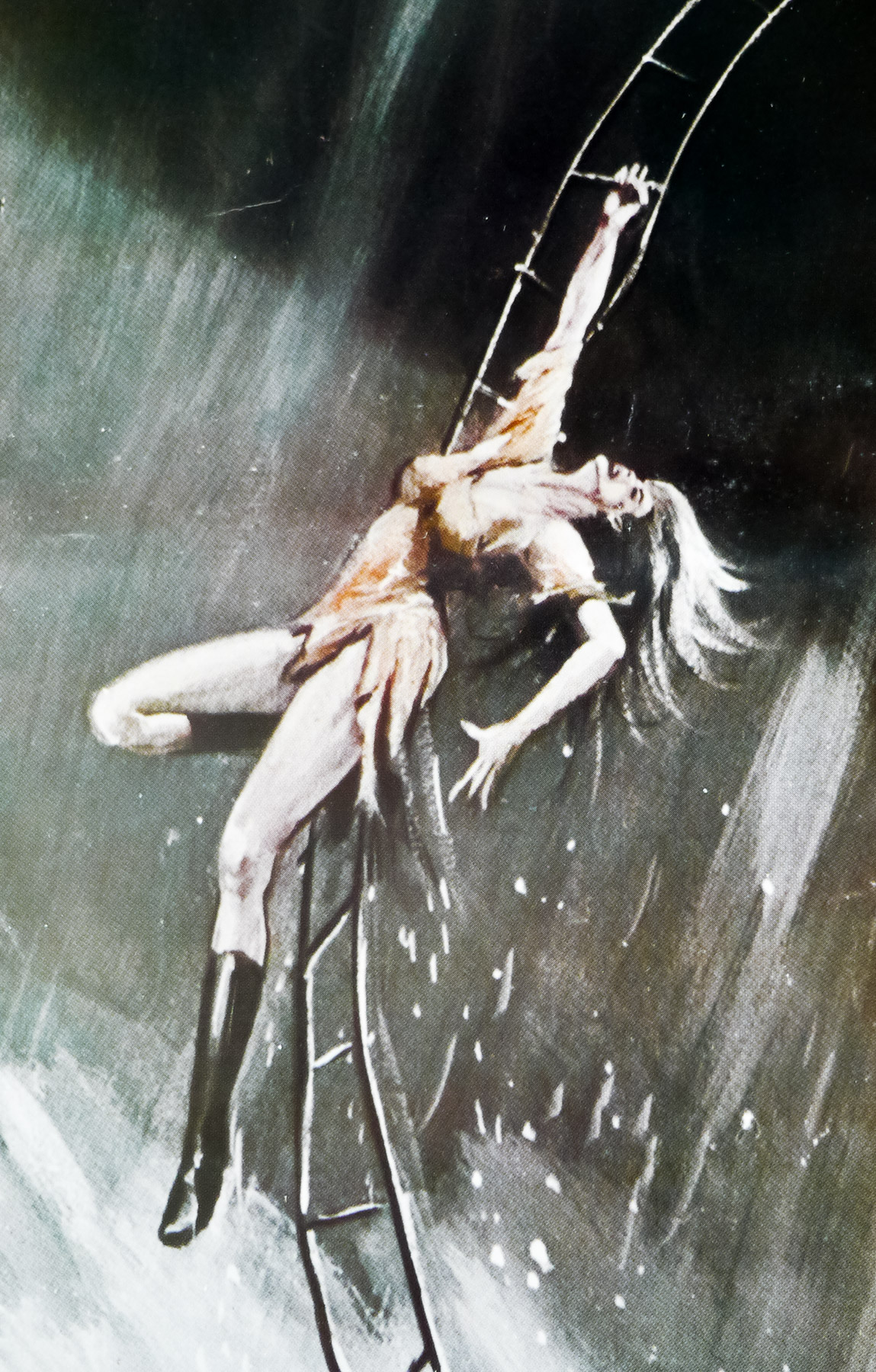
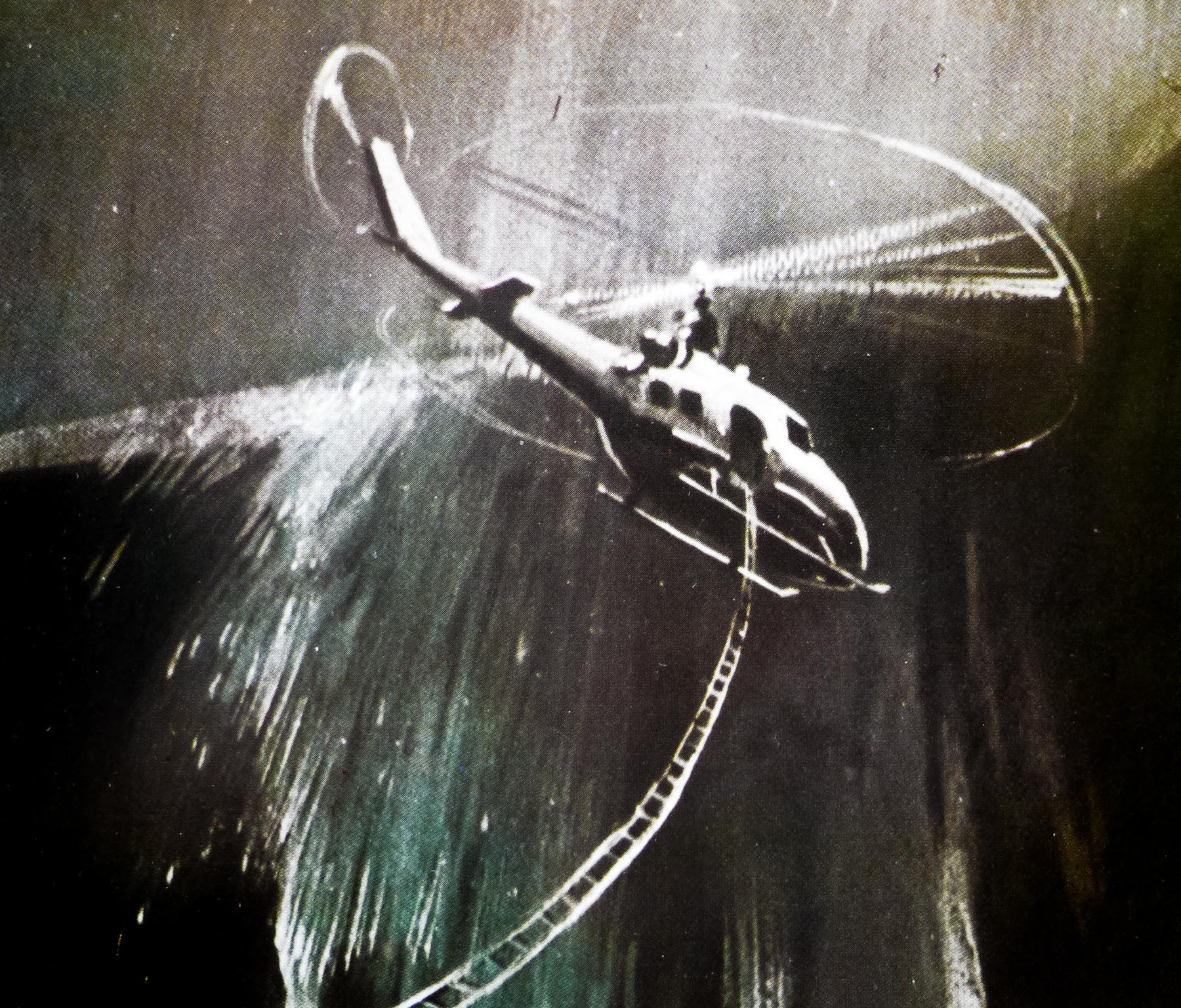
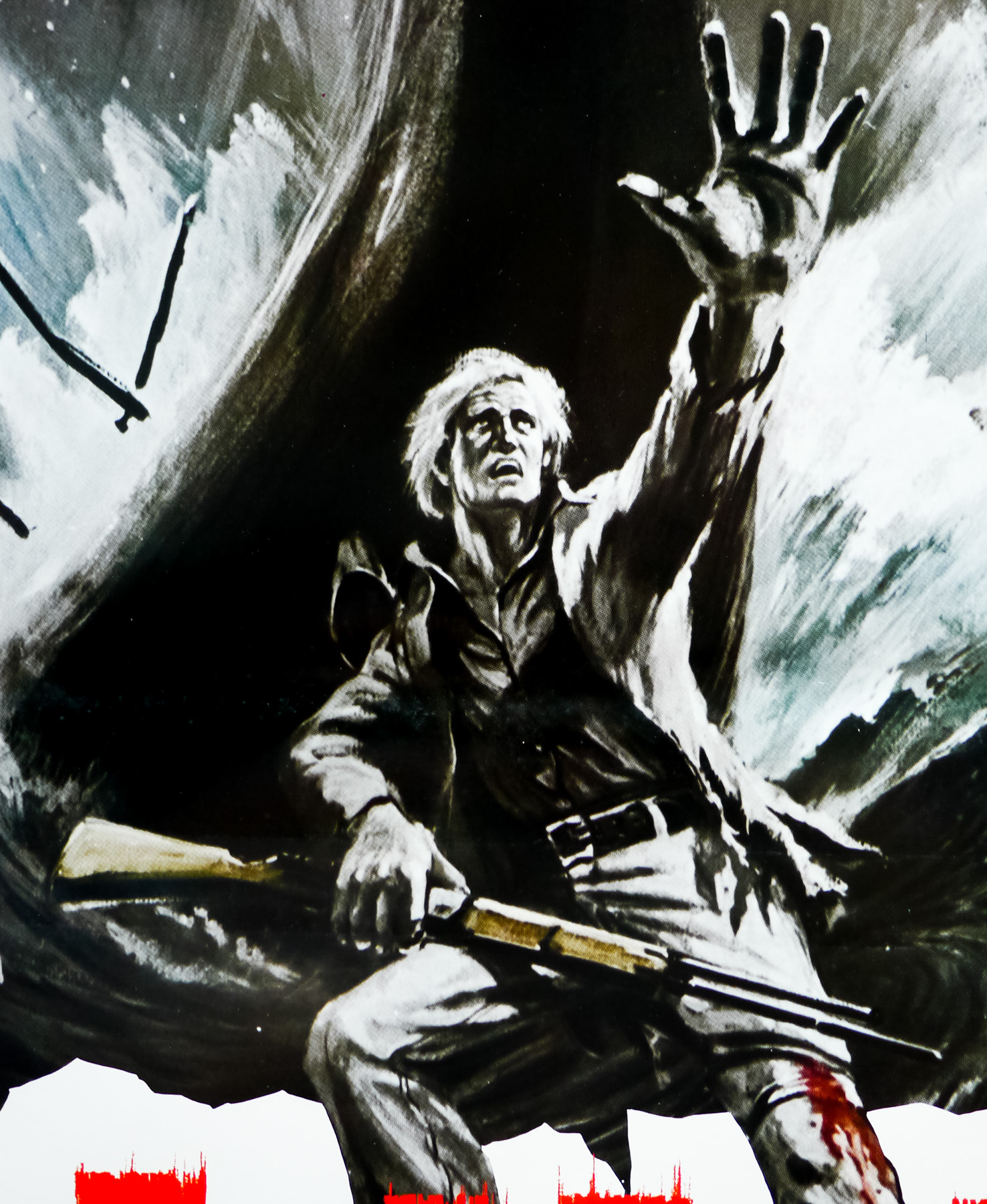
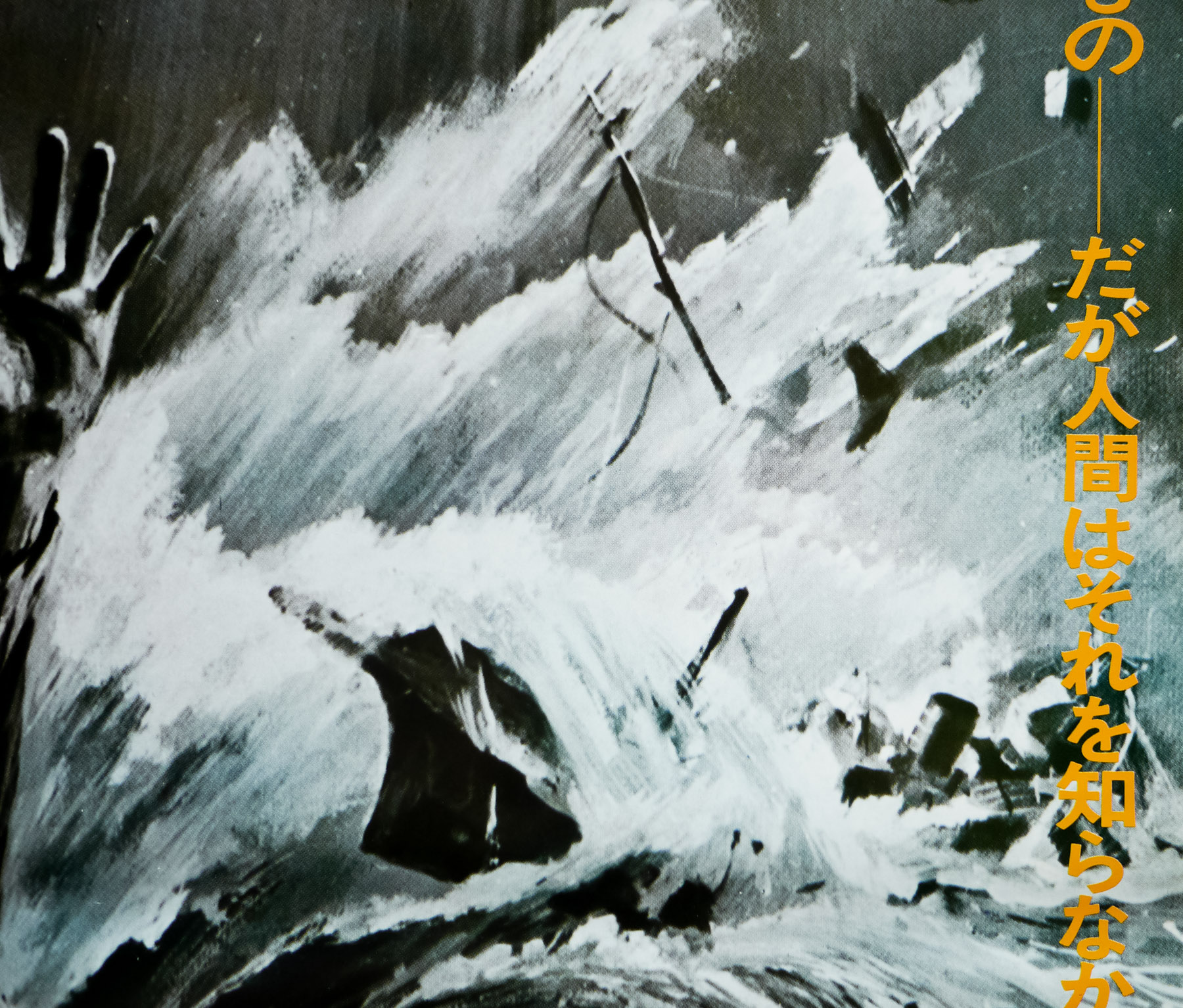
The artwork on the American one sheet was painted by John Berkey who also worked on the poster for the De Laurentiis produced remake of King Kong a year earlier, and the Orca art was also used for the British quad. The Japanese marketing campaign, however, featured at least three B2-sized posters, including this one, that featured artwork apparently unique to the posters and only the B1 format used the Berkey painting. I’ve called this B2 style B and there’s also the style A. I’ve been unable to find out who is responsible for this artwork so if you have any ideas please get in touch.

Check out the bonkers original trailer on YouTube.

Lifeforce / B2 / photo style / Japan

22.10.14

Poster Poster
Title
Lifeforce
AKA
Vampires from Outer Space (working title)
Year of Film
1985
Director
Tobe Hooper
Starring
Steve Railsback, Peter Firth, Frank Finlay, Mathilda May, Patrick Stewart
Origin of Film
USA
Genre(s) of Film
Steve Railsback, Peter Firth, Frank Finlay, Mathilda May, Patrick Stewart,
Type of Poster
B2
Style of Poster
Photo style
Origin of Poster
Japan
Year of Poster
1985
Designer
Unknown
Artist
Unknown
Size (inches)
20 6/16" x 28 14/16"
SS or DS
SS
Tagline
--

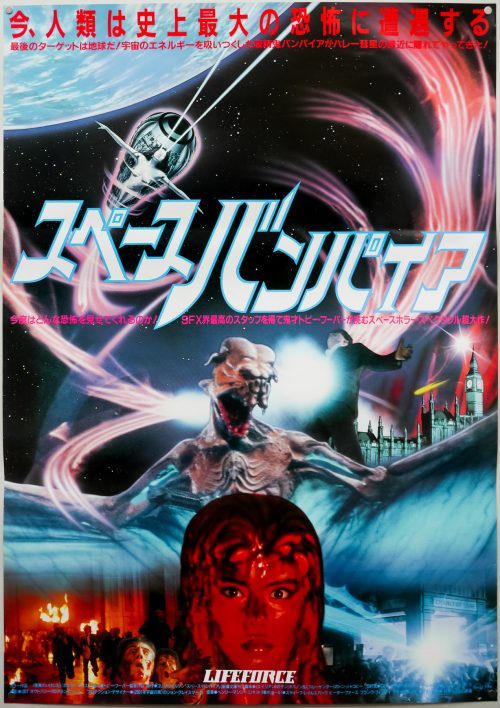
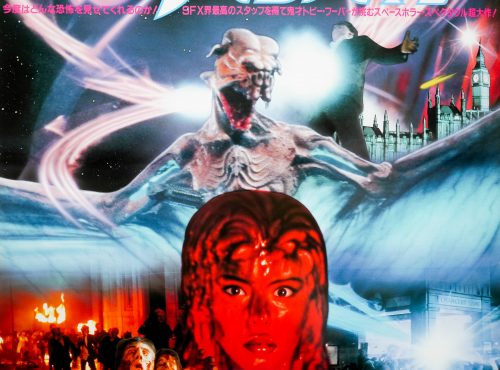
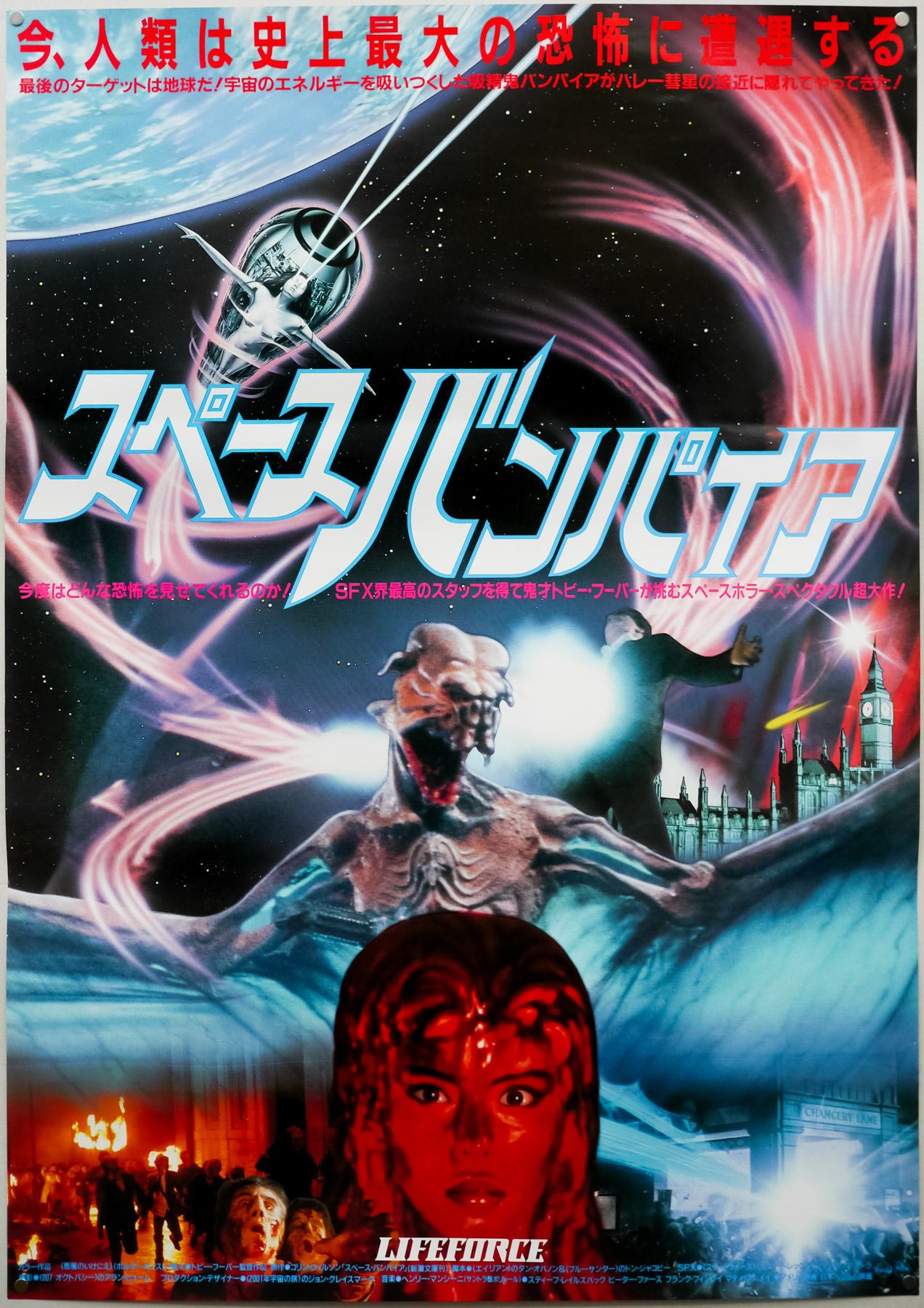
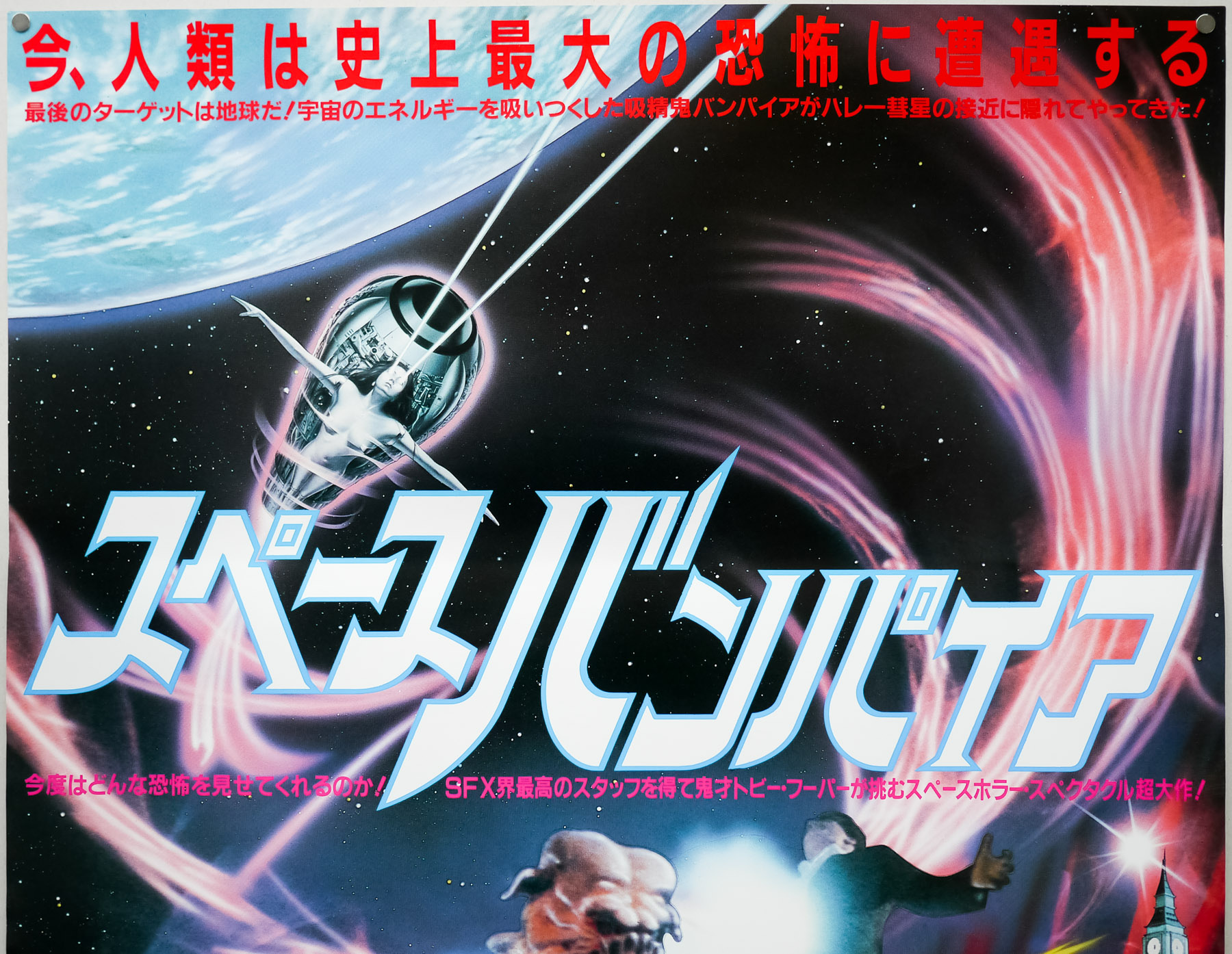
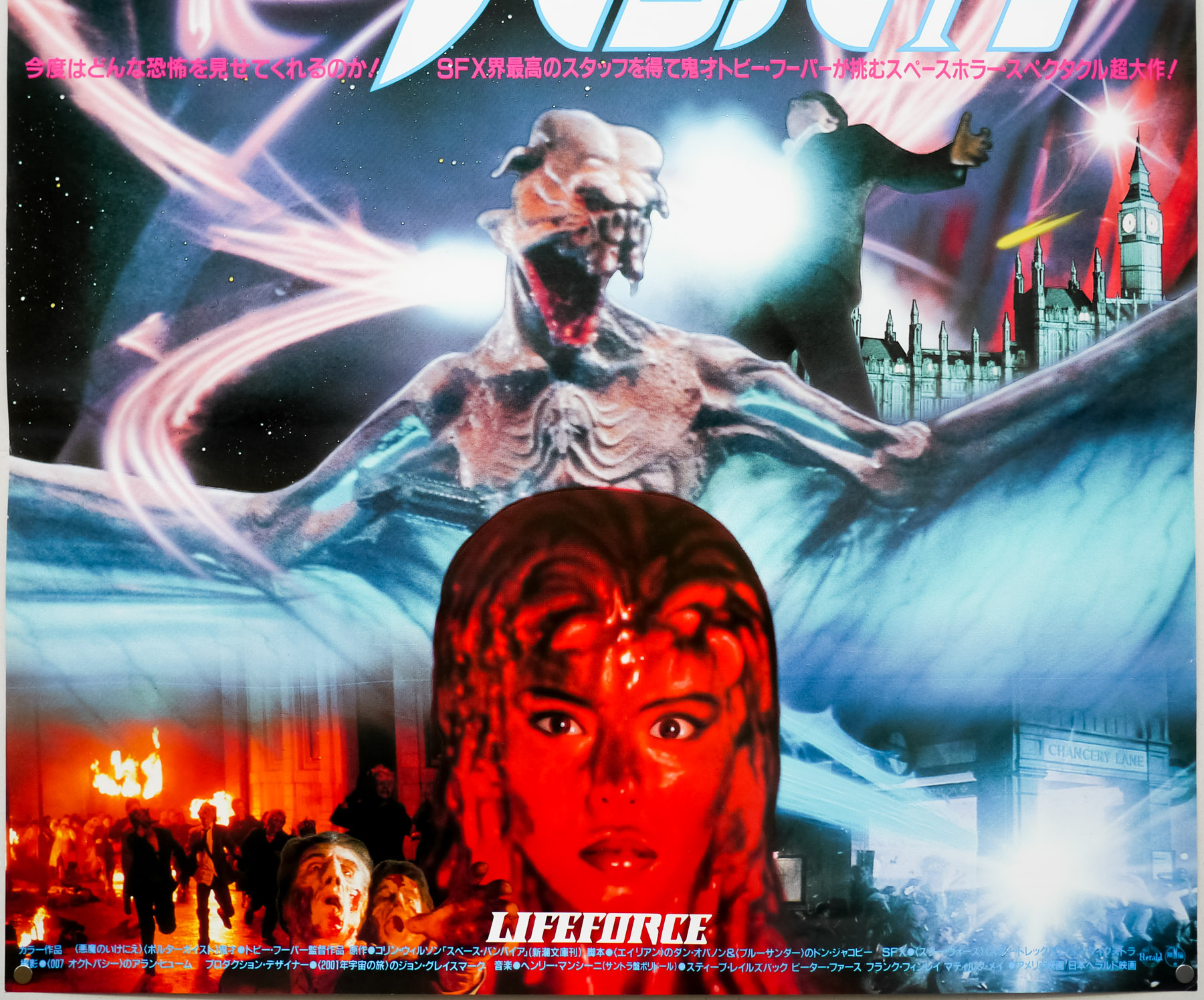
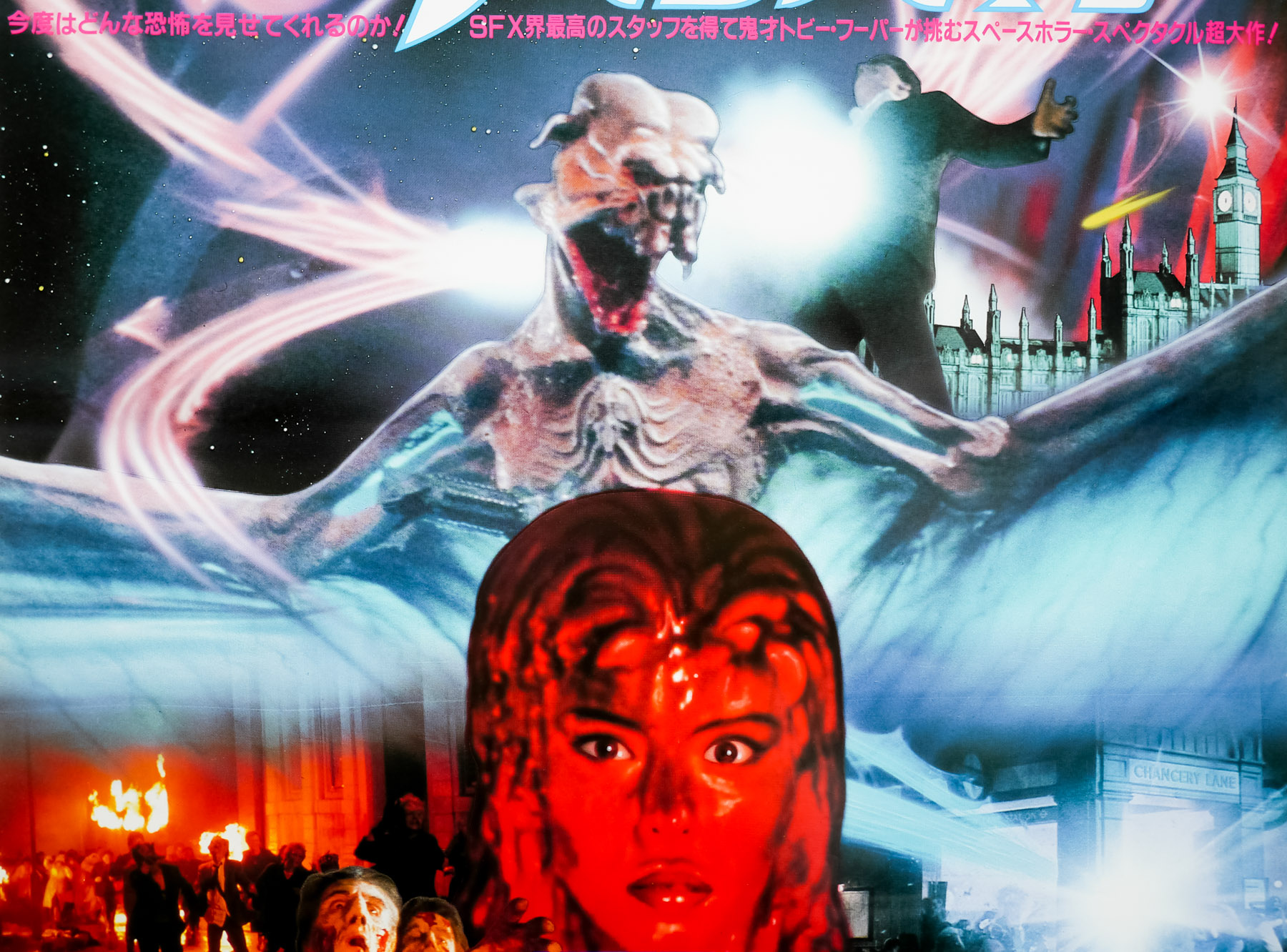
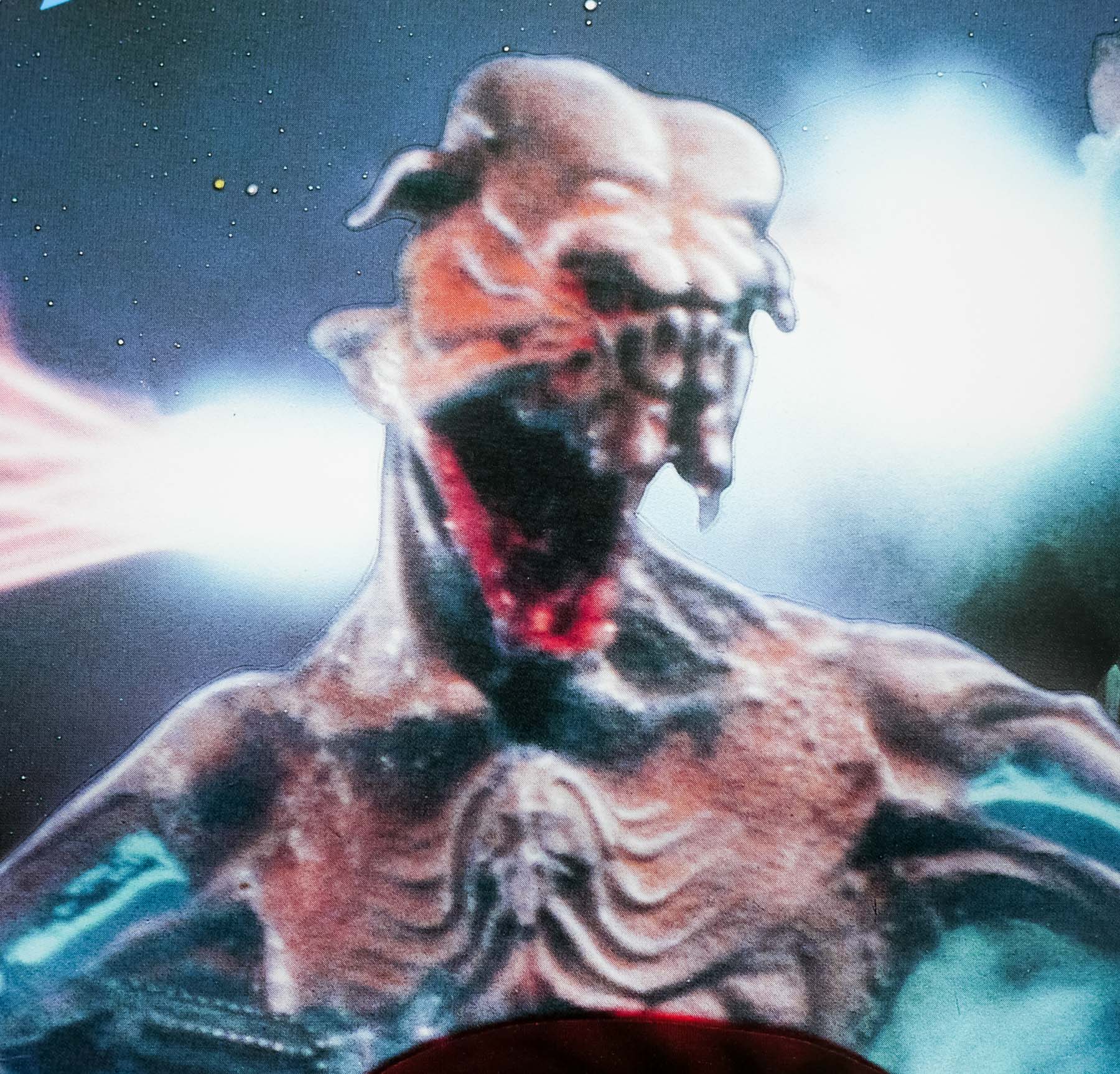
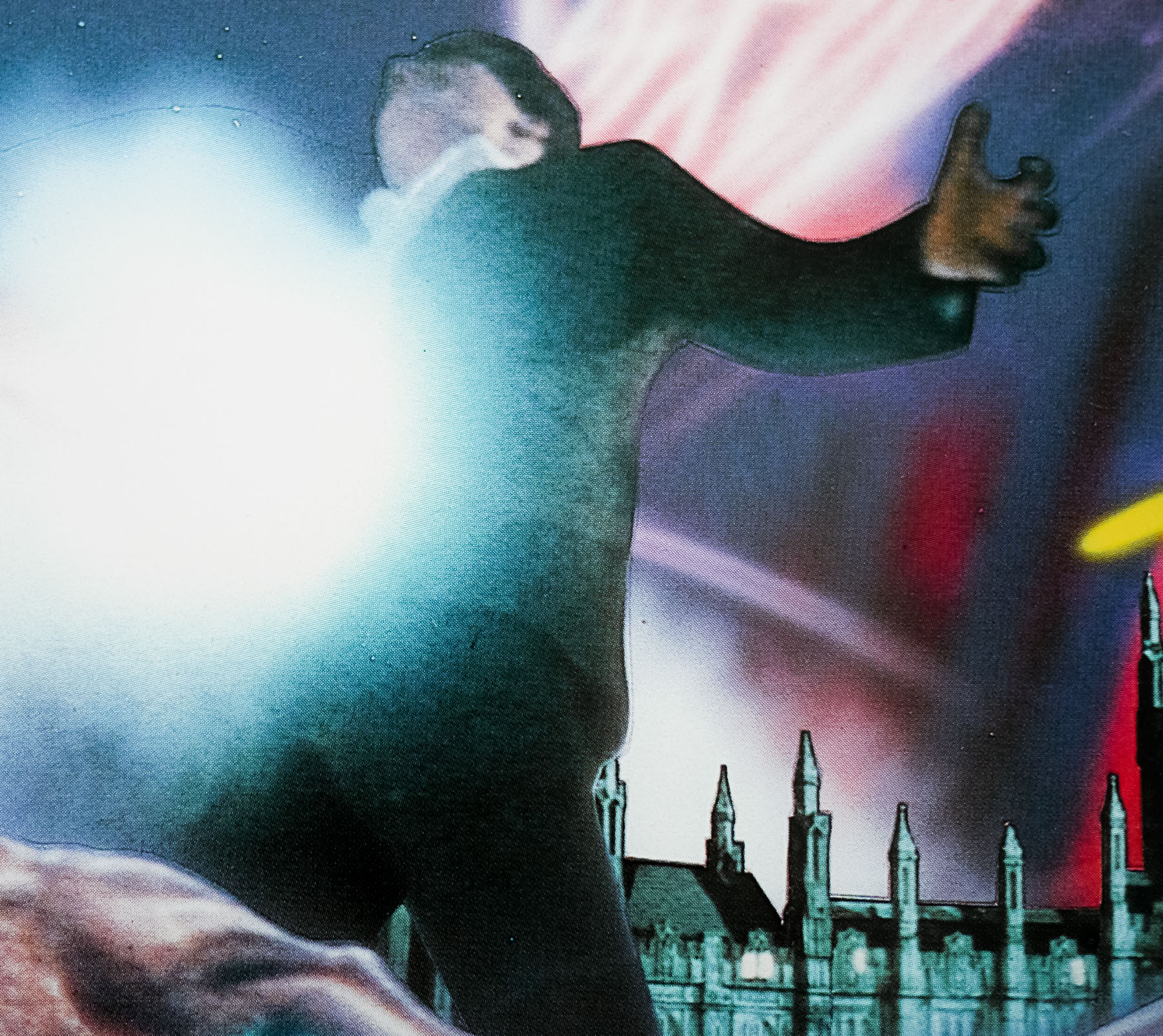
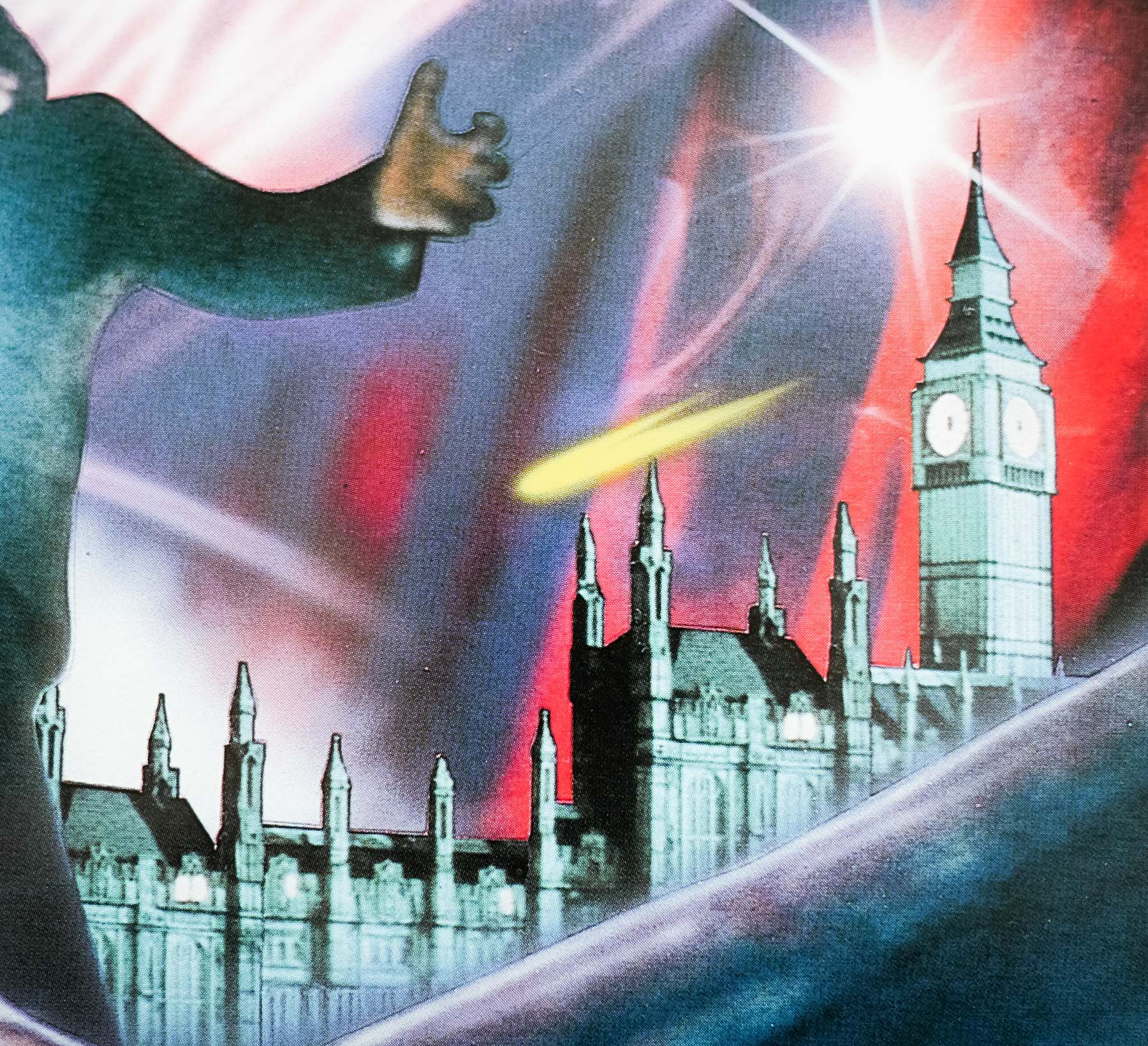
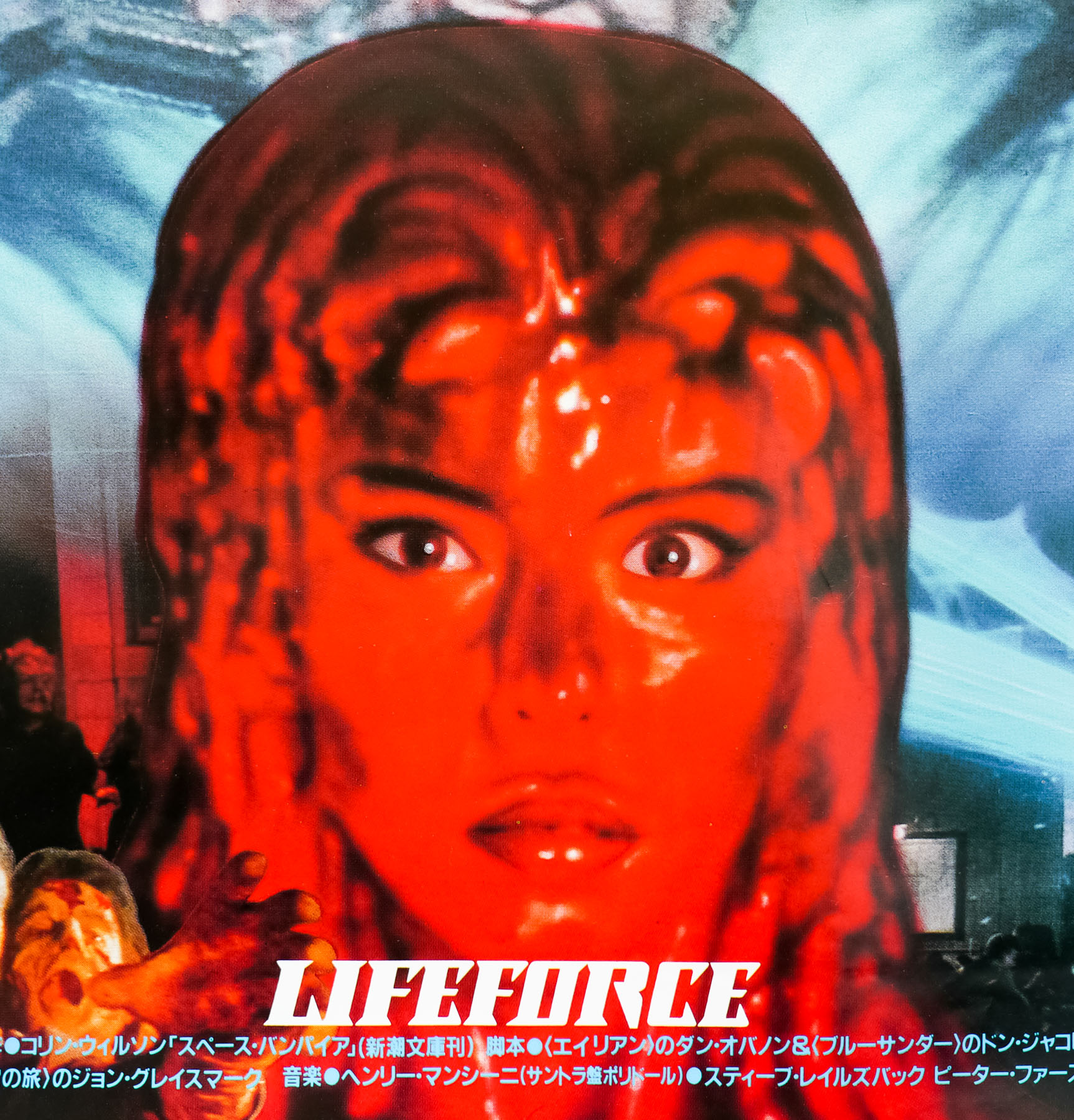
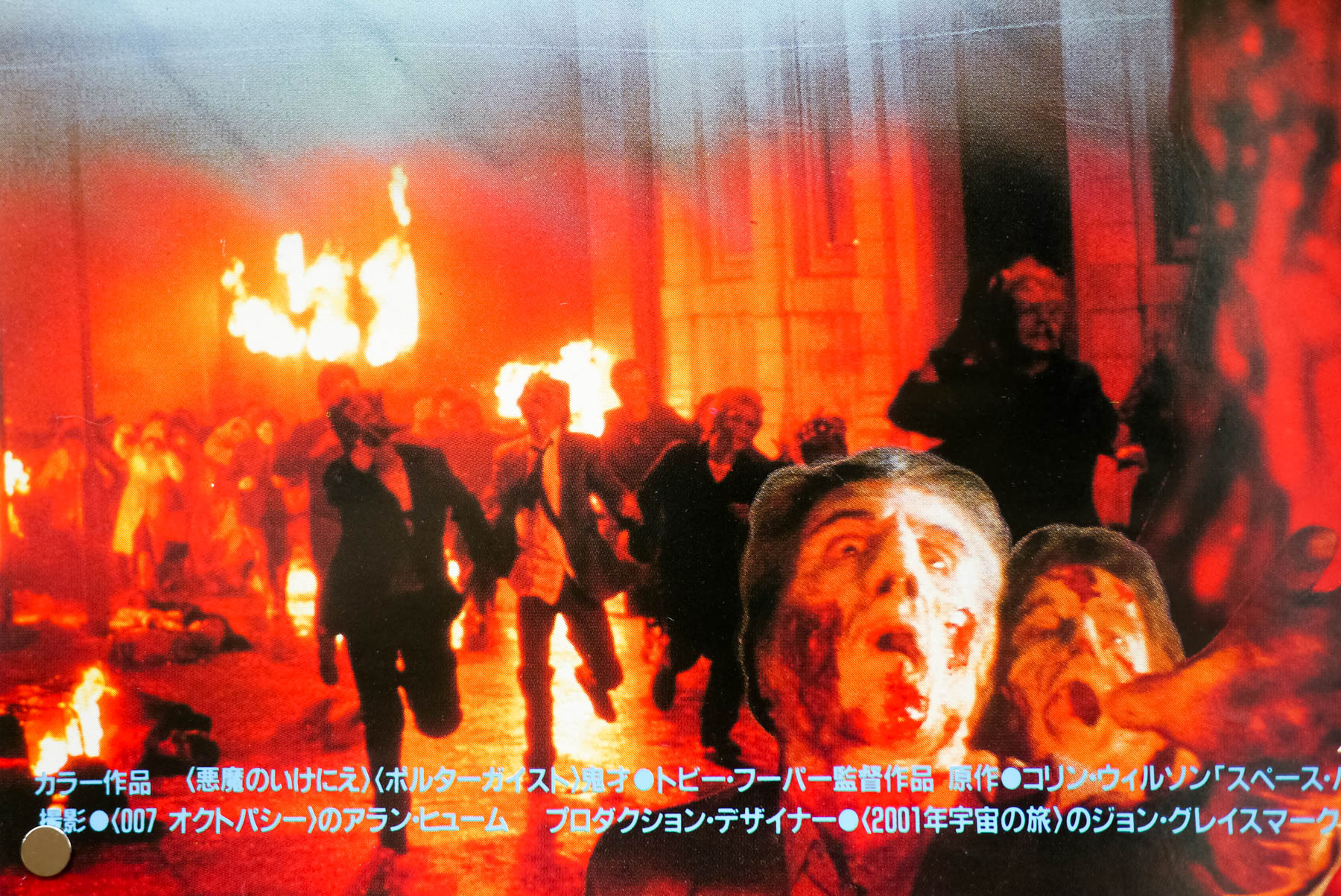
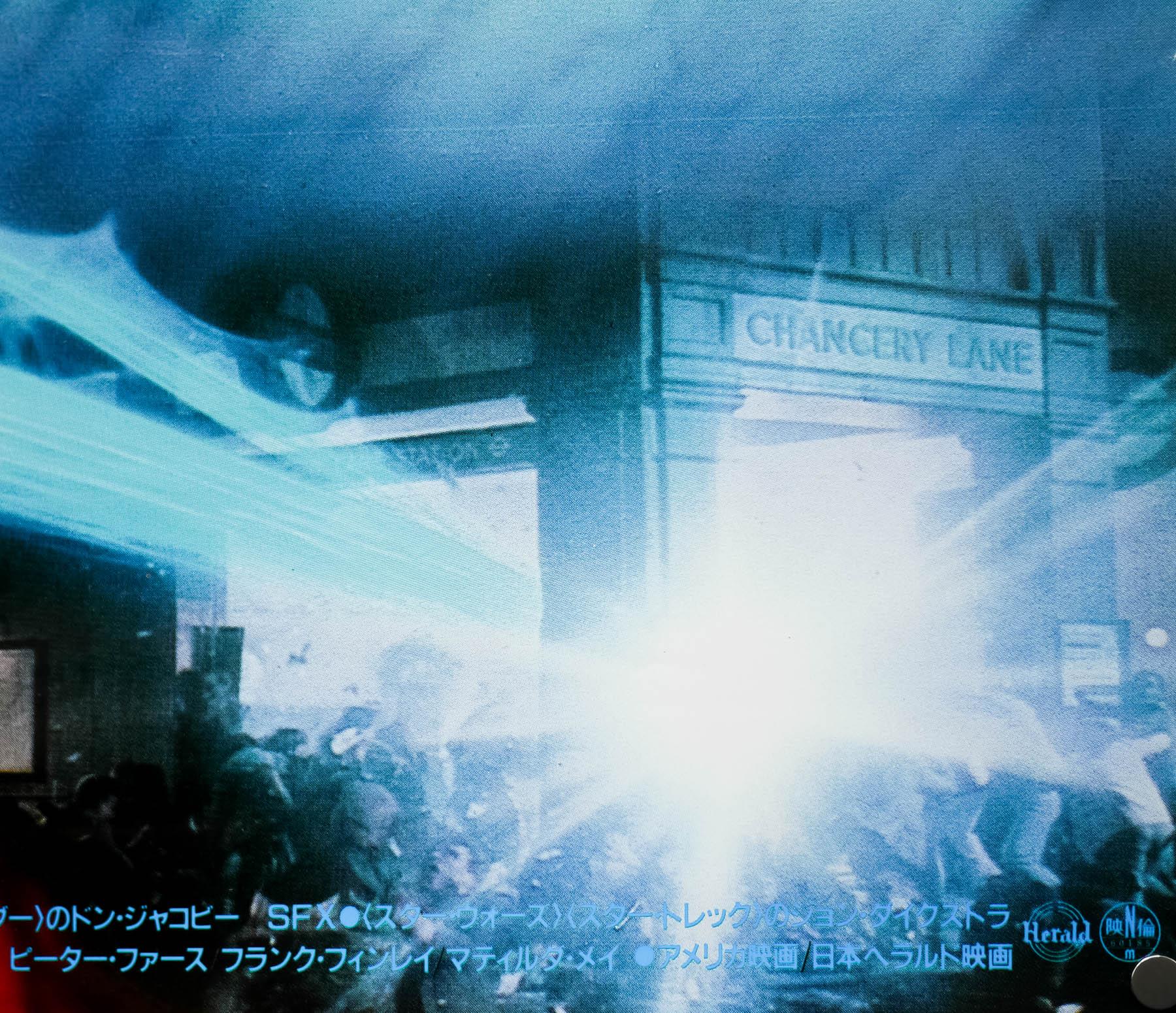
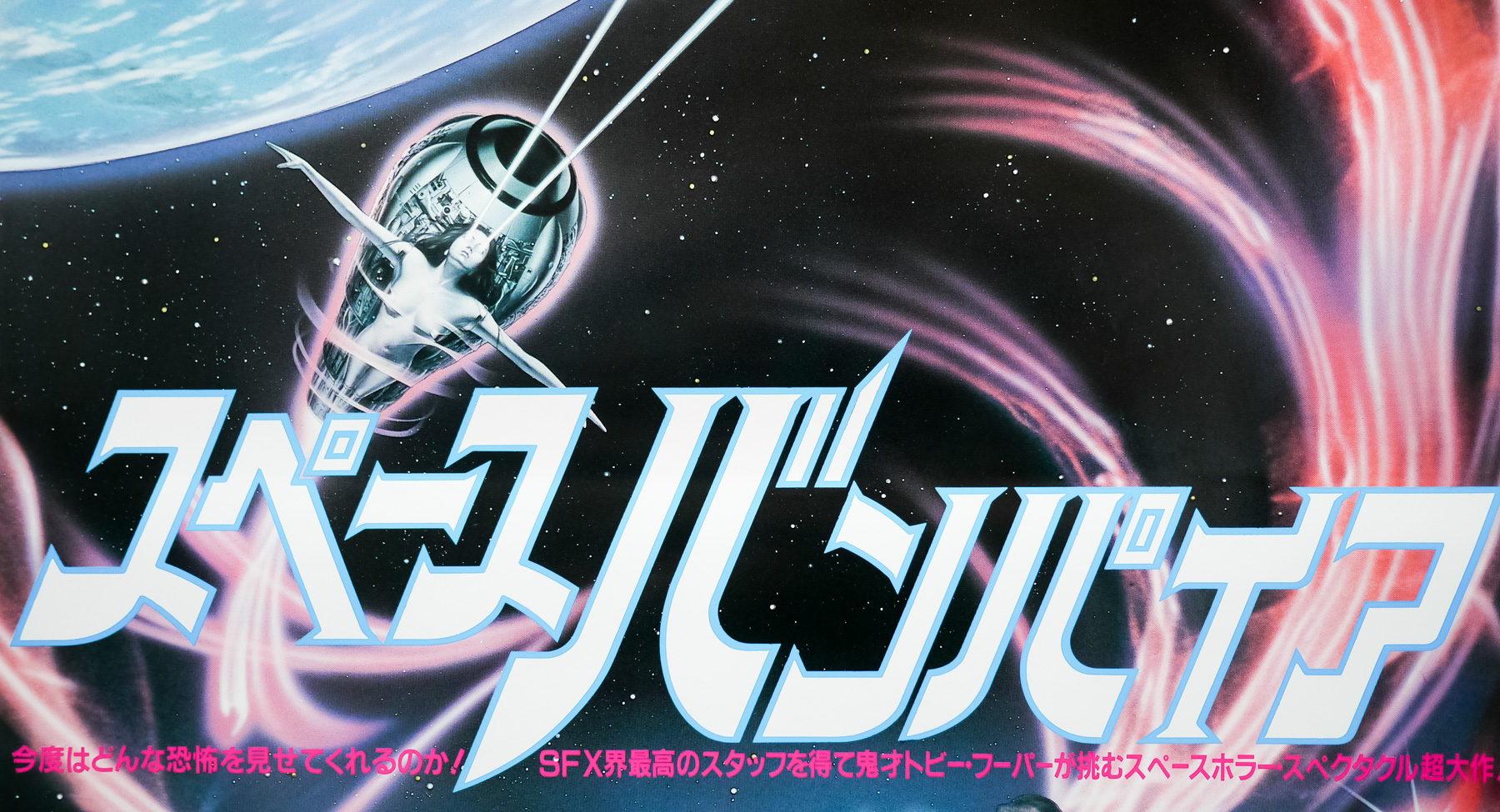
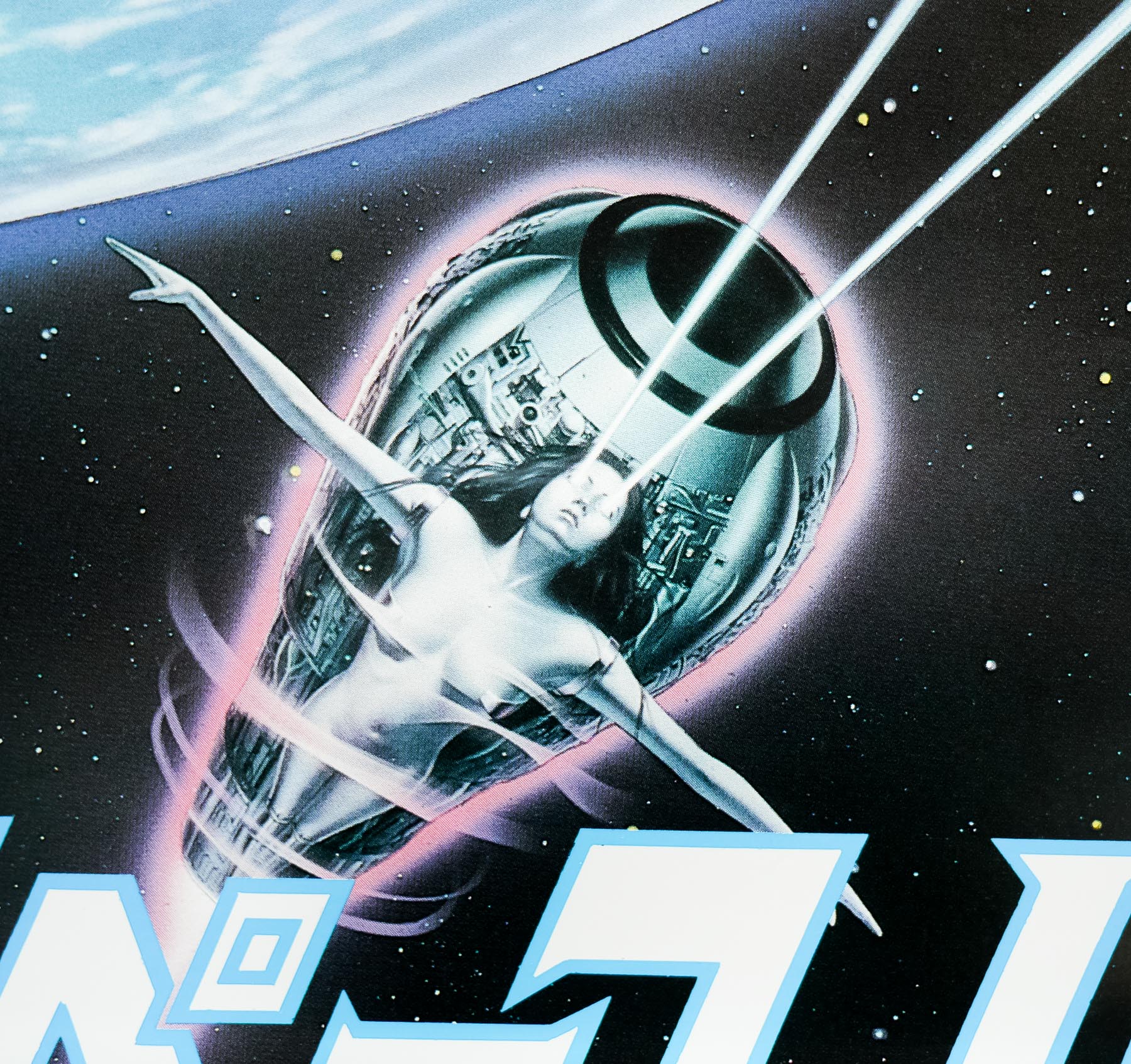
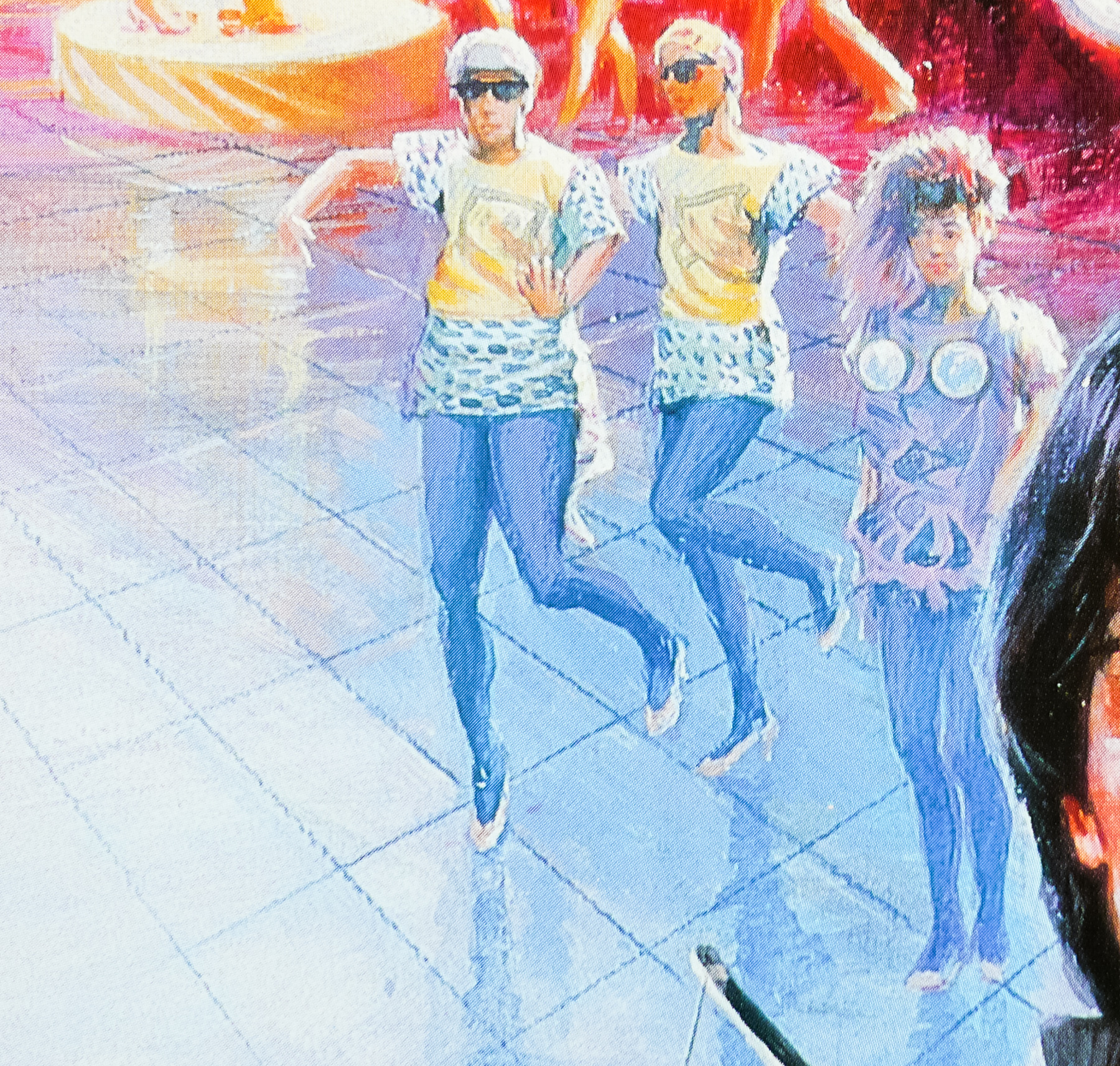
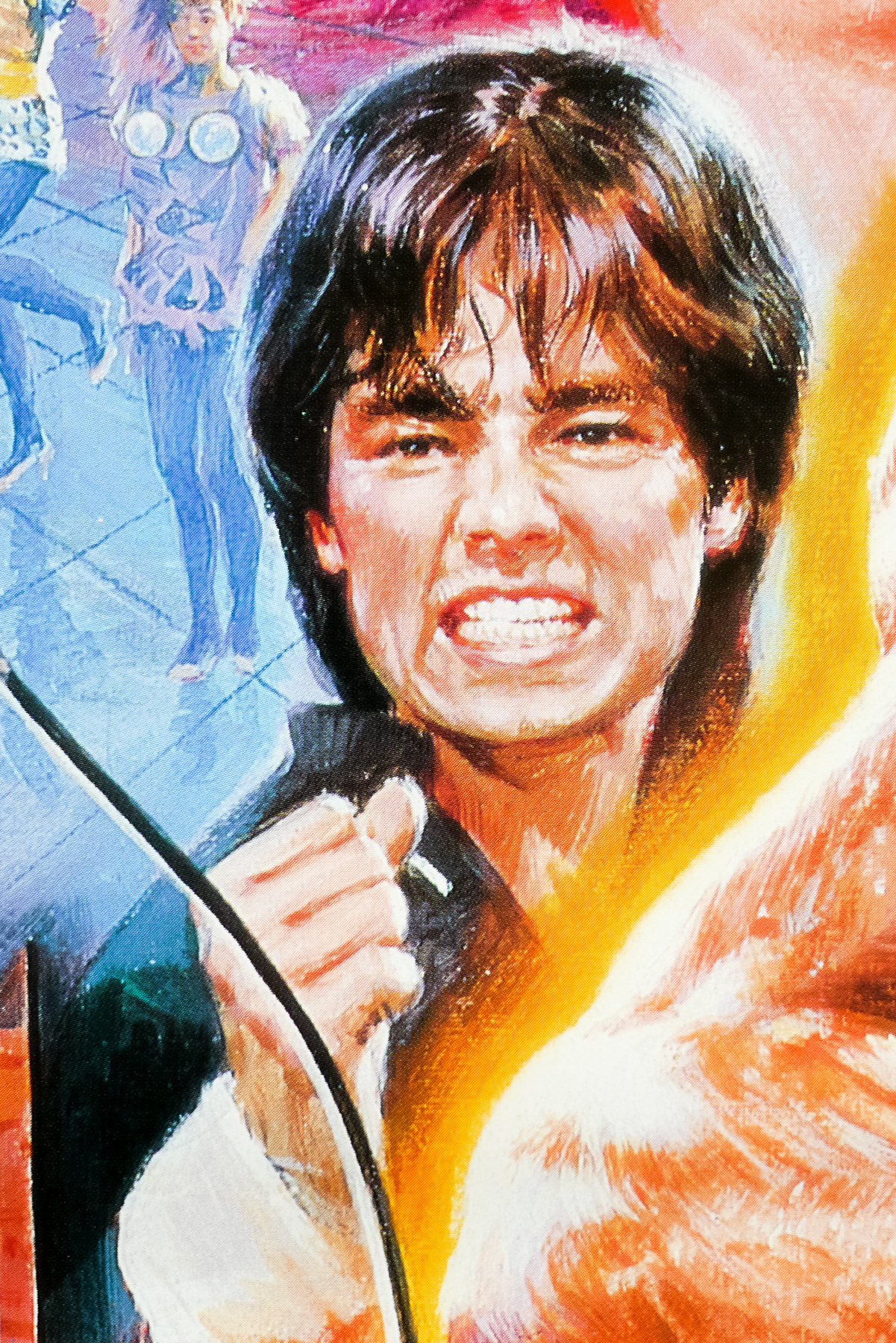
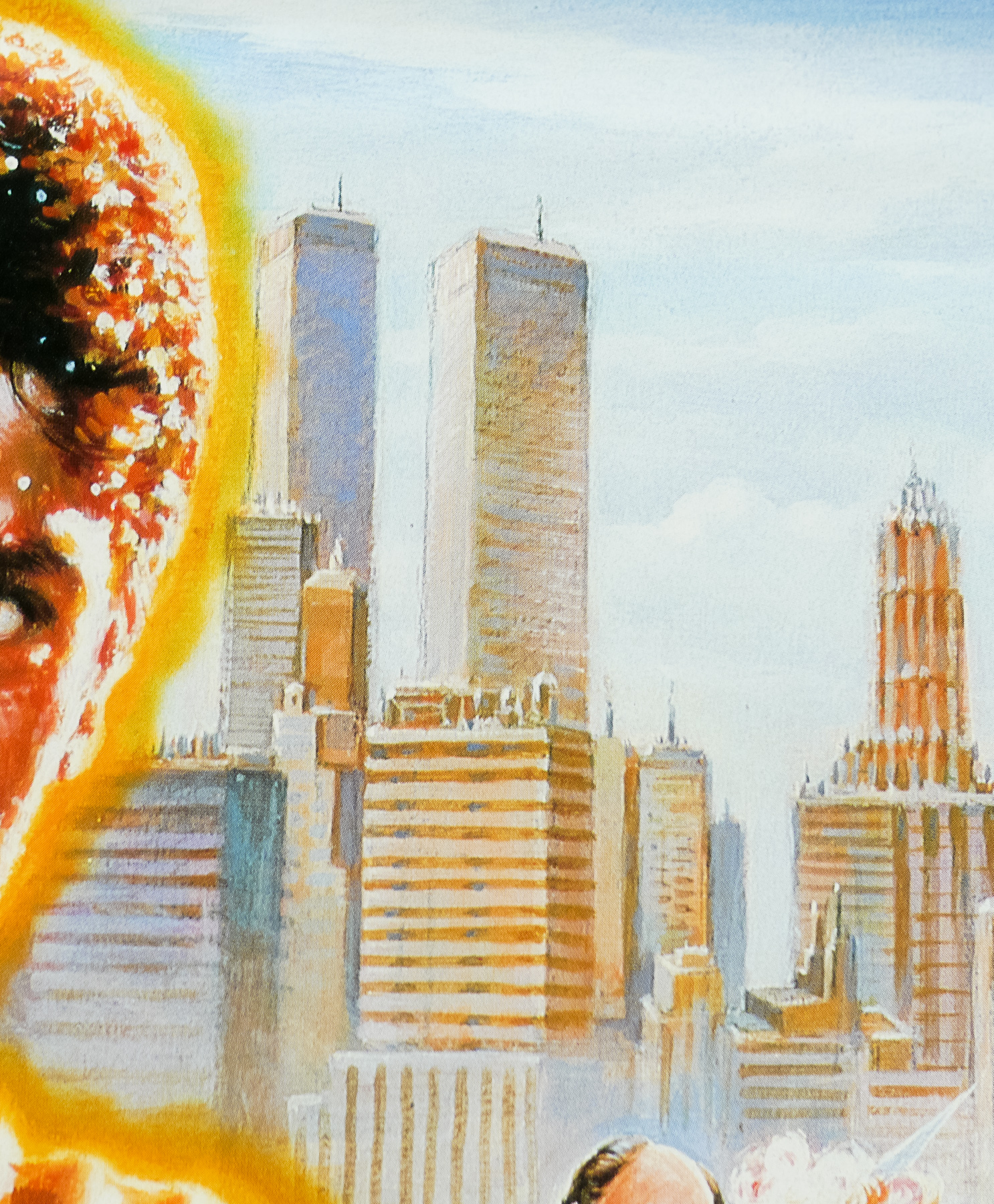
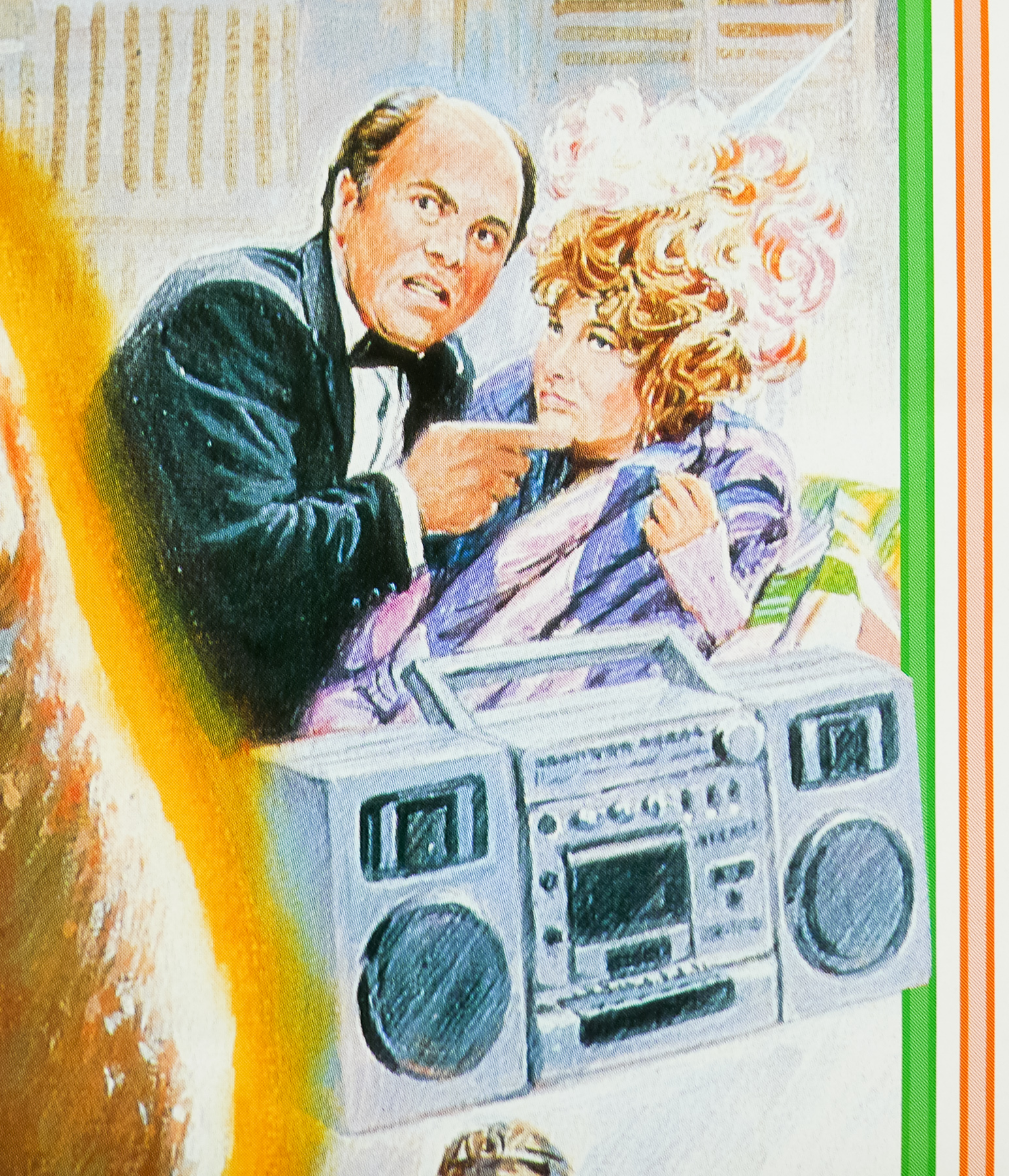
A suitably outlandish design on this Japanese B2 (style B) for the release of Tobe Hooper’s sci-fi curio Lifeforce. Based on the 1976 novel The Space Vampires by Colin Wilson, the film’s screenplay was written by Dan O’Bannon (Alien, Total Recall) and Don Jakoby and was the first in a three film deal that Hooper had agreed with notorious production and distribution company Cannon Films (the others were Invaders from Mars and The Texas Chainsaw Massacre 2). The film begins as the joint US-UK space shuttle Churchill heads towards Halley’s Comet on a research mission. After discovering a large dormant alien ship in the comet’s tail, a small team sets out to investigate and discovers a trio of naked humanoids in transparent stasis pods surrounded by the dried husks of hundreds of bat-like creatures.

The pods, which contain two males and a female (the stunning Mathilda May) are brought onboard the spaceship. Several weeks later, after losing contact with Churchill’s crew, a rescue team is sent out and finds the shuttle drifting in space having been crippled by a catastrophic fire with all crew presumed dead. The pods are discovered in the hold completely untouched and are returned to earth to the European Space Research Centre in London where Dr. Leonard Bukovsky (the late Michael Gothard) and Dr. Hans Fallada (Frank Finlay) oversee a planned autopsy on the humanoid figures. The female awakens during the procedure and attacks one of the doctors, draining the ‘lifeforce’ from him, leaving just a desiccated husk. She then escapes from the facility and sets in motion a chain of events that eventually sees the city of London besieged by hundreds of newly created space vampires.

The film gets increasingly bonkers as it continues and the acting from Steve Railsback (shuttle captain Carlsen) is absolutely bizarre, ranging from barely audible mumbles to wild-eyed shouting. Frank Finlay is also good value and appears to think he’s starring in a 1960s Hammer horror film. The special effects are notably good and were headed up by award-winning artist John Dykstra. The alien ship scenes are very well done, as are several of the scenes where lifeforce is extracted from victims.

The film rattles from one scene to another and barely manages to stay comprehensible, despite being undeniably enjoyable. Apparently budgetary issues meant several scenes were never shot and production had to be shut down at one point after financing had dried up. All of this clearly had an impact on the final cut and things were made worse for the US release when distributor Tristar decided to trim 12 minutes from the film. Lifeforce was a box-office failure and was unable to recoup its original bloated budget. The UK and other countries at least received the full uncut version and it’s now available for all on blu-ray.
My Bloody Valentine / B2 / Japan

19.12.14

Poster Poster

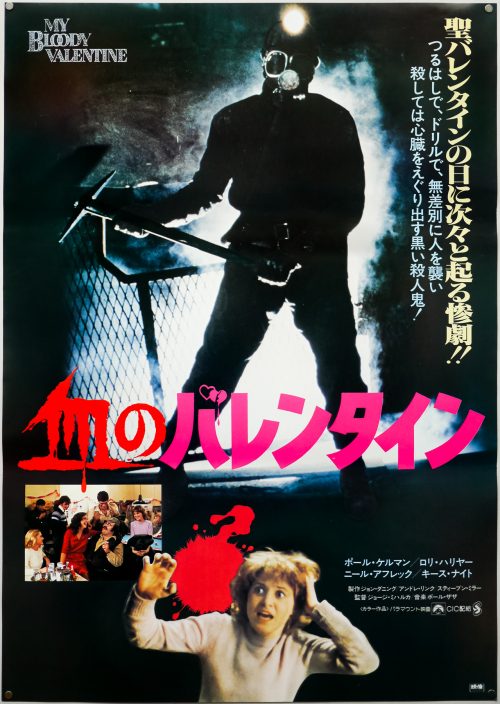
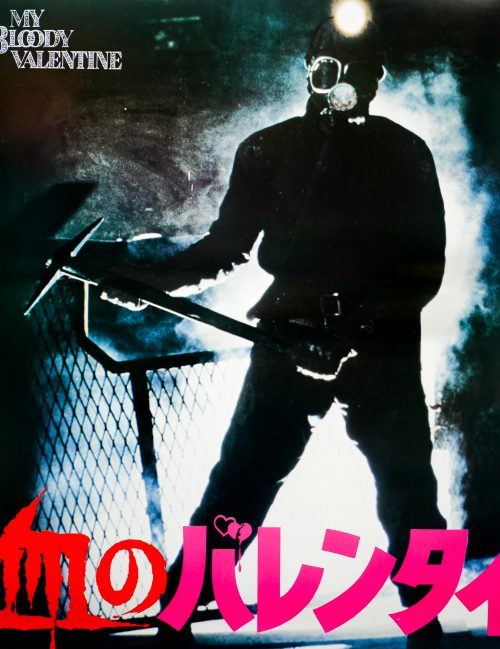
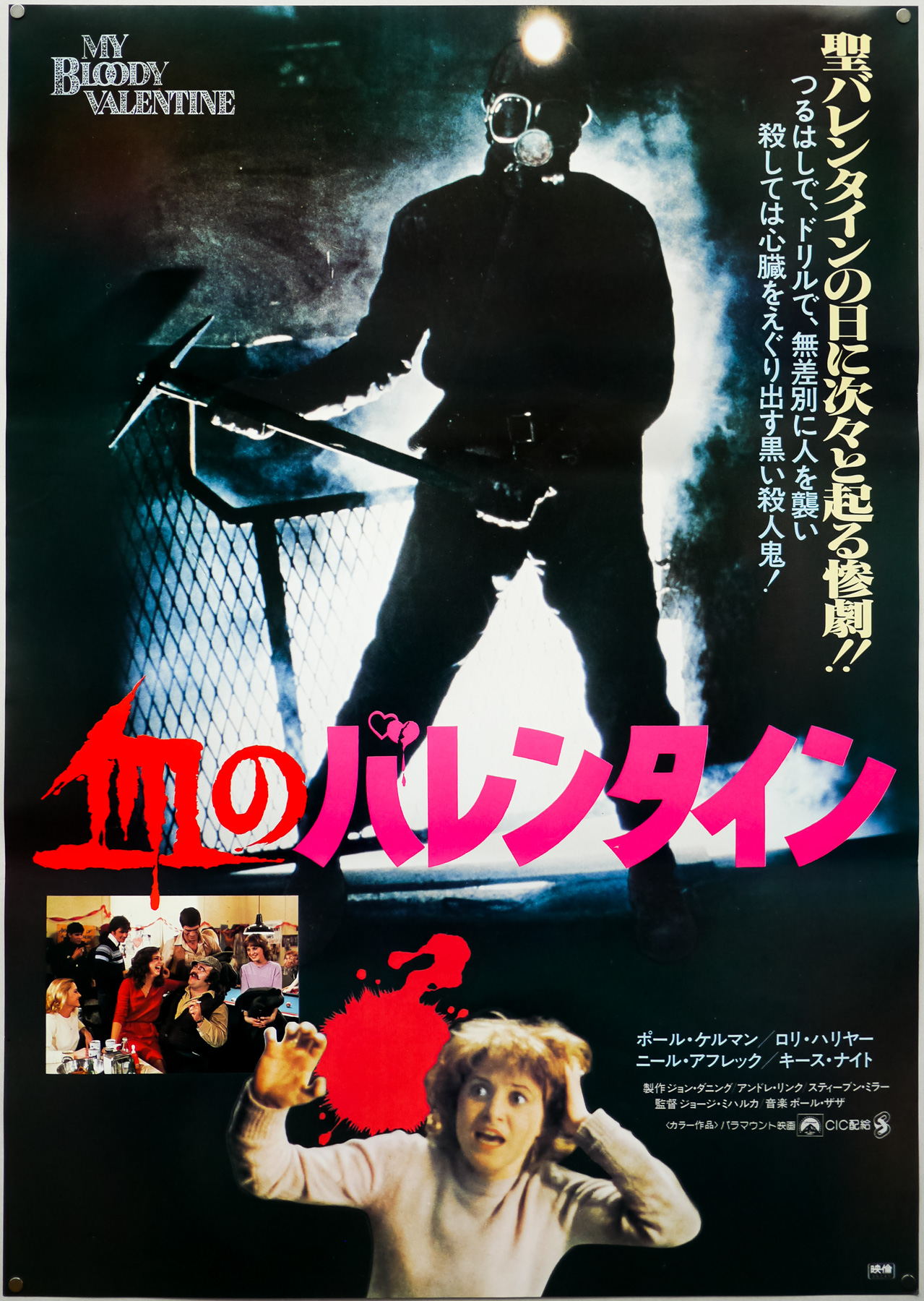
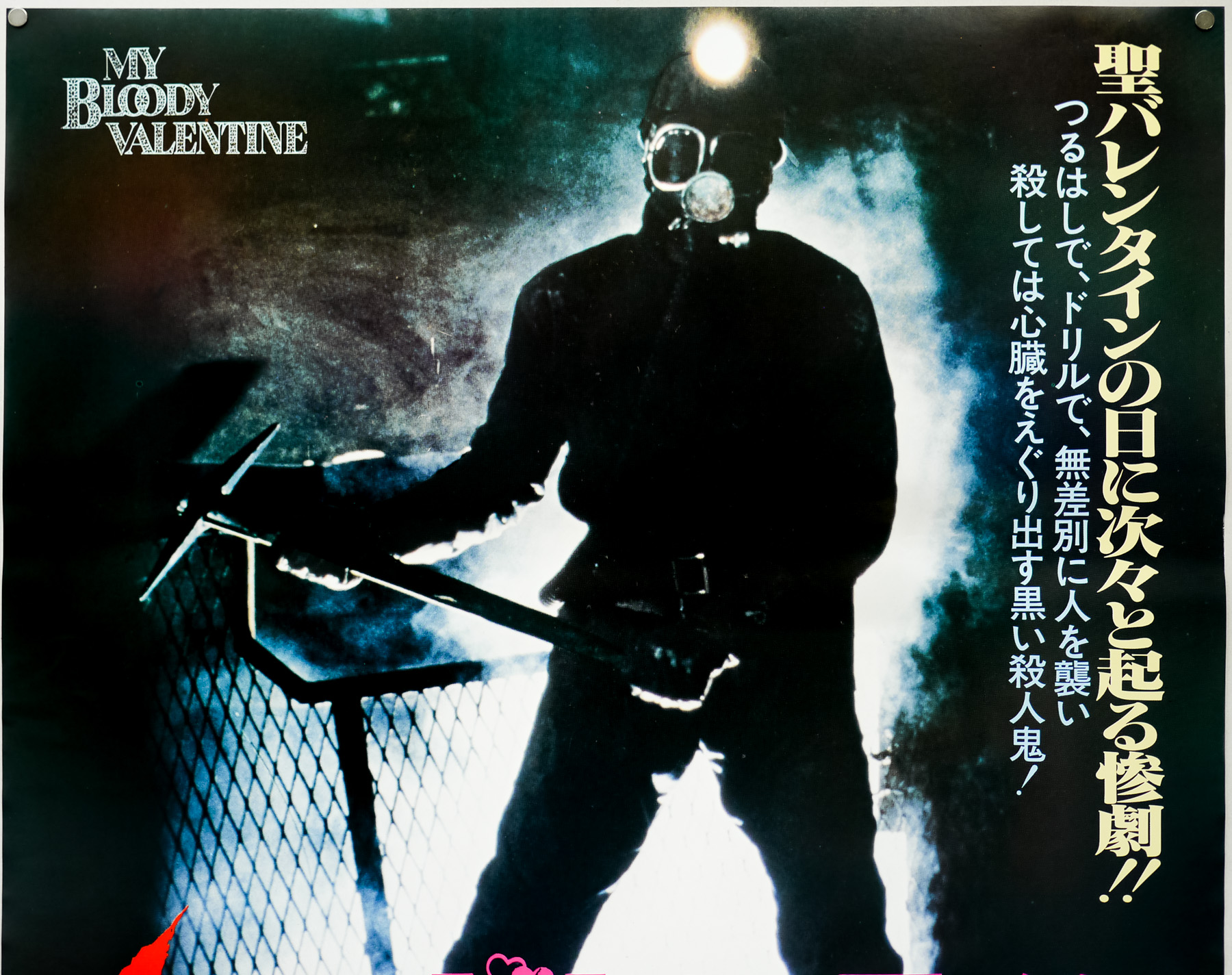
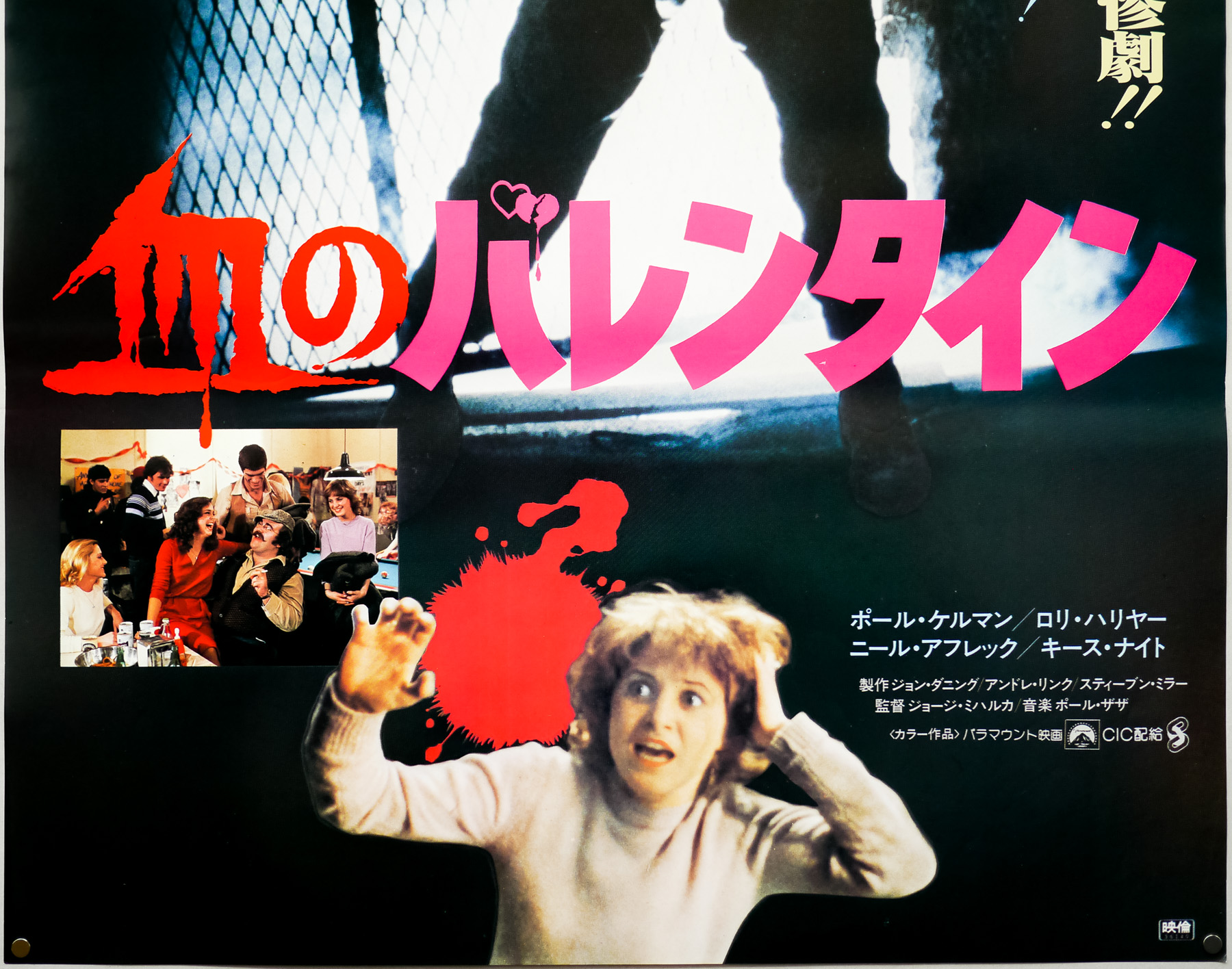
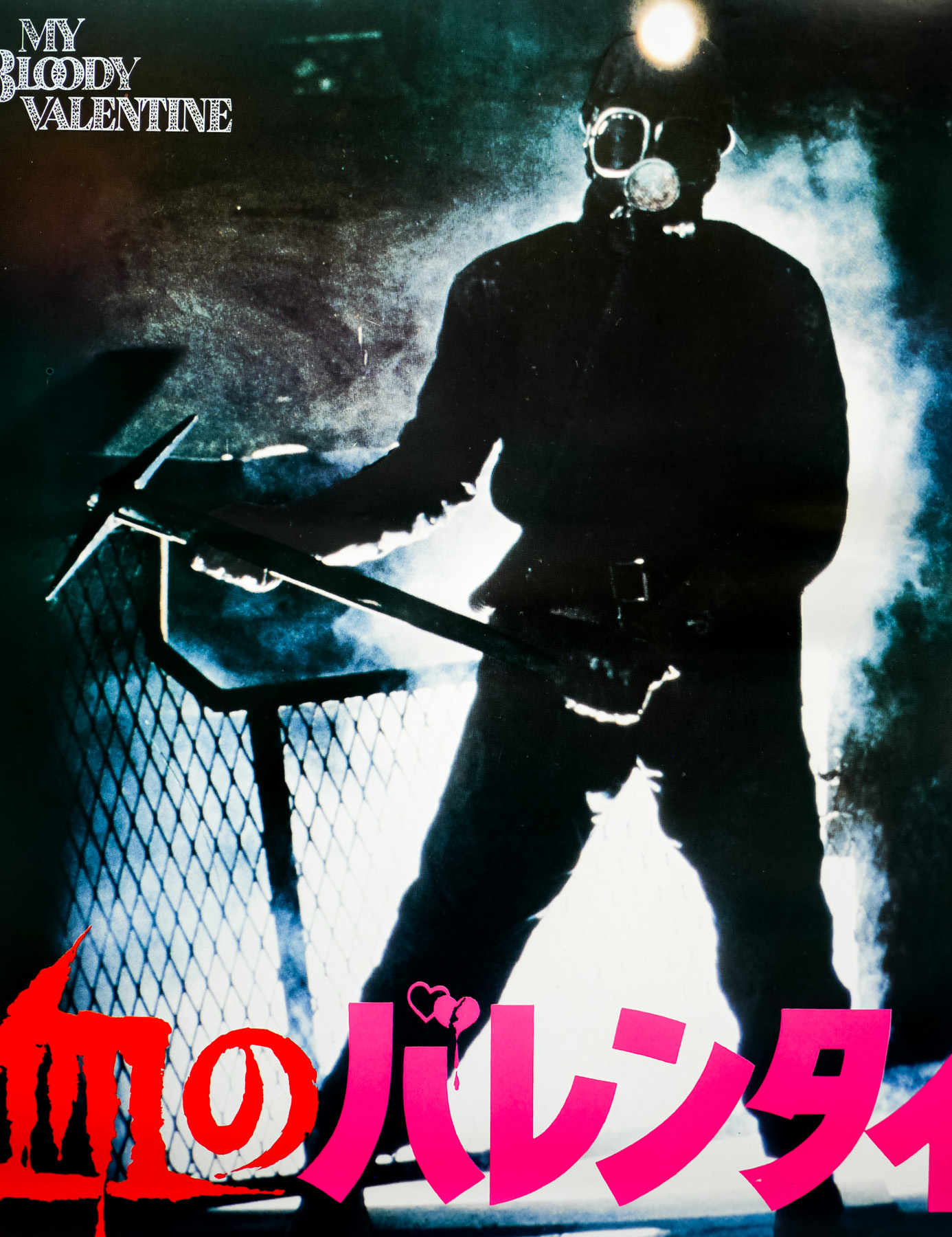
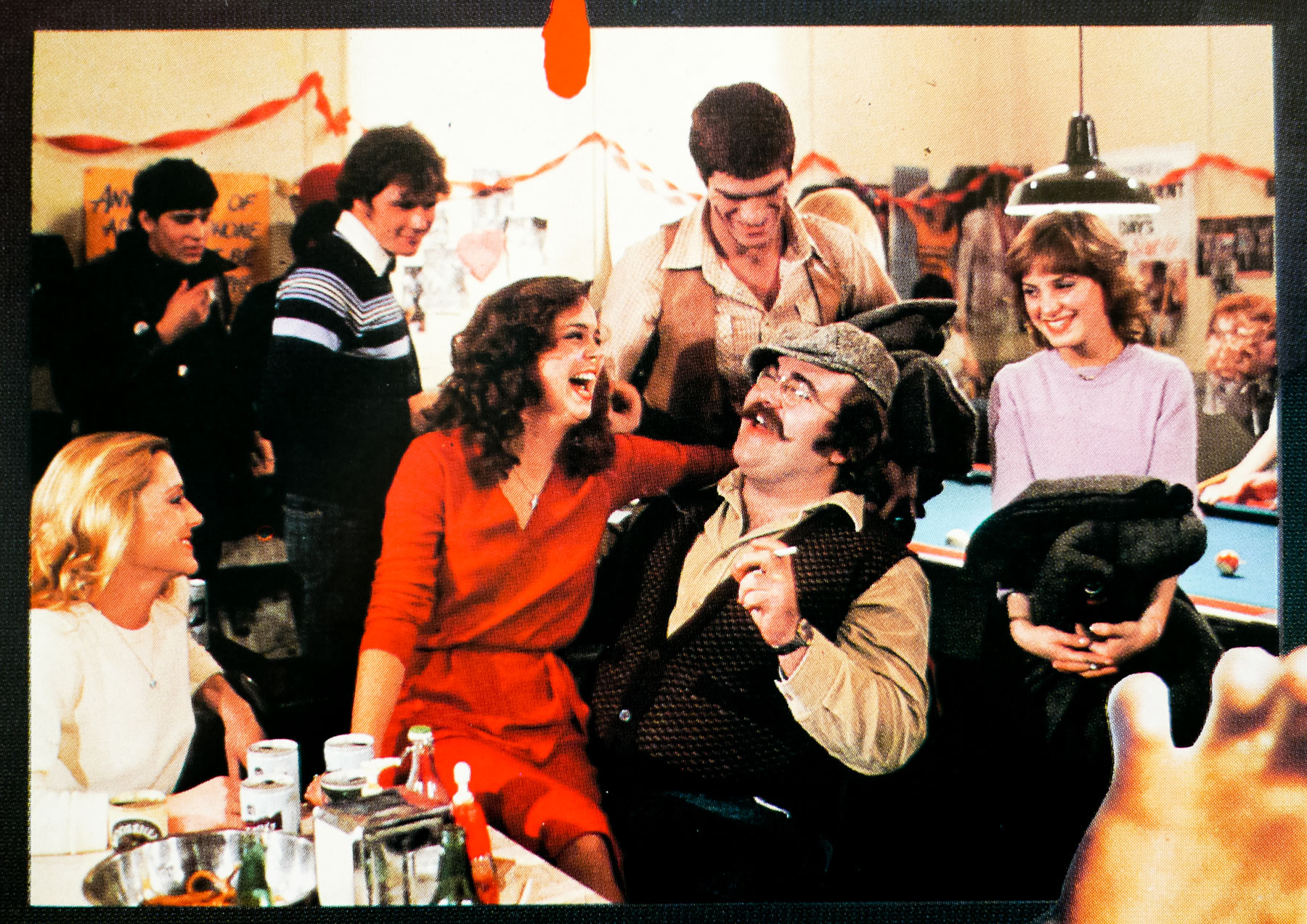
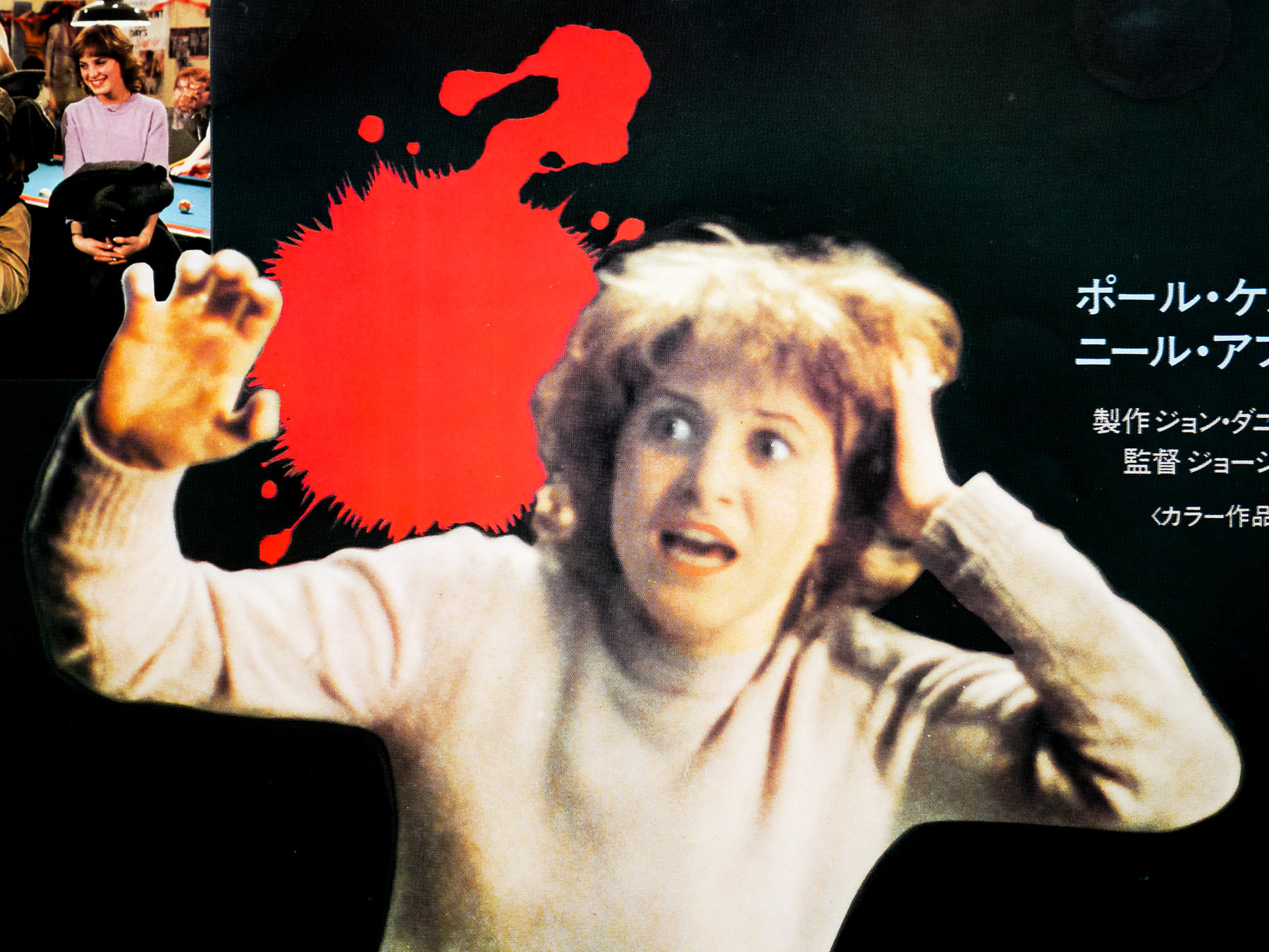
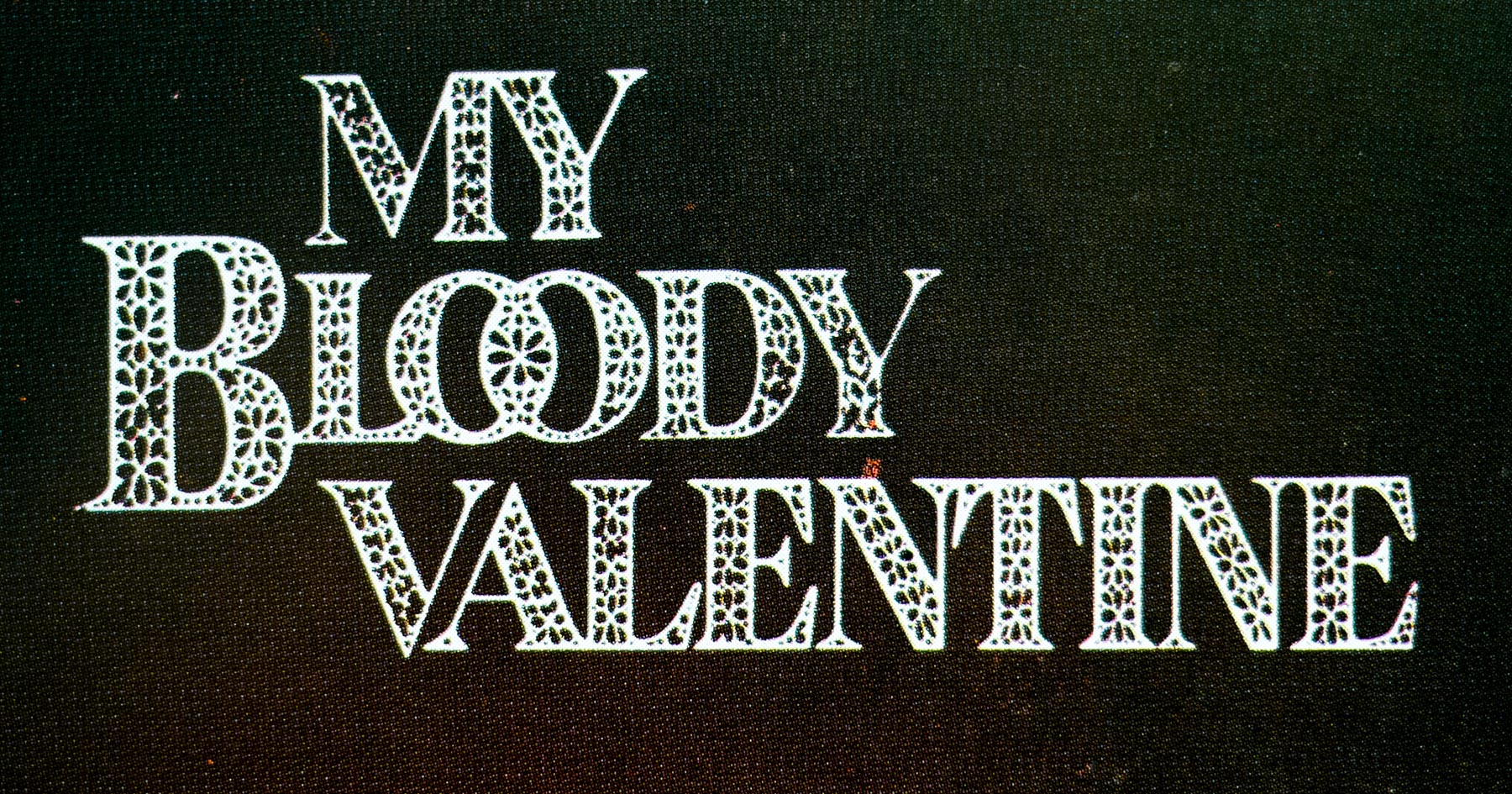
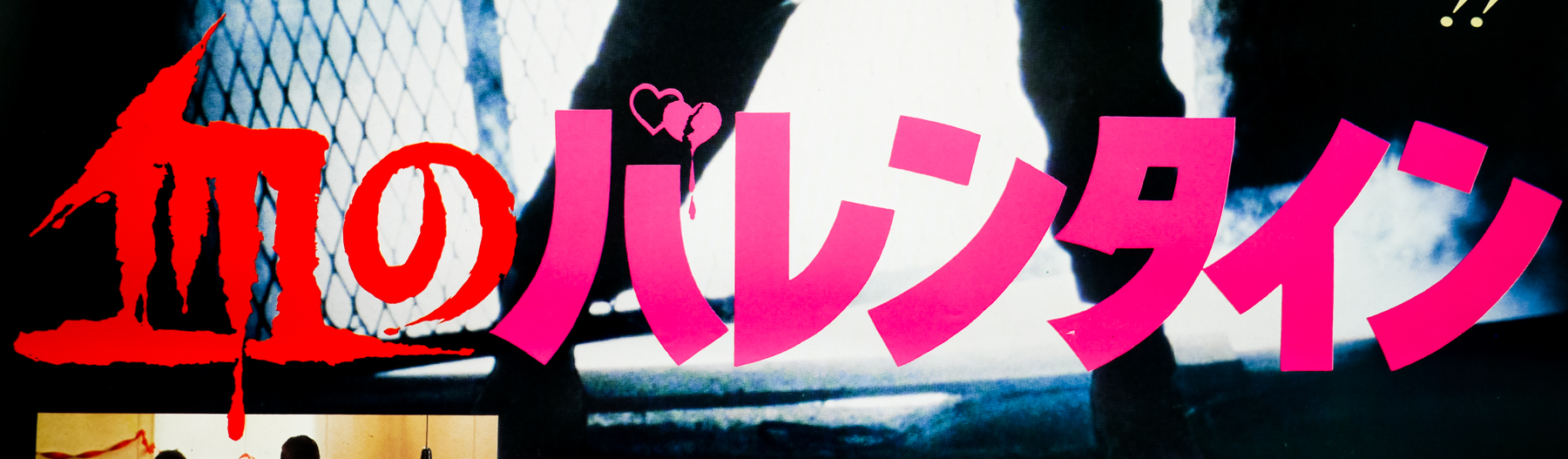
This is the Japanese B2 for the release of the Canadian film My Bloody Valentine, which was one of several slasher films released in the wake of the success of John Carpenter’s Halloween (1978). The film is set in the fictional mining town of Valentine Bluffs that is preparing to hold its first Valentine’s Day town dance in 20 years. It’s revealed that two decades earlier there was an accident down the mine that saw four miners die from gas poisoning and a fifth, named Harry Warden, survive by resorting to cannibalism until he was rescued. Two supervisors were blamed for what happened to the men as they deserted their posts to attend the town dance and a year later Harry returned to take his revenge, murdering the pair and cutting out their hearts, before warning that the town should never hold another dance.

Since Harry was eventually caught and locked up in an insane asylum the warning had become a distant memory and the people of the town decide to hold a new dance, which excites the younger generation of inhabitants. Shortly before the day of the dance the mayor of the town and the chief of police receive an anonymous gift in the form of a box of chocolates. When they open it they discover a bloody human heart. Soon after, a woman called Mabel is brutally murdered by a man dressed in mining gear and the town decides they have no choice but to cancel the dance. The frustrated younger townspeople decide to hold their own party at the mines the next night but they’re not prepared for the wrath of the mysterious killer and one by one they fall victim to his sharpened pickaxe.
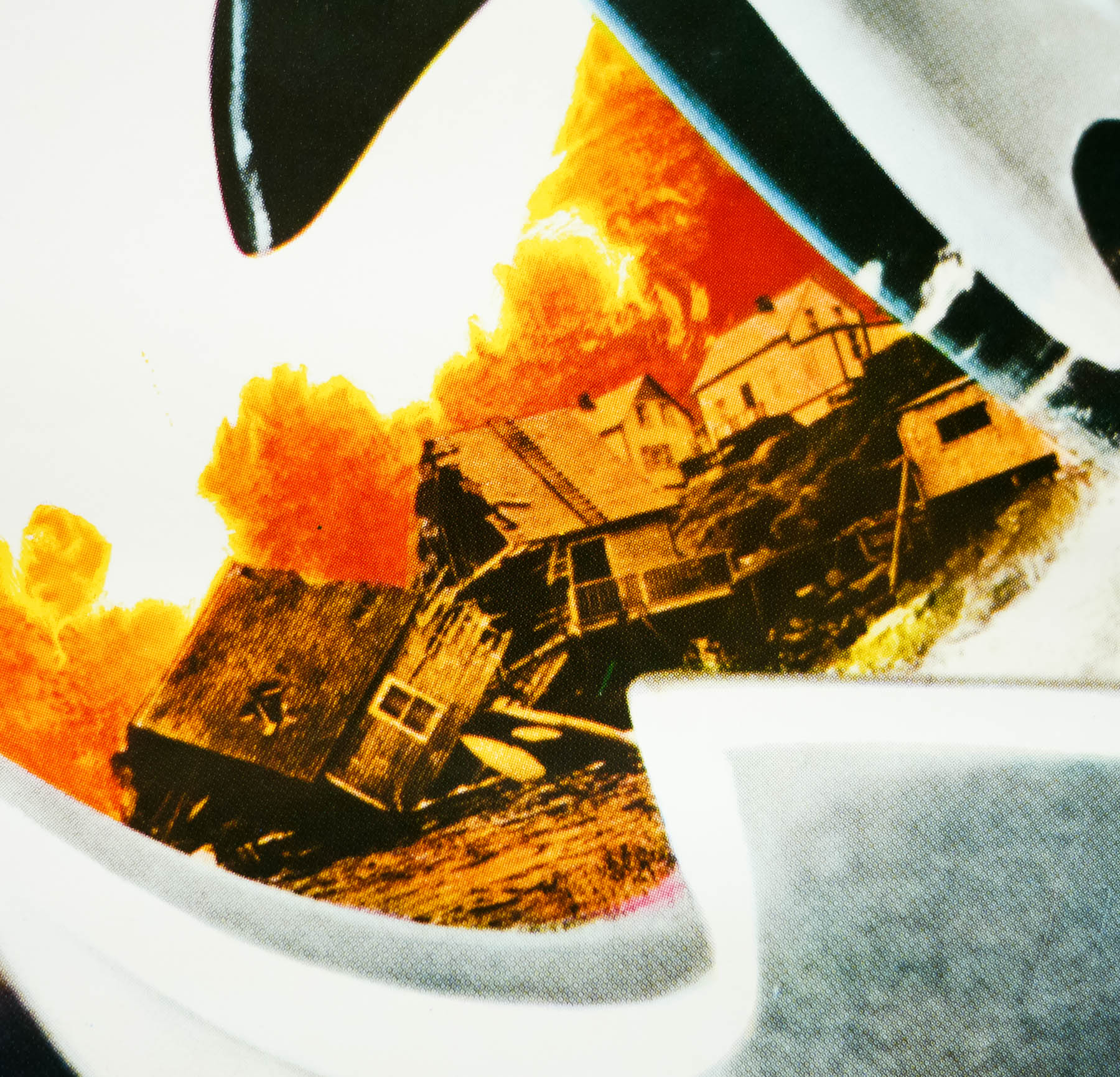
Whilst far from the best in the slasher genre the film is certainly entertaining and features some pretty memorable kills. Notoriously the MPAA (the American ratings board) forced the filmmakers to make 9 minutes of cuts to remove most of the gory sequences. The cuts are now thought to have been a reaction by Paramount to the backlash they suffered over the gore in Friday the 13th (1980) and the director George Mihalka also suggests that horror films released in the wake of John Lennon’s murder suffered similar fates. The film was released with much of the footage reinstated in a 2009 DVD release.

The Last Dragon / B2 / Japan

09.02.15

Poster Poster
Title
The Last Dragon
AKA
--
Year of Film
1985
Director
Michael Schultz
Starring
Taimak, Vanity, Christopher Murney, Julius Carry, Faith Prince, Leo O'Brien, Mike Starr, Jim Moody, Glen Eaton, Ernie Reyes Jr.
Origin of Film
USA
Genre(s) of Film
Taimak, Vanity, Christopher Murney, Julius Carry, Faith Prince, Leo O'Brien, Mike Starr, Jim Moody, Glen Eaton, Ernie Reyes Jr.,
Type of Poster
B2
Style of Poster
--
Origin of Poster
Japan
Year of Poster
1986
Designer
Unknown
Artist
Seito
Size (inches)
20 5/16" x 28 14/16"
SS or DS
SS
Tagline
--

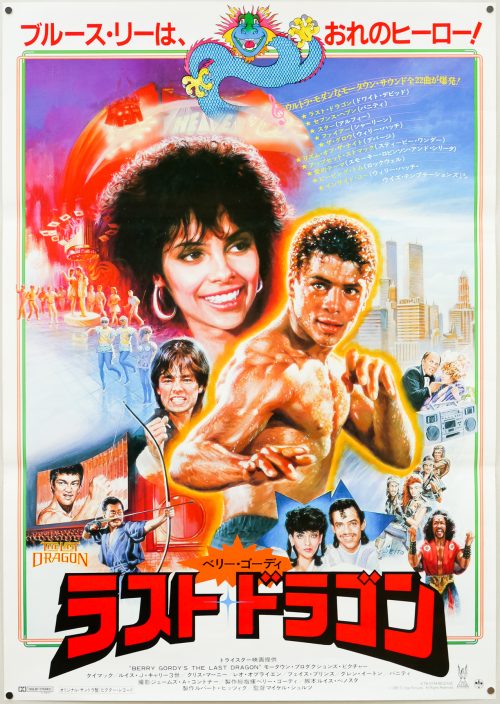
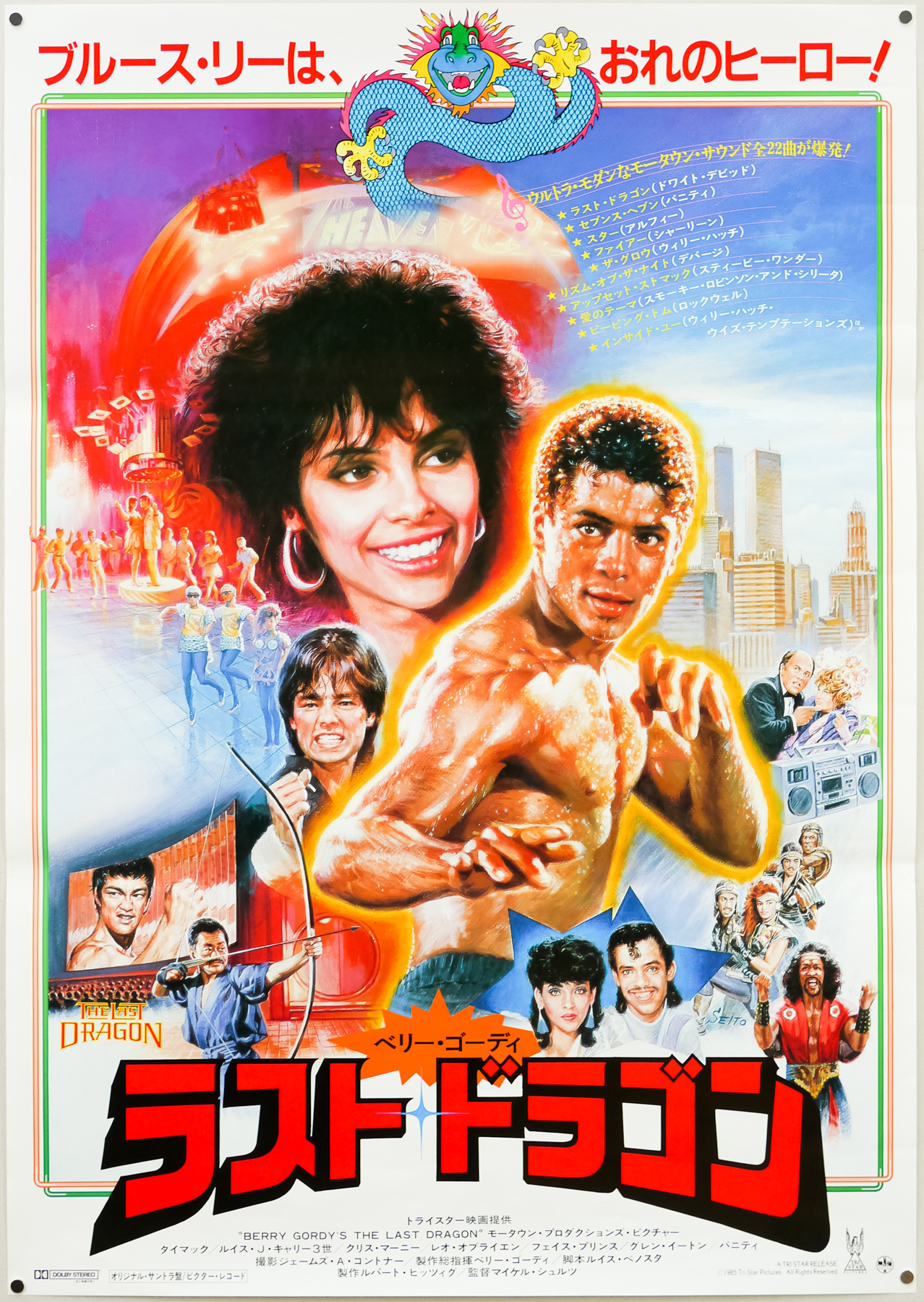
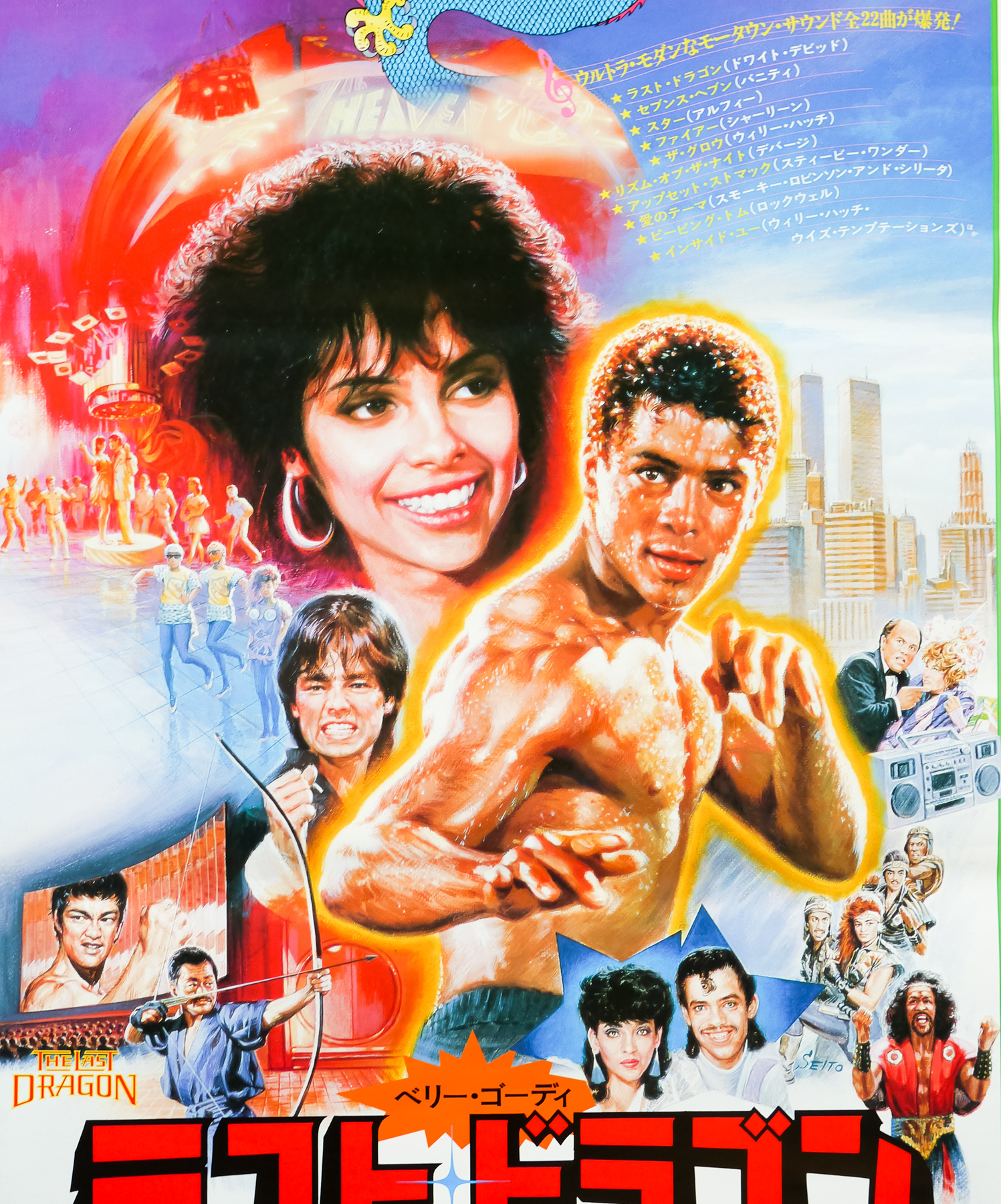
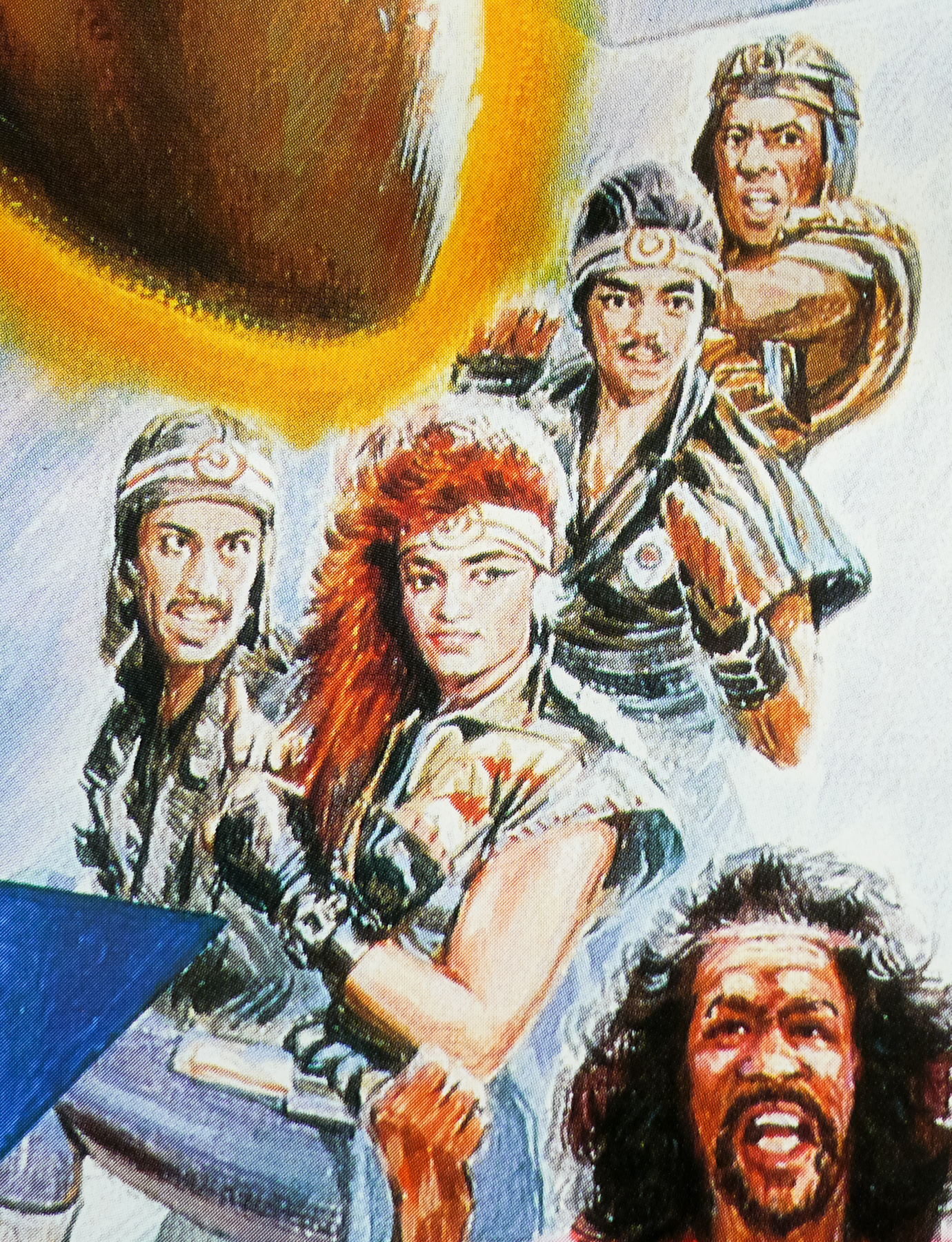
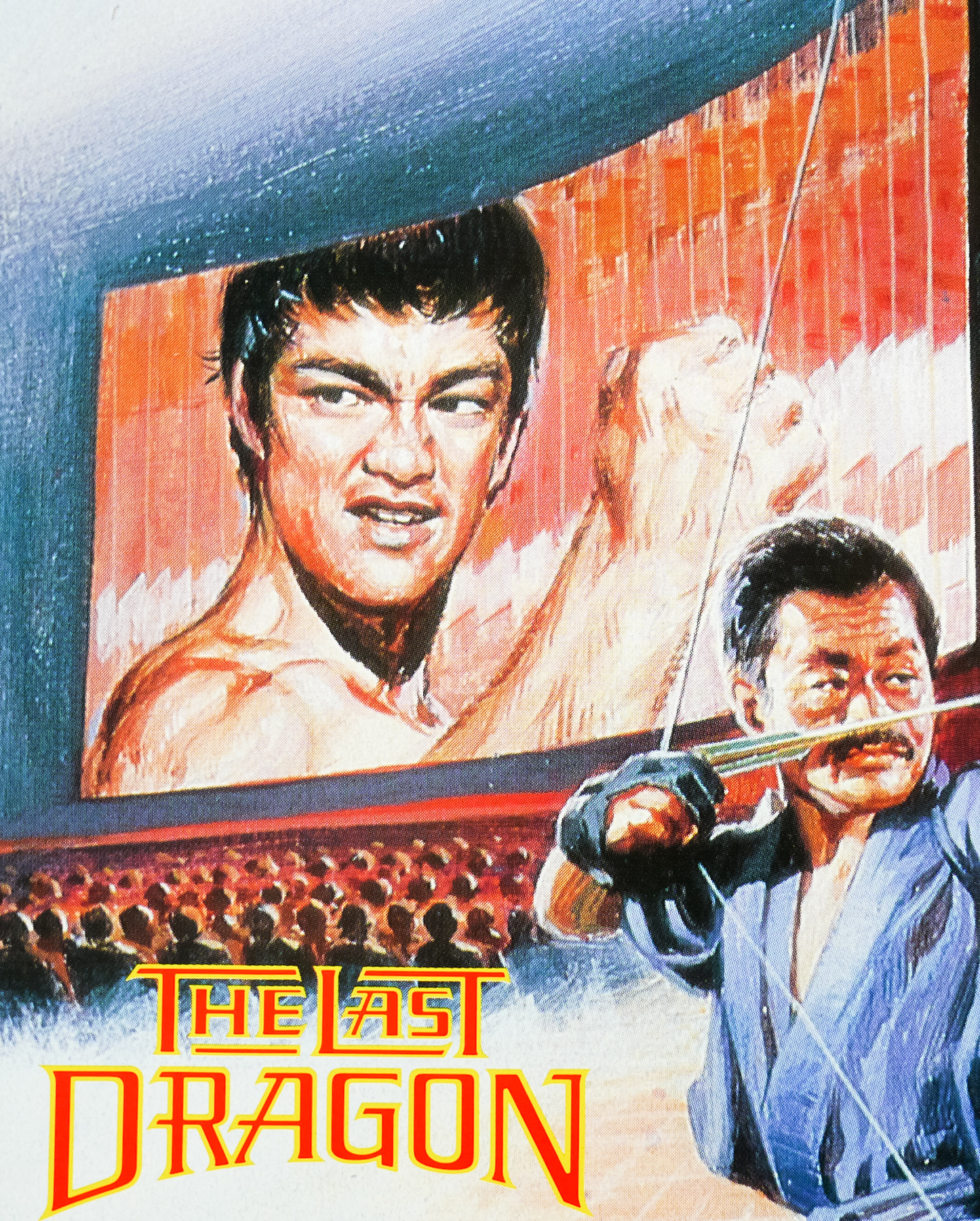
The Last Dragon is a martial-arts cult classic from the 1980s that (at least in the US) stands alongside films like The Goonies and Back to the Future as a defining youth-oriented film of the era. It’s definitely less well known in the UK and I think that has something to do with the fact that it was released with a ’15’ rating over here, meaning it was out of bounds for the younger audience it clearly attracted in the US (with a PG rating).

That it was rated 15 was probably to do with the video nasties situation of the time and the passing of the Video Recordings Act of 1984 that meant all home video had to be classified by the British Board of Film Classification, designated by the government as the upholders of film ratings. Martial arts films were seen as an undesirable genre as they were (stupidly) thought to have a strong potential to cause cases of copycat violence in school children across the nation. In addition to being given a 15 rating, the film had cuts made totalling almost 2 minutes for the cinema and subsequent home video releases.

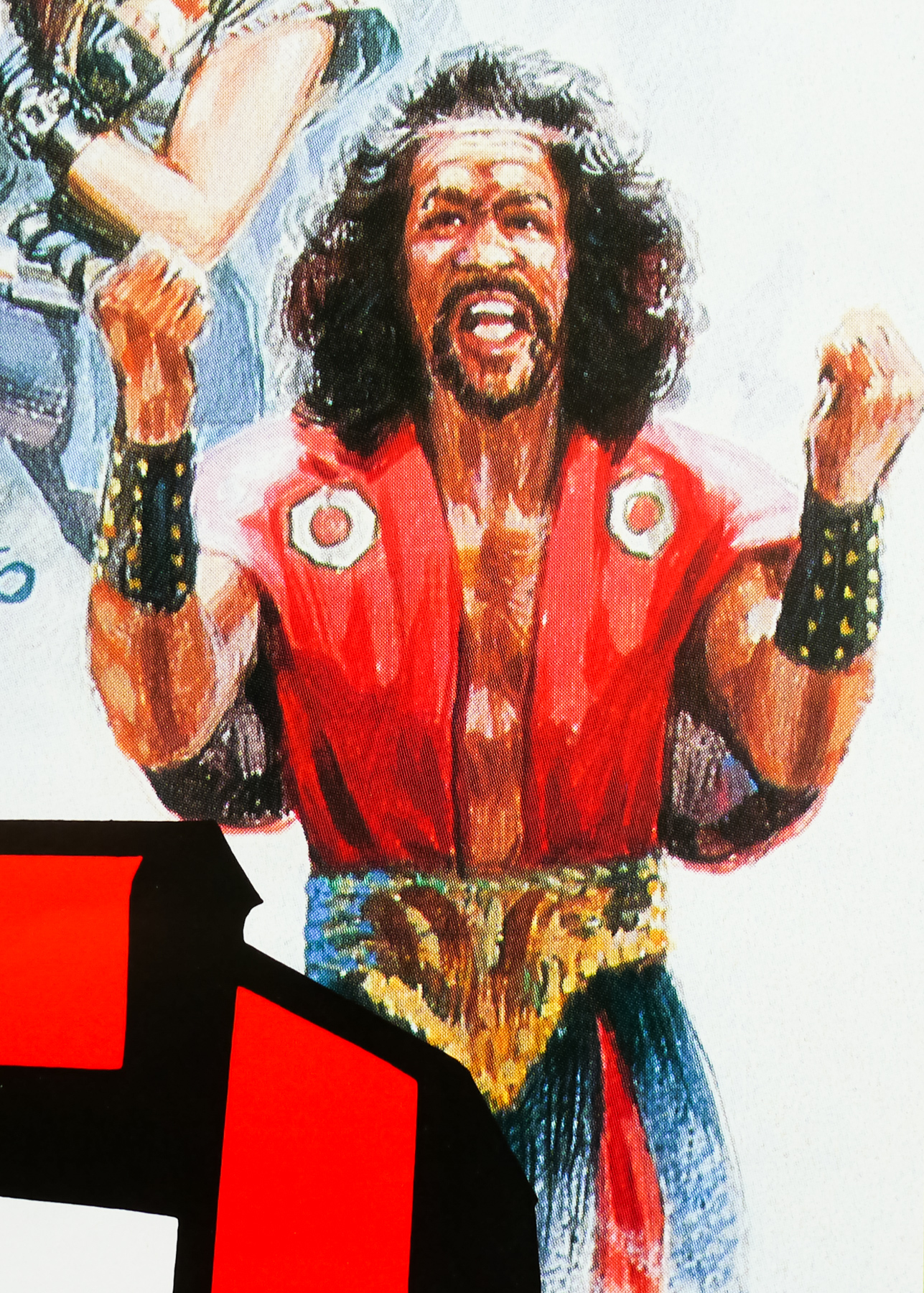
To say this action by the BBFC was excessive would be an understatement as, aside from a couple of moments of profane language, the film is really quite mild, with none of the fight scenes being at all brutal. The film was produced by the founder of Motown records Berry Gordy and was intended to mix musical numbers (predominantly hip-hop) with the popular (at the time) martial arts genre. The lead role of Leroy Green (AKA Bruce Leroy), a young warrior who wishes to attain the ultimate level of martial arts skill known as ‘The Glow’, was given to the 20-year-old, single-monikered Taimak, a martial artist who apparently learned to act whilst on the set of the Last Dragon.

Leroy leaves his master on the quest to find Master Sum Dum Goy whom he believes will teach him the final lessons needed to attain The Glow. Along the way he must battle with the malevolent Sho’nuff (a hilarious performance from Julius Carry) another martial artist who sees Leroy as standing in the way of total domination, as well as deal with the machinations of the twisted video arcade mogul Eddie Arkadian (Christopher Murney). Laura Charles (Vanity, single-monikered protege of Prince) the VJ of a popular music video channel is kidnapped by Arkadian’s men in an attempt to convince her to play his girlfriend’s awful music video. Leroy sets out to rescue her and romance soon blossoms between them. He soon learns the truth about attaining The Glow and the final fight with Sho’nuff features the use of rotoscoped special effects.

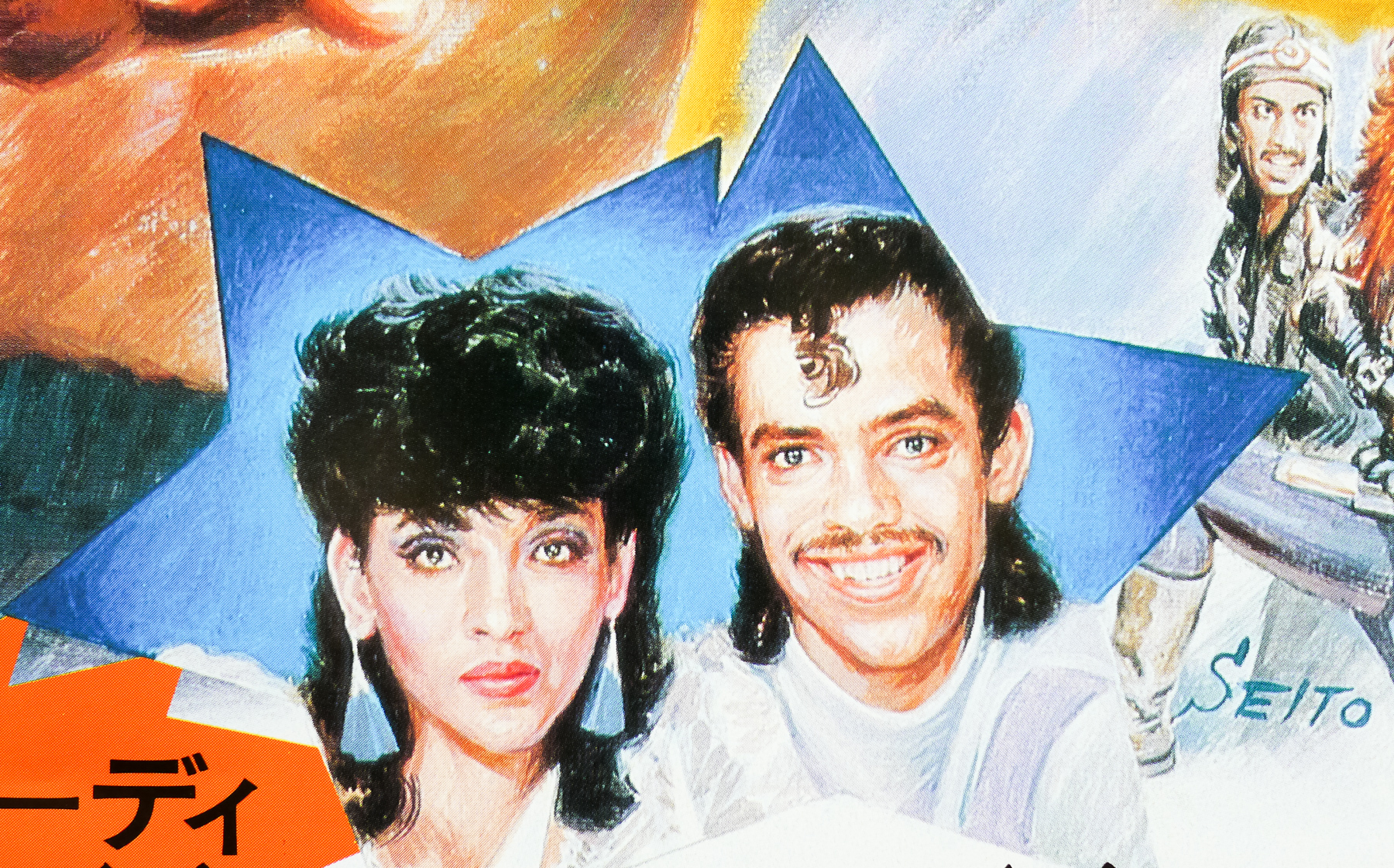
The film contains a few almost full-length music videos, including the DeBarge song, ‘Rhythm of the Night‘. The fight scenes are all well choreographed and entertaining, with Taimak clearly having skills in that area (if not so much as a thespian). The excellent Last Dragon Tribute site features a recent letter from the man himself in which he explains why he’s not starred in many films since then. It’s not hard to see why the film was so popular as it played to the adolescent fantasy of many a young male teen who dreamed of using martial arts to win the heart of a girl.

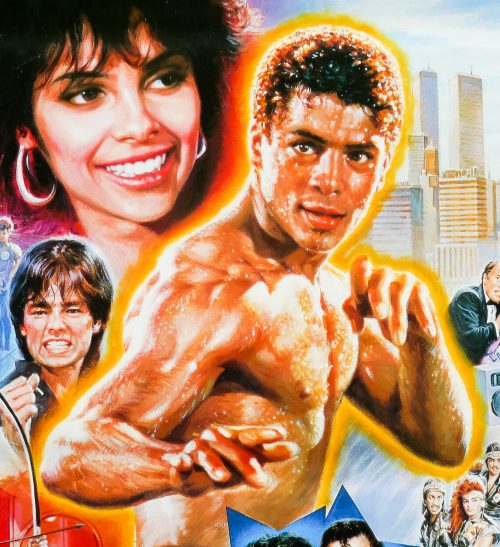
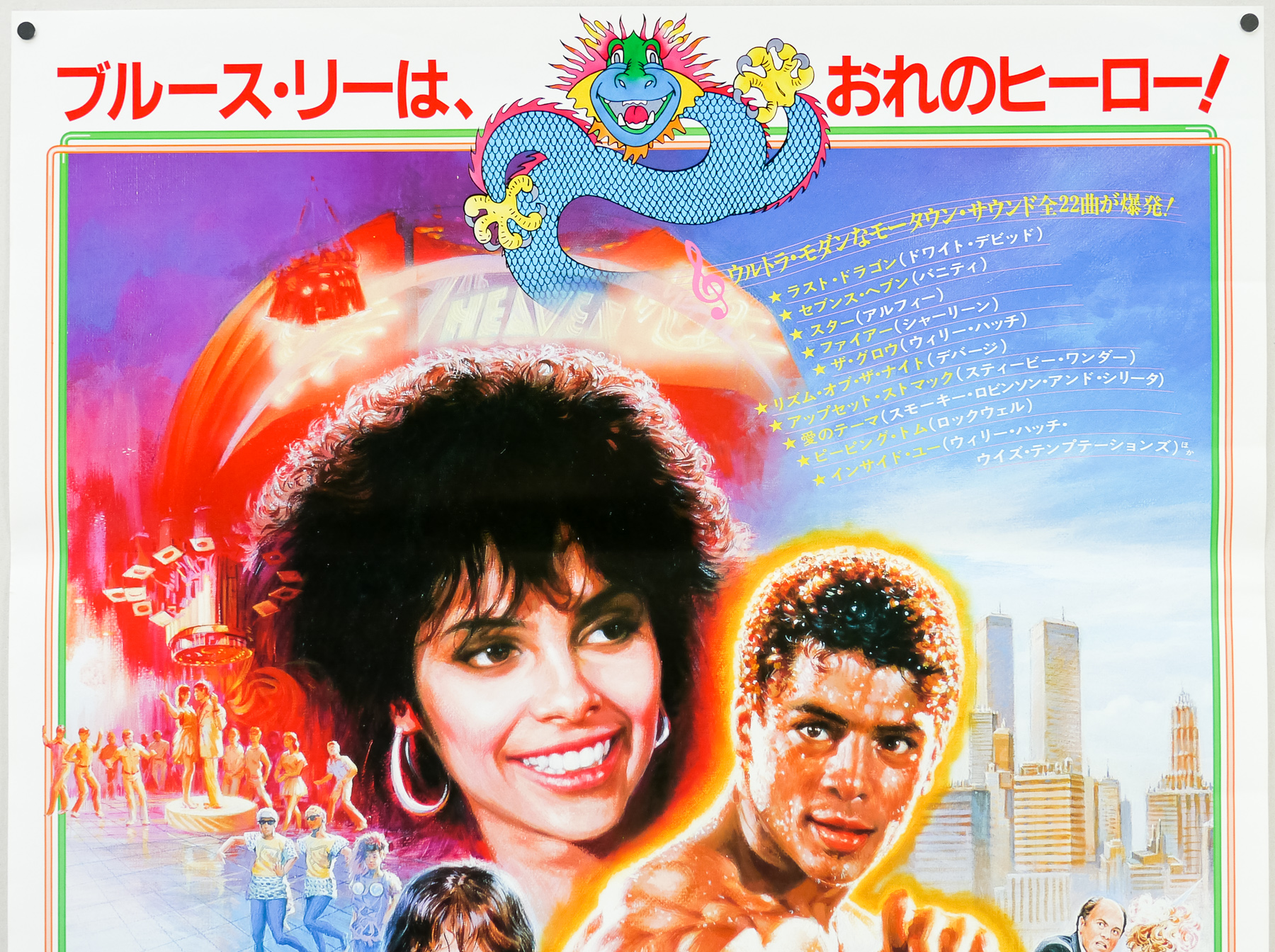
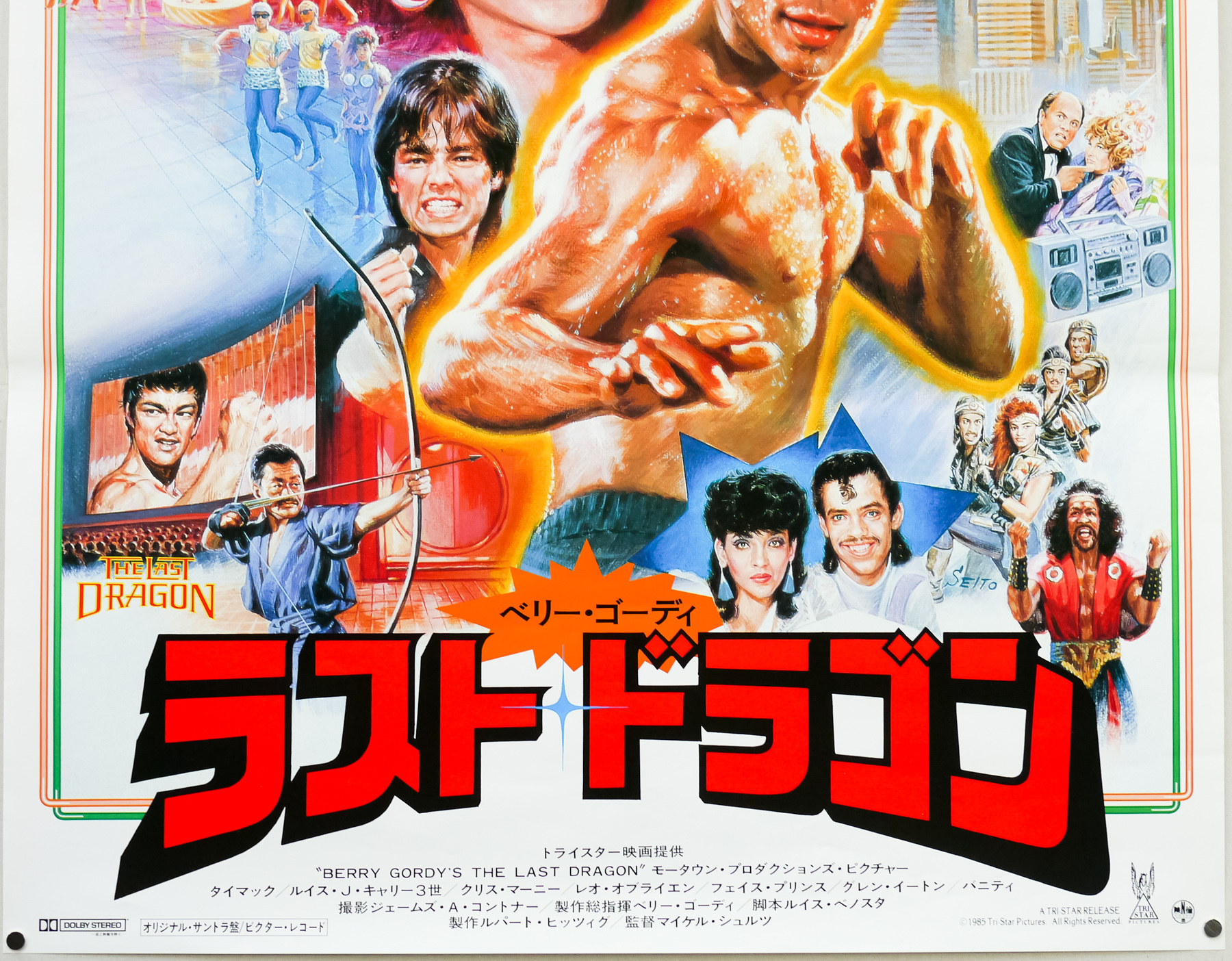
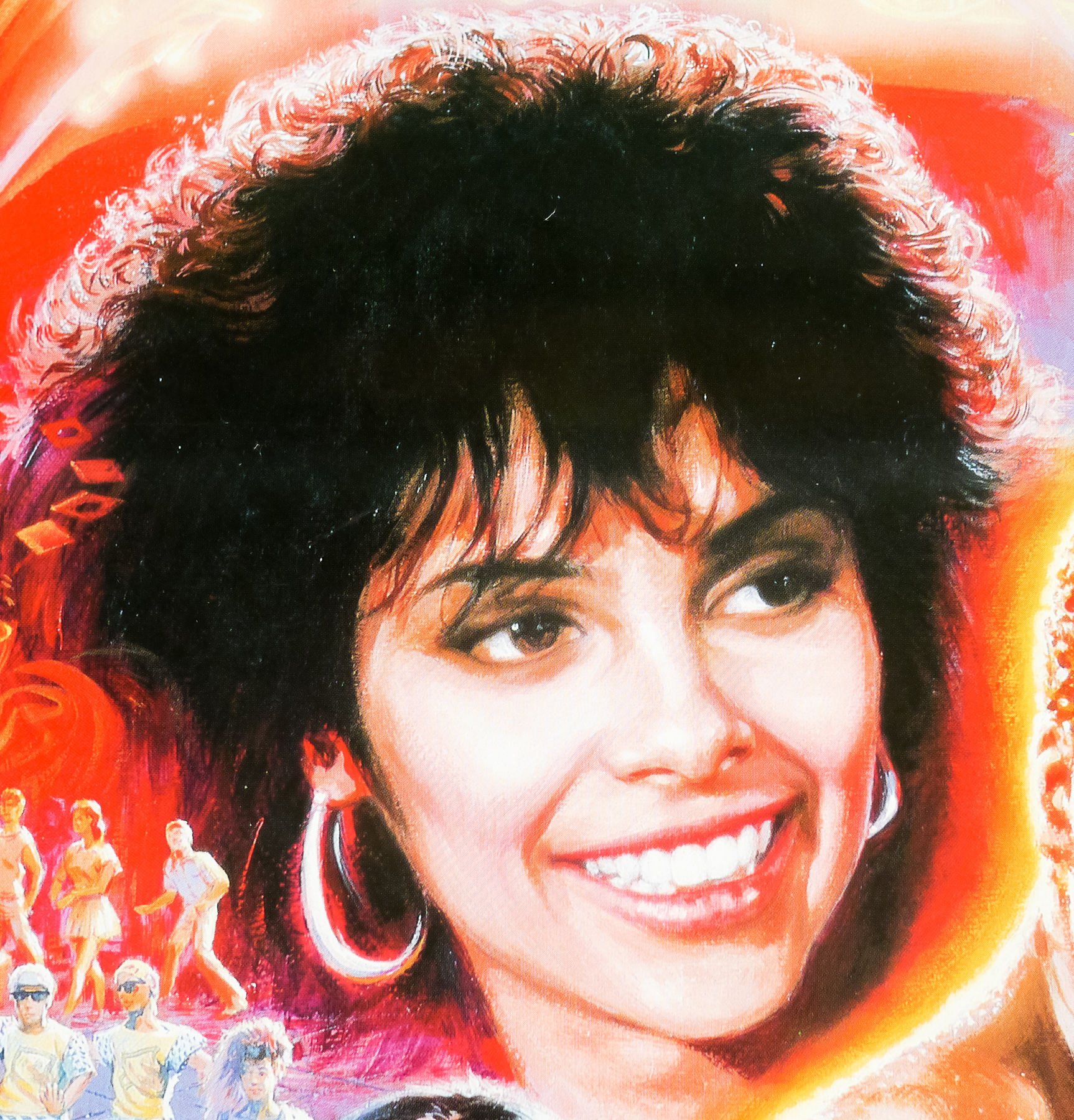
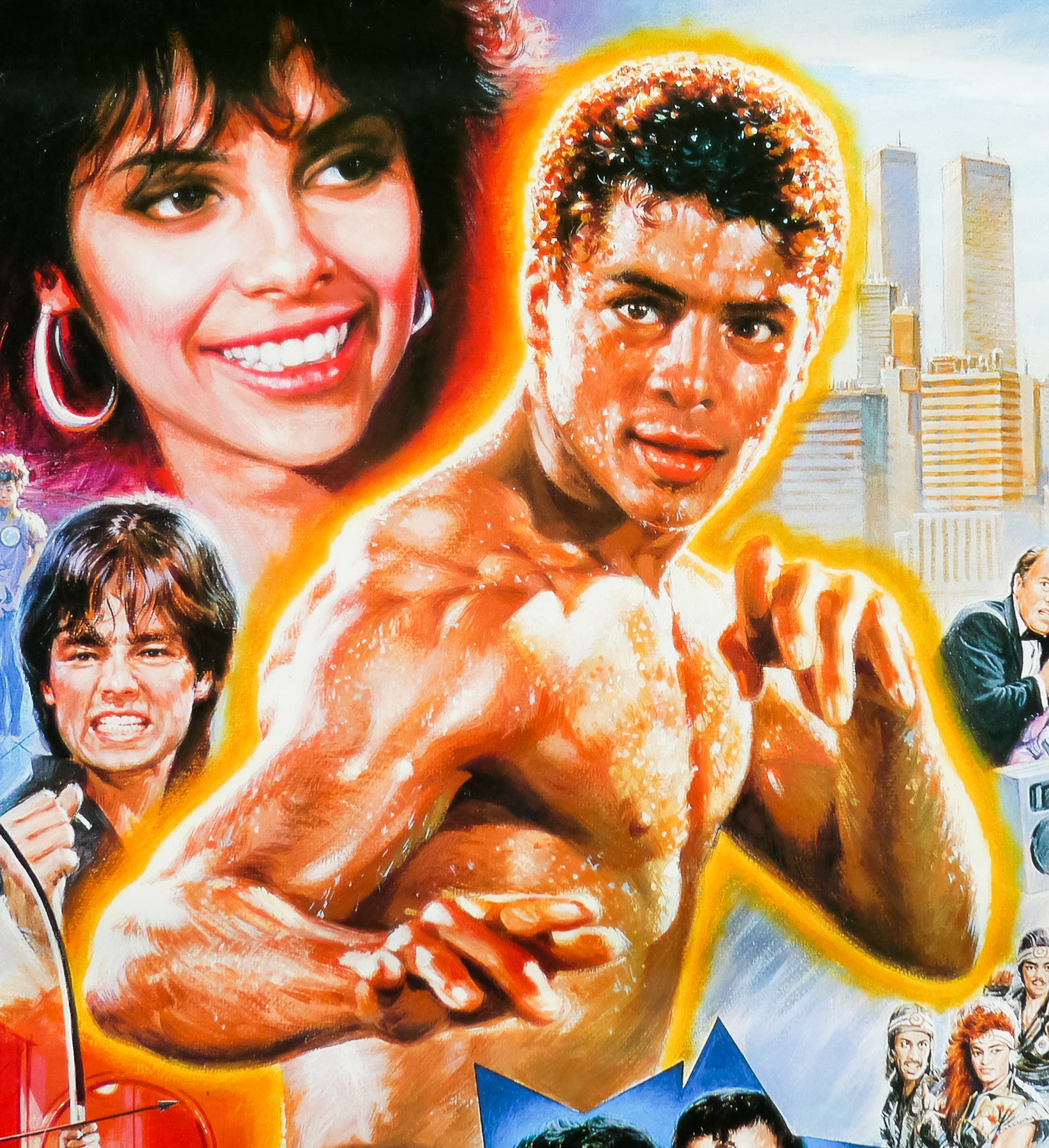
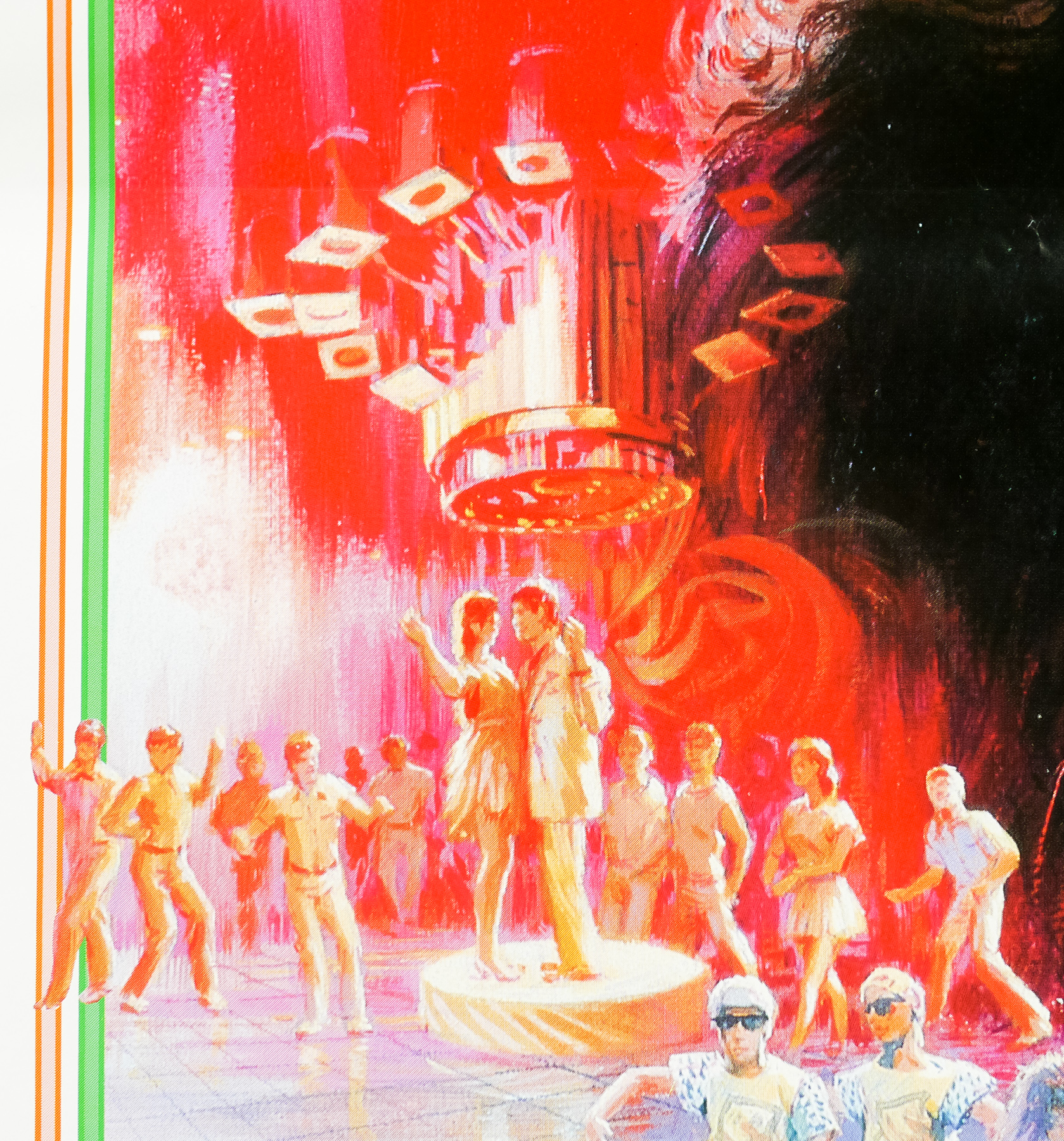
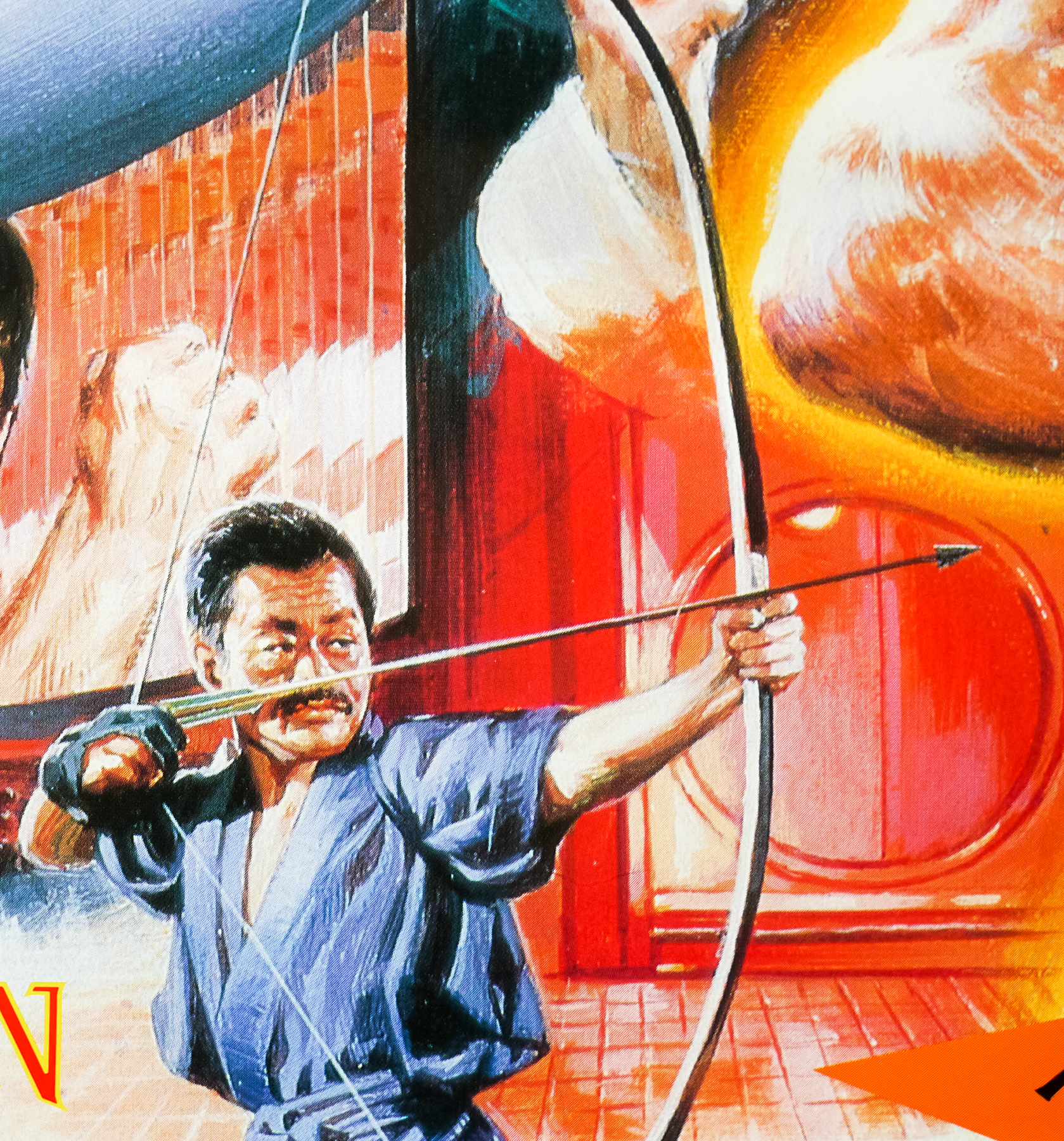
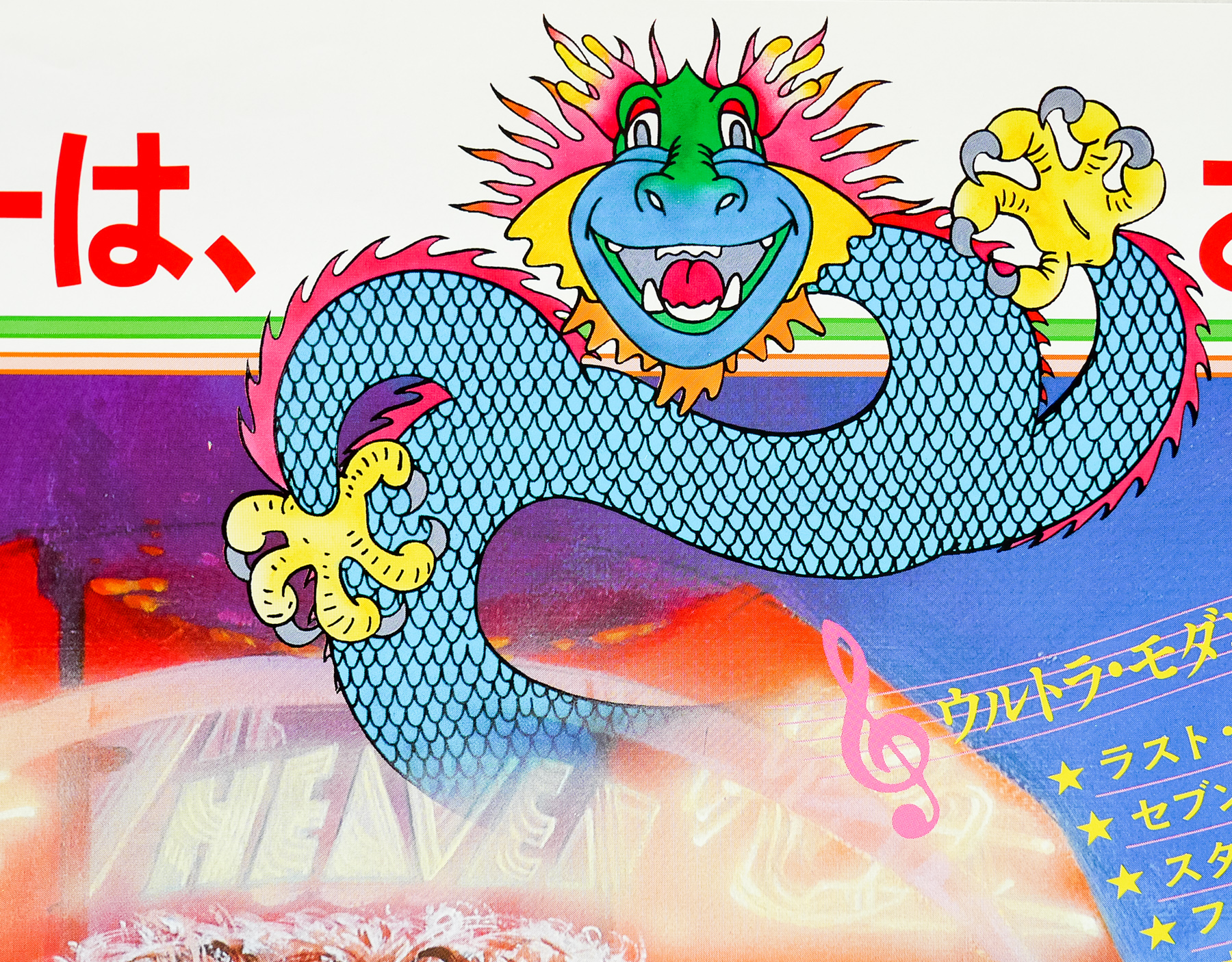
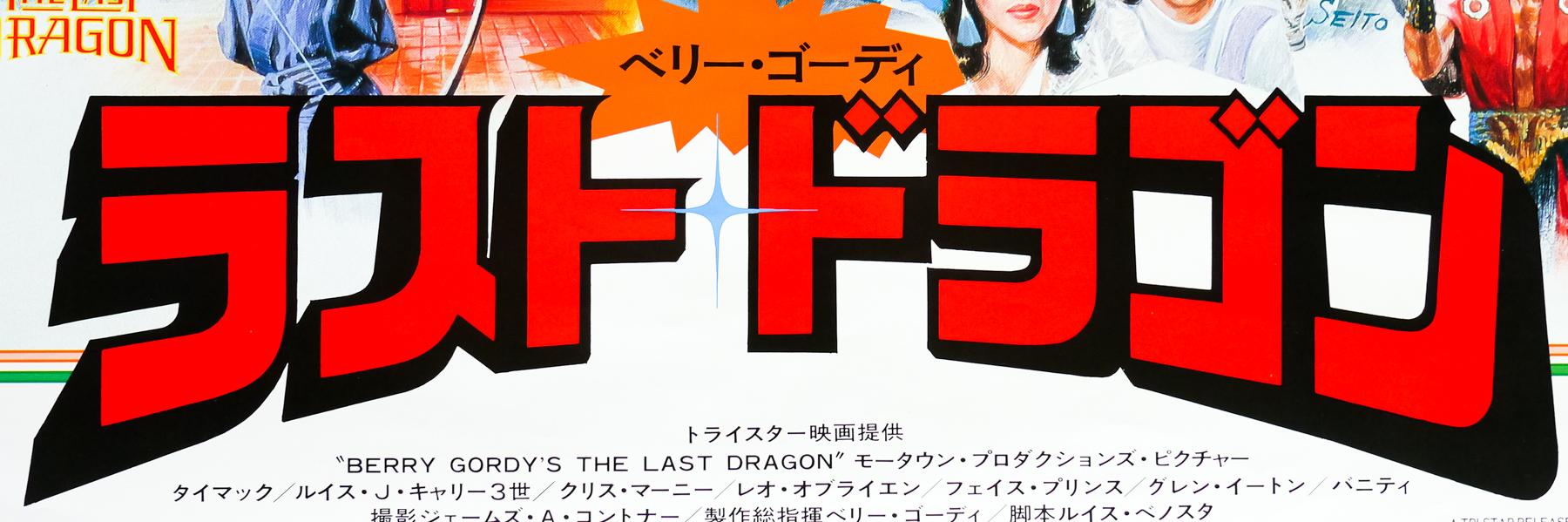
This Japanese poster is rather excellent and the artwork is unique to the Japanese campaign. Seito is one of my favourite Japanese artists who was responsible for several fantastic illustrated posters during the 1970s and 1980s. Little is known about the man himself, even in his native country.

To see the other posters I’ve collected by Seito click here.

Piranha / B2 / style A / Japan

22.02.15

Poster Poster
Title
Piranha
AKA
--
Year of Film
1978
Director
Joe Dante
Starring
Bradford Dillman, Heather Menzies, Kevin McCarthy, Keenan Wynn, Barbara Steele, Dick Miller, Belinda Balaski, Richard Deacon
Origin of Film
USA
Genre(s) of Film
Bradford Dillman, Heather Menzies, Kevin McCarthy, Keenan Wynn, Barbara Steele, Dick Miller, Belinda Balaski, Richard Deacon,
Type of Poster
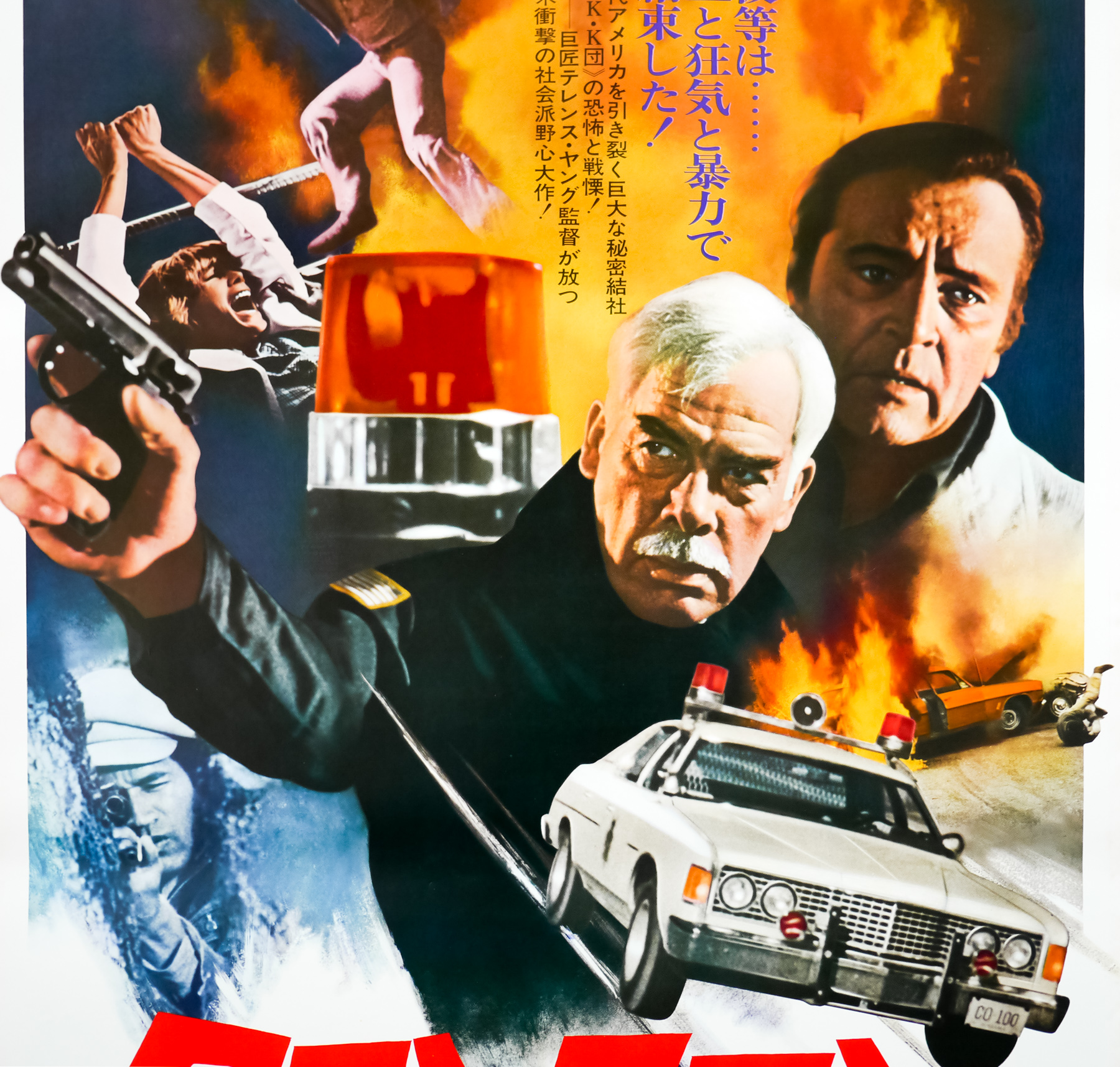
B2
Style of Poster
Style A
Origin of Poster
Japan
Year of Poster
1978
Designer
Unknown
Artist
Bob Larkin
Size (inches)
20 5/16" x 28 13/16"
SS or DS
SS
Tagline
--

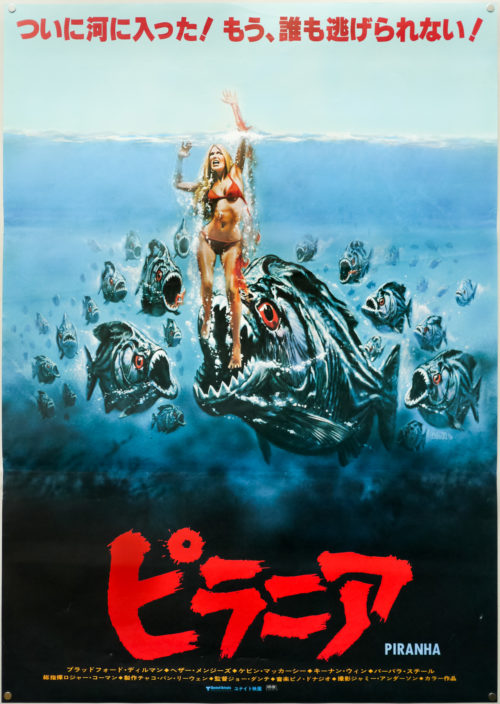
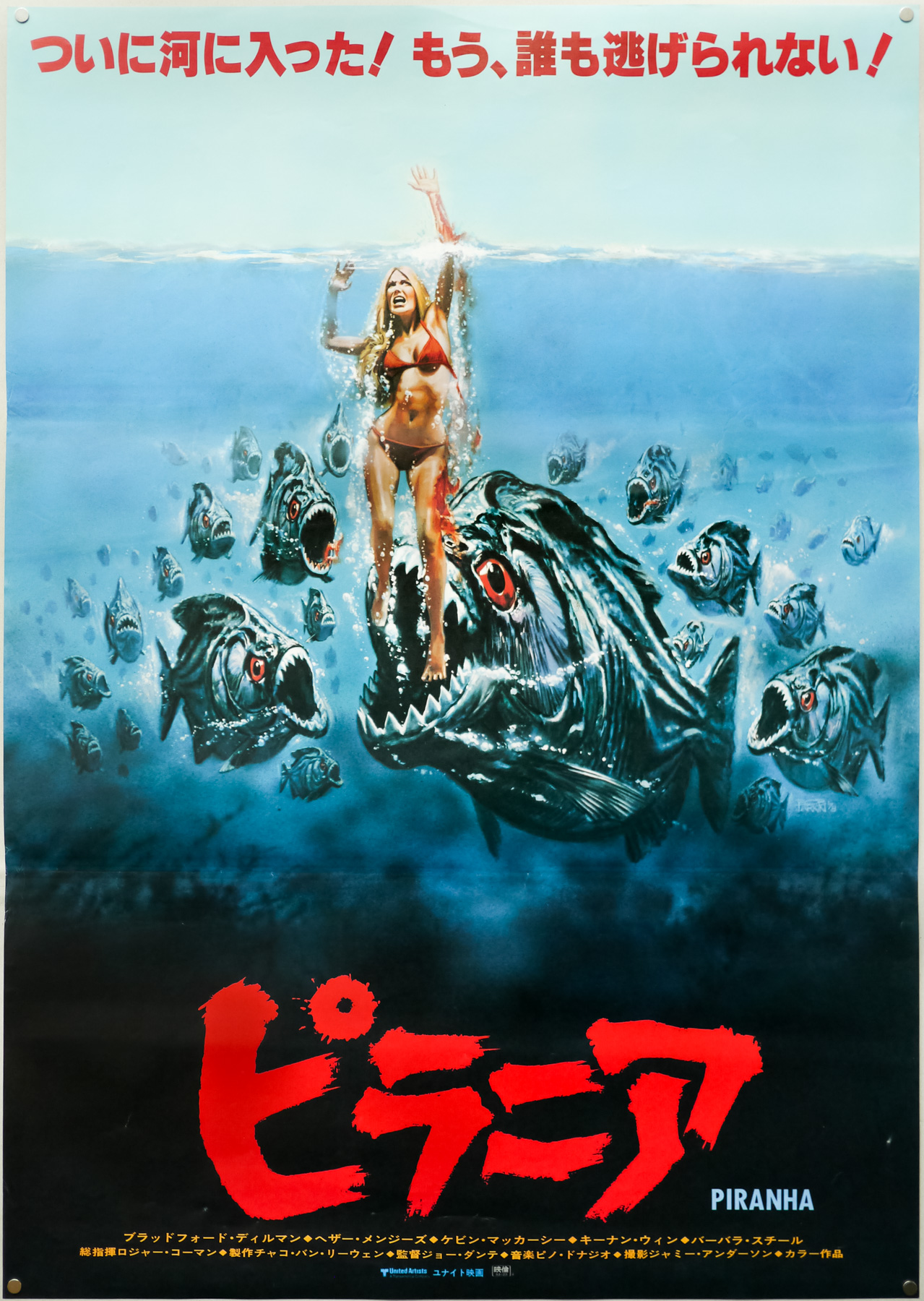
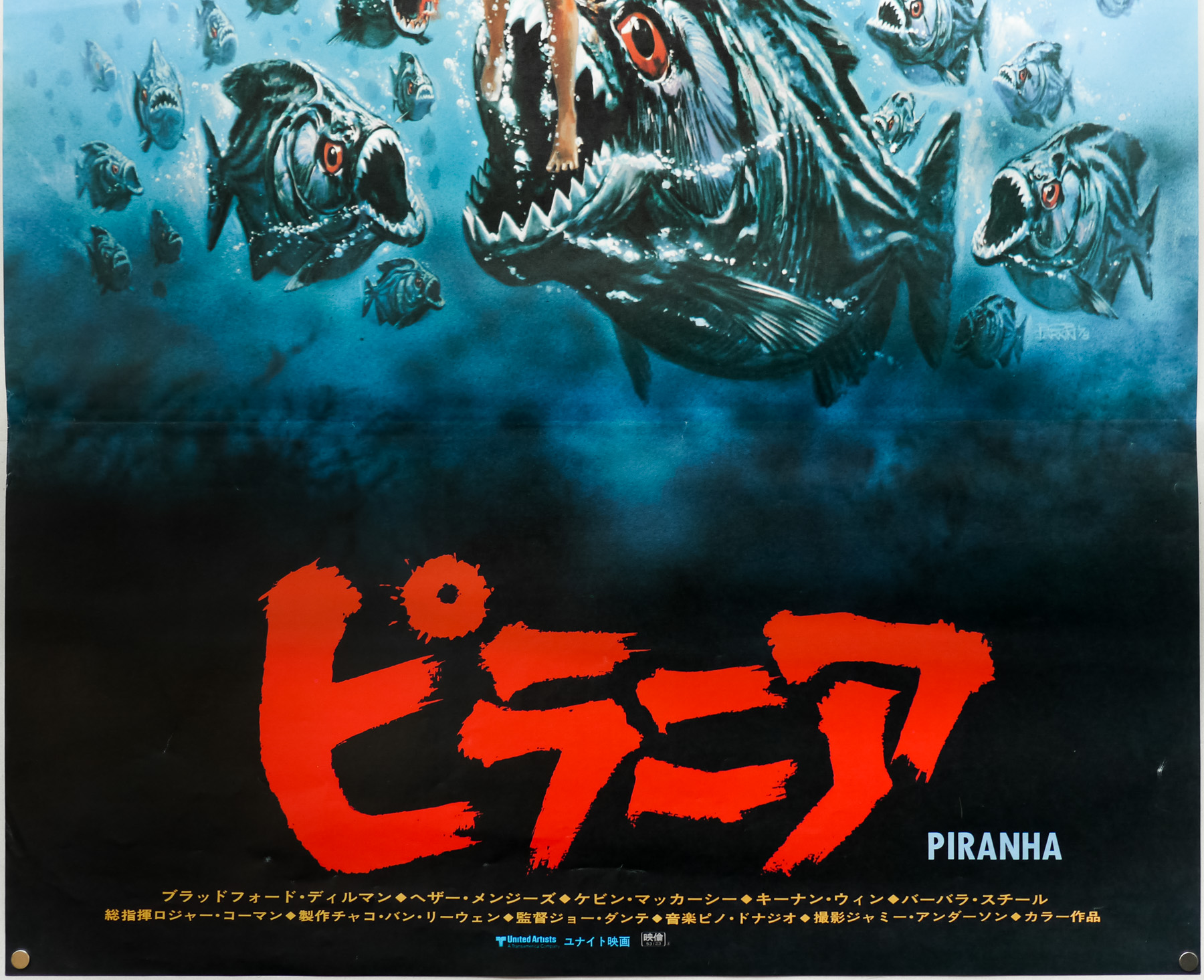
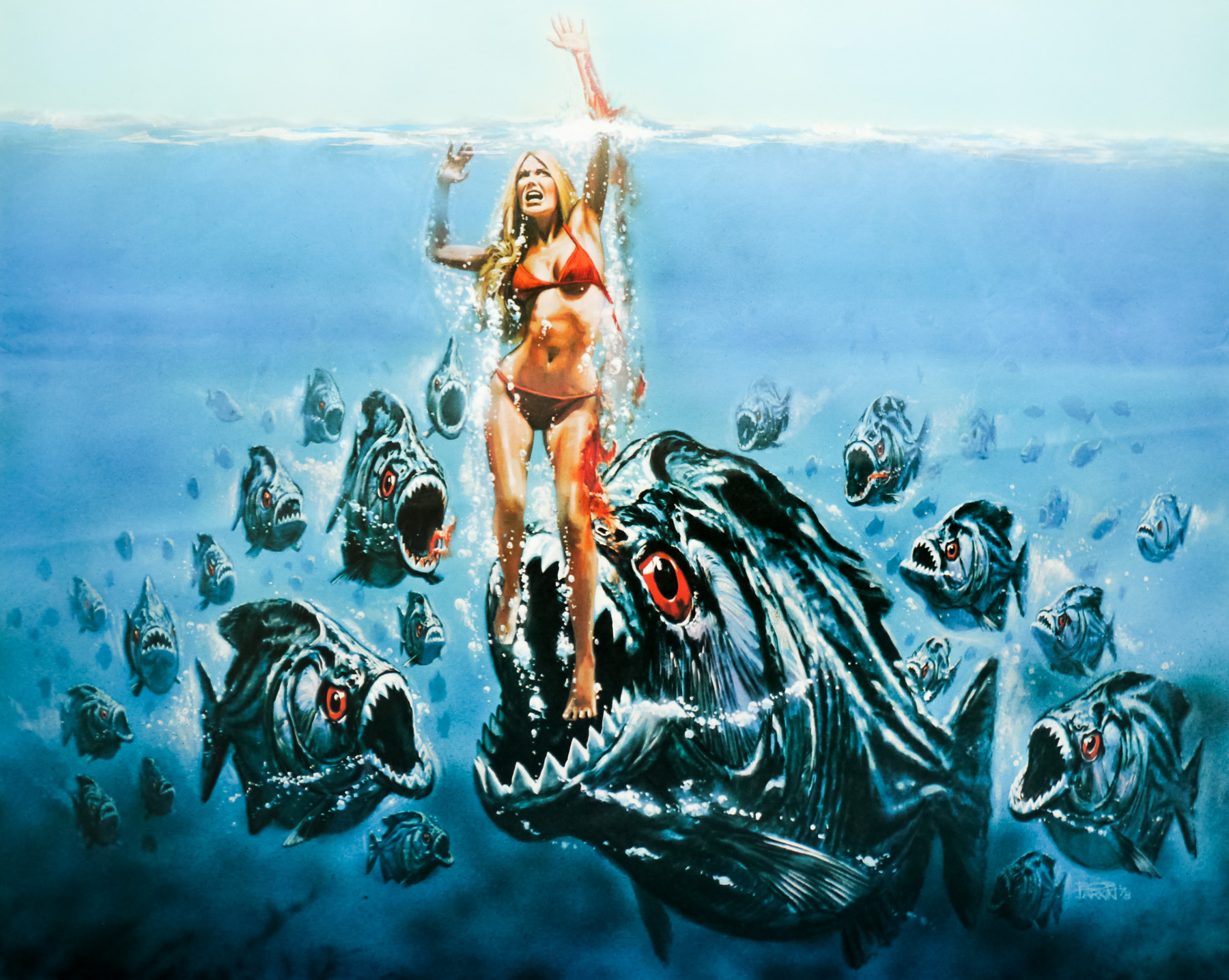
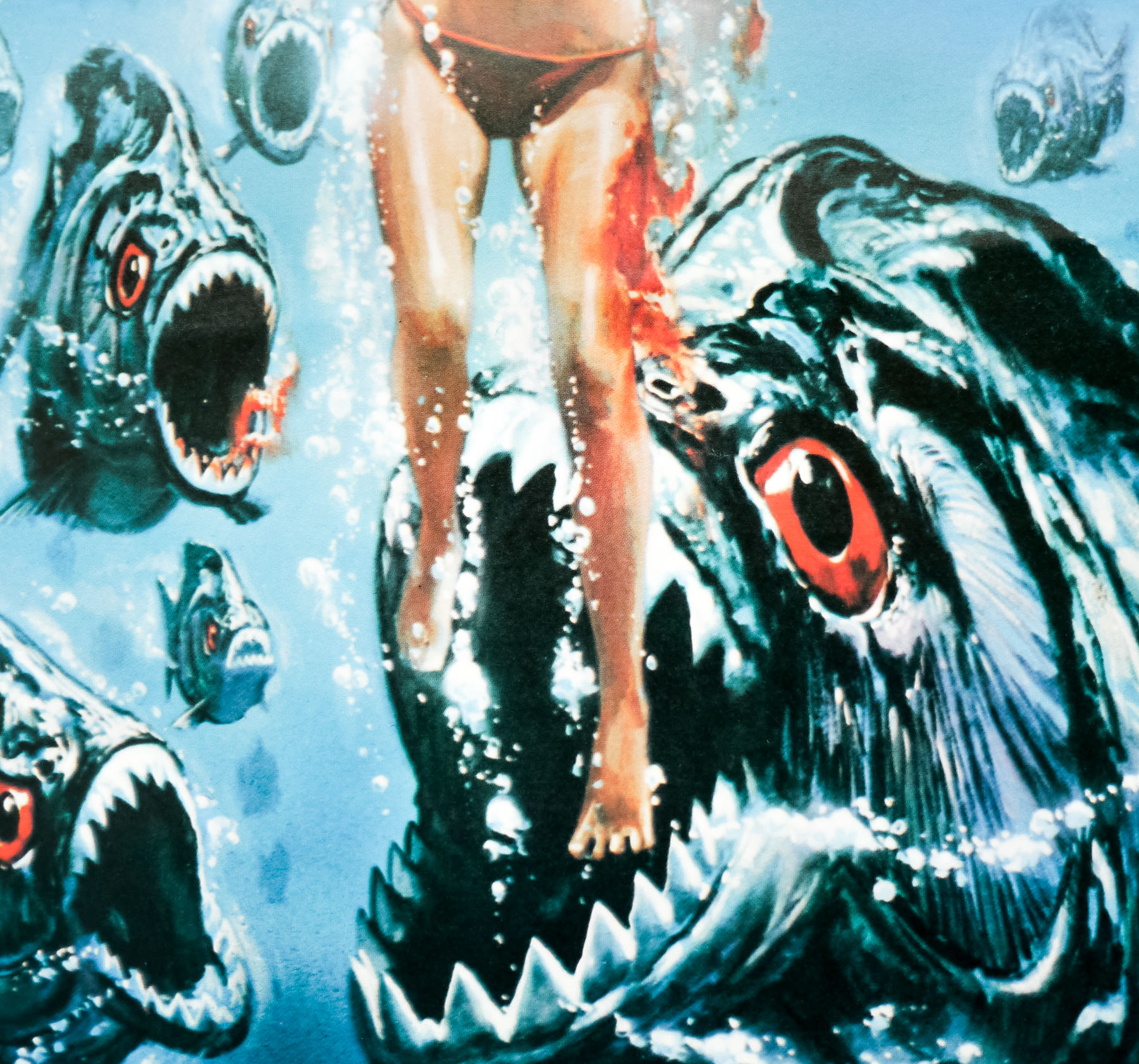
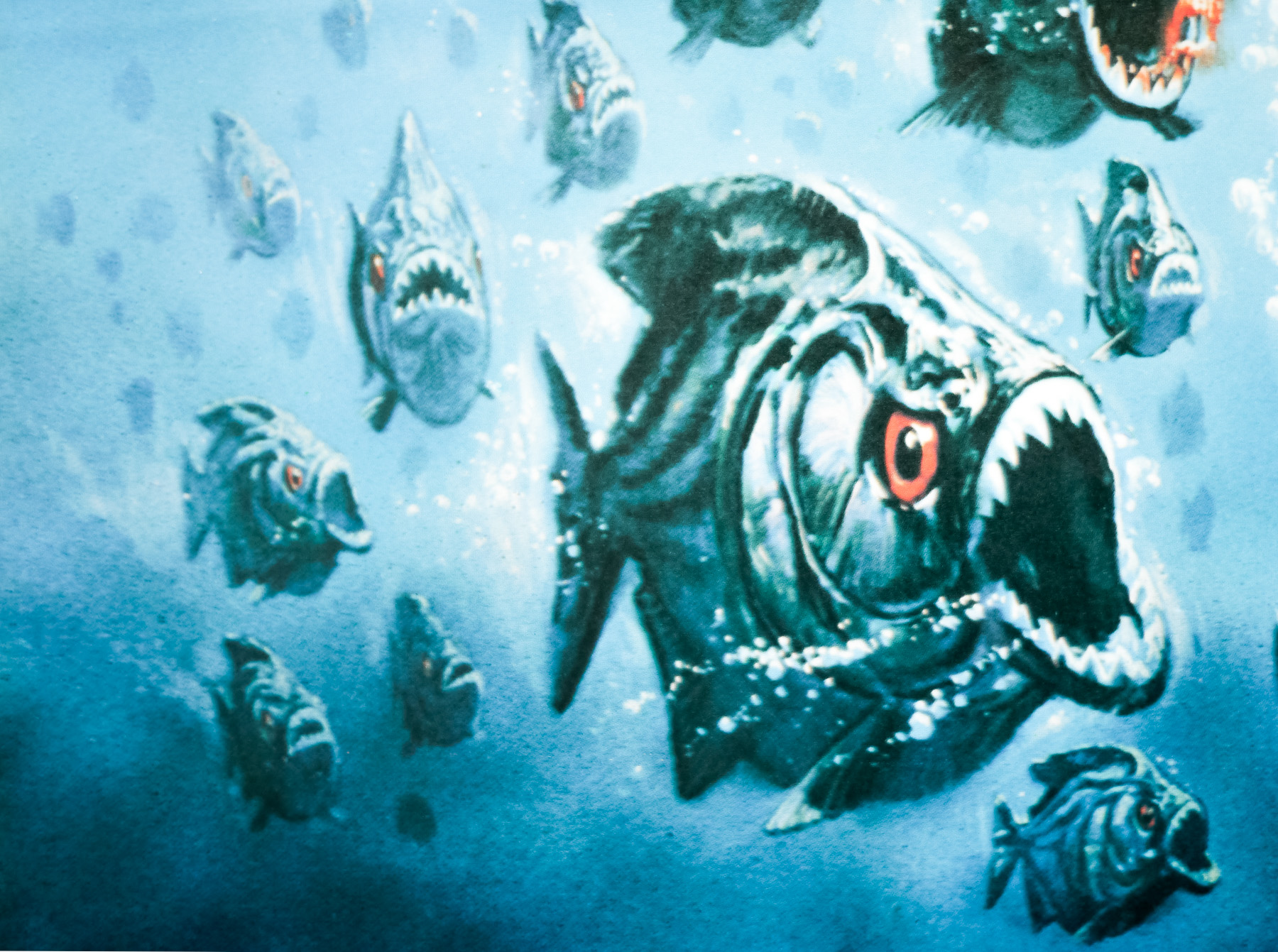
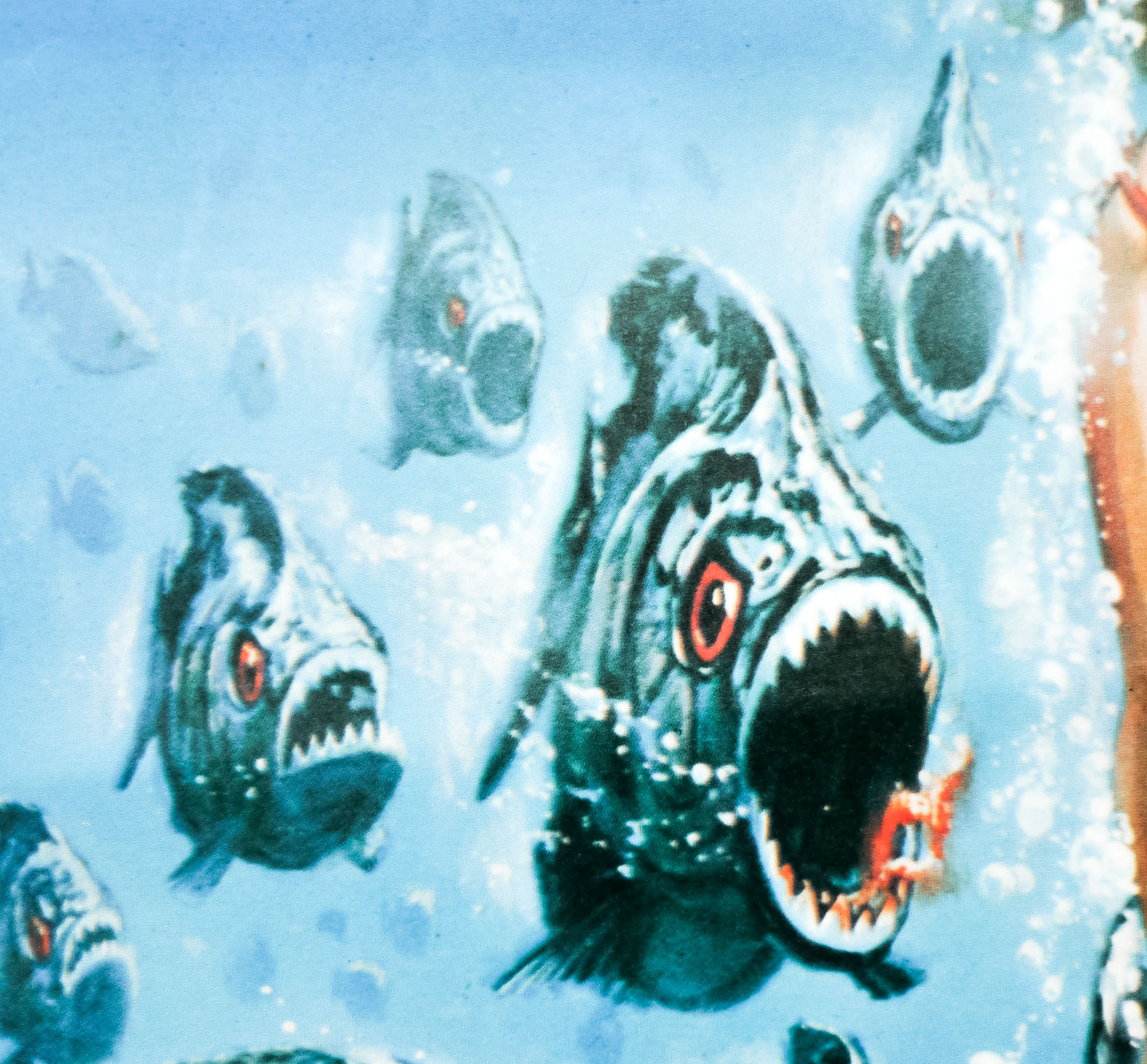
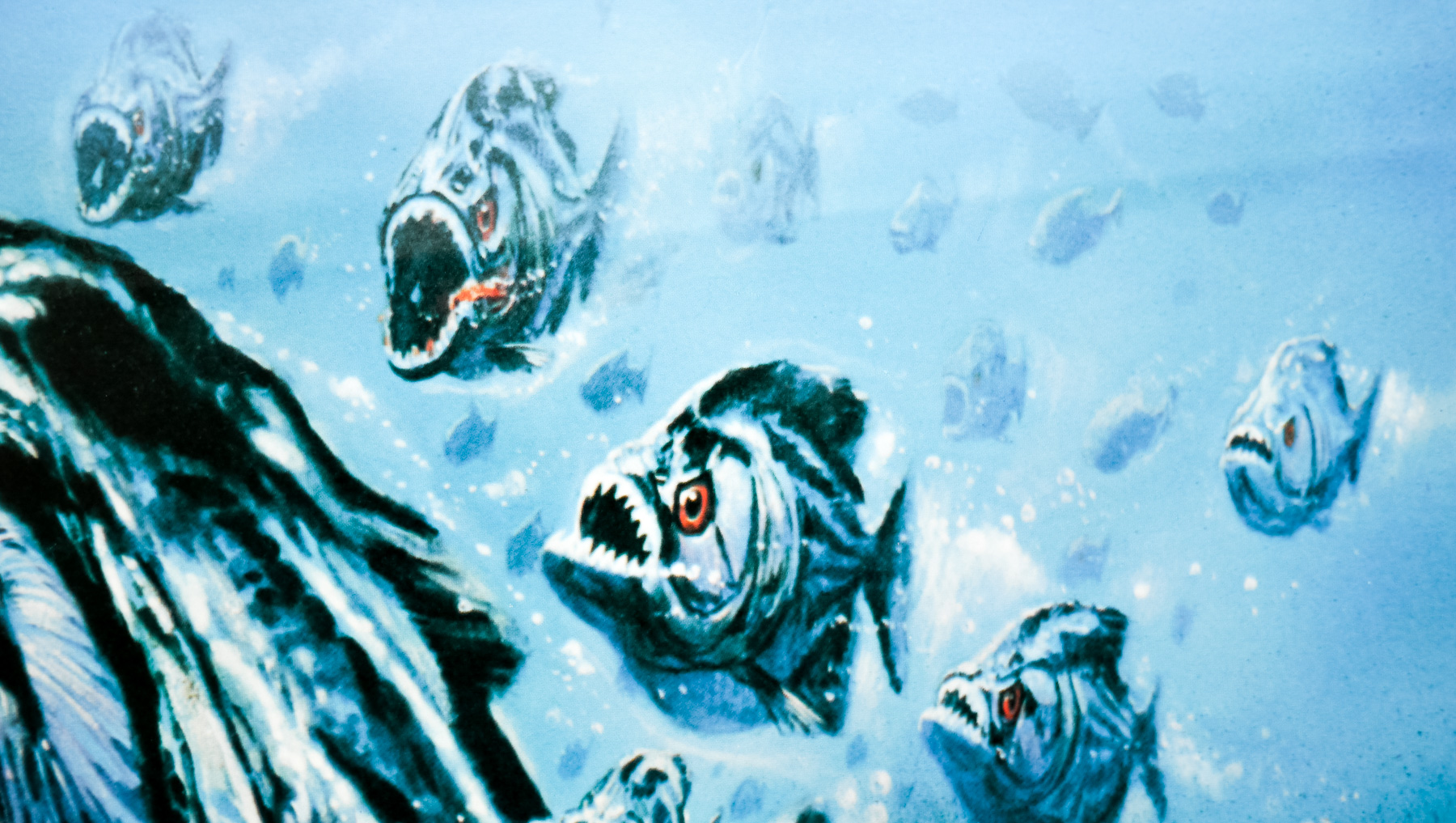
Director Joe Dante‘s Piranha was one of several killer nature films that followed in the wake of the runaway success of Spielberg’s Jaws. Executive produced by legendary schlockmeister Roger Corman and co-written by John Sayles (his first credit and before he began his directing career) the film was also one of the first jobs for special effects maestros Rob Bottin and Phil Tippett. The film begins as a young couple hiking enter an apparently abandoned military complex and jump into what looks like a swimming pool, but something deadly lurks below the water and the pair soon disappear screaming under the surface. Maggie McKeown (Heather Menzies), an insurance investigator, is dispatched to try and track down the teenagers and hires local drunkard Paul Grogan (Bradford Dillman) to help her.

The pair stumble across the complex and end up draining the pool to see if there’s anything at the bottom. When they do a bedraggled man appears from somewhere in the complex and attacks them to try and stop the pool being emptied. Grogan subdues him and the man proceeds to tell them that the water contained genetically-modified oversized killer piranha fish that were intended to be used against the enemy in the Vietnam war. The drainage pipe leads to a river and Lost River Lake, which is home to a children’s summer camp and a holiday resort. The trio set off to try and warn the camp and resort inhabitants but the fish have already made good progress and evidence of their deadly nature is discovered on the journey to Lost River Lake.

Produced on a reported budget of $600k, the film is certainly no classic but is entertaining enough, featured plenty of shocks to keep audiences happy and rake in a significant profit for Corman’s New World Pictures. Universal Studios, the Jaws production company, were all set to sue New World until Spielberg saw the film and gave it his blessing.

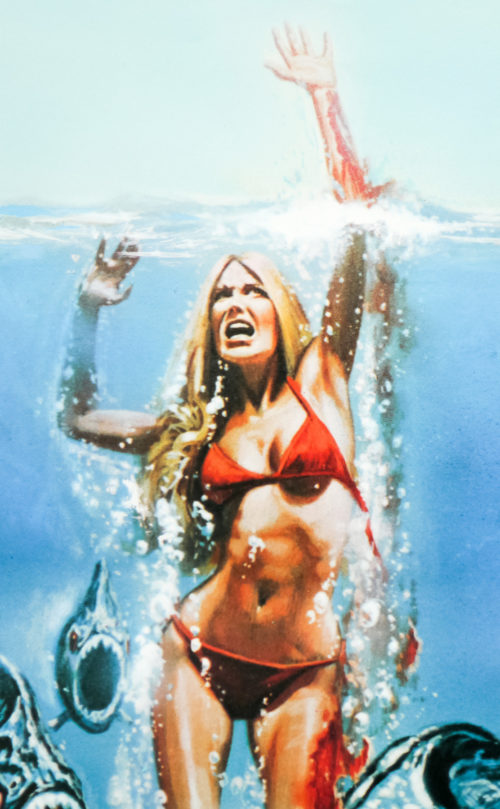
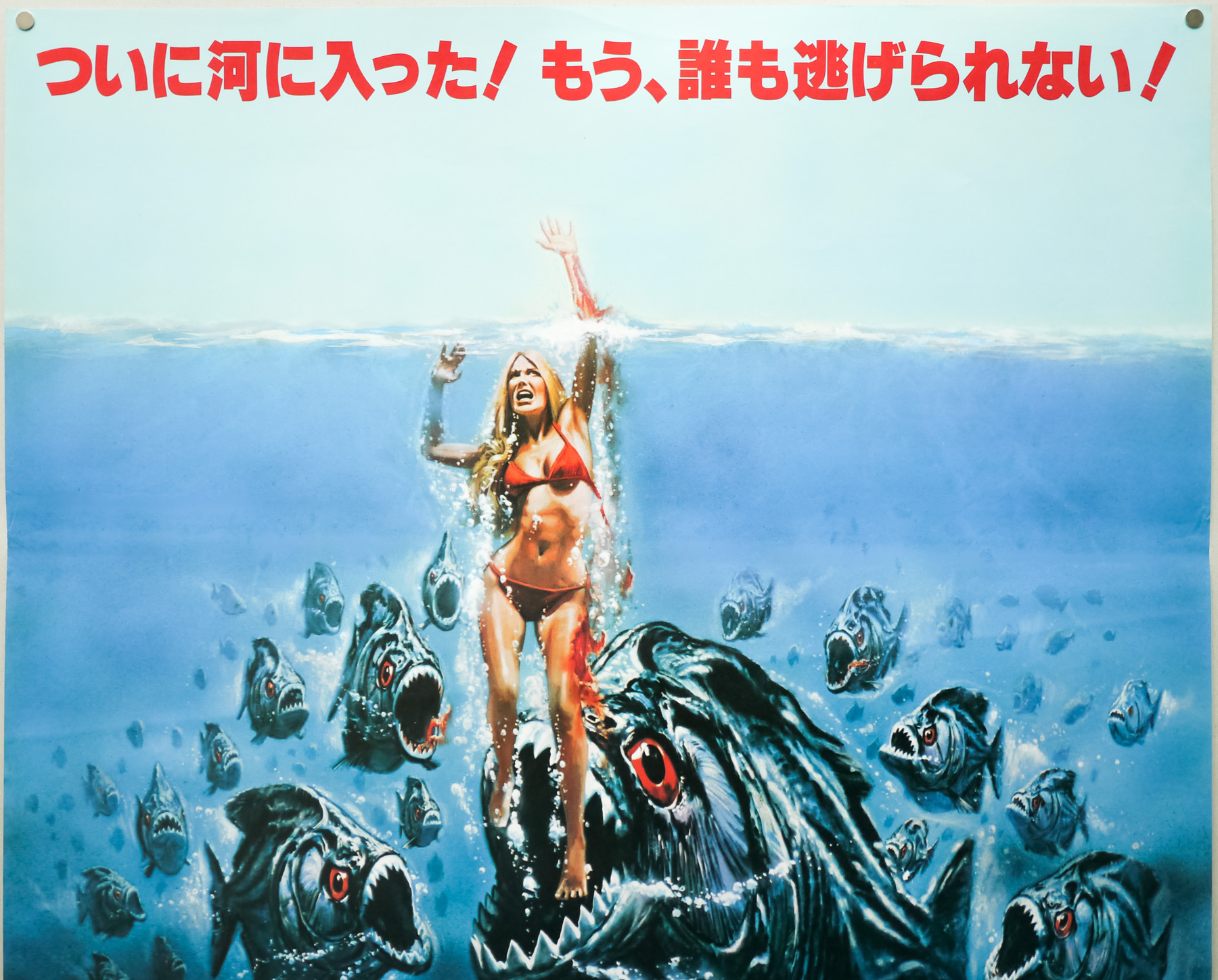
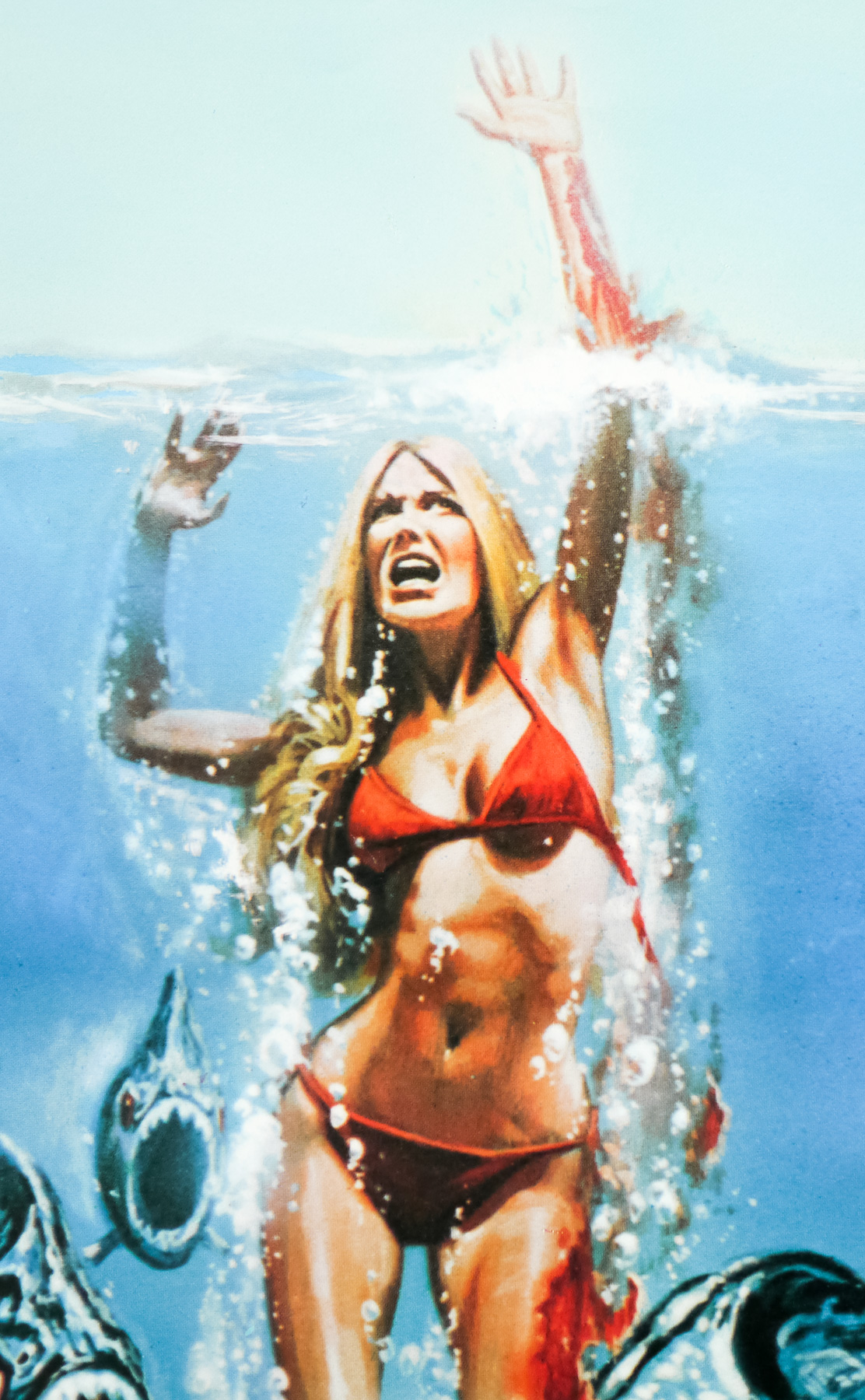
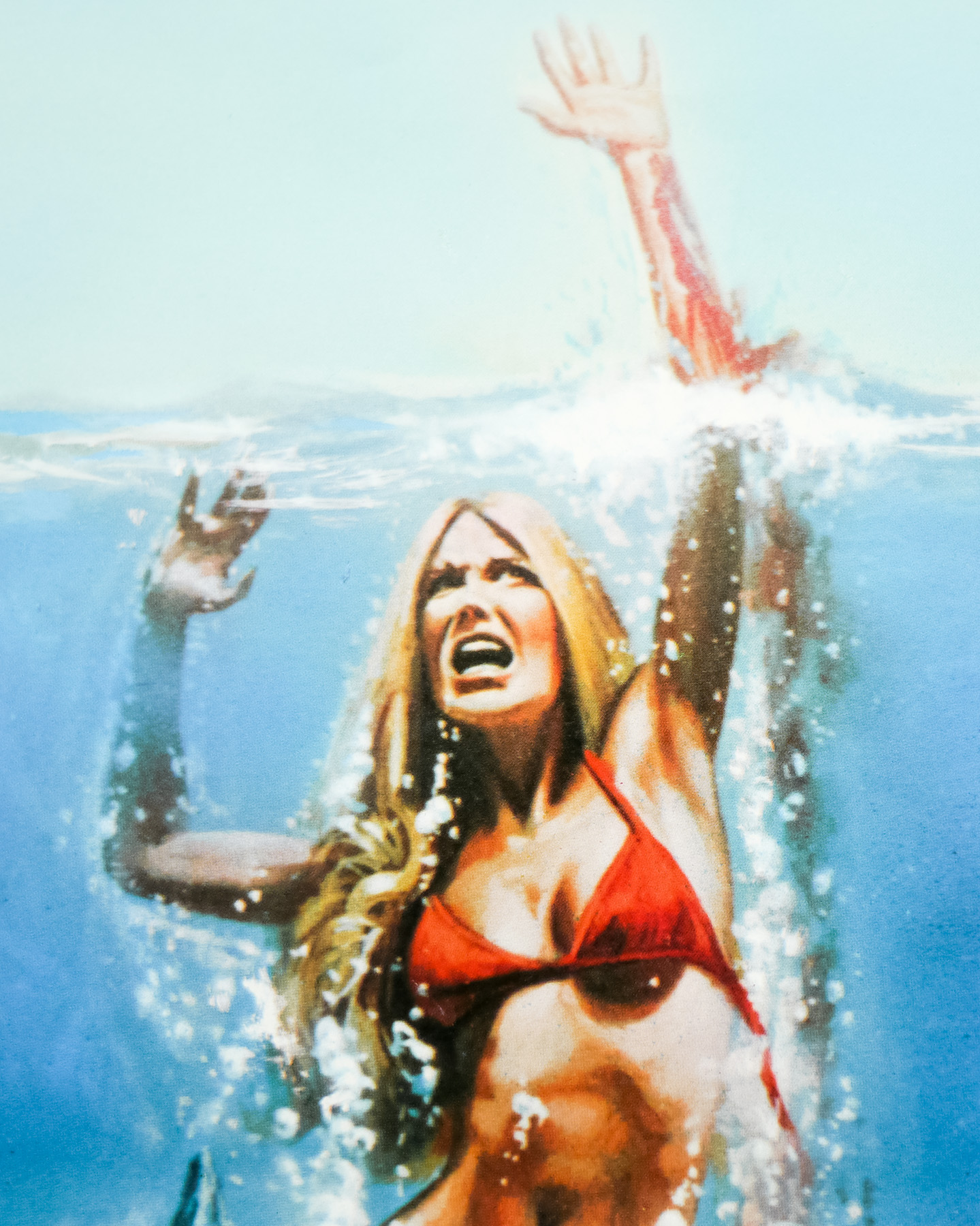
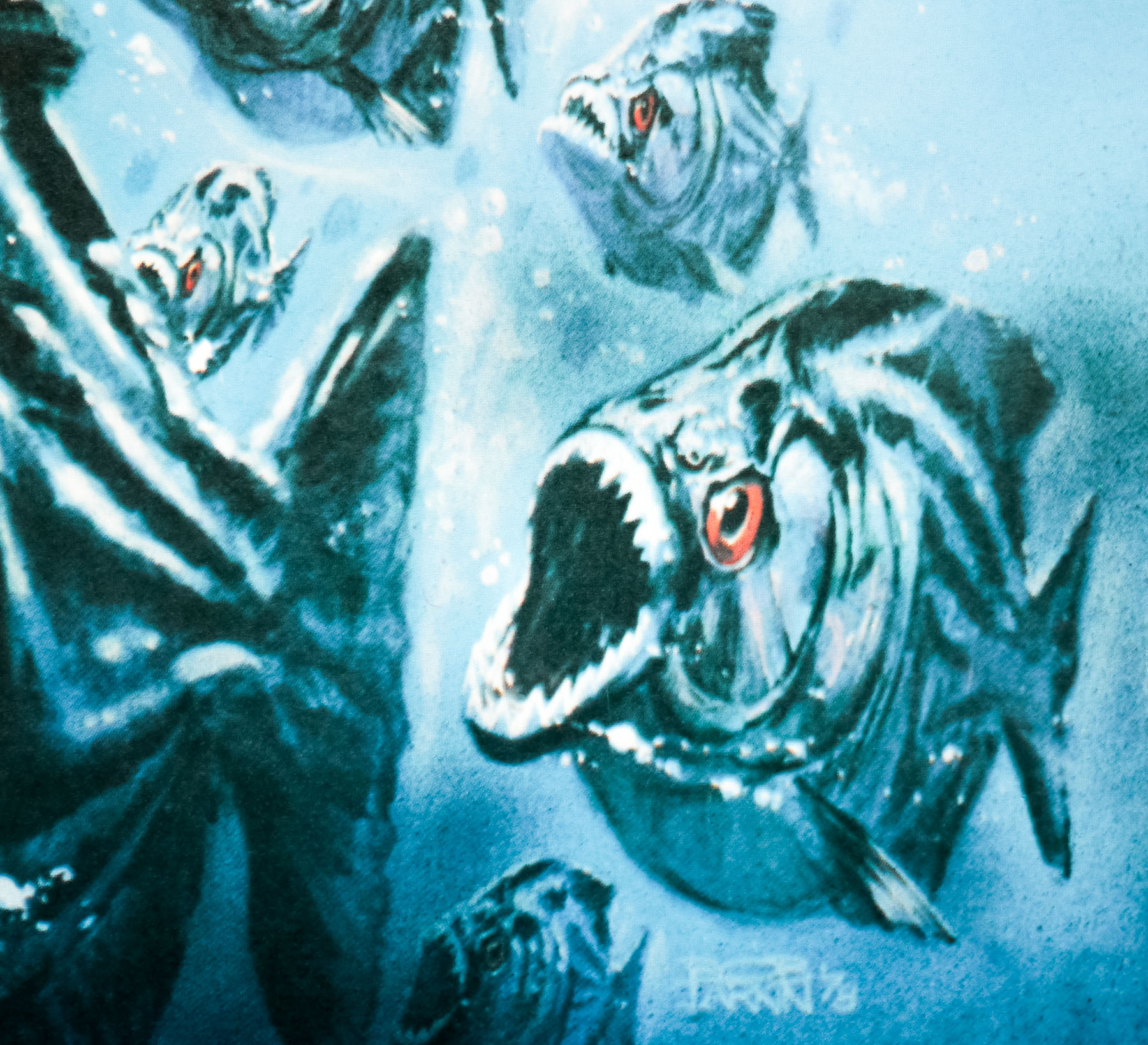
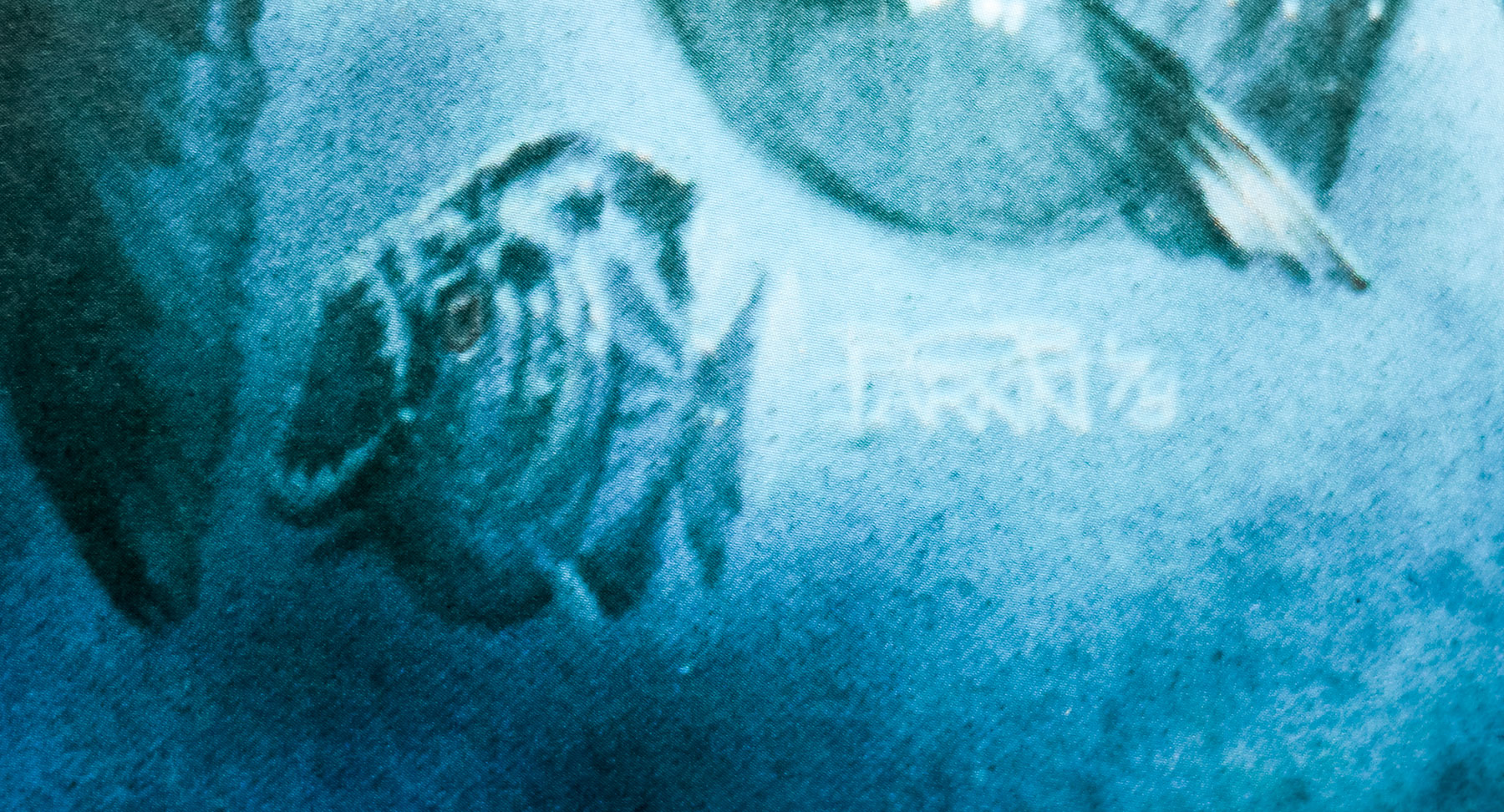
This Japanese B2 features artwork by the American artist Bob Larkin (born 1949) who is primarily known for his work on Marvel comics covers, including Savage Sword of Conan and Planet of the Apes. He also worked on covers for other comics distributors, magazines and packaging for toys. Larkin painted a handful of other film posters, including Monster (AKA Humanoids from the Deep) and Piranha II: The Spawning. The Bob Larkin: Illustrated Man site features a load of examples of his work, including many original paintings.

The Klansman / B2 / style B / Japan

18.03.15

Poster Poster

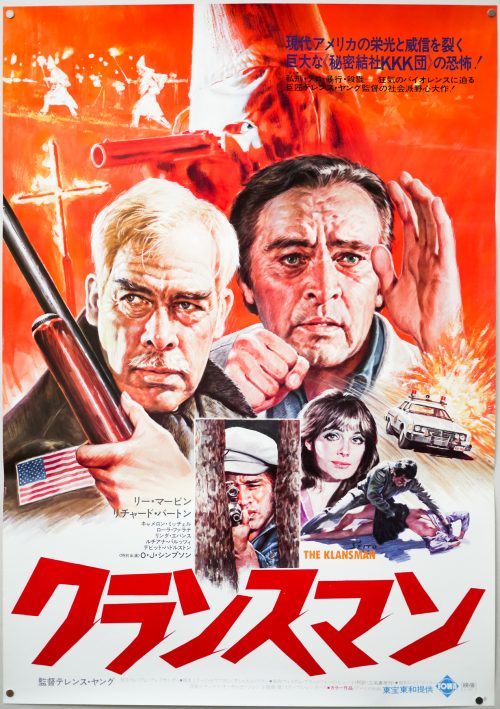
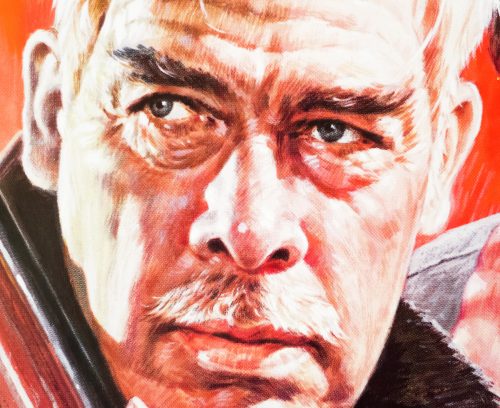
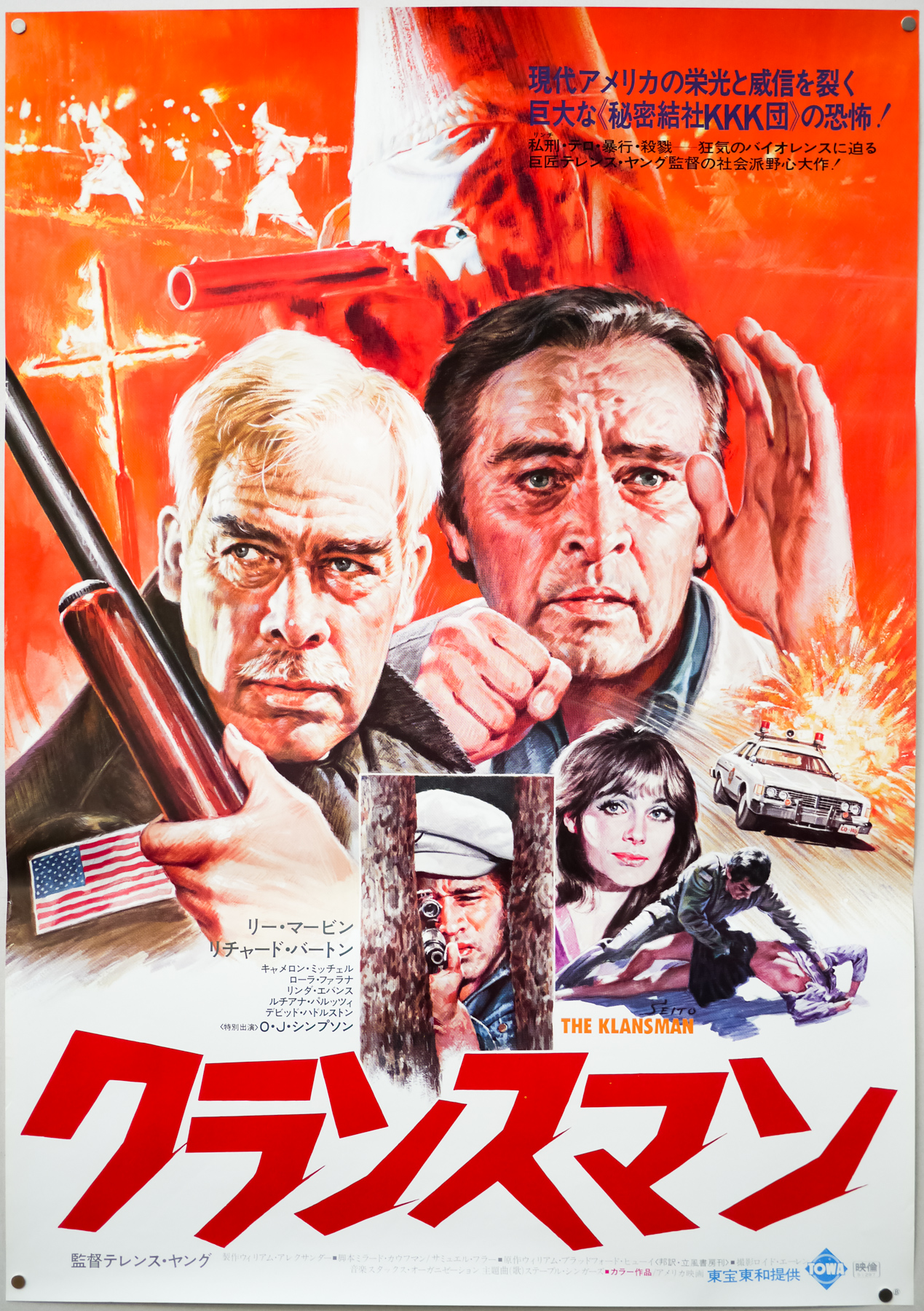
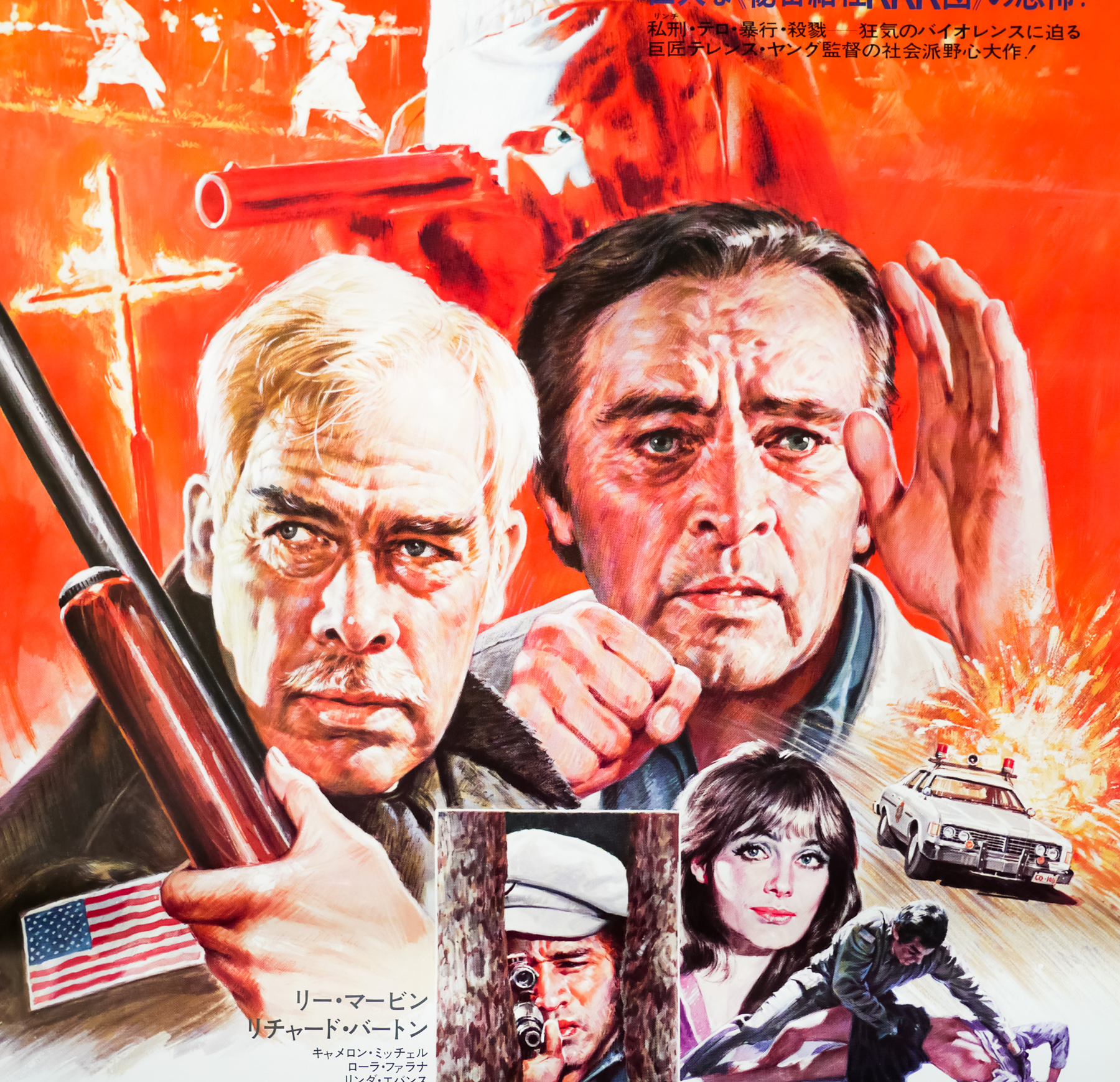
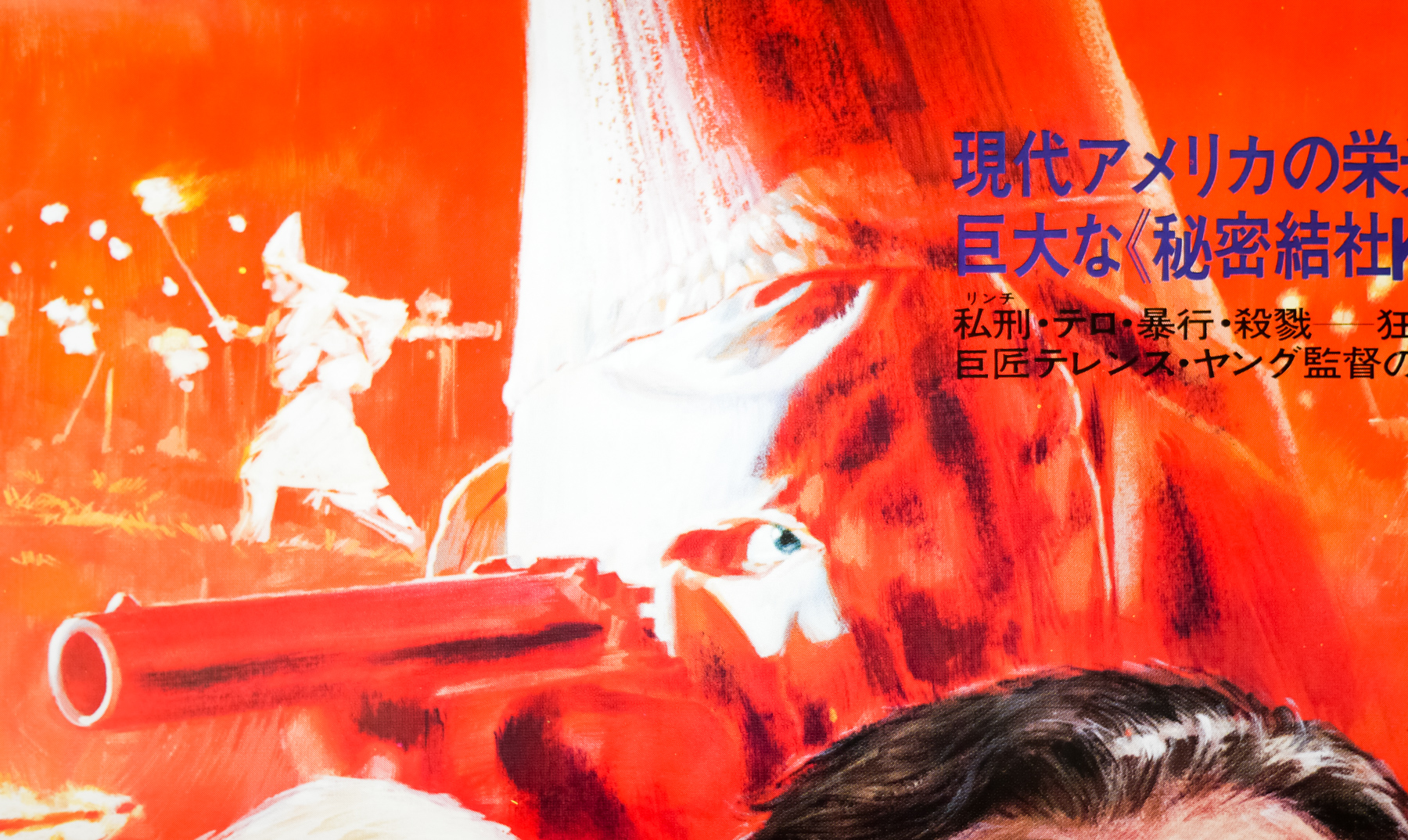
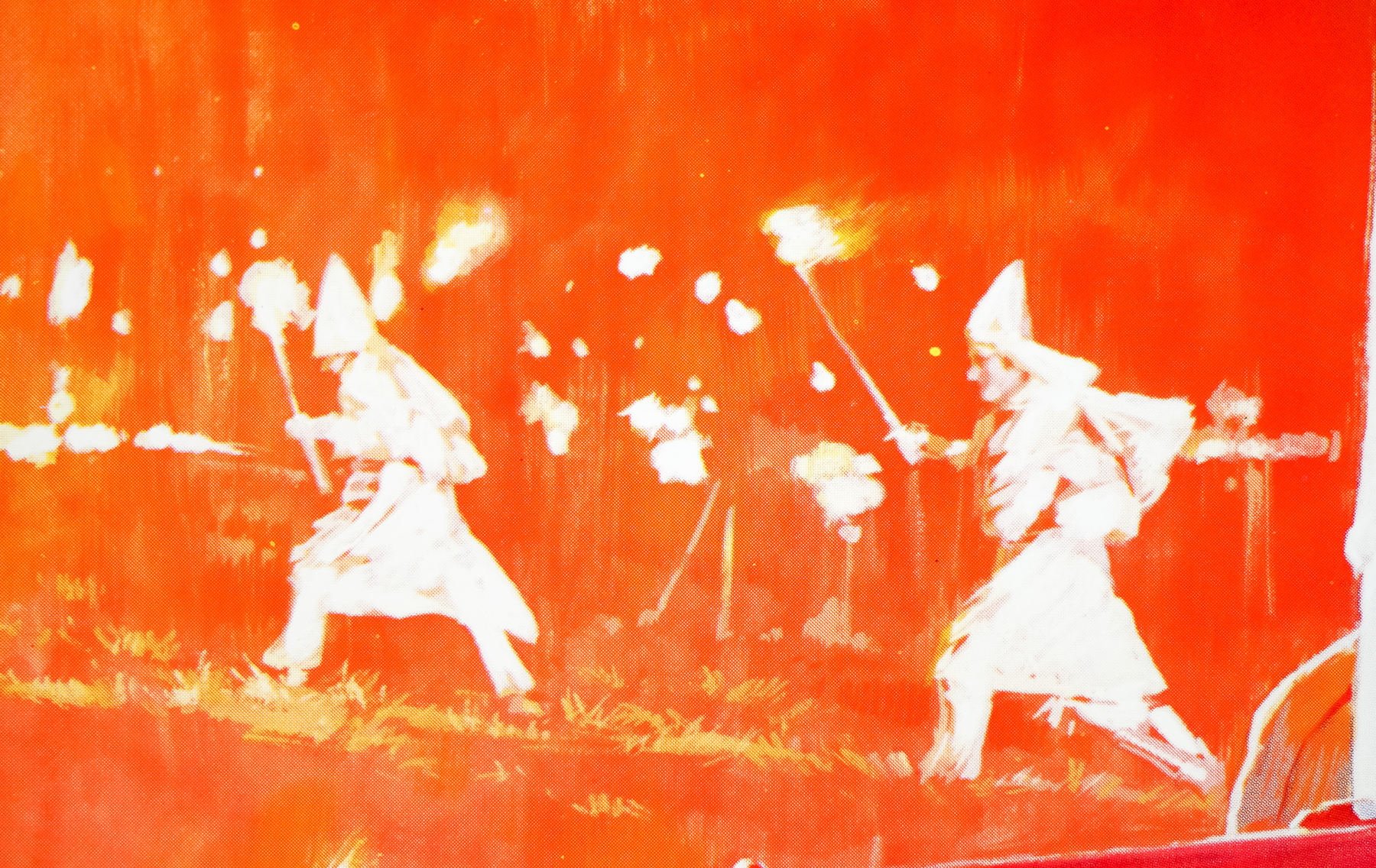
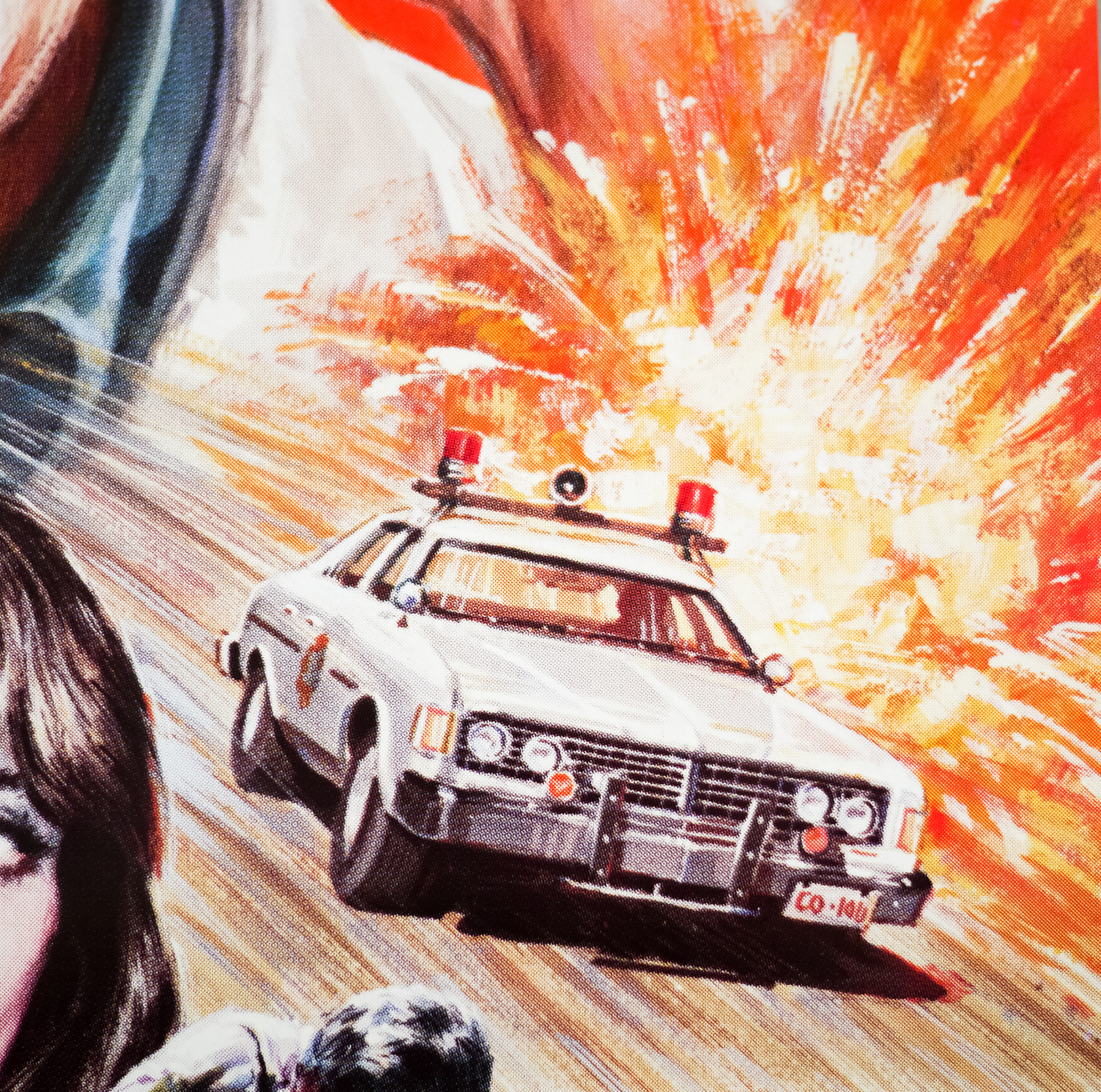
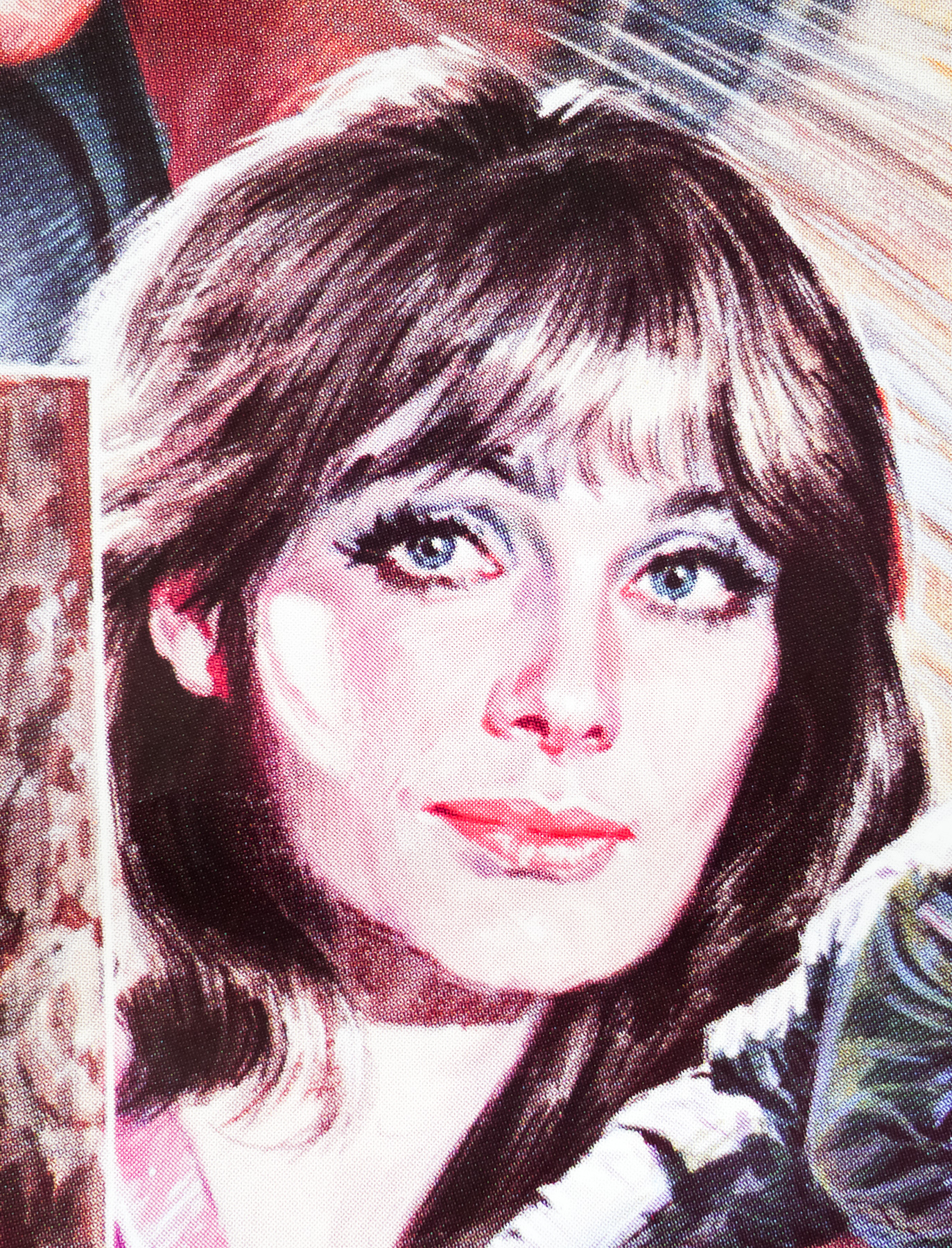
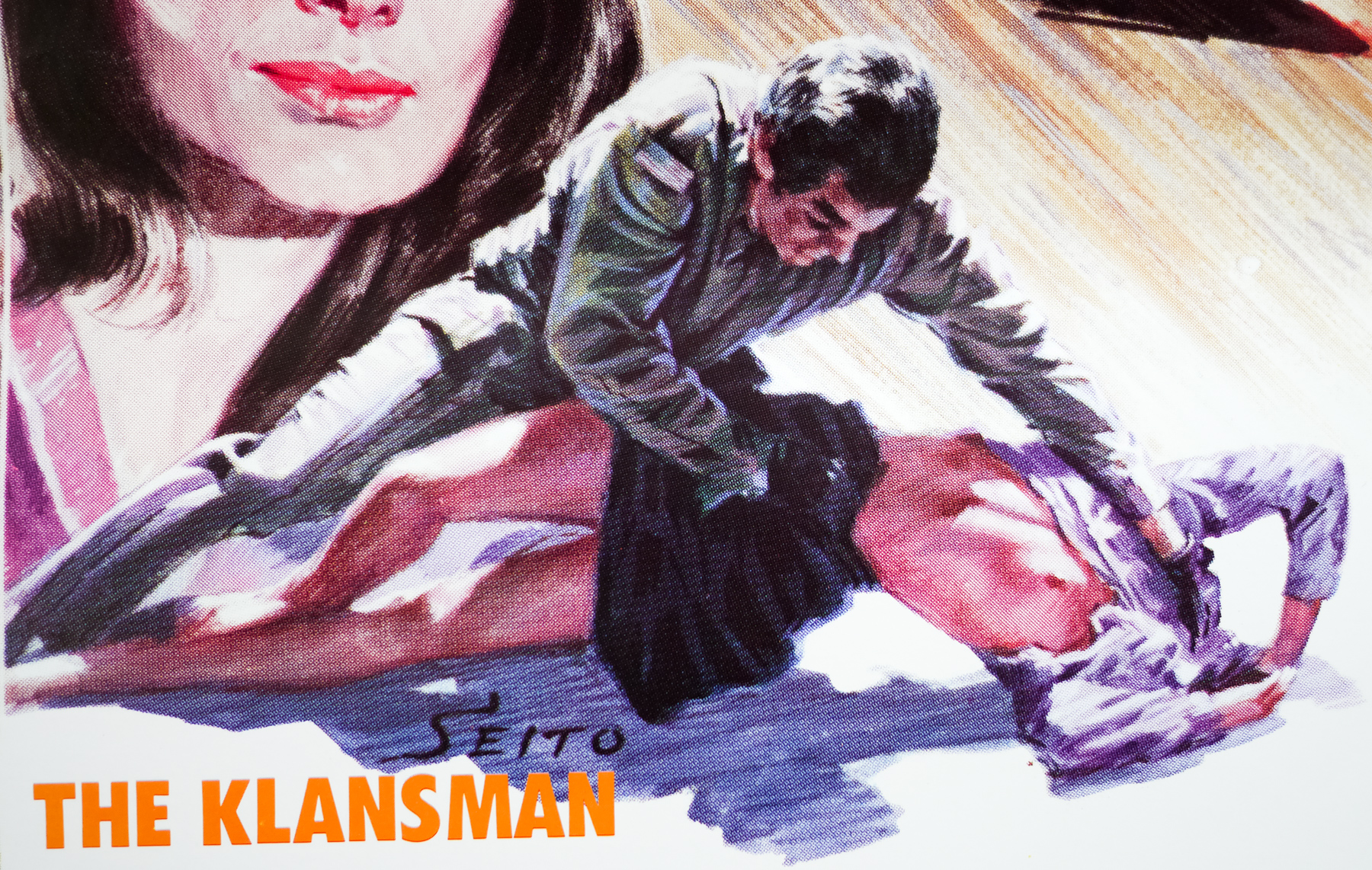
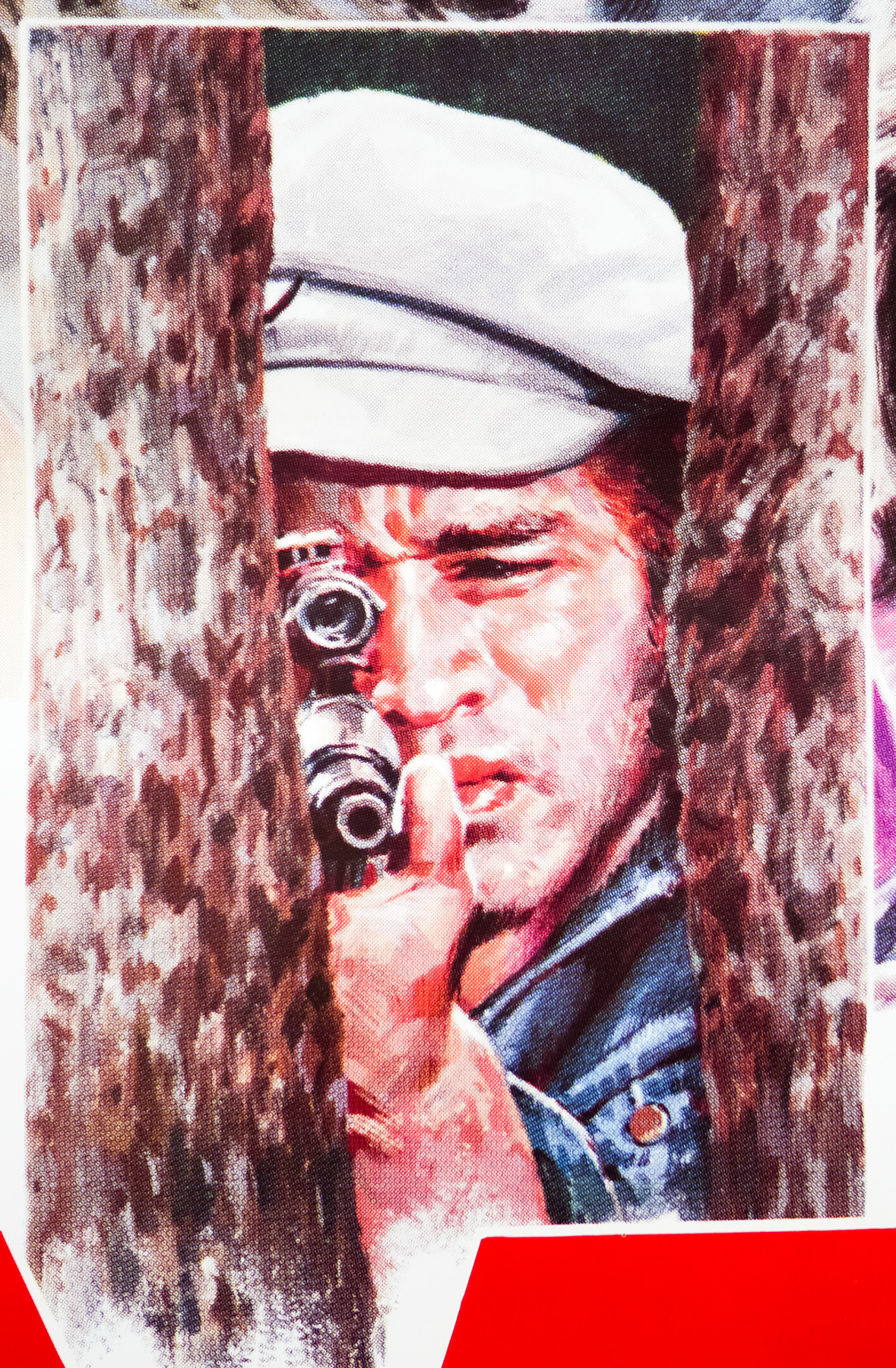
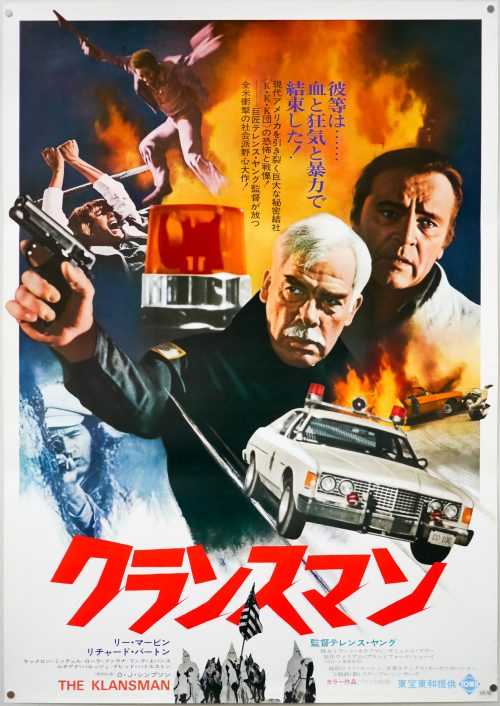
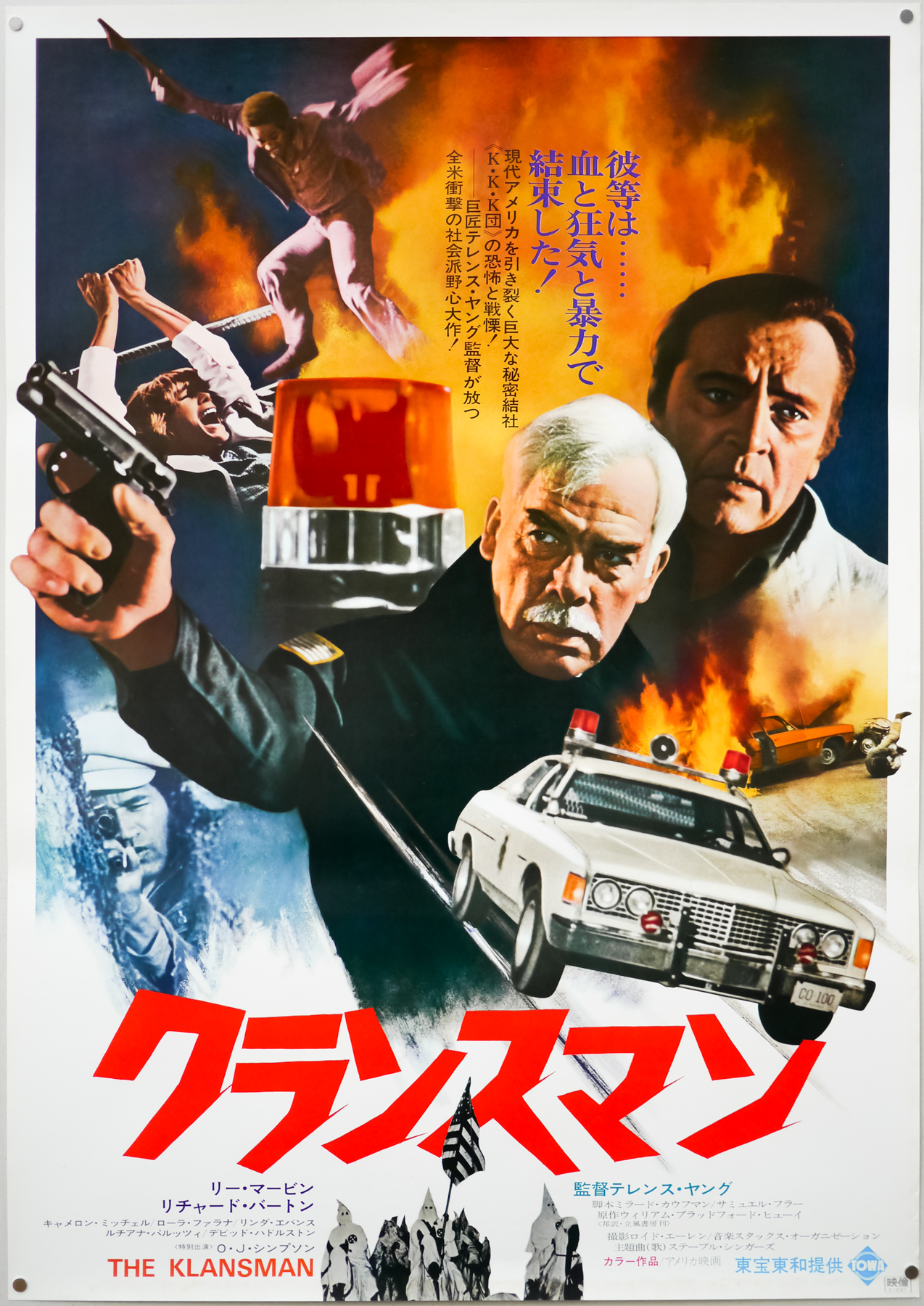
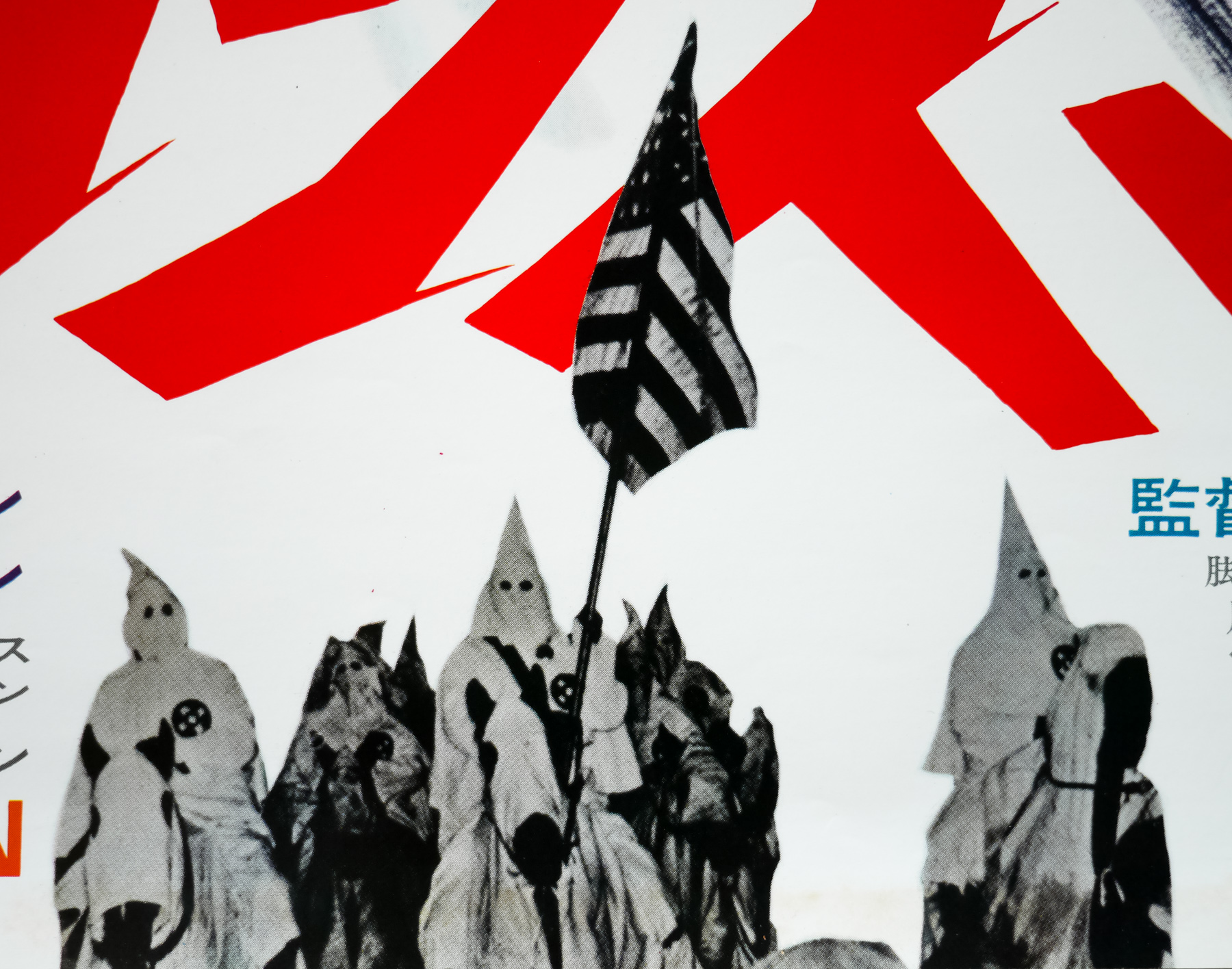
This is one of two Japanese B2 posters for the release of the 1974 drama The Klansman that marks a low point in the careers of the main participants involved and, in my opinion, deserves to be consigned to the dustbin of film history. British director Terence Young (best known for his work on the first two James Bond films and Thunderball) helms this tale of racial tension in a small Southern town that has a large Ku Klux Klan contingent. Lee Marvin plays the lone Sheriff of the town who has to deal with the fallout when a white woman is raped, apparently by a black man. Tensions are escalated when a lone gunman (played by O.J. Simpson) decides to stir things up with the Klan by shooting white townsfolk with a sniper rifle. Richard Burton plays a local landowner who has long opposed the views of the Klan and harboured black people on his land but he gets drawn into the conflict with deadly consequences.

There are many issues with the film, including a confusing script that was clearly trying to imbue the film with something of a social justice message but bungles it badly, and all scenes involving the Klan are cringeworthy and obviously massively politically incorrect. The performances from the two leads are also pretty terrible with Lee Marvin mumbling and drawling through all of his scenes looking like a man who wishes he was elsewhere. Richard Burton also phones his performance in, with an accent that attempts Southern American but ends up sounding altogether wrong, and he also affects a limp in some scenes that disappears in others. Legend has it that the two men were both drunk during the entire shoot and that might explain things. It also doesn’t help that the only version of the film available on home video has been badly cut to remove a lot of the violence and a pivotal rape scene.

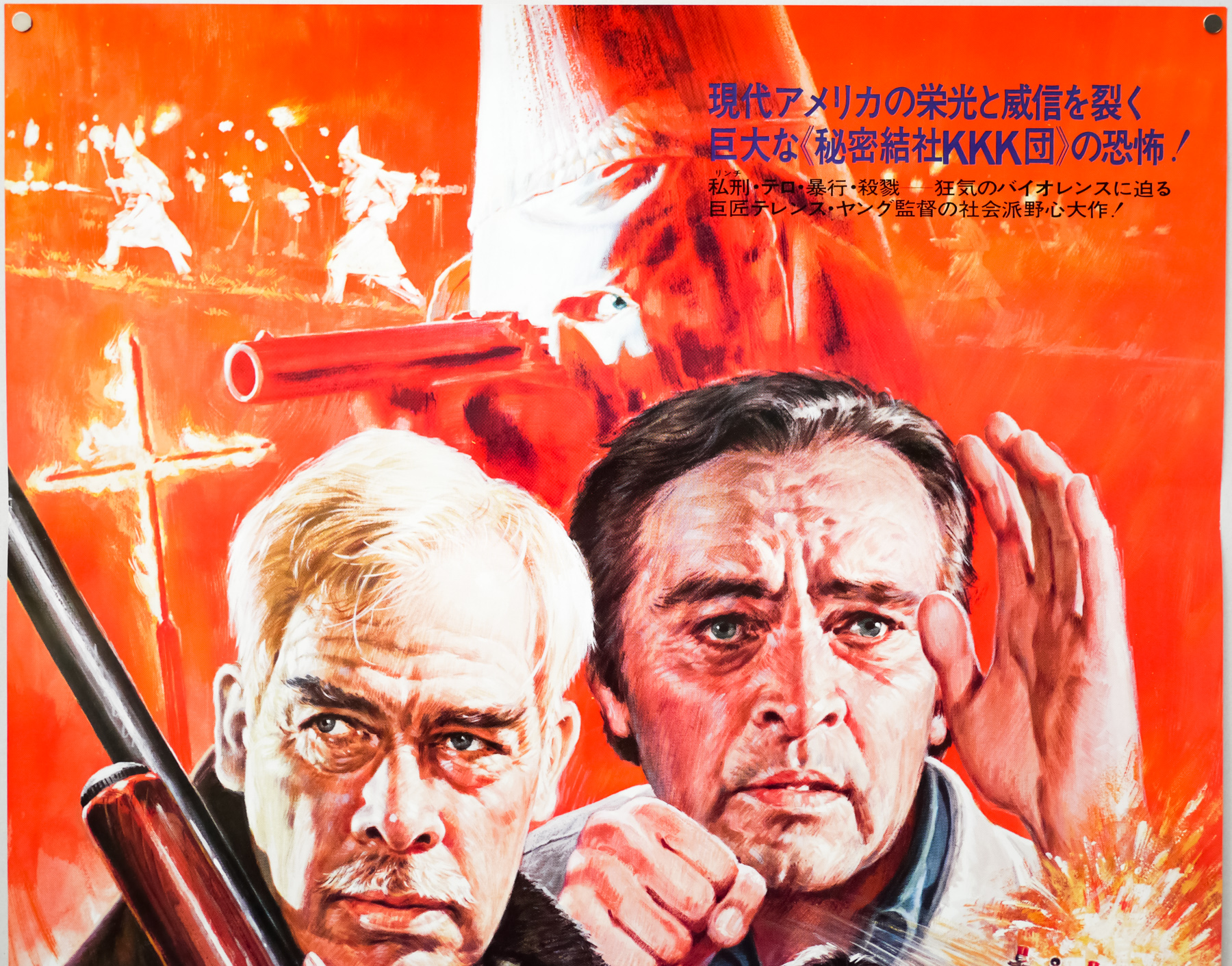
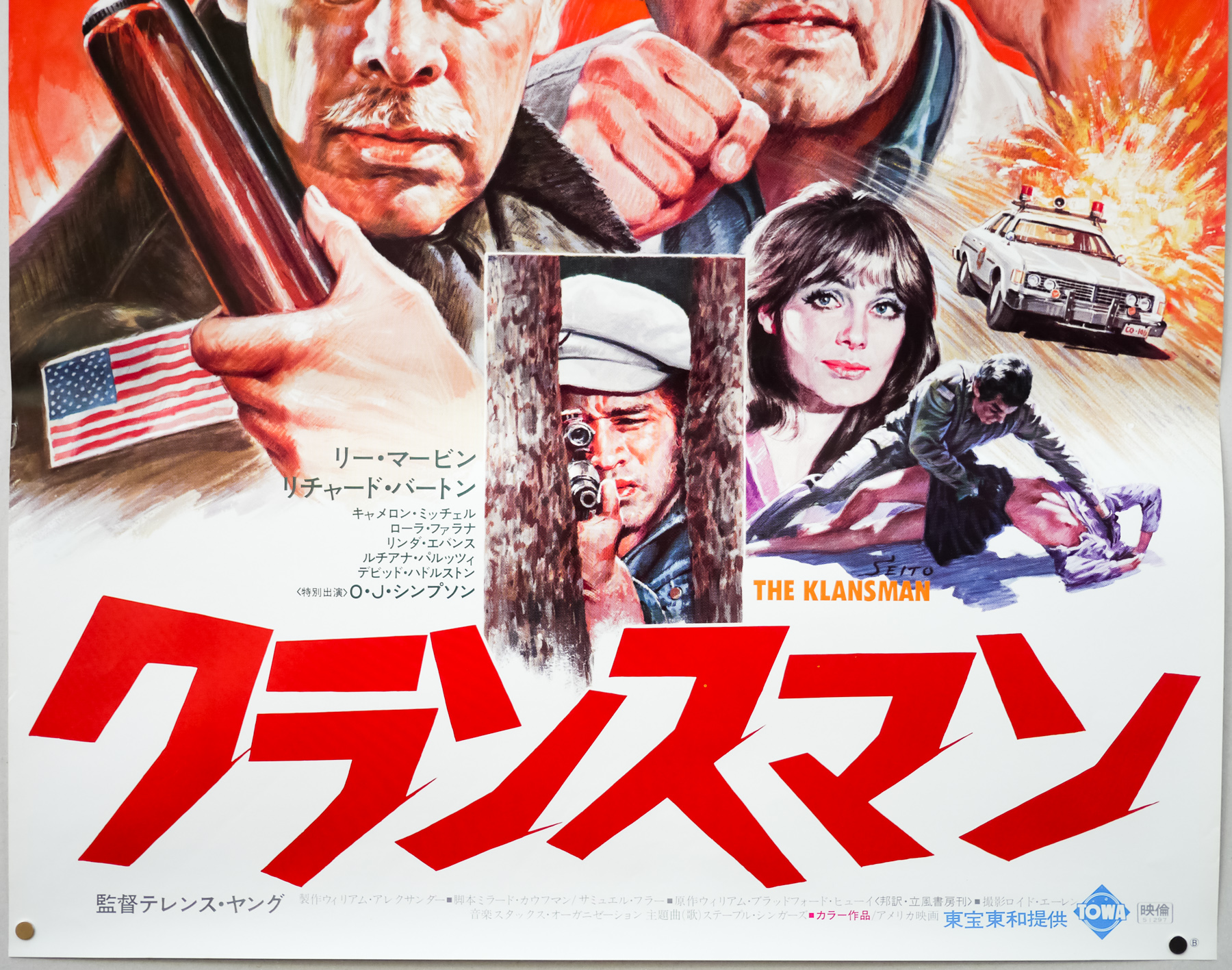
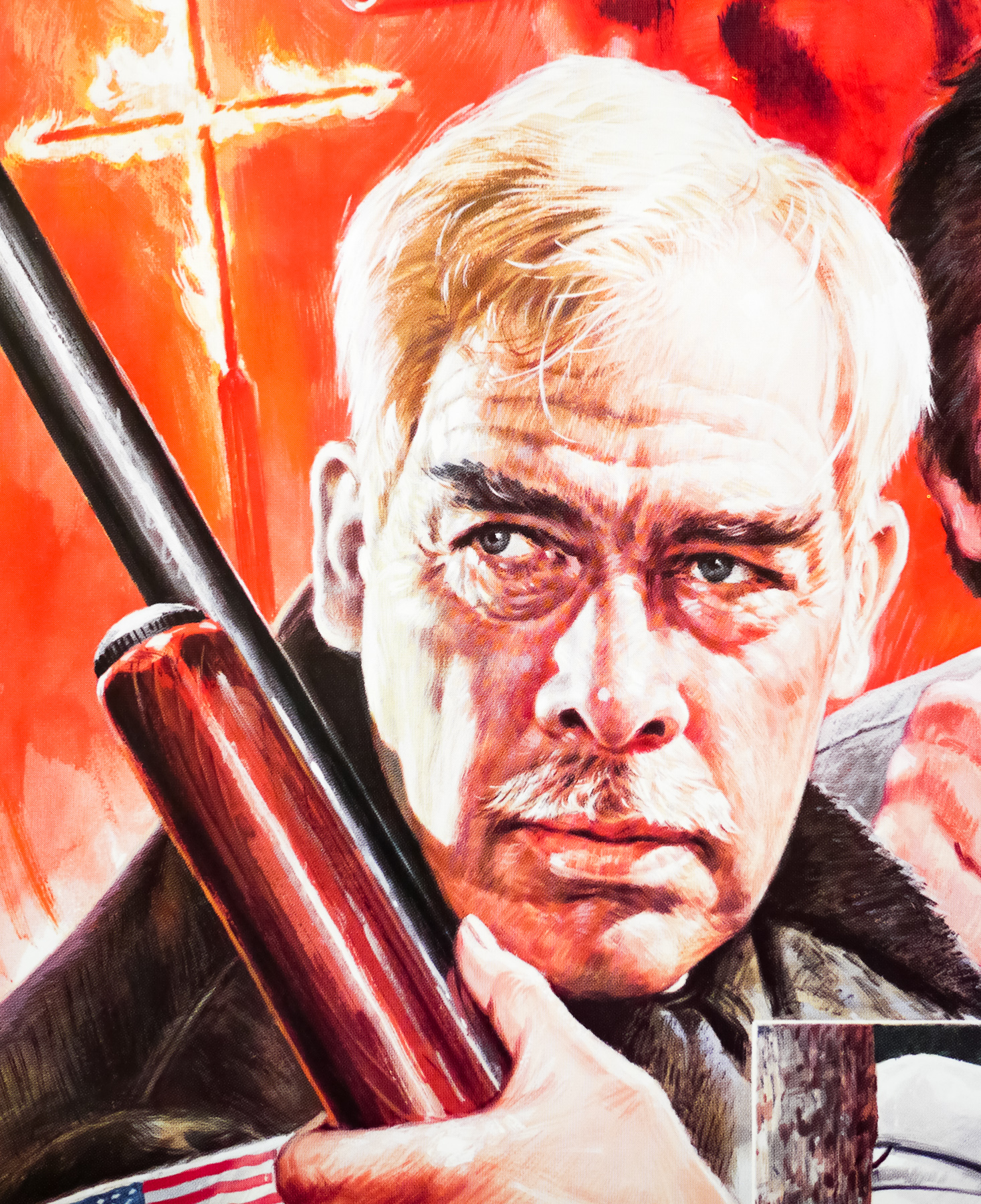
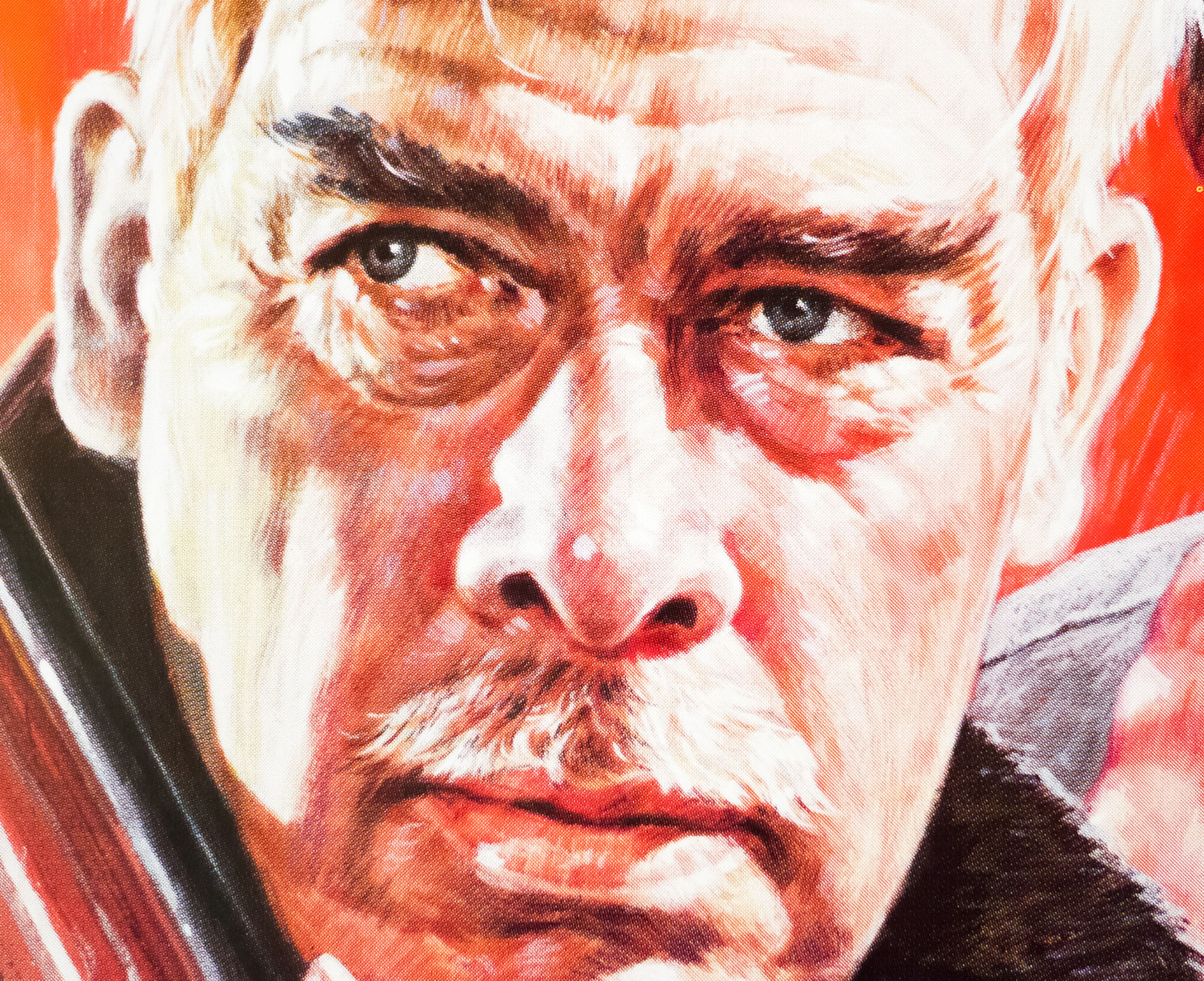
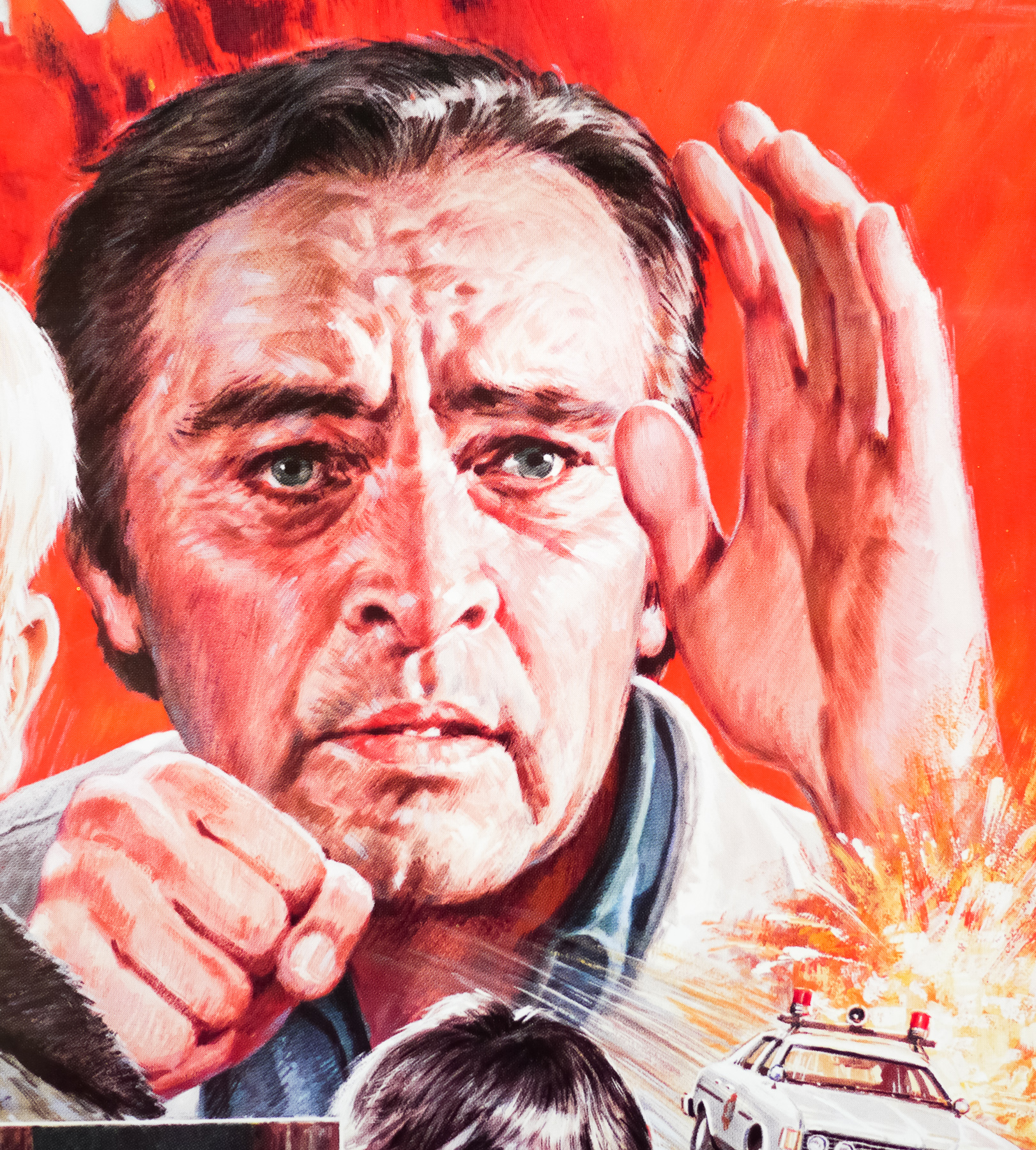
This Japanese poster features artwork unique to the Japanese campaign. Seito is one of my favourite Japanese artists who was responsible for several fantastic illustrated posters during the 1970s and 1980s. Little is known about the man himself, even in his native country.

To see the other posters I’ve collected by Seito click here.

Orca / B2 / style C / Japan

12.06.15

Poster Poster
Title
Orca
AKA
Orca: Killer Whale (alt. title) | The Killer Whale (alt. title)
Year of Film
1977
Director
Michael Anderson
Starring
Richard Harris, Charlotte Rampling, Will Sampson, Bo Derek, Keenan Wynn, Robert Carradine, Scott Walker, Peter Hooten, Wayne Heffley
Origin of Film
USA
Genre(s) of Film
Richard Harris, Charlotte Rampling, Will Sampson, Bo Derek, Keenan Wynn, Robert Carradine, Scott Walker, Peter Hooten, Wayne Heffley,
Type of Poster
B2
Style of Poster
Style C
Origin of Poster
Japan
Year of Poster
1977
Designer
Unknown
Artist
'Dino'
Size (inches)
20 3/16" x 28 14/16"
SS or DS
SS
Tagline
--

A man versus giant killer fish film that was released two years after the original summer blockbuster Jaws, Orca was always going to be compared to Spielberg’s classic even if its lead actor, the late Richard Harris, was apparently angered by the links; ‘I get really offended when people make the comparison’, he is quoted as saying at the time of release. The late Italian producer Dino De Laurentiis was determined to one-up the spectacle of Jaws and tasked the screenwriter Luciano Vincenzoni to “find a fish tougher and more terrible than the great white”, which led them to the killer whale and production on ‘Orca’ began.

Harris plays Nolan, the Irish captain of a fishing boat operating in the waters off the coast of northern Canada who hears of a lucrative contract being offered for the live capture of a killer whale and hopes the bounty will pay off the mortgage on his boat. After Nolan and his crew accidentally spear a pregnant female killer whale they drag it onto the ship where it miscarries, and almost dies, before the male (Orca) attacks the ship, killing one of the crew before the female is cut loose and falls into the water. The next morning the body of the female whale washes up on shore and before long it becomes clear that Orca is out for revenge, as he attacks the fishing village and destroys vital fuel lines. The villagers insist Nolan is responsible and task him with killing Orca so he sets off with the remainder of his crew, plus marine biologist Rachel Bedford (Charlotte Rampling) and a native American killer whale expert (Will Sampson). The whale leads the boat away from the village into frozen, iceberg covered waters and the stage is set for a final confrontation.

Unfortunately for De Laurentiis and all involved the film was critically derided and sank quickly at the box office, particularly since the juggernaut that was Star Wars was already smashing box office records around the world. The idea of a vengeful fish obviously didn’t go down too well with audiences, although the people behind 1987’s awful Jaws: The Revenge must have forgotten this by the time it was decided to make a third Jaws sequel. The practice of hunting and capturing killer whales to feed the demand from aquariums in the 1960s and 70s was sadly all too prevalent, as documented in the recent heartbreaking documentary Blackfish, which also points out that there are no documented cases of humans being killed by the whales in the wild.

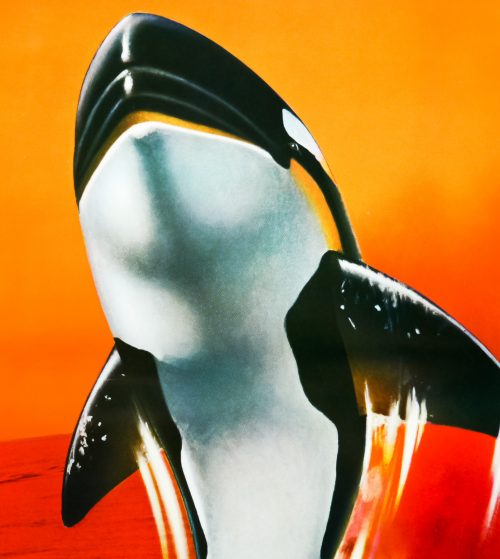
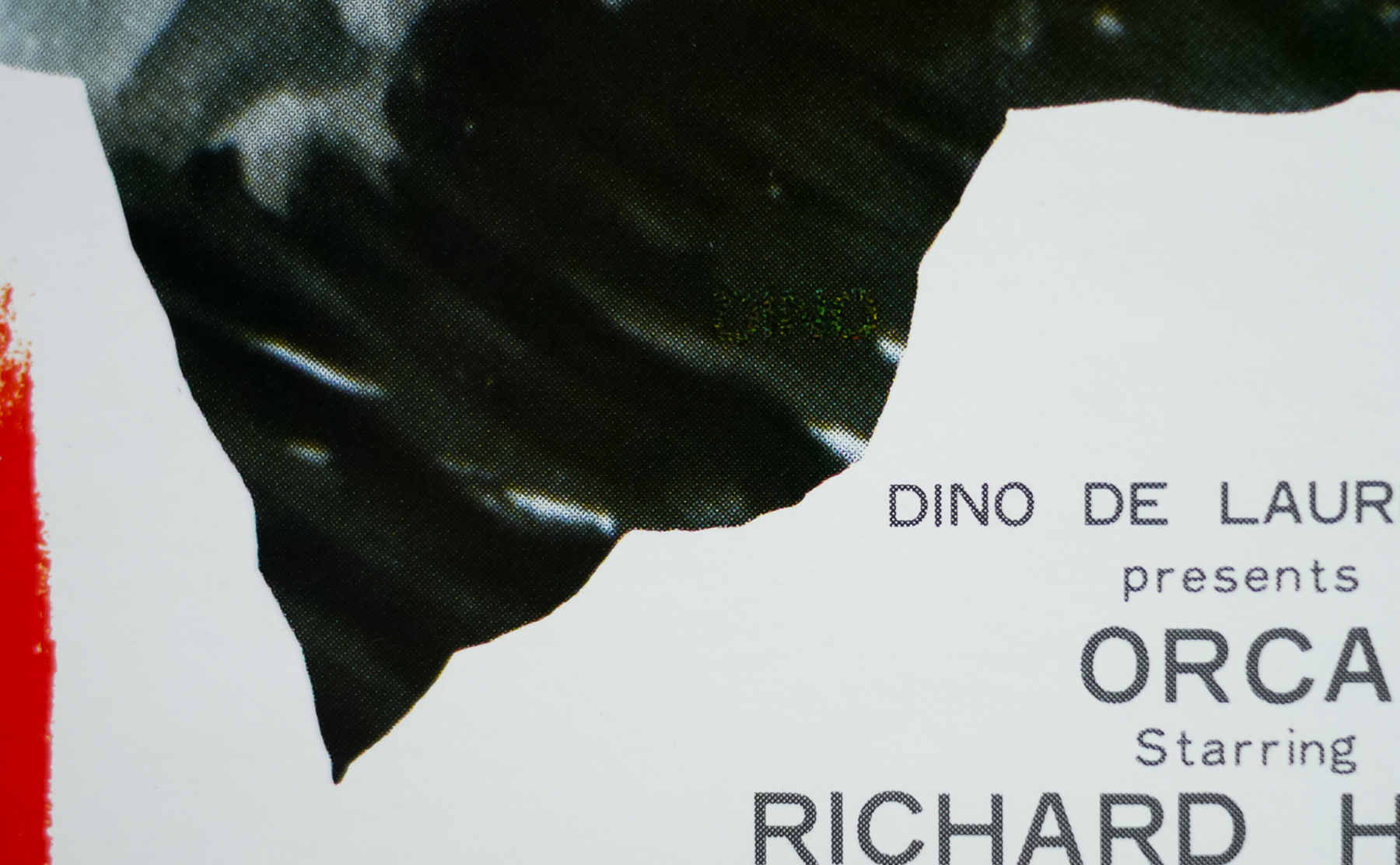
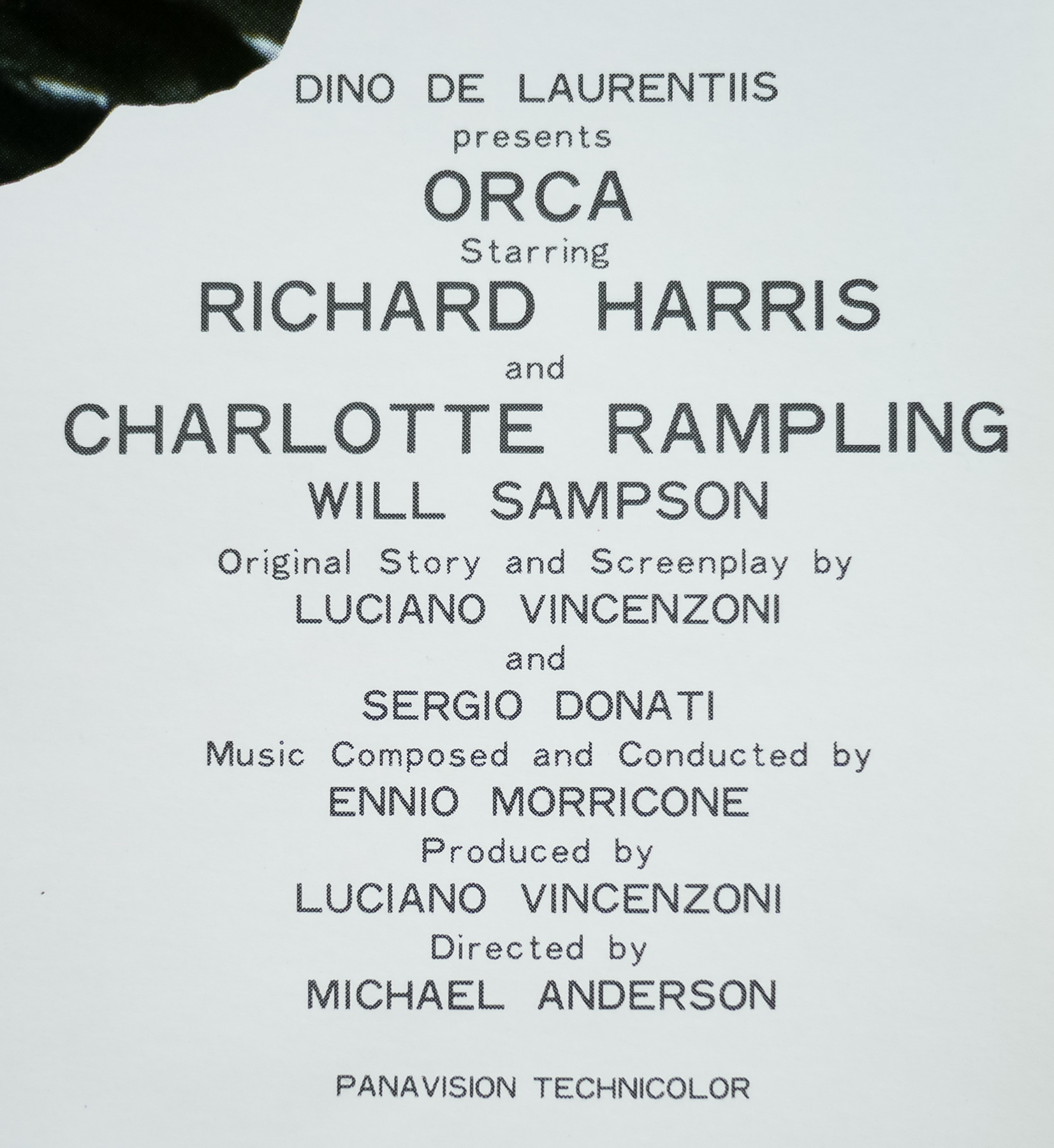
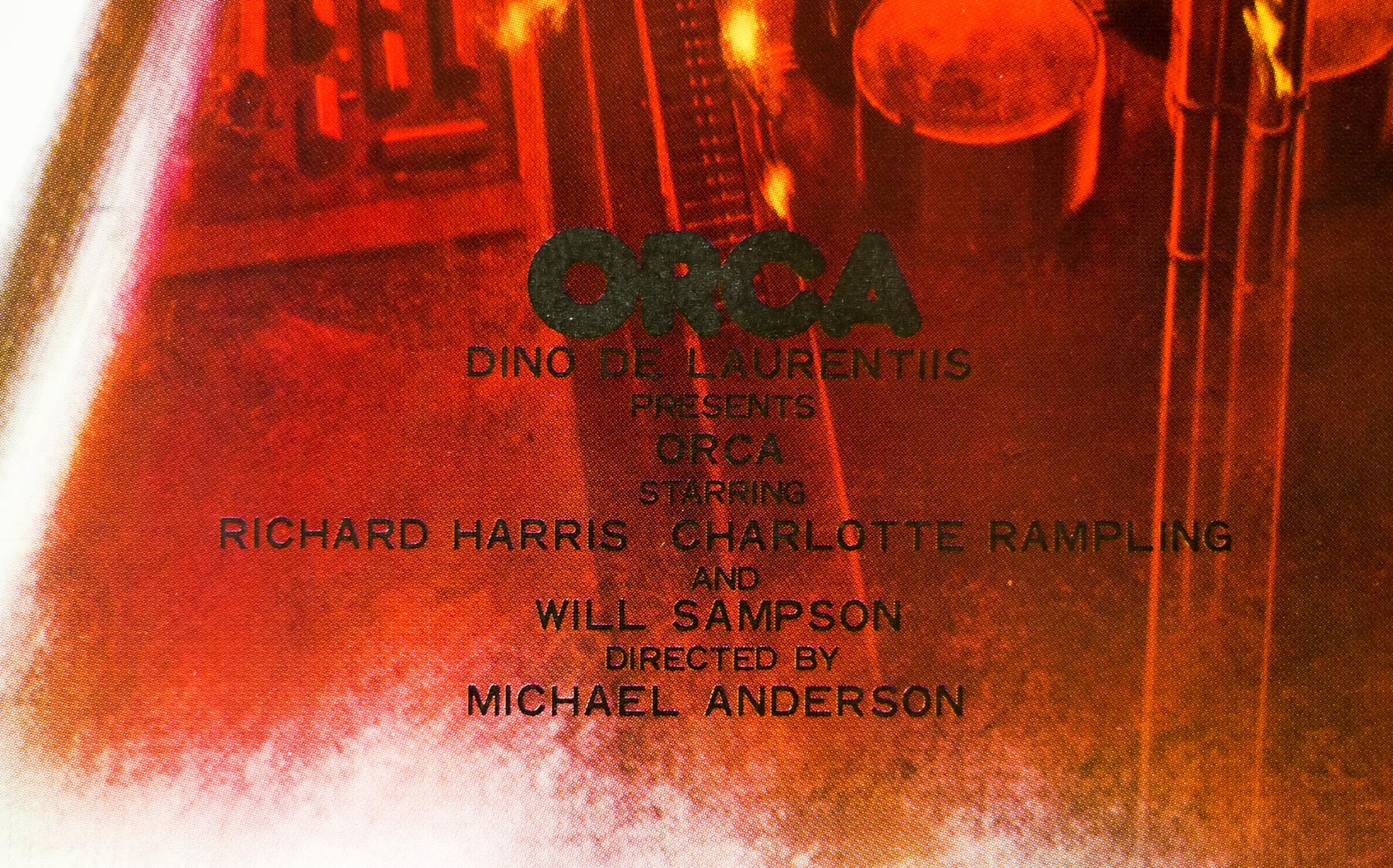
The artwork on the American one sheet was painted by John Berkey who also worked on the poster for the De Laurentiis produced remake of King Kong a year earlier, and the Orca art was also used for the British quad. The Japanese marketing campaign, however, featured at least three B2-sized posters, including this one, that featured artwork apparently unique to the posters and only the B1 format used the Berkey painting. I’ve called this B2 style C and there’s also the style A and style B. There’s a signature that looks like ‘Dino’ at the bottom of the art (see picture 5) but if anyone knows which artist this belongs to please get in touch.

Check out the bonkers original trailer on YouTube.

King Kong Lives / B0 / Japan

26.06.15

Poster Poster
Title
King Kong 2
AKA
King Kong Lives (USA / UK)
Year of Film
1986
Director
John Guillermin
Starring
Peter Elliott, George Yiasoumi, Brian Kerwin, Linda Hamilton, John Ashton, Peter Michael Goetz, Frank Maraden
Origin of Film
USA
Genre(s) of Film
Peter Elliott, George Yiasoumi, Brian Kerwin, Linda Hamilton, John Ashton, Peter Michael Goetz, Frank Maraden,
Type of Poster
B0
Style of Poster
--
Origin of Poster
Japan
Year of Poster
1986
Designer
Unknown
Artist
Unknown
Size (inches)
39 6/16" x 55 9/16"
SS or DS
SS
Tagline
--

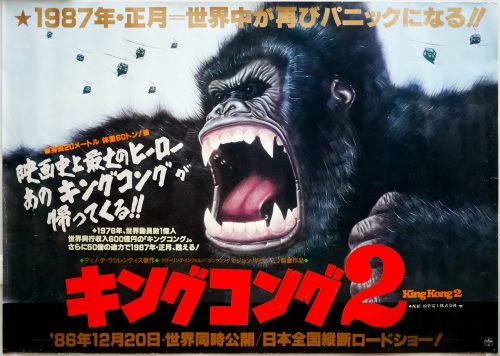
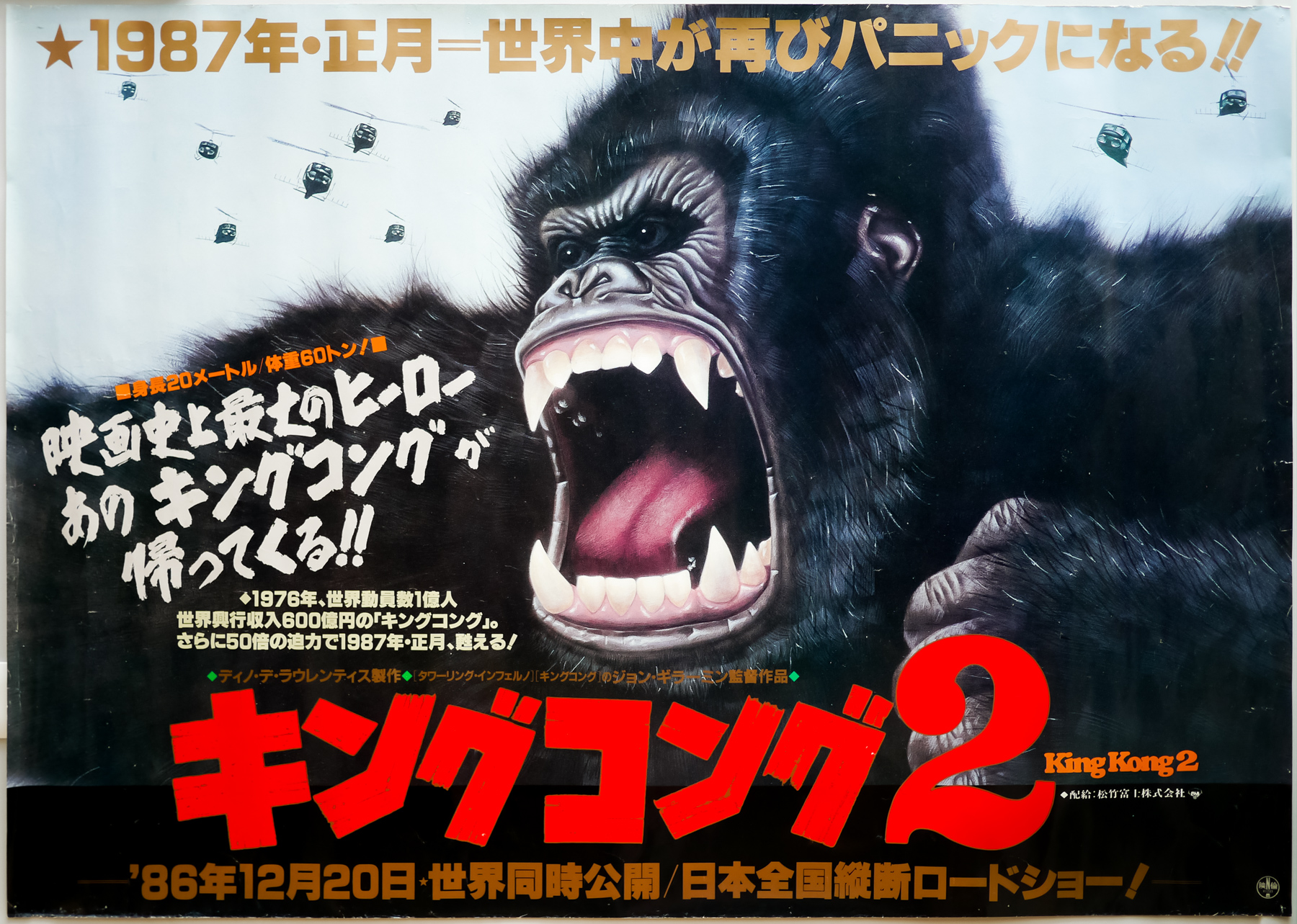
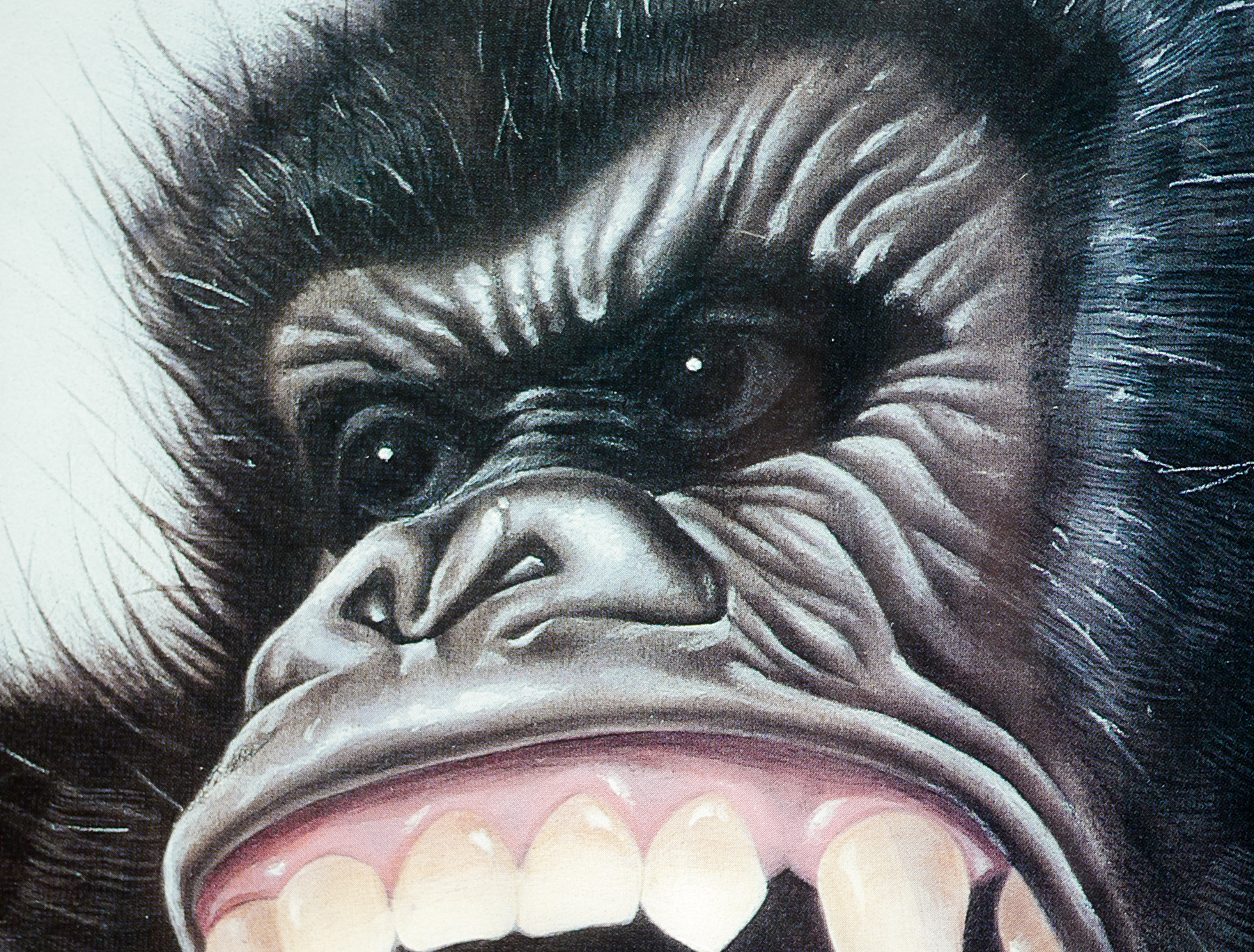
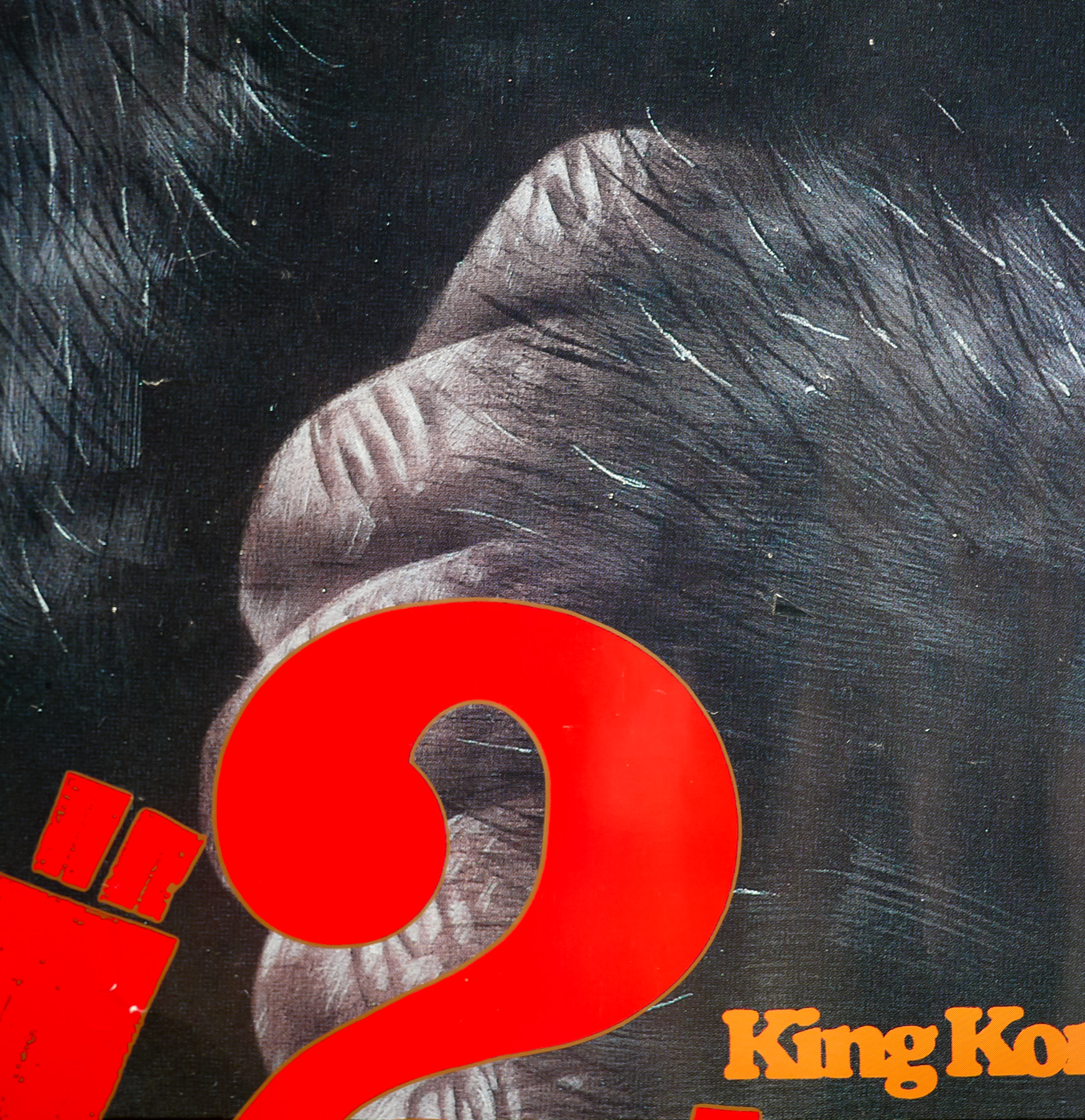
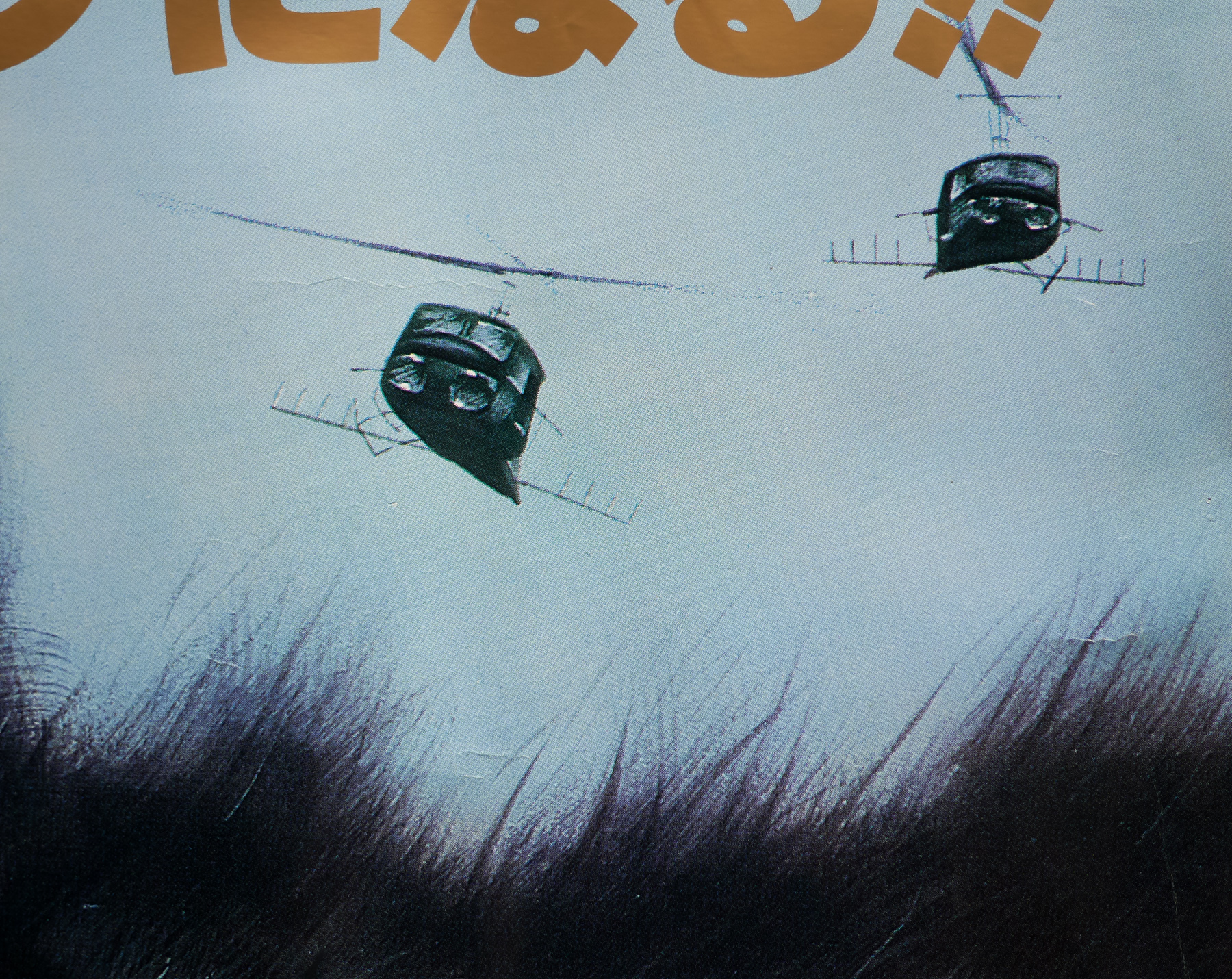
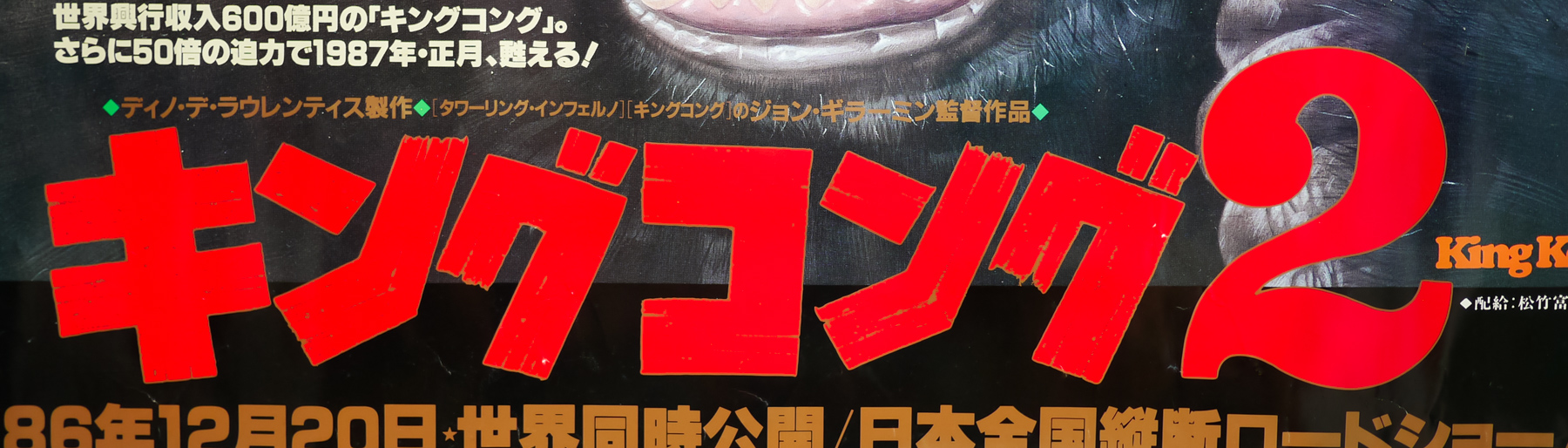
King Kong Lives is the critically-mauled and commercially disastrous sequel to the ill-advised 1976 remake of the classic big ape monster movie, which was shepherded into life by the legendary Italian producer Dino De Laurentiis. I’m not entirely sure why a decade passed before this sequel was put into production, but both De Laurentiis (or at least his company DEG) and director John Guillermin returned and definitely shouldn’t have bothered. The gap is explained in the film by having Kong in a 10 year coma following his fall from the World Trade Center at the end of the previous film.

Linda Hamilton (who should have known better) stars as Dr. Amy Franklin who is attempting to perform a heart transplant with an electronic replacement but Kong has lost too much blood for the operation to proceed. Luckily the adventurer Hank Mitchell (Brian Kerwin) finds and captures another giant ape in the jungles of Borneo and brings it to the US so that the operation can go ahead. It turns out that the new ape is a female and once Kong’s heart is replaced it’s not long before he escapes with ‘Lady Kong’ and chaos ensues. Unfortunately, despite the premise, the entire cast looks as if they’d rather be somewhere else and the shoddy effects can’t paper over the cracks.

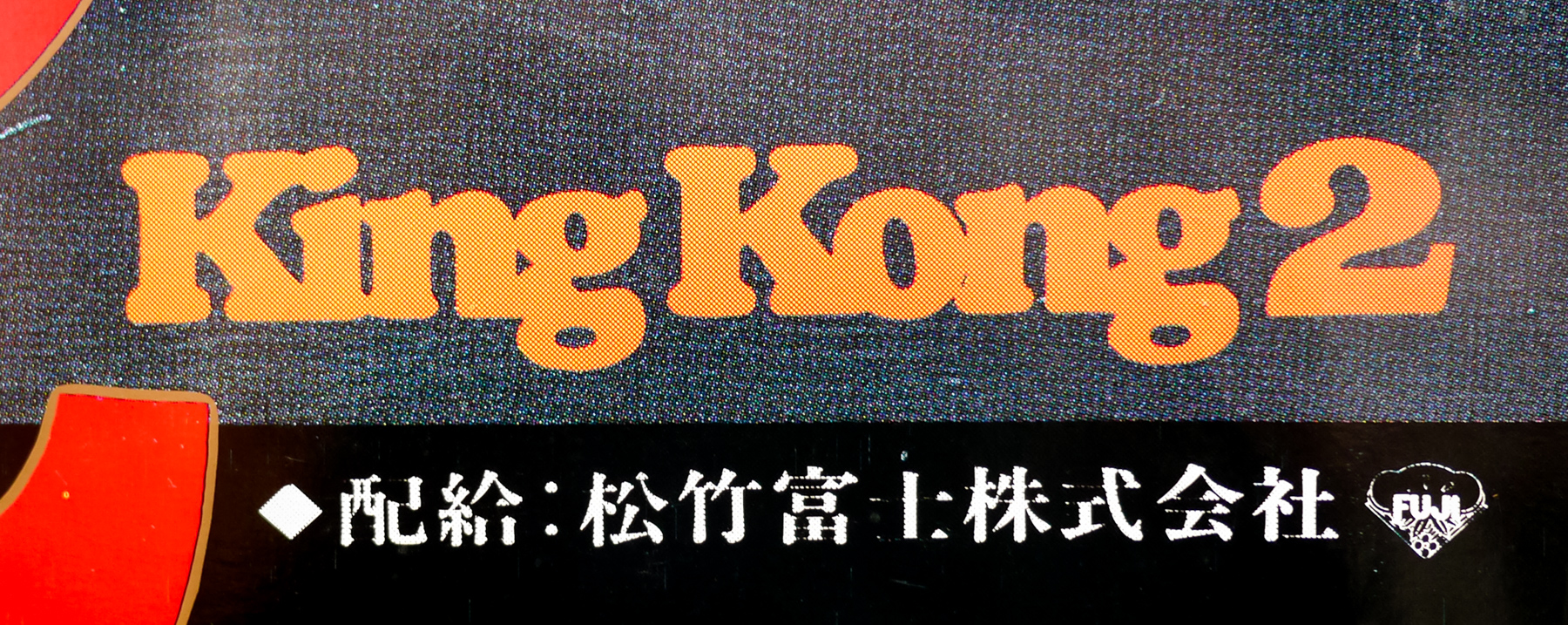
This artwork appears on the Japanese B1 and B0 posters. The B0 size of poster is typically used in larger cinemas and in advertising spots in the Tokyo metro. I’ve struggled to find out who the artist is for this poster so please get in touch if you have an idea. There are also two B2 posters for the film (style A and style B).

21 Grams / B1 / Japan

01.07.15

Poster Poster
Title
21 Grams
AKA
--
Year of Film
2003
Director
Alejandro González Iñárritu
Starring
Sean Penn, Naomi Watts, Charlotte Gainsbourg, Benicio Del Toro, Danny Huston, Clea DuVall, Eddie Marsan, Melissa Leo
Origin of Film
USA
Genre(s) of Film
Sean Penn, Naomi Watts, Charlotte Gainsbourg, Benicio Del Toro, Danny Huston, Clea DuVall, Eddie Marsan, Melissa Leo,
Type of Poster
B1
Style of Poster
--
Origin of Poster
Japan
Year of Poster
2003
Designer
Unknown
Artist
--
Size (inches)
28 14/16" x 40.5"
SS or DS
SS
Tagline
--

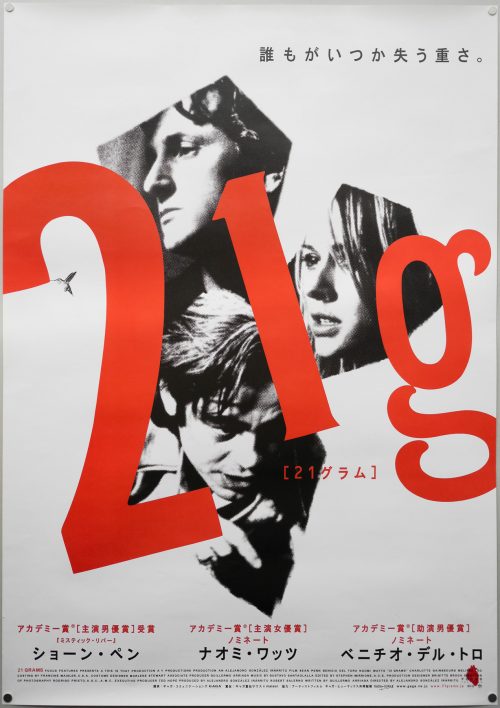
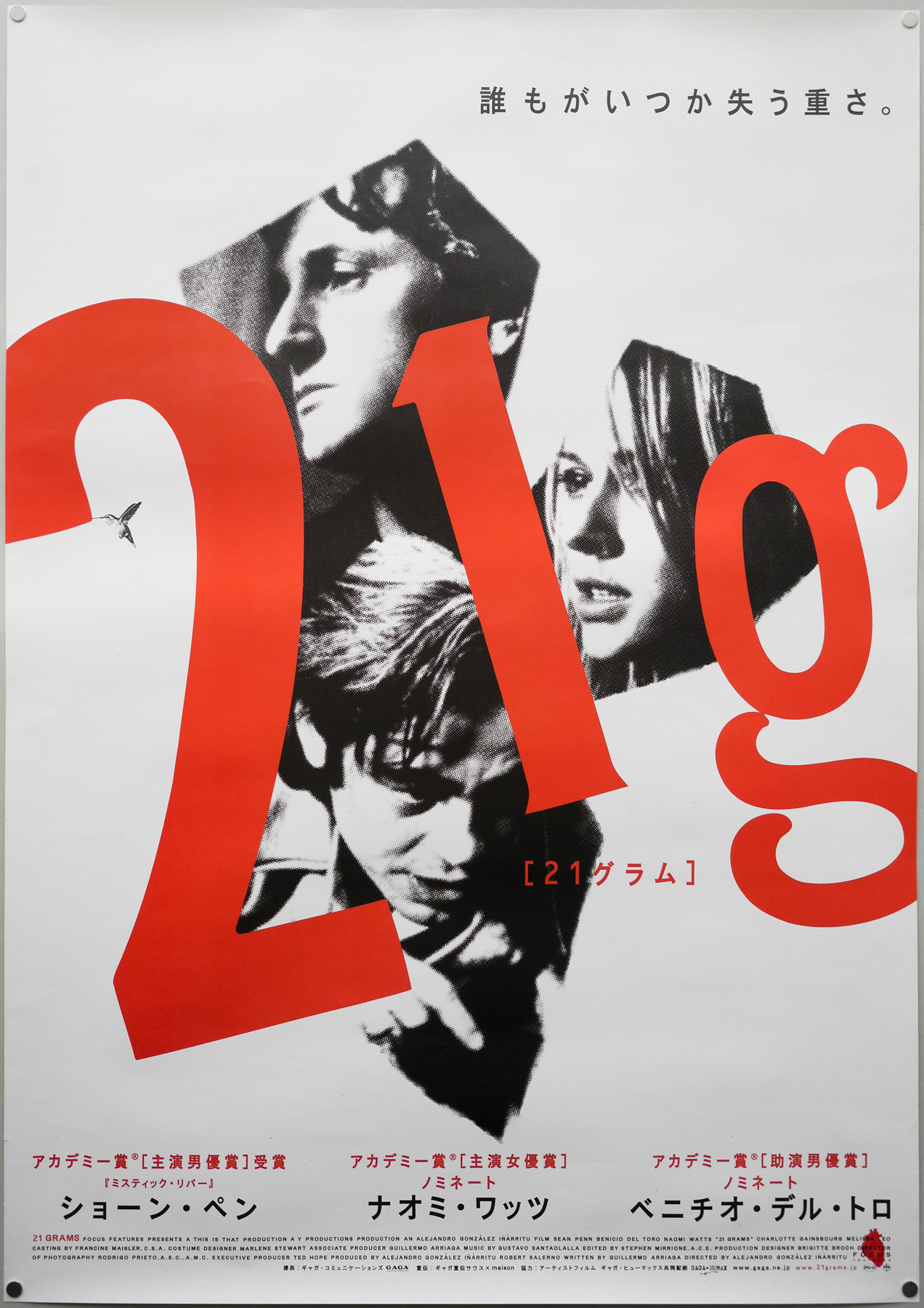
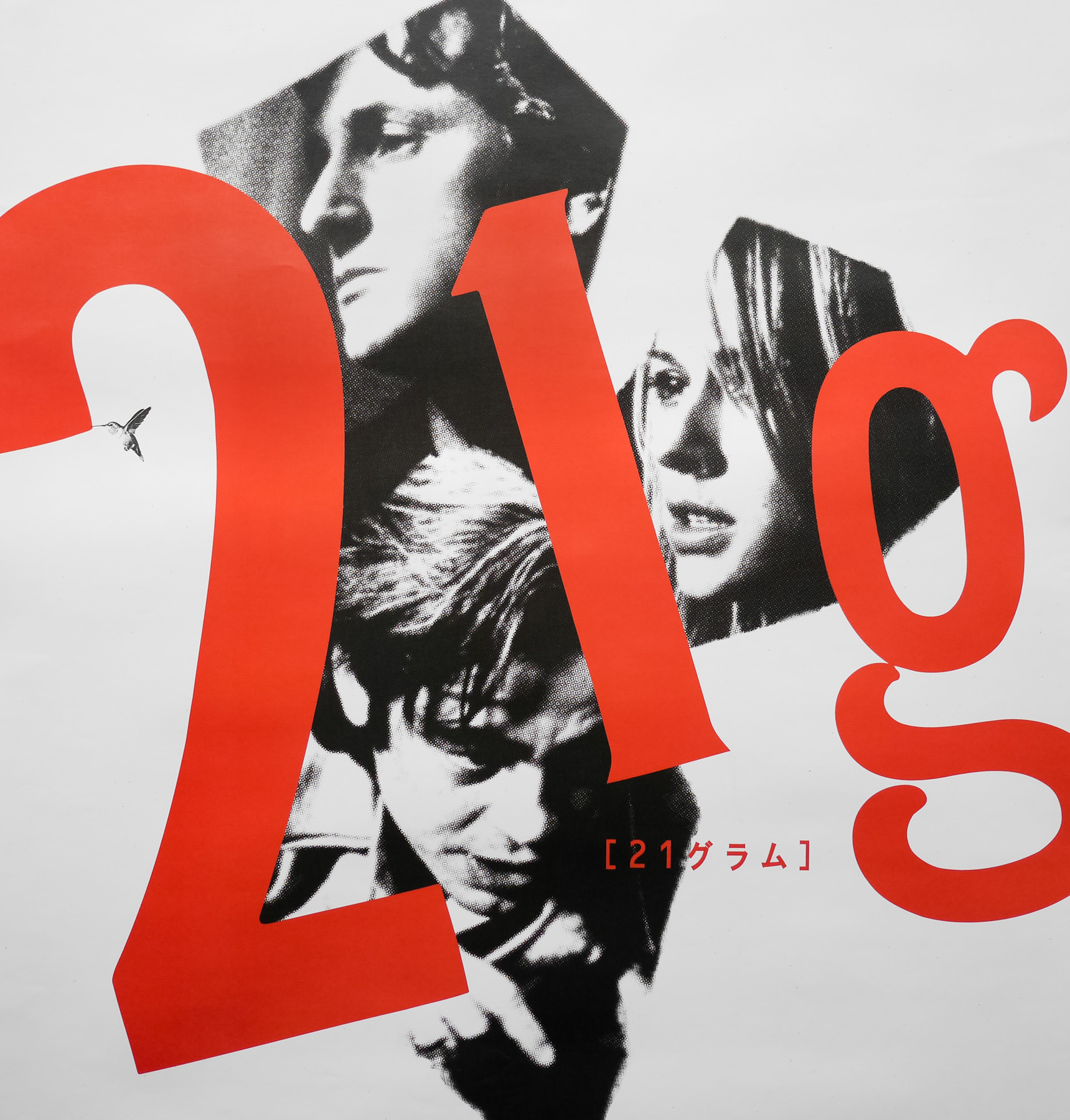
Mexican director Alejandro González Iñárritu’s 21 Grams is the second film in his so-called ‘Trilogy of Death’, following on from his breakout debut hit Amores Perros (2000), with Babel completing the trilogy in 2005. Like the first film, 21 Grams features three main characters and plot lines that interweave around a fatal car accident and its consequences. Sean Penn plays Paul Rivers, a mathematics professor who is close to death from heart failure after years of smoking and abusing his body, and his wife Mary (Charlotte Gainsbourg) is desperate to conceive a child before he dies. Benicio Del Toro plays Jack Jordan, a reformed criminal who has spent many years in jail and is now trying to go straight by helping out at church and counselling kids who are on a similar path that he took. Naomi Watts plays Cristina Peck, a former drug addict who has settled down into suburban life with husband Michael (Danny Hustonand two daughters.

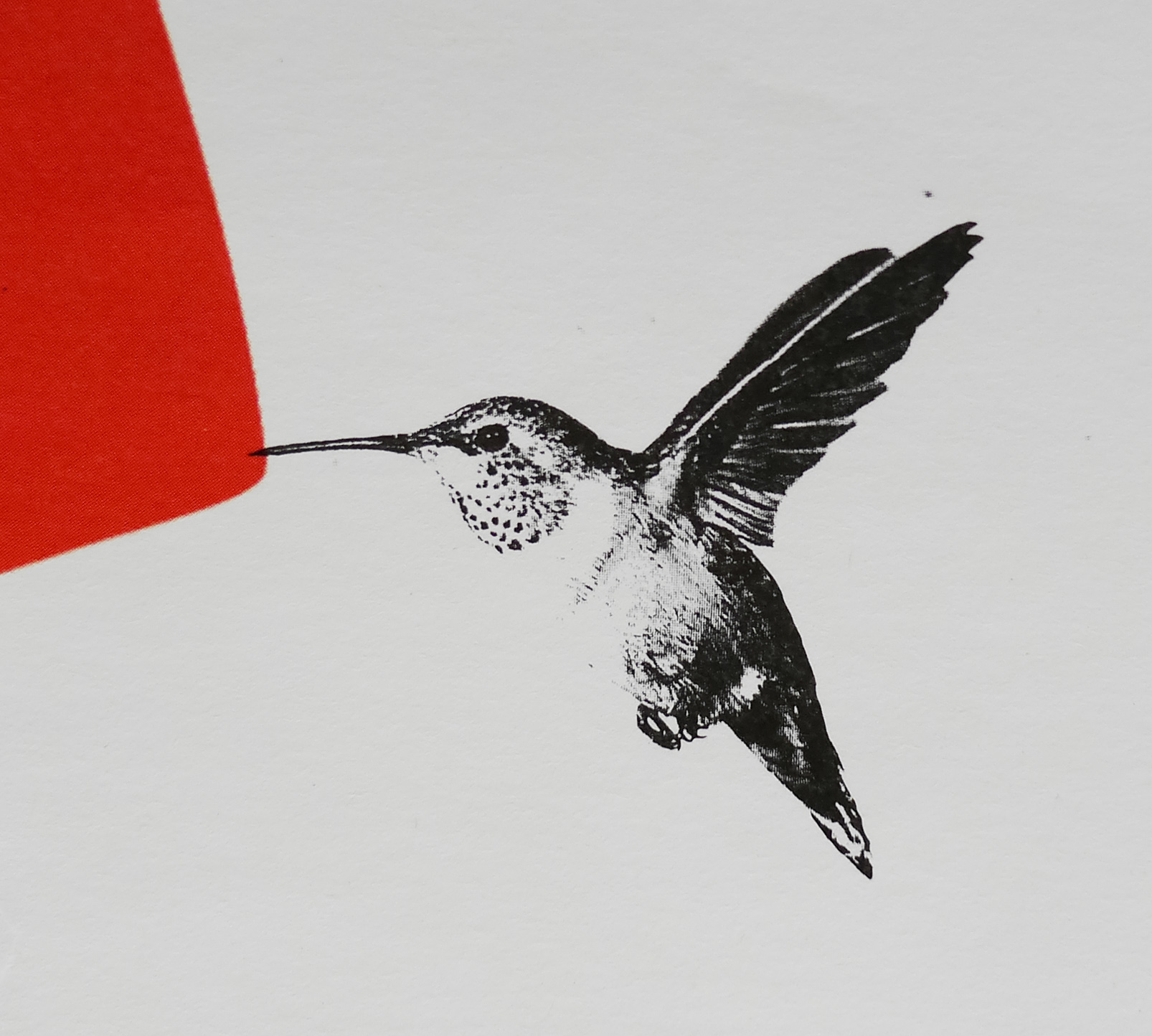
One fateful day, Jack accidentally hits Michael and the kids with his car, putting Michael into a coma and killing the daughters instantly. A grief-stricken Cristina returns to her drug-taking past but not before agreeing to have her husband’s organs donated. Jack is given Michael’s heart and eventually decides to track down the donor with the aid of a private detective. The rest of the film deals with the encounters between the characters. The title refers to the early 20th-century research of an American doctor called Duncan MacDougall who attempted to prove the existence of the human soul by recording a small loss of weight immediately after death. His methods detected varying amounts but 21 grams, or three quarters of an ounce, was the first recorded instance. The original marketing campaign compared this weight to a ‘stack of nickels’, a chocolate bar and a hummingbird and this explains why the creature appears on this poster.

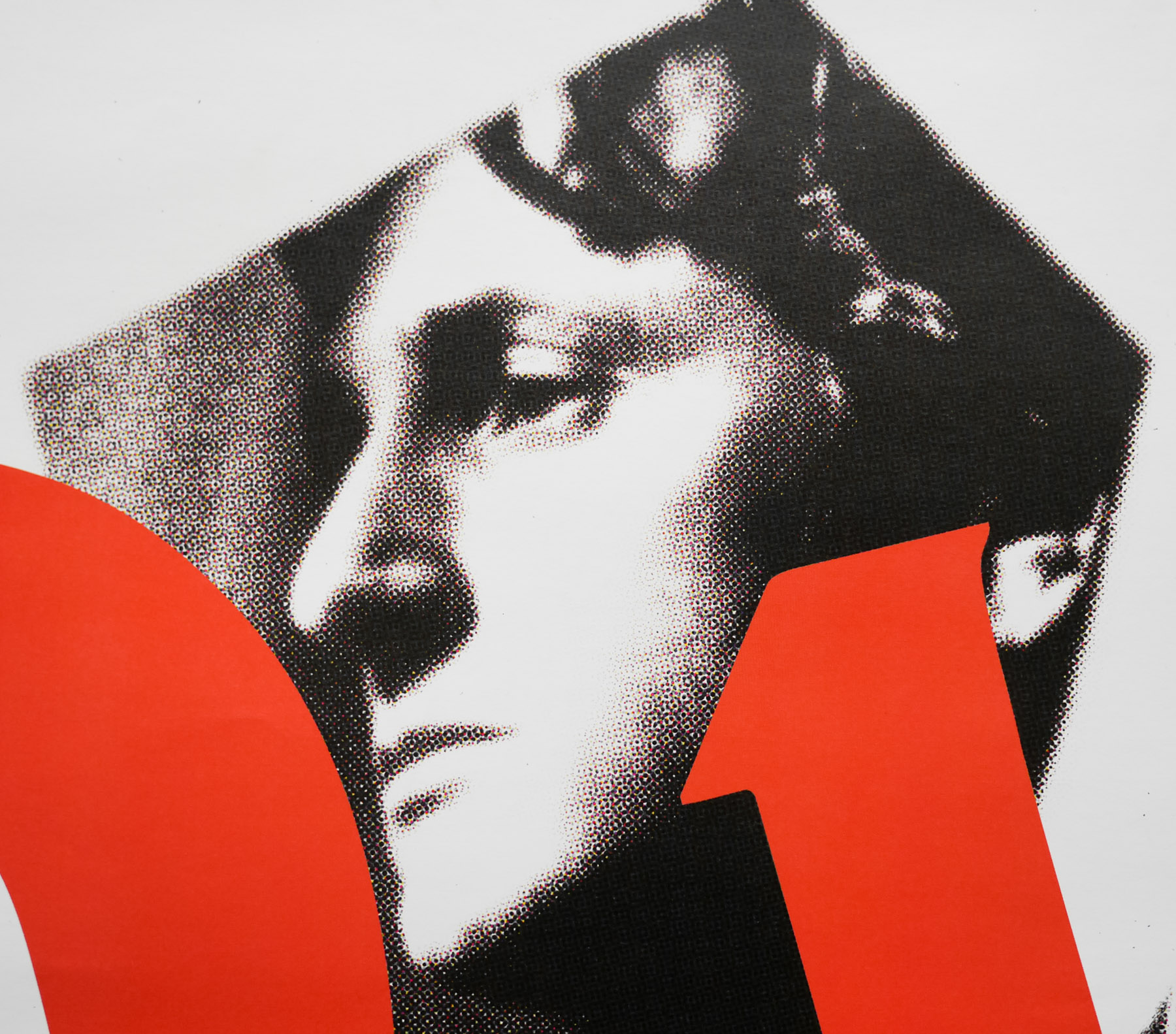
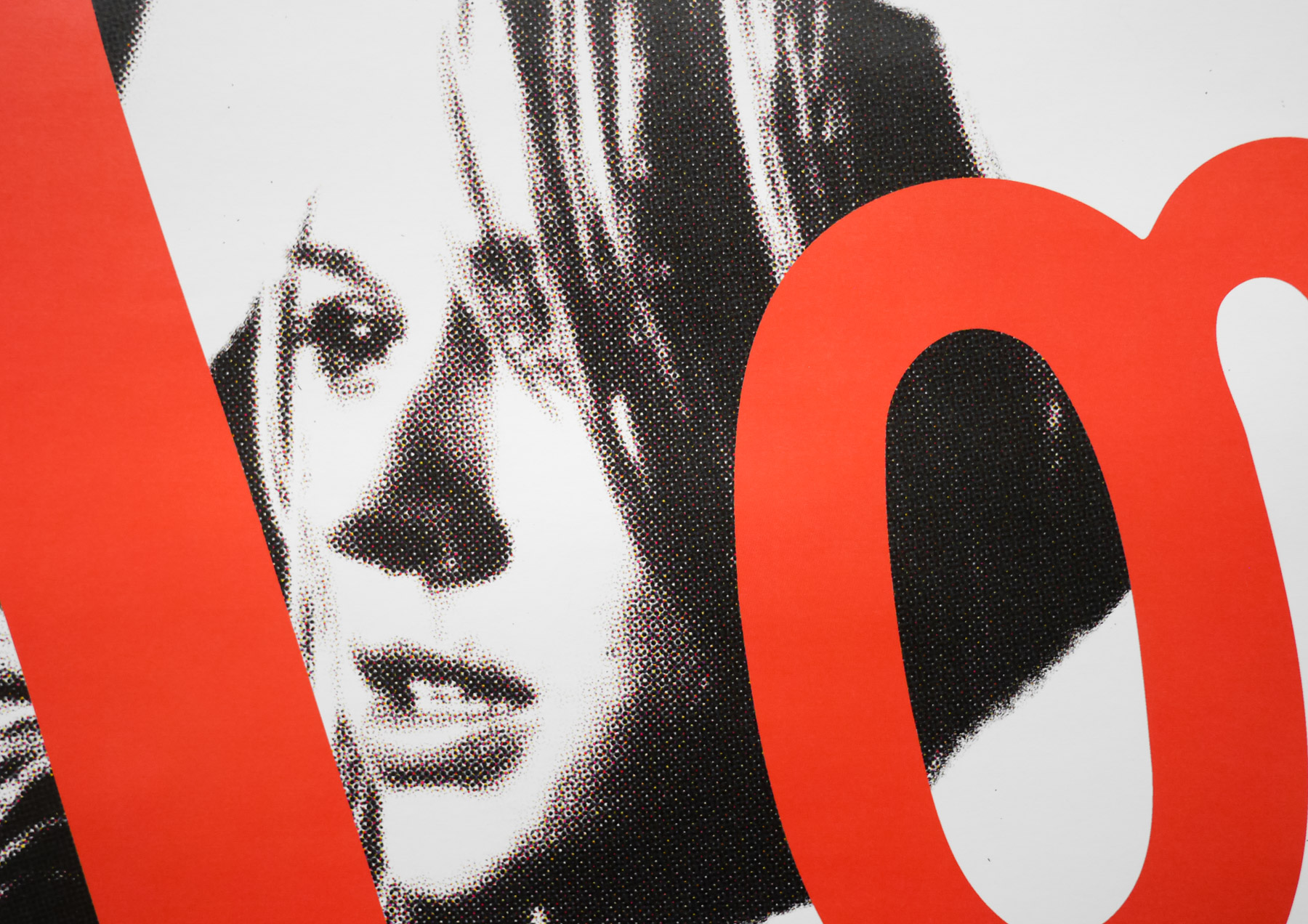
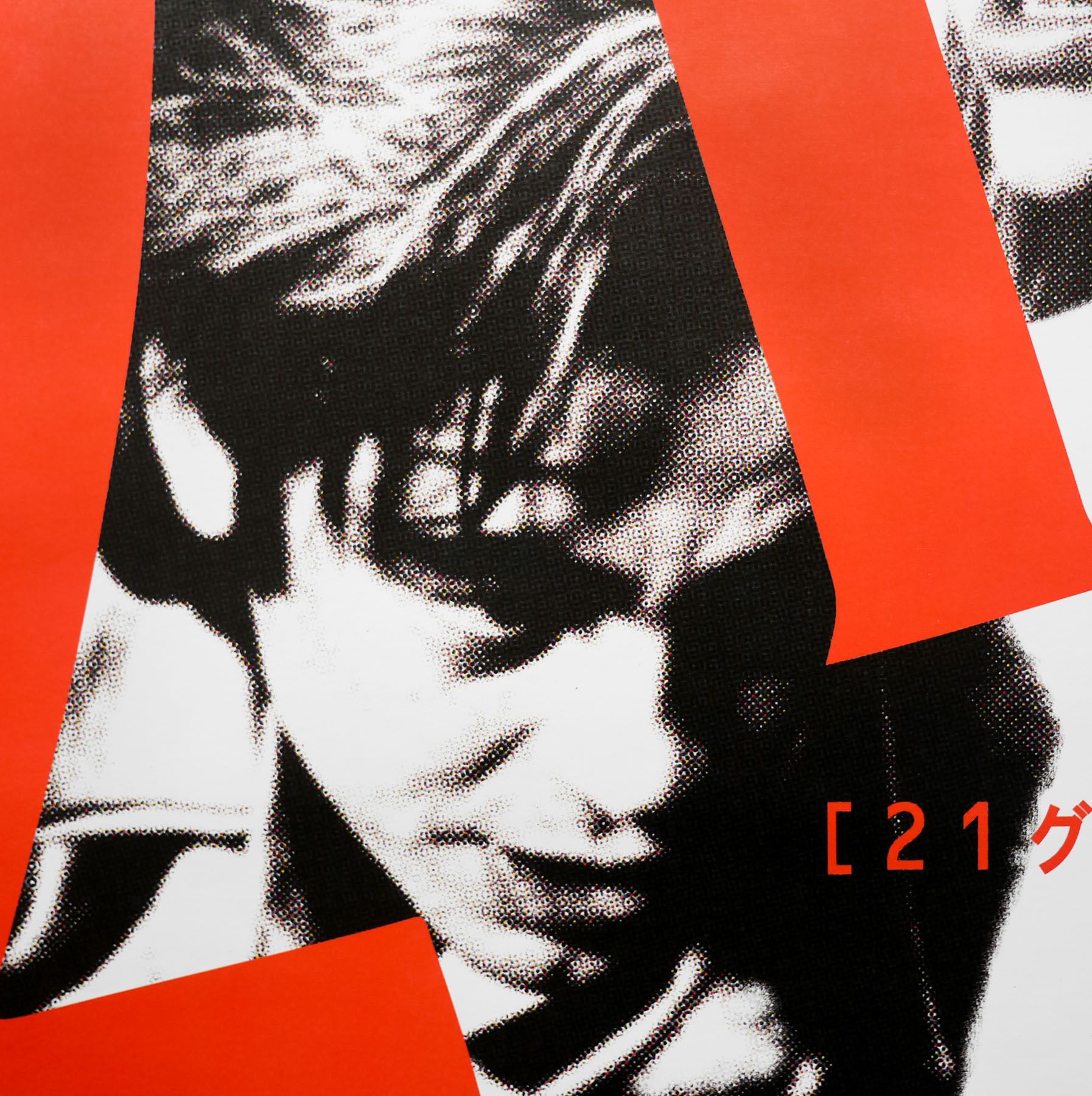
The film was very well critically received and was a success with worldwide audiences, although today it’s IMDb rating doesn’t quite match that of the first film in the trilogy. This poster design is unique to the Japanese marketing campaign.

Cannonball / B2 / Japan

13.07.15

Poster Poster
Title
Cannonball
AKA
Carquake (UK) | Cannonball! (alt. title)
Year of Film
1976
Director
Paul Bartel
Starring
David Carradine, Bill McKinney, Veronica Hamel, Gerrit Graham, Robert Carradine, Belinda Balaski, Judy Canova, Archie Hahn, Carl Gottlieb, Dick Miller
Origin of Film
USA | Hong Kong
Genre(s) of Film
David Carradine, Bill McKinney, Veronica Hamel, Gerrit Graham, Robert Carradine, Belinda Balaski, Judy Canova, Archie Hahn, Carl Gottlieb, Dick Miller,
Type of Poster
B2
Style of Poster
--
Origin of Poster
Japan
Year of Poster
1977
Designer
Unknown
Artist
--
Size (inches)
20 4/16" x 28 13/16"
SS or DS
SS
Tagline
--

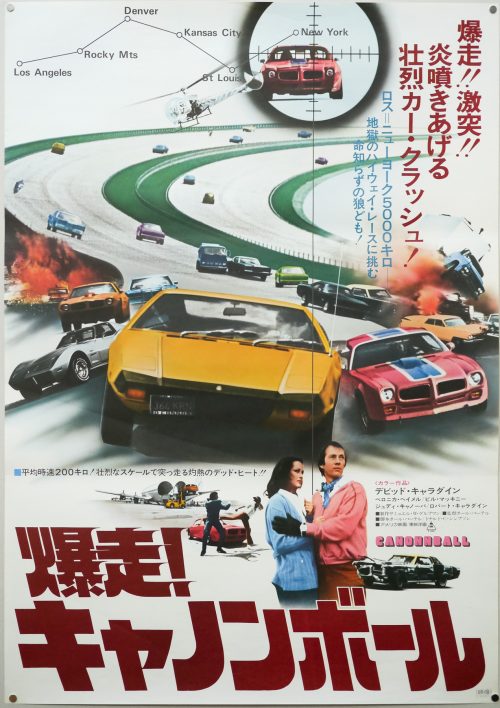
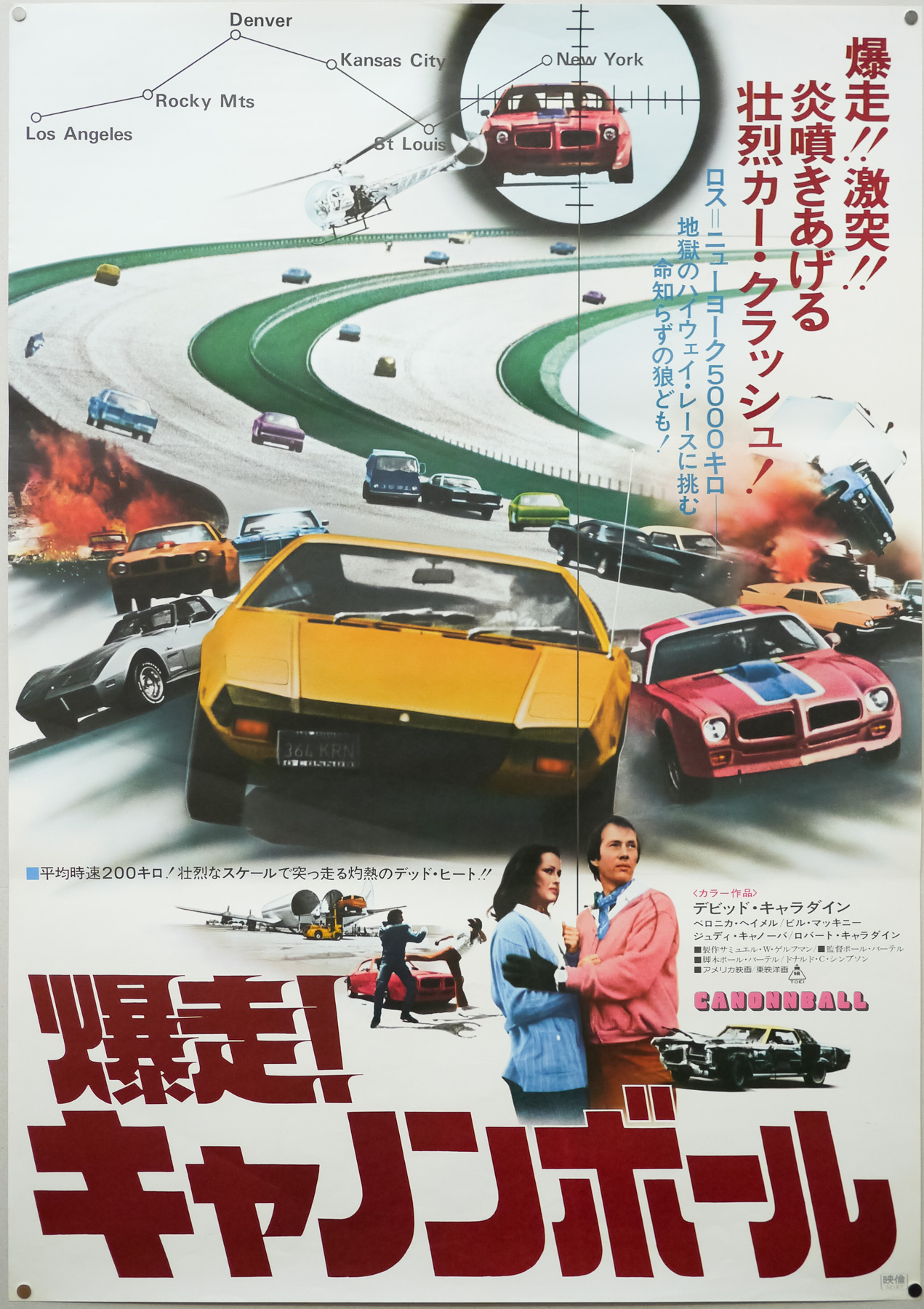
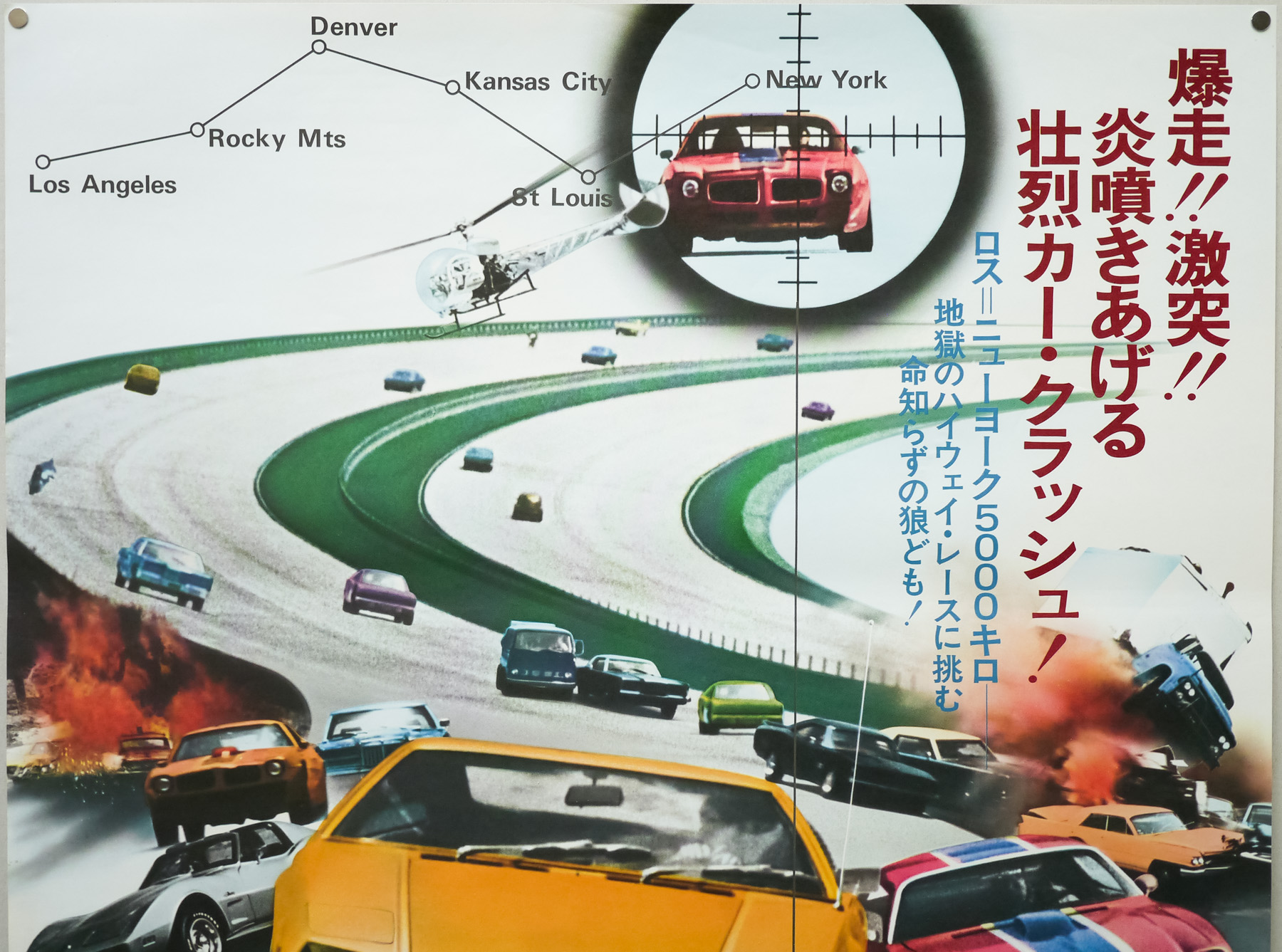
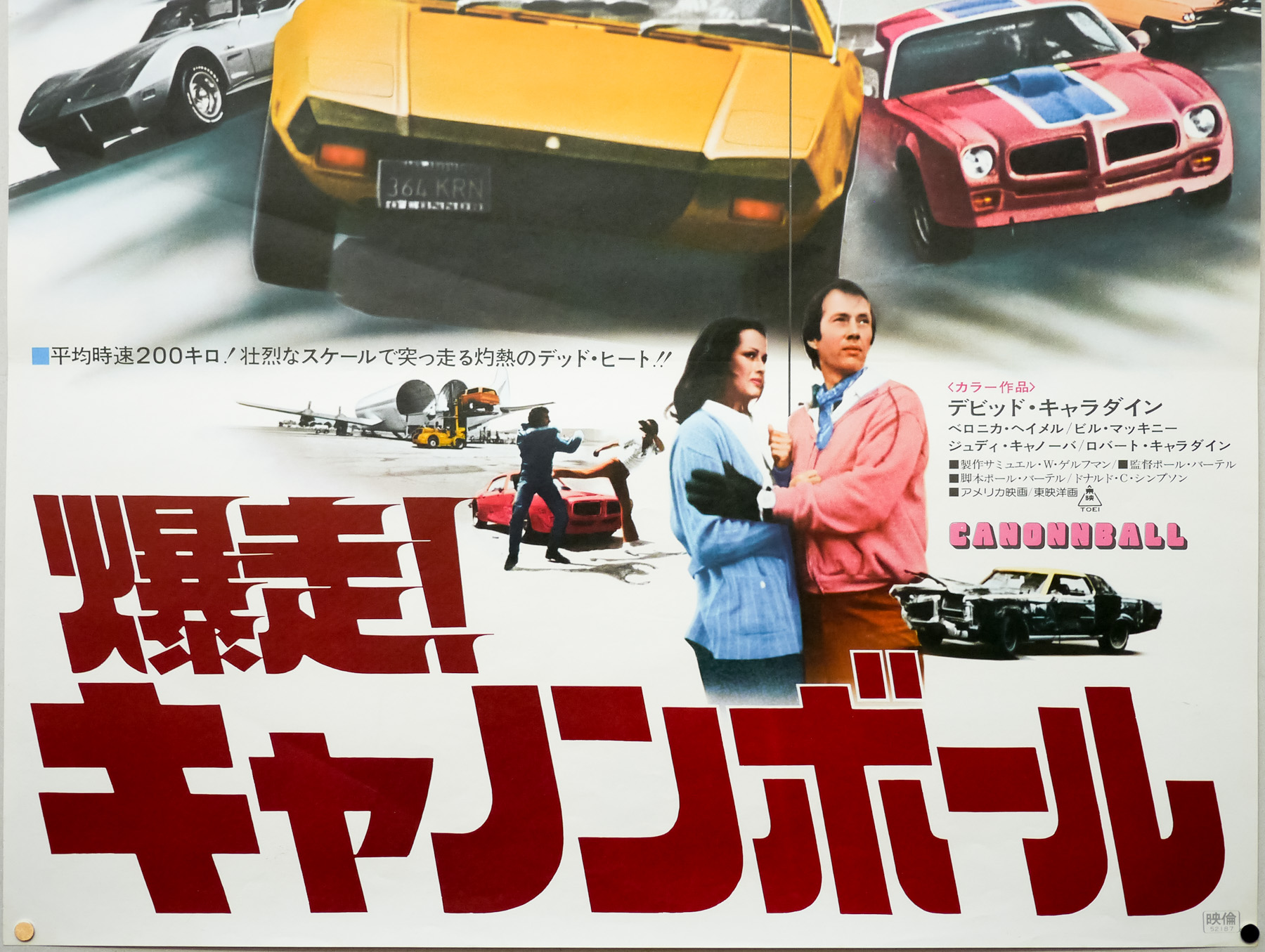
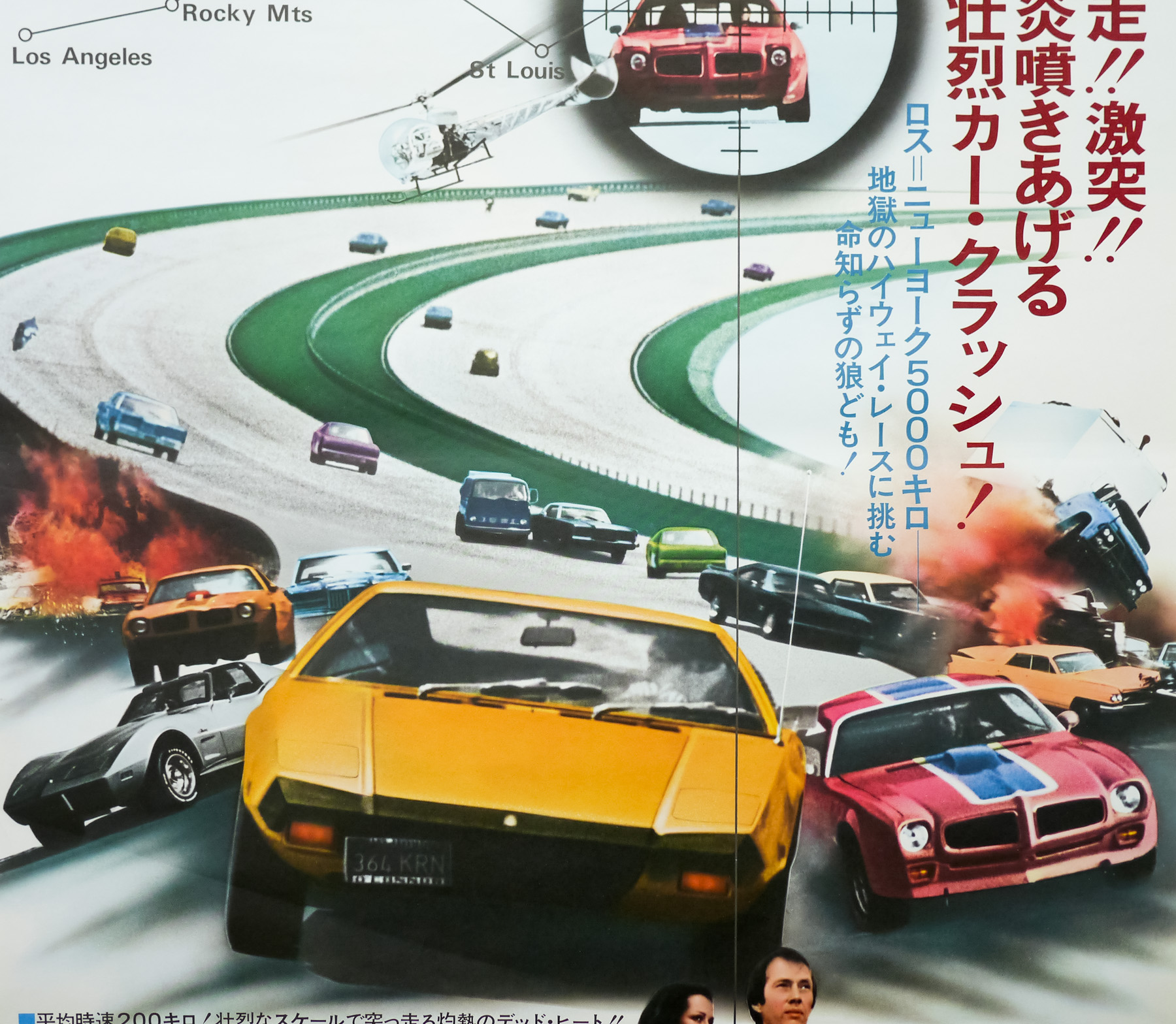
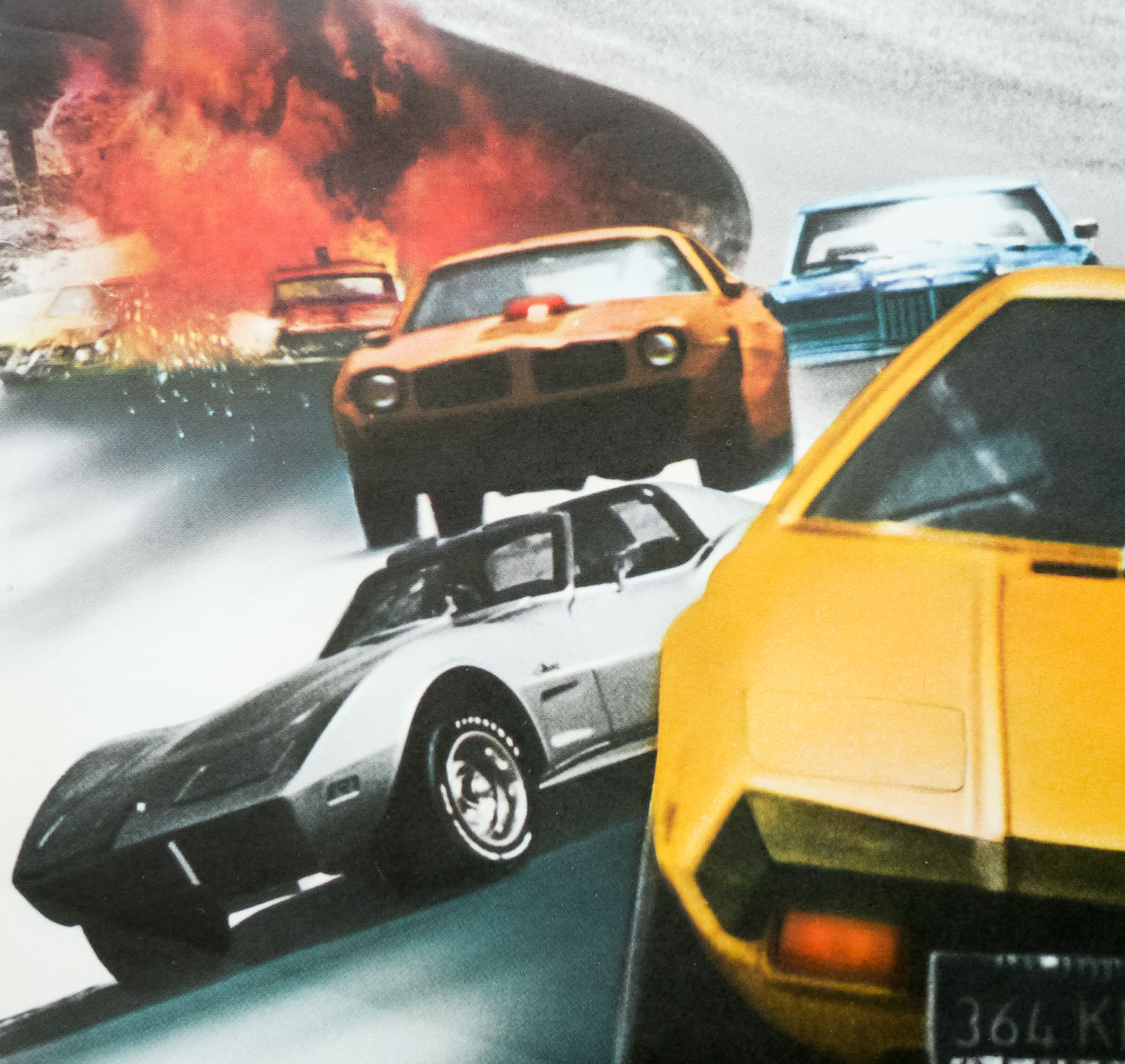
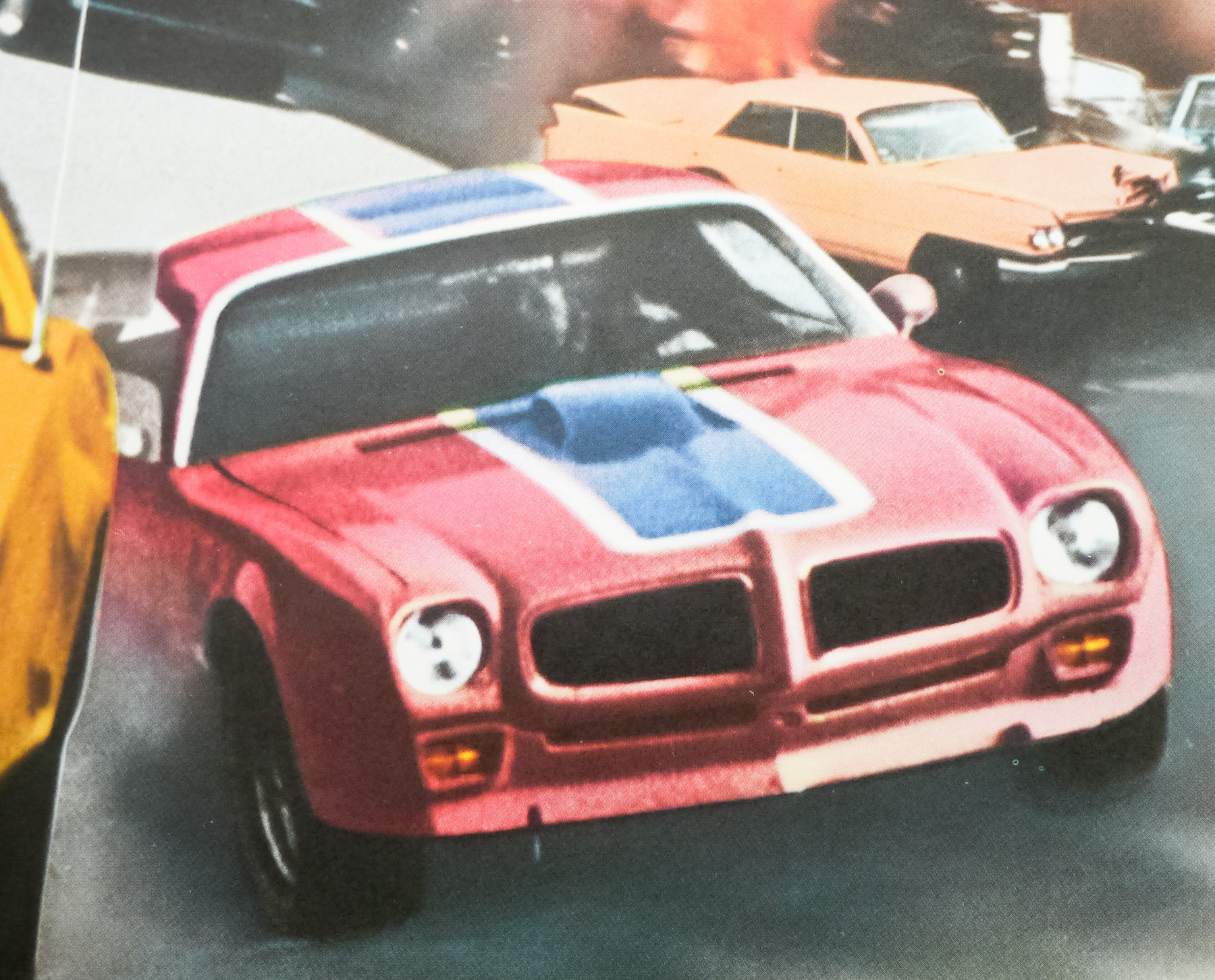
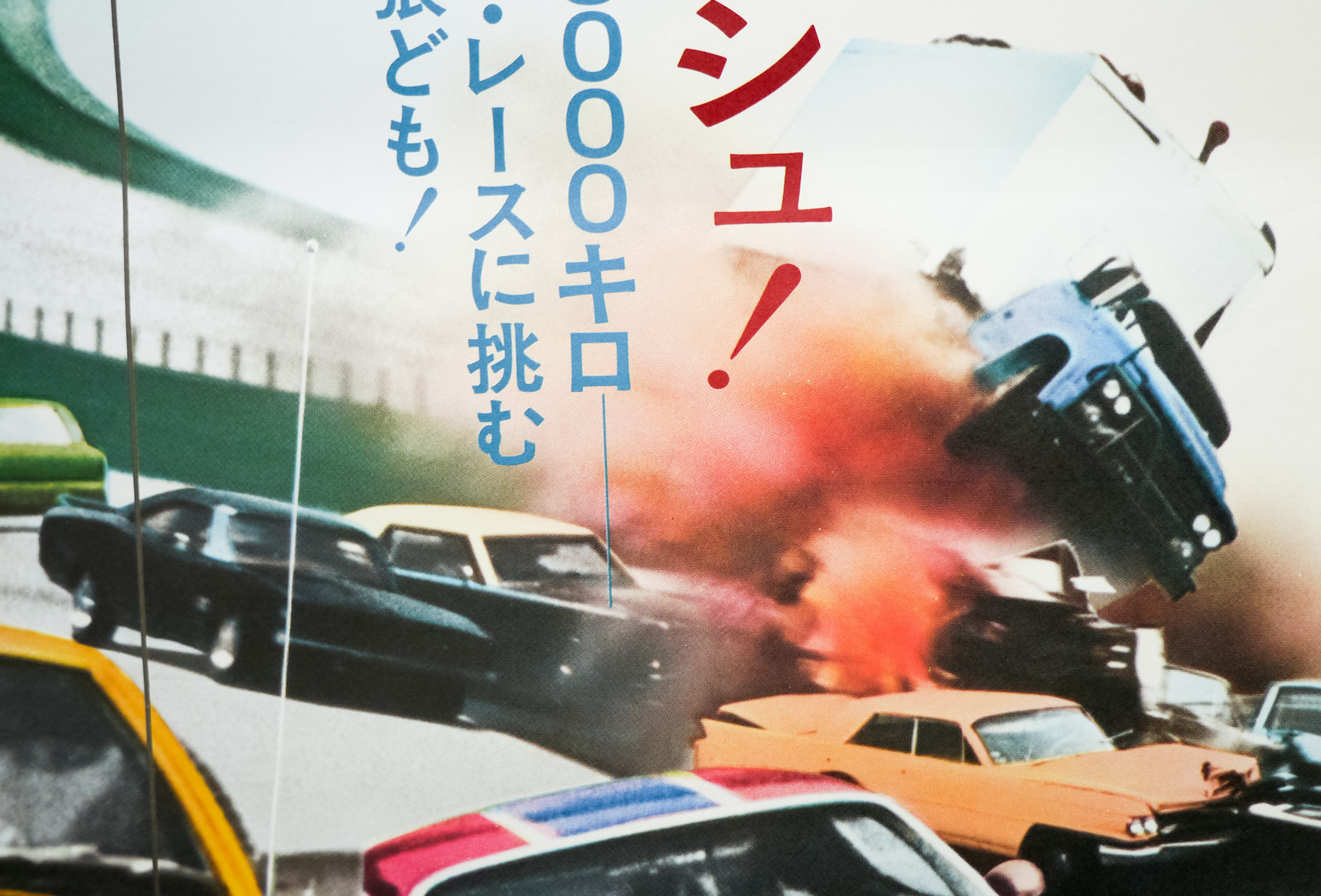
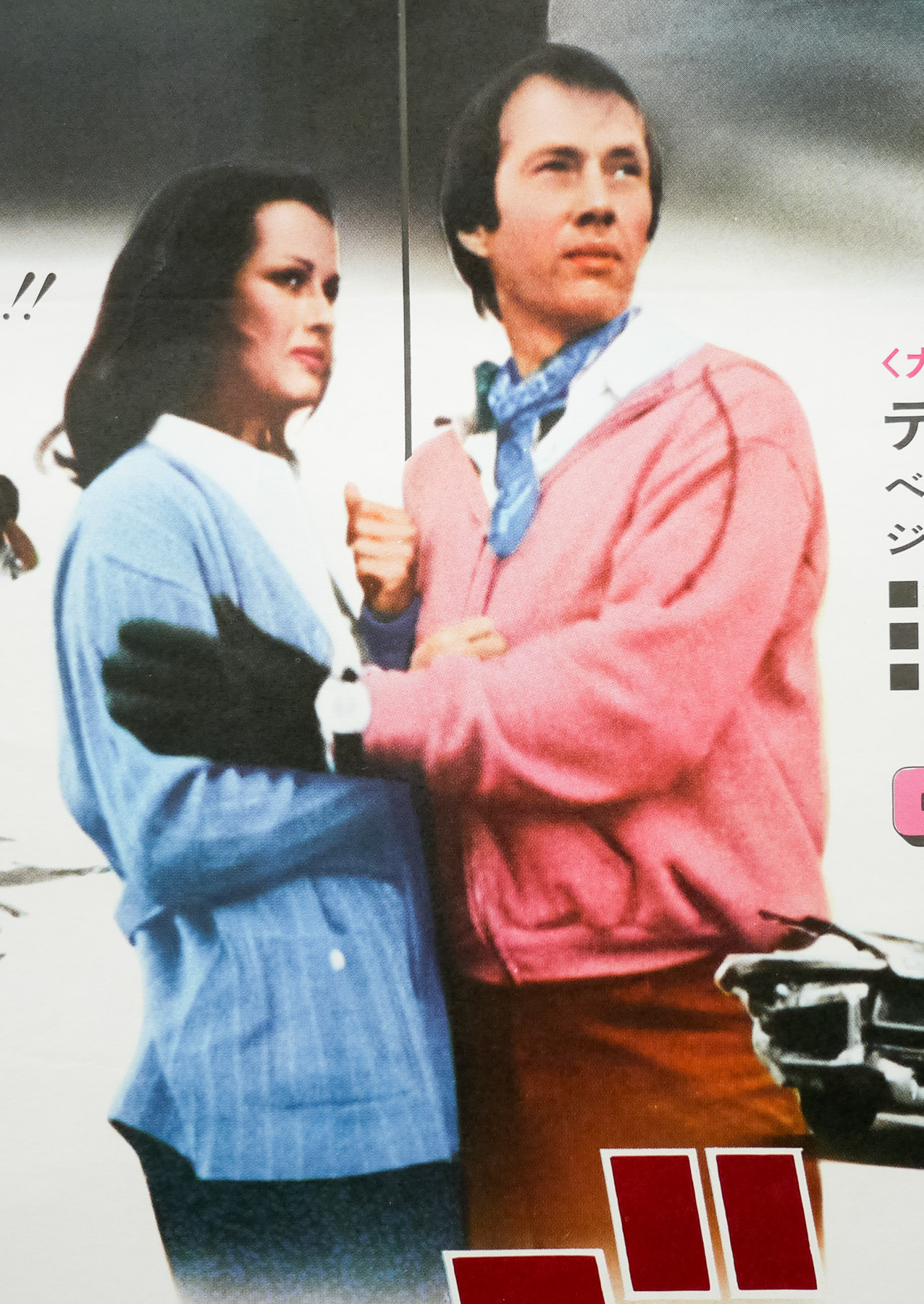
Paul Bartel, the late actor/director who was at the helm of the cult b-movie Death Race 2000 (released a year earlier), stuck with the cross-country car chase theme with this 1976 flick Cannonball, though he removed most of the gore that gave the former film its notoriety. The film and title are based on the exploits of Erwin G. “Cannon Ball” Baker, a legendary bike and car racer who made over 140 cross-country speed runs during his career and put his name to the Sea to Shining Sea Memorial Trophy Dash, an illegal cross-country race that was run five times during the 1970s. This was the first in a series of films that was based on the idea of illegal long-distance races, with The Gumball Rally seeing release the same year, and the more successful Cannonball Run and its sequel being released at the start of the 1980s.

Whilst perhaps not as star-studded as the later films, Cannonball still has a large ensemble cast with several cameos that are both credited and un-credited, including Martin Scorsese, Sylvester Stallone, Don Simpson and Roger Corman. David Carradine appears as Coy ‘Cannonball’ Buckman, a race driver who has recently been released from jail where he was sent for killing someone whilst driving drunk. He decides to enter the Trans-America Grand Prix, an illegal road race that travels between Los Angeles and New York City. The racing team Modern Motors has promised a contract to either Coy or his arch-rival Cade Redman (Bill McKinney) so he is determined to win.

Because the race crosses state lines Coy will be in violation of his parole conditions, his parole officer (Veronica Hamel) attempts to stop him and ends up being forced to come along for the ride. Two people who have offered to pay his race expenses are also passengers in his Dodge Charger and there are several other racers in the competition, including a surfer dude played by David’s brother Robert and his girlfriend (played by Belinda Balaski). The race soon descends into a violent destruction derby with many of the competitors meeting grizzly ends. Coy will be challenged in more ways than one and the first to cross the finish line isn’t who you might think. Later films in the genre would tone down the violence and deaths considerably.

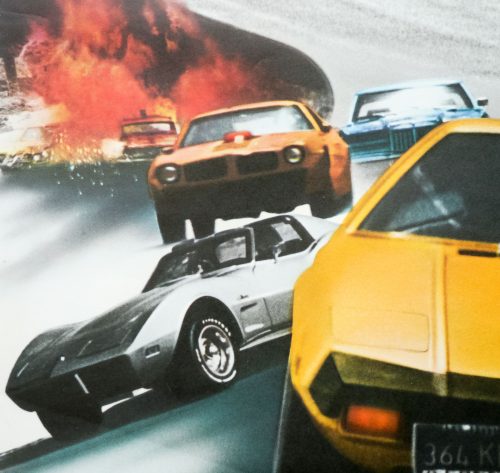
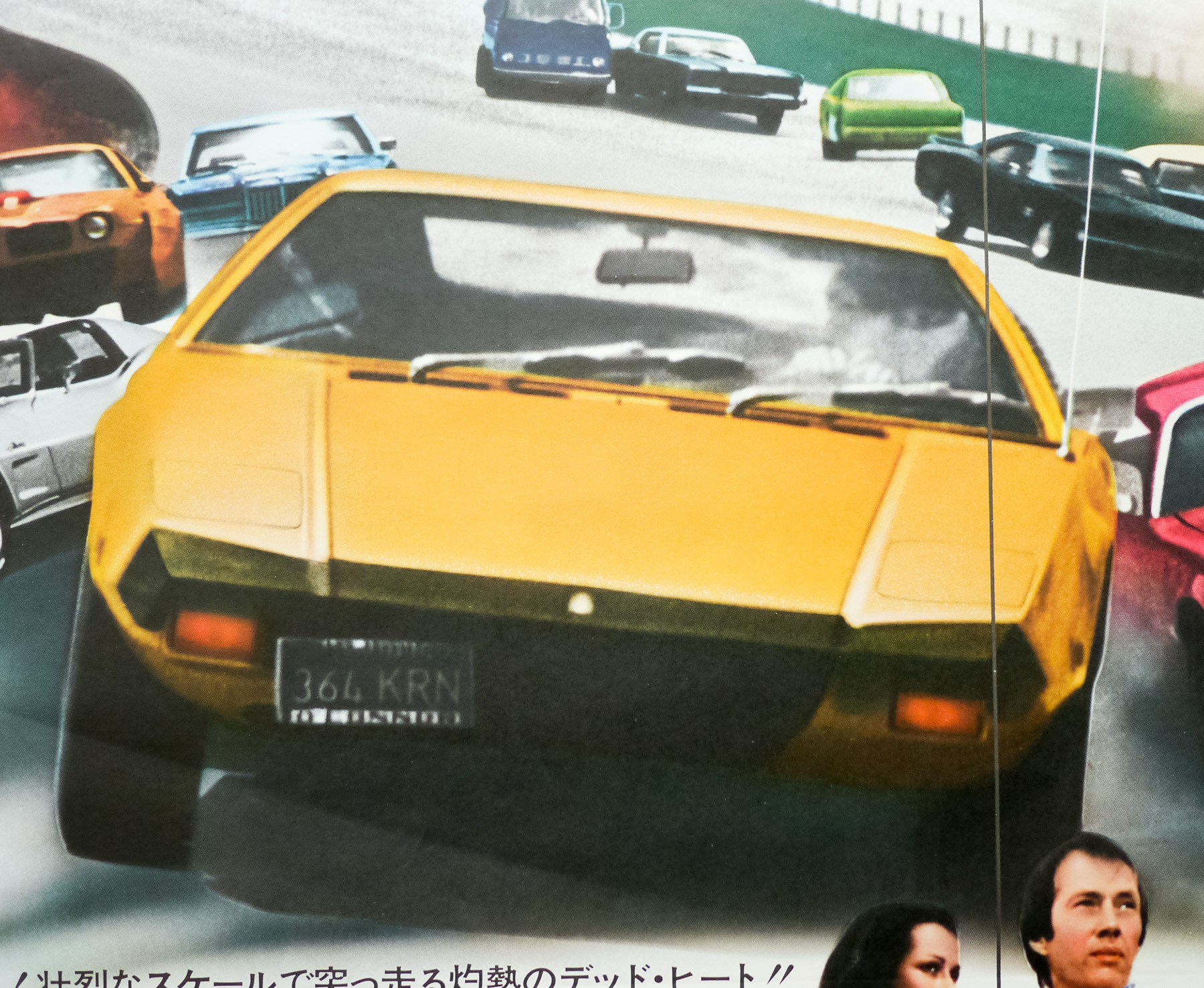
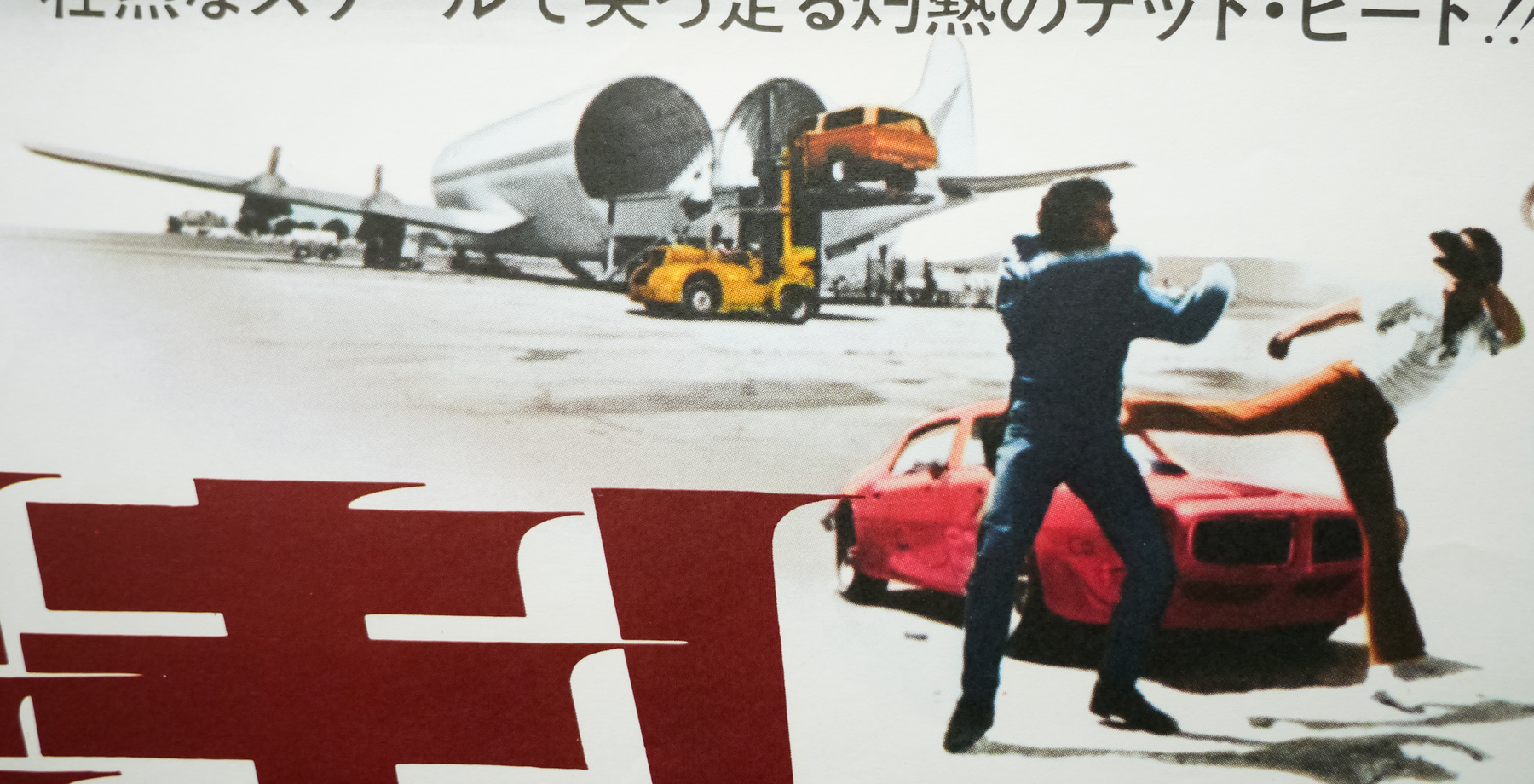
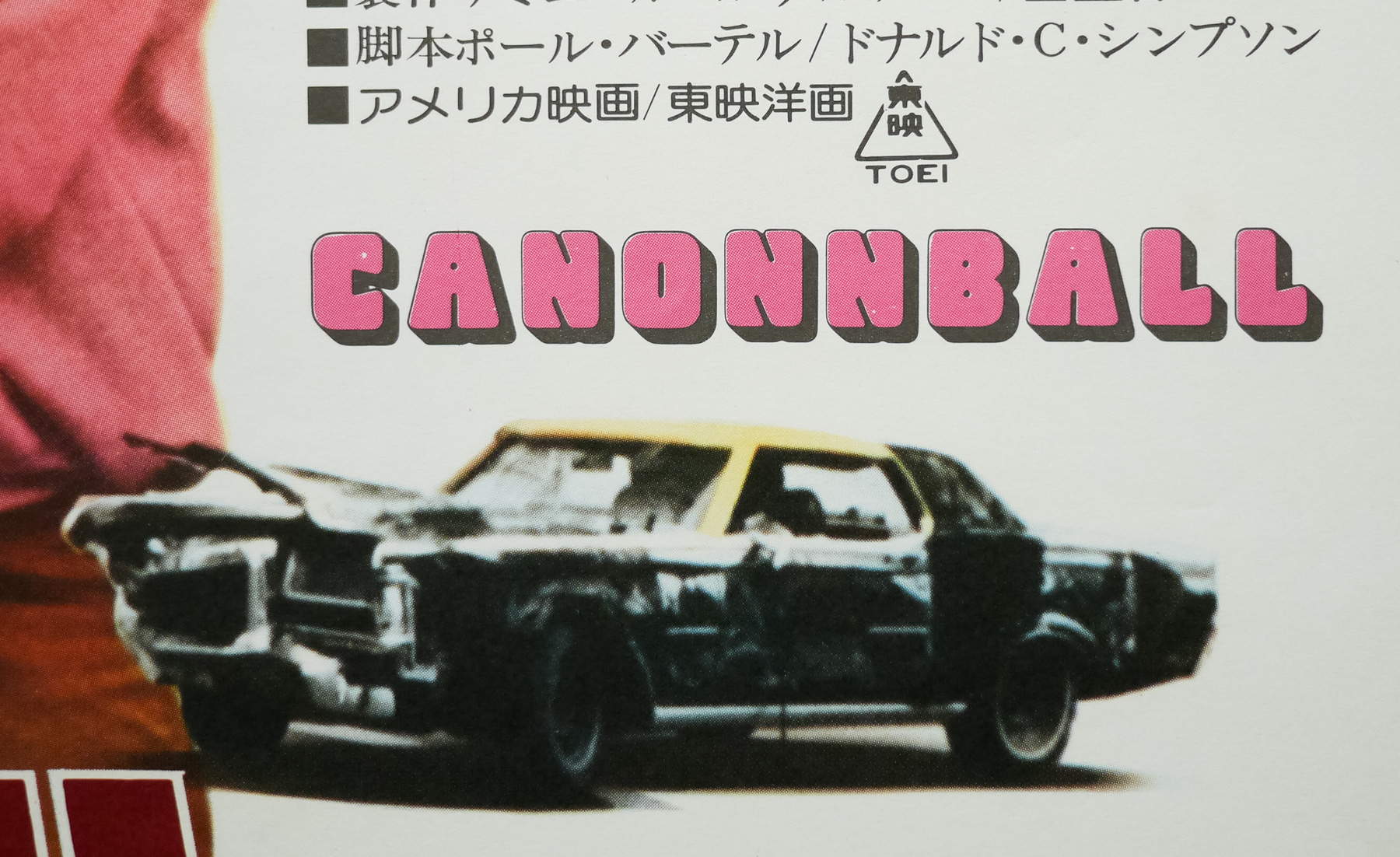
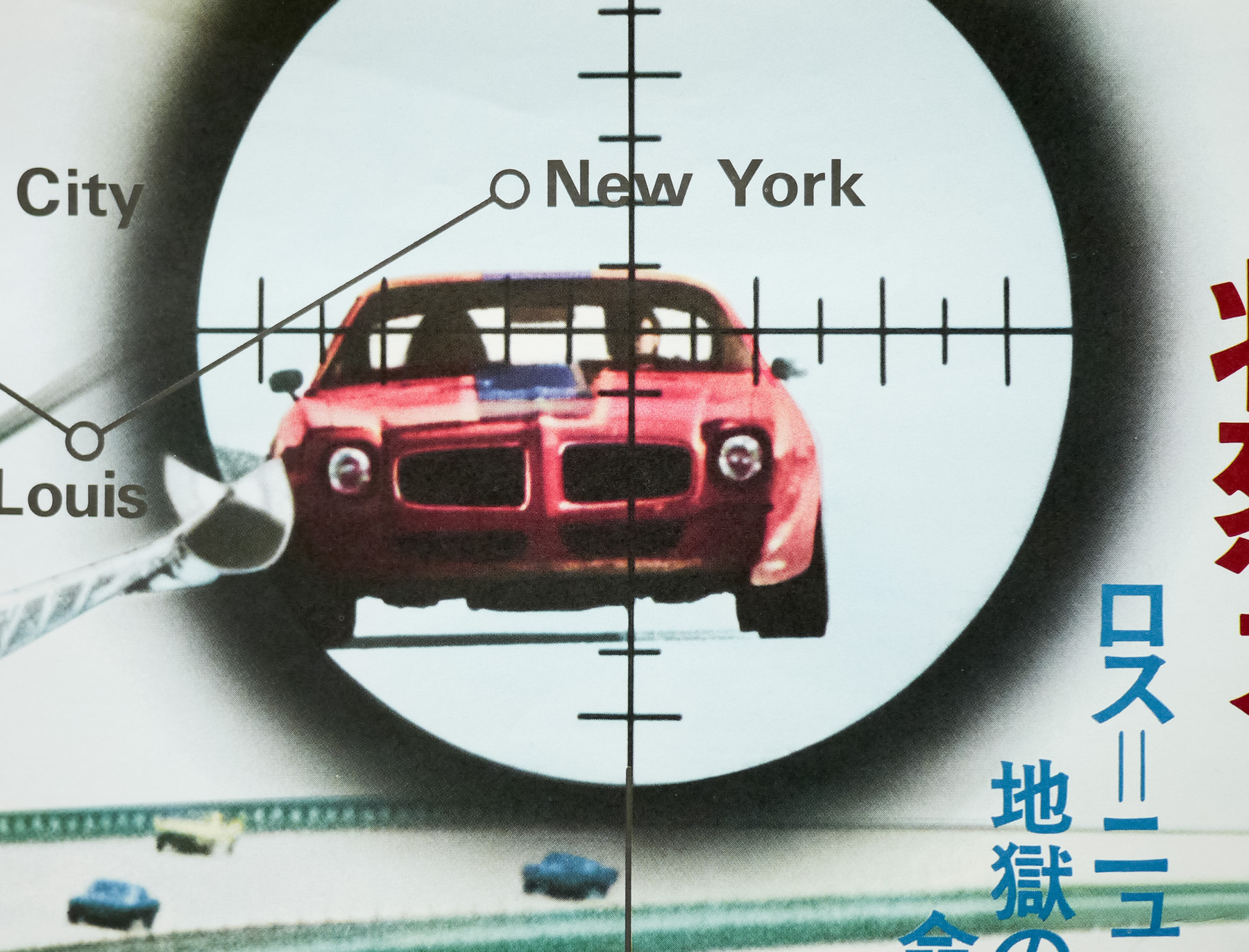
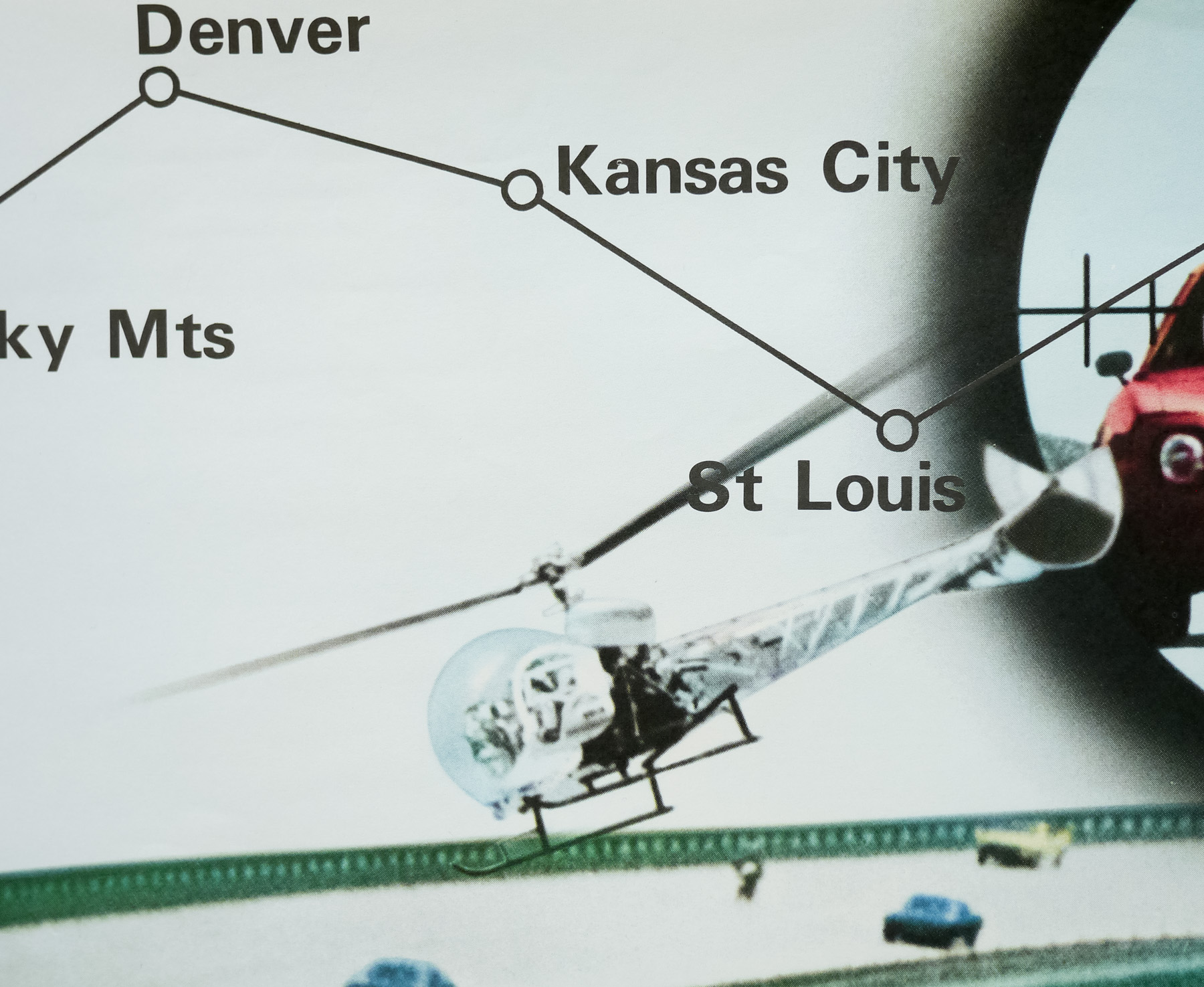
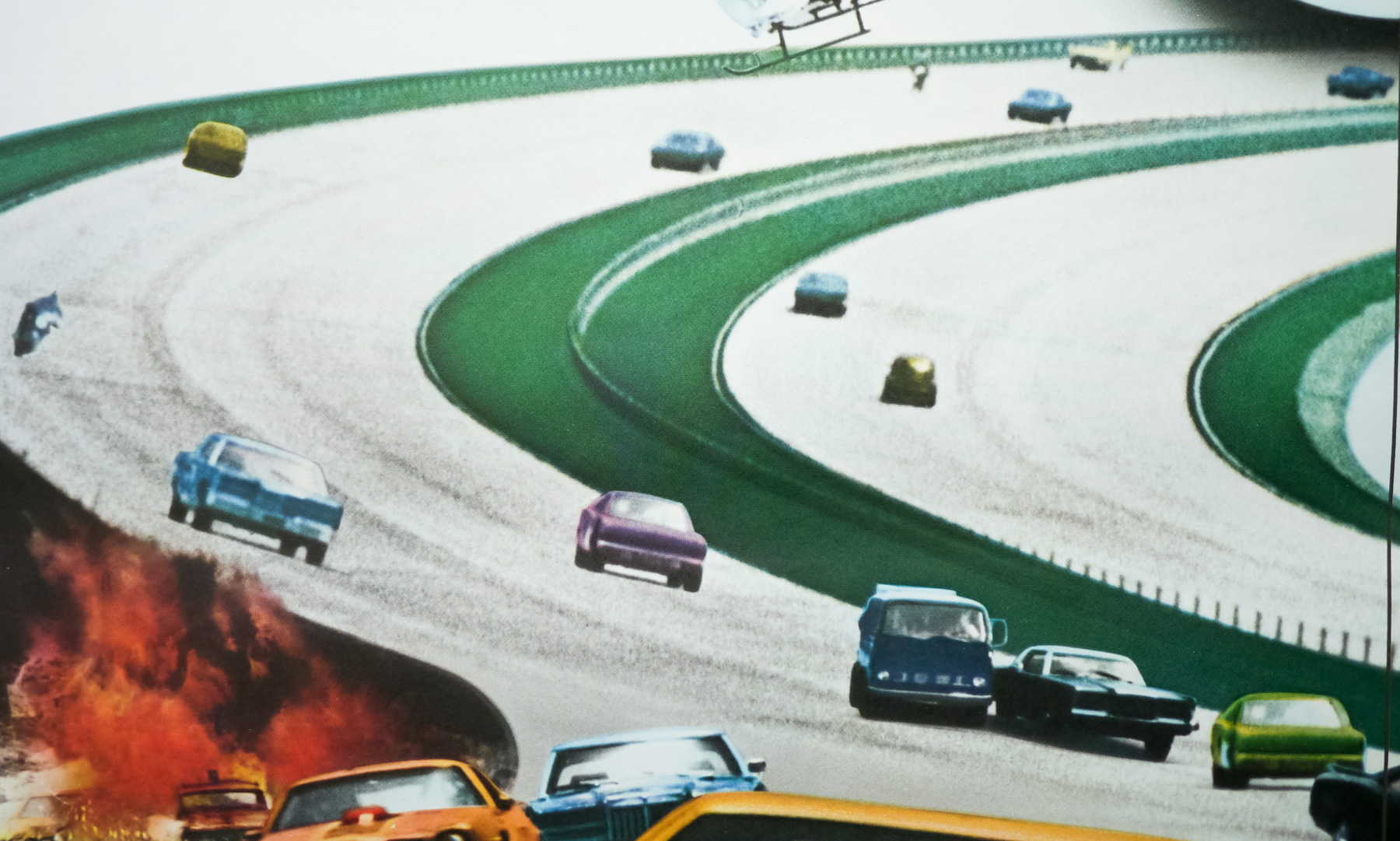
This Japanese B2 poster features a unique montage design and was printed for the film’s first release in the country in 1977. Note the miss-spelling of the title as ‘Canonnball’.


The Sea Wolves / B2 / Japan

17.08.15

Poster Poster
Title
The Sea Wolves
AKA
--
Year of Film
1980
Director
Andrew V. McLaglen
Starring
Gregory Peck, Roger Moore, David Niven, Trevor Howard, Barbara Kellerman, Patrick Macnee, Kenneth Griffith, Patrick Allen
Origin of Film
Switzerland | UK | USA
Genre(s) of Film
Gregory Peck, Roger Moore, David Niven, Trevor Howard, Barbara Kellerman, Patrick Macnee, Kenneth Griffith, Patrick Allen,
Type of Poster
B2
Style of Poster
--
Origin of Poster
Japan
Year of Poster
1981
Designer
Unknown
Artist
Seito
Size (inches)
20 5/16" x 28 13/16"
SS or DS
SS
Tagline
--

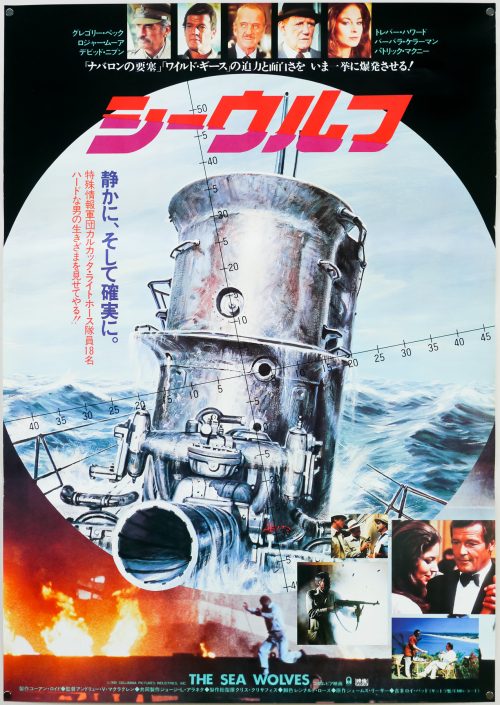
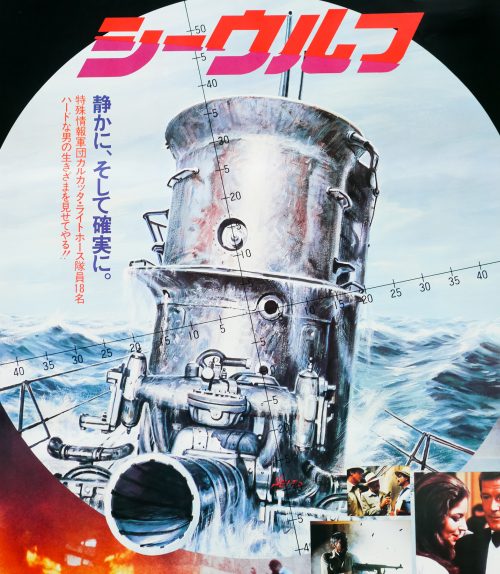
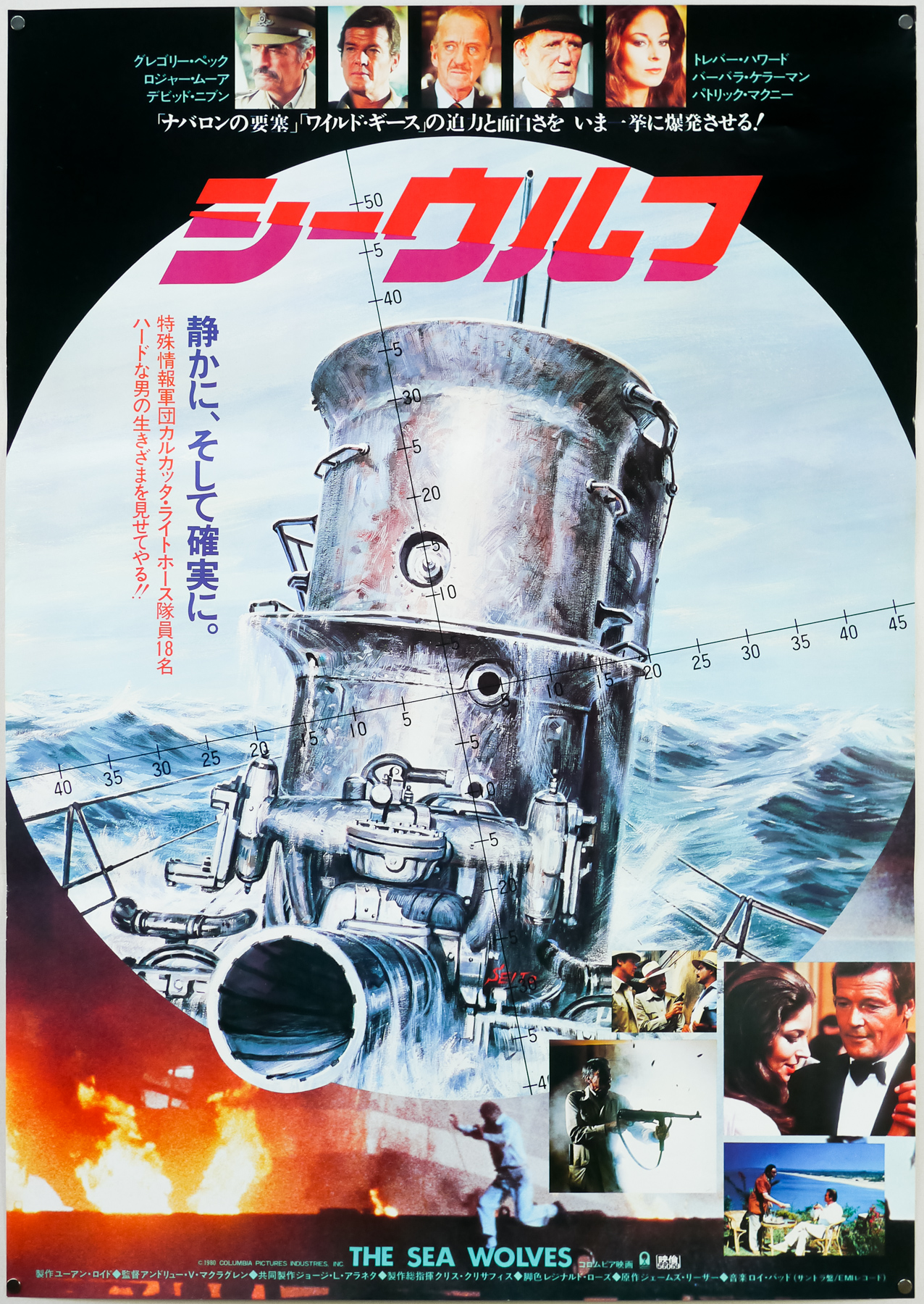
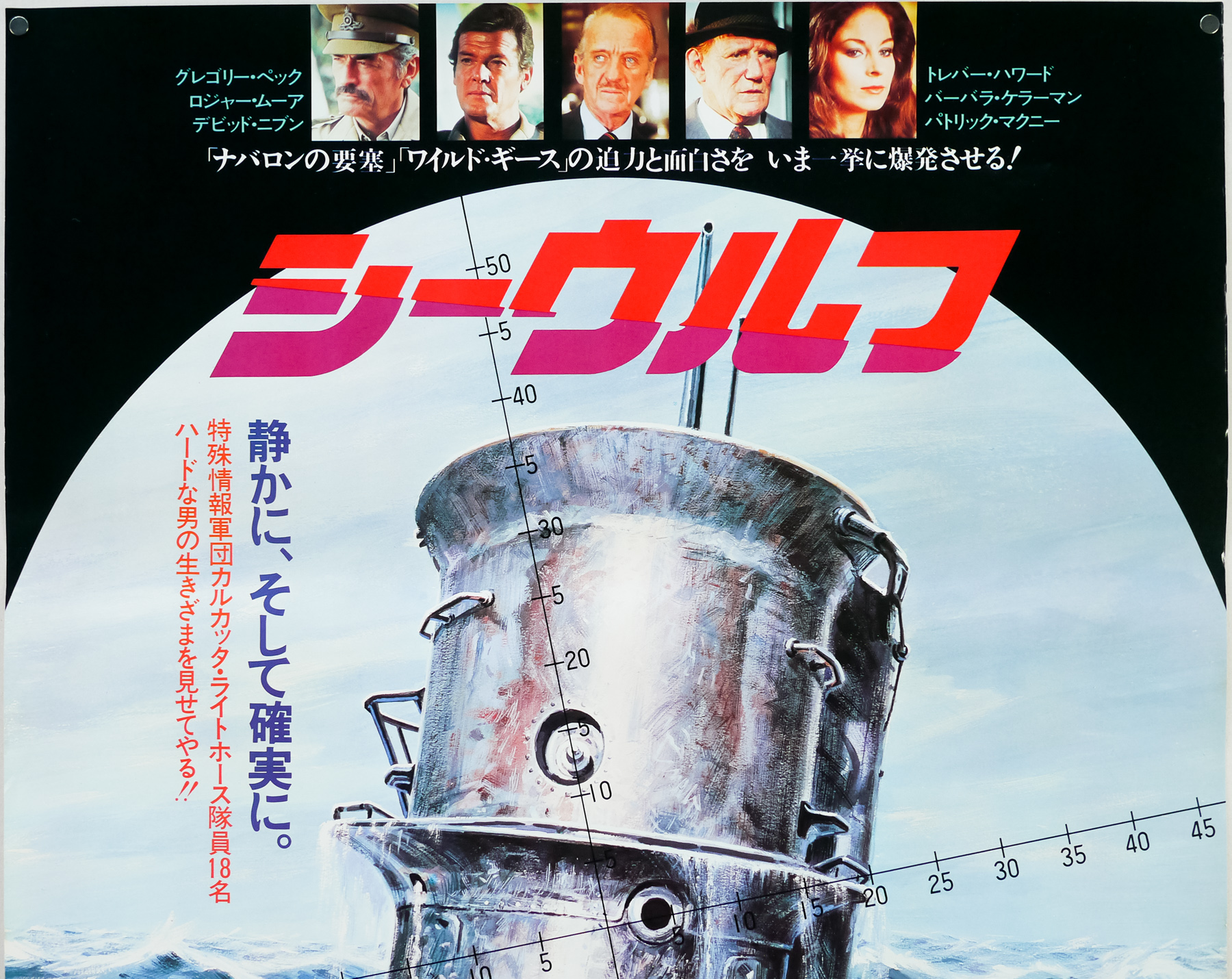
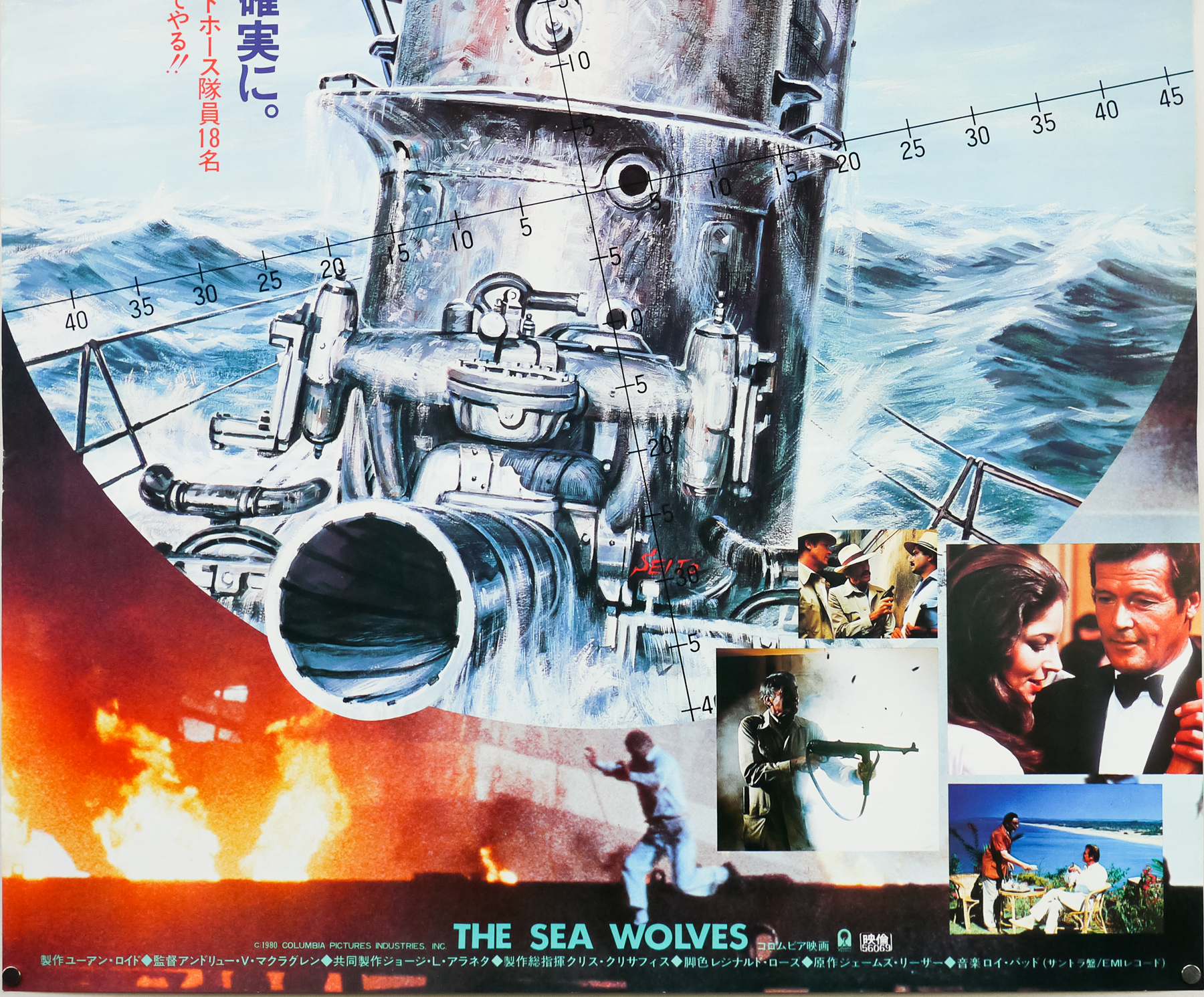
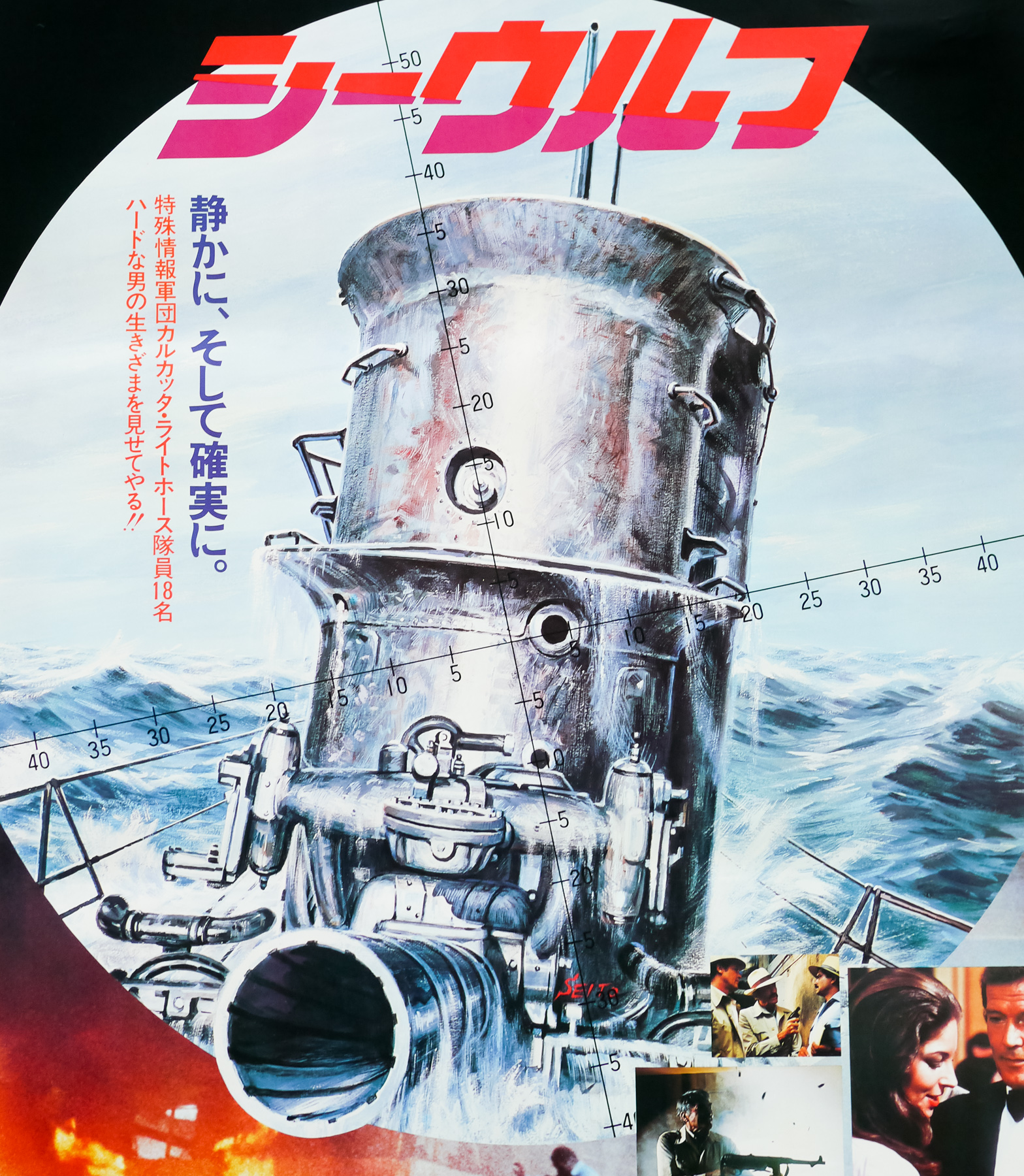
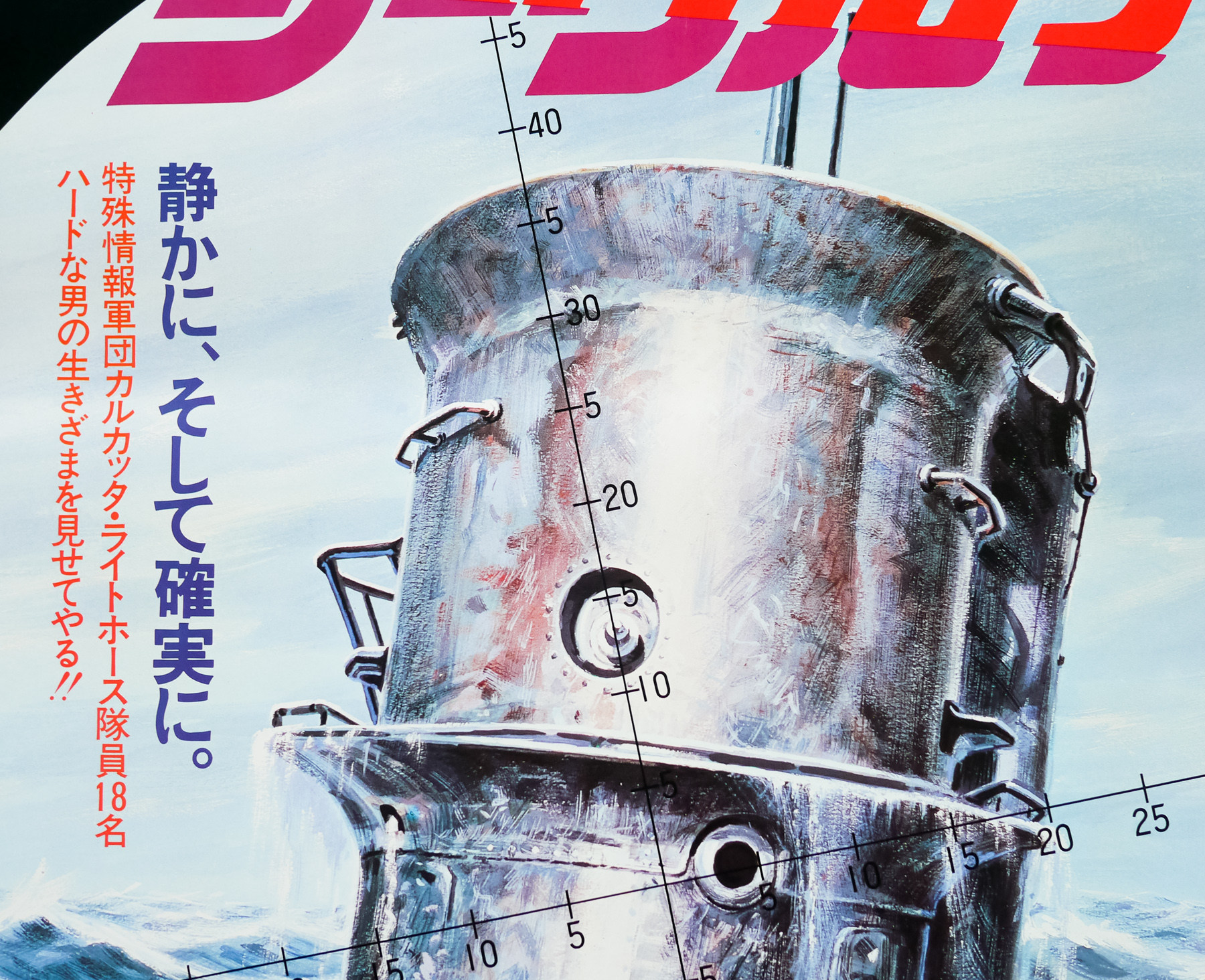
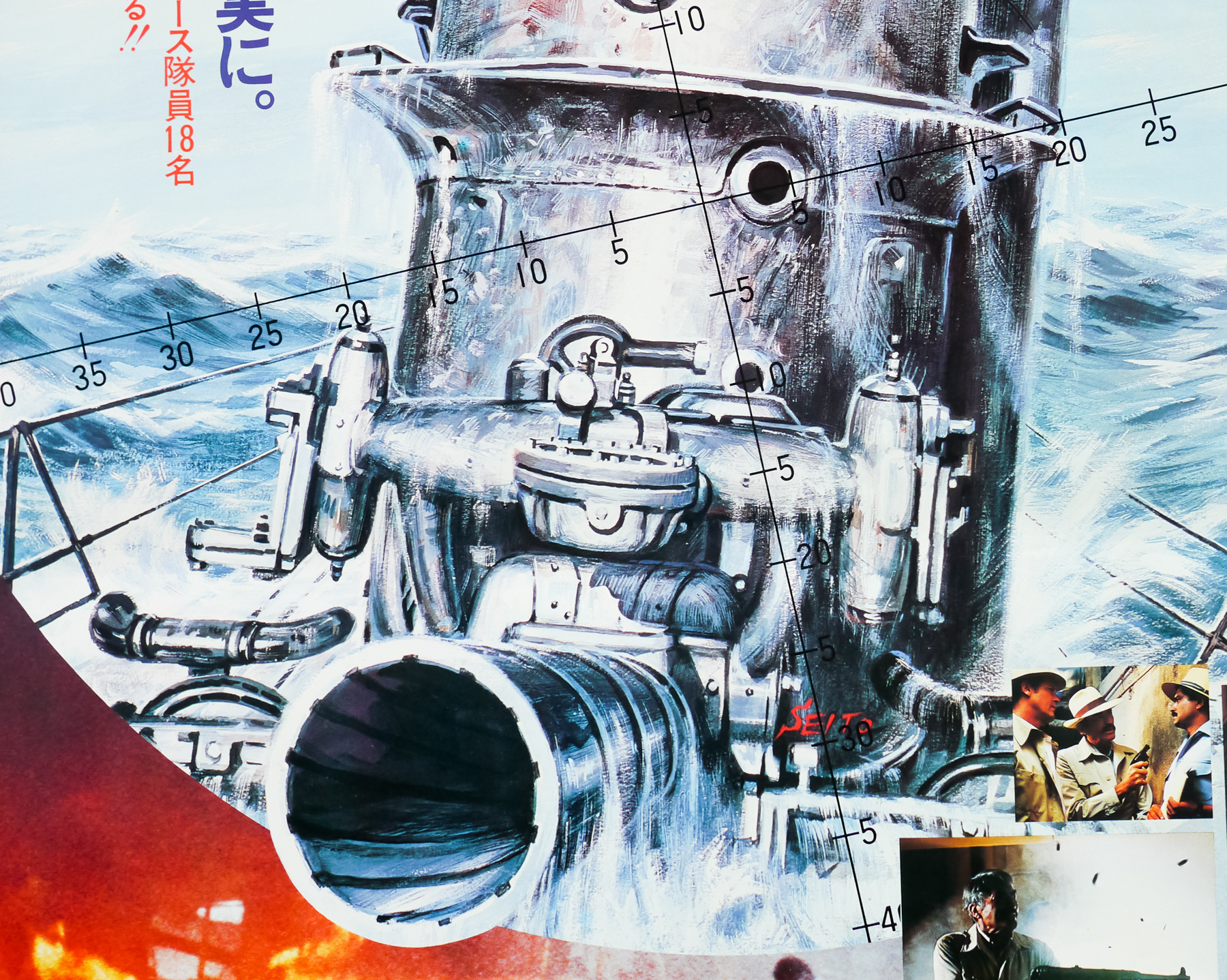
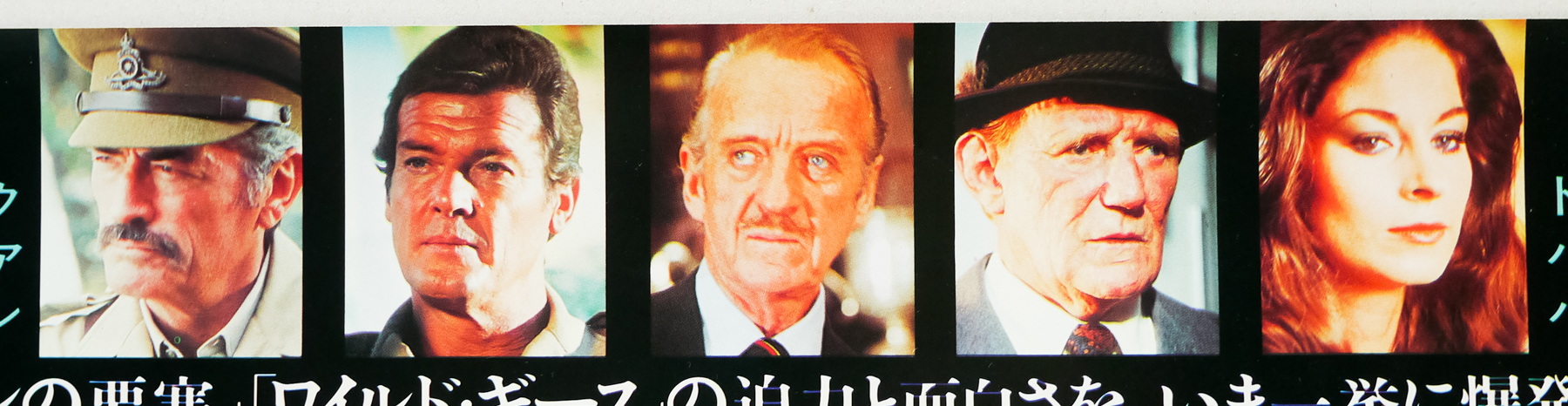
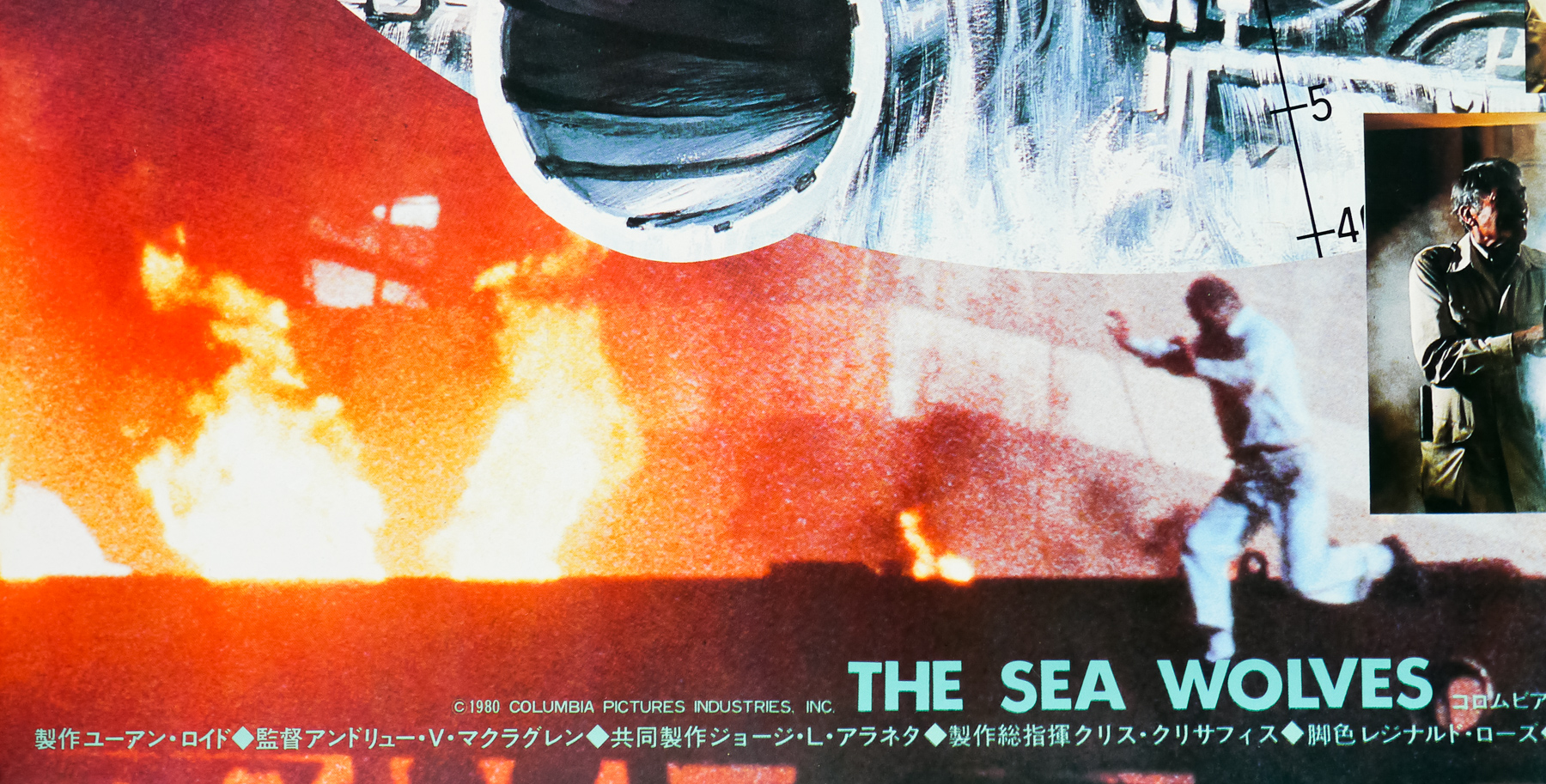
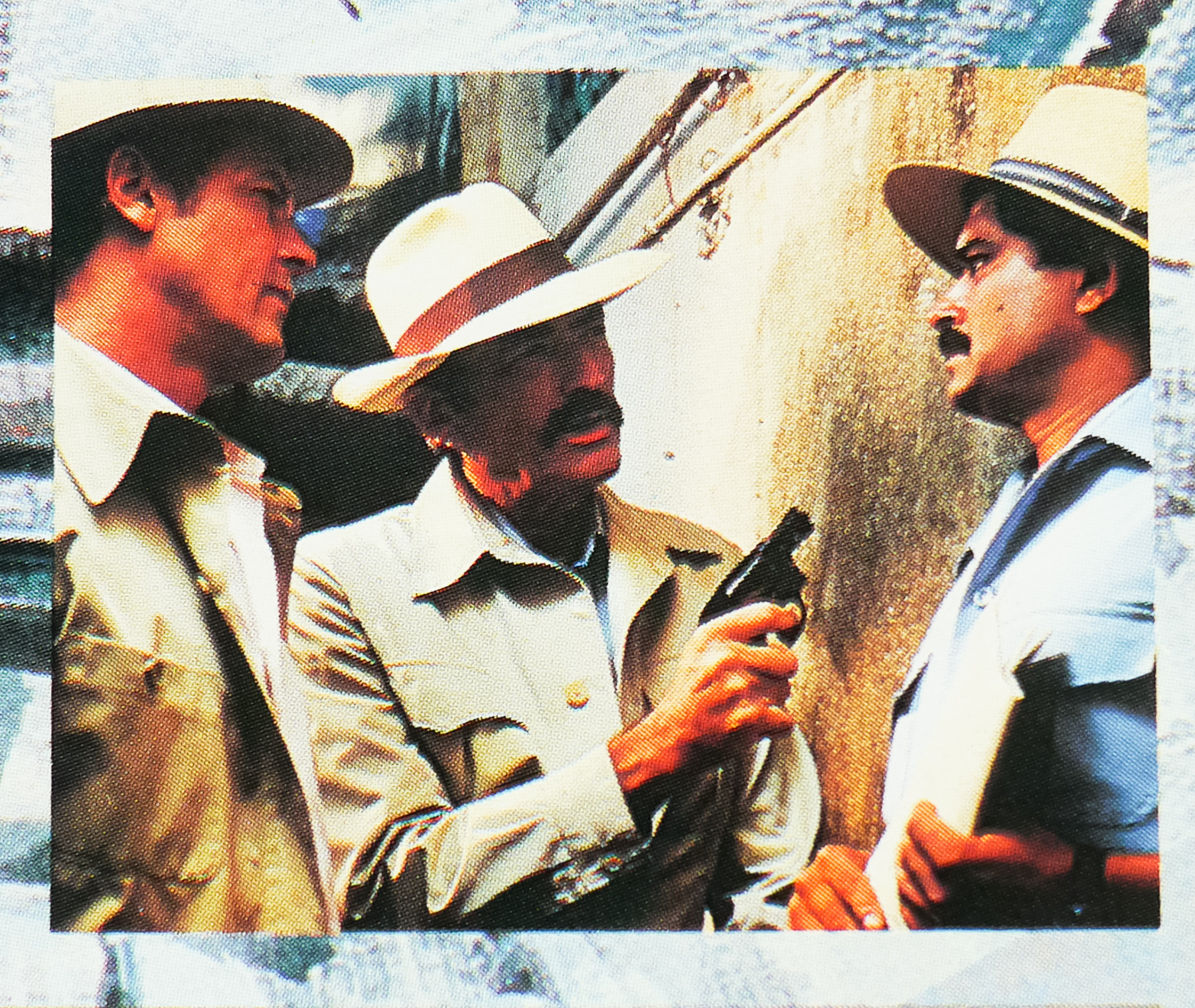
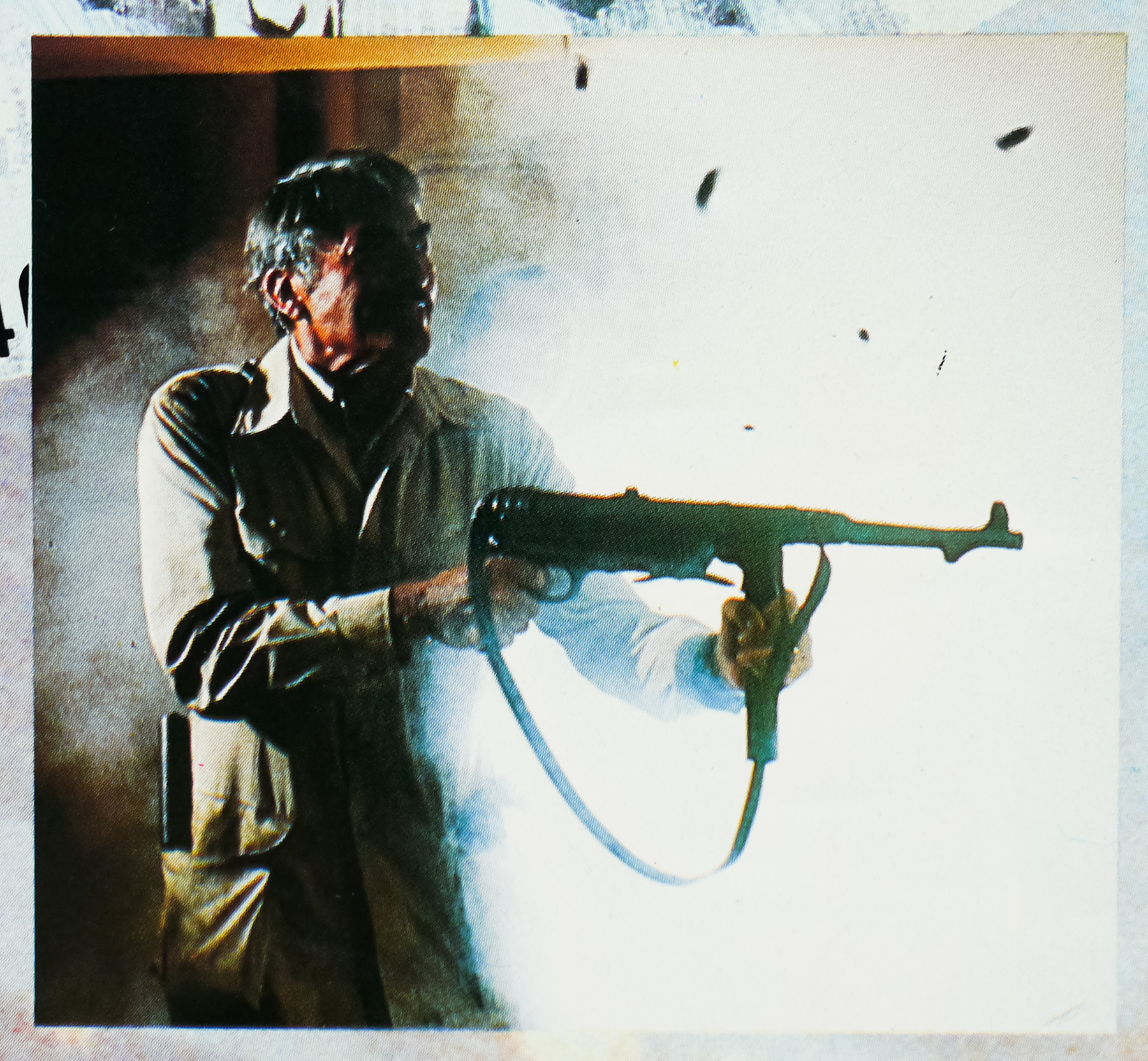
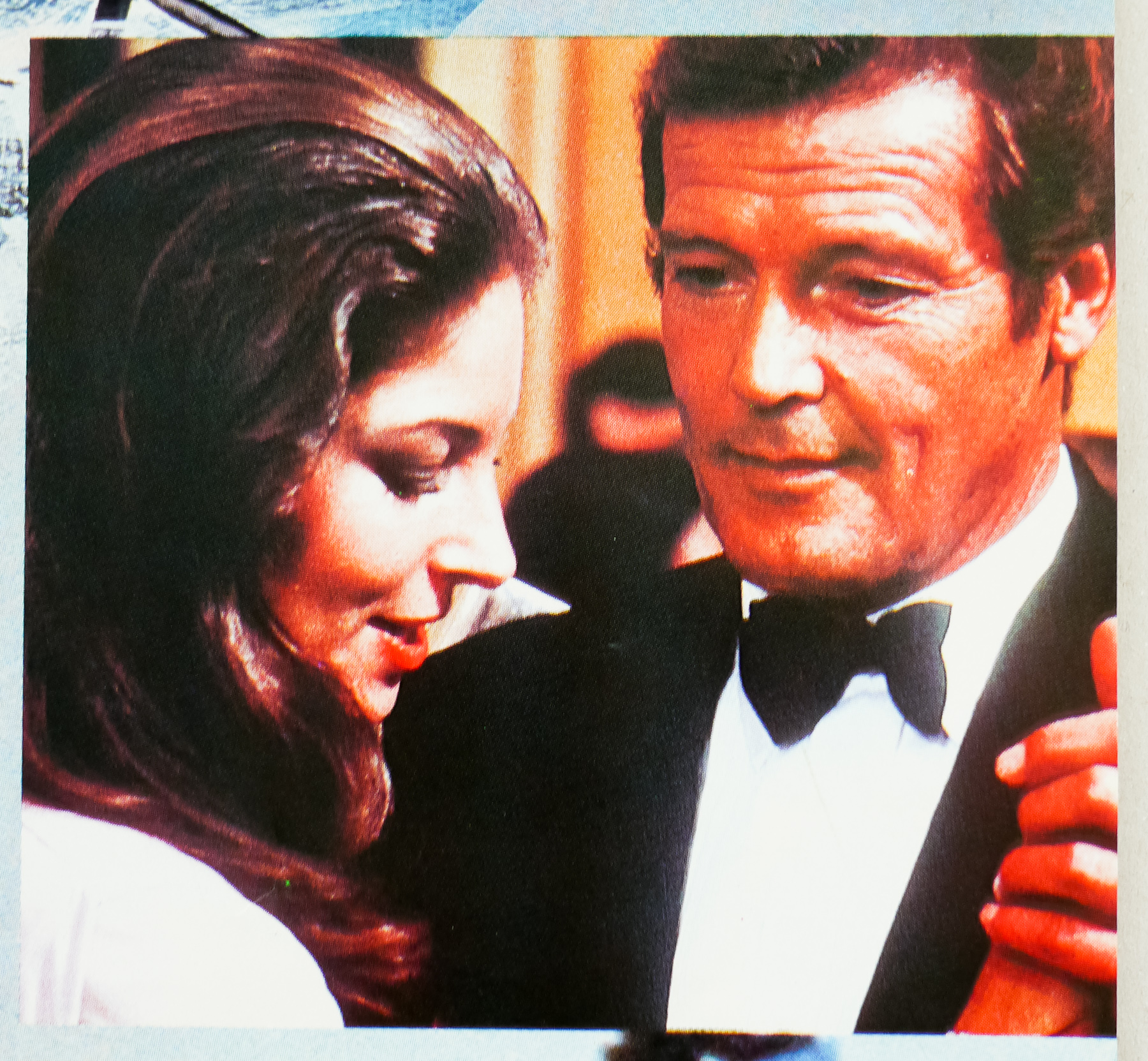
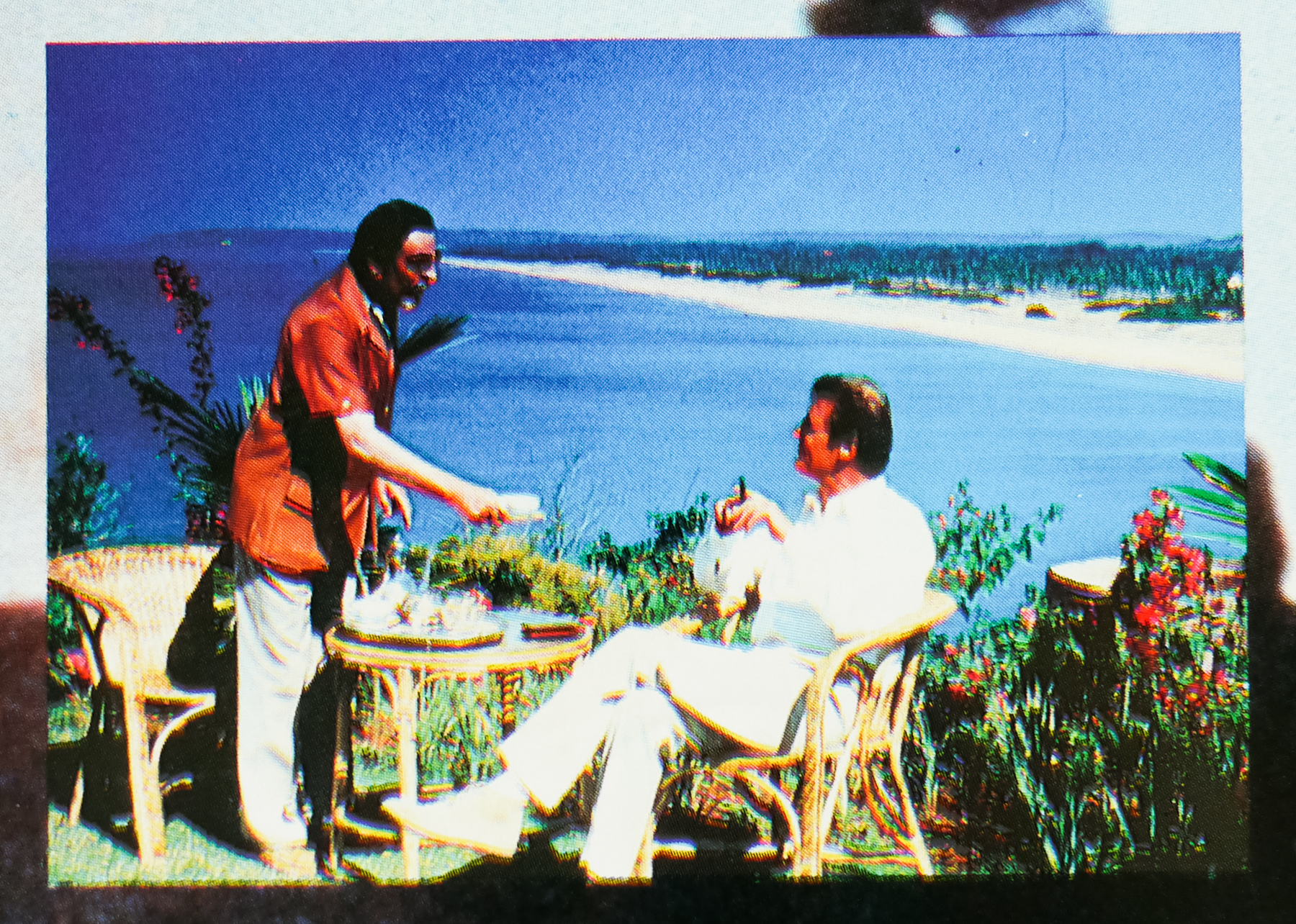
This is the art-style Japanese B2 for the 1980 action film The Sea Wolves, which is based on real events that occurred during the Second World War. The story is based on the exploits of ex-members of the Calcutta Light Horse, a cavalry regiment of the British Indian Army that was formed in 1872 and was disbanded a couple of years after the end of WWII. The plot sees British intelligence discovering that a Nazi radio ship is broadcasting the coordinates of allied ships from a harbour in Portuguese Goa, which was neutral during the war, so an all out assault cannot be launched by the Navy because of this.

British Intelligence officers Col. Lewis Pugh (Gregory Peck) and Capt. Gavin Stewart (Roger Moore) lead the operation and covertly enlist retired officer Col. Bill Grice (David Niven) of the Calcutta Light Horse & some of his former soldiers. The gang sneak into Goa and arrange a diversion on the evening of a planned raid, before making their way to the radio ship carrying enough explosives to sink it and put a stop any more transmissions. The film reunited much of the creative team behind an earlier OAPs on a mission film, 1978’s The Wild Geese, including director Andrew V. McLaglen, screenwriter Reginald Rose, producer Euan Lloyd and several of the stars.

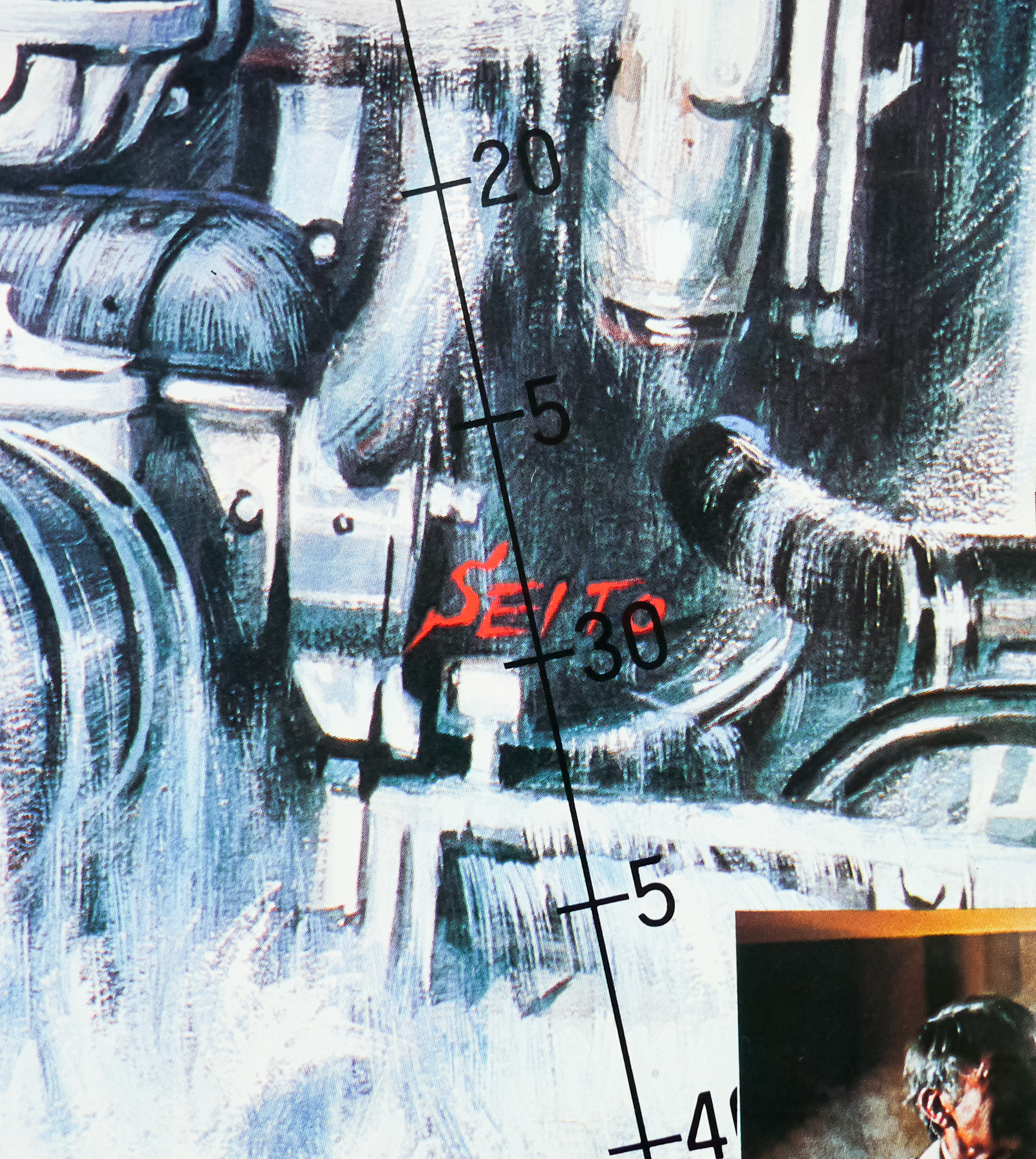
This Japanese poster features artwork painted by Seito that is unique to the Japanese campaign. Seito is one of my favourite Japanese artists who was responsible for several fantastic illustrated posters during the 1970s and 1980s. Little is known about the man himself, even in his native country.

To see the other posters I’ve collected by Seito click here.

The Klansman / B2 / style A / Japan

28.08.15

Poster Poster

This is one of two Japanese B2 posters for the release of the 1974 drama The Klansman that marks a low point in the careers of the main participants involved and, in my opinion, deserves to be consigned to the dustbin of film history. British director Terence Young (best known for his work on the first two James Bond films and Thunderball) helms this tale of racial tension in a small Southern town that has a large Ku Klux Klan contingent. Lee Marvin plays the lone Sheriff of the town who has to deal with the fallout when a white woman is raped, apparently by a black man. Tensions are escalated when a lone gunman (played by O.J. Simpson) decides to stir things up with the Klan by shooting white townsfolk with a sniper rifle. Richard Burton plays a local landowner who has long opposed the views of the Klan and harboured black people on his land but he gets drawn into the conflict with deadly consequences.

There are many issues with the film, including a confusing script that was clearly trying to imbue the film with something of a social justice message but bungles it badly. All scenes involving the Klan are cringeworthy and obviously massively politically incorrect. The performances from the two leads are also pretty terrible with Lee Marvin mumbling and drawling through all of his scenes looking like a man who wishes he was elsewhere. Richard Burton also phones his performance in, with an accent that attempts Southern American but ends up sounding altogether wrong, and he also affects a limp in some scenes that disappears in others. Legend has it that the two men were both drunk during the entire shoot and that might explain things. It also doesn’t help that the only version of the film available on home video has been badly cut to remove a lot of the violence and a pivotal rape scene.

This is the style A Japanese B2 poster but I also have the style B that features artwork unique to the Japanese campaign by Seito.

The Day Of The Jackal / B2 / target style / Japan

09.09.15

Poster Poster

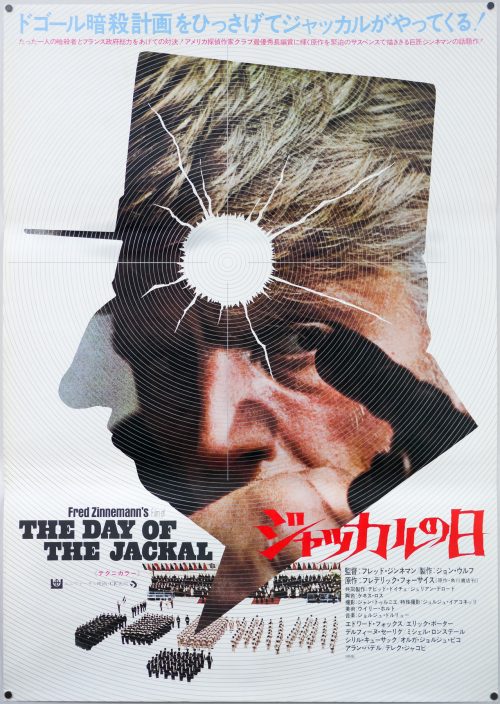
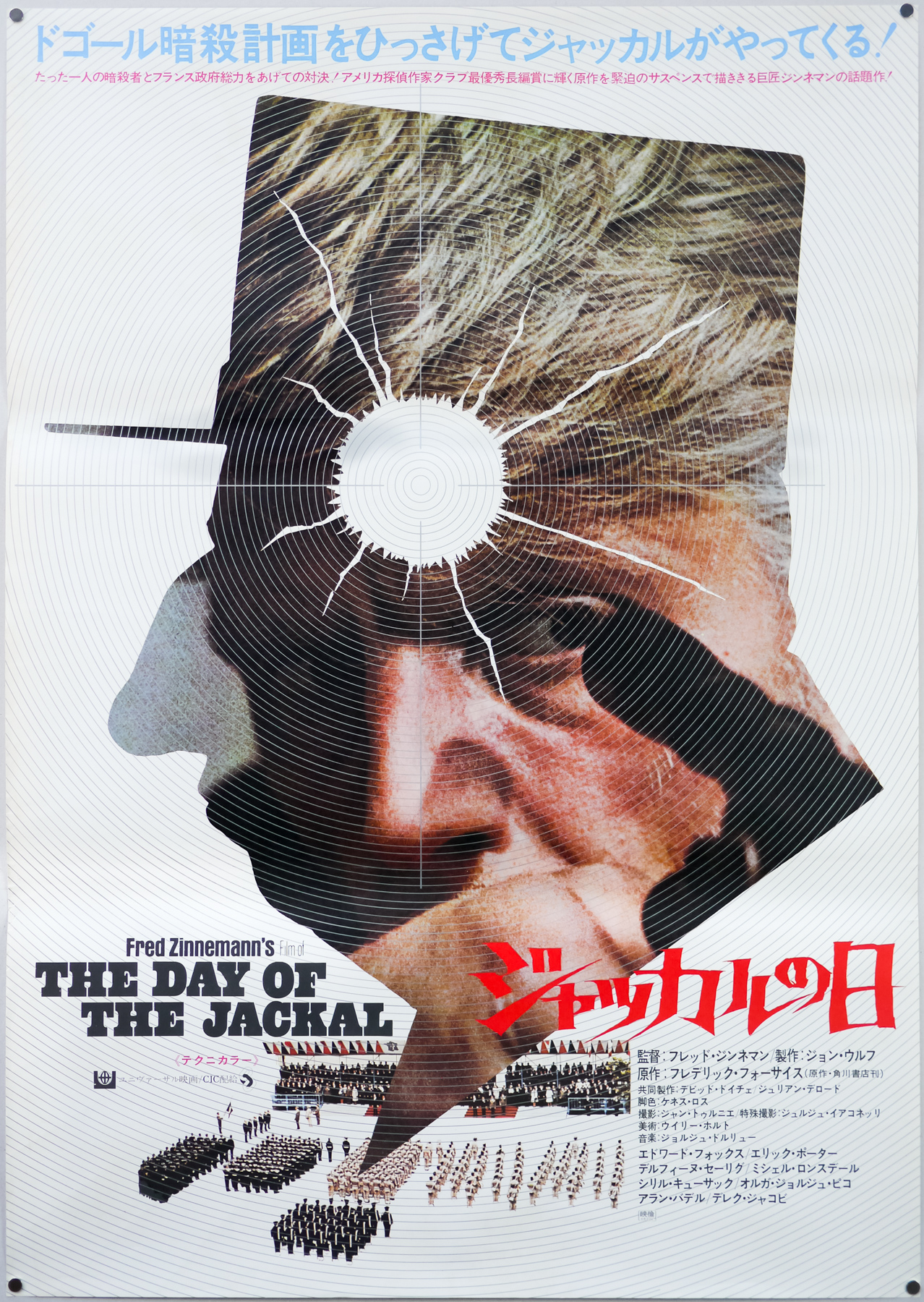
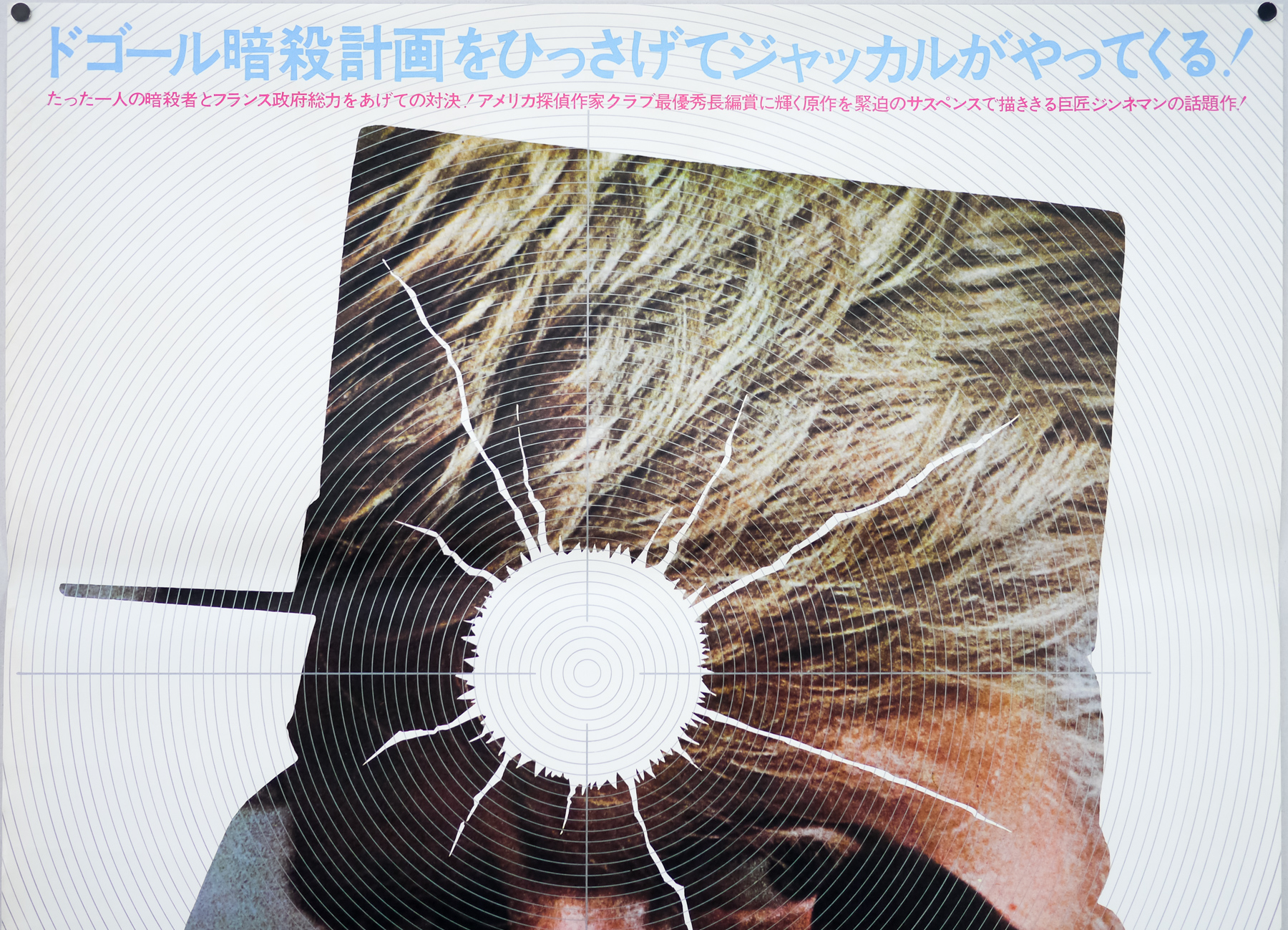
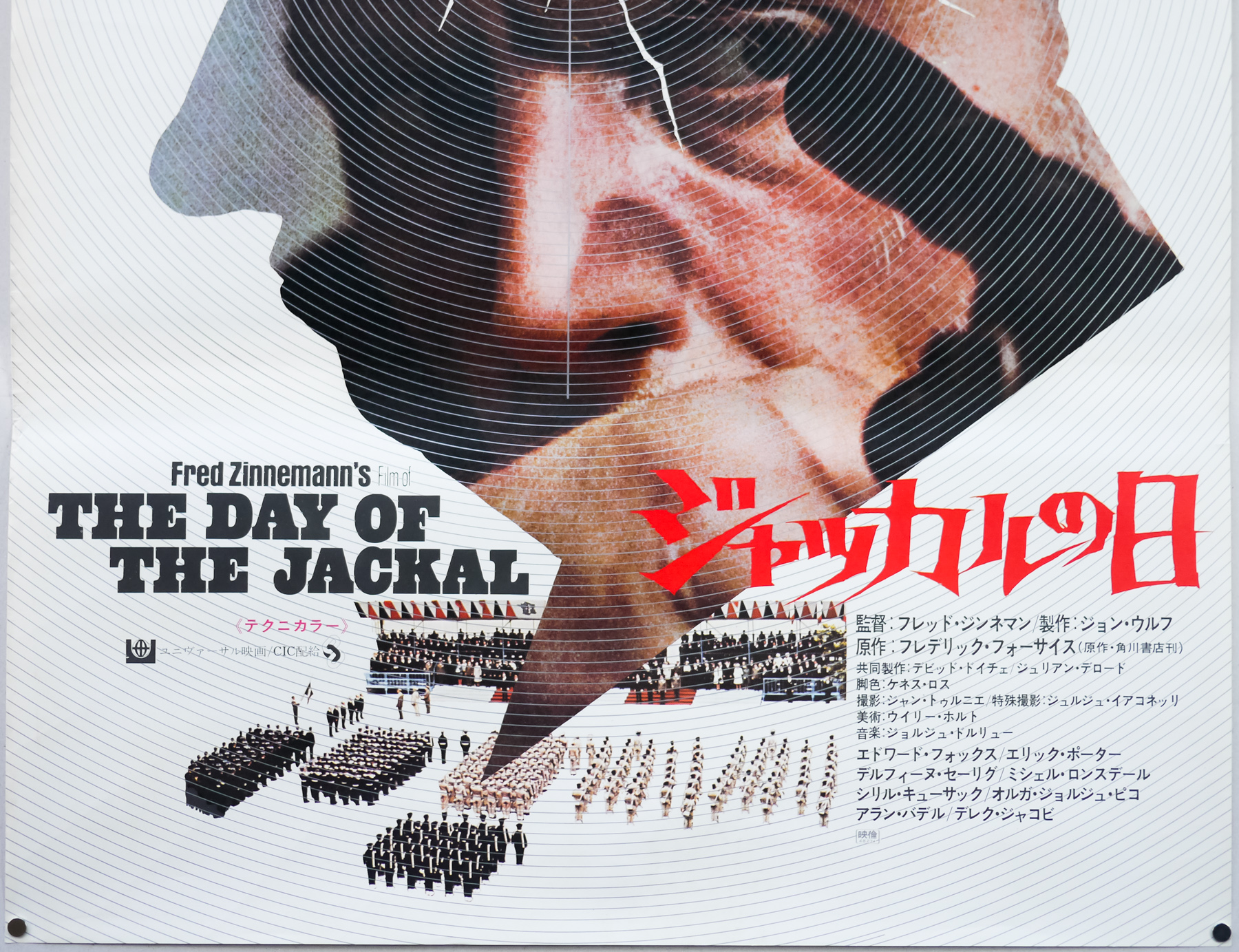
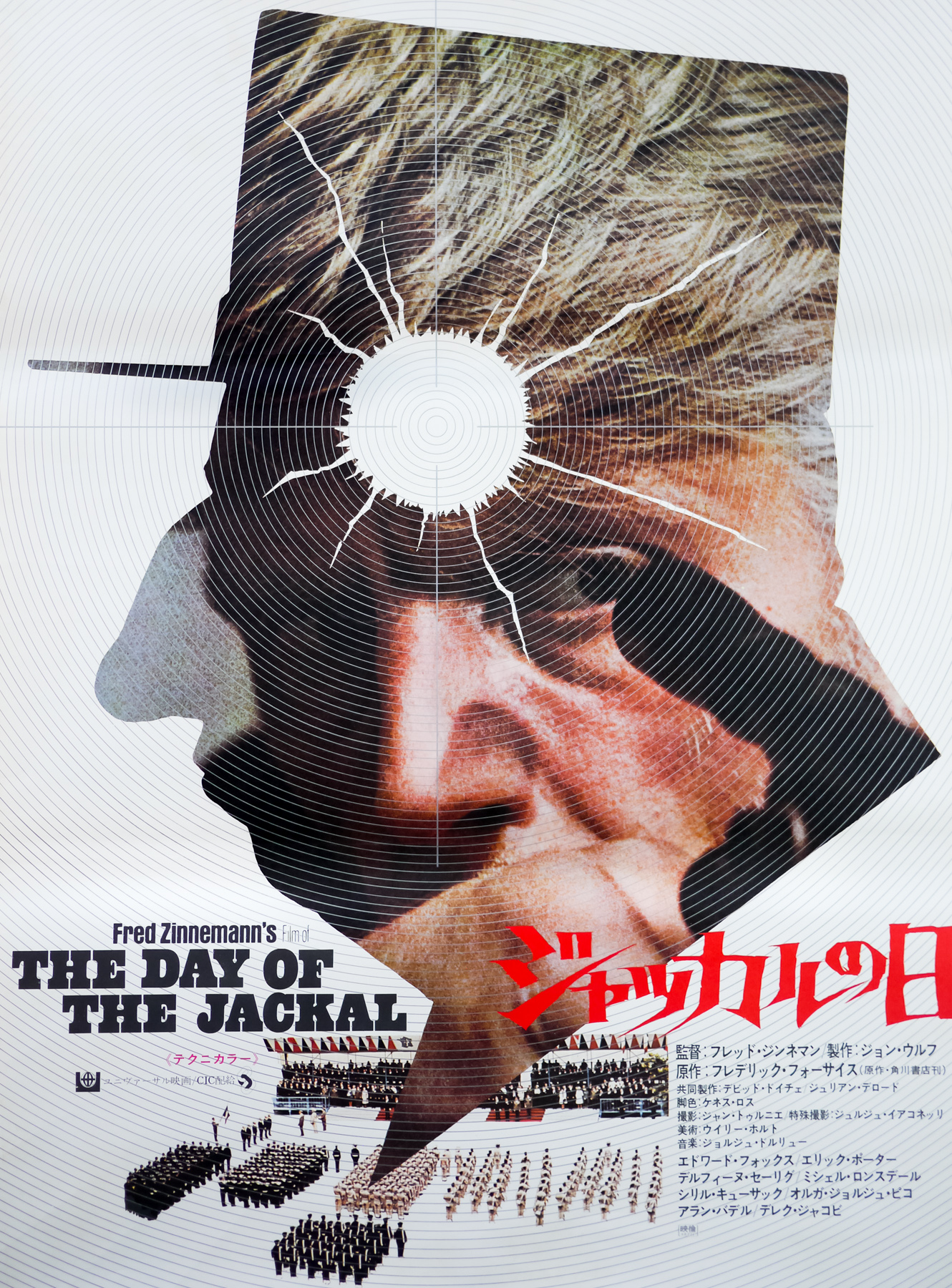
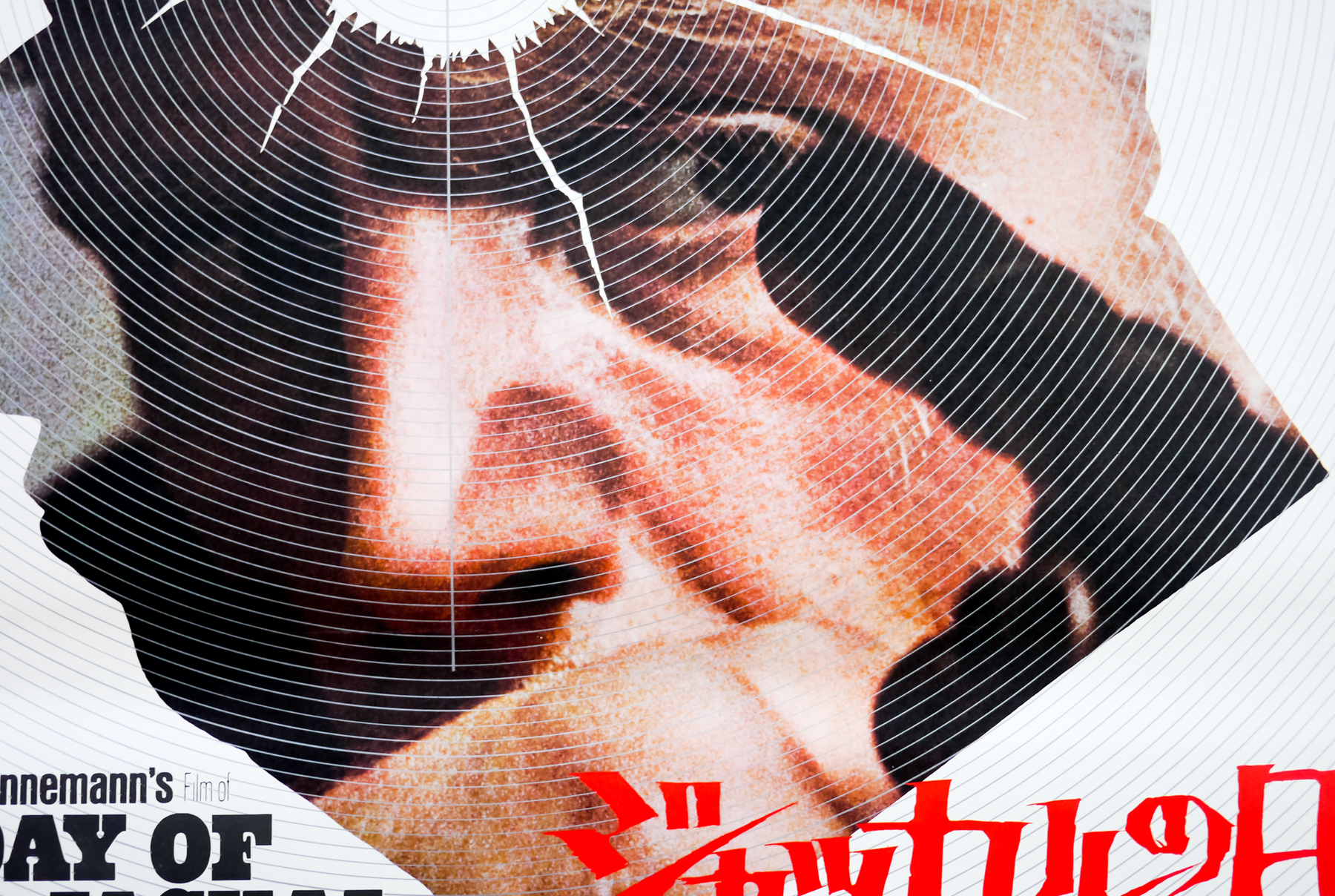
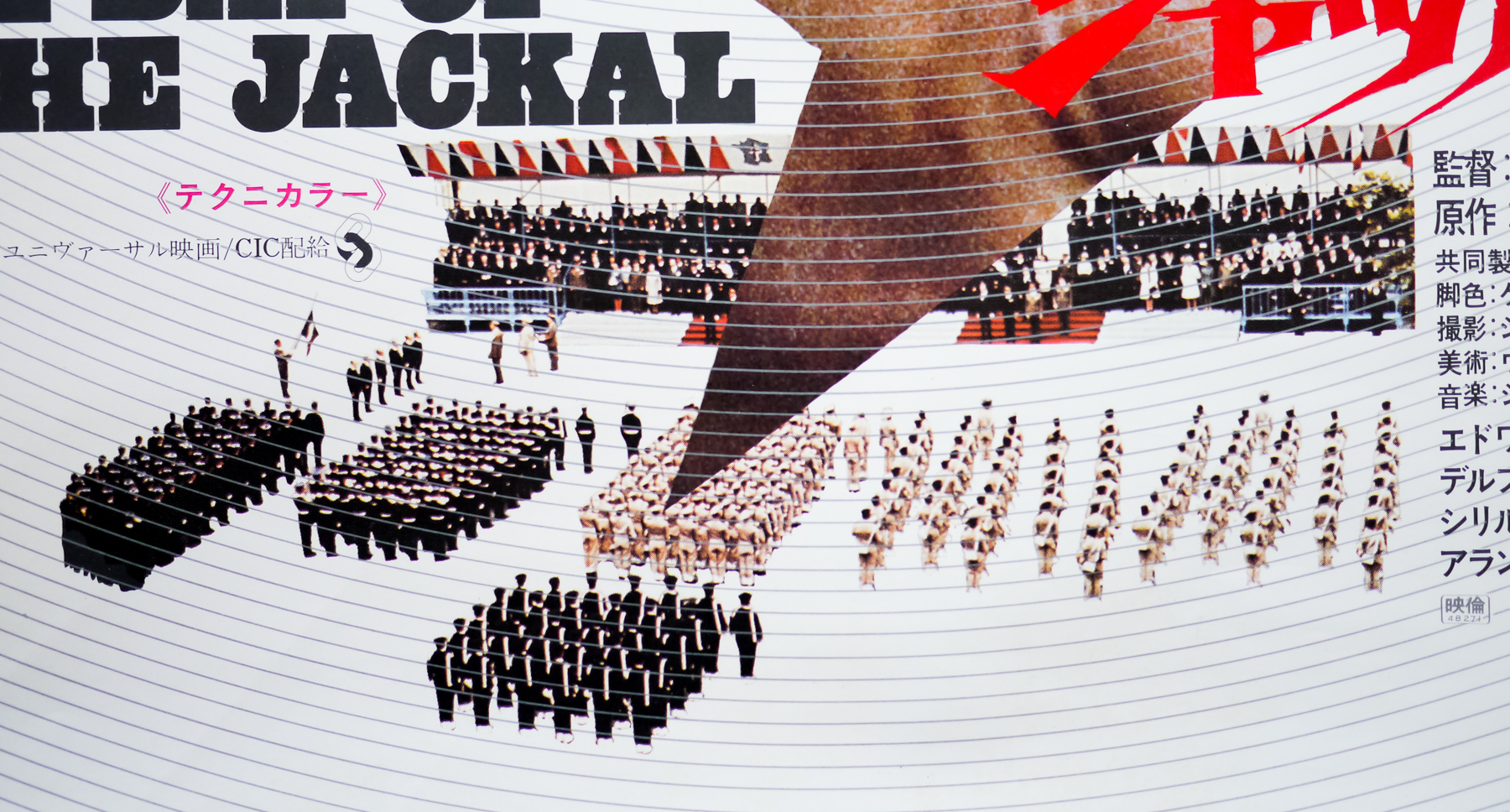
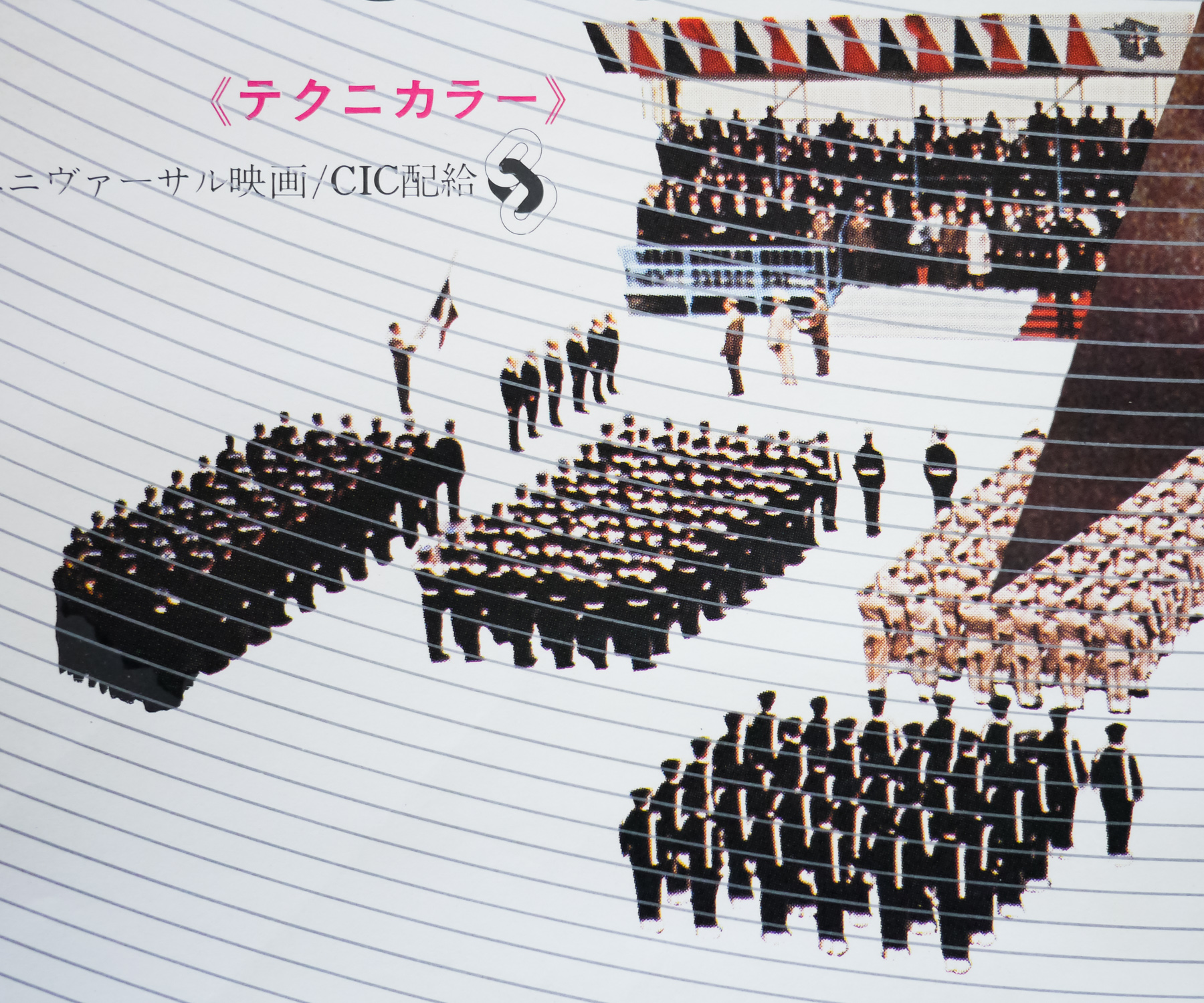
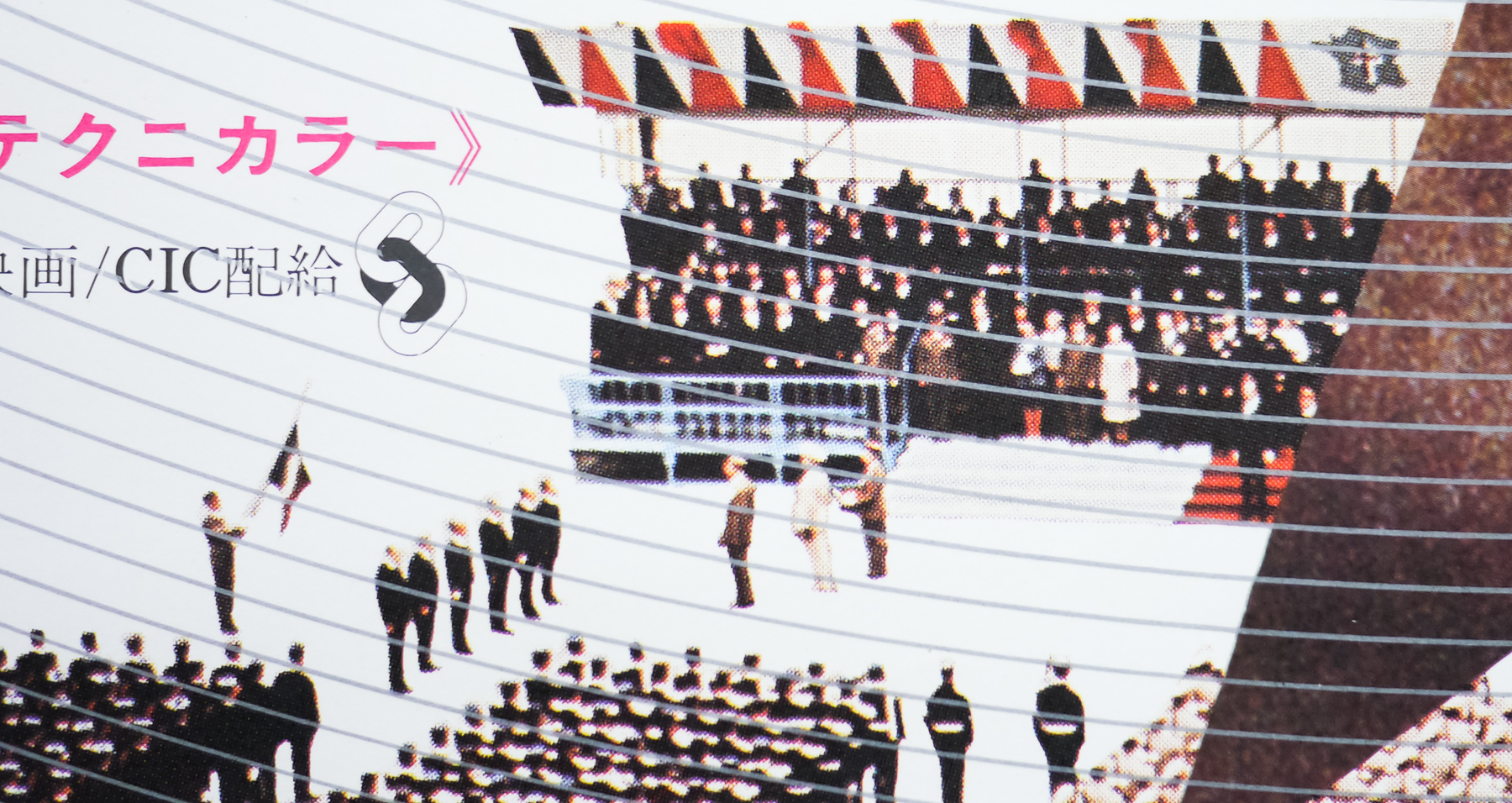
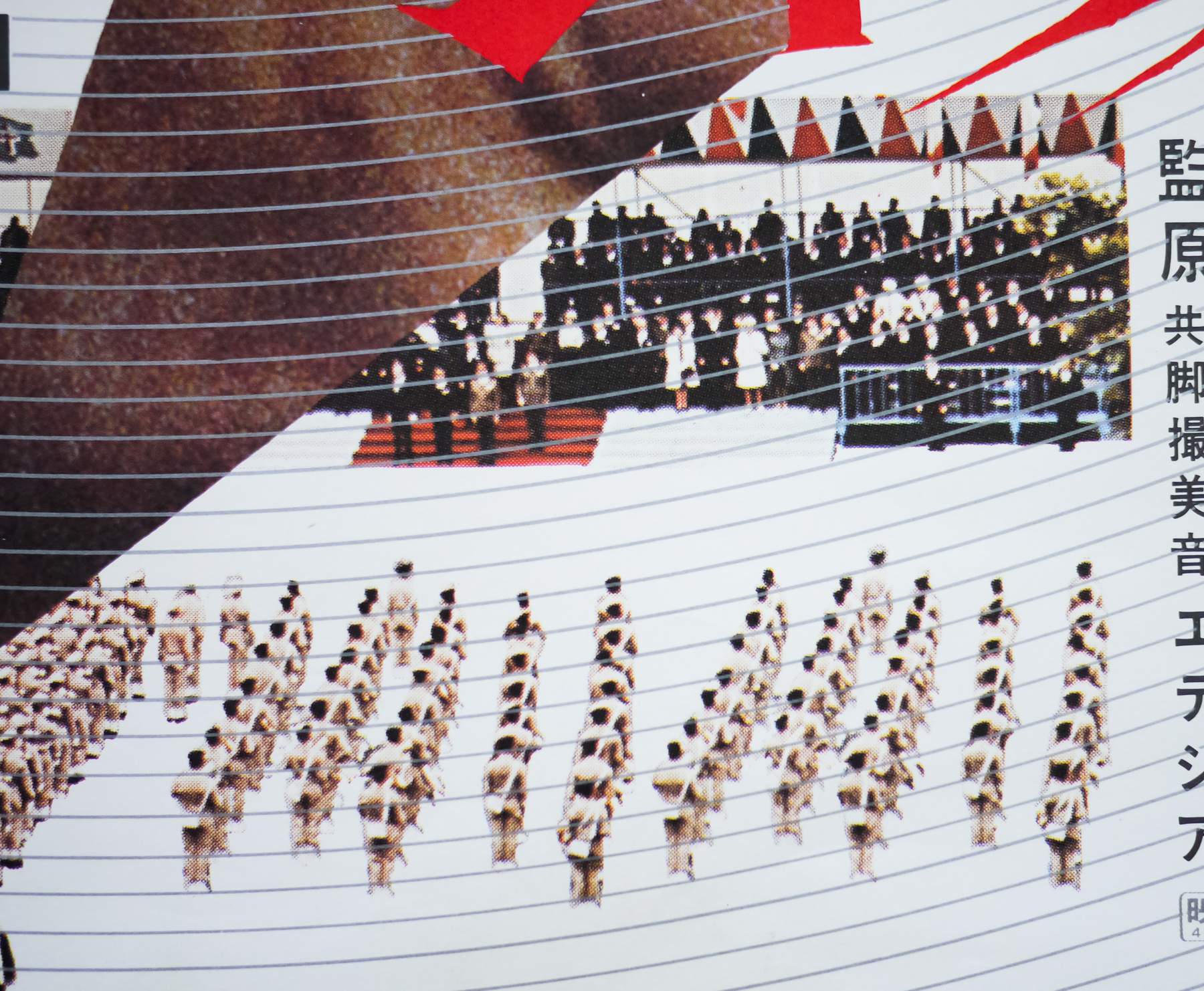
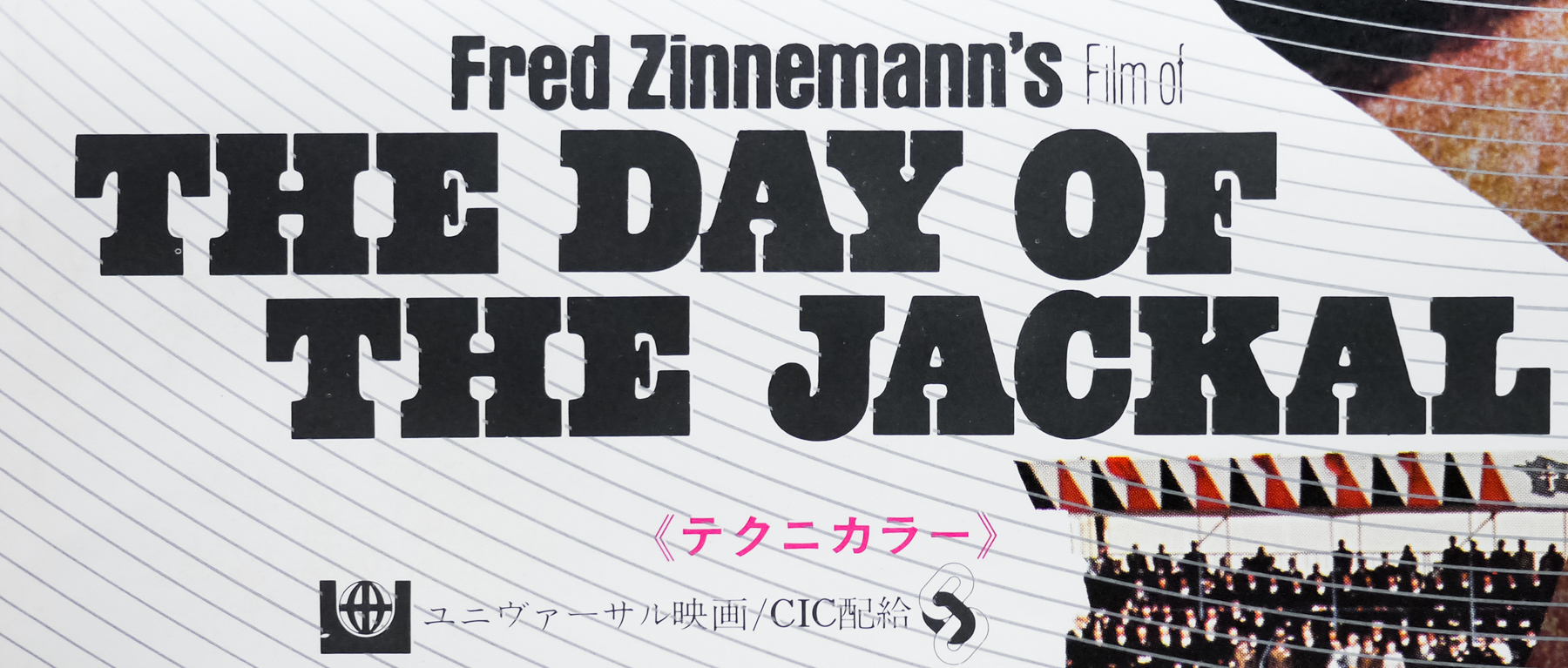
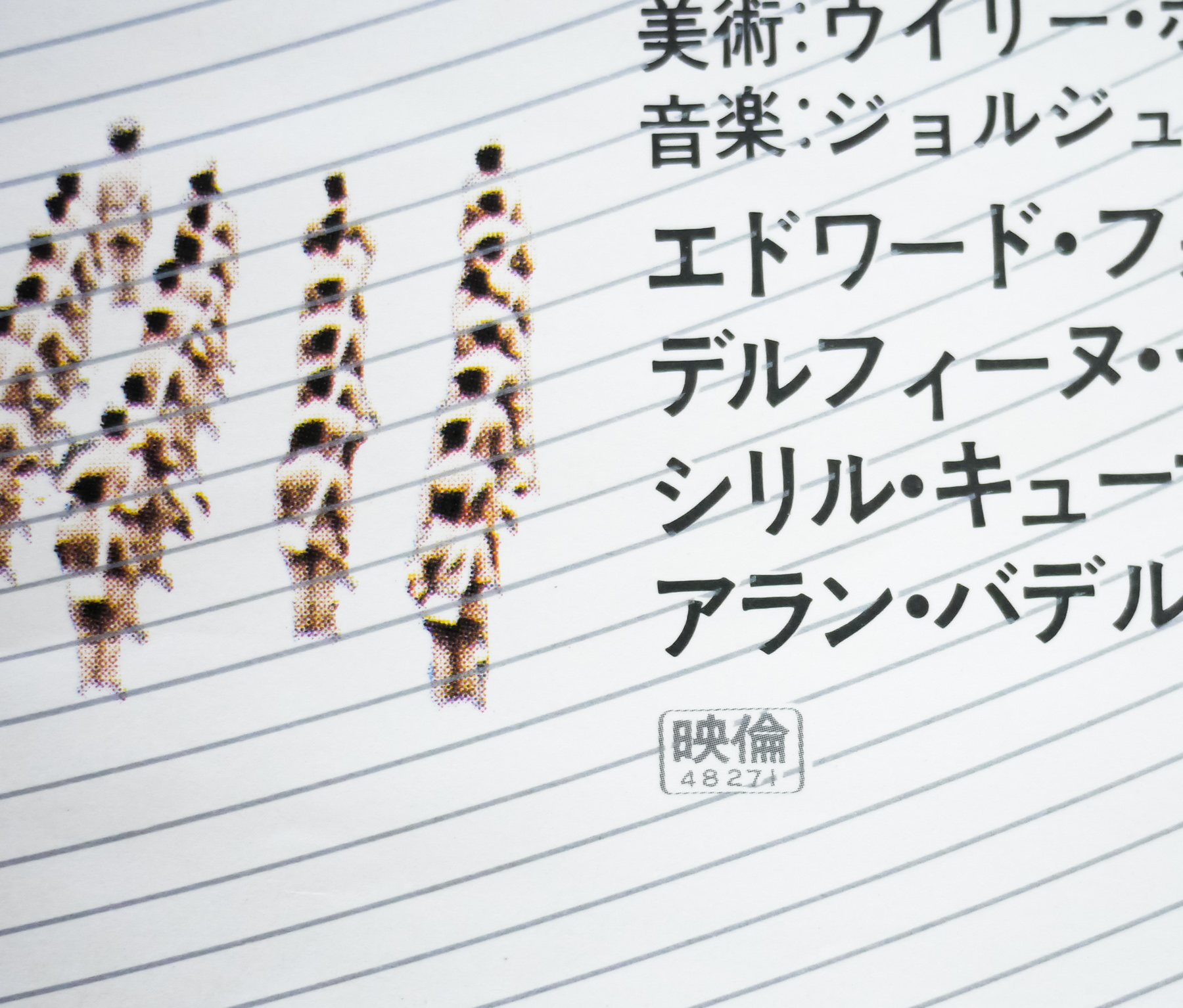
A striking design on this Japanese B2 for the release of the 1974 thriller The Day of the Jackal, which was based on the 1971 novel of the same name by the English author Frederick Forsyth. The story is set in 1962 and focuses on a fictional assassination attempt on France’s then president Charles de Gaulle who had angered many in his own country by deciding to grant independence to the French colony of Algeria. An underground resistance group called the OAS had formed to fight this decision and both the novel and the film start with a real incident in which de Gaulle’s car had been sprayed with machine gun fire, but he had miraculously survived unscathed. In the film the OAS decide to cut their losses and hire a professional assassin. They settle on an Englishman (played by Edward Foxwho decides on the call sign ‘Jackal’.

The film follows The Jackal as he prepares for the assassination by traveling all over Europe to procure identity documents, a special weapon, and other items necessary for the task. The French authorities become aware that someone has been hired for the job and appoint ‘France’s best detective, Lebel (Michael Lonsdale, best known for his role as the villain in Moonraker), to lead the hunt for him. Lebel calls in favours from all over Europe in the hunt and eventually they strike it lucky with enquiries by Scotland Yard in the UK. The film ratchets up the tension as the French authorities close in on The Jackal, but he manages to evade them long enough to line de Gaulle up in his sights. 

The film is almost two and a half hours long but maintains a brisk pace and is certainly thrilling throughout. It makes brilliant use of real locations and the Wikipedia page for the film points out some of the places the production visited. The film was very well critically acclaimed but failed to perform as spectacularly at the box-office as some had hoped, something later blamed on the fact that the lead was the then unknown Fox.

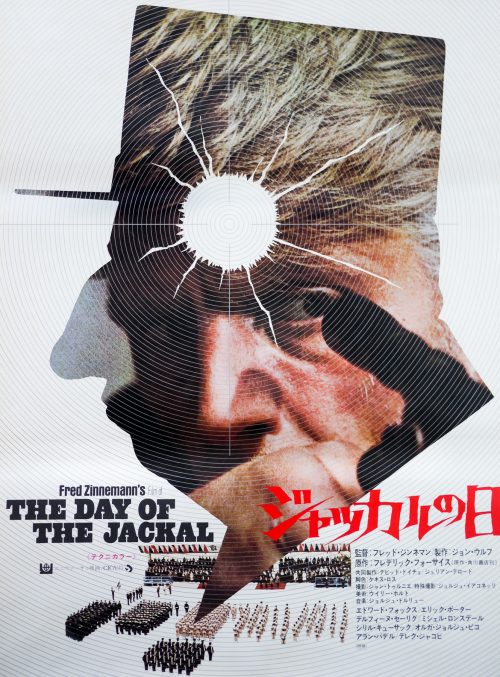
This is one of two styles of Japanese posters for the film and I also have the ‘face’ style, which can be seen here.

Once Upon a Time in China II / B2 / Japan

14.12.15

Poster Poster
Title
Once Upon a Time in China II
AKA
Wong Fei Hung II: Nam yee tung chi keung (Hong Kong - original title)
Year of Film
1992
Director
Tsui Hark
Starring
Jet Li, Rosamund Kwan, Siu Chung Mok, David Chiang, Donnie Yen, Tielin Zhang, Xin Xin Xiong, Paul Fonoroff, Shi-Kwan Yen, Ka-Kui Ho, Michael Miller, Dion Lam, Shu-Kei Chow
Origin of Film
Hong Kong
Genre(s) of Film
Jet Li, Rosamund Kwan, Siu Chung Mok, David Chiang, Donnie Yen, Tielin Zhang, Xin Xin Xiong, Paul Fonoroff, Shi-Kwan Yen, Ka-Kui Ho, Michael Miller, Dion Lam, Shu-Kei Chow,
Type of Poster
B2
Style of Poster
--
Origin of Poster
Japan
Year of Poster
1992
Designer
Unknown
Artist
M. Tsuchiya
Size (inches)
20 6/16" x 28 13/16"
SS or DS
SS
Tagline
--

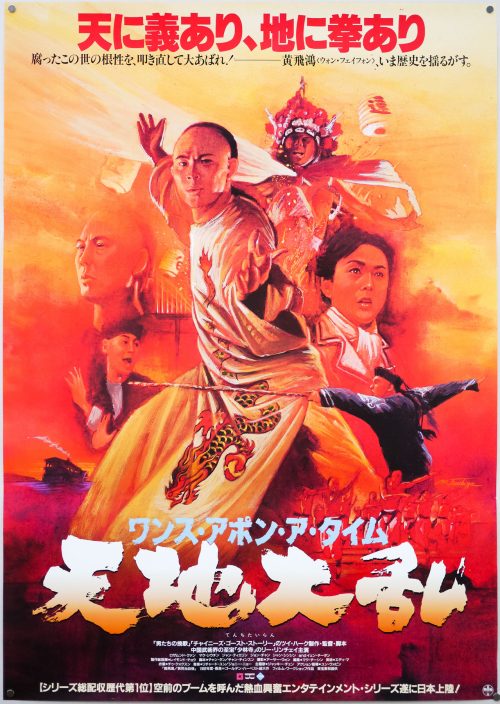
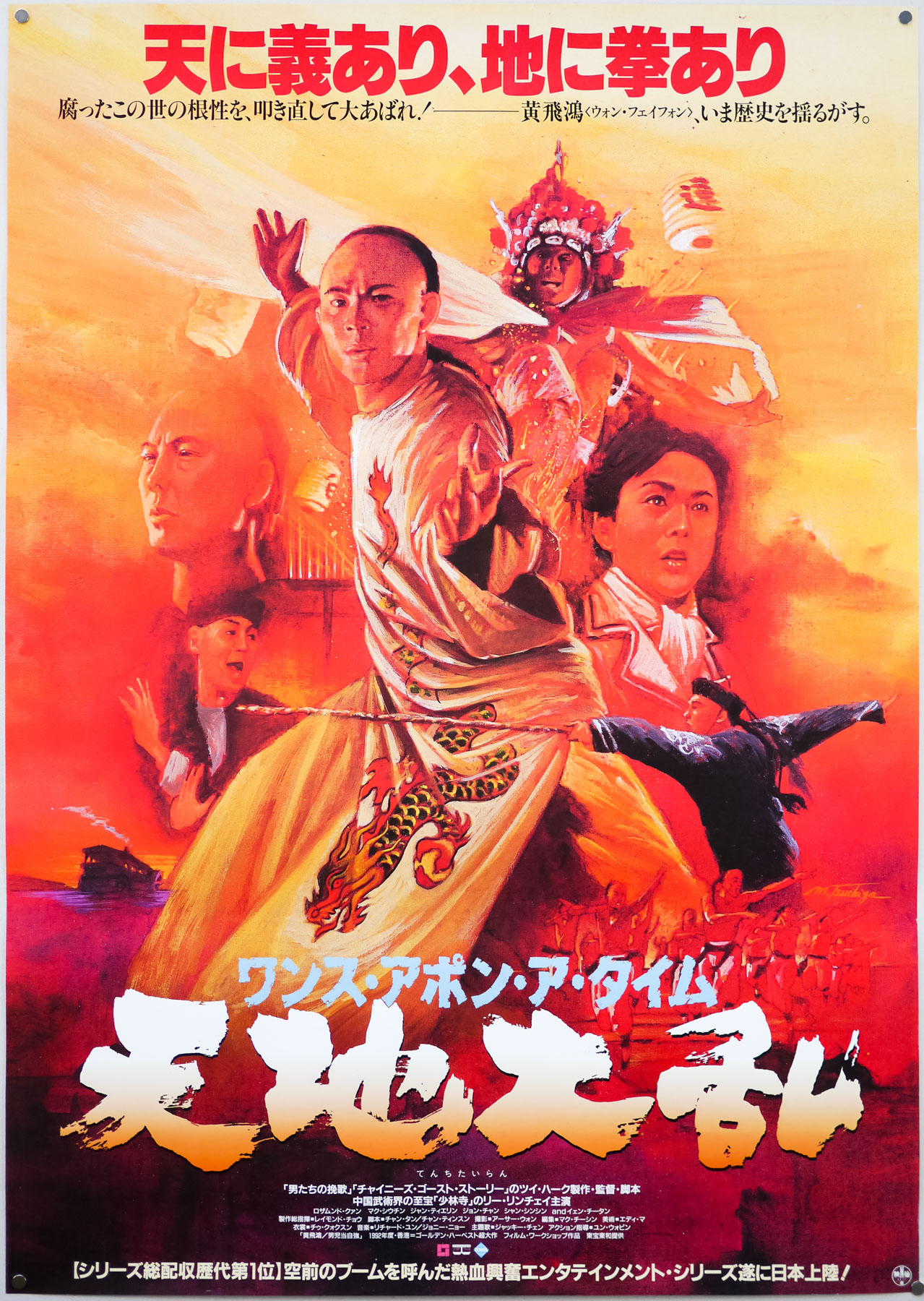
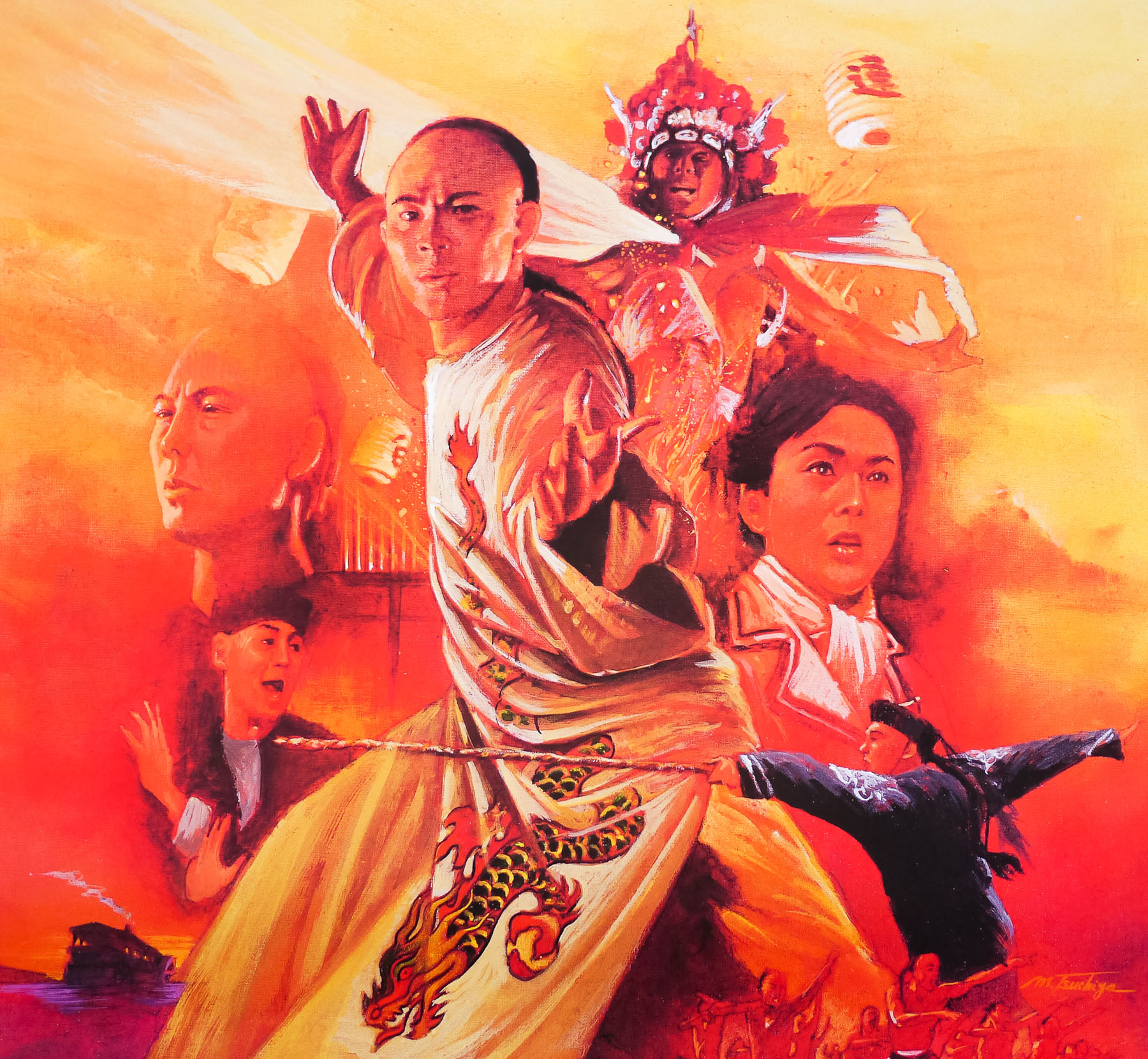
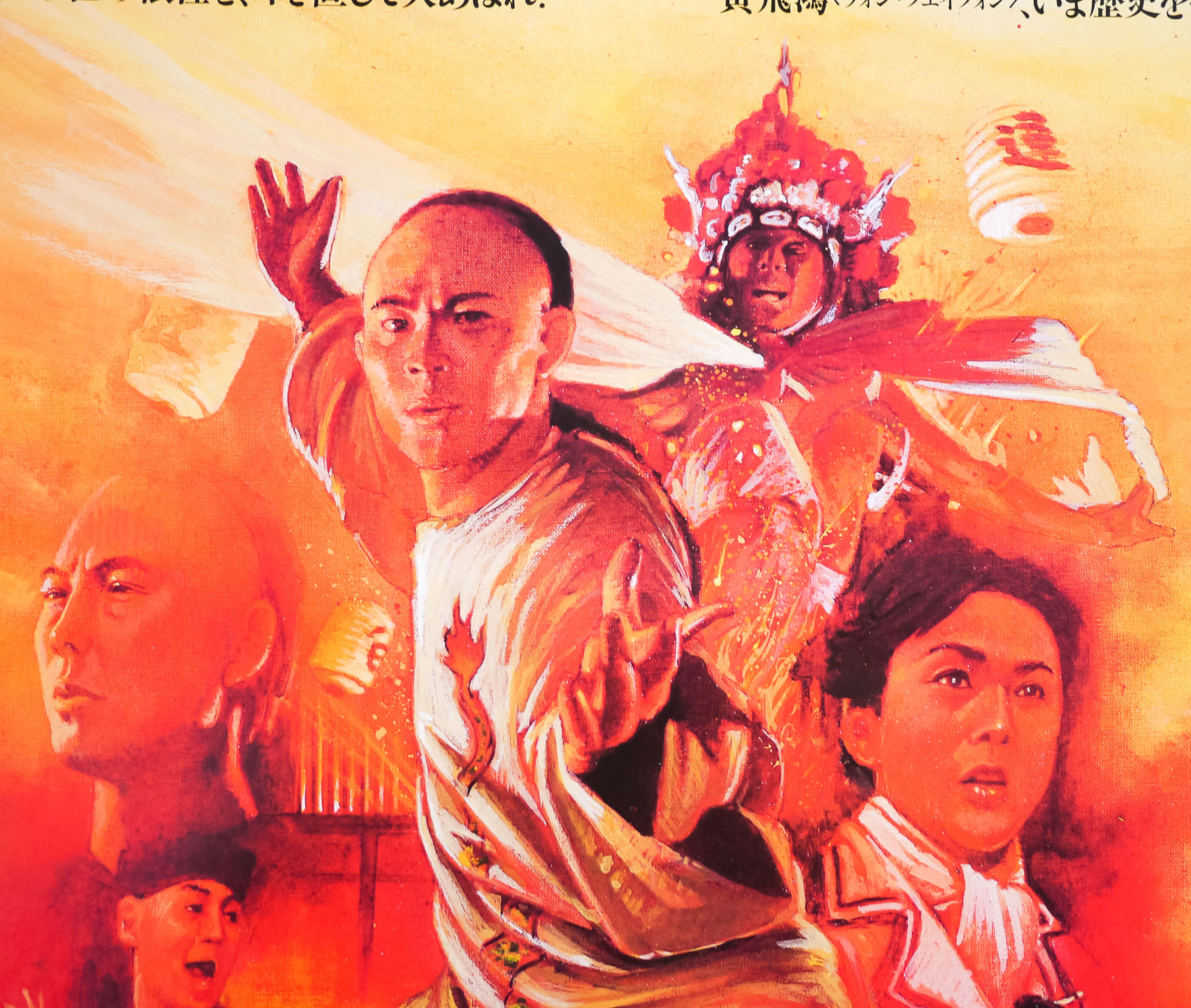
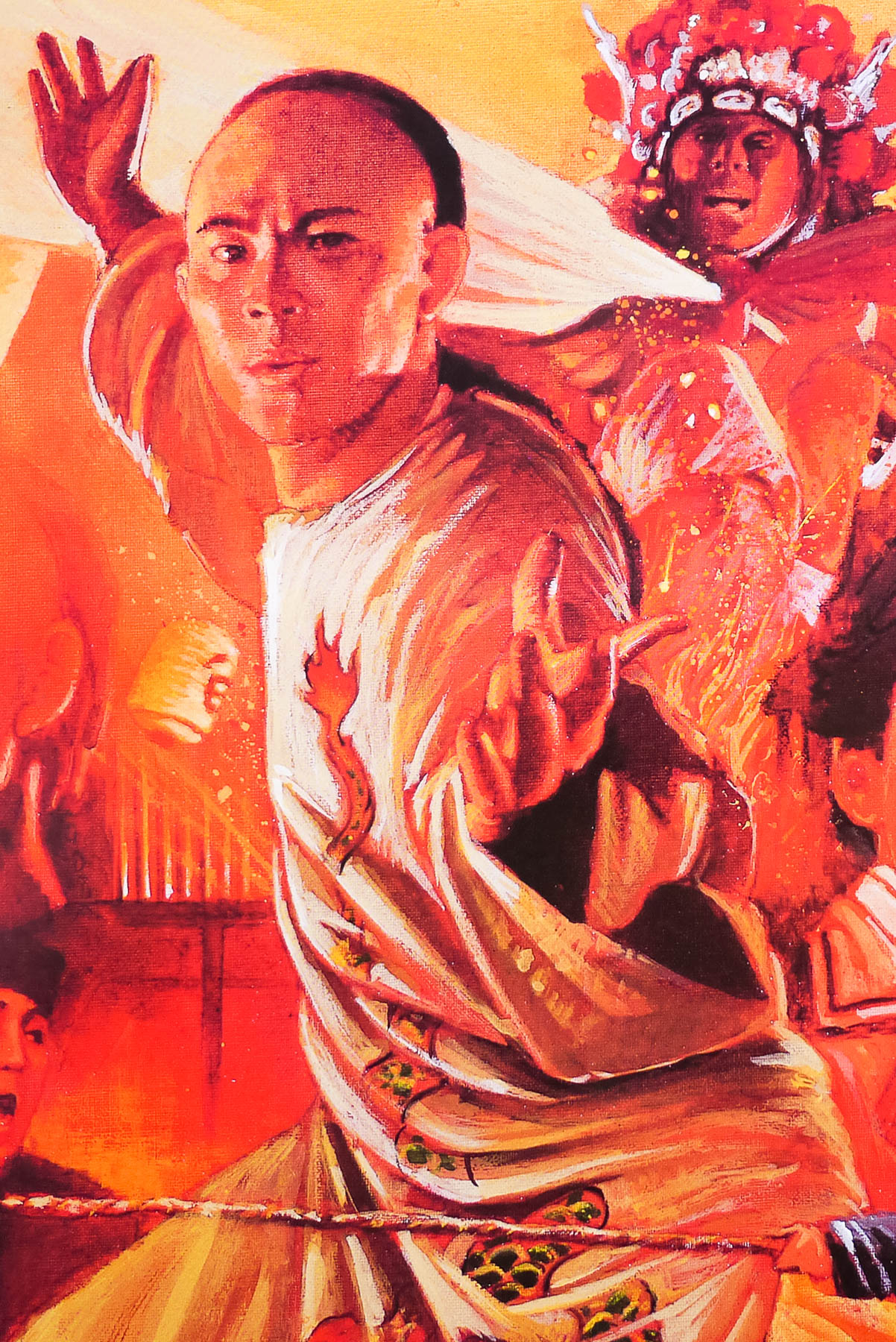
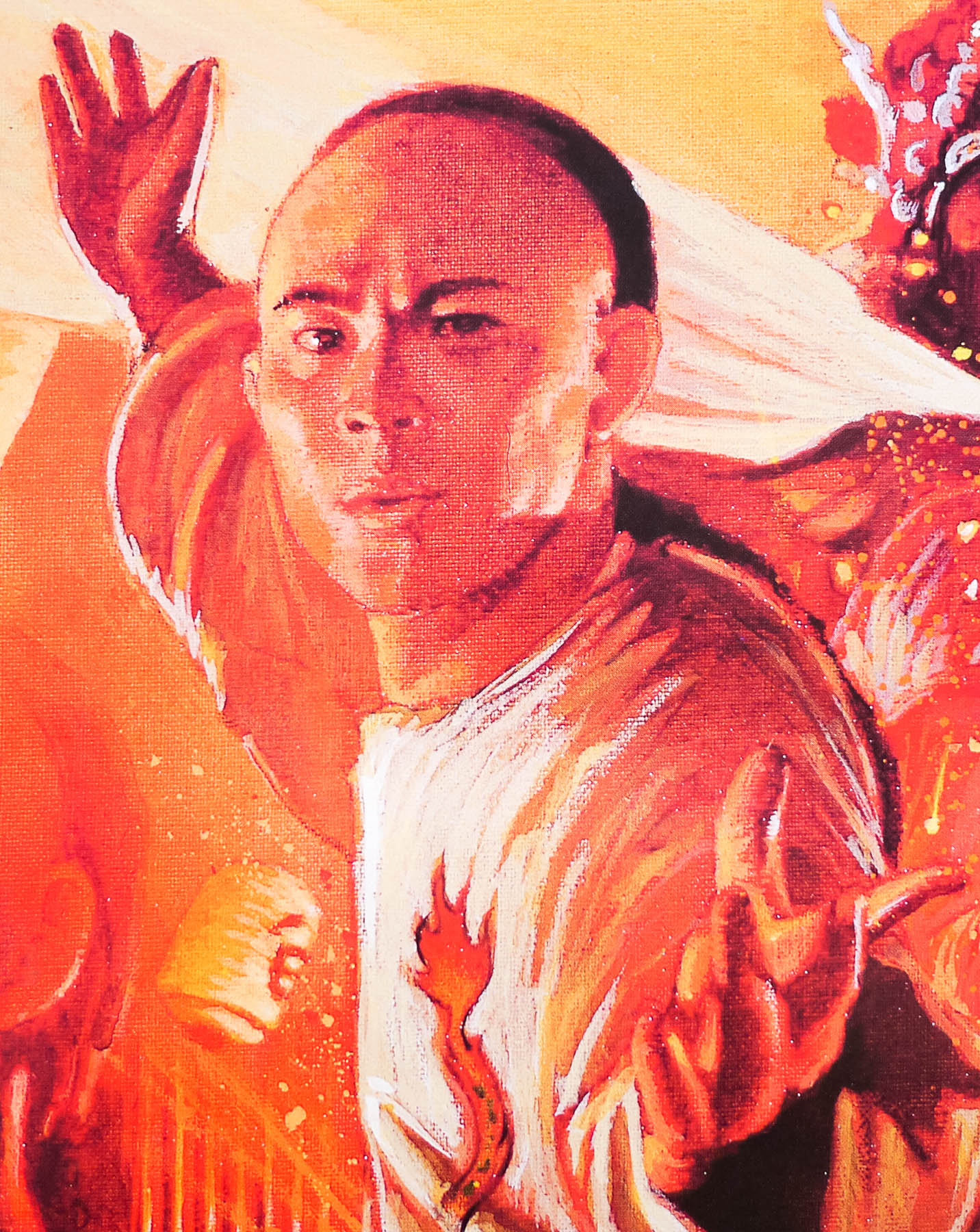
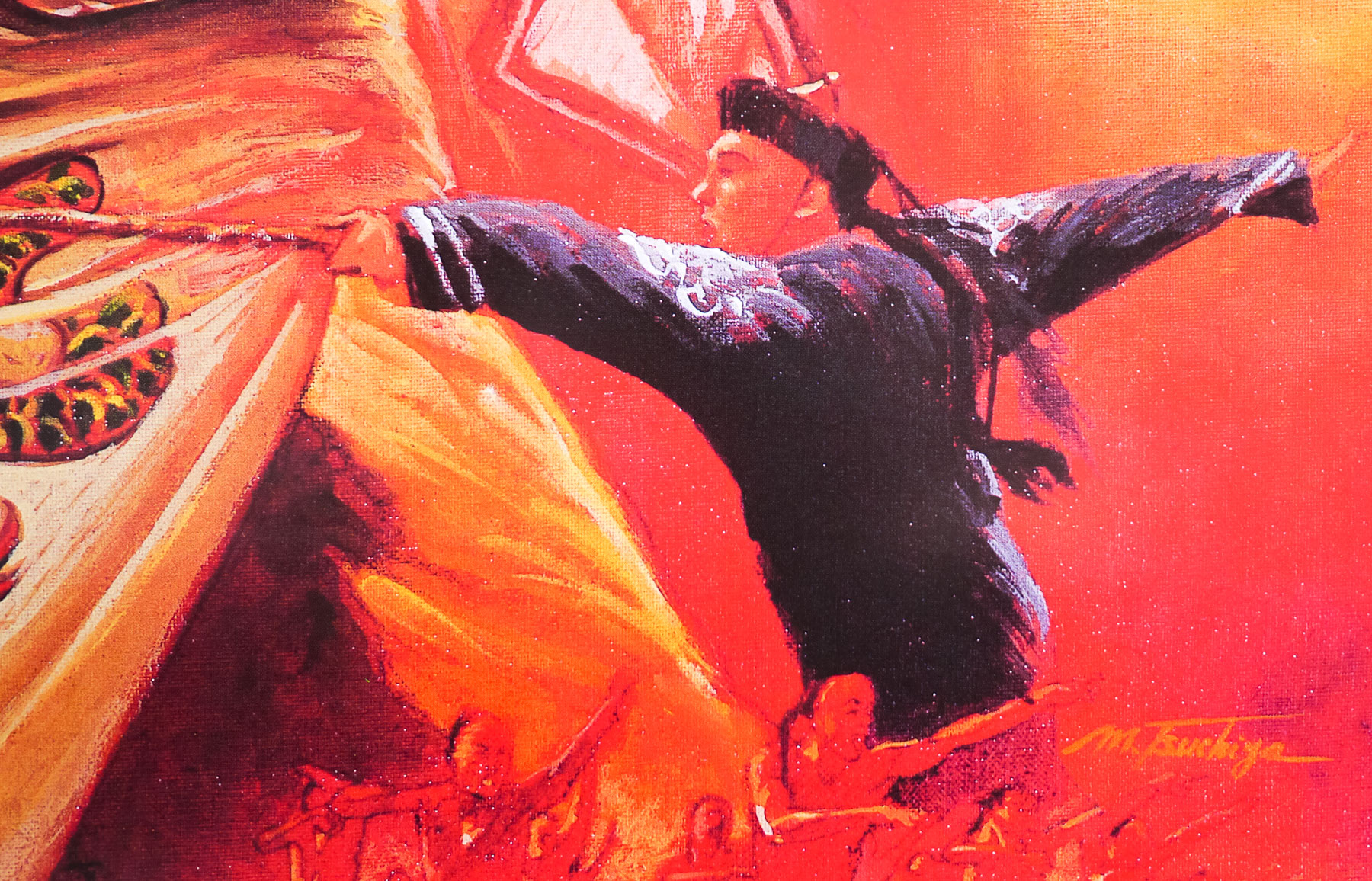
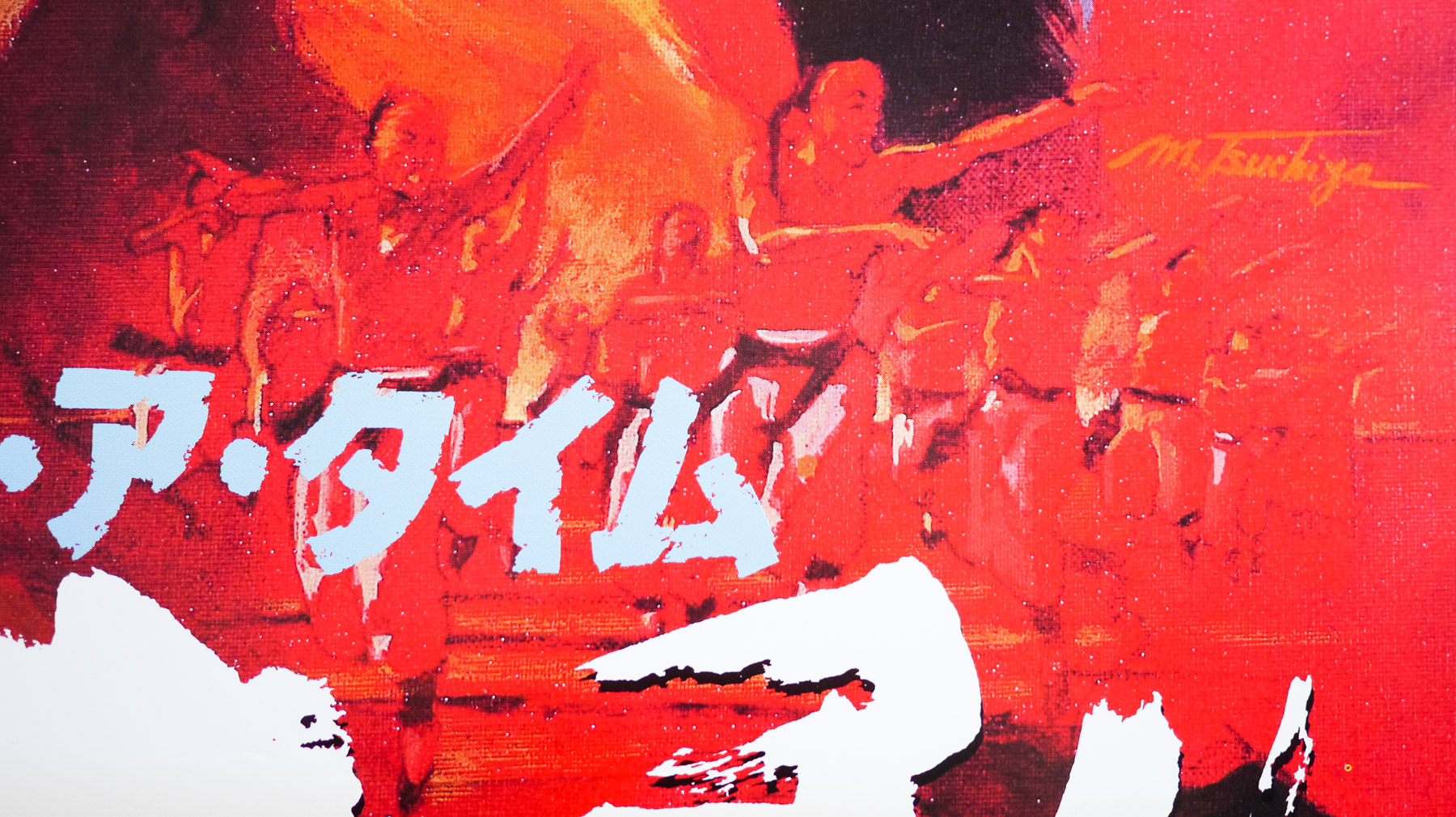
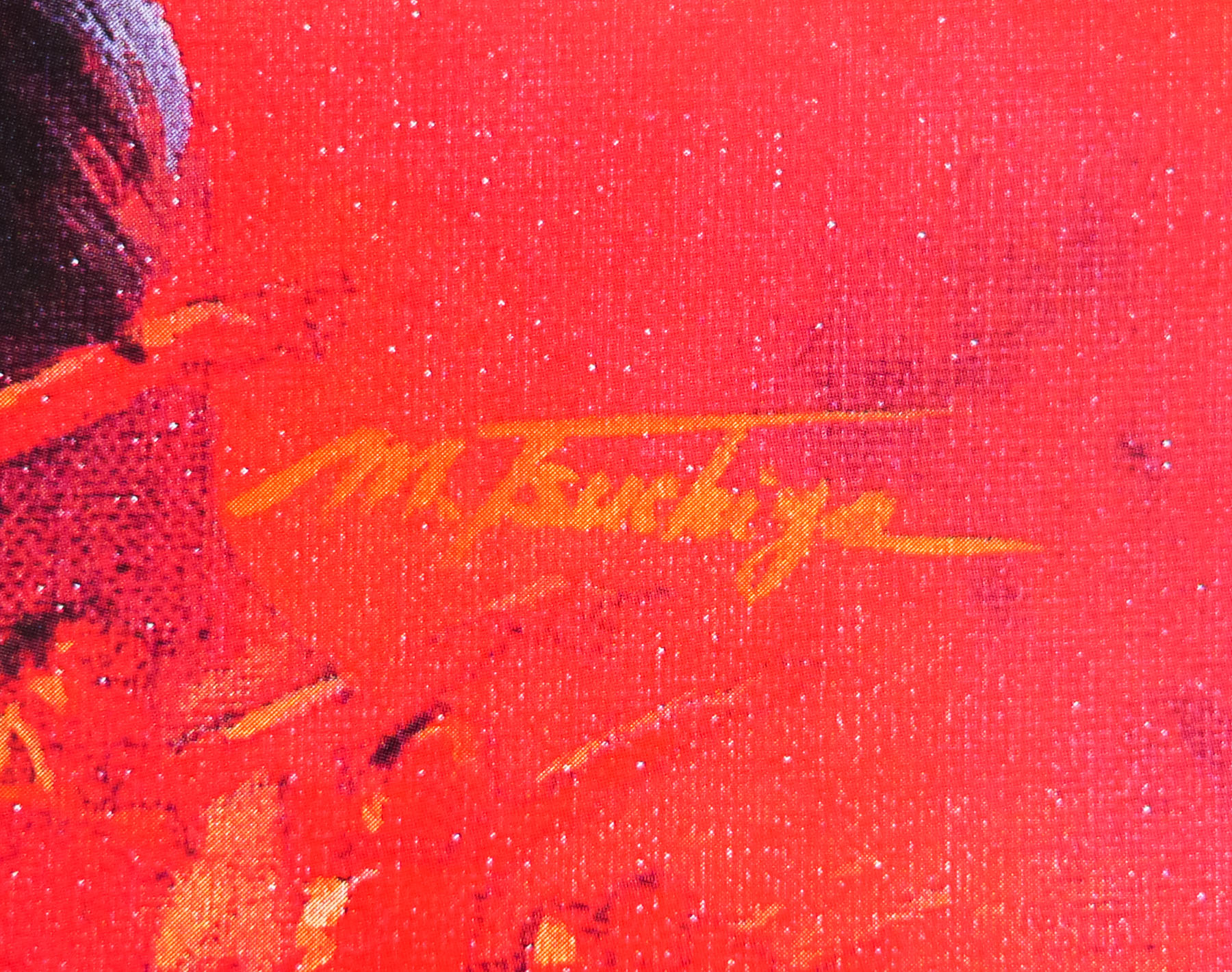
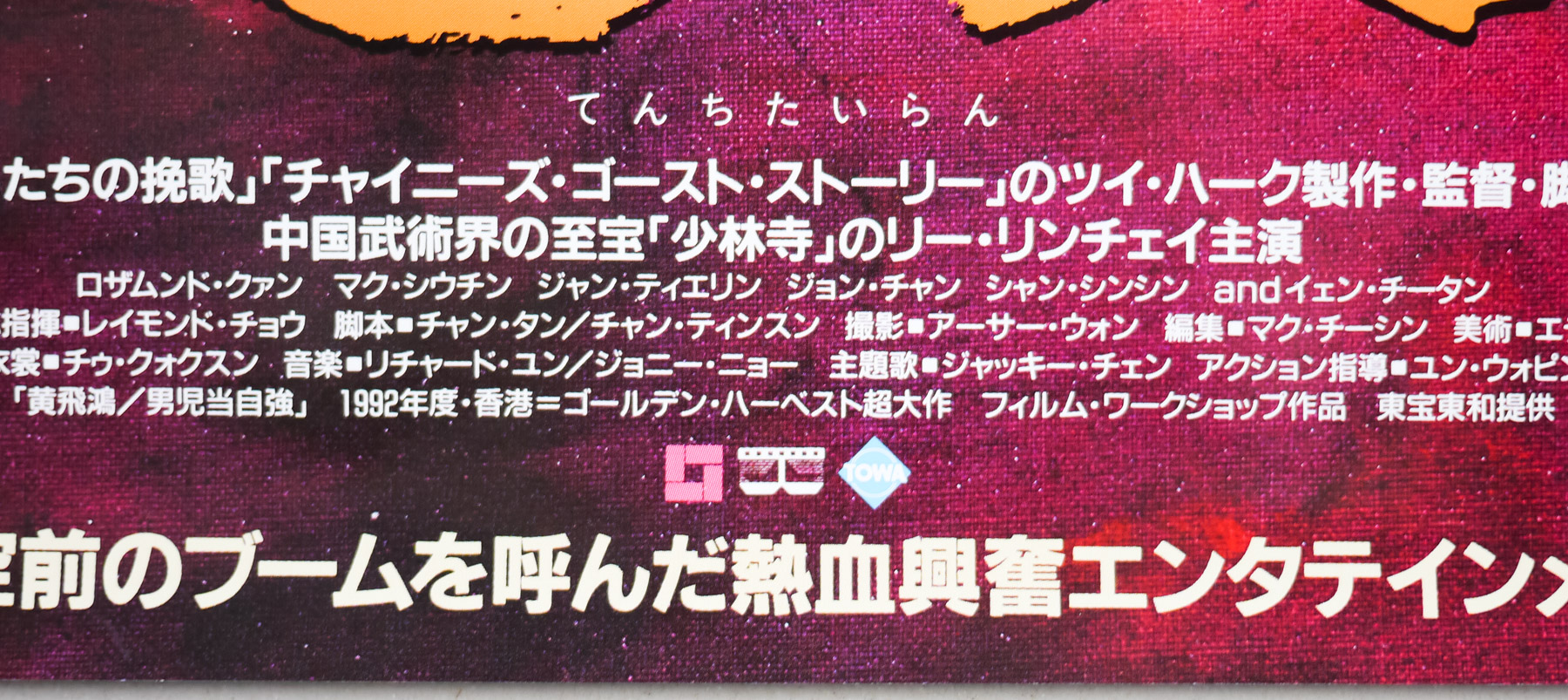
Great artwork by a Japanese artist who has signed the work ‘M. Tsuchiya’ features on this B2 for the release of the 1992 action-adventure sequel, Once Upon a Time in China II. Celebrated producer and director Tsui Hark (who also co-wrote the screenplay) would end up helming all 6 films in the OUATIC franchise that ended in 1997 with ‘Once Upon a Time in China and America’. The legendary martial artist Jet Li appeared once more as the Chinese folk hero Wong Fei-hung and Donnie Yen, another celebrated action star, plays one of the main bad guys in the film.

Set during the Qing dynasty at the end of the 19th century, the film sees Wong Fei-hung traveling to Guangzhou with his love interest ’13th Aunt’ (Rosamund Kwan) and apprentice Leung Foon (Siu Chung Mok) to attend a medical seminar. Whilst there he gets caught up in the troubles wrought by the White Lotus Sect an extremely xenophobic group who are against any form of Westernisation or influence in China and have been attacking foreigners and anyone allied to them.

After protecting 13th Aunt from kidnap, Wong then deals with an attack on the seminar, followed by one on a group of school children. Eventually he joins forces with a revolutionary group planning to overthrow the Qing dynasty, who count Westernised doctor Sun Yat-Sen (Tielin Zhang) amongst their number, and attack the White Lotus Sect’s base. Psychotic leader Gao Kung (Xin Xin Xiong) isn’t about to go down without a fight and this is before Wong and the others must confront Yen’s military Commander Nap-lan who is out to crush the revolution.

I’ve struggled to find anything of note about ‘M. Tsuchiya’ so if anyone knows anything about the artist please get in touch and I’ll add the details here.

I Am Curious (Yellow) / B2 / black title style / Japan

21.01.16

Poster Poster
Title
I Am Curious (Yellow)
AKA
Jag är nyfiken - en film i gult (Sweden - original title)
Year of Film
1967
Director
Vilgot Sjöman
Starring
Lena Nyman, Vilgot Sjöman, Börje Ahlstedt, Peter Lindgren, Chris Wahlström, Marie Göranzon, Magnus Nilsson, Ulla Lyttkens
Origin of Film
Sweden
Genre(s) of Film
Lena Nyman, Vilgot Sjöman, Börje Ahlstedt, Peter Lindgren, Chris Wahlström, Marie Göranzon, Magnus Nilsson, Ulla Lyttkens,
Type of Poster
B2
Style of Poster
Black title style
Origin of Poster
Japan
Year of Poster
1971
Designer
Unknown
Artist
--
Size (inches)
20 3/16" x 28 11/16"
SS or DS
SS
Tagline
--

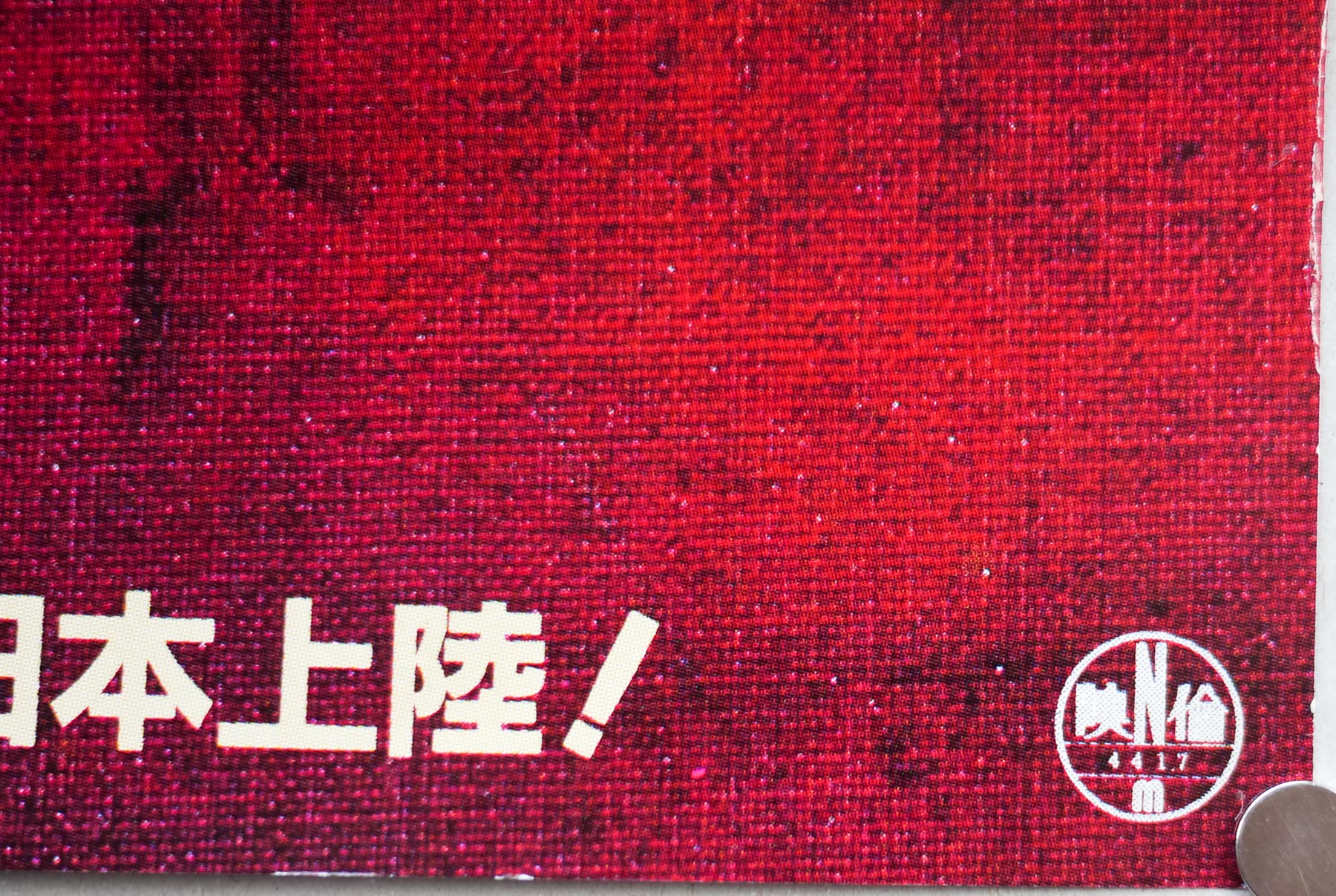
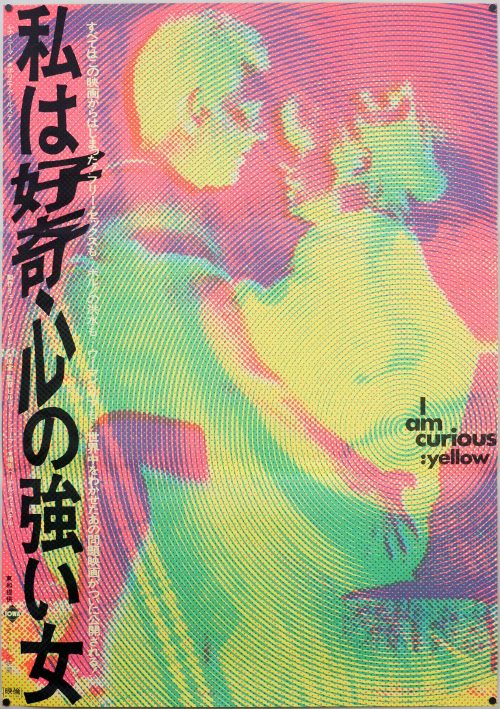
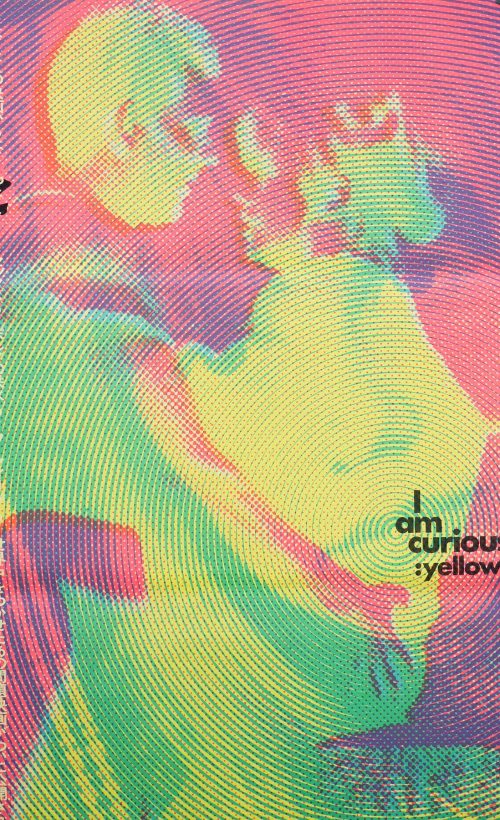
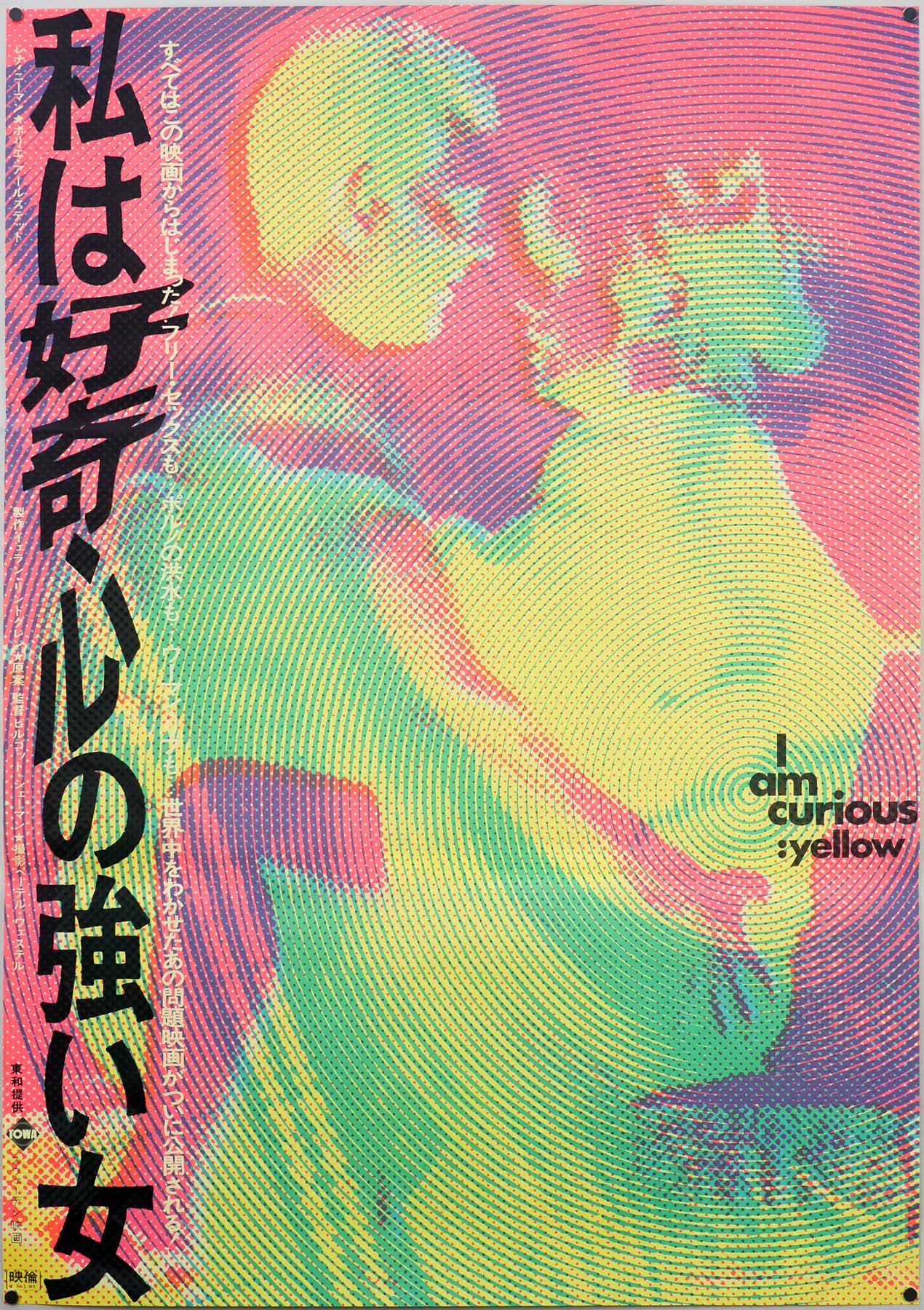
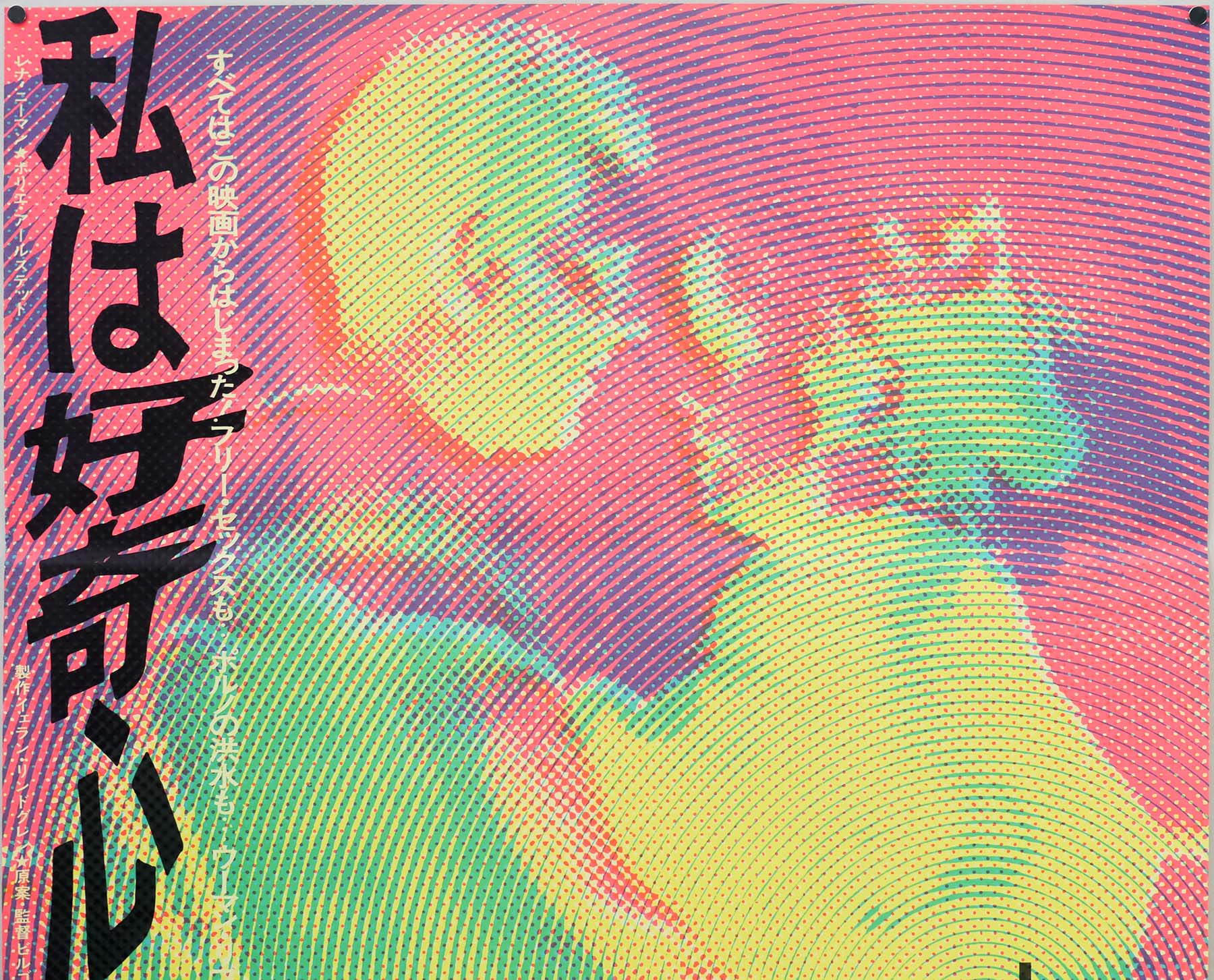
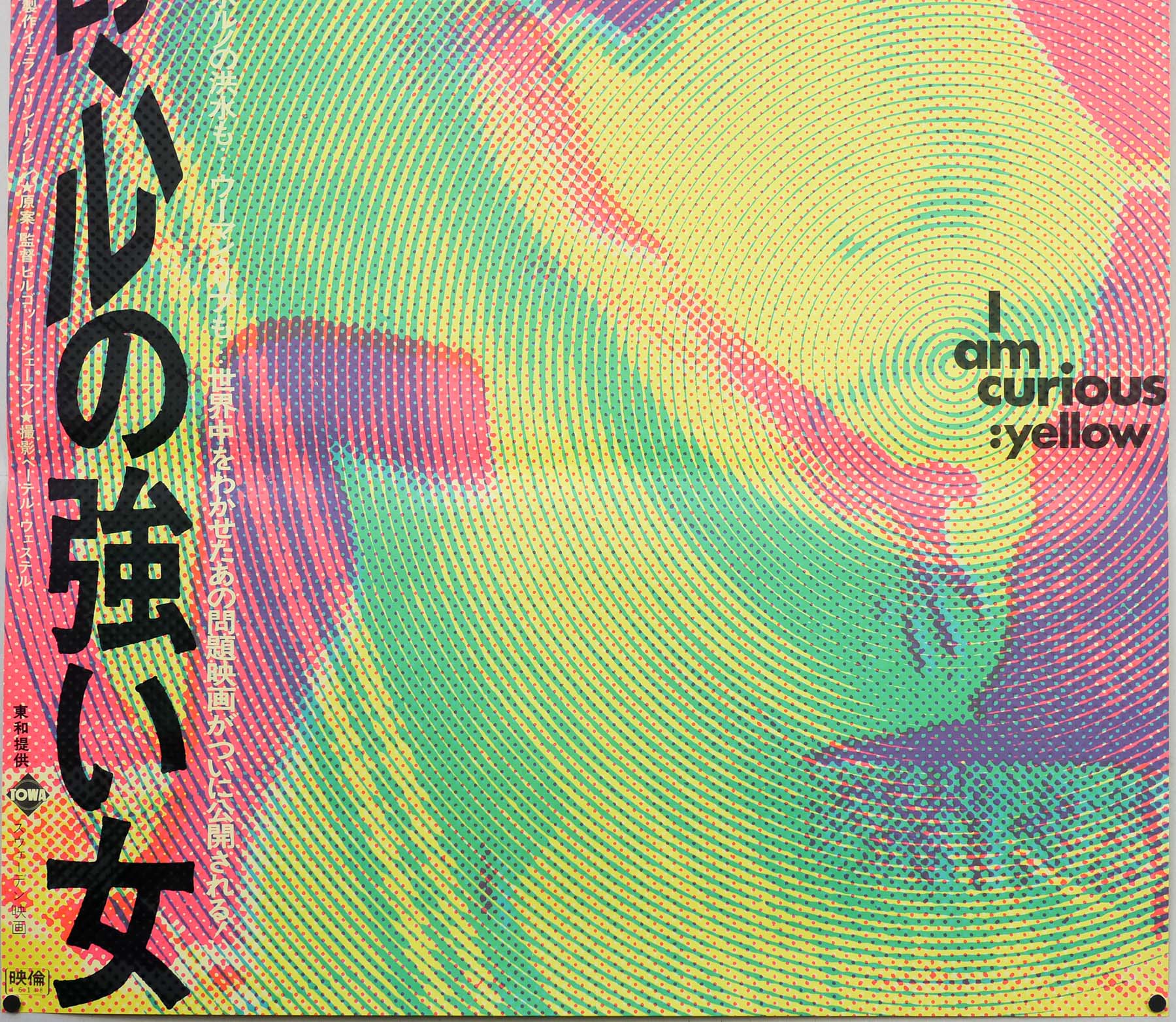
This is one of two Japanese B2 posters printed for the release (in 1971) of the landmark Swedish drama I Am Curious (Yellow) from the controversial director Vilgot Sjöman. Yellow is a companion film to I Am Curious (Blue) and the pair were originally meant to have been released as one 3.5 hour film. The colours in the titles refer to the Swedish flag. They were part of a series of left wing films that were made after the founding of the Swedish Film Institute in the early 1960s and the attempt, by prominent Swedish cultural figure Harry Schein, to start Sweden’s own flavour of New Wave cinema. 

Filmed in a pseudo-documentary, cinéma vérité style, the film sees Sjöman playing a version of himself, a director who decides to make a film starring his 22-year-old lover Lena Nyman (also playing herself) who is a theatre student interested in social issues. The film within the film is called ‘Lena on the Road’ and sees her leaving the flat she shares with her father and, when not getting involved in socio-political activism with a group of friends, she is shown traveling around Stockholm interviewing people she meets about issues including social classes and gender equality.

Later she meets another man called Börje who she begins a love-affair with but this becomes fraught when she discovers he has hidden the fact that he has another lover and a daughter. After traveling to a country retreat Lena begins meditating, practicing yoga and studying about non-violence, but her lover catches up with her and the pair continue their stormy relationship. Soon after the film within a film begins to break down as the ‘actors’ form a ‘real’ relationship that causes the ‘director’ to get jealous and wrap up shooting.

The film is most notable for its then ground-breaking use of full-frontal shots and scenes of (simulated) sexual intercourse that until then had been confined to sex films and not used in a dramatic context. The film was released in a cut form both in the US, UK and elsewhere but it was in the US that it attracted the most controversy with some states even going so far as banning the film outright on grounds of obscenity (Massachusetts in 1969, later overturned). As is the case with any censorship case brought against a film featuring sex and nudity, the box-office takings were helped greatly as punters flocked to see what the fuss was about. The film was the highest-grossing foreign film in the US for many years afterwards. This article on Vulture.com goes into more detail about the original release.

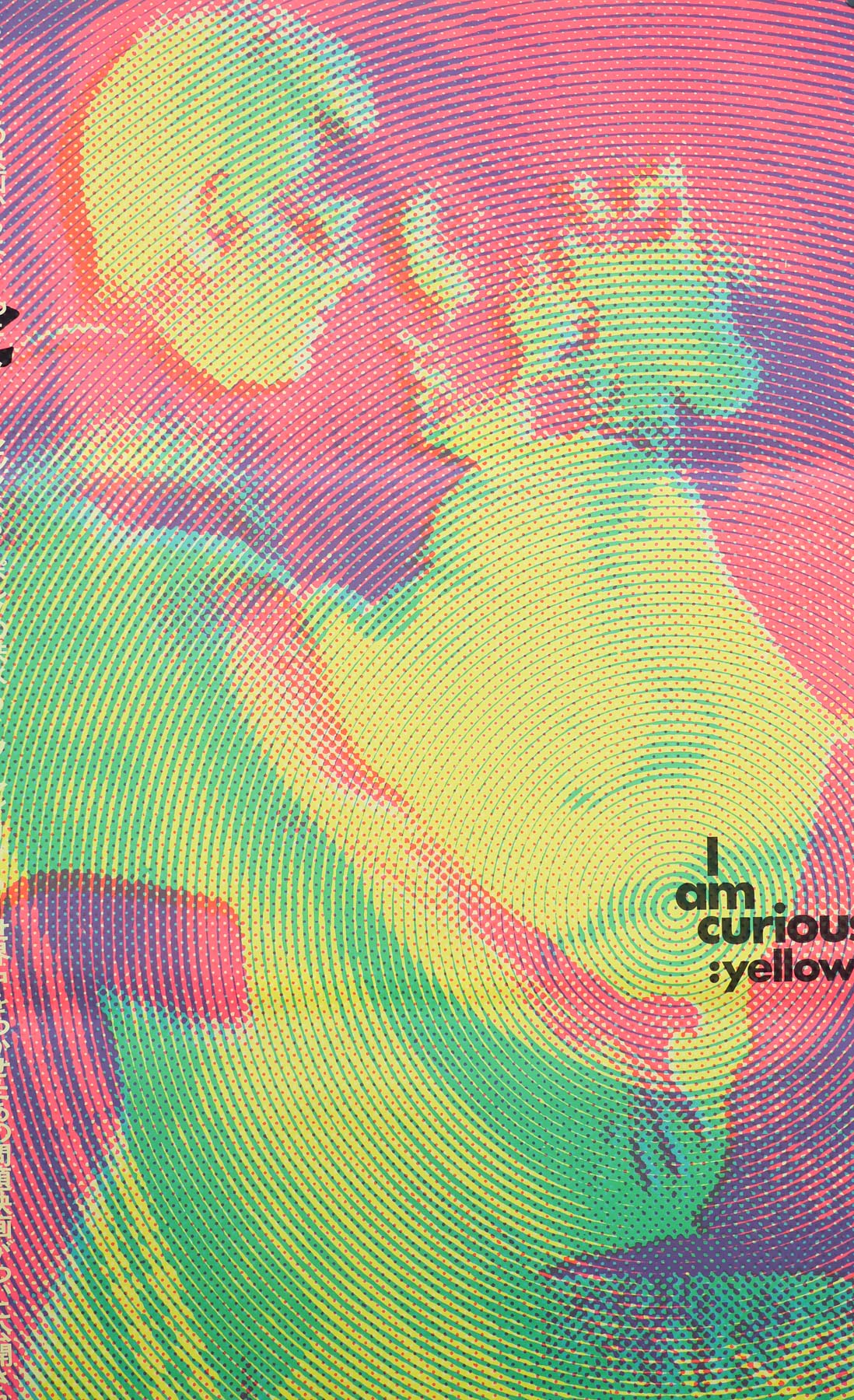
The other style of Japanese poster features a similarly colourful image but has white text down the side instead of black.

The Fuller Report / B2 / Japan

21.03.16

Poster Poster
Title
The Fuller Report
AKA
Rapporto Fuller, base Stoccolma (Italy - original title)
Year of Film
1968
Director
Sergio Grieco
Starring
Ken Clark, Beba Loncar, Lincoln Tate, Jess Hahn, Paolo Gozlino, Serge Marquand, Sarah Ross, Mirko Ellis, Claudio Biava, Gianni Brezza, Nicole Tessier
Origin of Film
Italy | France
Genre(s) of Film
Ken Clark, Beba Loncar, Lincoln Tate, Jess Hahn, Paolo Gozlino, Serge Marquand, Sarah Ross, Mirko Ellis, Claudio Biava, Gianni Brezza, Nicole Tessier,
Type of Poster
B2
Style of Poster
--
Origin of Poster
Japan
Year of Poster
1970
Designer
Unknown
Artist
--
Size (inches)
20 4/16" x 28 13/16"
SS or DS
SS
Tagline
--

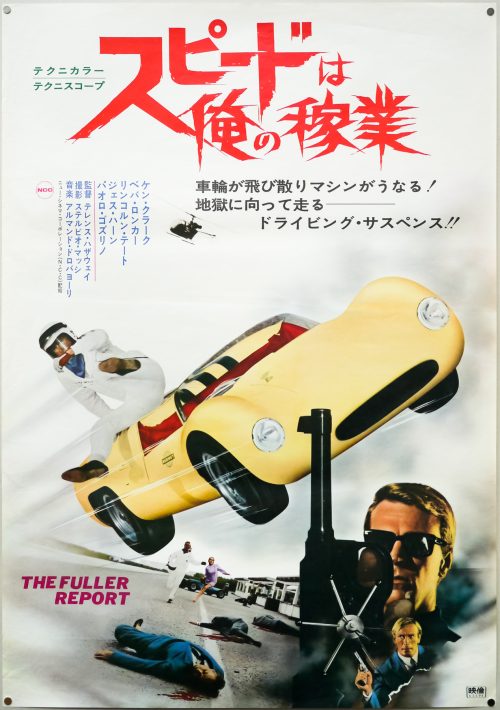
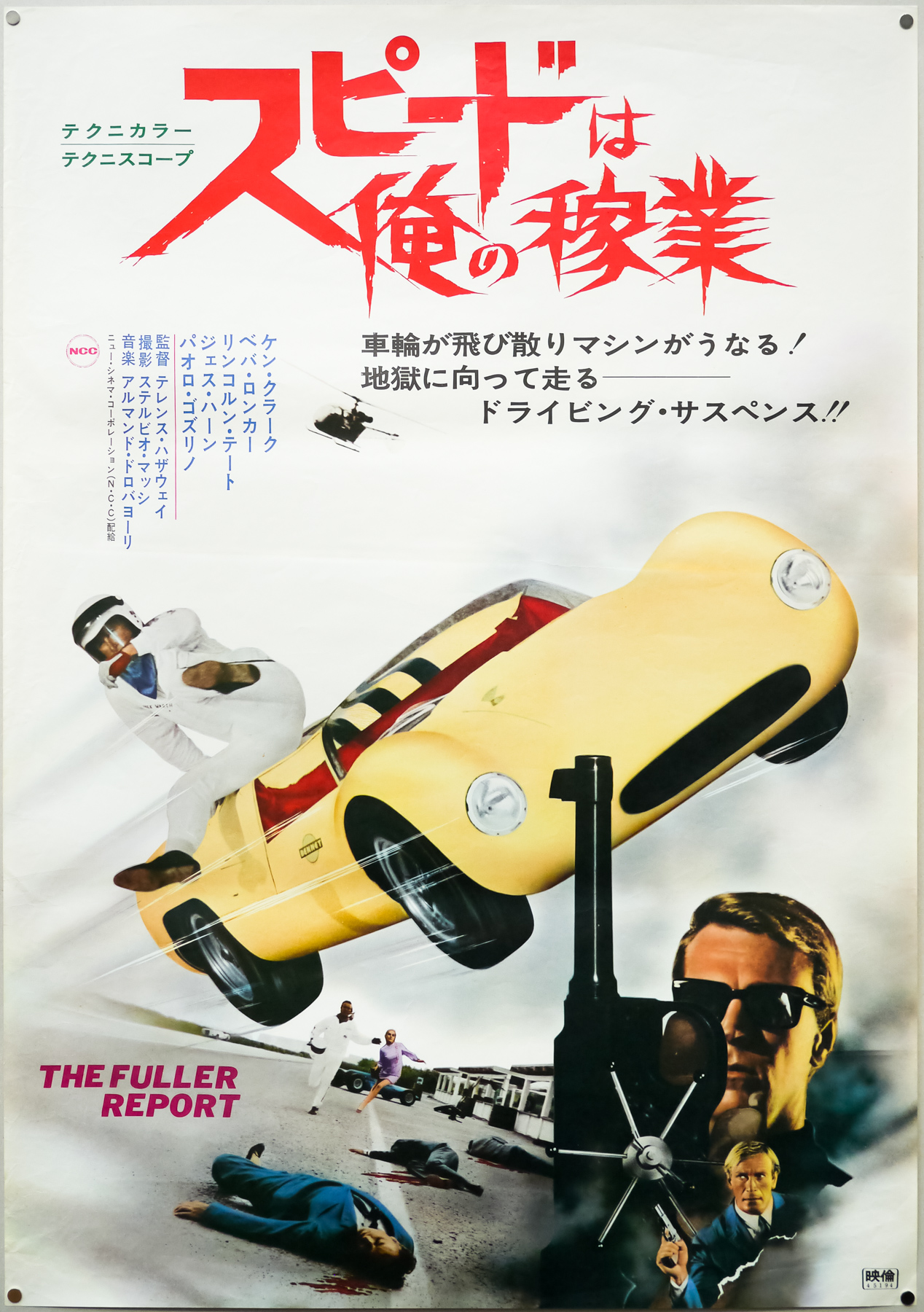
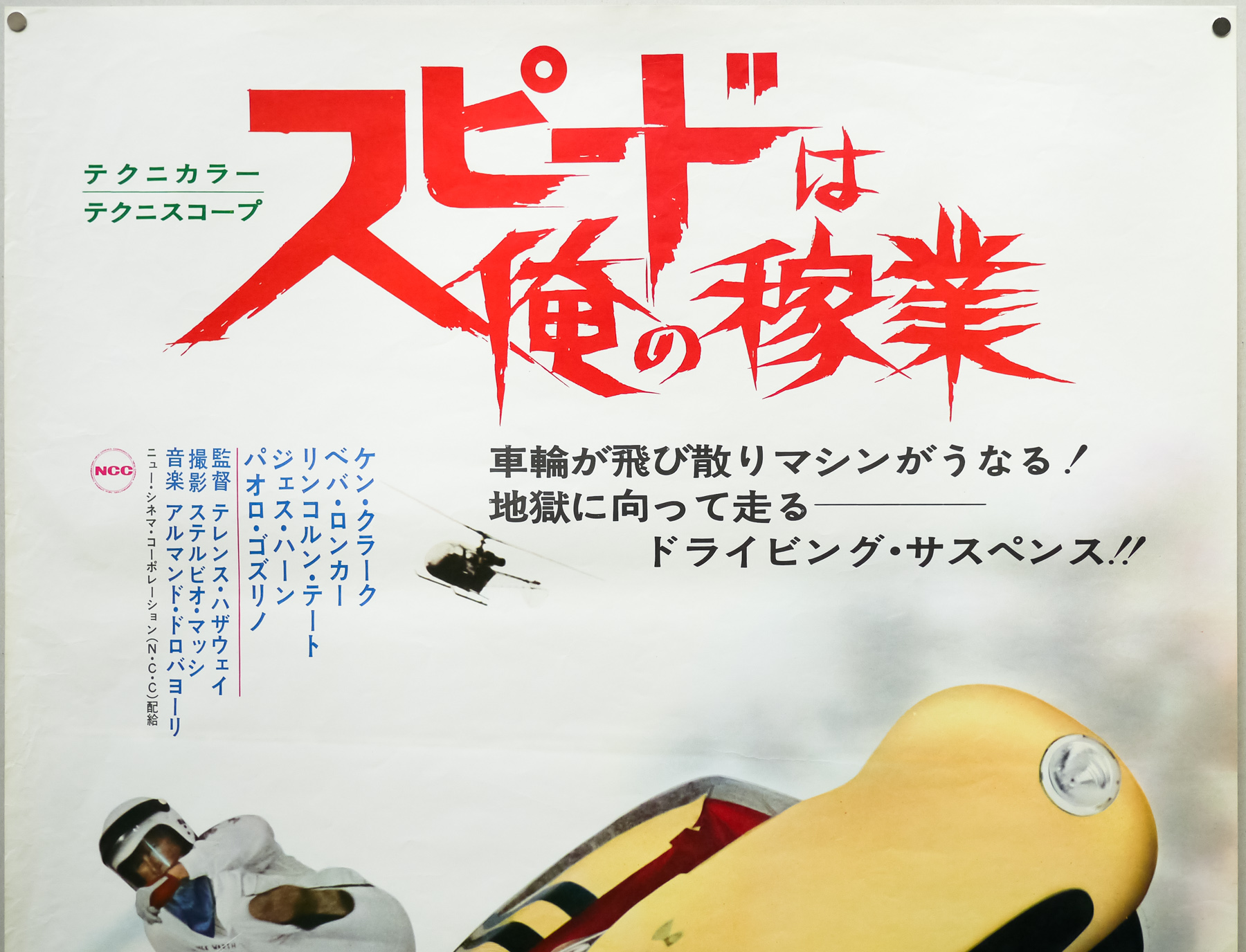
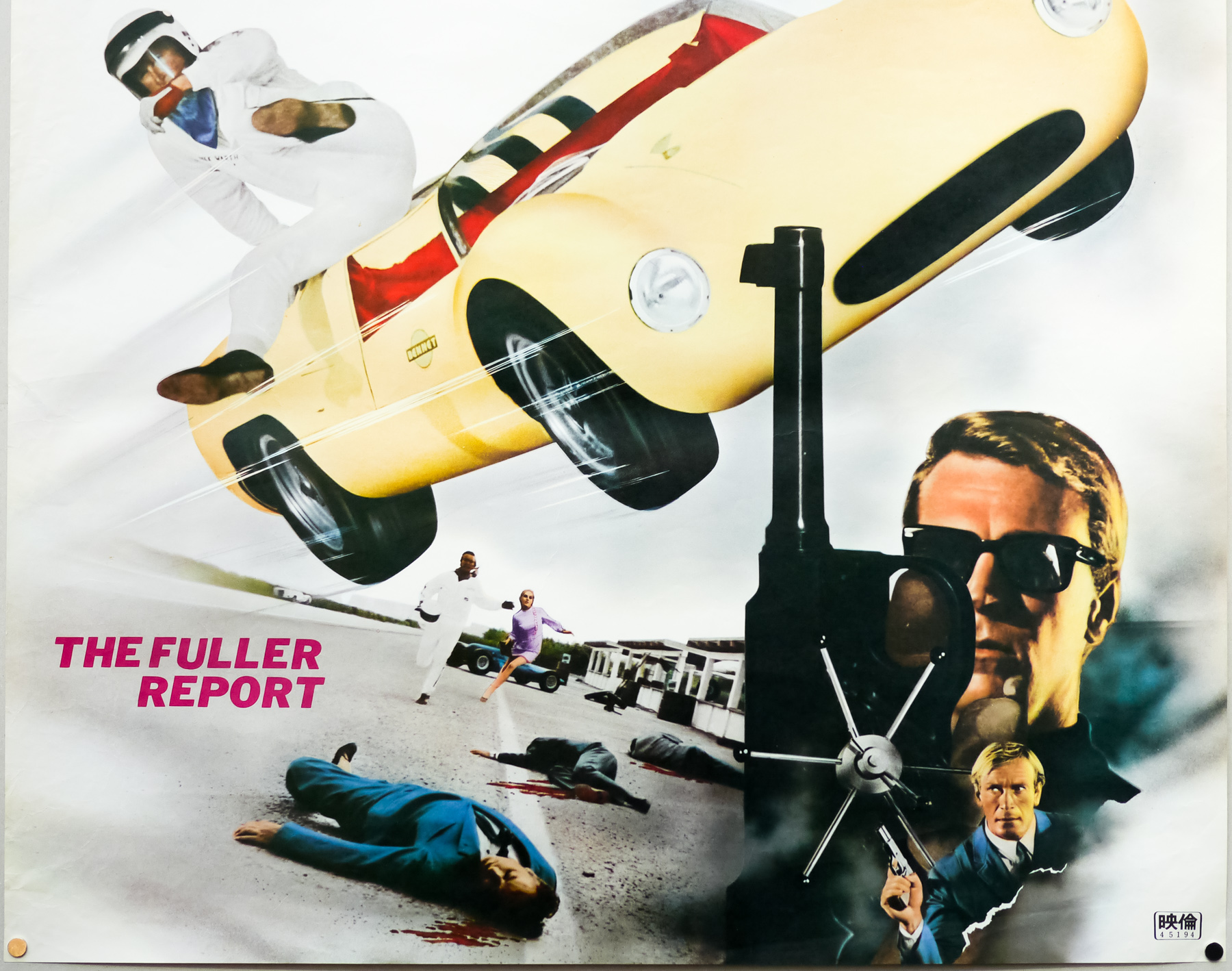
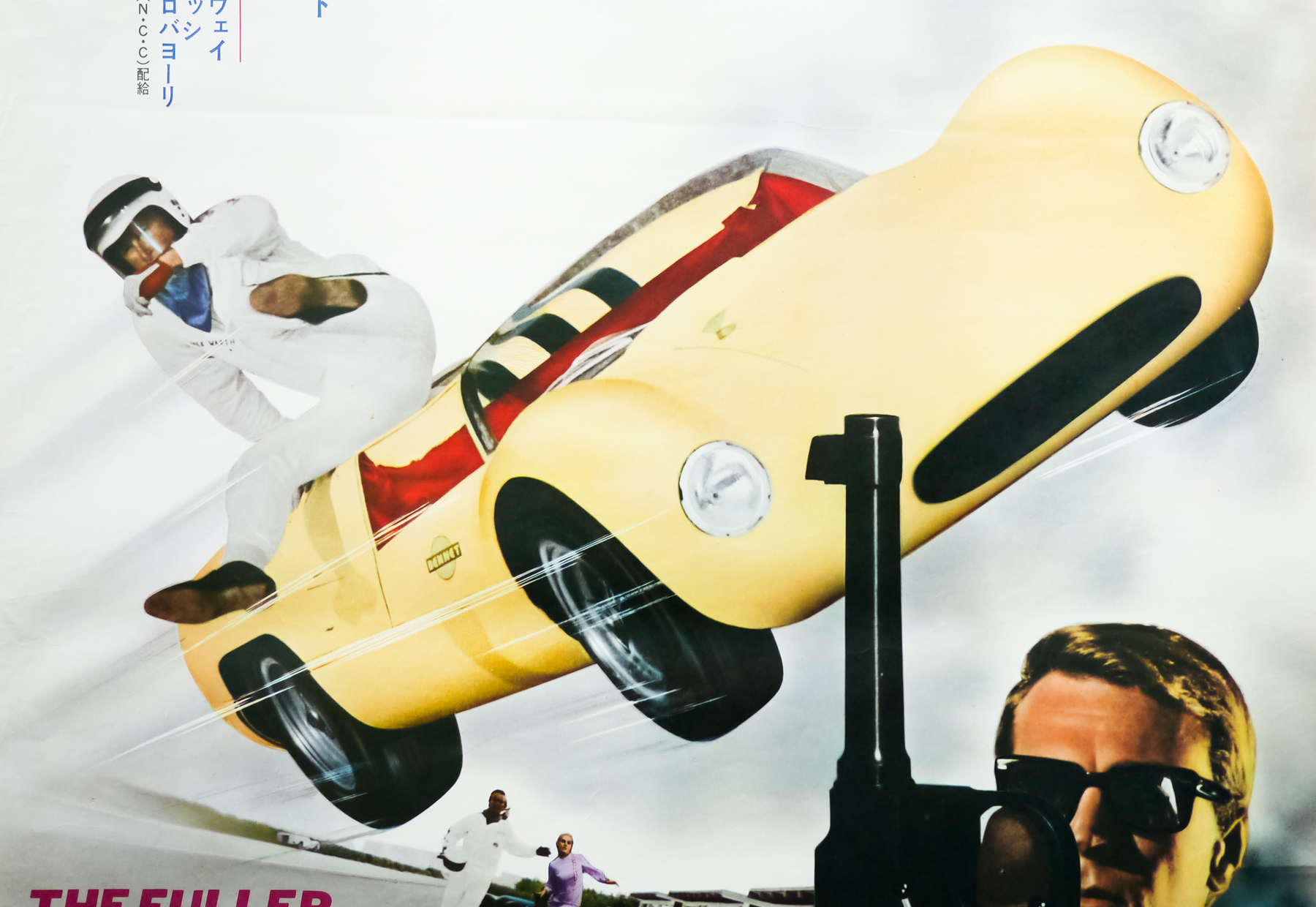
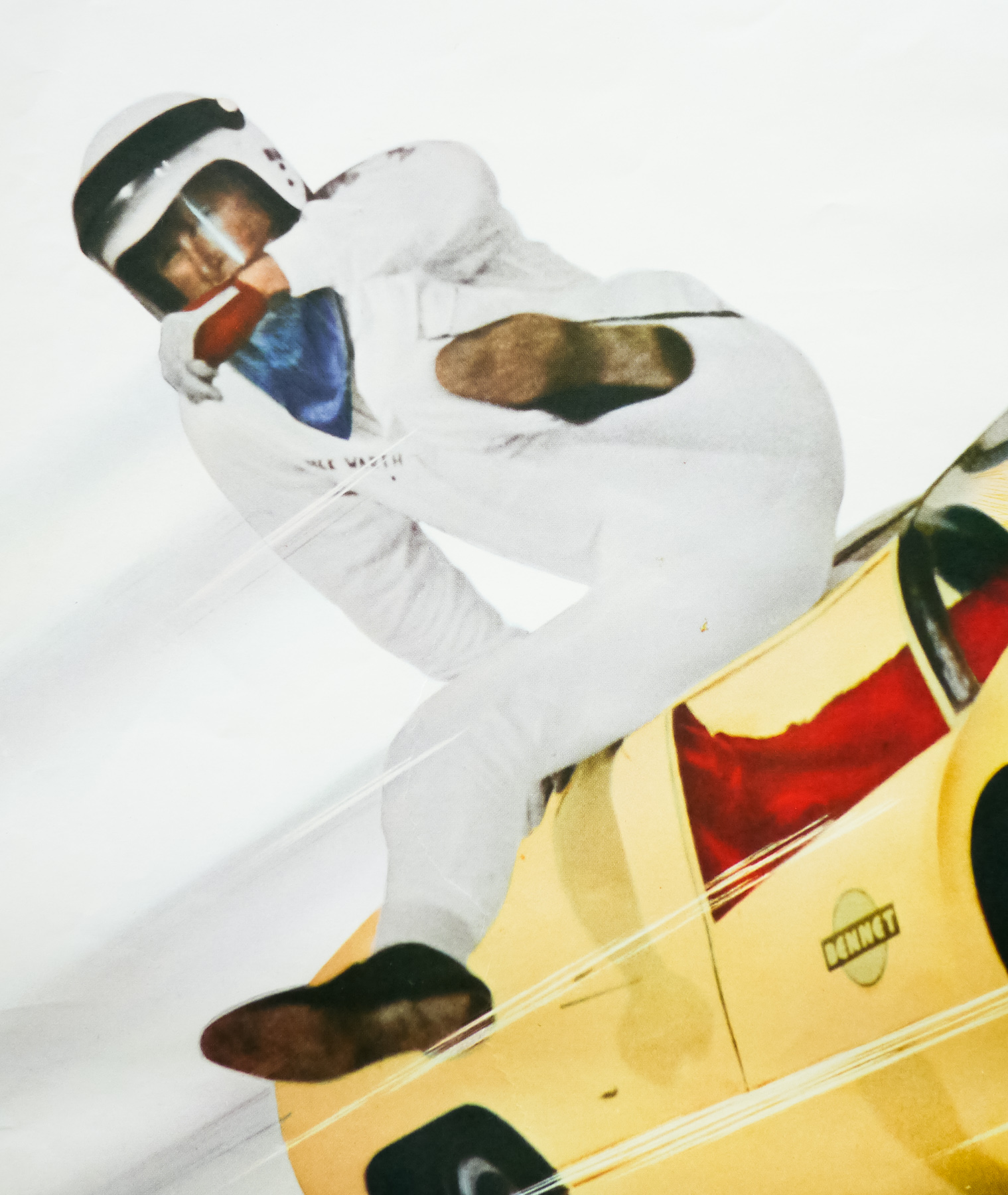
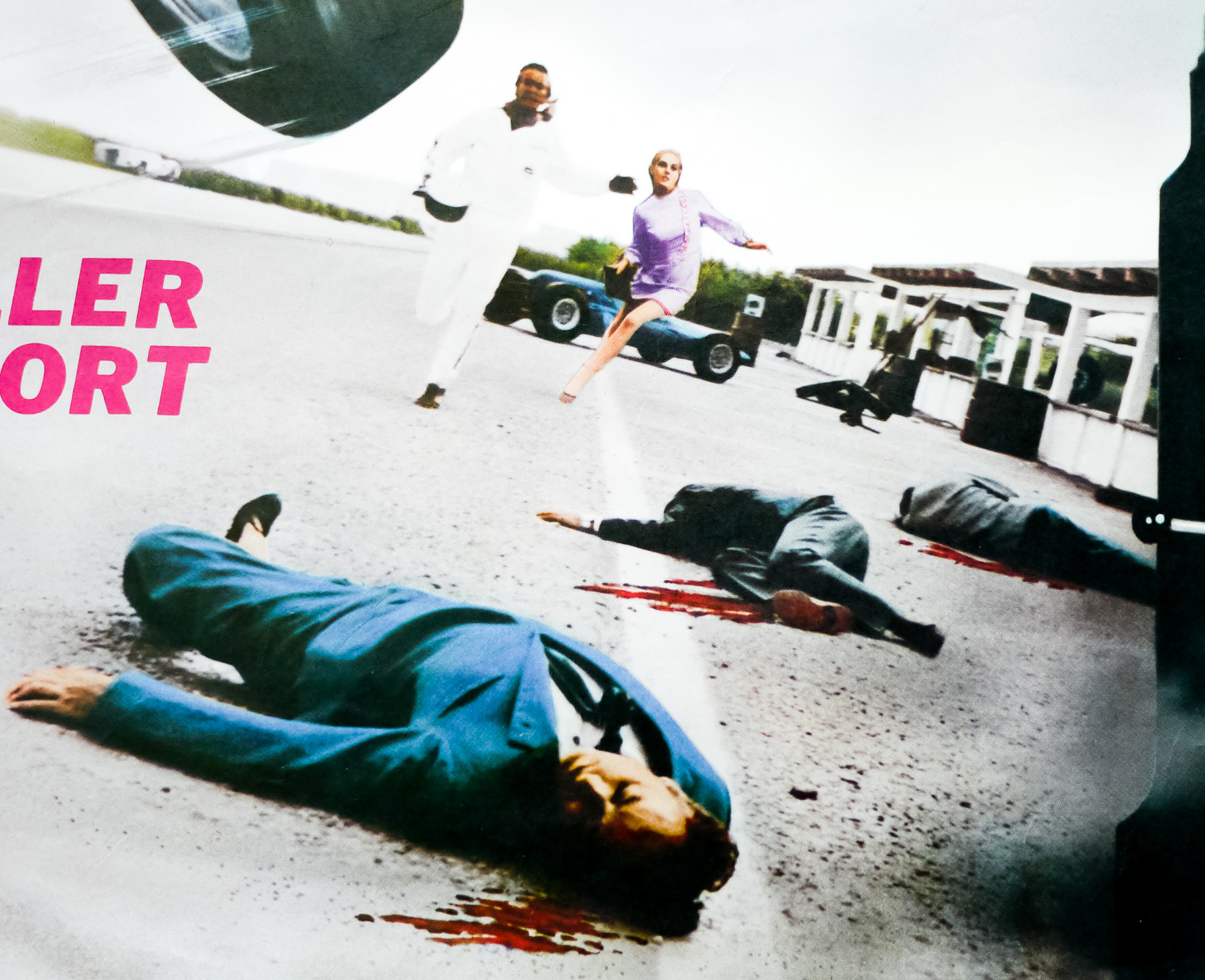
A dynamic photographic montage features on this Japanese B2 for the obscure 1968 action thriller, The Fuller Report. One of a number of films in the Eurospy genre, which were European co-productions (this is Italian and French) of espionage thrillers intended to capitalise on the huge success of the Bond films that began with Dr No in 1962. It’s estimated that there were over 50 films in the genre, with productions from all over Europe, including the UK. Some of the more famous films include those starring Dean Martin as the spy Matt Helm (four films including ‘The Silencers’) and France’s OSS 117 (8 films plus two homage spoofs in 2006 and 2009).

This film stars the American actor Ken Clark (perhaps best known as the character Stewpot in South Pacific) as Dick Worth, a skilled race driver who gets involved in an espionage plot. It’s IMDb page describes the plot thusly:

Ken Clark is a race car driver and a good one. Somehow, he becomes entangled in espionage involving a Russian Ballerina and a secret document called the Fuller Report. Not being any kind of a secret agent, Dick Worth [Clark] has to rely on his quick thinking, catlike reflexes and most of all, his luck to see him through. After all, the powers involved play only one way … for keeps!

The film takes in Stockholm, Zurich and London. Given the paucity of reviews on IMDb it appears to have disappeared from public availability and there are no obvious DVD or blu-ray releases of the film. However, it does seem to be available to stream on the American Amazon Instant service, should you want to see it.

Force 10 from Navarone / B2 / Japan

04.04.16

Poster Poster

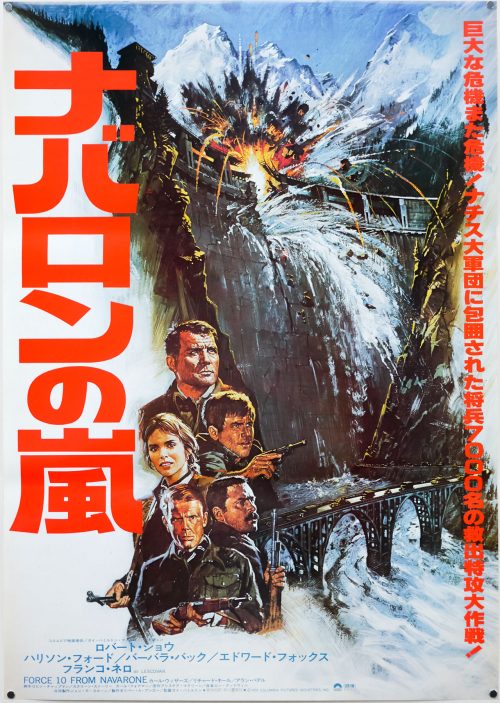
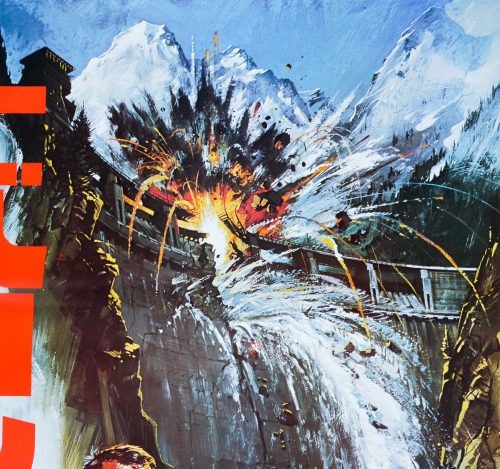
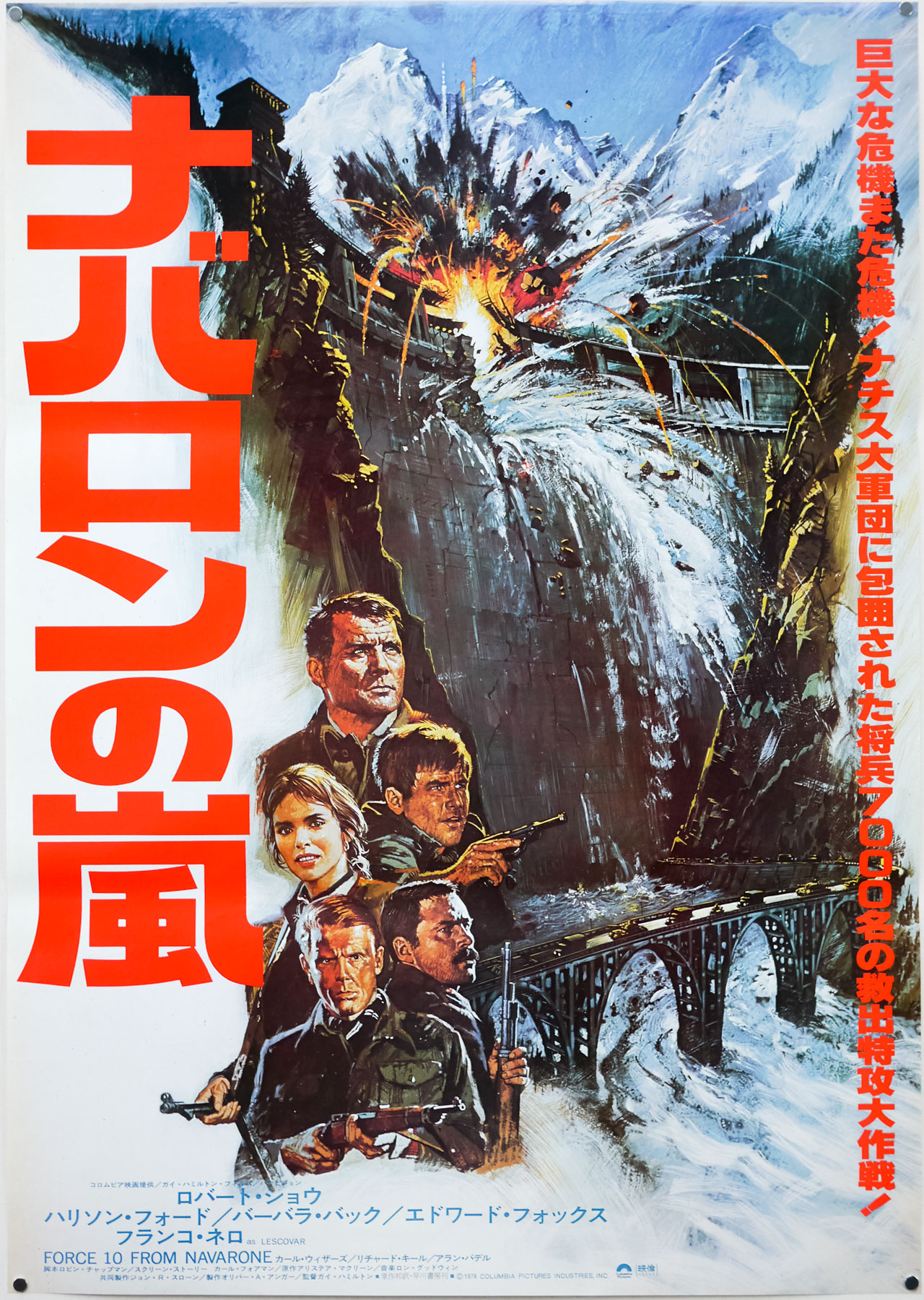
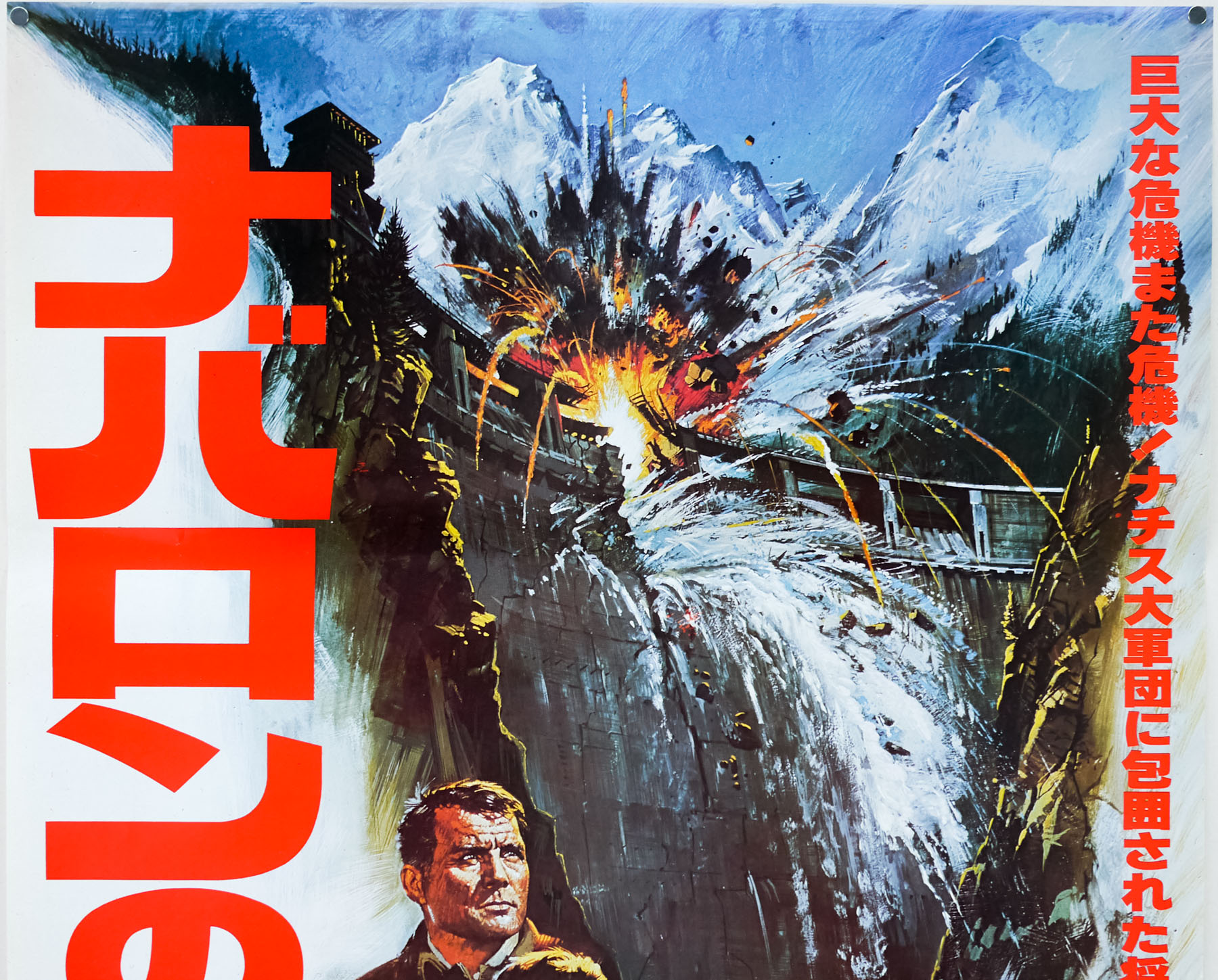
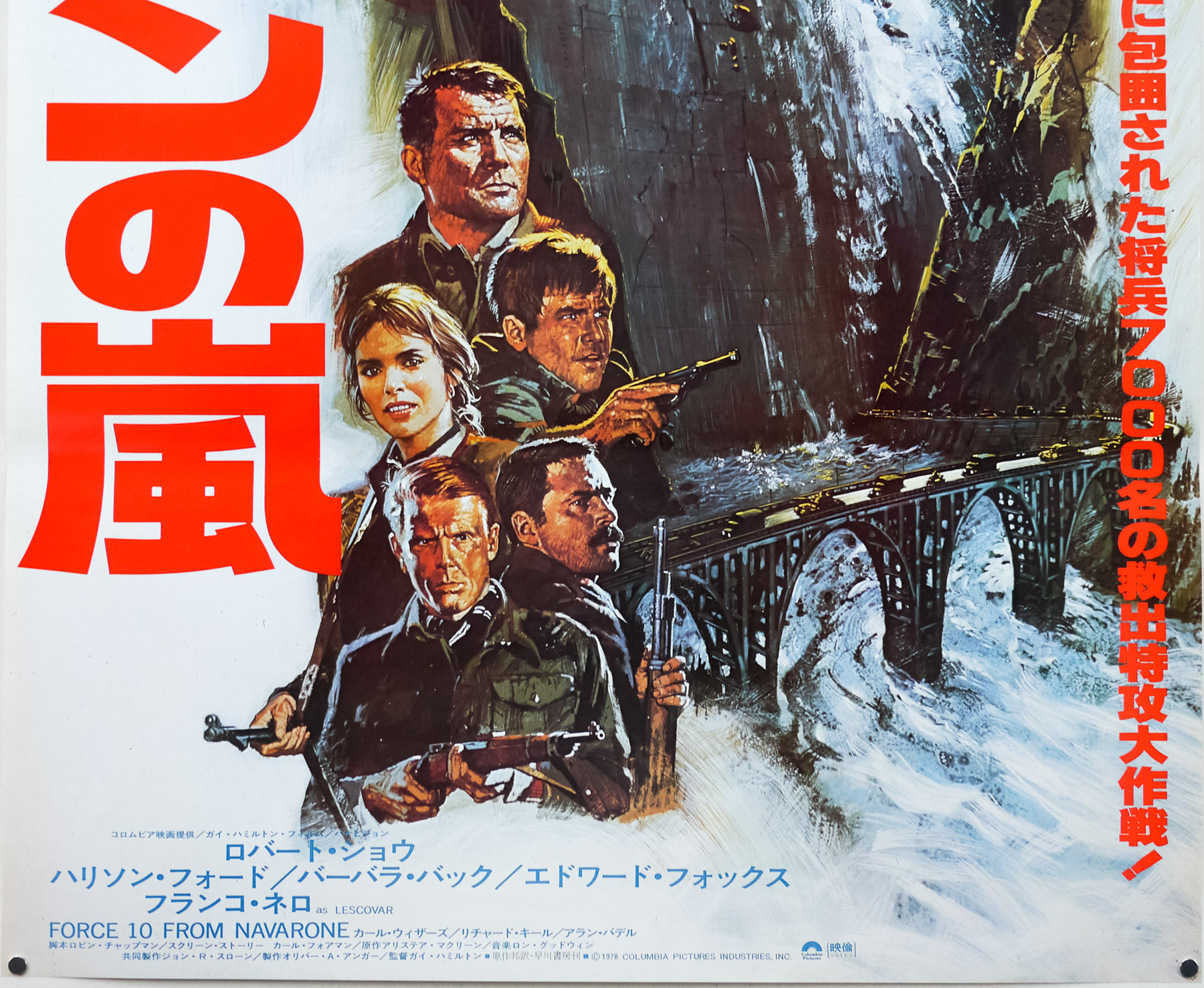
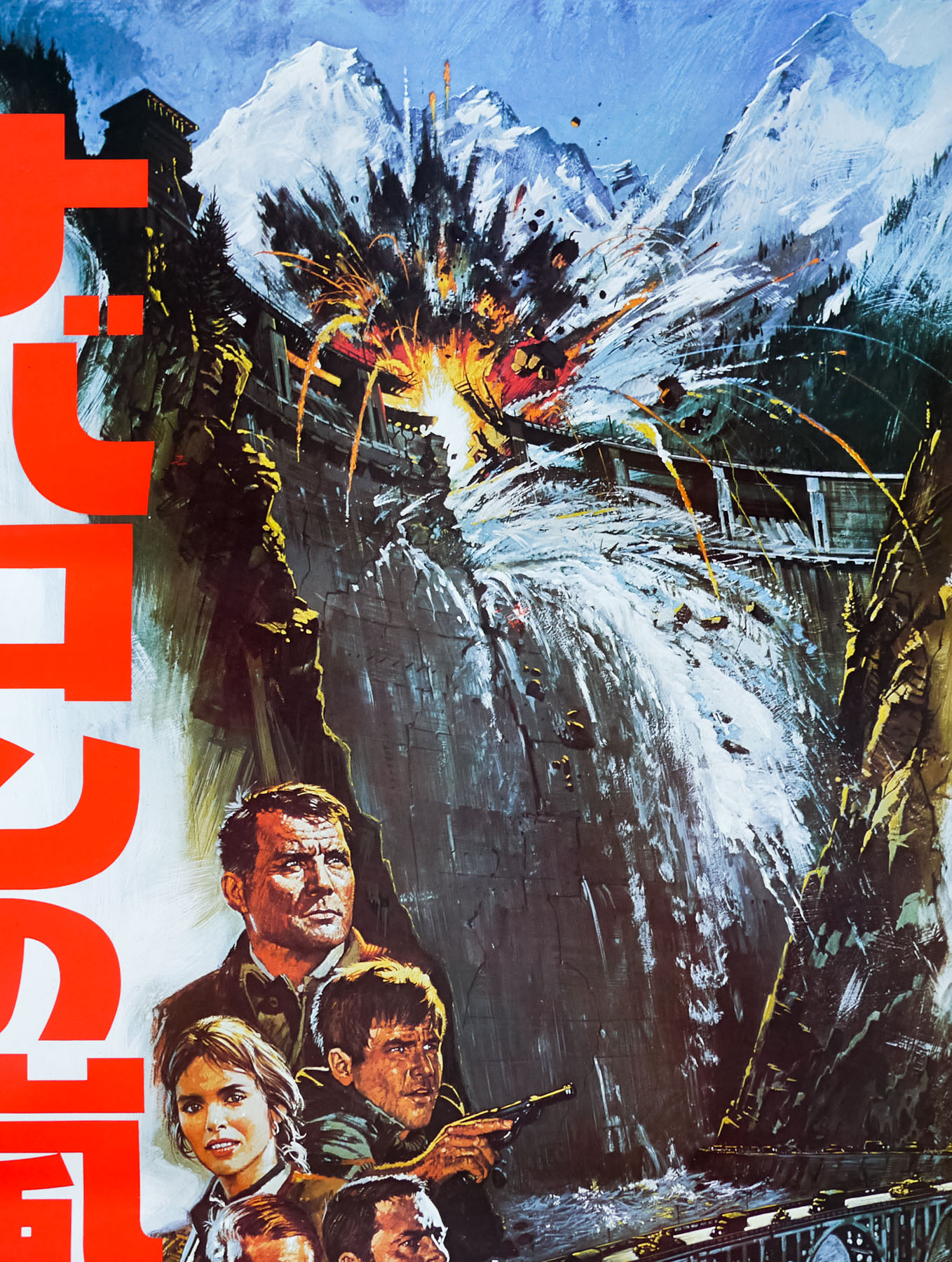
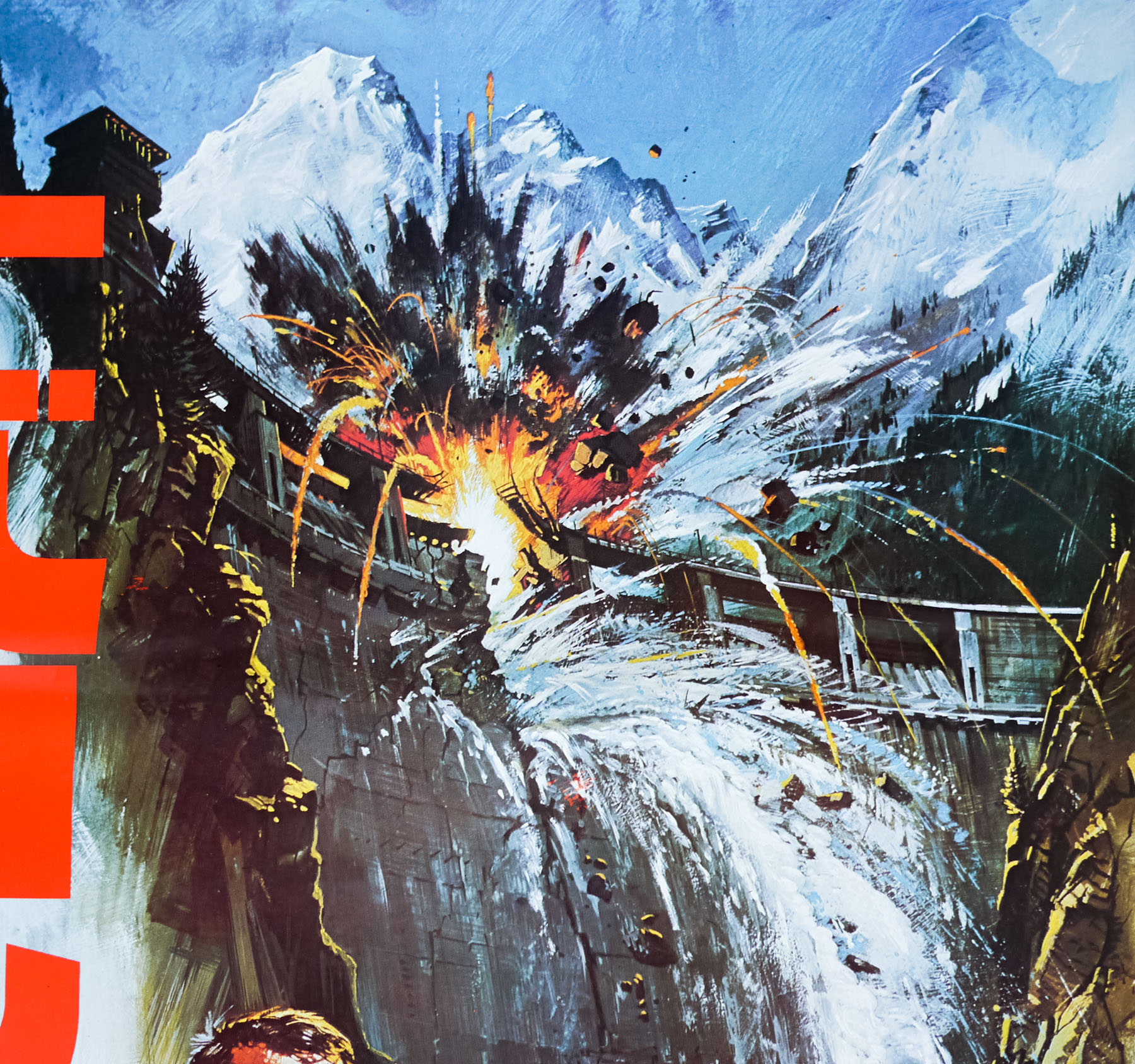
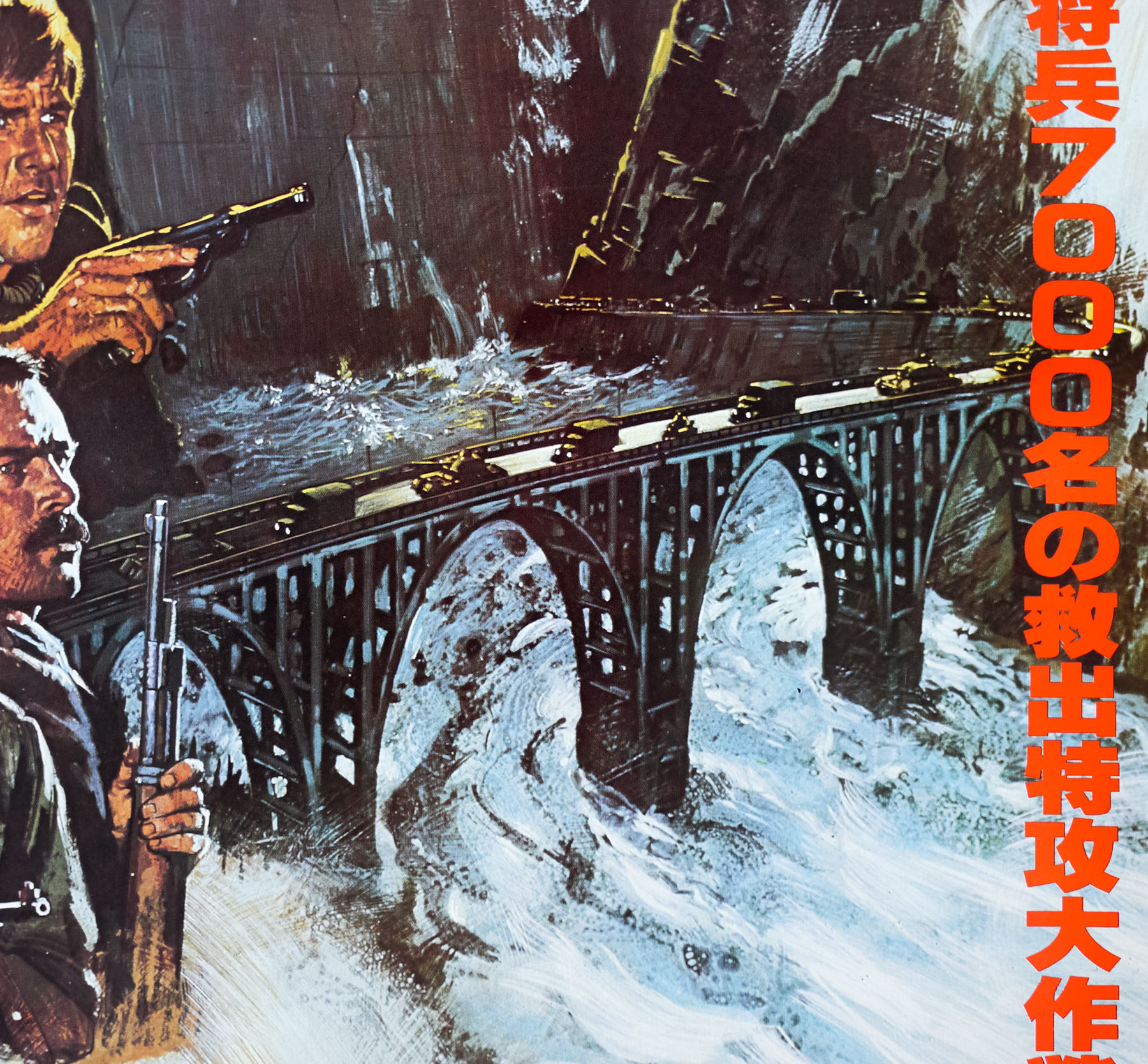
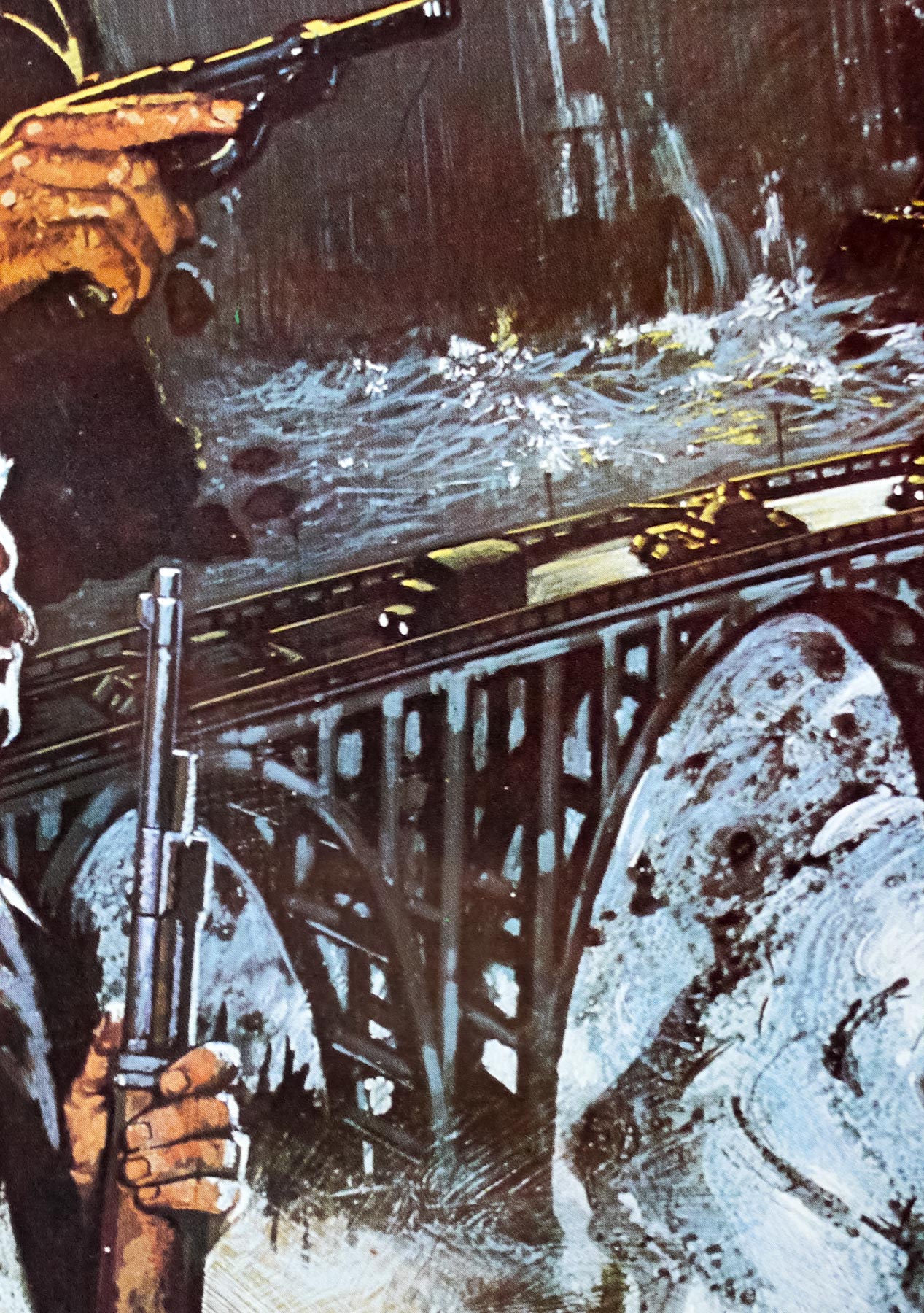
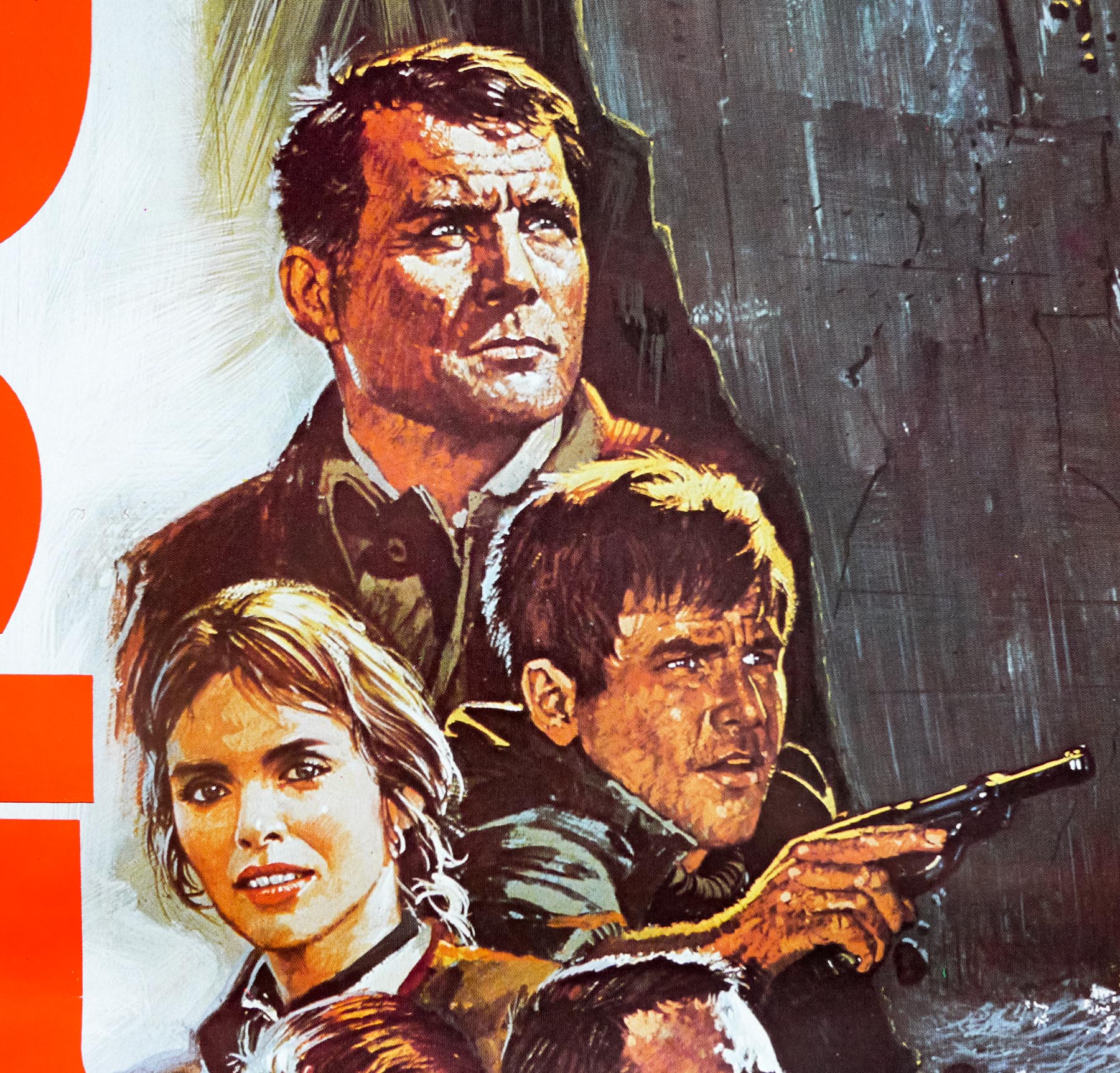
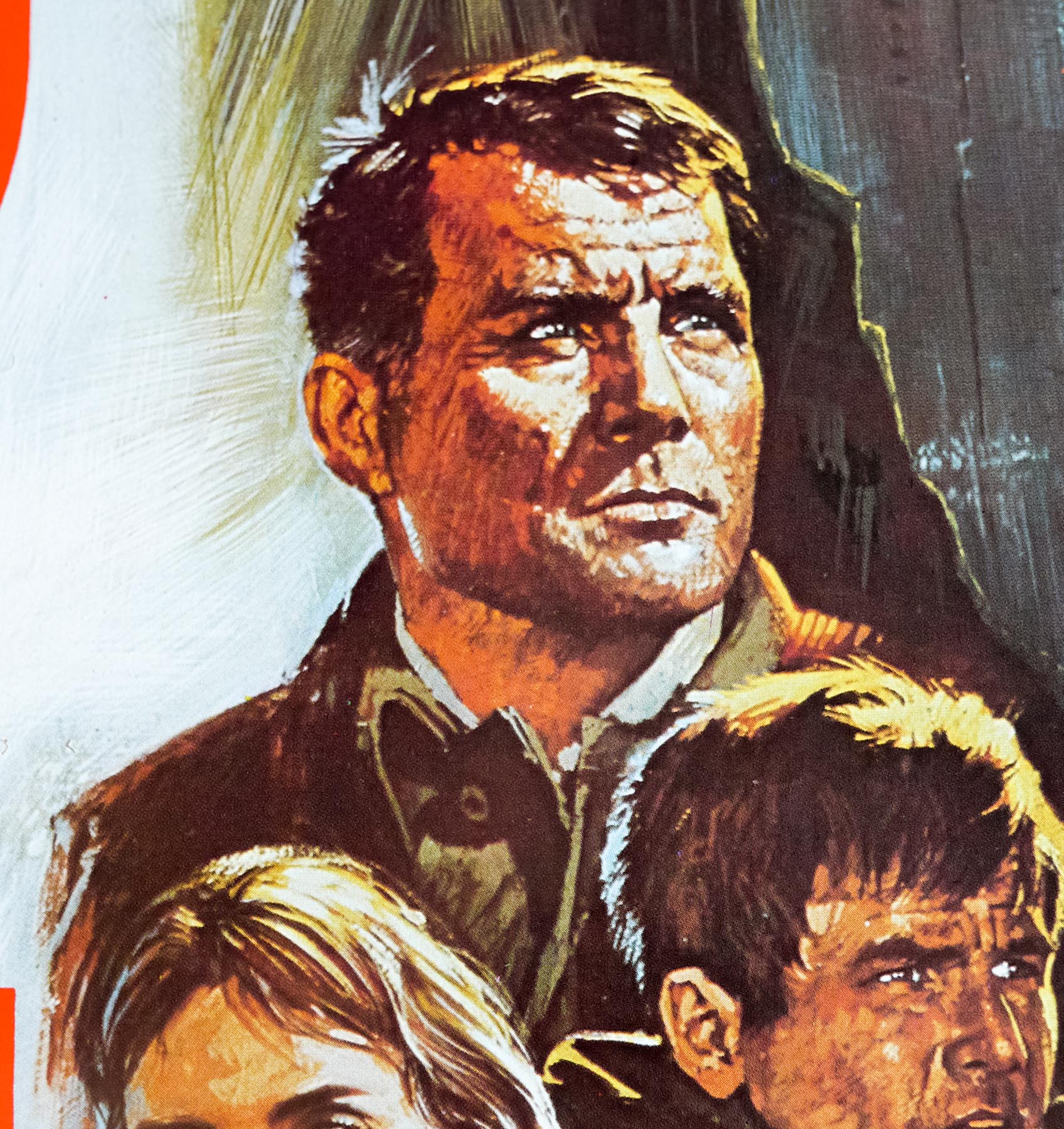
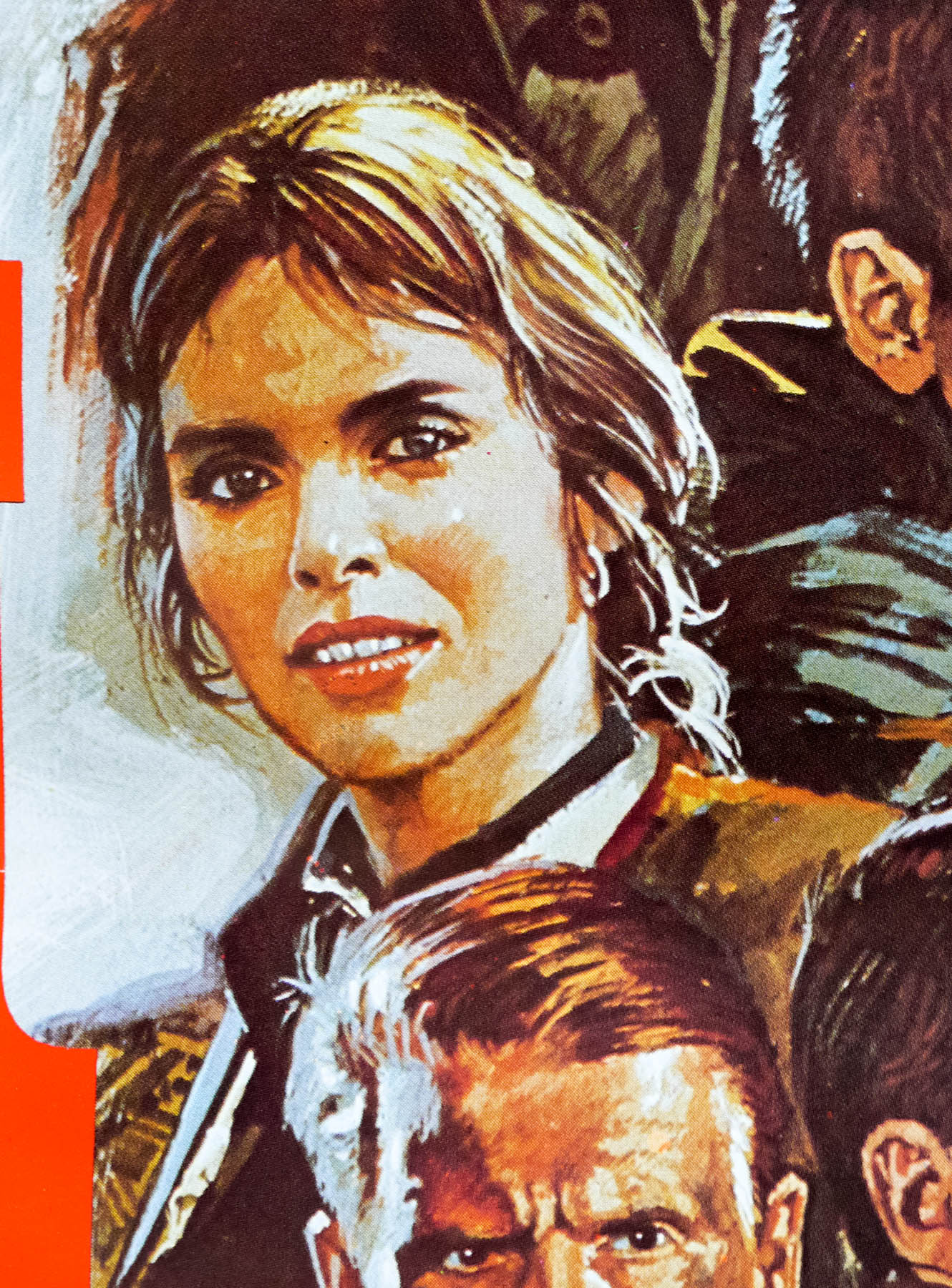
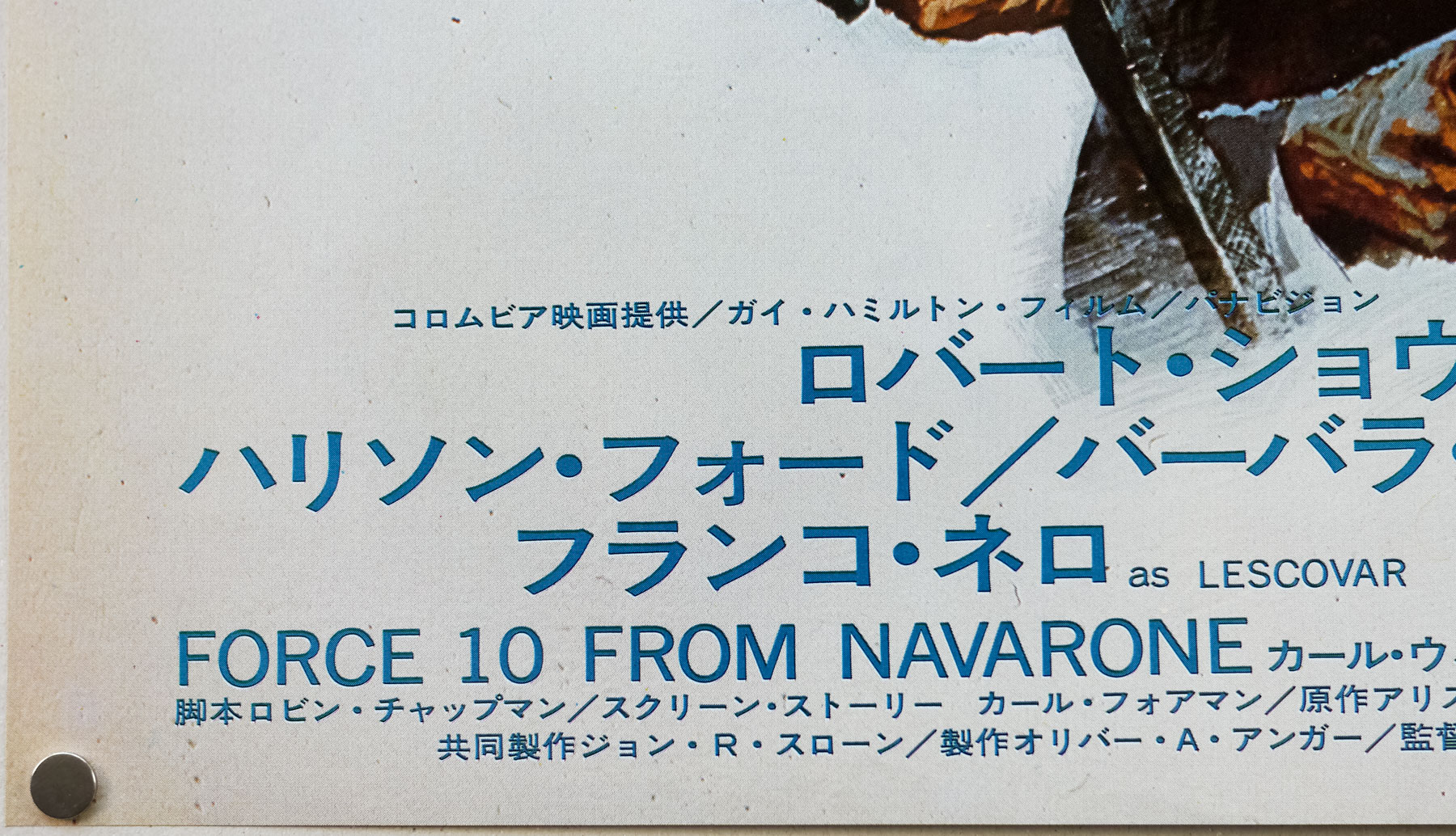
Typically detailed artwork by the British artist Brian Bysouth features on this Japanese poster for the release of the 1978 film Force 10 From Navarone. Created as a sequel to the 1961 film The Guns of Navarone, the film is loosely based on the 1968 novel of the same name by Alistair MacLean. The 17 year gap between films was due to MacLean’s treatment of a sequel to ‘Guns…’, written shortly after the original film was met with box-office success, becoming bogged down in development hell. When it was clear that the production was going nowhere MacLean turned his treatment into a novel. The Producer of ‘Guns…’, Carl Foreman, spent years trying to get the sequel off the ground and eventually succeeded by scraping together a budget from five different international sources. The final screenplay bears little resemblance to MacLean’s novel released a decade earlier.

Because almost two decades had passed since ‘Guns…’, the two actors who had played the leads in that film, Gregory Peck and David Niven, were decided to be too old to convince as the leads and the parts of Miller and Mallory were awarded to Edward Fox and Robert Shaw. Brit director Guy Hamilton, best known for a number of James Bond adventures, including Goldfinger and Diamonds are Forever, was given the task of directing, having impressed with his 1969 WWII film ‘Battle of Britain’.

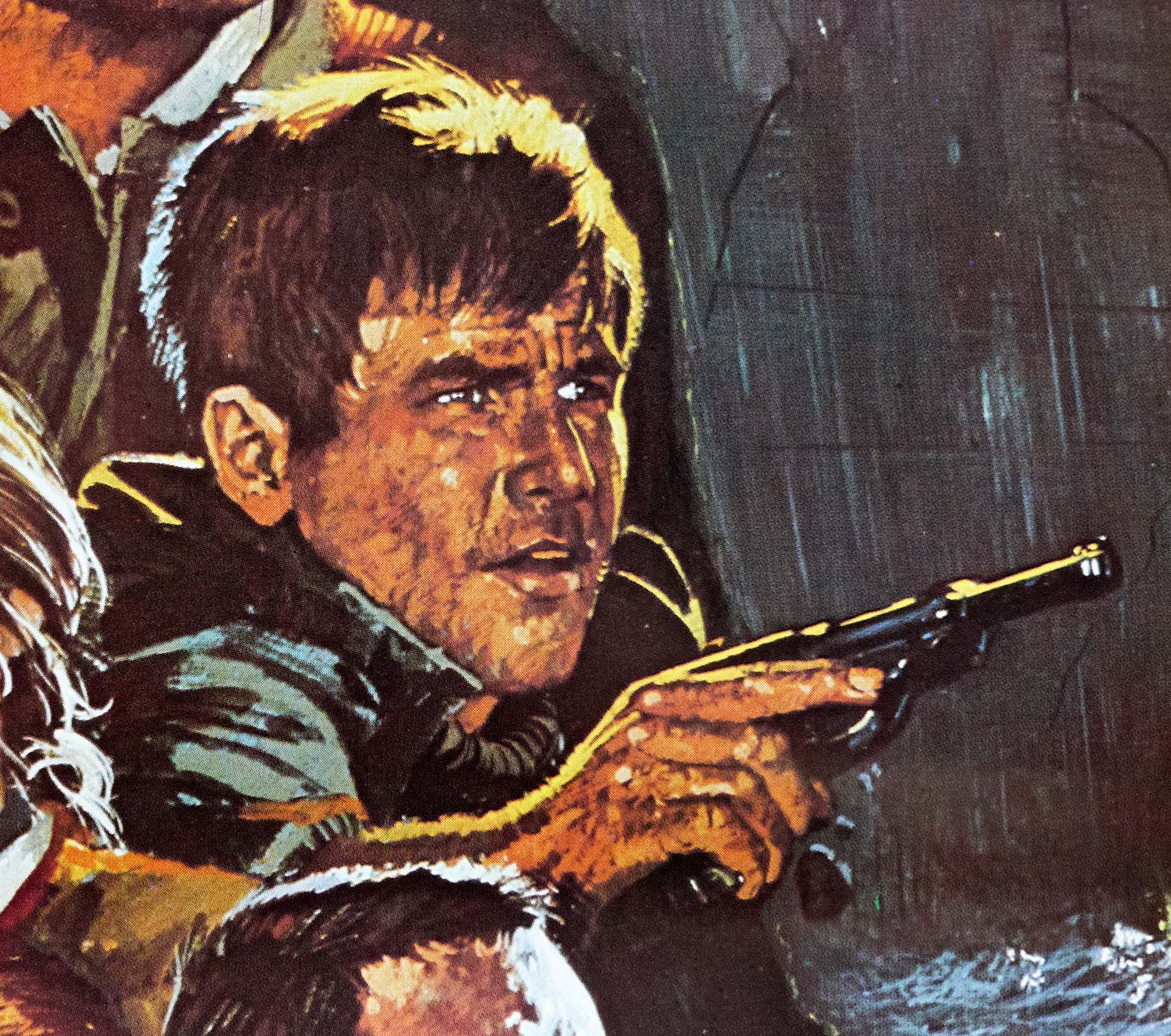
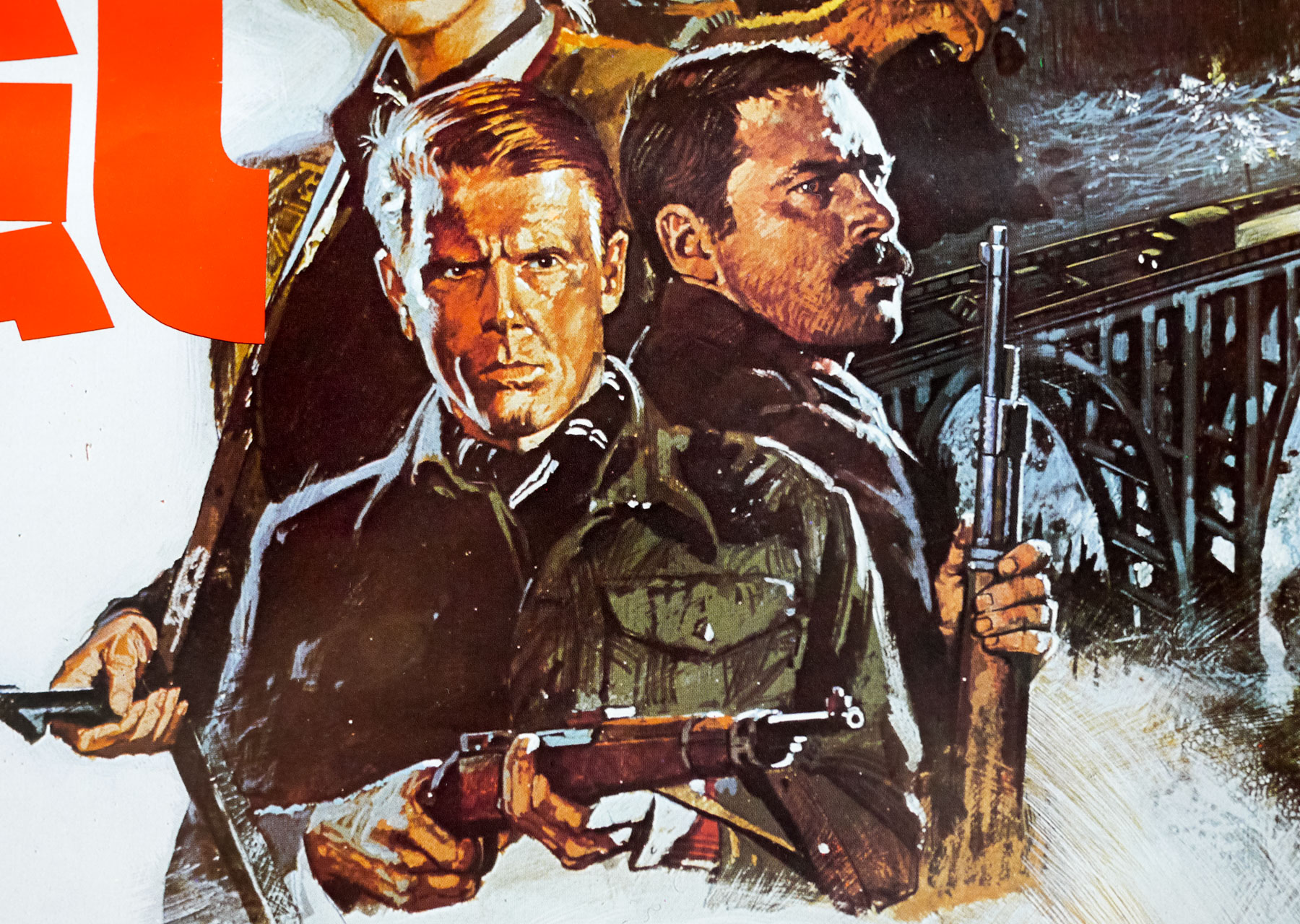
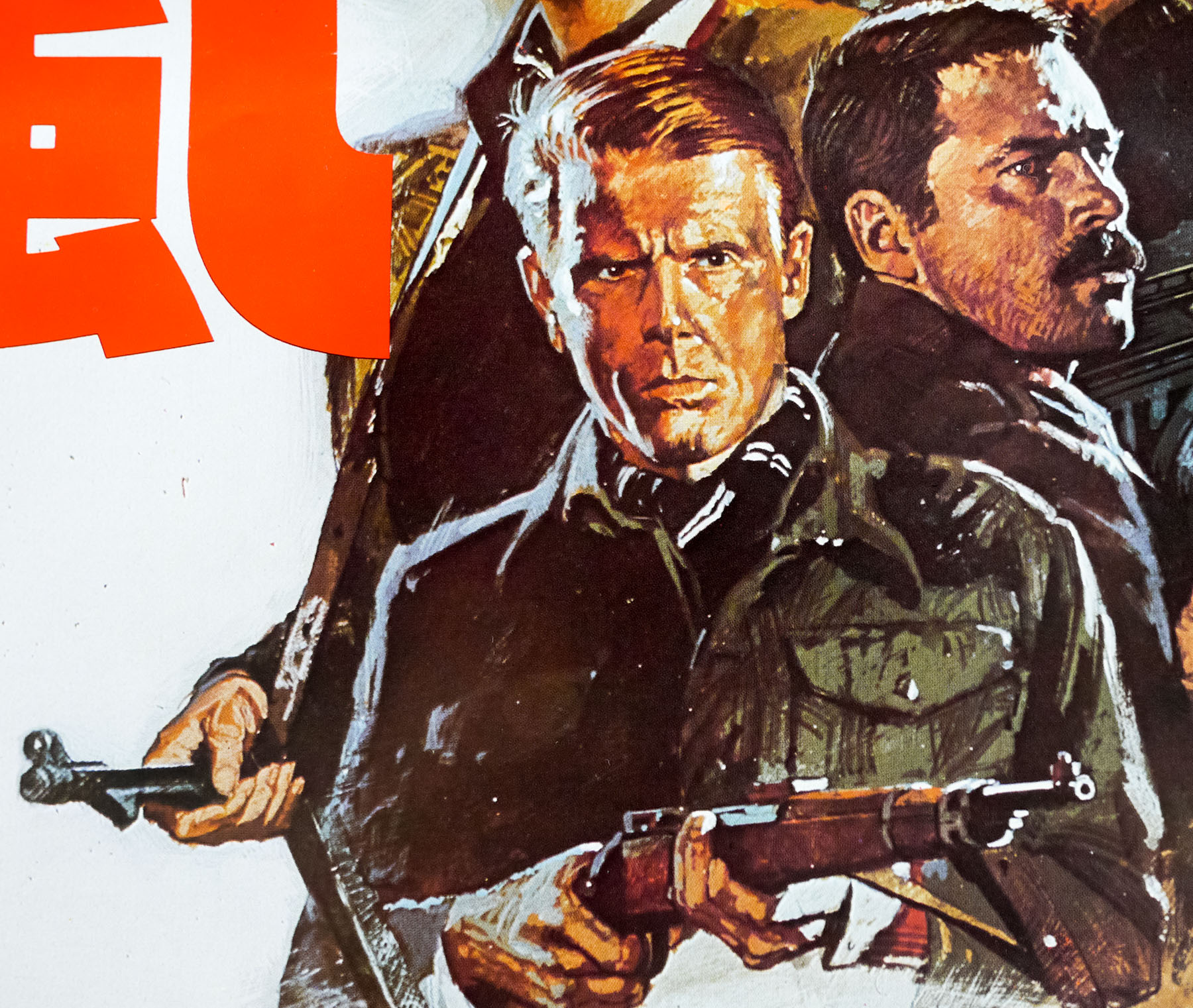
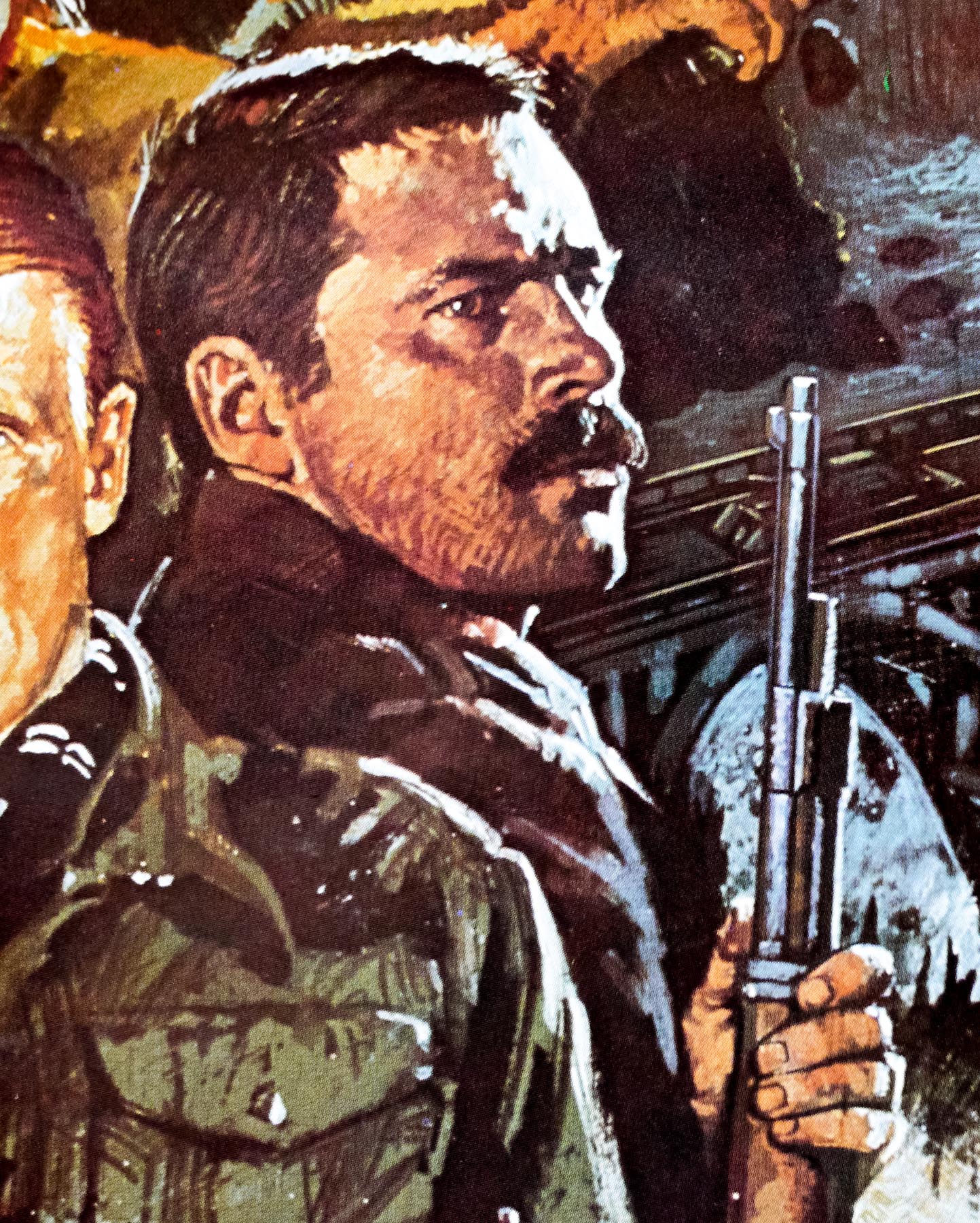
The story sees the pair tasked with hunting down a traitor from the original mission, a German spy who has infiltrated the Yugoslavian resistance and is masquerading as Captain Lescovar (Franco Nero). They join up with an elite American sabotage unit, known as Force 10, which is led by Colonel Barnsby (Harrison Ford, fresh off the success of Star Wars in 1977) who have a mission to carry out of their own. The crew steal an RAF Lancaster bomber and head towards the mission site but the plane is shot down by German fighters and most of the squad are lost. Miller, Mallory and the remaining soldiers are soon captured and imprisoned by German forces but all is not lost as they have a spy of their own in the ranks, Maritza (Barbara Bach) who helps them to escape and continue their mission. Soon they come across Lescovar and the Partisan army. A plan to destroy a large bridge being used by the German forces unites them together, but the German spy’s double-crossing threatens to jeopardise everything.

Force 10 would prove to be Shaw’s penultimate role as he died a year later during the filming of Avalanche Express. The film was met with less than stellar box-office results and general audience indifference, likely not helped by there being such a large gap between the films.

The artwork on this poster was painted by Brian Bysouth who is one of my favourite poster artists and was responsible for many classic posters from the 1960s to the 1980s, including the final painted poster for a James Bond film, The Living Daylights. In 2012 I was fortunate to meet and interview Brian for this site and the article can be read here. The other posters I’ve collected by Brian can be seen by clicking here.

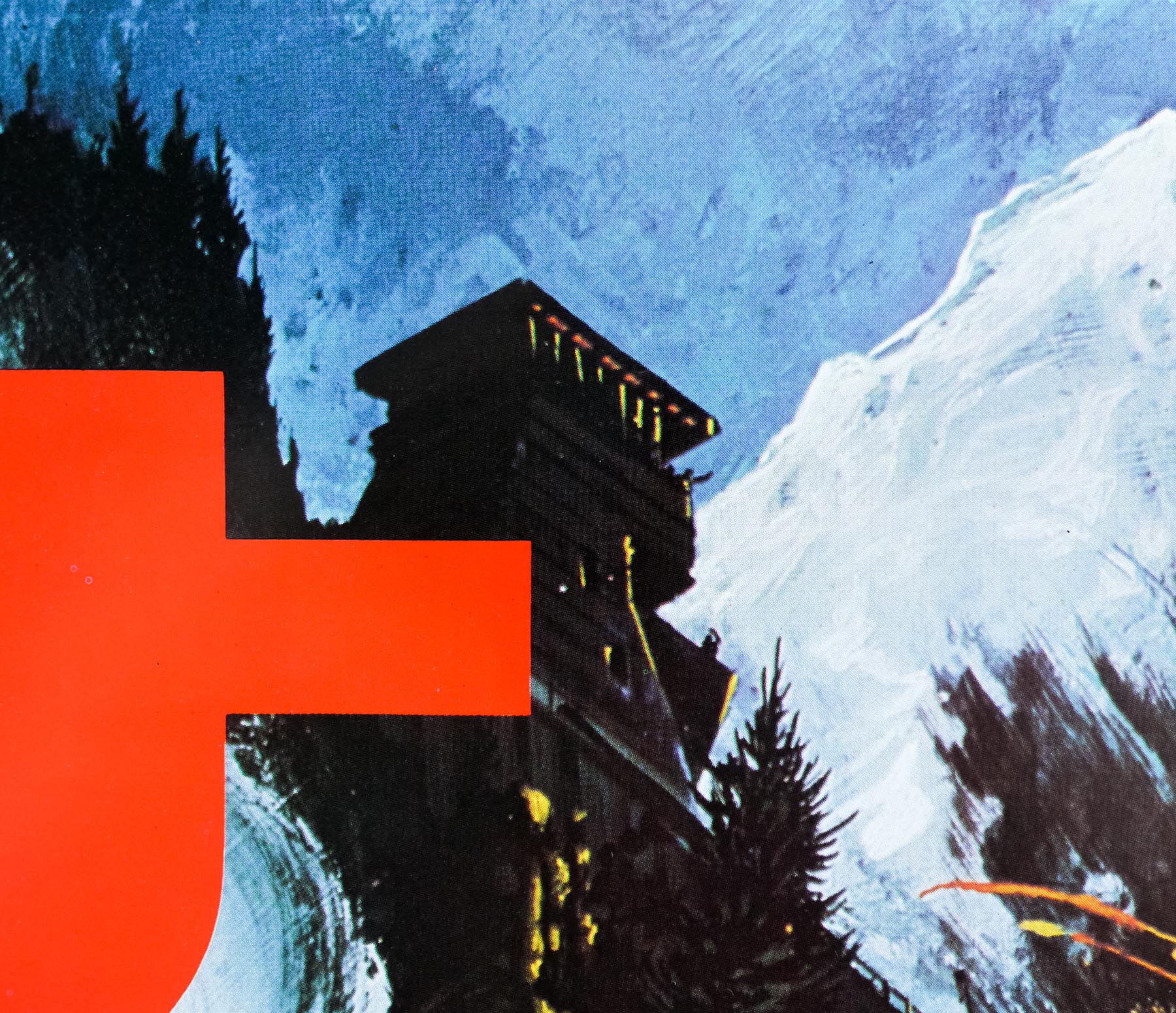
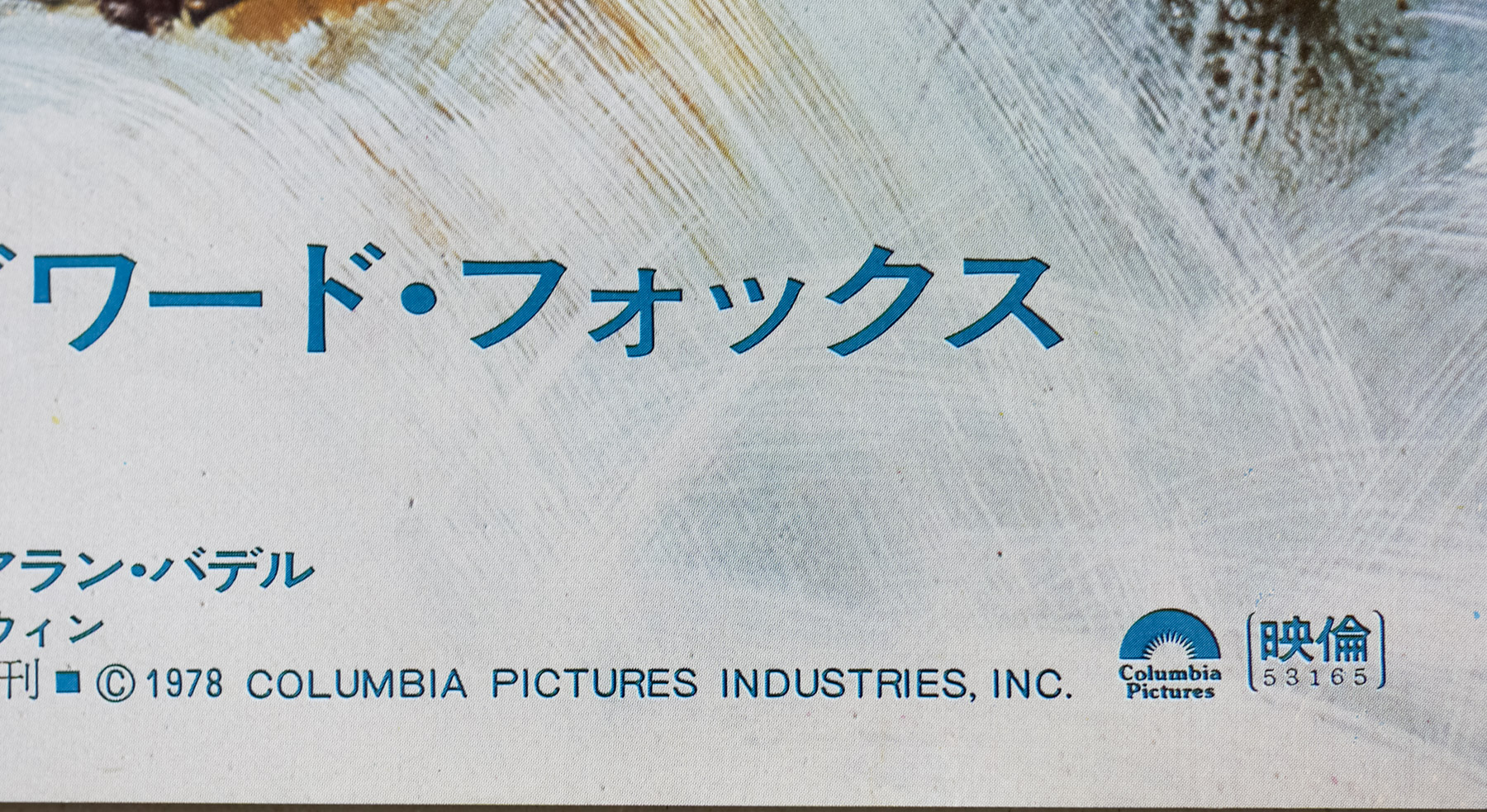
The artwork was reused around the world with the original title, painted to resemble part of the dam, redrawn depending on the language required. The results page for Force 10 on emovieposter.com shows some of these alternative versions, including those for the French and Italian releases. Interestingly this Japanese poster features the title printed down the left hand side, rather than painted onto the dam.

Note that there is an alternative style of poster for the film, the artwork of which can be seen here, that also features the dam bursting and is, I’m fairly certain, erroneously credited to Brian on emovieposter. If anyone has any ideas who the artist of that version is please get in touch or leave a comment below.

The Anderson Tapes / B2 / Japan

18.04.16

Poster Poster
Title
The Anderson Tapes
AKA
--
Year of Film
1971
Director
Sidney Lumet
Starring
Sean Connery, Dyan Cannon, Martin Balsam, Ralph Meeker, Alan King, Christopher Walken, Val Avery, Dick Anthony Williams, Garrett Morris
Origin of Film
USA
Genre(s) of Film
Sean Connery, Dyan Cannon, Martin Balsam, Ralph Meeker, Alan King, Christopher Walken, Val Avery, Dick Anthony Williams, Garrett Morris,
Type of Poster
B2
Style of Poster
--
Origin of Poster
Japan
Year of Poster
1971
Designer
Unknown
Artist
Unknown
Size (inches)
20 4/16" x 28 14/16"
SS or DS
SS
Tagline
--

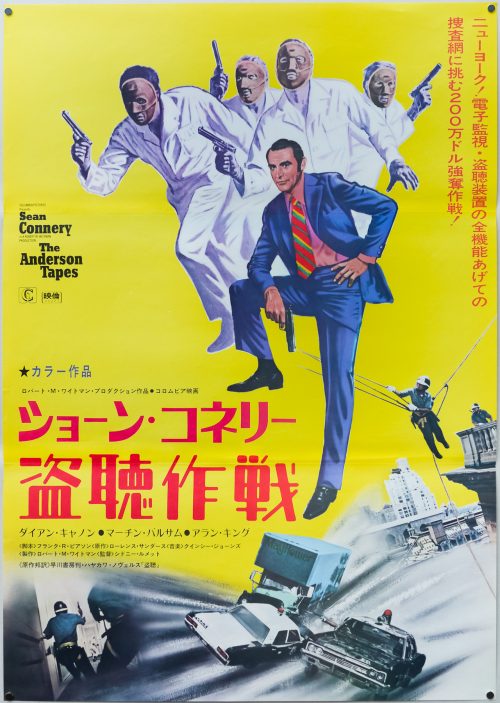
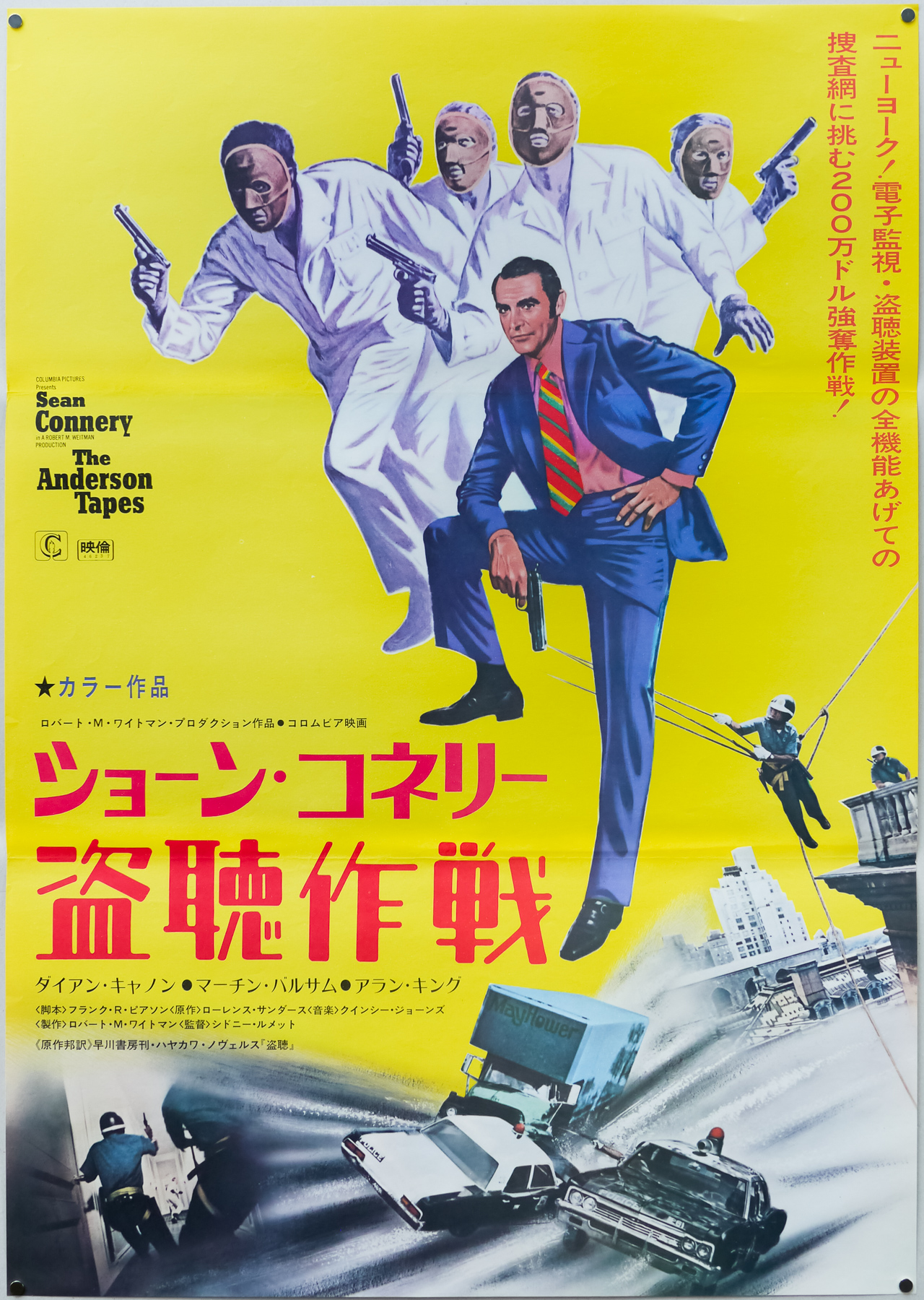
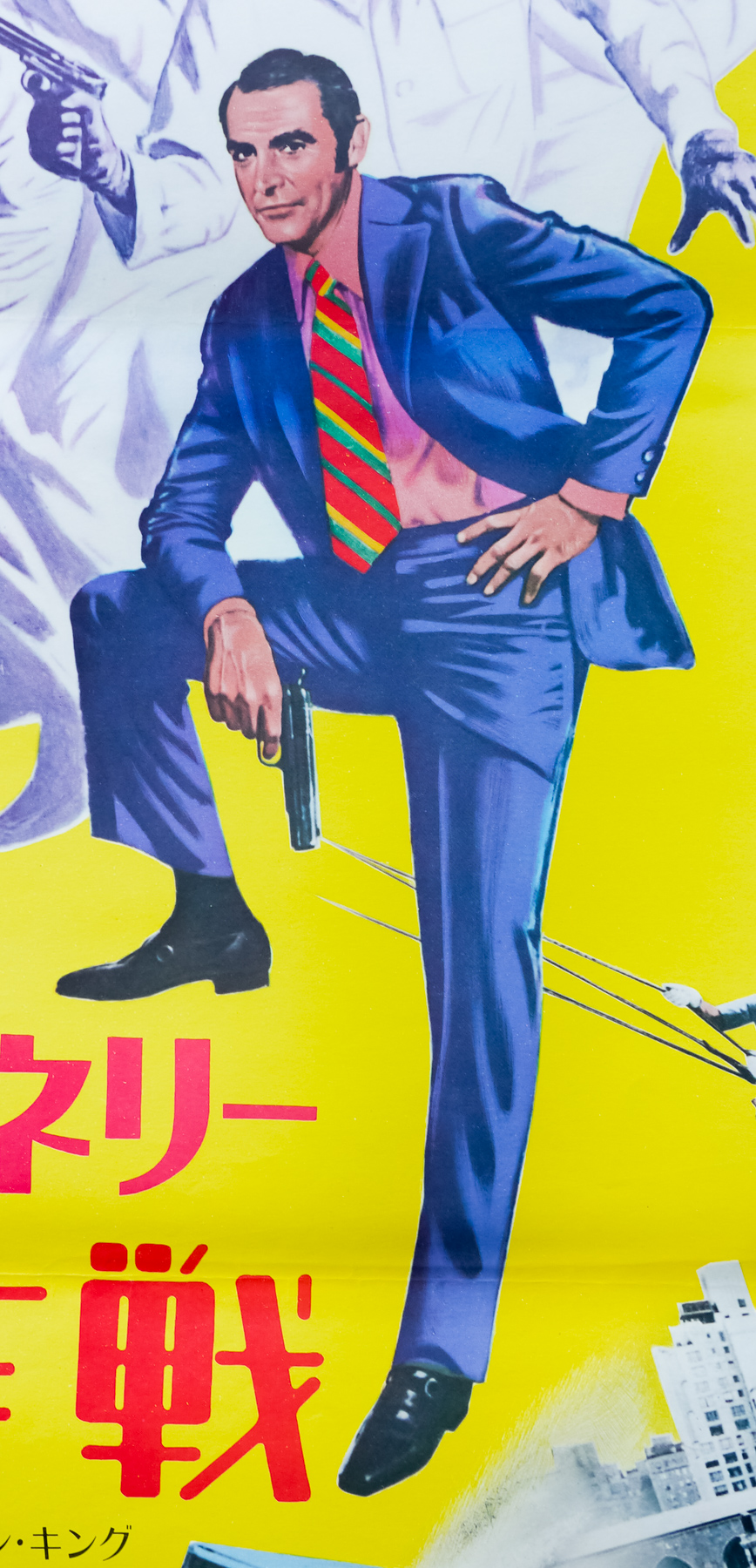
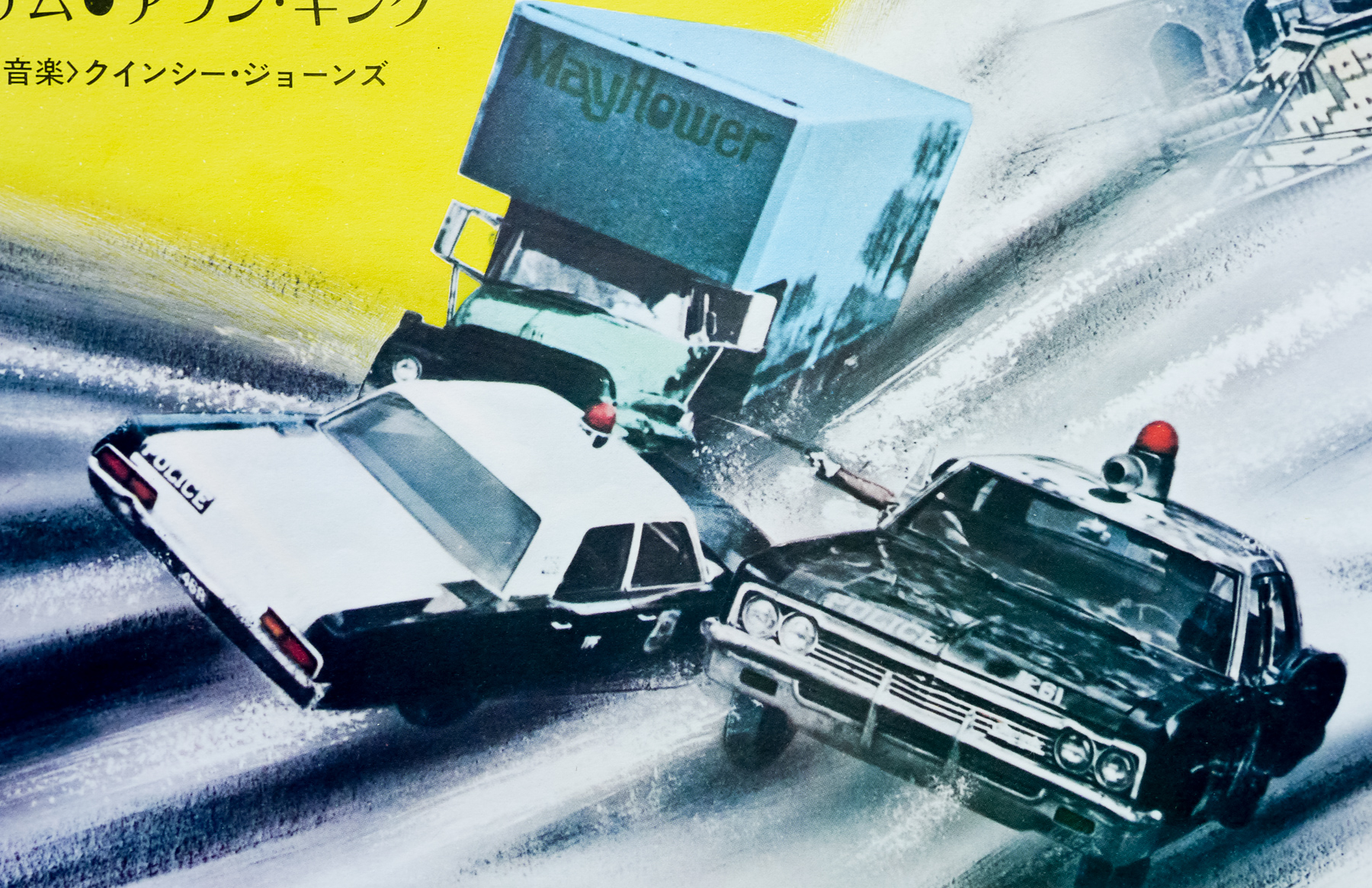
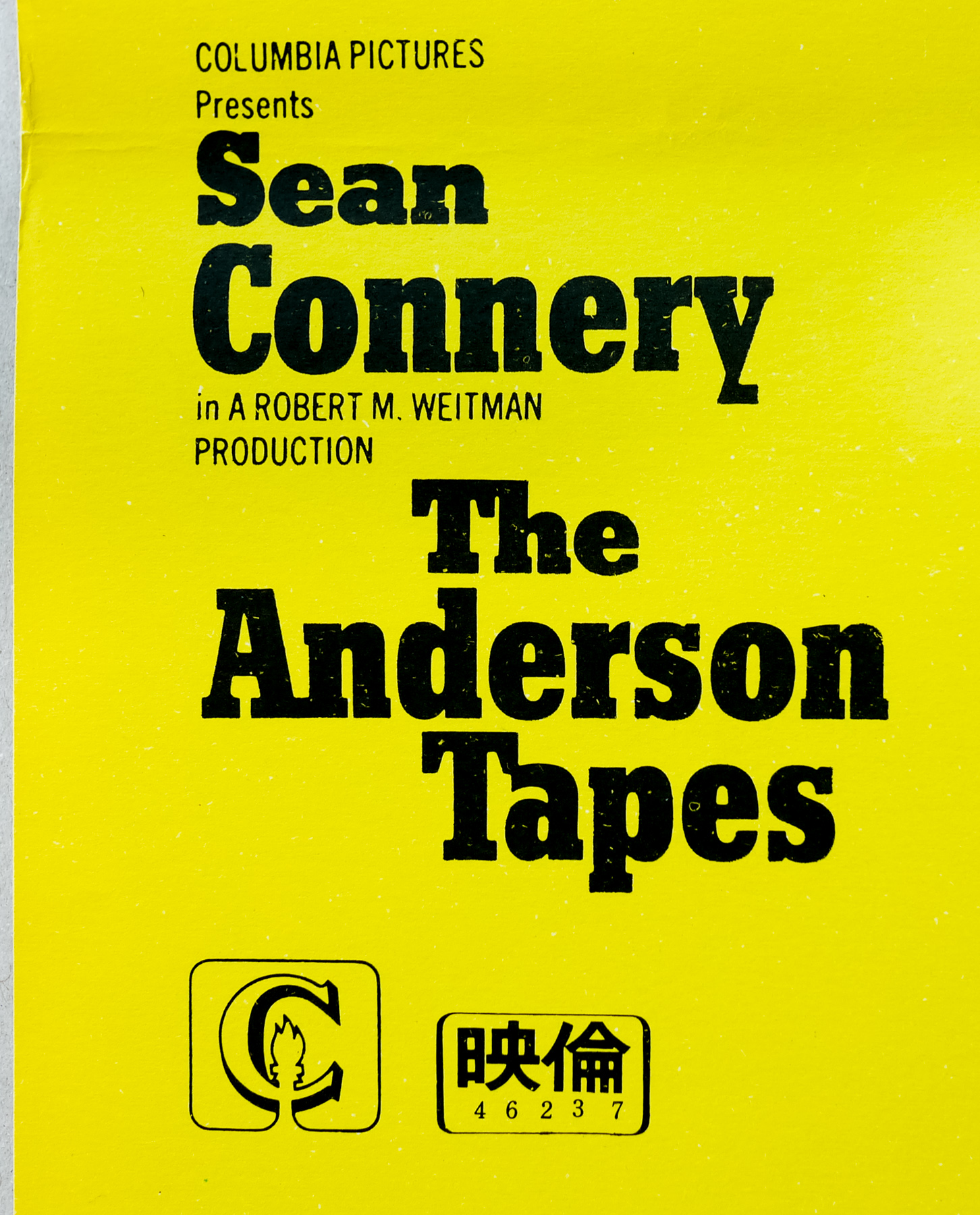
This is the Japanese poster for the release of The Anderson Tapes, a 1971 crime film from director Sidney Lumet. It stars Sean Connery and was released the same year as Diamonds are Forever, the film that marked the final time he would officially play James Bond (for Eon Productions). It’s based on a novel of the same name by Lawrence Sanders and had a screenplay written by Frank Pierson who was a producer as well as a screenwriter. Lumet and Pierson would later collaborate on the classic Dog Day Afternoon in 1975.
Connery plays the role of John “Duke” Anderson, a serial burglar who has just been released from prison and reunites with his girlfriend Ingrid (Dyan Cannon) who lives in a high-class apartment block in Manhattan. Far from being reformed, Duke decides he will target all of the flats in the block in one big heist with the help of his mafia connections and a crew of assorted criminals. Things have changed since he was put away and Duke must contend with the electronic surveillance throughout the building as well as various forms of snooping that are covering his entire crew. The film was one of several released at the start of the 1970s that dealt with the issue of surveillance, including the brilliant The Conversation.

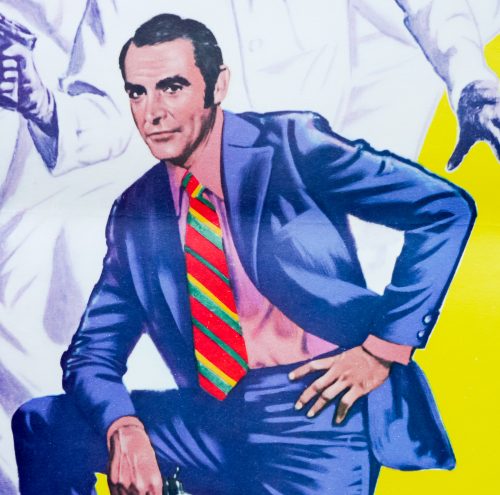
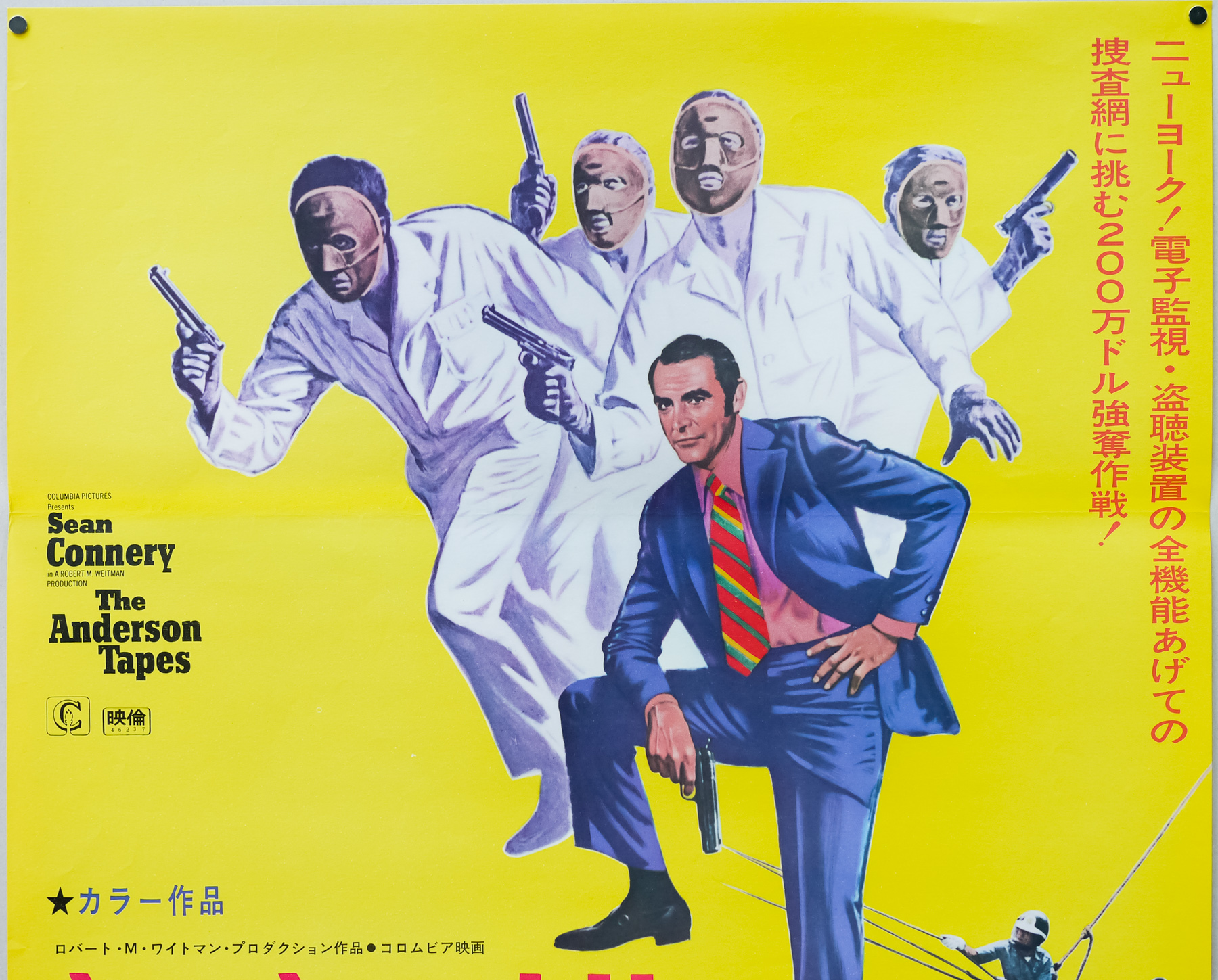
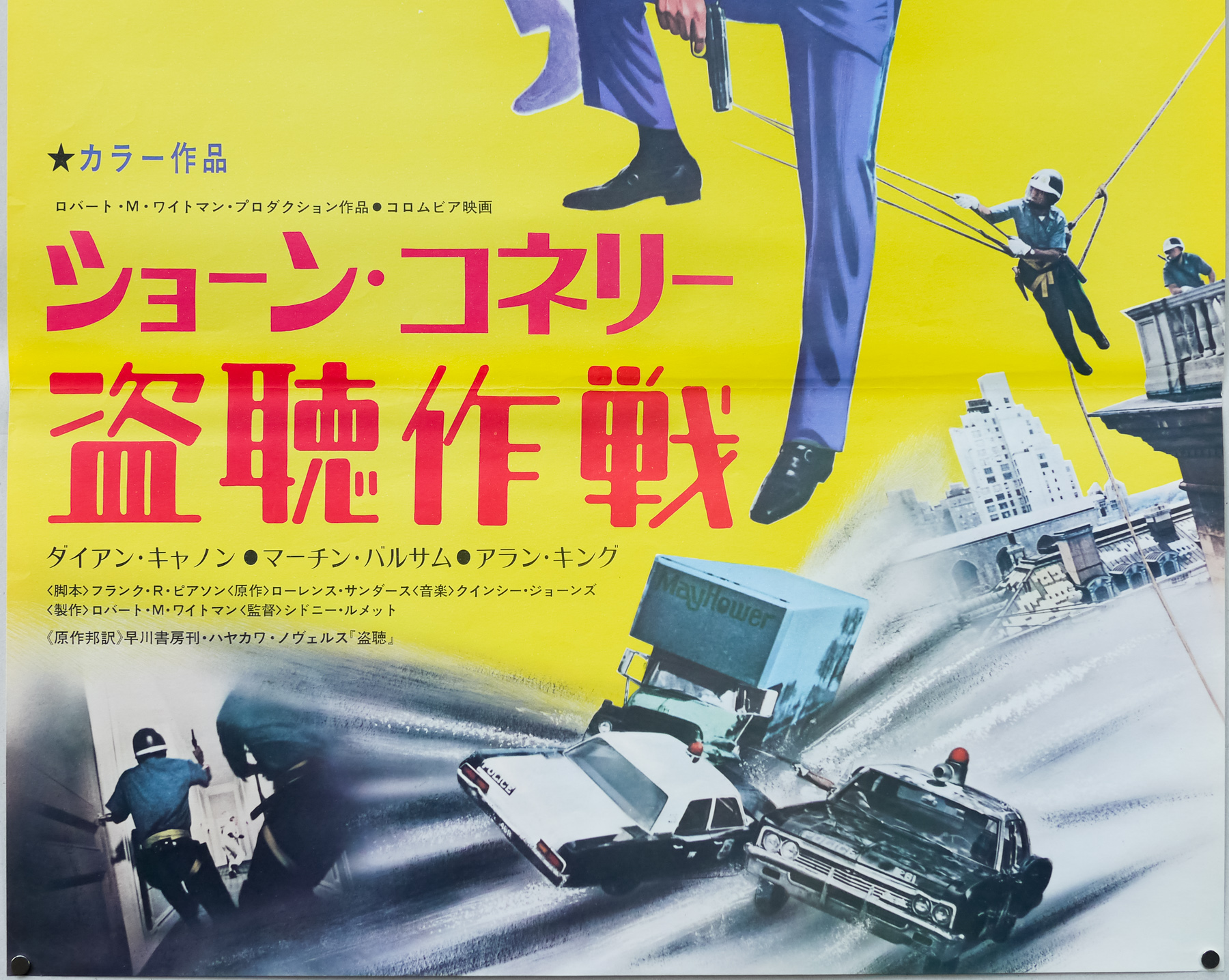
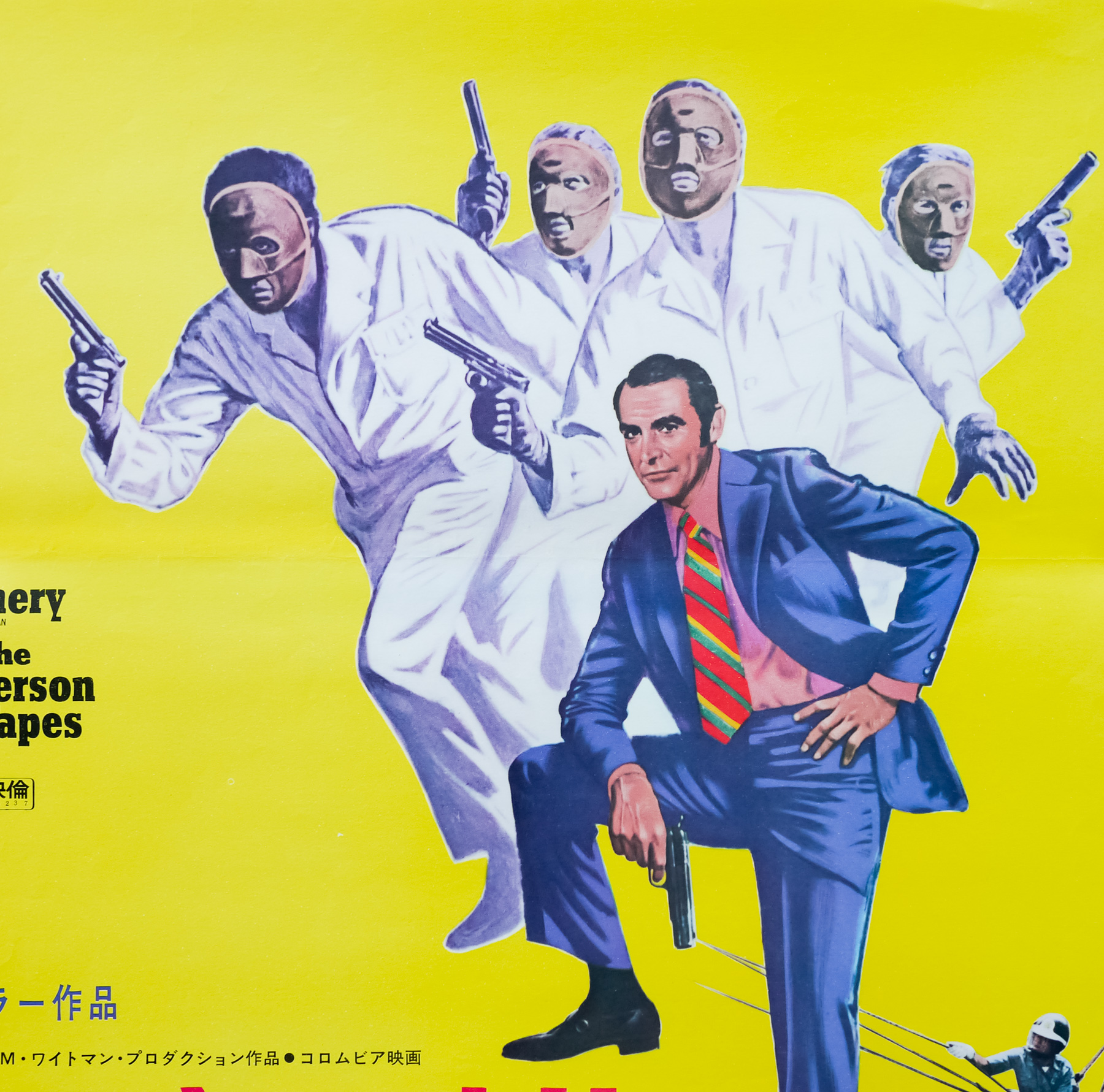
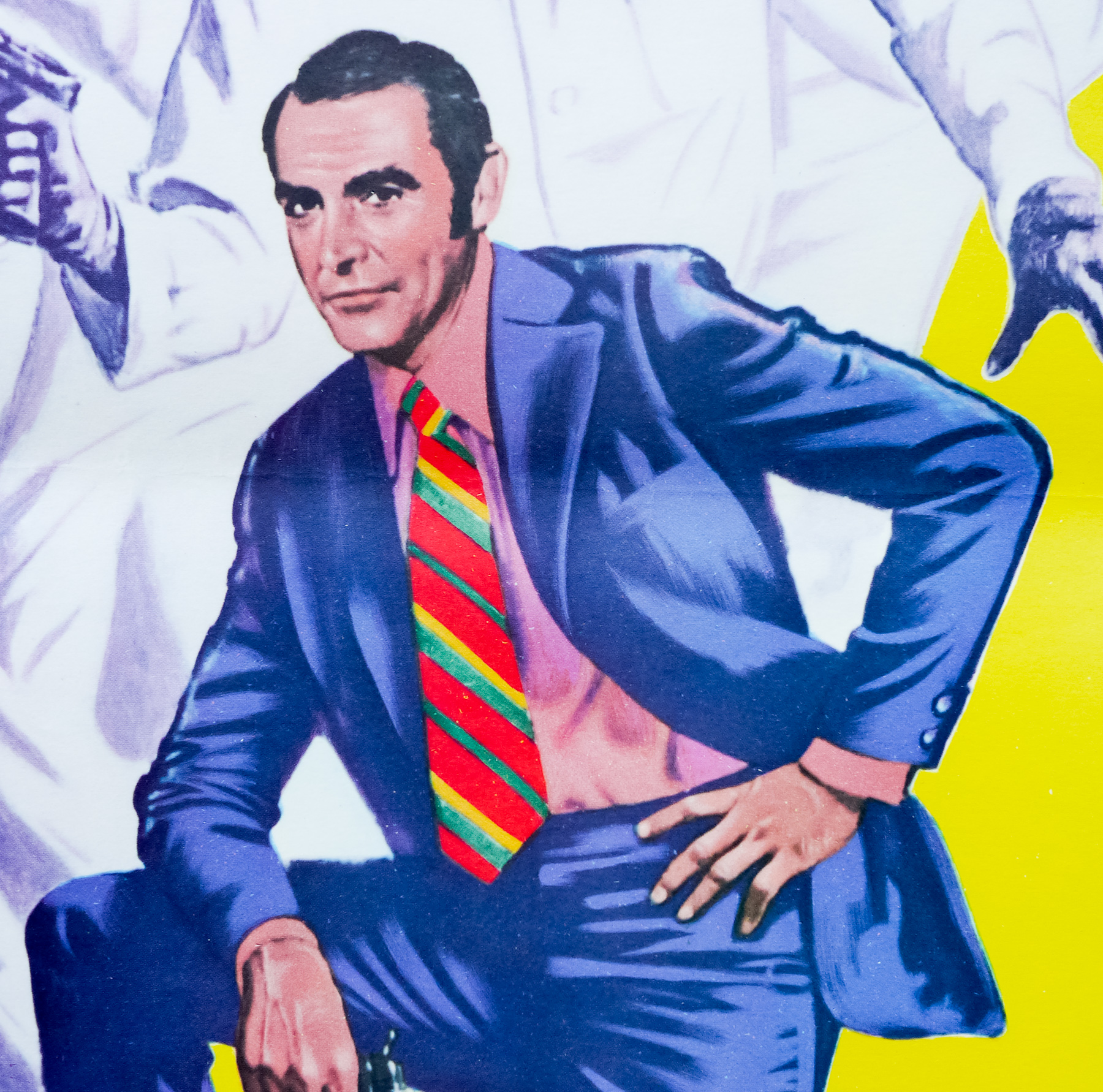
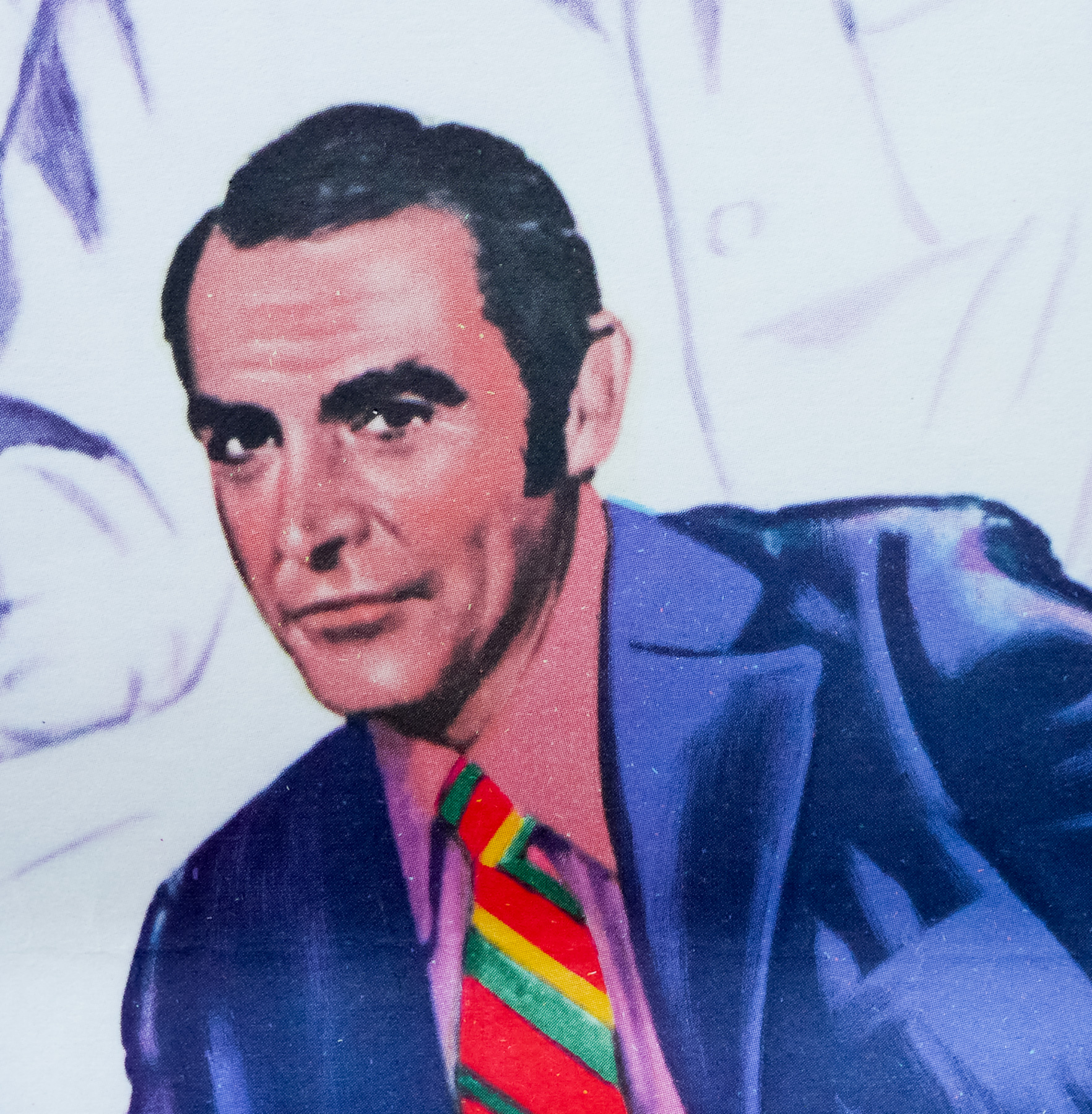
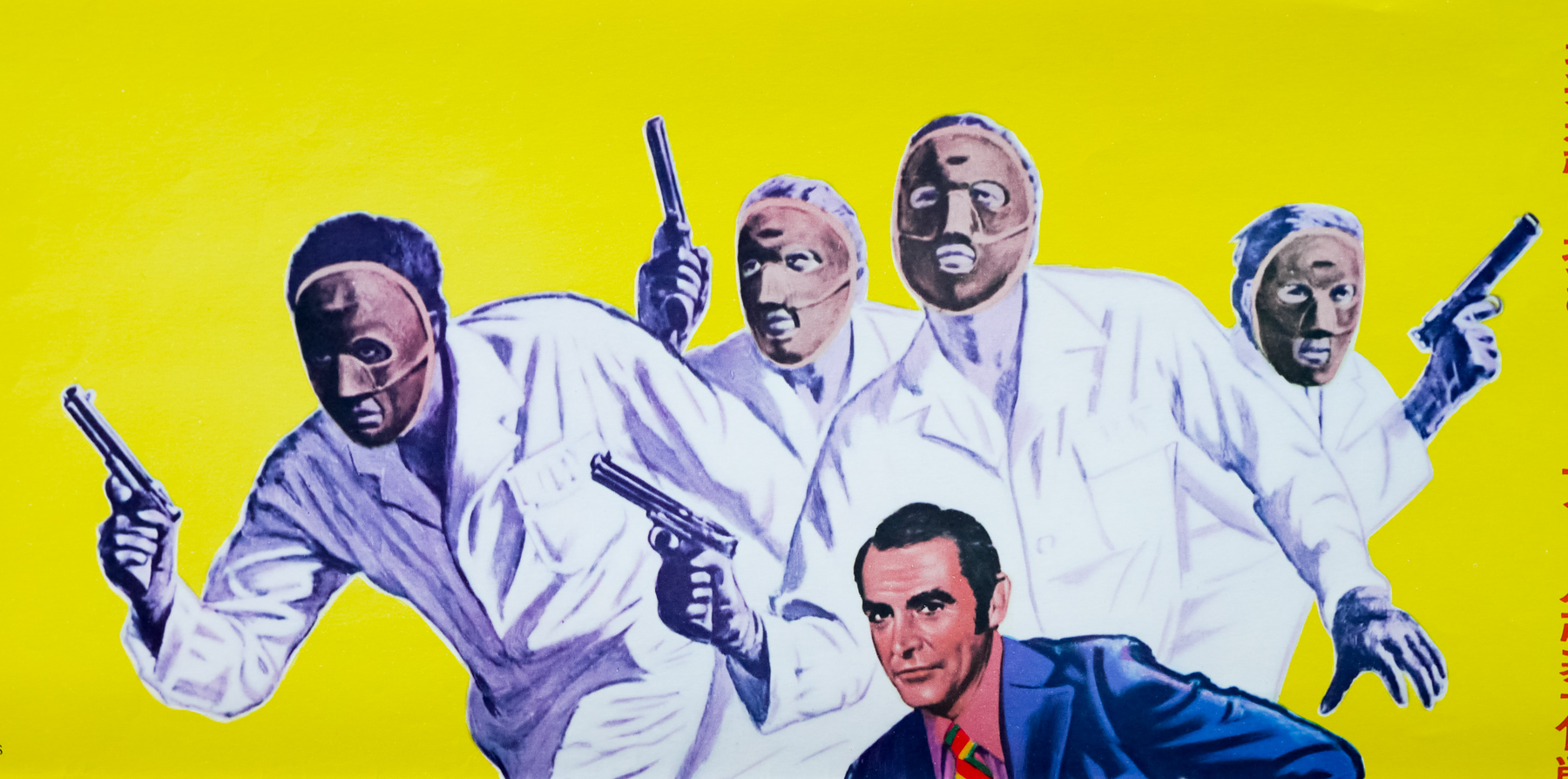
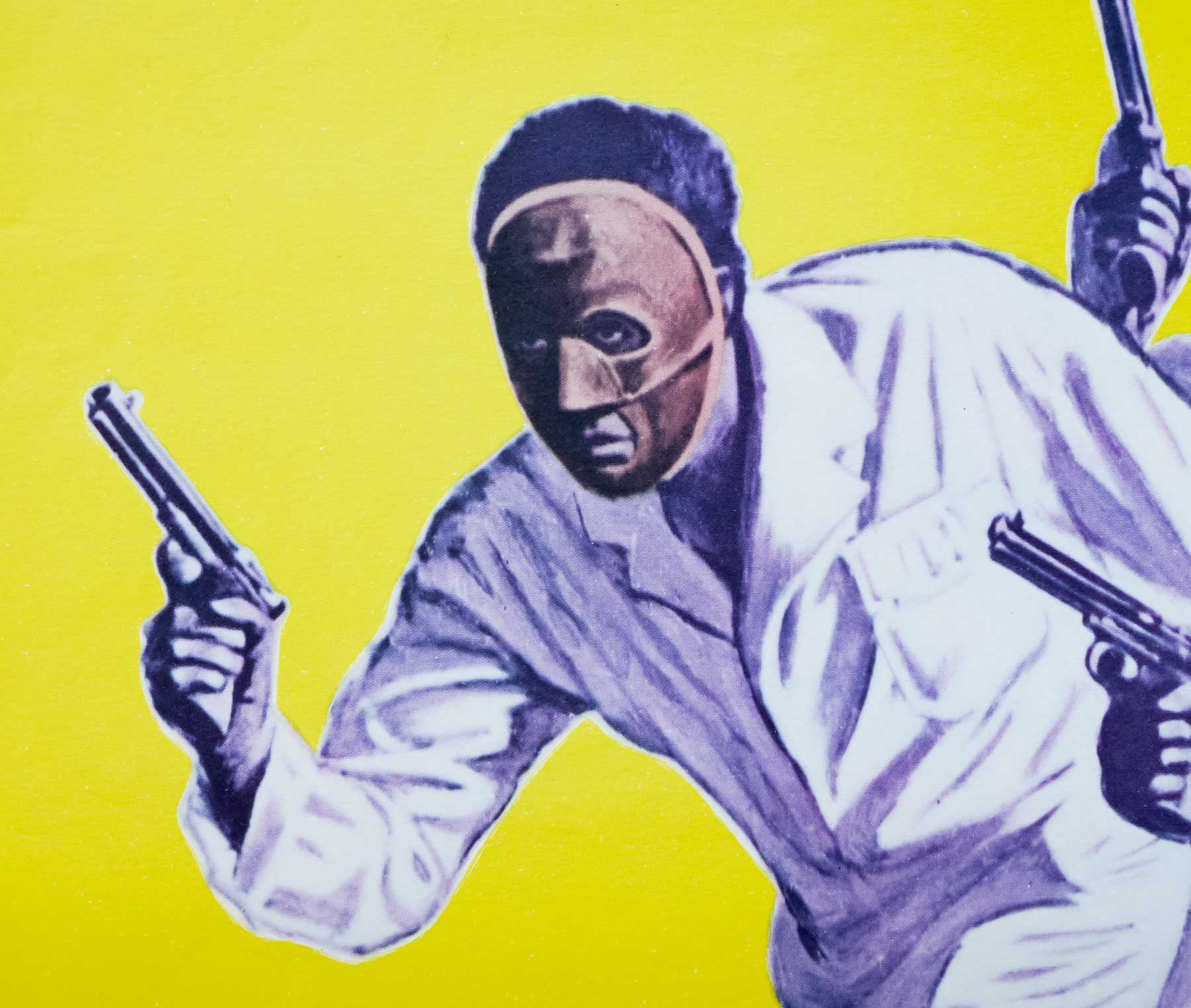
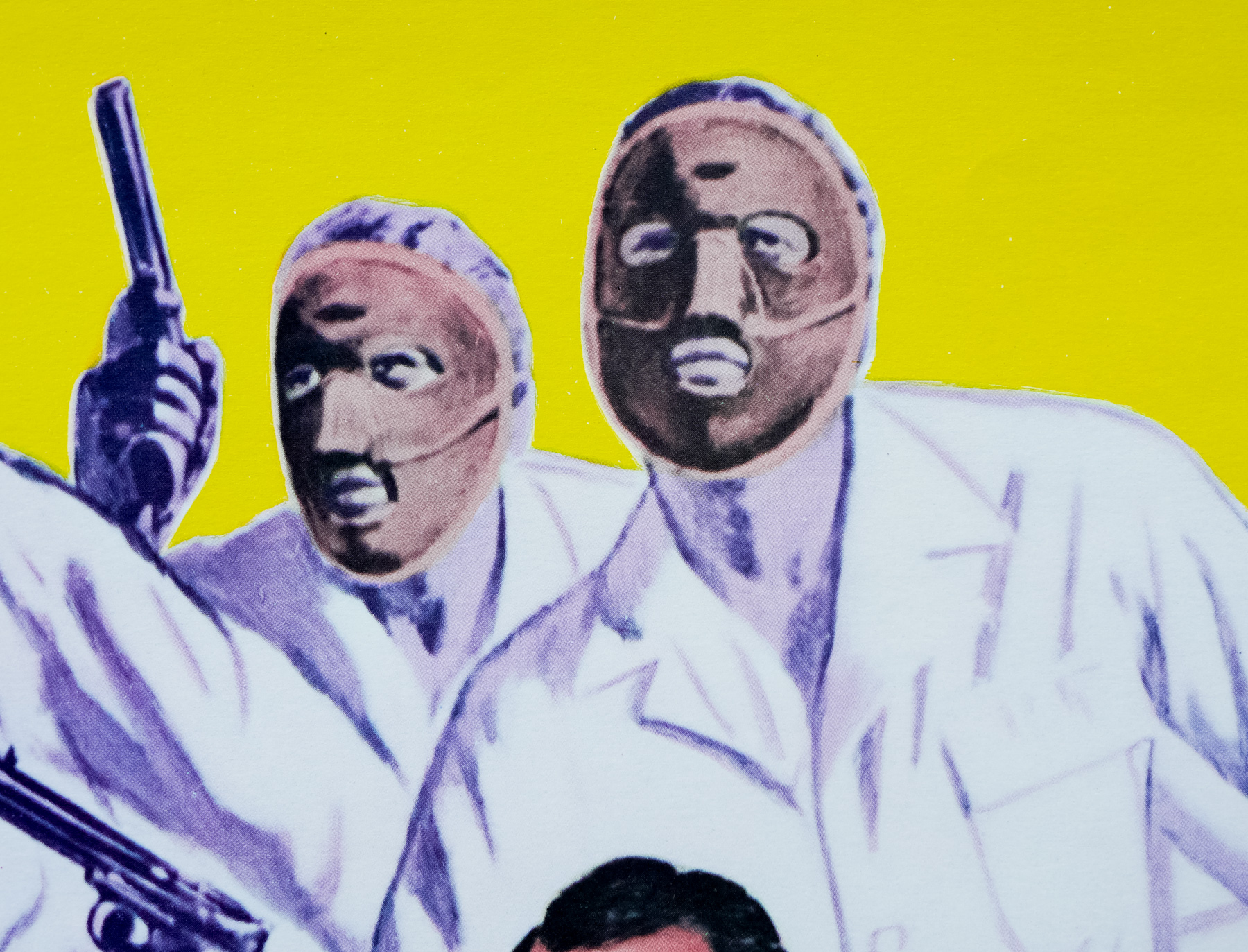
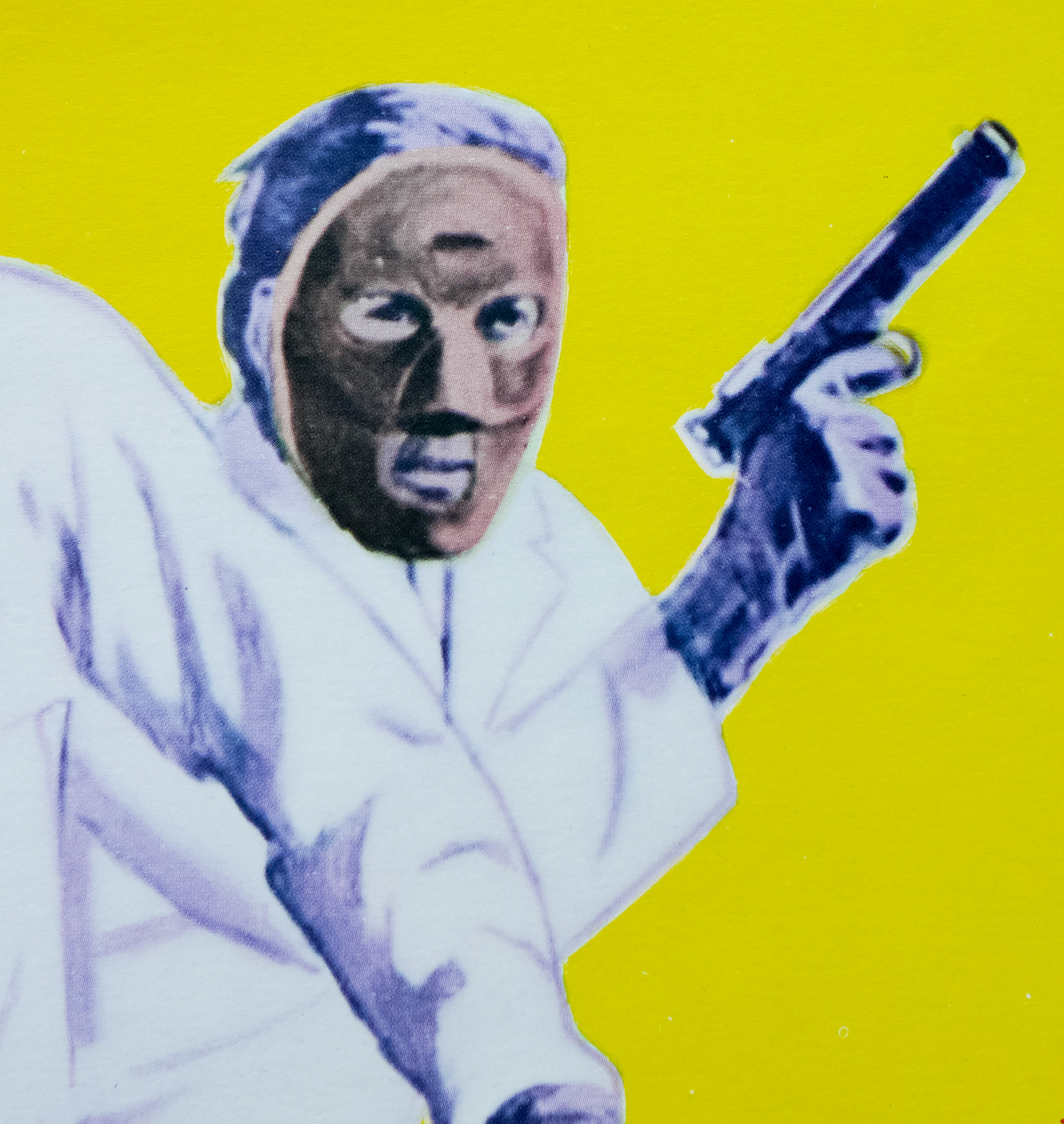
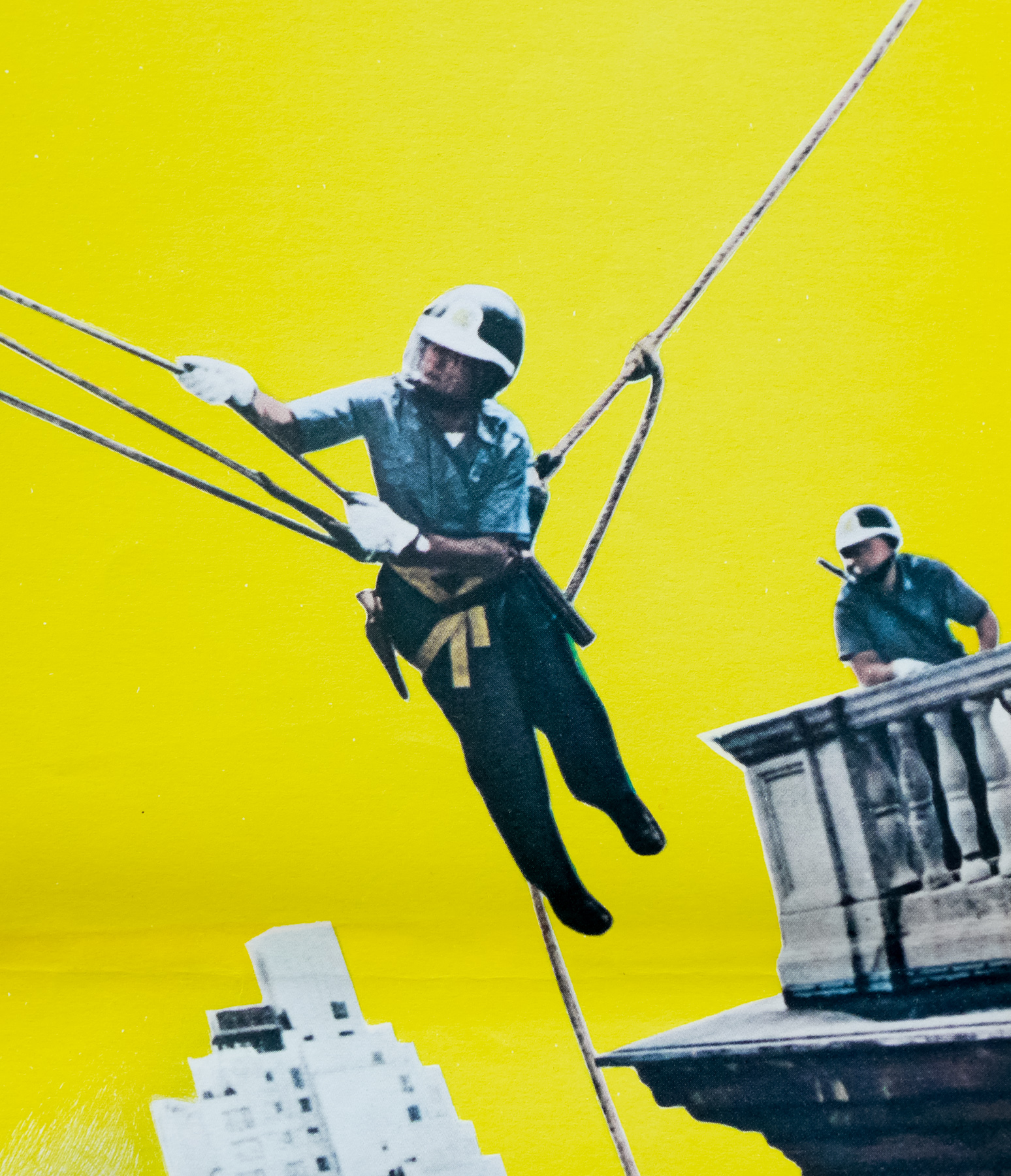
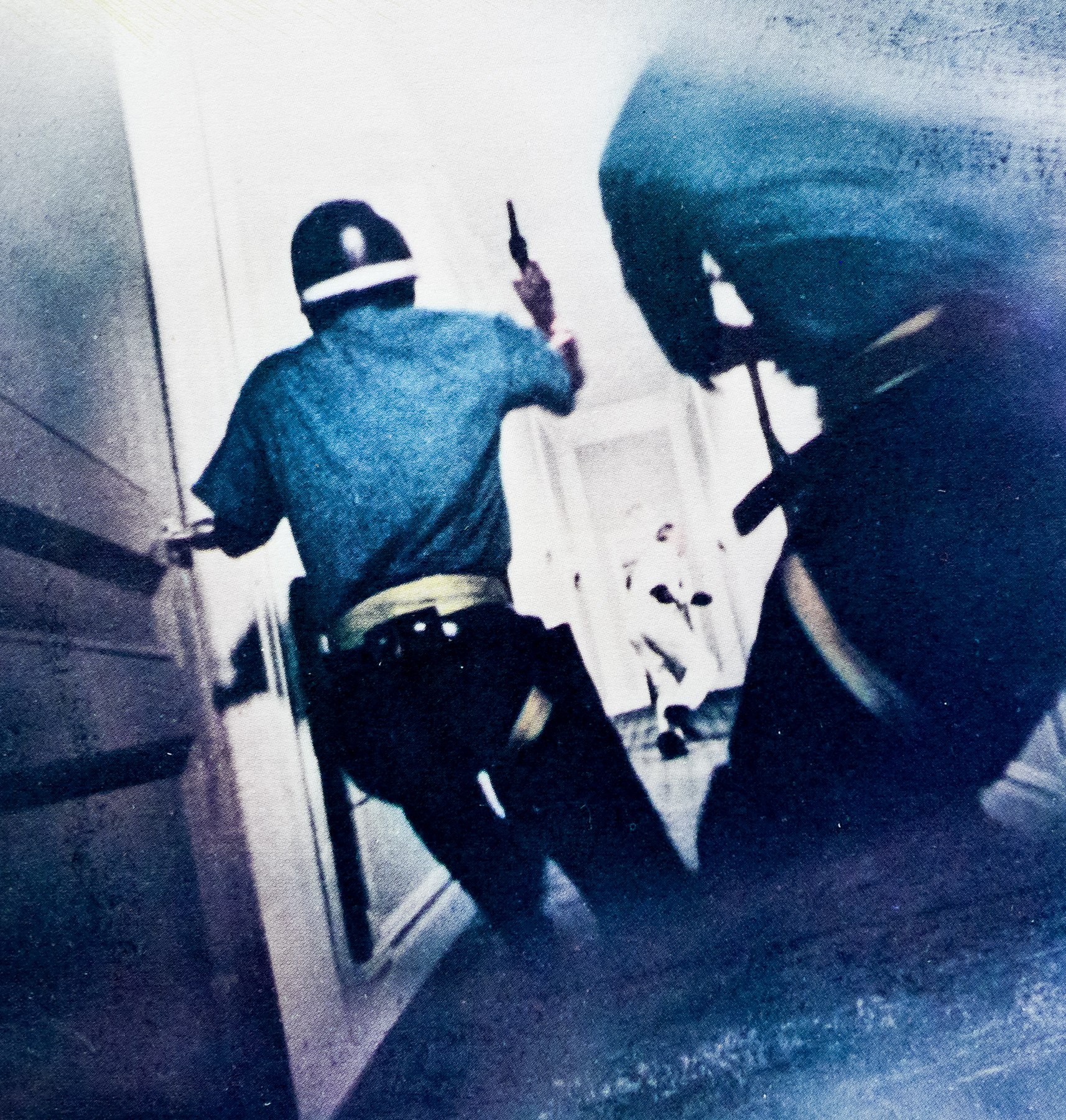
This Japanese poster features artwork originally found on the US one sheet, although it appears to have been colour-tinted somewhat, particularly the masked men at the top. If anyone has any ideas who the artist is please get in touch.