You searched for: Japan

Harry in Your Pocket / B2 / Japan

17.06.16

Poster Poster
Title
Harry in Your Pocket
AKA
--
Year of Film
1973
Director
Bruce Geller
Starring
James Coburn, Michael Sarrazin, Trish Van Devere, Walter Pidgeon, Michael C. Gwynne, Tony Giorgio, Michael Stearns, Susan Mullen
Origin of Film
USA
Genre(s) of Film
James Coburn, Michael Sarrazin, Trish Van Devere, Walter Pidgeon, Michael C. Gwynne, Tony Giorgio, Michael Stearns, Susan Mullen,
Type of Poster
B2
Style of Poster
--
Origin of Poster
Japan
Year of Poster
1973
Designer
Unknown
Artist
--
Size (inches)
20 6/16" x 28 14/16"
SS or DS
SS
Tagline
--

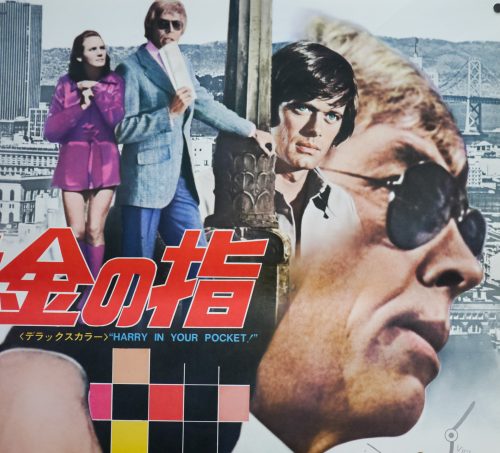
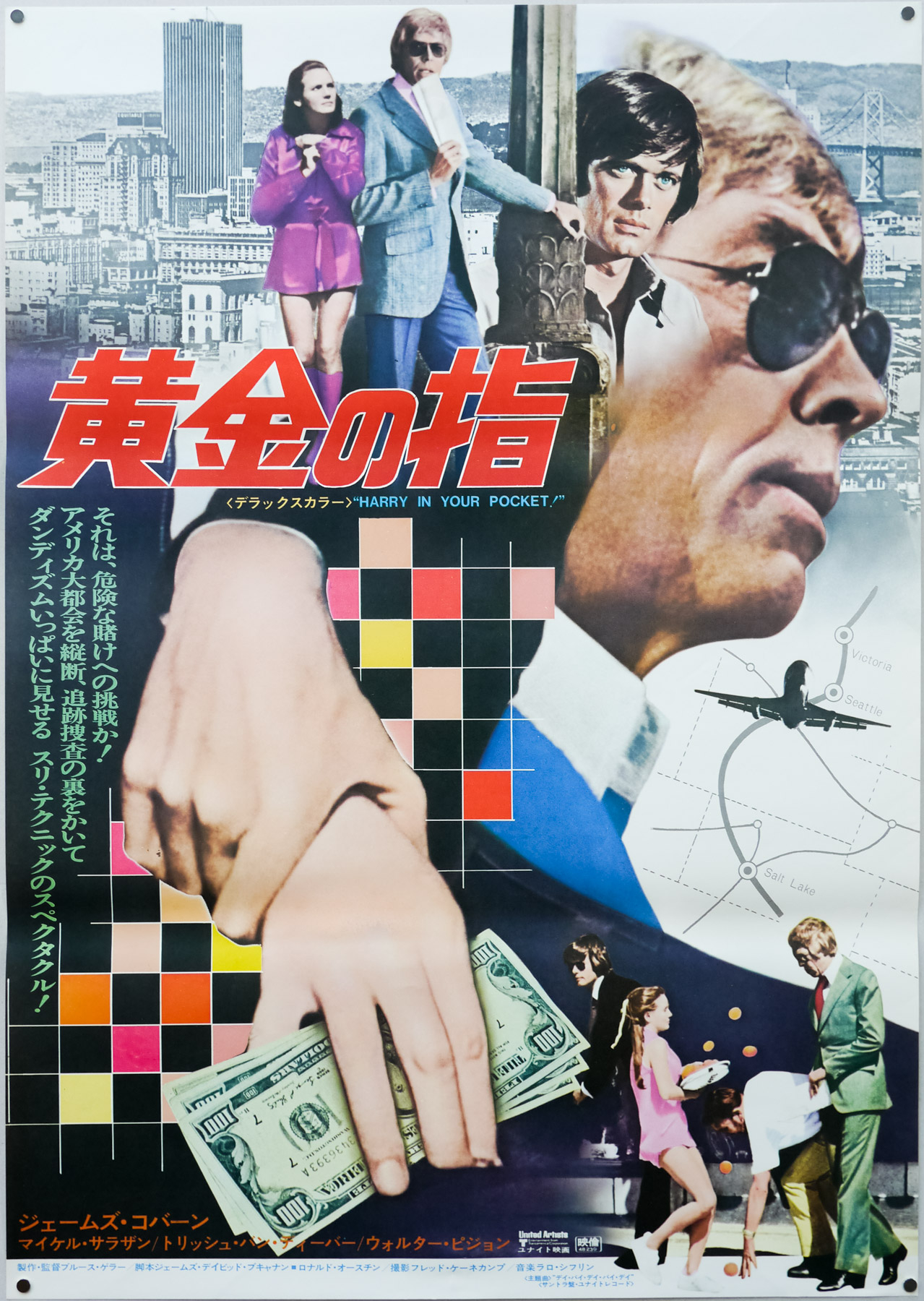
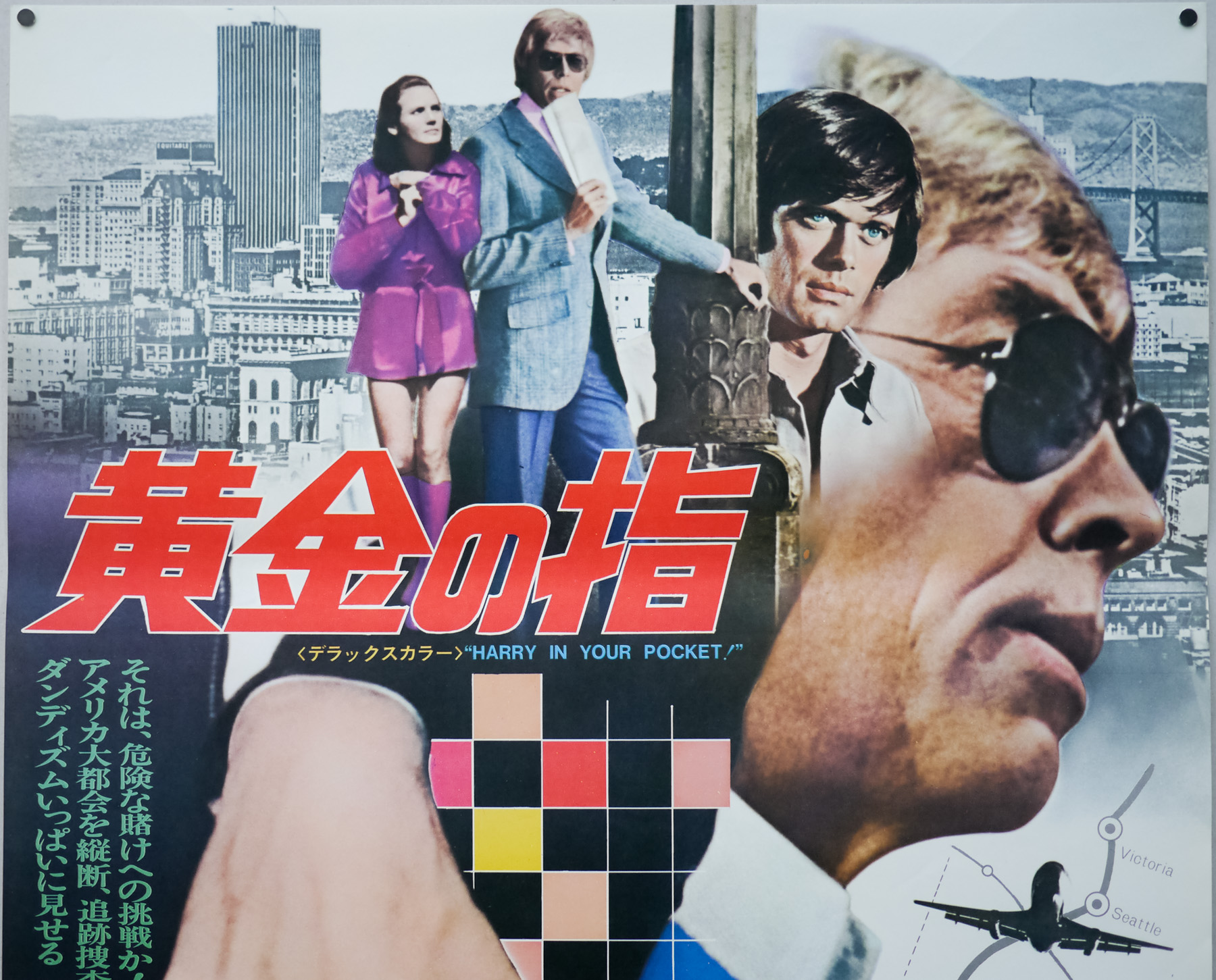
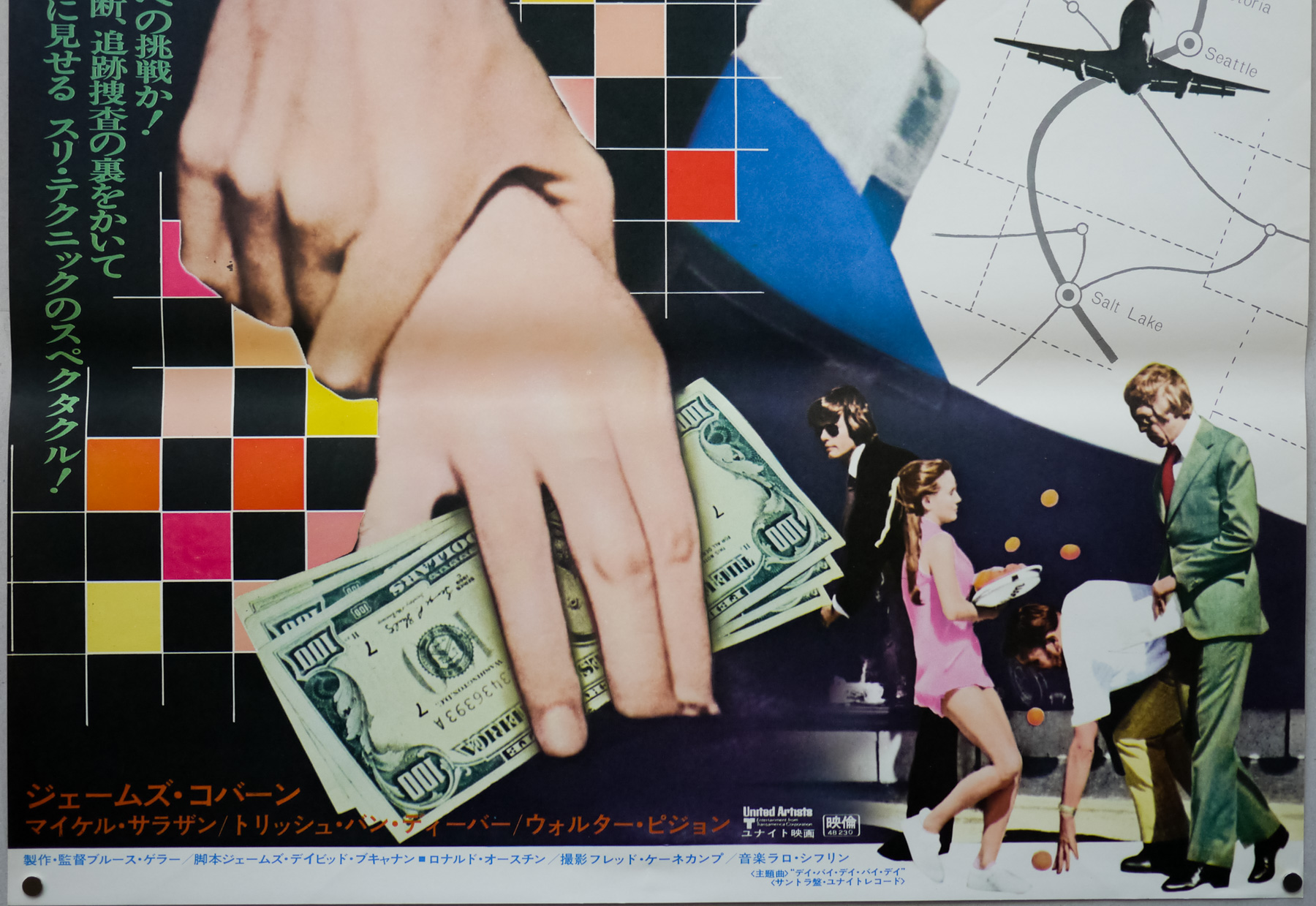
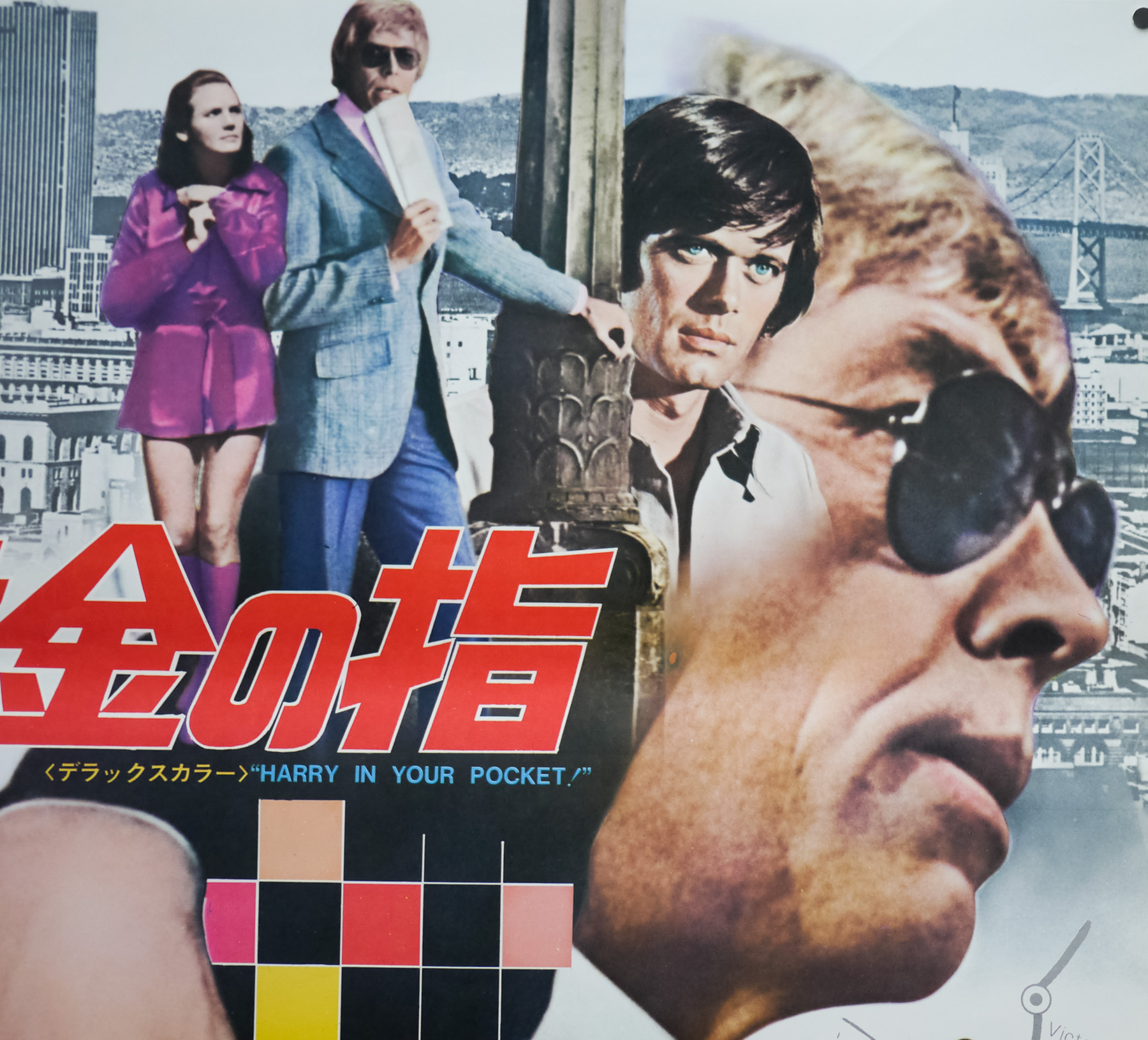
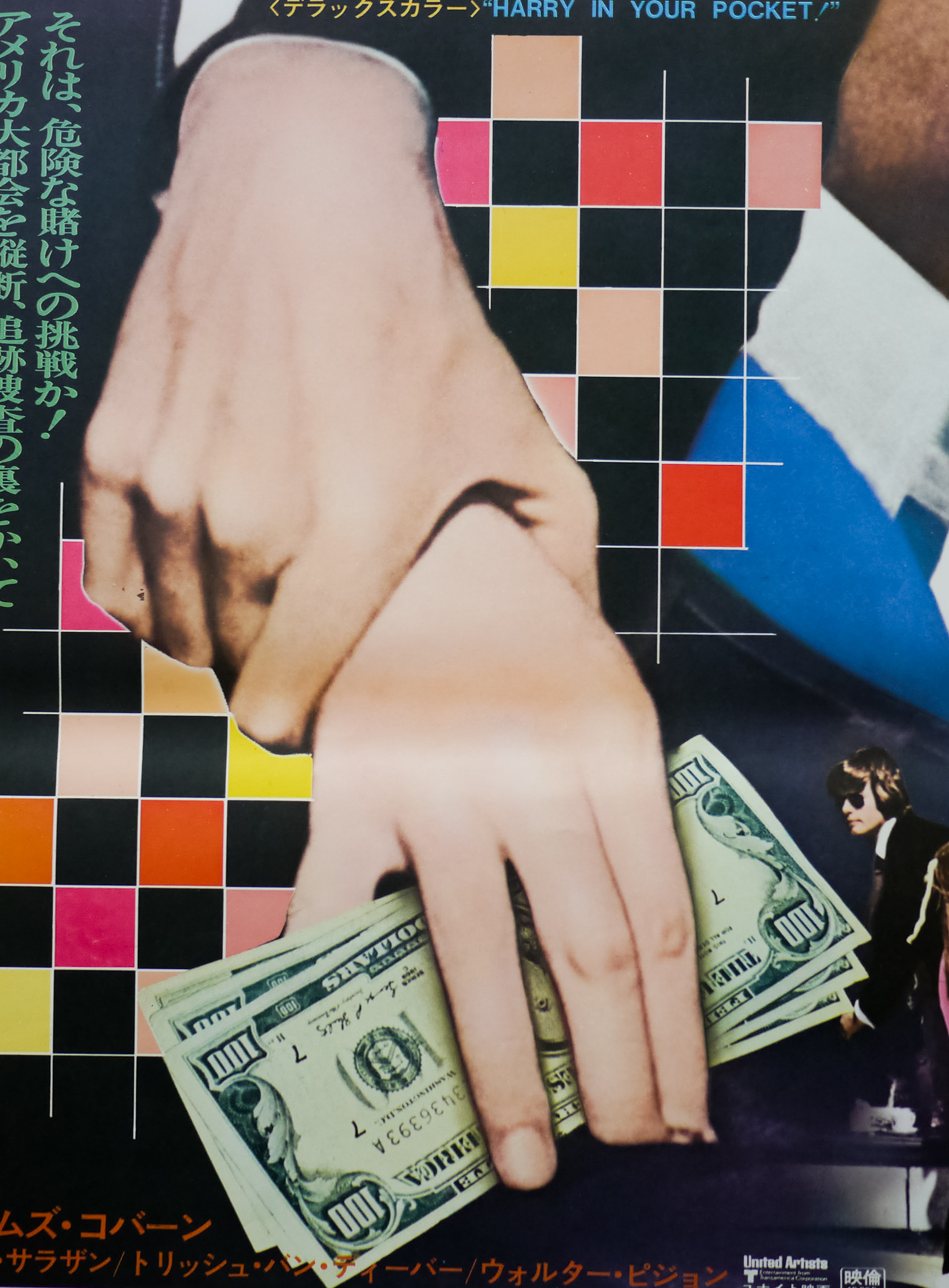
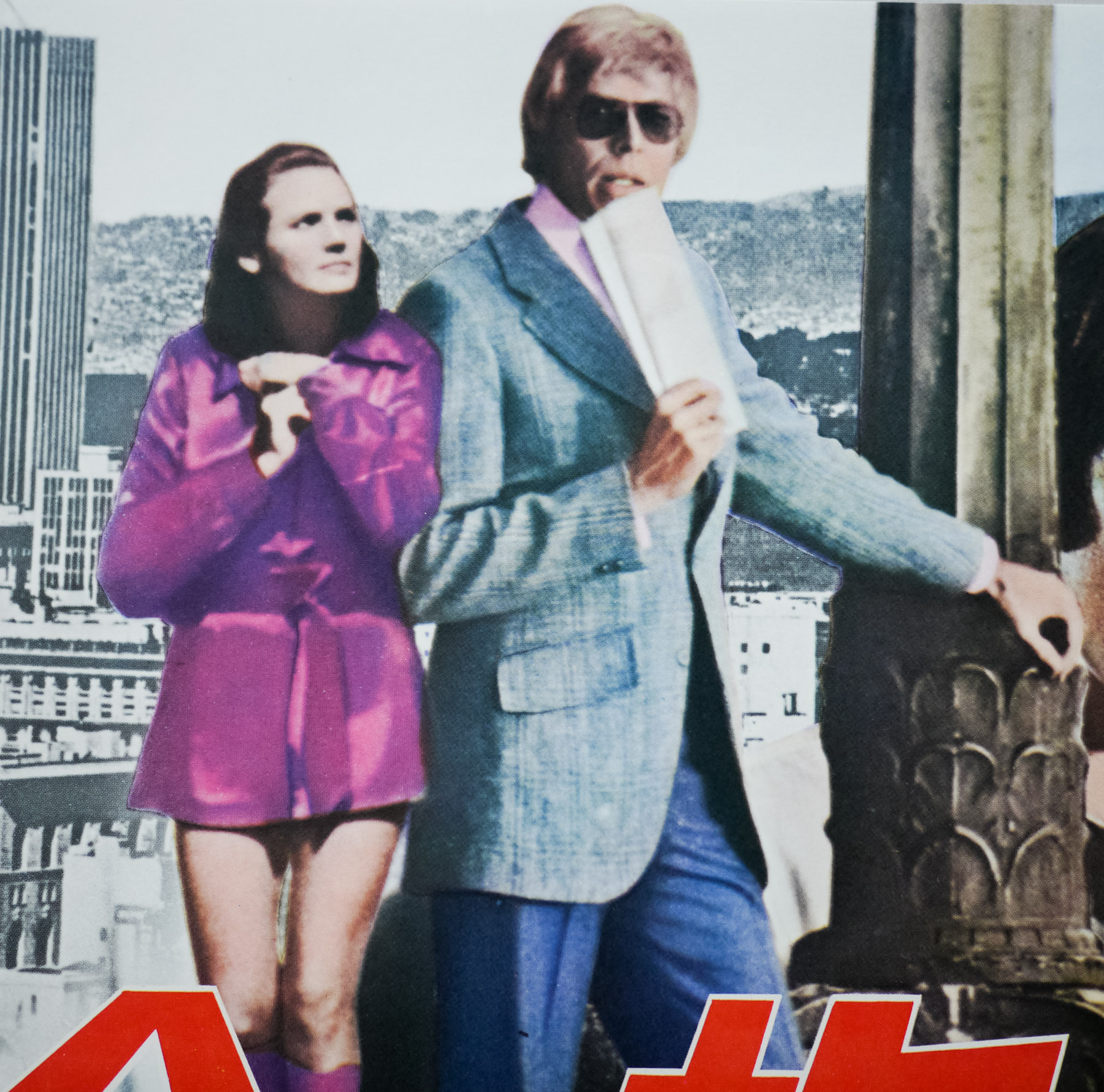
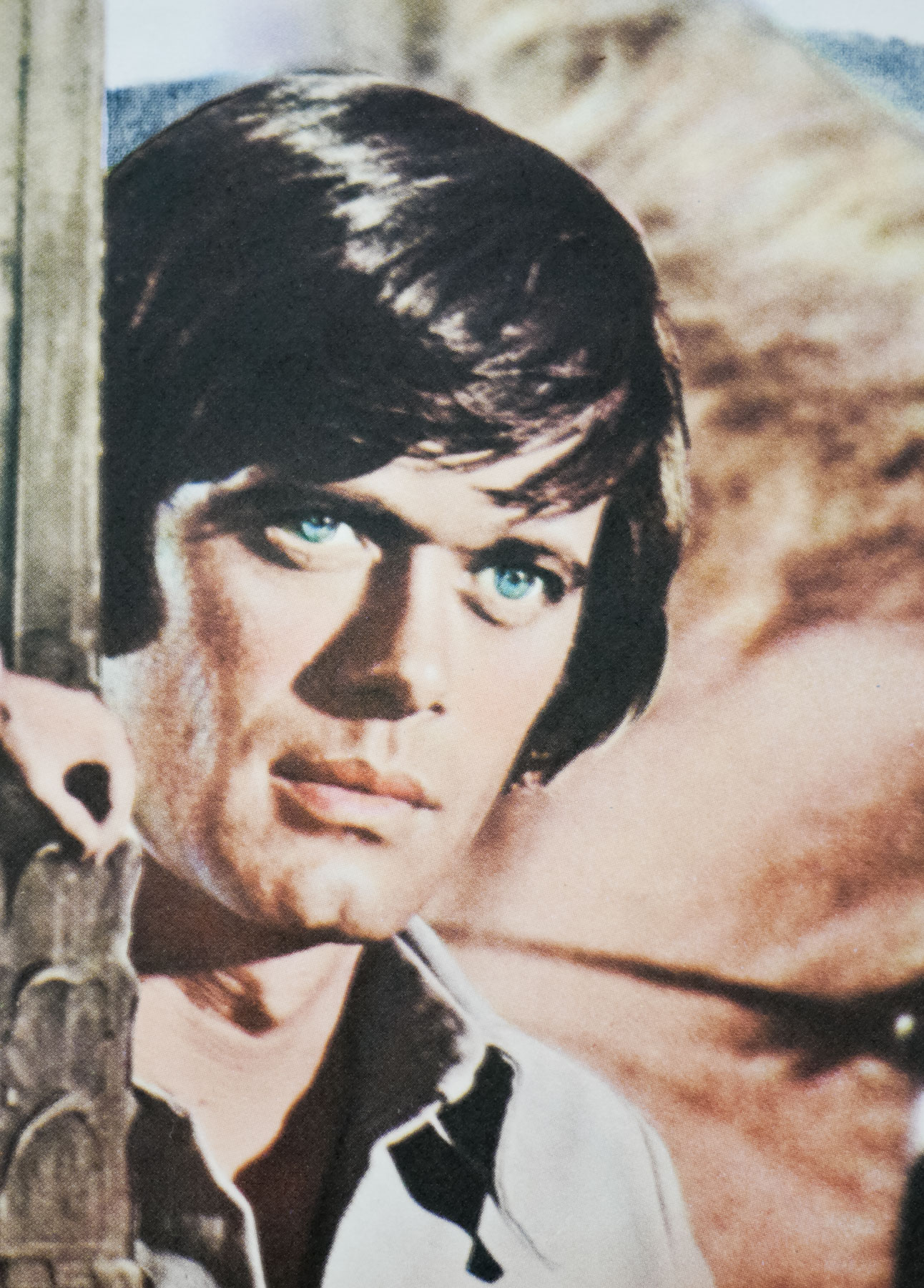
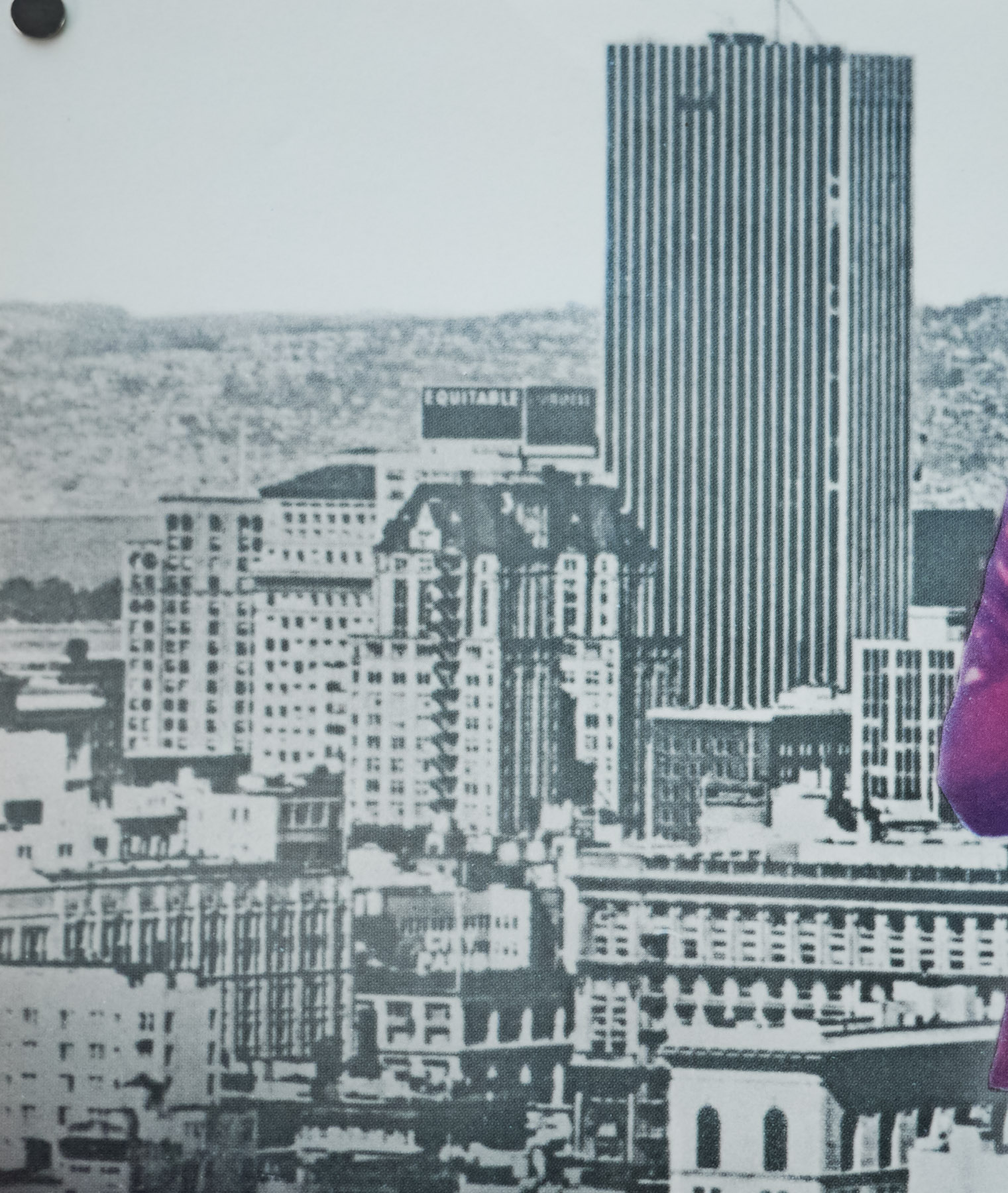
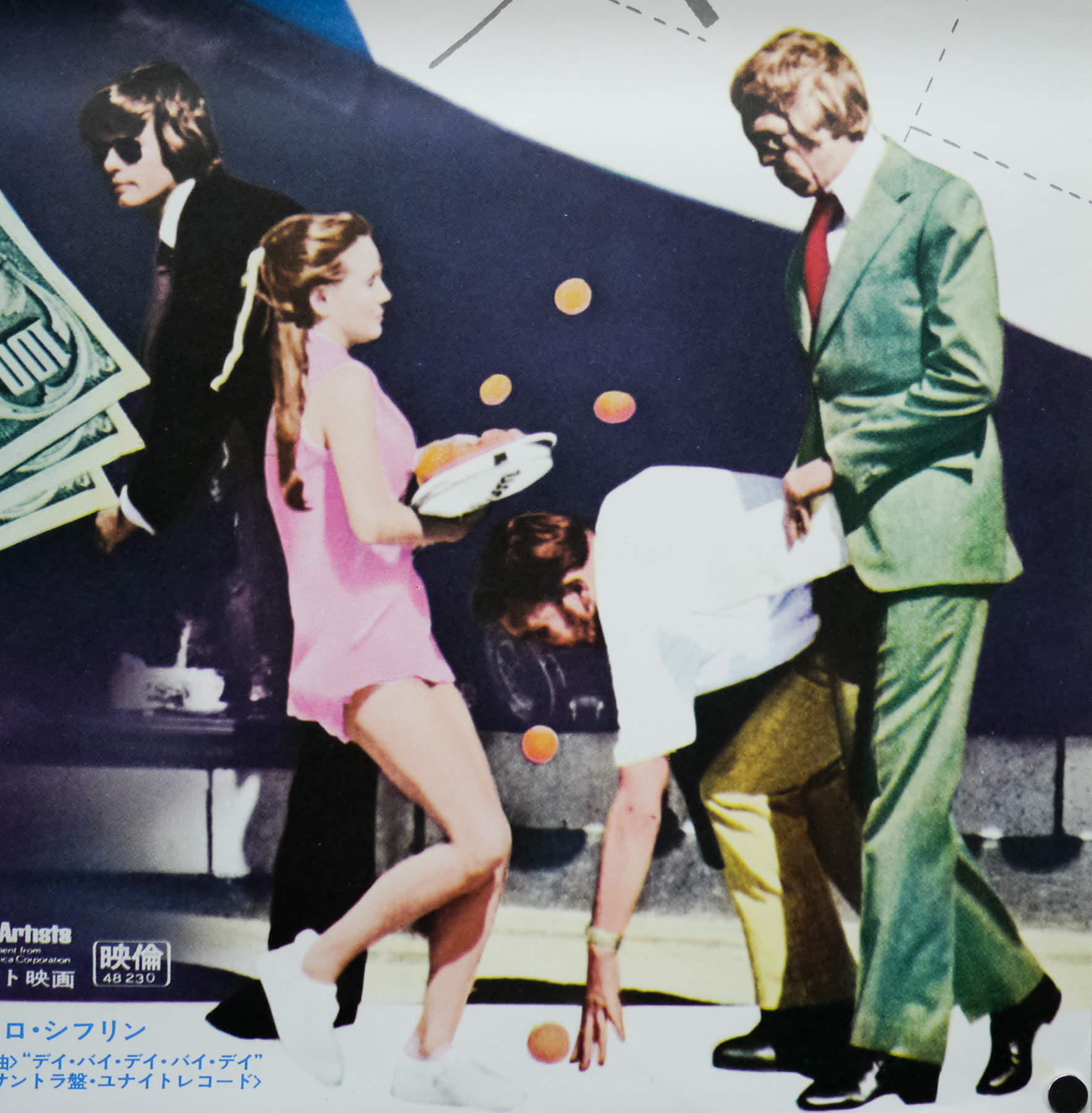
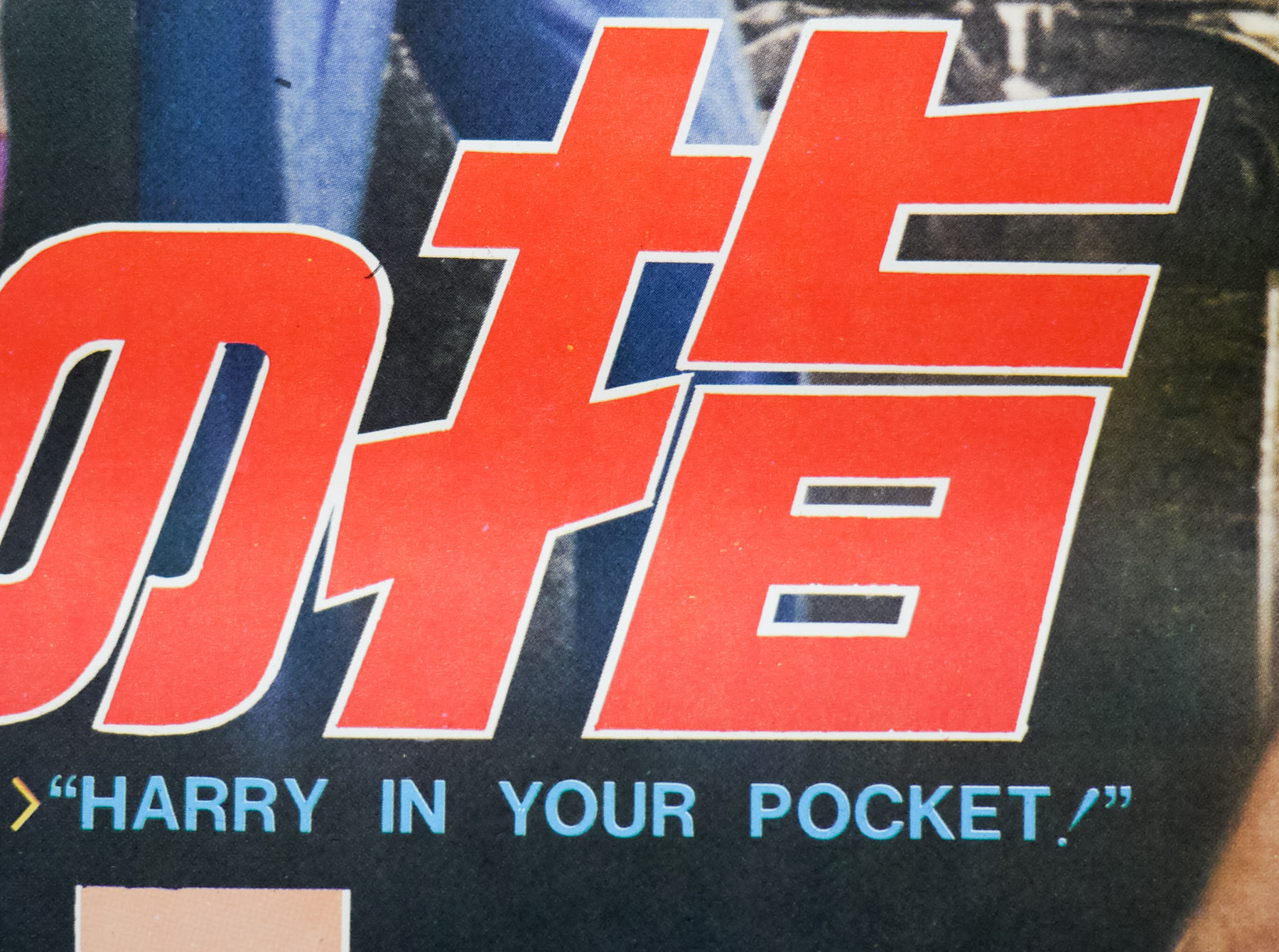
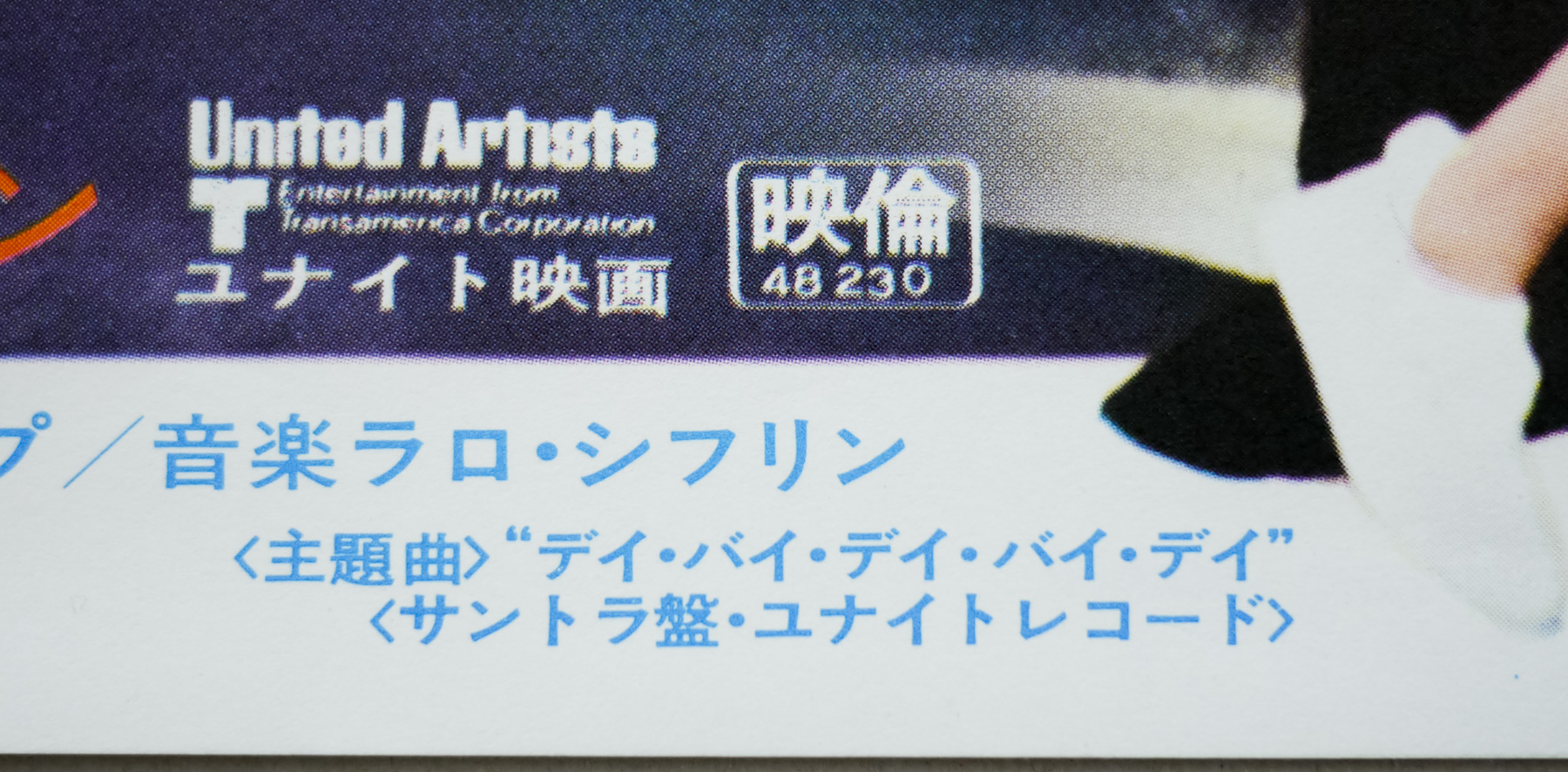
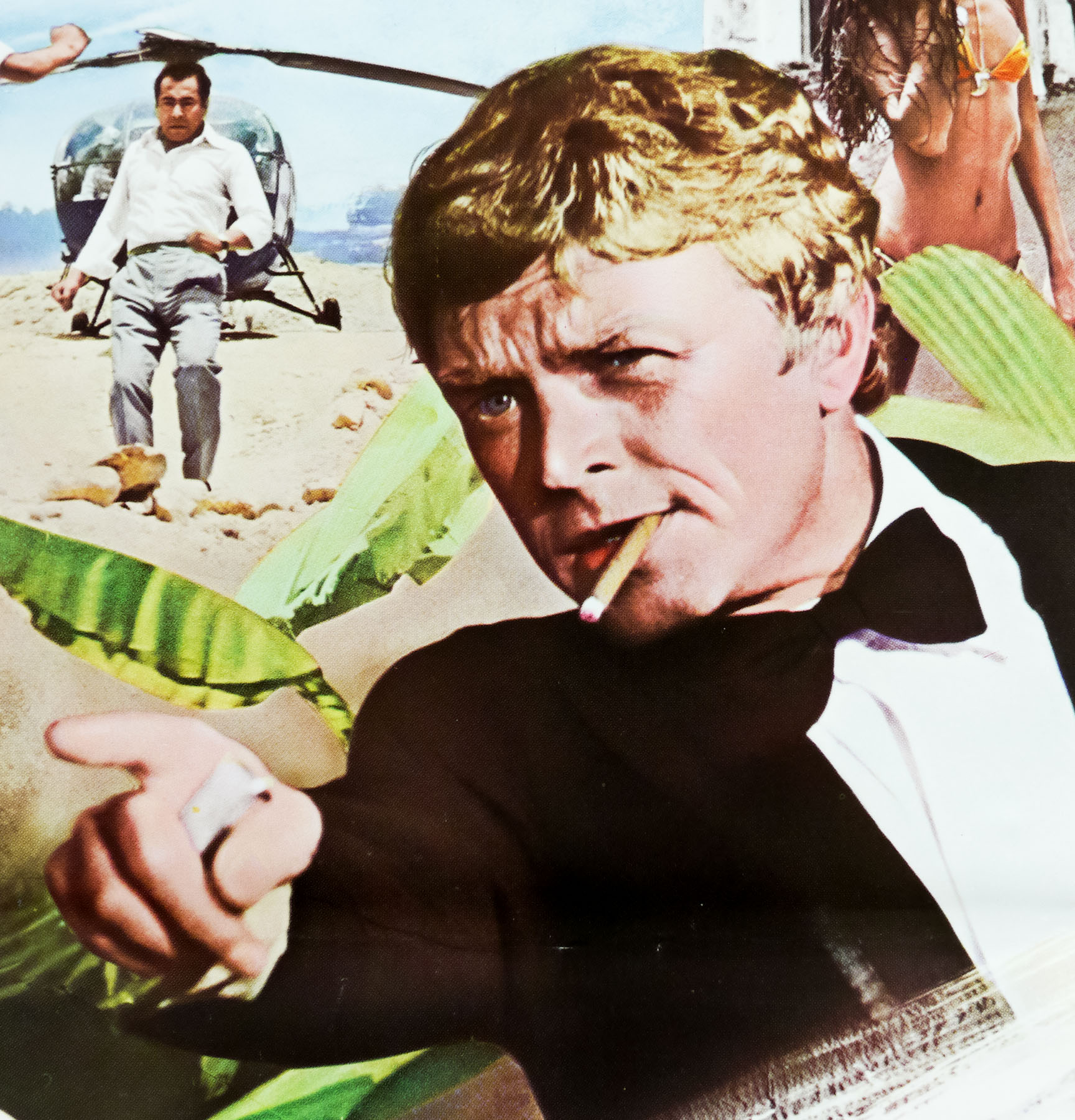
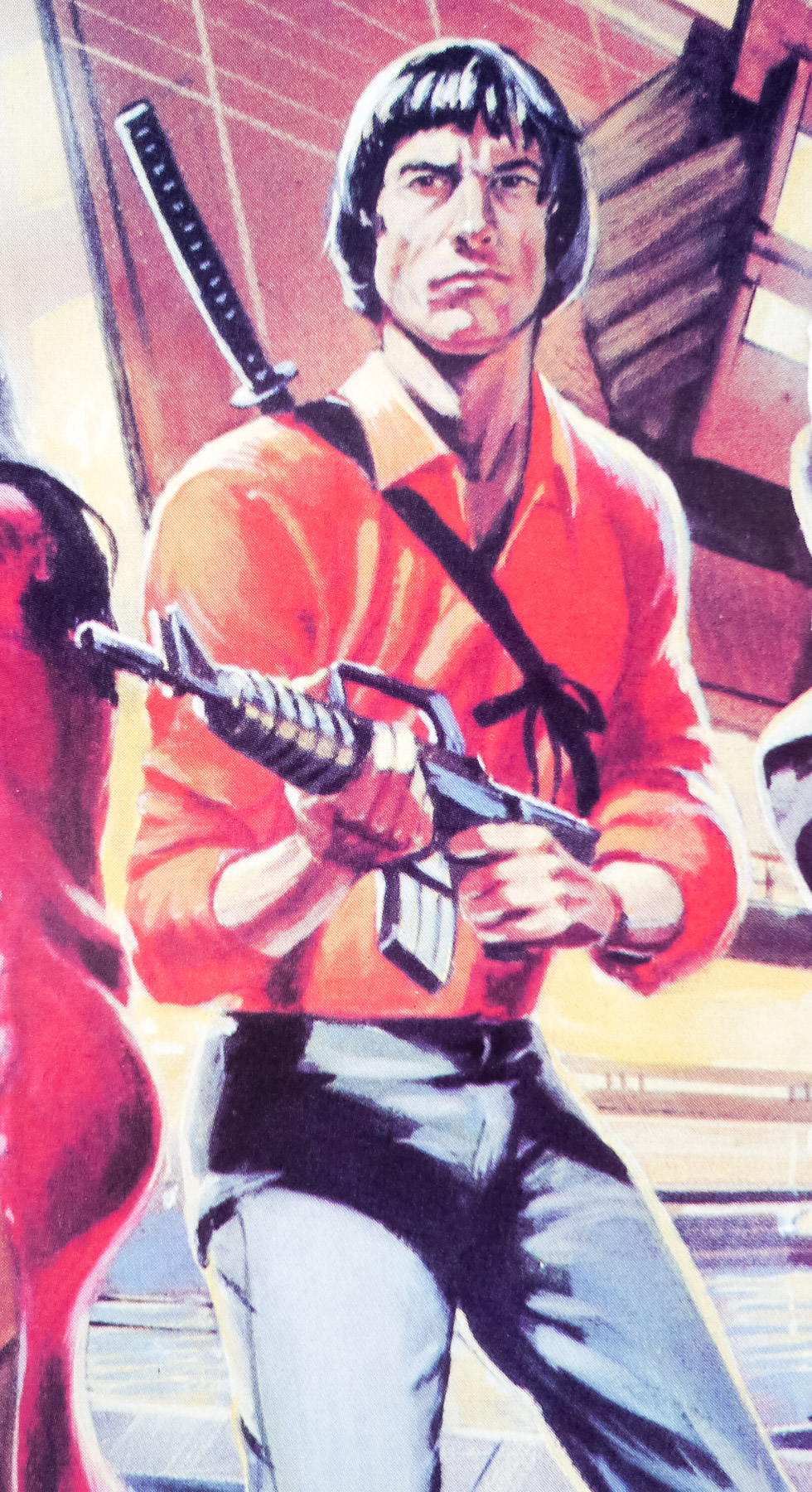
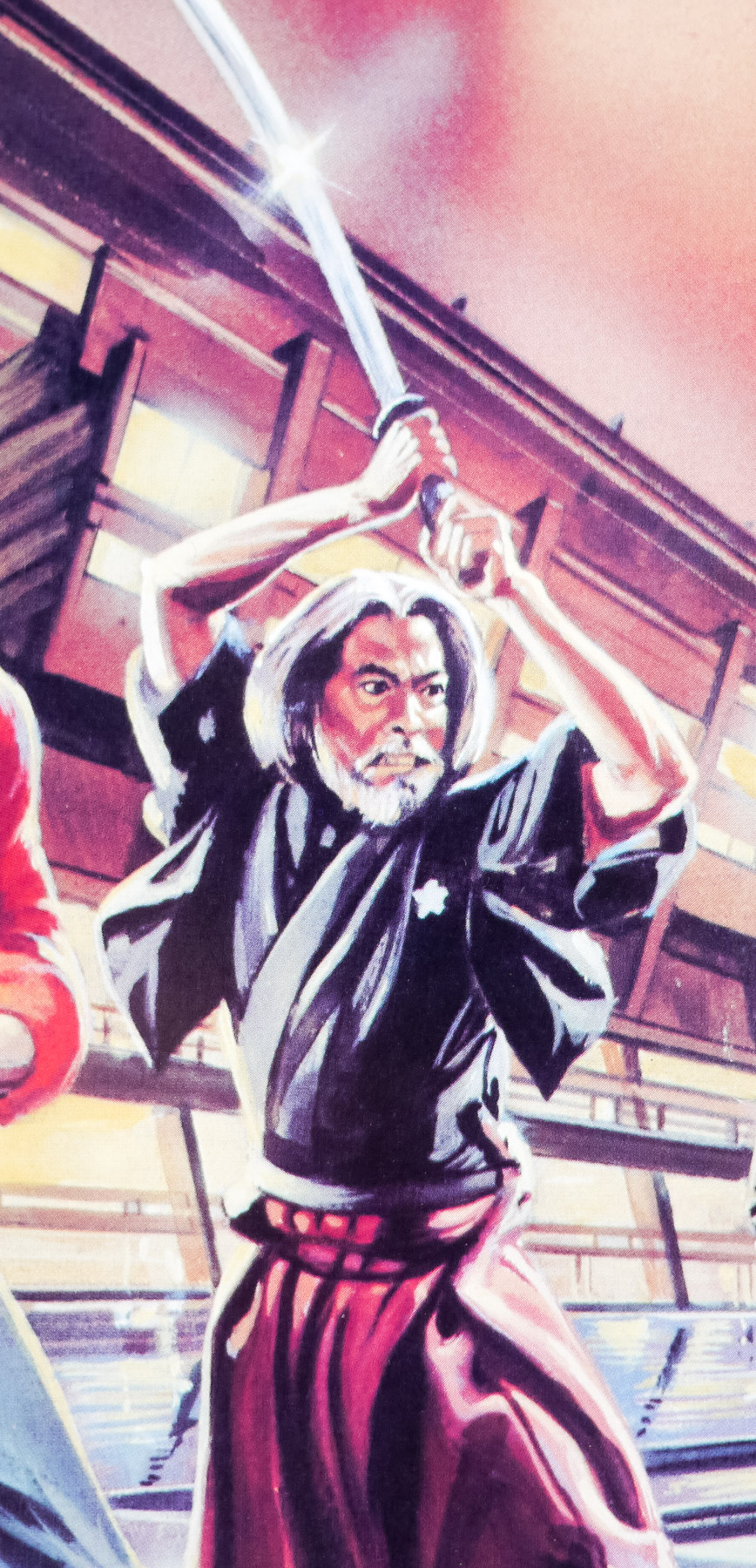
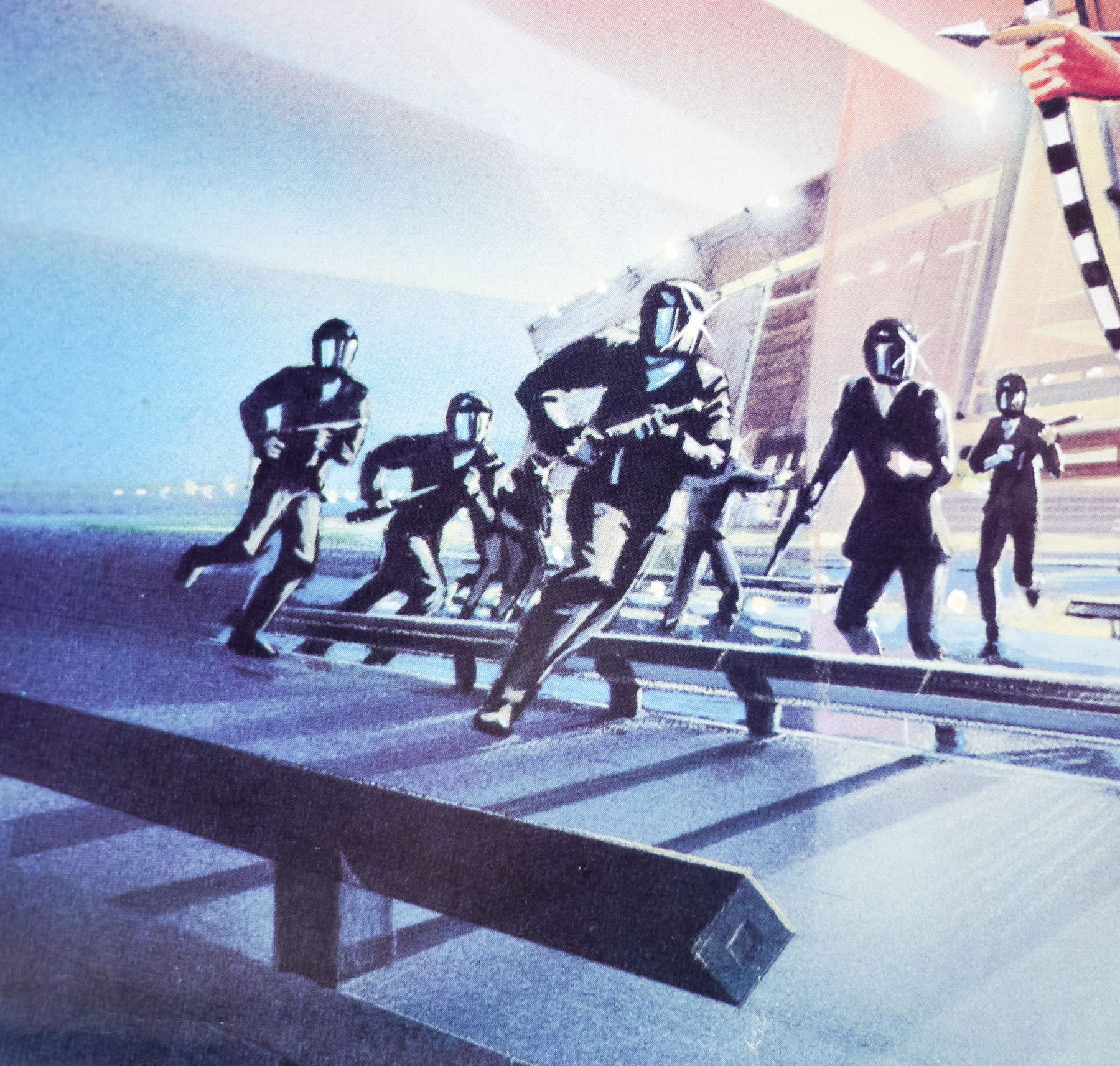
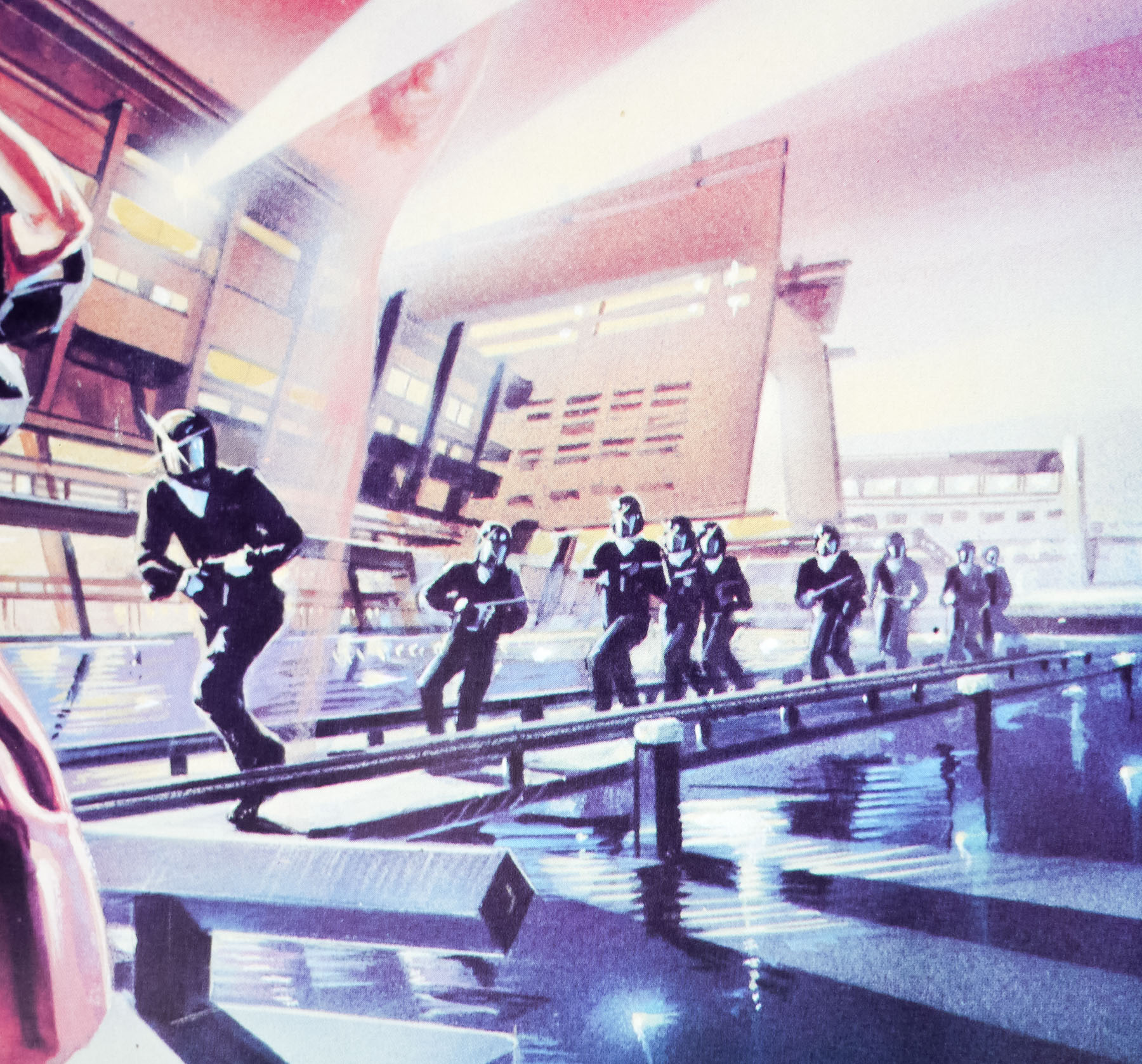
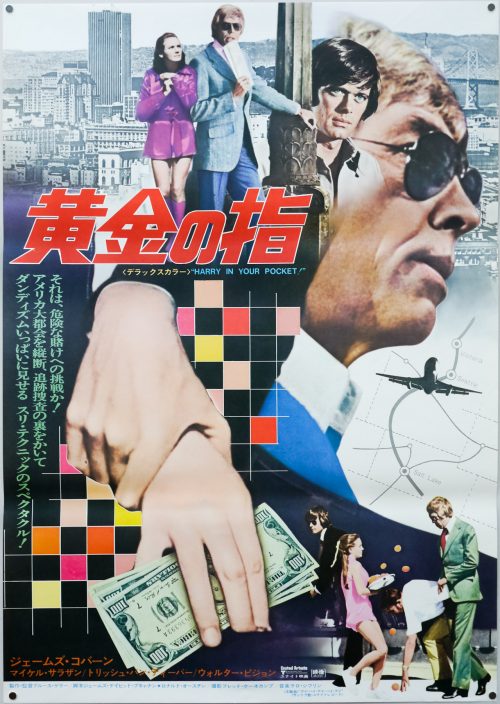
This is the Japanese B2 poster for the release of the 1973 crime caper Harry in Your Pocket, which marked the directorial debut of Bruce Geller. A man of many talents, Geller was at various points a screenwriter, producer, lyricist and director. He started out writing scripts for various TV shows during the 1950s and later worked as a co-producer on the successful cowboy series Rawhide. During this period he conceived of a series based around the world of espionage and developed it into what would become Mission Impossible, a TV series that Geller executive-produced (and even appeared in) to great success. The show lasted for seven seasons (though not all had Geller’s involvement) and was shown around the world from 1966 to 1973.

Harry in Your Pocket was Geller’s first feature film as director and The Savage Bees (1976) was his last, although technically that started life as a TV movie. Sadly he died aged 47 when his light aircraft crashed in fog near Santa Barbara, California.

The late James Coburn stars as the eponymous character, a professional pickpocket who works with an older man Casey (Walter Pidgeon) who has started to make mistakes due to excessive drug use. A younger man named Ray (Michael Sarrazin) yearns to be as good as Harry and when his girlfriend Sandy (Trish Van Devere) falls victim to the professional pair, Ray decides to track them down and persuade them to take him under their wing. Harry and Casey eventually agree to let the pair work with them as the ‘stalls’, which means their task is create as much of a distraction as possible so that Harry and Casey can get close to their marks and make ‘the dip’. However, when it becomes clear that Harry has an interest in Sandy, and Ray tires of being only a minor member of the team, the group’s allegiances are tested, putting them all in danger from the law.

A Nightmare on Elm Street 5: the Dream Child / B2 / photo style / Japan

18.07.16

Poster Poster

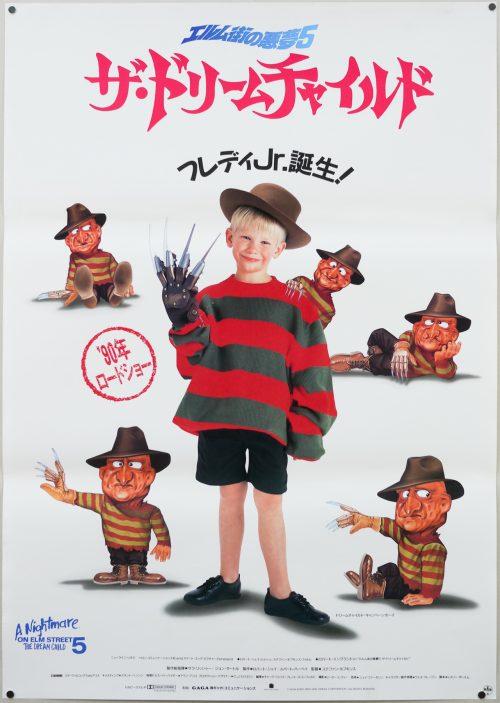
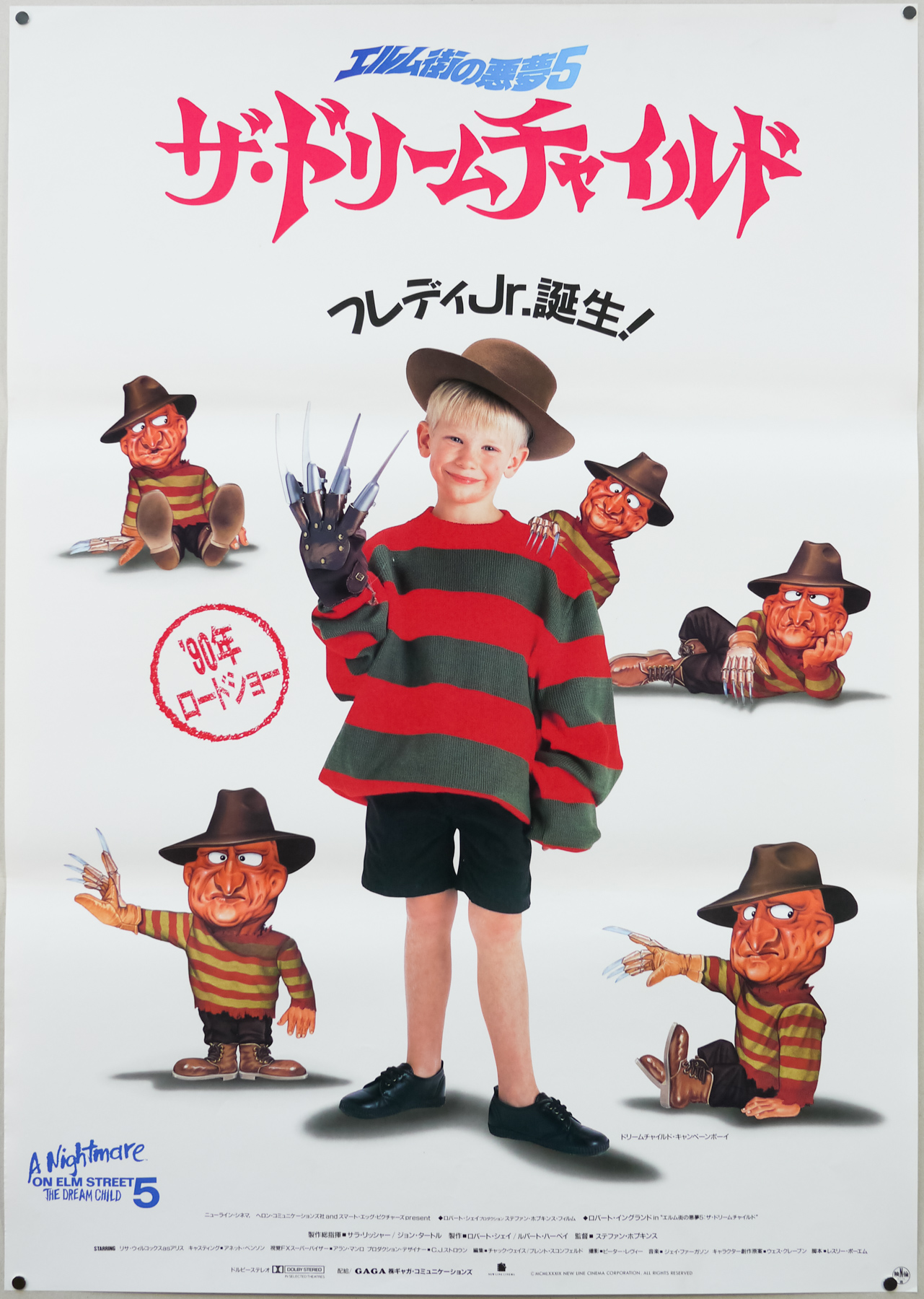
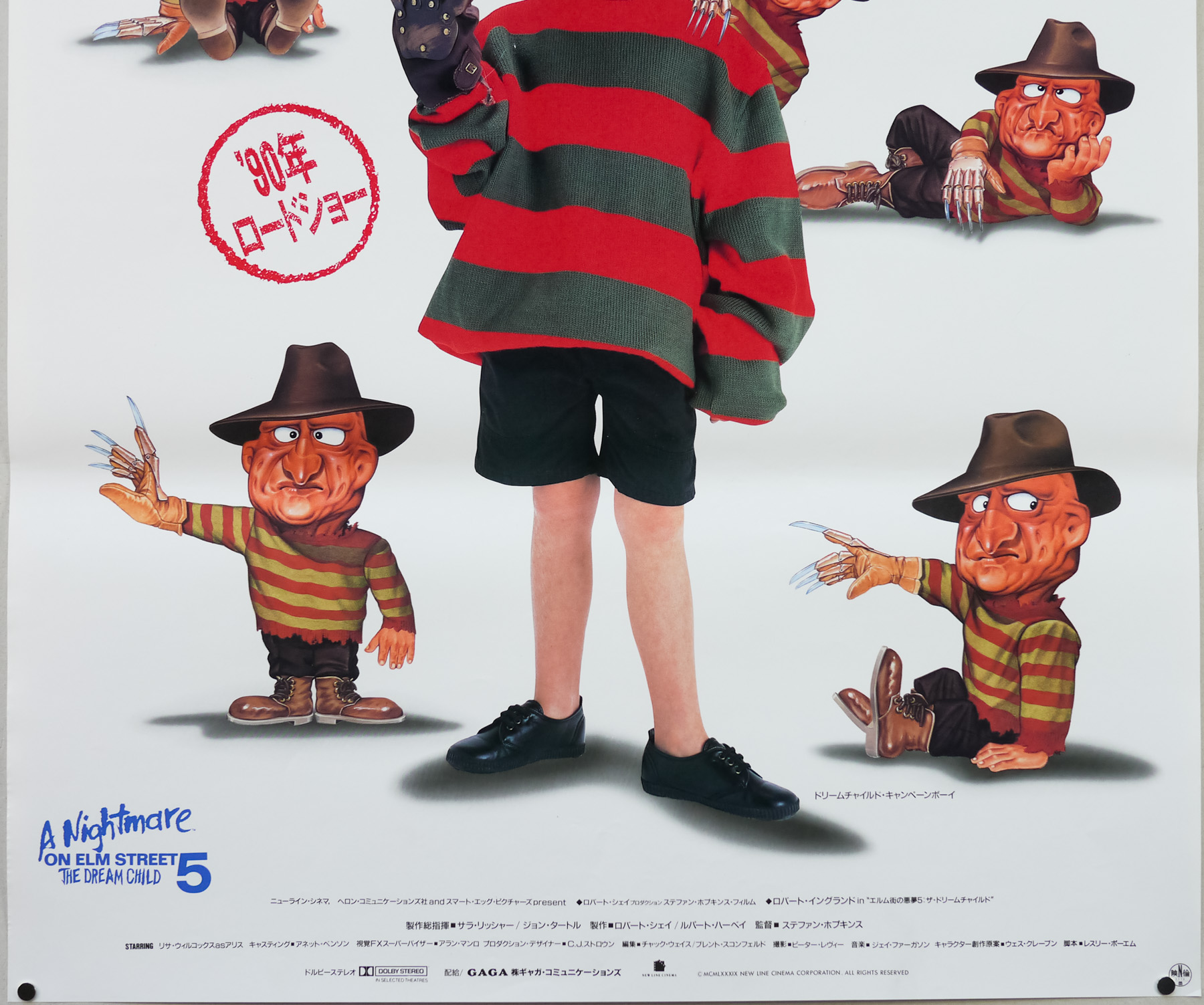
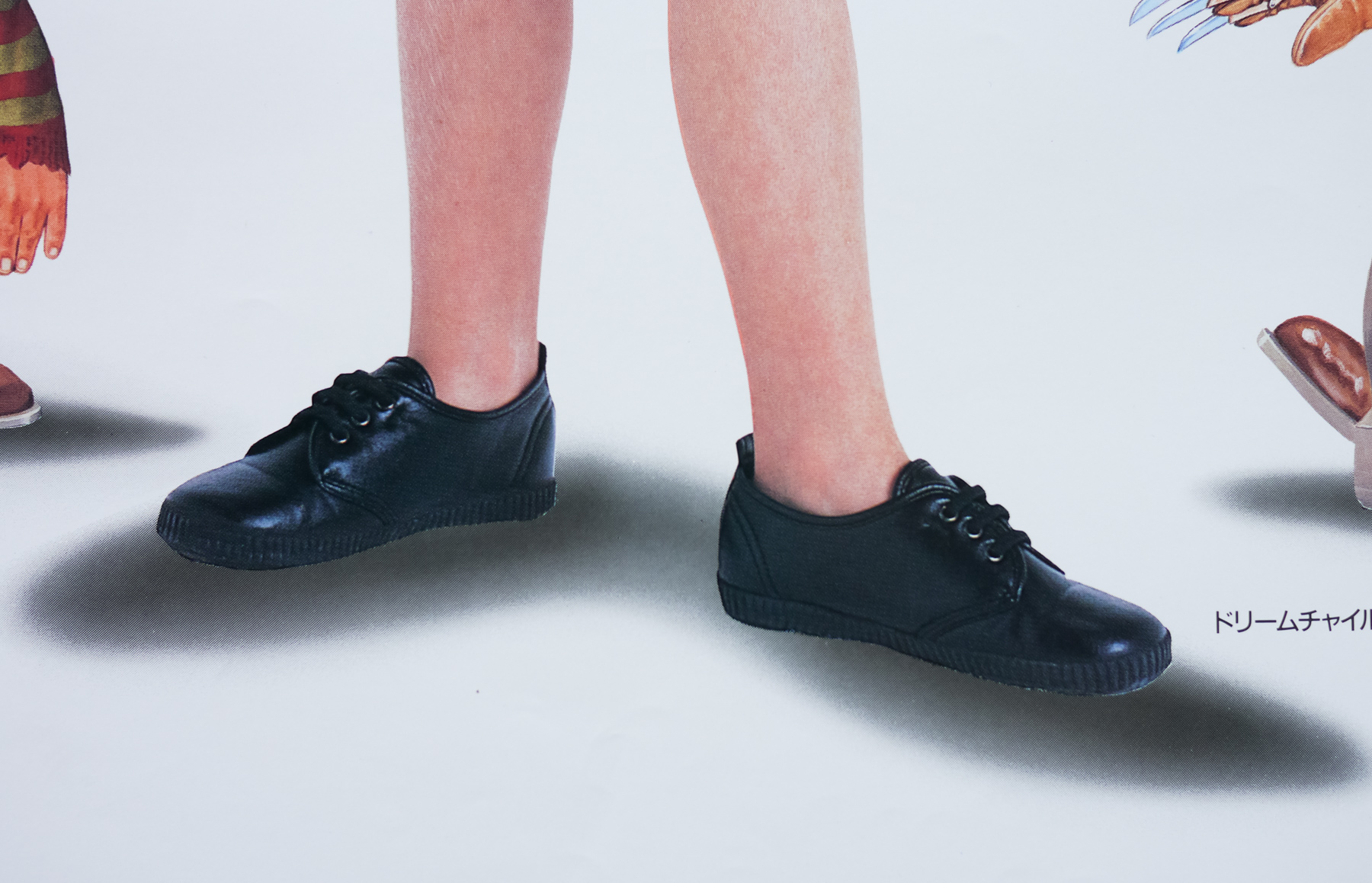
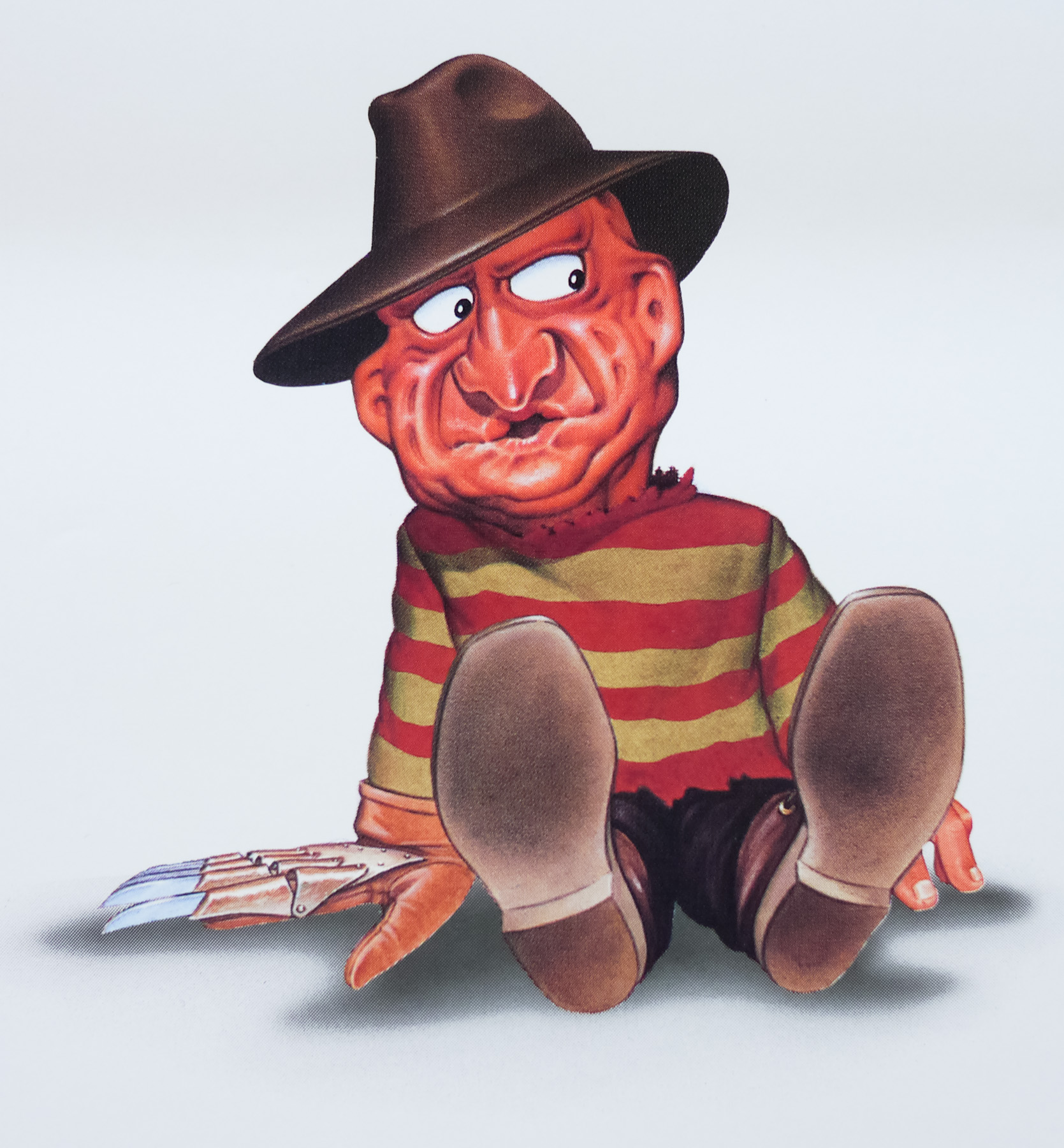
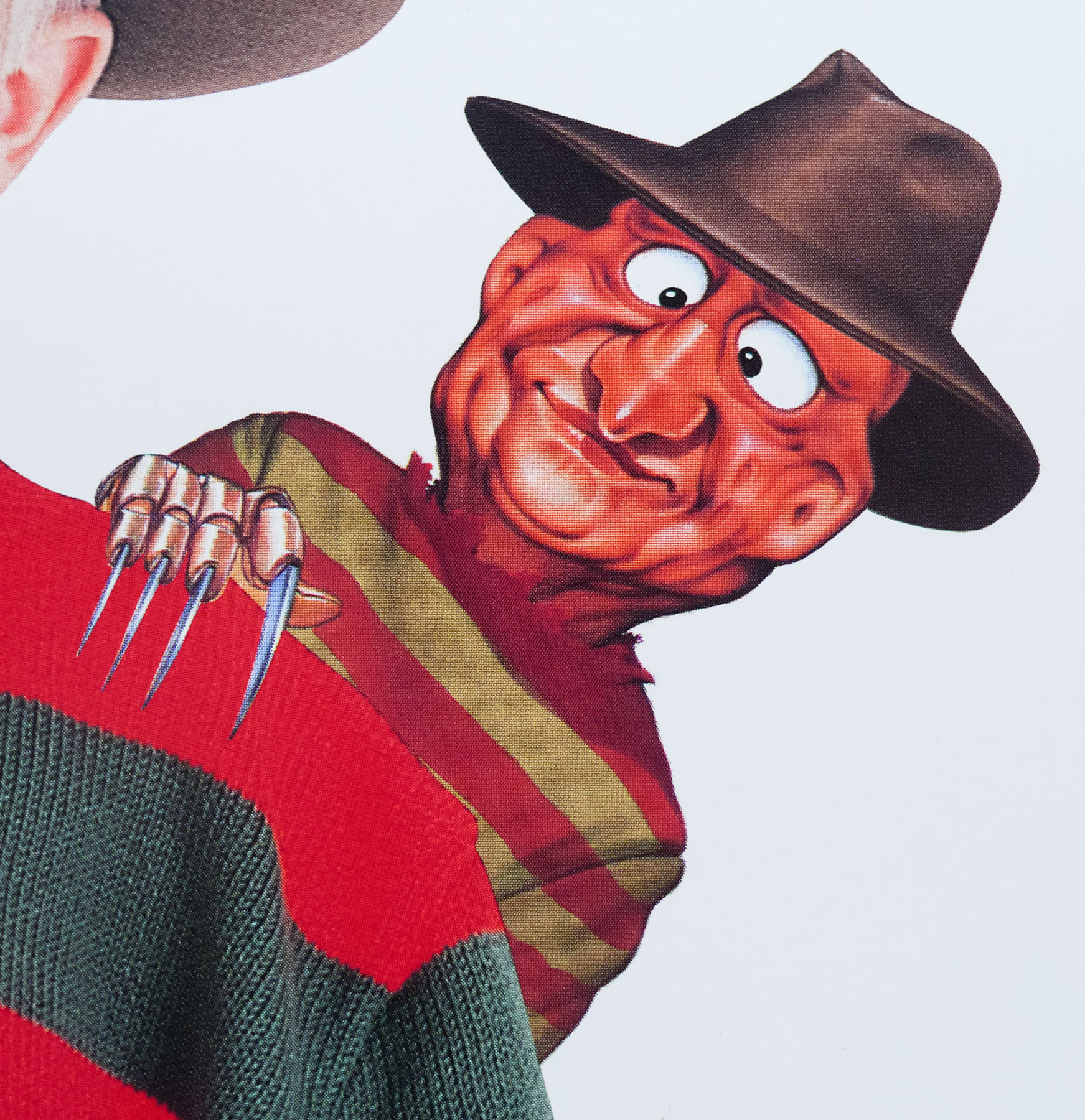
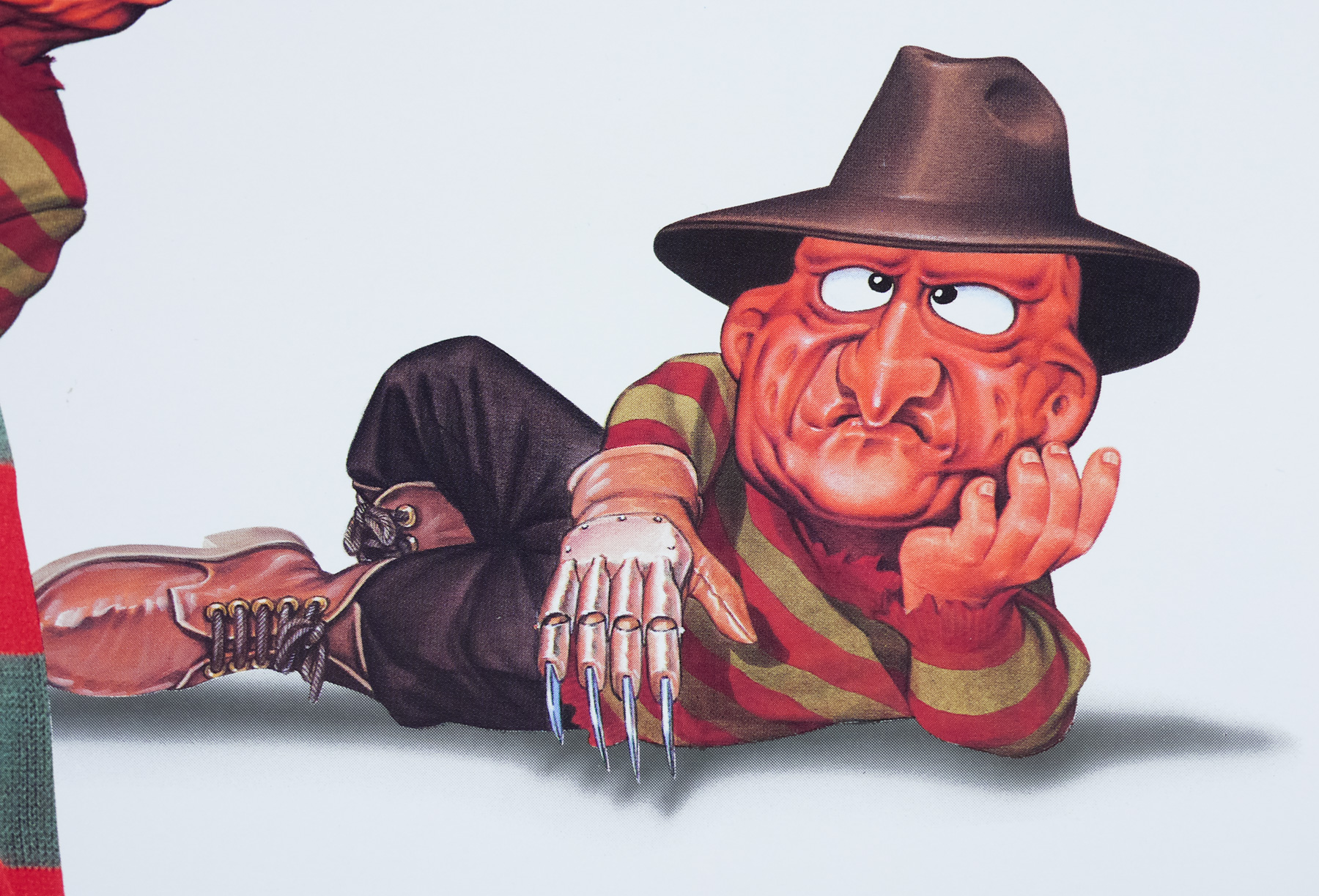
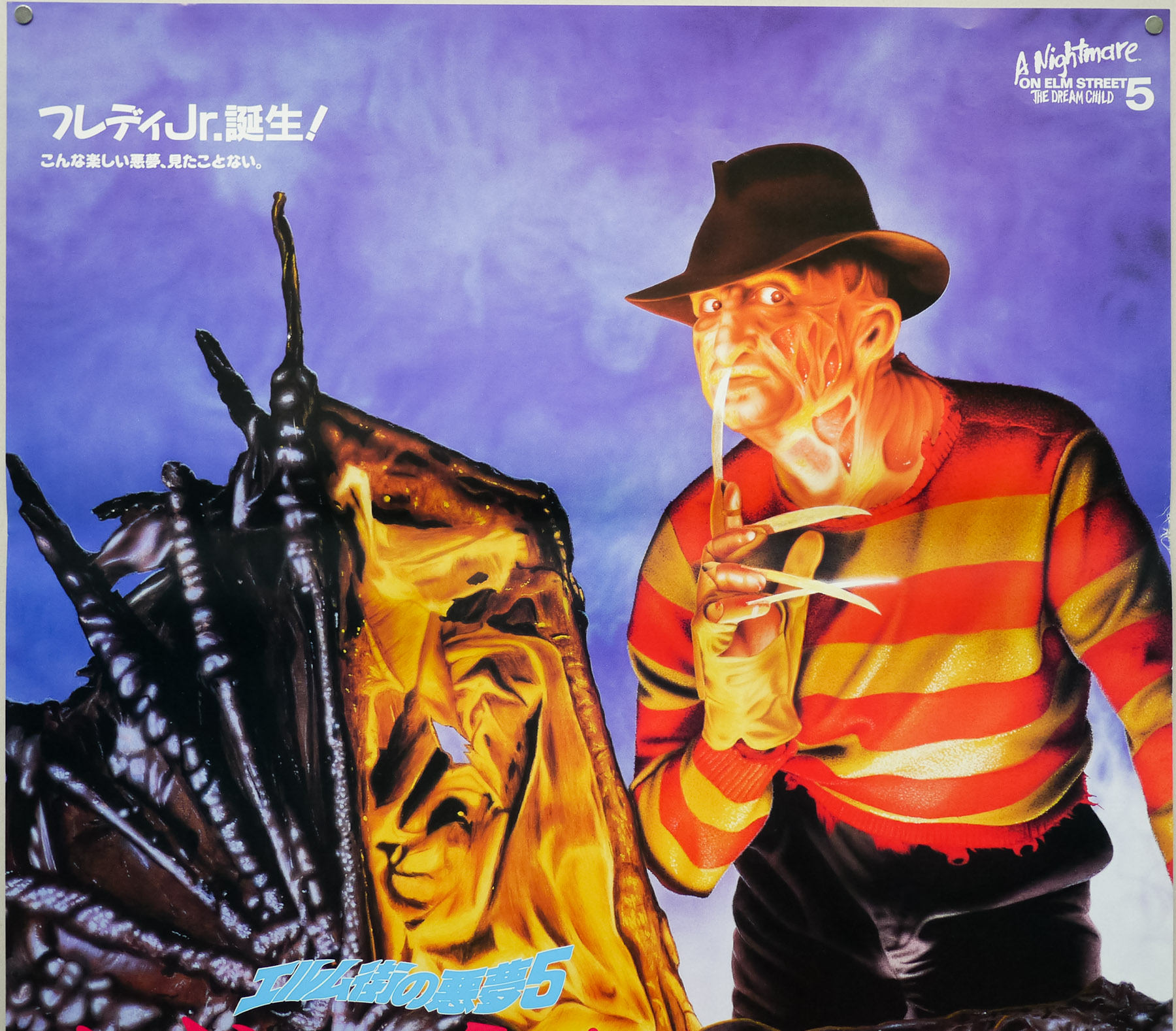
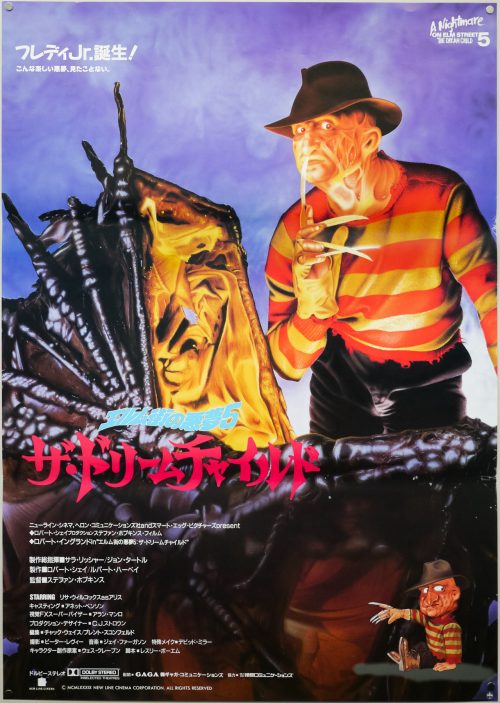
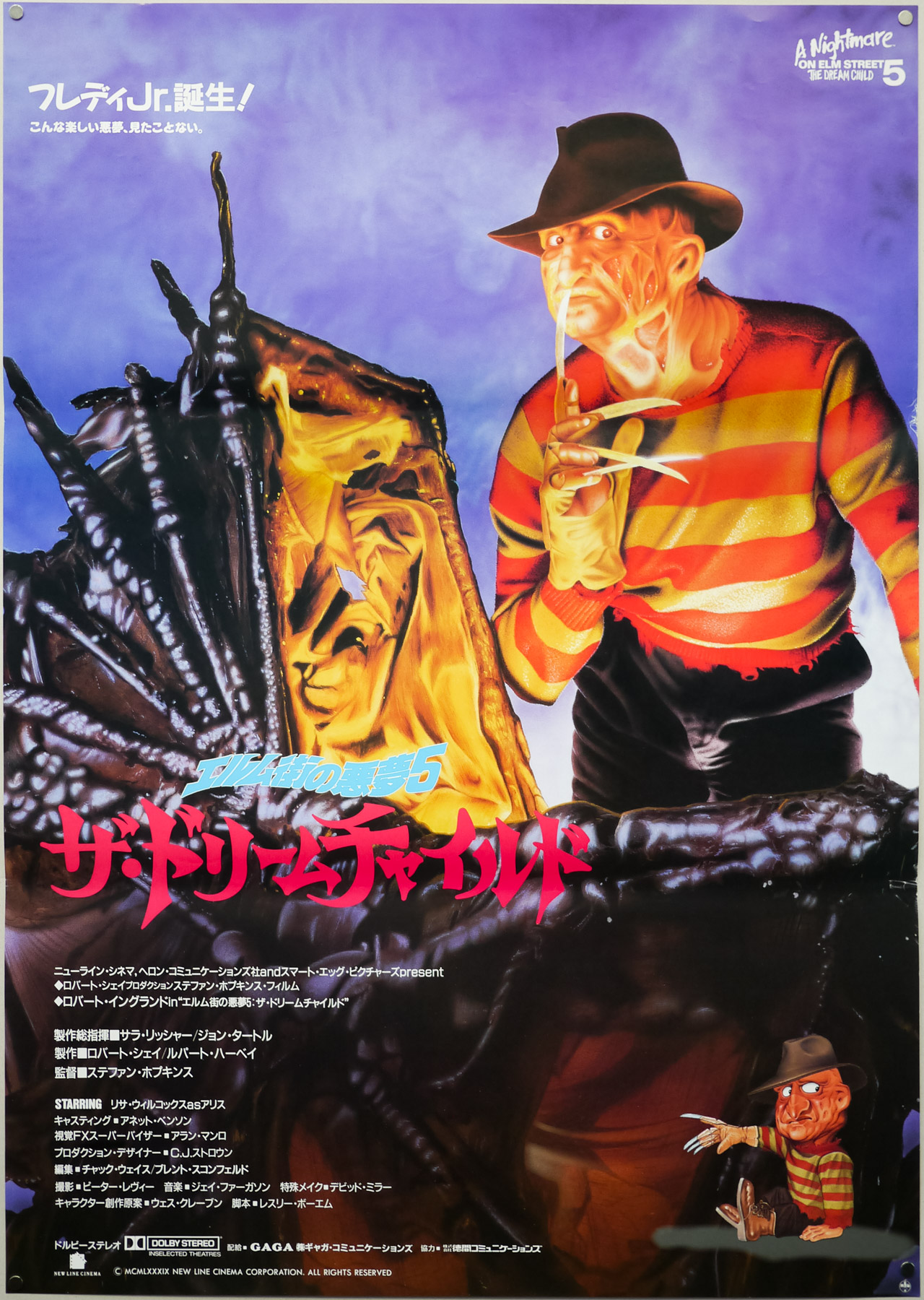
A bizarre design features on this Japanese B2 for the release of the fifth entry in the much-loved horror franchise, A Nightmare on Elm Street 5. The film’s subtitle ‘the Dream Child’ hints at the plot for the film, which sees Freddy attempting to return from hell by using the mind of an unborn baby. The child belongs to Alice (Lisa Wilcox) who was the main character in the previous film and the father is her boyfriend Dan (Danny Hassel) who also returns from Part 4. The Dream Child was only the second film directed by Stephen Hopkins, the Jamaican-born English-Australian director best known for helming Predator 2 and the 1998 reboot of Lost in Space.

Set a year after the previous film, the story sees Alice and her friends graduating from high school with Freddy Krueger seemingly vanquished for good. Alice begins to have strange dreams in which she finds herself in the asylum where Freddy’s mother, a nun named Amanda, was attacked and raped by the inmates. Later she has another dream in which she witnesses Amanda giving birth to a strange, deformed baby. The creature scuttles off and ends up in the church where Alice vanquished Freddy in Part 4 whereupon it grows into an adult Krueger. He immediately begins to taunt Alice, claiming he has found a way to return for good. When she wakes from the dream she immediately summons Dan to her but he falls asleep at the wheel of his motorbike and Freddy attacks and, during a gruesome sequence, melds him together with the bike before crashing him into a truck. Soon afterwards she learns that she is pregnant with Dan’s child and immediately begins to fear for its safety.

Alice and her friends must once again battle together with the spirit of Amanda Krueger to stop Freddy before he is able to return and take over the mind of Alice’s unborn son (Jacob). To be honest, the film gets very confusing and it’s hard to follow what’s happening most of the time, never mind how an unborn baby suddenly becomes a ten-year-old child in some of the sequences. The usual dream deaths are pretty dark and there are some gruesome moments for horror hounds, but the story barely hangs together, with choppy editing and hammy acting not helping at all. Although not a box-office disaster, the film failed to make anywhere near the box-office of Part 3 and 4 and audiences were certainly cooling towards the franchise by this point.

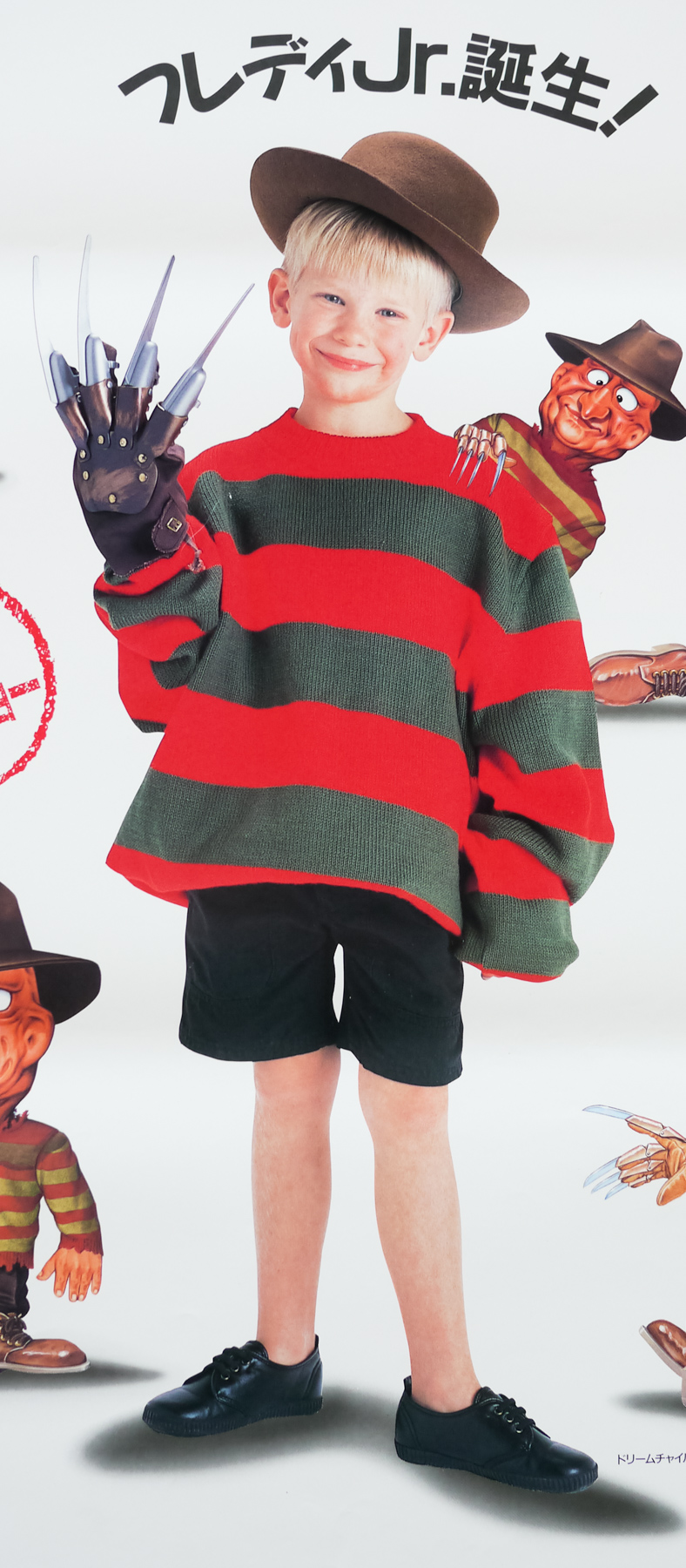
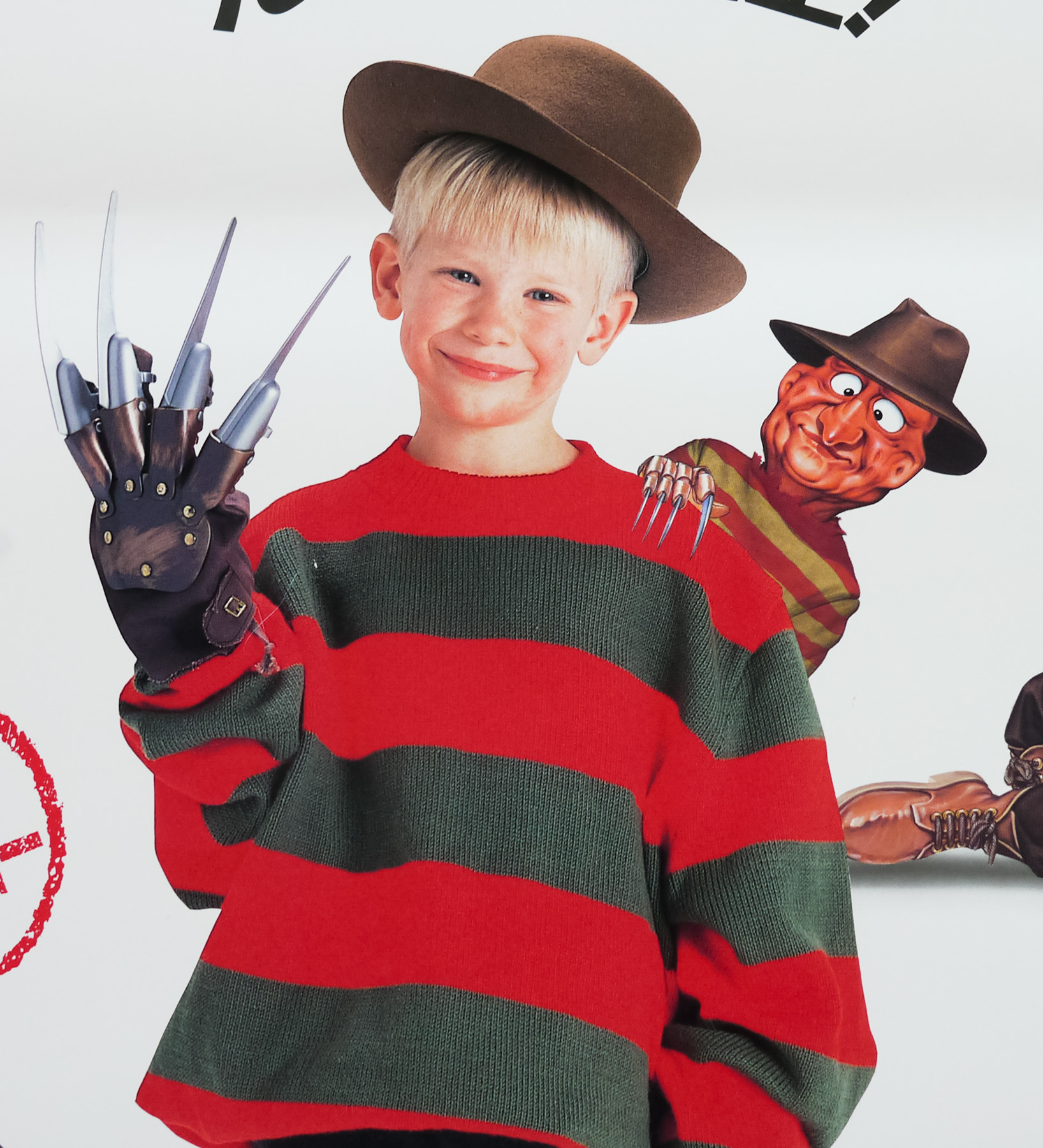
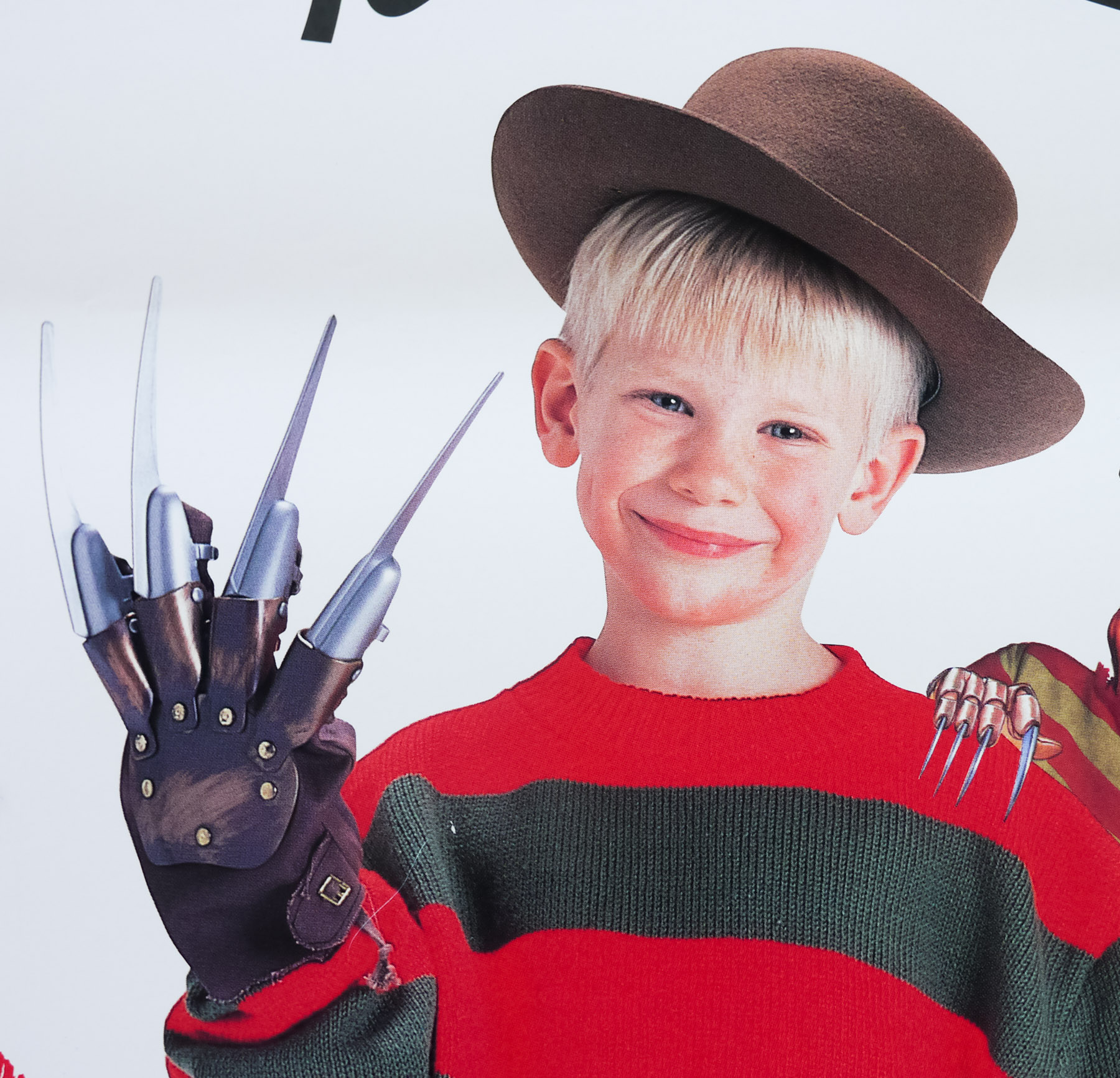
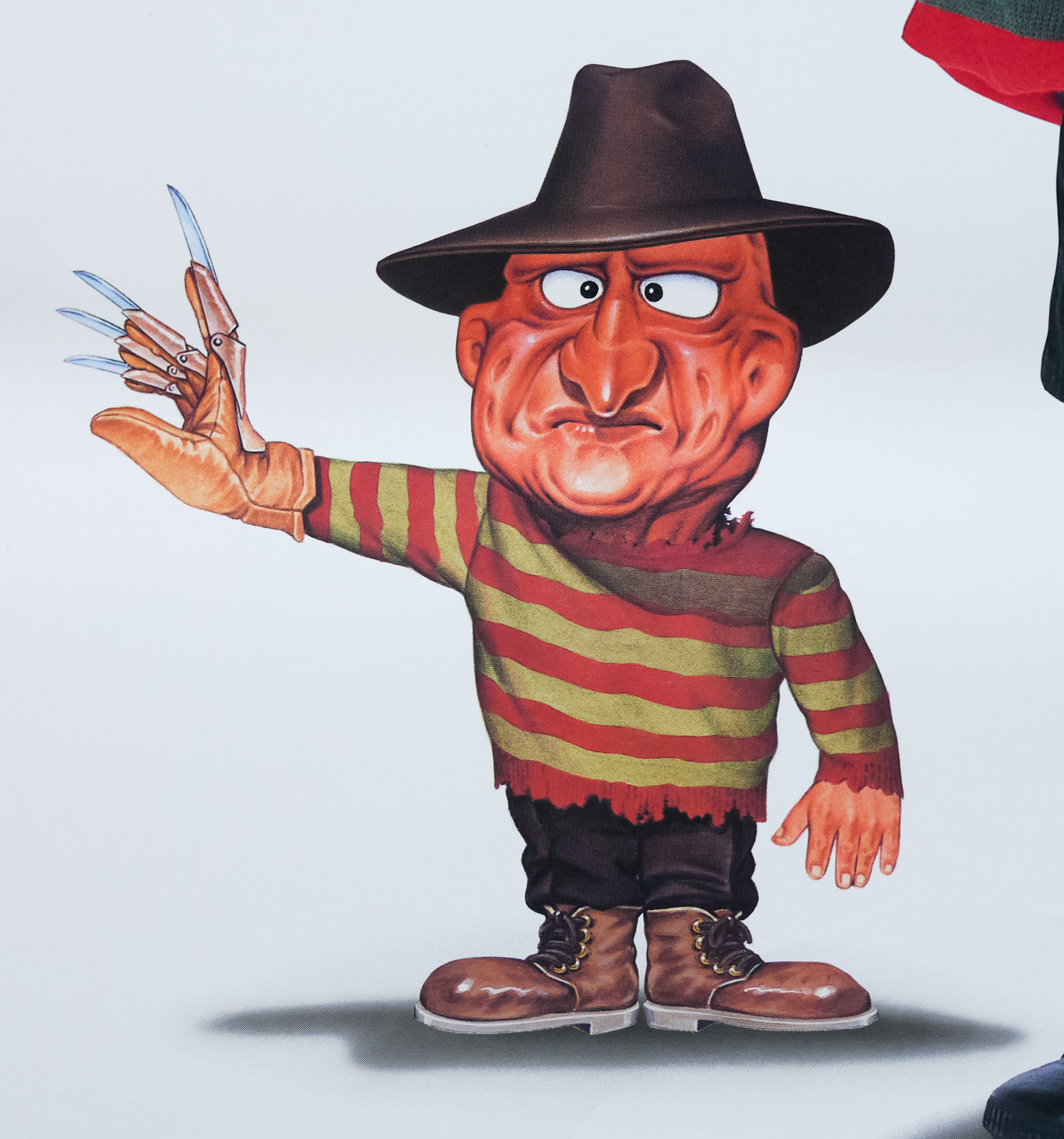
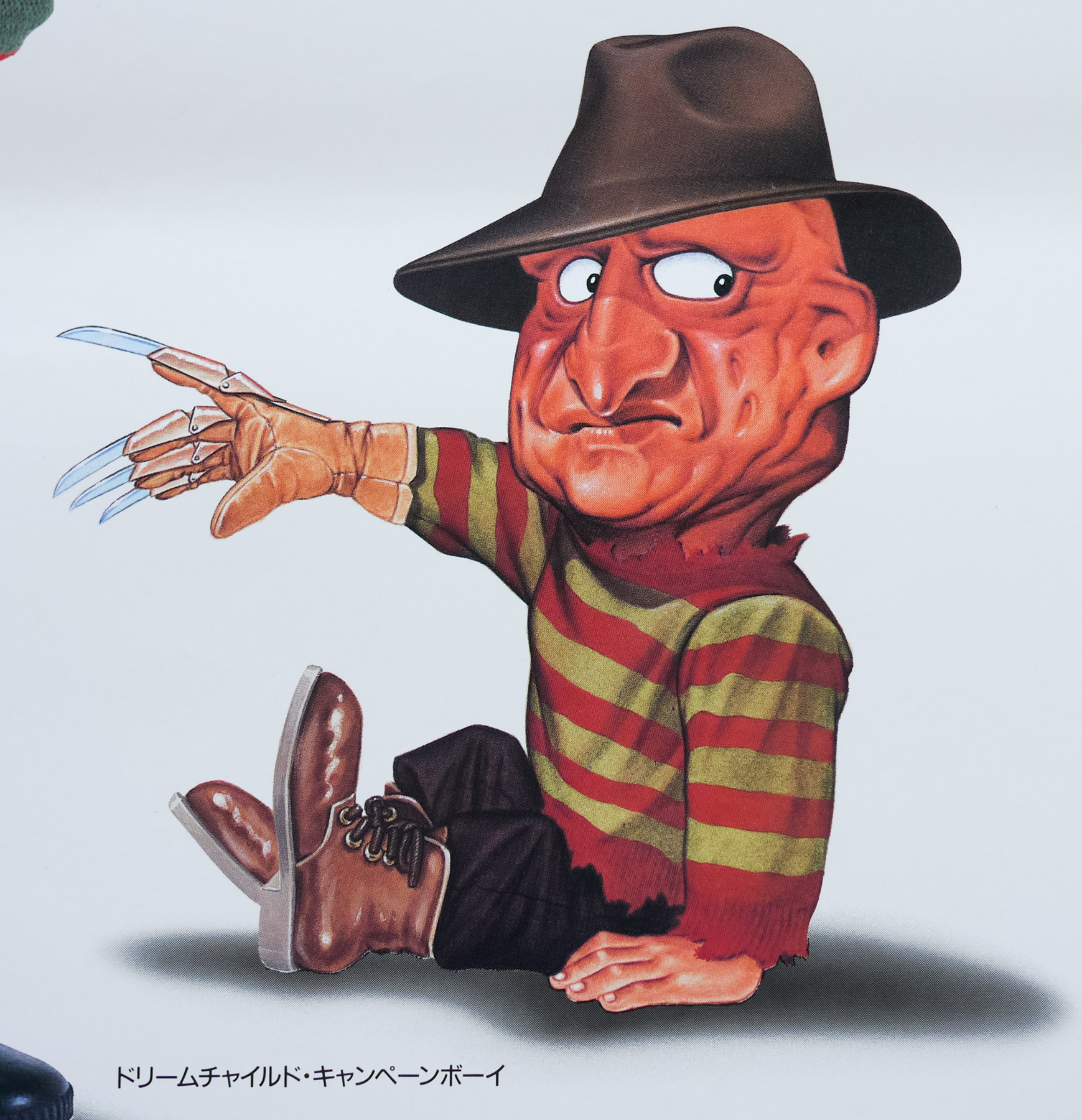
The smiling boy depicted on this poster doesn’t appear in the film and my guess is that he was chosen for a photoshoot by the poster’s designer. I’m not sure who was responsible for the artwork of the cartoon Freddy characters so if anyone has an idea please get in touch.

I Am Curious (Yellow) / B2 / white title style / Japan

03.08.16

Poster Poster
Title
I Am Curious (Yellow)
AKA
Jag är nyfiken - en film i gult (Sweden - original title)
Year of Film
1967
Director
Vilgot Sjöman
Starring
Lena Nyman, Vilgot Sjöman, Börje Ahlstedt, Peter Lindgren, Chris Wahlström, Marie Göranzon, Magnus Nilsson, Ulla Lyttkens
Origin of Film
Sweden
Genre(s) of Film
Lena Nyman, Vilgot Sjöman, Börje Ahlstedt, Peter Lindgren, Chris Wahlström, Marie Göranzon, Magnus Nilsson, Ulla Lyttkens,
Type of Poster
B2
Style of Poster
White title style
Origin of Poster
Japan
Year of Poster
1971
Designer
Unknown
Artist
--
Size (inches)
20 4/16" x 28 12/16"
SS or DS
SS
Tagline
--

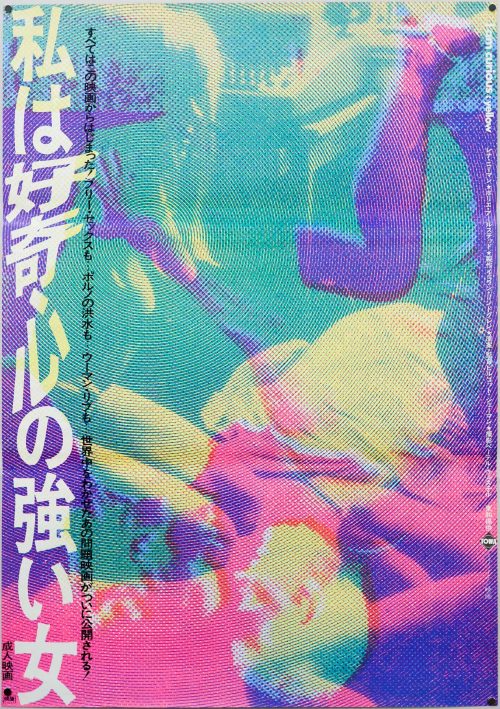
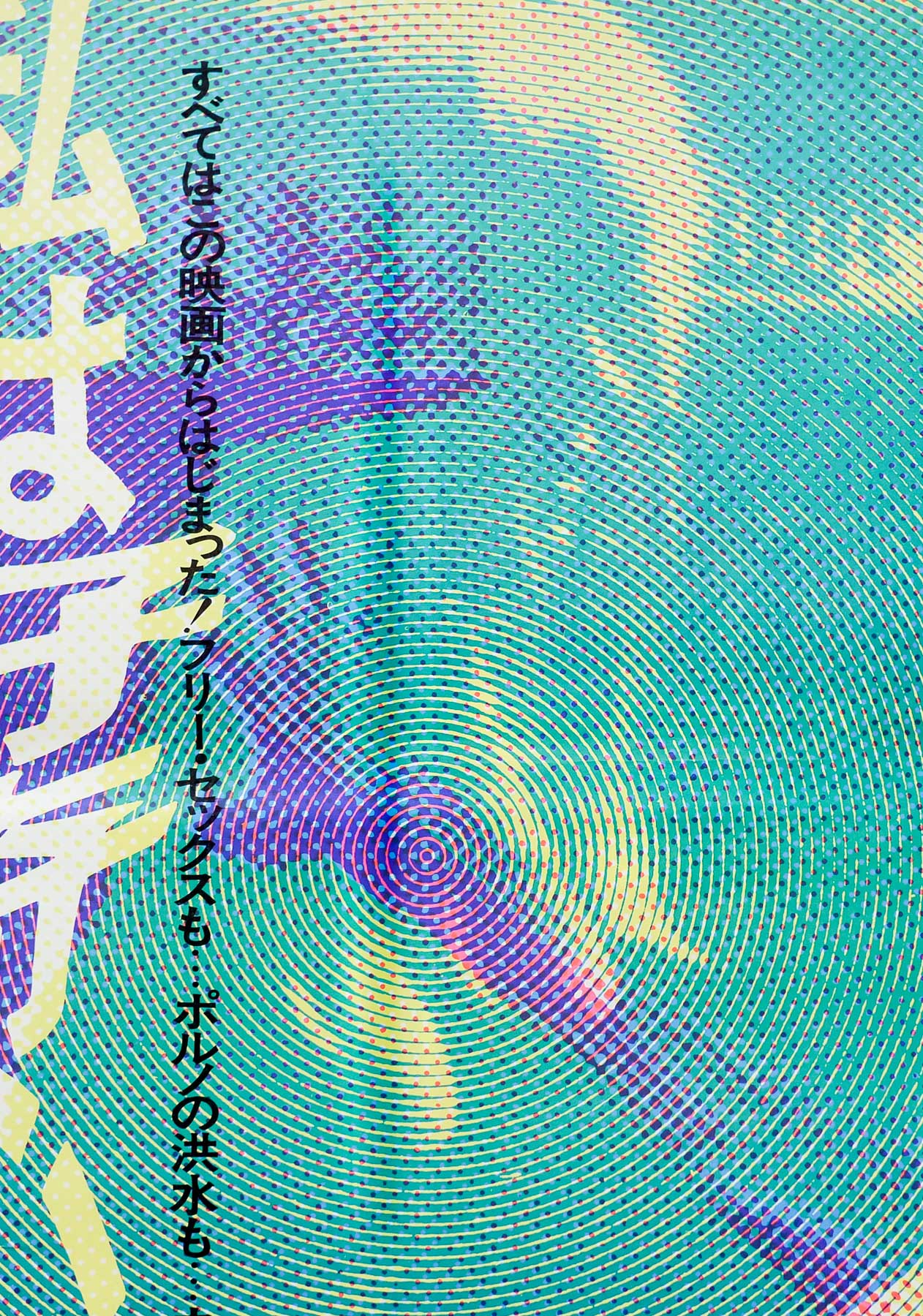
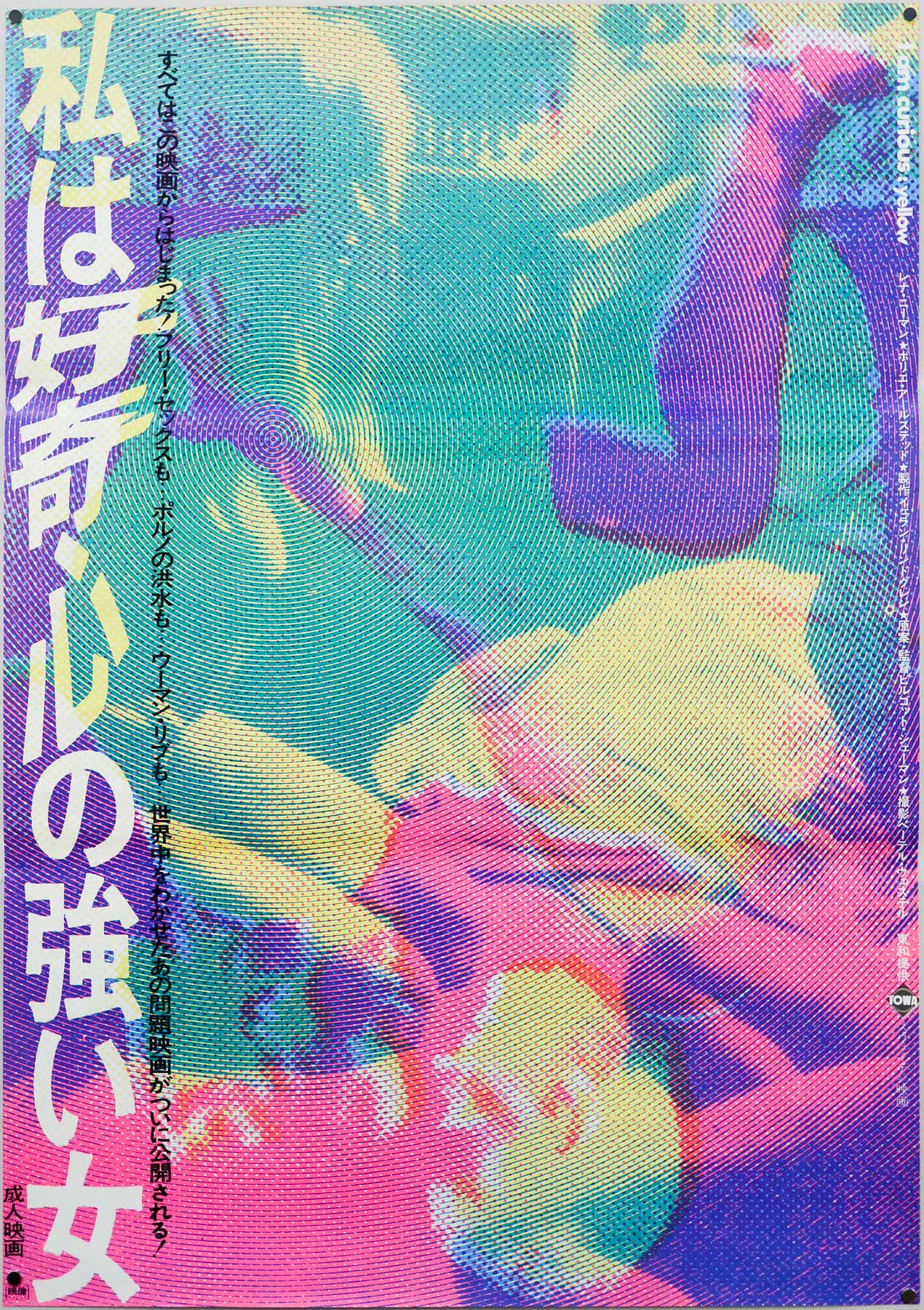
This is one of two Japanese B2 posters printed for the release (in 1971) of the landmark Swedish drama I Am Curious (Yellow) from the controversial director Vilgot Sjöman. Yellow is a companion film to I Am Curious (Blue) and the pair were originally meant to have been released as one 3.5 hour film. The colours in the titles refer to the Swedish flag. They were part of a series of left wing films that were made after the founding of the Swedish Film Institute in the early 1960s and the attempt, by prominent Swedish cultural figure Harry Schein, to start Sweden’s own flavour of New Wave cinema. 

Filmed in a pseudo-documentary, cinéma vérité style, the film sees Sjöman playing a version of himself, a director who decides to make a film starring his 22-year-old lover Lena Nyman (also playing herself) who is a theatre student interested in social issues. The film within the film is called ‘Lena on the Road’ and sees her leaving the flat she shares with her father and, when not getting involved in socio-political activism with a group of friends, she is shown traveling around Stockholm interviewing people she meets about issues including social classes and gender equality.

Later she meets another man called Börje who she begins a love-affair with but this becomes fraught when she discovers he has hidden the fact that he has another lover and a daughter. After traveling to a country retreat Lena begins meditating, practicing yoga and studying about non-violence, but her lover catches up with her and the pair continue their stormy relationship. Soon after the film within a film begins to break down as the ‘actors’ form a ‘real’ relationship that causes the ‘director’ to get jealous and wrap up shooting.

The film is most notable for its then ground-breaking use of full-frontal shots and scenes of (simulated) sexual intercourse that until then had been confined to sex films and not used in a dramatic context. The film was released in a cut form both in the US, UK and elsewhere but it was in the US that it attracted the most controversy with some states even going so far as banning the film outright on grounds of obscenity (Massachusetts in 1969, later overturned). As is the case with any censorship case brought against a film featuring sex and nudity, the box-office takings were helped greatly as punters flocked to see what the fuss was about. The film was the highest-grossing foreign film in the US for many years afterwards. This article on Vulture.com goes into more detail about the original release.

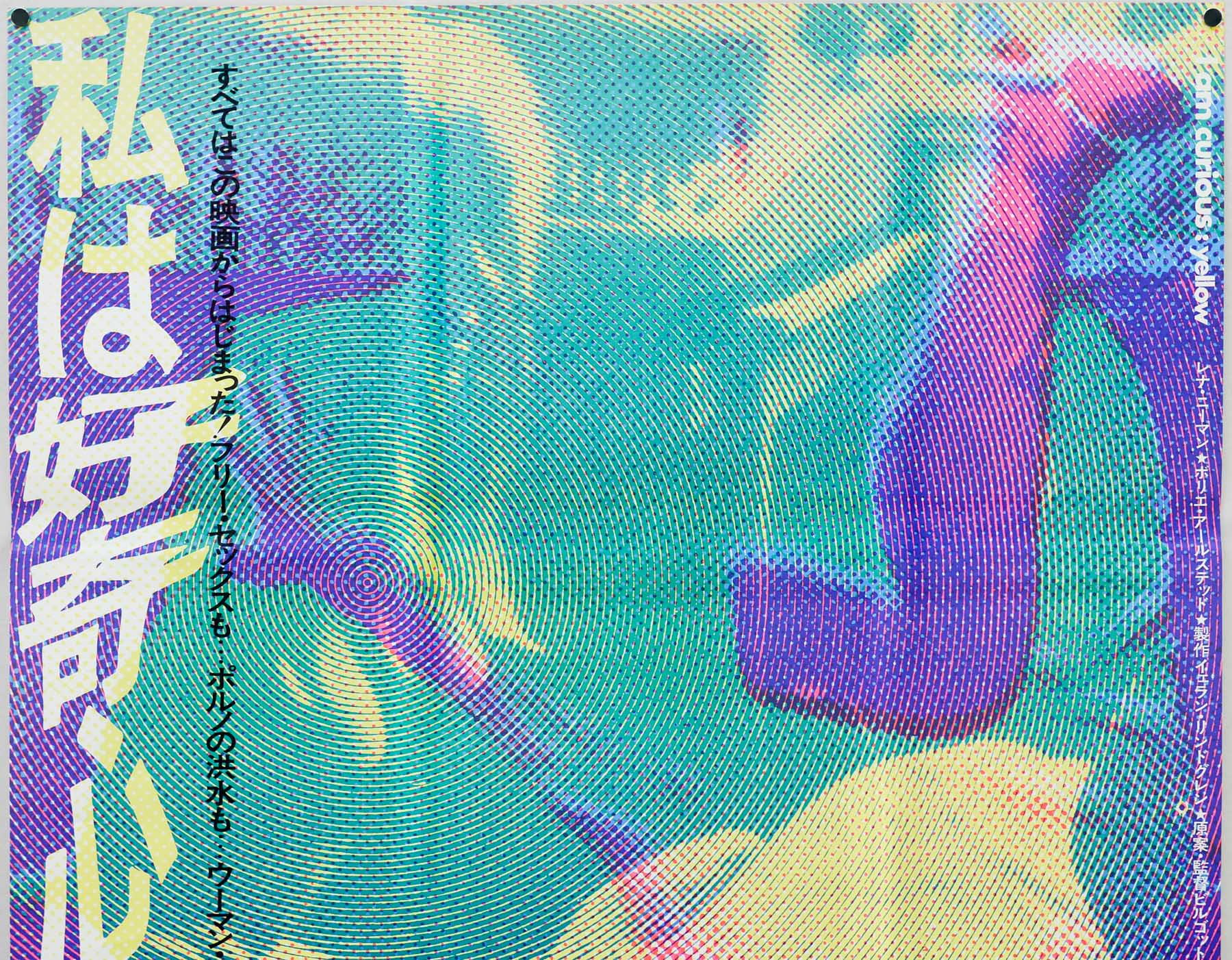
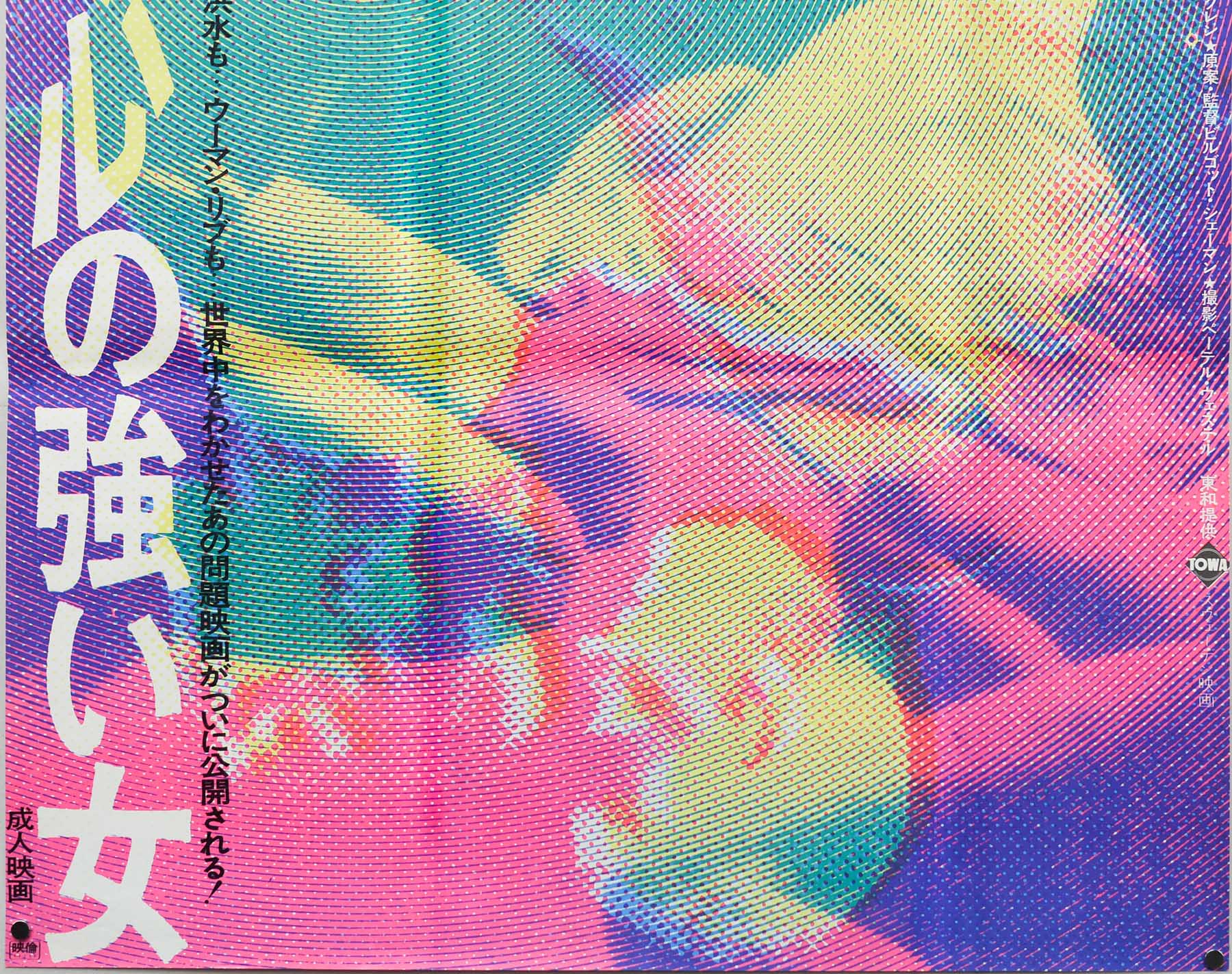
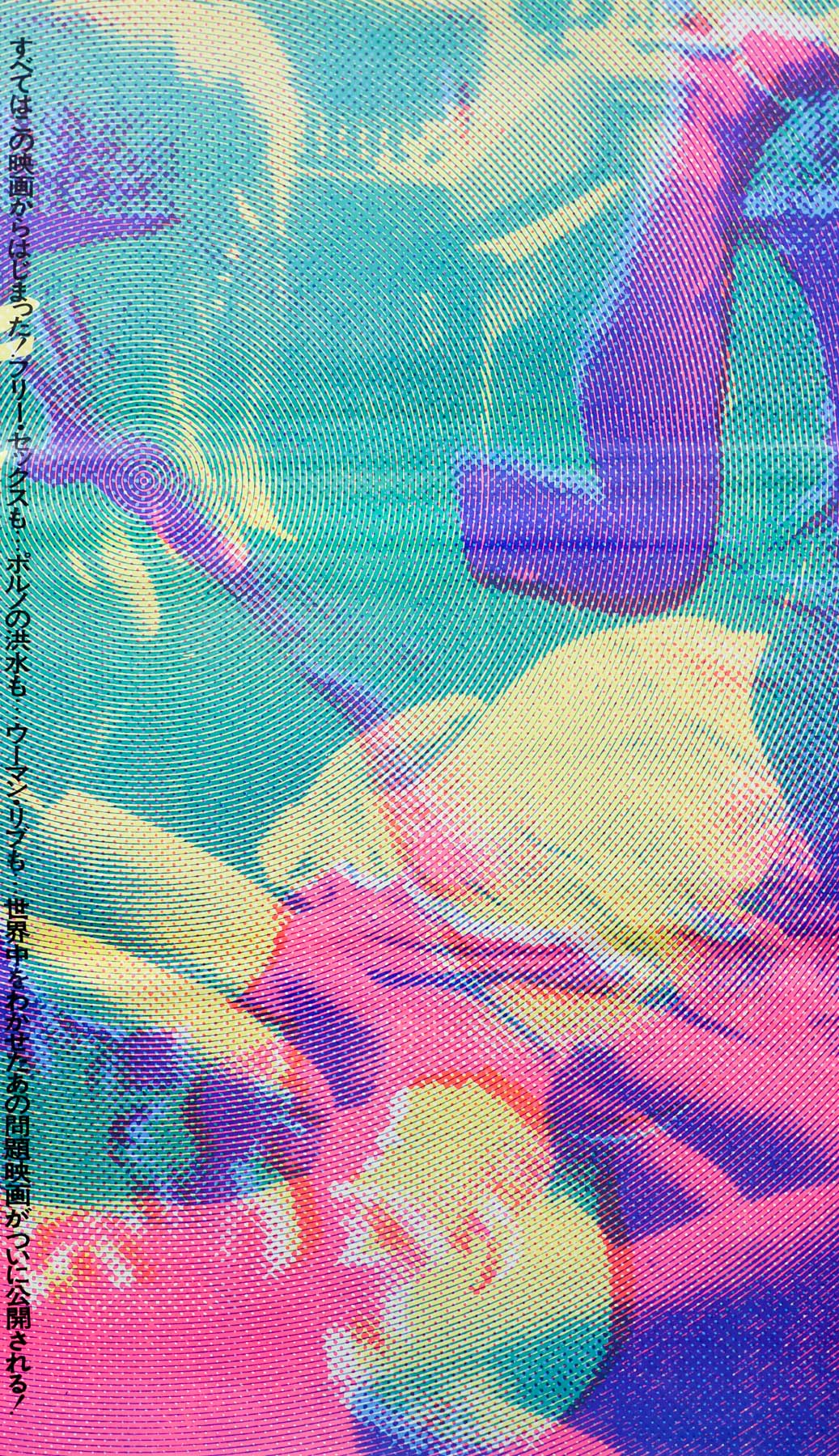
The other style of Japanese poster features a similarly colourful image but has black text down the side instead of white – see here.

Roller Boogie / B2 / style A / Japan

16.08.16

Poster Poster

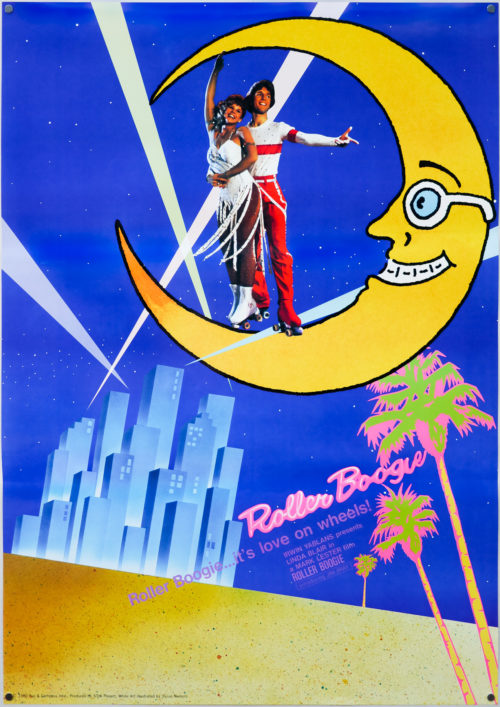
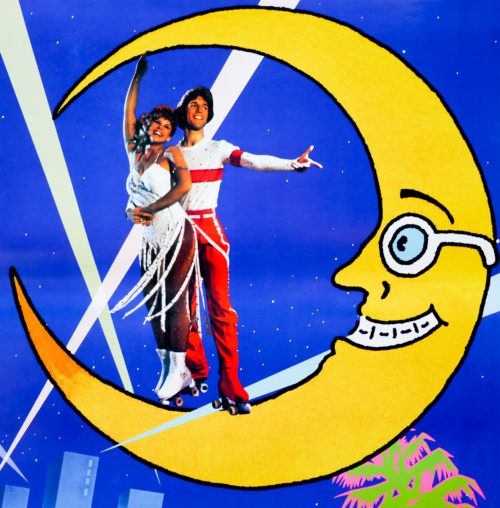
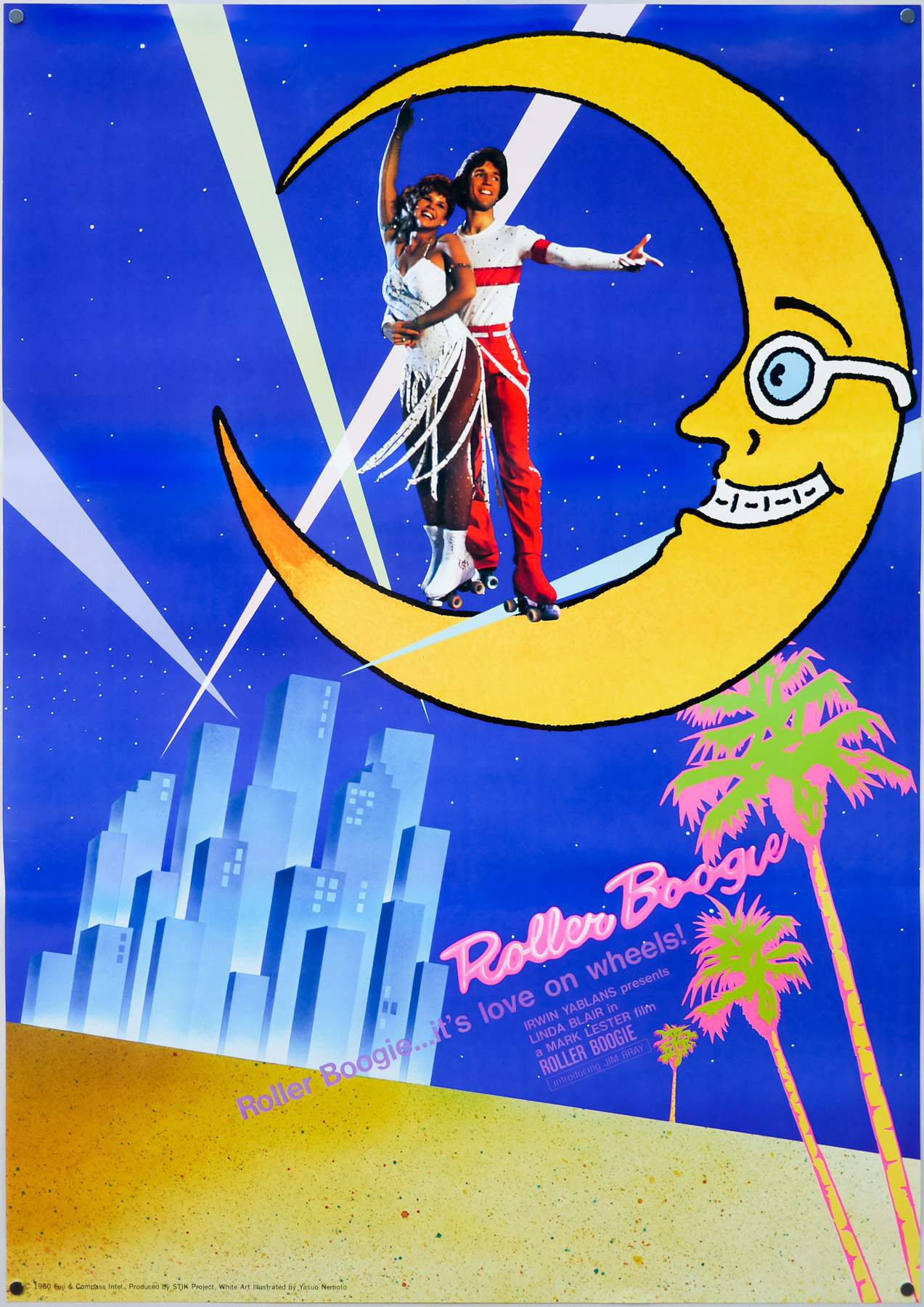
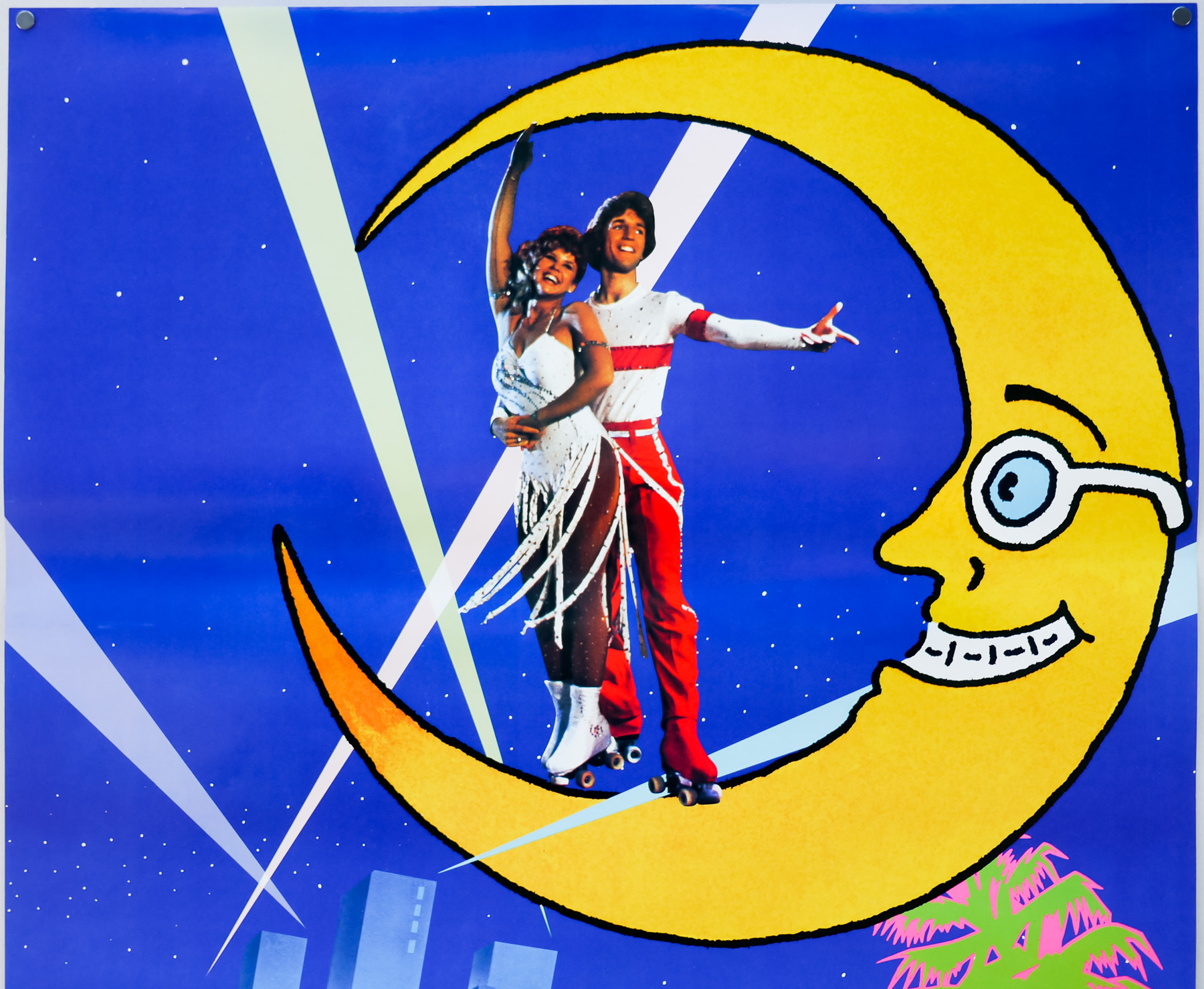
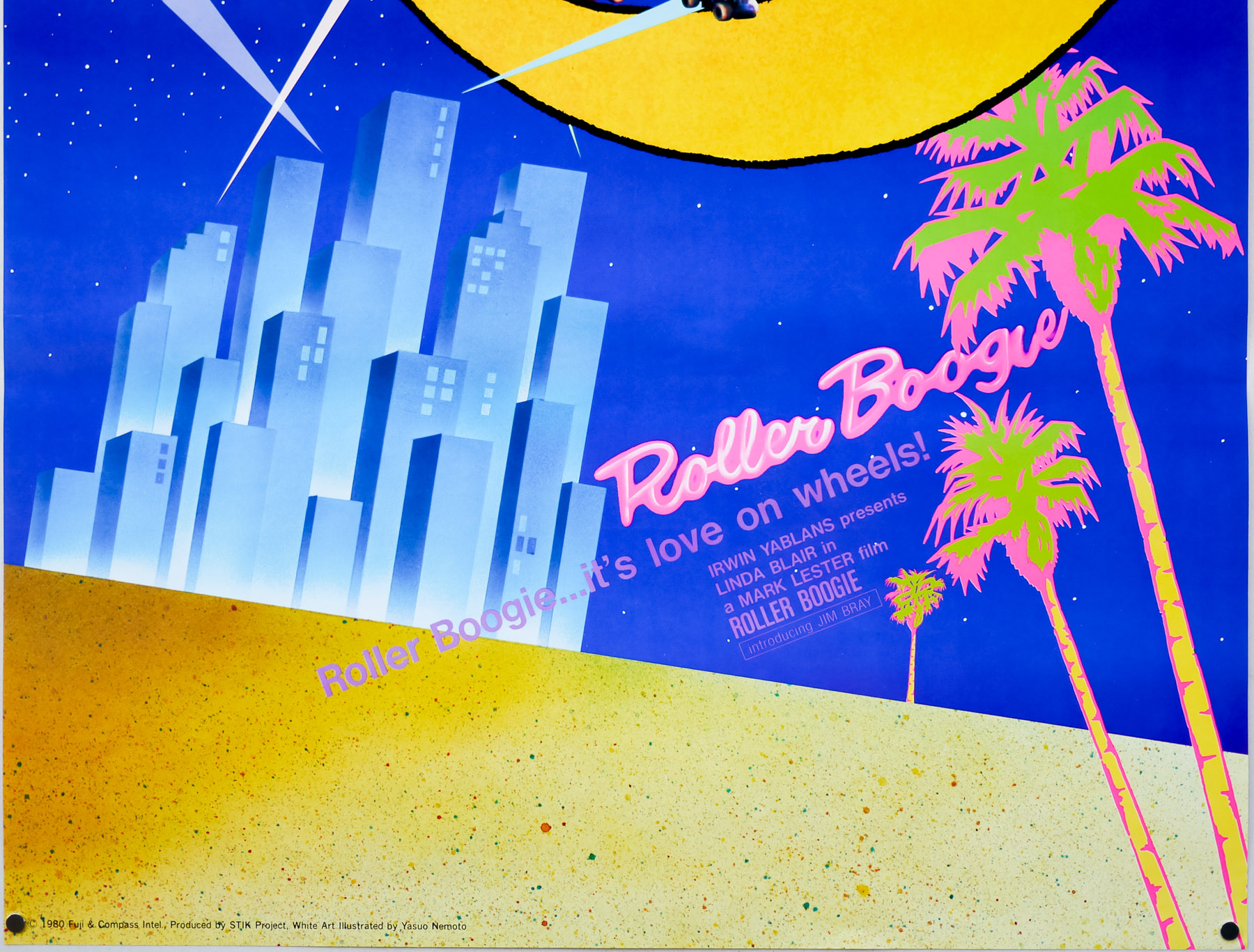
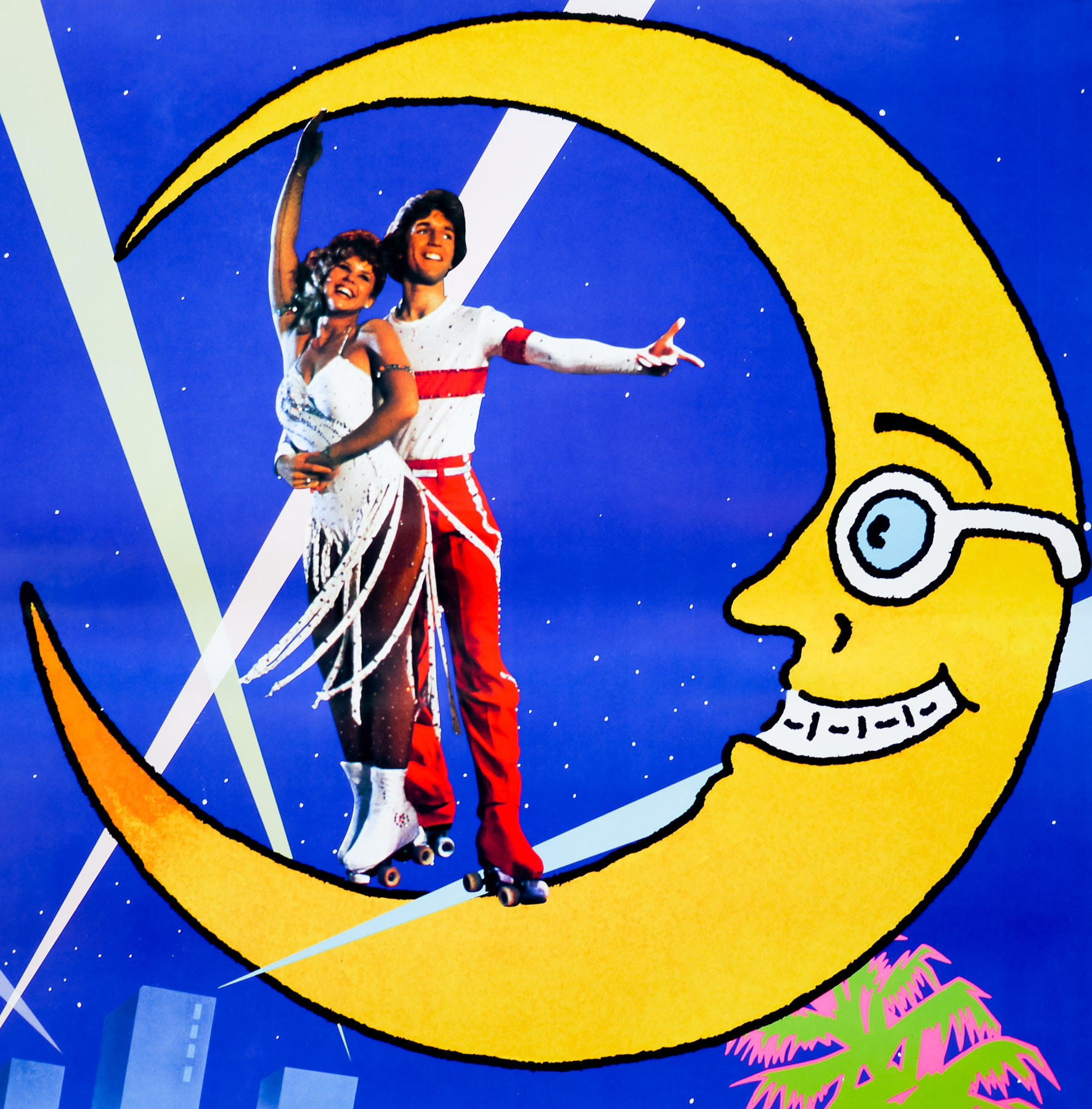
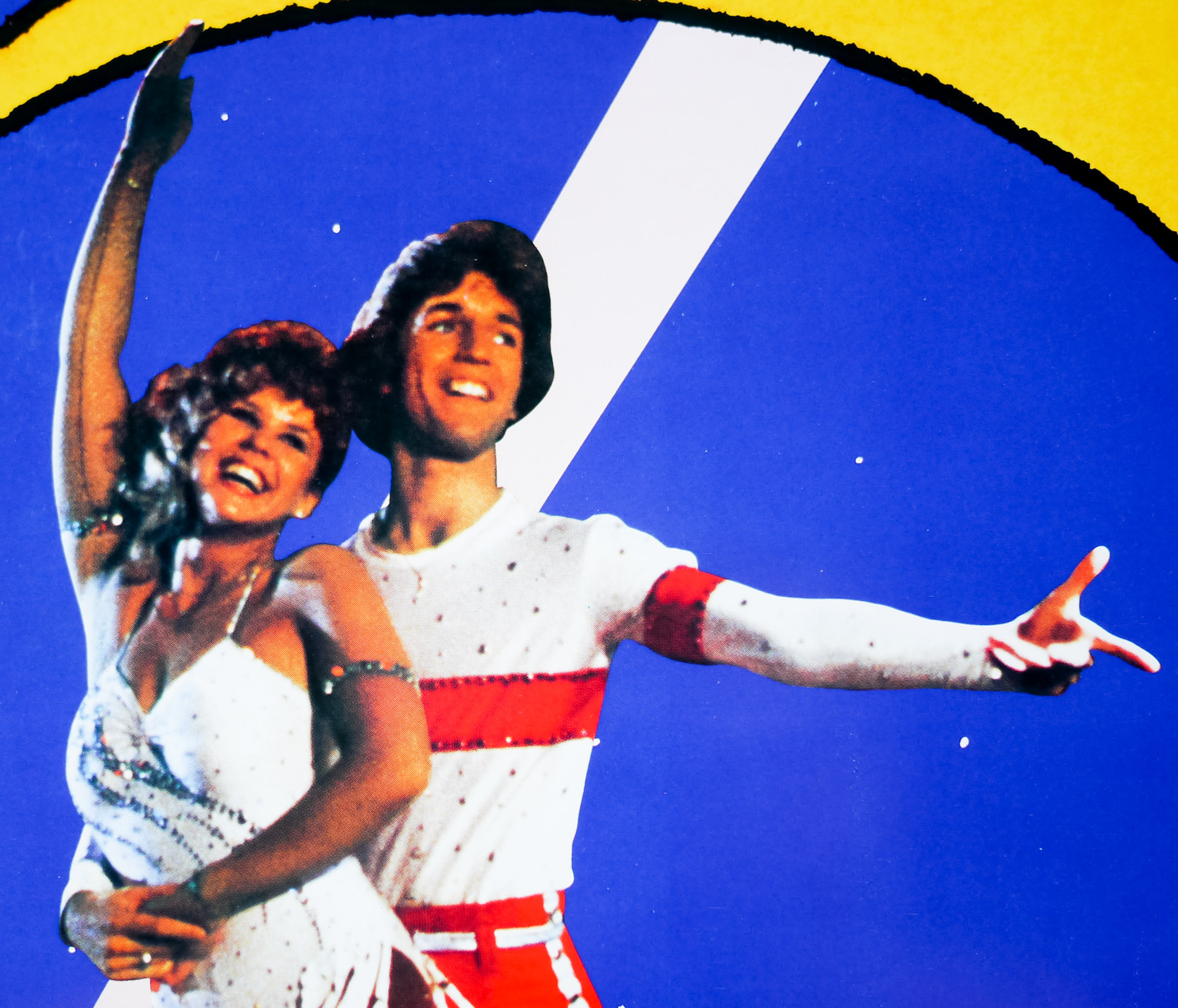
This is the style A Japanese B2 poster for the release of the 1979 musical oddity Roller Boogie, featuring artwork by Yasuo Nemoto. One of those films that’s something of a time capsule, the film was put into production by Irwin Yablans the independent producer who had struck gold a year earlier with John Carpenter’s Halloween. Yablans is credited with the film’s story and the intention was to capitalise on the then craze for rollerskating that was sweeping the States.

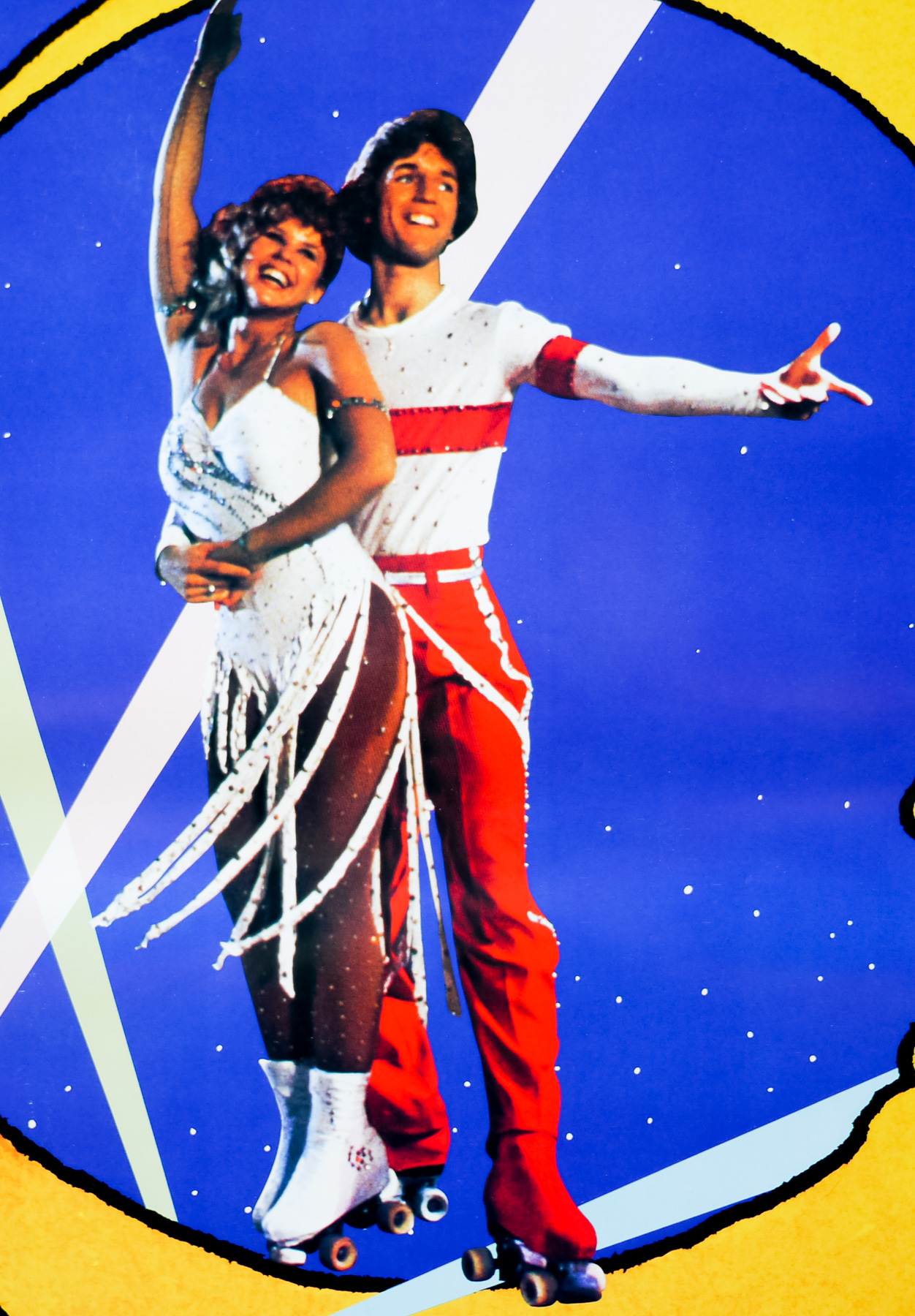
 Mark L. Lester (known for Commando and Class of 1984) was hired to direct and Linda Blair (The Exorcist) was given the starring role opposite an award-winning amateur skating champion called Jim Bray who was originally attached as a stuntman but was later given acting lessons when the production struggled to find a leading actor.

Blair plays Terry Barkley a Beverly Hills rich girl who is largely ignored by her parents who are determined to see her attend a prestigious school in New York and carry on as a flautist. One day whilst visiting Venice Beach she meets a hotshot skater named Bobby James (Bray) who dreams of making it to the Olympics. The pair strike up a friendship and eventually Terry asks Bobby if she can teach him how to skate and create a routine for them both so they can compete in a Roller Boogie contest at a skating rink called Jammer’s. Unfortunately a nefarious property developer plans to buy Jammer’s and raze it to the ground, so the pair team up with other skaters to put a stop to the plans whilst practicing their routines ready for the big night.

The film was largely panned on its release but found success with teen audiences and has since gone on to have something of a cult following. Plans for a mooted sequel were scrapped when disco music and roller skating lost their popularity.

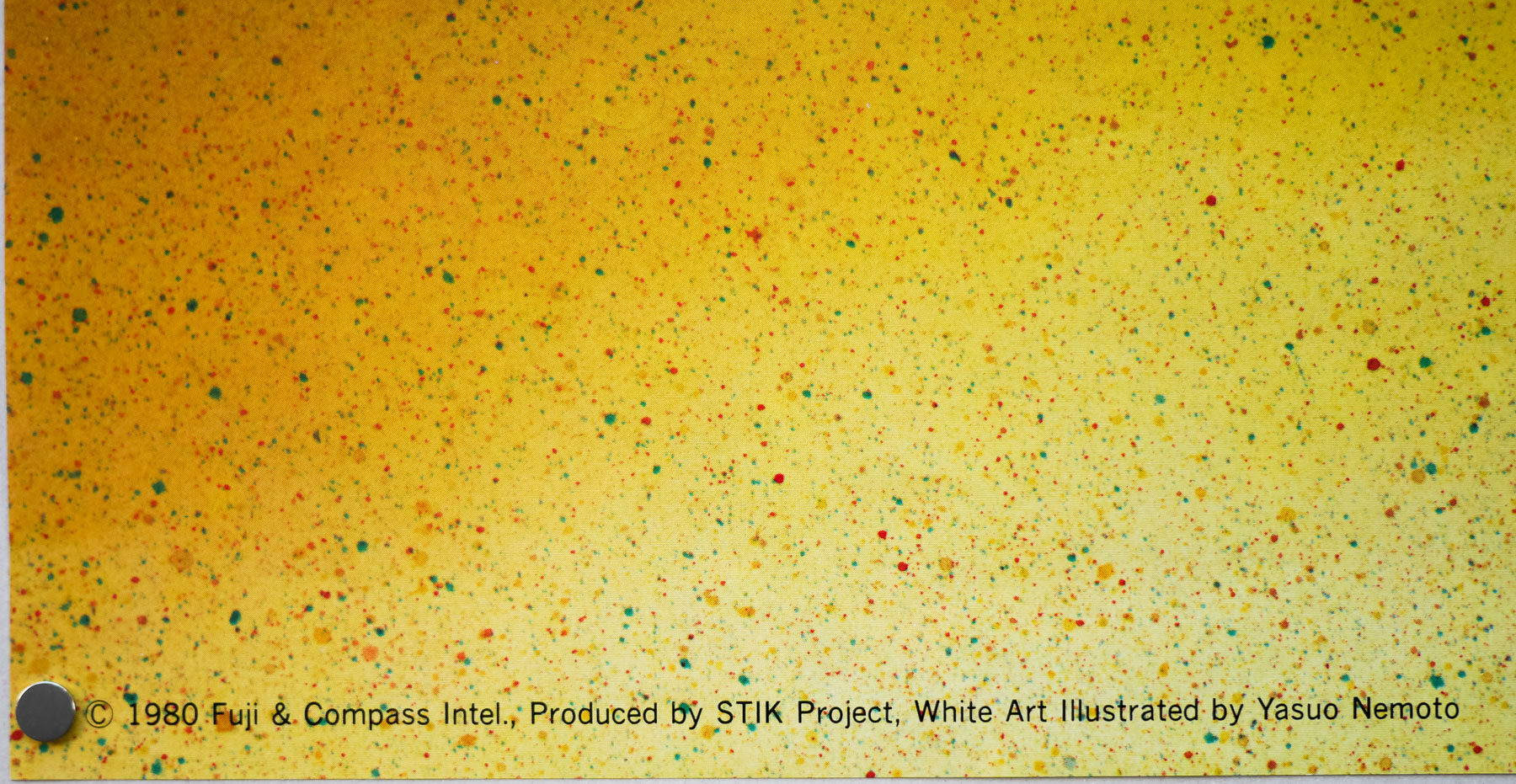
The artwork is credited to someone called Yasuo Nemoto but I’ve been unable to find out anything about them online. If anyone has any further details about Nemoto please get in touch. I also have the style B Japanese B2 in the collection and it can be viewed here.

Cotton Comes to Harlem / B2 / Japan

30.08.16

Poster Poster

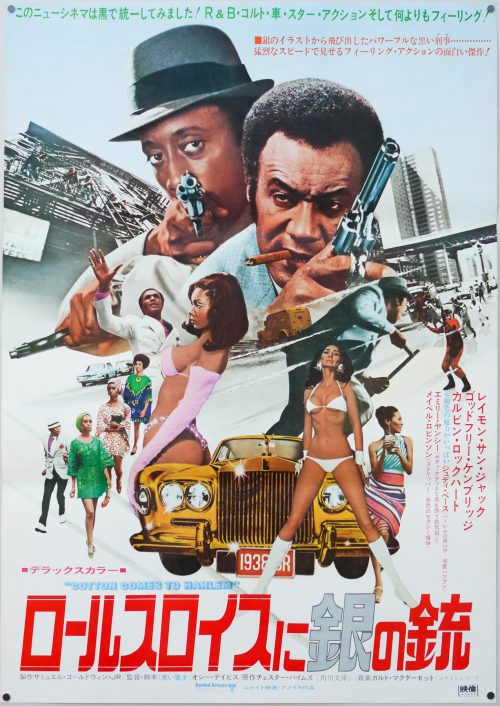
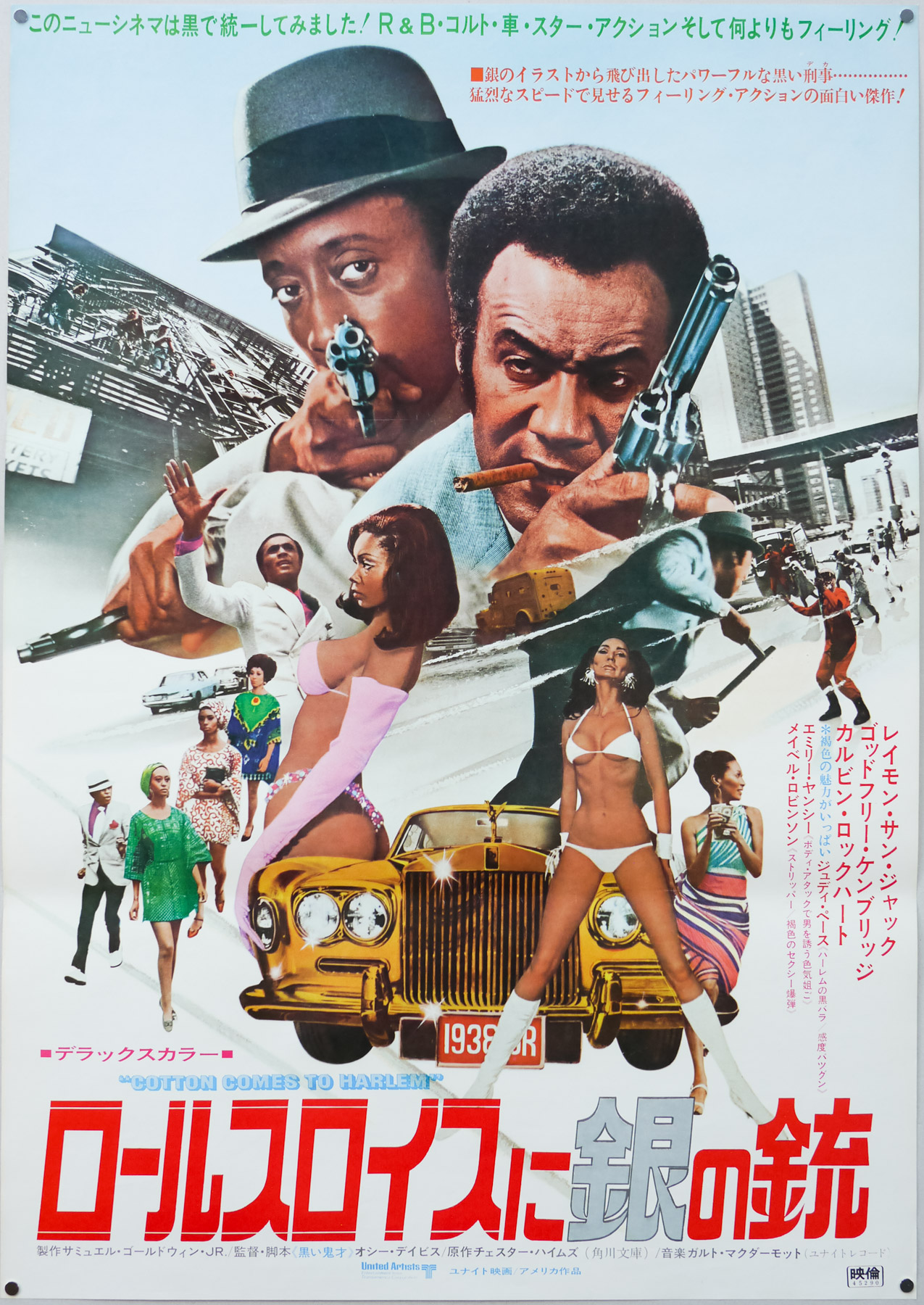
Cotton Comes to Harlem is often considered to be one of the first films in the so-called blaxploitation sub-genre of exploitation that was popular during the 1970s. The film was the second film to be directed by the late Ossie Davis, who was one of a handful of African-American actors to achieve commercial success in films without being stereotyped in films prior to 1970. Although best known as an actor, with roles in films like The Hill (1965) and The Scalphunters (1968), Davis tried his hand at directing, starting with the little-seen Kongi’s Harvest in 1970. The same year, ‘Cotton…’ proved to be a huge hit and saw him helm two other blaxploitation pictures, with Black Girl following in 1972 and then another hit with Gordon’s War a year later.

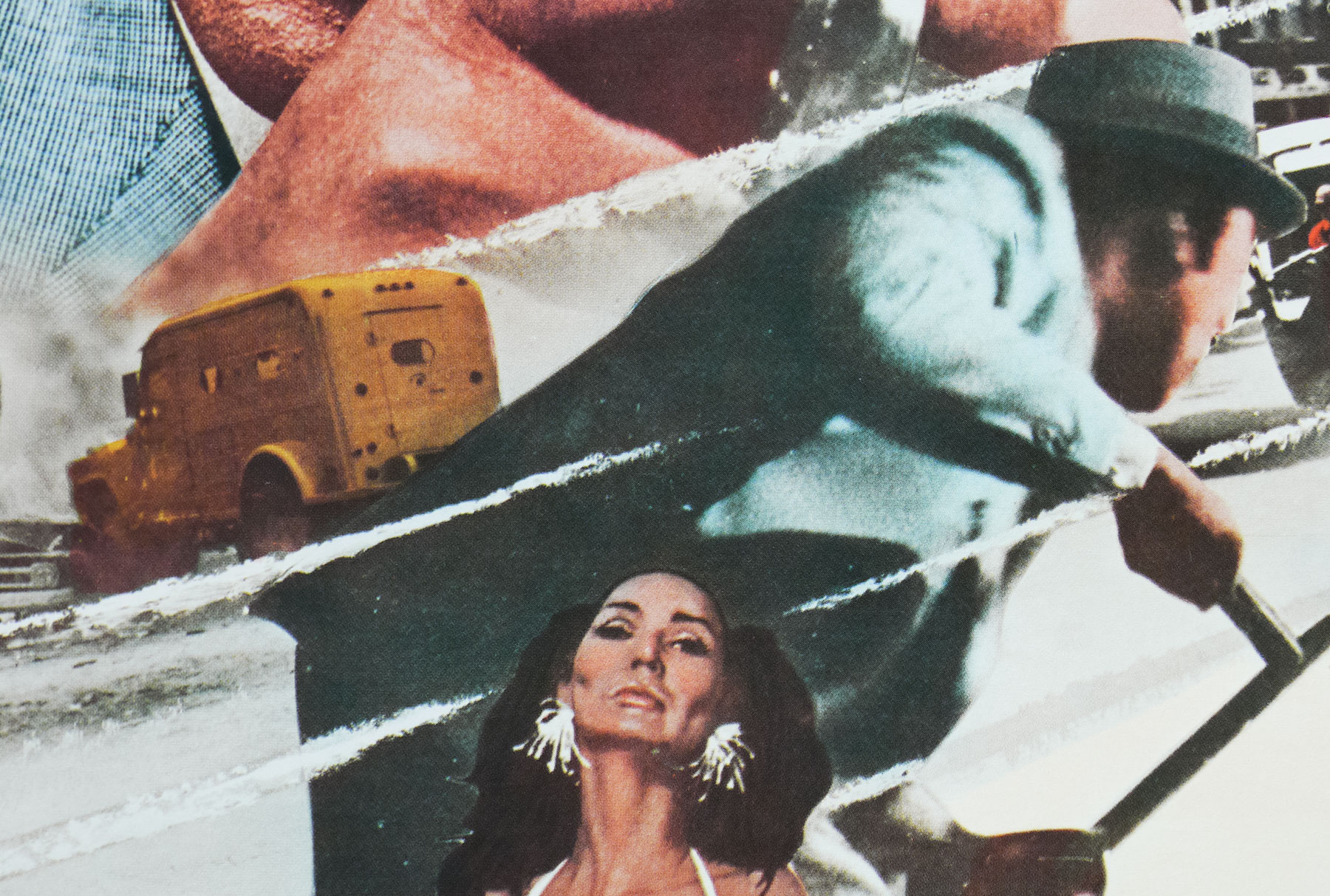
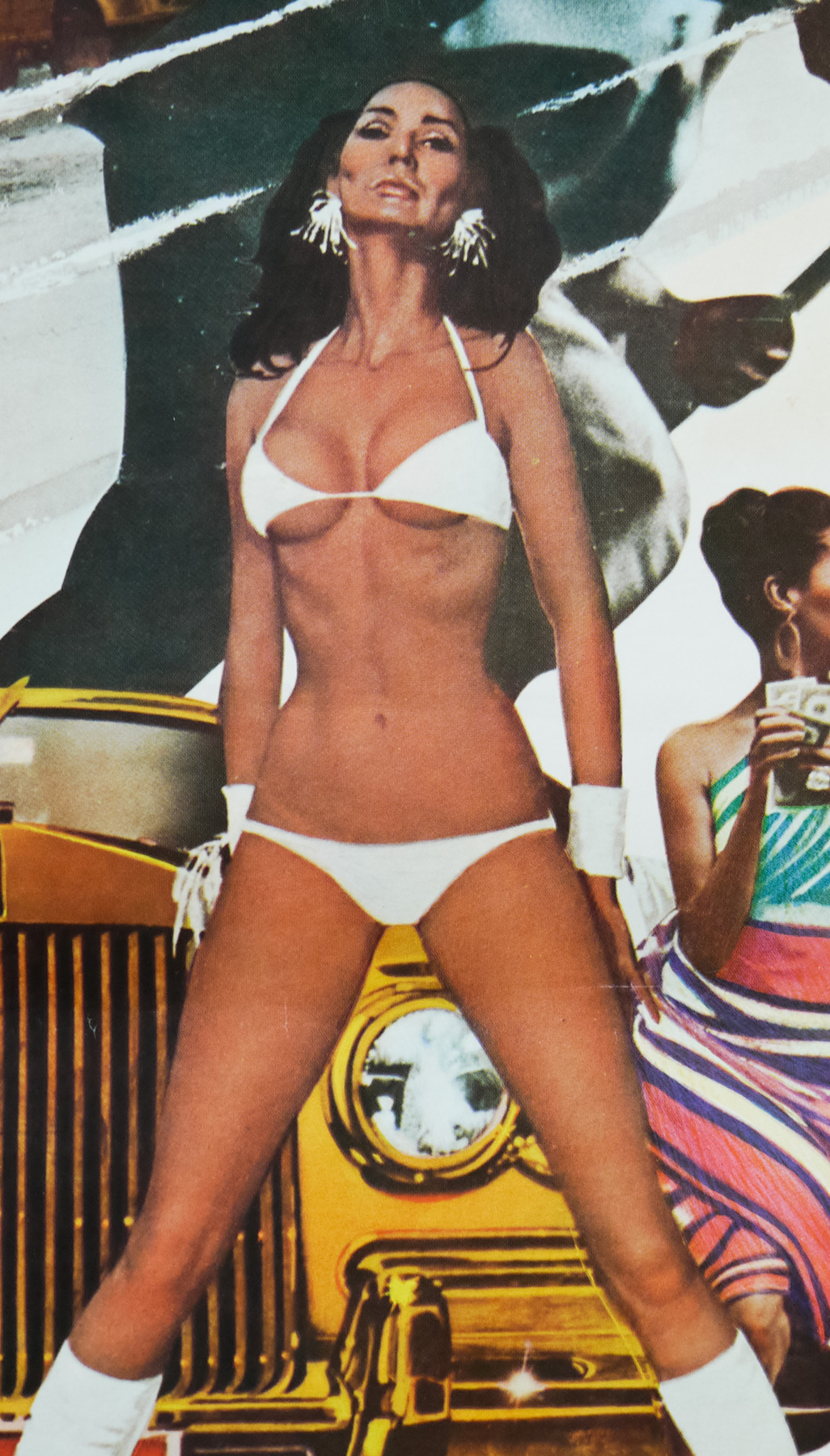
The film is based on the novel of the same name by Chester Himes and is set in the eponymous neighbourhood of Manhattan. Two detectives, Grave Digger Jones (Godfrey Cambridge, who died tragically aged 43) and Coffin Ed Johnson (Raymond St. Jacques) are assigned to investigate the apparent armed robbery of $87000 during a public rally. The gathering was being led by Reverend Deke O’Malley (Calvin Lockhart) who is fundraising for a Back-to-Africa movement ship to be called Black Beauty. A gang of thieves wearing masks appear at the event and steal the money from an armoured truck before making off. A chase ensues and the titular bale of cotton falls from the getaway van. The detectives soon realise that the stolen money was apparently stashed inside the bale and the hunt is on after it disappears from the street. O’Malley must fend off the angry mob of locals looking for their money, as well as a jealous girlfriend (Judy Pace) and the partner who he was in cahoots with to stage the robbery.

The film was a huge hit in cinemas, grossing over $5 million on a $1 million budget and triggering a rush to produce films in a similar vein. Arguably the sub-genre’s most famous film, Shaft, would follow a year later. ‘Cotton…’ was given a sequel called Come Back, Charleston Blue in 1972, but the second film wasn’t met with as much critical or audience adulation.

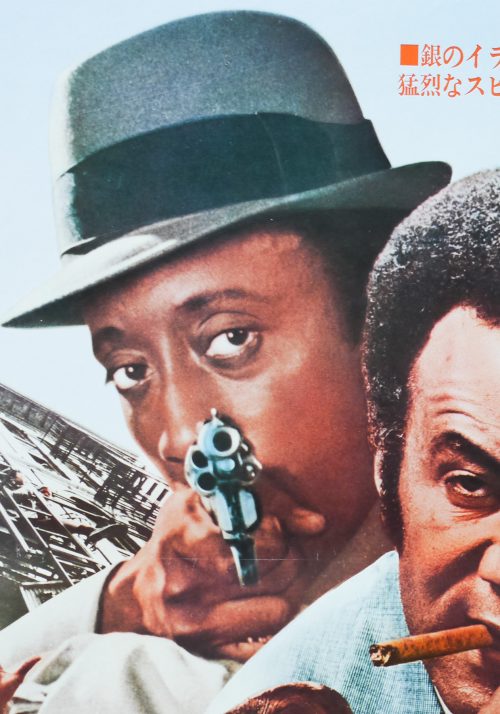
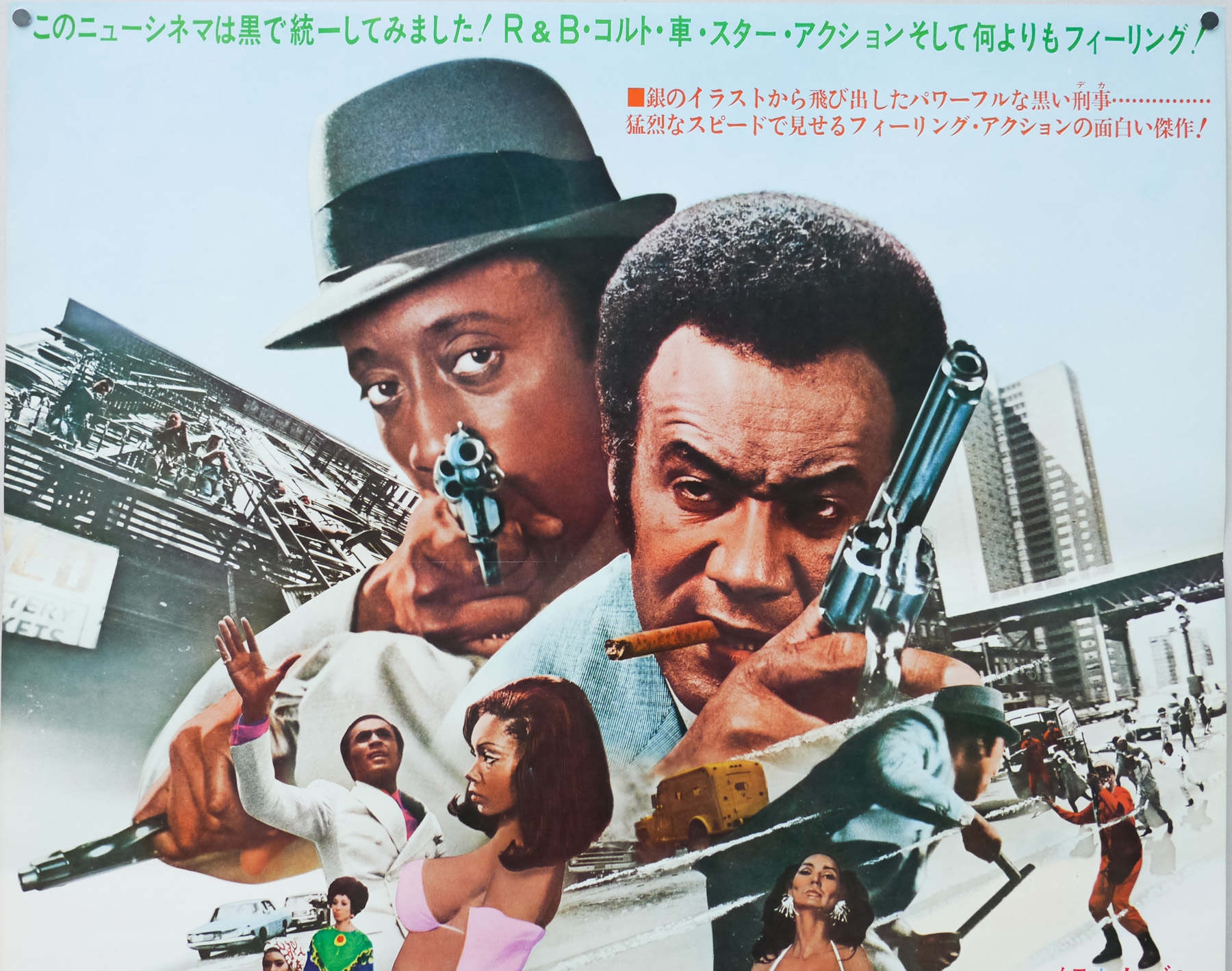
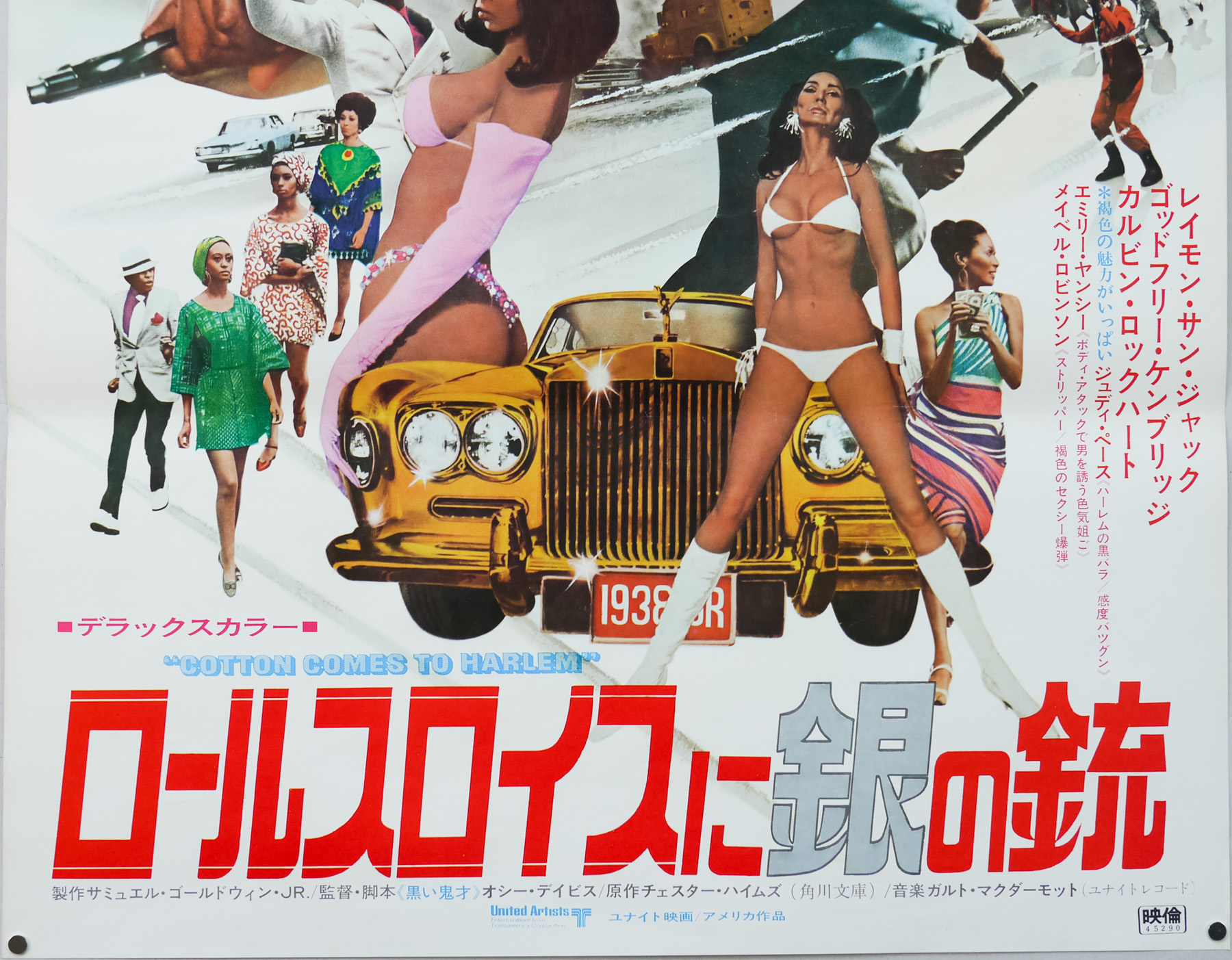
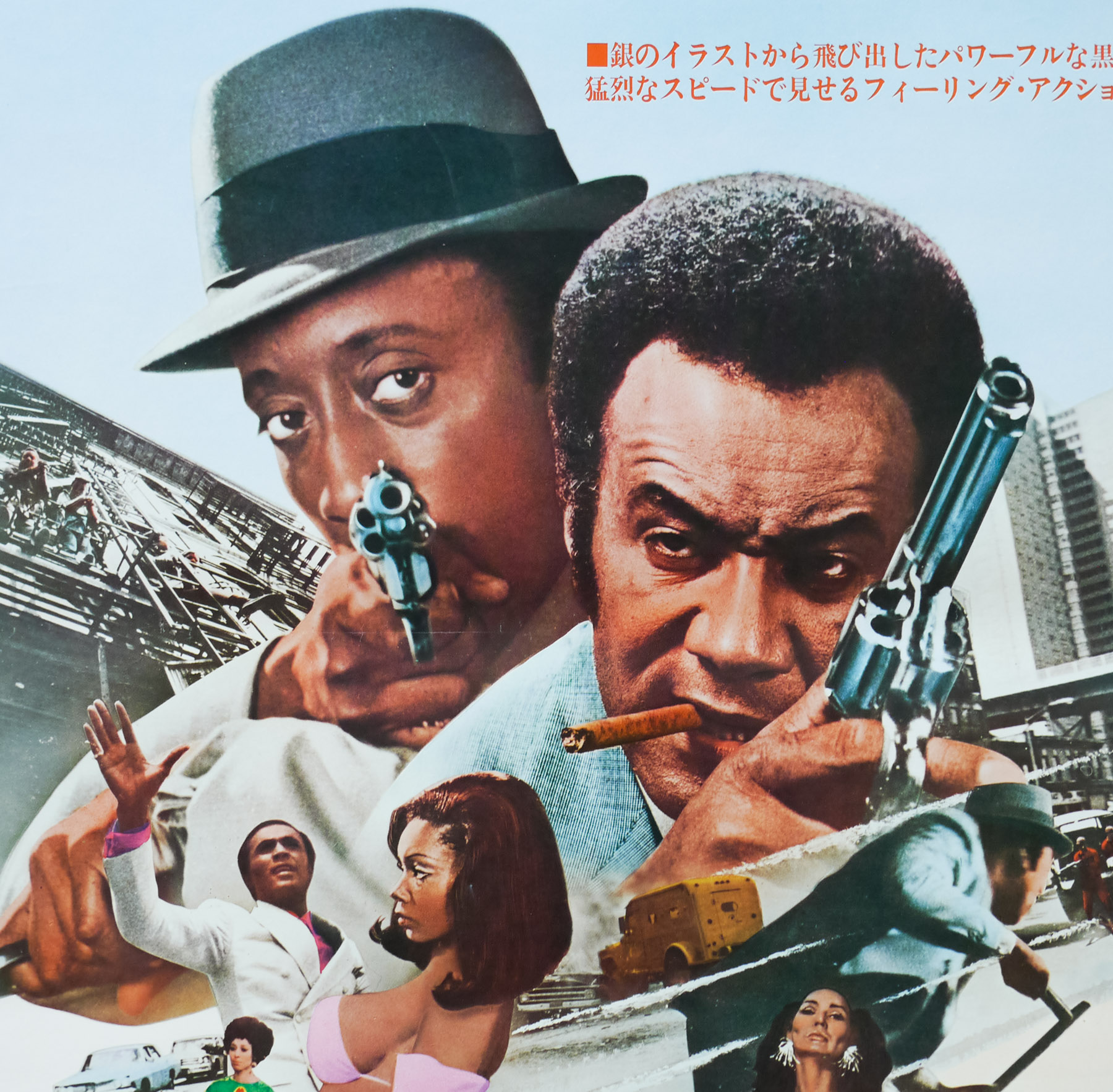
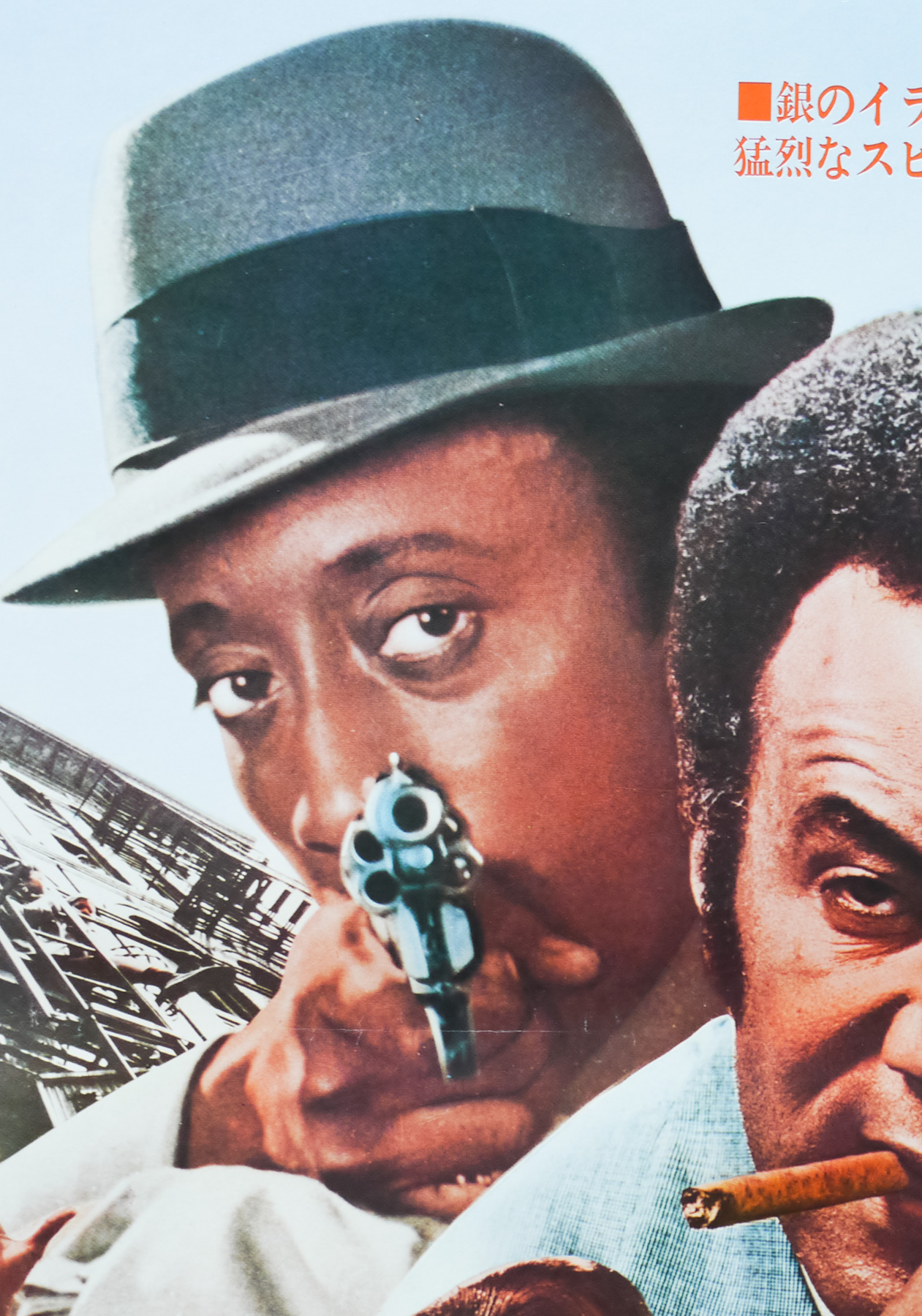
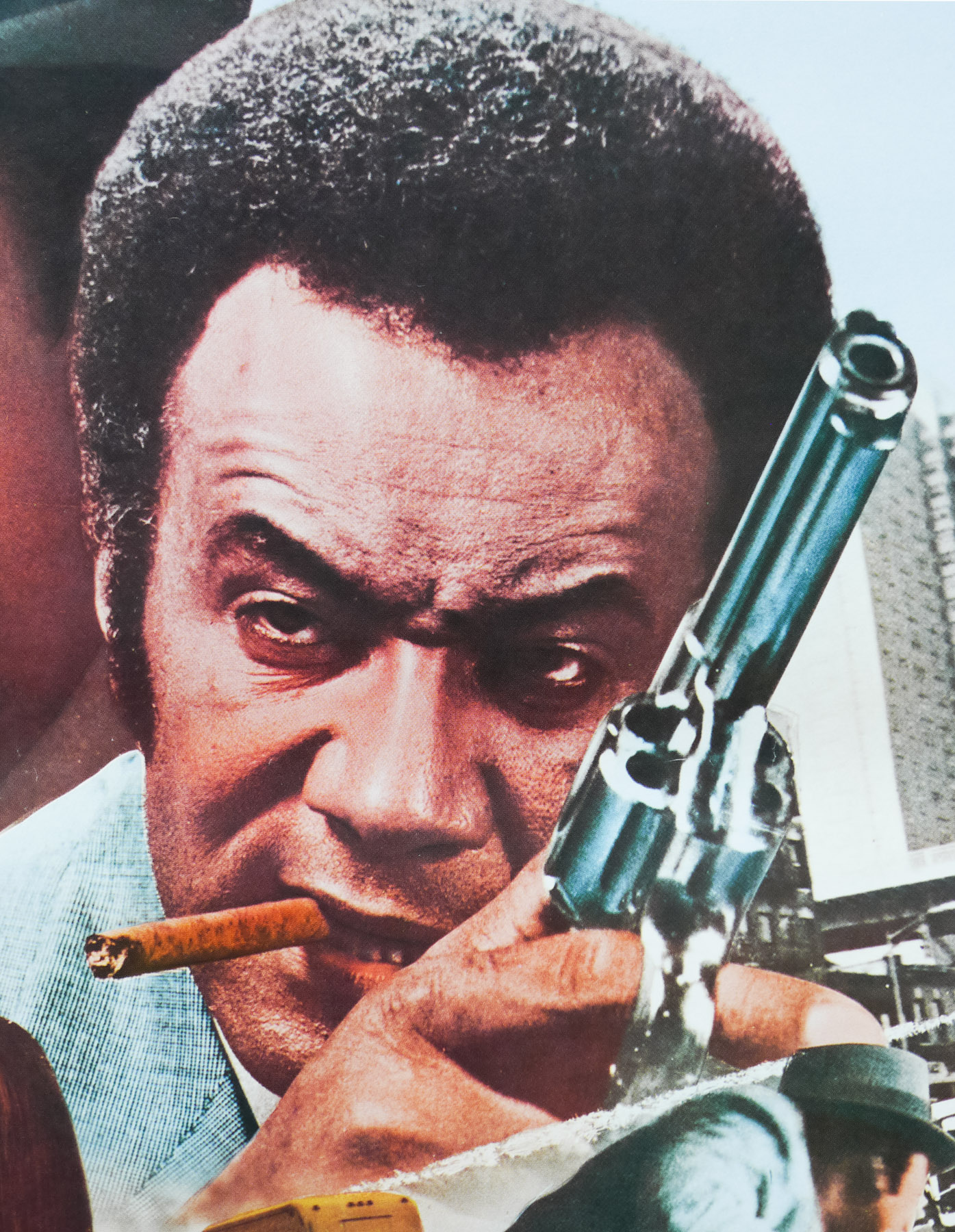
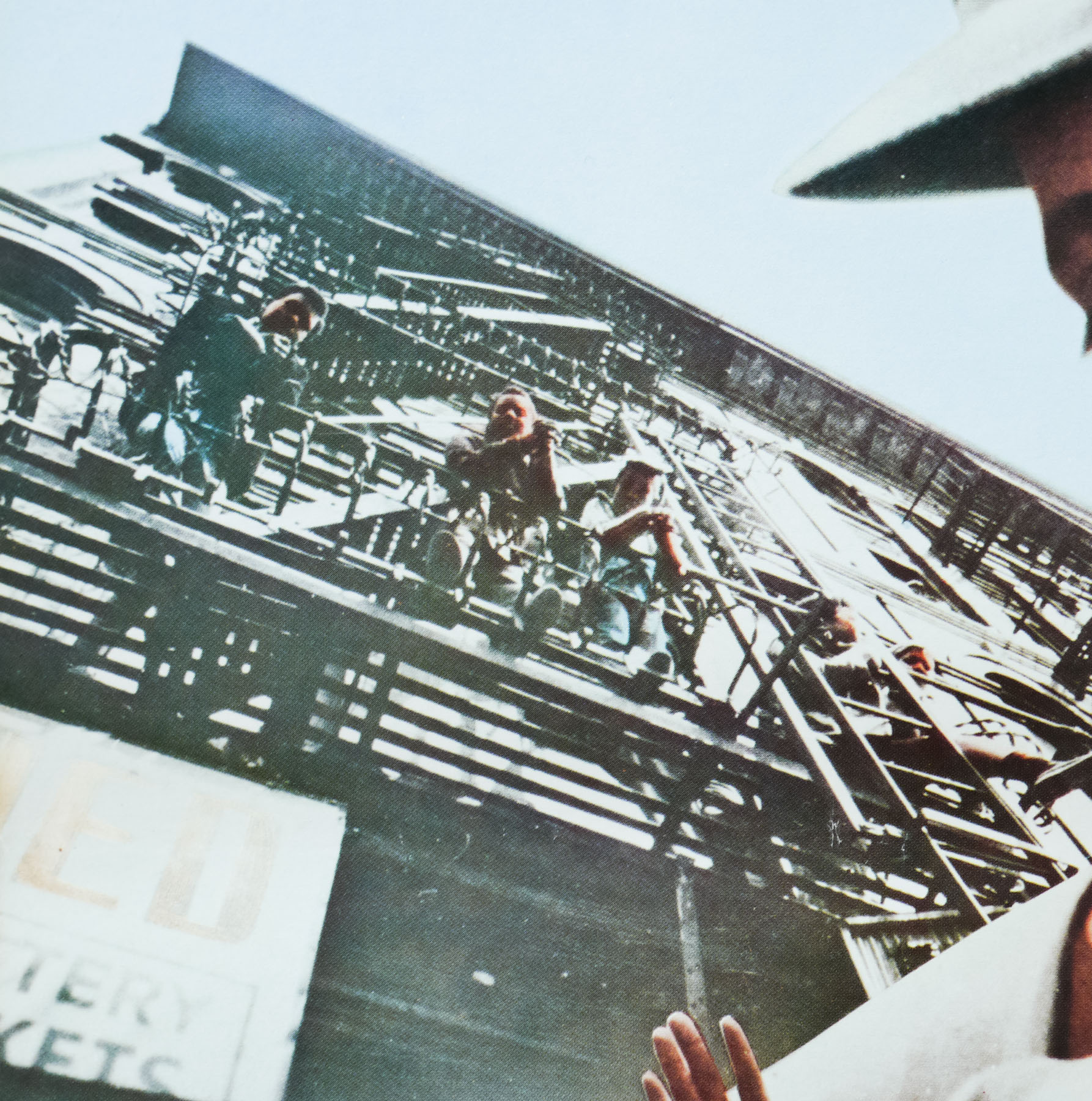
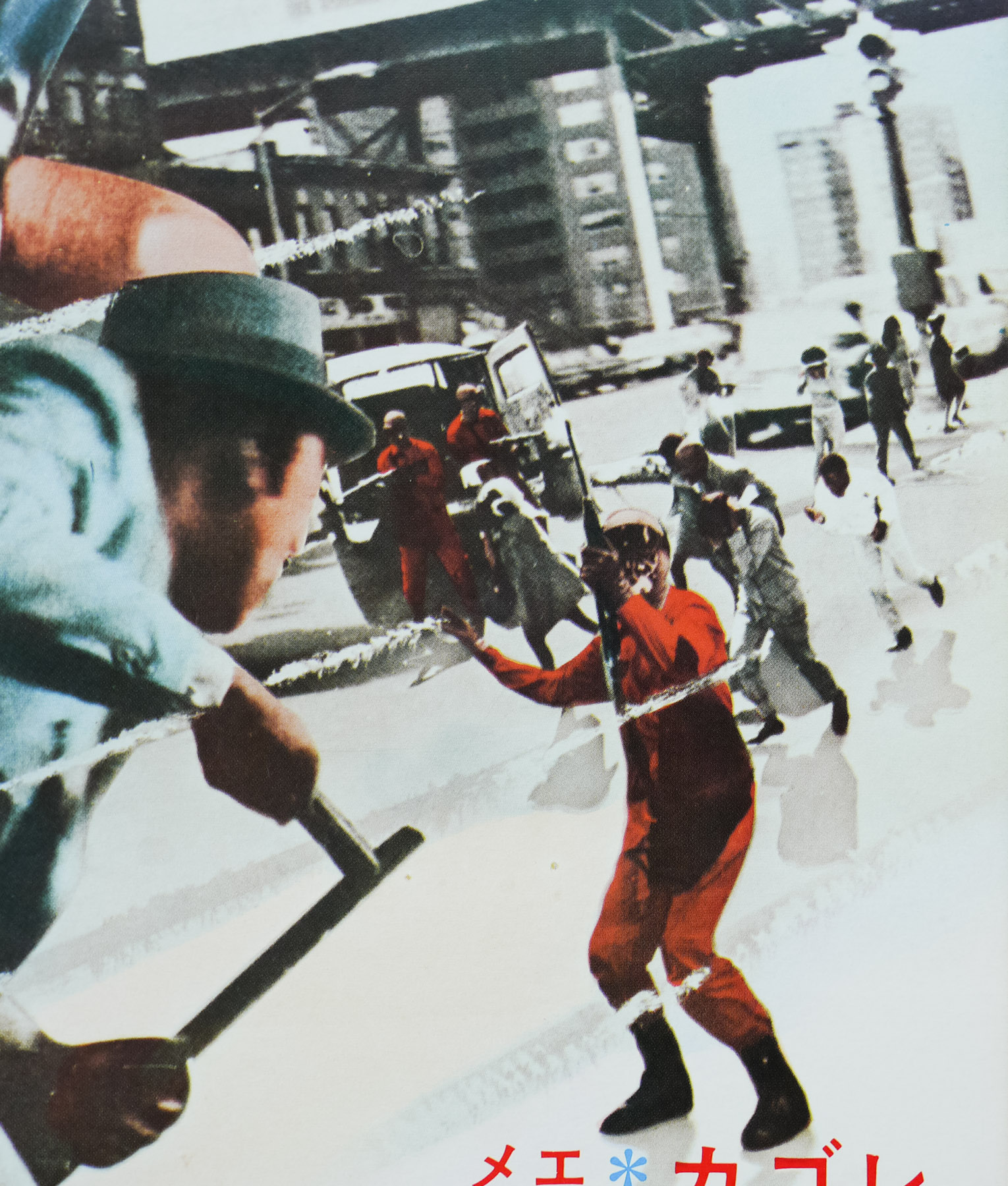
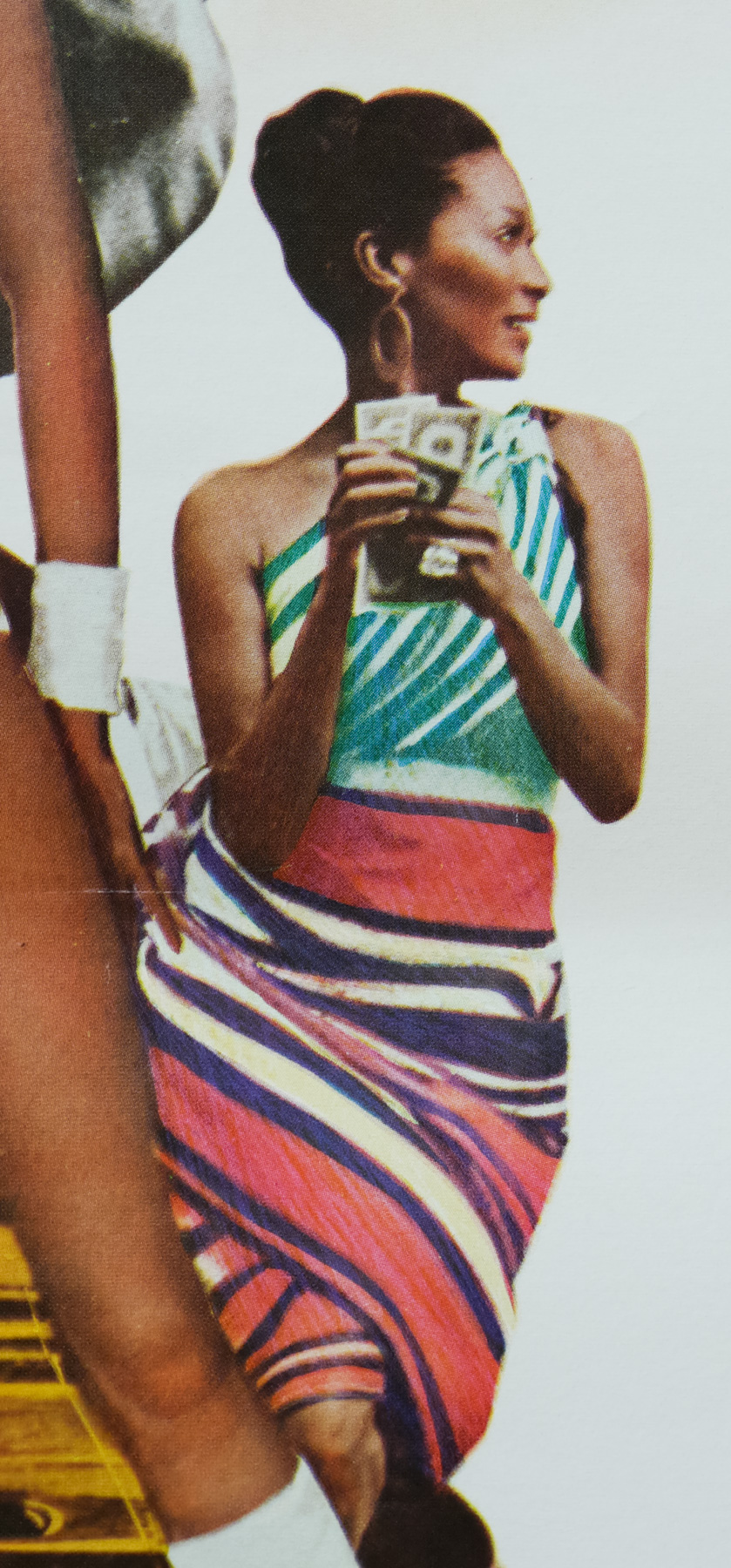
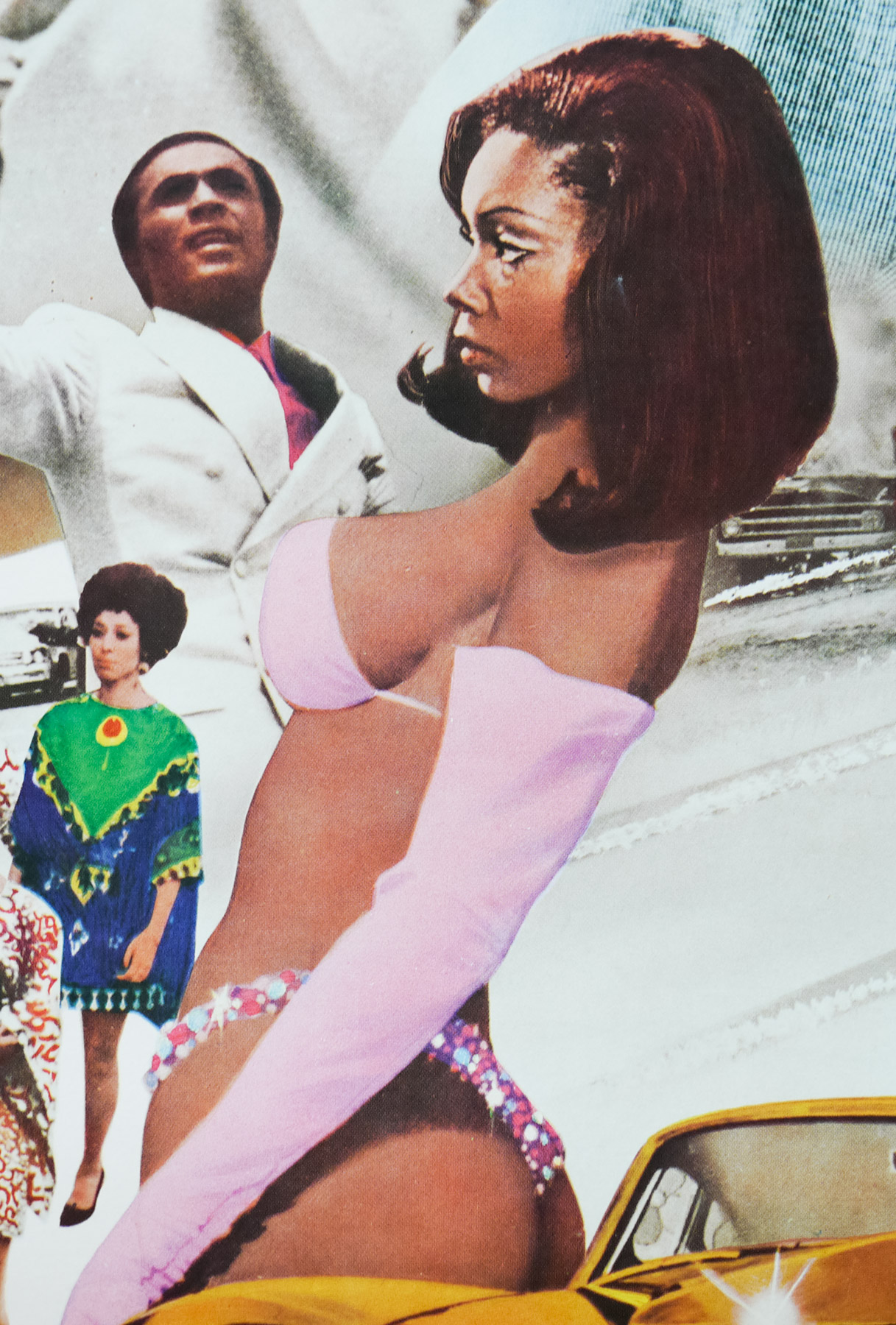
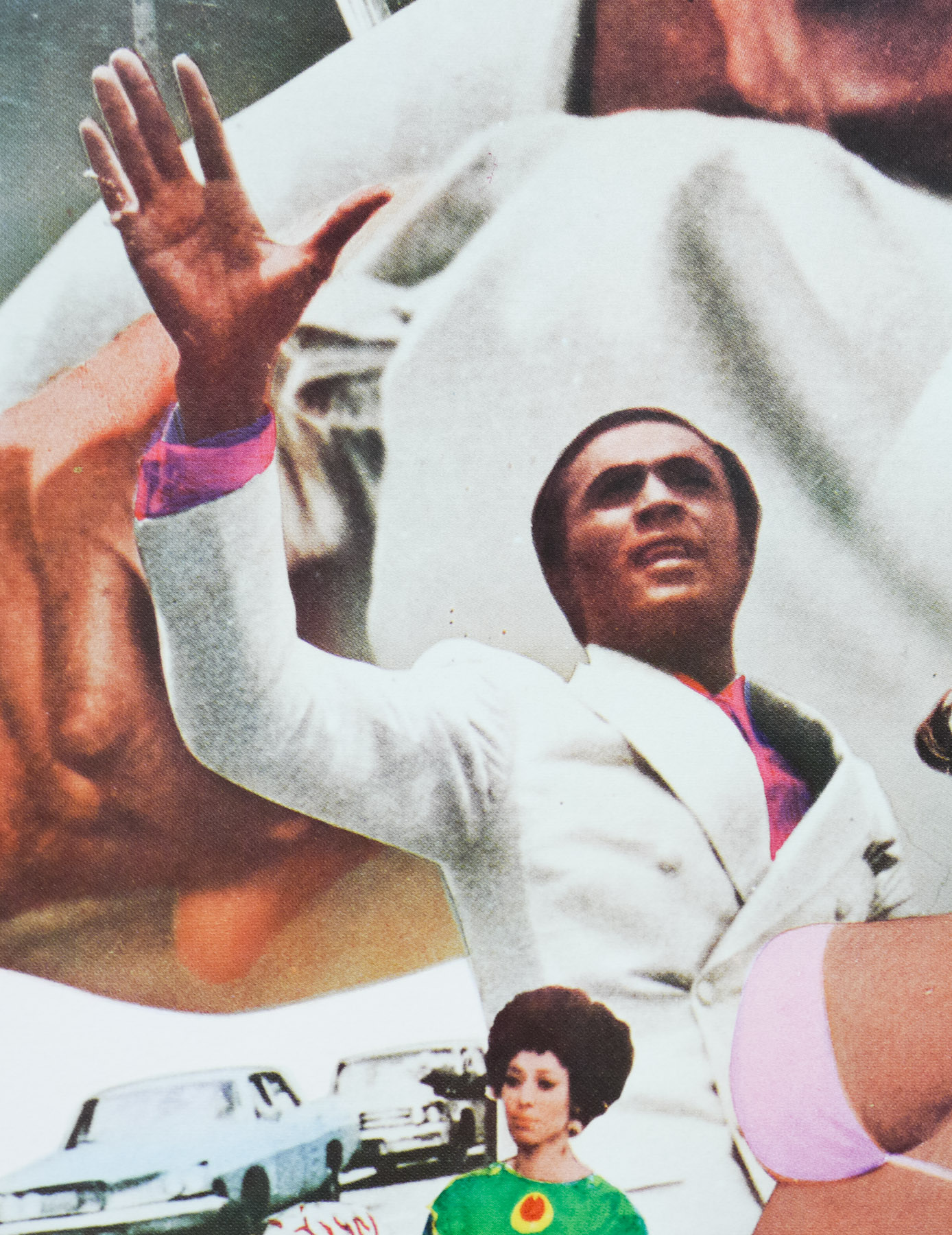
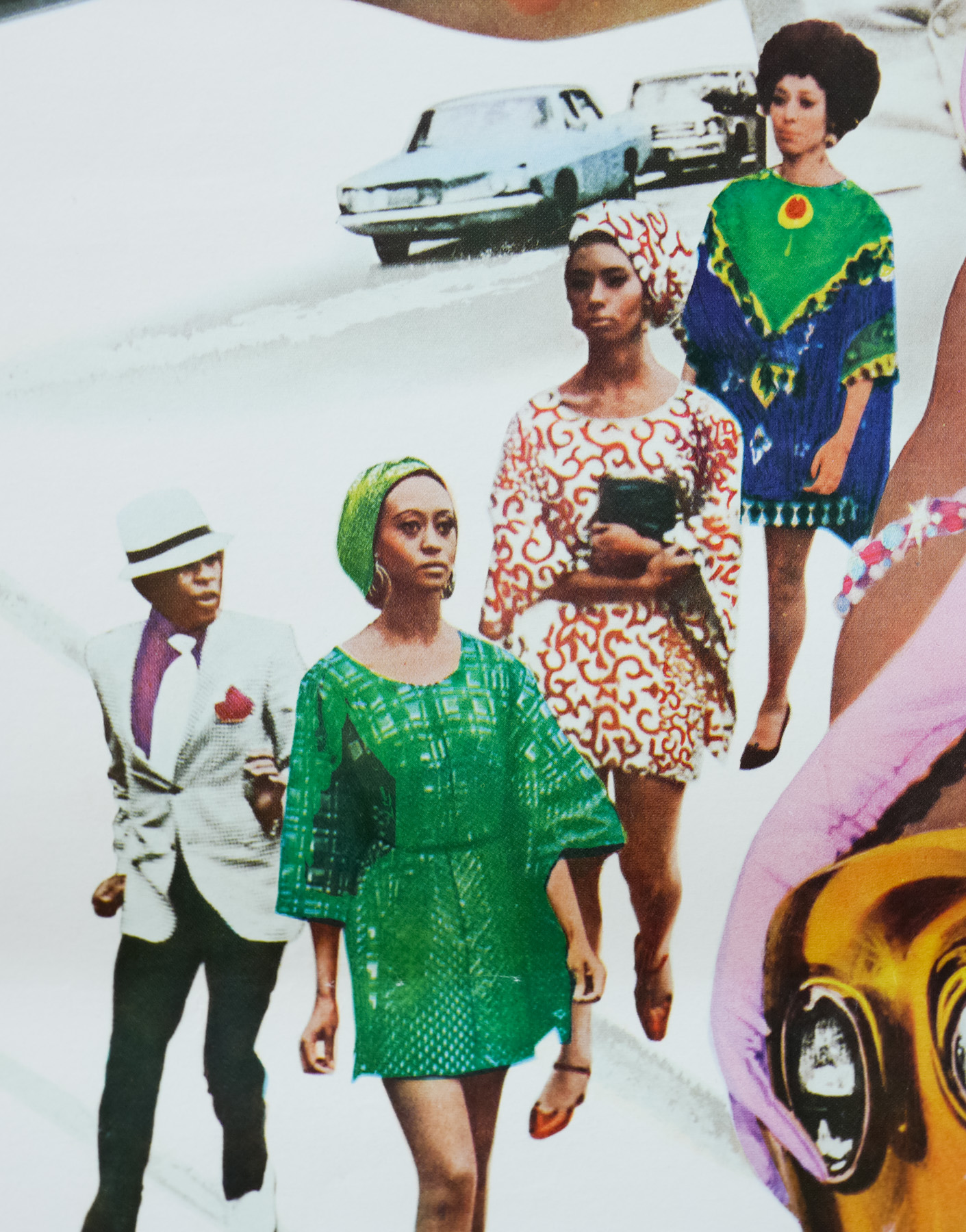
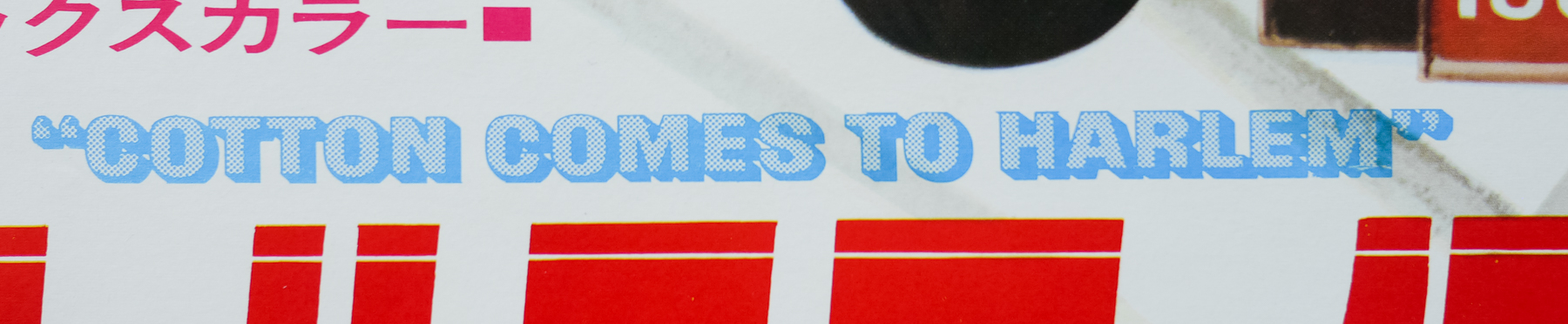
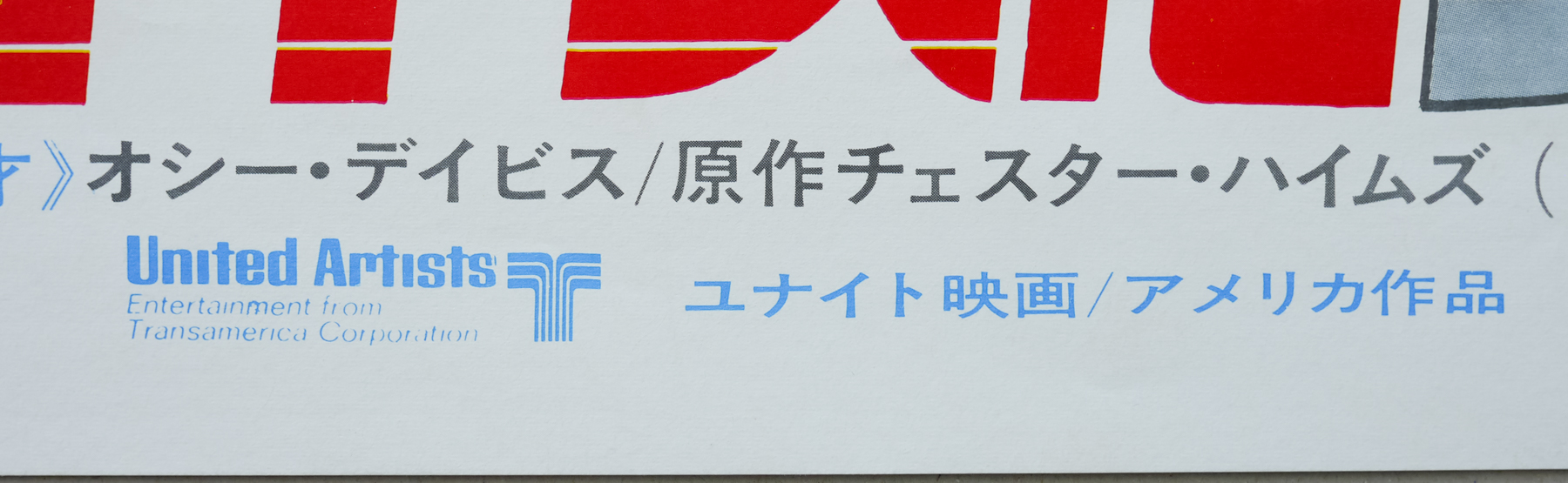
This Japanese B2 is a photo montage but at least part of it is inspired by the US theatrical poster, which had been painted by the artist Robert McGinnis and can be seen here.

Paper Tiger / B2 / Japan

06.10.16

Poster Poster
Title
Paper Tiger
AKA
--
Year of Film
1975
Director
Ken Annakin
Starring
David Niven, Toshirô Mifune, Hardy Krüger, Kazuhito Ando, Irene Tsu, Ivan Desny, Miiko Taka, Jeff Corey, Patricia Donahue, Ronald Fraser
Origin of Film
UK
Genre(s) of Film
David Niven, Toshirô Mifune, Hardy Krüger, Kazuhito Ando, Irene Tsu, Ivan Desny, Miiko Taka, Jeff Corey, Patricia Donahue, Ronald Fraser,
Type of Poster
B2
Style of Poster
--
Origin of Poster
Japan
Year of Poster
1975
Designer
Unknown
Artist
--
Size (inches)
20 5/16" x 28 13/16"
SS or DS
SS
Tagline
--

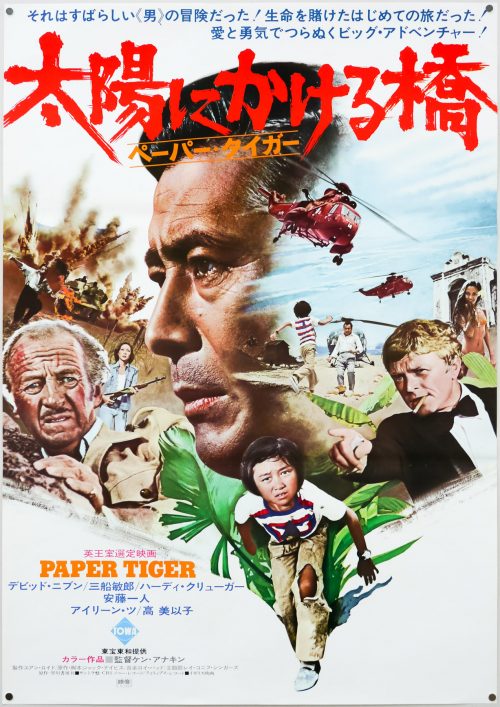
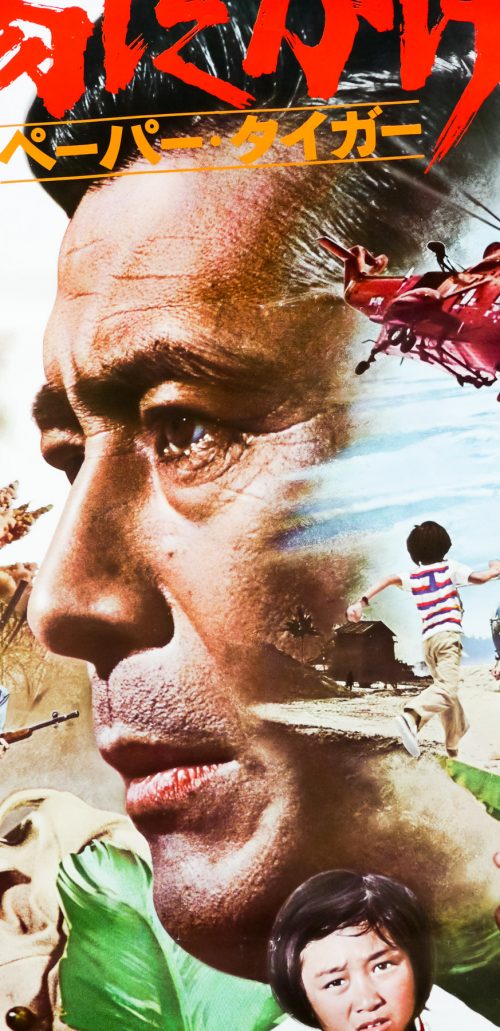
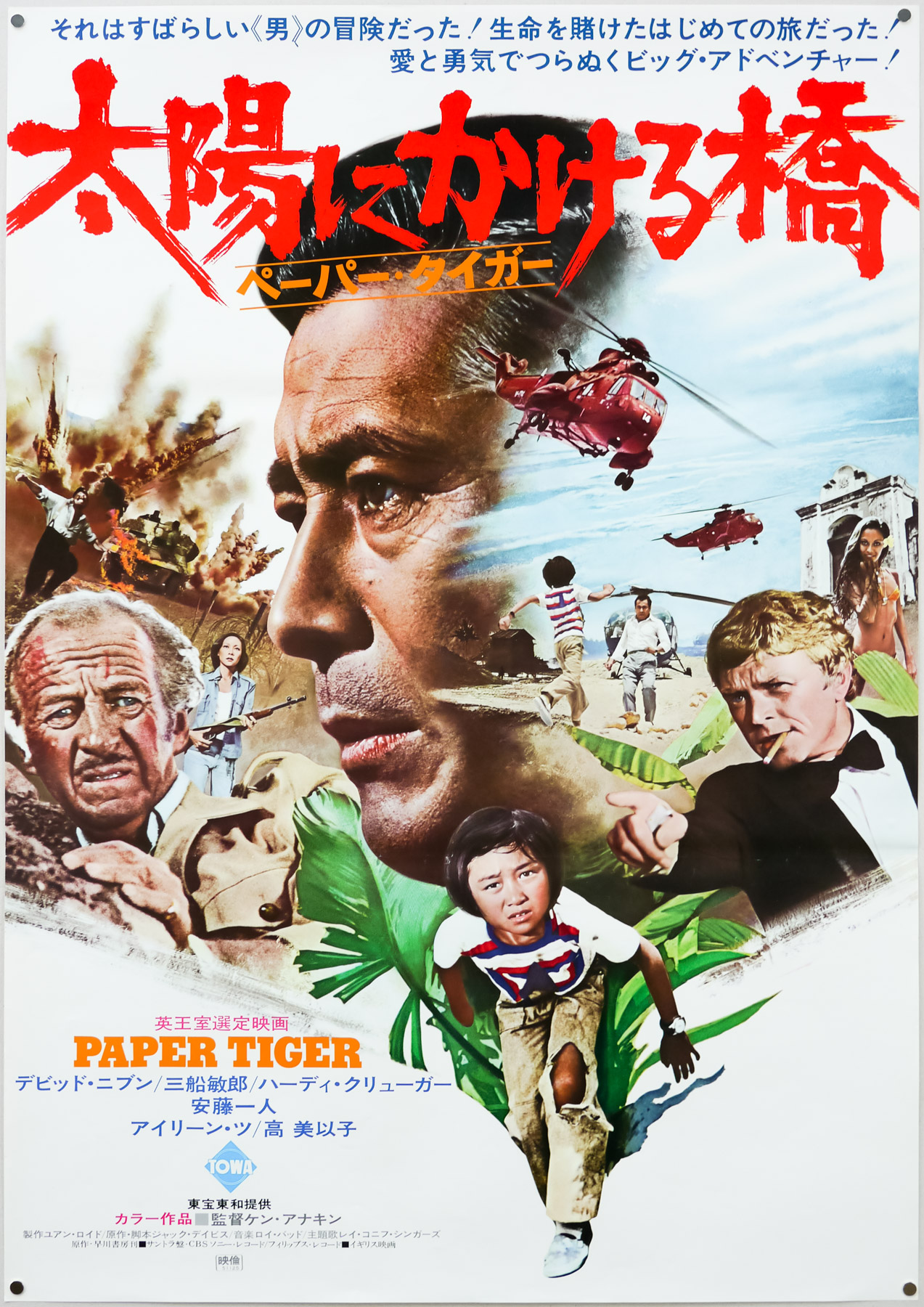
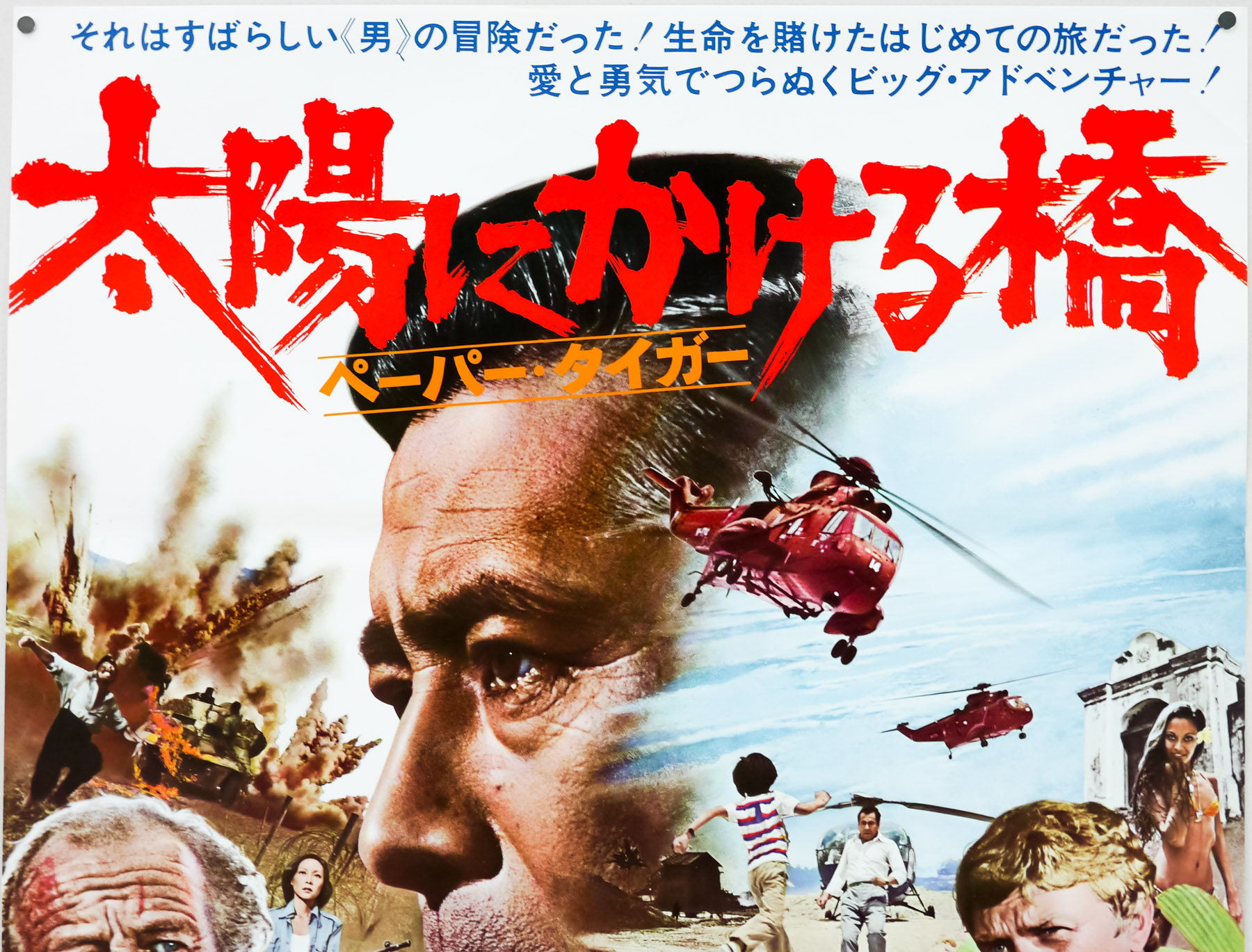
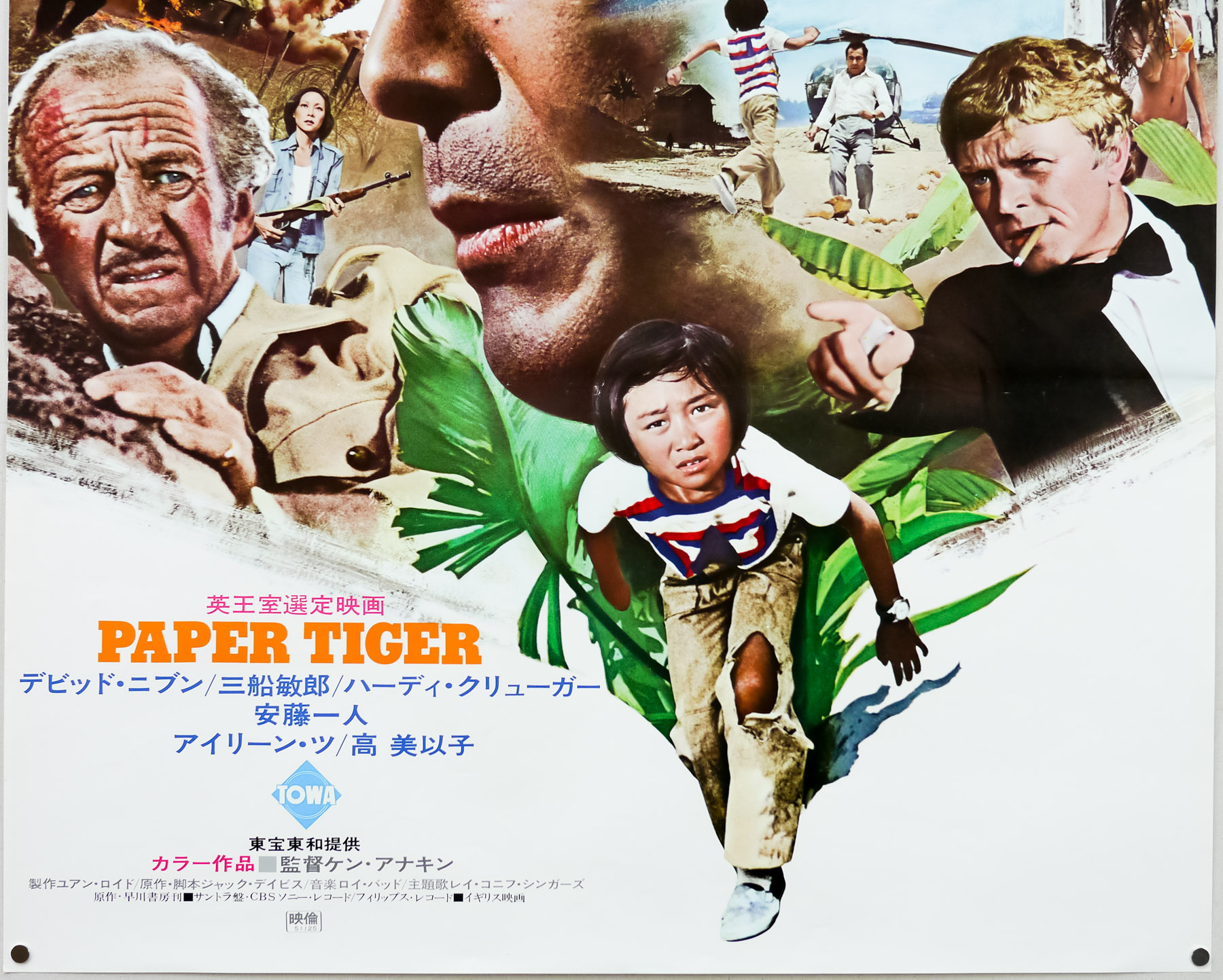
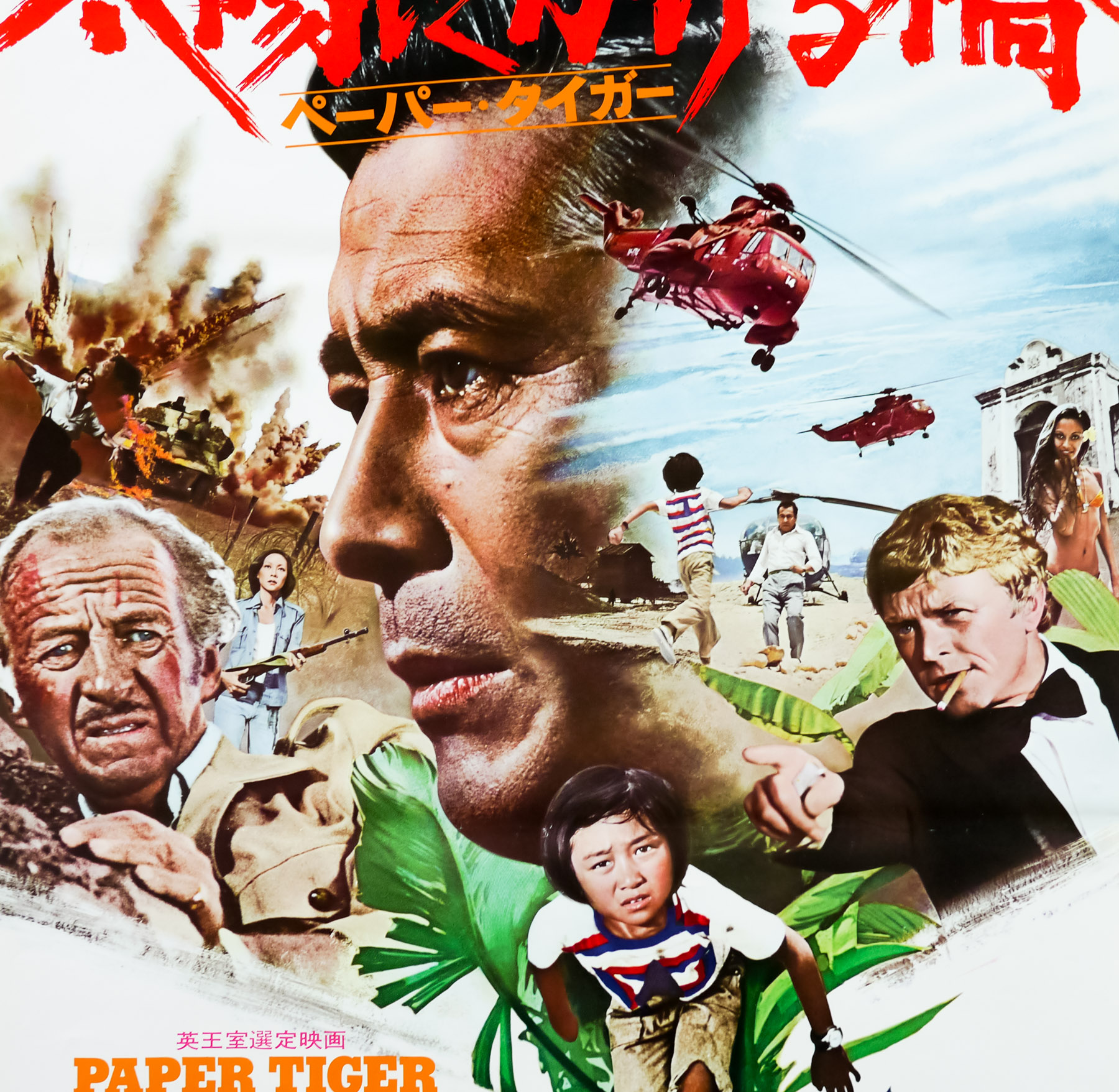
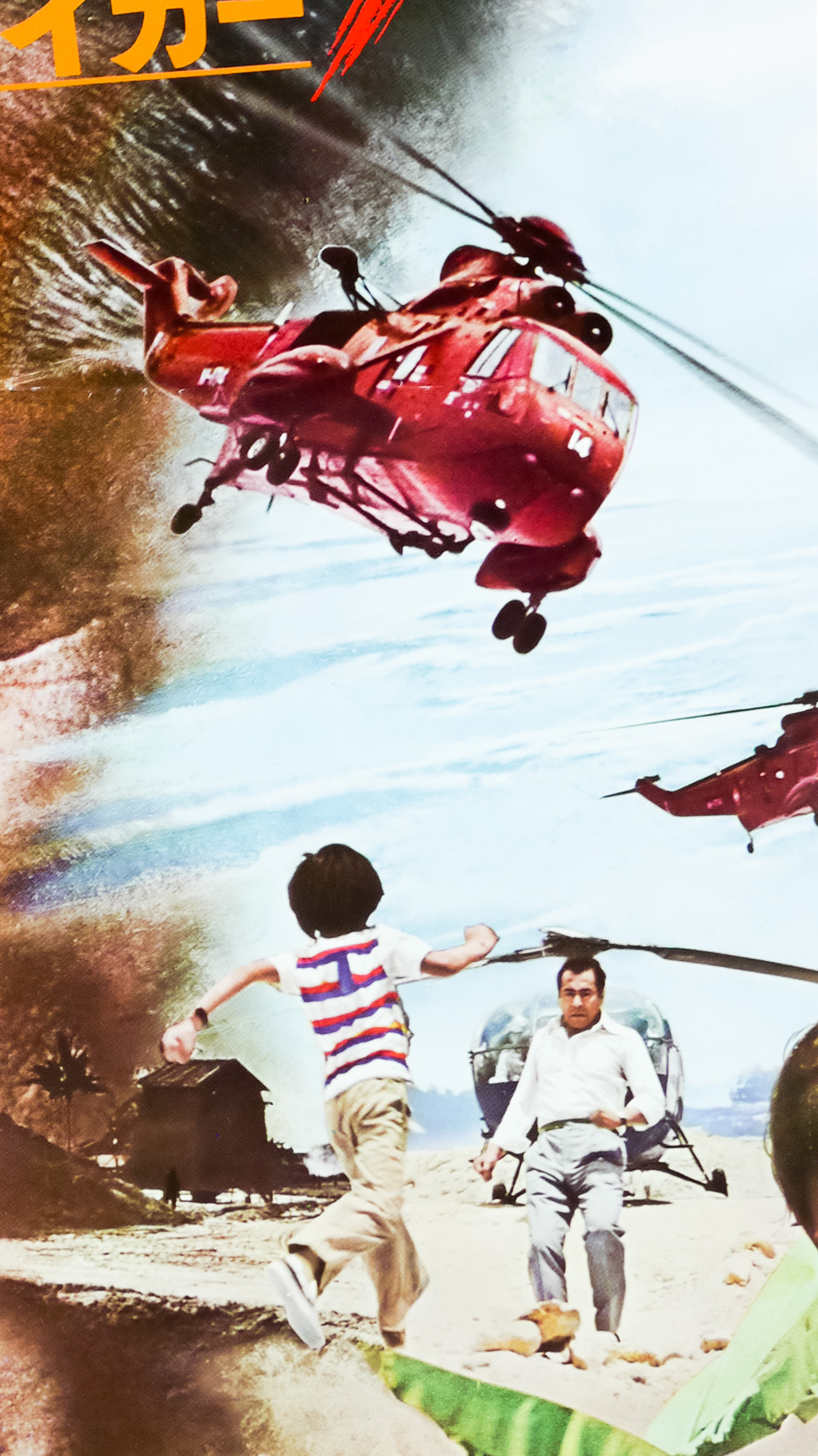
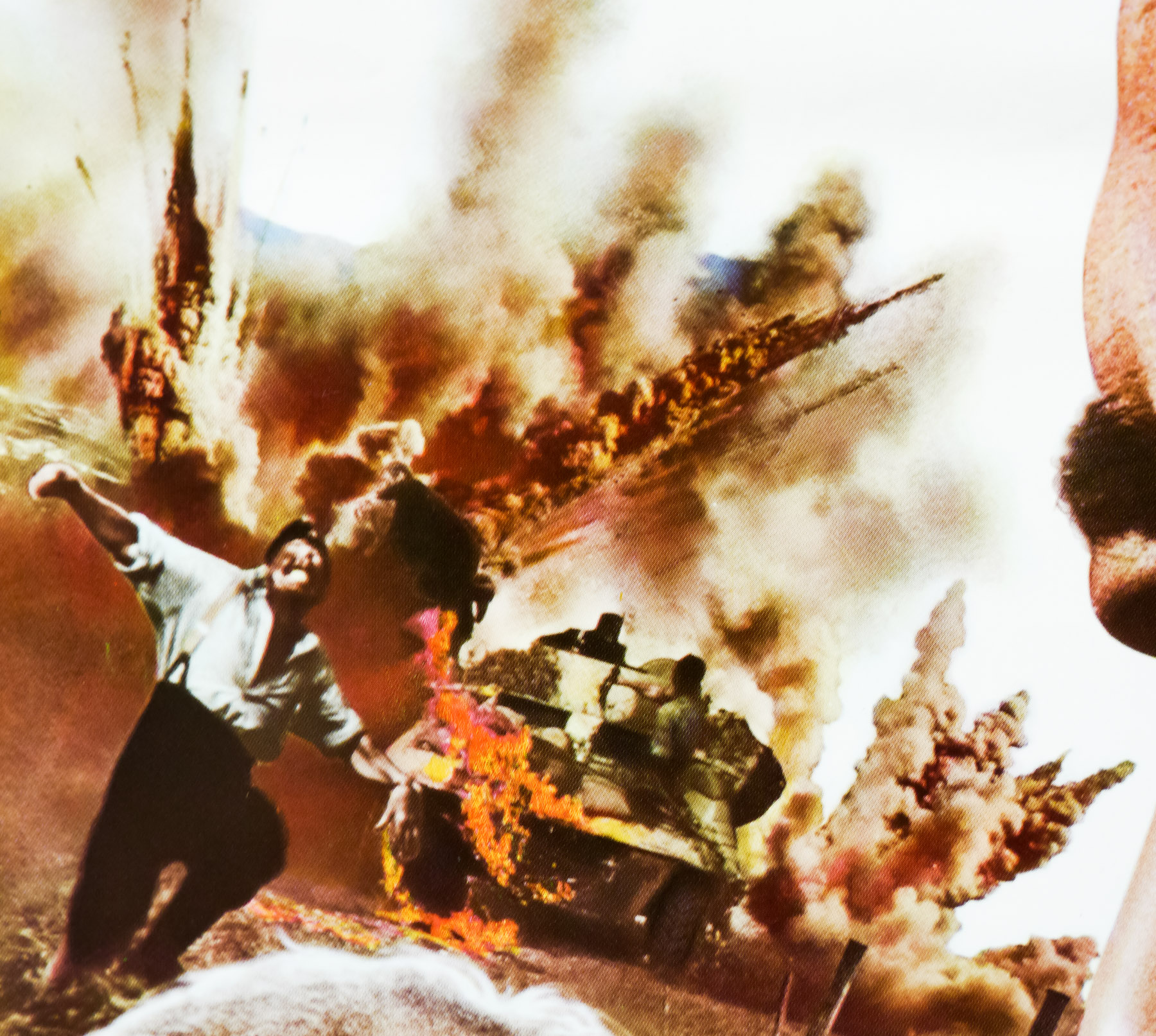
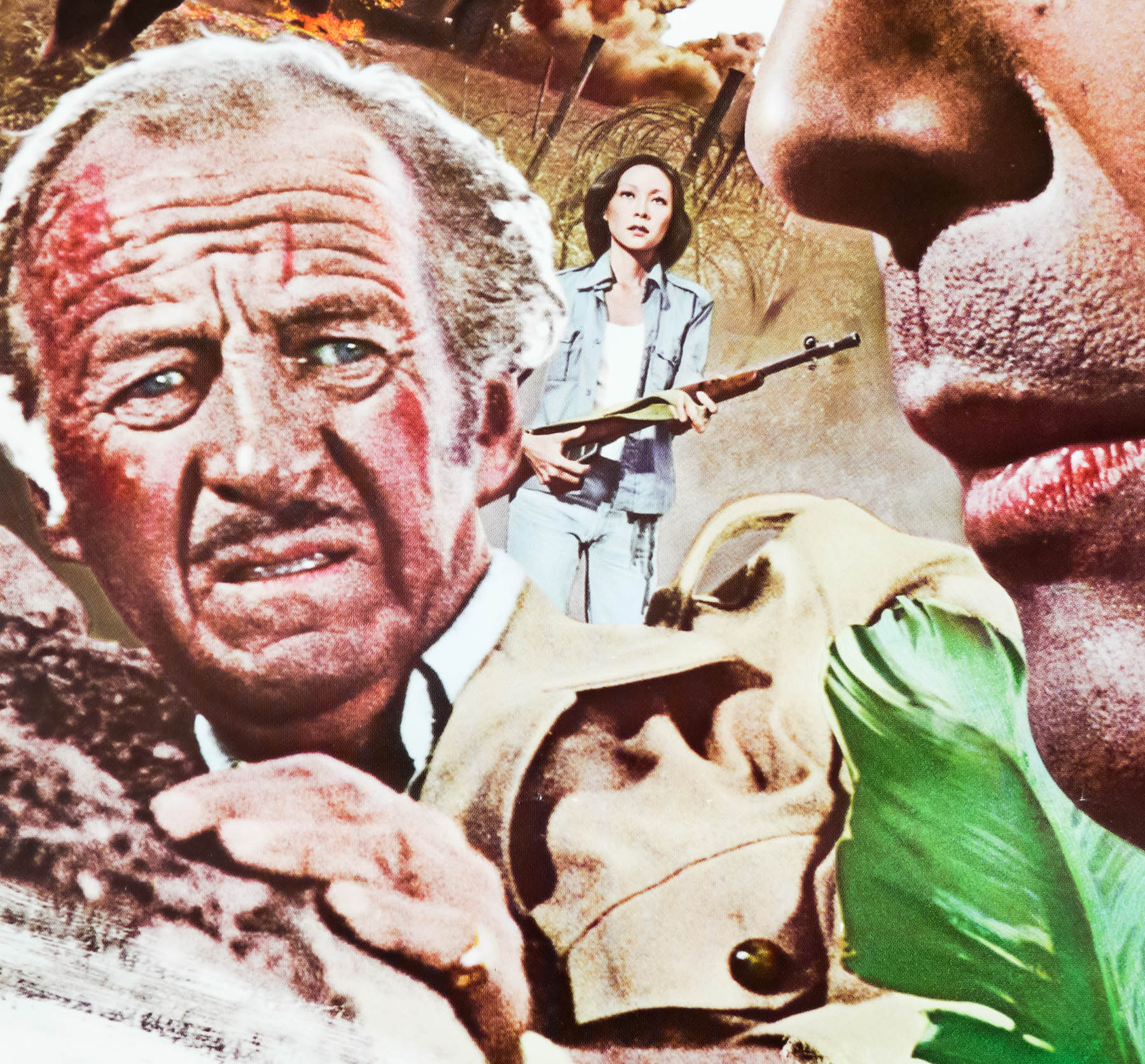
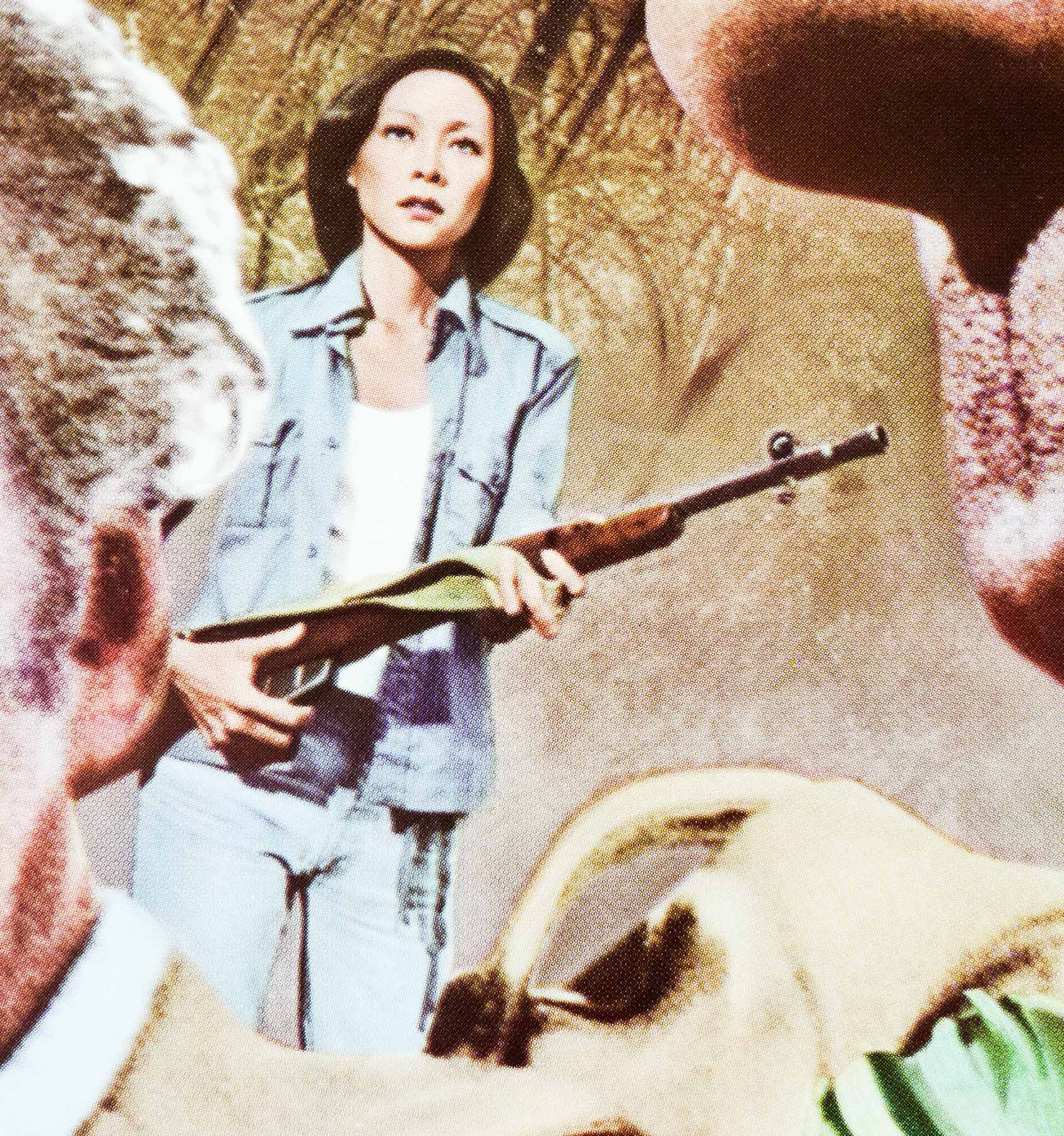
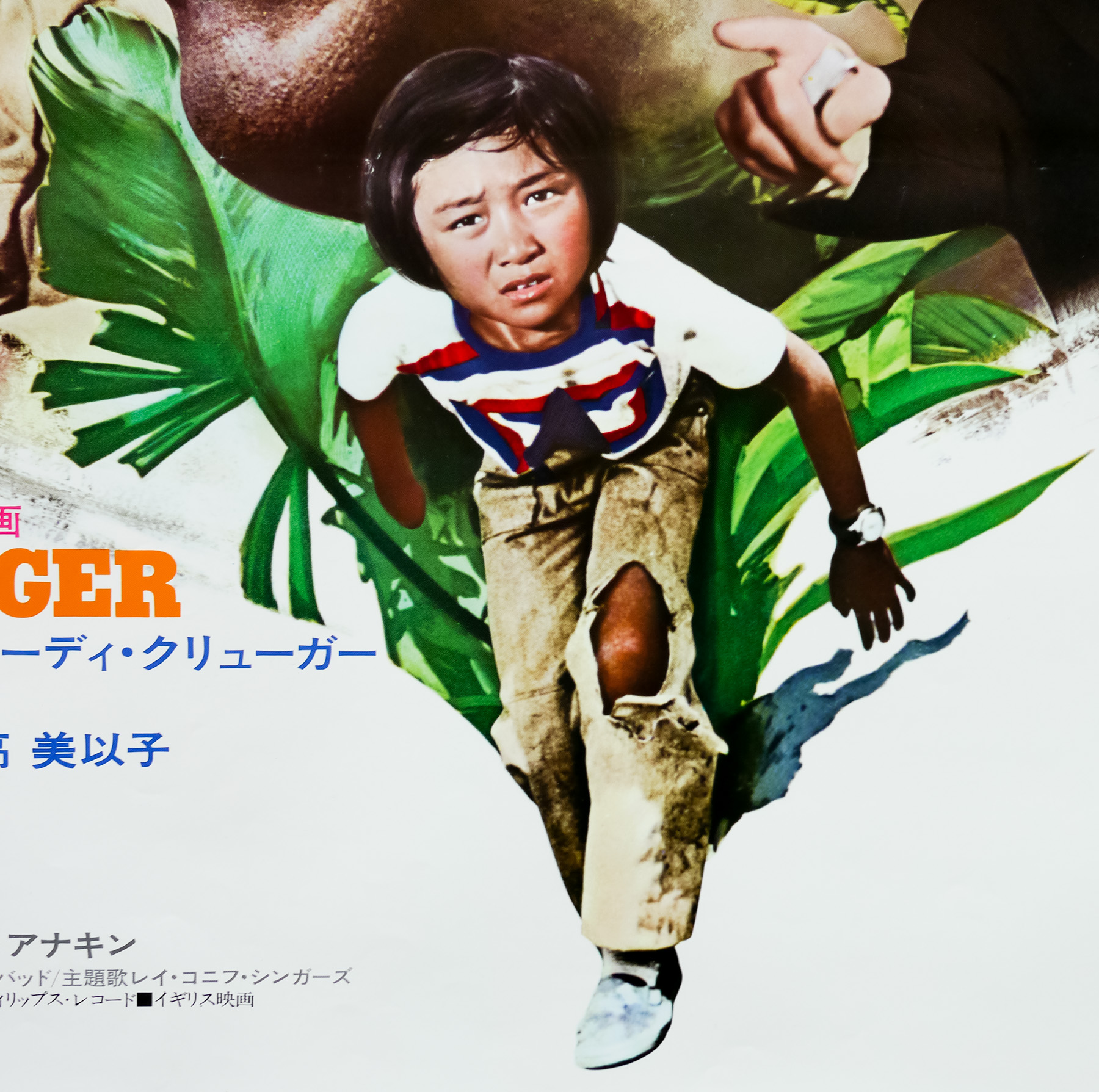
This is the Japanese poster for the release of the 1975 British film, Paper Tiger. The film was directed by Ken Annakin, who’s best know for helming the 1965 war film Battle of the Bulge and some live-action Disney films during the 1970s. The cast featured two acting legends in David Niven (The Pink Panther, The Guns of Navarone) and Toshirô Mifune (multiple Akira Kurosawa classics, including The Seven Samurai). Niven stars as ‘Major’ Walter Bradbury, a seemingly well-educated, ex-military man who has been invited to Malaysia to tutor the son of the Japanese ambassador (Mifune) called Koichi (Ando in his only film role).

Bradbury begins teaching the boy and regales him with tales of derring-do from his time serving during World War II, with the pair becoming fast friends. Unfortunately a group of political terrorists swipe the pair and intend to use them as a bargaining chip in the release of a group of prisoners who have been held for months by the government. The pair must try to stay alive and alert the ambassador to their location. The truth about Bradbury’s life becomes clear but he is given the chance to live up to his fabricated legend. The film takes a while to get going but the use of outdoor locations keeps things interesting and it goes out with a bit of a bang. Niven is eminently watchable although it’s not hard to see why Ando never acted again. Frustratingly, Mifune is given little do and spends a lot of the film standing next to a desk.

The trailer can be viewed here.

A Nightmare on Elm Street 5: the Dream Child / B2 / art style / Japan

26.10.16

Poster Poster

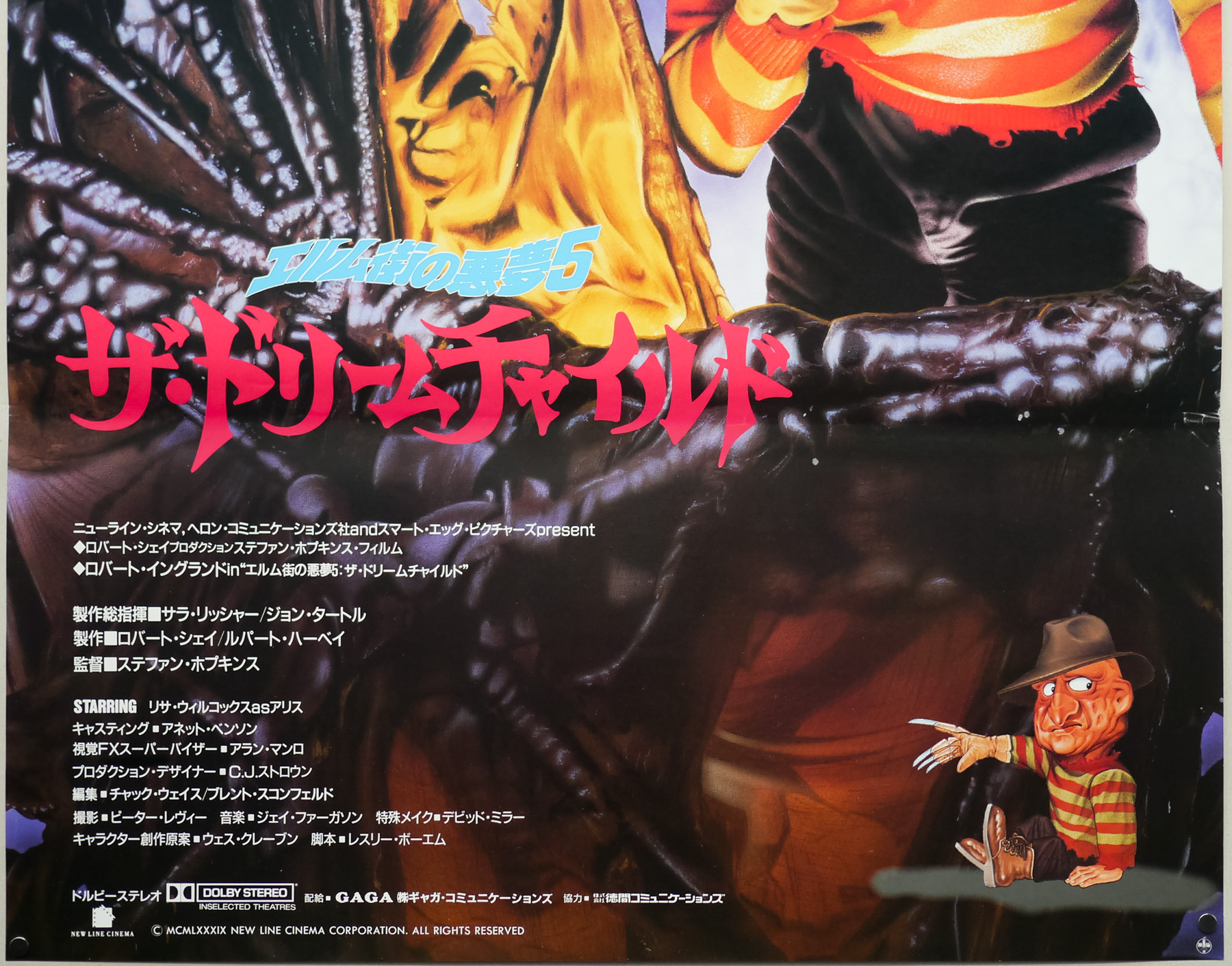
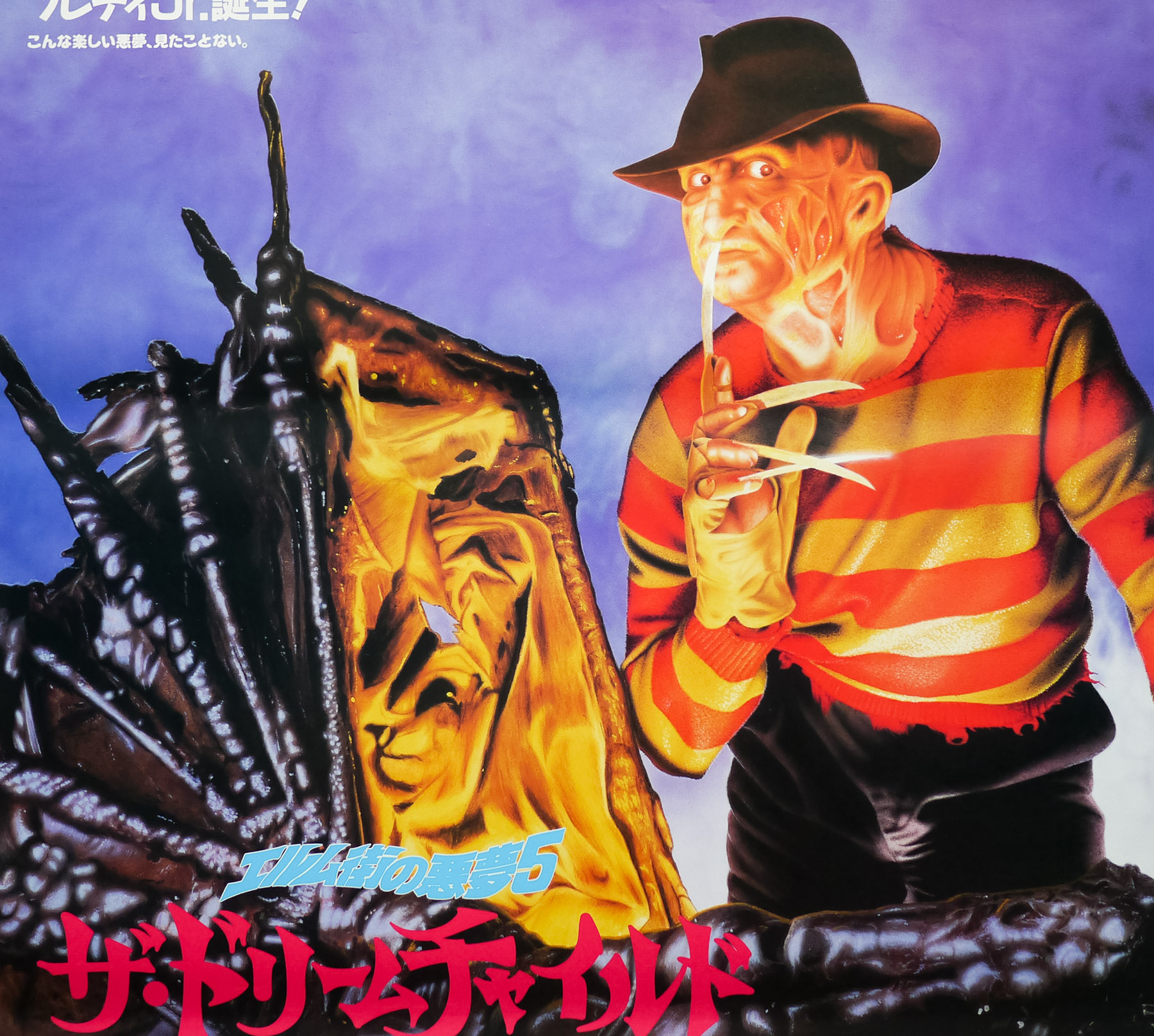
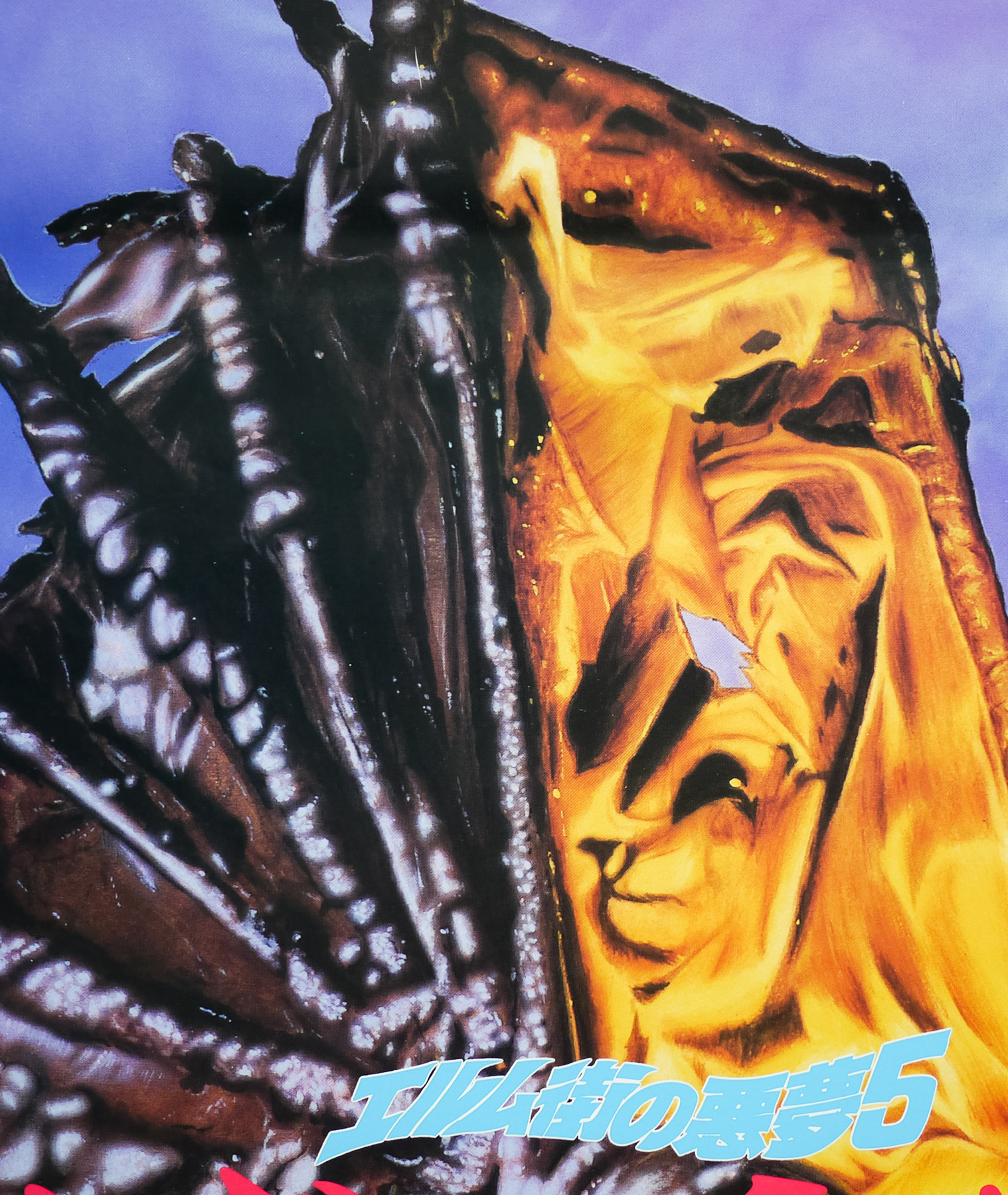
Unique artwork features on this Japanese B2 for the release of the fifth entry in the much-loved horror franchise, A Nightmare on Elm Street 5. The film’s subtitle ‘the Dream Child’ hints at the plot for the film, which sees Freddy attempting to return from hell by using the mind of an unborn baby. The child belongs to Alice (Lisa Wilcox) who was the main character in the previous film and the father is her boyfriend Dan (Danny Hassel) who also returns from Part 4. The Dream Child was only the second film directed by Stephen Hopkins, the Jamaican-born English-Australian director best known for helming Predator 2 and the 1998 reboot of Lost in Space.

Set a year after the previous film, the story sees Alice and her friends graduating from high school with Freddy Krueger seemingly vanquished for good. Alice begins to have strange dreams in which she finds herself in the asylum where Freddy’s mother, a nun named Amanda, was attacked and raped by the inmates. Later she has another dream in which she witnesses Amanda giving birth to a strange, deformed baby. The creature scuttles off and ends up in the church where Alice vanquished Freddy in Part 4 whereupon it grows into an adult Krueger. He immediately begins to taunt Alice, claiming he has found a way to return for good. When she wakes from the dream she immediately summons Dan to her but he falls asleep at the wheel of his motorbike and Freddy attacks and, during a gruesome sequence, melds him together with the bike before crashing him into a truck. Soon afterwards she learns that she is pregnant with Dan’s child and immediately begins to fear for its safety.

Alice and her friends must once again battle together with the spirit of Amanda Krueger to stop Freddy before he is able to return and take over the mind of Alice’s unborn son (Jacob). To be honest, the film gets very confusing and it’s hard to follow what’s happening most of the time, never mind how an unborn baby suddenly becomes a ten-year-old child in some of the sequences. The usual dream deaths are pretty dark and there are some gruesome moments for horror hounds, but the story barely hangs together, with choppy editing and hammy acting not helping at all. Although not a box-office disaster, the film failed to take anywhere near the box-office of Part 3 and 4 and audiences were certainly cooling towards the franchise by this point.

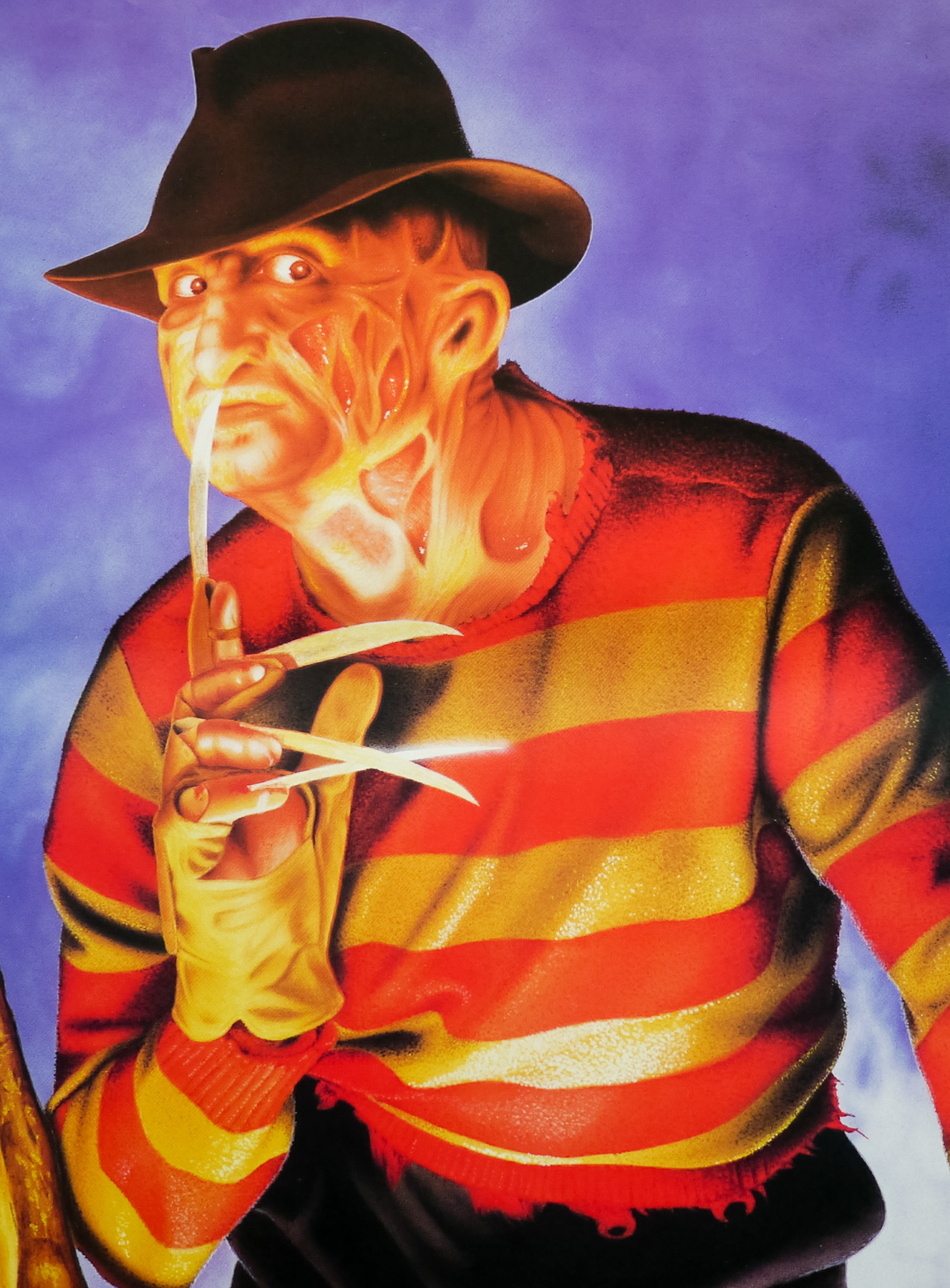
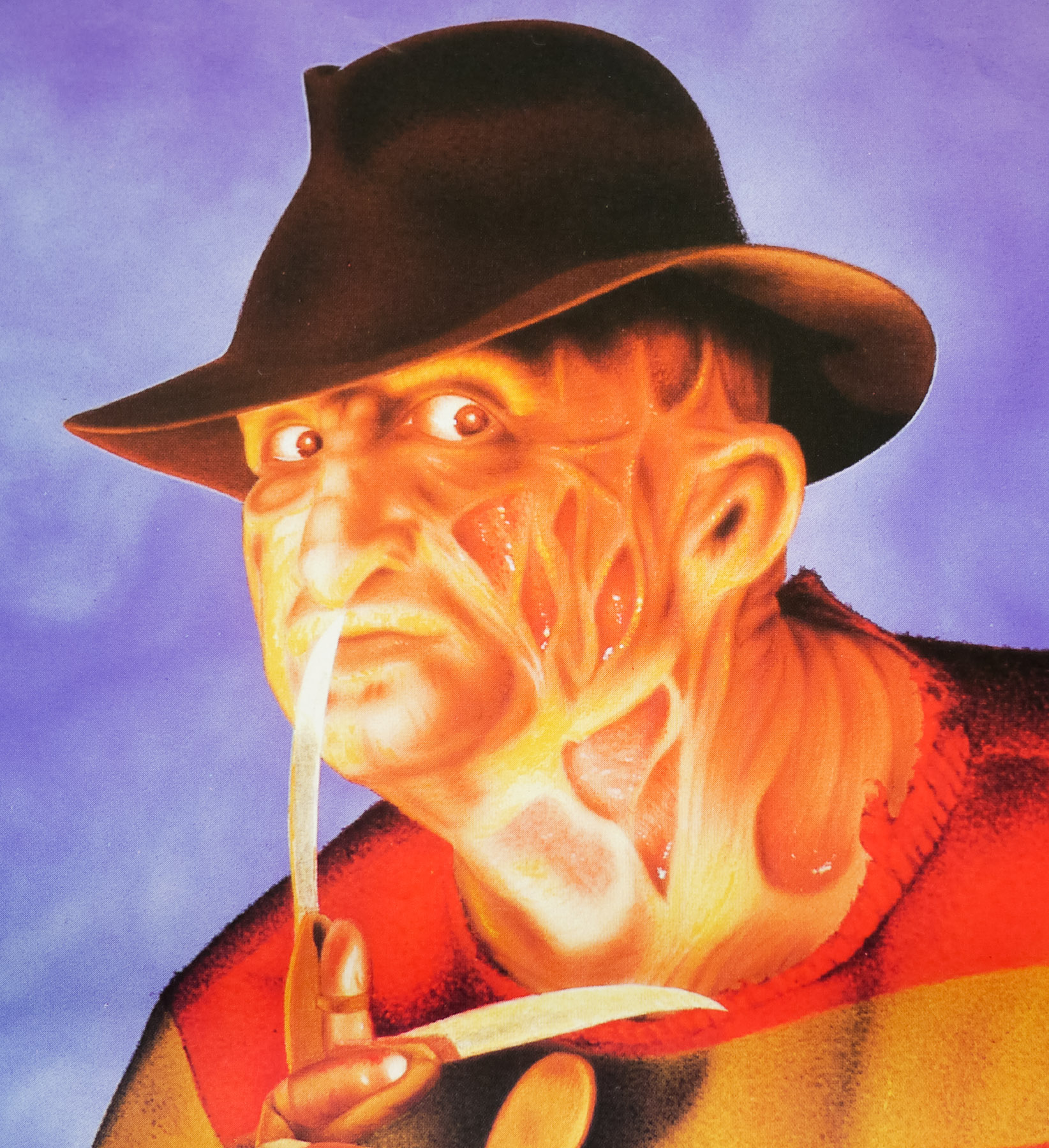
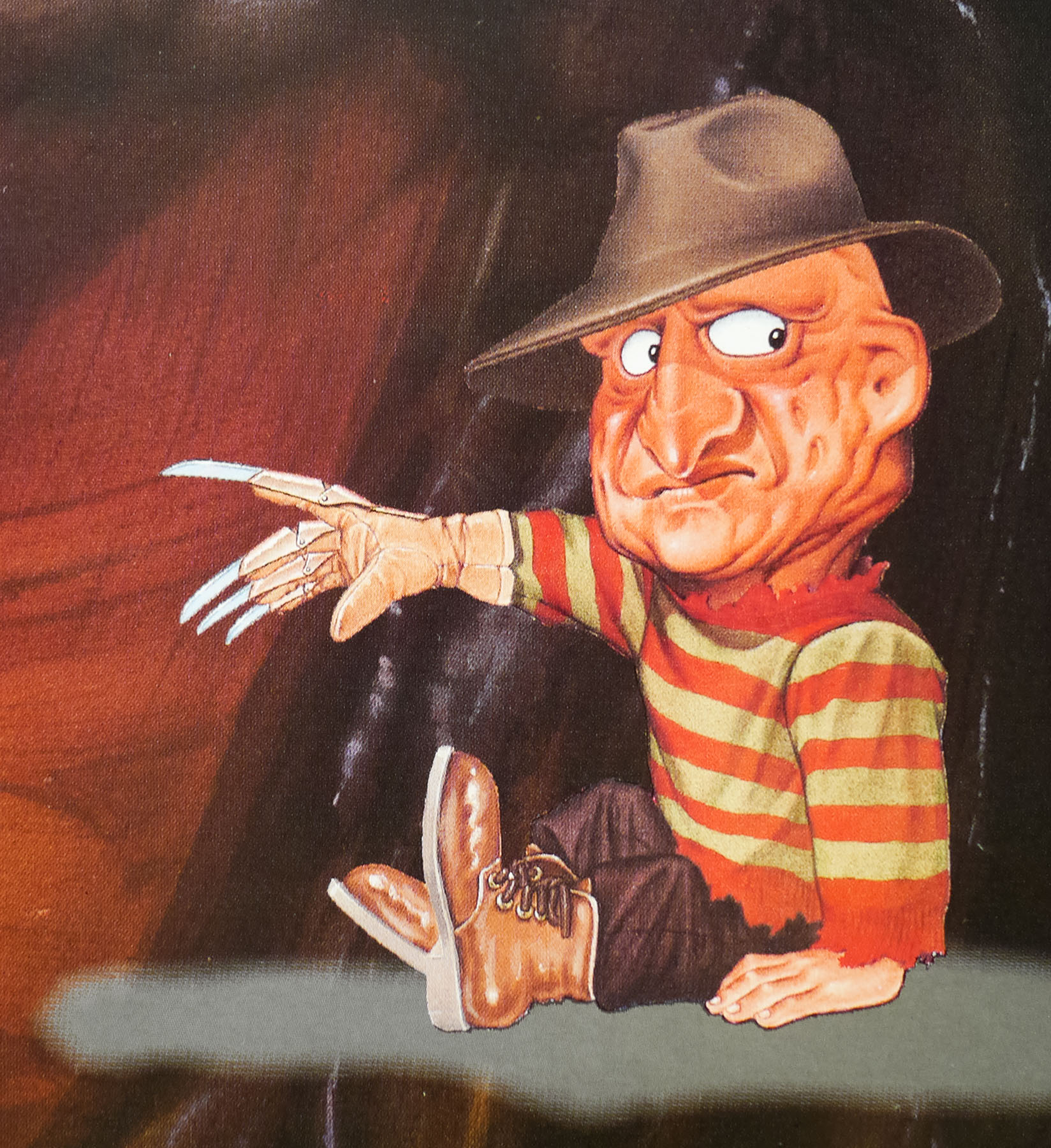
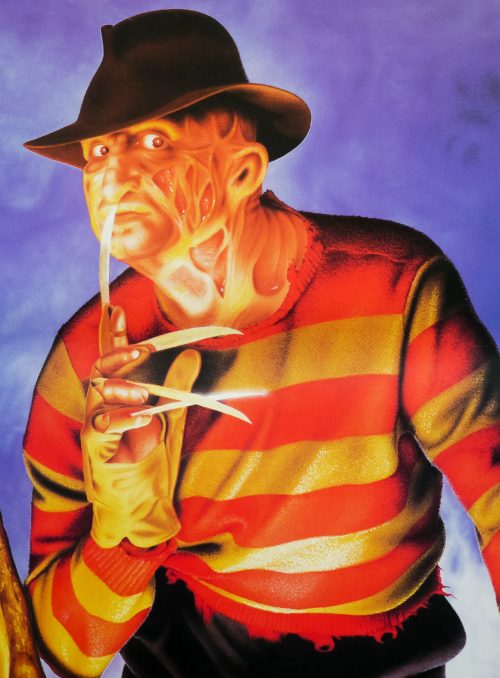
This artwork is a modified take on the photographic image of Freddy with the pram seen on the German A1 poster. I’m not sure who was responsible for the painting so if anyone has any ideas please get in touch. The small illustrated figure in the bottom right is actually from the alternate style Japanese B2 poster which I also have in the collection here.

The Texas Chainsaw Massacre 2 / B2 / style A / Japan

23.11.16

Poster Poster
Title
The Texas Chainsaw Massacre 2
AKA
--
Year of Film
1986
Director
Tobe Hooper
Starring
Dennis Hopper, Caroline Williams, Jim Siedow, Bill Moseley, Bill Johnson, Ken Evert, Harlan Jordan, Kirk Sisco
Origin of Film
USA
Genre(s) of Film
Dennis Hopper, Caroline Williams, Jim Siedow, Bill Moseley, Bill Johnson, Ken Evert, Harlan Jordan, Kirk Sisco,
Type of Poster
B2
Style of Poster
Style A
Origin of Poster
Japan
Year of Poster
1986
Designer
Unknown
Artist
--
Size (inches)
20 6/16" x 28 13/16"
SS or DS
SS
Tagline
--

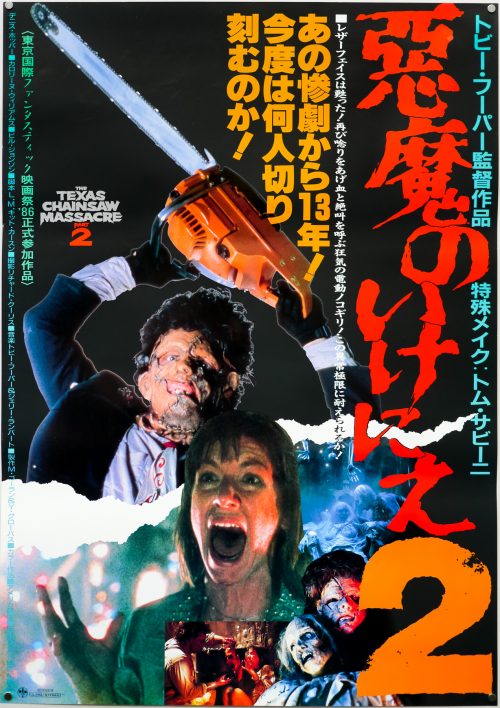
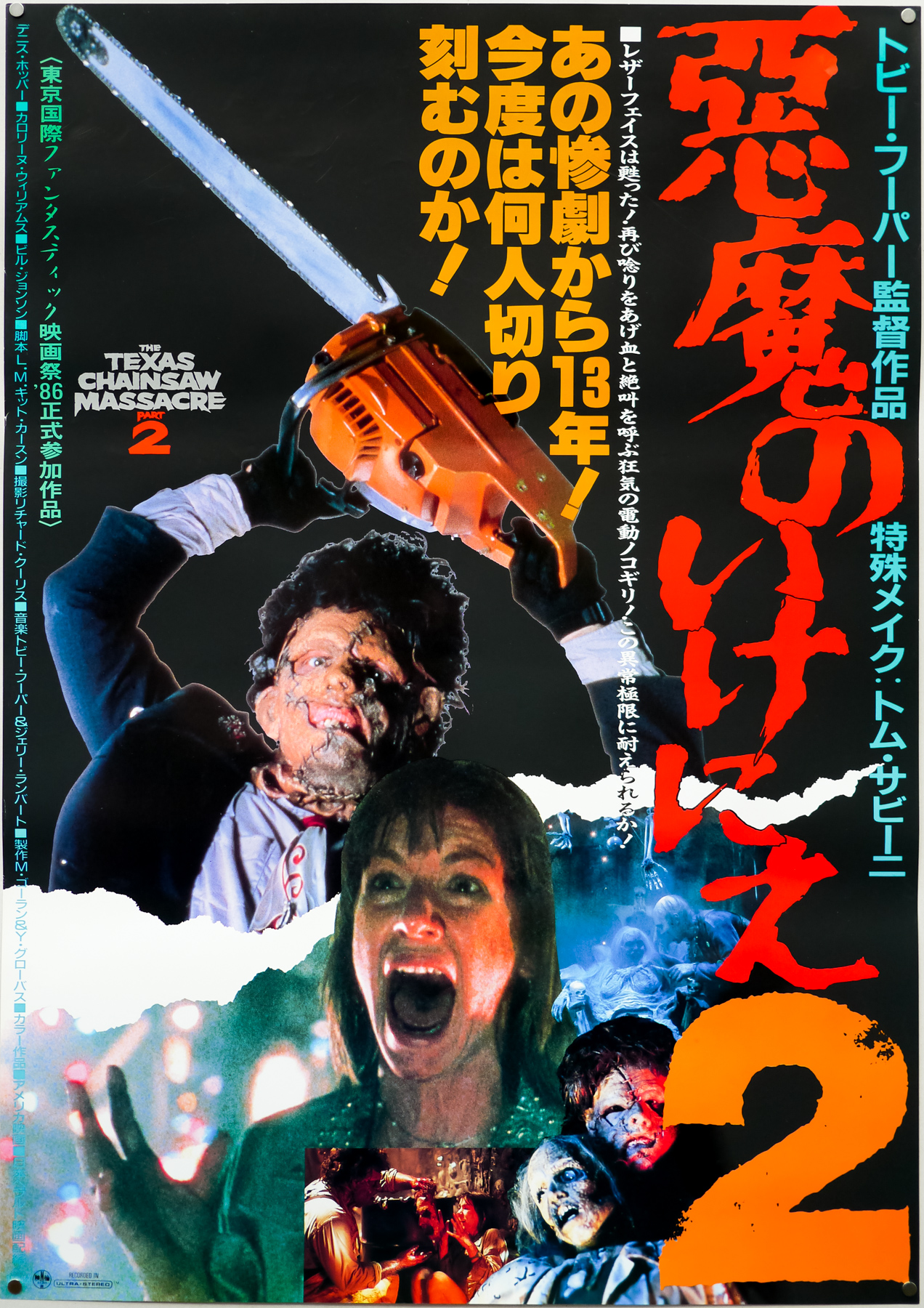
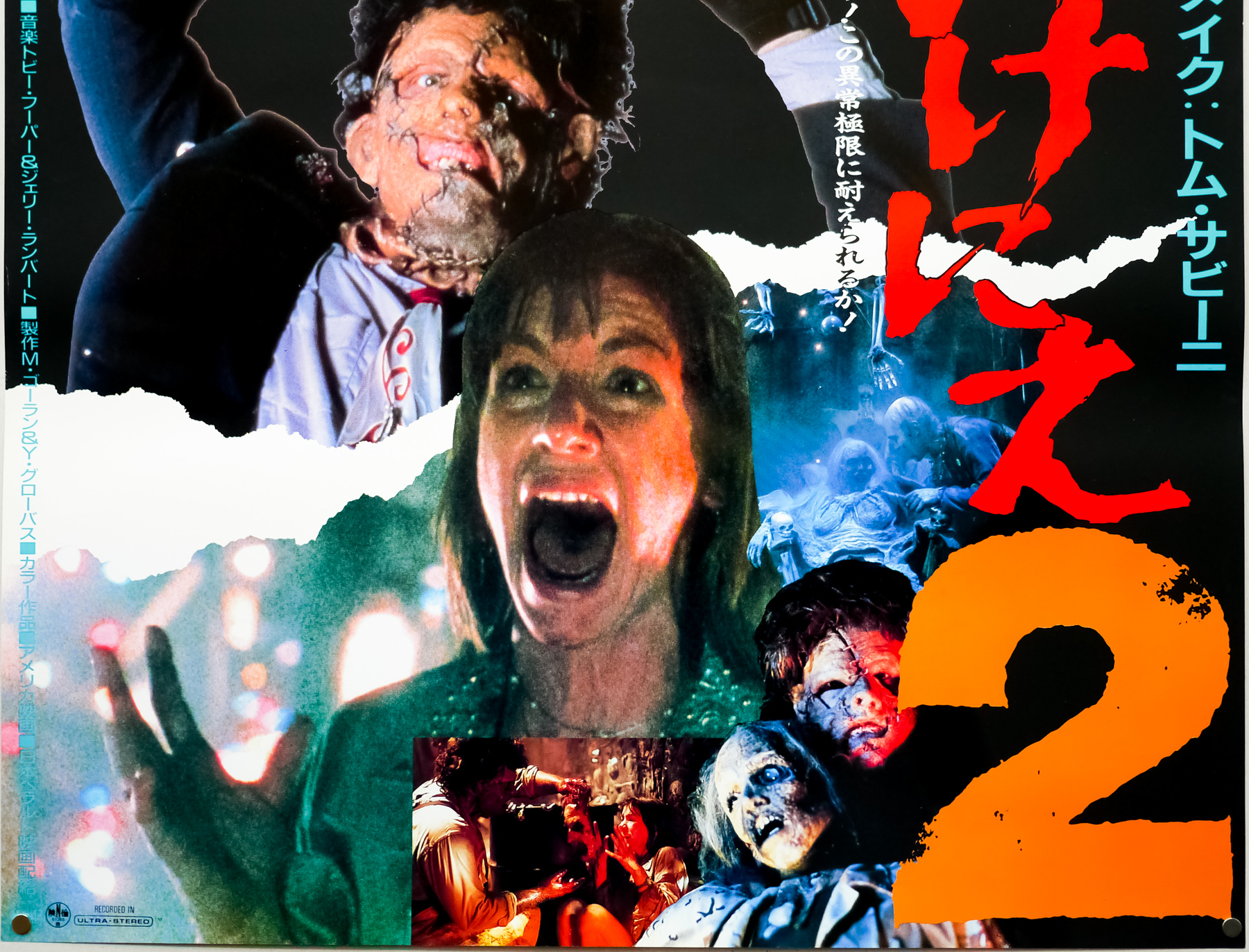
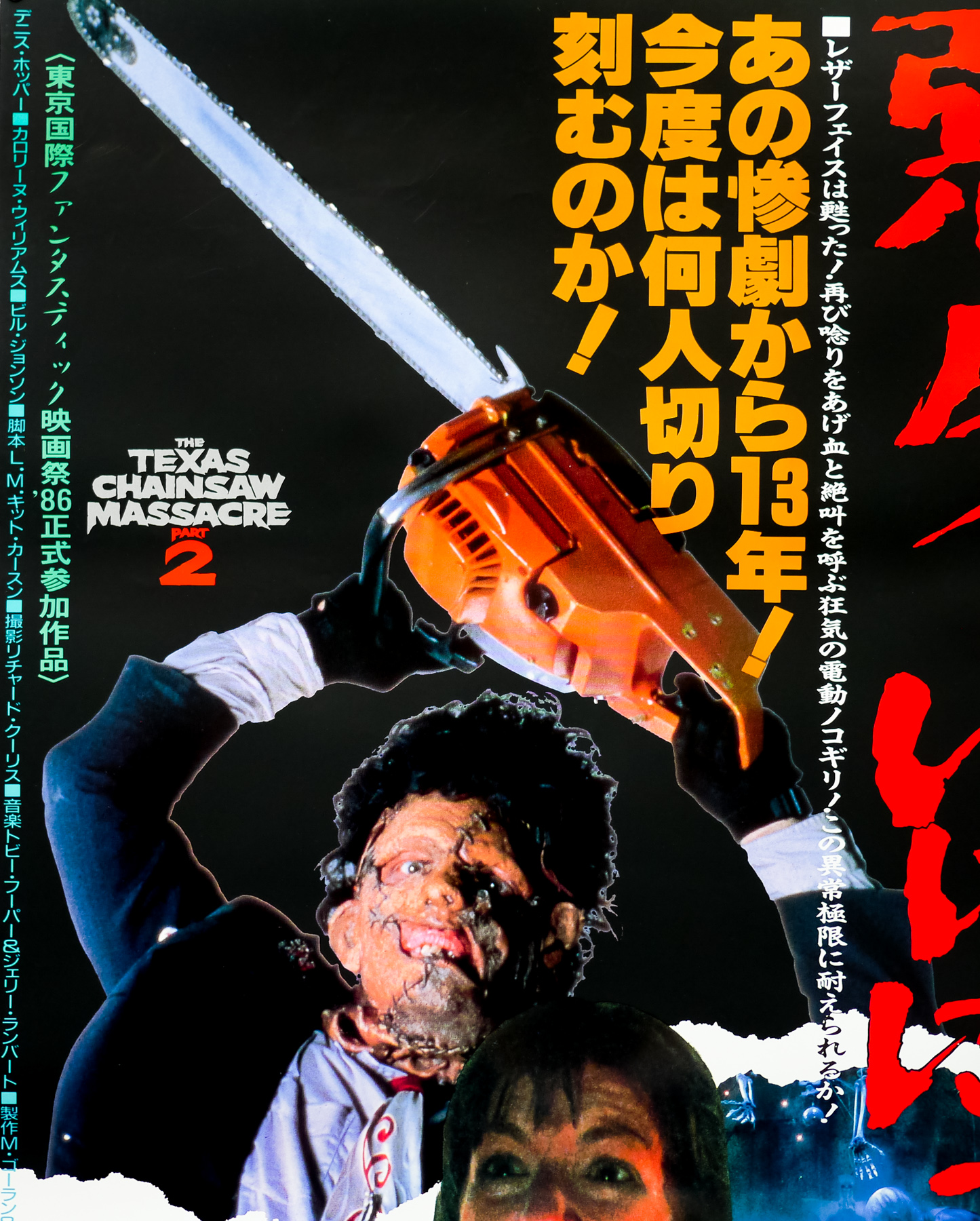
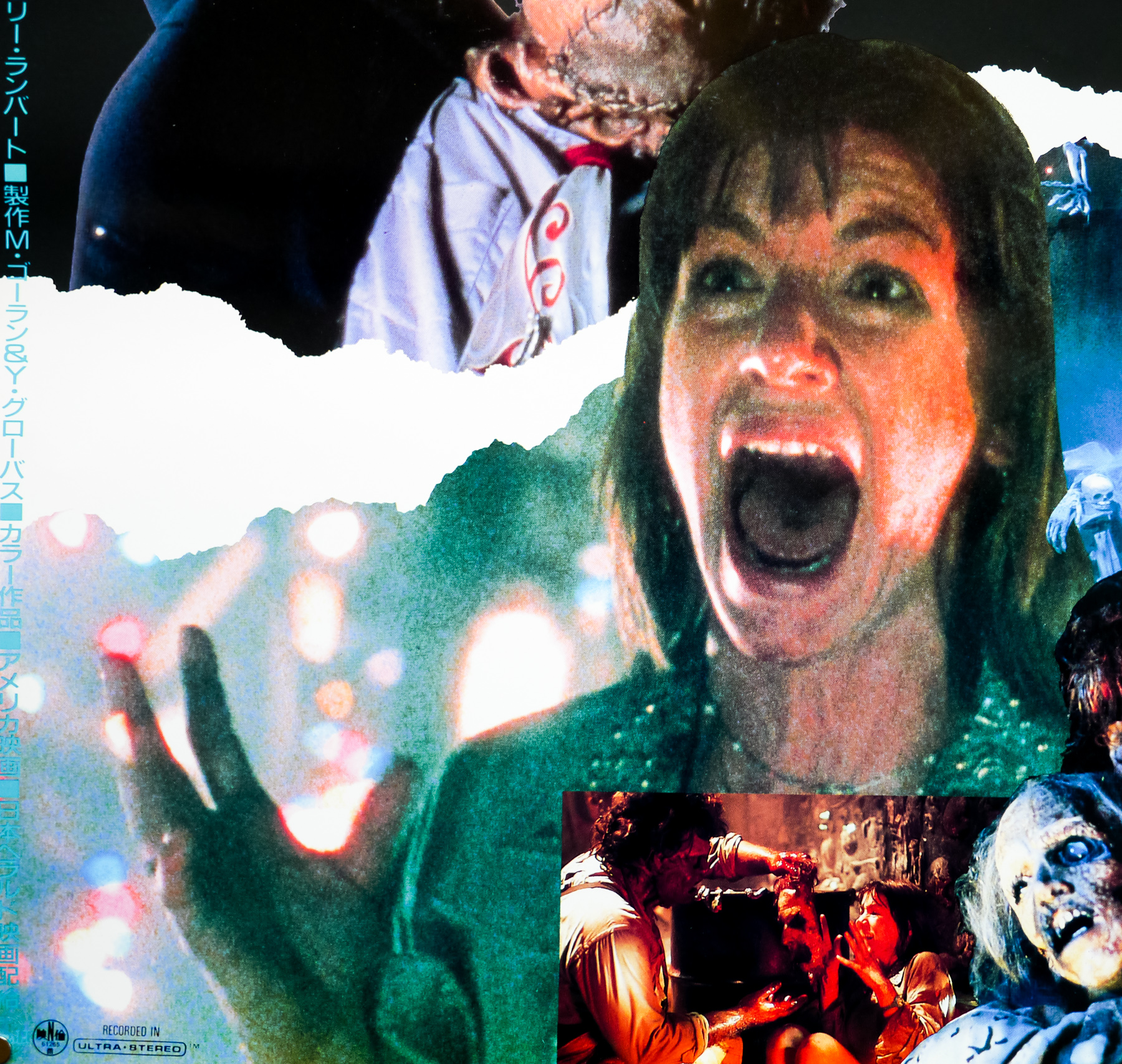
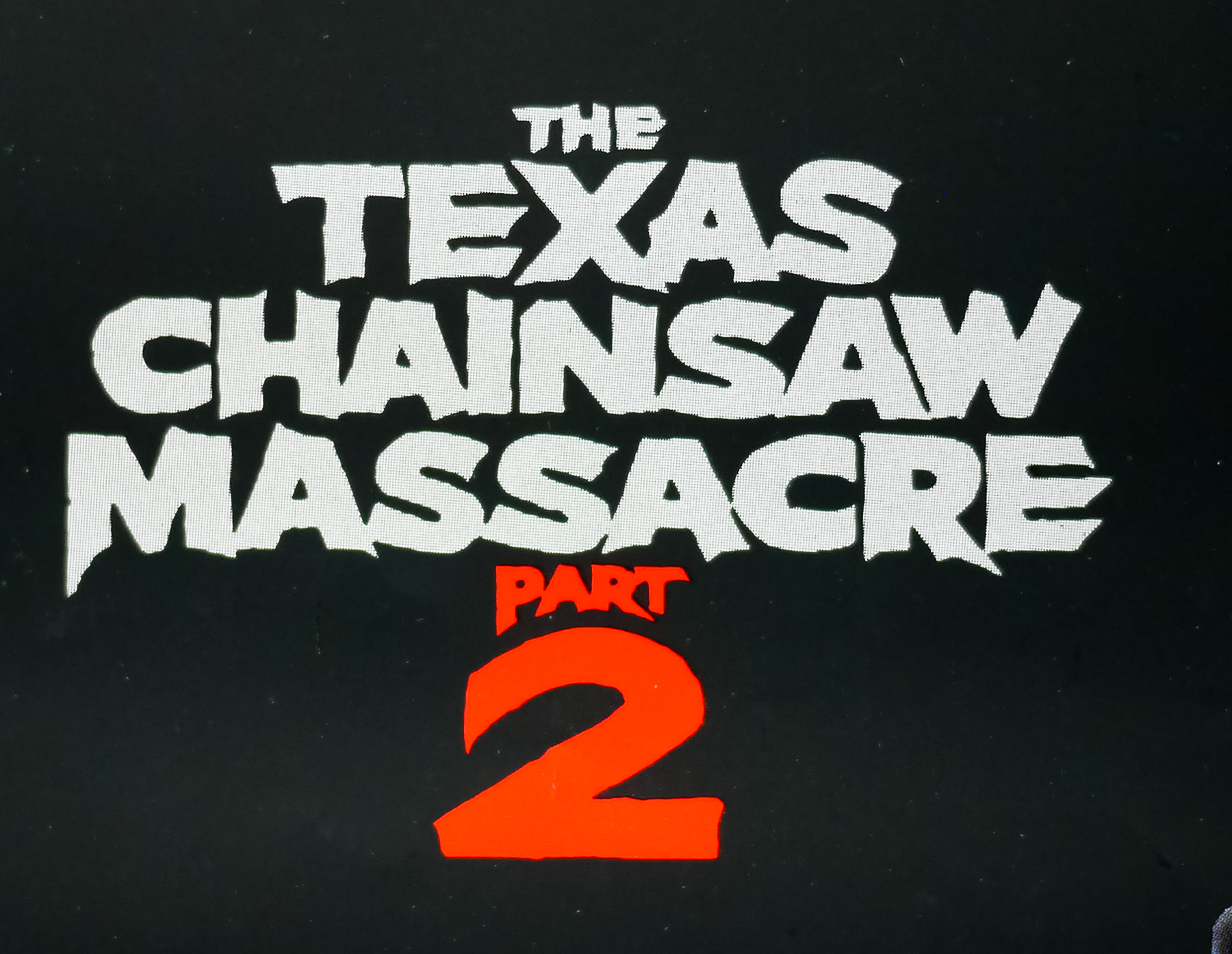
This is the Japanese B2 poster (style A) for the release of Tobe Hooper’s sequel, The Texas Chainsaw Massacre 2. Set and released 13 years after the groundbreaking original film, the story was written by Hooper and the film was this time produced by the notorious schlock-peddlers Cannon Films. The film is set in another part of Texas and sees a radio disc-jockey, Vanita ‘Stretch’ Brock (Caroline Williams), become the target of the psychotic ‘family’ seen in the first film. At the start of the film a pair of jocks are killed by Leatherface (Bill Johnson) after they play chicken with the car that he and Chop-Top (Bill Moseley) are in.

By coincidence, the pair were on a call to Stretch’s radio station and the attack is recorded by her. After she replays the tape live on air the patriarch of the family, The Cook (Jim Siedow), hears it and sends Leatherface and Chop-Top after her. When Leatherface decides to spare Stretch, she follows the pair back to their hideout in an old amusement park and soon ends up in their clutches again. Luckily, a former Texas Ranger called Lieutentant ‘Lefty’ Enright (Dennis Hopper in a role he later said was his worst) has been on the trail of the murderous family and sets out to rescue Stretch and put an end to their reign of terror.

The film was a success at the US box-office and an even bigger hit on home video. It was never actually released at the cinema in the UK as the BBFC demanded cuts totalling over 20 minutes, so Cannon decided not to bother with a release. The film is apparently still banned in Germany and Singapore and heavily edited in other countries. It’s fairly different in tone than the original film and falls short of the raw, brutal quality of the original. Hooper decided to inject more black humour into the script and it’s fair to say that, although not short on gore, the film strikes something of a lighter tone than the original.

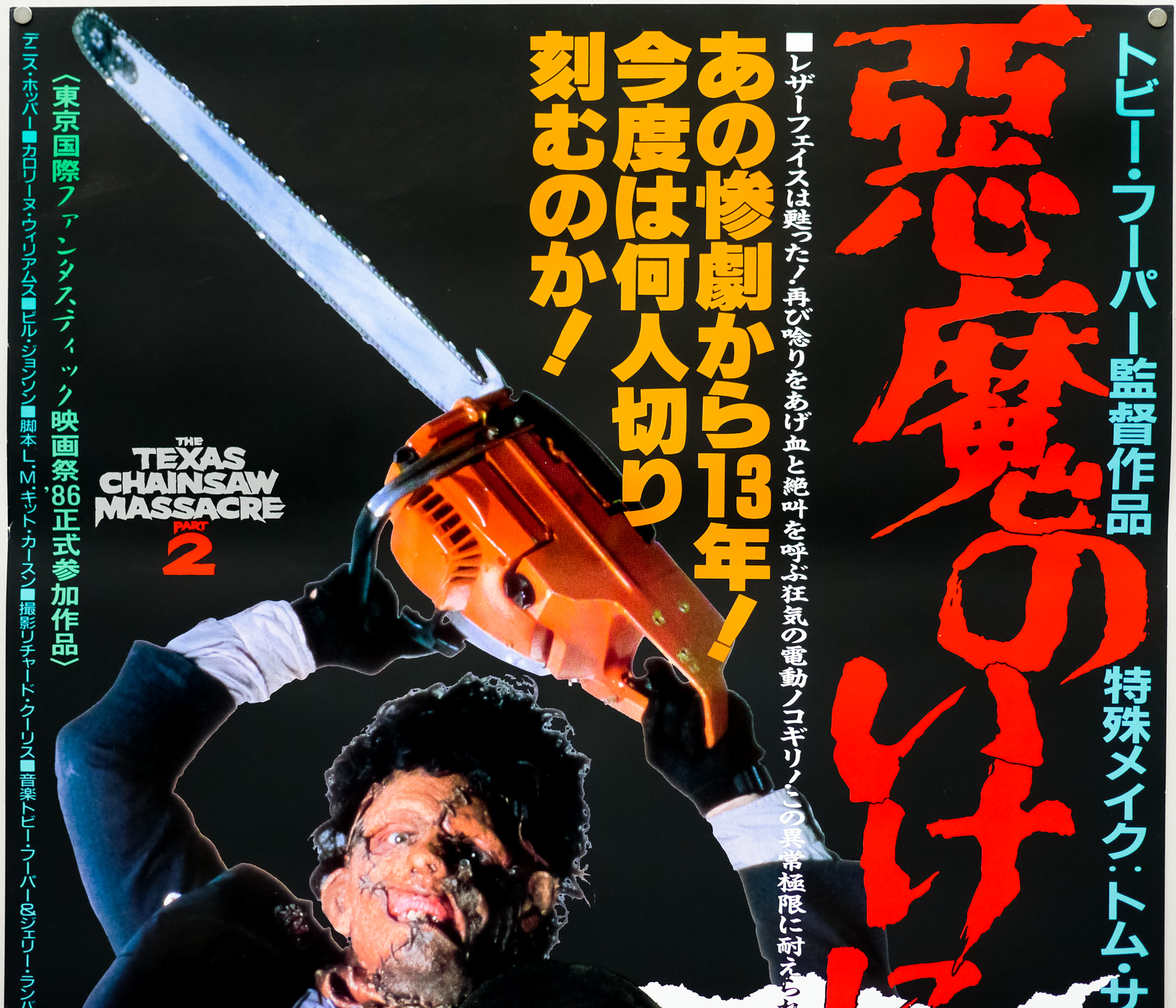
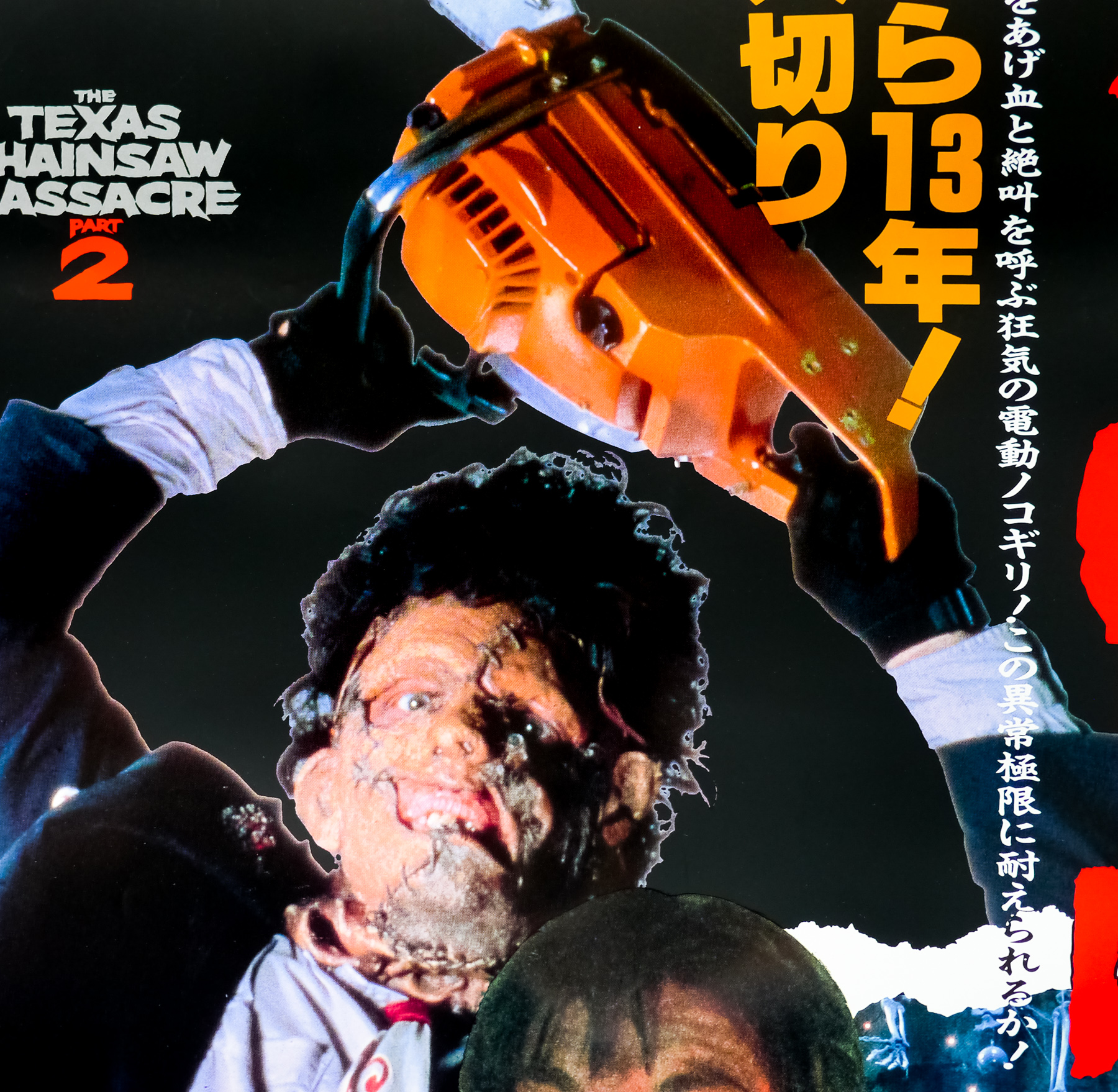
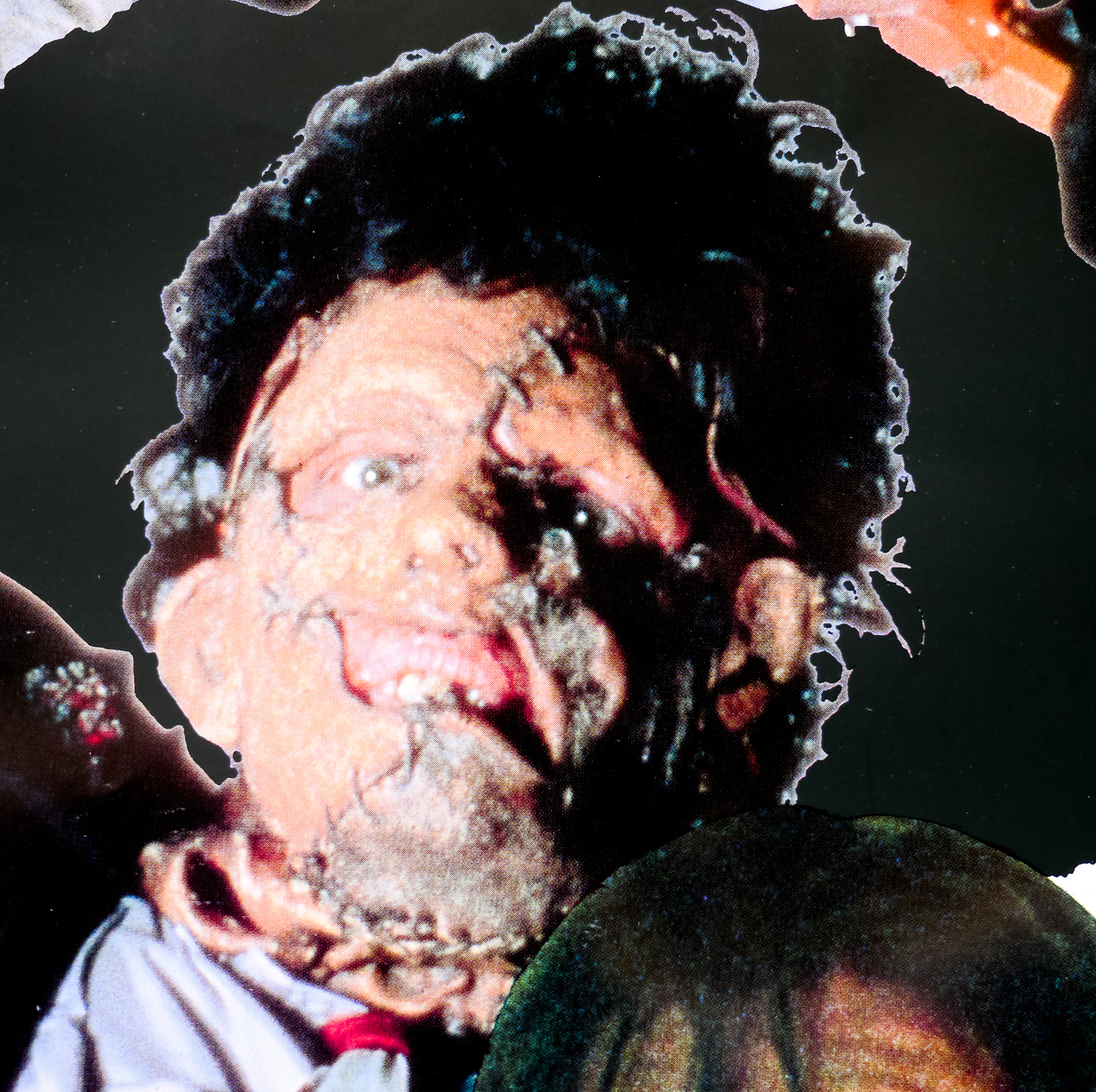
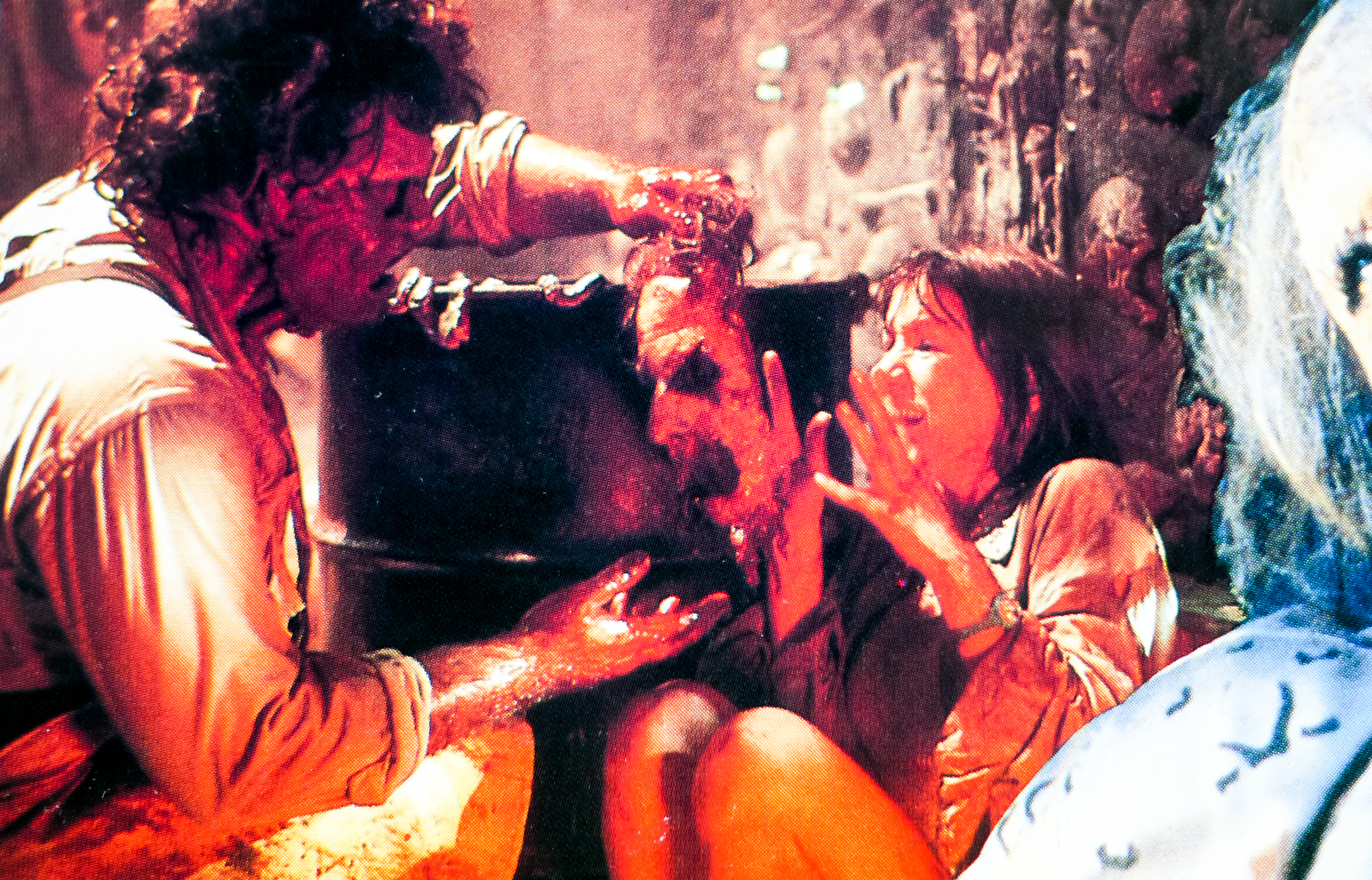
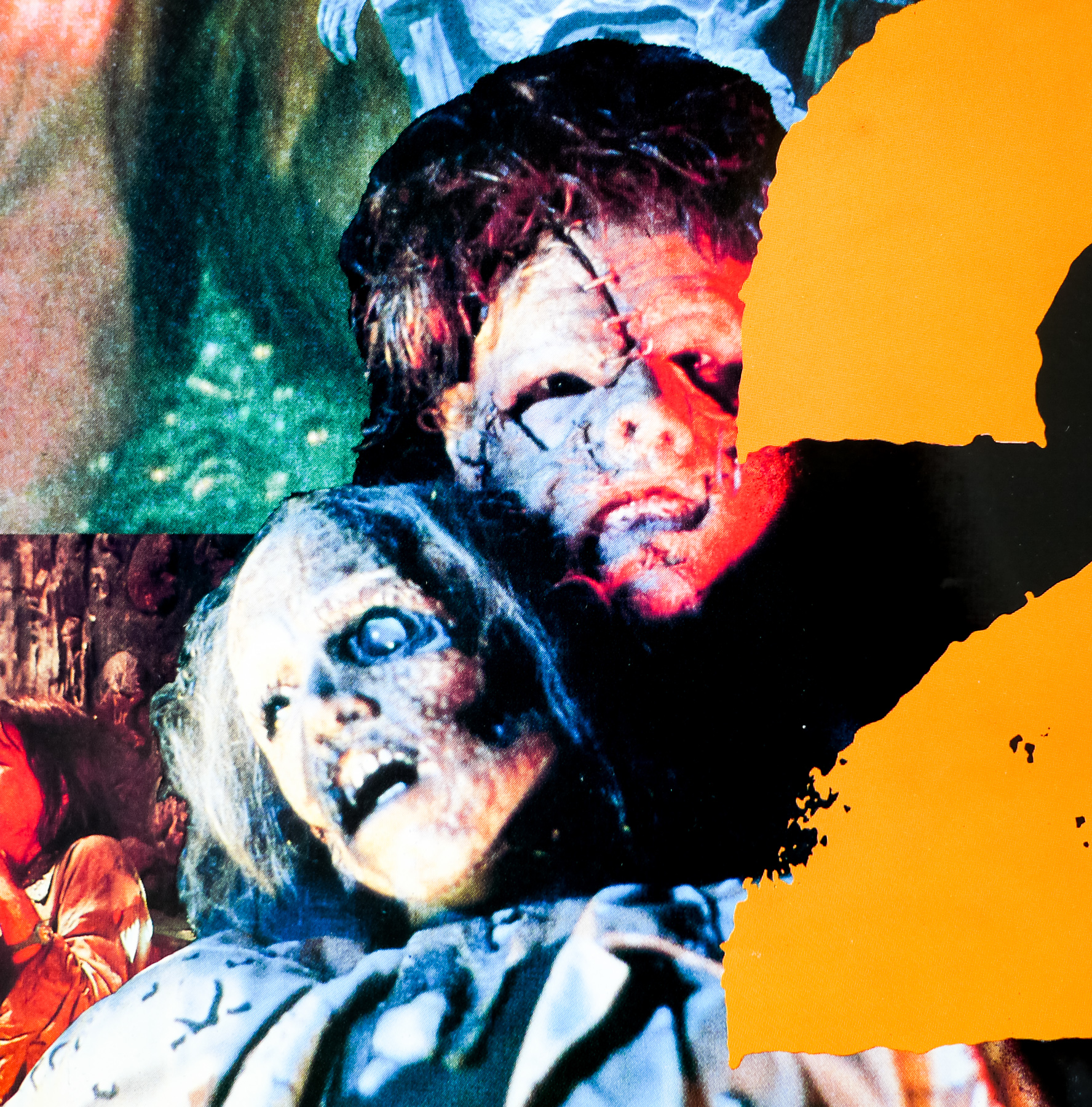
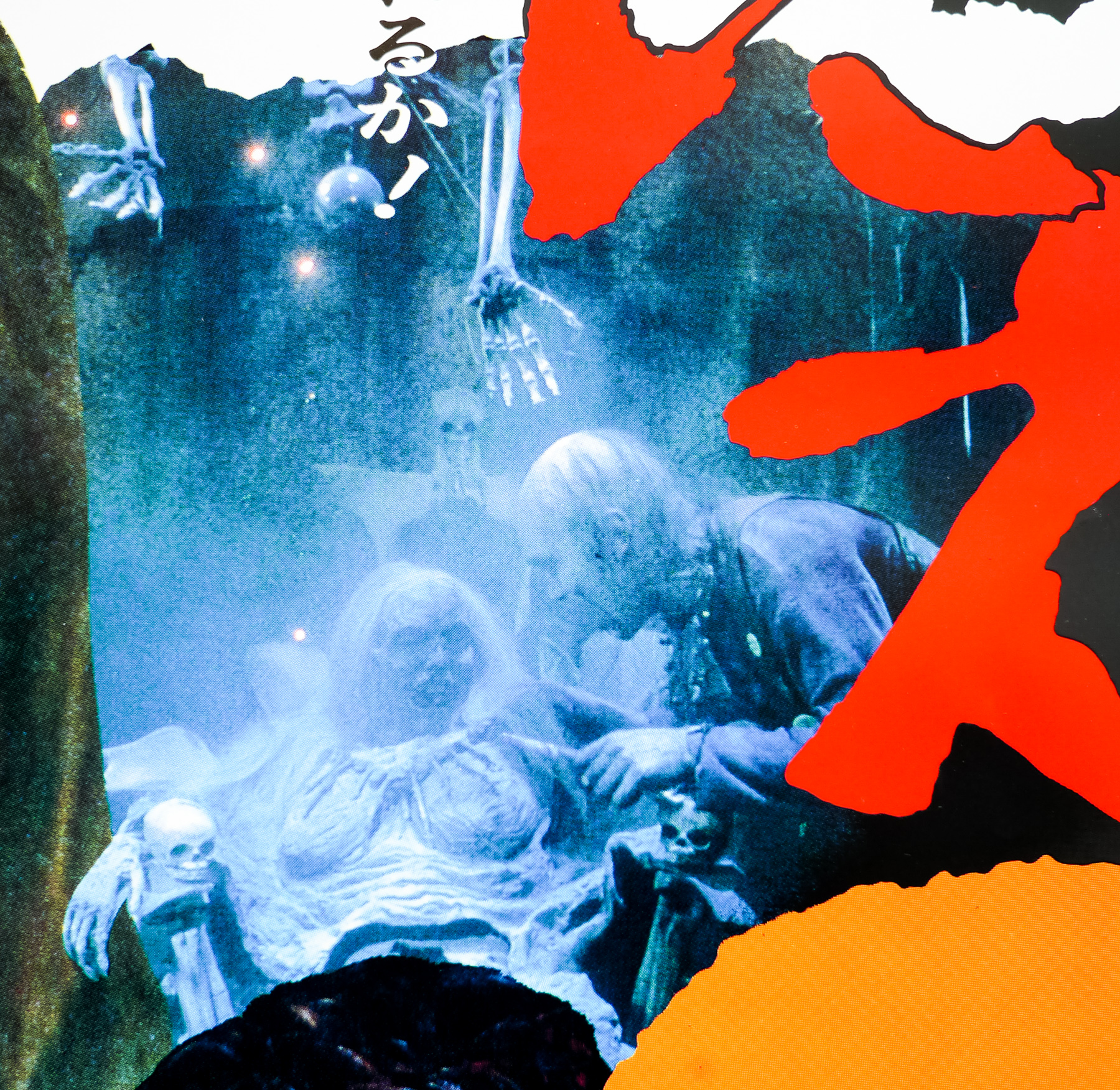
This Japanese B2 features bold, striking text and Leatherface surrounded by scenes from the film. It’s montage style that is seen on several Japanese posters from the 1980s.

Magic / B2 / Japan

12.12.16

Poster Poster
Title
Magic
AKA
--
Year of Film
1978
Director
Richard Attenborough
Starring
Anthony Hopkins, Ann-Margret, Burgess Meredith, Ed Lauter, David Ogden Stiers
Origin of Film
USA
Genre(s) of Film
Anthony Hopkins, Ann-Margret, Burgess Meredith, Ed Lauter, David Ogden Stiers,
Type of Poster
B2
Style of Poster
--
Origin of Poster
Japan
Year of Poster
1979
Designer
Unknown
Artist
Unknown
Size (inches)
20 6/16" x 28 14/16"
SS or DS
SS
Tagline
--

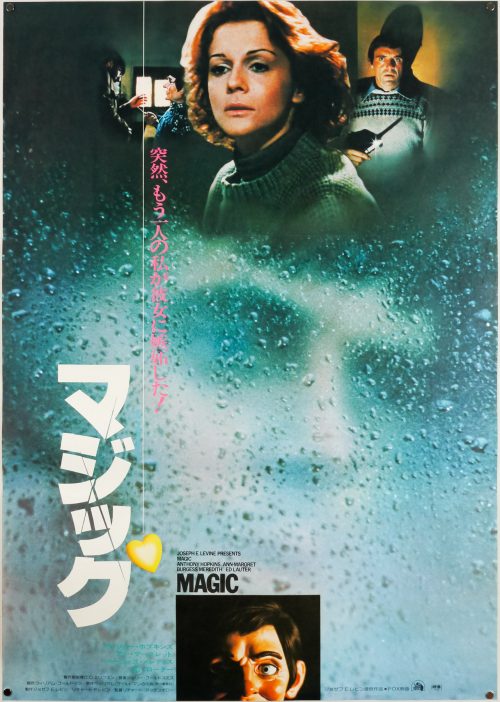
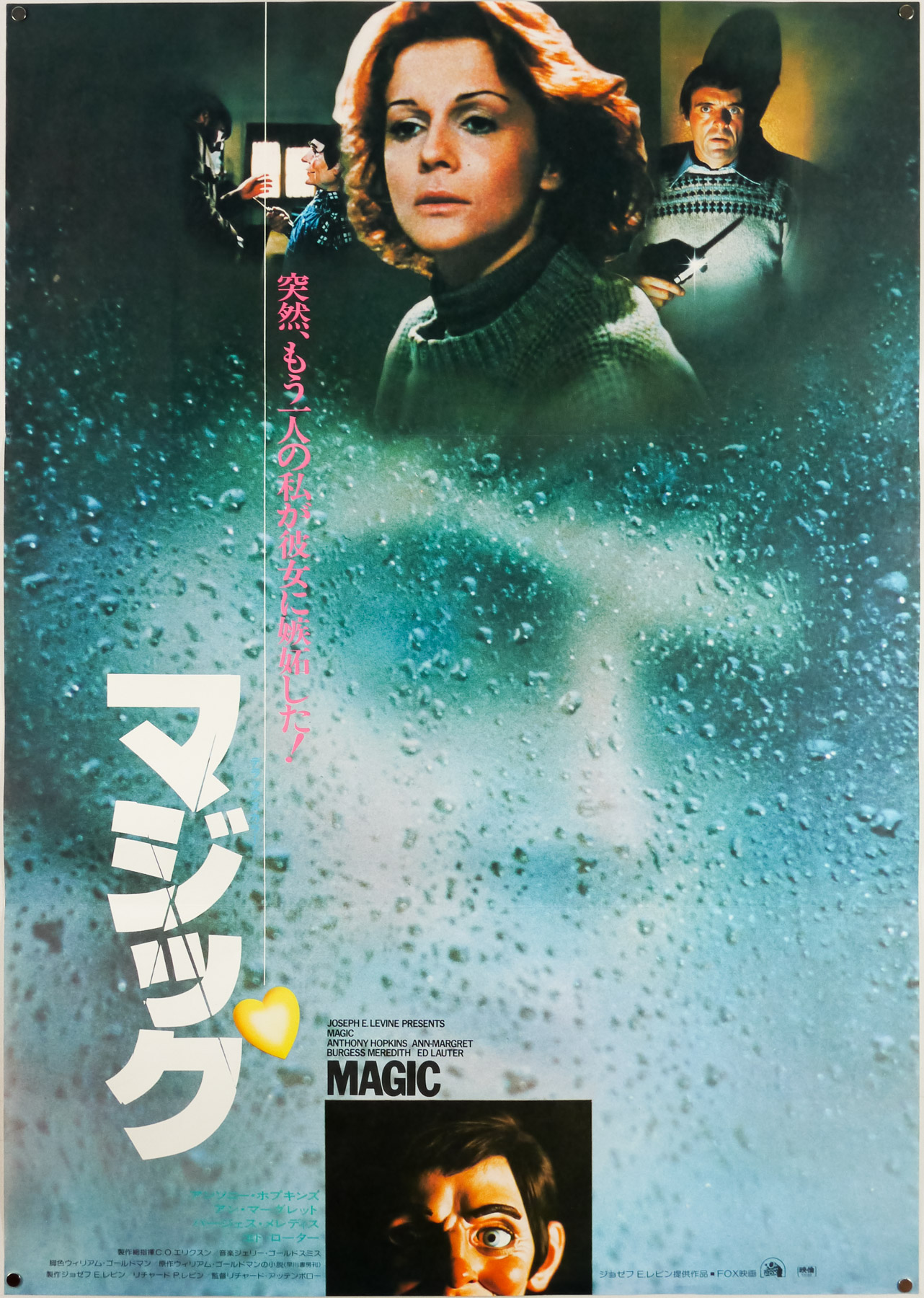
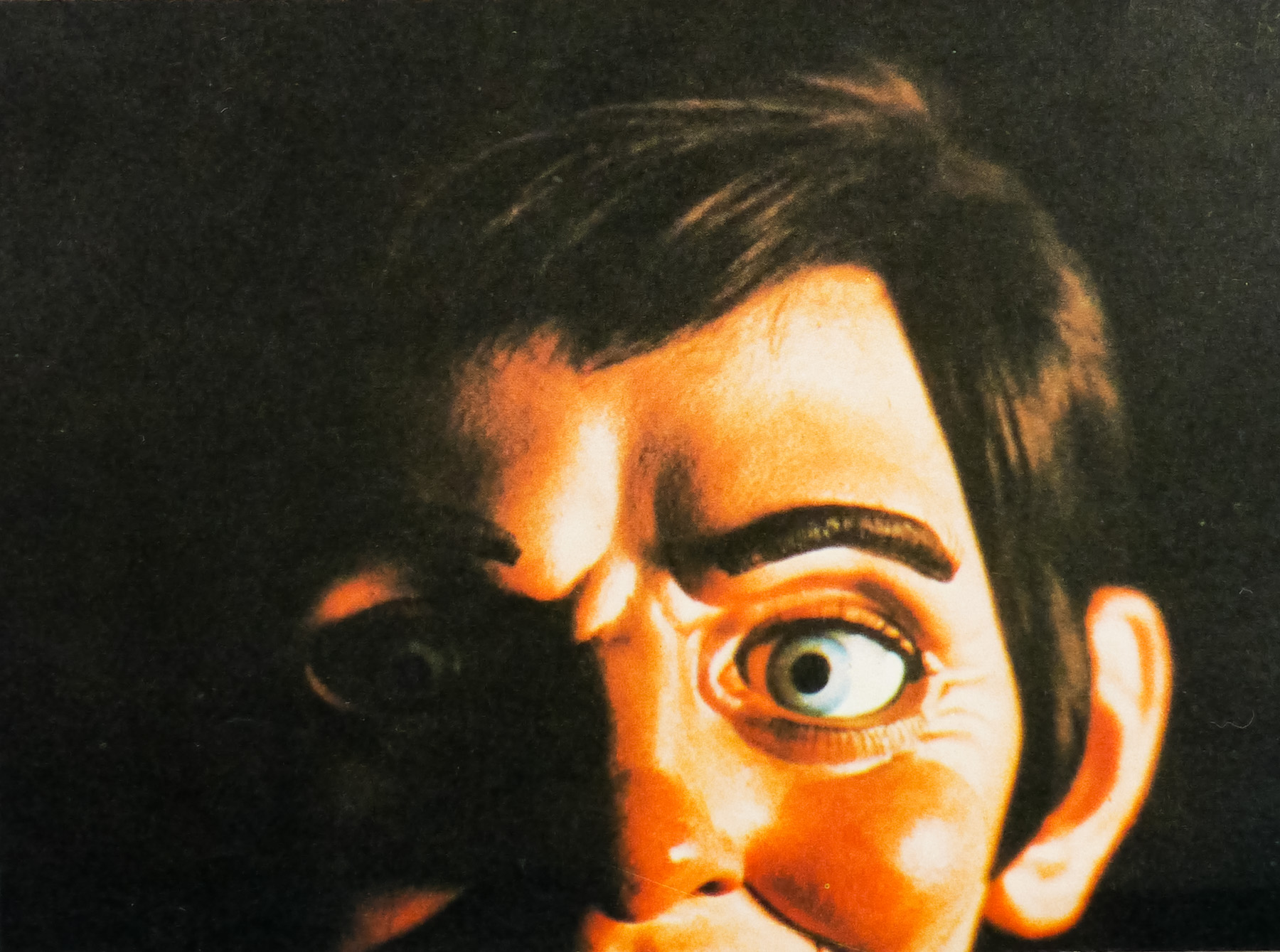
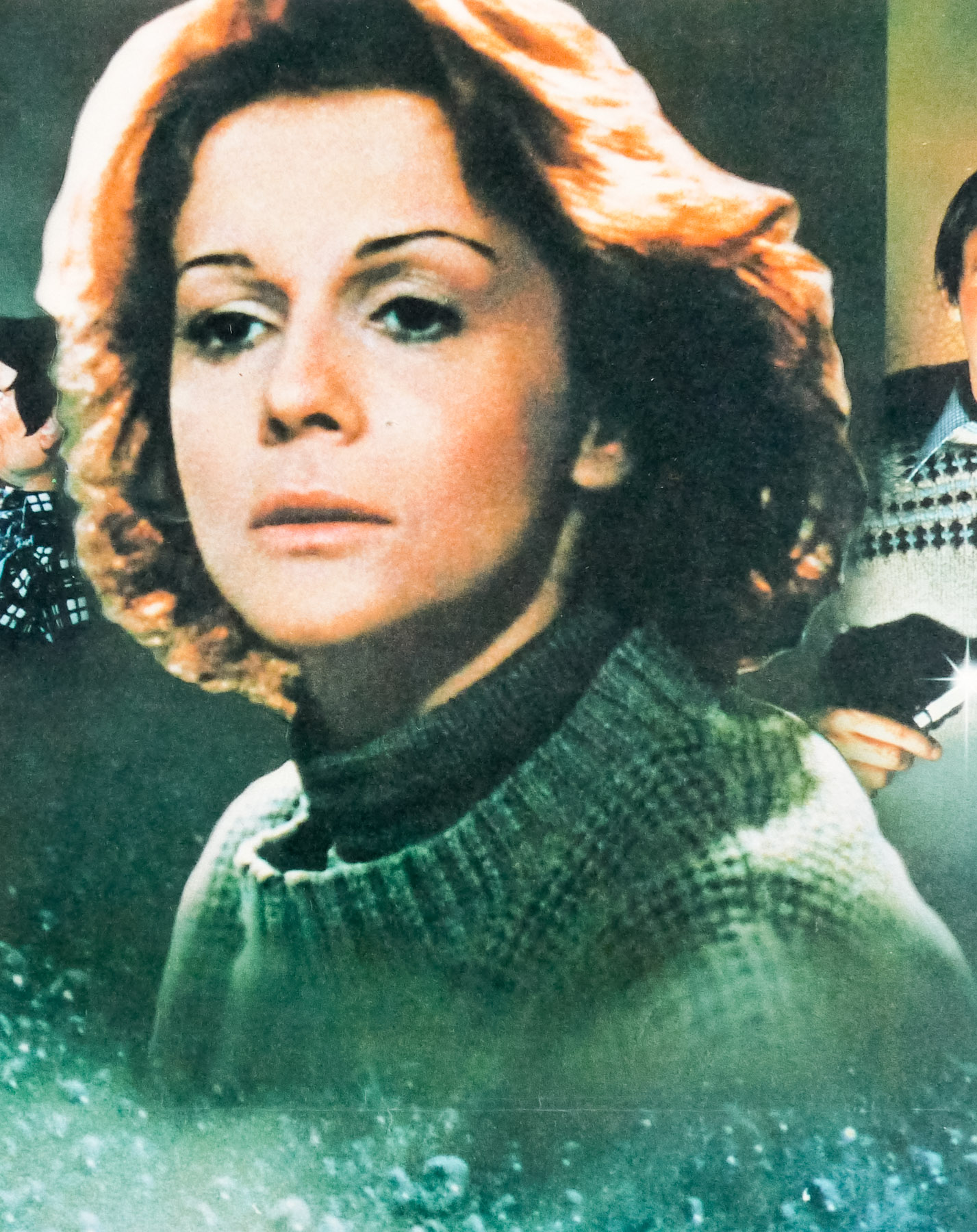
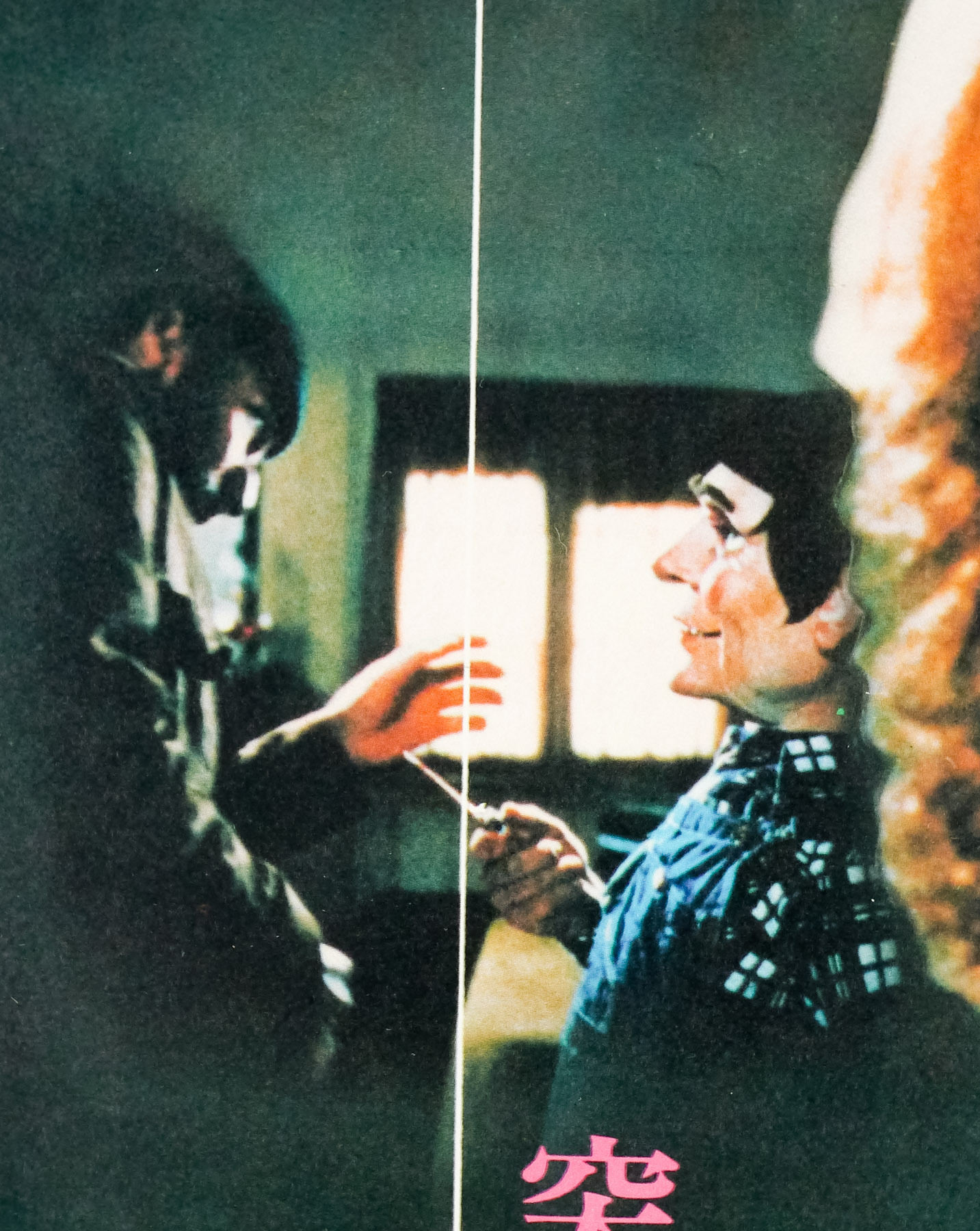
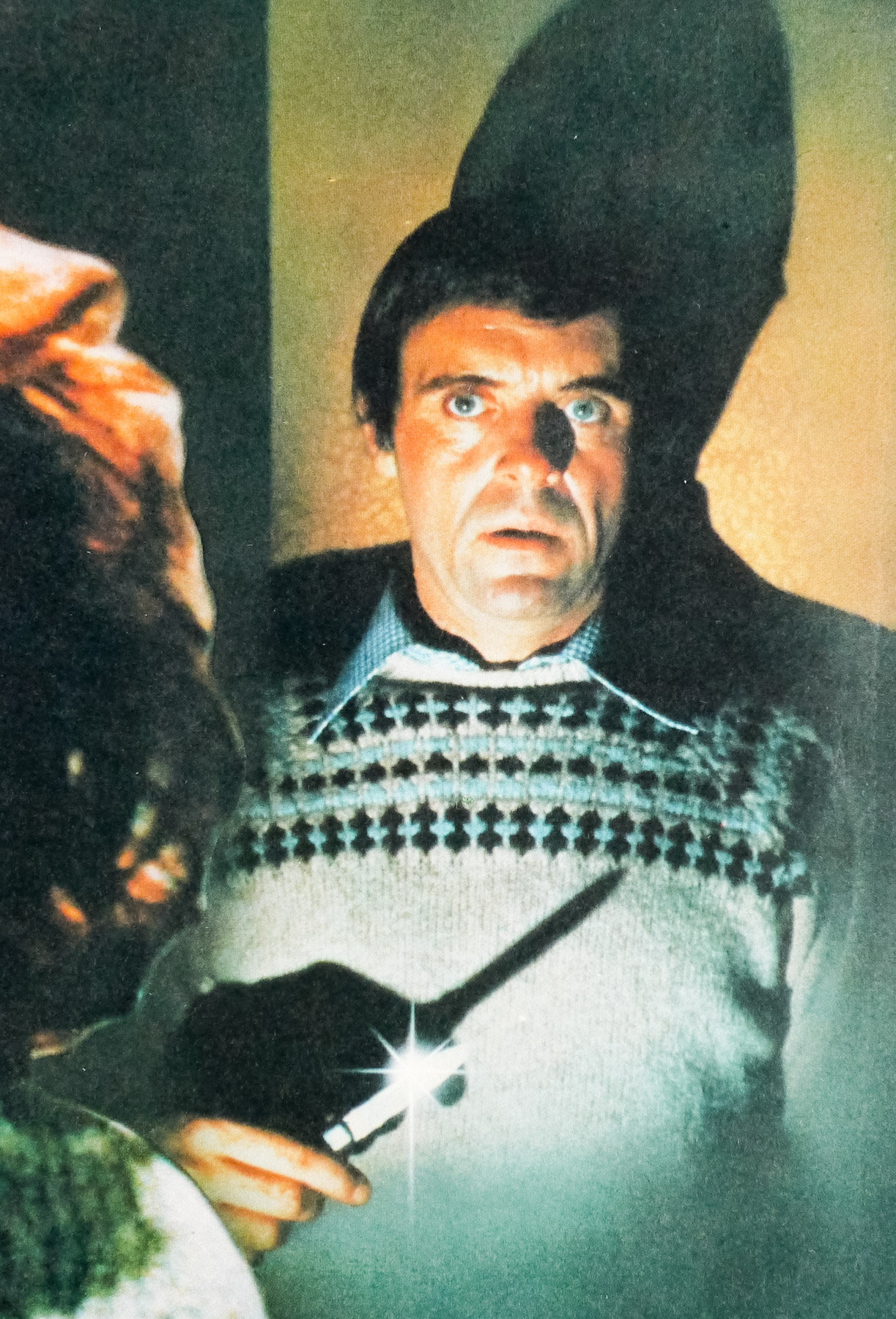
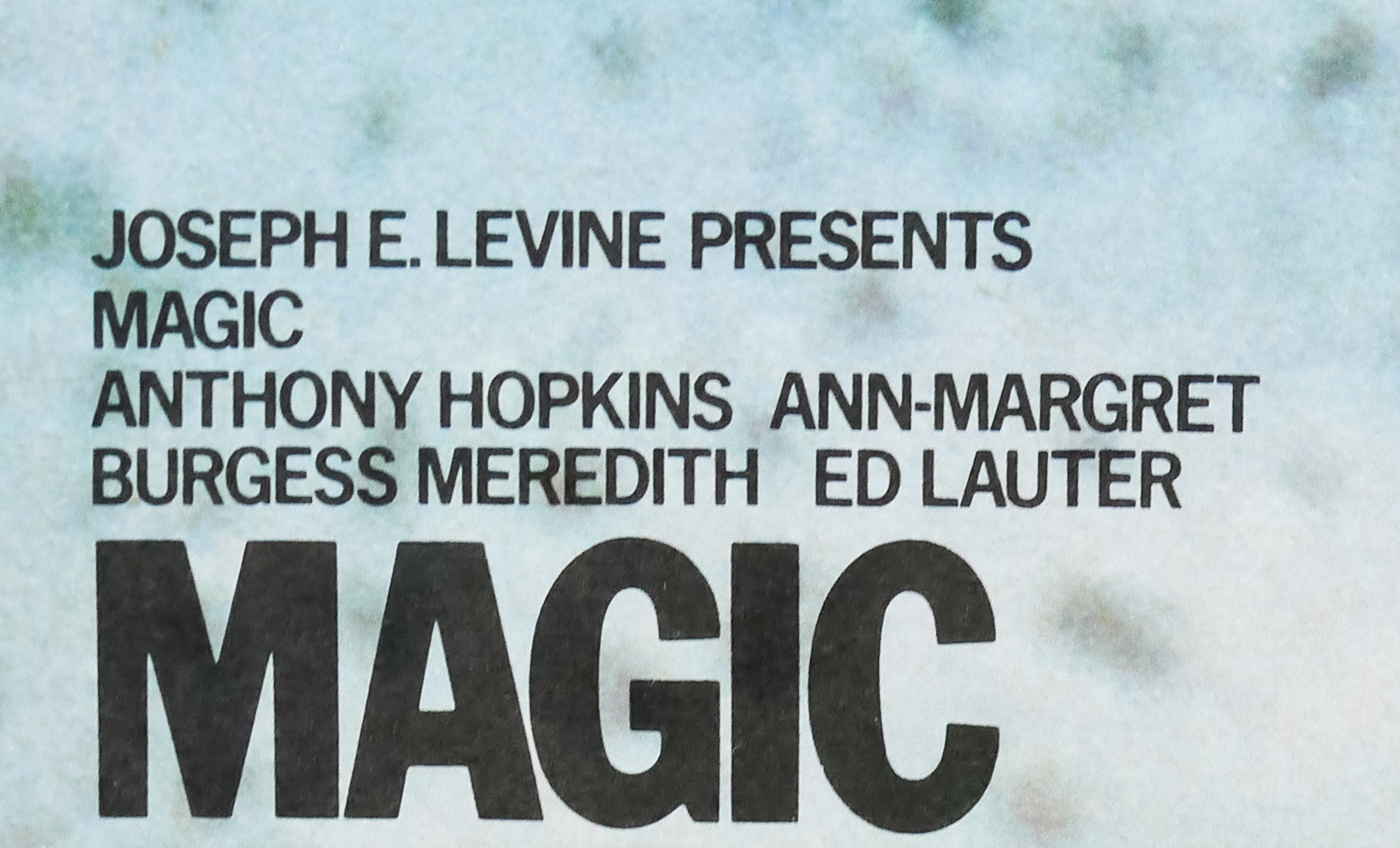
A striking design features on this Japanese B2 for the release of the 1978 psychological horror, Magic. The film’s screenplay was written by the celebrated novelist, playwright and screenwriter William Goldman. It’s based on the novel of the same name that Goldman had written and released two years earlier, and the producer Joseph E. Levine paid $1m for the rights. Levine hired Richard Attenborough to direct, with whom he’d just completed the war epic A Bridge Too Far. Then the actor Anthony Hopkins, a collaborator of both producer and director (including their last film), was brought onboard to play the lead character.

Hopkins plays Charles “Corky” Withers, a man determined to make a career out of being stage magician. We first see him flop with an act that involves card tricks performed in front of a disinterested audience. The film then jumps a year and Corky has found great success by involving a ventriloquist dummy into his act. A powerful agent called Ben Greene (Burgess Meredith) plans to make an even bigger success of Corky’s act by getting him a slot on prime time TV. However, no one realises that Corky is mentally unstable and his dummy, named Fats, is gaining control over his master.

When it’s suggested that he undergo a medical check to prepare for the TV show, Corky escapes the city and heads to the Catskills mountains where he grew up. There he rekindles a friendship he had with a high school crush called Peggy (Ann-Margret) who is trapped in a loveless marriage with Corky’s old friend Duke (Ed Lauter). Corky begins to relax and is relieved to be away from the pressure of his act, but when Greene appears to convince him to get help to treat his condition, things go awry and Fats acts to protect ‘himself’ with fatal consequences.

The film was a critical success and Hopkins received award nominations for his performance, whilst Goldman won an award for his screenplay in 1979.

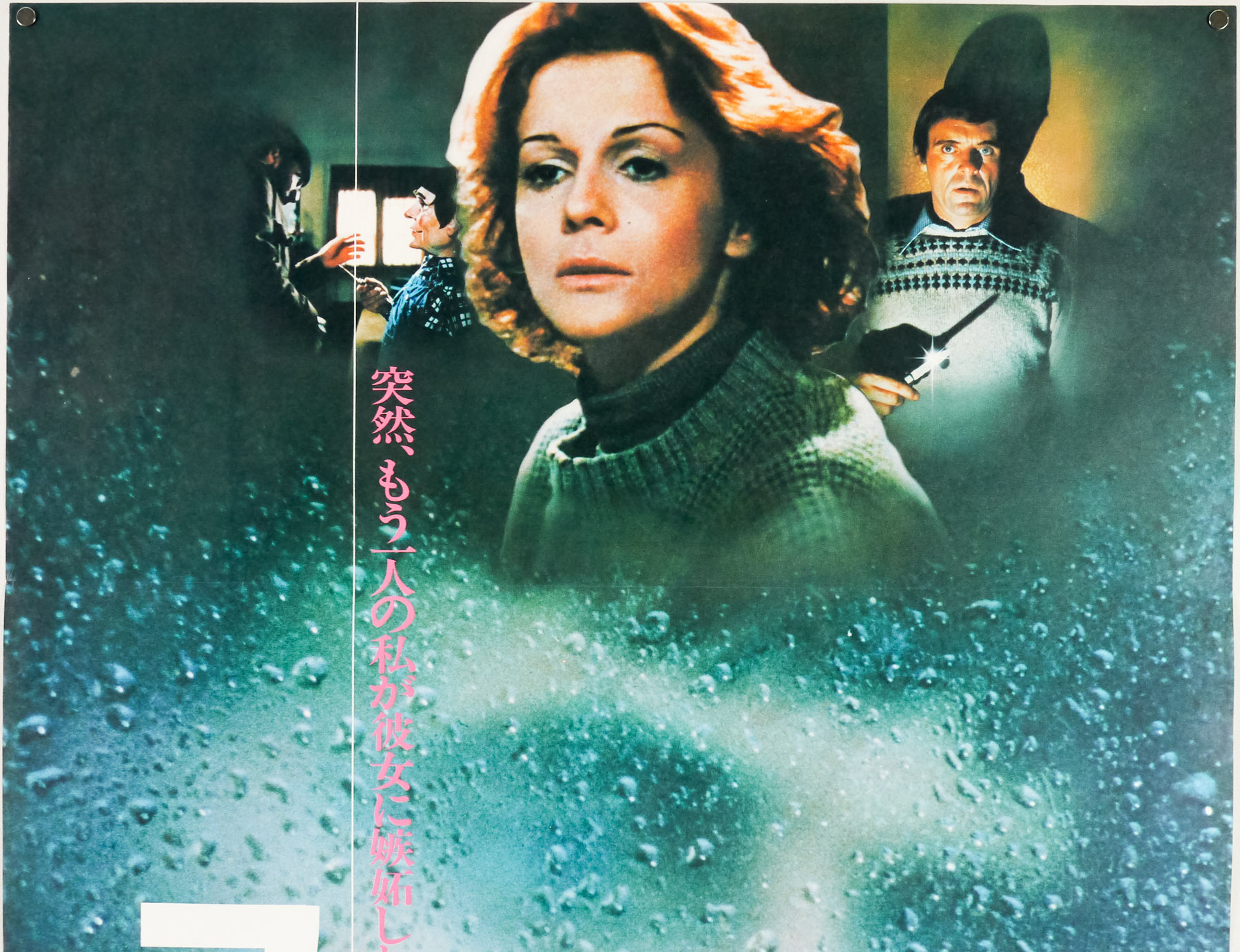
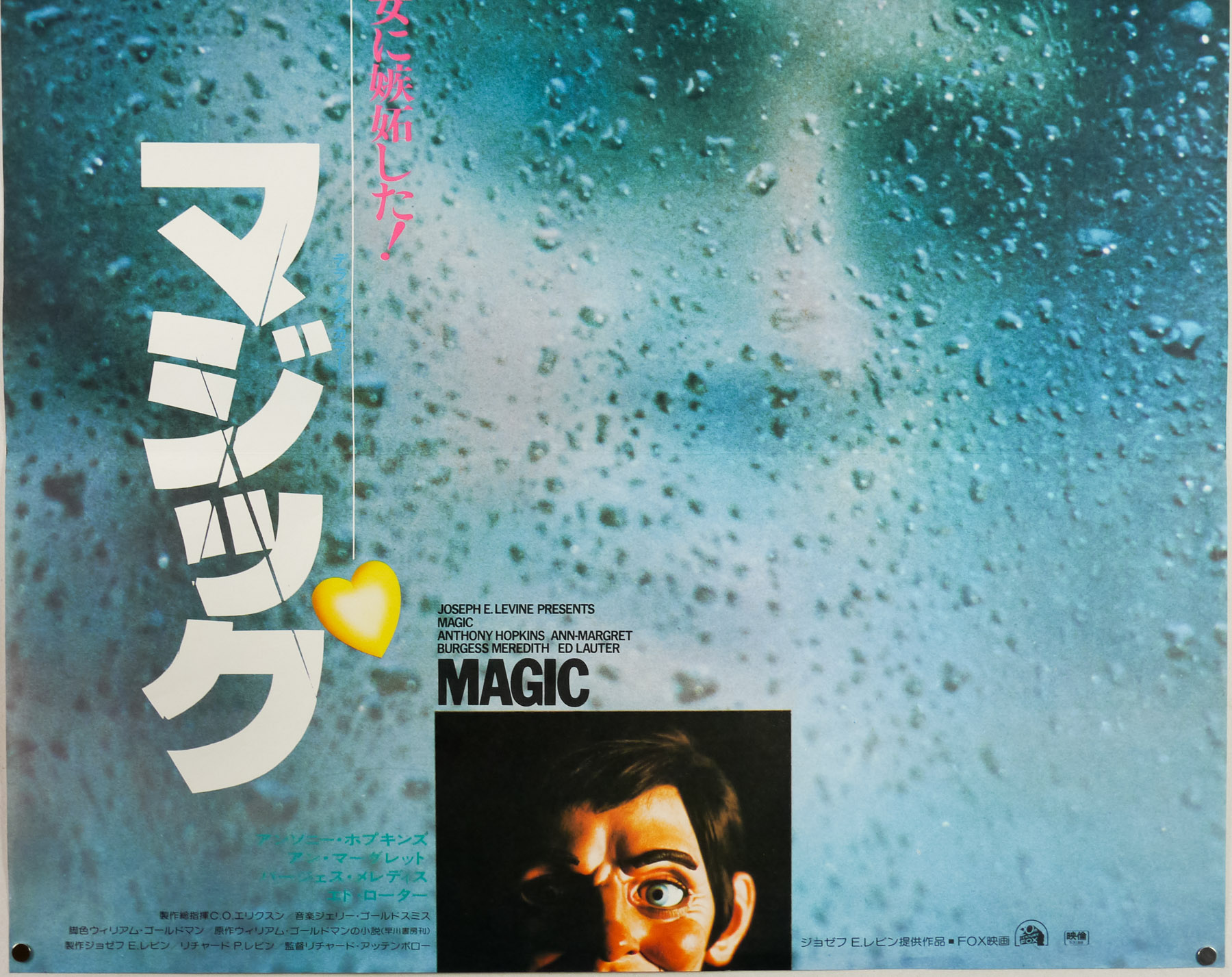
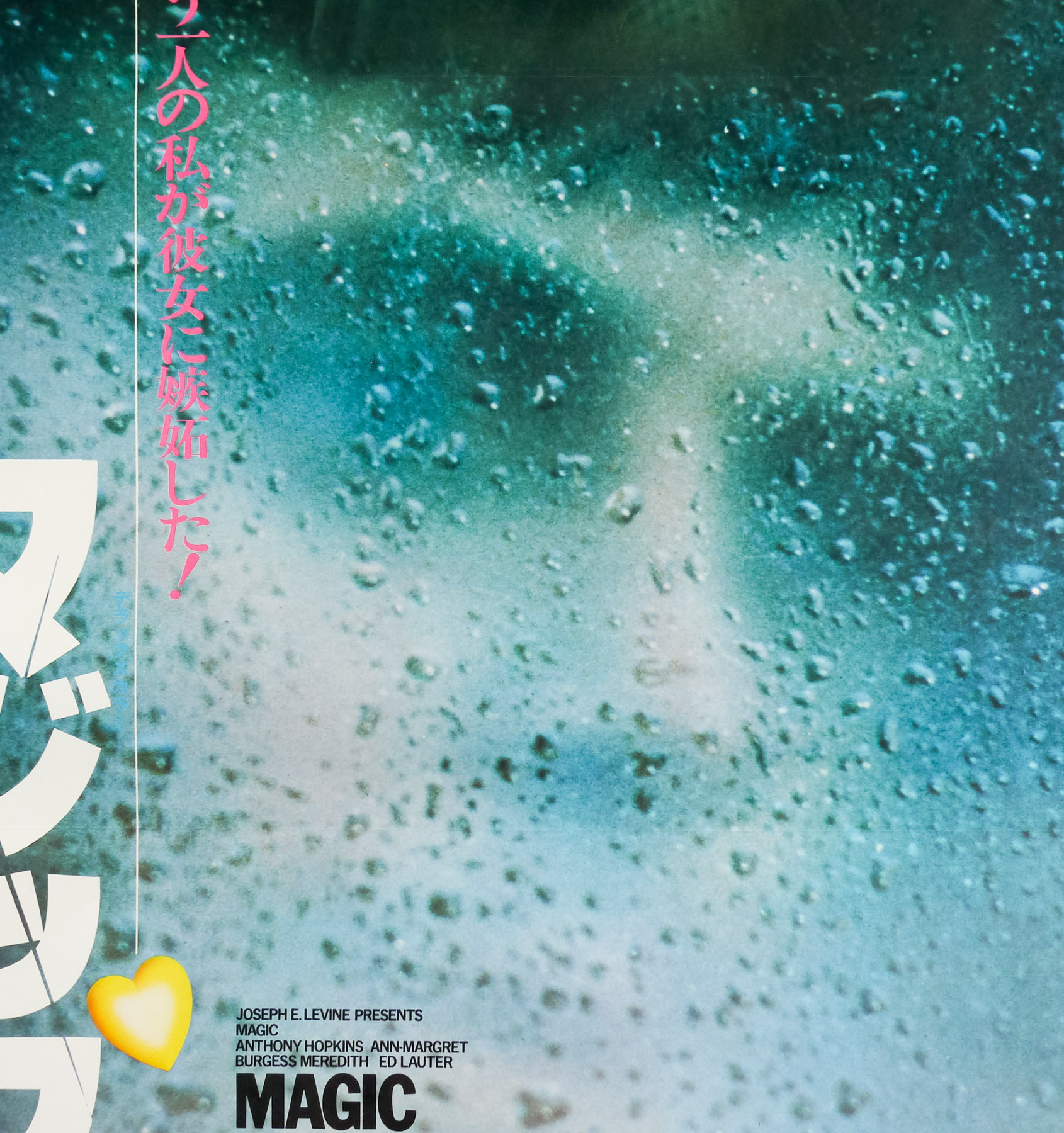
The design on this poster is unique to the Japanese market and the B1 version of the poster is nearly identical. The close-up of Fats the dummy at the bottom of the poster was the main image used in the US and UK to promote the film.

Subway / B2 / Japan

30.01.17

Poster Poster

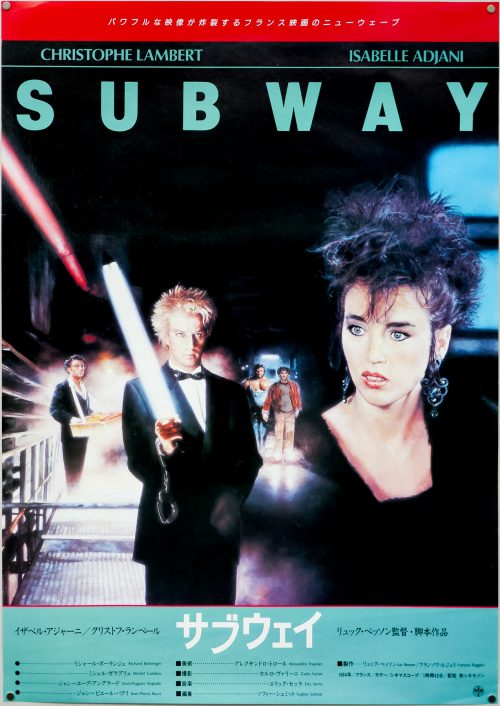
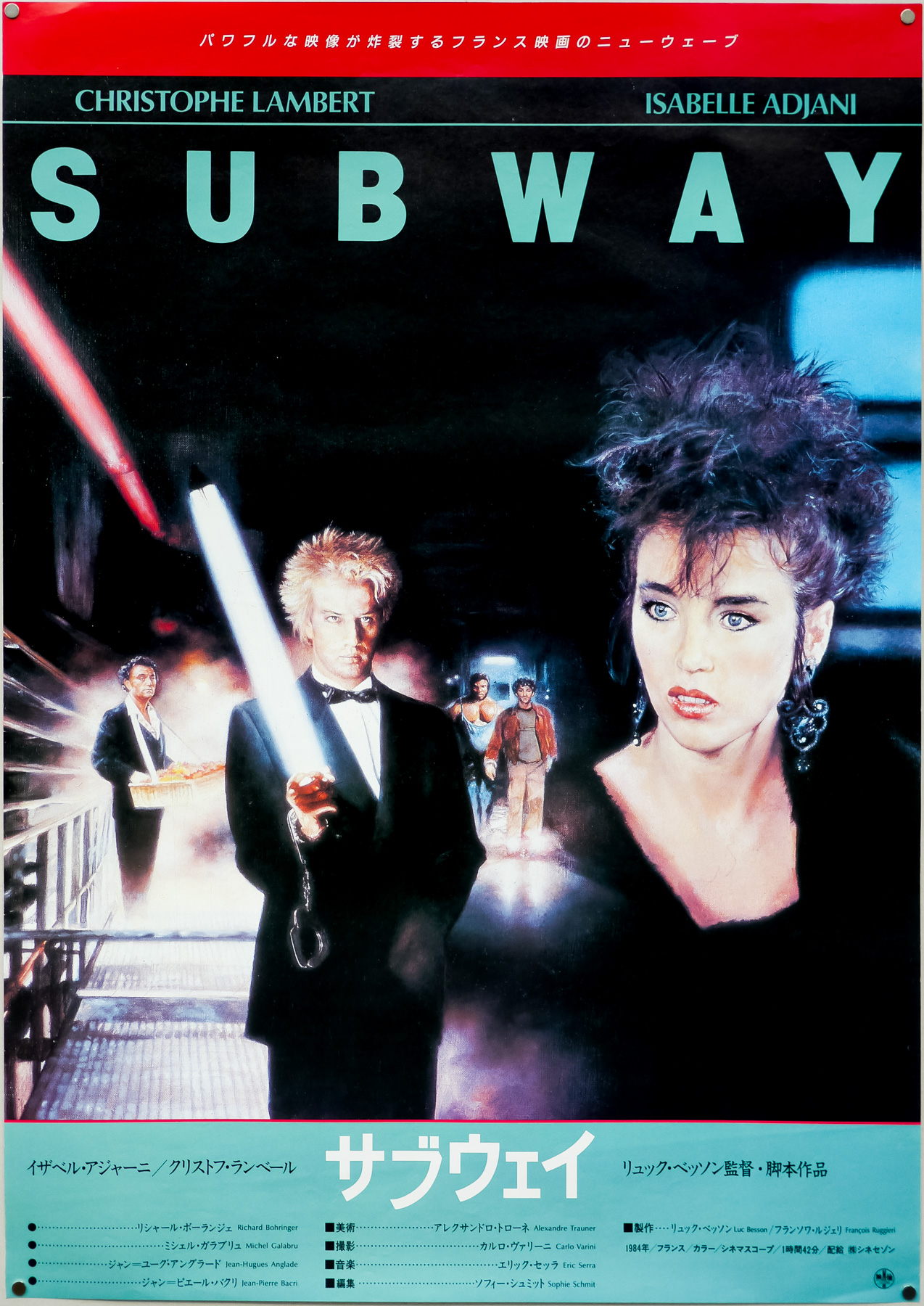
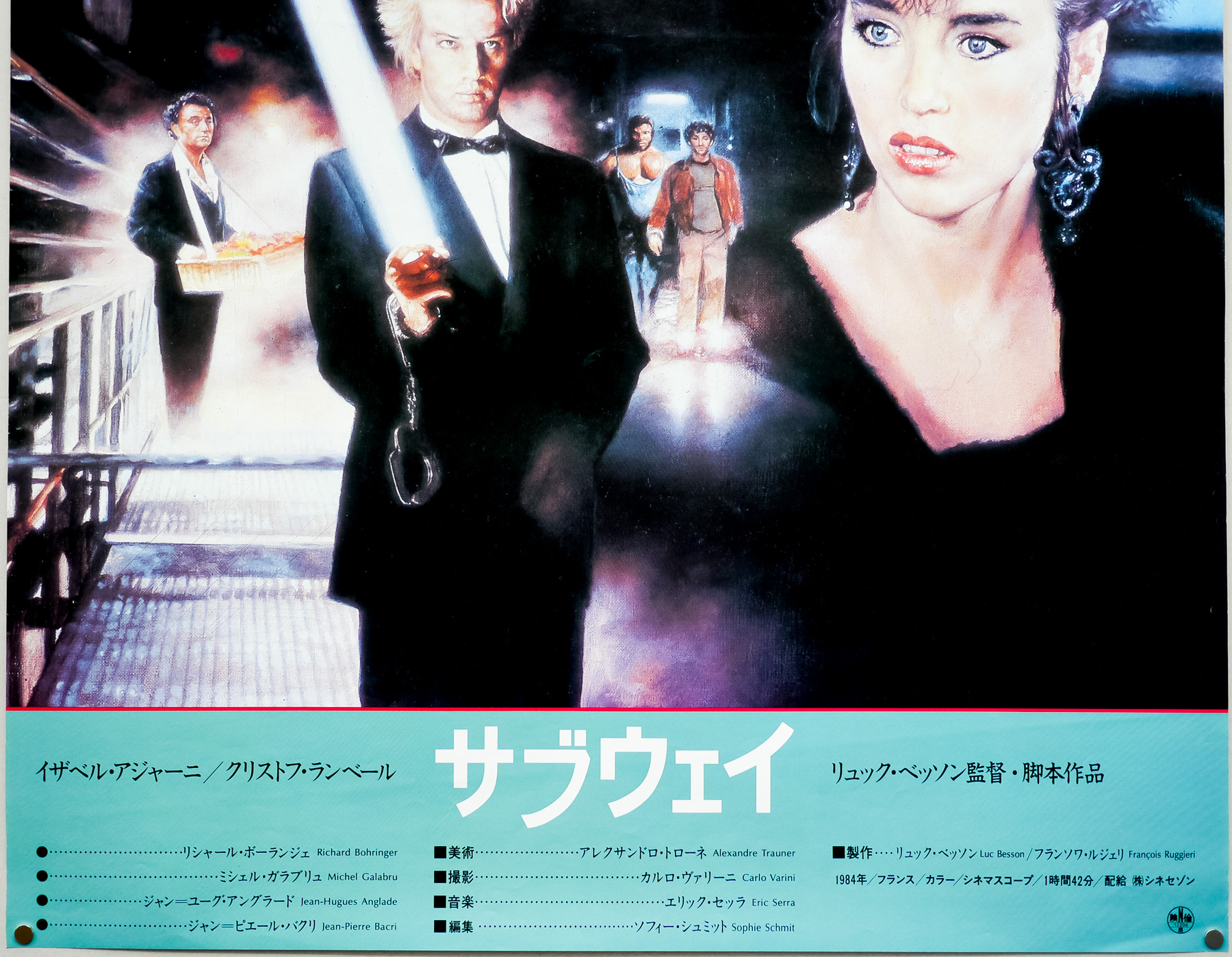
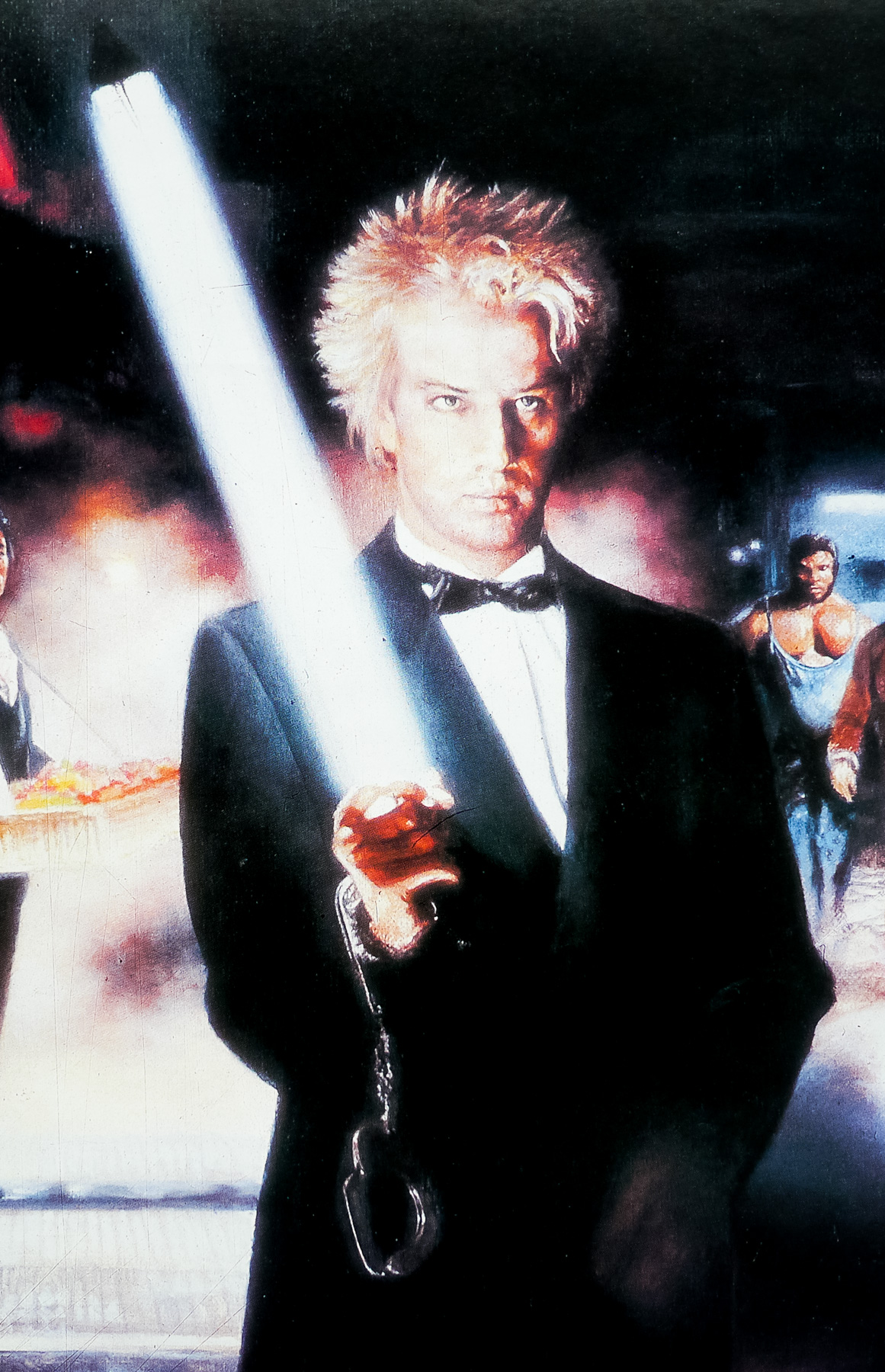
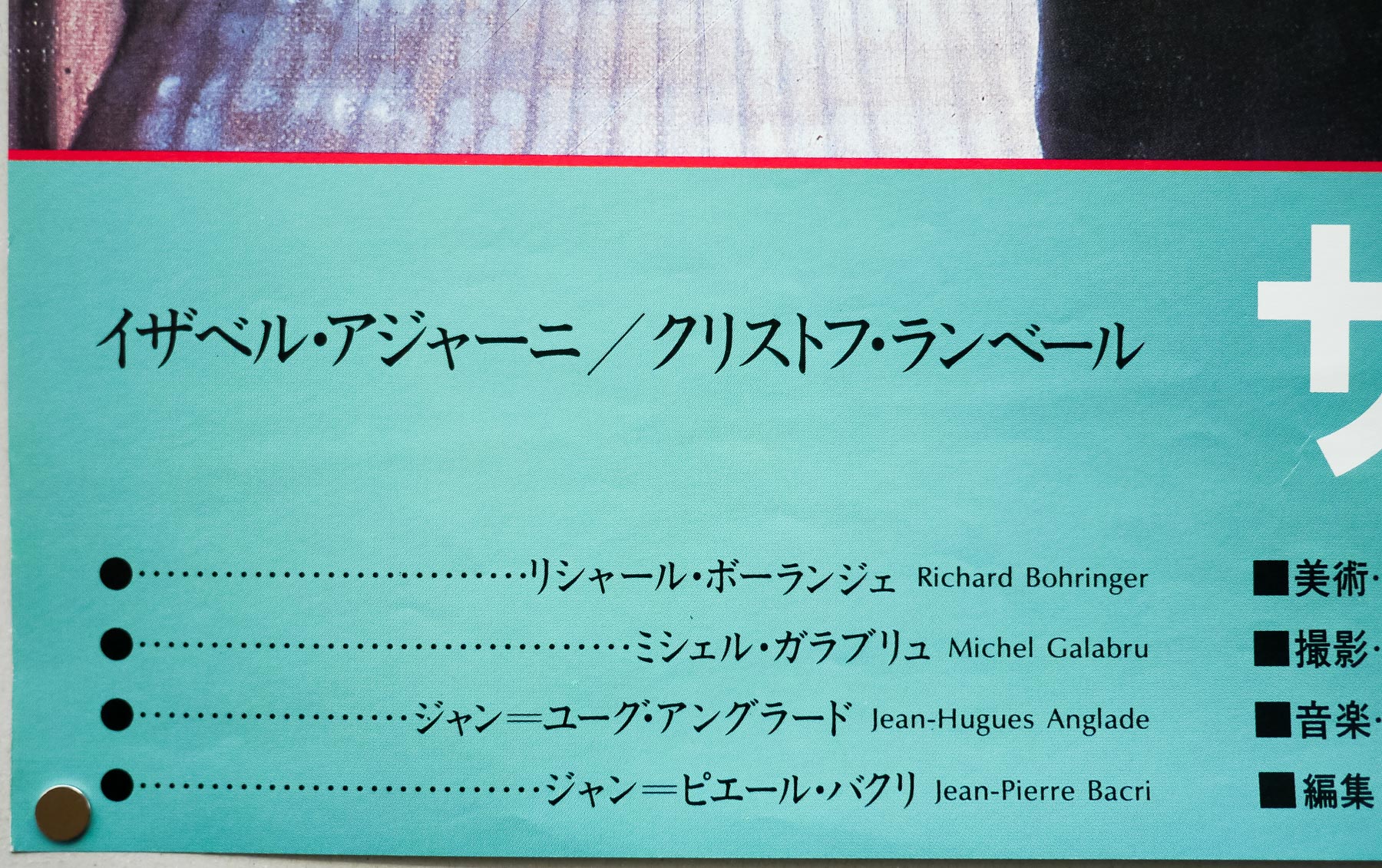
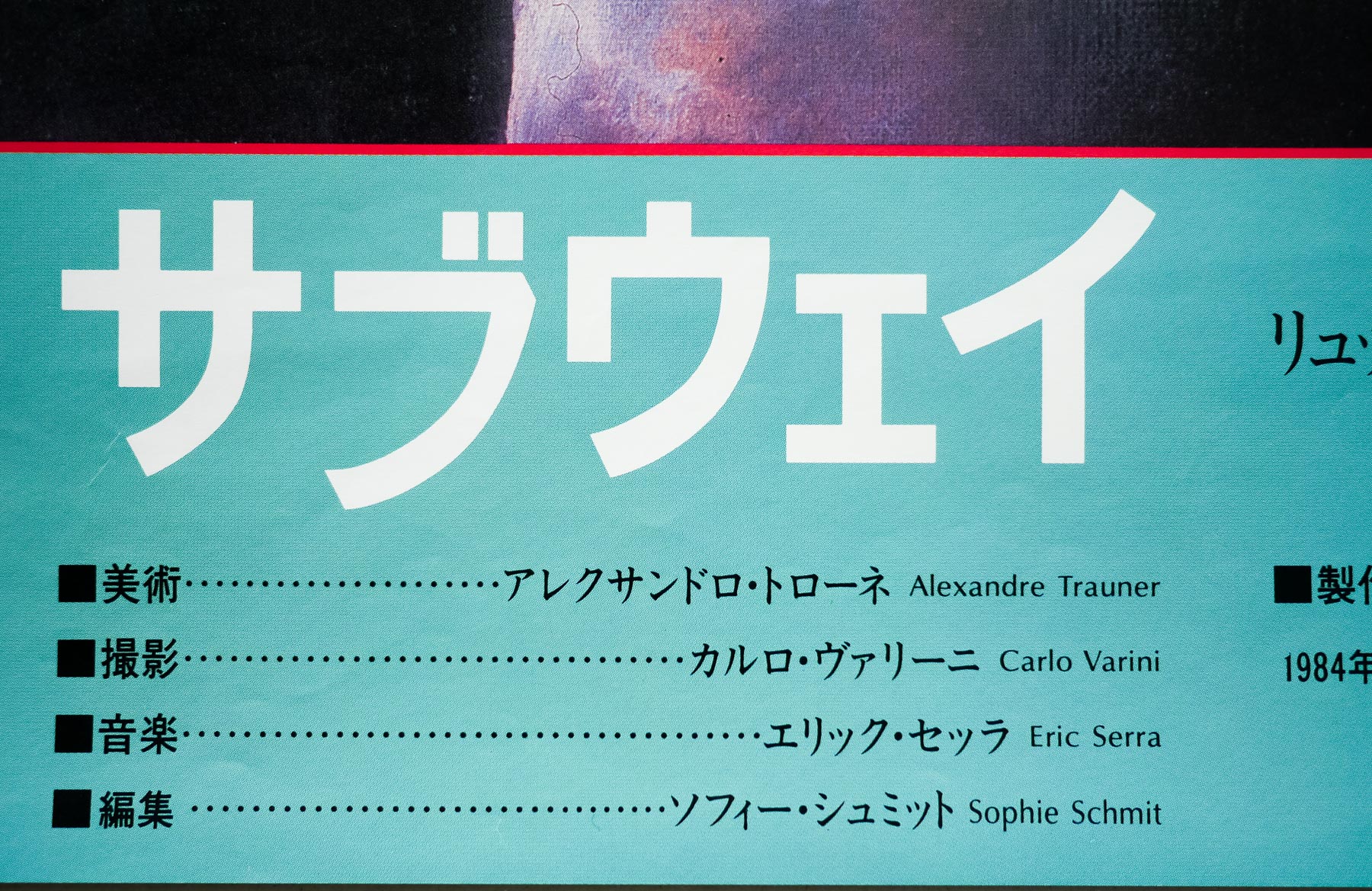
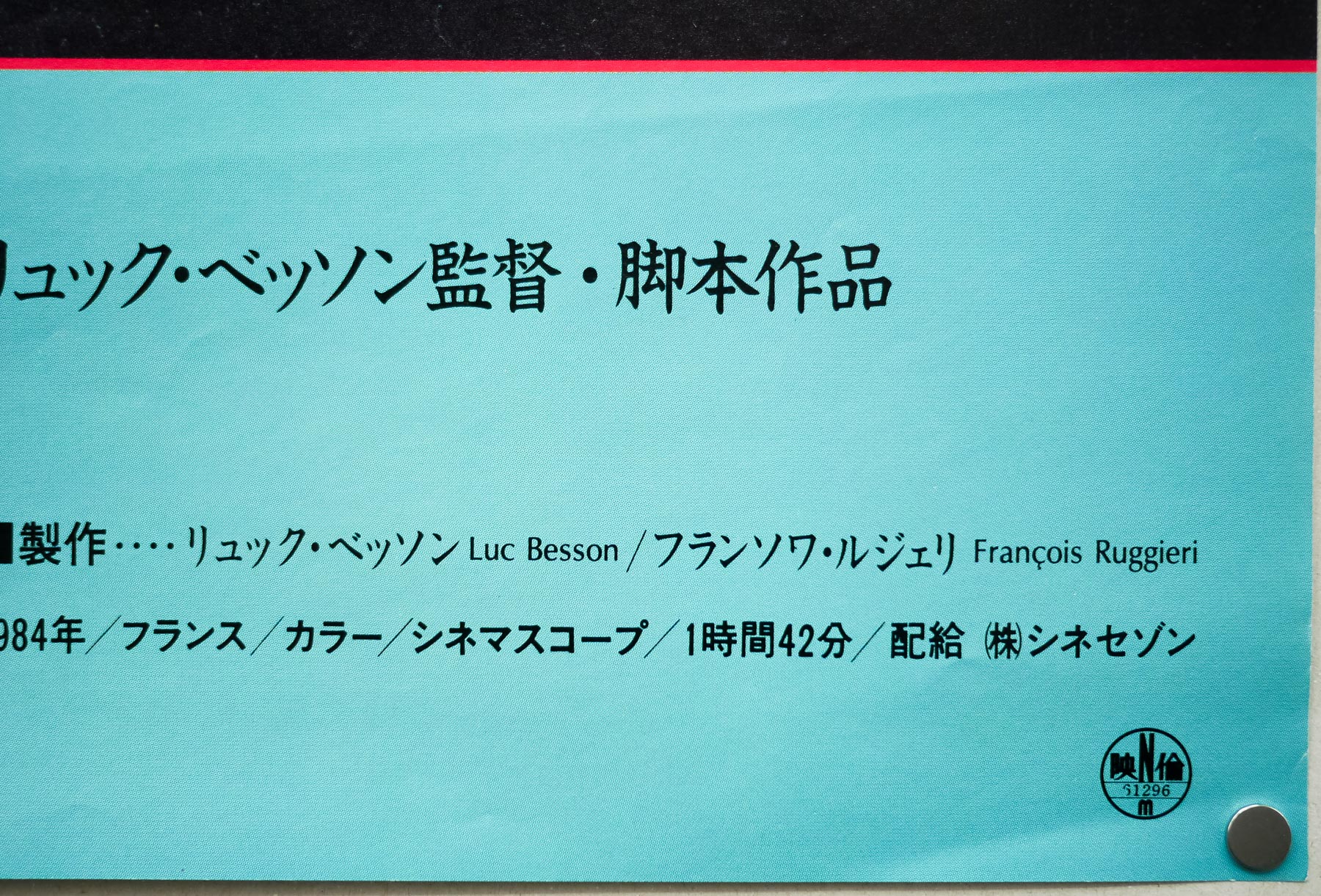
This is the Japanese B2 poster for the release of Luc Besson‘s 1985 comedy drama Subway. It followed on from the director’s first film, The Last Battle, which was released two years earlier. Subway reunited him with several of the actors and crew from that film, including Jean Reno, who who would go on to feature in many of Besson’s directorial efforts. French-American actor Christopher Lambert appears in the lead role of Fred, a grifter who steals documents from a rich businessman and escapes into the Paris Metro.

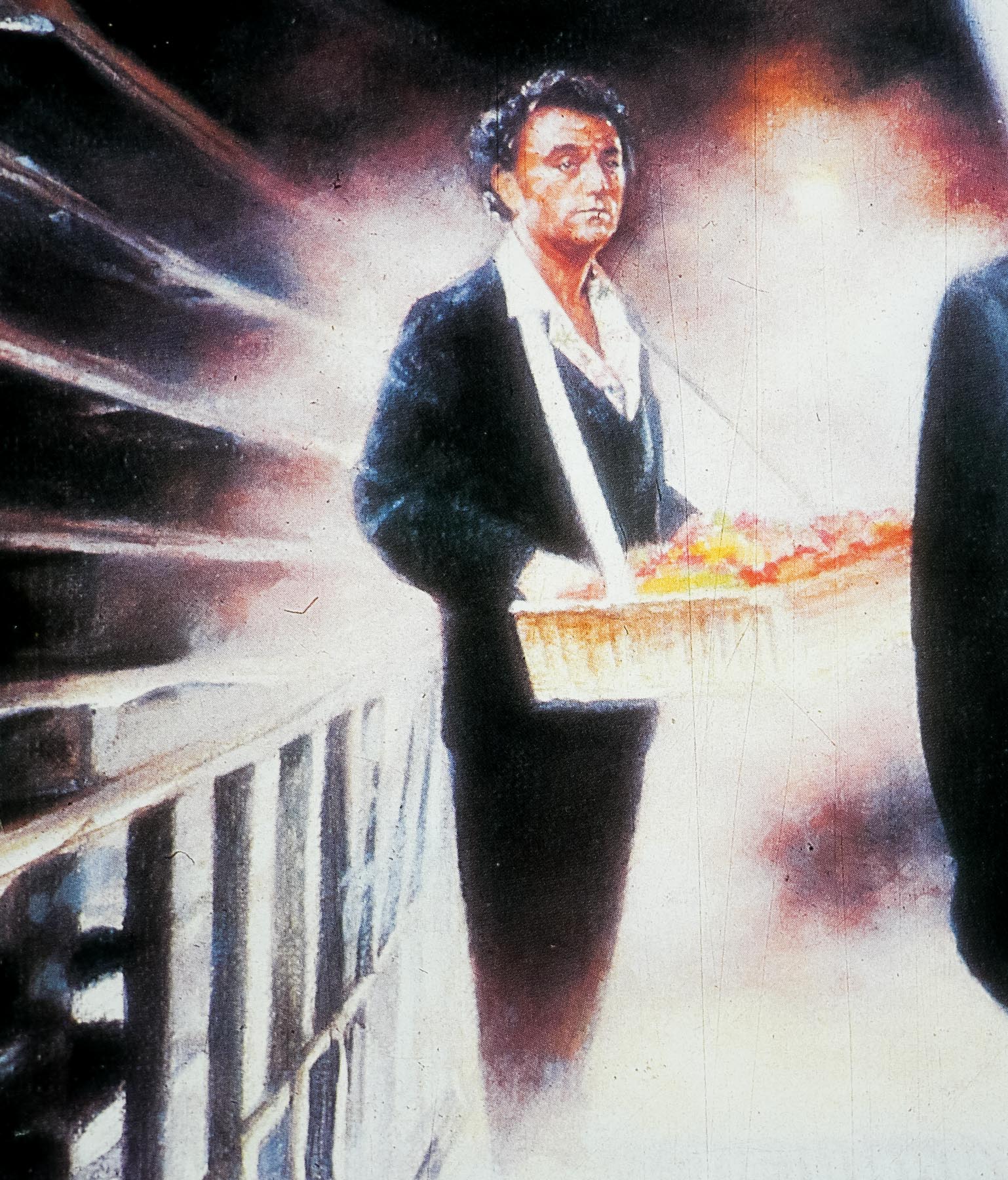
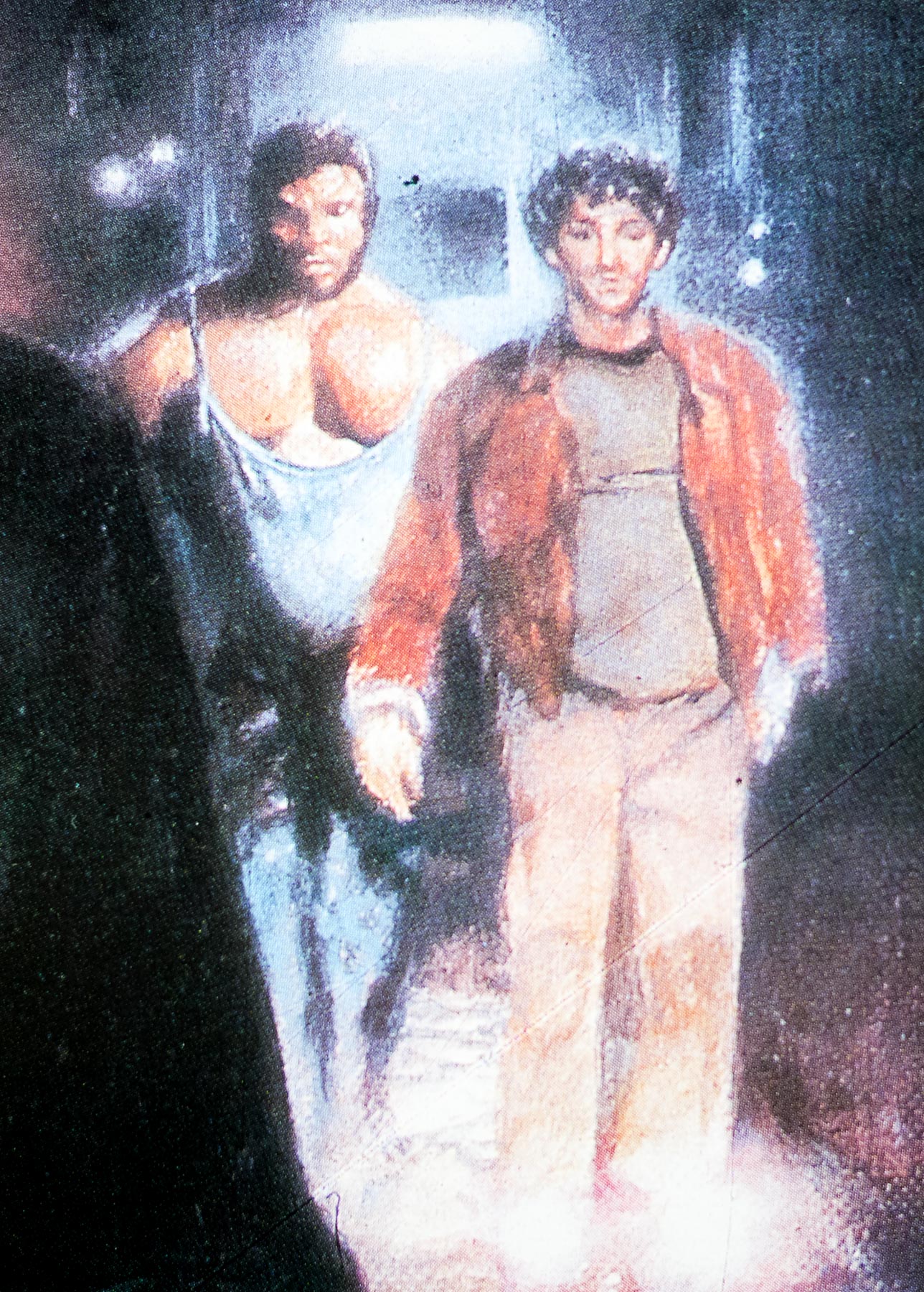
Lambert stars alongside Isabelle Adjani who appears as Héléna, the frustrated wife of the businessman from whom Fred has stolen the documents. The film is set largely on location in the Metro and makes great use of the halls, concourses and even the areas usually off-limits to the public. After being locked in overnight, Fred begins to explore and eventually meets Le Roller (Jean-Hugues Anglade), a petty thief who has made a home in an abandoned storage room. Le Roller introduces Fred to the other characters who called the underground their home, including the musclebound Big Bill (Christian Gomba) and The Florist (Richard Bohringer). 

The admittedly slight plot sees Fred continue to evade a bunch of hired goons sent by the businessman, as well as the subway police. The commissioner (a great performance by Michel Galabru) gets increasingly frustrated as his men, including one he’s nicknamed Batman (Jean-Pierre Bacri) fail to catch Le Roller time and time again. Héléna becomes increasingly infatuated with Fred, eventually realising his carefree attitude is the perfect antidote the marriage she feels trapped in. The film features a typically great score by regular Besson collaborator Éric Serra who also appears in the film as a member of a band that Fred brings together. The film was a success with critics as well as the French box-office. A year later Lambert would star in Highlander, a film that shot him to international stardom and lead to him winning multiple Hollywood roles.

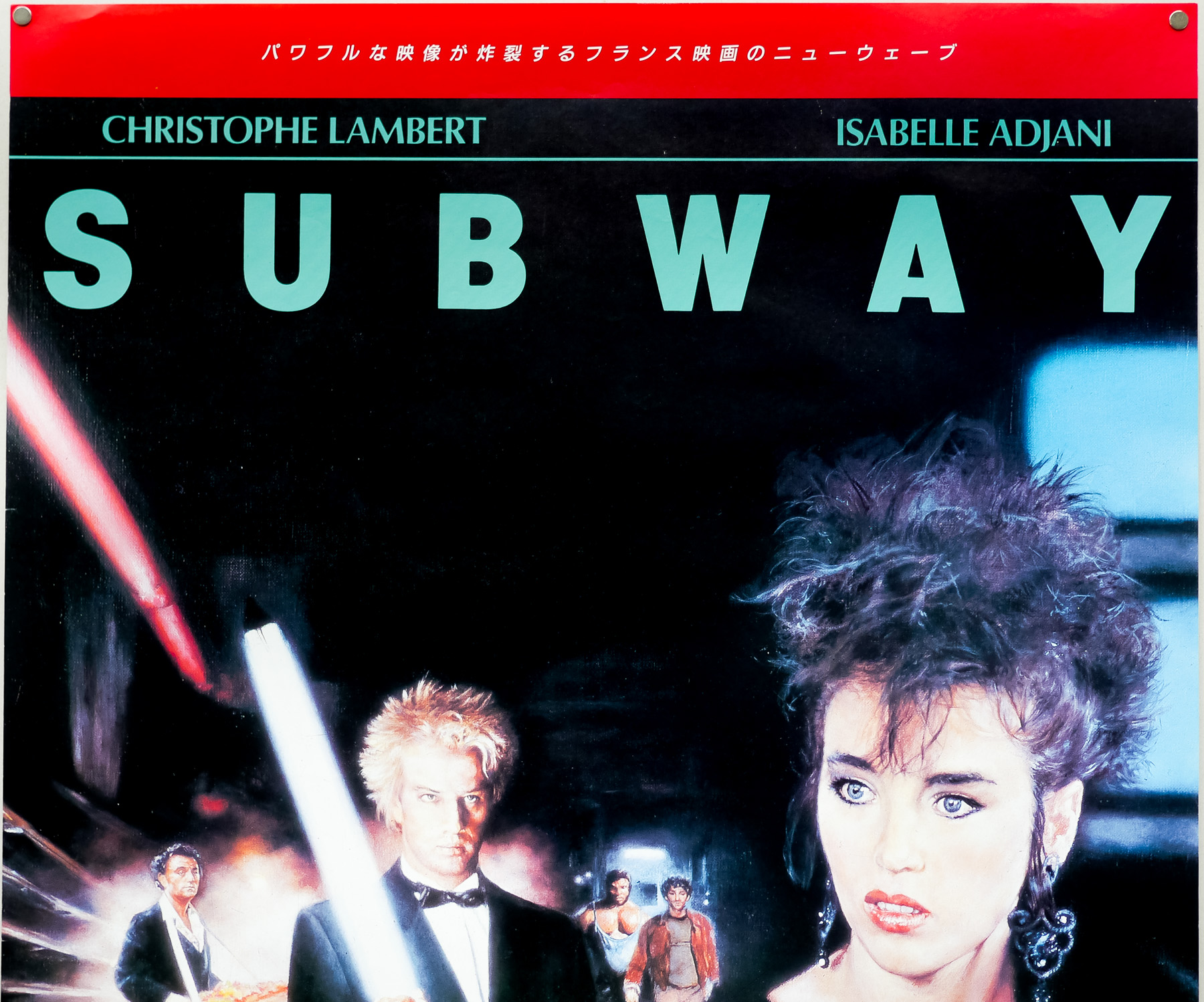
This Japanese poster features the same artwork that was used on the French poster. It appears that the Japanese designer simply took a copy of a French poster, including all the flaws which that particular copy had. If you look closely at some of the images you can see hairs, scratches and other blemishes that must have been present on the poster. The artwork is credited to an artist called Bernard Bernhardt about whom I’ve been able to discover very little. Some of his other film posters can be seen on Cinematerial. According to this translated interview he was born in Paris in 1950 and worked on posters for several famous directors, including Roman Polanski and Michael Mann, over a thirty year period.

Being There / B1 / Japan

11.09.17

Poster Poster
Title
Being There
AKA
--
Year of Film
1979
Director
Hal Ashby
Starring
Peter Sellers, Shirley MacLaine, Melvyn Douglas, Jack Warden, Richard Dysart, Richard Basehart, Ruth Attaway, David Clennon
Origin of Film
USA | West Germany
Genre(s) of Film
Peter Sellers, Shirley MacLaine, Melvyn Douglas, Jack Warden, Richard Dysart, Richard Basehart, Ruth Attaway, David Clennon,
Type of Poster
B1
Style of Poster
--
Origin of Poster
Japan
Year of Poster
1980
Designer
Unknown
Artist
Unknown
Size (inches)
28 12/16" x 40 9/16"
SS or DS
SS
Tagline
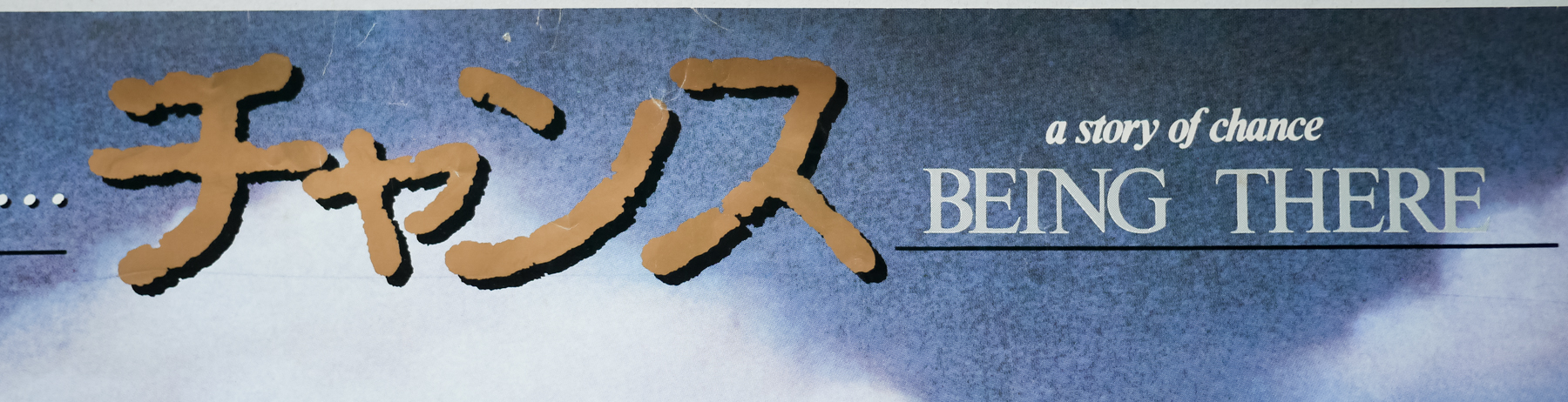
a story of chance

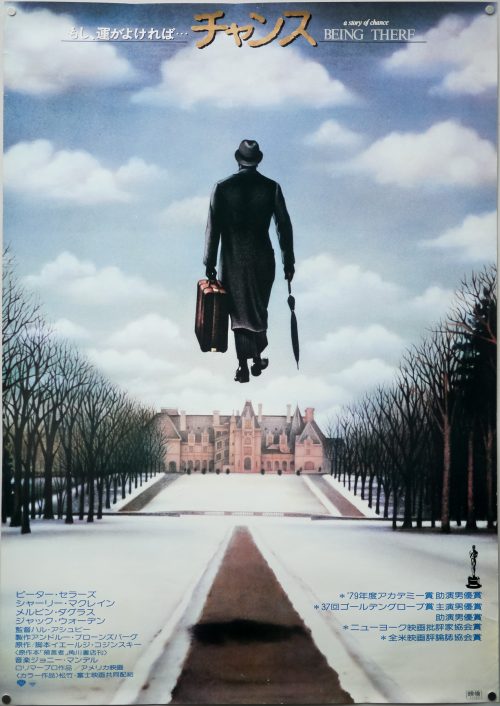
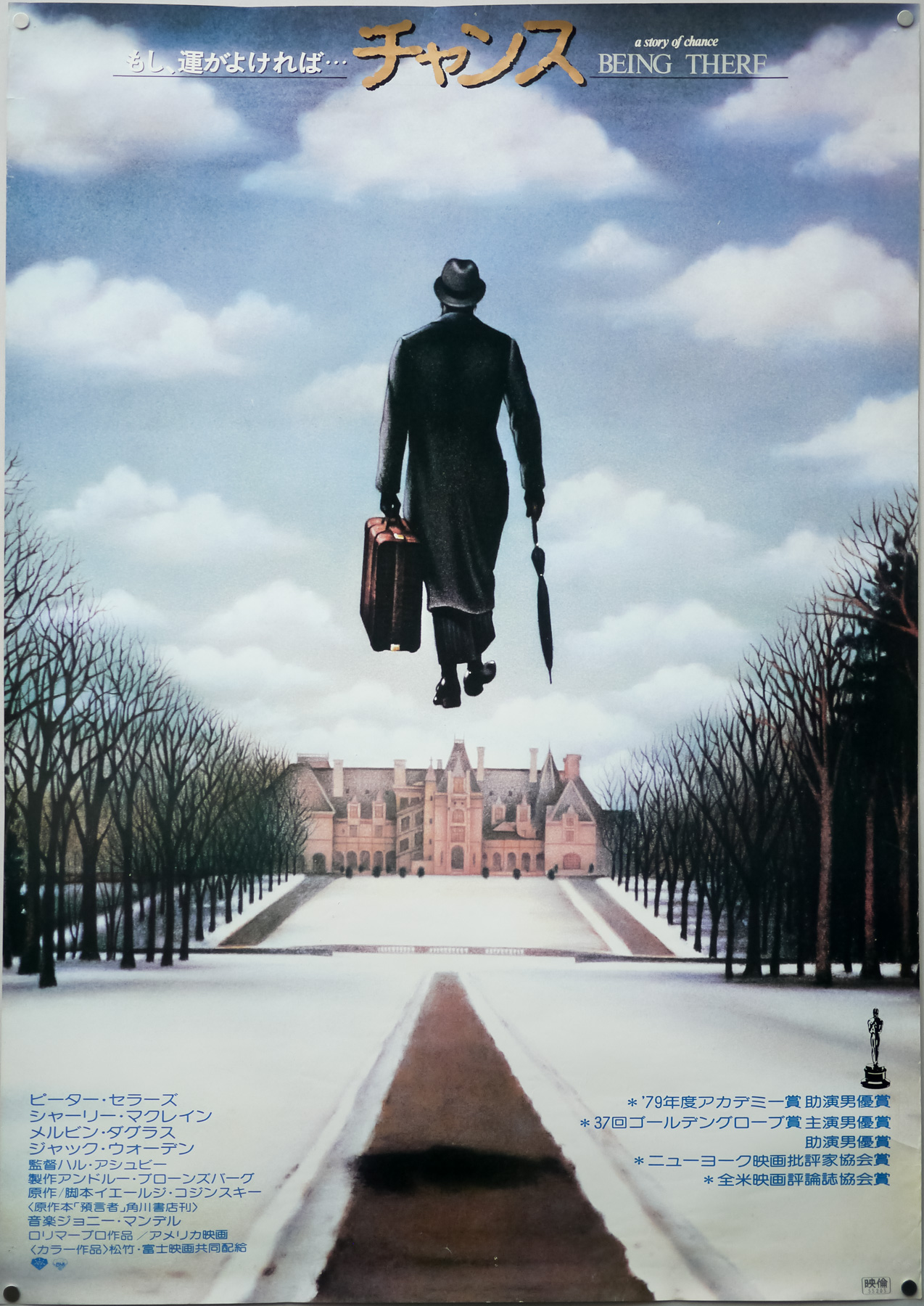
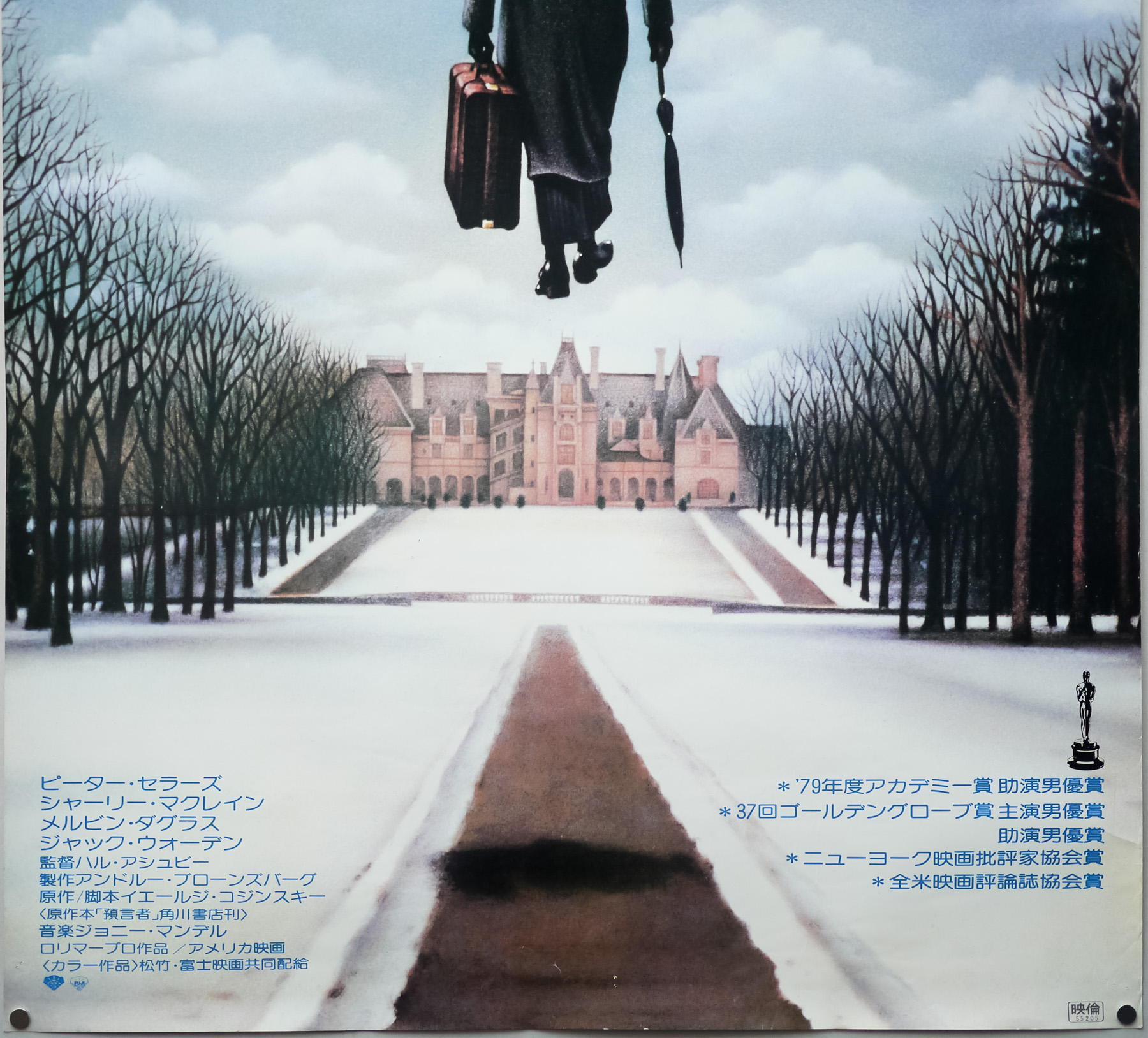
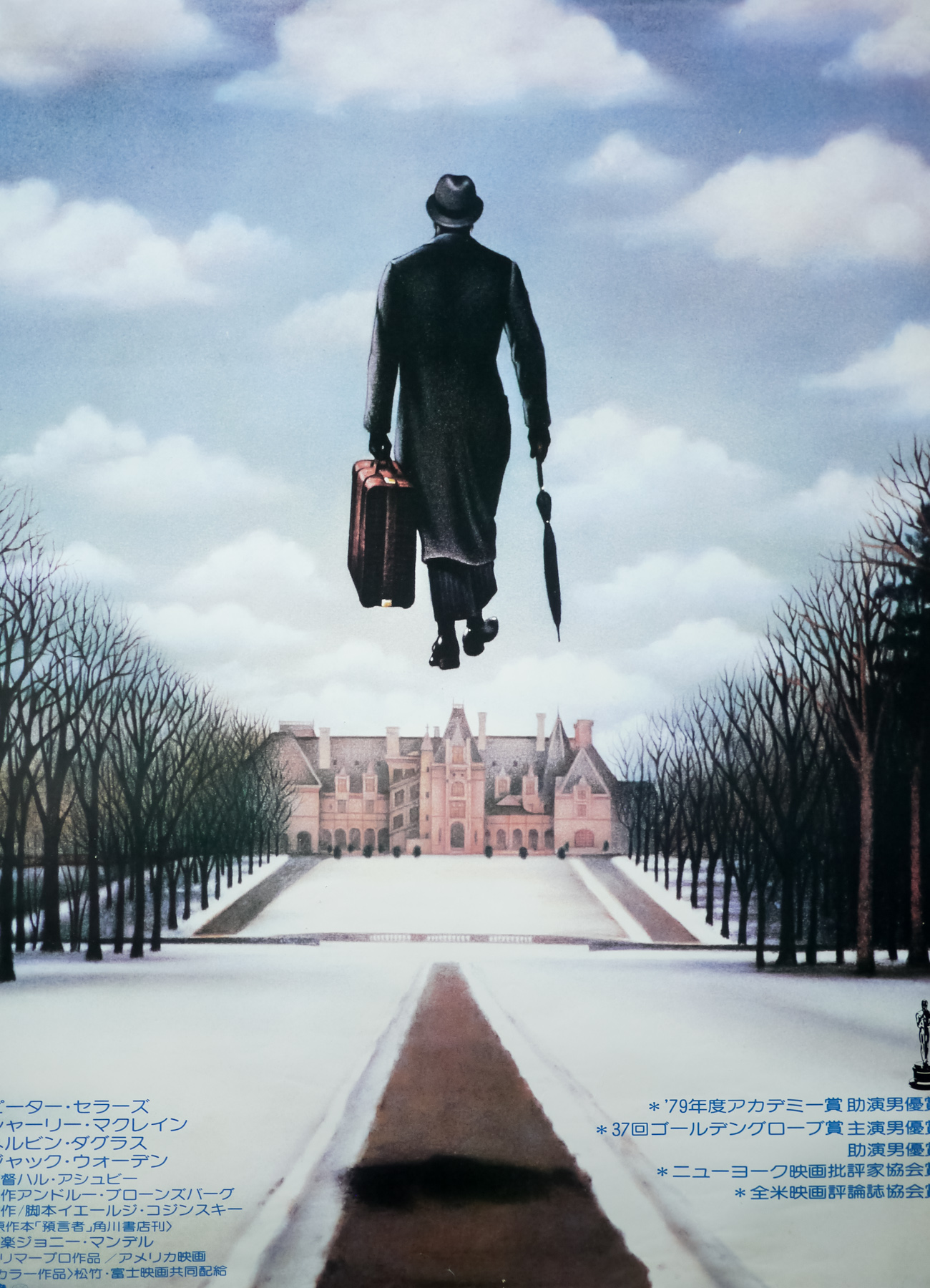
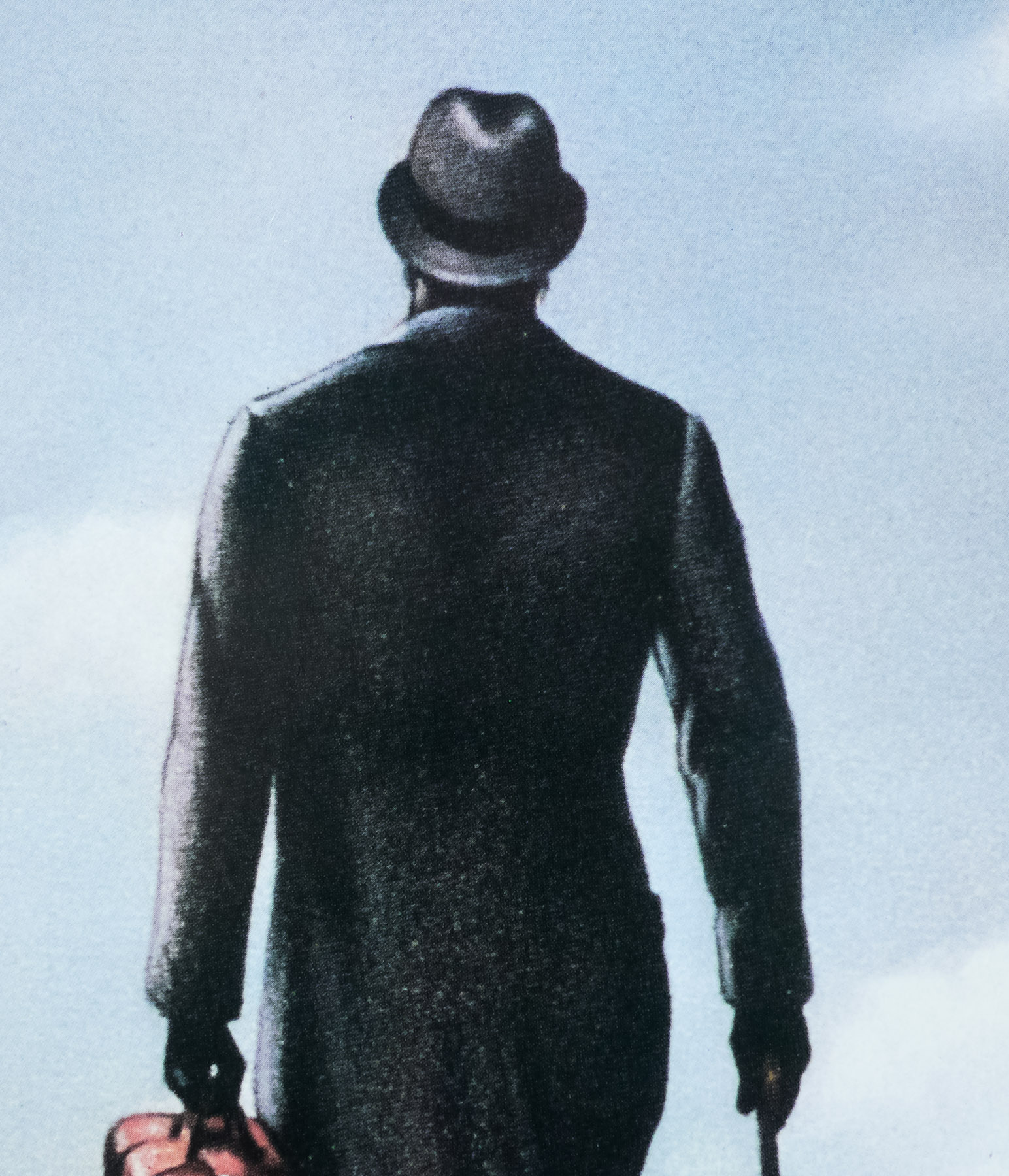
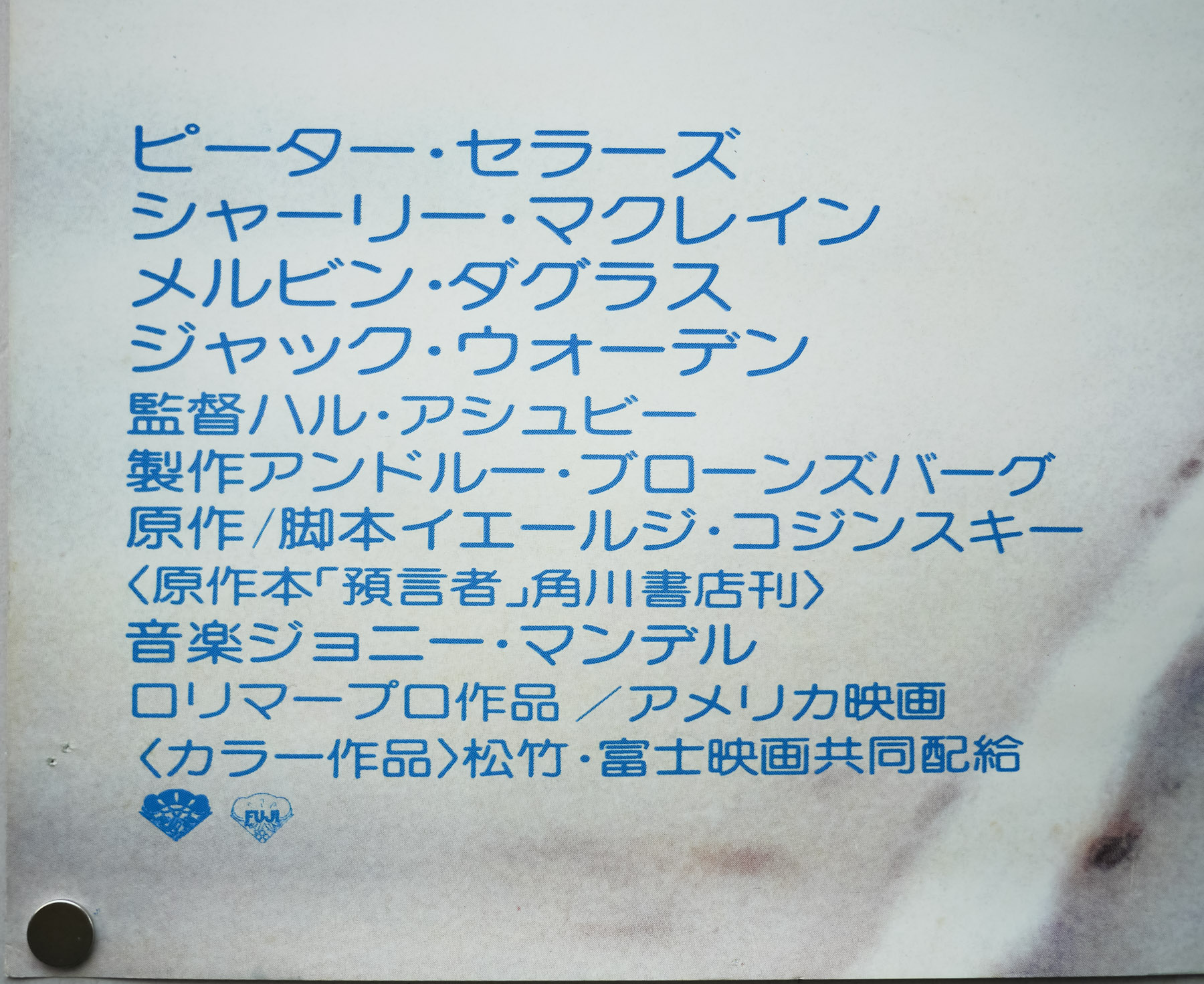
This is the Japanese B1 poster for the release of Hal Ashby‘s 1979 comedy-drama Being There. The film is based on the novel of the same name by Jerzy Kosiński, who was also involved in the initial effort to craft the screenplay, with an uncredited Robert C. Jones. Being There was the penultimate film for the legendary British comedy actor Peter Sellers who would pass away only a year after its release at the untimely age of 54.

Sellers plays Chance, a simple-minded gardener who has lived and worked in the same Washington DC house since he was a young boy. He has never left the house, is unable to read or write and everything he has learnt has come from the TV set in his bedroom. When the owner of the house passes away, Chance is forced to wander the streets wearing the tailored suit of his old employer, unsure what to do next. An accidental encounter with the Eve Rand (Shirley MacLaine), the wife of the elderly billionaire business mogul Ben Rand (Melvyn Douglas), sees him transported in a limousine to the sprawling residence of the Rands. There he meets Ben who mistakenly assumes him to be Chauncey Gardener, a cultured and wise gentleman, who endears himself to the mogul. Rand mistakes his simple proclamations about gardening to be deep metaphors about the state of the economy. Chance even meets the President (Jack Warden), a friend of Rand’s, and influences a major speech he makes. Eventually people around Rand and the President begin to investigate Chauncey Gardener’s background, whilst Ben Rand’s health begins to fail and Eve becomes smitten with Chance.

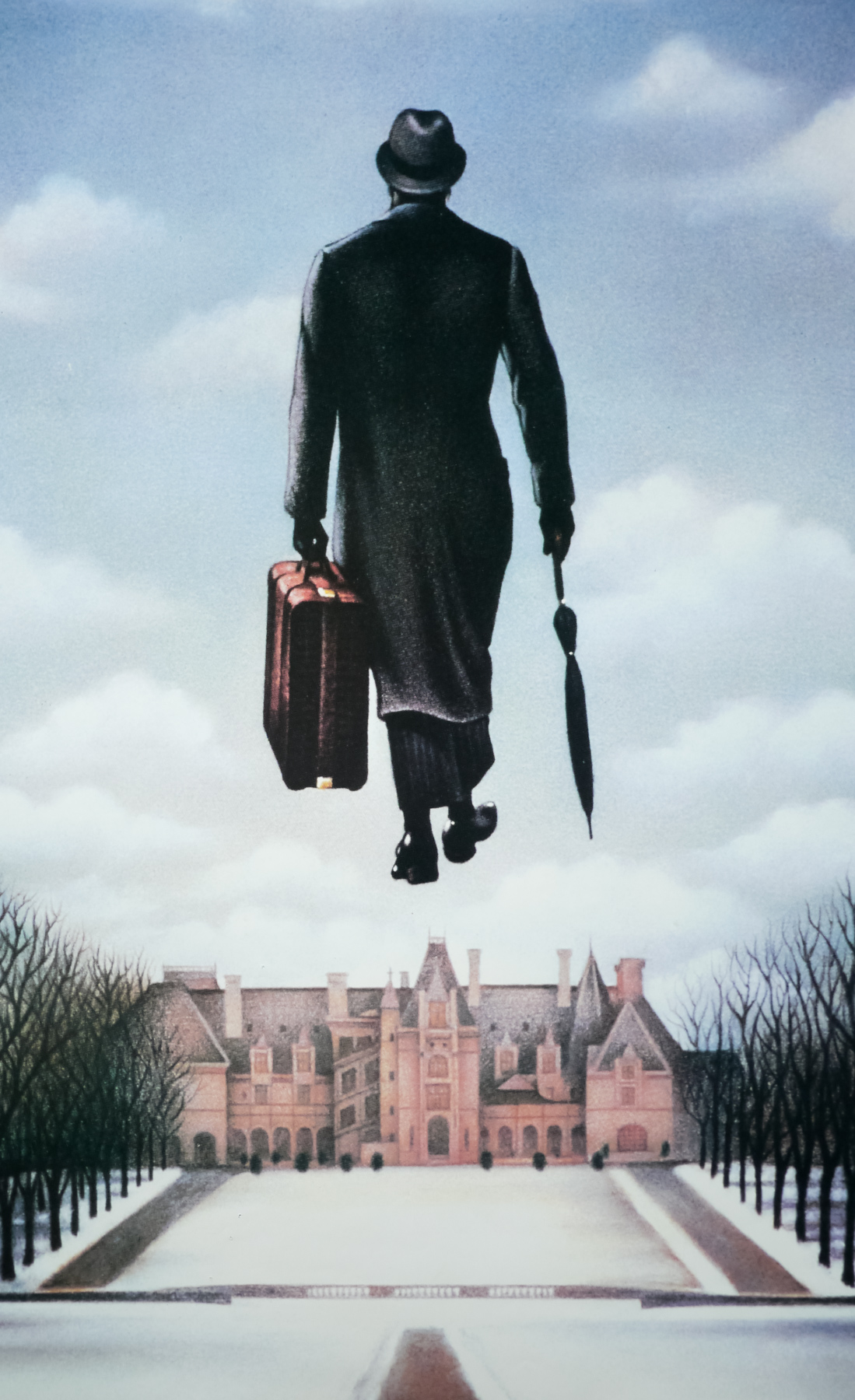
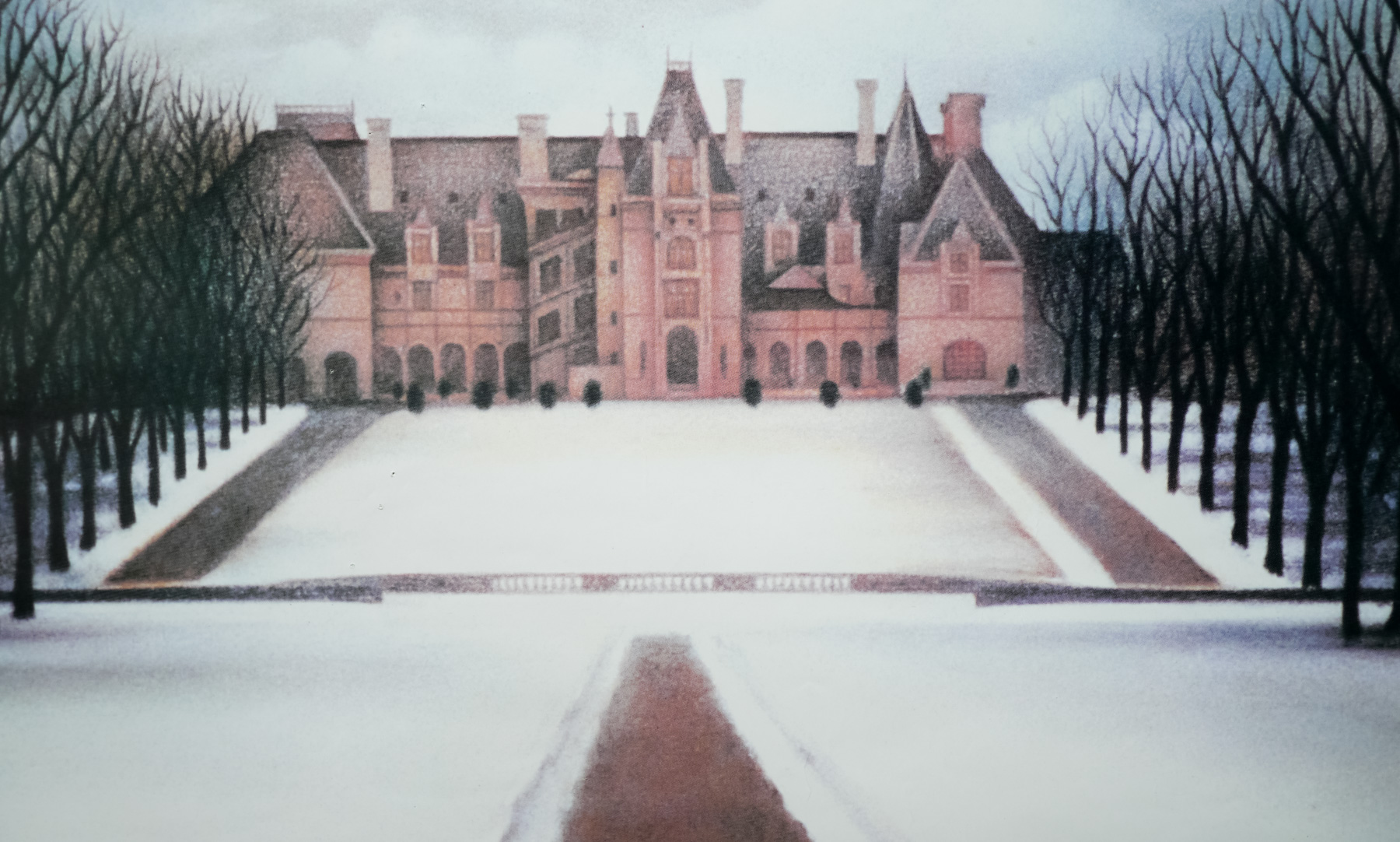
The film was a critical success and was award-winning, with Sellers being given the Golden Globe for Best Actor (Musical or Comedy) and Melvyn Douglas snagging the Best Supporting Actor at the 1980 Academy Awards. The Rand’s home was the incredible Biltmore Estate in North Carolina.

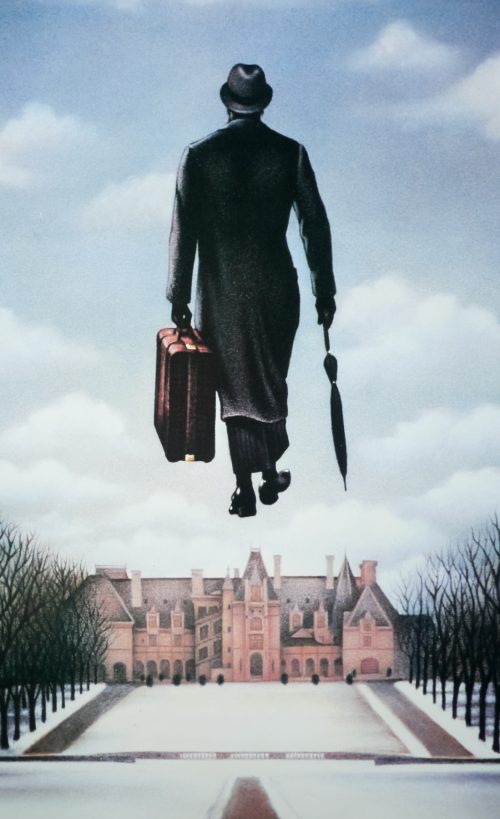
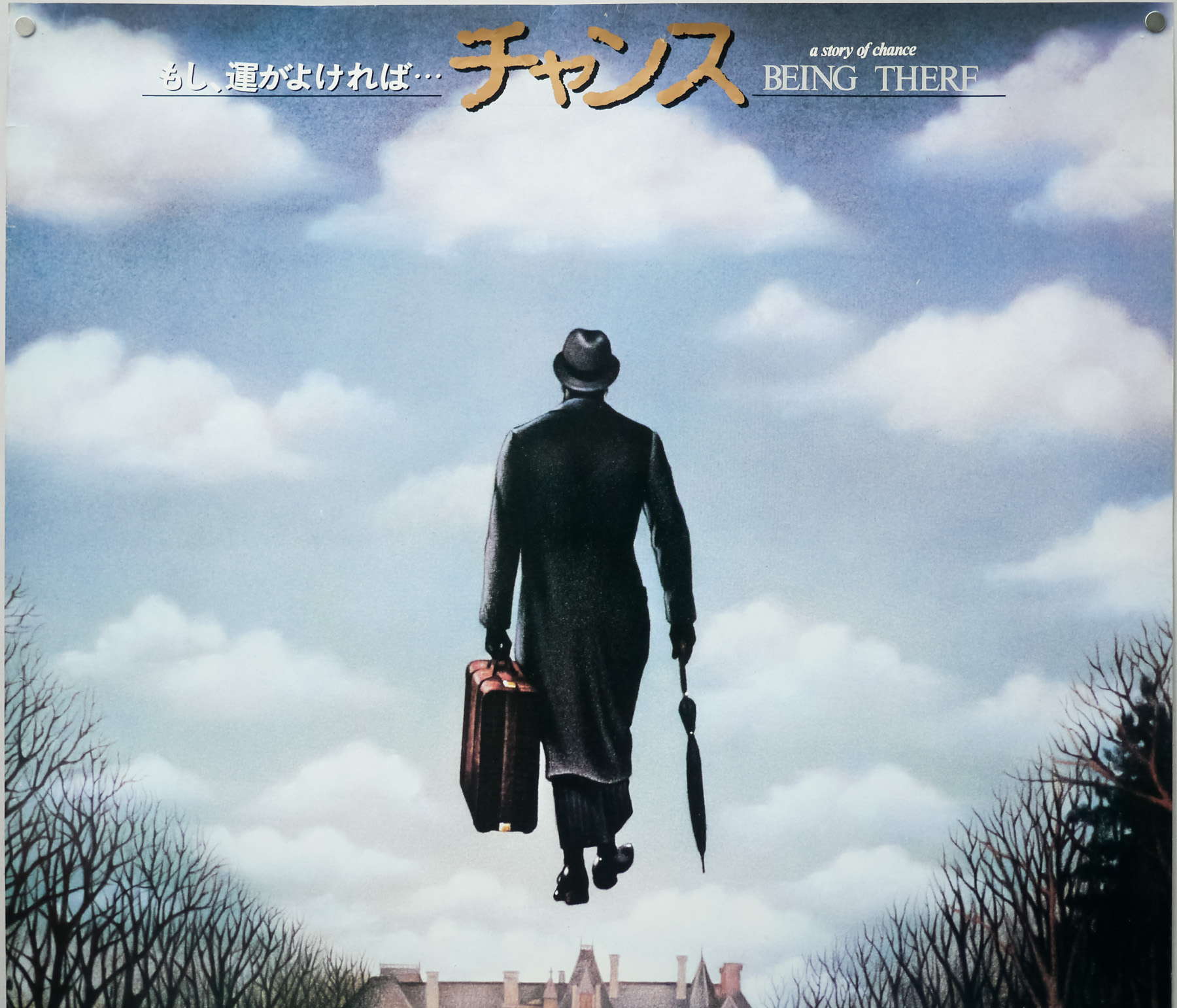
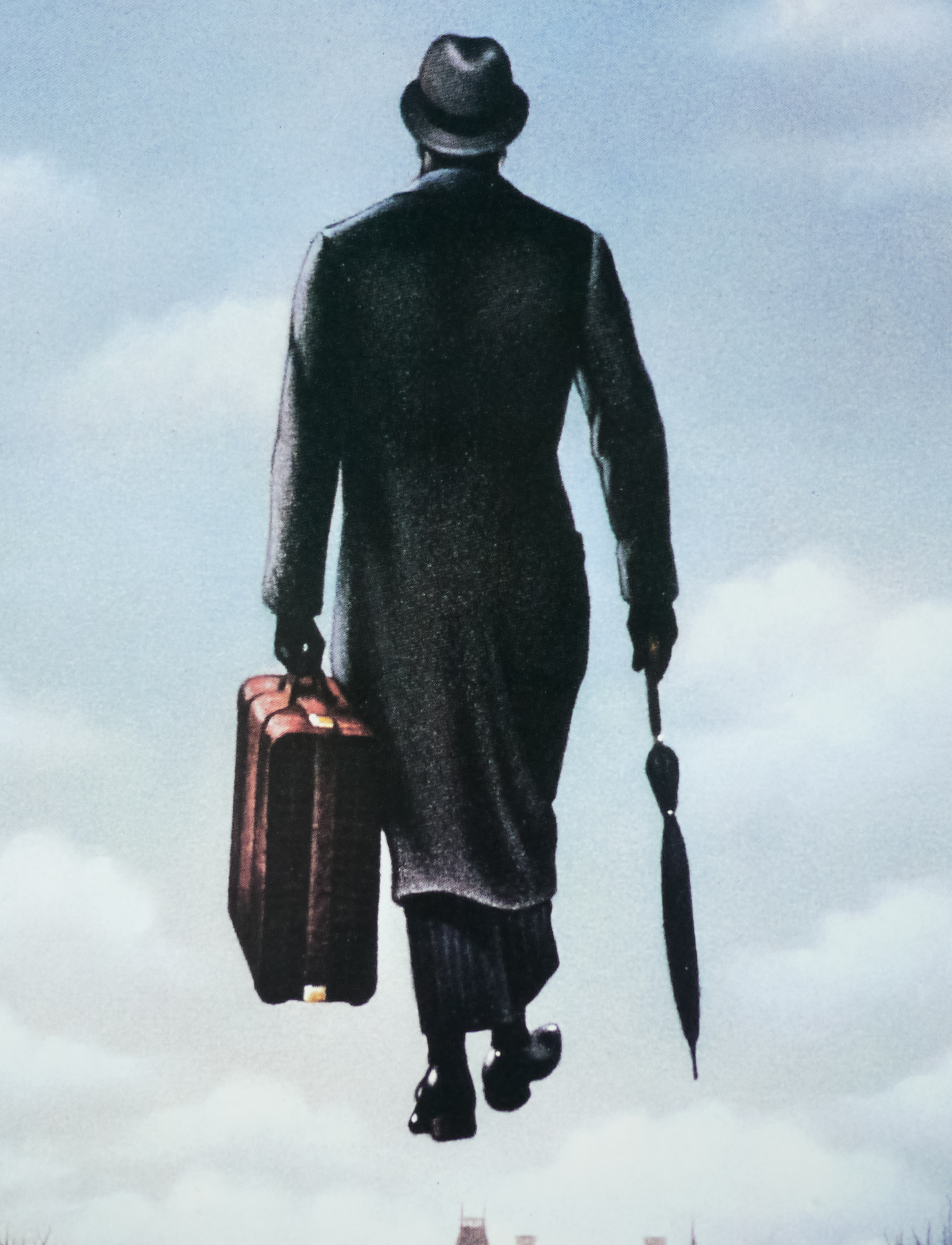
The artwork on this Japanese B1 also featured on an international one sheet and the the German poster. I’m unsure who is responsible for the art so if anyone has any ideas please get in touch.

Jaws / program / Japan

26.01.18

Poster Poster
Title
Jaws
AKA
Les dents de la mer [The teeth of the sea] (France)
Year of Film
1975
Director
Steven Spielberg
Starring
Roy Scheider, Robert Shaw, Richard Dreyfuss, Lorraine Gary, Murray Hamilton, Carl Gottlieb, Jeffrey Kramer, Susan Backlinie
Origin of Film
USA
Genre(s) of Film
Roy Scheider, Robert Shaw, Richard Dreyfuss, Lorraine Gary, Murray Hamilton, Carl Gottlieb, Jeffrey Kramer, Susan Backlinie,
Type of Poster
Program
Style of Poster
--
Origin of Poster
Japan
Year of Poster
1975
Designer
Unknown
Artist
Roger Kastel (cover)
Size (inches)
8 4/16" x 11 10/16"
SS or DS
--
NSS #
--
Tagline
--

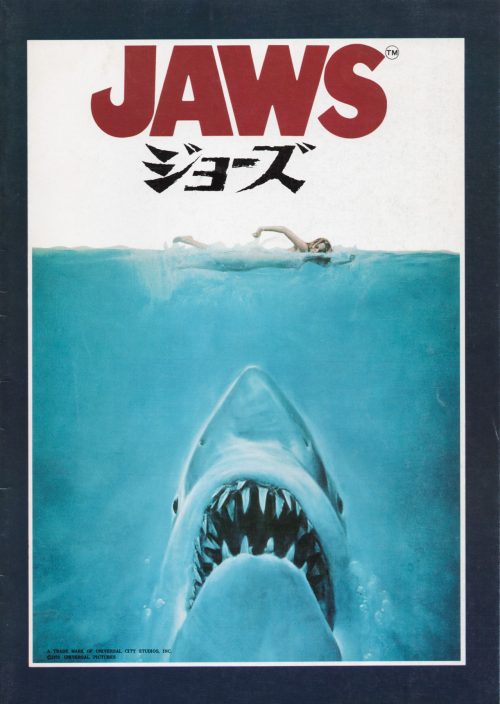
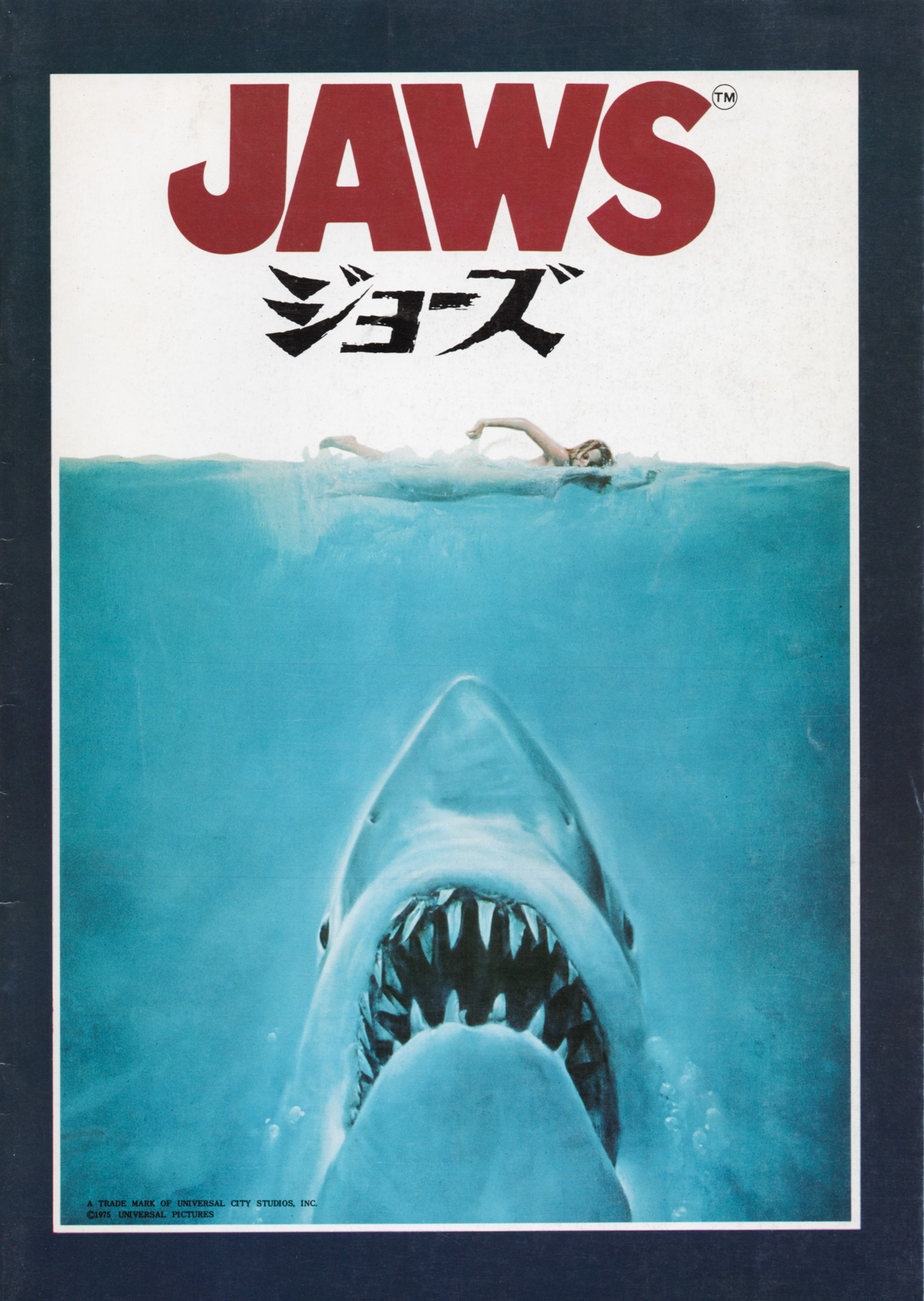
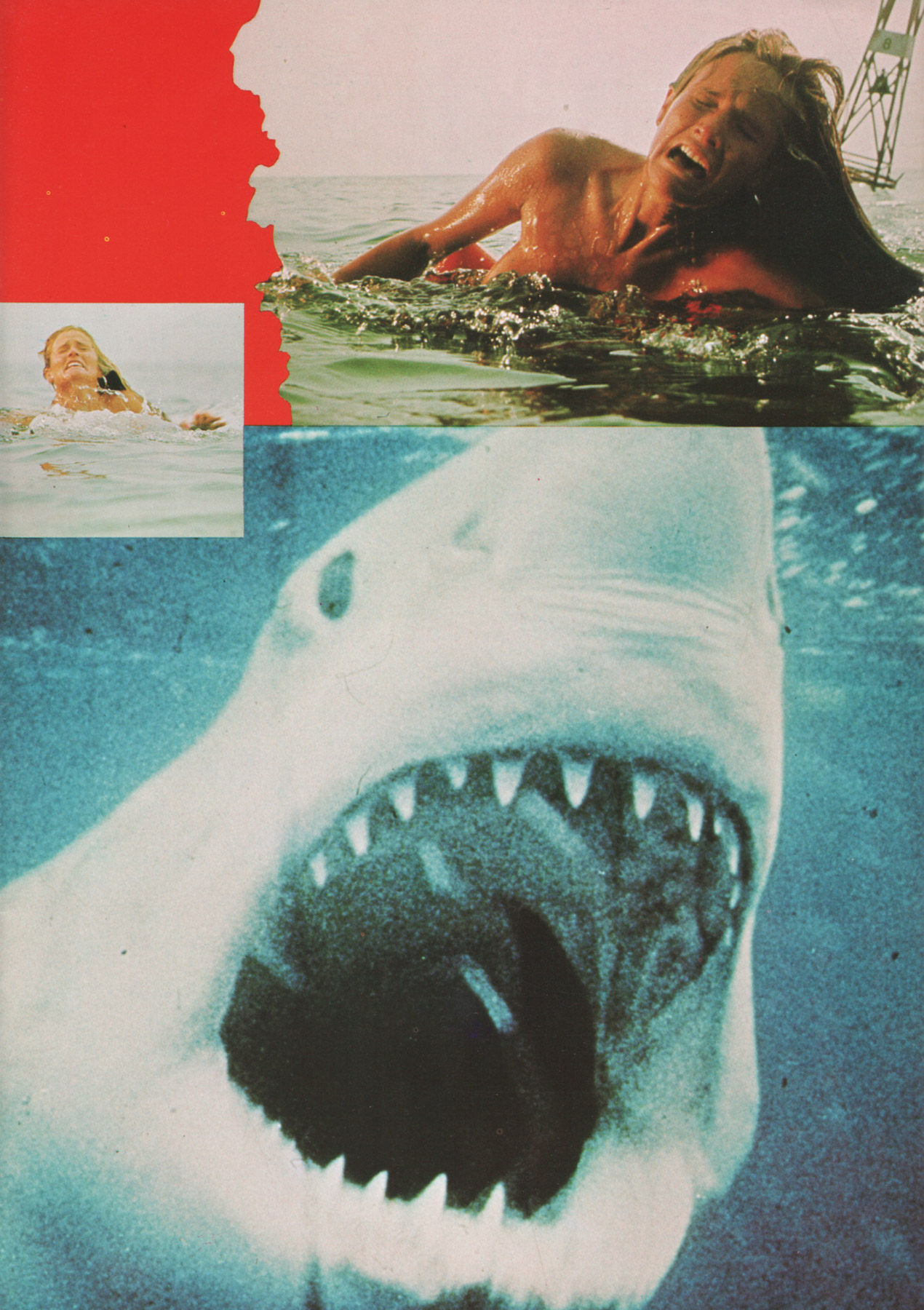
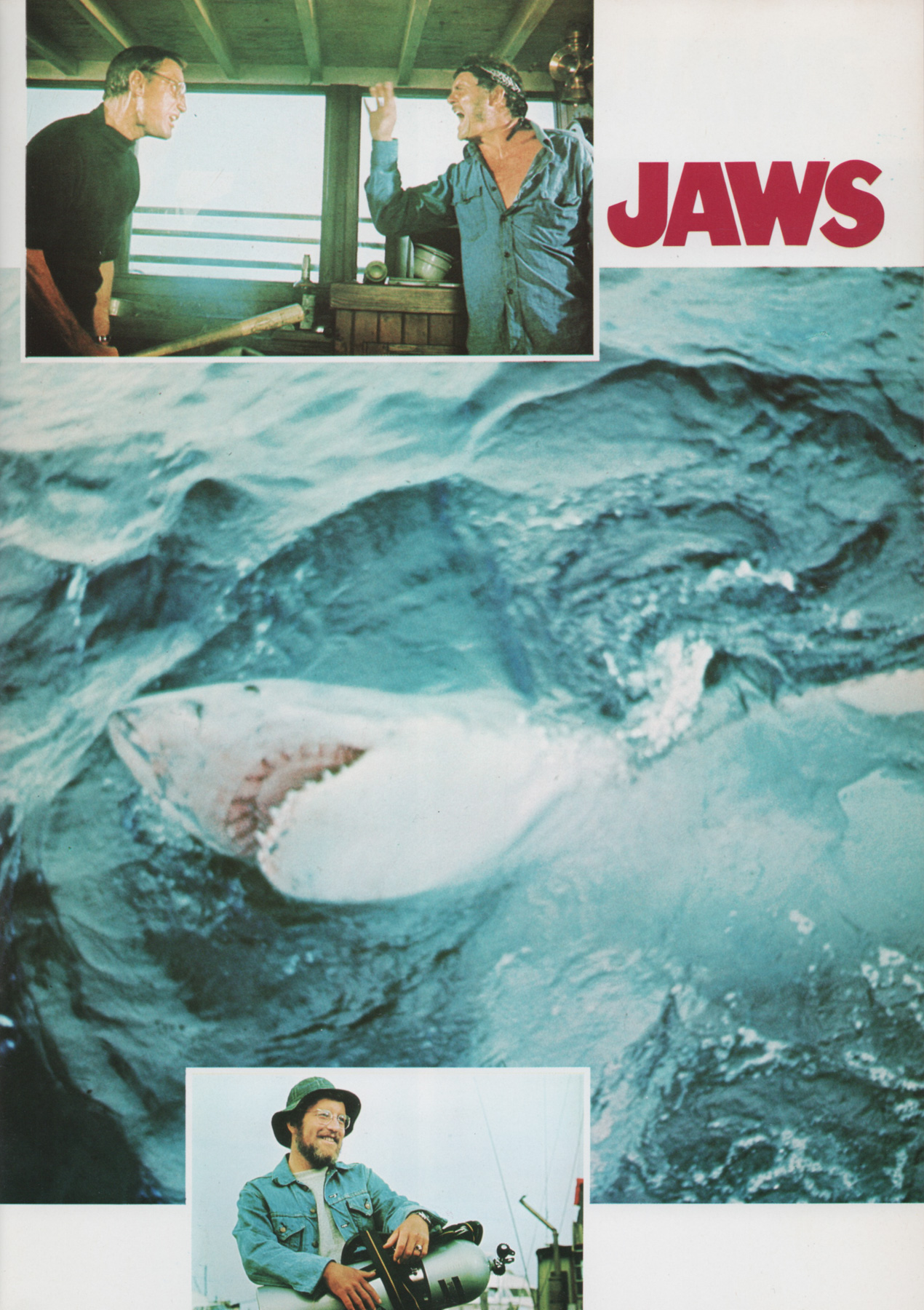
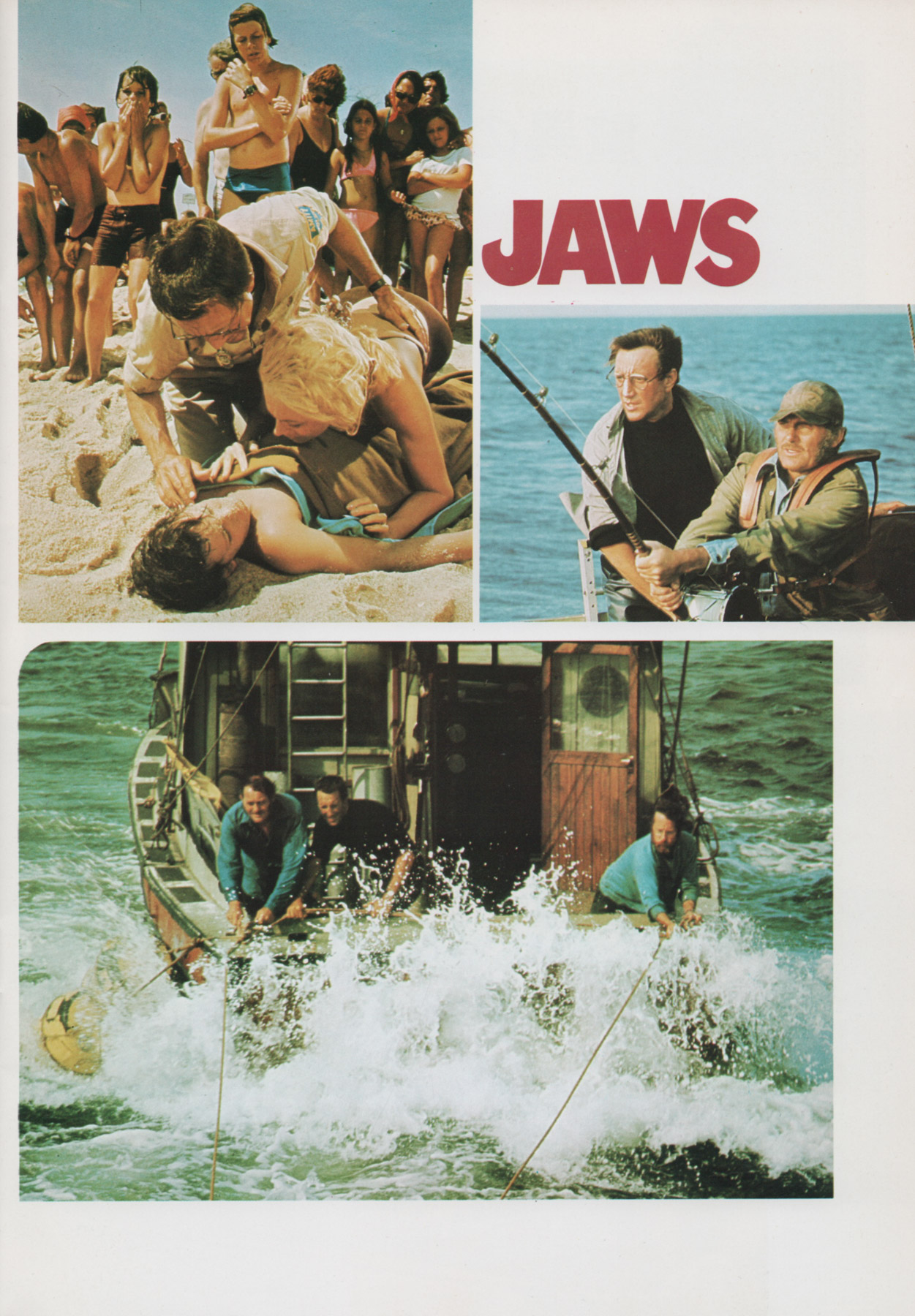
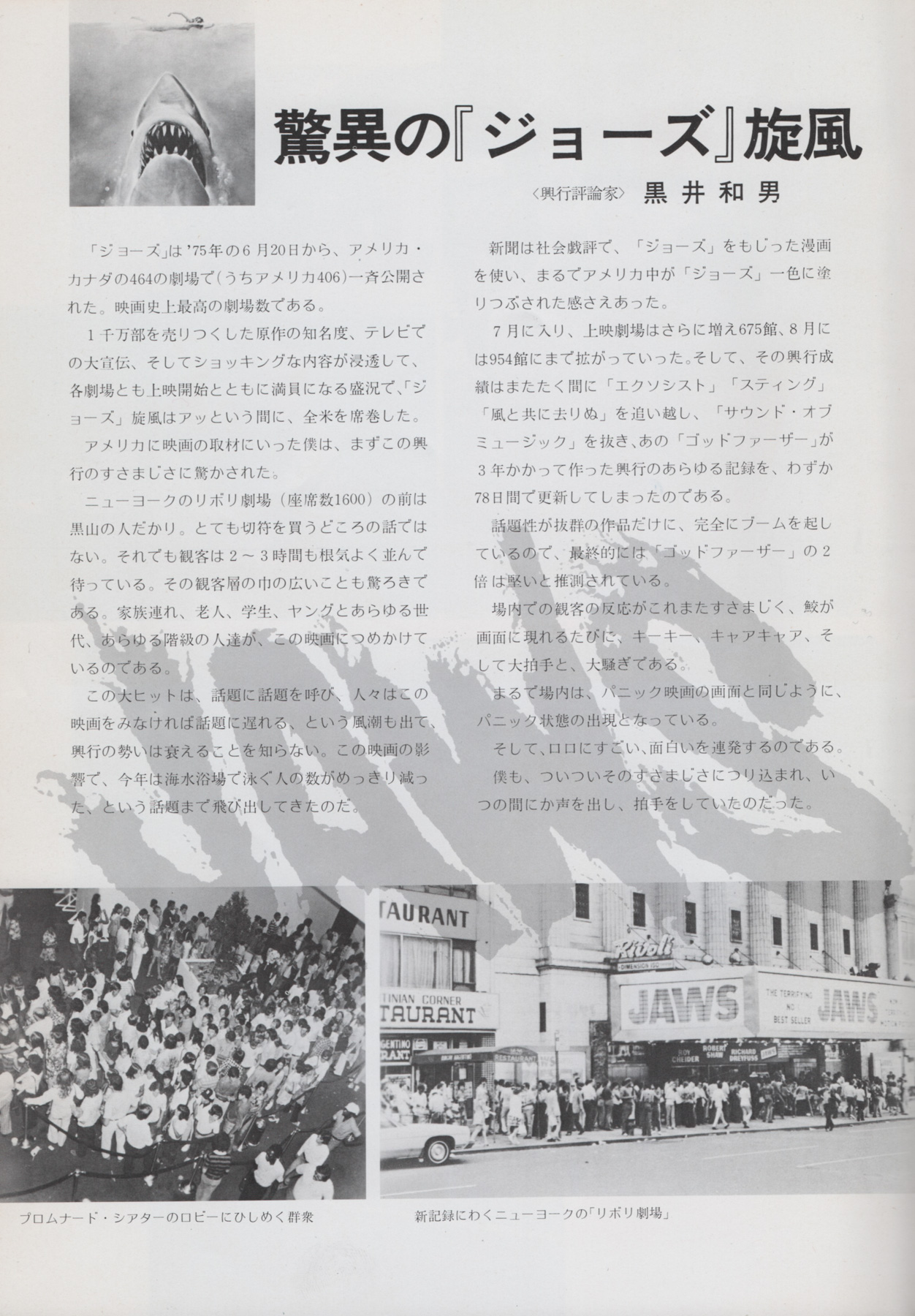
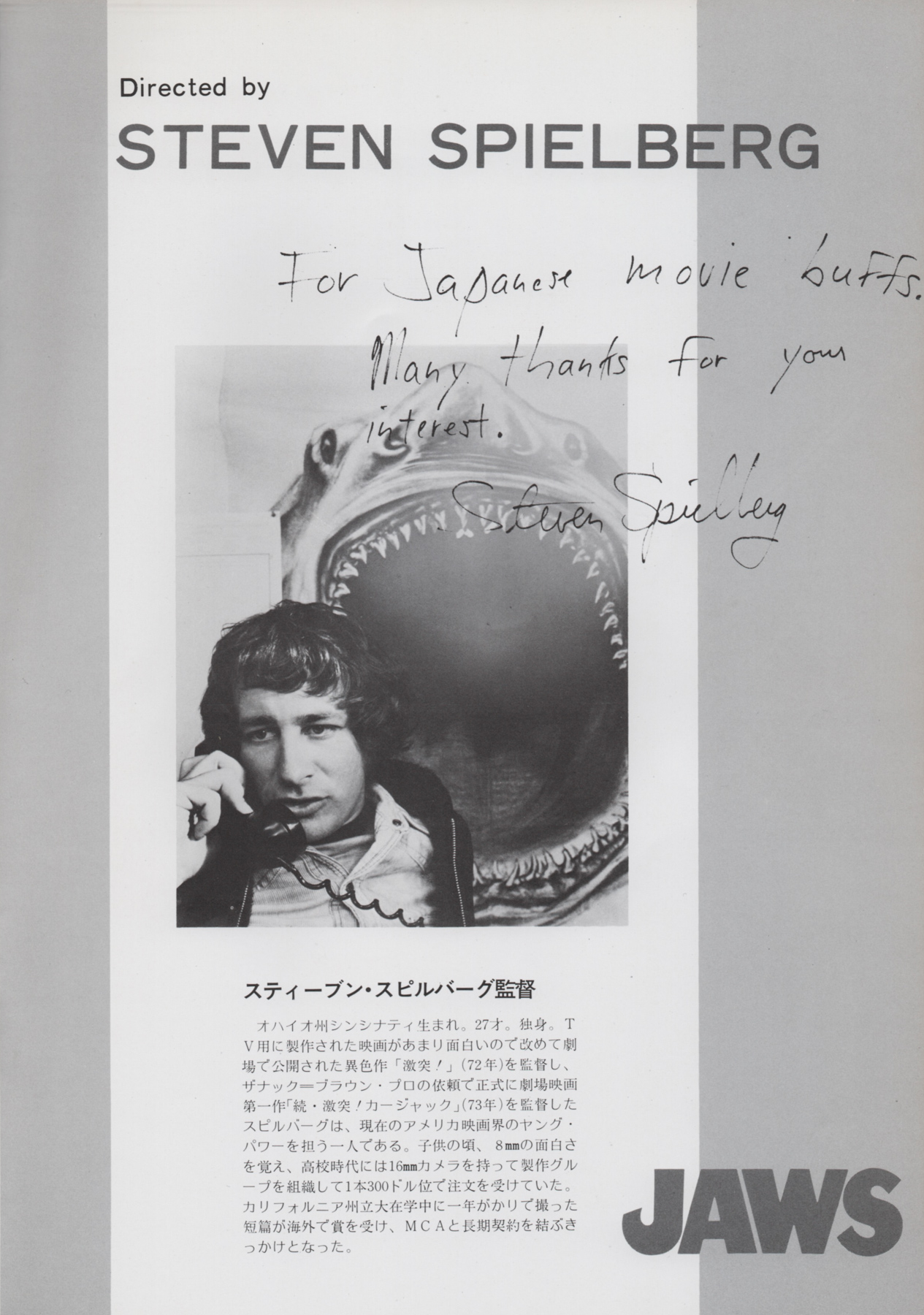
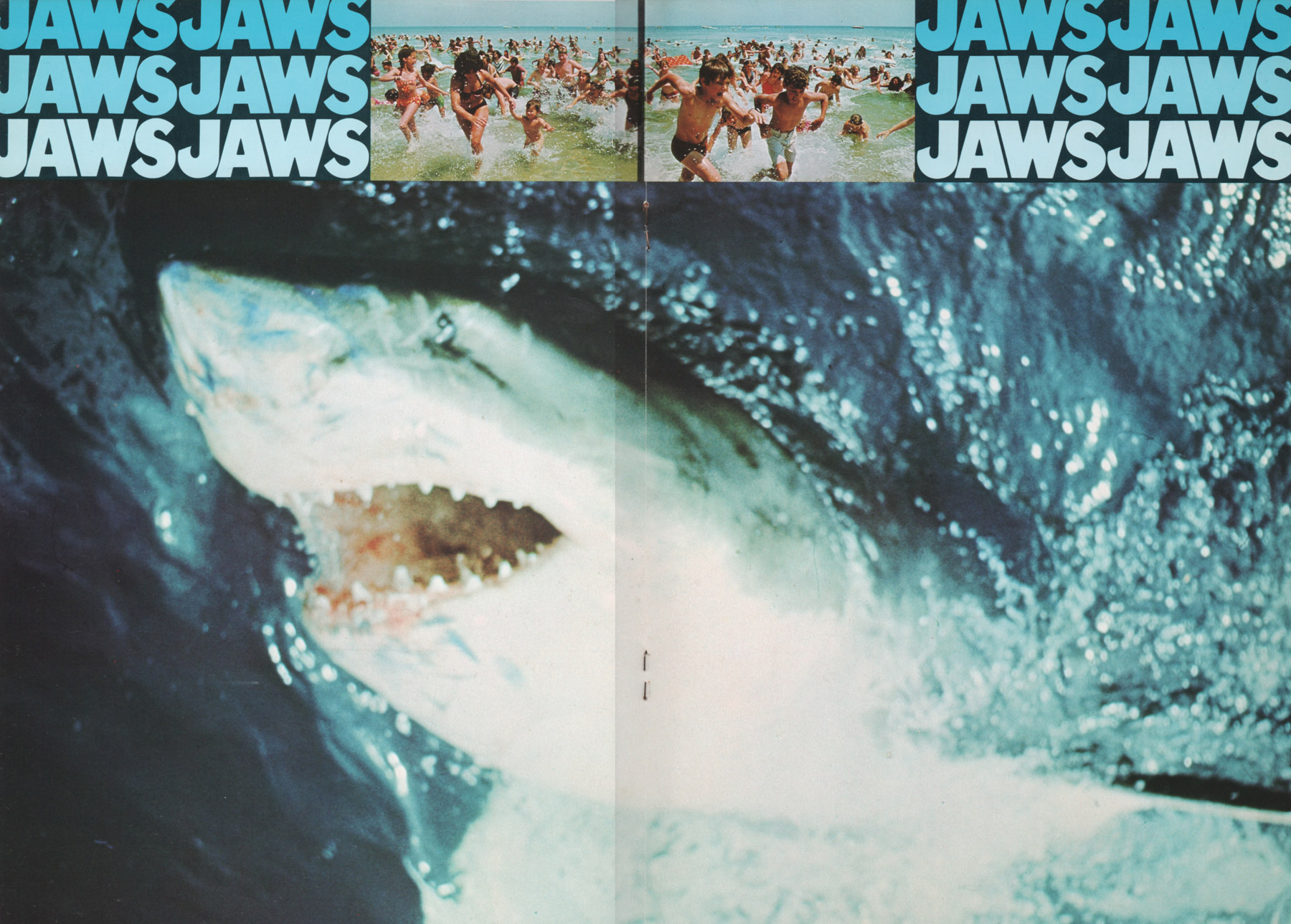
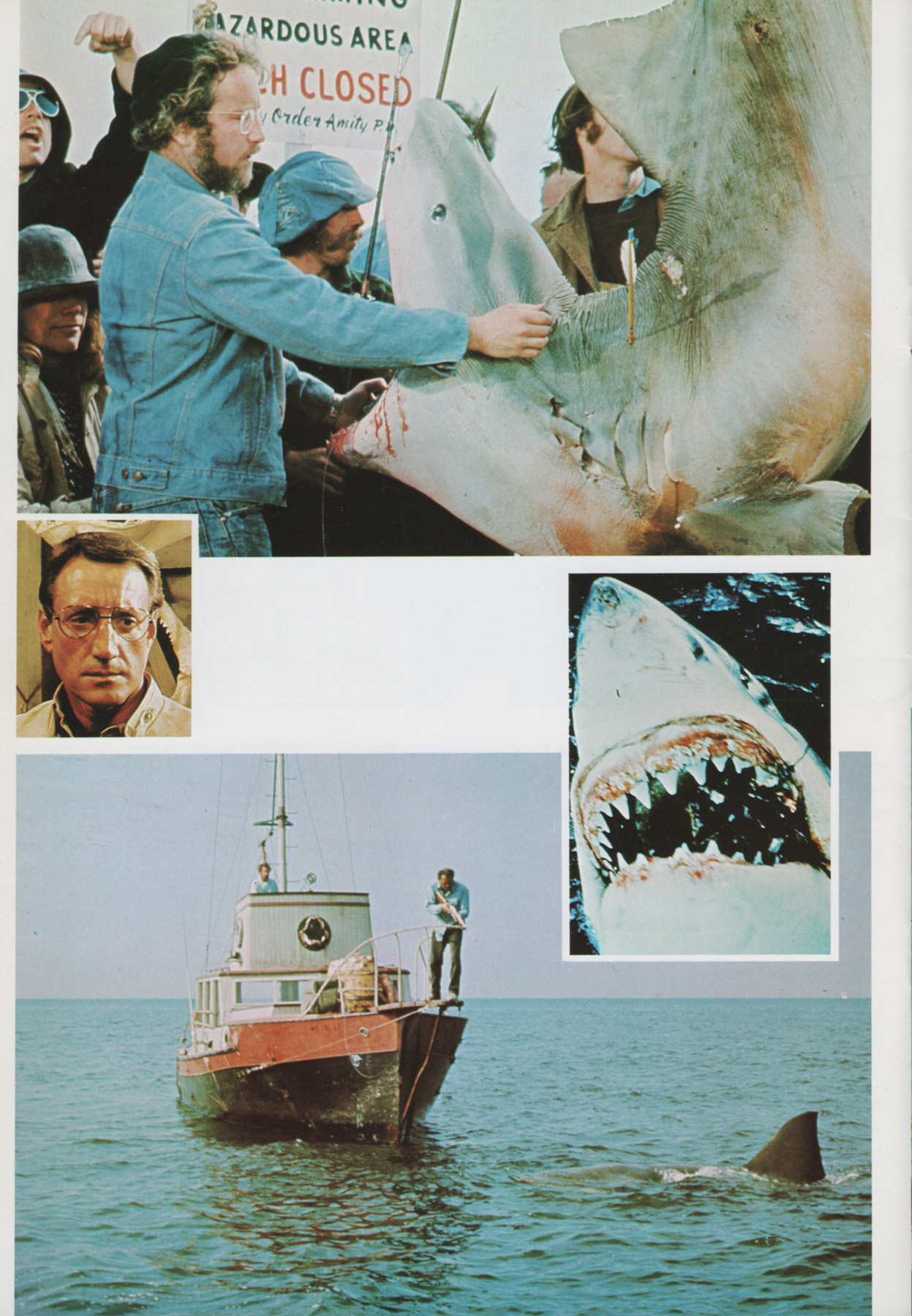
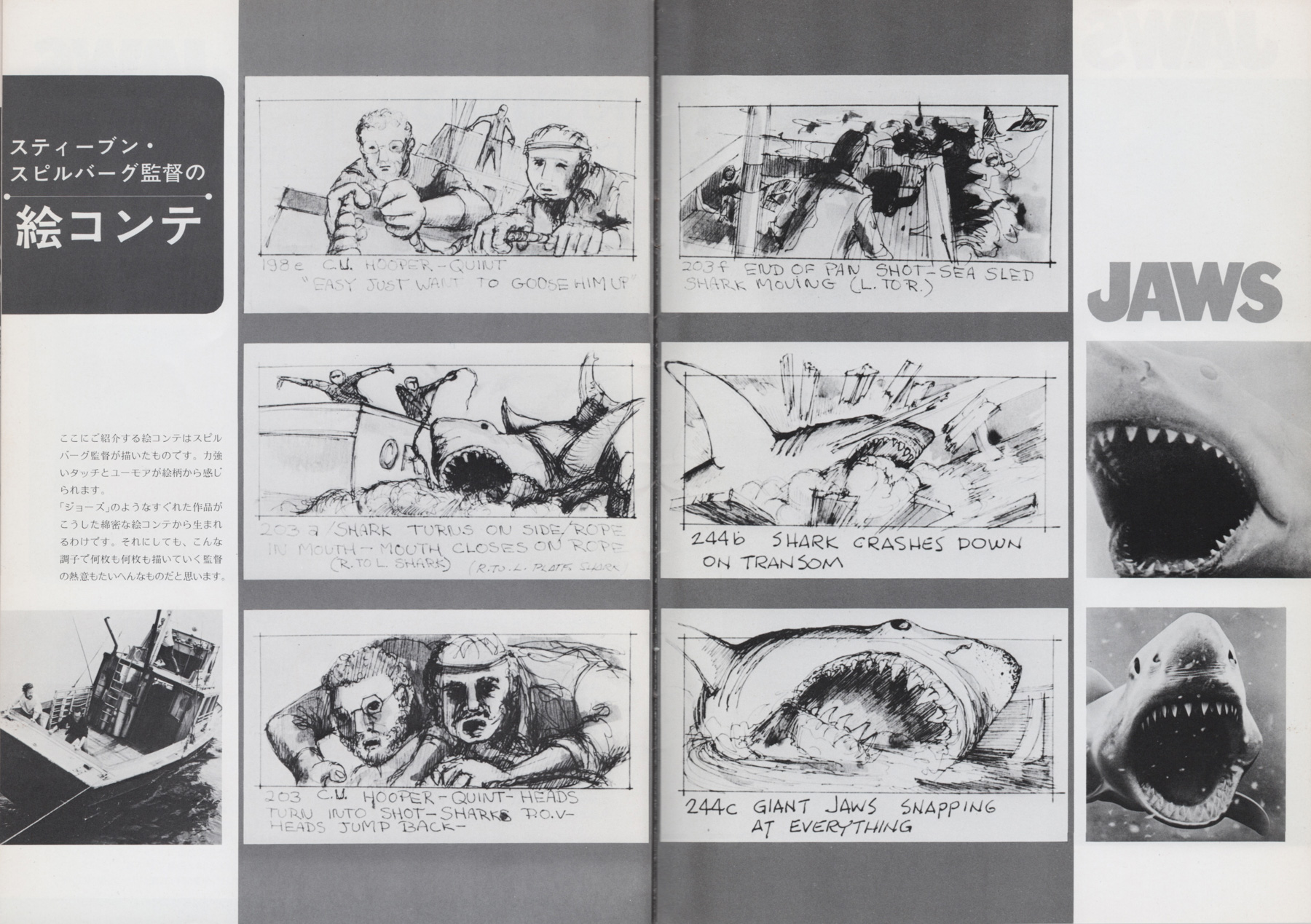
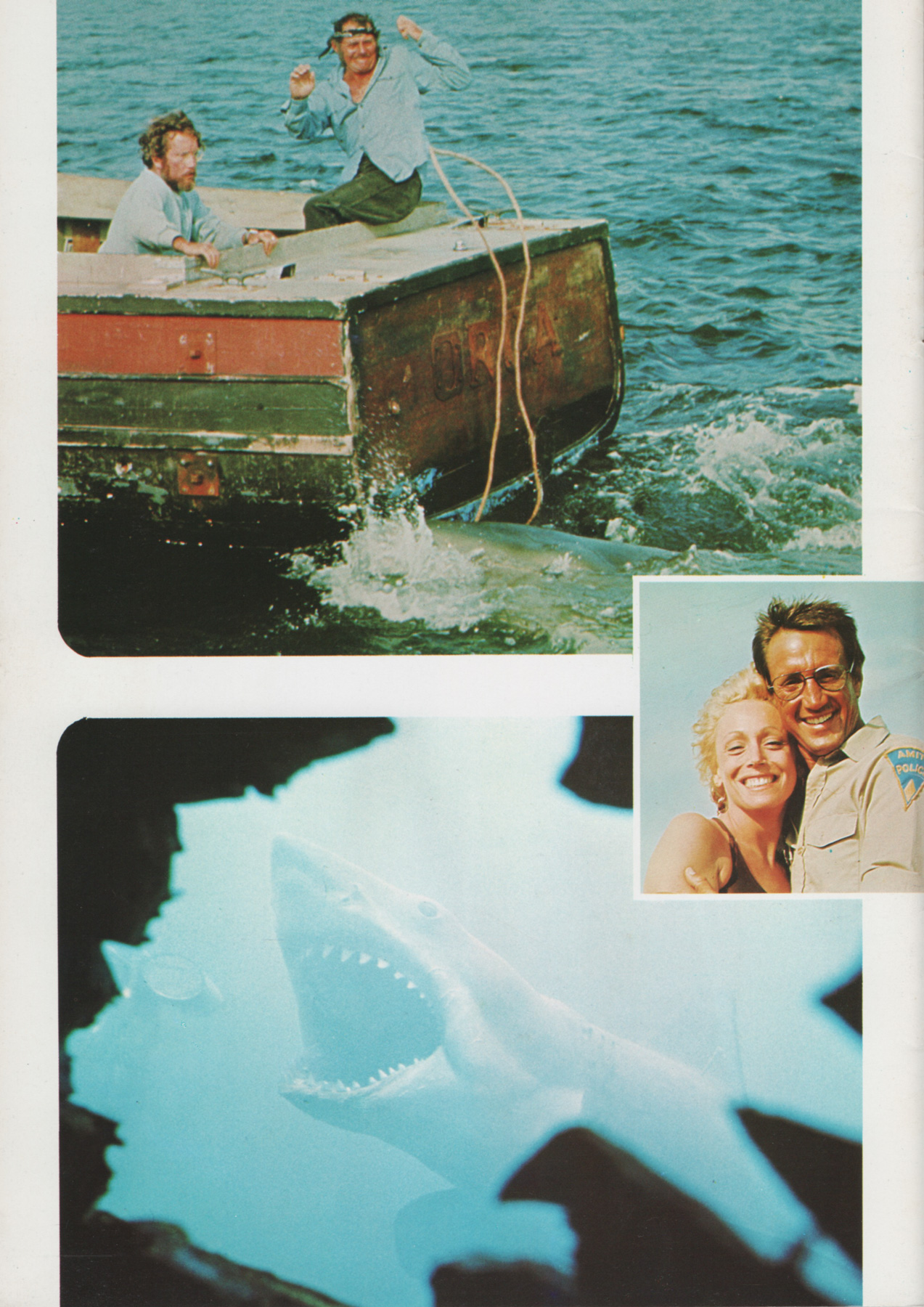
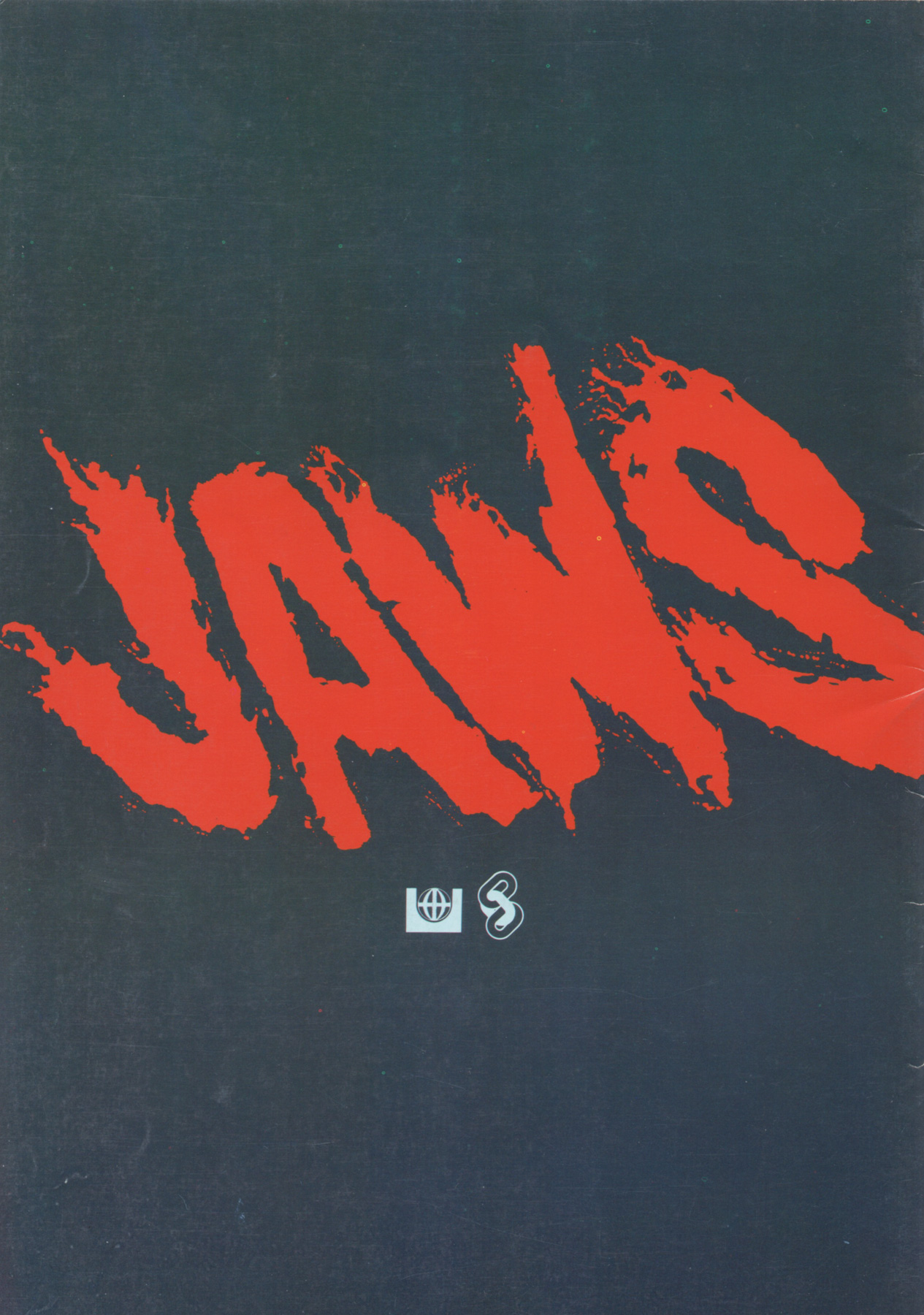
This is the original cinema program that was sold at Japanese screenings of Steven Spielberg’s classic 1975 horror, Jaws. The instantly recognisable image was painted by the American artist Roger Kastel and was originally commissioned for the paperback cover of Peter Benchley’s novel, but when Universal saw the artwork they bought the rights to use it for the poster and following the worldwide success of the film it would go onto become one of the most imitated and parodied images of all time, as well as a merchandising product in its own right. Kastel also painted the ‘Gone with the Wind’ style one sheet for The Empire Strikes Back. Check out his official site here.

I also have the original US one sheet which can be seen on my site here.

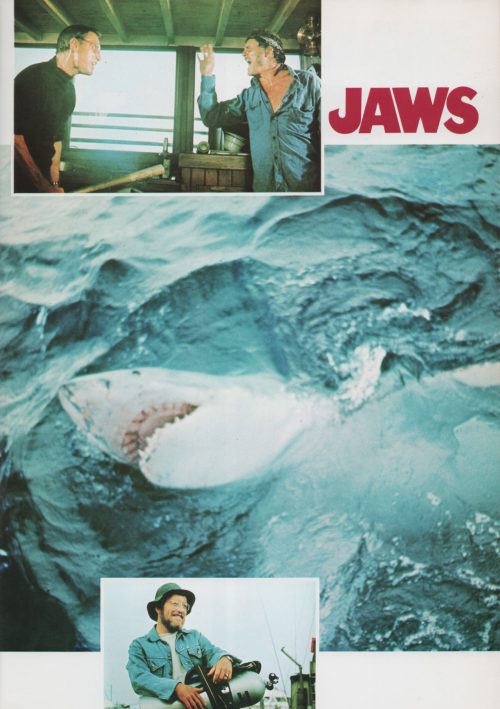
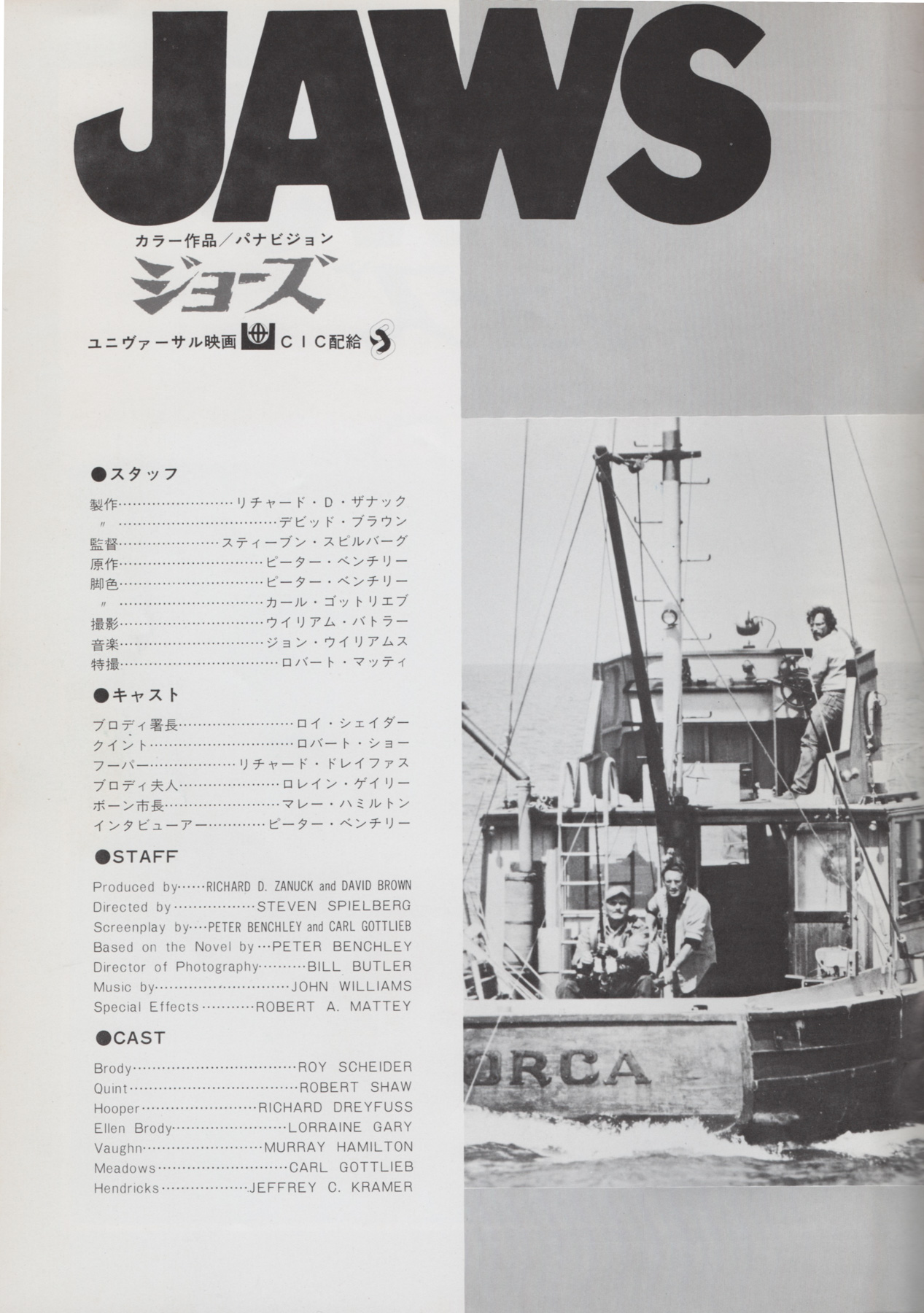
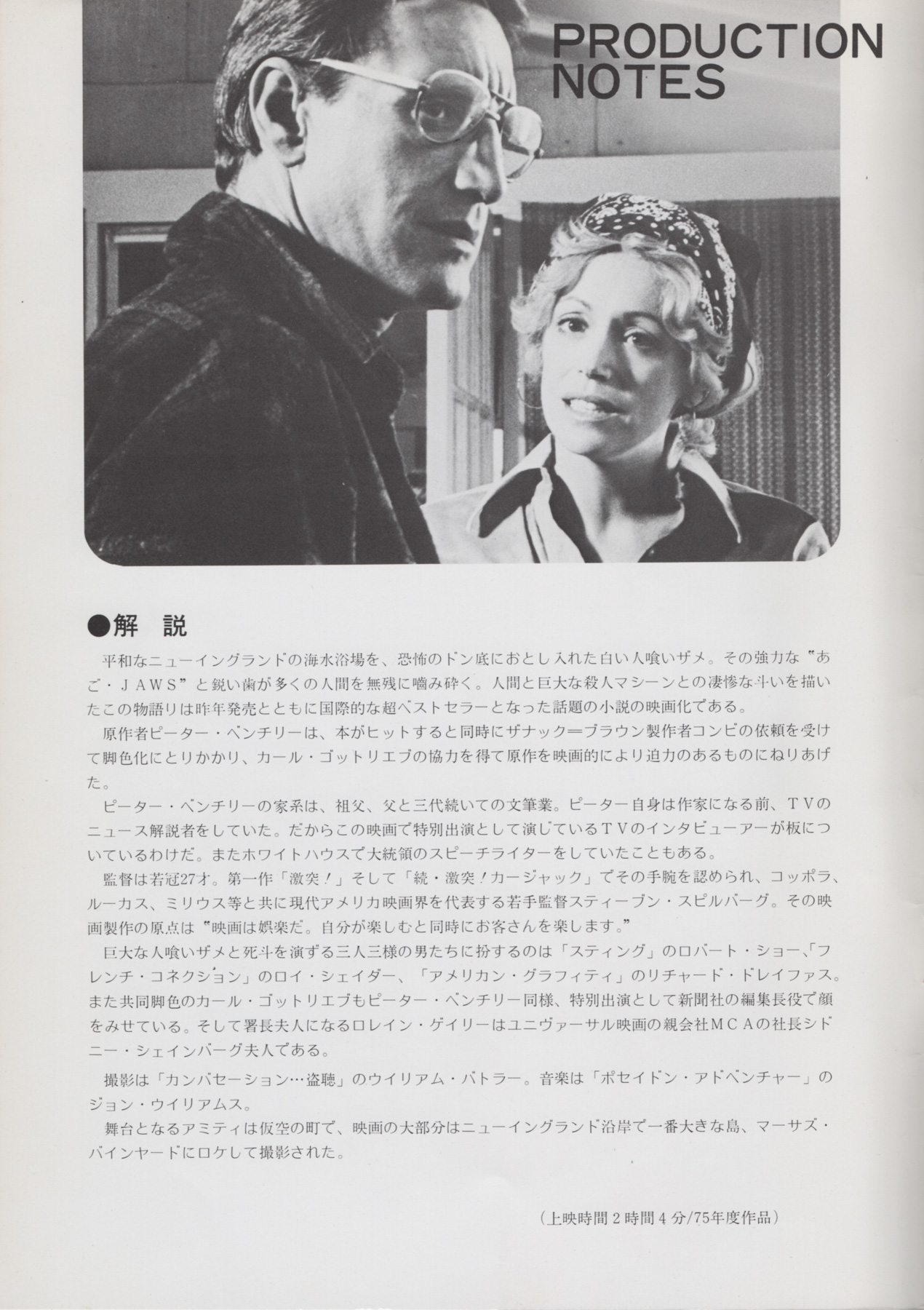
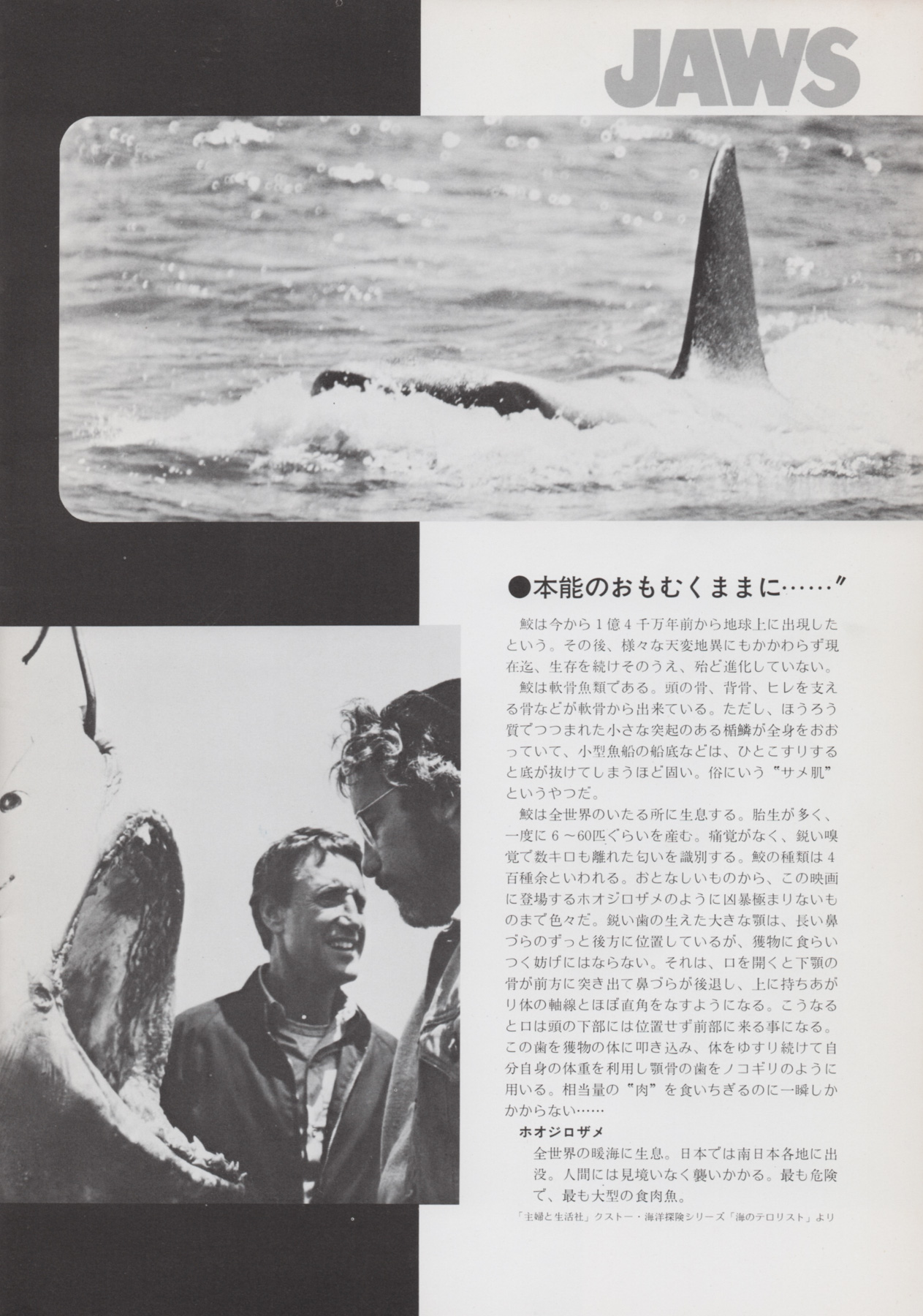
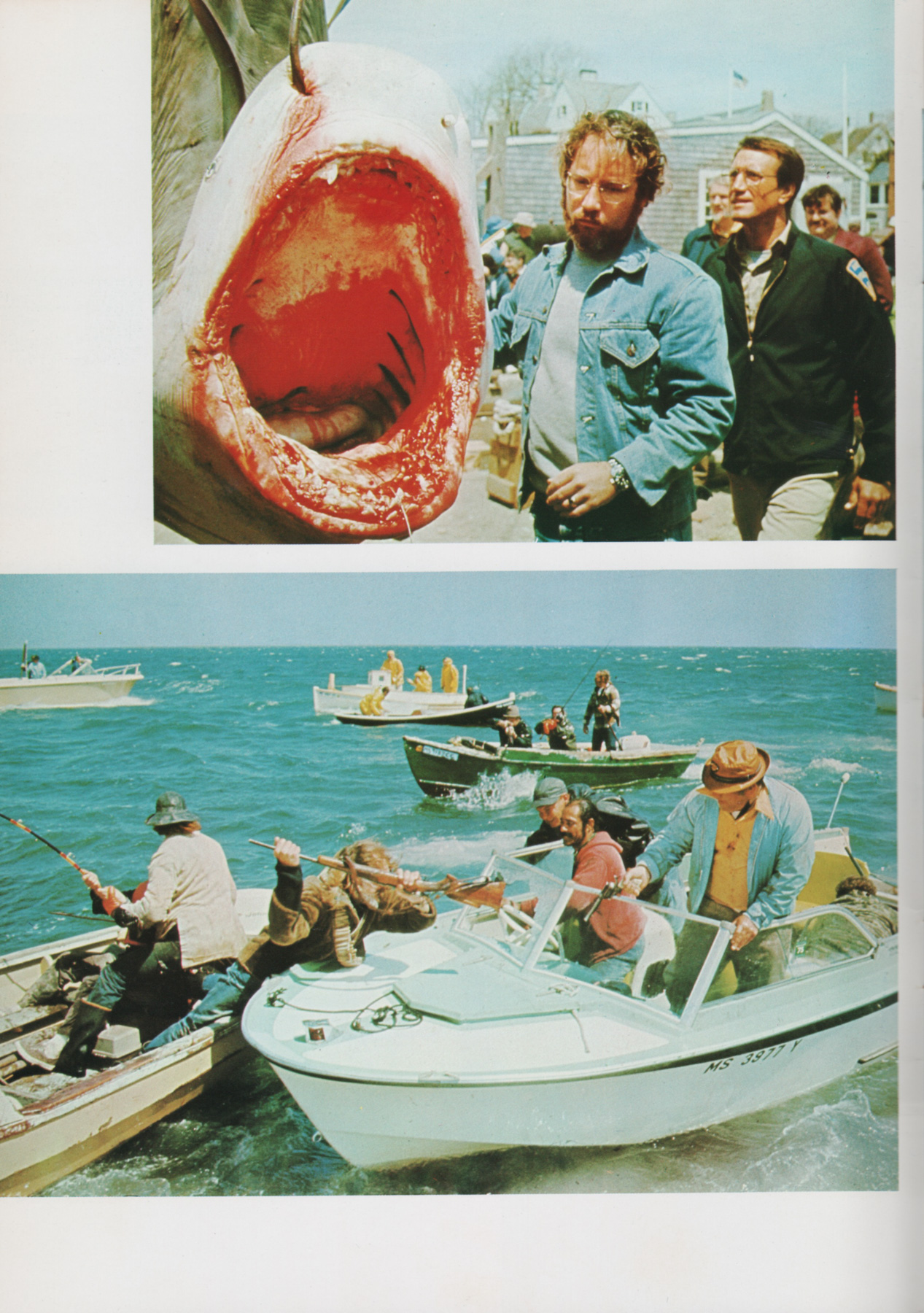
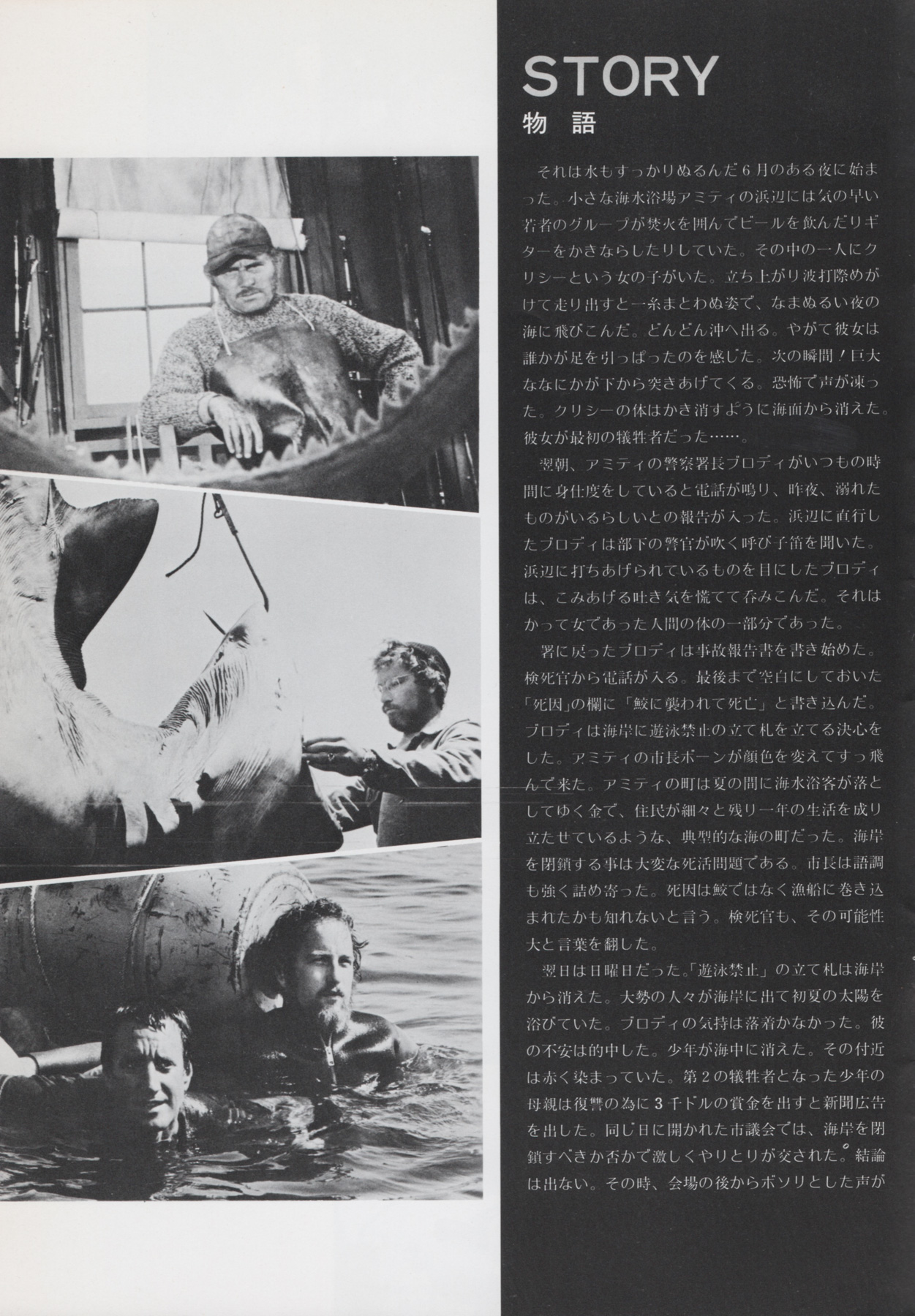
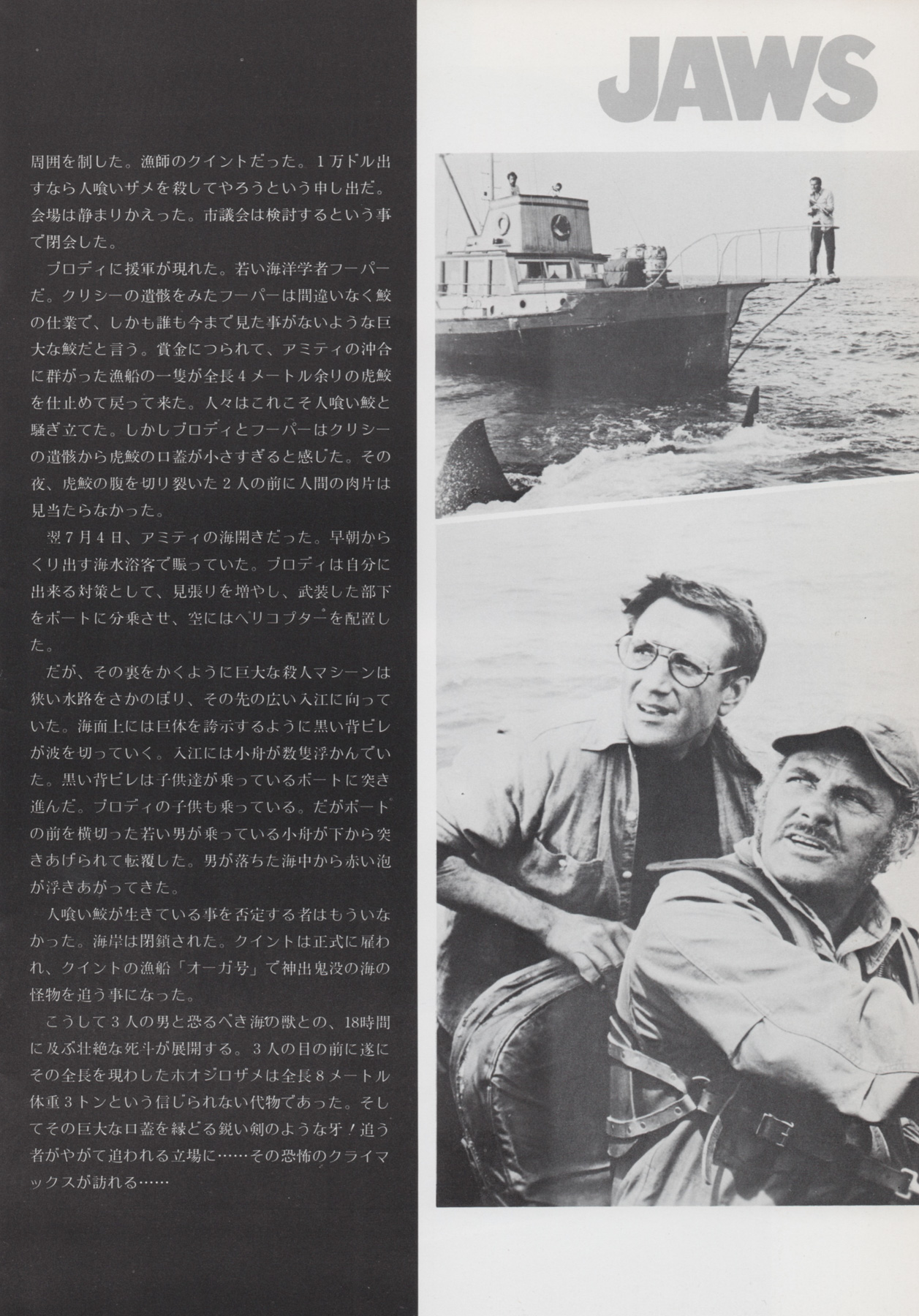
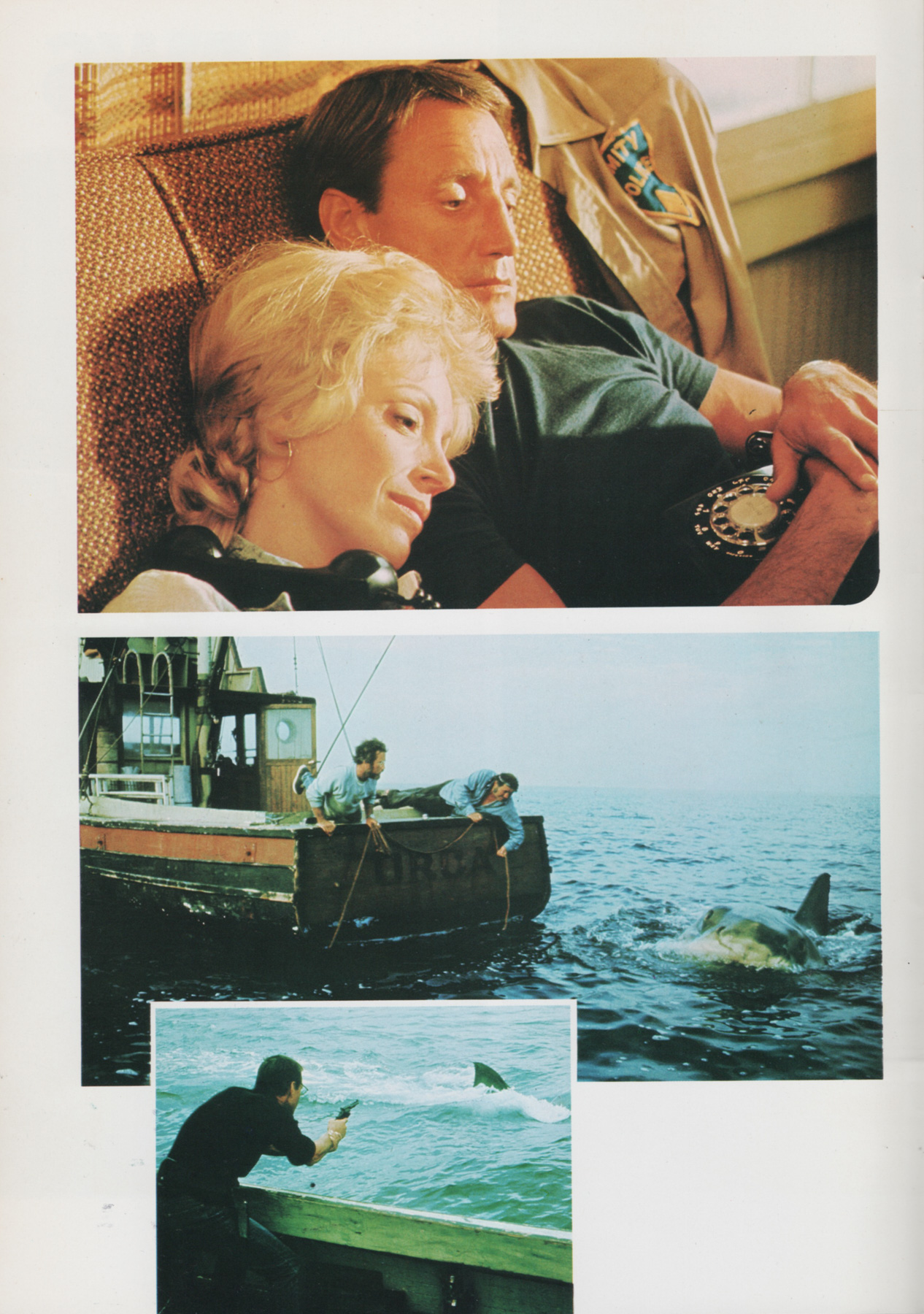
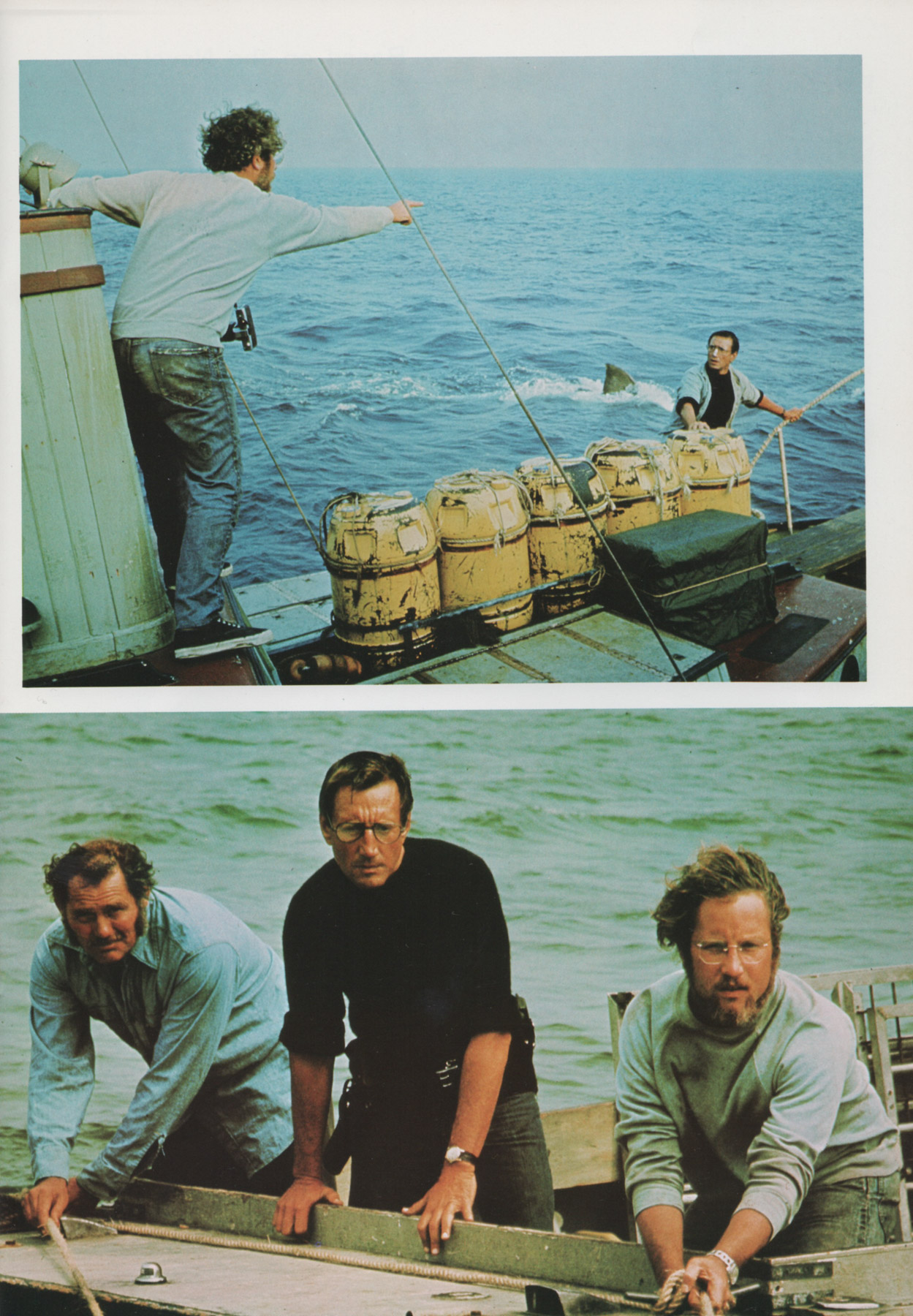
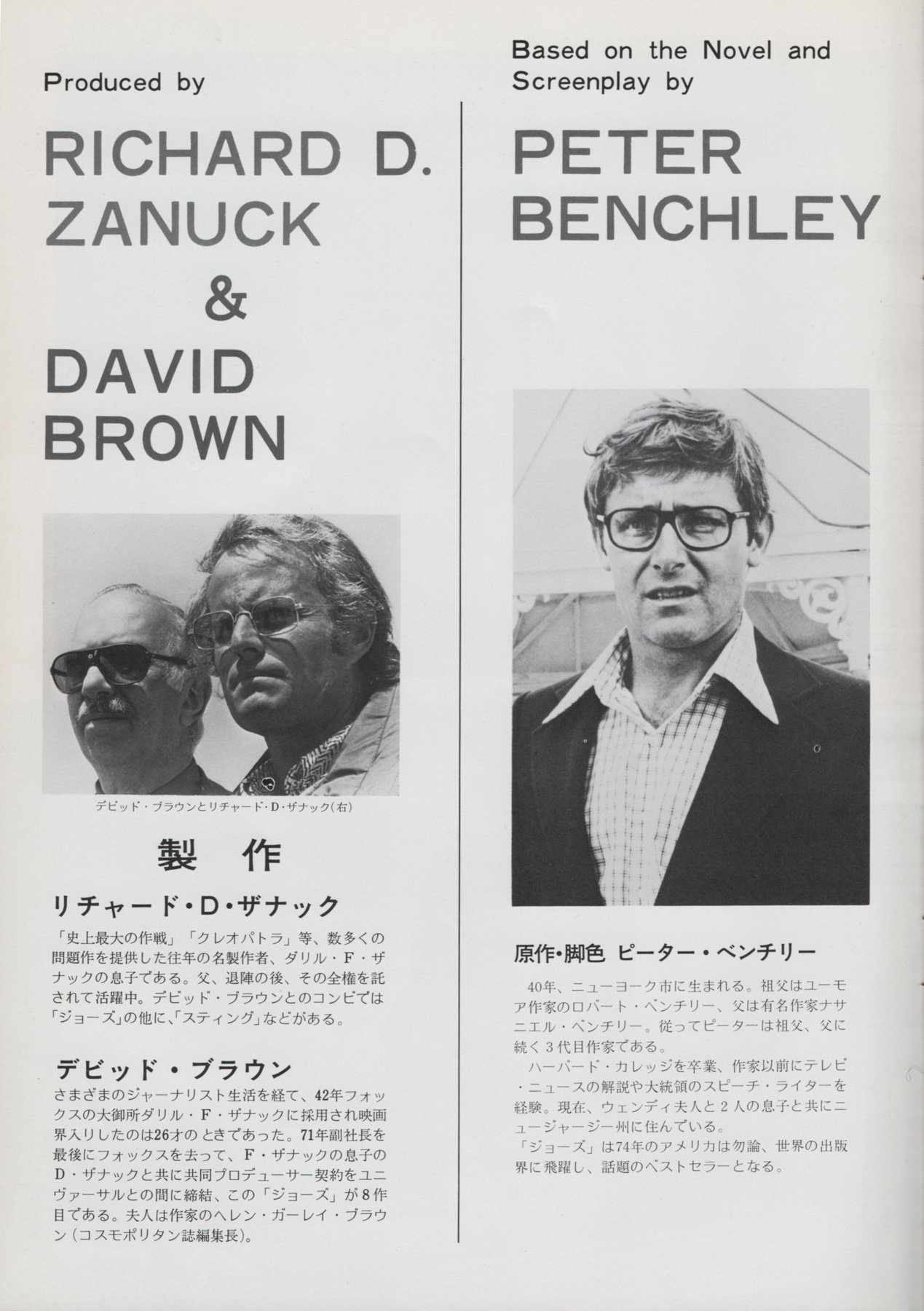
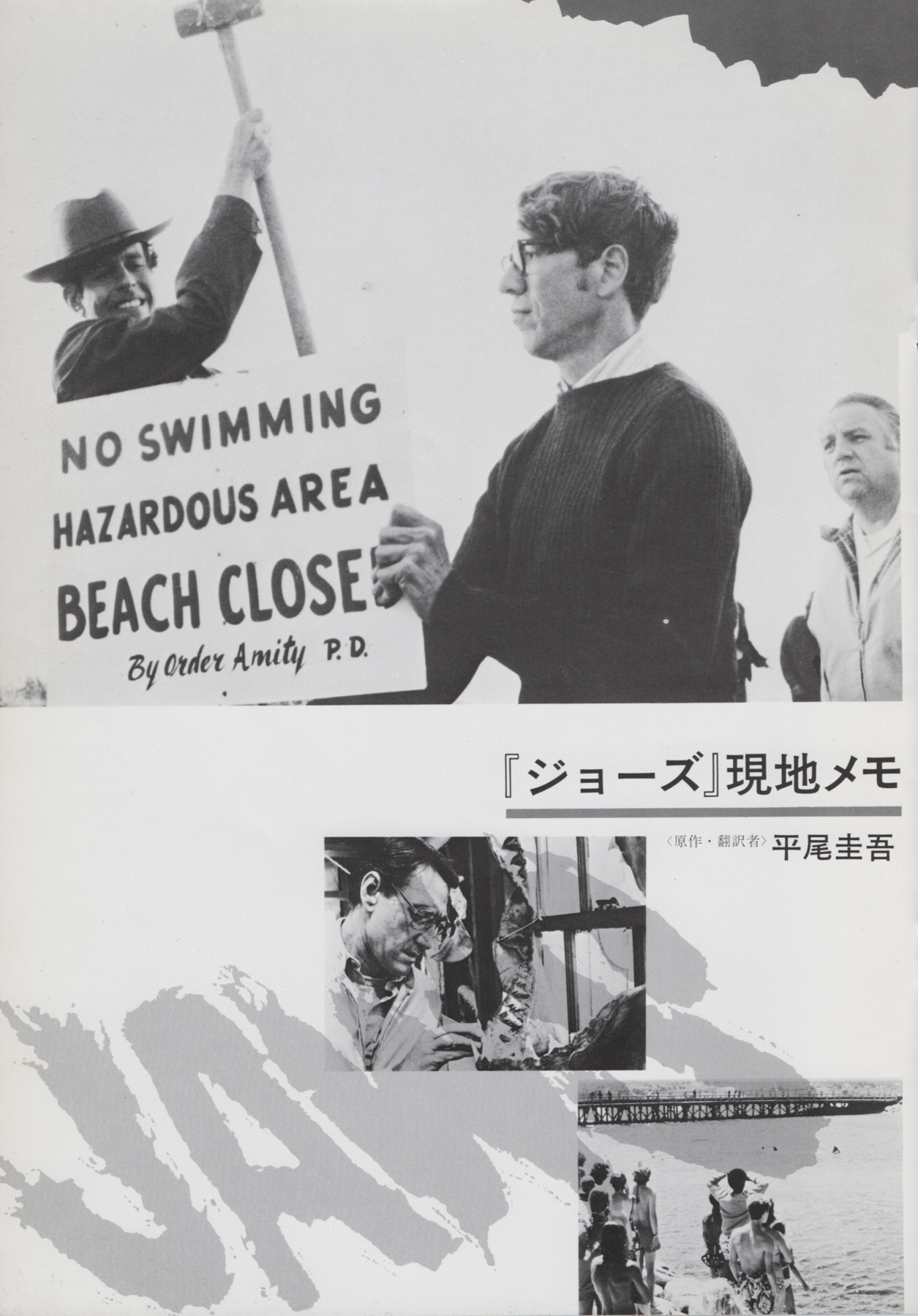
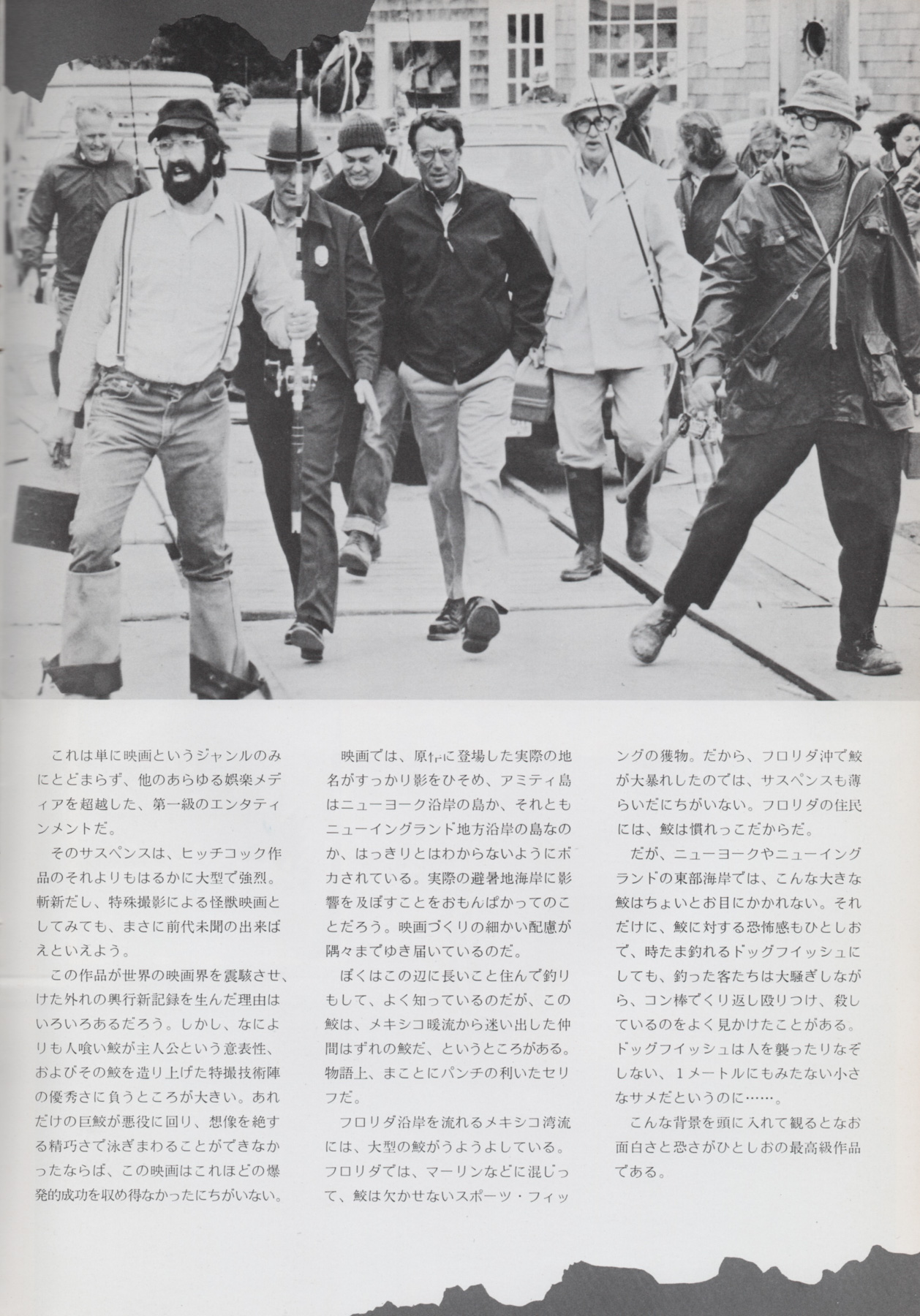
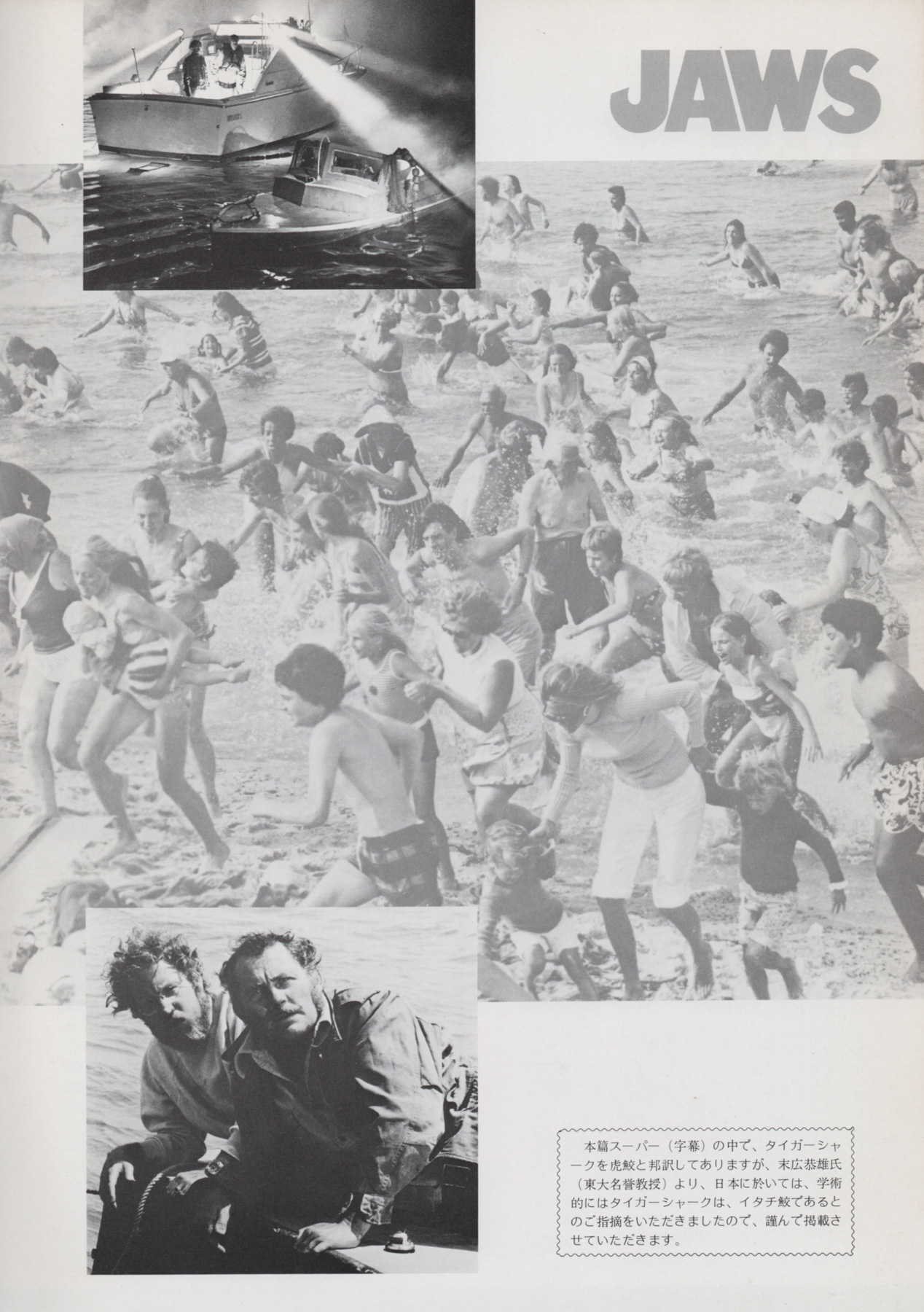
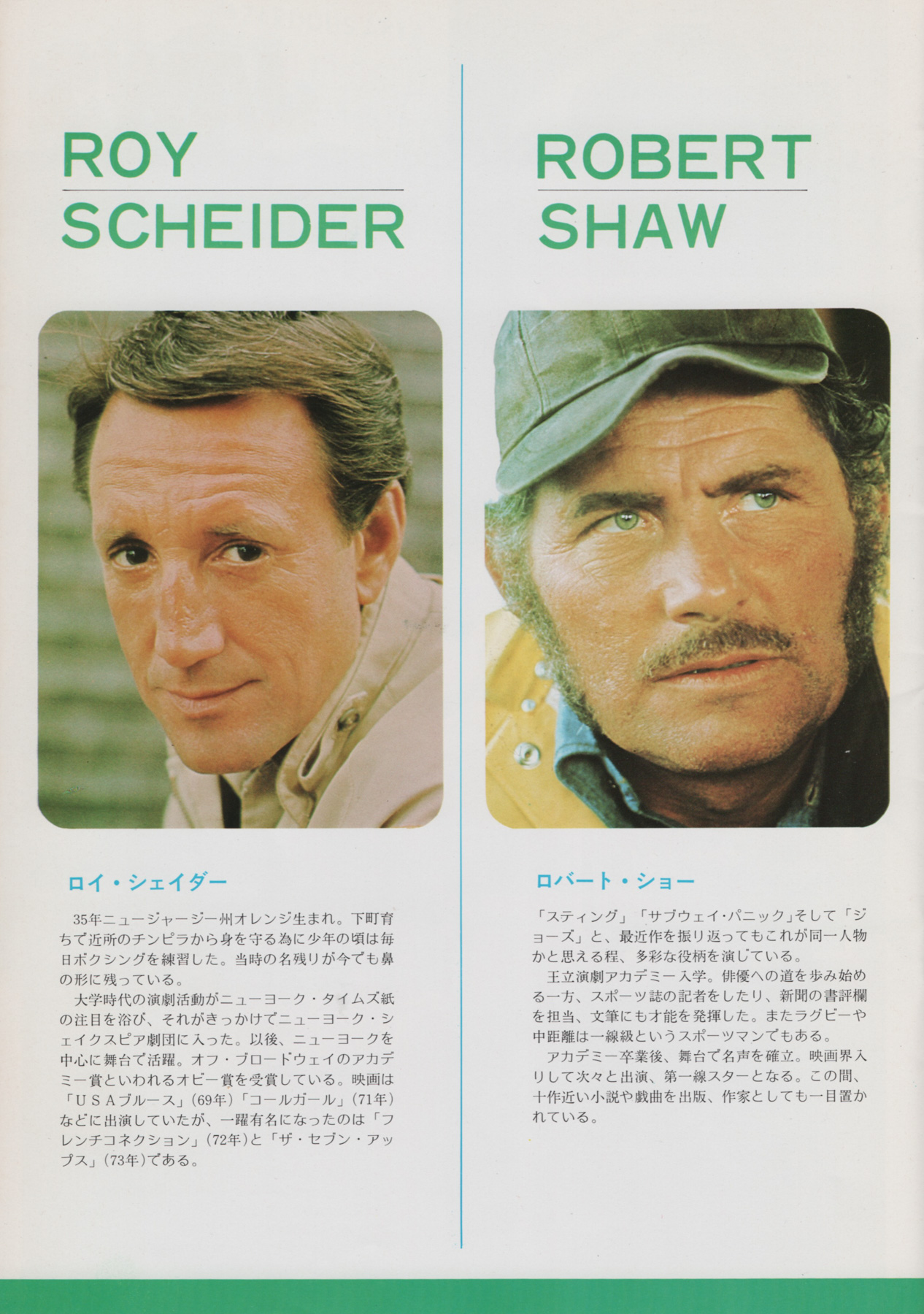
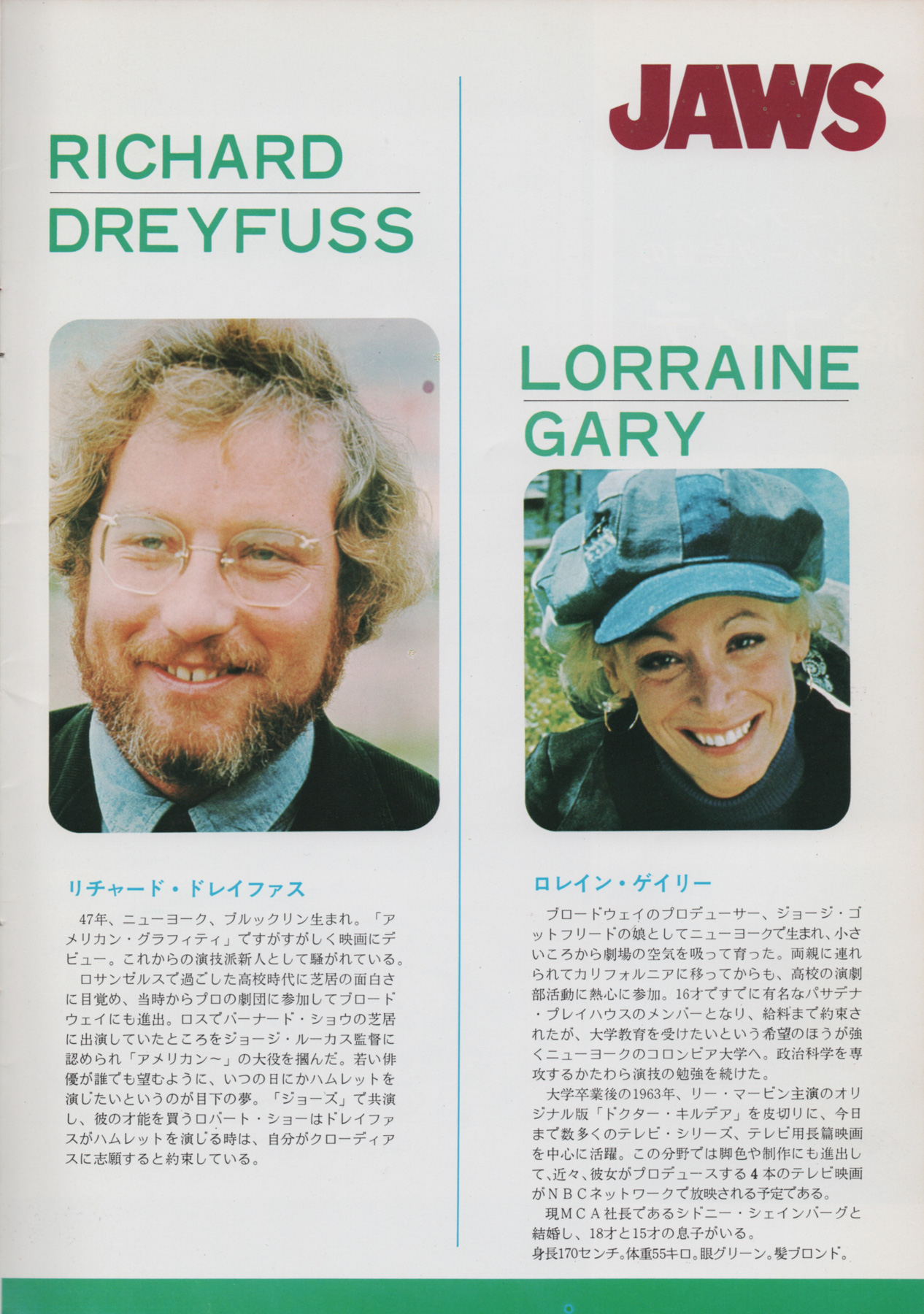
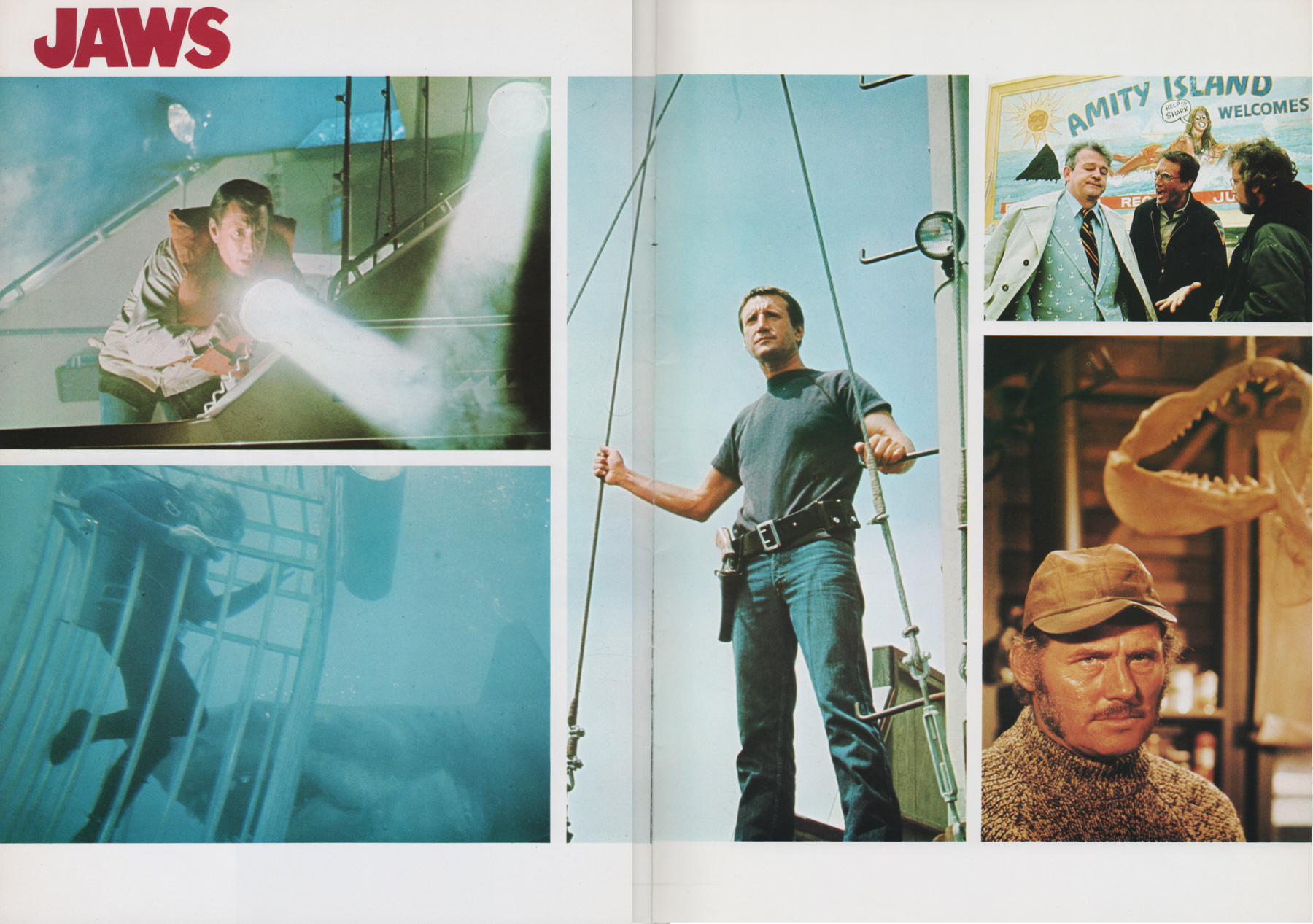
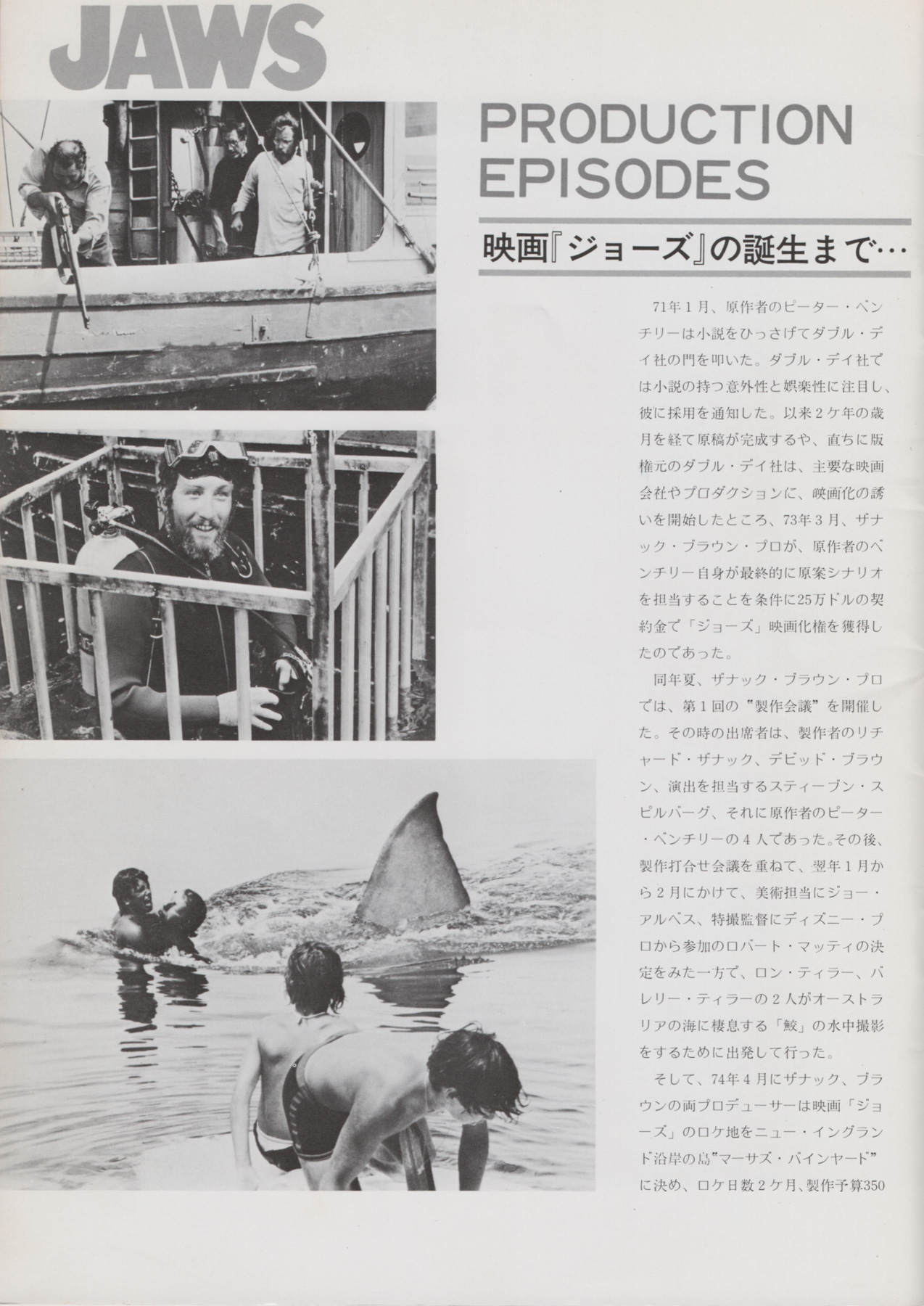
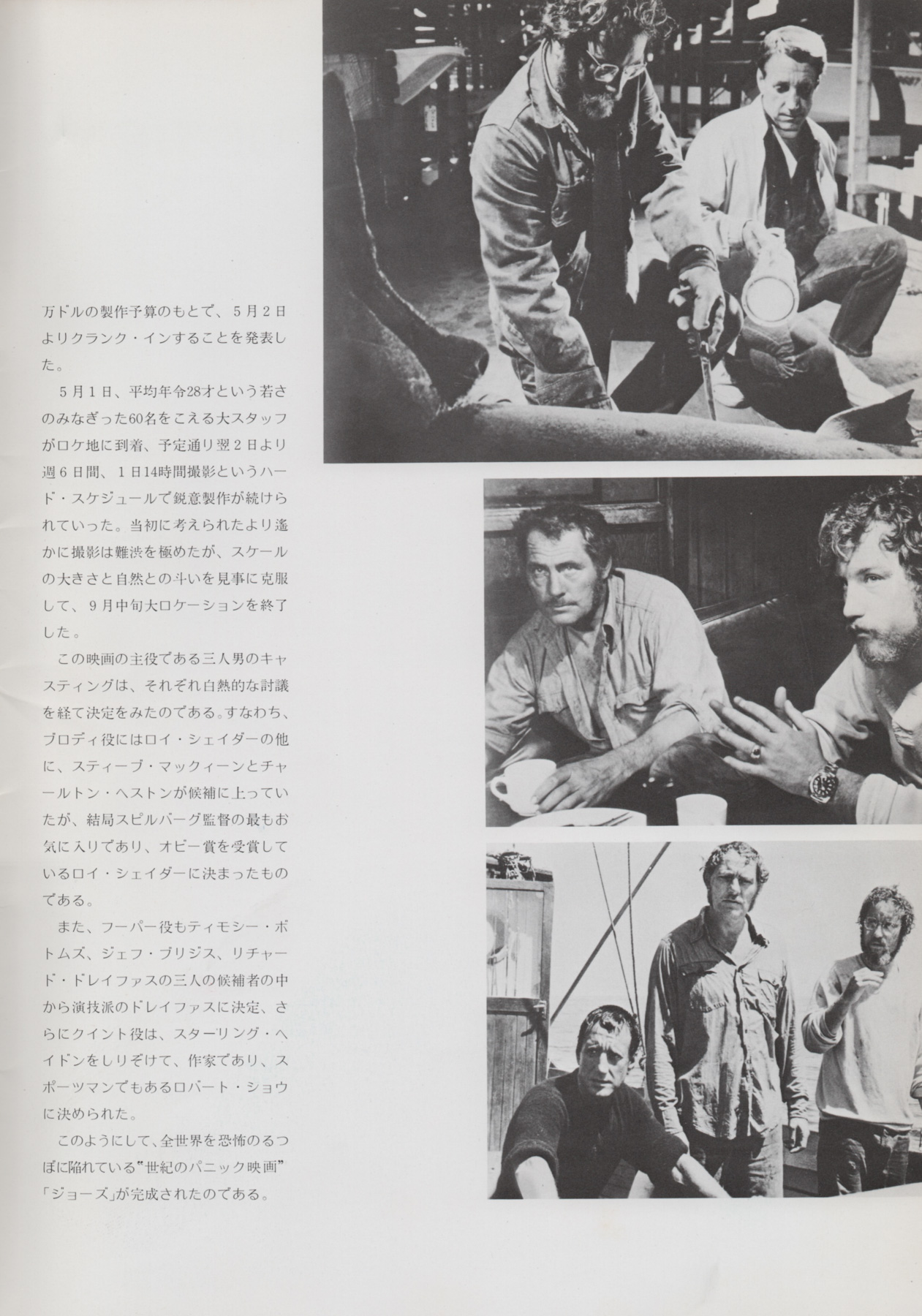
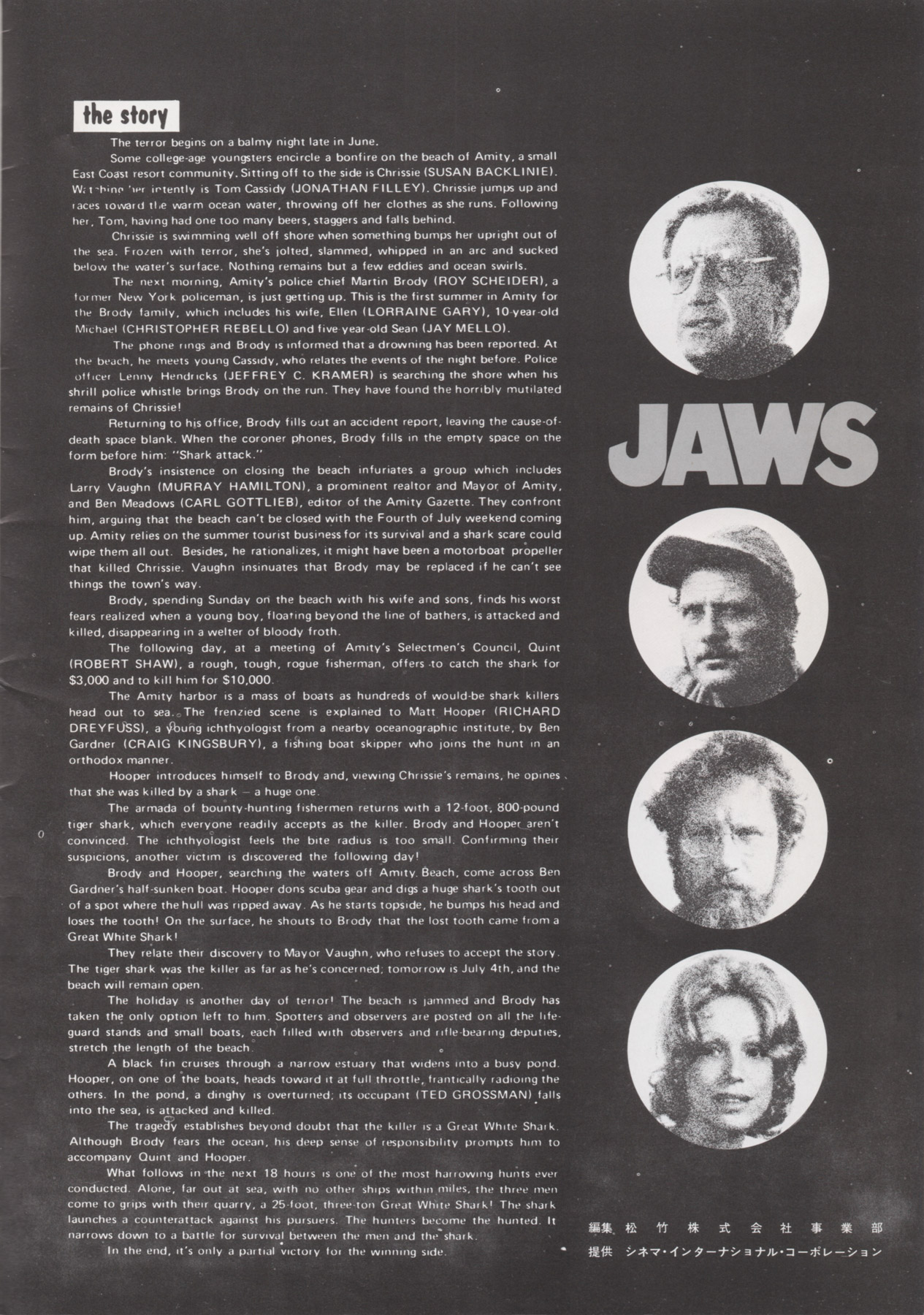
Note that this program features images of and details about the production, the director and several of the actors. It also includes a hand-written message especially for Japanese ‘movie buffs’.

Star Wars / B1 / artwork style / Japan

23.09.12

Poster Poster
Title
Star Wars
AKA
Star Wars: Episode IV - A New Hope (full title) | La guerre des étoiles (Canada - French title / France)
Year of Film
1977
Director
George Lucas
Starring
Mark Hamill, Harrison Ford, Carrie Fisher, David Prowse, Peter Cushing, Alec Guinness, Anthony Daniels, Kenny Baker, Peter Mayhew
Origin of Film
USA
Genre(s) of Film
Mark Hamill, Harrison Ford, Carrie Fisher, David Prowse, Peter Cushing, Alec Guinness, Anthony Daniels, Kenny Baker, Peter Mayhew,
Type of Poster
B1
Style of Poster
Artwork
Origin of Poster
Japan
Year of Poster
1978
Designer
Unknown
Artist
Seito
Size (inches)
28 13/16" x 40 8/16"
SS or DS
SS
Tagline
--

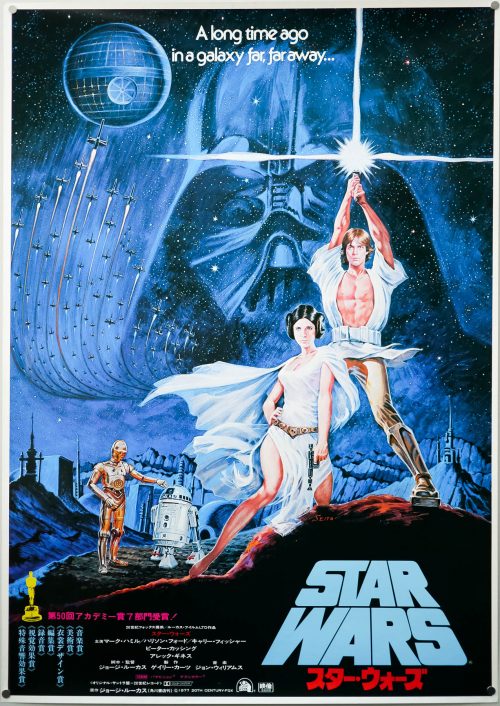
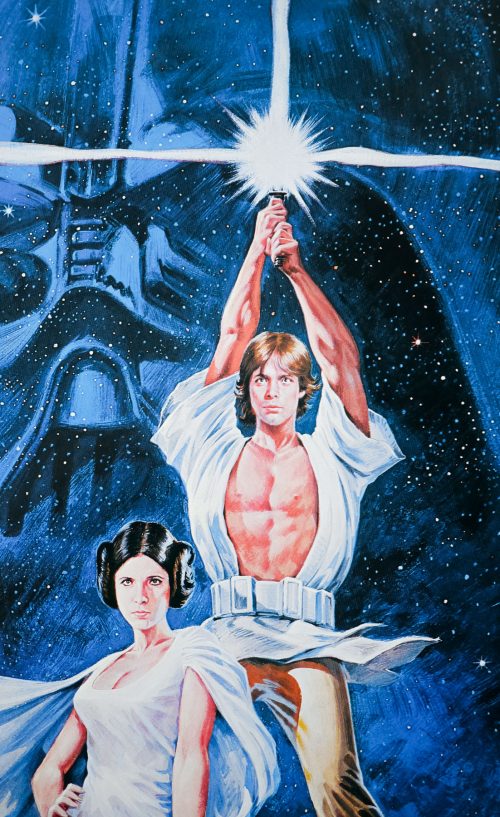
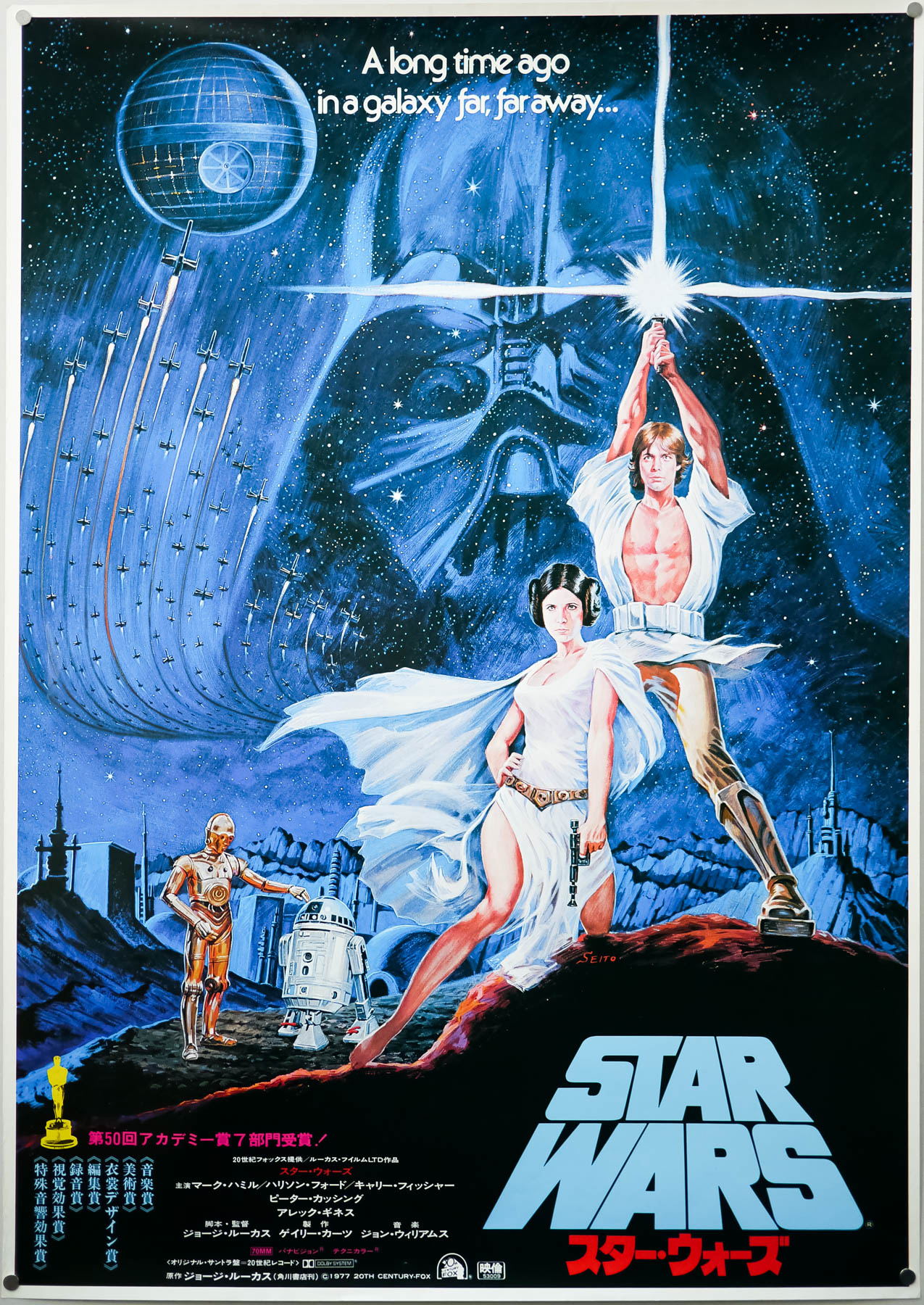
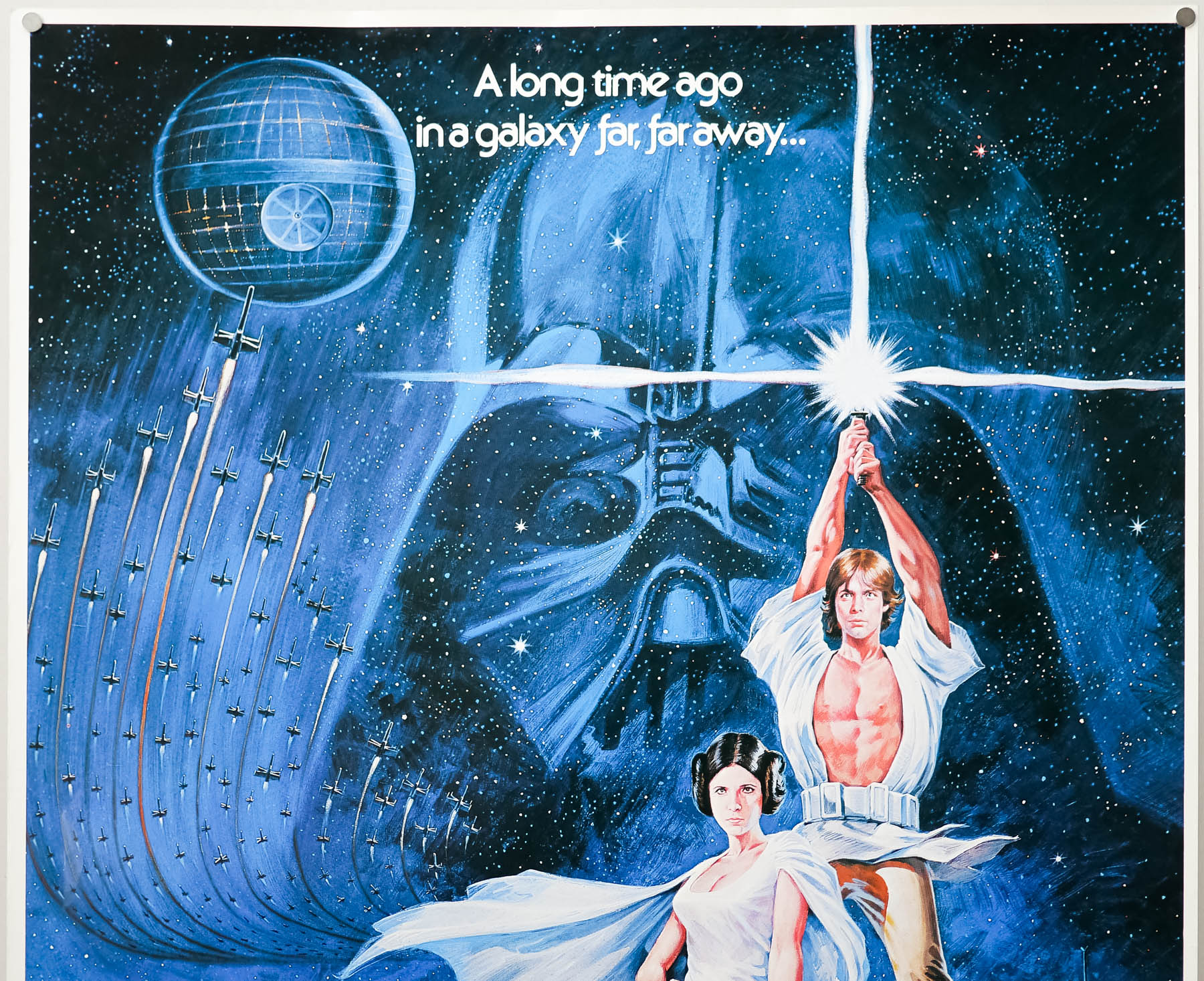
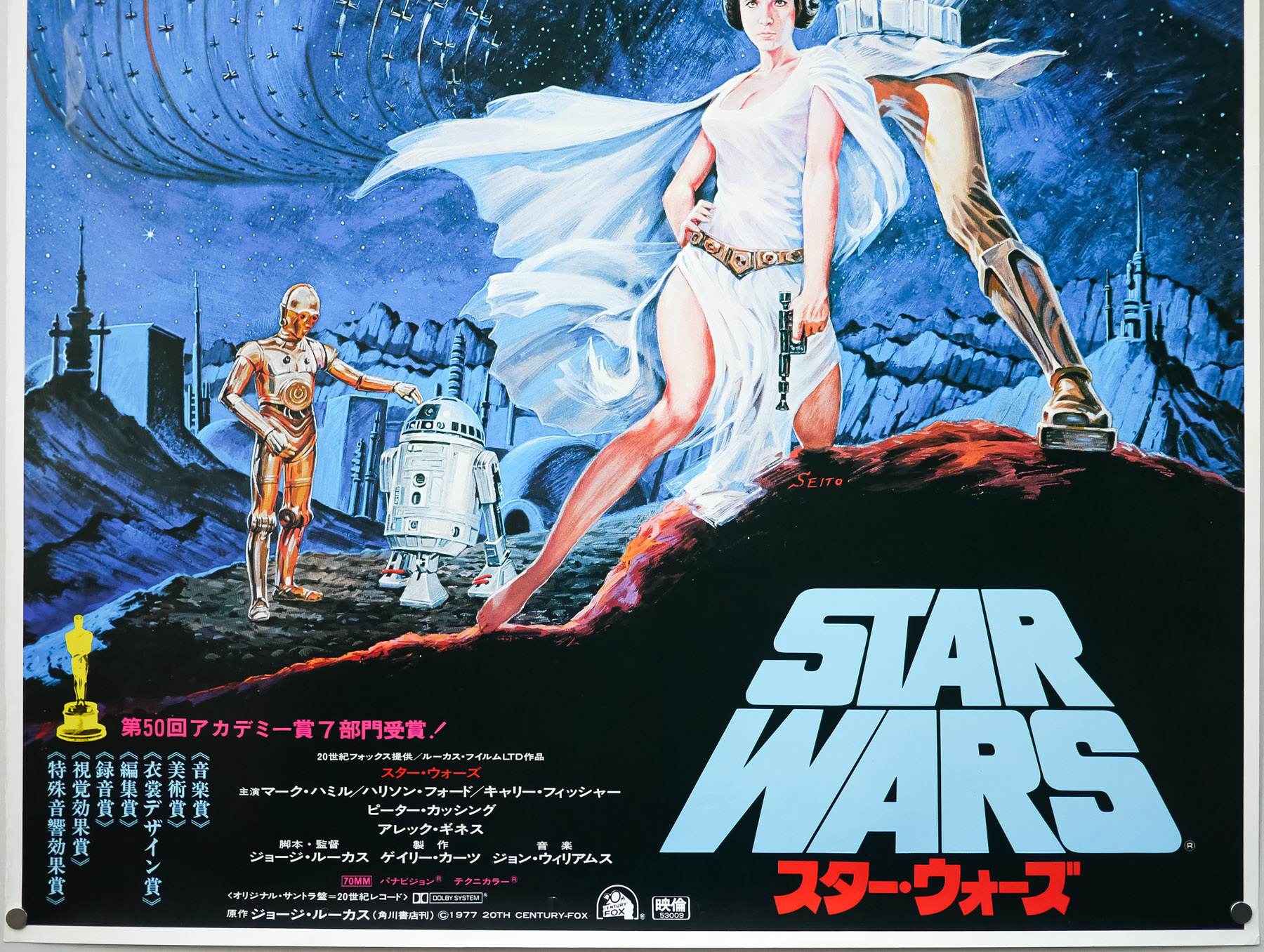
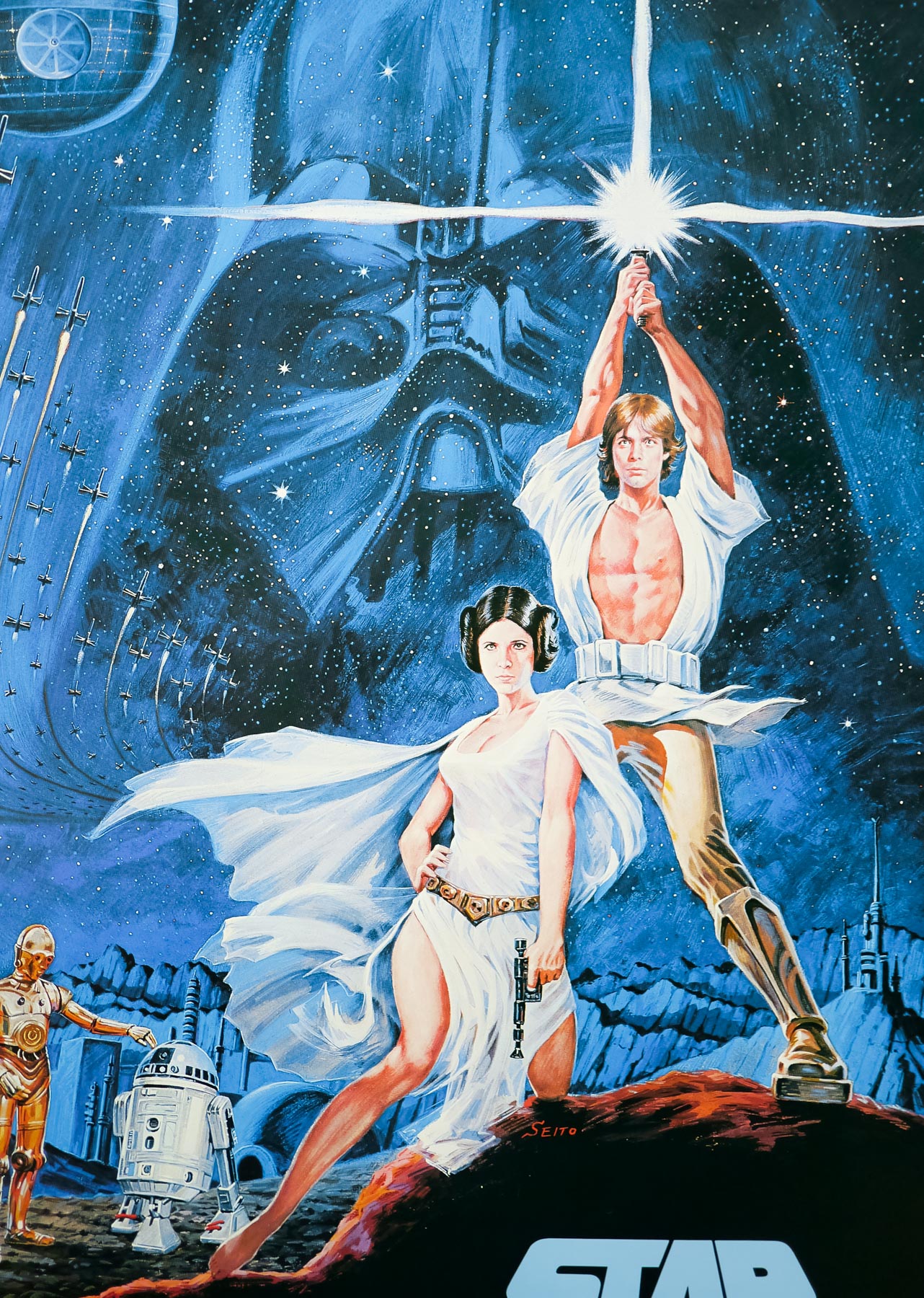
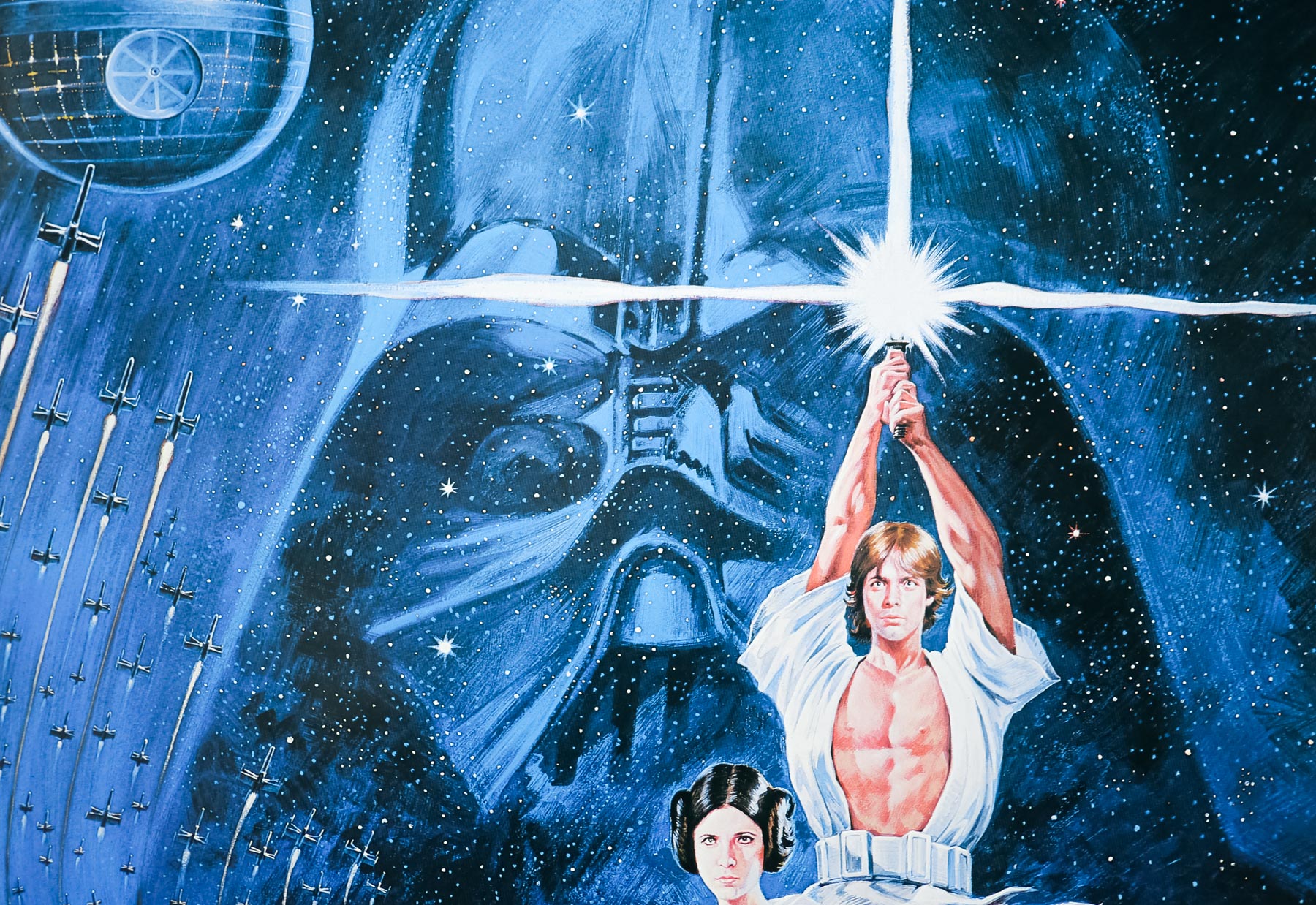
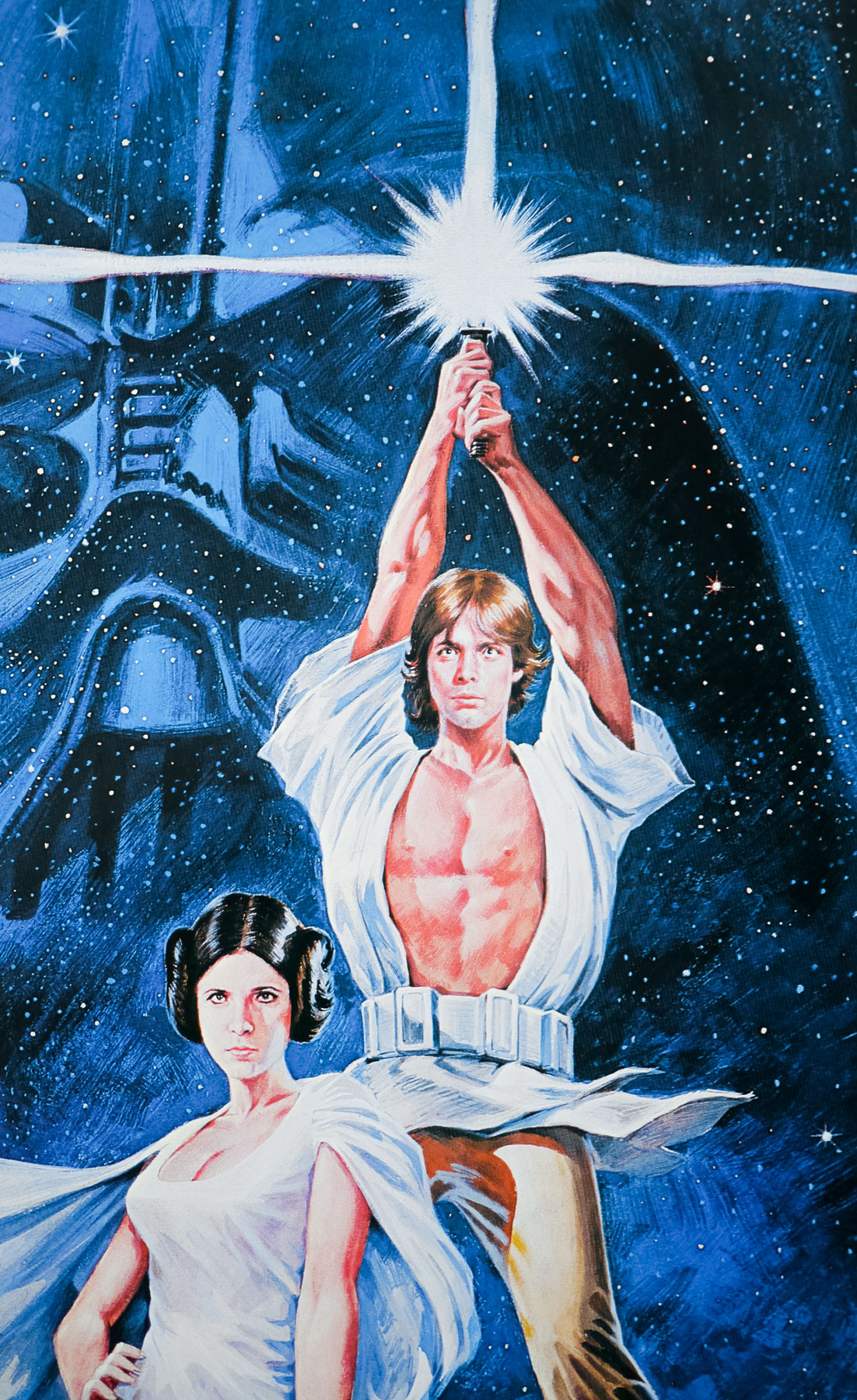
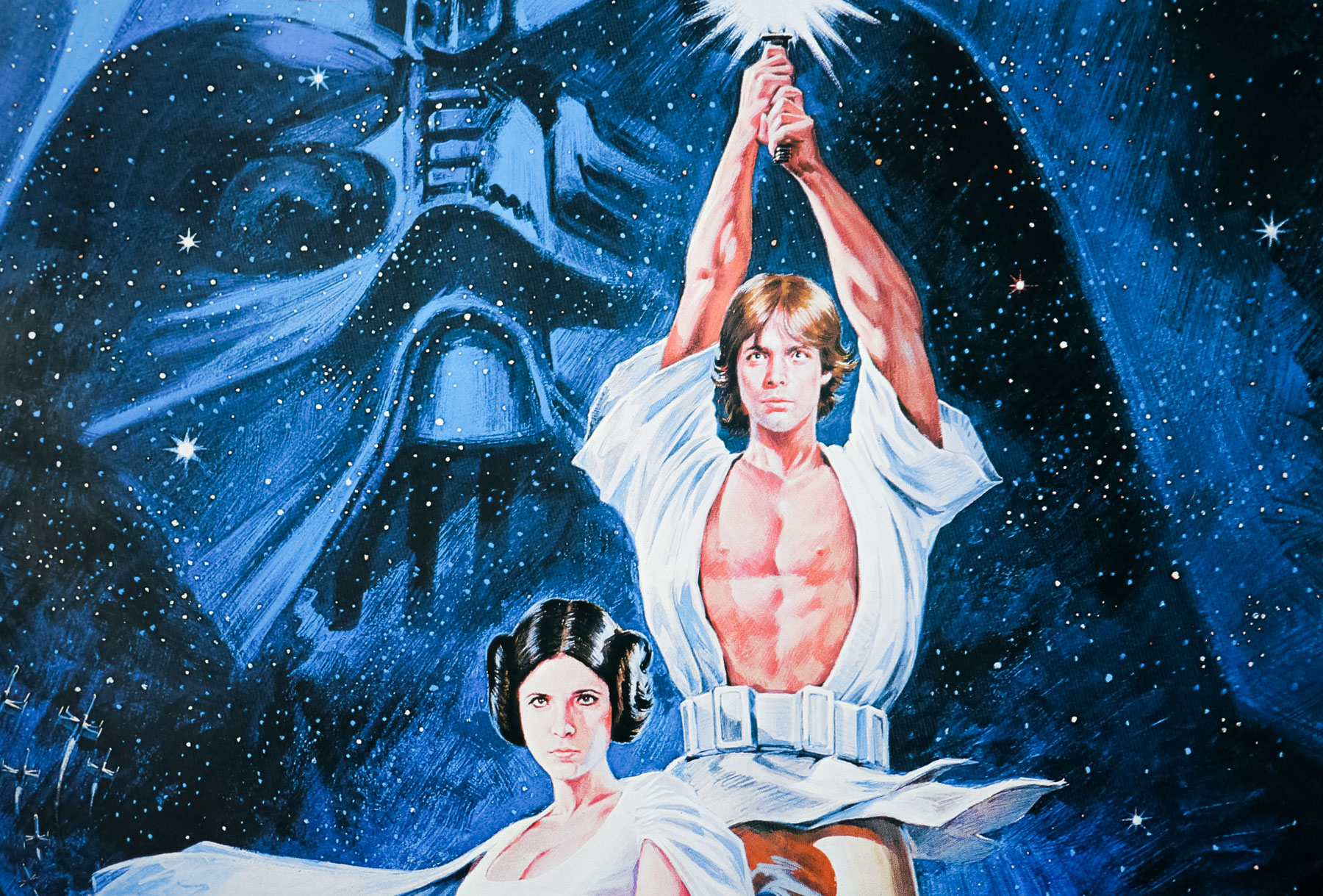
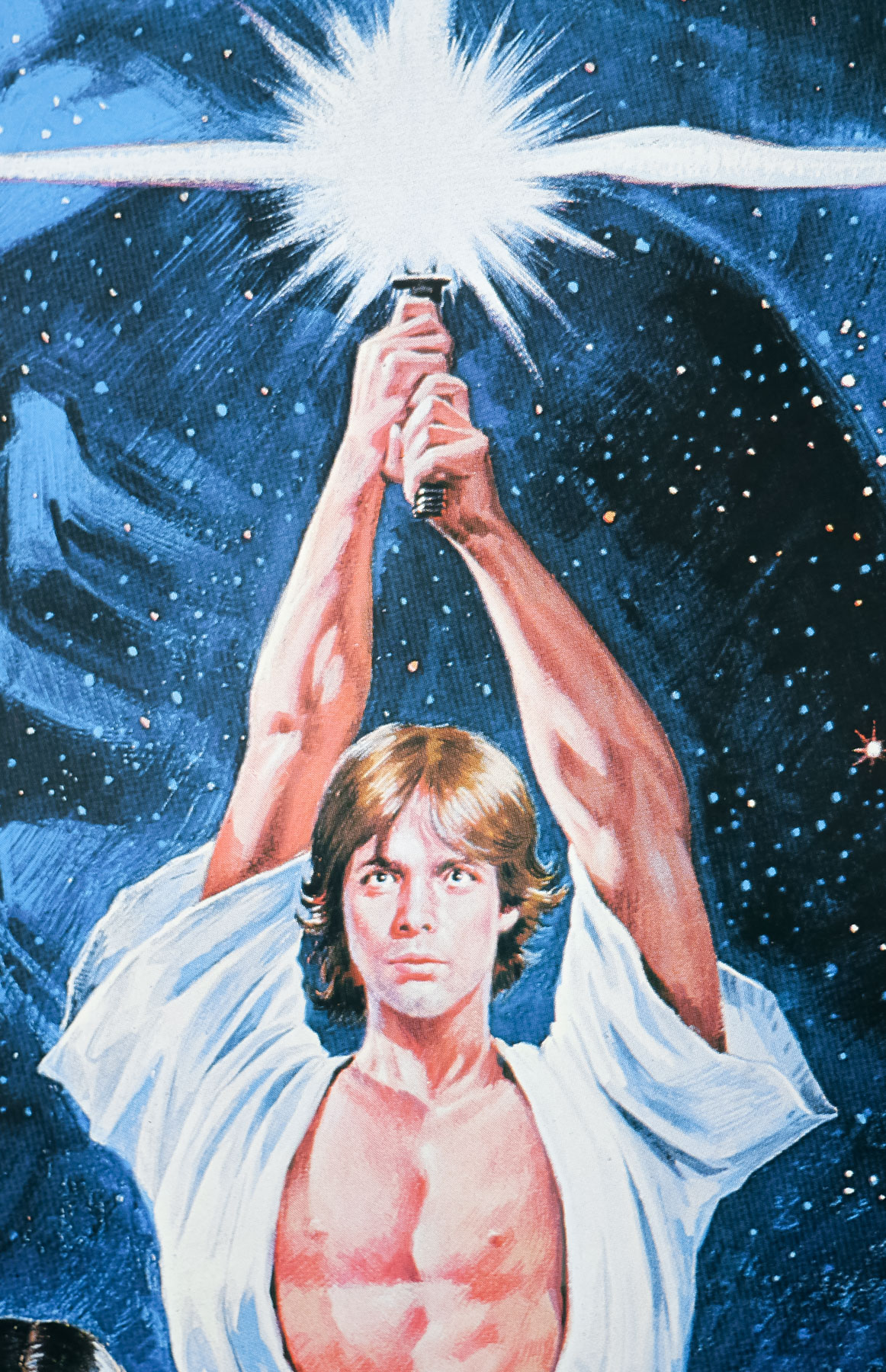
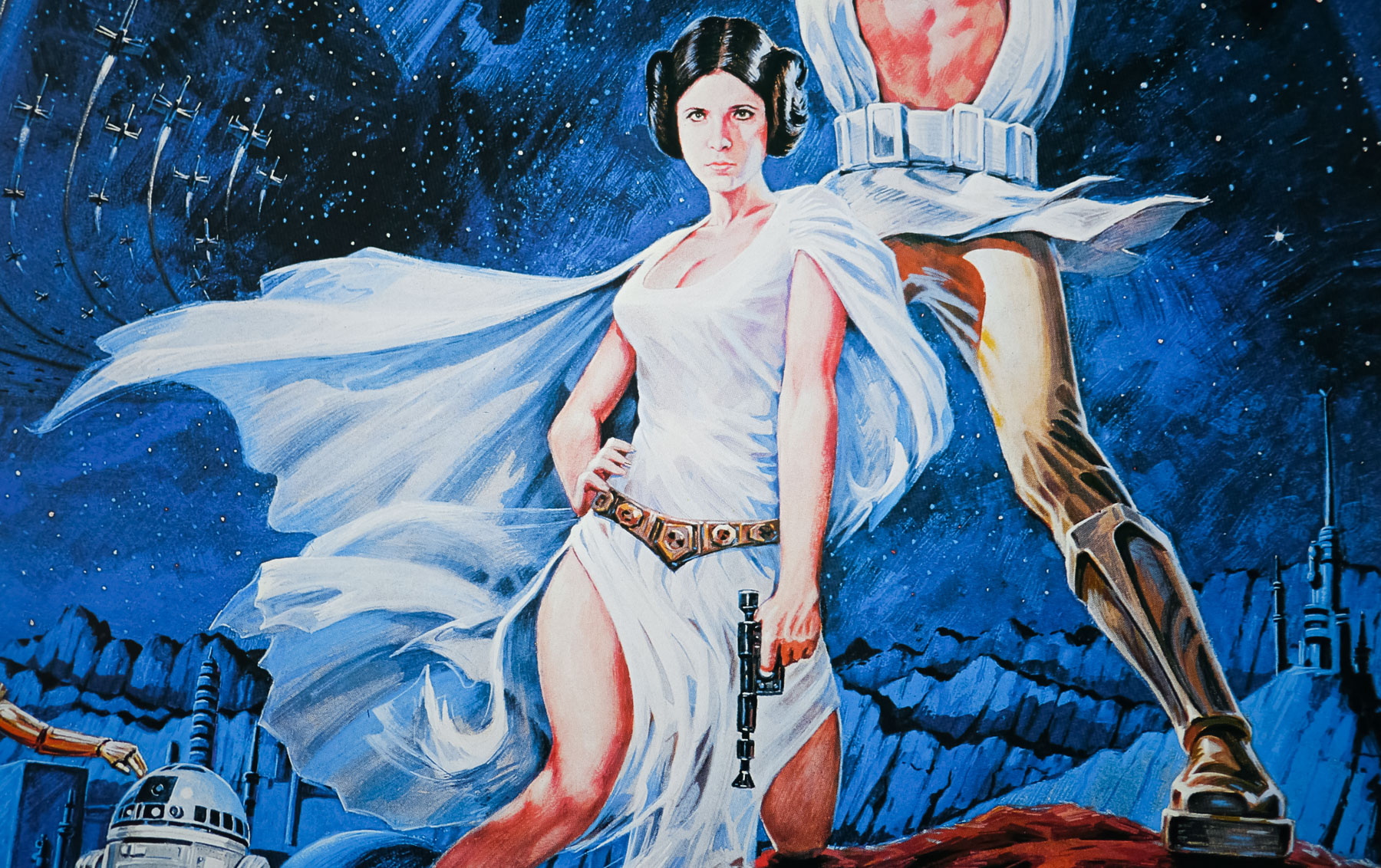
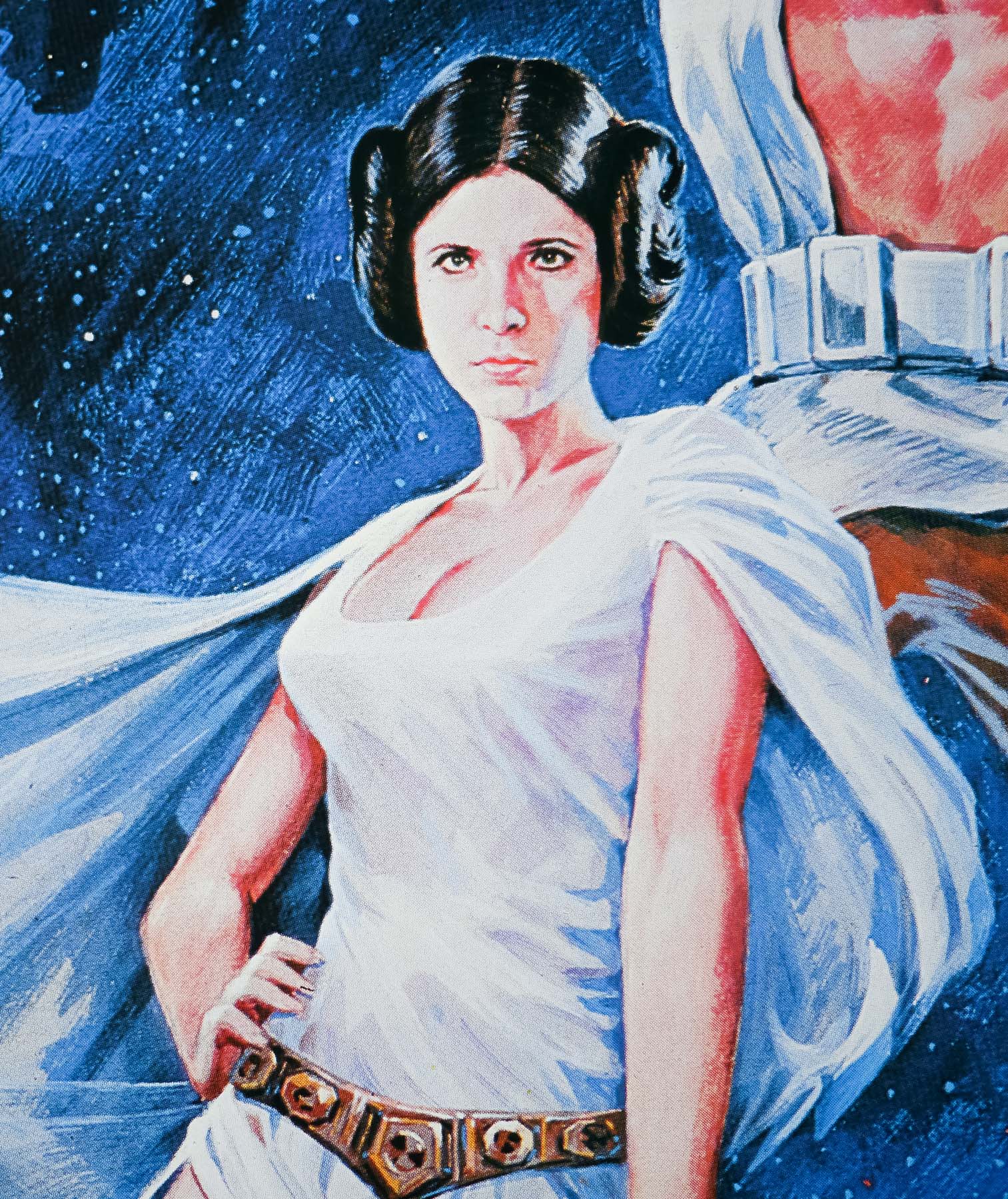
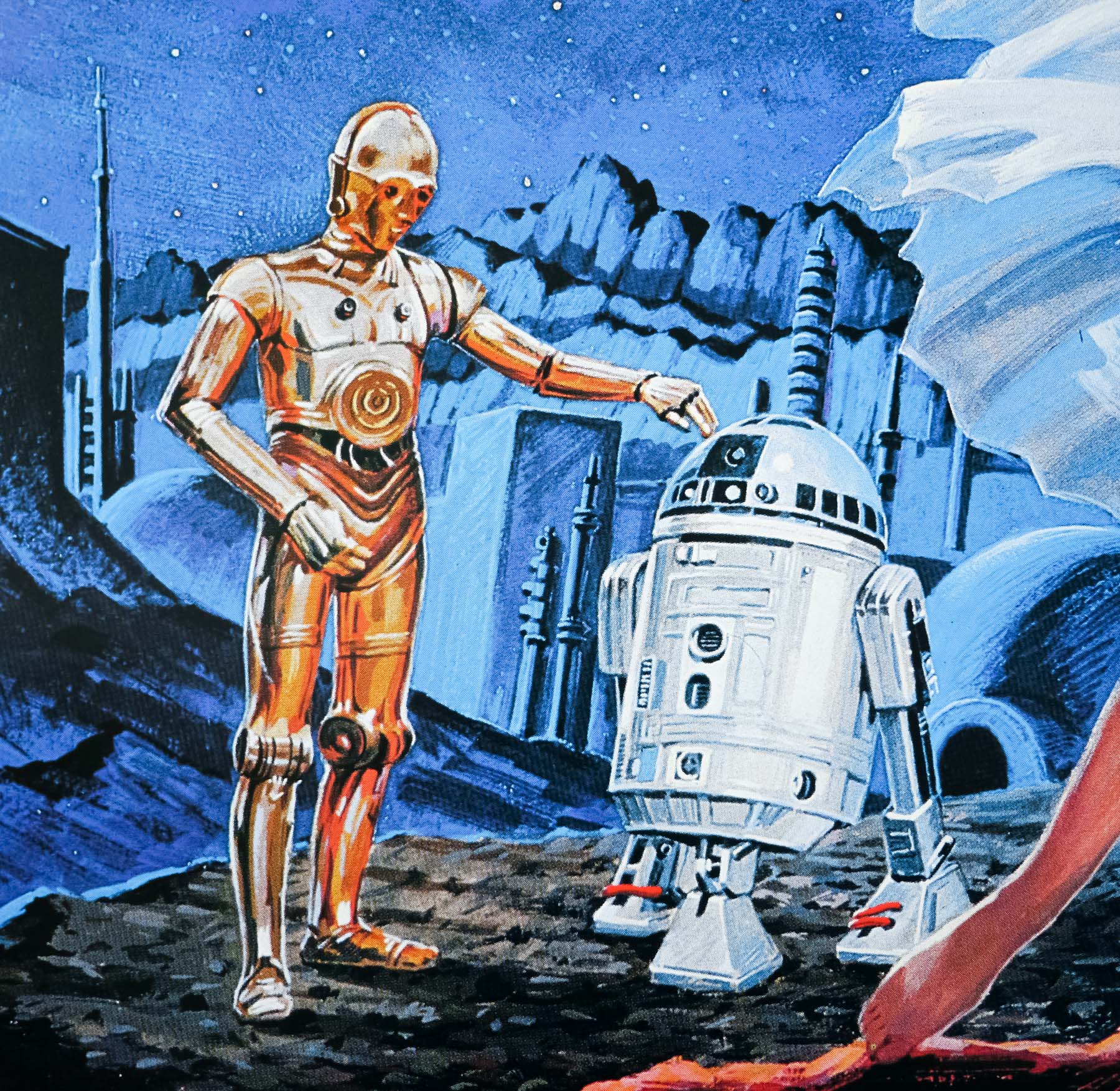
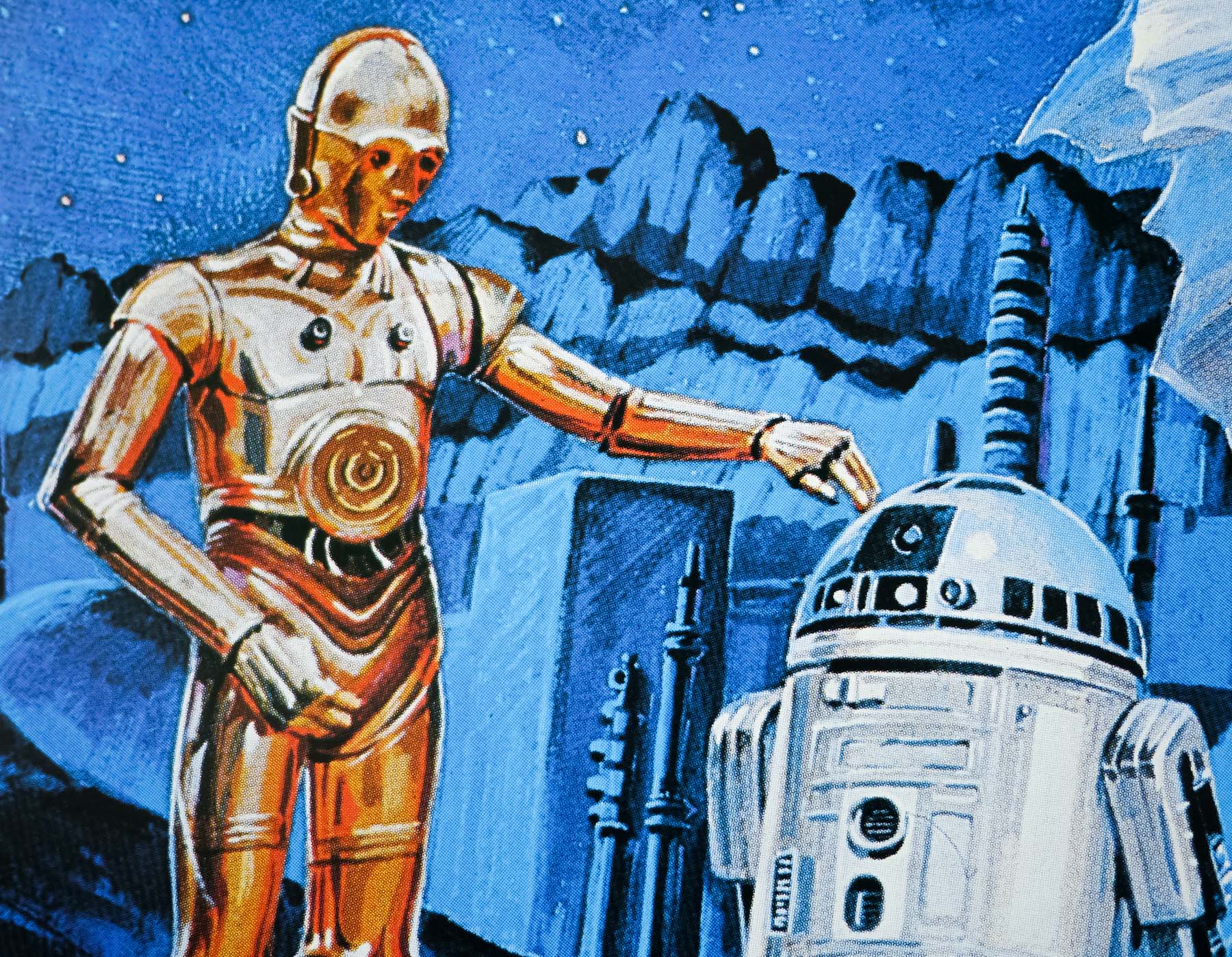
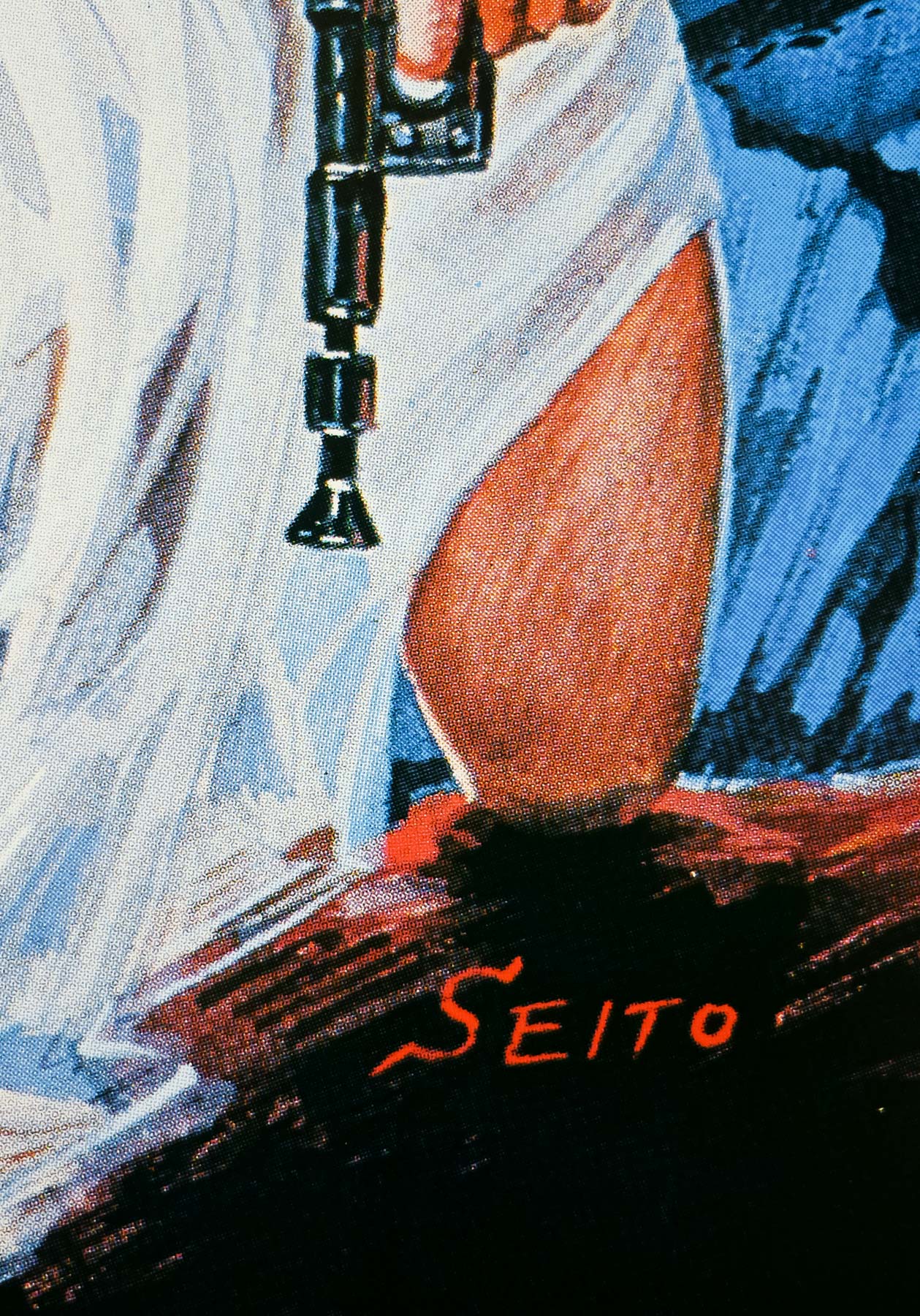
The enigmatic artist Seito is responsible for the artwork on this Japanese B1 poster for the original release of the sci-fi classic Star Wars in Japan. The design has clear echoes of the American one sheet artwork by Tom Jung but features several additions and the unusual choice of having the Death Star upside down (the weapon crater at least). Both designs depict an overly muscled Luke Skywalker and a tight-clothed, voluptuous Princess Leia, which, if you’ve seen the film (who hasn’t!), you’ll know doesn’t quite match up with the actual characters.

This is one of three posters printed for the original release of Star Wars in Japan, which included a simple advance and this photo montage style.

Seito is one of my favourite Japanese artists and is responsible for some wonderful illustrated posters, although little is known about him even in his native Japan. To see the other posters I’ve collected by him click here.

Harakiri / B1 / Poland

27.07.16

Poster Poster

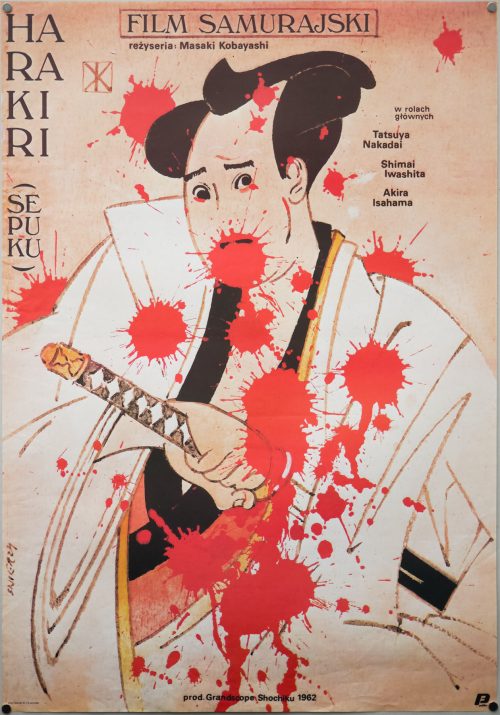
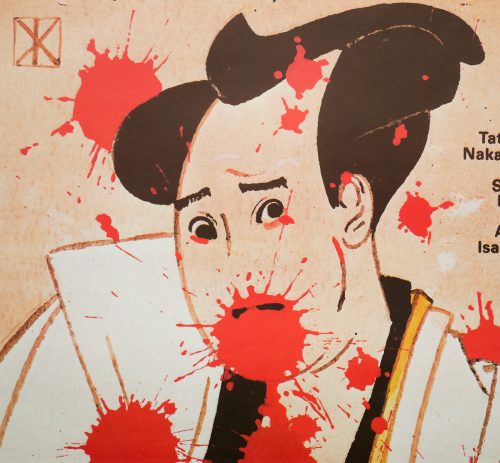
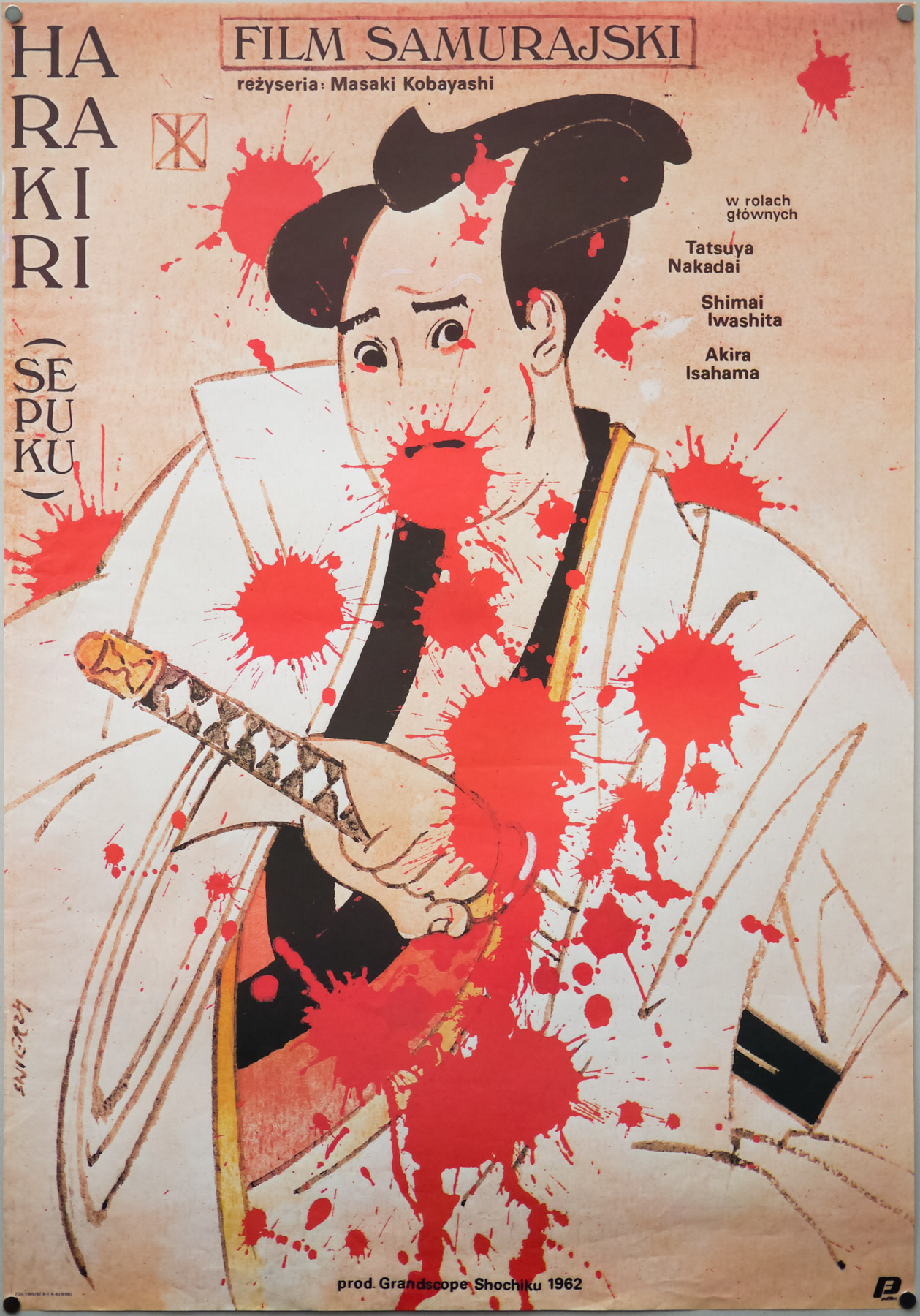
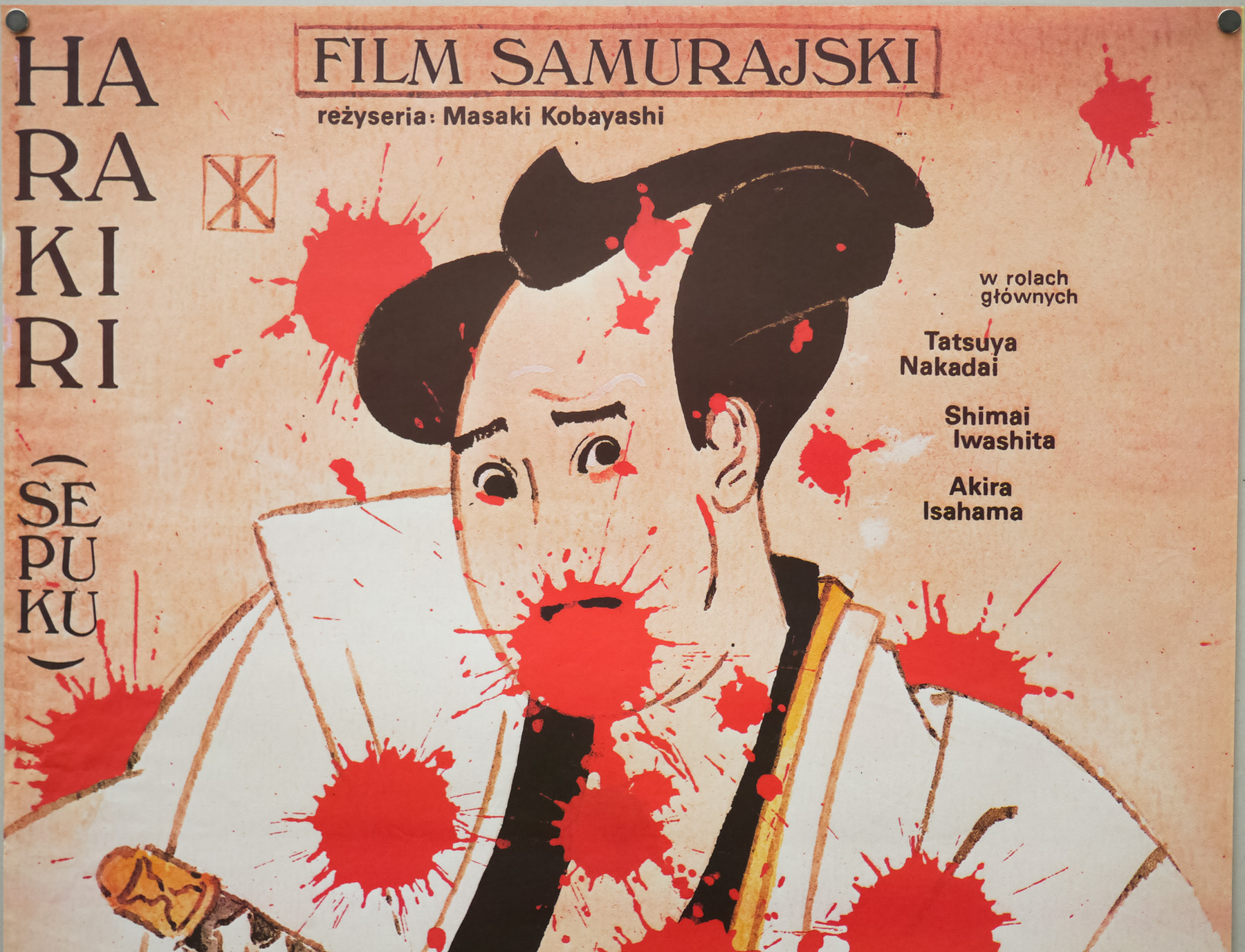
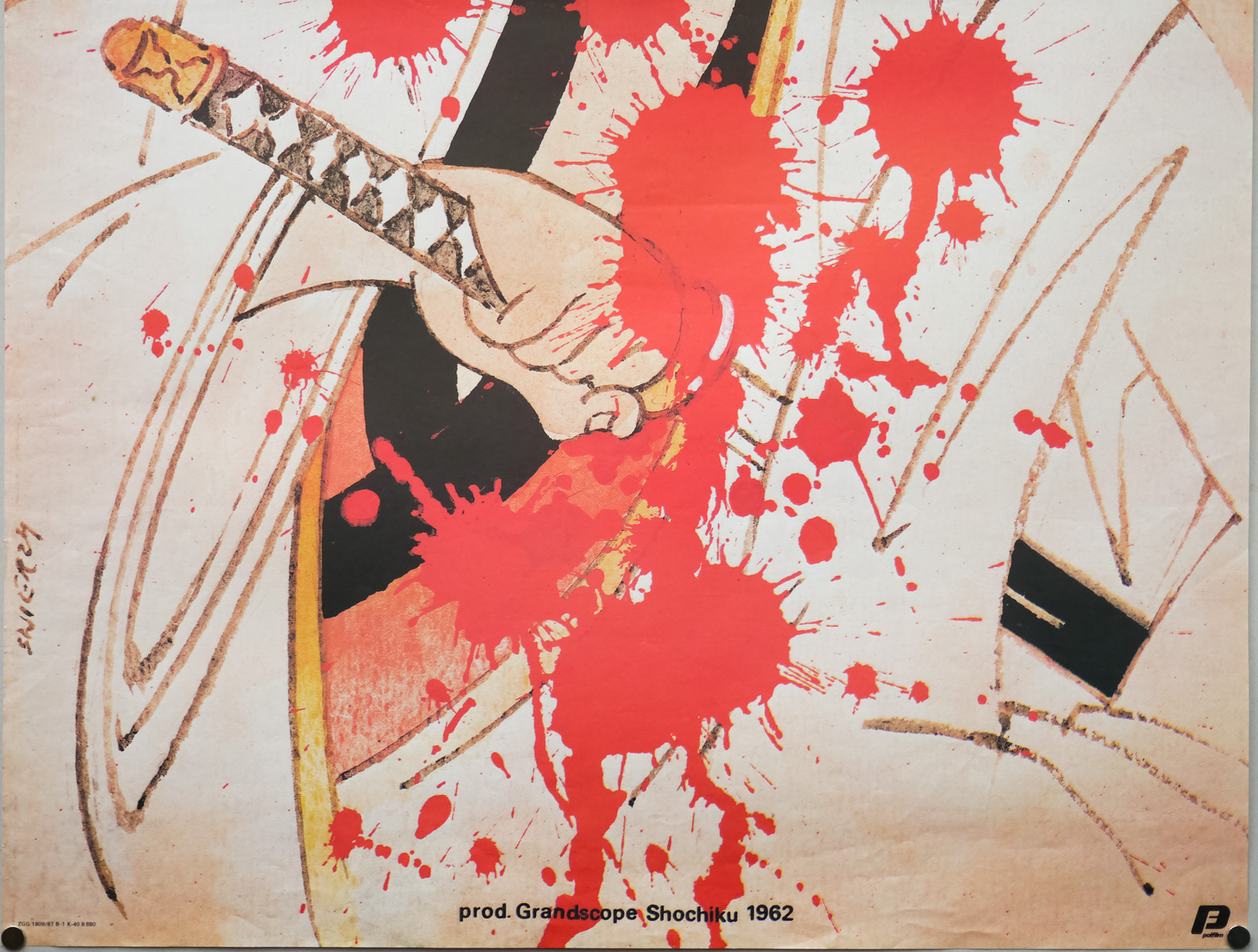
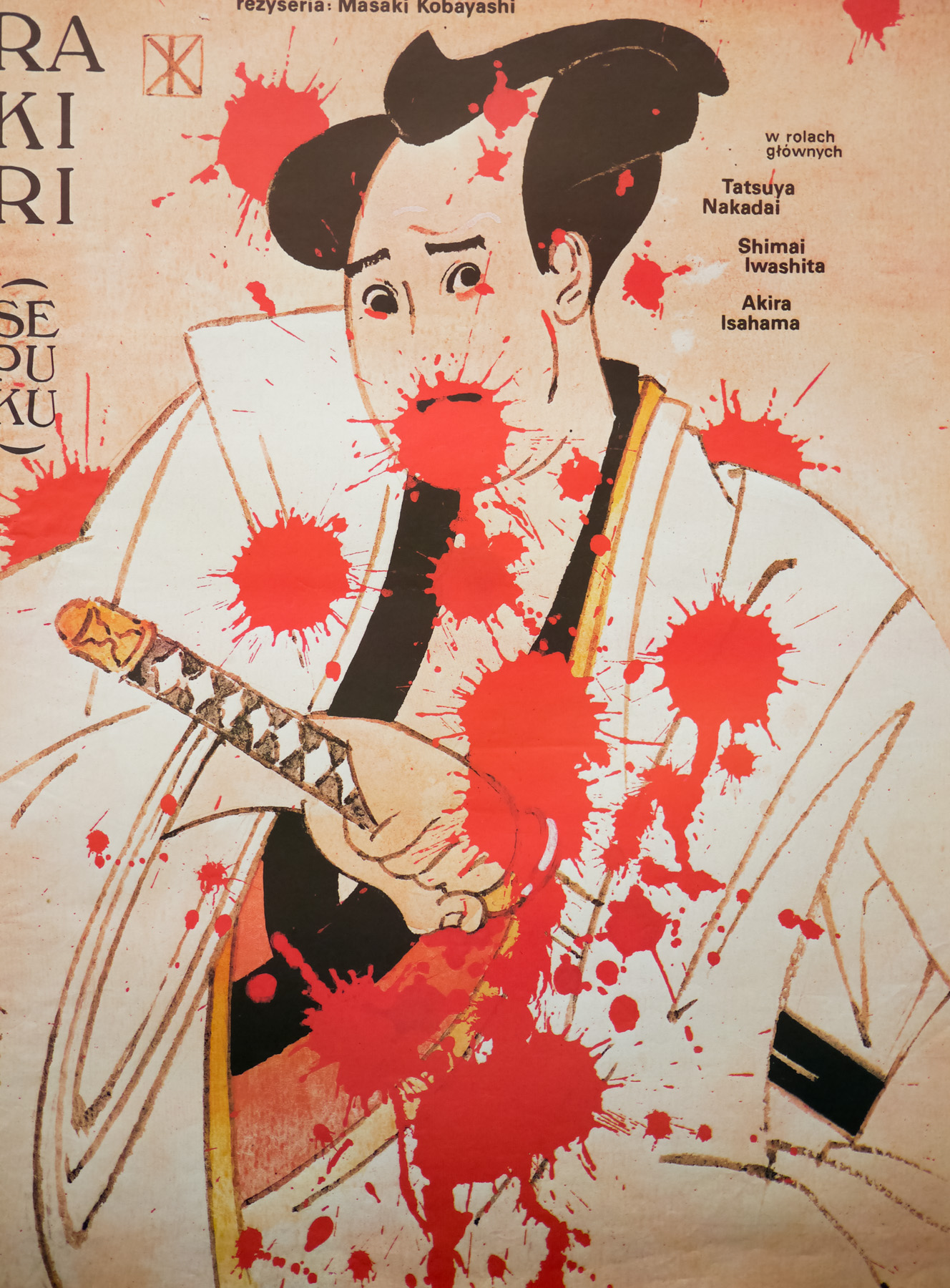
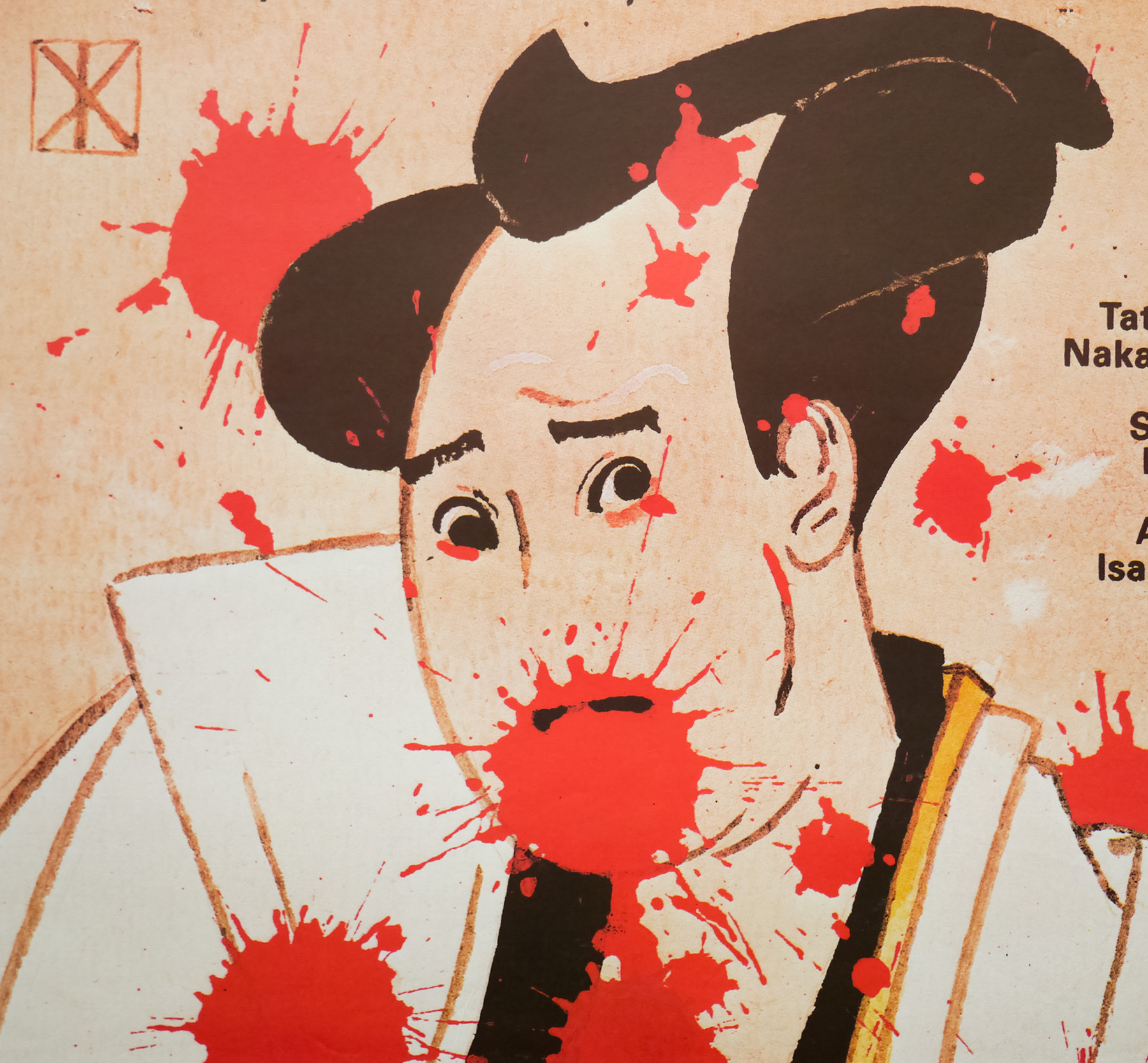
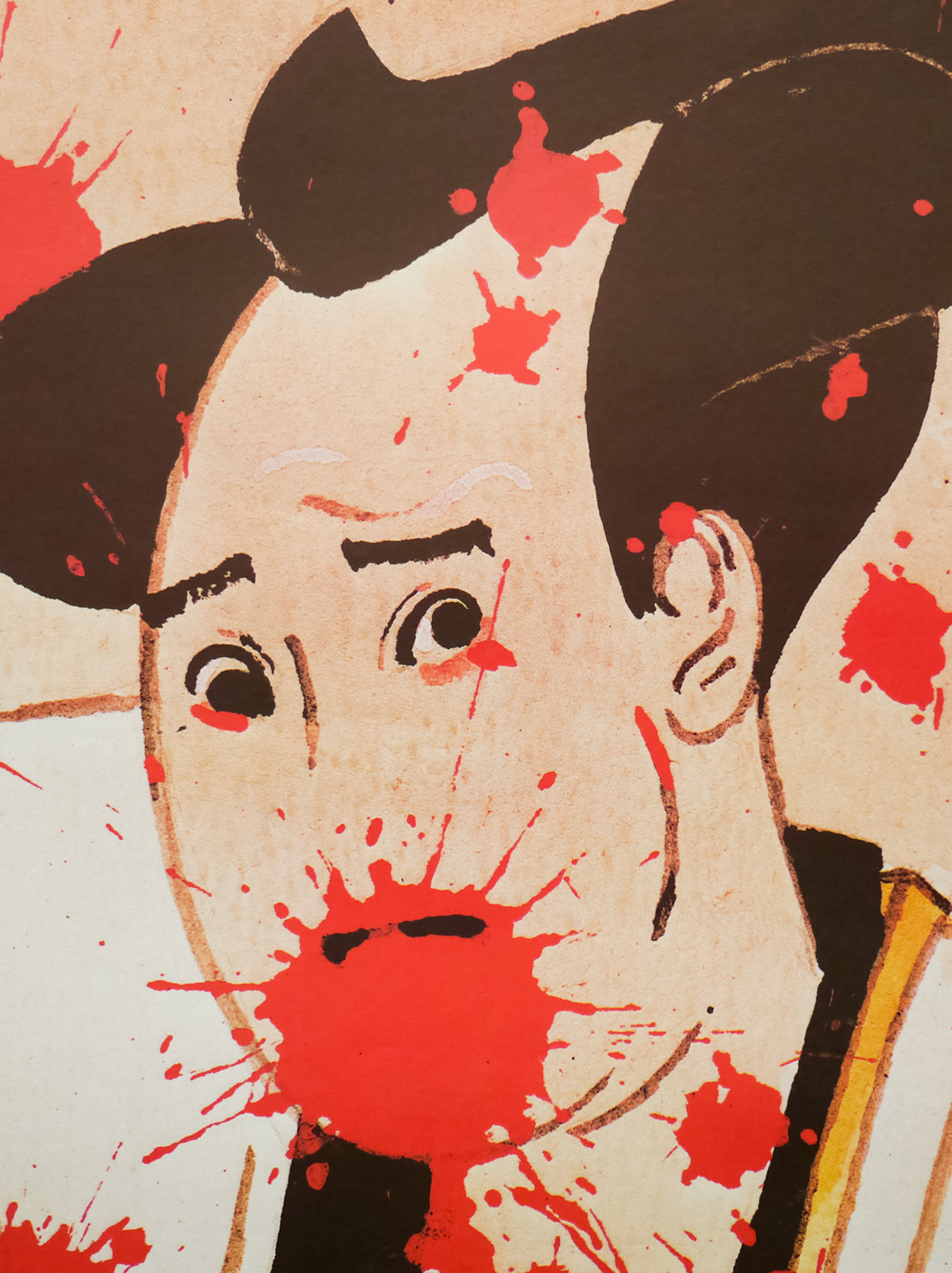
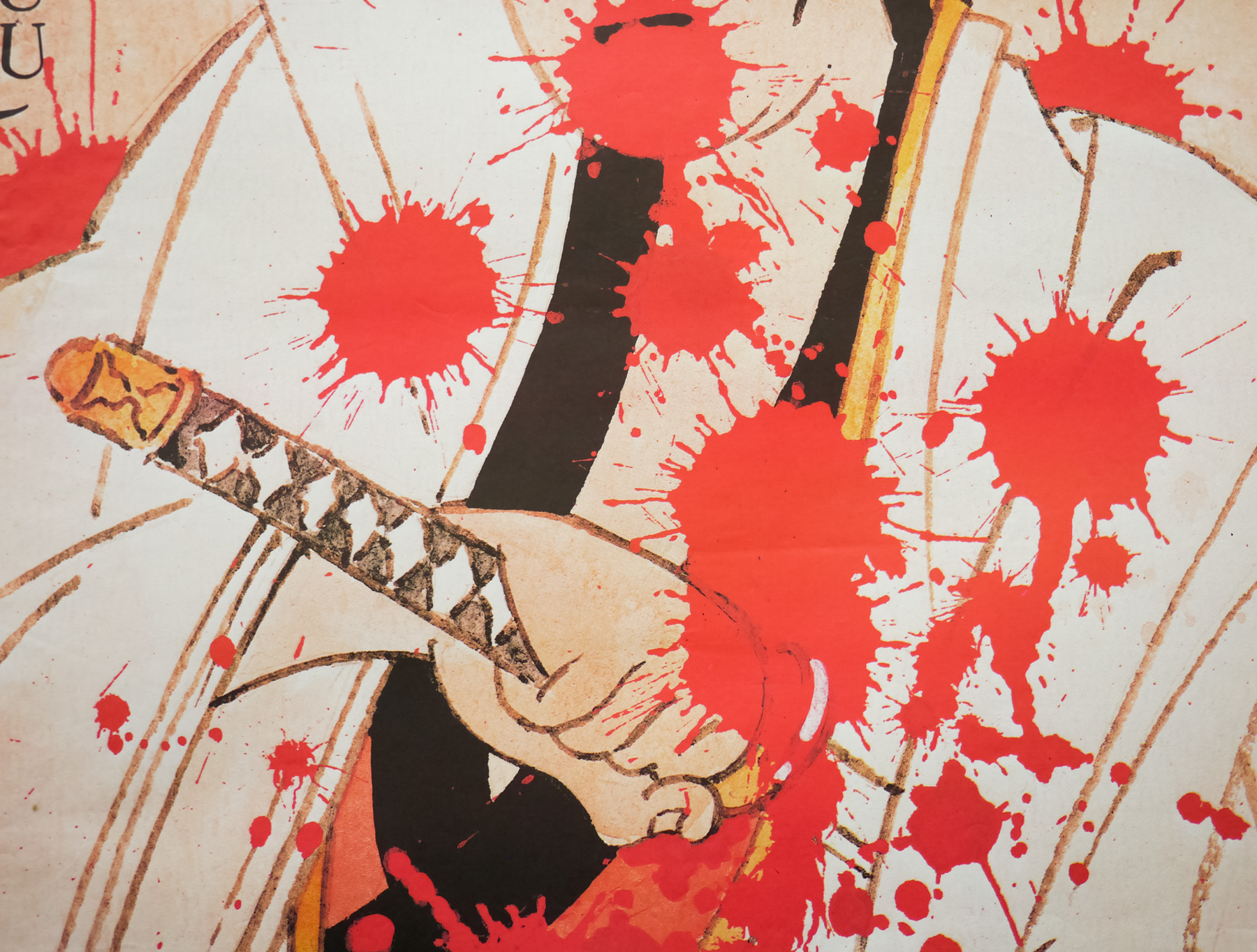
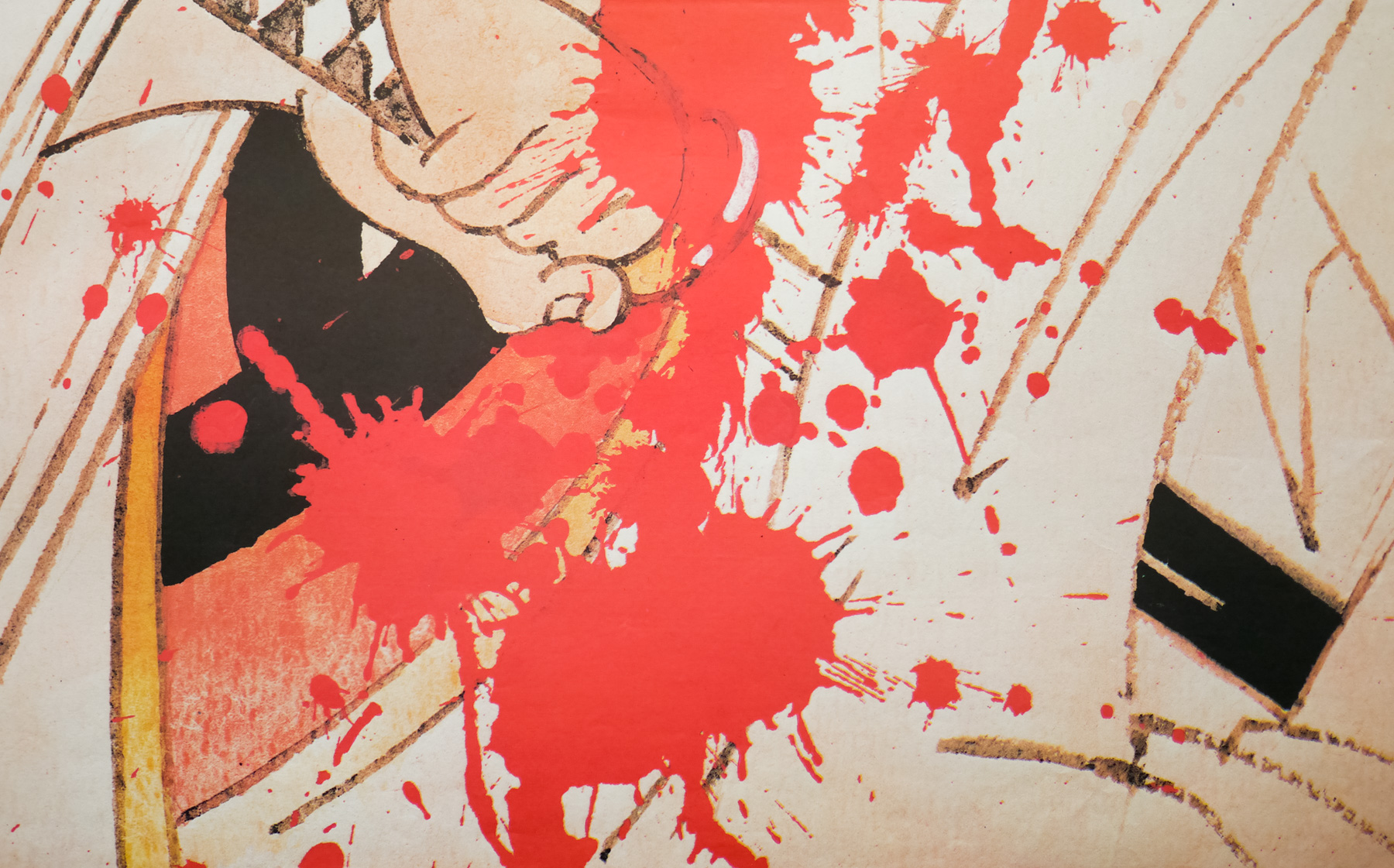
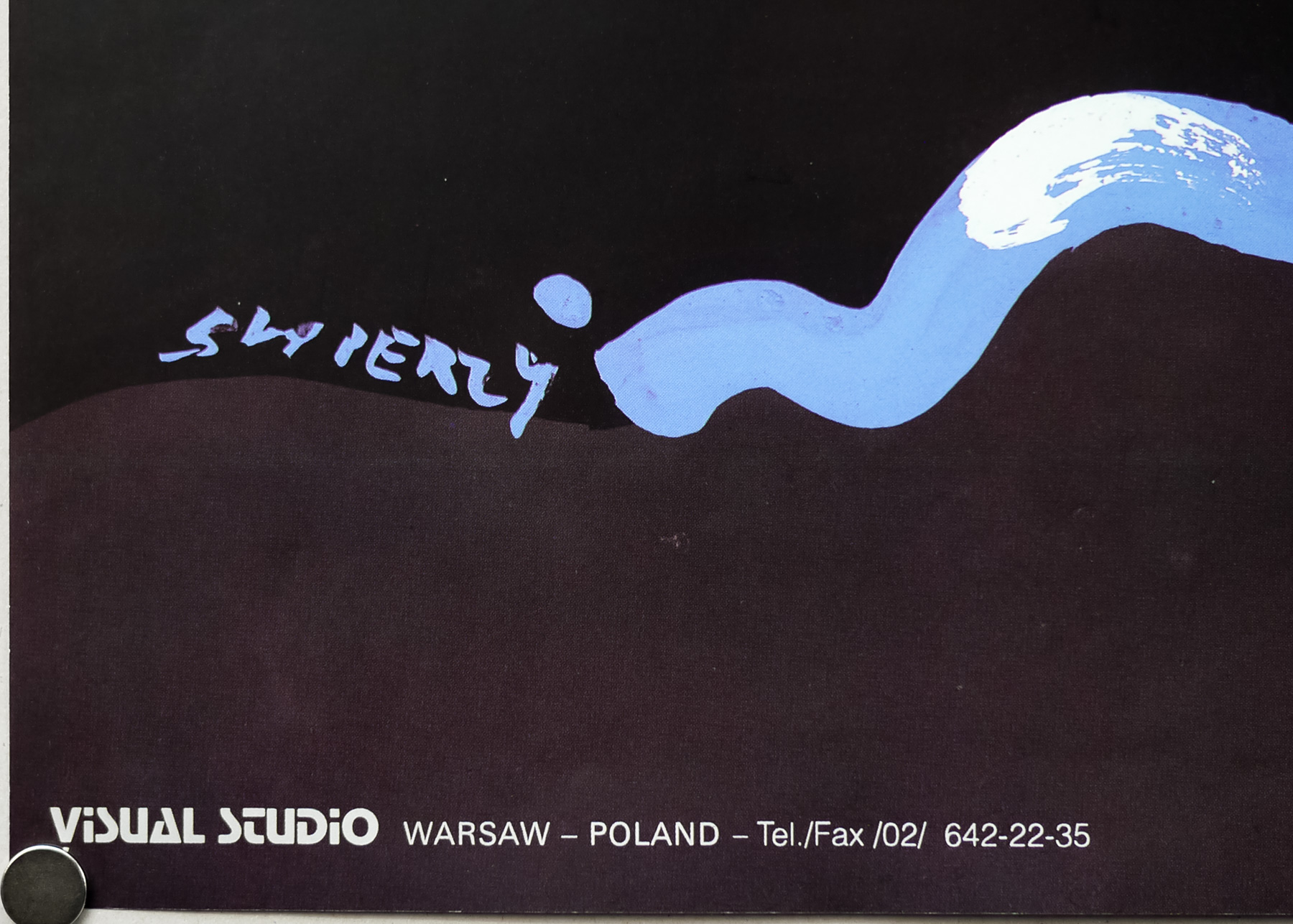
This is a Polish B1 poster for a 1987 re-release of the 1962 Japanese drama Harakiri (originally titled Seppuku) that was designed and illustrated by Waldemar Świerzy. Both titles refer to the grisly ritual suicide by slashing a sword across your own belly that was originally practiced by samurai swordsmen in medieval and early-modern Japan. The action formed part of the samurai code and was used by warriors who would rather die with honour than fall into the hands of the enemy, or by disgraced samurai who had committed gross offences or brought shame upon themselves.

The film was helmed by the celebrated Japanese director Masaki Kobayashi who directed a number of notable films, including the superb horror anthology Kwaidan (1964), before he passed away aged 80 in 1996. The story is set in 17th Century Japan and deals with an elder samurai without a master (known as a Ronin) called Hanshirō Tsugumo (Tatsuya Nakadai, star of multiple Akira Kurosawa films). The plot is described thusly on IMDb:

Peace in 17th-century Japan causes the Shogunate’s breakup of warrior clans, throwing thousands of samurai out of work and into poverty. An honorable end to such fate under the samurai code is ritual suicide, or hara-kiri (self-inflicted disembowelment). An elder warrior, Hanshiro Tsugumo seeks admittance to the house of a feudal lord to commit the act. There, he learns of the fate of his son-in-law, a young samurai who sought work at the house but was instead barbarically forced to commit traditional hara-kiri in an excruciating manner with a dull bamboo blade. In flashbacks the samurai tells the tragic story of his son-in-law, and how he was forced to sell his real sword to support his sick wife and child. Tsugumo thus sets in motion a tense showdown of revenge against the house.

The film won multiple awards upon its release in 1962, including the Special Jury Prize at the Cannes Film Festival and received excellent reviews when released around the world in the following years (1964 was its first release in the USA). Japanese director Takeshi Miike released a remake in 2011 with the title Hara-Kiri: Death of a Samurai.

The late Waldemar Świerzy is considered to be one of the most important Polish designers and artists and it’s estimated he’s worked on over 2500 posters during his career. He was born in Katowice in 1931 and graduated from the Kraków Academy of Fine Arts in 1952. He later became professor in the University of Fine Arts in Poznań from 1965 and Professor in the Academy of Fine Arts in Warsaw in 1994. The artist was one of the key figures in the influential Polish School of Posters a movement to push the level of quality of Polish posters forward which was active for over 30 years, starting in the 1950s. Świerzy won multiple awards during his career and had several exhibitions of his work held over the years. He sadly passed away in 2003.

Polishposter.com has several pages of his work and this biography on culture.pl goes into great detail about his life and work. Poster.com.pl has another gallery of his work.

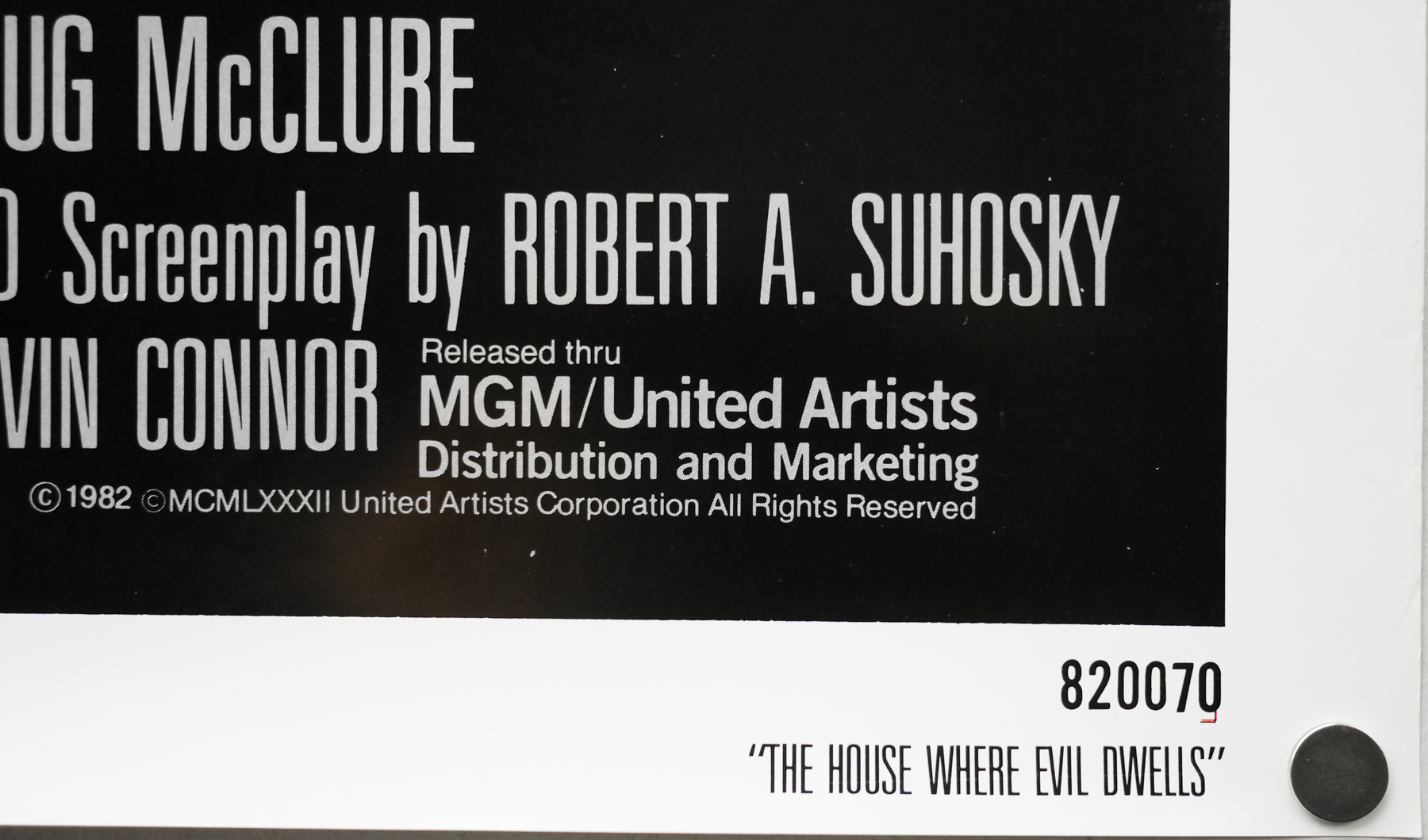
The House Where Evil Dwells / one sheet / USA

24.04.17

Poster Poster
Title
The House Where Evil Dwells
AKA
Ghost in Kyoto (Japan)
Year of Film
1982
Director
Kevin Connor
Starring
Edward Albert, Susan George, Doug McClure, Amy Barrett, Mako Hattori, Tsuiyuki Sasaki, Toshiya Maruyama, Tsuyako Okajima, Henry Mitowa, Mayumi Umeda
Origin of Film
USA | Japan
Genre(s) of Film
Edward Albert, Susan George, Doug McClure, Amy Barrett, Mako Hattori, Tsuiyuki Sasaki, Toshiya Maruyama, Tsuyako Okajima, Henry Mitowa, Mayumi Umeda,
Type of Poster
One sheet
Style of Poster
--
Origin of Poster
USA
Year of Poster
1982
Designer
Unknown
Artist
John Solie
Size (inches)
27 2/16" x 41"
SS or DS
SS
NSS #
820070
Tagline
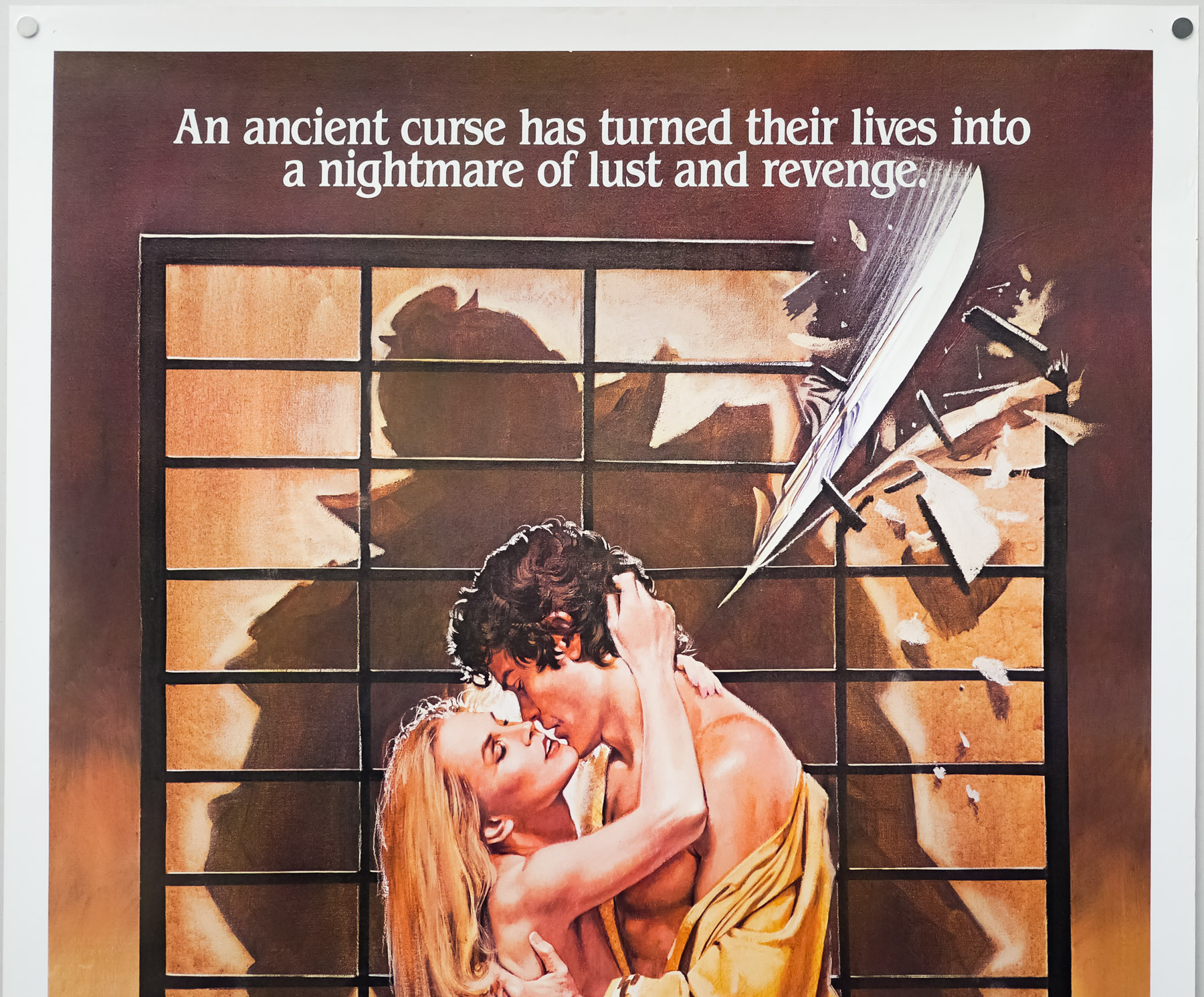
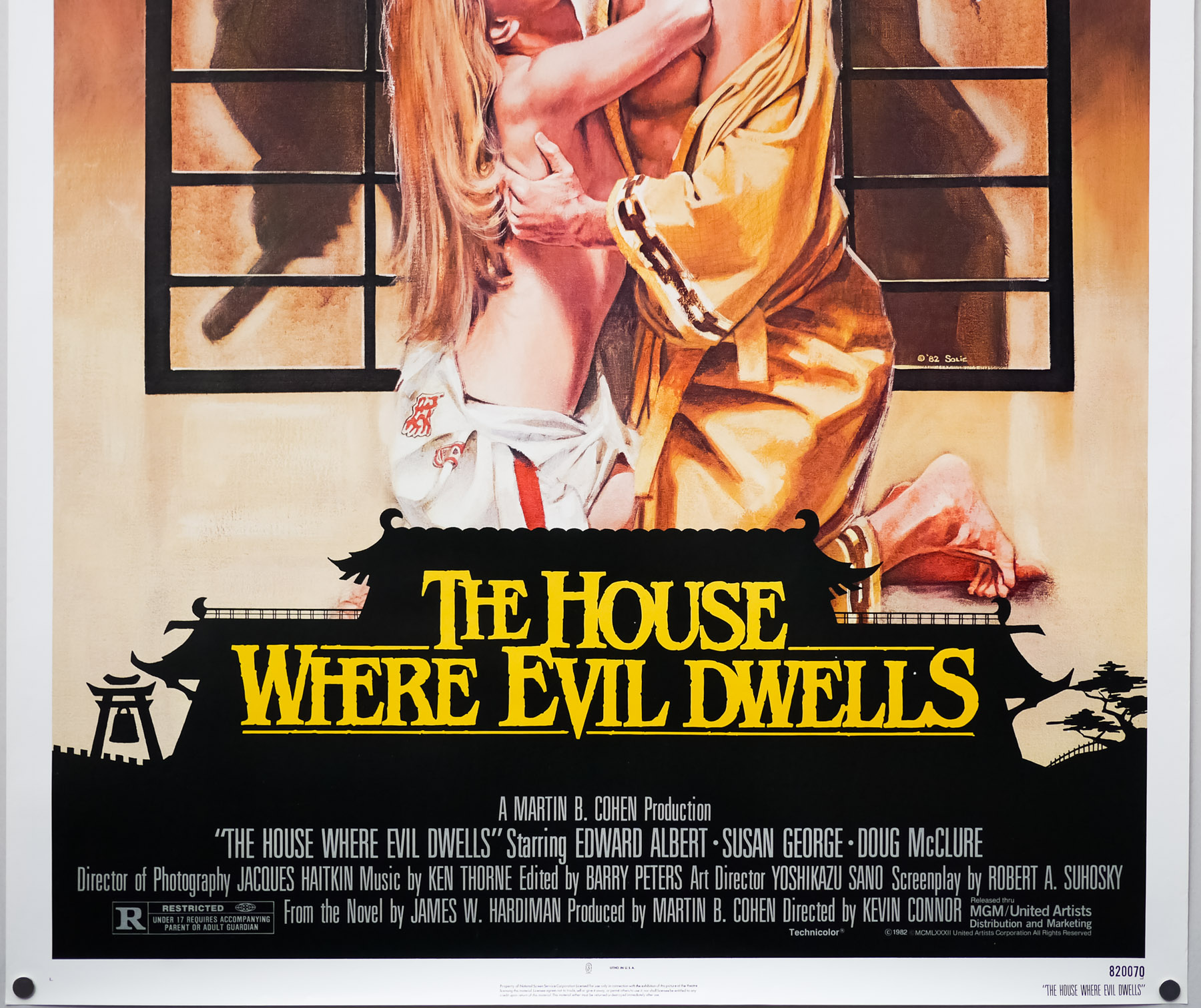
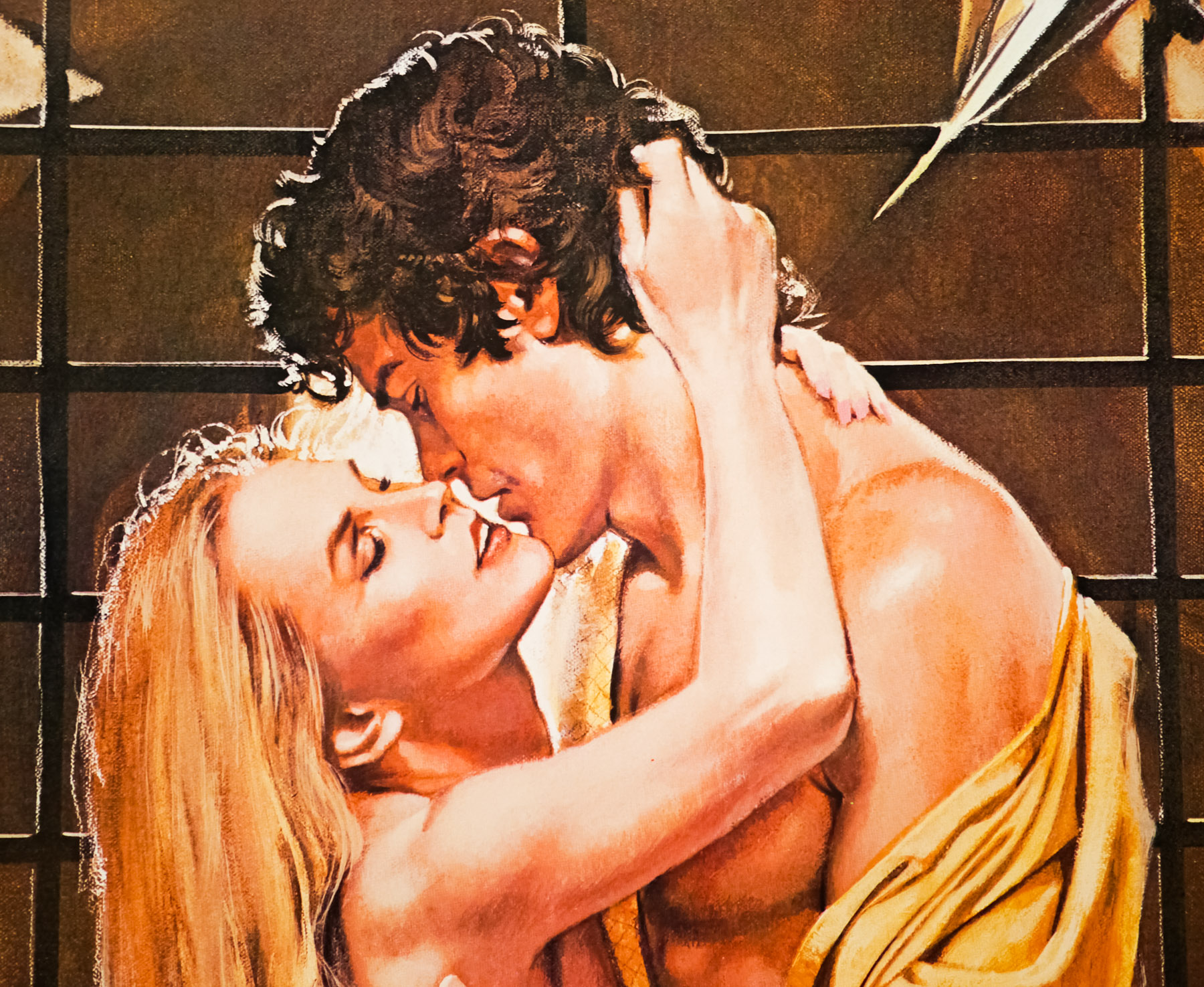
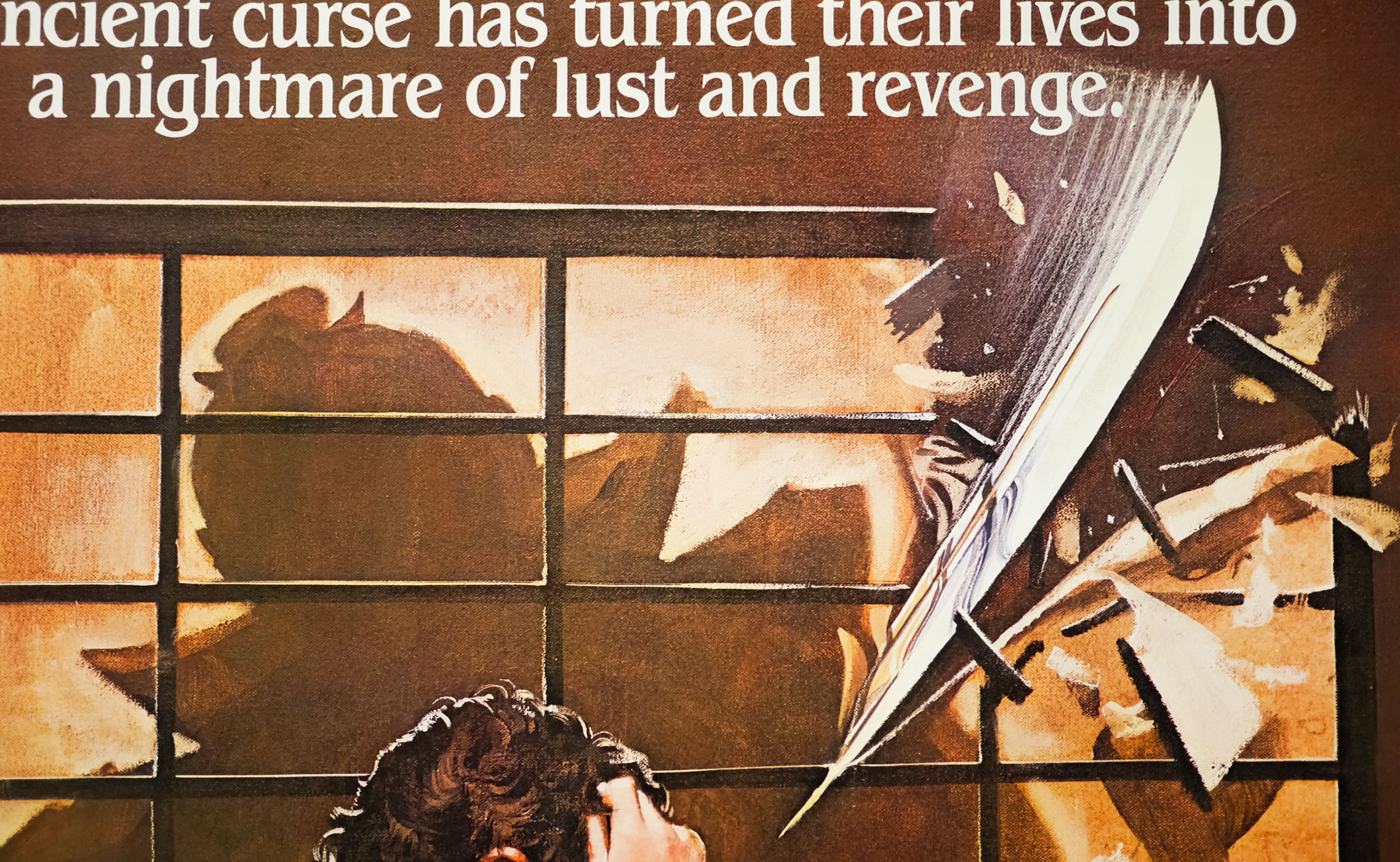
An ancient curse has turned their lives into a nightmare of lust and revenge.

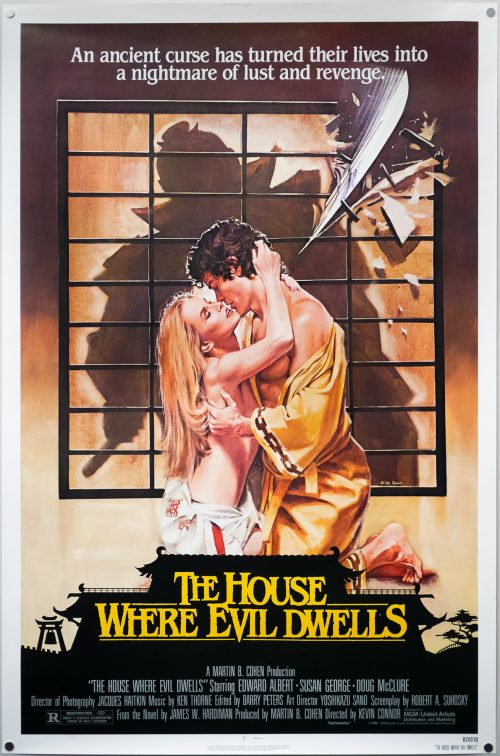
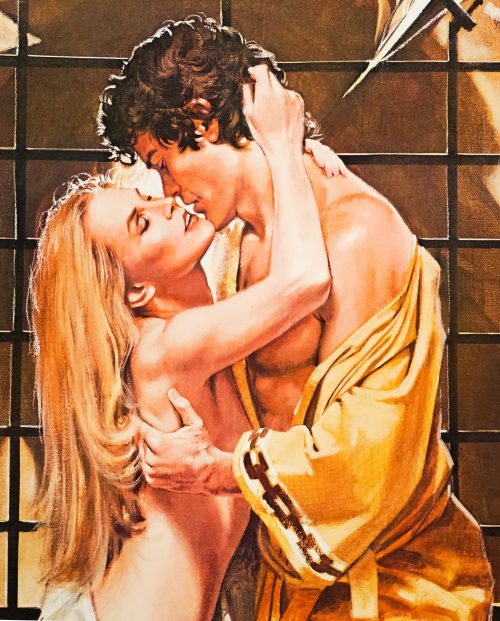
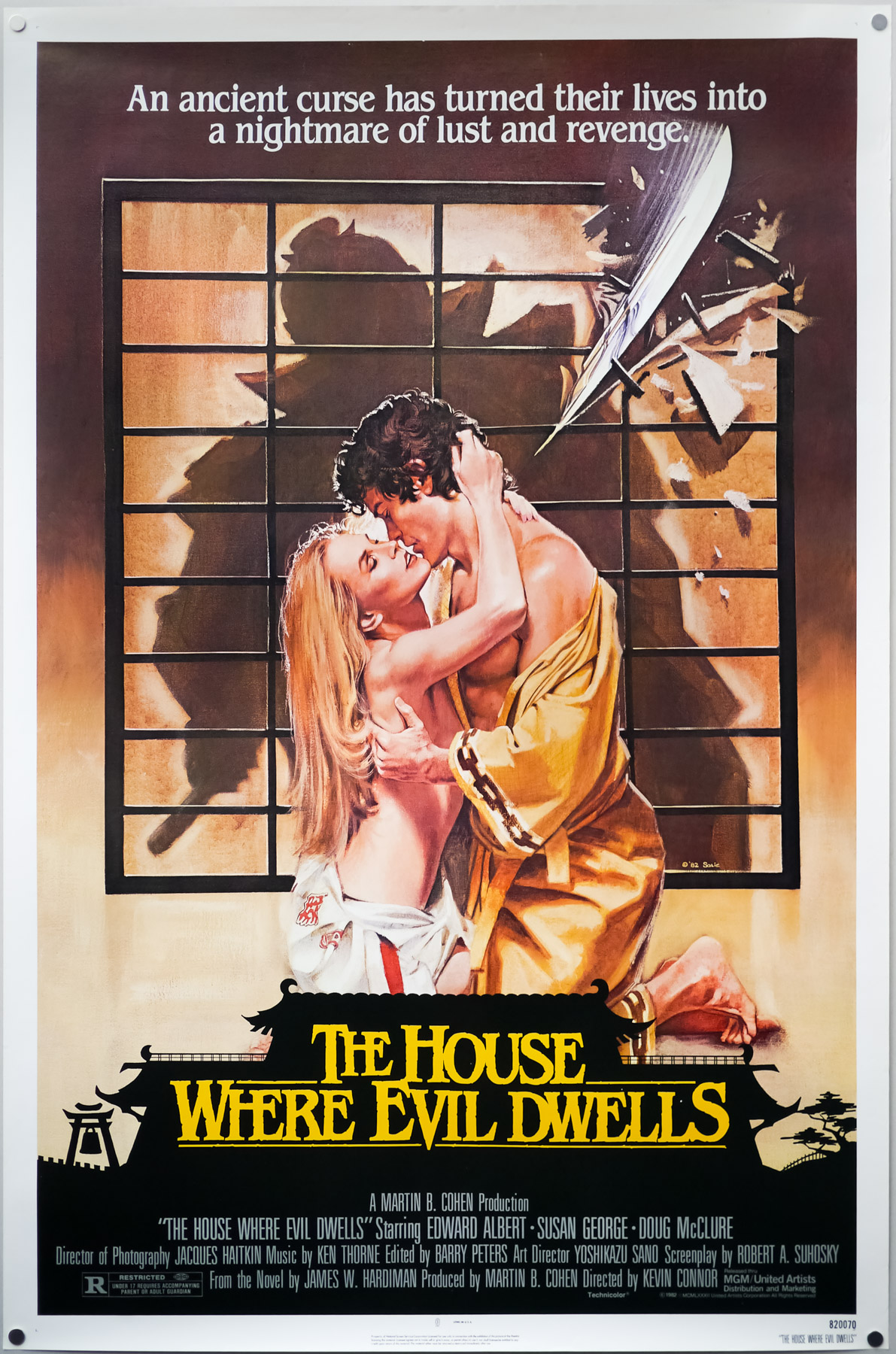
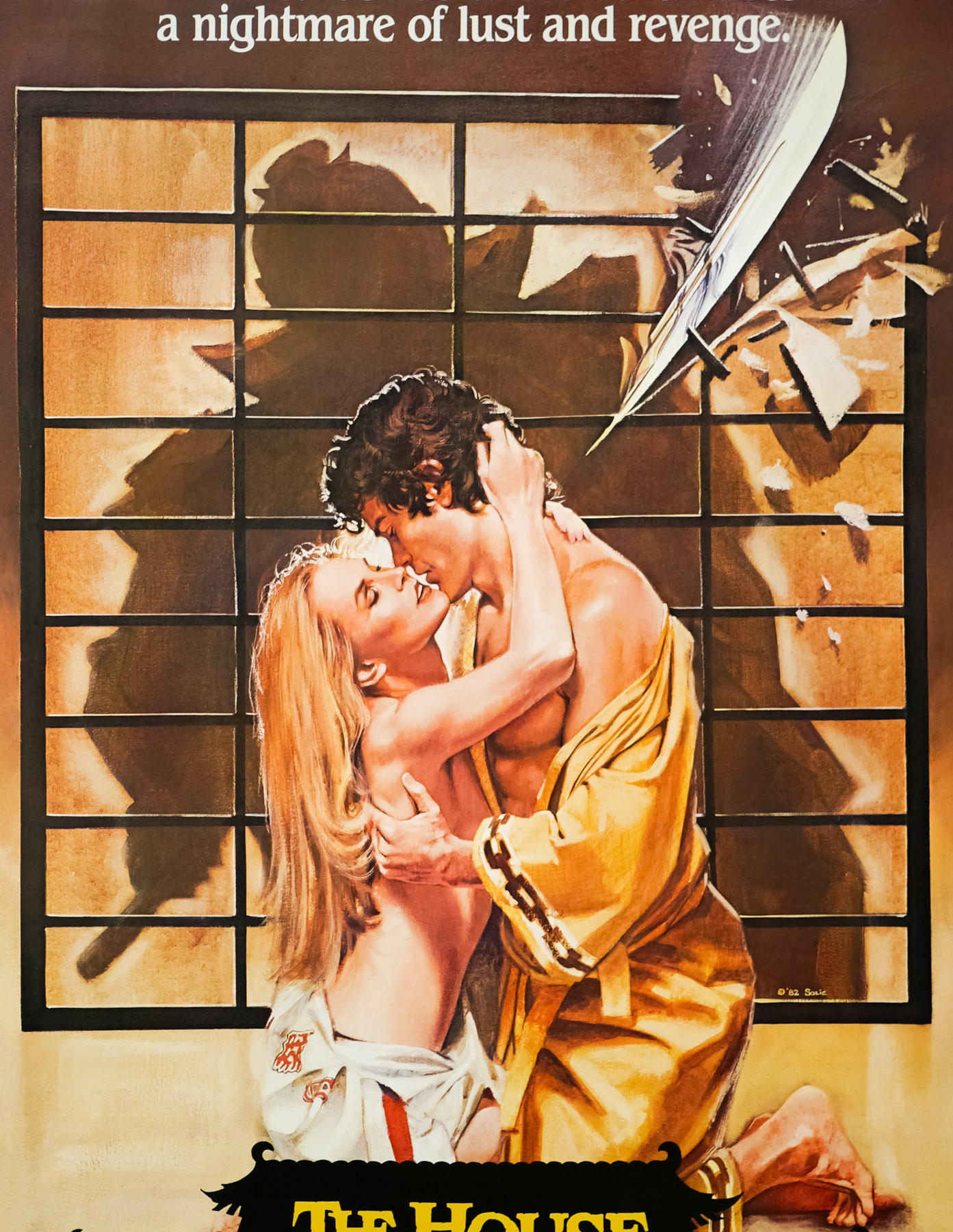
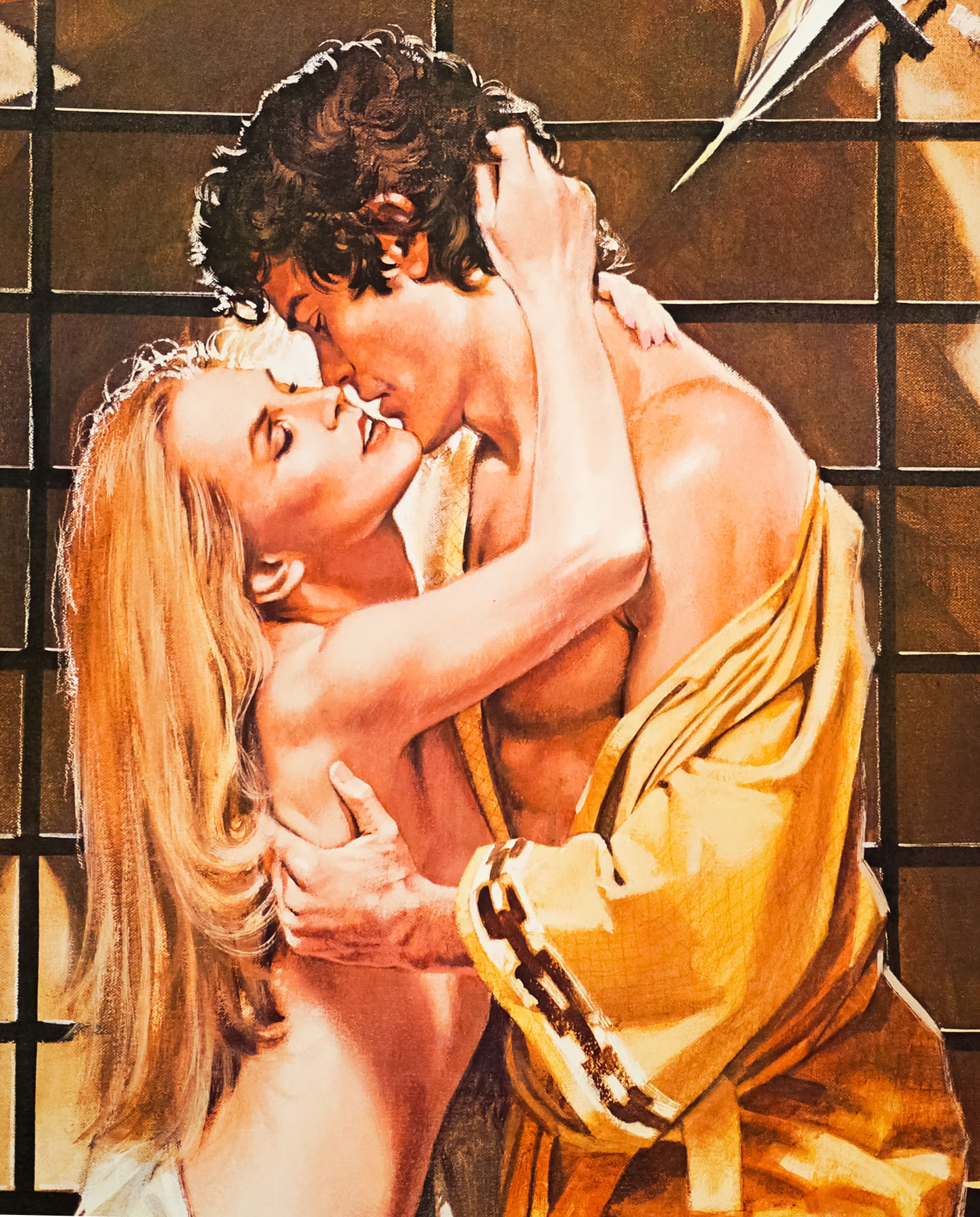
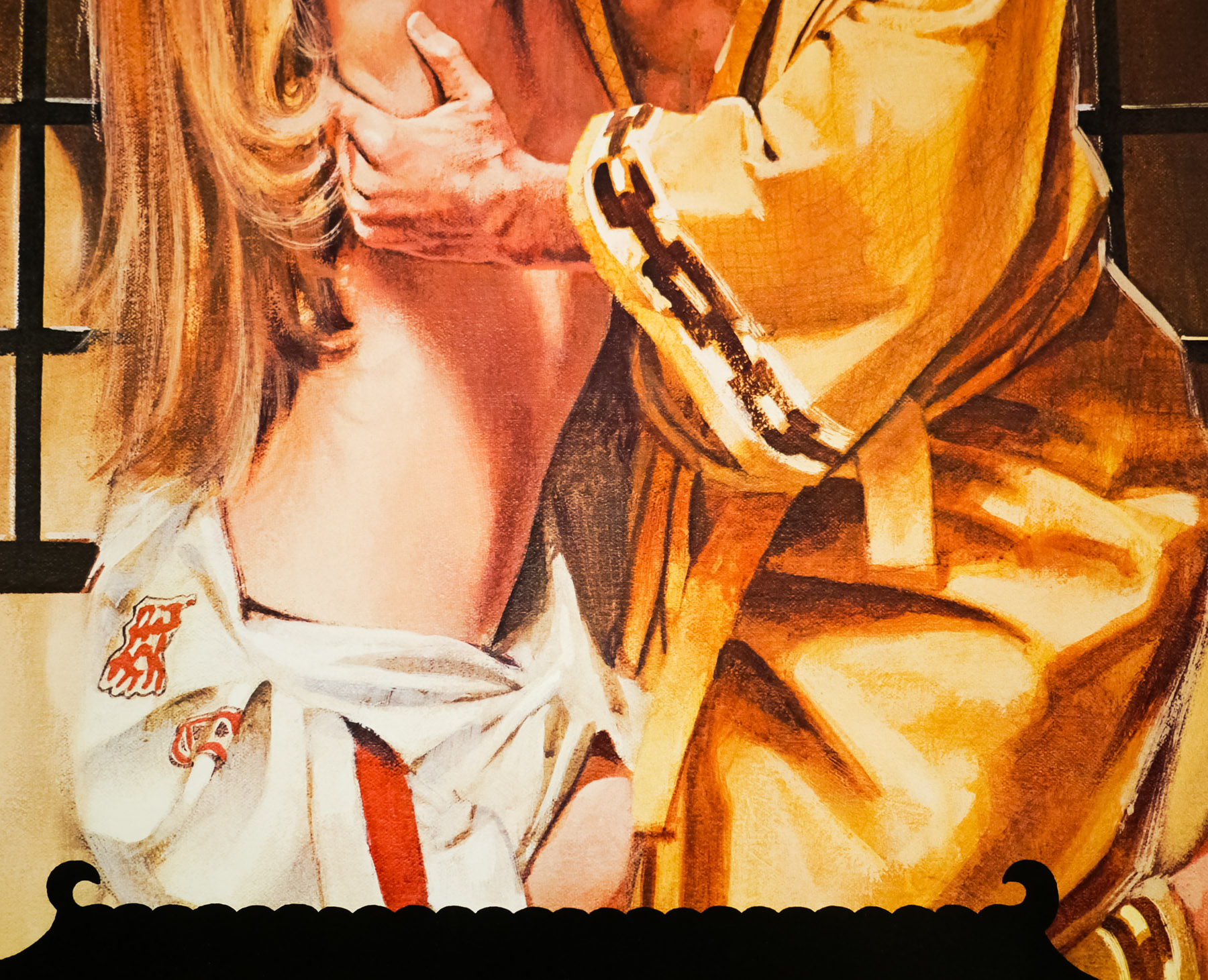
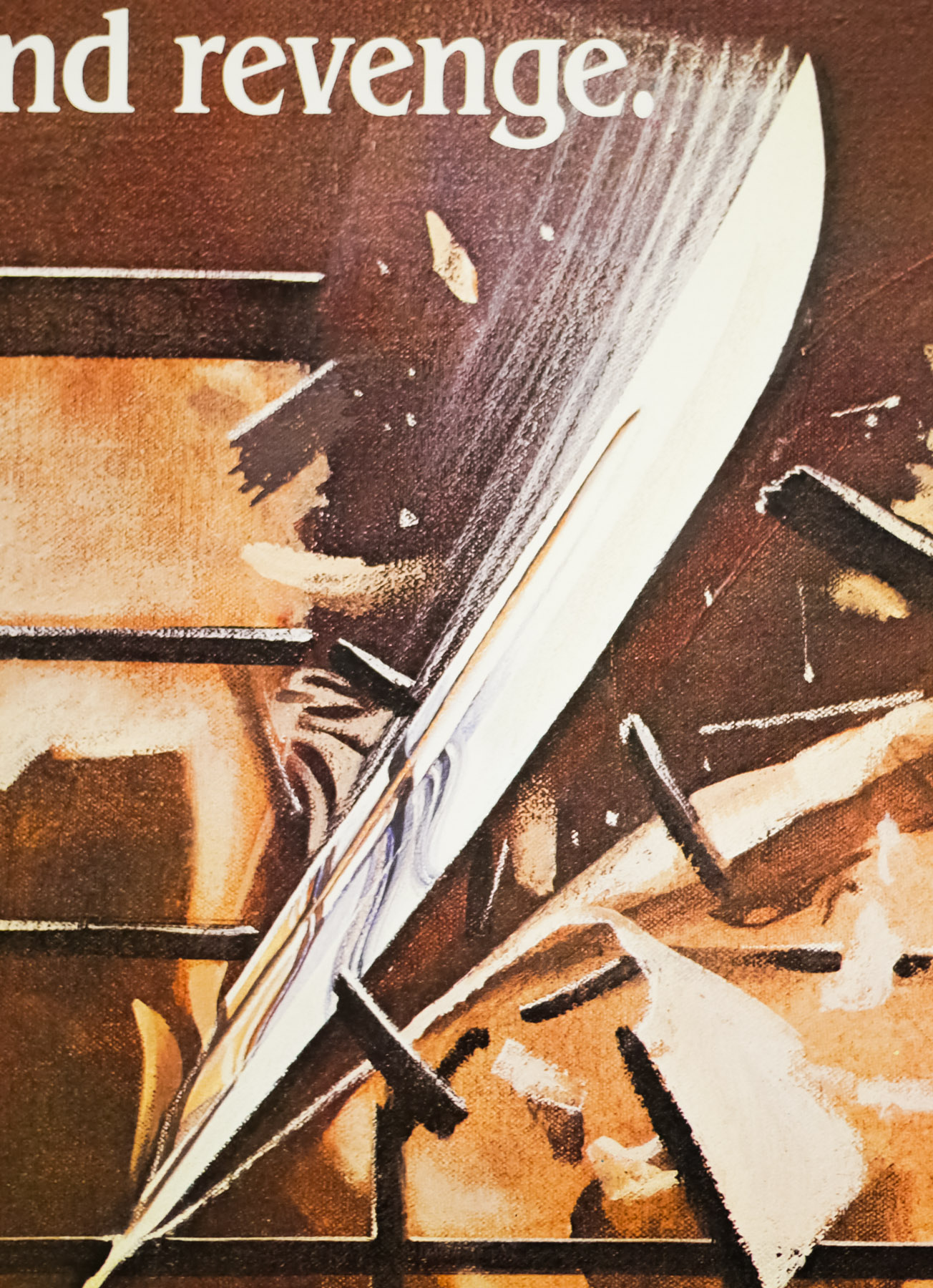
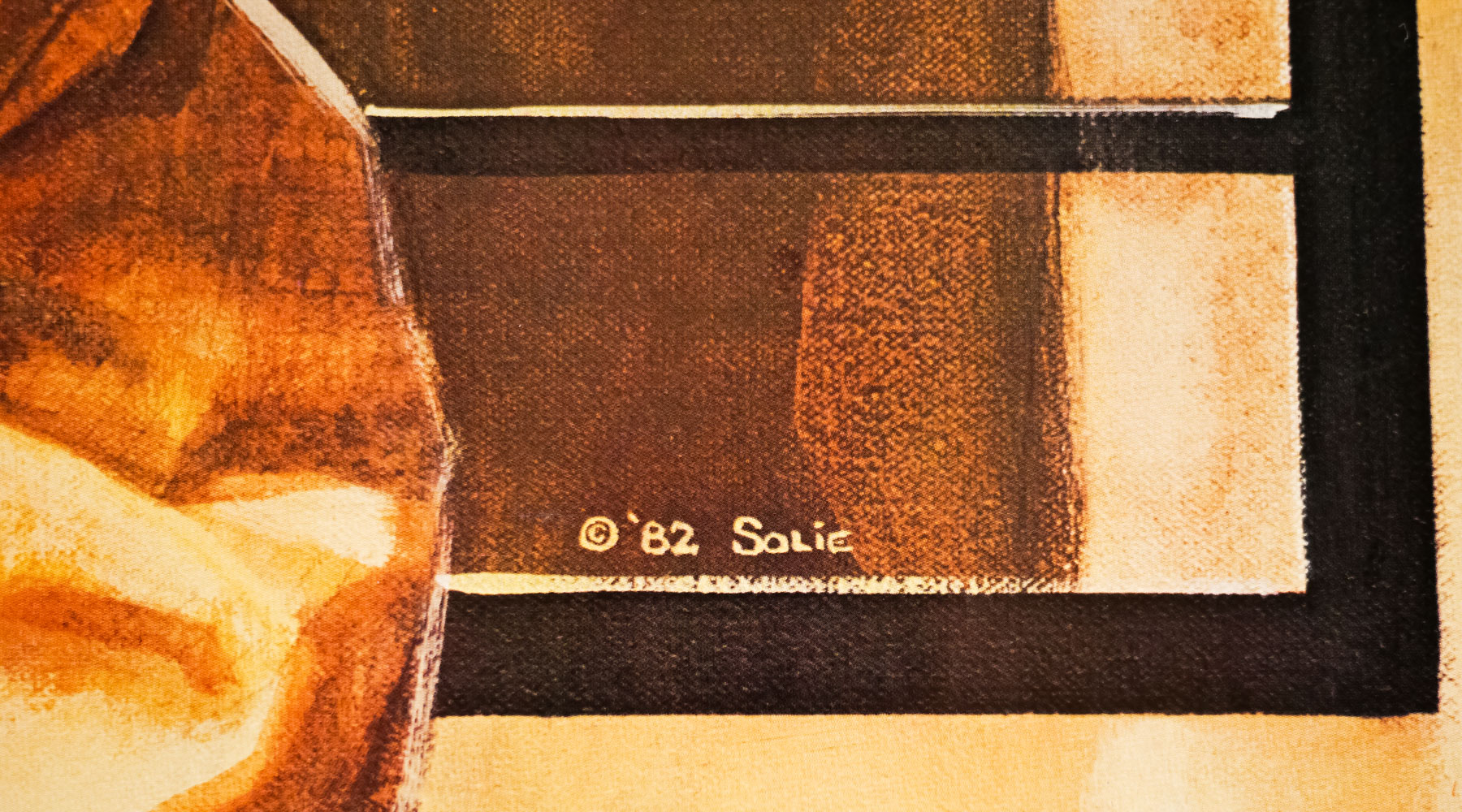
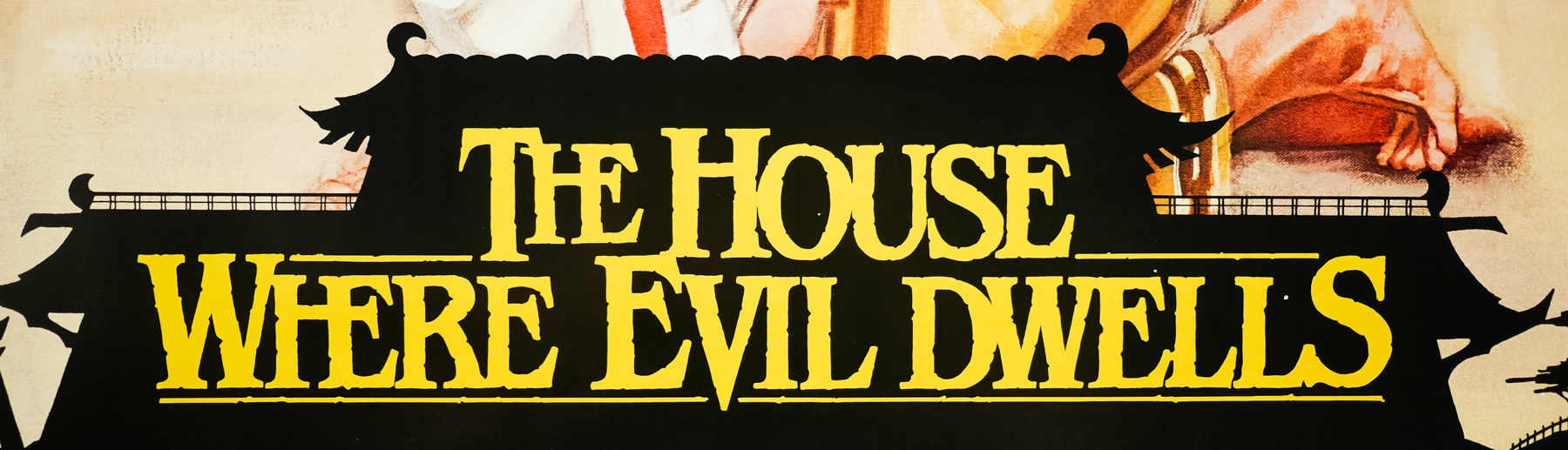
Artwork by the American artist John Solie features on this one sheet for the release of the 1982 USA/Japan co-production, The House Where Evil Dwells. Set and shot in Japan, the film is a horror based on a novel by James Hardiman and is effectively a haunted house tale. It opens in the city of Kyoto in 1840 and sees a samurai warrior return home to discover his wife being unfaithful with another man. In an utterly graceless, slow-motion sequence we watch as he butchers the pair before committing seppuku (ritual suicide). As the house is ravaged by a storm, a miniature figurine depicting a pair of lovers (one a devil like creature) is swept into the foundations, presumably cursing the place.

140 years later, the film picks up as US diplomat Alex Curtis (Doug McClure) meets an old friend, Ted Fletcher (Edward Albert) and his wife Laura (Susan George) and daughter at the airport. The family have traveled there to live for a few months for reasons that aren’t exactly made clear (something to do with his career?) and Alex has found them the perfect house to stay in. Of course it’s the same one depicted earlier and it’s now reported to be haunted. The couple soon begin to experience strange occurrences, with the audience first seeing the ghosts of the butchered lovers and angry samurai moving around the family before things take a dark turn as they begin to possess each one in turn. It soon becomes clear that the ghosts intend to free themselves from purgatory by causing Ted, Laura and Alex to commit a similar sort of murder-suicide. A Zen monk living nearby tries to warn the family and stop the ghosts before it’s too late.

It’s fair to say that The House Where Evil Dwells is no masterpiece and in fact is one of the clunkiest horror films I’ve ever watched. Director Kevin Connor, who is best known for the series of sci-fi fantasies he directed for Amicus productions (e.g. The Land That Time Forgot), has since said that his submitted version was heavily cut by producers, removing many scenes of character development. There’s no doubt this would have helped a bit, but it’s the acting from the likes of McClure and Ted Fletcher that really sinks the film. McClure is famous as an inspiration for the character of Troy McClure on The Simpsons, a Hollywood has-been reduced to appearing in shady infomercials and other such work. The actor himself never really found fame in Hollywood, despite appearances in over 500 films and TV shows. On the evidence of his performance here, it’s not hard to see why. Fletcher is perhaps even worse and Susan George, although great in Sam Peckinpah’s Straw Dogs, practically phones it in here. The lowlights of the film are undoubtedly the sex scenes between Laura and Ted and later Laura and Alex. Cringeworthy doesn’t quite cover it!

John Solie has been working as an illustrator for over 40 years. Film posters are just one aspect of his output, which also includes book and magazine covers, sculptures, portraits and work for NASA. He continues to paint today in Tucson, Arizona. Another gallery of his work can be viewed on Wrong Side of the Art.

Here are the posters by John Solie I have collected to date.

Rashomon / one sheet / 2009 re-release / USA

22.05.13

Poster Poster
Title
Rashomon
AKA
Rashômon (Japan - original title)
Year of Film
1950
Director
Akira Kurosawa
Starring
Toshirô Mifune, Machiko Kyô, Masayuki Mori, Takashi Shimura, Minoru Chiaki, Kichijirô Ueda, Noriko Honma, Daisuke Katô
Origin of Film
Japan
Genre(s) of Film
Toshirô Mifune, Machiko Kyô, Masayuki Mori, Takashi Shimura, Minoru Chiaki, Kichijirô Ueda, Noriko Honma, Daisuke Katô,
Type of Poster
One sheet
Style of Poster
Re-release
Origin of Poster
USA
Year of Poster
2009
Designer
Unknown
Artist
Kent Williams
Size (inches)
27" x 40"
SS or DS
SS
NSS #
--
Tagline
--

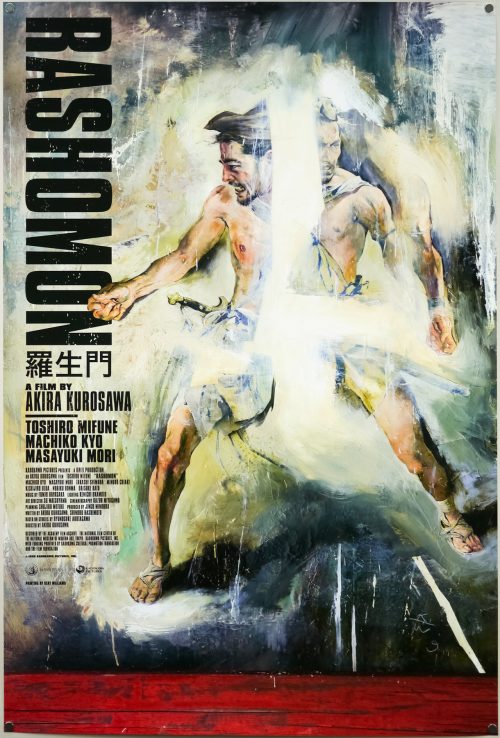
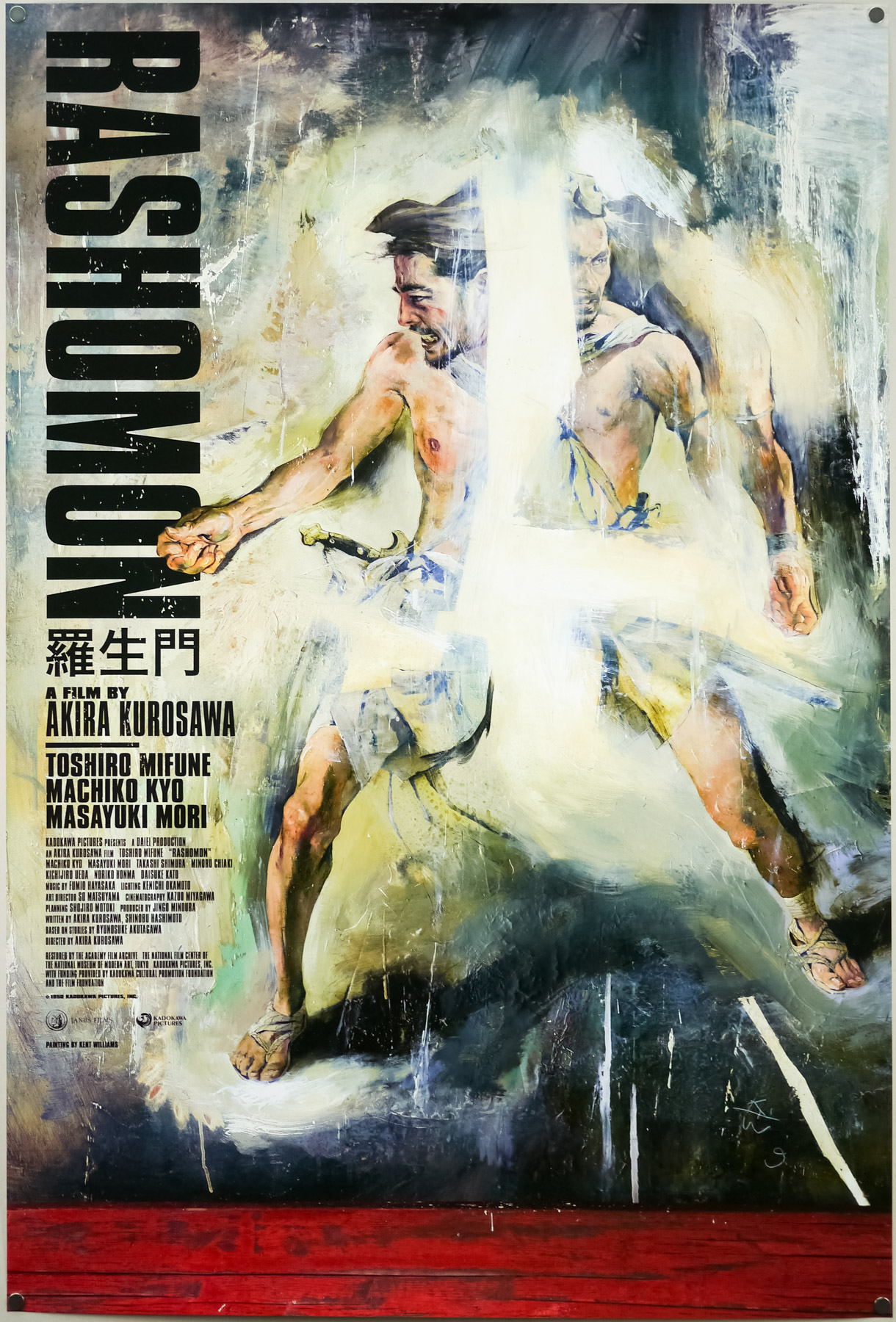
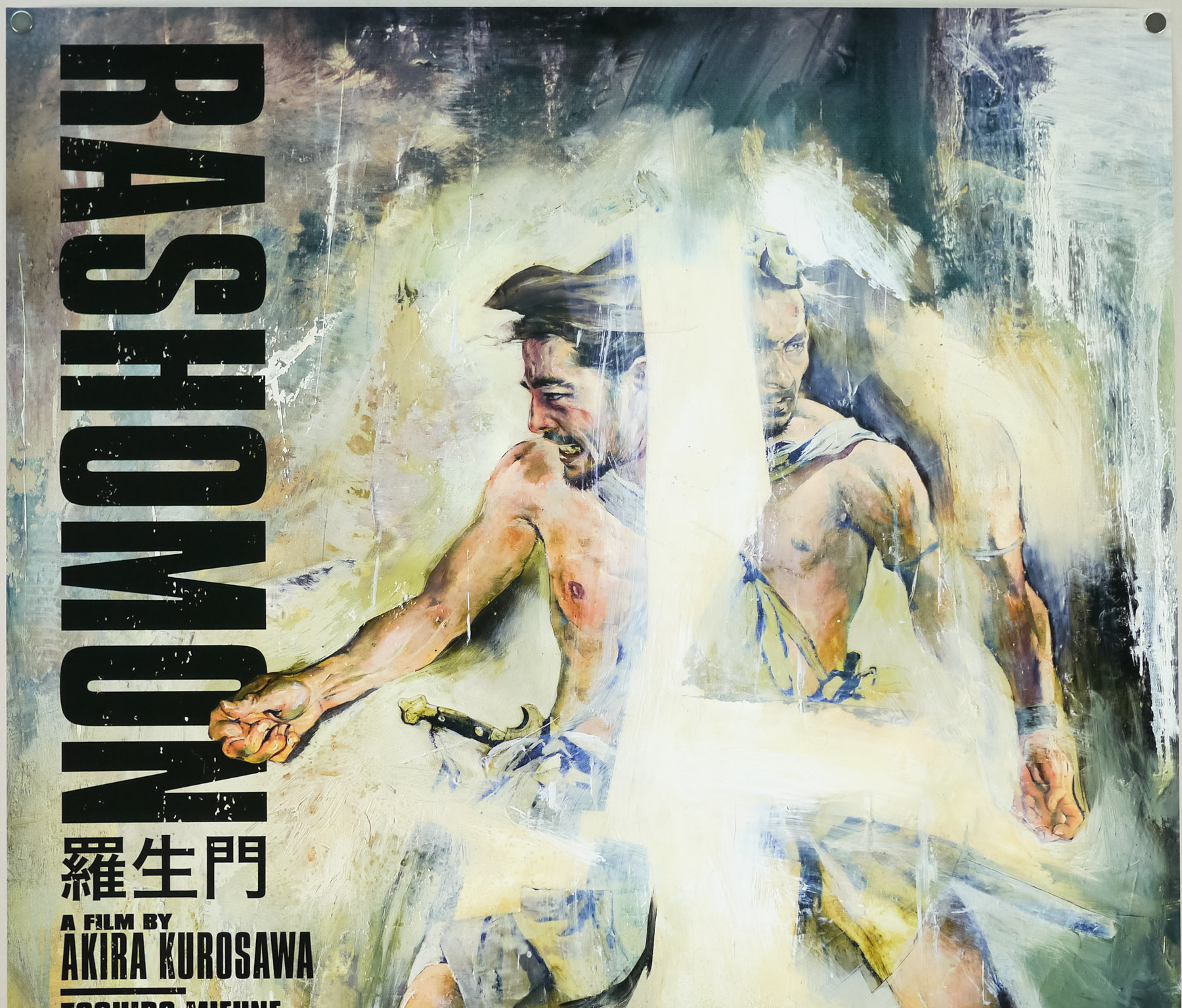
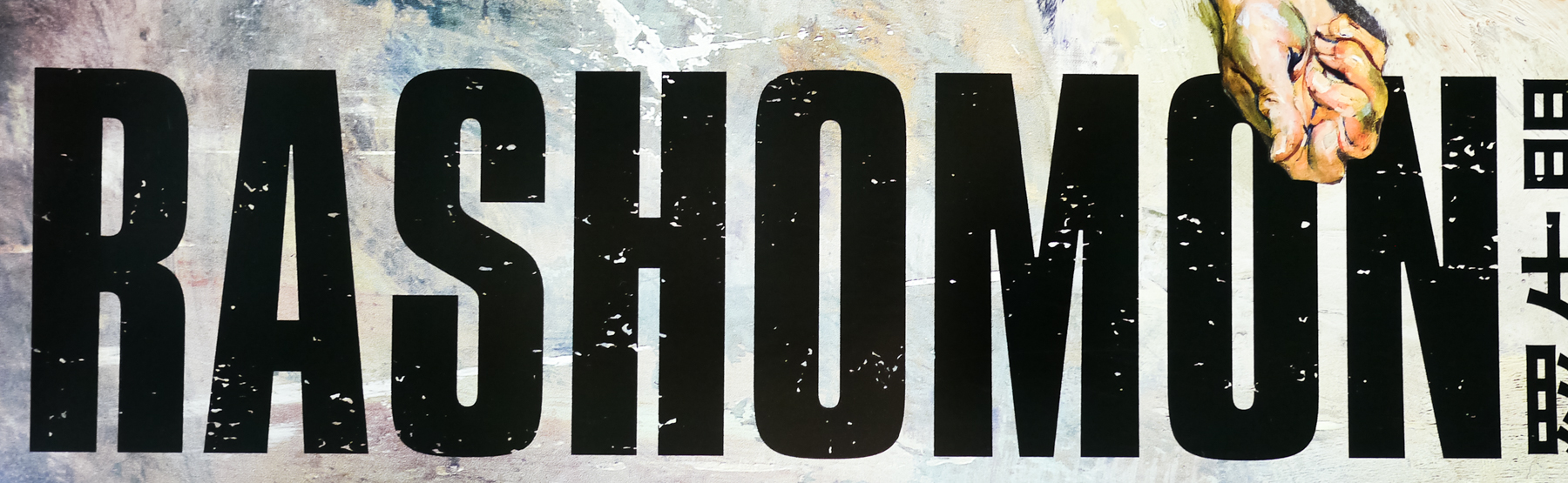
Legendary Japanese director Akira Kurosawa‘s 1950 masterpiece Rashomon is considered by many to be his crowning achievement, which is no mean feat when you consider it’s stacked against films as beloved as Seven Samurai (1954) and Yojimbo (1961). Considered incredibly influential and ground-breaking, particularly in terms of storytelling, cinematography and editing, the film has lost none of its impact in the 60+ years since its first release. The film is essentially an investigation into the truth behind a heinous crime in which a woman is raped and her samurai husband is slain at the end of a dagger, but it’s the way that Kurosawa stages the recollections of the four key eyewitnesses that makes Rashomon so special.

The film begins as three strangers shelter under the ruins of the eponymous gate during a calamitous thunderstorm. Two of the men, a woodcutter and a priest, were witnesses to events that happened in a nearby forrest three days earlier and they begin to recount what they saw to the commoner who’s eager to hear the details of the crime. Each of the recollections feature the husband and wife and a bandit named Tajômaru (Toshirô Mifune) but each of the witnesses recall the events that led to the death of the samurai in very different ways.

Kurosawa uses a number of editing techniques to differentiate the recollections for the viewer and apparently shot the same scene with several different cameras so he could cut to another angle of the same performances as he saw fit. Mifune, a frequent collaborator, deserves special mention for his memorable portrayal of the bandit Tajomaru in each of his different ‘guises’. In the end, the viewer is left to decide which of the witnesses they believe with the director resisting the urge to wrap things up neatly. As the commoner remarks when discussing the validity of one of the recollections: ‘We all want to forget something, so we tell stories. It’s easier that way.’

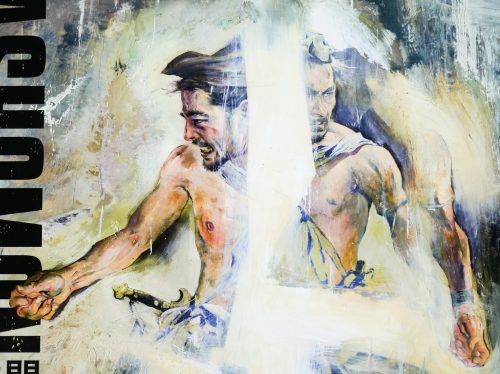
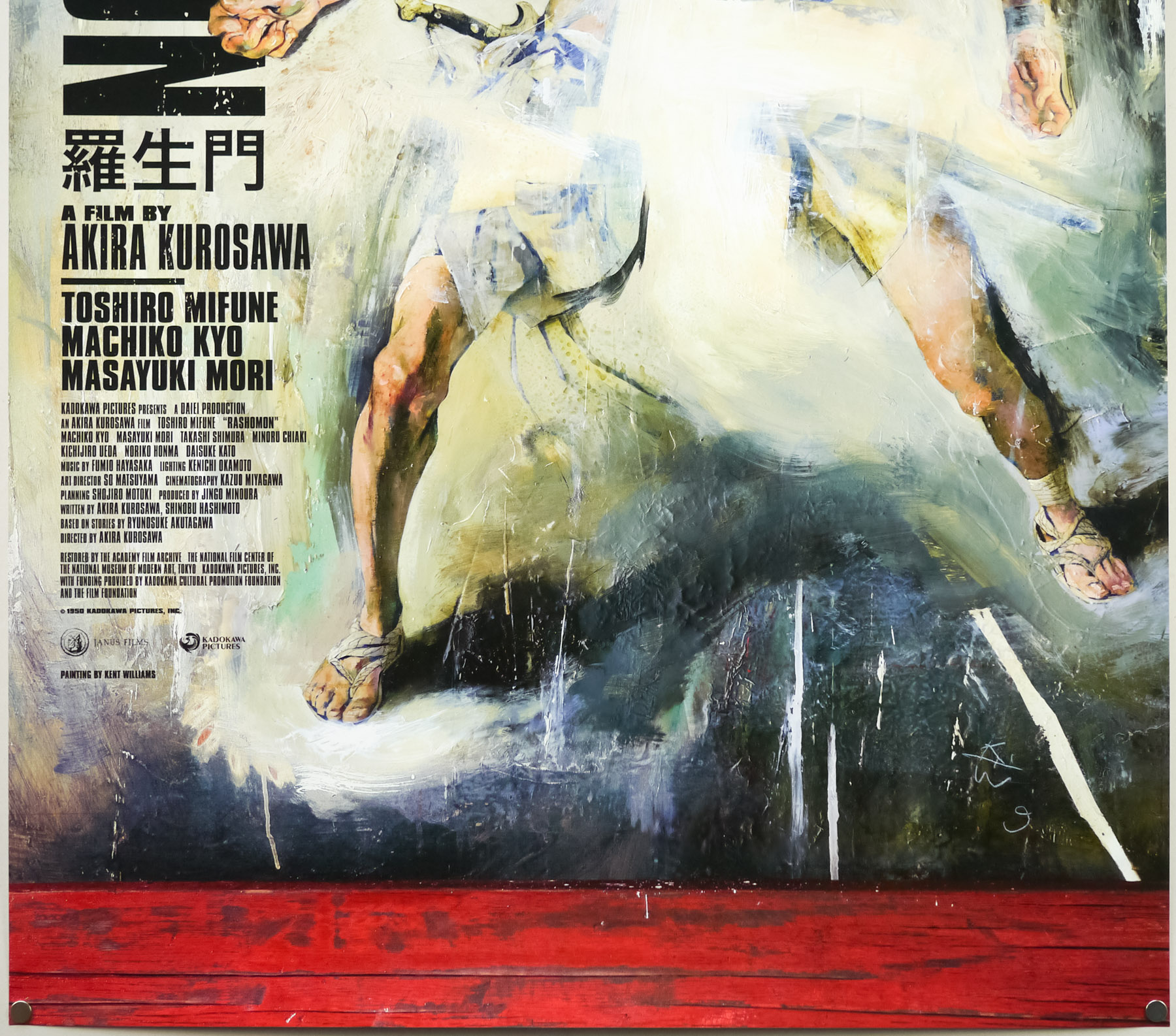
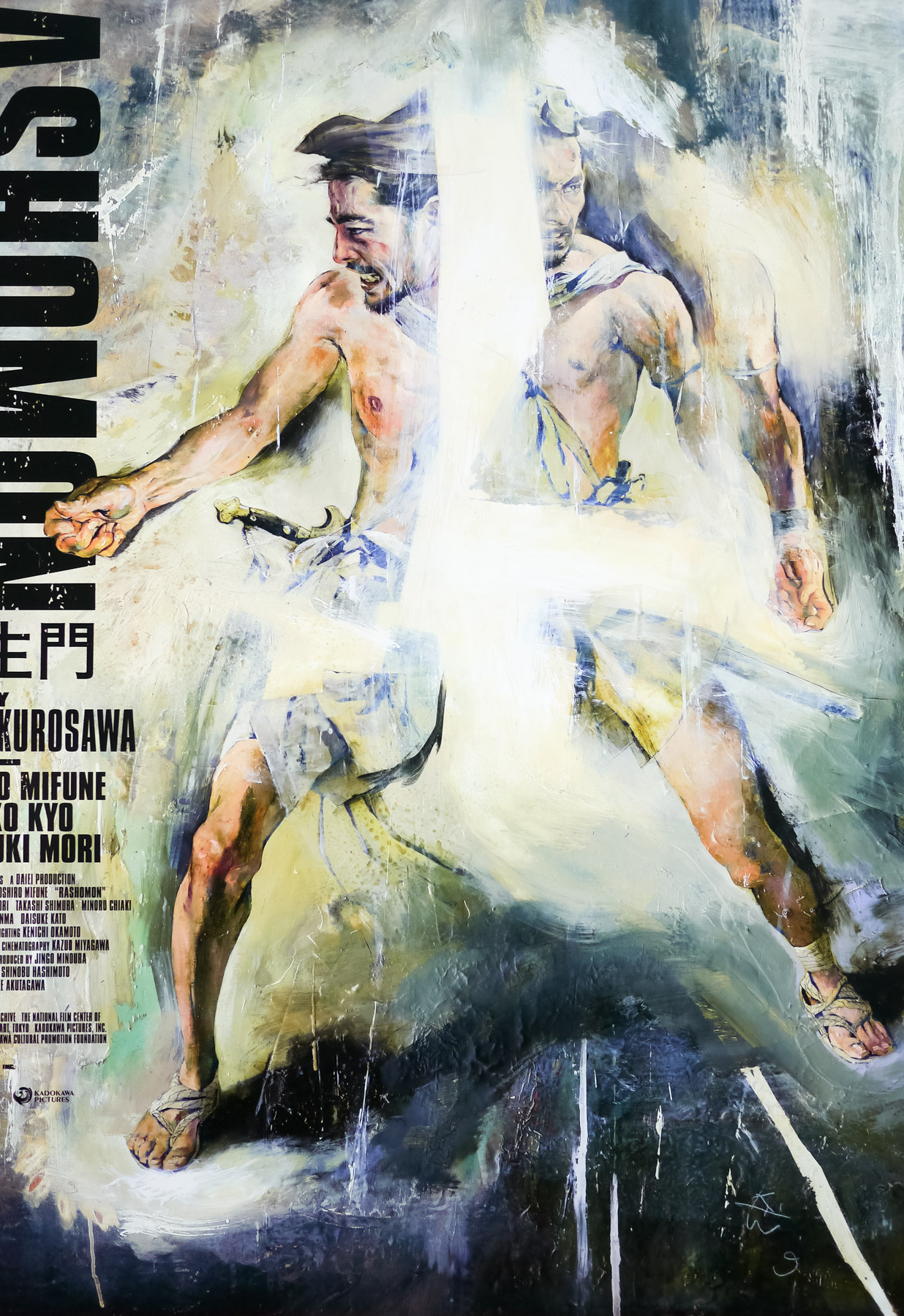
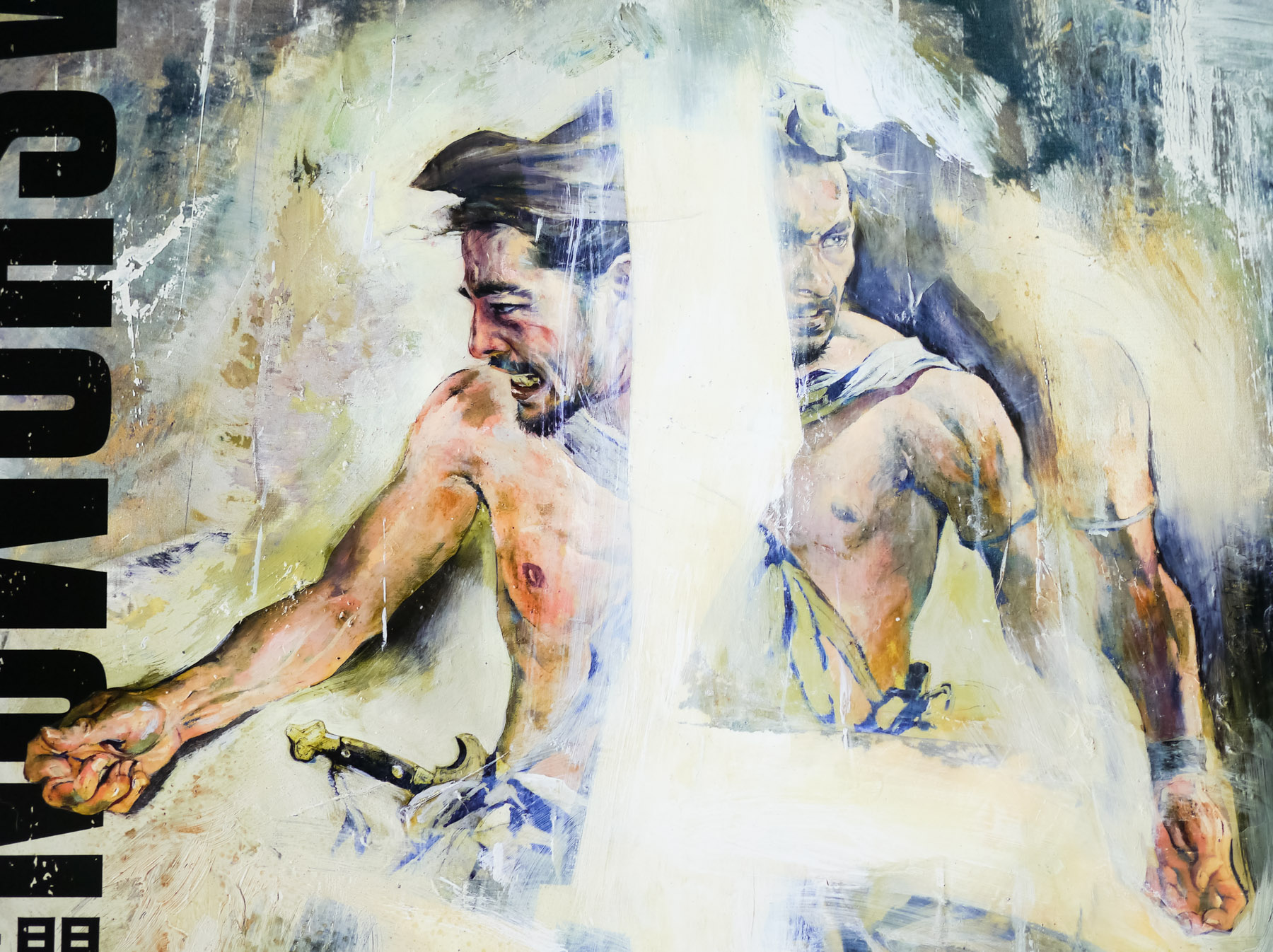
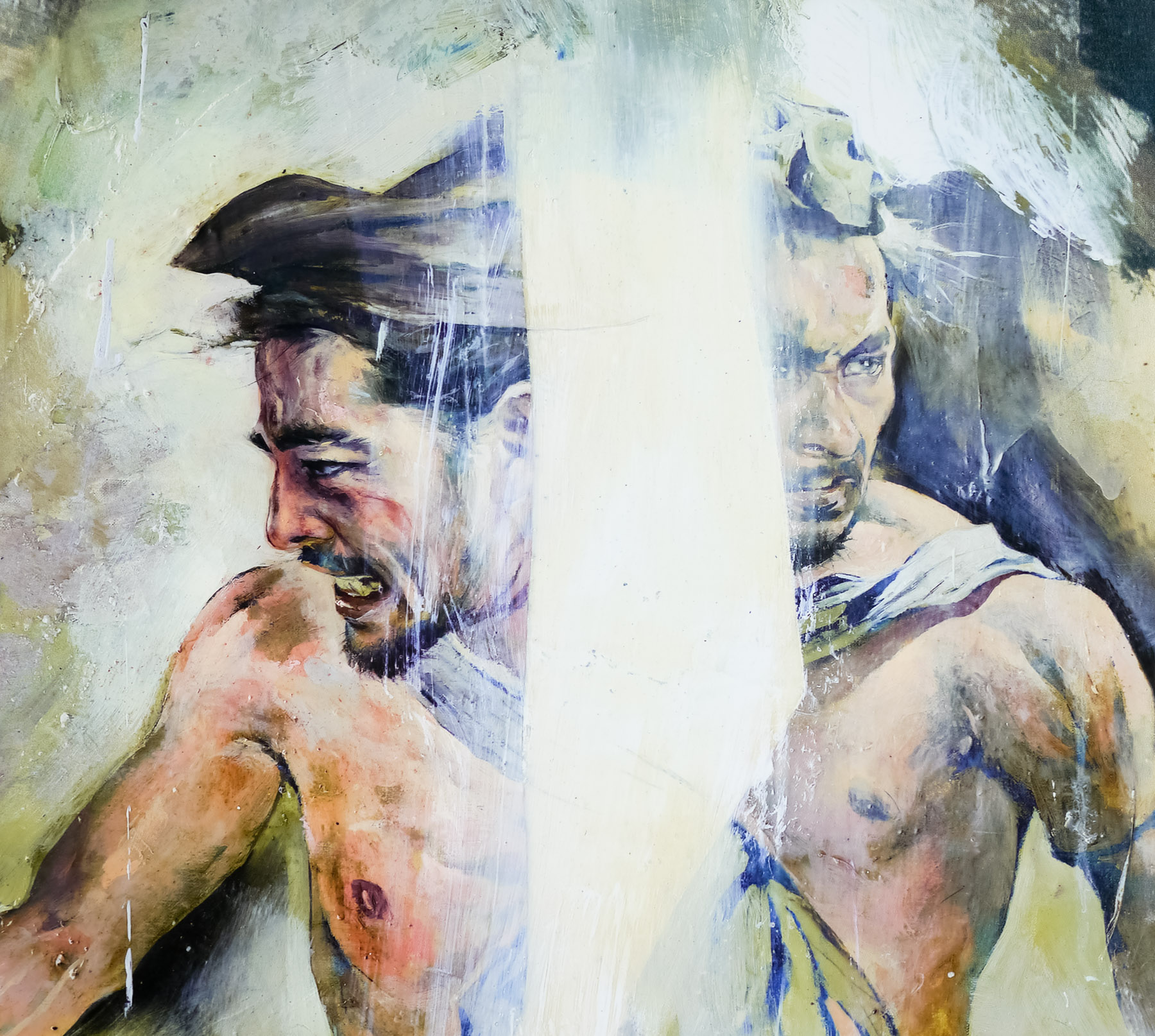
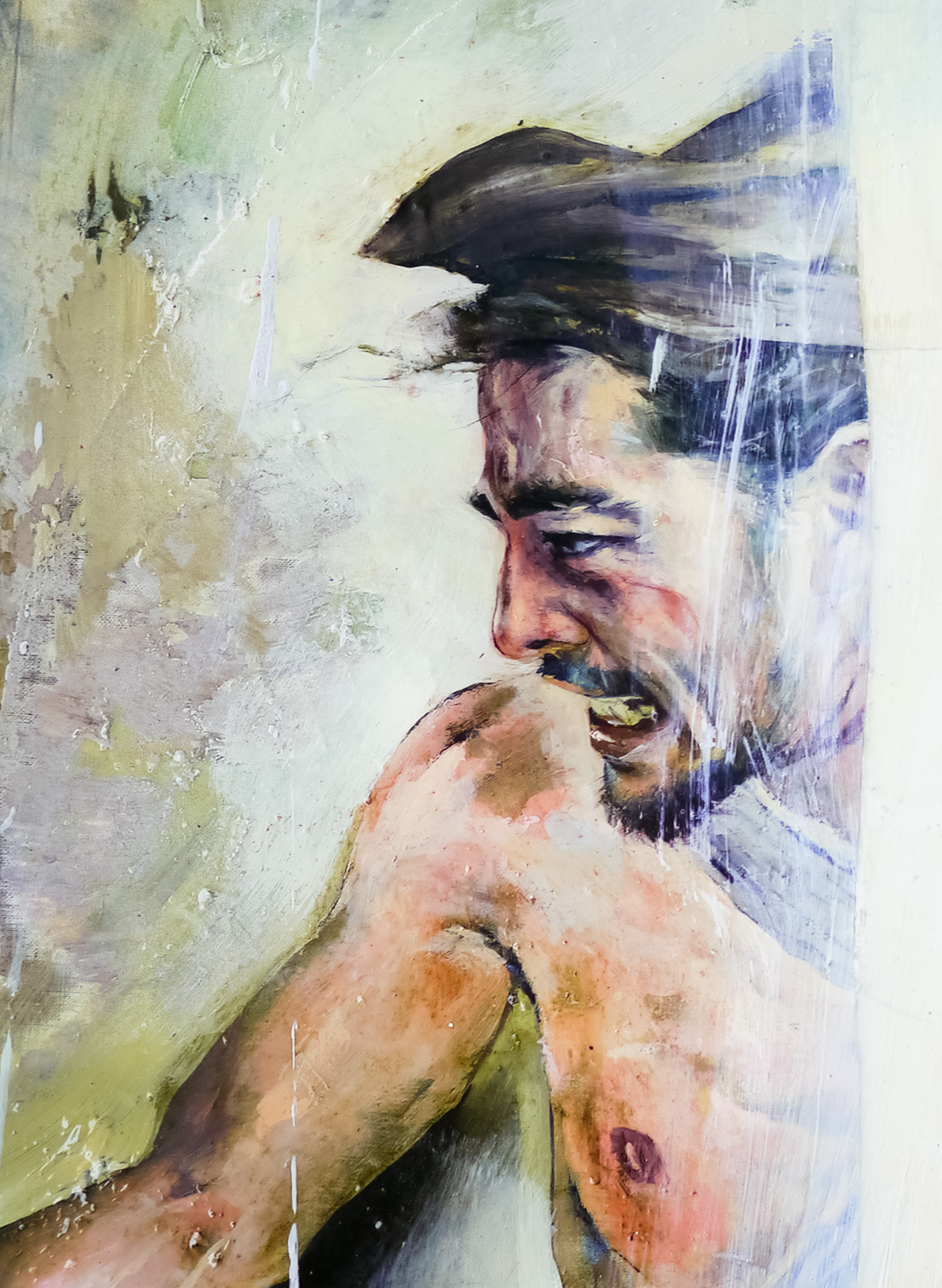
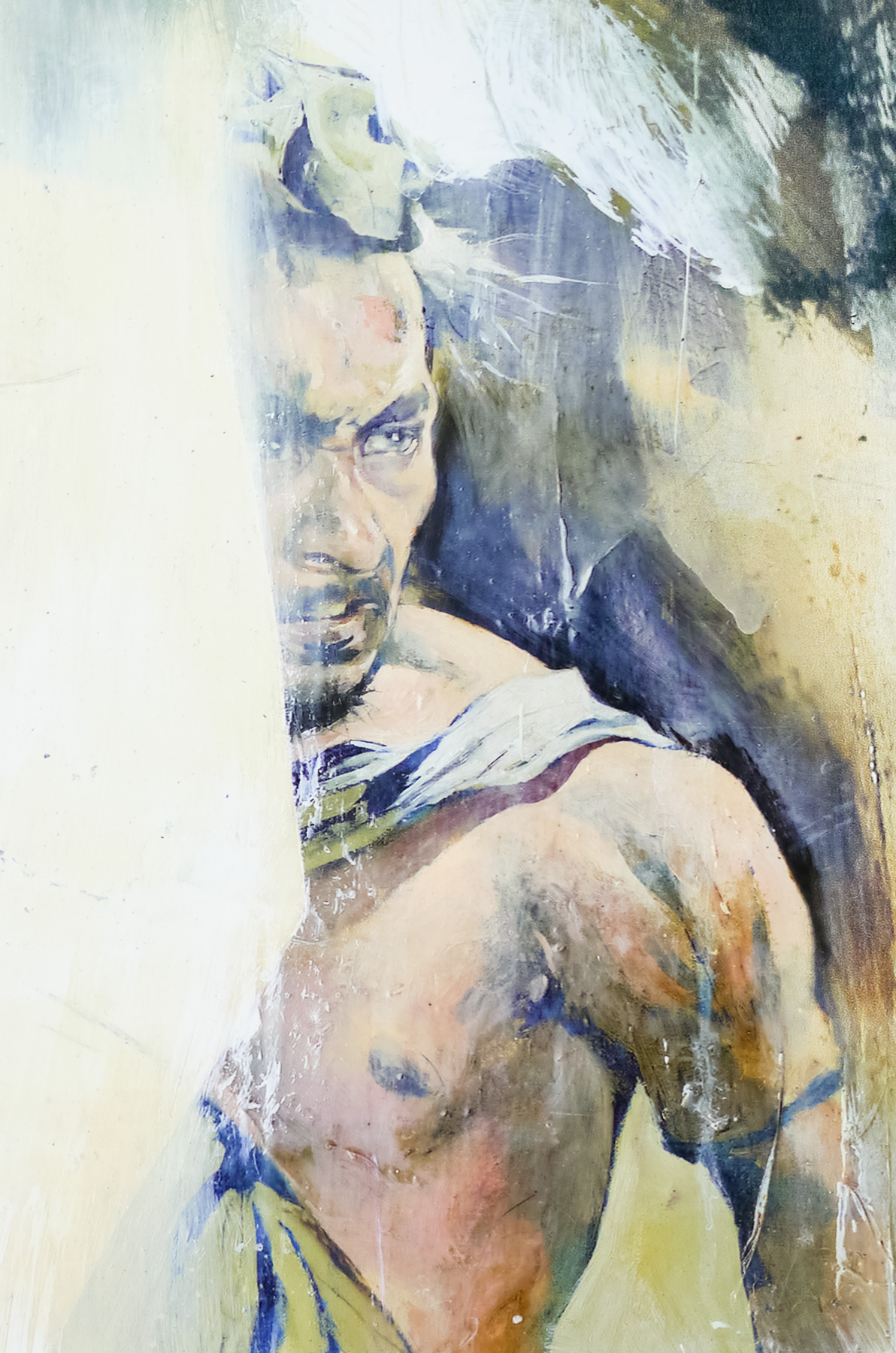
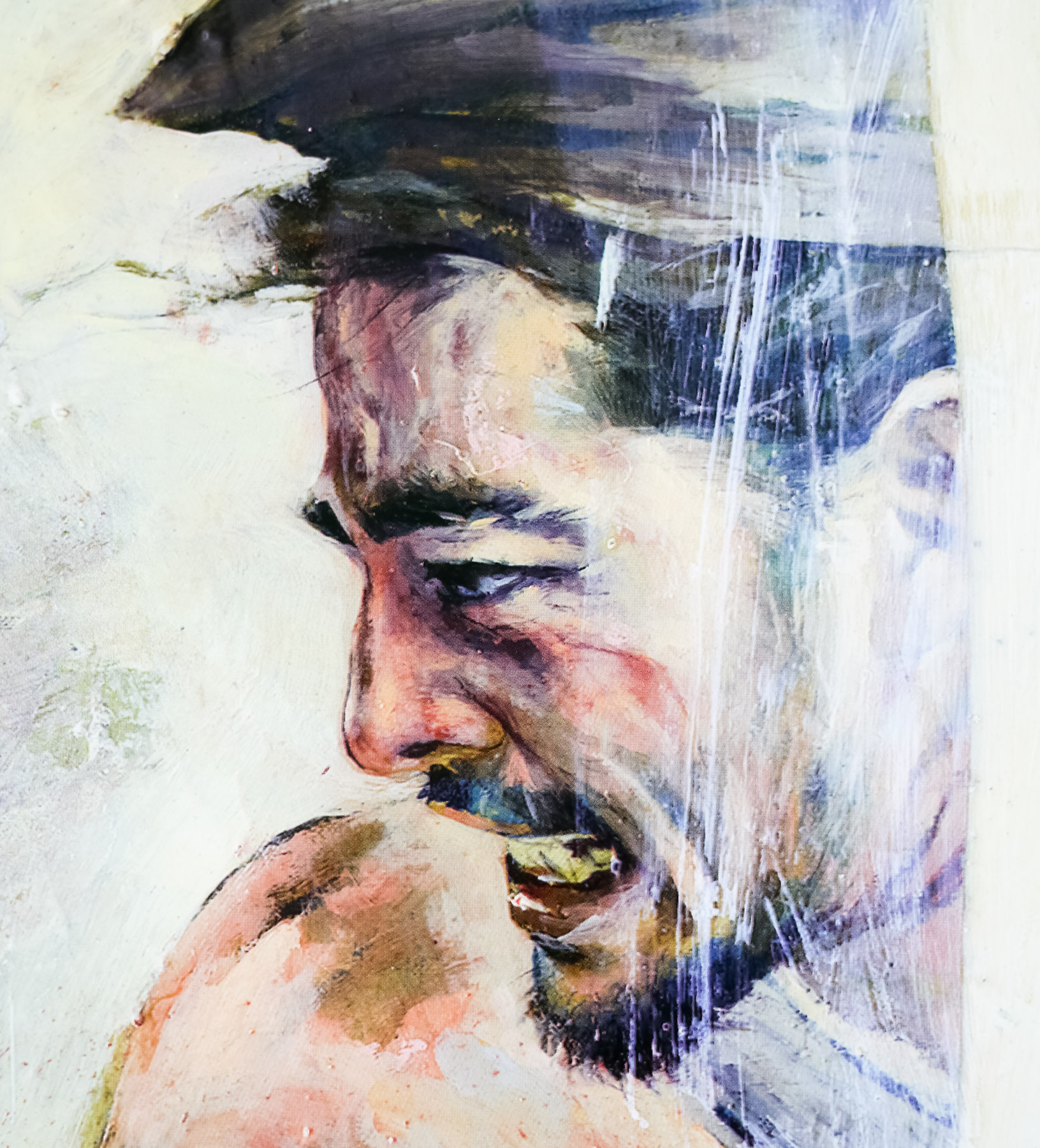
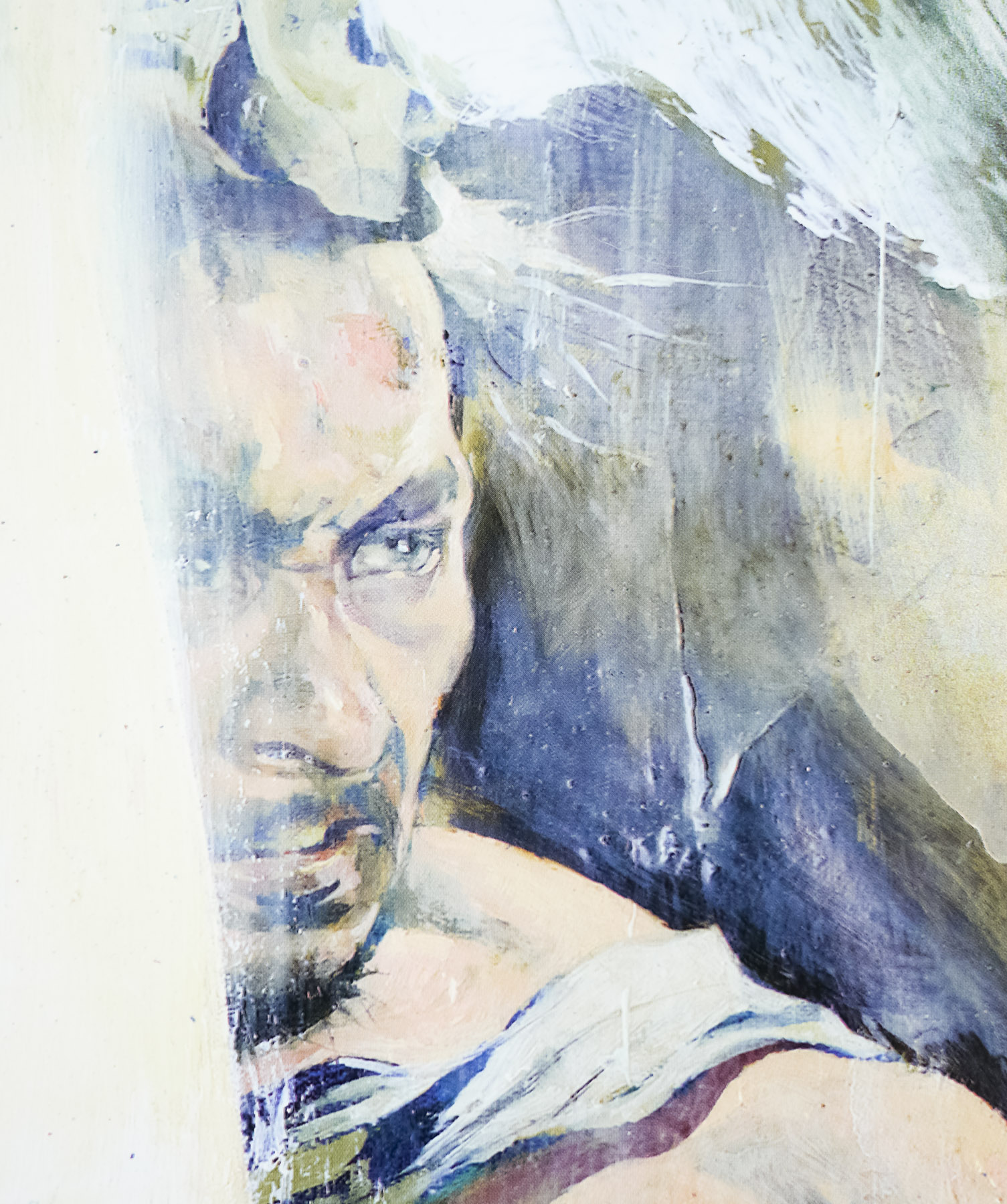
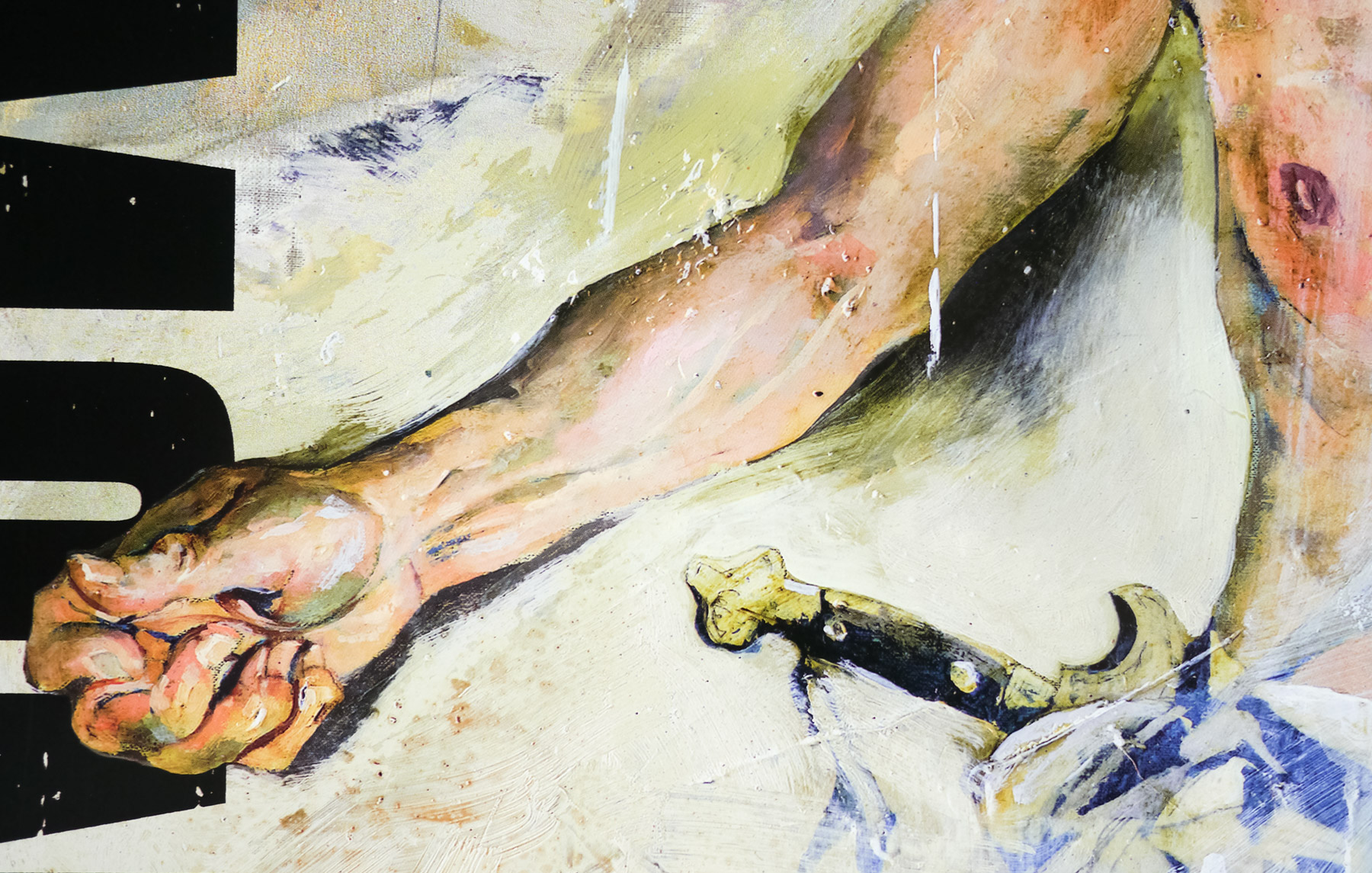
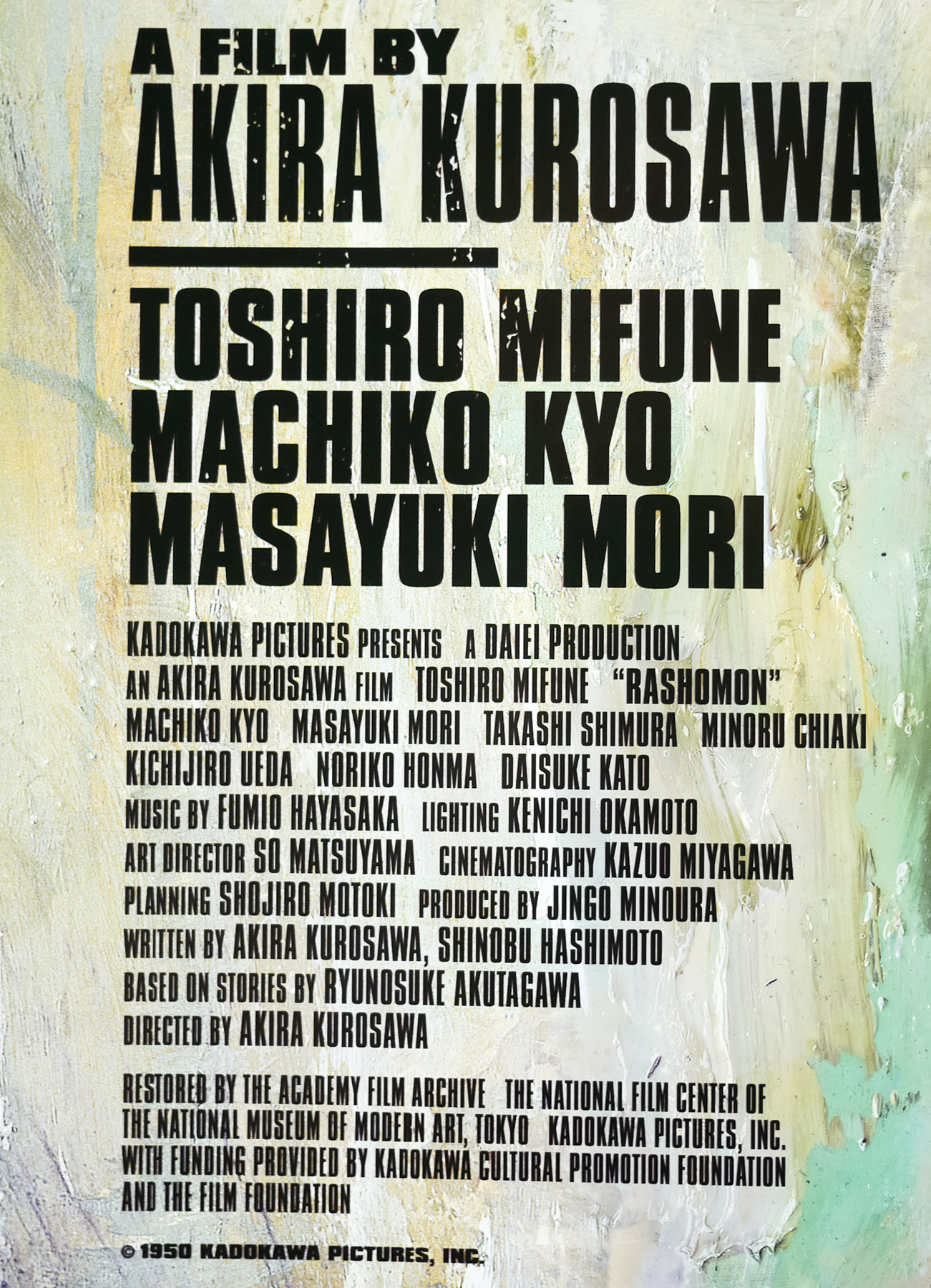
American artist Kent Williams painted this stunning portrait of Tajomaru that was commissioned by Janus Films for the 2009 cinema re-release of Rashomon. The release followed an extensive 2008 restoration undertaken by the Academy Archive, the National Film Center of the National Museum of Modern Art, Tokyo, and Kadokawa Pictures. Born in 1962, Williams has lent his considerable talents to a wide range of artistic channels, including printmaking, photography, architecture and film. He is perhaps best known for his work on graphic novels for the likes of Marvel and Vertigo and in 2006 he collaborated with filmmaker Darren Aronofsky on a comic book tie-in for the sci-fi fantasy film The Fountain. His official website contains galleries of his work, as well as a biography, links to blogs and more.

Kent’s 2009 blog post announcing the completion of this piece can be viewed here and confirms that the original artwork was realised with oil and encaustic on linen mounted on wood panel with a distressed wooden beam. This same image was used for the must-own 2012 Criterion re-release of Rashomon and the poster was available to purchase via their web shop for a number of months, which is where I picked it up from. It sadly appears to be no longer available for purchase.

Noriyoshi Ohrai exhibition / Godzilla posters

07.11.14

Poster Poster
Title
Noriyoshi Ohrai exhibition - Godzilla posters
AKA
--
Year of Film
N/A
Director
Various
Starring
Various
Origin of Film
Japan
Genre(s) of Film
Various,
Type of Poster
Other
Style of Poster
--
Origin of Poster
Japan
Year of Poster
2014
Designer
Noriyoshi Ohrai
Artist
Noriyoshi Ohrai
Size (inches)
16 10/16" x 23 6/16"
SS or DS
SS
Tagline
--

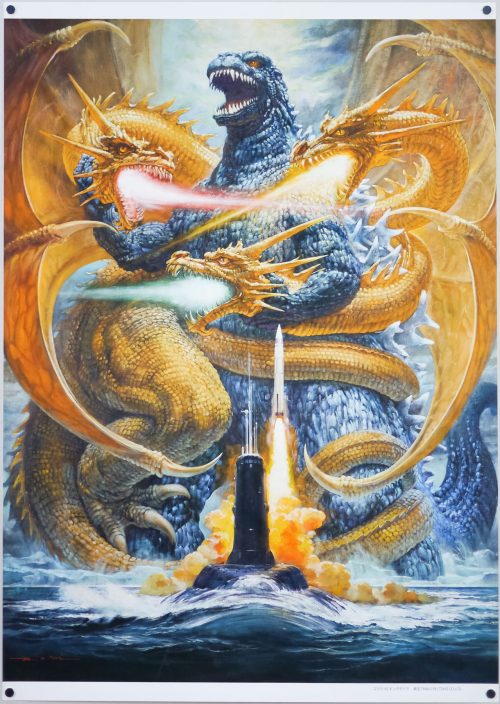
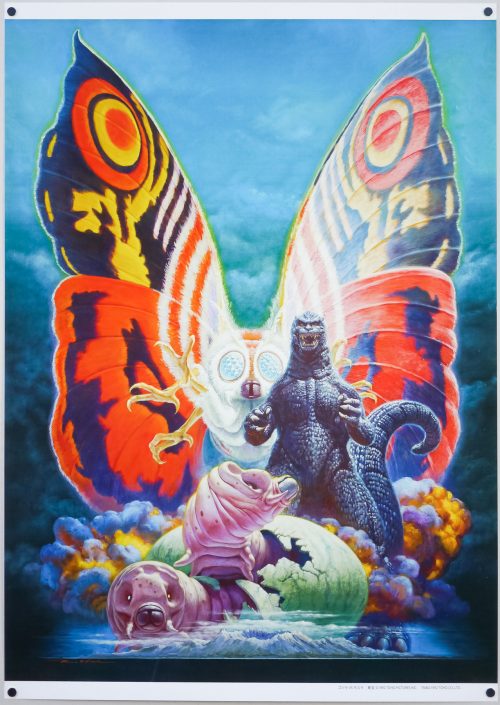
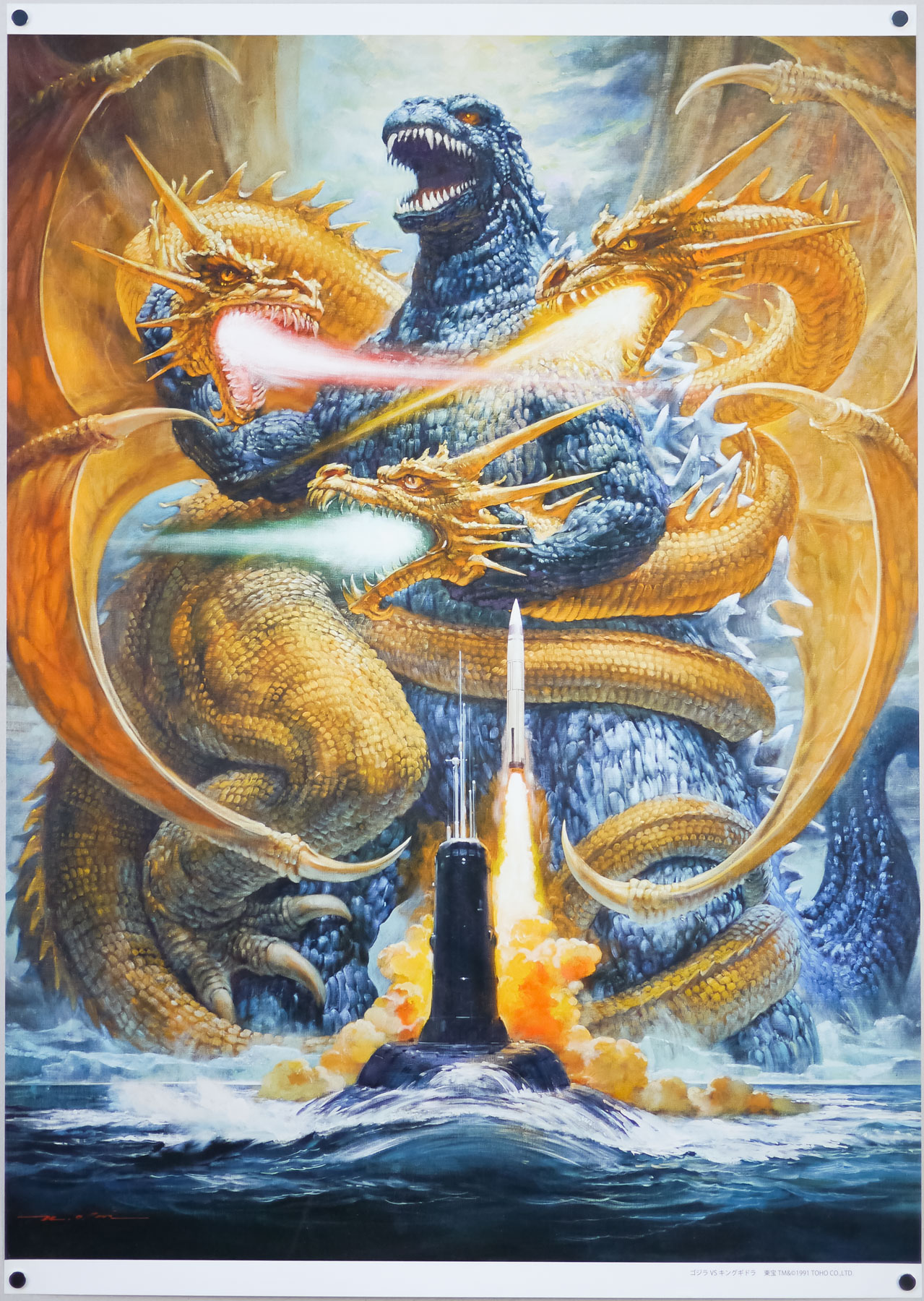
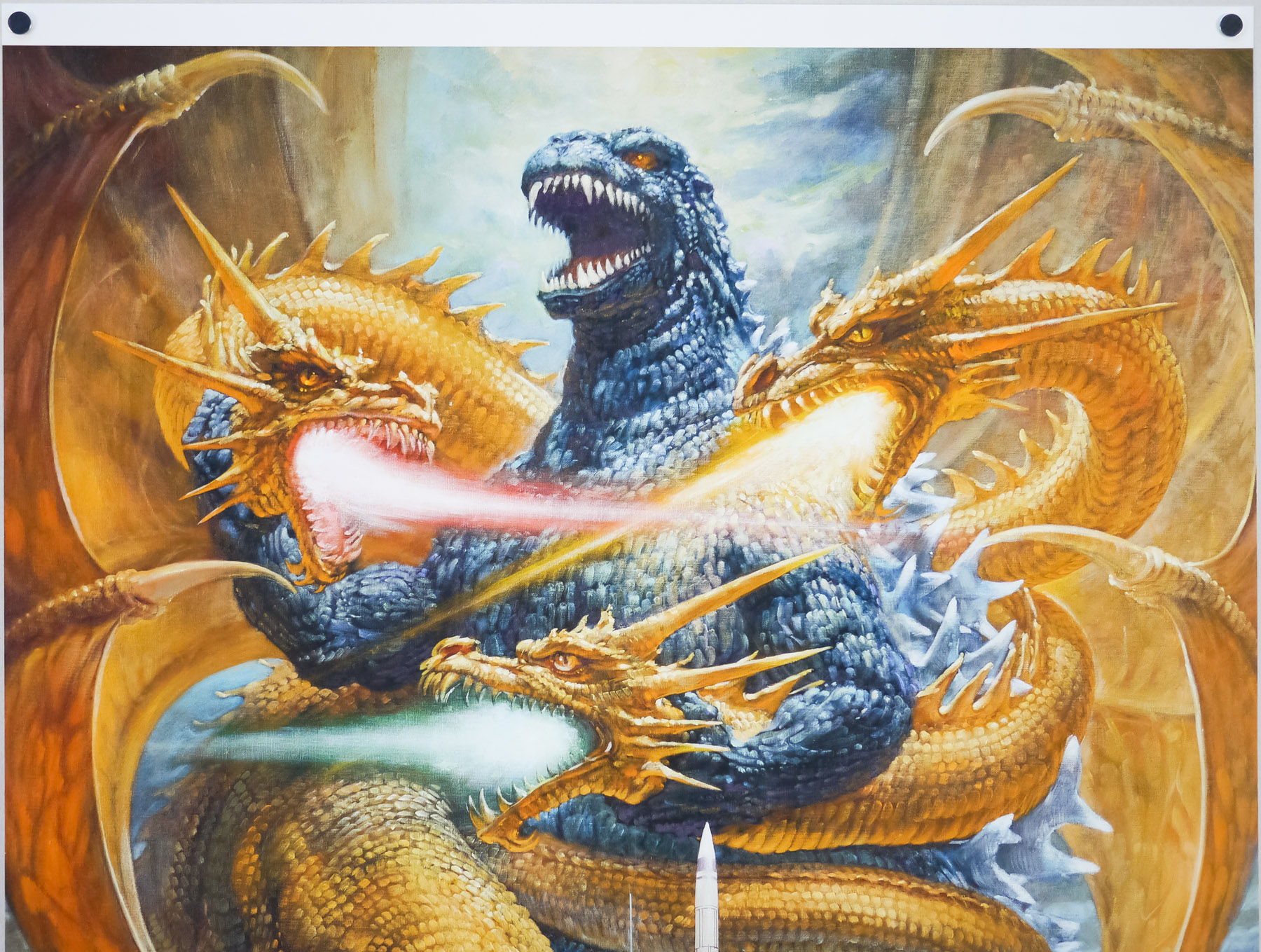
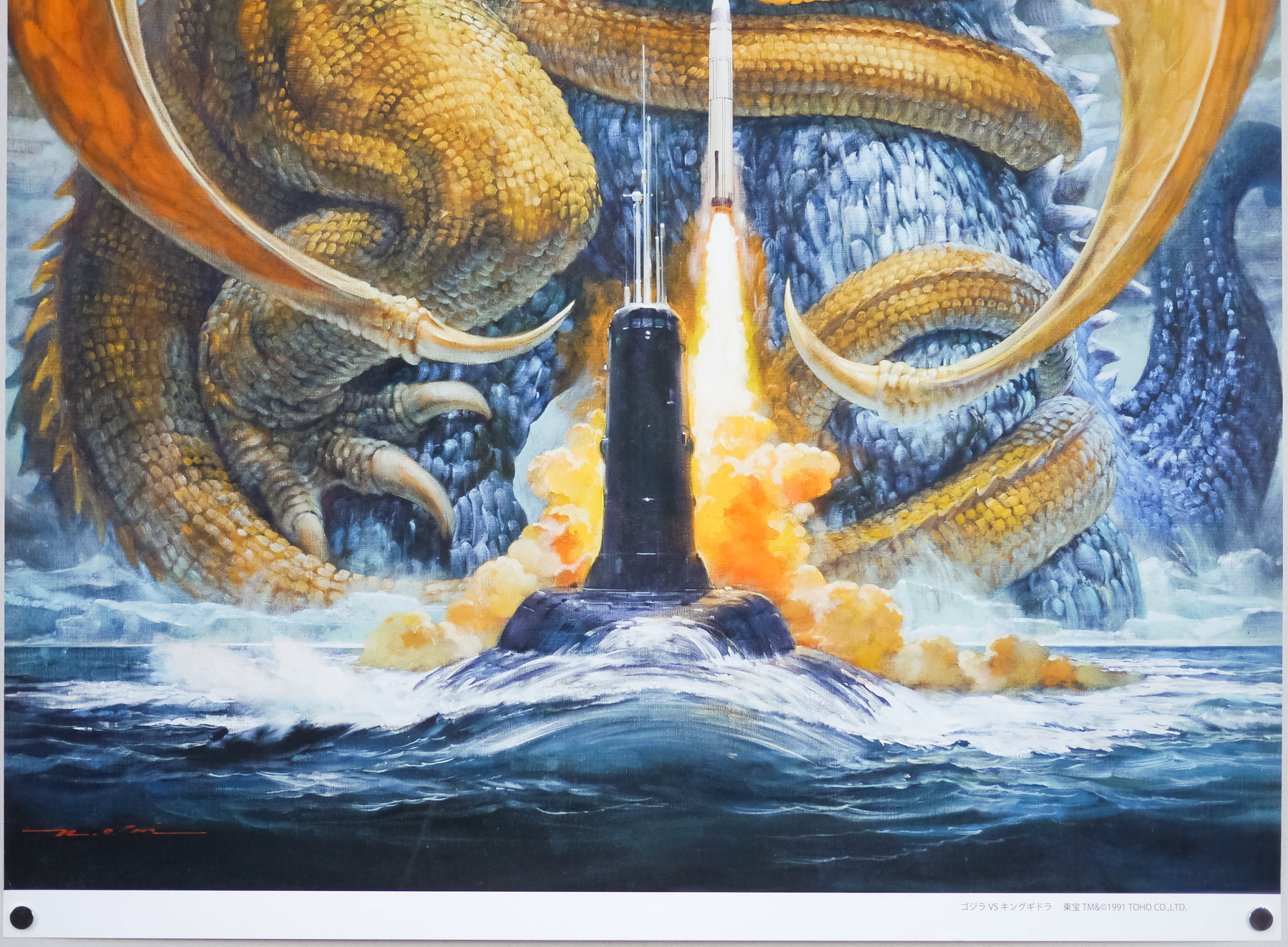
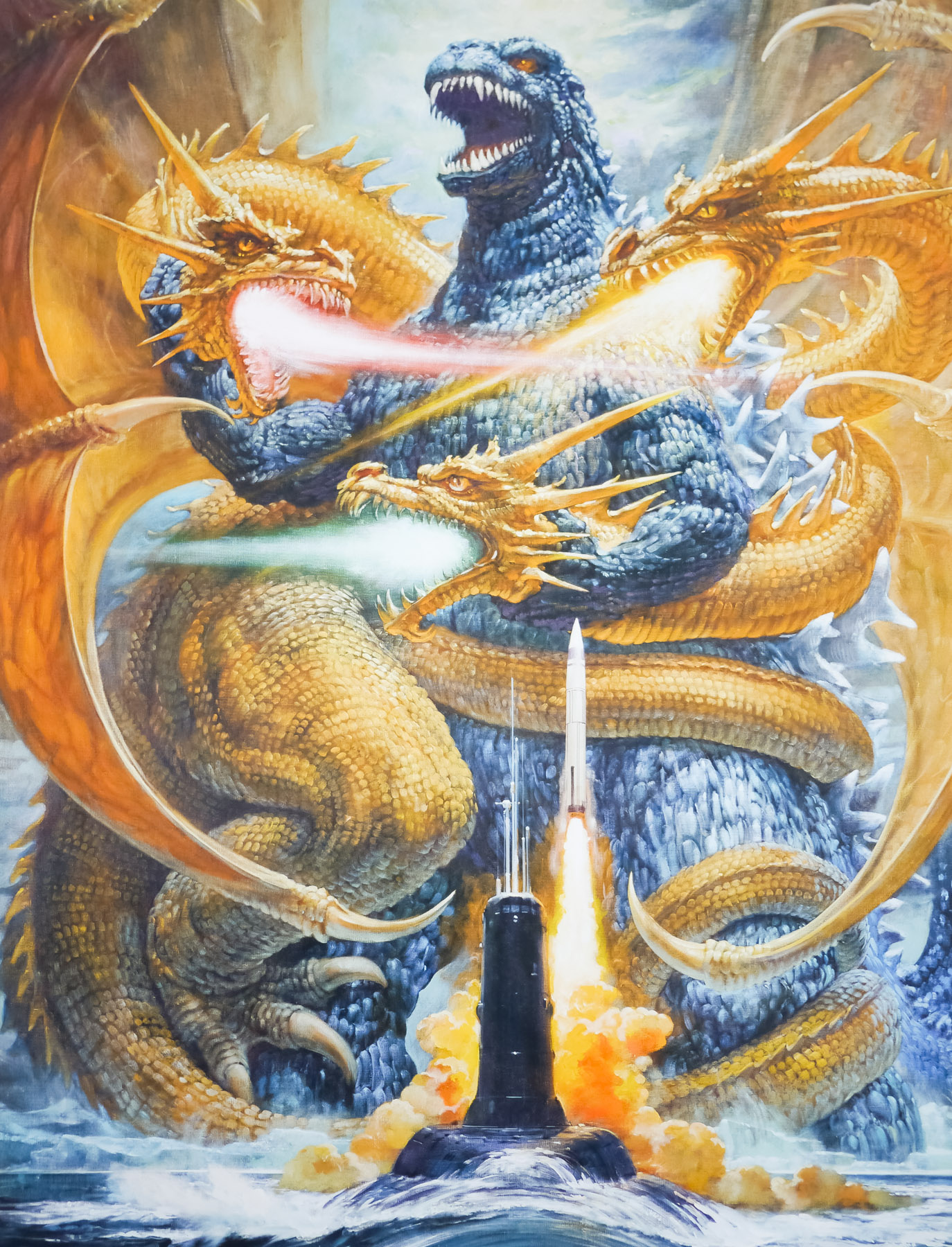
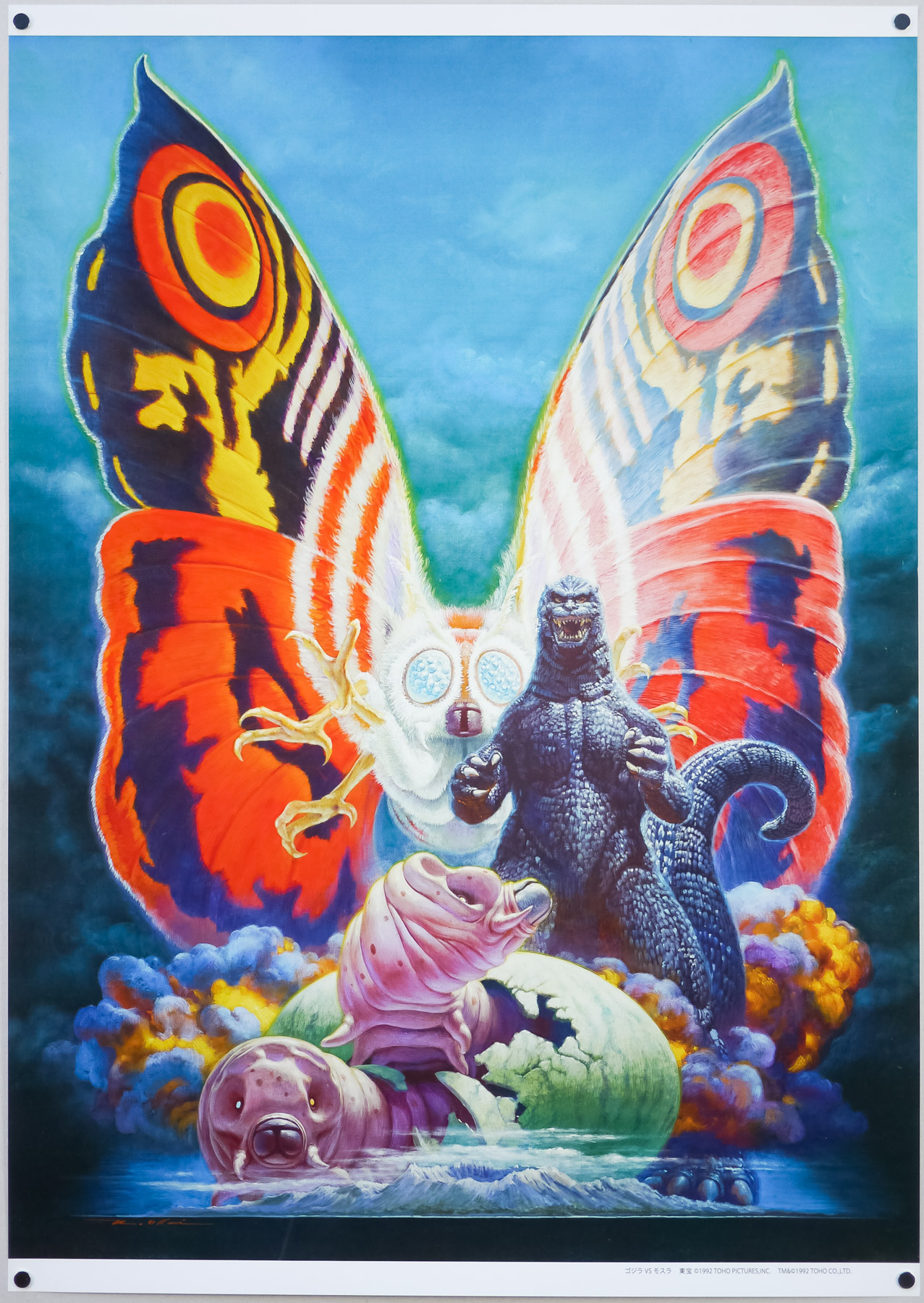
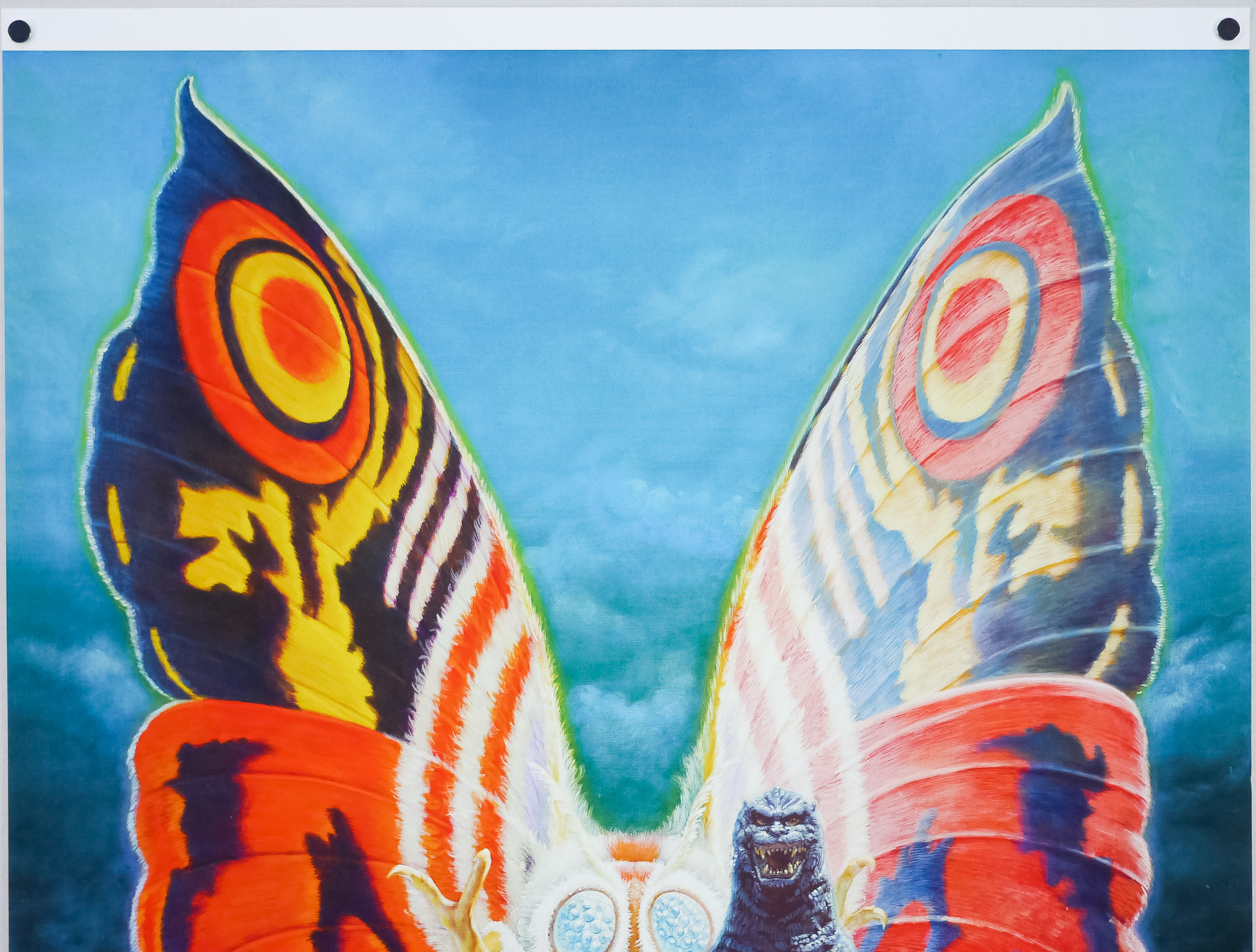
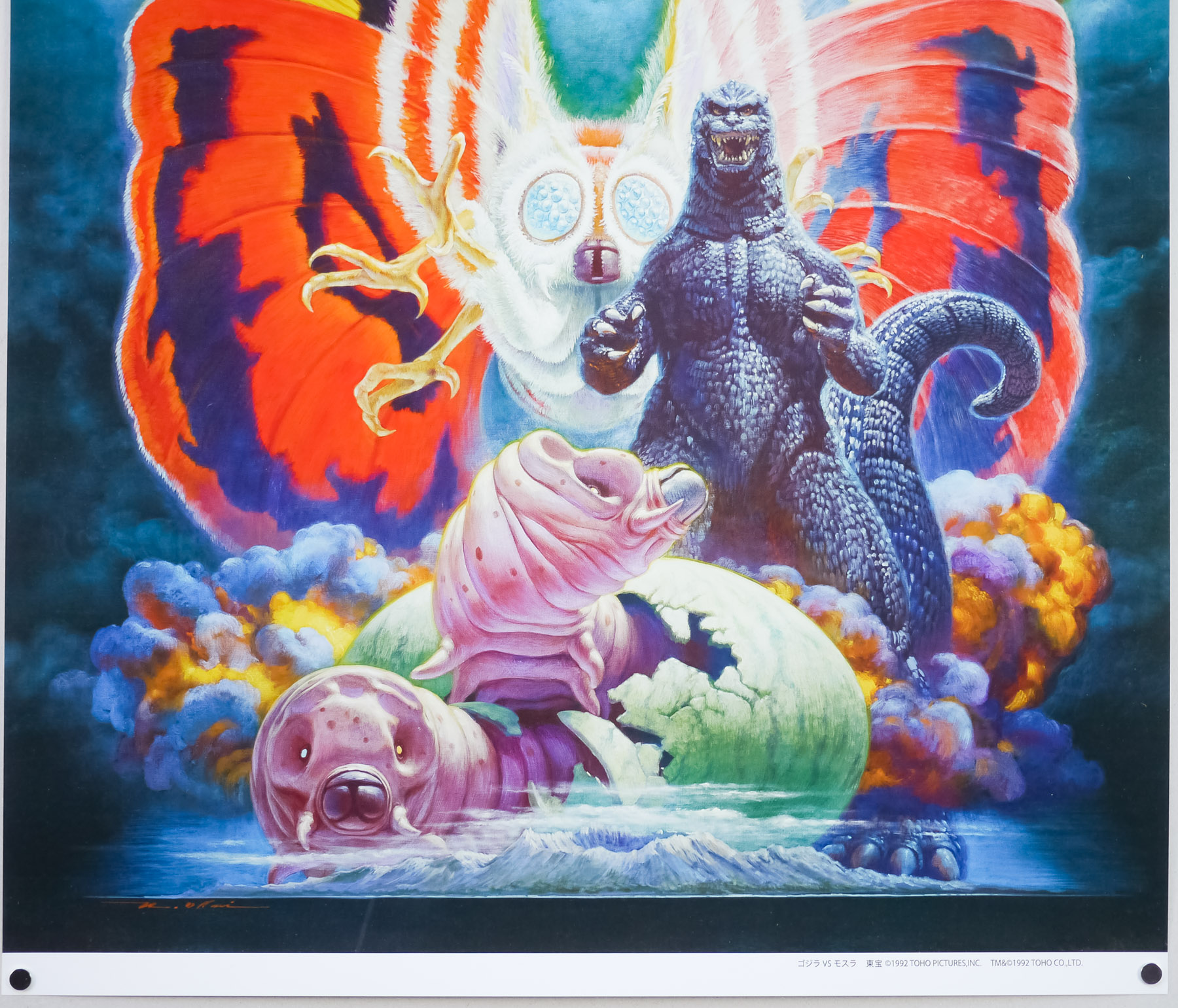
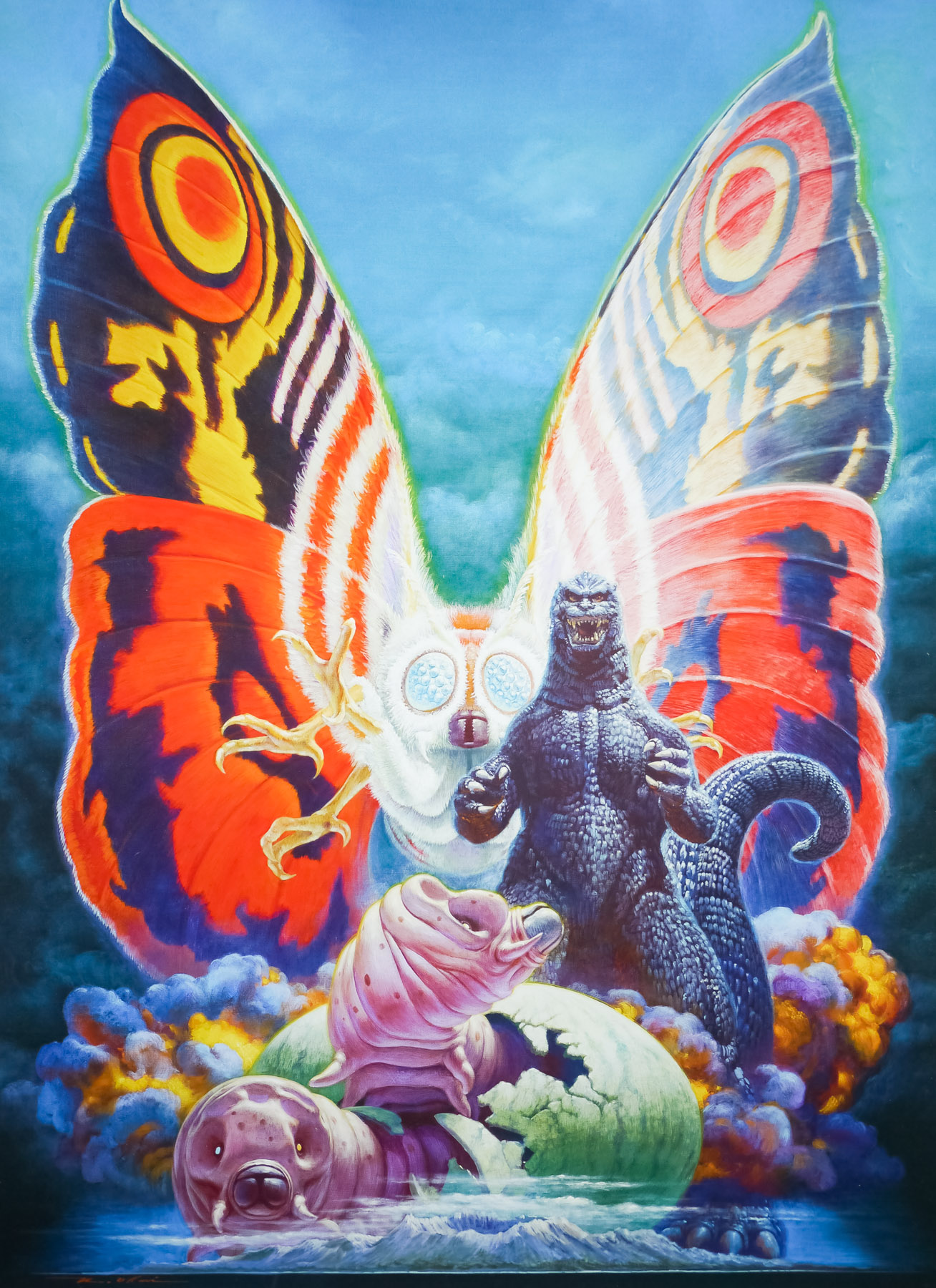
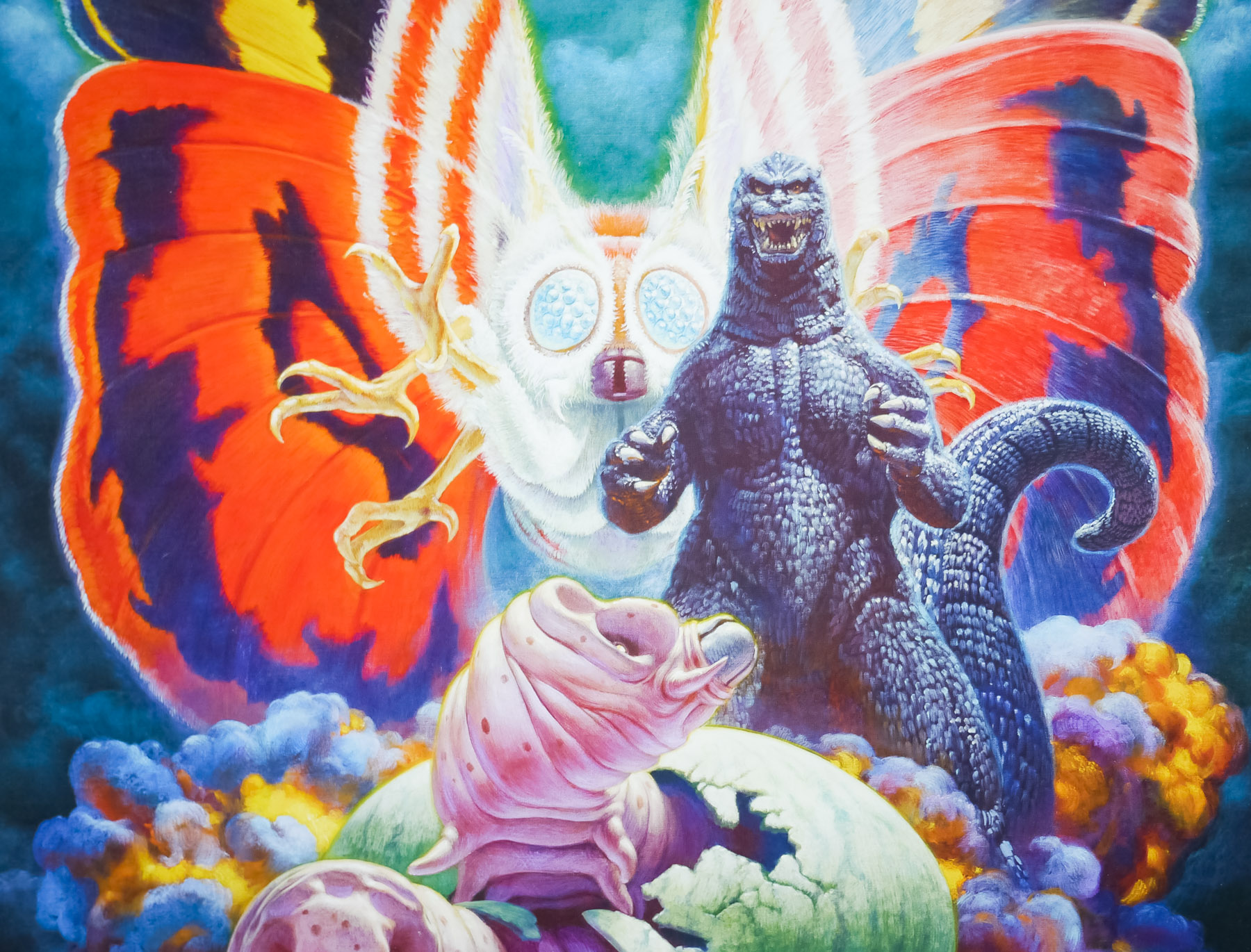
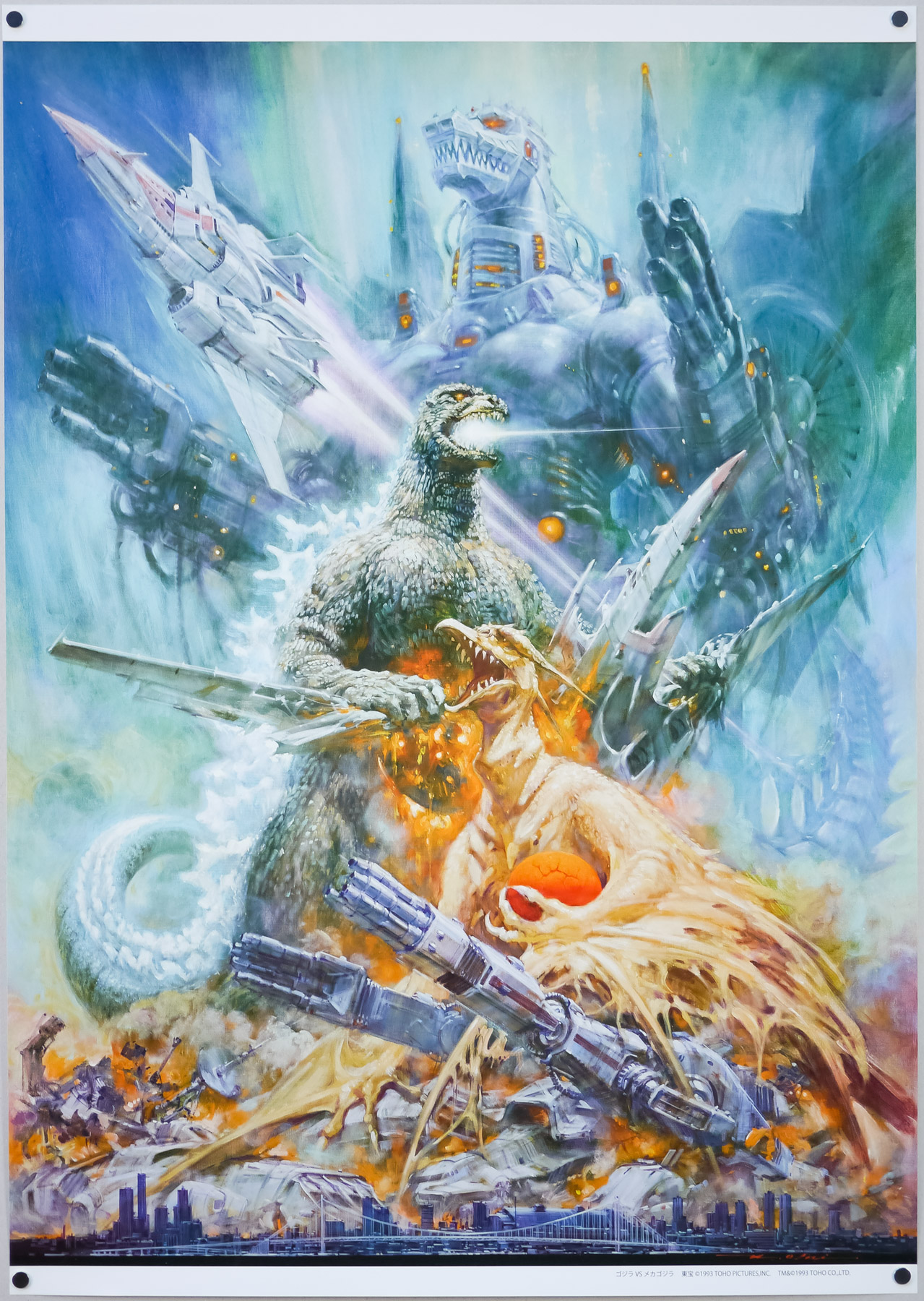
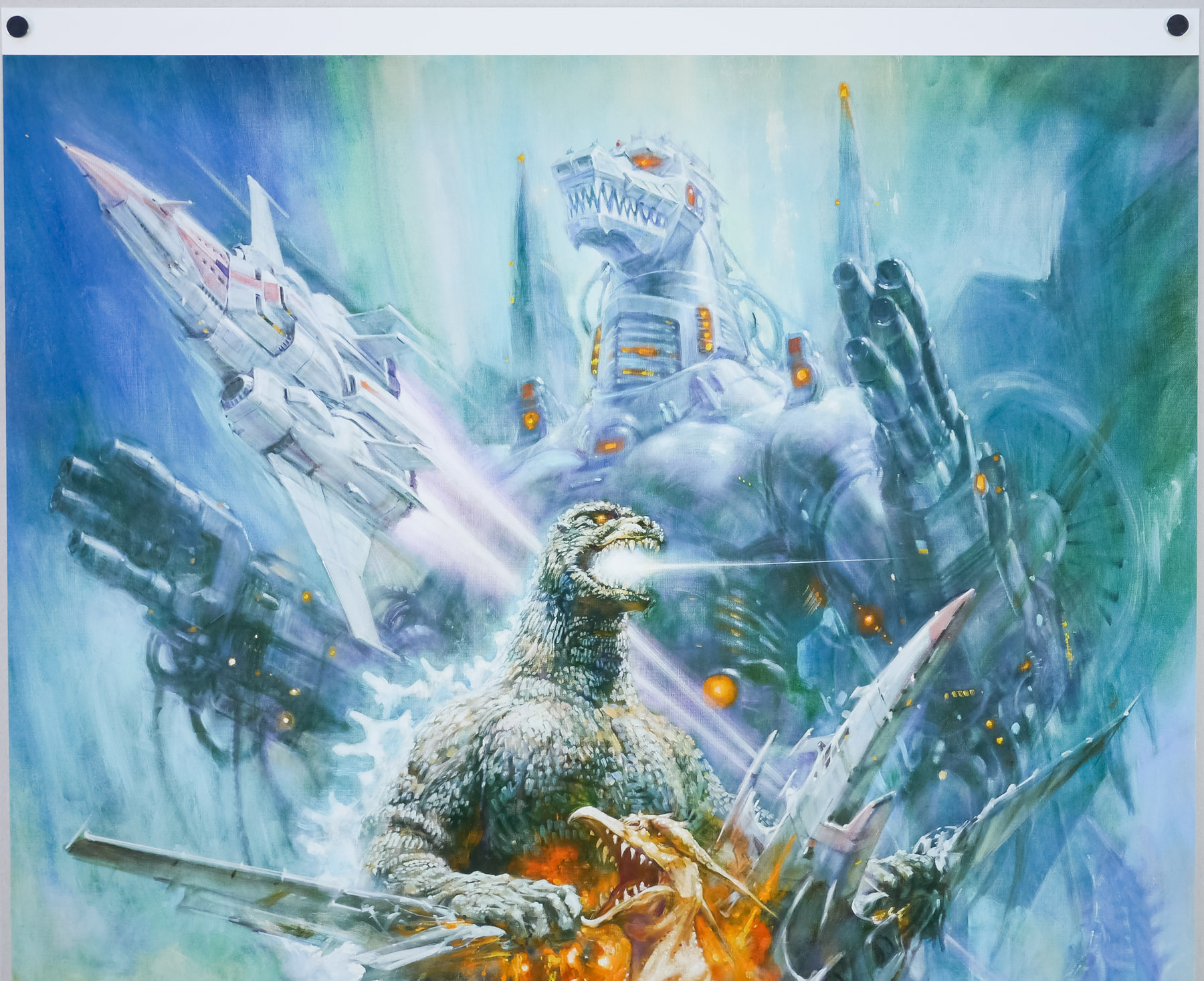
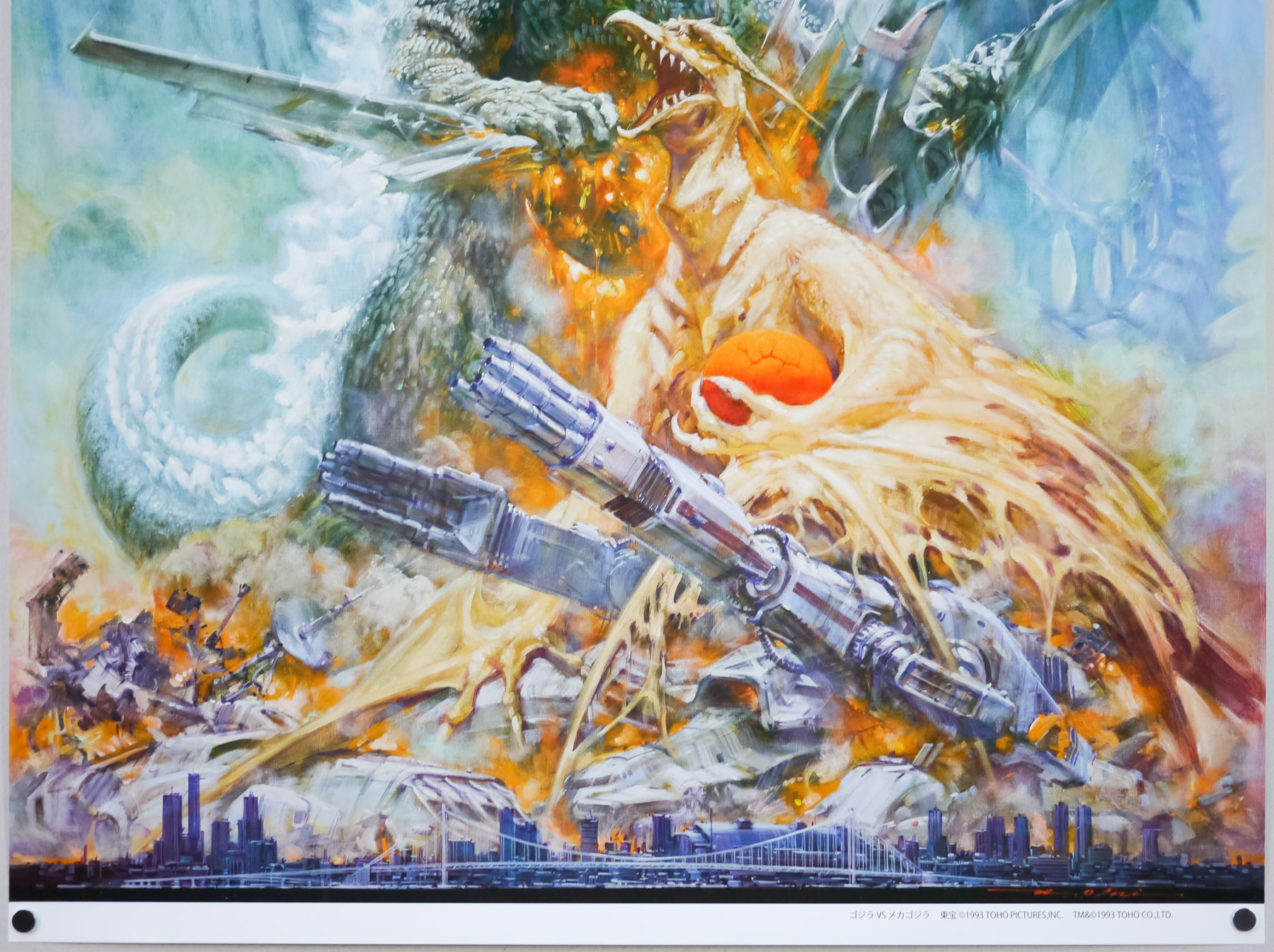
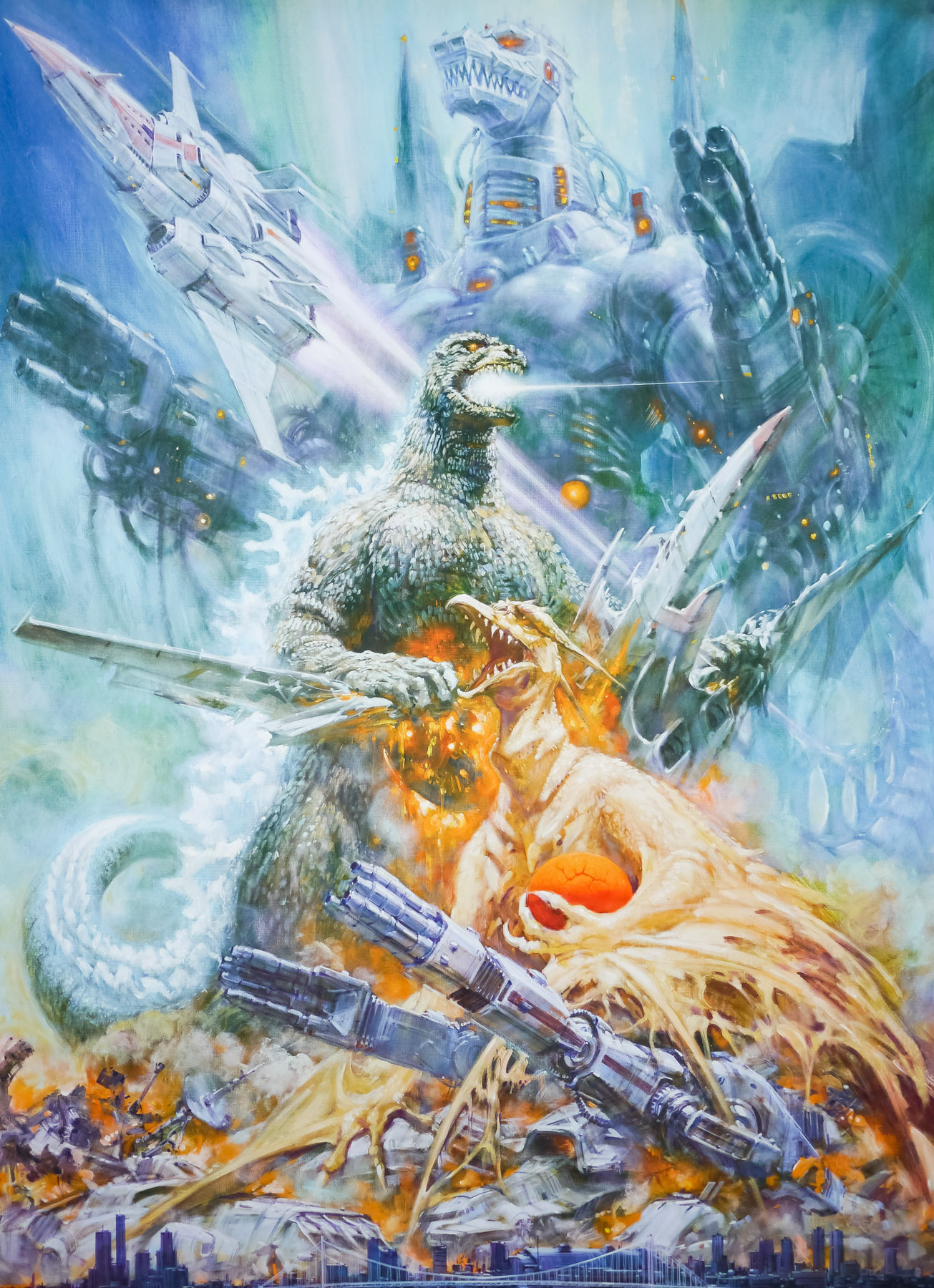
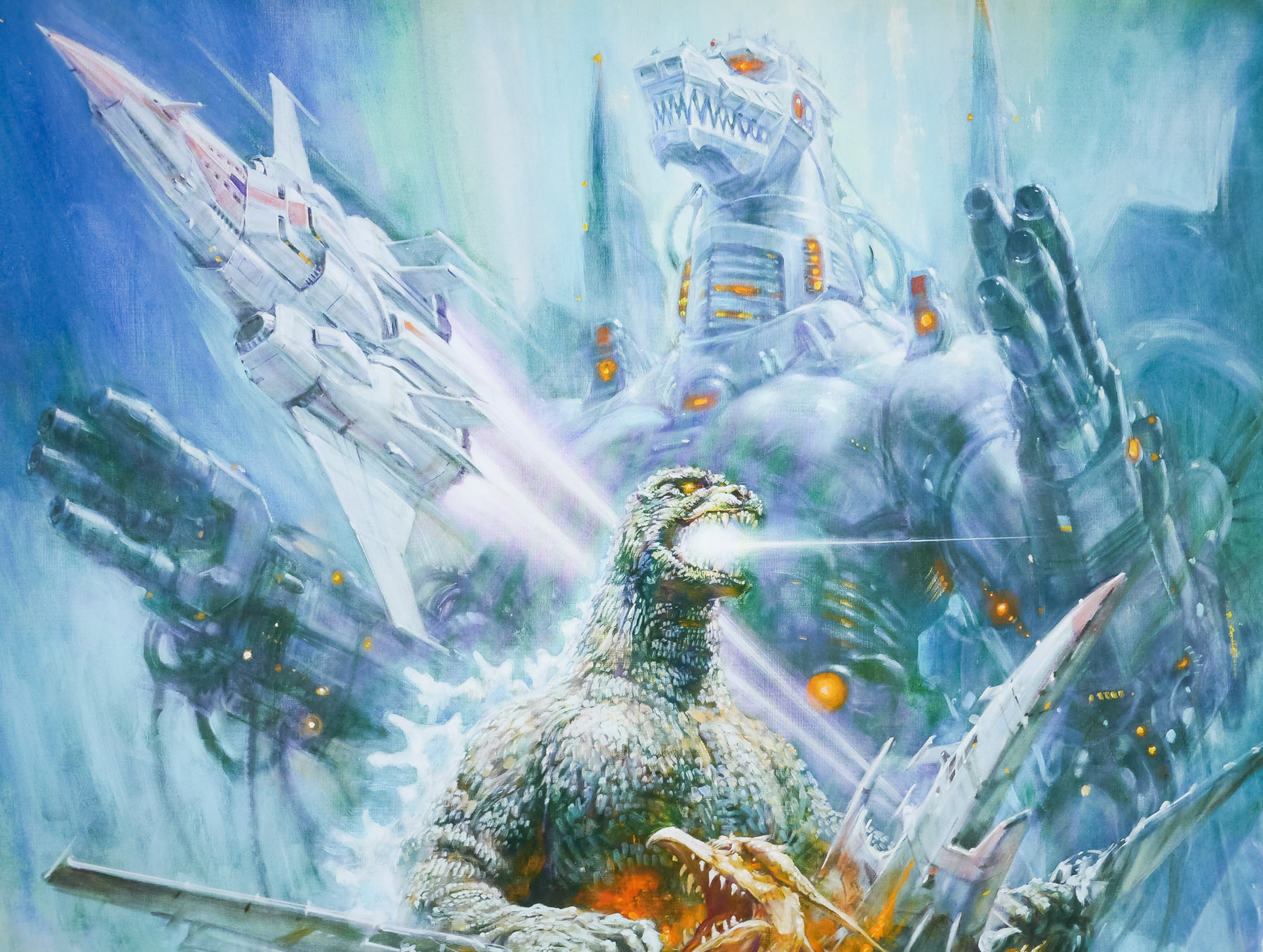
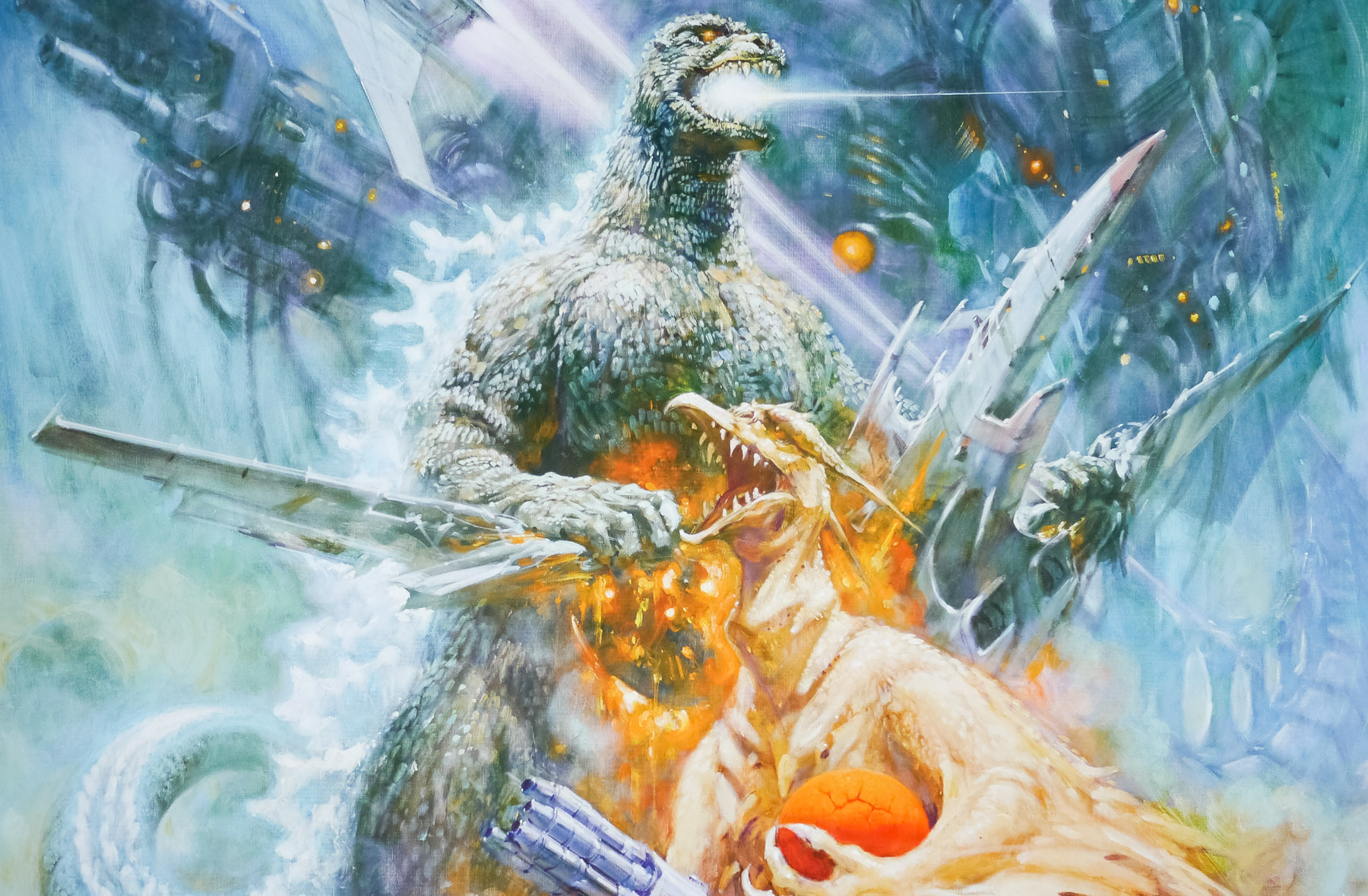
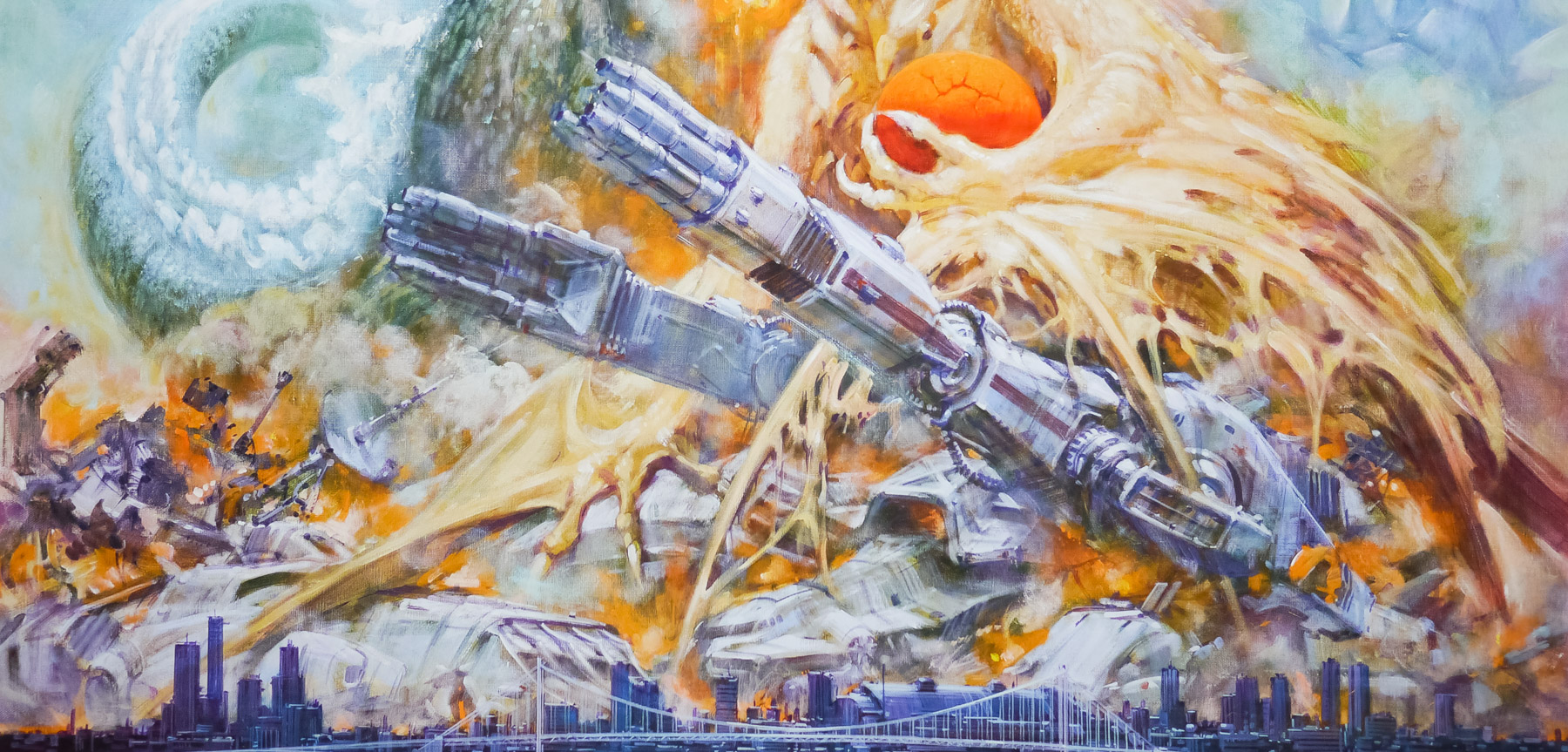
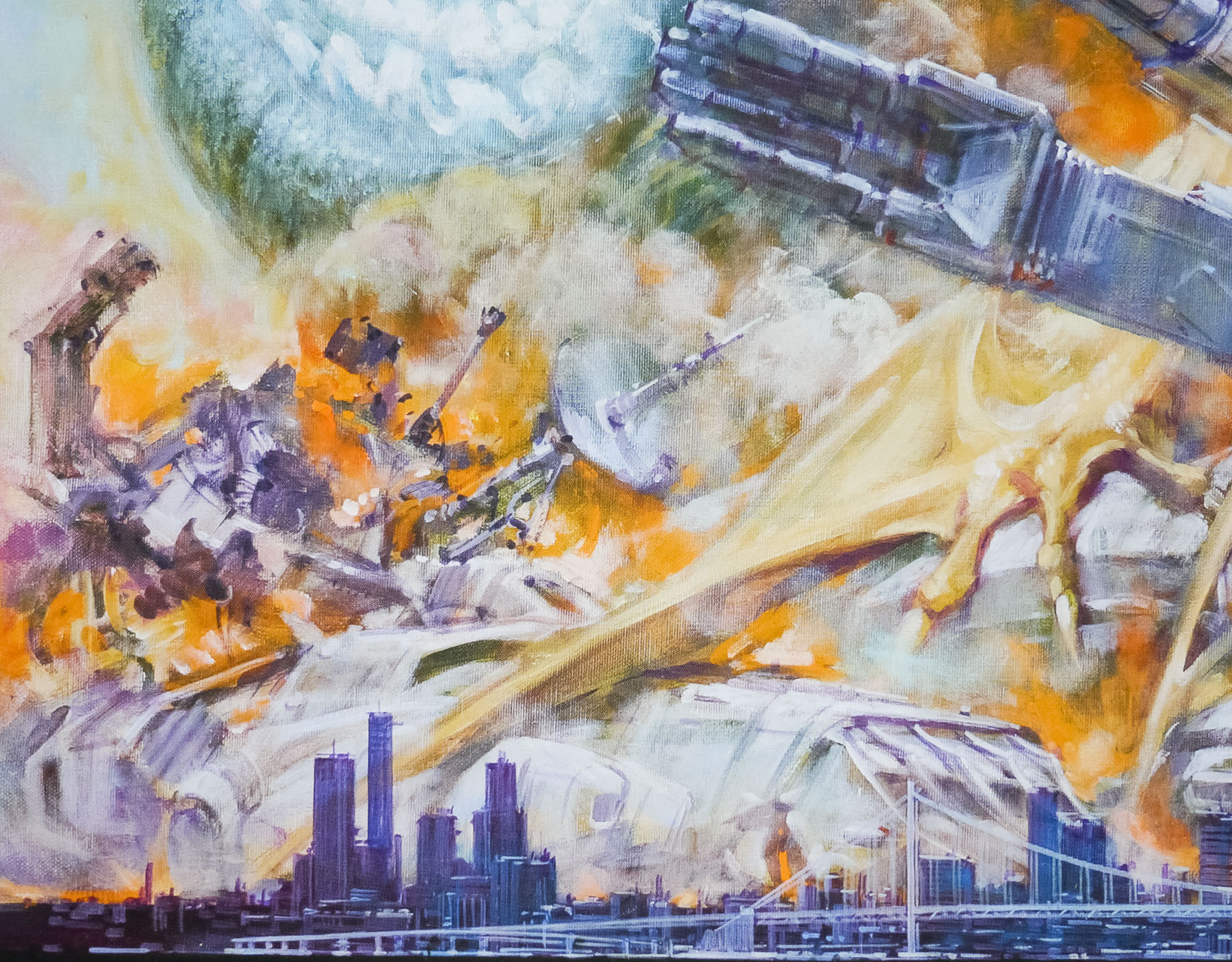
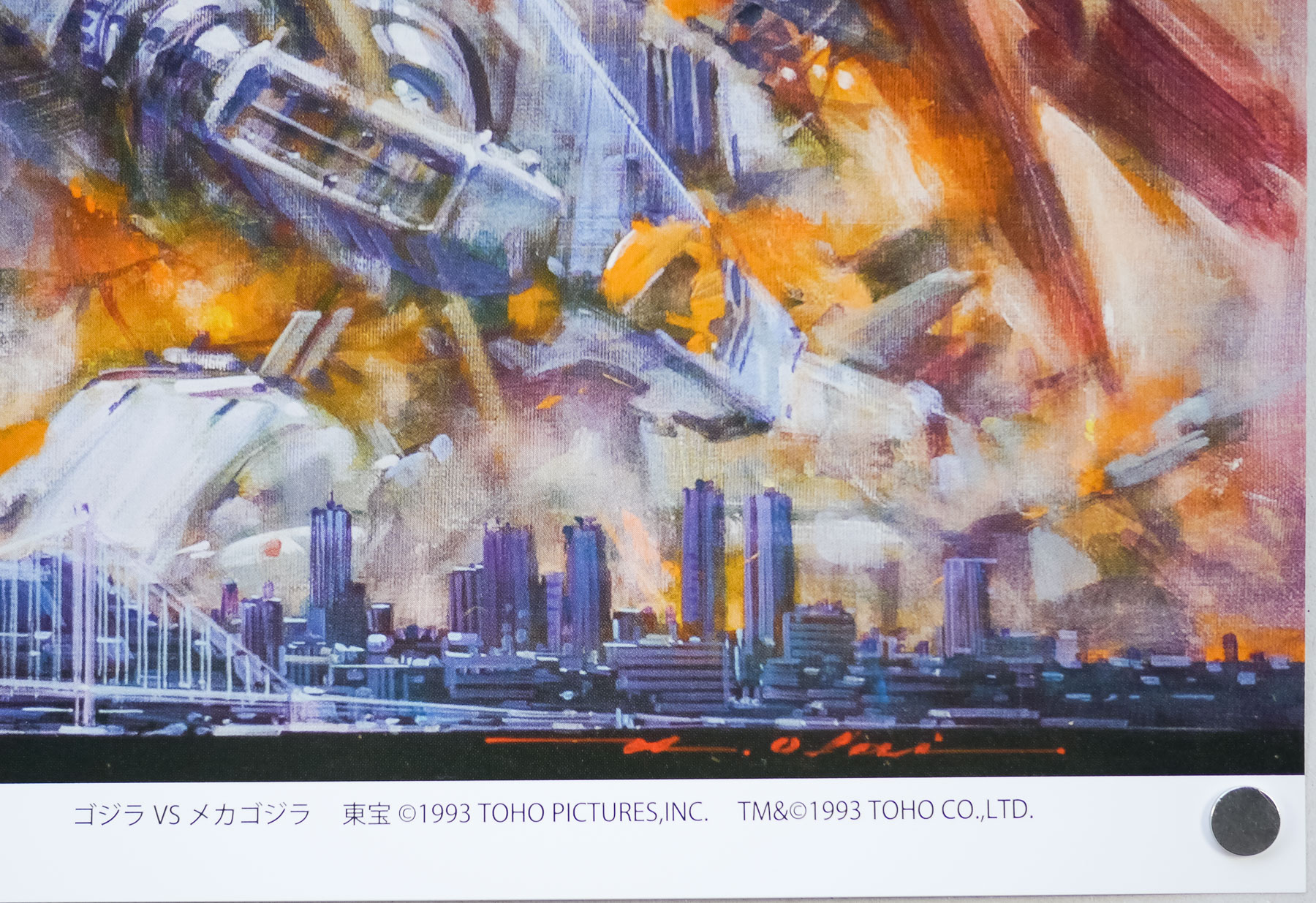
These three small Godzilla artwork posters were sold together at the exhibition held in February and March 2014 to celebrate the work of the brilliant Japanese illustrator Noriyoshi Ohrai. This set features three of the paintings that Ohrai did for the ‘Millennium’ part of the Godzilla franchise. Although I have the B1 printed posters of each of the films it’s great to see the artwork without any of the titles or credits and, as I discovered when I visited the exibition the artwork for Godzilla vs Mechagodzilla is a lot lighter than how it printed. The exhibition director Tatsuya Ishida told me that the printing process meant that the final poster was a few shades darker than originally intended.

I wrote a report of my visit to the exhibition and that can be viewed here.

Each of the Godzilla final printed posters can be seen in the Film on Paper collection via these links:

Godzilla vs King Ghidorah
Godzilla vs Mothra (1992)
Godzilla vs Mechagodzilla (1993)

Rhapsody in August / B1 / Poland

11.05.16

Poster Poster
Title
Rhapsody in August
AKA
Hachi-gatsu no kyôshikyoku (Japan - original title)
Year of Film
1991
Director
Akira Kurosawa
Starring
Sachiko Murase, Hisashi Igawa, Narumi Kayashima, Tomoko Ôtakara, Mitsunori Isaki, Toshie Negishi, Chôichirô Kawarasaki, Mieko Suzuki, Richard Gere
Origin of Film
Japan
Genre(s) of Film
Sachiko Murase, Hisashi Igawa, Narumi Kayashima, Tomoko Ôtakara, Mitsunori Isaki, Toshie Negishi, Chôichirô Kawarasaki, Mieko Suzuki, Richard Gere,
Type of Poster
B1
Style of Poster
--
Origin of Poster
Poland
Year of Poster
1993
Designer
Waldemar Świerzy
Artist
Waldemar Świerzy
Size (inches)
26 6/16" x 38 13/16"
SS or DS
SS
Tagline
--

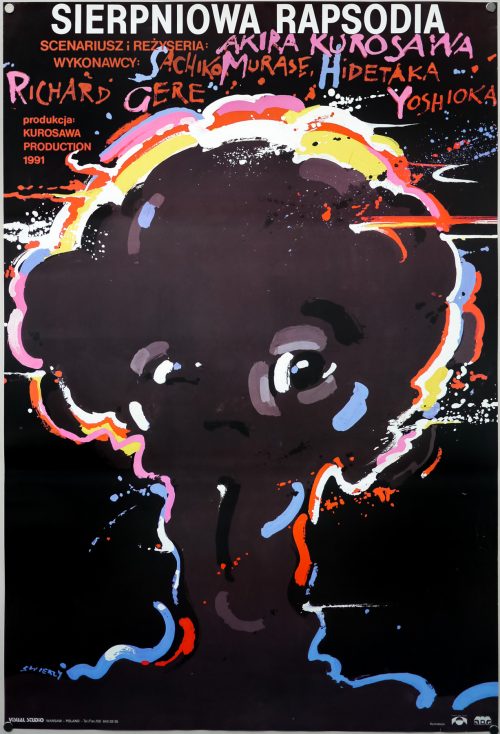
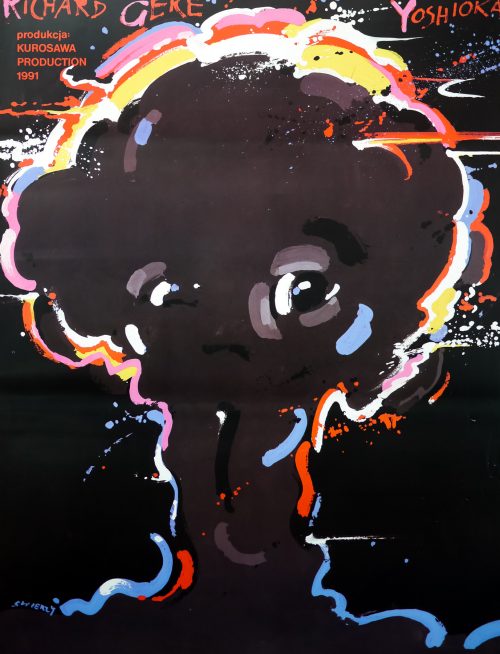
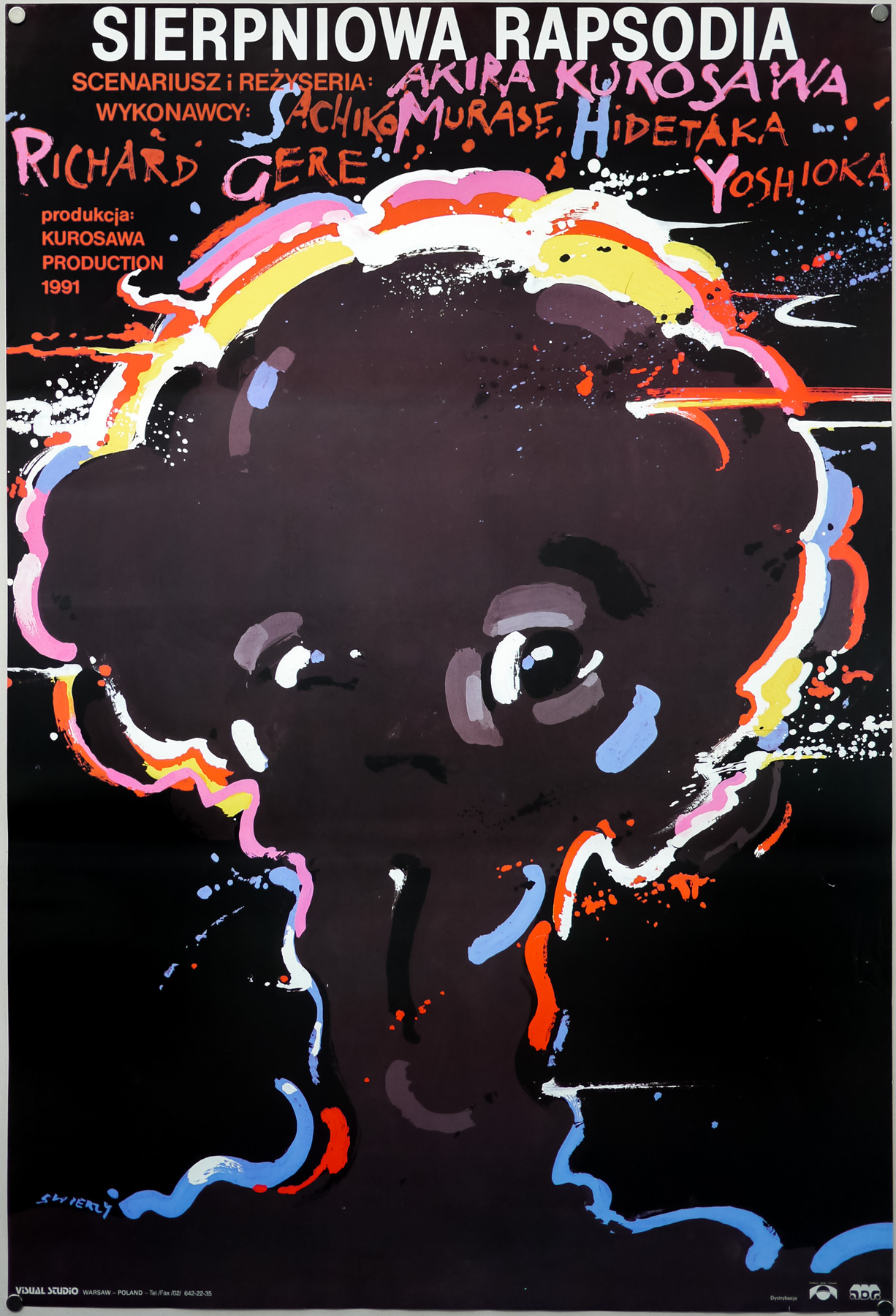
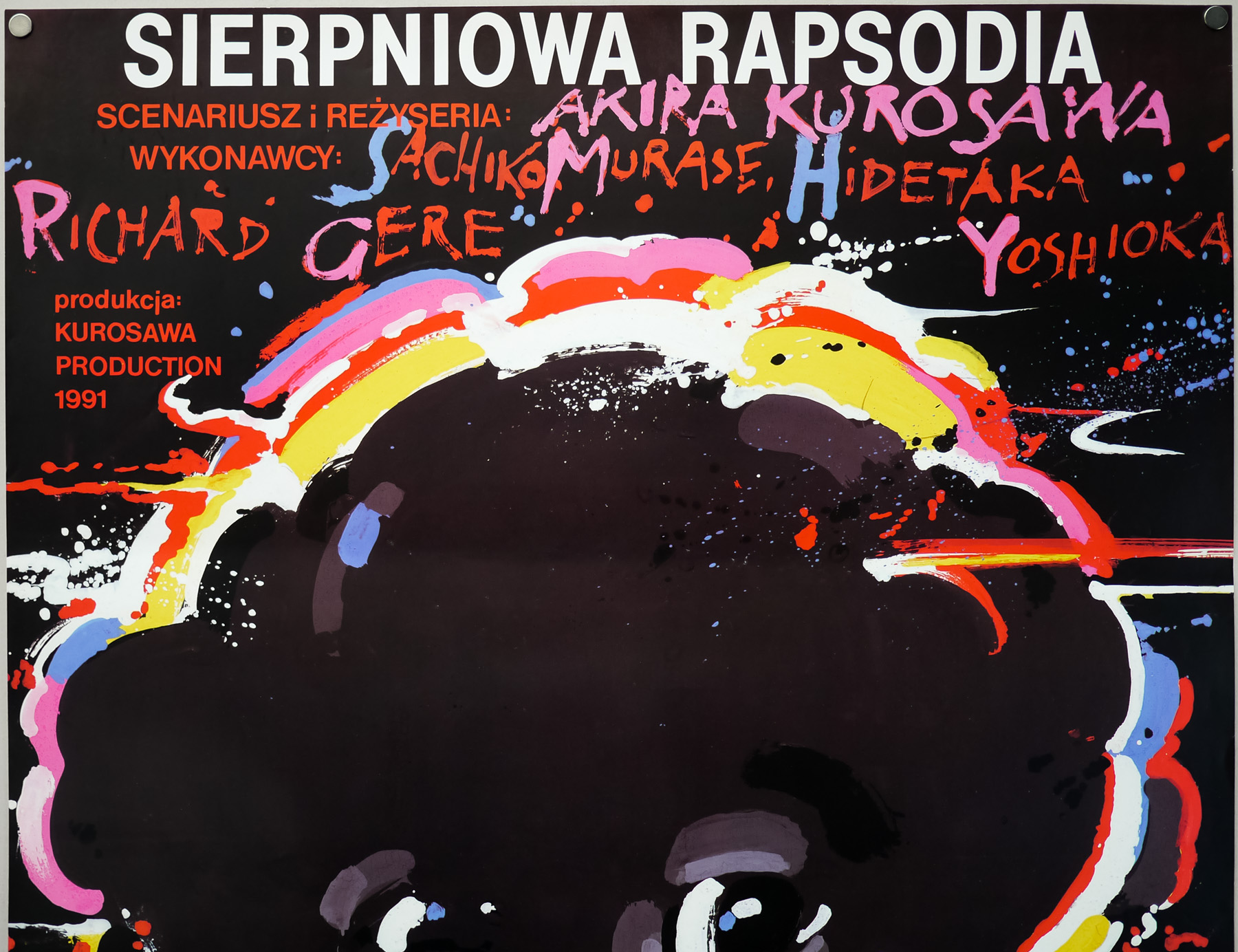
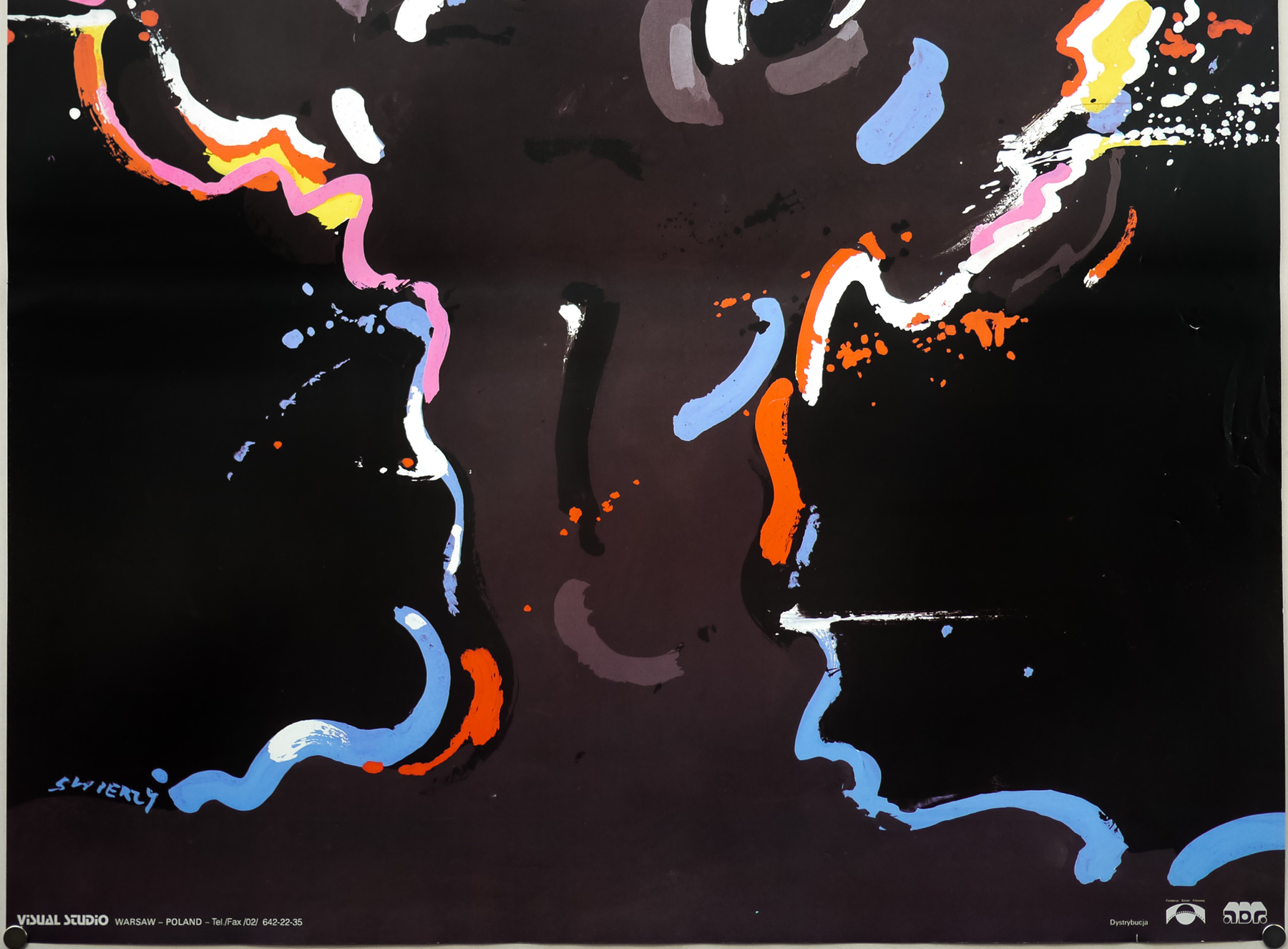
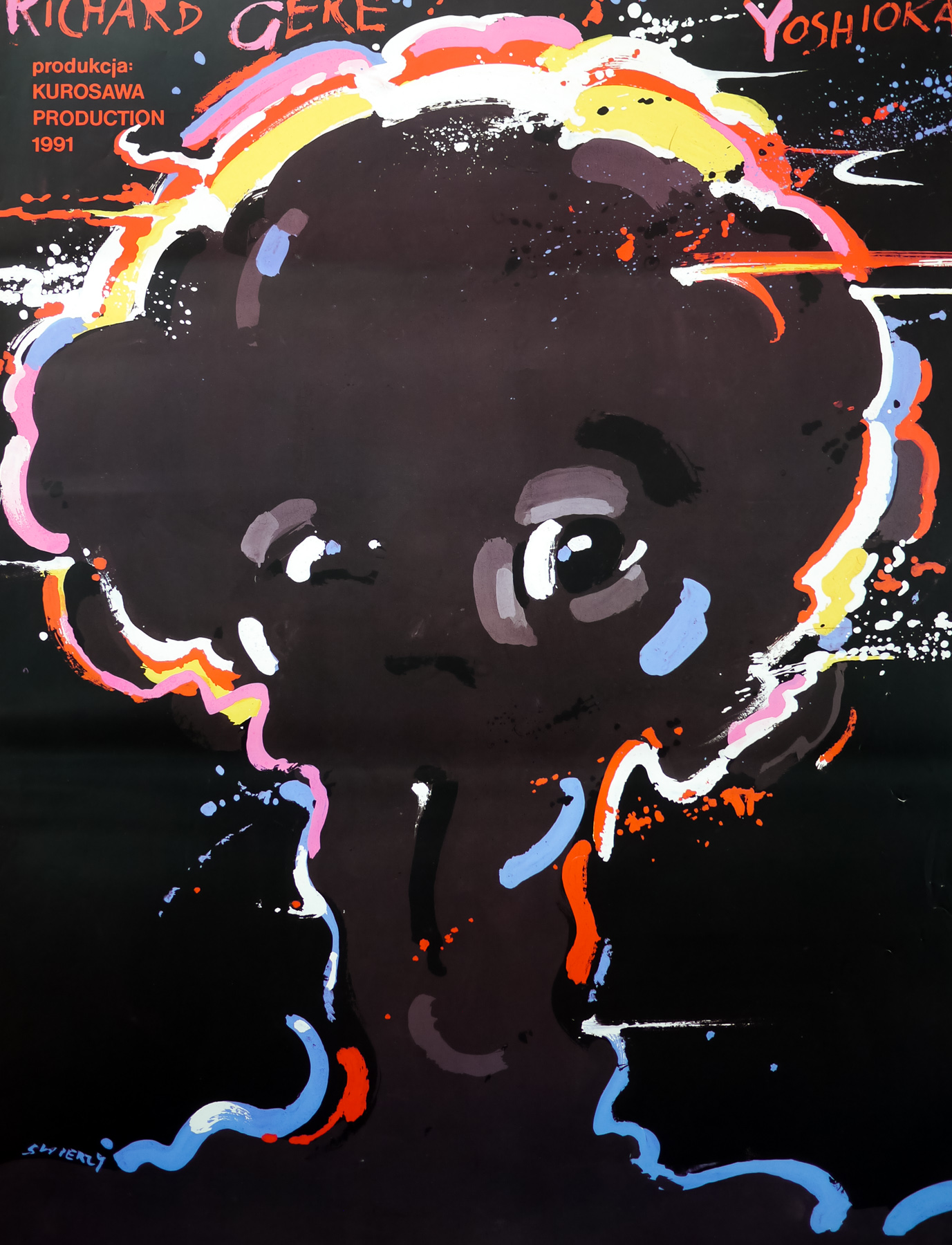
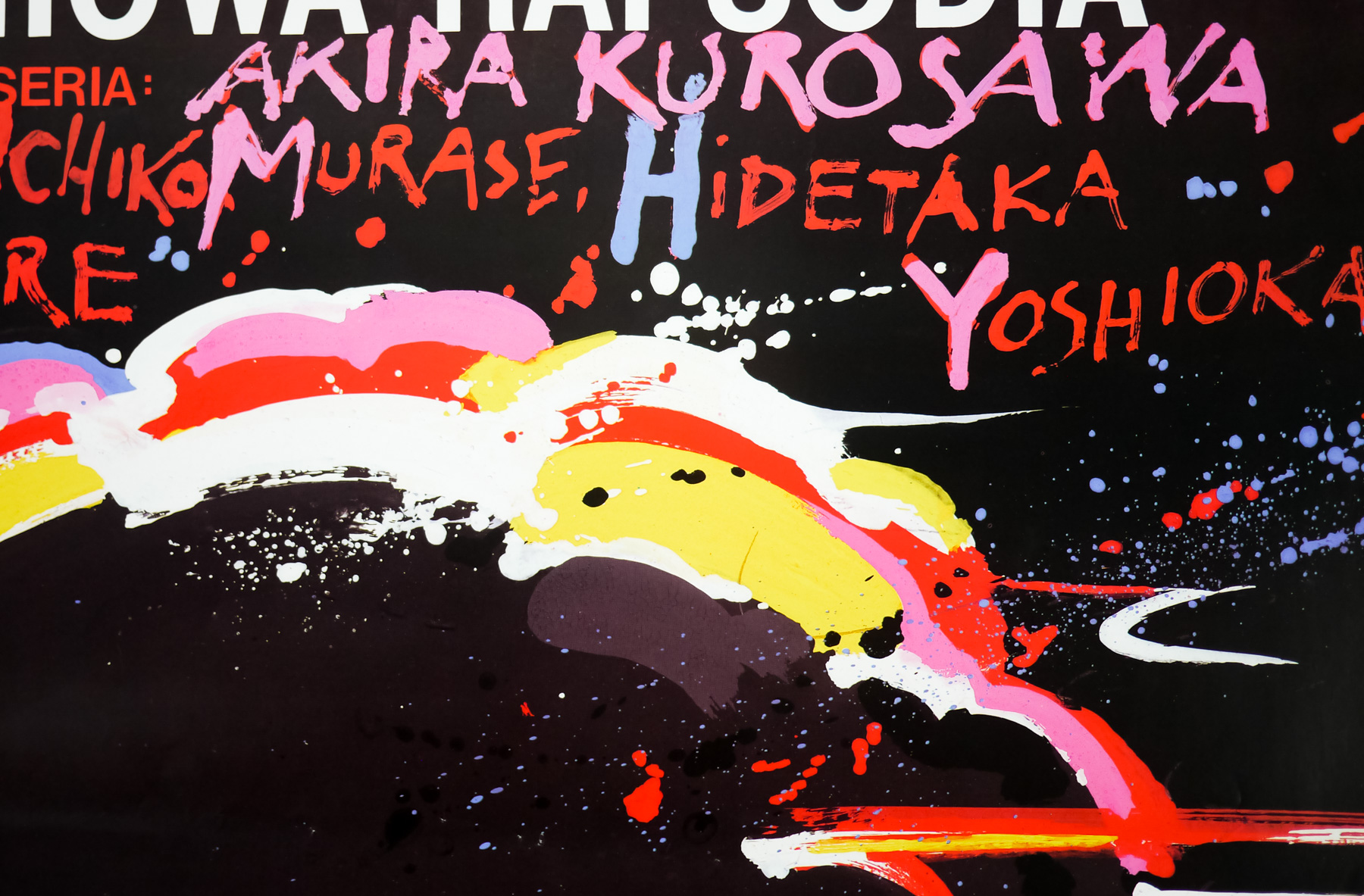
A striking design by the celebrated Polish artist and designer Waldemar Świerzy features on this Polish B1 poster for the release of the Japanese director Akira Kurosawa‘s penultimate film, Rhapsody in August. The story focuses on three generations of a Japanese family who were affected by the 1945 Nagasaki atomic bomb. Kane (Sachiko Murase) is the grandmother of the family who lost her husband to the explosion and she is tasked with looking after her four grandchildren for the summer, whilst her children visit a man who claims to be Kane’s long-lost brother in Hawaii. The children learn about the effects of the bomb and what it meant for their family. Richard Gere appears as Clark, an American-born cousin of Kane’s children, who gets involved in a ceremony to commemorate the bombing.

The late Waldemar Świerzy is considered to be one of the most important Polish designers and artists and it’s estimated he’s worked on over 2500 posters during his career. He was born in Katowice in 1931 and graduated from the Kraków Academy of Fine Arts in 1952. He later became professor in the University of Fine Arts in Poznań from 1965 and Professor in the Academy of Fine Arts in Warsaw in 1994. The artist was one of the key figures in the influential Polish School of Posters a movement to push the level of quality of Polish posters forward which was active for over 30 years, starting in the 1950s. Świerzy won multiple awards during his career and had several exhibitions of his work held over the years. He sadly passed away in 2003.

Polishposter.com has several pages of his work and this biography on culture.pl goes into great detail about his life and work. Poster.com.pl has another gallery of his work.

Naked Lunch / quad / UK

22.06.17

Poster Poster
Title
Naked Lunch
AKA
Hadaka no lunch (Japan)
Year of Film
1991
Director
David Cronenberg
Starring
Peter Weller, Judy Davis, Ian Holm, Julian Sands, Roy Scheider, Monique Mercure, Nicholas Campbell, Michael Zelniker
Origin of Film
Canada | UK | Japan
Genre(s) of Film
Peter Weller, Judy Davis, Ian Holm, Julian Sands, Roy Scheider, Monique Mercure, Nicholas Campbell, Michael Zelniker,
Type of Poster
Quad
Style of Poster
--
Origin of Poster
UK
Year of Poster
1991
Designer
Unknown
Artist
--
Size (inches)
30 1/16" x 40"
SS or DS
SS
NSS #
--
Tagline
Exterminate all rational thought

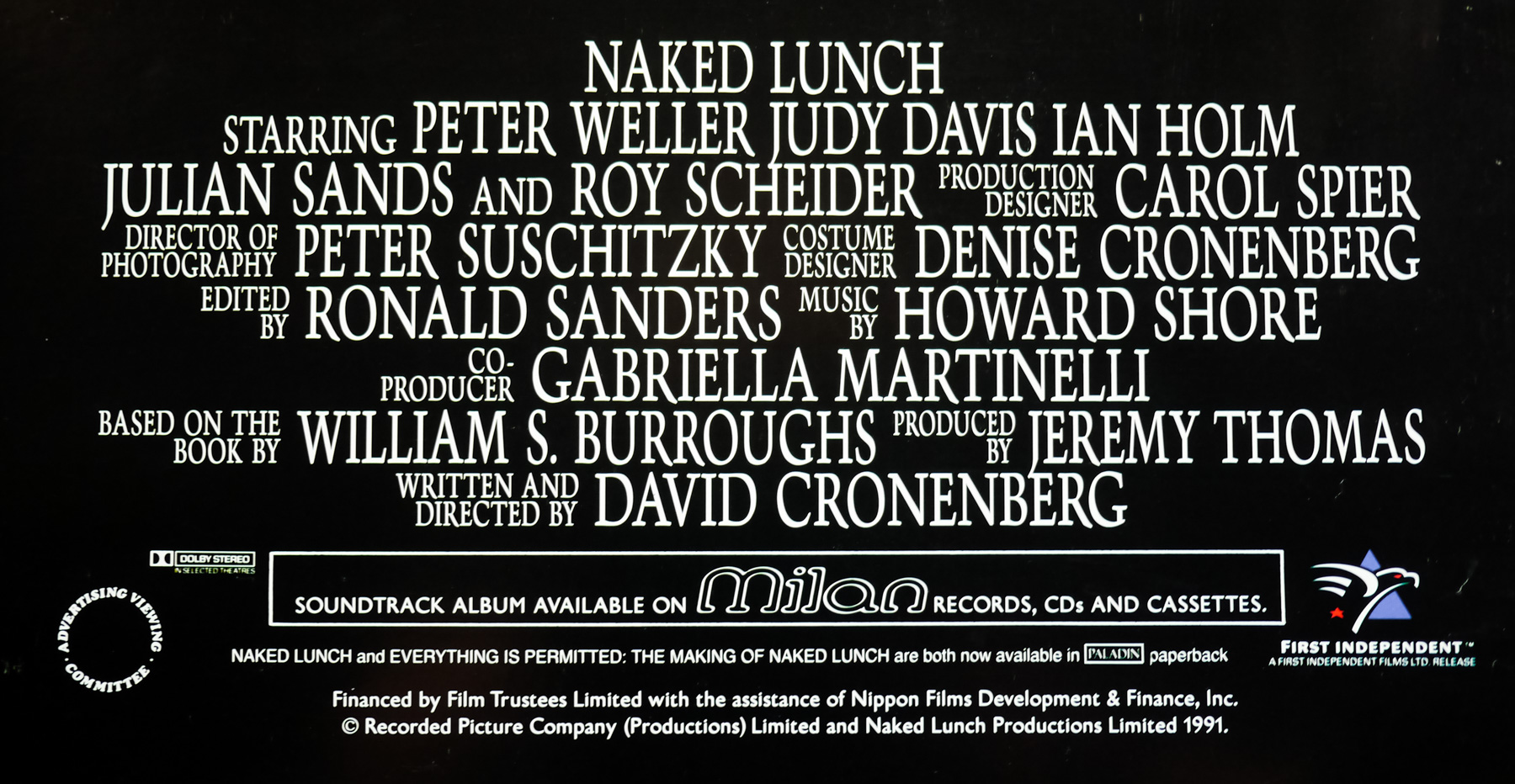
Naked Lunch is cult Canadian director David Cronenberg‘s semi-adaptation of the celebrated American writer William S. Burroughsnovel of the same name. The book, which is a collection of vignettes with little in the way of connecting narrative, was written in 1959 and several attempts had been made over the years to try and adapt it for the screen. The structure of the book meant crafting a coherent plot was a tall order for any screenwriter, so Cronenberg decided to try a slightly different approach. The resultant film features scenes and characters from the vignettes but blends them with a semi-biographical look at the process Burroughs went through to write the original book, and includes incidents and characters (albeit renamed) from his experiences during the Beat Generation literary movement of the 1950s.

The resultant film, despite having more of a connecting narrative, is no less batshit crazy for it. Peter Weller plays Burroughs as William Lee (a sometime pen name of the author) who is working as a bug exterminator and whose wife Joan Lee (Judy Davis) has become addicted to the powder he uses to kill the critters. He is also a heroin addict and is arrested by the police for possession. Whilst in custody he begins to hallucinate and sees a giant bug who tells him he is being recruited as a secret agent and that his mission is to kill Joan who may or not be a shape-shifting agent working for a shady organisation. Disbelieving, he smashes the bug and escapes from custody, returning home to find Joan having sex with one of his friends. Soon afterwards he accidentally kills Joan by shooting her in the head after attempting to shoot a glass off her head, William Tell-style (this mirrors a real incident in which Burroughs killed his then partner Joan Vollmer in Mexico).

On the run from the police, he’s introduced to a bipedal alien called a Mugwump in a bar who gives him a travel ticket to get to Interzone (an area of a North African country) where he can lie low and carry out missions for his ‘handlers’. There he meets a whole host of odd characters, including Tom Frost (Ian Holm) and his wife Joan who bears a striking relation to his deceased wife. He continues to write reports for his imaginary handlers, with his typewriter soon morphing into another talking bug. Things continue to get progressively weirder as he is told to search out the mysterious Dr Benway, the source of a drug that is swamping the Interzone.

The above description makes the film sound vaguely conventional when it is anything but and there’s no doubt that it’s a marmite film for many who watch it. The film had a botched release in North America which saw it only recouping a small percentage of its original budget due to a limited number of screenings. Nevertheless it was largely lauded by critics and has since garnered something of a cult following.

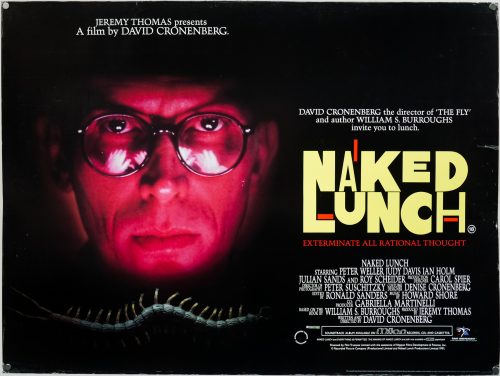
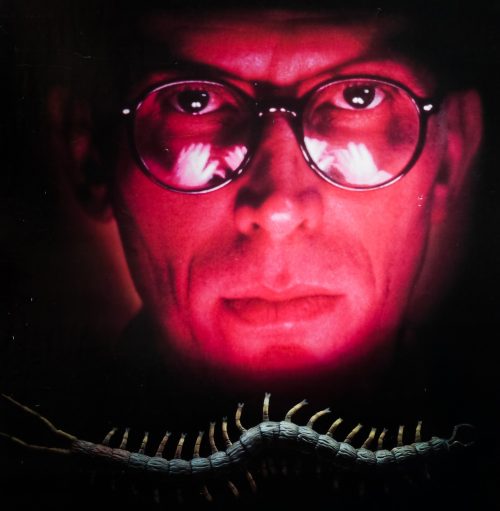
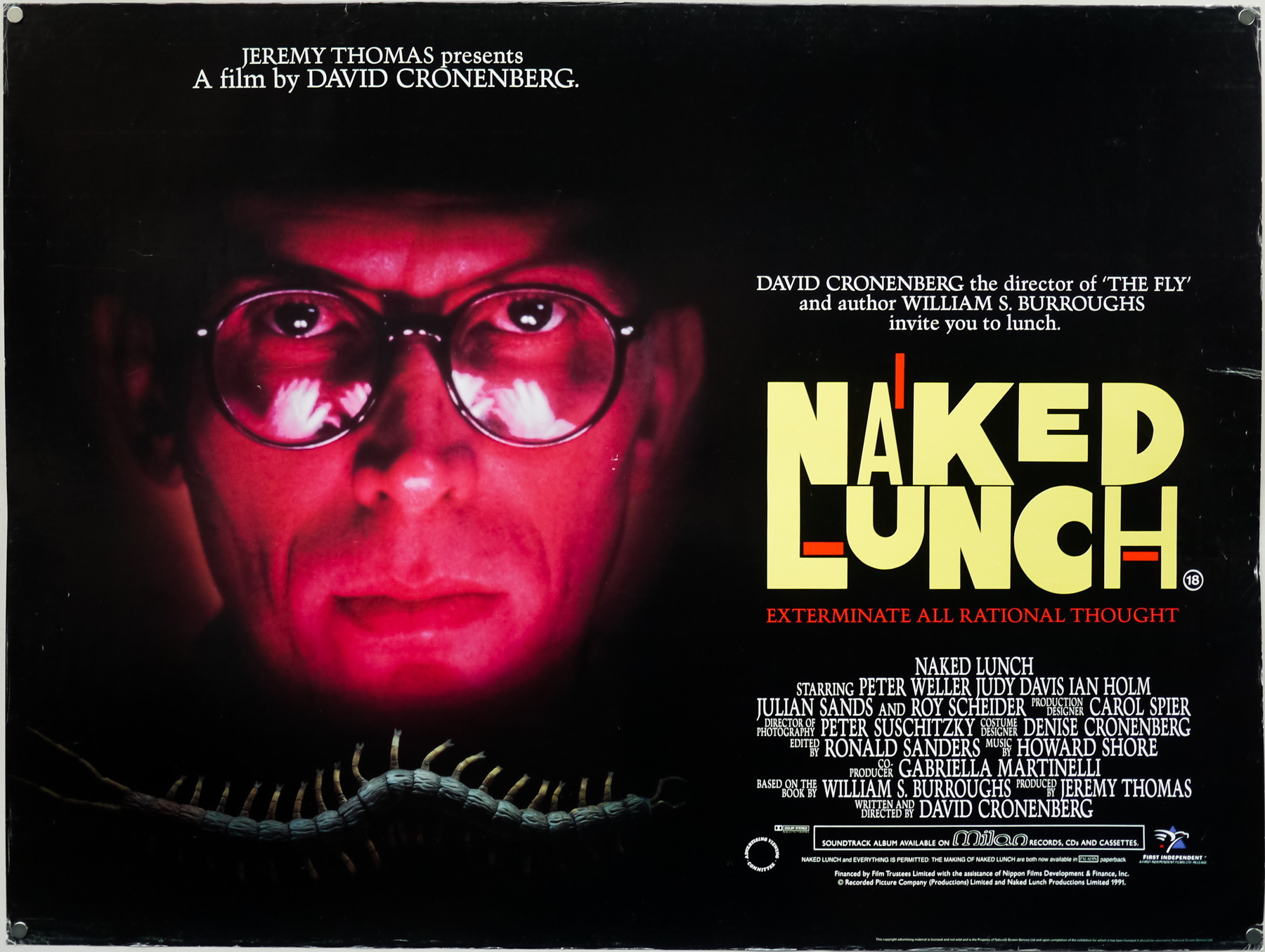
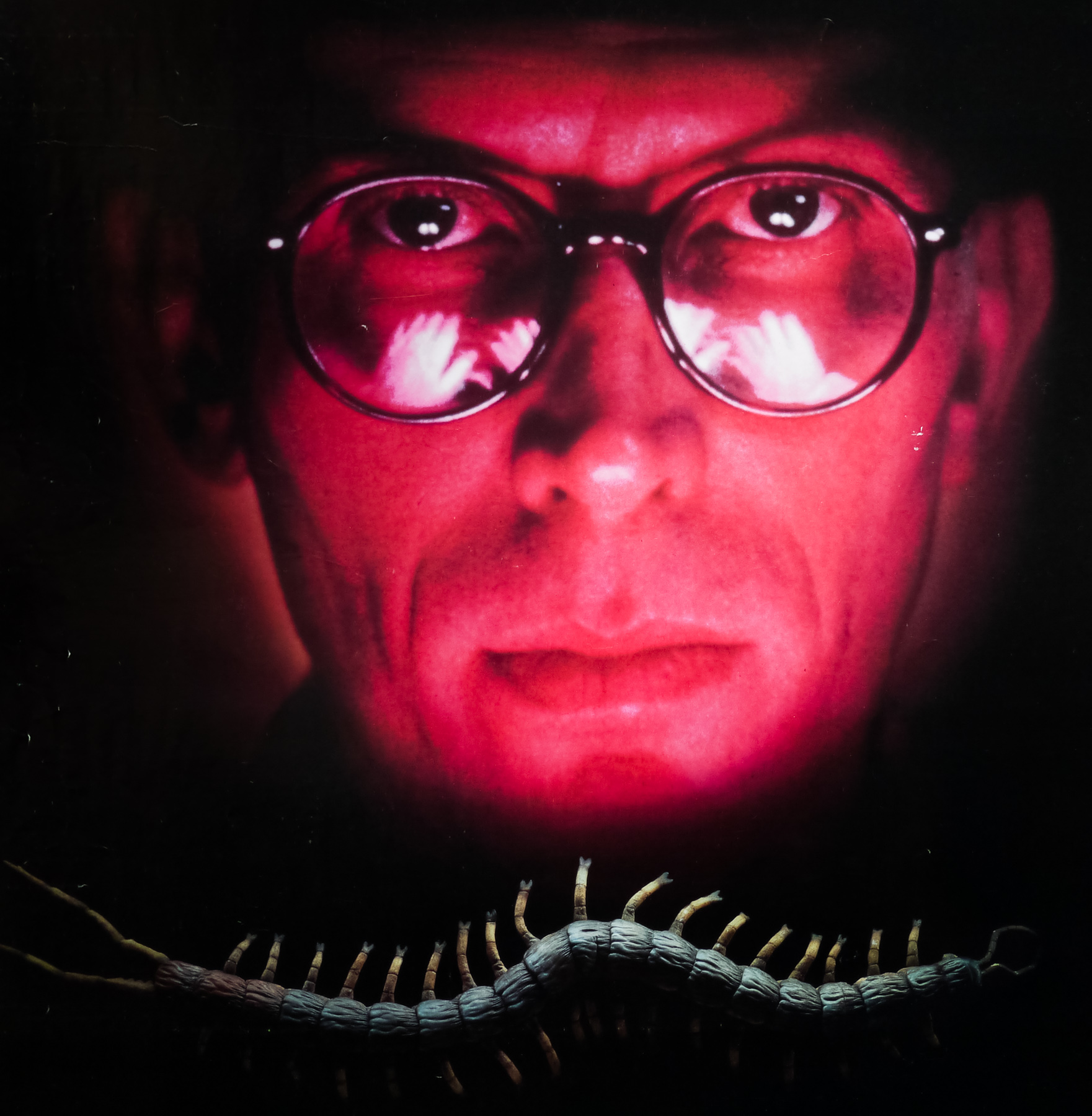
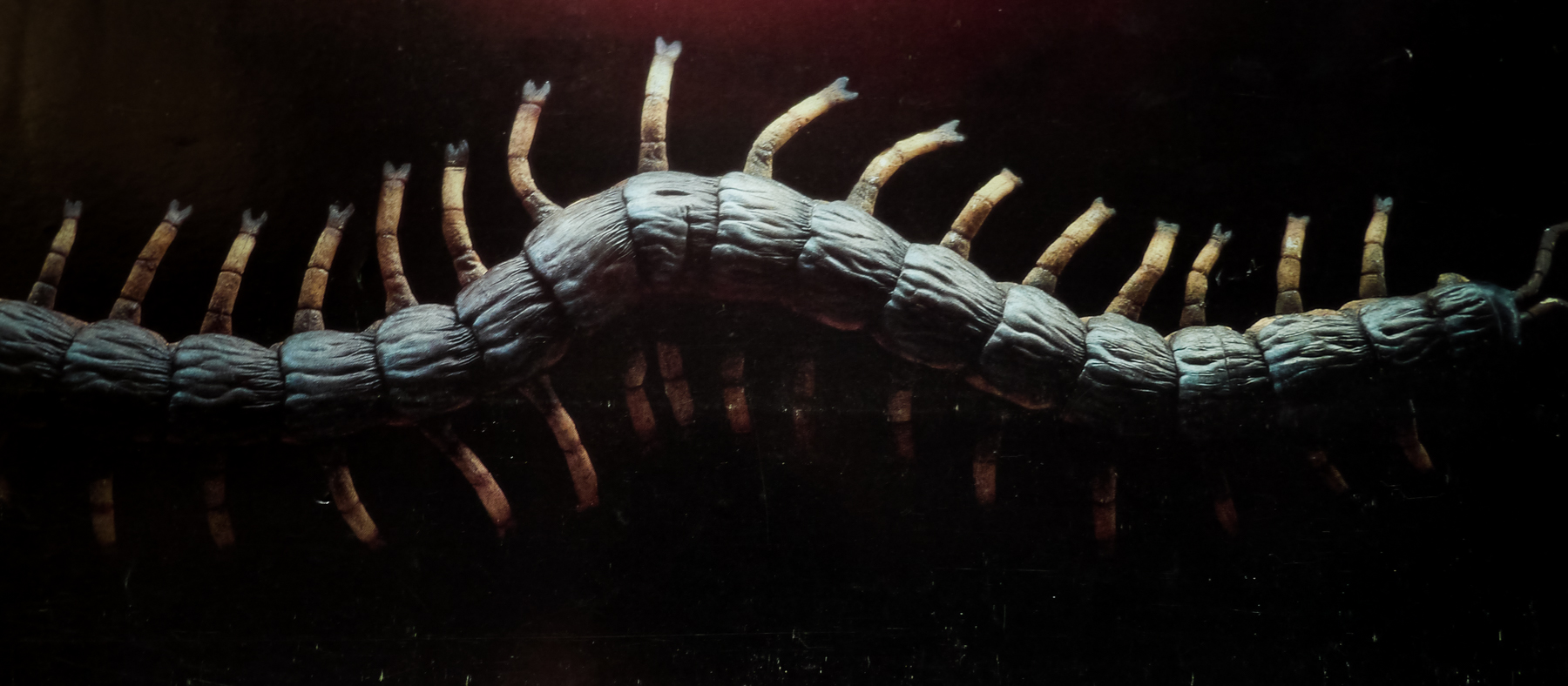
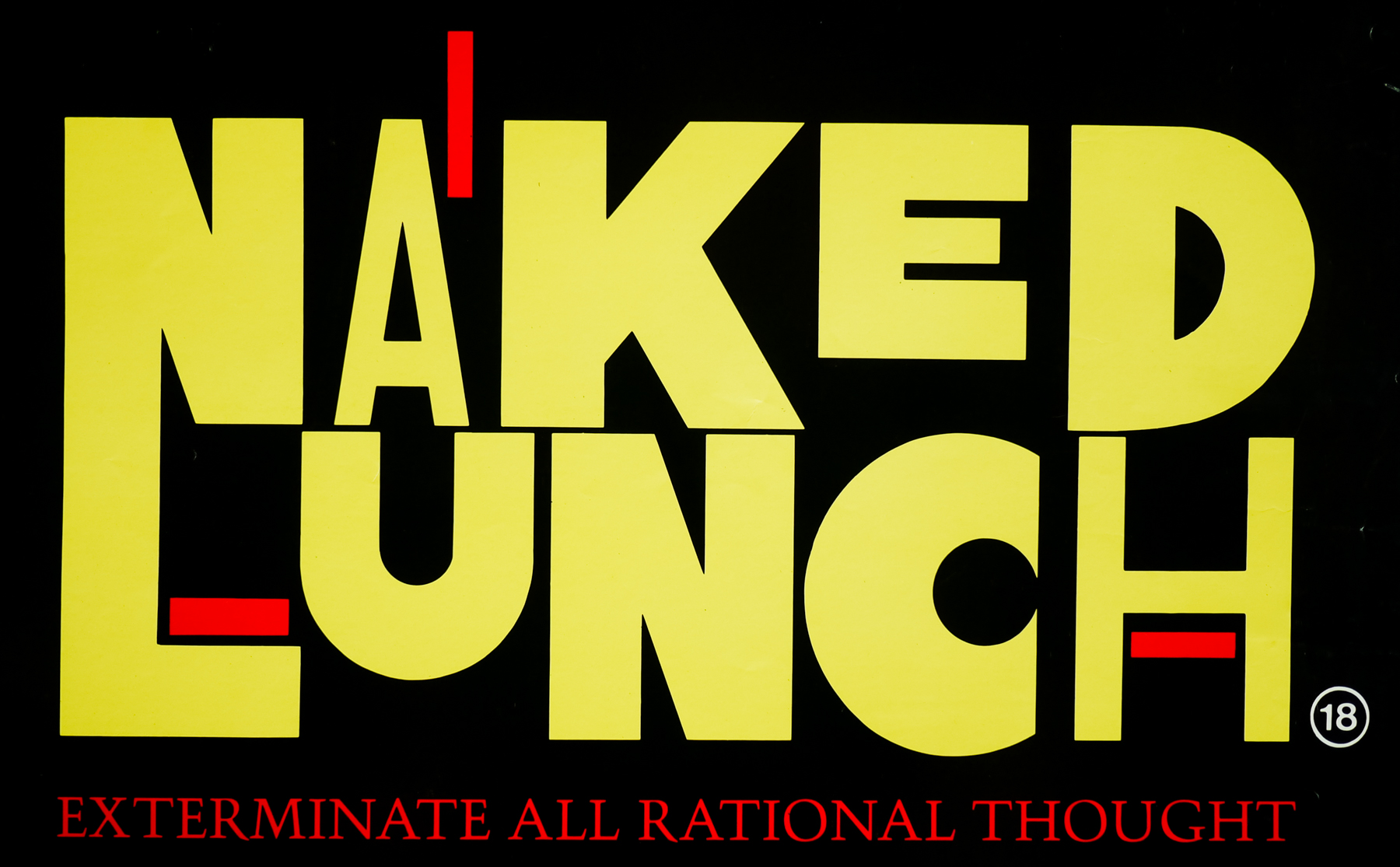
This British quad features a unique design that includes a close-up photograph of Weller’s William Lee above a centipede. The film had a range of poster designs across the globe, with little repetition in the designs. The US one sheet is memorable but by far my favourite is the incredible Japanese ‘bug’-style poster that features a freaky illustration by H Sorayama.

Visiting the Noriyoshi Ohrai exhibition in Japan

07.11.14

Noriyoshi Ohrai is one of my favourite poster artists, responsible for many iconic pieces of art used to advertise films including The Empire Strikes Back, The Goonies and several fantastic posters for the Heisei series of Godzilla films. Until recently the artist was almost a complete enigma to me since there was little information about him online beyond the basics and there are certainly no English-language books that have been written about his life and career.

When it was announced that an exhibition featuring practically all of Ohrai’s original artwork would be held in Japan during February/March 2014, which was to be the first time any of Ohrai’s art had been seen in public since his last exhibition in 1981, I knew that I had to make every effort to attend.
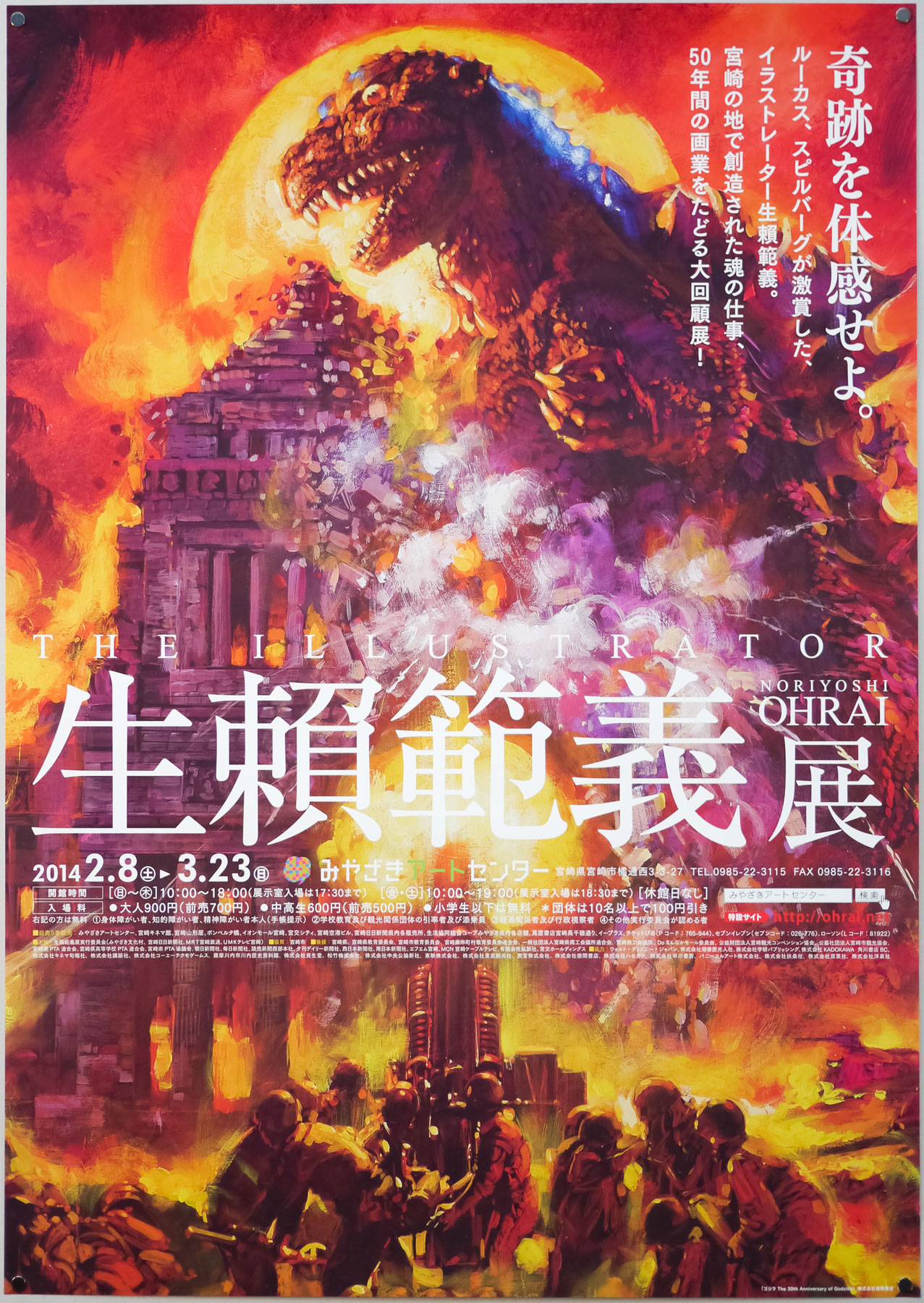
One of four B2 posters used to advertise the Noriyoshi Ohrai exhibition, featuring one of many paintings that the artist did of the King of the Kaiju, Godzilla.

One of four B2 posters used to advertise the Noriyoshi Ohrai exhibition, featuring one of many paintings that the artist did of the King of the Kaiju, Godzilla.

In March 2014 I flew over to Tokyo and then a few days later took an internal flight down to the Island of Kyushu with my friend and fellow poster collector Toru Onozatu (AKA Poster-man). The exhibition was located in the Art Center in downtown Miyazaki, which is the city that Ohrai has called home since 1973. We were very lucky to have been given a personal tour by the curator Tatsuya Ishida who kindly guided us around the exhibition’s multiple rooms that were spread over two floors. I recorded his comments as we walked and they are featured throughout this article.
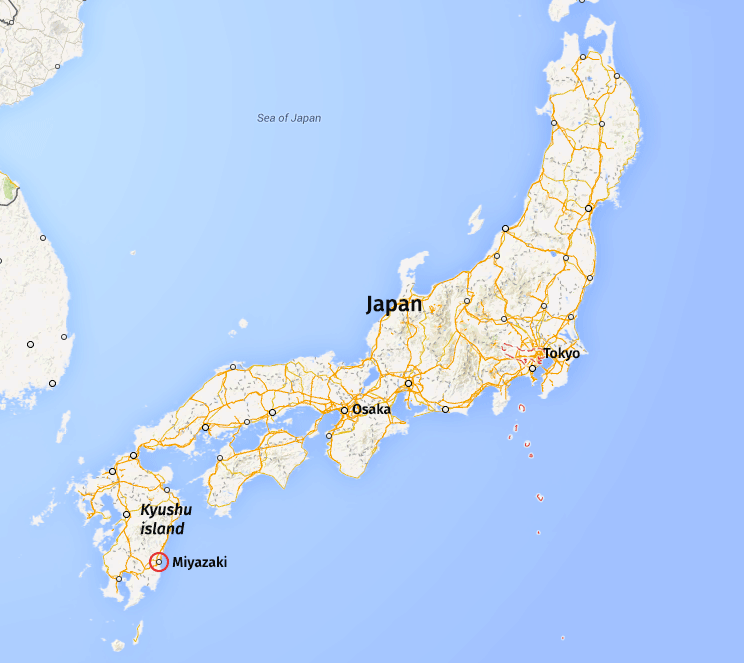
A map of Japan showing the location of Miyazaki on the Island of Kyushu at the bottom of the country.
A map of Japan showing the location of Miyazaki on the Island of Kyushu at the bottom of the country.

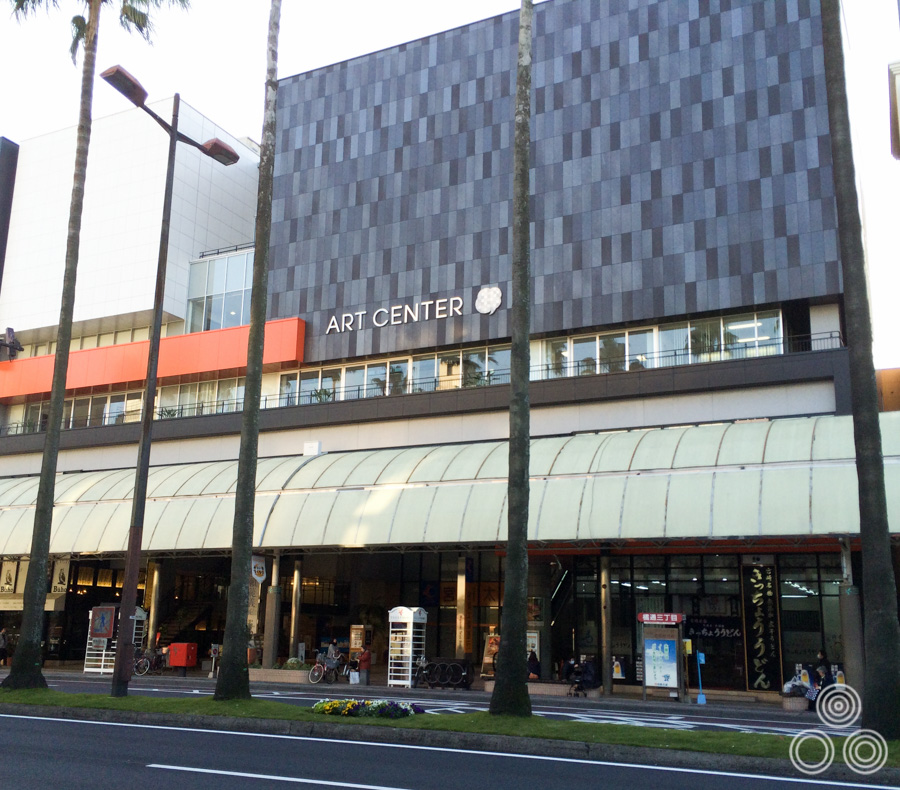
The Art Center in Miyazaki, location of the Noriyoshi Ohrai exhibition

The Art Center in Miyazaki, location of the Noriyoshi Ohrai exhibition

The exhibition featured almost all of Ohrai’s original art for film, book covers, video games, editorial work, biology text books and more, with only a tiny handful of the film art missing (some with their current location unknown). A lot of the art still belongs to Ohrai himself but some of it had been flown to Miyazaki from collectors including George Lucas (for some of the Star Wars pieces), as well as the Japanese studio Toho who lent several of the Godzilla artworks to the exhibition. It was certainly a unique situation that all of these paintings were gathered together under one roof.
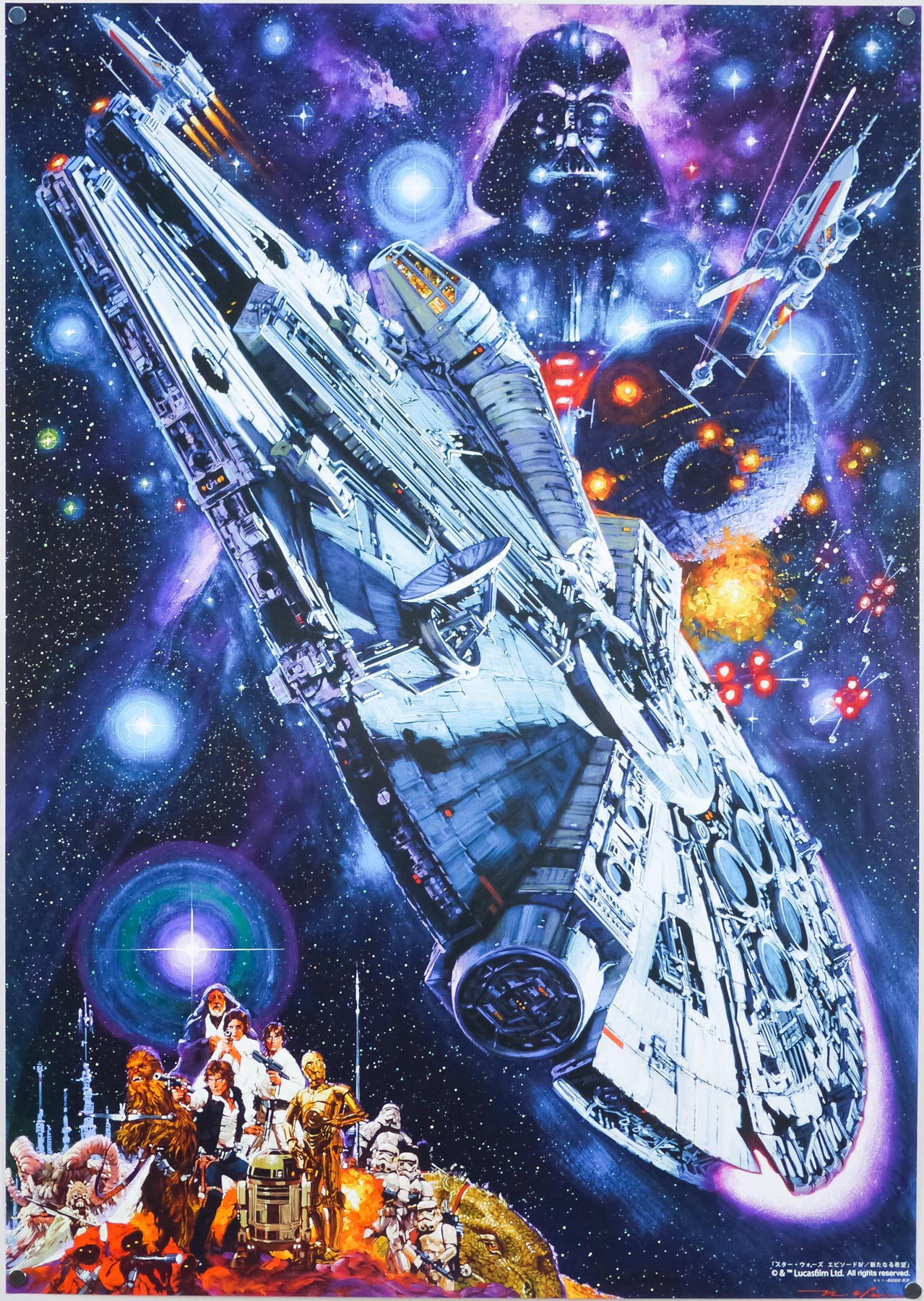
A Star Wars poster printed in Japan to commemorate the release of a dubbed version of the original film in 1982, painted by Noriyoshi Ohrai. The huge (around A1 size) original art was on display at the exhibition and this small print was available to buy in the shop.

A Star Wars poster printed in Japan to commemorate the release of a dubbed version of the original film in 1982, painted by Noriyoshi Ohrai. The huge (around A1 size) original art was on display at the exhibition and this small print was available to buy in the shop.

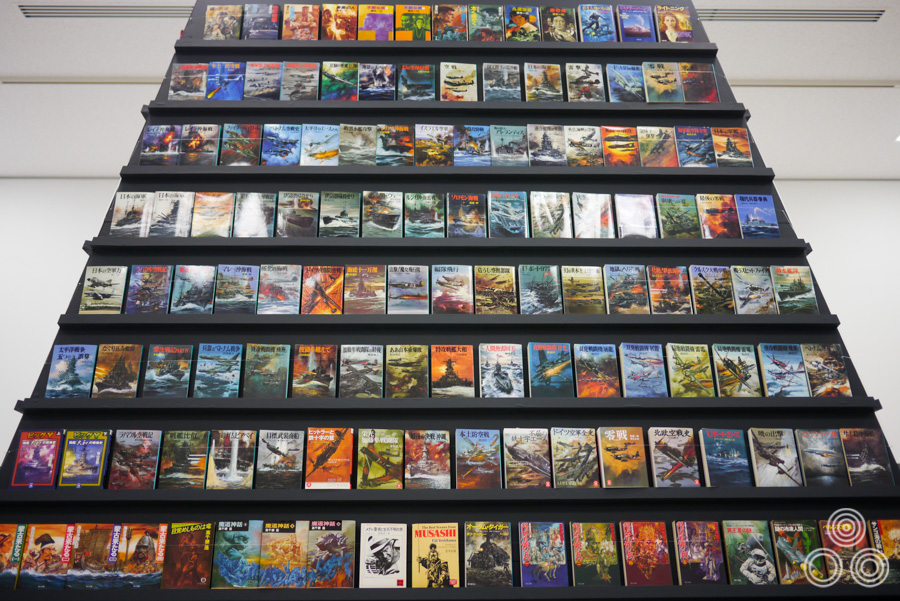
The exhibition began with a room containing a floor-to-ceiling pyramid of paperback novels and magazine covers that Ohrai worked on over a 30 year period, and this was surrounded by walls covered in framed posters of Ohrai’s film and commercial work. It was certainly a thrill to see them all together like that. The rest of the exhibition, in which photography was not permitted (I’ve included a handful of cheeky snaps), went through themes, beginning with Godzilla, moving onto book and magazine covers and a display of gigantic, incredibly detailed video game cover artworks. Also featured were some incredibly impressive portraits of famous figures, plus a room featuring Ohrai’s ‘Beauties in Myths covers for SF Adventure magazine. The last room contained posters for the Star Wars franchise, plus more film posters and several war-related paintings.

I wanted to share the visit with Film on Paper readers and the following pictures will hopefully give you an idea of what this memorable experience was like, plus I’ve also had the biography from the back of the exhibition catalogue translated into English and that is included at the end. Also featured are several photographs of pages from the catalogue since I was unable to actually photograph the artwork.
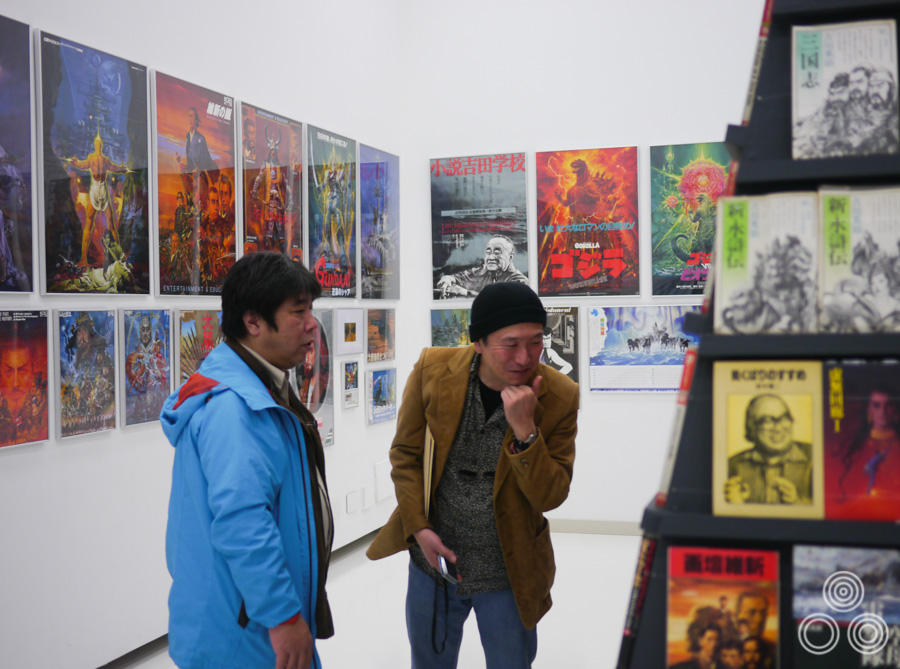
Exhibition director Tatsuya Ishida (left) and my friend, and fellow collector, Toru Onozato examine some of the many book covers painted by Ohrai in the first room of the exhibition.
Exhibition director Tatsuya Ishida (left) and my friend, and fellow collector, Toru Onozato examine some of the many book covers painted by Ohrai in the first room of the exhibition.

One side of the book covers pyramid in first room of the exhibition, these being mainly war related imagery.

One side of the book covers pyramid in first room of the exhibition, these being mainly war related imagery.

Mr Ishida explained to Toru and I that Ohrai worked on about 1300 book covers during his career and that the pyramid of books contained only about a third of his total output. In 1986 alone he worked on 130 book covers and he was completing a new illustration every 3 days or so.
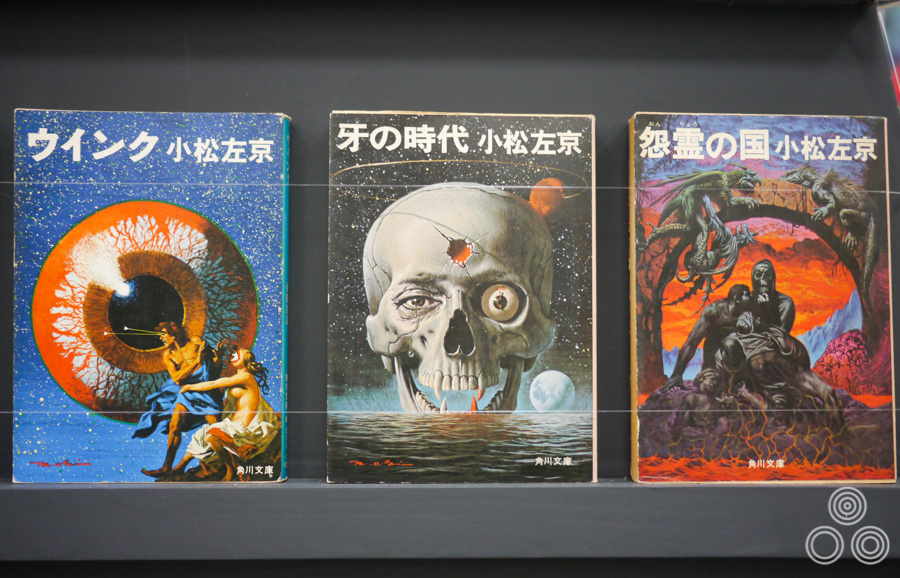
A close-up of three of the hundreds of book covers that Ohrai painted during his career.

A close-up of three of the hundreds of book covers that Ohrai painted during his career.

For each book he would read it first and then think about what would make the best cover. He wasn’t just being given a title and then making something up. Mr Ishida explained that Master Ohrai did quite a lot of work for a few specific book authors and he developed a particular style for each one so that their books became instantly recognisable. In the 1970s he would get paid about 150000 Yen for each book cover.
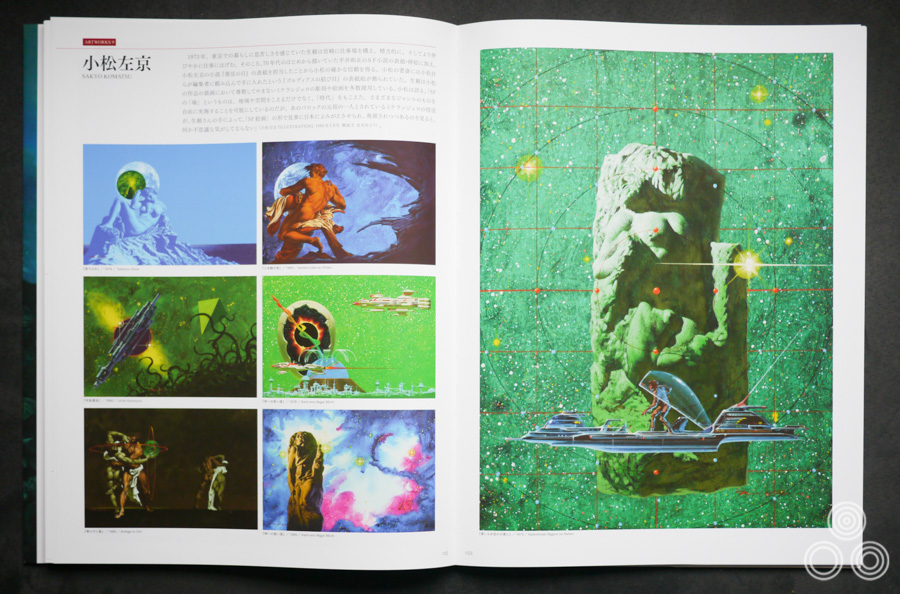
Some of the book covers that Ohrai painted for the novels of the Japanese author Sakyo Komatsu.
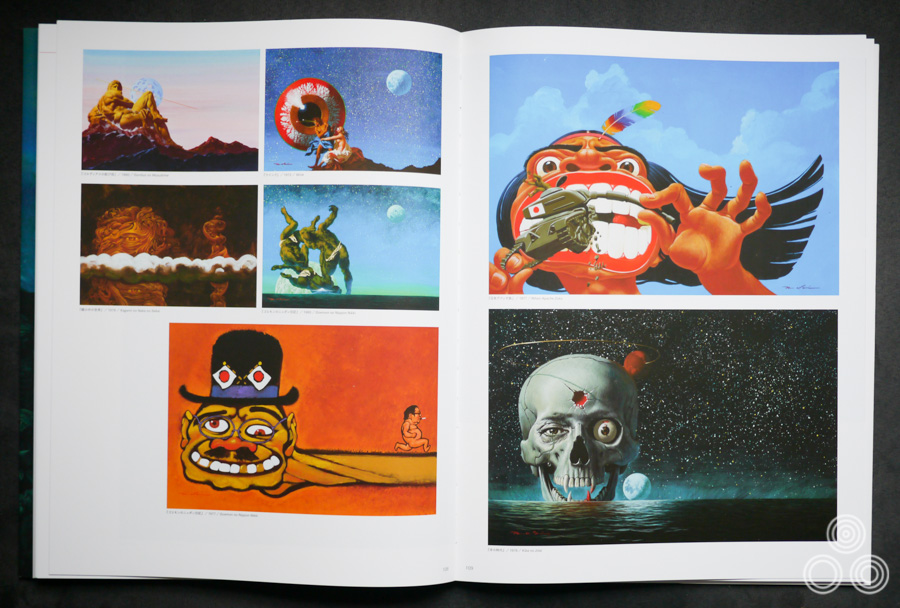
Some of the book covers that Ohrai painted for the novels of the Japanese author Sakyo Komatsu.

Some of the book covers that Ohrai painted for the novels of the Japanese author Sakyo Komatsu.

Some of the book covers that Ohrai painted for the novels of the Japanese author Sakyo Komatsu.

Noriyoshi Ohrai was born in Akashi City, Hyogo prefecture in 1935. His family was evacuated to Sendai City, Kagoshima Prefecture after their house was bombed during the war and Mr Ishida told us that Ohrai went to an art university in Tokyo but dropped out after a while. Mr Ishida said, “he told me that the reason why was because he felt he had nothing more to learn from the teacher”.

Ohrai moved to Miyazaki from Tokyo in 1973 because it’s his wife’s hometown. He bought an old farmhouse and converted part of it into a studio.
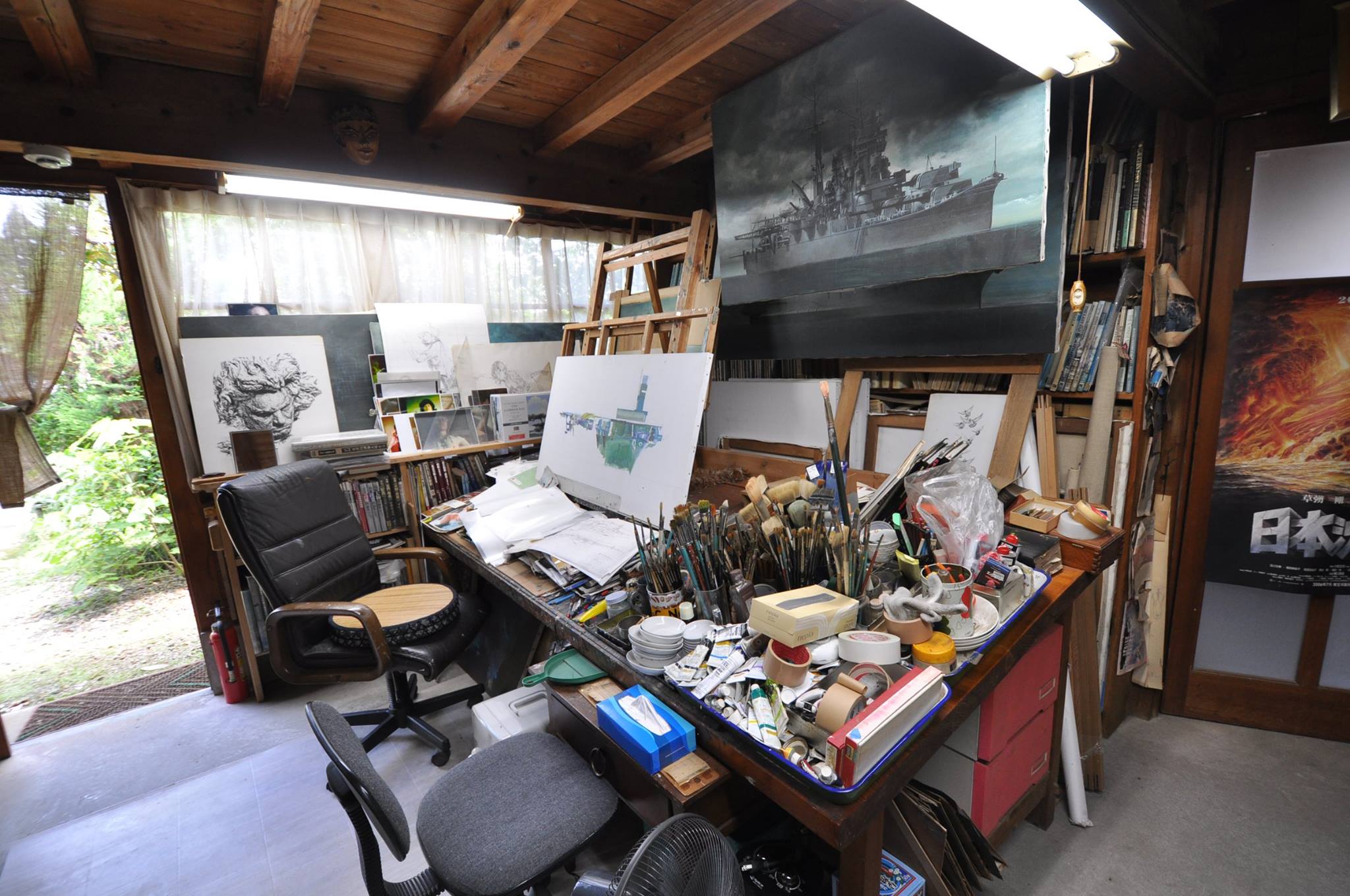
A view inside Ohrai's studio in Miyazaki. This photo was on display in the exhibition and I've taken this from the Facebook page for the exhibition.

A view inside Ohrai’s studio in Miyazaki. This photo was on display in the exhibition and I’ve taken this from the Facebook page for the exhibition.
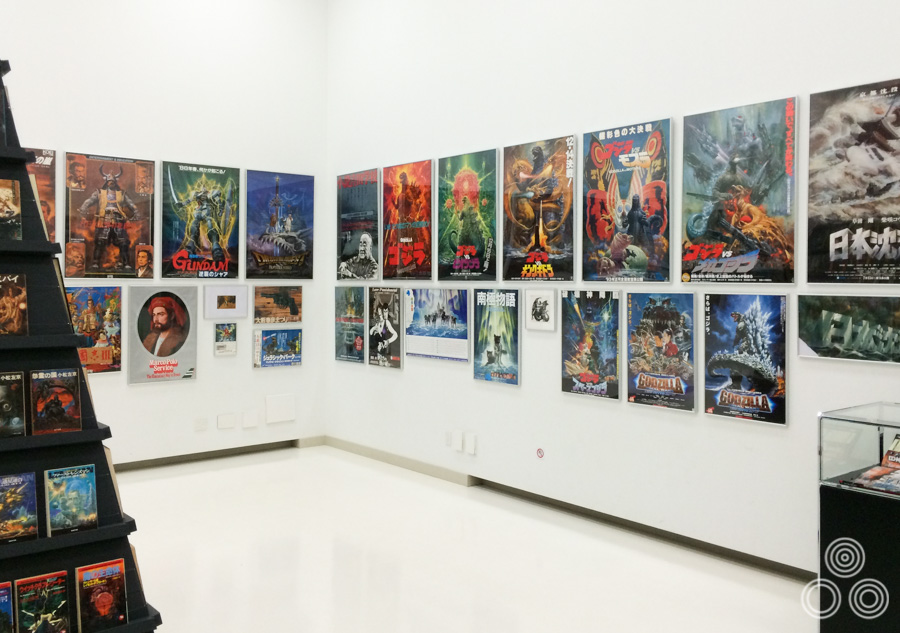
One side of the room of the exhibition that contained printed posters of Ohrai's work, including several Godzilla ones.

One side of the room of the exhibition that contained printed posters of Ohrai’s work, including several Godzilla ones.

Ohrai started out doing illustrations for newspapers then moved onto book covers and eventually started doing more and more posters after the huge success of the one he painted for The Empire Strikes Back.
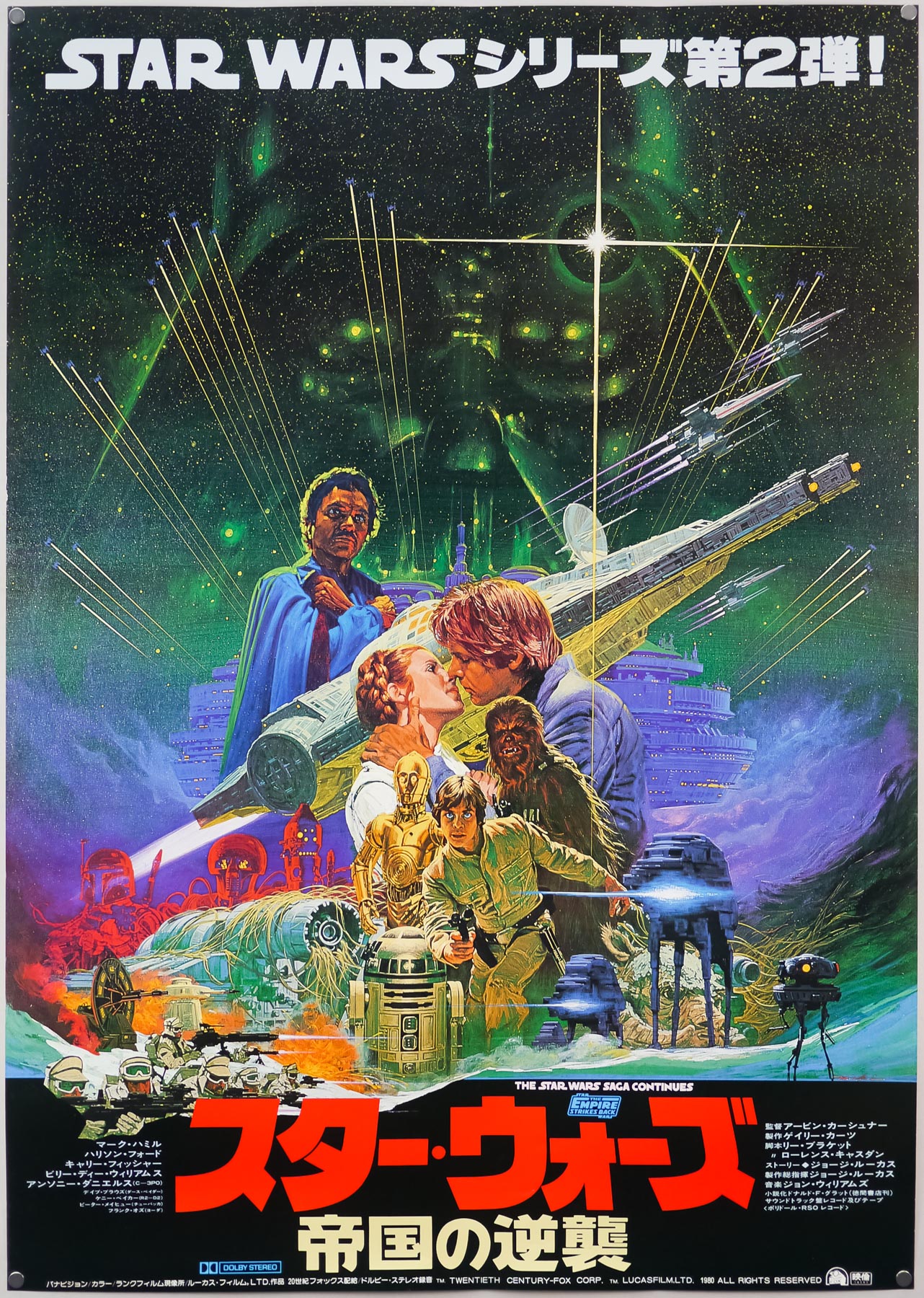
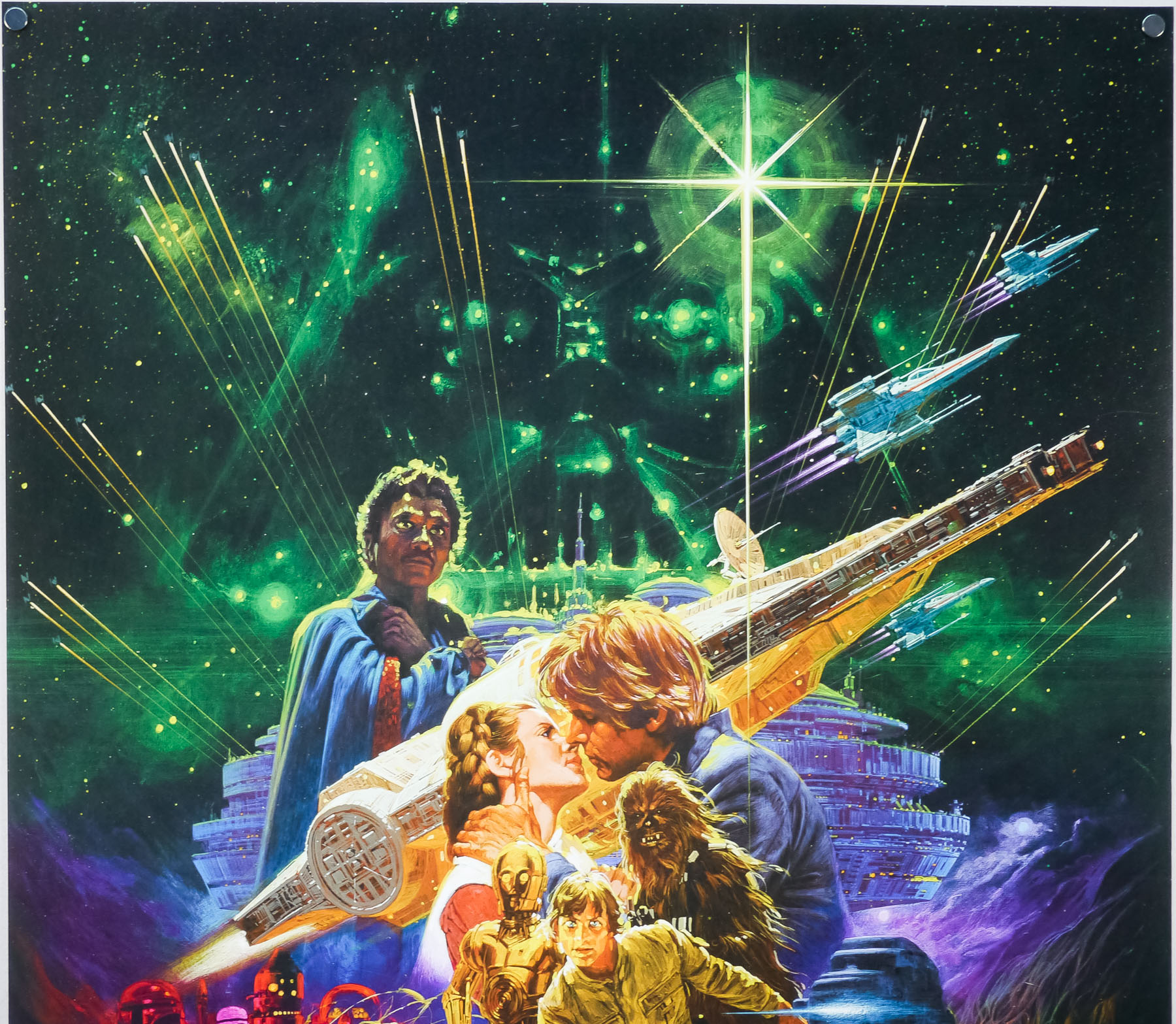
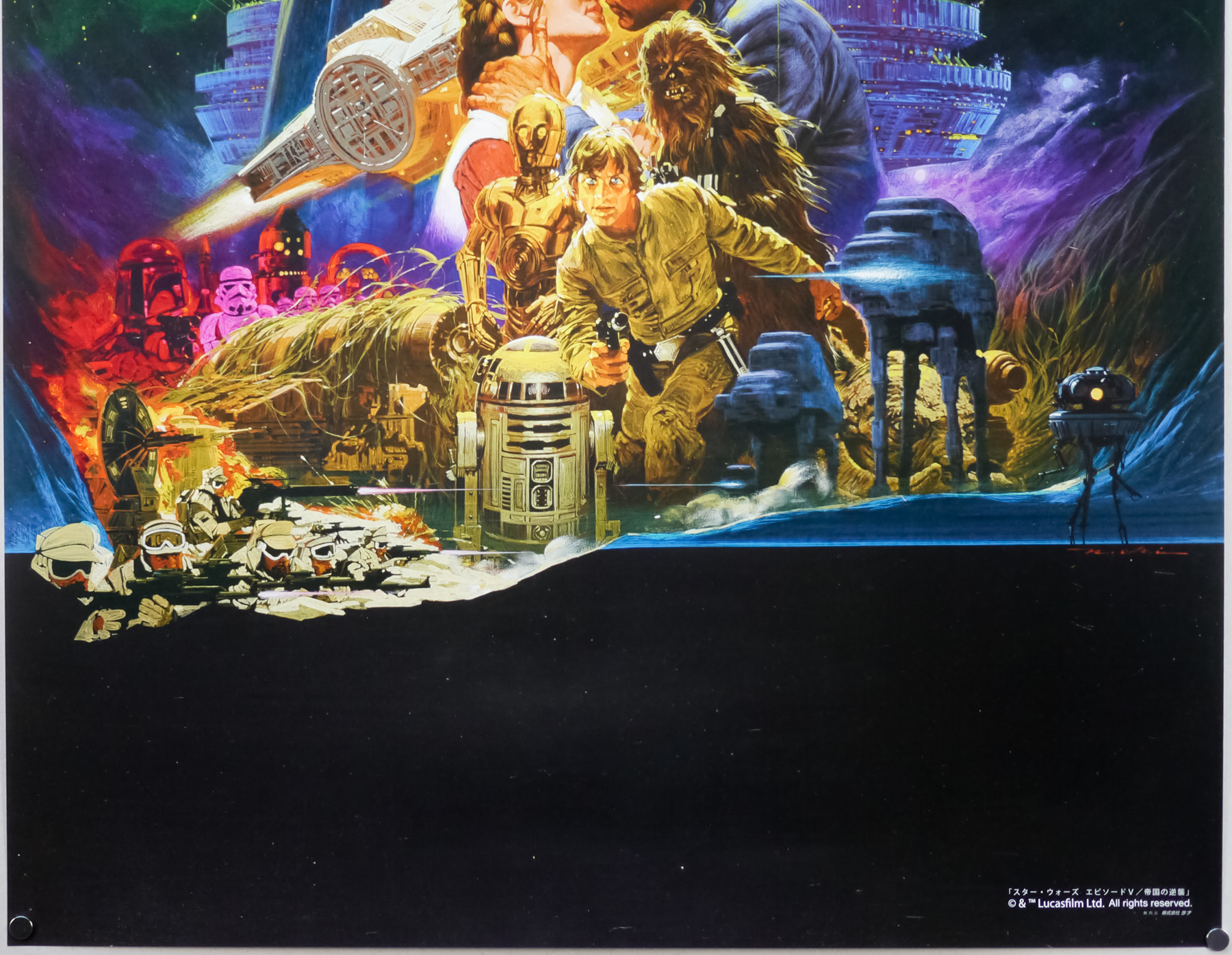
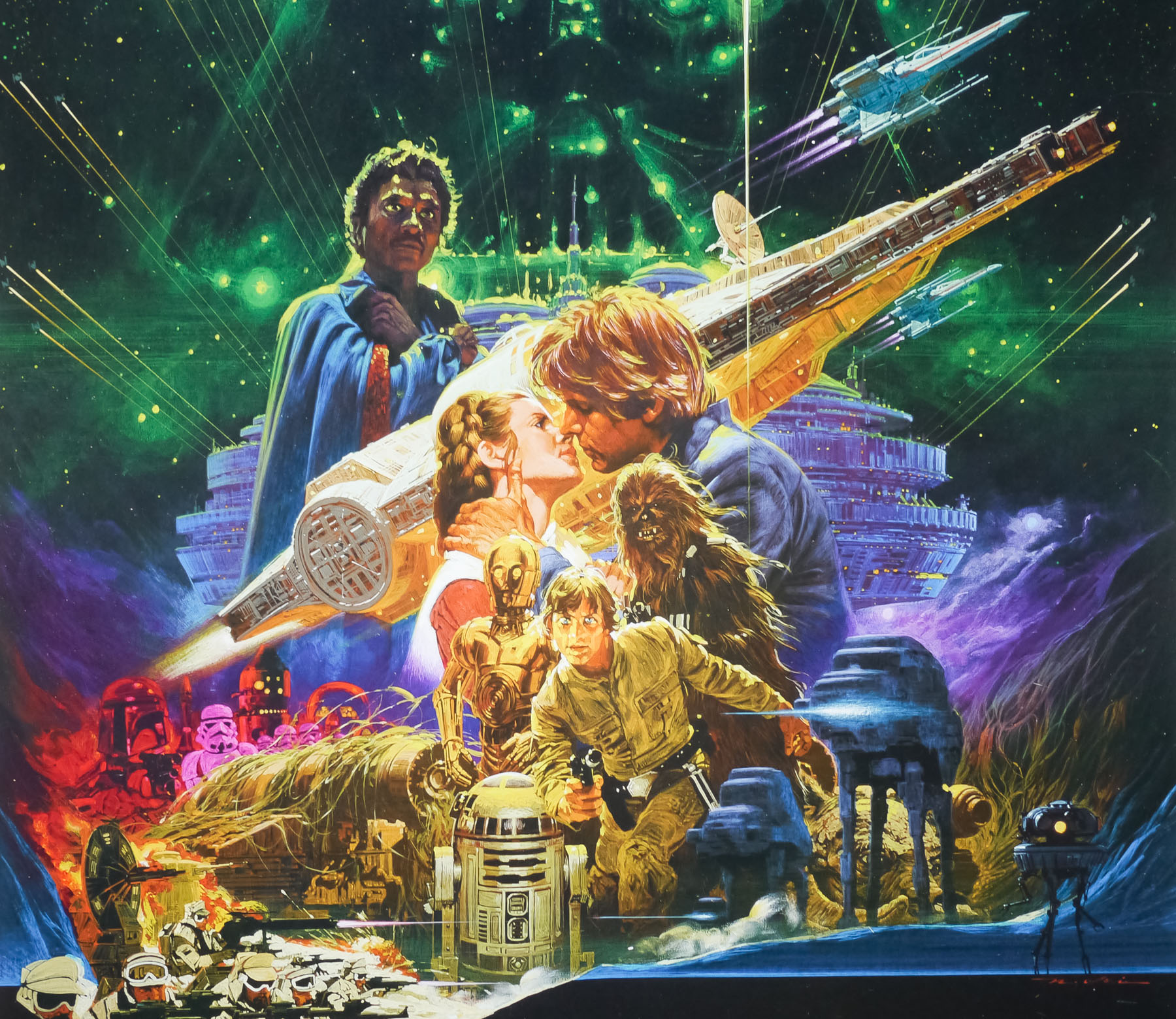
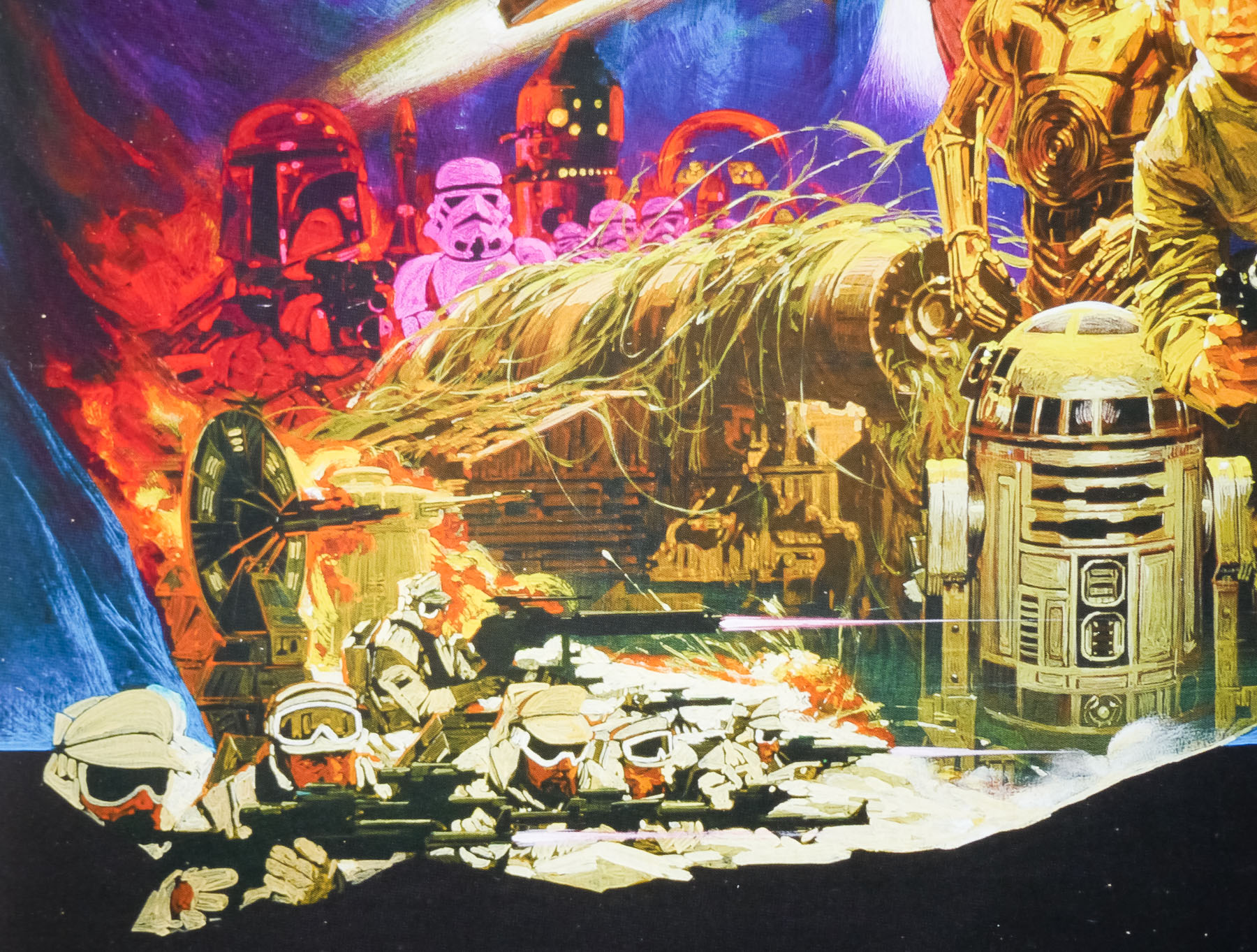
The gorgeous Japanese B1 poster for The Empire Strikes Back, painted by Ohrai. This poster led to many more film-related commissions.
The gorgeous Japanese B1 poster for The Empire Strikes Back, painted by Ohrai. This poster led to many more film-related commissions.

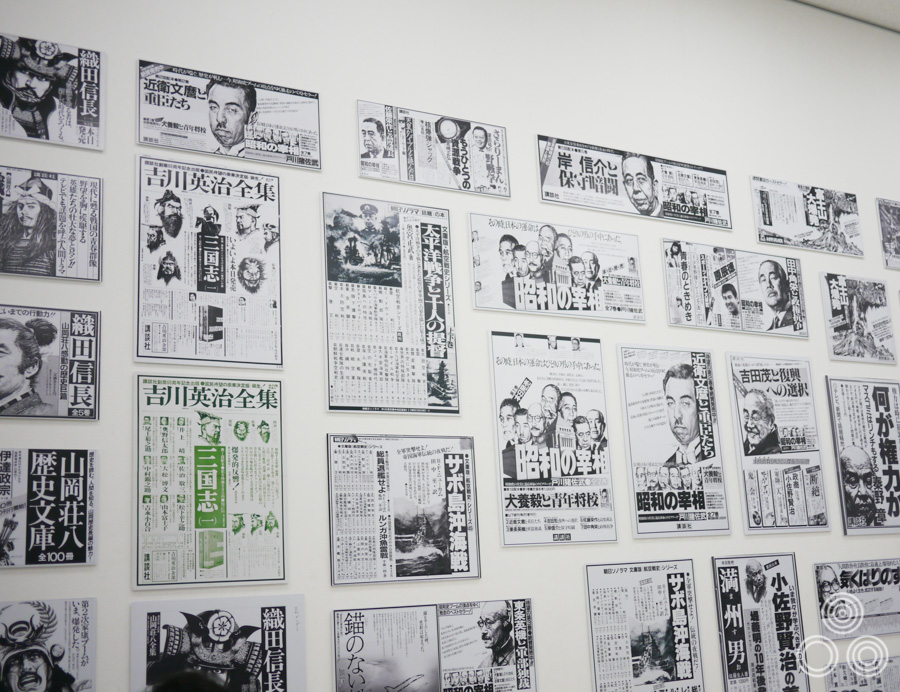
Large reproductions on the newspaper adverts that Ohrai painted during the early part of his career. These were displayed in the first room of the exhibition.
Large reproductions on the newspaper adverts that Ohrai painted during the early part of his career. These were displayed in the first room of the exhibition.

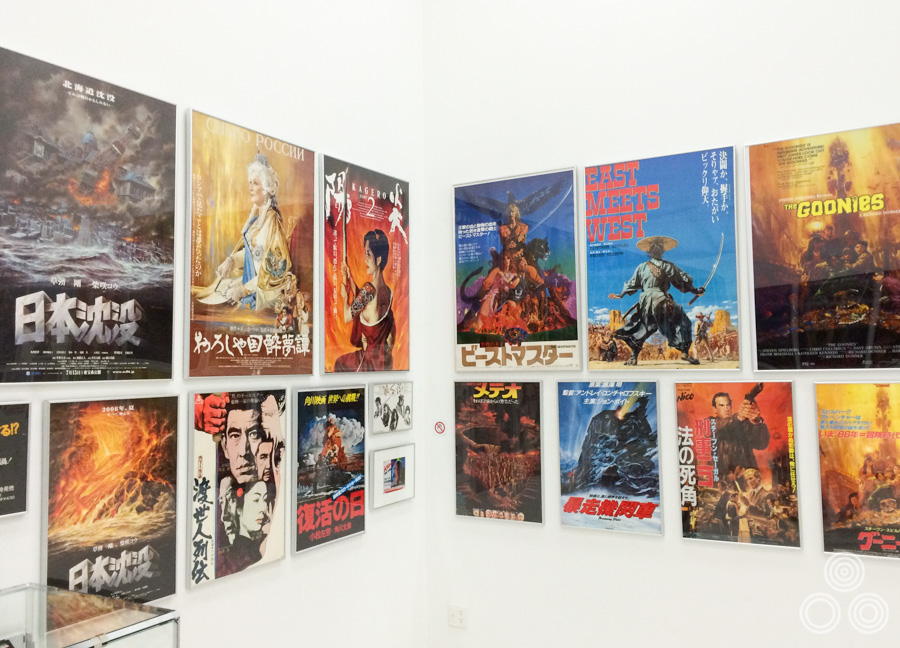
A corner of the first room in the exhibition that contained printed posters of Ohrai's work.

A corner of the first room in the exhibition that contained printed posters of Ohrai’s work.

Continue reading
Noriyoshi Ohrai exhibition / Star Wars posters

07.11.14

Poster Poster
Title
Noriyoshi Ohrai exhibition - Star Wars posters
AKA
--
Year of Film
N/A
Director
Various
Starring
Various
Origin of Film
USA | UK
Genre(s) of Film
Various,
Type of Poster
Other
Style of Poster
--
Origin of Poster
Japan
Year of Poster
2014
Designer
Noriyoshi Ohrai
Artist
Noriyoshi Ohrai
Size (inches)
16 10/16" x 23 6/16"
SS or DS
SS
Tagline
--

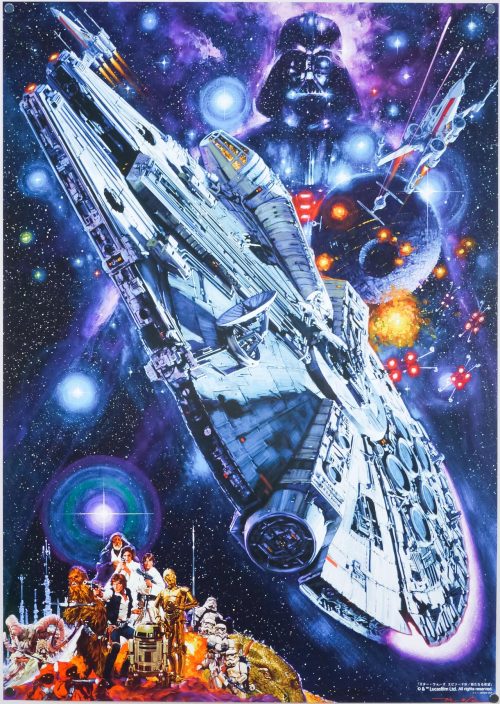
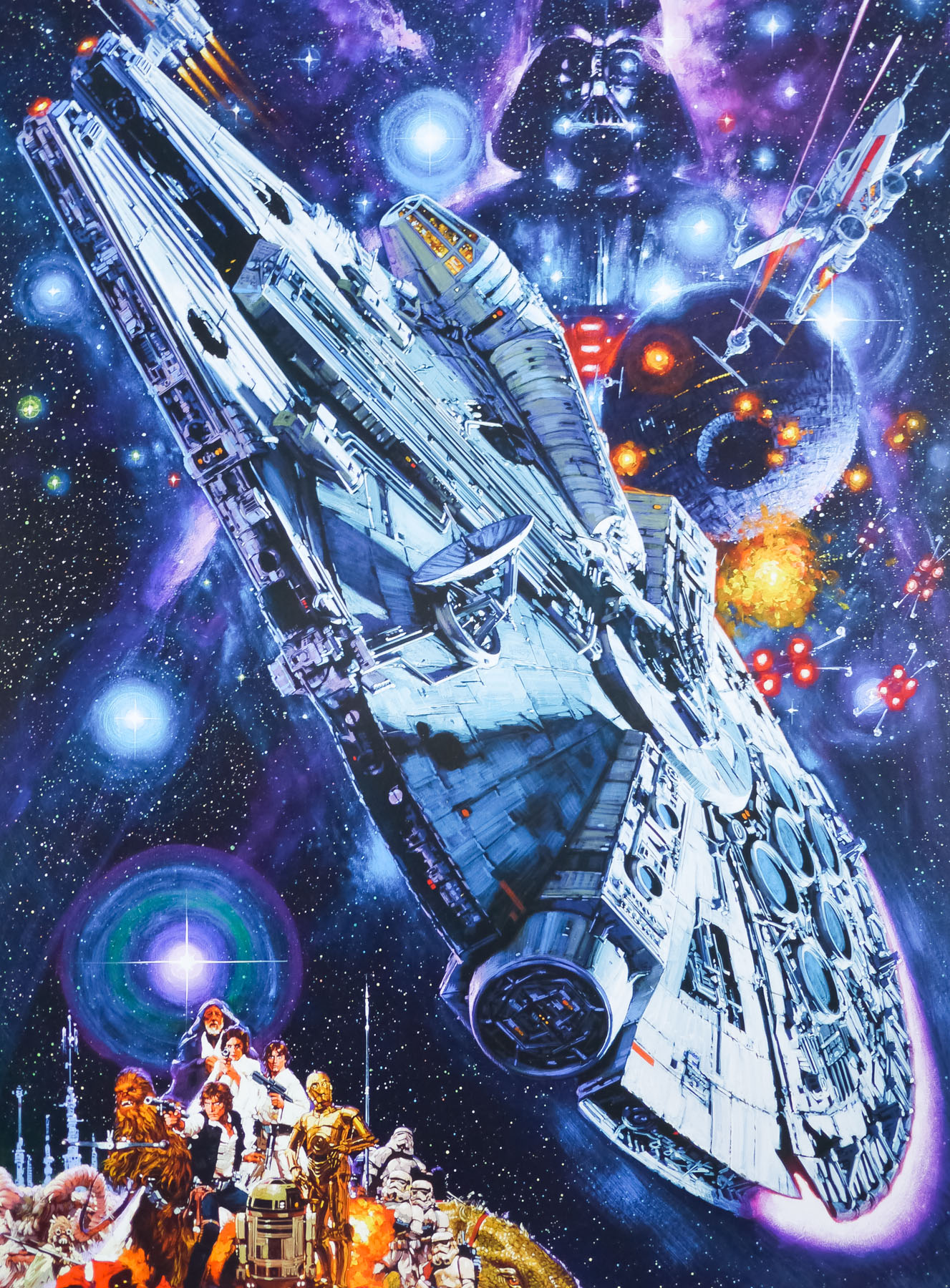
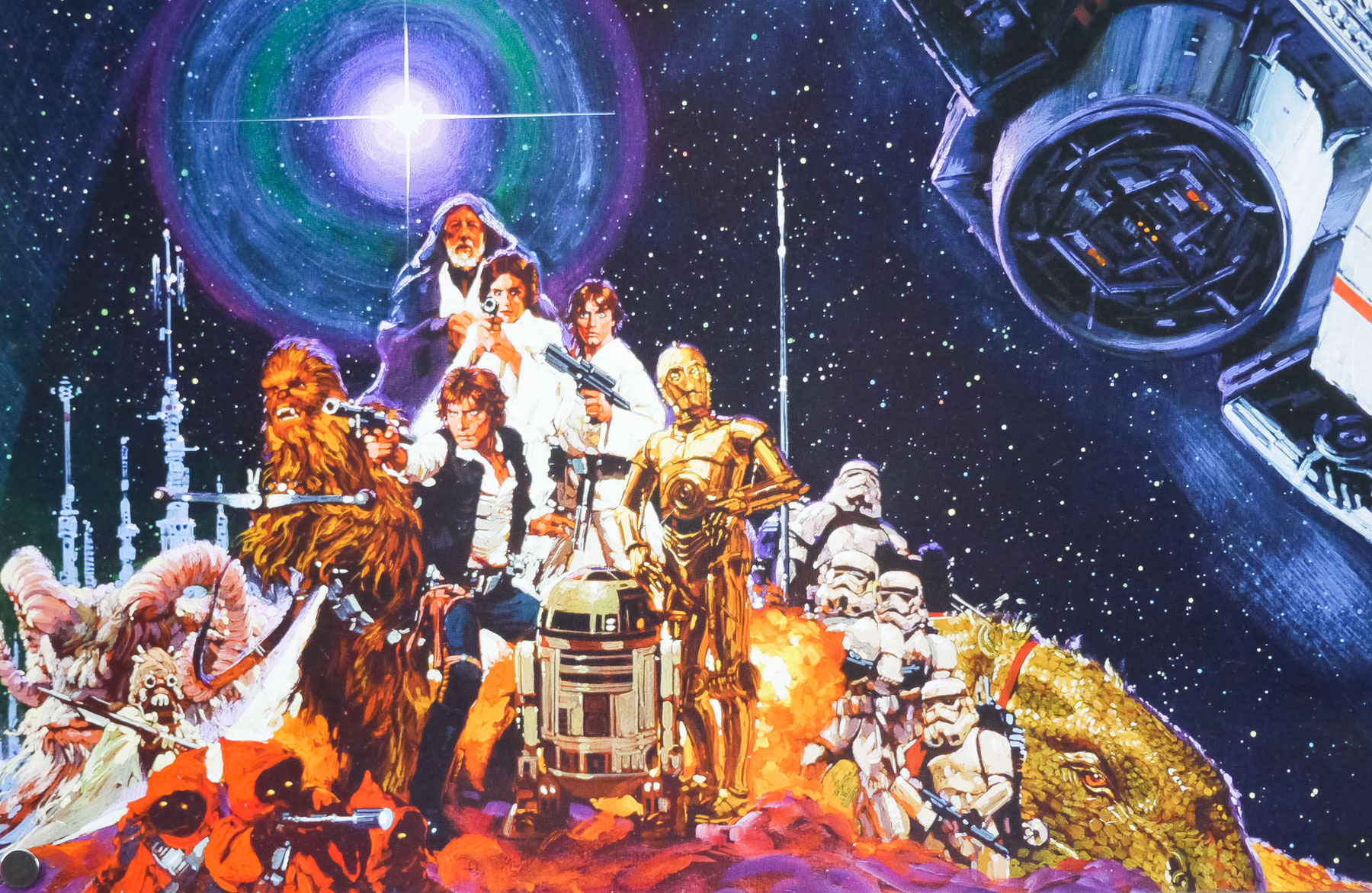
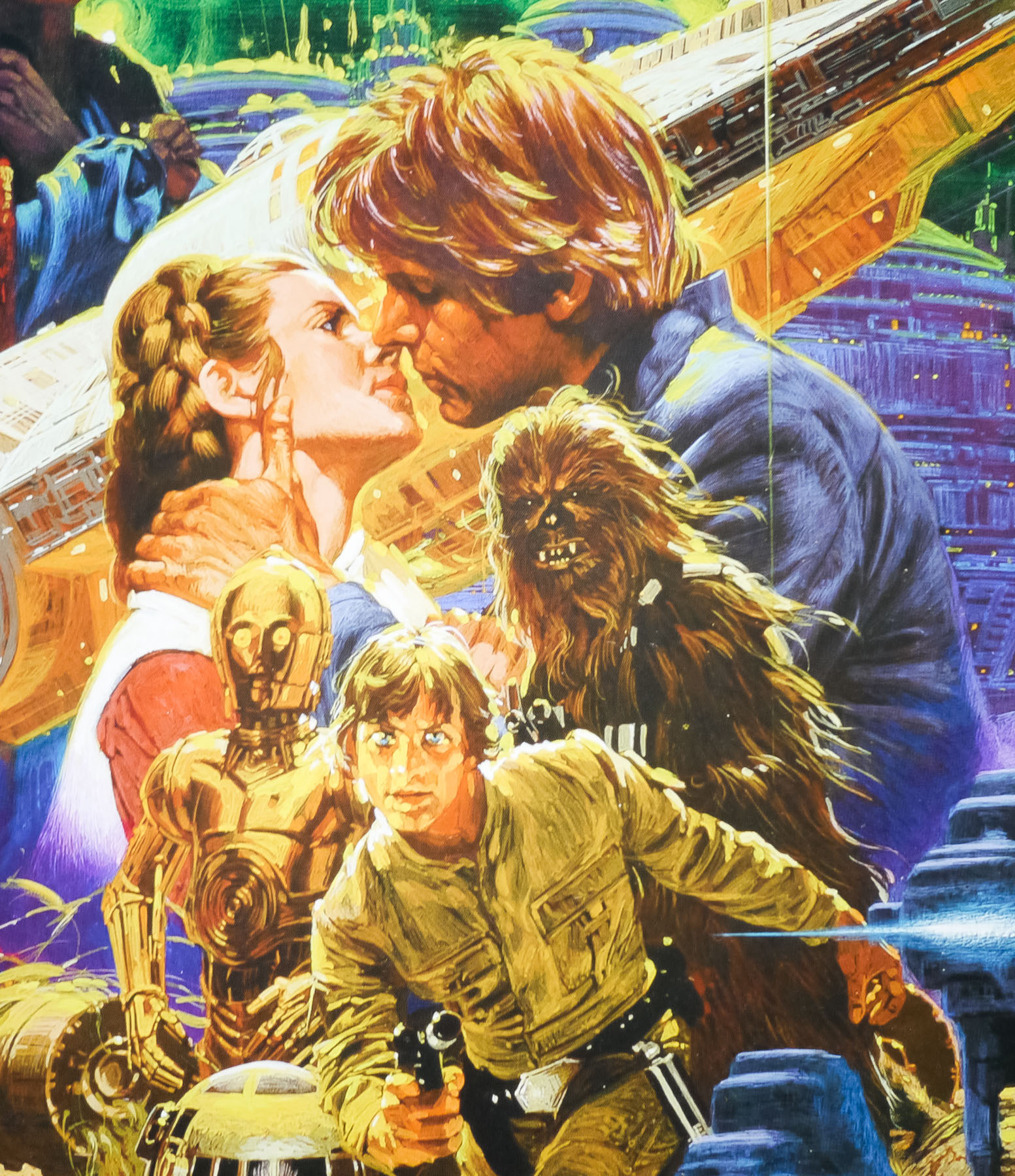
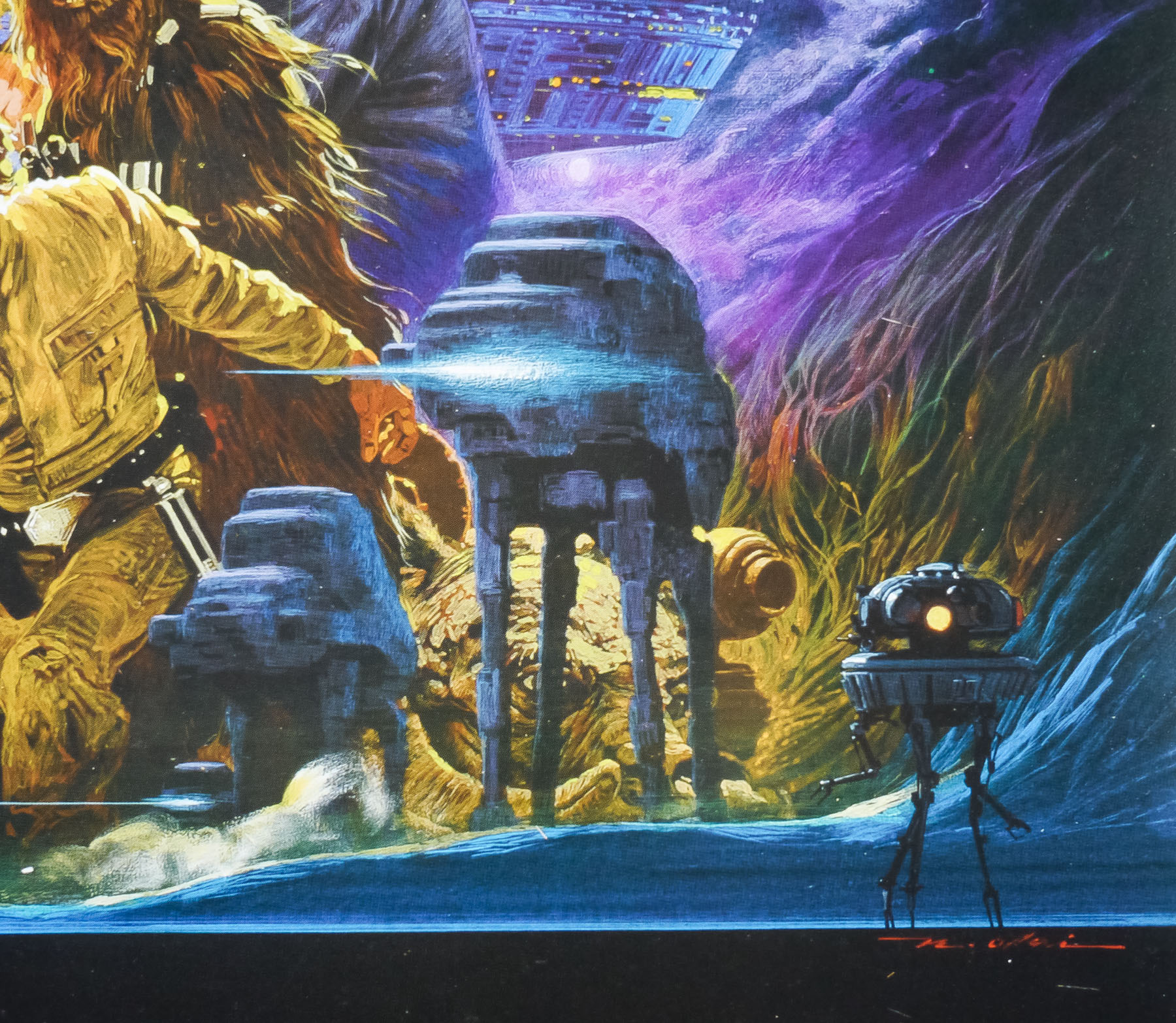
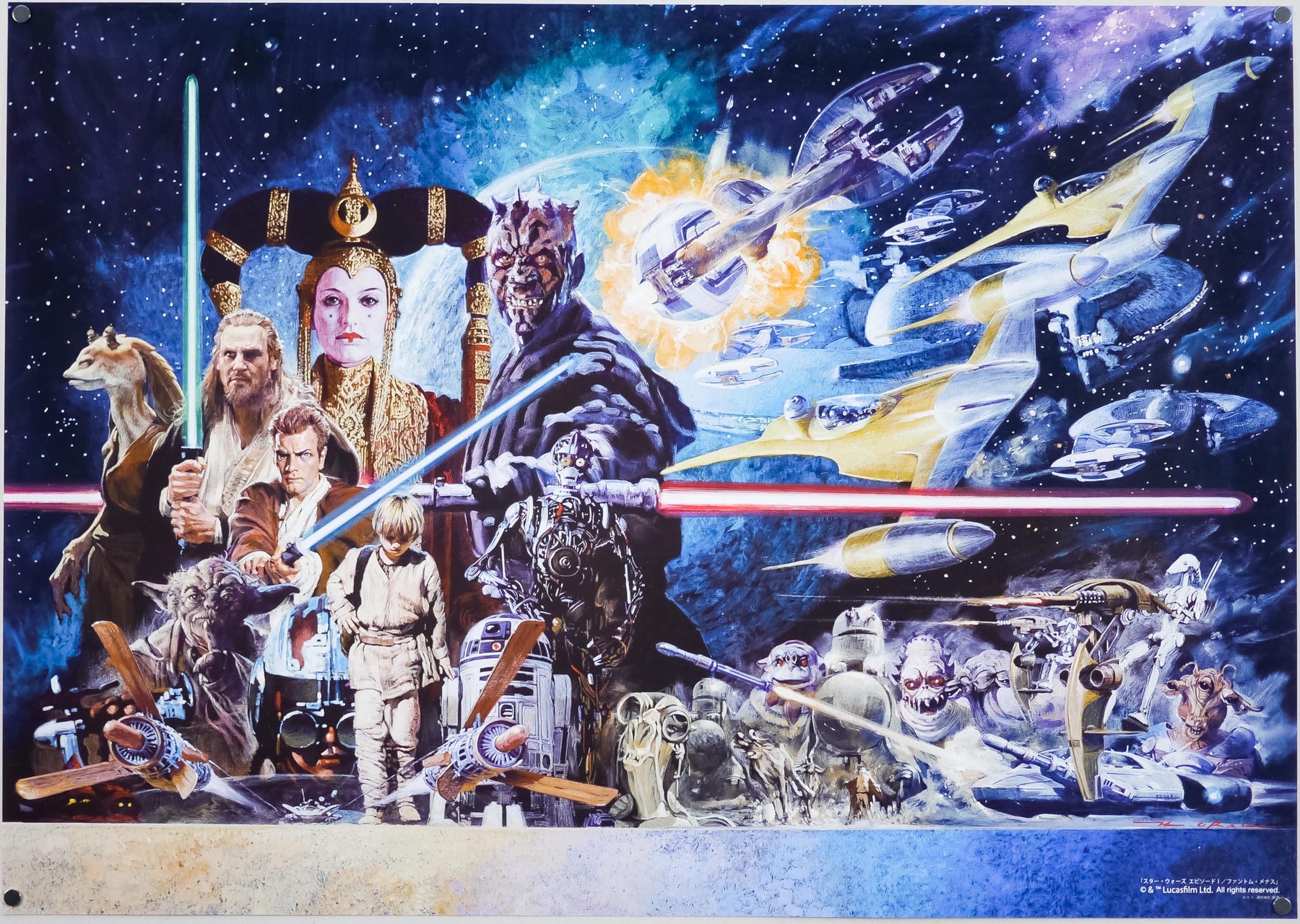
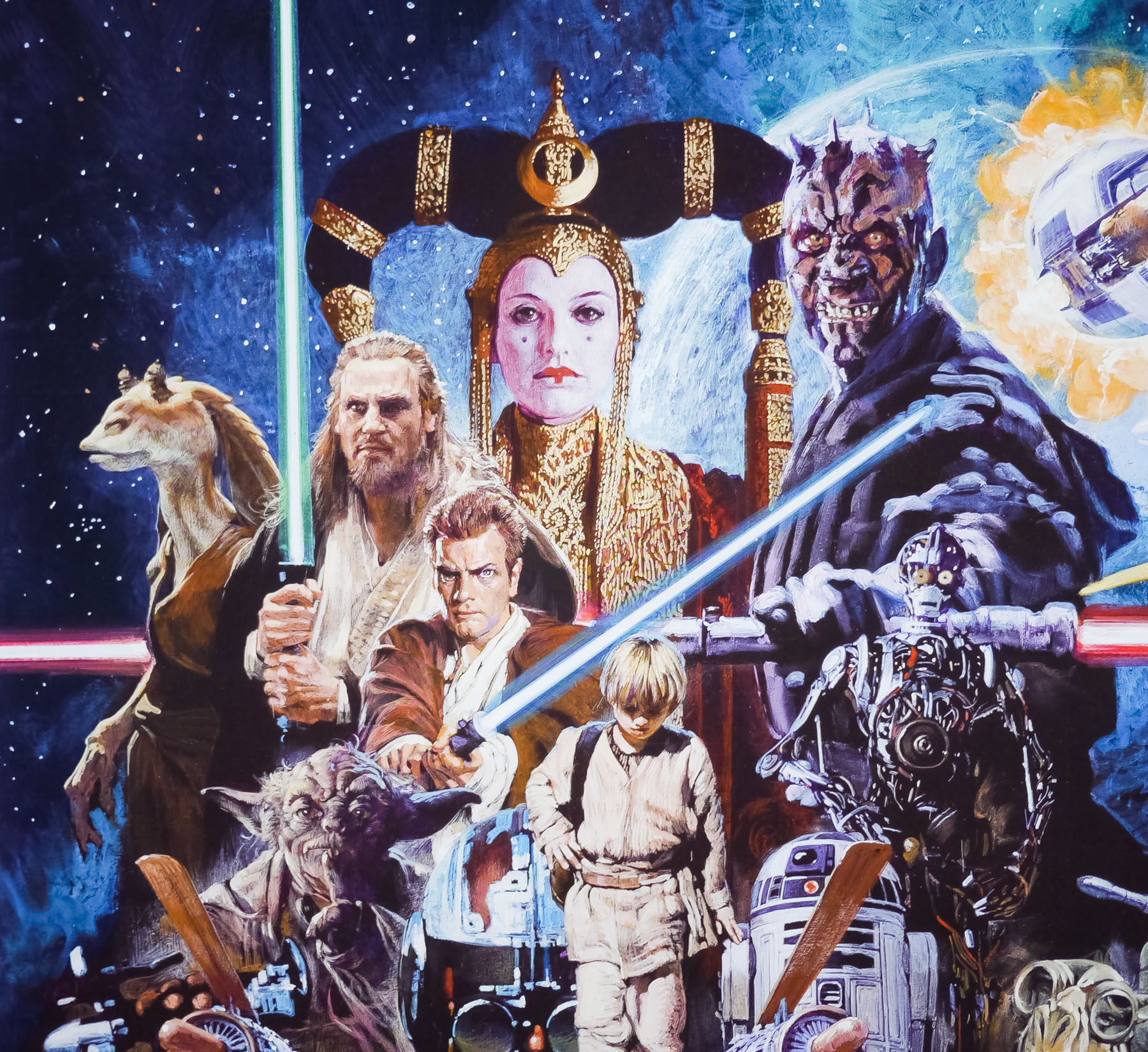
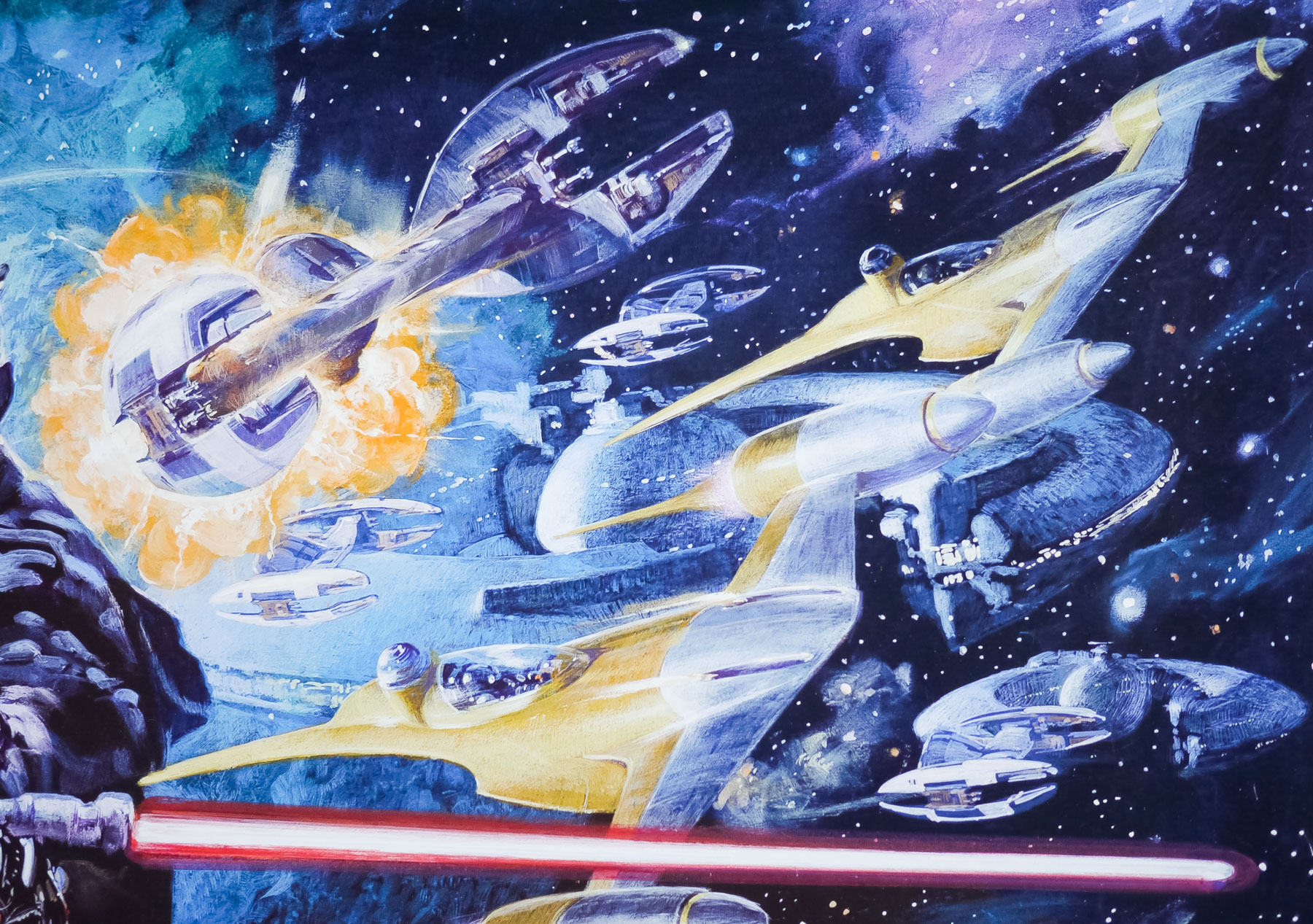
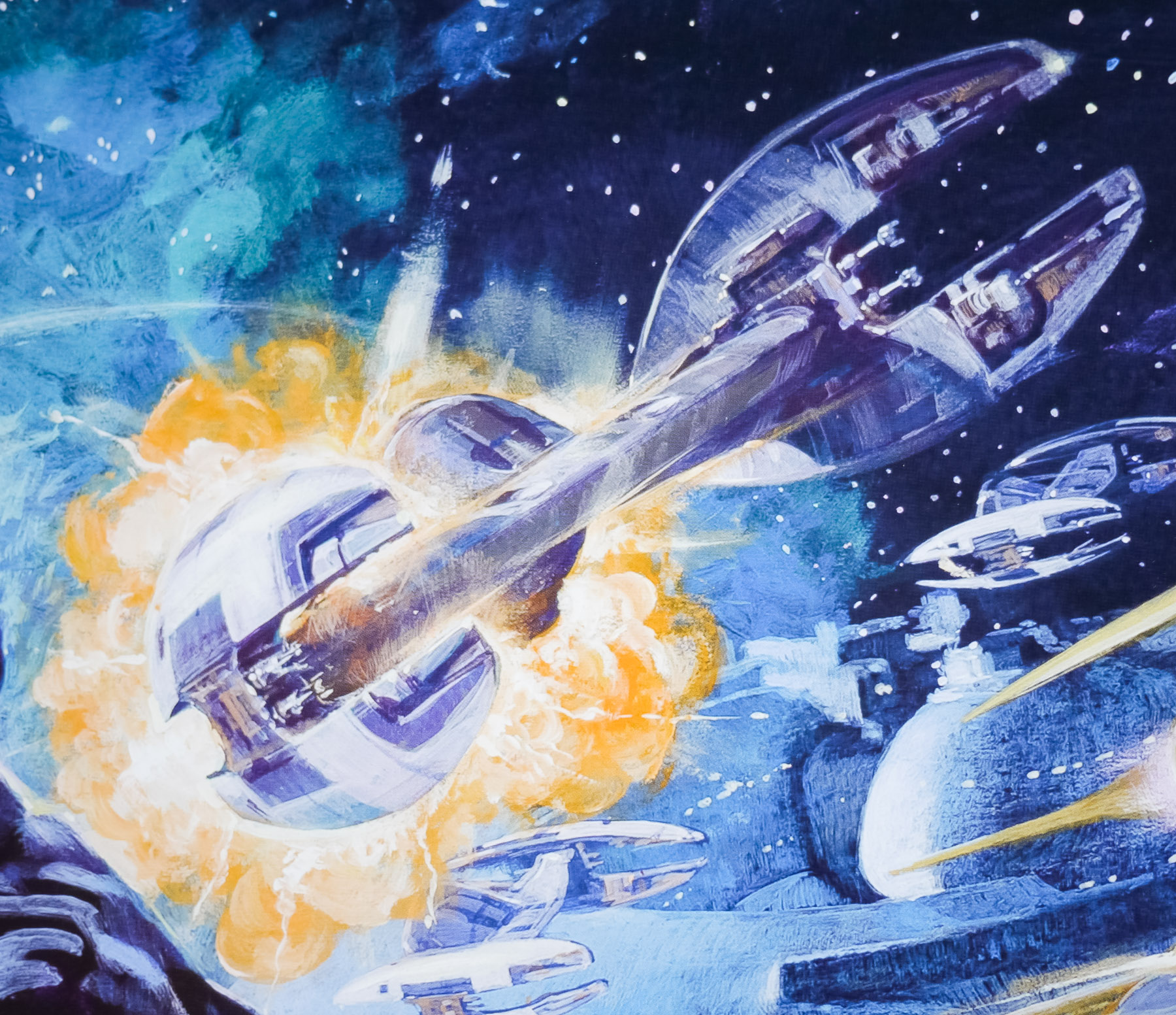
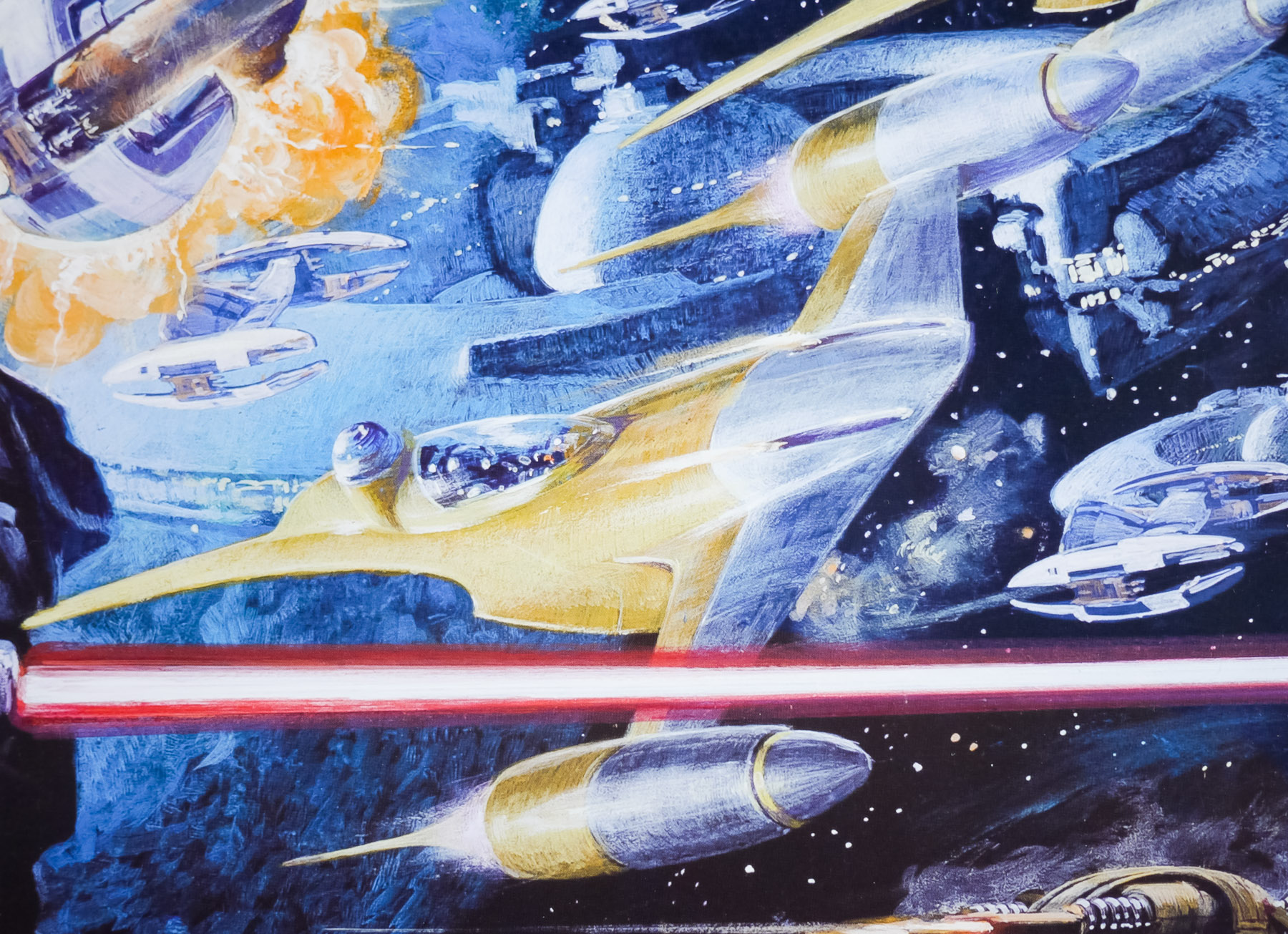
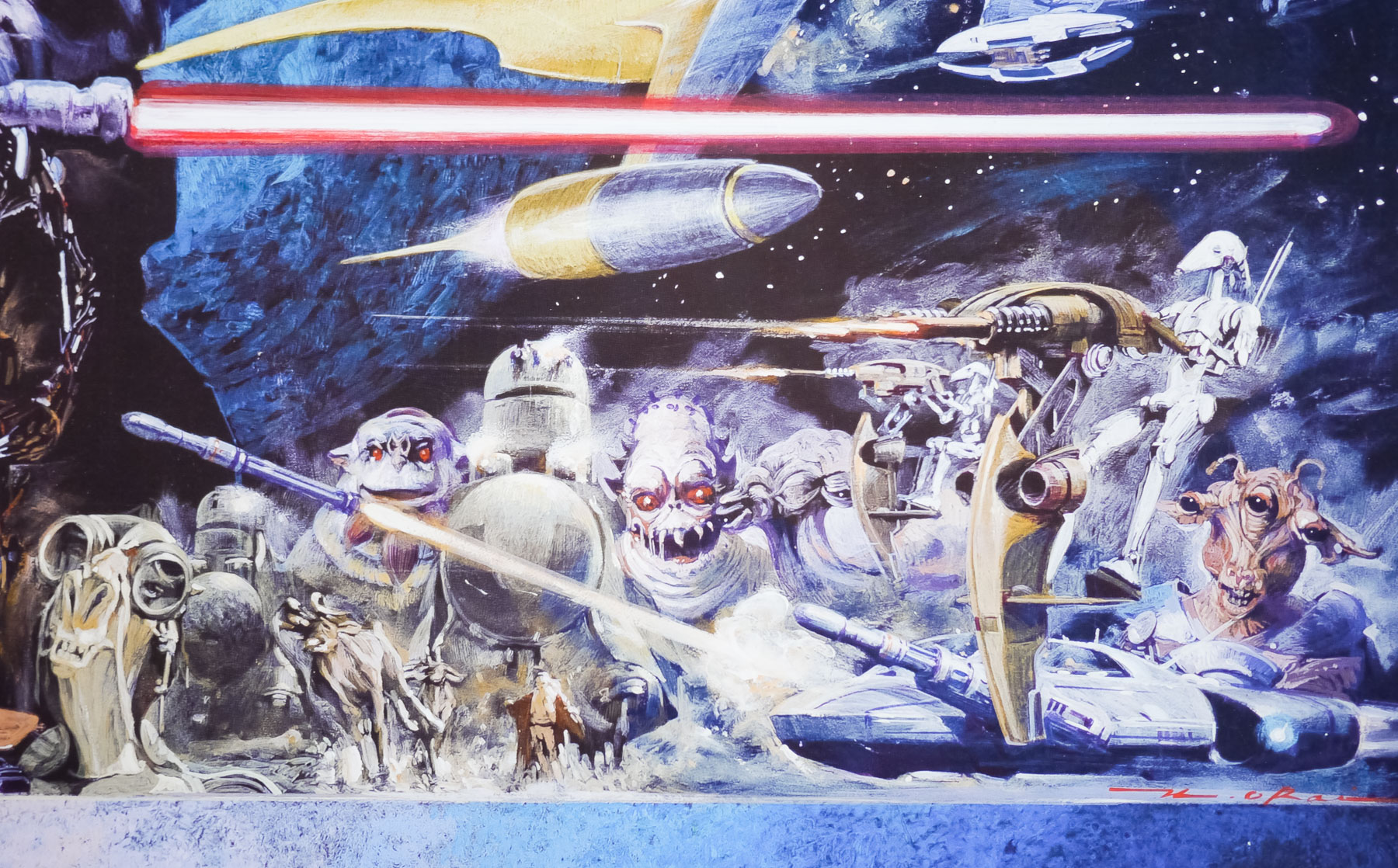
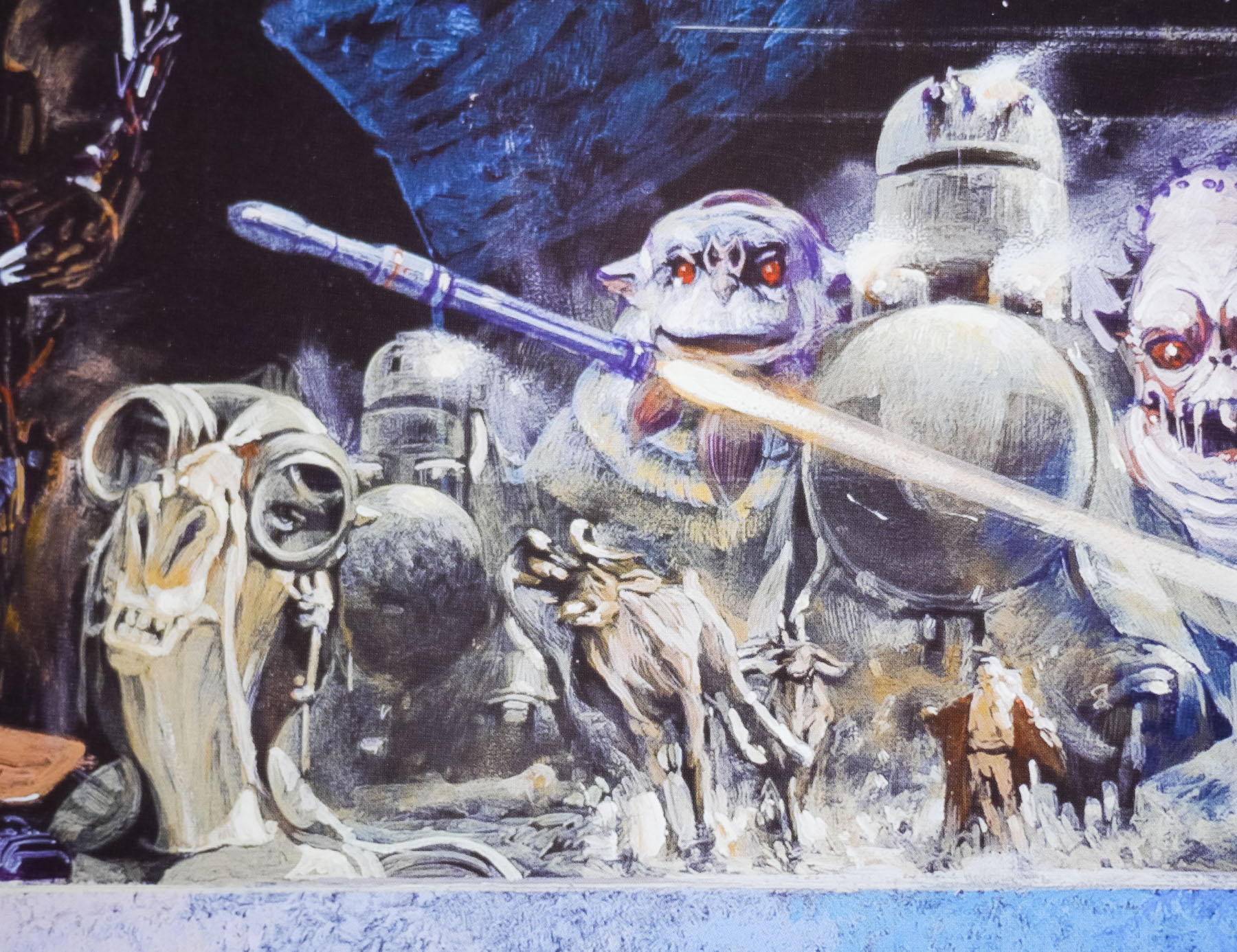
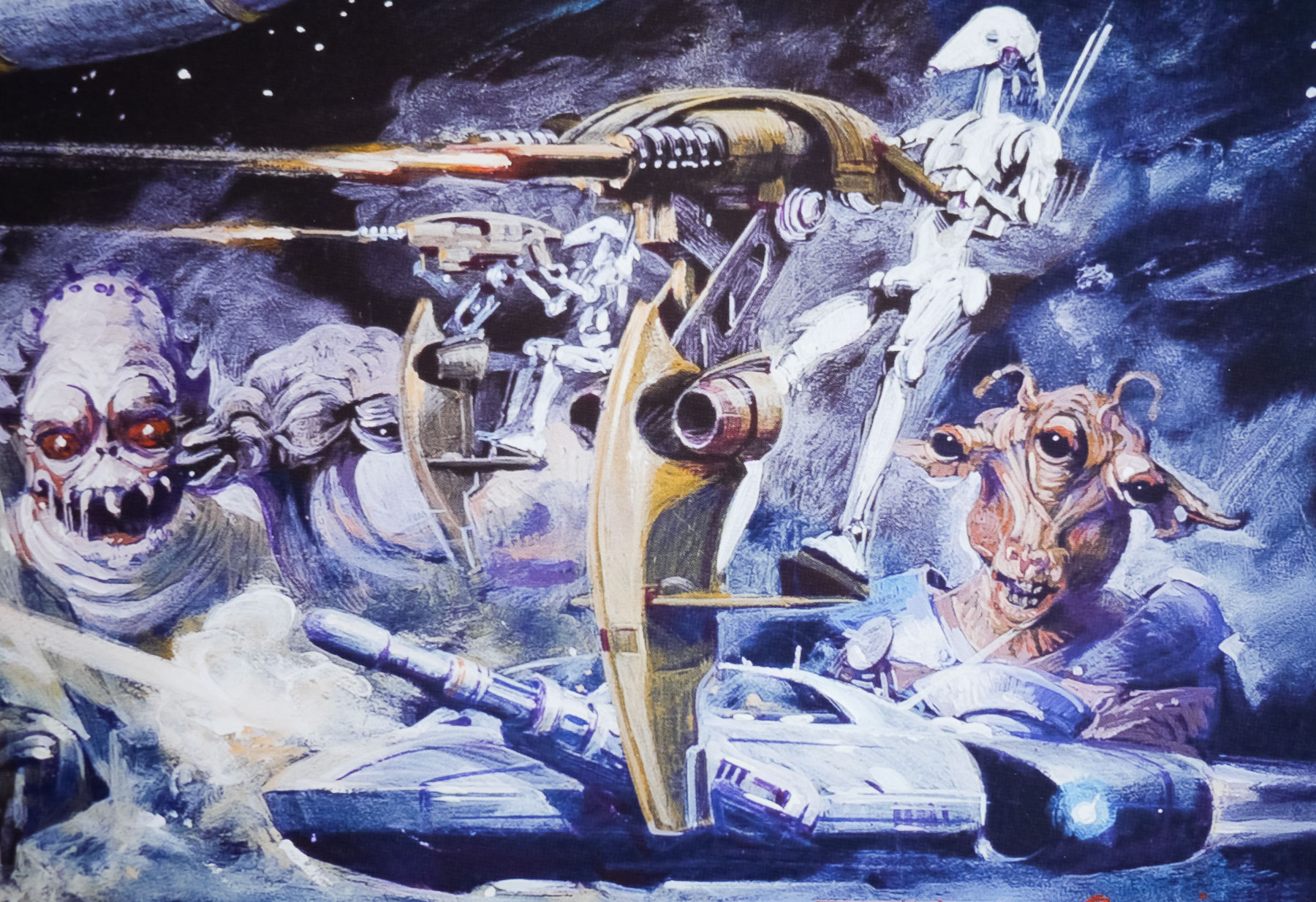
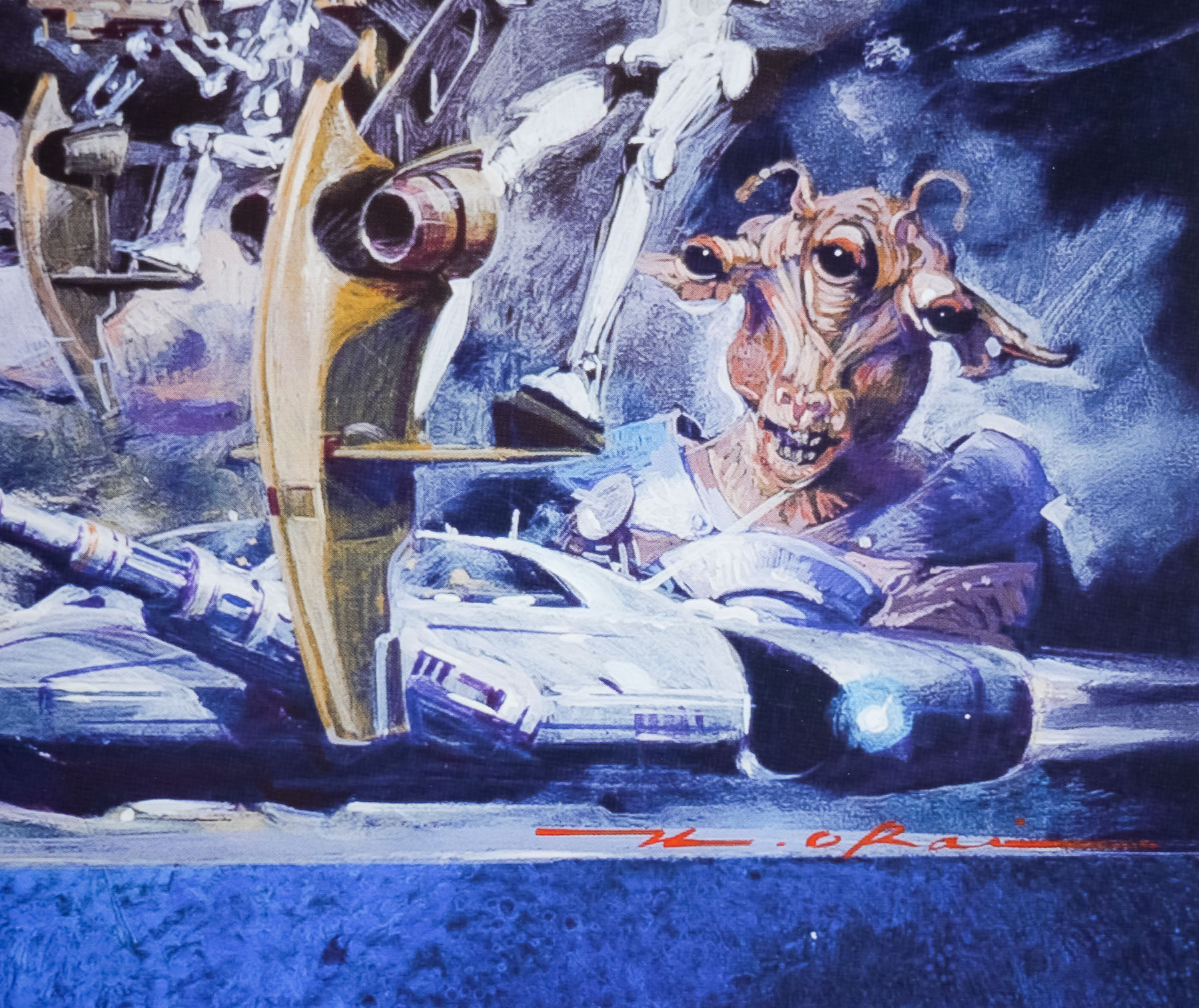
These three small Star Wars artwork posters were sold together at the exhibition held in February and March 2014 to celebrate the work of the brilliant Japanese illustrator Noriyoshi Ohrai. The artwork of the Millennium Falcon was used on a B2 poster that was printed for the 1982 re-release of the original Star Wars in its dubbed Japanese soundtrack form.

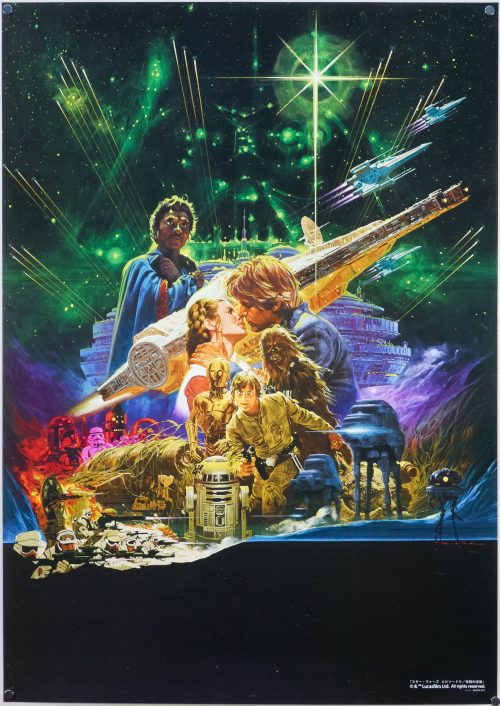
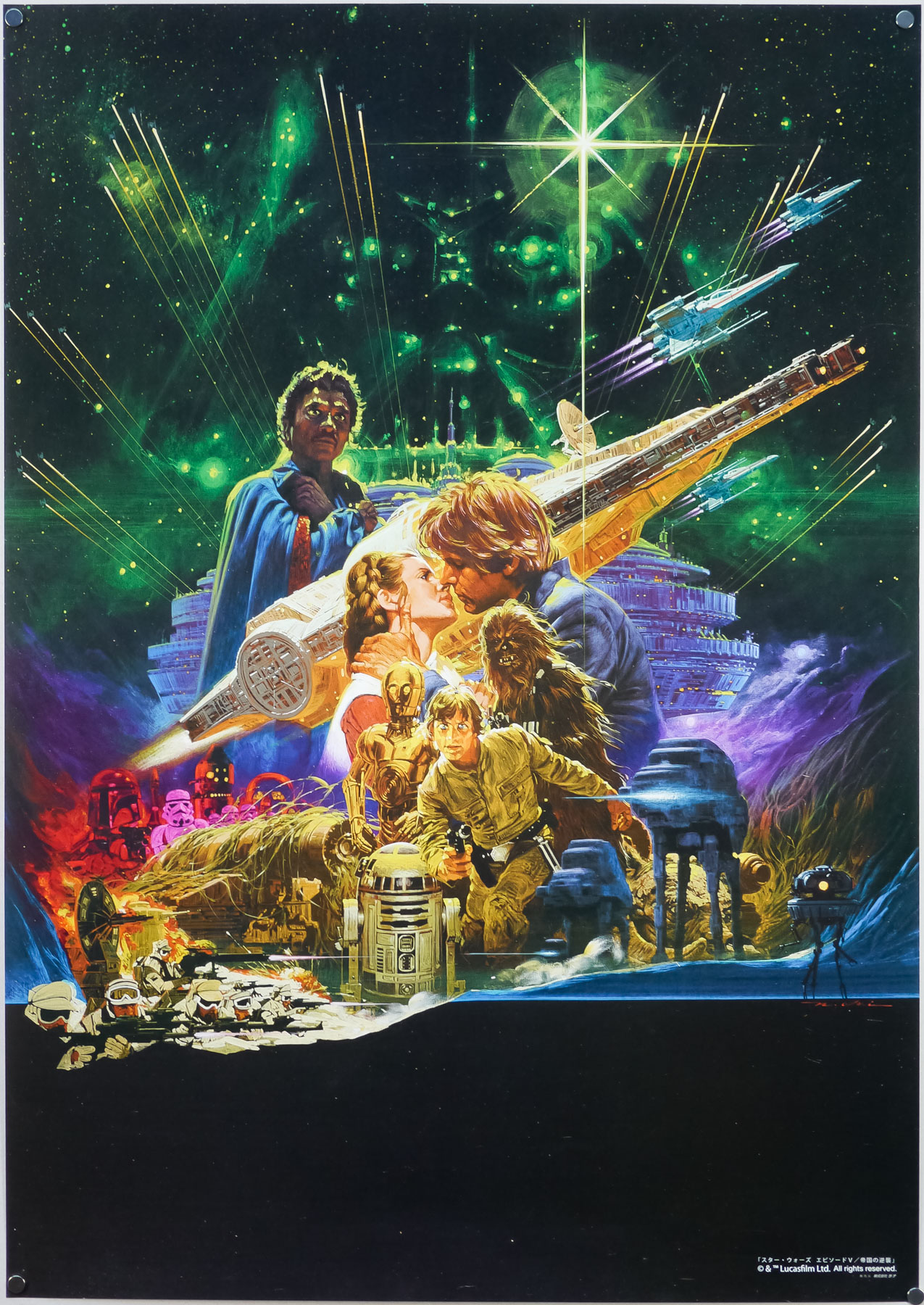
The green artwork was done by Ohrai for the international posters for the release of The Empire Strikes Back and was specially commissioned by George Lucas. It was used for the film’s release in several countries including Argentia, Australia and Japan. Of note is that the artwork that was on display at the exhibition and is reproduced here differs in several ways from the final printed poster. Amongst the differences are a different face for Luke Skywalker, Vader’s helmet being larger and more refined on the final poster and a stormtrooper that only features on this version.
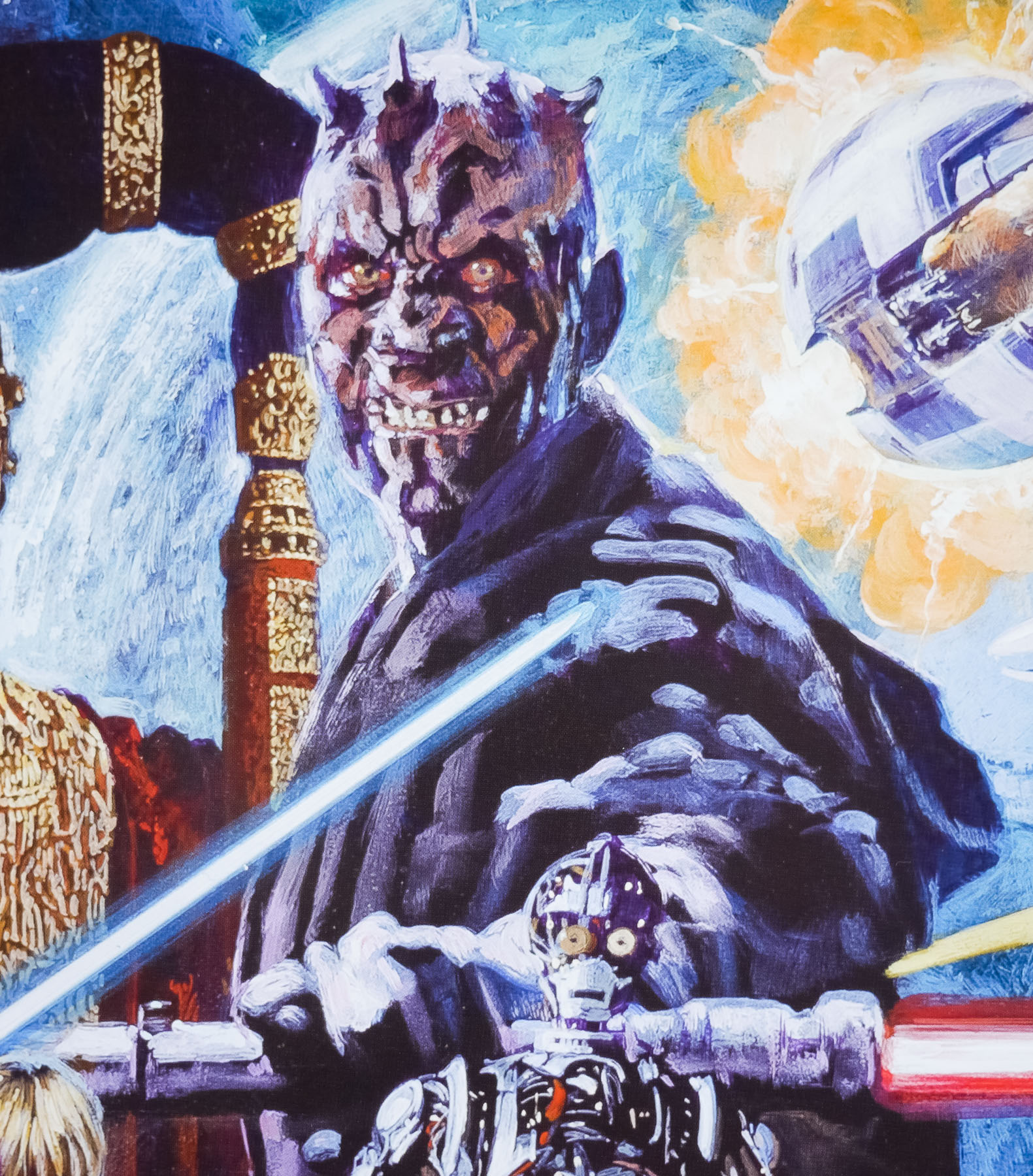
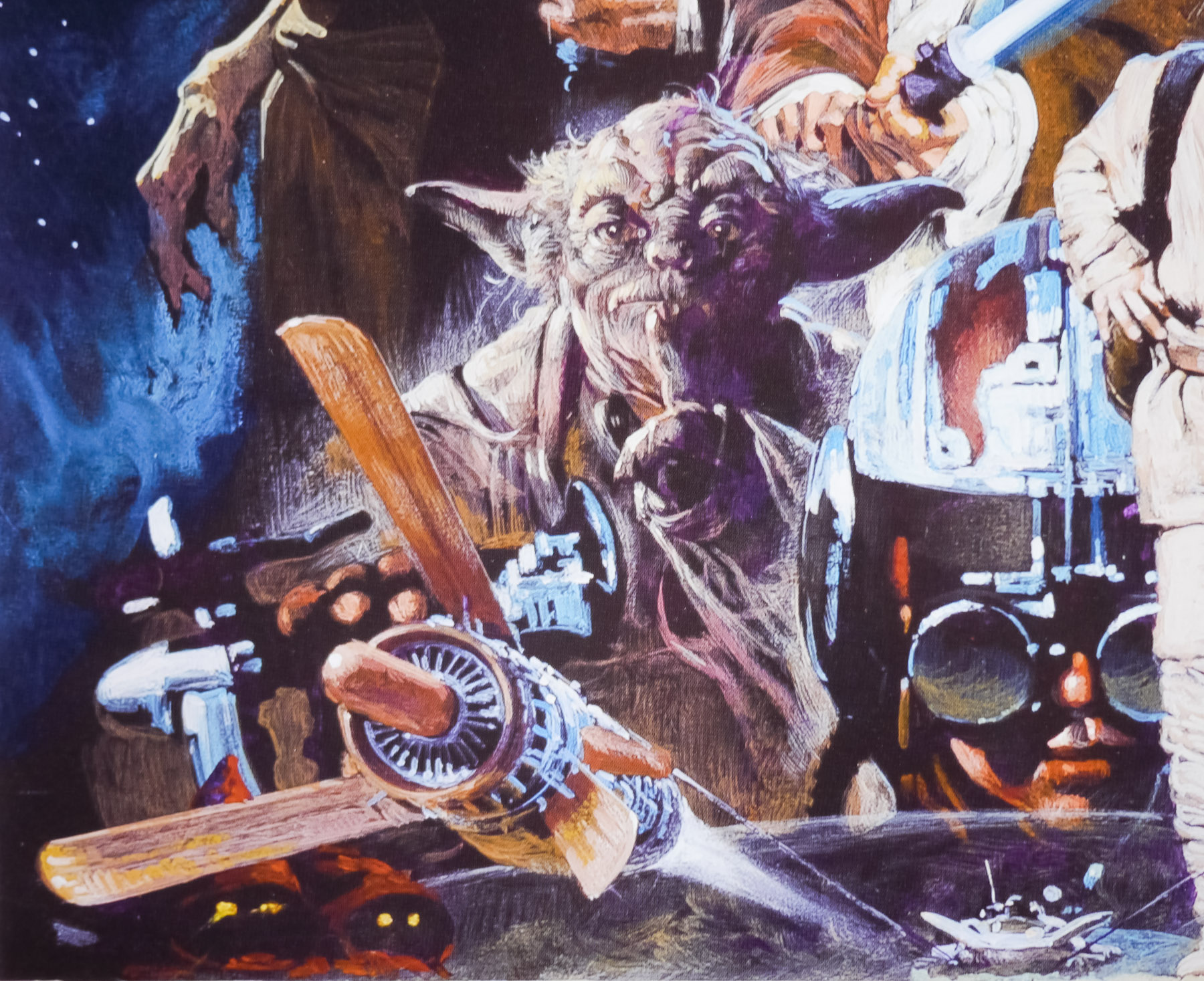
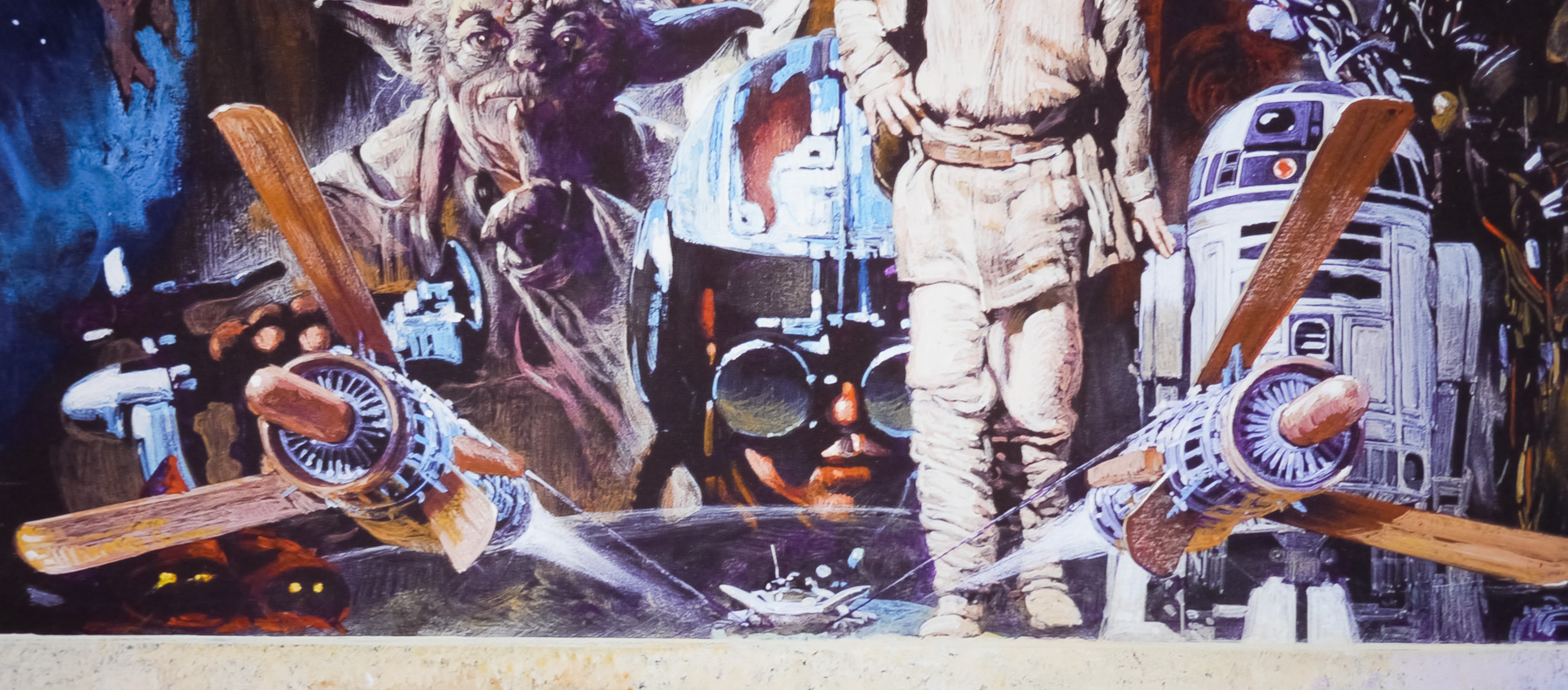
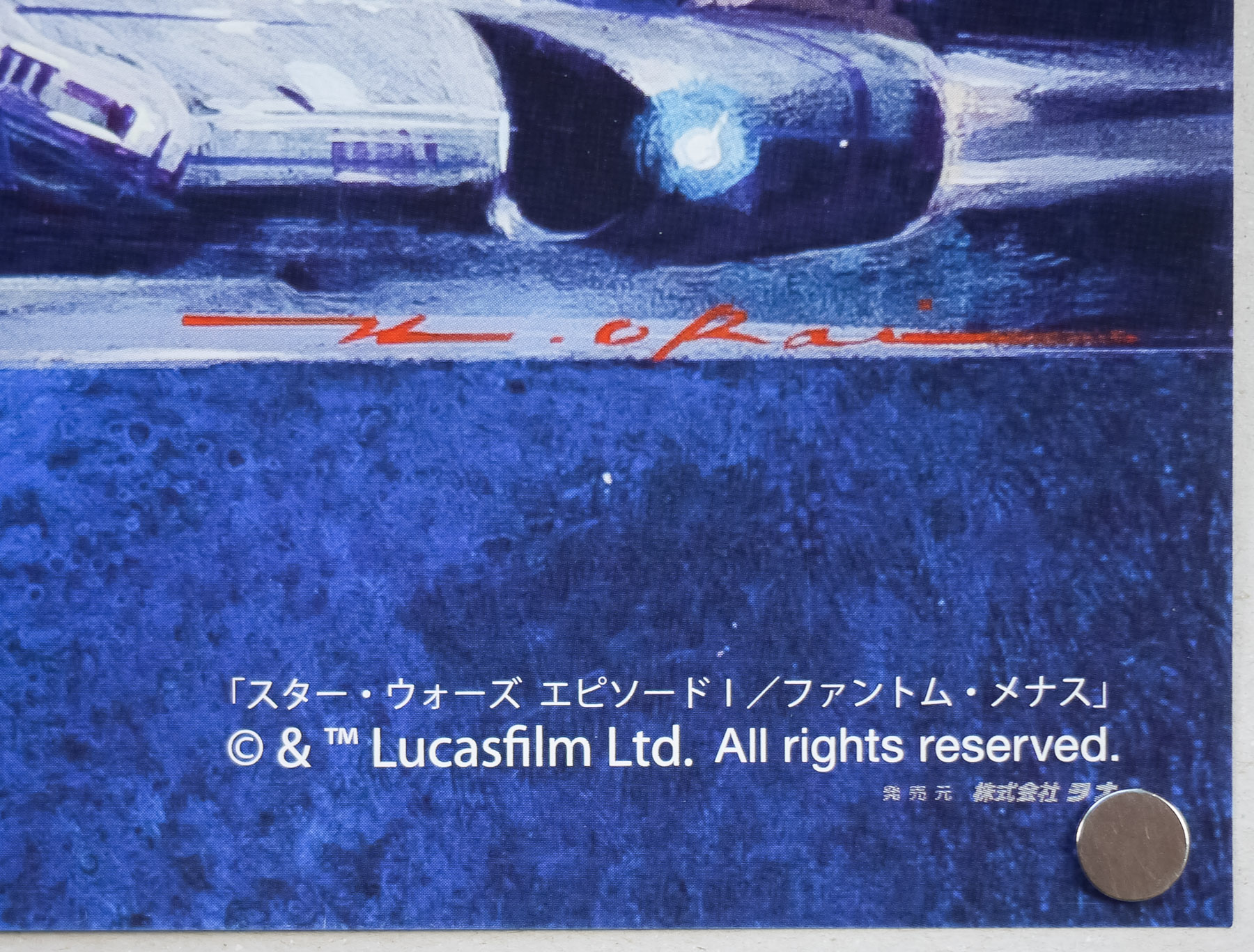
The final poster is a montage of characters and vehicles from Episode I: The Phantom Menace (1999) and I believe this was created for a magazine cover. It was certainly never used as the theatrical release poster of the film in Japan or any other country.

I wrote a report of my visit to the exhibition and that can be viewed here.

The Challenge / one sheet / USA

20.03.15

Poster Poster
Title
The Challenge
AKA
Sword of the Ninja (US alt. title)
Year of Film
1982
Director
John Frankenheimer
Starring
Scott Glenn, Toshirô Mifune, Donna Kei Benz, Atsuo Nakamura, Calvin Jung, Clyde Kusatsu, Sab Shimono, Kiyoaki Nagai
Origin of Film
USA | Japan
Genre(s) of Film
Scott Glenn, Toshirô Mifune, Donna Kei Benz, Atsuo Nakamura, Calvin Jung, Clyde Kusatsu, Sab Shimono, Kiyoaki Nagai,
Type of Poster
One sheet
Style of Poster
--
Origin of Poster
USA
Year of Poster
1982
Designer
Unknown
Artist
C. W. Taylor
Size (inches)
27" x 41"
SS or DS
SS
NSS #
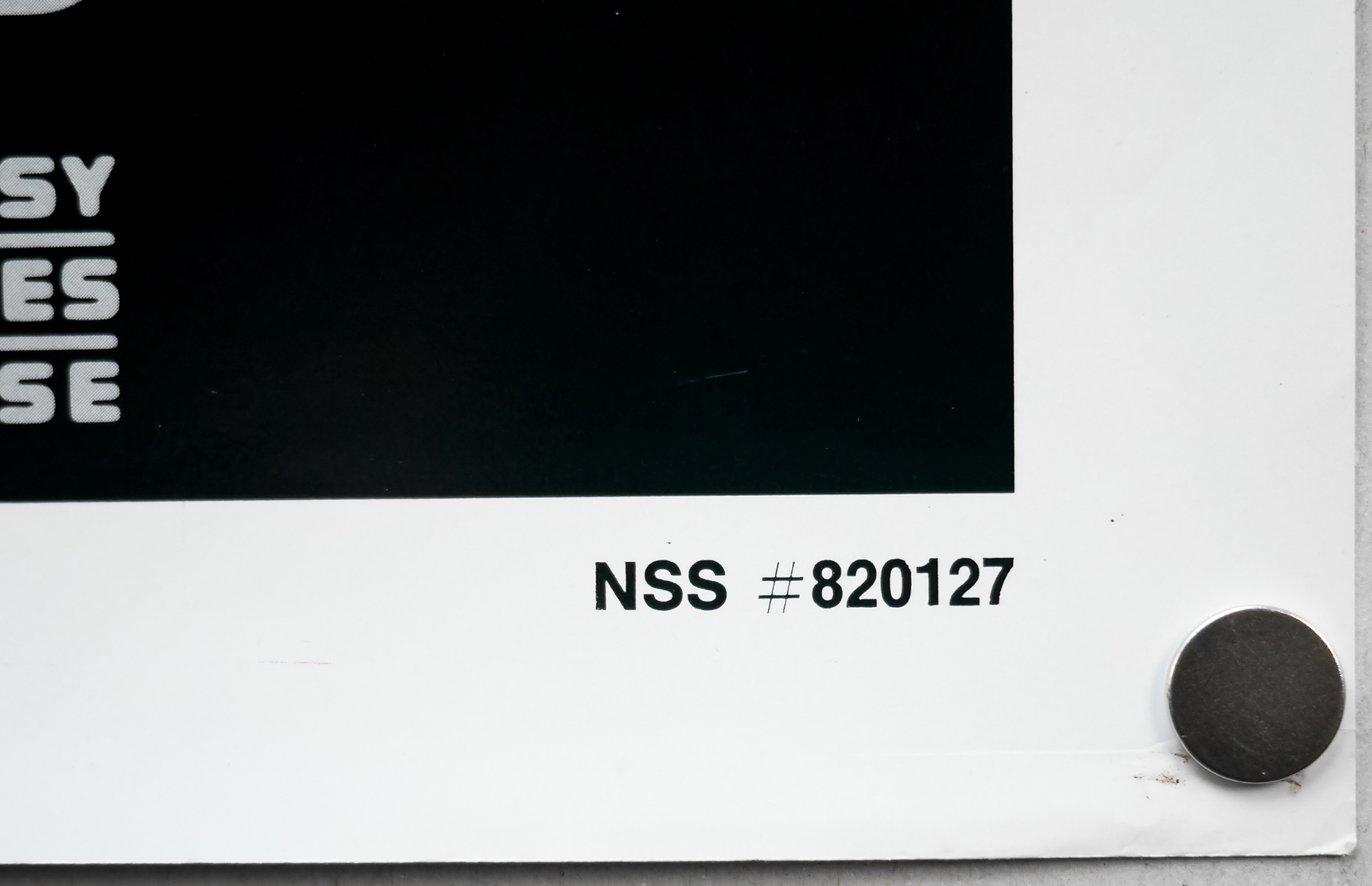
820127
Tagline
He has trained every thought, every muscle, every nerve, for this moment of truth. | One American against all odds.

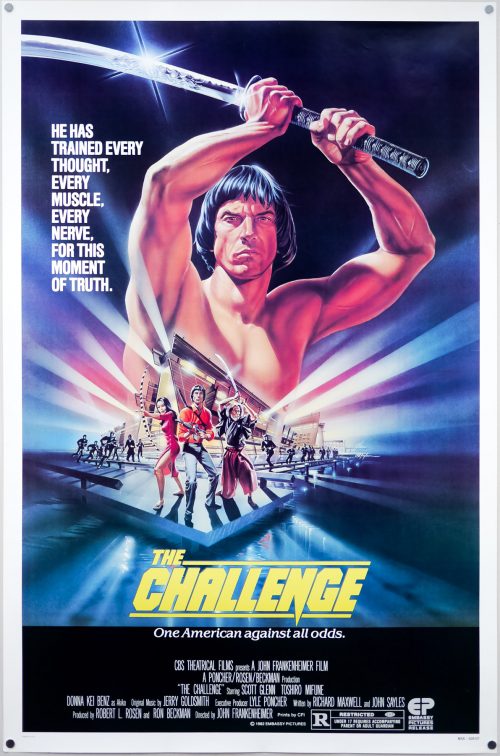
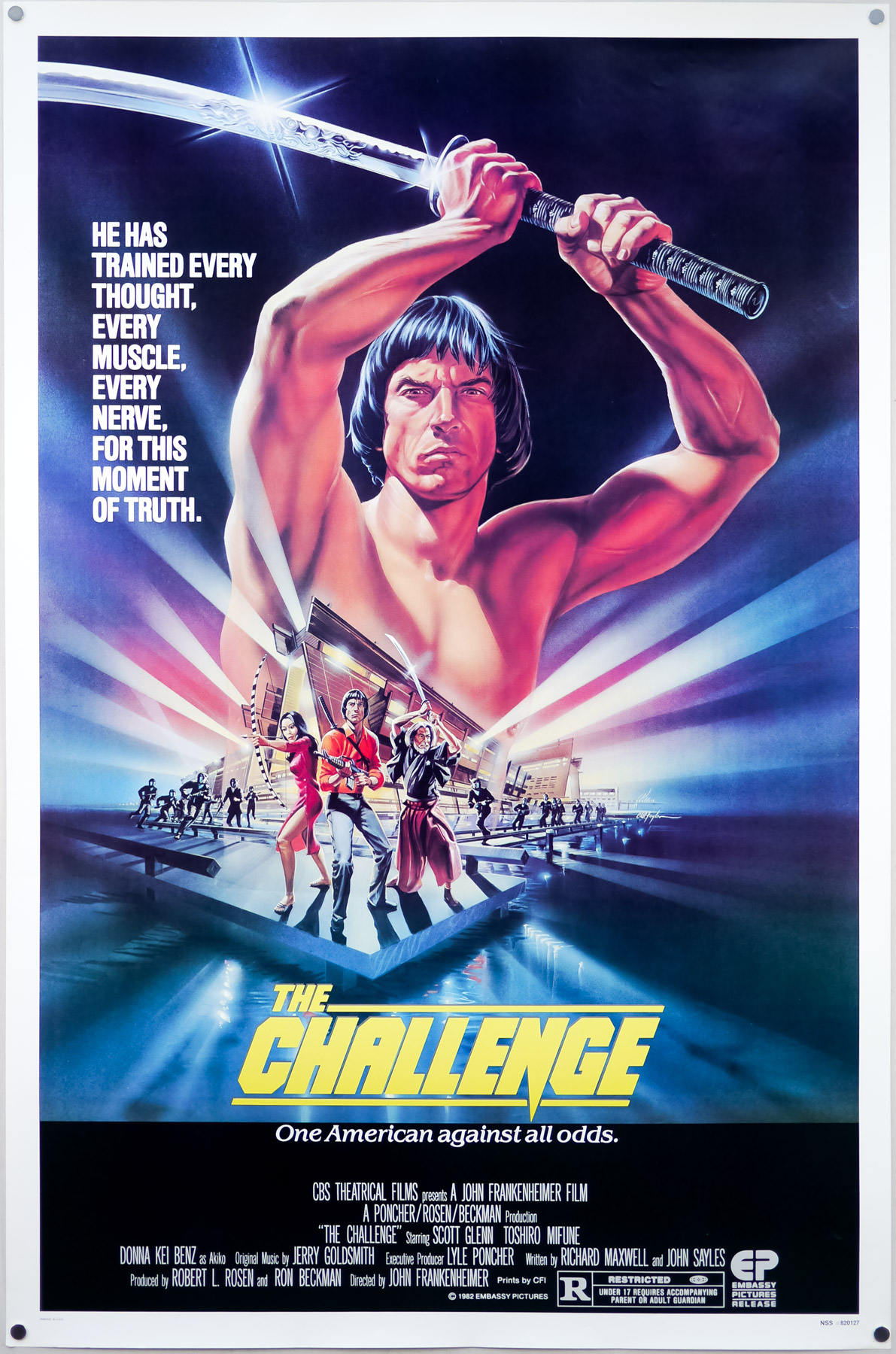
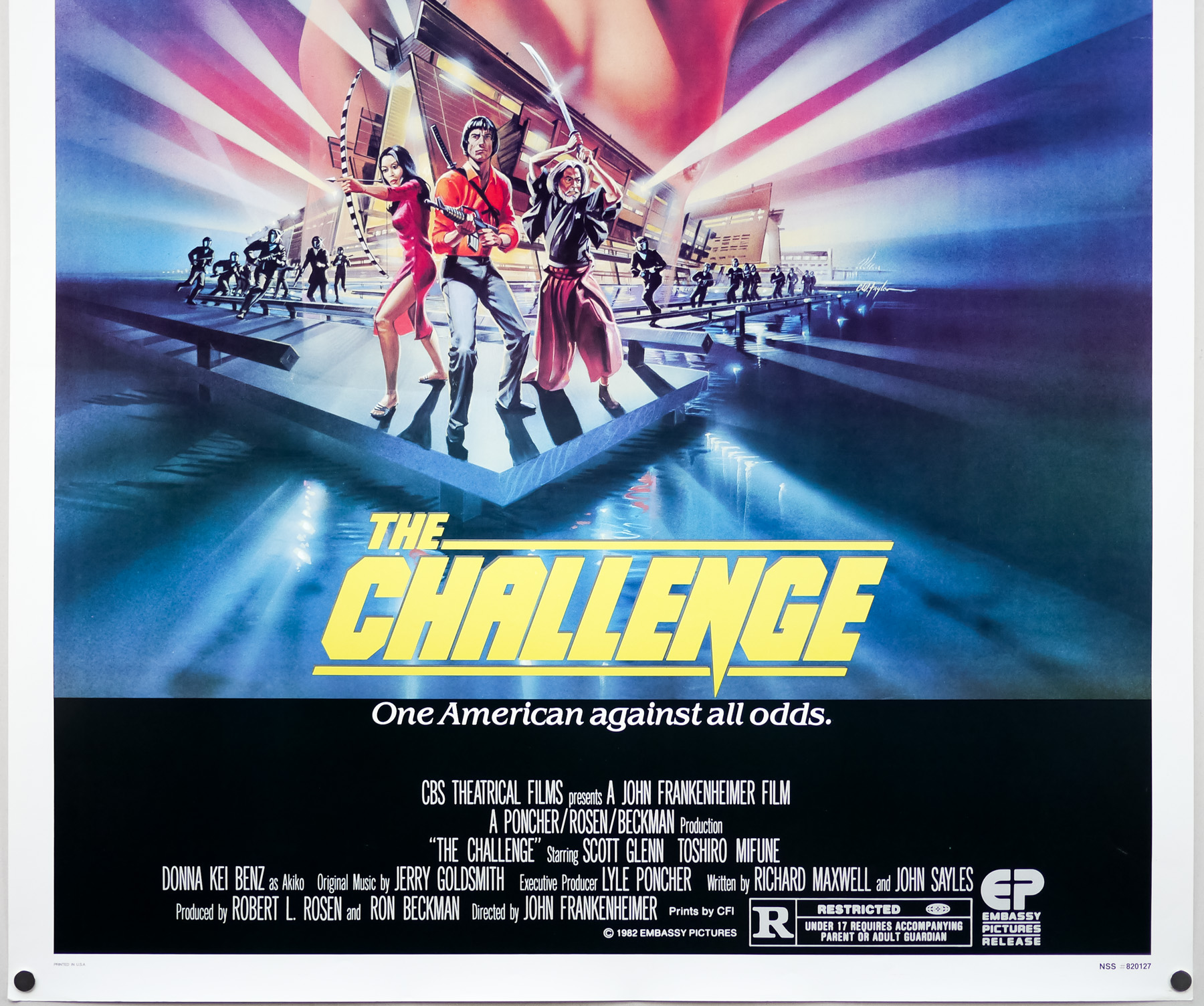
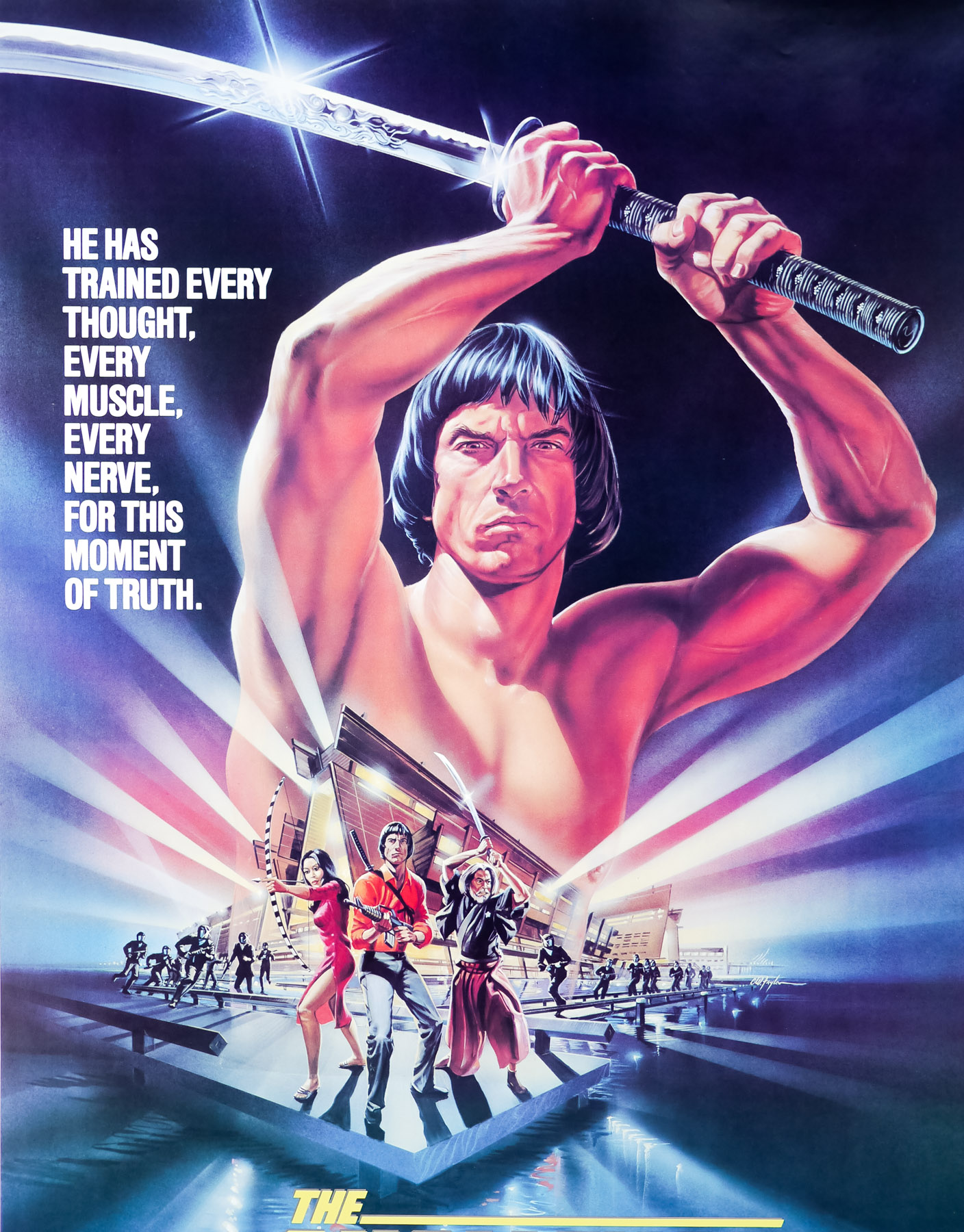
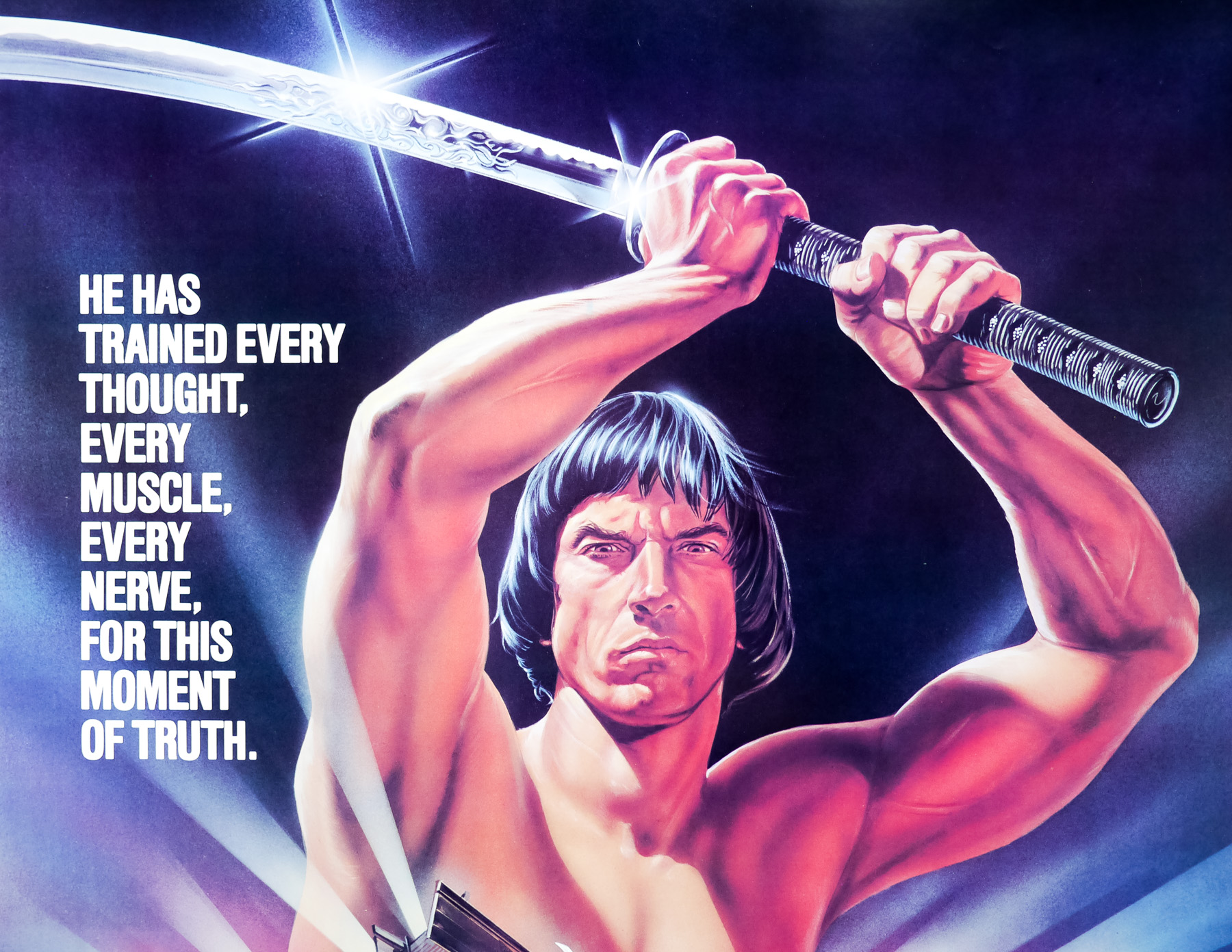
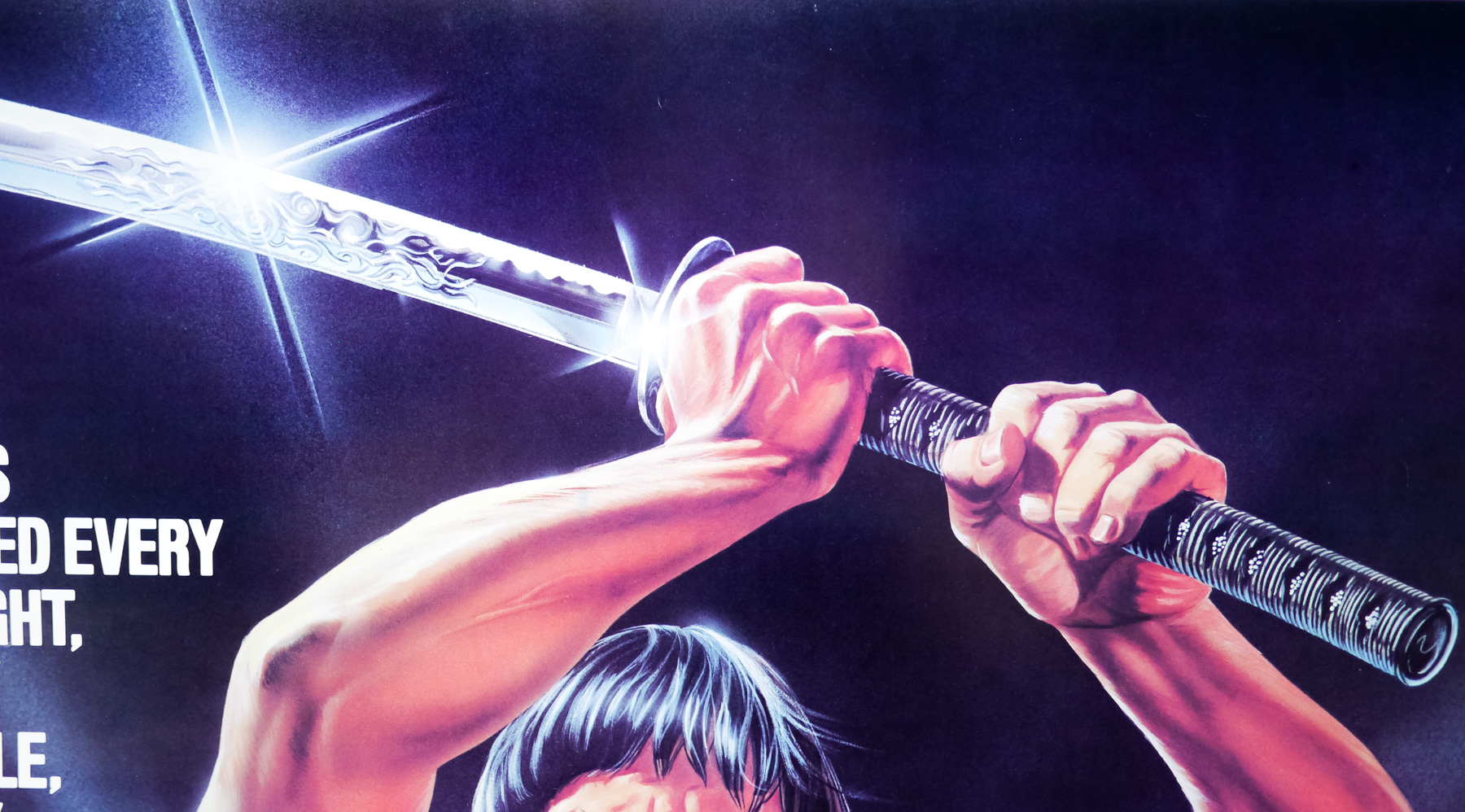
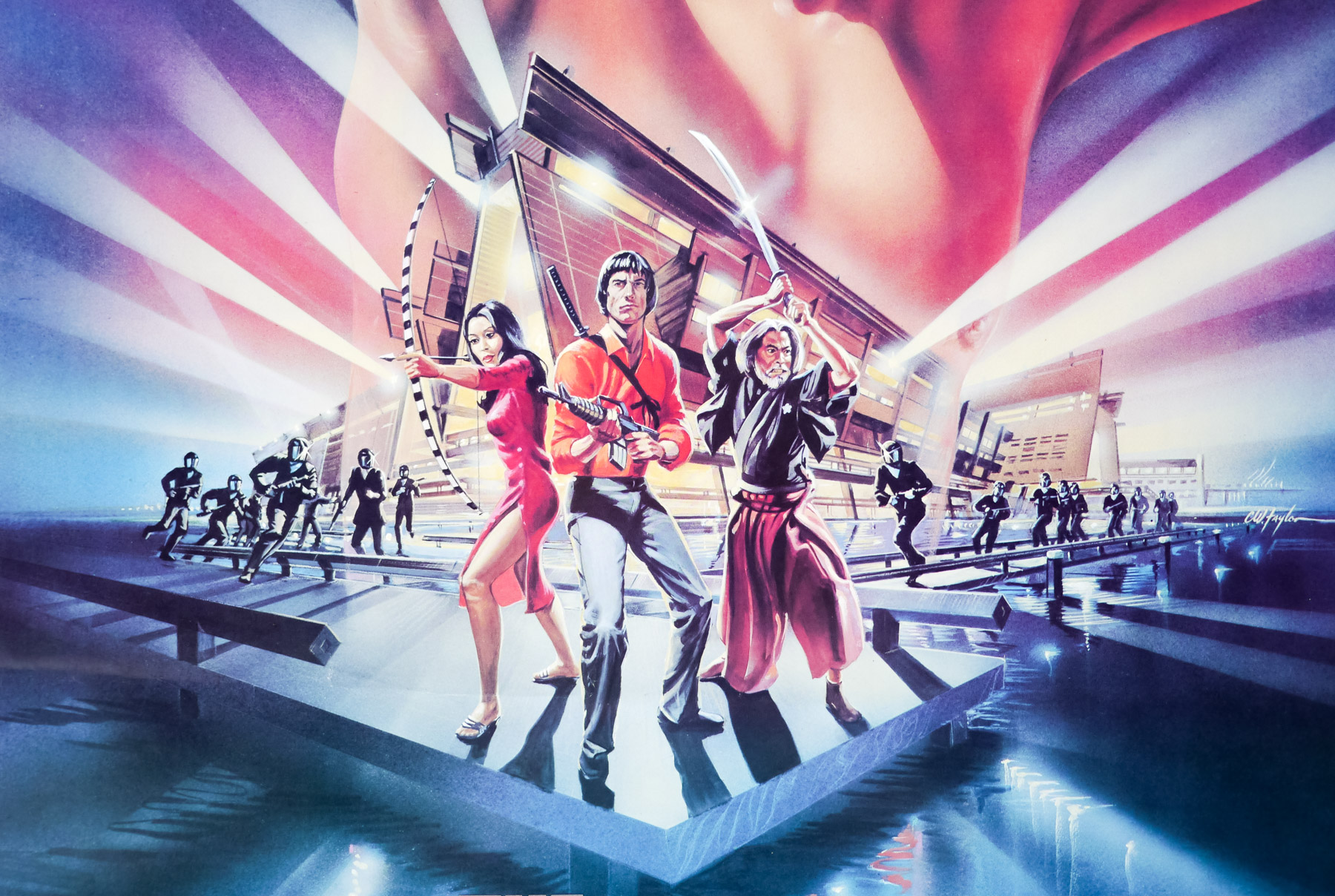
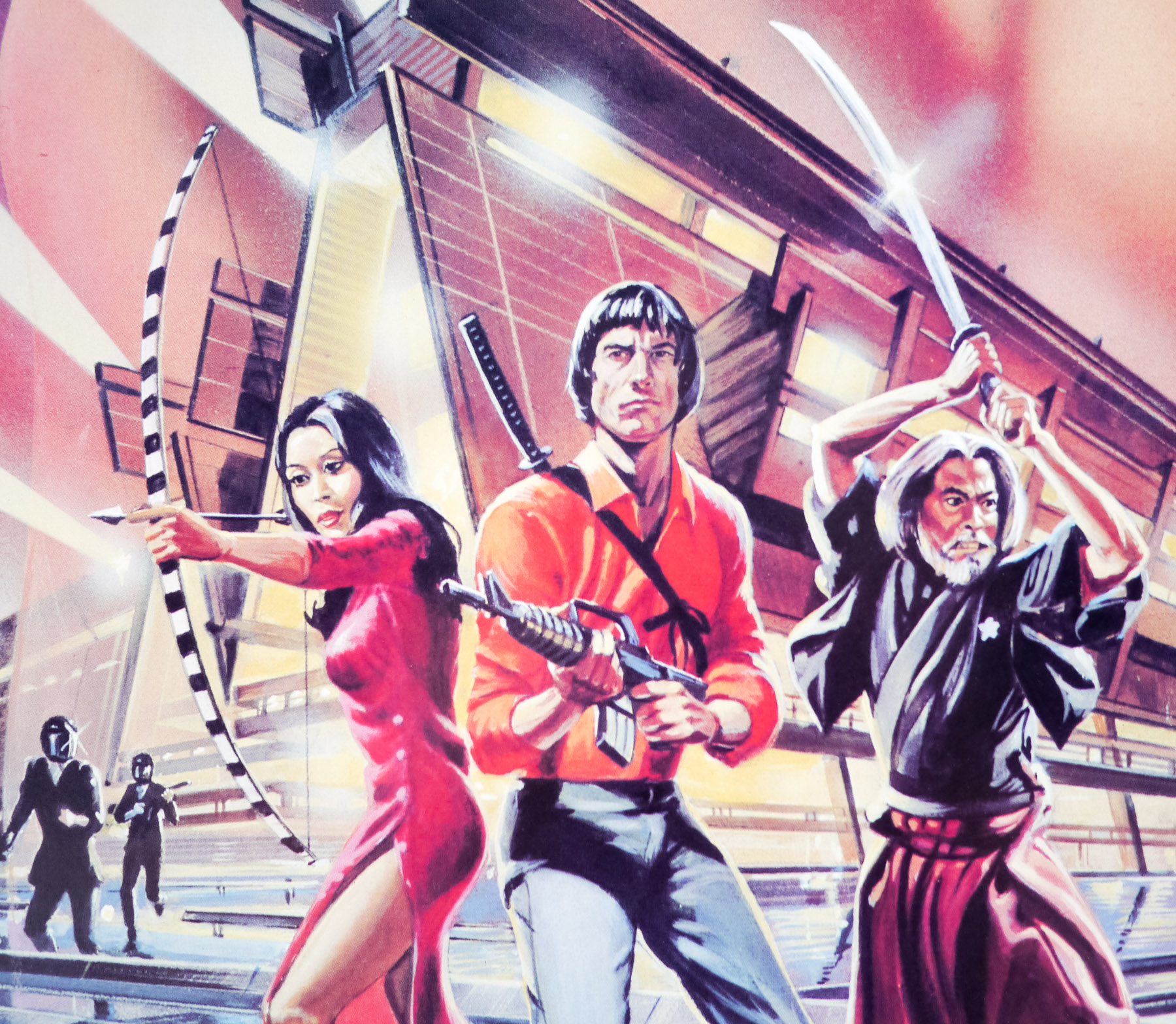
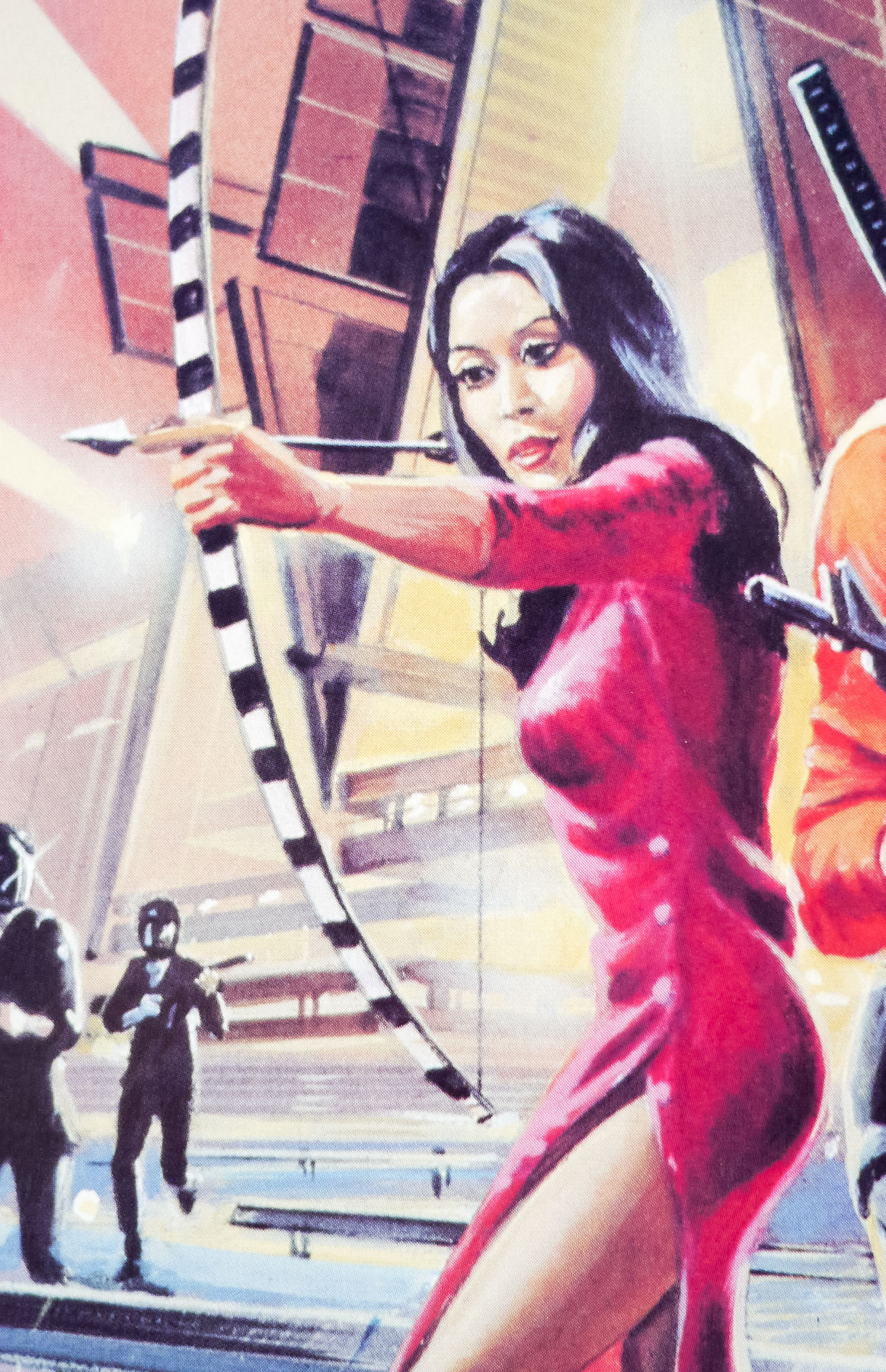
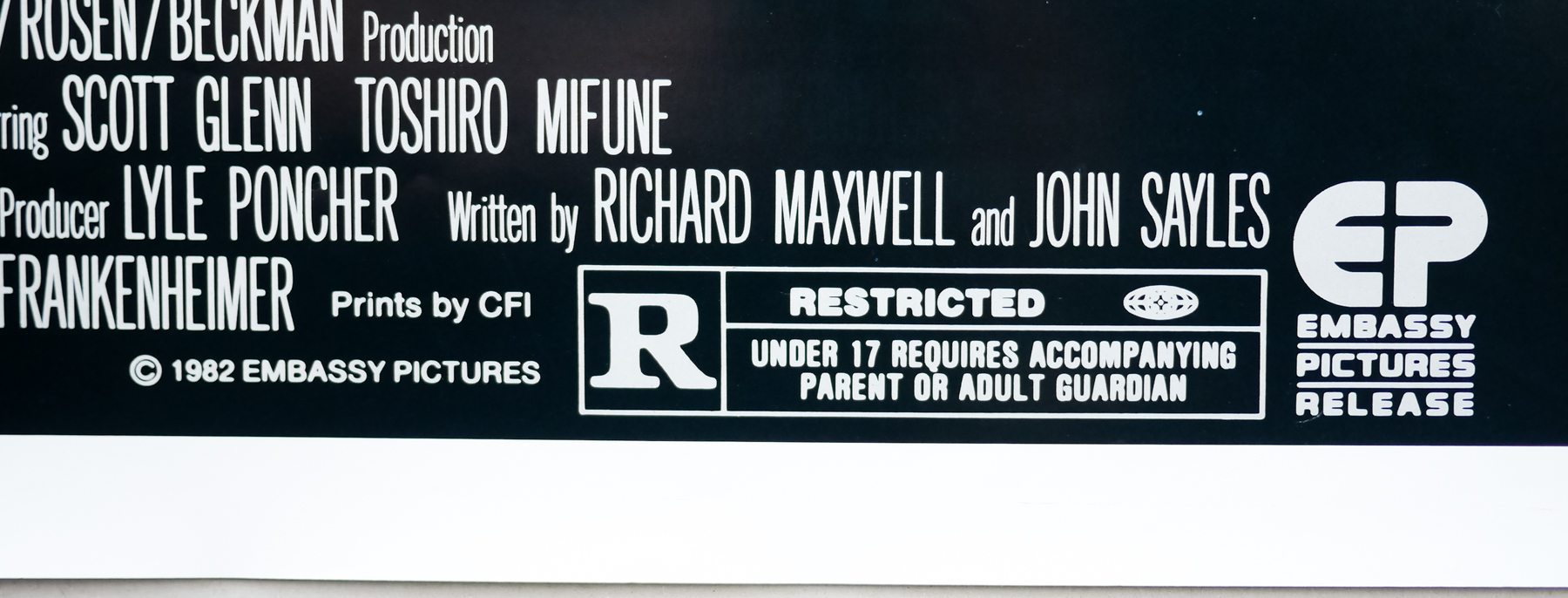
Directed by John Frankenheimer (The Manchurian Candidate, Seconds) The Challenge is a 1982 action film that was an American/Japanese co-production and is largely set in the latter country. Scott Glenn stars as Rick Murphy, a down-and-out boxer who is hired to transport an ancient sword (one of a pair called ‘The Equals’) that had been stolen during WWII back into Japan and into the hands of a Hideo (Atsuo Nakamura), a member of the Yoshida family. On arrival in Japan, Murphy discovers that the sword is a fake and he’s inadvertently landed himself in the middle of a feud between the ruthless businessman Hideo and his more traditional Samurai brother Toru (Toshirô Mifune).
At first Murphy sides with Hideo and attempts to steal the real sword from Toru, but he soon realises which man is more honorable and eventually asks Toru to train him in swordsmanship and the ways of the samurai. Eventually he strikes up a relationship with Toru’s daughter Akiko but Hideo still wants the sword and will stop at nothing to steal it. Murphy must team up with Toru and his daughter and put his training to the test.
The film’s martial arts choreography was organised by non other than Steven Seagal six years before his own career in front of the camera began. The film was later released in the US in a cut-down form as Sword of the Ninja. Despite being something of a box-office and critical success The Challenge has never been released on DVD and is frustratinly hard to see at the moment. Fingers crossed for a HD release sometime in the future.
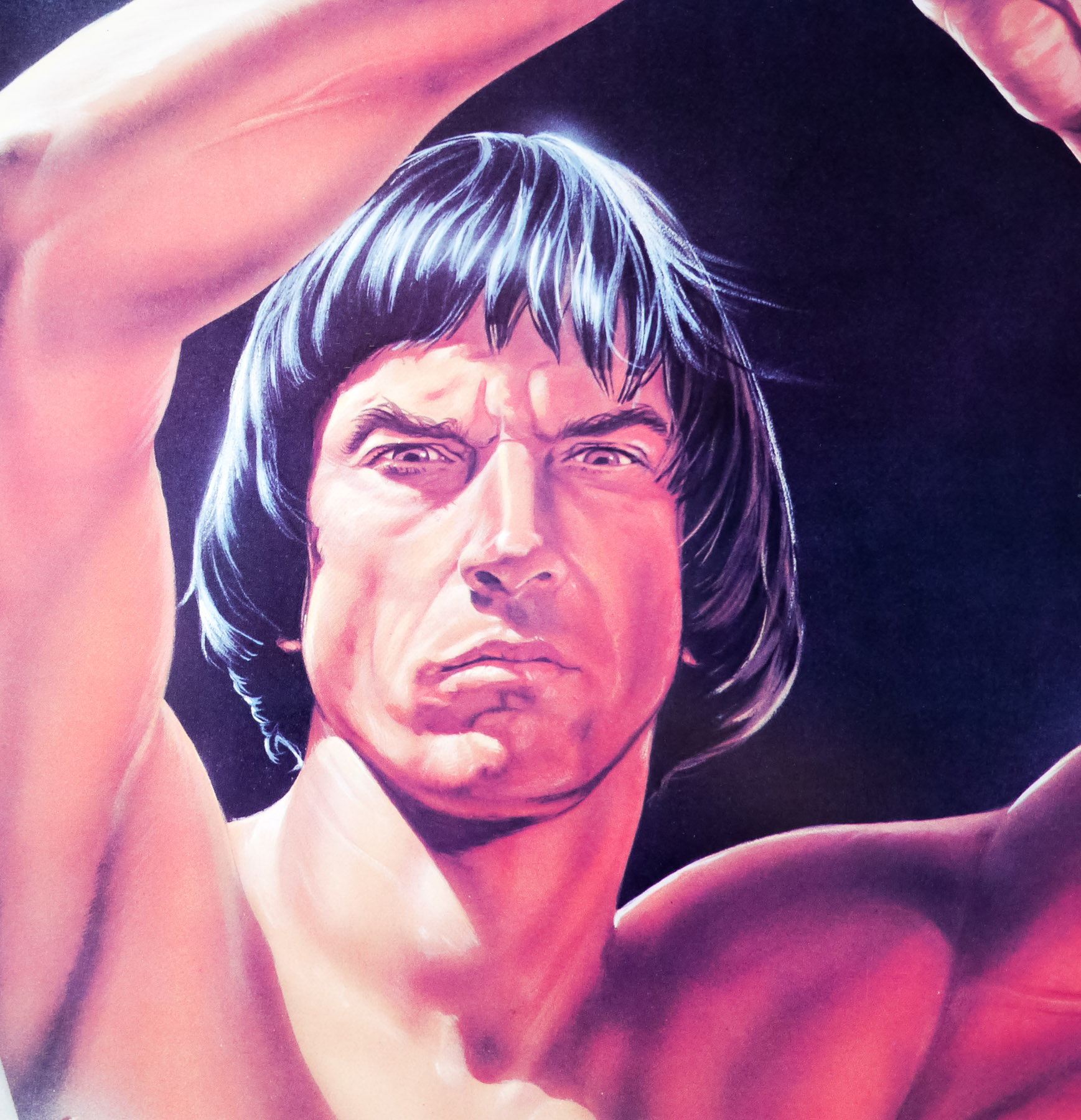
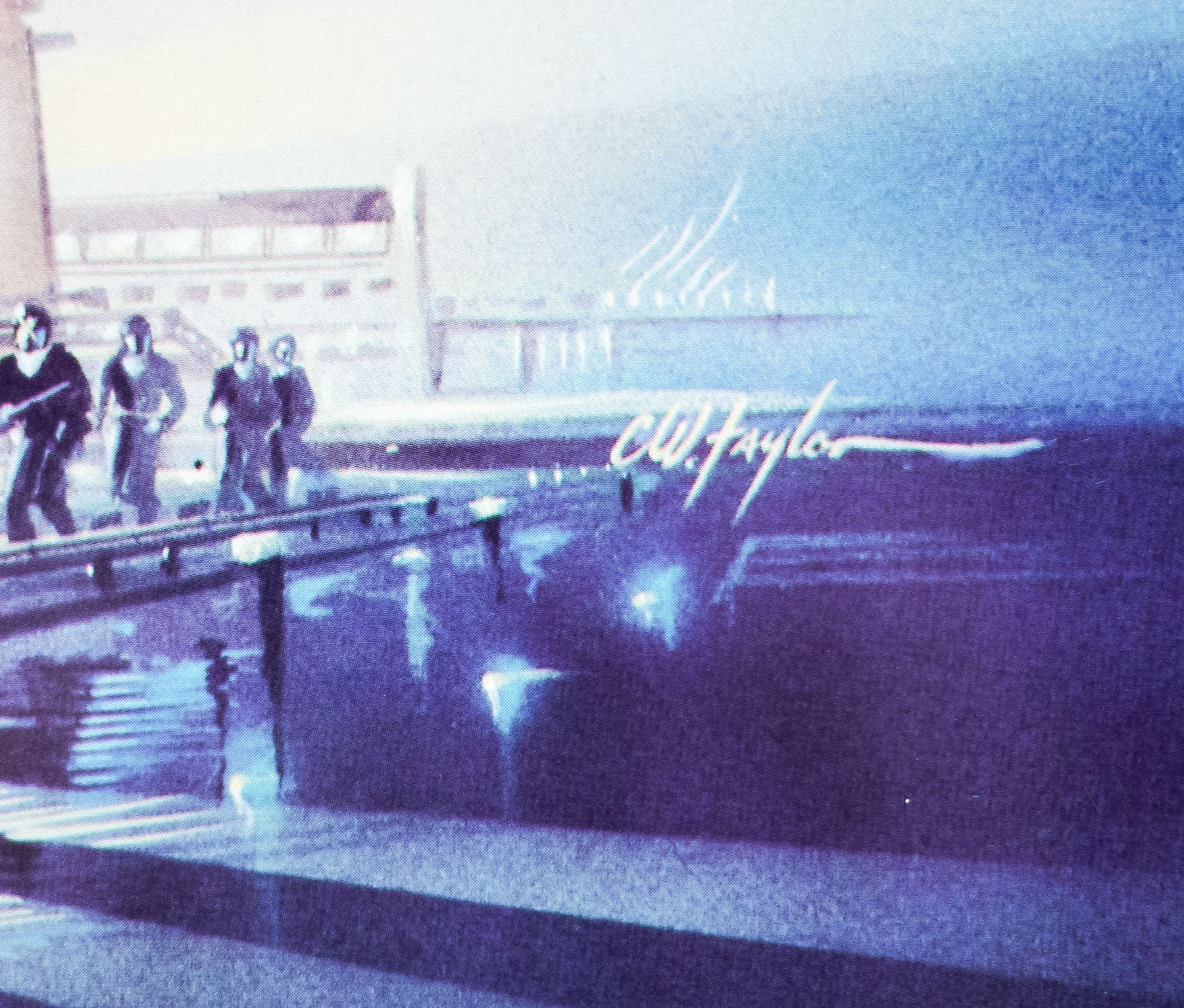
The artwork on this one sheet is by an American artist called C. Winston Taylor, about whom very little can be found online. The Lost Video Archive blog has a post on the artist that features images of some of his other posters and video covers. In the 1990s the artist was hired to paint the covers for a Quantum Leap comic book series and a gallery of those images can be viewed on this site, which also features three images of the artist himself. Comicbookdb.com features a small profile of Taylor with the following mini-biography:

C. Winston Taylor always knew from a young age that he would communicate through his drawings. Fighting in the jungles of Vietnam, where he earned two Bronze Stars, helped solidify this vision. After graduating with honors from the Art Center College of Design, in Los Angeles, he quickly became a well-respected illustrator. His work has received numerous awards and he served as the president of The Society of Illustrators of Los Angeles. 

The other posters I’ve collected with artwork by C.W. Taylor can be seen by clicking here.

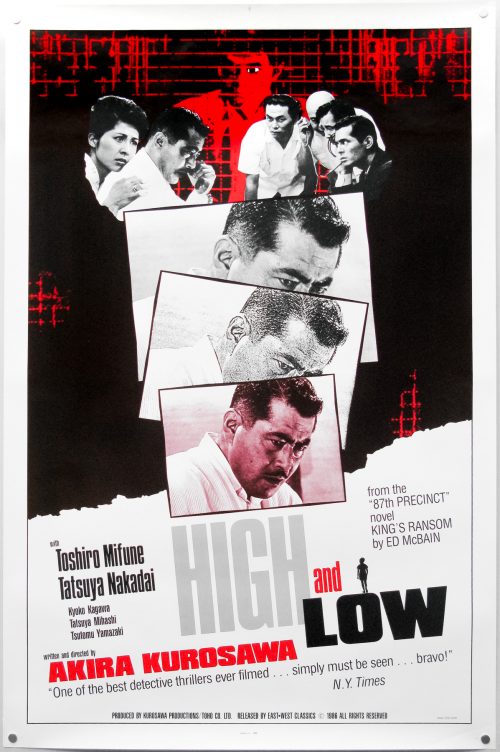
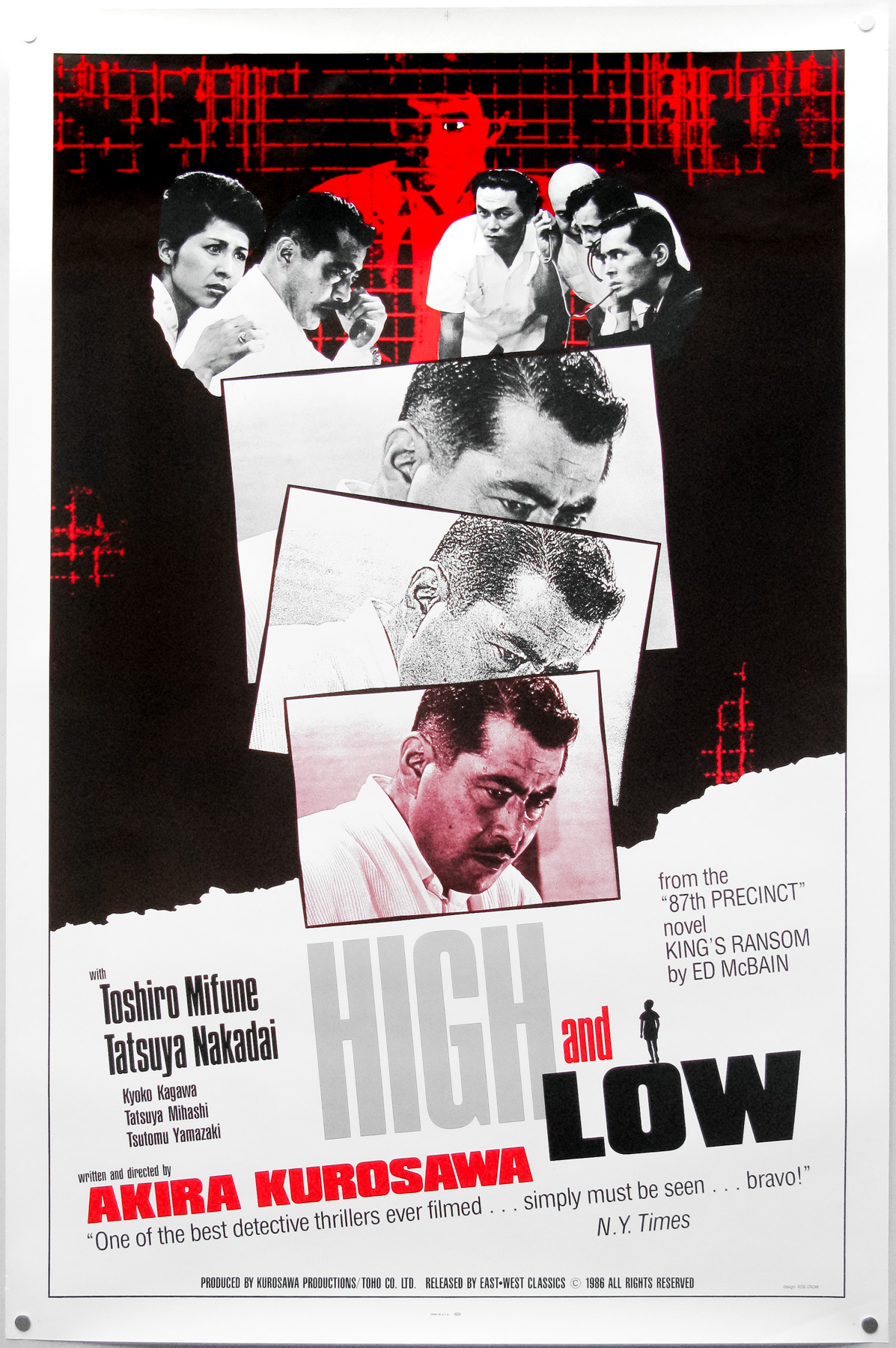
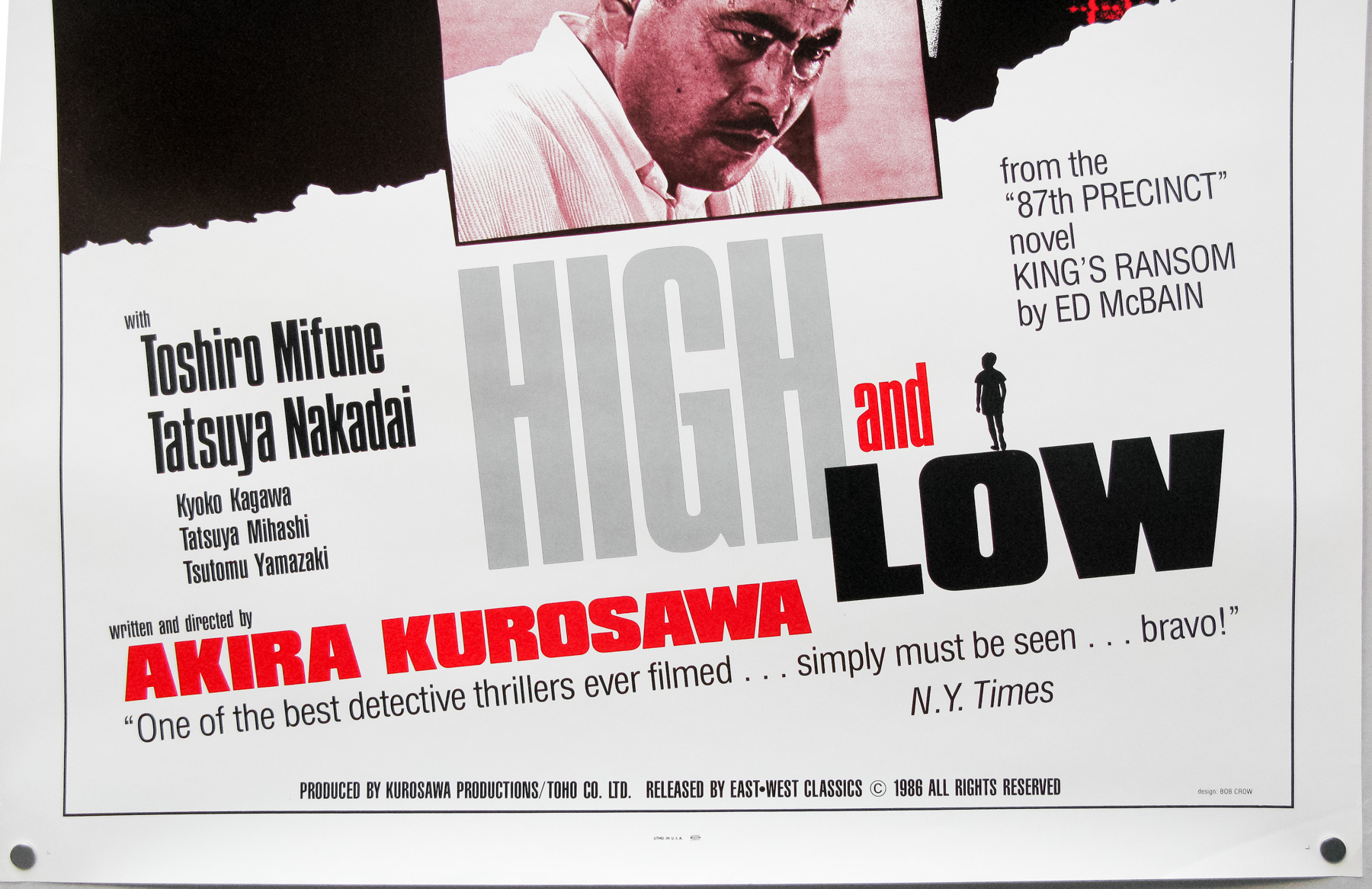
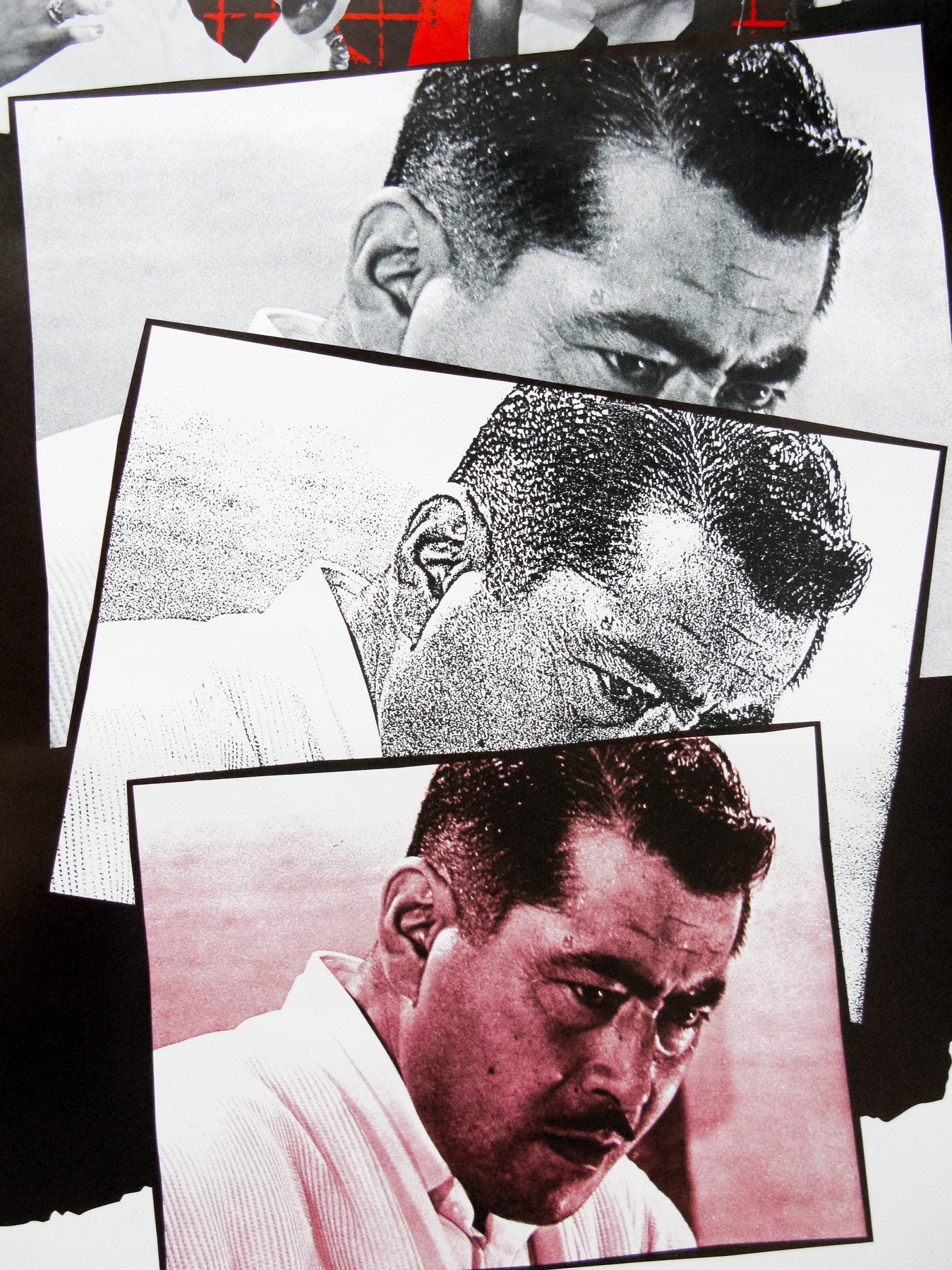
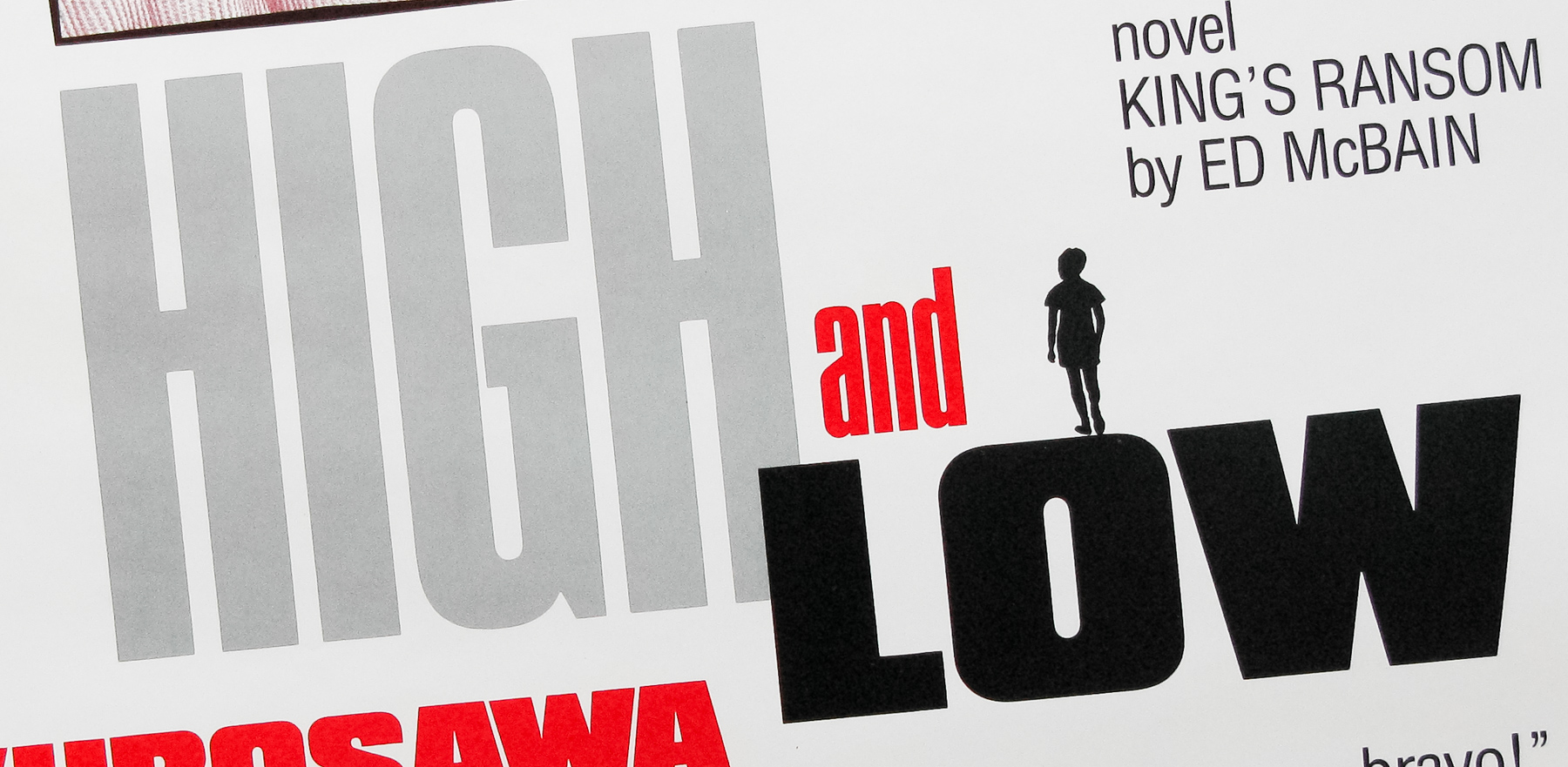
High And Low / one sheet / 1986 re-release / USA

17.05.11

Poster Poster
Title
High And Low
AKA
Tengoku to jigoku (Japan - original title) | Heaven and Hell (English - literal title) | The Ransom (UK) | Anatomia Di Un Rapimento [Anatomy of a robbery] (Italy)
Year of Film
1963
Director
Akira Kurosawa
Starring
Toshirō Mifune, Tatsuya Nakadai, Kyōko Kagawa, Tatsuya Mihashi, Isao Kimura, Kenjiro Ishiyama, Takeshi Katō, Takashi Shimura, Tsutomu Yamazaki
Origin of Film
Japan
Genre(s) of Film
Toshirō Mifune, Tatsuya Nakadai, Kyōko Kagawa, Tatsuya Mihashi, Isao Kimura, Kenjiro Ishiyama, Takeshi Katō, Takashi Shimura, Tsutomu Yamazaki,
Type of Poster
One sheet
Style of Poster
Re-release
Origin of Poster
USA
Year of Poster
1986
Designer
Bob Crow
Artist
--
Size (inches)
27 1/8" x 41"
SS or DS
SS
NSS #
--
Tagline
--

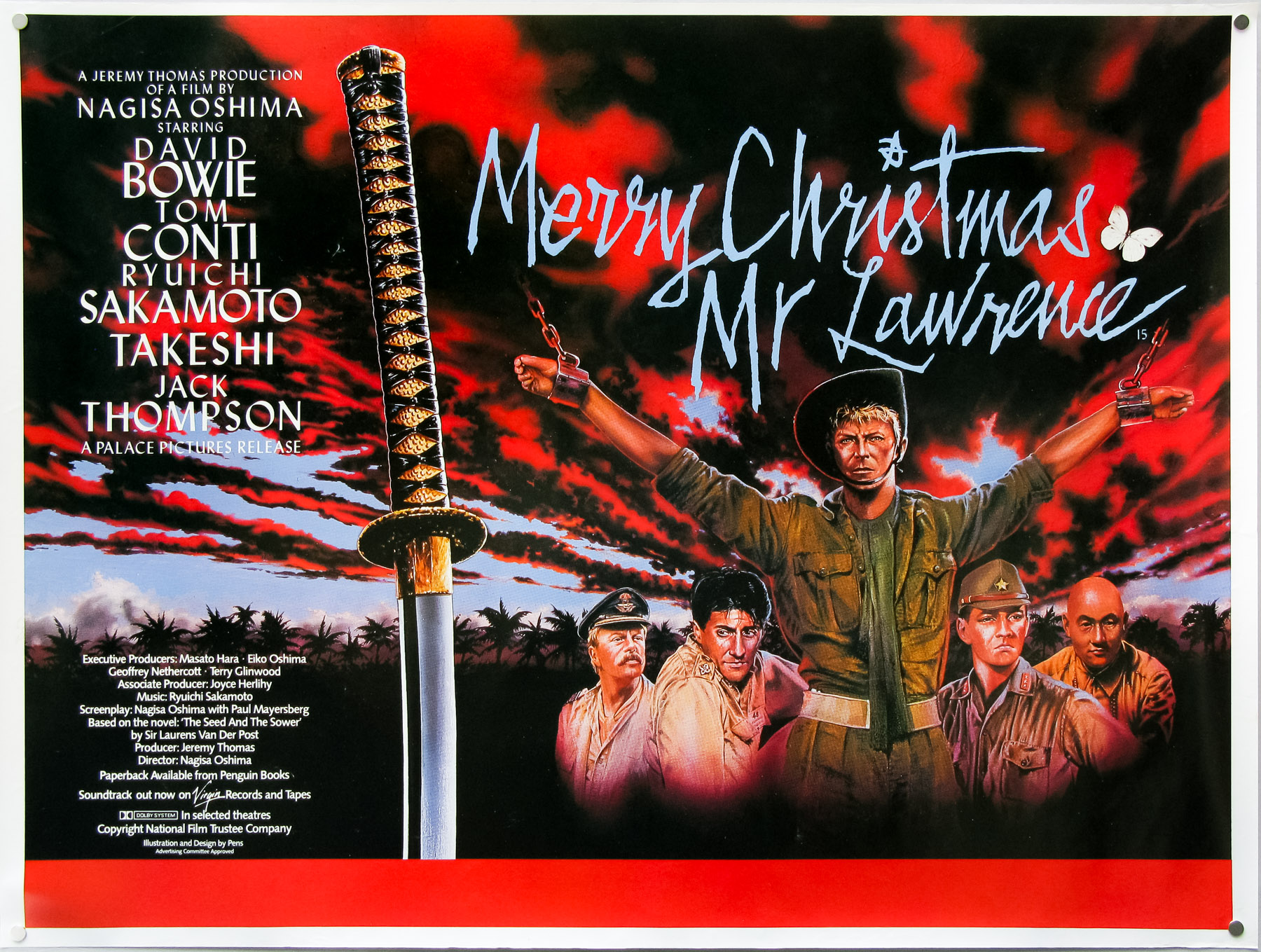
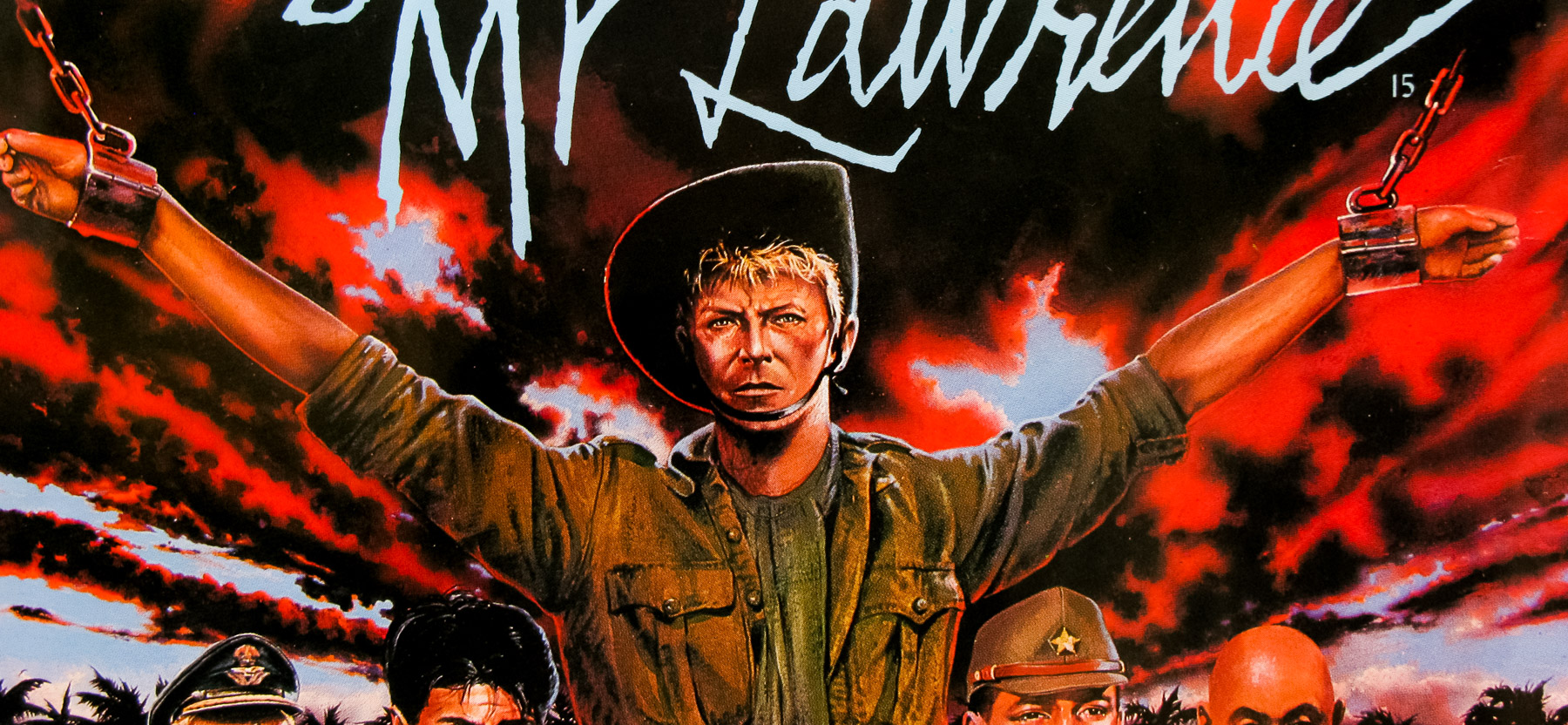
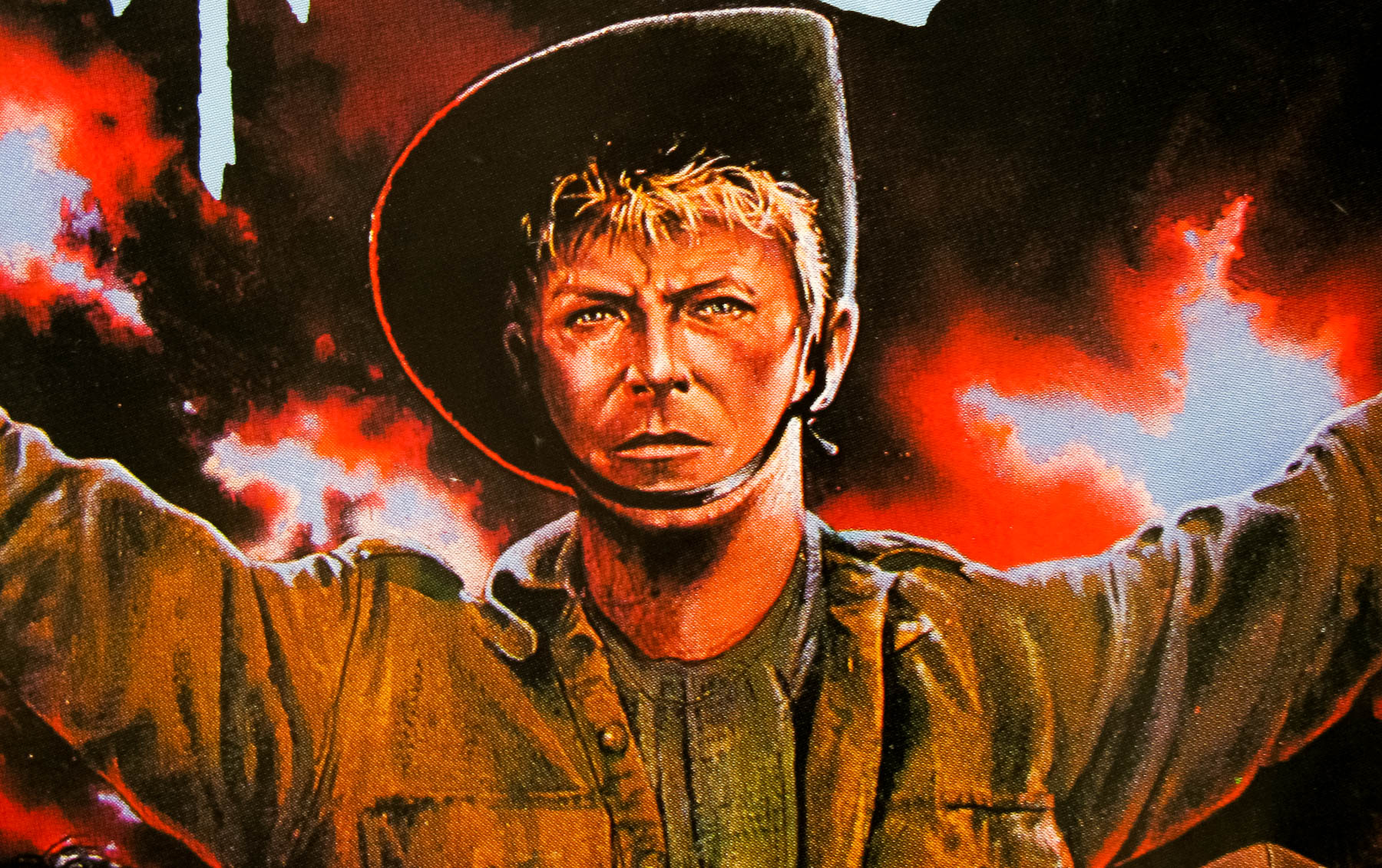
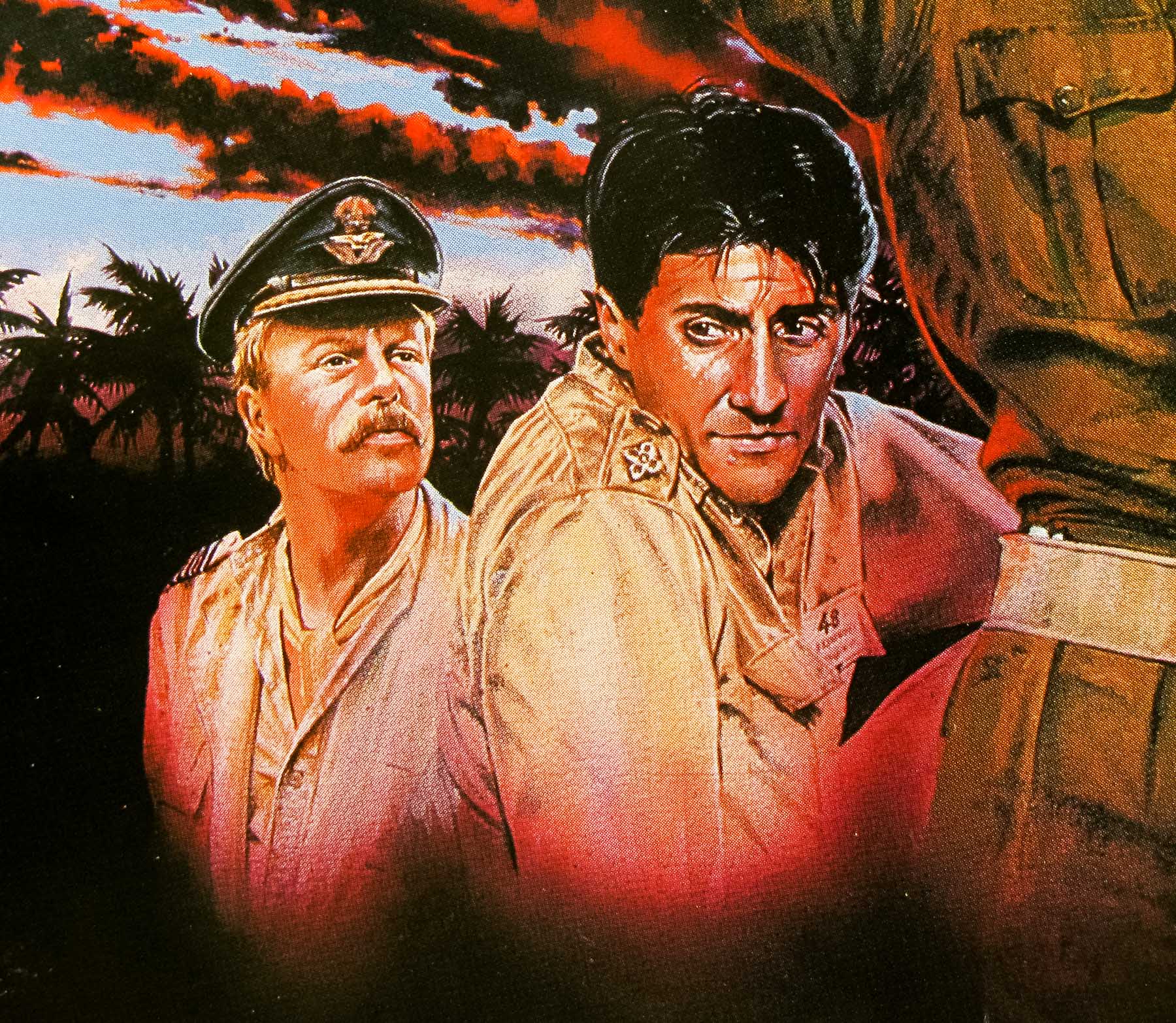
Merry Christmas Mr Lawrence / quad / UK

18.05.11

Poster Poster

My Neighbor Totoro / one sheet / USA

17.05.11

Poster Poster