
You searched for: Japan

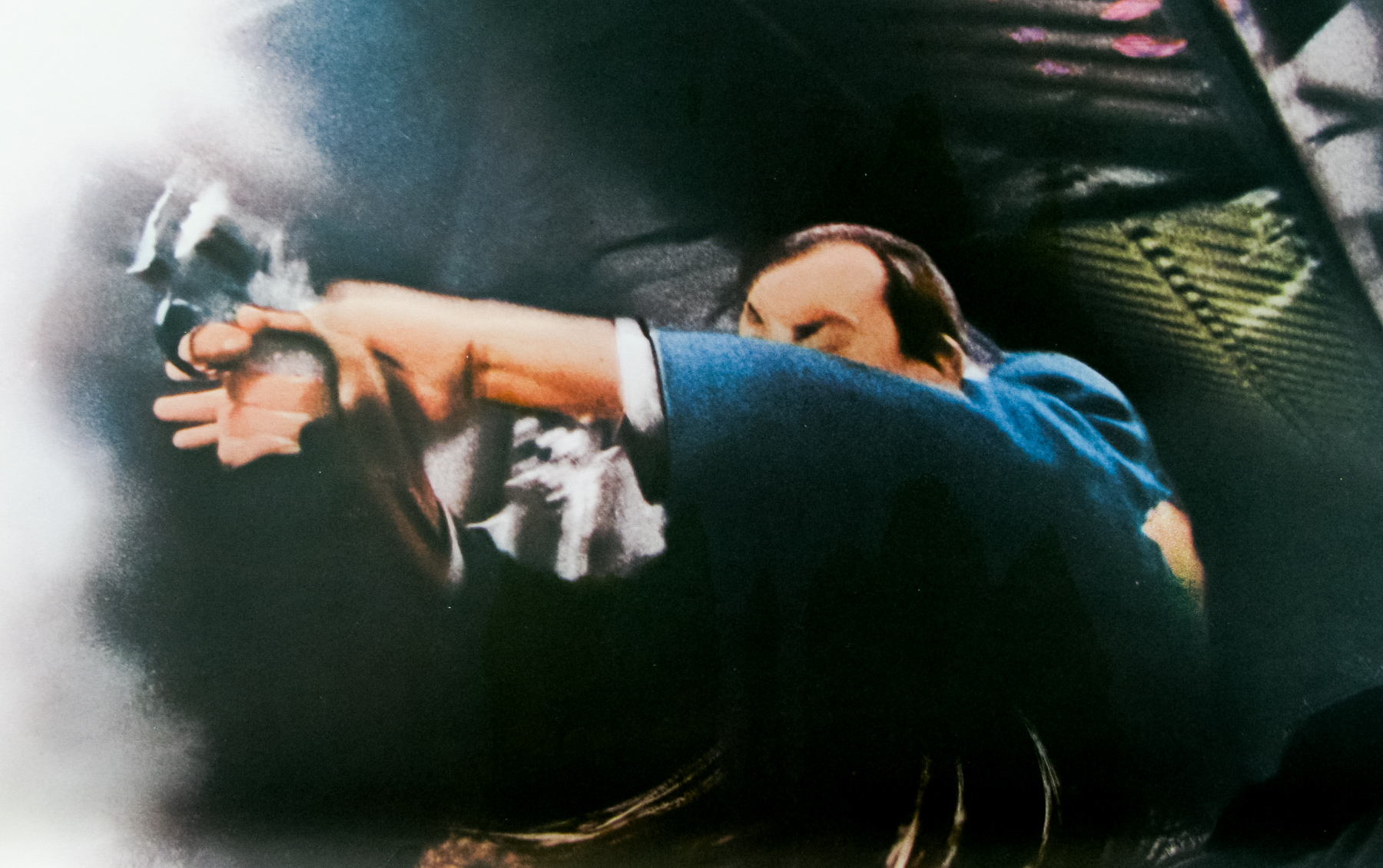
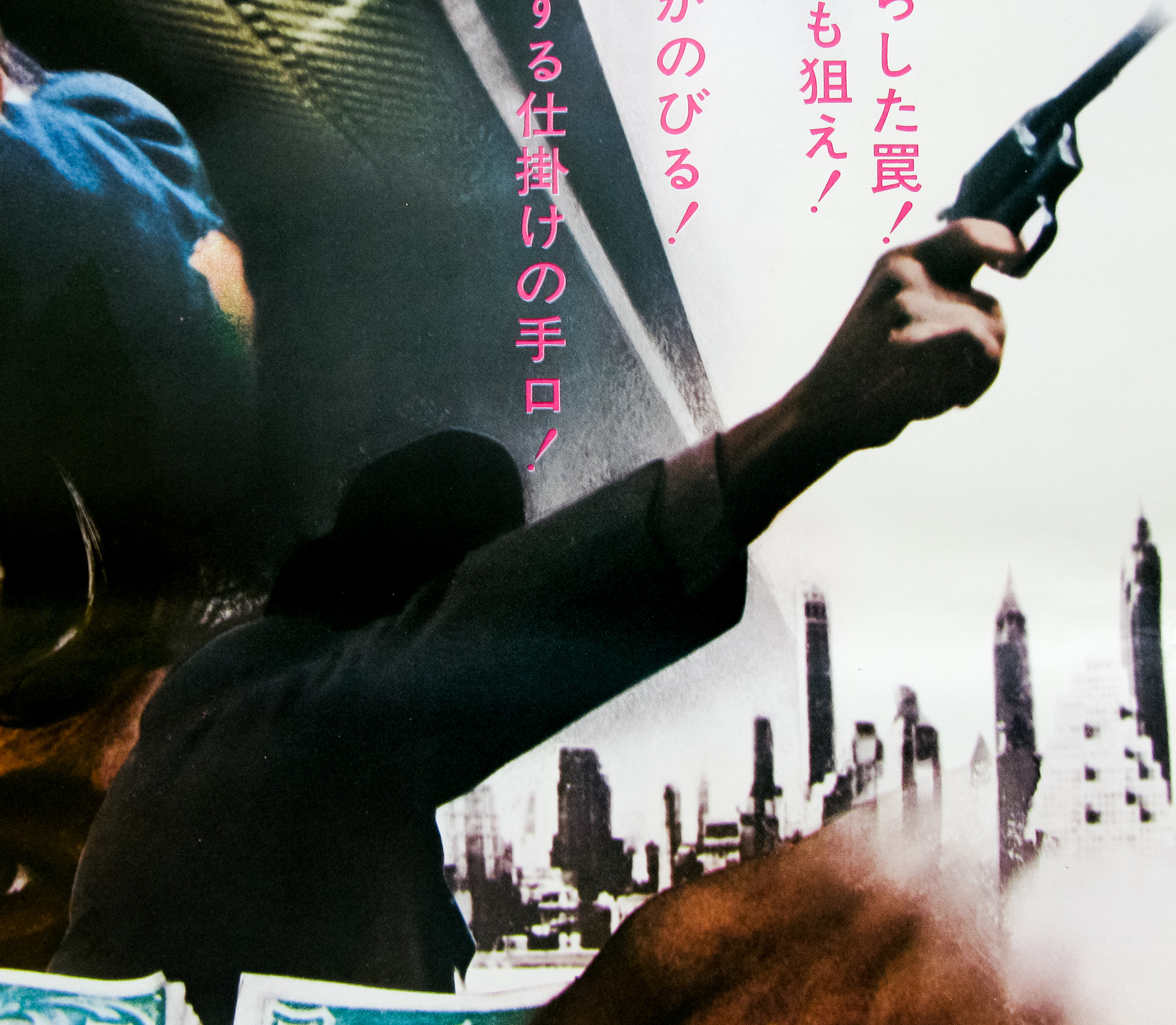
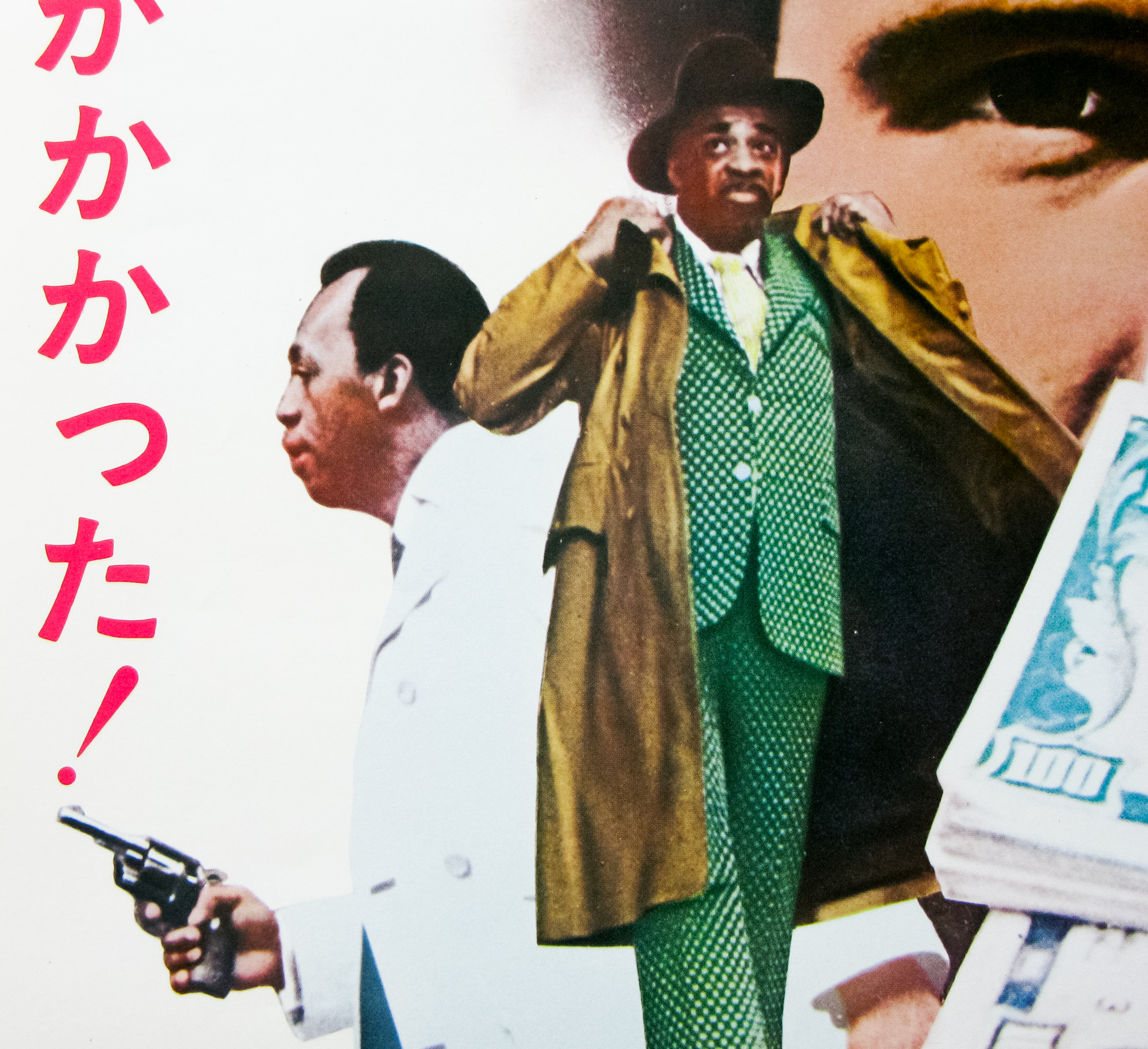
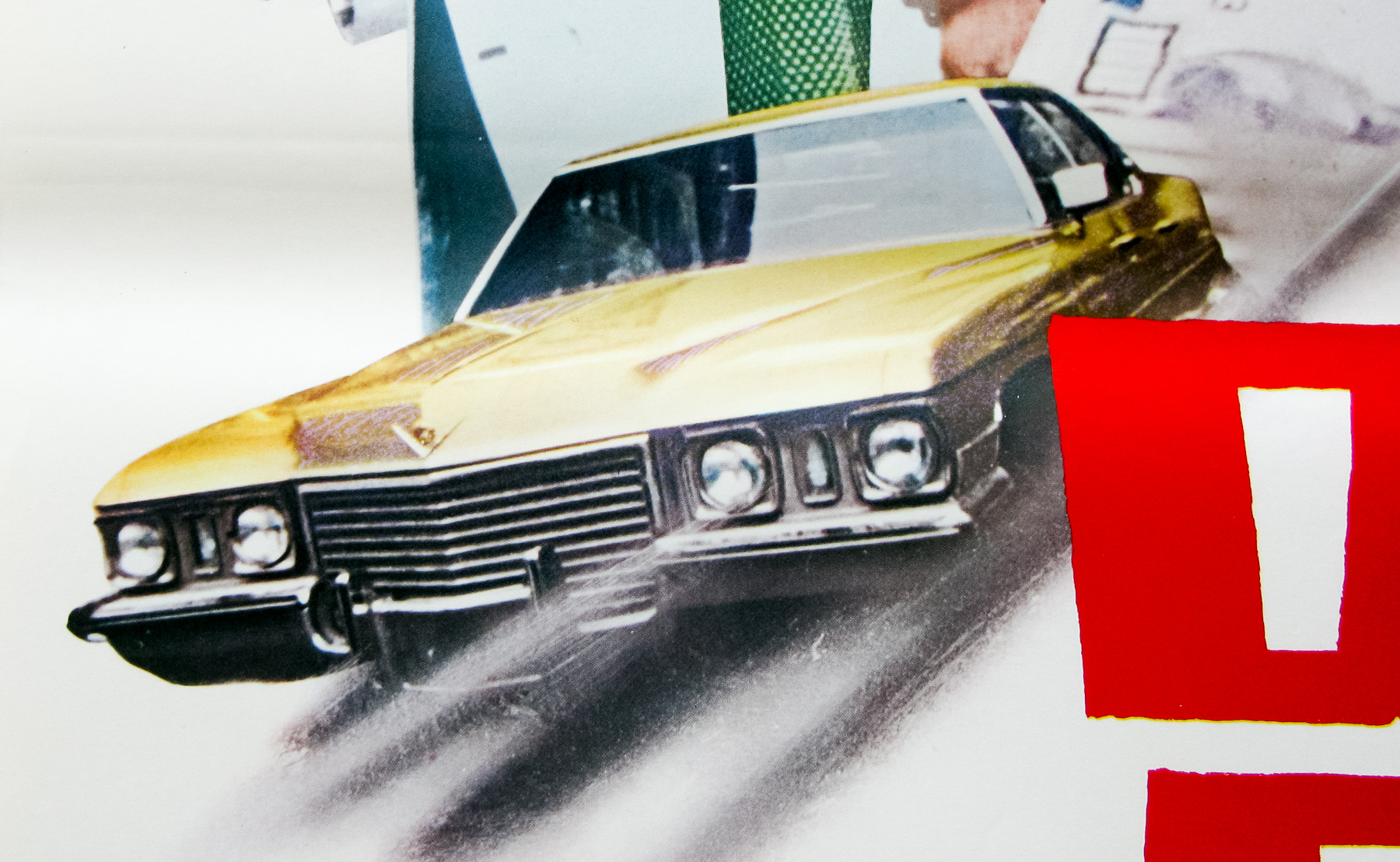
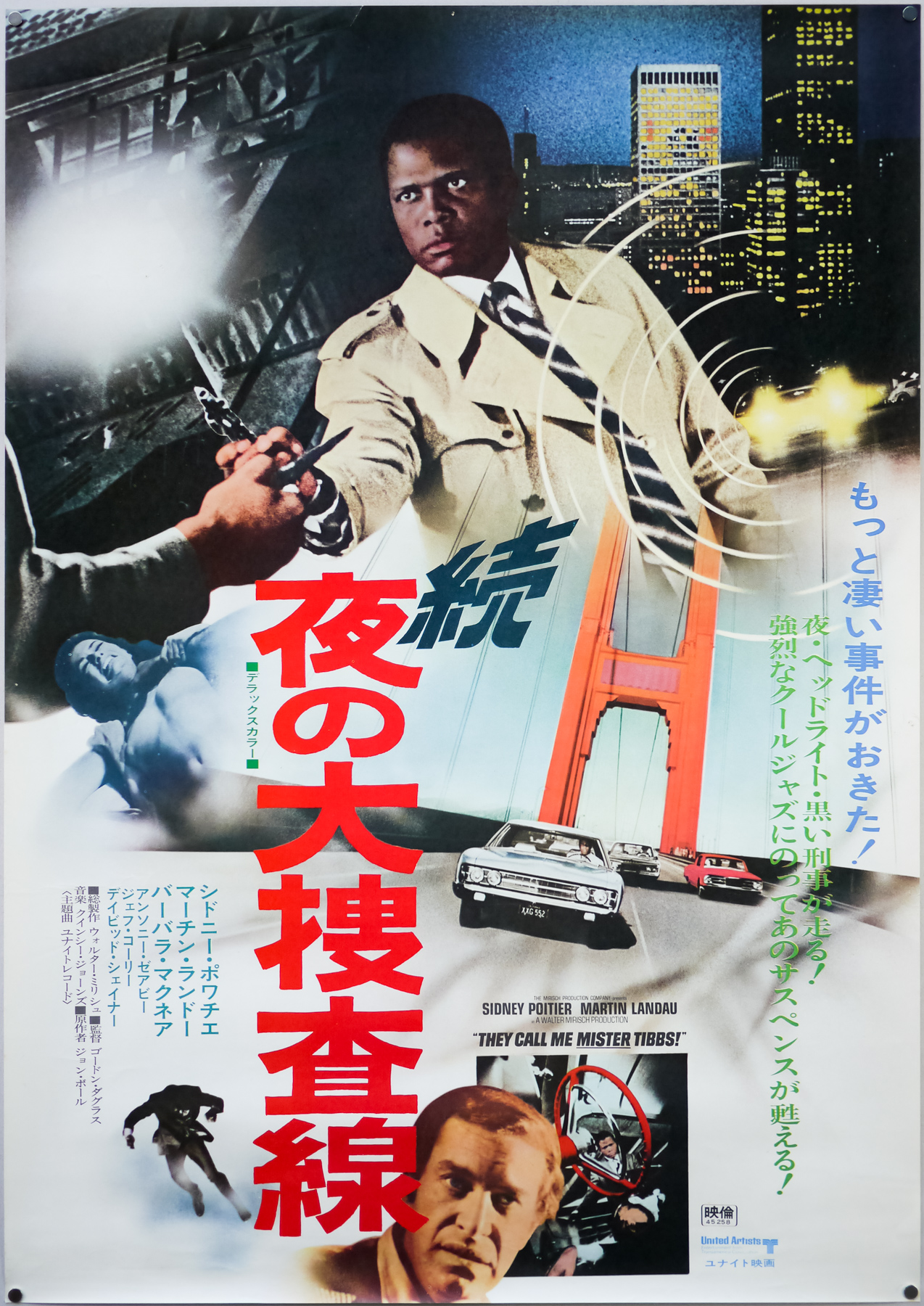
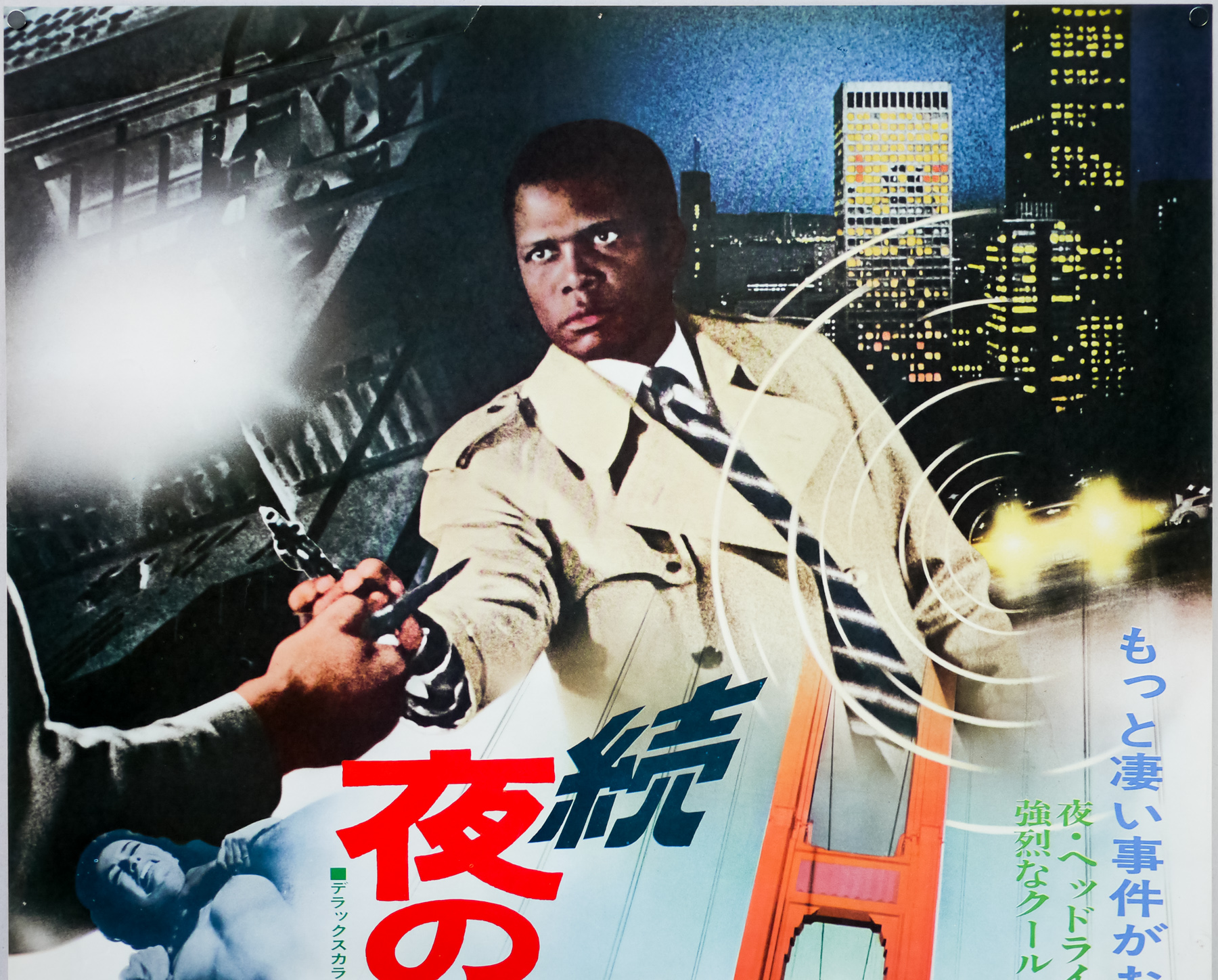
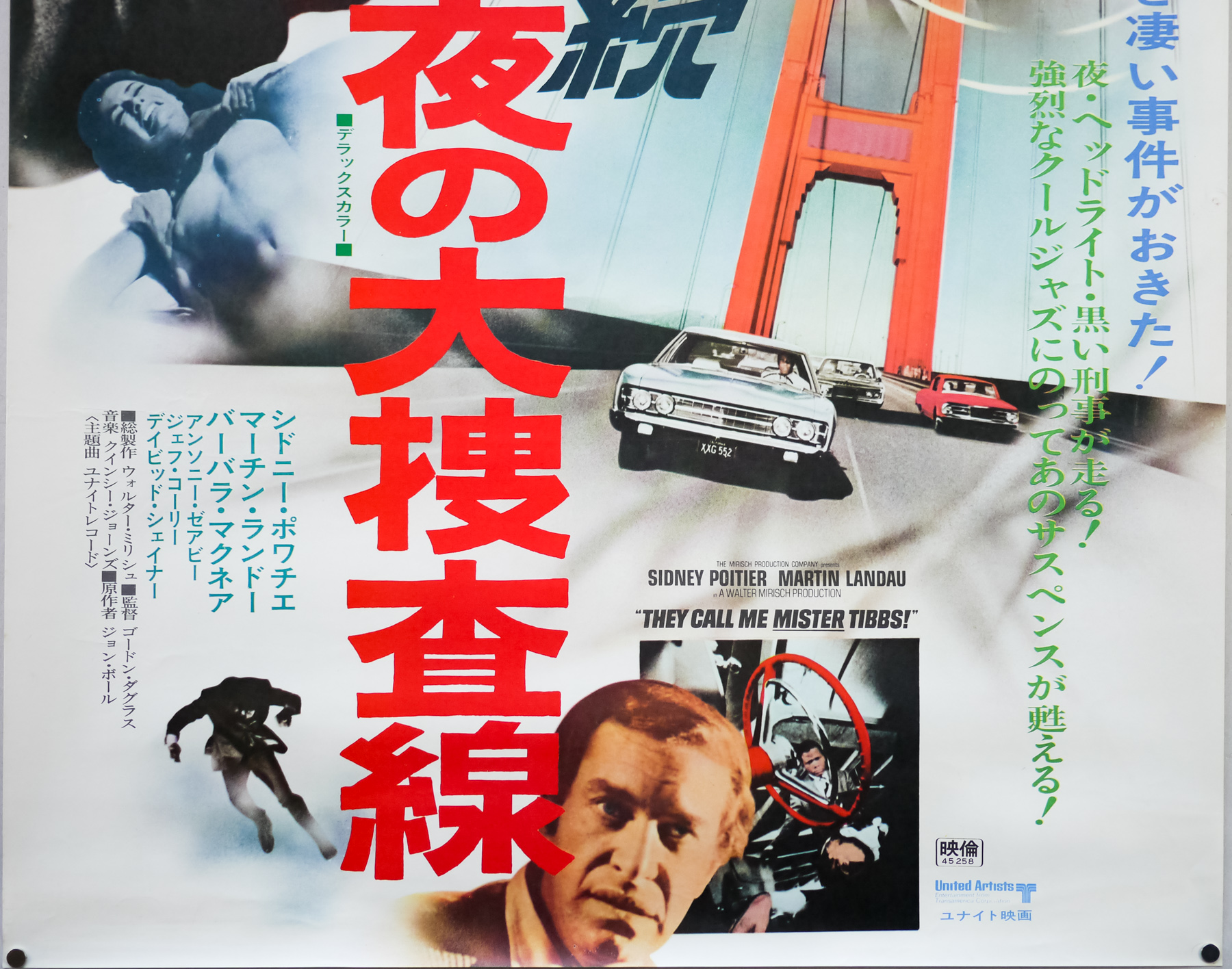
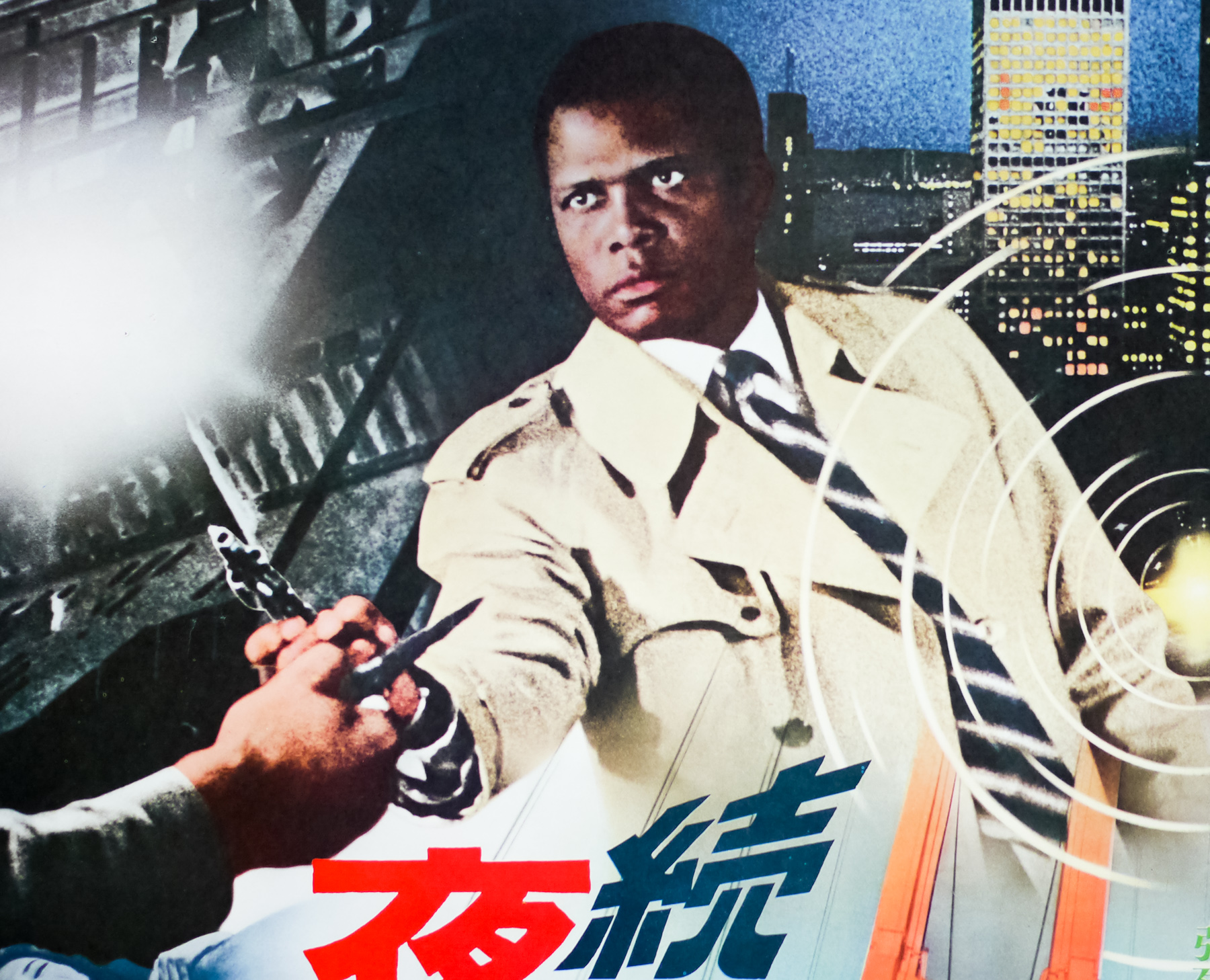
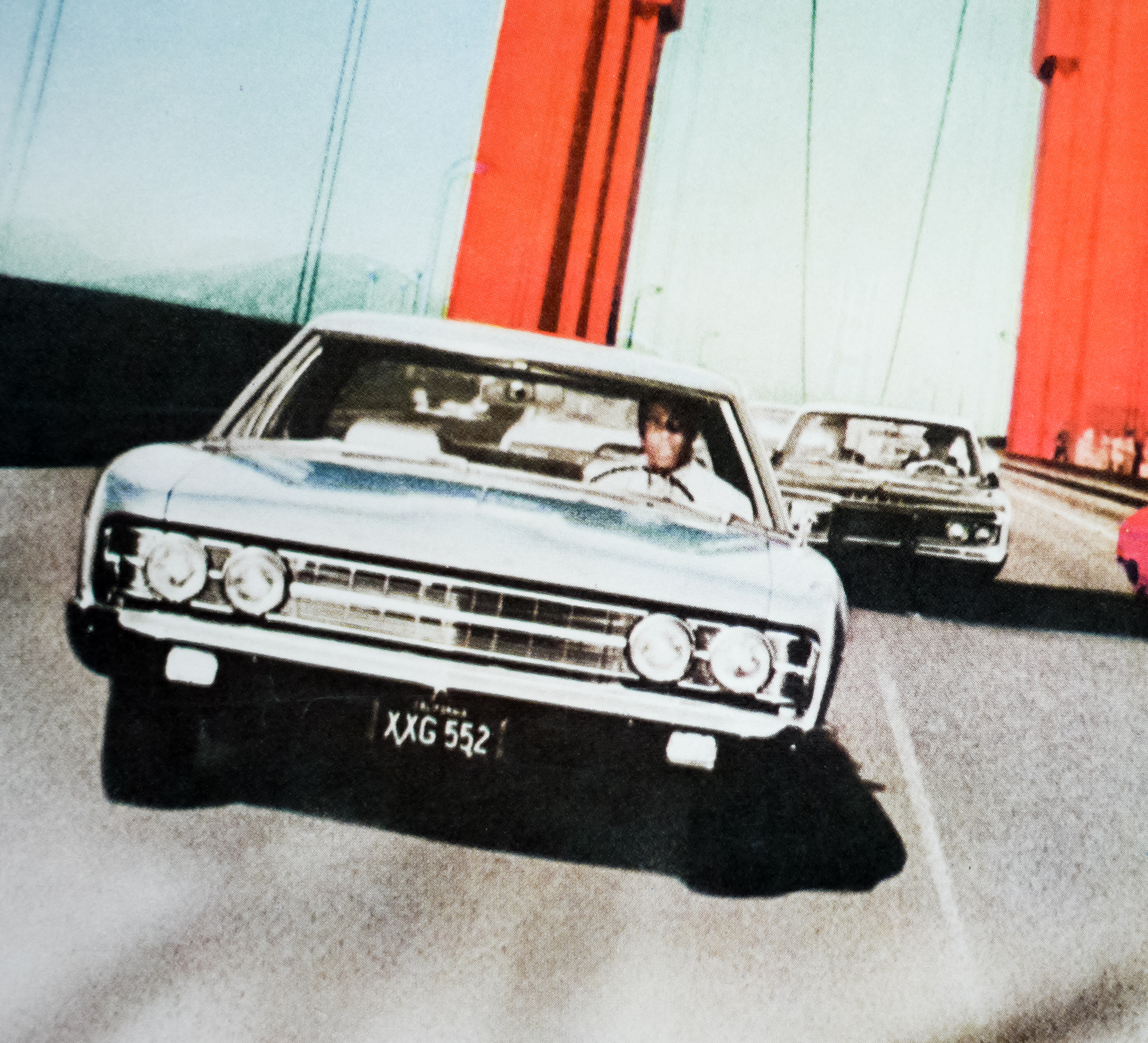
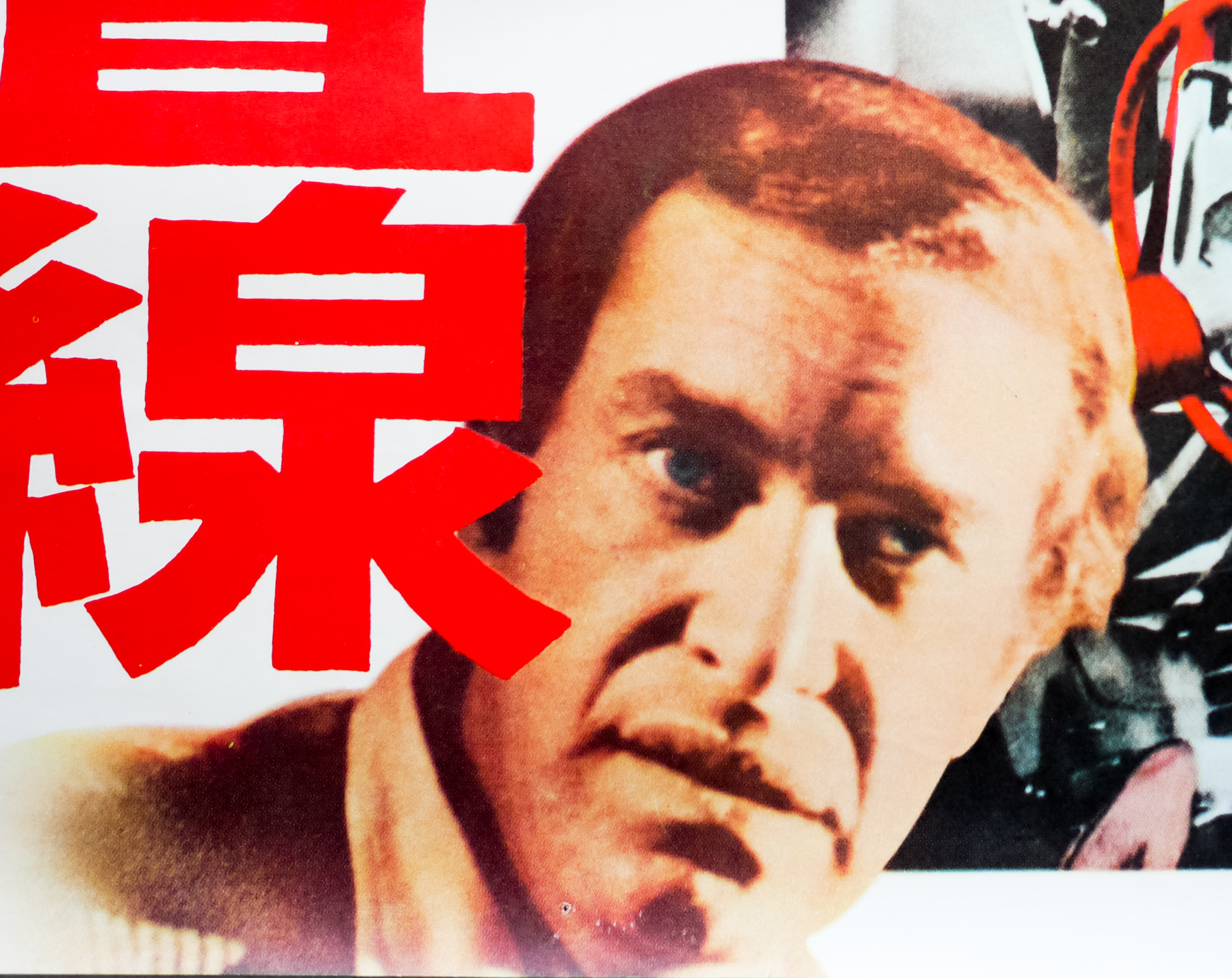
They Call Me MISTER Tibbs! / B2 / Japan

24.02.16

Poster Poster

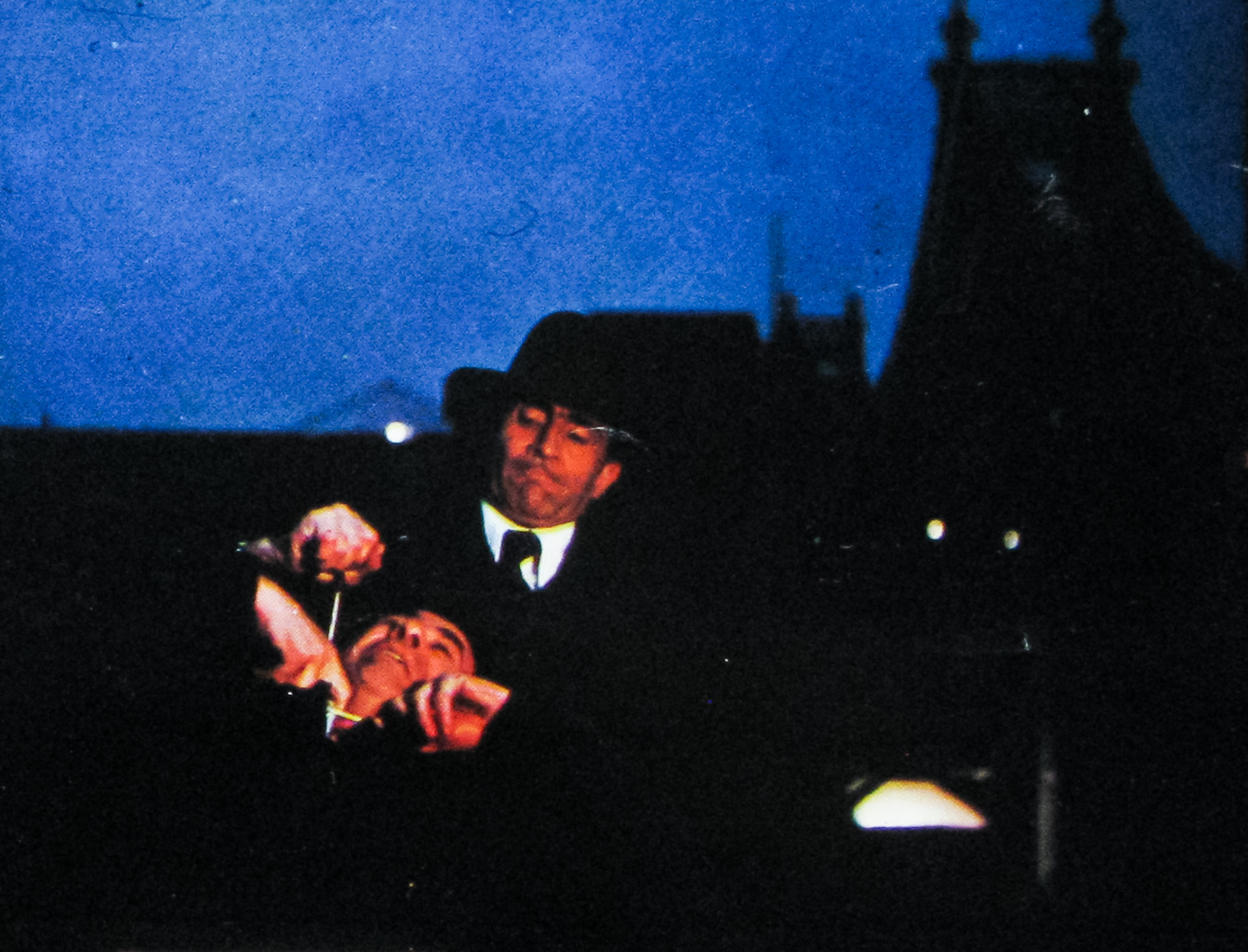
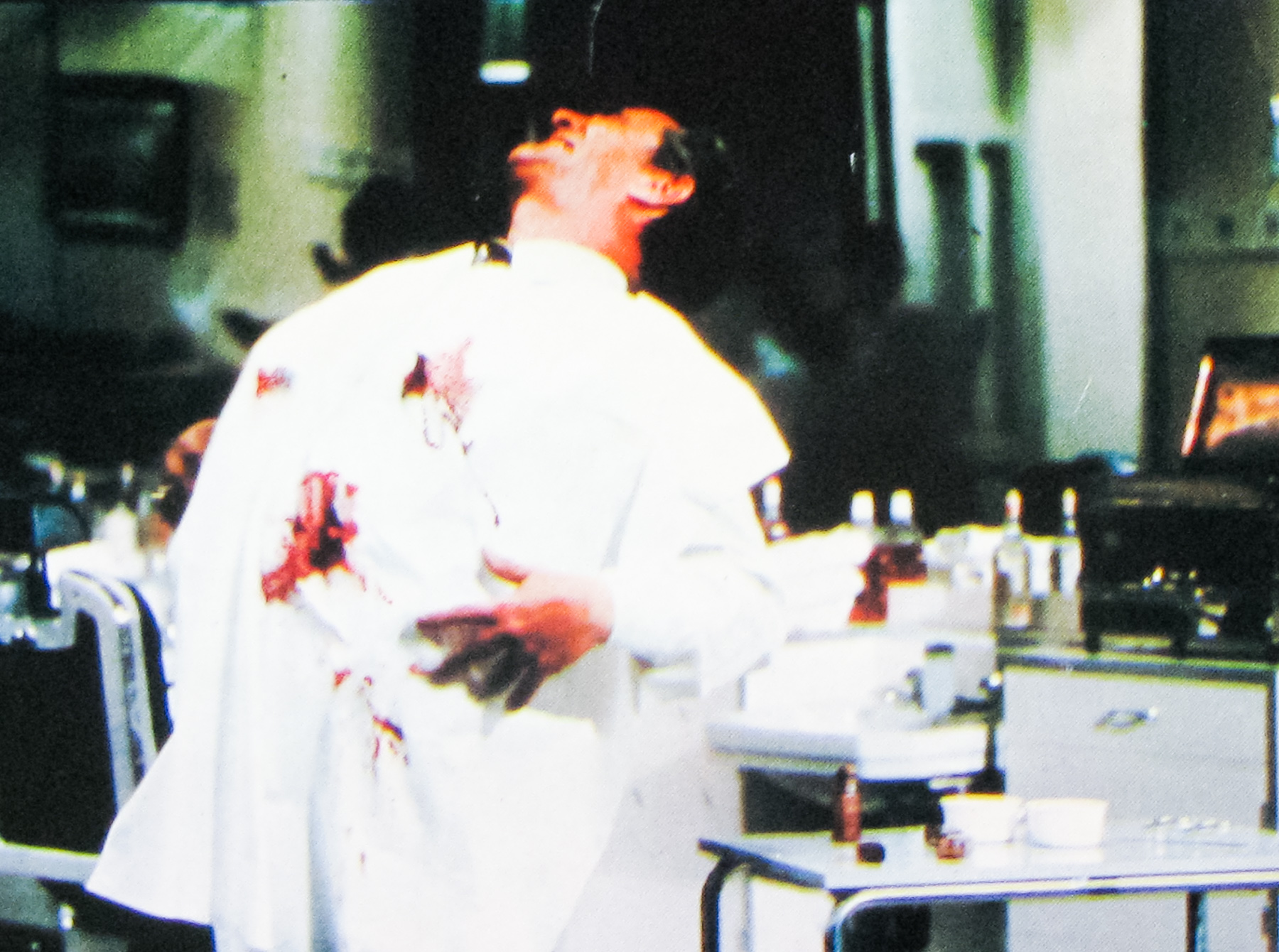
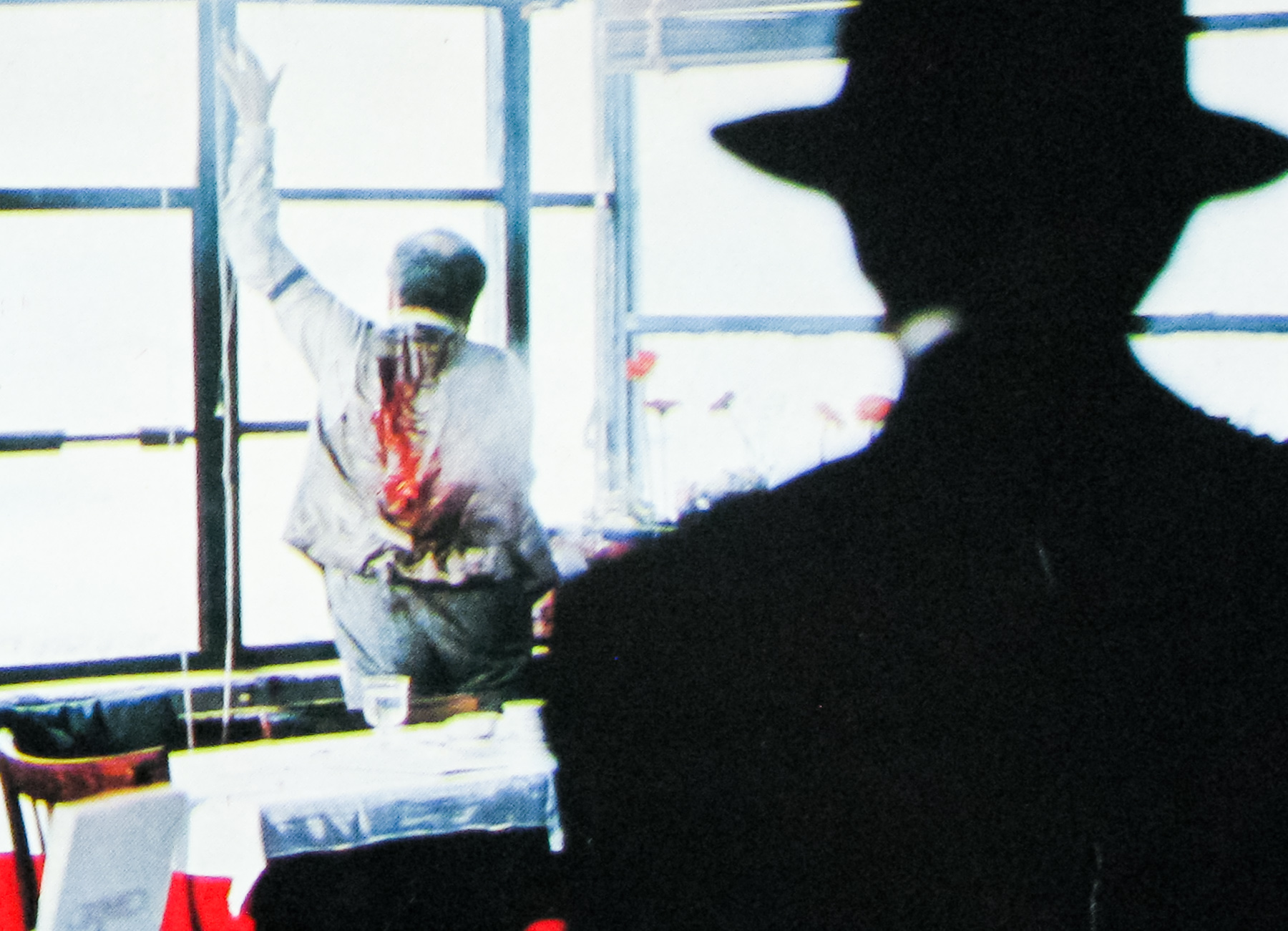
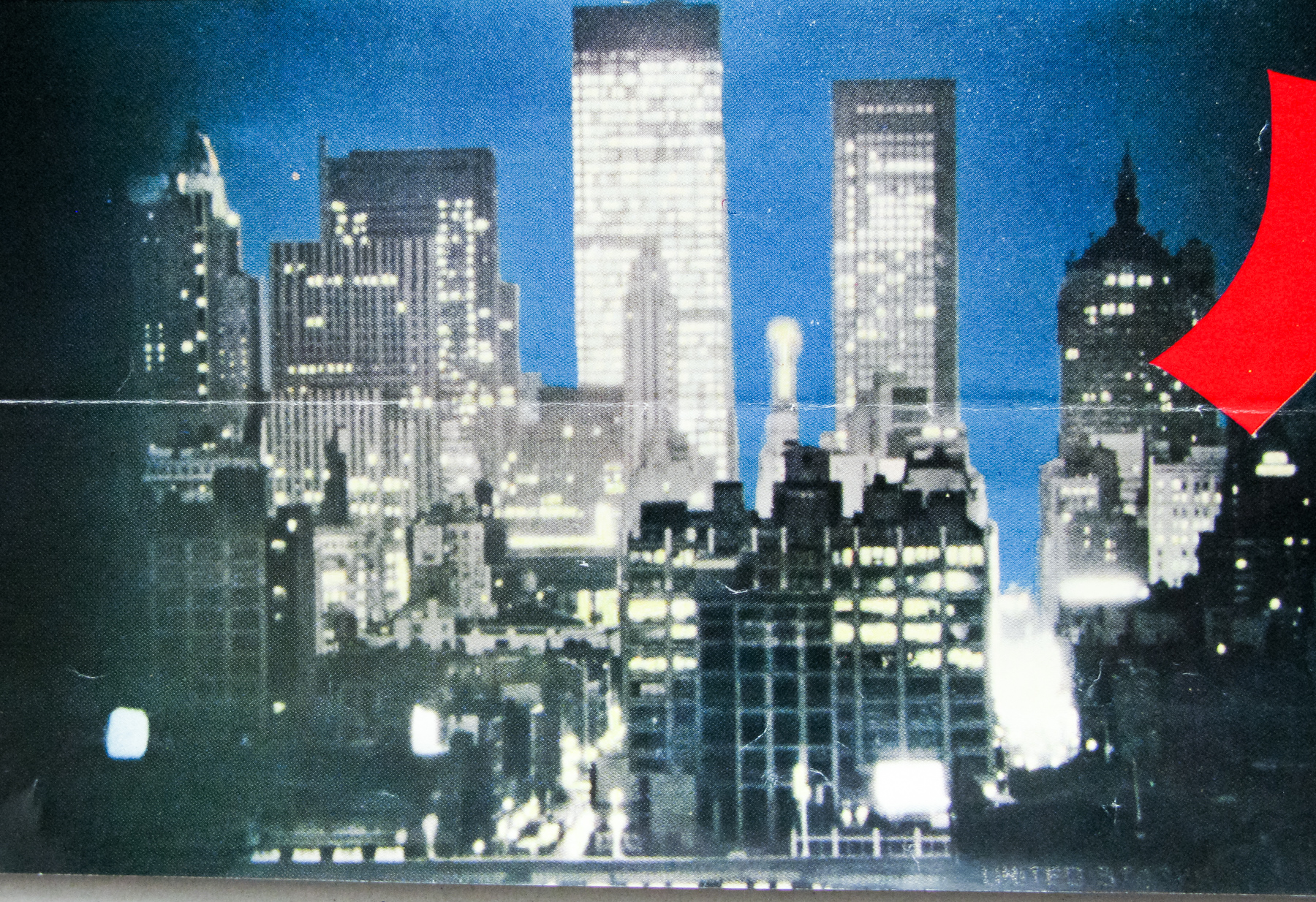
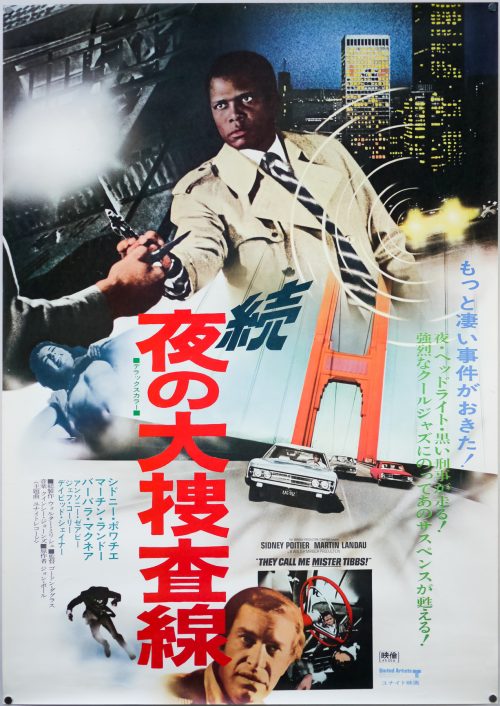
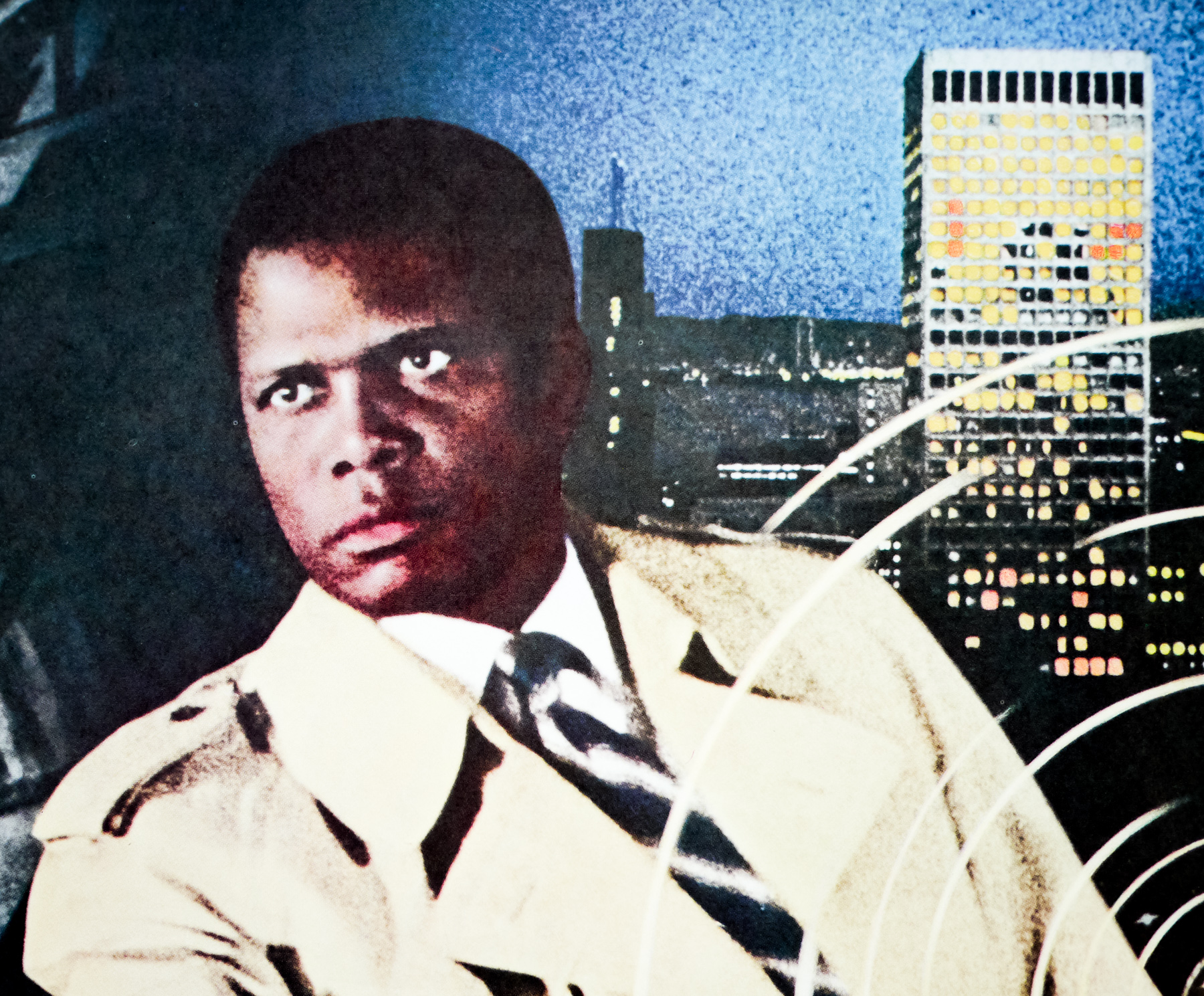
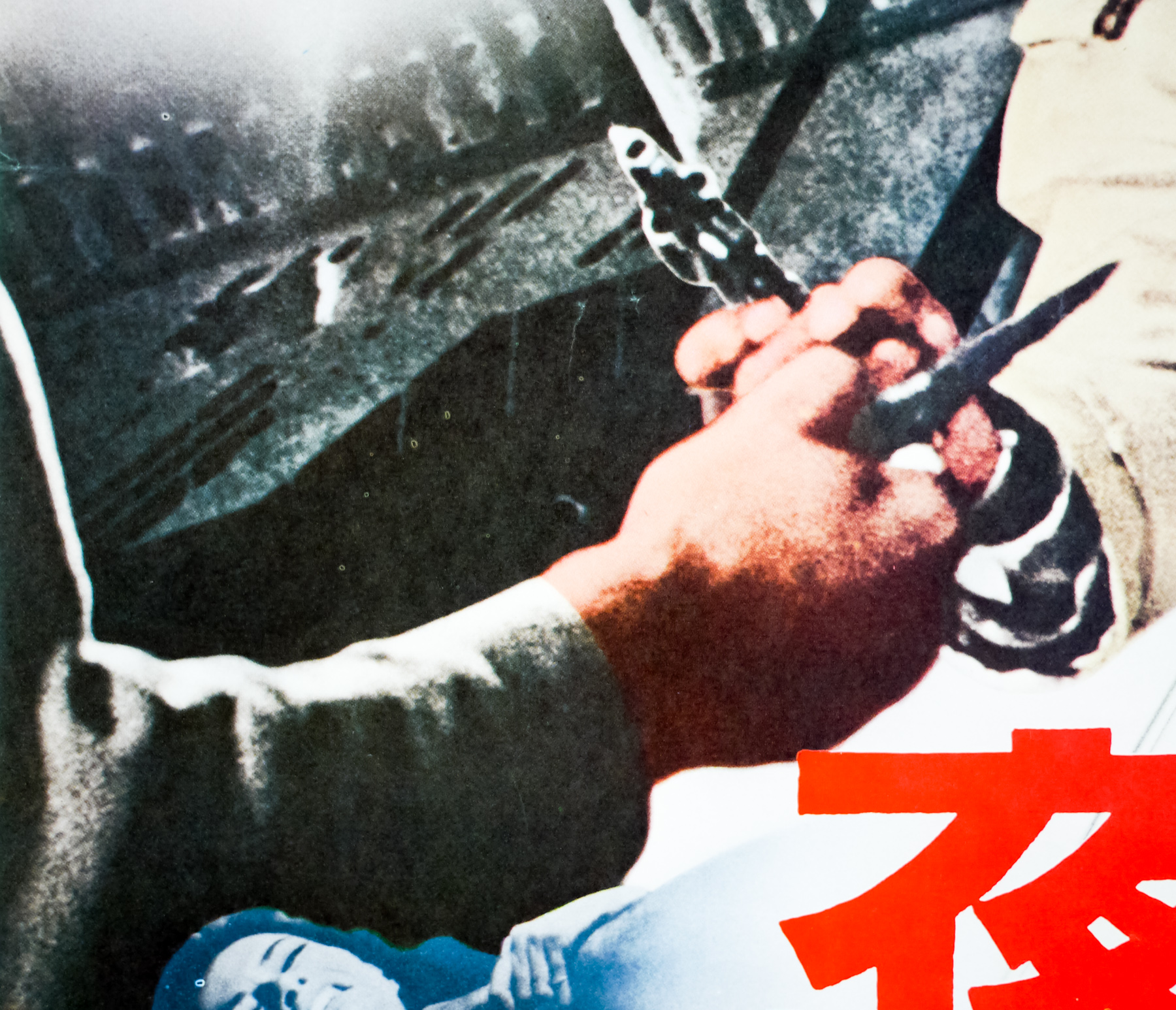
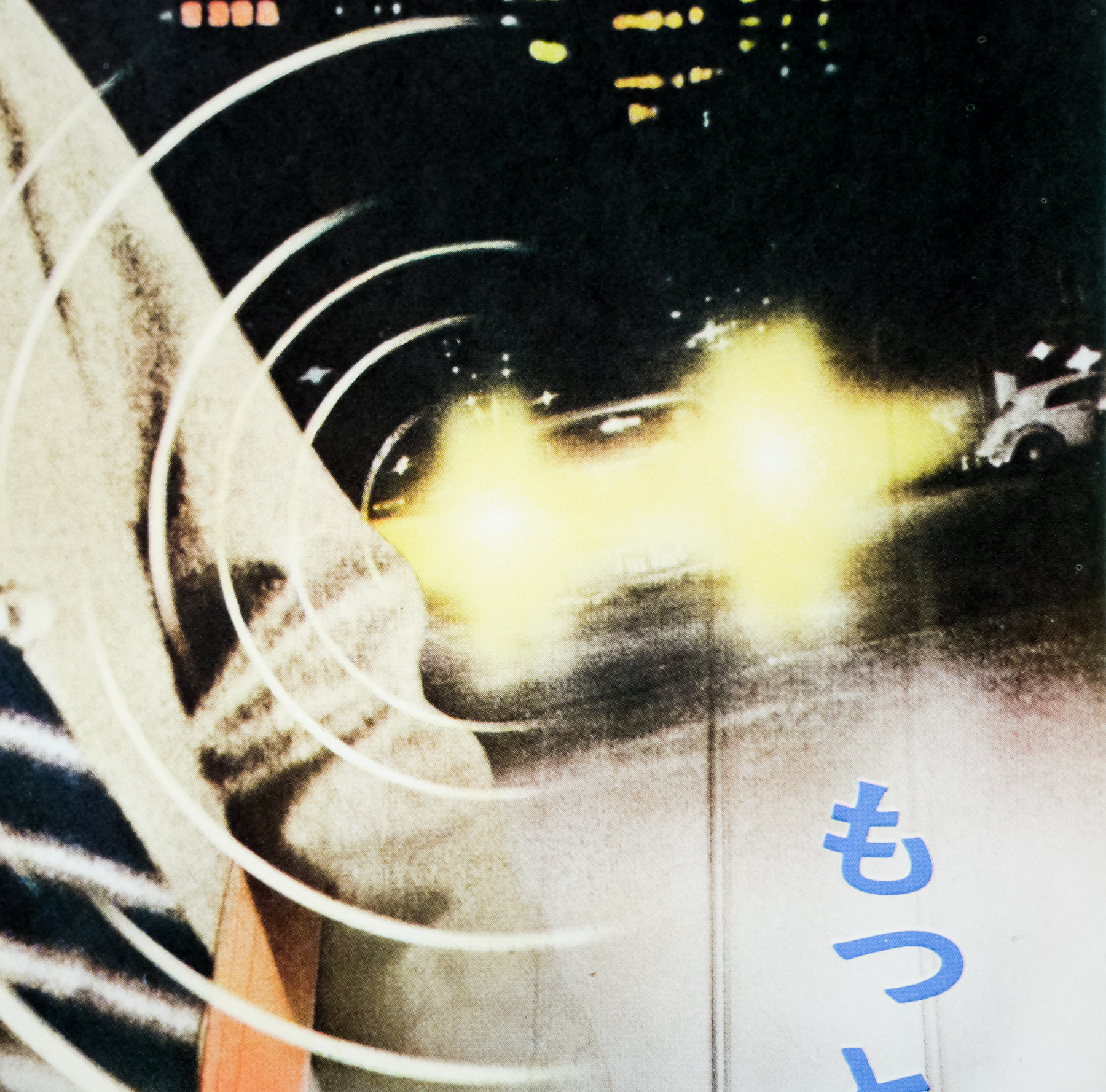
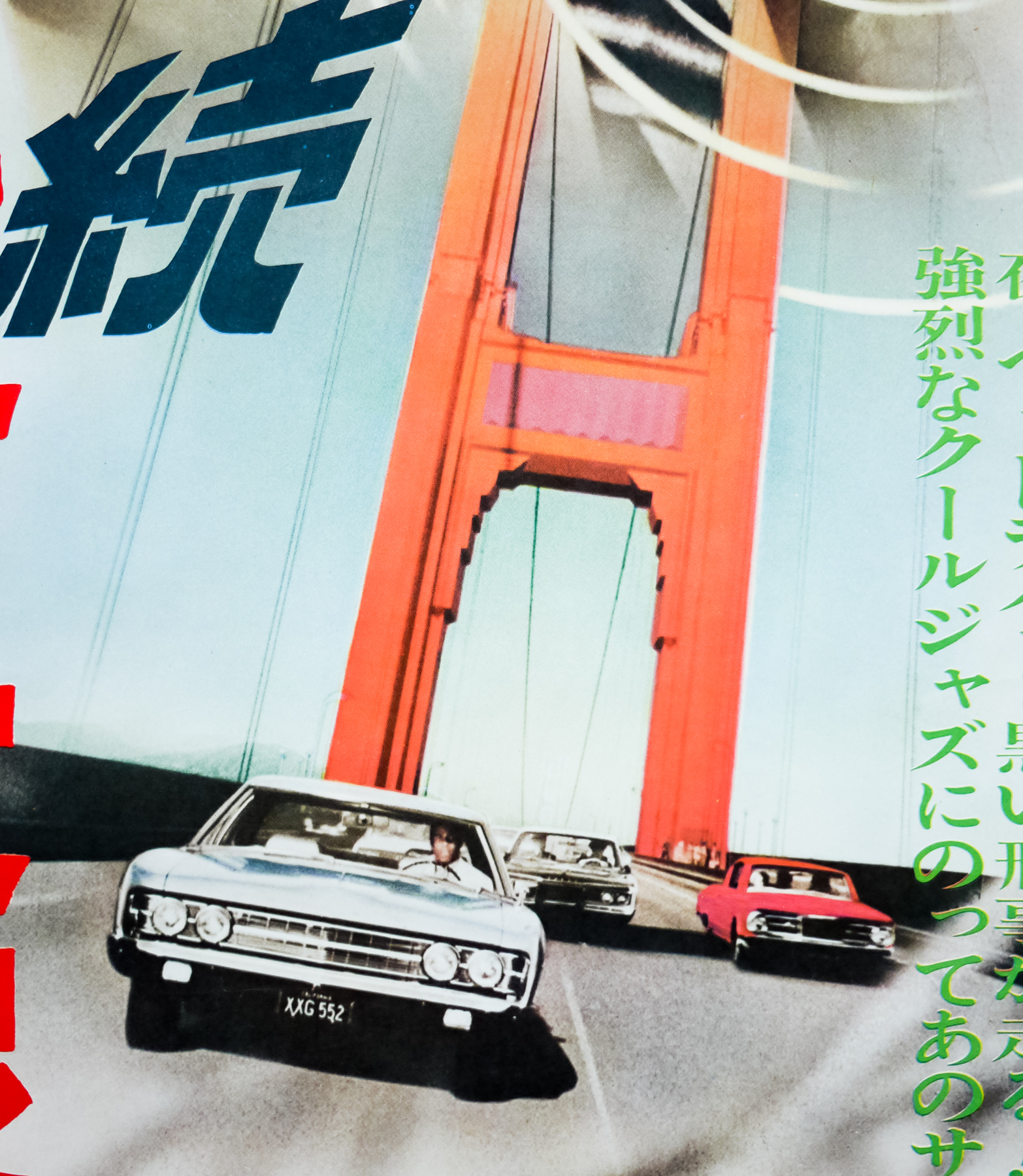
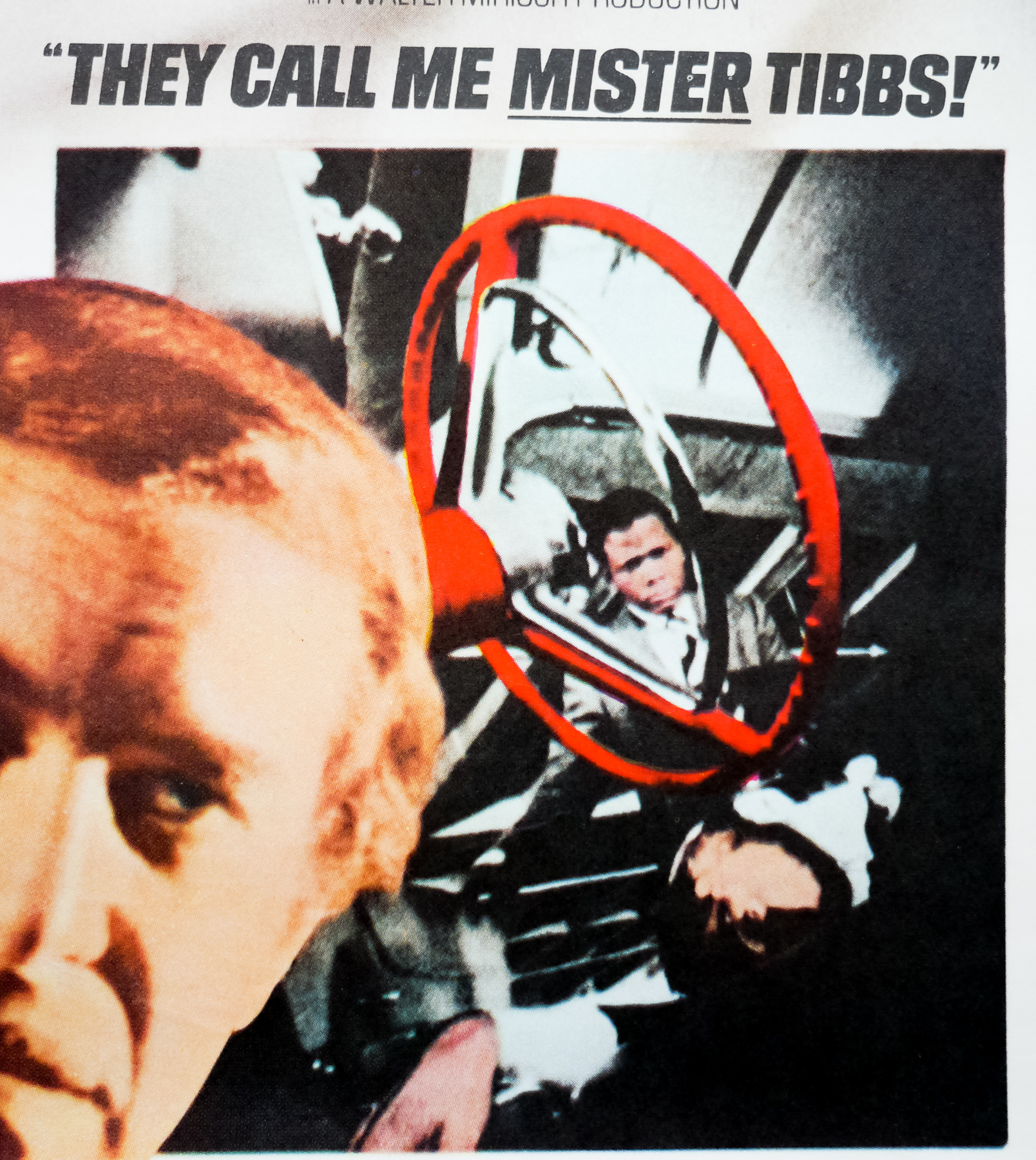
This is the Japanese B2 poster for the release of the first of two sequels to the 1967 drama In the Heat of the Night, starring Sidney Poitier as the eponymous police detective. The actor had made history in 1964 by becoming the first African American to win the Oscar for Best Actor (for Lilies of the Field), and 1967 saw him star in three hit films that all dealt with the issue of race and race relations. This included Guess Who’s Coming to Dinner, which tackled the controversial issue of interracial marriage that was still illegal in several states, and To Sir, with Love, a British drama that dealt with racial issues in an inner-city school. It was In the Heat… that was the biggest hit that year and the film would go on to win 5 Academy Awards, including Best Film and Best Actor for Rod Steiger, who played alongside Poitier.

Three years later, the original film’s producer Walter Mirisch decided there was an opportunity to try and create a franchise around Virgil Tibbs. Without a source novel to base a screenplay on Mirsch hired to two successful screenwriters in Alan Trustman (Bullitt) and James R. Webb (the original 1962 Cape Fear), as well as the prolific director Gordon Douglas (Them!). They Call Me MISTER Tibbs! (the capitalisation is intentional and part of the original title) was named after a famous line spoken by Poitier in the first film and saw the detective, now based in San Francisco, investigating the murder of a prostitute. The death has been pinned on Logan Sharpe (Martin Landau), a street preacher with whom we’re told Tibbs has a long-standing friendship. The film follows the detective as he attempts to prove Sharpe’s innocence whilst dealing with domestic family issues and ends on something of a down note, which I won’t spoil. 

The film was criticised for being a very routine police procedural and certainly had none of the cultural urgency that the first film was able to capitalise on. It was something of a damp squib both critically and at the box-office but that didn’t stop Mirisch producing another sequel called The Organization only a year later. Again that film failed to make an impact, even though it was able to capitalise on the then popular blaxploitation subgenre, but by then Poitier had started to field accusations of typecasting. Virgil Tibbs would thus hang up his badge for 17 years until the TV series In The Heat of the Night, based on the original film and novel and starring Howard E. Rollins Jr., which was aired between 1988 and 1992.
Trick Baby / B2 / Japan

10.10.12

Poster Poster
Title
Trick Baby
AKA
--
Year of Film
1972
Director
Larry Yust
Starring
Kiel Martin, Mel Stewart, Dallas Edward Hayes, Beverly Ballard, Vernee Watson-Johnson, Donald Symington, Don Fellows, Thomas Anderson
Origin of Film
USA
Genre(s) of Film
Kiel Martin, Mel Stewart, Dallas Edward Hayes, Beverly Ballard, Vernee Watson-Johnson, Donald Symington, Don Fellows, Thomas Anderson,
Type of Poster
B2
Style of Poster
--
Origin of Poster
Japan
Year of Poster
1972
Designer
Unknown
Artist
--
Size (inches)
20 6/16" x 28 13/16"
SS or DS
SS
Tagline
--

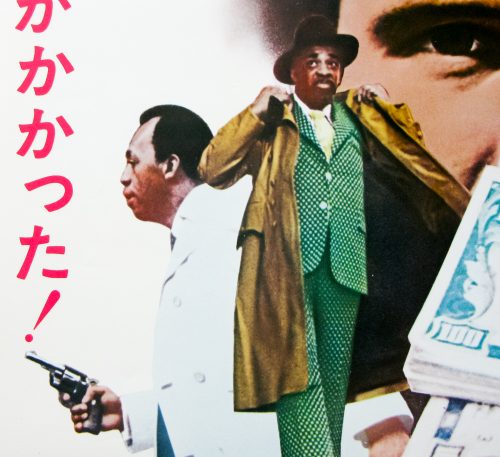
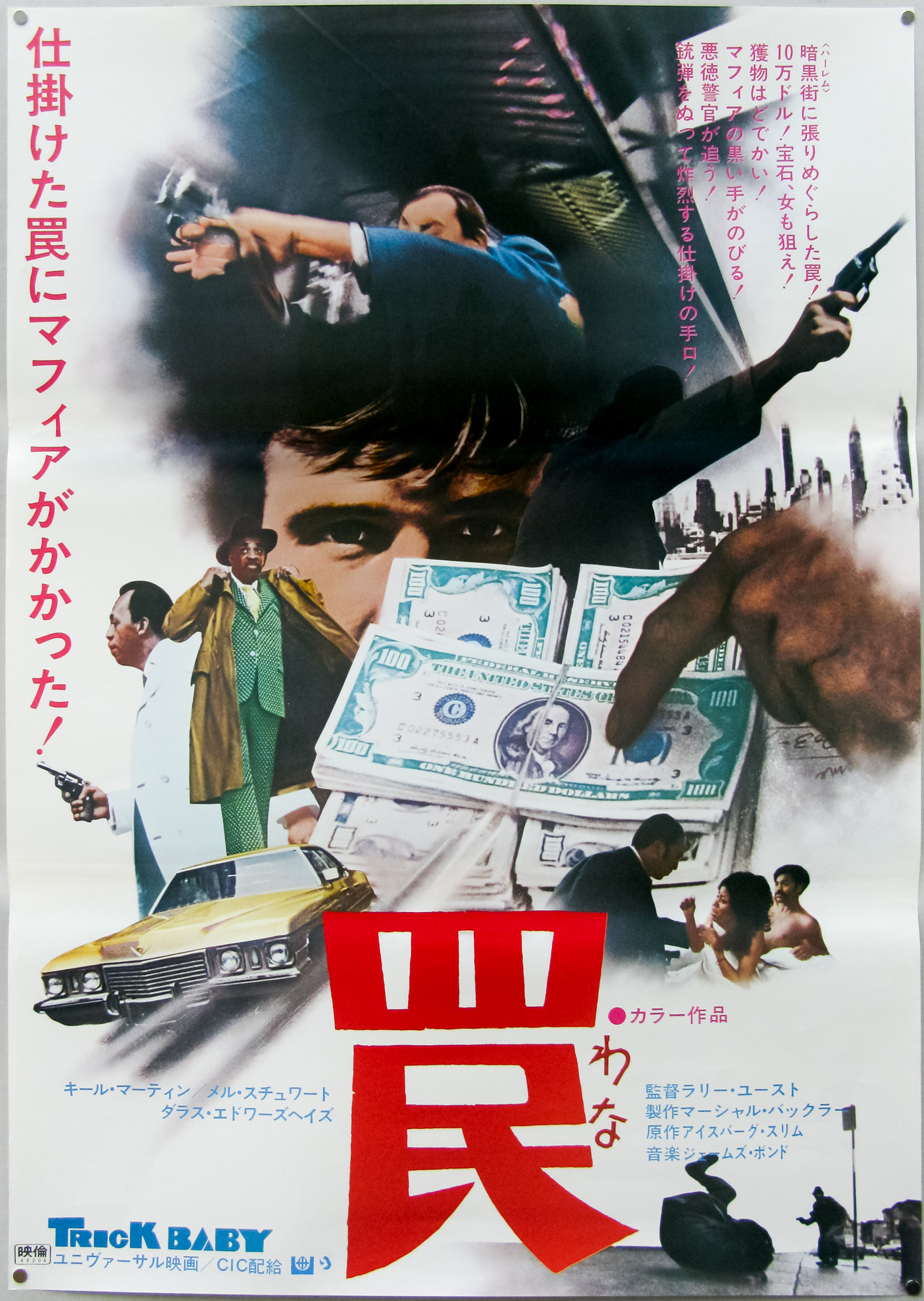
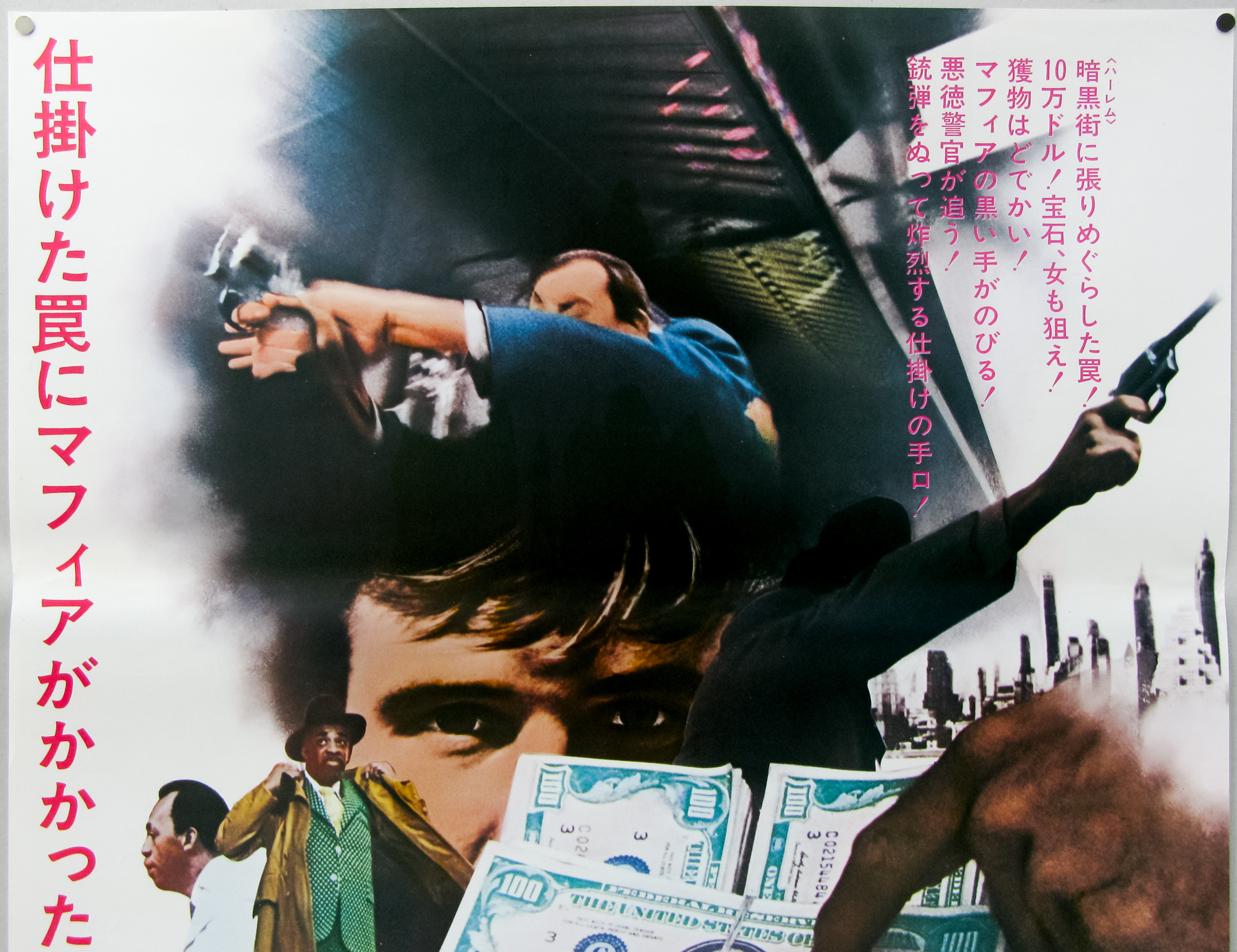
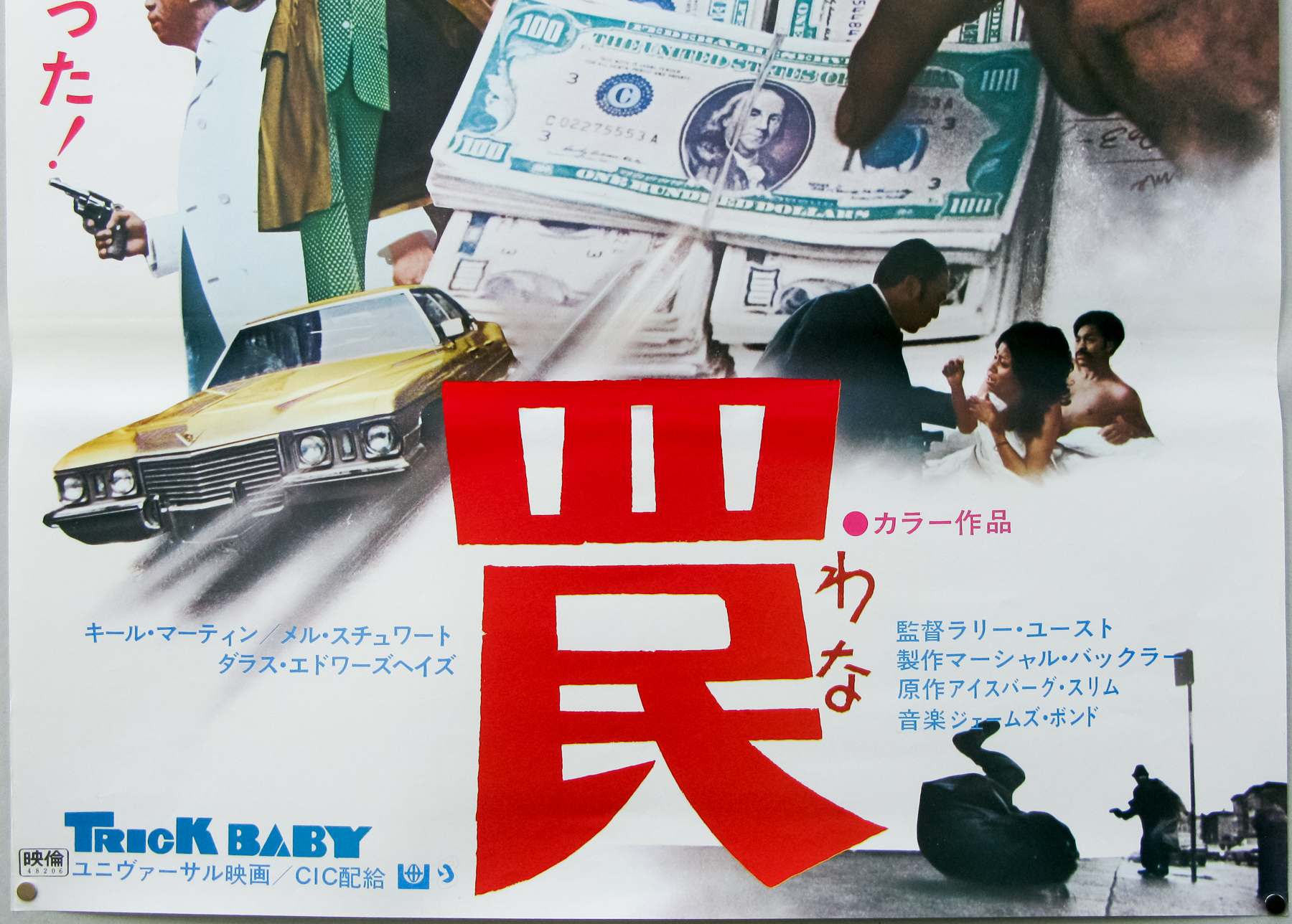
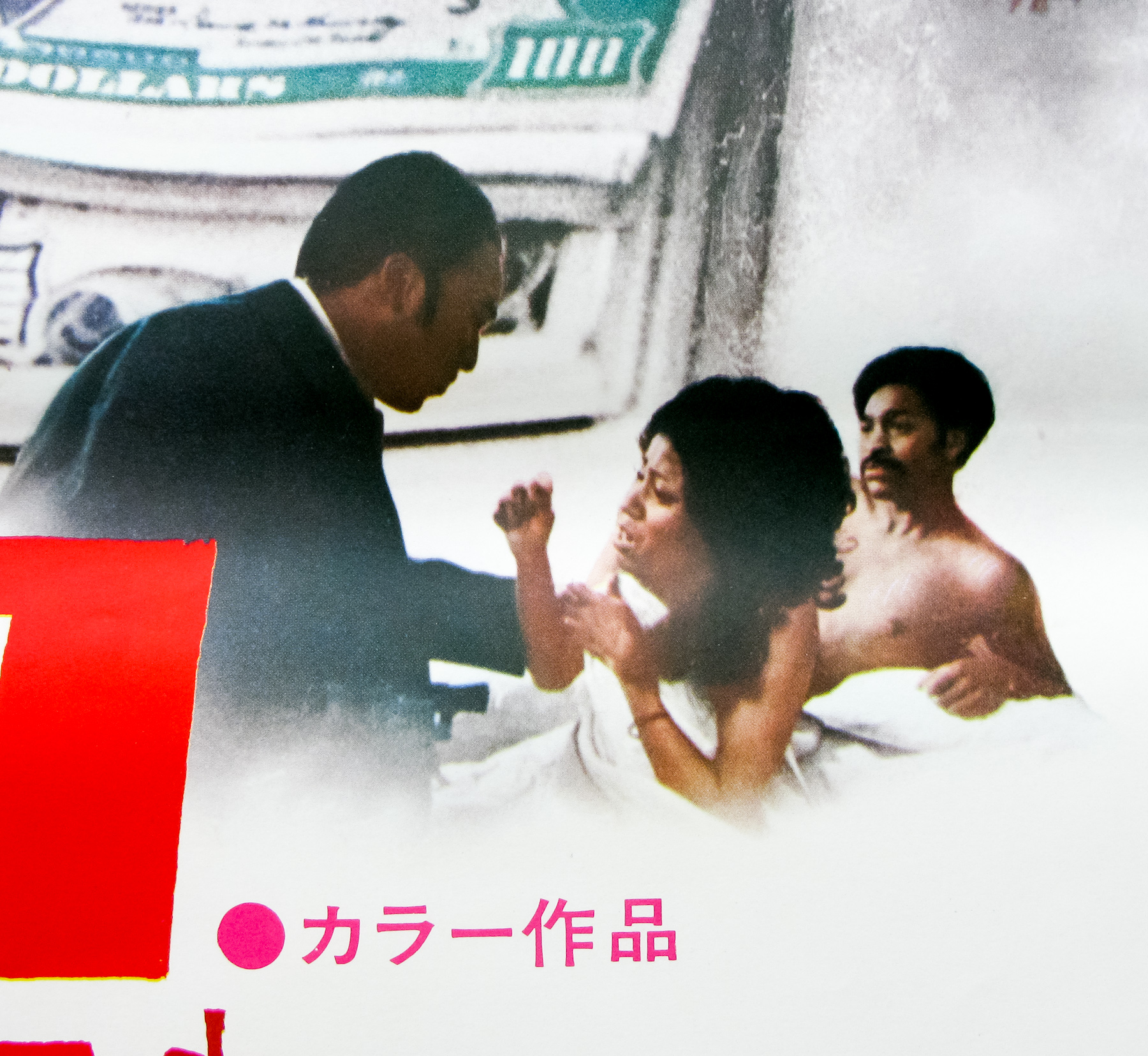
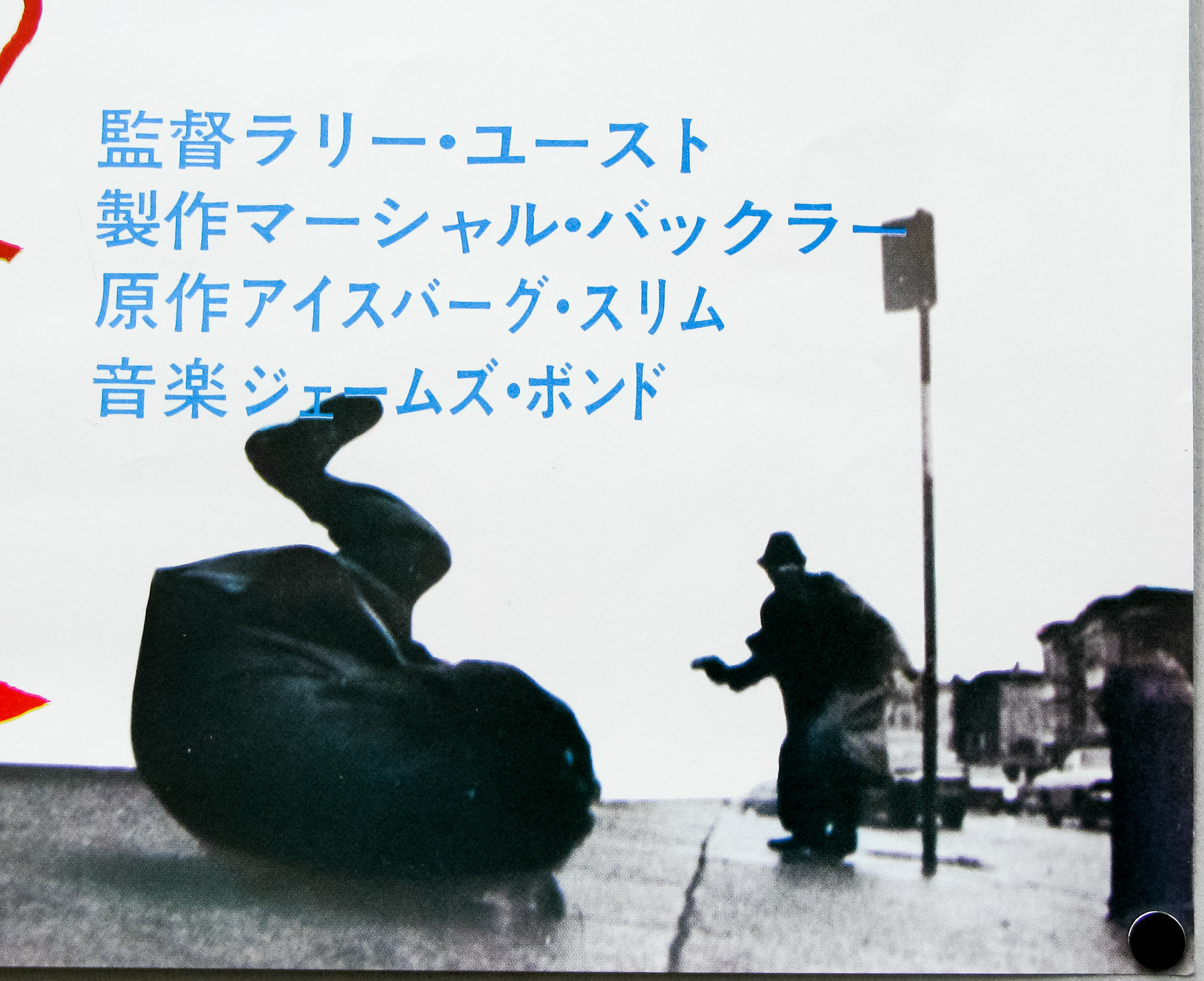
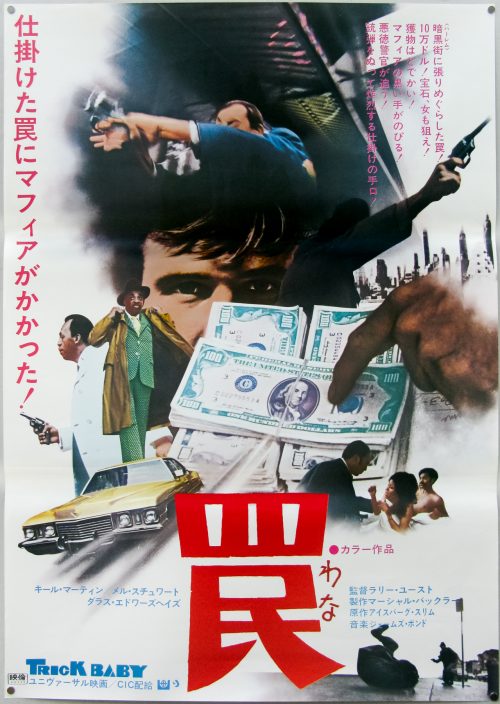
A nice photo montage on this poster for the Japanese release of Trick Baby, a 1972 crime caper, often placed in the blaxploitation genre, despite featuring a lot more in the way of plot and character development than many of the films under that banner.  Based on the novel of the same name by the infamous former pimp Iceberg Slim, the film follows two conmen, ‘White Folks’ (Kiel Martin)  and ‘Blue’ Howard (Mel Stewart), as they pull off the biggest score of their lives and inadvertently raise the ire of the local Mafia and a corrupt cop.
The former was given the odd moniker after he was born to mixed-race parents and can pass as a white man, which proves useful for the pair’s criminal antics. The title Trick Baby comes from the other nickname he is given because of his prostitute mother and ‘trick’ father.

The original trailer is on YouTube.

True Romance / B2 / Shotgun scream style / Japan

17.05.11

Poster Poster

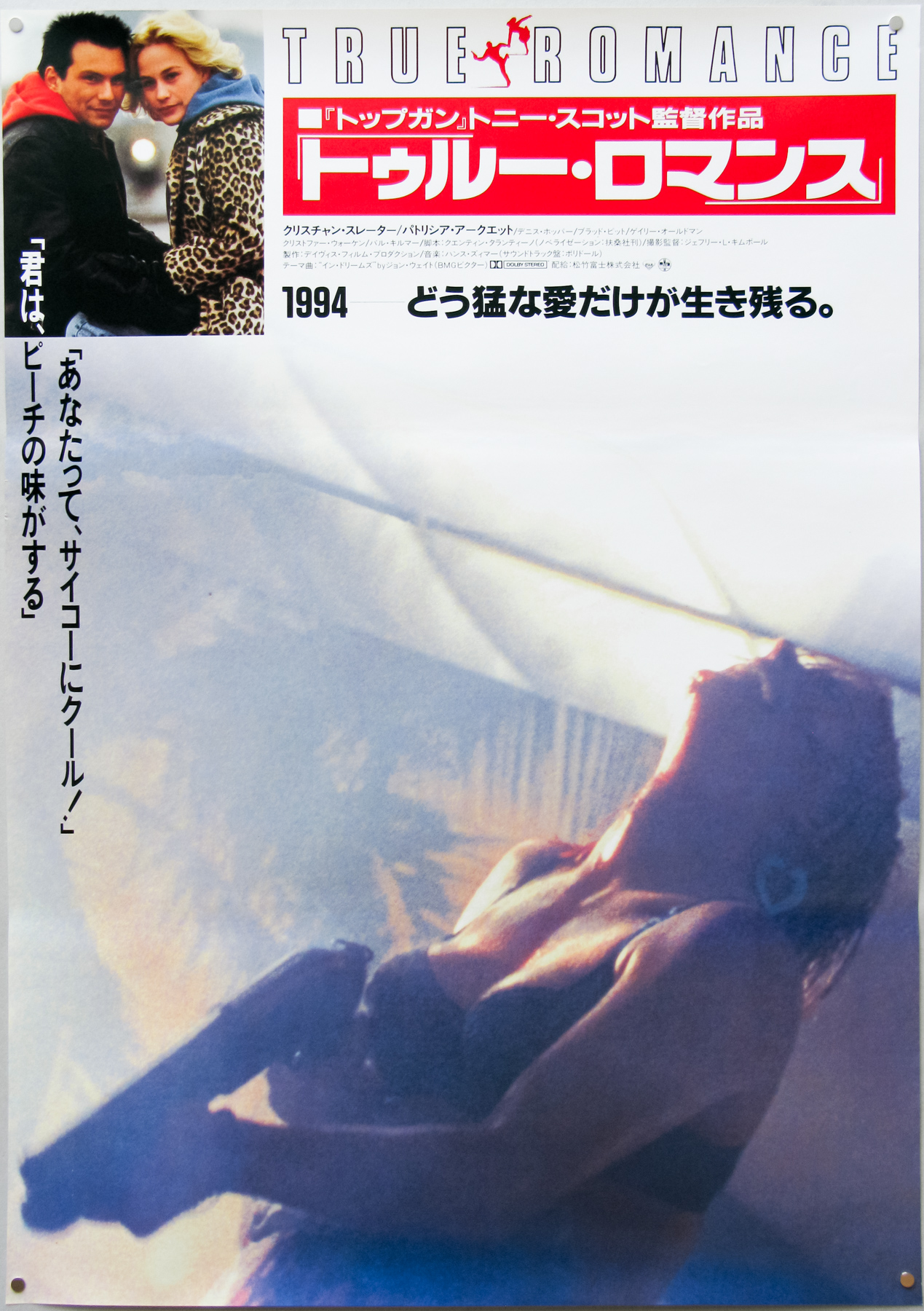
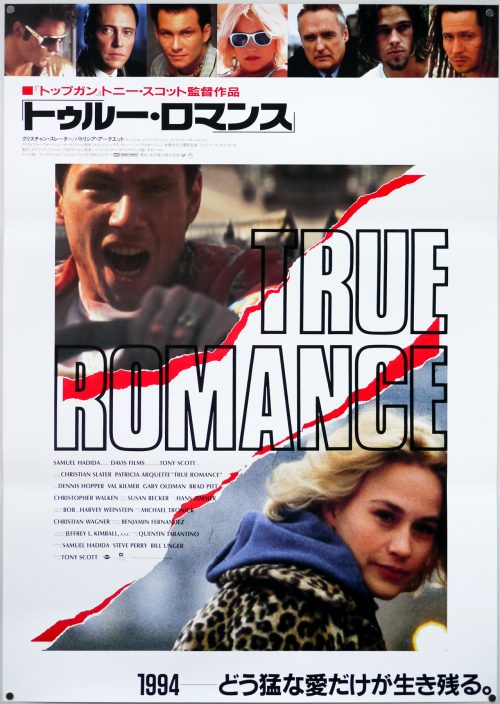
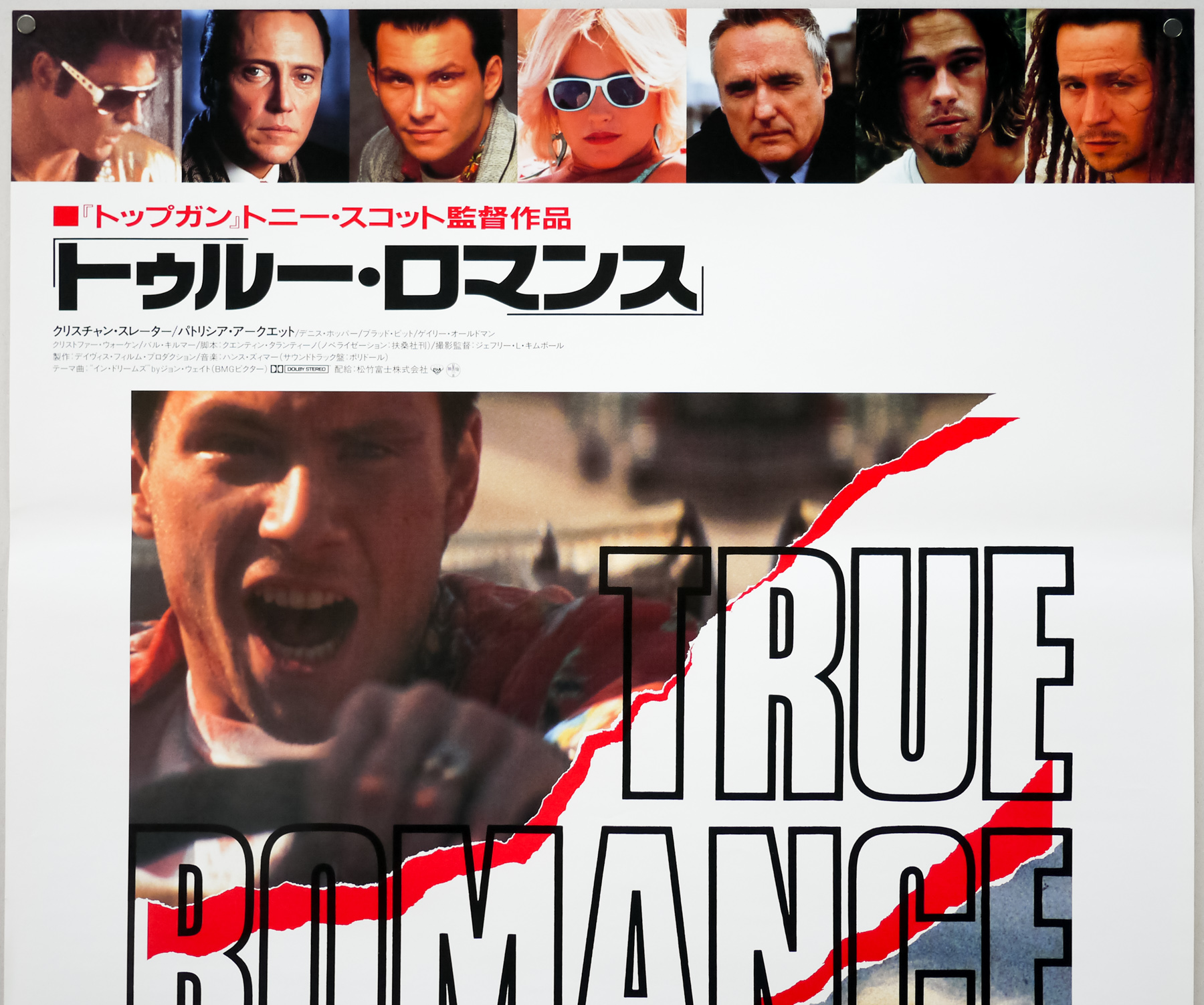
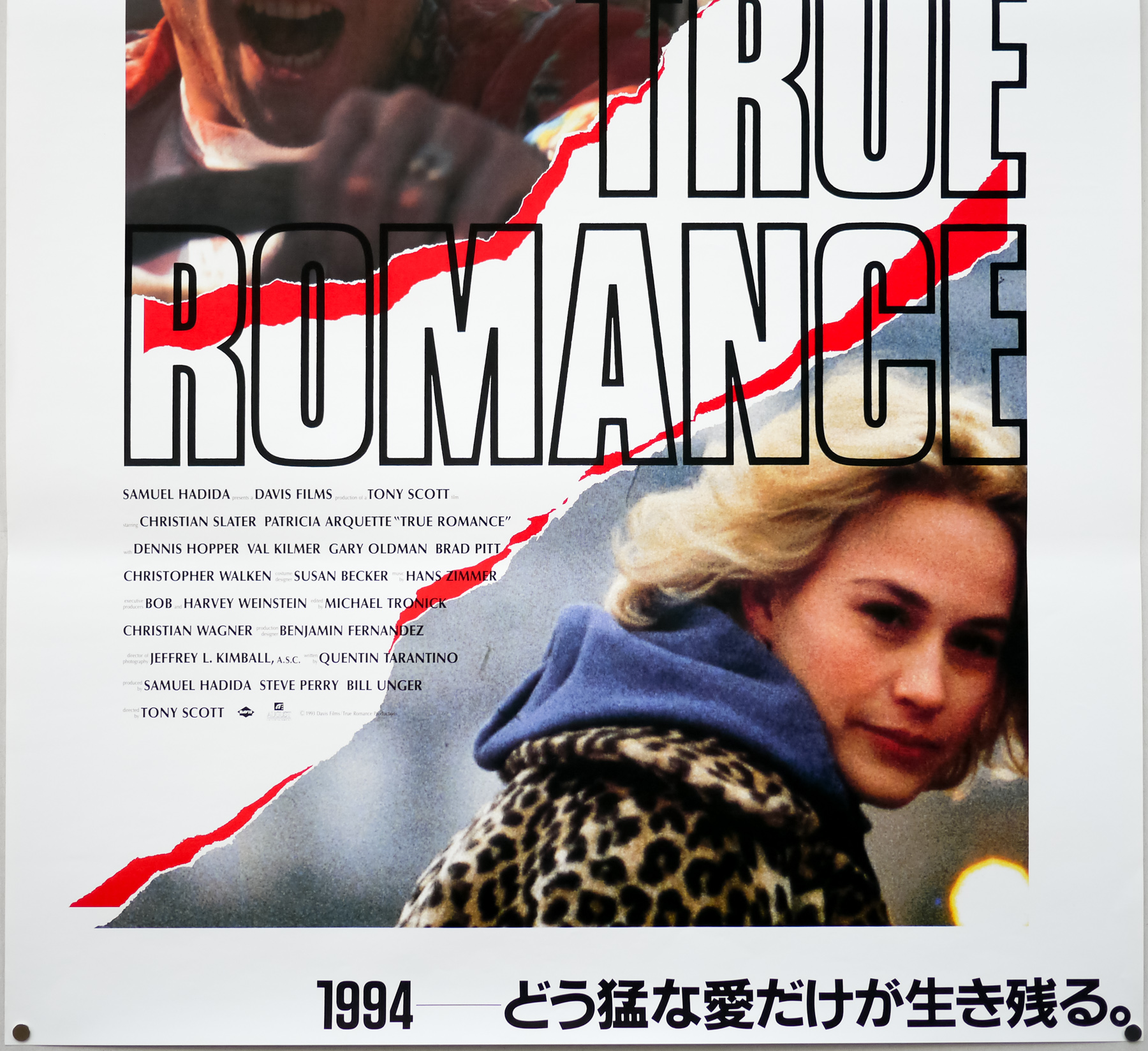
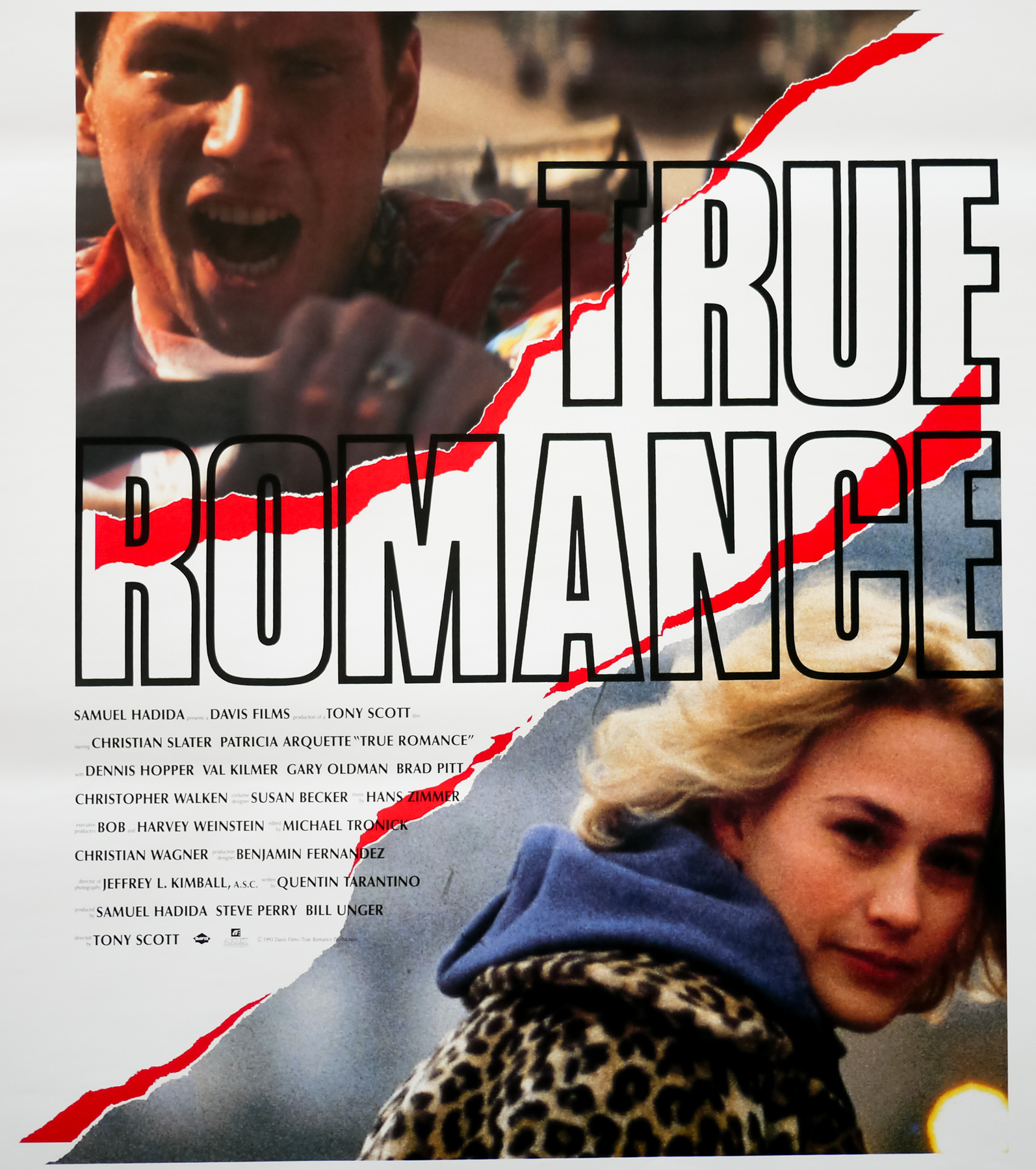
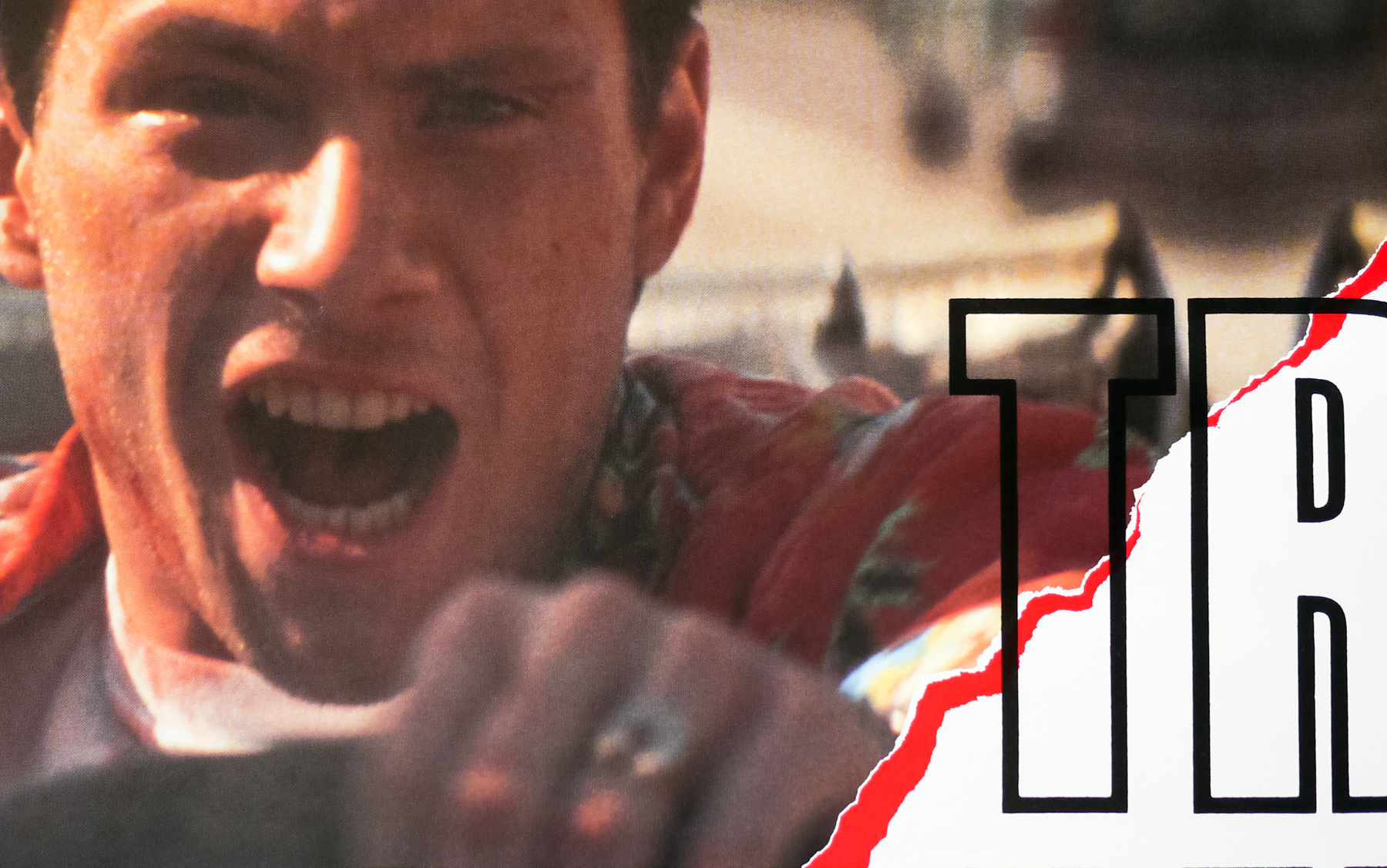
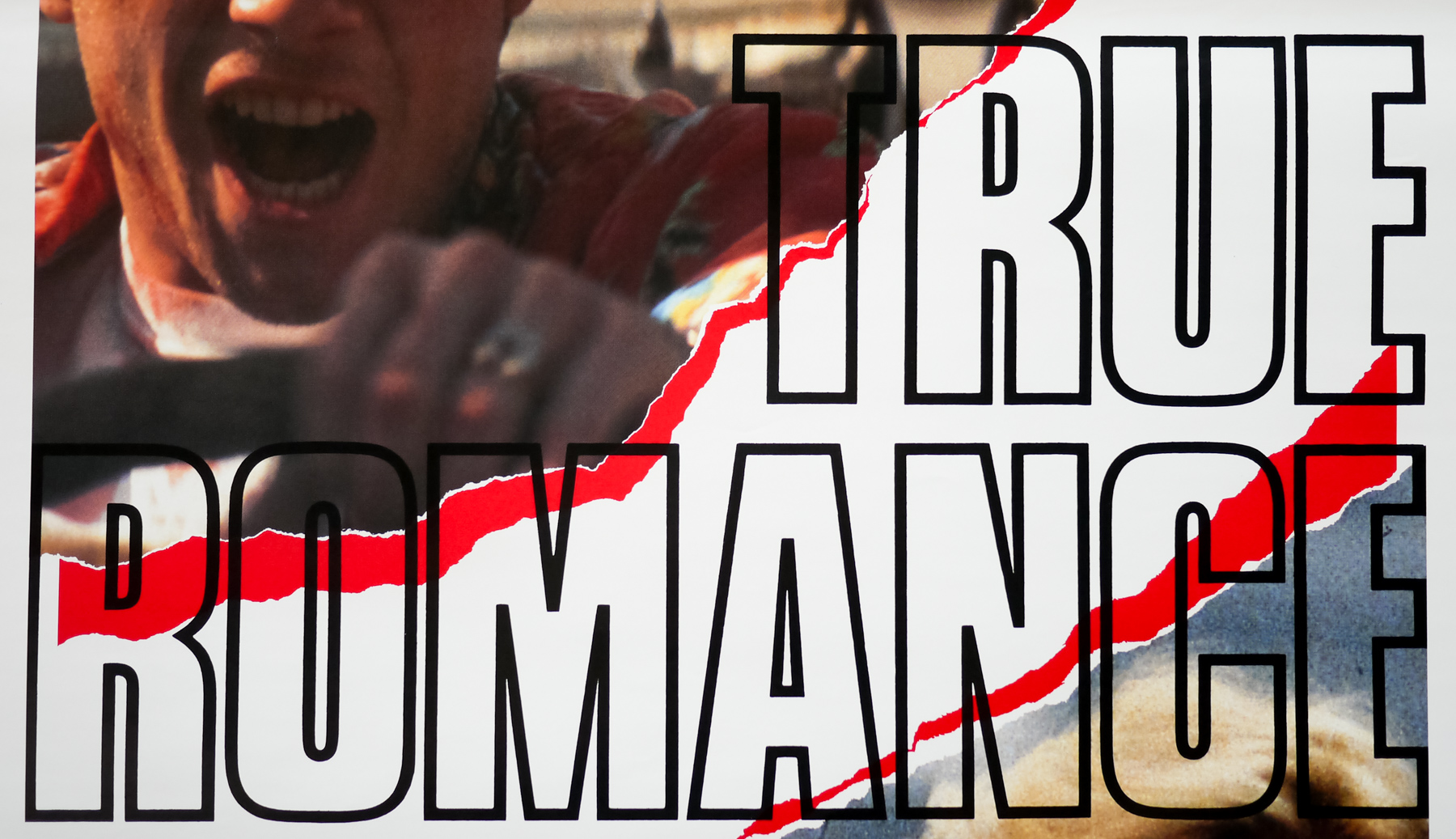
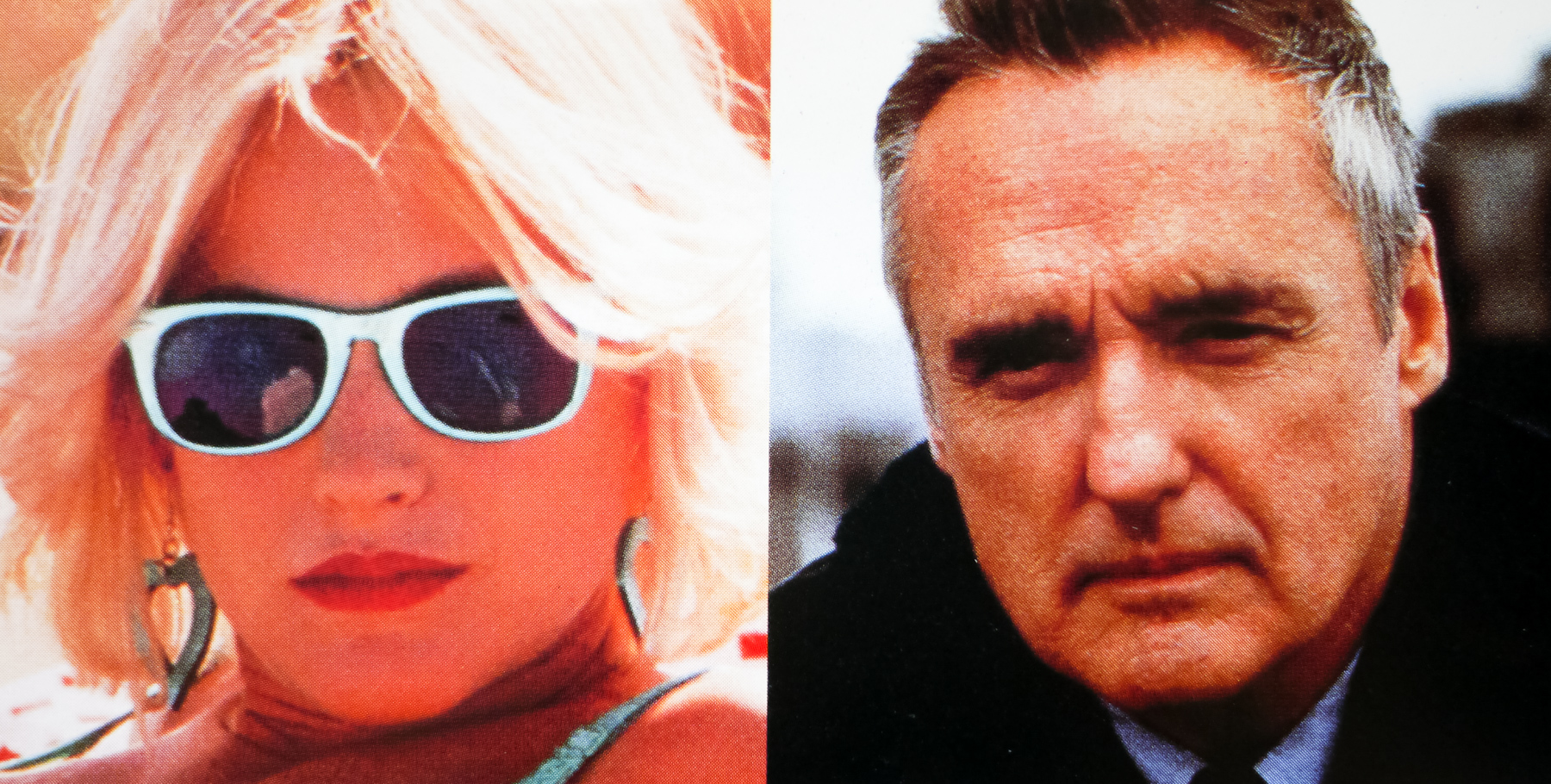
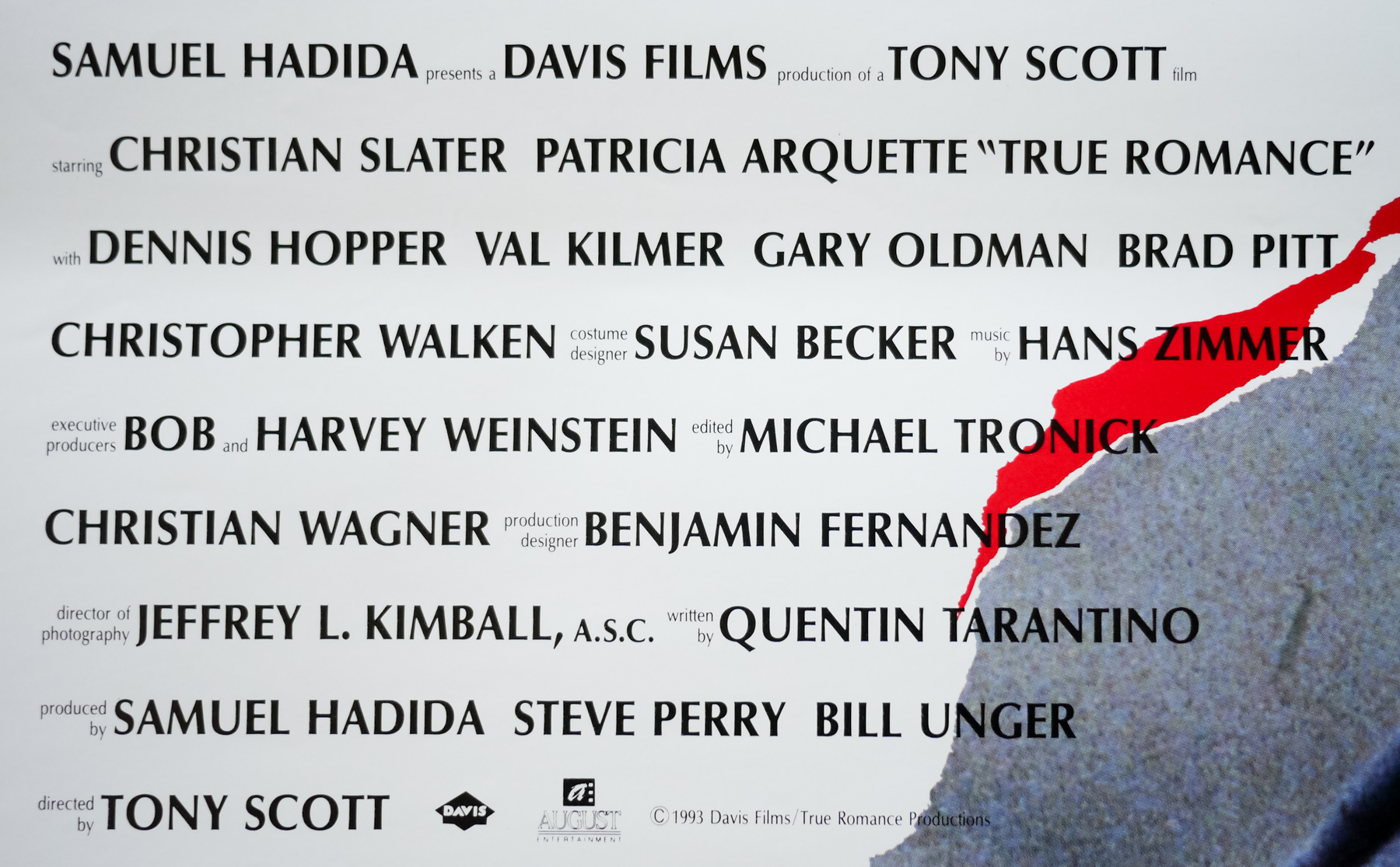
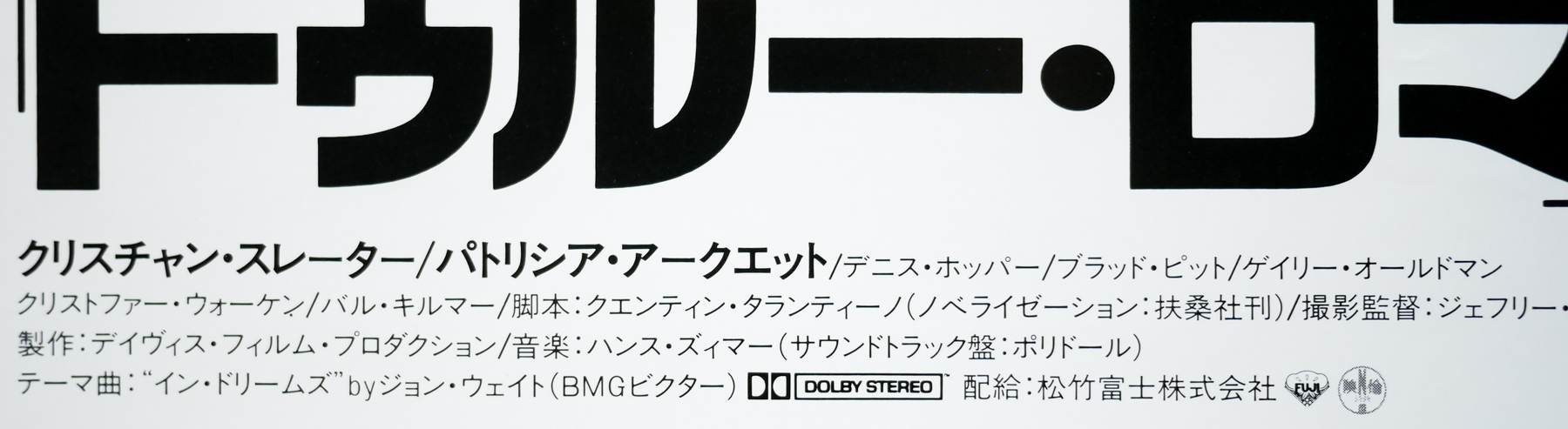
Following the shocking death of British director Tony Scott in 2012 there was plenty of discussion amongst fans as to the film that defined his career, which included such films as the none-more-80s Top Gun and several excellent Denzel Washington-starring thrillers such as Crimson Tide. There was only one film that I reached for from my blu-ray collection when I wanted to pay tribute to Scott and that was True Romance, the 1993 crime thriller starring Christian SlaterPatricia Arquette and a whole host of acclaimed actors. Featuring a fantastic script by Quentin Tarantino, the film is arguably the apex of Tony Scott’s directing career and clearly benefits from his skill at injecting energy and verve into every scene. The film is also likely to be the defining role in the careers of both Slater and Arquette who were perfectly cast as Clarence and Alabama, the young lovers thrown together at the start of the film and who set off on a rollercoaster ride that leads them from Detroit to Los Angeles with murderous gangsters on their tail.

Clarence is a film-obsessed, lonely video store clerk who is at a cinema watching a triple-bill of Sonny Chiba films when he is approached by Alabama. The pair strike up a friendship and before the night is over are head over heels in love. The only issue is that Alabama is a hooker, hired by Clarence’s work colleagues as a birthday present, and her pimp Drexl (a memorable Gary Oldman) is a violent drug dealer who none too keen to let her leave his employ. After a violent confrontation which sees Drexl dead and Clarence escaping with a suitcase full of cocaine. The pair first head to see Clarence’s father (Dennis Hopper) and then travel across the country to Los Angeles to see Clarence’s friend Dick Ritchie (Michael Rapaport) who has a potential lead for selling the drugs. Hot on their heels are a bunch of mobsters, as well as a pair of police detectives.

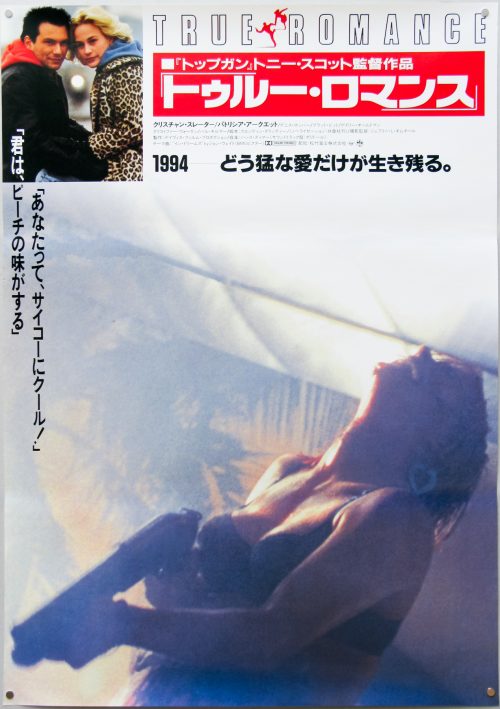
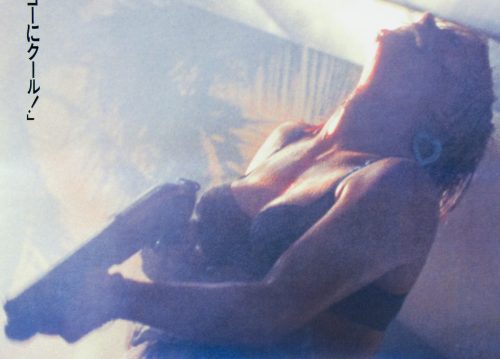
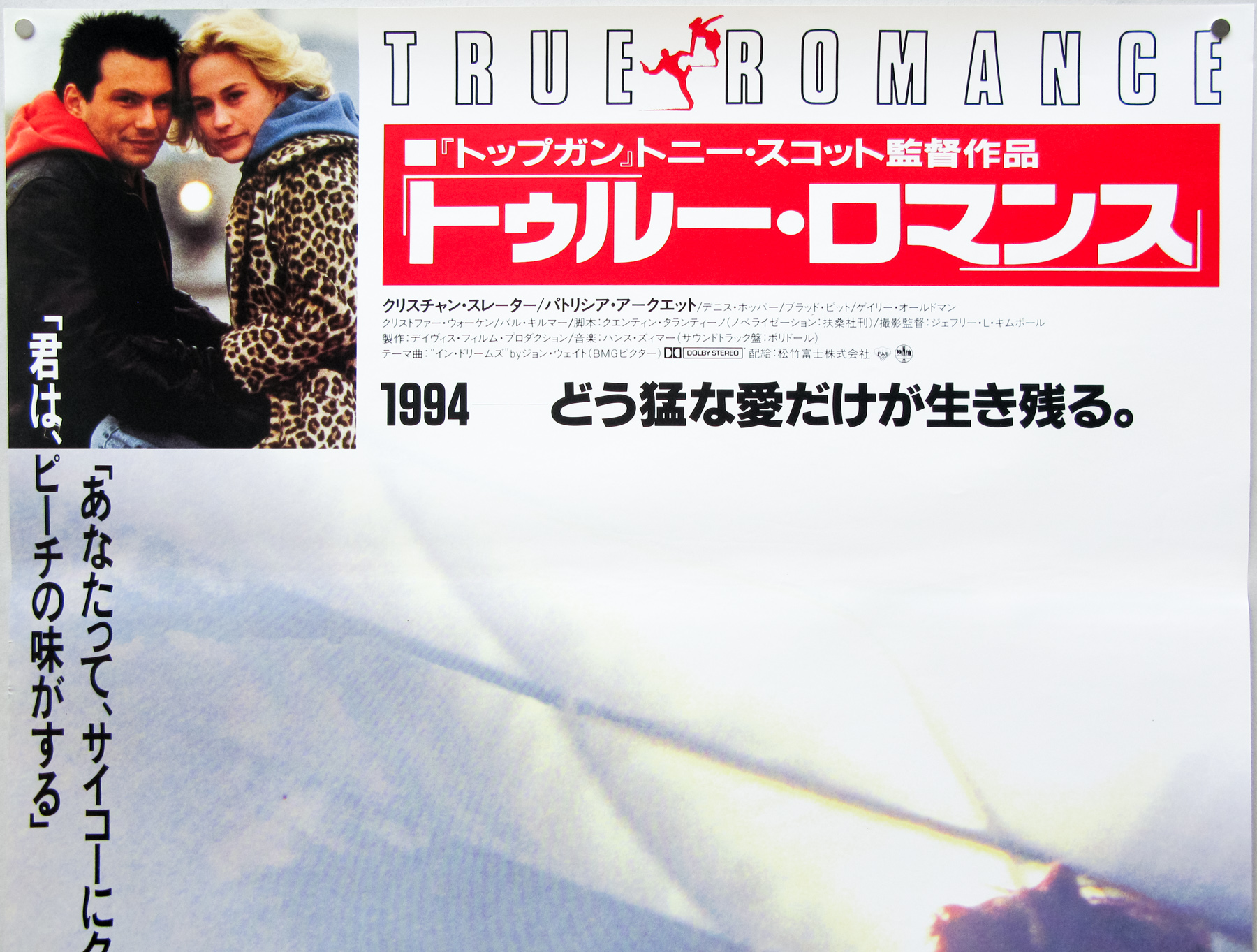
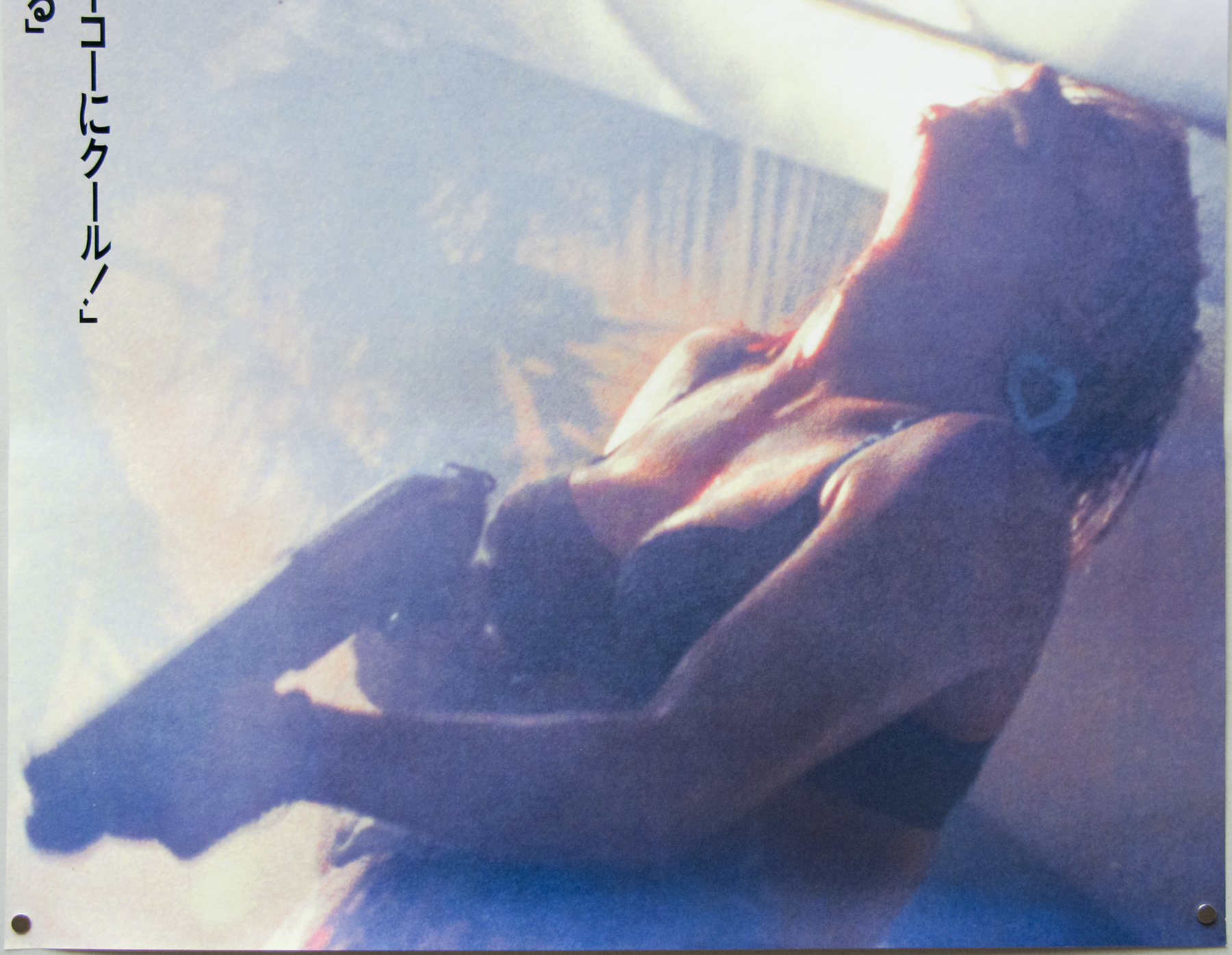
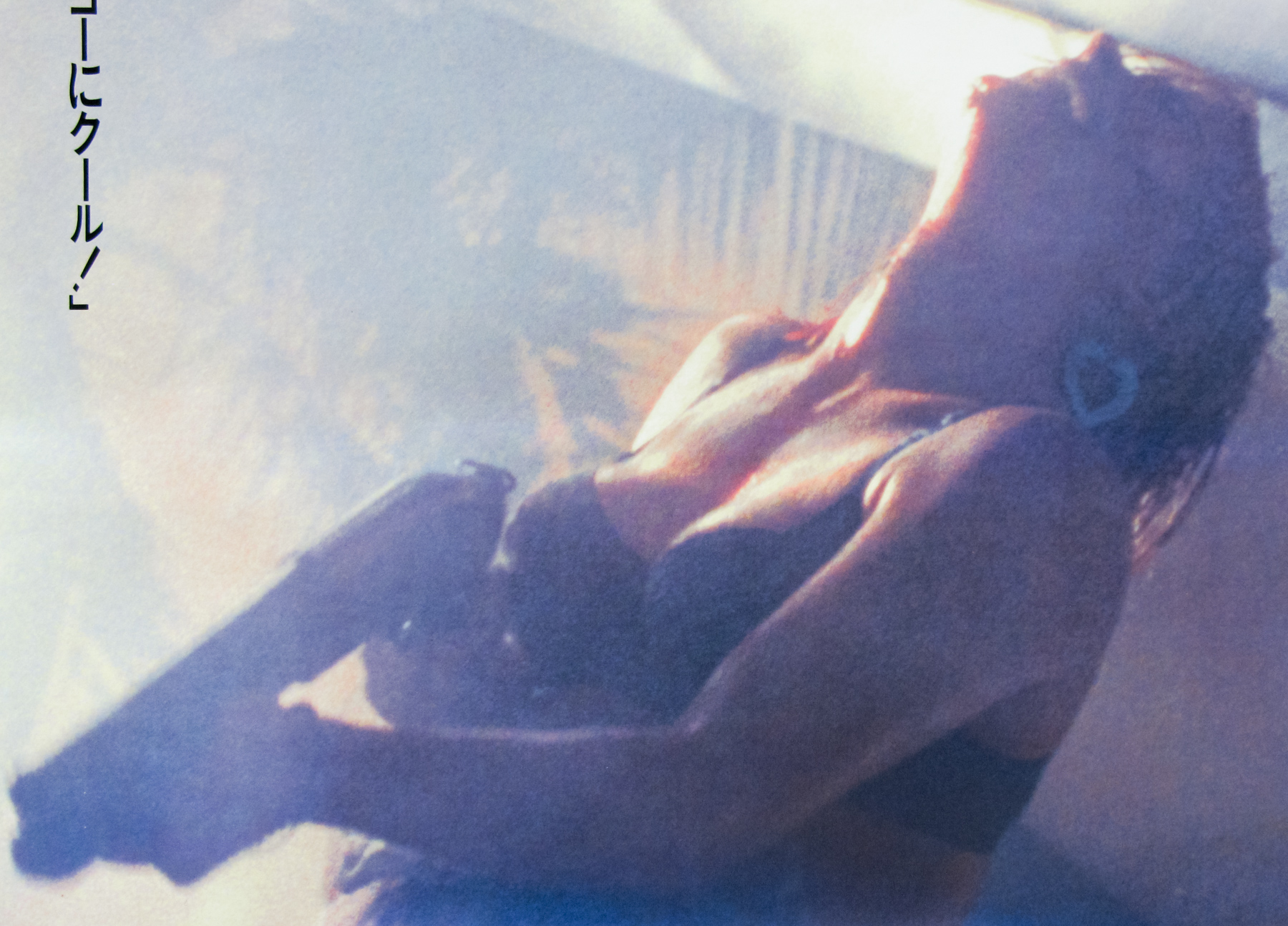
This is one of two styles of Japanese B2 posters and I’ve called this one the shotgun scream style as it features Arquette clutching a shotgun in one of the more intense scenes of the film. The other style features photographs of the rest of the cast and can be seen here.

True Romance / B2 / cast style / Japan

07.04.14

Poster Poster

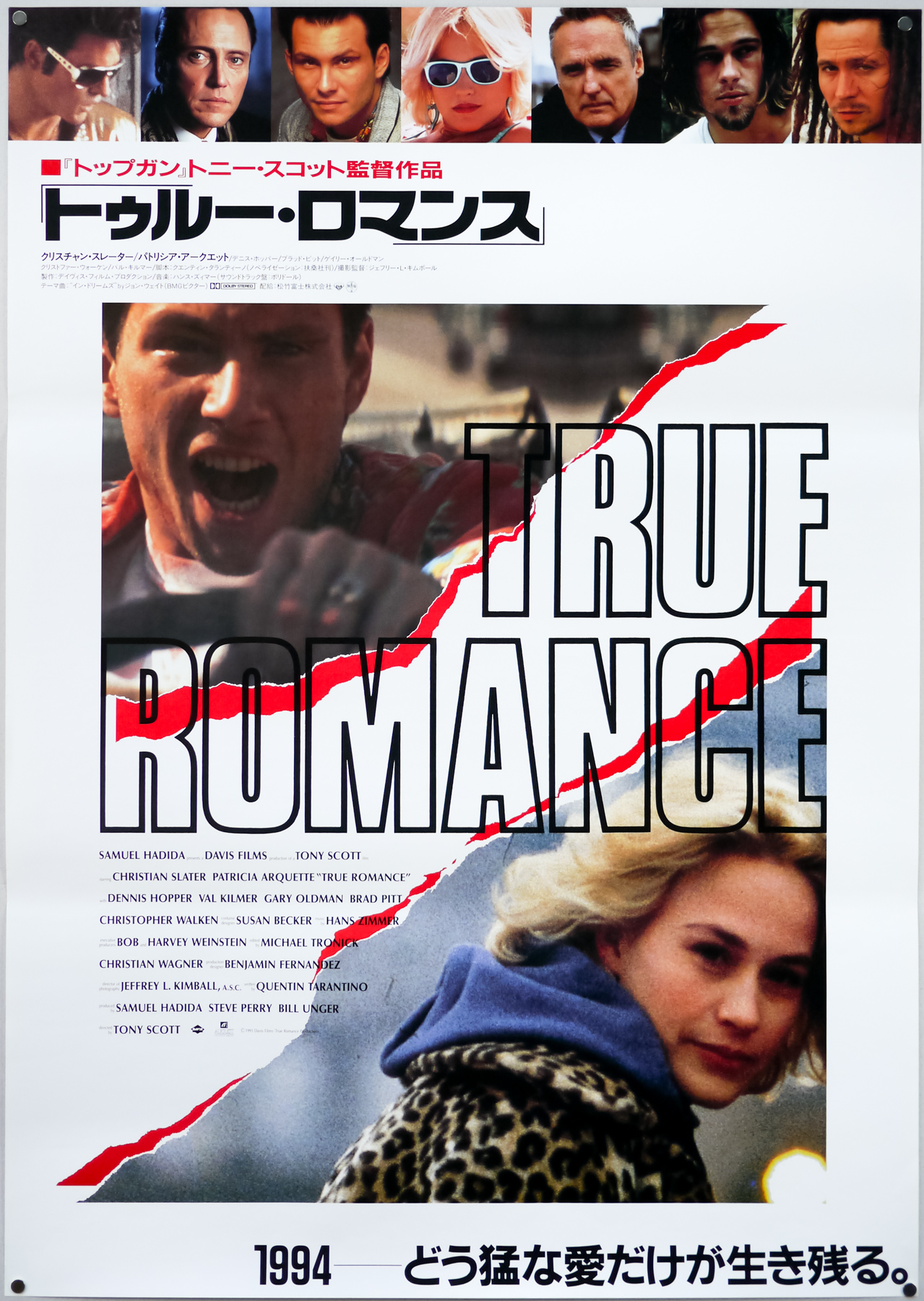
Following the shocking death of British director Tony Scott in 2012 there was plenty of discussion amongst fans as to the film that defined his career, which included such titles as the none-more-80s Top Gun and several excellent Denzel Washington-starring thrillers such as Crimson Tide. There was only one film that I reached for from my blu-ray collection when I wanted to pay tribute to Scott and that was True Romance, the 1993 crime thriller starring Christian SlaterPatricia Arquette and a whole host of acclaimed actors. Featuring a fantastic script by Quentin Tarantino, the film is arguably the apex of Tony Scott’s directing career and clearly benefits from his skill at injecting energy and verve into every scene. The film is also likely to be the defining role in the careers of both Slater and Arquette who were perfectly cast as Clarence and Alabama, the young lovers thrown together at the start of the film and who set off on a rollercoaster ride that leads them from Detroit to Los Angeles with murderous gangsters on their tail.

Clarence is a film-obsessed, lonely video store clerk who is at a cinema watching a triple-bill of Sonny Chiba films when he is approached by Alabama. The pair strike up a friendship and before the night is over are head over heels in love. The only issue is that Alabama is a hooker, hired by Clarence’s work colleagues as a birthday present, and her pimp Drexl (a memorable Gary Oldman) is a violent drug dealer who none too keen to let her leave his employ. After a violent confrontation which sees Drexl dead and Clarence escaping with a suitcase full of cocaine. The pair first head to see Clarence’s father (Dennis Hopper) and then travel across the country to Los Angeles to see Clarence’s friend Dick Ritchie (Michael Rapaport) who has a potential lead for selling the drugs. Hot on their heels are a bunch of mobsters, as well as a pair of police detectives.

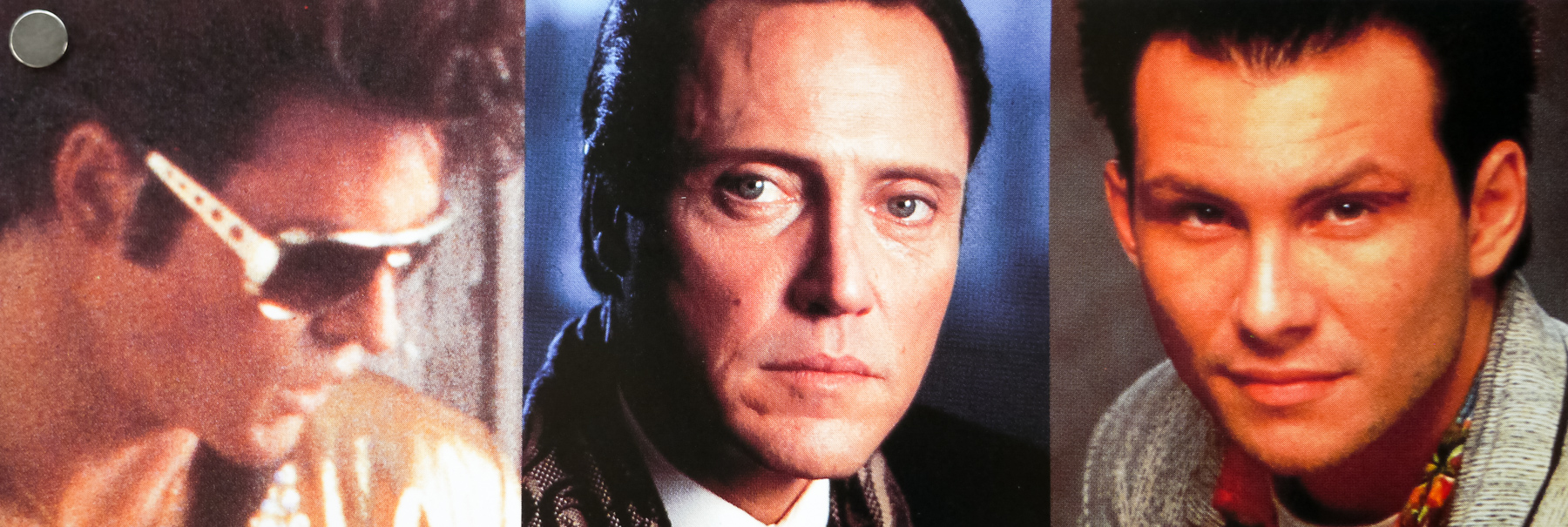
This is one of two styles of Japanese B2 posters and I’ve called this one the cast style. The other features a photo of Arquette clutching a shotgun in one of the more intense scenes of the film. Note that one of the cast members shown at the top of the poster is not actually seen in the film and if you’ve watched it you’ll know which one!

Roller Boogie / B2 / style B / Japan

09.05.16

Poster Poster

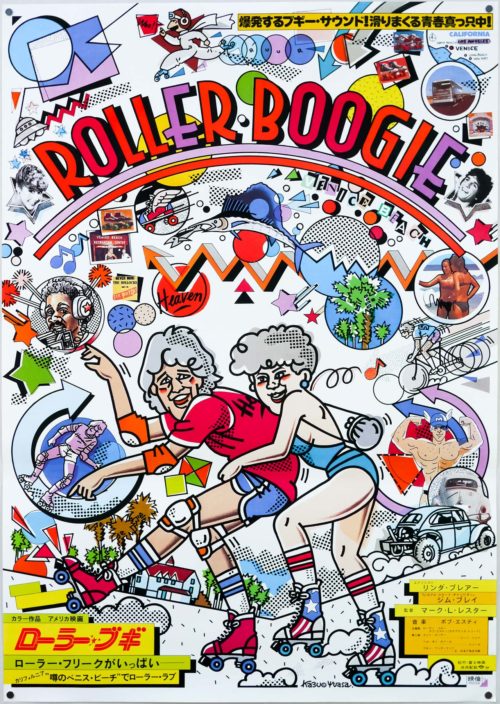
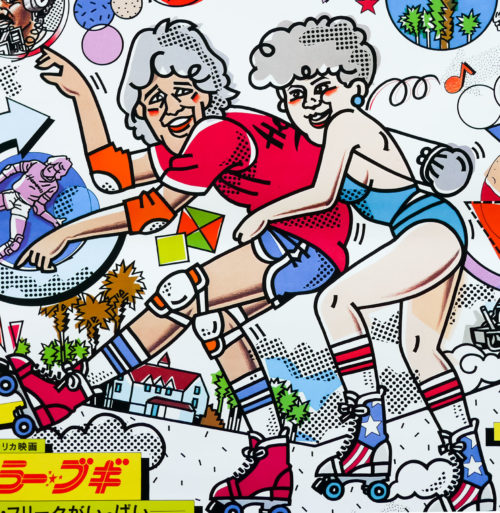
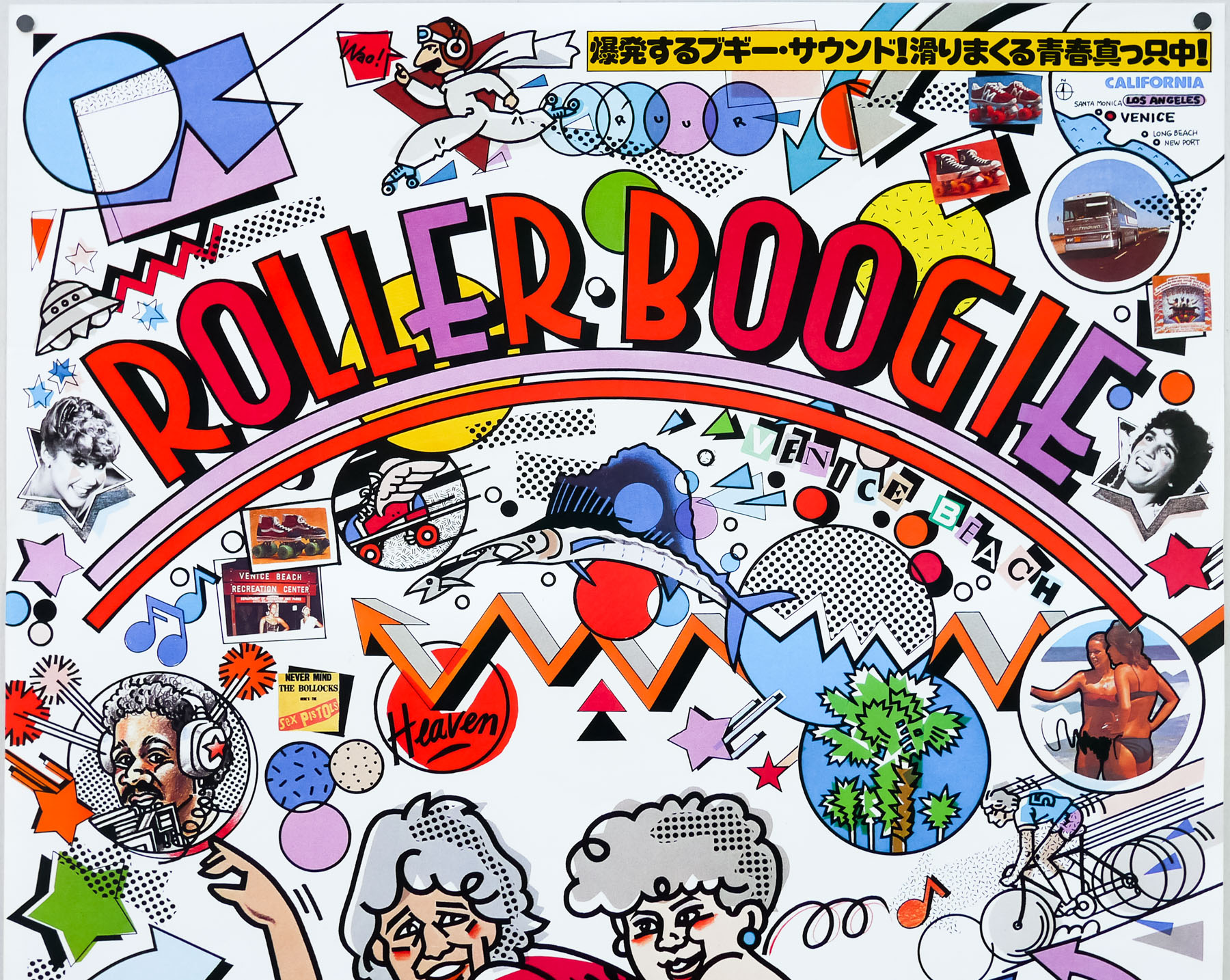
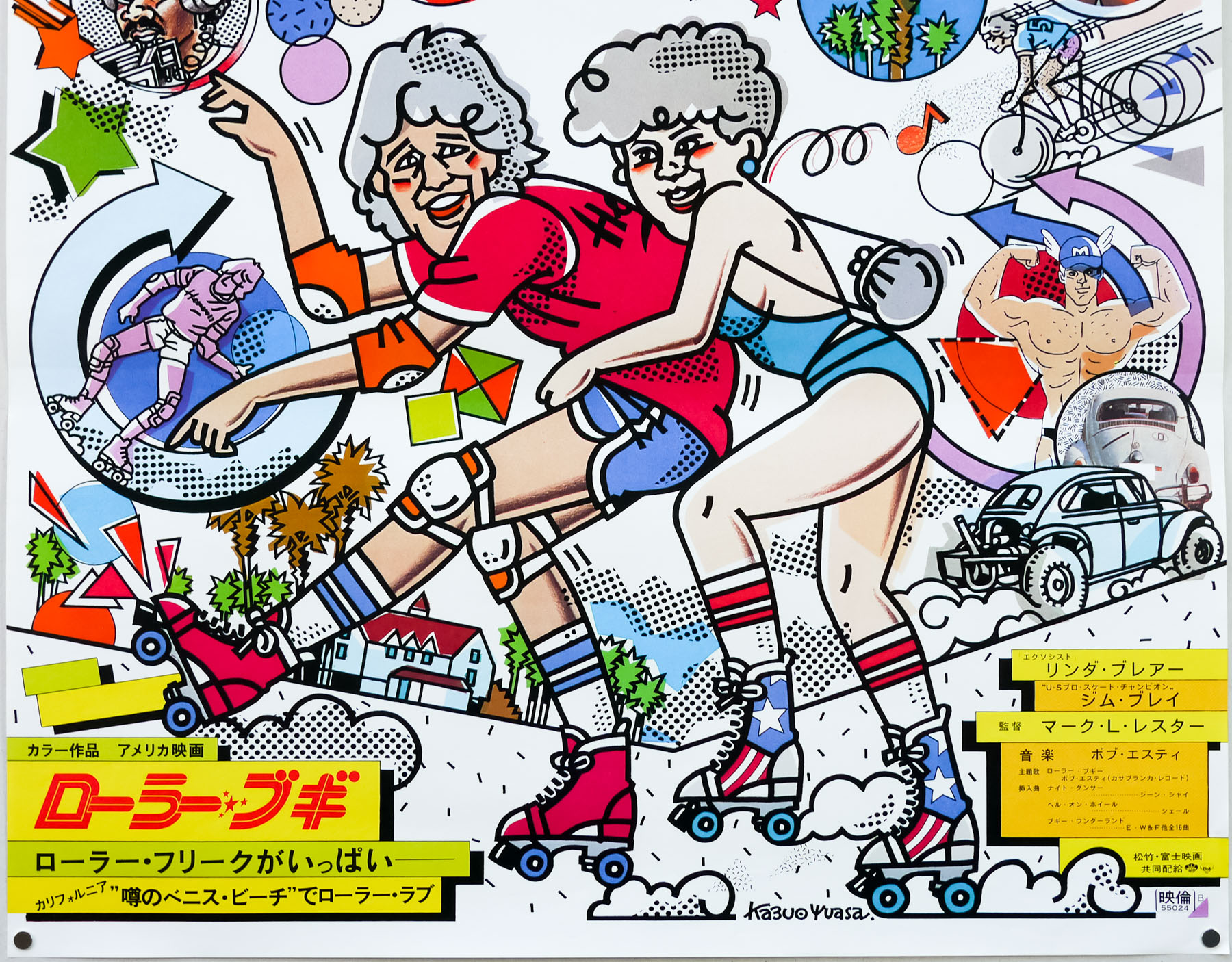
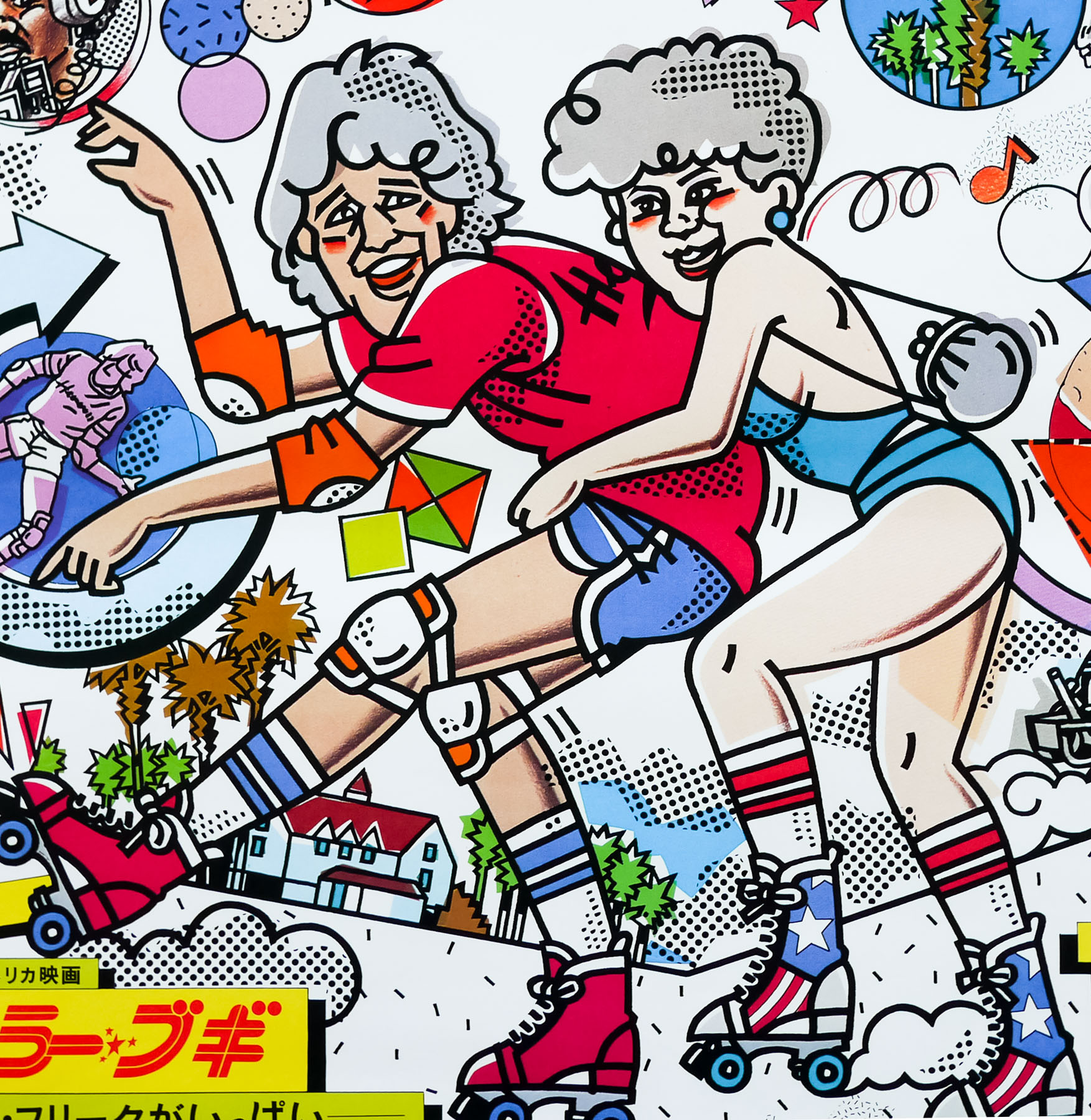
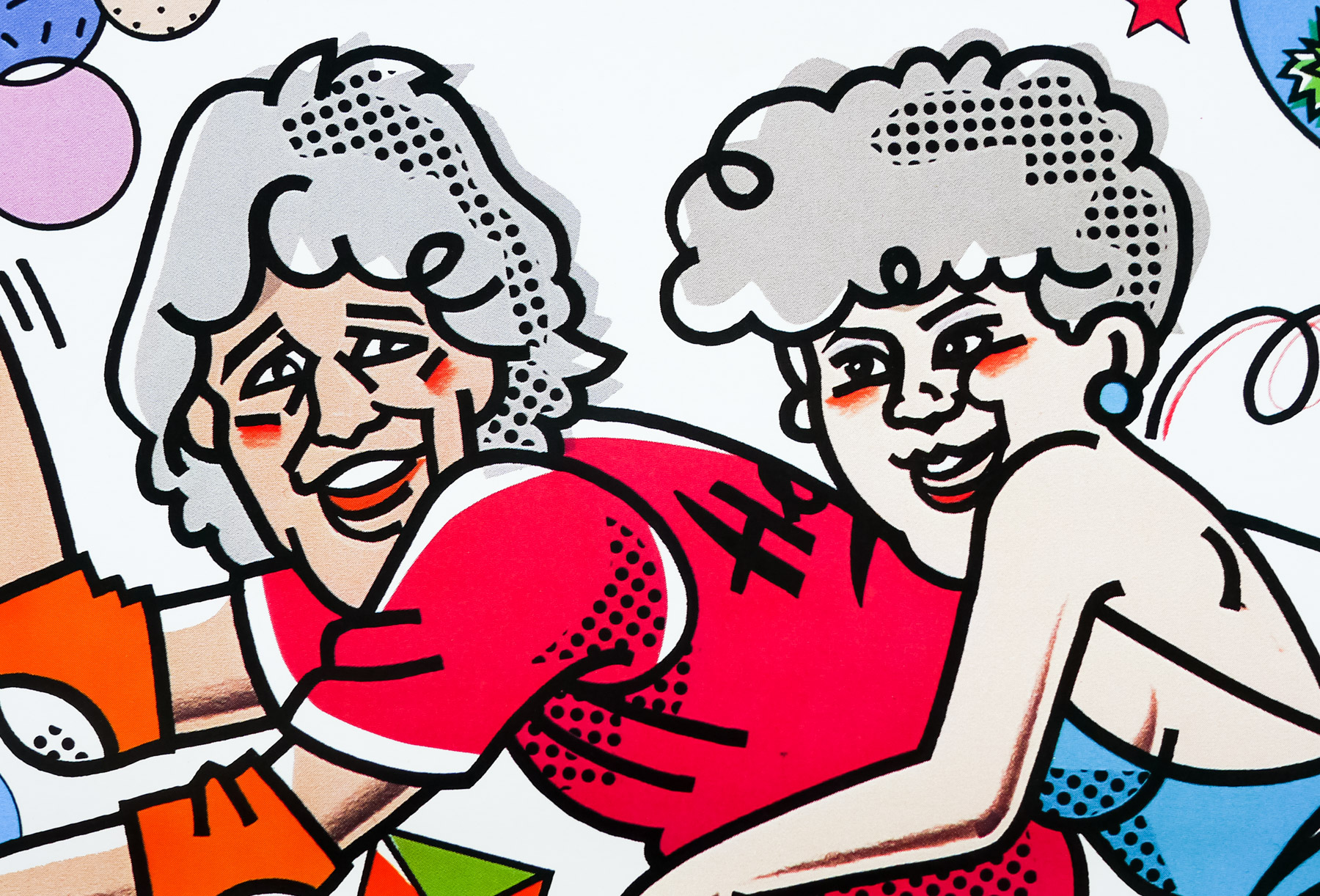
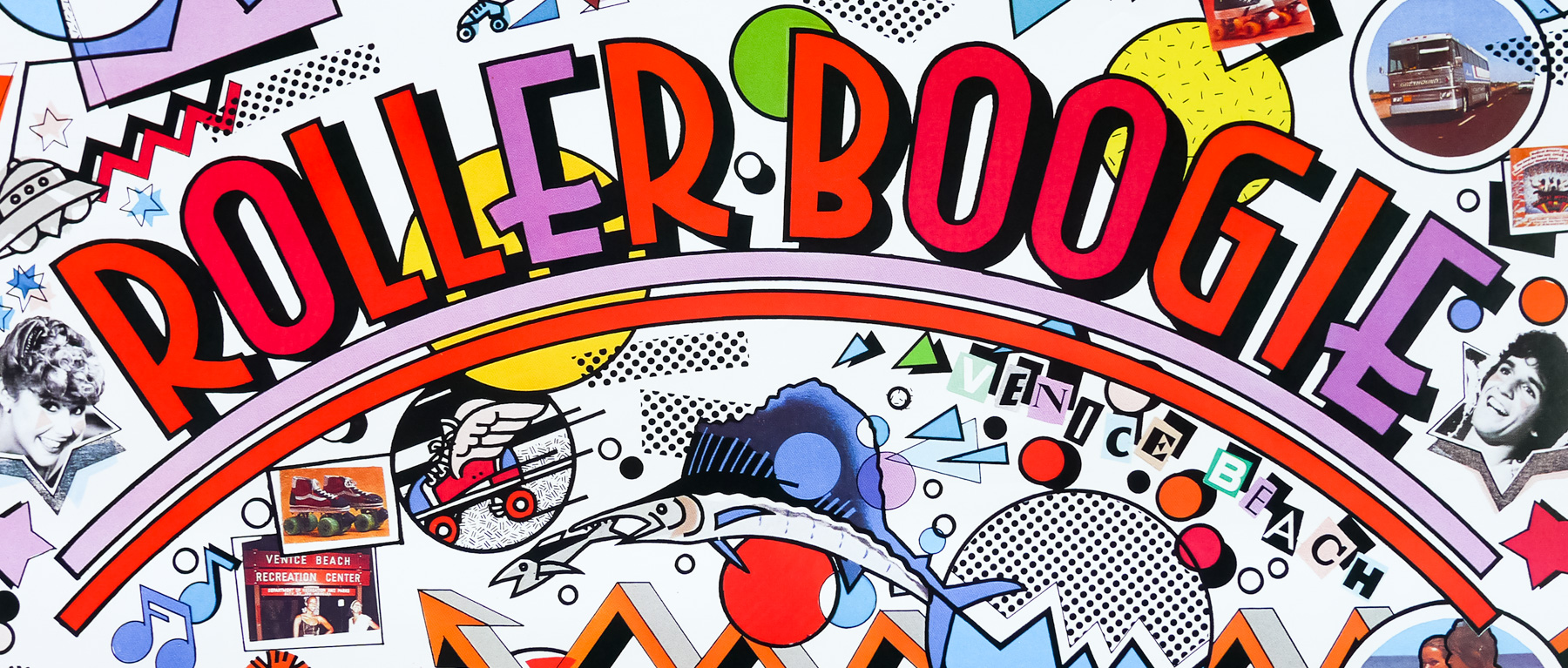
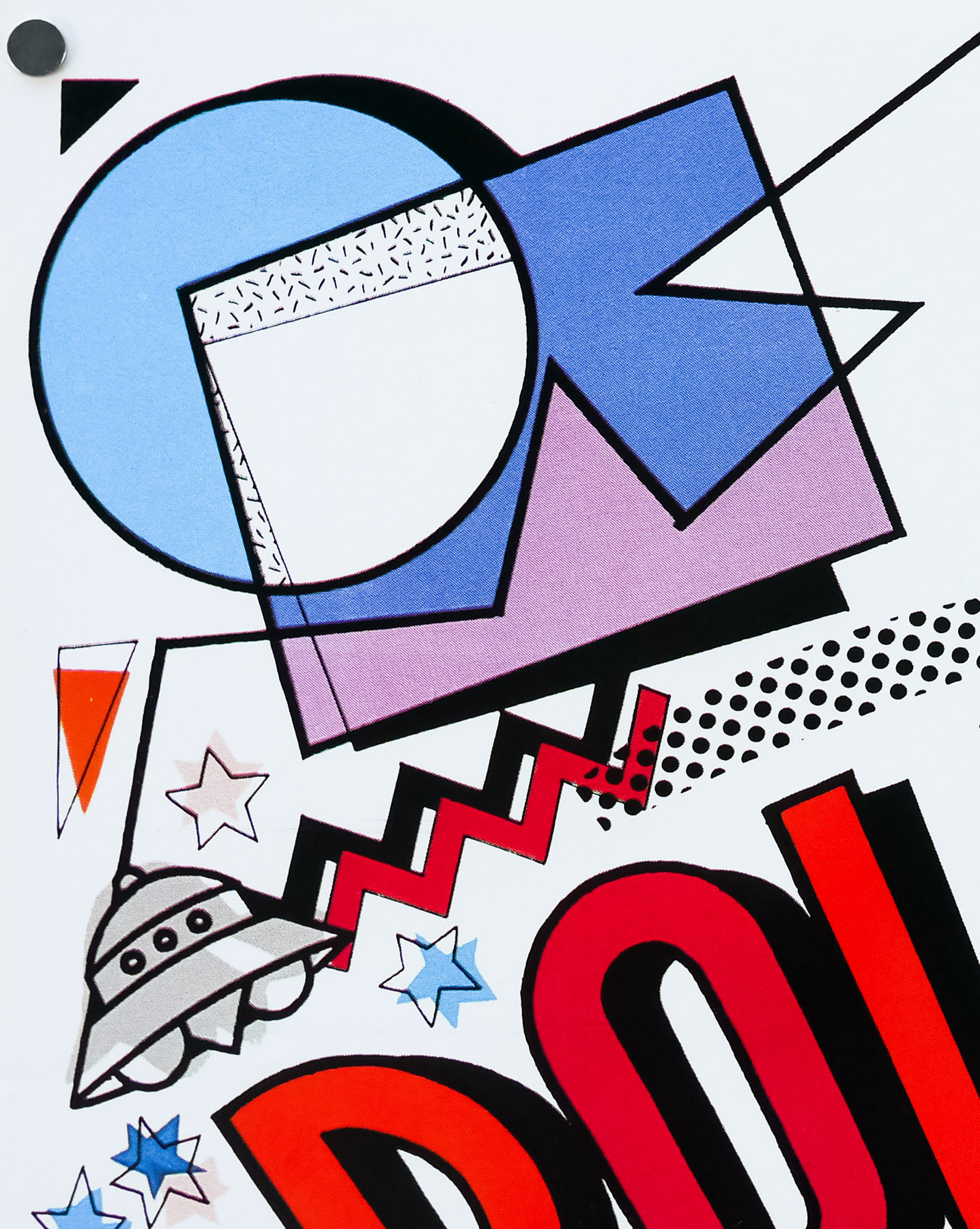
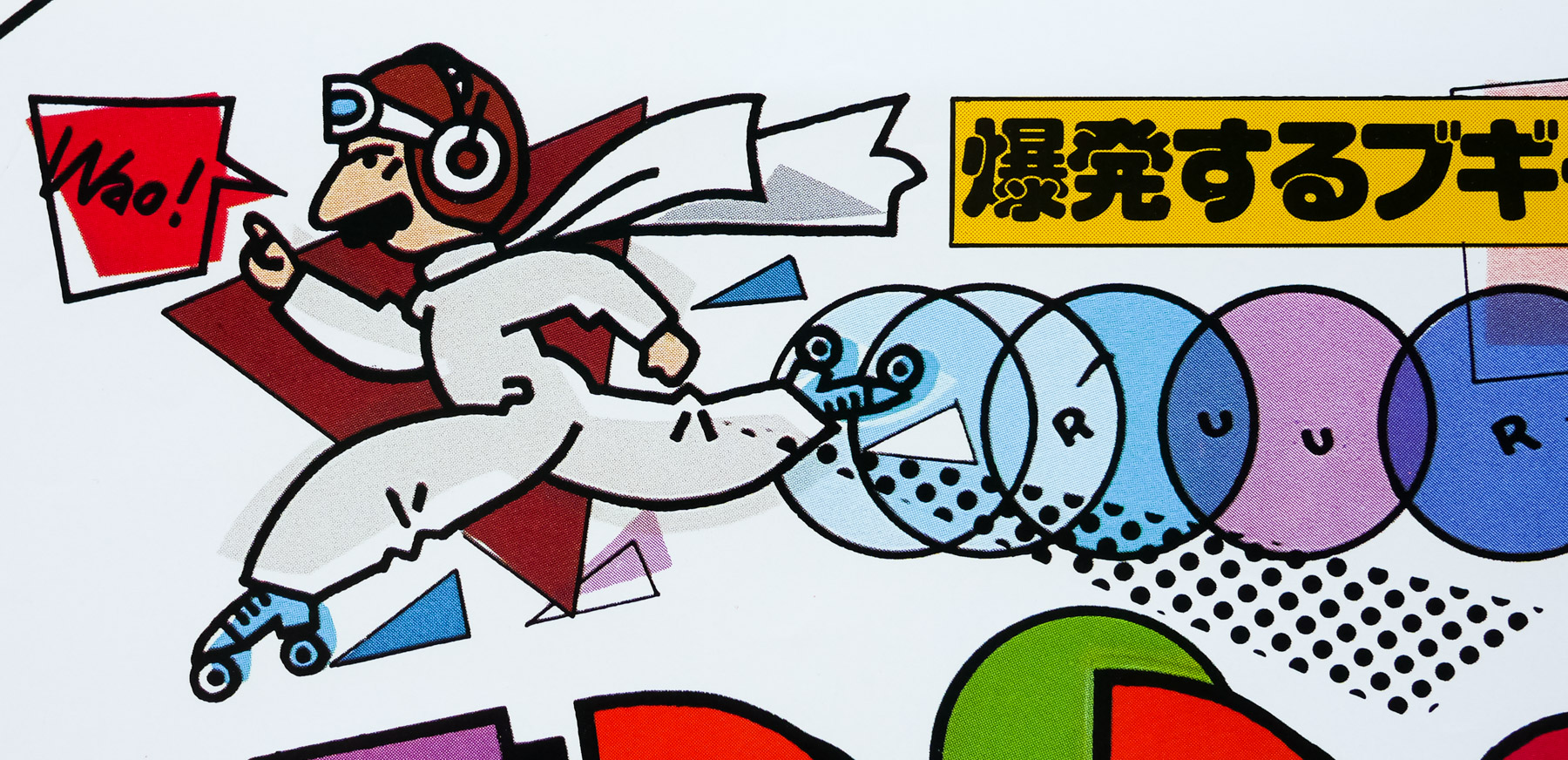
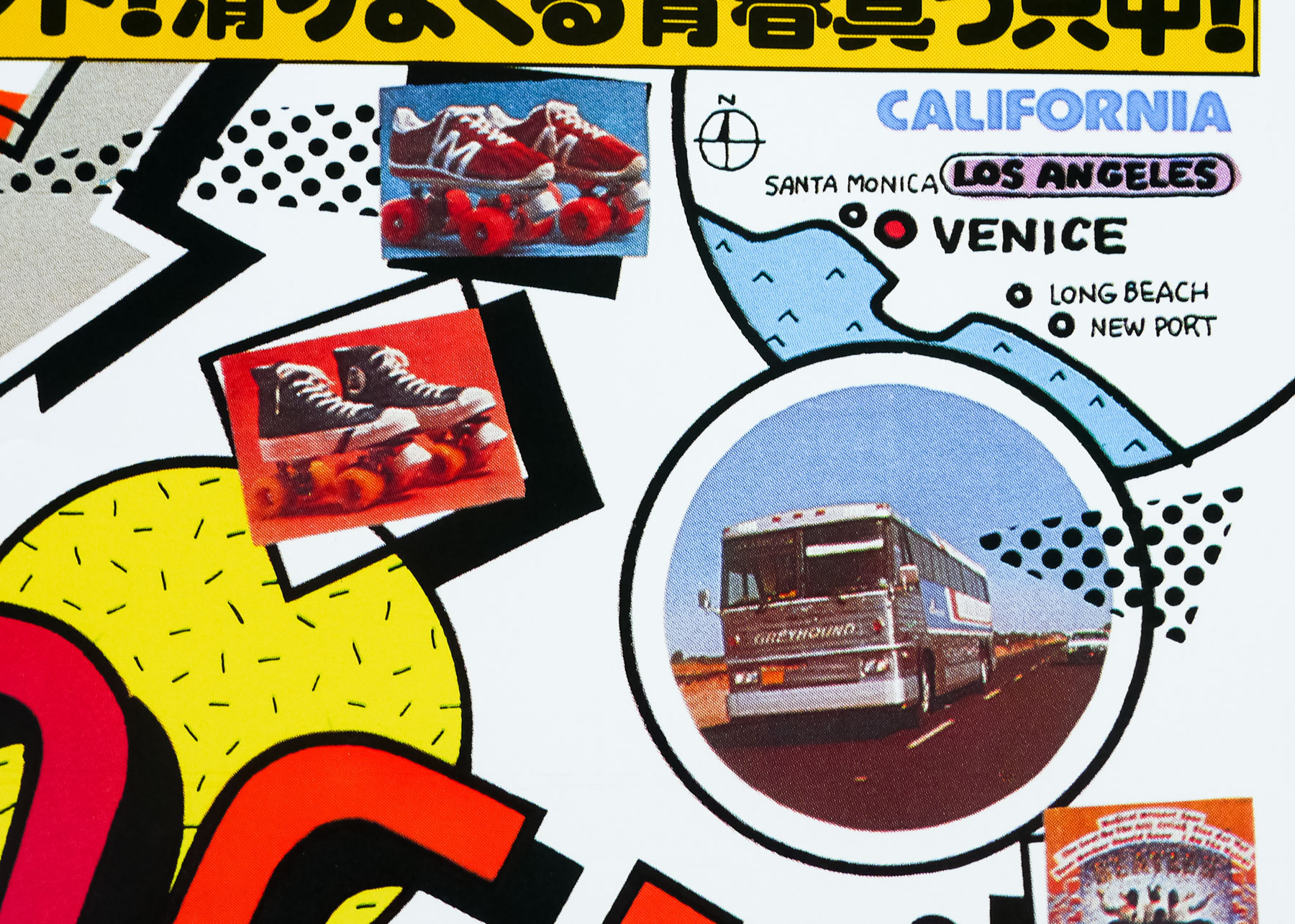
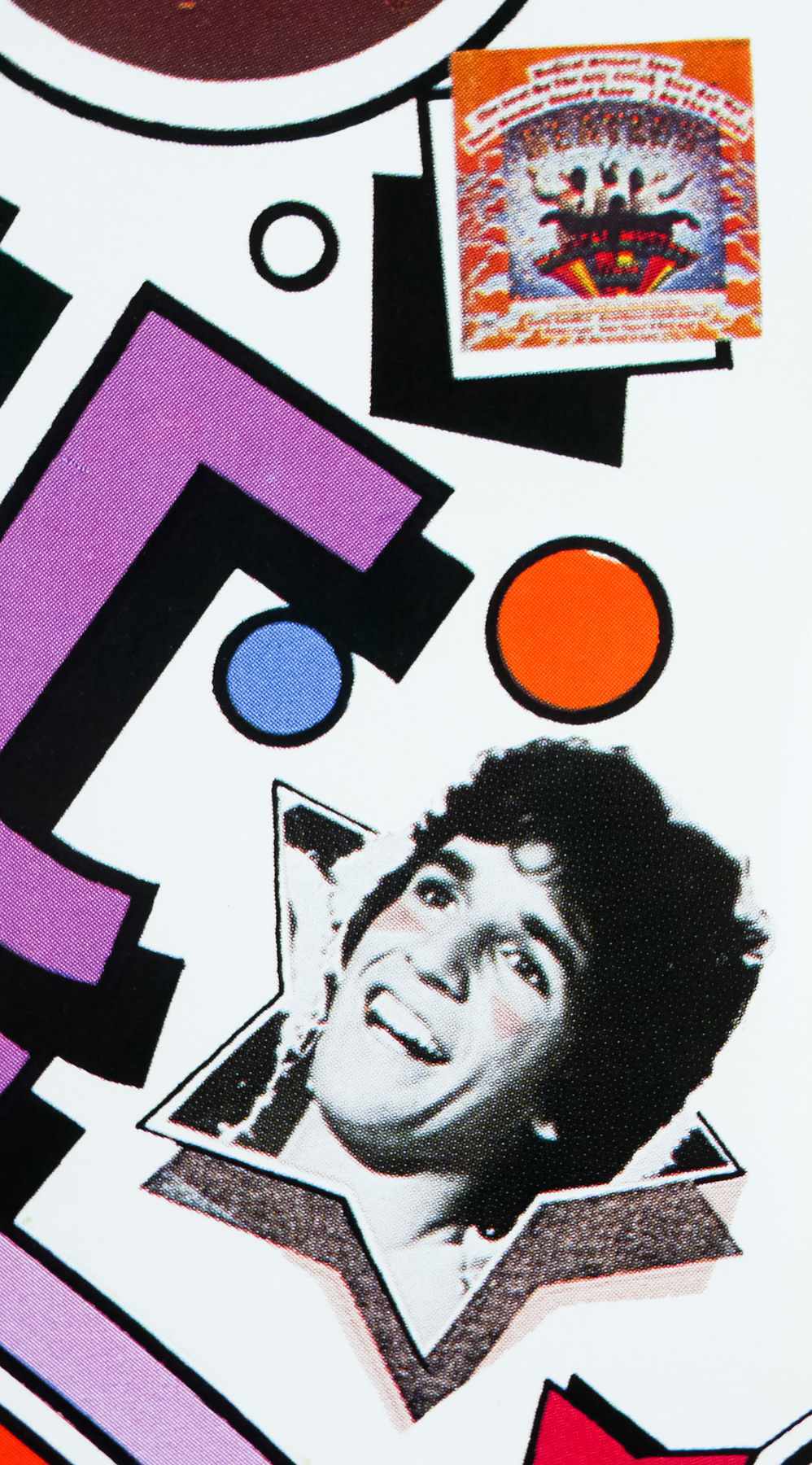
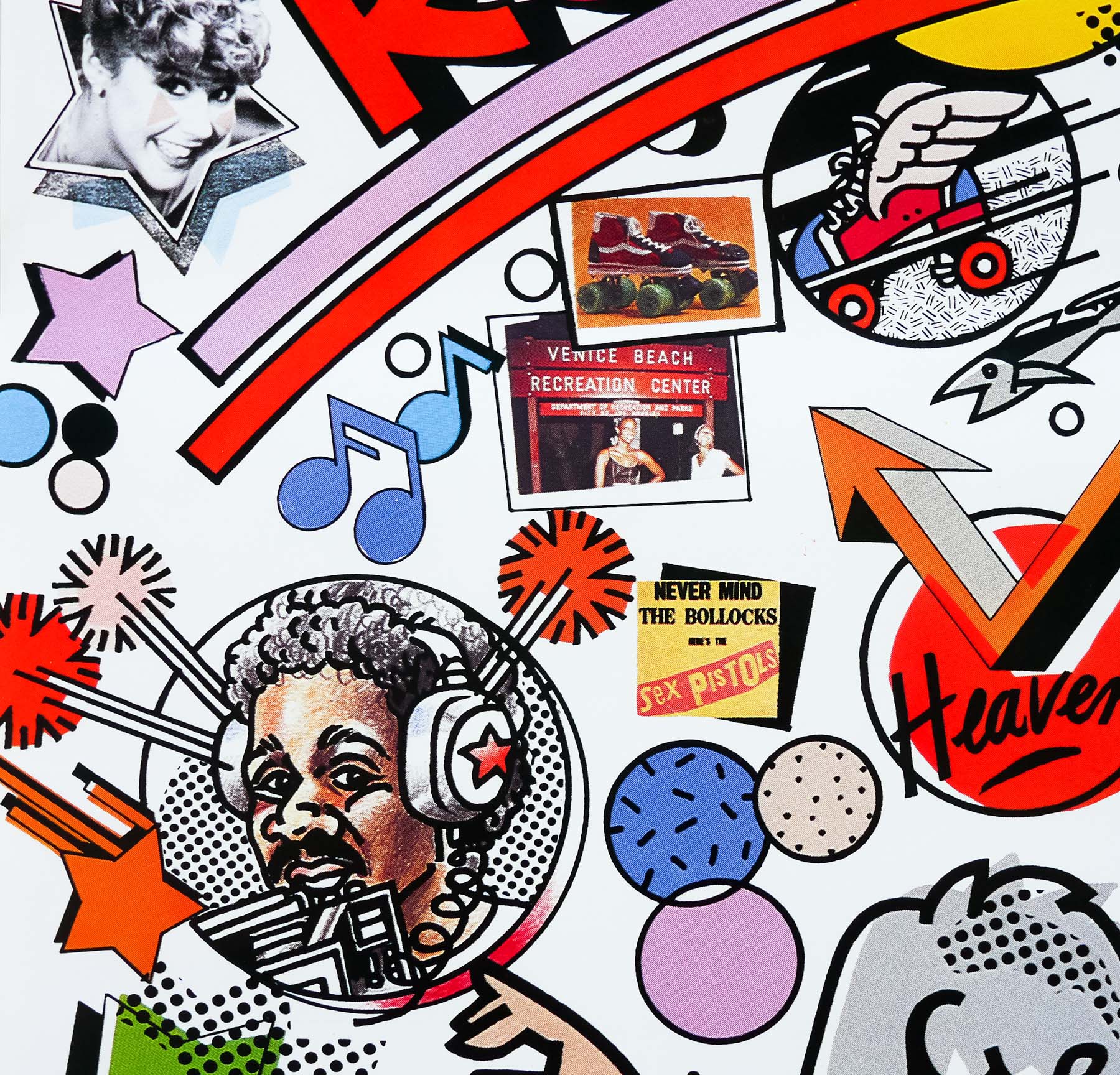
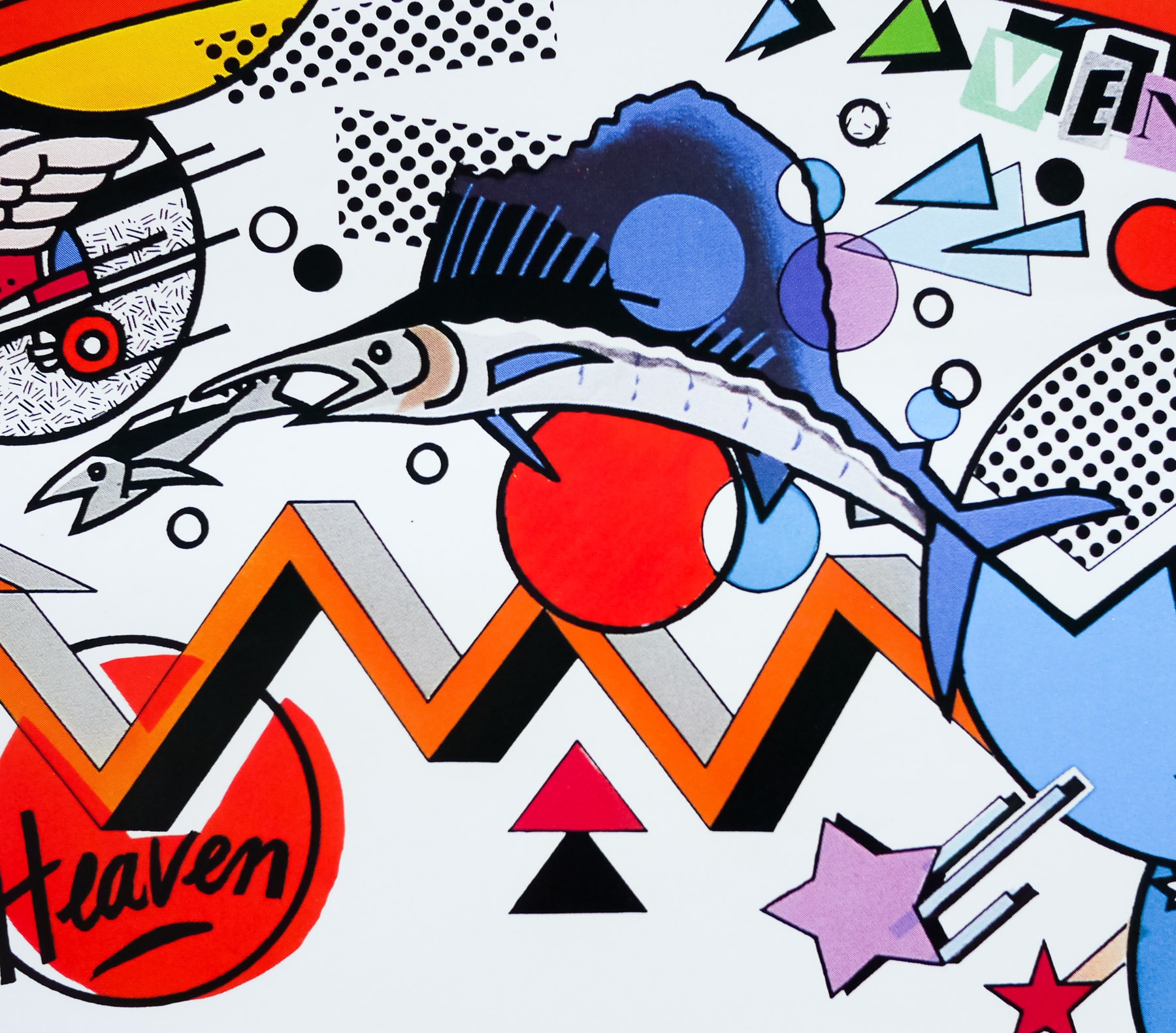
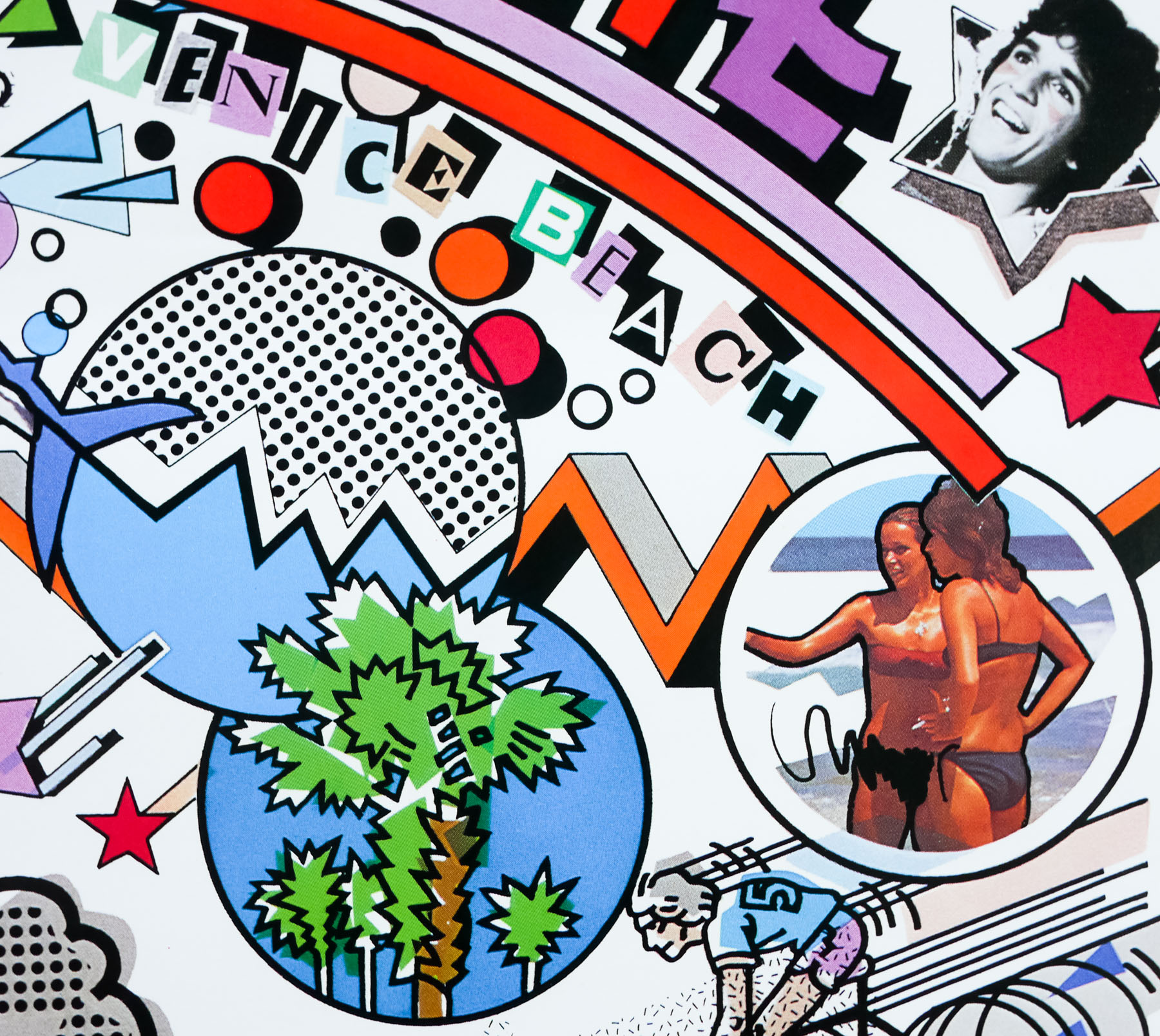
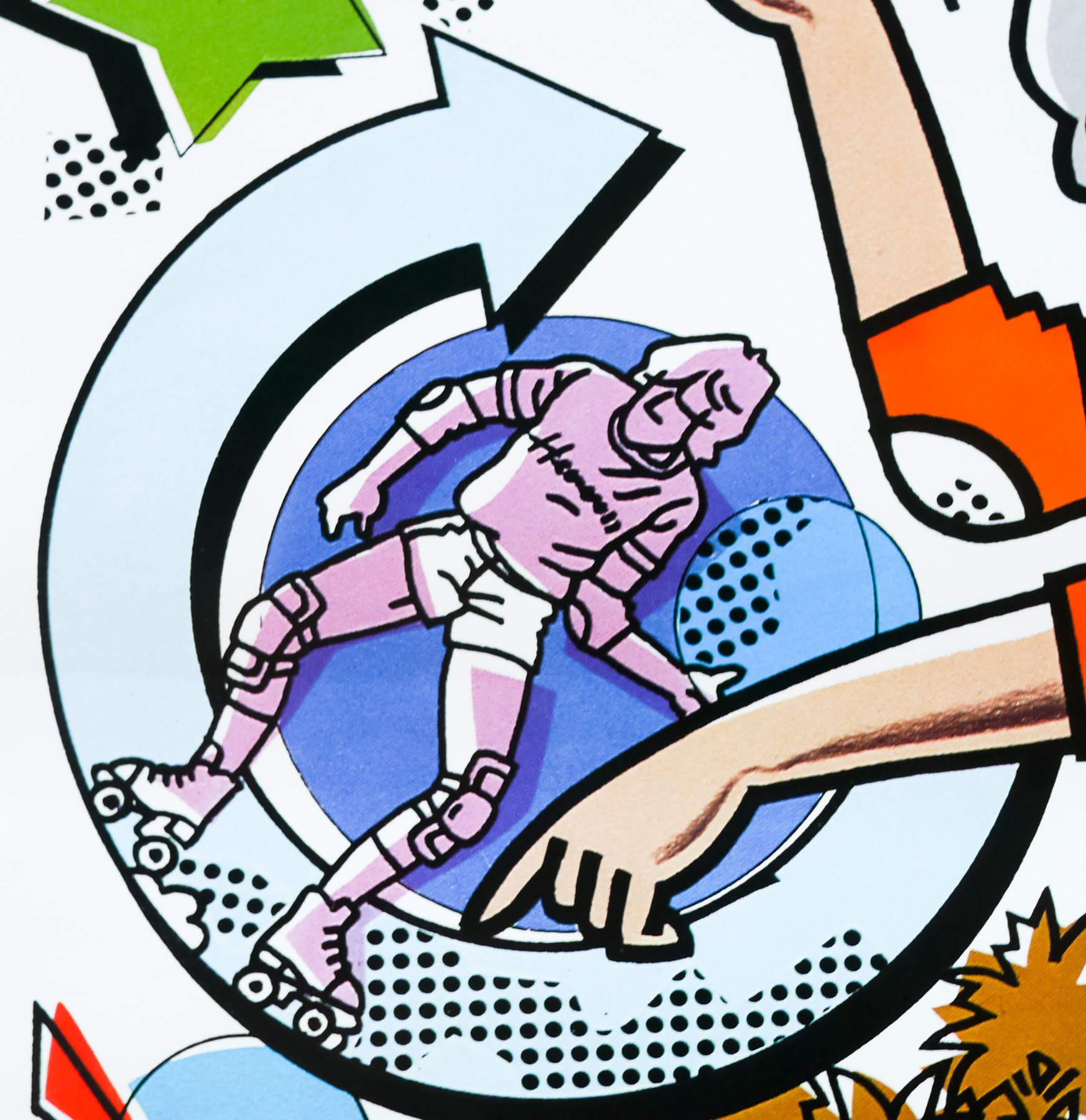
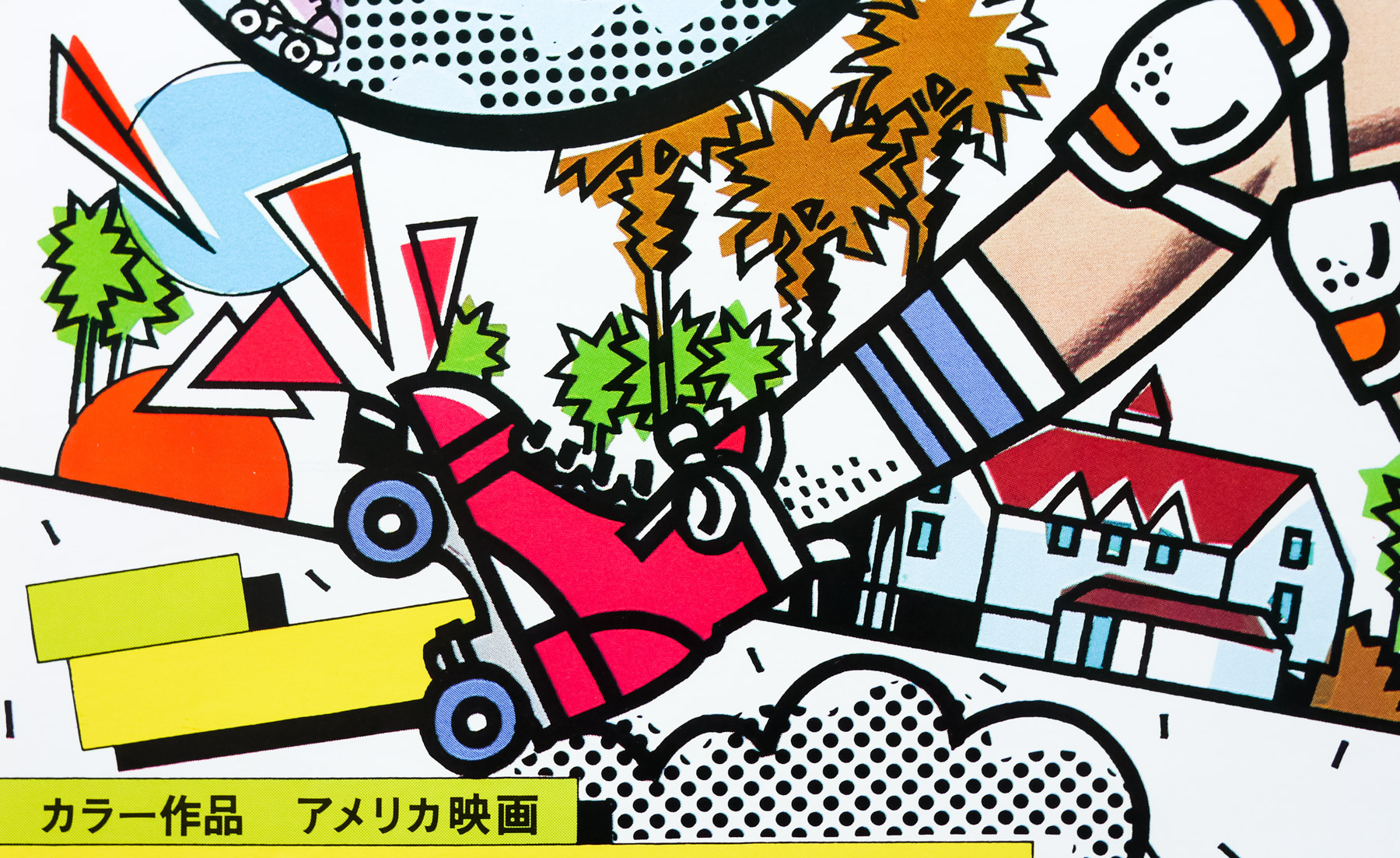
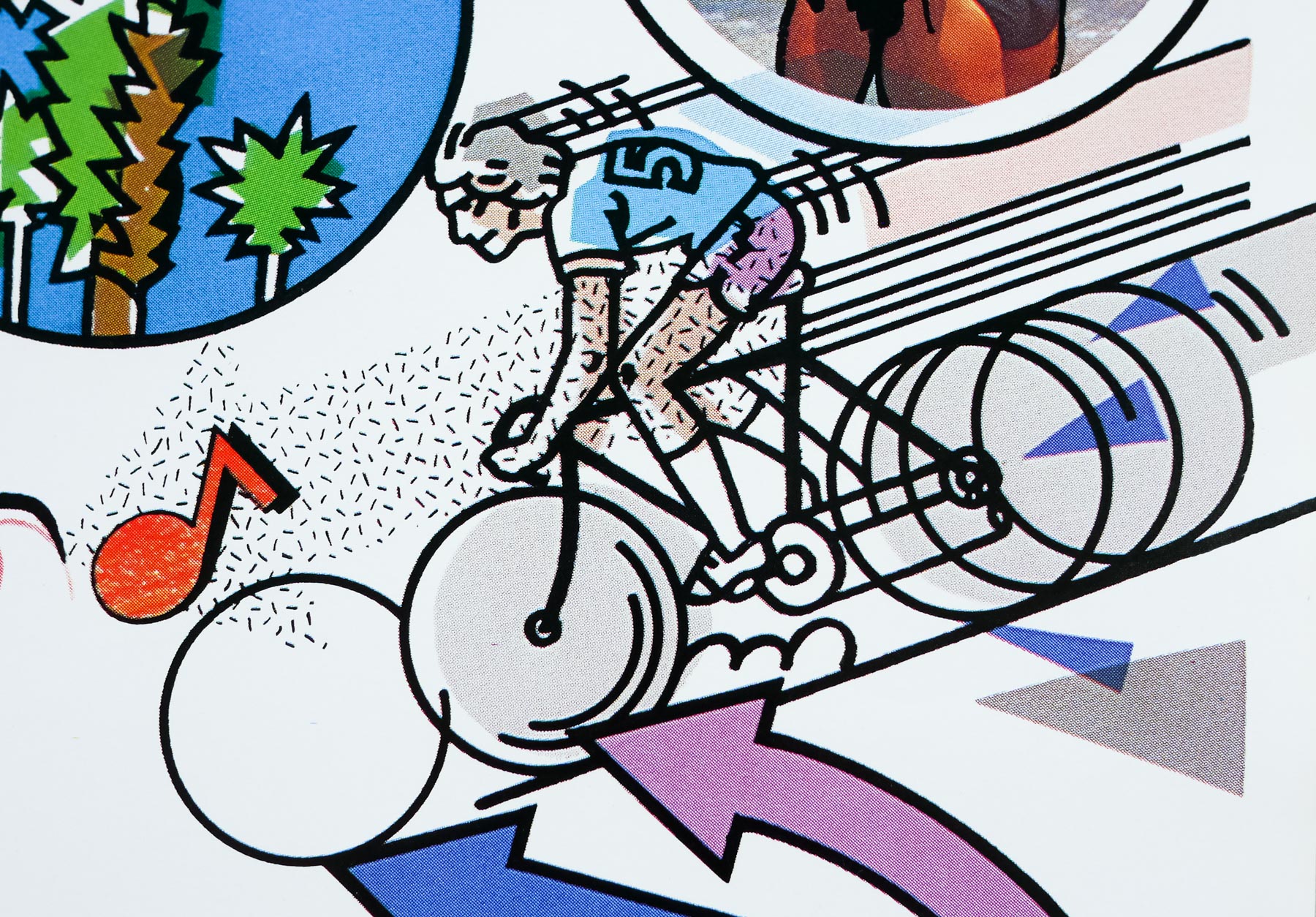
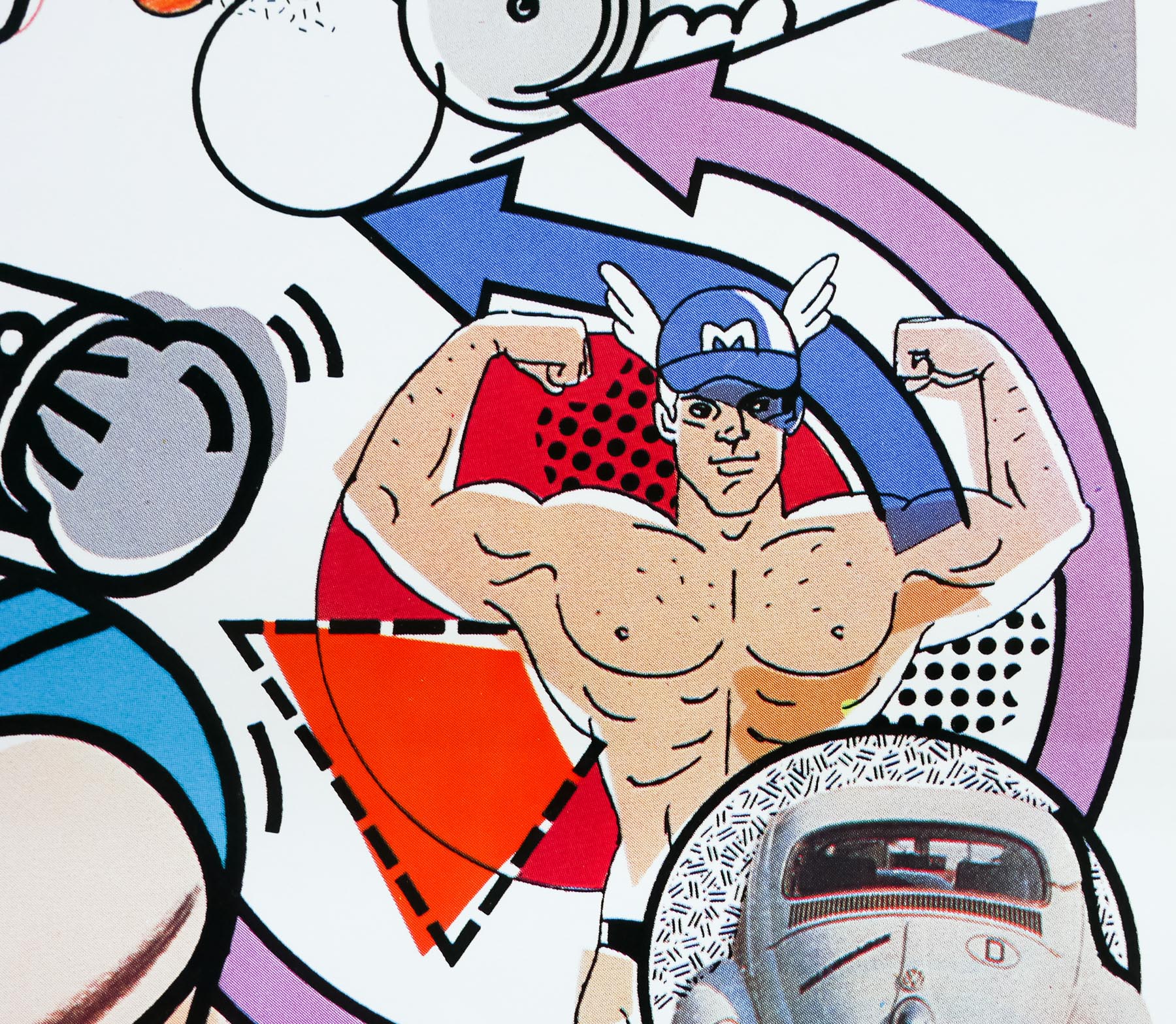
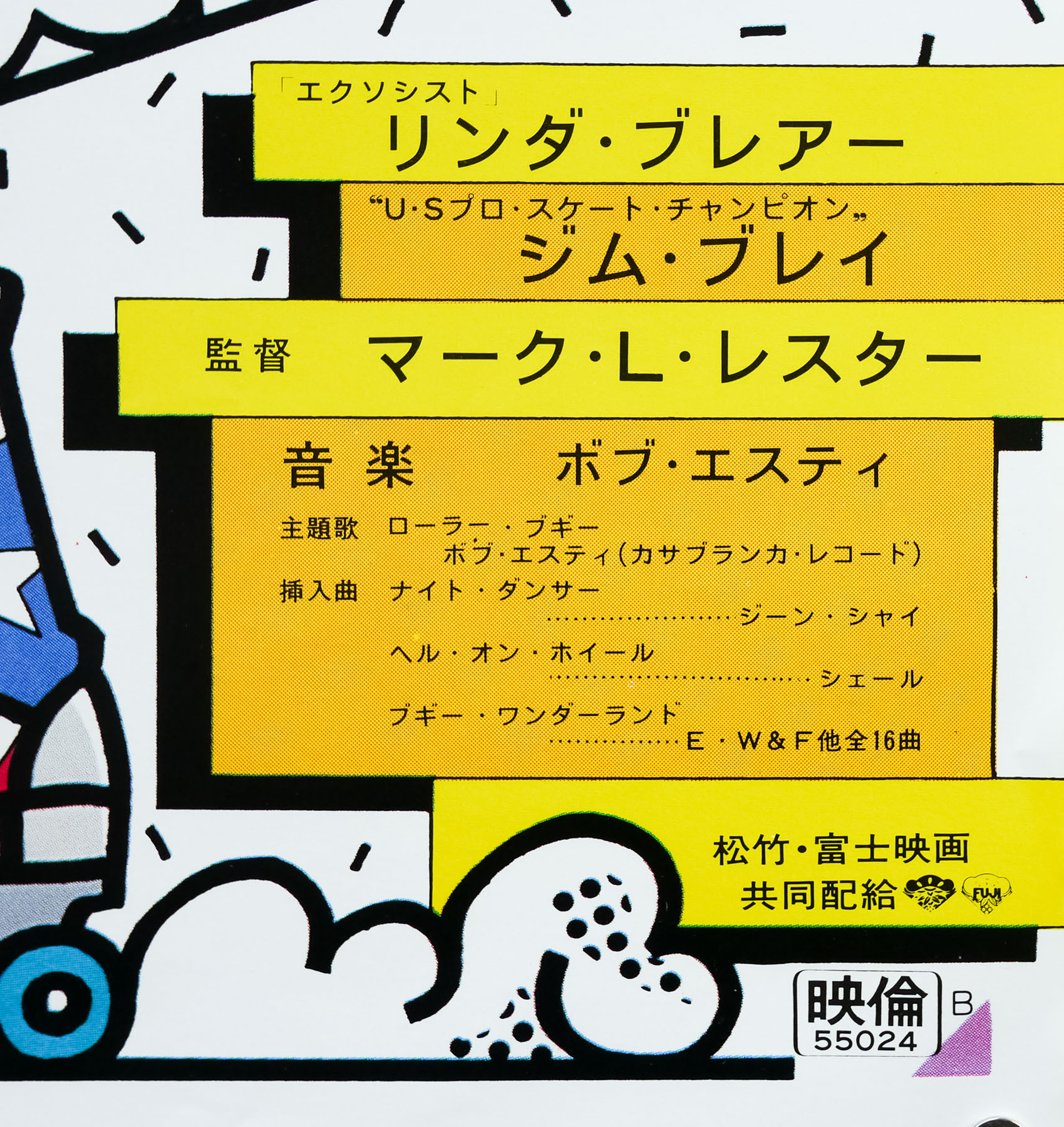
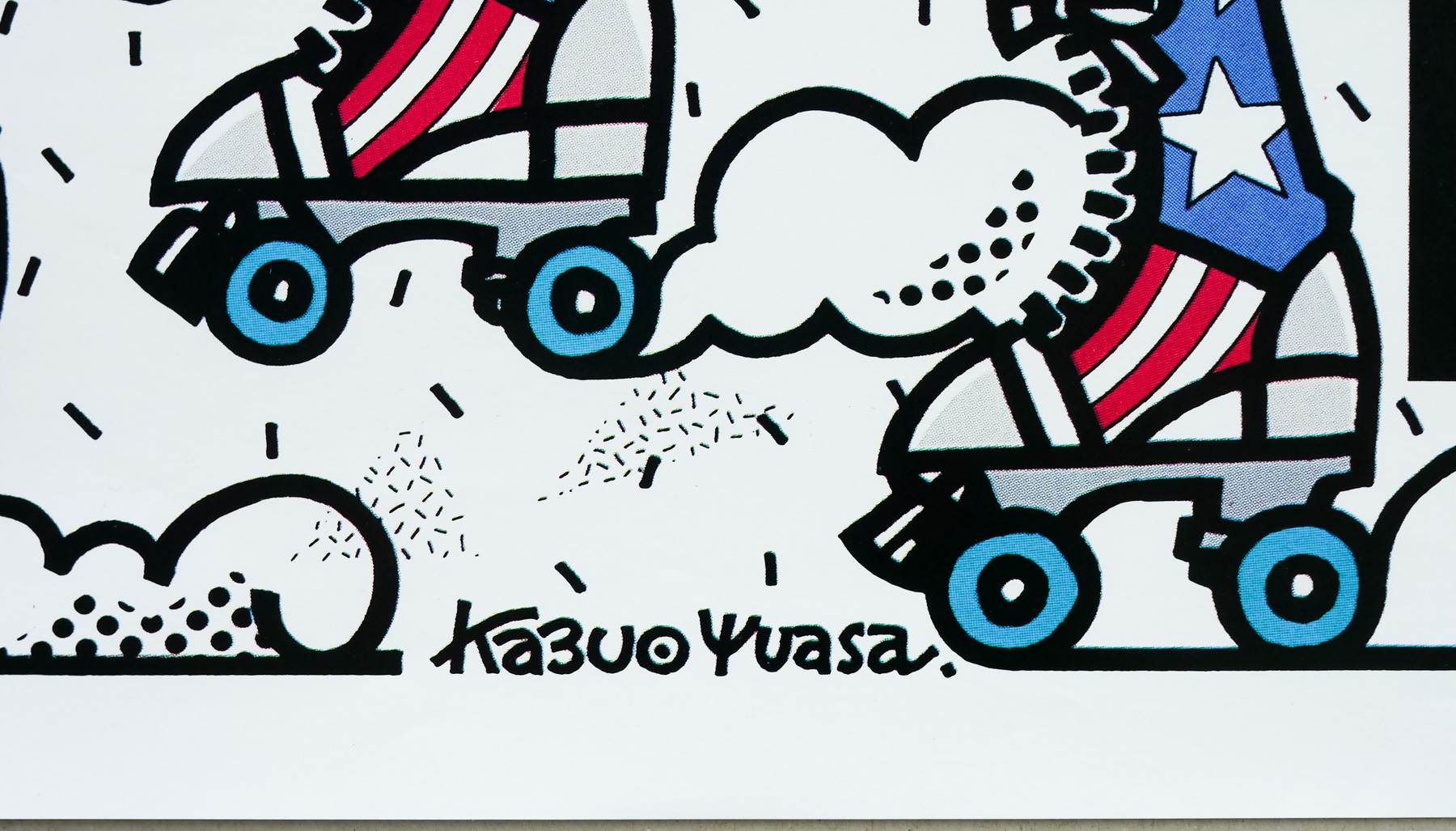
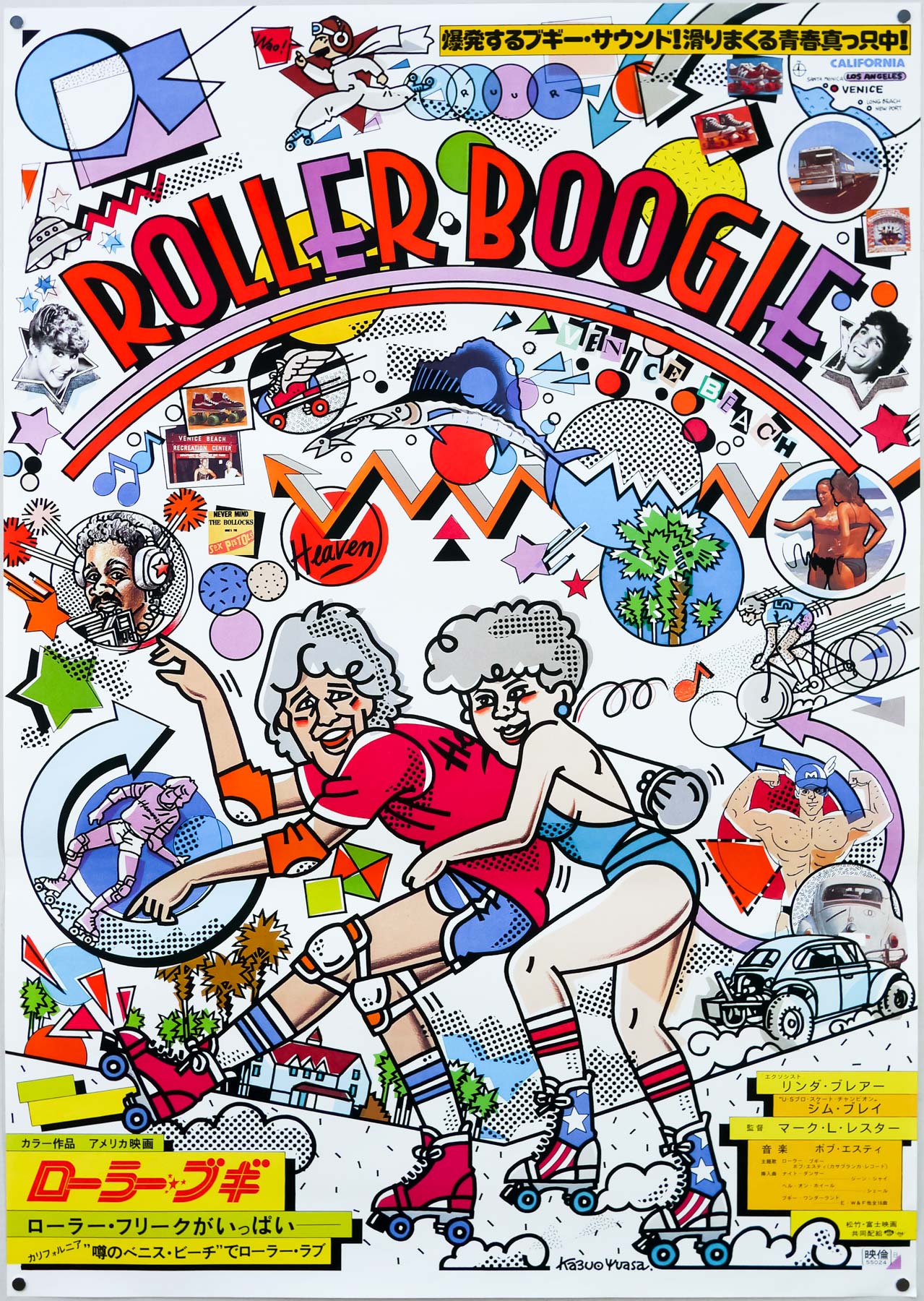
This is the style B Japanese B2 poster for the release of the 1979 musical oddity Roller Boogie, with a unique, and rather wild, montage that was designed by Kazuo Yuasa. One of those films that’s something of a time capsule, the film was put into production by Irwin Yablans the independent producer who had struck gold a year earlier with John Carpenter’s Halloween. Yablans is credited with the film’s story and the intention was to capitalise on the then craze for rollerskating that was sweeping the States.

 Mark L. Lester (known for Commando and Class of 1984) was hired to direct and Linda Blair (The Exorcist) was given the starring role opposite an award-winning amateur skating champion called Jim Bray who was originally attached as a stuntman but was later given acting lessons when the production struggled to find a leading actor.

Blair plays Terry Barkley a Beverly Hills rich girl who is largely ignored by her parents who are determined to see her attend a prestigious school in New York and carry on as a flautist. One day whilst visiting Venice Beach she meets a hotshot skater named Bobby James (Bray) who dreams of making it to the Olympics. The pair strike up a friendship and eventually Terry asks Bobby if she can teach him how to skate and create a routine for them both so they can compete in a Roller Boogie contest at a skating rink called Jammer’s. Unfortunately a nefarious property developer plans to buy Jammer’s and raze it to the ground, so the pair team up with other skaters to put a stop to the plans whilst practicing their routines ready for the big night.

The film was largely panned on its release but found success with teen audiences and has since gone on to have something of a cult following. Plans for a mooted sequel were scrapped when disco music and roller skating lost their popularity.

I’ve struggled to find out anything about Kazuo Yuasa and this is the only other Japanese poster that I can find credited to him. If anyone has any more information about him please get in touch.

Two Minute Warning / B2 / Japan

04.03.15

Poster Poster
Title
Two Minute Warning
AKA
Panico nello stadio [Panic in the stadium] (Italy)
Year of Film
1976
Director
Larry Peerce
Starring
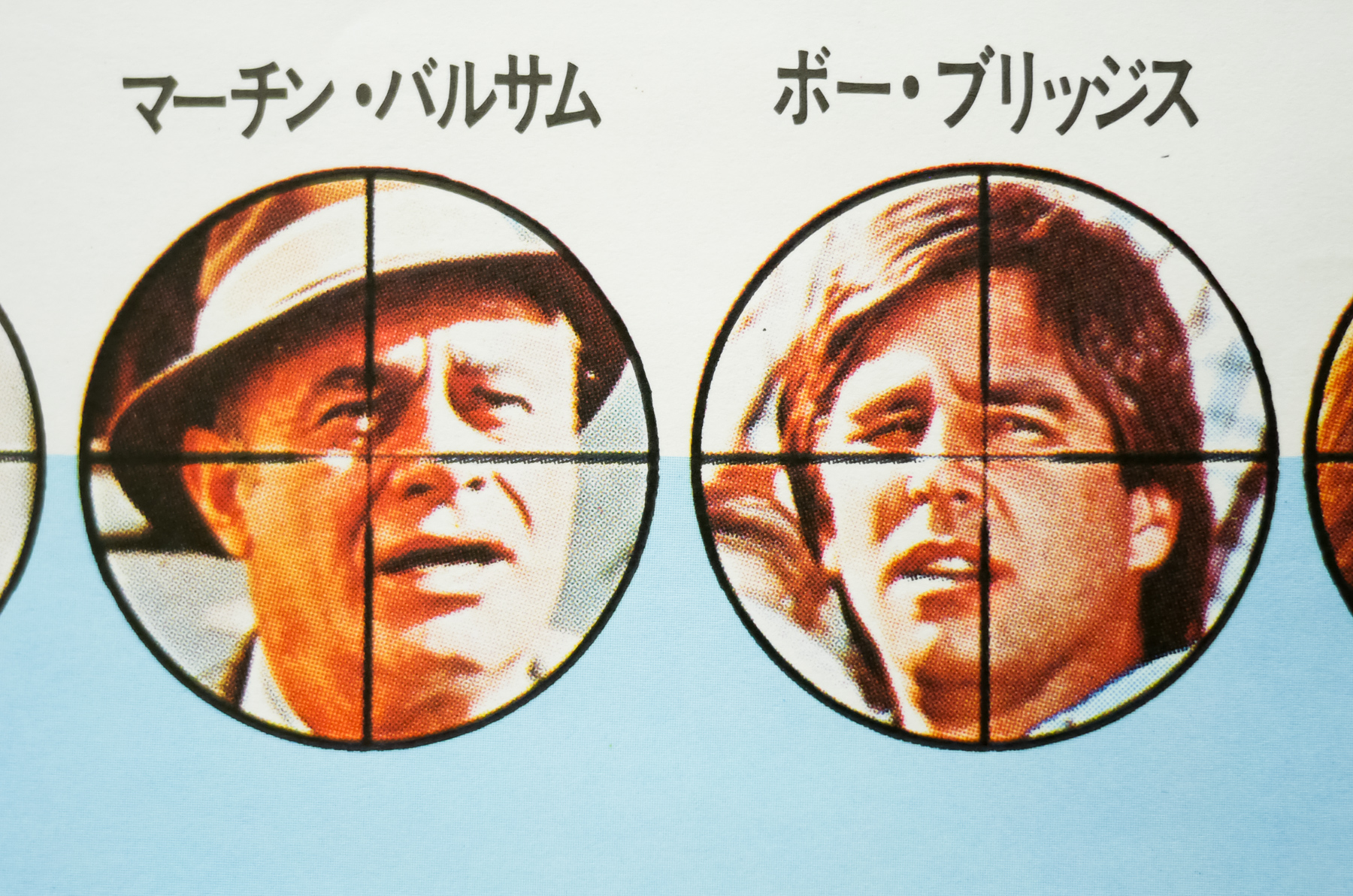
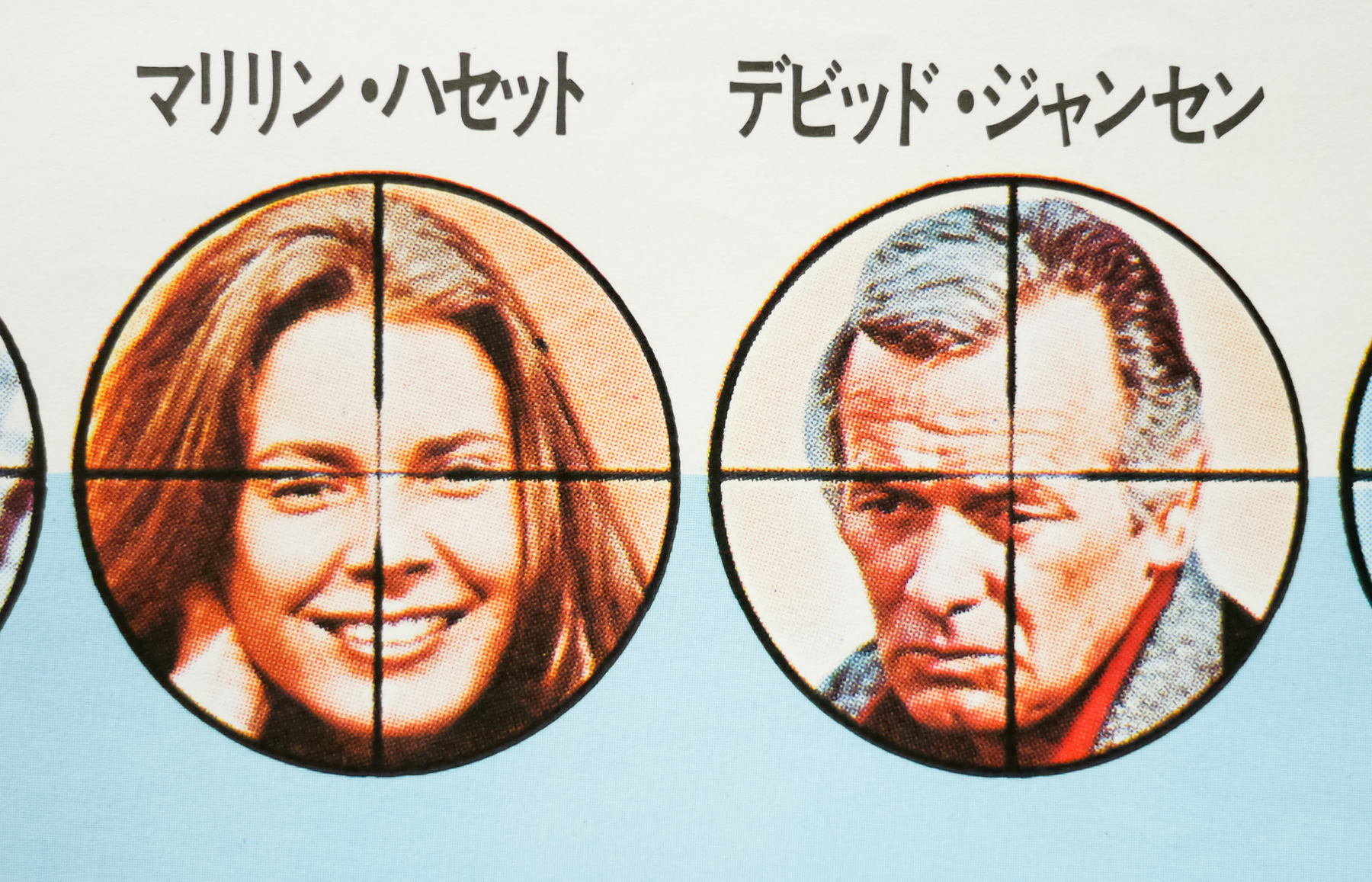
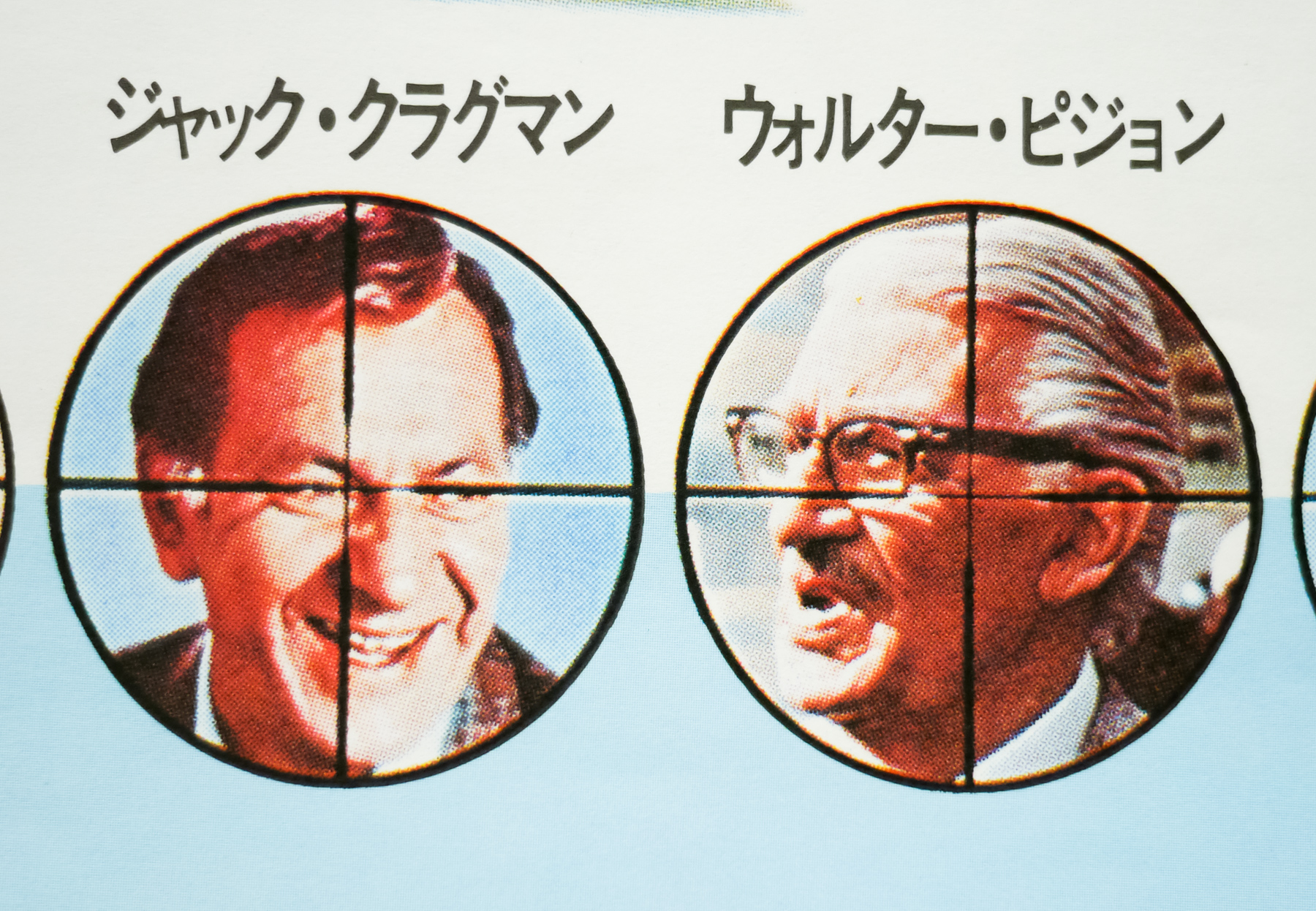
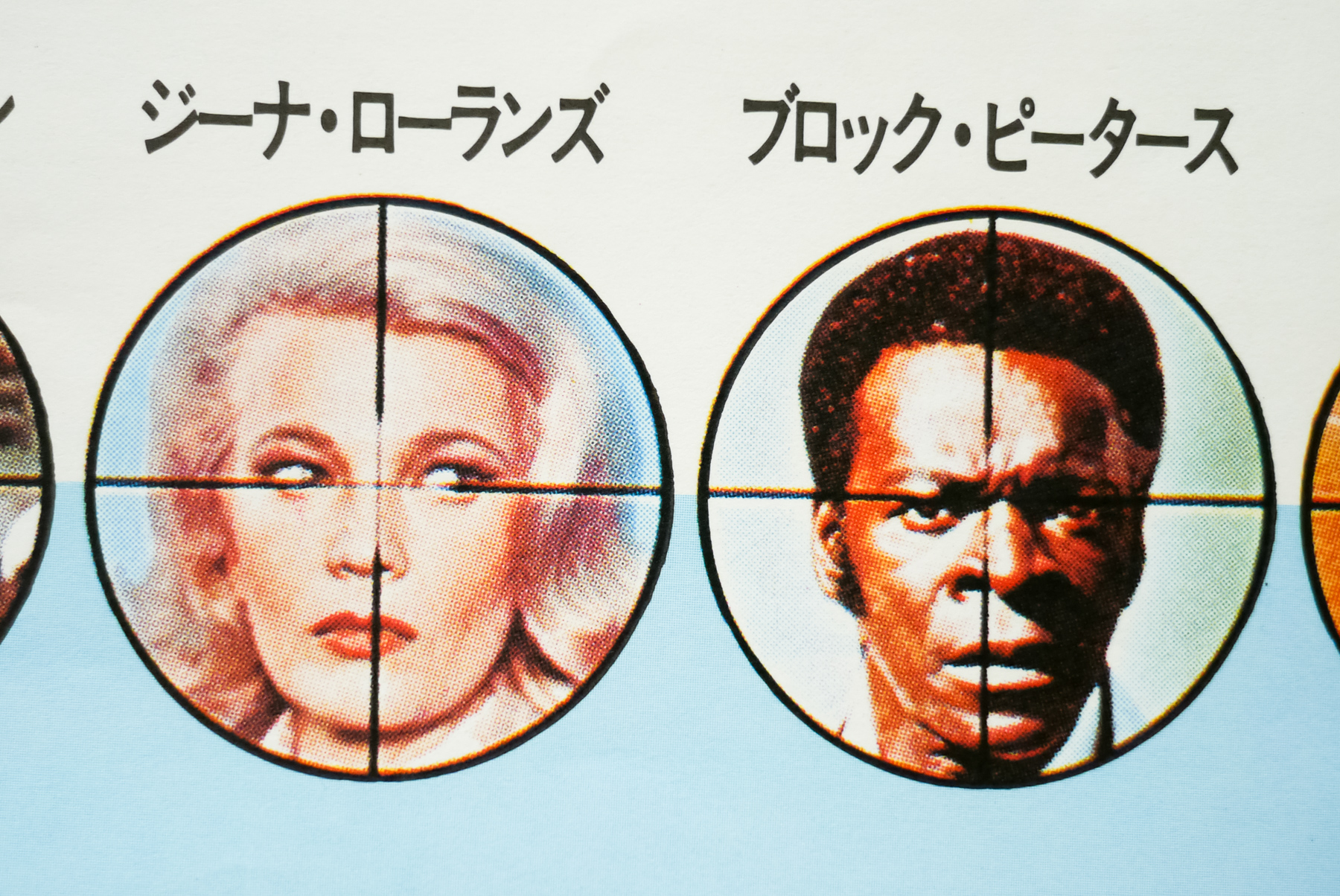
Charlton Heston, John Cassavetes, Martin Balsam, Beau Bridges, Marilyn Hassett, David Janssen, Jack Klugman, Gena Rowlands, Walter Pidgeon, Brock Peters
Origin of Film
USA
Genre(s) of Film
Charlton Heston, John Cassavetes, Martin Balsam, Beau Bridges, Marilyn Hassett, David Janssen, Jack Klugman, Gena Rowlands, Walter Pidgeon, Brock Peters,
Type of Poster
B2
Style of Poster
--
Origin of Poster
Japan
Year of Poster
1977
Designer
Unknown
Artist
--
Size (inches)
20 6/16" x 28 13/16"
SS or DS
SS
Tagline
--

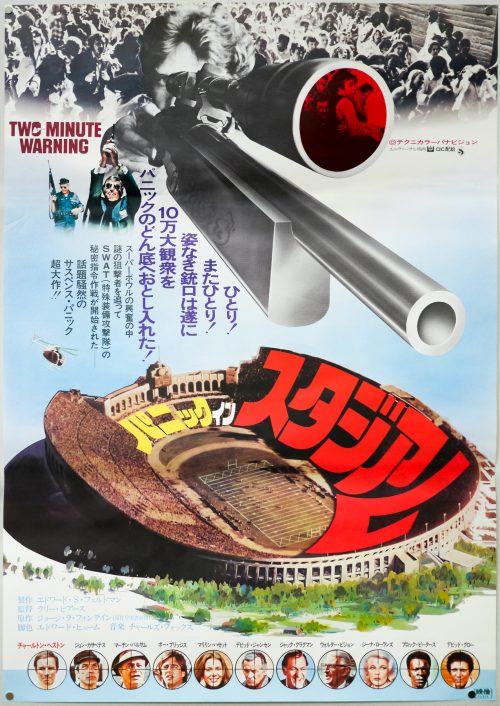
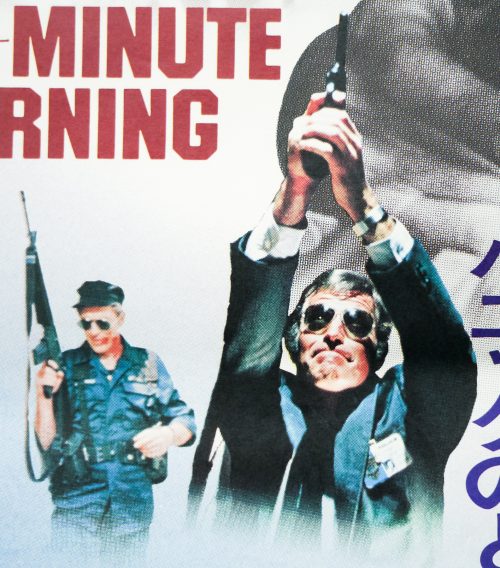
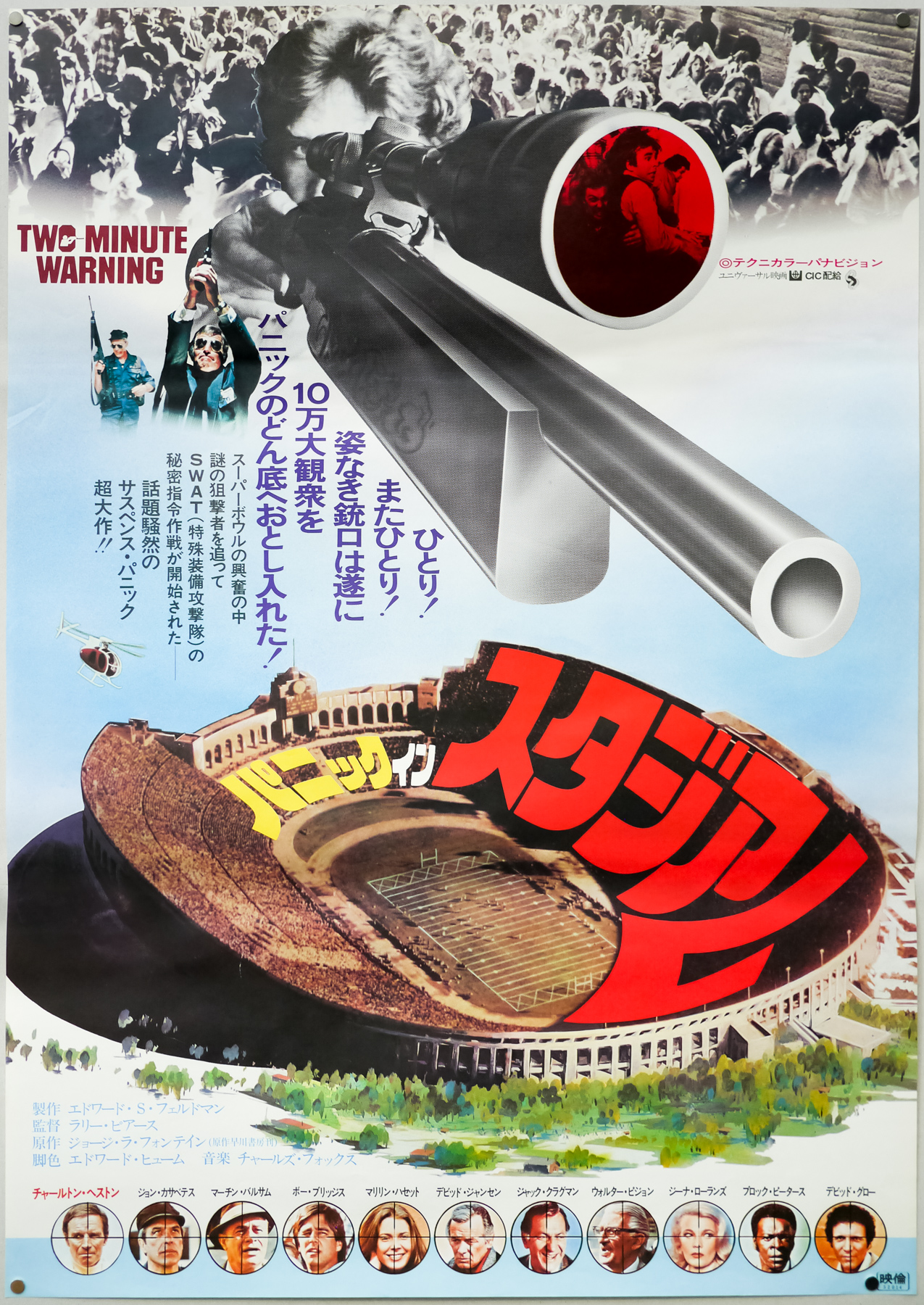
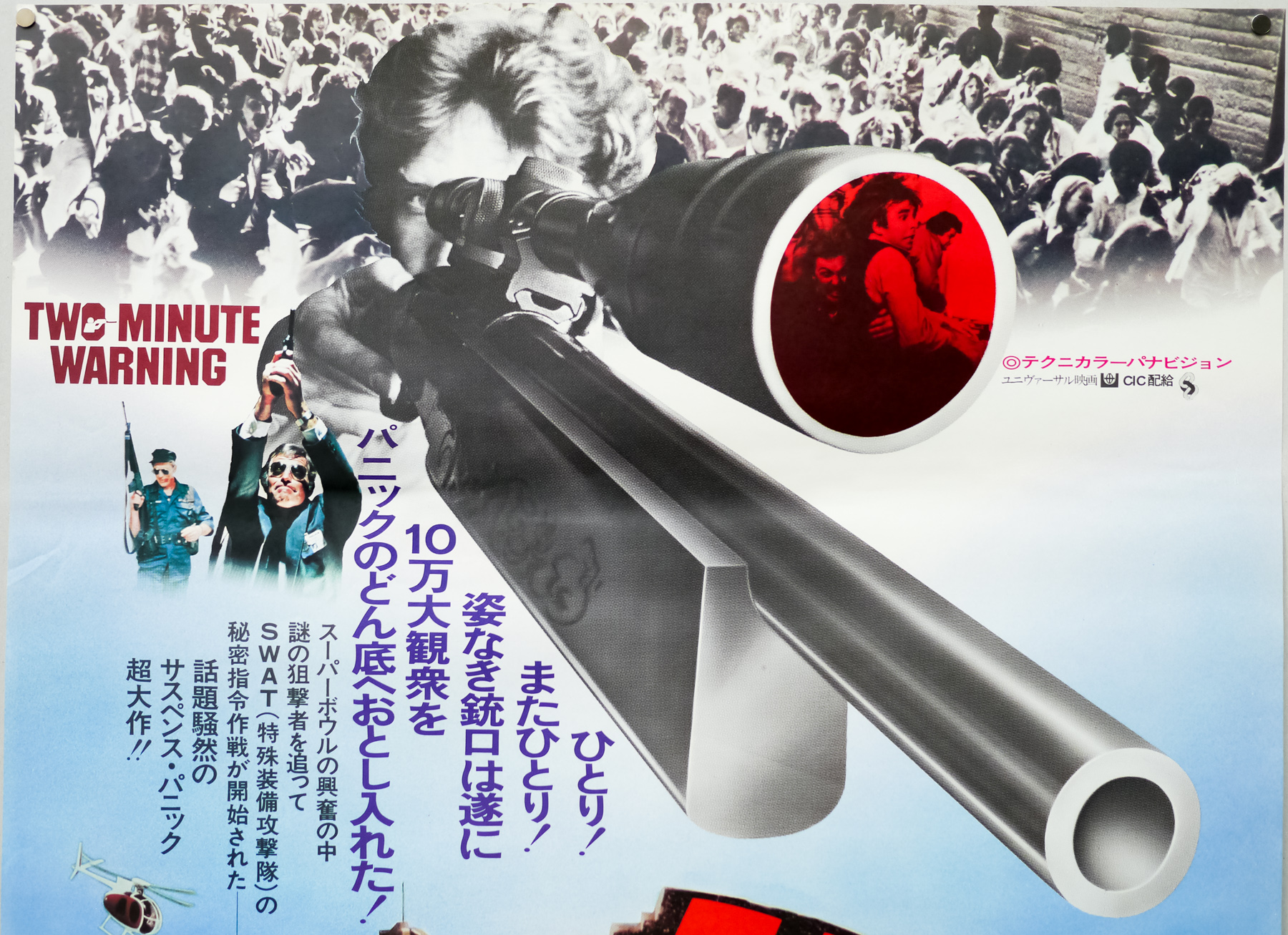
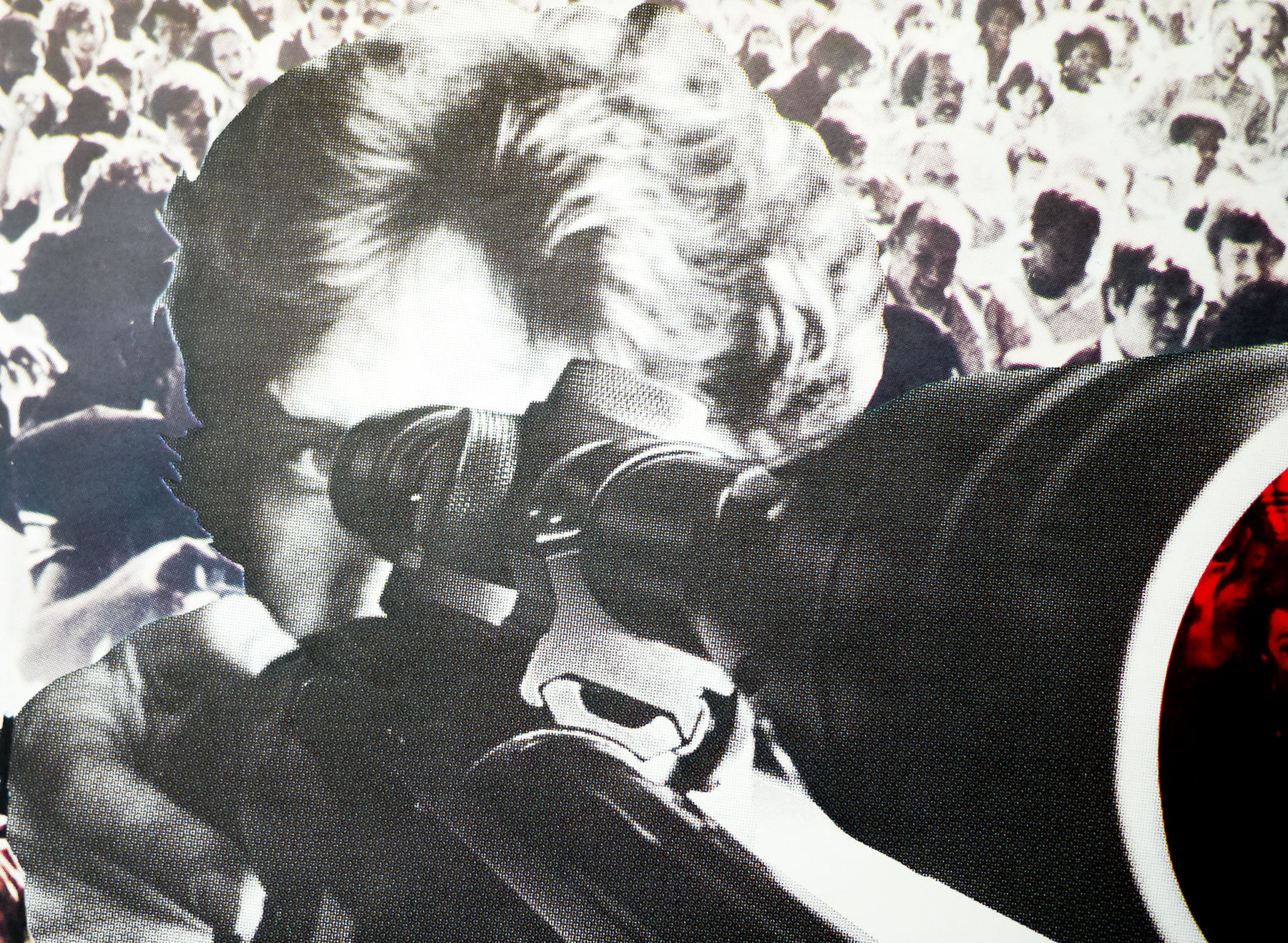
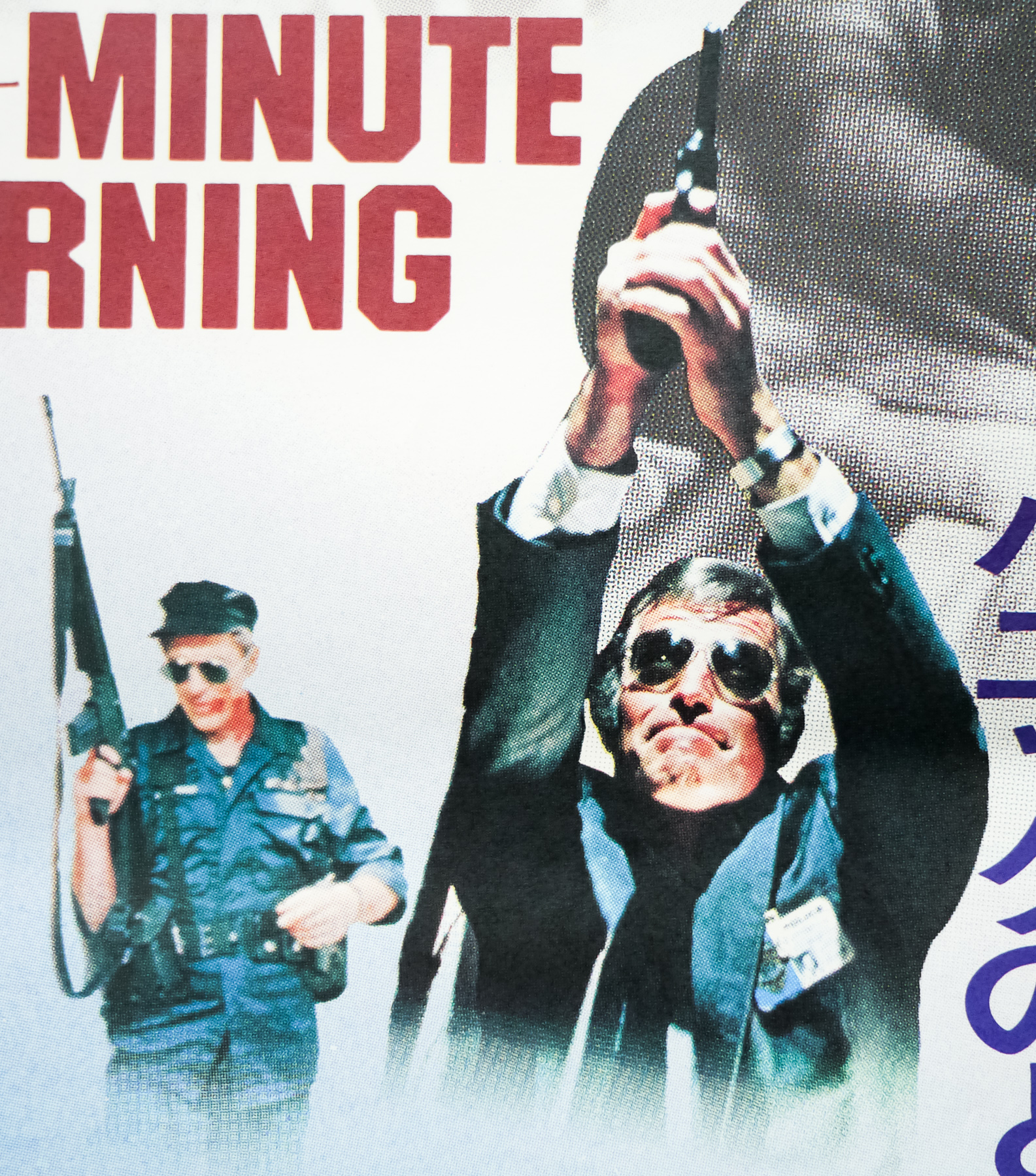
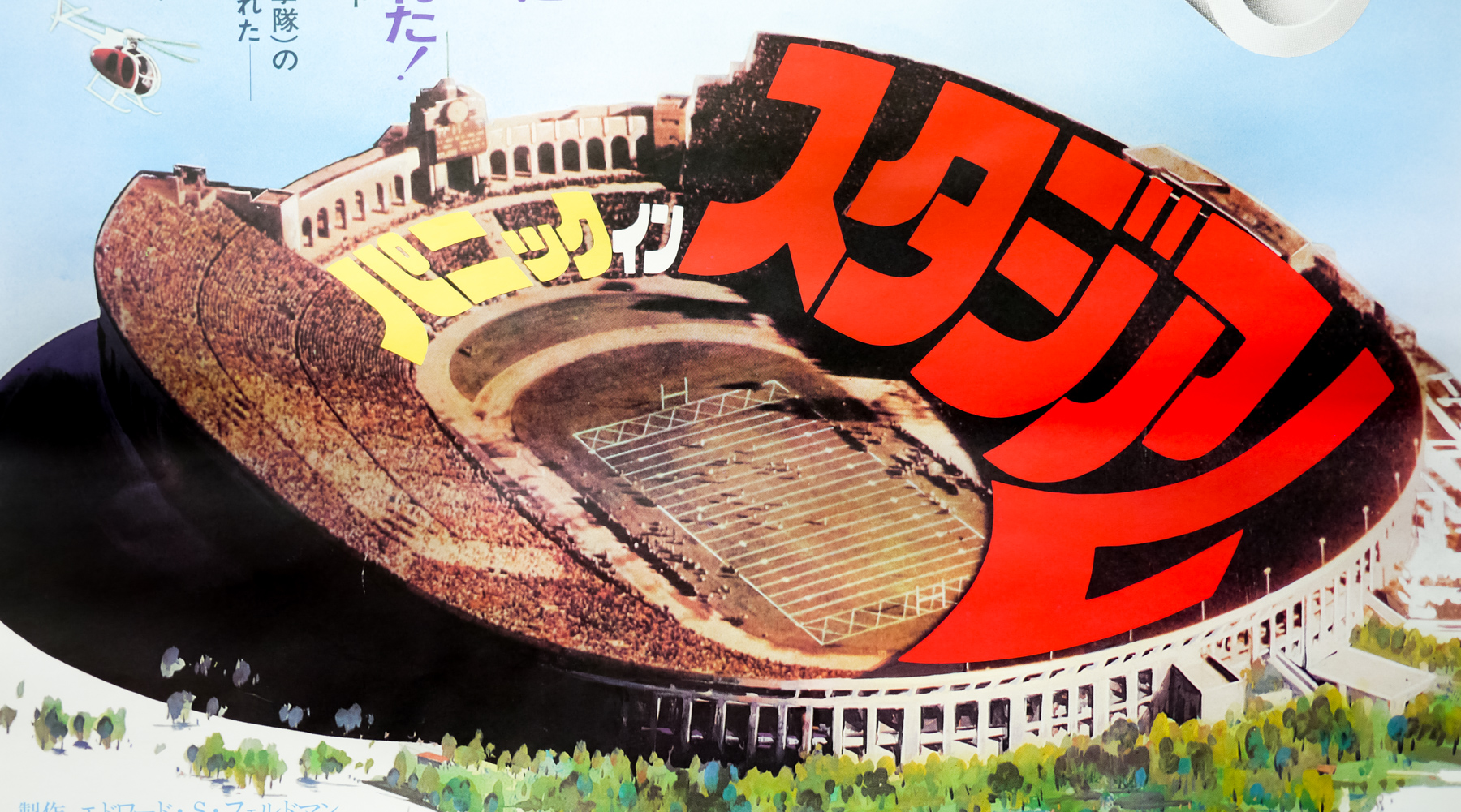
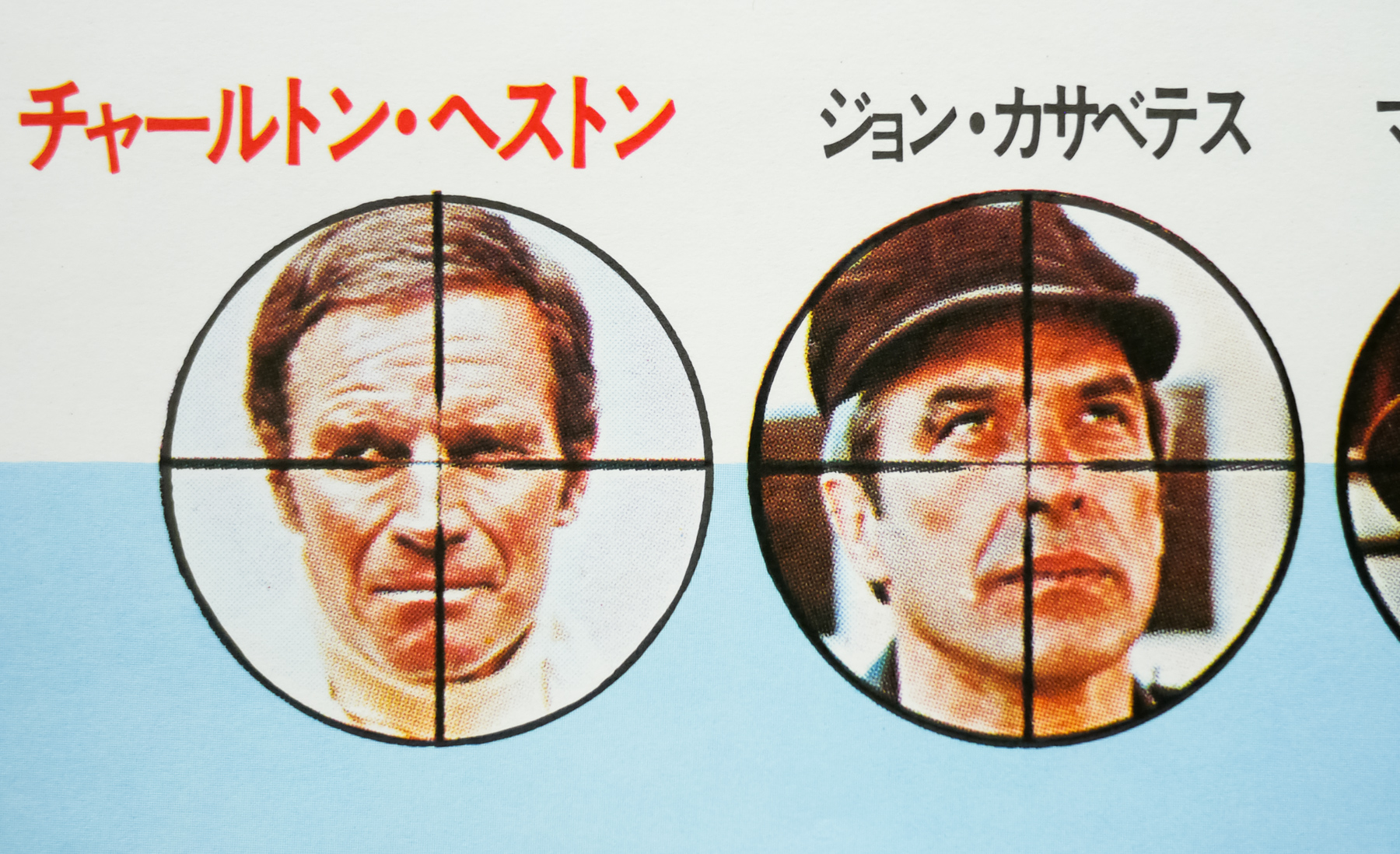
This is the Japanese B2 poster for the release of Two Minute Warning, a 1976 thriller set during an American Football championship match in the Los Angeles Memorial Coliseum. Featuring an all-star cast, the film sees a psychotic sniper take position inside the stadium with plans to take random shots into the crowd as part of a diversionary tactic for a gang of thieves at a nearby museum. Charlton Heston plays a police sergeant who must work with a SWAT captain played by John Cassavetes to find and apprehend the sniper. The story also focuses on people in the crowd, which includes an argumentative couple played by David Janssen and Gena Rowlands and an elderly pickpocket played by Walter Pidgeon. After several failed attempts to capture the sniper, all hell breaks loose in the stadium and disaster beckons unless he can be stopped.

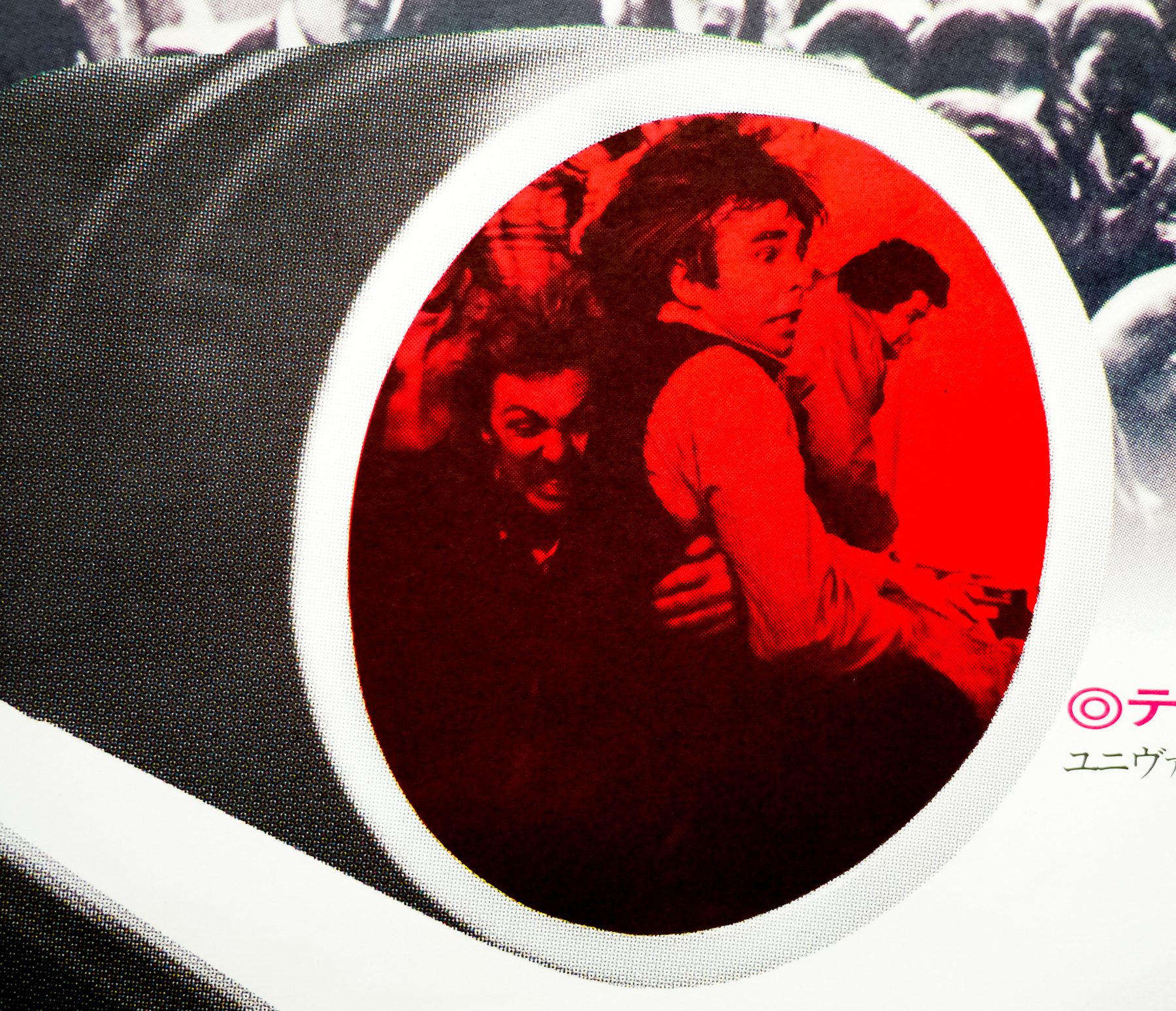
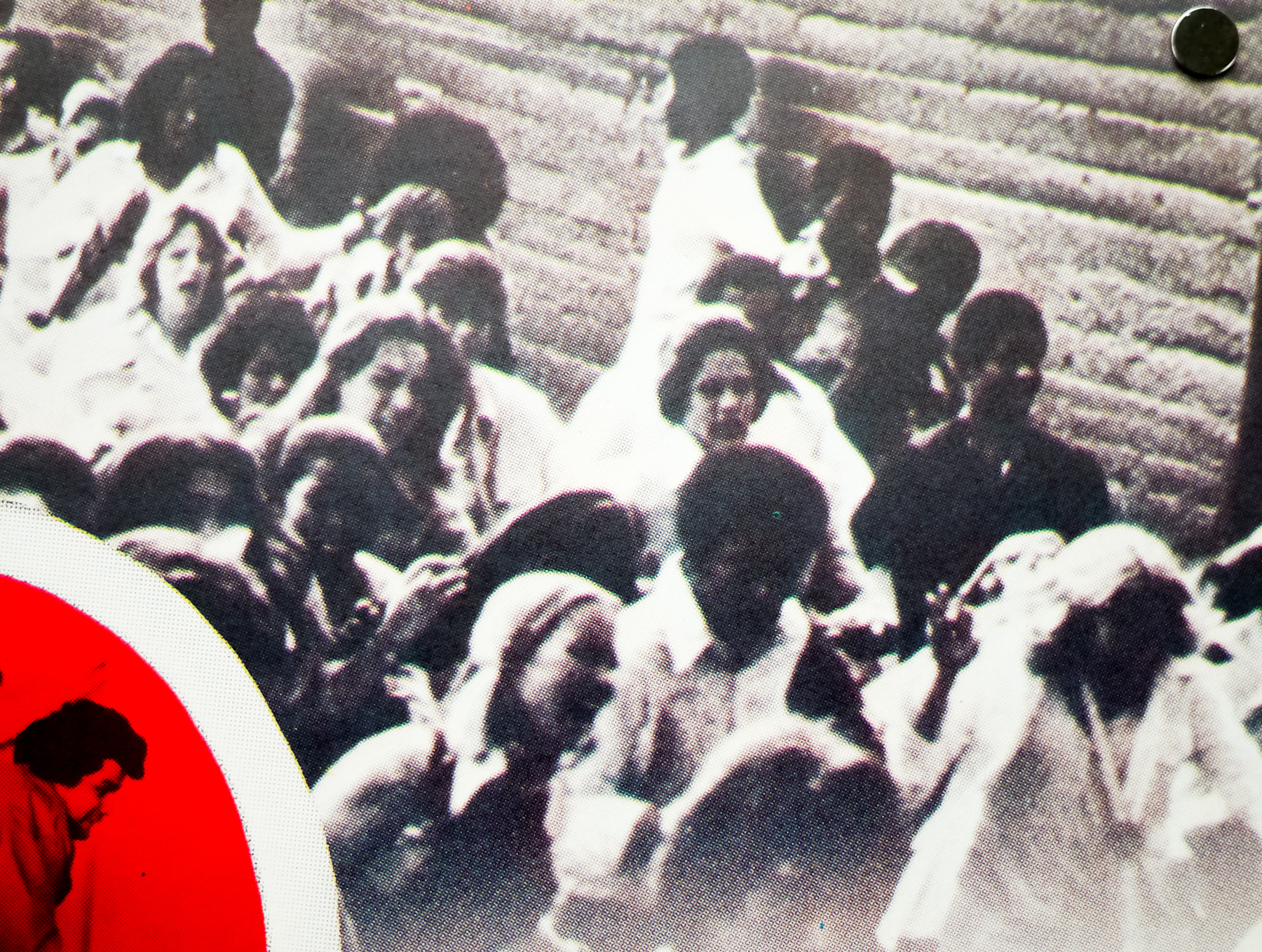
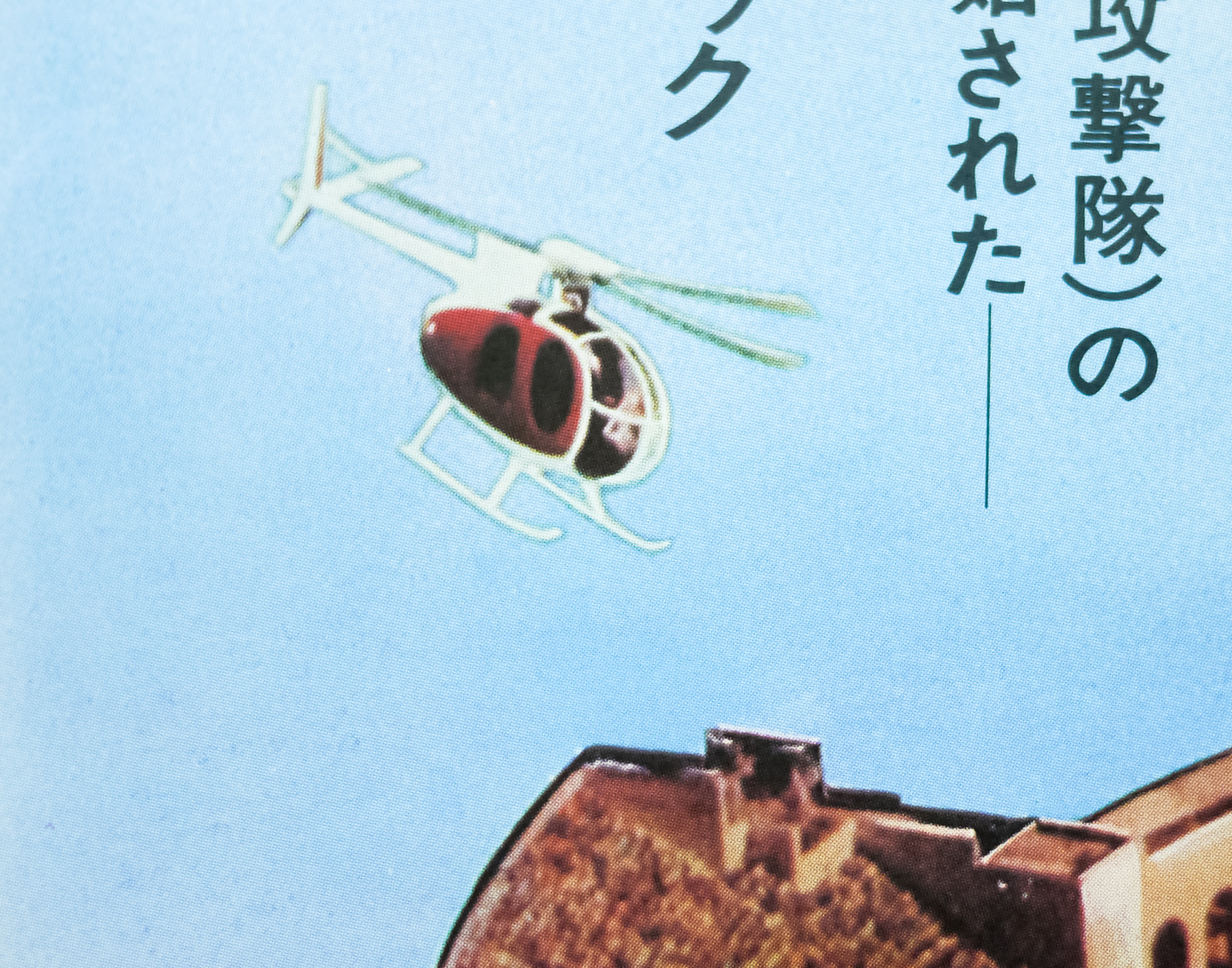
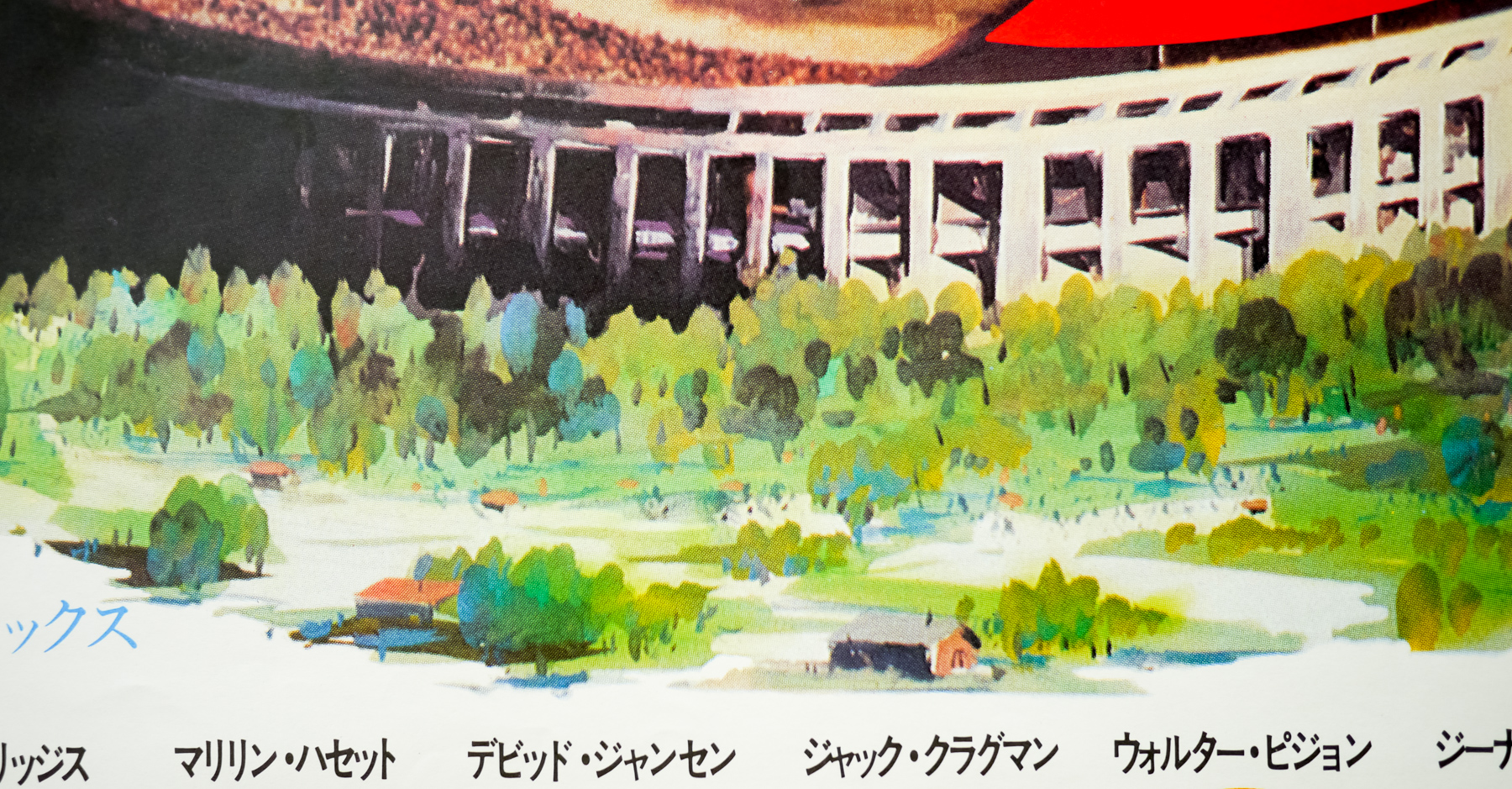
This Japanese poster features a montage of images from the film above an illustration of the stadium and a stylised film title inside it. I’m unsure who’s responsible for the artwork so if you have any ideas please get in touch.

Red Sun / B2 / cast style / Japan

14.08.13

Poster Poster
Title
Red Sun
AKA
Soleil rouge (France - original title)
Year of Film
1971
Director
Terence Young
Starring
Charles Bronson, Ursula Andress, Toshirô Mifune, Alain Delon, Capucine, Barta Barri, Guido Lollobrigida, Anthony Dawson
Origin of Film
France | Italy | Spain
Genre(s) of Film
Charles Bronson, Ursula Andress, Toshirô Mifune, Alain Delon, Capucine, Barta Barri, Guido Lollobrigida, Anthony Dawson,
Type of Poster
B2
Style of Poster
Cast style
Origin of Poster
Japan
Year of Poster
1971
Designer
Unknown
Artist
--
Size (inches)
20 5/16" x 28 13/16"
SS or DS
SS
NSS #
--
Tagline
--

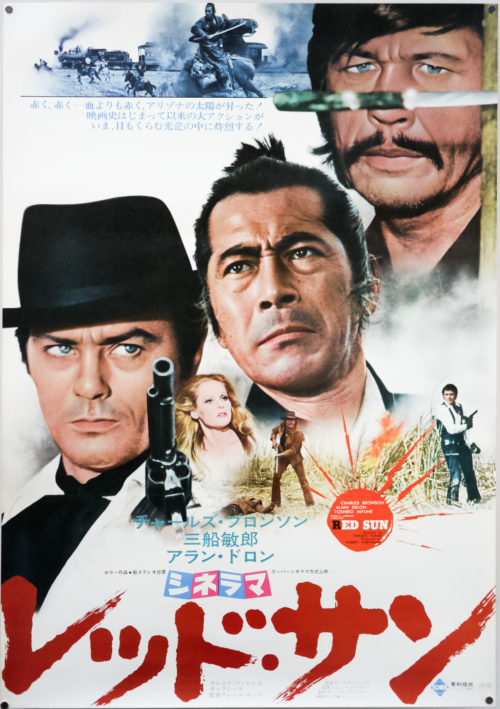
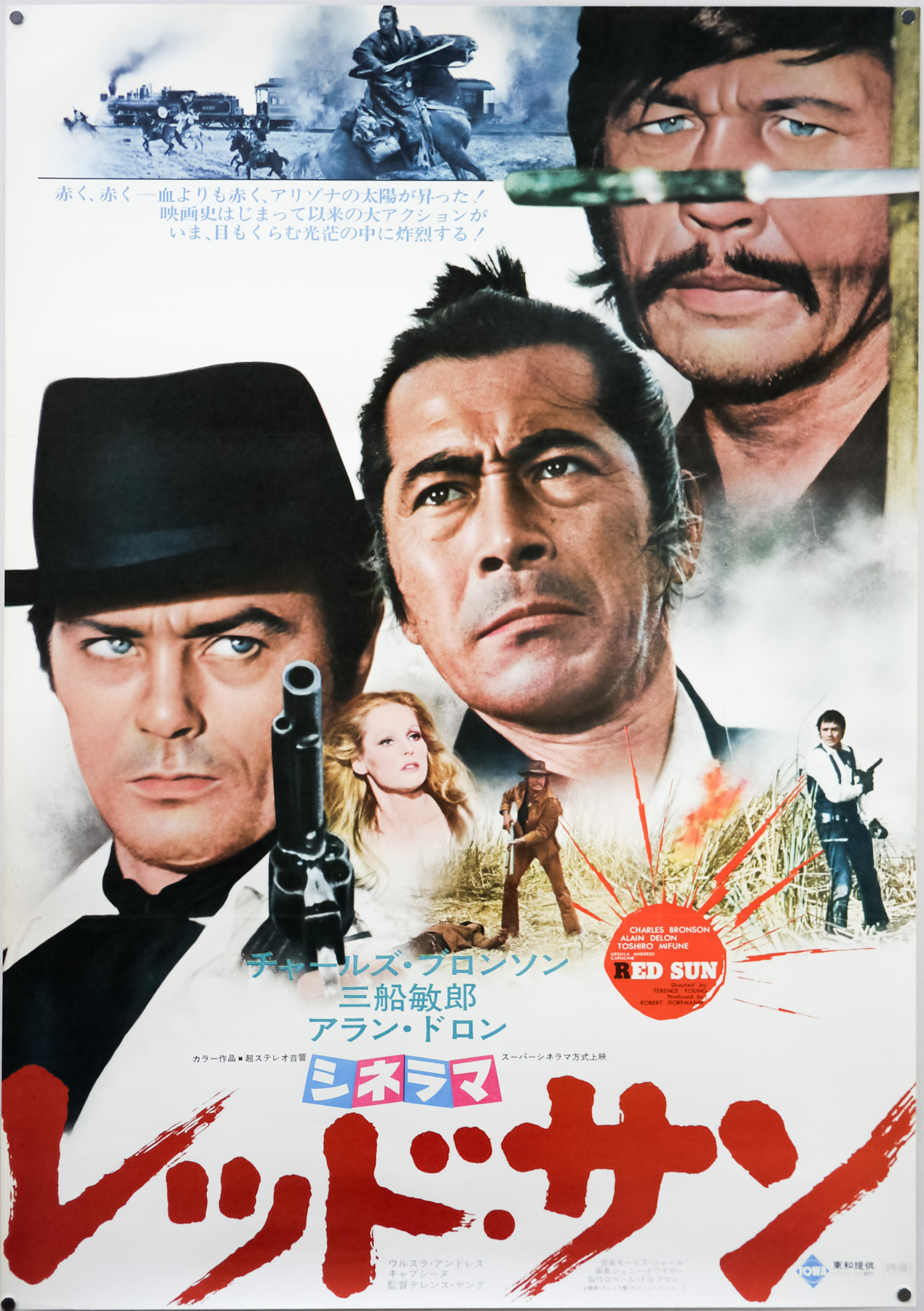
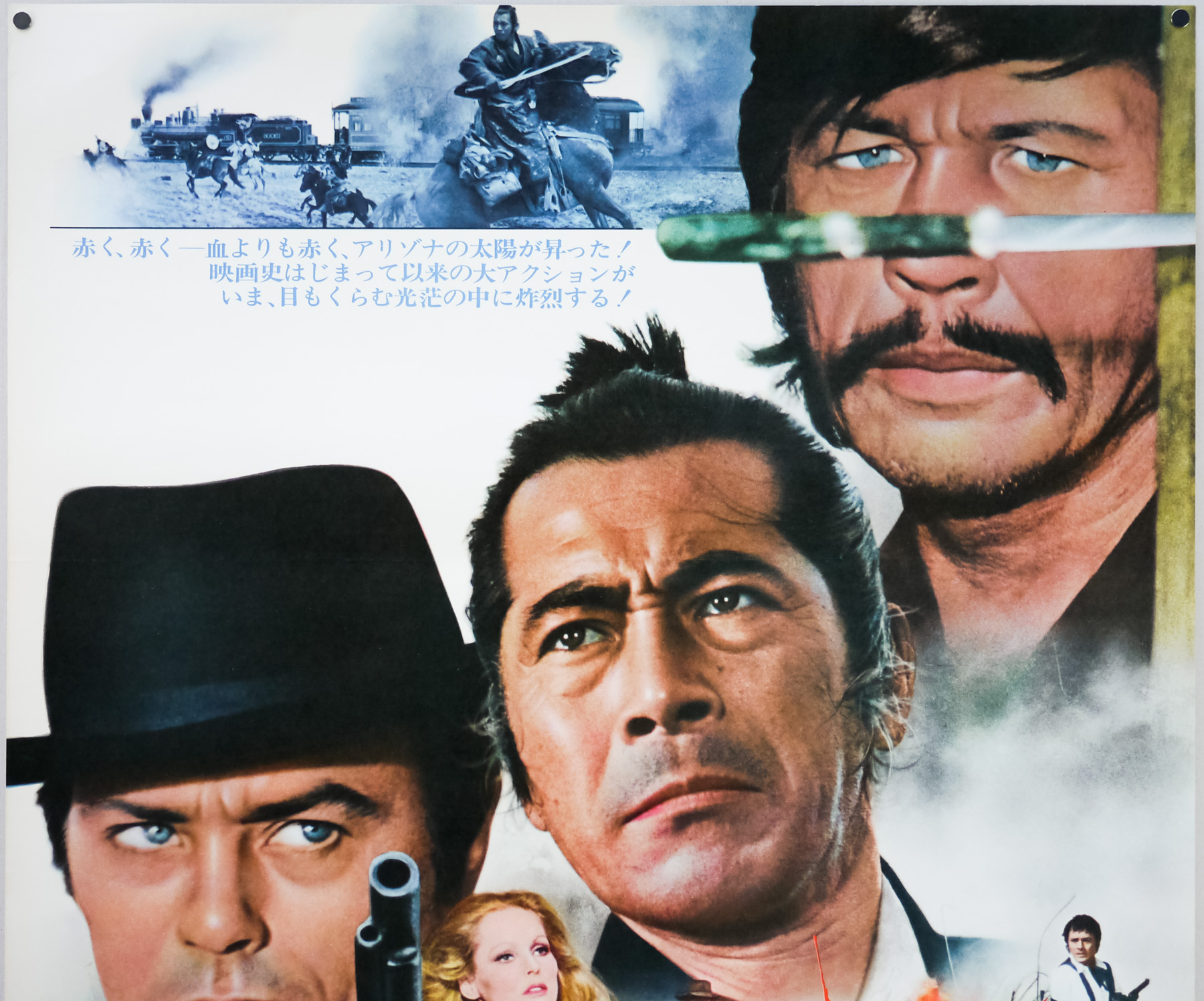
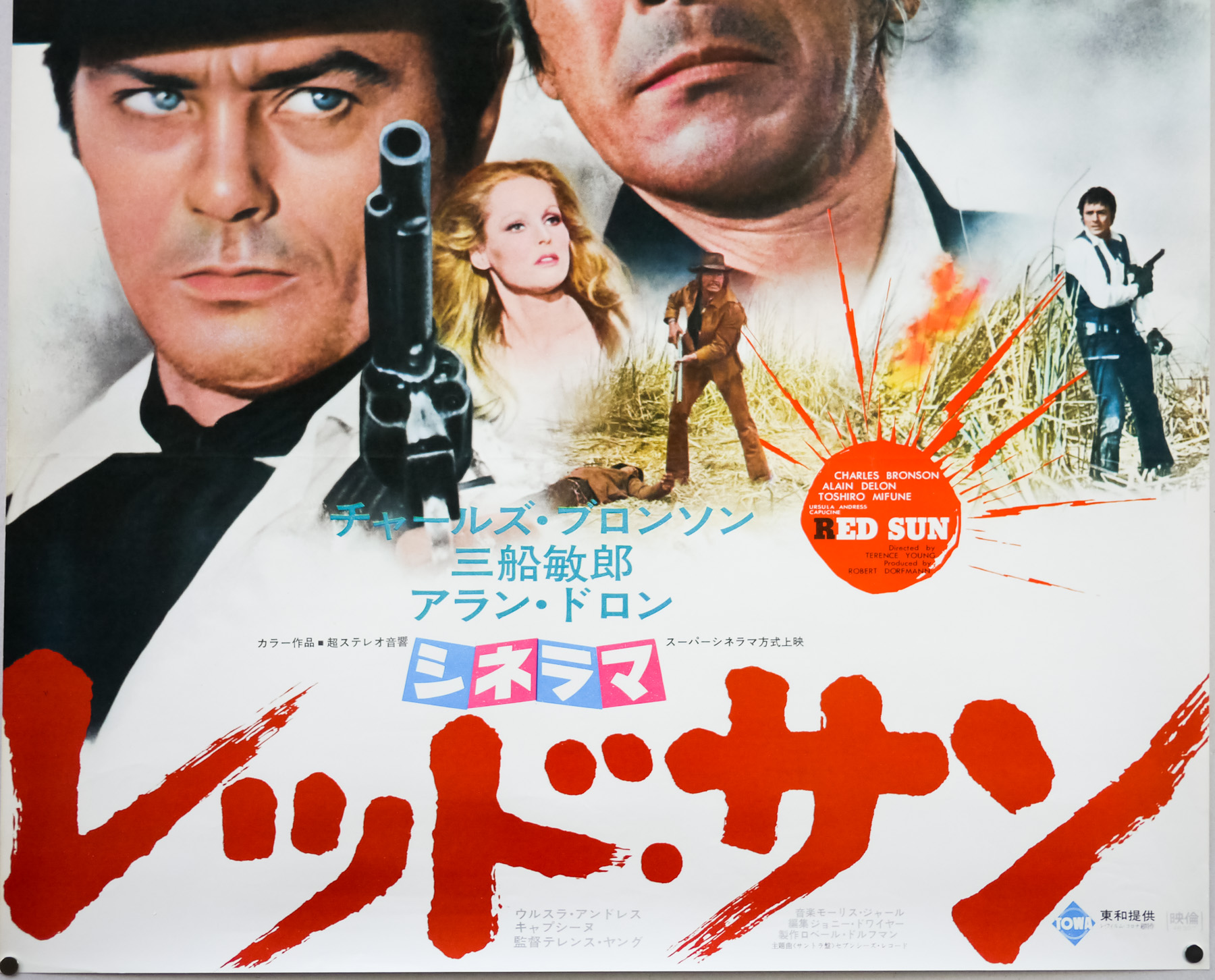
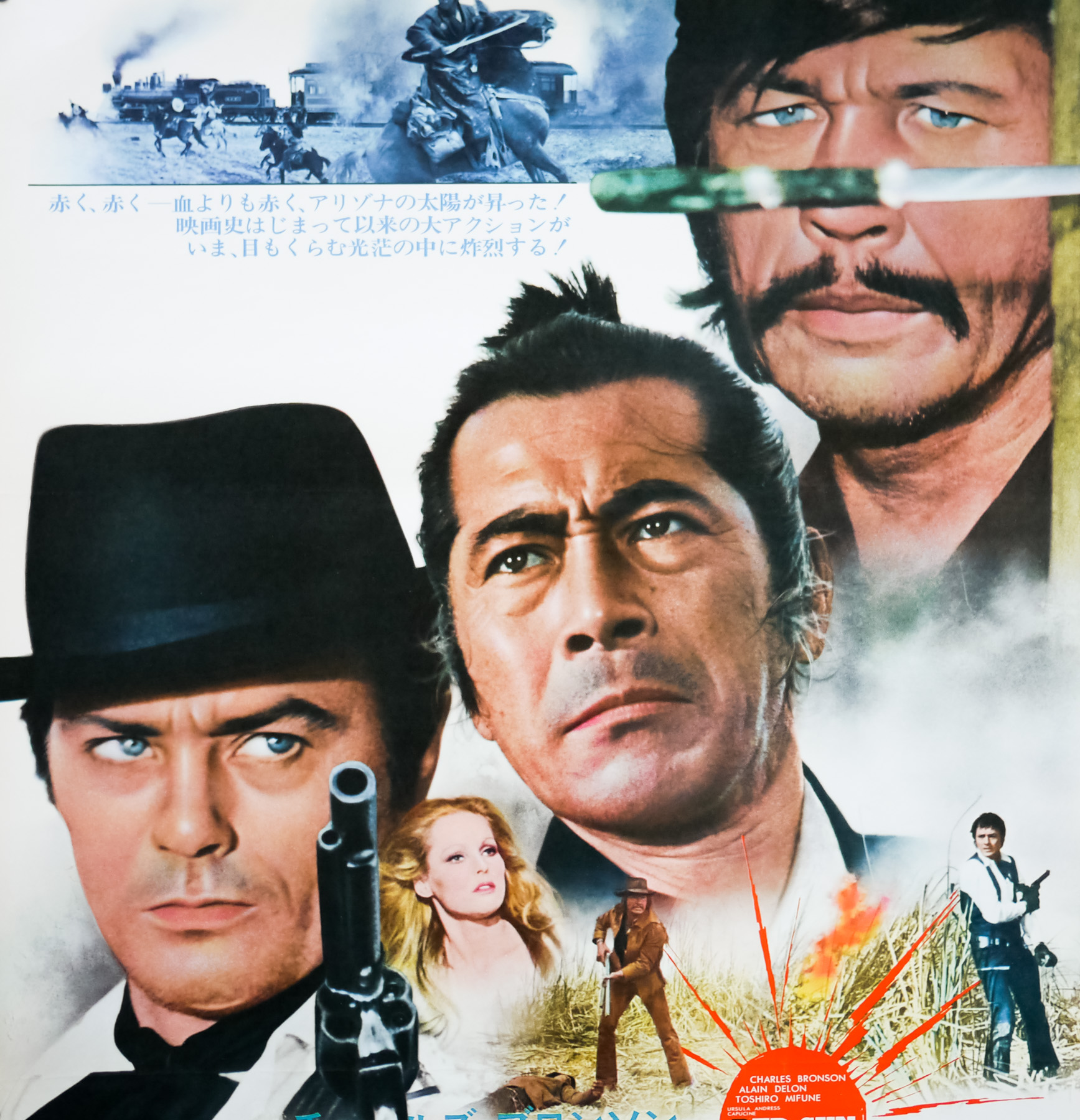
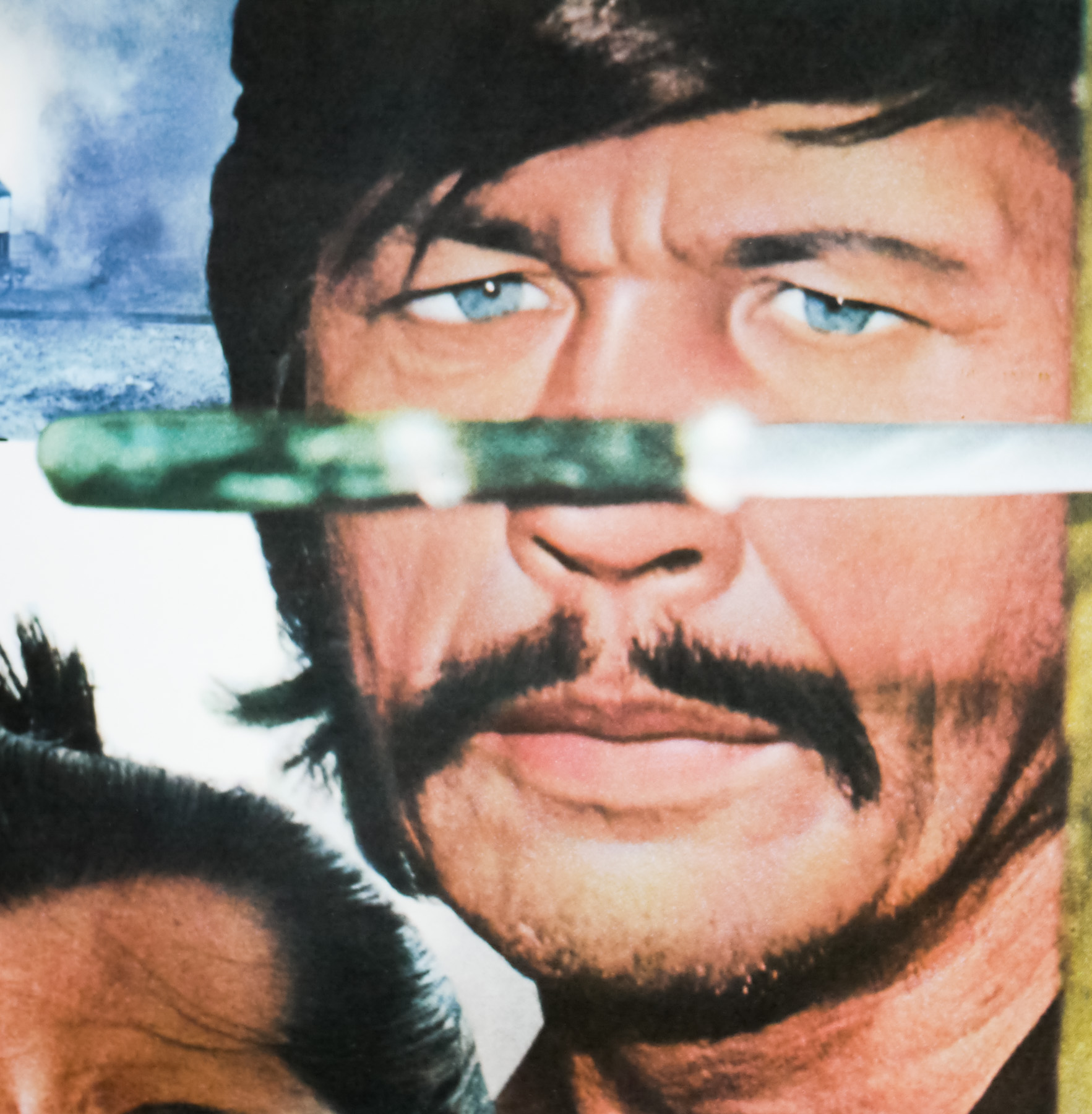
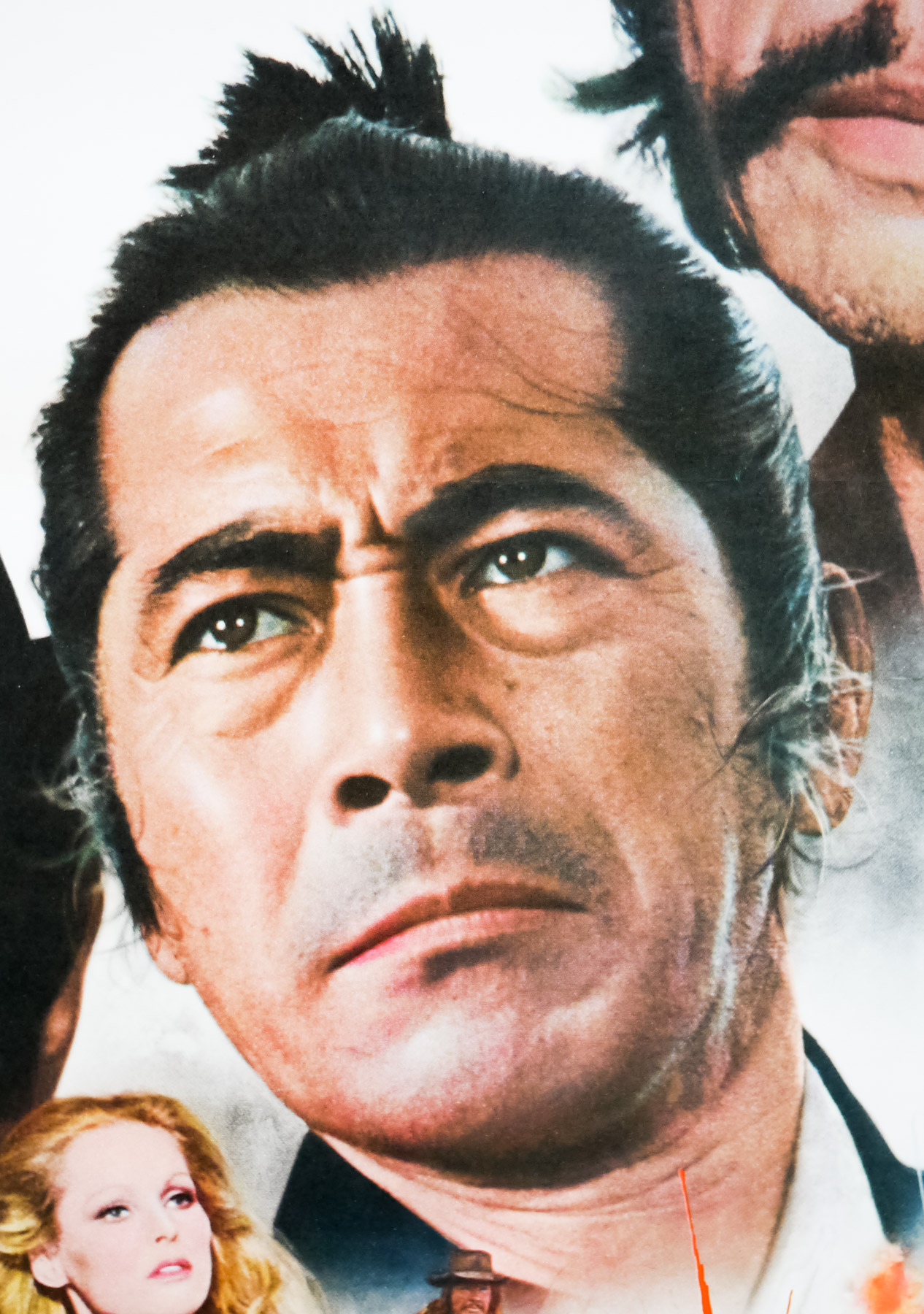
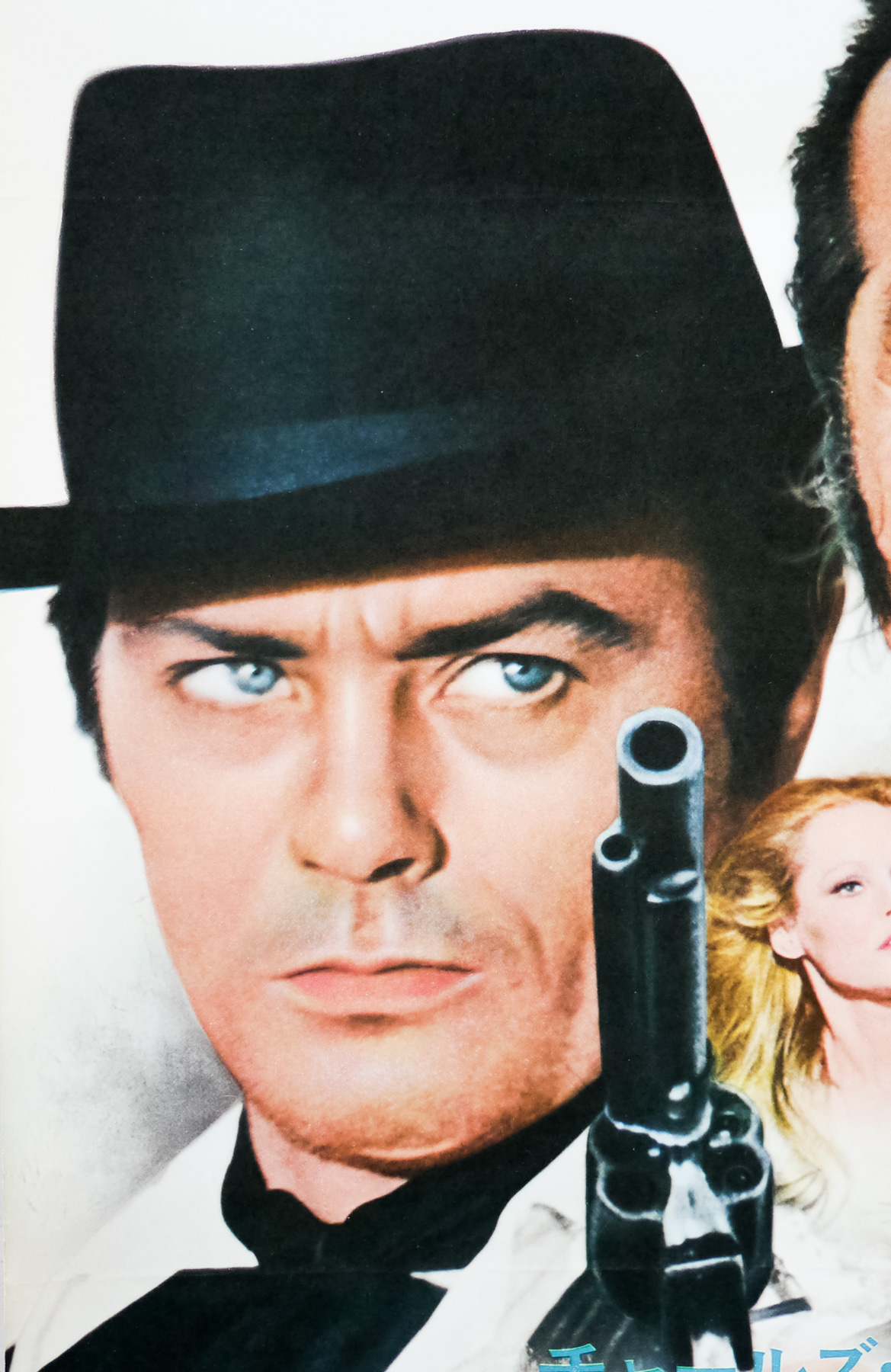
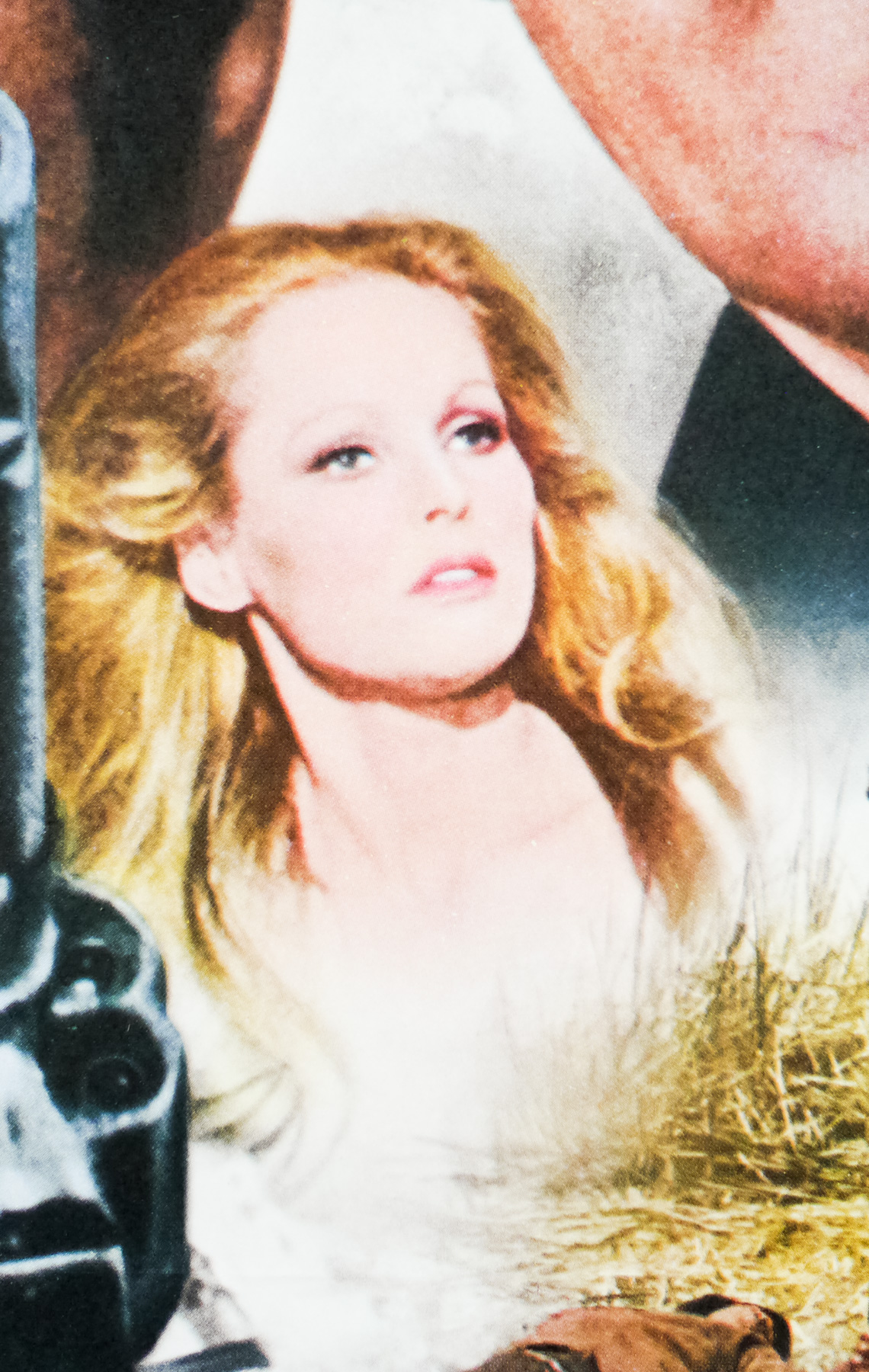
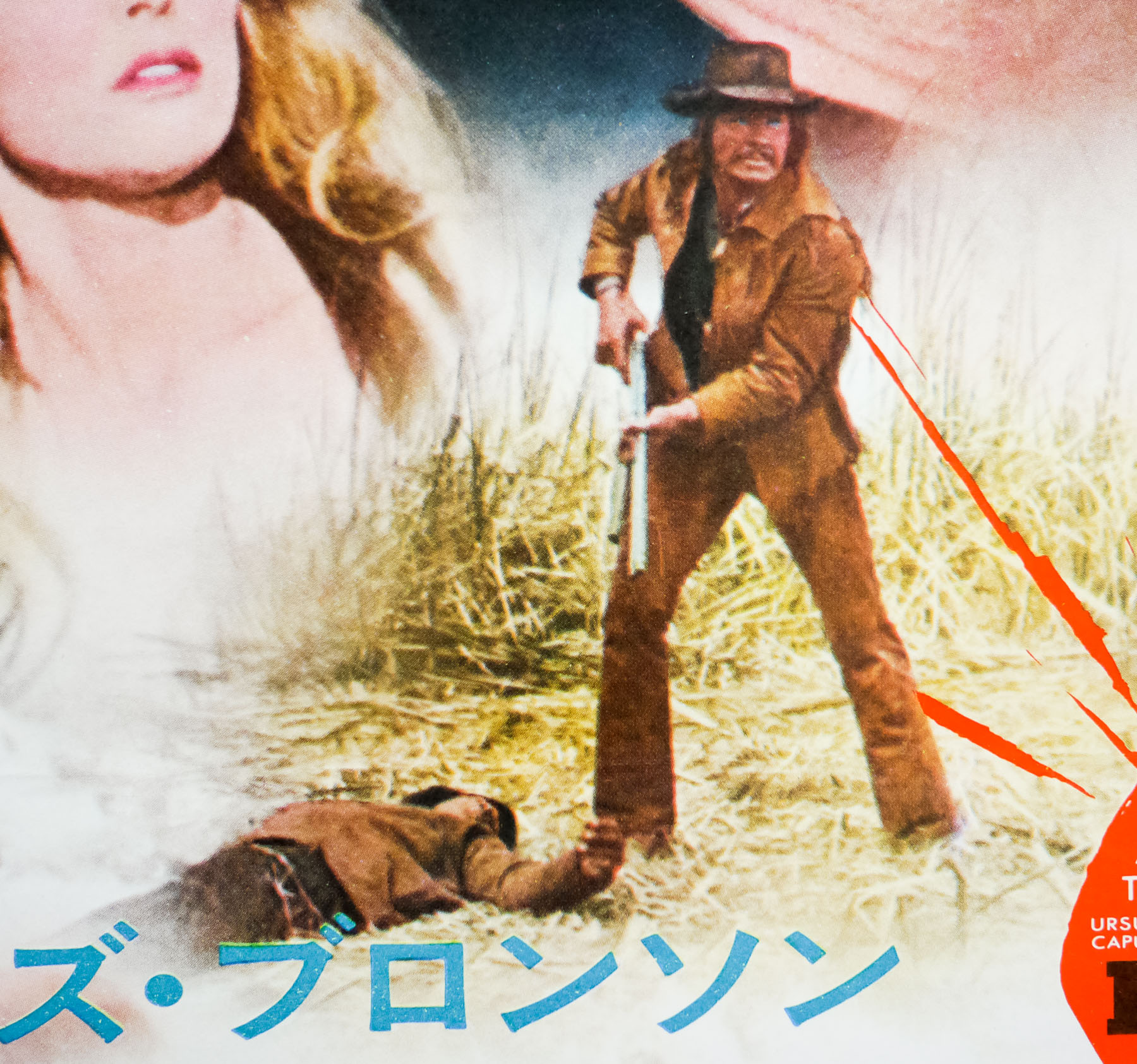
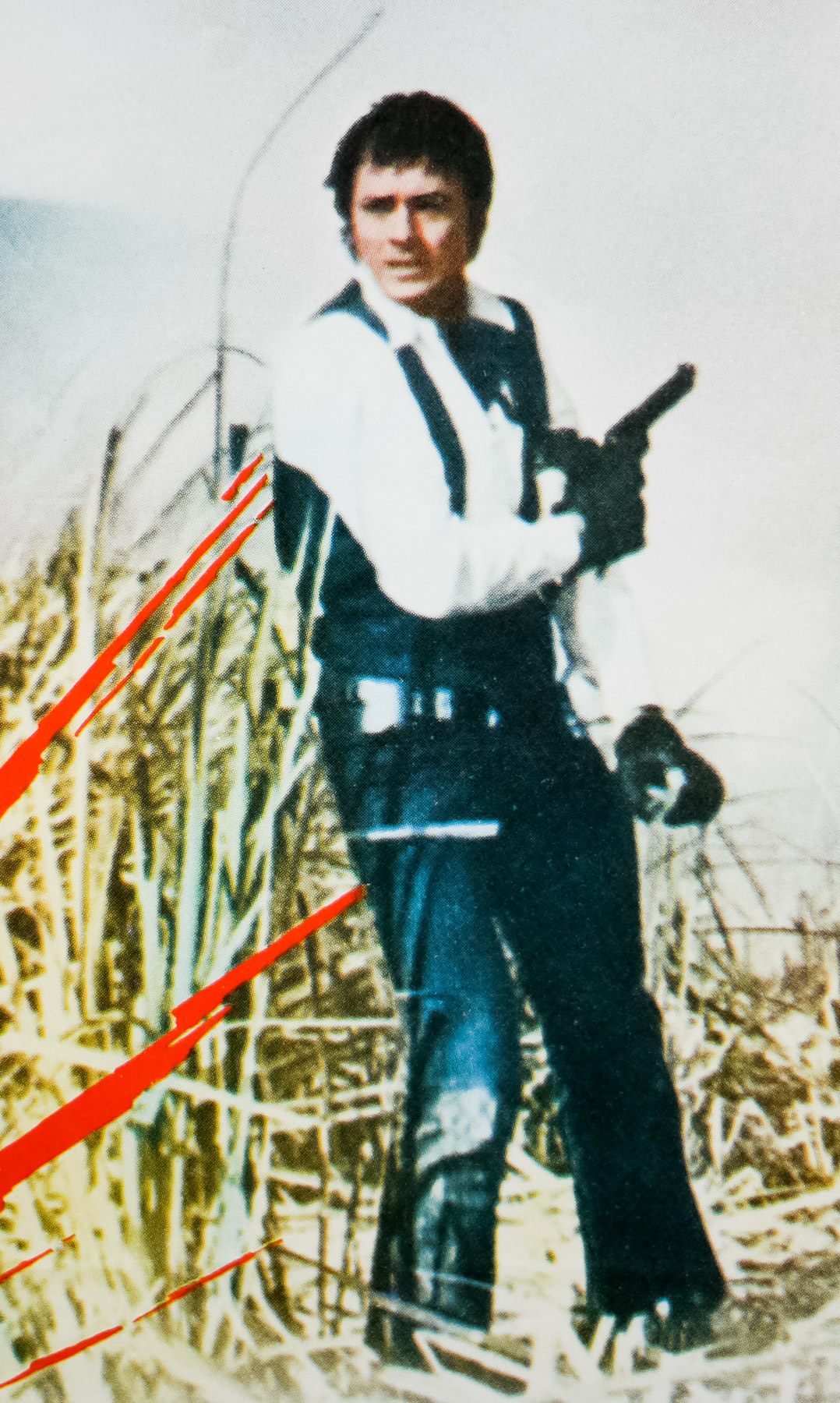
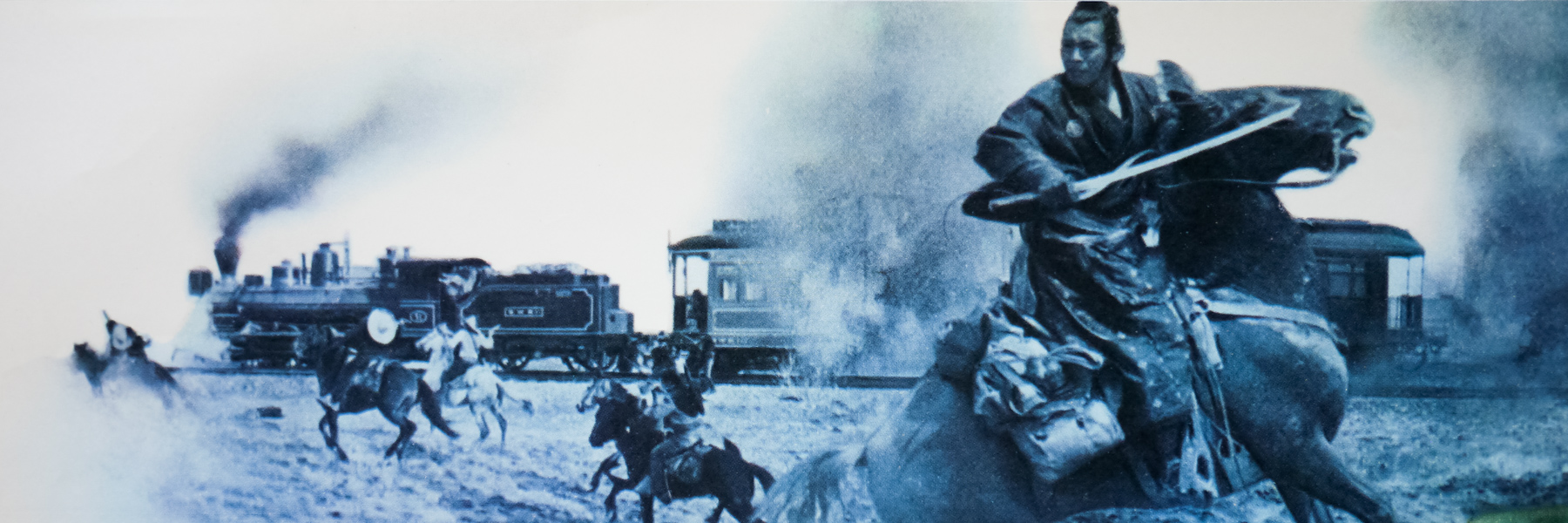
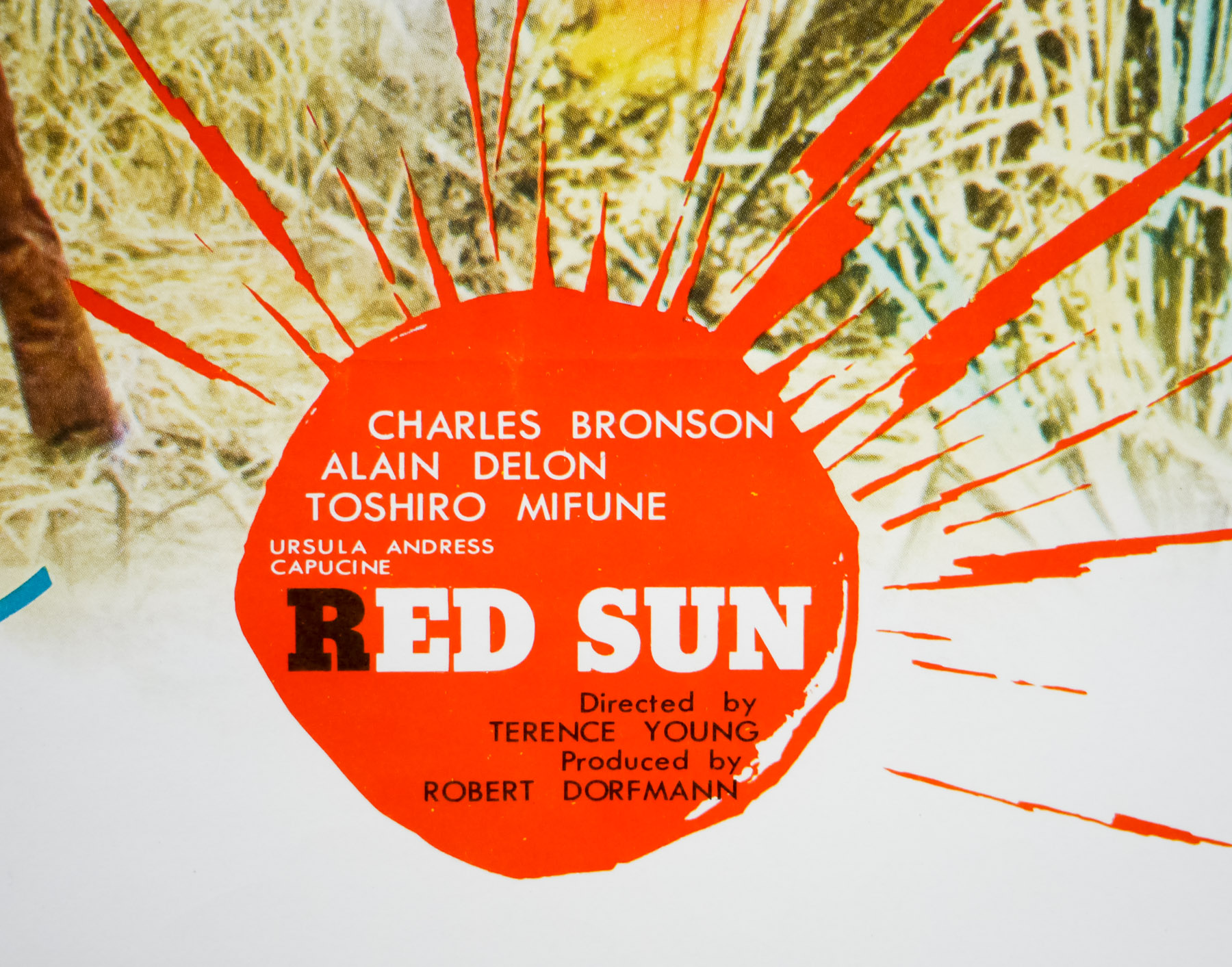
A truly international production, Red Sun was filmed in Spain by the British director Terence Young and starring American action legend Charles Bronson,the Japanese actor Toshirô Mifune (best known for Kurosawa’s Seven Samurai), French superstar Alain Delon and the gorgeous Swiss actress Ursula Andress. Terence Young had previously achieved great commercial success directing Sean Connery in three of his outings as James Bond. Bronson had previously starred in The Magnificent Seven, an American remake of Seven Samurai.

The film sees two ruthless robbers, Link (Bronson) and Gauche (Delon) attack a train bound for Washington carrying the Japanese ambassador. During the raid Gauche steals a very valuable sword and then betrays Link, trying to kill him before escaping with the loot. Link must team up with the only surviving Samurai escort of the ambassador (Mifune) and track down Gauche before it’s too late.

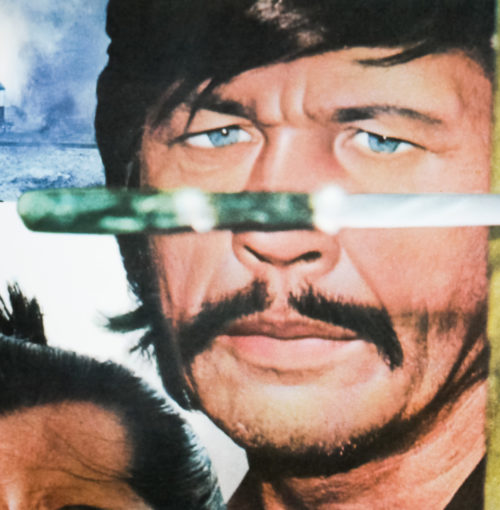
This Japanese B2 features photographic portraits of the main actors and is markedly different to the US poster.


The Spy Who Loved Me / B2 / photo style / Japan

20.05.15

Poster Poster

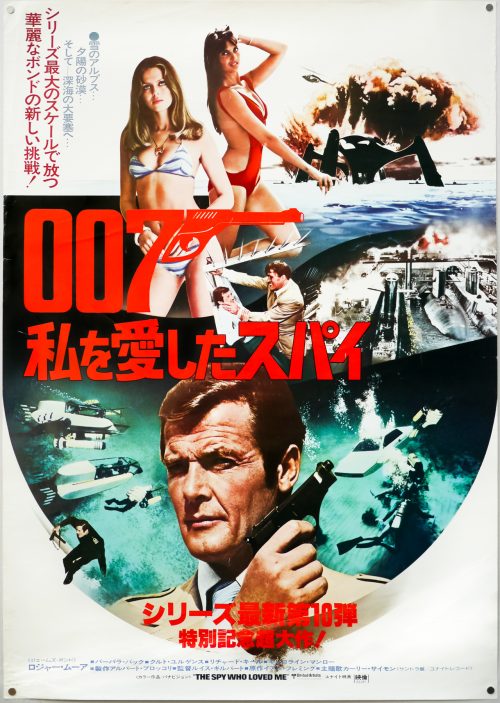
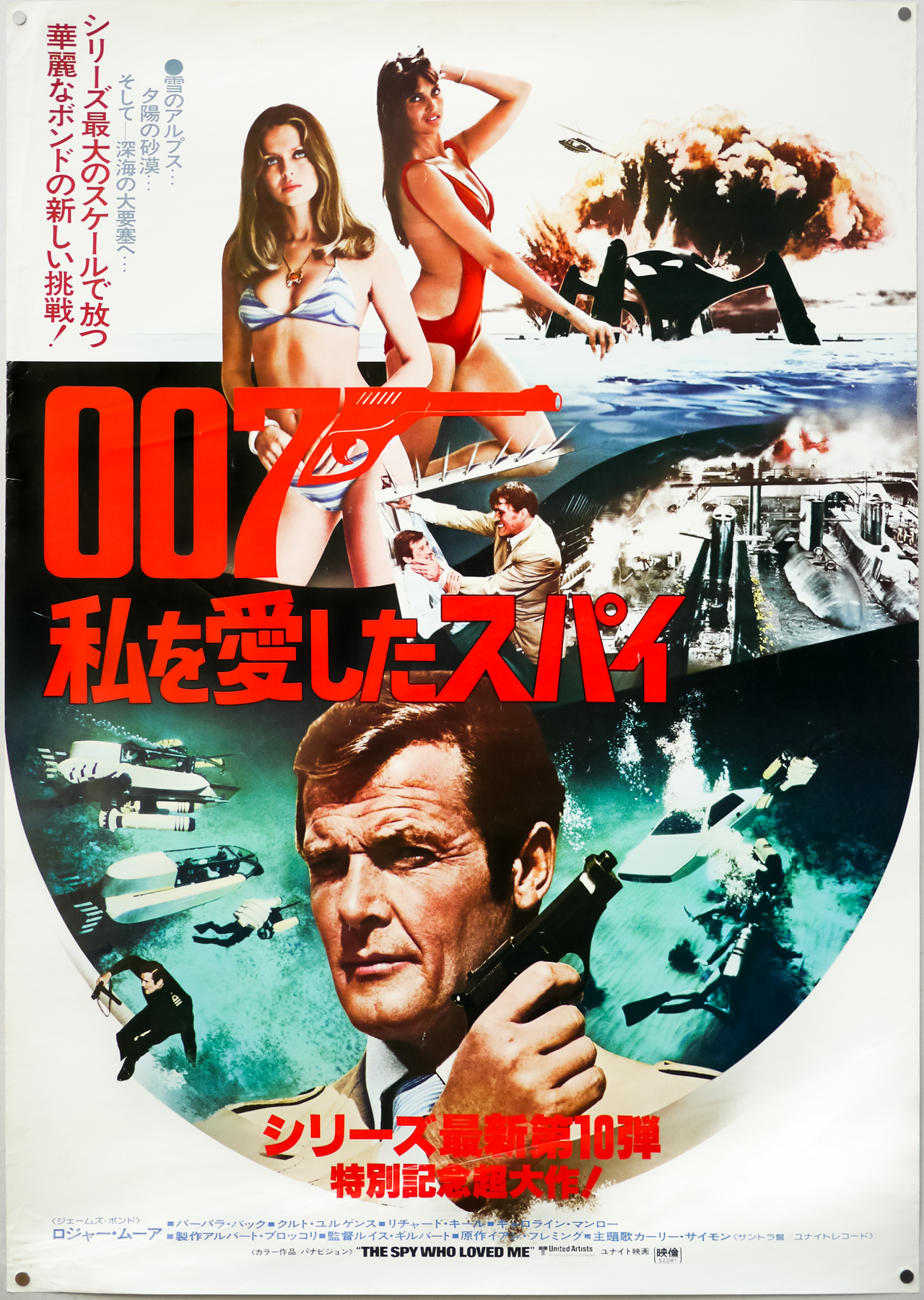
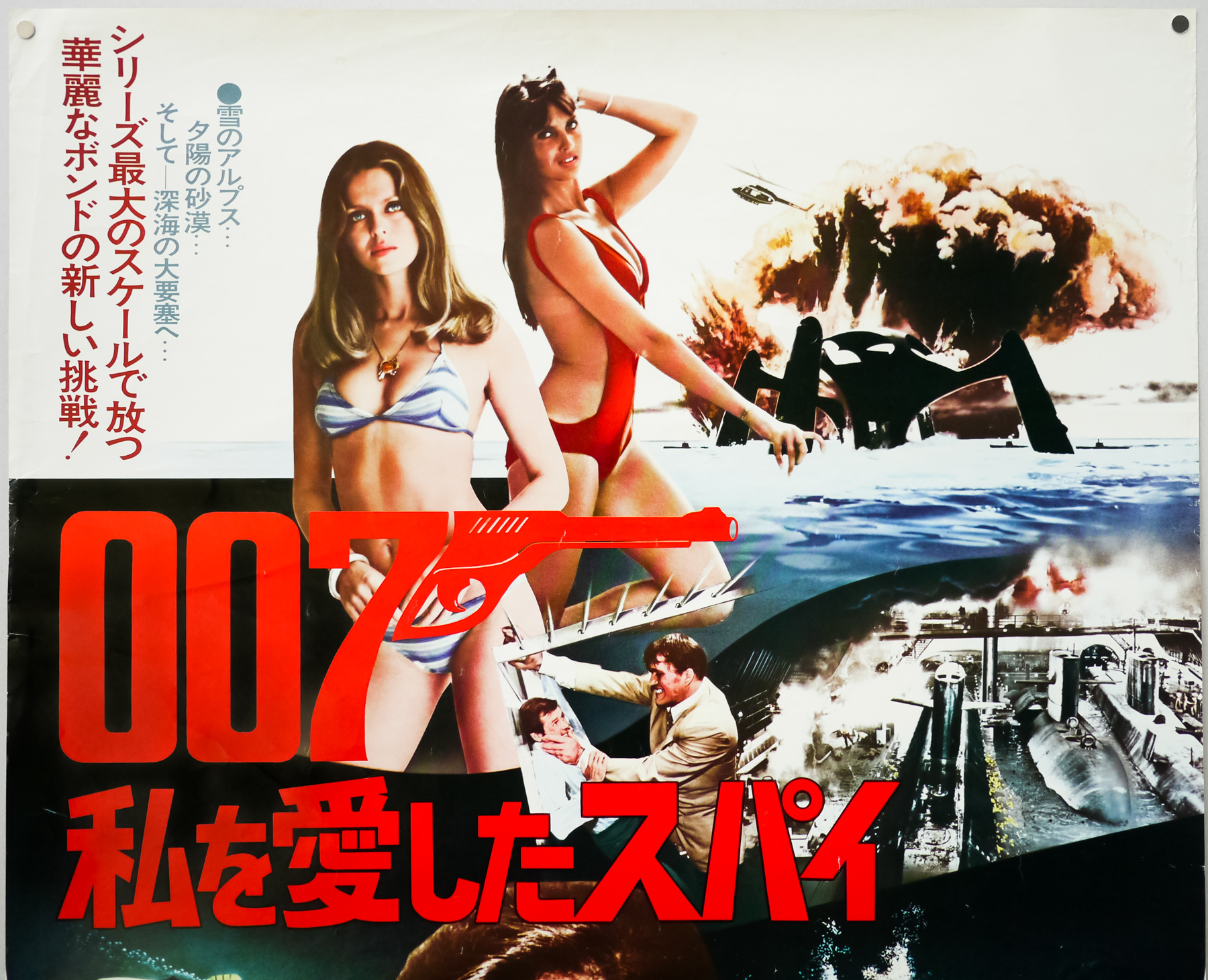
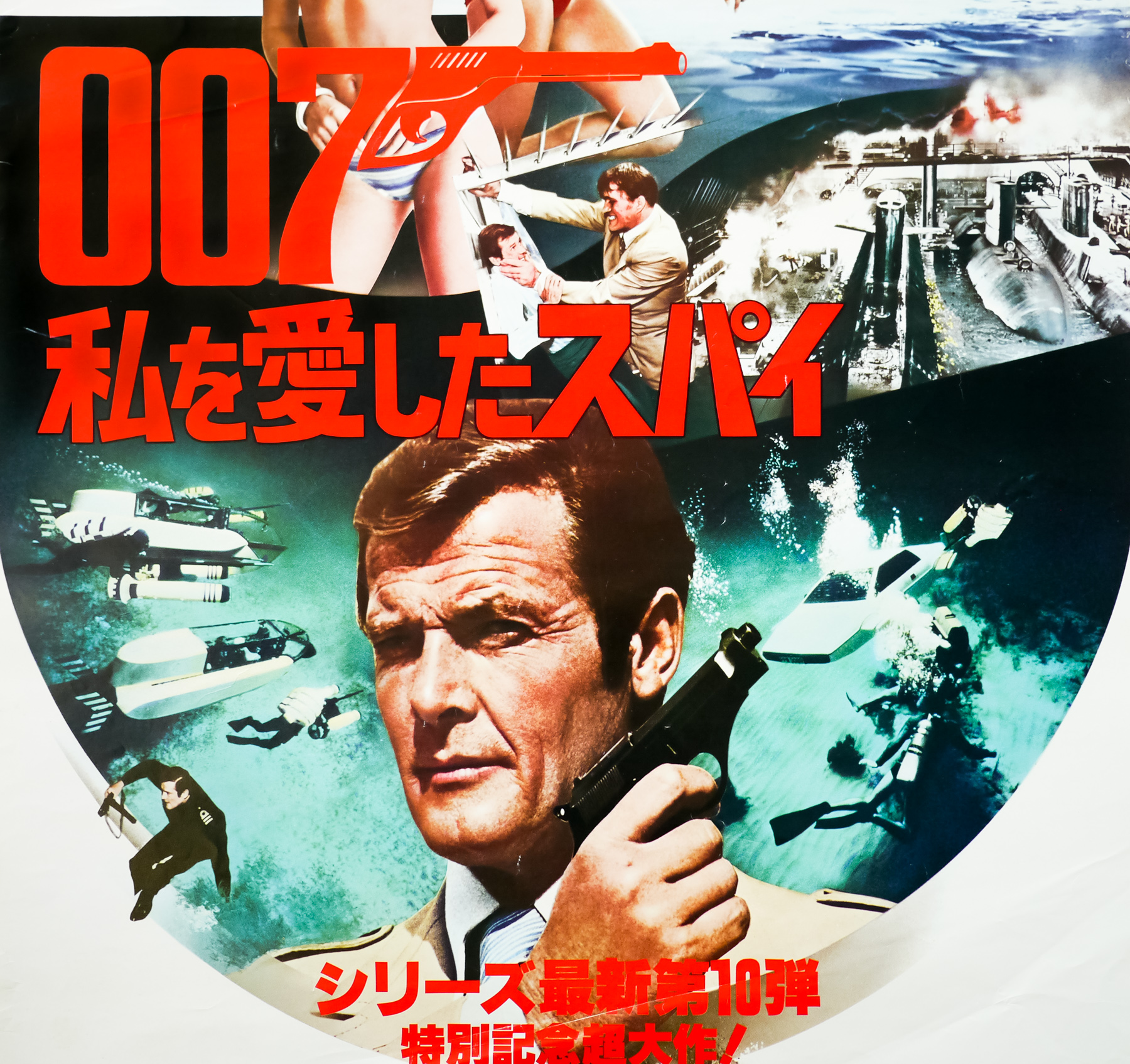
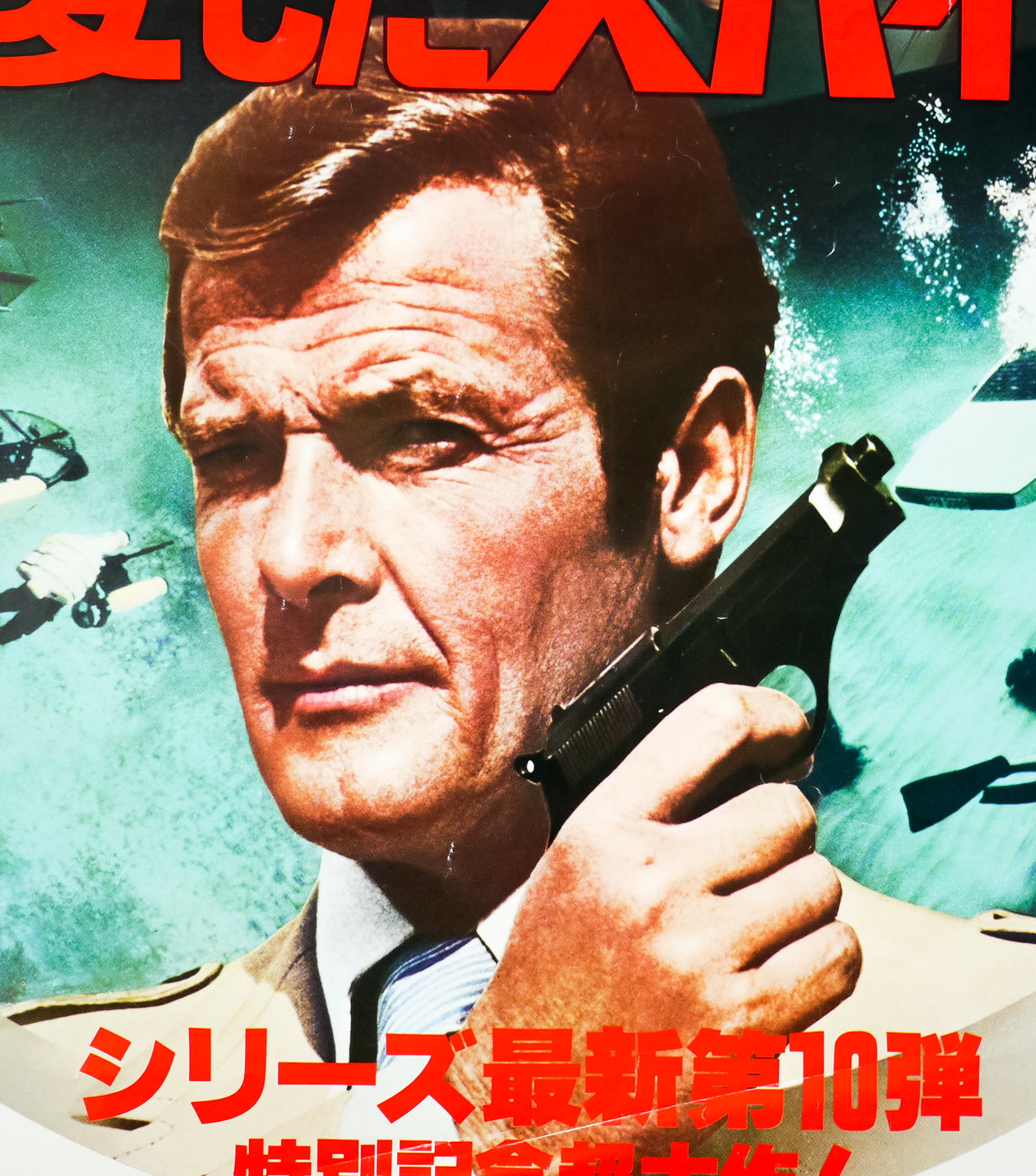
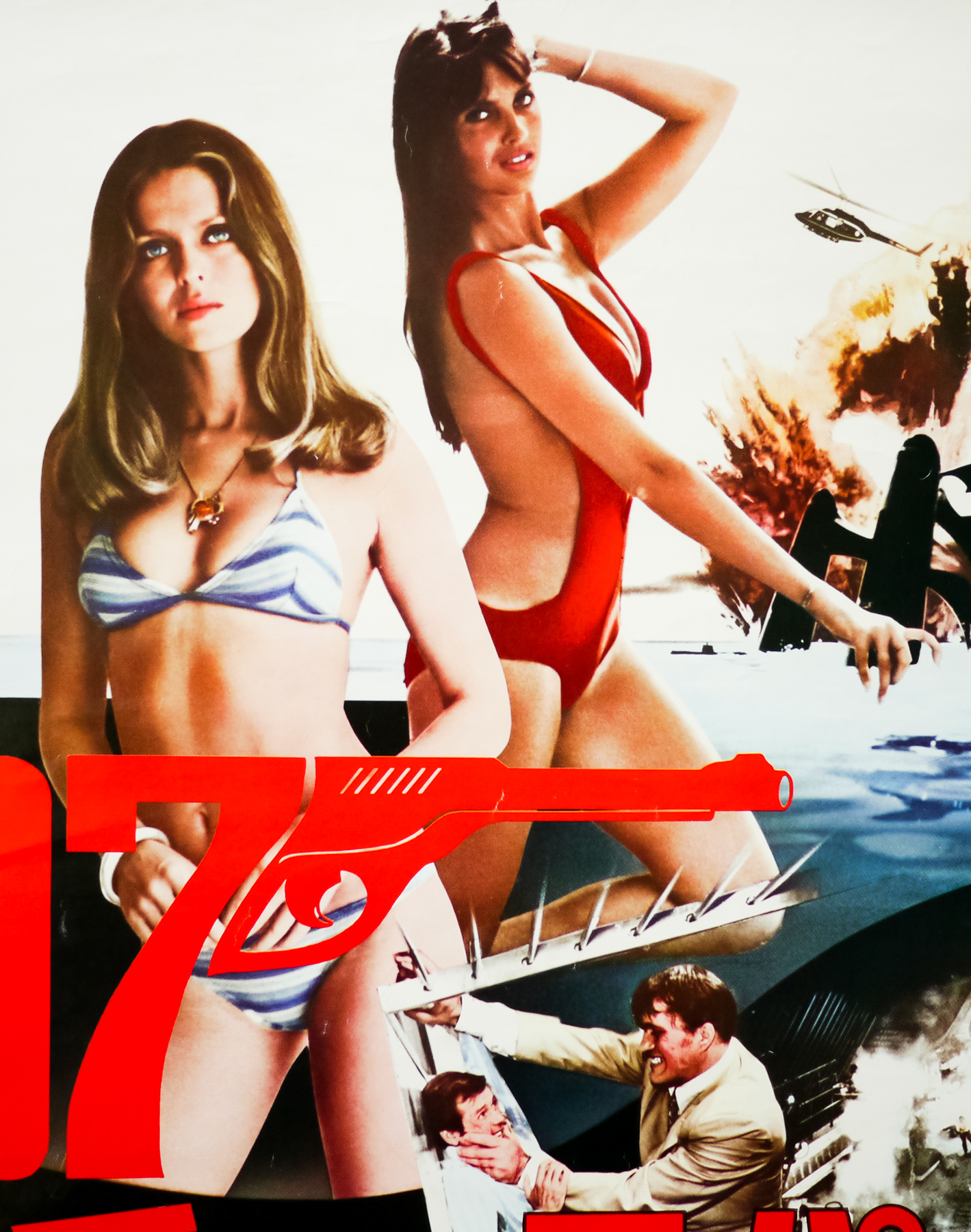
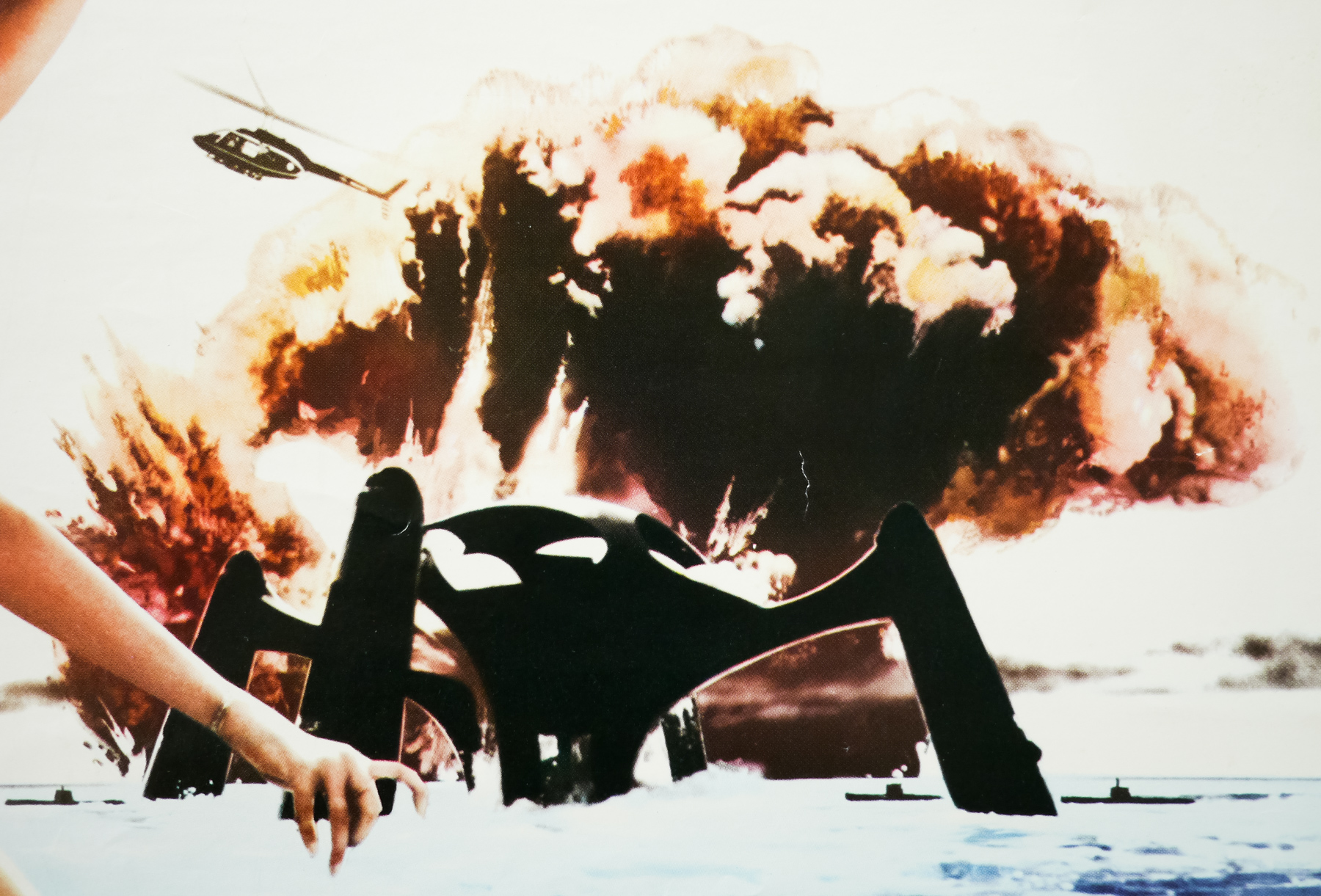
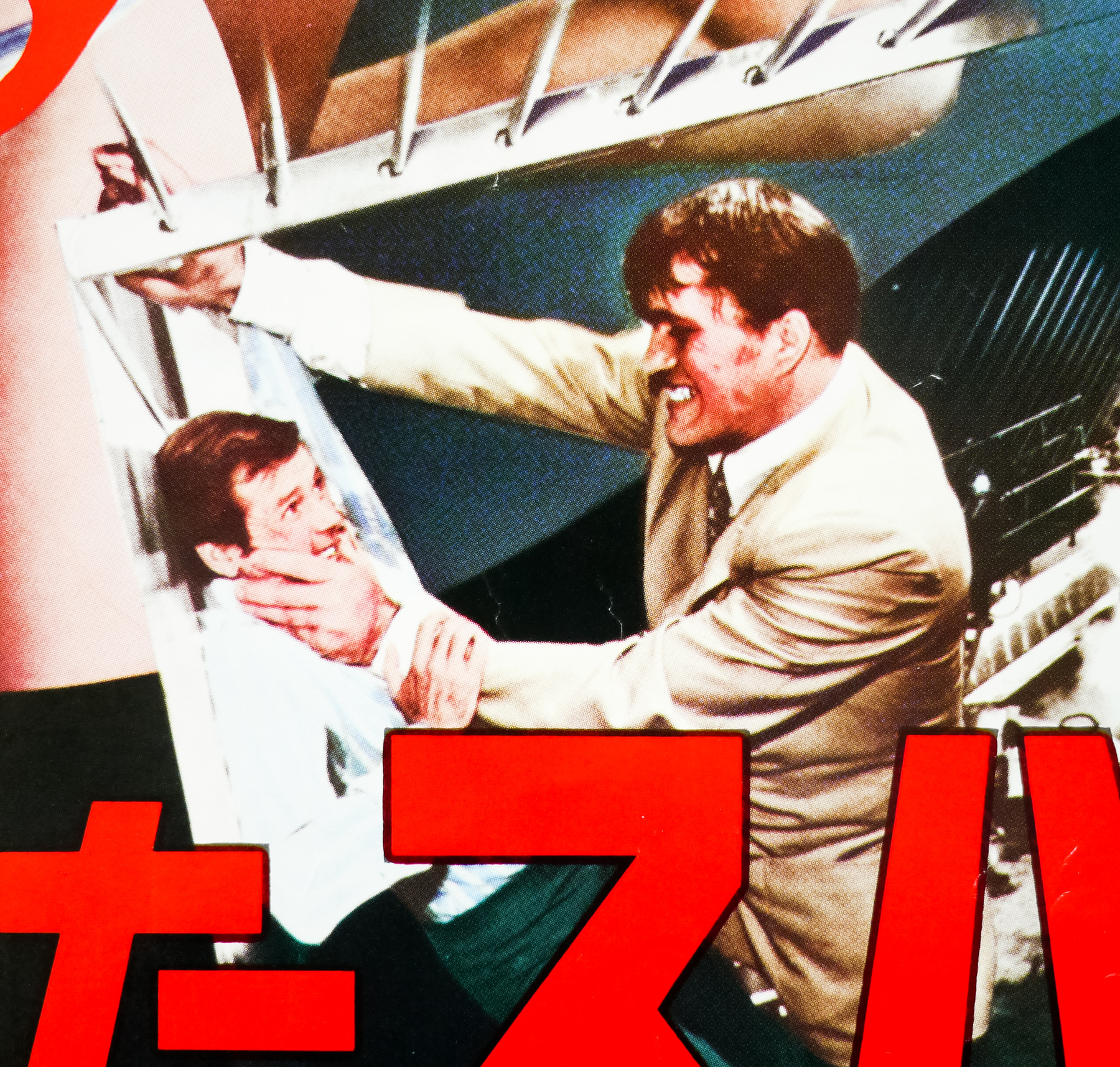
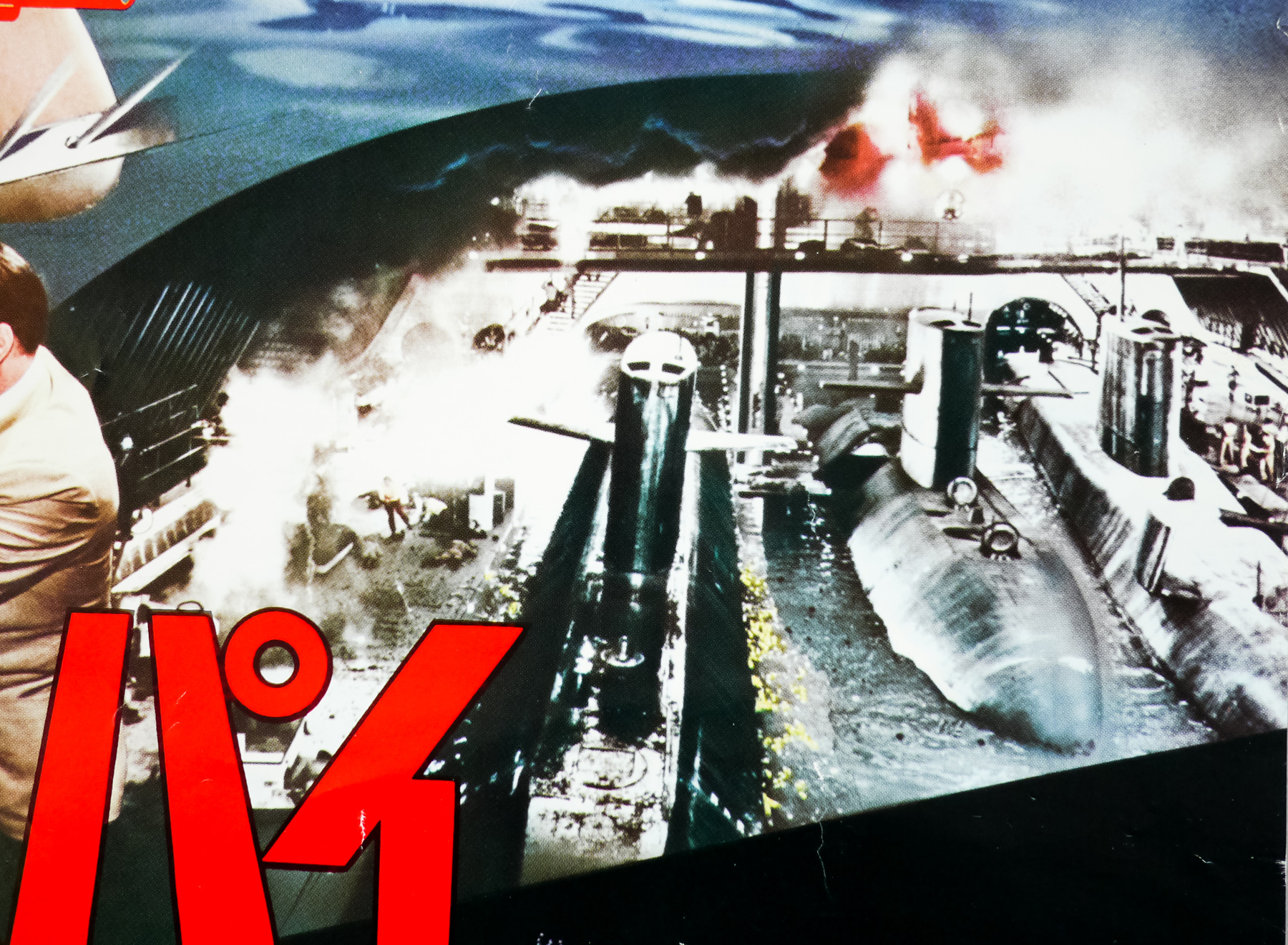
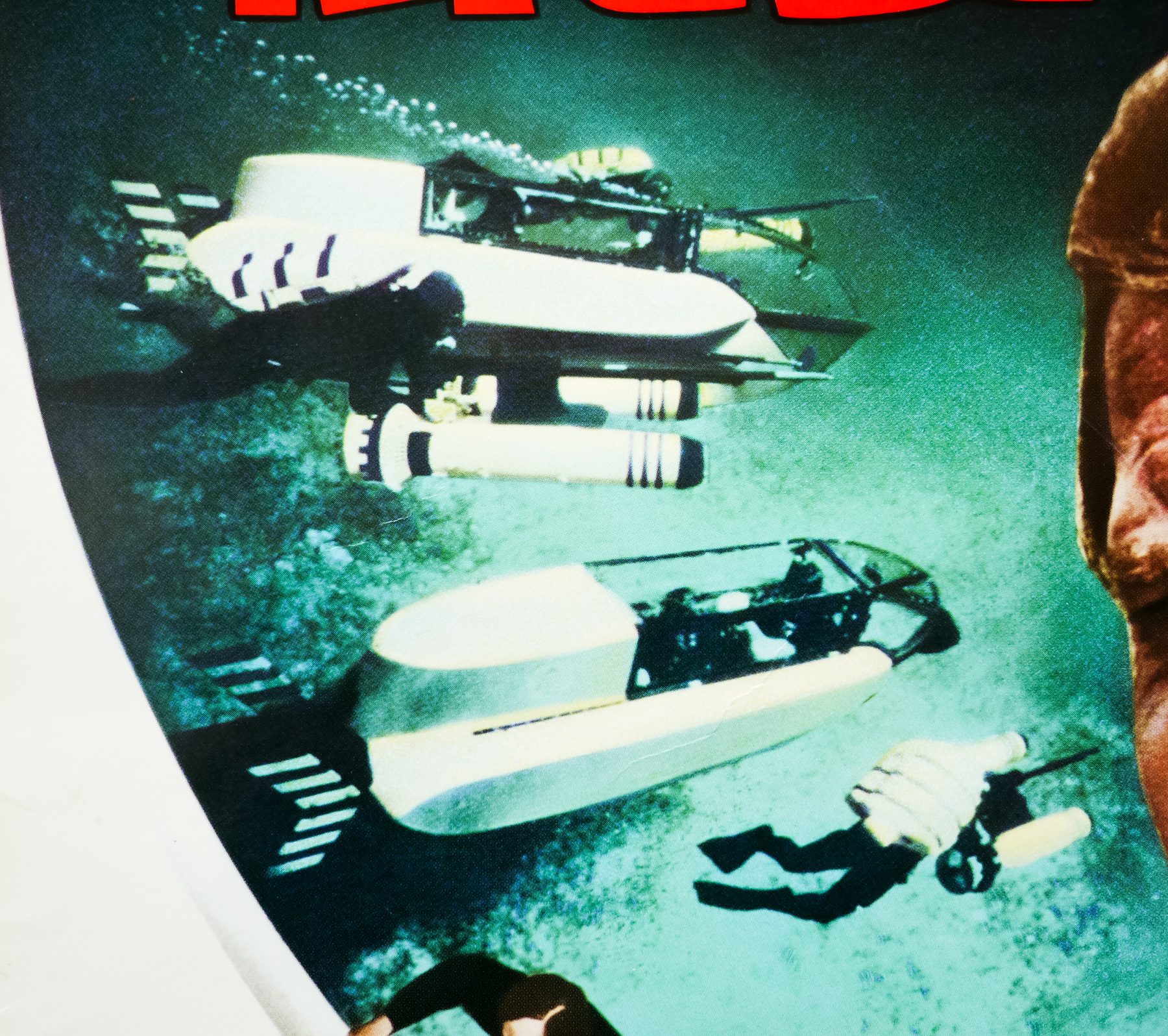
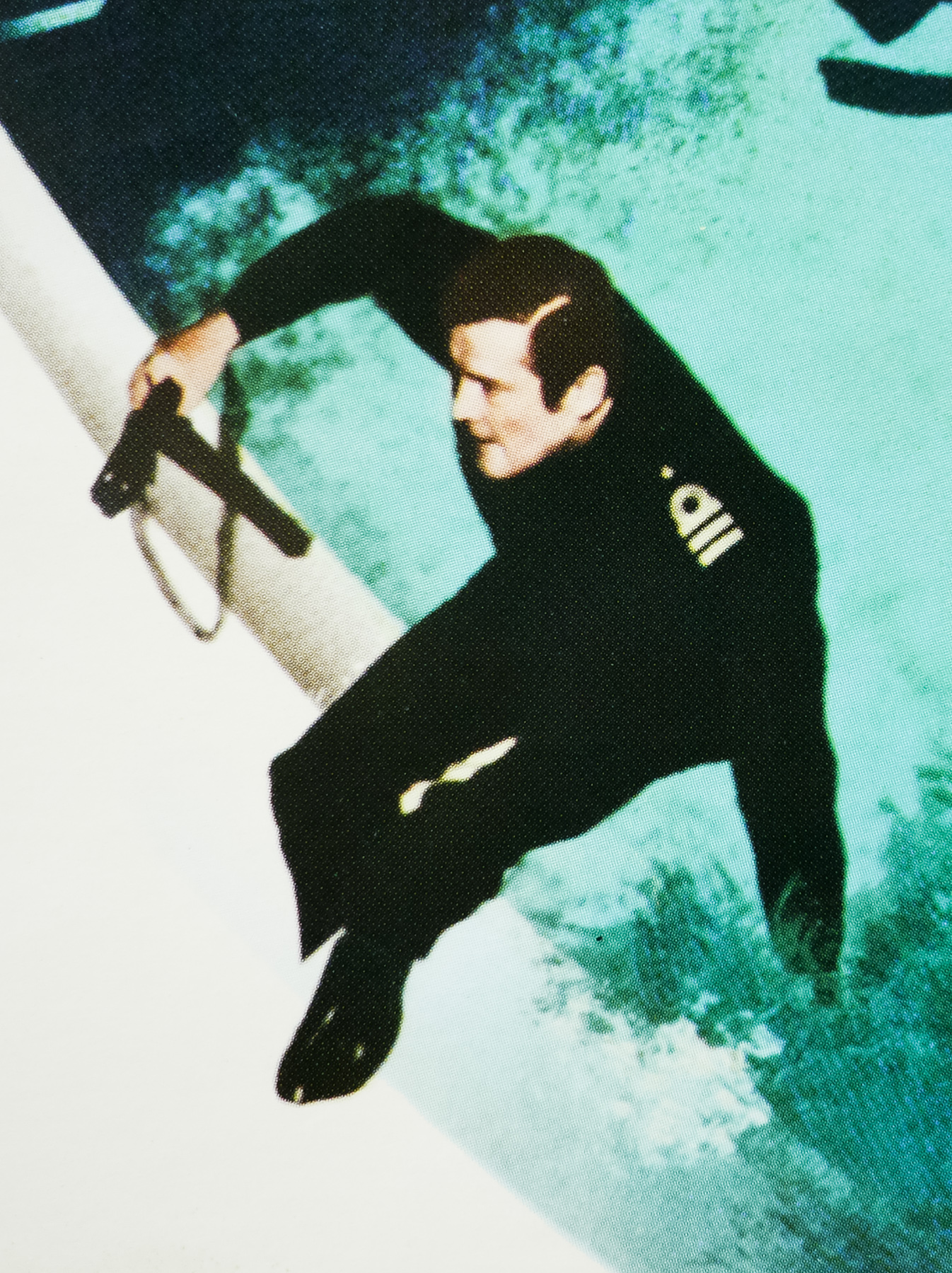
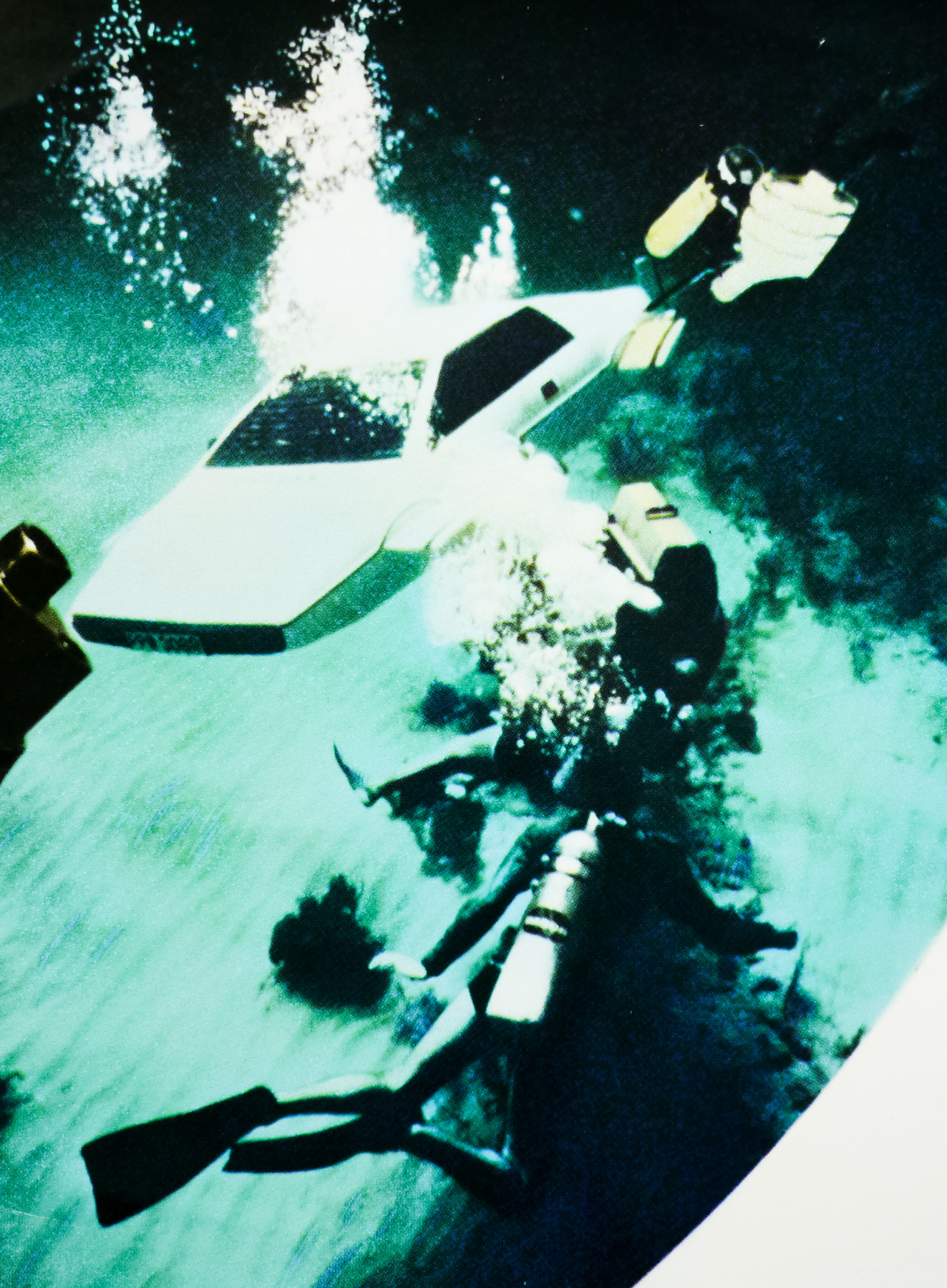
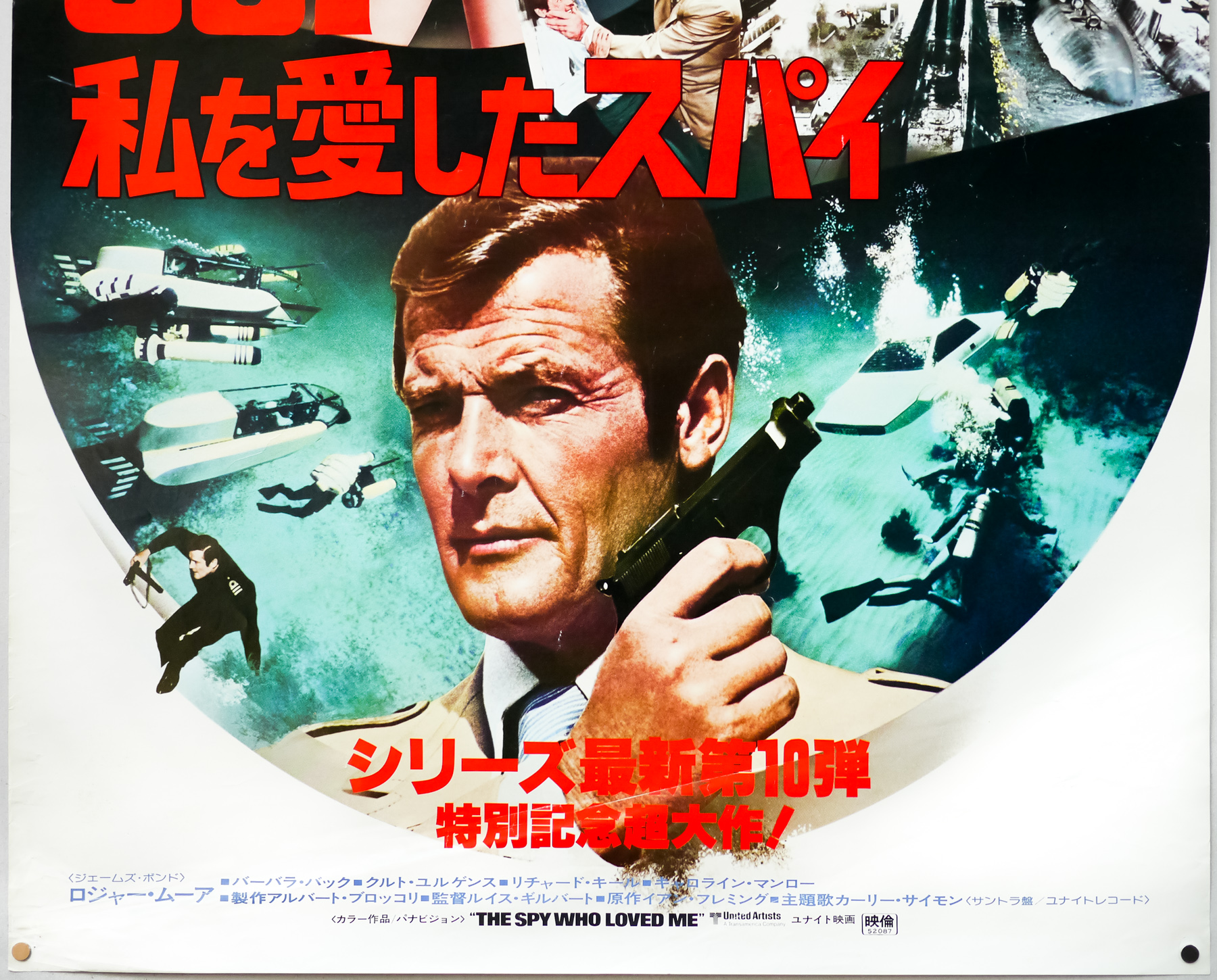
This is the photo style Japanese B2 for the release of The Spy Who Loved Me, which was the tenth James Bond adventure and the third to star Sir Roger Moore as the legendary spy. Felt by many to be the best Moore era film, it shares only the title with Ian Fleming’s original novel (at the author’s request) and the screenplay was written by Christopher Wood and Bond regular Richard Maibaum. When Russian and British submarines mysteriously disappear whilst on patrol, each country sends their top spies to discover who is responsible. The trail leads Bond to Egypt where he discovers that the plans for a submarine tracking device are on sale to the highest bidder.

Whilst in Egypt, Bond encounters his Russian rival, the KGB Agent Triple X (!) Major Anya Amasova (played by the beautiful Barbara Bach) and after a few initial hostile encounters the pair agree to team up to track down the plans and deal with the mute but deadly assassin Jaws (the late Richard Kiel‘s first appearance as the fan-favourite baddy). The pair identify shipping tycoon and scientist Karl Stromberg (Curd Jürgens) as the man behind the device and travel to Sardinia on his trail. There they visit Stromberg’s underwater base, Atlantis, posing as husband and wife scientists but their cover is soon blown and Bond’s infamous Lotus Esprit-cum-submarine makes an appearance. Eventually Bond and Anya are onboard a submarine captured by Stromberg’s submarine-swallowing supertanker and a final showdown takes place.

The Spy Who Loved Me opens with arguably the best pre-credits sequence of any Bond film that apparently even had Prince Charles on his feet applauding at the Royal Premiere back in 1977. The locations, sets and special effects work (particularly the models) are all first rate and you really feel that the budget was well spent. The ridiculous camp humour of later Moore outings is thankfully restrained too. The film was very well received by both critics and audiences and raked in healthy worldwide box-office takings.

As well as this photo montage poster there was also a B2 that featured Bob Peak’s great artwork for the film, as seen on the US one sheet and UK quad.

King Kong Lives / B2 / style A / Japan

20.11.13

Poster Poster
Title
King Kong 2
AKA
King Kong Lives (USA / UK)
Year of Film
1986
Director
John Guillermin
Starring
Peter Elliott, George Yiasoumi, Brian Kerwin, Linda Hamilton, John Ashton, Peter Michael Goetz, Frank Maraden
Origin of Film
USA
Genre(s) of Film
Peter Elliott, George Yiasoumi, Brian Kerwin, Linda Hamilton, John Ashton, Peter Michael Goetz, Frank Maraden,
Type of Poster
B2
Style of Poster
Style A
Origin of Poster
Japan
Year of Poster
1986
Designer
Unknown
Artist
Unknown
Size (inches)
20 6/16" x 28 13/16"
SS or DS
SS
Tagline
--

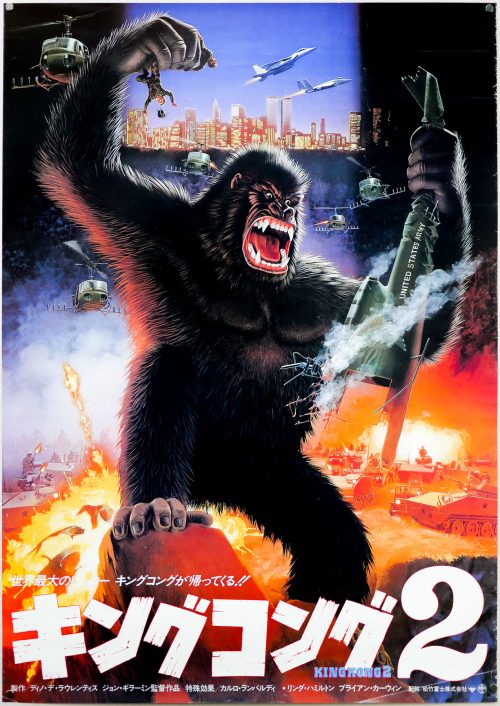
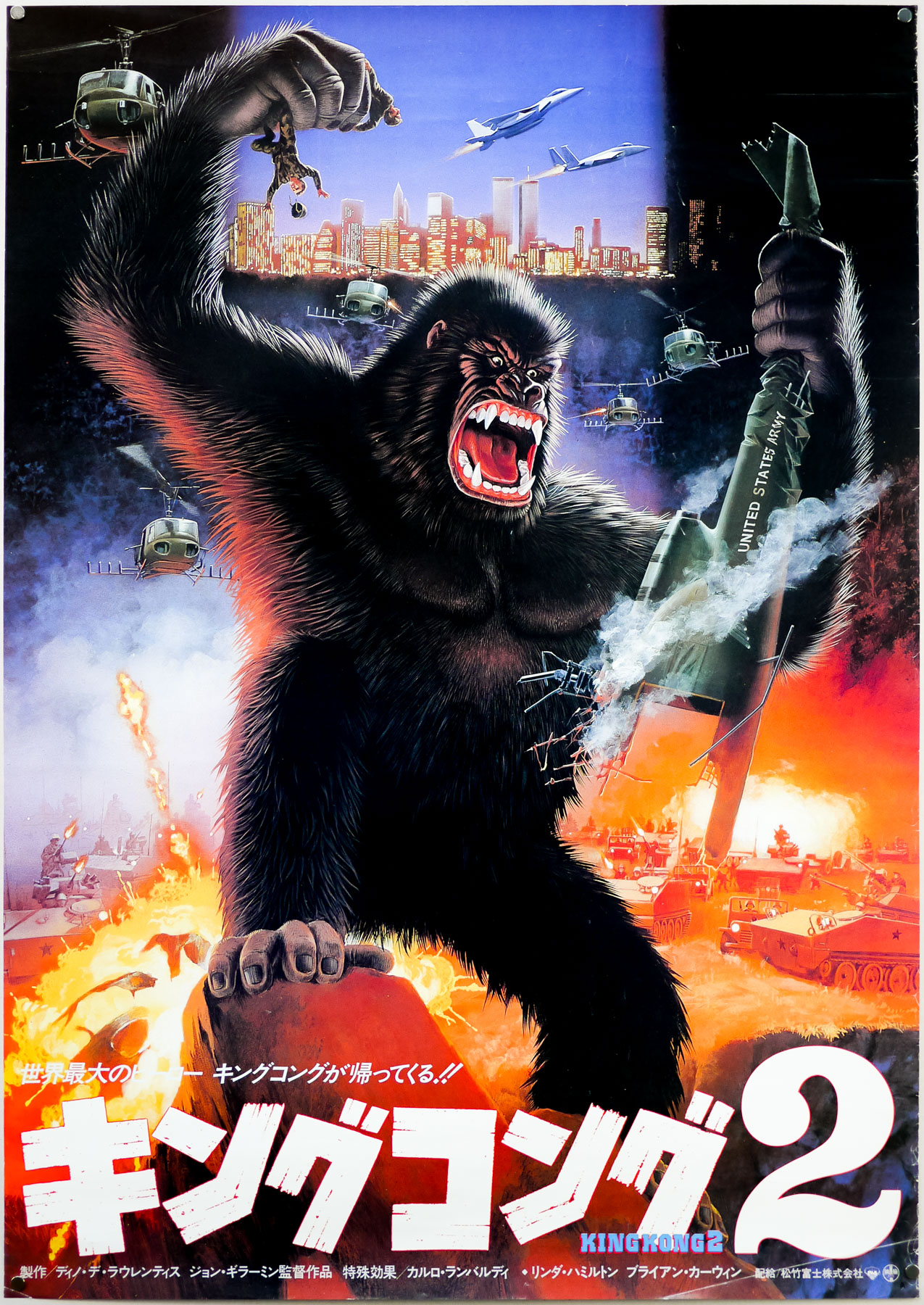
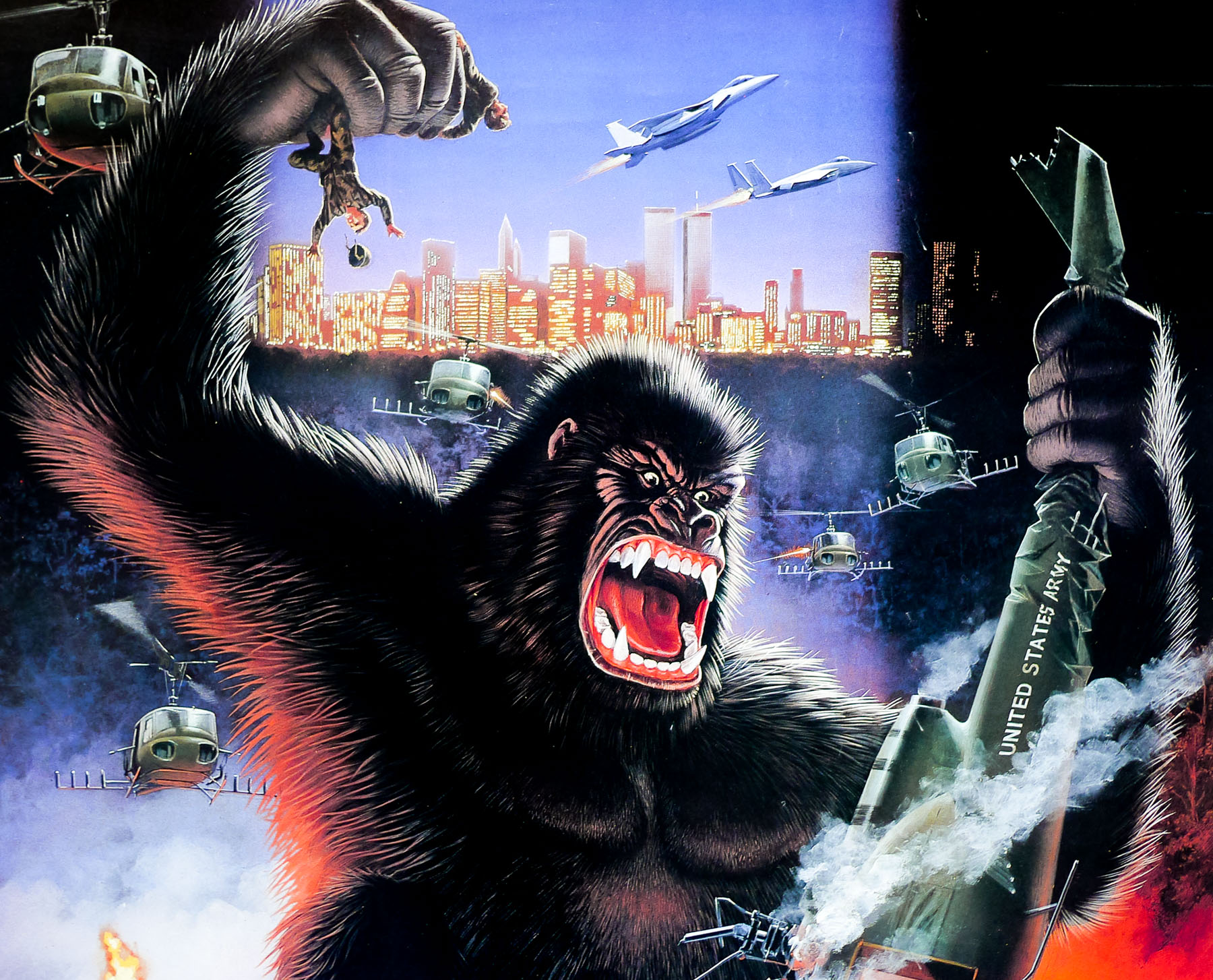
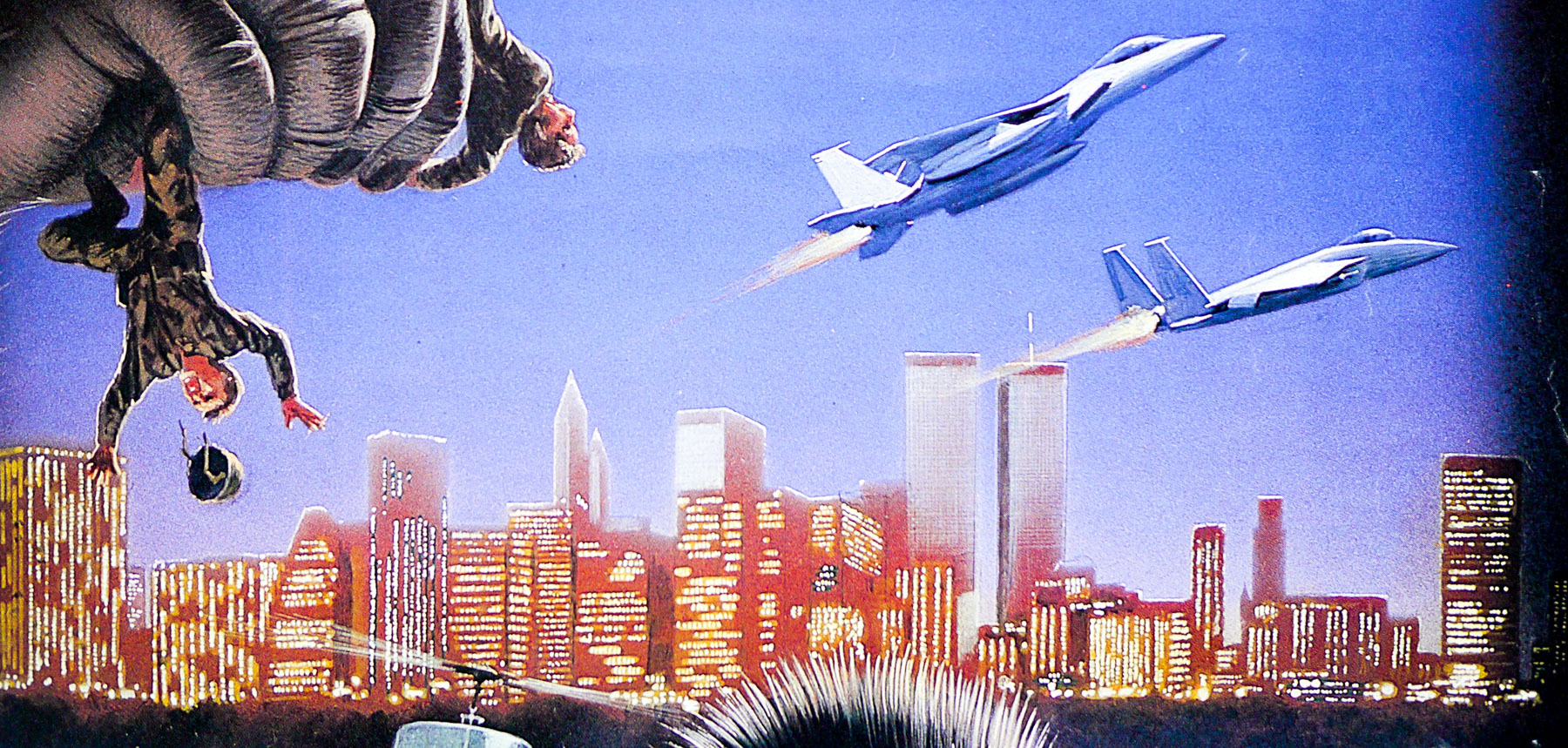
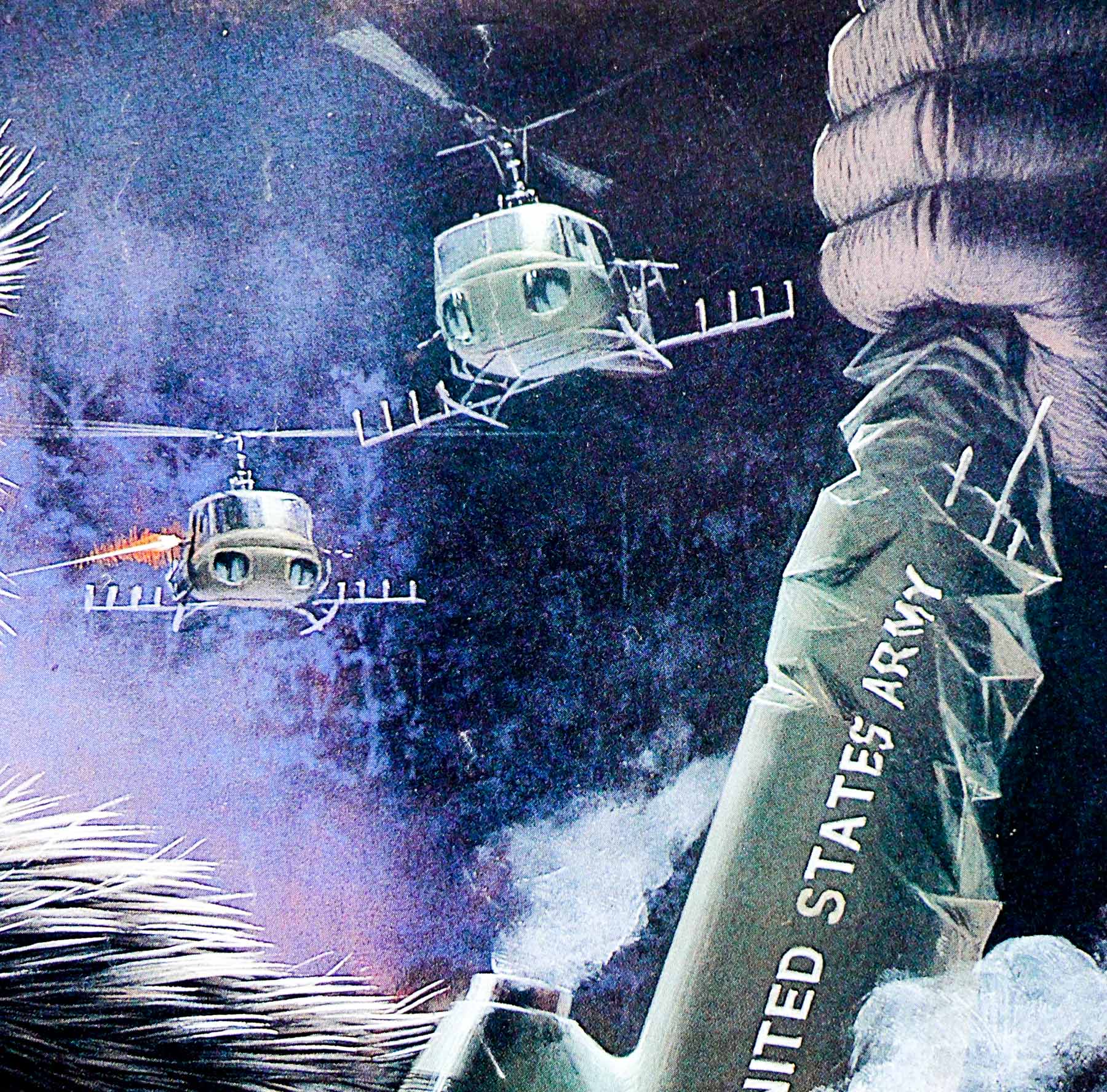
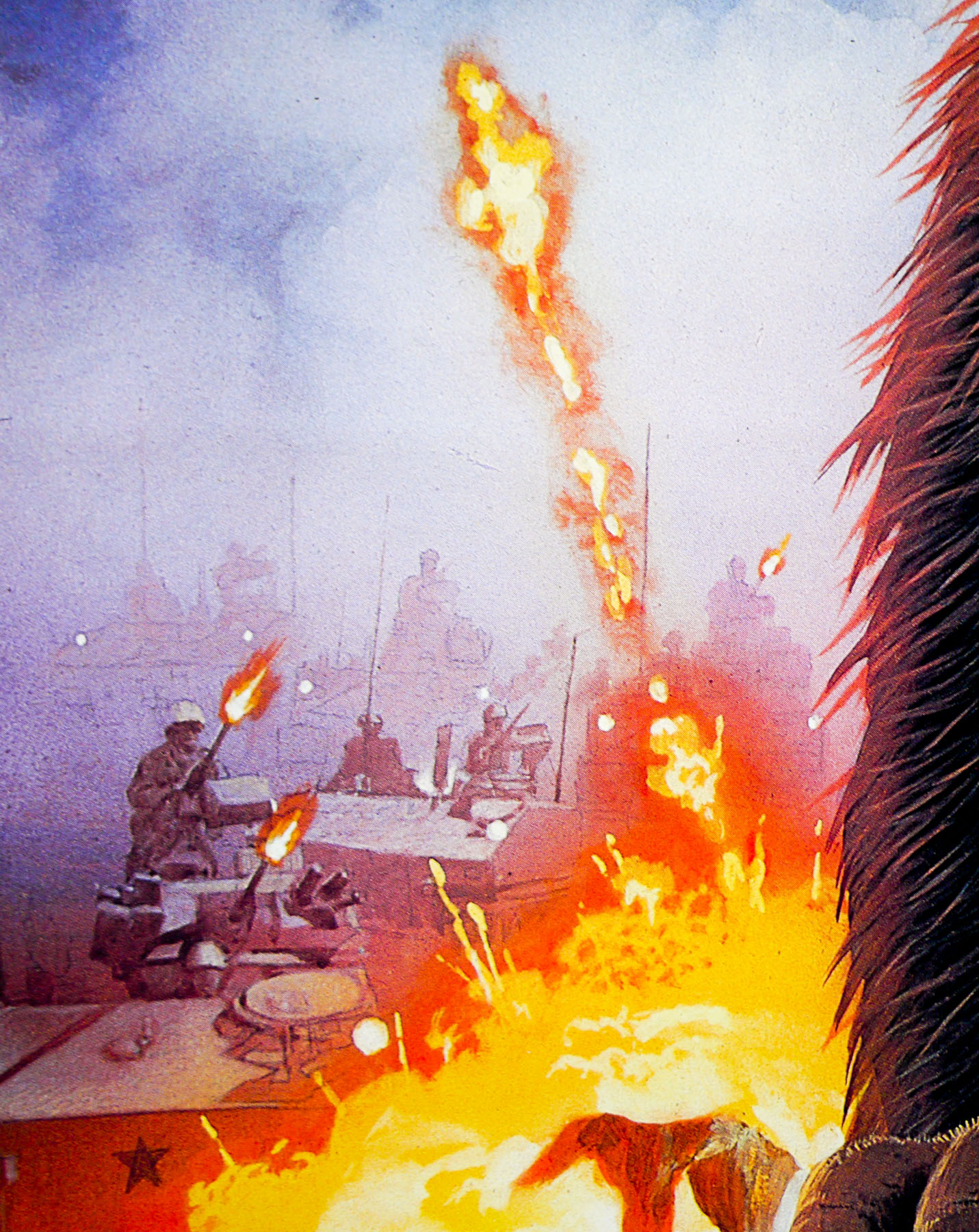
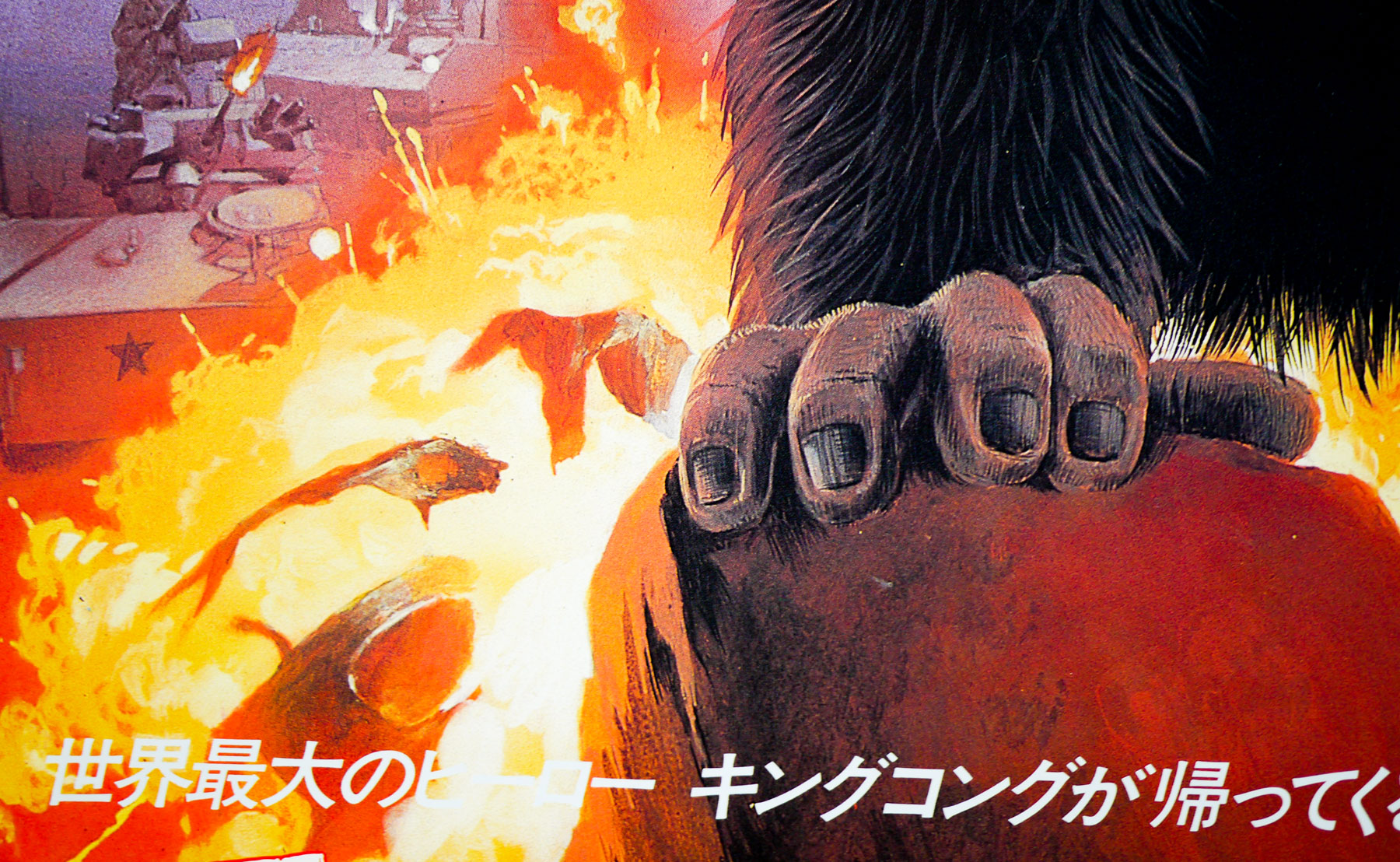
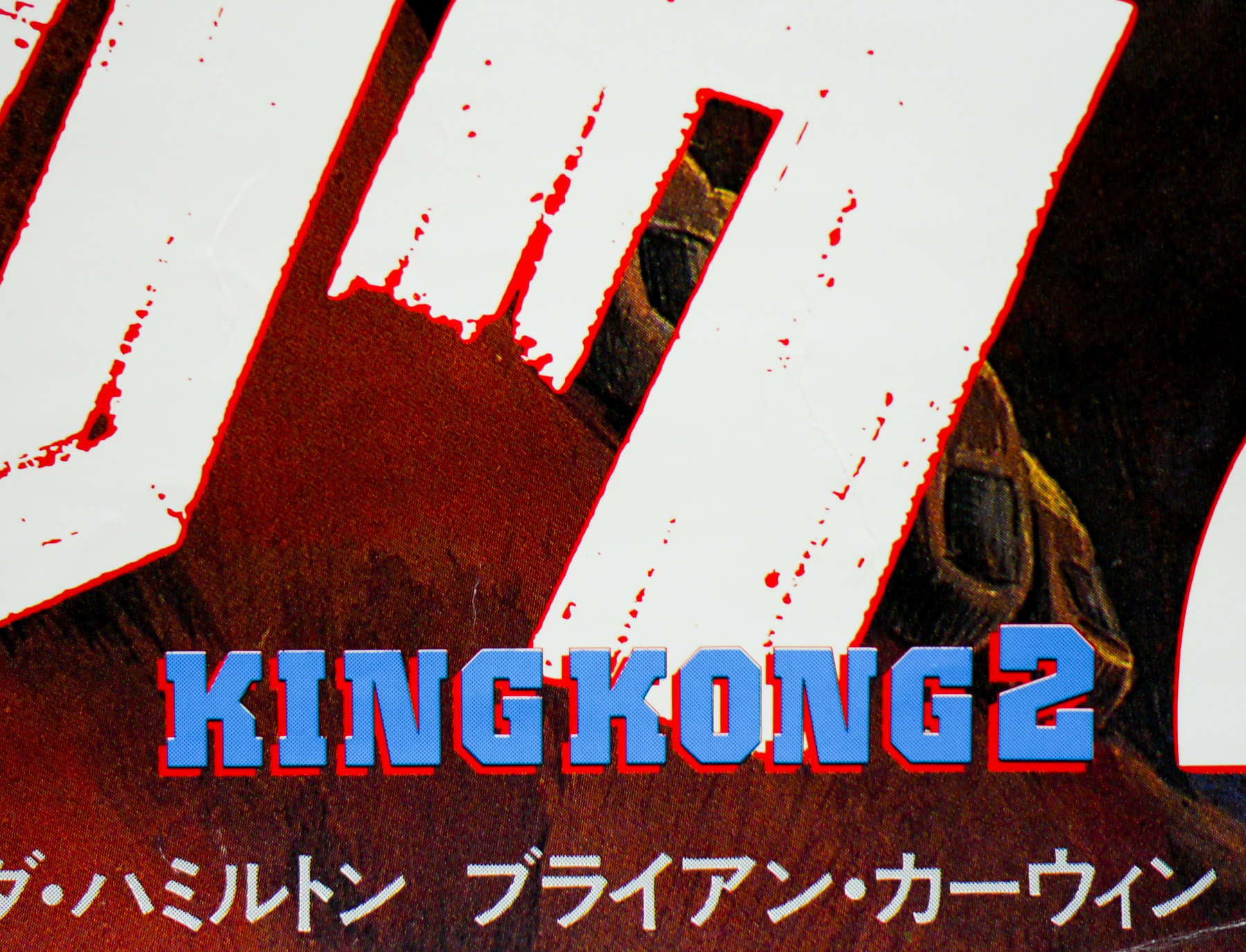
King Kong Lives is the critically-mauled and commercially disastrous sequel to the ill-advised 1976 remake of the classic big ape monster movie, which was shepherded into life by the legendary Italian producer Dino De Laurentiis. I’m not entirely sure why a decade passed before this sequel was put into production, but both De Laurentiis (or at least his company DEG) and director John Guillermin returned and definitely shouldn’t have bothered. The gap is explained in the film by having Kong in a 10 year coma following his fall from the World Trade Center at the end of the previous film.

Linda Hamilton (who should have known better) stars as Dr. Amy Franklin who is attempting to perform a heart transplant with an electronic replacement but Kong has lost too much blood for the operation to proceed. Luckily the adventurer Hank Mitchell (Brian Kerwin) finds and captures another giant ape in the jungles of Borneo and brings it to the US so that the operation can go ahead. It turns out that the new ape is a female and once Kong’s heart is replaced it’s not long before he escapes with ‘Lady Kong’ and chaos ensues. Unfortunately, despite the premise, the entire cast looks as if they’d rather be somewhere else and the shoddy effects can’t paper over the cracks.

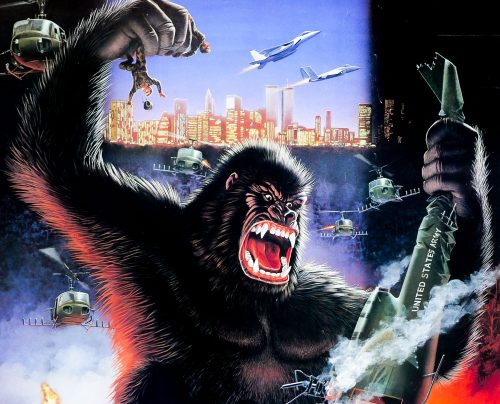
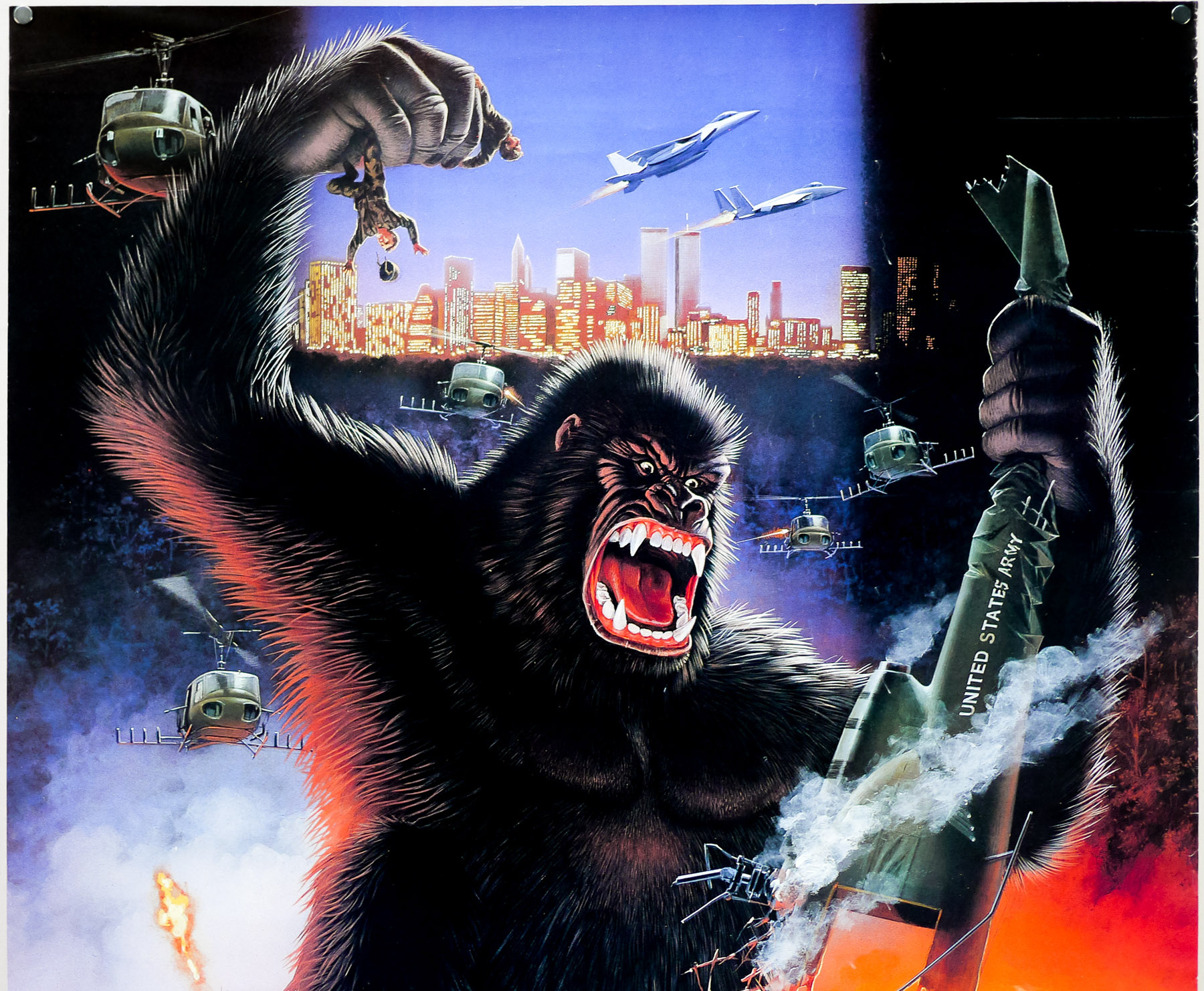
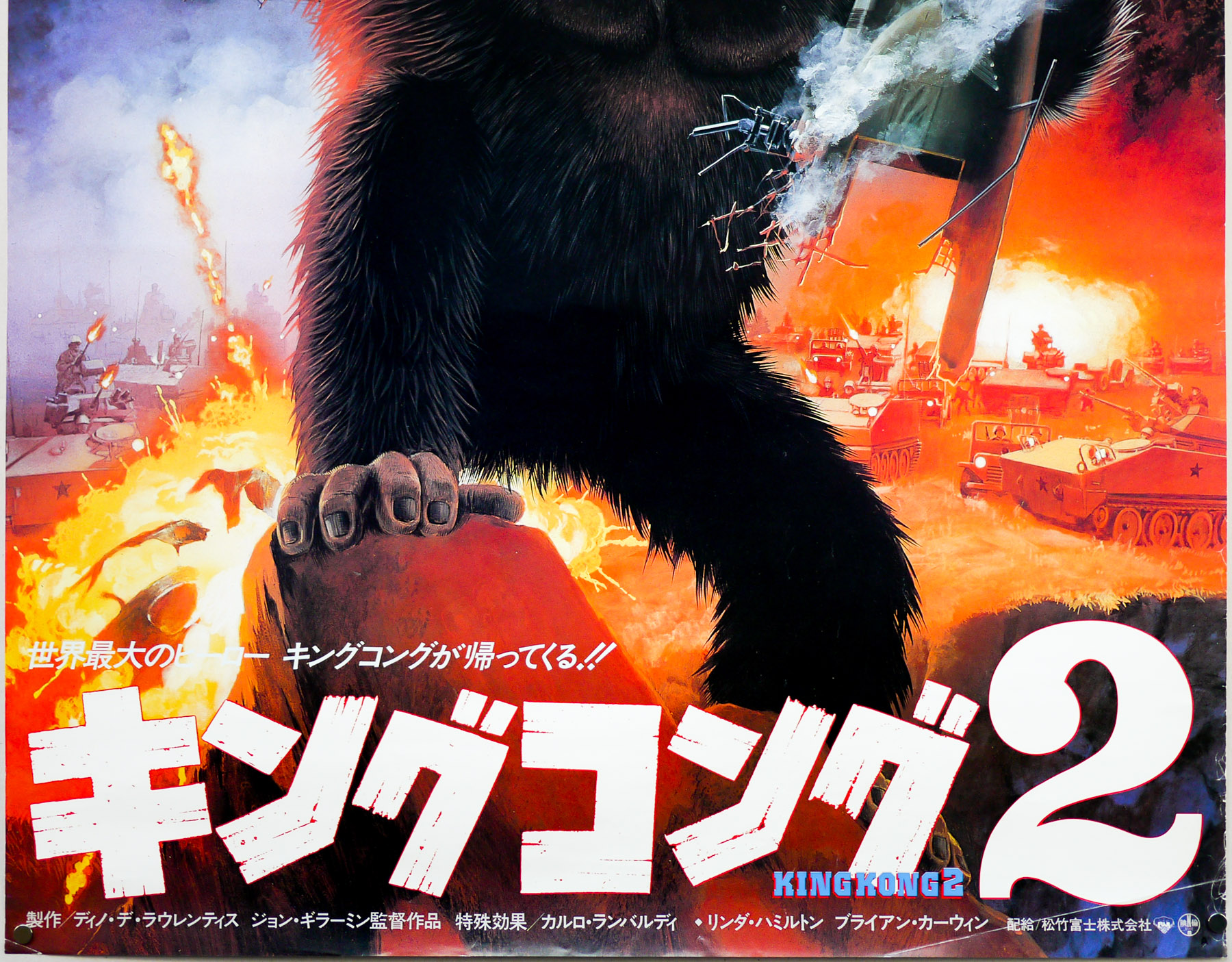
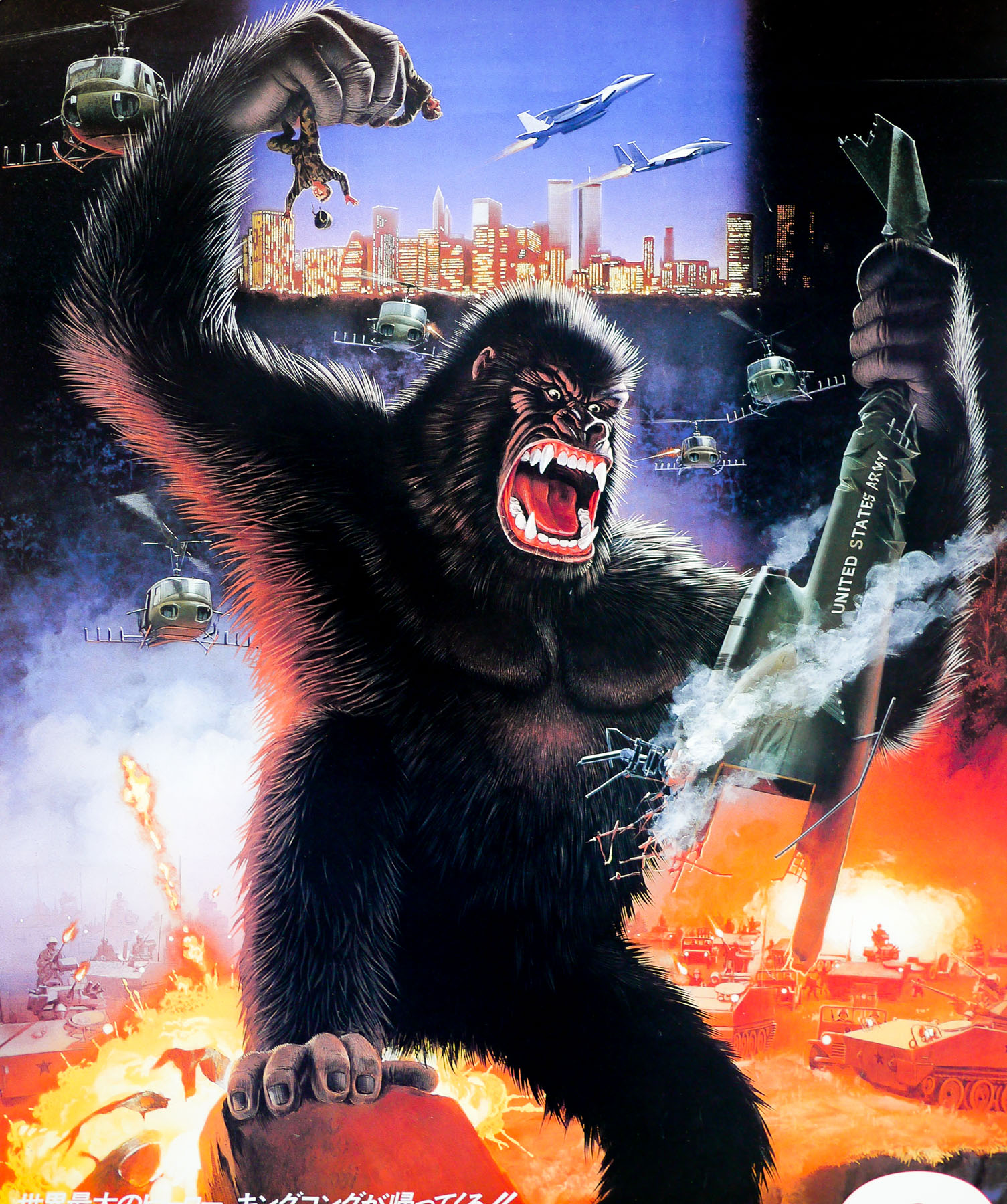
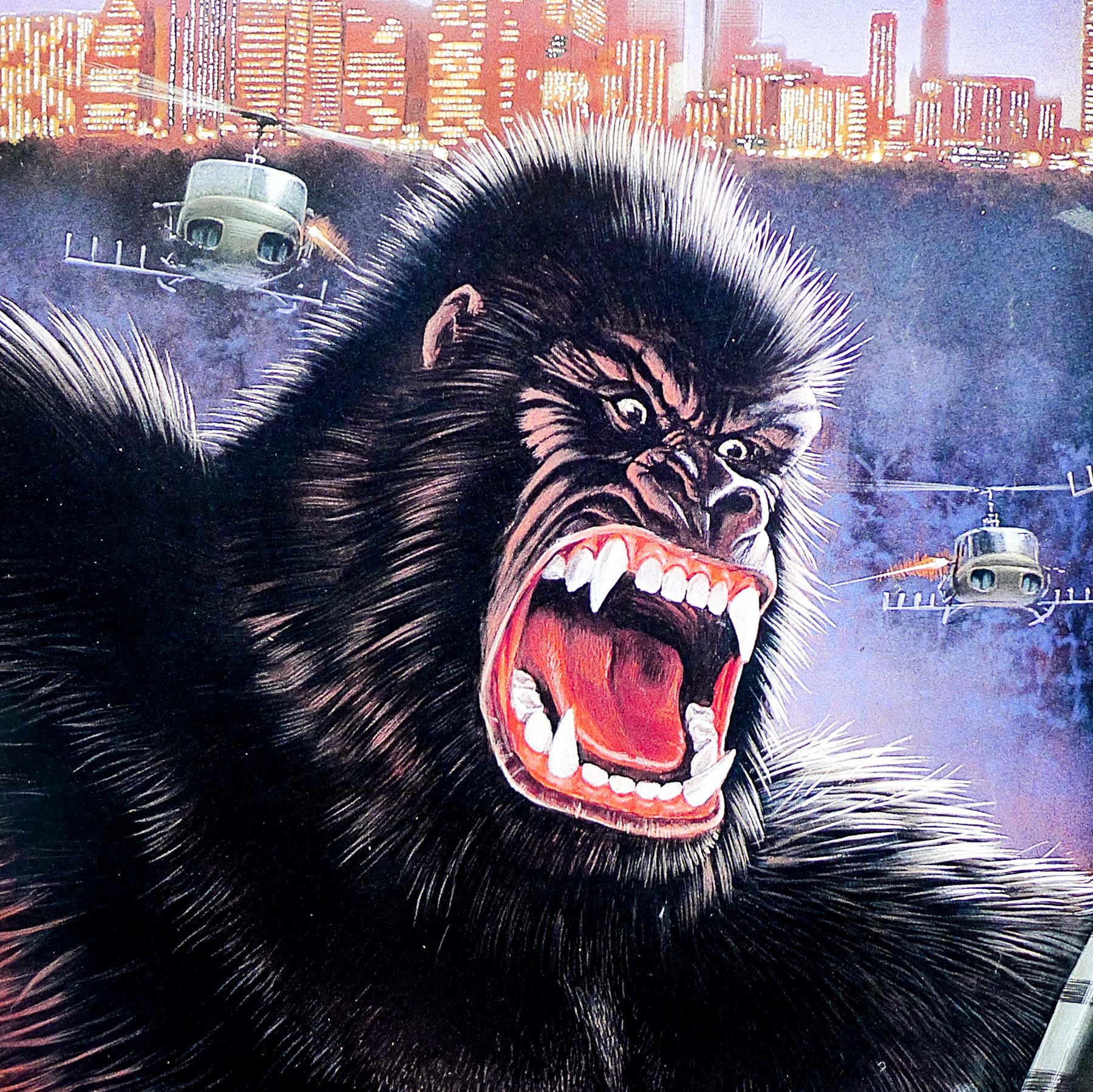
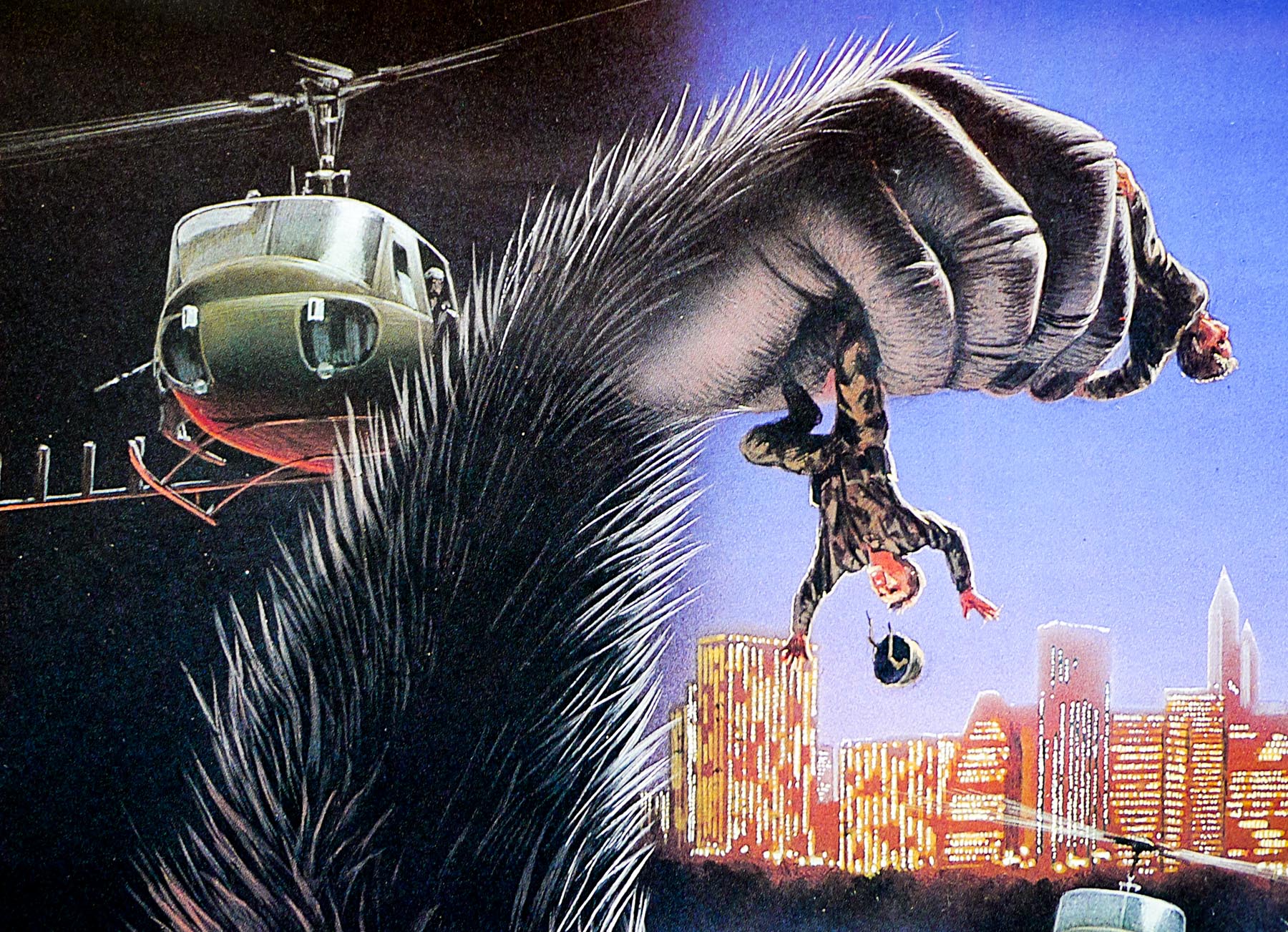
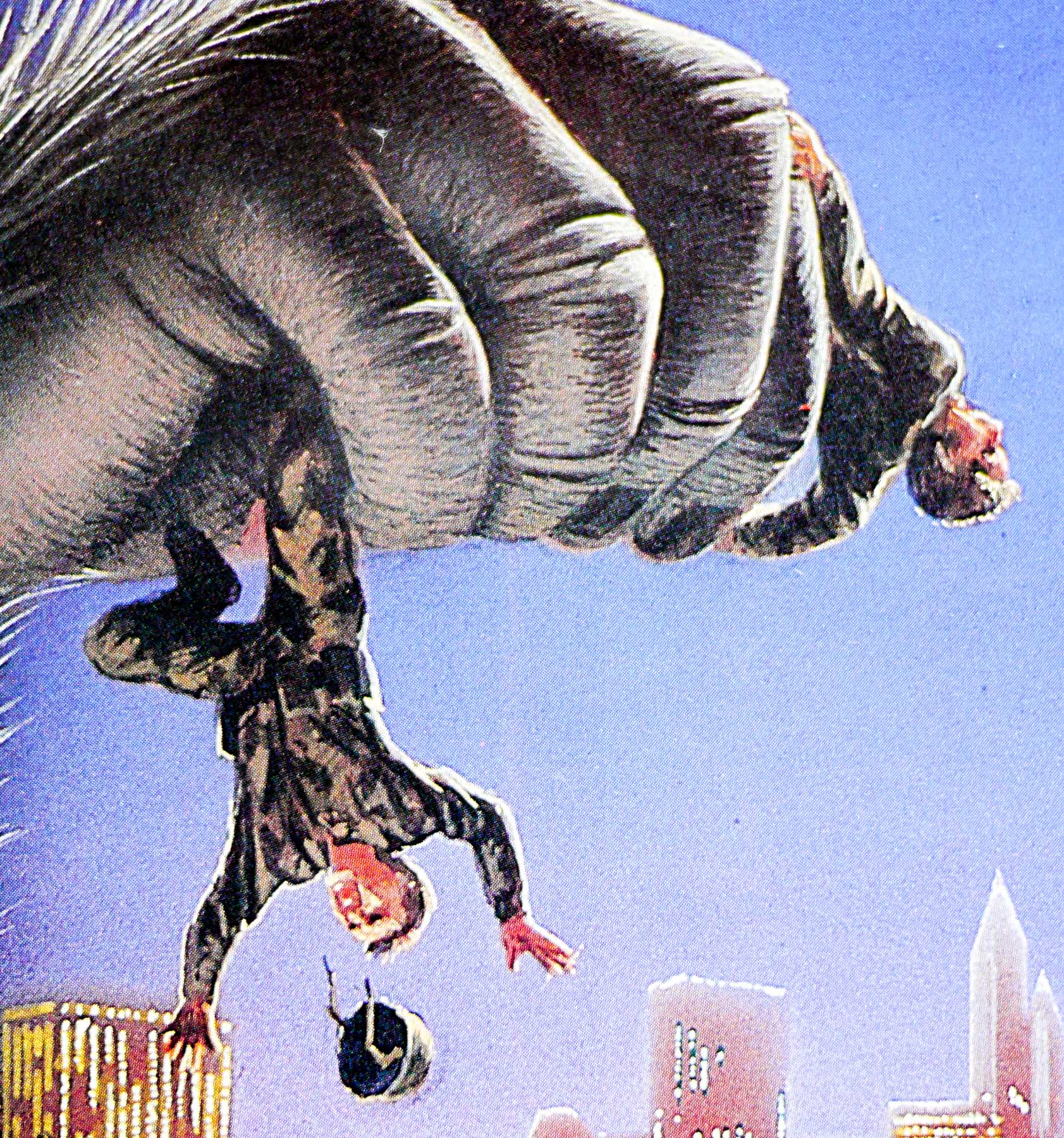
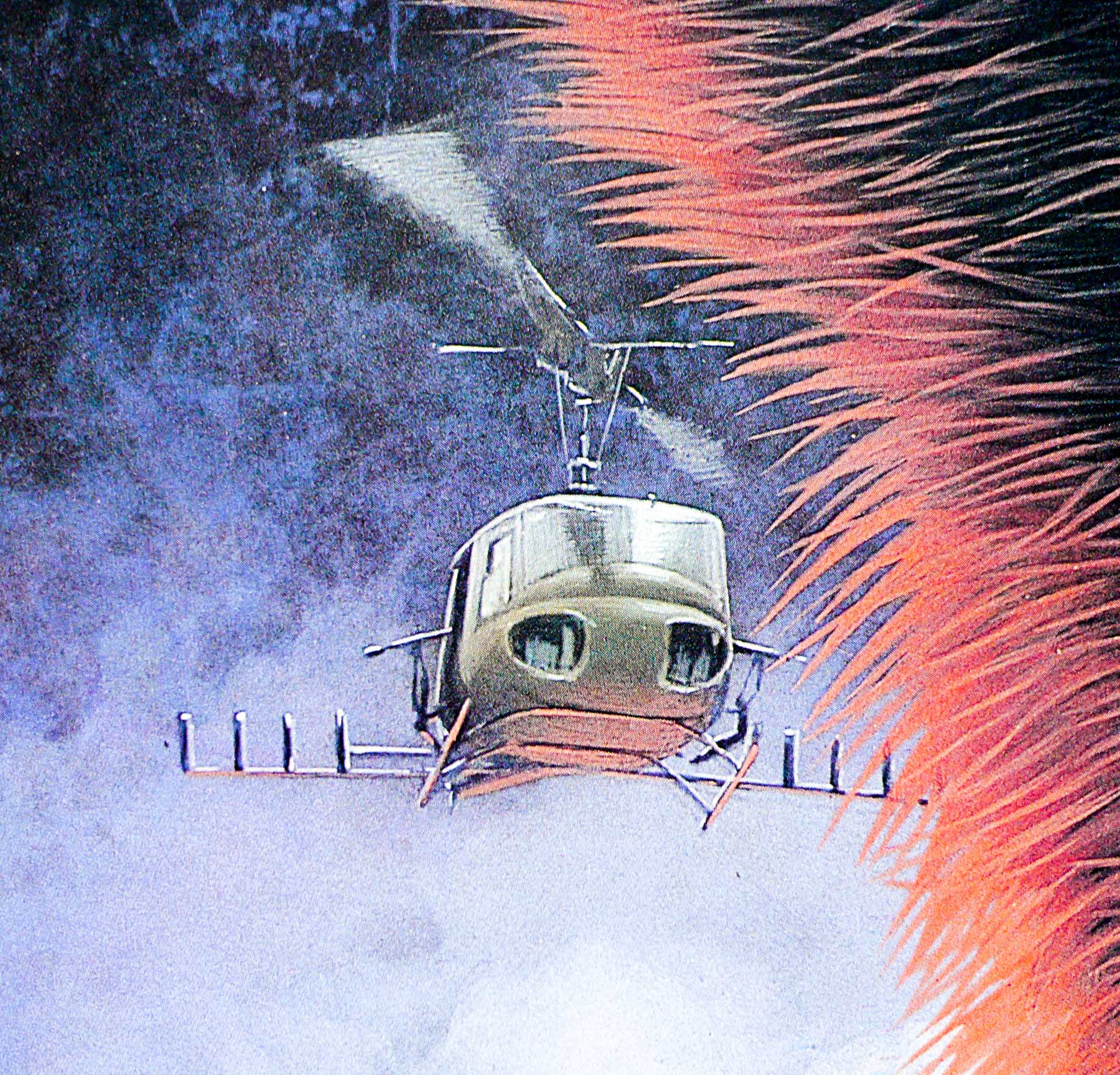
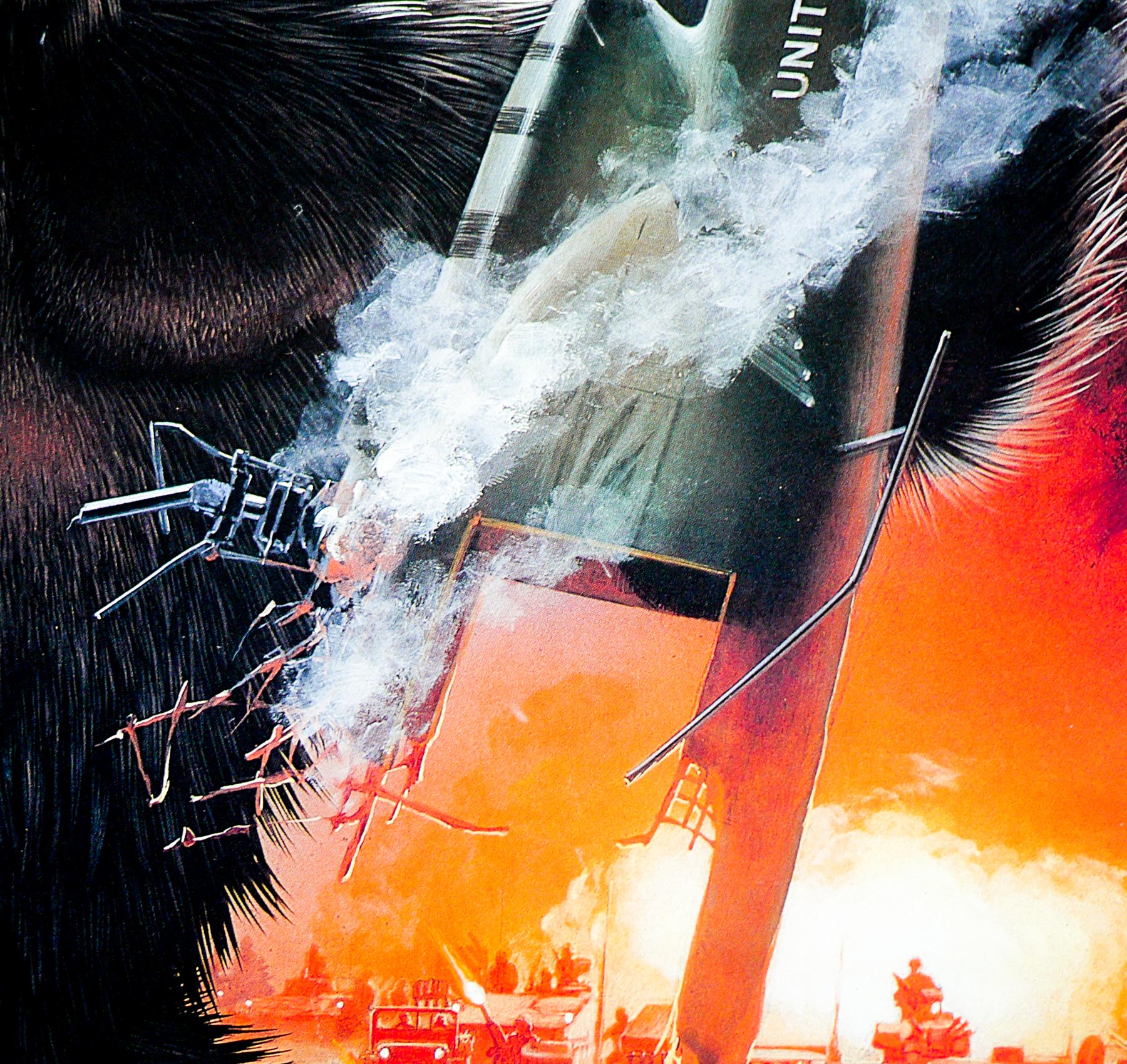
This artwork is exclusive to the style A Japanese poster but has some elements that are similar to the American one sheet. I’ve struggled to find out who the artist is for this poster so please get in touch if you have an idea. There is also a style B Japanese poster that was illustrated by the great Noriyoshi Ohrai that I also have in the collection and can be viewed here.

Eraserhead / B2 / Japan

09.07.12

Poster Poster

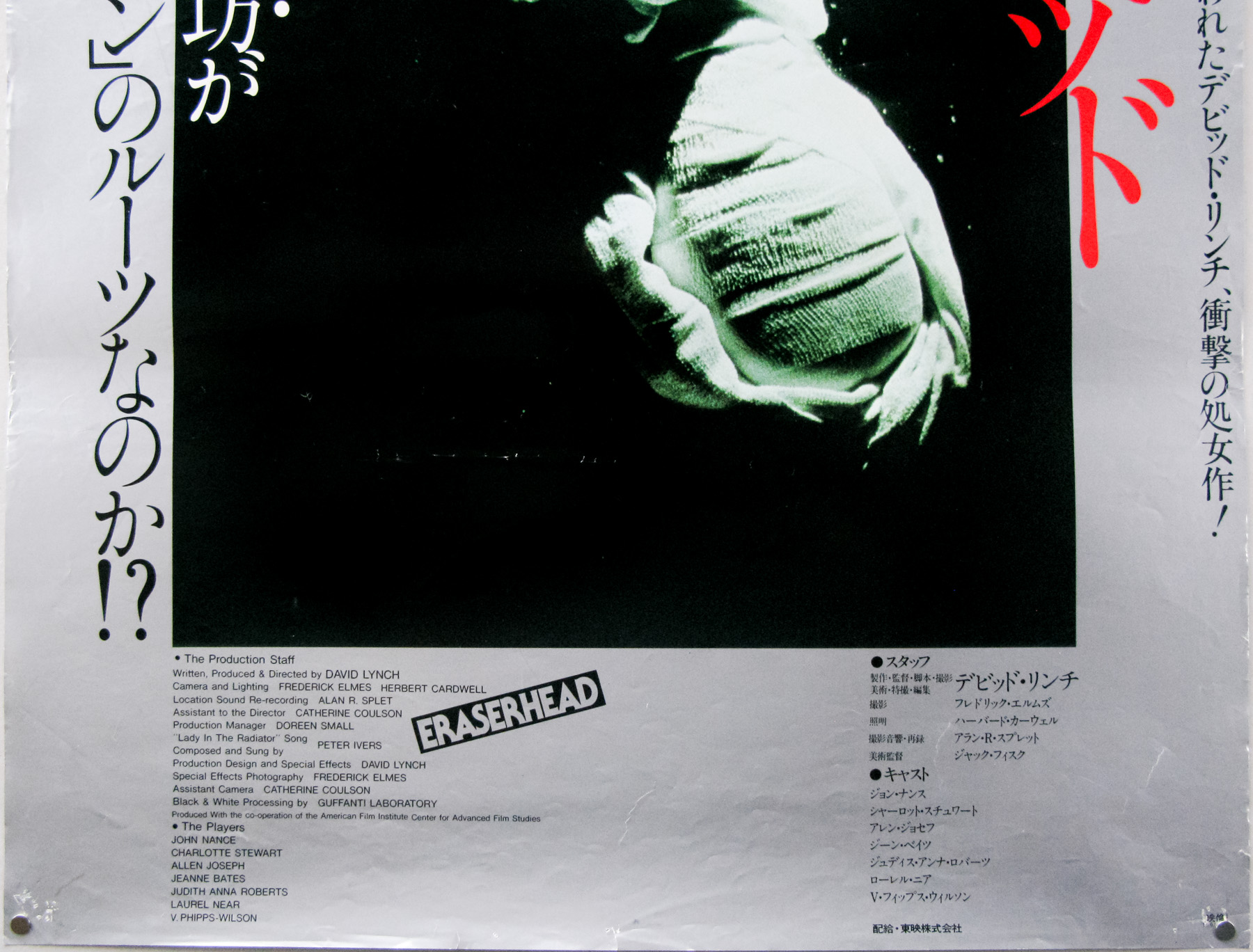
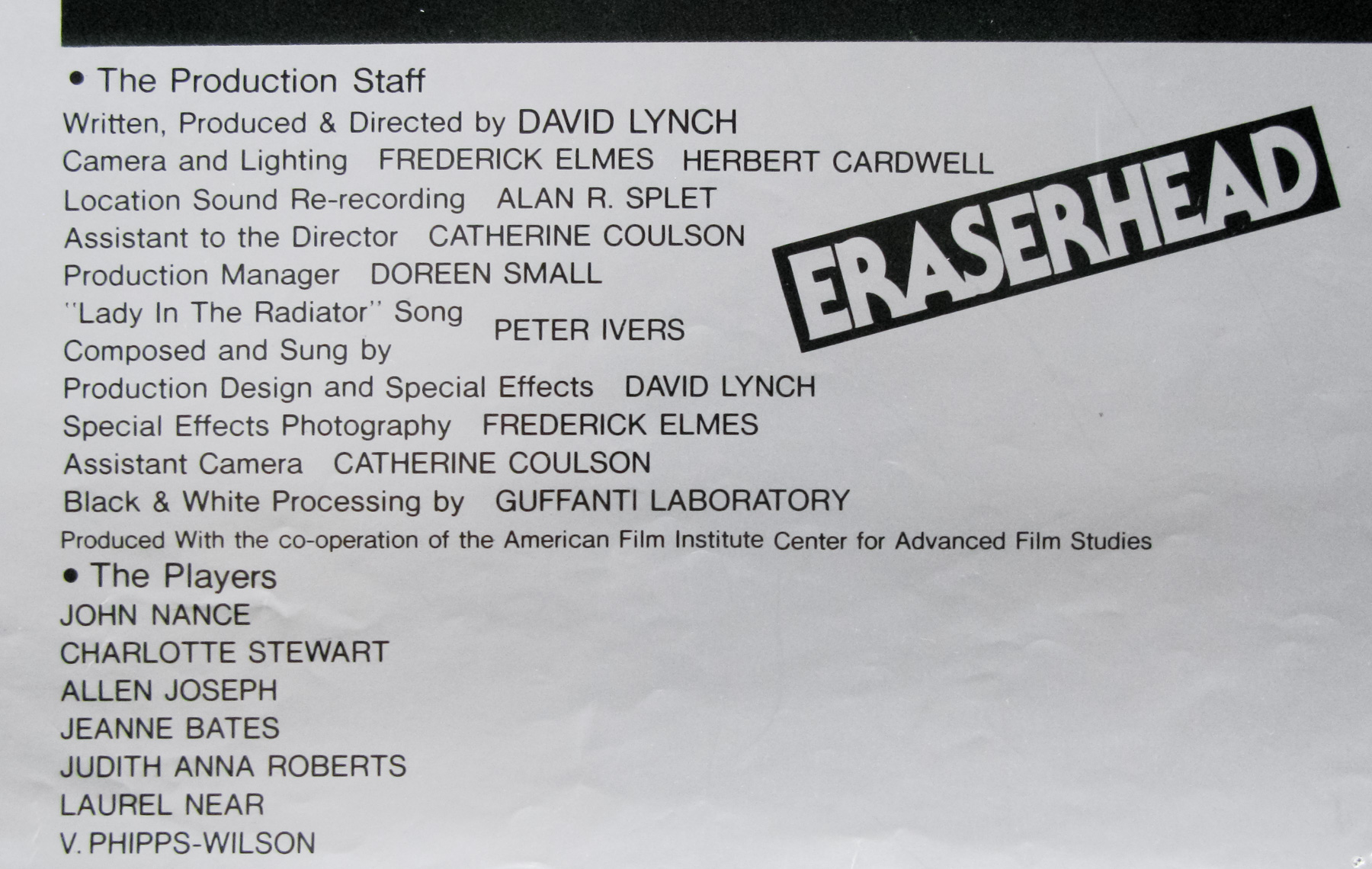
Legendary director David Lynch‘s surreal nightmare Eraserhead celebrates its 35th anniversary in 2012 and its fair to say cinema has seen nothing else quite like it in the years since it was released. Lynch’s first full-length feature was five years in the making and was begun whilst he worked at the American Film Institute school in Los Angeles. The initial grant of $10,000 given to the director quickly ran out and he was forced to spend the following years using money from odd jobs, as well as donations from friends and family to continue work on it.

Ben Barenholtz, the owner of Libra films saw the completed film at the Filmex Festival and, after declaring it was a ‘film of the future’, decided to help Lynch get the film into cinemas. The first screening took place at midnight on the 29th of September, 1977 and, like Jodorowsky’s El Topo before it, Eraserhead became a staple of Midnight Movie shows in Los Angeles, New York and London.

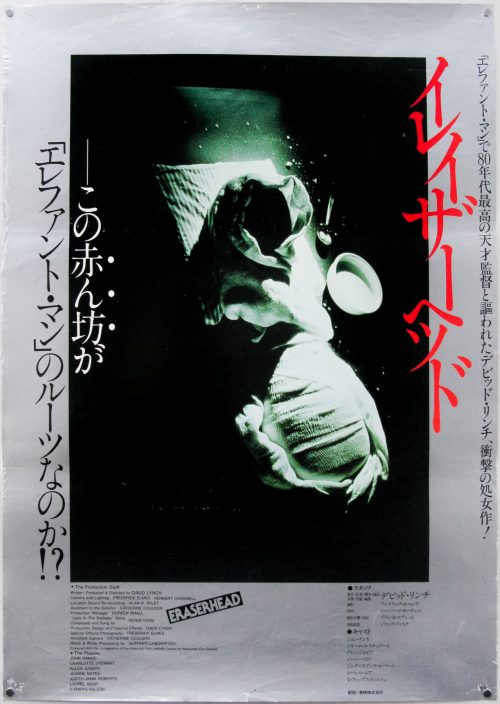
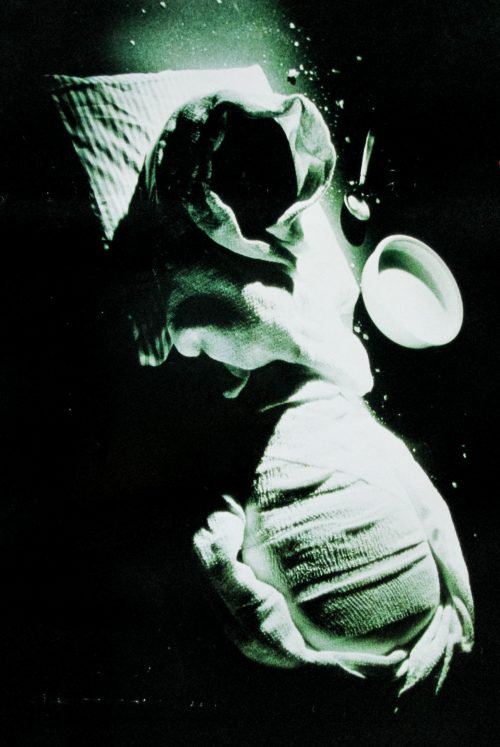
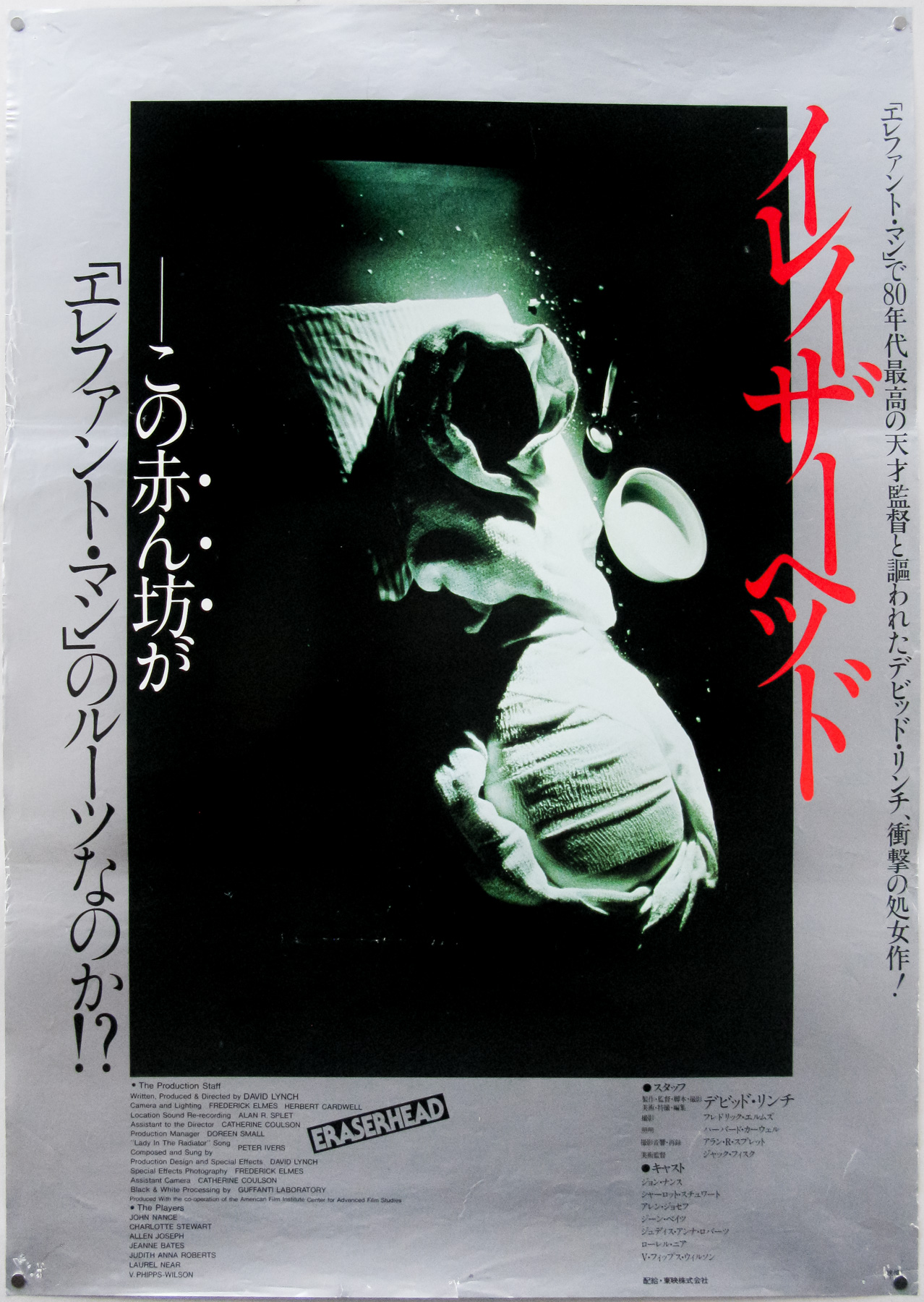
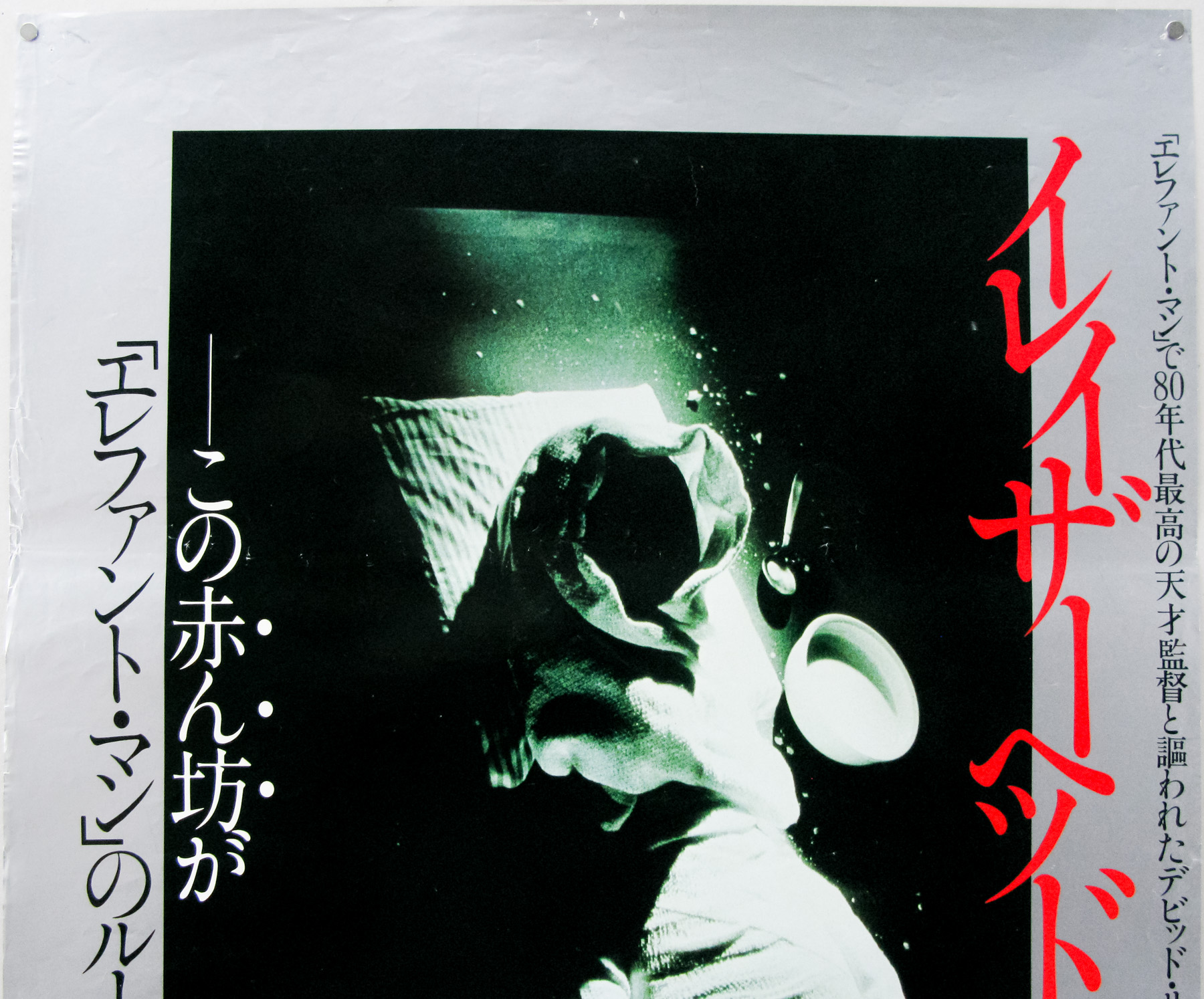
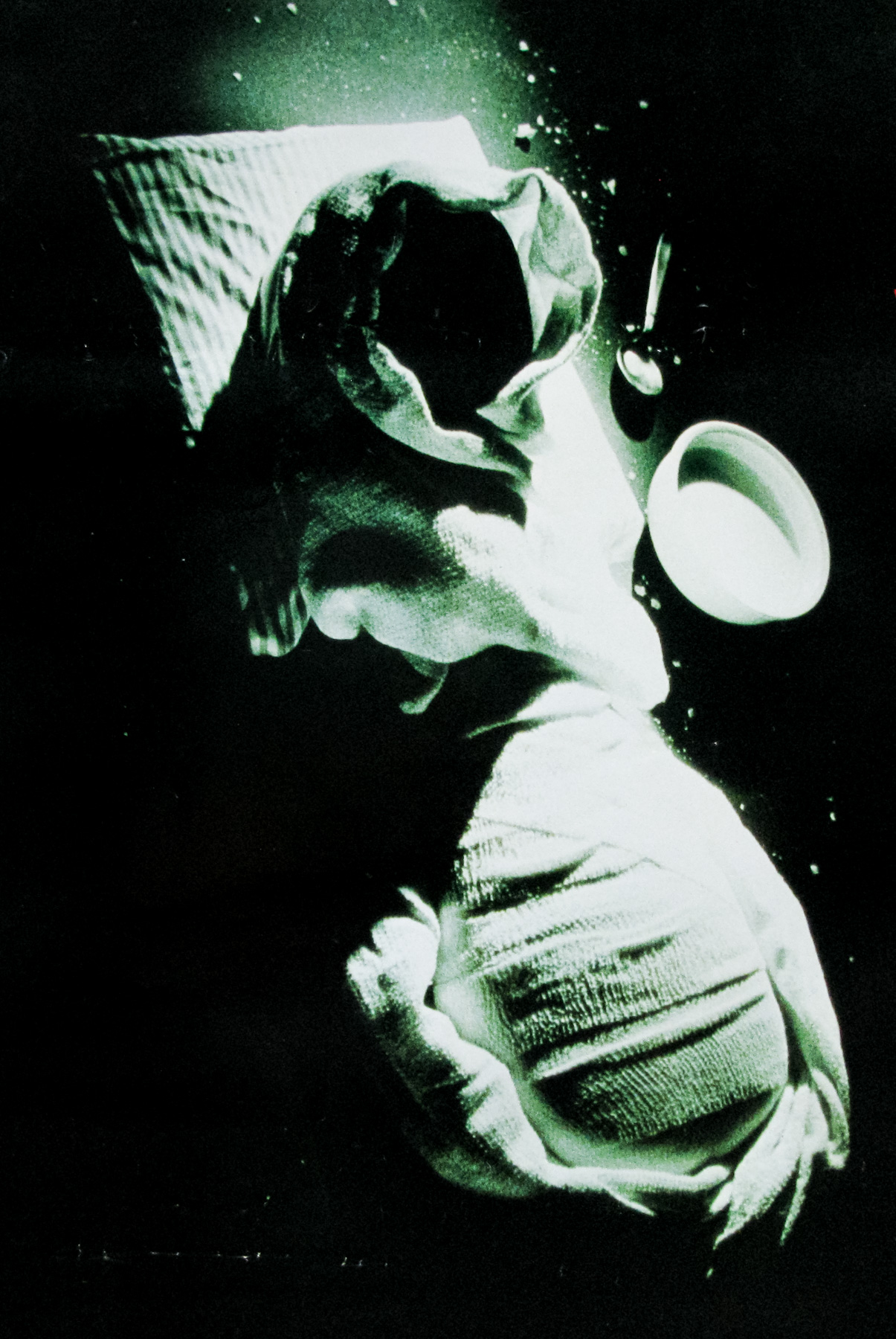
This Japanese poster is from the first release of the film, which took place in 1981, and features an image of the ‘baby’ with its head wrapped in bandages. This particular copy of the poster isn’t in the best of condition, as should be obvious from the pictures, but I think it quite suits the nature of the film.

Having just watched the recent UK blu-ray release of the film, which was apparently supervised by Lynch, I can highly recommend picking up a copy of it as the film has never looked or, perhaps more importantly, sounded as good.

The original trailer is on YouTube.

The Big Lebowski / B2 / Japan

22.12.11

Poster Poster

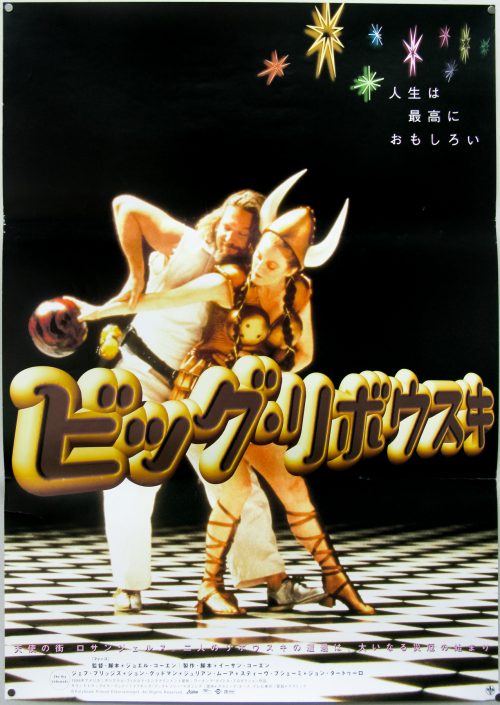
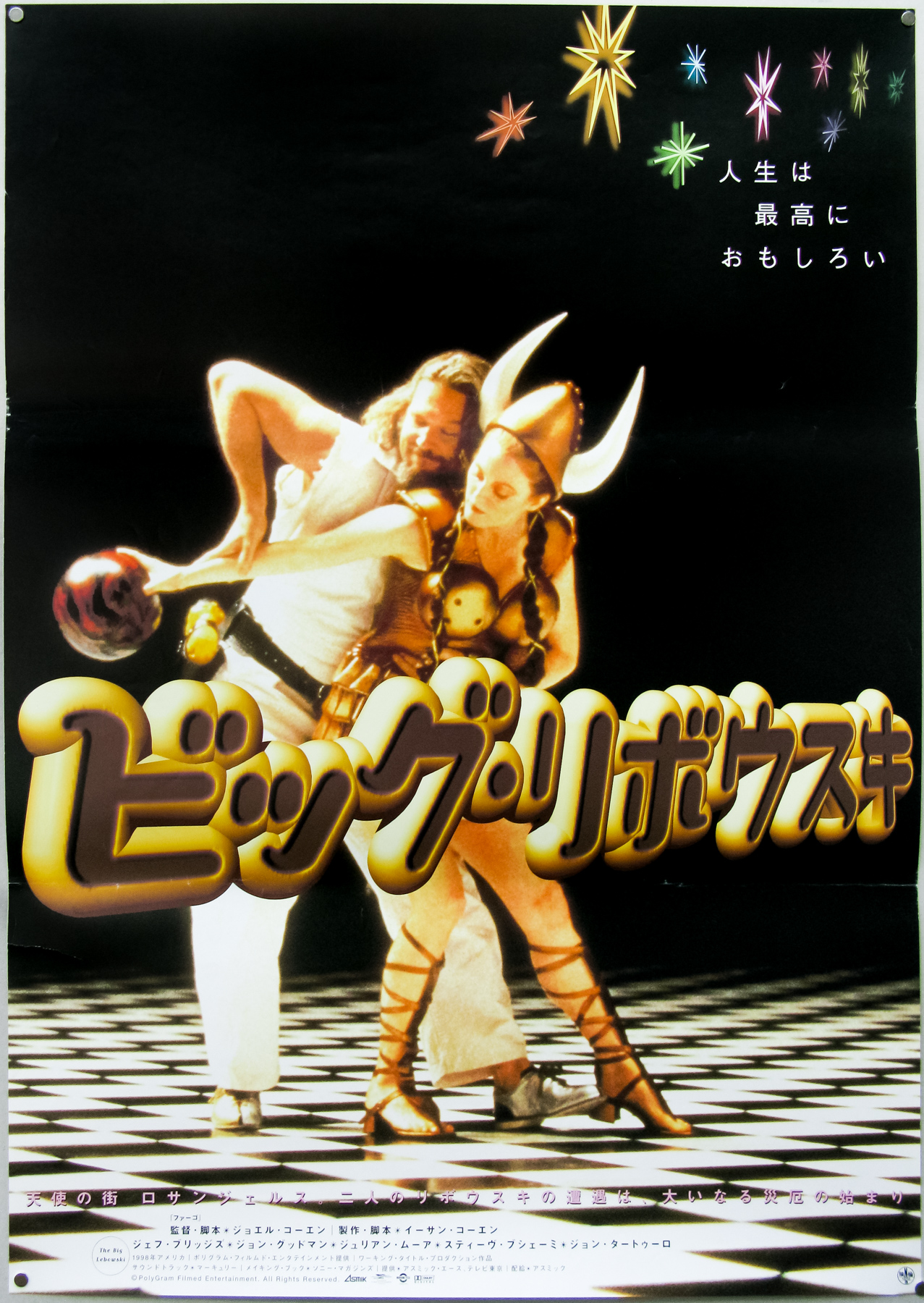
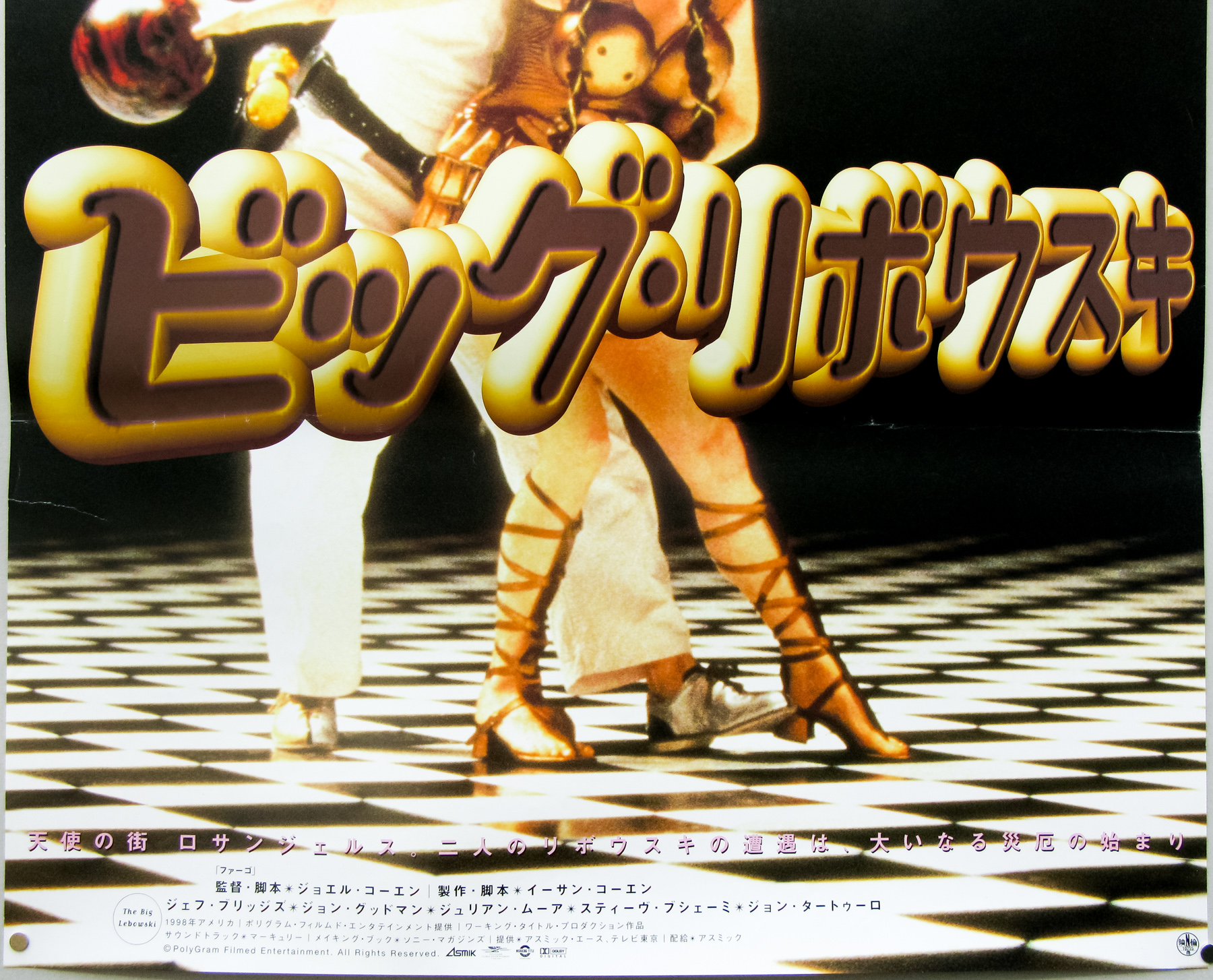
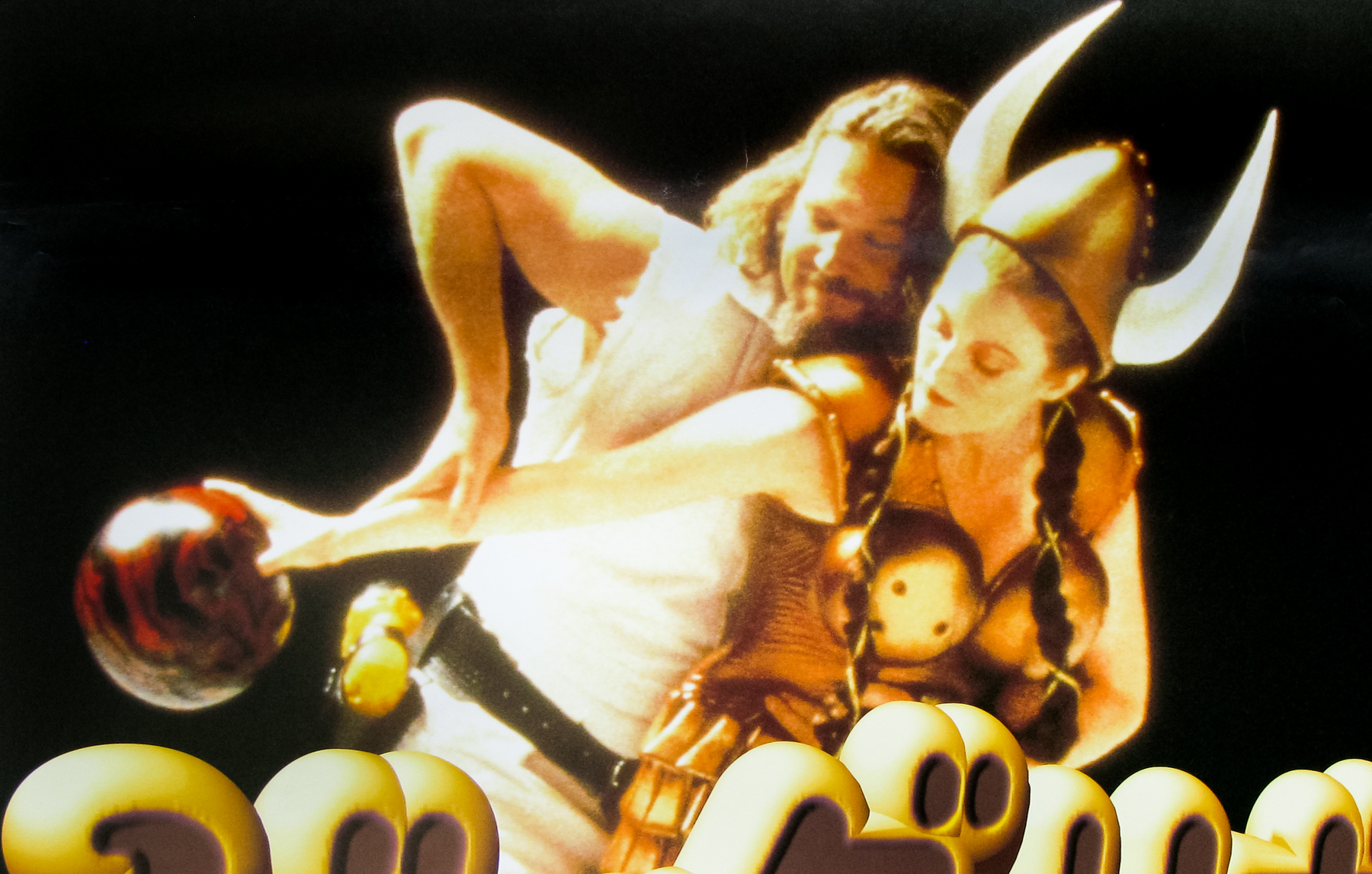
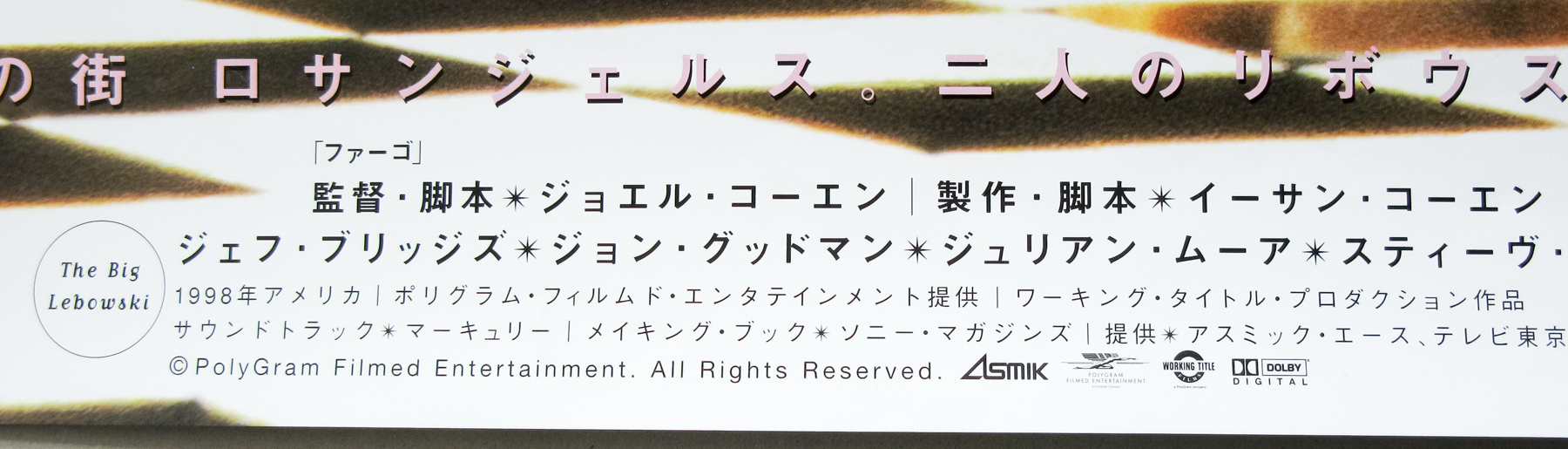
Unique artwork on this poster for the Japanese release of the much-loved Coen Brothers classic, The Big Lebowski. To say the film has become something of a cultural phenomenon since its release 13 years ago would be an understatement. There’s the annual Lebowski-Fest, which started in 2002 in Louisville, Kentucky and has since been held in several other cities. Jeff Bridges iconic ‘The Dude’ character is even the focus behind a form of religion called Dudeism.

I have a hard time choosing between this and Fargo as my favourite Coen Brothers film, although Raising Arizona and Barton Fink are also strong contenders.

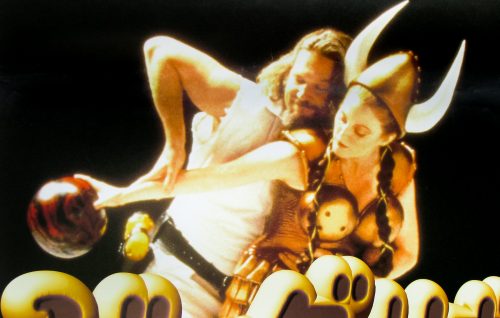
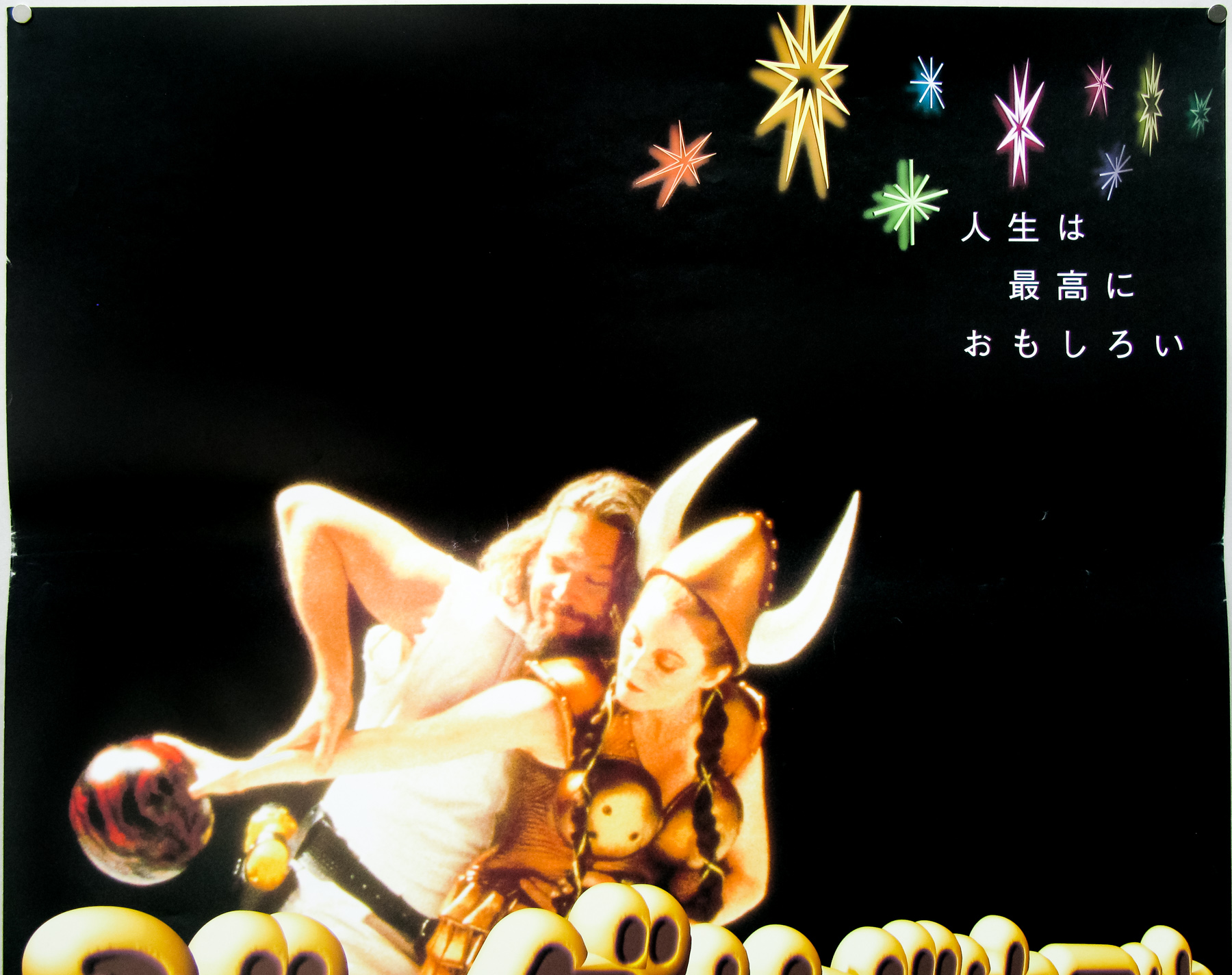
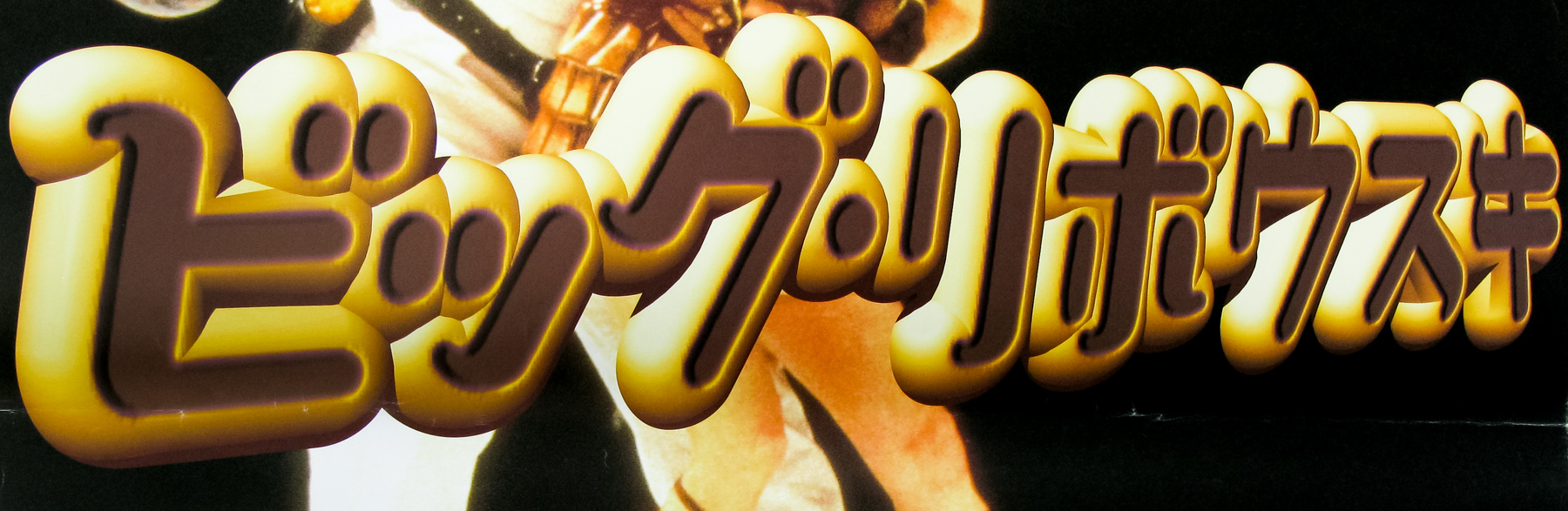
The image on this poster is a shot from the brilliant dream sequence, after The Dude has his drink spiked by Jackie Treehorn. It’s clear that the designer was experimenting with 3D text effects in Photoshop (v4.0, as it would have been at the time).

I recently spotted this rather excellent GIF.

Raising Arizona / B2 / Japan

08.08.12

Poster Poster
Title
Raising Arizona
AKA
Arizona Junior (Canada / France / Greece / Hungary / Italy / Sweden)
Year of Film
1987
Director
Joel Coen
Starring
Nicolas Cage, Holly Hunter, Trey Wilson, John Goodman, William Forsythe, Sam McMurray, Frances McDormand, Randall 'Tex' Cobb, T.J. Kuhn
Origin of Film
USA
Genre(s) of Film
Nicolas Cage, Holly Hunter, Trey Wilson, John Goodman, William Forsythe, Sam McMurray, Frances McDormand, Randall 'Tex' Cobb, T.J. Kuhn,
Type of Poster
B2
Style of Poster
--
Origin of Poster
Japan
Year of Poster
1988
Designer
Unknown
Artist
--
Size (inches)
20 6/16" x 28 14/16"
SS or DS
SS
Tagline
--

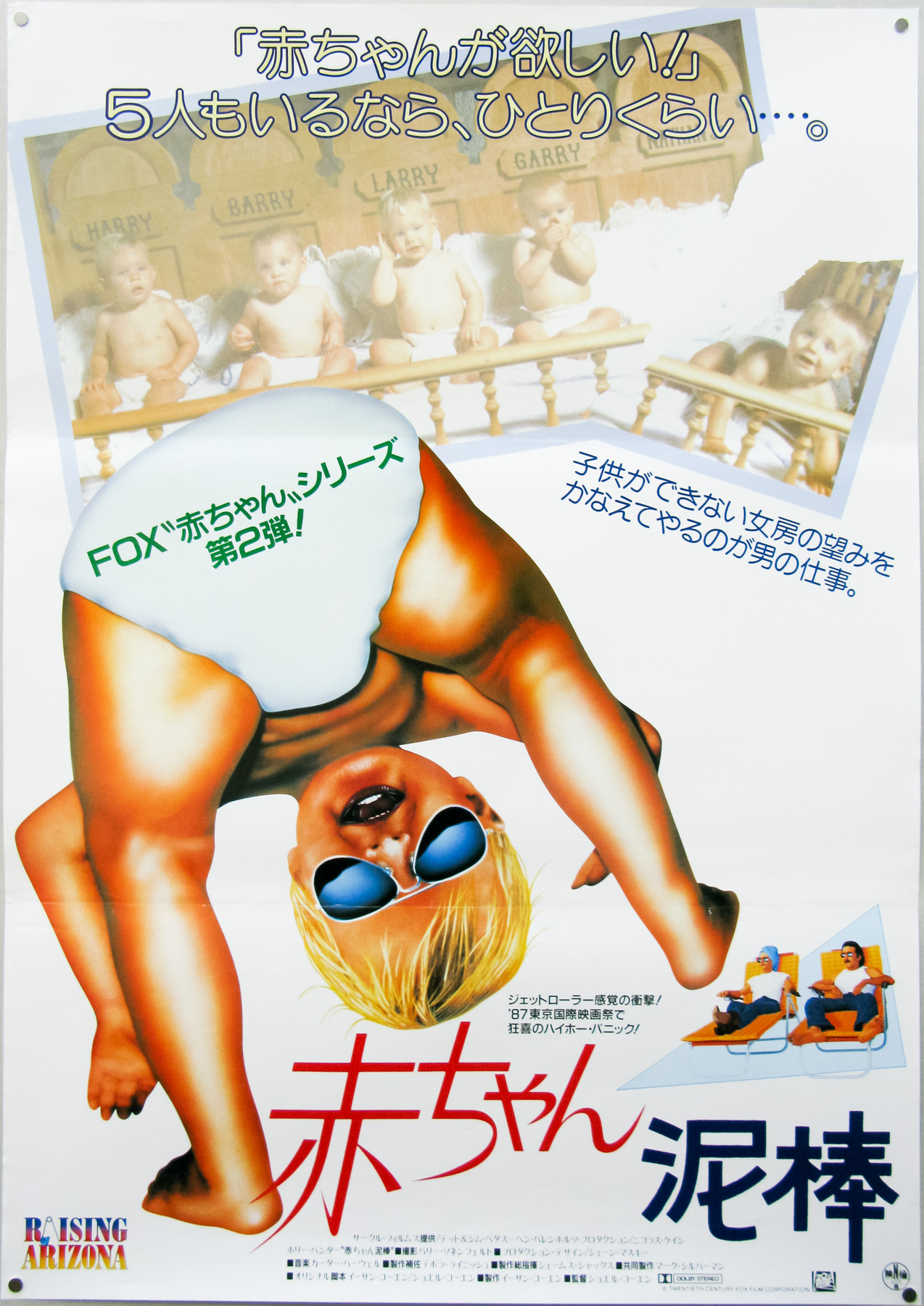
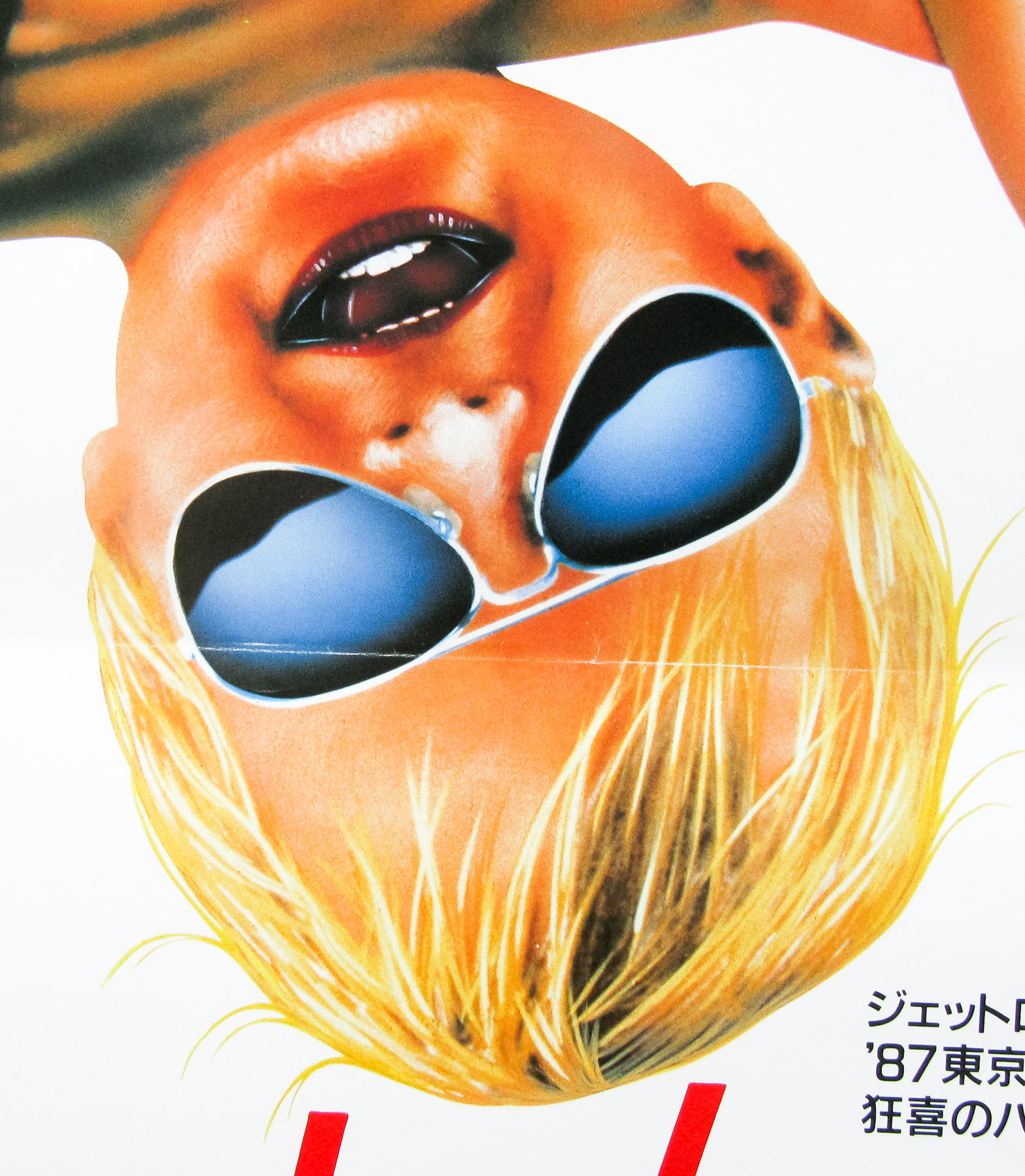
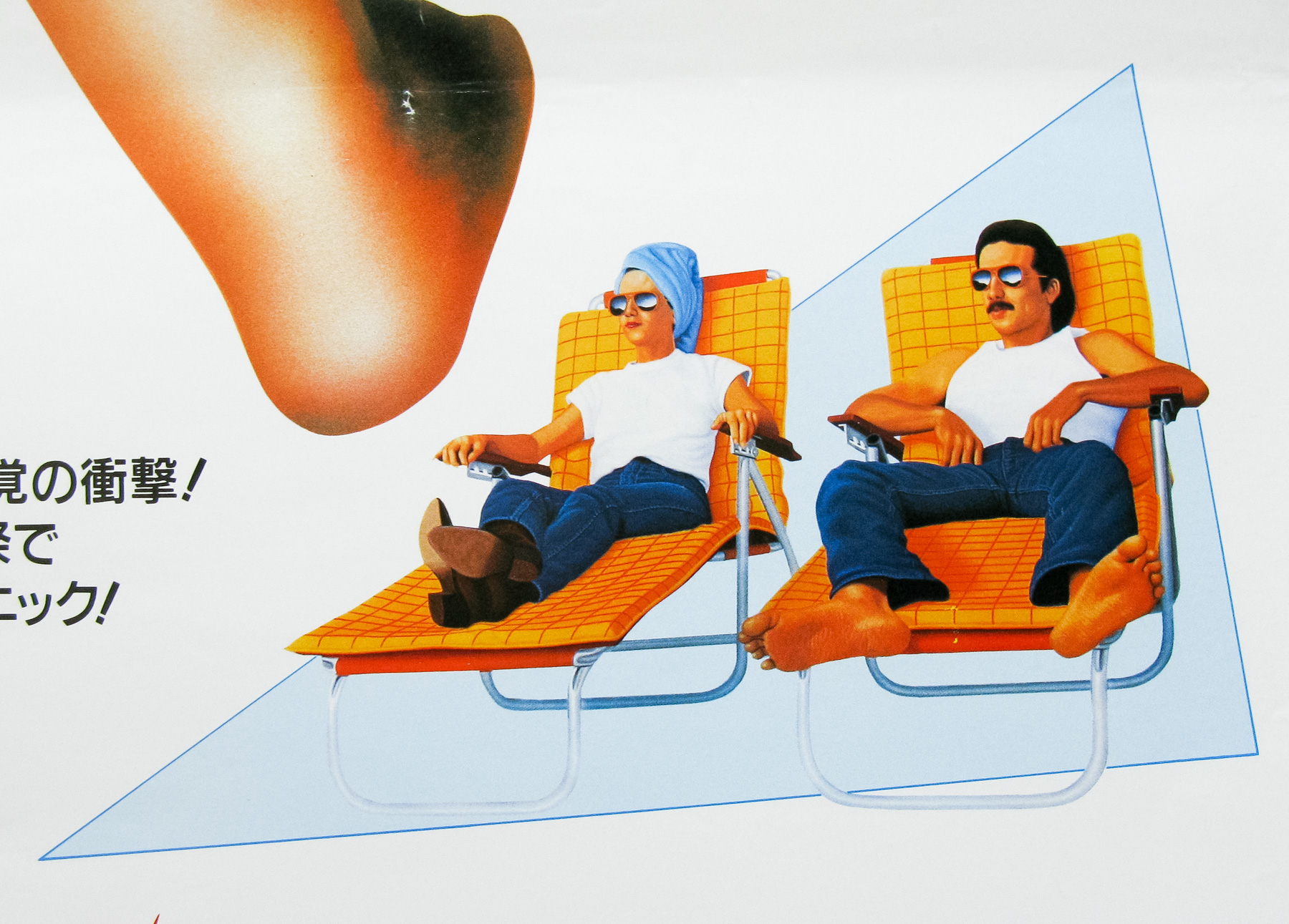
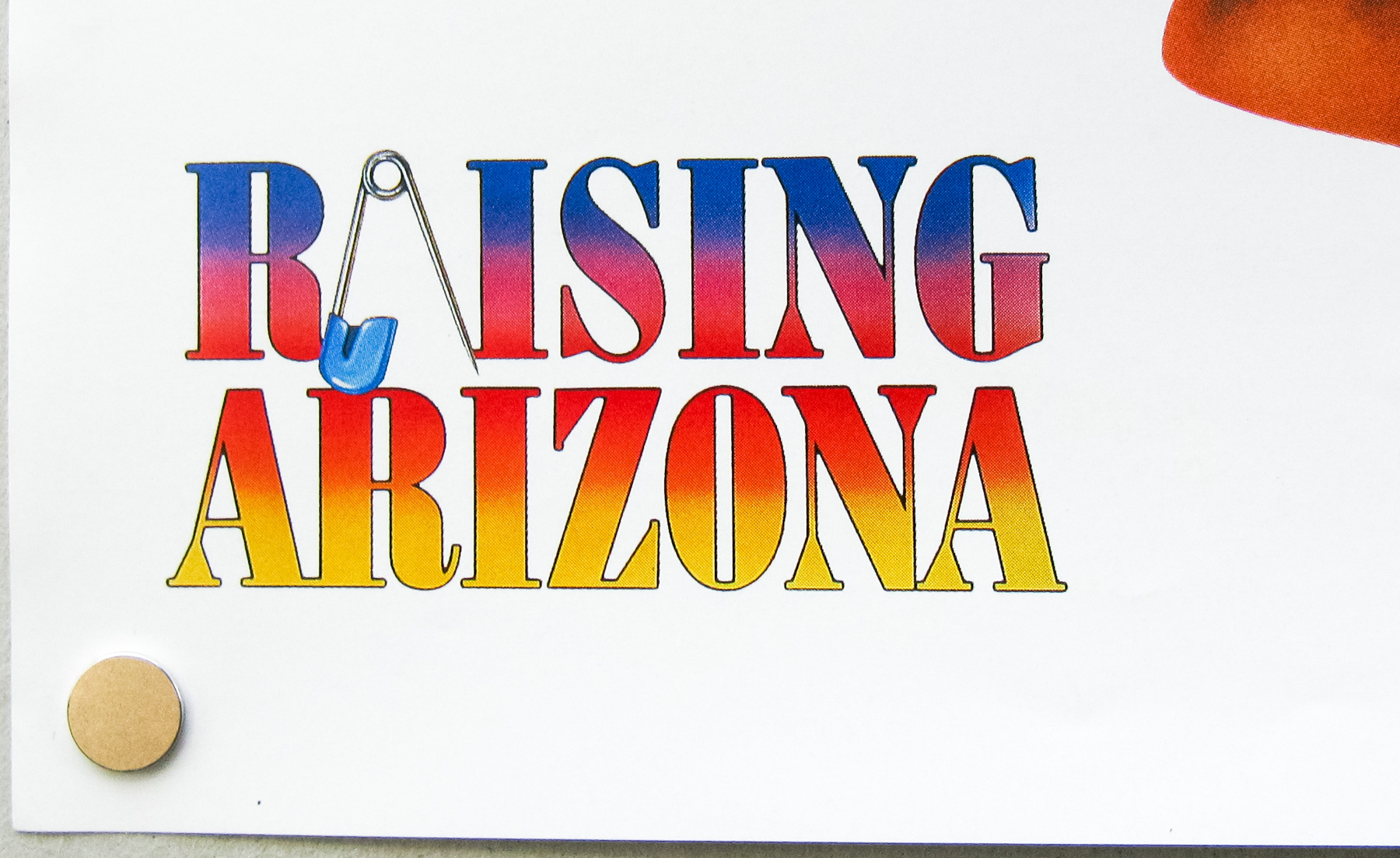
One of my top three Coen brothers films (along with ‘Fargo’ and ‘The Big Lebowski’) and probably my favourite ever Nic Cage performance, the other contender being ‘Wild at Heart’. Raising Arizona is a brilliant comedy caper featuring some of the Coen’s most memorable characters, including Holly Hunter‘s Ed, the exasperated police officer bride of Cage’s bumbling criminal H.I. McDunnough.

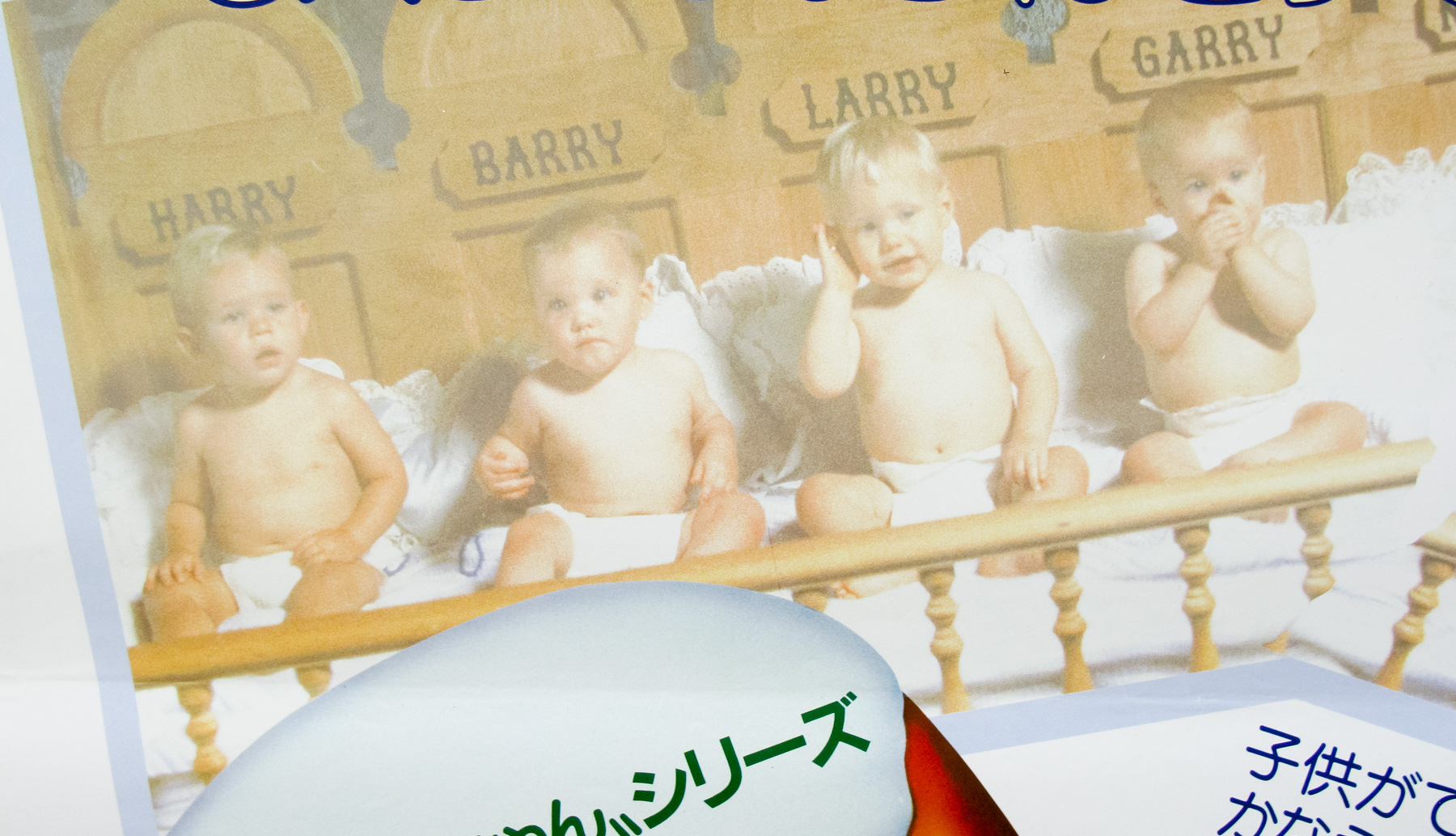
After the pair fail to conceive naturally they make the fateful decision to steal Nathan Jr., one of the quintuplets born to wealthy store owner Nathan Arizona (Trey Wilson) and his wife. The pair must then contend with a series of increasingly frantic encounters after Arizona Sr. enlists the help of the enigmatic bounty hunter Leonard Smalls (memorably played by Randall ‘Tex’ Cobb).  John Goodman and William Forsythe are superb as a pair of prison escapees whose friendship with H.I. leads to their involvement in the shenanigans.

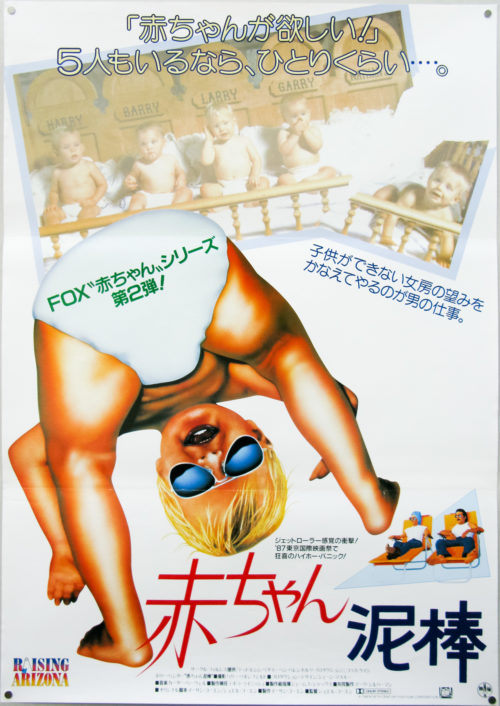
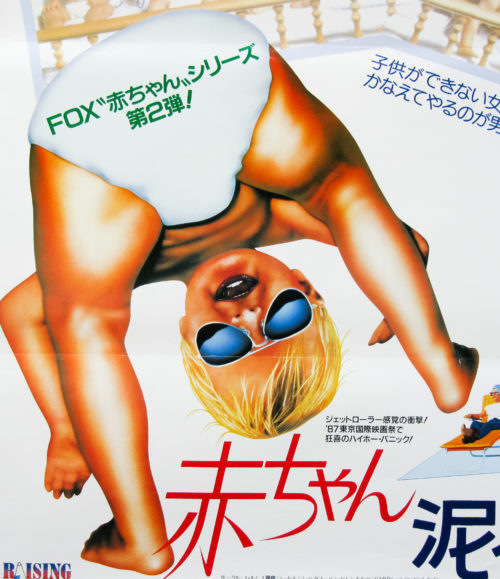
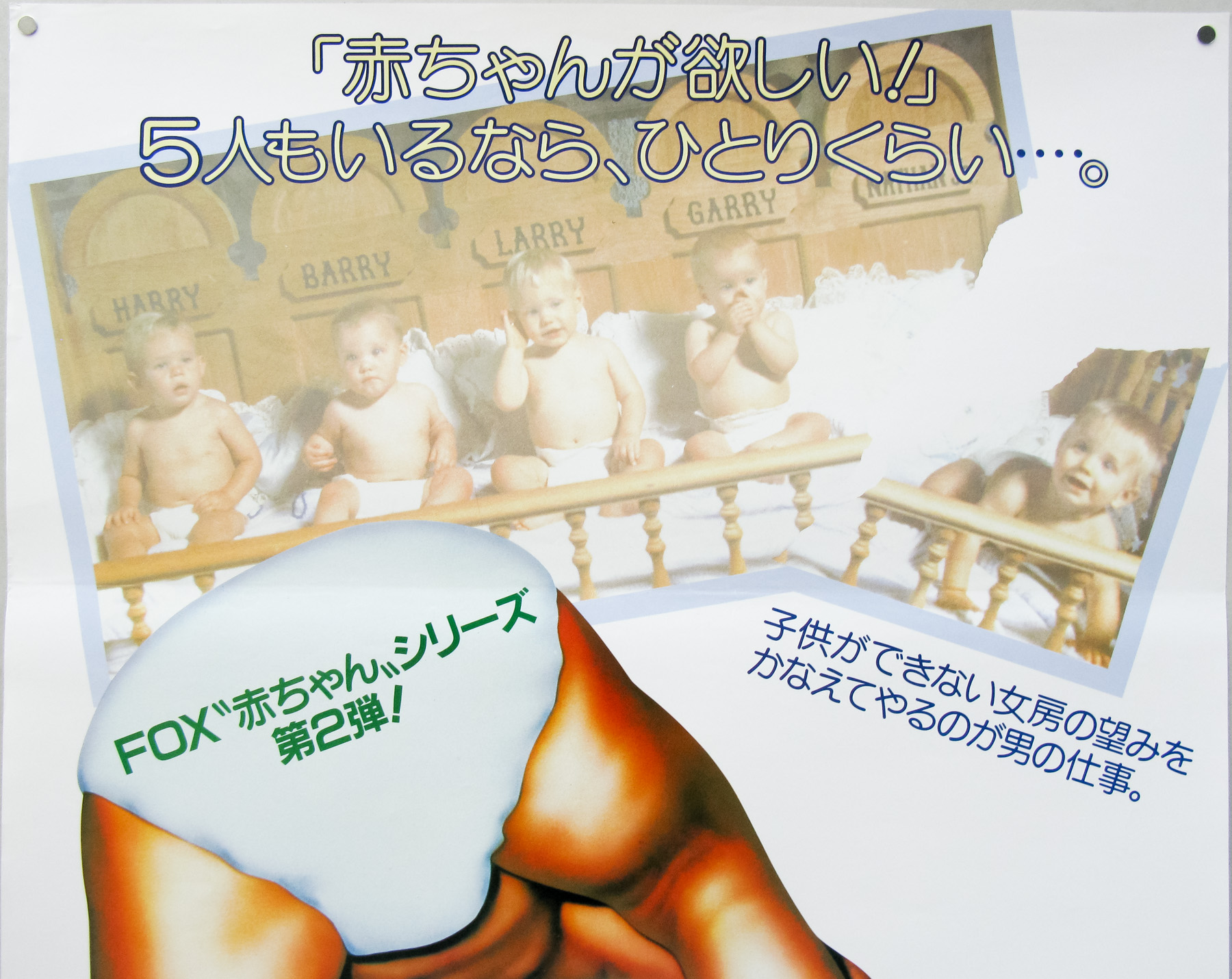
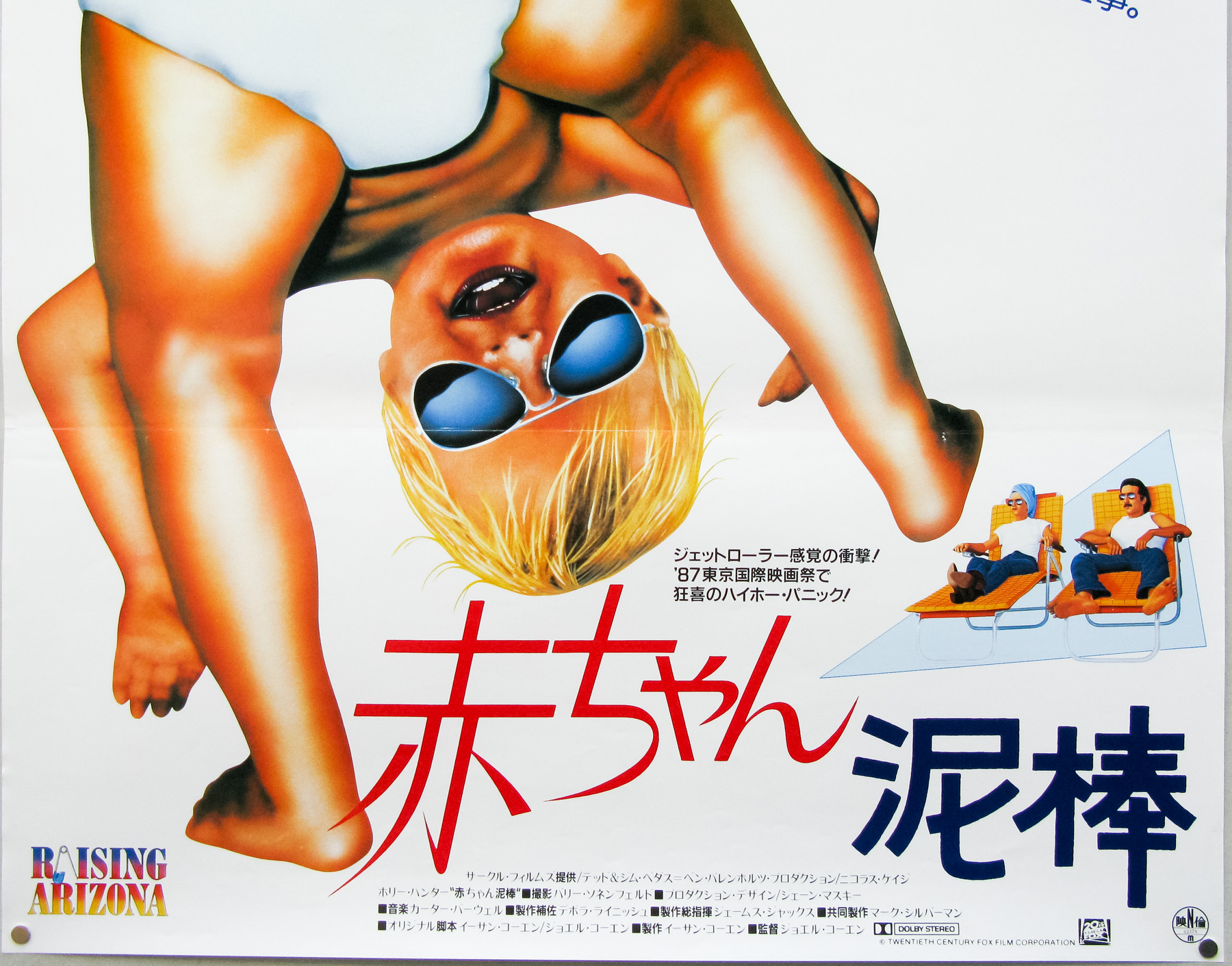
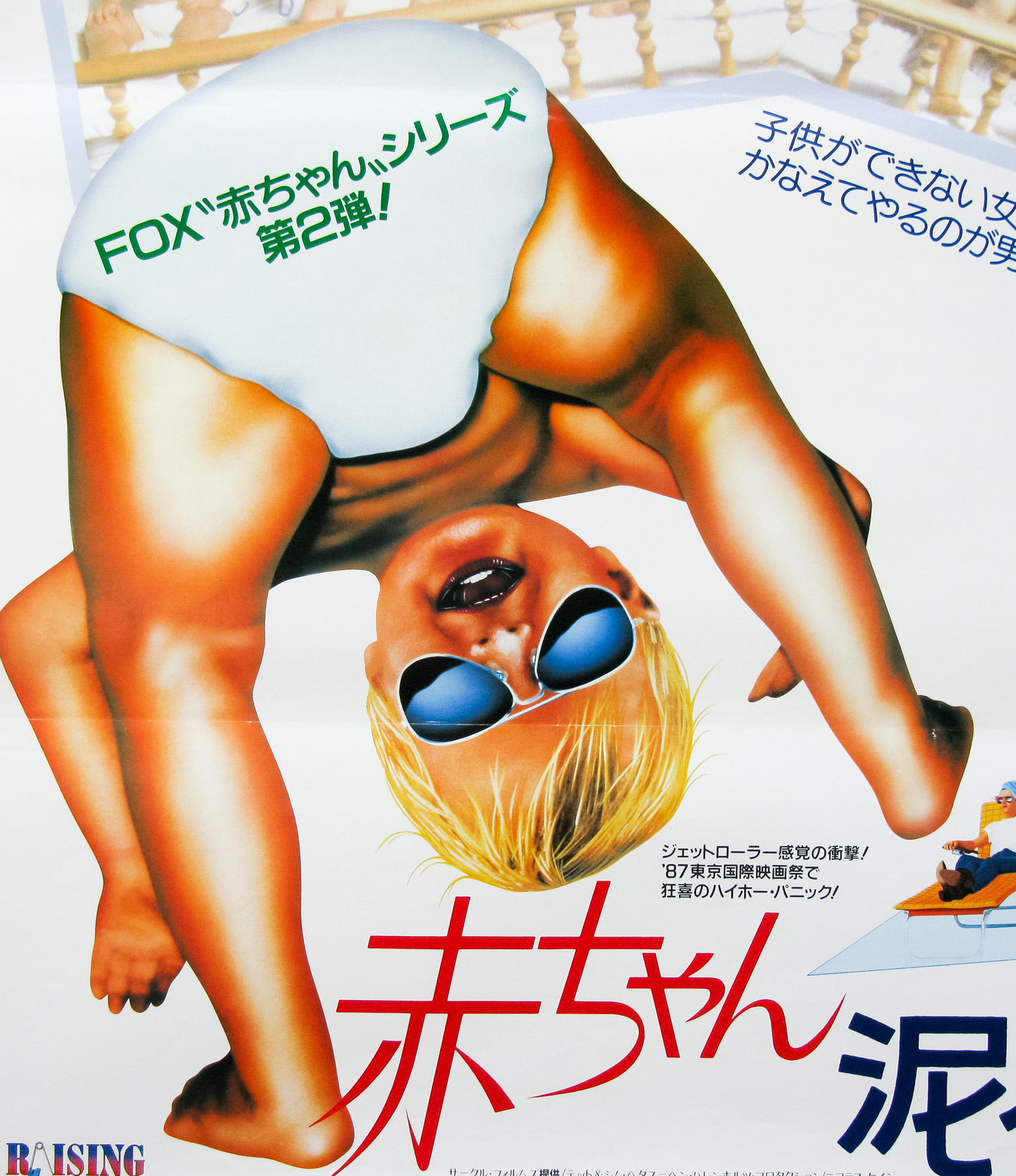
This Japanese poster features the illustration of Nathan Jr. as seen on the UK quad (with some adjustments) and the illustration of Ed and H.I. is from the American one sheet.

The original trailer is on YouTube.

Butch Cassidy and the Sundance Kid / B2 / Japan

23.03.12

Poster Poster

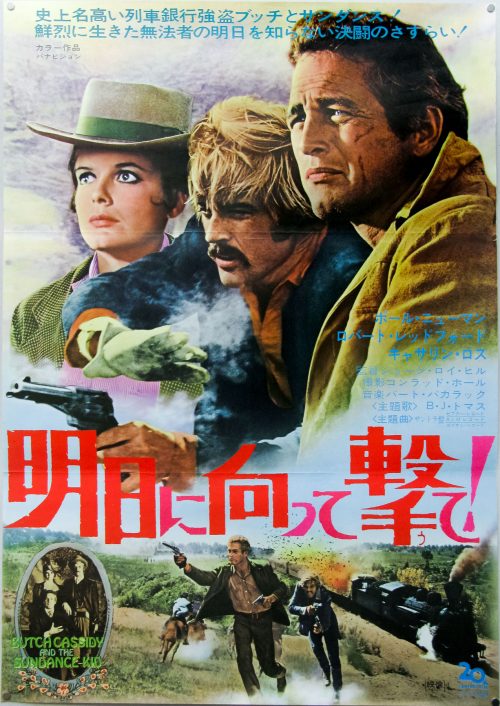
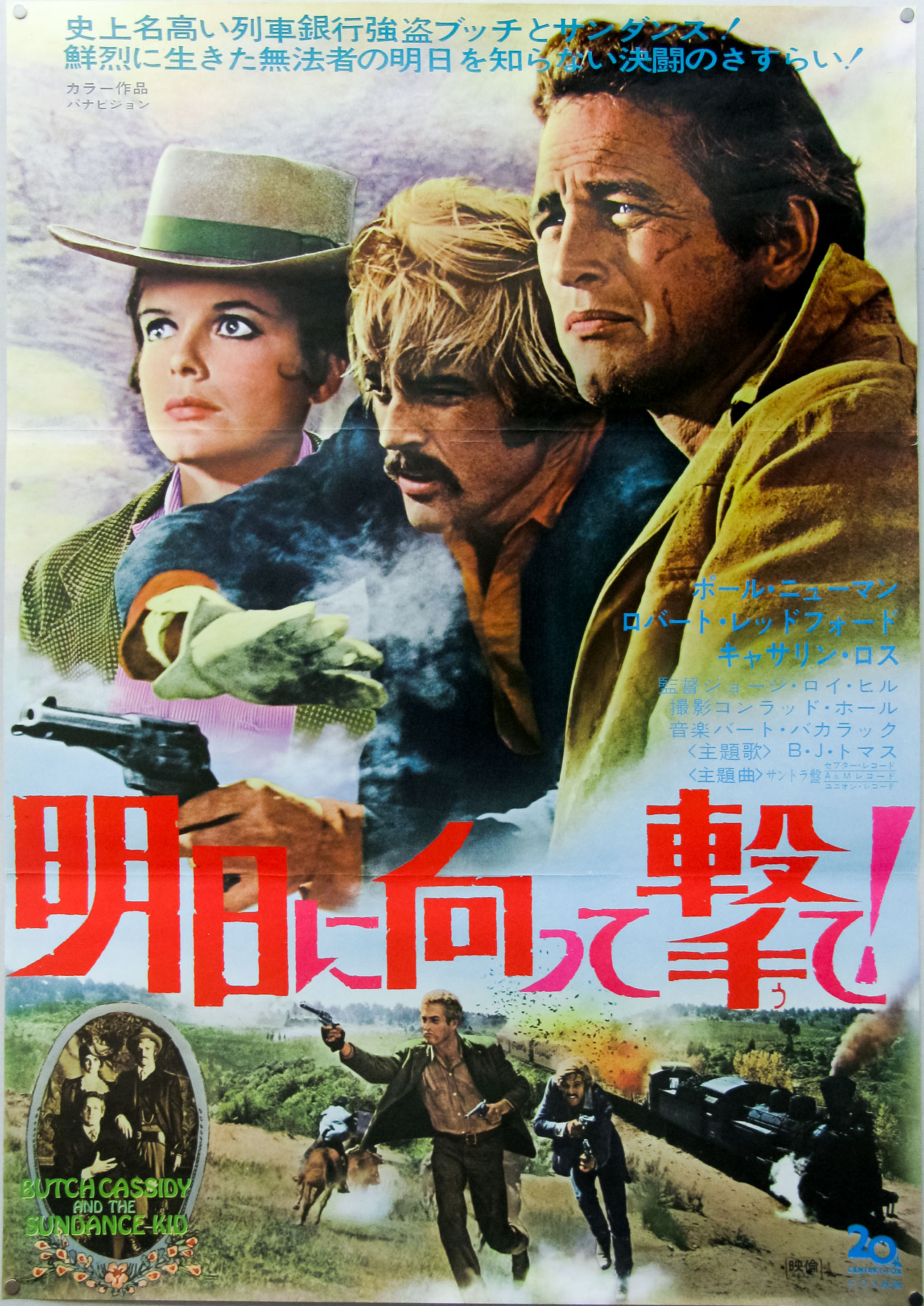
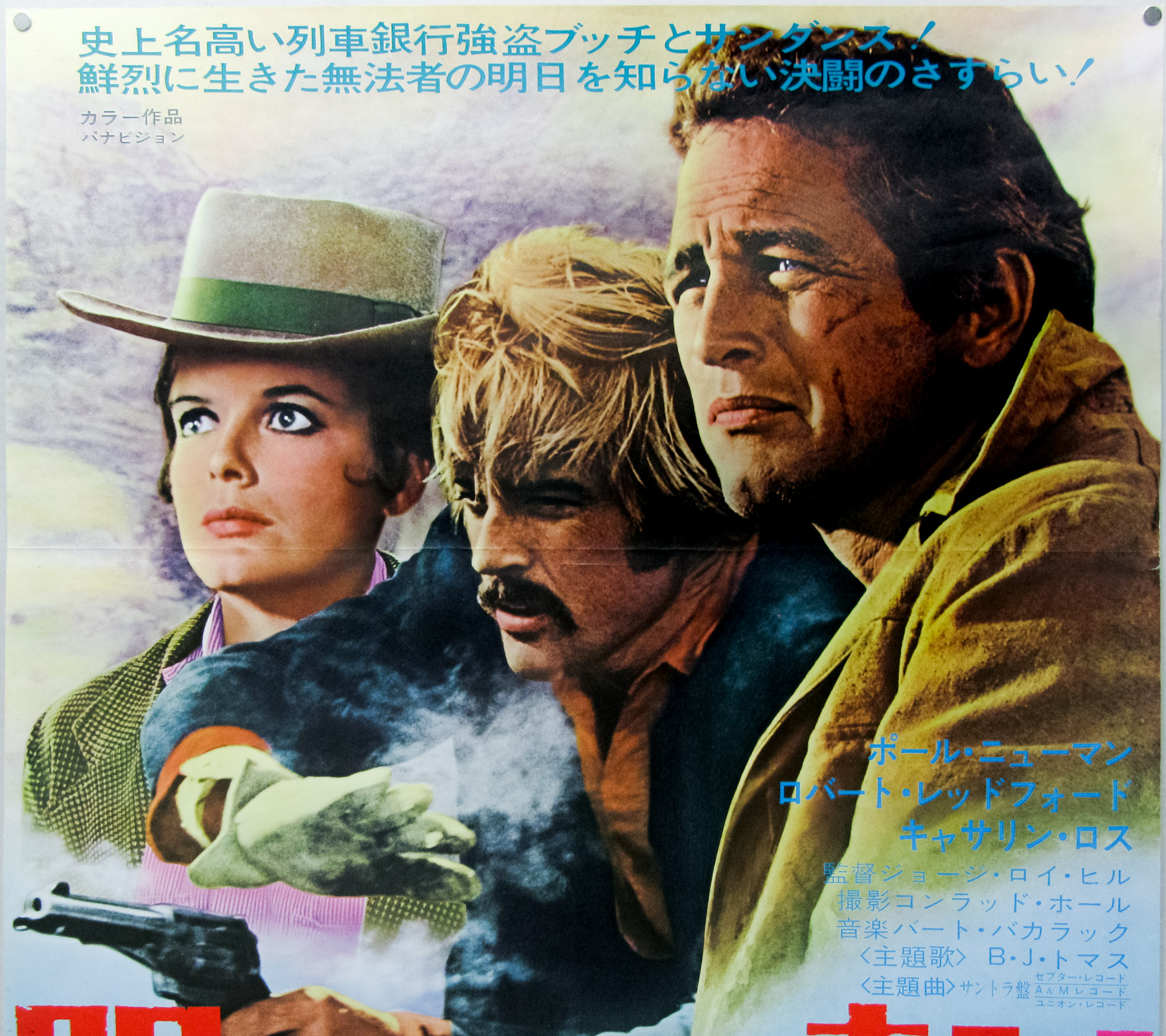
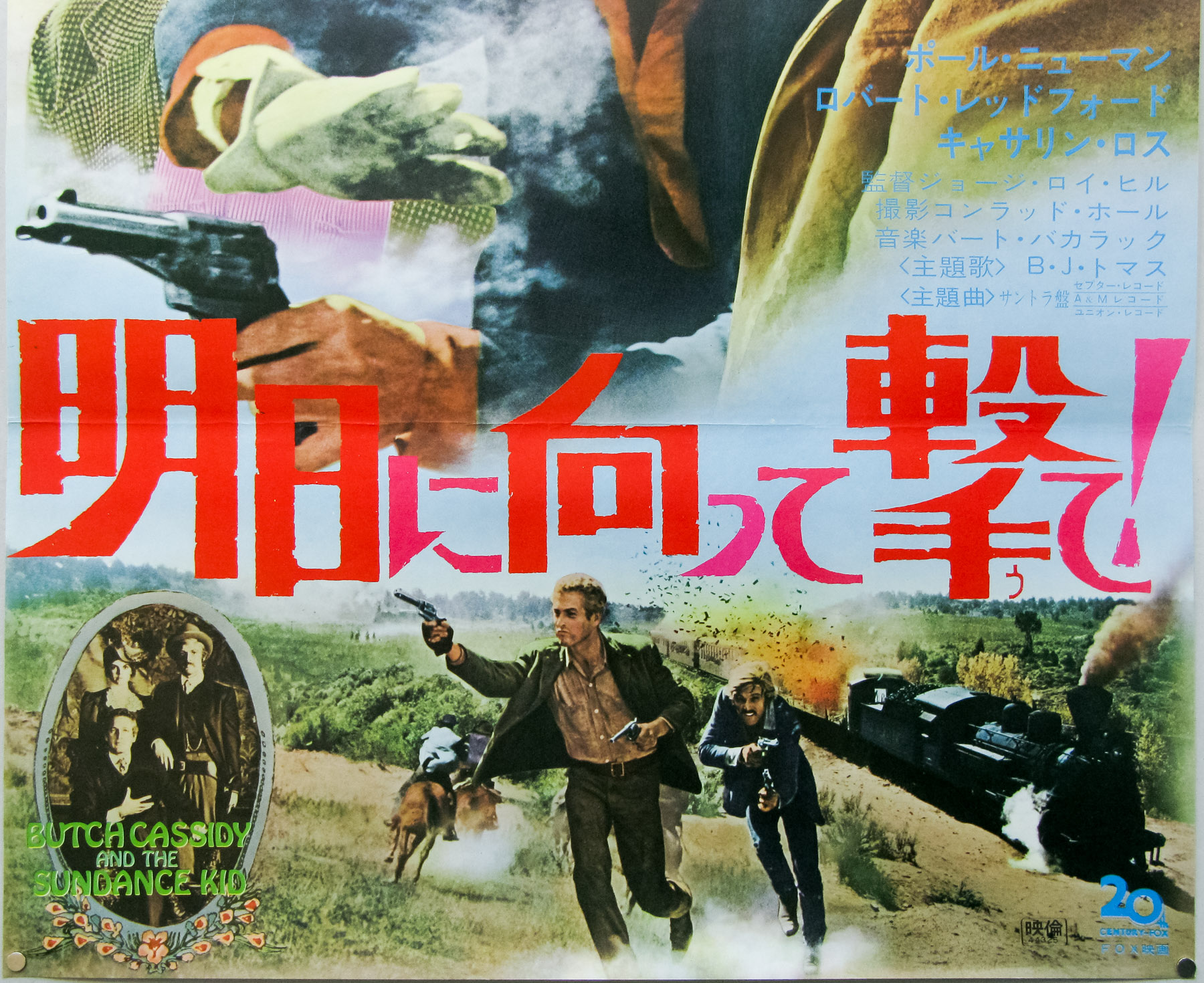
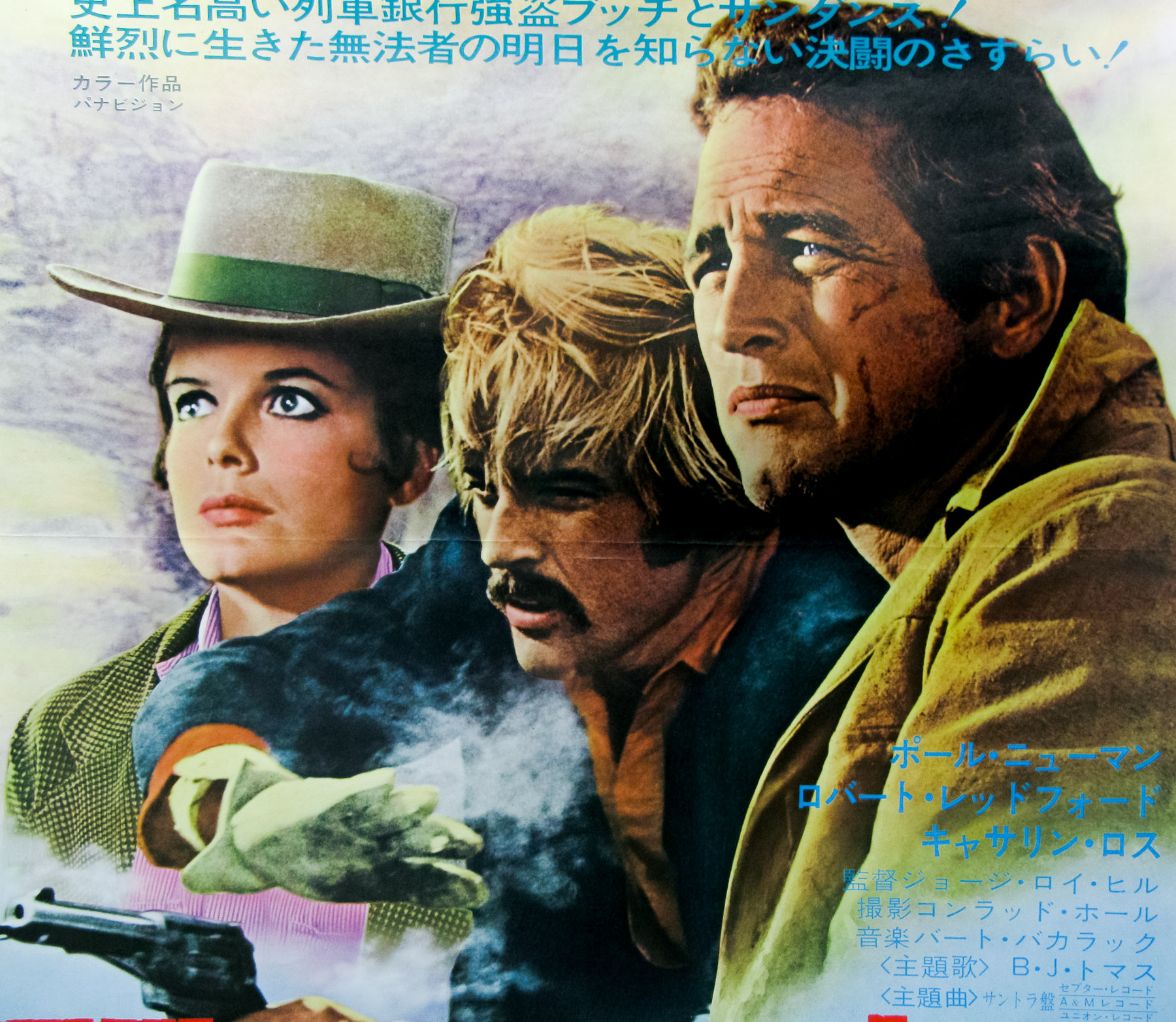
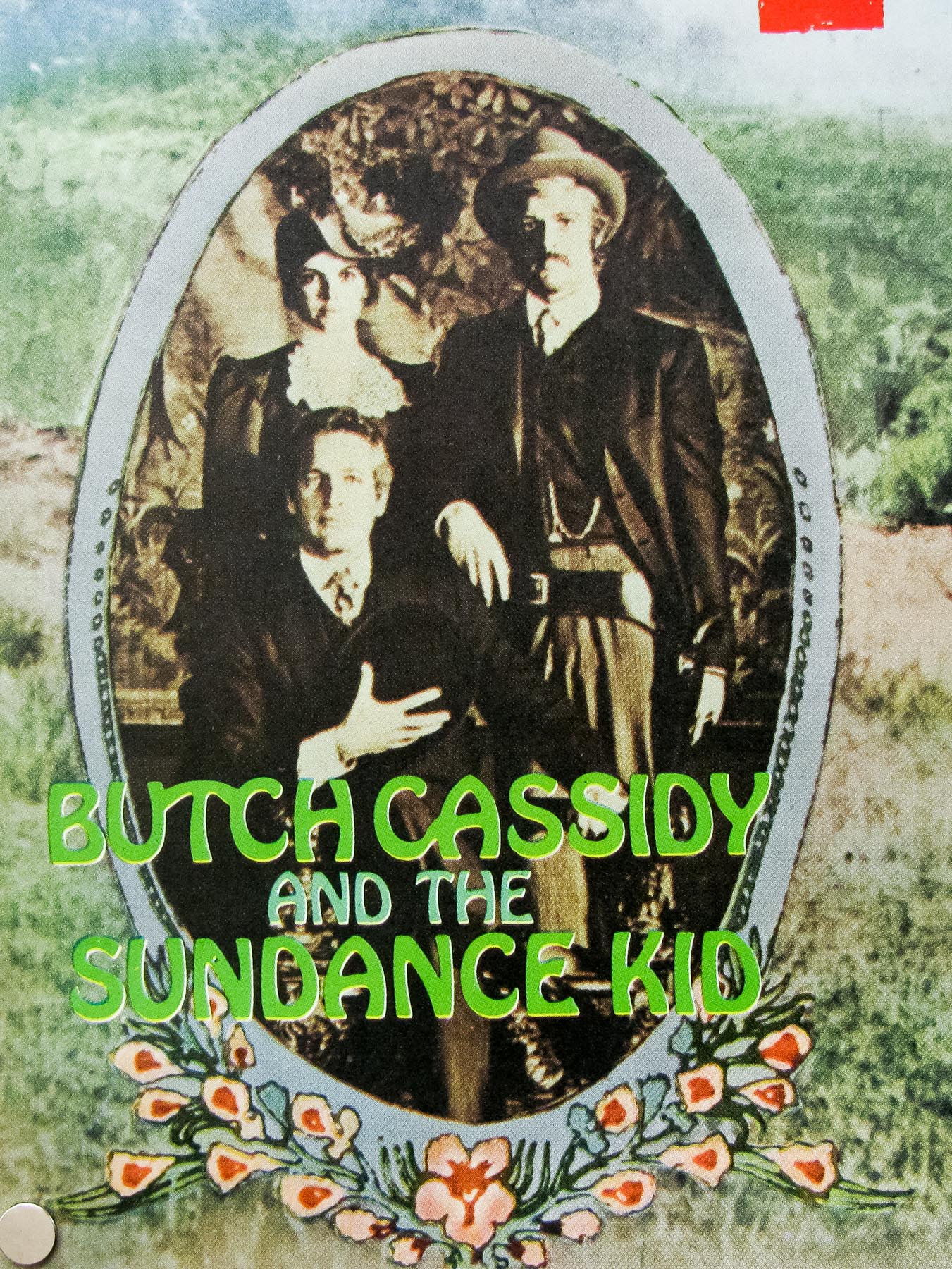
A unique design on this Japanese B2 for the 1969 take on the true story of the infamous Wild West outlaws Butch Cassidy and the Sundance Kid, here played by Paul Newman and Robert Redford in arguably their greatest screen roles. George Roy Hill would later go on to direct the pair again in the equally brilliant con men caper The Sting (1973).

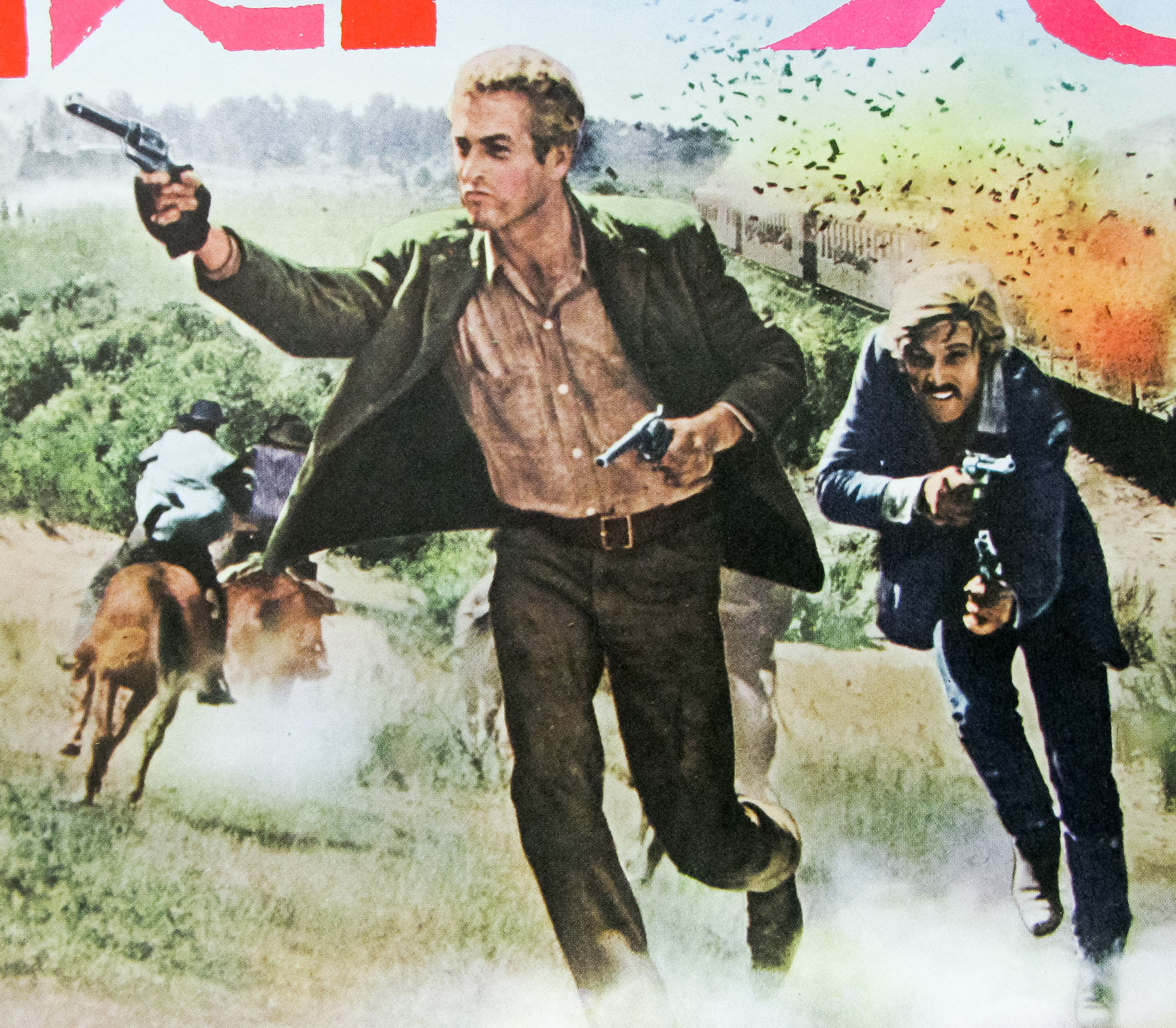
The film follows the pair as they rob from money trains with varying success (a botched effort can be seen on the poster) and are forced to flee America after a posse of bounty hunters are unleashed to track them down. Arriving in Bolivia with the Sundance Kid’s lover, Etta Place (played by the gorgeous Katharine Ross), the duo try to make an honest living working as security guards. It’s not long before a violent incident sends them back to their old ways and on a collision course with destiny. The film features arguably the most famous freeze-frame ending in cinematic history.

A number of excellent posters for the film can be viewed here. The original trailer is on YouTube.


Vanishing Point / B2 / Japan

30.05.12

Poster Poster
Title
Vanishing Point
AKA
--
Year of Film
1971
Director
Richard C. Sarafian
Starring
Barry Newman, Cleavon Little, Dean Jagger, Victoria Medlin, Paul Koslo, Robert Donner, Timothy Scott, Charlotte Rampling, Gilda Texter
Origin of Film
USA | UK
Genre(s) of Film
Barry Newman, Cleavon Little, Dean Jagger, Victoria Medlin, Paul Koslo, Robert Donner, Timothy Scott, Charlotte Rampling, Gilda Texter,
Type of Poster
B2
Style of Poster
--
Origin of Poster
Japan
Year of Poster
1971
Designer
Unknown
Artist
--
Size (inches)
20 6/16" x 28 12/16"
SS or DS
SS
NSS #
--
Tagline
--

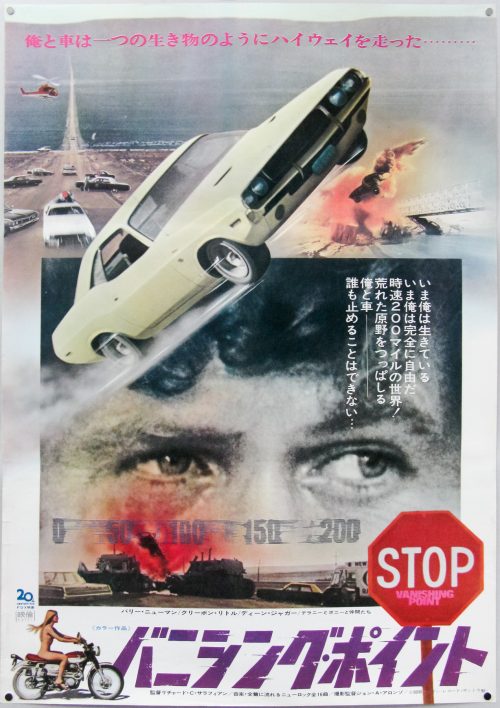
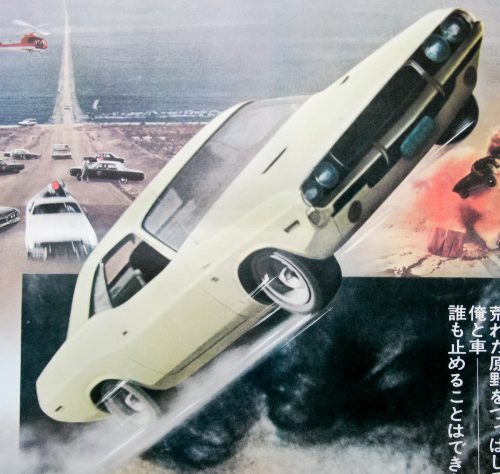
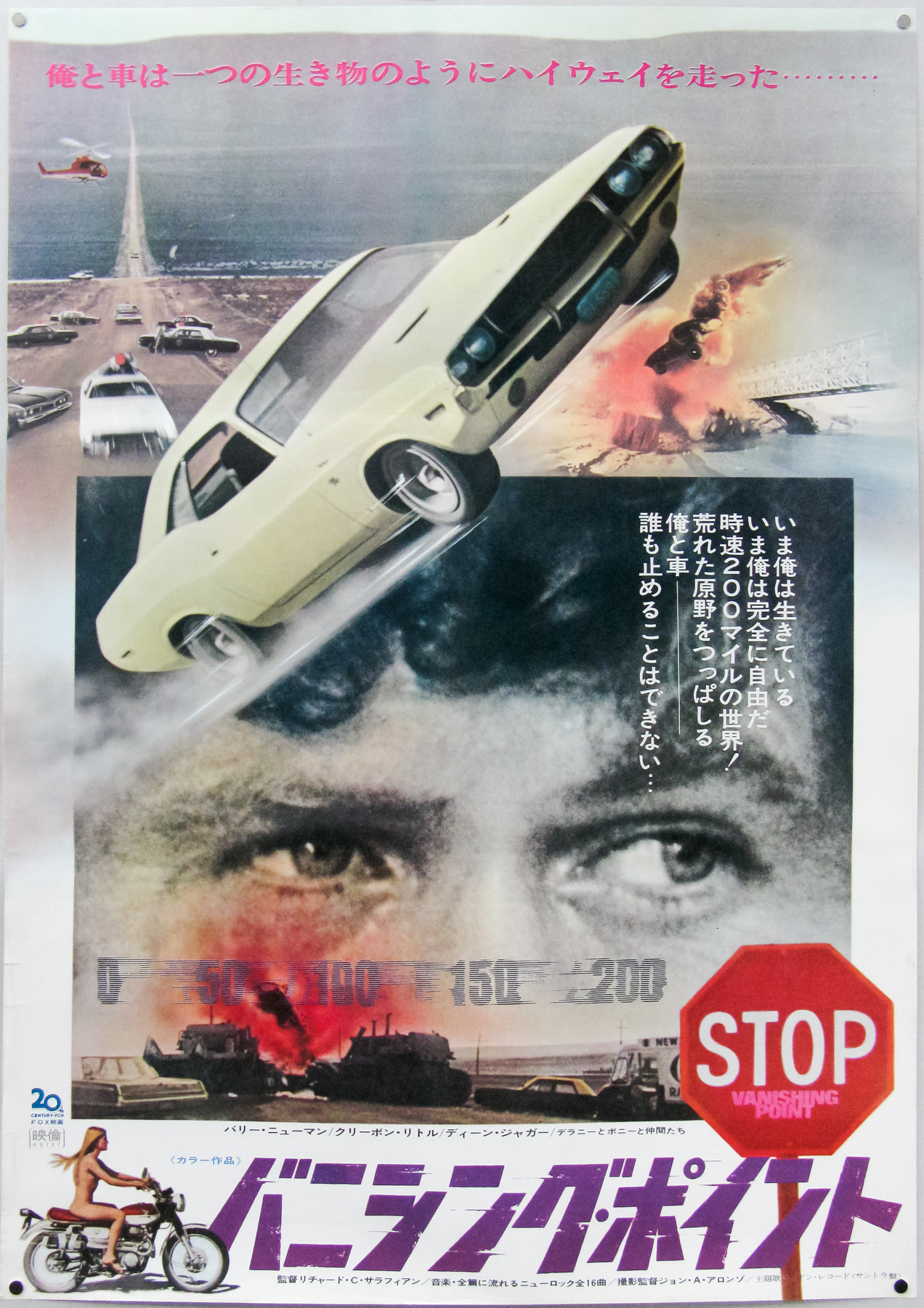
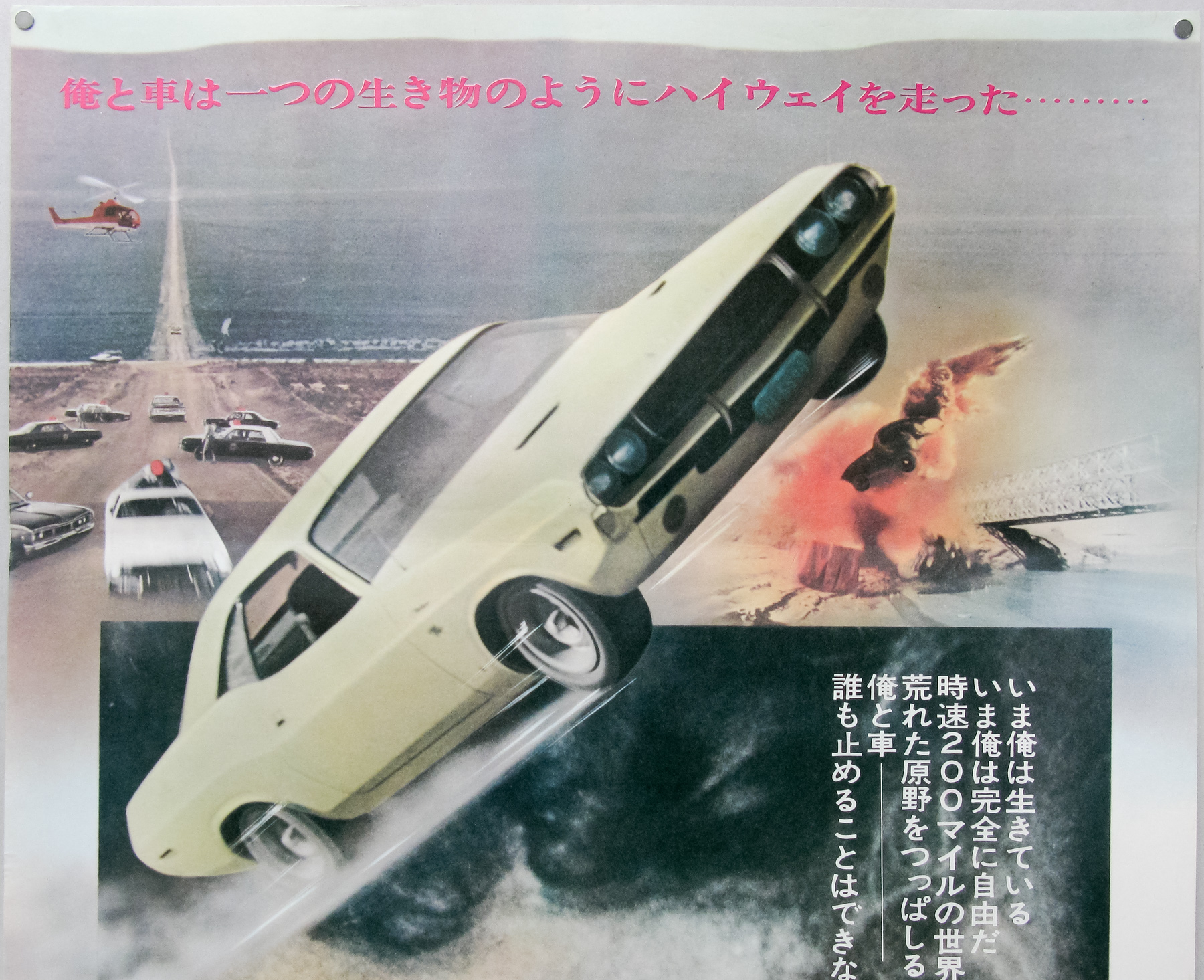
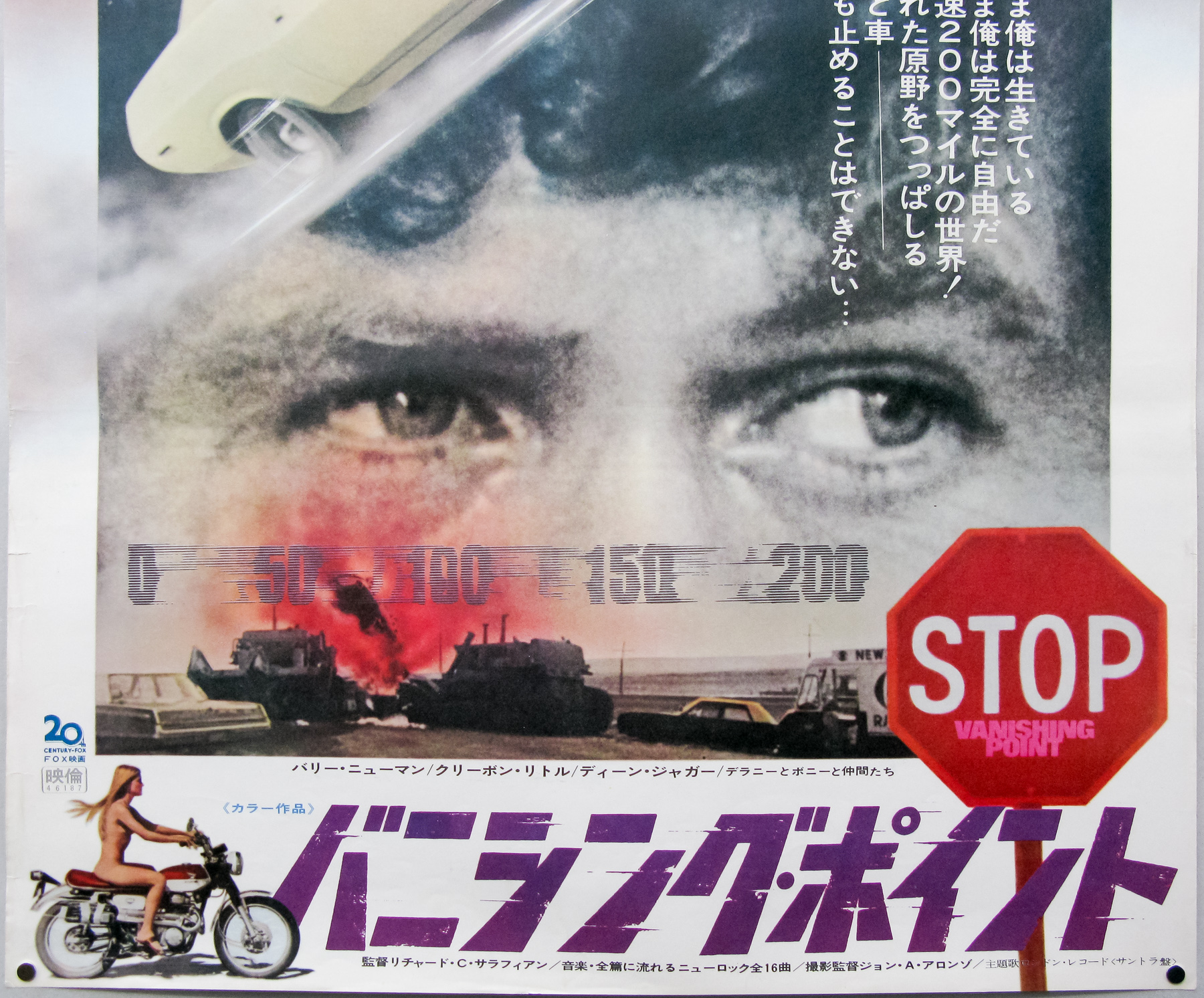
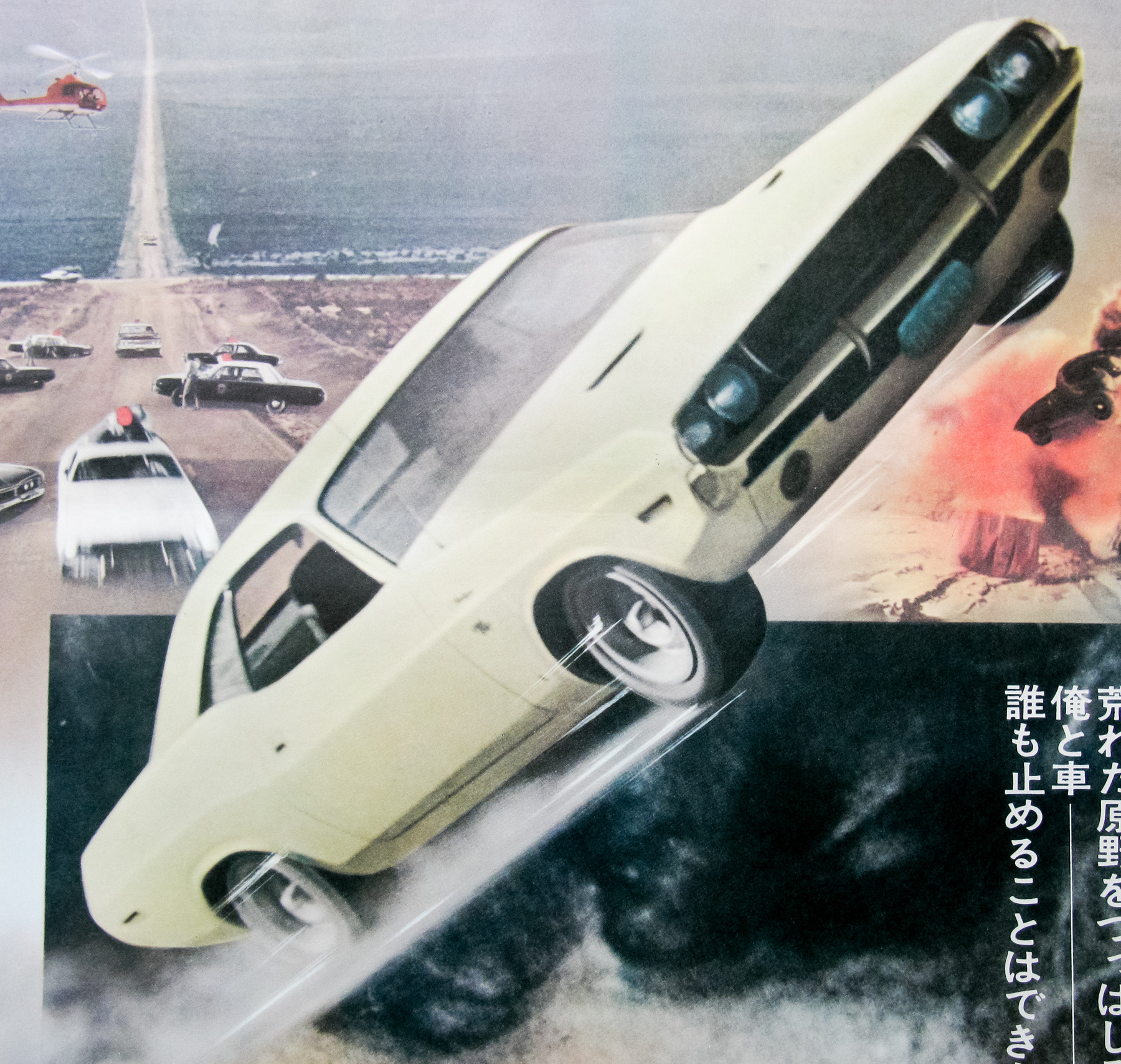
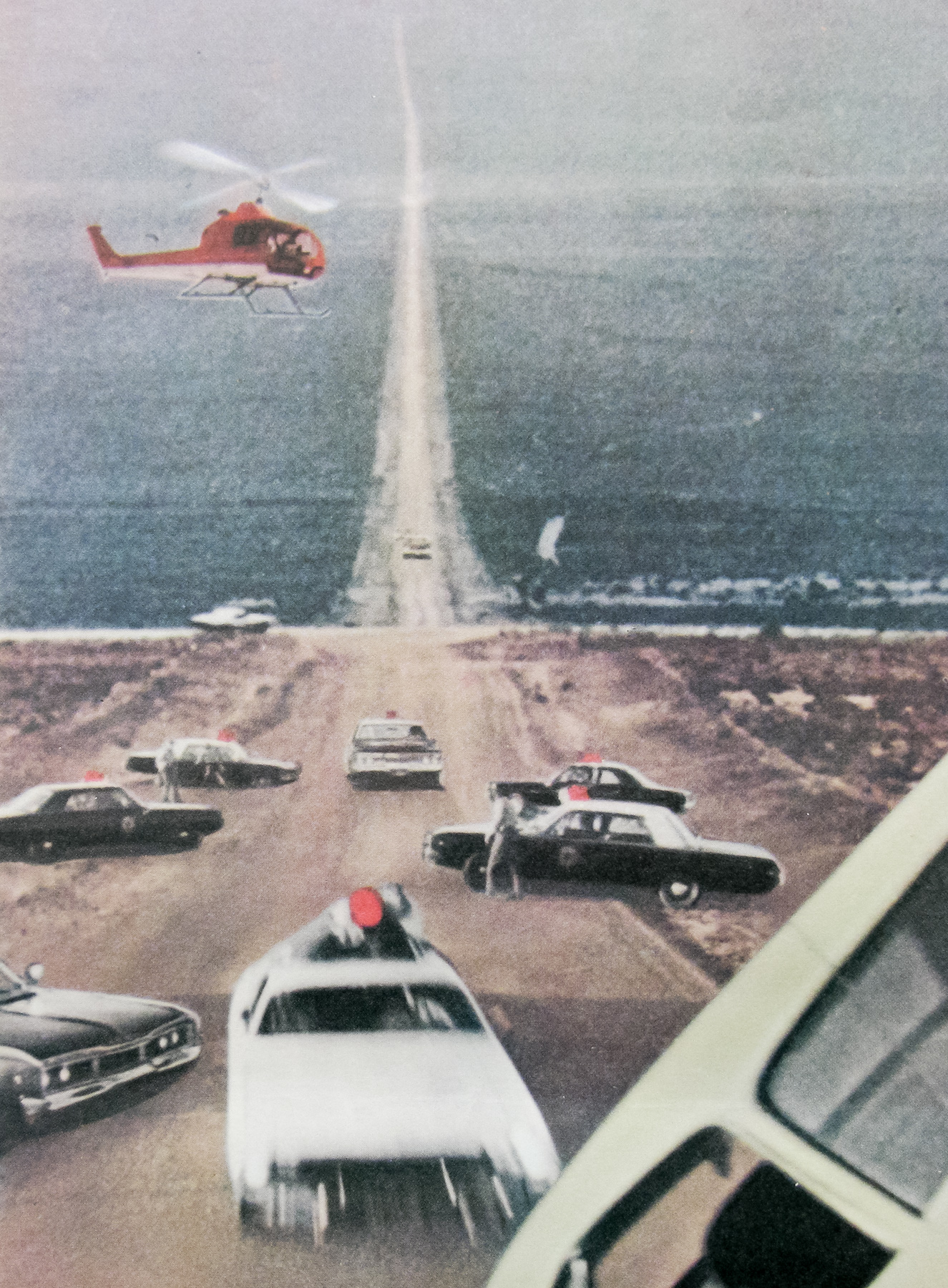
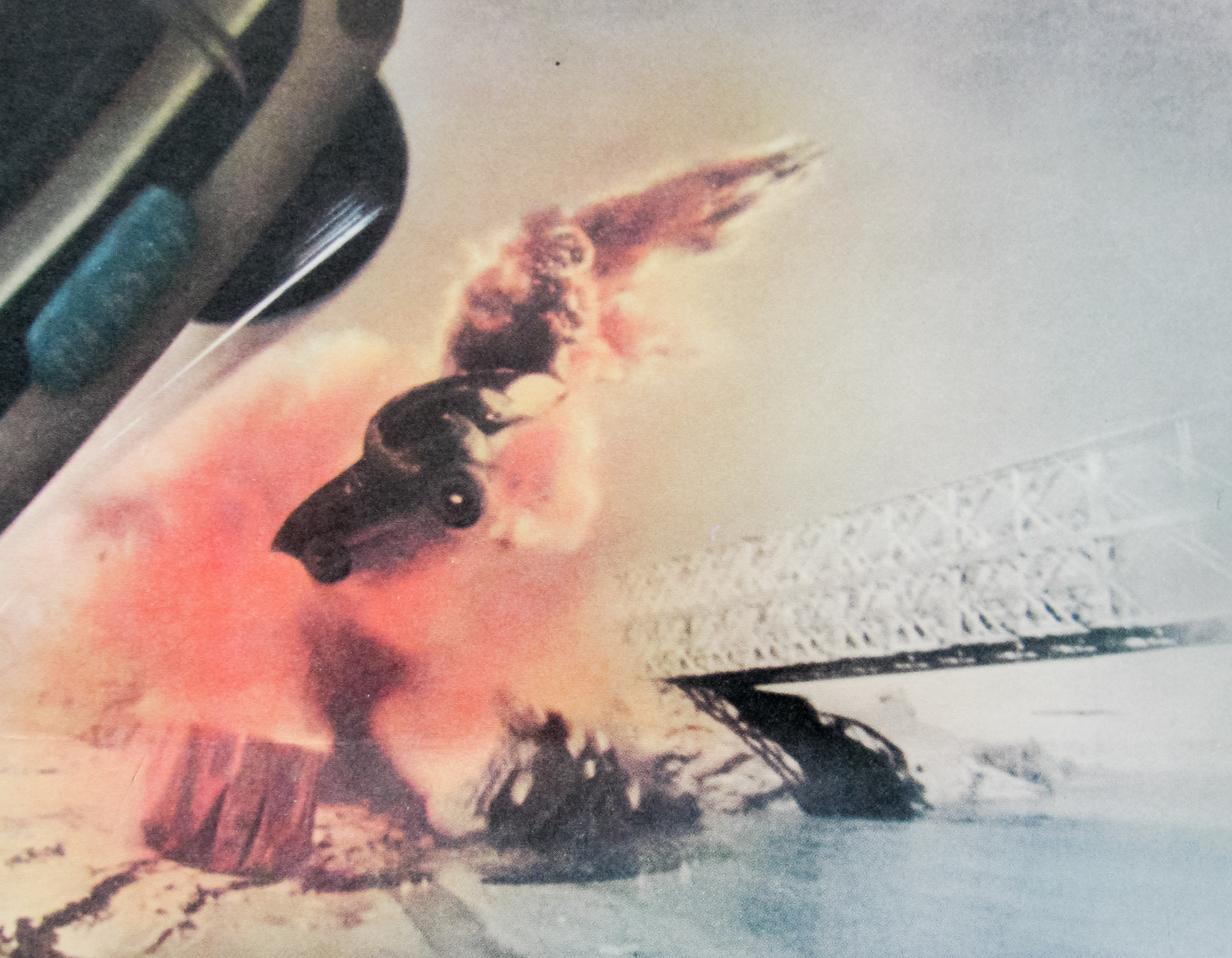
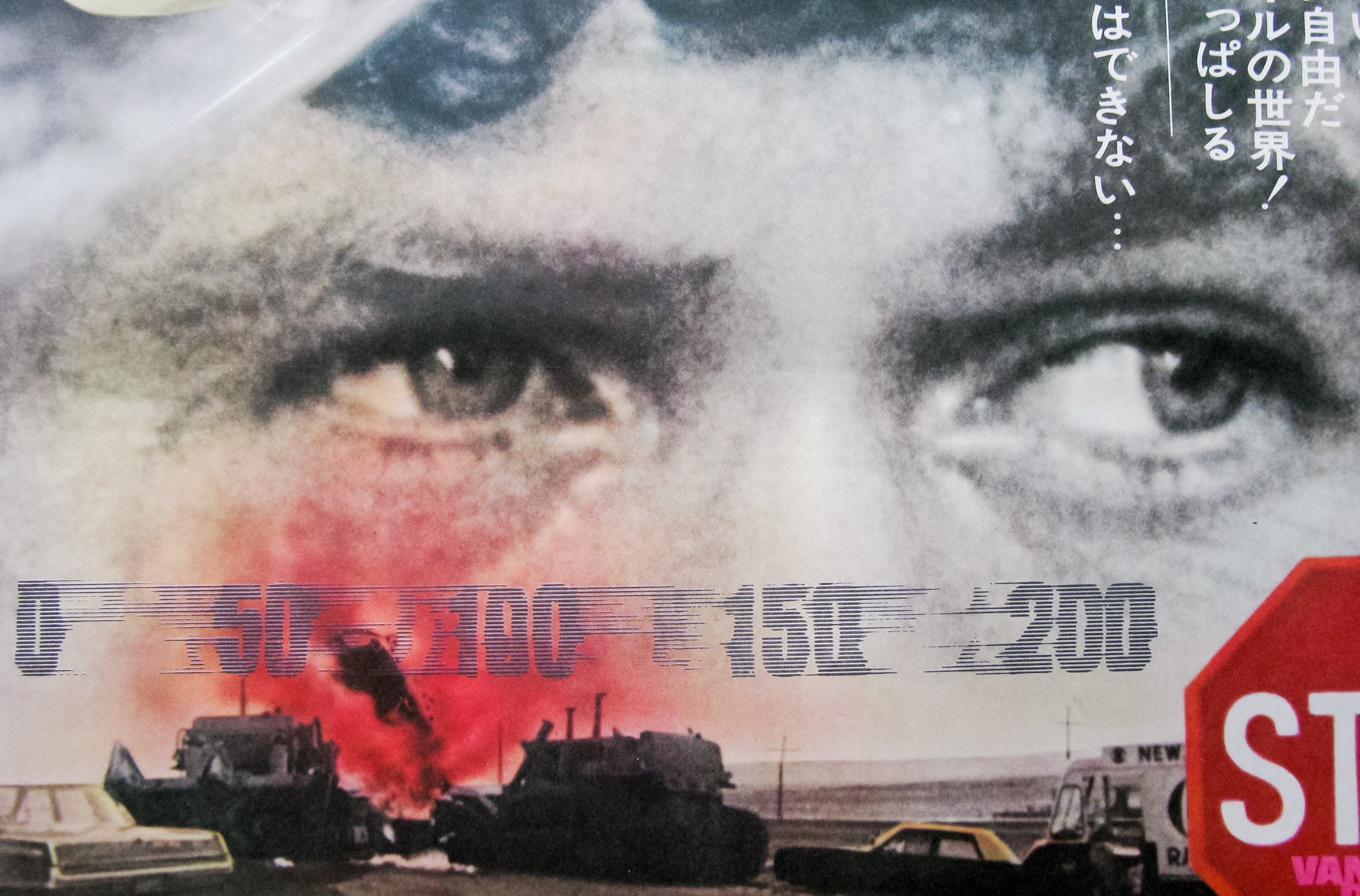
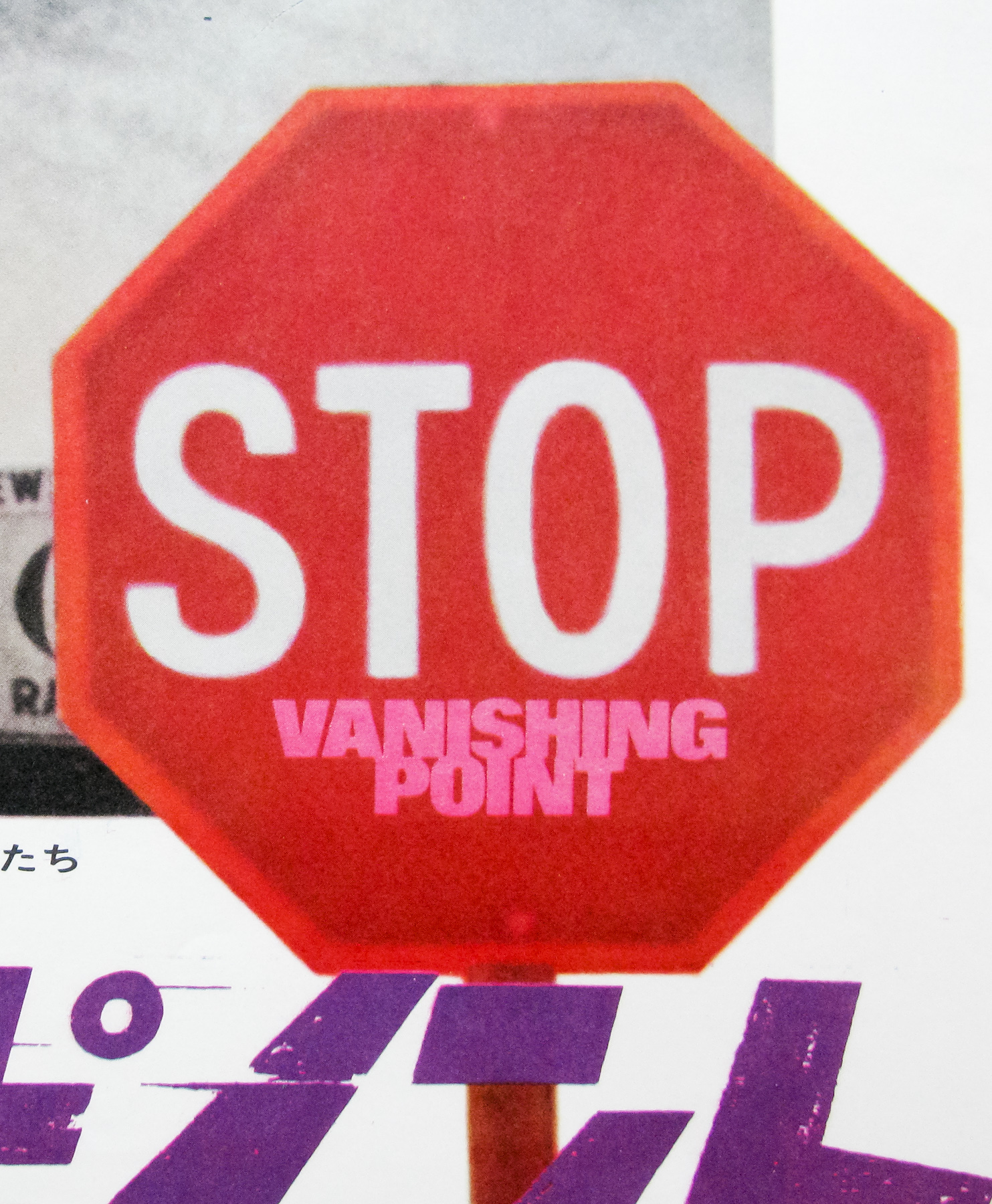
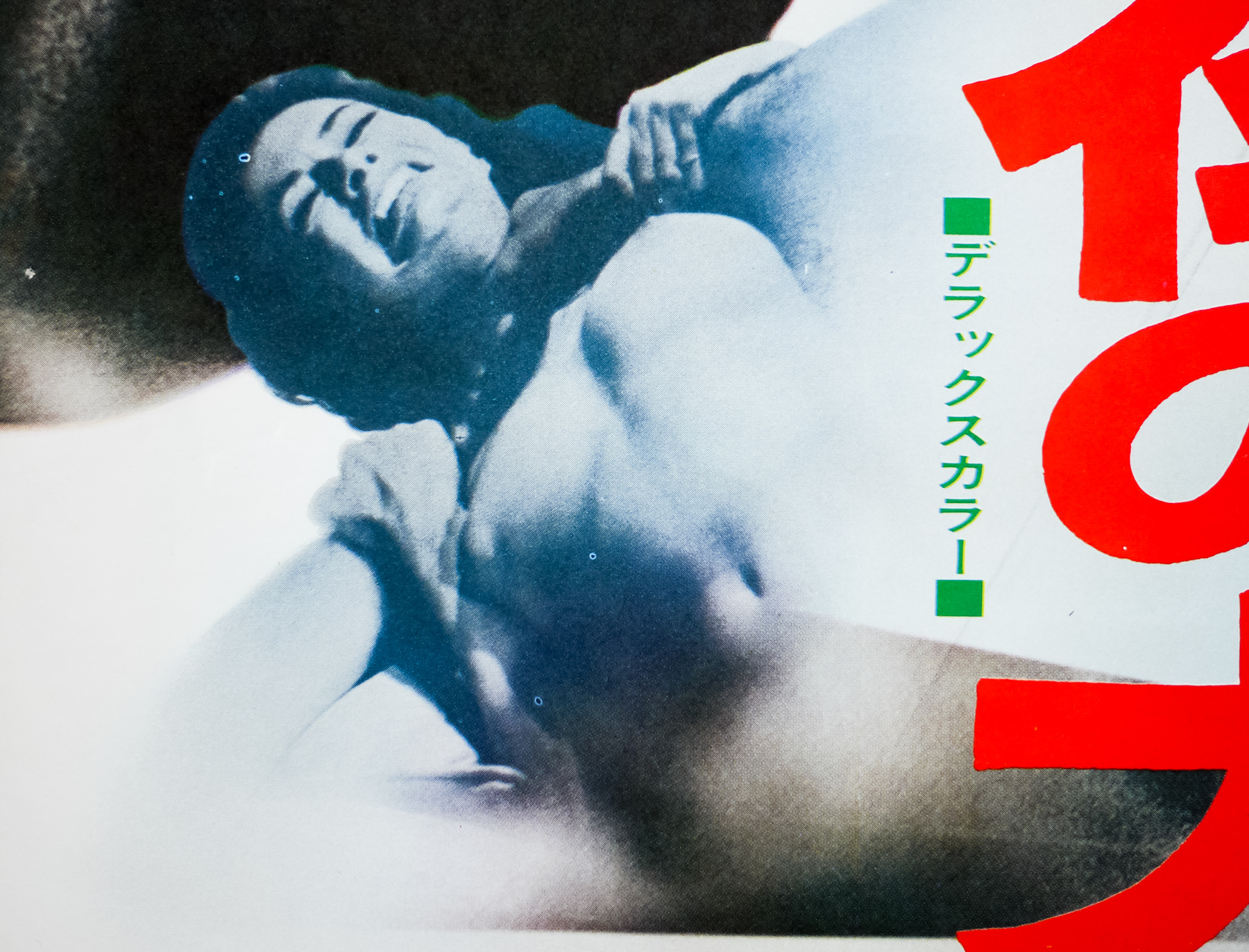
The car’s the star on this Japanese poster for the classic 1971 road movie, Vanishing Point, starring the then unknown actor Barry Newman as the legendary delivery driver Kowalski. Tasked with driving a 1970 Dodge Challenger (R/T 440 Magnum) from Colorado to San Francisco, Kowalski accepts a bet that he can’t get the car to its destination in less than 15 hours.

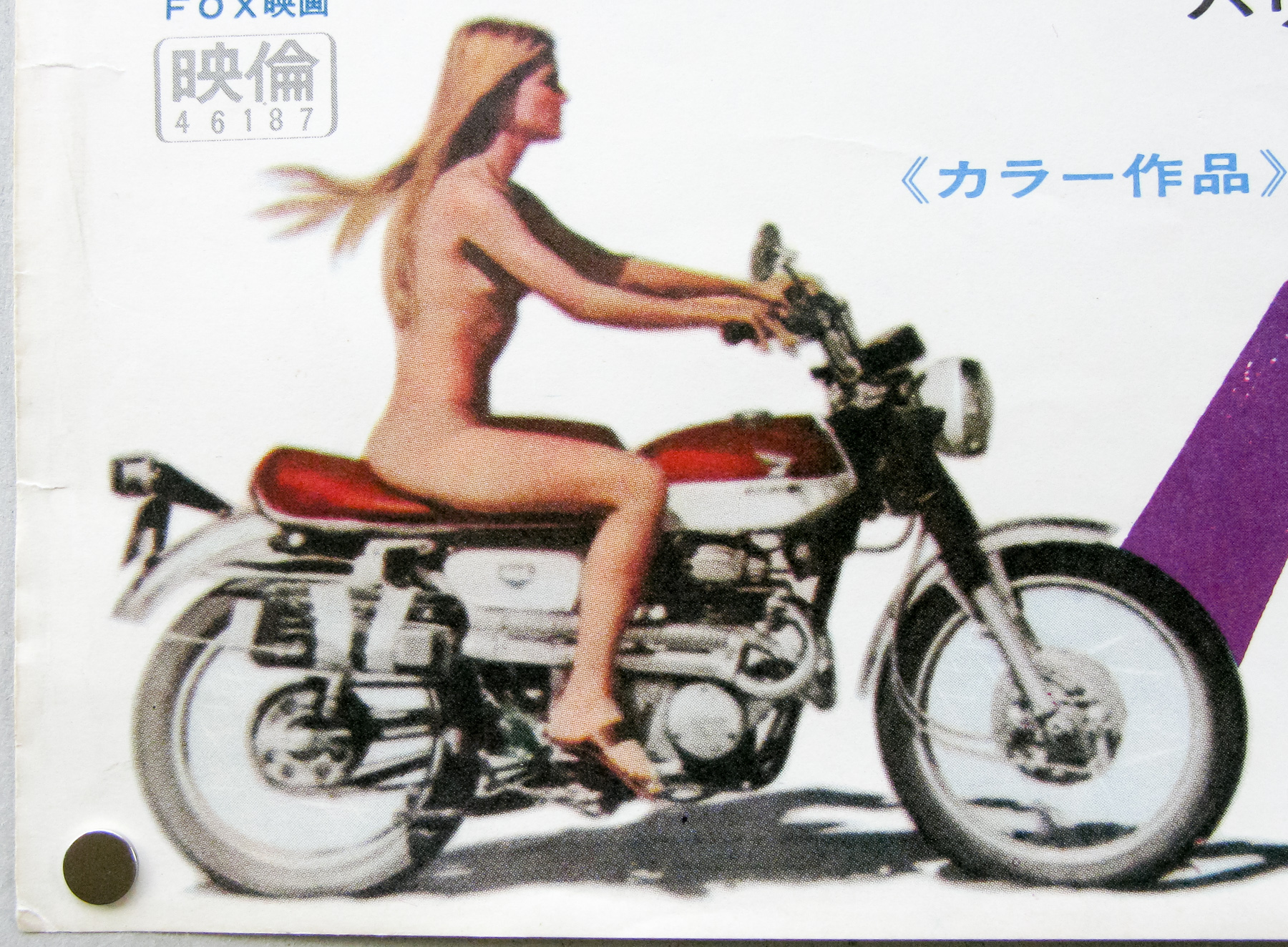
After a run in with two motorcycle cops a pursuit commences and the driver does his best to stay on target and evade arrest, helped along the way by an enigmatic DJ named Super Soul (Cleavon Little). During the pursuit Kowalski meets an array of characters, including a snake-catching prospector (Dean Jagger), gun-toting gay hitchhikers and a hippie biker with a girlfriend who rides stark-naked (as featured on this poster).

There are actually two versions of the film and the one that was shown in the cinema in the UK is actually longer than the US cut, featuring an extra scene of a drug-taking hitchhiker played by British actor Charlotte Rampling. Both versions are available on the recently released blu-ray.

The film has had an undeniable cultural impact, influencing multiple other films and even musicians, with Brit group Primal Scream naming their 1997 album after the film and lead singer  Bobby Gillespie saying that, “The music in the film is hippy music, so we thought, ‘Why not record some music that really reflects the mood of the film?’ It’s always been a favourite of the band, we love the air of paranoia and speed-freak righteousness … It’s a pure underground film, rammed with claustrophobia”

Quentin Tarantino‘s half of Grindhouse, Death Proof, continually references the film and features an almost identical Dodge Charger in one of its key car chases. I hadn’t realised but there was actually a TV remake of the film made in 1997 and starring Viggo Mortensen as Kowalski.

The original trailer is on YouTube.

Easy Rider / B2 / blue version / Japan

01.08.12

Poster Poster
Title
Easy Rider
AKA
--
Year of Film
1969
Director
Dennis Hopper
Starring
Peter Fonda, Dennis Hopper, Jack Nicholson, Luke Askew, Phil Spector, Karen Black, Toni Basil, Antonio Mendoza, Mac Mashourian, Warren Finnerty
Origin of Film
USA
Genre(s) of Film
Peter Fonda, Dennis Hopper, Jack Nicholson, Luke Askew, Phil Spector, Karen Black, Toni Basil, Antonio Mendoza, Mac Mashourian, Warren Finnerty,
Type of Poster
B2
Style of Poster
Blue
Origin of Poster
Japan
Year of Poster
1969
Designer
Unknown
Artist
Unknown
Size (inches)
20 6/16" x 28 12/16"
SS or DS
SS
NSS #
--
Tagline
--

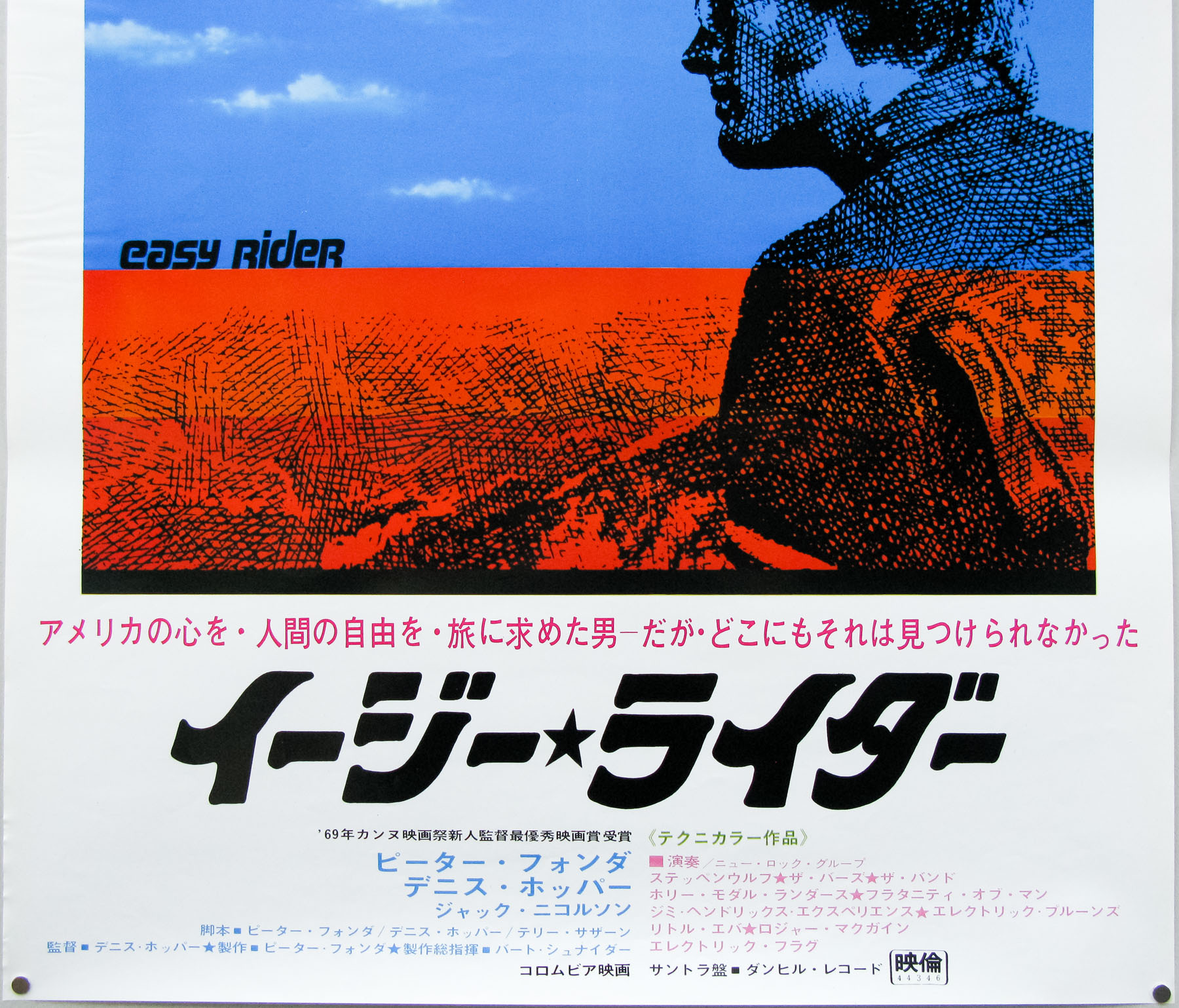
A landmark American film, Easy Rider defined a generation and was a touchstone of the counterculture movement of the 1960s. Directed, co-written by and starring the late Dennis Hopper, the film was produced by Peter Fonda, who also helped to write the screenplay and starred alongside Hopper as one of two bikers who set off on a cross-country trip through the Southern United States. At the beginning of the film Wyatt (Fonda) and Billy (Hopper) pull off a successful drug deal and decide to take their earnings and ride from Los Angeles to New Orleans to attend the forthcoming Mardi Gras festival.

Along the way the pair meet an assortment of unusual characters, including a hippie hitchhiker (Luke Askew) who takes them to a commune, drunken lawyer George (Jack Nicholson in a career-defining role) who helps them to escape jail and joins them on their trip, and a pair of prostitutes (Karen Black and Toni Basil). They also experience the hostility of the authorities and suspicious locals whose aggression towards the bikers leads them question if the halcyon days of the early 1960s are well and truly over. After one particular encounter George comments “You know, this used to be a helluva good country. I can’t understand what’s gone wrong with it.”

The film is infamous for its scenes featuring actual drug use (prominently marijuana) and, thanks to its incredible box-office success, Easy Rider is also credited with kickstarting a new era in Hollywood that saw a slew of low-budget films helmed by avant-garde directors being financed, particularly once studio heads realised the profits easily outweighed the initial production costs. Thanks to the success of the film Dennis Hopper was given carte-blanche for his next directorial effort, 1971’s The Last Movie; a film that saw woeful critical and commercial performance and effectively ended his career as a director for over a decade.

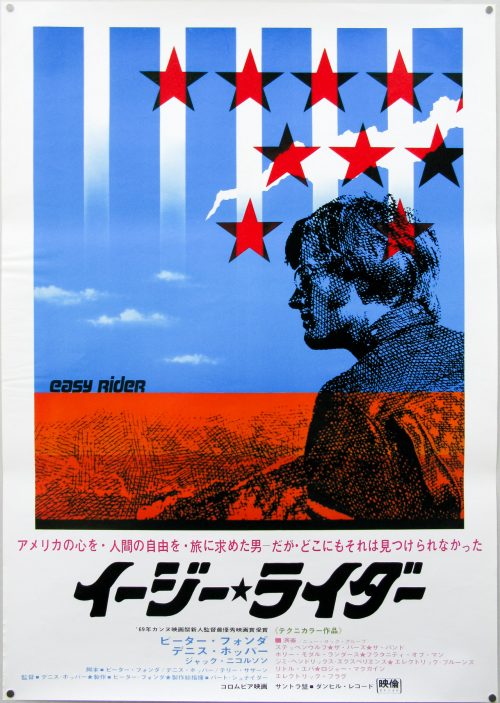
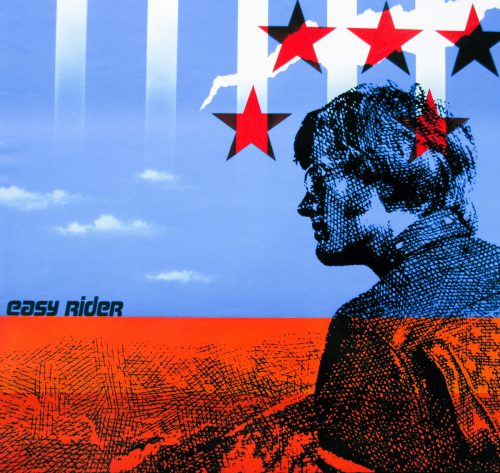
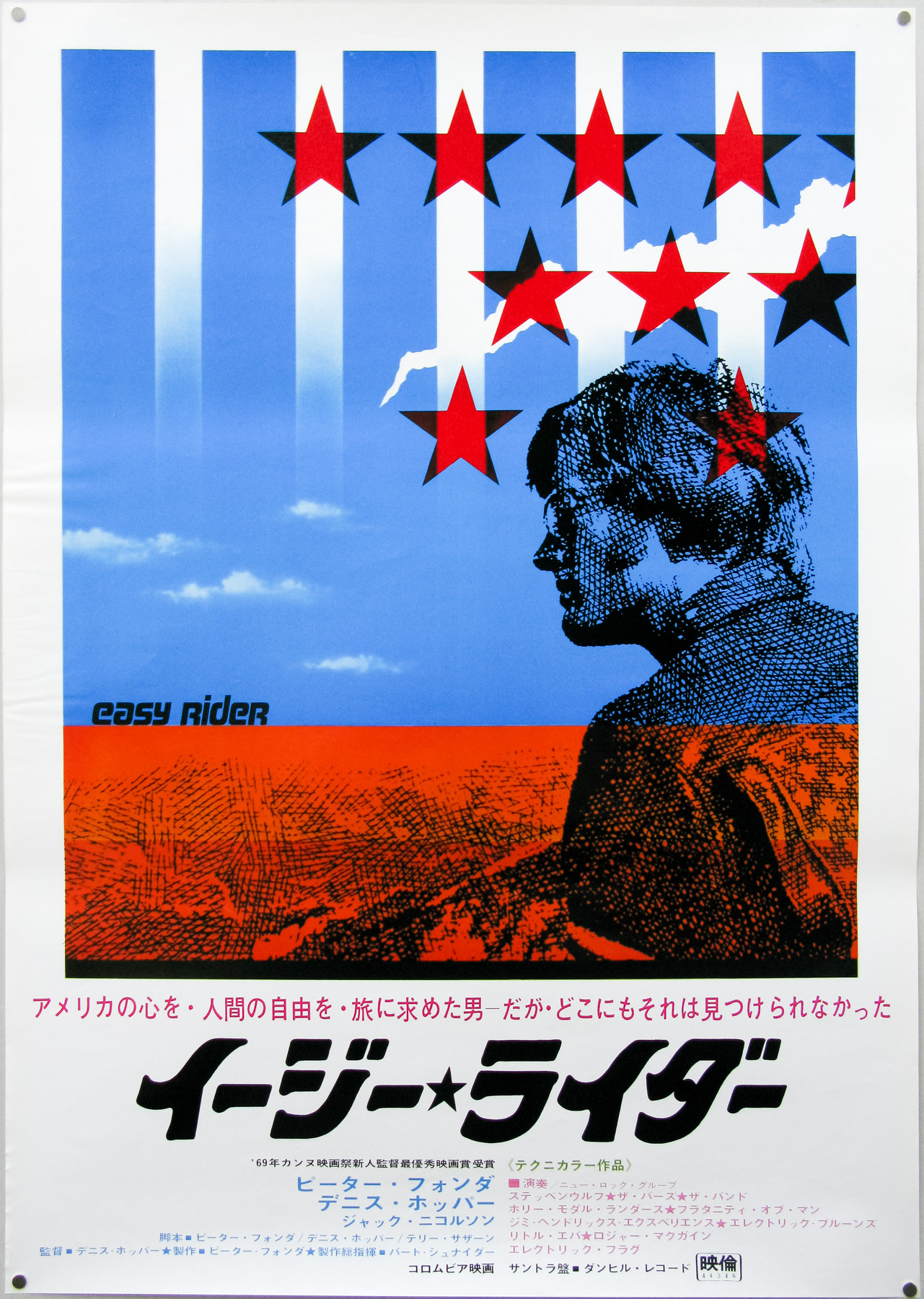
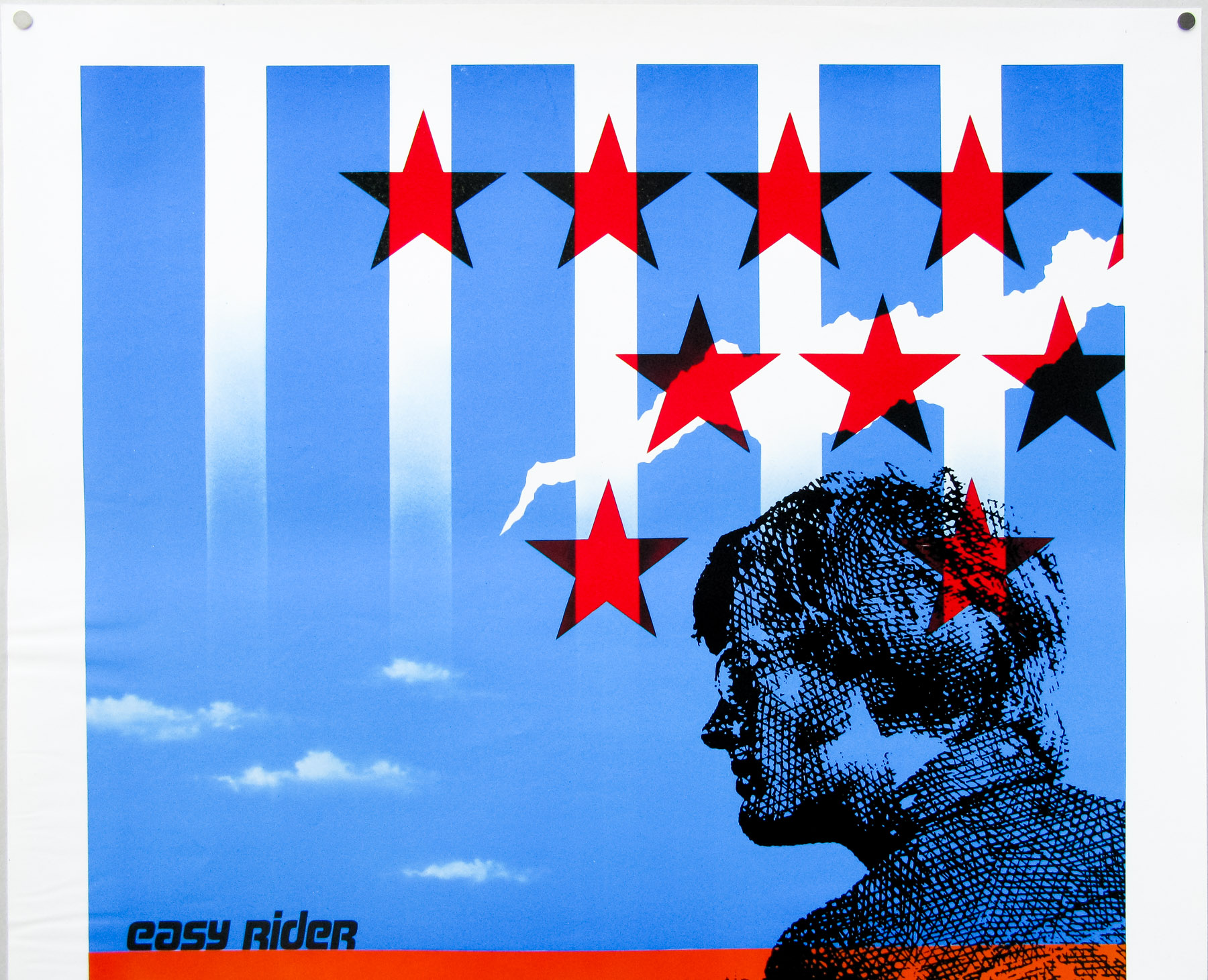
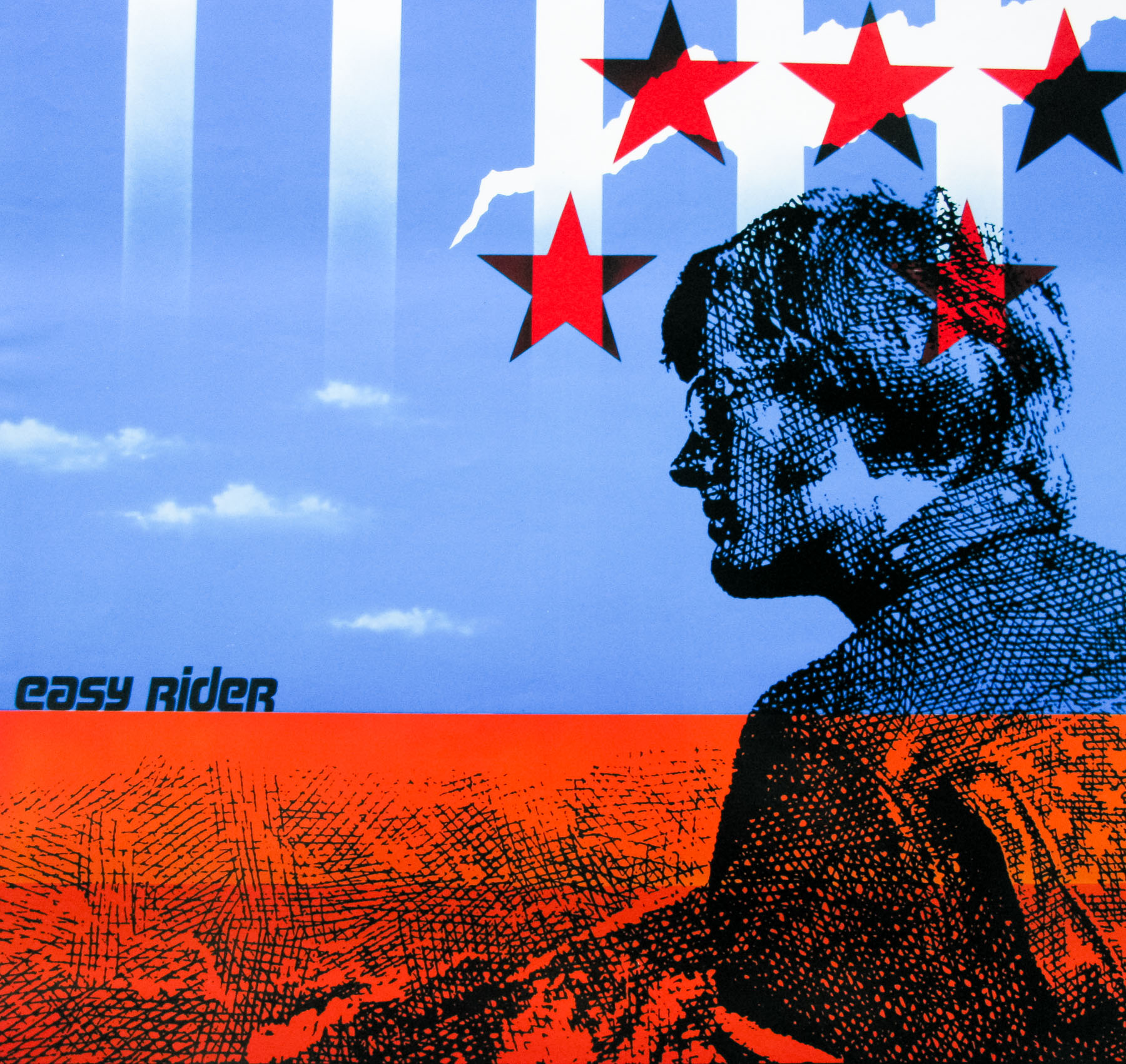
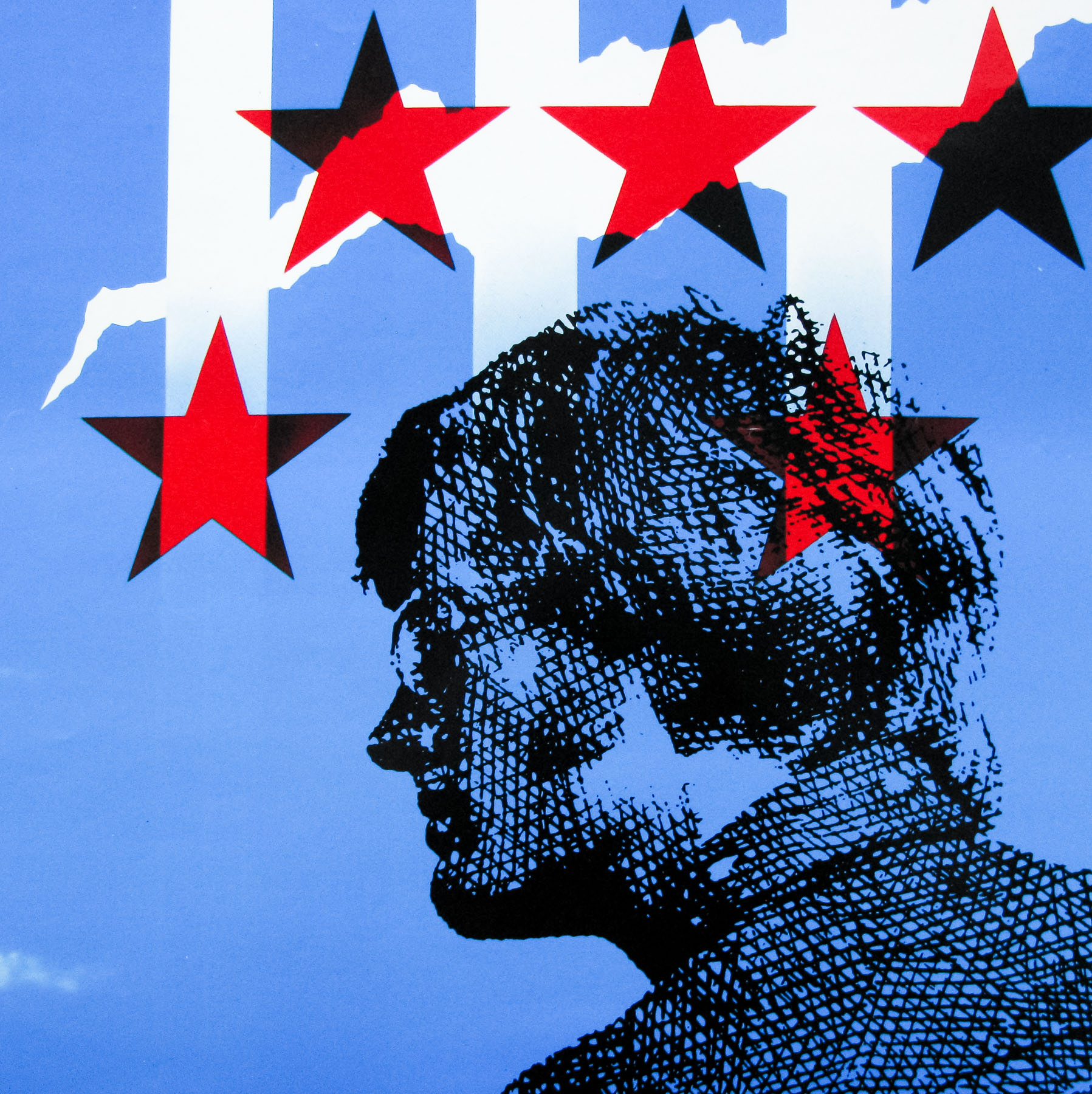
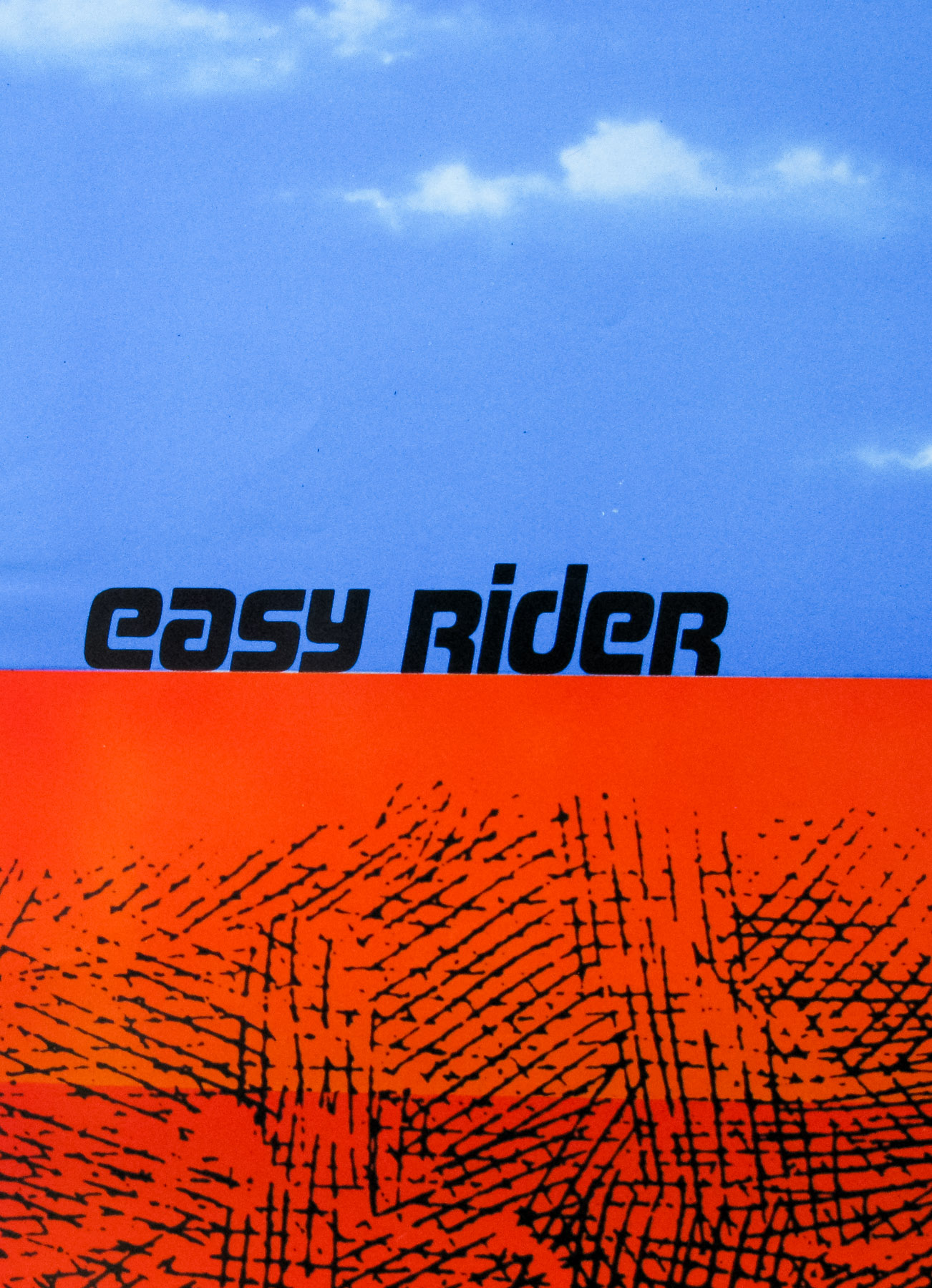
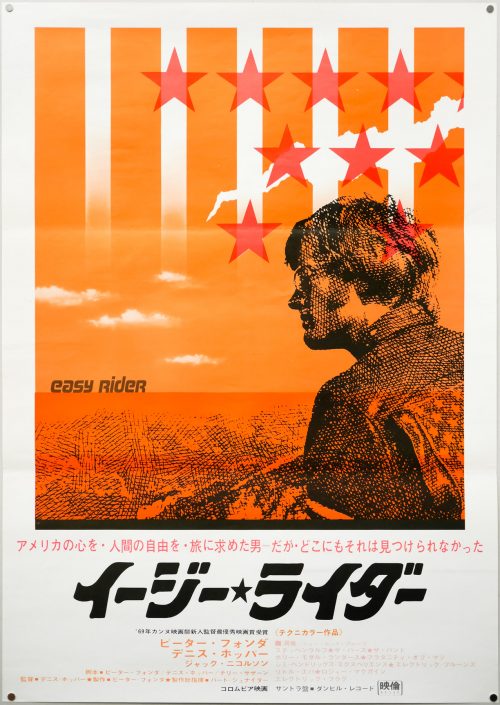
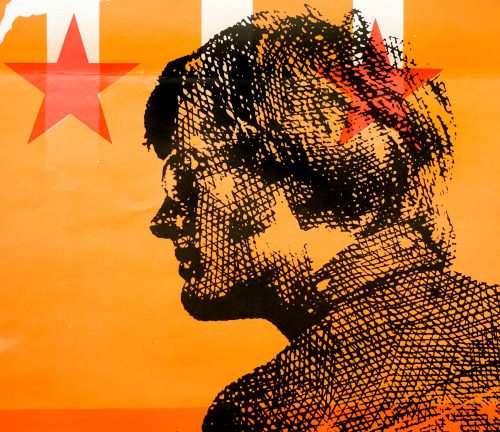
This is the Japanese poster for the film, which features the stylised portrait of Fonda, as featured on the American one sheets. The colour scheme and use of stars is unique to this poster and there is also an orange version featuring the same design, which I have in my collection.

The film’s original trailer is on YouTube.

She’s Gotta Have It / B2 / Japan

01.02.12

Poster Poster

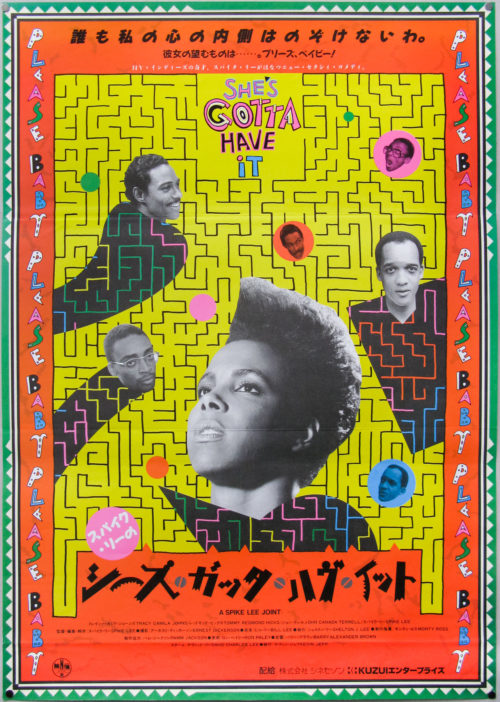
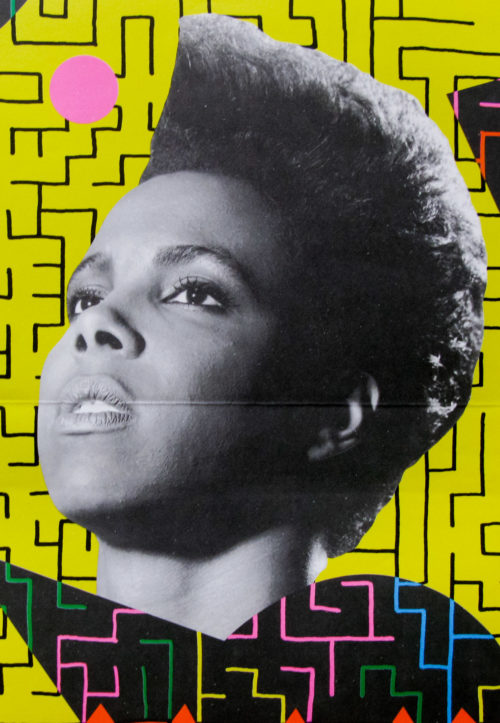
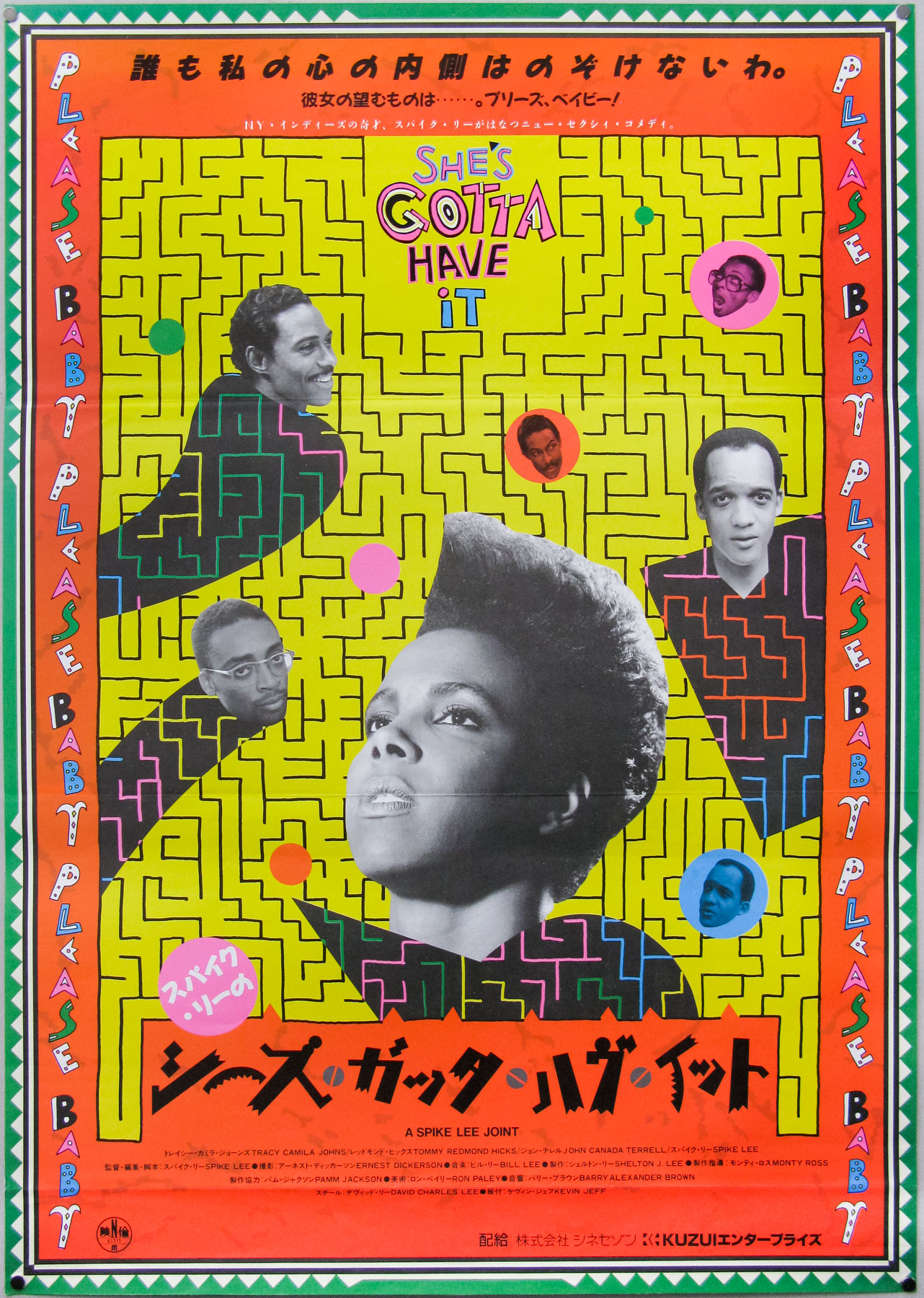
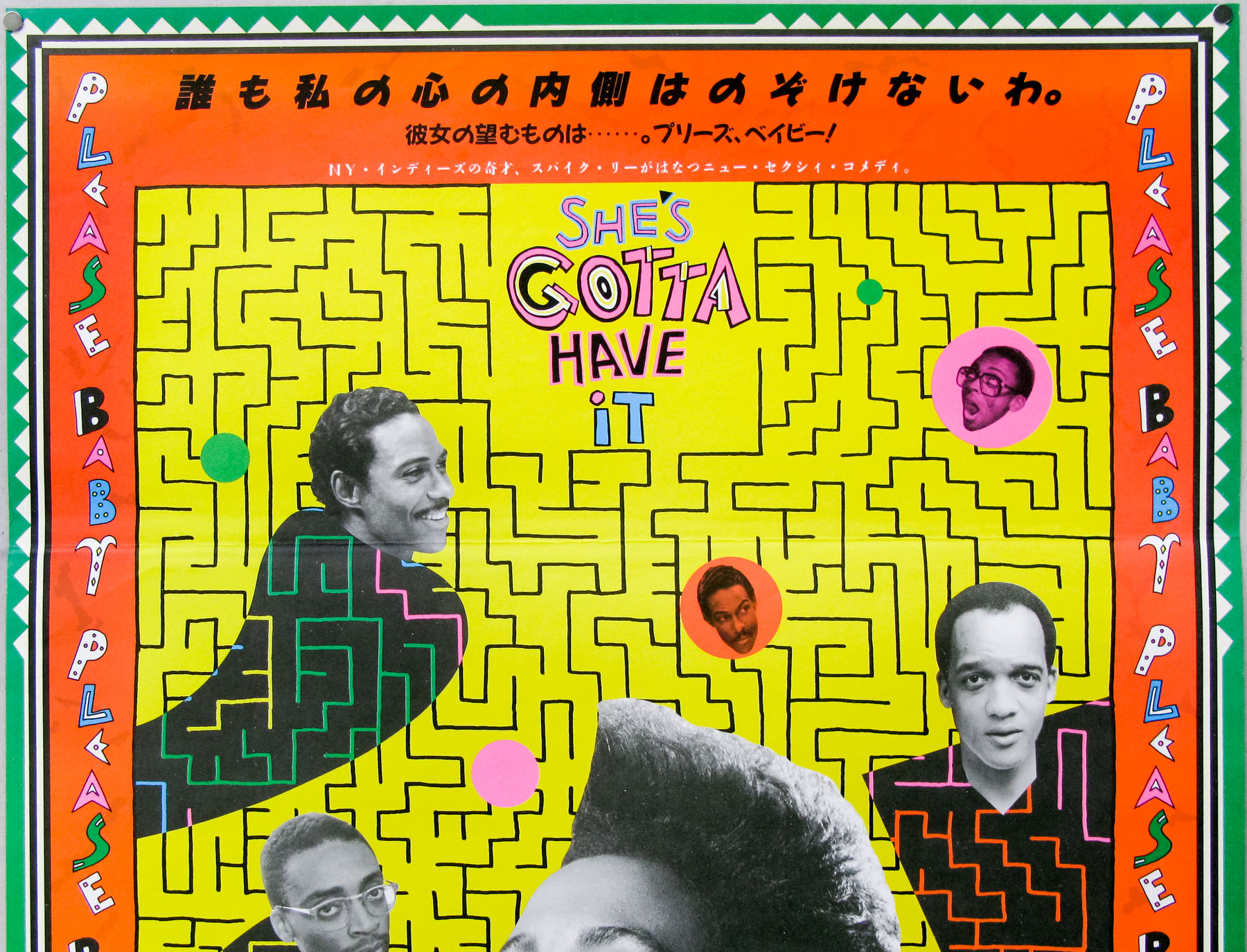
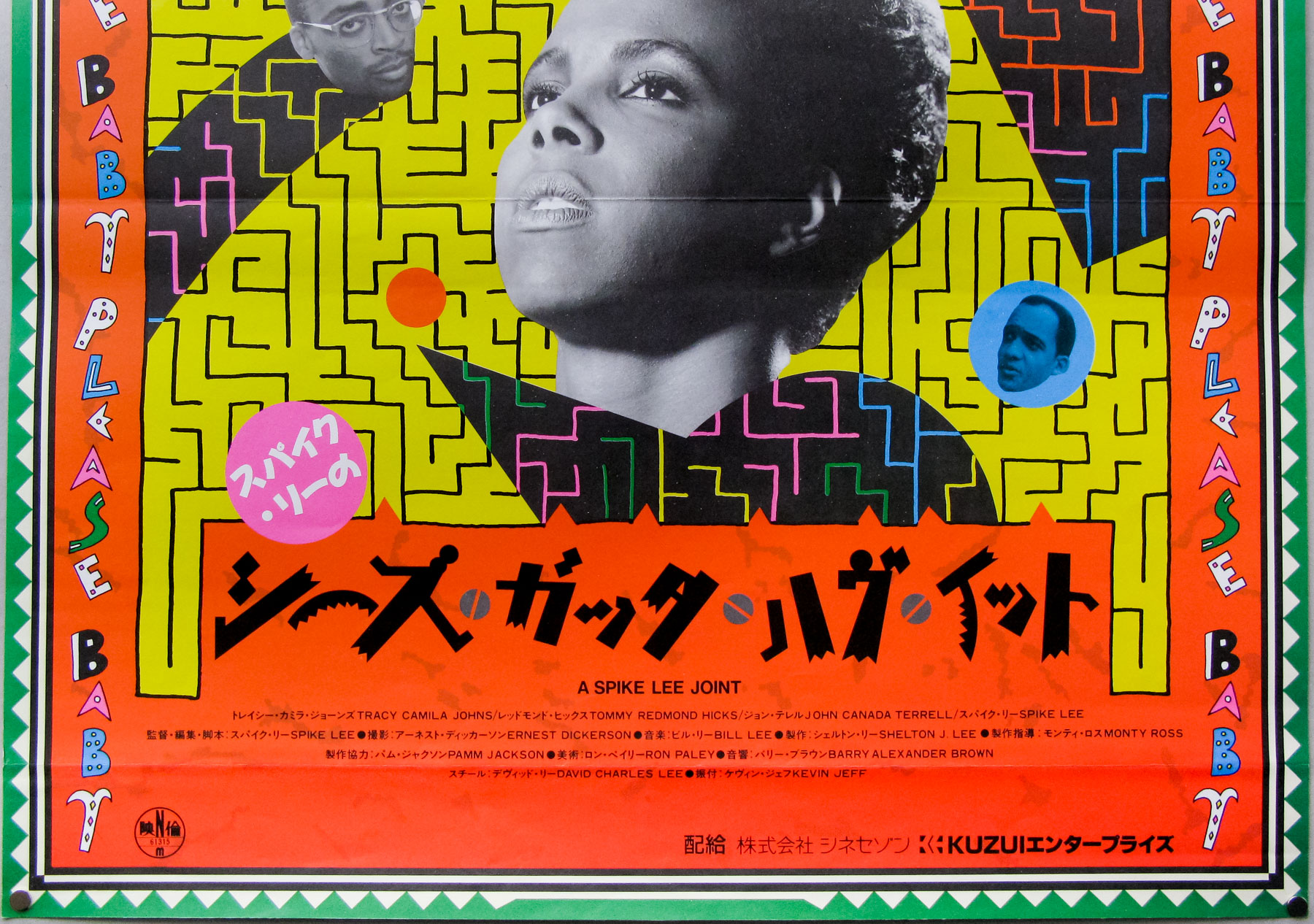
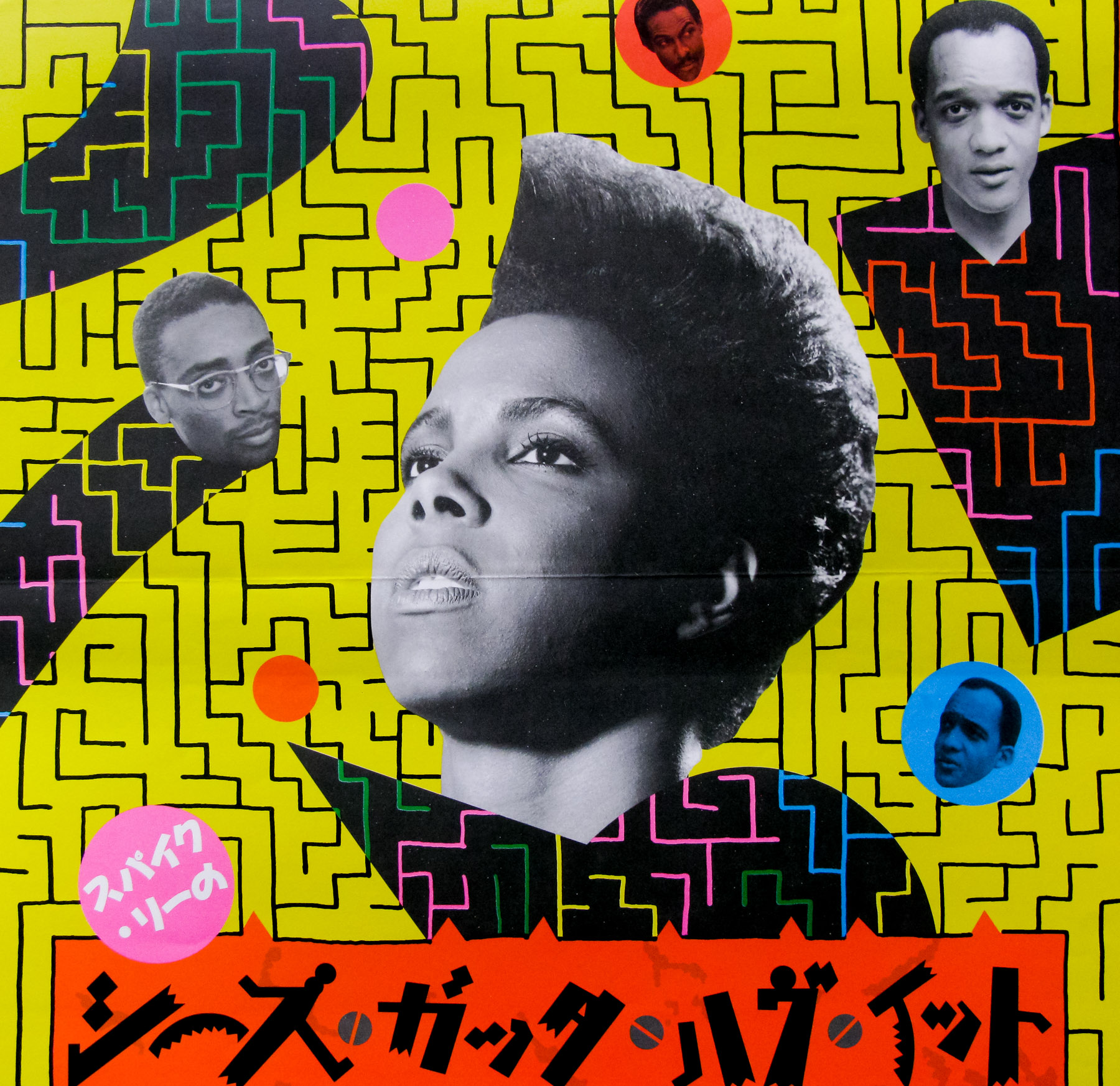
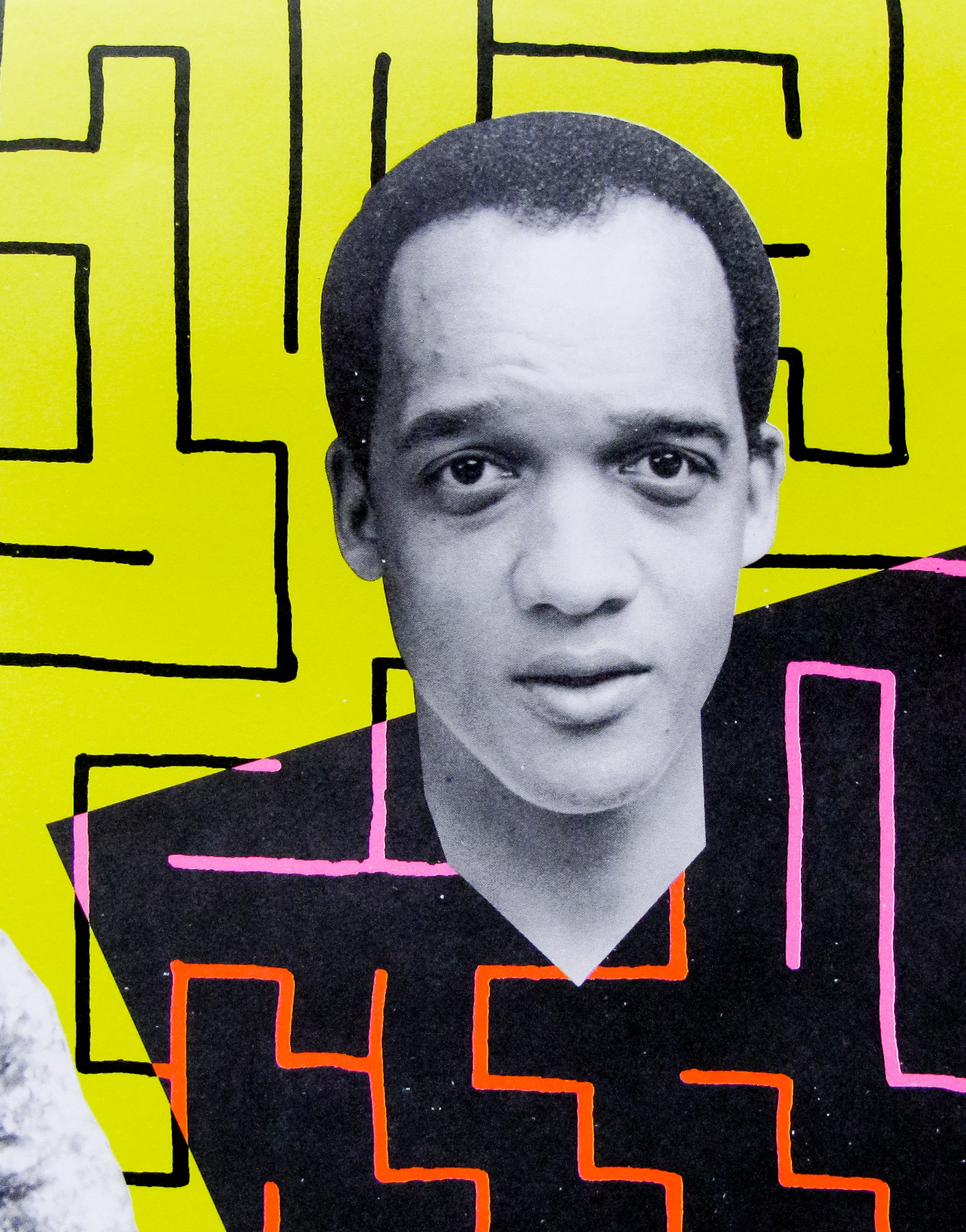
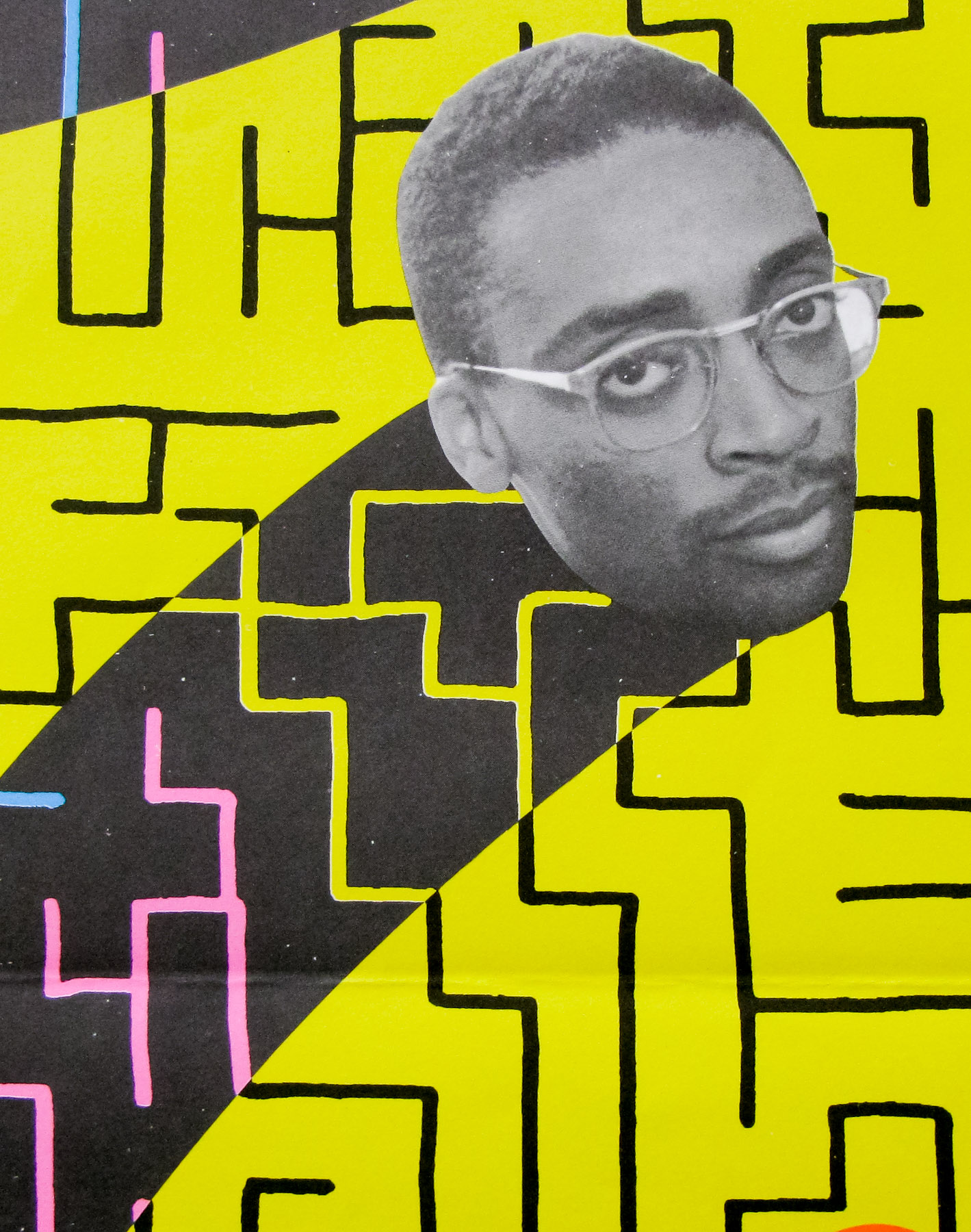
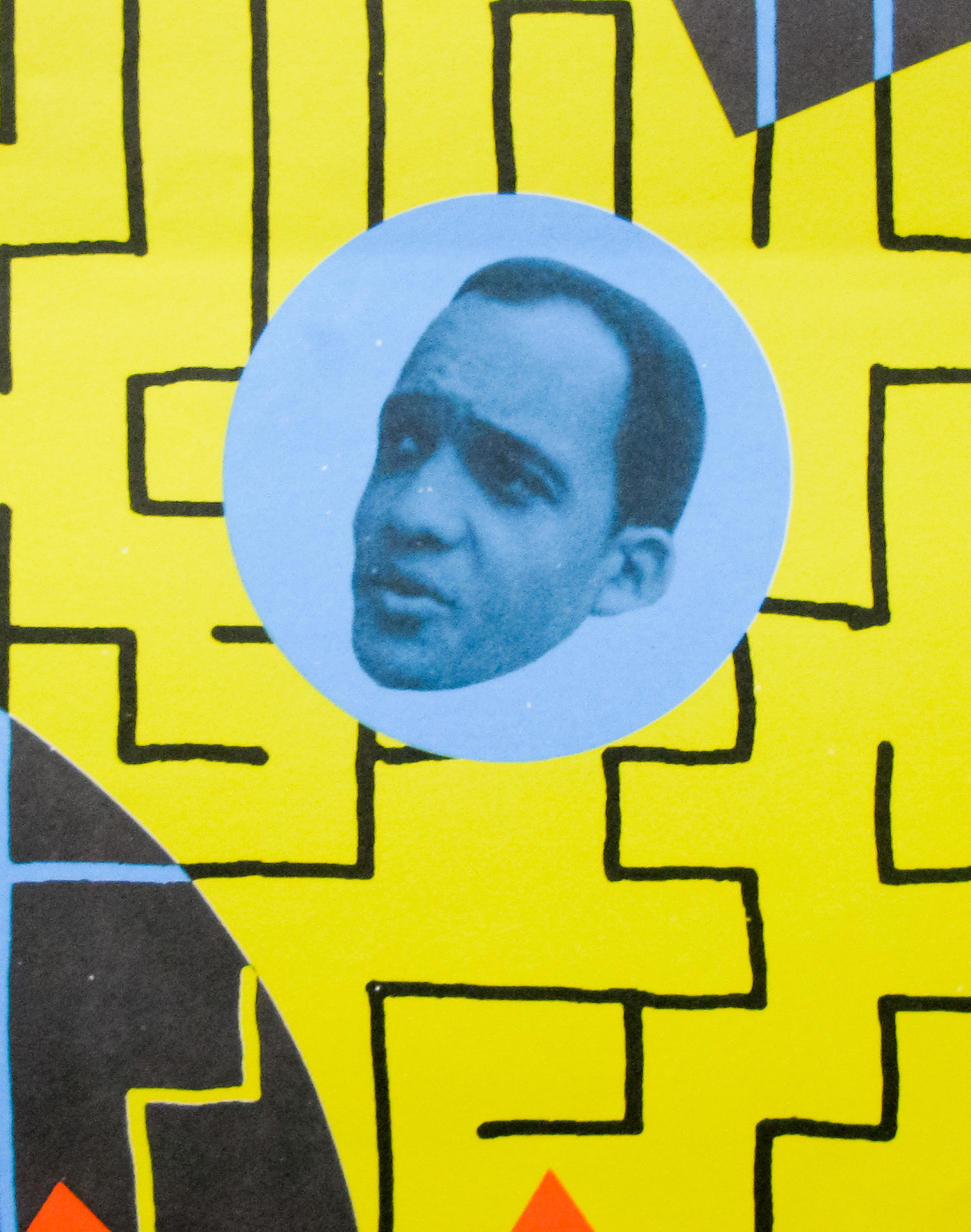
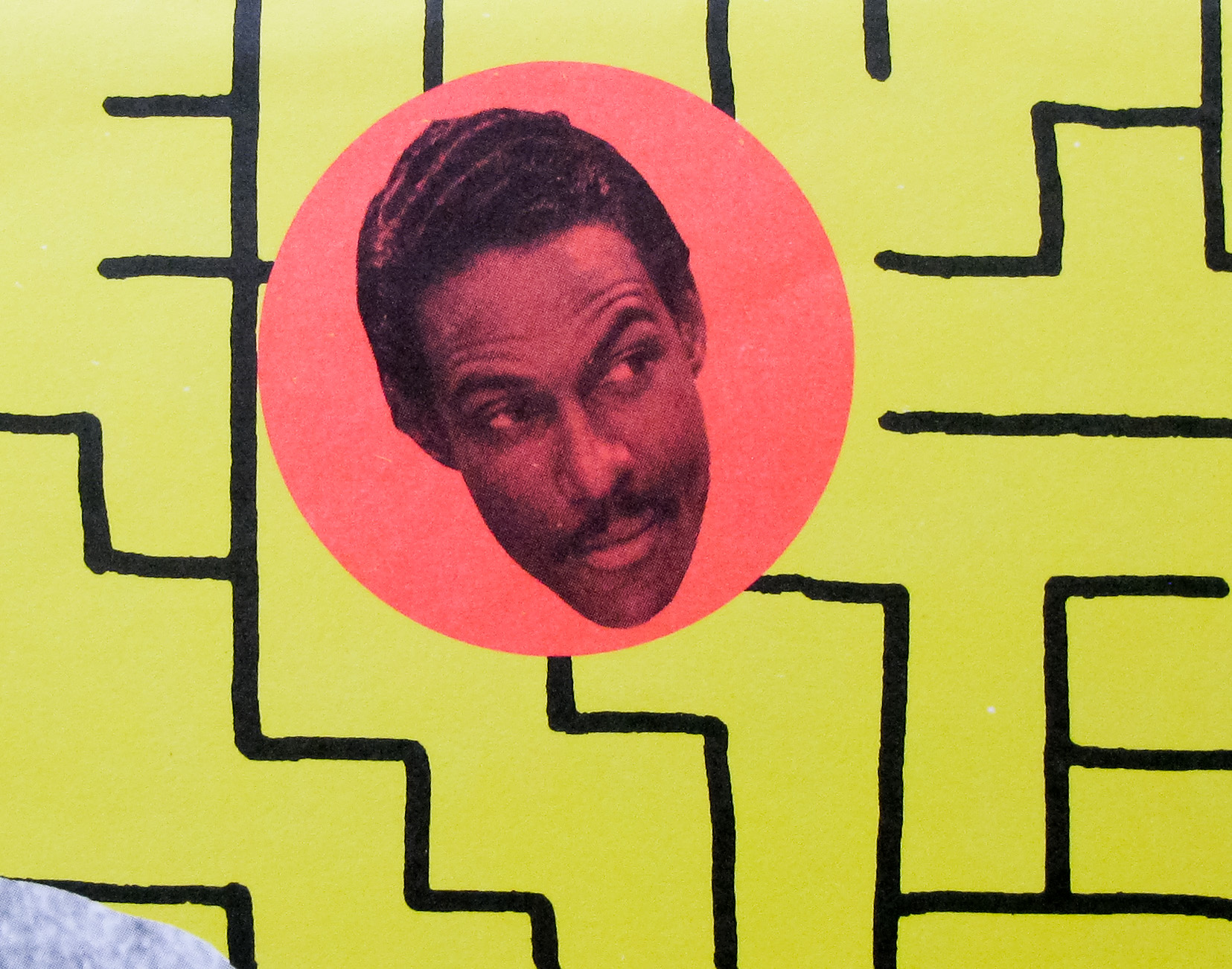
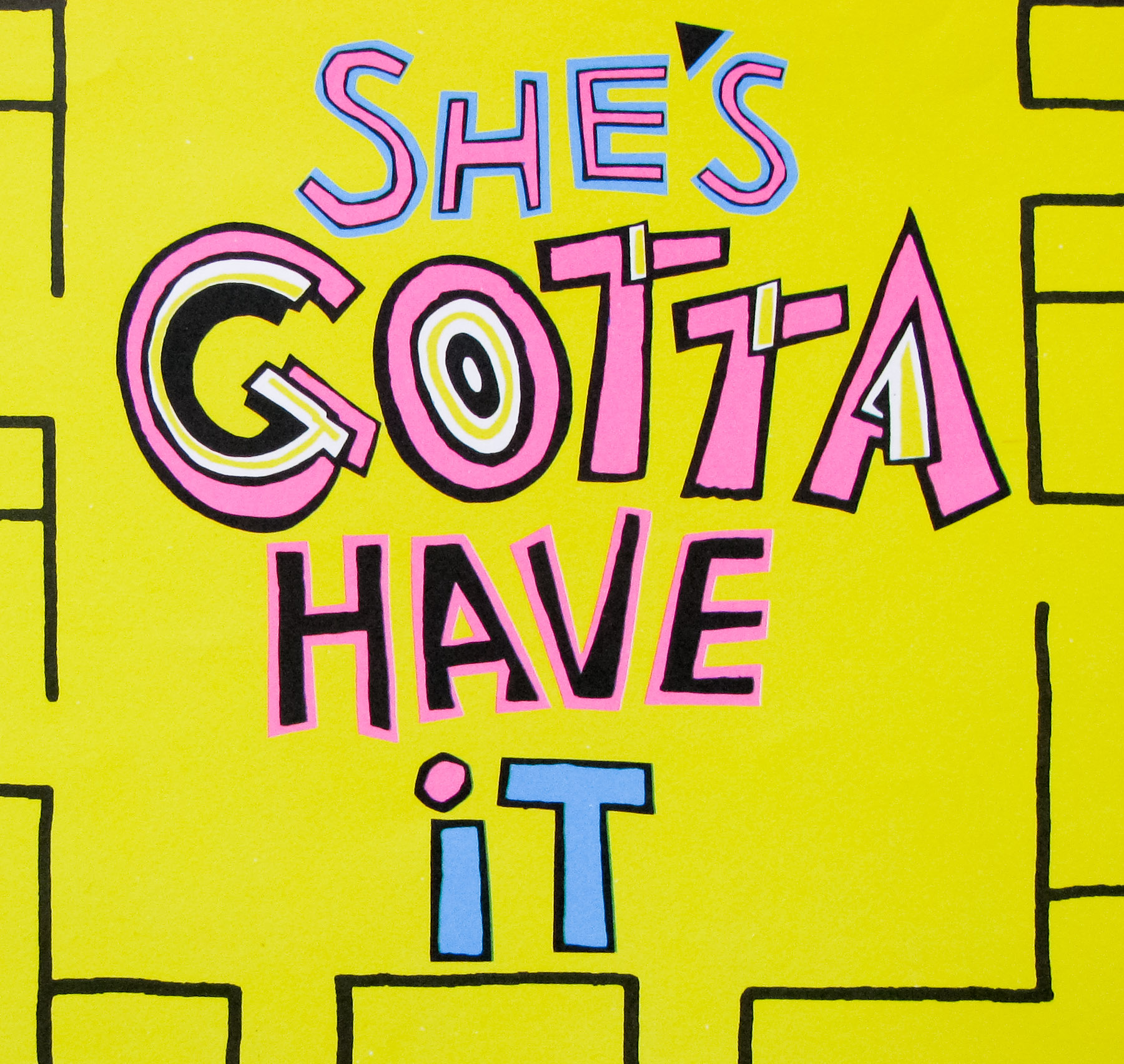
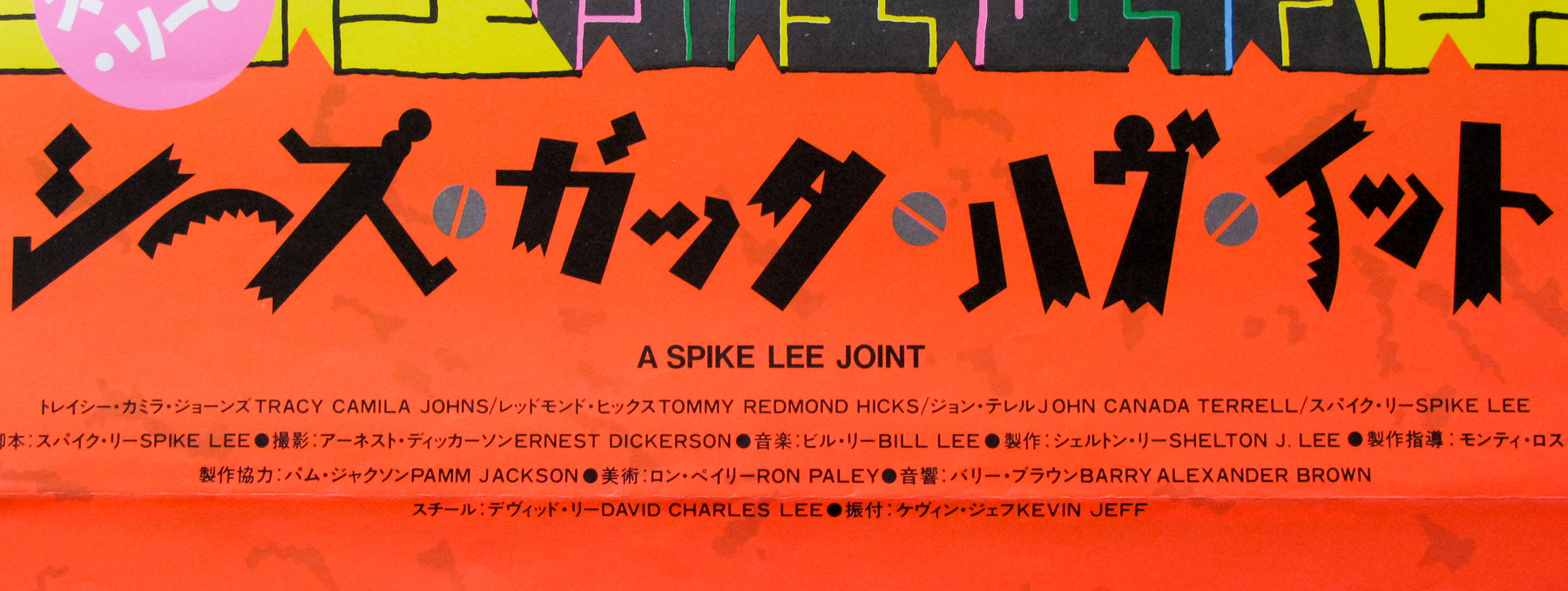
A wild design on this Japanese poster for director Spike Lee’s first full-length feature film. The story is set in the New York City borough of Brooklyn and focuses on Nola Darling (Tracy Camilla Johns) a young, independent woman who is juggling three different lovers, each with different qualities, and struggling against societal expectations of how she should behave.

Lee himself starred as one of her suitors, a bike courier called Mars Blackmon, and he portrayed the character several times in the following years promoting the Nike Air Jordan line of trainers. Several of these adverts can be seen on Youtube, including this one.

The film is also credited with putting the borough of Brooklyn firmly on the map and helping to foster better social pride in the area’s residents. Several of Lee’s films have been set there, including the brilliant Do the Right Thing. His upcoming film Red Hook Summer is apparently set in Brooklyn.

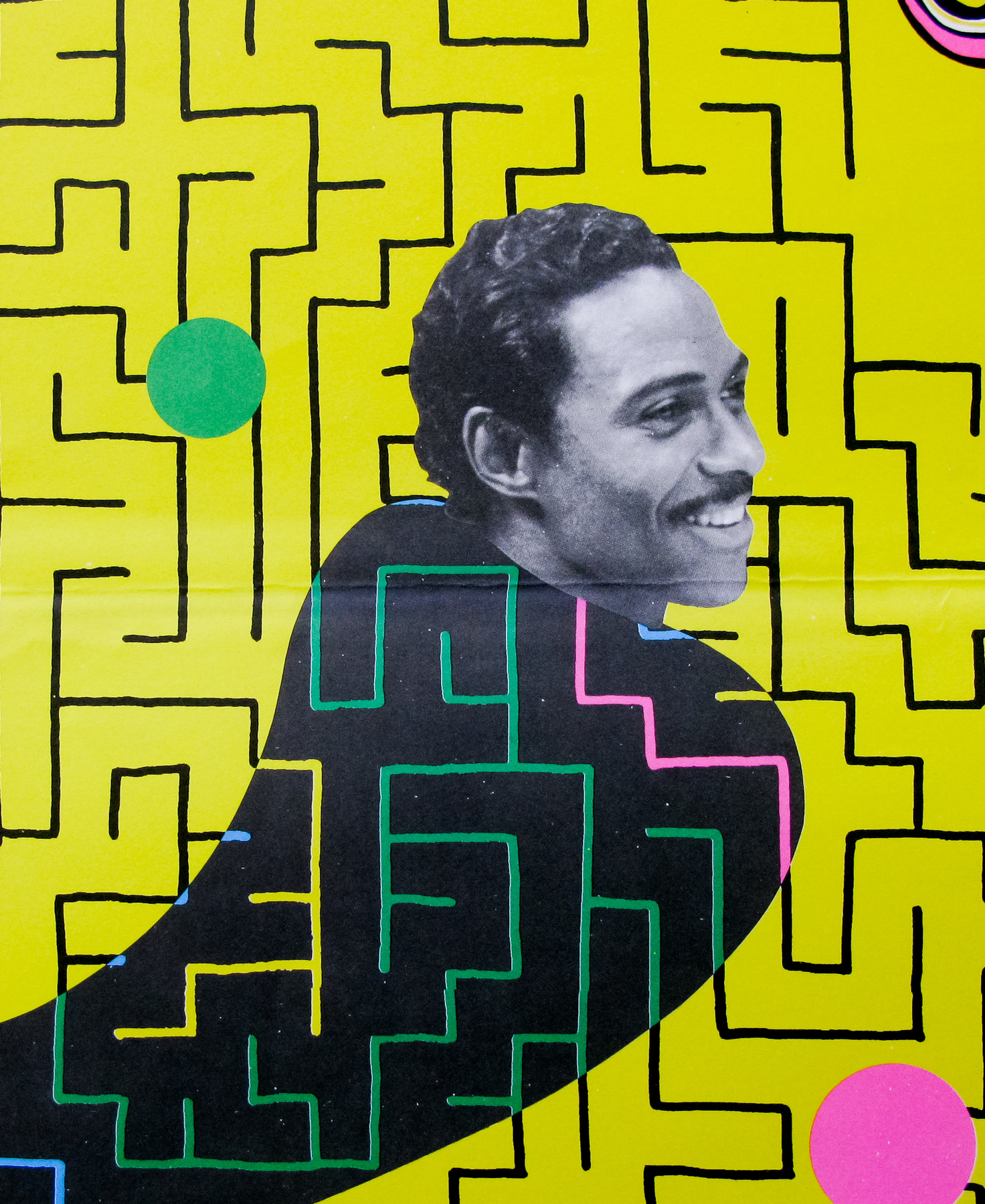
I’m guessing that the design featured on this Japanese poster is supposed to represent the ‘moral maze’ that the characters in the film are trapped in, but that’s just pure speculation!


Suspiria / B2 / Japan

12.04.12

Poster Poster

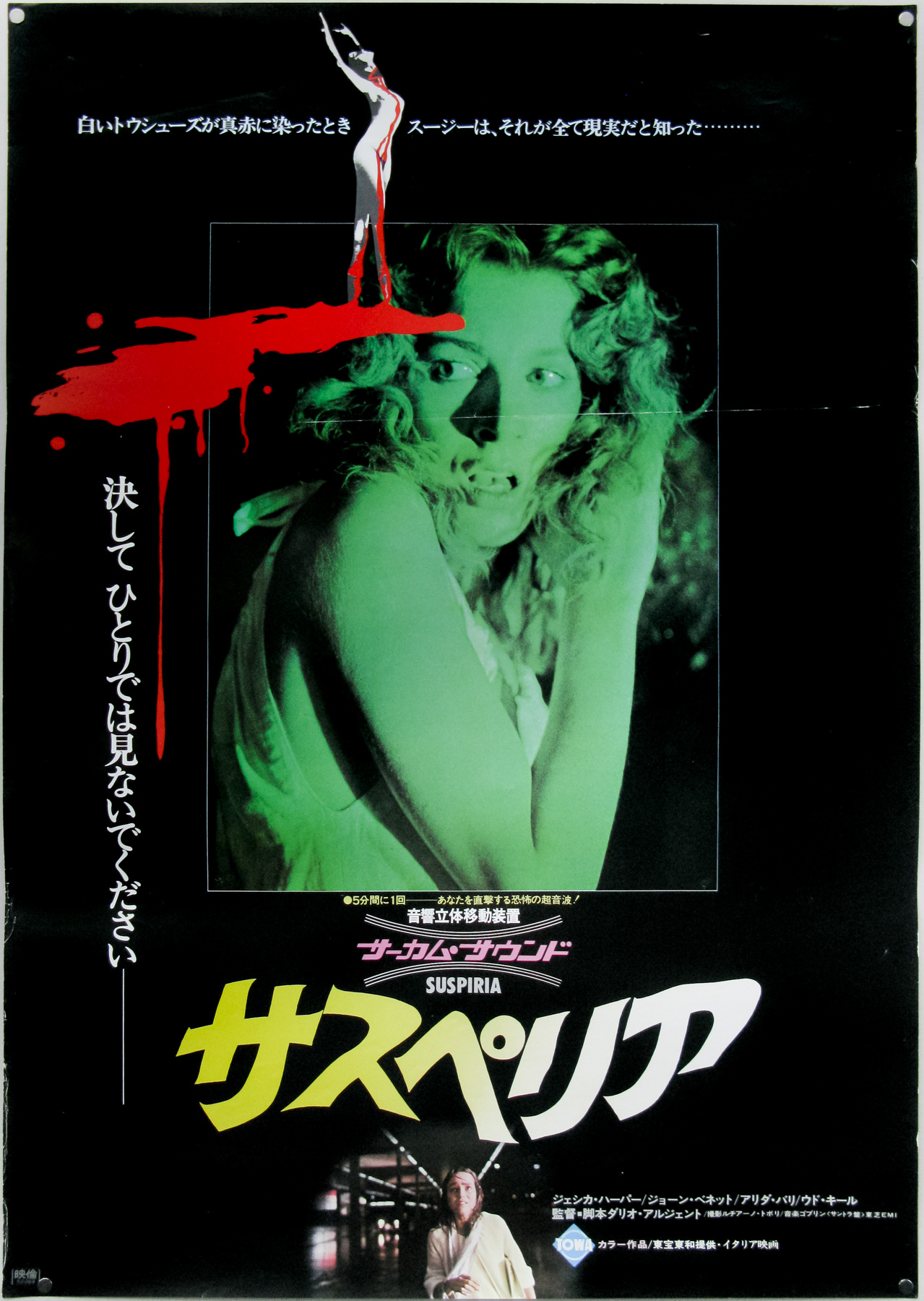
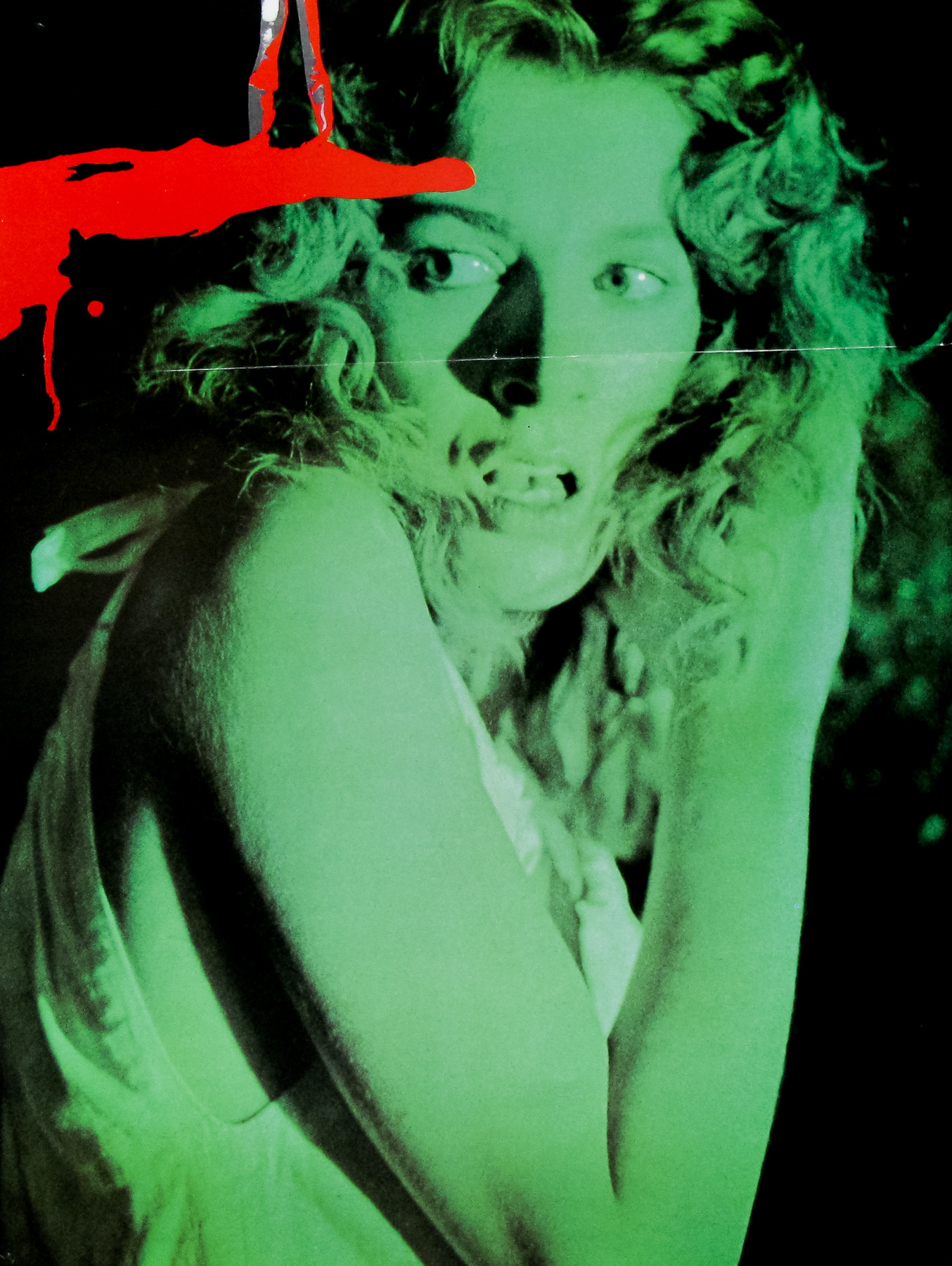
Considered by many to be Italian horror maestro Dario Argento‘s best, Suspiria is an absolutely stunning supernatural horror film and has influenced countless imitations ever since its release in 1977. The visual style is superb and the film features an incredible colour palette throughout; something that would become an Argento trademark. The memorable soundtrack is by the Italian rock band Goblin who are frequent collaborators with the director.

The film sees American student Suzy Banyon (Jessica Harper) travel to the German city of Freiburg to attend a prestigious dance academy there. After a student is brutally murdered, Suzy begins to suspect all is not as it seems at the school and it’s not long before she’s forced to confront the sinister forces responsible.

The film is the first in Argento’s ‘Three Mothers’ trilogy of films. It would be followed by 1980’s Inferno and end 27 years later with the disappointing Mother of Tears.

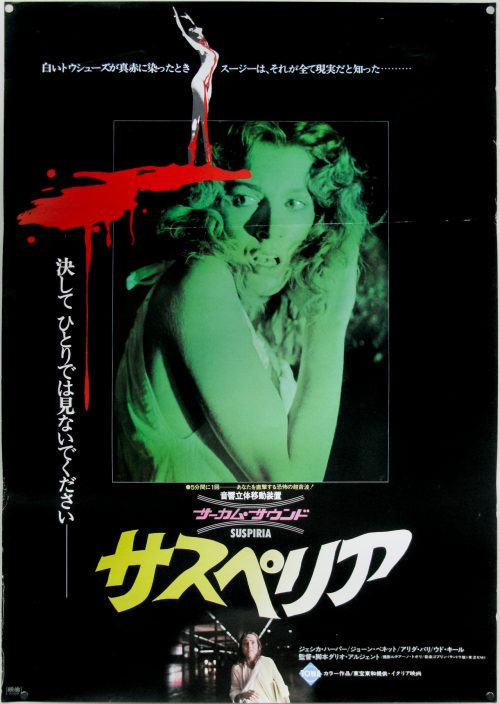
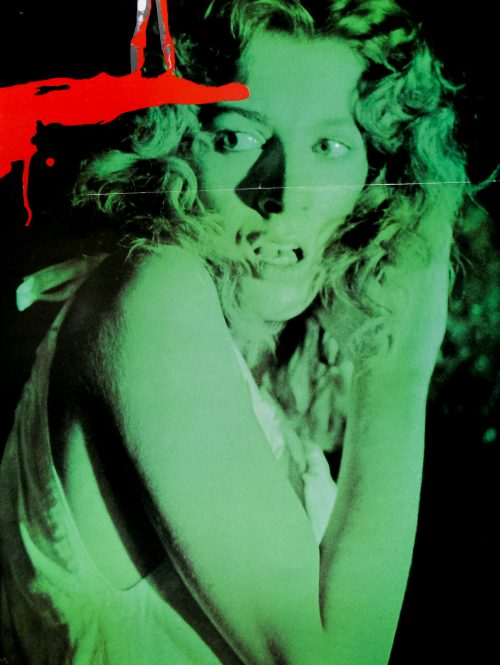
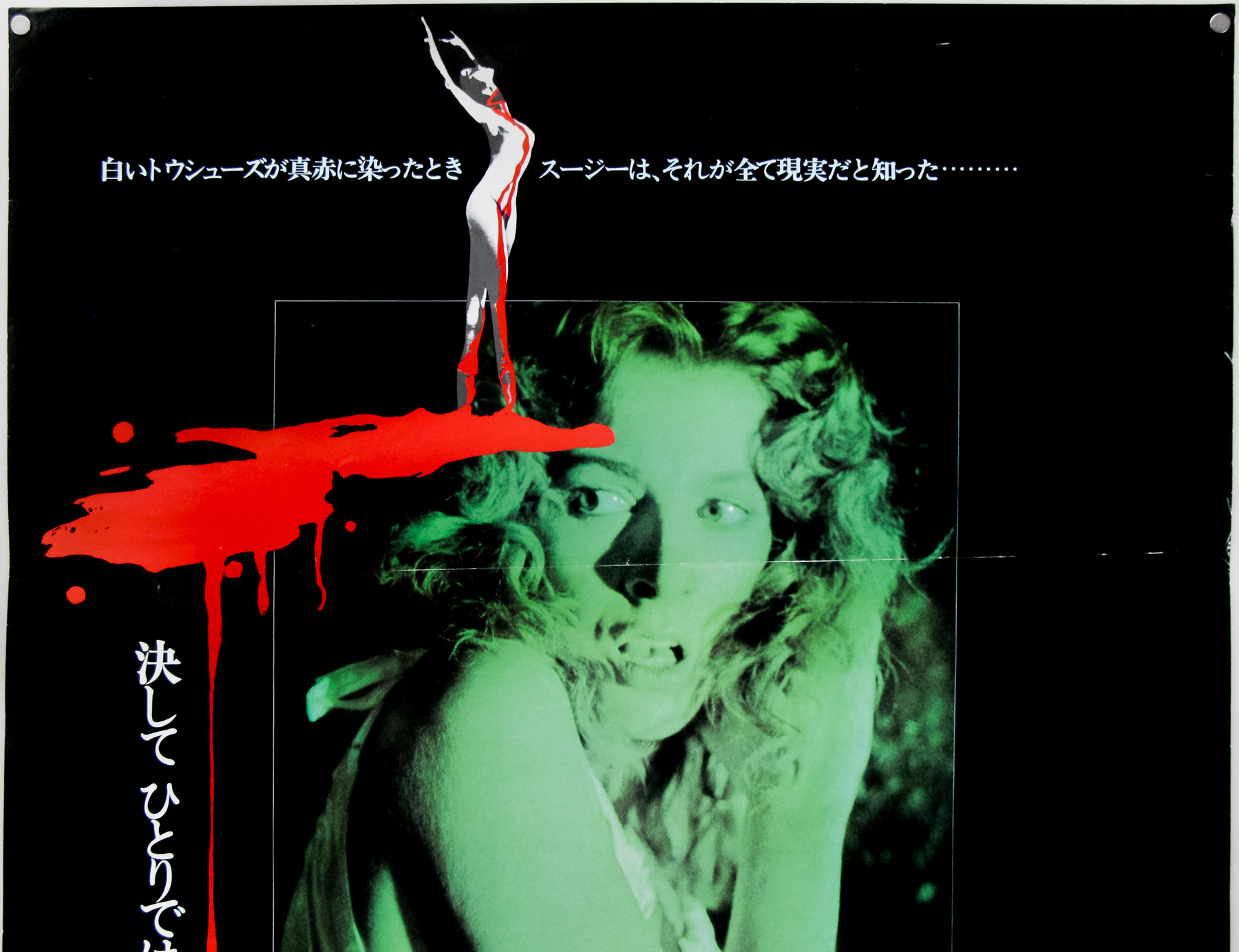
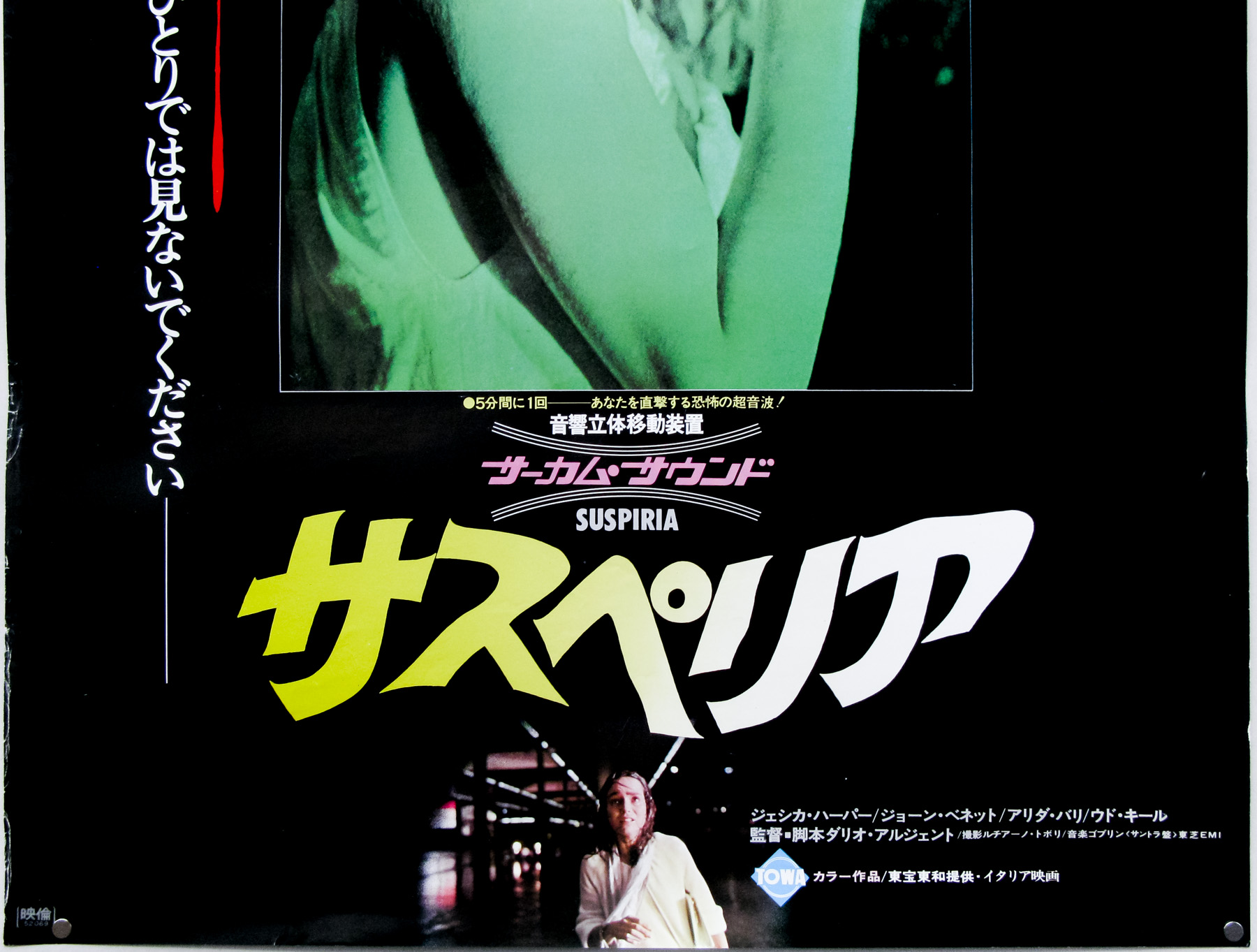
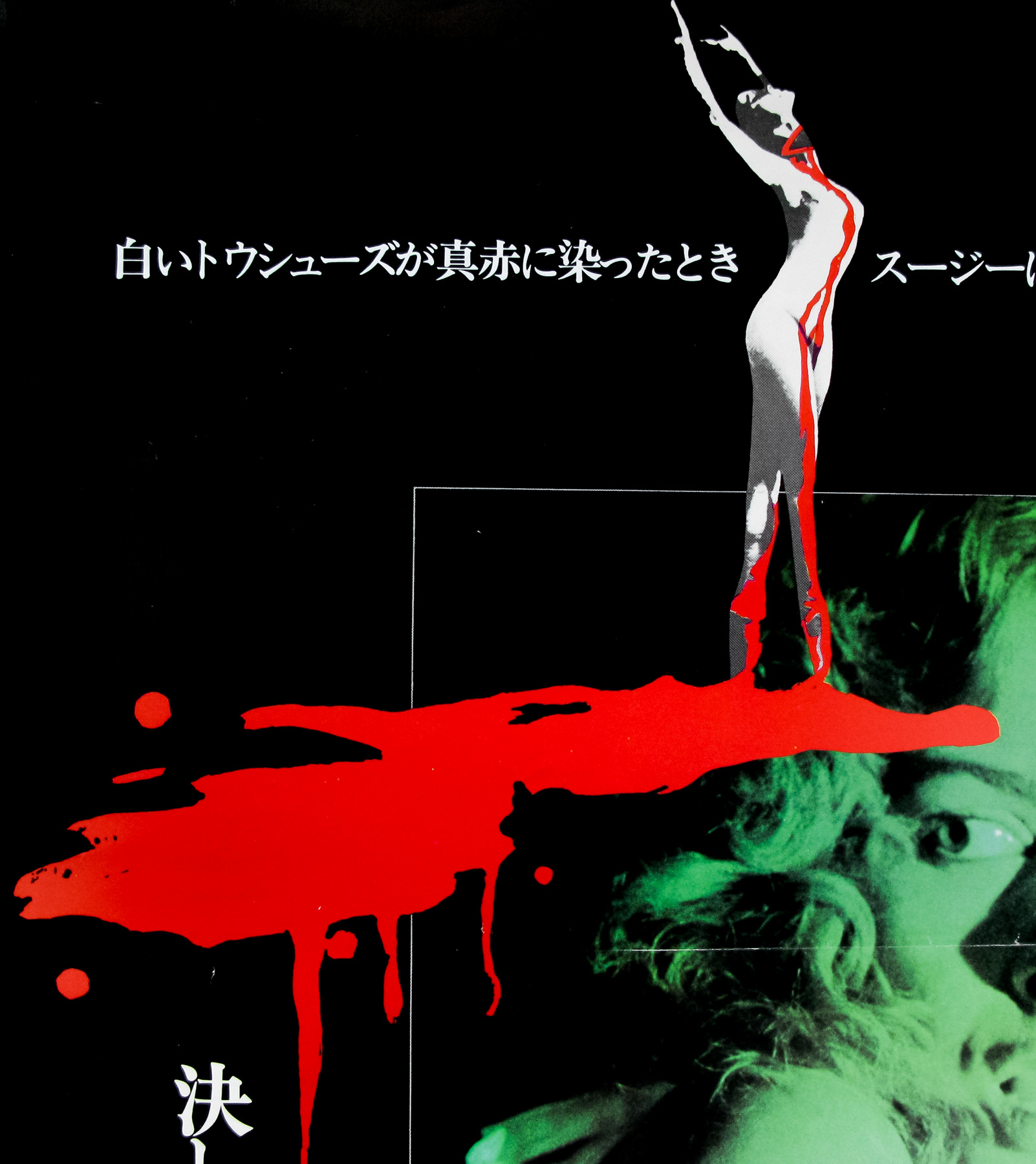
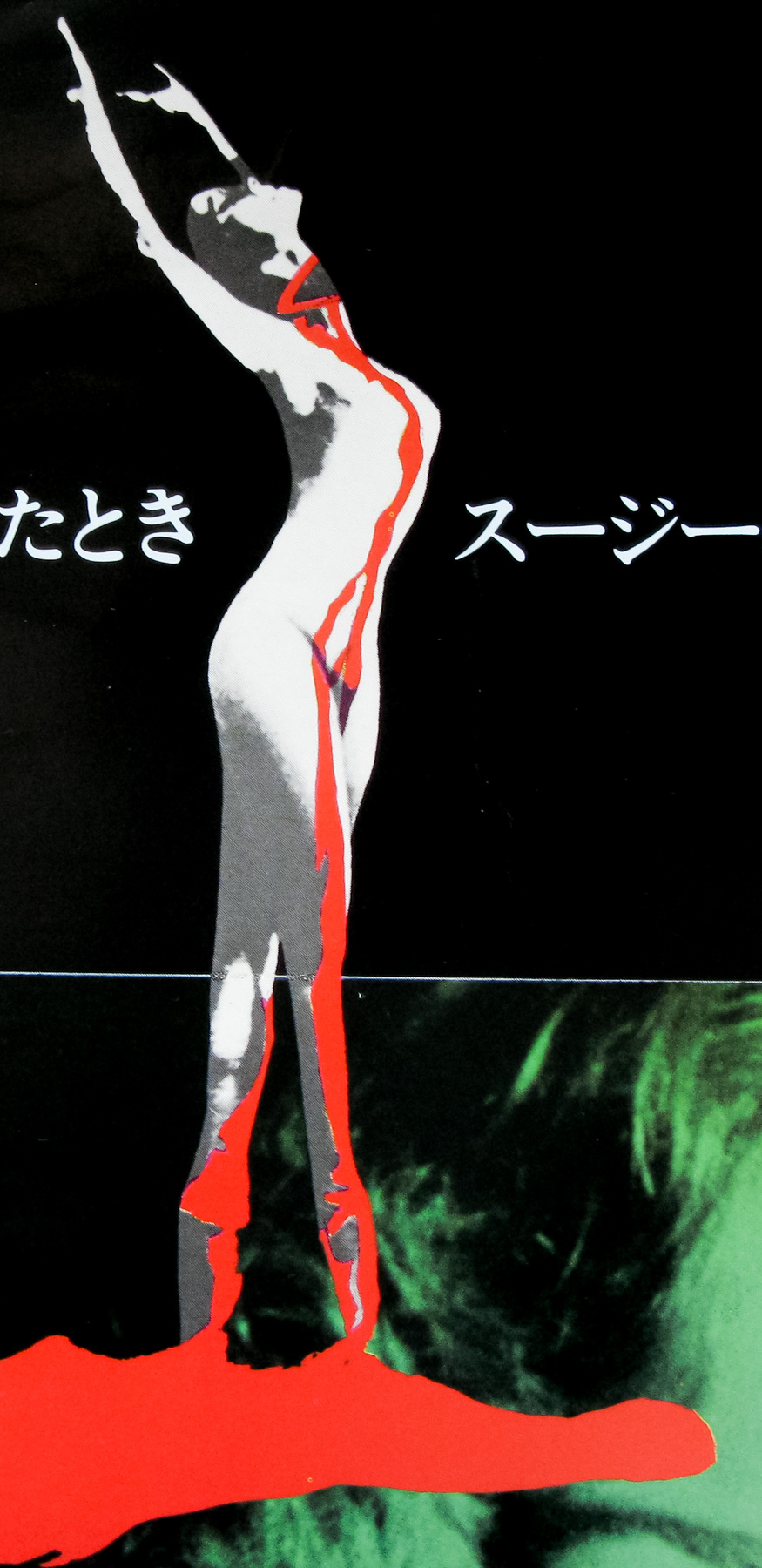
This Japanese poster features Stefania Casini, who plays Sara, bathed in green light during one of the more terrifying sequences in the film. Jessica Harper can be seen at the bottom of the poster. The bloody ballet figure features on the superior Italian poster (image taken from eatbrie.com).

The bonkers US trailer for the film can be seen on YouTube.

eXistenZ / B2 / Japan

01.03.12

Poster Poster

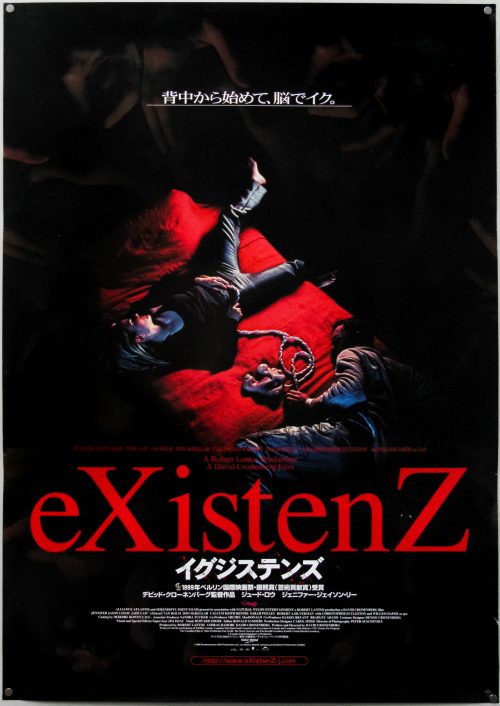
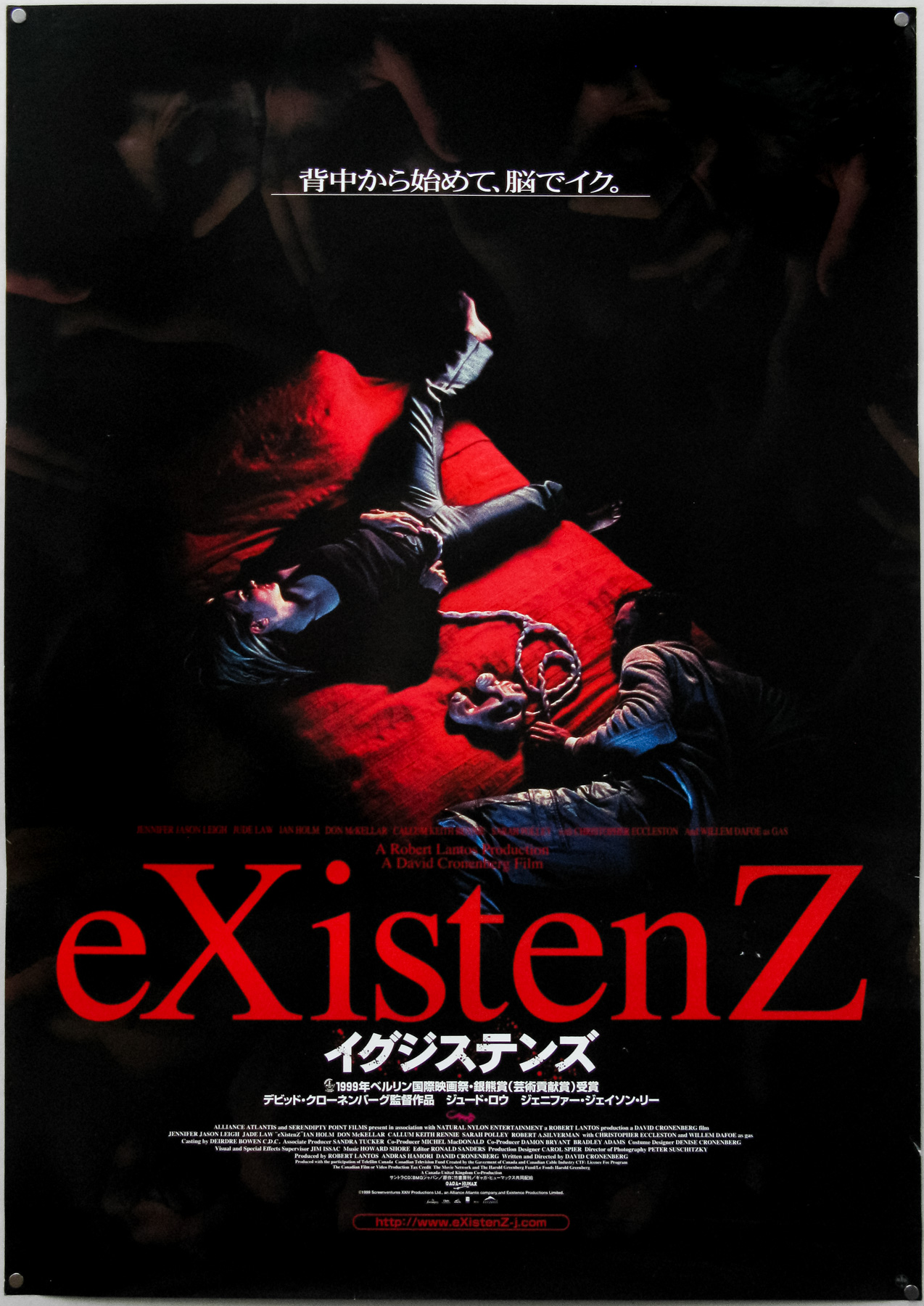
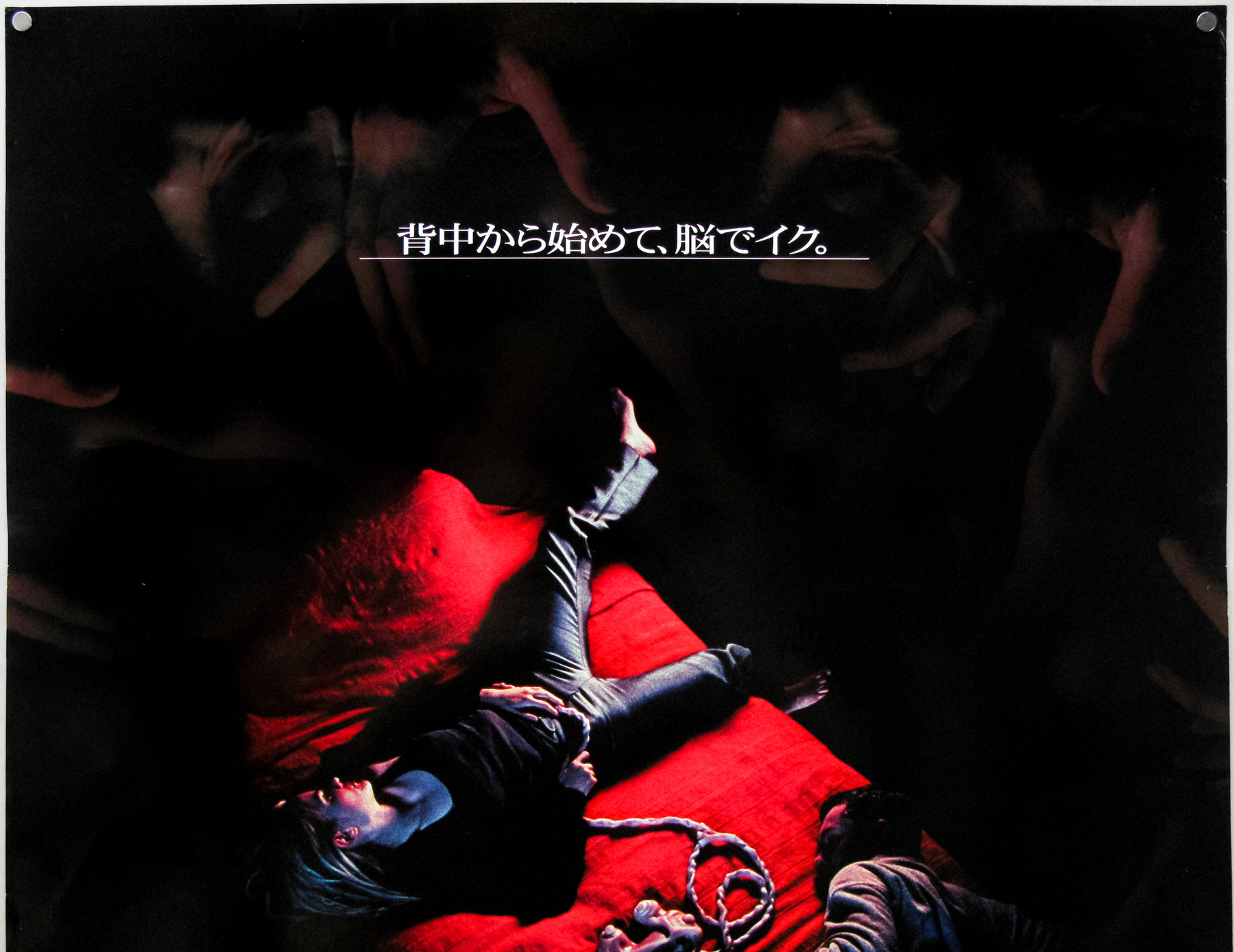
David Cronenberg‘s 1999 sci-fi thriller eXistenZ is not one of the director’s best, in my opinion, but it does contain typically excellent future-thinking concepts and his trademark body horror. The film is set in the near future and is focused on the idea of virtual reality gaming, far in advance of the ridiculous headgear and black plastic stands that briefly appeared in gaming arcades towards the end of the 1980s.

Jennifer Jason Leigh plays a revered game designer called Allegra Geller who is forced to flee an exhibition of her latest product when an assassin attempts to kill her using a bizarre organic gun that fires human teeth. Ted Pikul (Jude Law) works for the games company and is instructed to accompany Allegra as she escapes with her damaged product. The software is stored on a living organic pod and a connection between players is made by plugging into the system via a ‘bioport’ at the bottom of the spine (hello creepy body invasion!). Allegra and Ted must start a new game in order to determine how badly damaged the pod is and it’s not long before the line between reality and the game world blurs completely. Who is responsible for the failed assassination attempt and who can Allegra trust to save the game, and ultimately her life?

The ideas that Cronenberg explores are unquestionably interesting but the low budget nature of the film doesn’t always support them very well, particularly when it comes to the sets and environments, which are mostly all drab and uninteresting. Jude Law and Christopher Eccleston both have painfully bad American accents and some of the actors playing minor parts are terrible. You could argue that this is intentional and part of the ‘game world’ but I’m not sure they can be forgiven. The ending is also pretty cliched and frustrating. Some hail the film as a masterpiece but I’m hard-pressed to understand why.

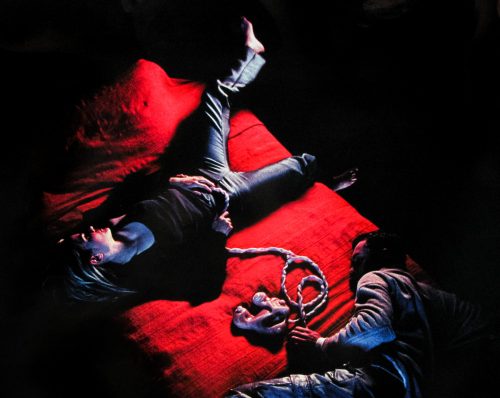
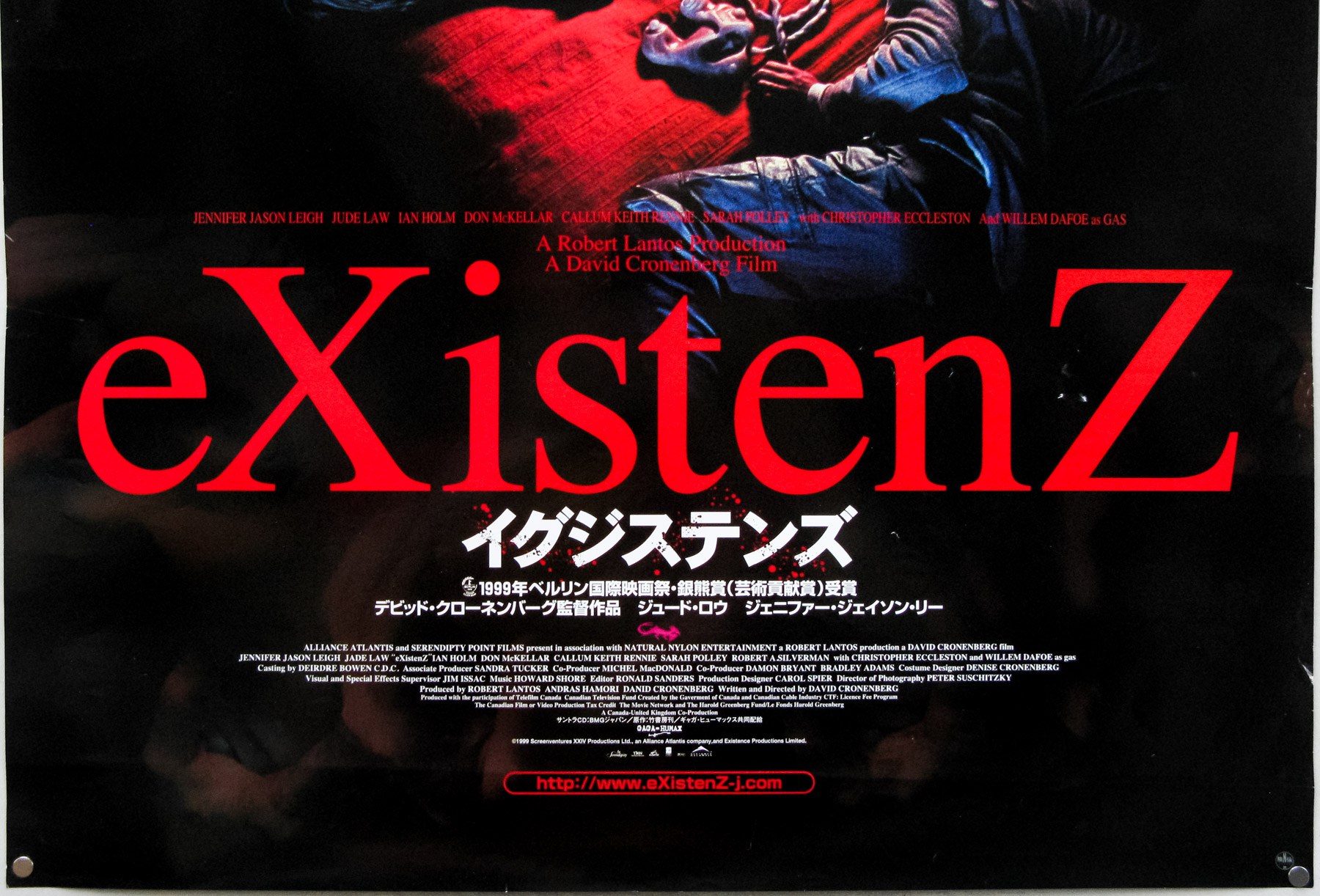
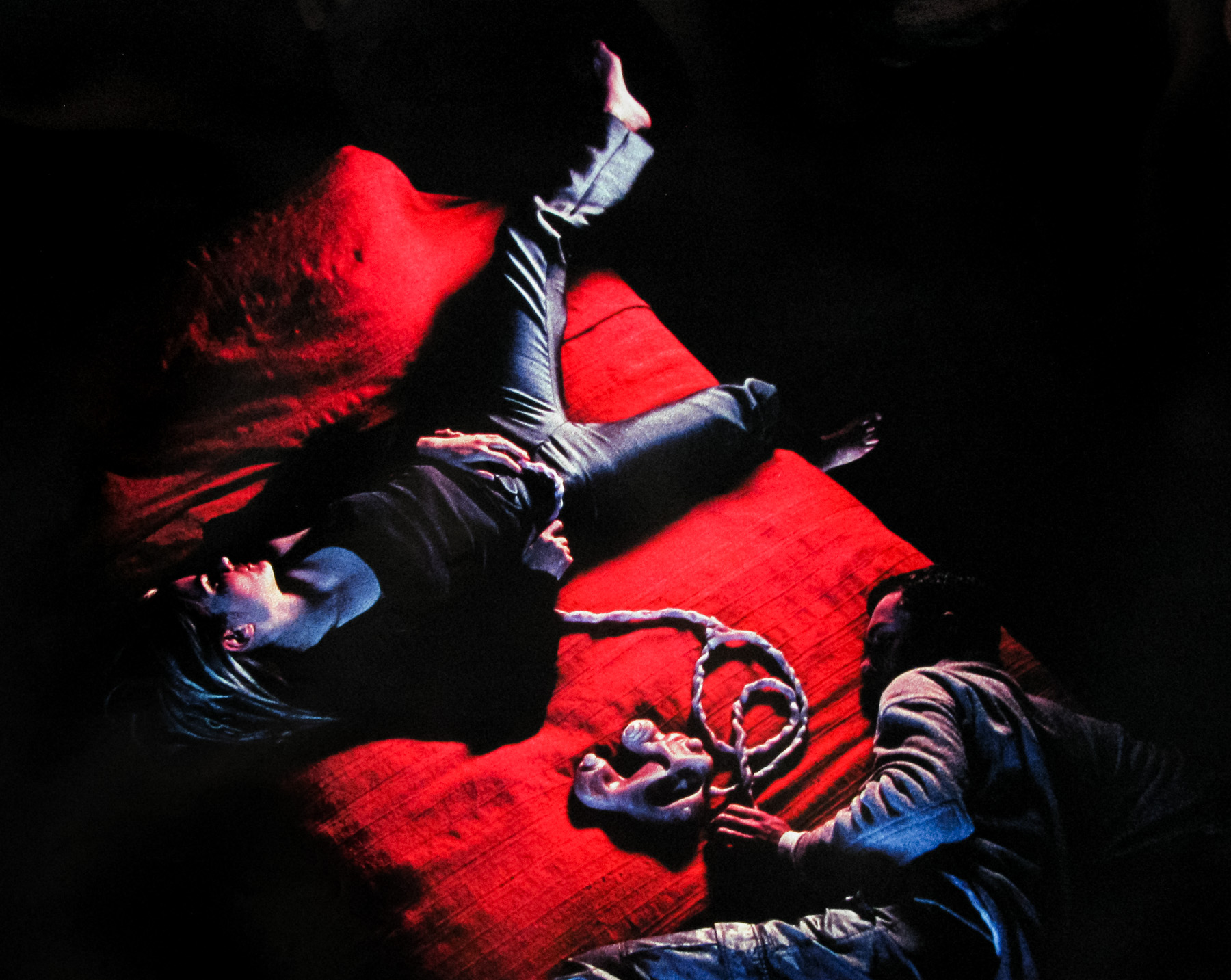
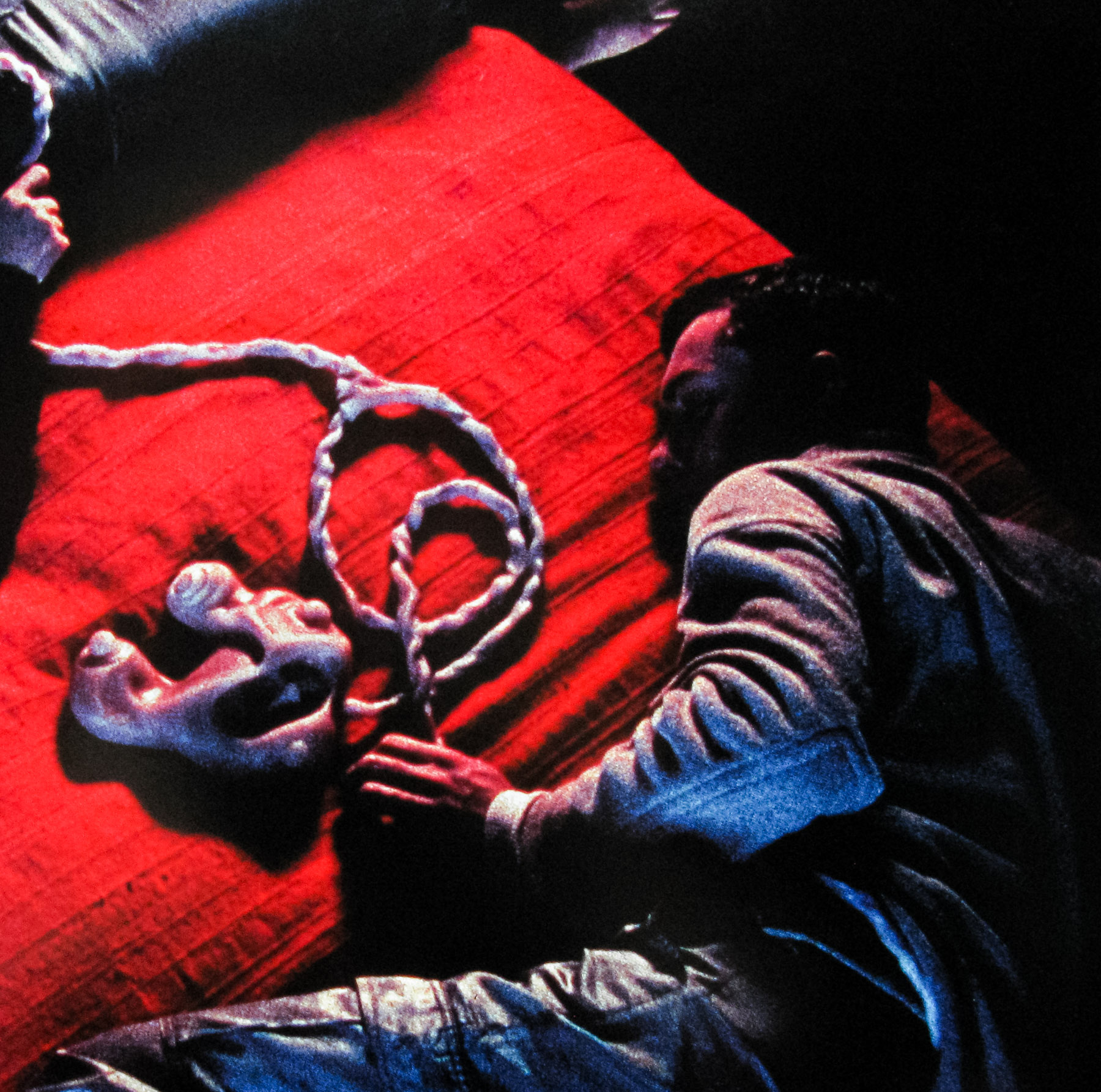
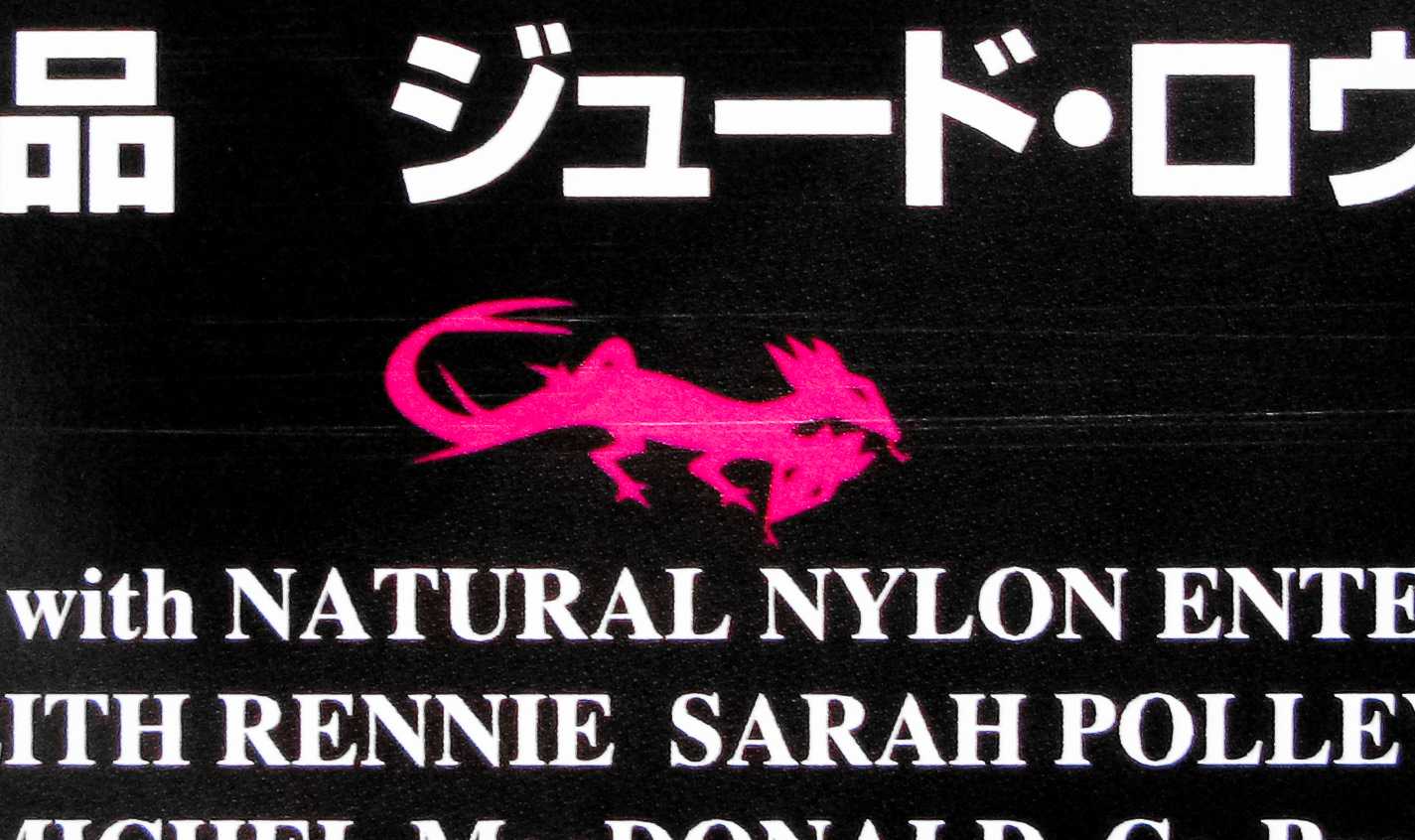
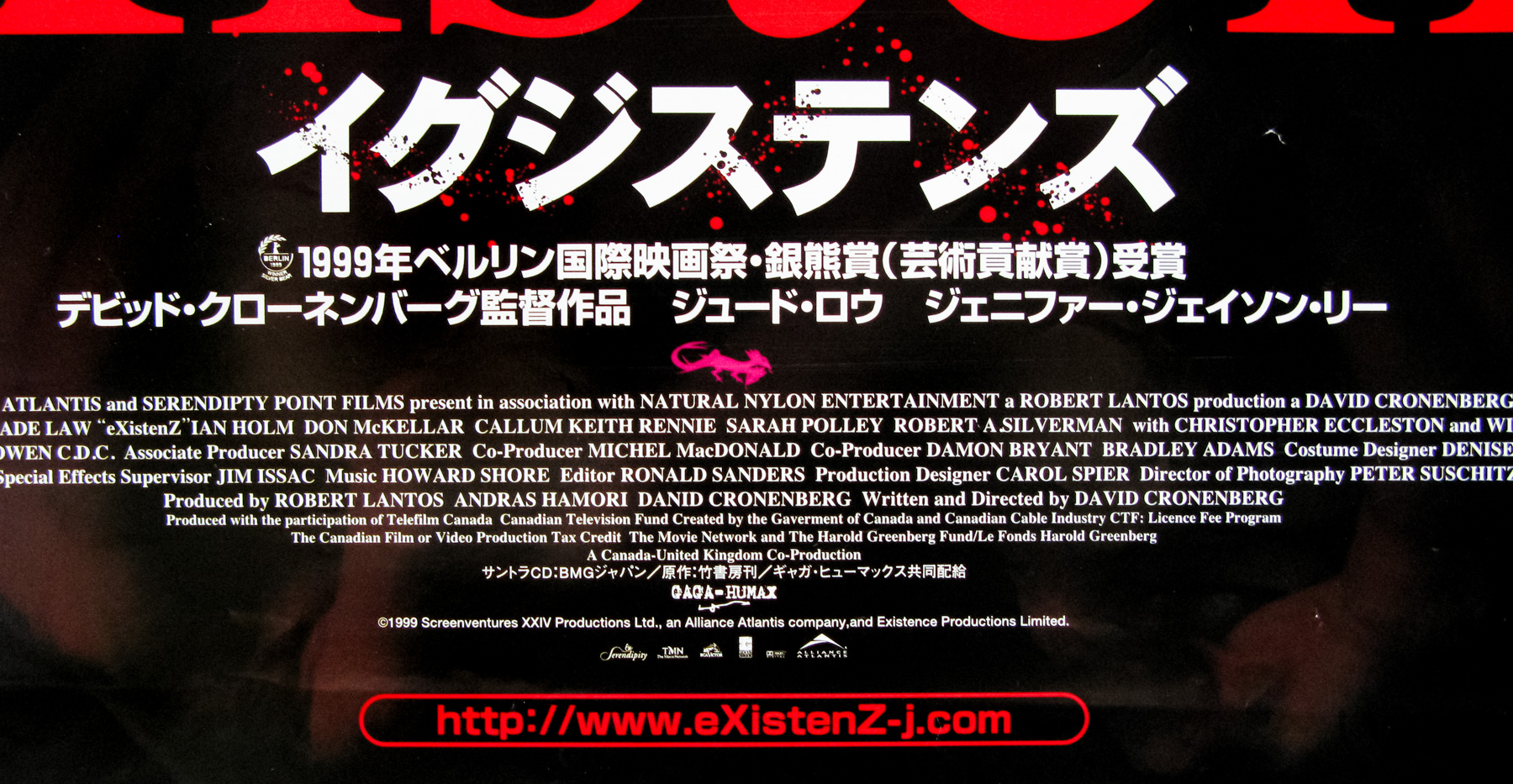
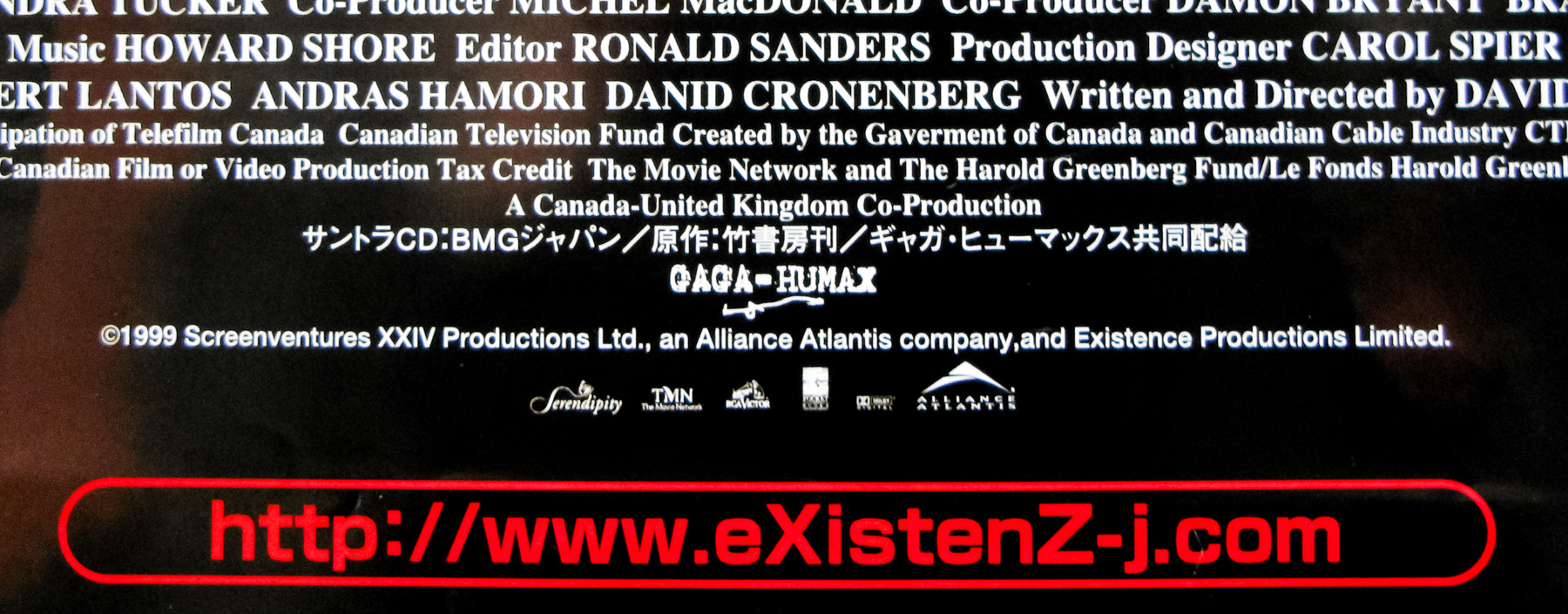
This Japanese poster features a unique image and is significantly more interesting than the drab and misleading US one sheet (lick the light!) or the ugly UK quad. The flesh coloured shapes around the edge are organic and include human hands and other body parts. The little pink lizard in the credit area is featured in the film as a stop-motion creature.

The original trailer is on YouTube.

The Valachi Papers / B2 / Japan

31.07.15

Poster Poster
Title
The Valachi Papers
AKA
Cosa Nostra (international)
Year of Film
1972
Director
Terence Young
Starring
Charles Bronson, Lino Ventura, Jill Ireland, Walter Chiari, Joseph Wiseman, Gerald S. O'Loughlin, Amedeo Nazzari, Fausto Tozzi, Pupella Maggio, Angelo Infanti
Origin of Film
France | Italy
Genre(s) of Film
Charles Bronson, Lino Ventura, Jill Ireland, Walter Chiari, Joseph Wiseman, Gerald S. O'Loughlin, Amedeo Nazzari, Fausto Tozzi, Pupella Maggio, Angelo Infanti,
Type of Poster
B2
Style of Poster
--
Origin of Poster
Japan
Year of Poster
1972
Designer
Unknown
Artist
--
Size (inches)
20 6/16" x 28 13/16"
SS or DS
SS
NSS #
--
Tagline
--

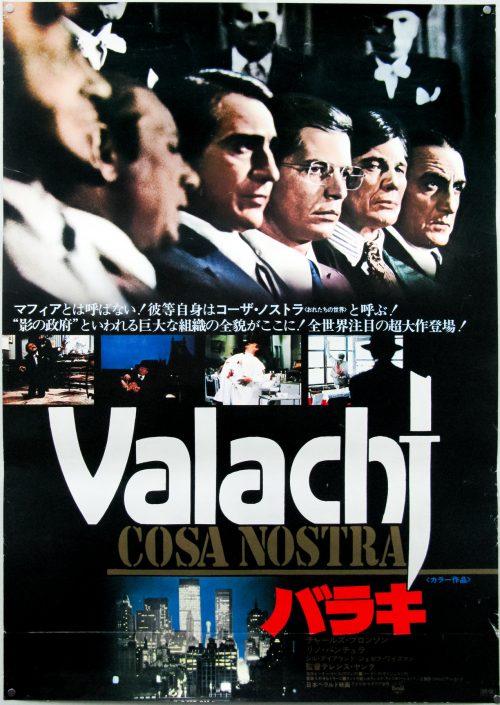
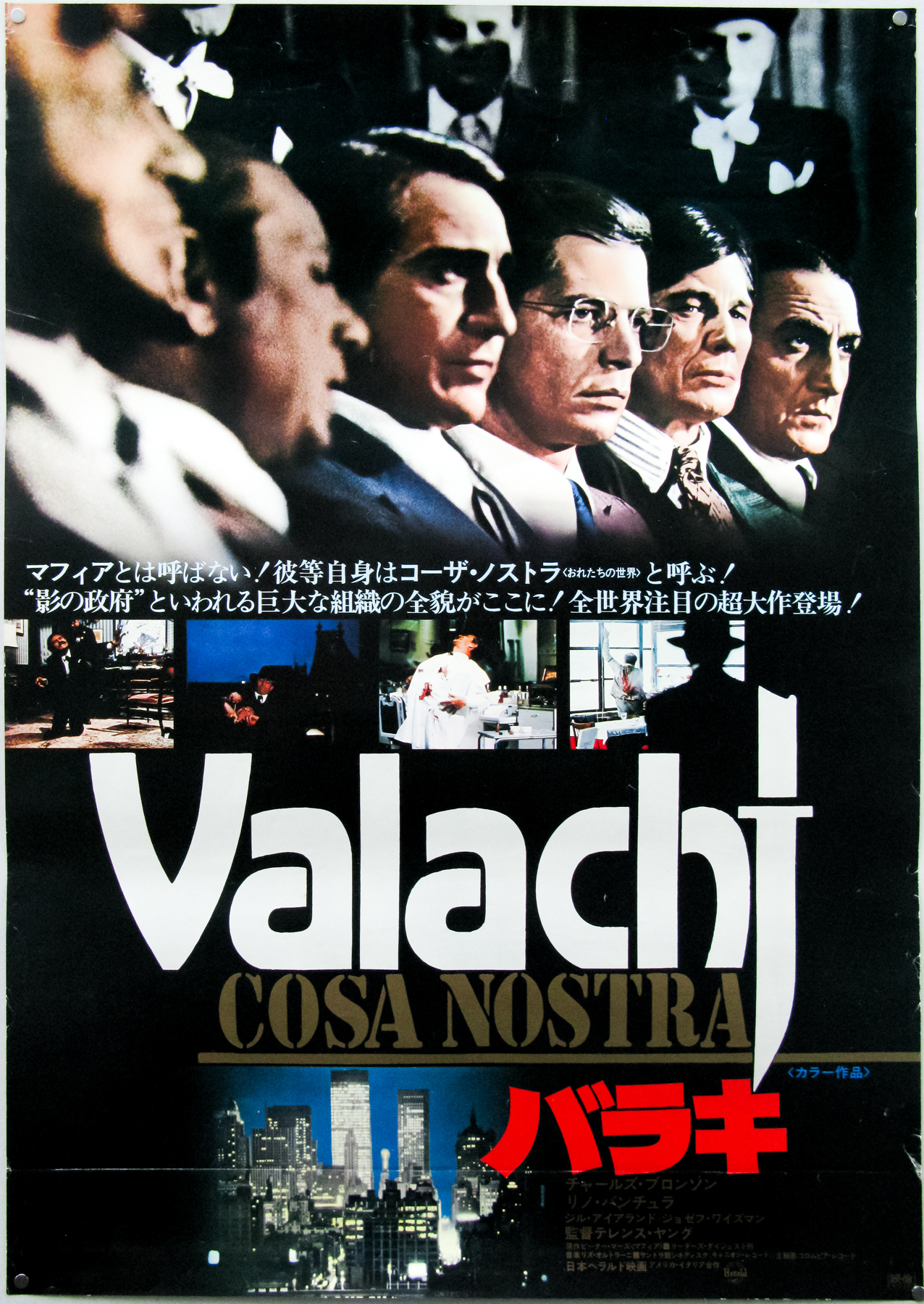
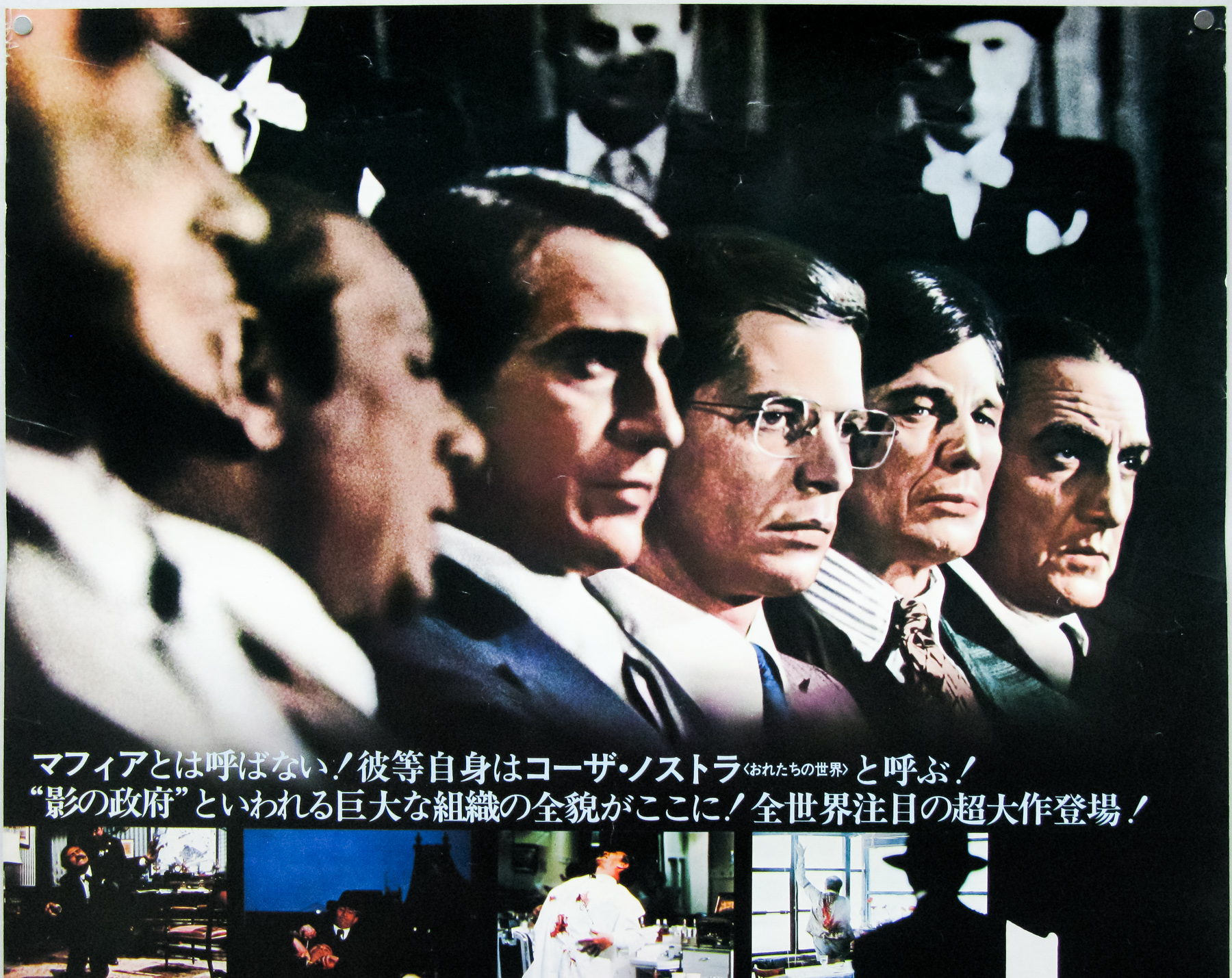
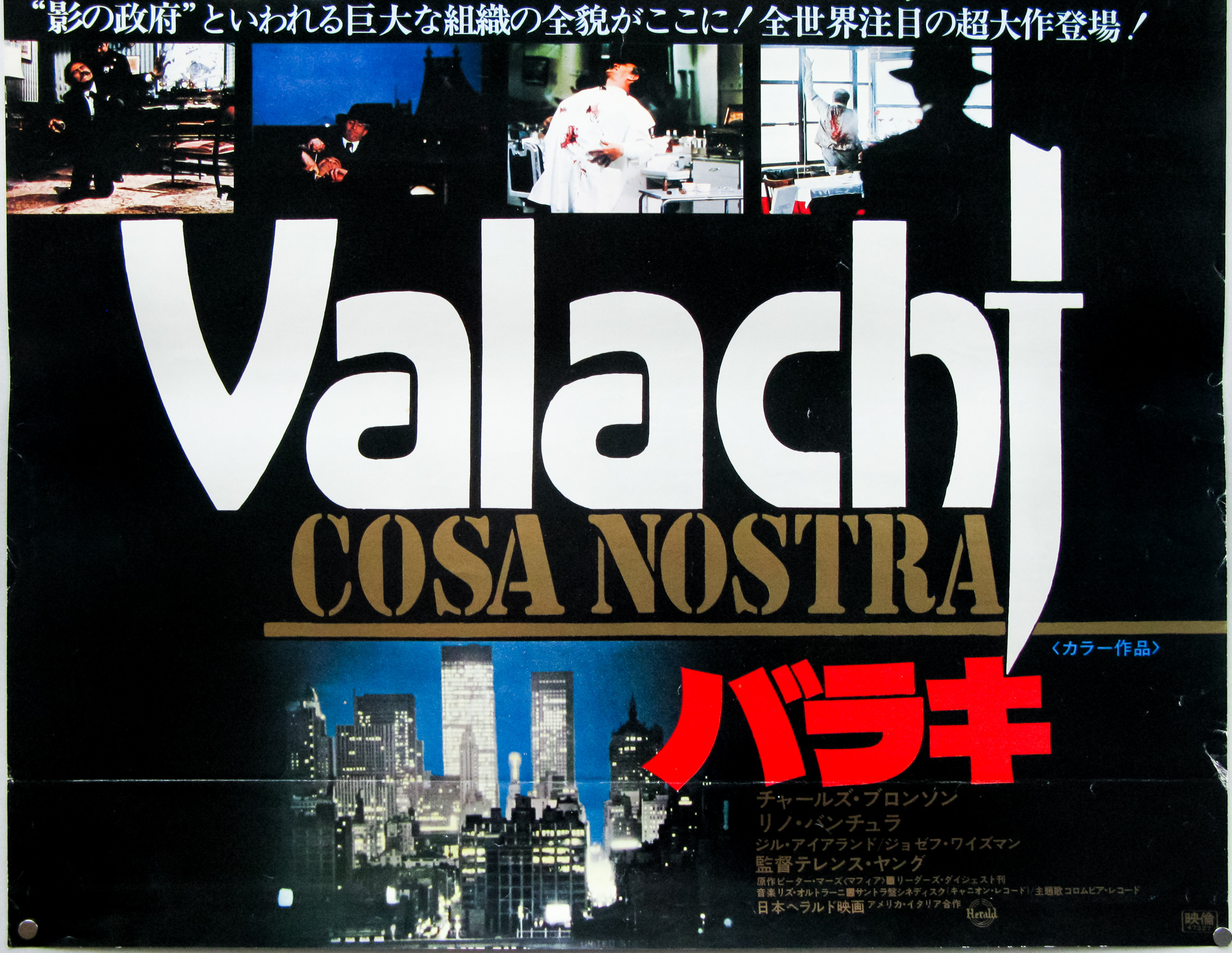
Based on the biography of the same name by Peter Maas, The Valachi Papers recounts the story of Joseph Valachi a mafia member turned government informant in the 1960s. Director Terence Young, famous for directing the first two James Bond films (and Thunderball), was reunited with Charles Bronson whom he’d collaborated on for his previous two films (Red Sun and Cold Sweat). The film begins in the 60s in a Federal Penitentiary with an ageing Valachi (Bronson) serving time for heroin smuggling. In prison he meets the boss of the crime family he worked for Vito Genovese (Lino Ventura) who is convinced that Valachi is an informant and gives him the ‘kiss of death’. When Valachi later kills a prisoner whom he mistakenly thinks has been sent to assassinate him, he agrees to be an informant for the government. The rest of the film deals with incidences from his life, all the way back to the 1930s when he was starting out as a young criminal.

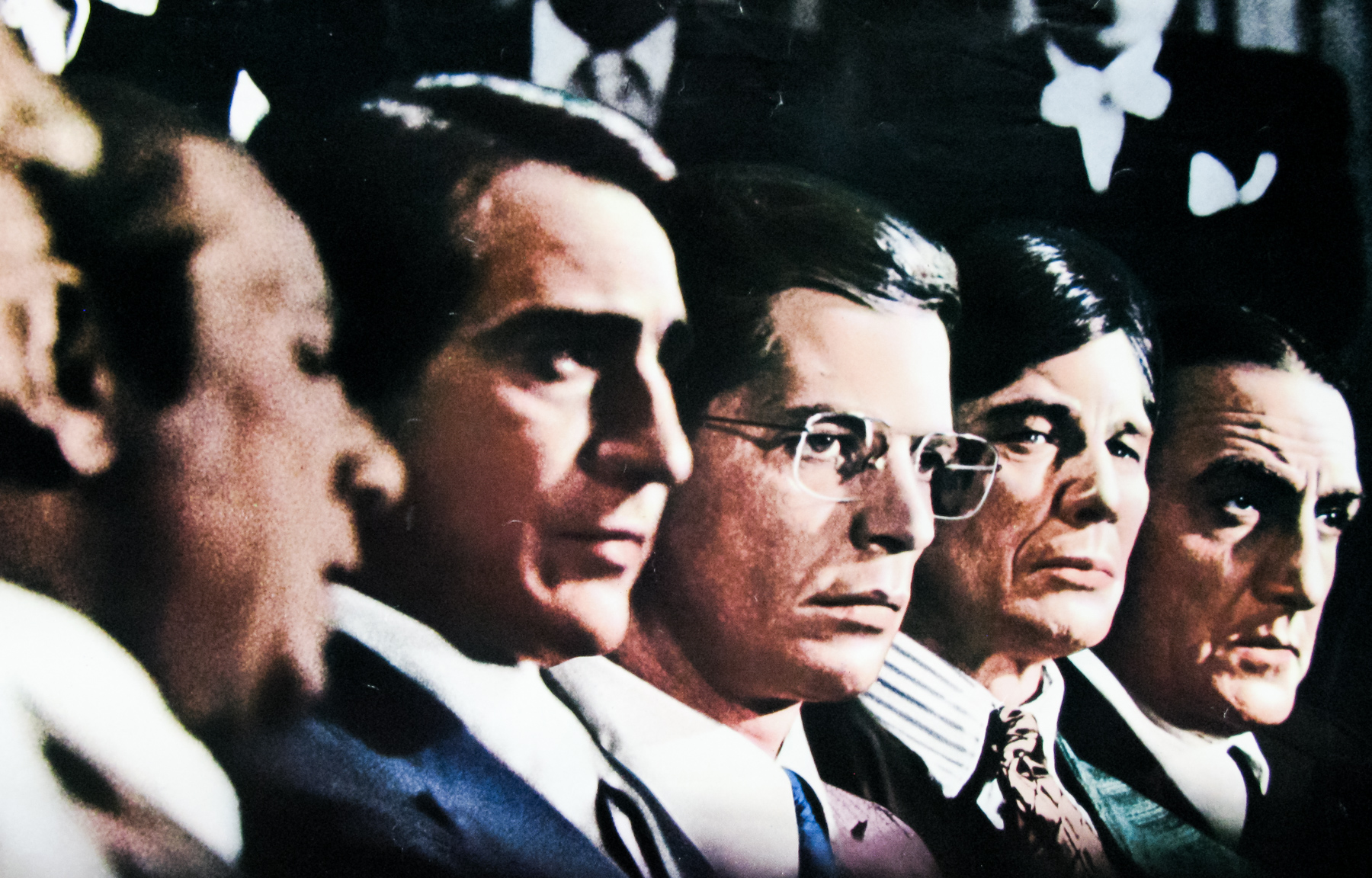
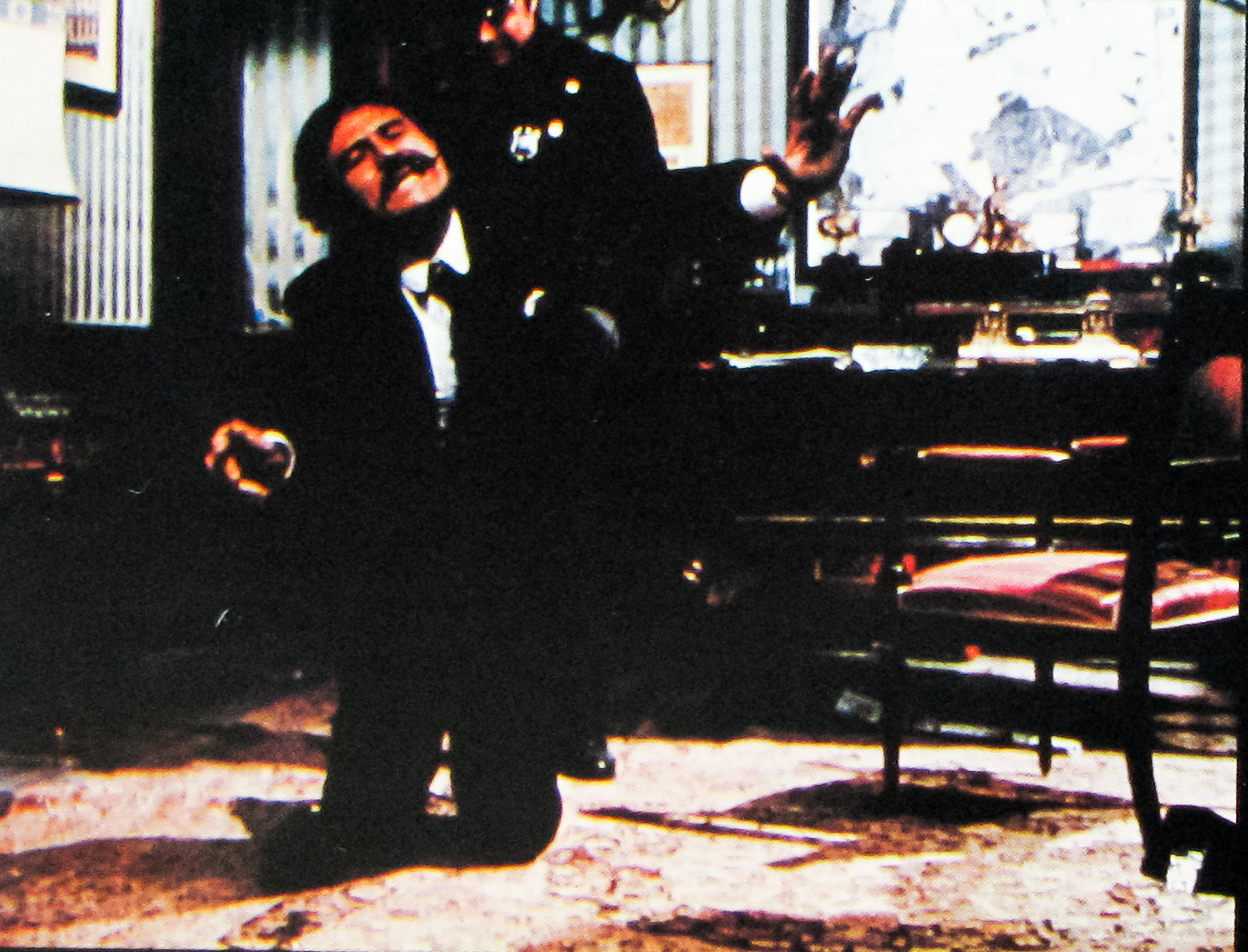
The design on this Japanese B2 is unique to the poster.

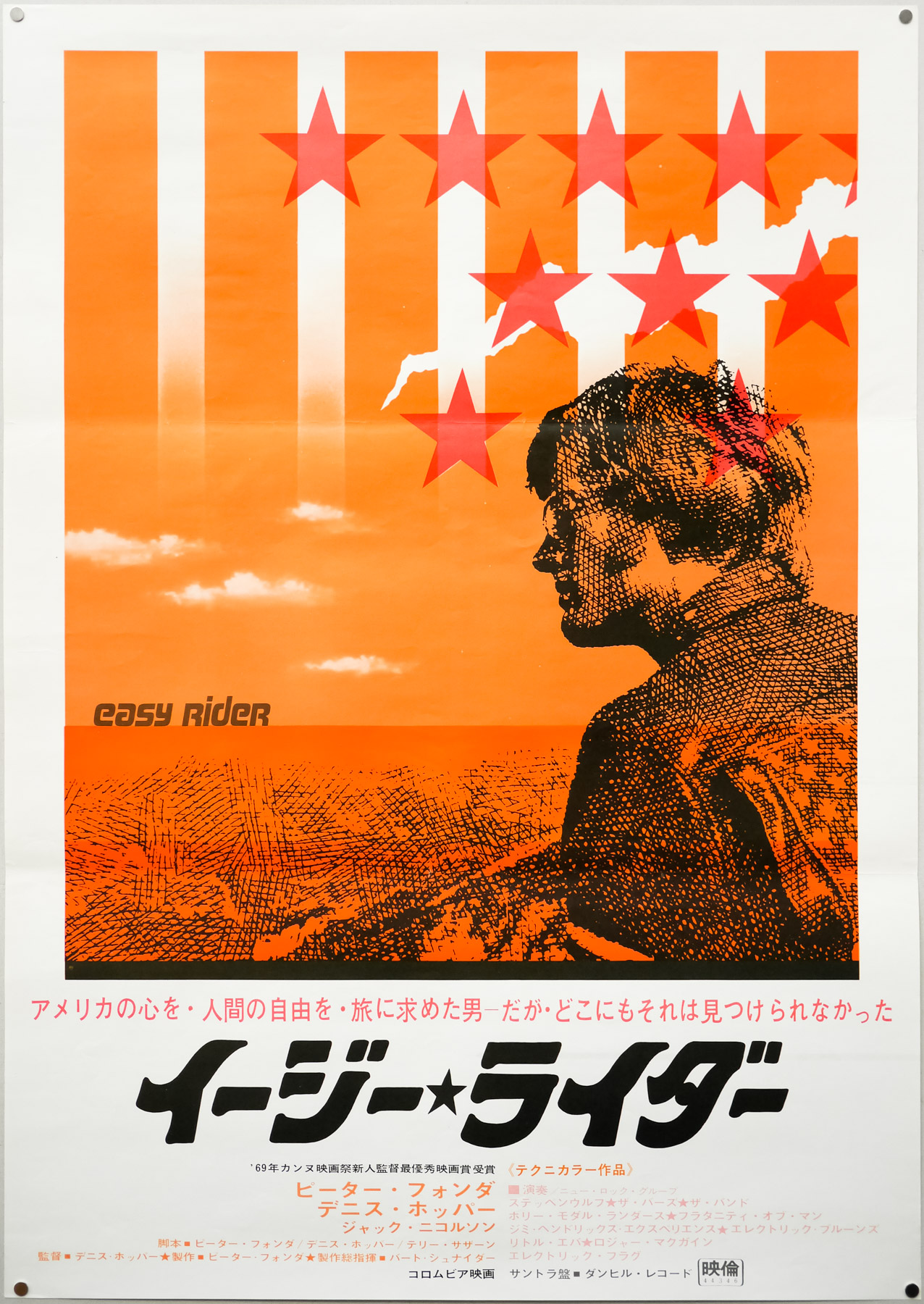
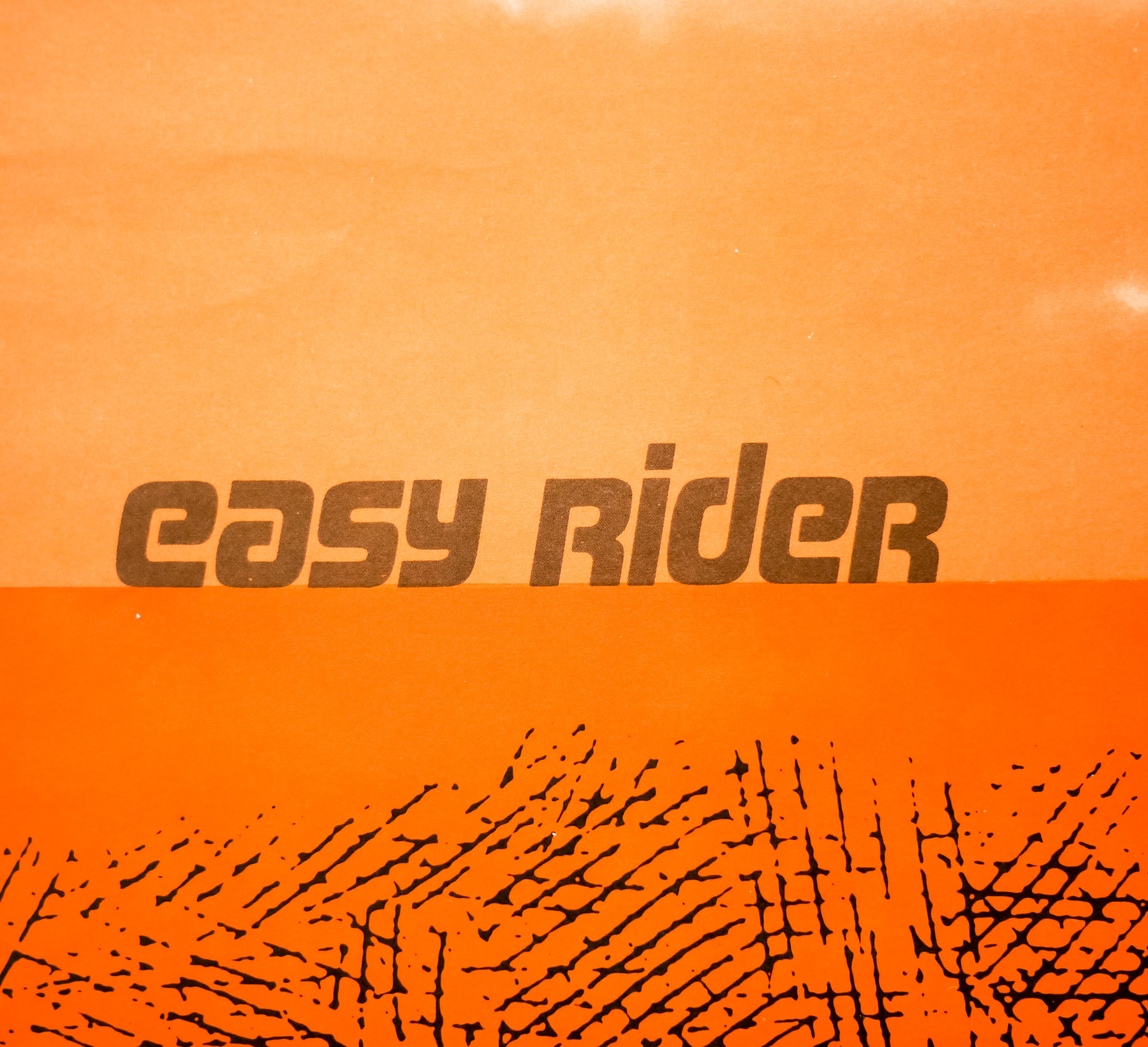
Easy Rider / B2 / orange style / Japan

13.09.13

Poster Poster
Title
Easy Rider
AKA
--
Year of Film
1969
Director
Dennis Hopper
Starring
Peter Fonda, Dennis Hopper, Jack Nicholson, Luke Askew, Phil Spector, Karen Black, Toni Basil, Antonio Mendoza, Mac Mashourian, Warren Finnerty
Origin of Film
USA
Genre(s) of Film
Peter Fonda, Dennis Hopper, Jack Nicholson, Luke Askew, Phil Spector, Karen Black, Toni Basil, Antonio Mendoza, Mac Mashourian, Warren Finnerty,
Type of Poster
B2
Style of Poster
Orange
Origin of Poster
Japan
Year of Poster
1972
Designer
Unknown
Artist
Unknown
Size (inches)
20 6/16" x 28 12/16"
SS or DS
SS
NSS #
--
Tagline
--

A landmark American film, Easy Rider defined a generation and was a touchstone of the counterculture movement of the 1960s. Directed, co-written by and starring the late Dennis Hopper, the film was produced by Peter Fonda, who also helped to write the screenplay and starred alongside Hopper as one of two bikers who set off on a cross-country trip through the Southern United States. At the beginning of the film Wyatt (Fonda) and Billy (Hopper) pull off a successful drug deal and decide to take their earnings and ride from Los Angeles to New Orleans to attend the forthcoming Mardi Gras festival.

Along the way the pair meet an assortment of unusual characters, including a hippie hitchhiker (Luke Askew) who takes them to a commune, drunken lawyer George (Jack Nicholson in a career-defining role) who helps them to escape jail and joins them on their trip, and a pair of prostitutes (Karen Black and Toni Basil). They also experience the hostility of the authorities and suspicious locals whose aggression towards the bikers leads them question if the halcyon days of the early 1960s are well and truly over. After one particular encounter George comments ”You know, this used to be a helluva good country. I can’t understand what’s gone wrong with it.”

The film is infamous for its scenes featuring actual drug use (prominently marijuana) and, thanks to its incredible box-office success, Easy Rider is also credited with kickstarting a new era in Hollywood that saw a slew of low-budget films helmed by avant-garde directors being financed, particularly once studio heads realised the profits easily outweighed the initial production costs. Thanks to the success of the film Dennis Hopper was given carte-blanche for his next directorial effort, 1971′s The Last Movie; a film that saw woeful critical and commercial performance and effectively ended his career as a director for over a decade.

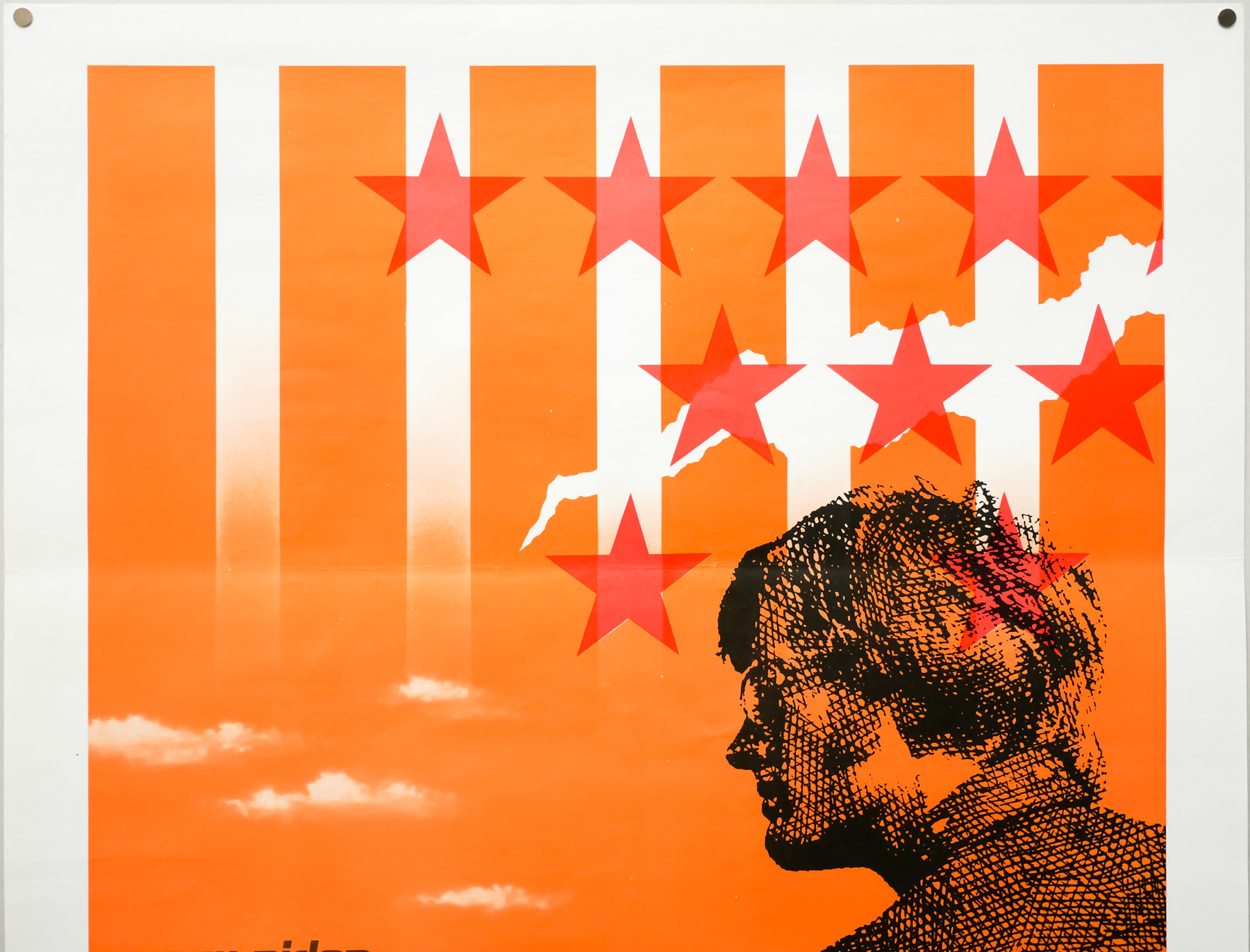
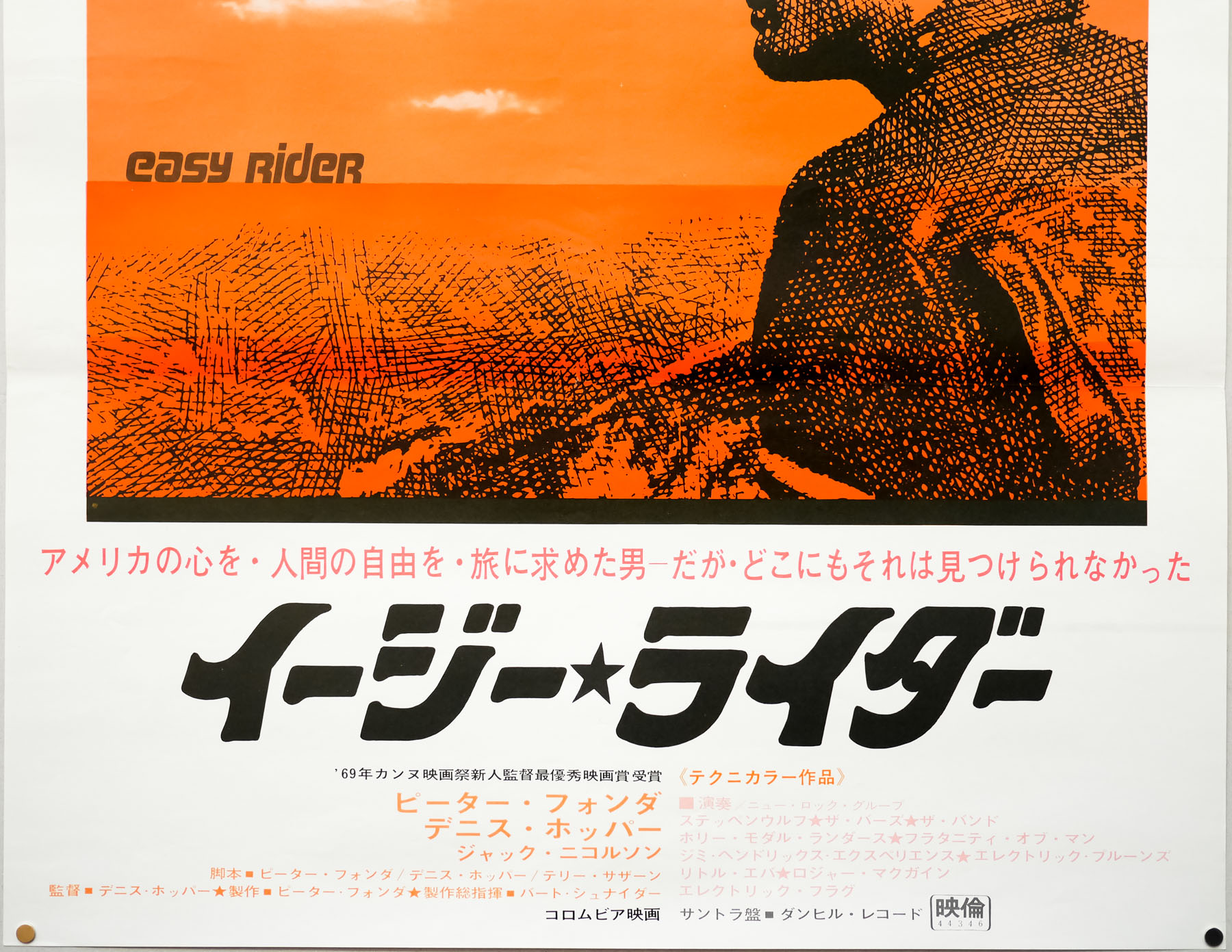
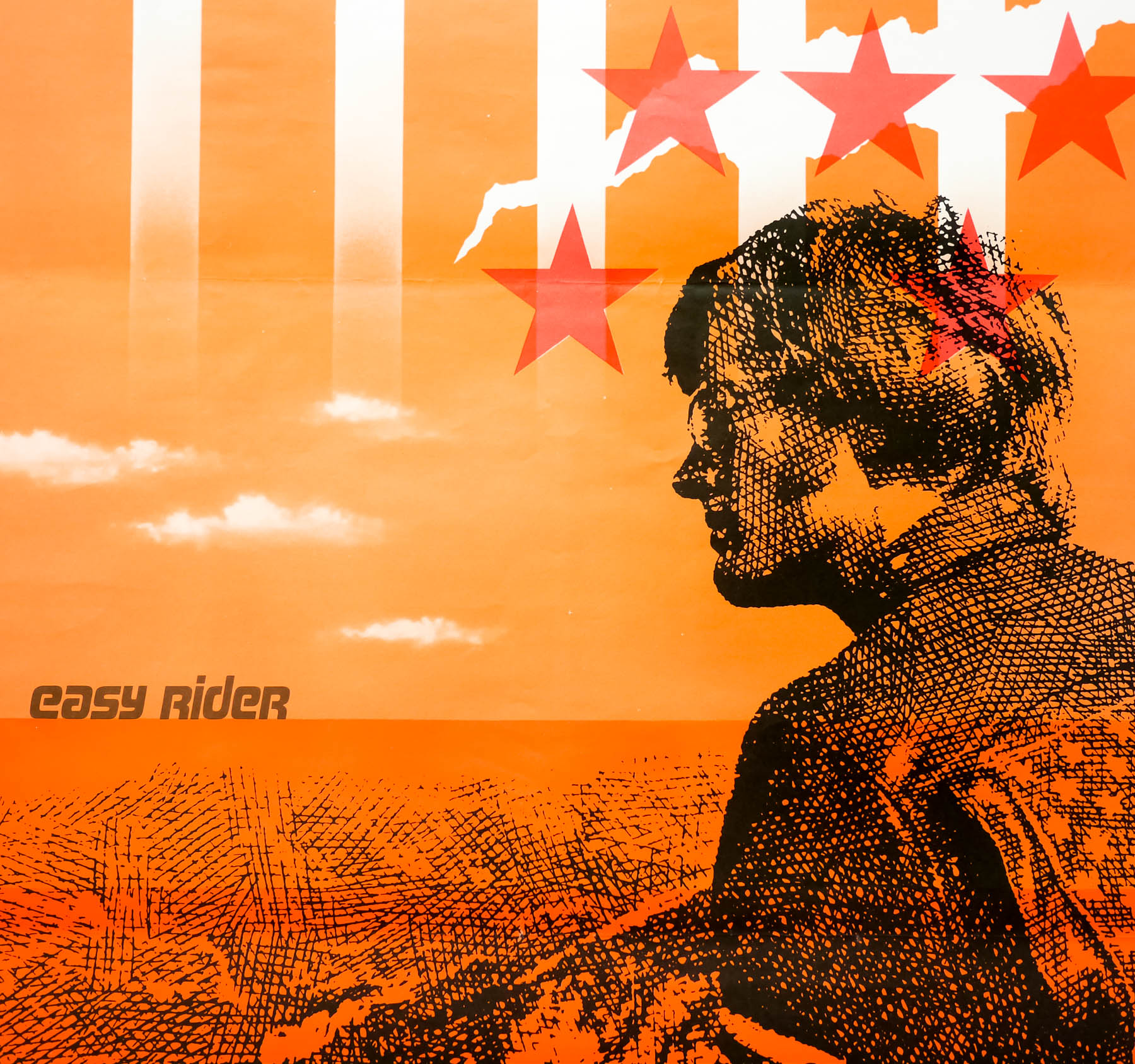
This is the Japanese poster for the film, which features the stylised portrait of Fonda, as featured on the American one sheets. The colour scheme and use of stars is unique to this poster and there is also a blue version featuring the same design, which I have in my collection and can be viewed here.

The film’s original trailer is on YouTube.

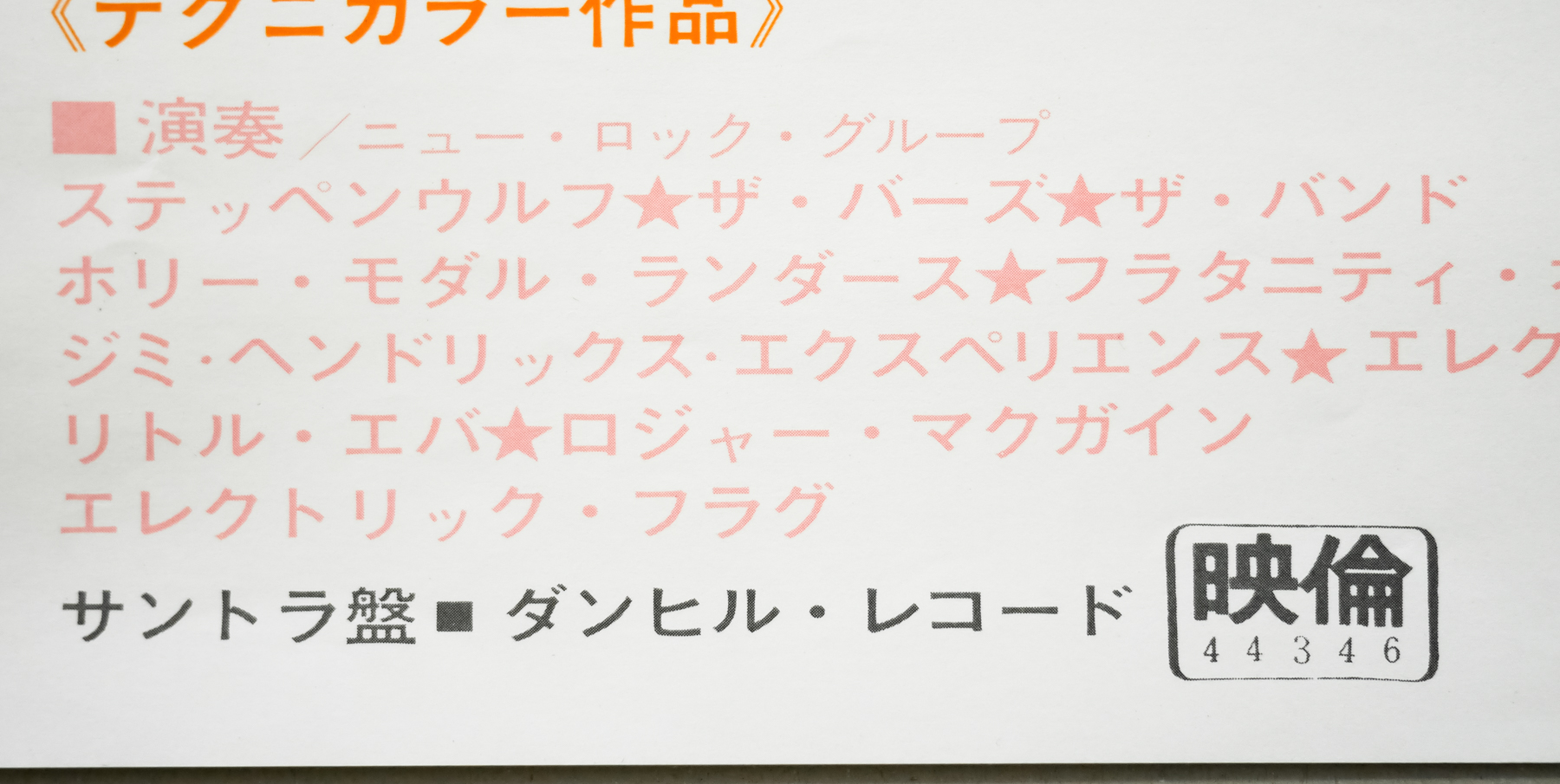
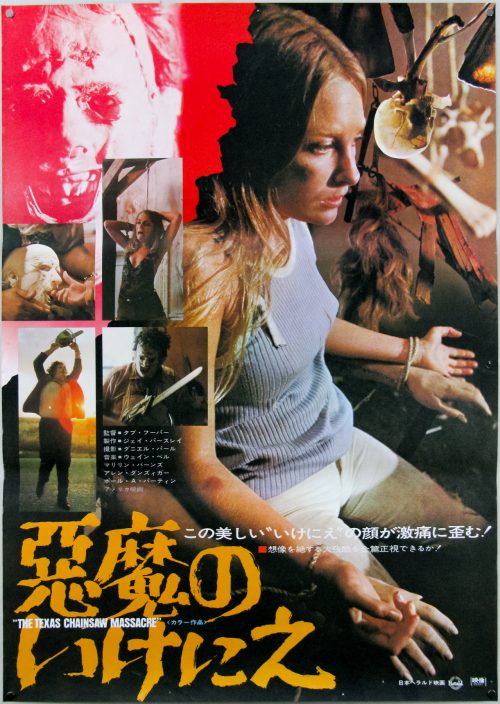
The Texas Chainsaw Massacre / B2 / white title style / Japan

31.10.11

Poster Poster
Title
The Texas Chainsaw Massacre
AKA
The Texas Chain Saw Massacre (alt. spelling) Headcheese, Leatherface (working titles), Non aprite quella porta [Don't Open That Door] (Italy)
Year of Film
1974
Director
Tobe Hooper
Starring
Marilyn Burns, Allen Danziger, Paul A. Partain, William Vail, Teri McMinn, Edwin Neal, Jim Siedow, Gunnar Hansen, John Dugan
Origin of Film
USA
Genre(s) of Film
Marilyn Burns, Allen Danziger, Paul A. Partain, William Vail, Teri McMinn, Edwin Neal, Jim Siedow, Gunnar Hansen, John Dugan,
Type of Poster
B2
Style of Poster
White title style
Origin of Poster
Japan
Year of Poster
1974
Designer
Unknown
Artist
--
Size (inches)
20.5" x 28 15/16"
SS or DS
SS
Tagline
--

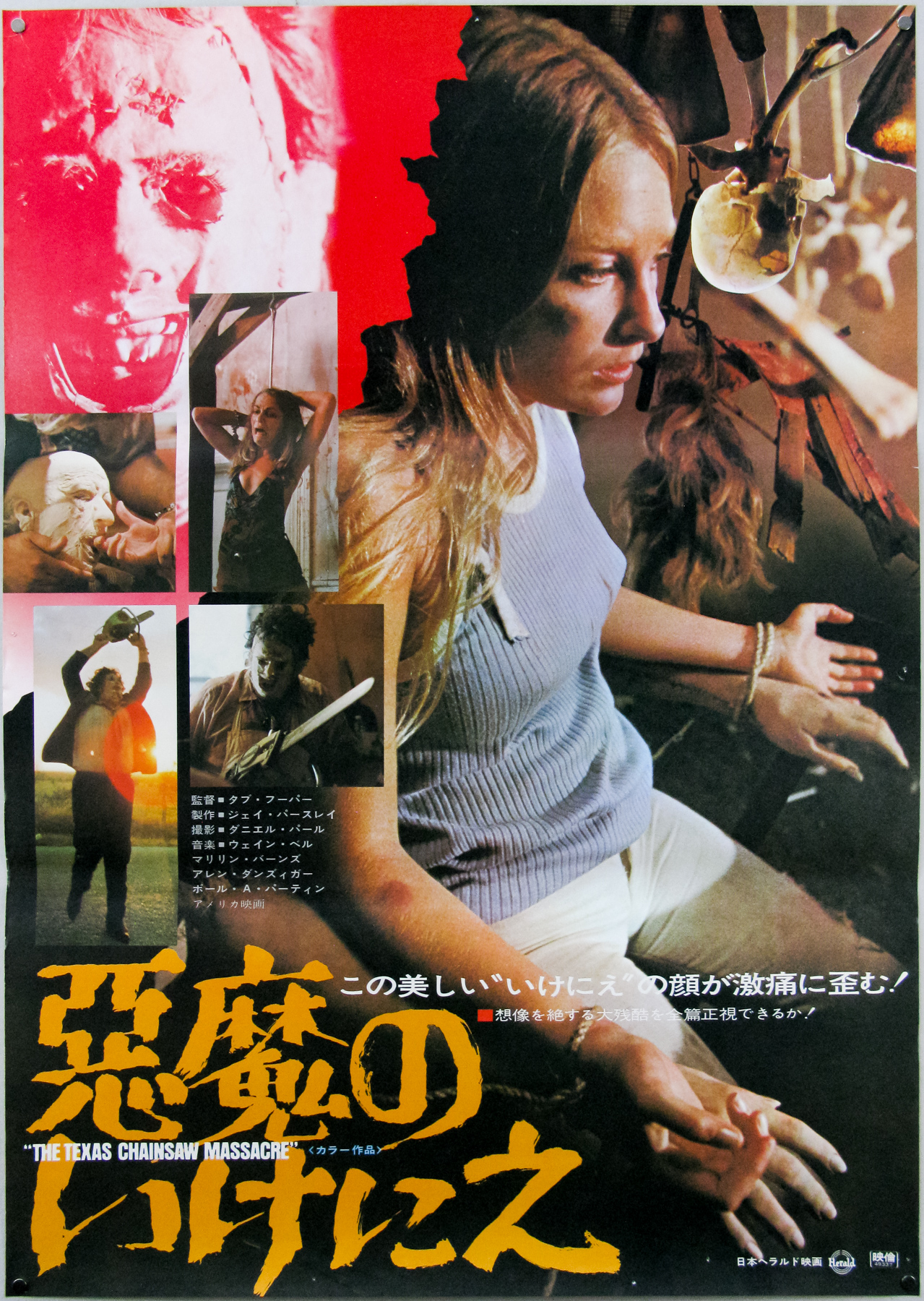
If I had to choose my top 10 horror films of all time there’s no question that Tobe Hooper‘s 1974 classic would be very close to the top of the list. 37 years after it was filmed it has lost none of its raw power, despite the countless imitations made since, and its impact on the horror genre cannot be underestimated.

To my mind there are few scenes in horror as brutal and shocking as the moment involving Leatherface and the sliding door. The film features little in the way of the kind of gore that modern horrors seem to rely on, yet is no less disturbing for it. The 1986 sequel famously upped the gore and violence significantly.

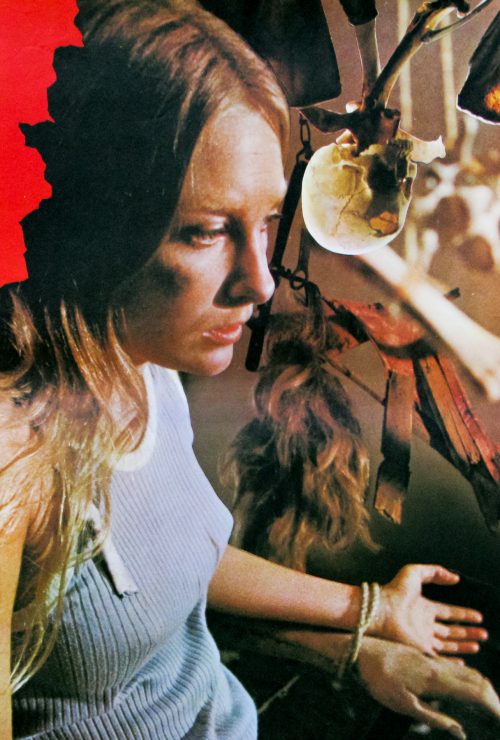
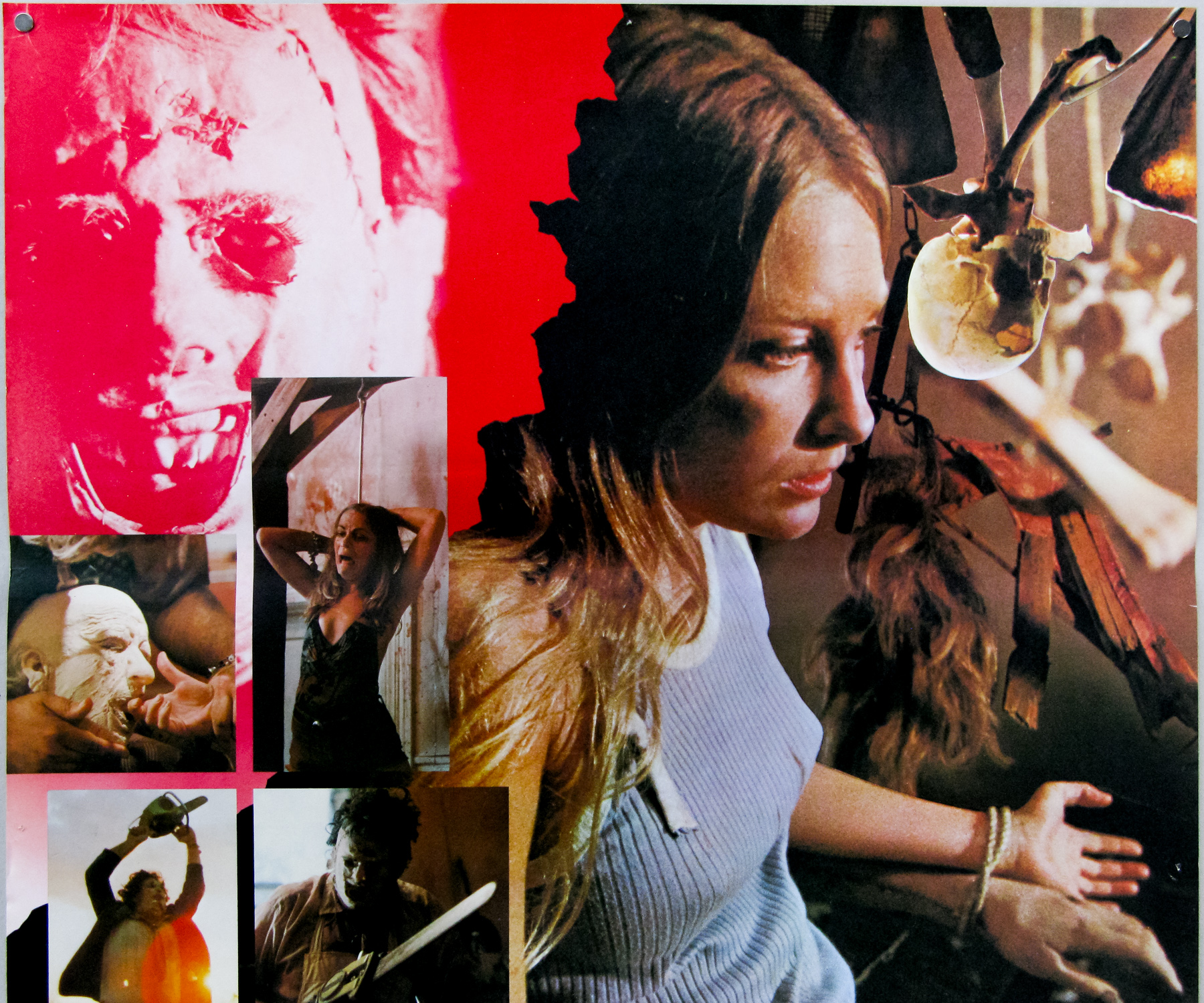
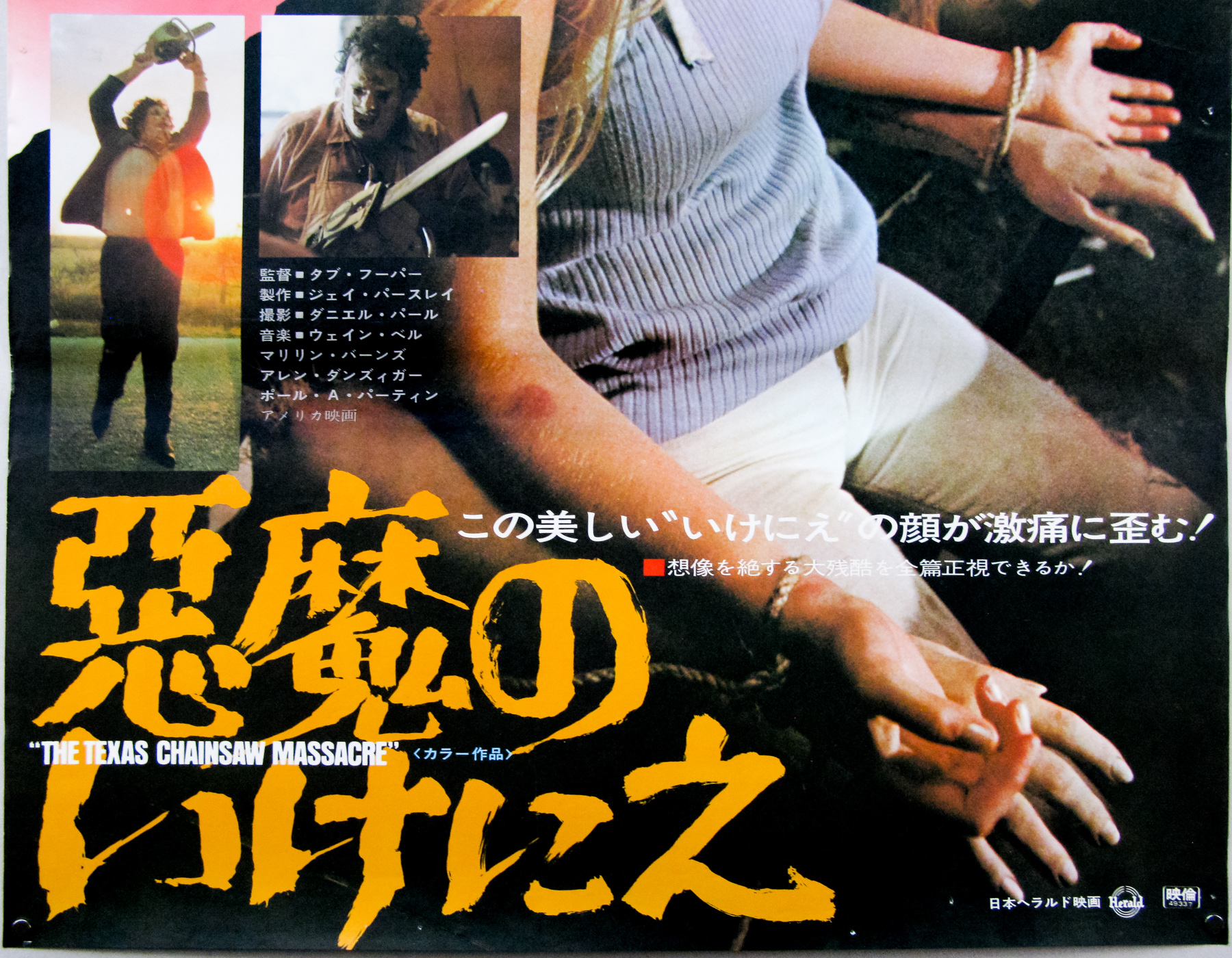
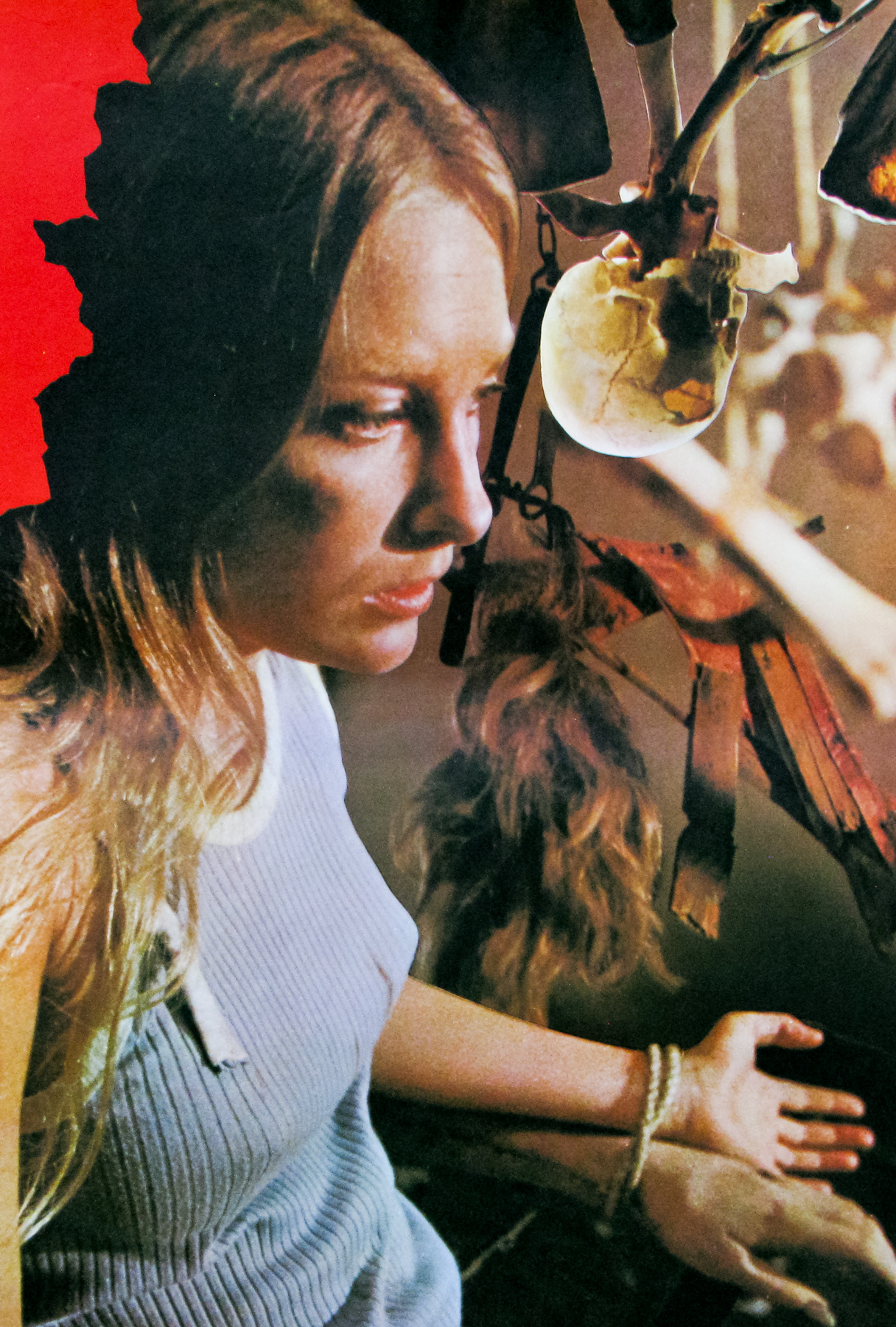
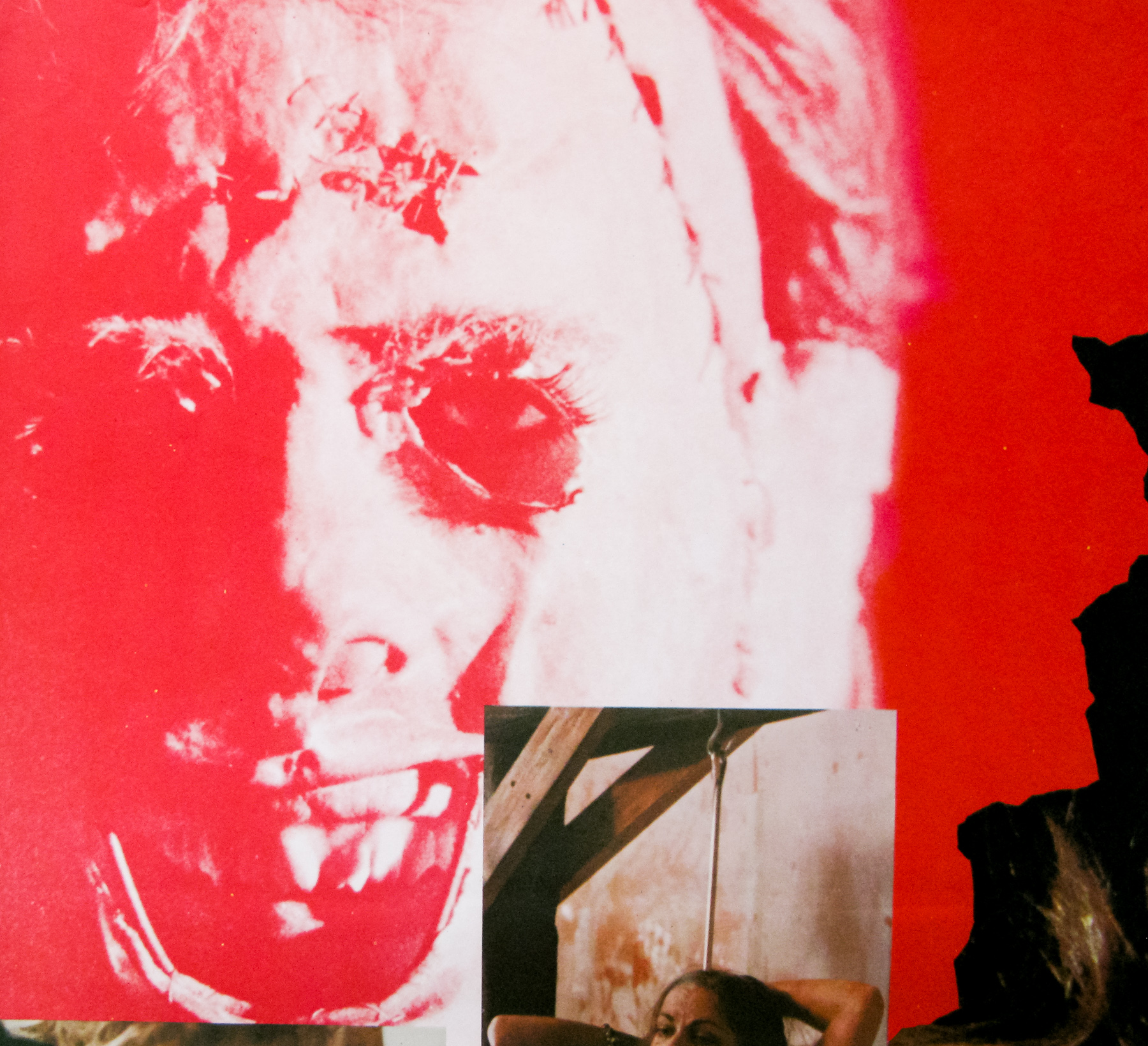
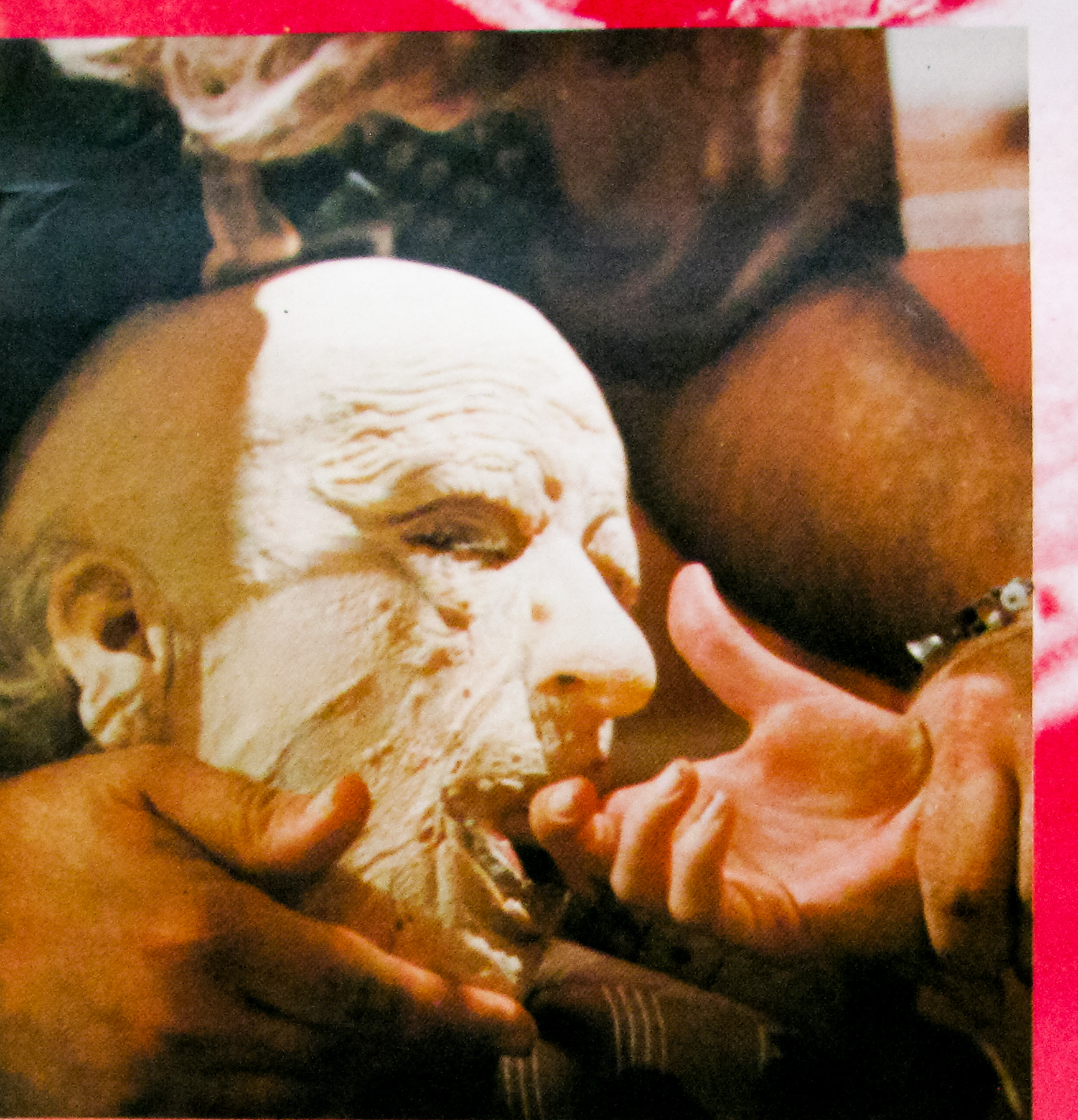
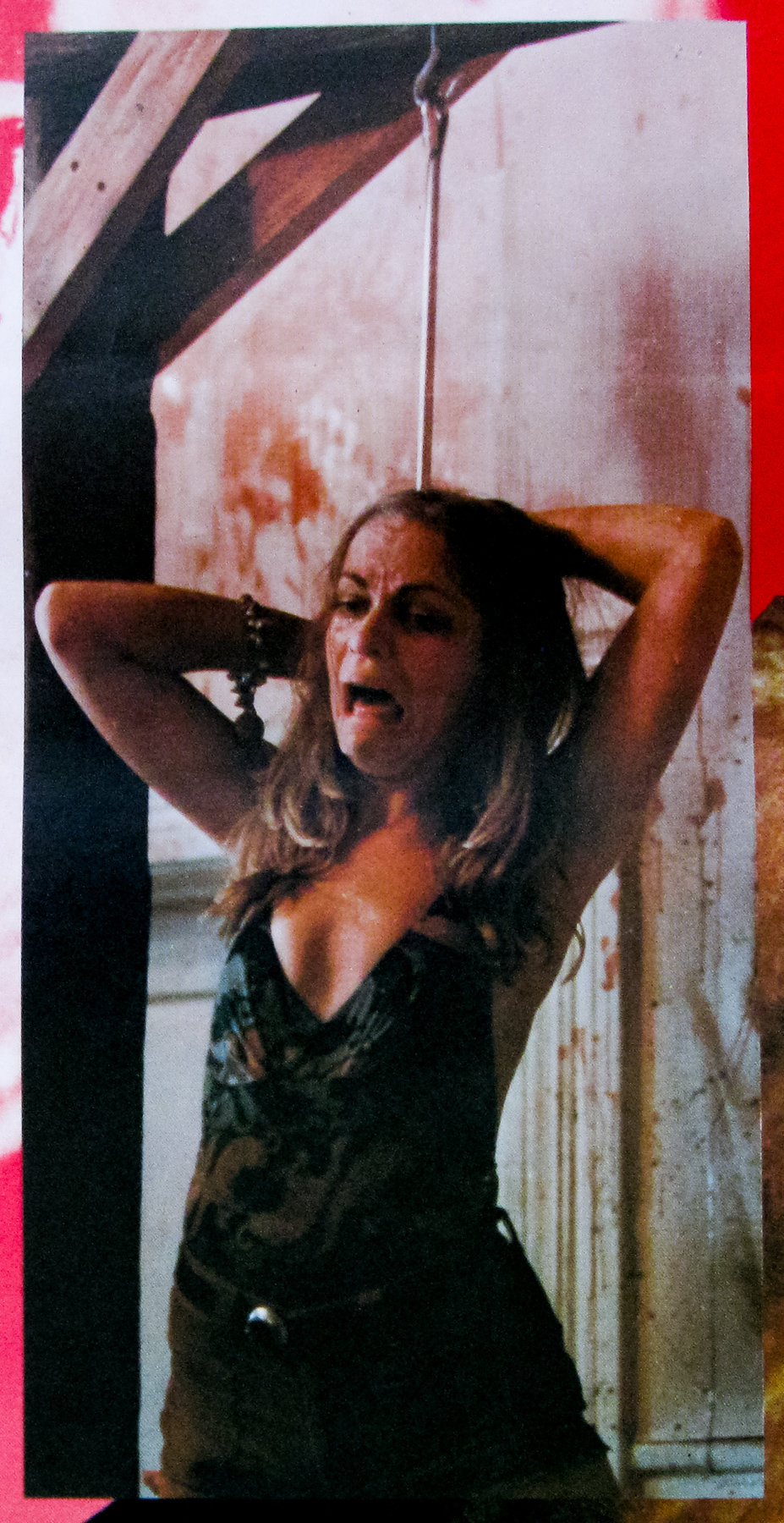
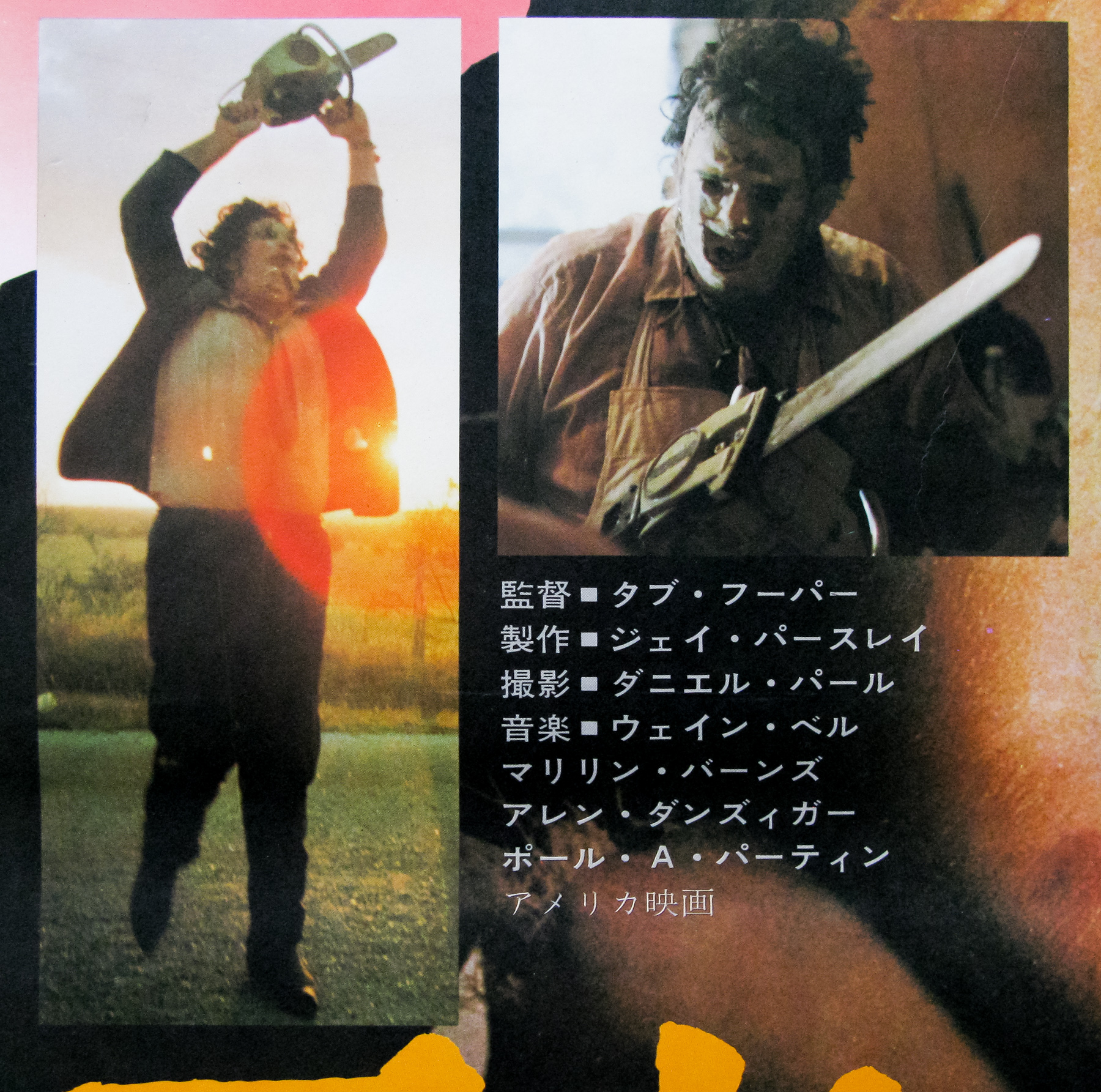
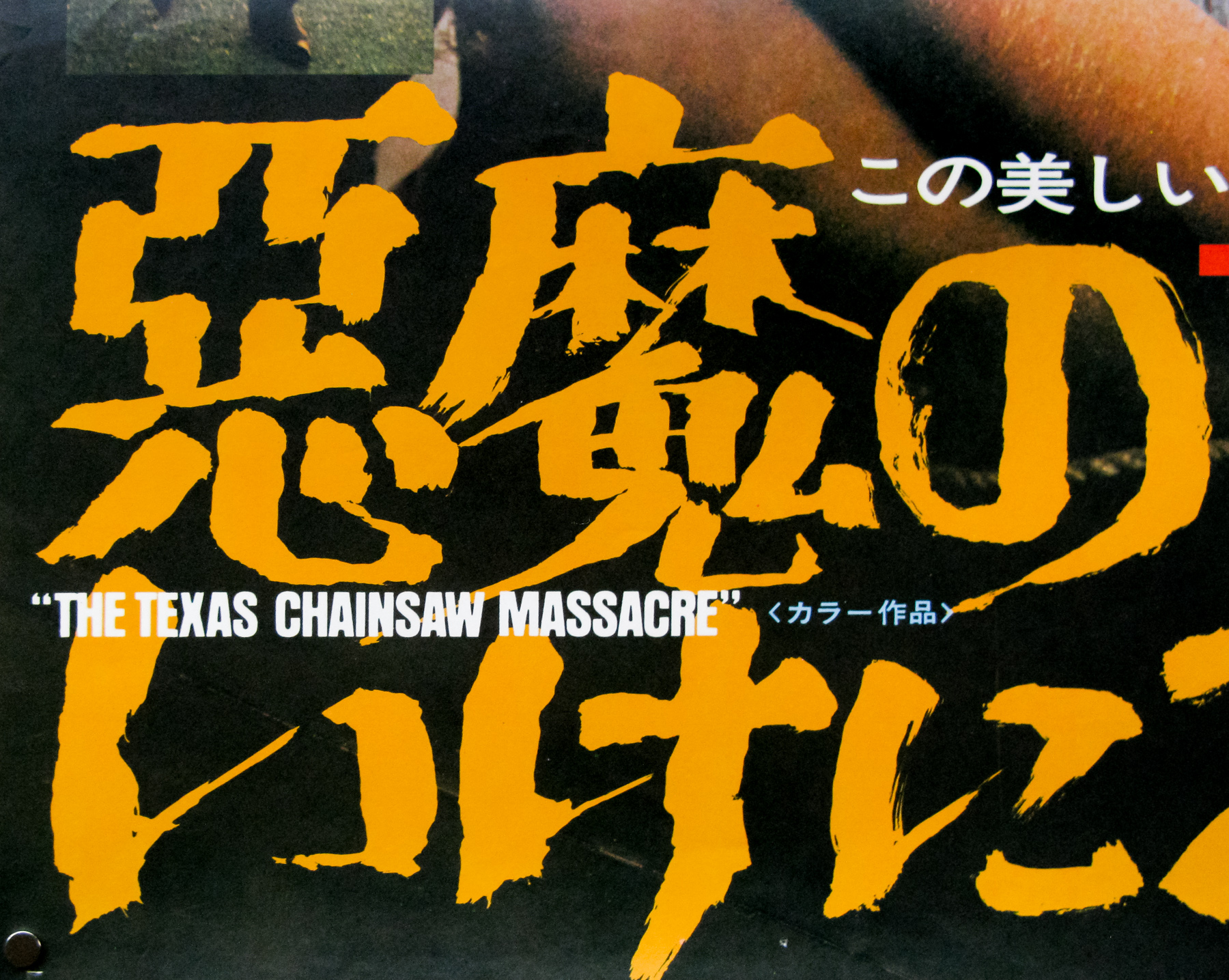
This Japanese poster features star Marilyn Burns in one of the film’s most disturbing scenes involving ‘Grandpa’, as well as smaller images of Leatherface, Grandpa himself and the infamous meat-hook scene.

Check out the Japanese poster for a 2007 festival re-release of the film and the classic US poster.

Bizarrely, the house featured in the film is now a family restaurant!

Here’s the brilliant original trailer.


Fitzcarraldo + Aguirre, Wrath of God / double-bill / special / Japan

11.11.11

Poster Poster

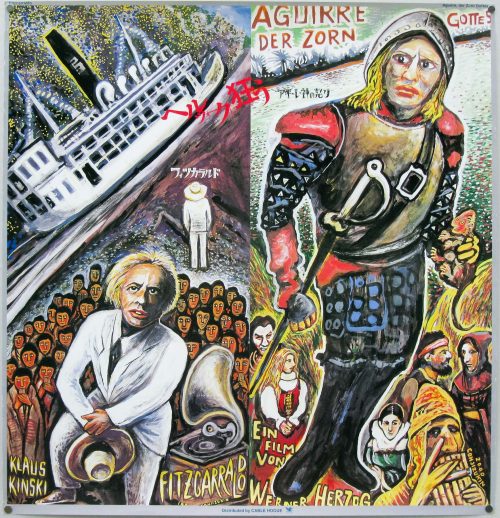
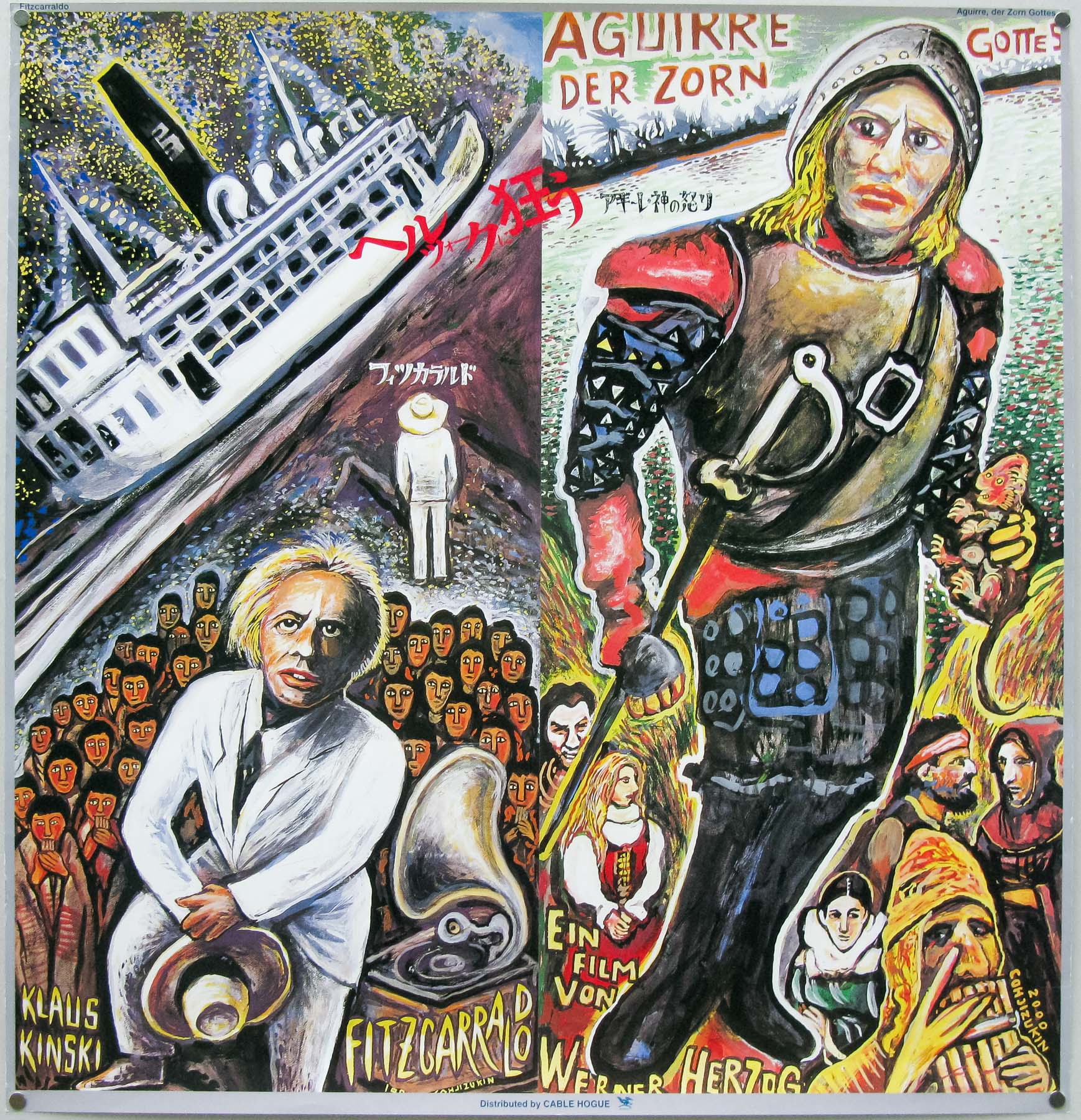
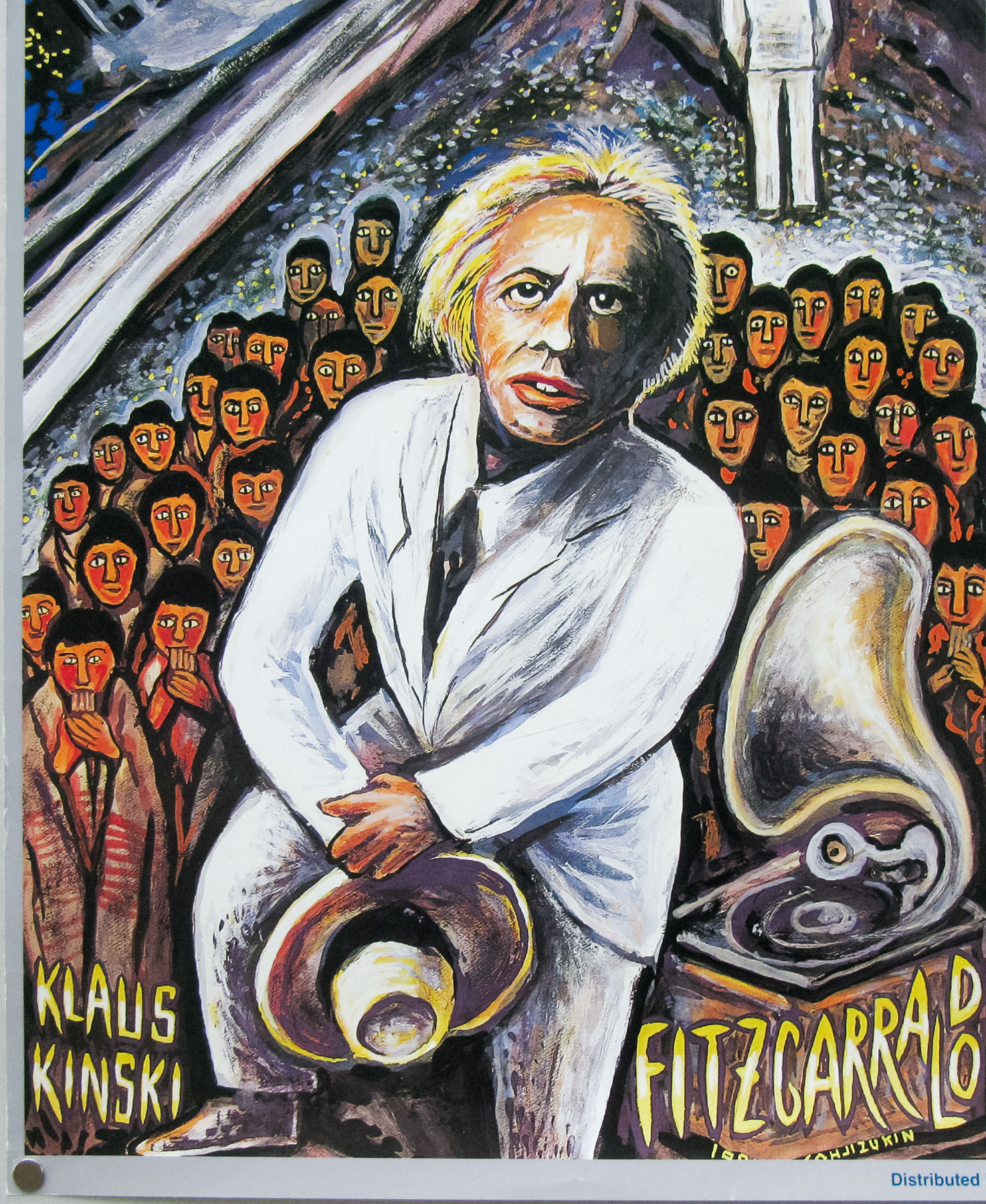
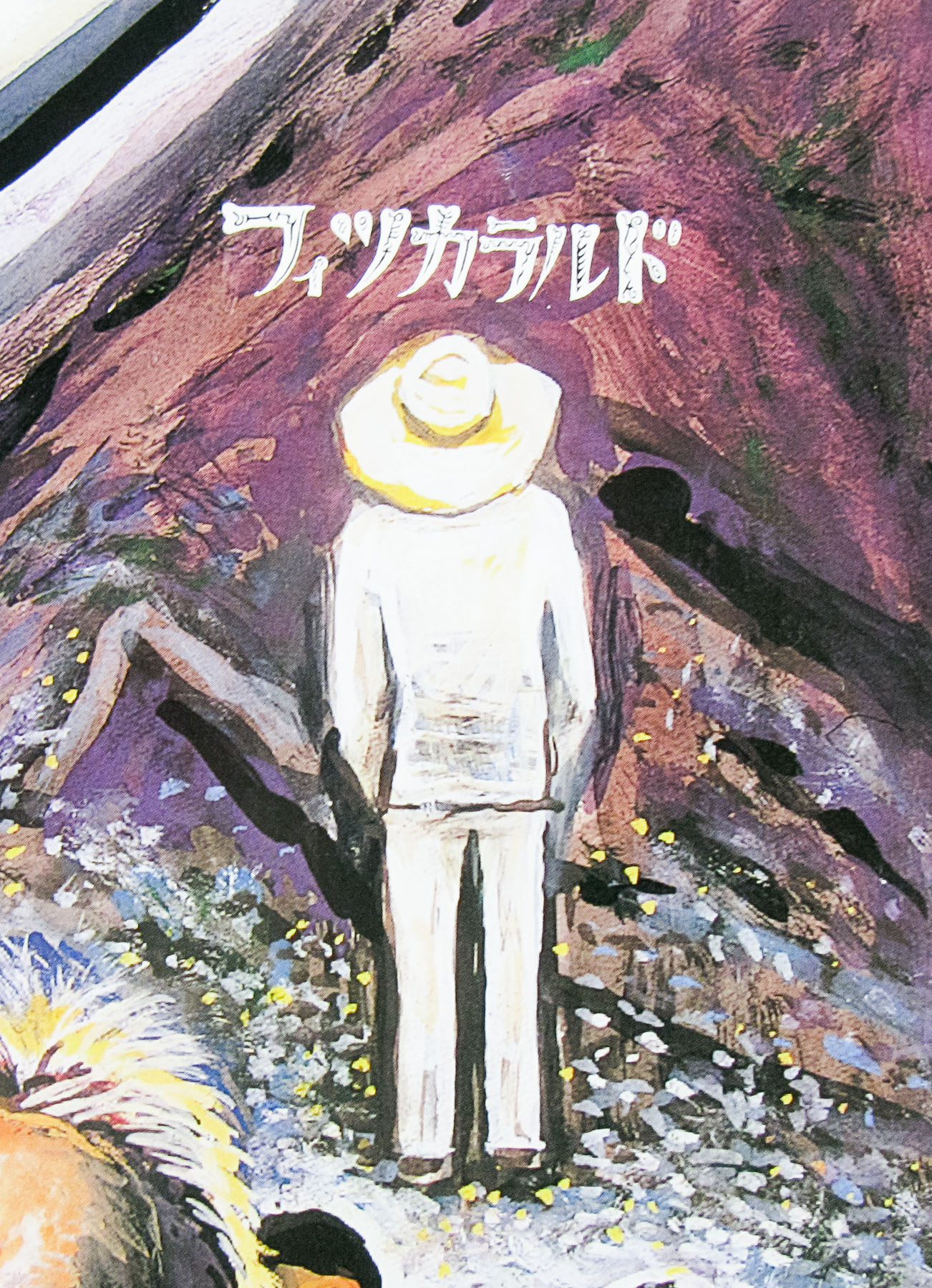
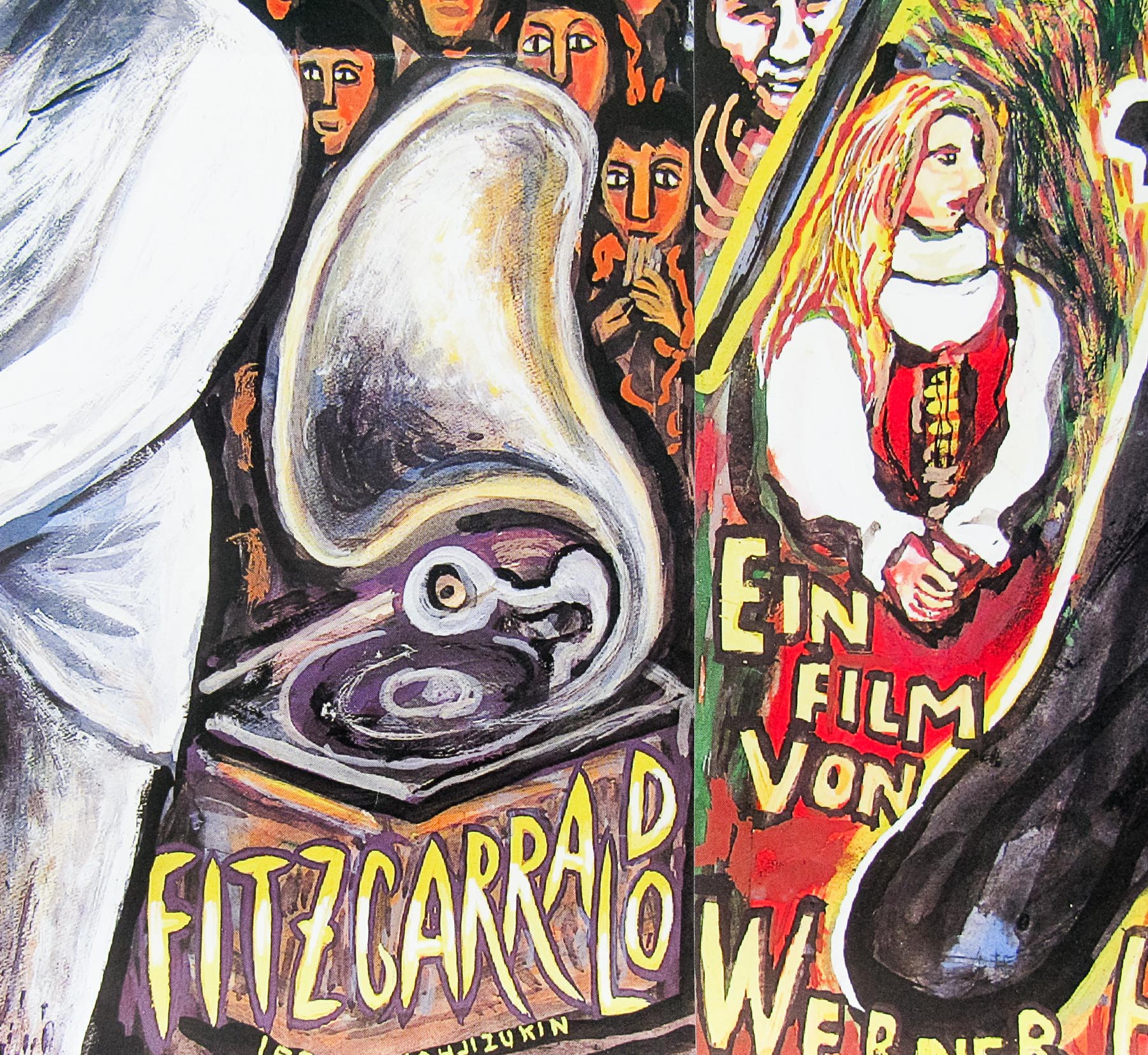
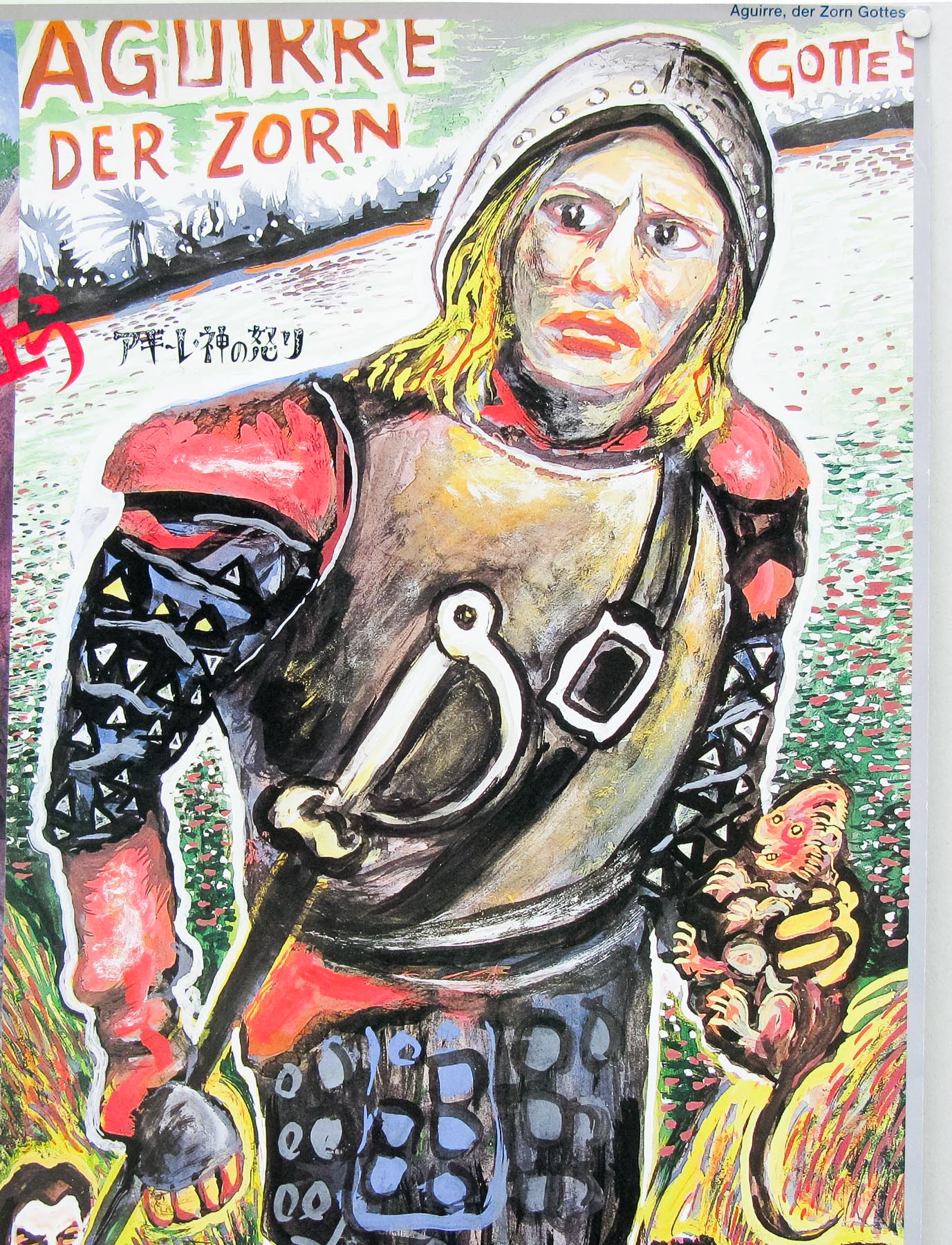
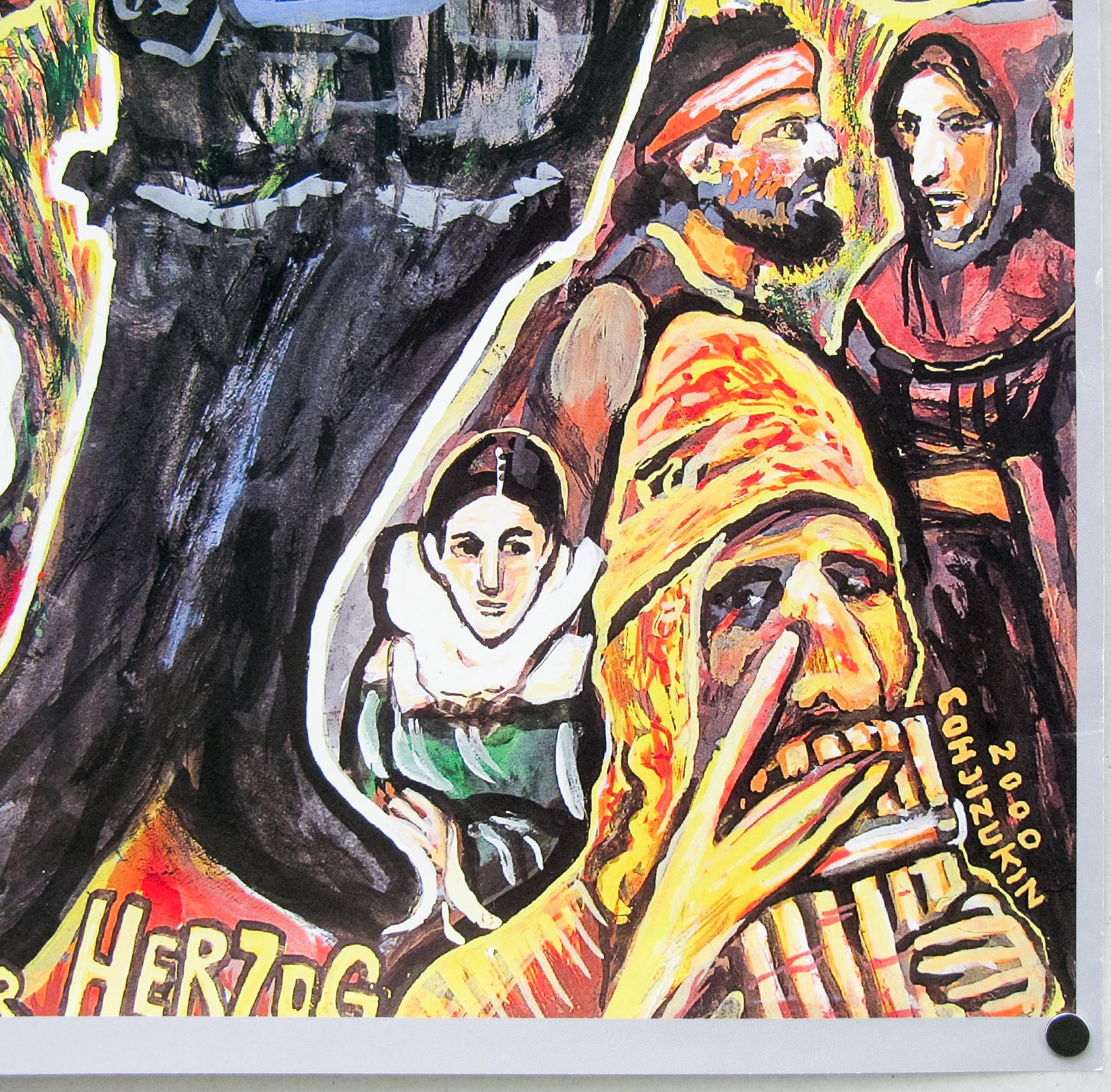
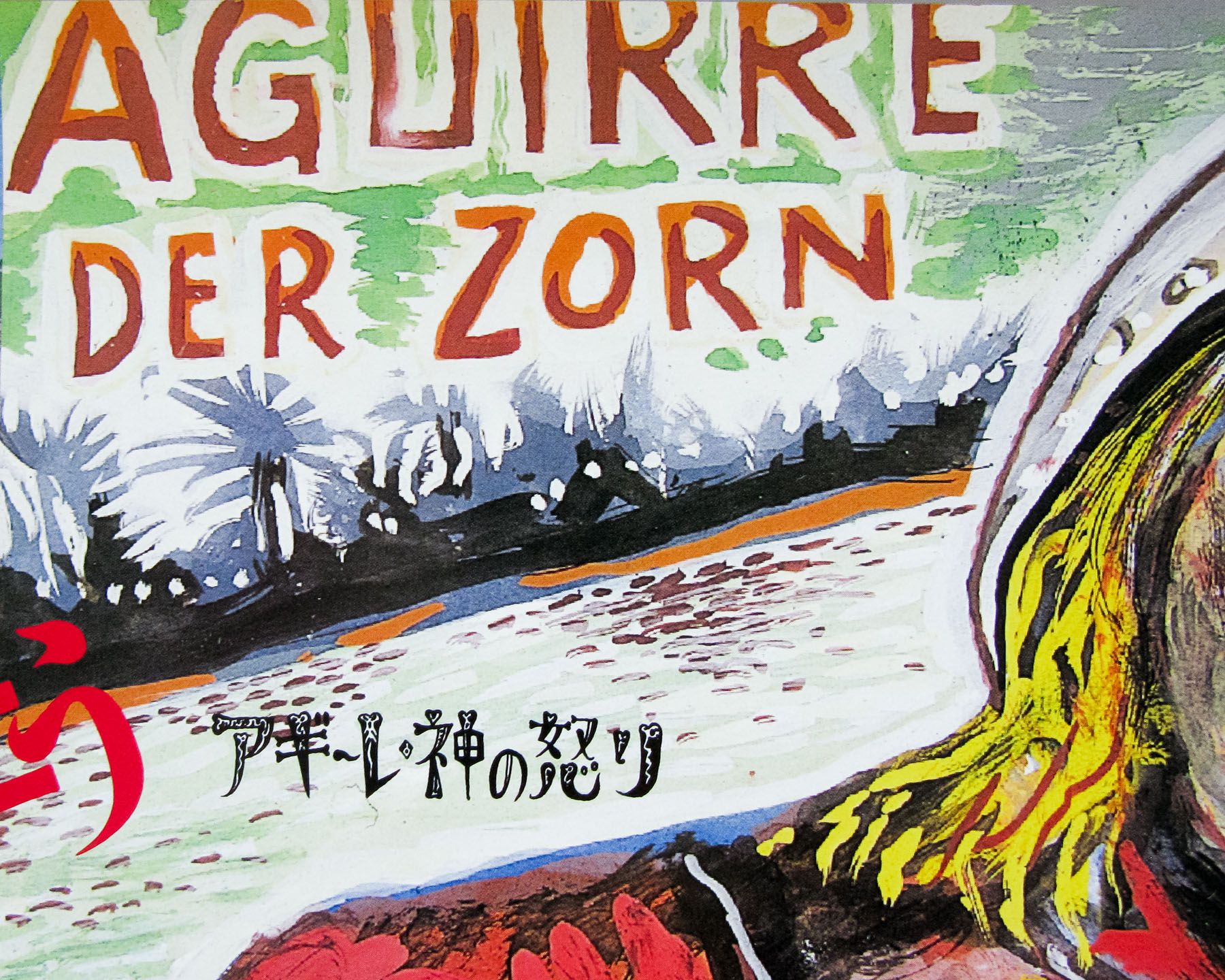
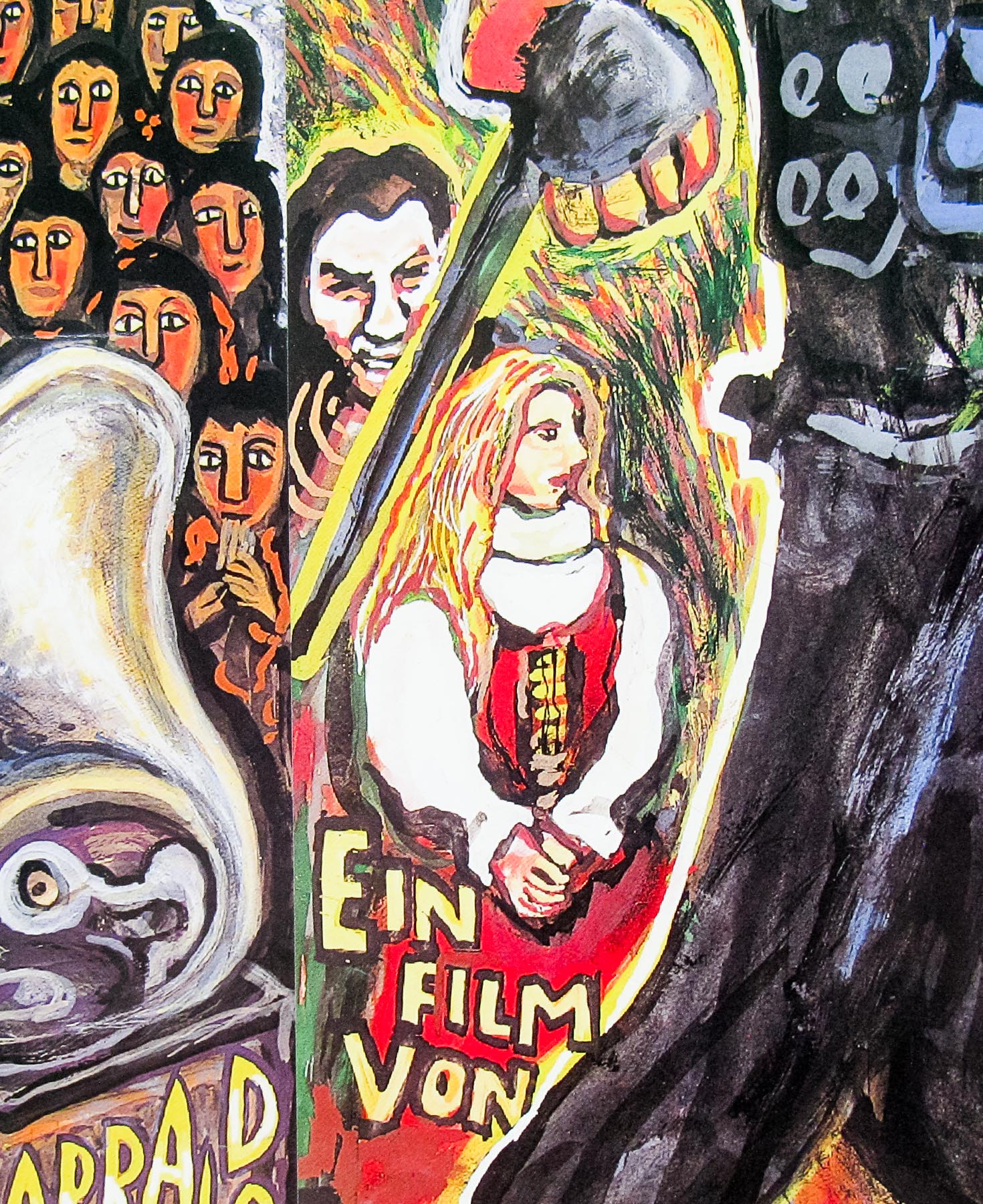
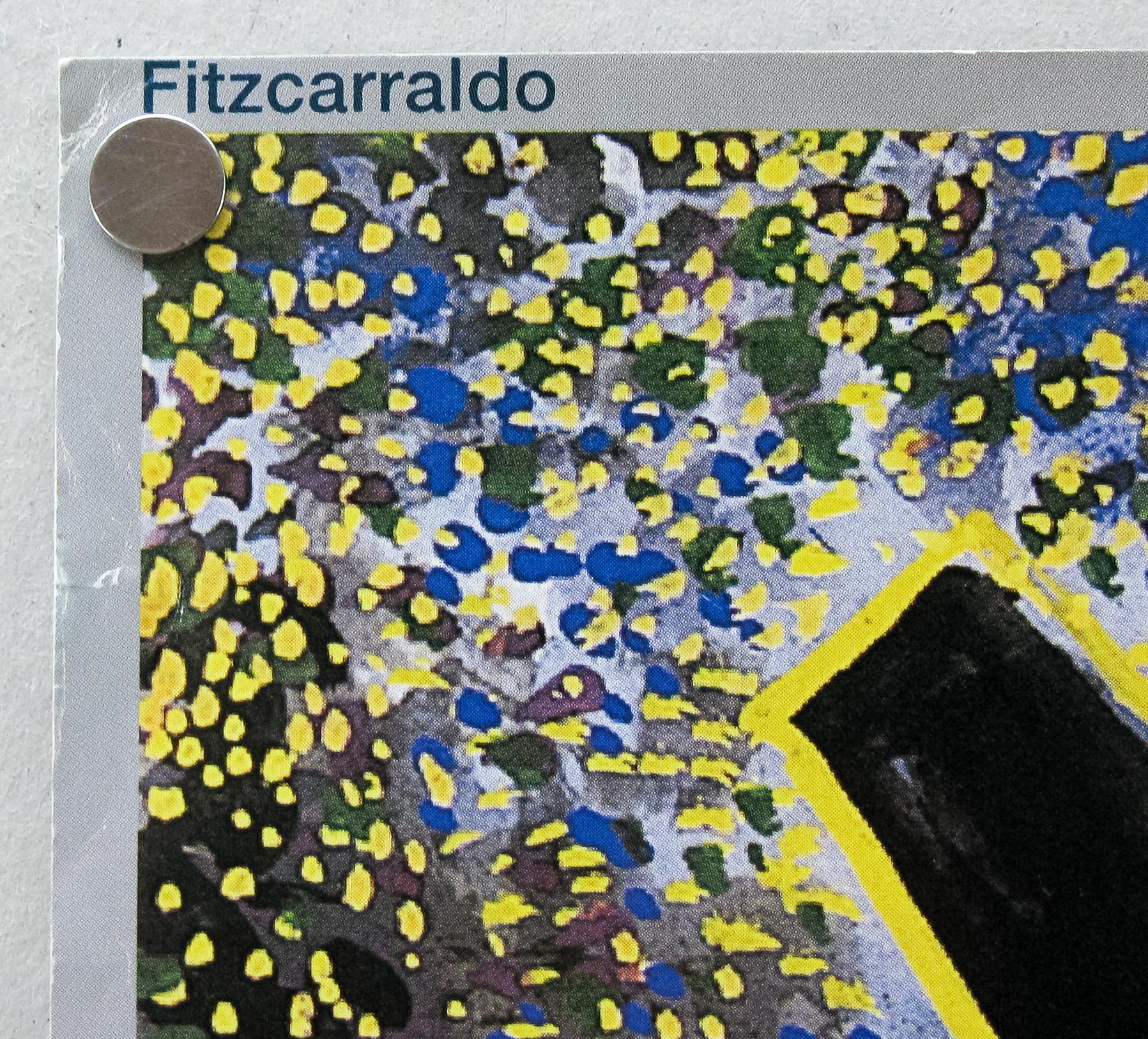
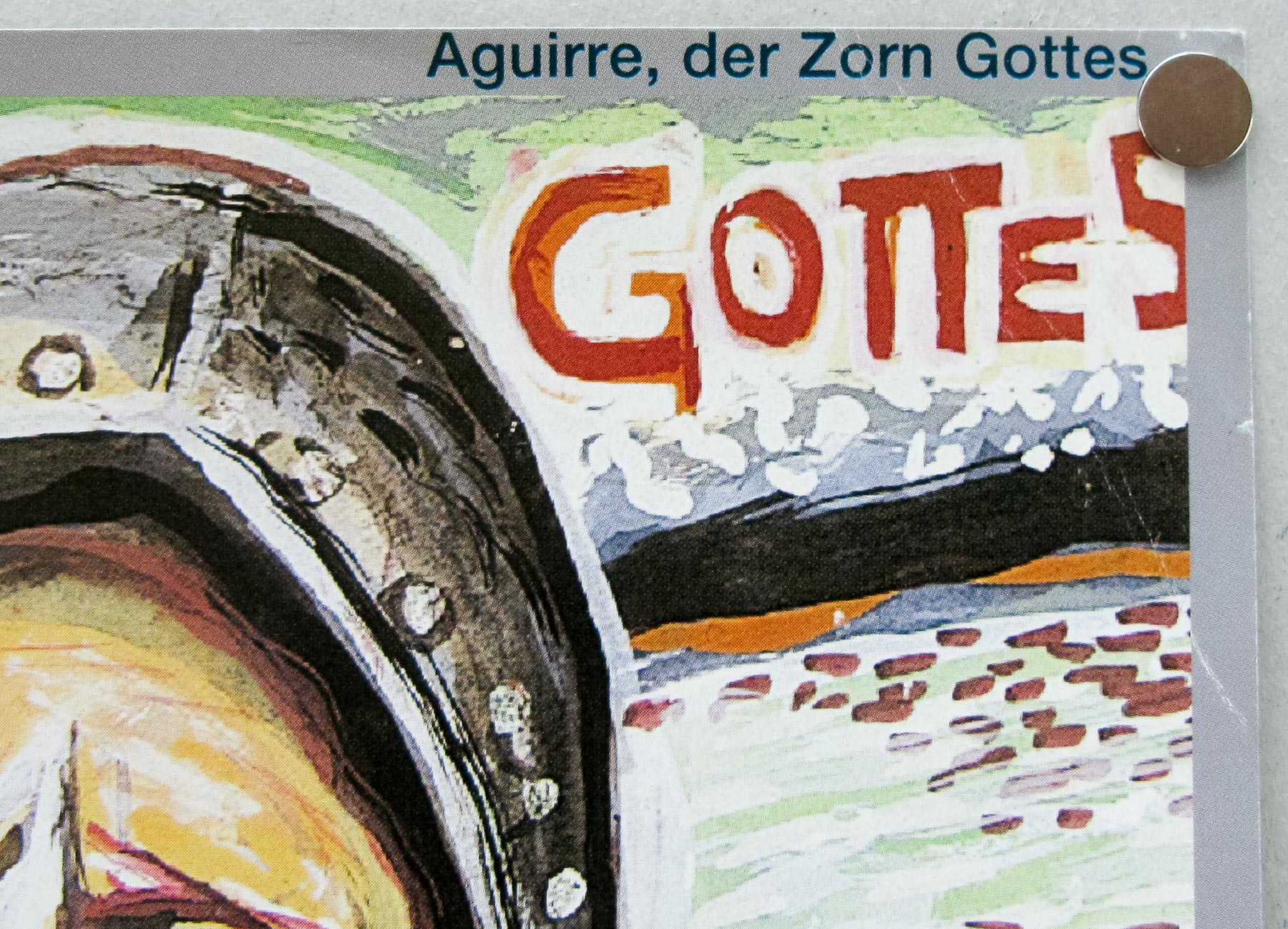
A Japanese double-bill poster for re-release of ace director Werner Herzog‘s two masterpieces. Made ten years apart, both films star Klaus Kinski, a frequent collaborator, and the stories behind the making of the films are legendary.

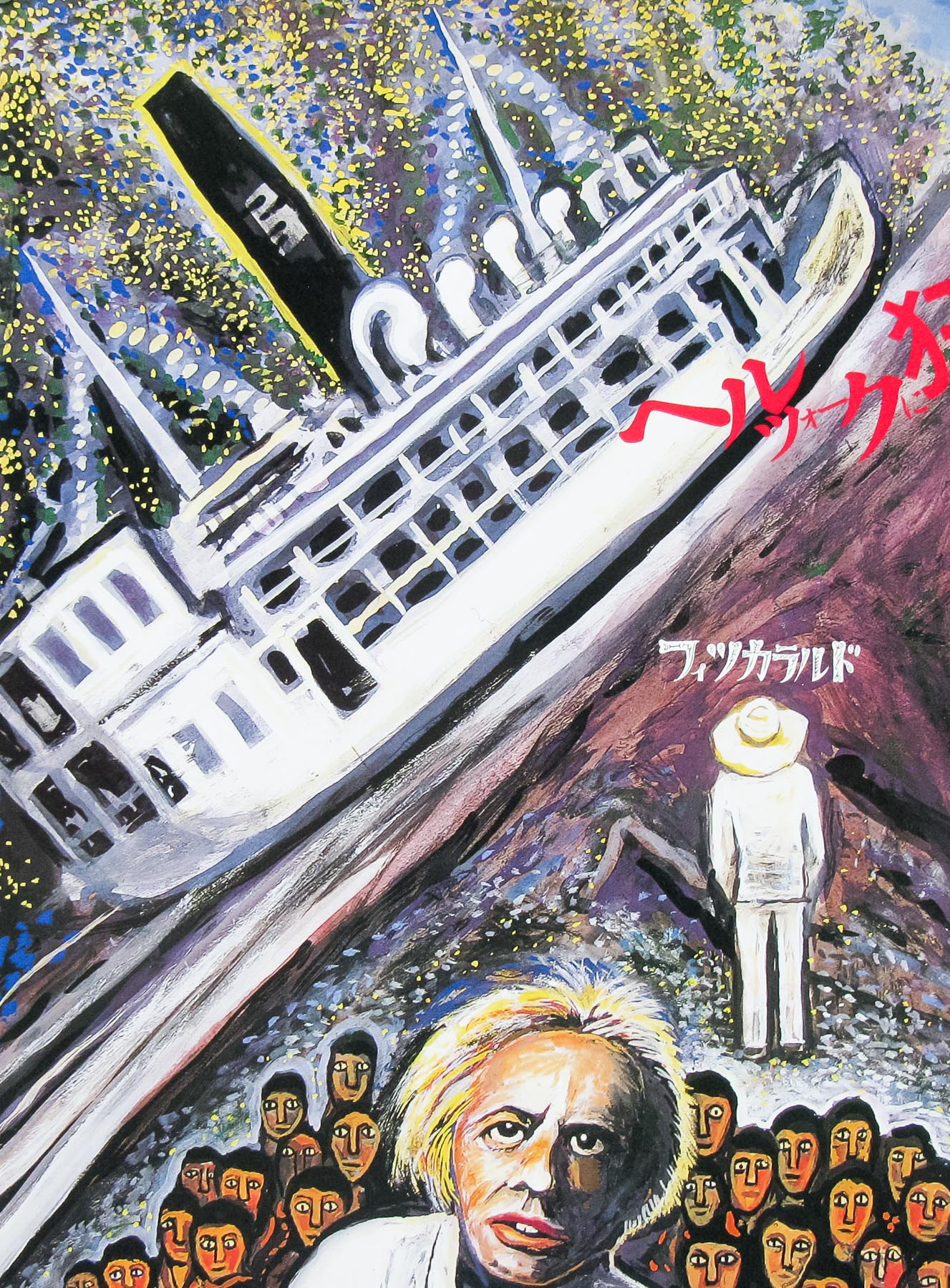
Fitzcarraldo tells the true story of  one man’s obsession to build an opera house in the Peruvian jungle, a task that sees him having to drag a full-sized steamer boat over a mountain from one river to another. Rather than rely on special effects or clever editing, Herzog and the crew actually did drag a steamer boat over a mountain! The story of the shoot was told in the excellent documentary Burden of Dreams.

Aguirre, Wrath of God was a similarly chaotic and pressured shoot and the story goes that when Kinski decided to leave the set and return home, Herzog pulled a gun on him and threatened to shoot him and then turn the gun on himself.

Herzog once said of Kinski: “People think we had a love-hate relationship. Well, I did not love him, nor did I hate him. We had mutual respect for each other, even as we both planned each other’s murder”.

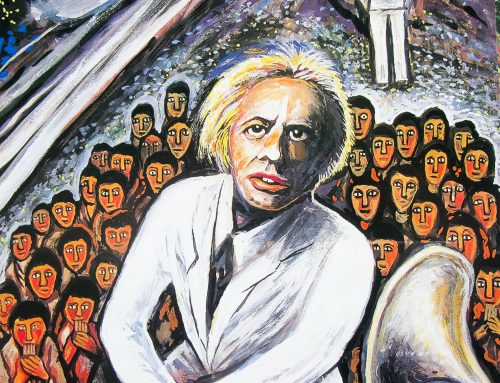
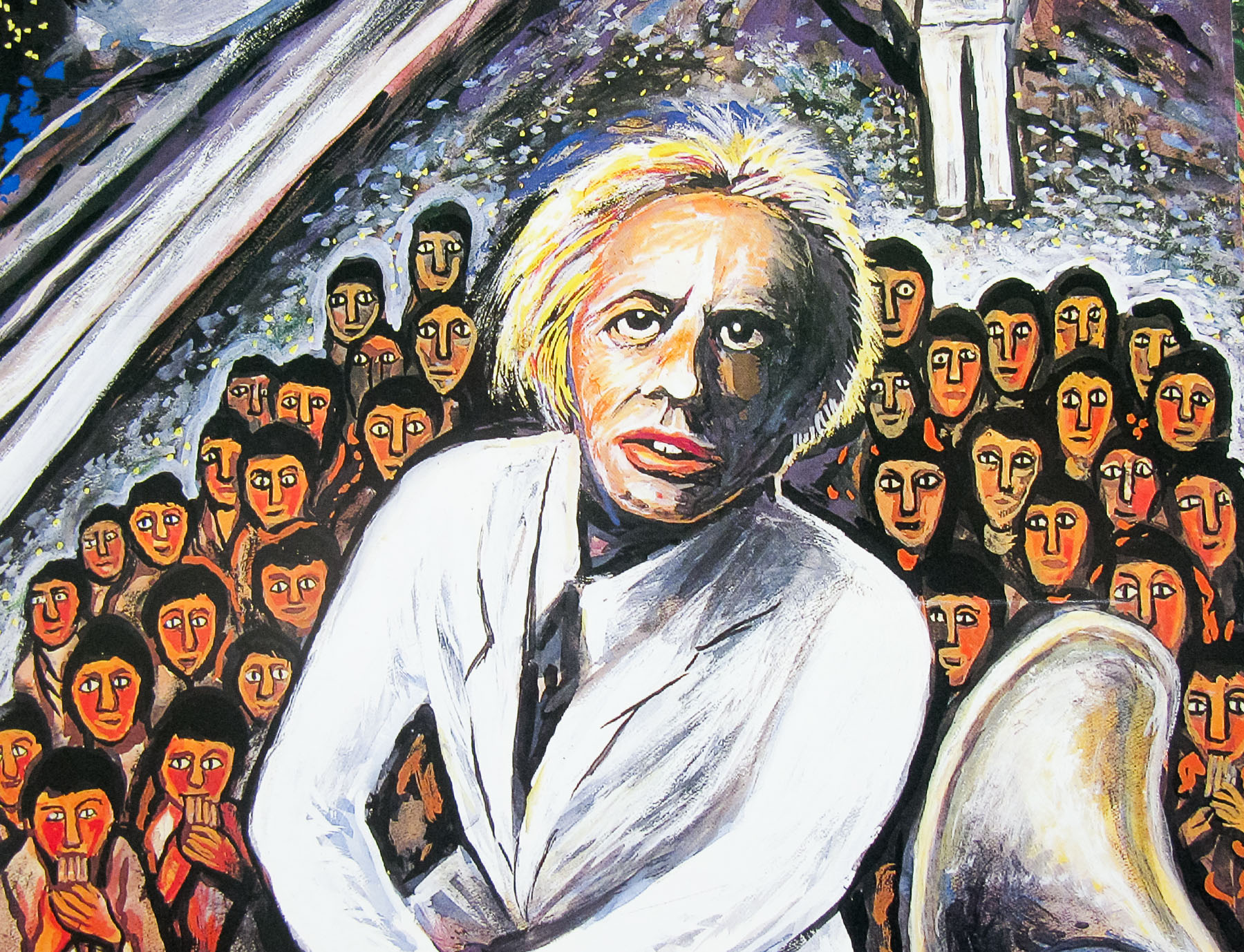
I believe this double-bill poster was for a Japanese release in either 2000 or 2001 and the artwork is by an artist called Suzuki Cohjizukin about whom I know very little. Some of his other works can be found with a google search but if anyone knows anything more about him please get in touch.

Here are the original trailers for Fitzcarraldo and Aguirre.

They Live / B2 / Japan

30.11.11

Poster Poster
Title
They Live
AKA
Invasion Los Angeles (France)
Year of Film
1988
Director
John Carpenter
Starring
Roddy Piper, Keith David, Meg Foster, Raymond St. Jacques, Peter Jason, Sy Richardson, George 'Buck' Flower
Origin of Film
USA
Genre(s) of Film
Roddy Piper, Keith David, Meg Foster, Raymond St. Jacques, Peter Jason, Sy Richardson, George 'Buck' Flower,
Type of Poster
B2
Style of Poster
--
Origin of Poster
Japan
Year of Poster
1988
Designer
Unknown
Artist
--
Size (inches)
20 6/16" x 28 12/16"
SS or DS
SS
Tagline
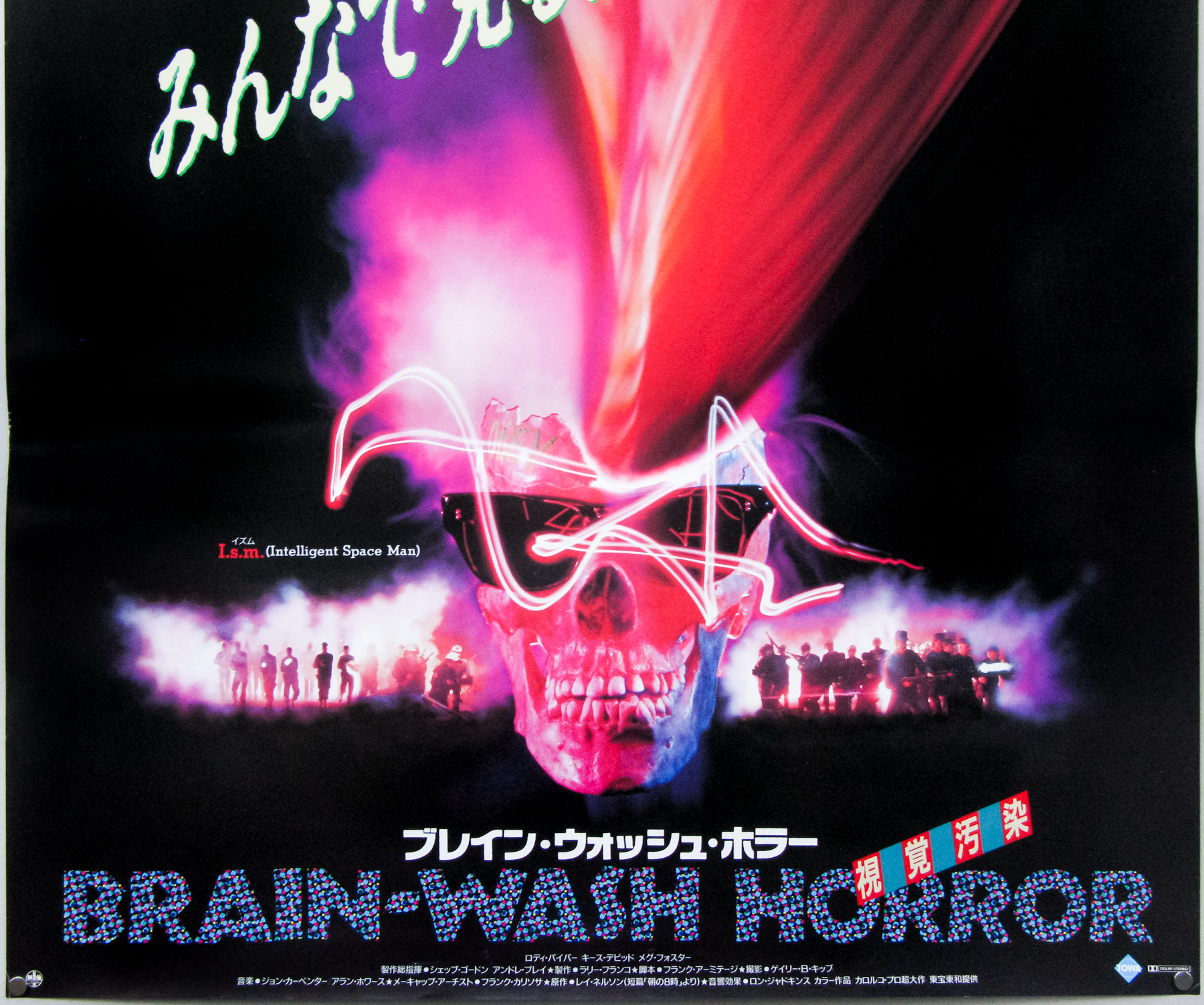
BRAIN-WASH HORROR

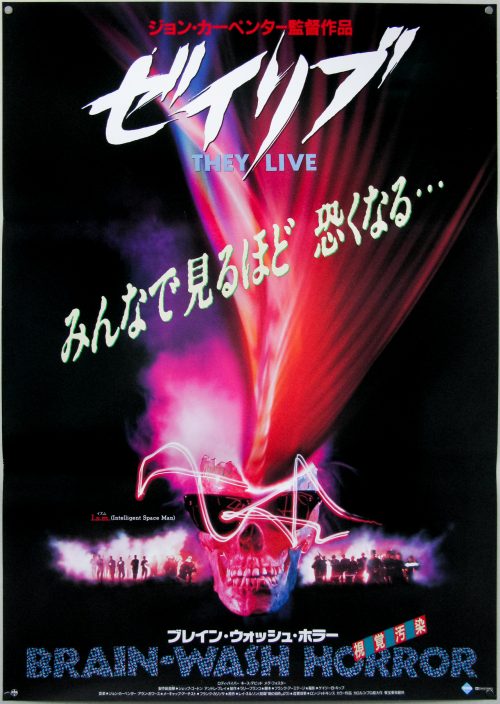
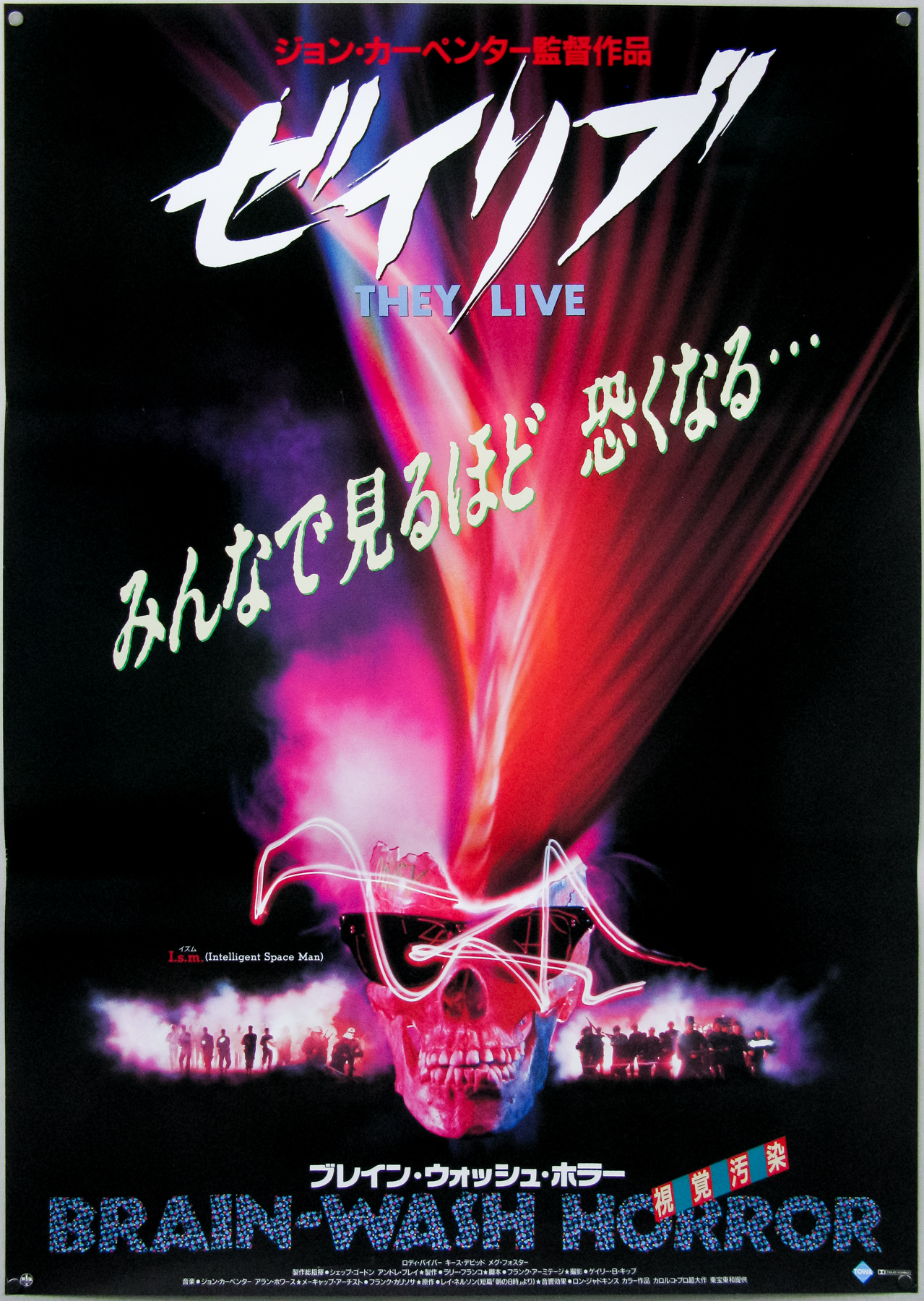
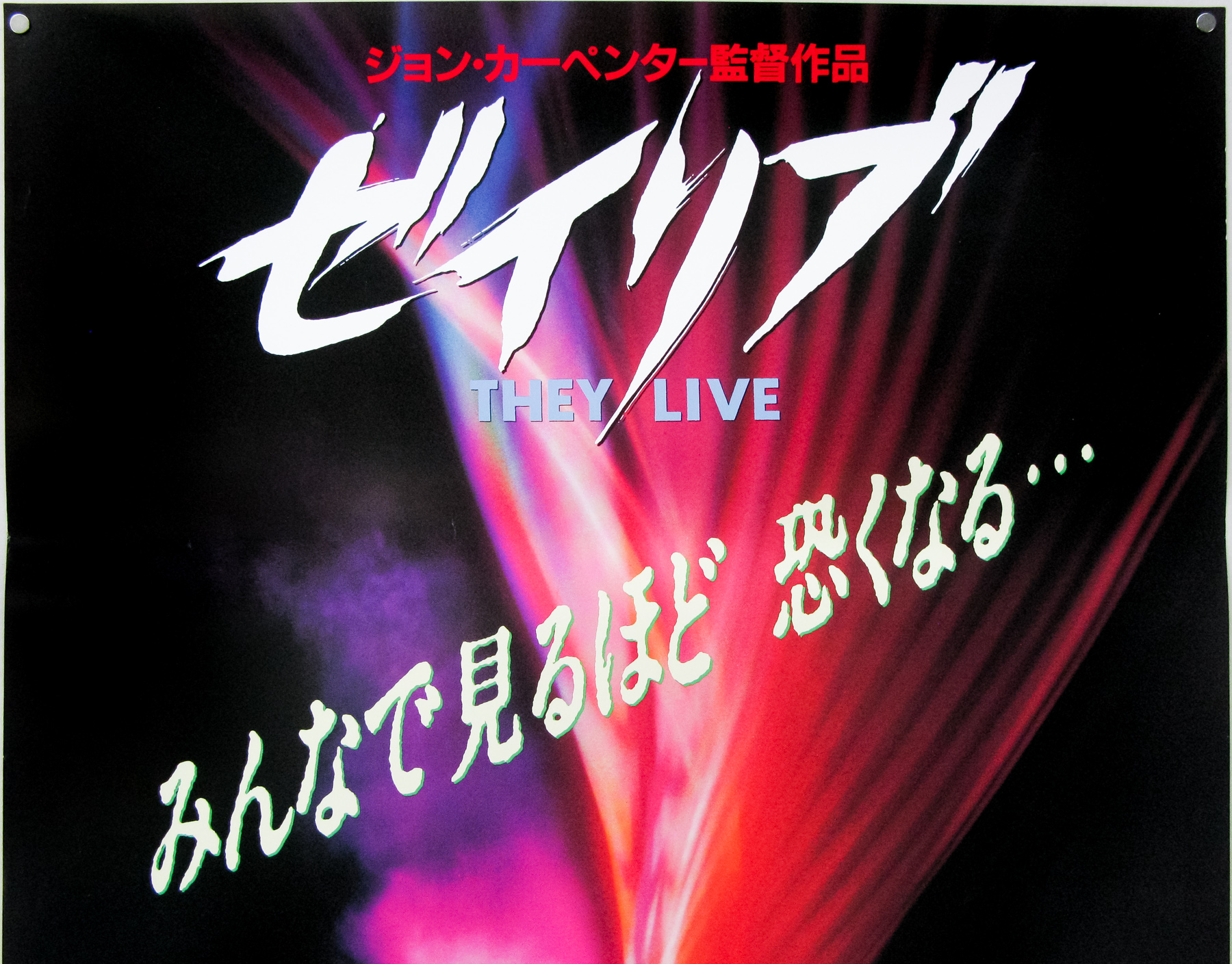
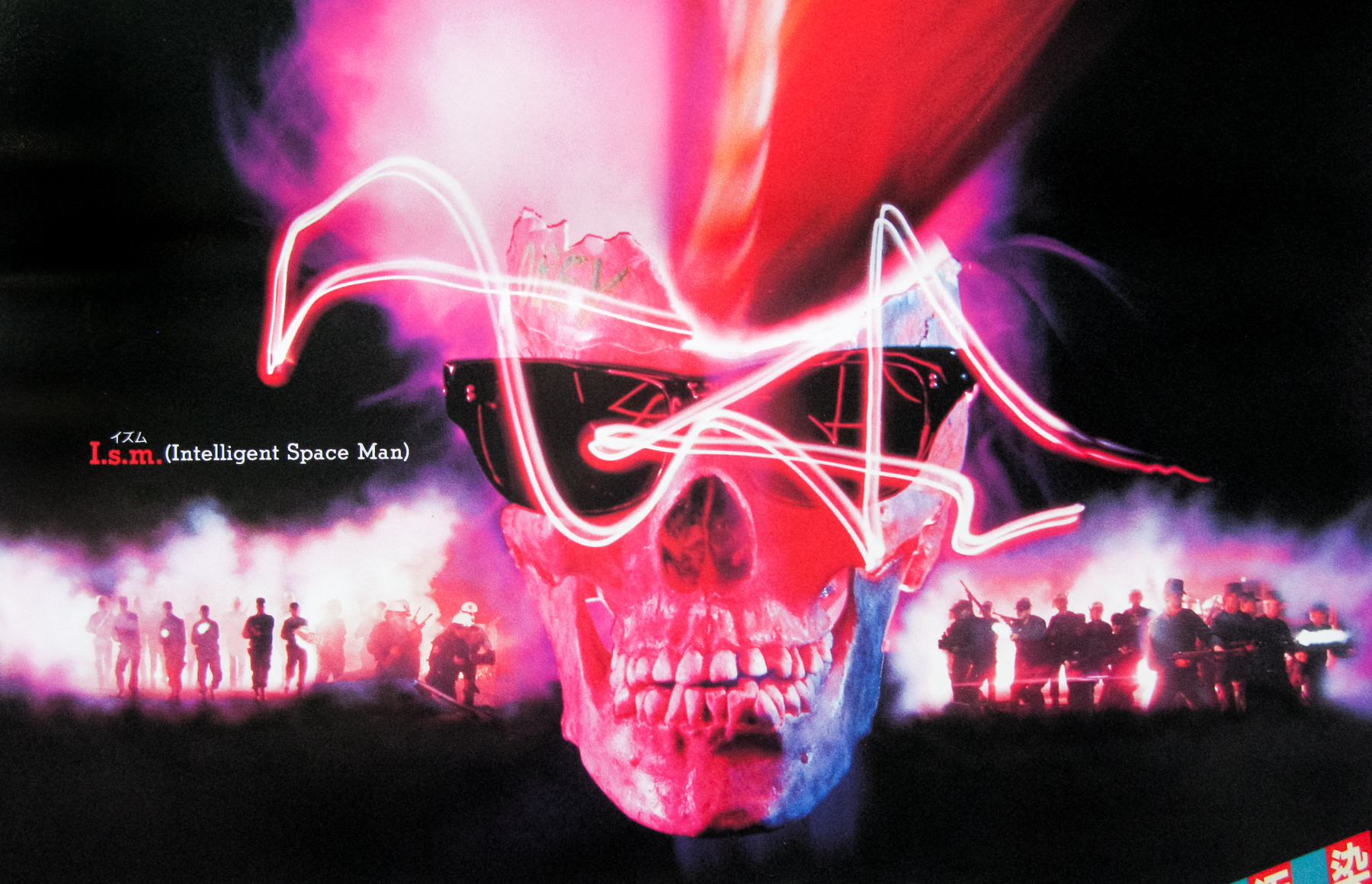
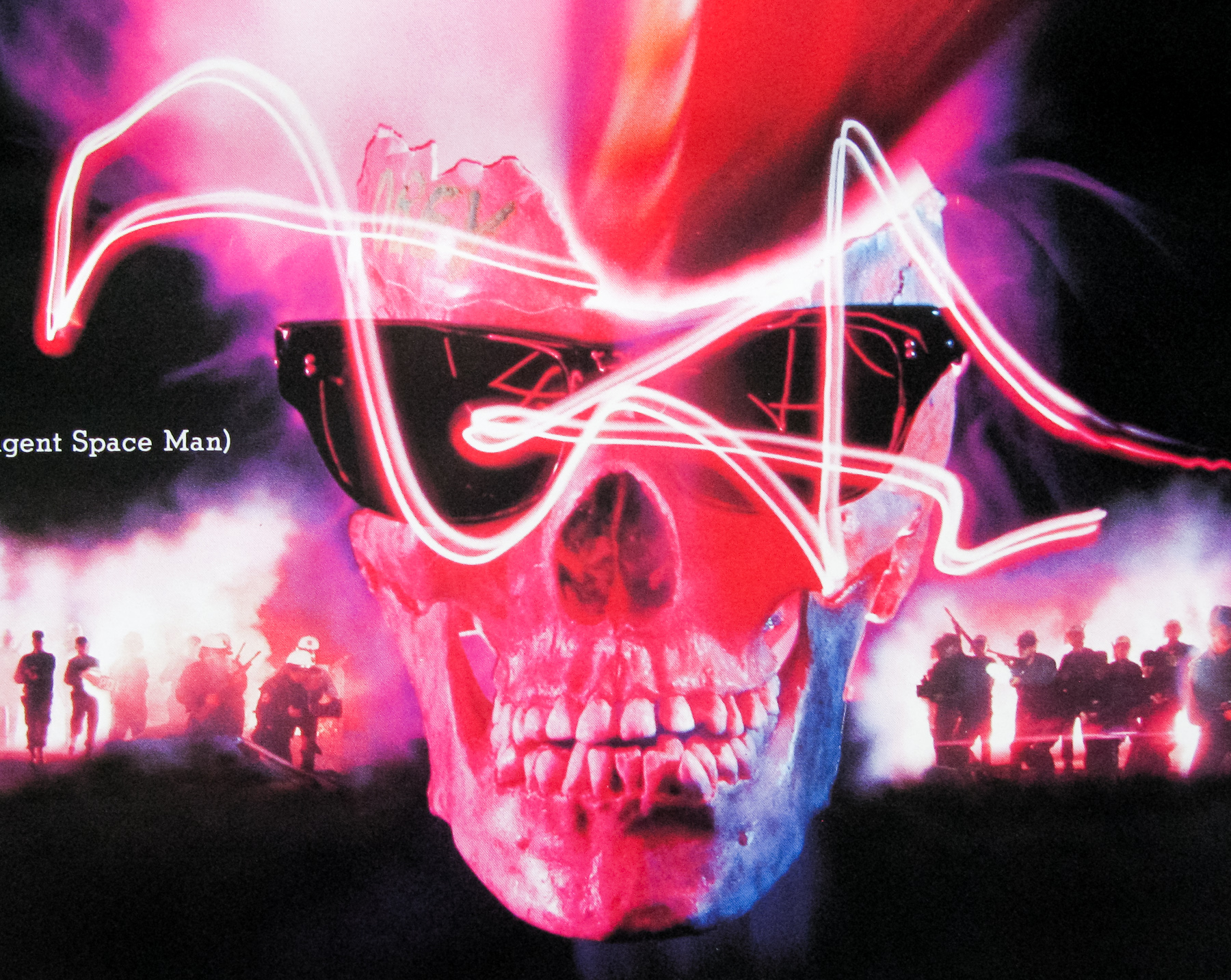
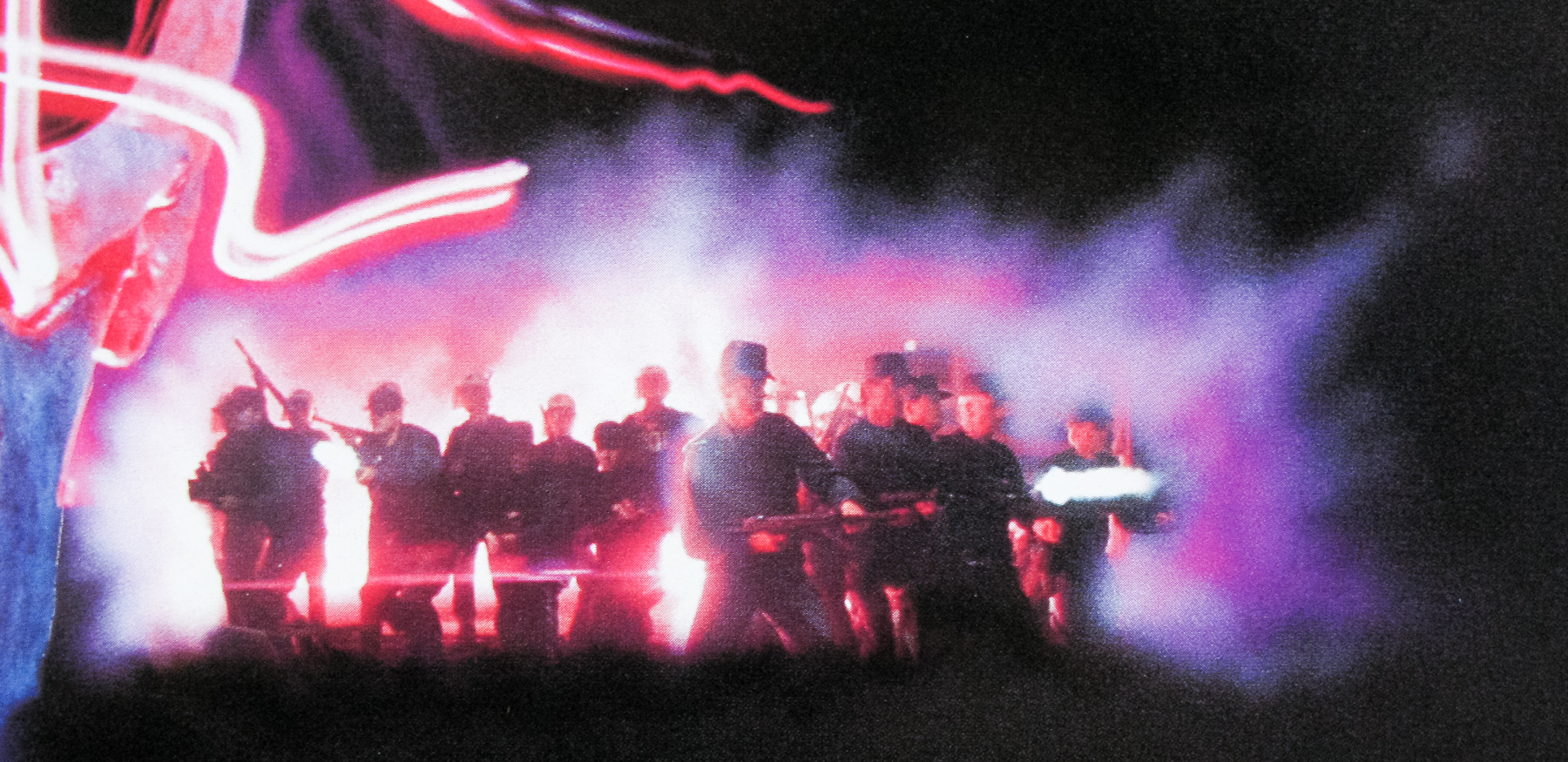
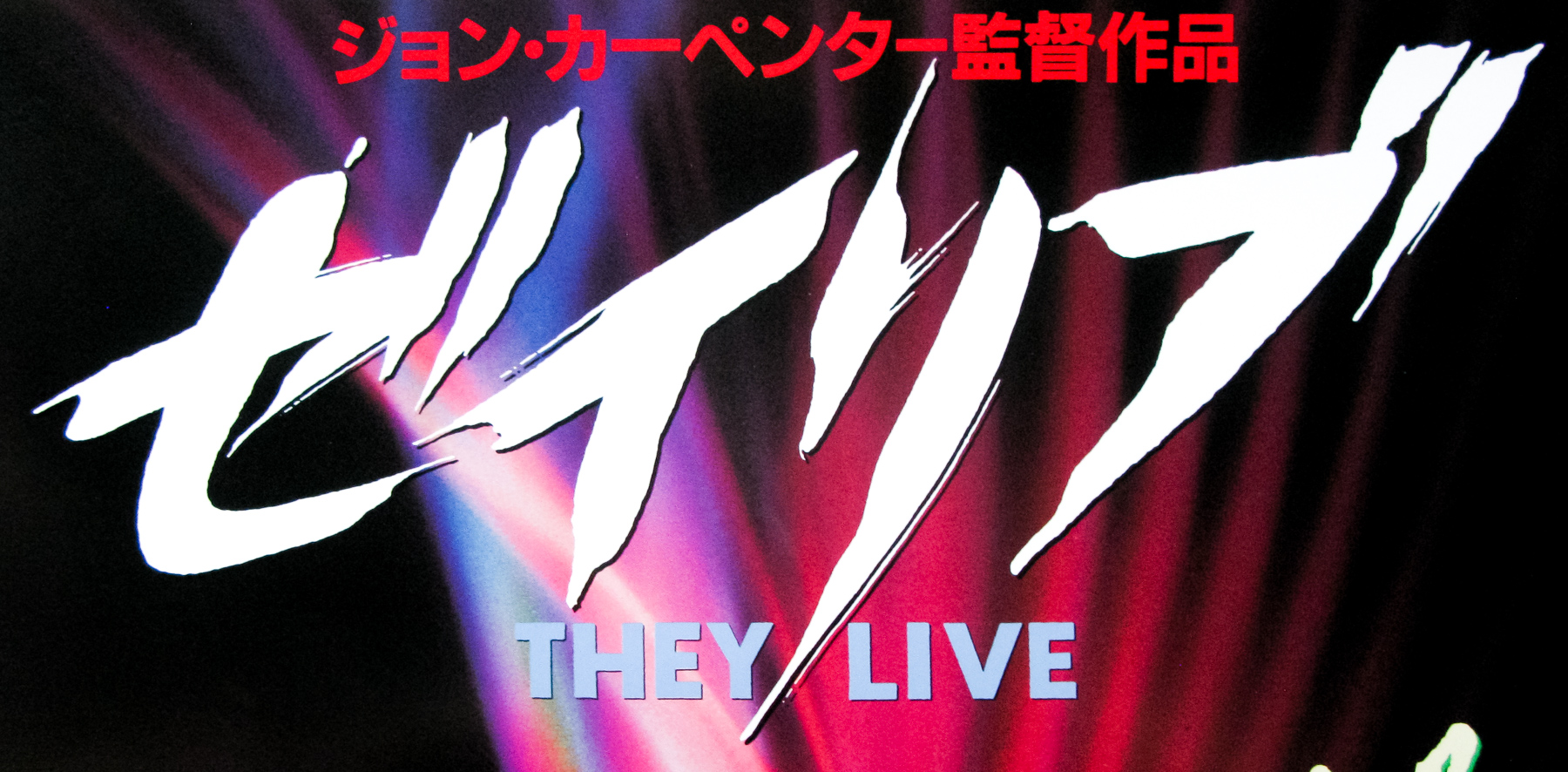
Unique artwork for John Carpenter‘s 1988 sci-fi in which a drifter, played by wrestler Roddy Piper, finds a set of special sunglasses that reveal that aliens have taken over the earth and are subduing the general population through secret messages and signals. The film is famous for being the inspiration behind graphic designer Shephard Fairey‘s famous OBEY street art and clothing label, which is based on the hidden alien slogans only visible when the sunglasses are worn.

The film also features the infamous line “I have come here to chew bubblegum and kick ass…and I’m all out of bubblegum.”, which can be viewed here. There’s also the legendary fight between Nada (Piper) and Armitage (Keith David) that lasts over five minutes and was apparently proposed and choreographed by the two actors.

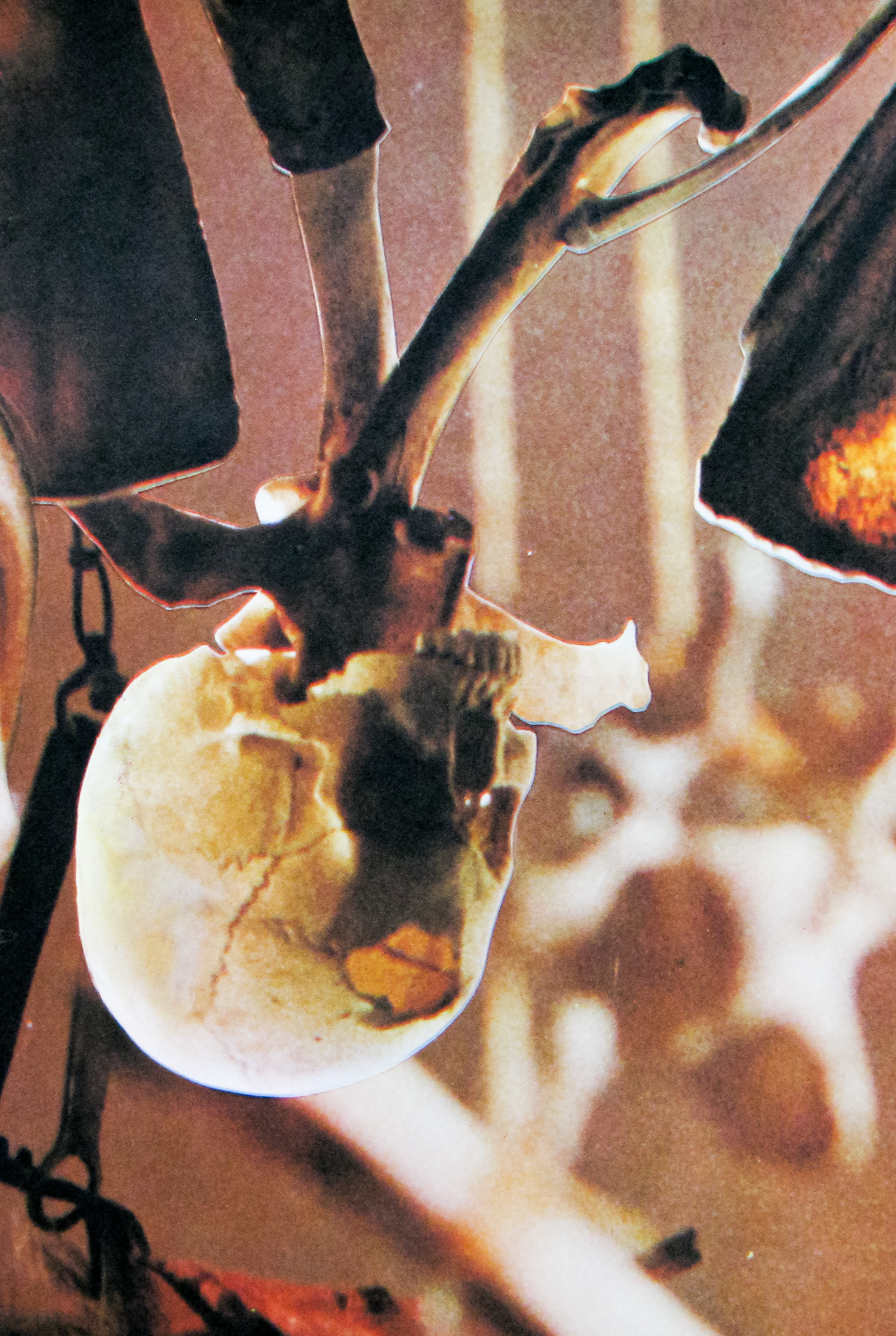
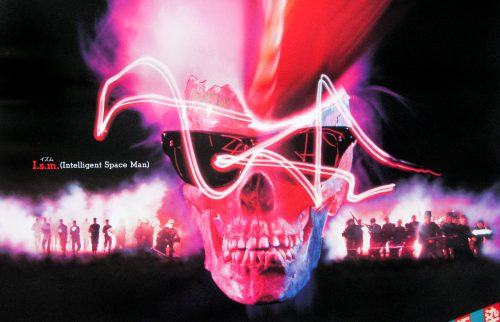
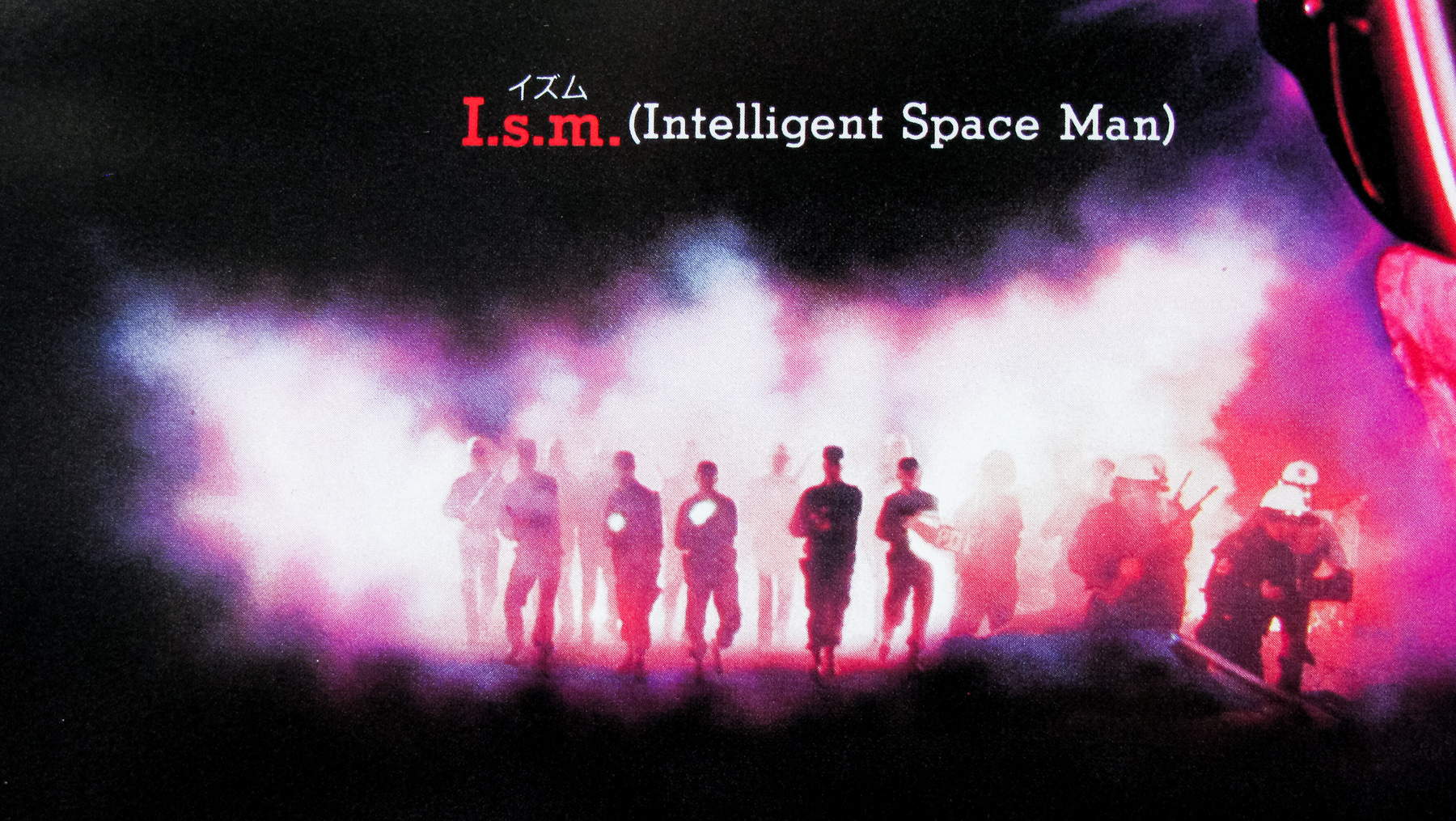
Note that the smashed human skull featured on this Japanese B2 has the word OBEY scrawled on the side. I also like the random ‘Intelligent Space Man’ text next to the skull.

Here’s the great original trailer.

To see the other John Carpenter posters I have collected click here.

The Thing / program and ticket / Japan

09.01.12

Poster Poster

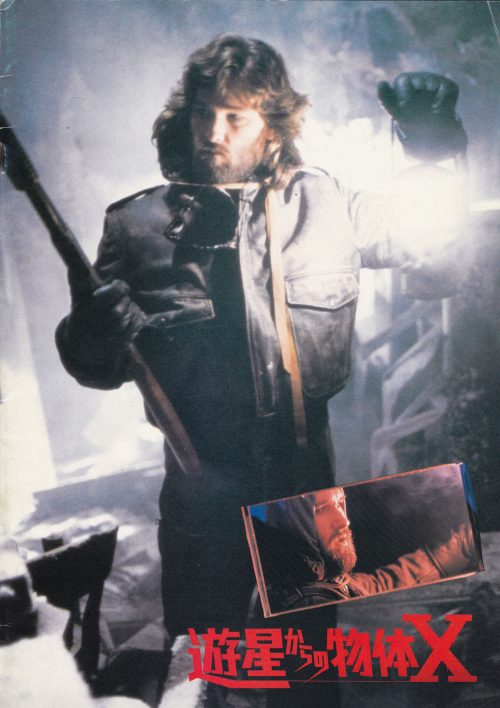
As well as the film posters I also have a handful of other film-related, paper-based memorabilia that I’ve picked up over the years. I thought I may as well share some of this material in the same way that I’ve been sharing the posters. Some of these items can be scanned rather than photographed.

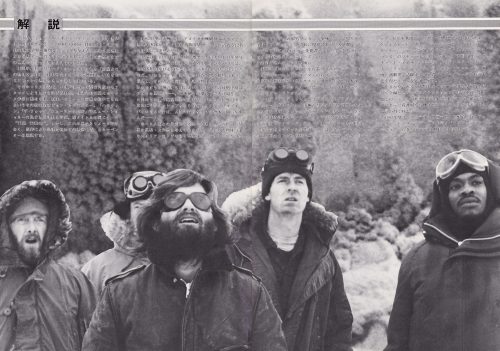
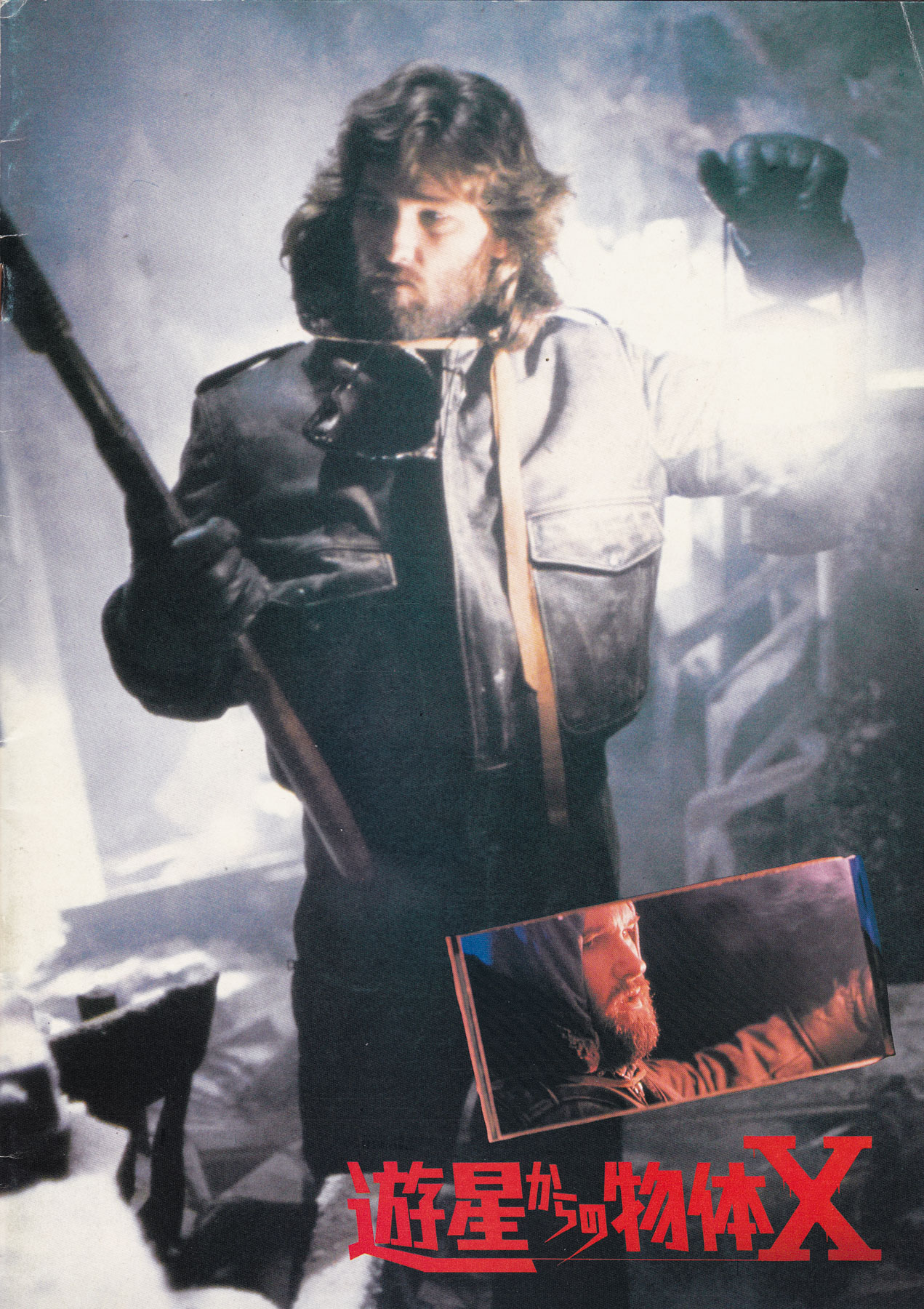
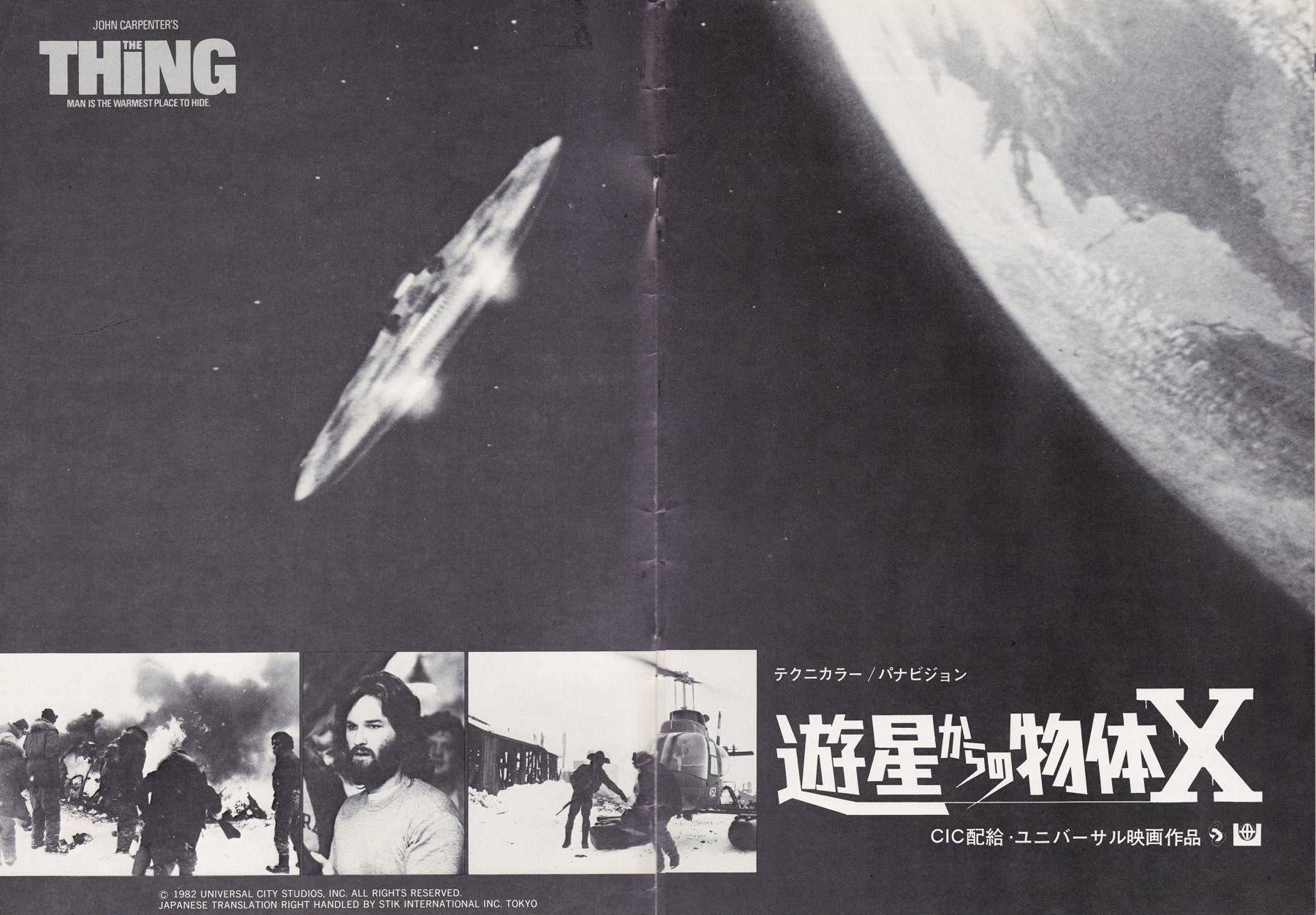
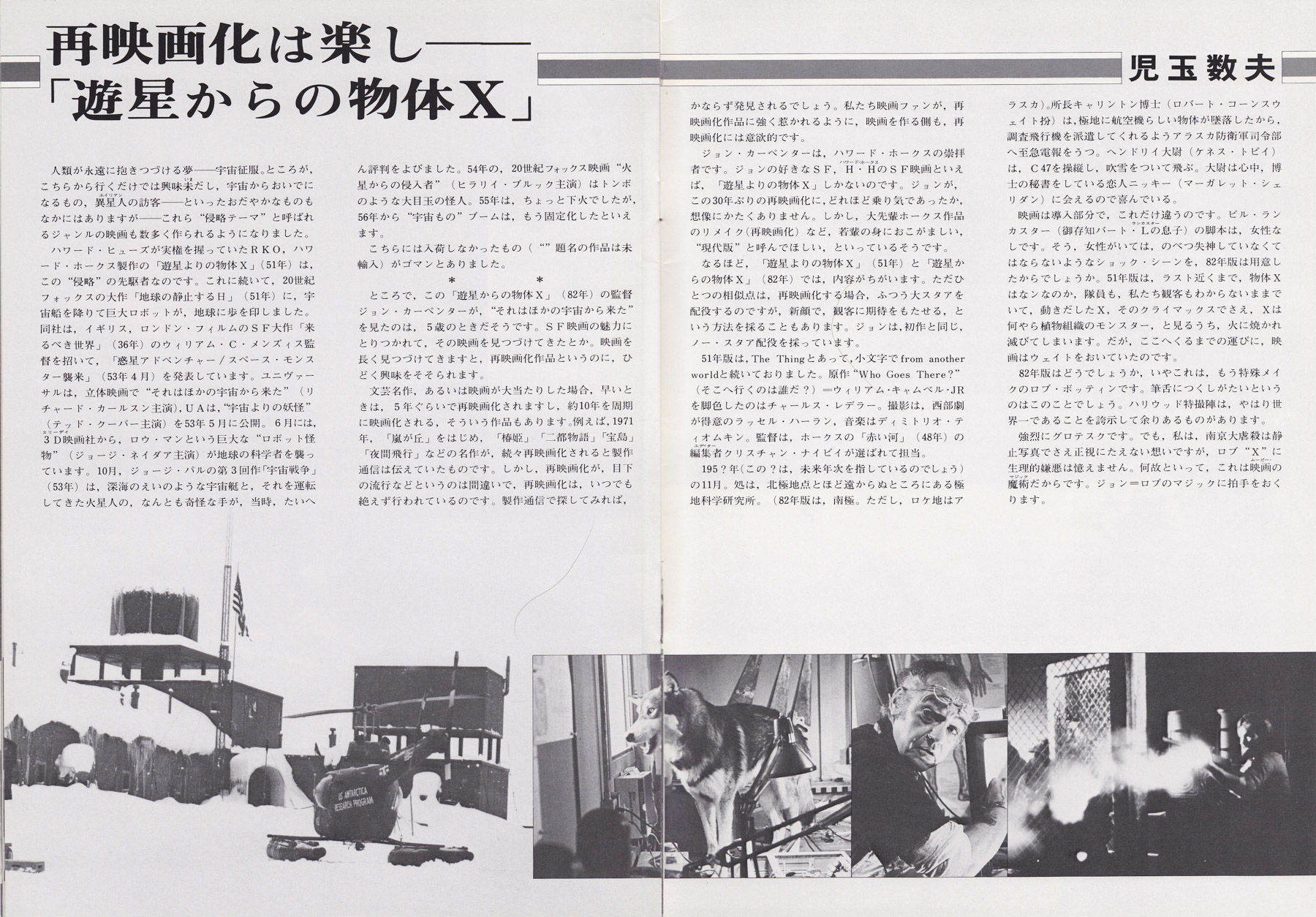
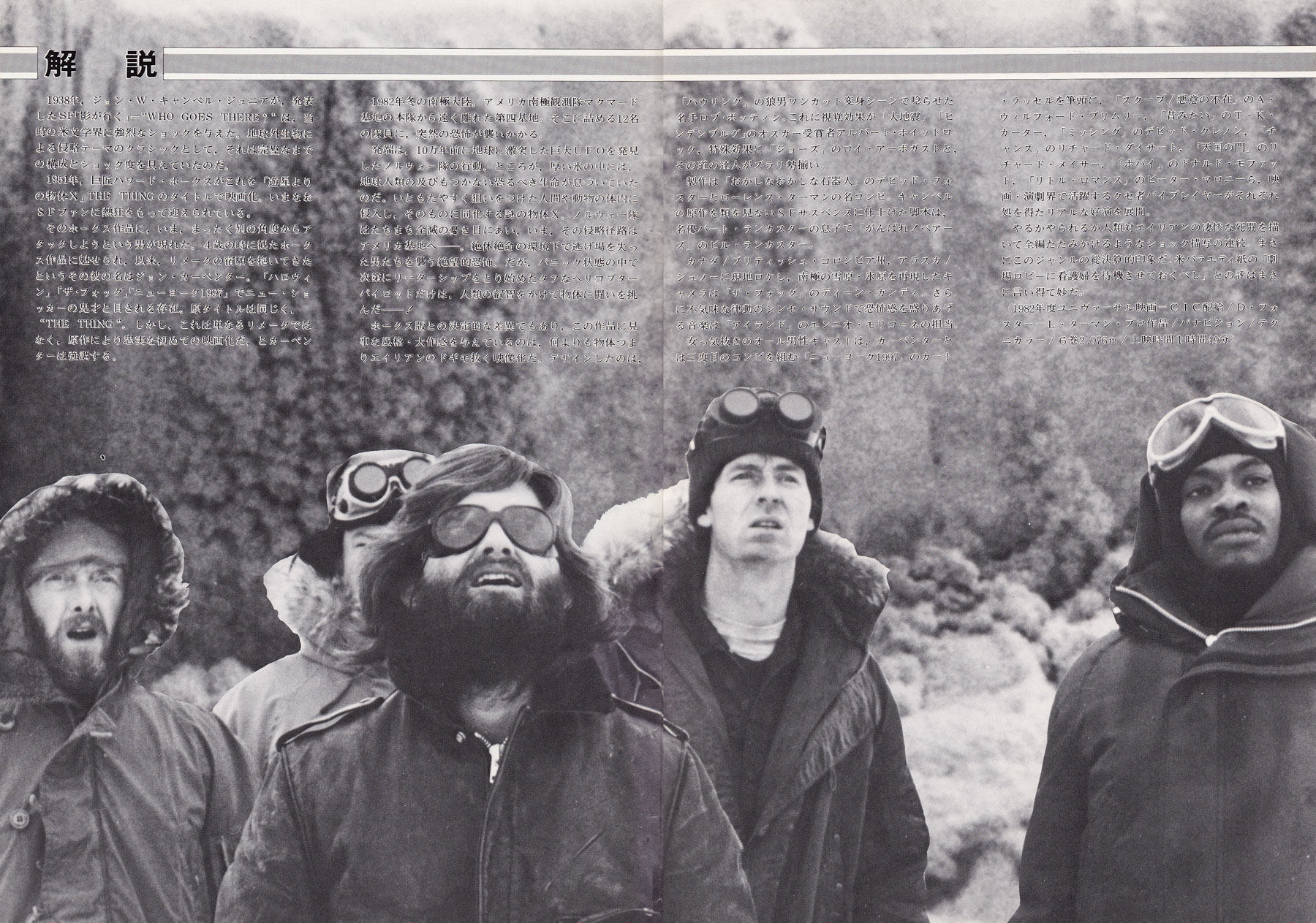
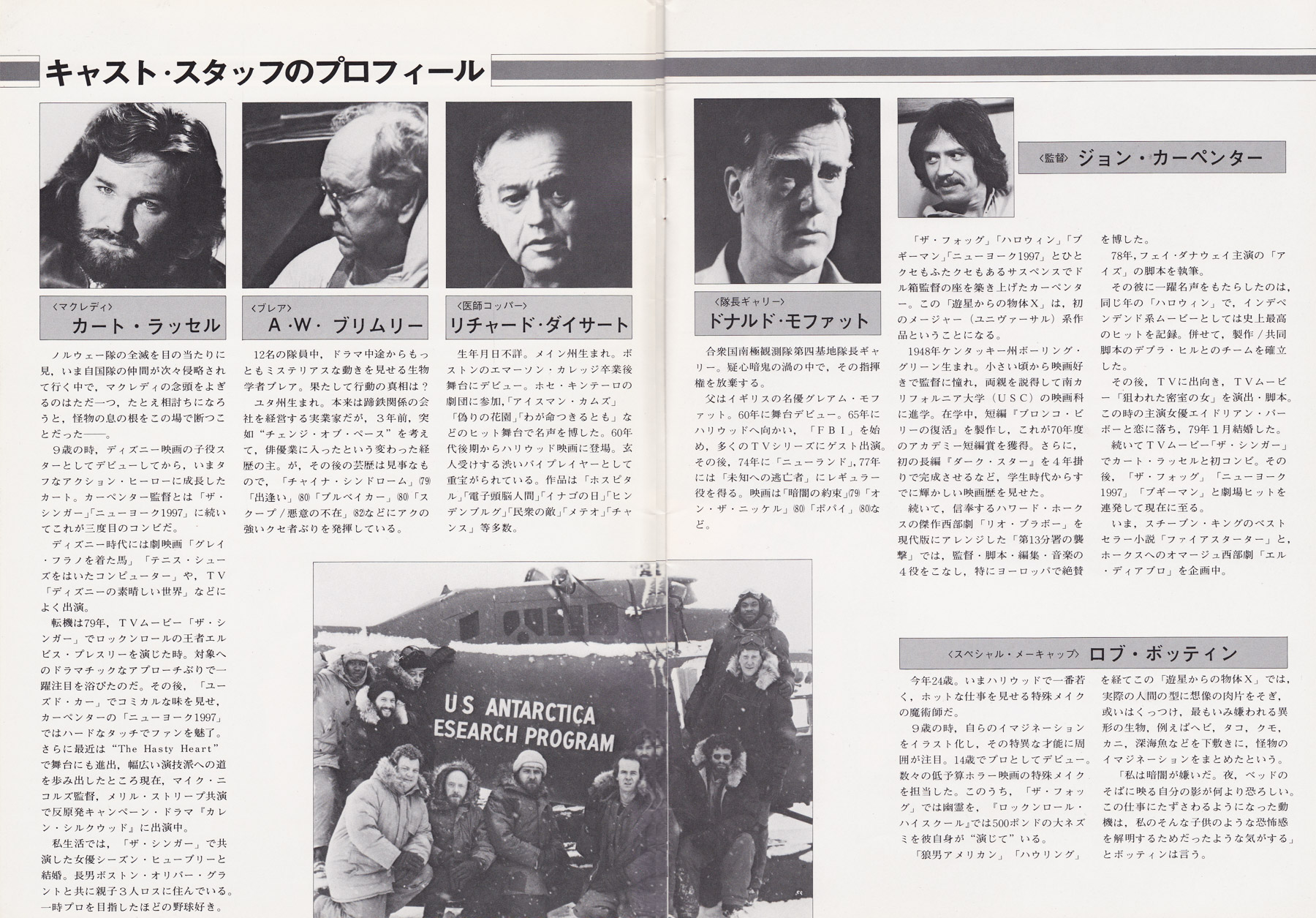
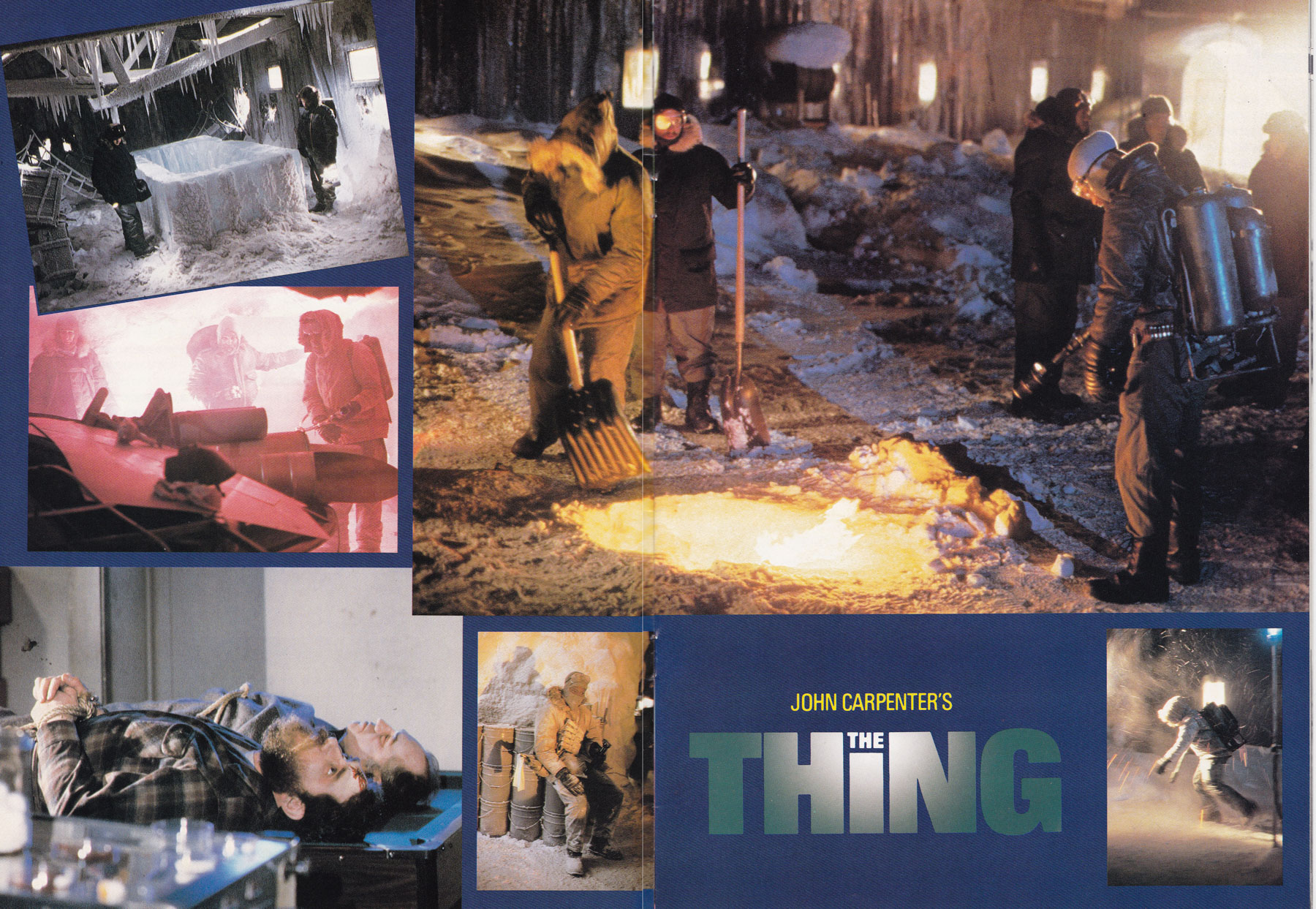
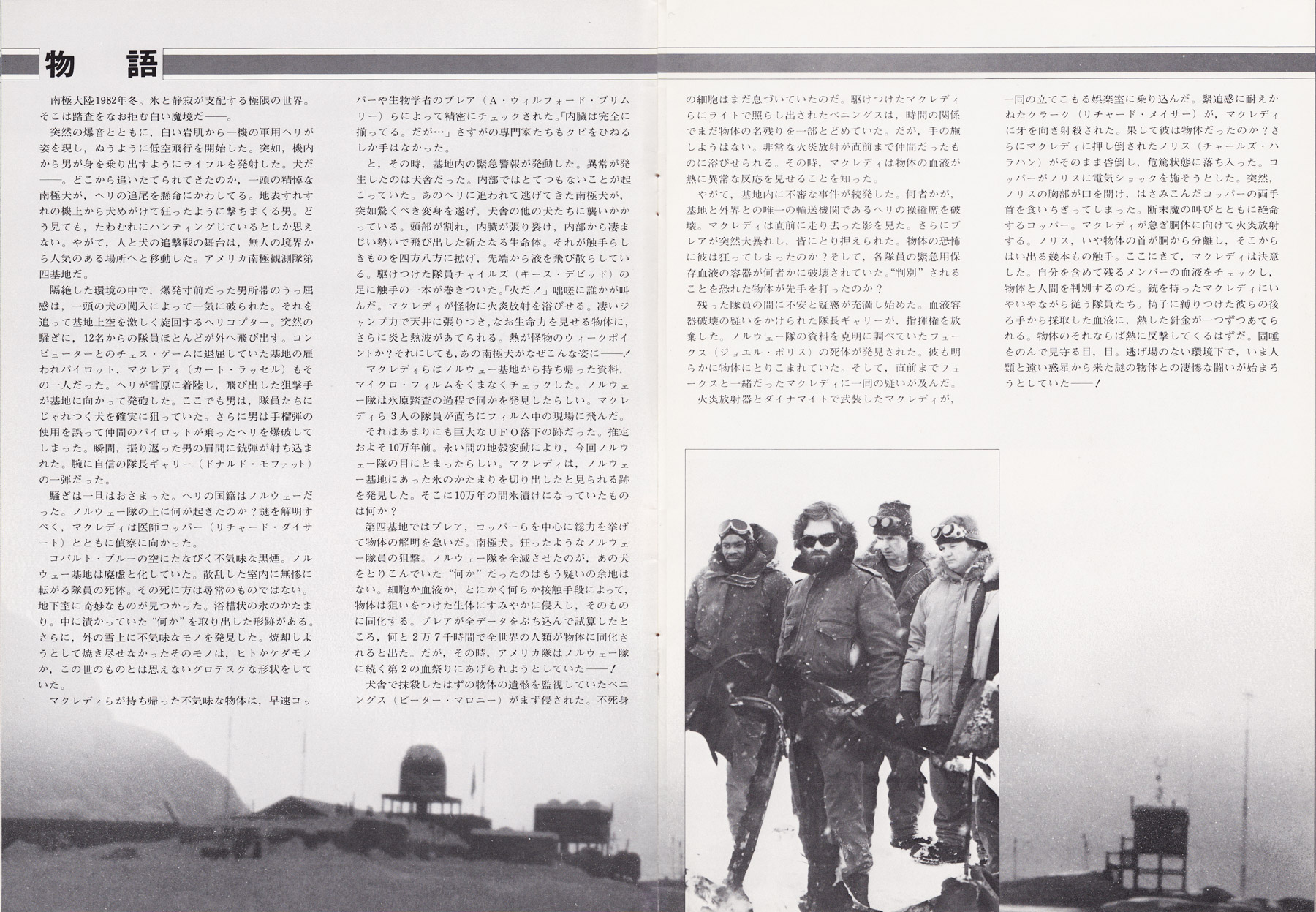
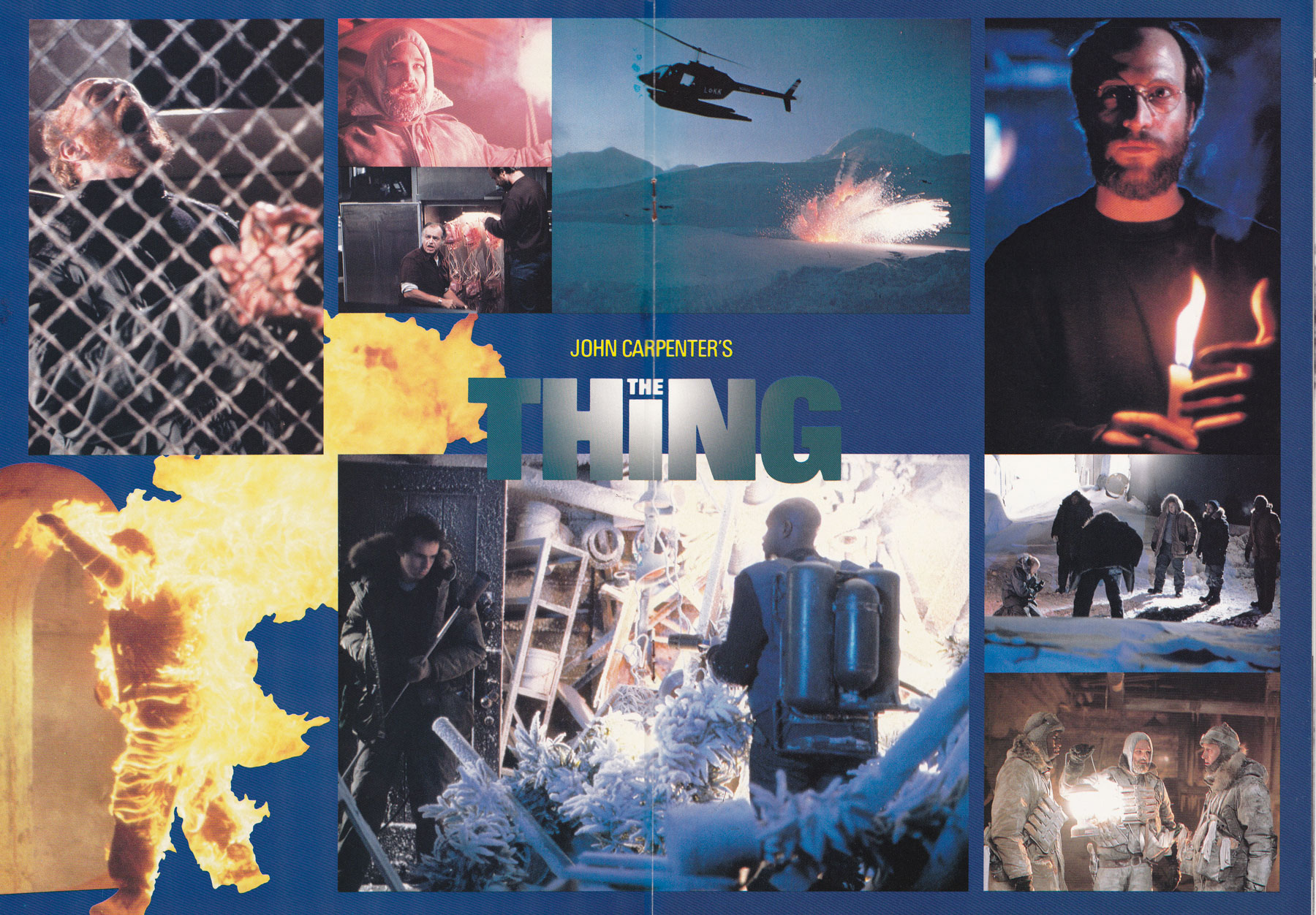
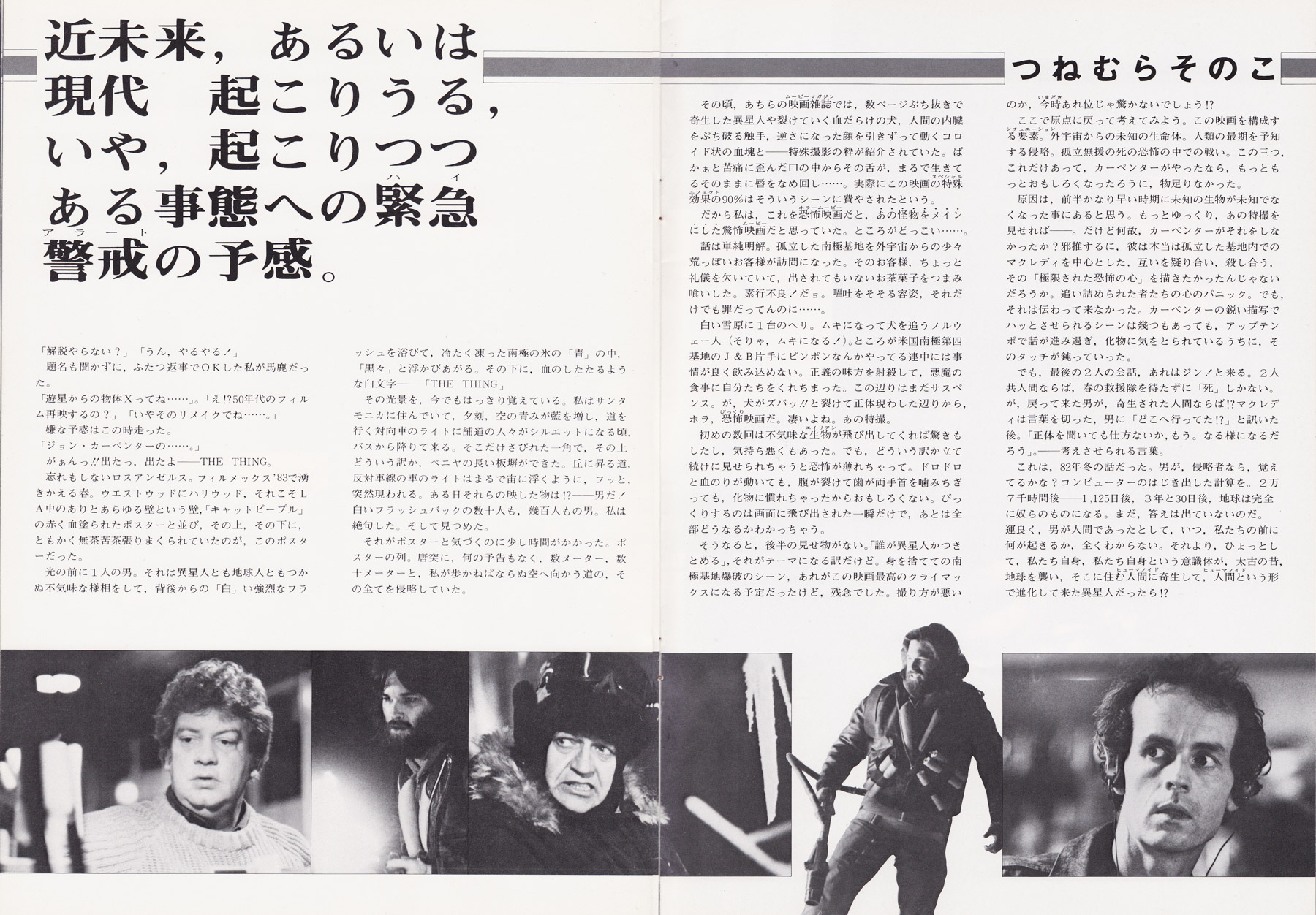
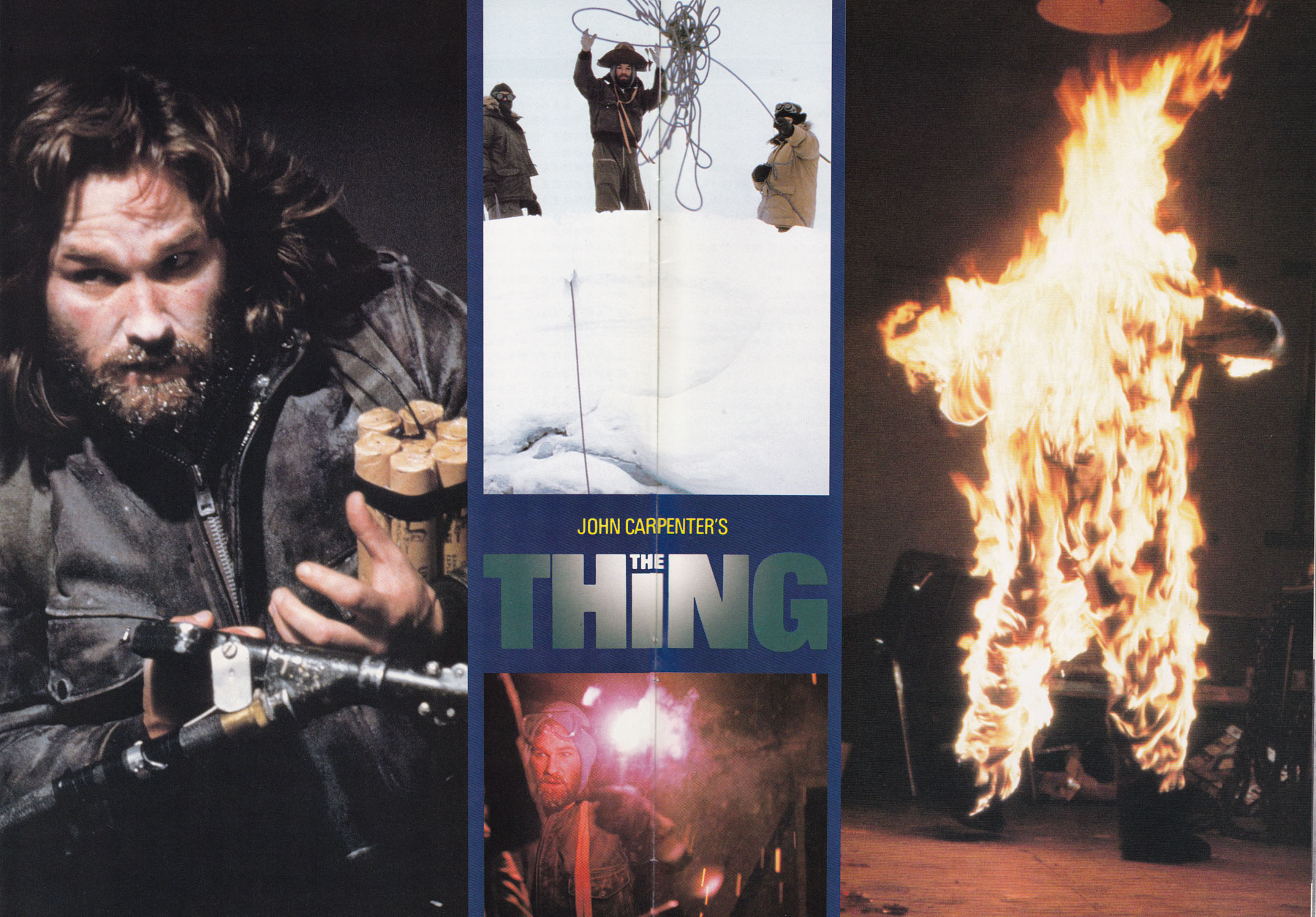
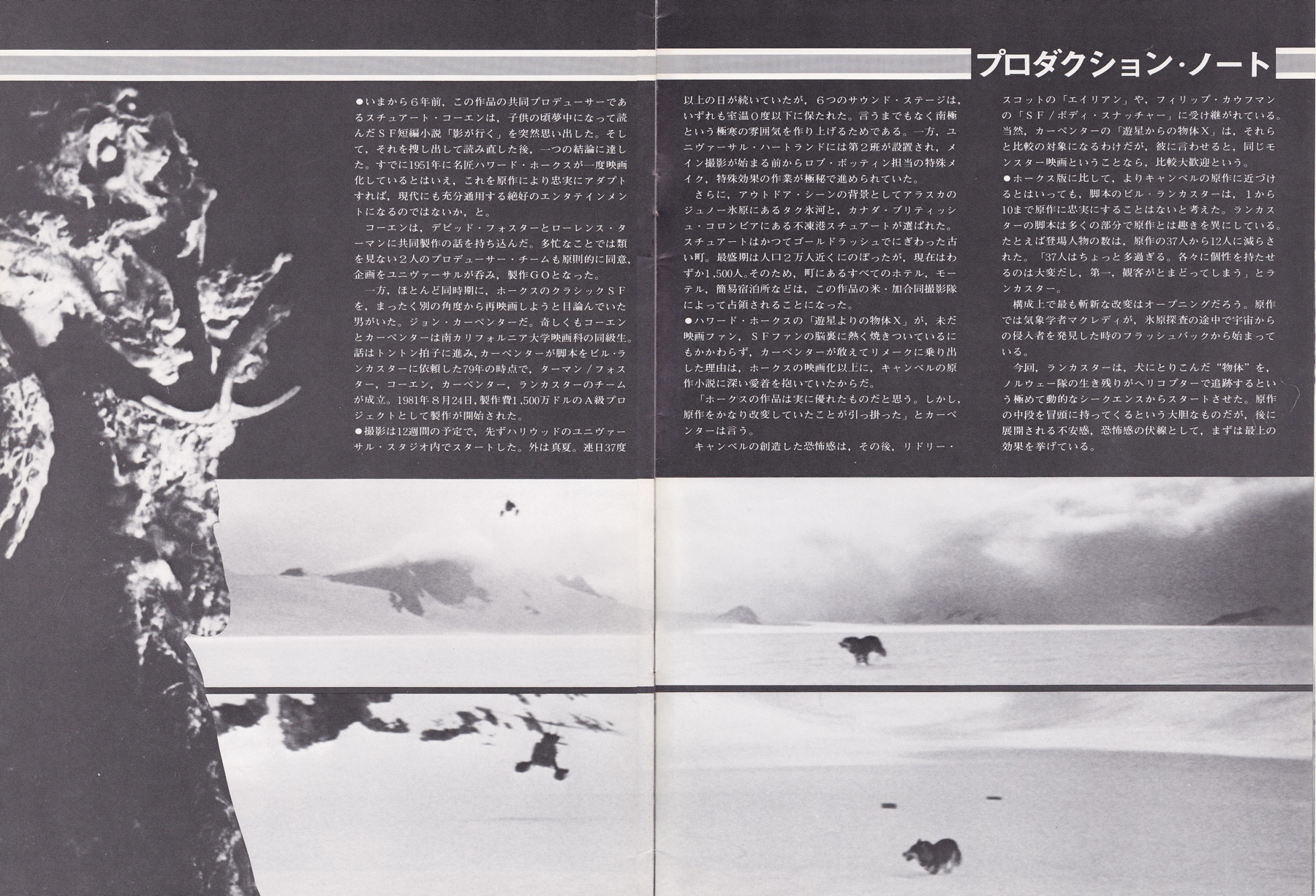
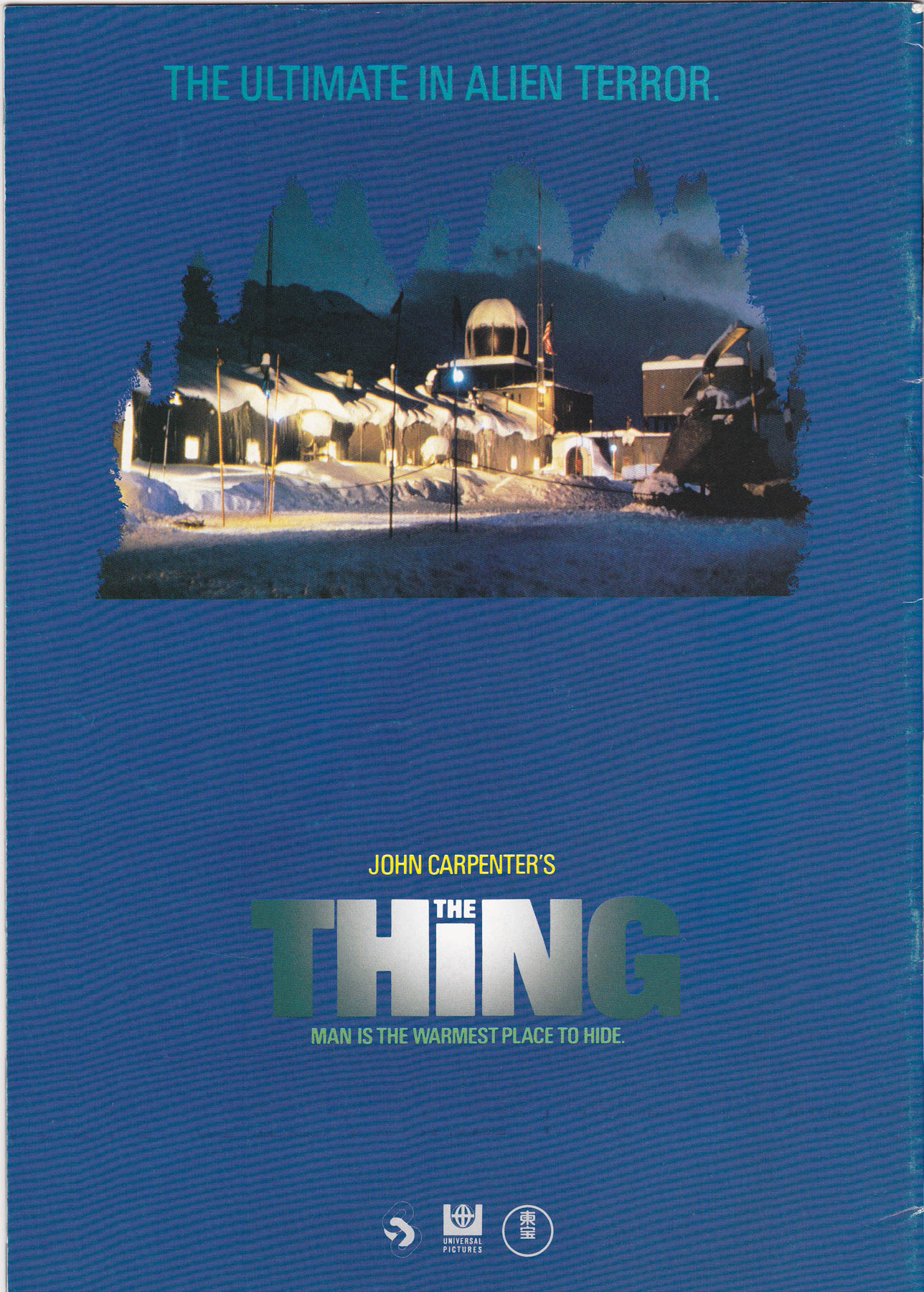
First up is this original program and cinema ticket for one of my favourite films, John Carpenter’s The Thing. The program would have been available in the cinemas whilst the film was showing. I scanned each page separately and then used Photoshop to recombine the pages since most of them worked as double spreads.

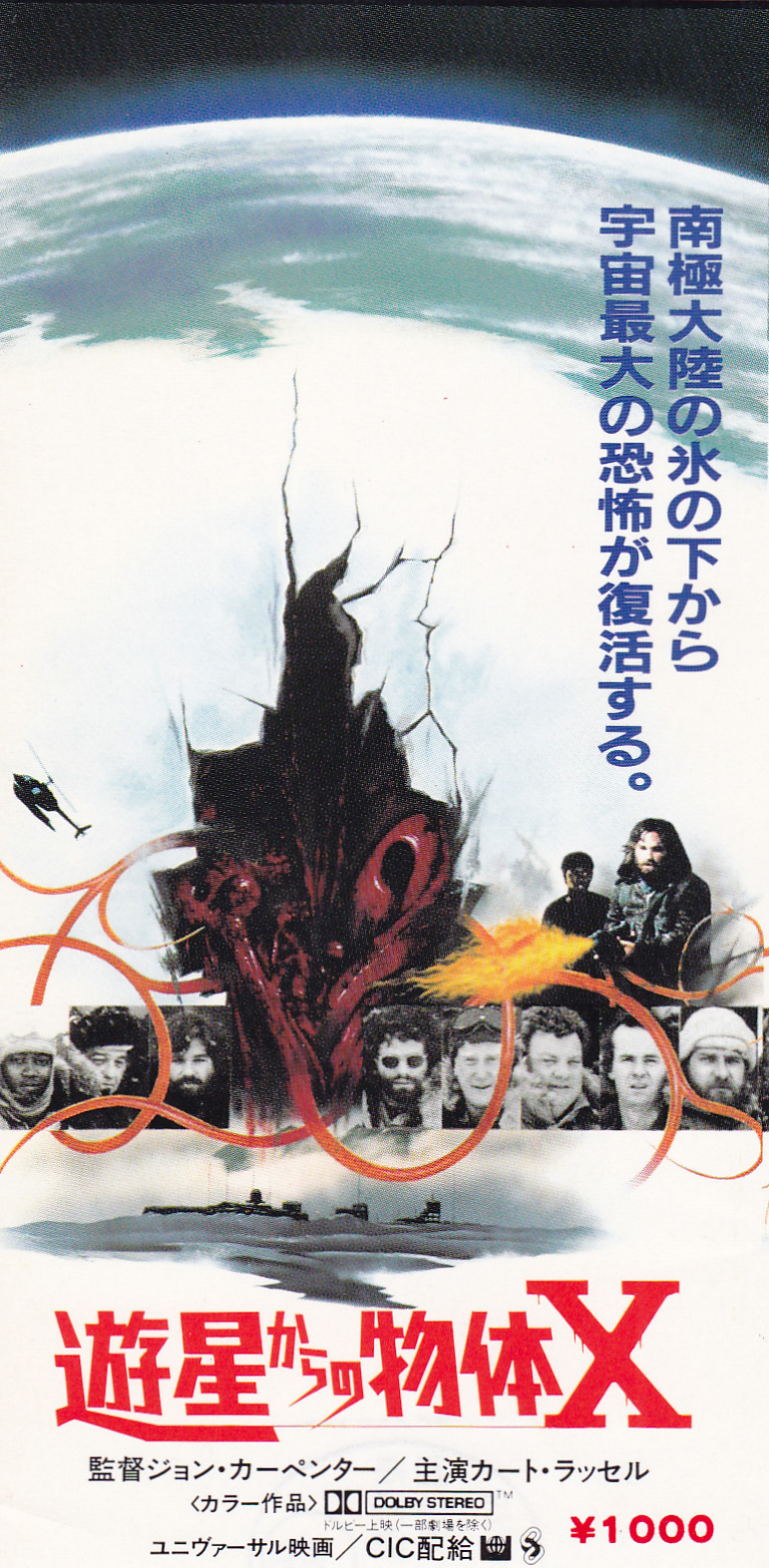
My belief is that the stub is a standard cinema ticket, not a special printing for the premiere. I’ve included a scan of the back where you’ll notice an ink stamp that would have covered the removed portion too.

A Japanese friend translated the text below the title for me and it says:

Directed by John Carpenter/ Starring Kurt Russell
<Colour film>
Universal Pictures / Distributed by CIC ¥1000

The Japanese title is 遊星からの物体X – which translates as ‘X The Thing’.

Note that some of the pages feature strange anomalies due to the dots of the printing being picked up by the scanner. This most obviously shows up as a kind of moire effect on some of the images.

Whilst researching I also found this brilliant cover on the Japanese Laserdisc release of The Thing.

The Japanese B2 poster for The Thing can be seen here.

Dogs / B2 / Japan

16.01.12

Poster Poster
Title
Dogs
AKA
Dogs - questo cane uccide [this dog kills] (Italy) | La rebelión de los perros [the rebellion of the dogs] (Argentina / Mexico)
Year of Film
1976
Director
Burt Brinckerhoff
Starring
David McCallum, Sandra McCabe, George Wyner, Eric Server, Sterling Swanson, Holly Harris, Freddie Hice, Lance Hool, Jimmy Stathis, Debbie Davis, Barry Greenberg, Linda Gray
Origin of Film
French | English
Genre(s) of Film
David McCallum, Sandra McCabe, George Wyner, Eric Server, Sterling Swanson, Holly Harris, Freddie Hice, Lance Hool, Jimmy Stathis, Debbie Davis, Barry Greenberg, Linda Gray,
Type of Poster
B2
Style of Poster
--
Origin of Poster
Japan
Year of Poster
1977
Designer
Unknown
Artist
Seito
Size (inches)
20 5/16" x 28 14/16"
SS or DS
SS
Tagline
--

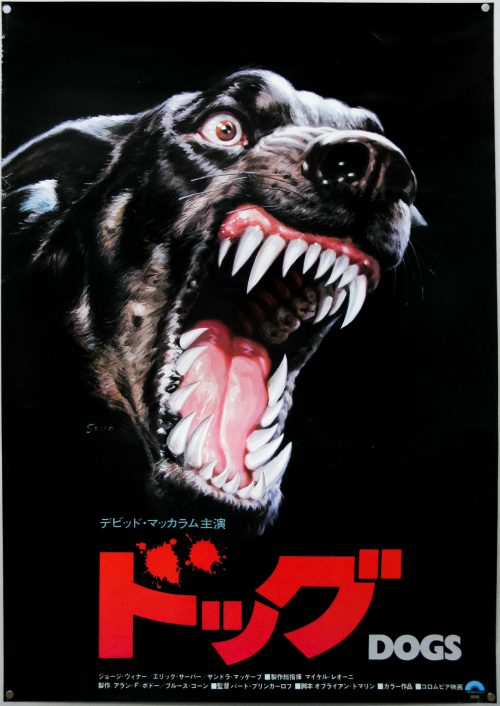
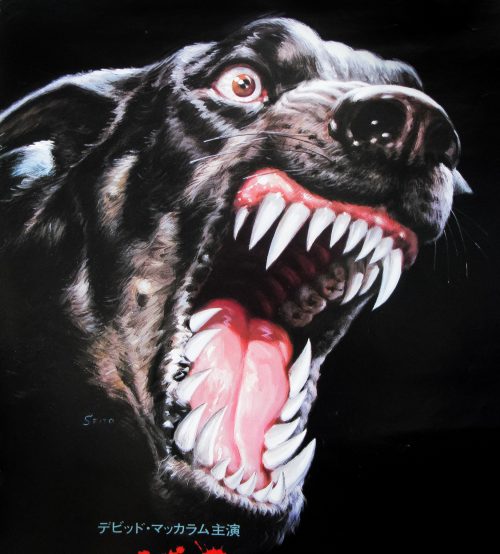
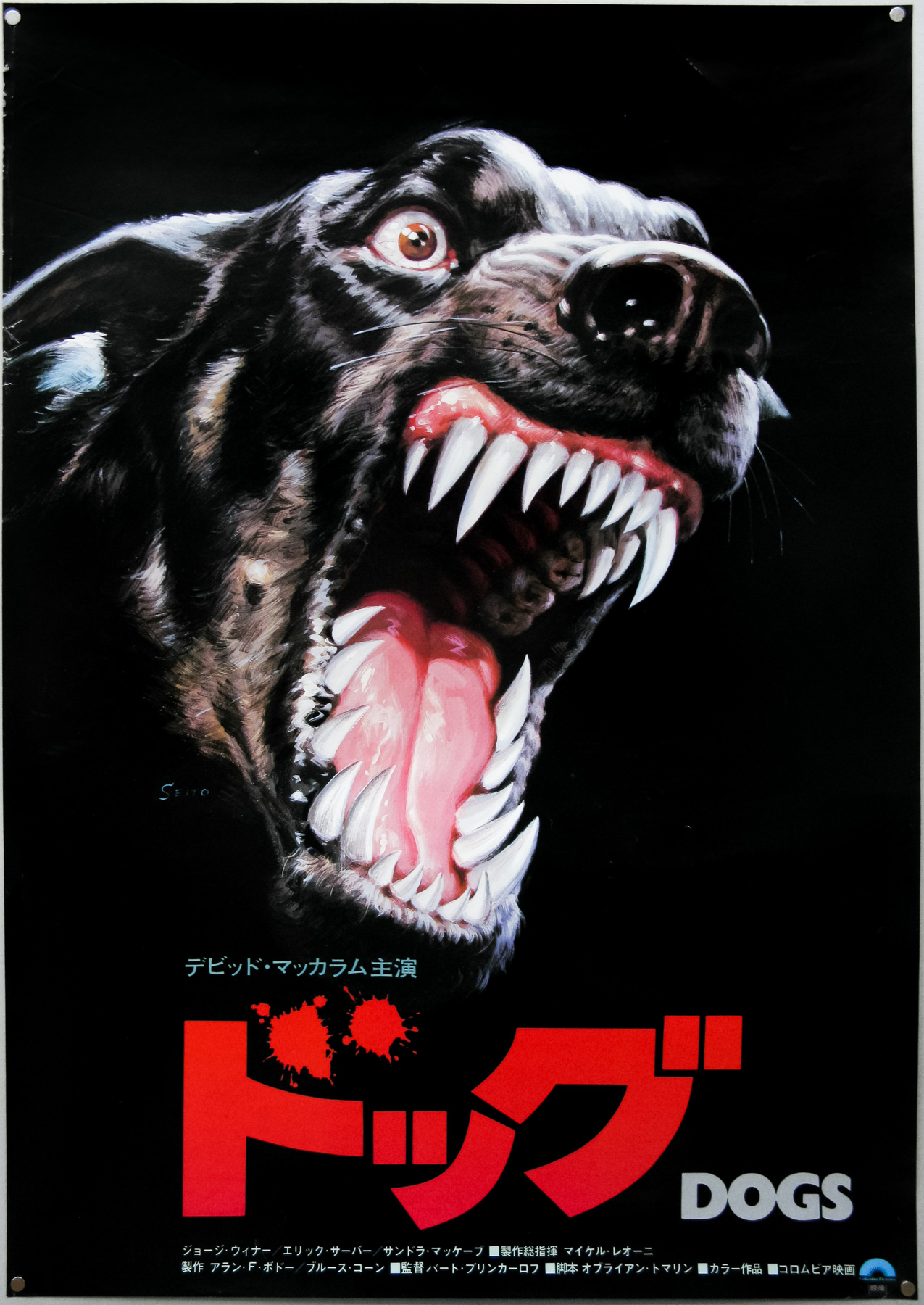
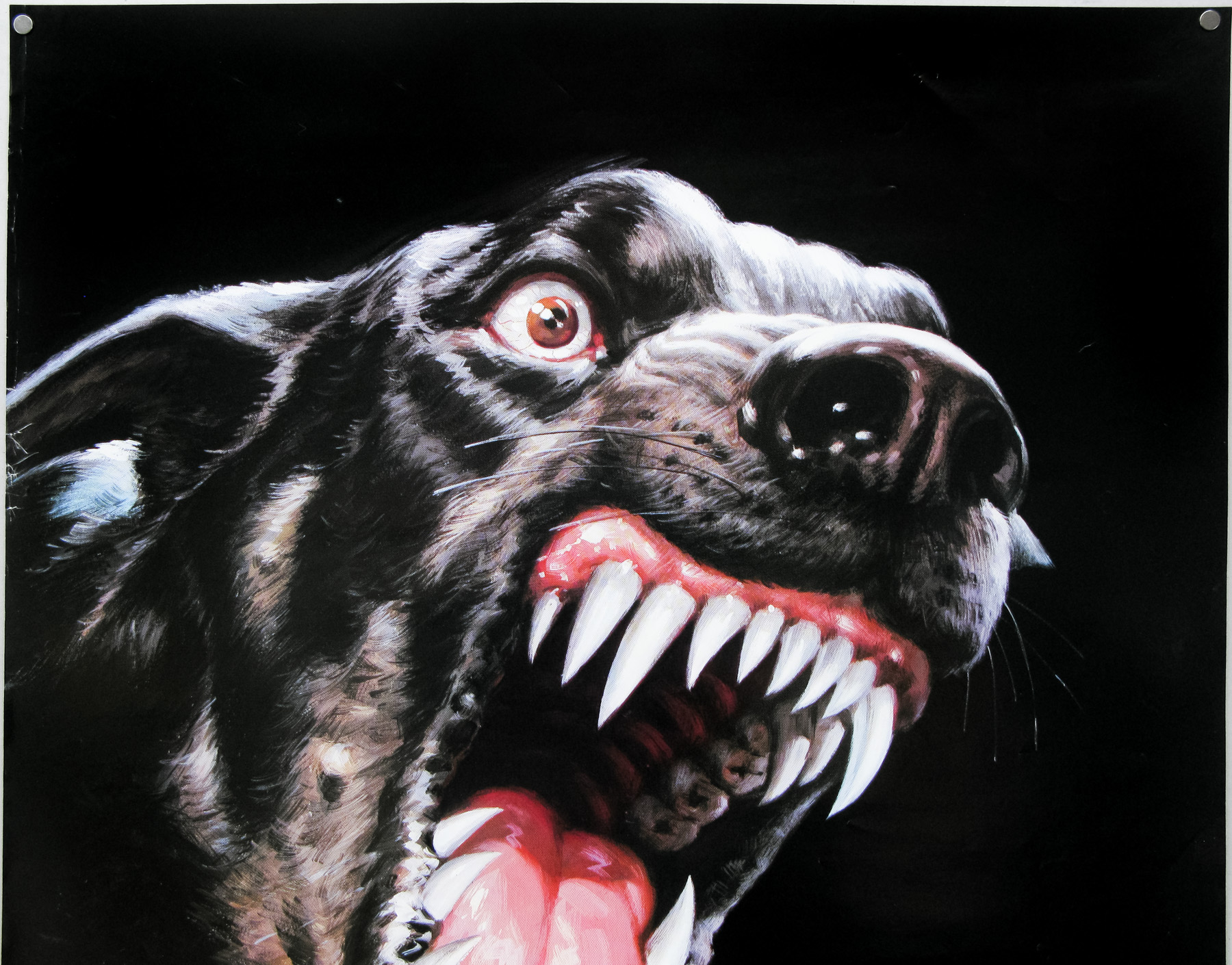
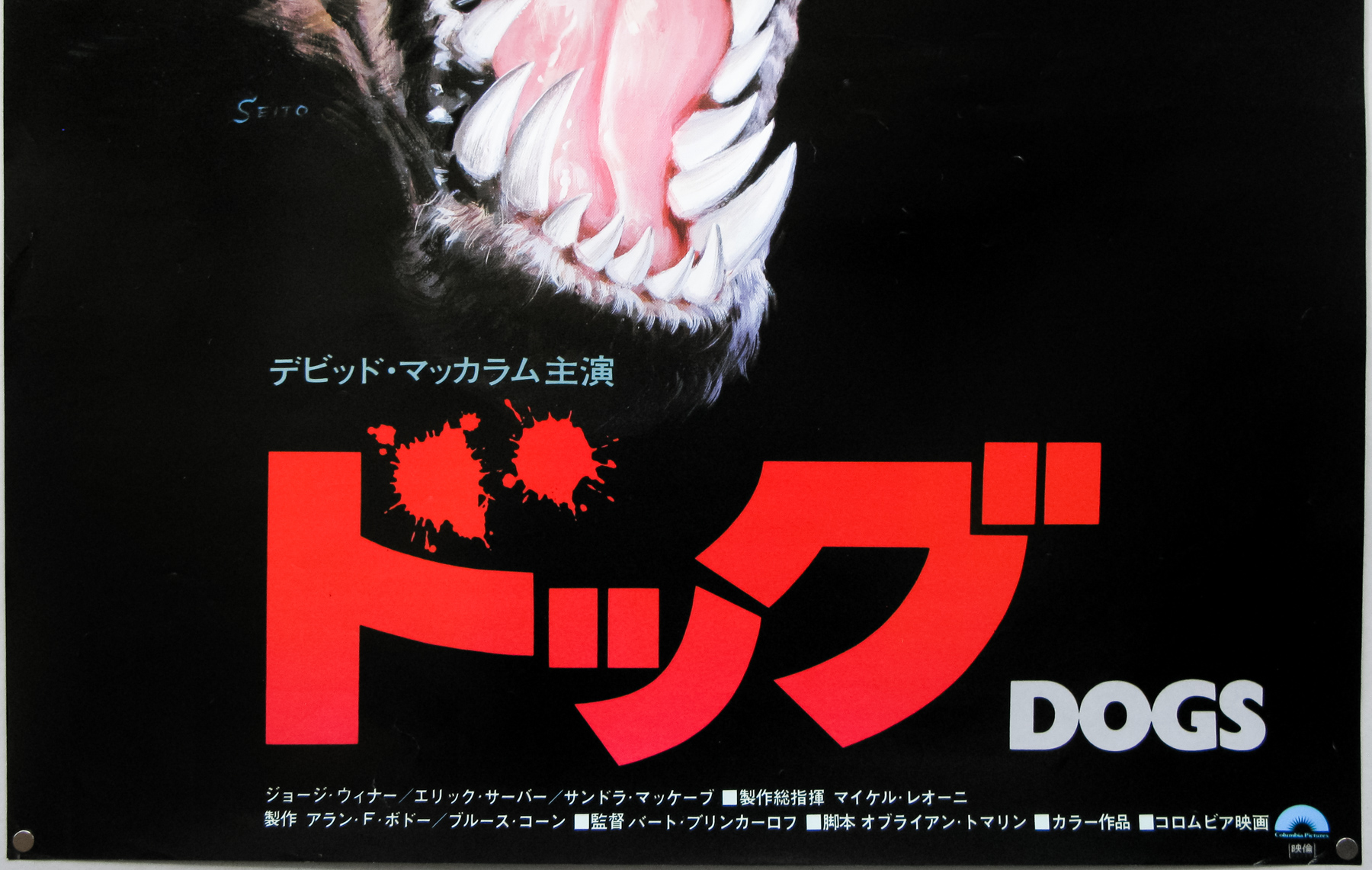
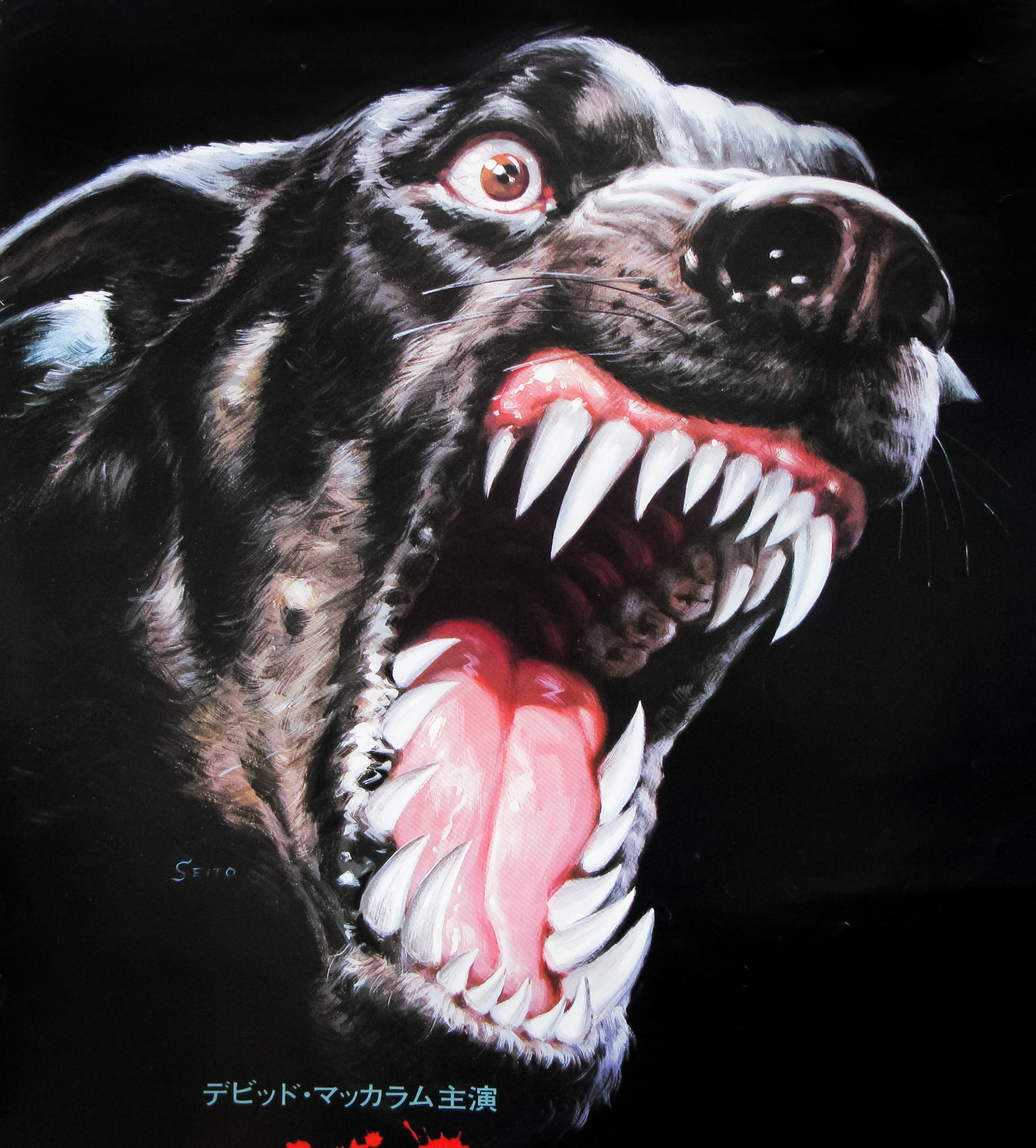
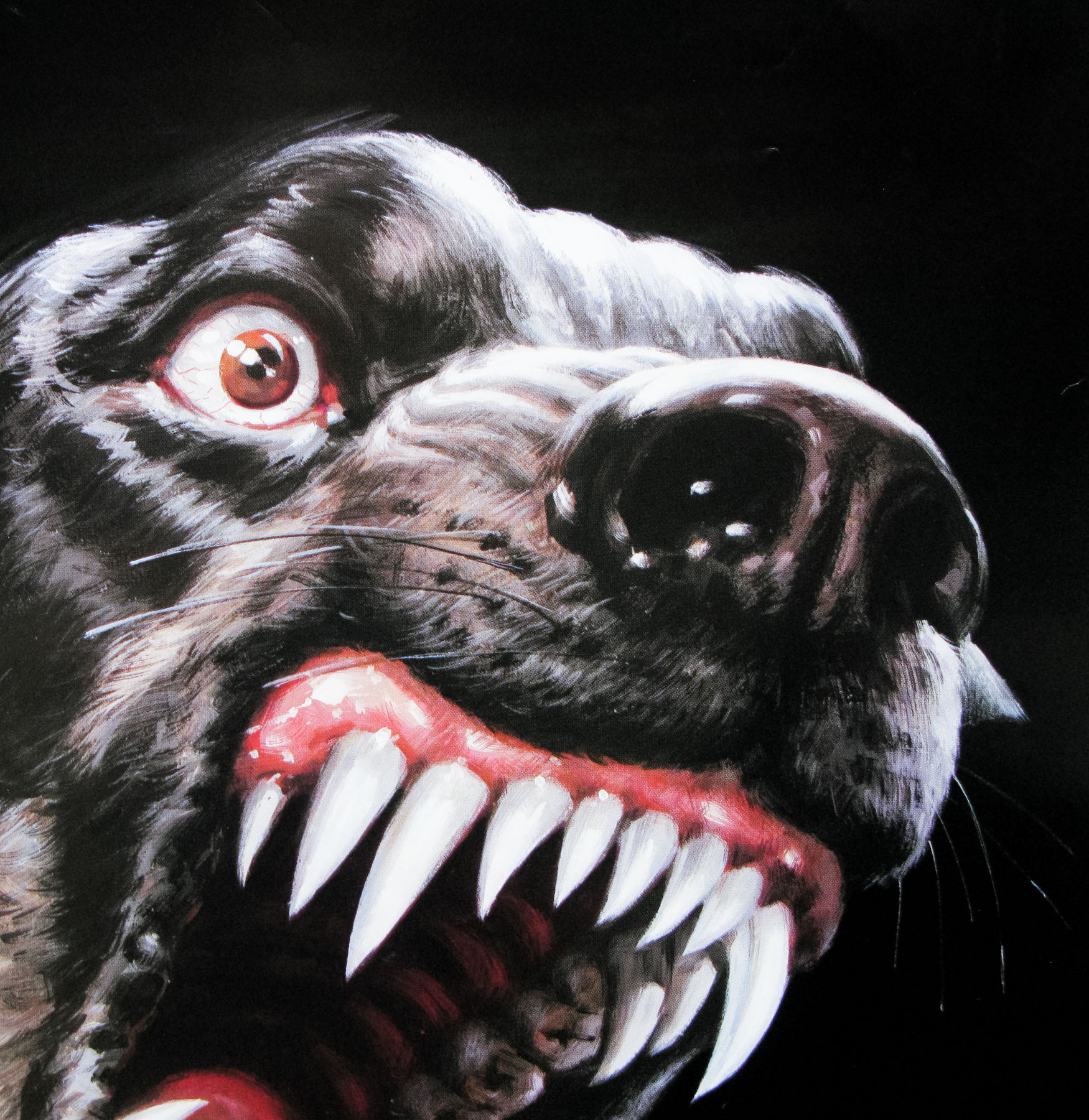
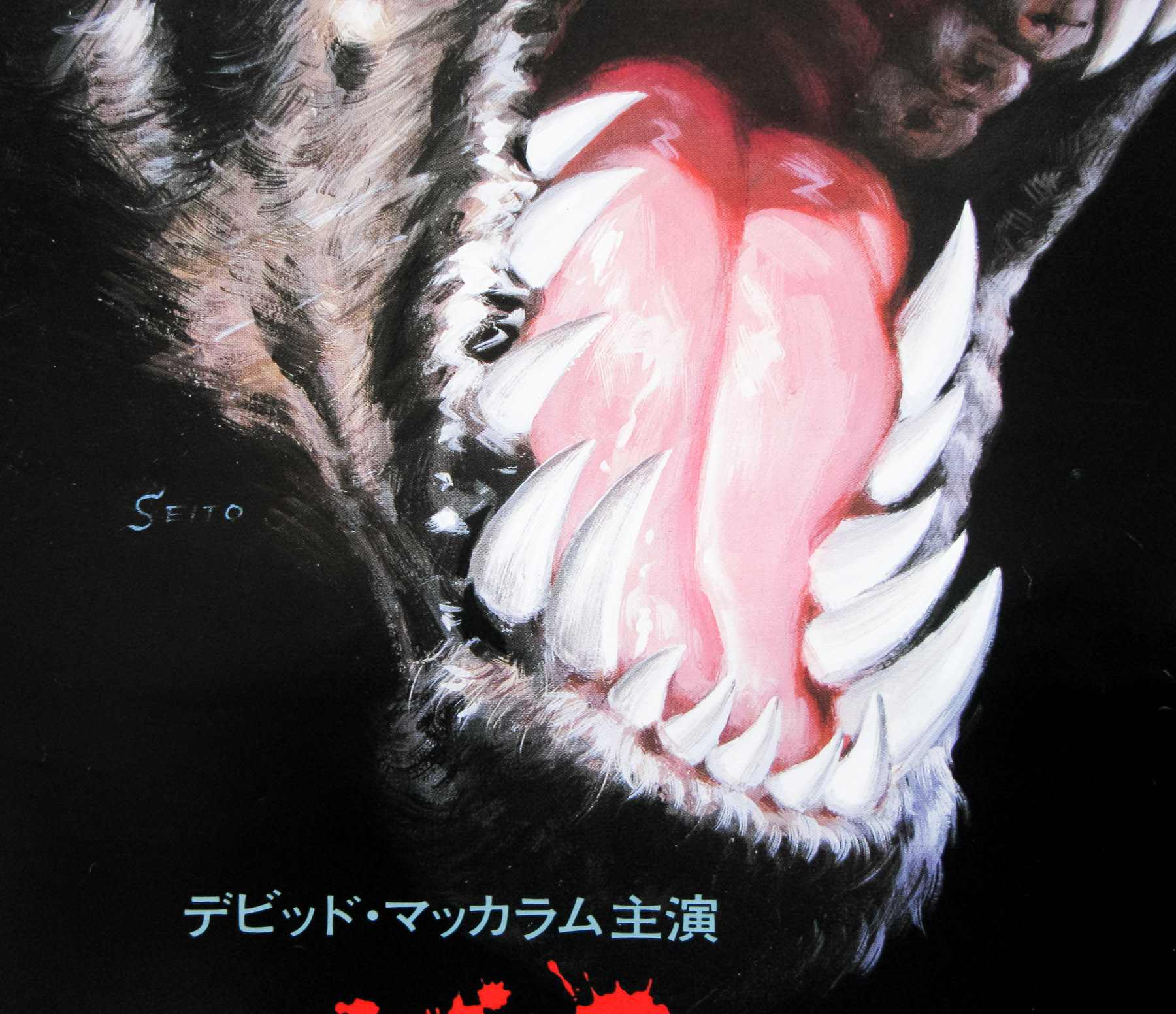
A striking piece of artwork by Seito, one of my favourite Japanese poster artists, for this 1976 horror film. The story sees loyal pet dogs grouping together and turning against their owners, which may have something to do with sinister experiments being conducted at a nearby university.

The only bit of trivia for the film on IMDb made me laugh:

There was to be a sequel, appropriately entitled “Cats”. But when “Dogs” failed at the box office, production was canceled. 

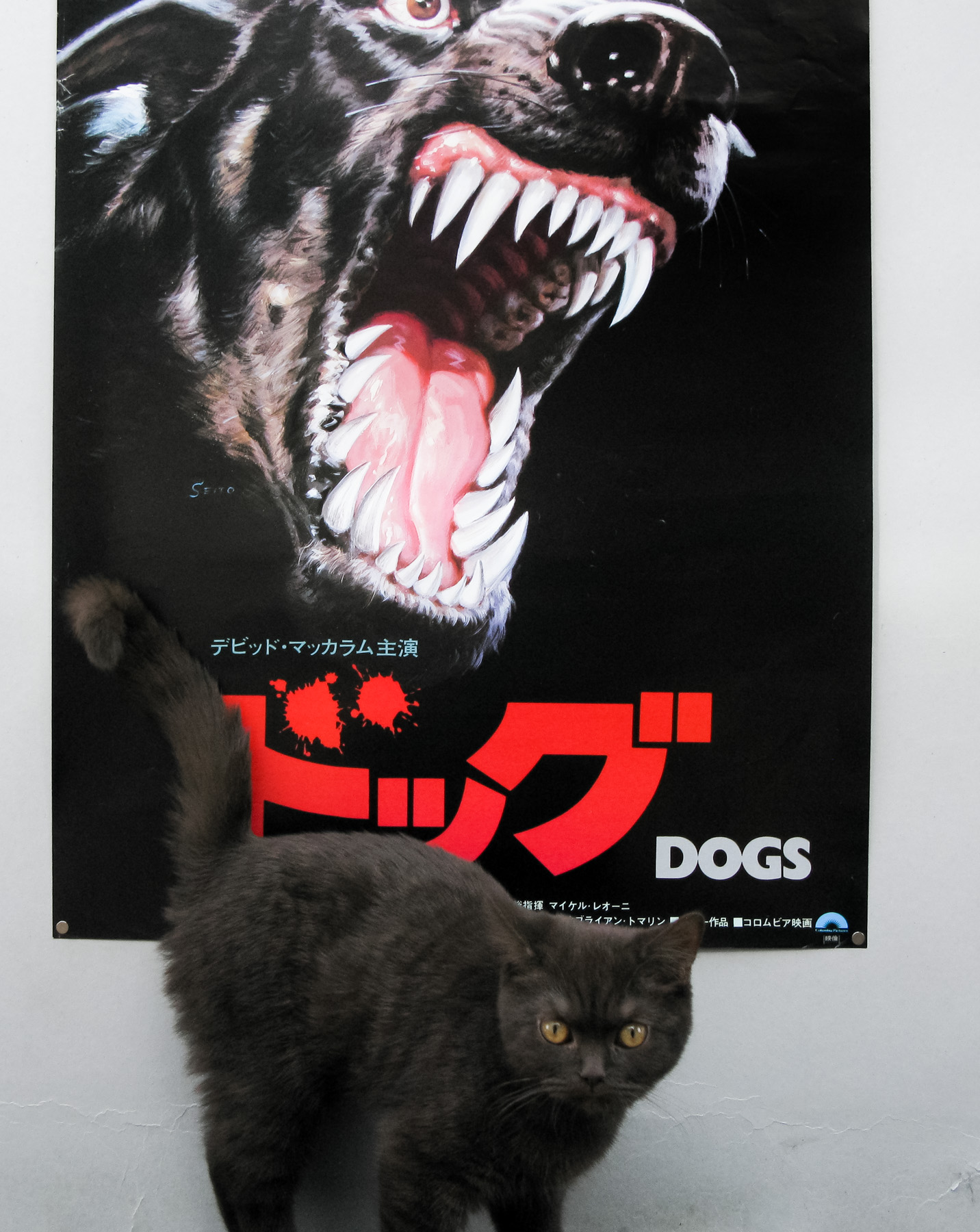
The final photo in the gallery is a behind the scenes shot of what happened when one of my cats, Little Brown (she was the runt of the litter and she’s brown – I know, I know!), jumped in front of the poster whilst I was photographing it.

The full film can be seen on YouTube.

The other posters I’ve collected by Seito can be seen here.