

You searched for: Japan

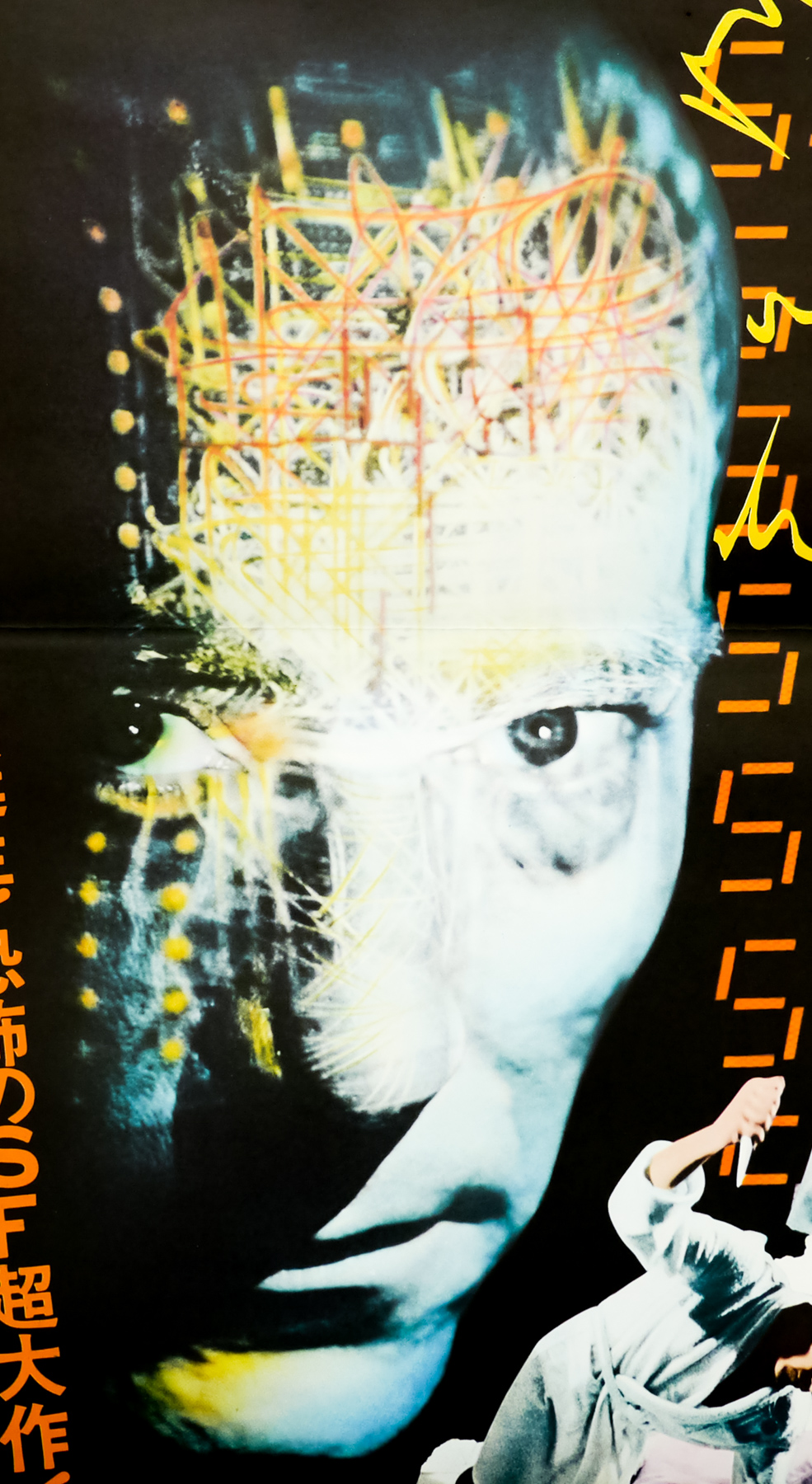
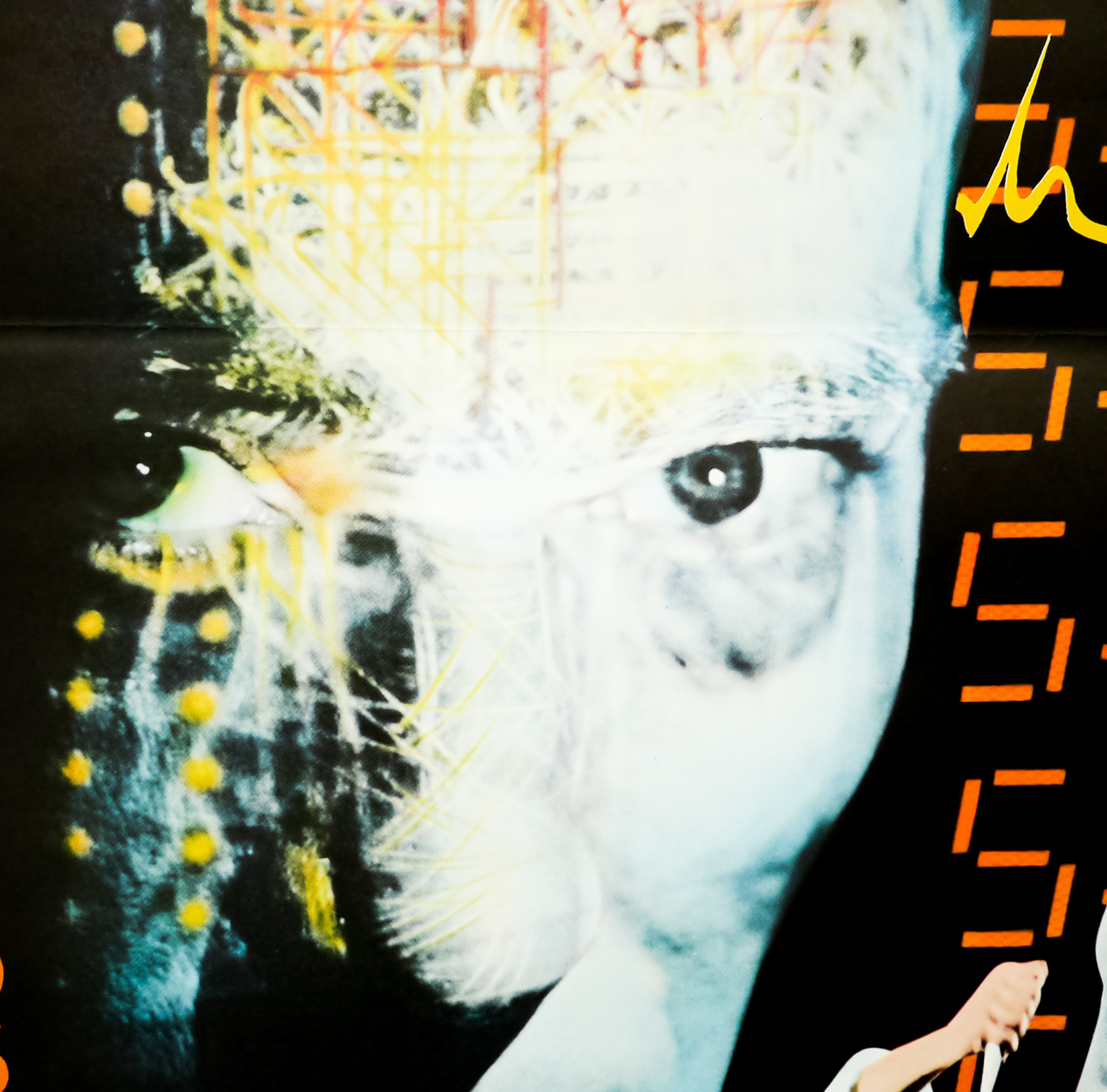
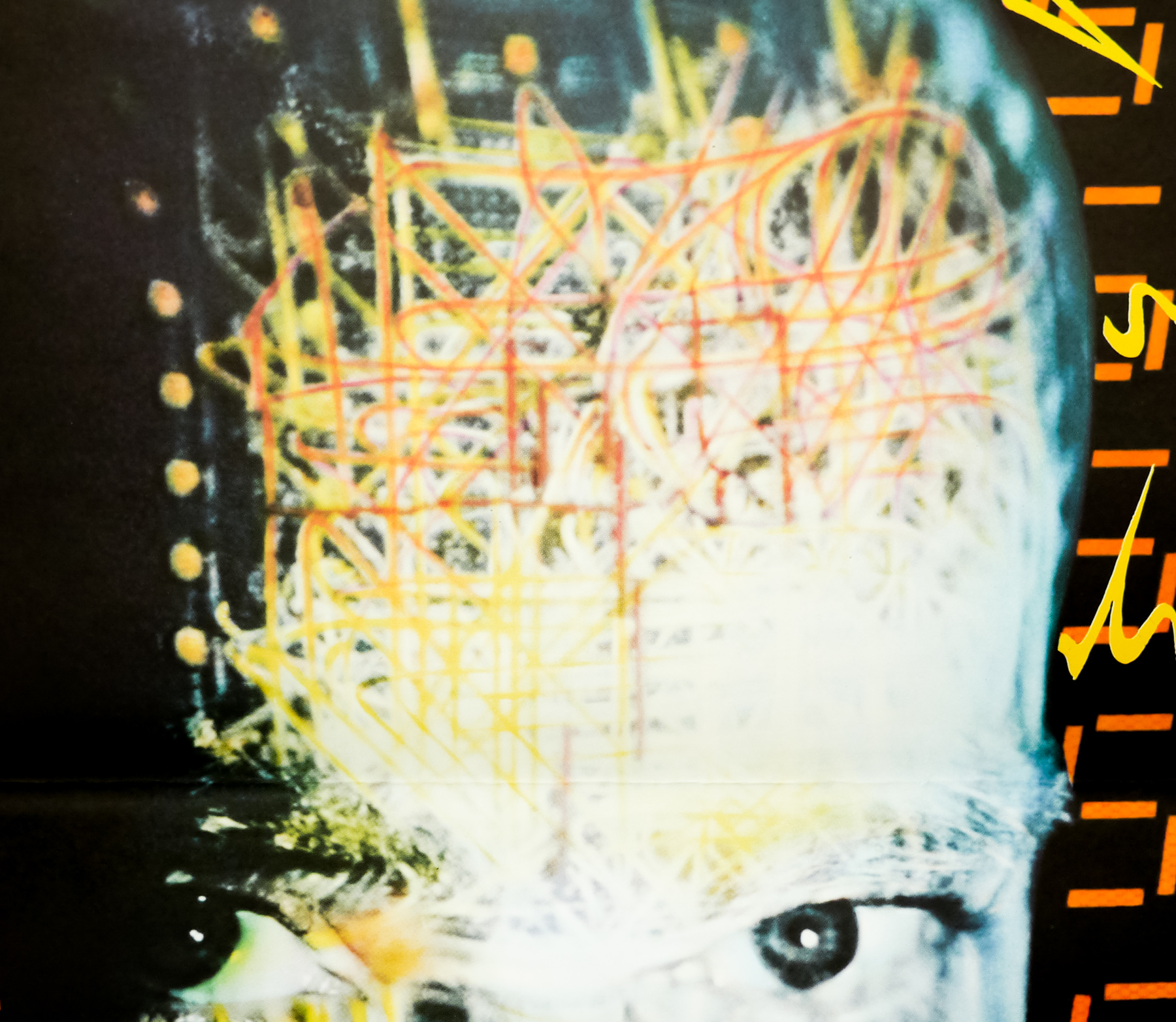
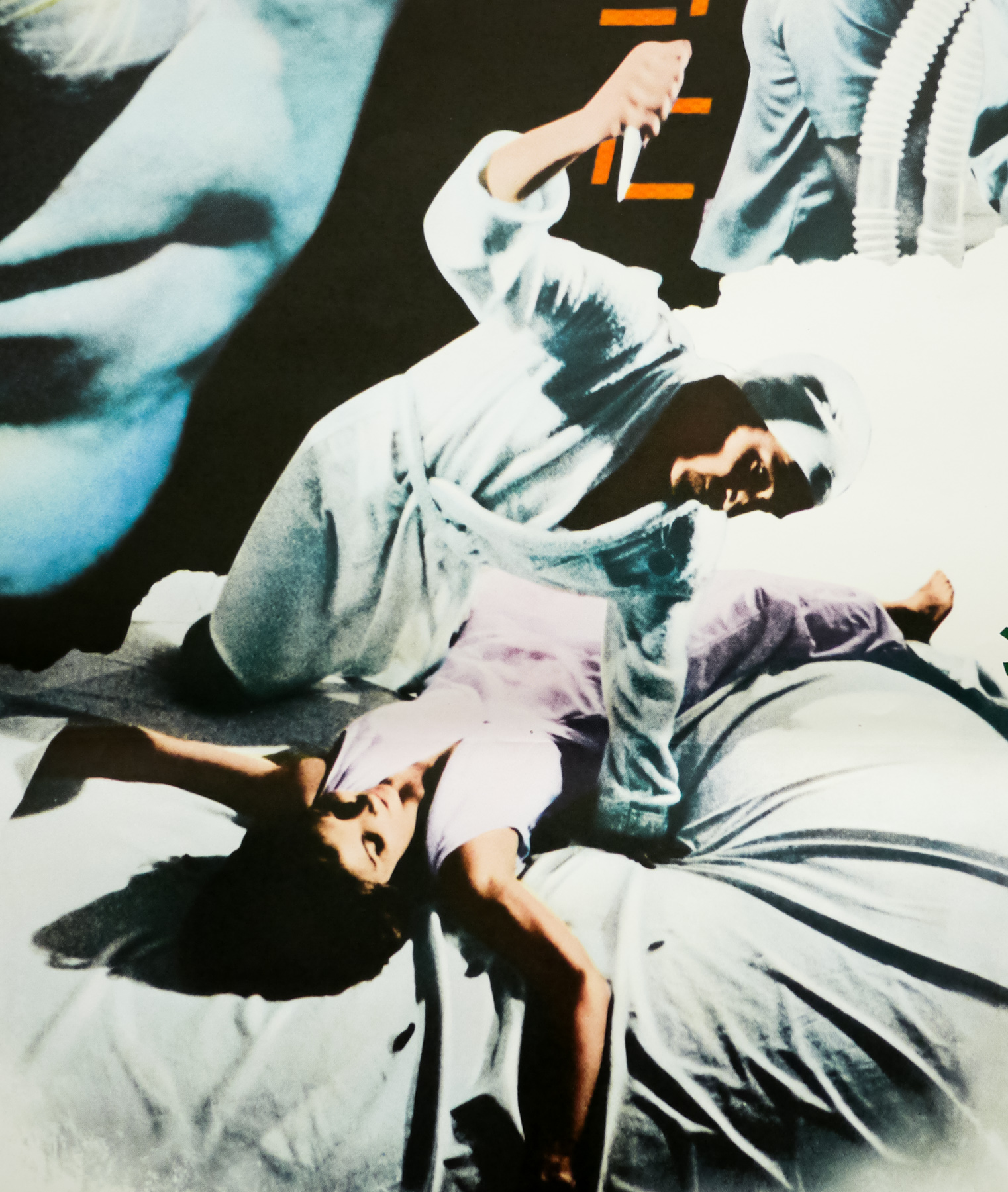
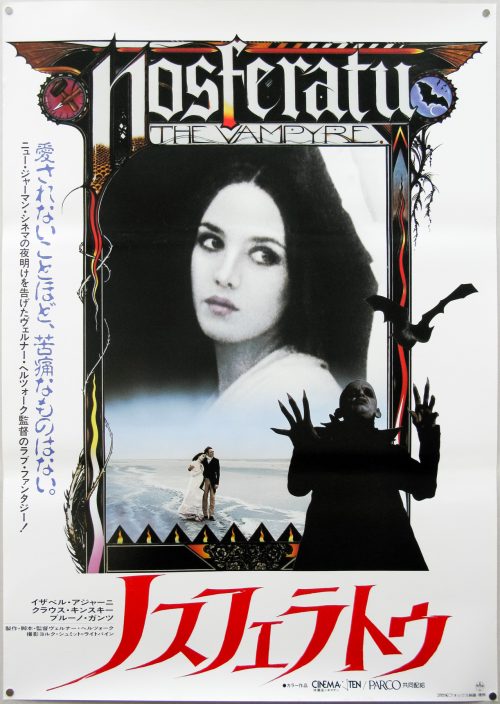
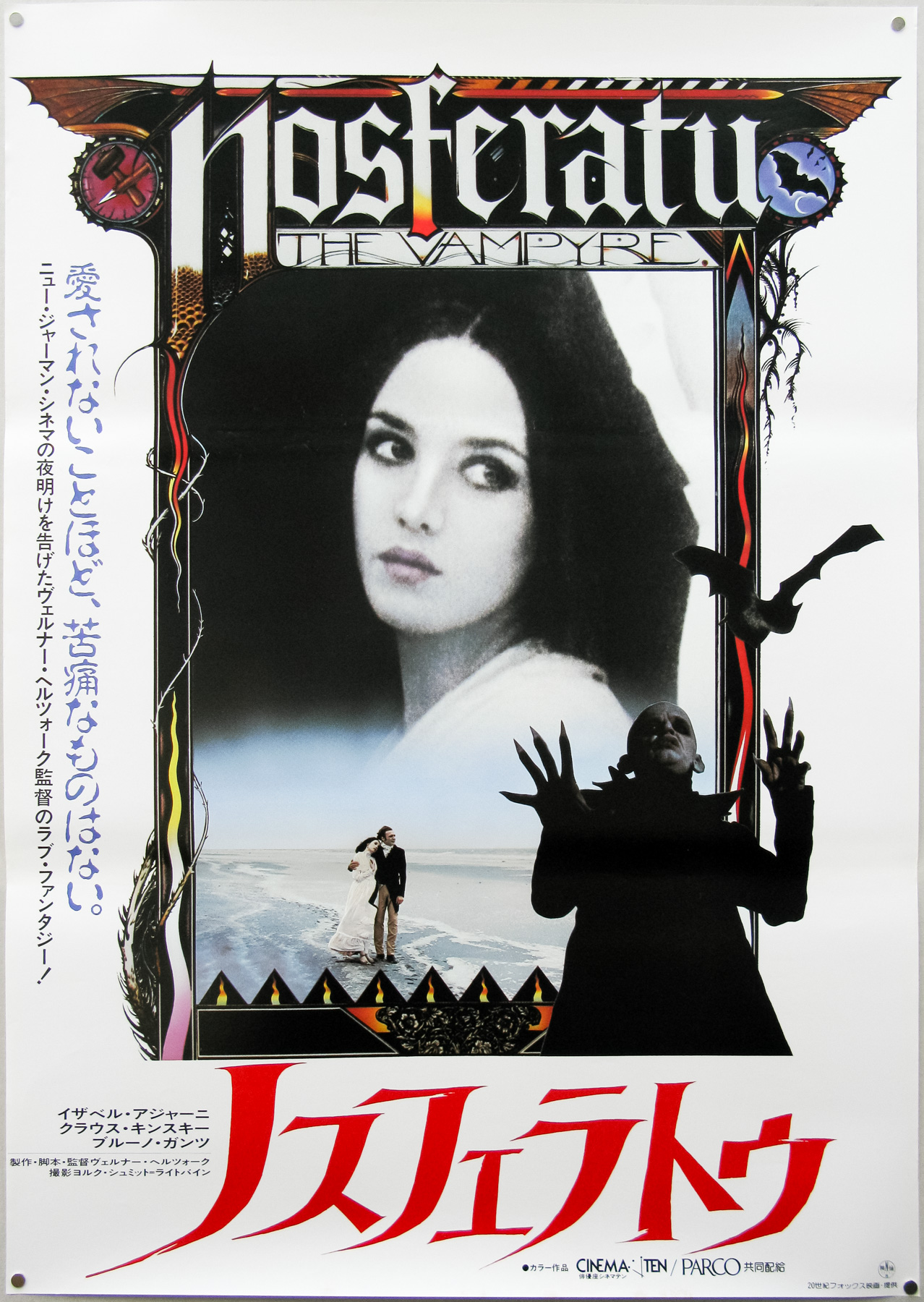
Nosferatu the Vampyre / B2 / Japan

14.06.12

Poster Poster
Title
Nosferatu the Vampyre
AKA
Nosferatu: Phantom der Nacht (Germany - original title)
Year of Film
1979
Director
Werner Herzog
Starring
Klaus Kinski, Isabelle Adjani, Bruno Ganz, Roland, Topor, Walter Ladengast, Dan van Husen, Jan Groth, Carsten Bodinus, Martje Grohmann, Rijk de Gooyer
Origin of Film
West Germany | France
Genre(s) of Film
Klaus Kinski, Isabelle Adjani, Bruno Ganz, Roland, Topor, Walter Ladengast, Dan van Husen, Jan Groth, Carsten Bodinus, Martje Grohmann, Rijk de Gooyer,
Type of Poster
B2
Style of Poster
--
Origin of Poster
Japan
Year of Poster
1979
Designer
Unknown
Artist
David Palladini (partial)
Size (inches)
20 7/16" x 28 14/16"
SS or DS
SS
Tagline
--

Legendary German film maker Werner Herzog wrote and directed this brilliant, stylish homage to the 1922 Dracula adaptation, ‘Nosferatu, eine Symphonie des Grauens’. F. W. Murnau‘s seminal silent classic was actually filmed without permission from Bram Stoker‘s estate and had a number of minor details changed in attempt to avoid infringing copyright. Their attempts were unsuccessful and Stoker’s widow filed a lawsuit that resulted in the film being withdrawn and most of the prints being destroyed. Luckily, a handful survived and the film was able to be properly restored and saved from total loss.

Frequent Herzog collaborator (and occasional adversary) Klaus Kinski stars as Count Dracula (changed from the Count Orlok of Murnau’s verison), the undead vampire who travels to Germany from Transylvania. He intends to prey upon Lucy (Isabelle Adjani), the wife of Jonathan Harker (Bruno Ganz) from whom the Count purchased real-estate deeds before locking him in his castle. Jonathan manages to escape and heads home in hot pursuit of the evil vampire to save Lucy from an undead fate. Herzog’s version is particularly notable for the way it portrays the classic Count as a weary, unloved character who is struggling with the idea of immortality and is disgusted with the predatory side of himself. This was in stark contrast to many of the Dracula adaptations that had been made since Murnau’s original.

Unusually, the studio (20th Century Fox) requested that Herzog film each scene with dialogue twice (in German and English, spoken by the same actors) so that two versions of the film could be constructed with the idea that the English one would appeal more to Western audiences. Today most fans prefer the German version as the actors are clearly more comfortable speaking in their native language and the acting is thus more natural.

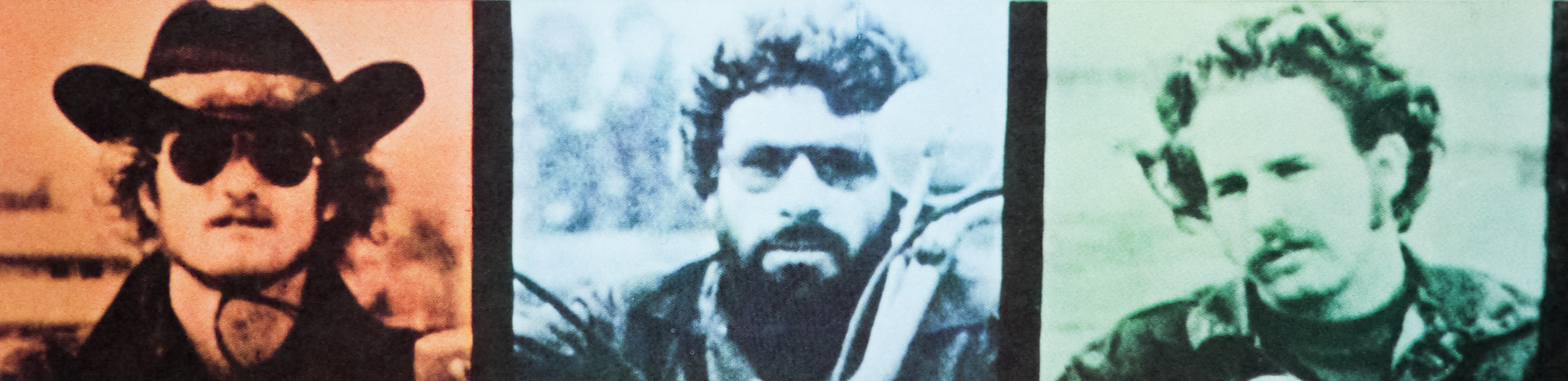
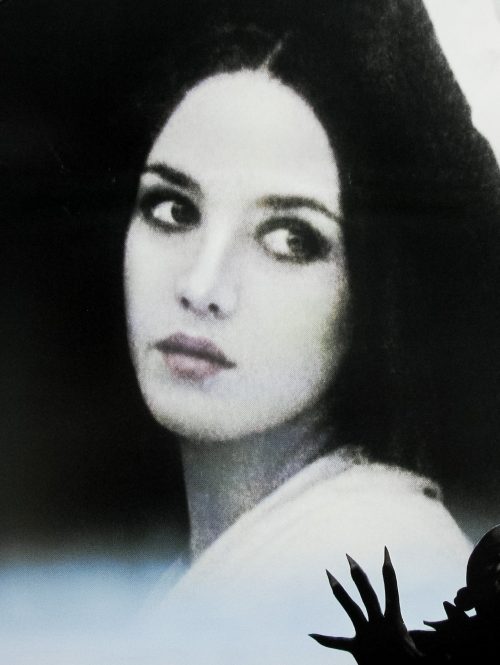
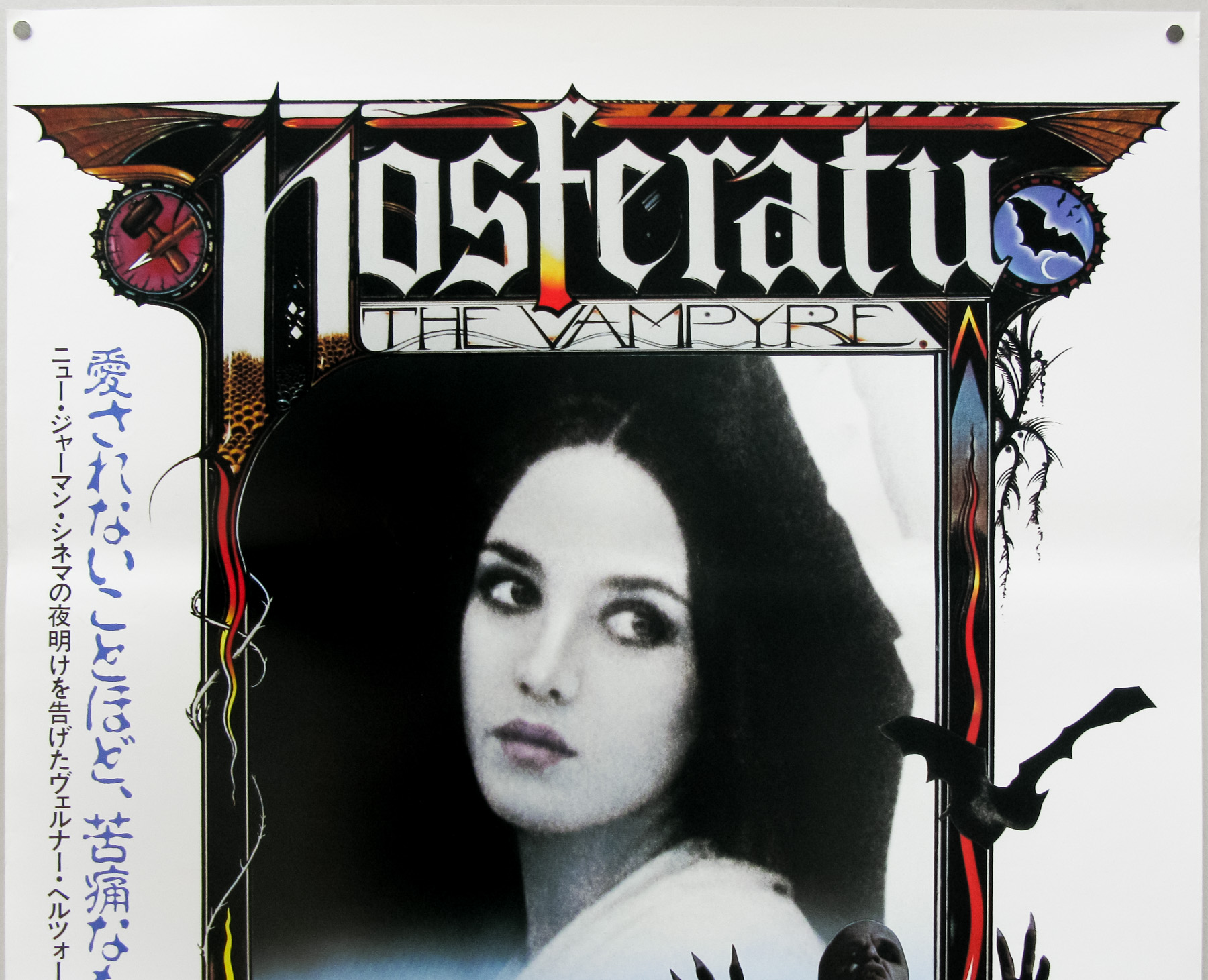
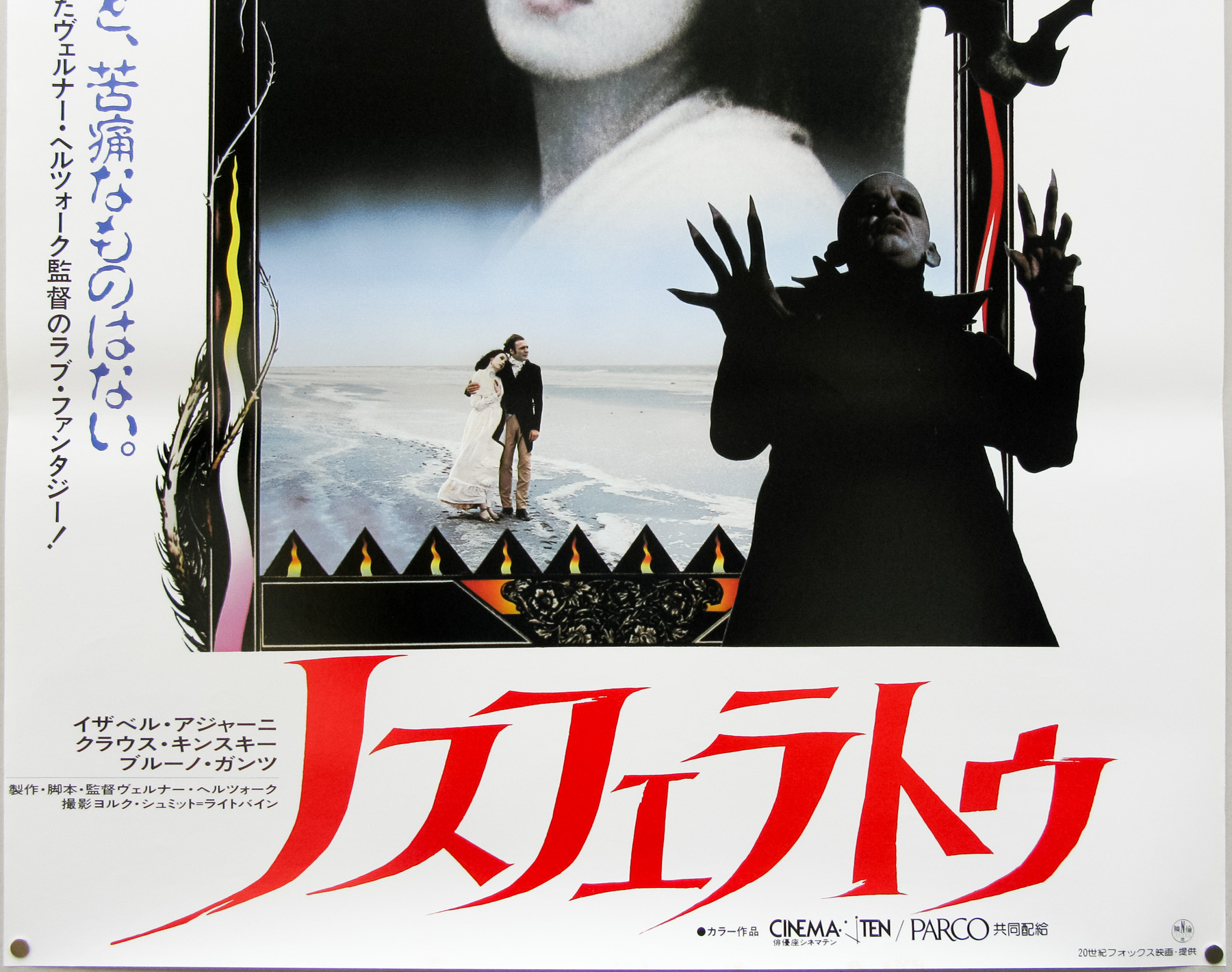
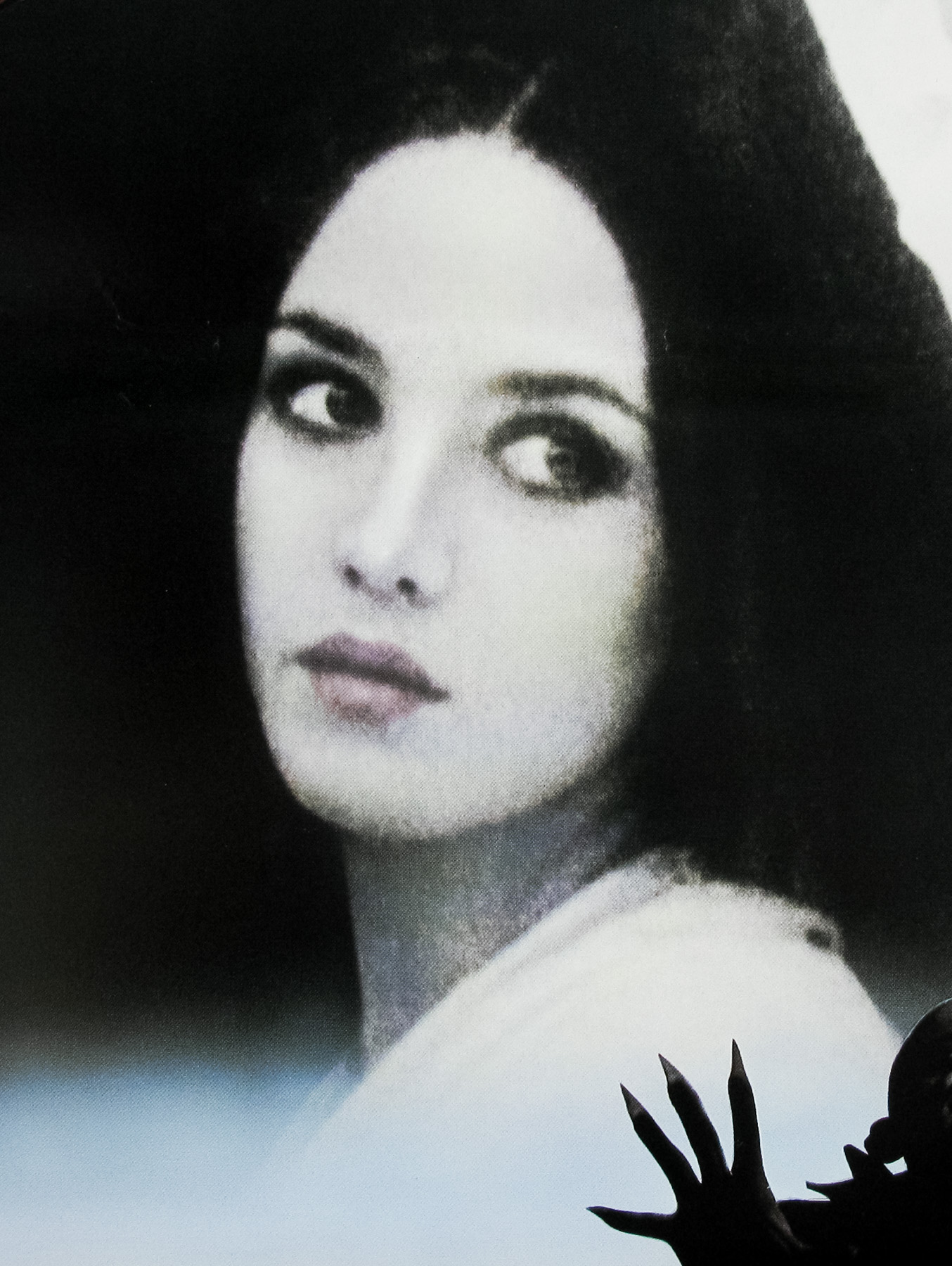
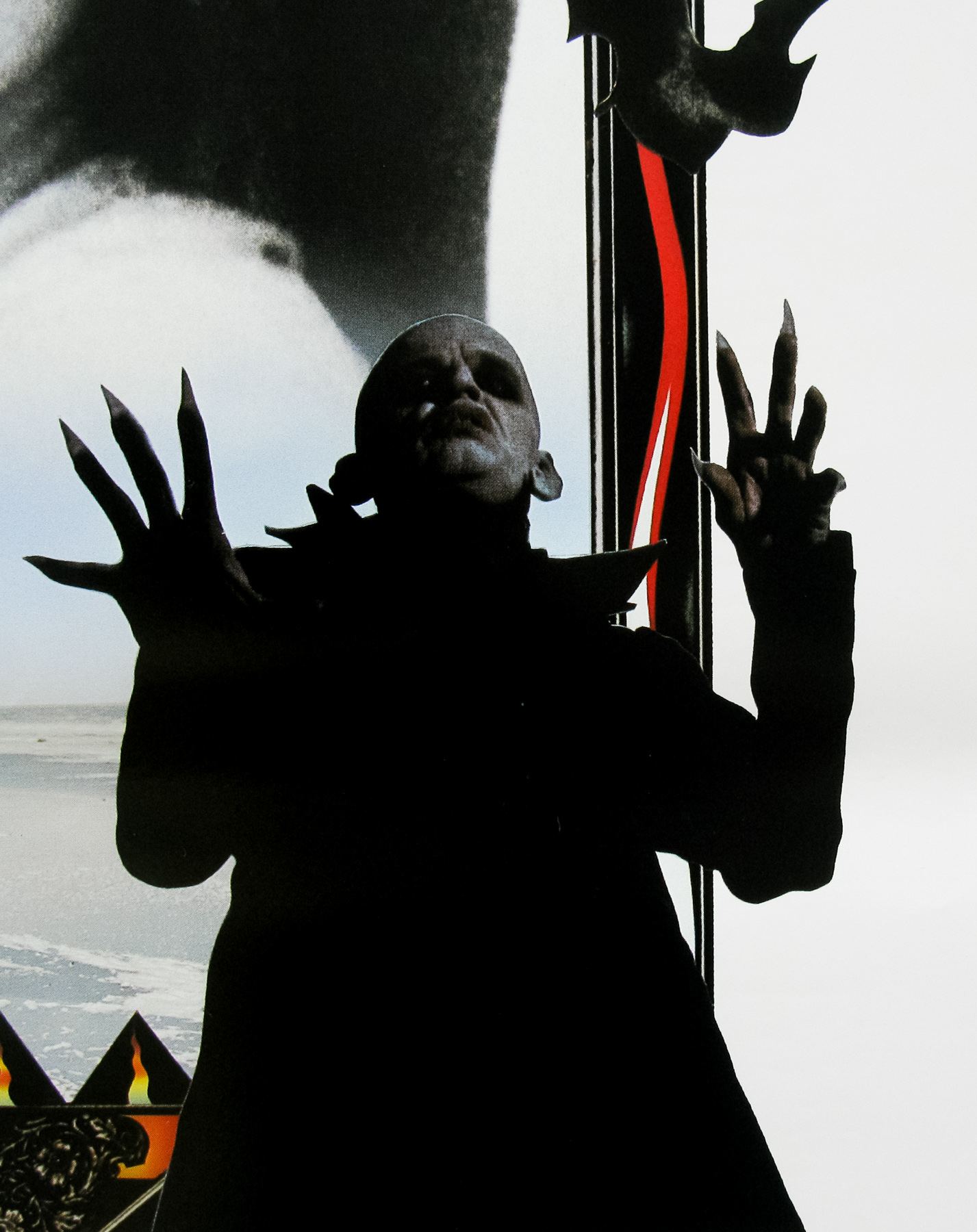
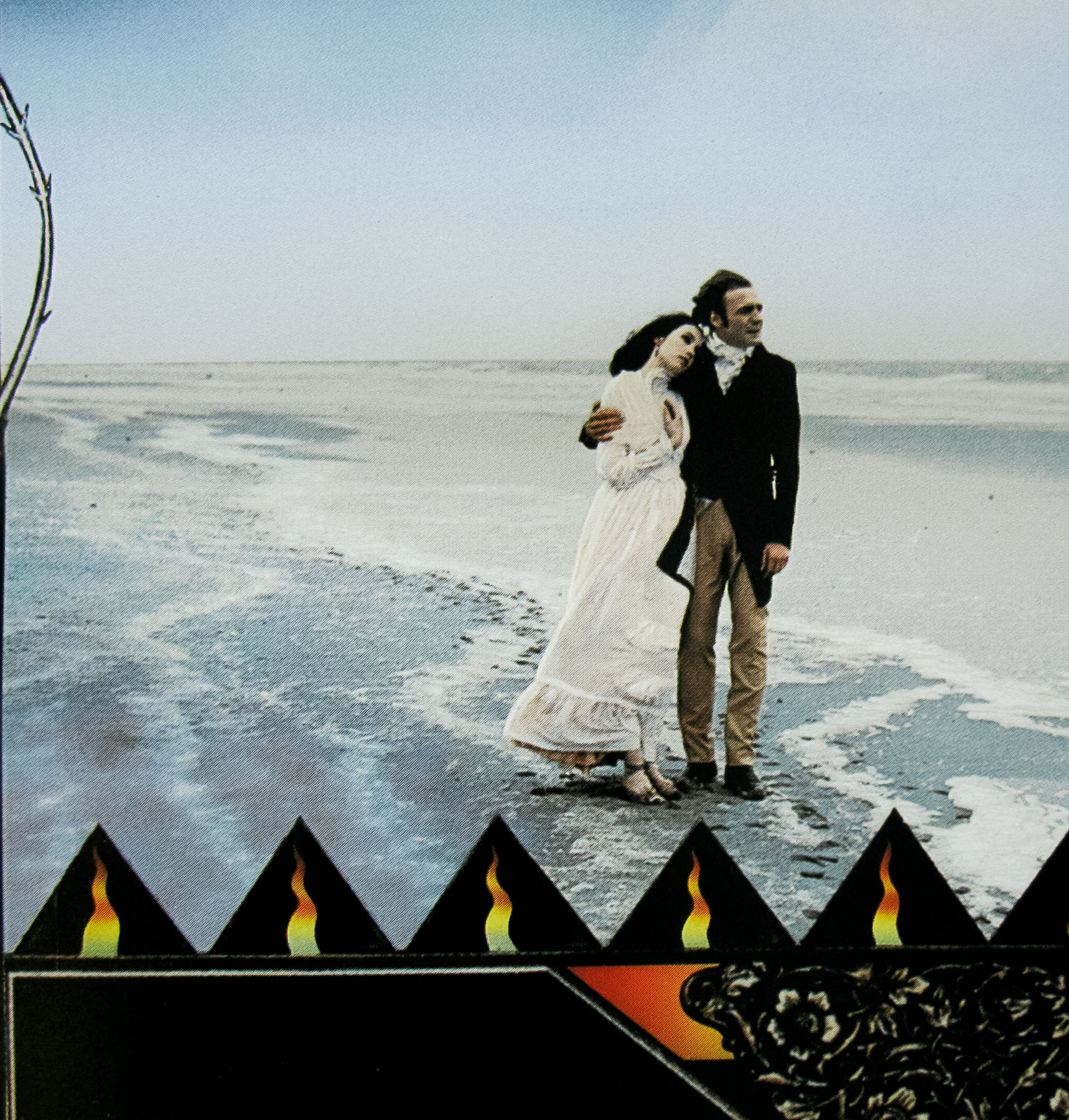
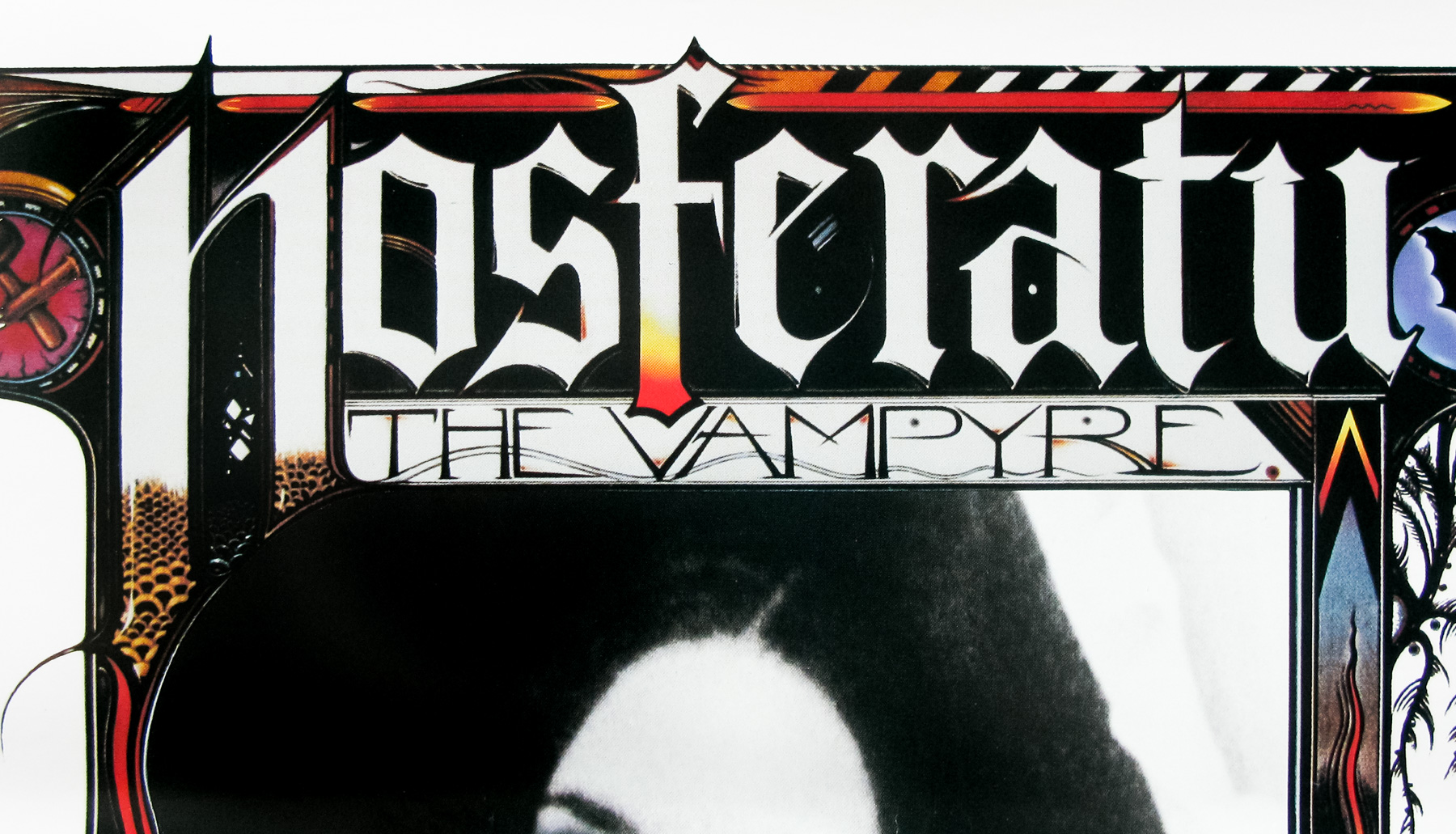
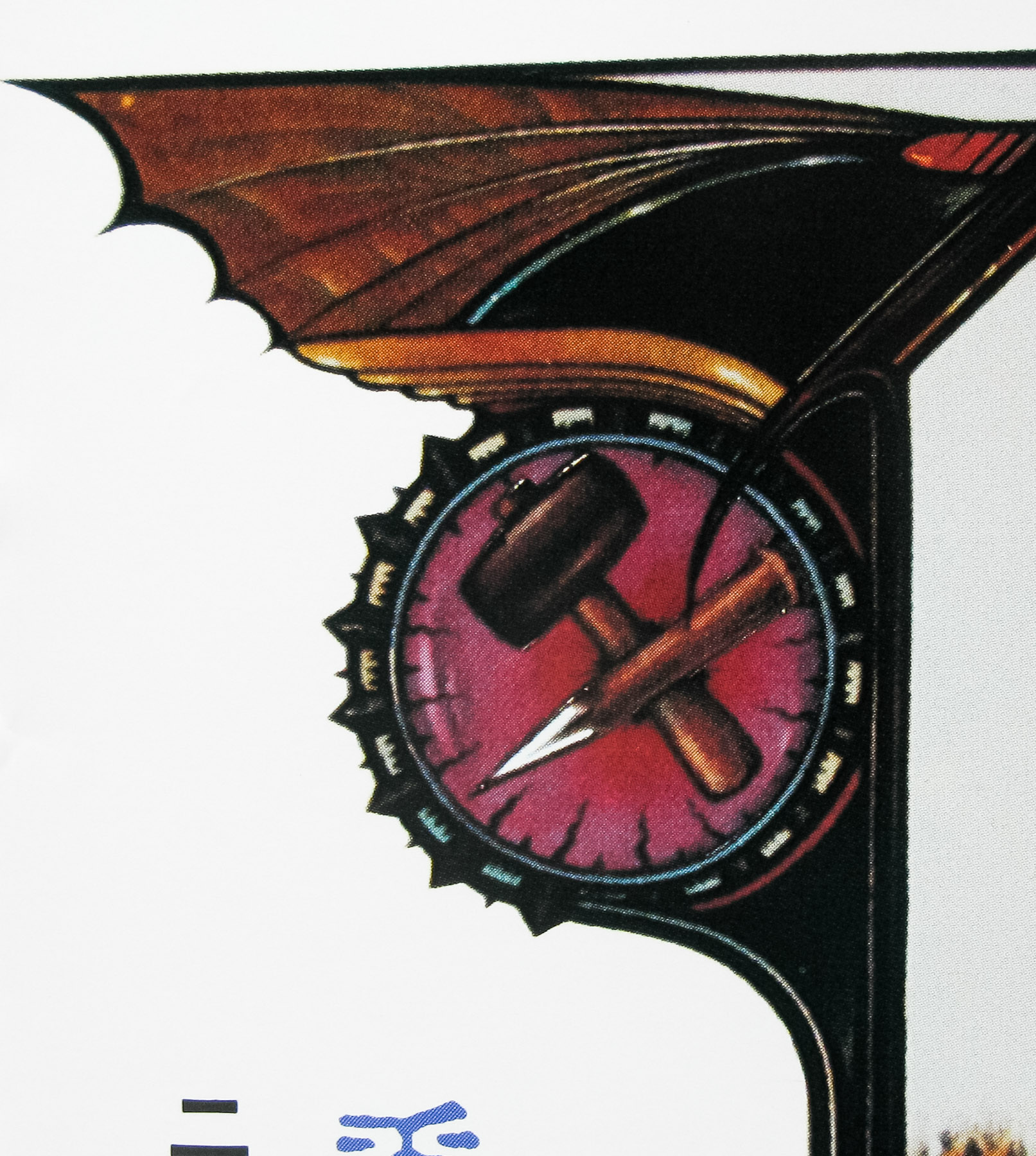
This Japanese poster features elements of the fantastic American one sheet, which was painted by David Palladini, and is one of the best posters of the 1970s, in my opinion. In the place of the illustration of Count Dracula is a striking image of the gorgeous Adjani and two smaller photos featuring the Harkers and Dracula.

The original trailer is on YouTube.
Once Upon a Time In America / B2 / Japan

19.09.11

Poster Poster

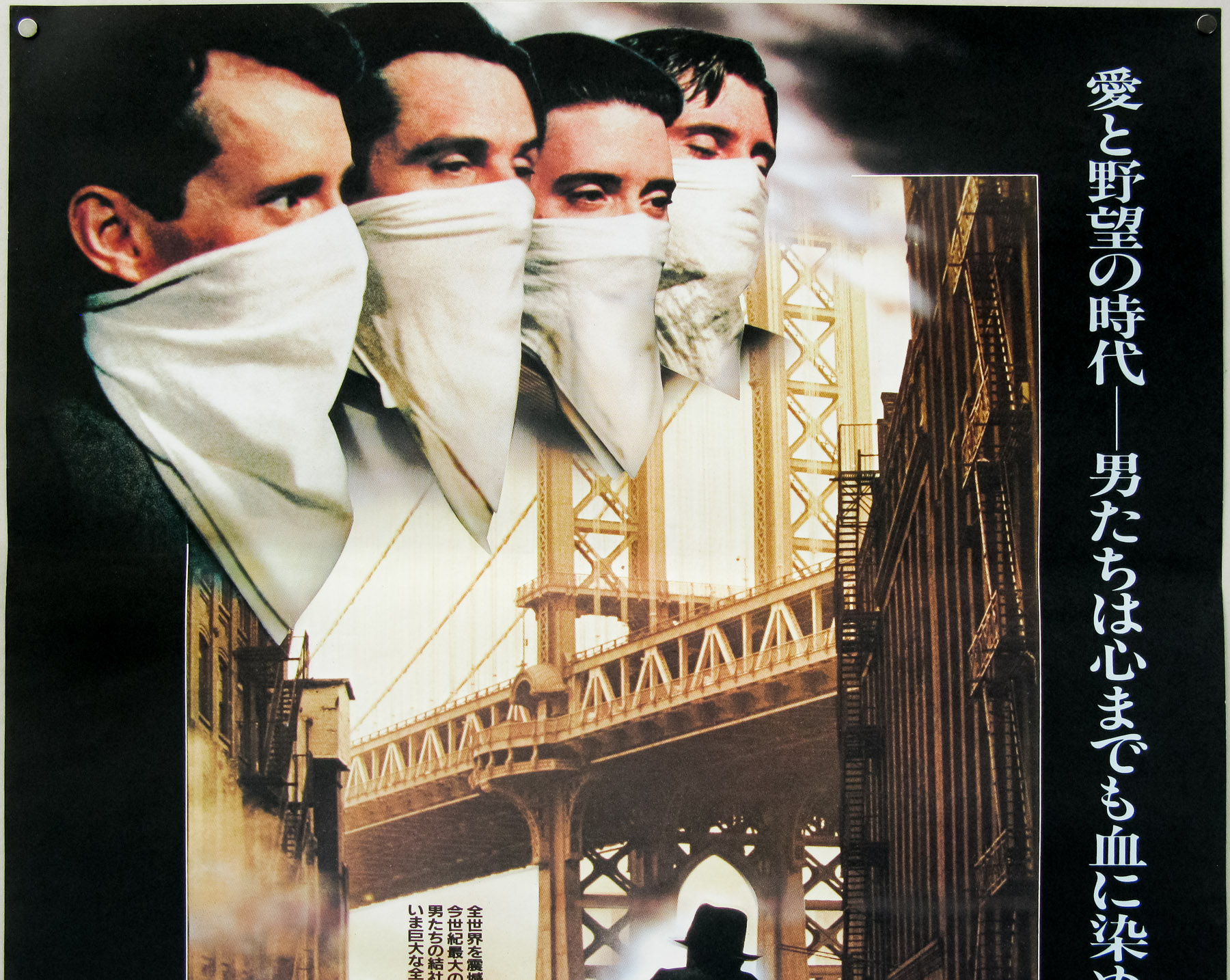
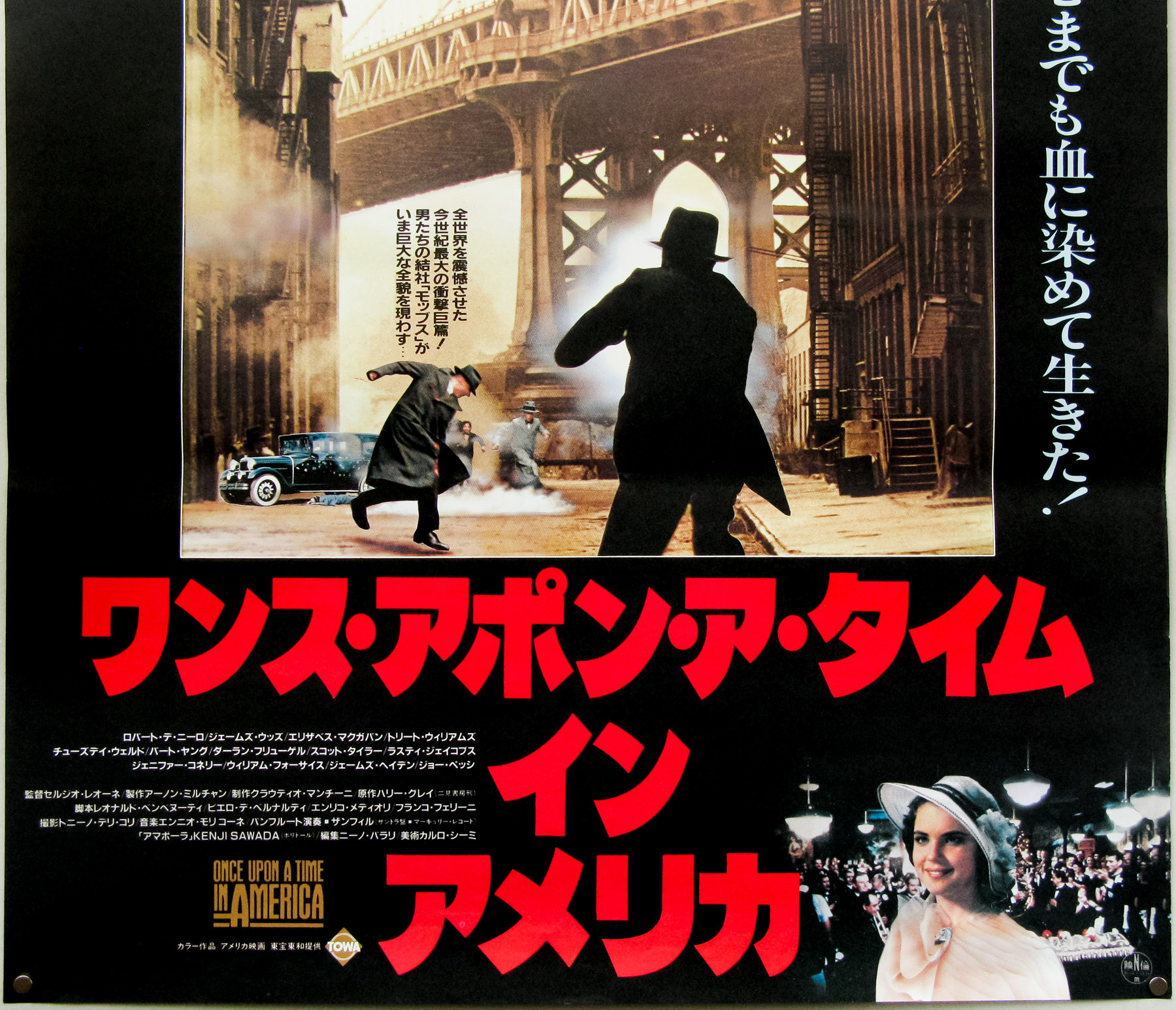
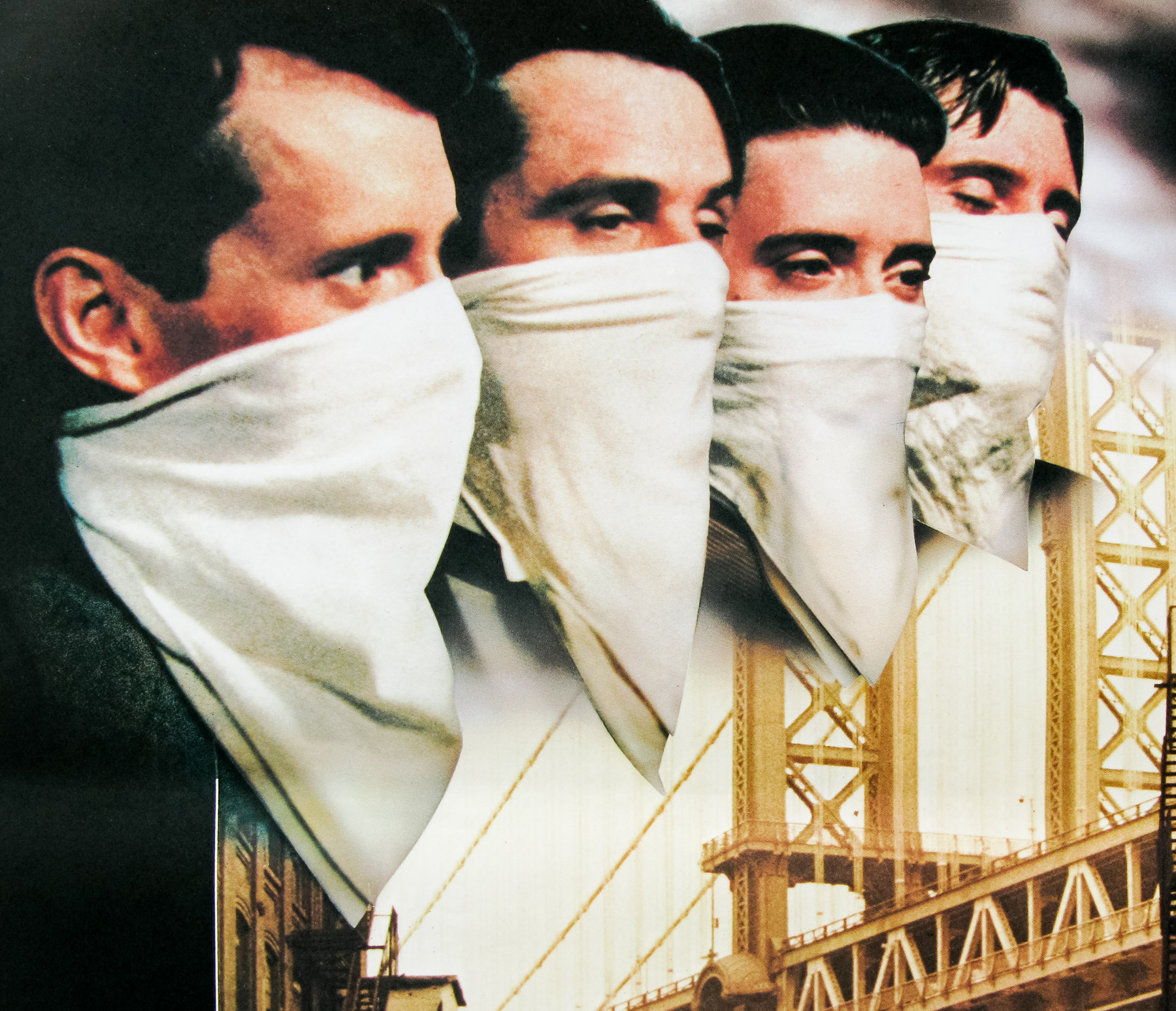
Considered by many to be Sergio Leone’s masterpiece – certainly not an easy choice to make when there are films like The Good, the Bad and the Ugly and Once Upon a Time in the West to choose from – Once Upon a Time in America was to be the Italian director’s last film. Infamously, it had almost 90 minutes removed for its American cinematic release (in 1984), apparently after receiving terrible notice from American critics at the Cannes Film Festival – the re-cut version was also given a slating upon release. Eventually the full 229 minute version was  made available on home video in America. Earlier this year it was announced that the film is currently being restored to an even longer ‘director’s cut’ with over 40 minutes of new material, due for release in 2012.

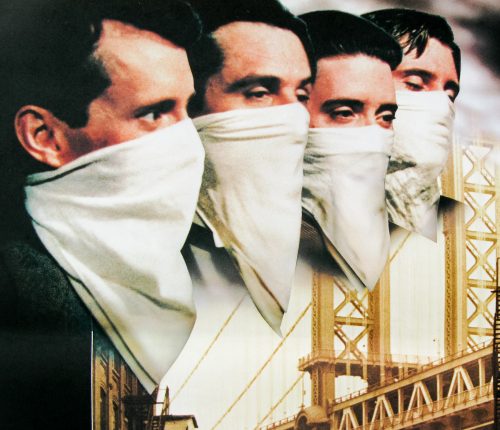
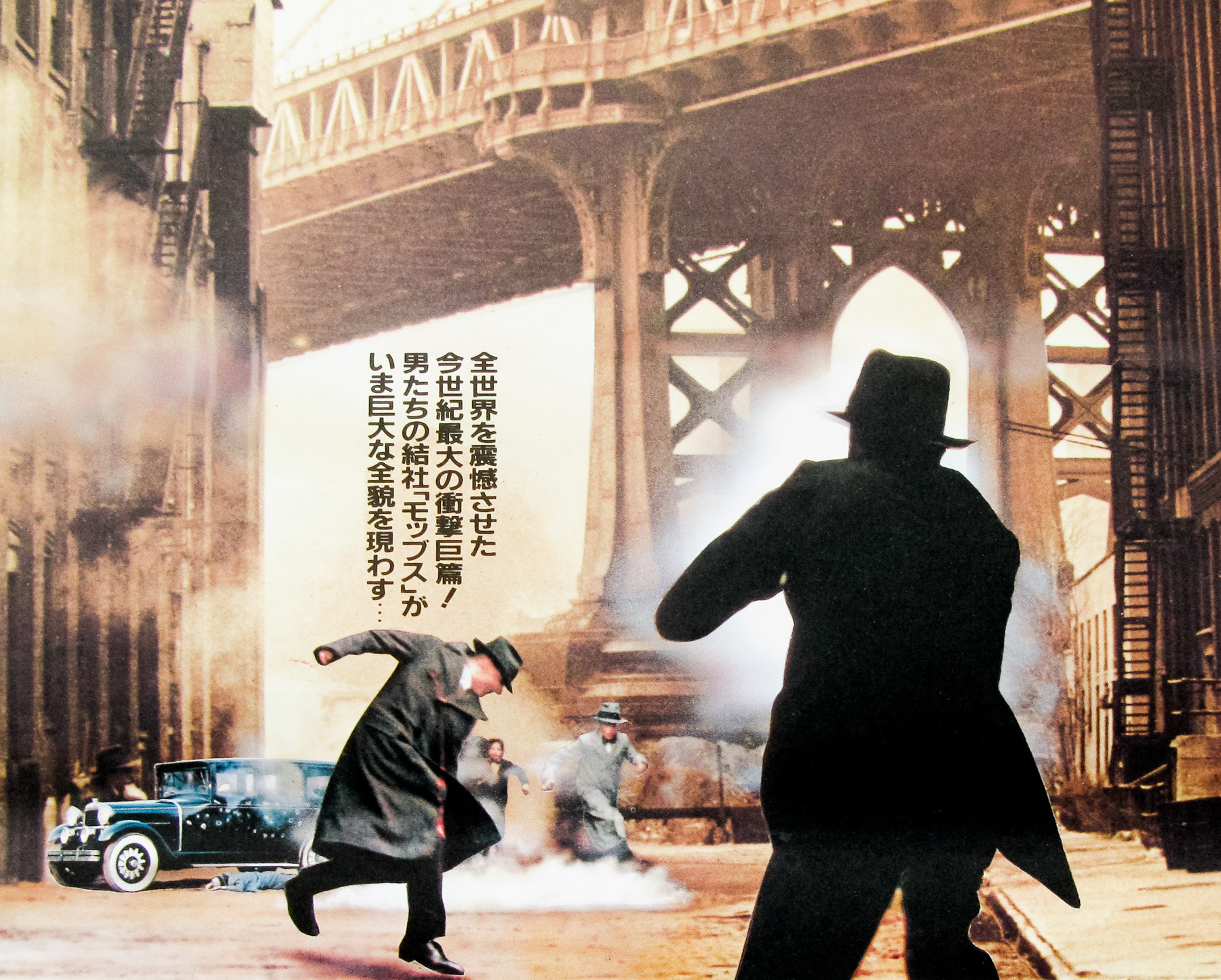
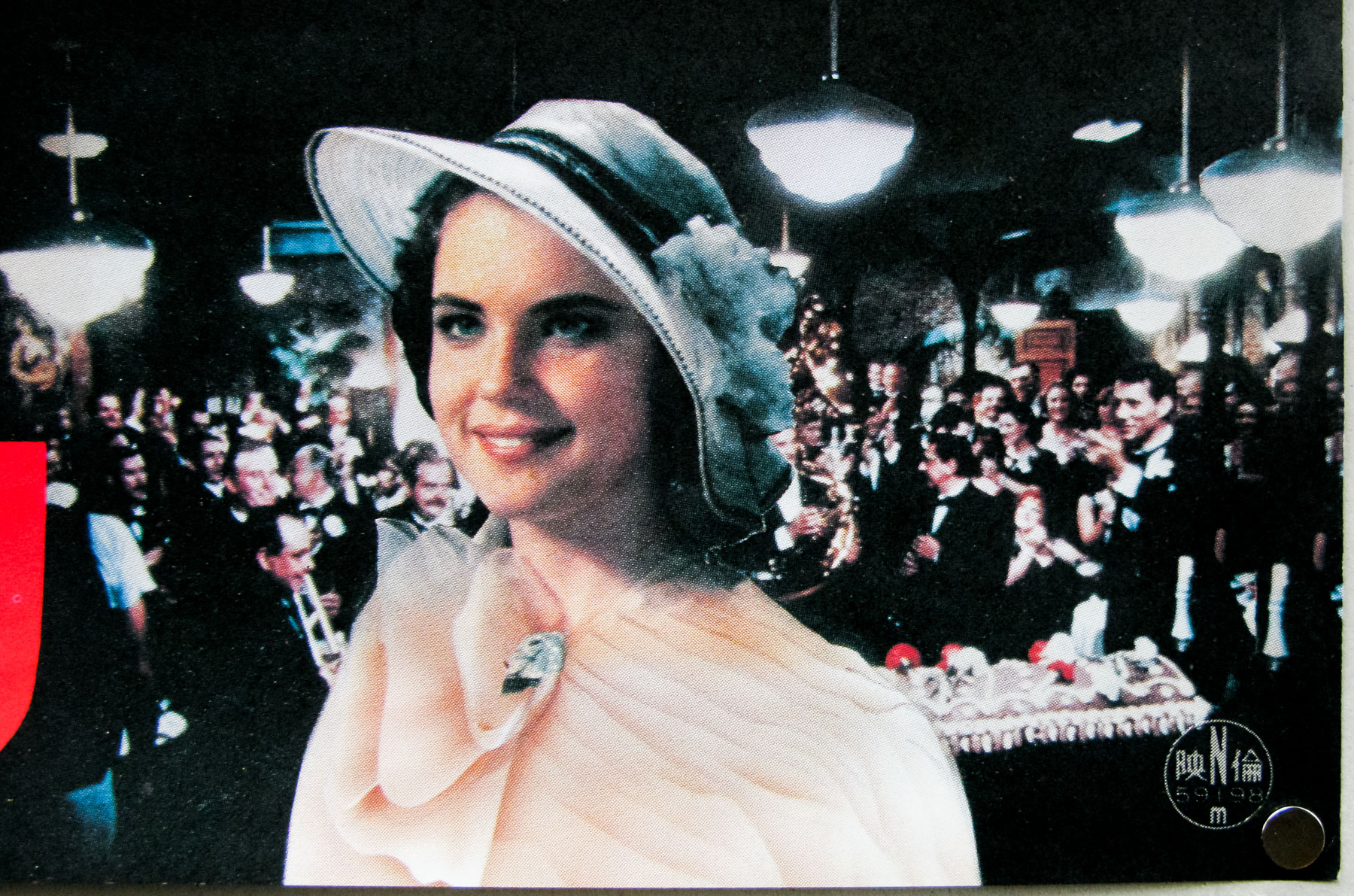
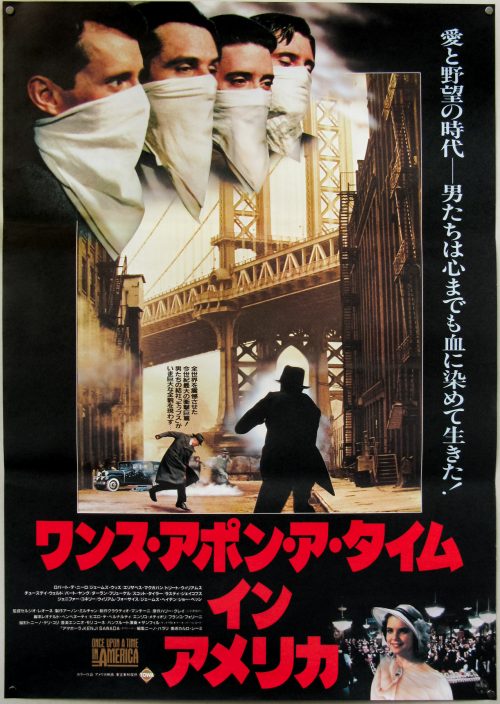
This Japanese poster features the famous shot of Manhattan bridge from Brooklyn street level, along with the four leads with bandanna face masks and a few other scenes from the film.

Here’s the original trailer on YouTube.

Paradise Alley / B2 / Japan

27.06.12

Poster Poster

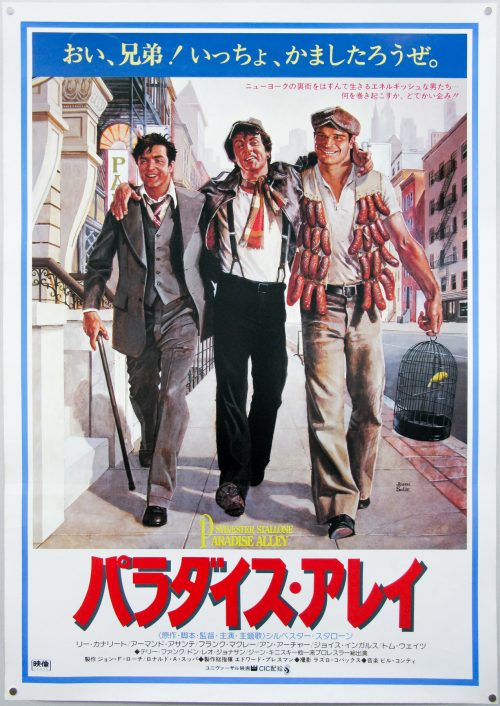
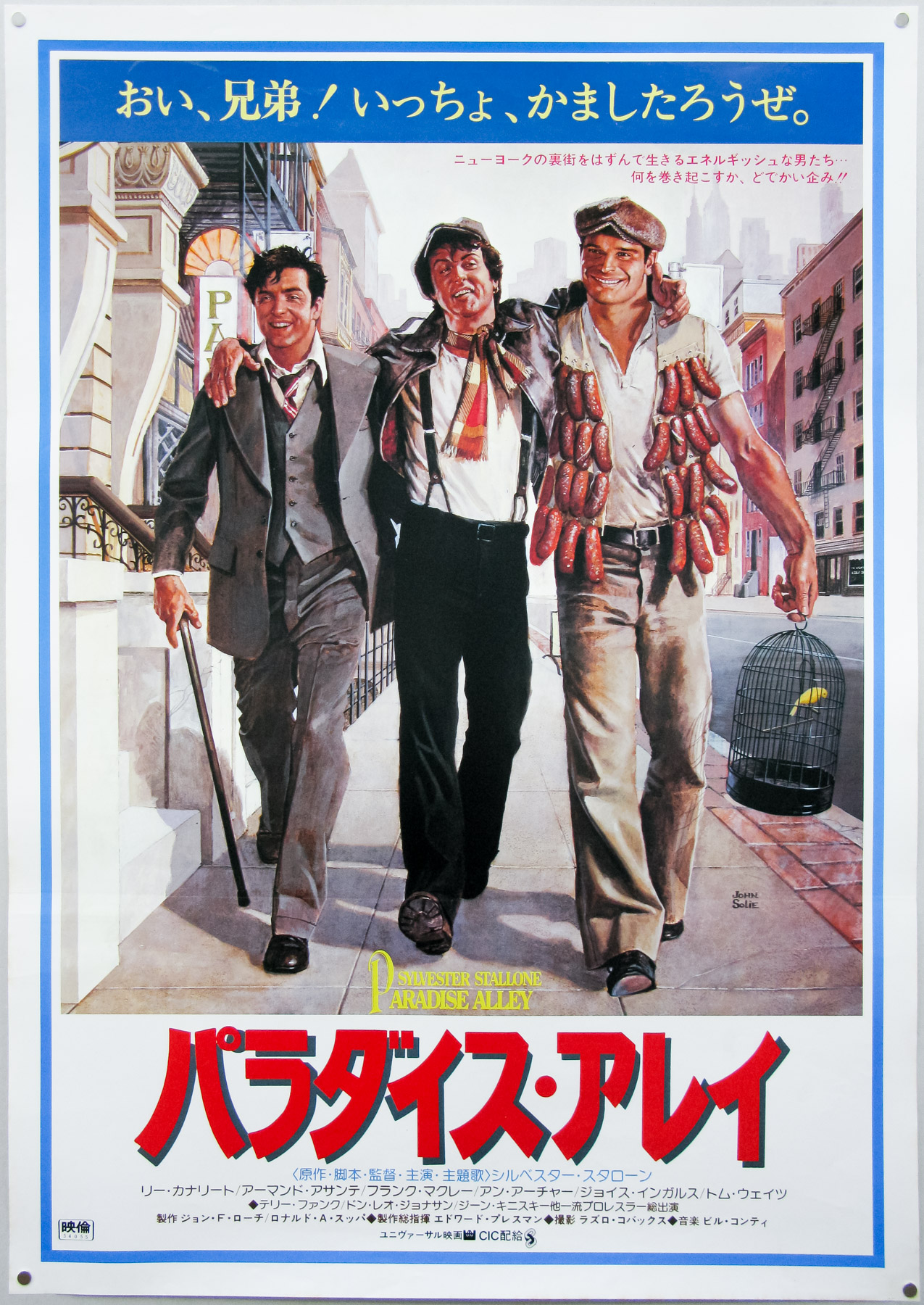
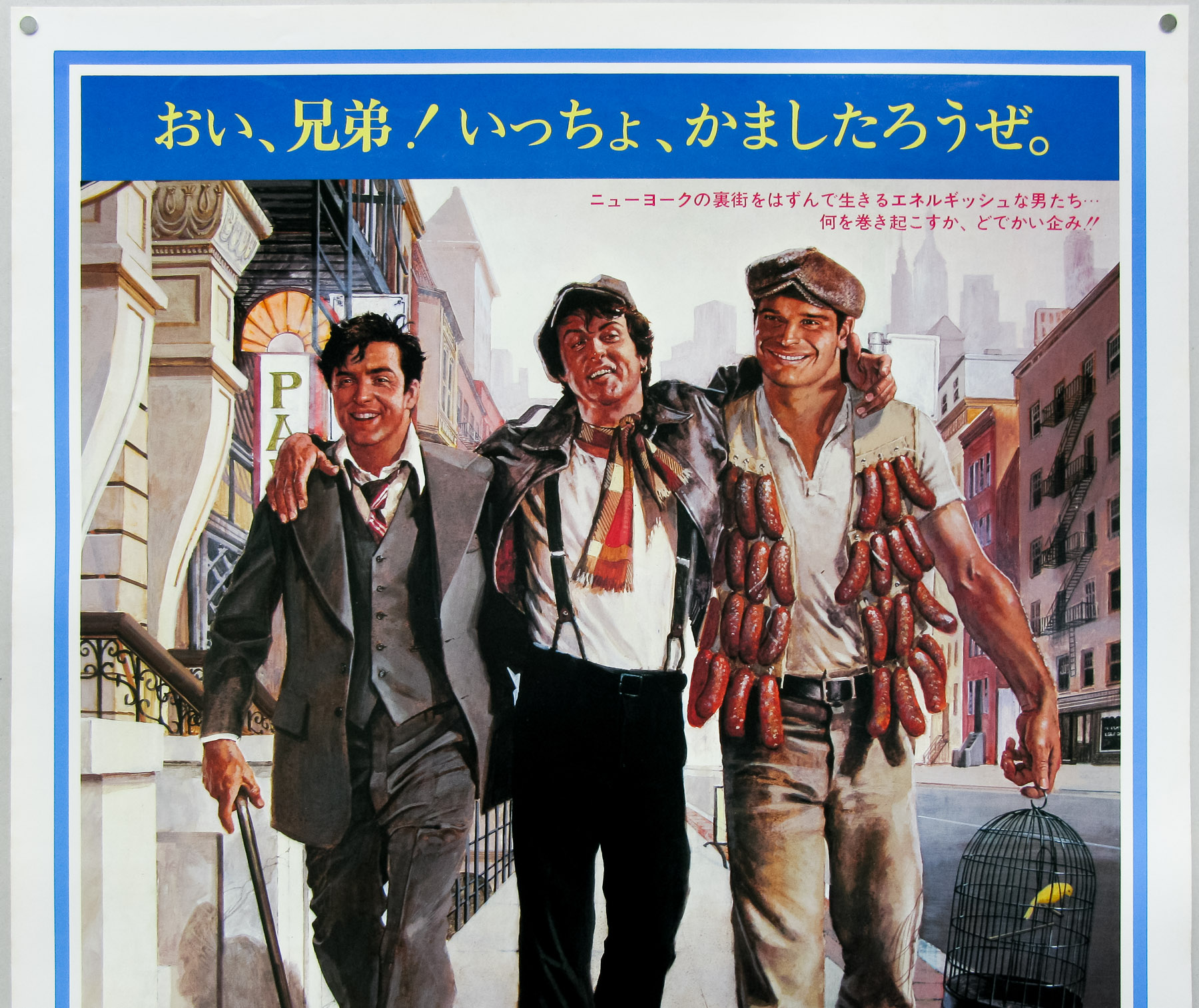
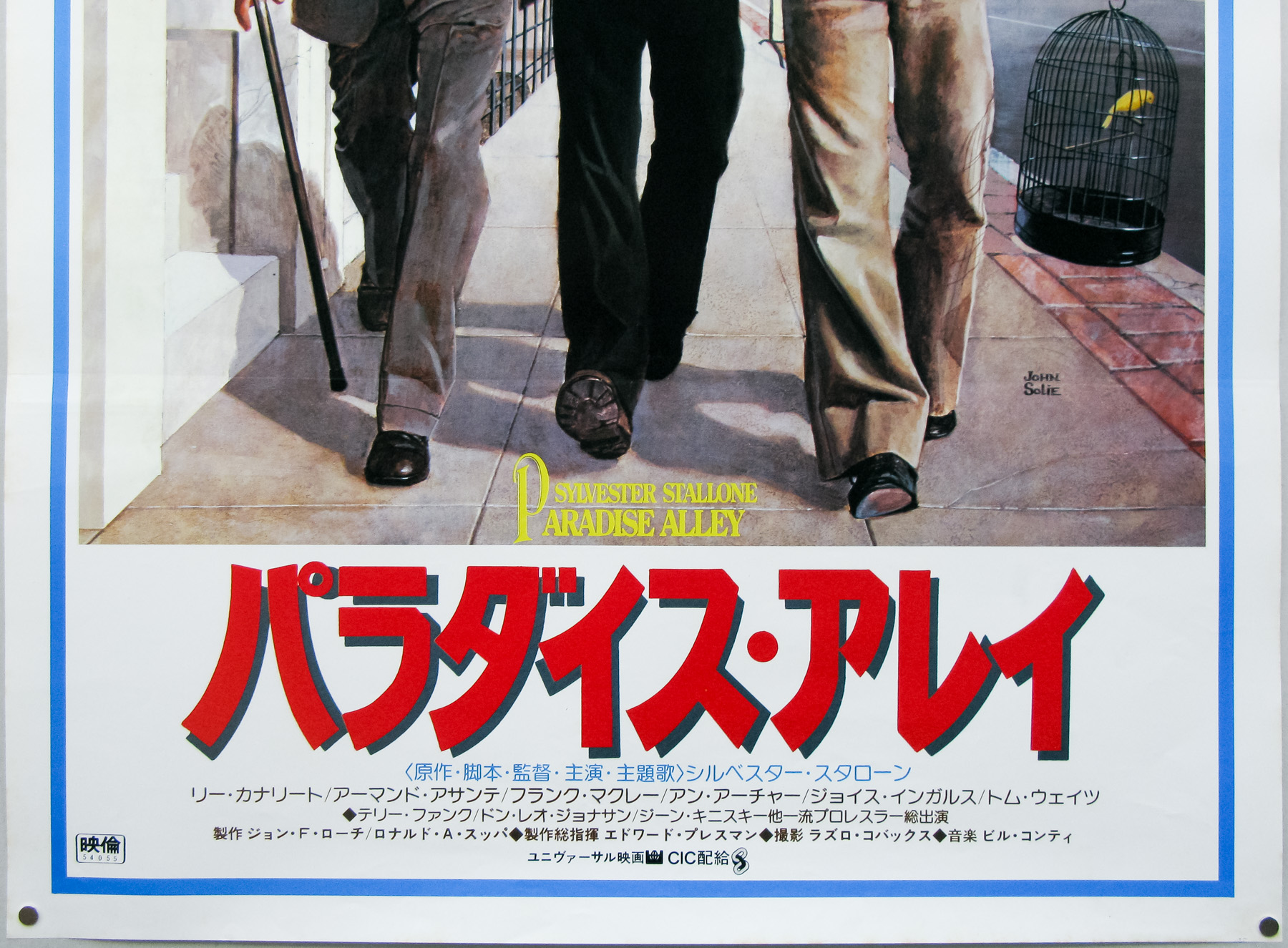
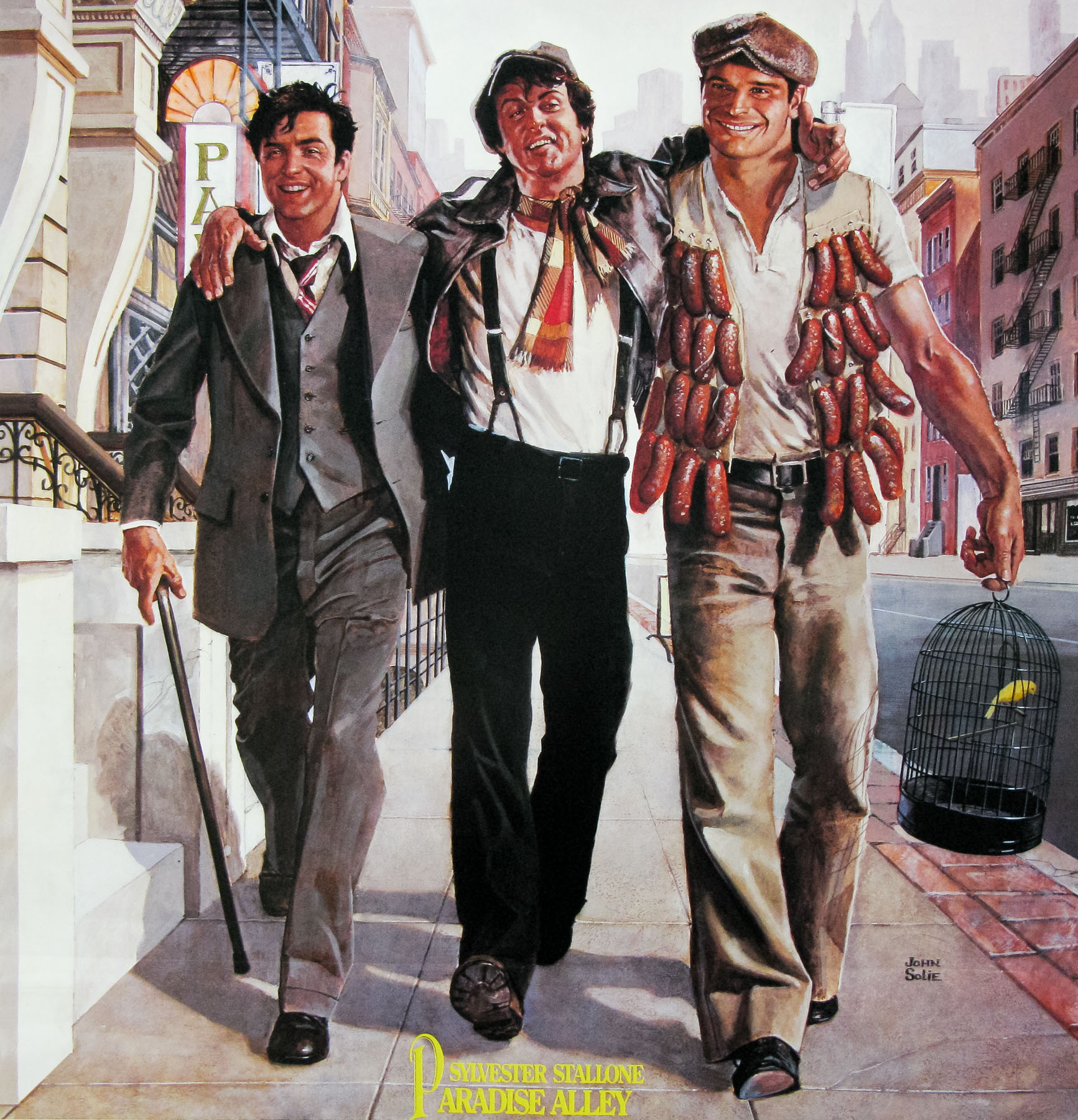
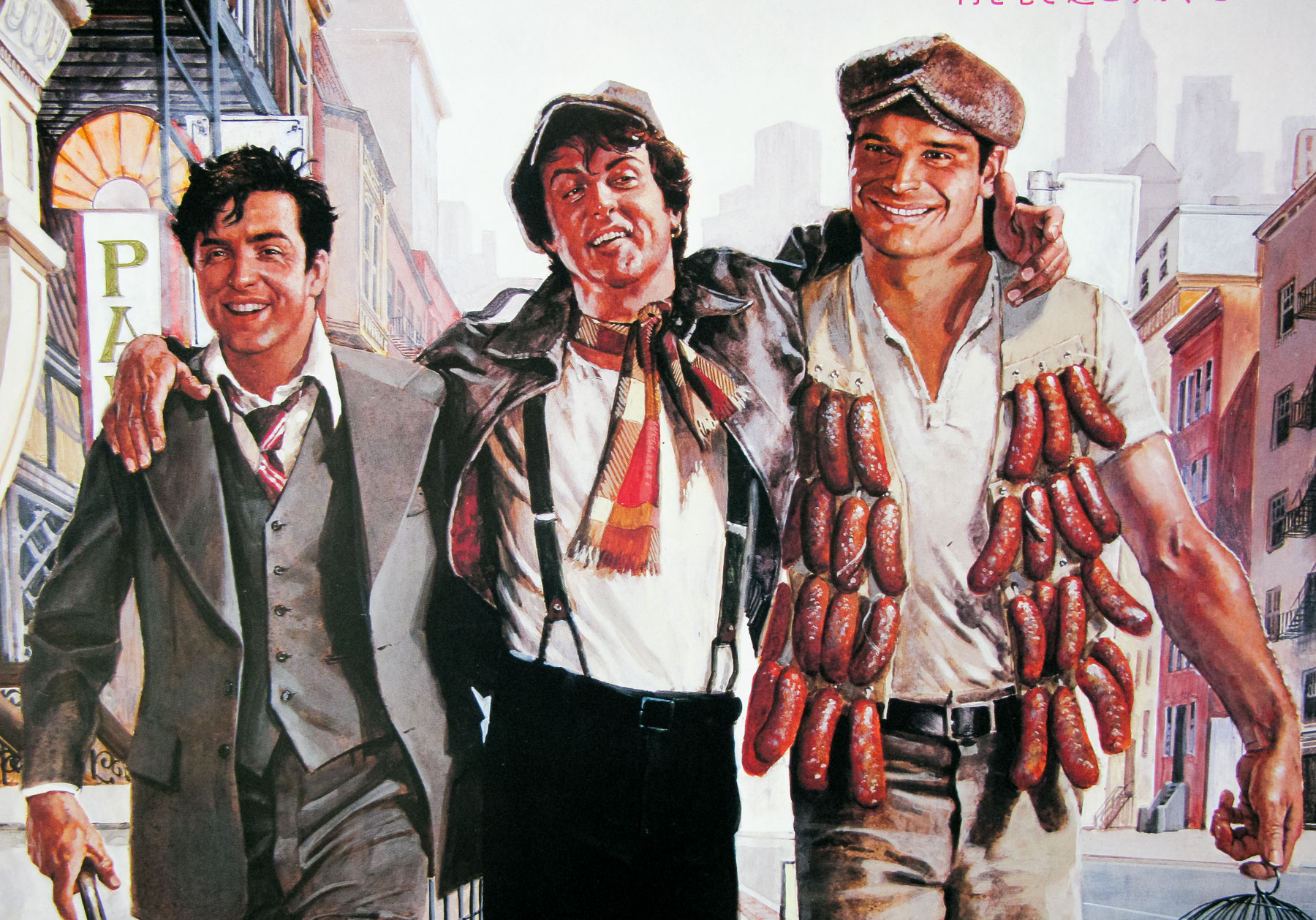
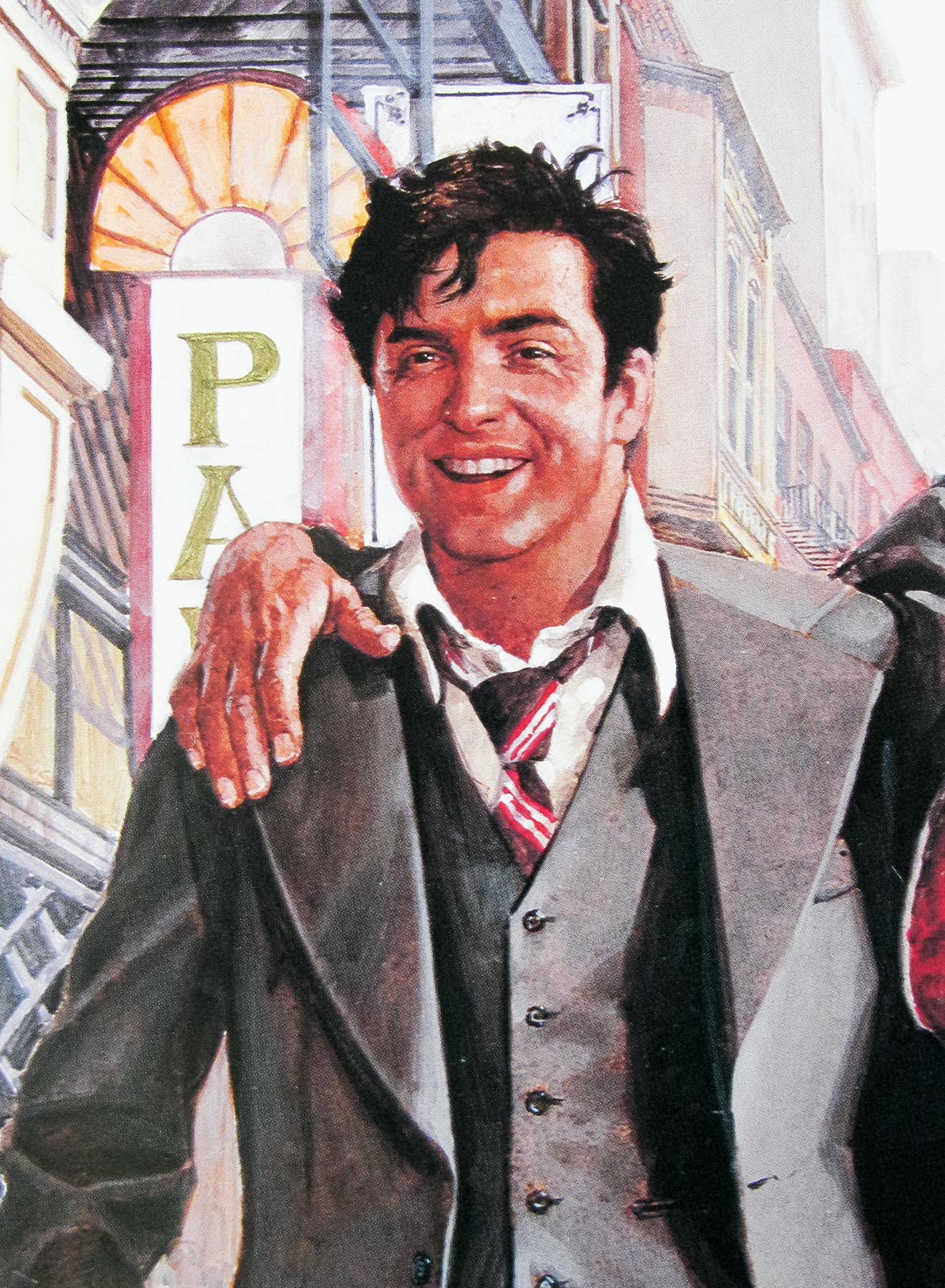
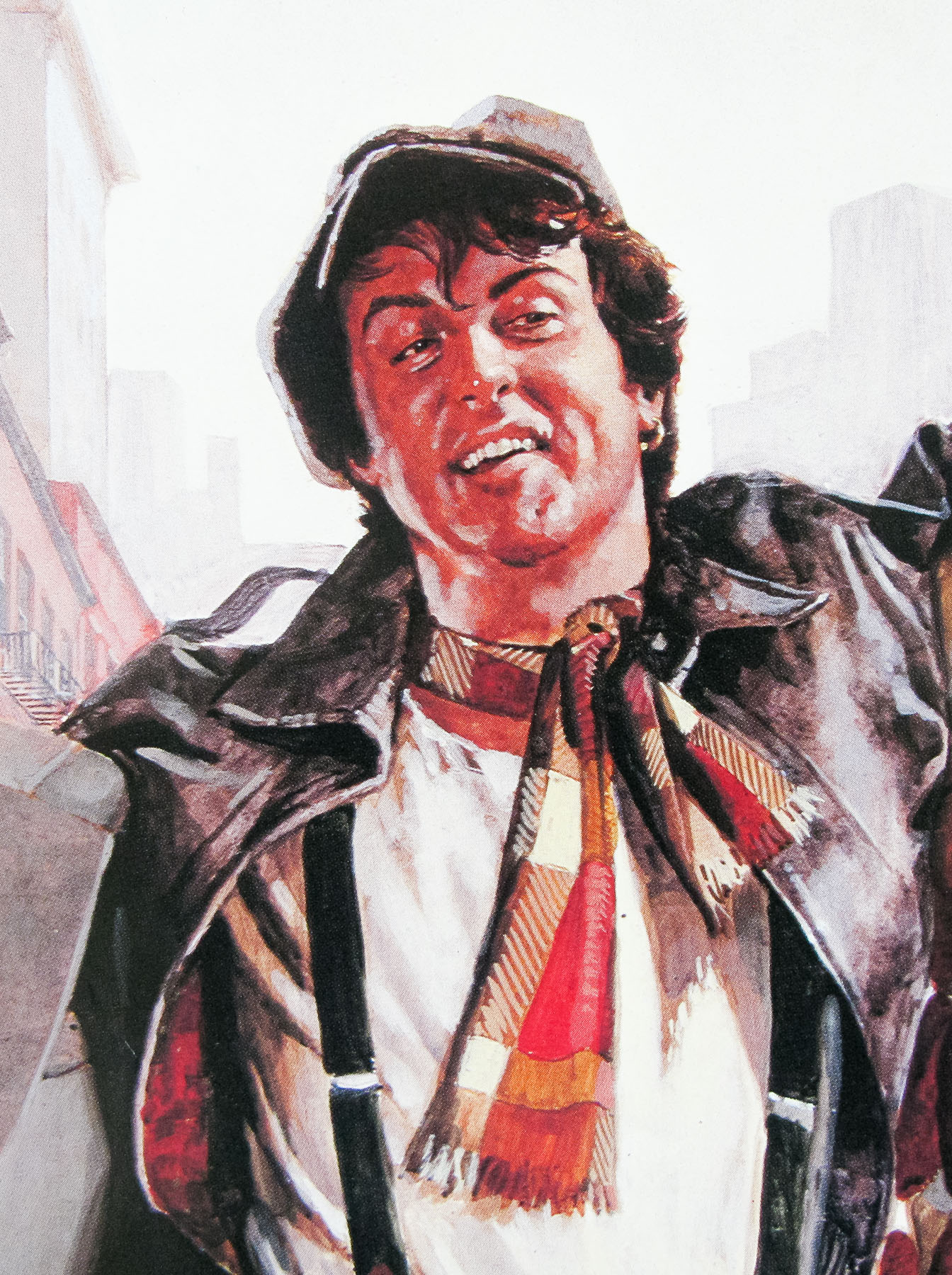
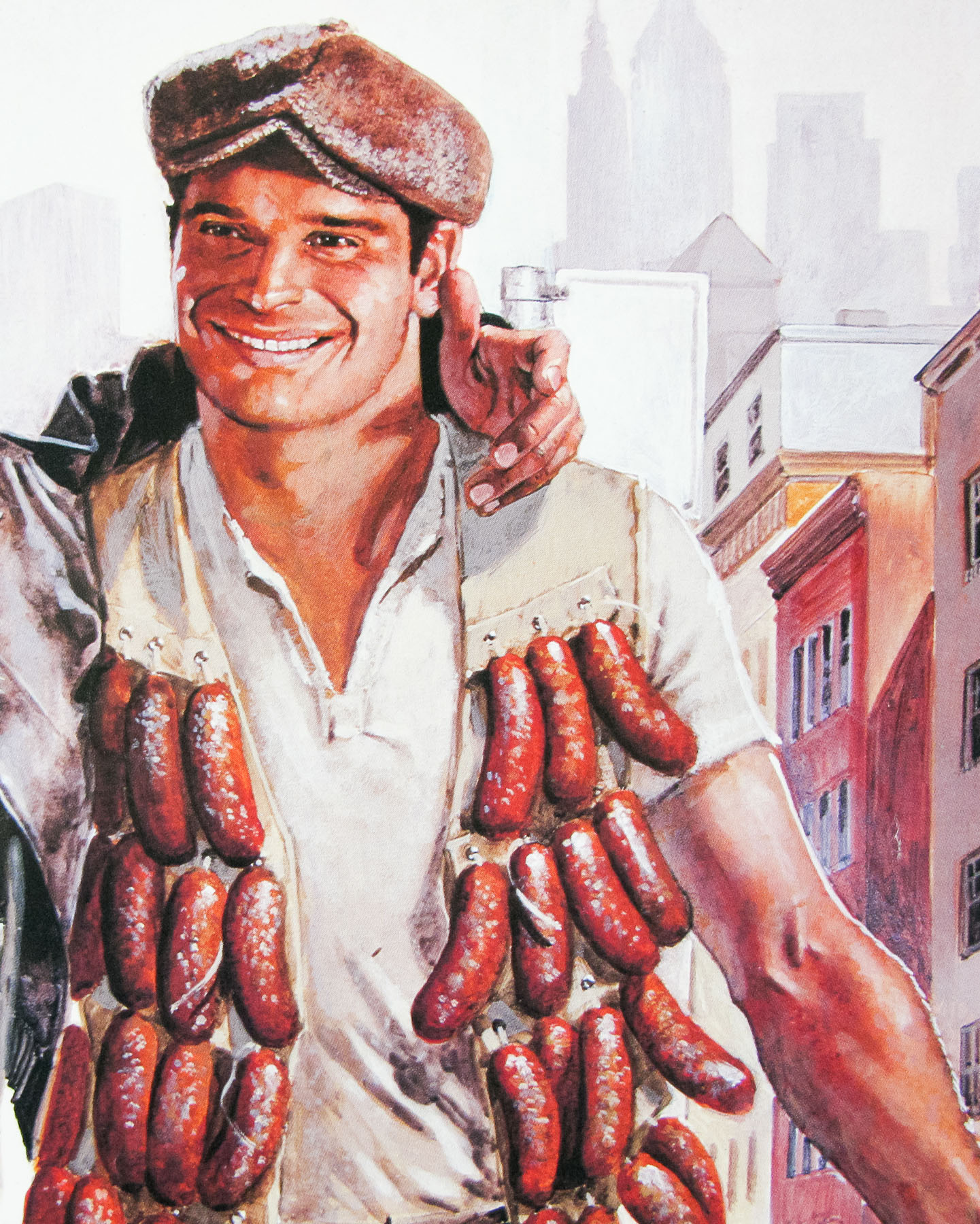
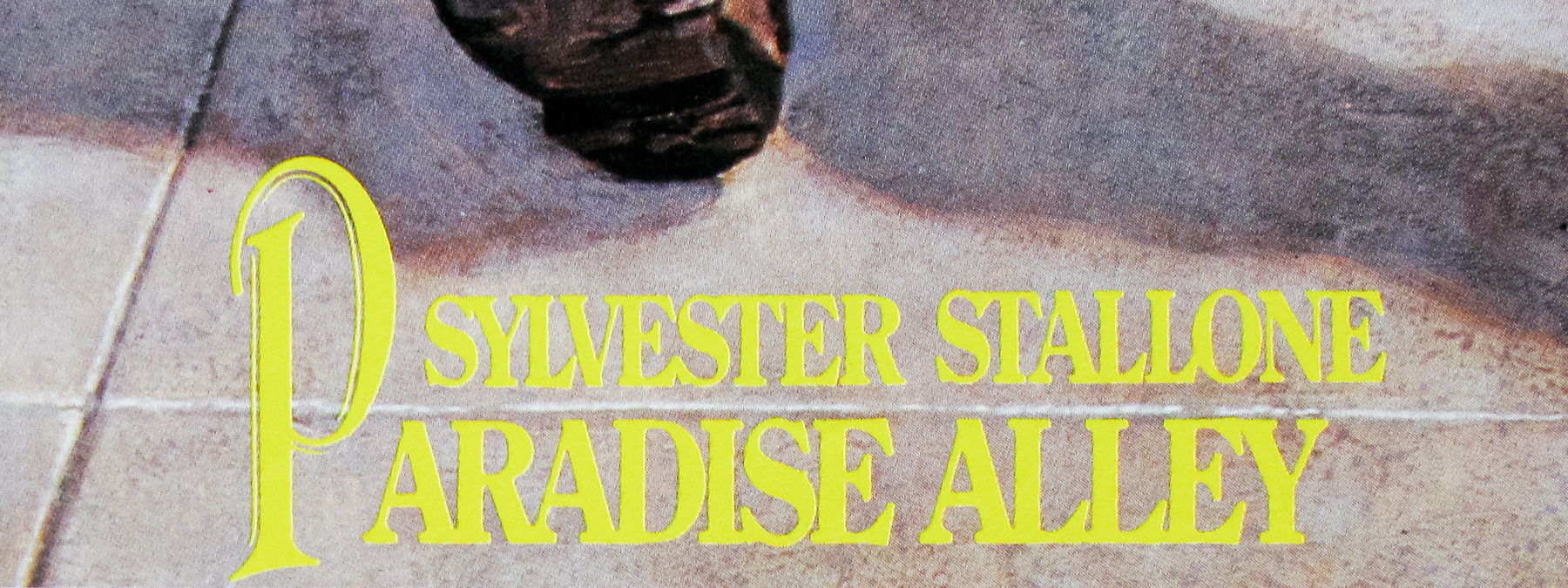
The Italian Stallion‘s directorial debut, Paradise Alley was written by Stallone in the early 1970s and was given the green light following the success of Rocky (1976). The film focuses on three Italian-American brothers living in the tough neighbourhood of Hell’s Kitchen, New York in the 1940s and who are all yearning to escape to a better life. Stallone plays Cosmo, the eldest brother who realises that  Victor (Lee Canalito) could use his size and strength to make it big as a wrestler, and persuades him to enter a local contest. Lenny (Armand Assante) agrees to manage Victor’s career but it’s not long before the Cosmo realises that the life of a wrestler is more damaging than he imagined and the brothers’ relationship begins to suffer.

As well as writing, directing and acting in the film, Stallone was also responsible for singing the theme tune over the credits, which can be heard here.

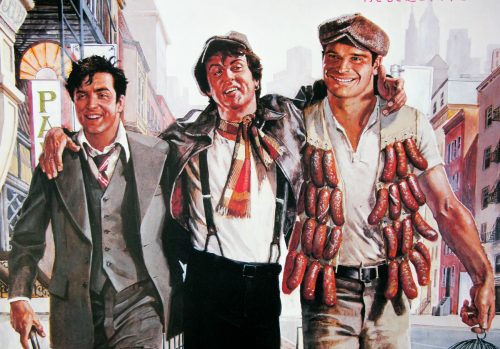
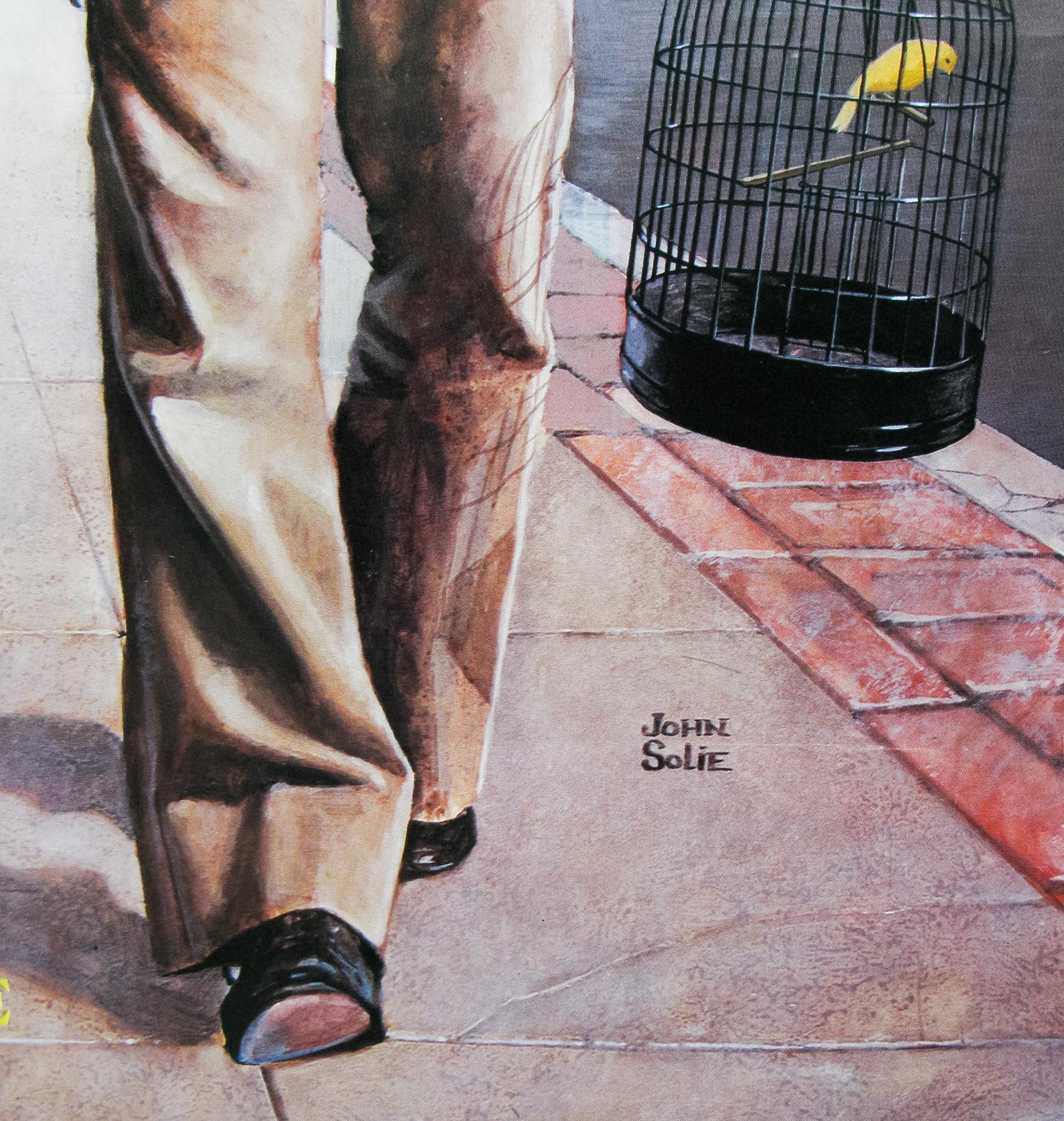
The artwork on this Japanese poster is by the American artist John Solie who has been working as an illustrator for over 40 years. Film posters are just one aspect of his output, which also includes book and magazine covers, sculptures, portraits and work for NASA. He continues to paint today in Tucson, Arizona. Here are the posters by John Solie I have collected to date.

The US one sheet is significantly different in style and can be seen here.

Pat Garrett and Billy the Kid / B2 / Japan

25.01.12

Poster Poster

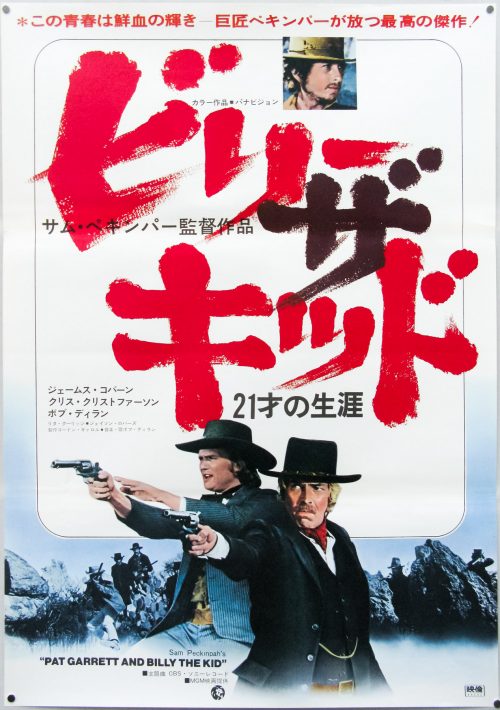
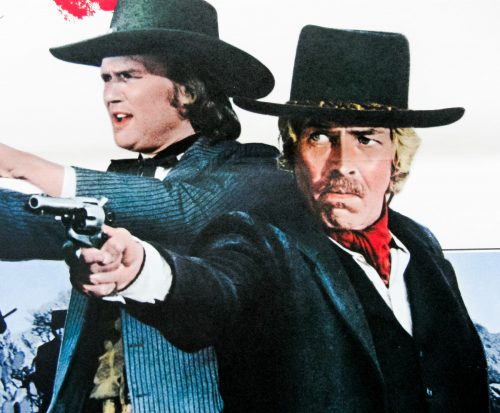
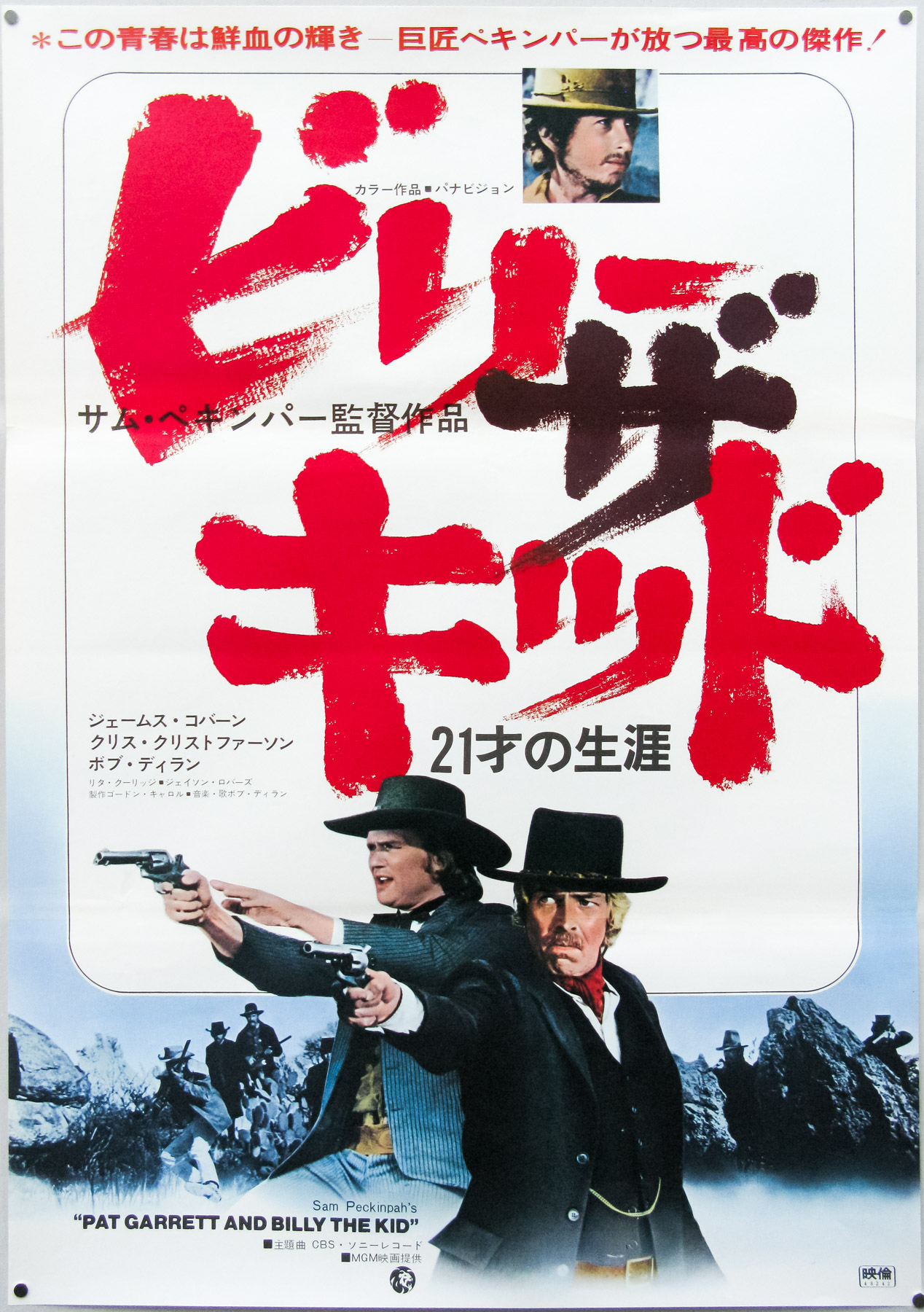
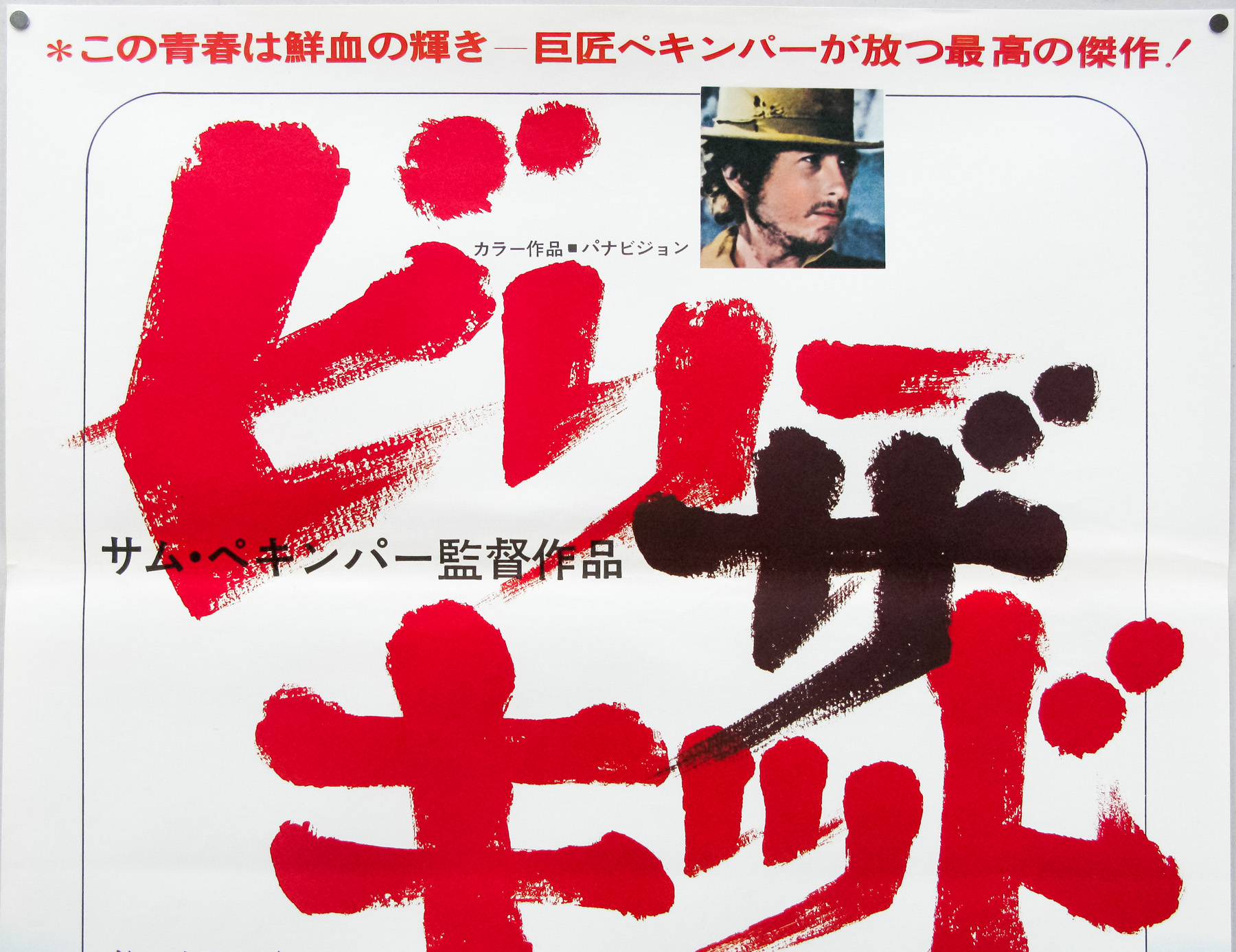
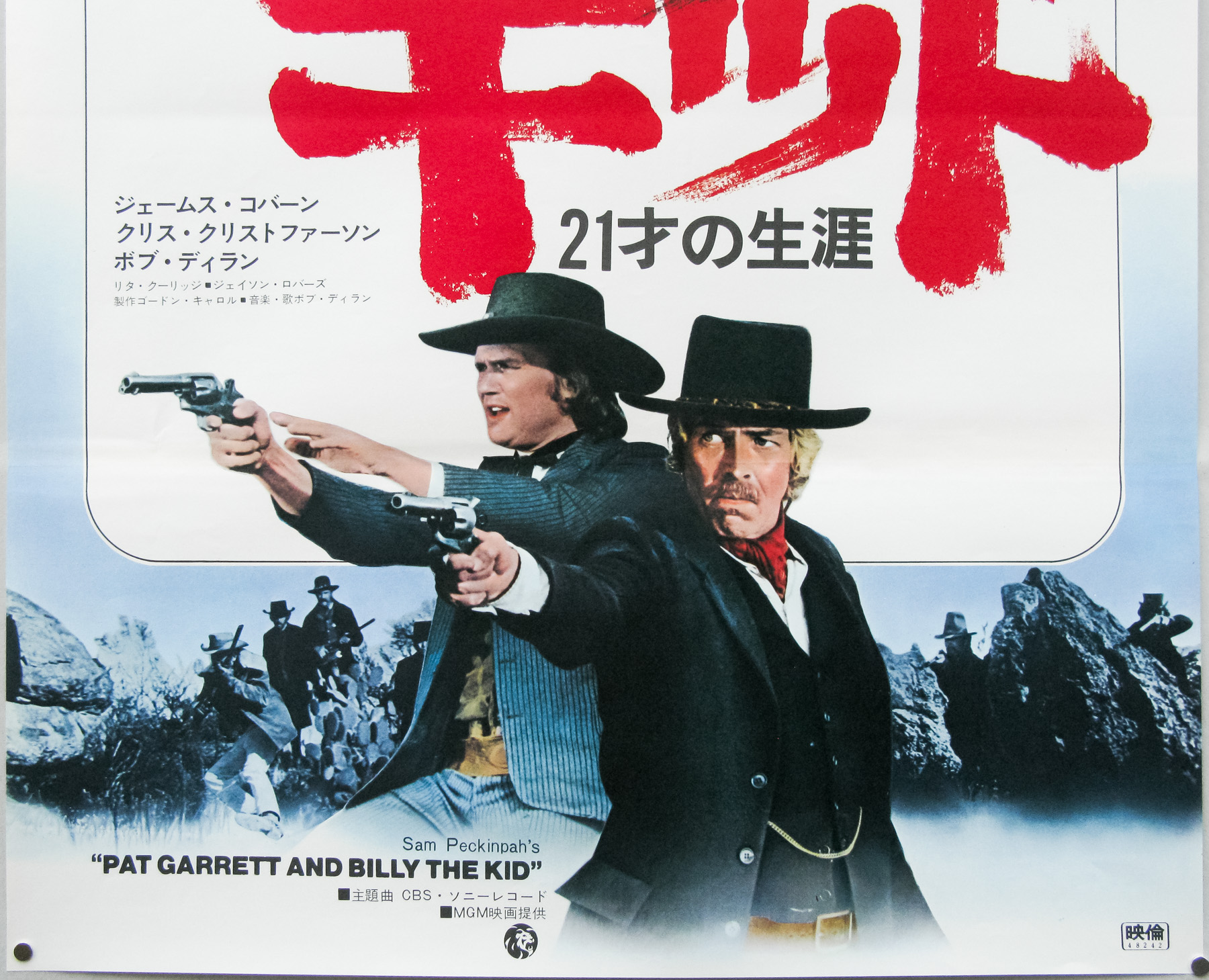
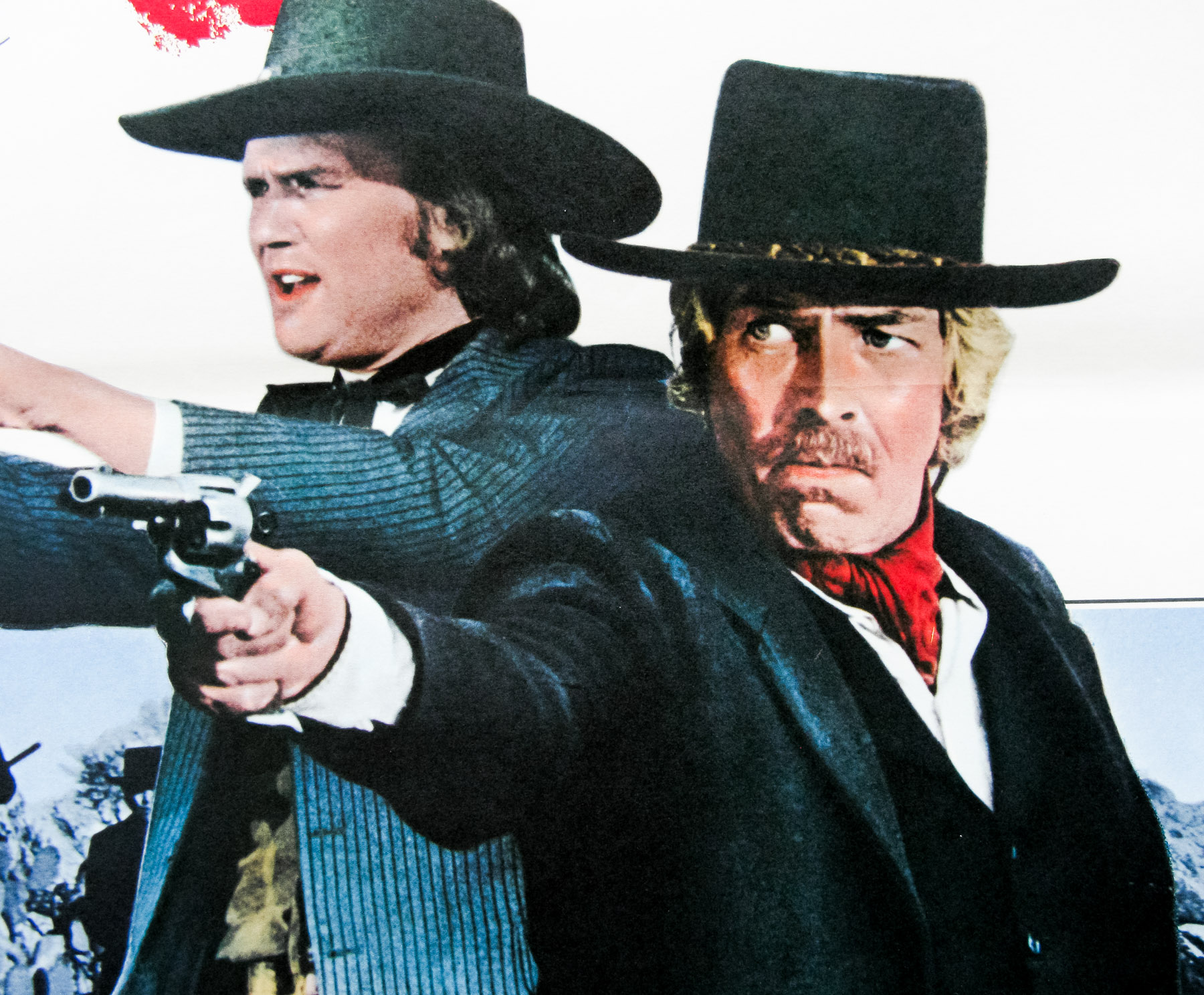
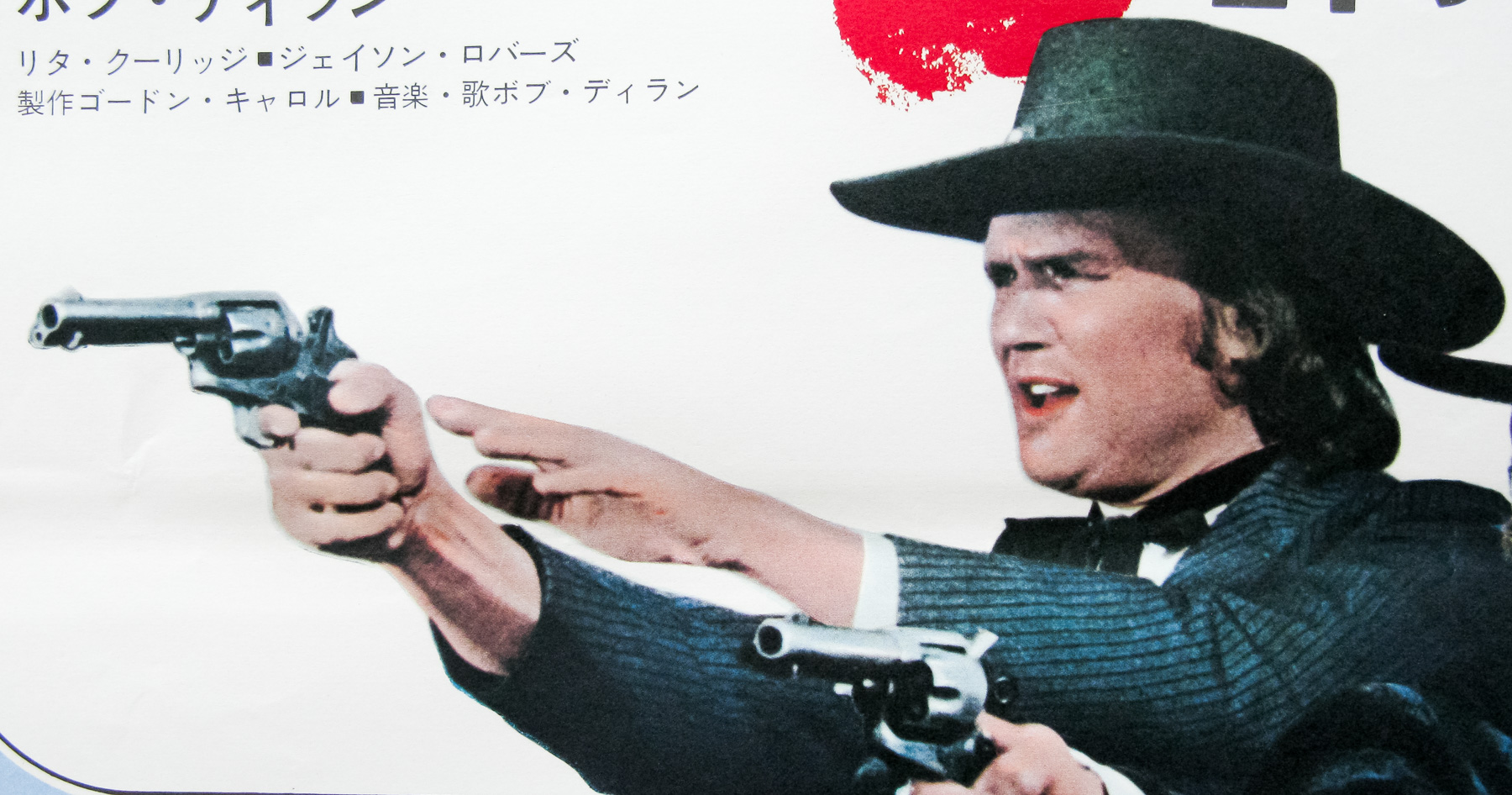
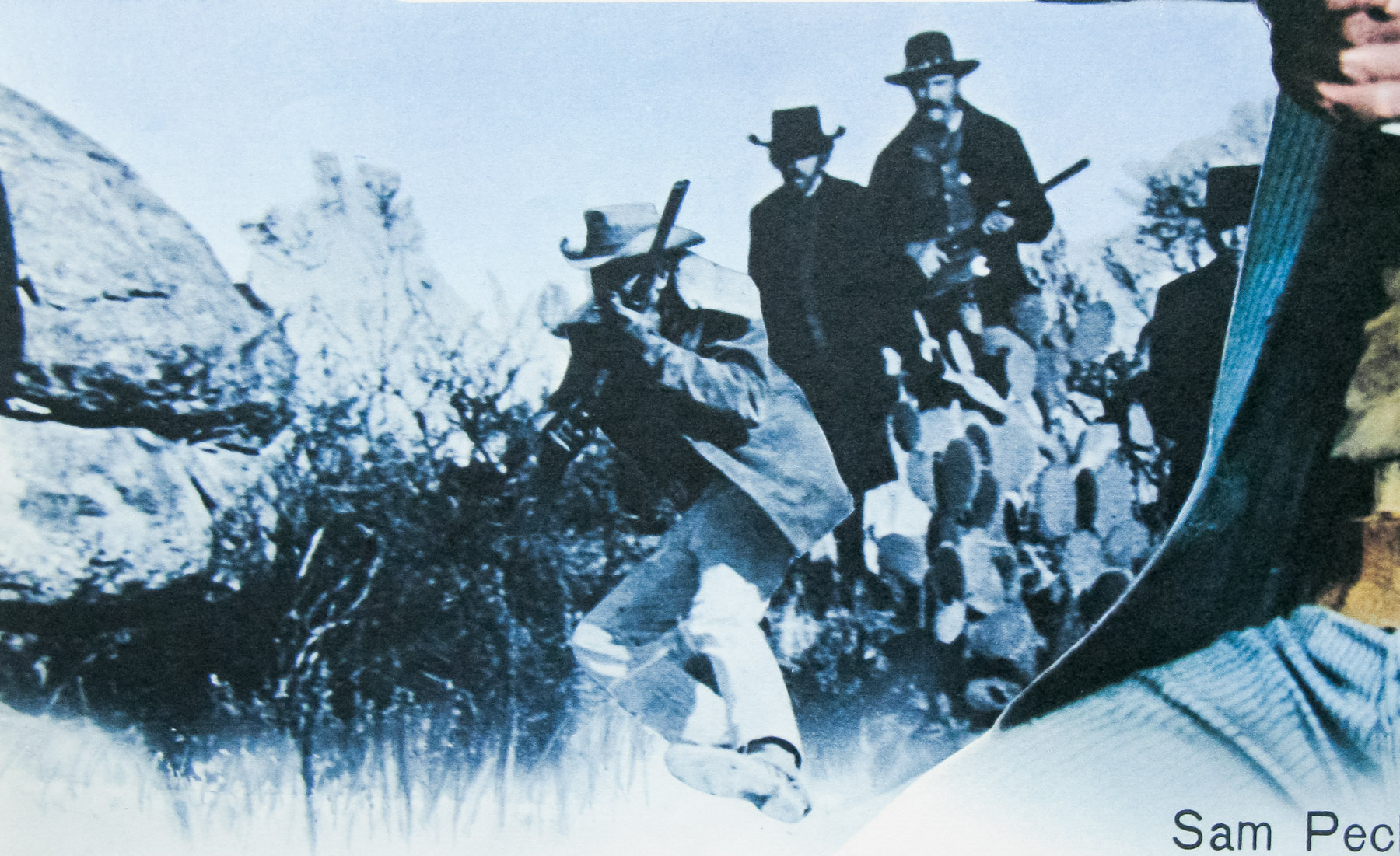
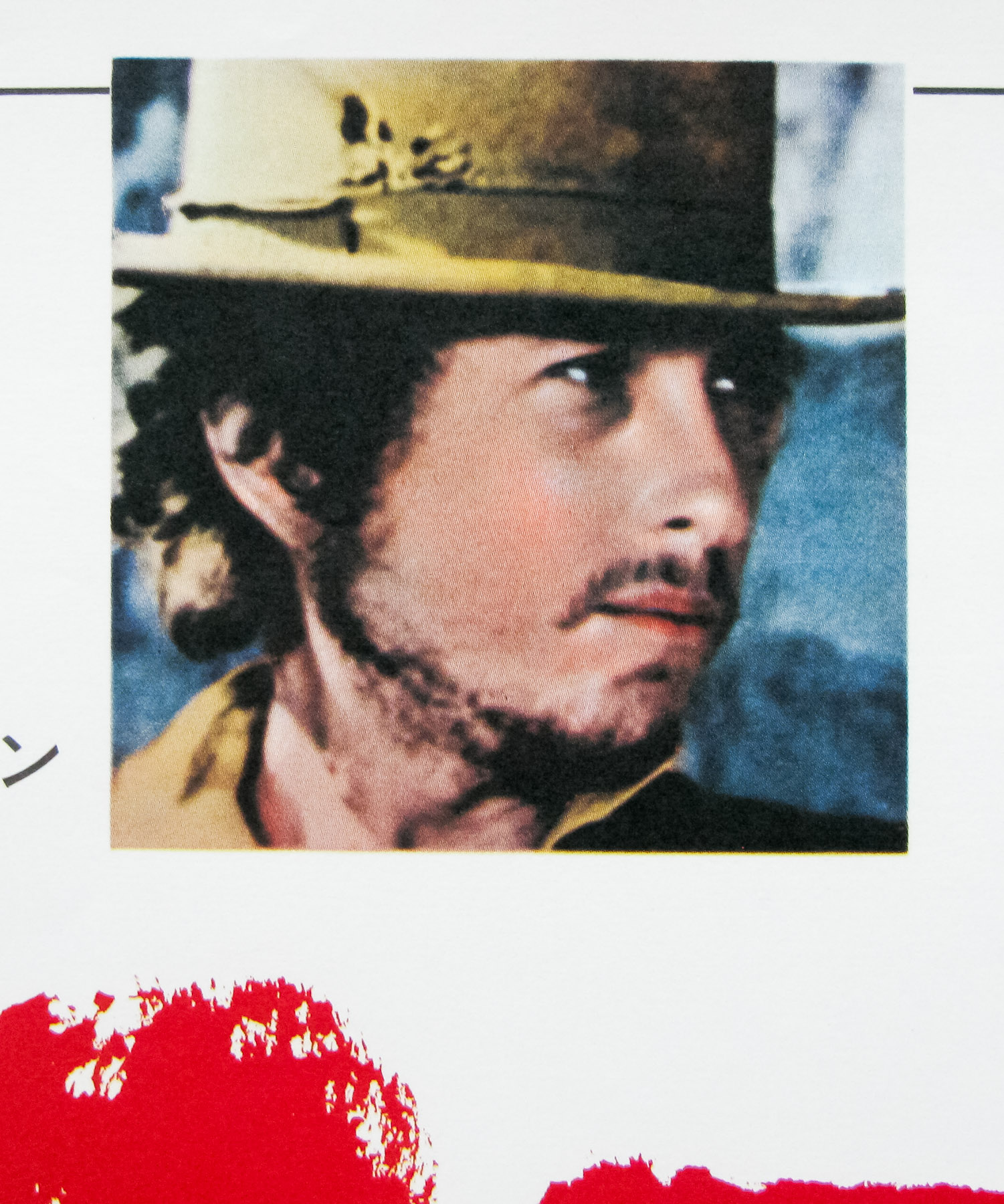
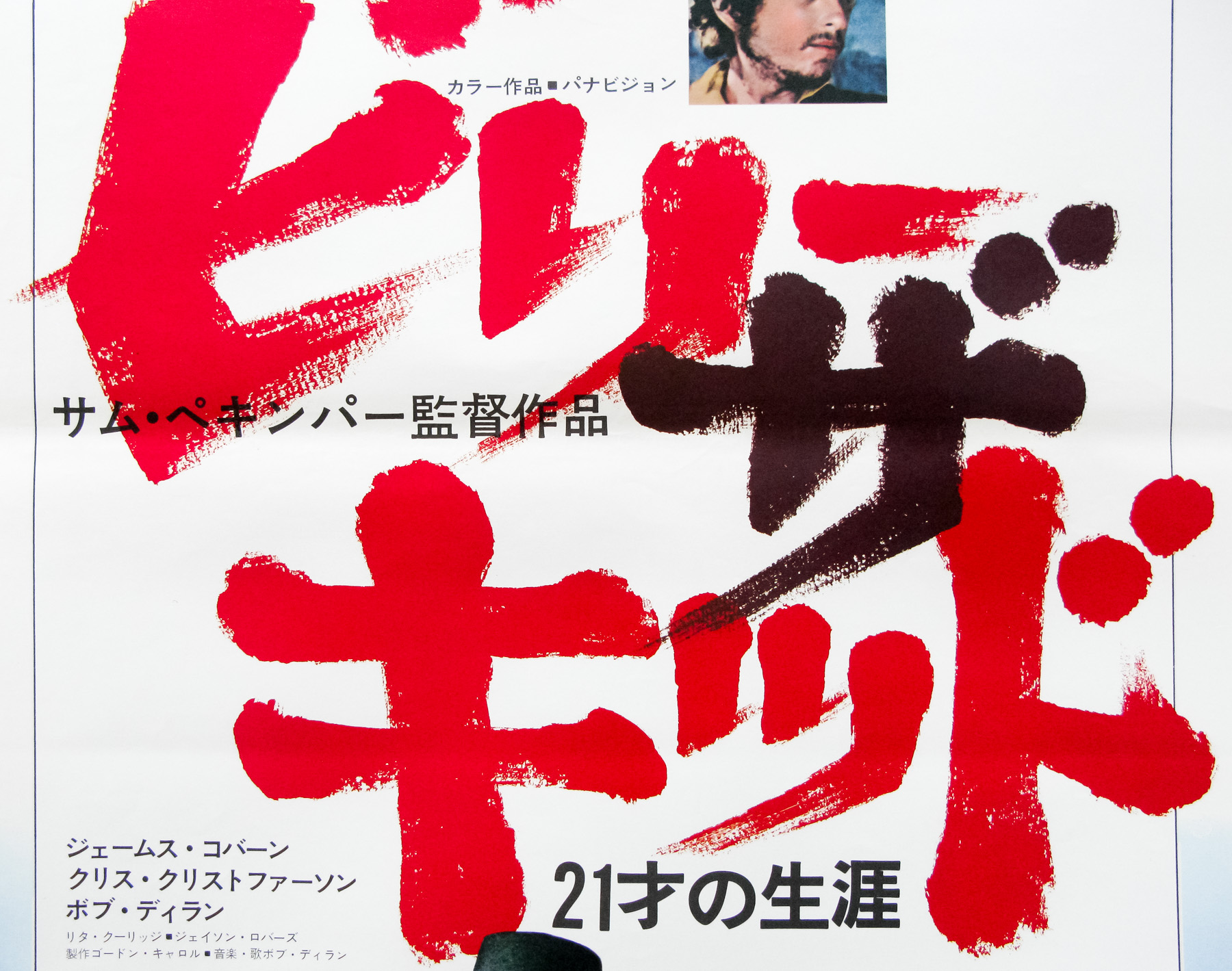
A striking use of Japanese characters on this poster for Sam Peckinpah’s 1973 take on the true story of lawman versus outlaw, Pat Garrett and Billy the Kid. The film starred James Coburn and Kris Kristofferson and featured American musician Bob Dylan in his first film role. Dylan also composed several songs for the soundtrack and released an album of the same name that year, which featured the classic song ‘Knockin’ on Heaven’s Door’.

This was Peckinpah’s third western and it’s said that he wanted the film to be the definitive statement on the genre. Sadly, multiple problems beset the production, including budgetary and time constraints, malfunctioning equipment and sick cast and crew members. This led to a falling out between the director and the studio (MGM) and ultimately saw the film being removed from Peckinpah’s control. The footage was roughly edited and cut down before being dumped into cinemas, with an unsurprisingly poor critical and commercial outcome.

In 1988 a director’s cut of the film was released and led to it being given a favourable reappraisal from critics and many now hail the film as one of Peckinpah’s best. In 2005 a third version was released onto DVD, which combines the two cuts and adds in some new material whilst still running shorter than the director’s cut.

The original trailer is on YouTube.
Patton / B2 / Japan

20.02.17

Poster Poster
Title
Patton
AKA
Patton - Rebell in Uniform (West Germany)
Year of Film
1970
Director
Franklin J. Schaffner
Starring
George C. Scott, Karl Malden, Stephen Young, Michael Strong, Carey Loftin, Albert Dumortier, Frank Latimore, Morgan Paull, Karl Michael Vogler
Origin of Film
USA
Genre(s) of Film
George C. Scott, Karl Malden, Stephen Young, Michael Strong, Carey Loftin, Albert Dumortier, Frank Latimore, Morgan Paull, Karl Michael Vogler,
Type of Poster
B2
Style of Poster
--
Origin of Poster
Japan
Year of Poster
1970
Designer
Unknown
Artist
--
Size (inches)
20 6/16" x 28 14/16"
SS or DS
SS
Tagline
--

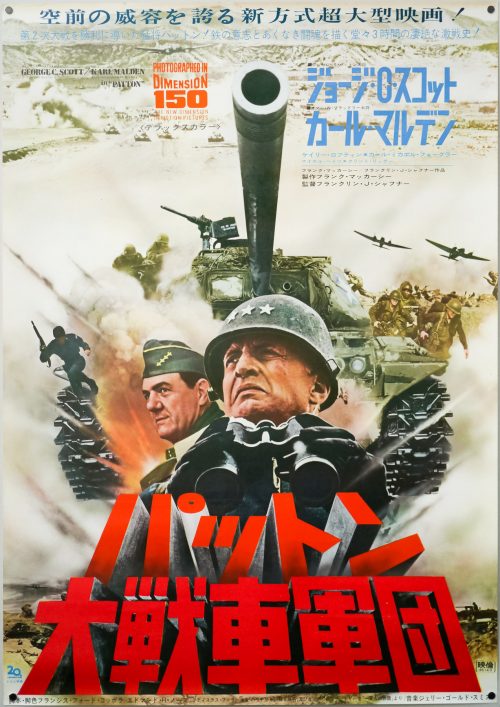
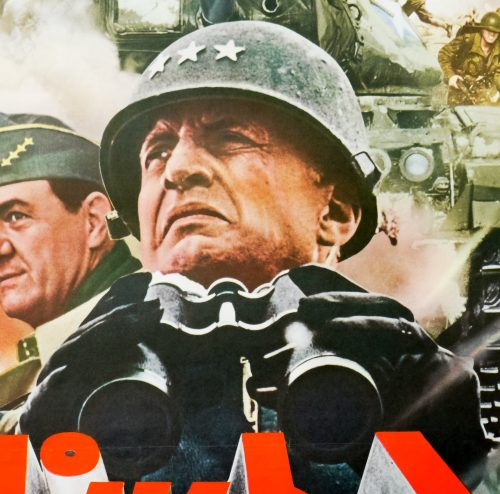
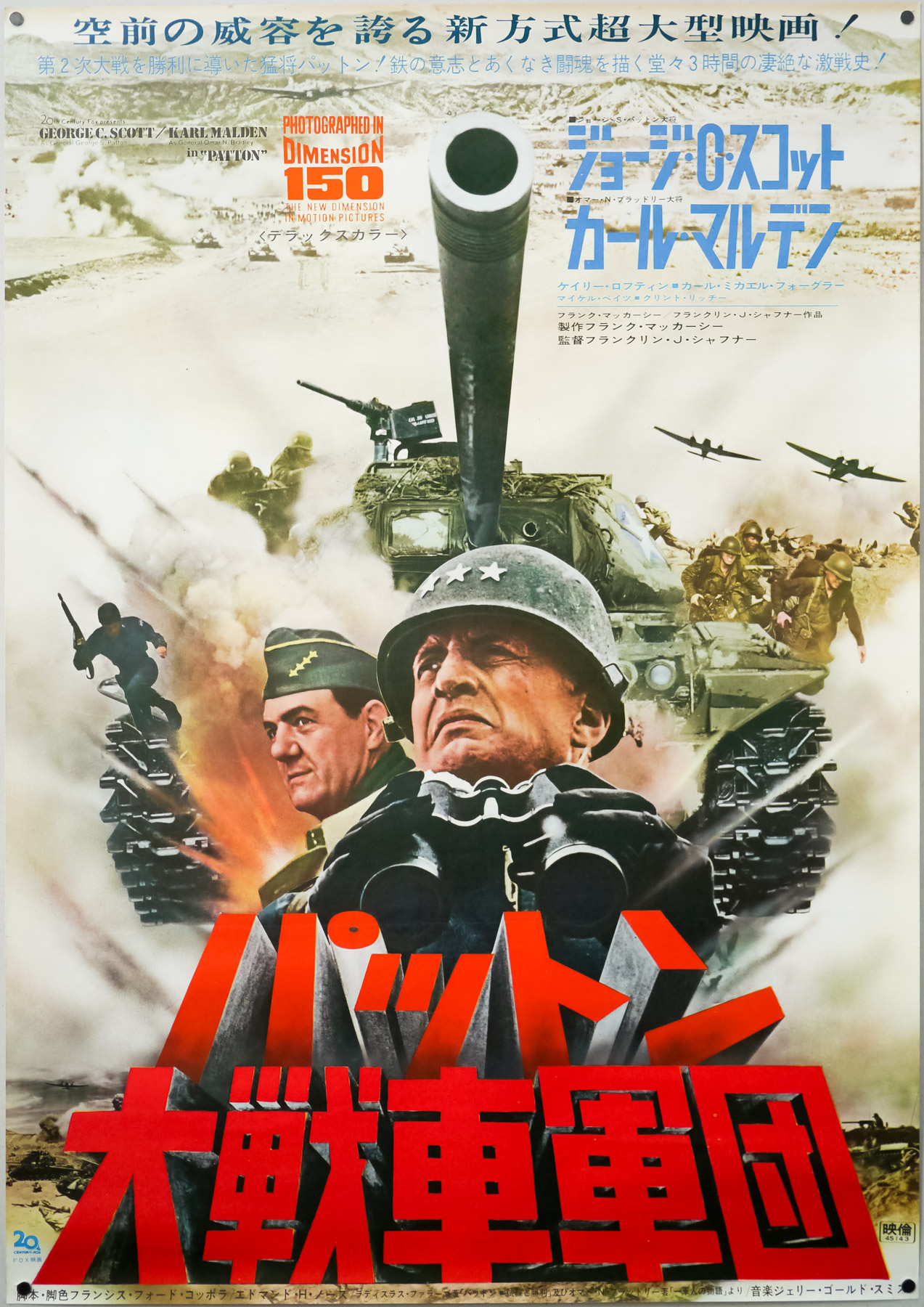
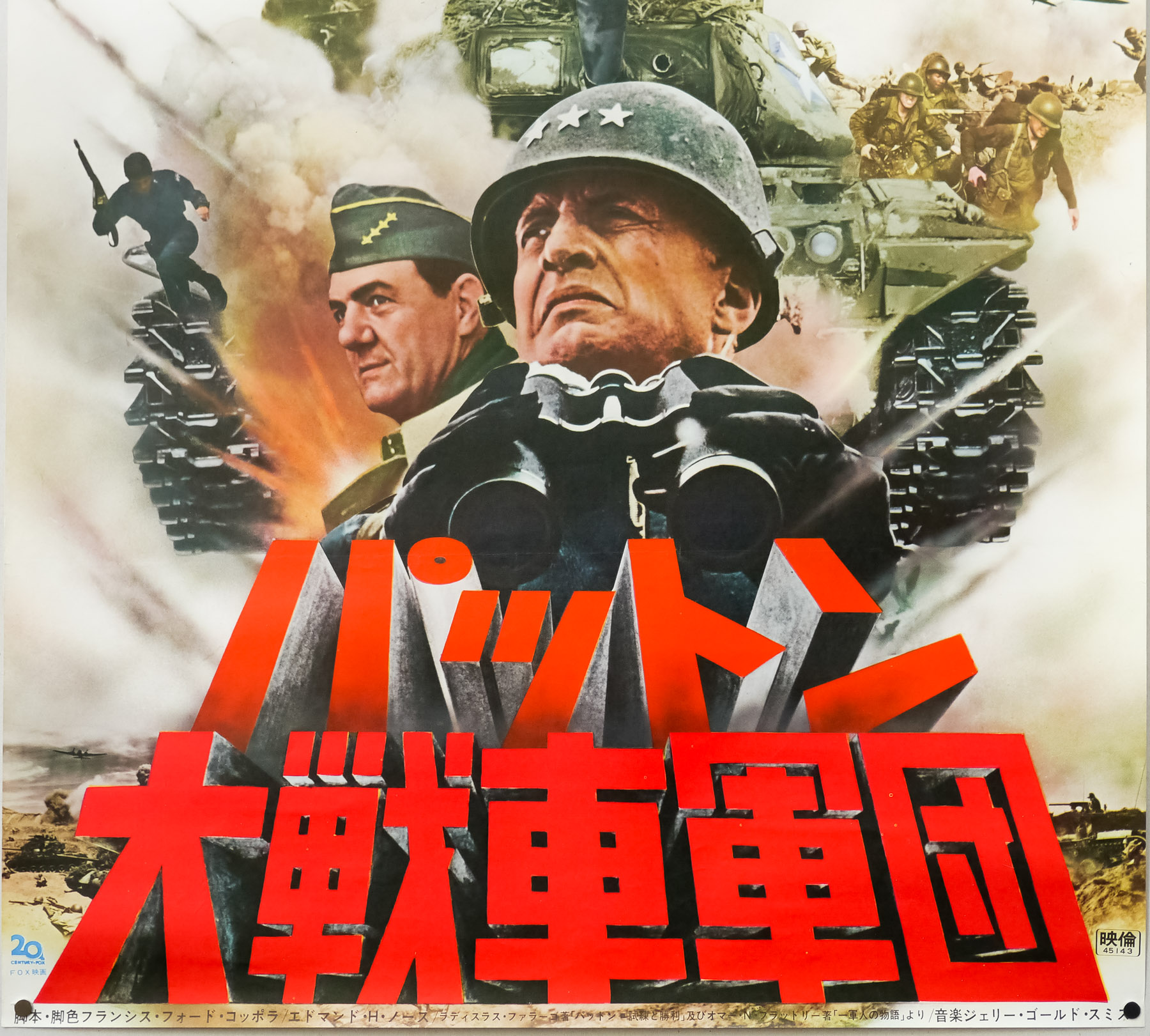
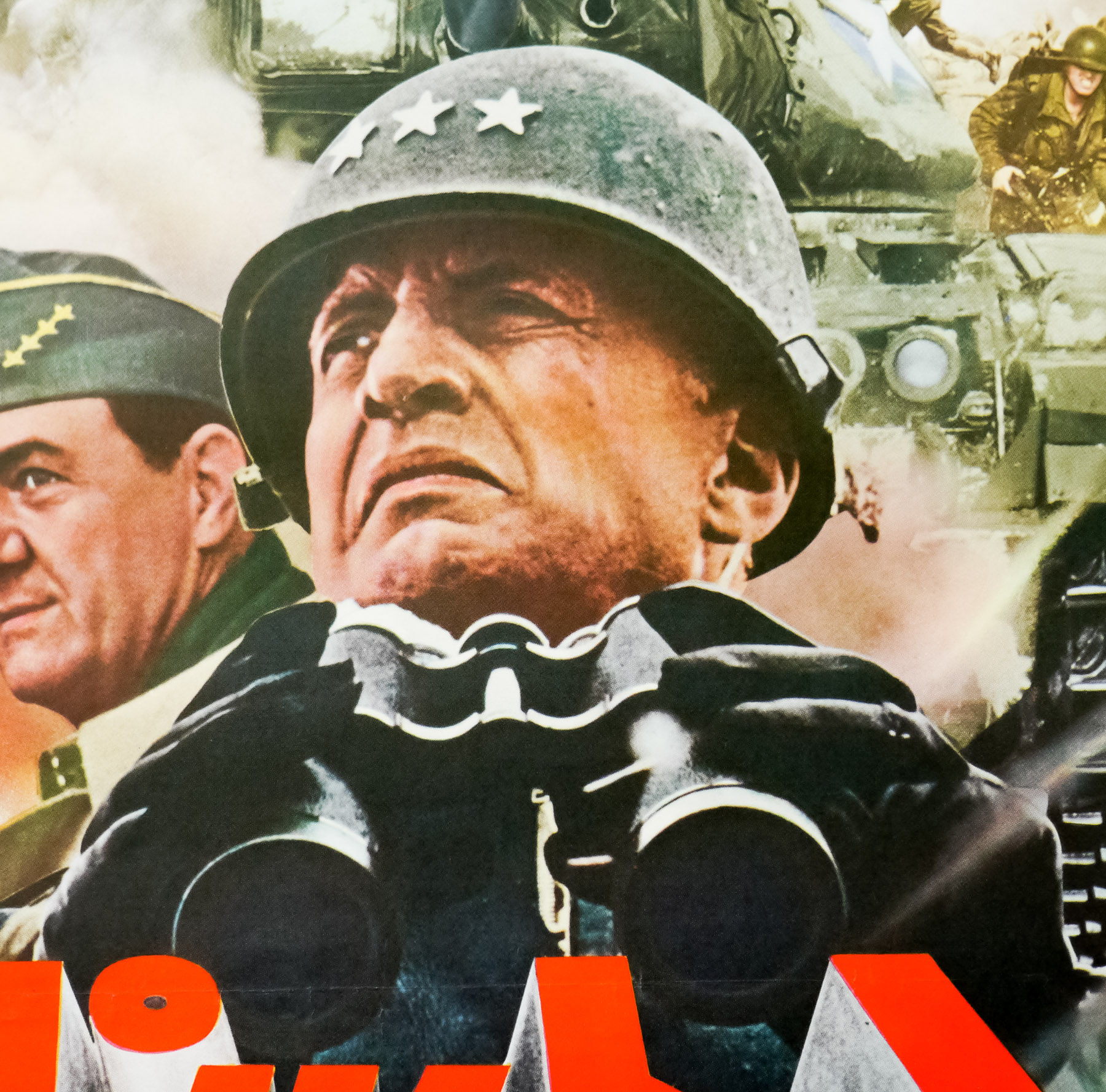
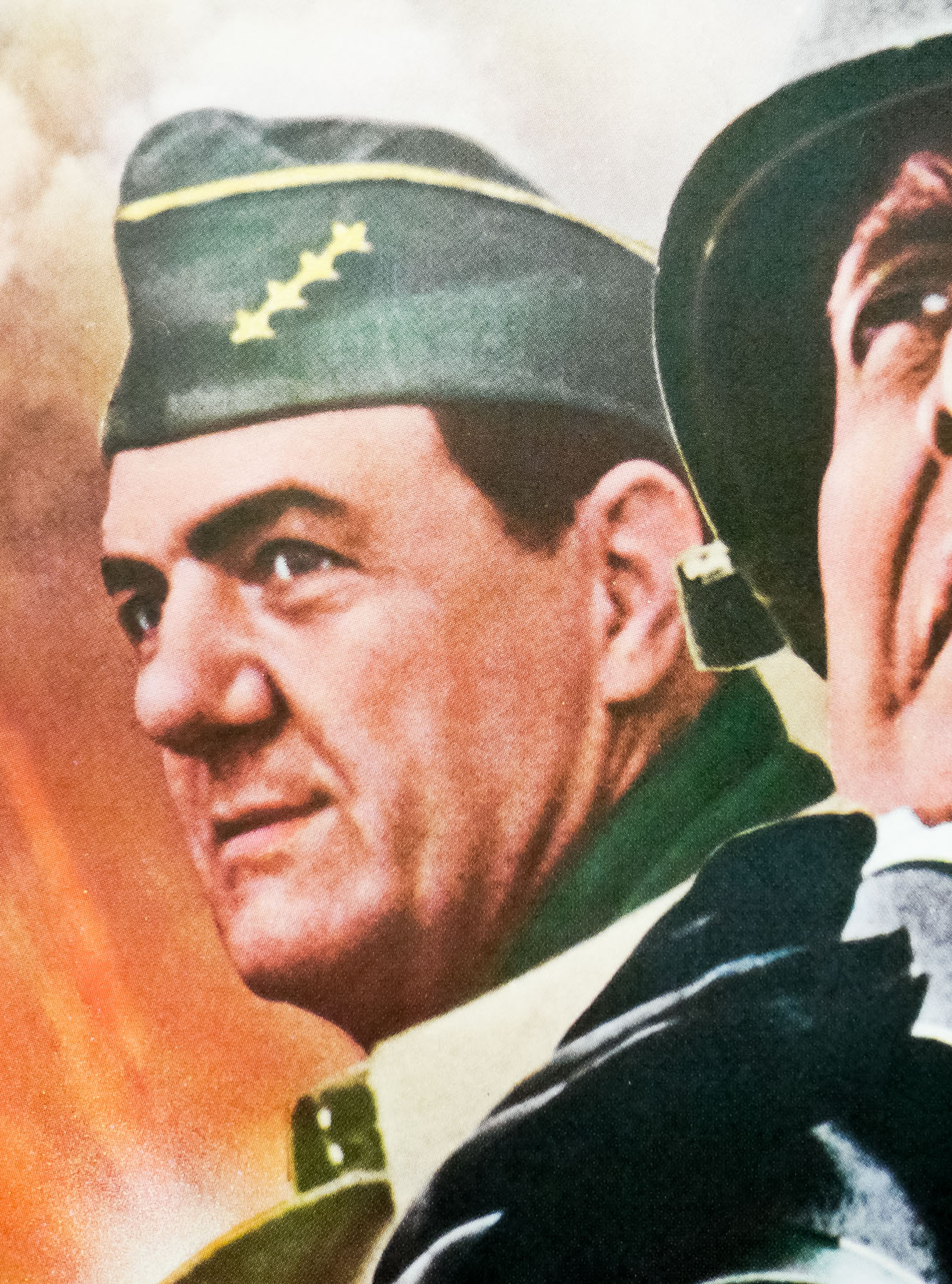
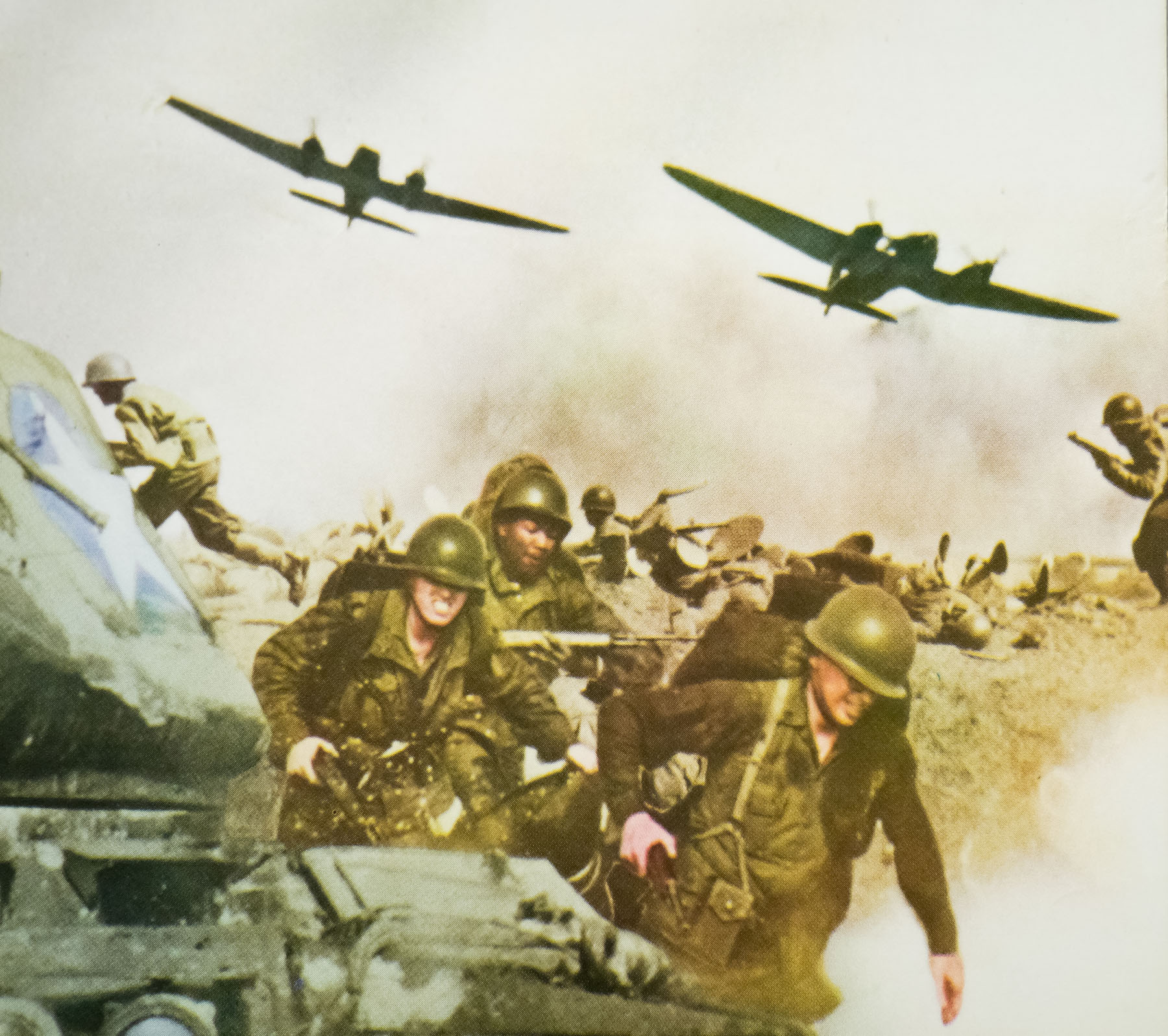
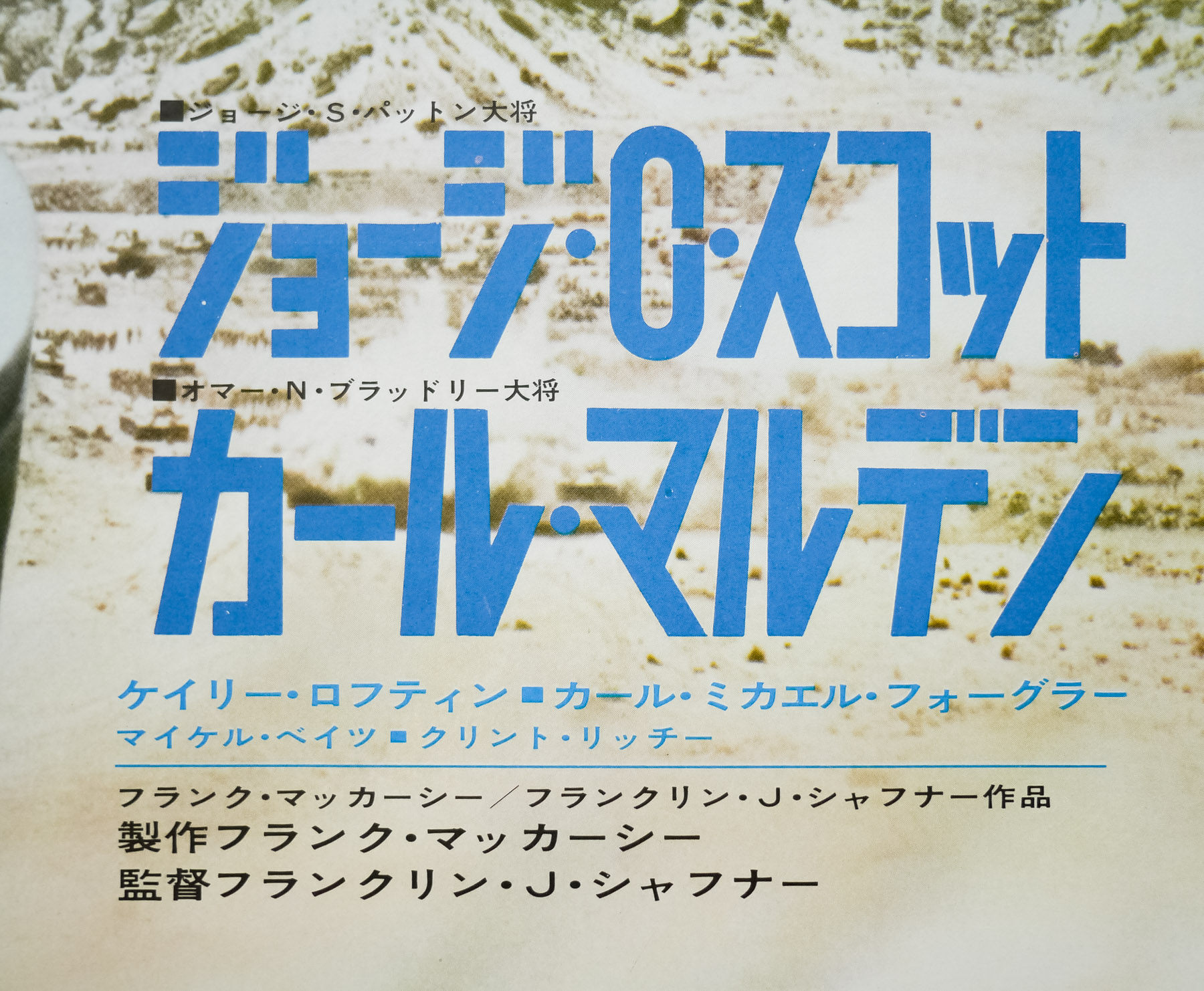
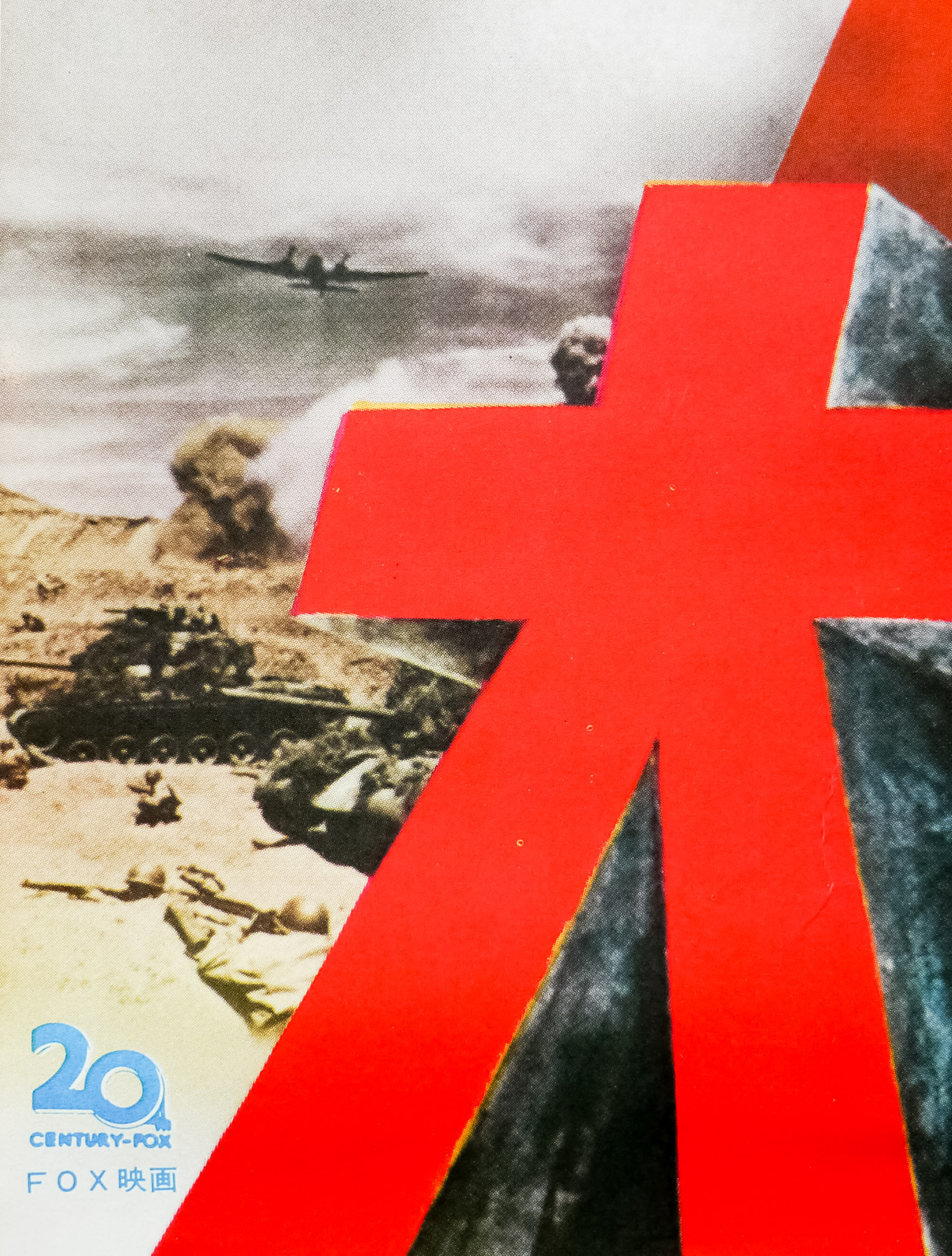
This is the original Japanese poster for the award-winning biography of General George S. Patton, the celebrated US Army officer who led successful campaigns during World War II. The film, simply titled Patton, was in development for several years and was something of a passion project for producer Frank McCarthy who had worked at the United States Department of War during WWII. The film was directed by Franklin J. Schaffner (arguably best known for Planet of the Apes, 1968) and starred the late actor George C. Scott in one of his most celebrated roles as the eponymous general. Karl Malden also appears as fellow senior officer, General Omar N. Bradley. The screenplay was written by Francis Ford Coppola and Edmund H. North, with the pair (who never worked together in person) basing their screenplay on two biographies of Patton. 

The film opens with a famous monologue where Patton addresses unseen troops in front of a giant American flag. The rest of the film, which clocks in at over three hours and features an intermission, deals with incidents from Patton’s career during World War II, including his successful campaigns in North Africa and Sicily. This includes controversial incidents that had a severe effect on his standing with the military top brass, including Allied Commander General Dwight Eisenhower (later US President). One involved him berating and slapping a shell-shocked soldier, which saw him reprimanded and forced to apologise to the entire division. Patton is depicted as something of a glory chaser, wanting to be at the front of any campaign and pushing the soldiers under him to their limits, with punishing schedules and lack of rest and relaxation. The final third of the film depicts his legendary sweep through Europe and into Germany before the eventual surrender of the German forces.

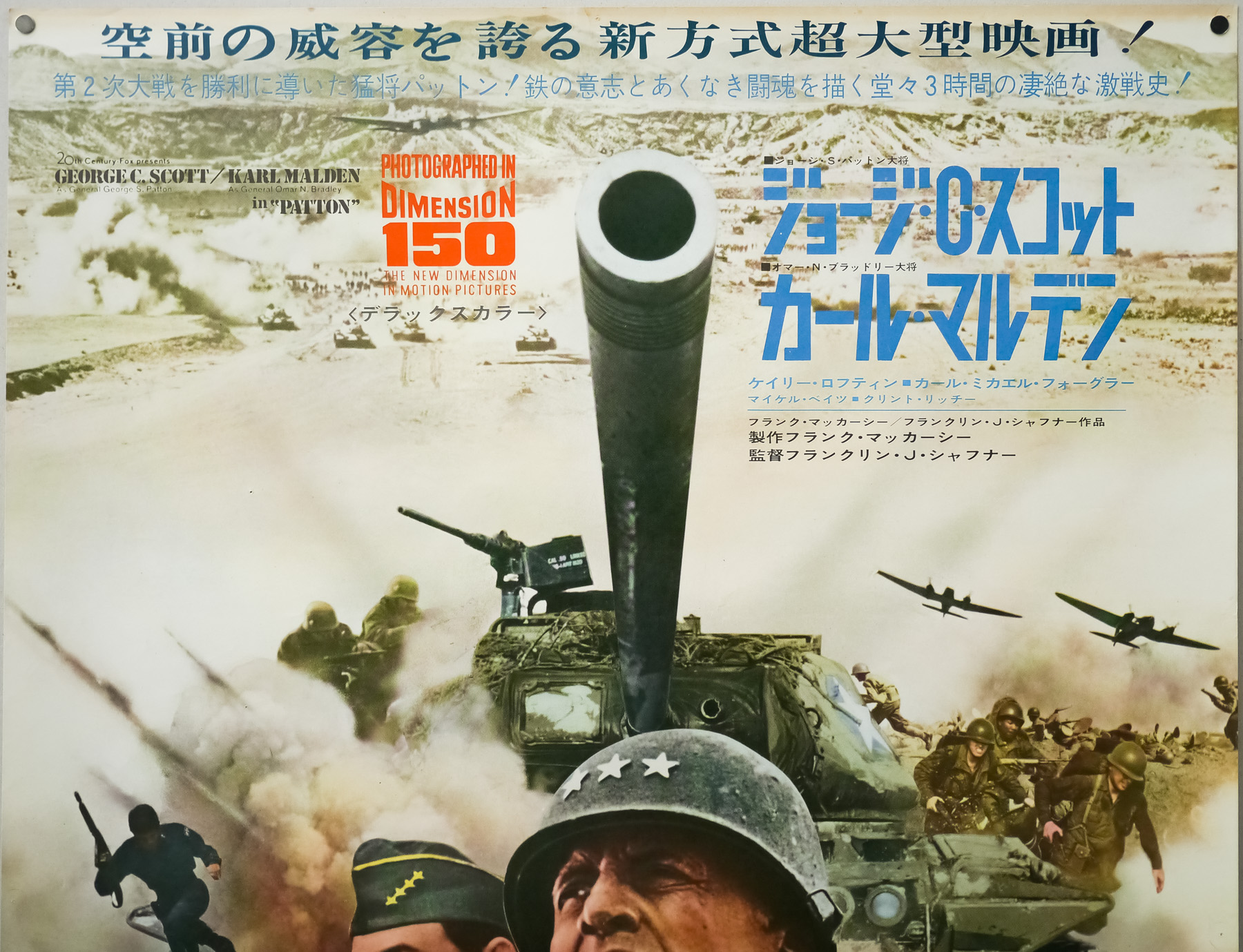
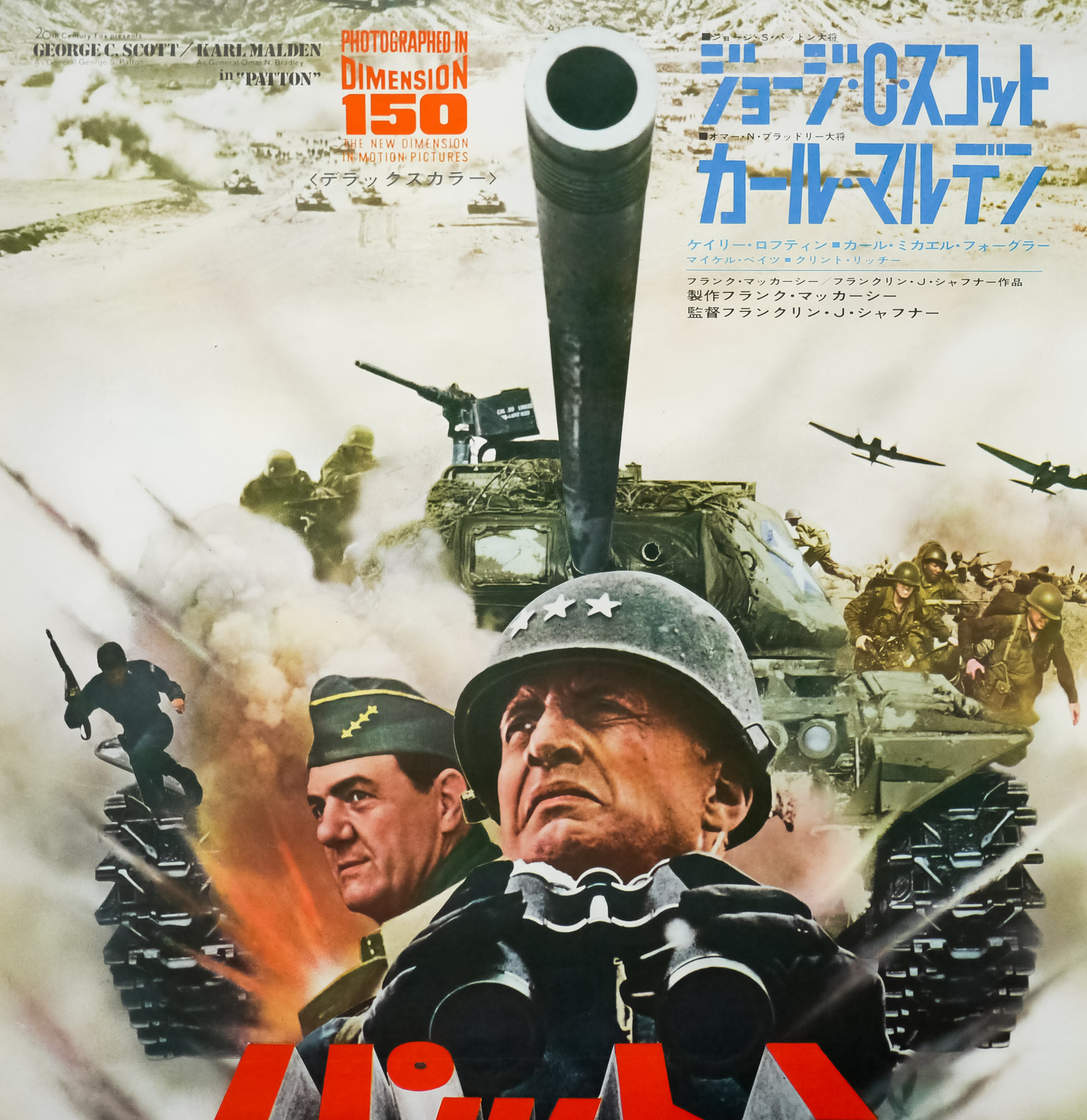
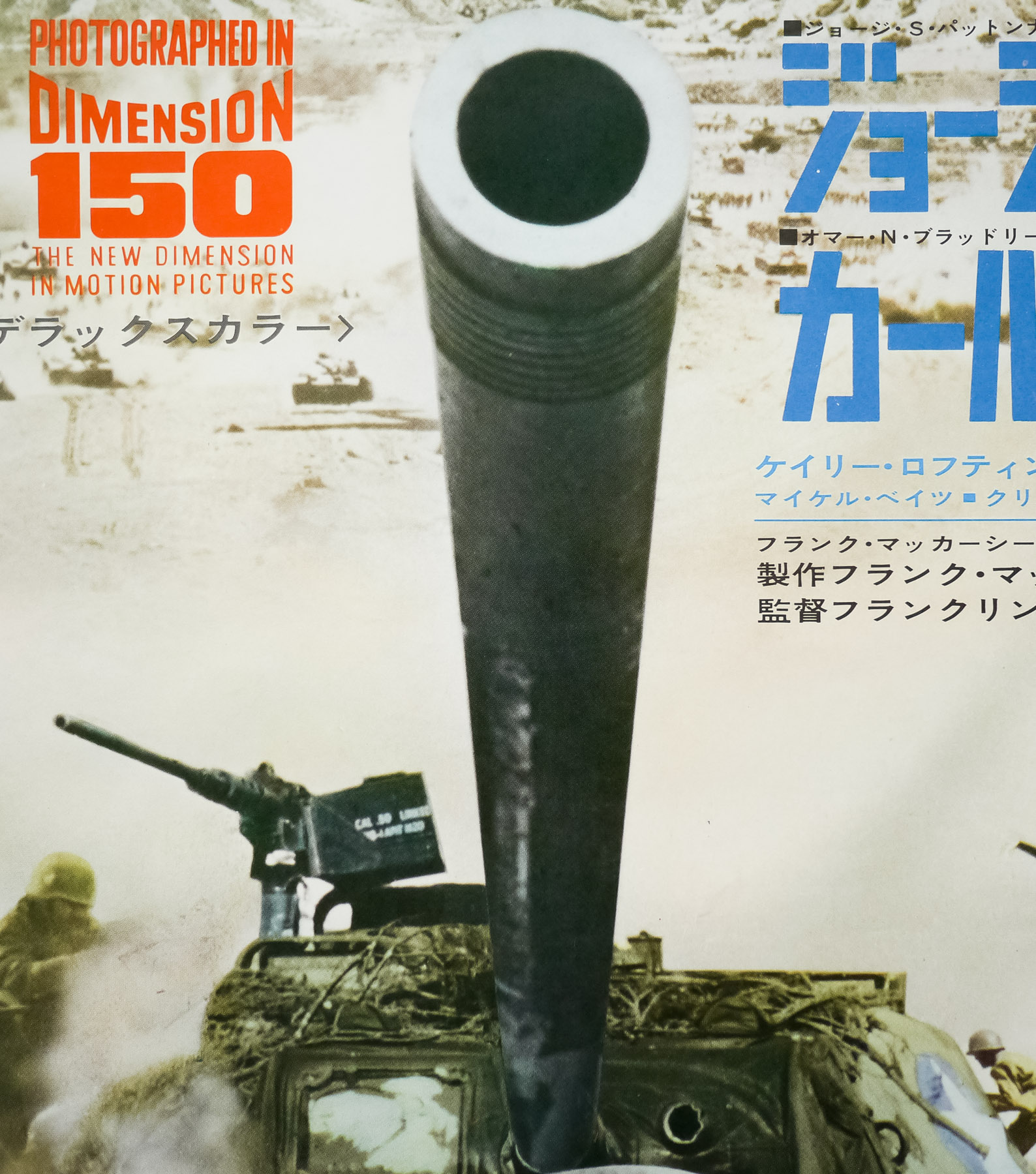
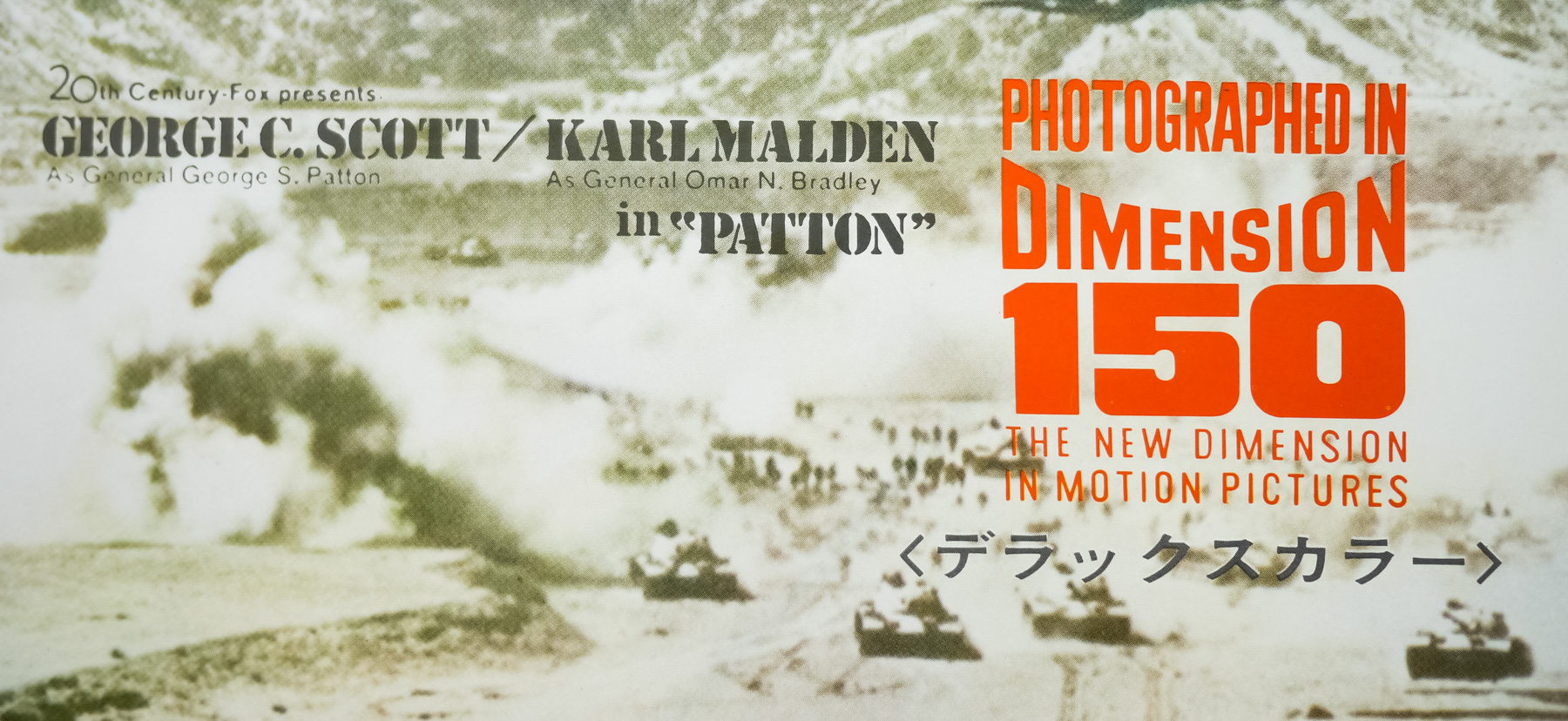
The film’s production design is incredible and, although largely filmed in Spain, the locations feel very authentic and the numerous battle scenes are suitably epic with plenty of actual military hardware in use (as opposed to the CGI that would be employed today). The film would justly win the Academy Award for Best Art Direction. It was also the Best Picture and Best Director winner at the 1971 ceremony, winning seven awards in total. Infamously, Scott won for Best Actor but declined the award, saying the politics around the ceremony was “demeaning” and that the show amounted to nothing more than “a two-hour meat parade”. The film remains one of the best War films made to this day. Note the Dimension 150 logo on this Japanese B2 poster which refers to an ultra-widescreen format, similar to Cinerama, that was only employed by two productions (The Bible being the other).

Poltergeist / B2 / Japan

27.04.12

Poster Poster
Title
Poltergeist
AKA
Duch (Poland)
Year of Film
1982
Director
Tobe Hooper
Starring
Craig T. Nelson, JoBeth Williams, Beatrice Straight, Dominique Dunne, Oliver Robins, Heather O'Rourke
Origin of Film
USA
Genre(s) of Film
Craig T. Nelson, JoBeth Williams, Beatrice Straight, Dominique Dunne, Oliver Robins, Heather O'Rourke,
Type of Poster
B2
Style of Poster
--
Origin of Poster
Japan
Year of Poster
1982
Designer
Unknown
Artist
--
Size (inches)
20 6/16" x 28 14/16"
SS or DS
SS
Tagline
--

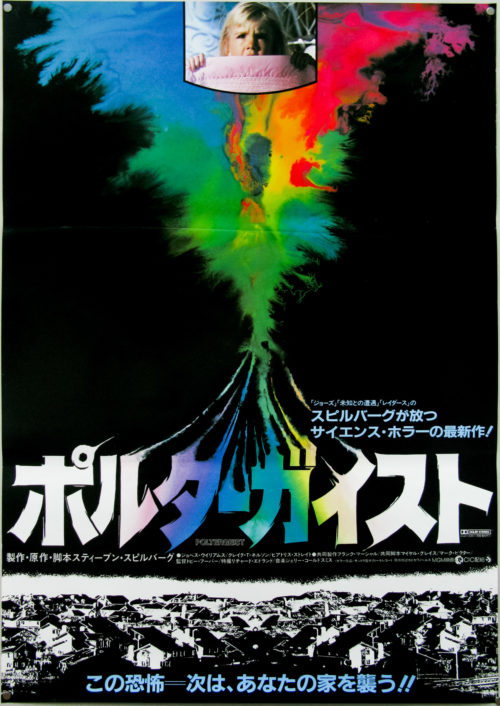
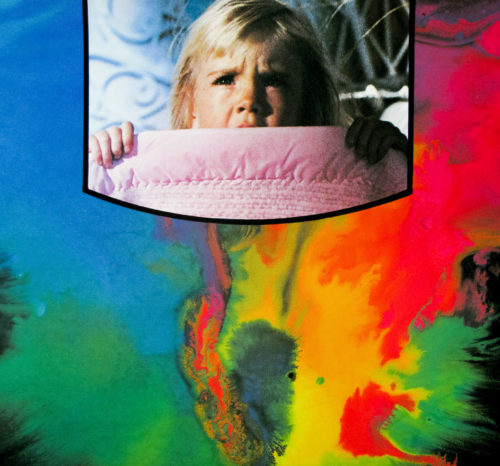
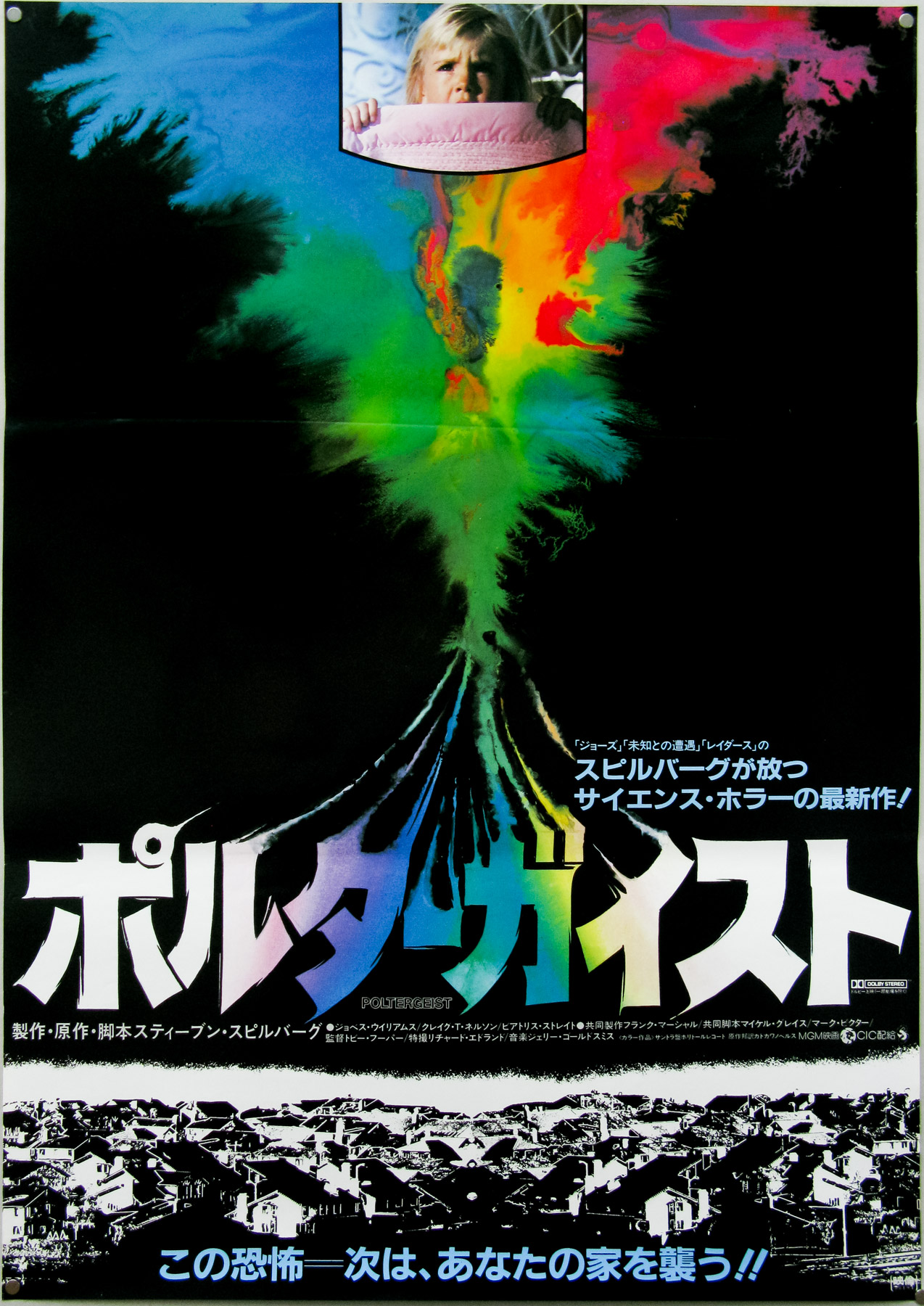
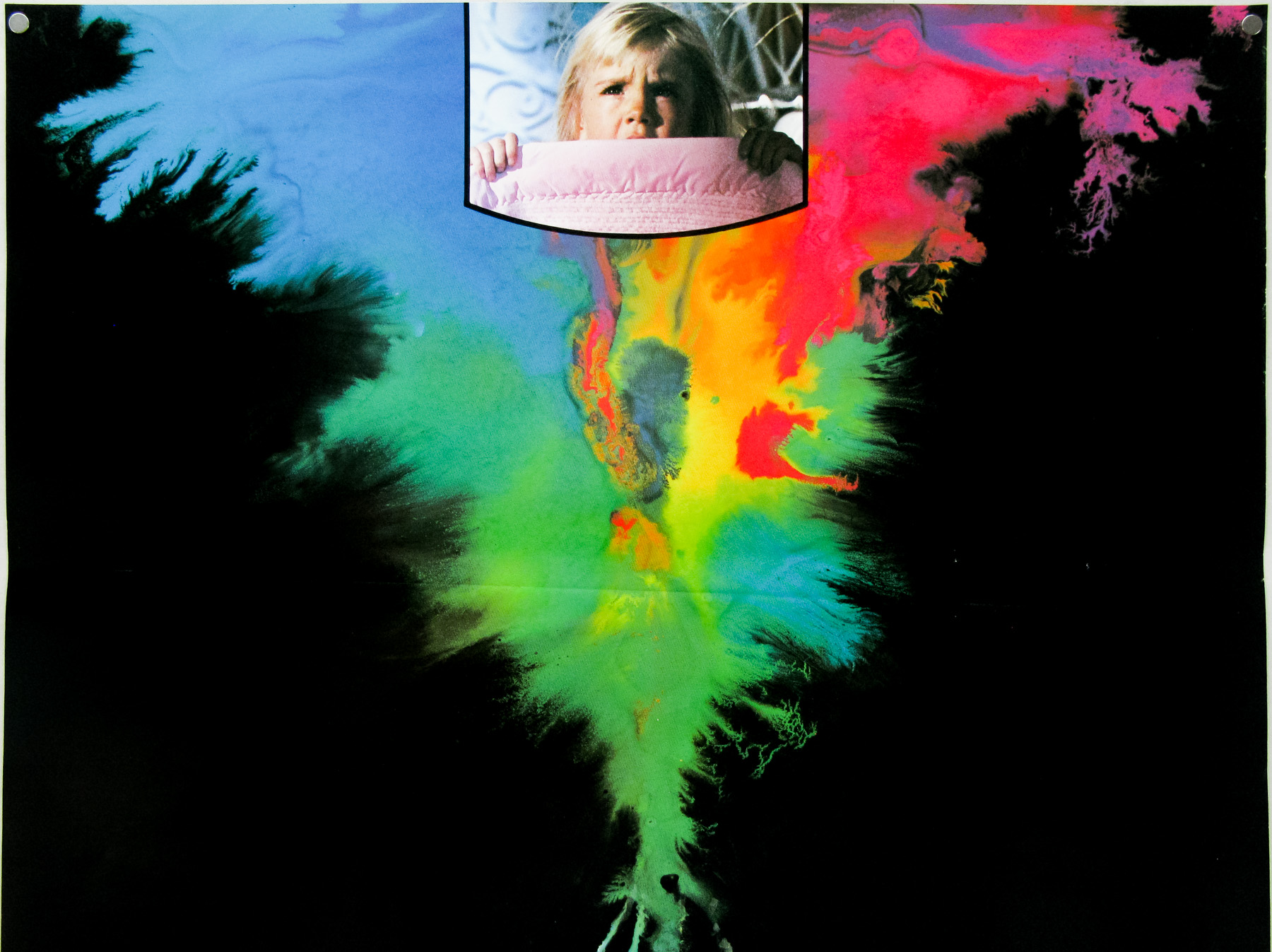
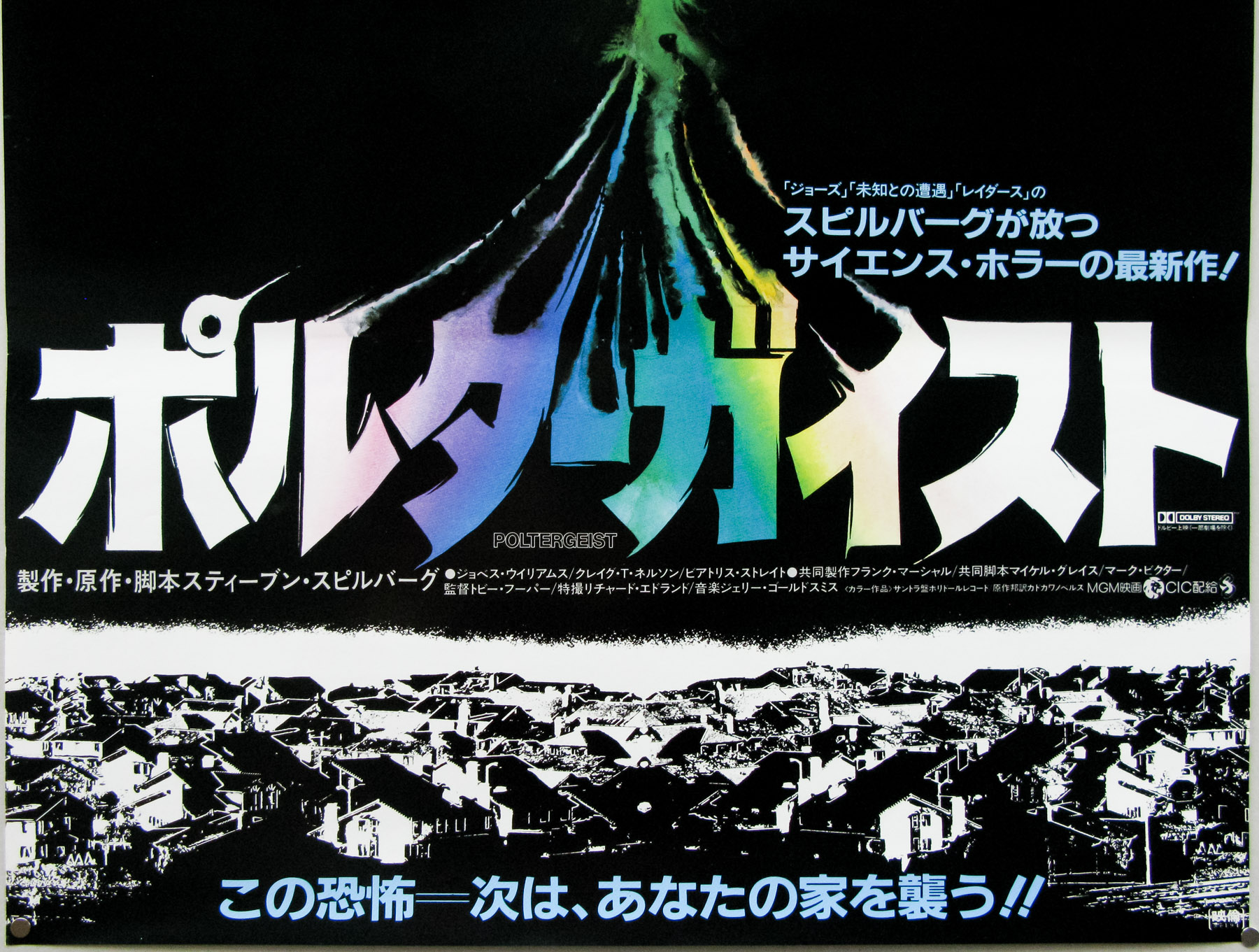
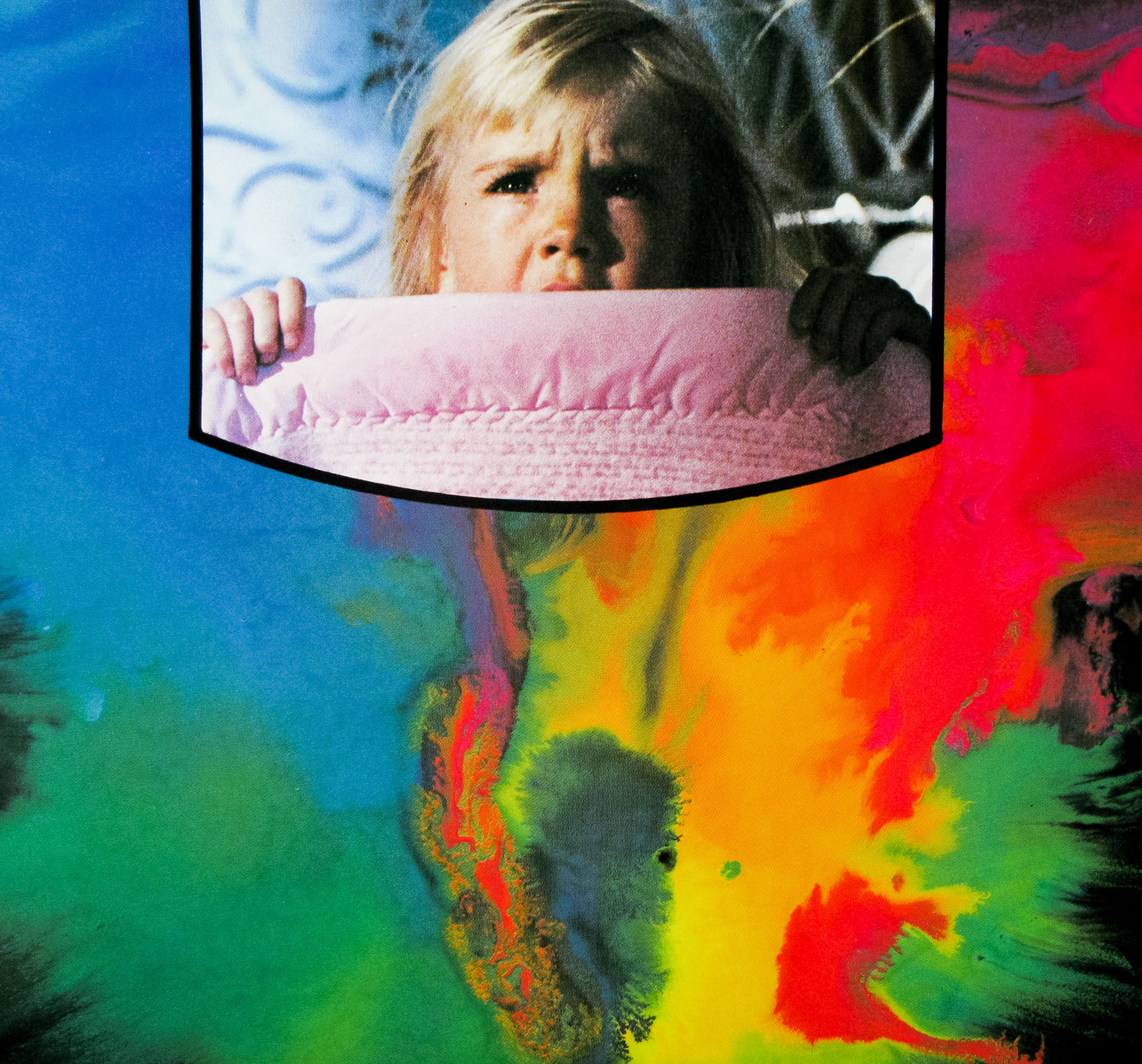
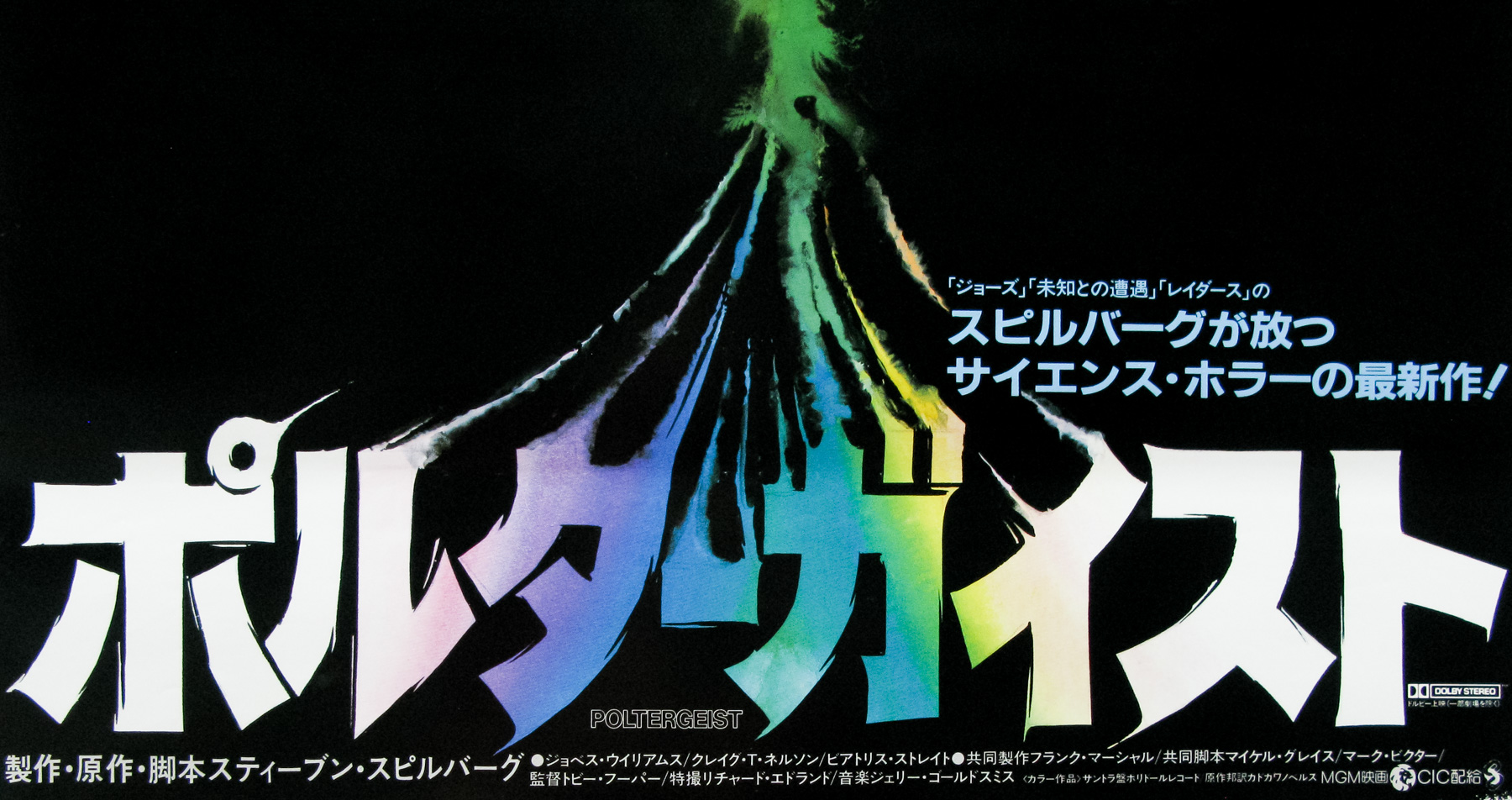
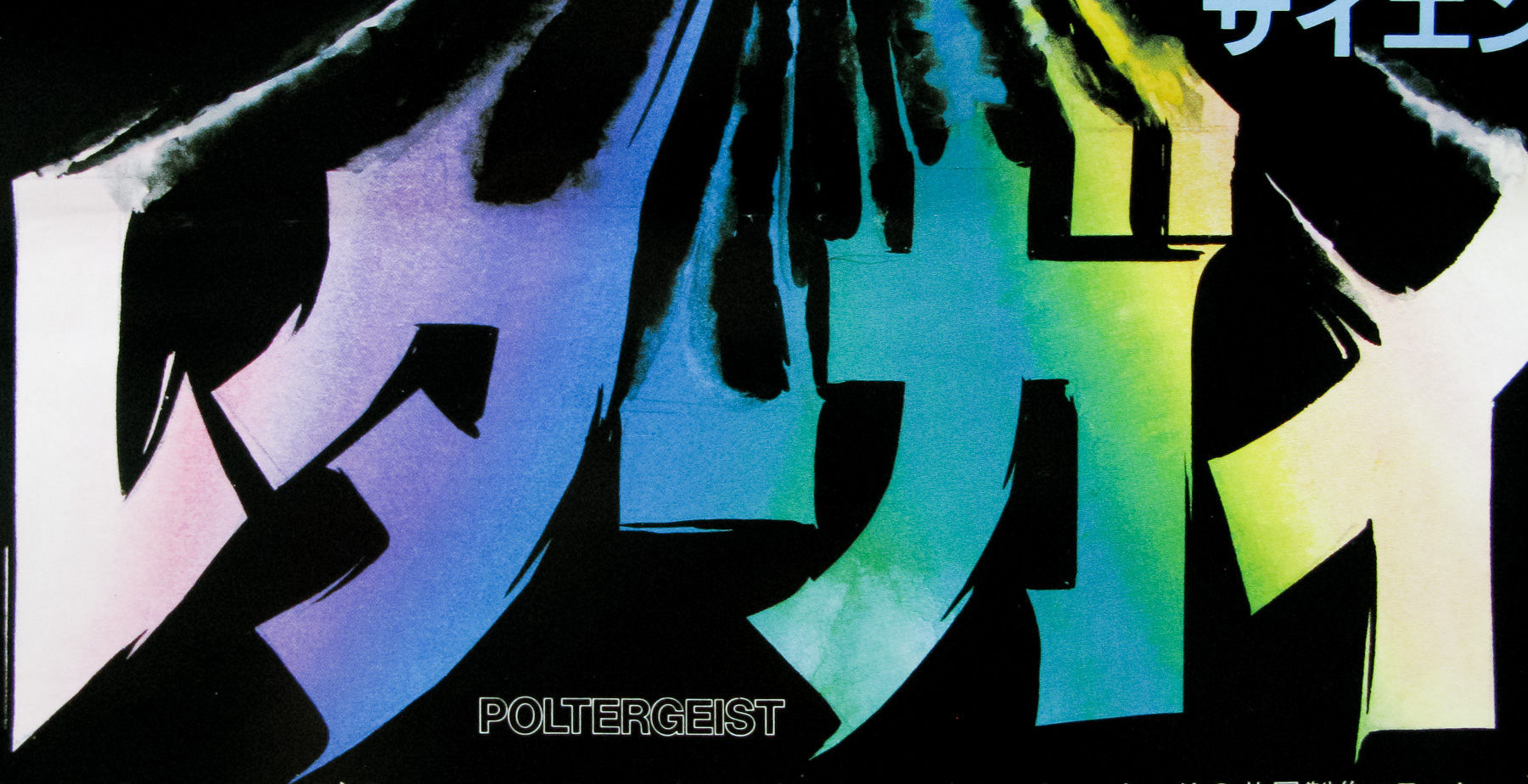
A striking design on this Japanese poster for Tobe Hooper‘s seminal horror, featuring significantly more colour than the US one sheet and the scared face of Carol Anne (Heather O’Rourke). Although it’s now 30 years since its release the film is still very effective, thanks to the sharp script, solid acting from the likes of JoBeth Williams, the unforgettable Zelda Rubinstein as the psychic Tangina, and brilliant special effects by Industrial Light and Magic.

There are several stand out scenes, including the infamous tree attack, a terrifying clown and the first appearance of the extremely creepy Reverend Henry Kane (albeit in ghostly form), who would later feature in the sequels. There has always been an air of controversy surrounding the film’s true director, with various claims made that Steven Spielberg, who had co-written the story and was producing it at the same time as directing his mega-hit E.T.: The Extra-Terrestrial, was very active on the set to the point of taking over directing duties, but Tobe Hooper has hit back at these claims in recent years. This fan site has a good article on the situation.

One very specific bit of trivia is that a handful of original film posters can be seen in the bedroom of Robbie Freeling (Oliver Robins), including one for the original Star Wars.

The trailer is on YouTube.

Run, Angel, Run! / B2 / Japan

18.11.15

Poster Poster
Title
Run, Angel, Run!
AKA
--
Year of Film
1969
Director
Jack Starrett
Starring
William Smith, Valerie Starrett, Dan Kemp, Gene Shane, Lee de Broux, Eugene Cornelius, Paul Harper, Margaret Markov, Ann Fry
Origin of Film
USA
Genre(s) of Film
William Smith, Valerie Starrett, Dan Kemp, Gene Shane, Lee de Broux, Eugene Cornelius, Paul Harper, Margaret Markov, Ann Fry,
Type of Poster
B2
Style of Poster
--
Origin of Poster
Japan
Year of Poster
1969
Designer
Unknown
Artist
--
Size (inches)
20 4/16" x 28 15/16"
SS or DS
SS
Tagline
--

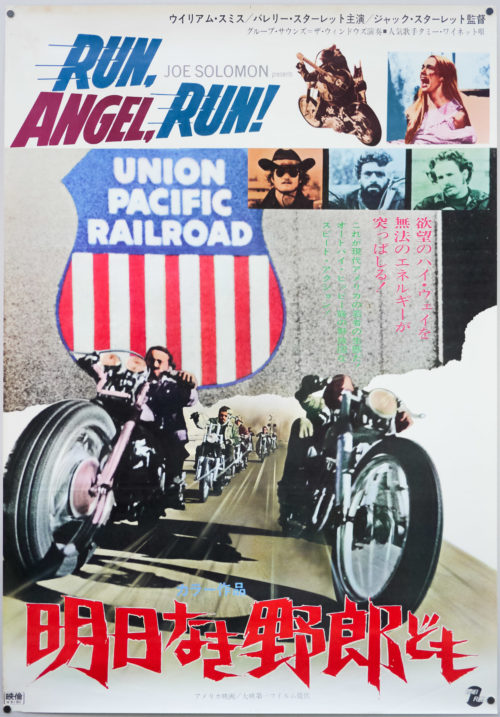
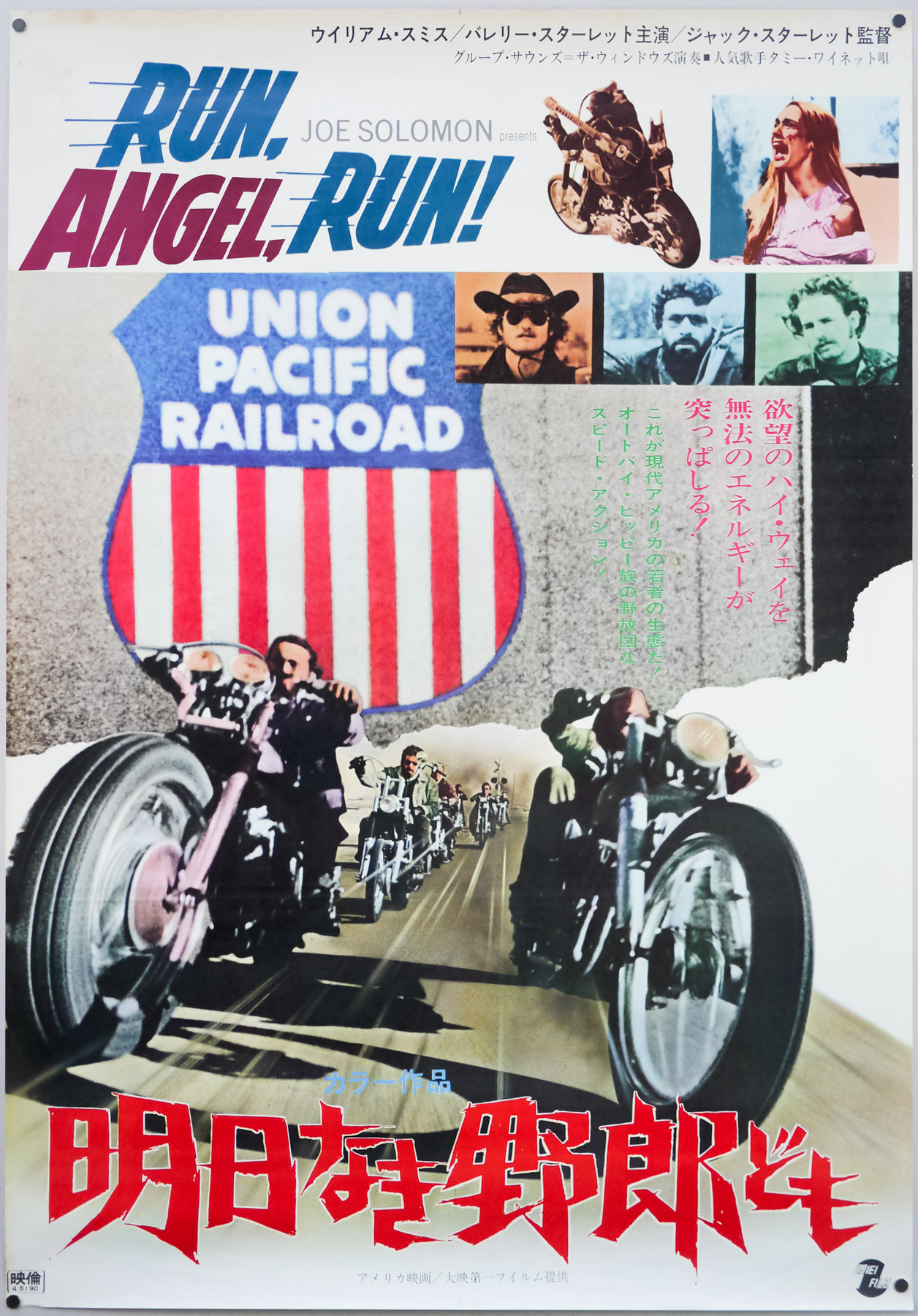
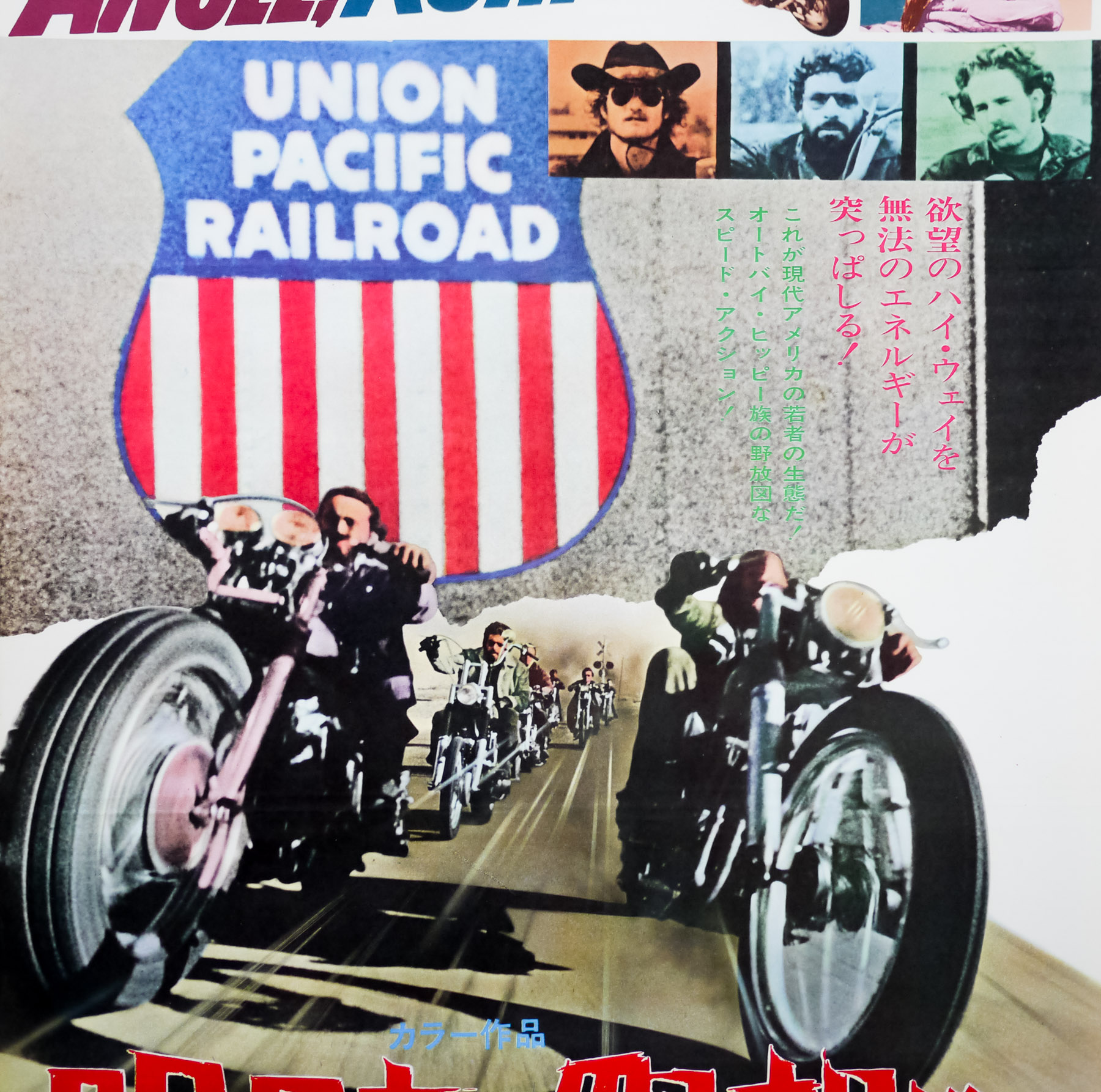
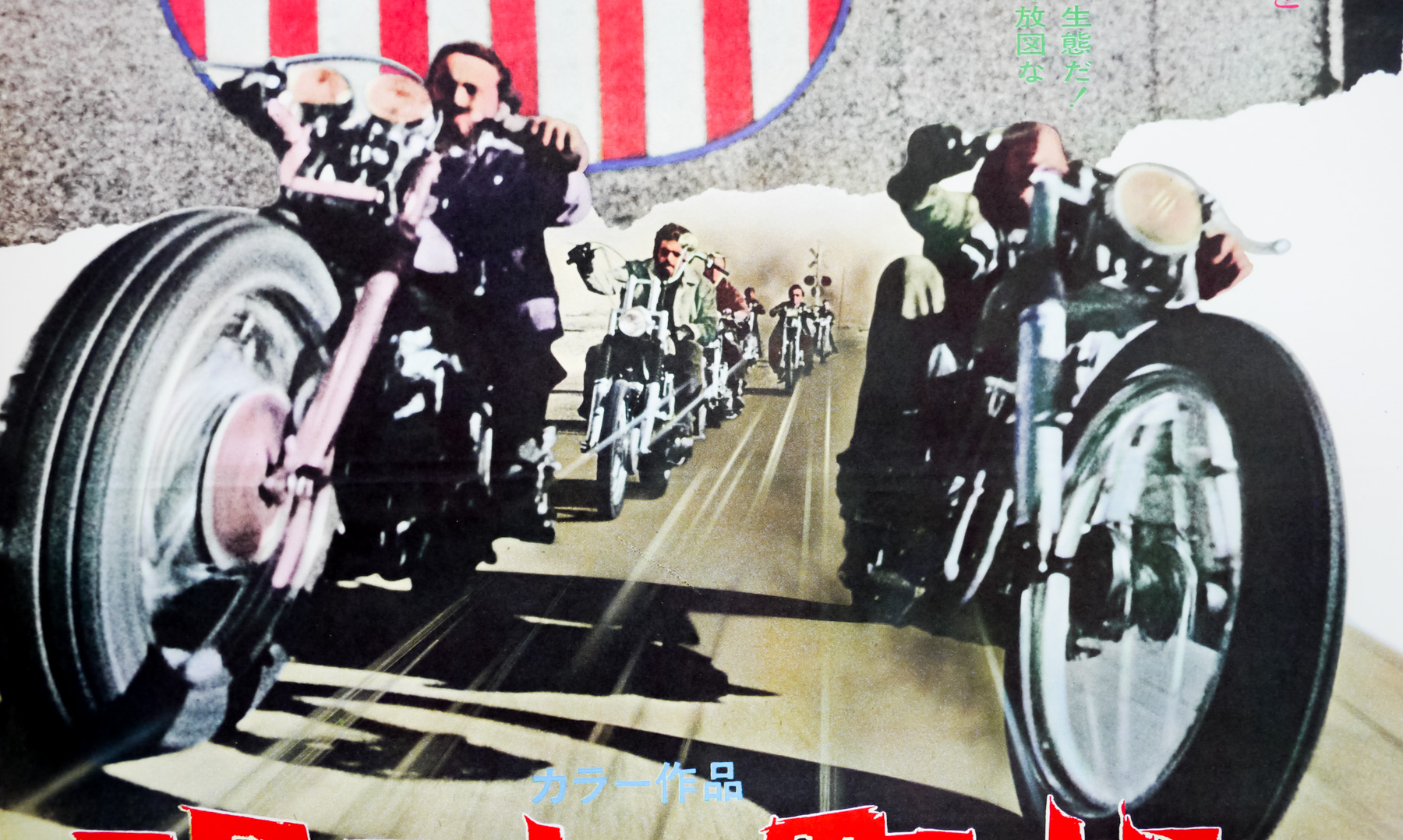
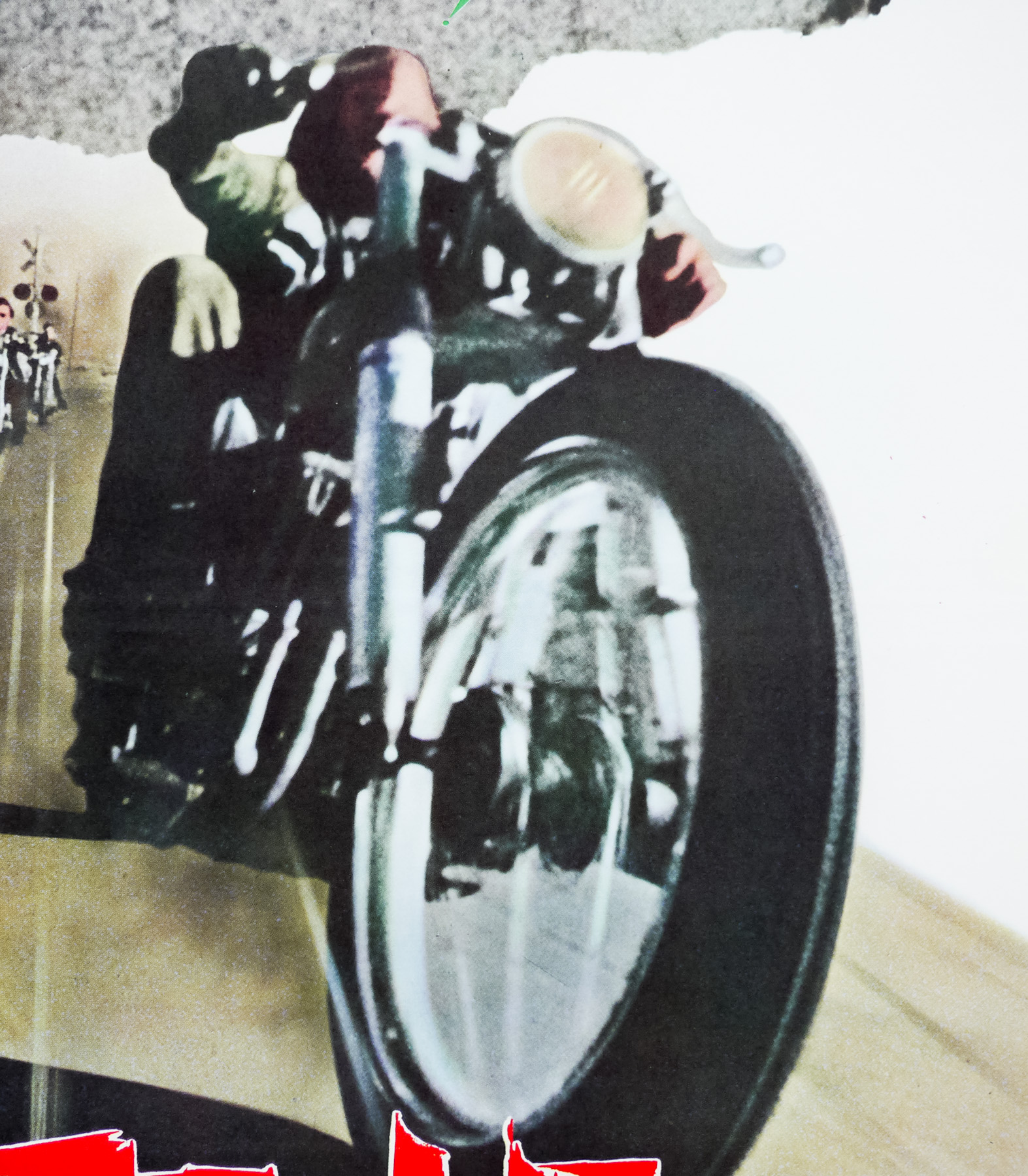
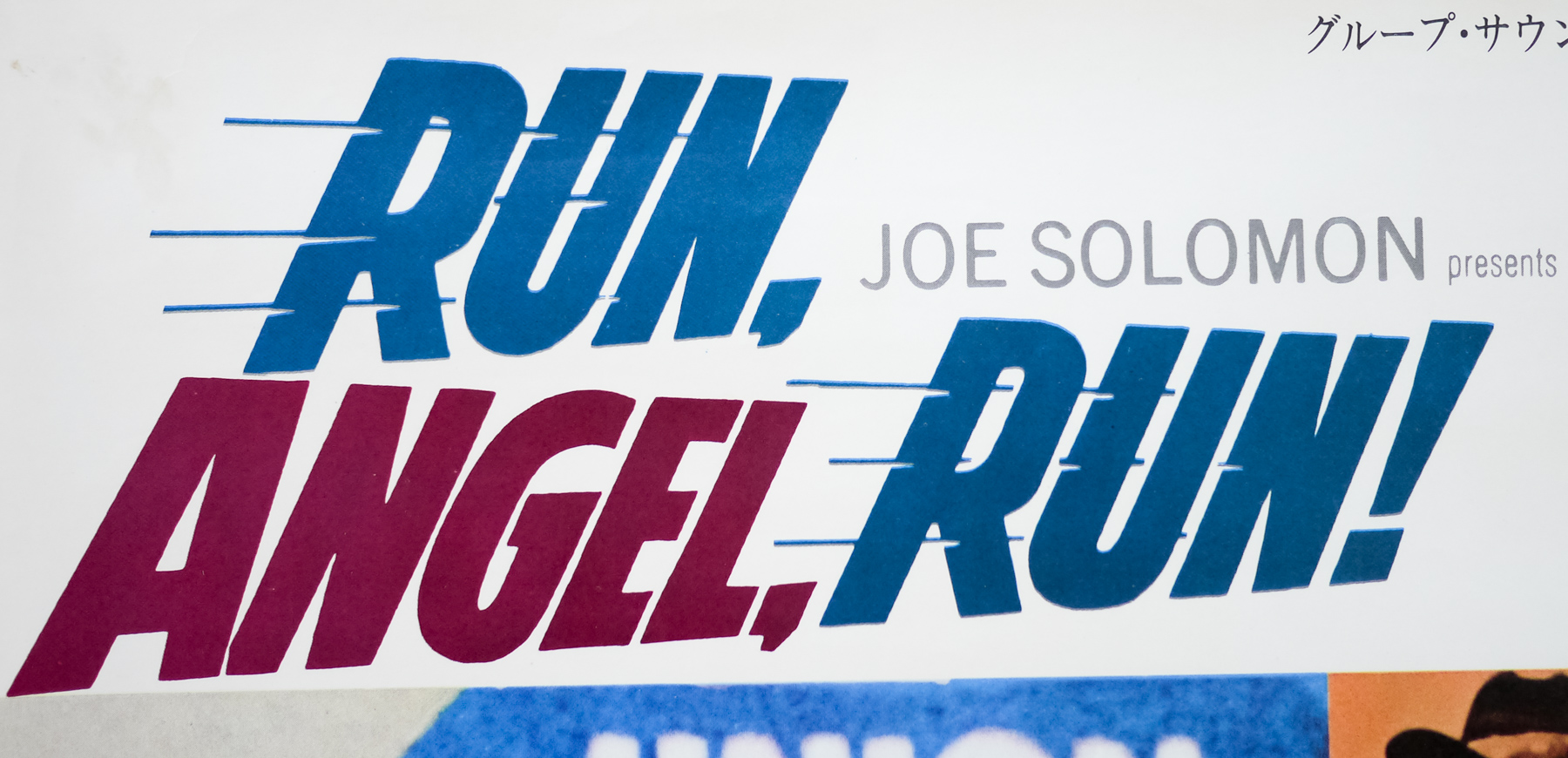
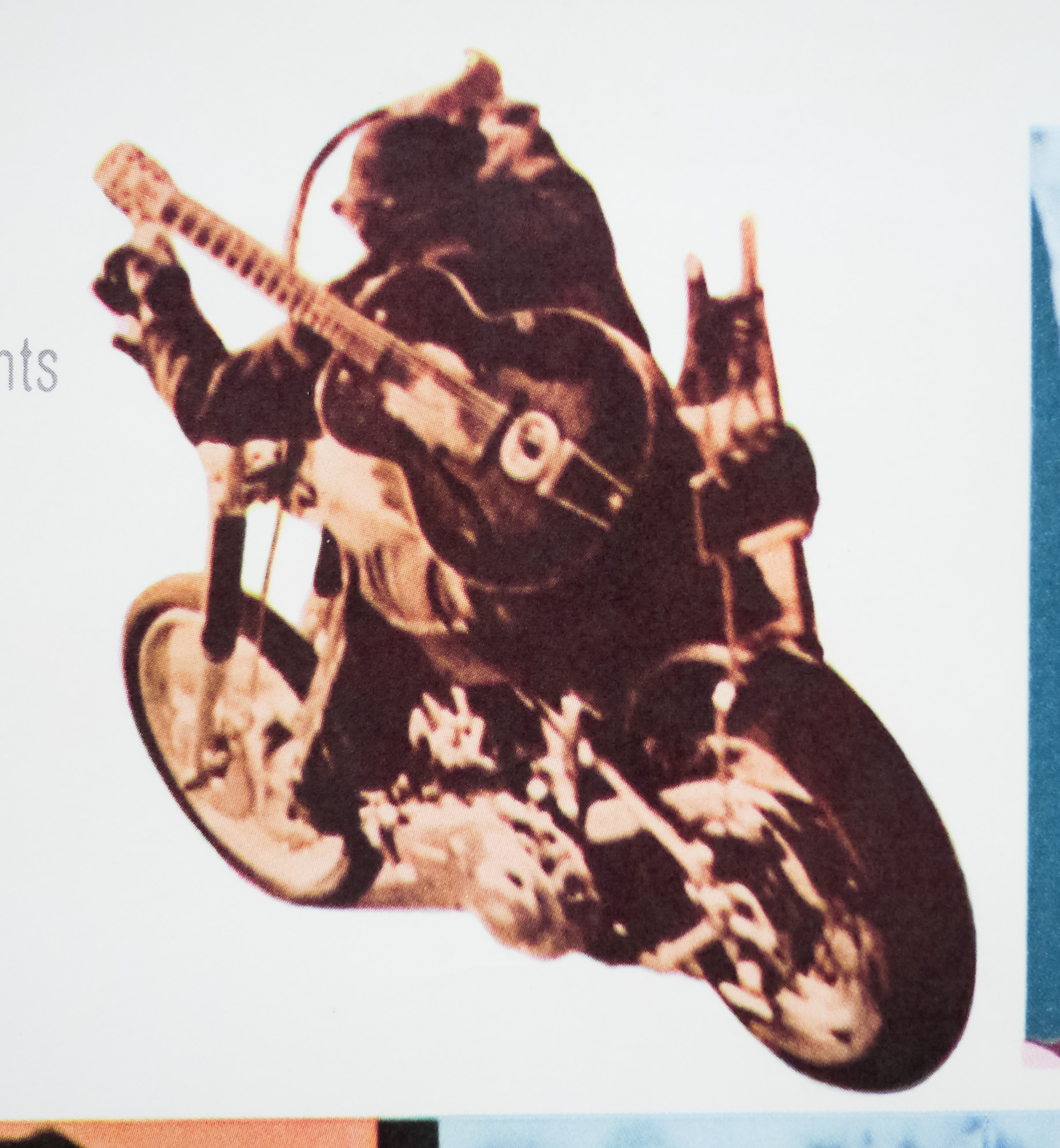
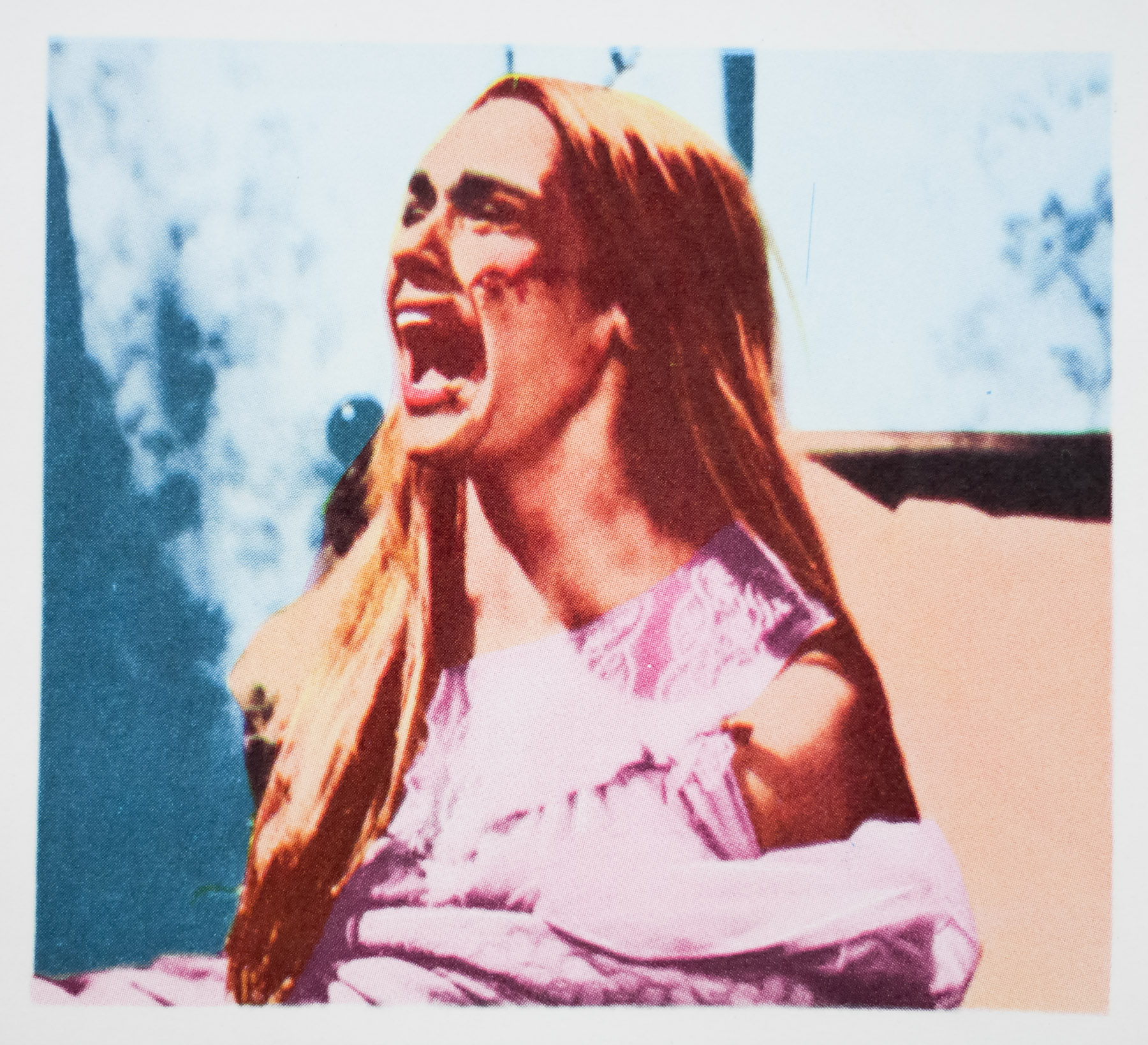
This is the Japanese B2 poster for the release of the little-seen 1969 biker film ‘Run, Angel, Run!‘ It’s one of a slew of films based around the same theme that involved the actor and director Jack Starrett, who is best known for playing the antagonistic deputy in First Blood, and as the director of Cleopatra Jones and Race With the Devil. Starrett starred in films like Hells Angels on Wheels and Angels from Hell before being offered the chance to helm this as his directorial debut.

The film stars the prolific American actor William Smith as Angel, the leader of a biker gang. The plot is described thusly on IMDb:

Angel, a member of a tough motorcycle gang roaming the Southwest, gets on offer from a major news magazine. In exchange for giving the magazine a big scoop by exposing the inner workings of his gang, the magazine will pay him $10,000. Angel takes the offer, although it means he and his girlfriend must now go on the run from cyclists looking for revenge. Along the way, they hide out with a sheep farmer, earning their keep by taking care of the farm and building a new life together.

The film appears to be fairly scarce going by the lack of reviews online and the fact that the DVD is almost $40 on Amazon.com at the time of writing.

The trailer is available to view on YouTube.

Scanners / B2 / Japan

17.05.11

Poster Poster
Title
Scanners
AKA
Telekinesis (Mexico)
Year of Film
1981
Director
David Cronenberg
Starring
Stephen Lack, Michael Ironside, Patrick McGoohan, Jennifer O'Neill, Lawrence Dane, Robert A. Silverman, Jock Brandis, Lee Broker, Mavor Moore
Origin of Film
Canada
Genre(s) of Film
Stephen Lack, Michael Ironside, Patrick McGoohan, Jennifer O'Neill, Lawrence Dane, Robert A. Silverman, Jock Brandis, Lee Broker, Mavor Moore,
Type of Poster
B2
Style of Poster
--
Origin of Poster
Japan
Year of Poster
1981
Designer
Unknown
Artist
Unknown
Size (inches)
20 6/16" x 28 13/16"
SS or DS
SS
Tagline
--

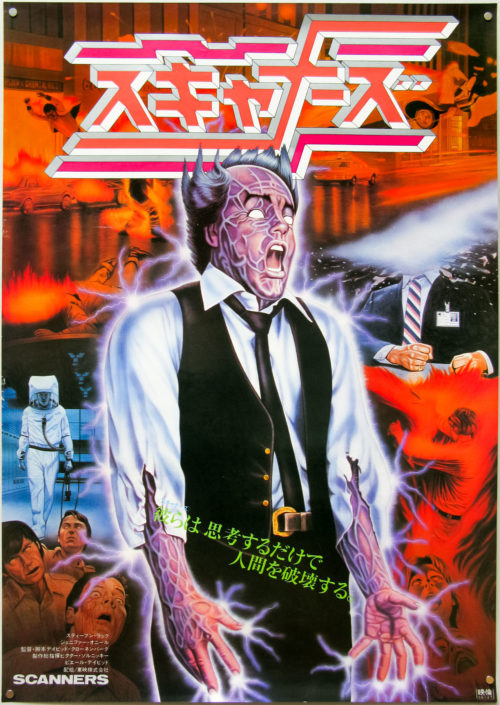
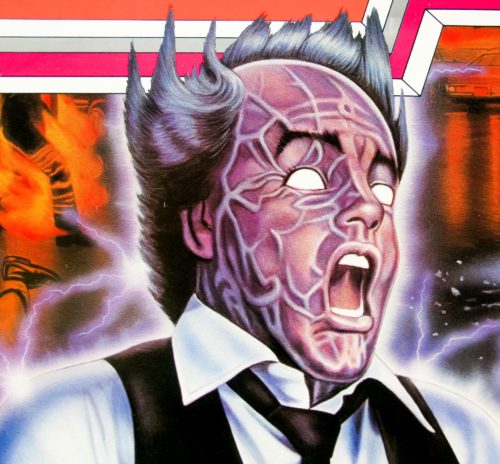
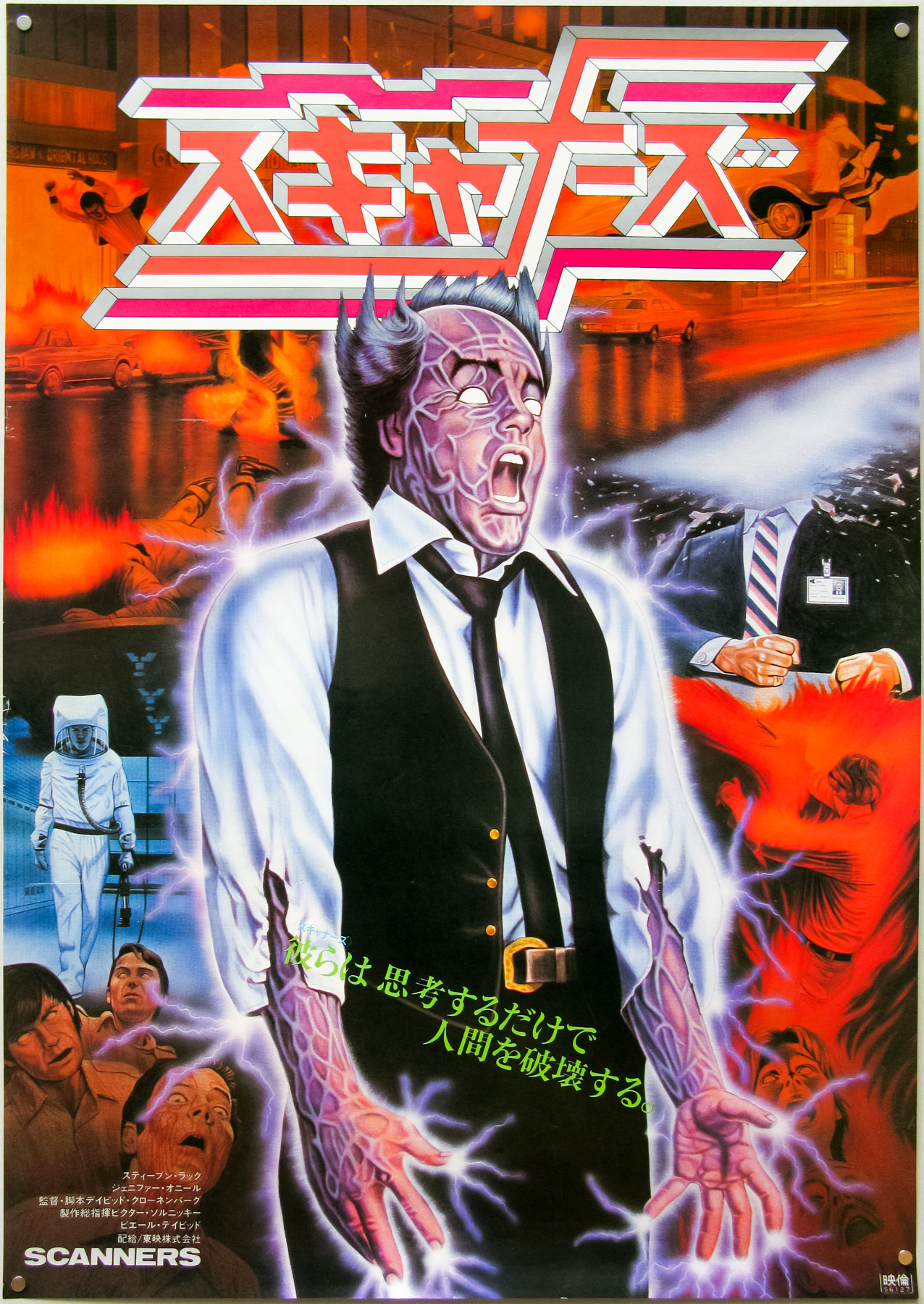
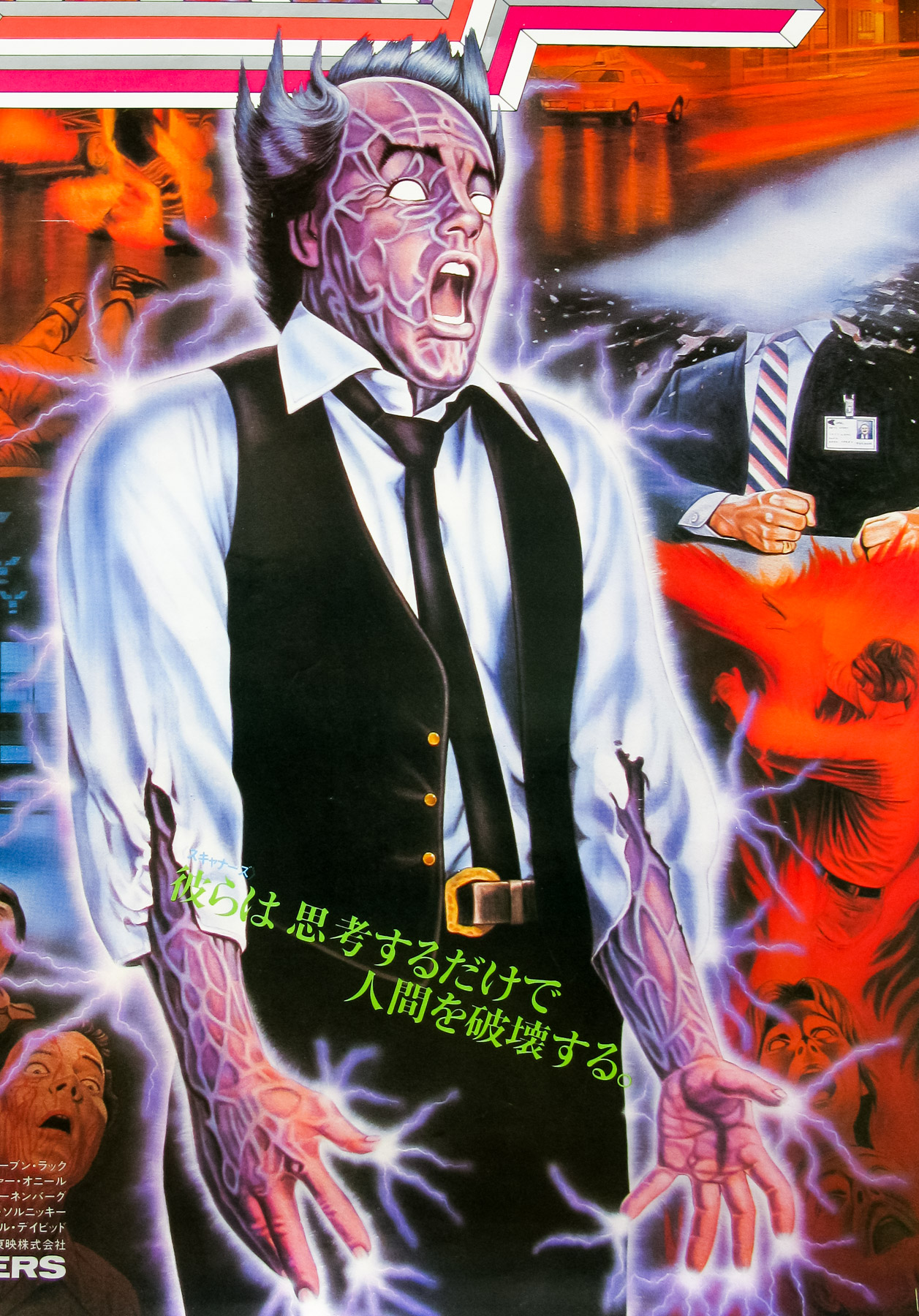
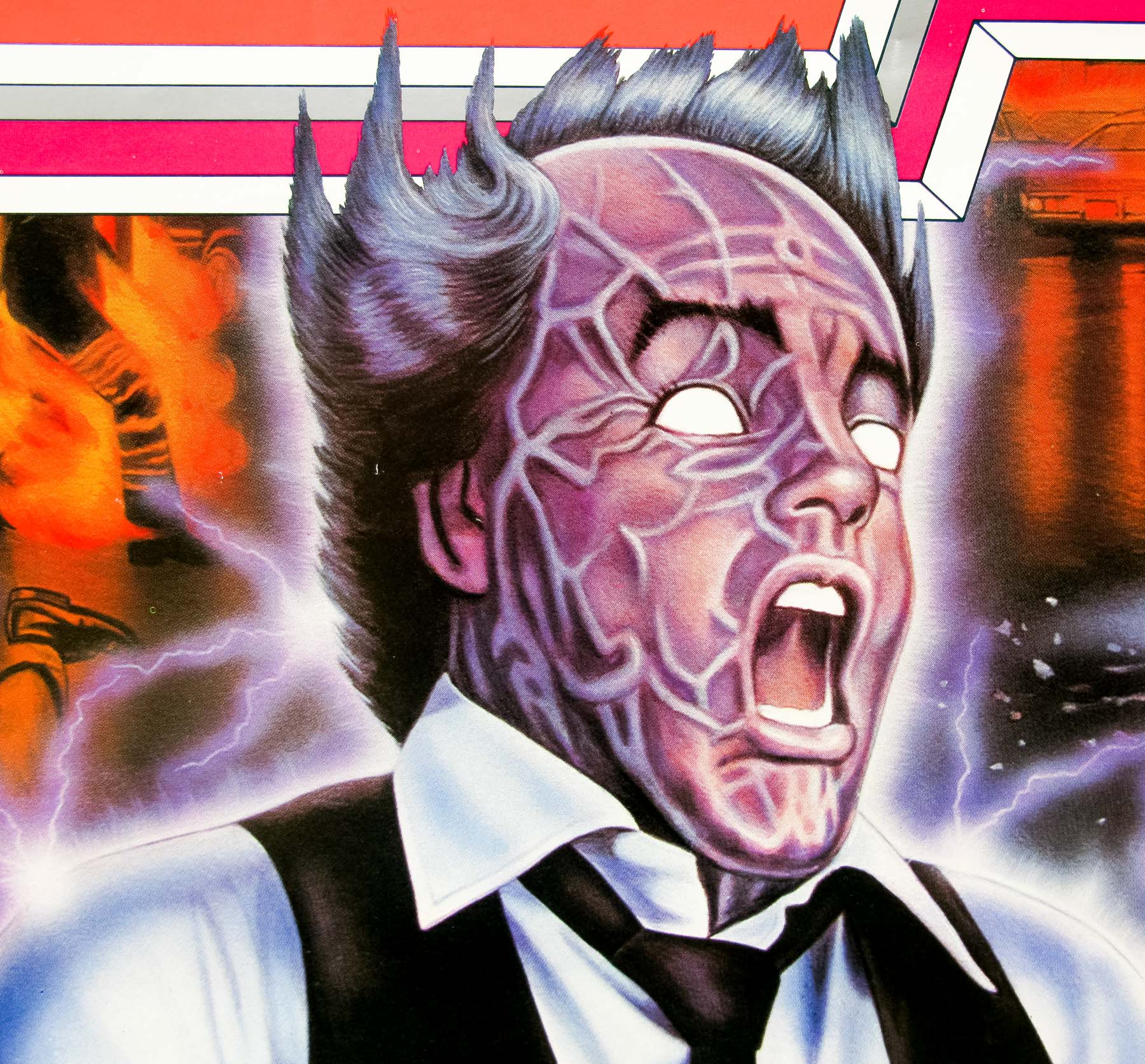
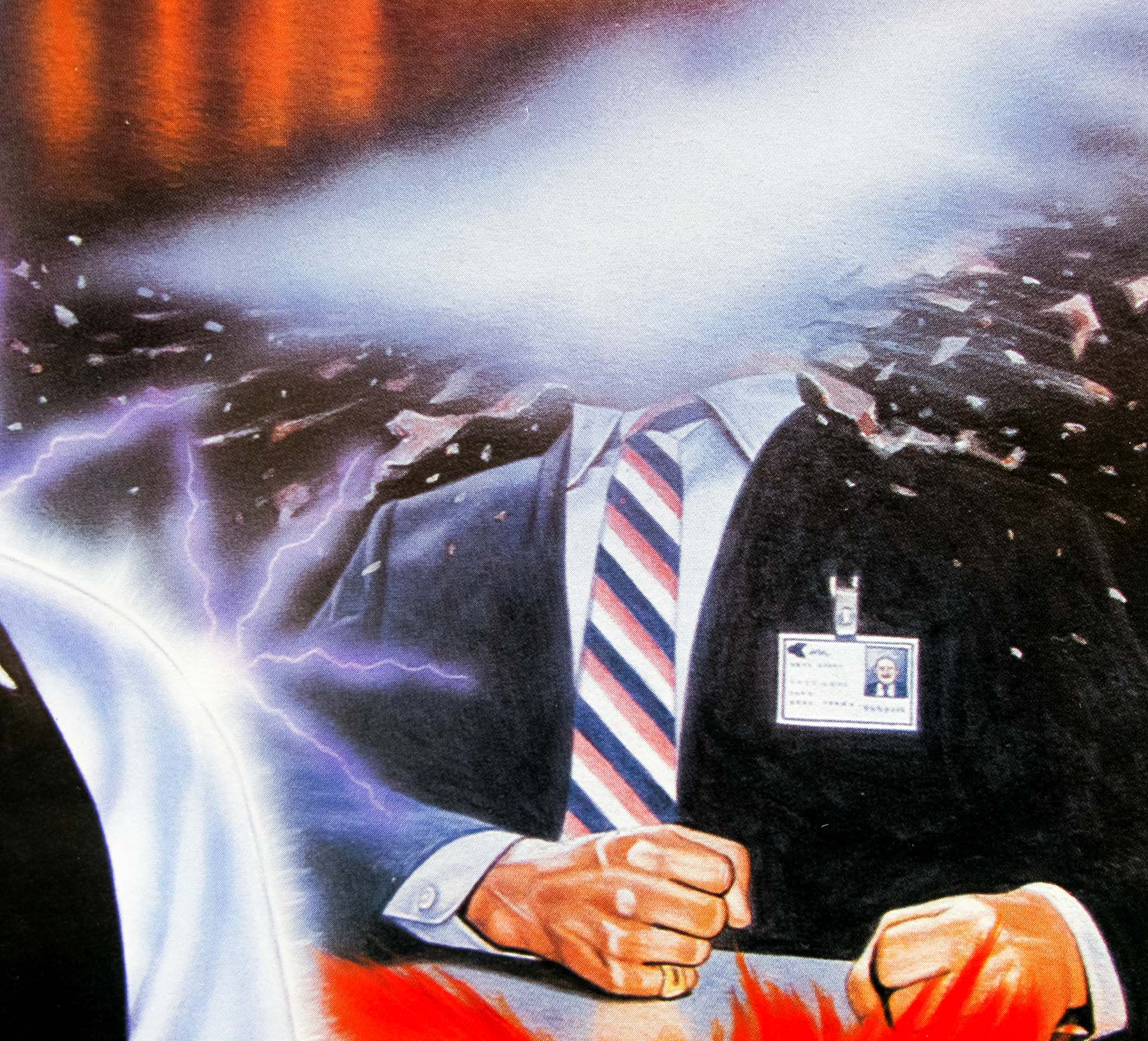
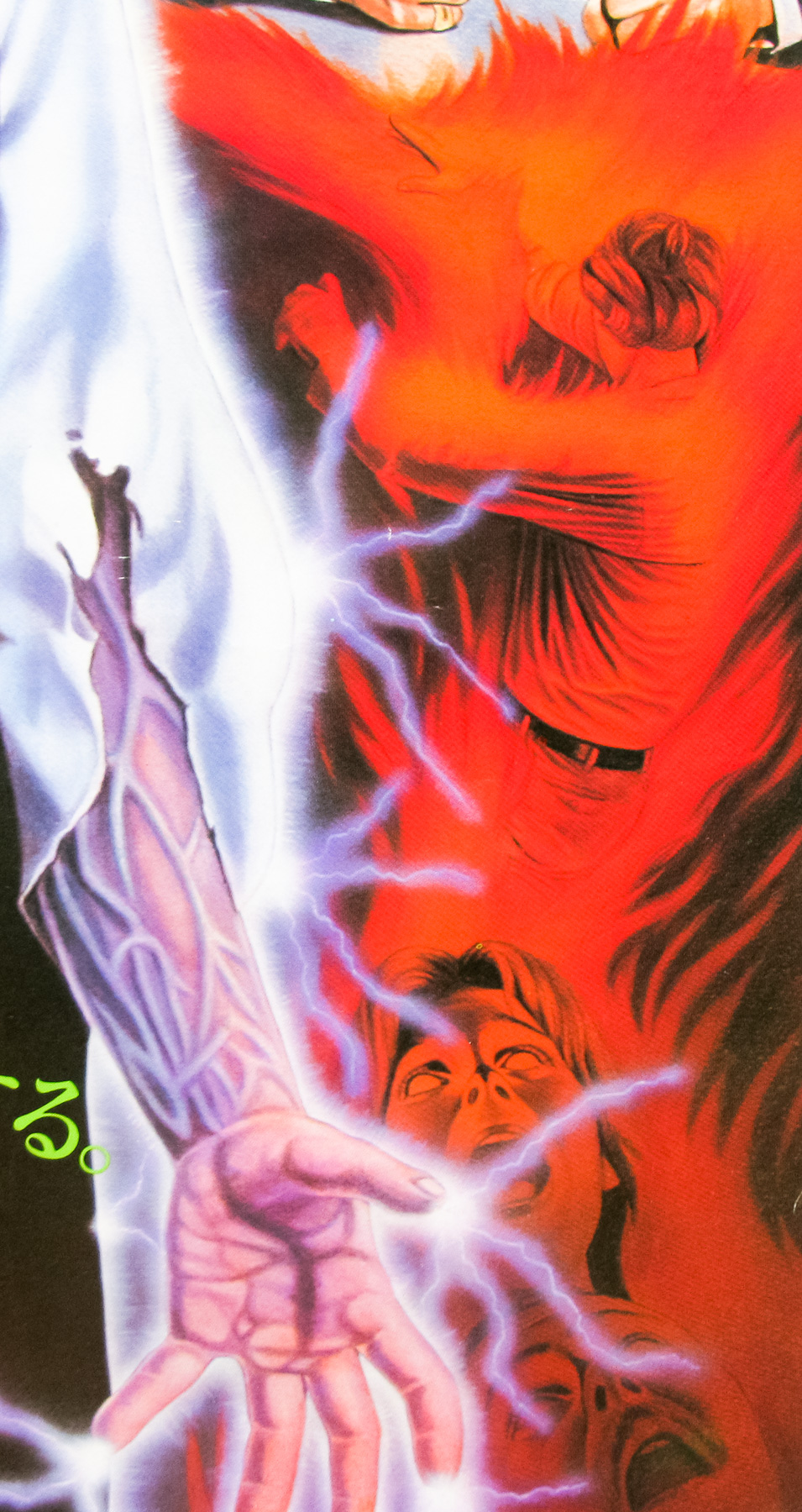
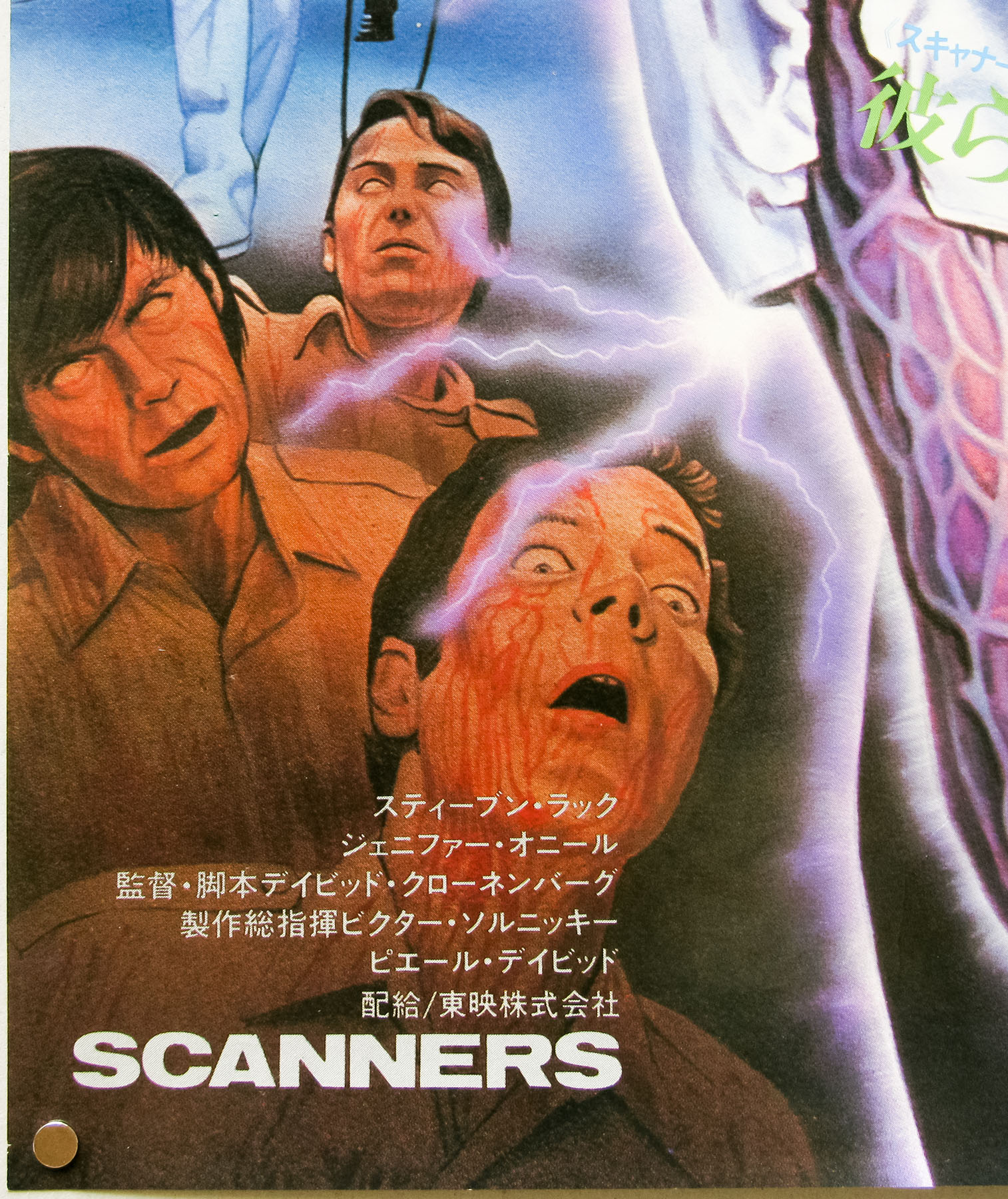
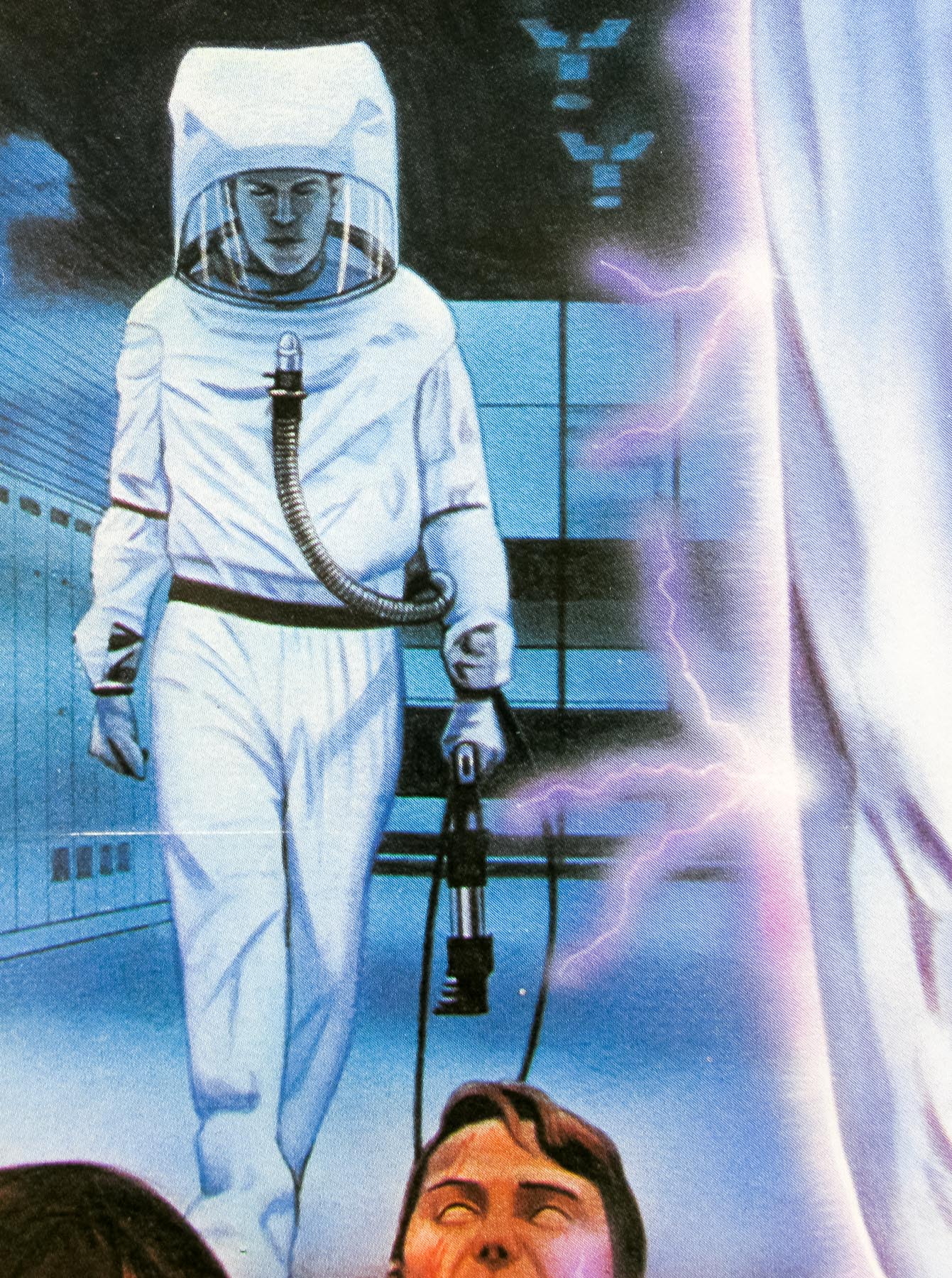
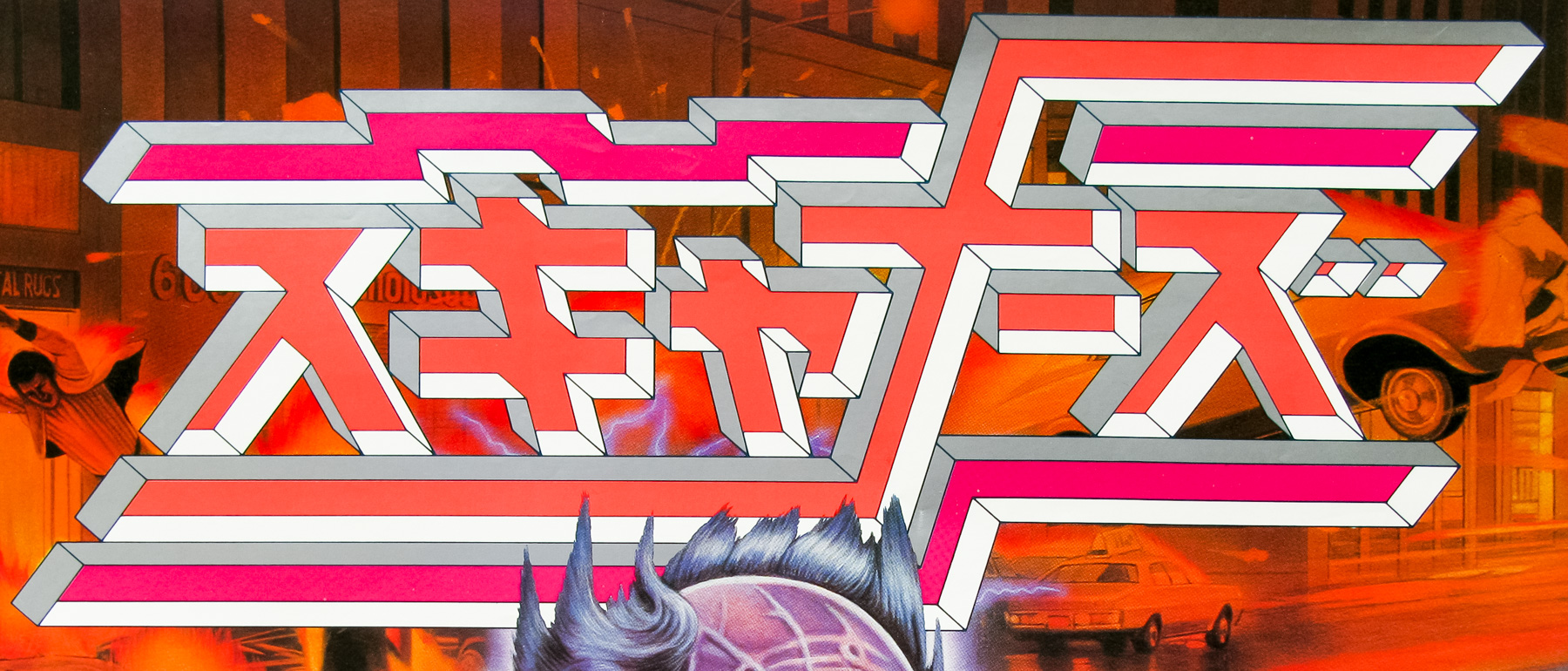
David Cronenberg‘s ‘future shock’ classic features a memorable turn by Michael Ironside as the superbly-monikered Daryl Revok, the evil leader of a renegade group of ‘Scanners’; mutant humans born with extreme telepathic and telekinetic powers who are capable of controlling machines and infiltrating the minds of others, often with head-popping consequences. The film is responsible for one of the best animated gifs on the internet.

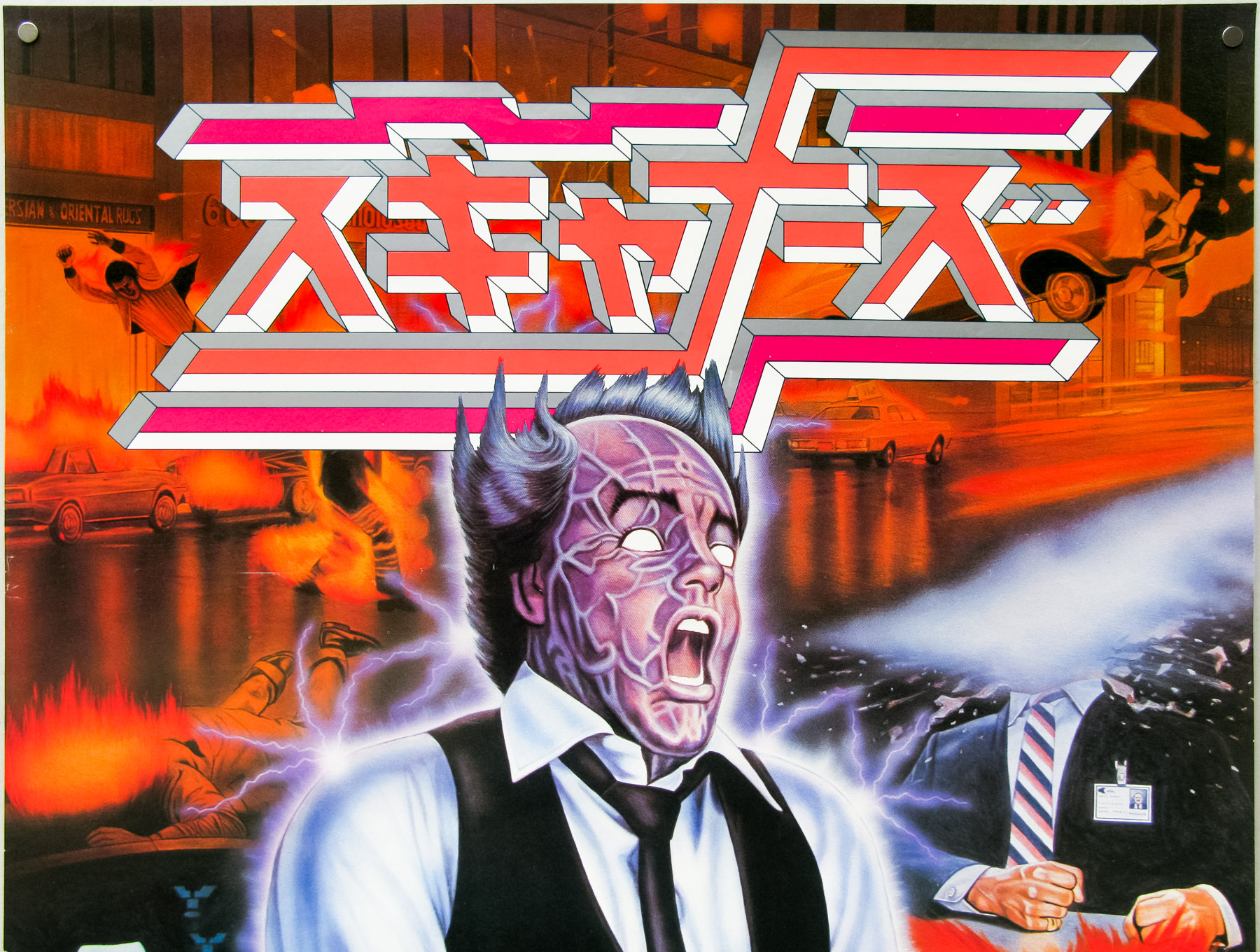
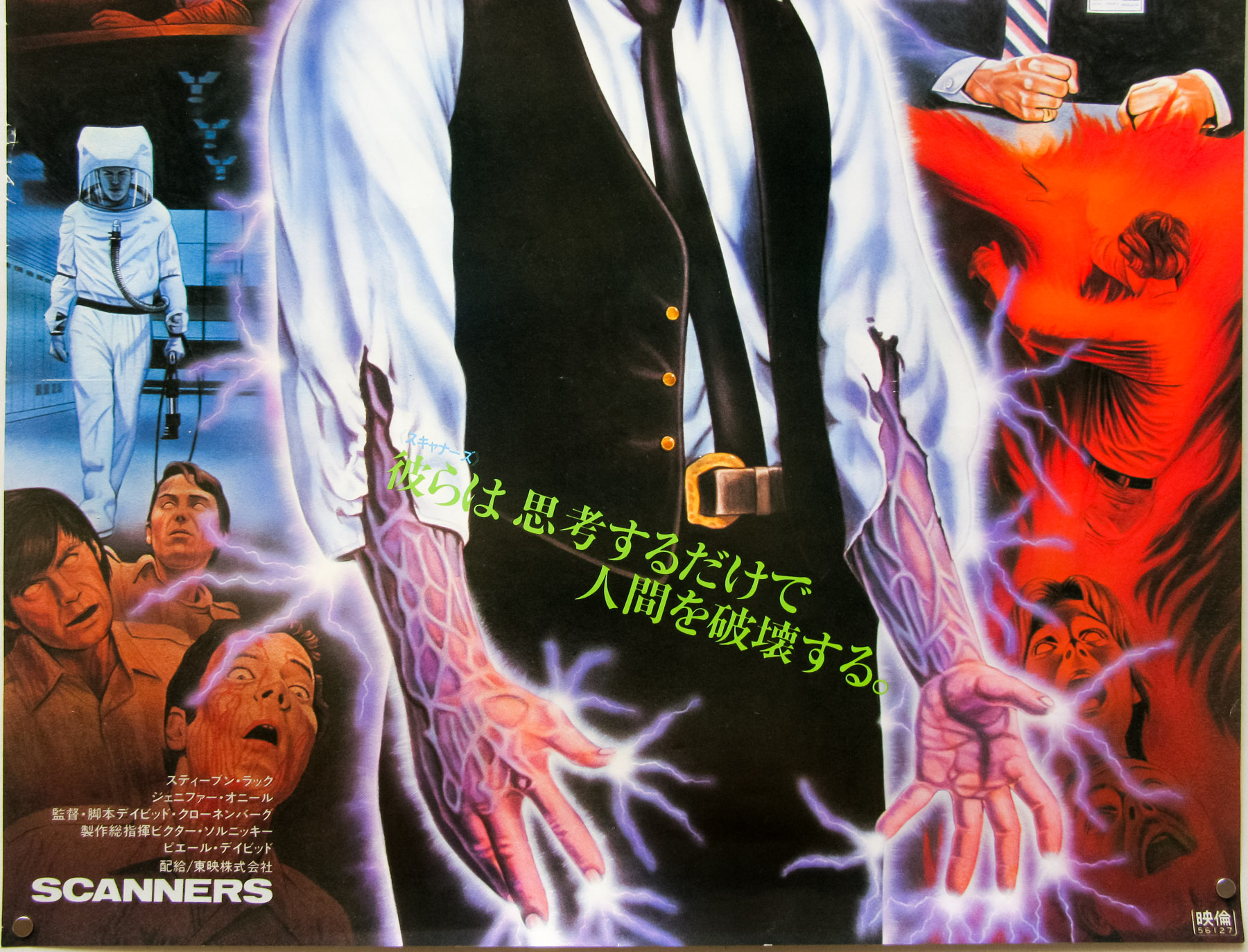
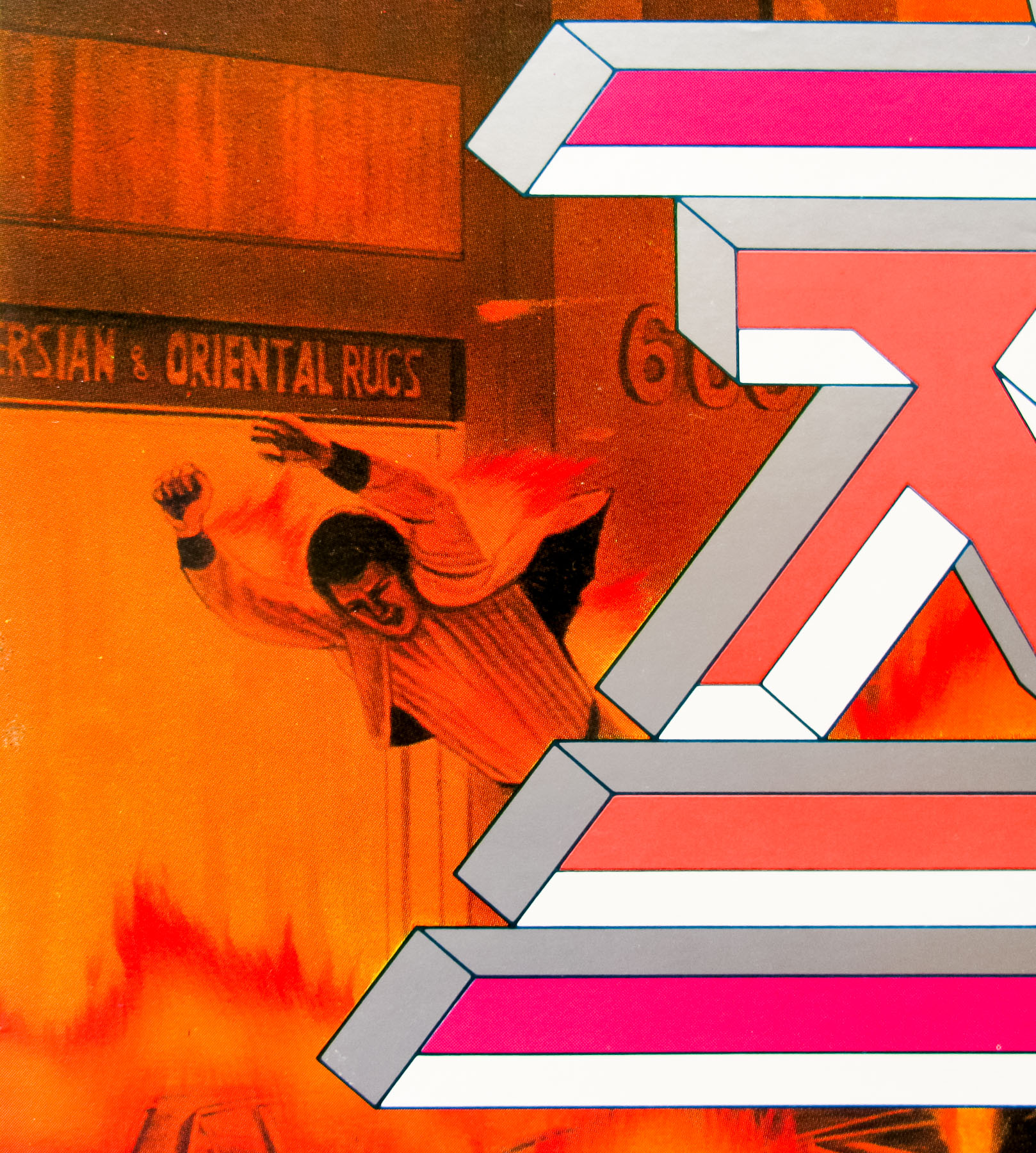
This Japanese B2 features great artwork but I’ve been unable to identify the artist, so if you have any ideas please get in touch. The main figure is based on the one illustrated by Joann on the excellent British quad.

The film’s original British trailer is on YouTube (“You pray it will end…and it will!”).


Scarface / B2 / blue style / Japan

17.05.11

Poster Poster
Title
Scarface
AKA
--
Year of Film
1983
Director
Brian De Palma
Starring
Al Pacino, Steven Bauer, Michelle Pfeiffer, Mary Elizabeth Mastrantonio, Robert Loggia, F. Murray Abraham, Harris Yulin
Origin of Film
USA
Genre(s) of Film
Al Pacino, Steven Bauer, Michelle Pfeiffer, Mary Elizabeth Mastrantonio, Robert Loggia, F. Murray Abraham, Harris Yulin,
Type of Poster
B2
Style of Poster
Blue style
Origin of Poster
Japan
Year of Poster
1984
Designer
Unknown
Artist
--
Size (inches)
20 6/16" x 28 13/16"
SS or DS
SS
Tagline
--

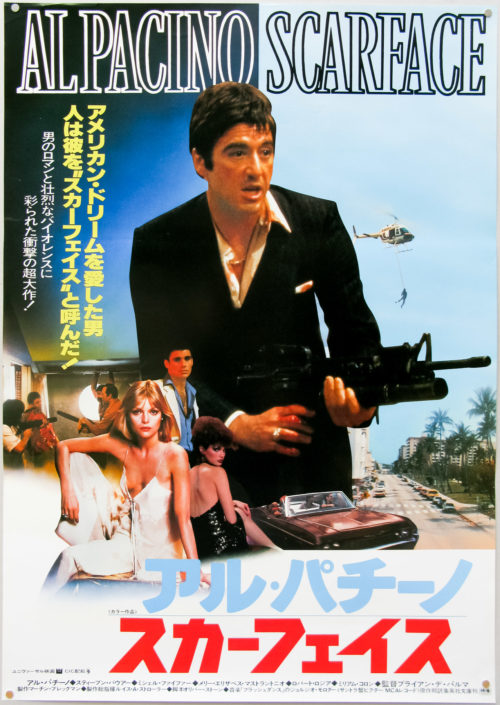
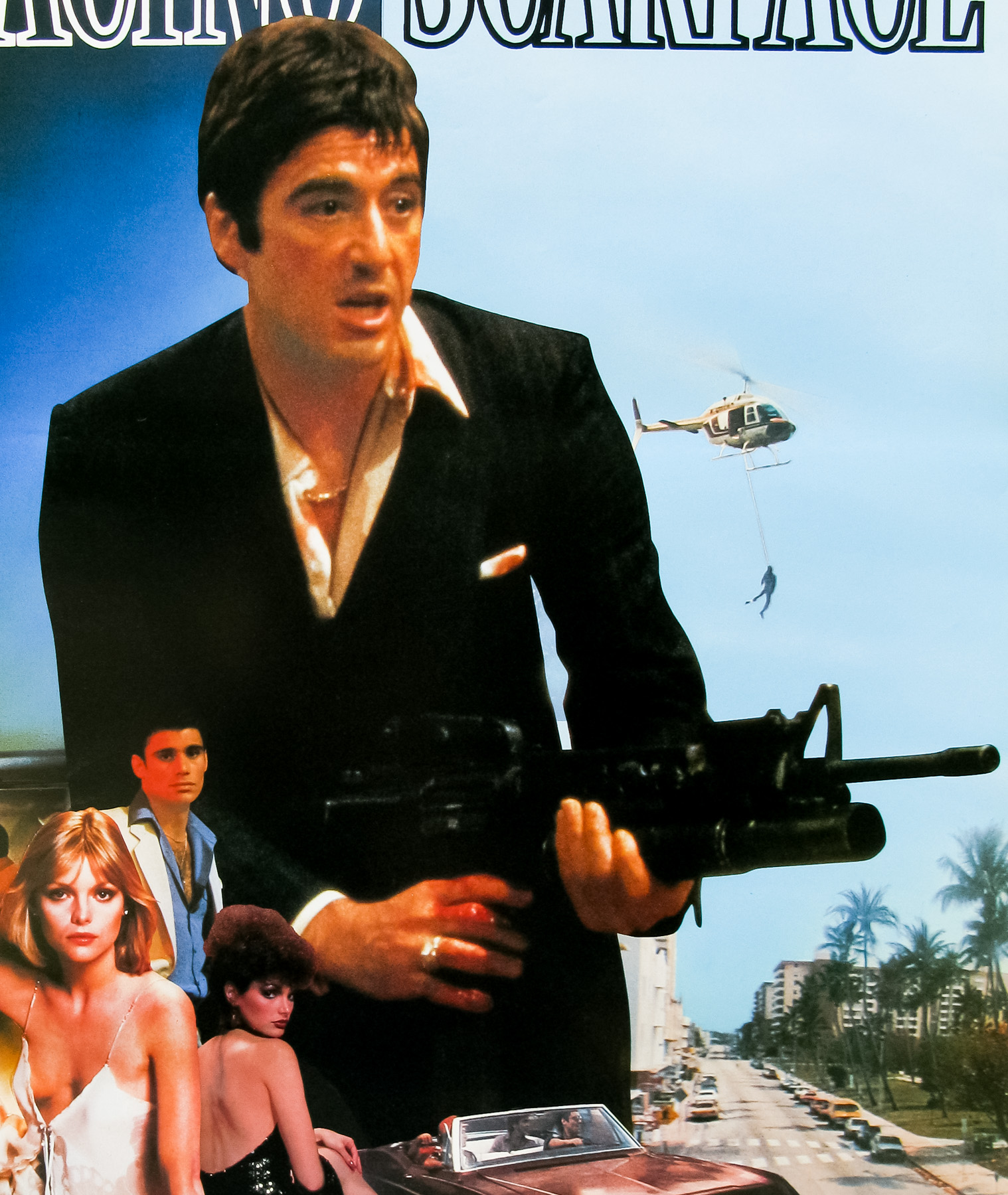
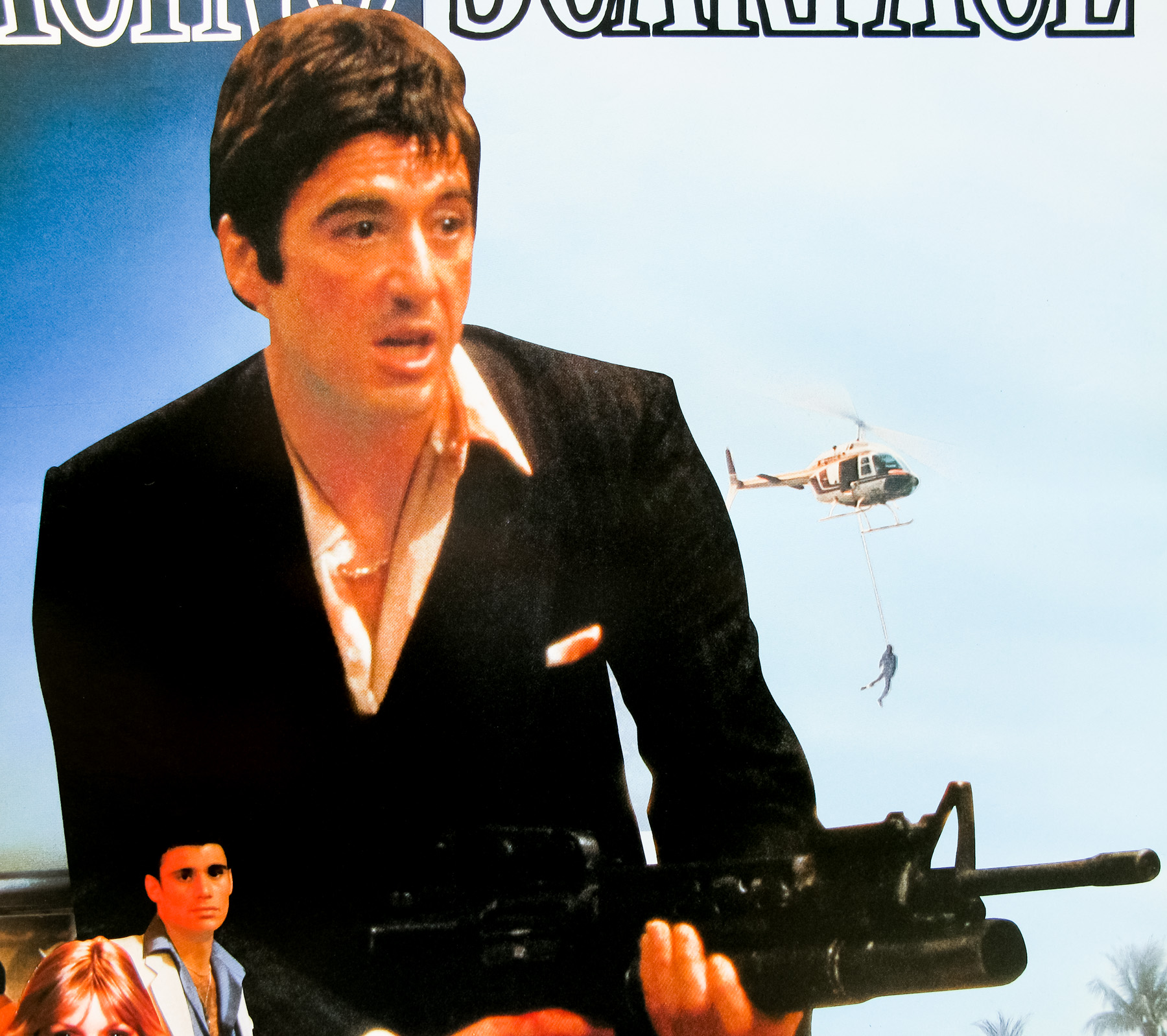
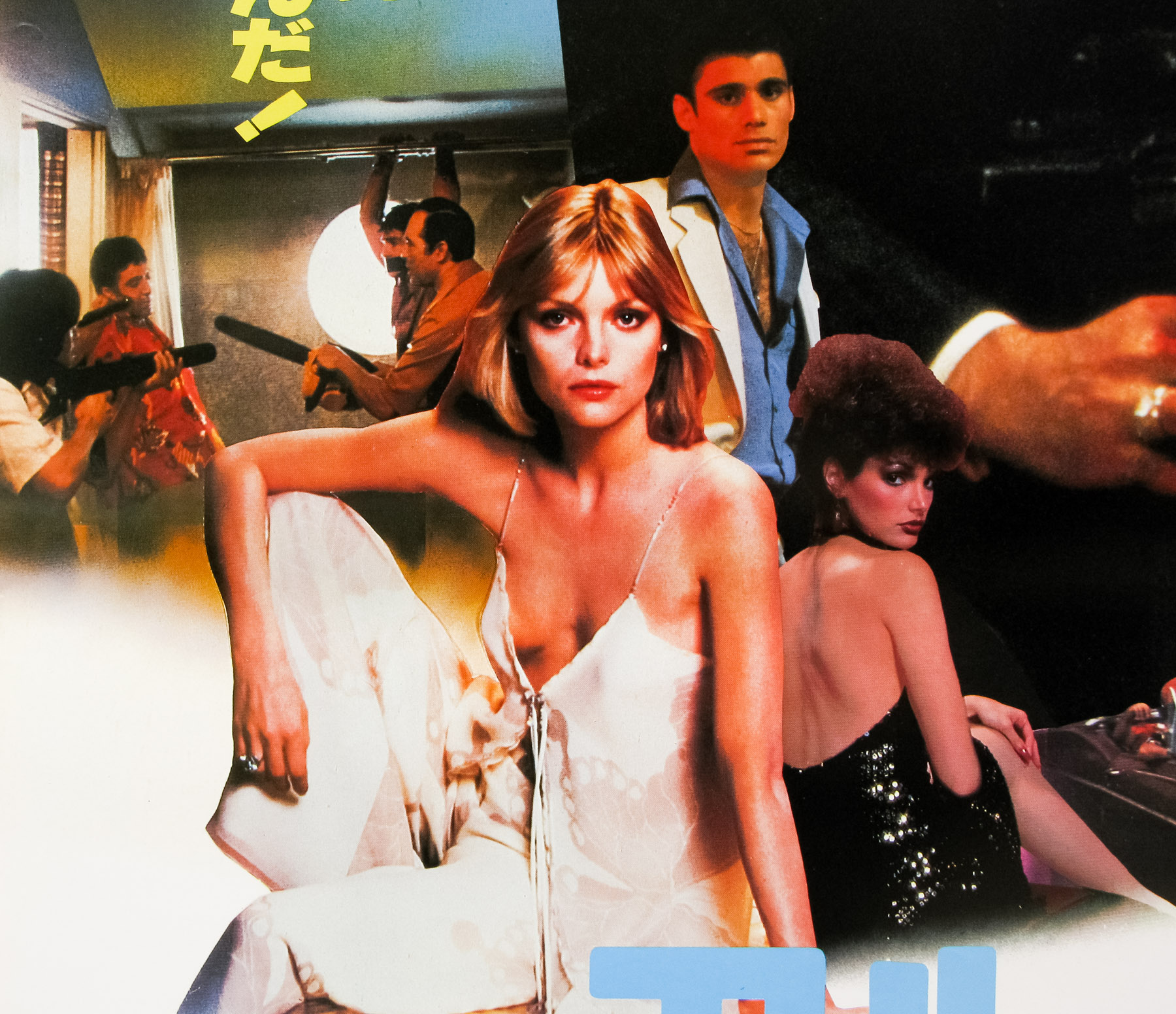
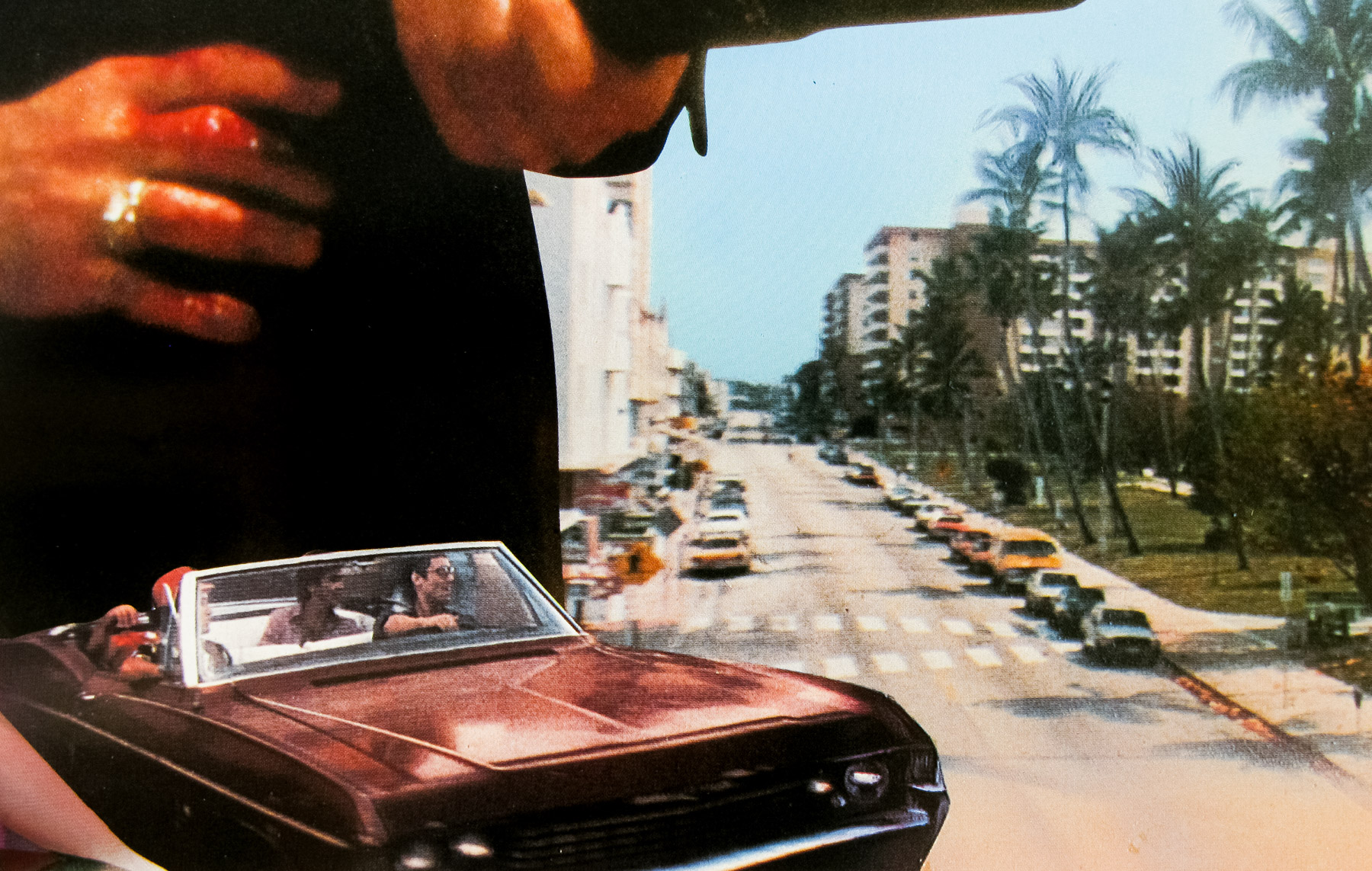
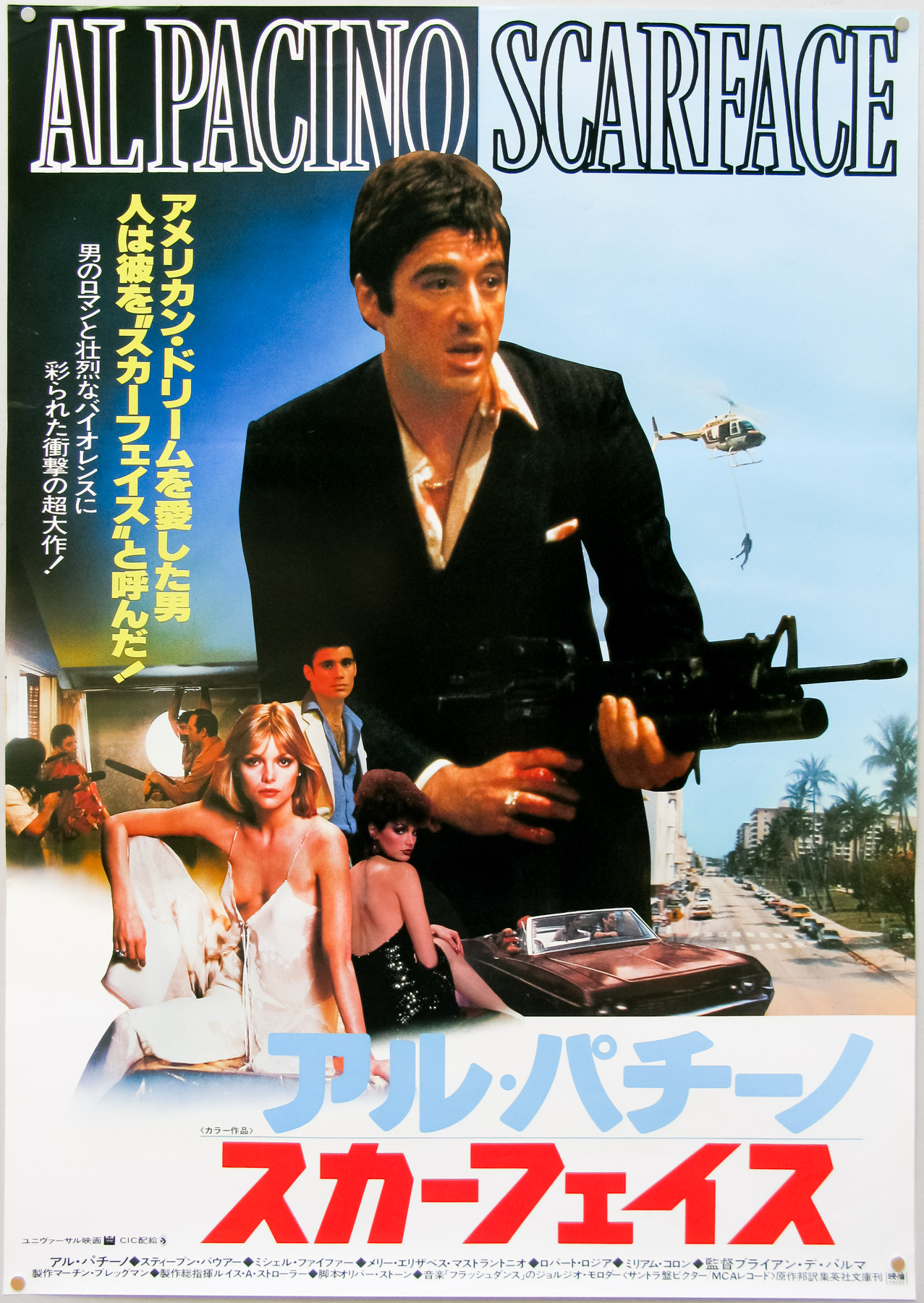
This is one of three B2 posters printed for the Japanese release of Brian De Palma‘s unforgettable 1983 crime epicScarface. Unquestionably one of the all-time great gangster films, it’s hard to believe now but the film was originally released to mixed critical reception and audience ambivalence, much to De Palma and screenwriter Oliver Stone‘s dismay. Over the course of the following three decades the story of Cuban refugee Tony Montana’s rise to the top of the Miami drug world has been embraced by fans worldwide, including a multitude of African American rappers who cite his story as an inspiration and frequently reference the film in their music.

In one of his most memorable film performances, Al Pacino portrays Montana who arrives in Miami following the (real-life) Mariel boatlift, which saw thousands of Cubans leave the island in a bid to escape internal tensions and grinding poverty that had caused months of strife in the country. Hundreds of small boats made the journey across shark-infested waters to the Miami coast in an attempt to seek asylum in the Peruvian embassy. Fidel Castro also ordered the release of criminals from Cuban jails and joined the exodus and Montana and his friend Manny Ribera (Steven Bauer) are two such exiles who start their new life in America stuck in a refugee camp. After agreeing to murder a former Cuban government official, who is also in the camp, the pair are released with the help of a Miami drug kingpin Frank Lopez (played byRobert Loggia).

Tony and Manny get involved in a drug deal arranged by one of Lopez’s henchmen called Omar (F. Murray Abraham) that quickly goes horribly wrong and almost sees Tony being butchered with a chainsaw until Manny comes to his rescue and the pair turn the tables on the murderous gang. Suspecting that they may have been set up by Omar, Tony insists on delivering the recovered drugs and money to Frank who is impressed and offers them a job. The rest of the film deals with Tony’s violent rise to the top of the Miami drug trade, which sees him usurp and murder Frank, steal his woman Elvira (an early performance by Michelle Pfeiffer) and mess with the wrong Bolivian drug crime lord. The finale sees a cocaine-crazed Tony defend his palatial mansion from machine-gun toting killers, resulting in bullet-spraying mayhem and one of the most famous lines in cinematic history: “Say hello to my little friend!”

One of the other Japanese B2s can be seen by clicking here.

Scorpio / B2 / Japan

16.01.17

Poster Poster
Title
Scorpio
AKA
--
Year of Film
1973
Director
Michael Winner
Starring
Burt Lancaster, Alain Delon, Paul Scofield, John Colicos, Gayle Hunnicutt, J.D. Cannon
Origin of Film
USA
Genre(s) of Film
Burt Lancaster, Alain Delon, Paul Scofield, John Colicos, Gayle Hunnicutt, J.D. Cannon,
Type of Poster
B2
Style of Poster
--
Origin of Poster
Japan
Year of Poster
1973
Designer
Unknown
Artist
--
Size (inches)
20 6/16" x 28 13/16"
SS or DS
SS
Tagline
--

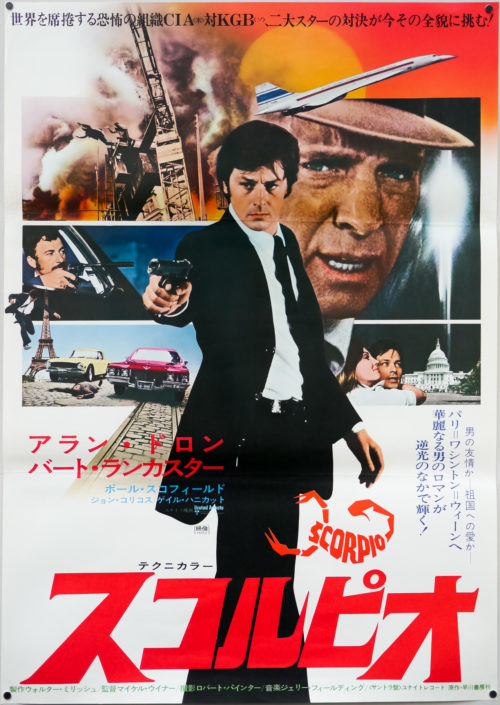
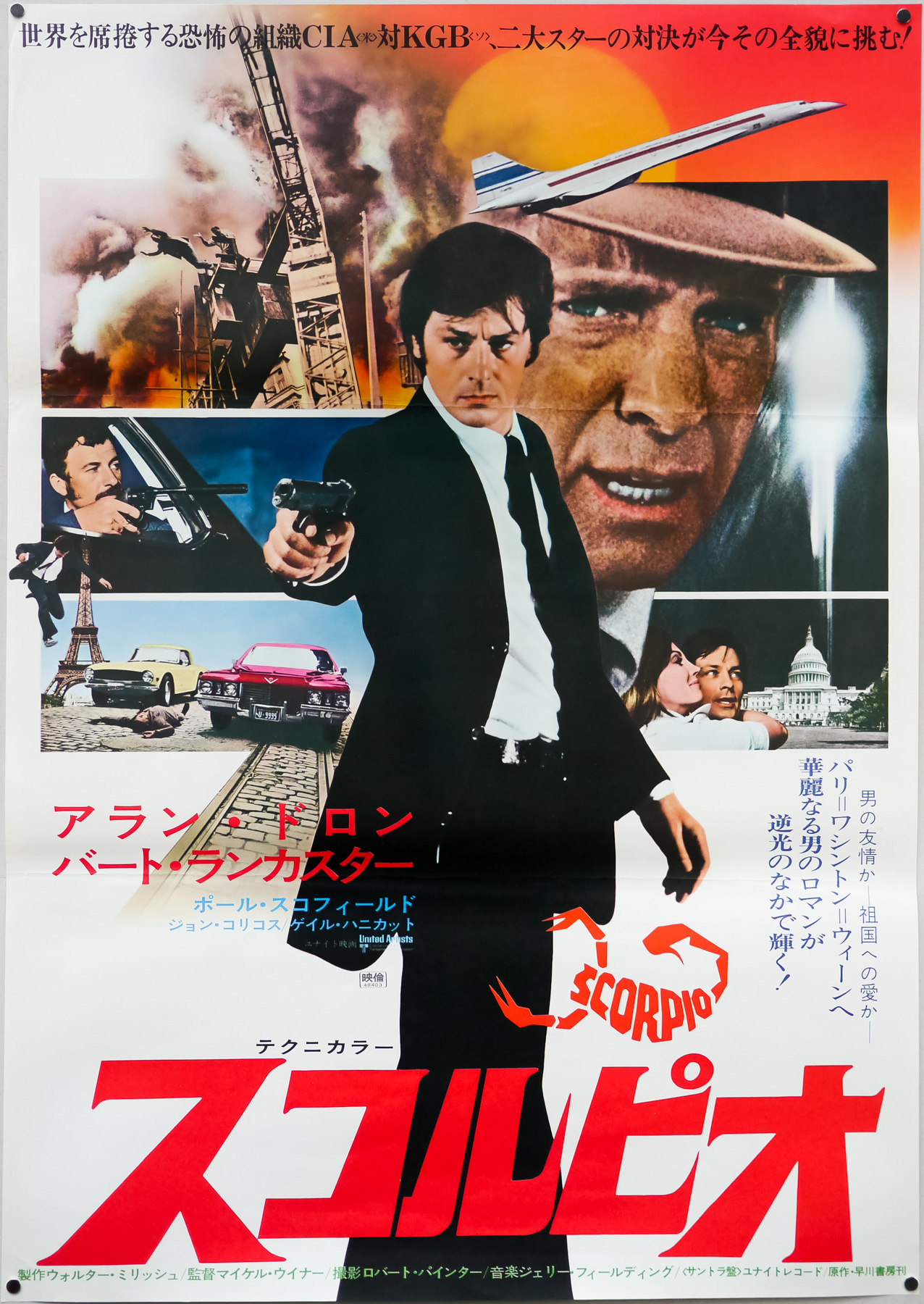
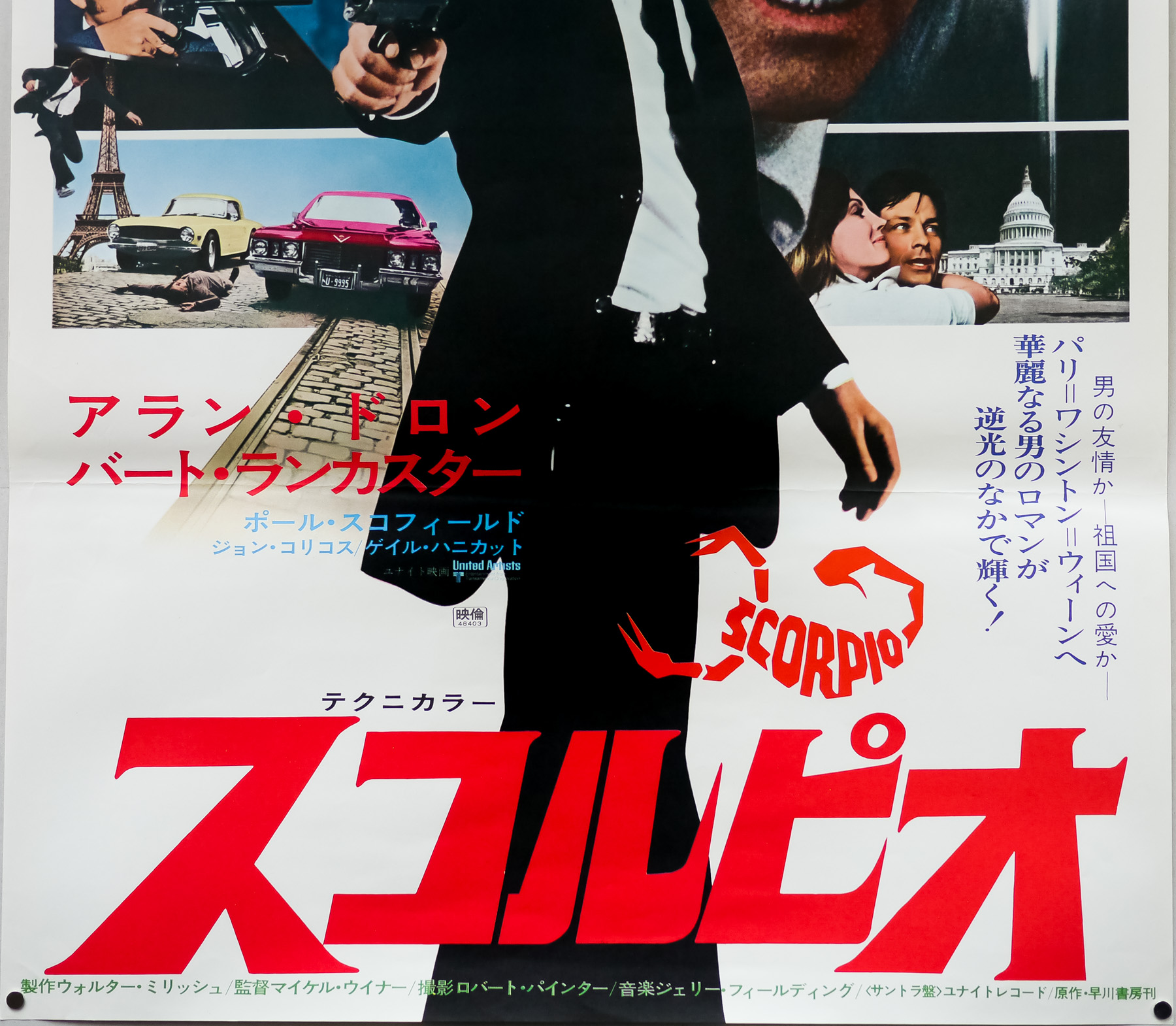
Scorpio is a 1973 spy thriller directed by the late Michael Winner. It was one of the first films that Winner worked on for American producers and reunited him with Burt Lancaster. The actor had starred in Winner’s American directorial debut, Lawman, three years earlier. French-Swiss superstar Alain Delon also stars and the film was one of several attempts the actor made to break into Hollywood. Lancaster plays Cross, an aging CIA agent and assassin, who is tasked with training Delon’s younger Jean ‘Scorpio’ Laurier in order to be his replacement. The plot is described on IMDb:

Cross is an old hand at the CIA, in charge of assassinating high-ranking foreign personalities who are an obstacle to the policies of the USA. He often teams up with Frenchman Jean Laurier, alias “Scorpio”, a gifted free-lance operative. One day, the CIA orders Scorpio to eliminate Cross — and leaves him no choice but to obey. Scorpio is cold-blooded and very systematic; however, as a veteran agent, Cross knows many tricks. He can also rely upon a network of unusual personal contacts, some dating back to the troubled years preceding WWII. A lethal game of hide-and-seek is programmed, but what are the true motives of every single player?

By all accounts the film was only a moderate success at the box-office and is largely forgotten today.

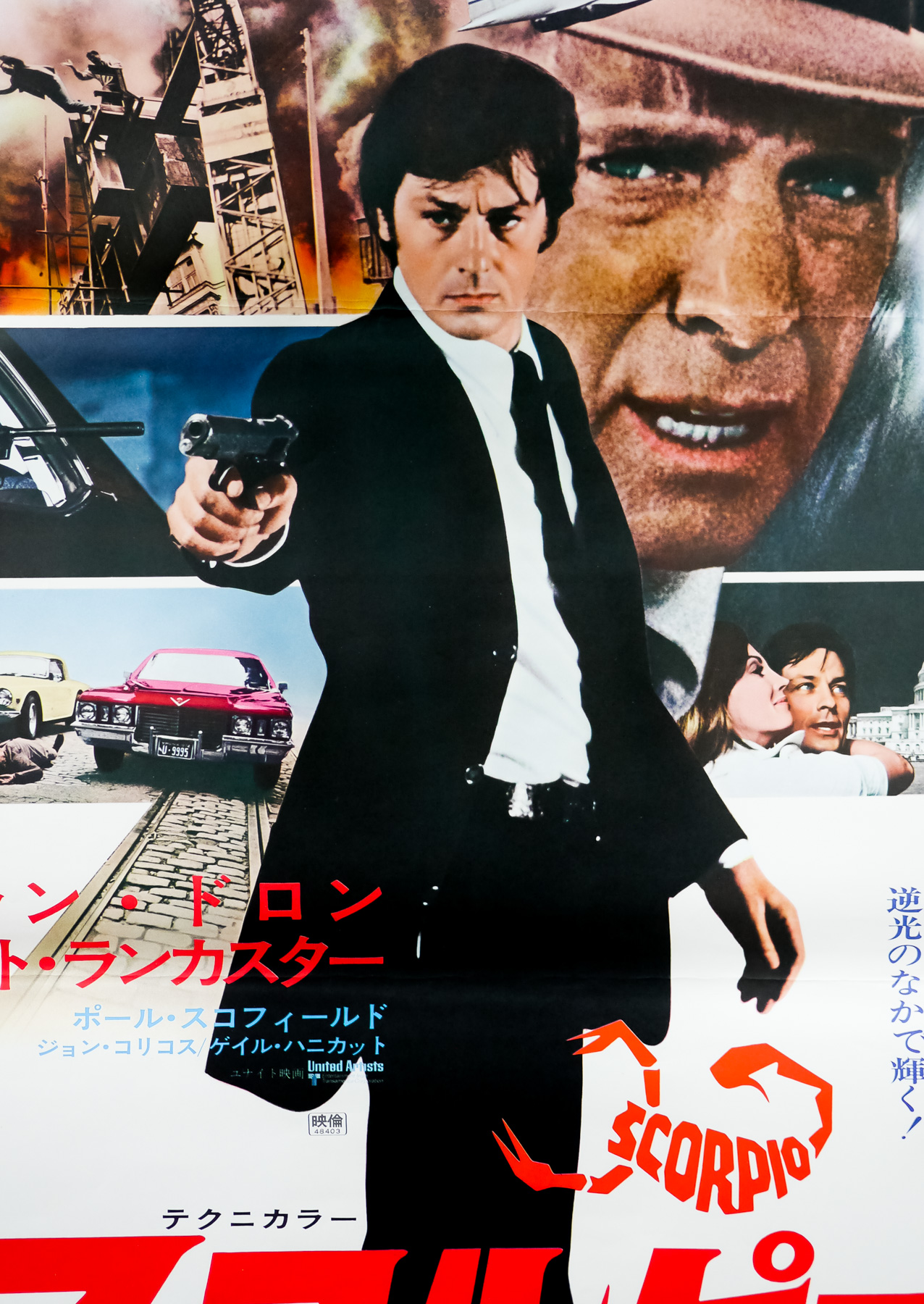
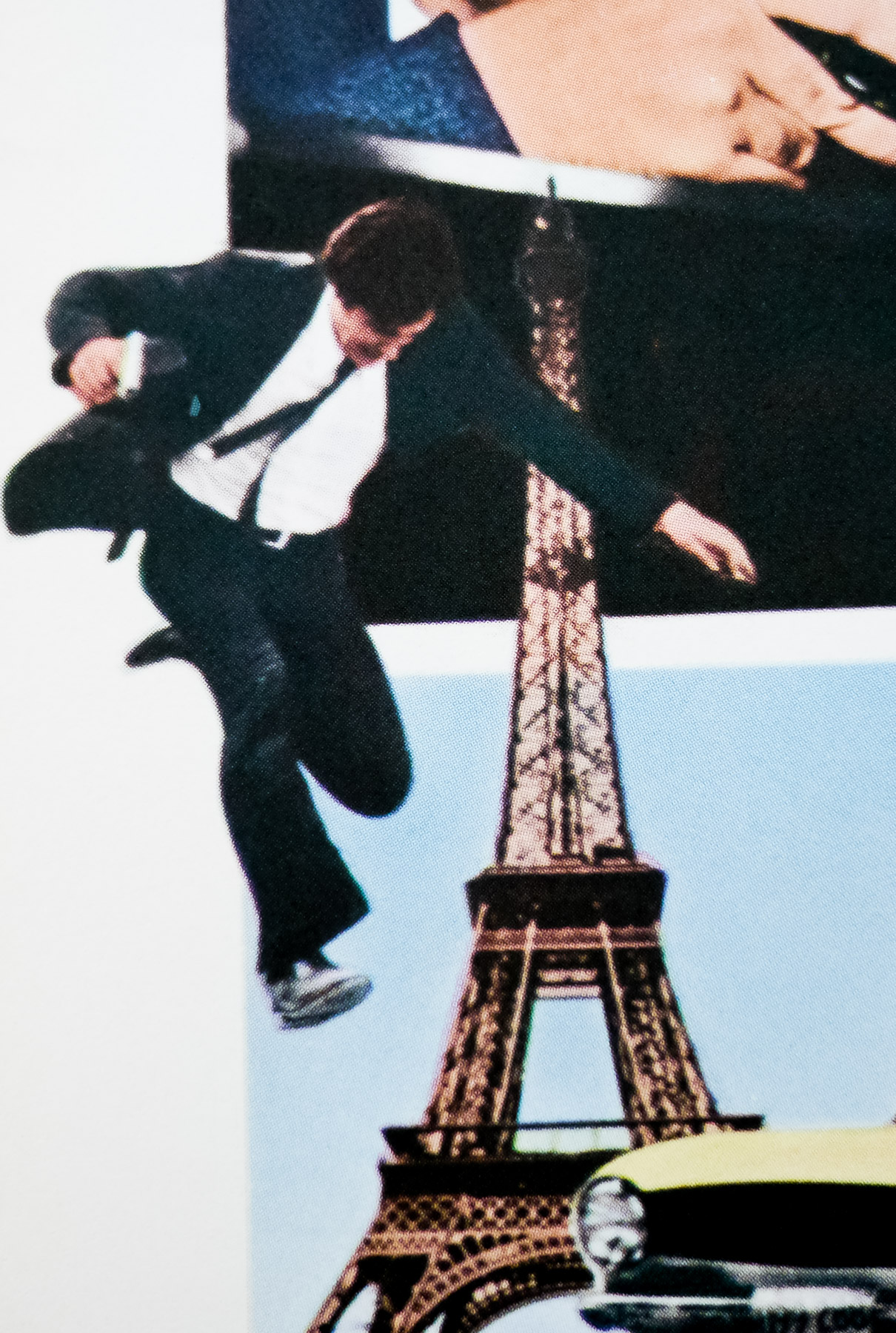
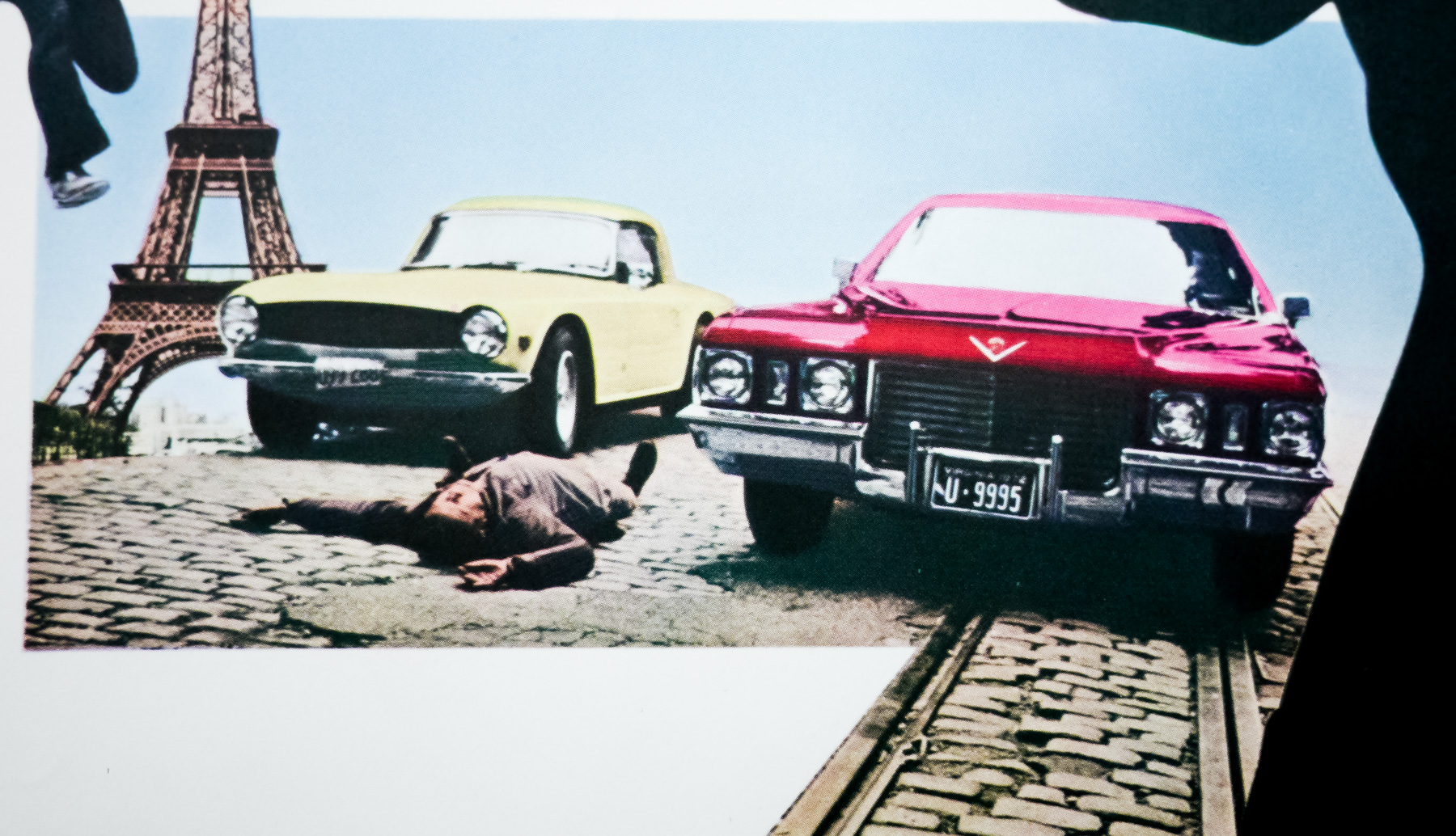
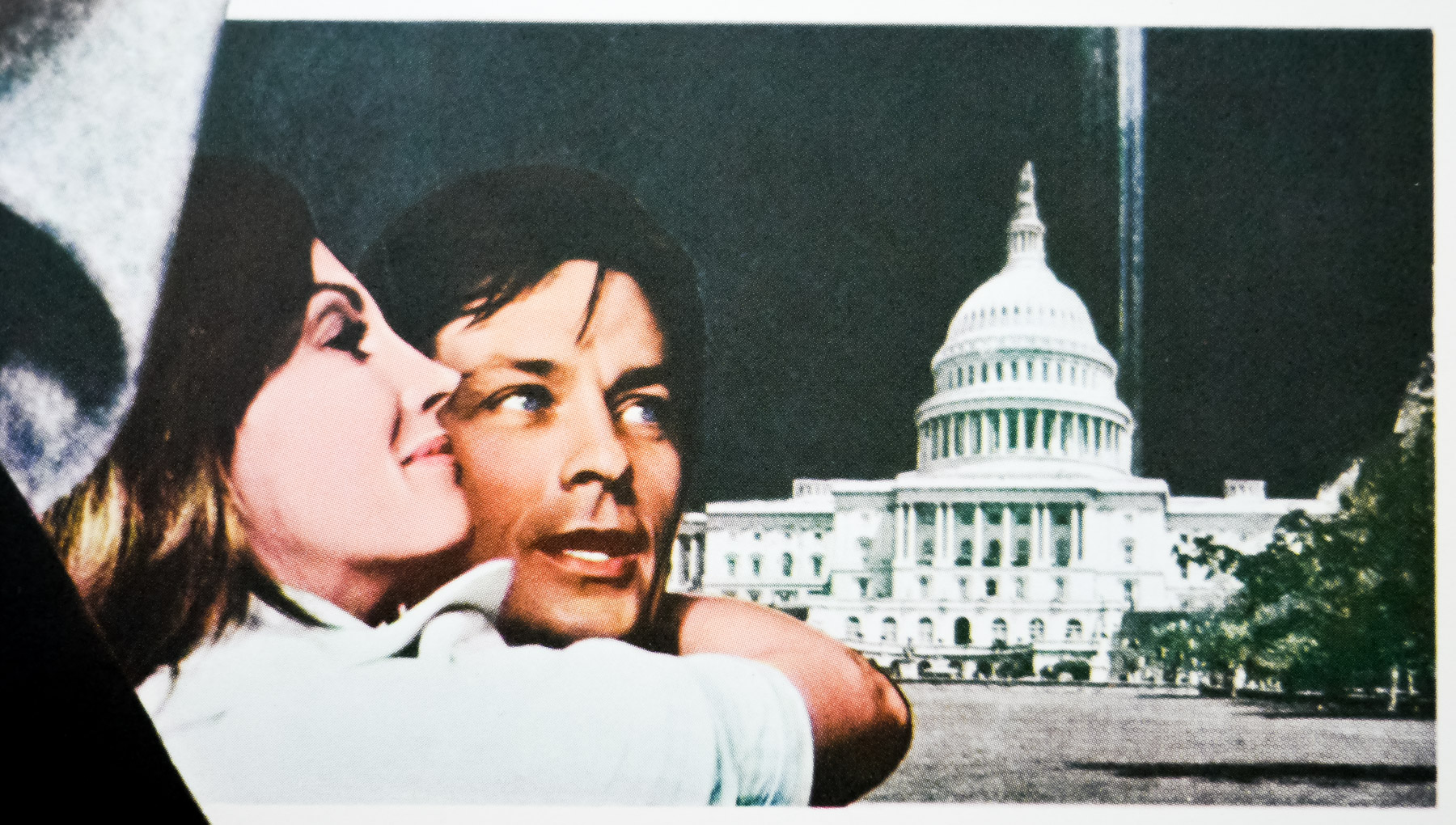
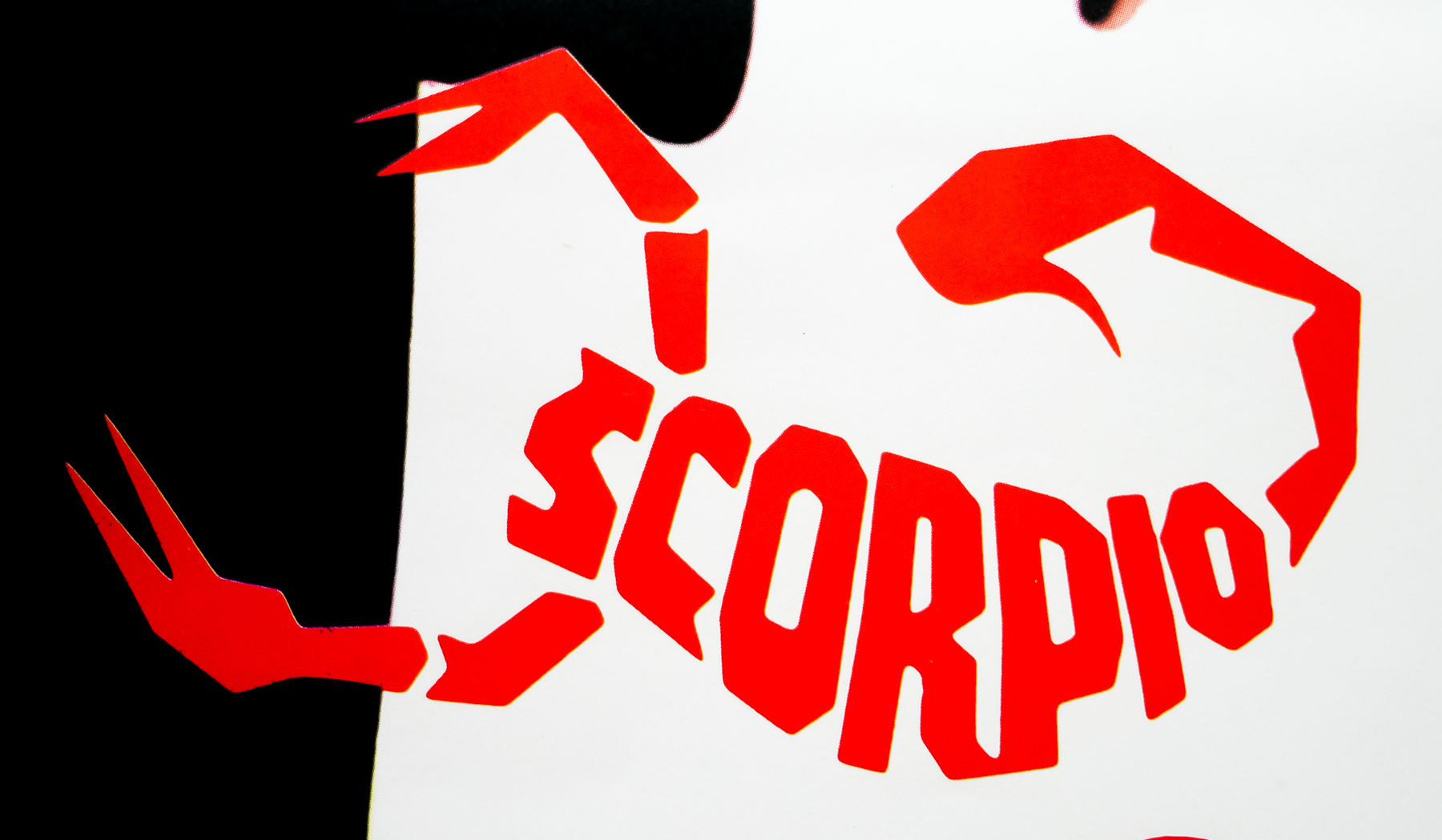
This Japanese B2 features a unique design but note the stylised logo that also features on some of the items used for the American campaign.

Shaft’s Big Score / B2 / Japan

25.07.11

Poster Poster
Title
Shaft's Big Score
AKA
--
Year of Film
1972
Director
Gordon Parks
Starring
Richard Roundtree, Moses Gunn, Drew Bundini Brown, Joseph Mascolo, Kathy Imrie, Wally Taylor, Julius Harris, Rosalind Miles, Joe Santos
Origin of Film
USA
Genre(s) of Film
Richard Roundtree, Moses Gunn, Drew Bundini Brown, Joseph Mascolo, Kathy Imrie, Wally Taylor, Julius Harris, Rosalind Miles, Joe Santos,
Type of Poster
B2
Style of Poster
--
Origin of Poster
Japan
Year of Poster
1972
Designer
Unknown
Artist
--
Size (inches)
20 4/16" x 28 13/16"
SS or DS
SS
Tagline
--

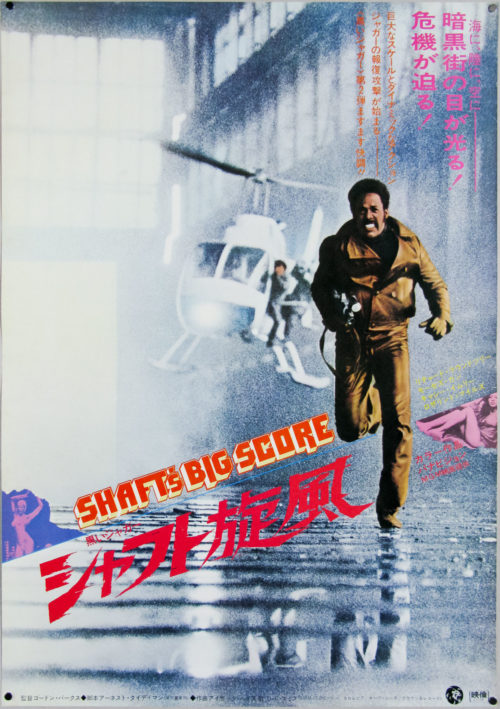
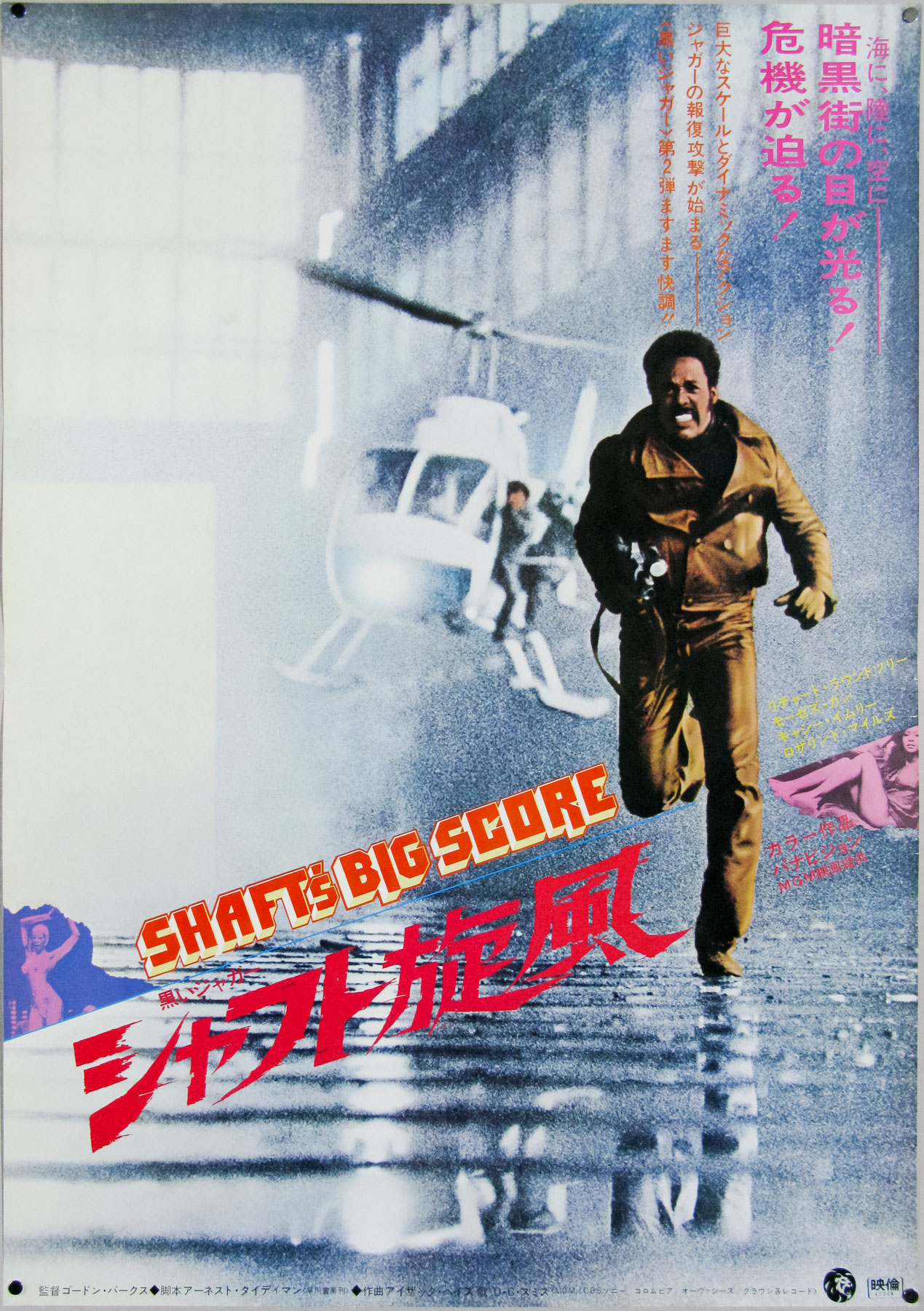
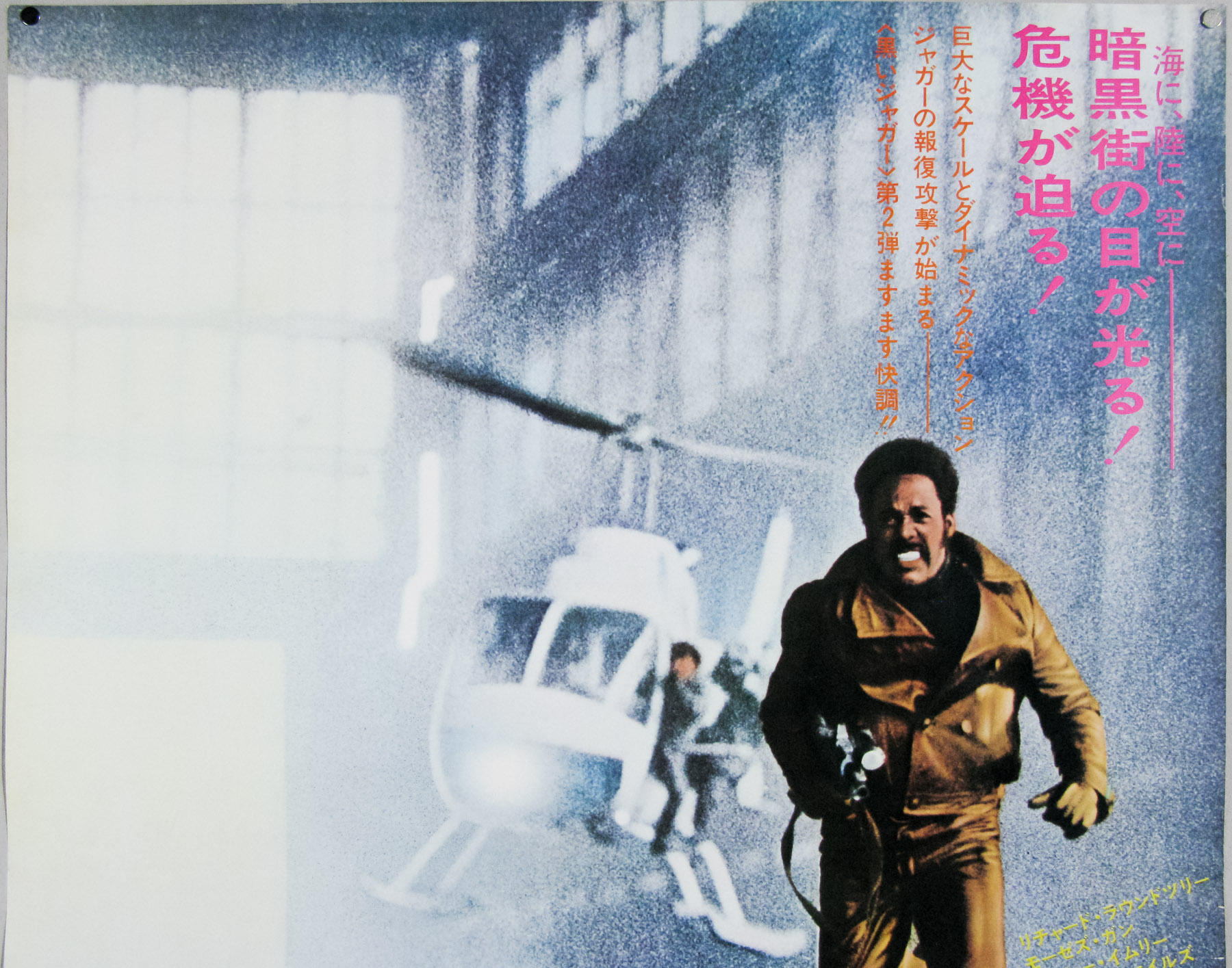
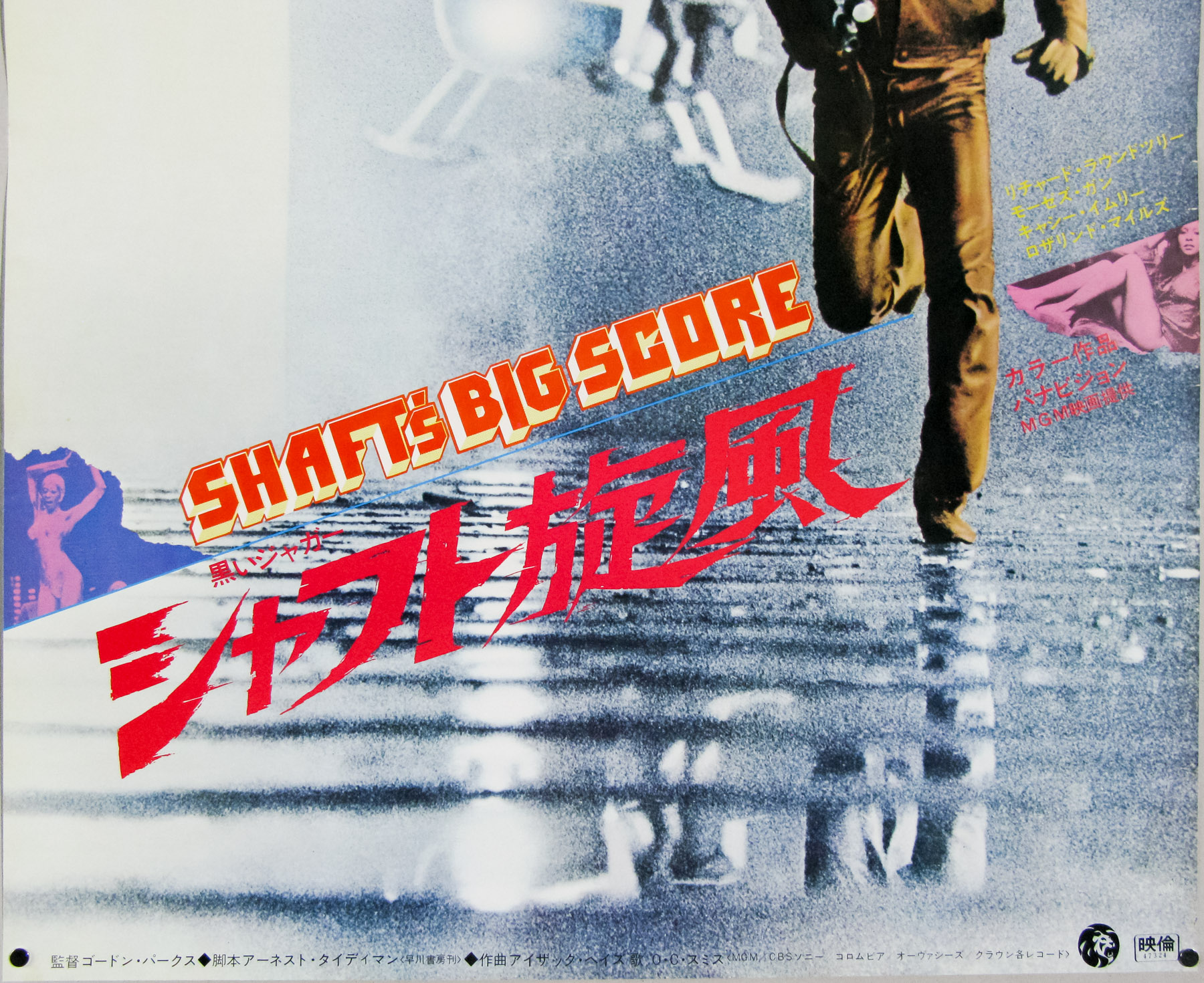
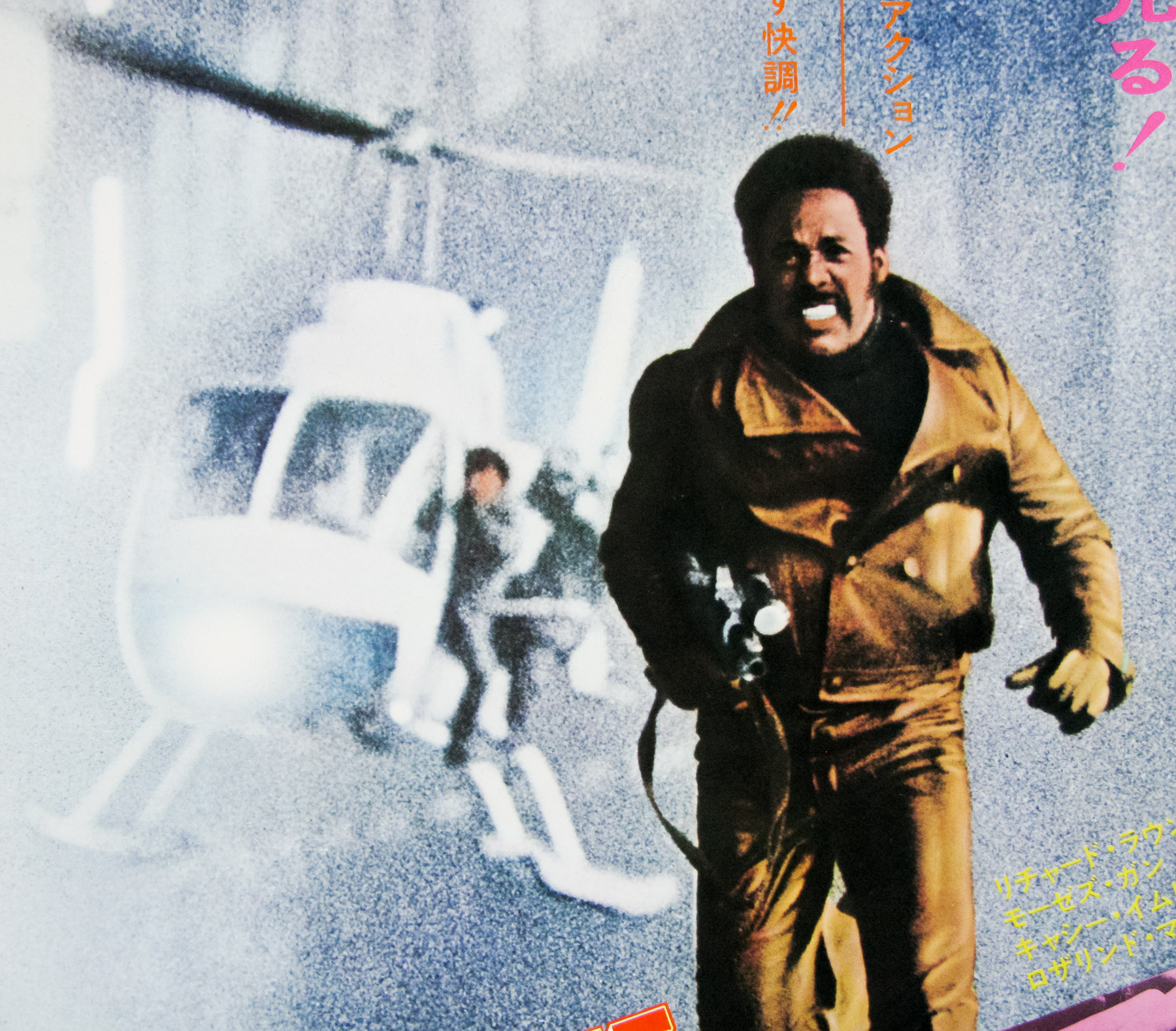
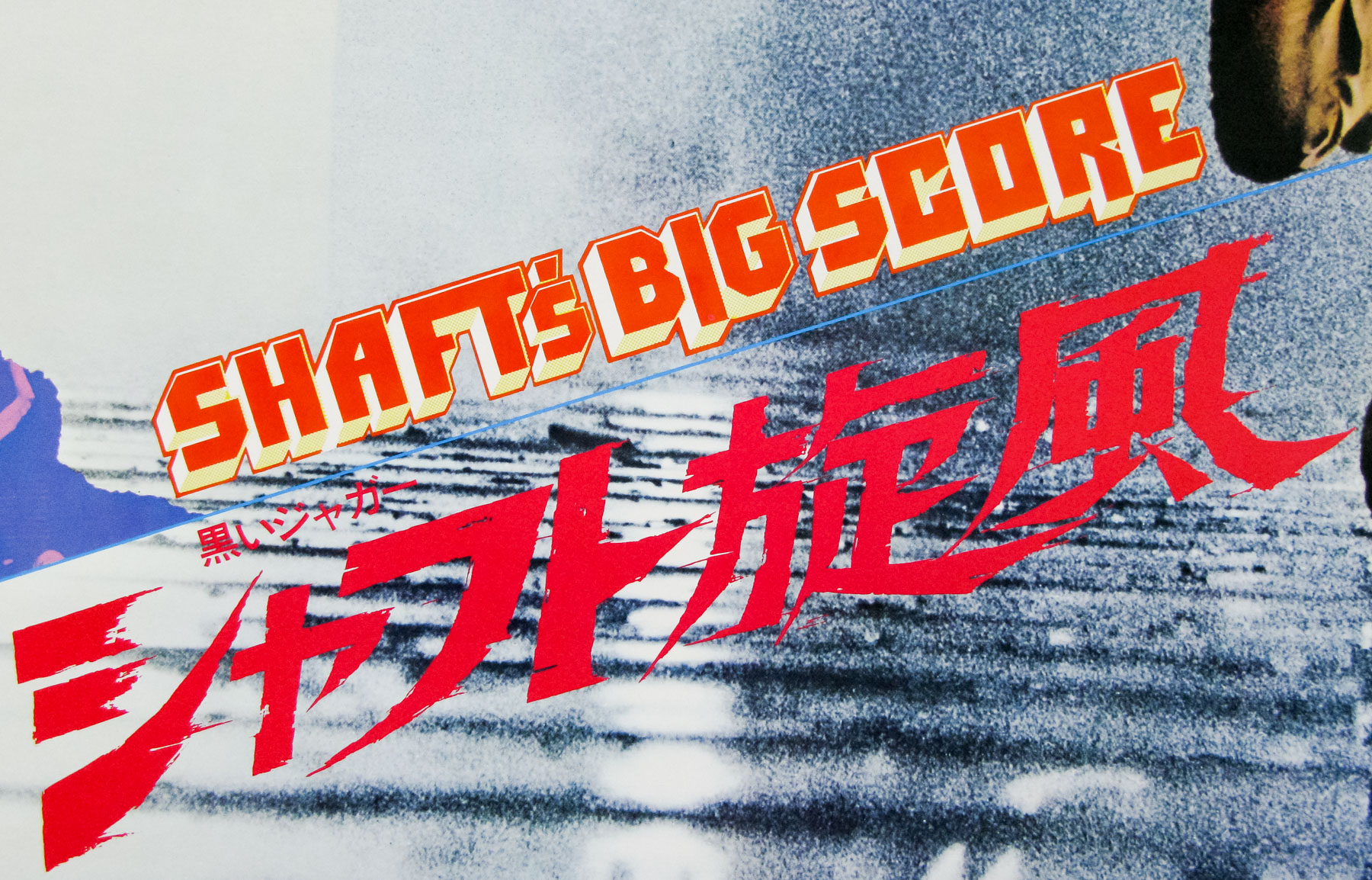
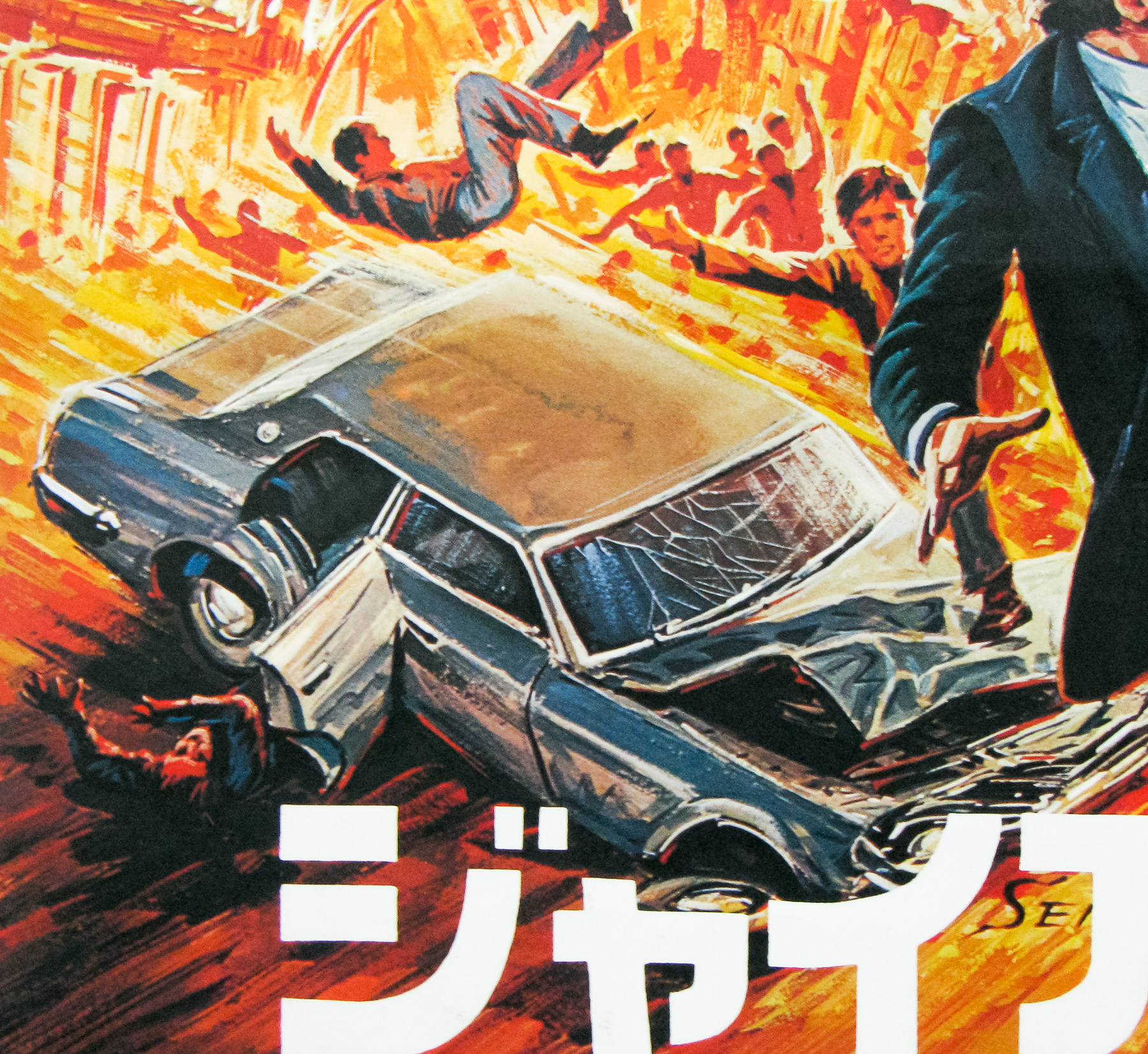
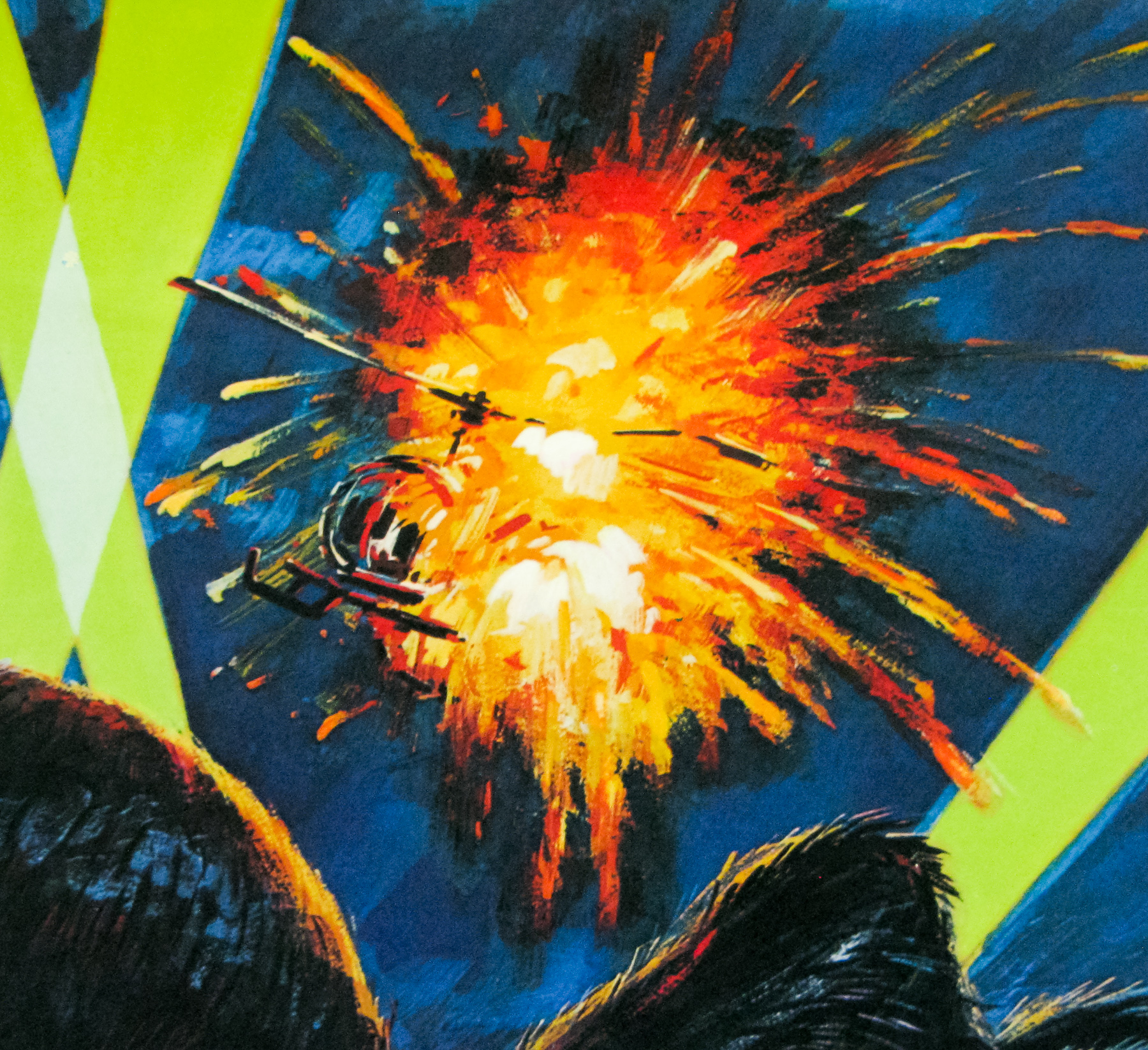
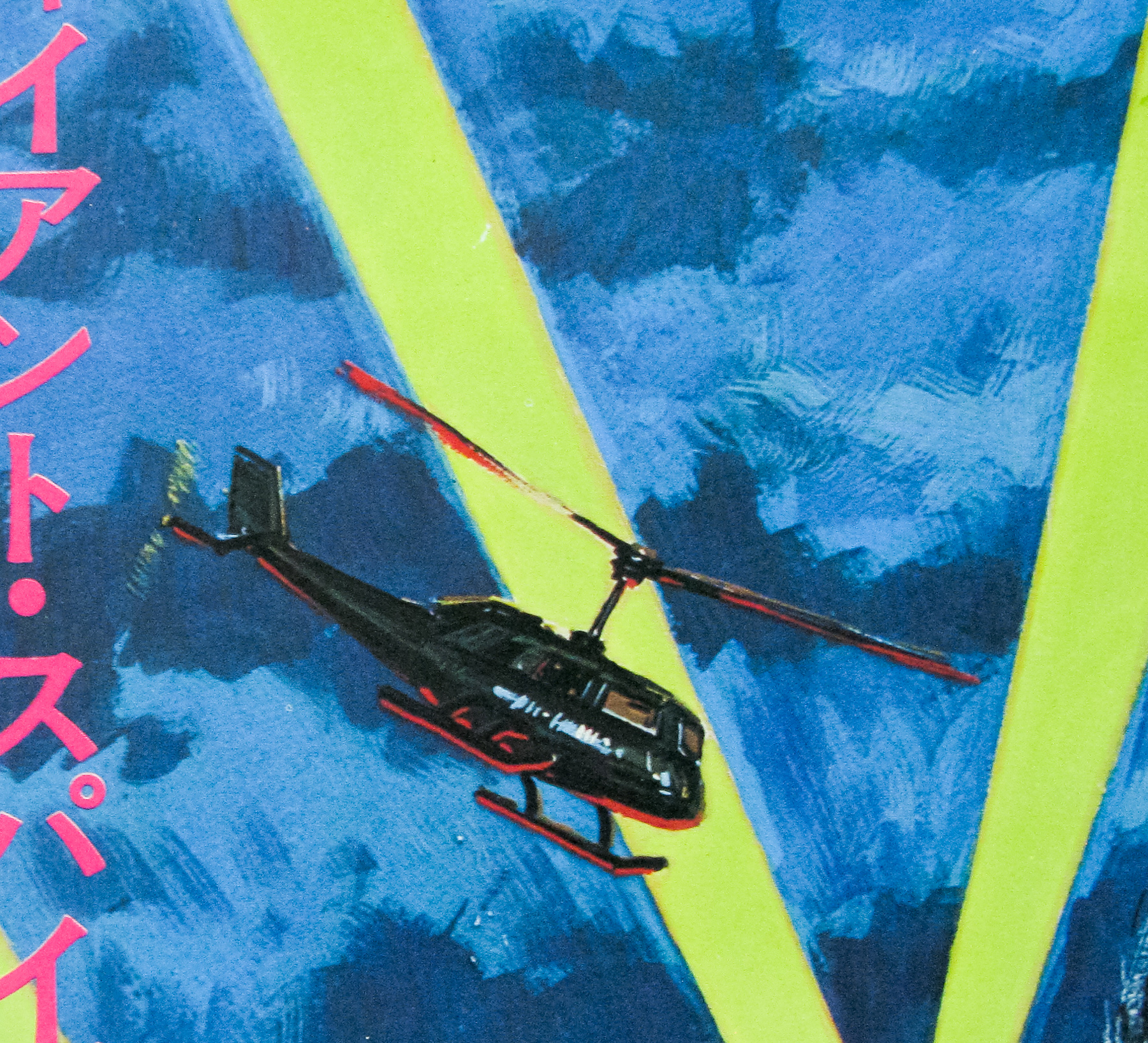
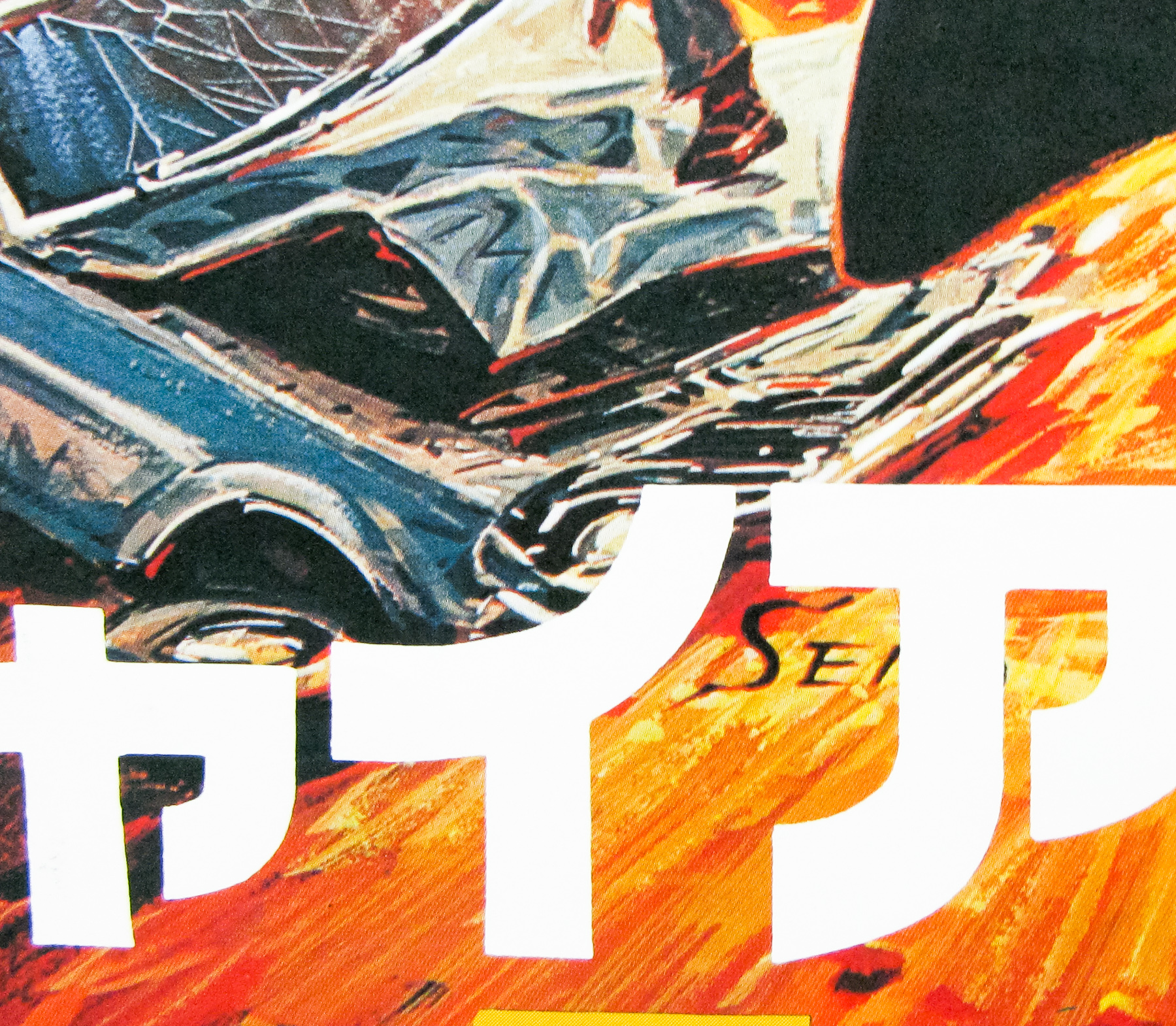
Shaft’s Big Score is the second in a trilogy of films featuring blaxploitation hero Shaft (Richard Roundtree). This Japanese poster features a still from one of the big action sequences in the film. I’m a fan of the typography used for the title.

You can view the trailer on YouTube.

Slap Shot / B2 / Japan

20.06.11

Poster Poster

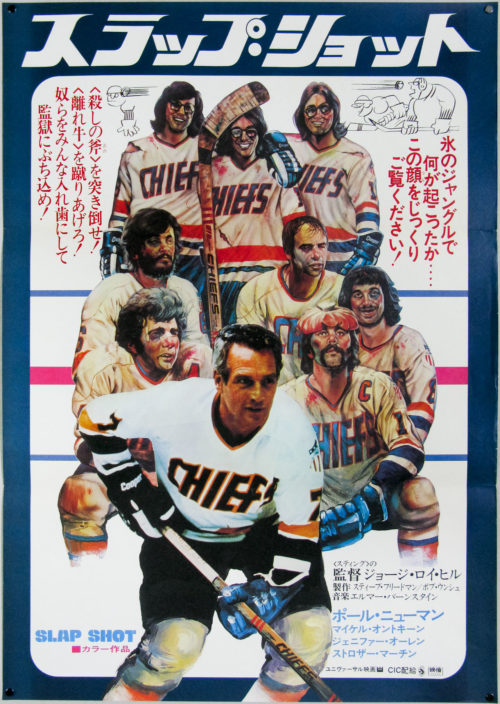
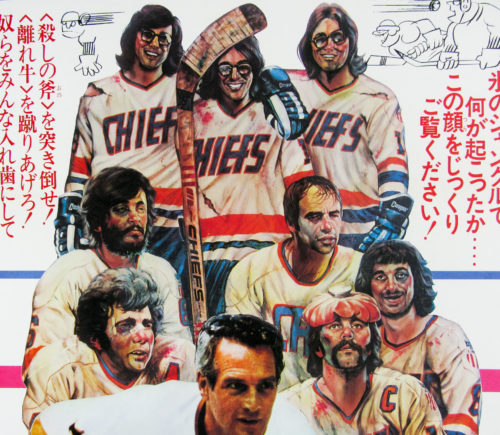
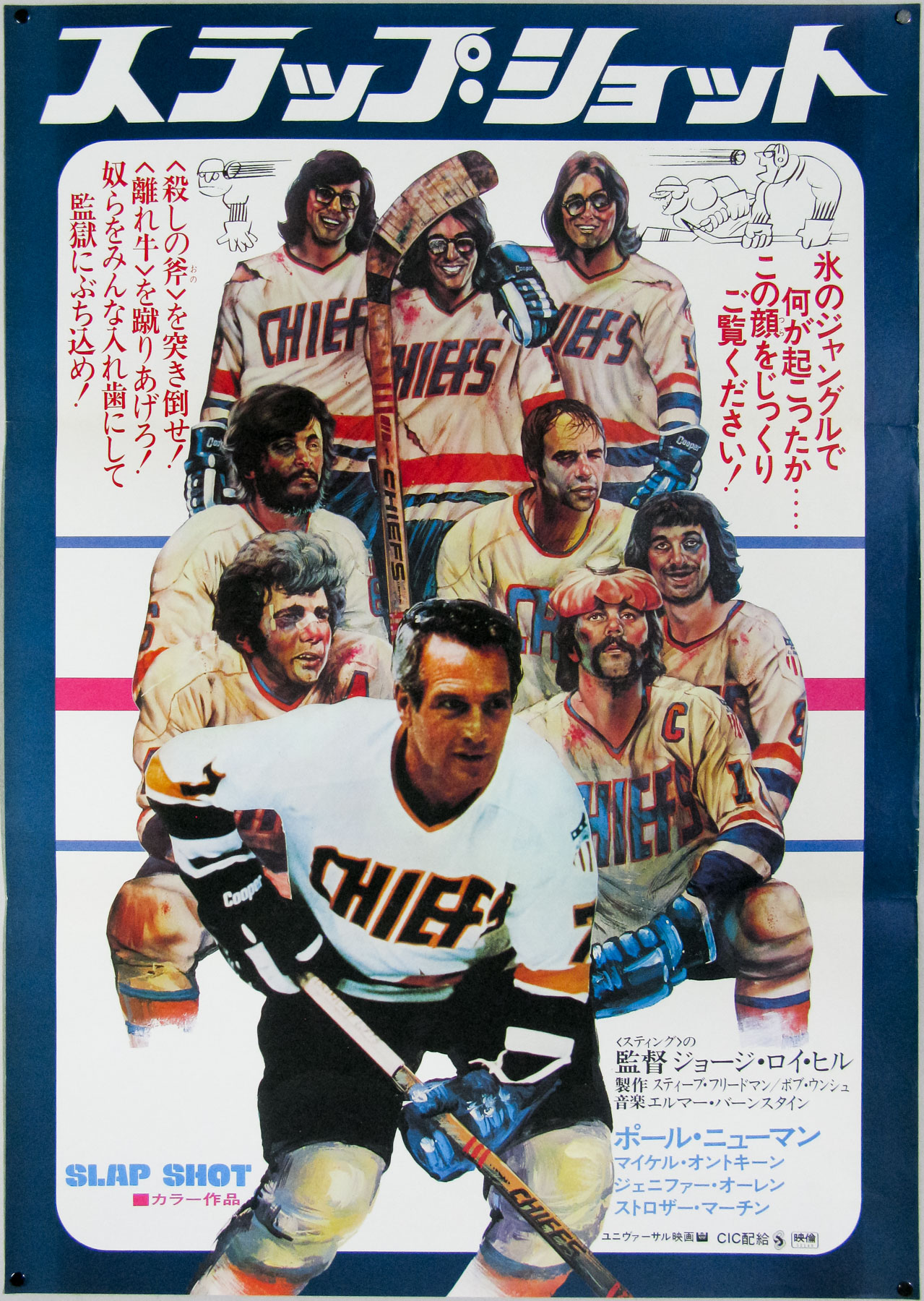
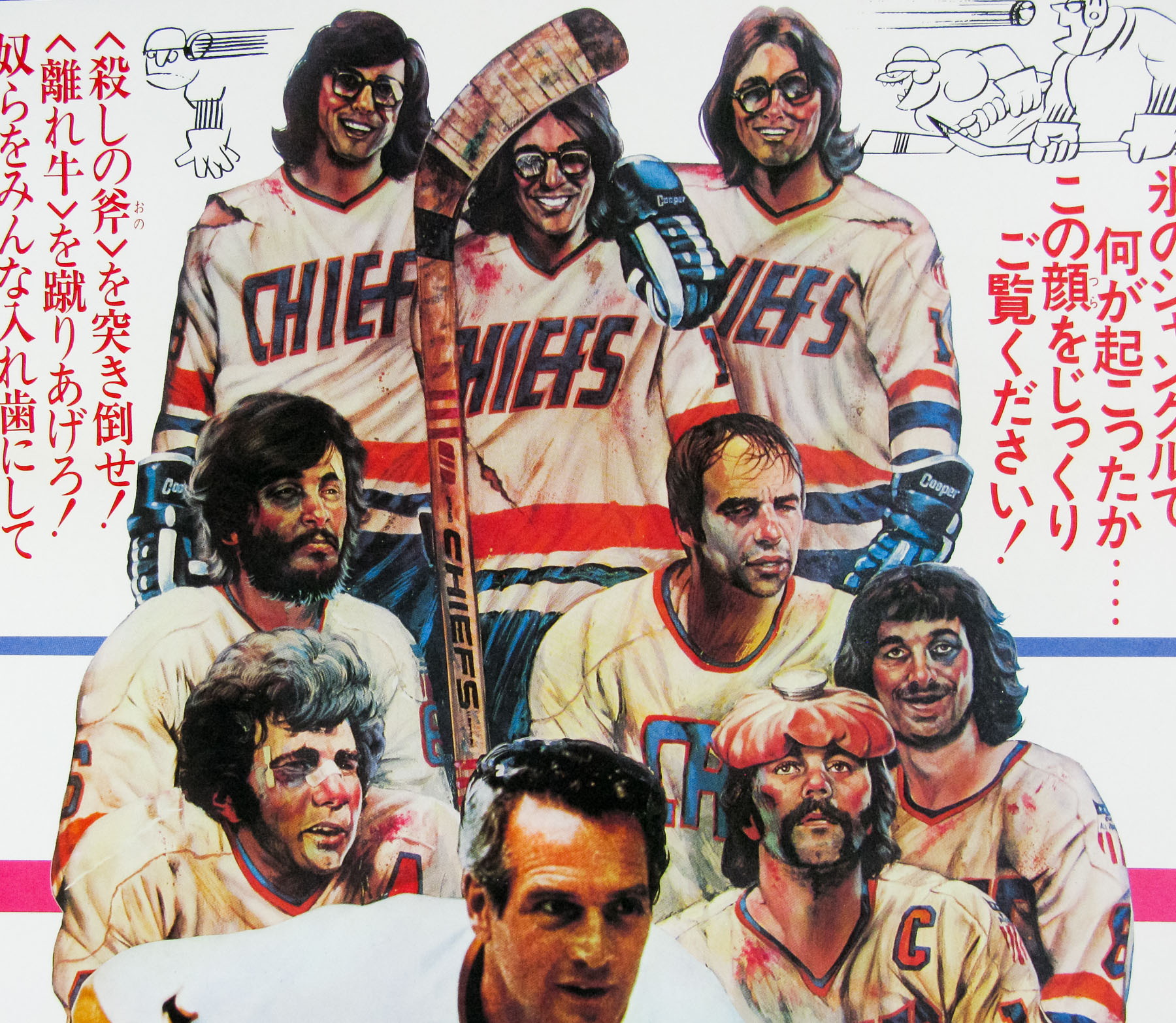
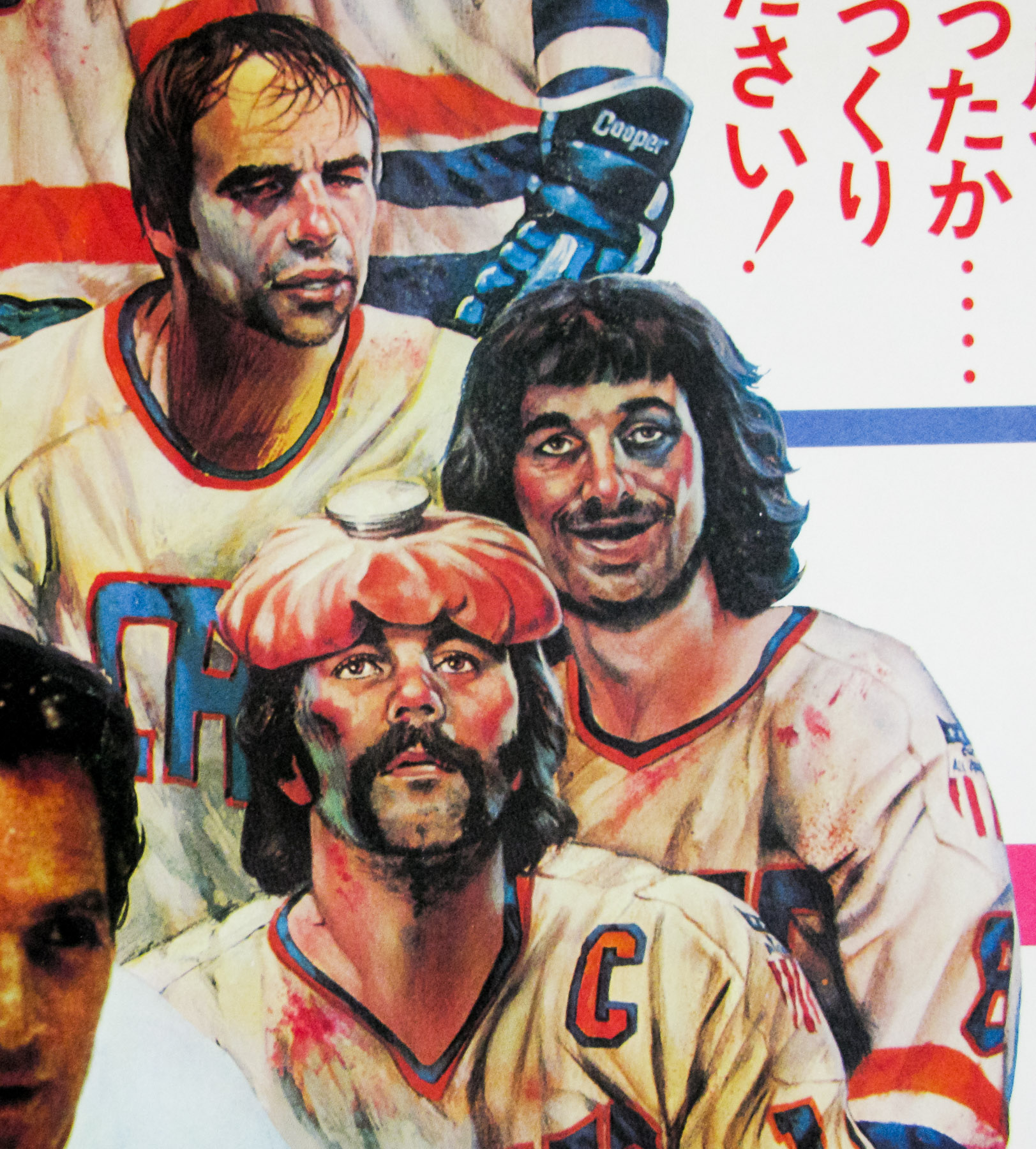
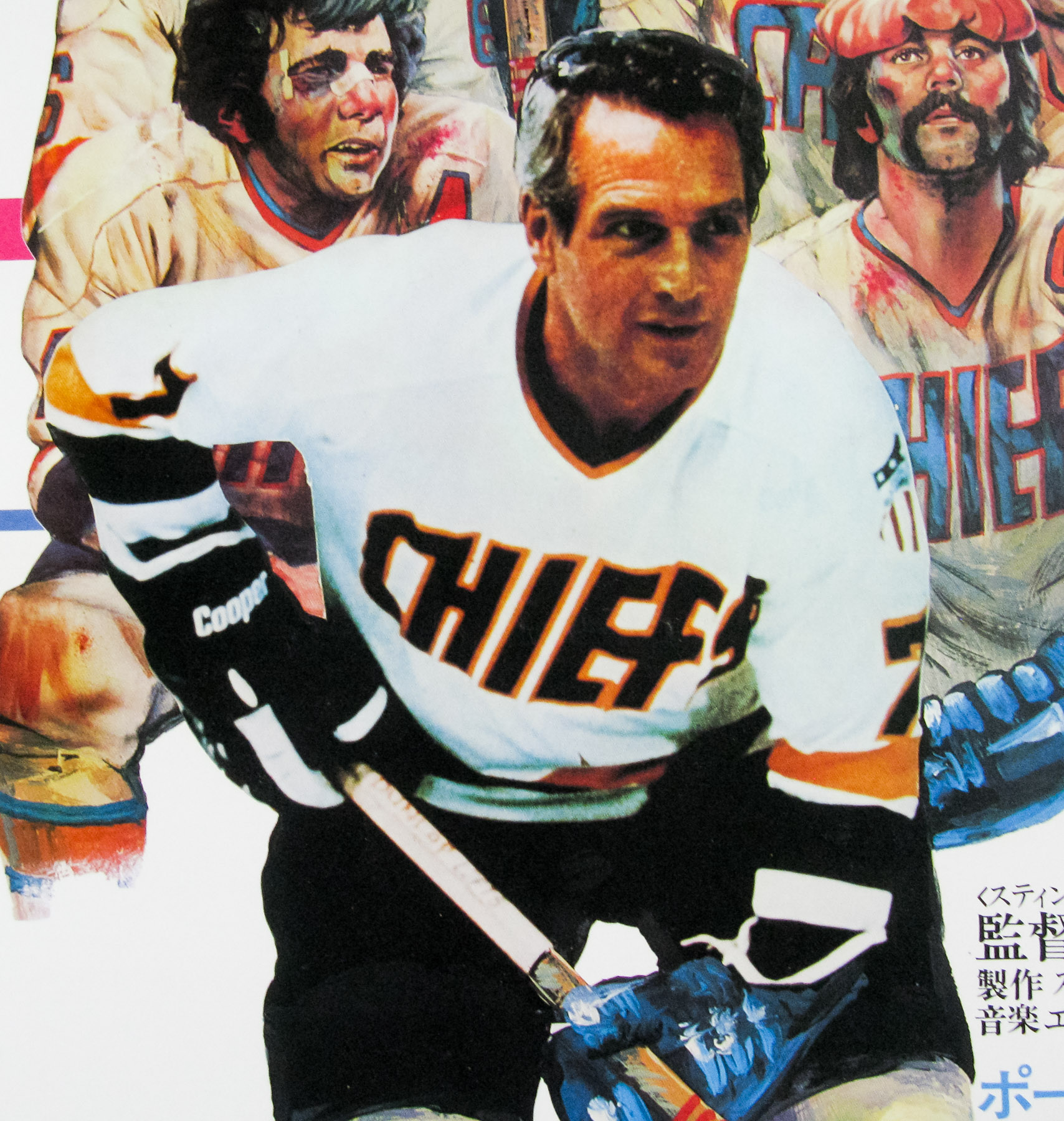
George Roy Hill‘s ice hockey comedy was critically panned on release but quickly grew into a cult classic and is considered by many to be the best sports/comedy movie ever made.

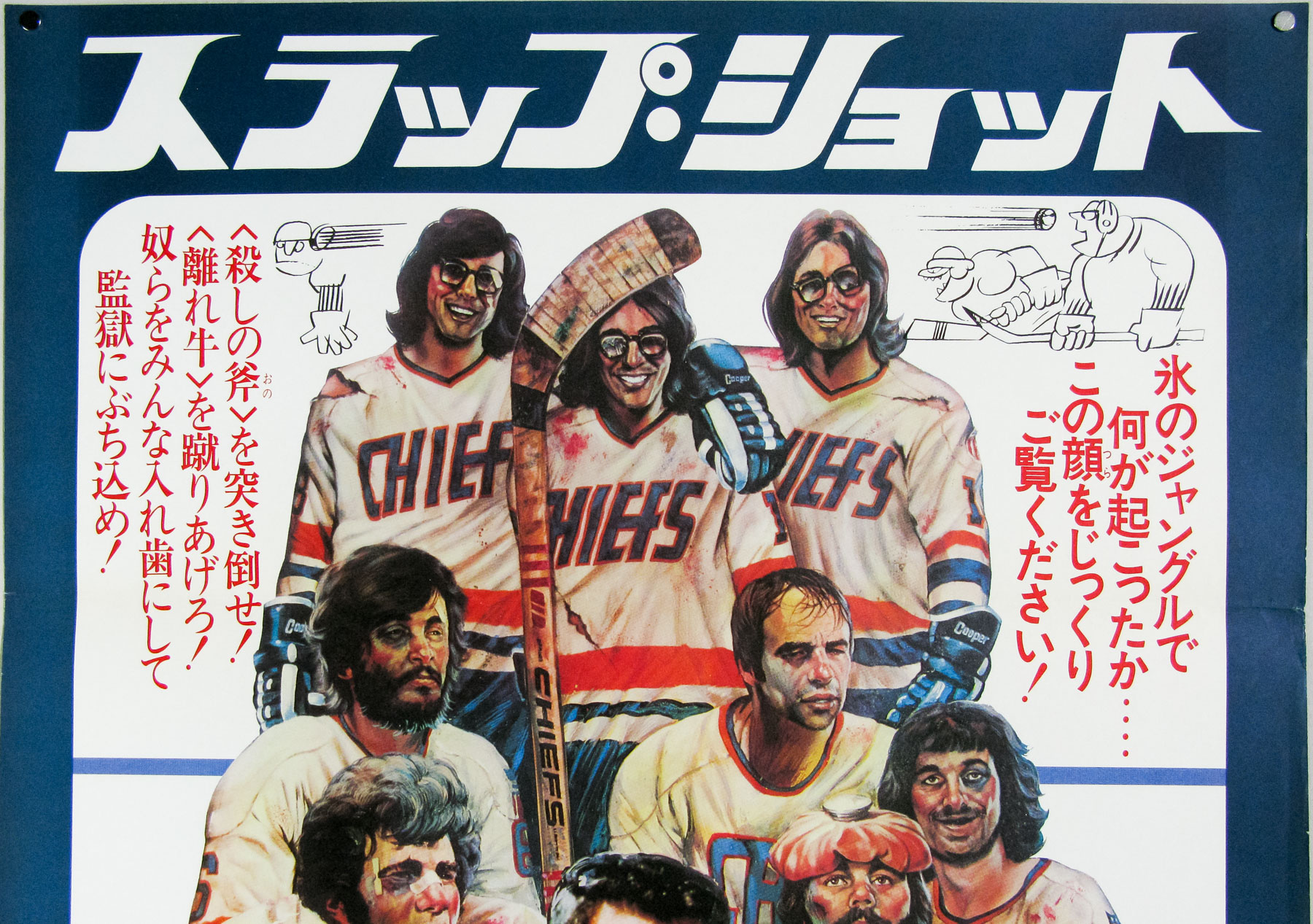
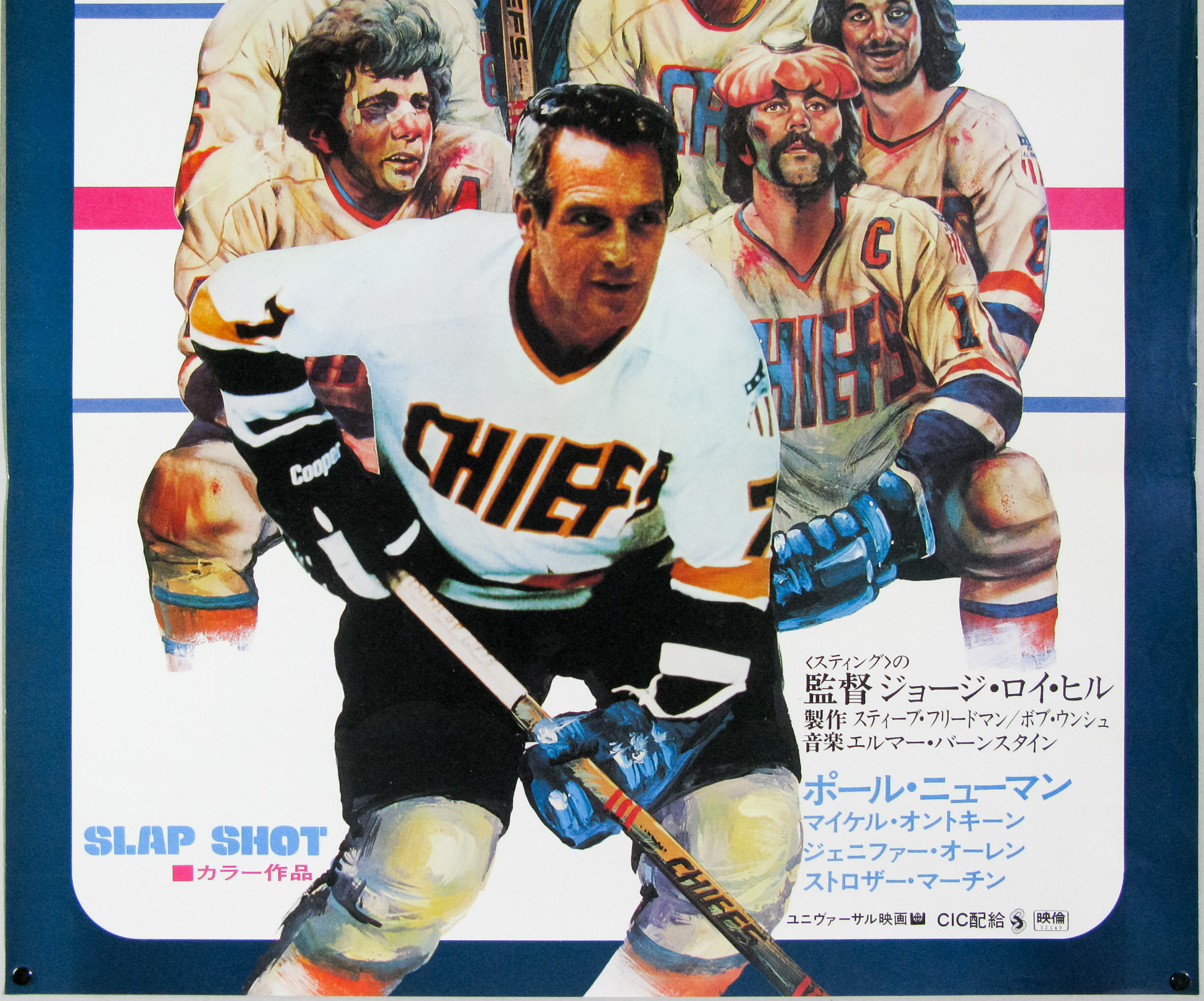
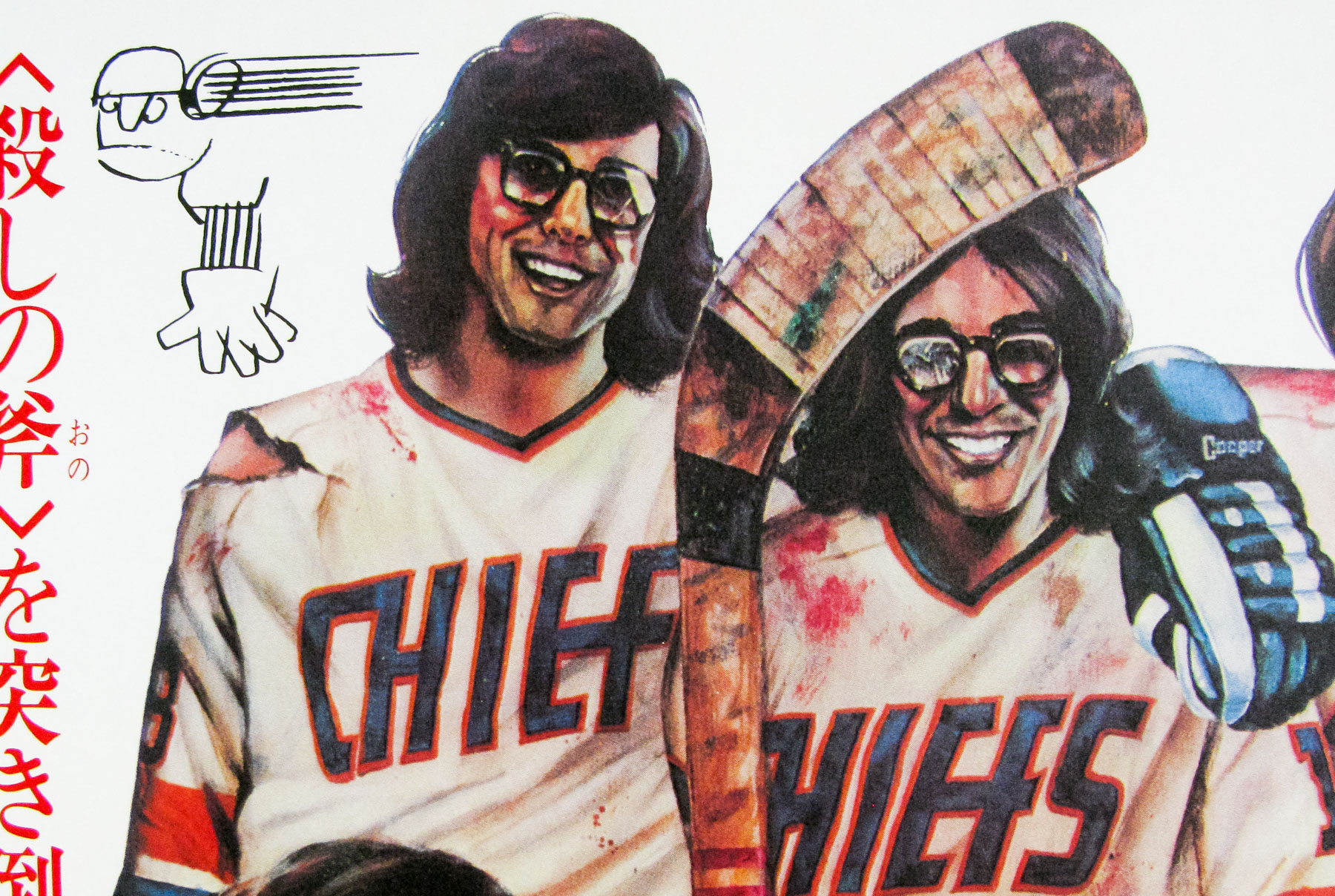
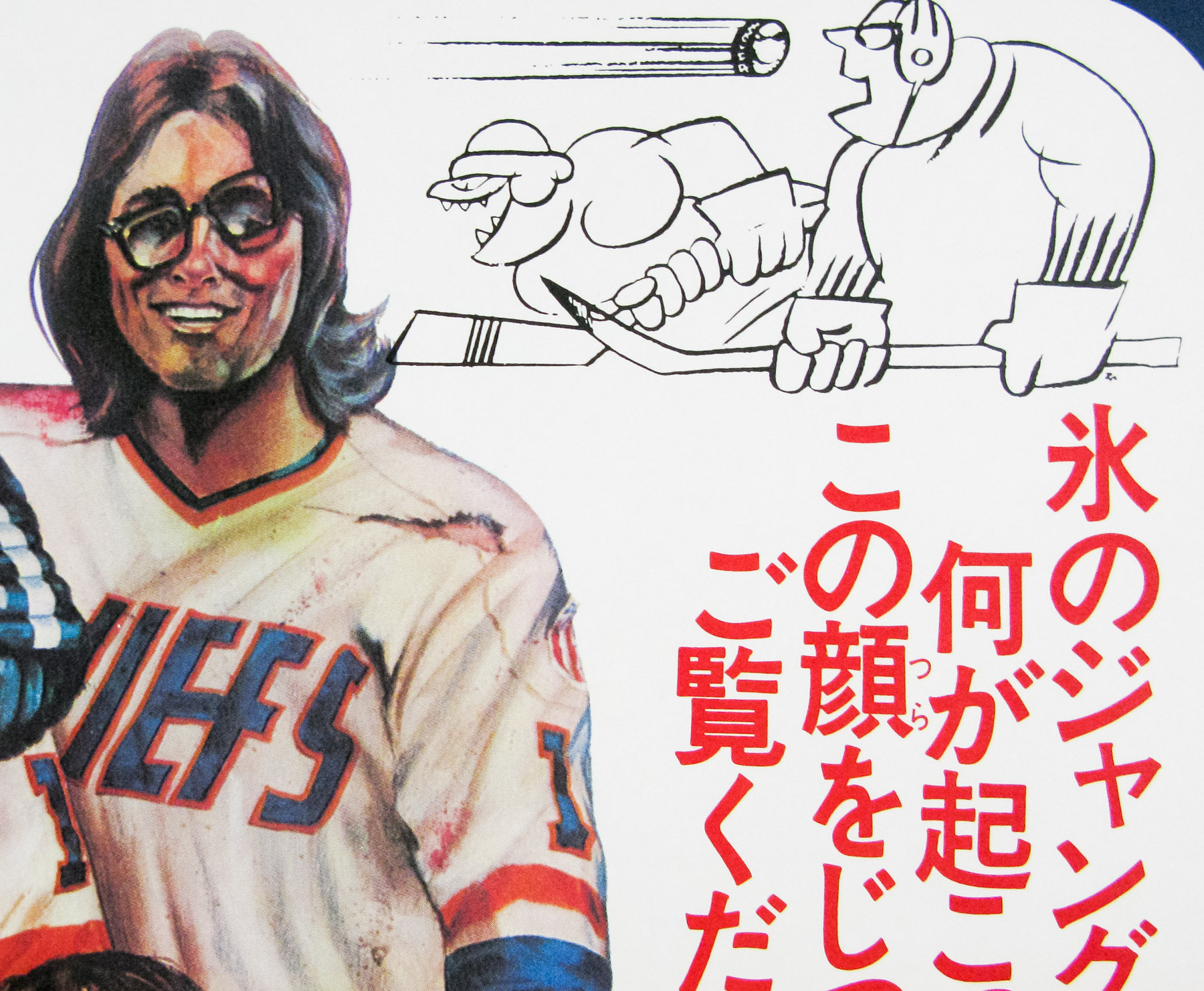
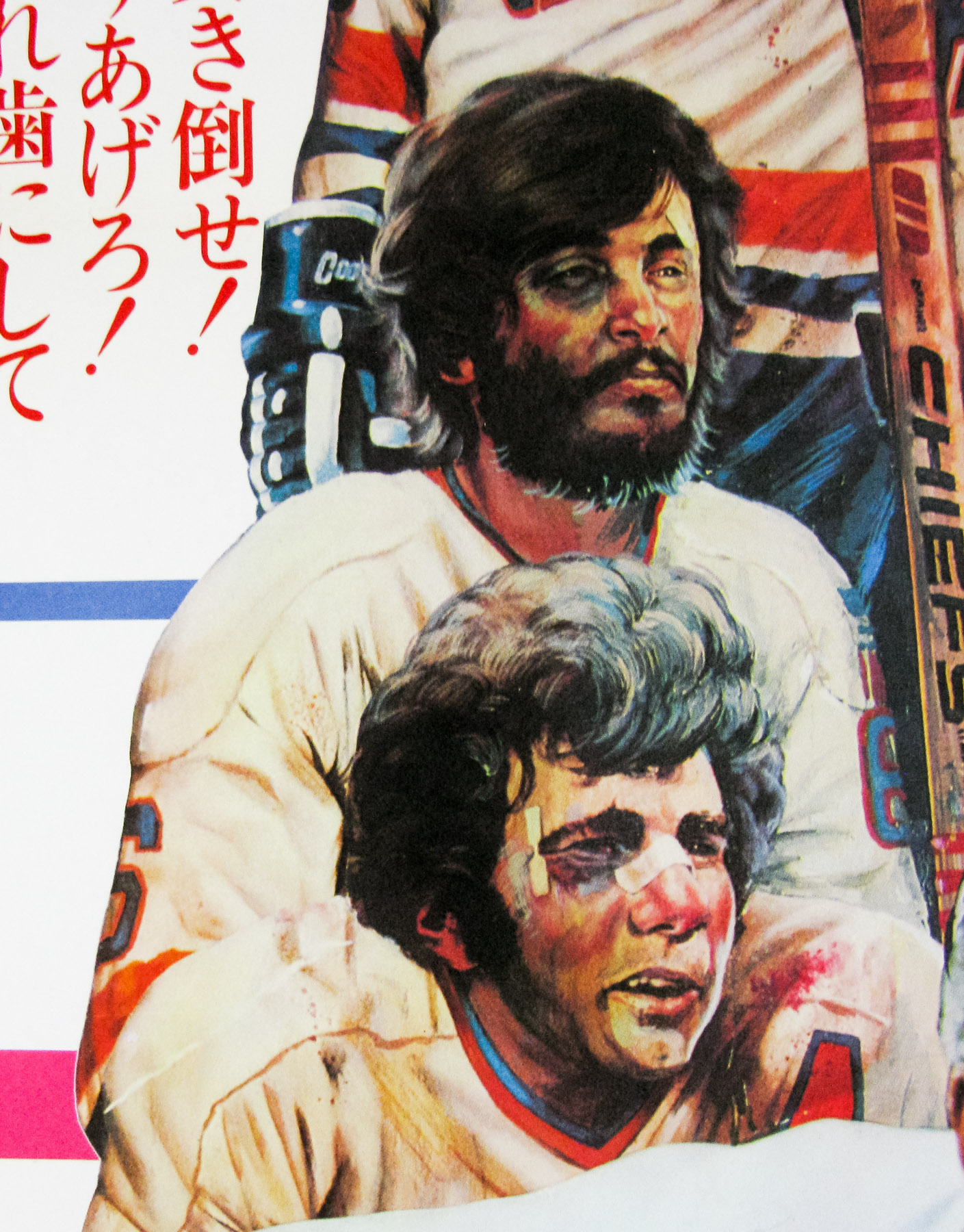
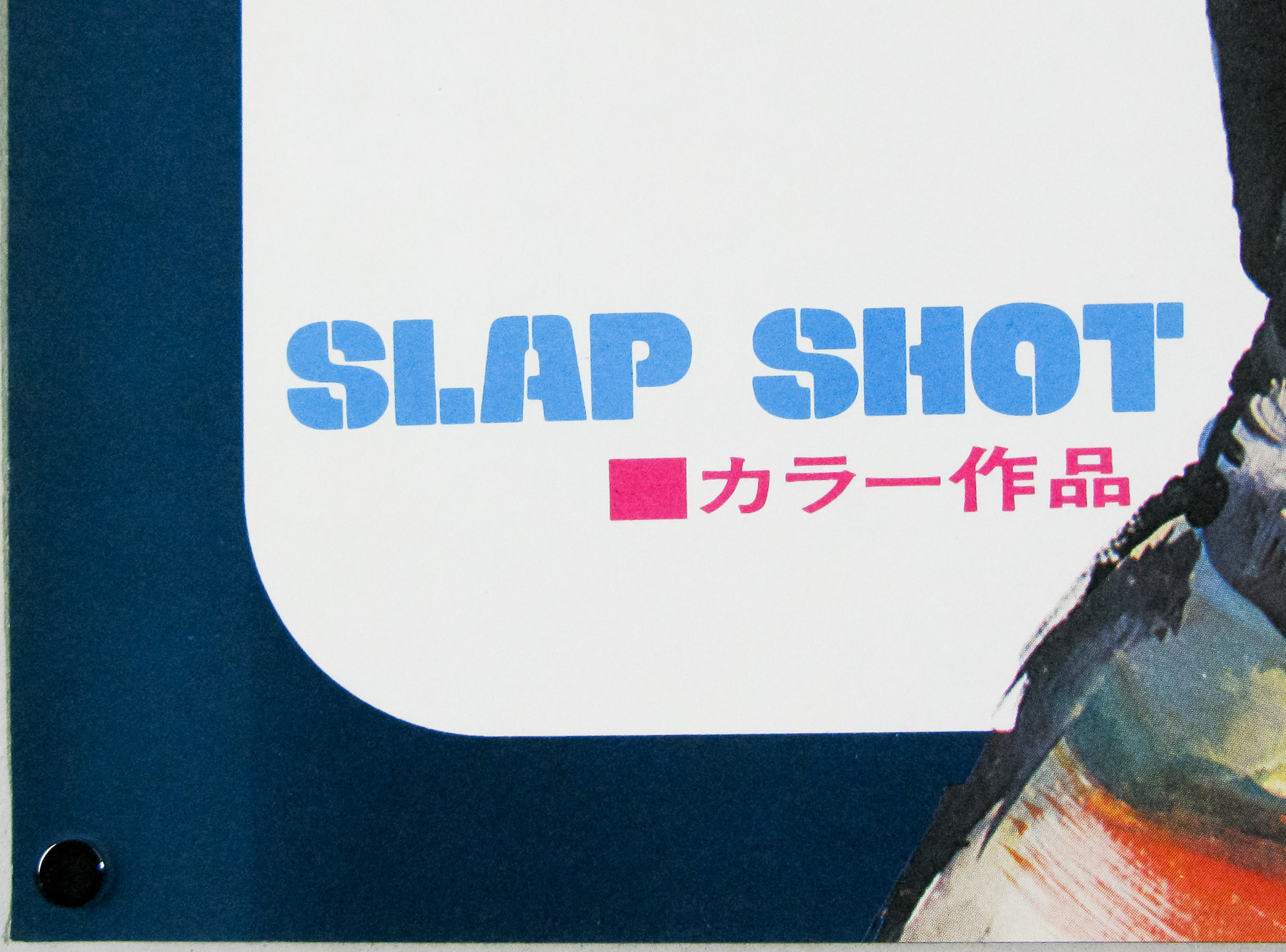
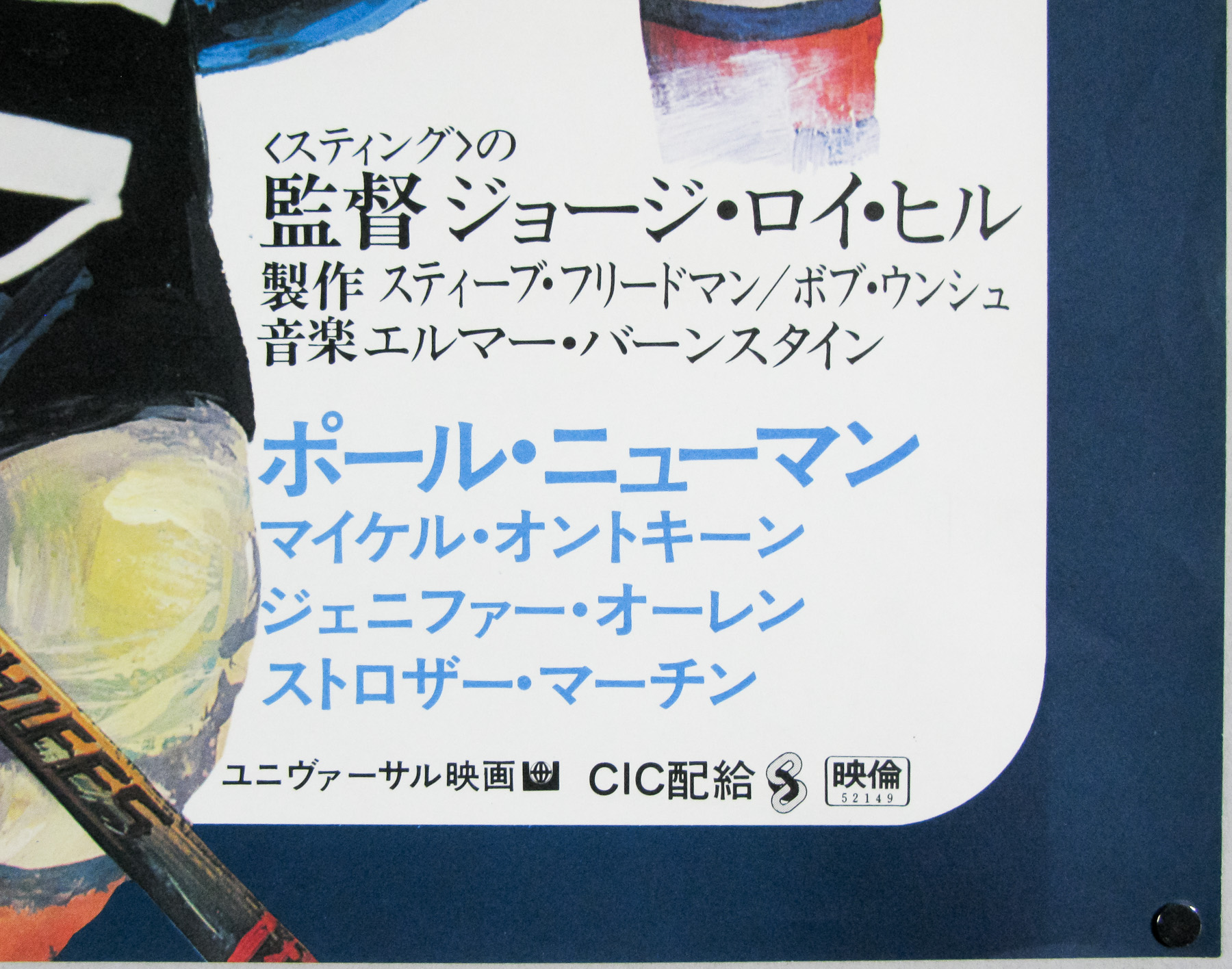
This Japanese poster is actually a combination of two of the American one sheets and a promotional still from the film. The artwork by Craig Nelson on the Style A one sheet is combined with the sketch-style artwork (credited to ‘R.G.’) on Style B. The photo of Paul Newman appears to have been taken from this still and his lower half has been illustrated to extend it downwards.

You can watch the original trailer here.

Street Trash / B2 / Japan

25.06.13

Poster Poster
Title
Street Trash
AKA
Horror in Bowery Street (Italy)
Year of Film
1987
Director
J. Michael Muro
Starring
Mike Lackey, Bill Chepil, Vic Noto, Mark Sferrazza, Jane Arakawa, Nicole Potter, Pat Ryan, Clarenze Jarmon, Bernard Perlman
Origin of Film
USA
Type of Poster
B2
Style of Poster
--
Origin of Poster
Japan
Year of Poster
1987
Designer
Unknown
Artist
--
Size (inches)
20 6/16" x 28 13/16"
SS or DS
SS
Tagline
--

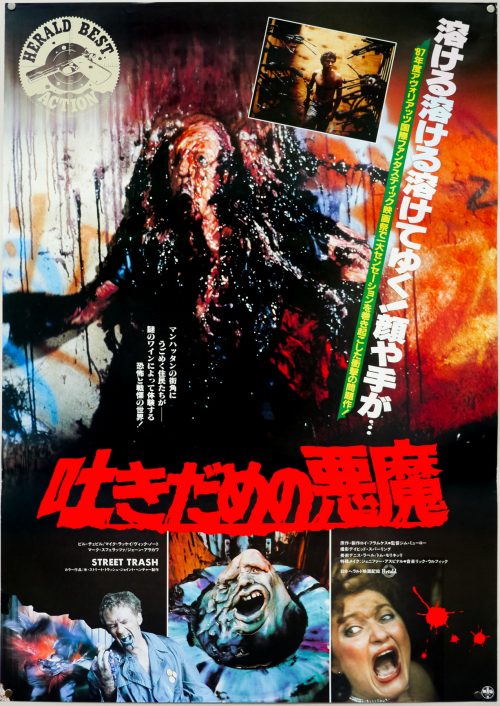
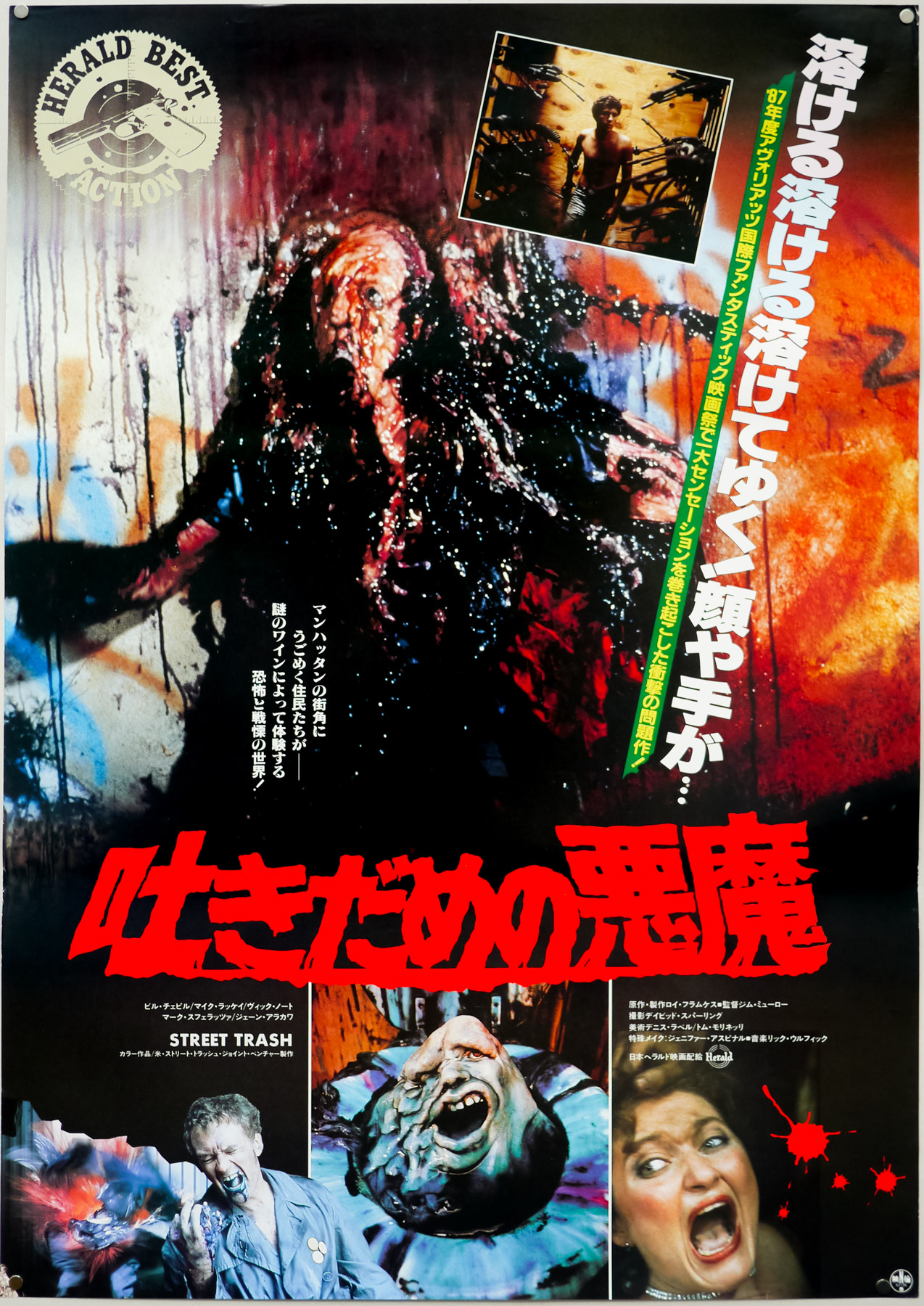
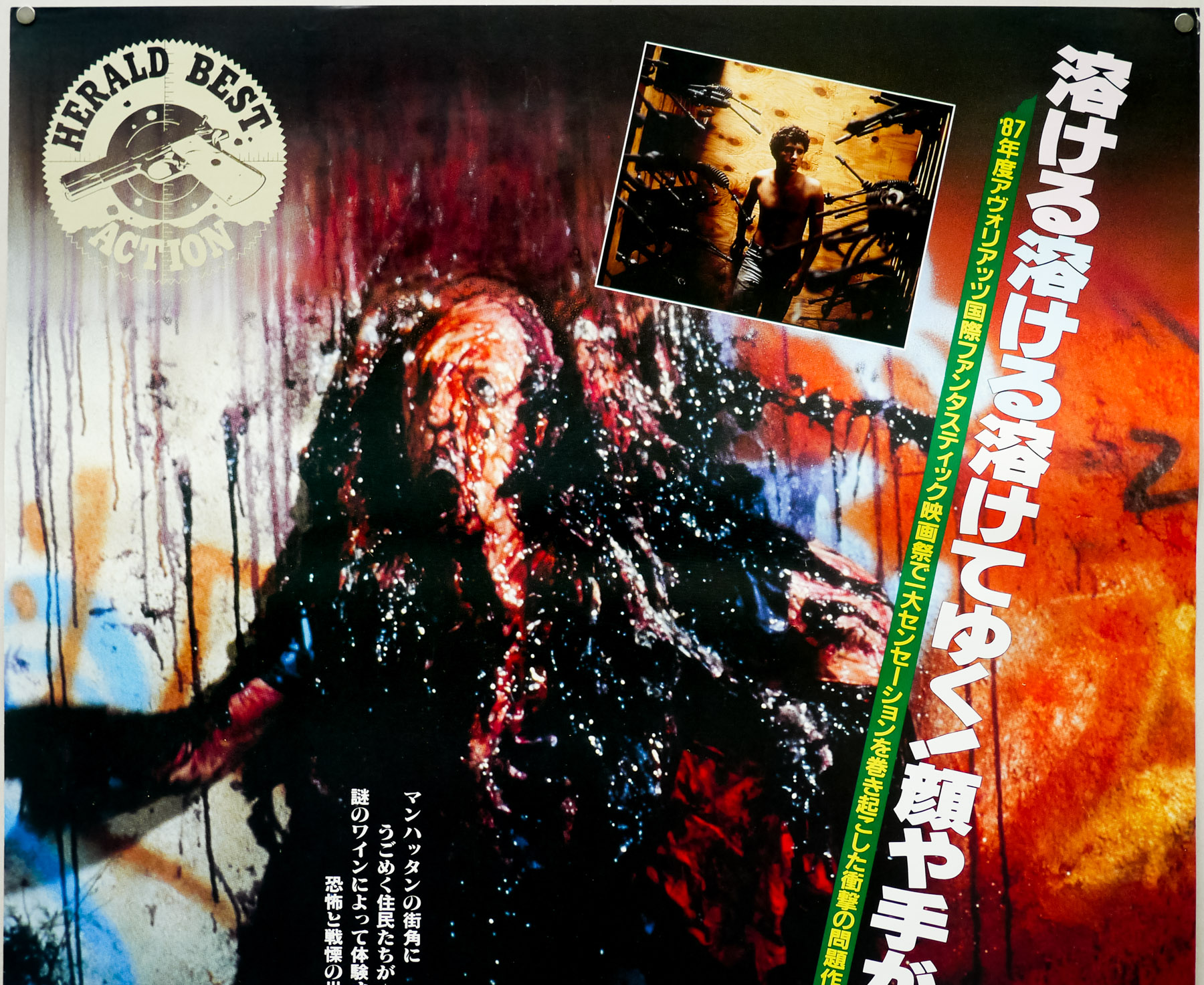
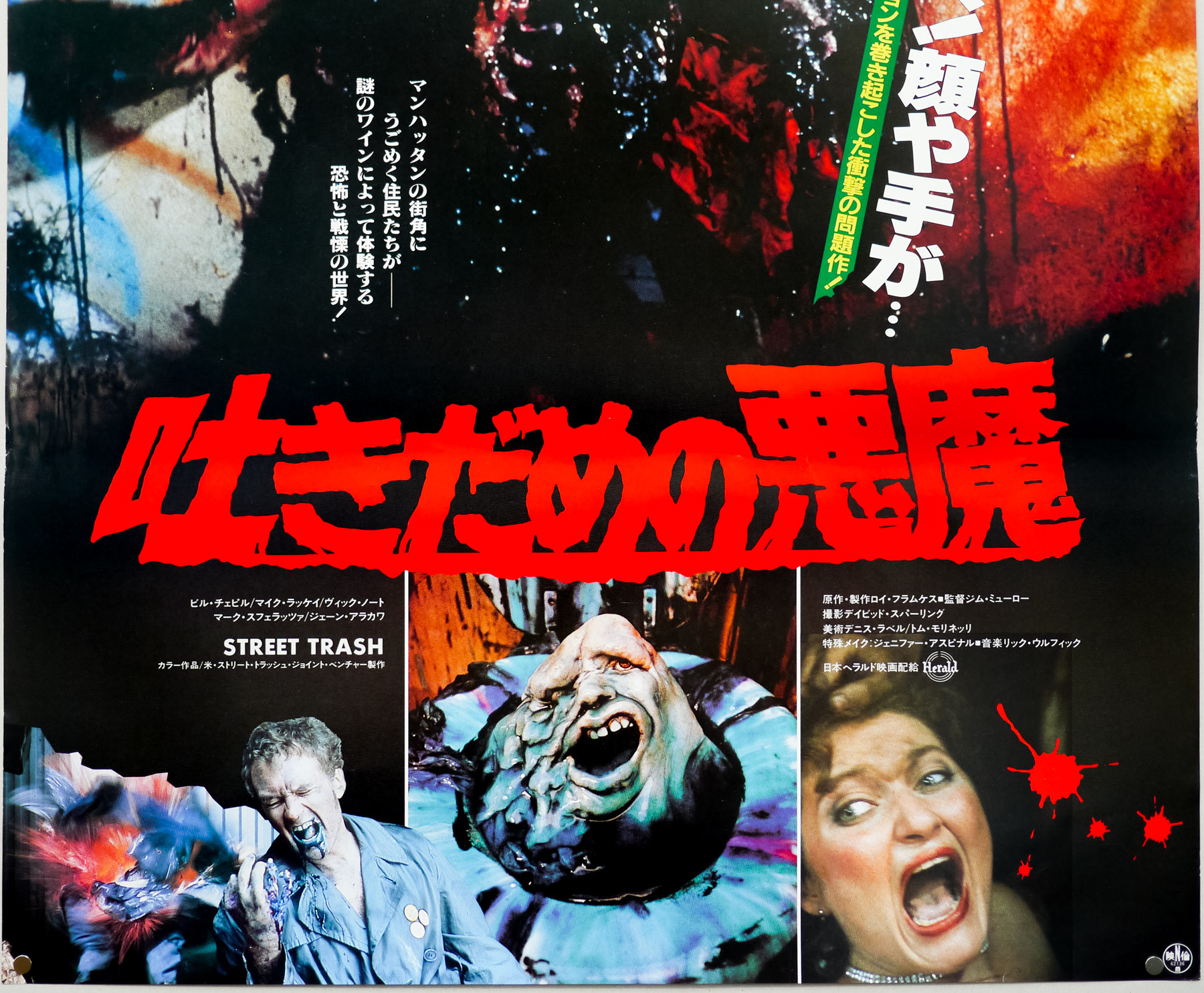
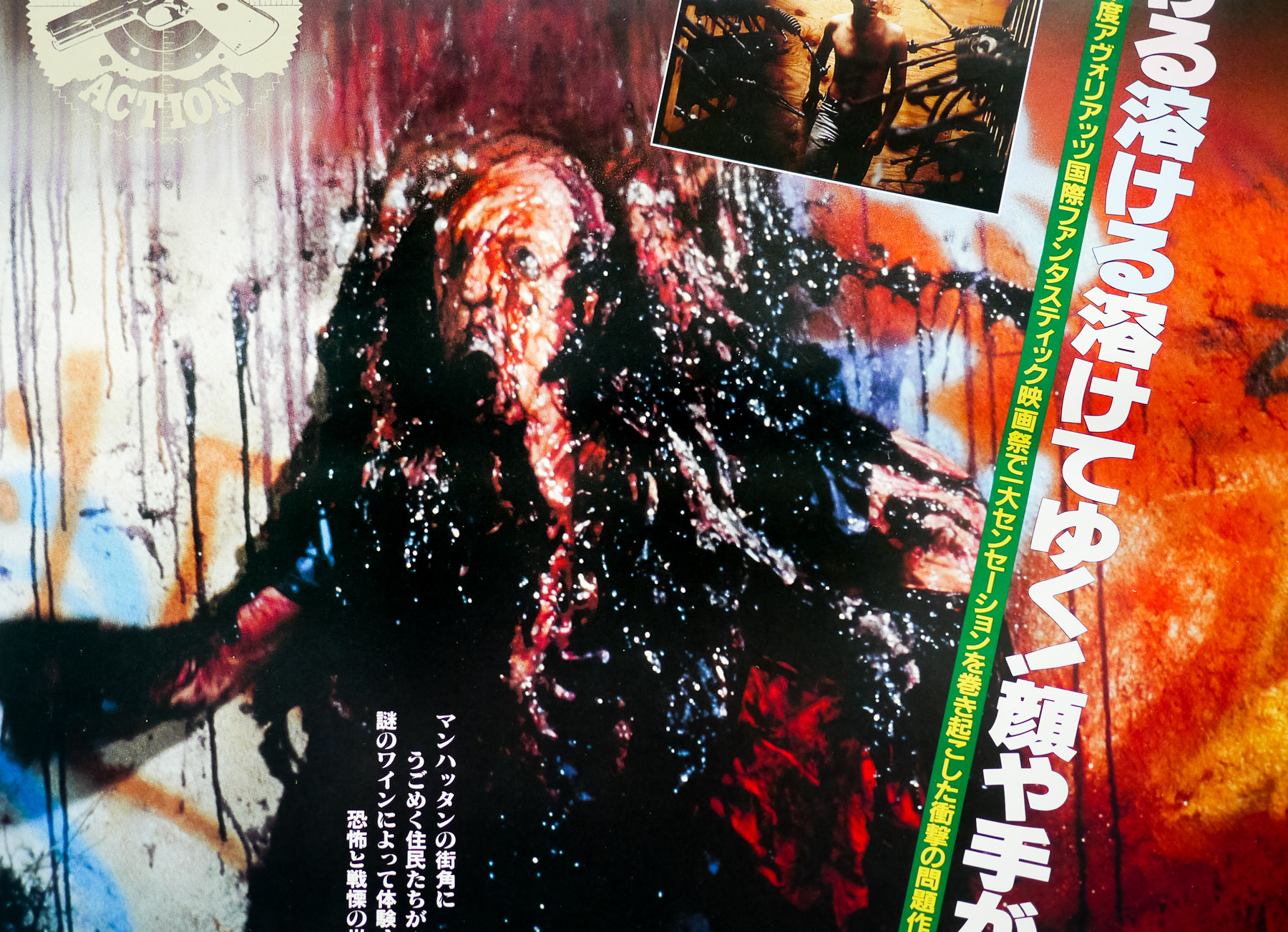
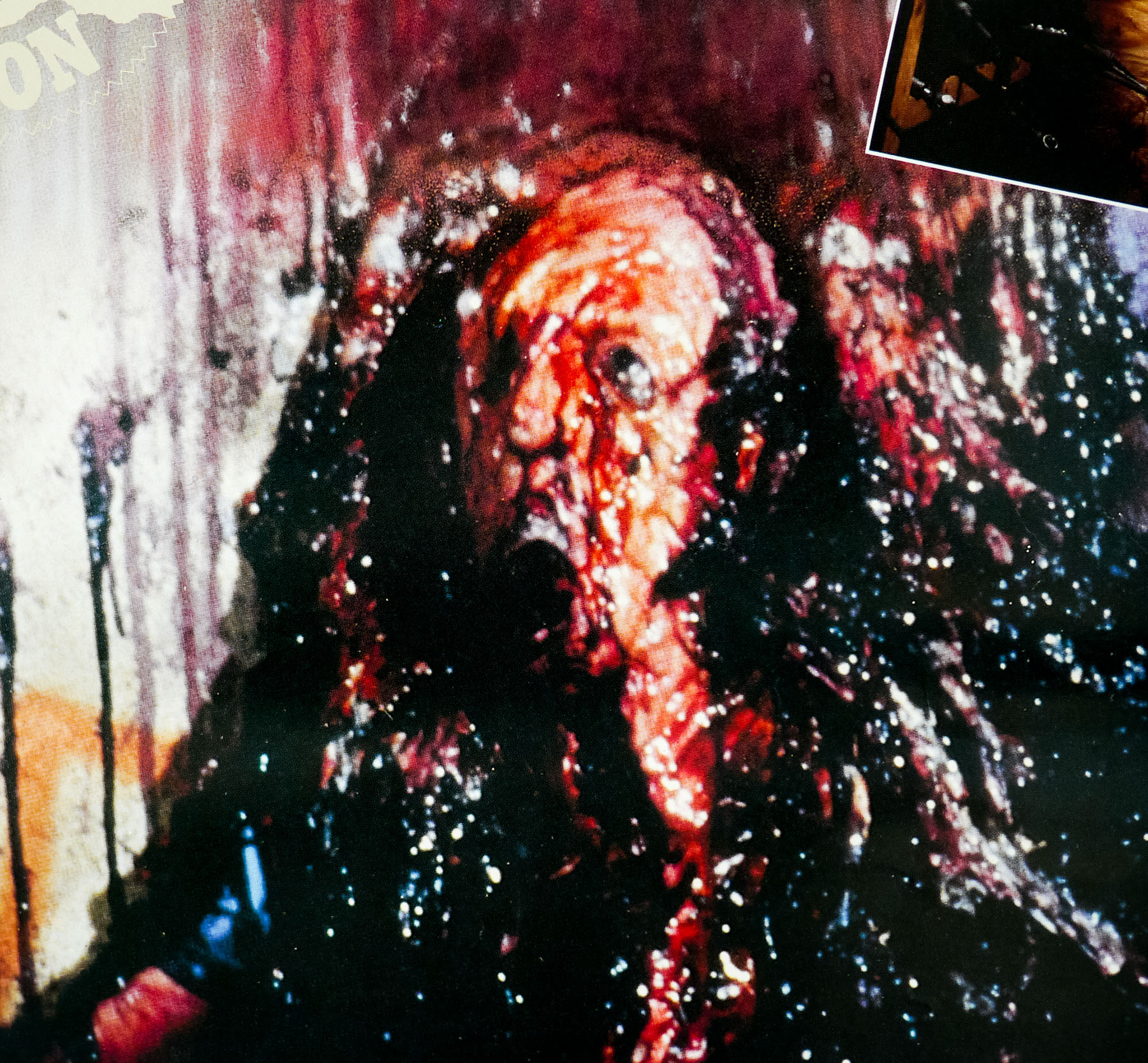
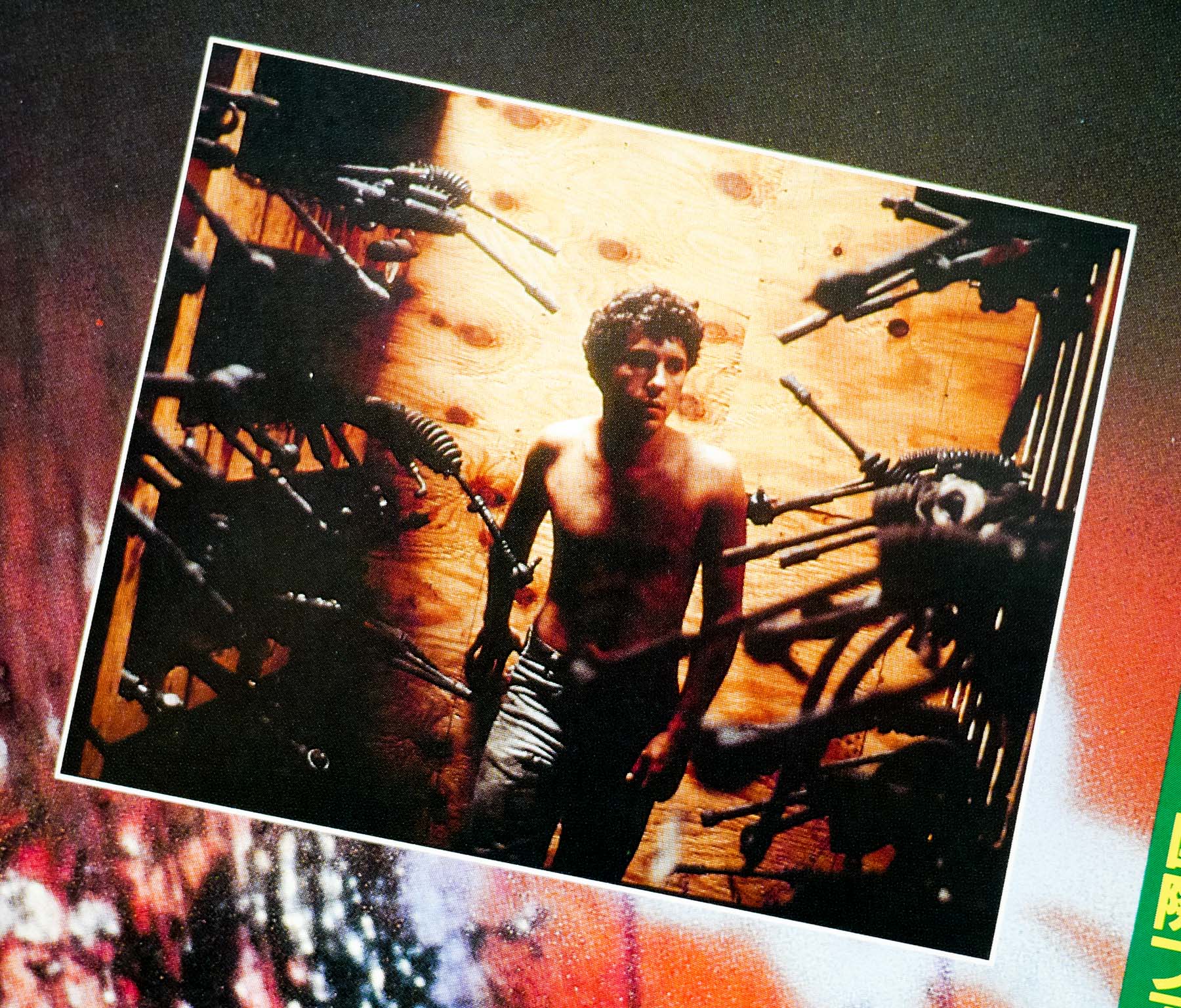
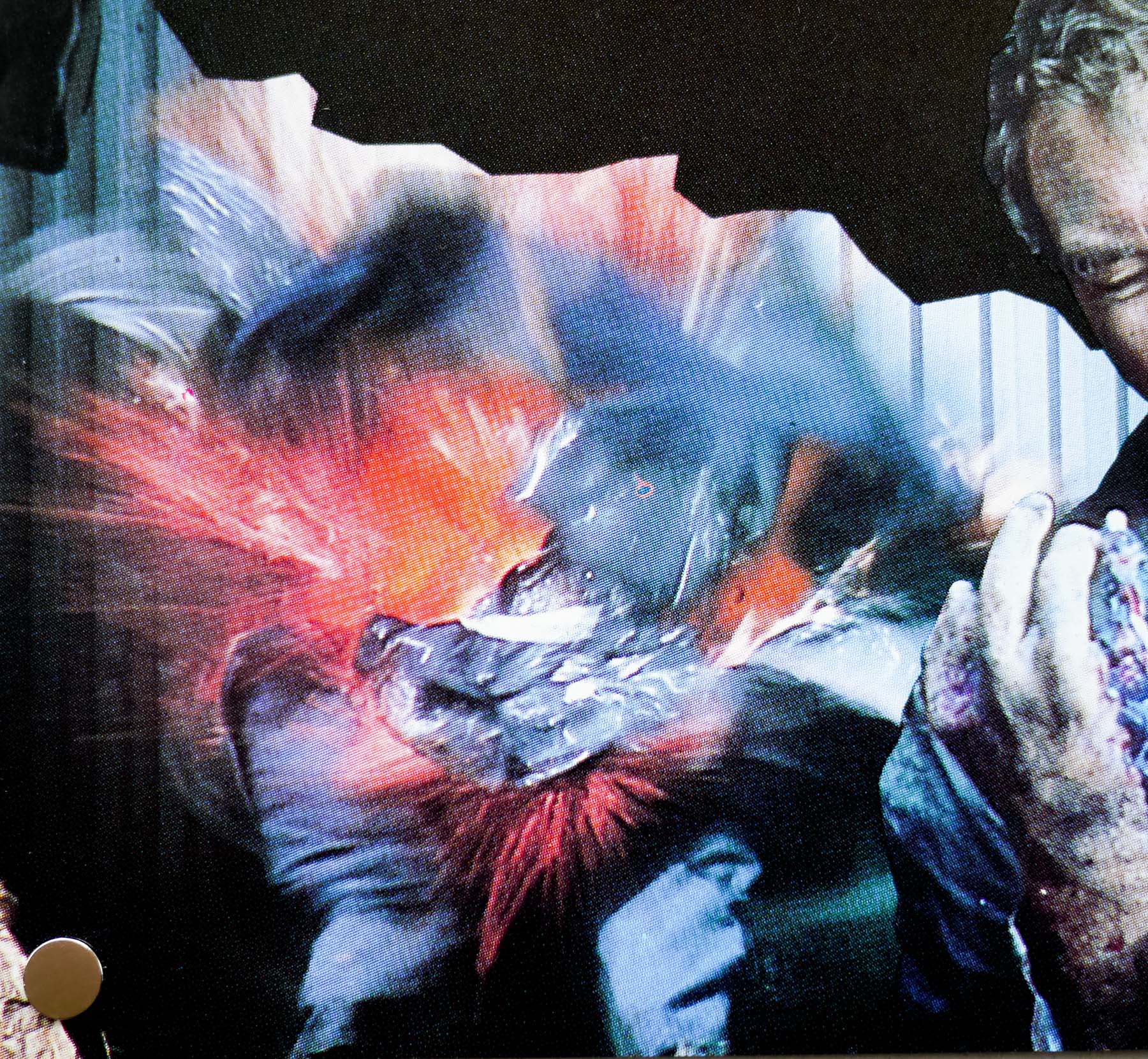
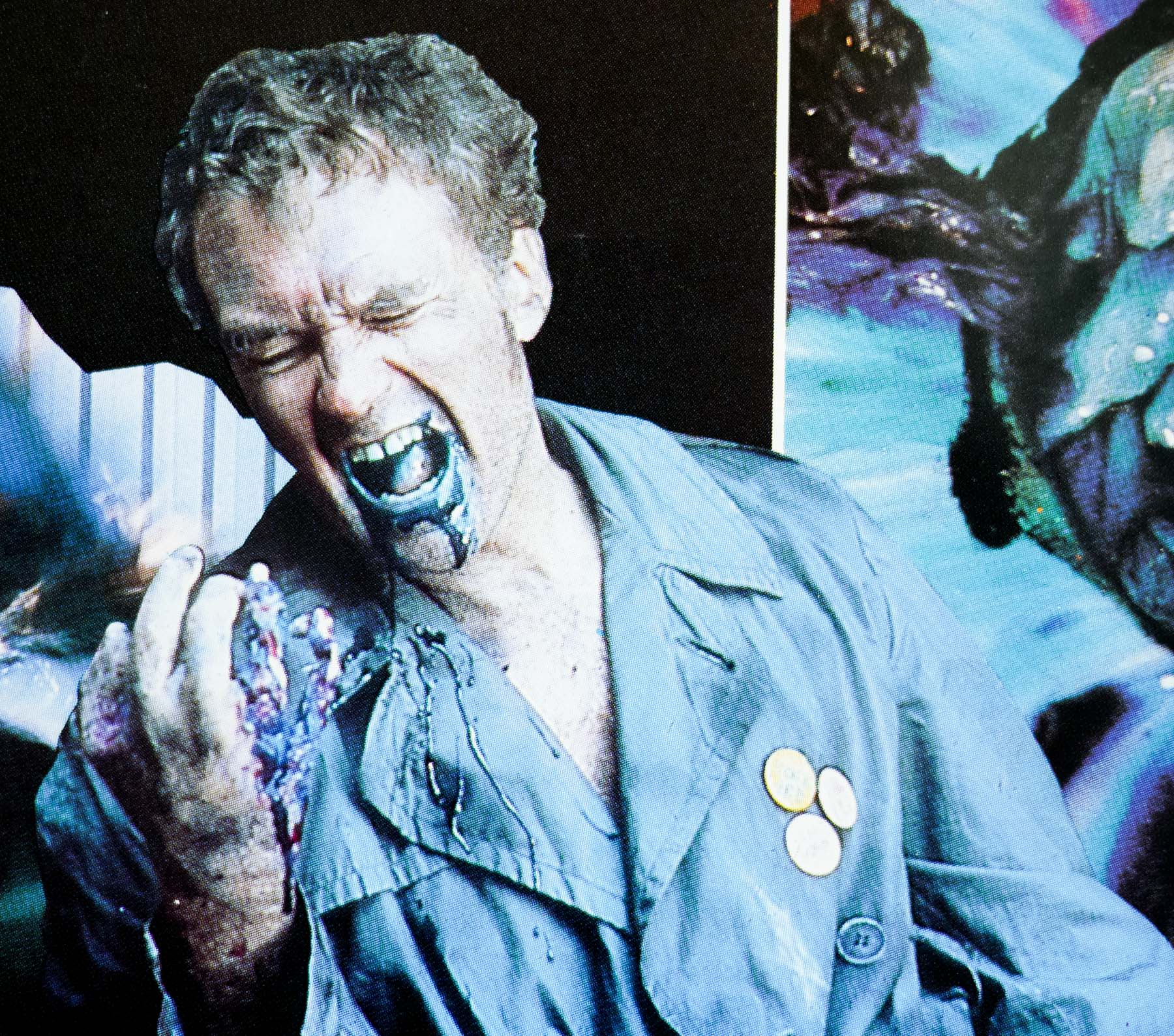
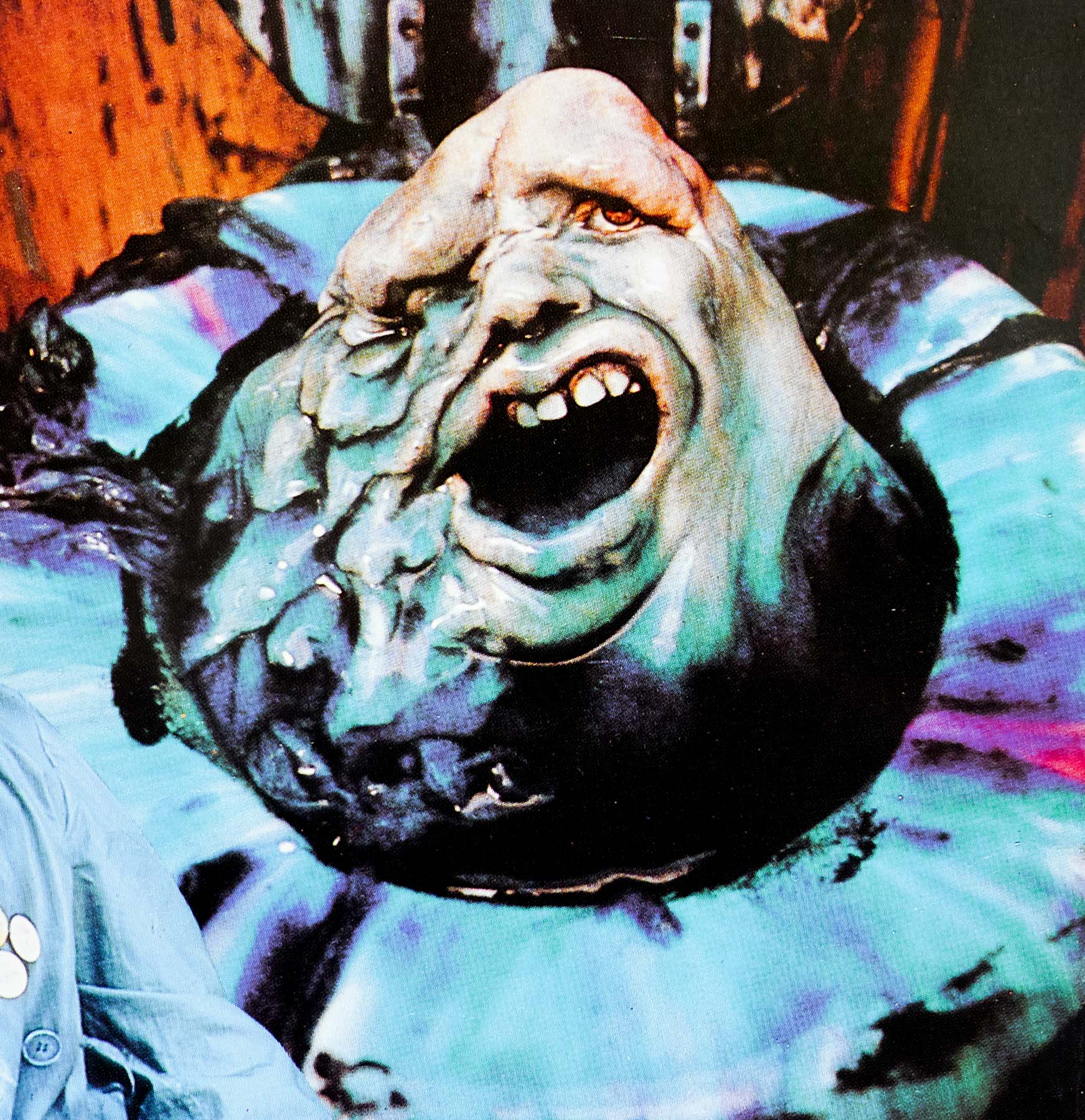
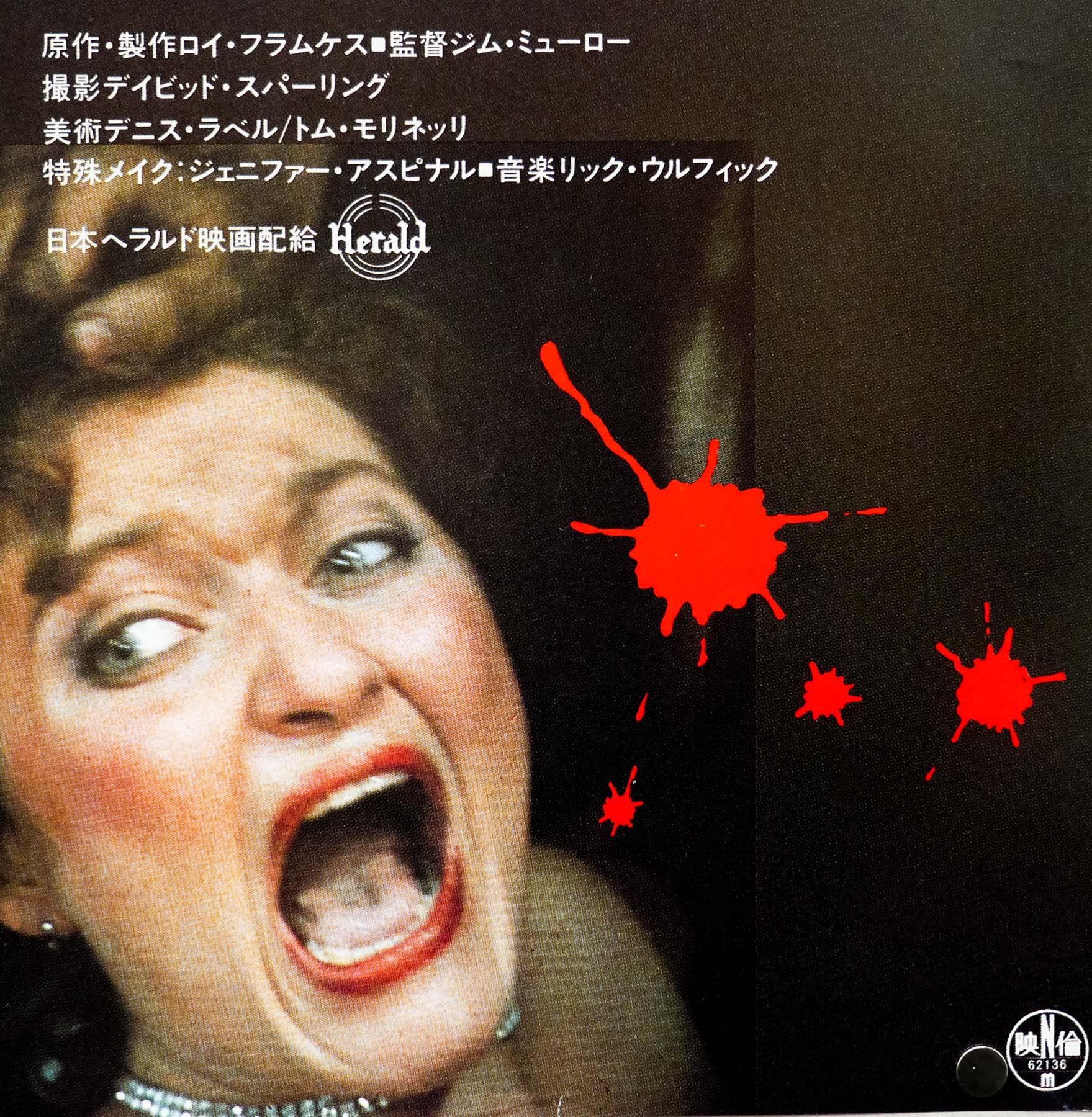
‘The ultimate melt movie’, the classic 1987 splatter-fest Street Trash is as gore-filled and tasteless as this Japanese B2 poster depicts. A sleazy liquor store owner finds a case of old wine labelled ‘Tenafly Viper’ in his basement and, rather than dispose of it, he decides to offload the case to the local homeless population for a dollar a bottle. It soon becomes clear that Viper is really not fit for consumption and the poor hobos are having literal meltdowns after drinking it. An overzealous cop (Bill Chepil) begins to investigate the deaths whilst two homeless brothers, Fred (Mike Lackey) and Kevin (Mark Sferrazza) learn of Viper’s potency and try to warn others whilst dealing with the machinations of the unhinged homeless Vietnam vet Bronson (Vic Noto).

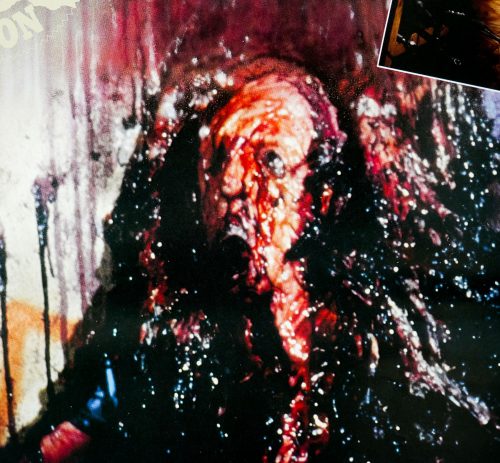
The blue face at the bottom of the poster is what’s left when the first hobo (pictured to the left) succumbs to the effects of the deadly drink and disintegrates into a toilet bowl, as depicted on the superb US one sheet.

The splendid original trailer can be see on YouTube – “It’s easy to find us…. we’re all over the place.”

The Black Hole / B1 / Japan

11.02.13

Poster Poster
Title
The Black Hole
AKA
--
Year of Film
1979
Director
Gary Nelson
Starring
Maximilian Schell, Anthony Perkins, Ernest Borgnine, Robert Forster, Joseph Bottoms, Yvette Mimieux, Roddy McDowall, Slim Pickens
Origin of Film
USA
Genre(s) of Film
Maximilian Schell, Anthony Perkins, Ernest Borgnine, Robert Forster, Joseph Bottoms, Yvette Mimieux, Roddy McDowall, Slim Pickens,
Type of Poster
B1
Style of Poster
--
Origin of Poster
Japan
Year of Poster
1980
Designer
Unknown
Artist
--
Size (inches)
28 14/16" x 40.5"
SS or DS
SS
Tagline
--

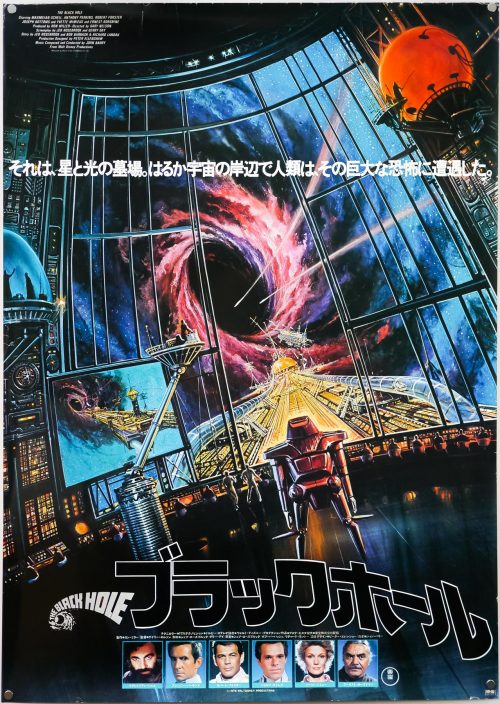
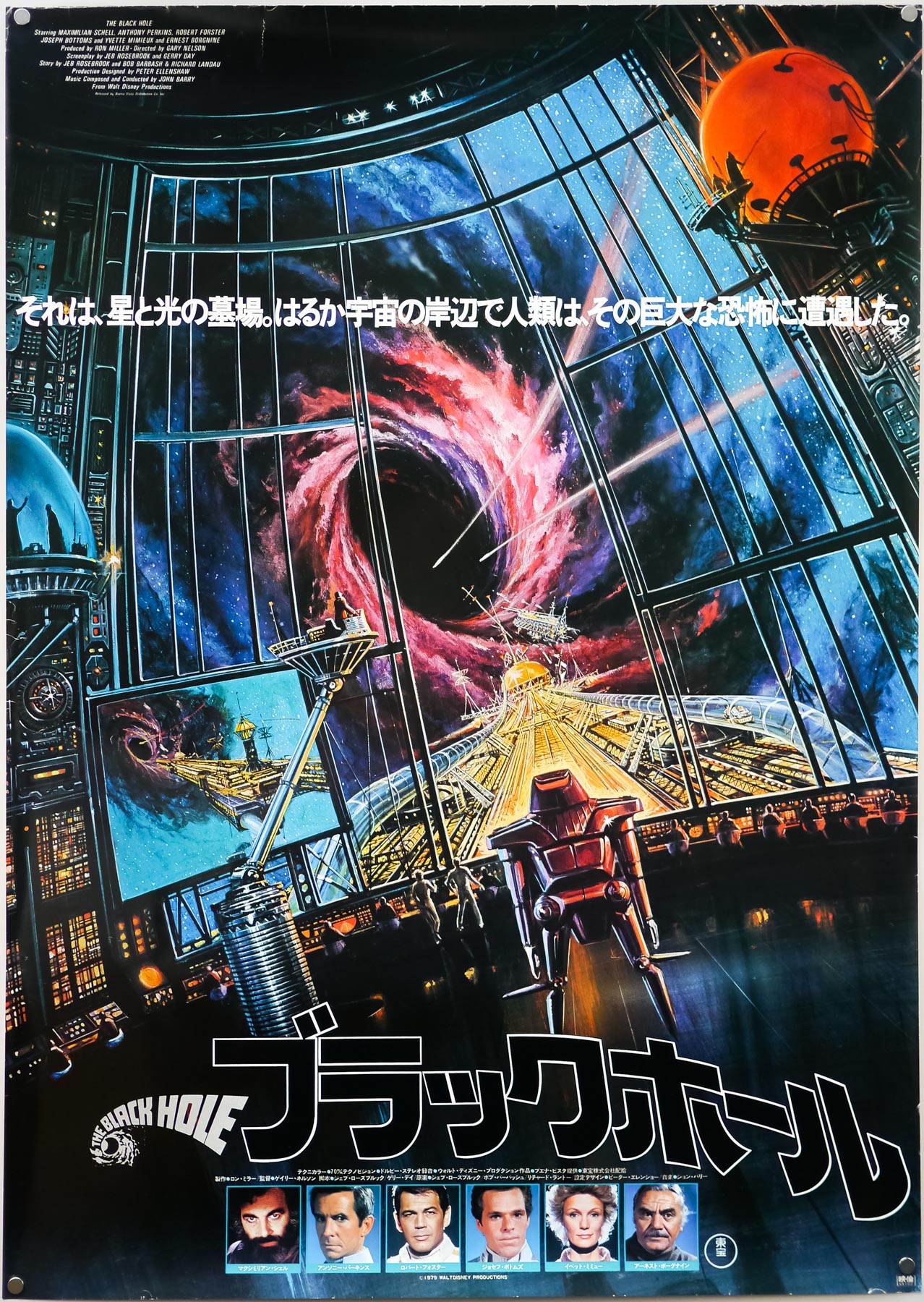
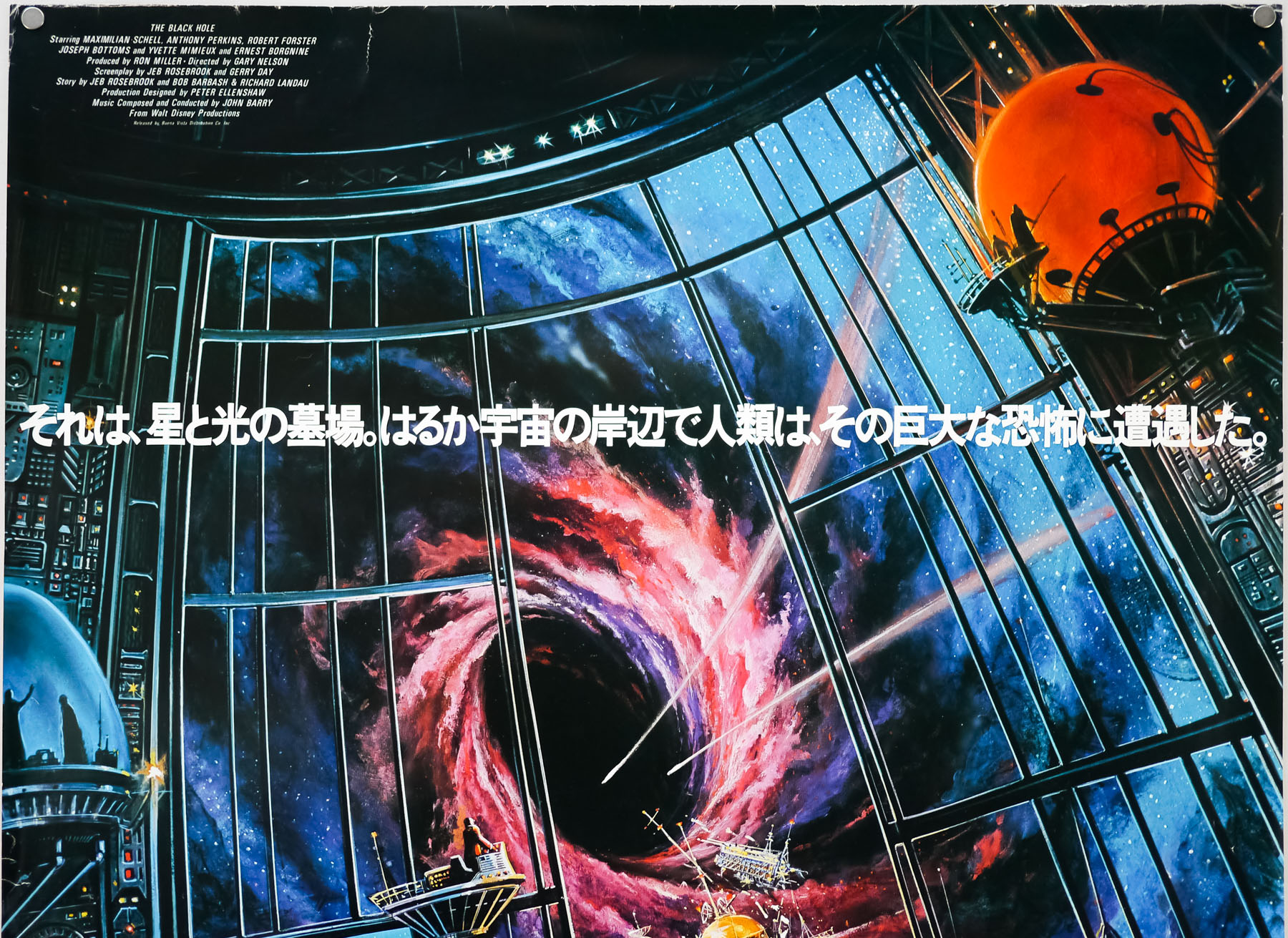
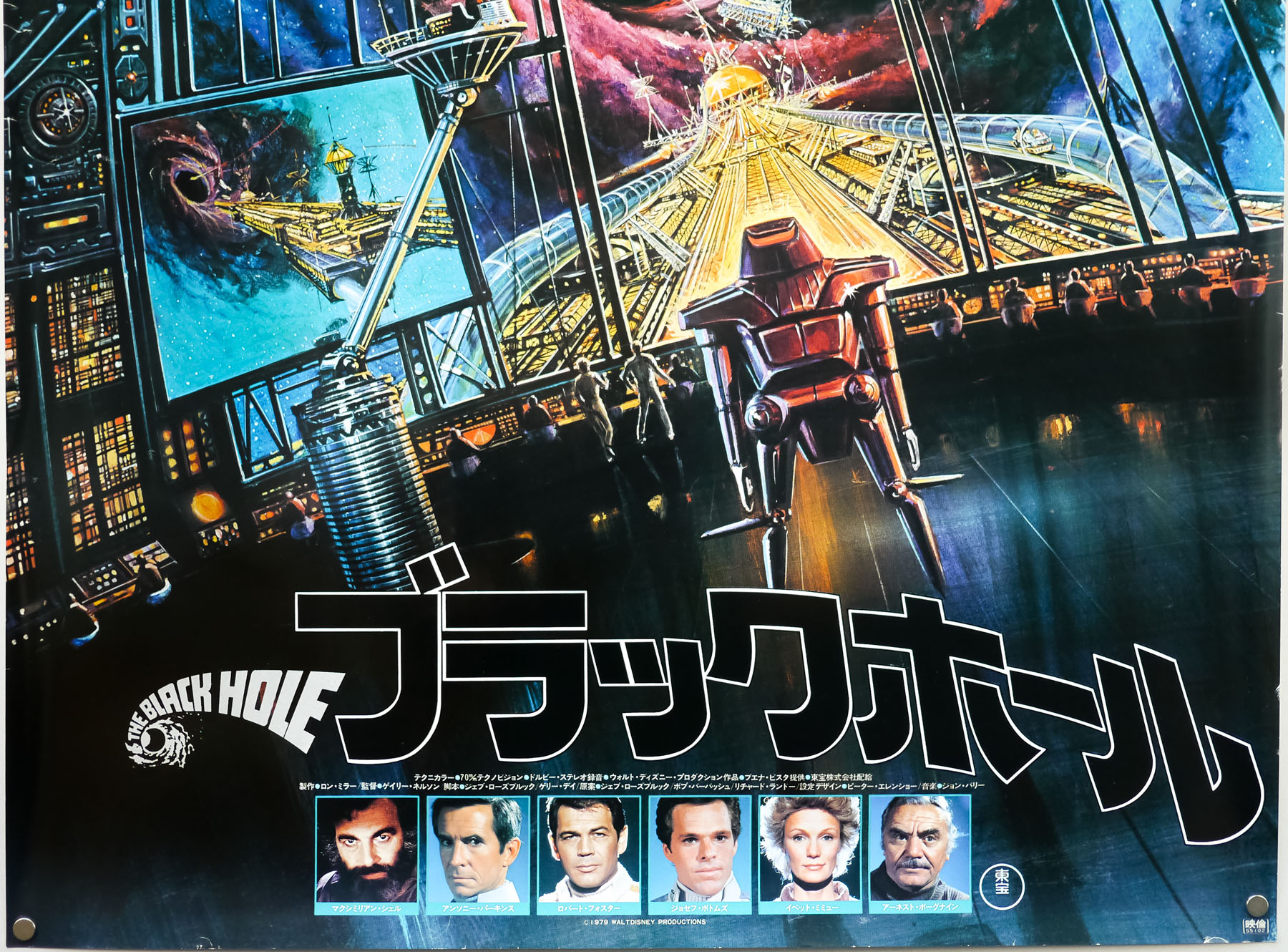
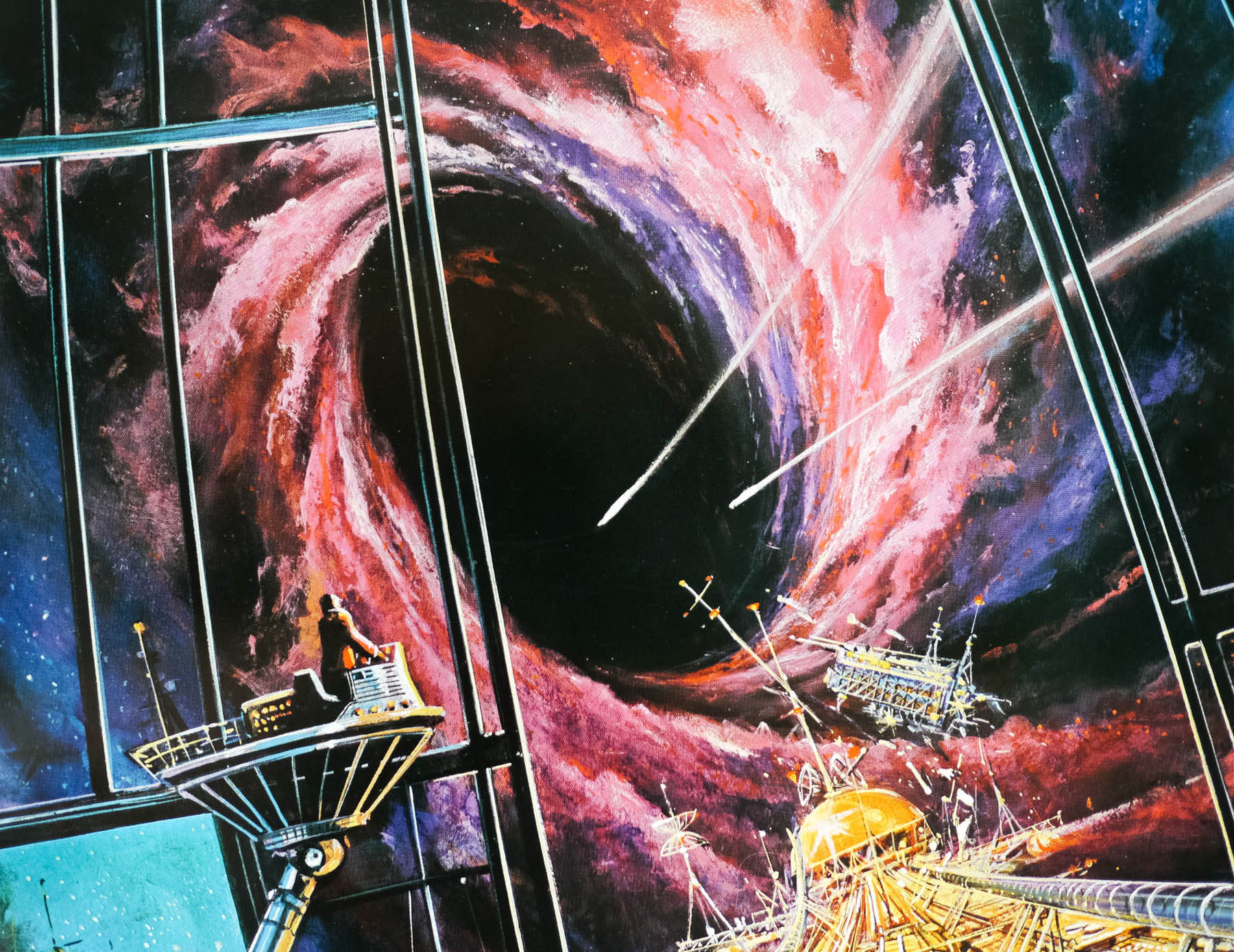
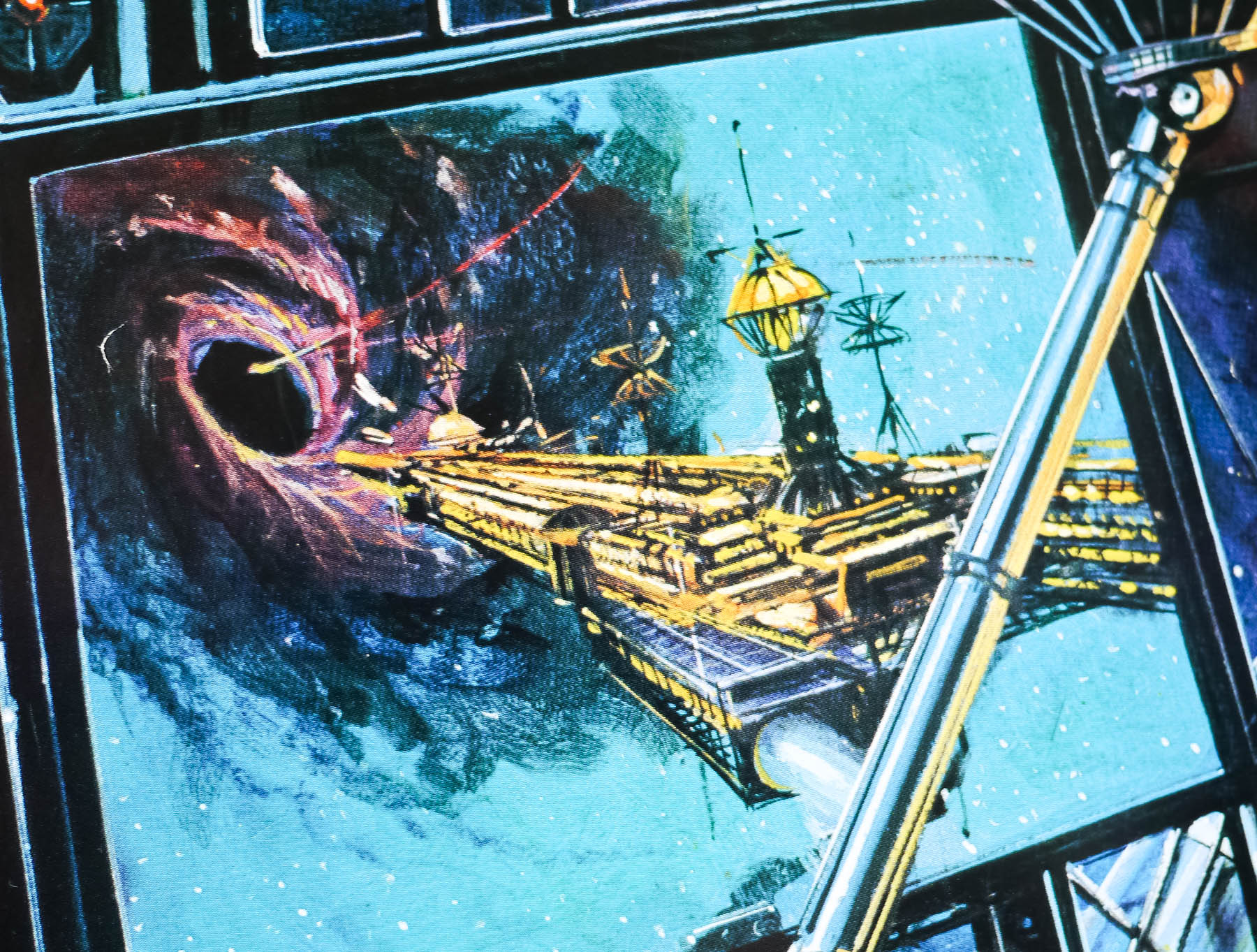
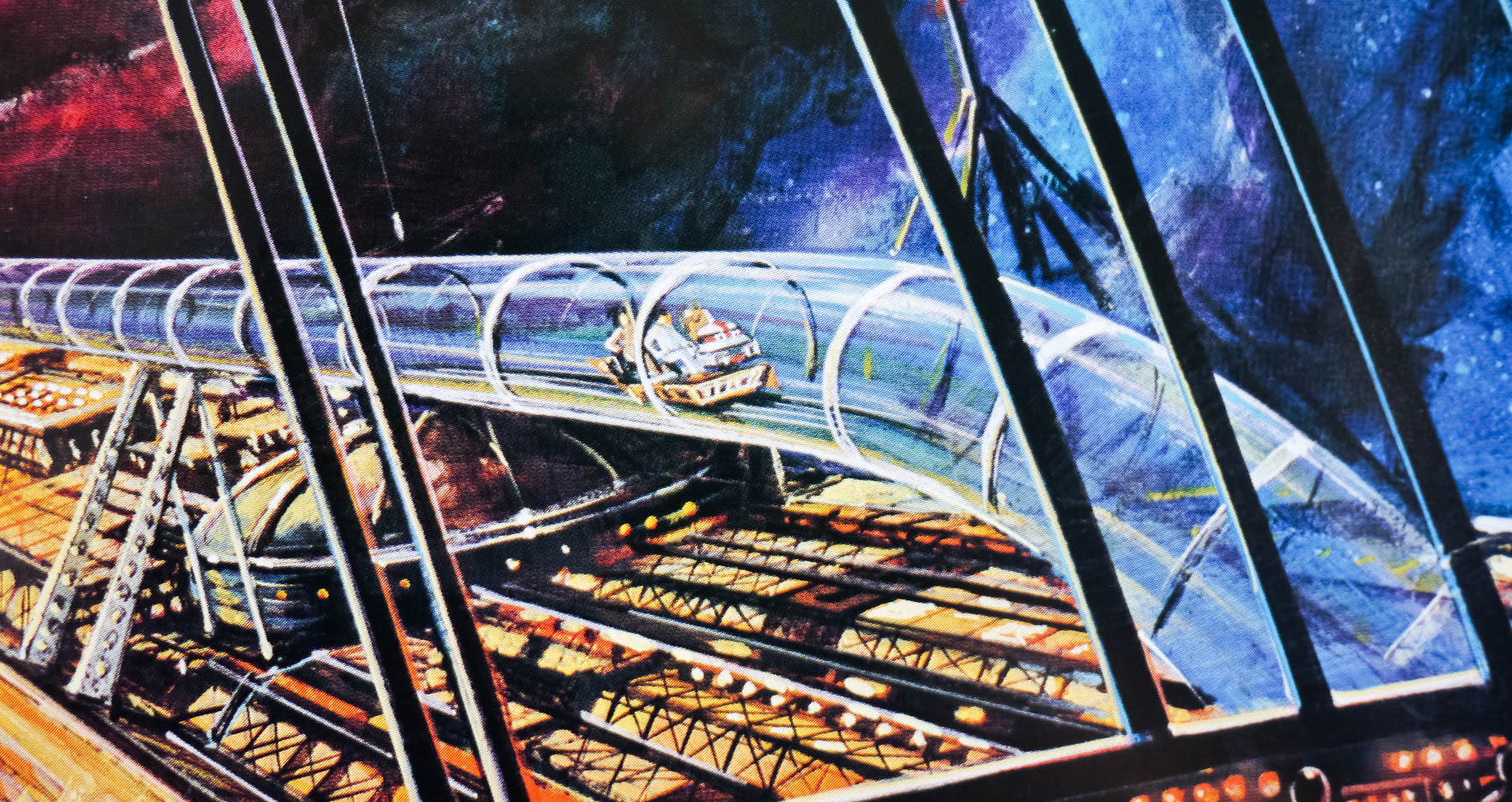
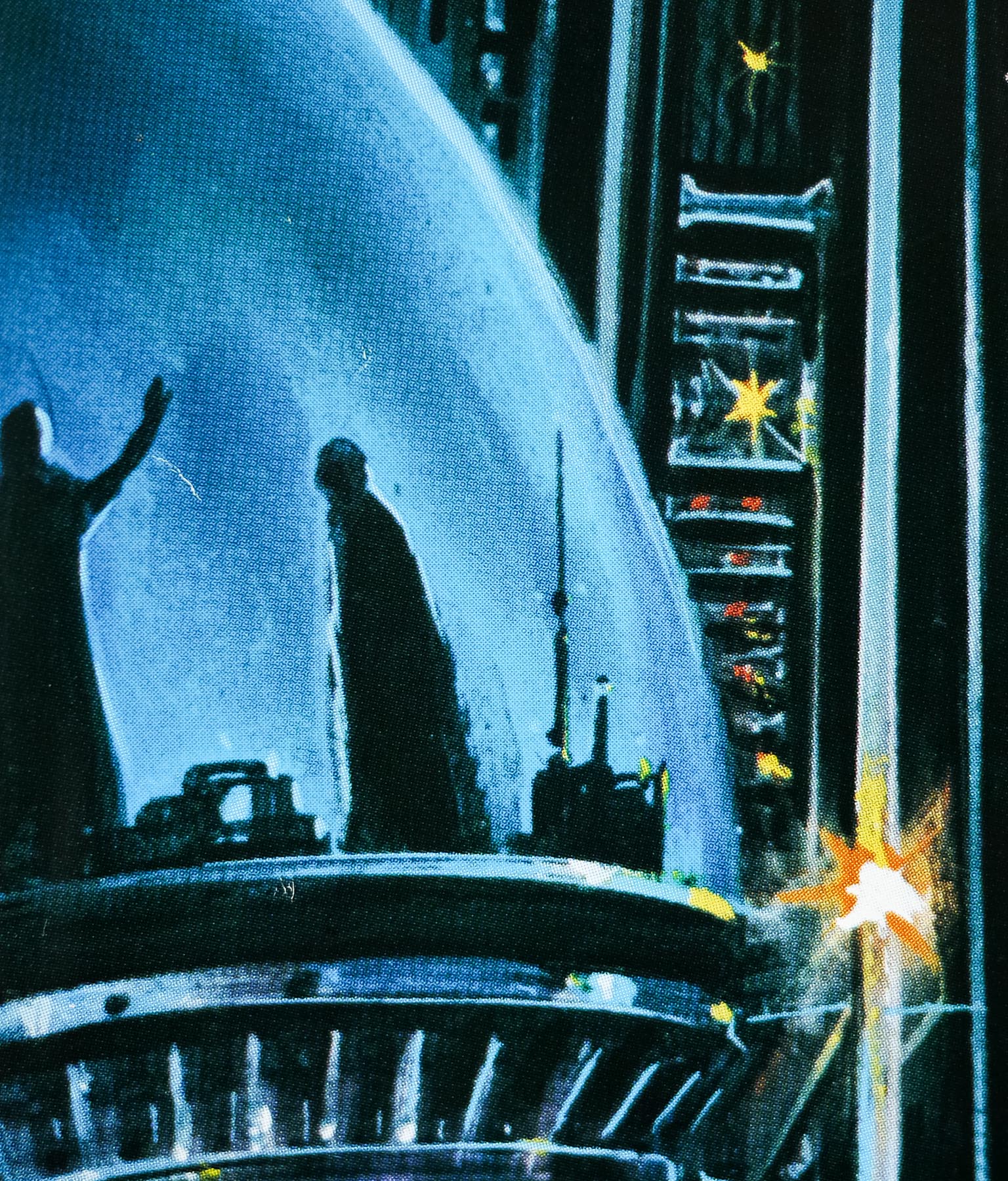
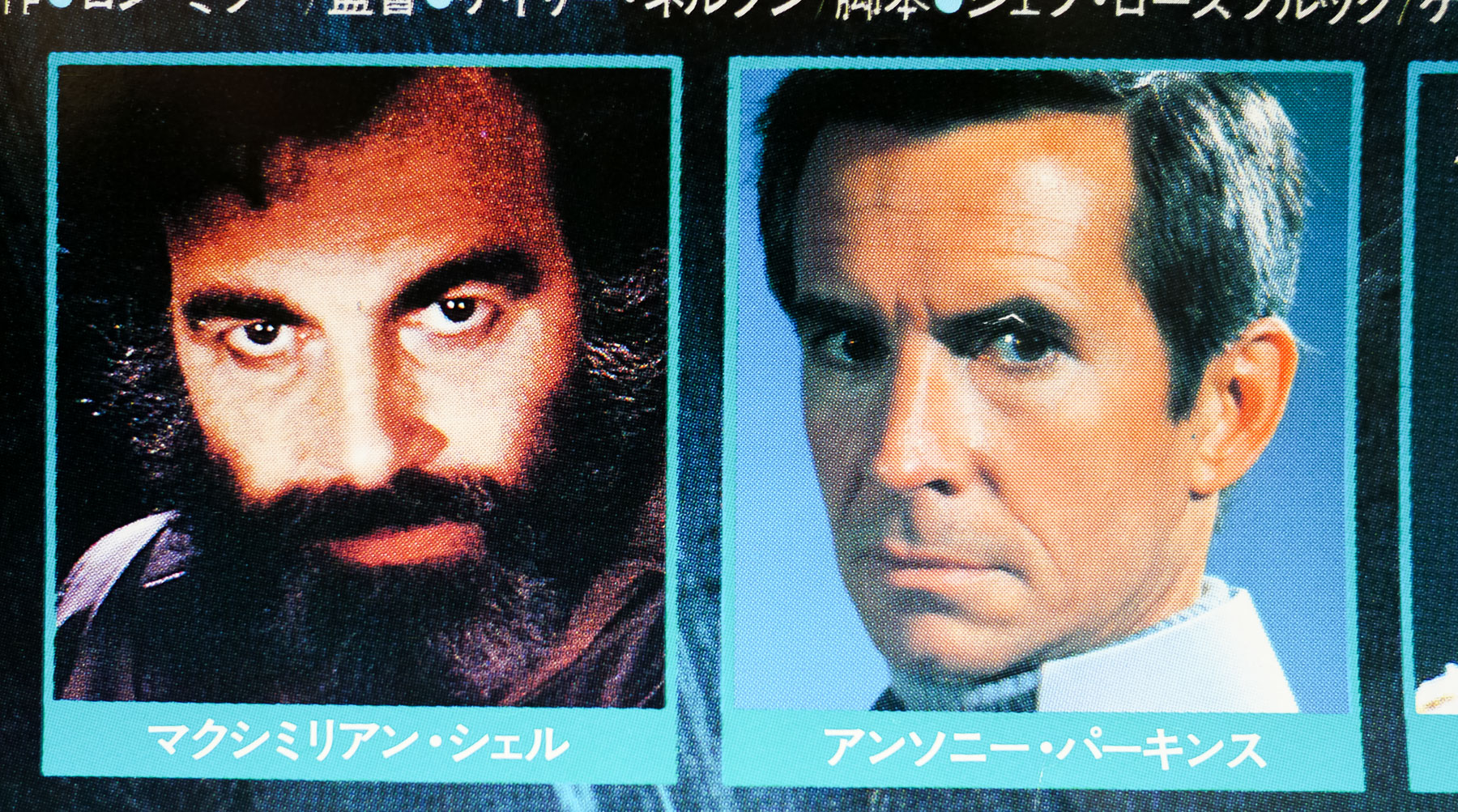
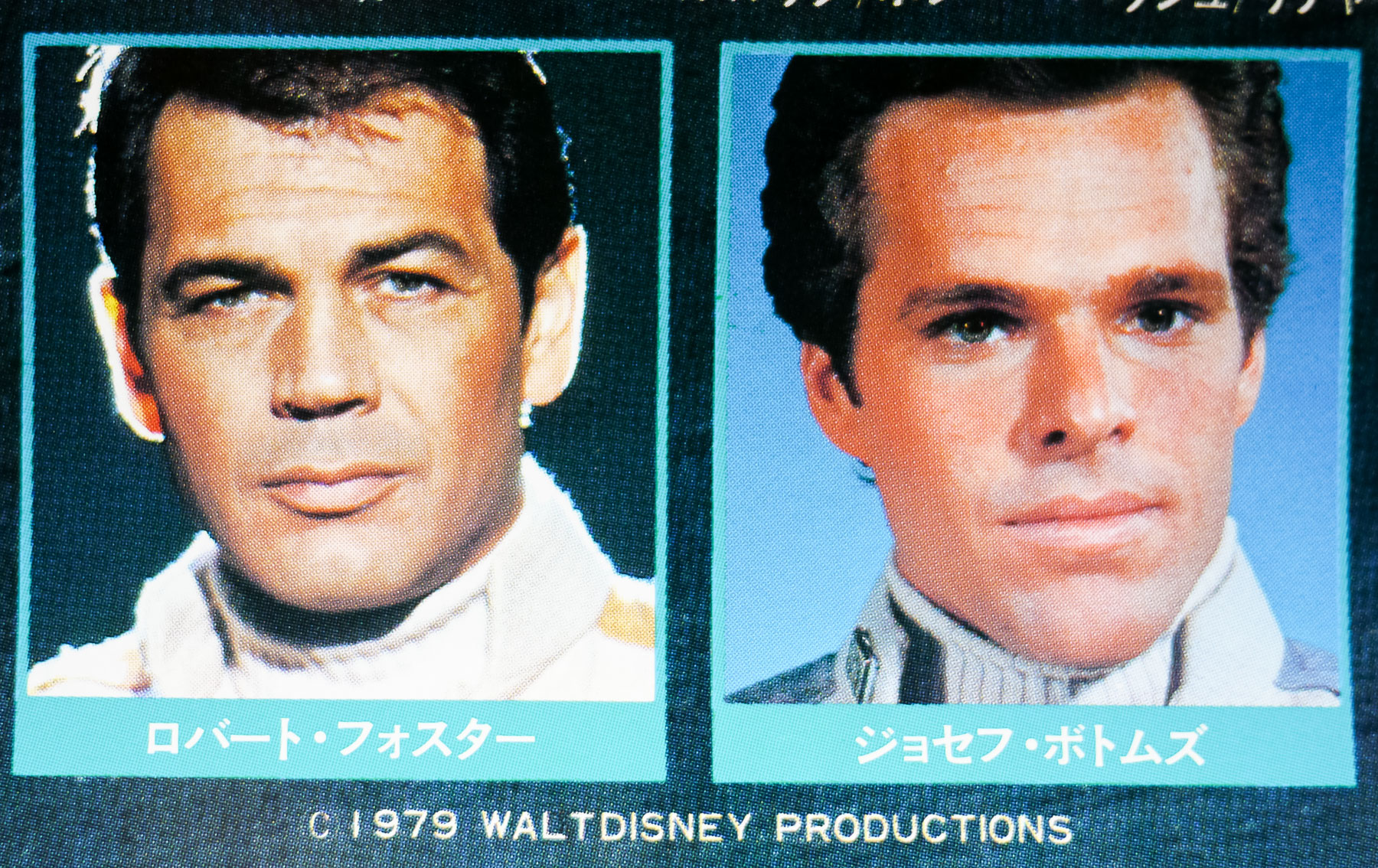
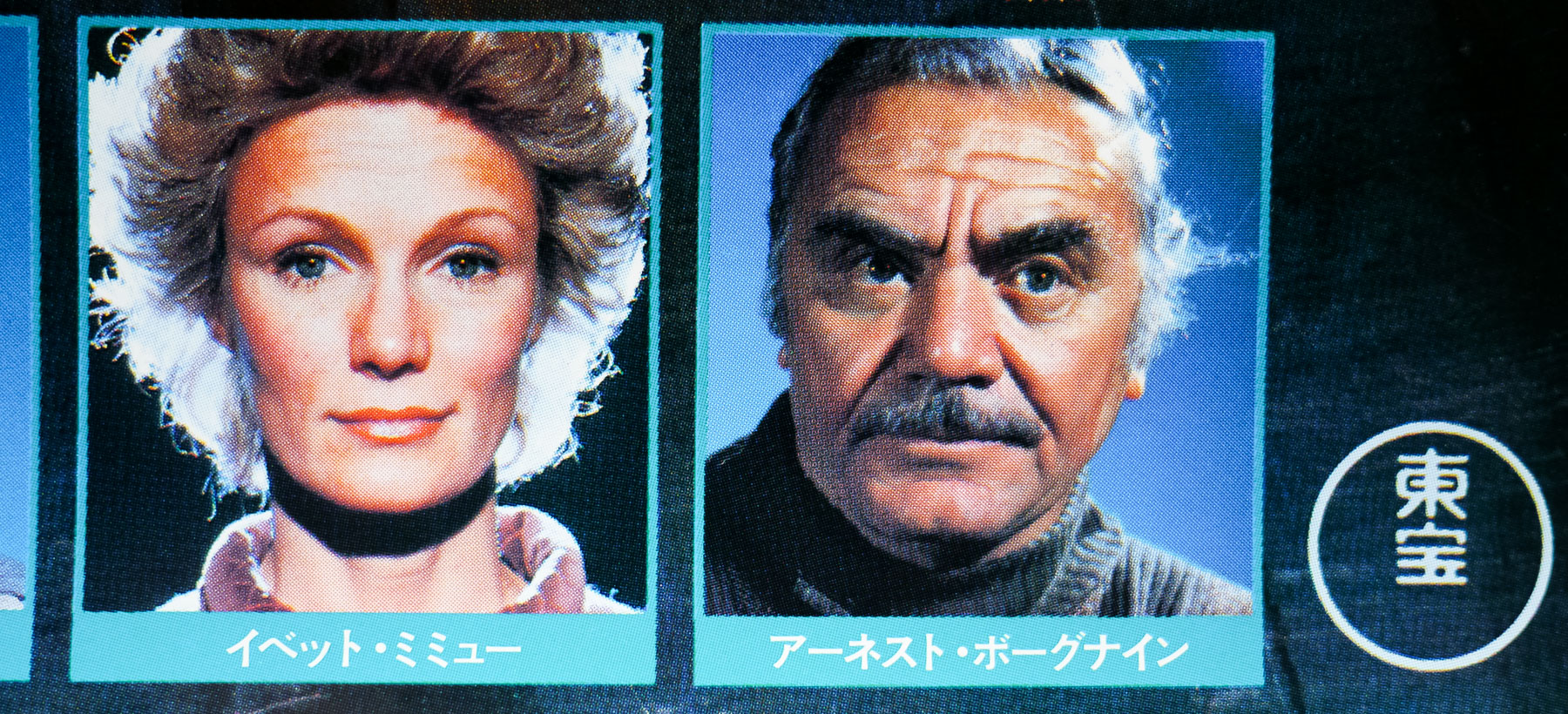
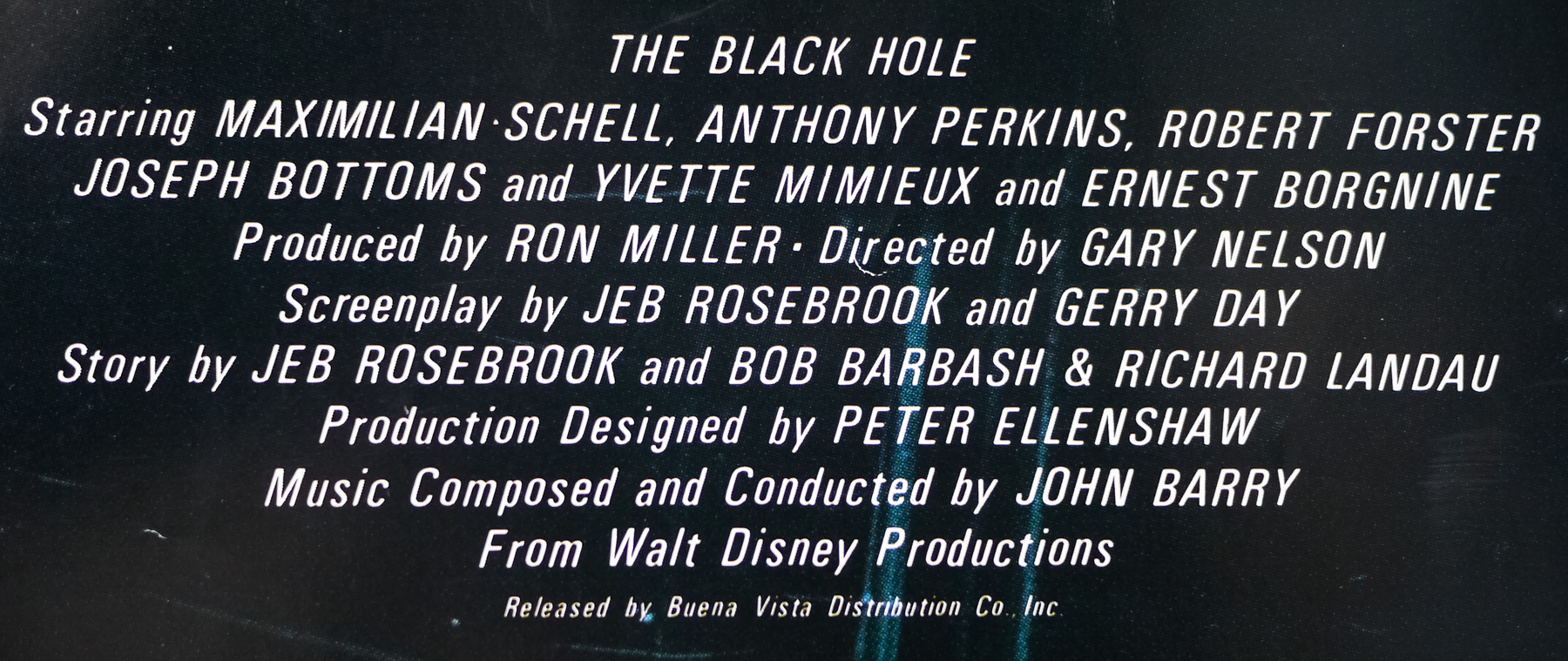
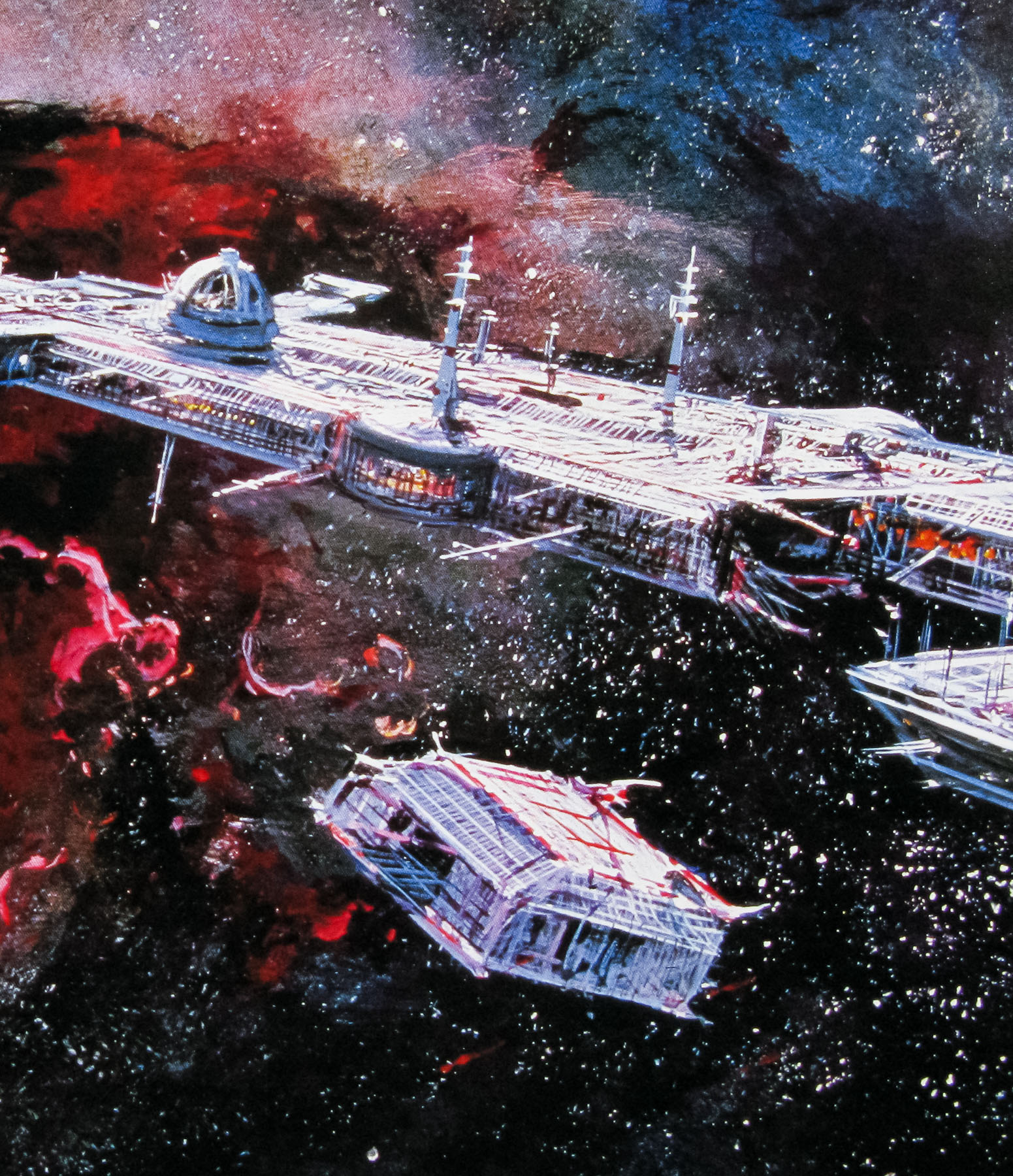
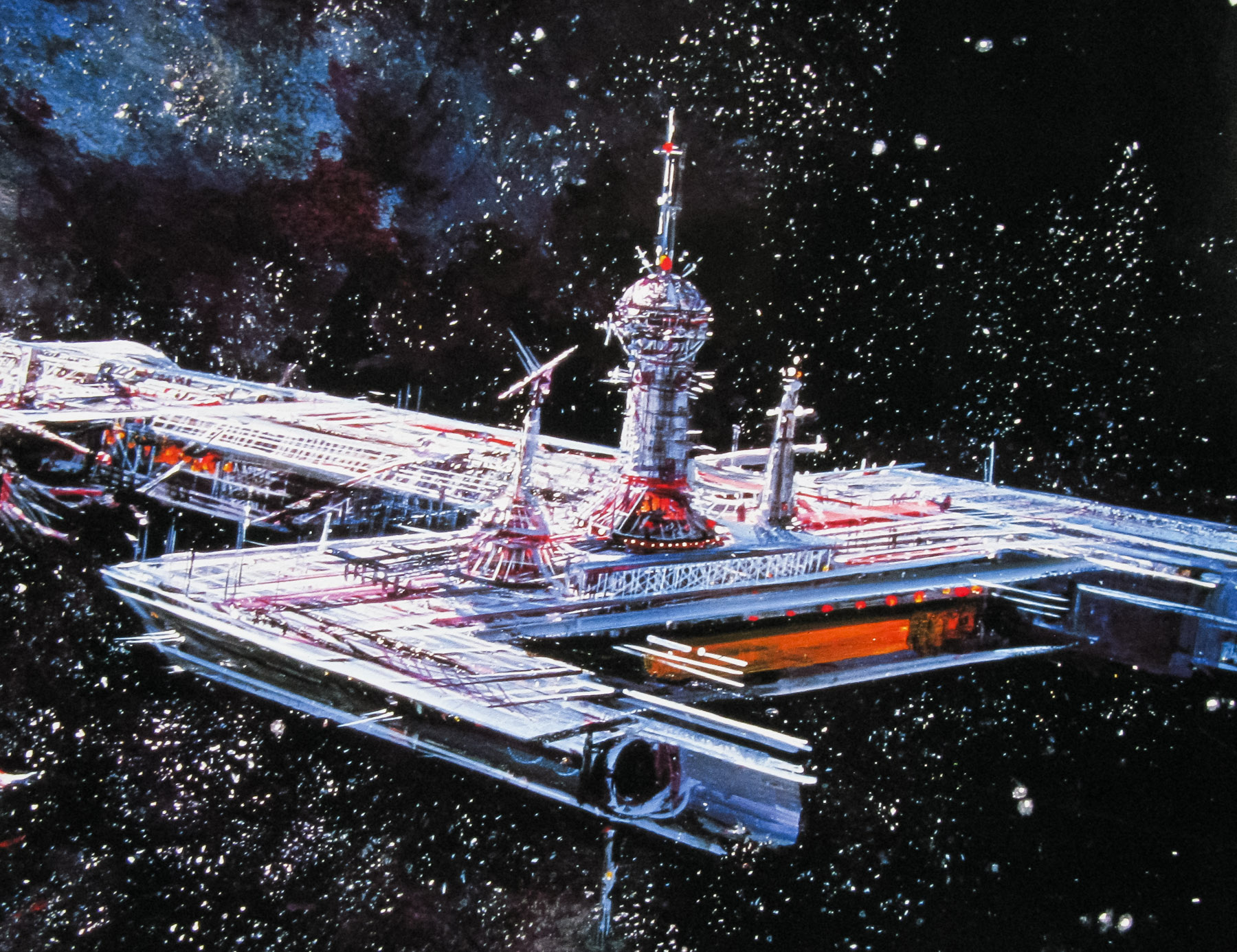
A unique and detailed illustration on this B1 poster for the Japanese release of Disney’s live-action oddity, The Black Hole. The film focuses on the crew of a ship (the USS Palomino) returning from a deep-space exploration mission that discovers a black hole with an apparently derelict ship drifting nearby. After docking with the ship (The long-lost USS Cygnus) the crew meets the commander Doctor Hans Reinhardt (Maximilian Schell) and his team of robots, but there is no sign of the human crew. The Palomino’s crew, including Dr Alex Durant (Anthony Perkins) and Dr. Kate McCrae (Yvette Mimieux), must race against time to discover the mystery behind their disappearance and exactly what Dr Reinhardt’s intentions are.

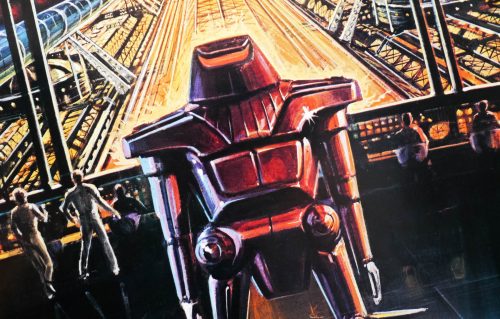
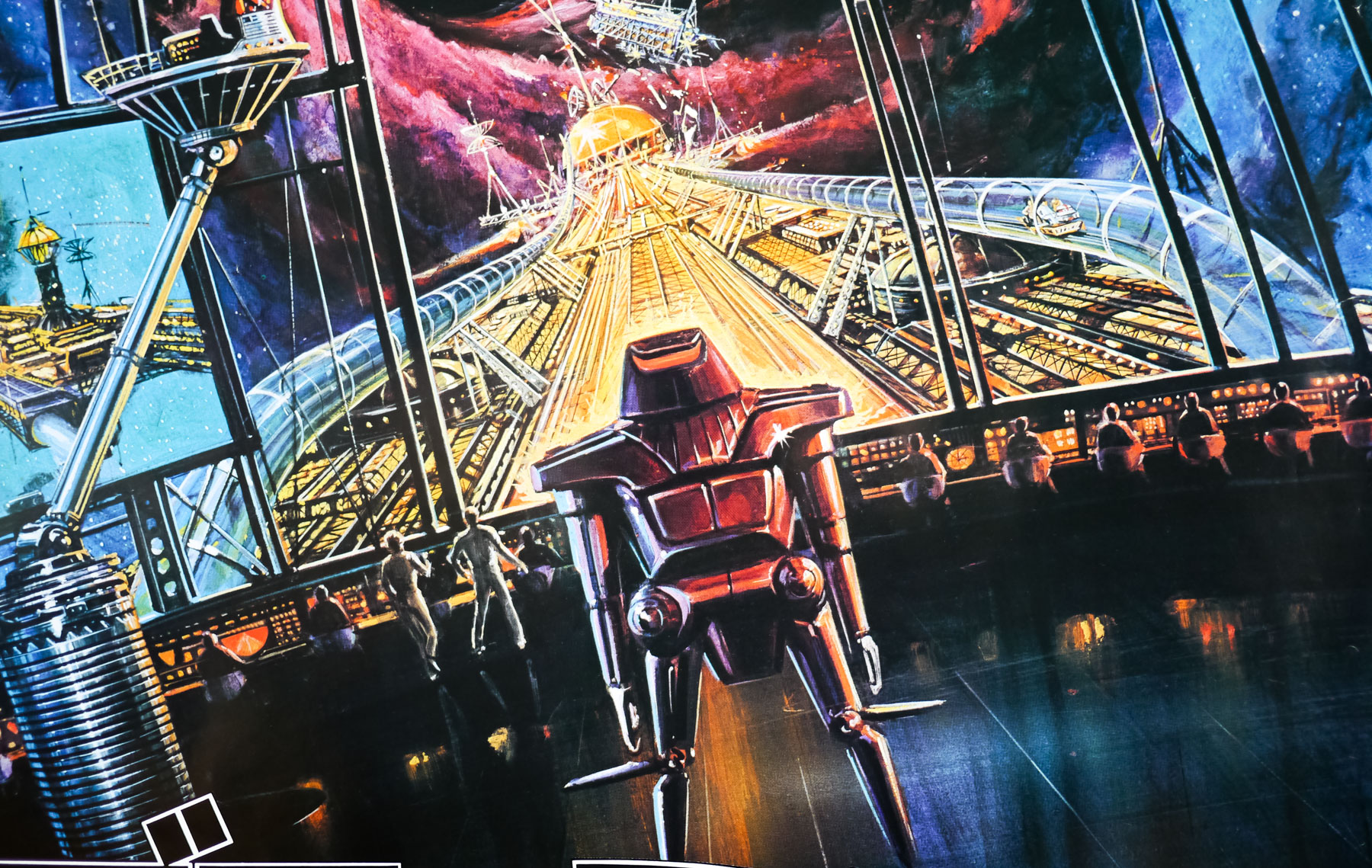
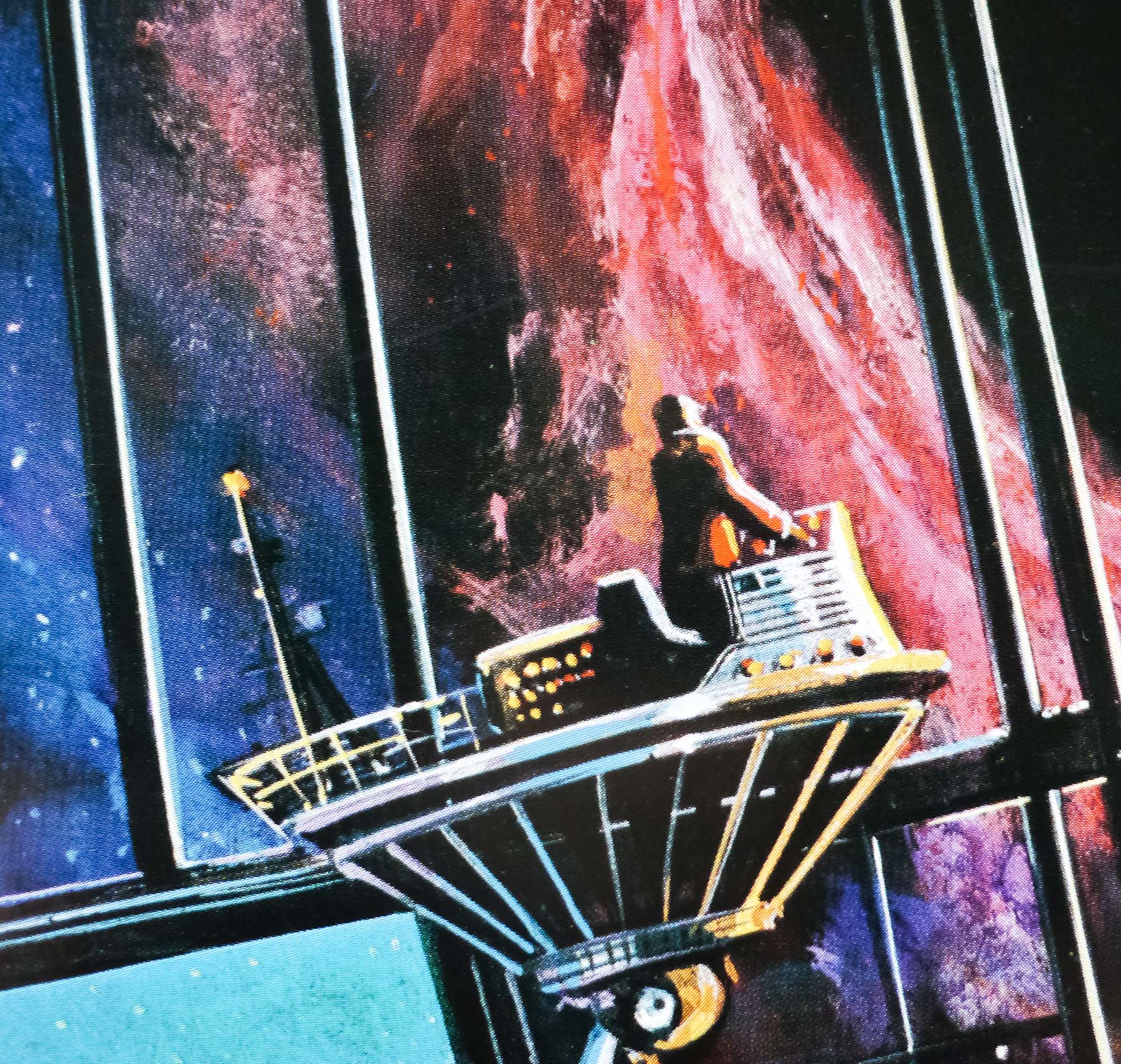
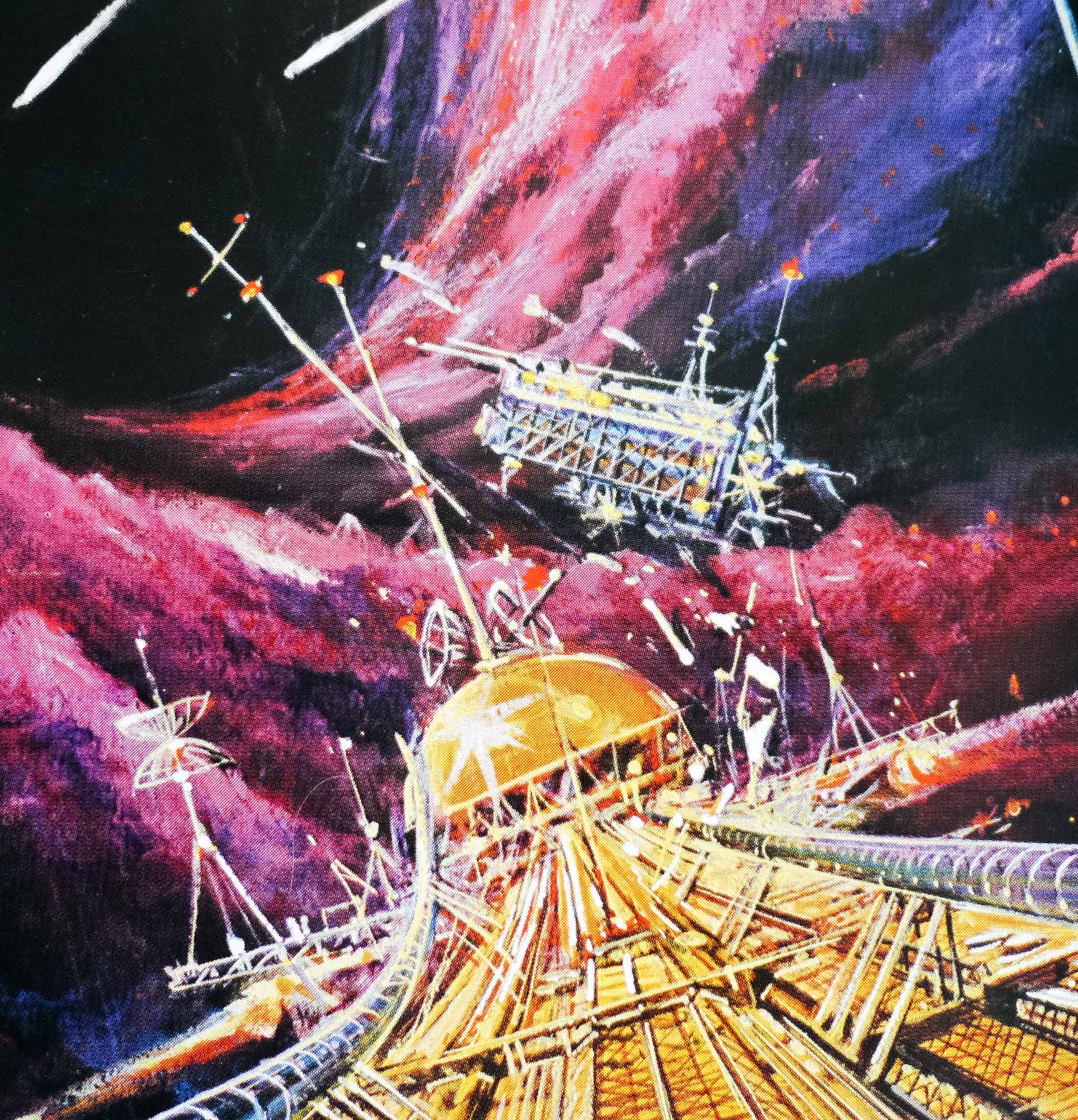
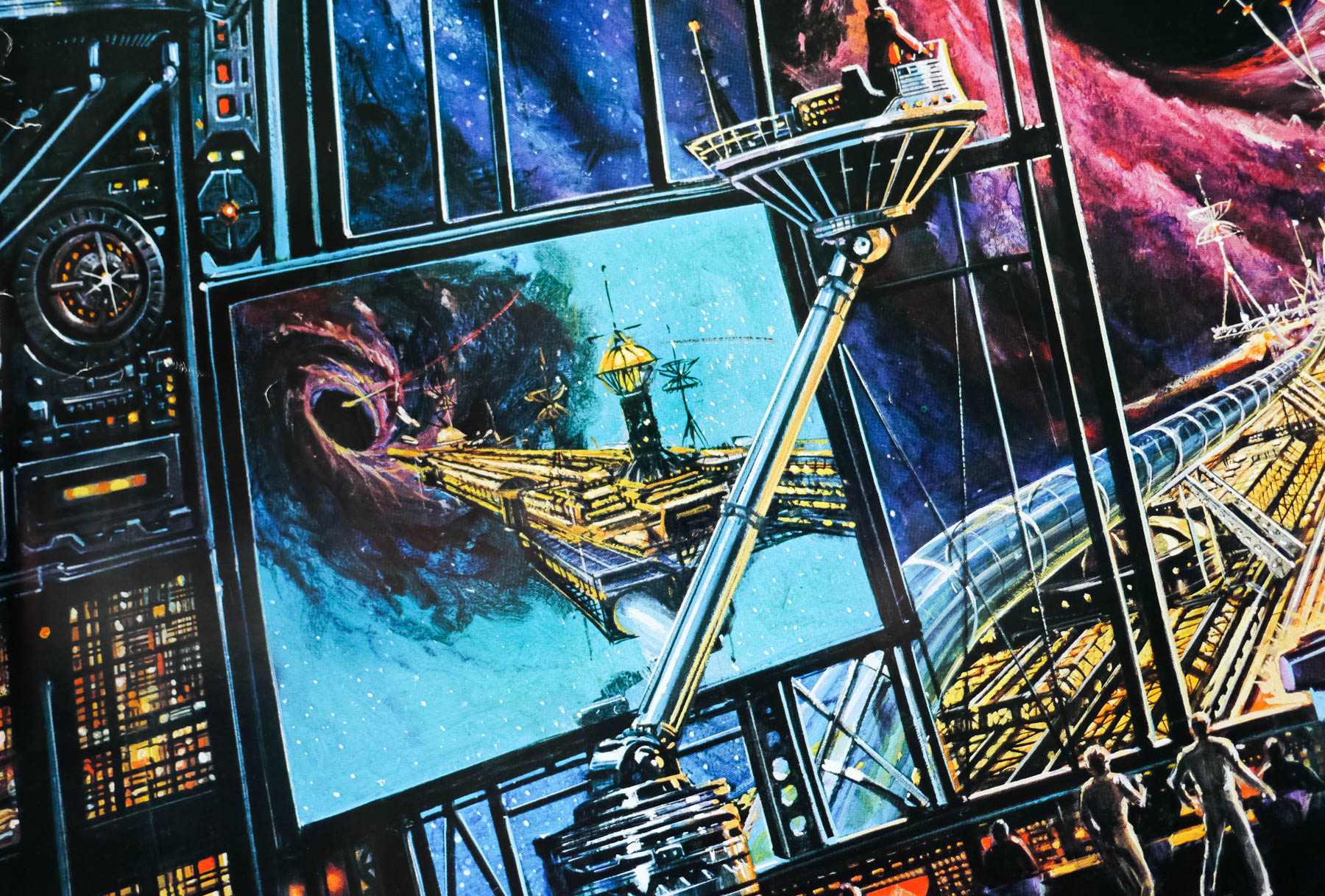
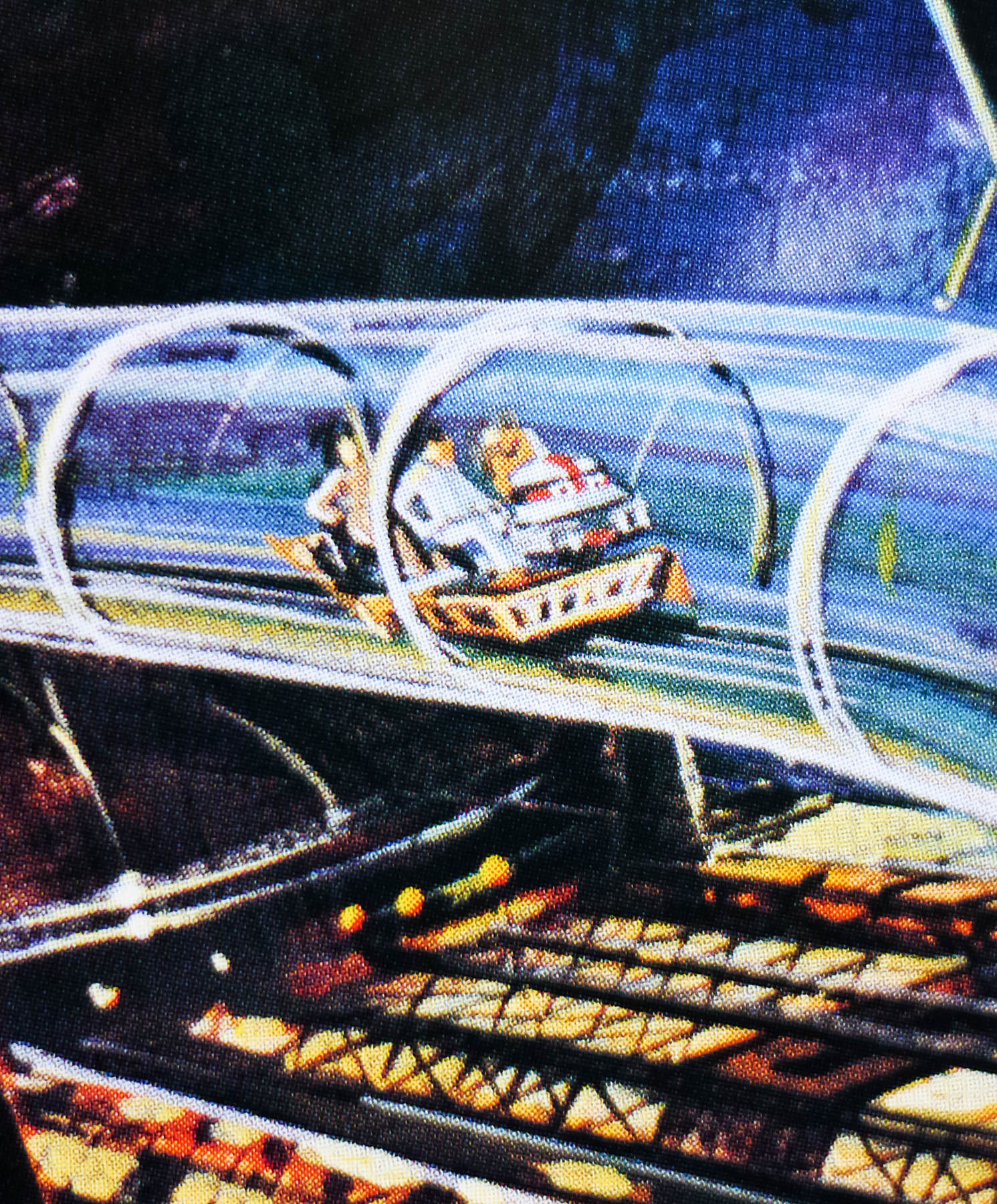
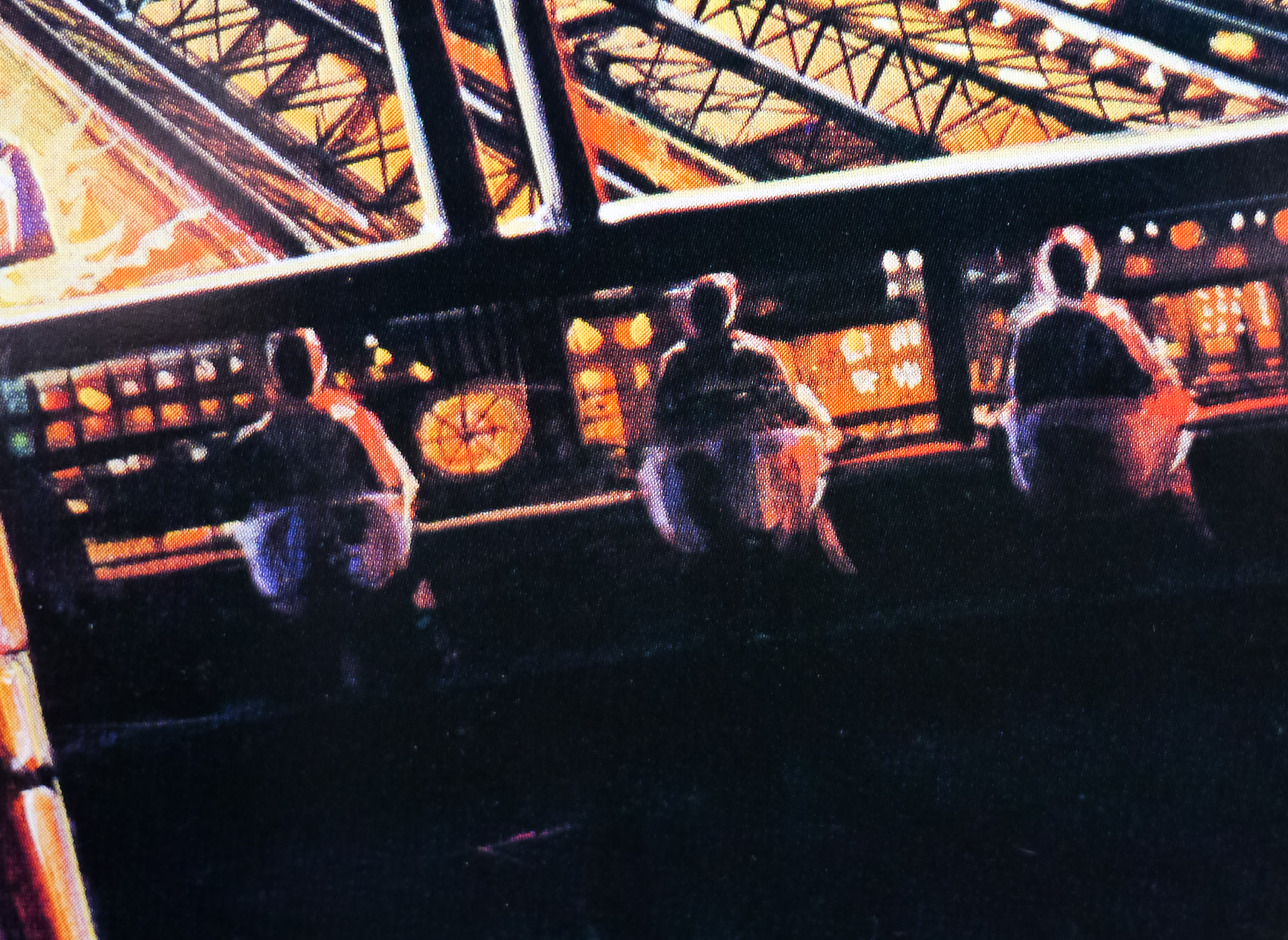
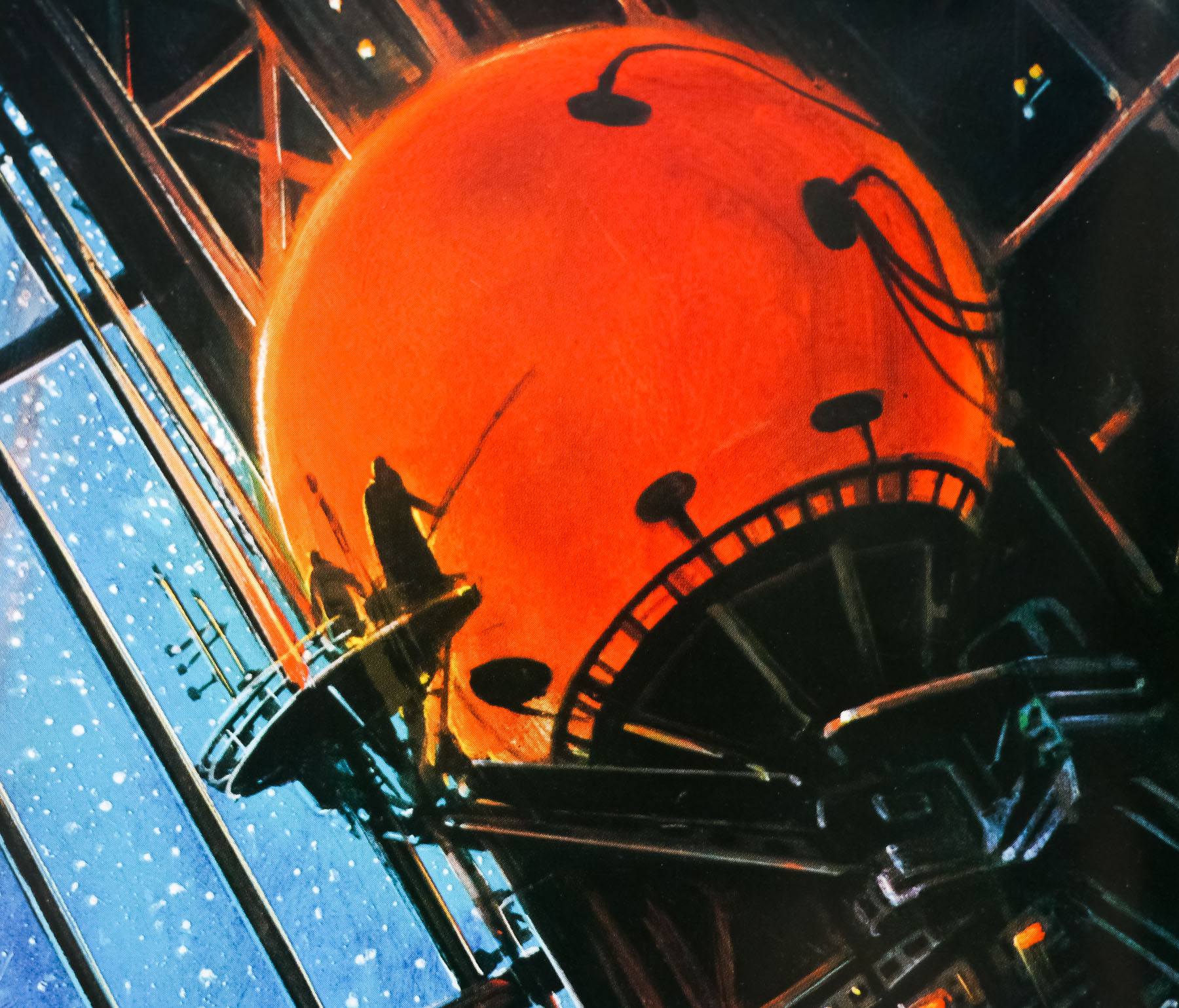
Despite an extremely hokey script and some decidedly dodgy attempts to emulate the success of Star Wars, the film has several things that make it worth a watch, including some impressive special effects (certainly notable in 1979), well-realised space scenes, a great score by the late John Barry and an excellent robot design in the form of the sinister Maximilian (who stands in the centre of this poster). This poster illustrates the moment that the USS Cygnus begins to be torn apart as it enters the black hole – check out the detail of the Palomino’s crew zooming back towards the bridge on the monorail.

Director Edgar Wright is a fan of the film and talks about it on Trailers From Hell – video here.

The other posters I’ve collected for the film can be seen here. Check out this excellent special poster and the B2.

The original trailer is on YouTube.
Note: Although the poster has been on the site since launch I acquired a better condition copy of it recently, which is why I felt it deserved highlighting now.

The Black Hole / special / Japan

13.02.12

Poster Poster
Title
The Black Hole
AKA
--
Year of Film
1979
Director
Gary Nelson
Starring
Maximilian Schell, Anthony Perkins, Ernest Borgnine, Robert Forster, Joseph Bottoms, Yvette Mimieux, Roddy McDowall, Slim Pickens
Origin of Film
USA
Genre(s) of Film
Maximilian Schell, Anthony Perkins, Ernest Borgnine, Robert Forster, Joseph Bottoms, Yvette Mimieux, Roddy McDowall, Slim Pickens,
Type of Poster
Special
Style of Poster
--
Origin of Poster
Japan
Year of Poster
1980
Designer
Unknown
Artist
Unknown
Size (inches)
13.5" x 26.5"
SS or DS
SS
Tagline
--

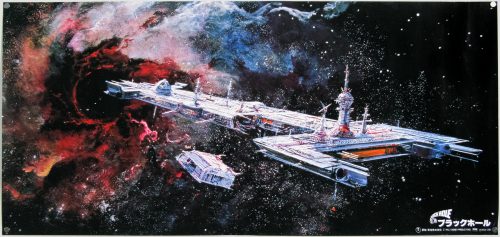
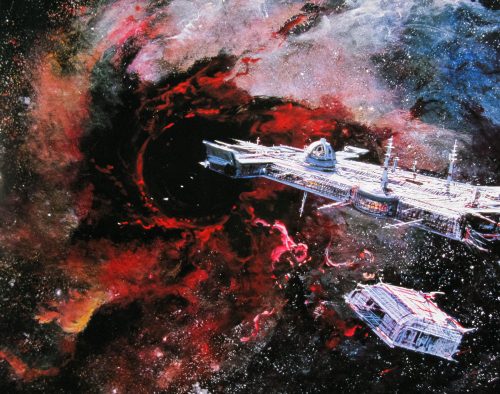
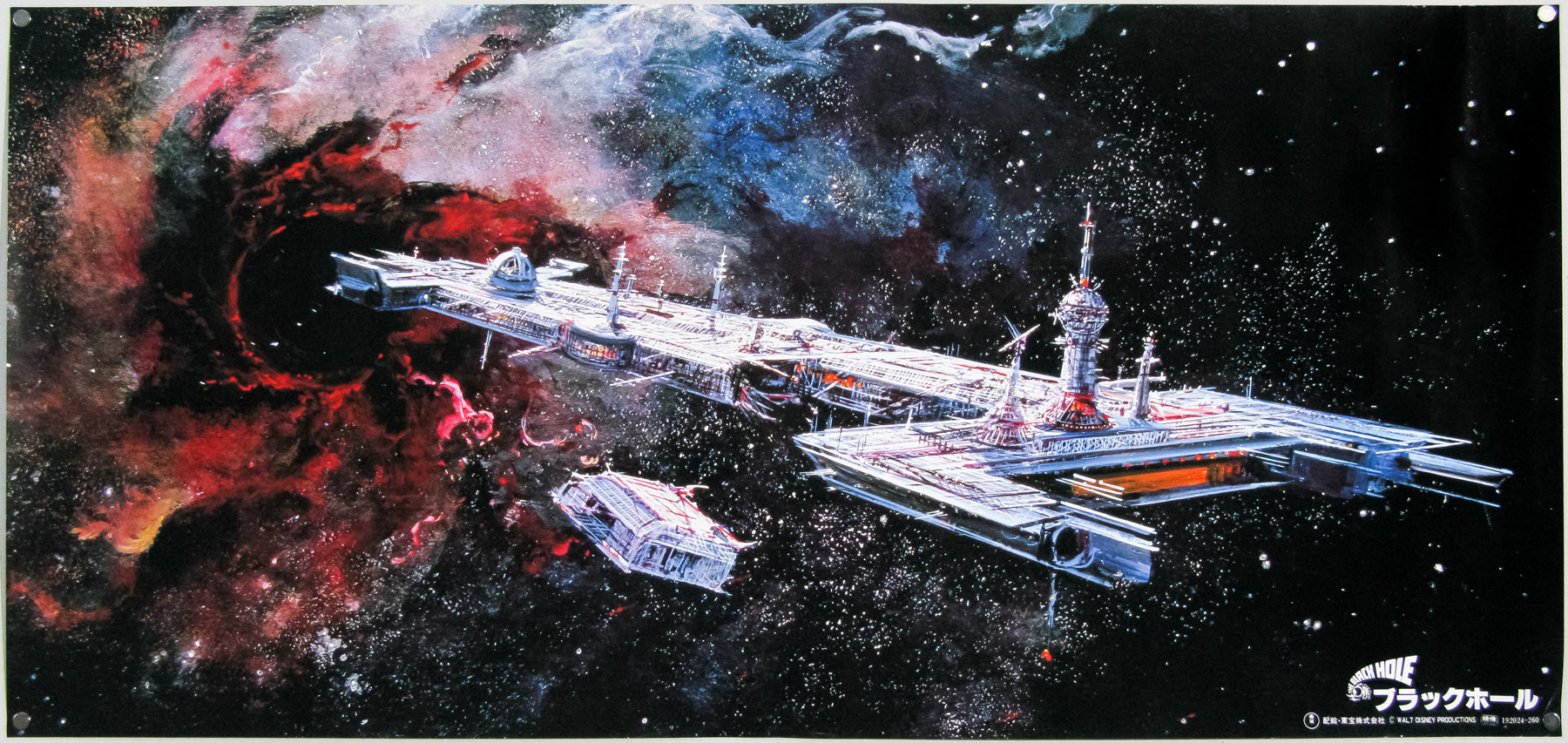
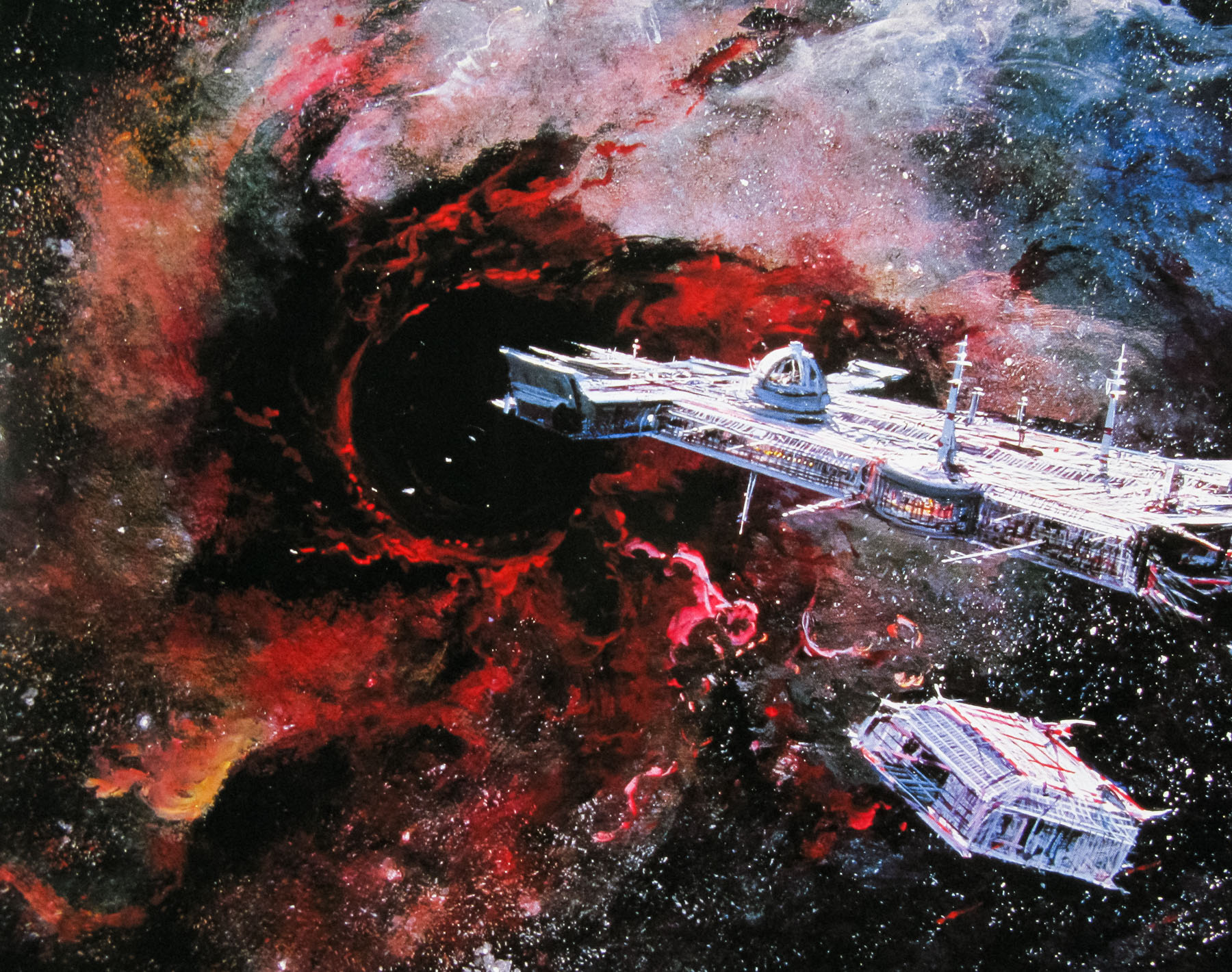
A detailed and colourful illustration on this poster for the Japanese release of Disney’s live-action oddity, The Black Hole. It’s a fairly uncommon size but one that suits the illustration perfectly. Make sure you click the detail thumbnails to see it in its full glory.

The film focuses on the crew of a ship (the USS Palomino) returning from a deep-space exploration mission that discovers a black hole with an apparently derelict ship drifting nearby. After docking with the ship (The long-lost USS Cygnus – as featured on this poster) the crew meets the commander Doctor Hans Reinhardt (Maximilian Schell) and his team of robots, but there is no sign of the human crew. The Palomino’s crew, including Dr Alex Durant (Anthony Perkins) and Dr. Kate McCrae (Yvette Mimieux), must race against time to discover the mystery behind their disappearance and exactly what Dr Reinhardt’s intentions are.

Despite an extremely hokey script and some decidedly dodgy attempts to emulate the success of Star Wars, the film has several things that make it worth a watch, including some impressive special effects (certainly notable in 1979), well-realised space scenes, a great score by the late John Barry and an excellent robot design in the form of the sinister Maximilian.

Director Edgar Wright is a fan of the film and talks about it on Trailers From Hell – video here.

The other posters I’ve collected for the film can be seen here. Check out the excellent Japanese B1 and B2 posters.

The original trailer is on YouTube.
The Company Of Wolves / B2 / artwork style / Japan

17.05.11

Poster Poster

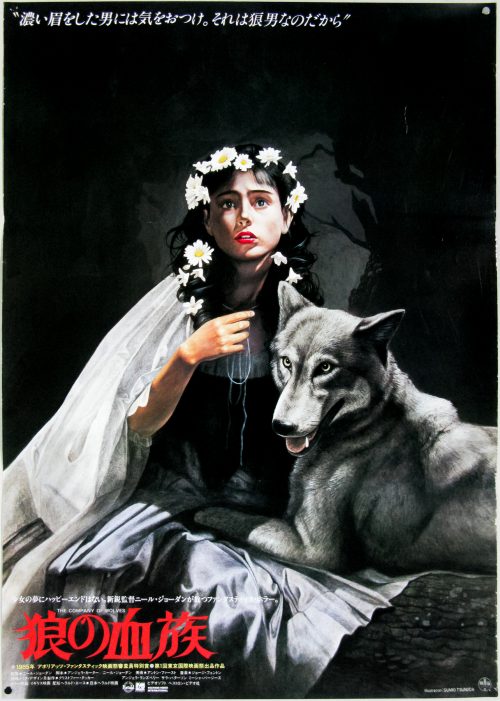
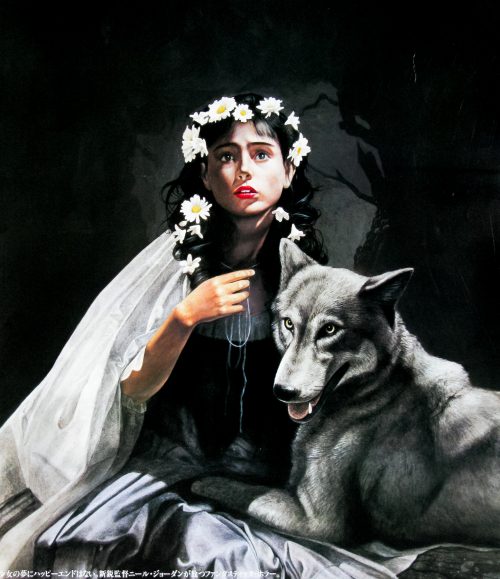
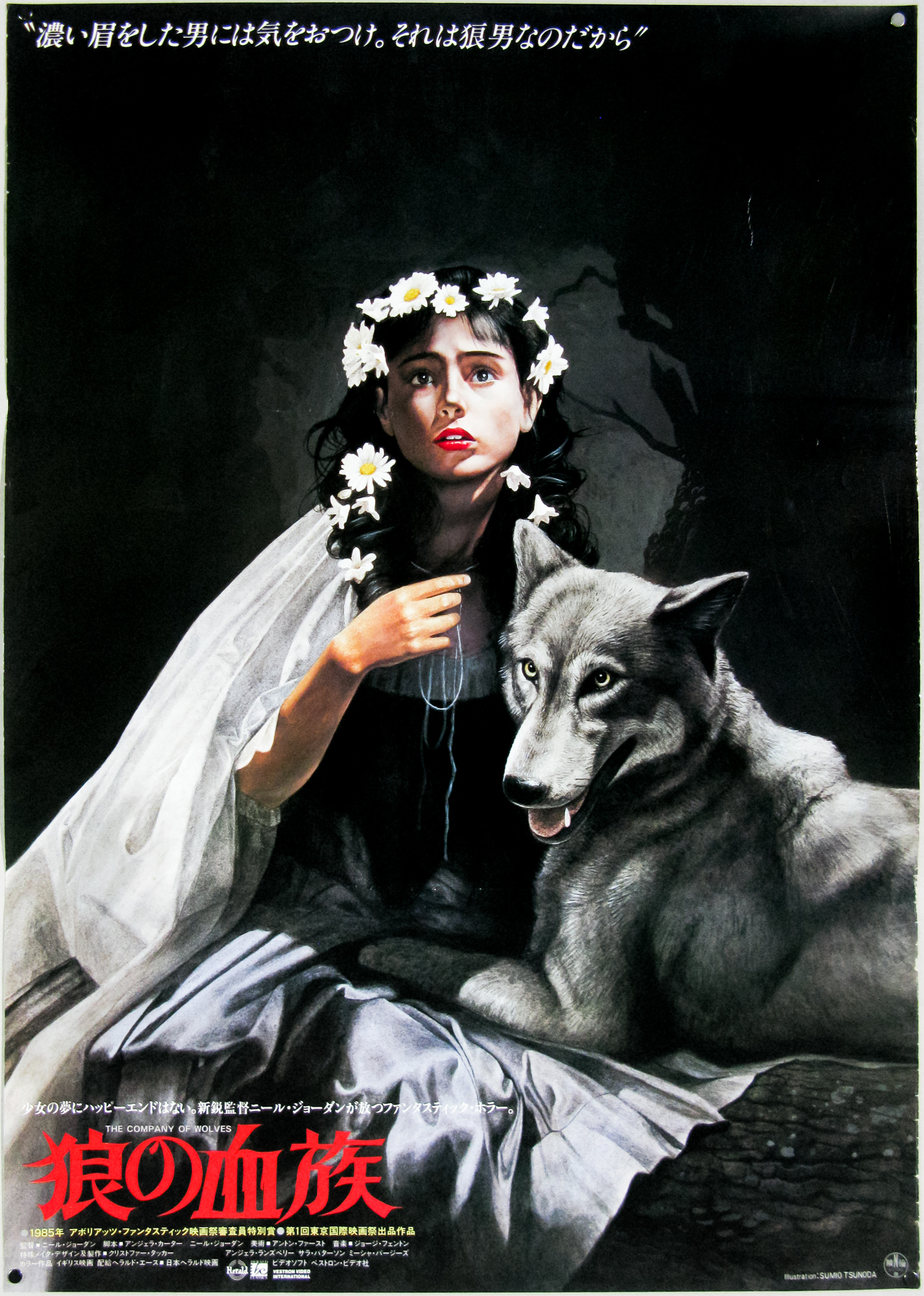
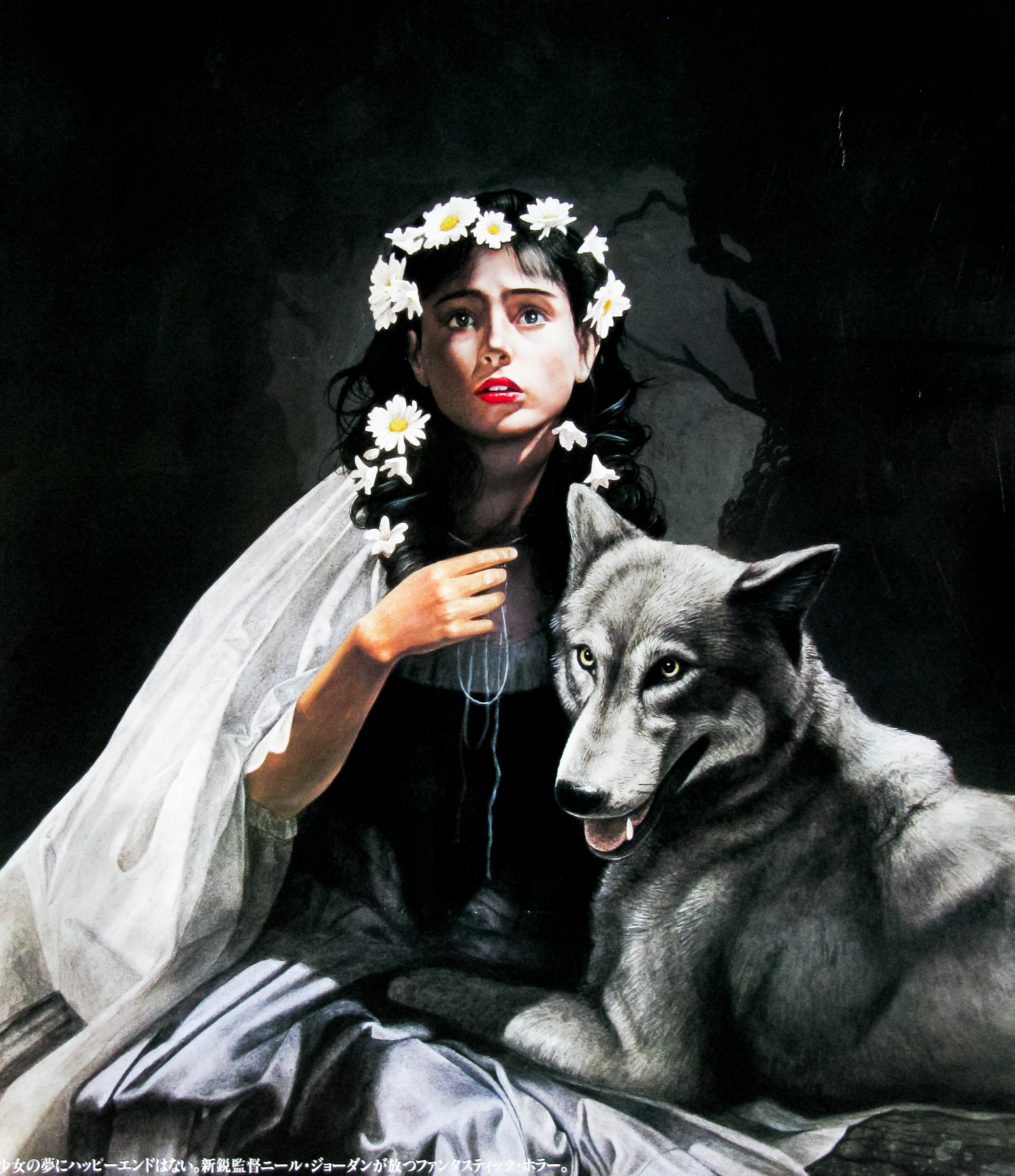
A joint collaboration between two British production companies, Palace Pictures and Lew Grade’s ITC Entertainment, The Company of Wolves was helmed by the Irish director Neil Jordan and based on a short story by the late English author Angela Carter, who also co-wrote the screenplay with Jordan. The film begins in the modern day with the  lead character Rosaleen (played by first-time actress Sarah Patterson) having moved with her parents to a large house in a forest. At night Rosaleen falls asleep and has a vivid dream in which she is a medieval peasant girl who lives with her grandma (played by Murder, She Wrote’s Angela Lansbury) in a woodland village. Sitting by the fire one evening her grandma begins to tell her a story and what follows is a series of surreal, fantasy tales, with multiple narratives and narrators, most of which feature wolves or werewolves, and all of which are ripe with hidden meanings and deeper significances (check out this page on IMDb to give you an idea).

Featuring elements of the classic Little Red Riding Hood fairytale (and indeed the film features a blood red shawl worn by a young girl) the film is a parable of the loss of innocence and the beginning of adolescence and sexual awakening – as the Grandma says at one point ‘Never stray from the path, never eat a windfall apple and never trust a man whose eyebrows meet in the middle.’ Overcoming a slight budget The Company of Wolves has a dream-like, eerie atmosphere helped in no-small part by excellent production and costume design. There is also a werewolf transformation scene that challenges the famous one seen in American Werewolf in London. Palace Pictures would re-team several more times with Neil Jordan, including for Mona Lisa (1986) and Oscar-winning The Crying Game (1992)

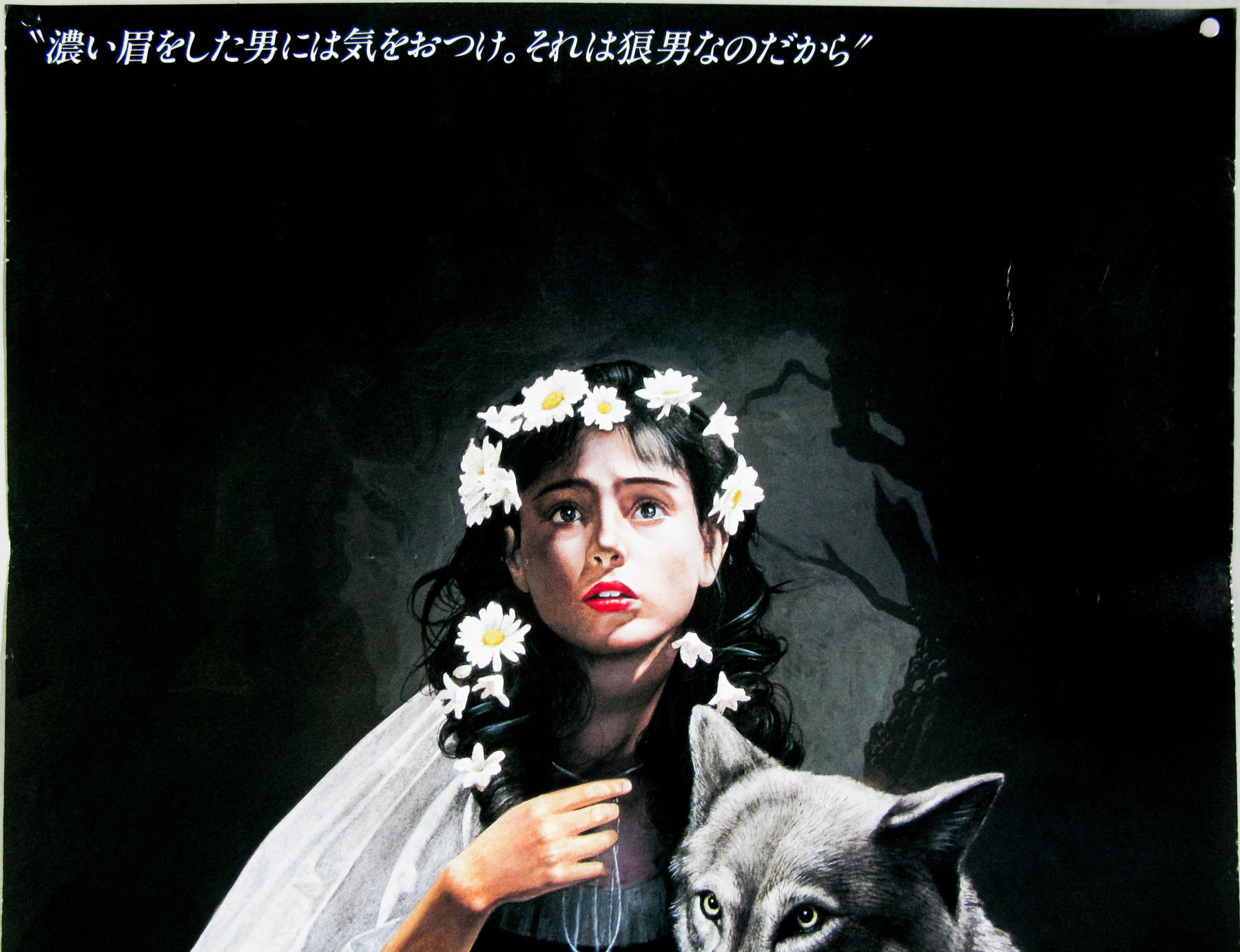
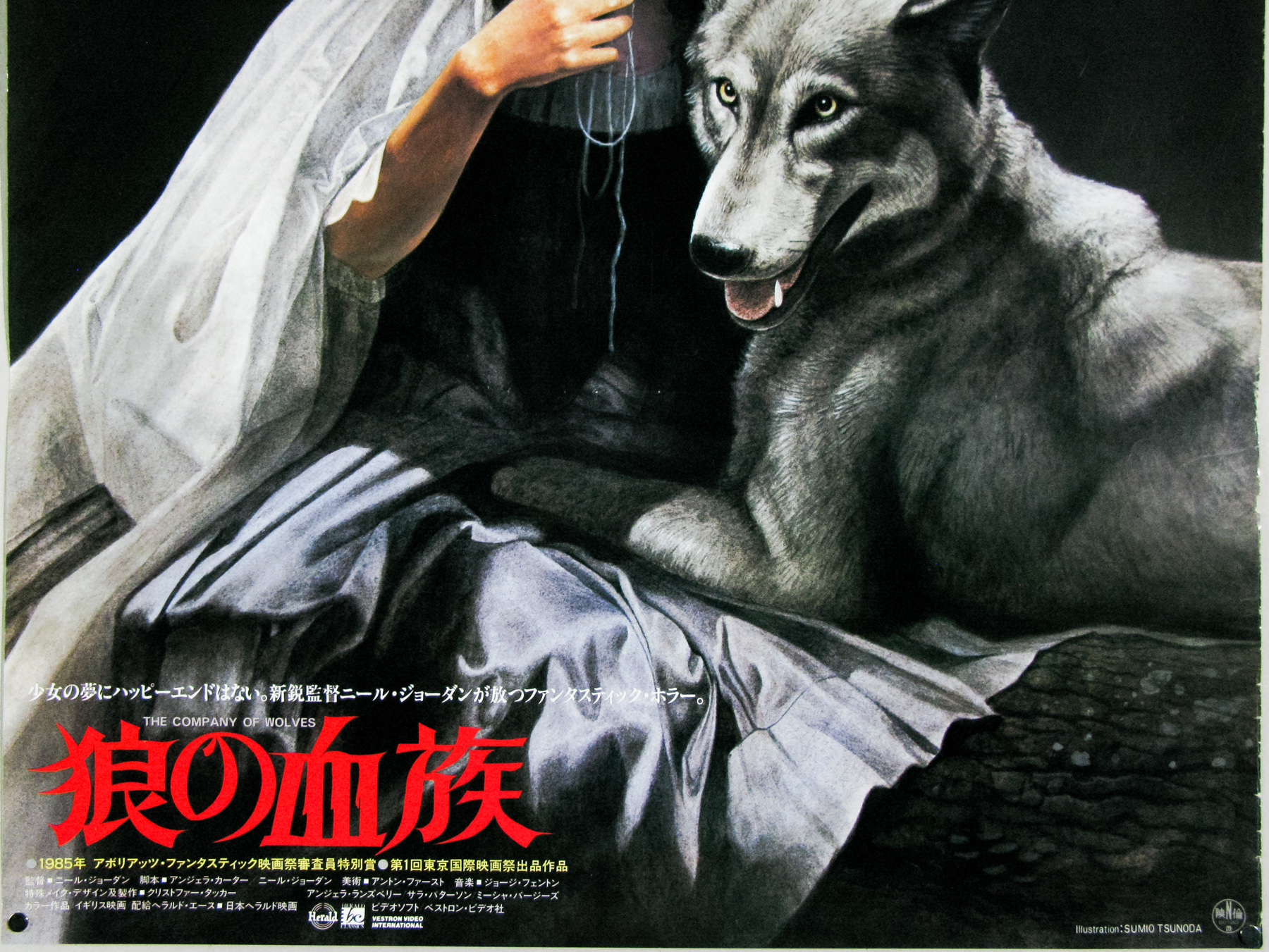
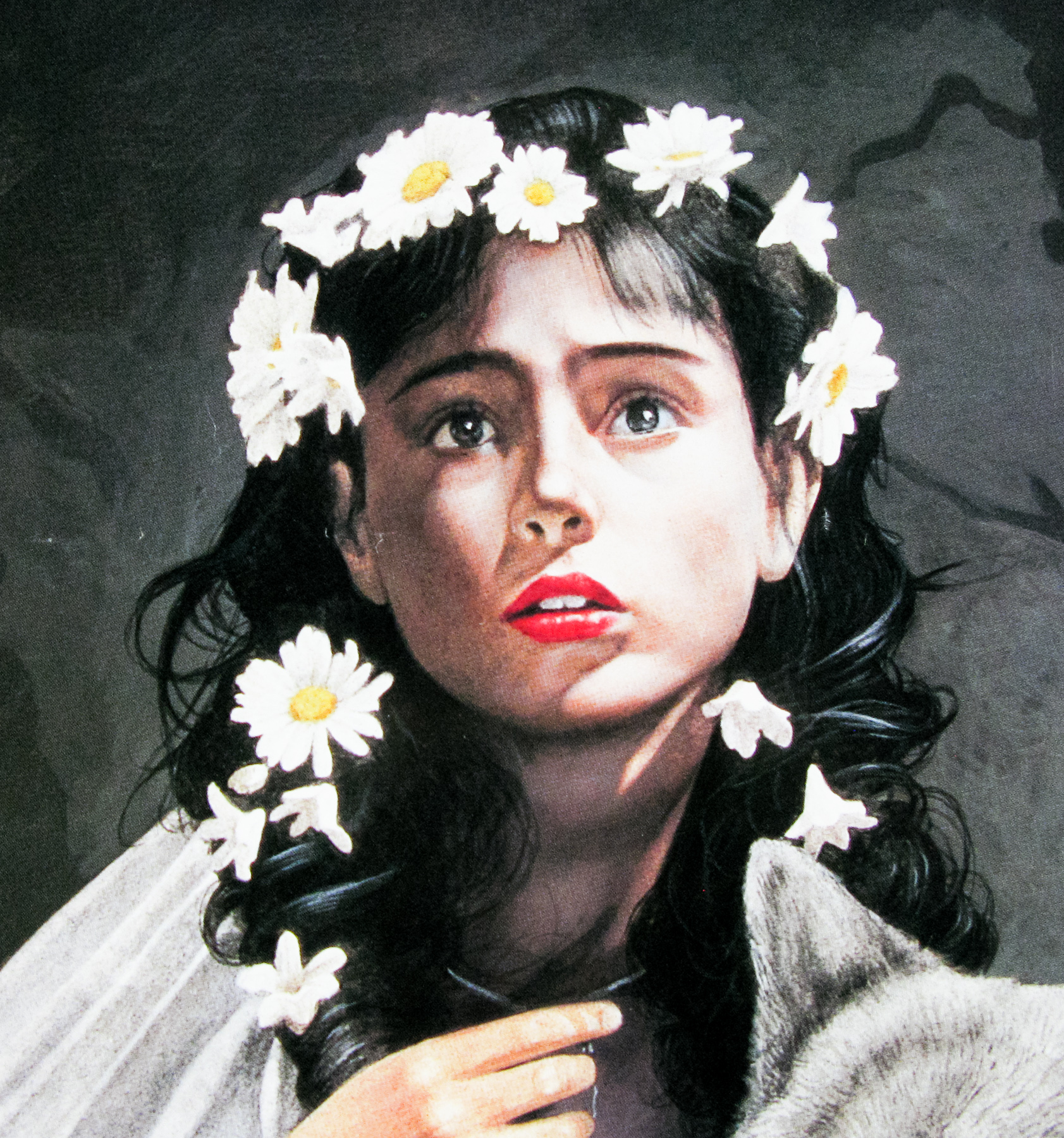
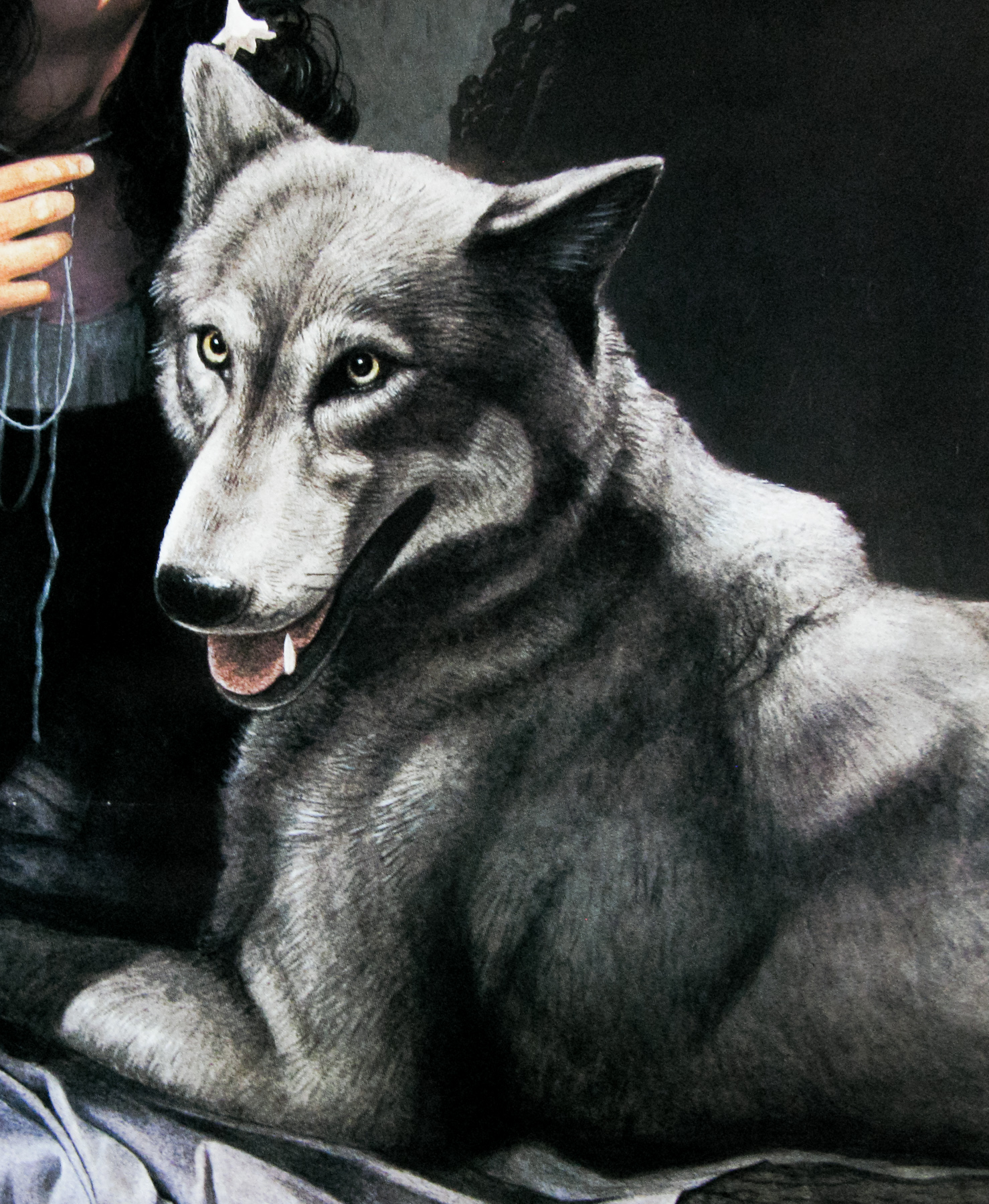
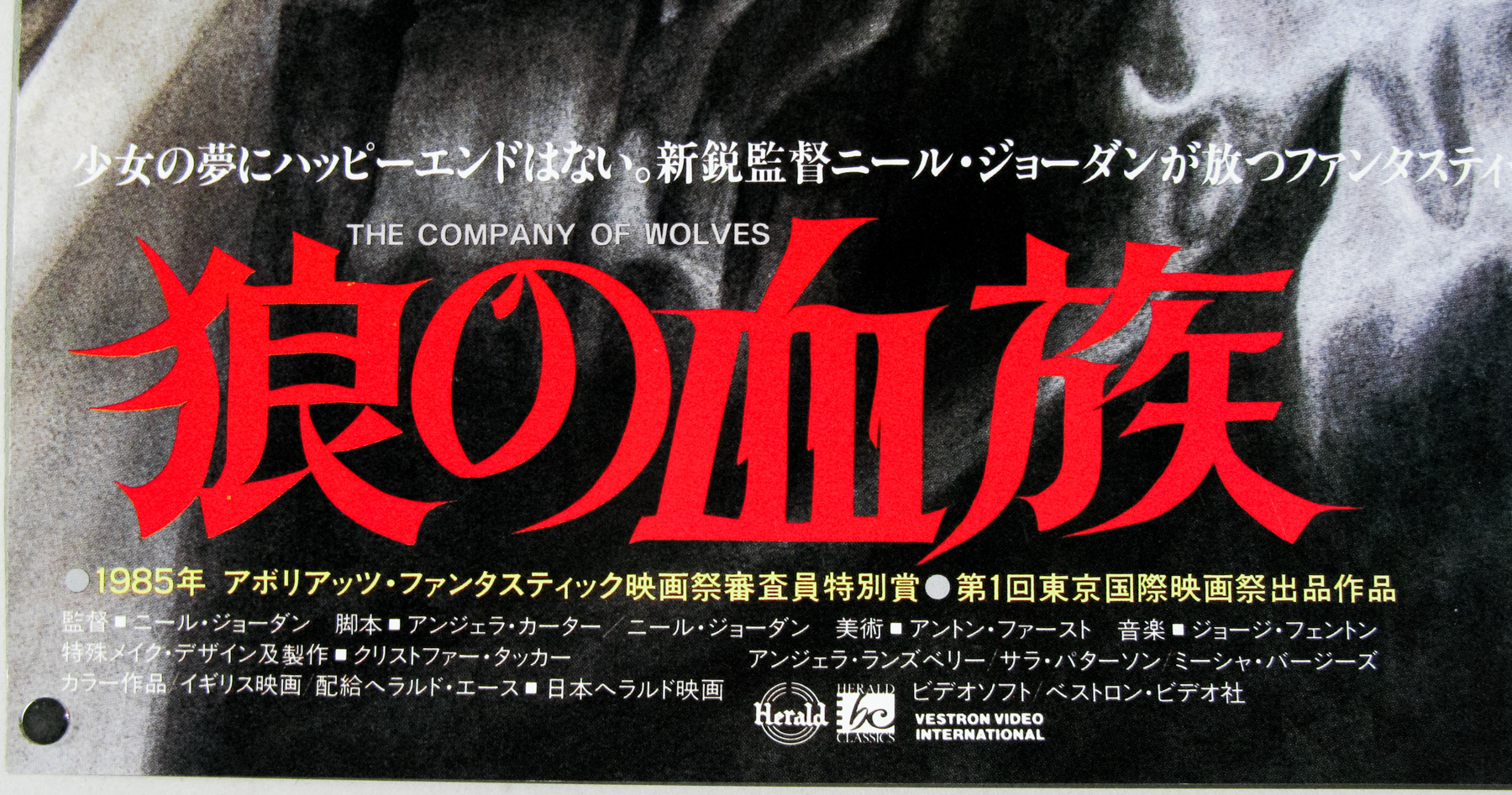
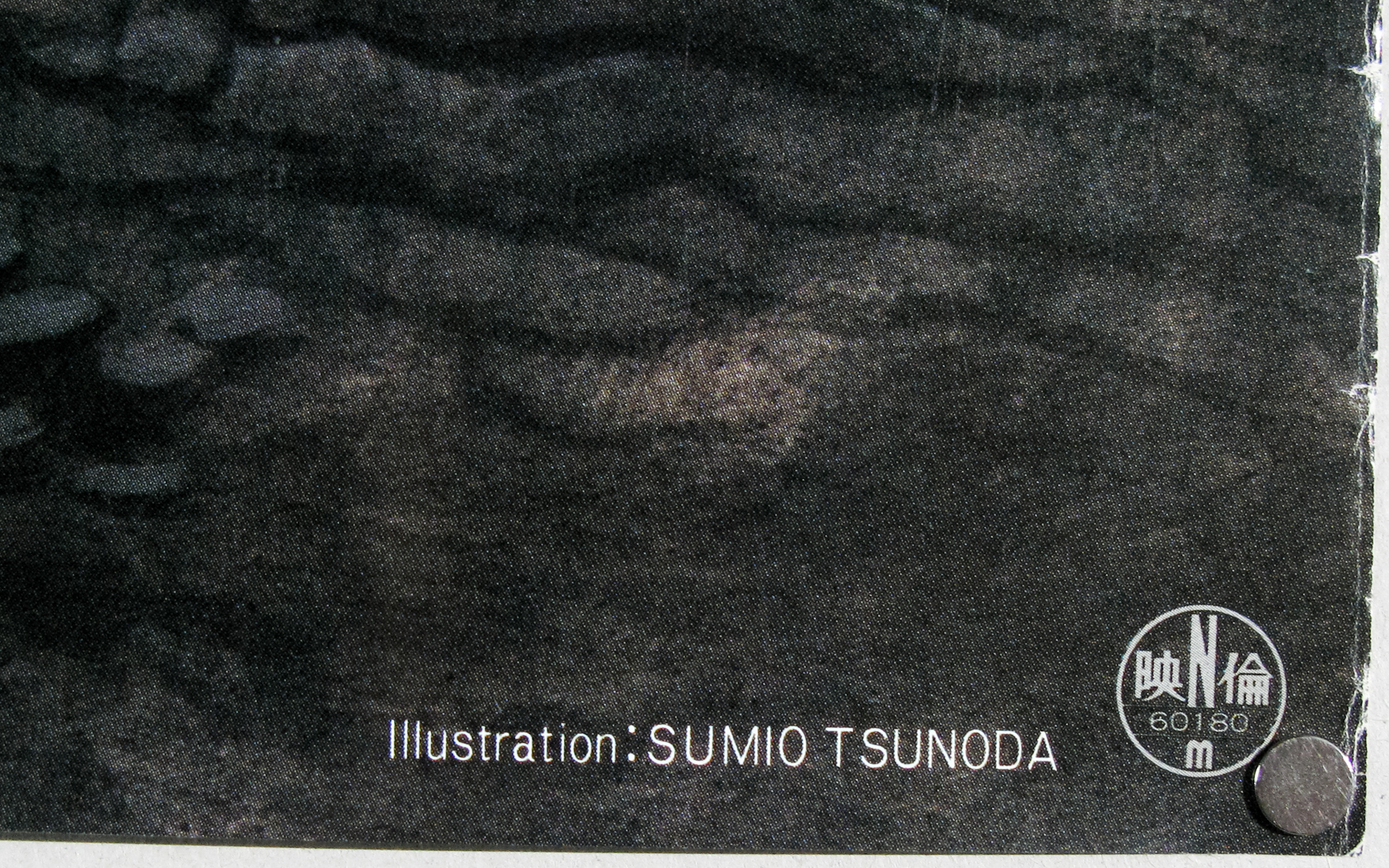
The excellent illustration on this Japanese B2 poster is credited to the illustrator Sumio Tsunoda about whom I was able to discover next to nothing. A search revealed that this cyberpunk image can also be credited to him. If anyone knows any more details about the artist please get in touch or leave a comment.

The Empire Strikes Back / B2 / photo style / Japan

27.08.12

Poster Poster
Title
The Empire Strikes Back
AKA
--
Year of Film
1980
Director
Irvin Kershner
Starring
Mark Hamill, Harrison Ford, Carrie Fisher, Billy Dee Williams, Anthony Daniels, David Prowse, Peter Mayhew, Kenny Baker, Frank Oz
Origin of Film
USA
Genre(s) of Film
Mark Hamill, Harrison Ford, Carrie Fisher, Billy Dee Williams, Anthony Daniels, David Prowse, Peter Mayhew, Kenny Baker, Frank Oz,
Type of Poster
B2
Style of Poster
Photo style
Origin of Poster
Japan
Year of Poster
1980
Designer
Unknown
Artist
--
Size (inches)
20 6/16" x 28 14/16"
SS or DS
SS
Tagline
--

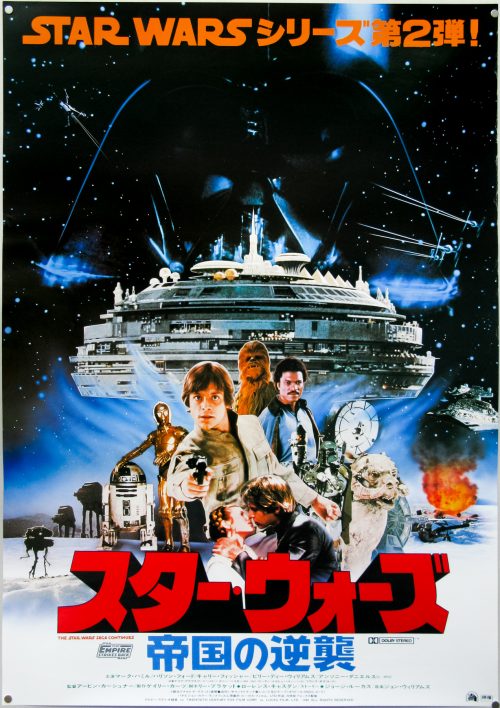
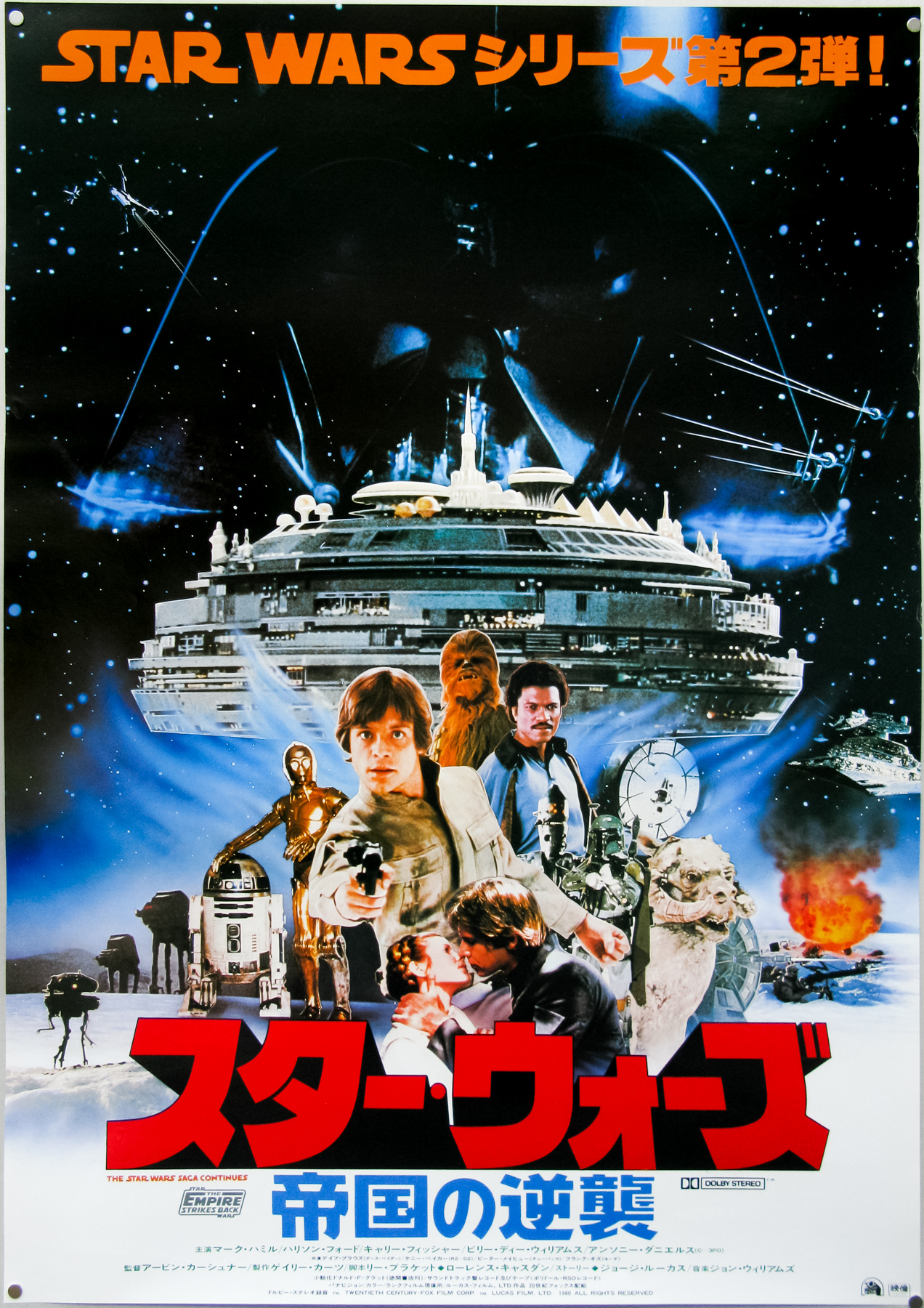
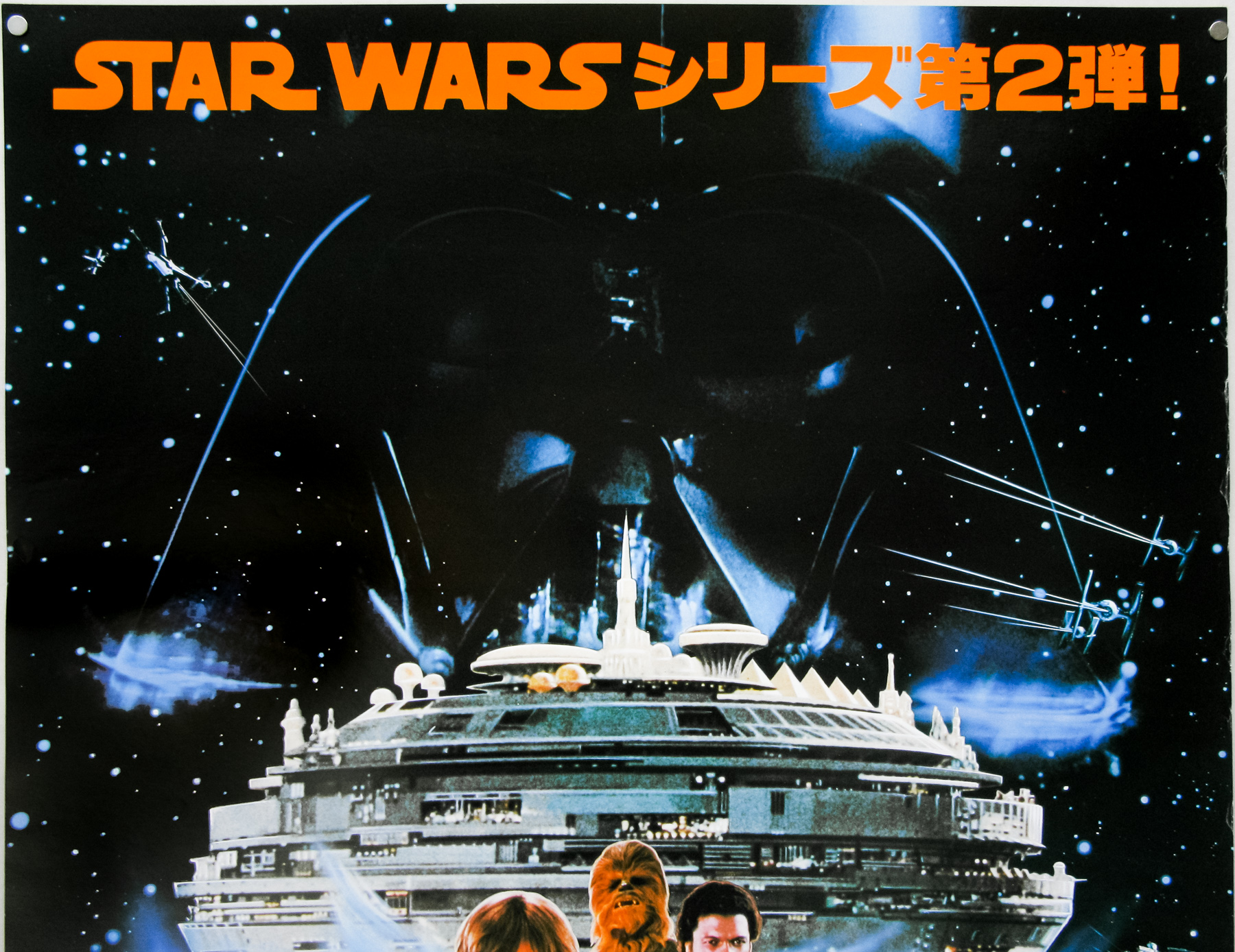
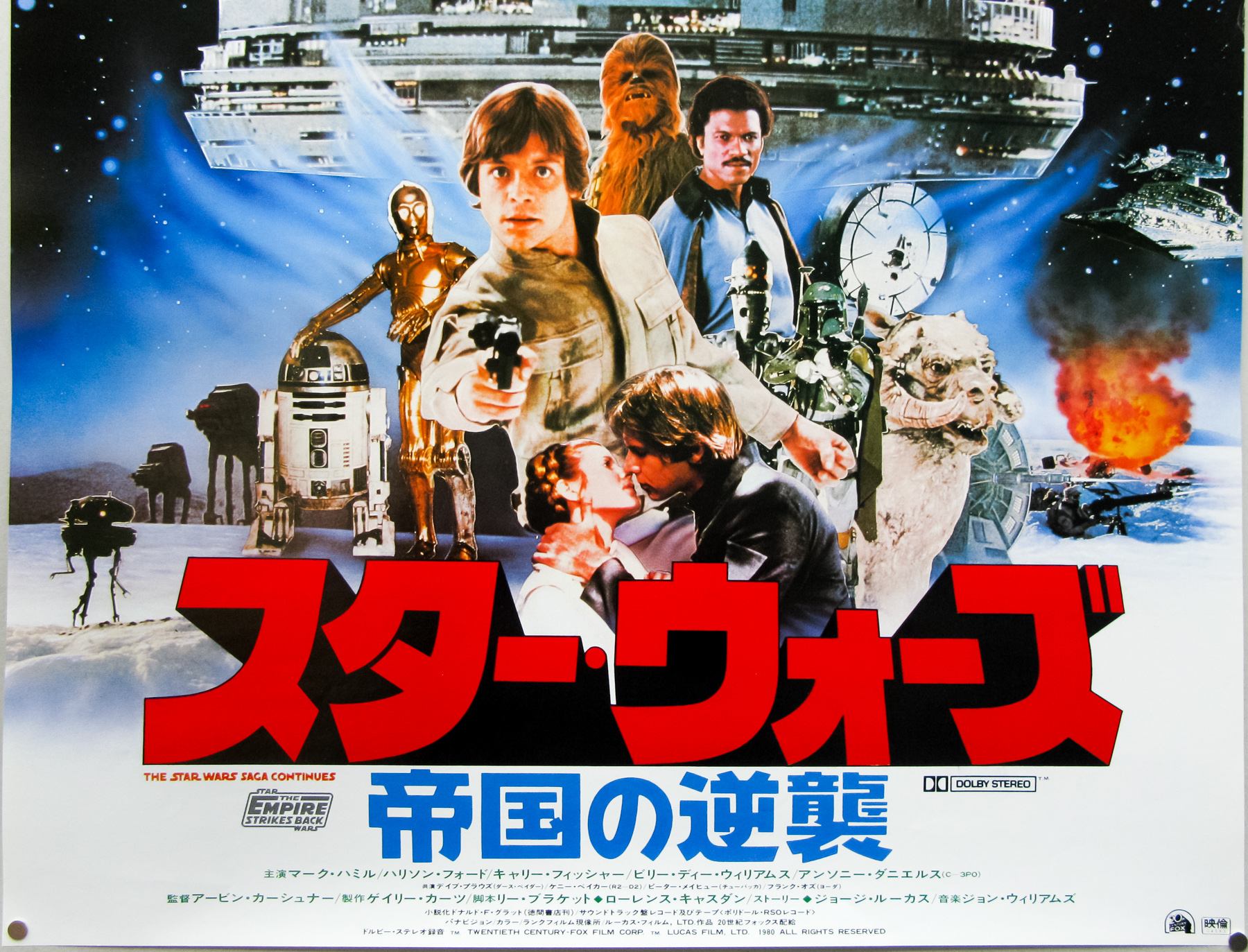
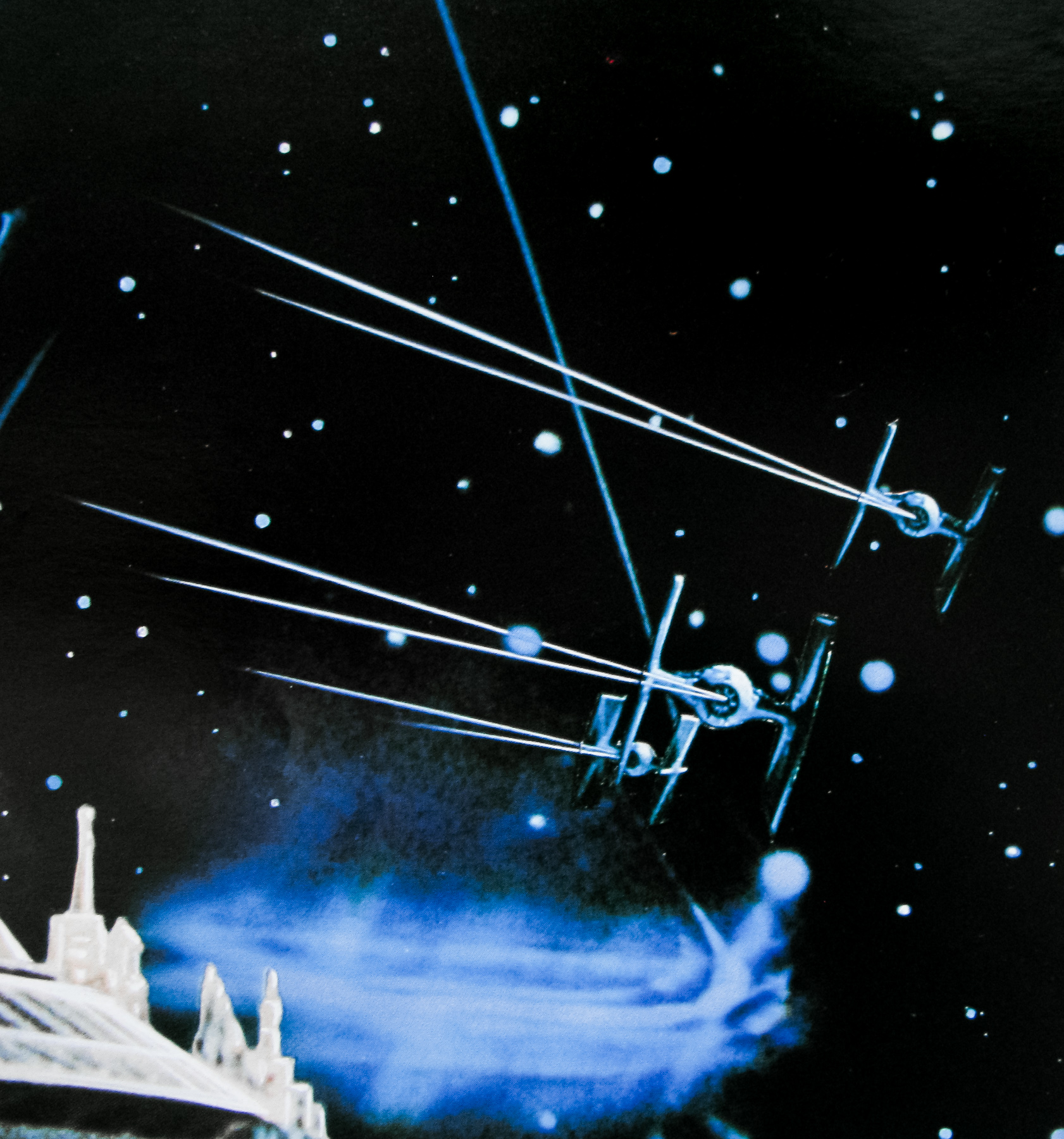
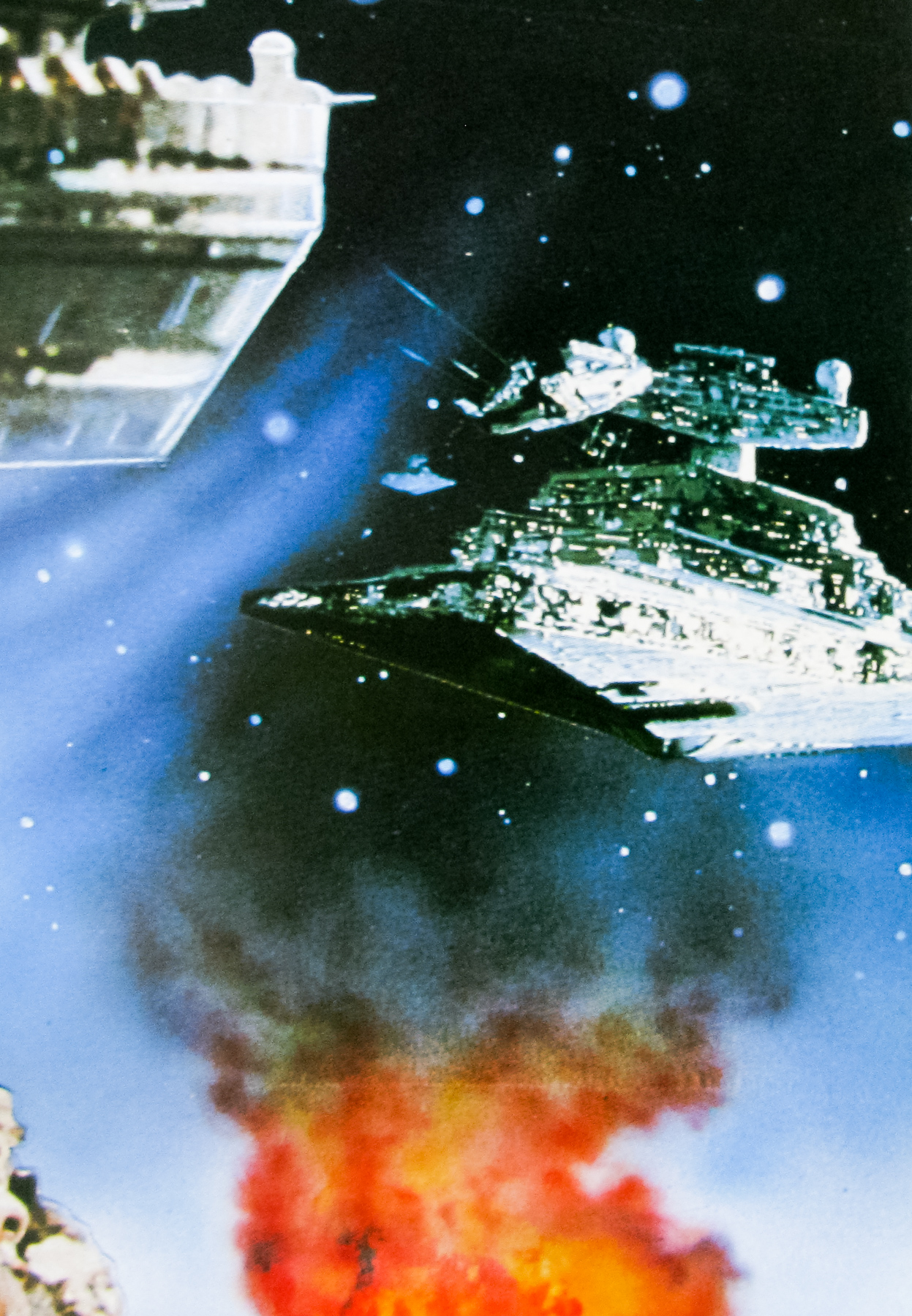
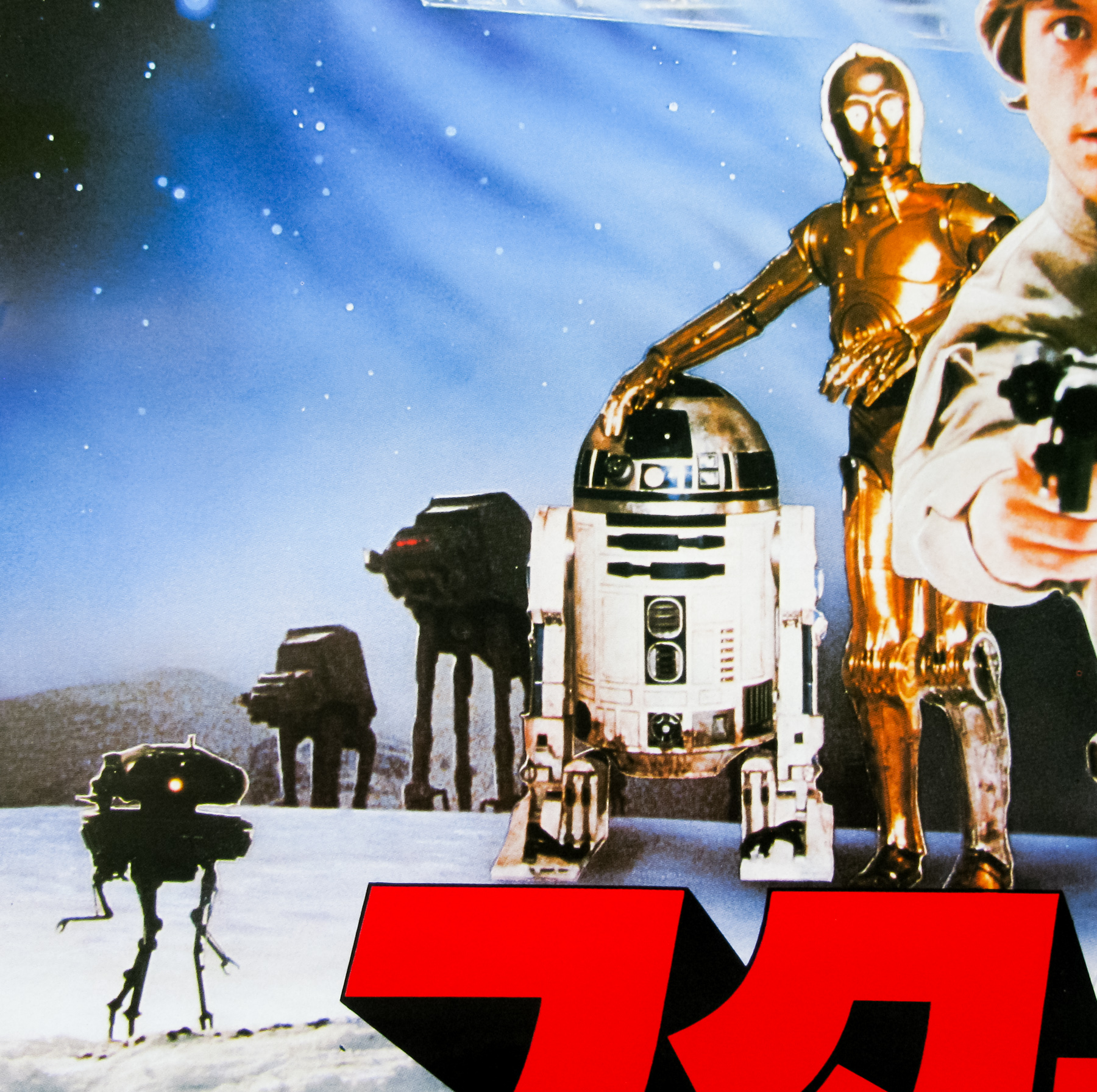
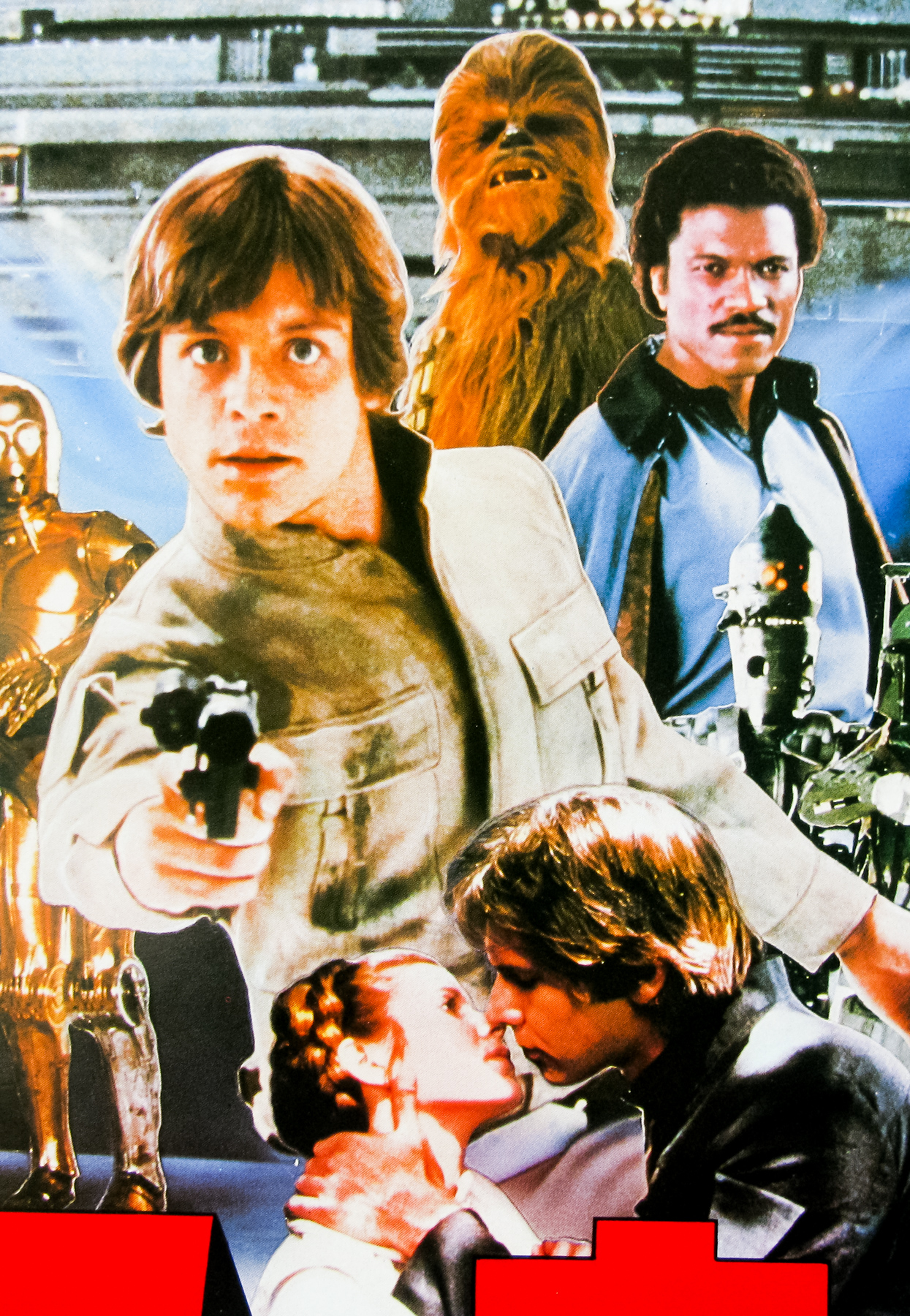
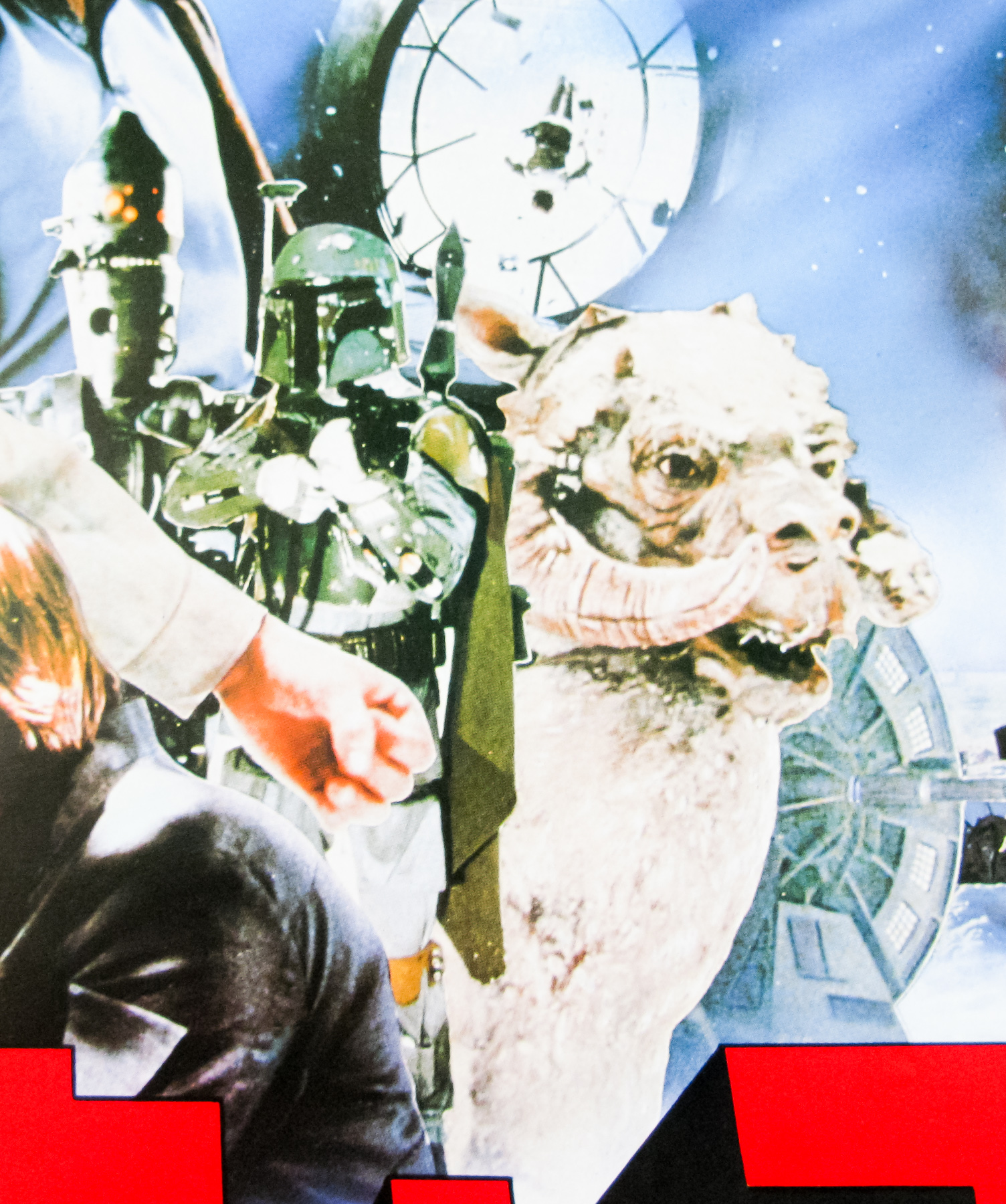
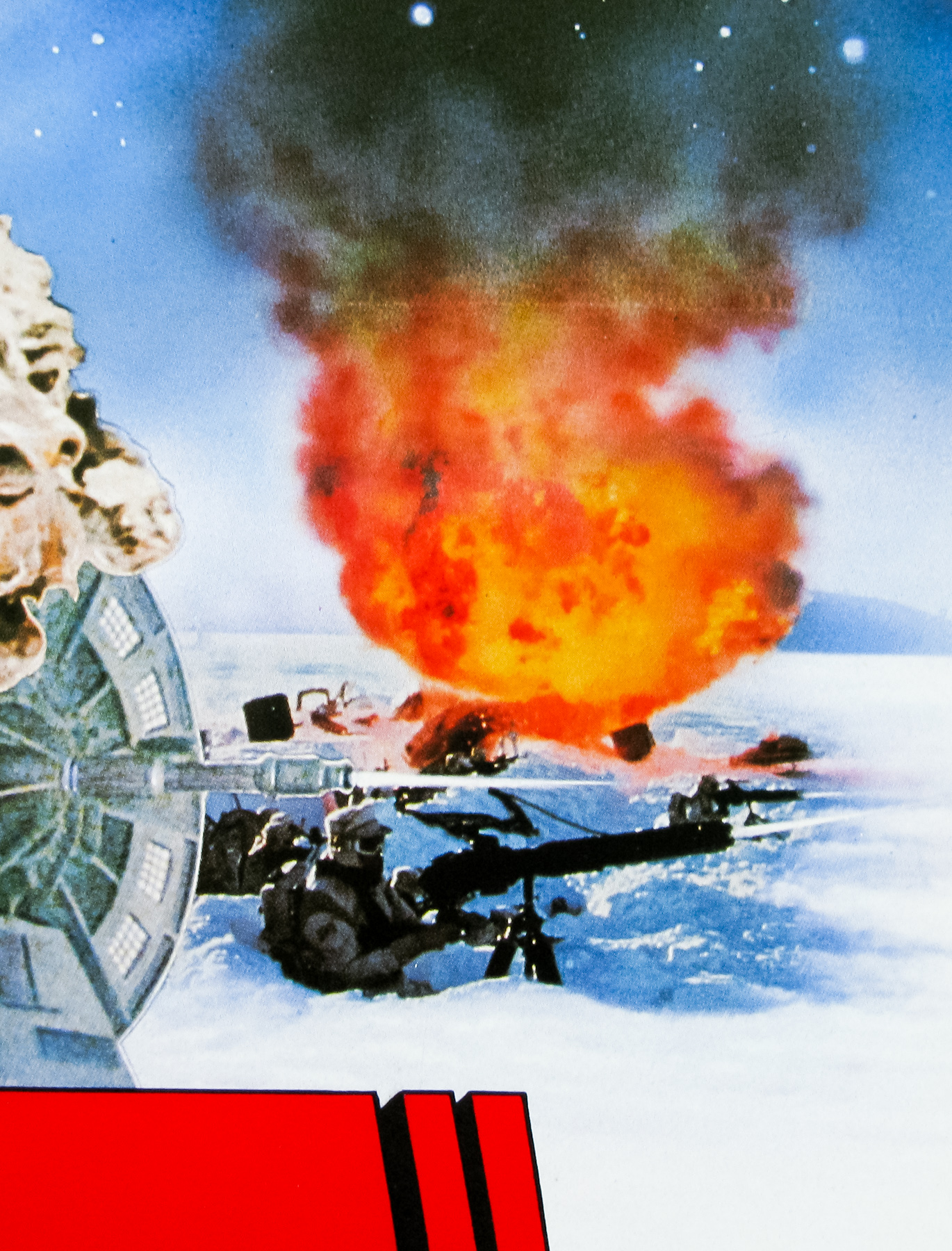
This is the photo montage style Japanese poster for the second (and best, IMO) film in the original Star Wars trilogy. Noriyoshi Ohrai was responsible for the artwork on the superb alternative style Japanese poster.

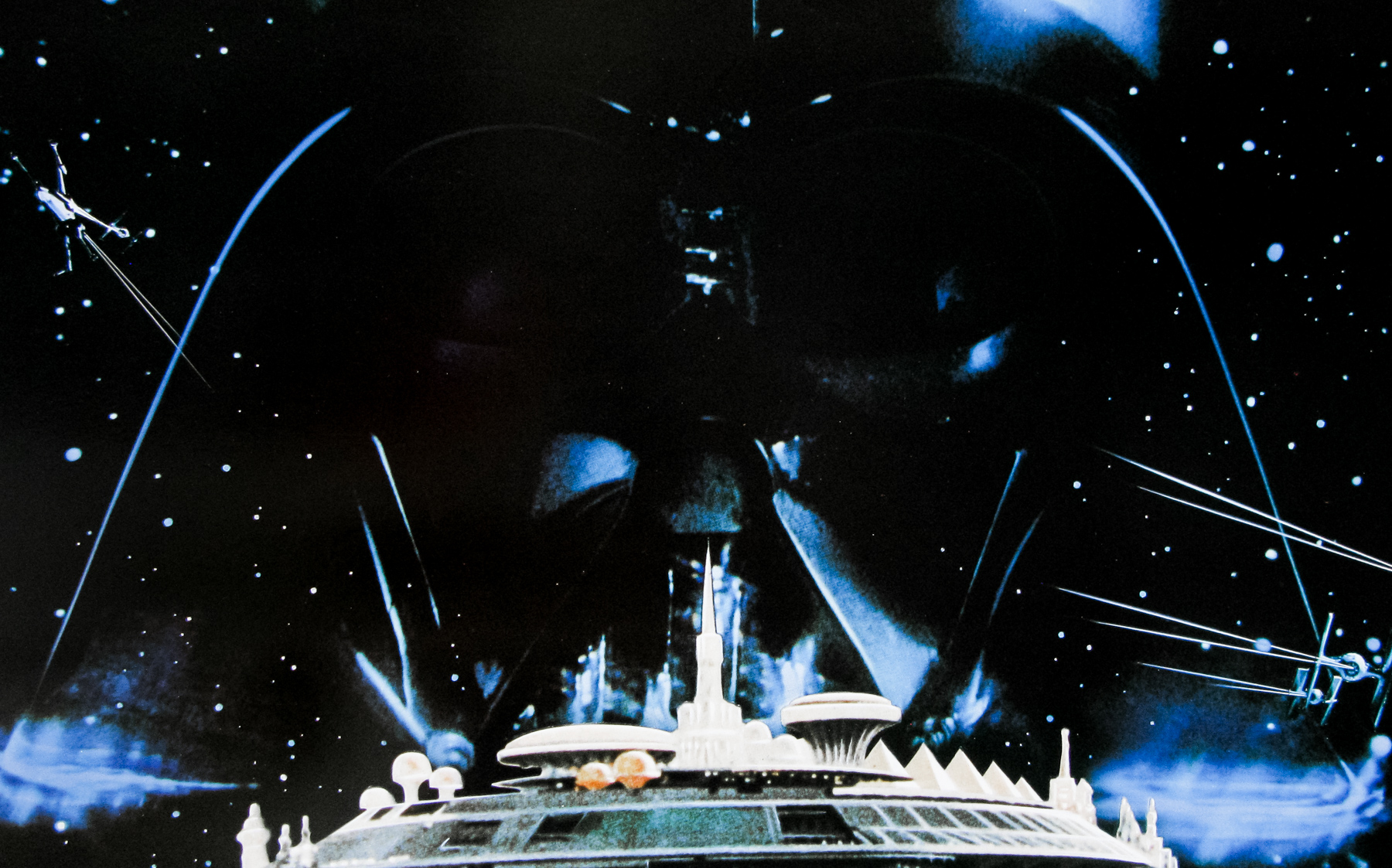
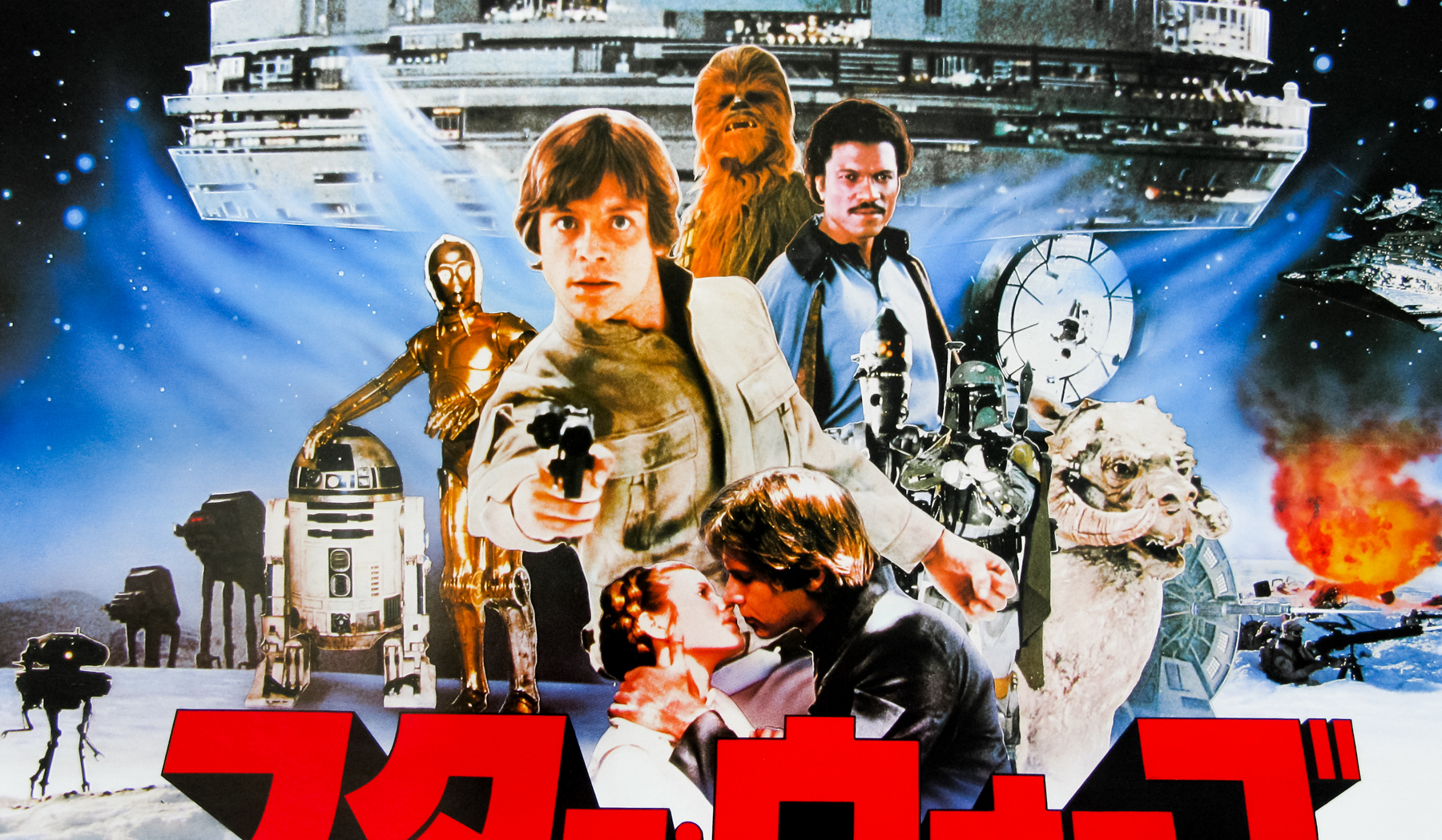
This version prominently features Cloud City, an outpost and gas mining colony floating above the planet Bespin, and the place to which Han Solo and Princess Leia flee after the battle of Hoth. Lando Calrissian (Billy Dee Williams) is the administrator of the city and an old friend of Han Solo who, unbeknownst to the crew of the Millennium Falcon, has cut a deal with Darth Vader to allow the rebels to be captured in return for continued autonomy from the Empire.

Rather brilliantly the character line-up features a Tauntaun, the bipedal reptomammal used by the rebel alliance as patrol mounts on their native planet of Hoth. Also in the line-up is the bounty hunter Boba Fett, many fans’ favourite character in the entire Star Wars universe.

The Fog / B2 / Japan

17.05.11

Poster Poster
Title
The Fog
AKA
Tåken (Norway)
Year of Film
1980
Director
John Carpenter
Starring
Adrienne Barbeau, Jamie Lee Curtis, Janet Leigh, John Houseman, Tom Atkins, James Canning, Charles Cyphers, Nancy Loomis, Andy Wayne, Hal Holbrook
Origin of Film
USA
Genre(s) of Film
Adrienne Barbeau, Jamie Lee Curtis, Janet Leigh, John Houseman, Tom Atkins, James Canning, Charles Cyphers, Nancy Loomis, Andy Wayne, Hal Holbrook,
Type of Poster
B2
Style of Poster
--
Origin of Poster
Japan
Year of Poster
1980
Designer
Unknown
Artist
--
Size (inches)
20 6/16" x 28 13/16"
SS or DS
SS
Tagline
--

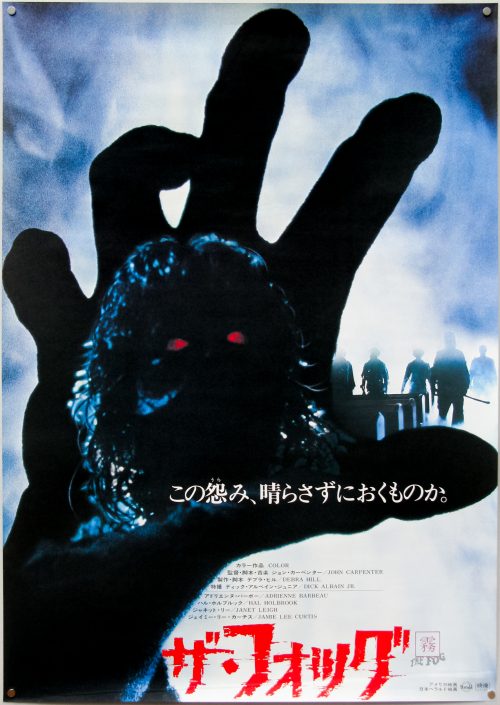
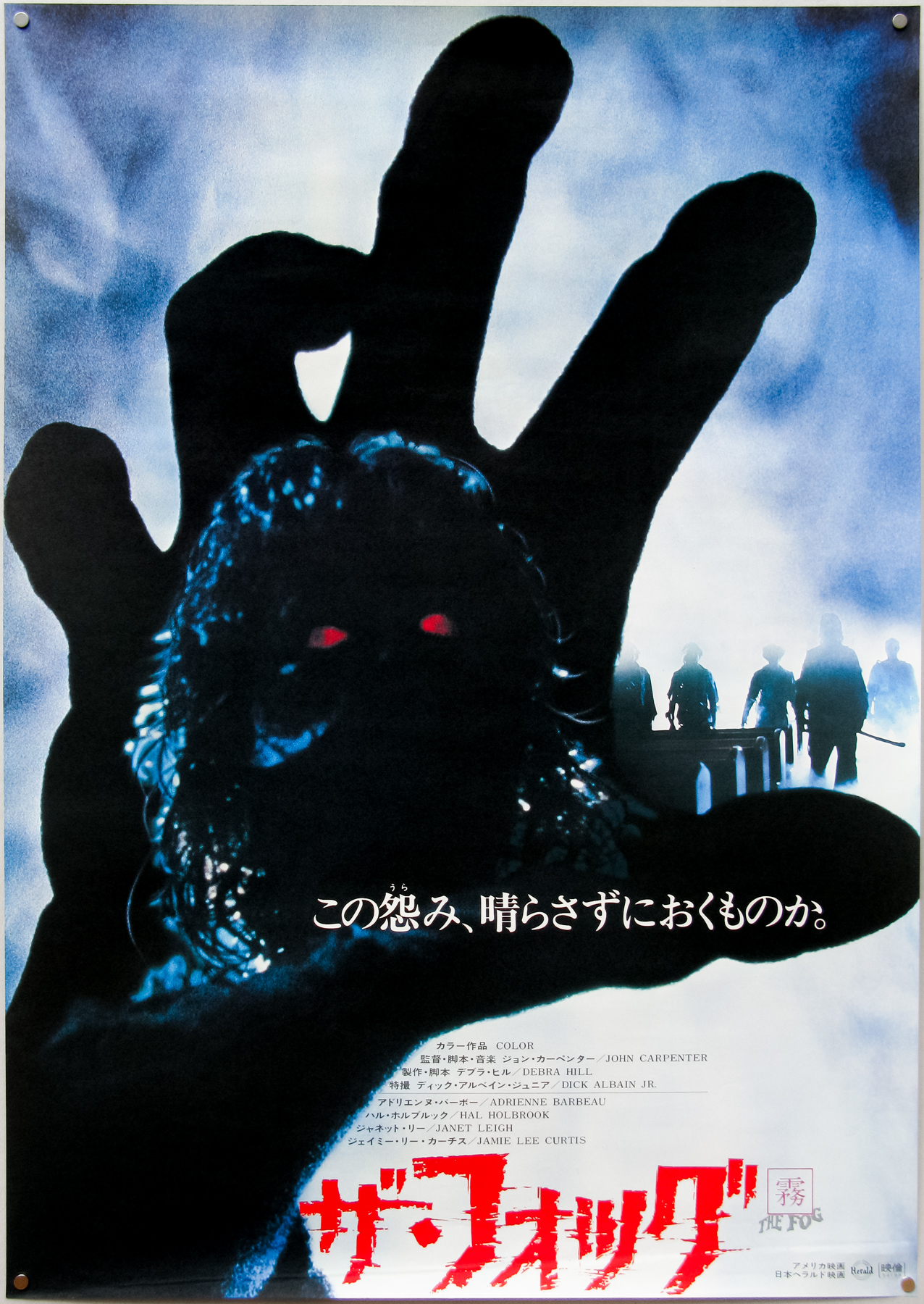
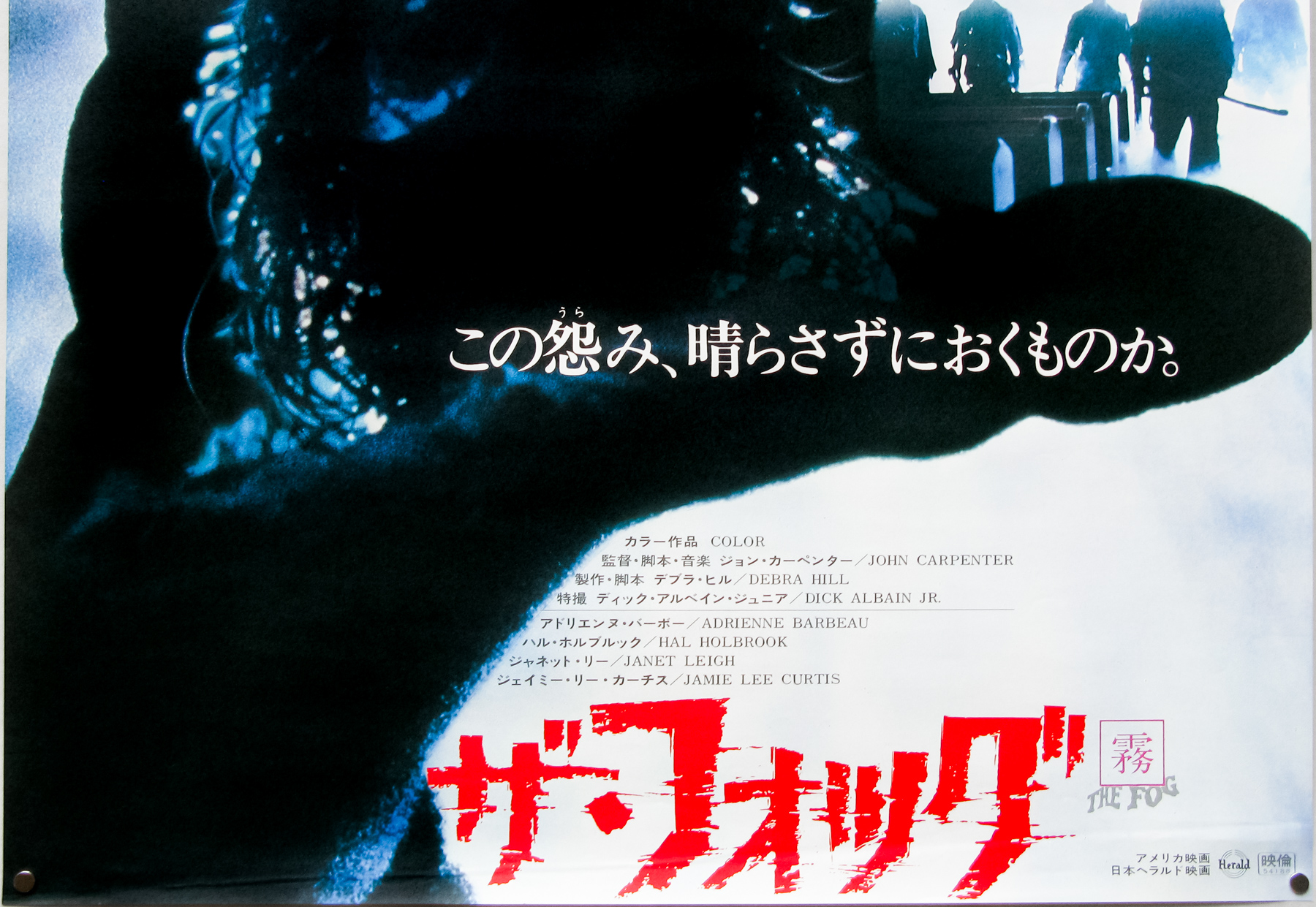
This is the Japanese B2 poster for John Carpenter’s excellent supernatural horror The Fog, the next cinema release following the directors’ 1978 horror masterpiece Halloween. The film is set in the fictional Californian fishing town of Antonio Bay which is about to celebrate its centennial. What the current residents don’t know is that the town holds a terrible secret; the six original founders deliberately wrecked the Elizabeth Dane, a ship containing a wealthy man named Blake and his five companions who were all suffering from leprosy and wanted to establish a colony nearby. After plundering the wreck and stealing the gold onboard, the conspirators went on to establish Antonio Bay and deliberately covered up their actions.

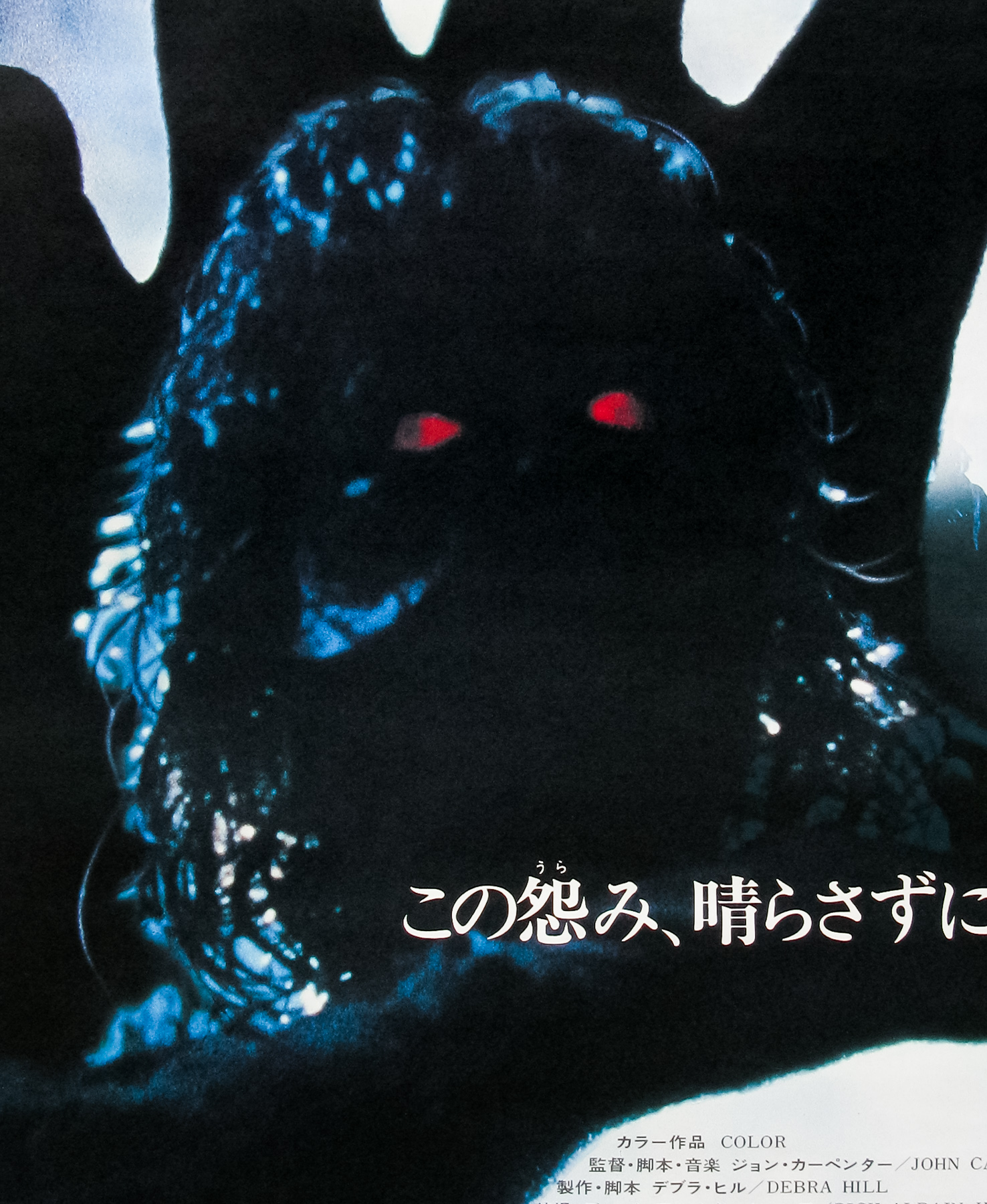
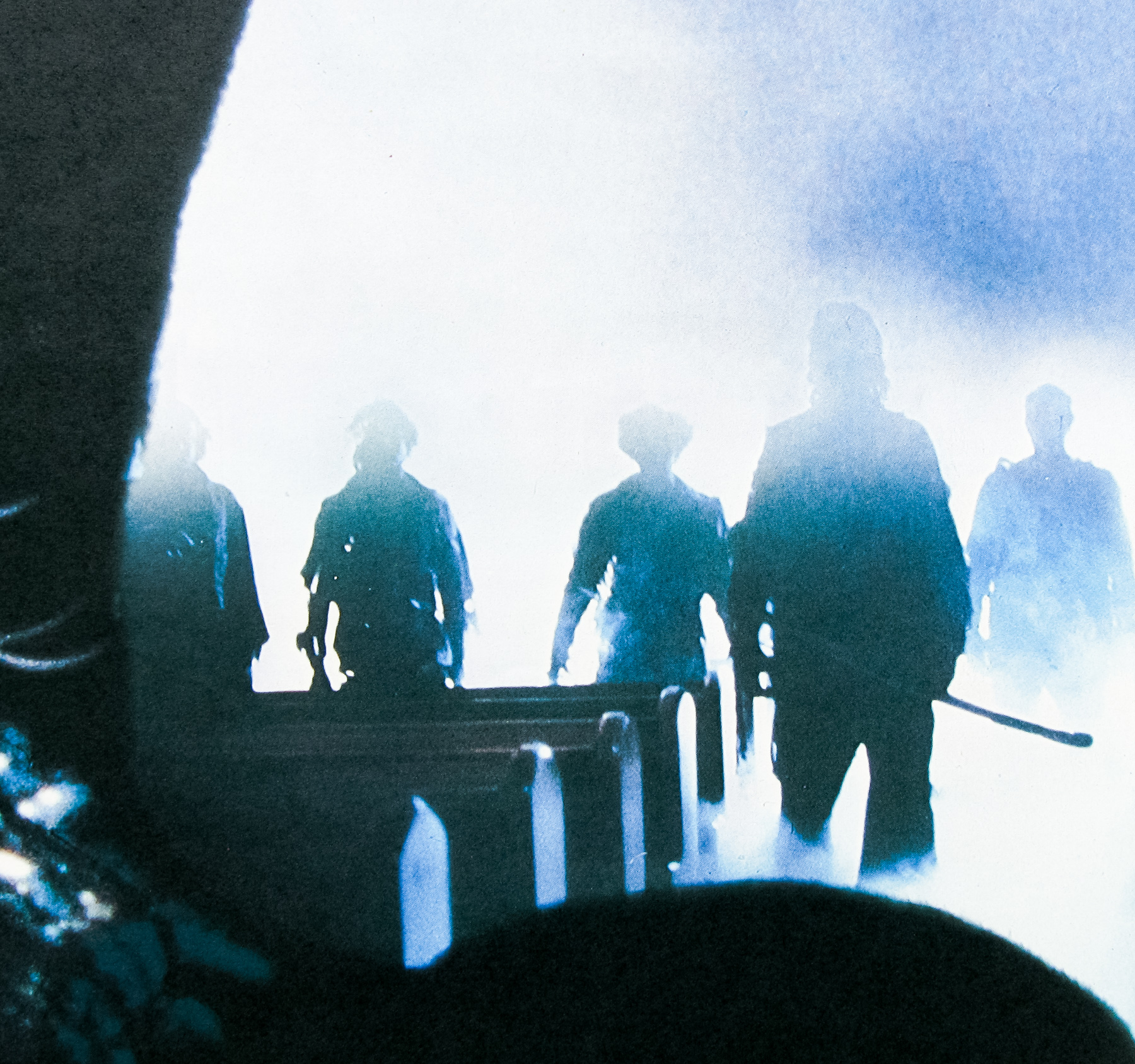
As the celebrations are being prepared, a mysterious fog bank rolls off the sea which enshrouds the town and surrounding area. Off the coast, a local trawler is also enveloped and the crew subjected to an attack by mysterious glowing-eyed apparitions. Around the same time a young hitchhiker named Elizabeth Solley (Halloween star Jamie Lee Curtis) is picked up on the outskirts of the town by local resident Nick Castle (genre stalwart Tom Atkins). As the pair are driving through the fog into town Nick’s vehicle mysteriously cuts out and all the windows shatter without warning. Local radio DJ Stevie Wayne (played by gorgeous ‘scream queen’ Adrienne Barbeau), who broadcasts from a lighthouse on a cliff above the town, is handed a piece of driftwood with ‘Dane’ inscribed on it. She takes it back to her studio only for the wood to trigger a strange sequence of events that culminates with a mysterious voice intoning that ‘six must die’. Over the next few hours the town is subjected to a series of terrifying attacks as Blake and his crew return from their watery graves to claim six souls in revenge for their treatment at the hands of the town’s founders.

The lighthouse featured in the film is actually the Point Reyes lighthouse which is situated to the north of San Francisco in California. In 2010 I visited the lighthouse and it’s an incredibly spooky place, even in bright sunshine. There is a constantly sounding foghorn which is used to warn ships away from a series of underwater rocks just off the coast. I spotted a series of whales moving past the point whilst I was there too. It’s well worth the trip if you’re ever in that area of the world.

I also have the Japanese B1 poster that can be viewed here.

The Giant Spider Invasion / B2 / Japan

27.10.11

Poster Poster
Title
The Giant Spider Invasion
AKA
Orumcek (Turkey)
Year of Film
1975
Director
Bill Rebane
Starring
Steve Brodie, Barbara Hale, Robert Easton, Leslie Parrish, Alan Hale Jr., Bill Williams, Kevin Brodie, Diane Lee Hart, Tain Bodkin, Paul Bentzen
Origin of Film
USA
Genre(s) of Film
Steve Brodie, Barbara Hale, Robert Easton, Leslie Parrish, Alan Hale Jr., Bill Williams, Kevin Brodie, Diane Lee Hart, Tain Bodkin, Paul Bentzen,
Type of Poster
B2
Style of Poster
--
Origin of Poster
Japan
Year of Poster
1977
Designer
Unknown
Artist
Seito
Size (inches)
20 6/16" x 28 12/16"
SS or DS
SS
Tagline
--

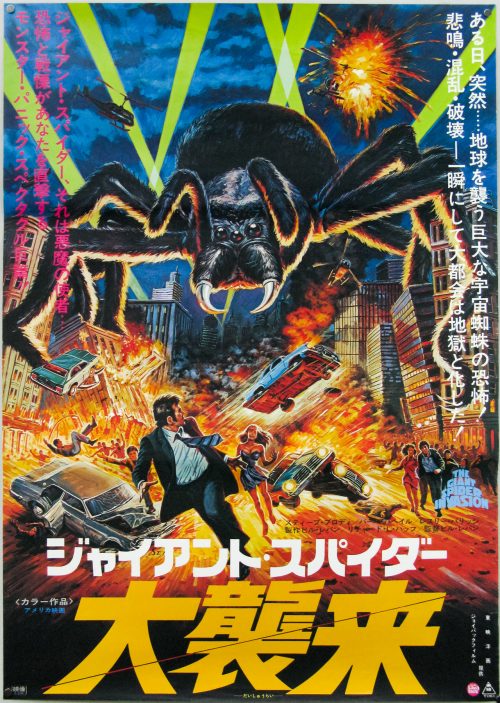
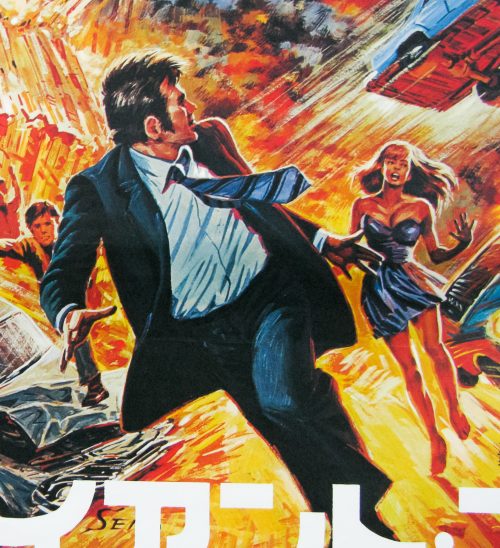
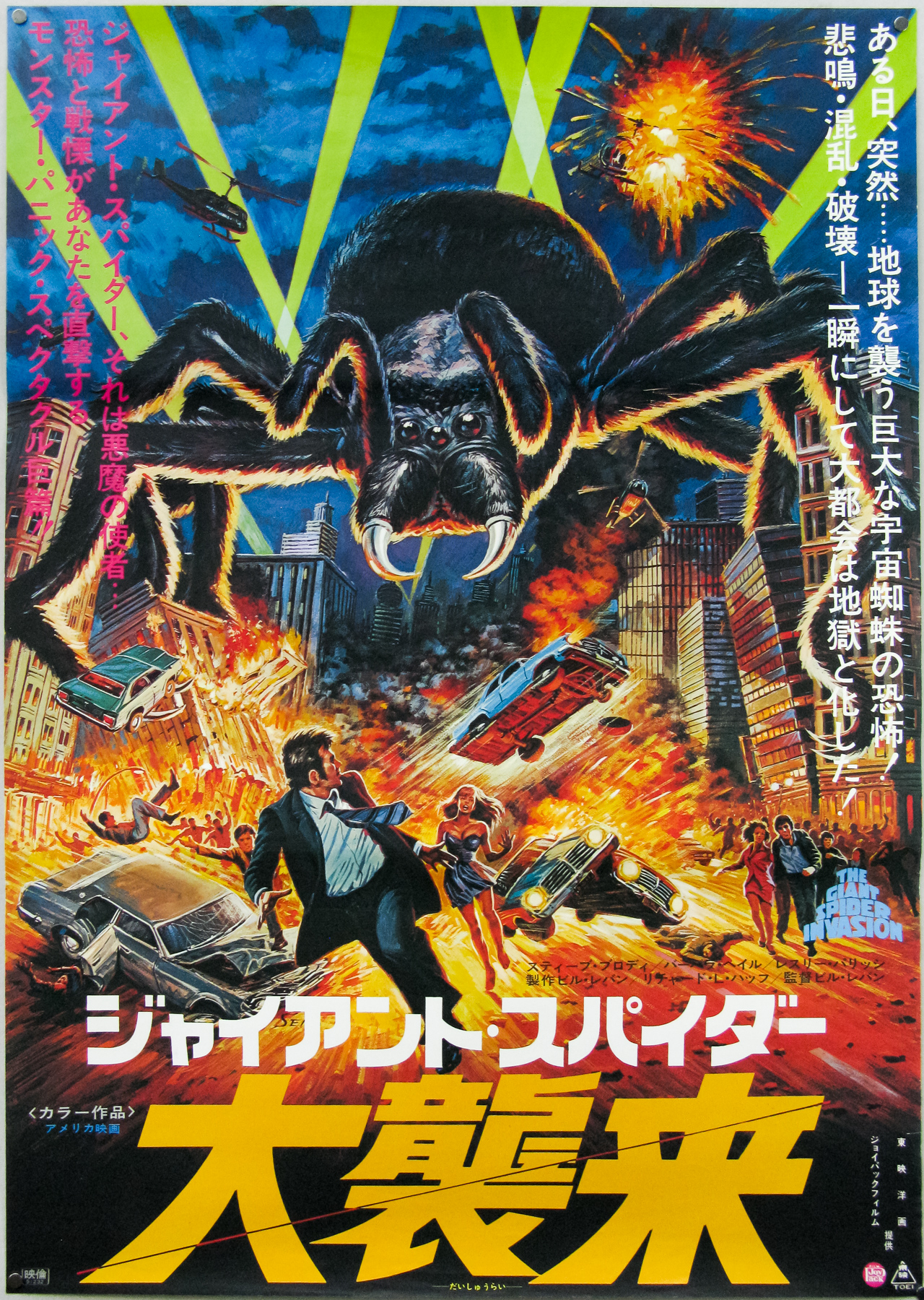
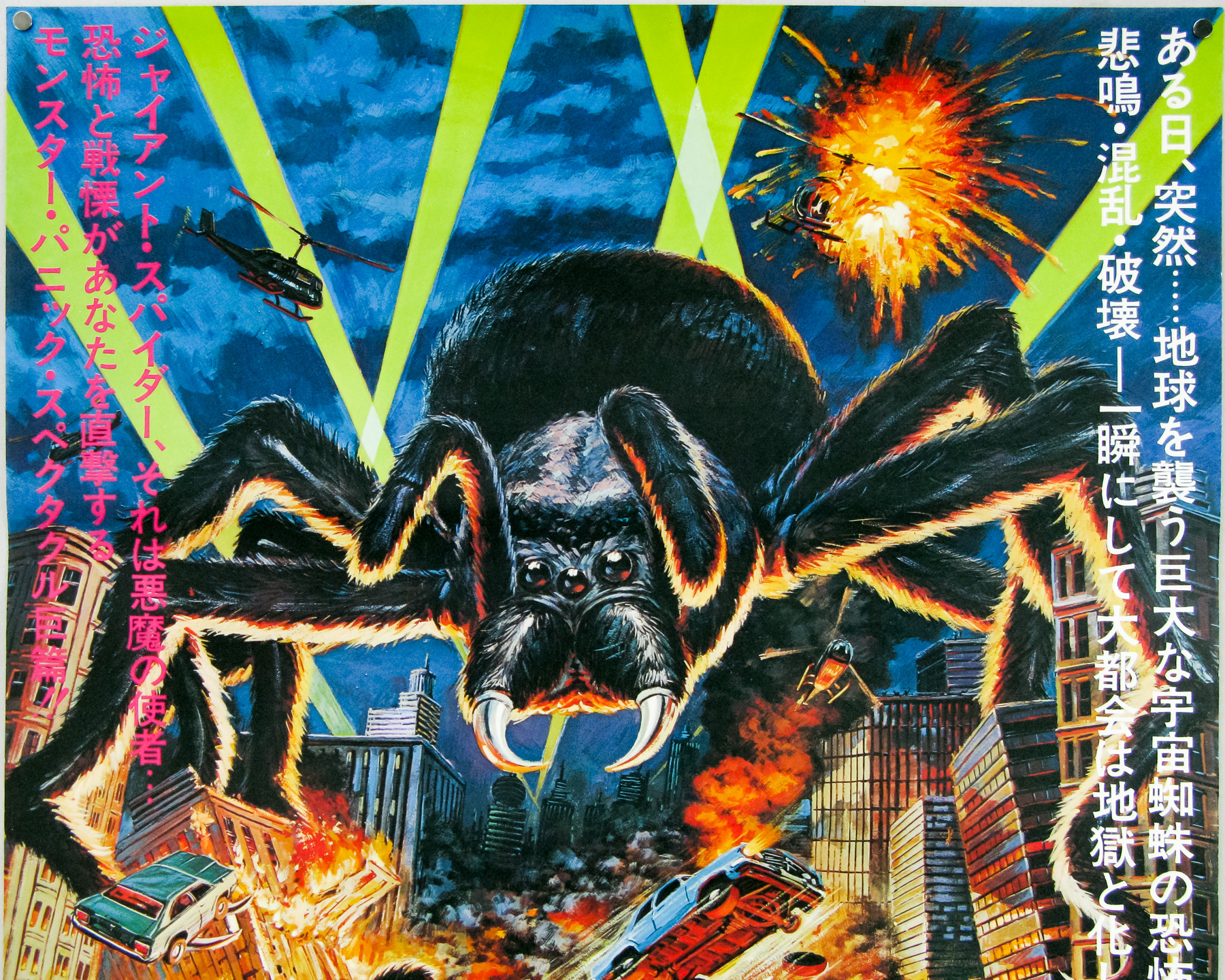
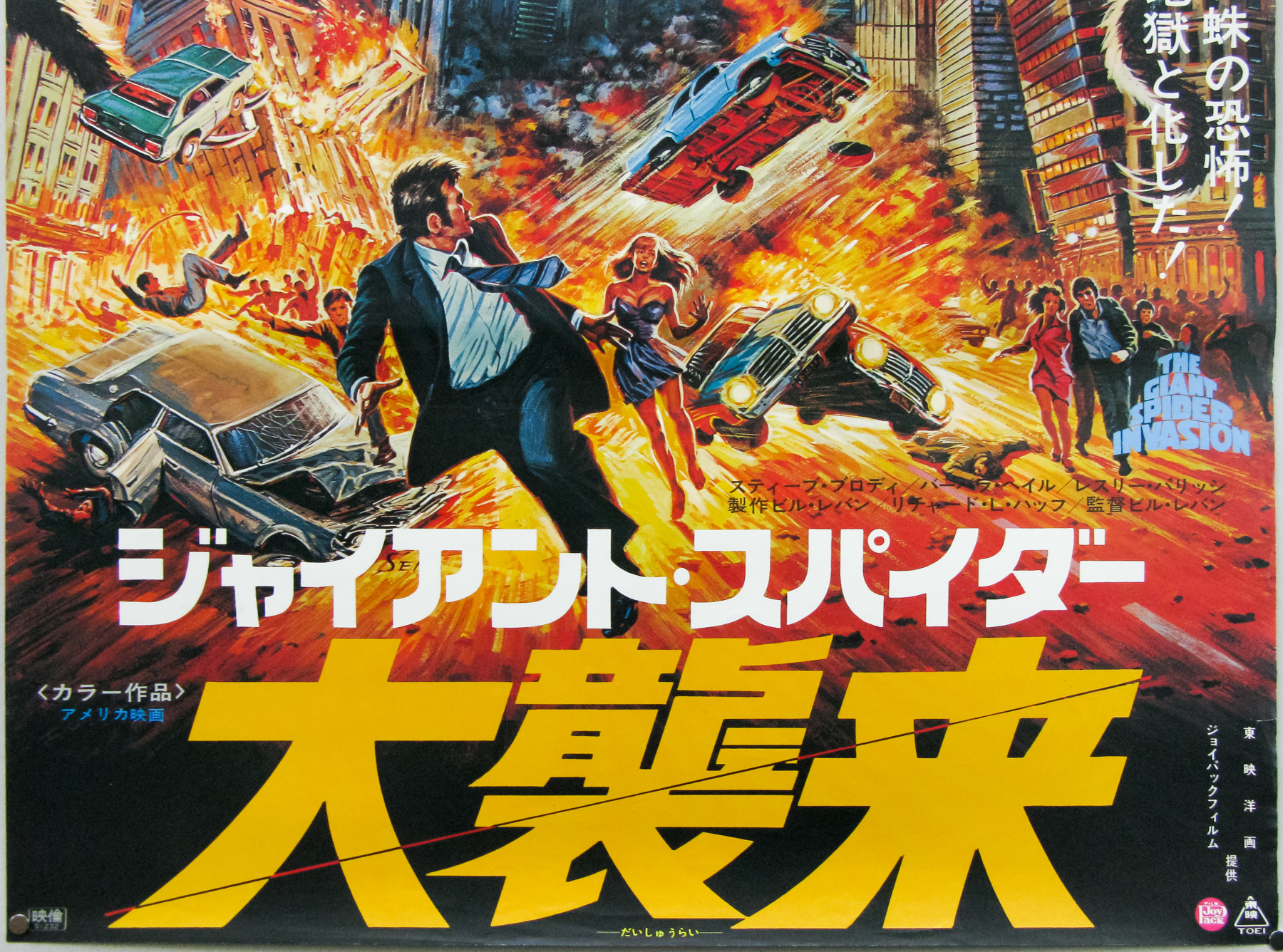
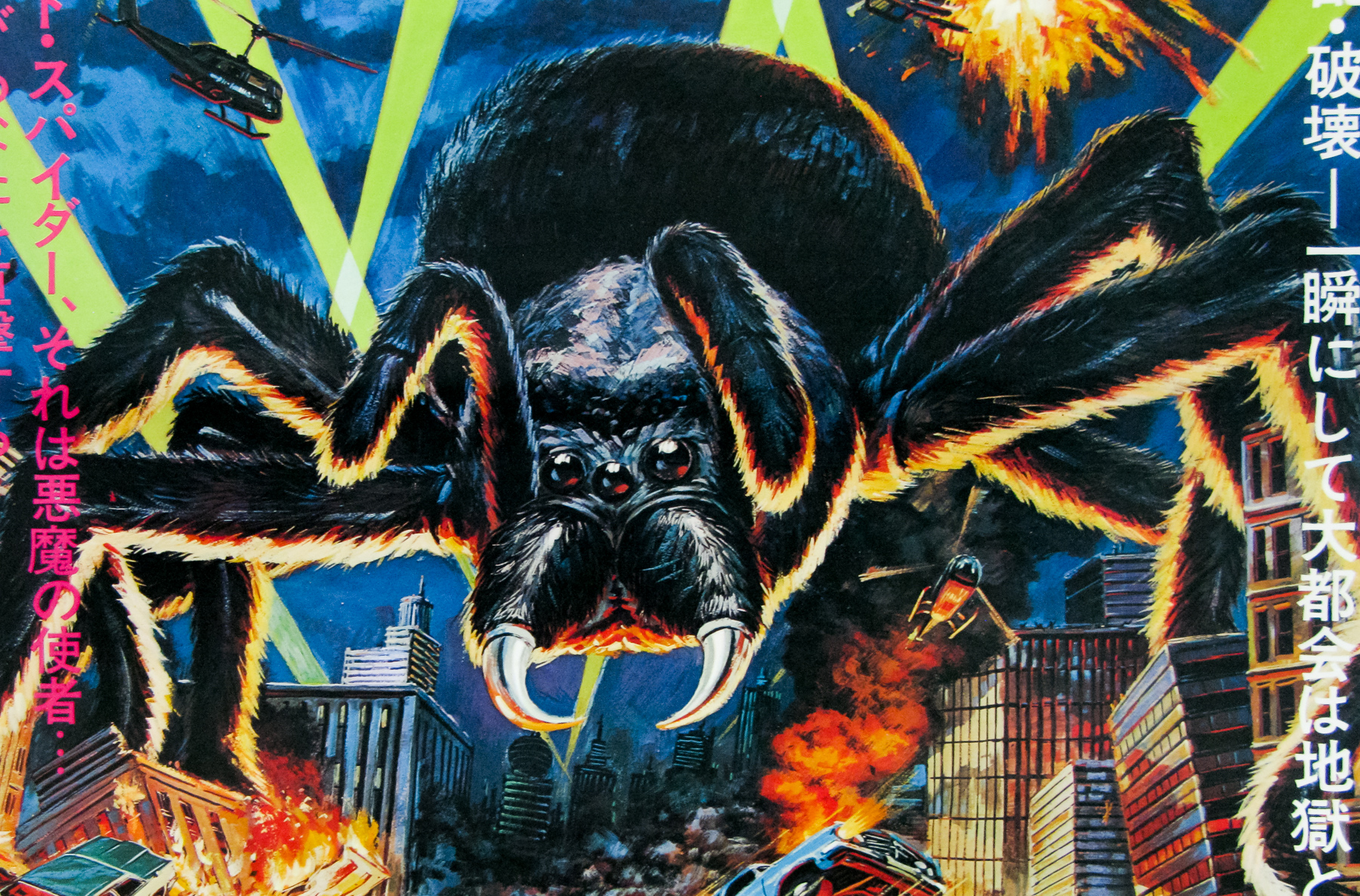
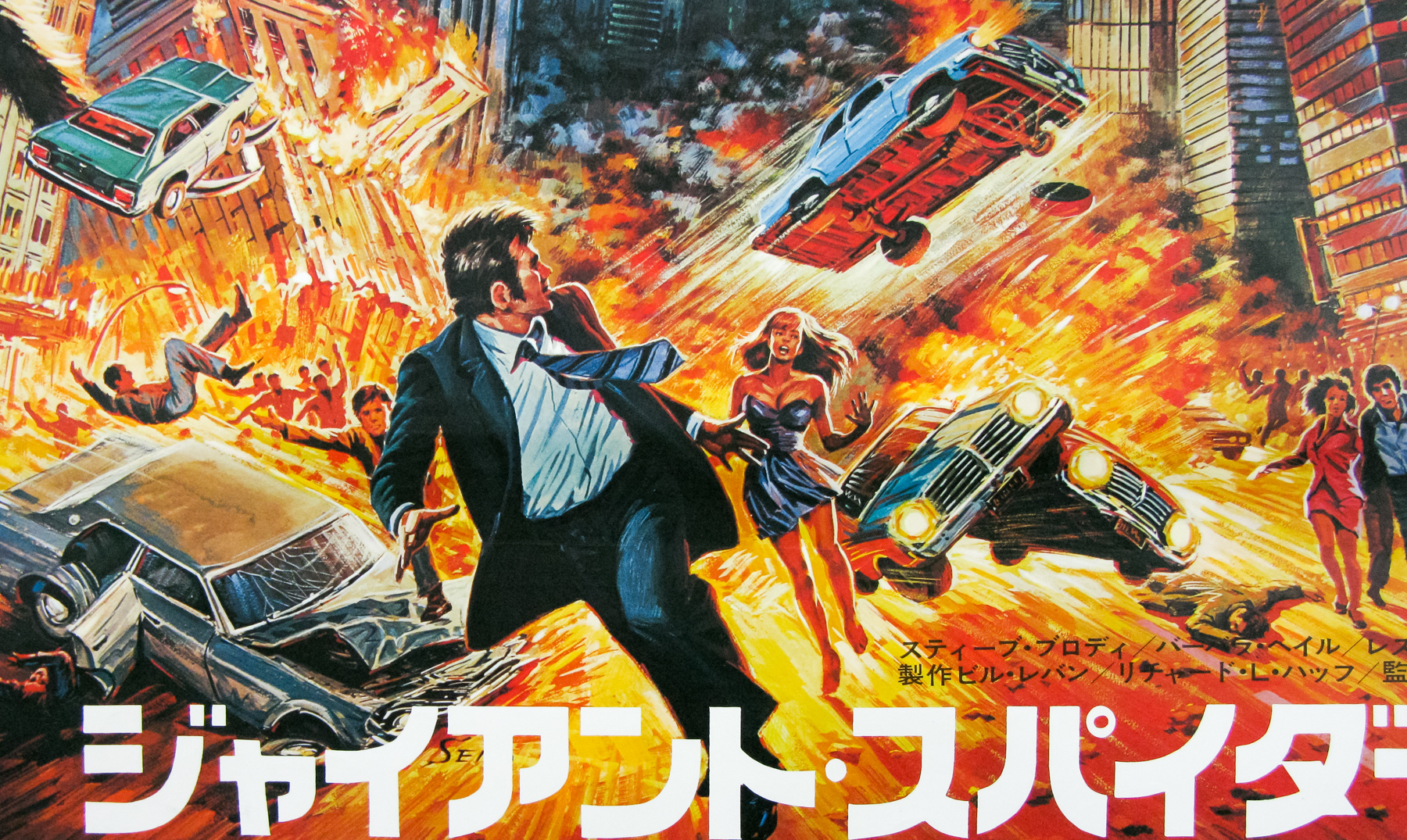
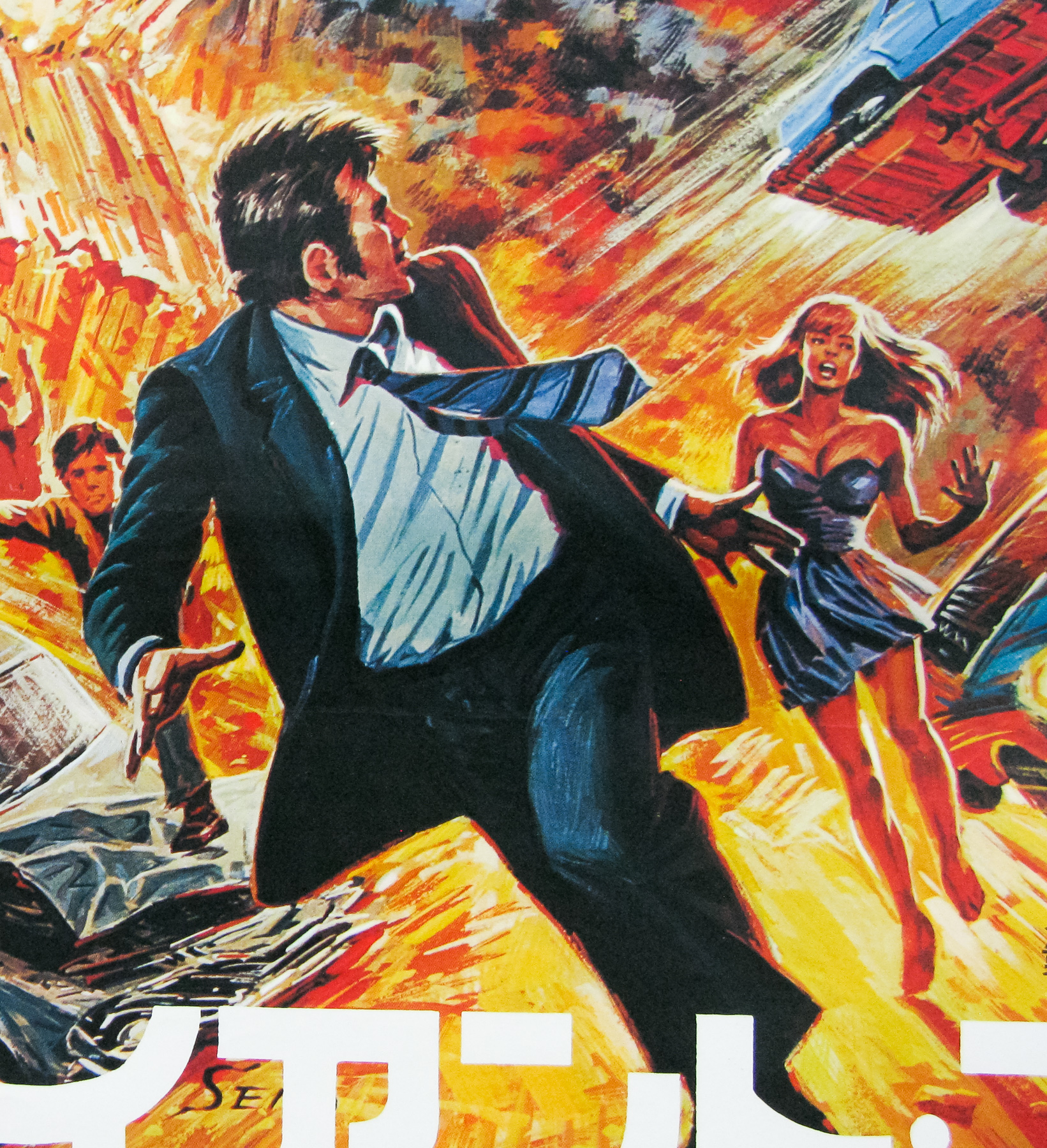
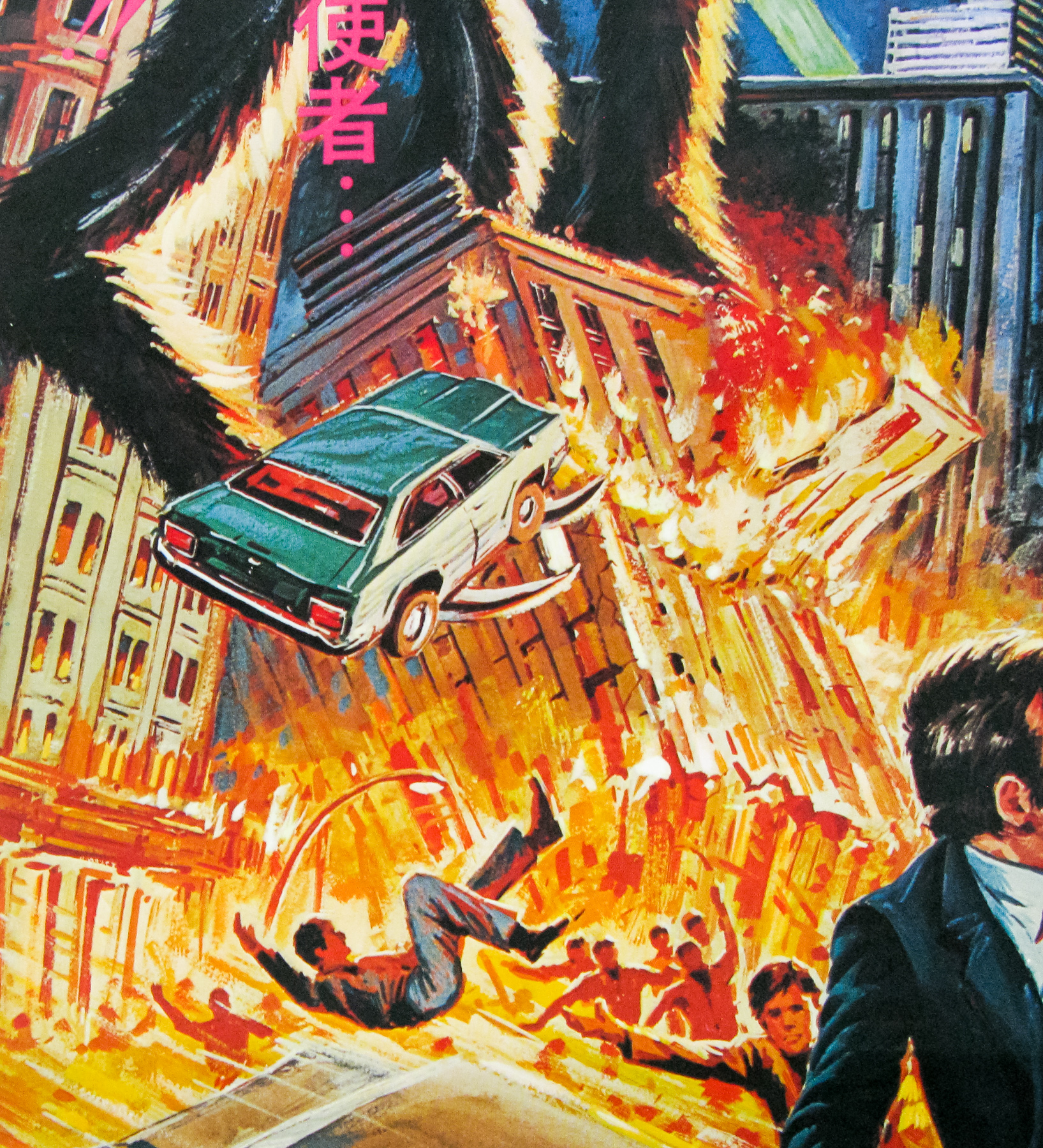
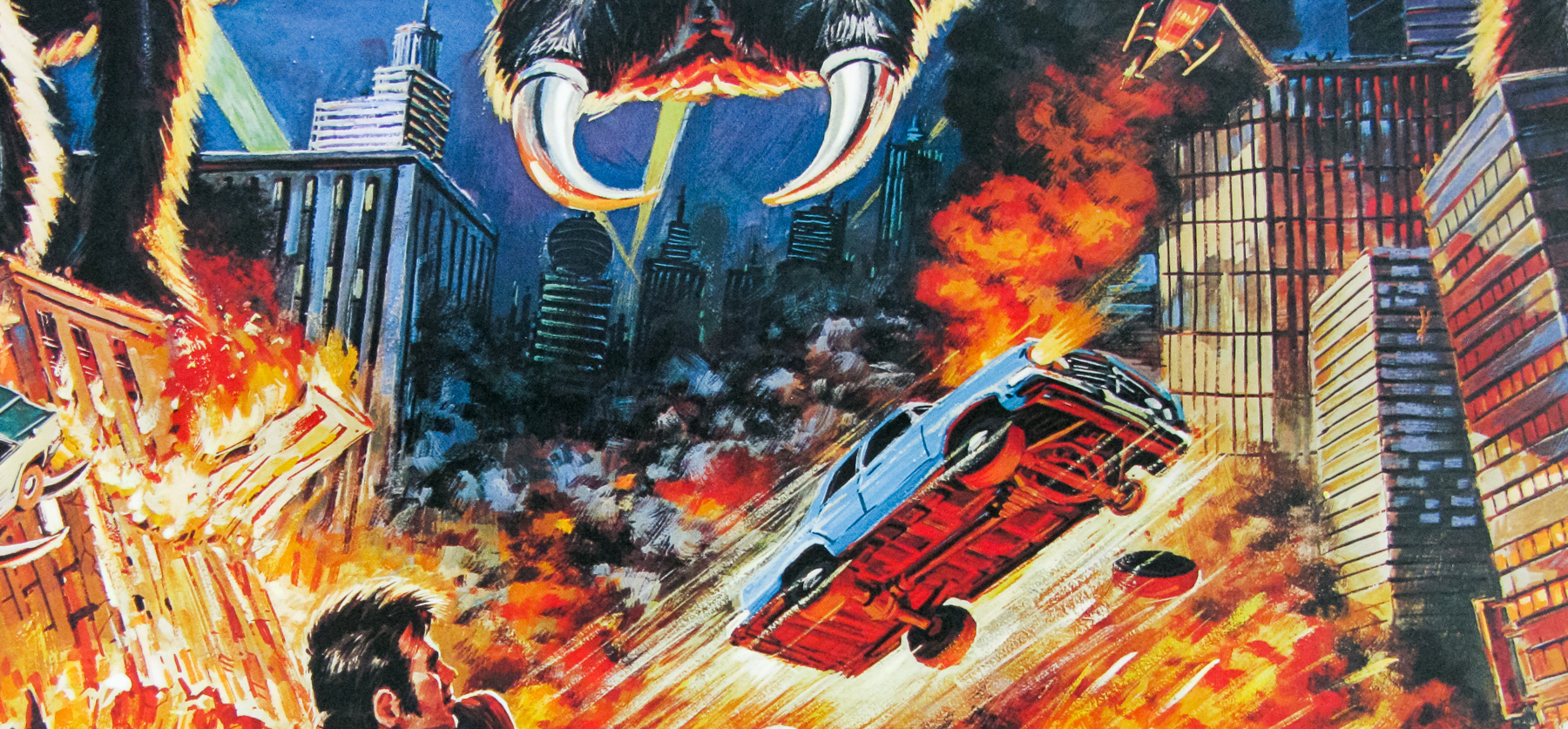
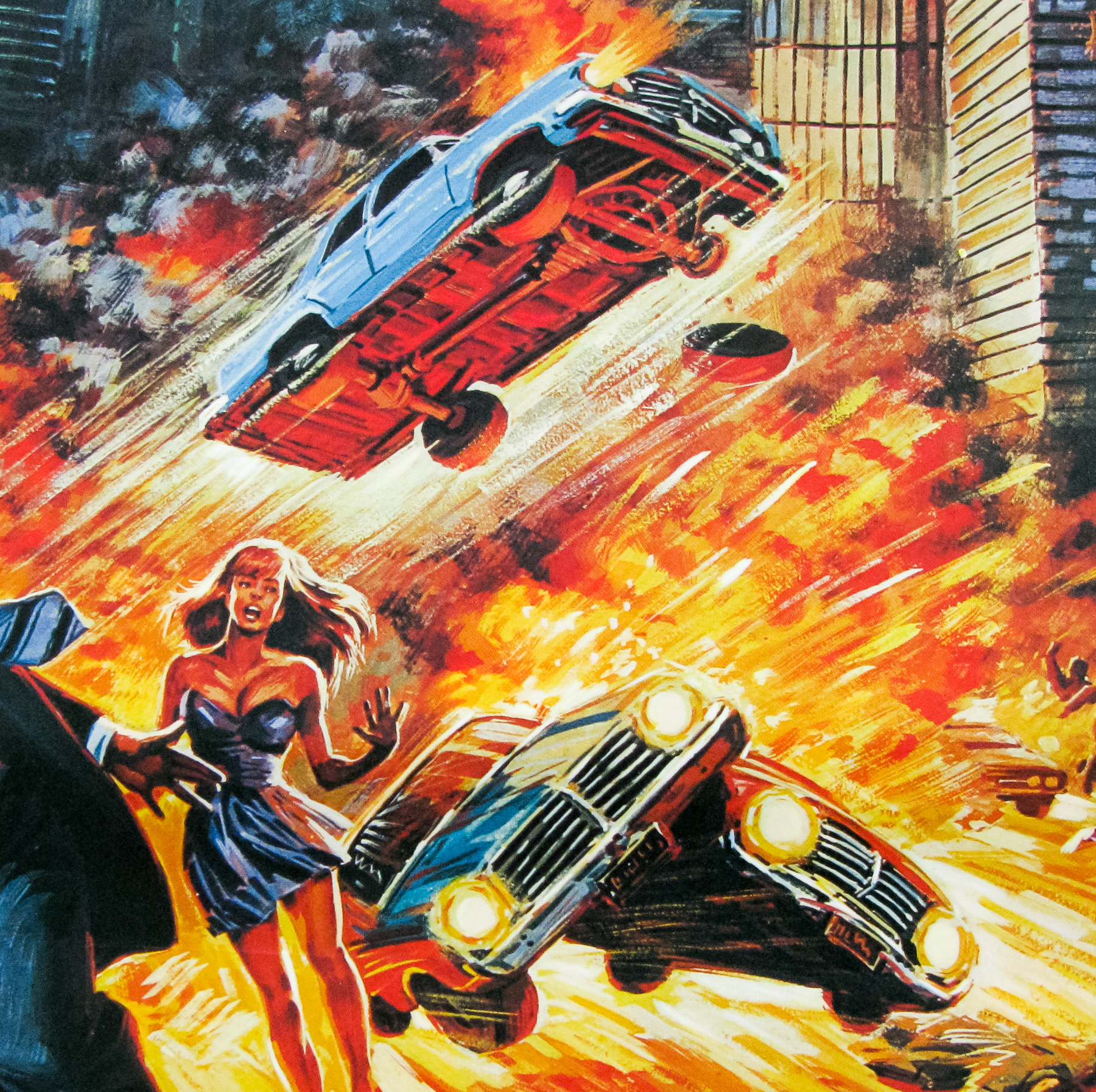
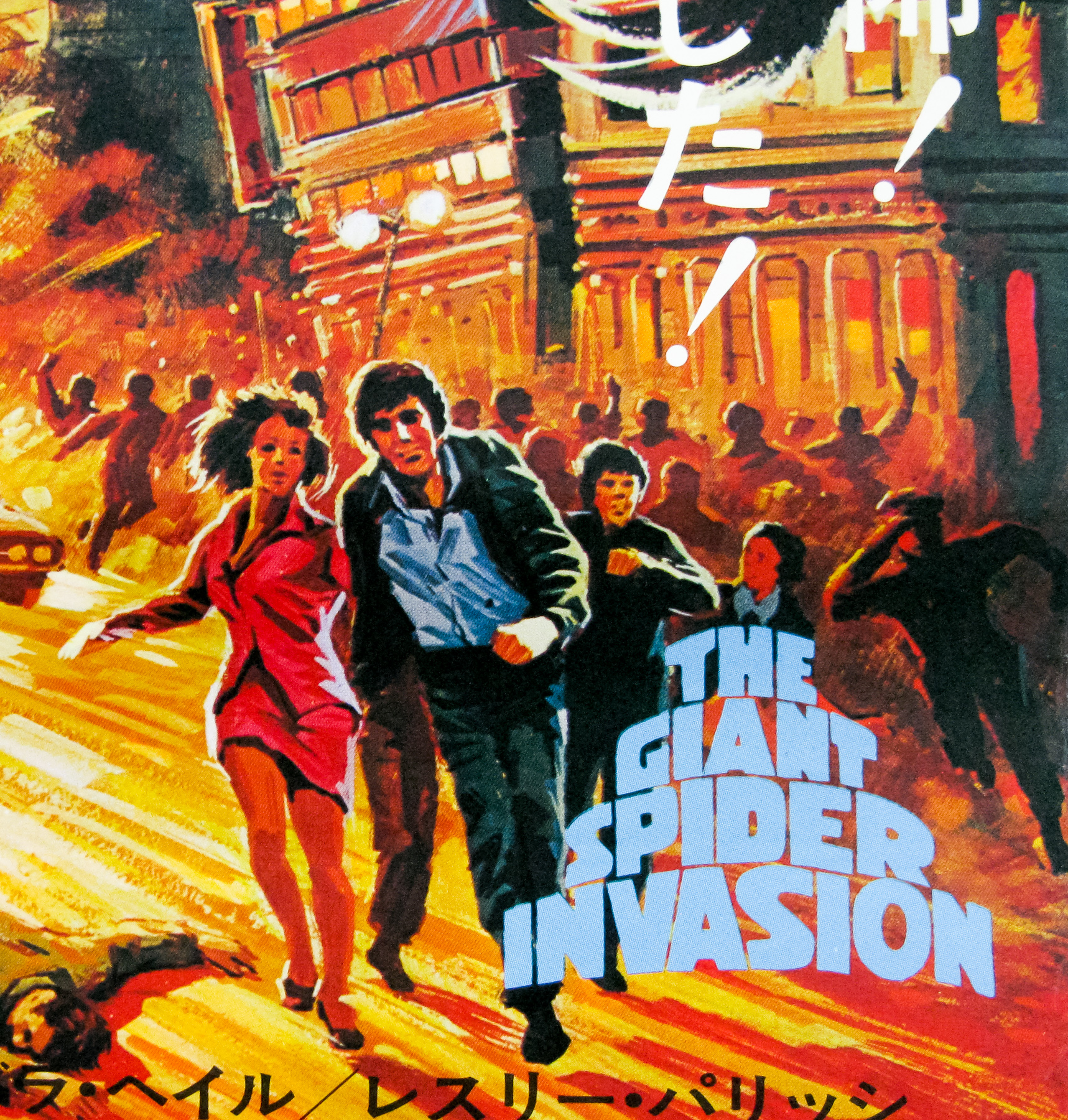
Lurid, no-bullshit artwork by Japanese artist Seito for this 1975 schlockfest, The Giant Spider Invasion. From IMDb:

A black hole hits North Wisconsin and opens a door to other dimensions. Giant 15 meter spiders emerge from it, who have an appetite for human flesh! Dr. Jenny Langer and Dr. Vance from the NASA try to save the world.

As featured on Mystery Science Theatre 3000, the American TV series which lampoons bad movies, the film sounds absolutely legendary:

In a scene depicting the giant spiders attacking a little league baseball game, the spiders are obviously Volkswagen Beetles with puppet legs attached. Tread marks can be seen in several shots. 

Incredibly, the remains of these spider cars were recently found in the woods near where the scenes were shot.

“Pfantz’s steel framework was covered with black Fun Fur to make the spiders both hairy and scary. The mechanical nature of the beast required seven people to be stuffed within the cramped confines of the VW floorpan – a driver and six children to work the spider’s legs.”

Here’s the original trailer.

The Man With The Golden Gun / B2 / Japan

16.06.14

Poster Poster

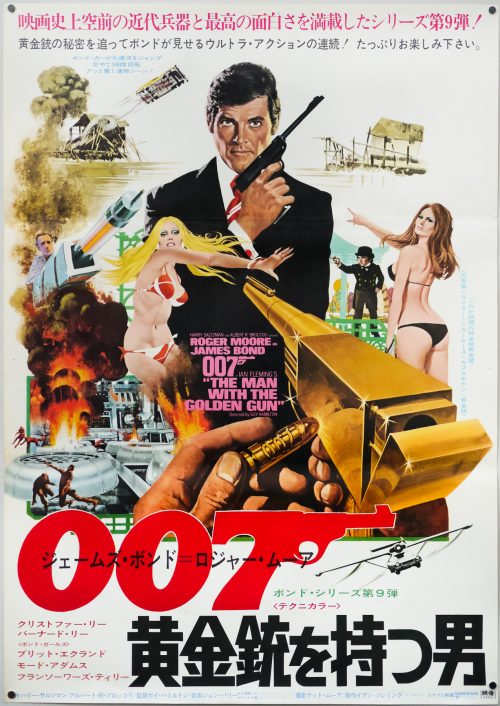
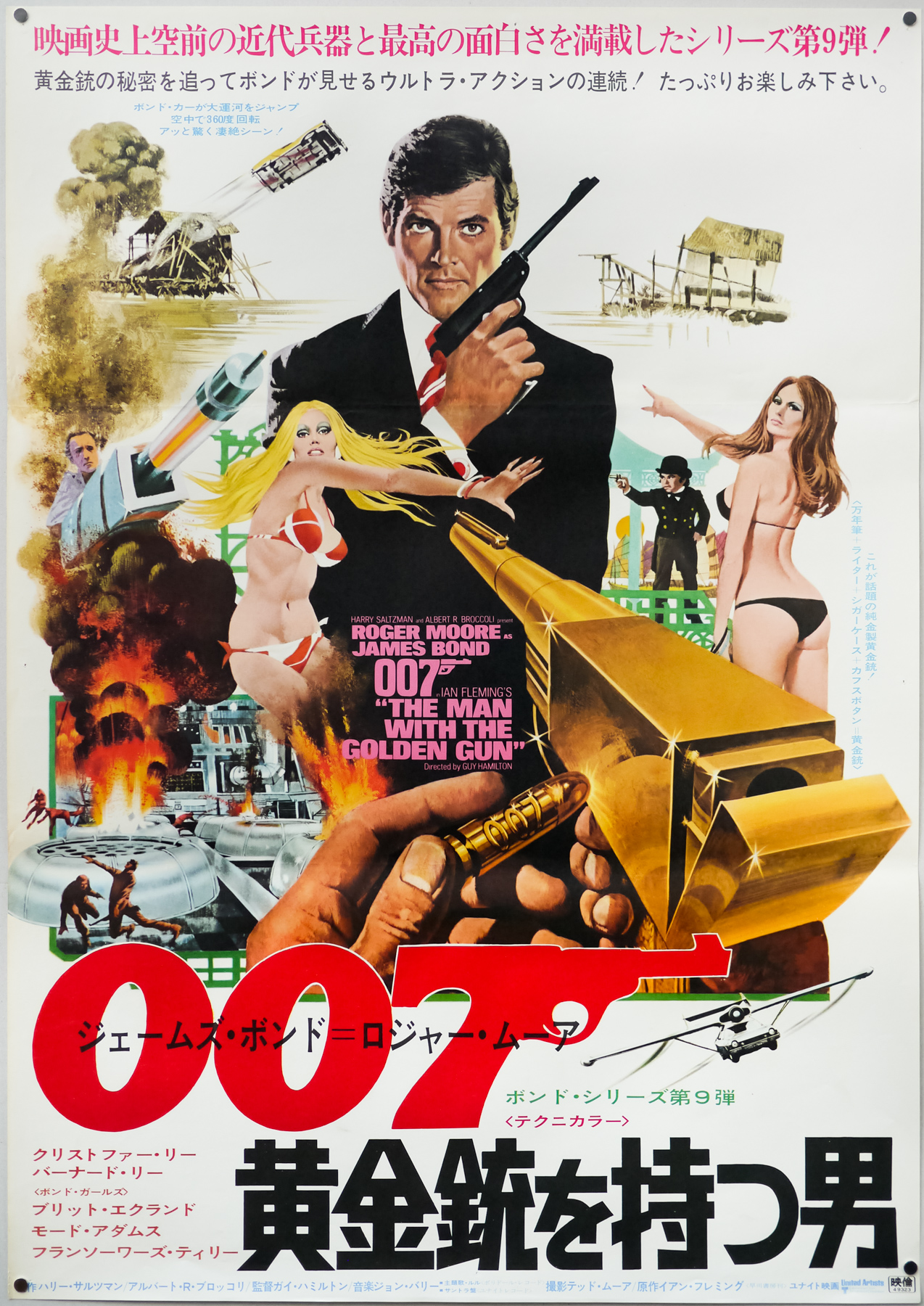
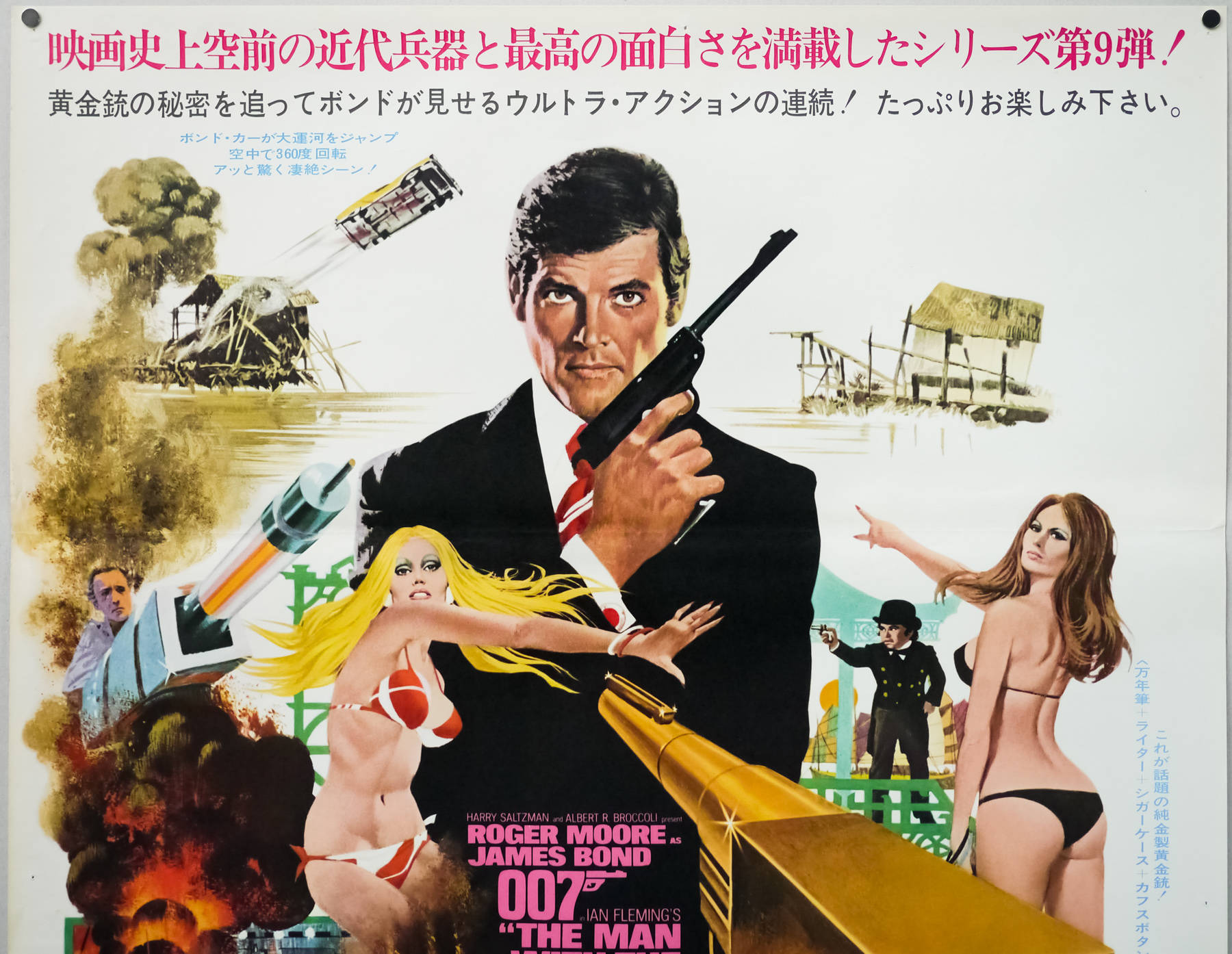
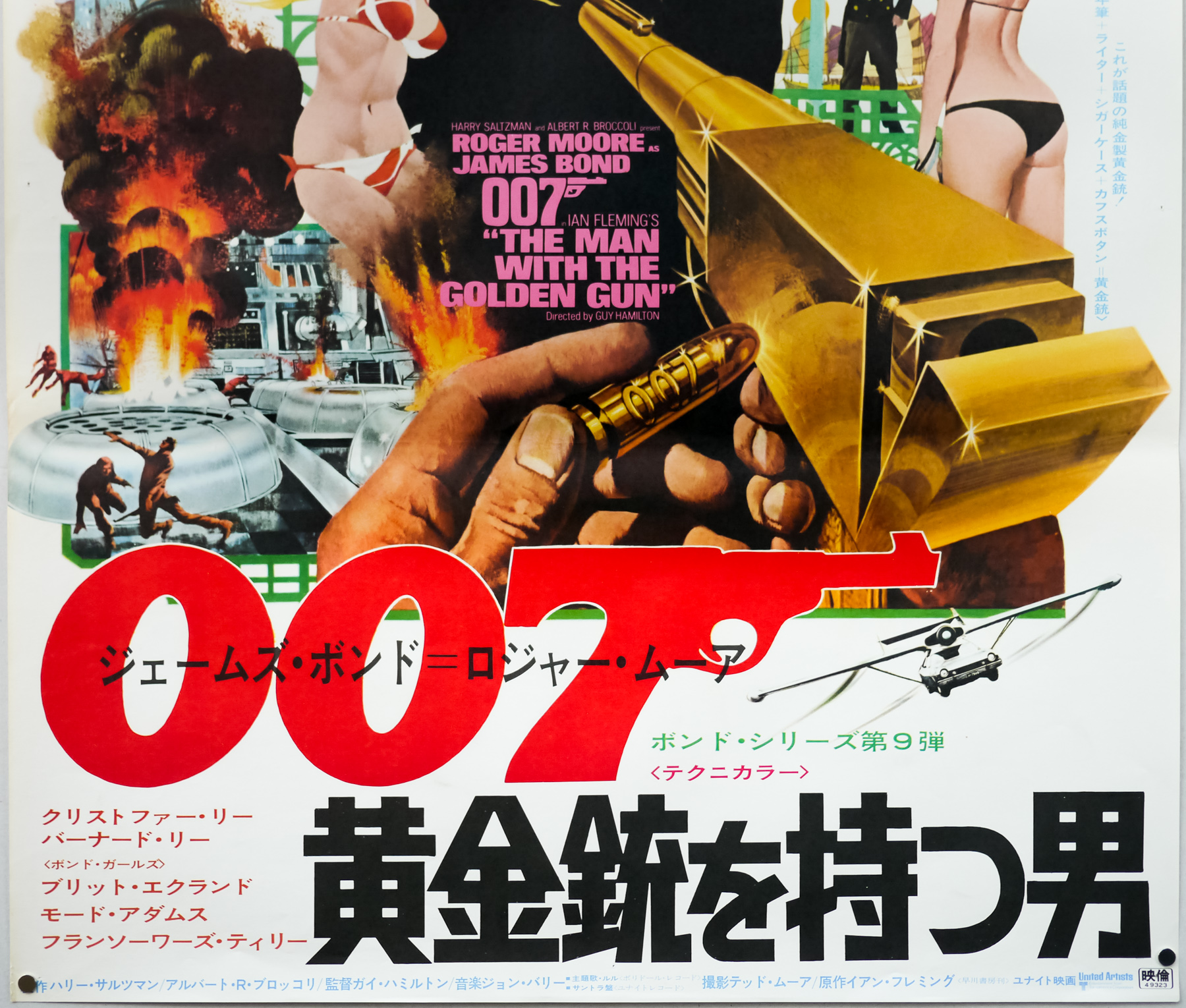
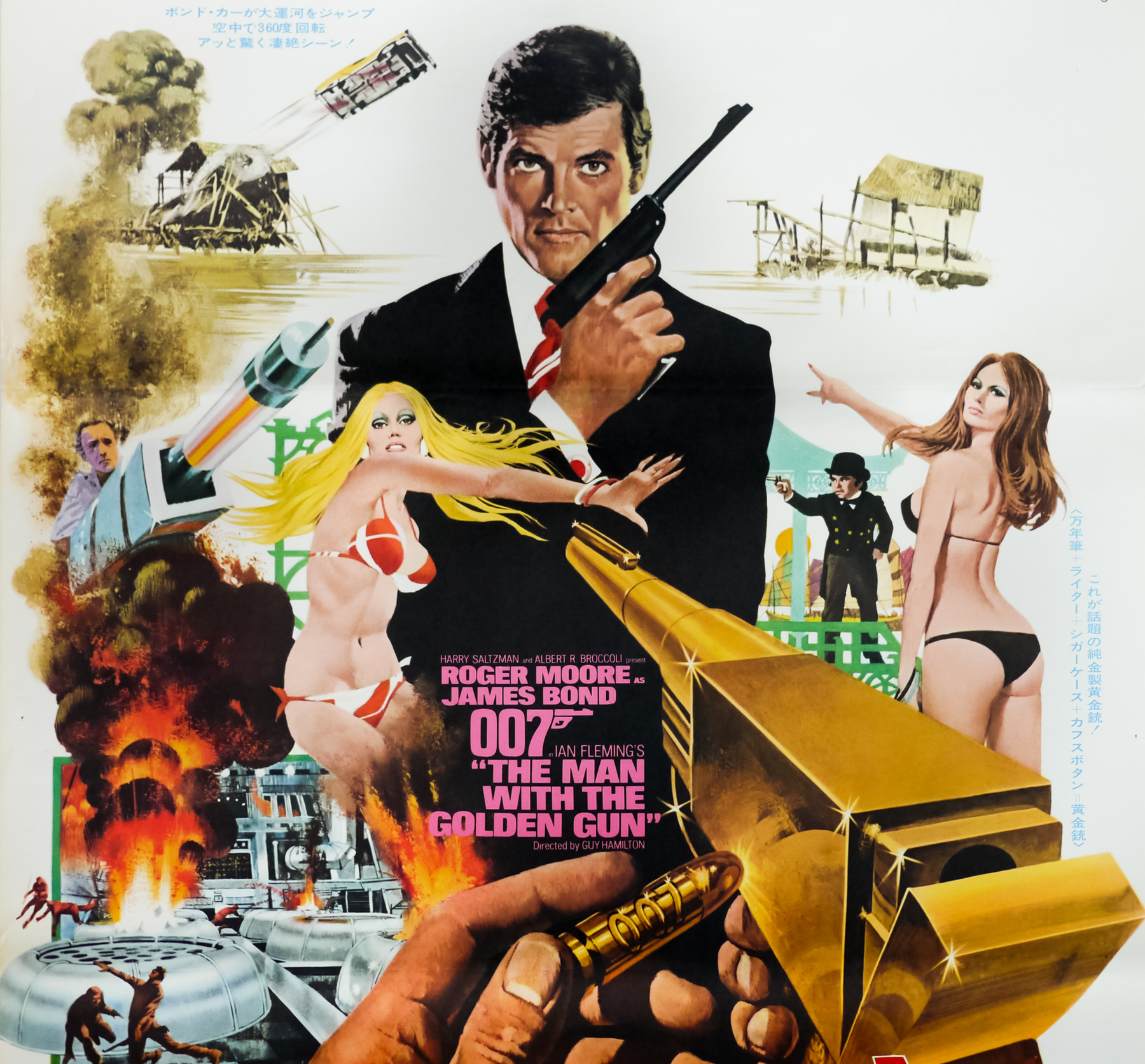
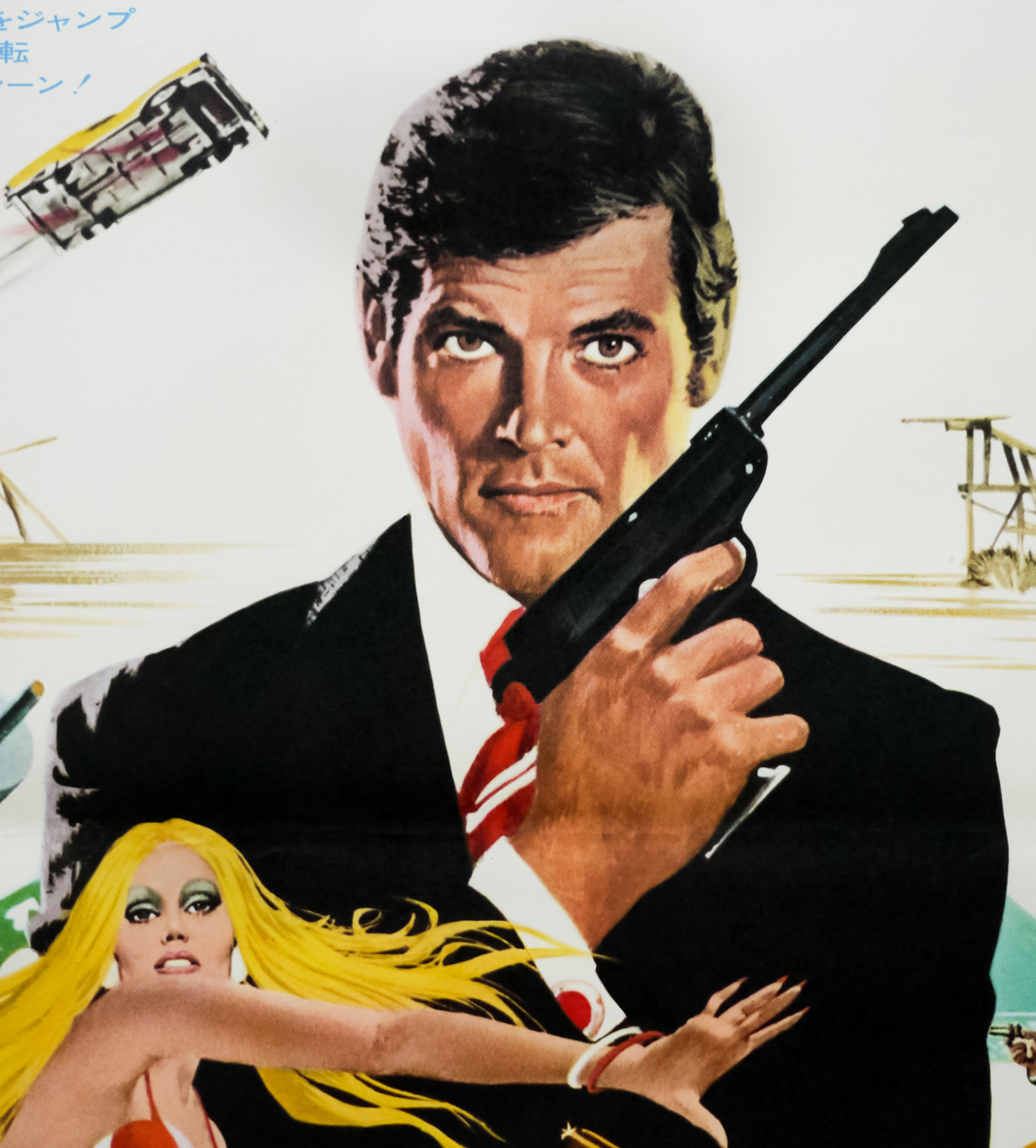
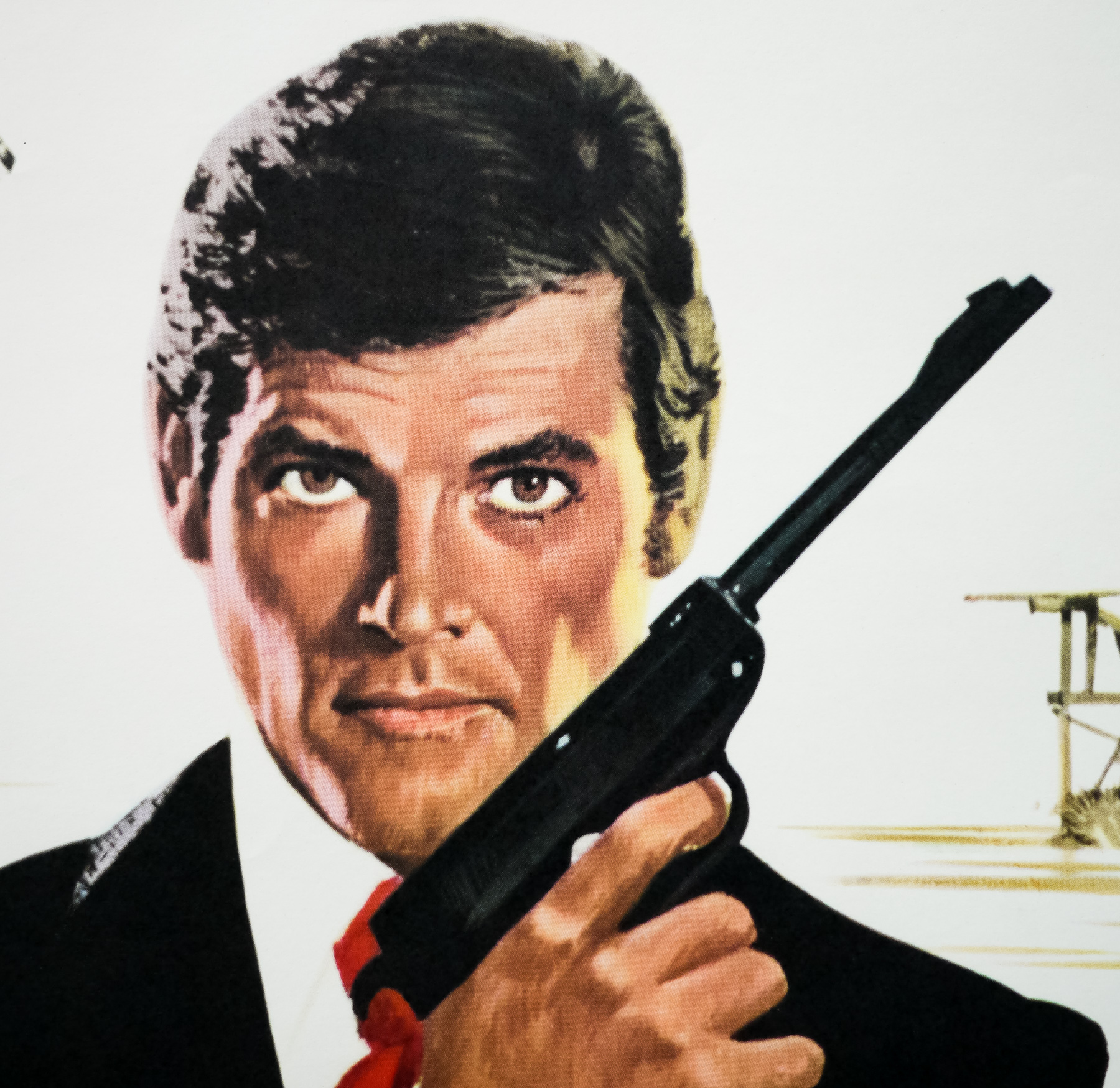
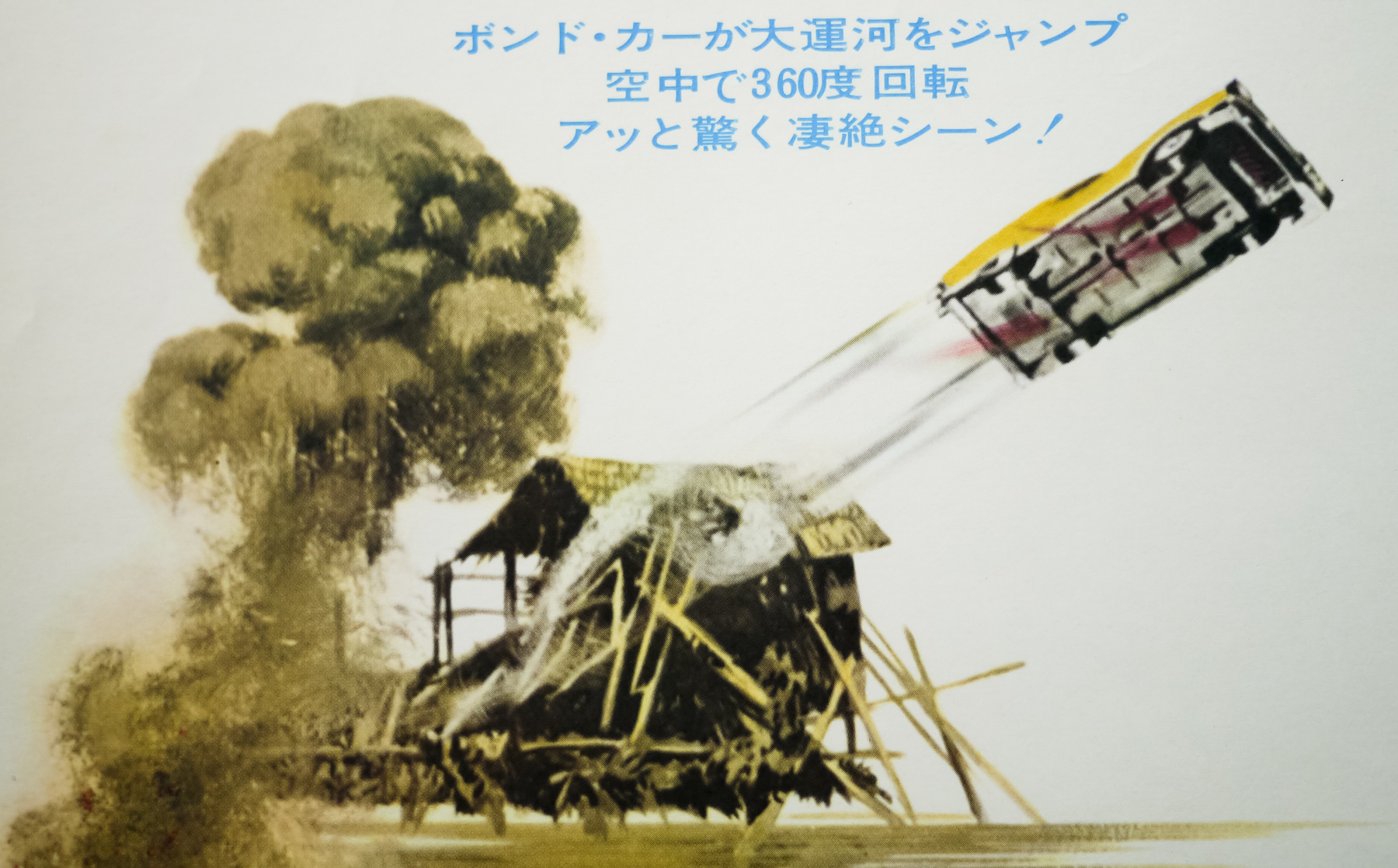
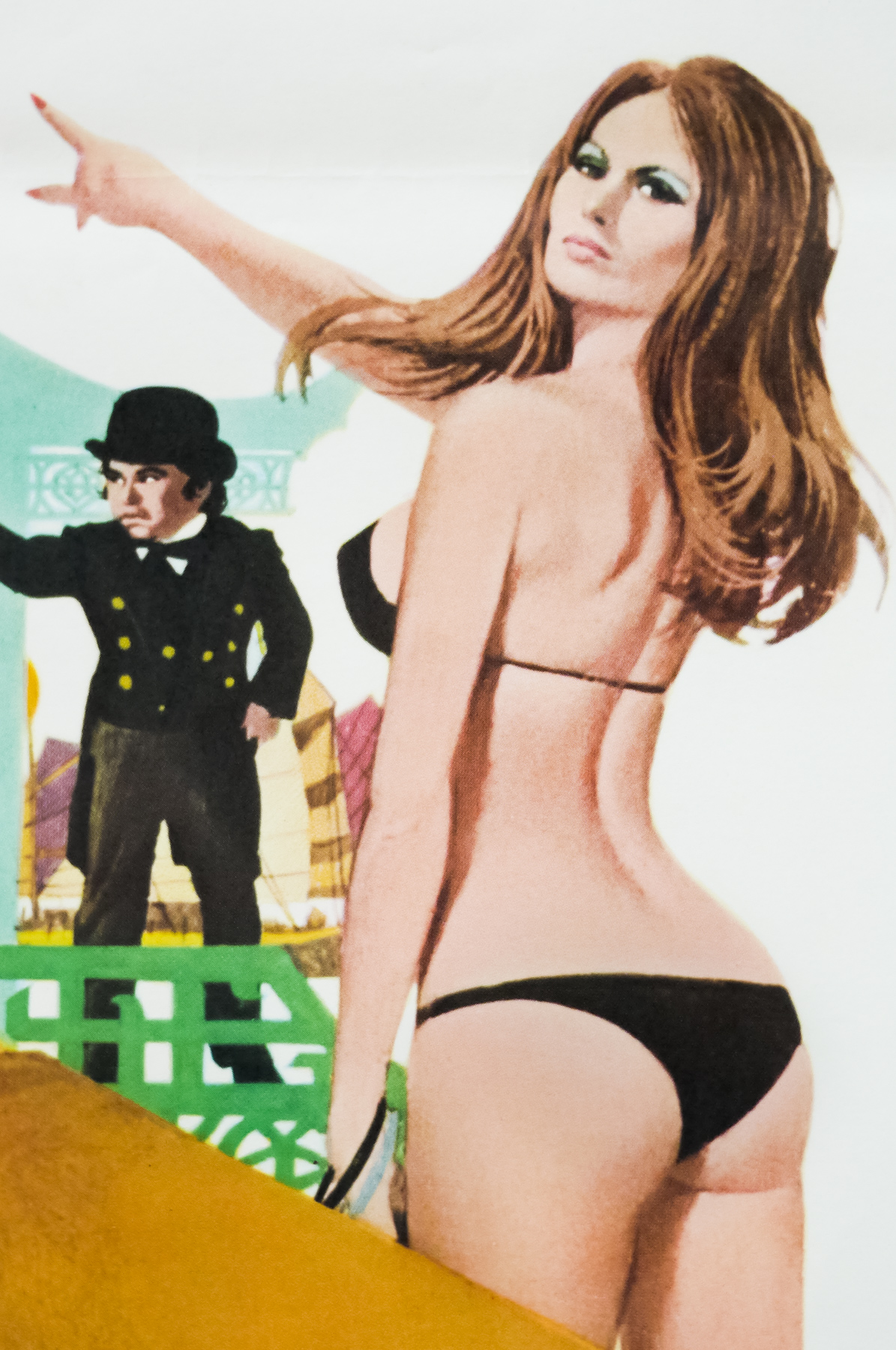
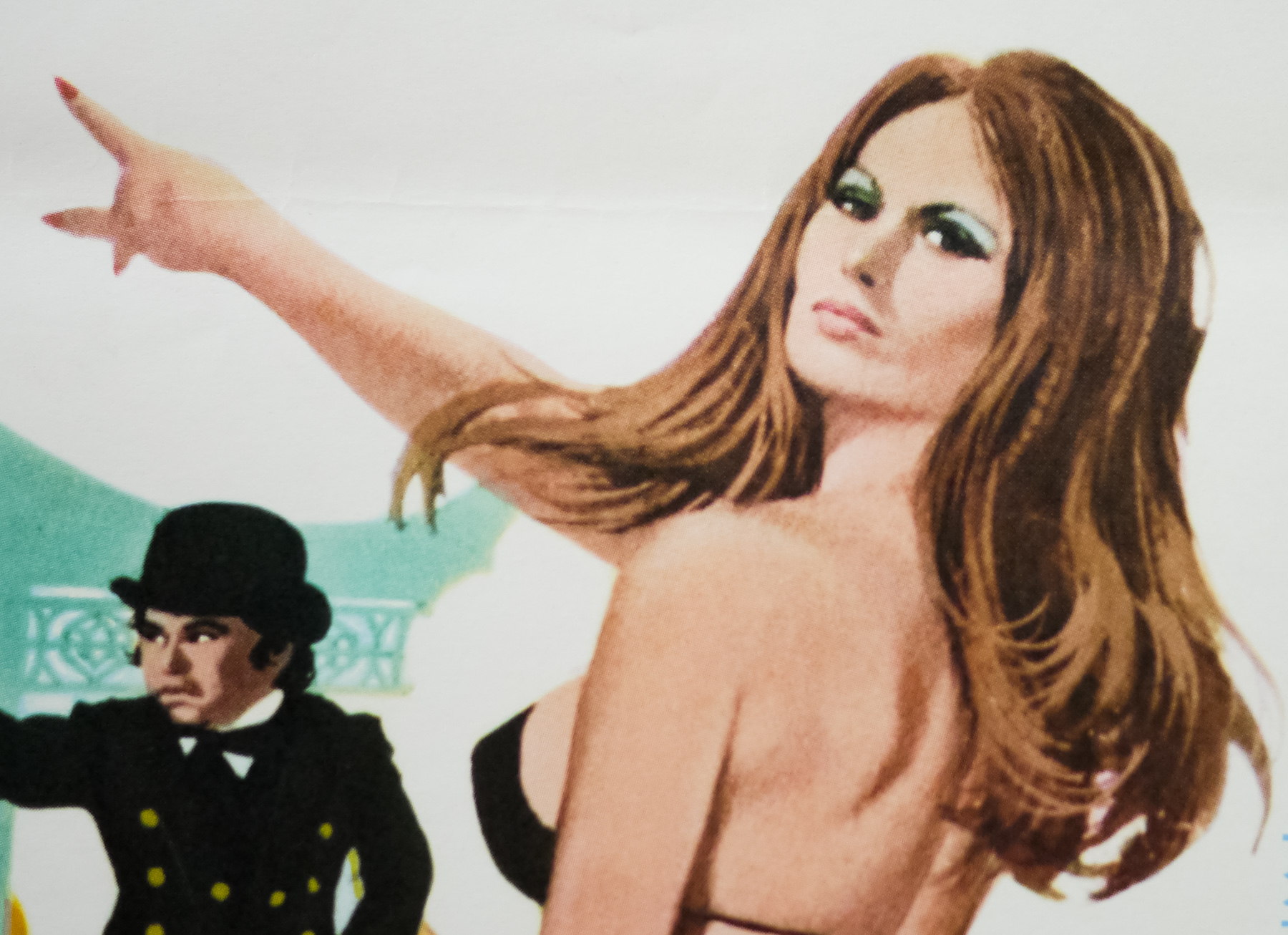
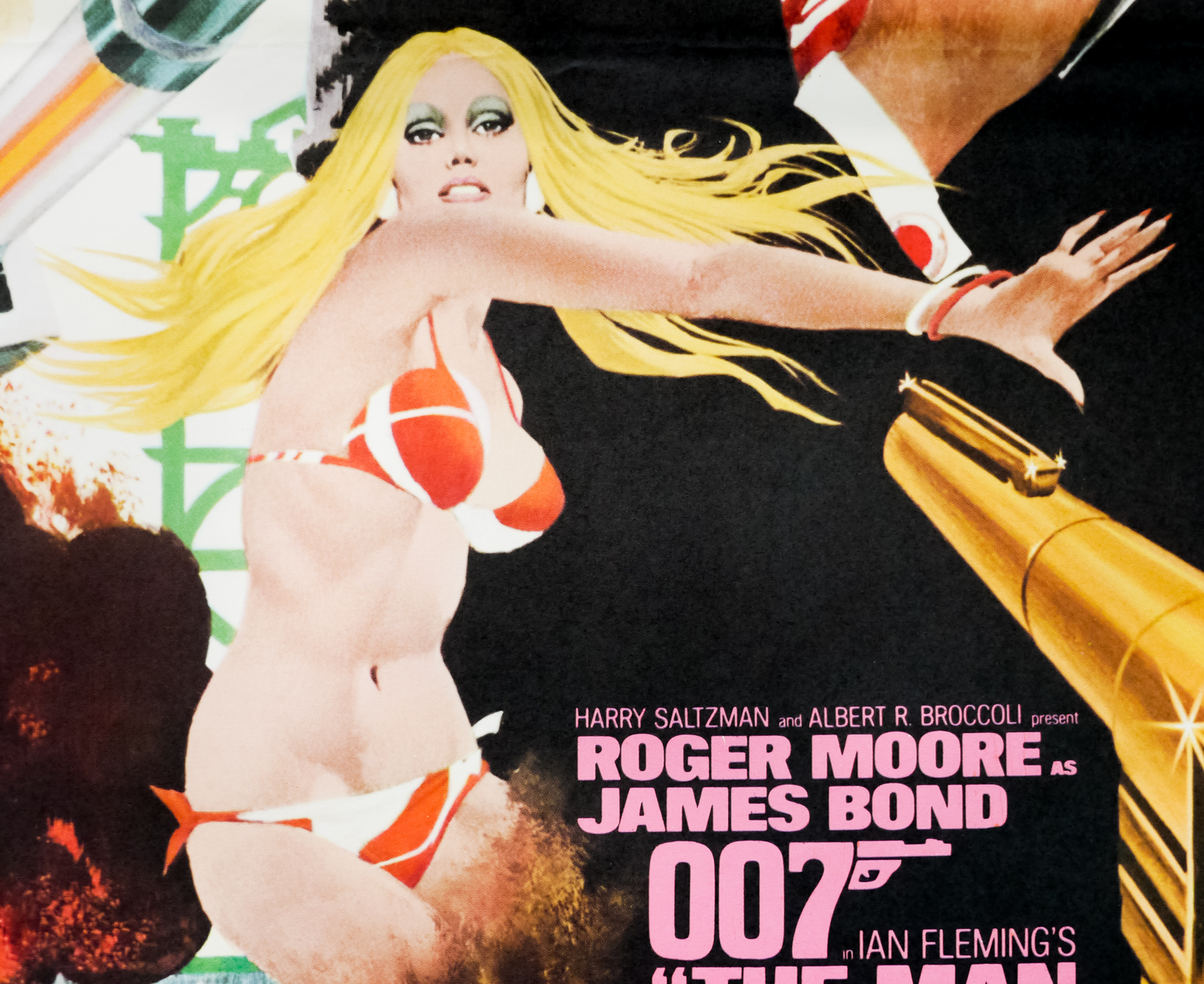
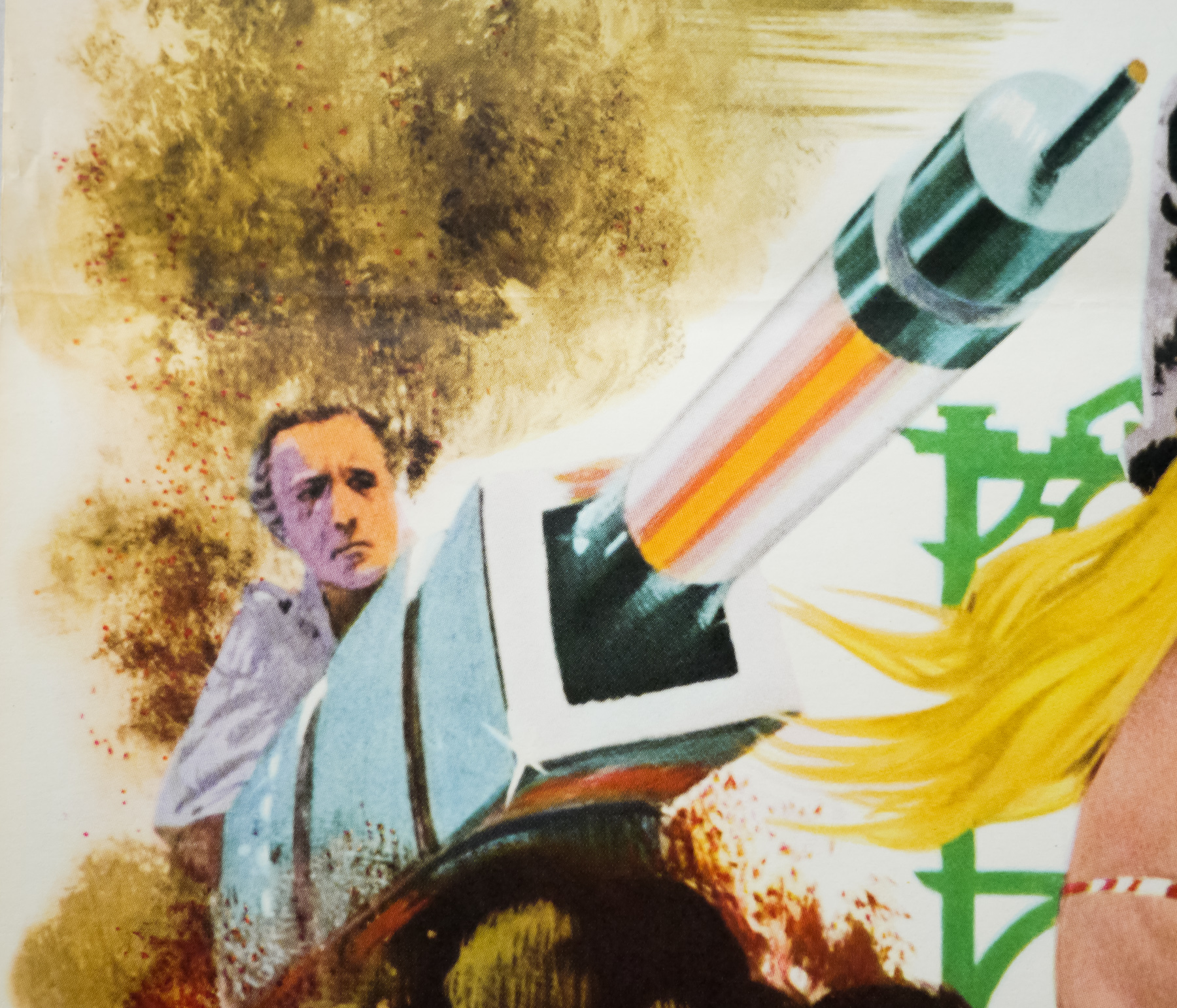
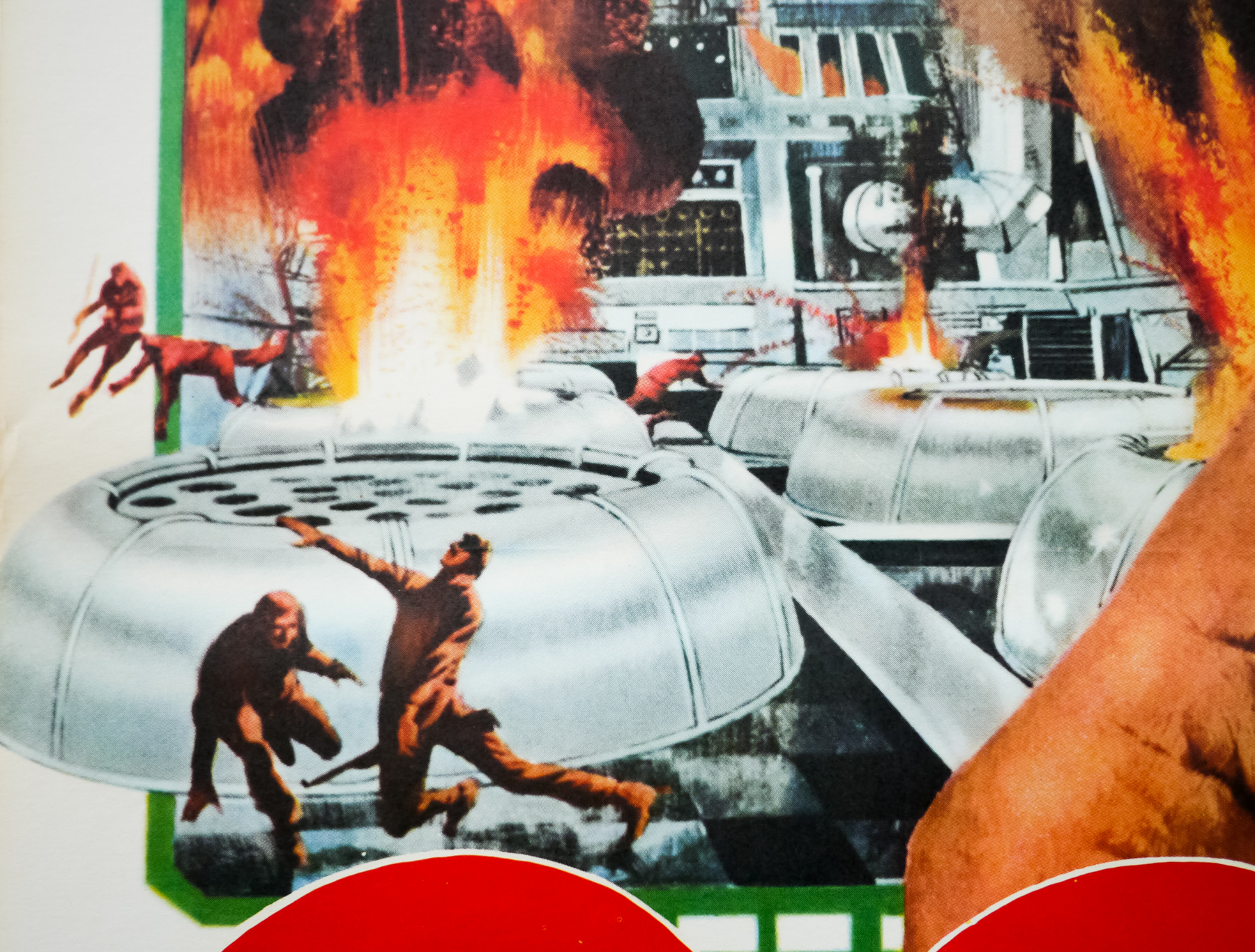
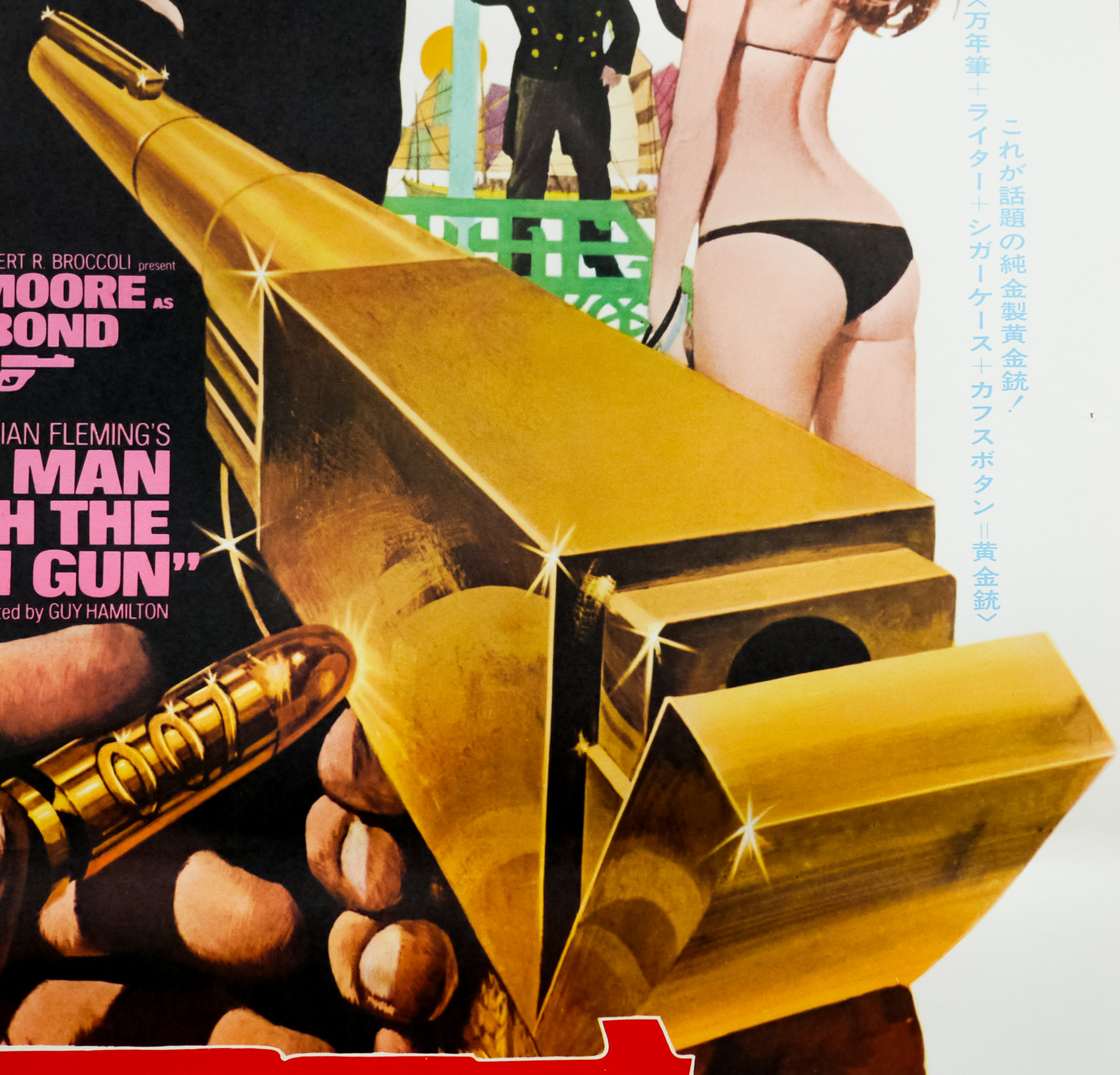
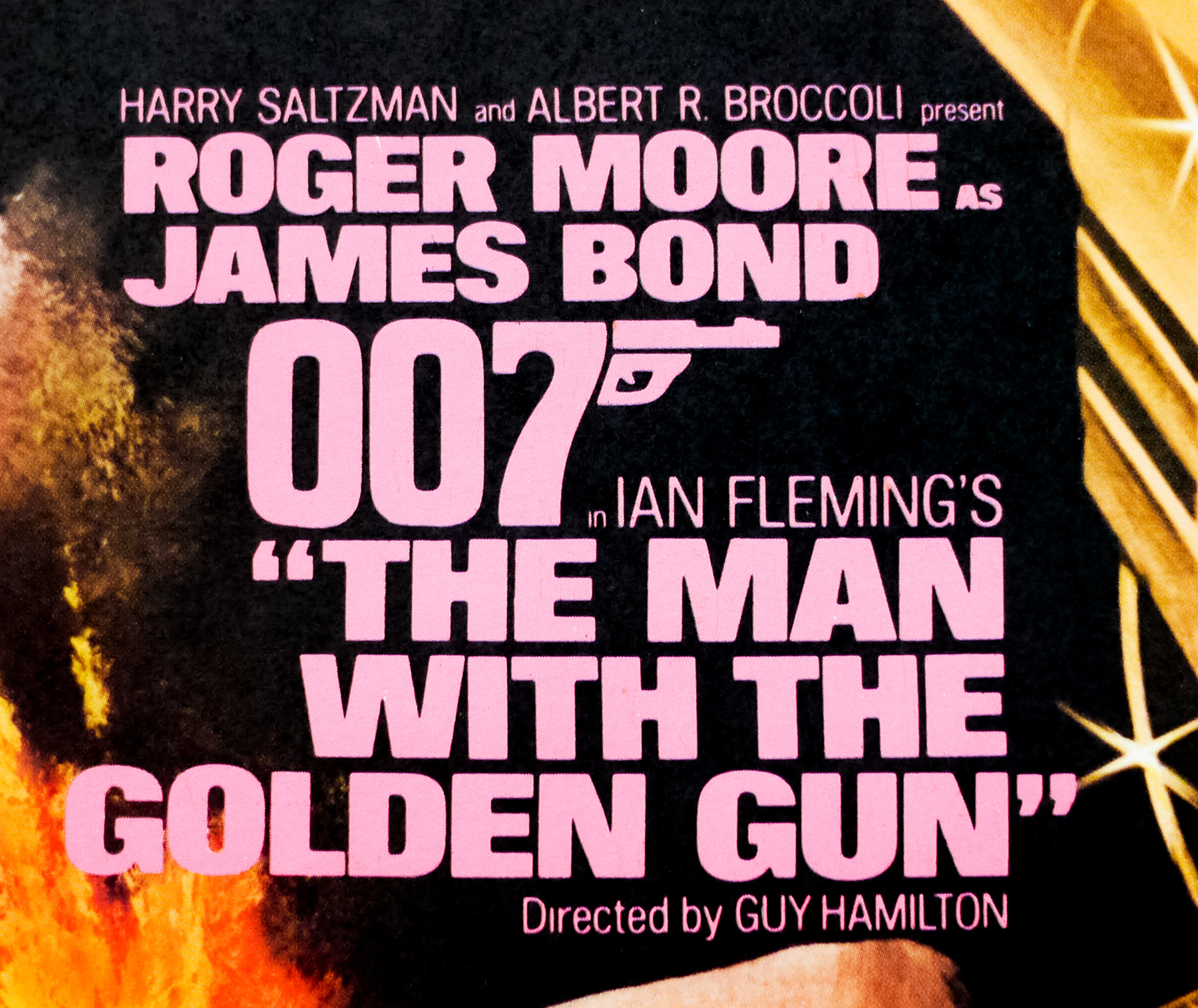
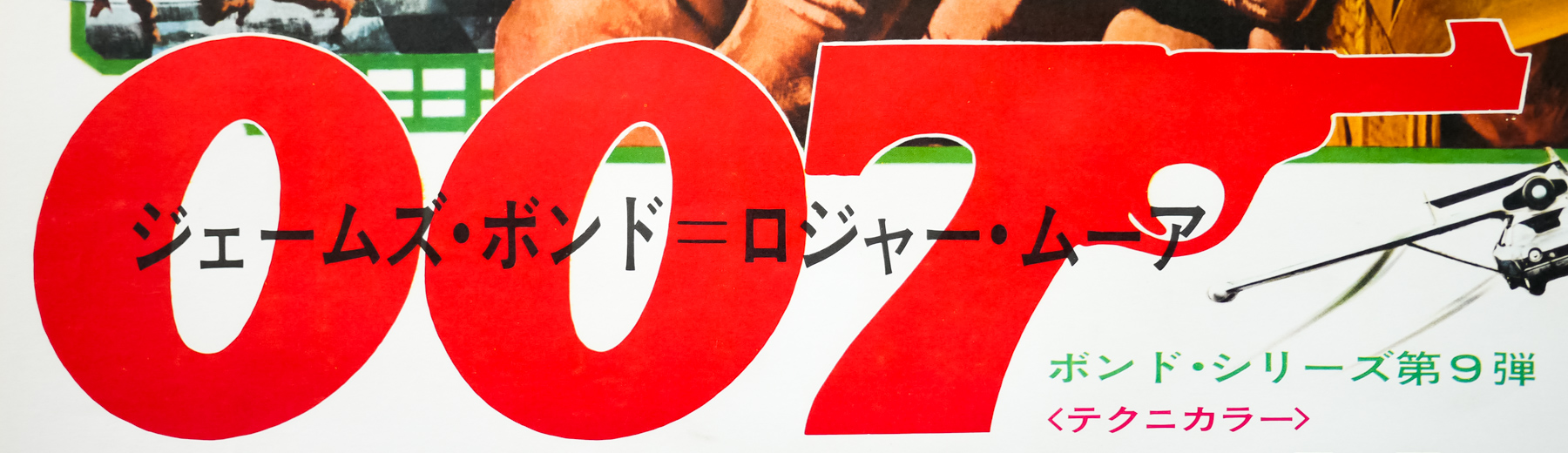
This is the Japanese B2 poster for the release of The Man With the Golden Gun, the ninth James Bond film and the second to star Roger Moore as the legendary secret agent. It’s definitely one of the weaker films in the long-running series and certainly not Moore’s finest hour, but it has several elements that make it worth watching, including a host of interesting far-eastern locales, strong production design and a very memorable bad guy in the shape of Christopher Lee‘s Scaramanga. Guy Hamilton returned as director for the fourth and last time in the series and the script, written by Richard Maibaum and Tom Mankiewicz, takes place amidst the climate of energy worries that followed the 1973 oil crisis. It also reflected the then craze for martial arts movies that followed the release of films like Bruce Lee’s Enter the Dragon with several kung-fu sequences and exotic locations.

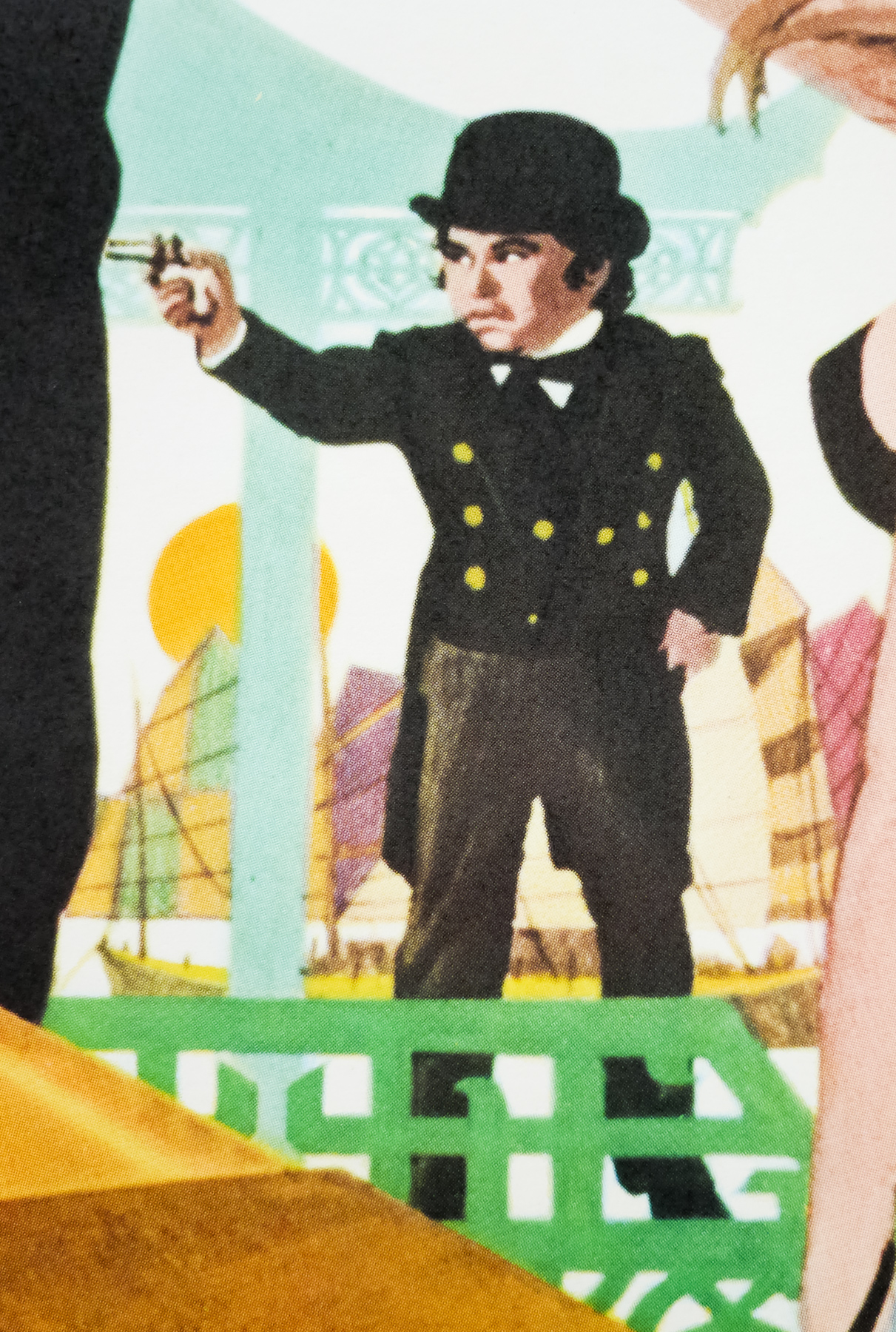
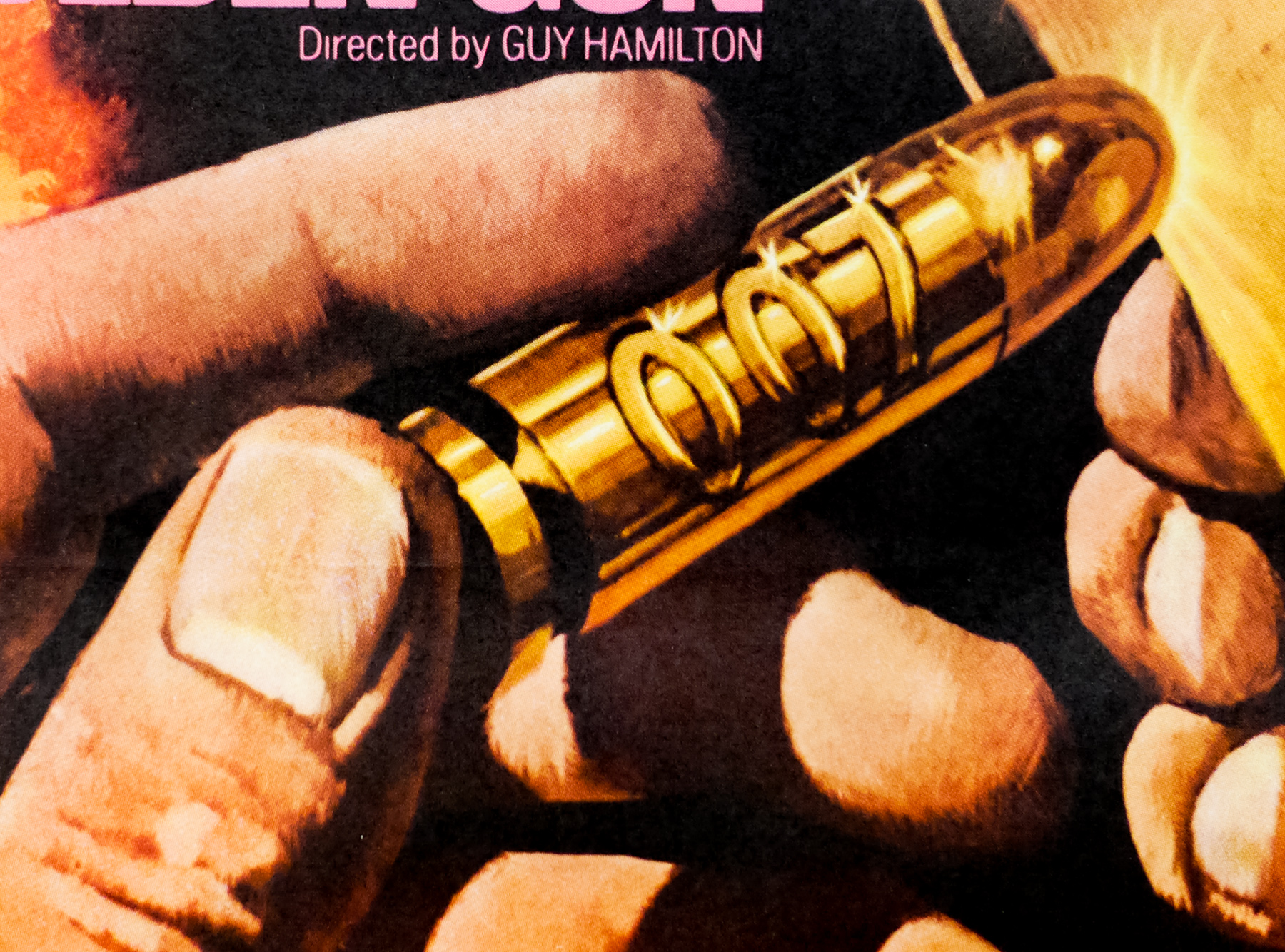
The story starts as MI6 receive a golden bullet with 007 etched into it, leading them to believe that Bond’s life is at threat from the notorious international assassin Scaramanga so they decide to remove him from active duty. The agent was on the trail of a scientist who it is thought could help with the energy crisis and he is frustrated to have been stopped in his pursuit so he sets off to find Scaramanga without official approval. Bond follows a trail of assassinations which lead him from Macau to Bangkok and eventually to Scaramanga’s private island hideout where he discovers that the master assassin has an interest in solar power. Soon Bond is challenged to a duel to the death and he must use his wits to survive the traps set around Scaramanga’s hideout. Dwarf actor Hervé Villechaize has a memorable role as the assassin’s servant Nick Nack, and Clifton James returns as the (perhaps ill-advised) comic relief figure of Sheriff J.W. Pepper, as featured in Live and Let Die.

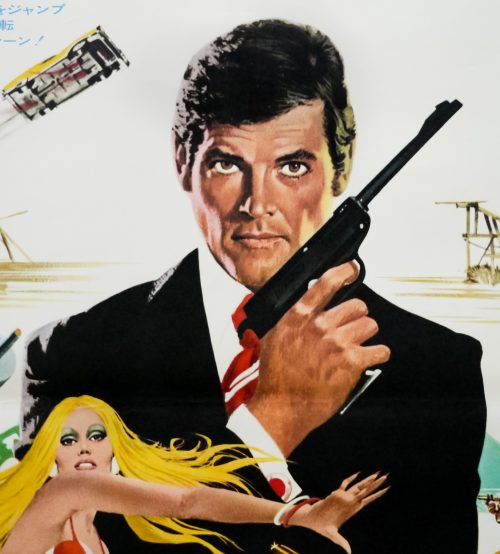
The artwork on this poster also features on the US one sheet and was painted by Robert McGinnis who is responsible for some of the best James Bond posters, including Thunderball, Live and Let Die and Diamonds are Forever as well as multiple other classic posters from the 60s, 70s and 80s. He was born in Cincinatti, Ohio in 1926 and was given an apprenticeship at Walt Disney studios before studying fine art at Ohio State University. After serving in the Merchant Marines during World War II, he started work in the advertising industry and later moved into painting book jackets for several notable authors, as well as editorial artwork for the likes of Good Housekeeping, TIME and The Saturday Evening Post. McGinnis’ first film poster was the now iconic one sheet for Breakfast at Tiffany’s, painted in 1962, and he went on to paint over 40 others during his career, including one for The Incredibles in 2004.

To see the other posters I’ve collected that were painted by McGinnis click here and to see the other James Bond posters in the Film on Paper collection click here.

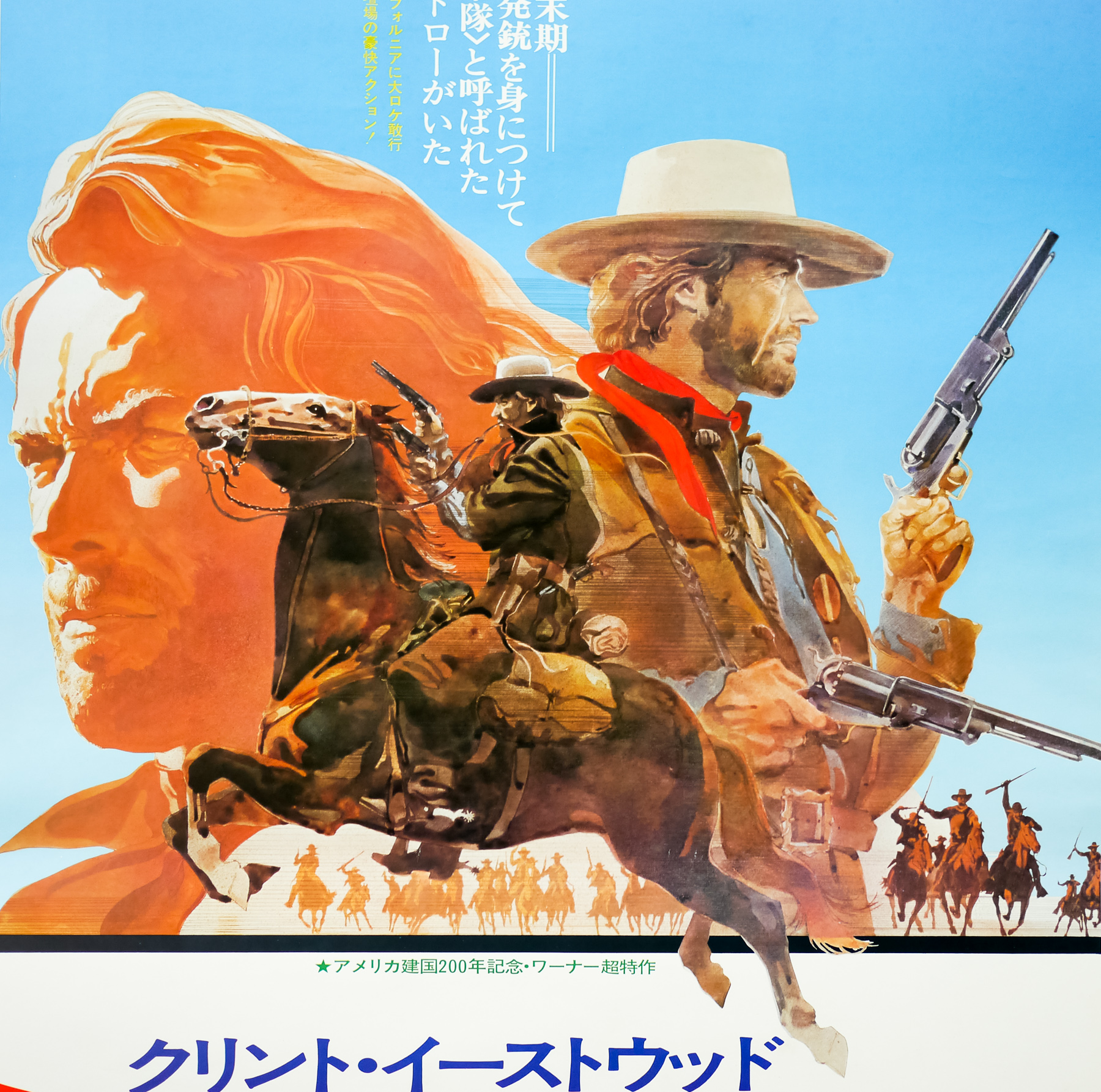
The Outlaw Josey Wales / B2 / style A / Japan

12.07.13

Poster Poster

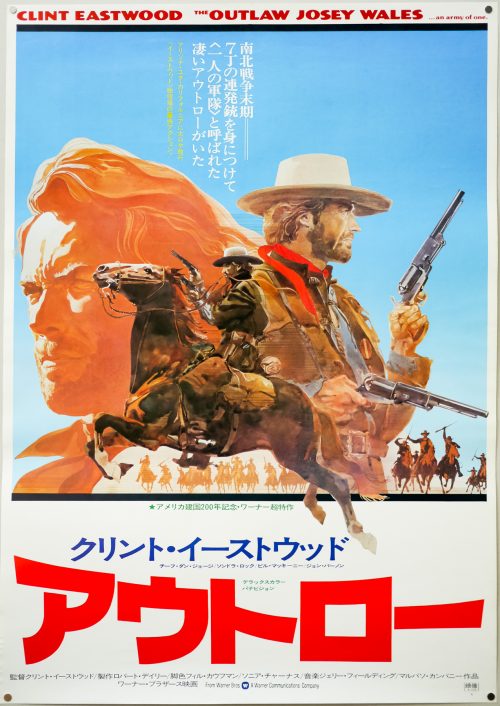
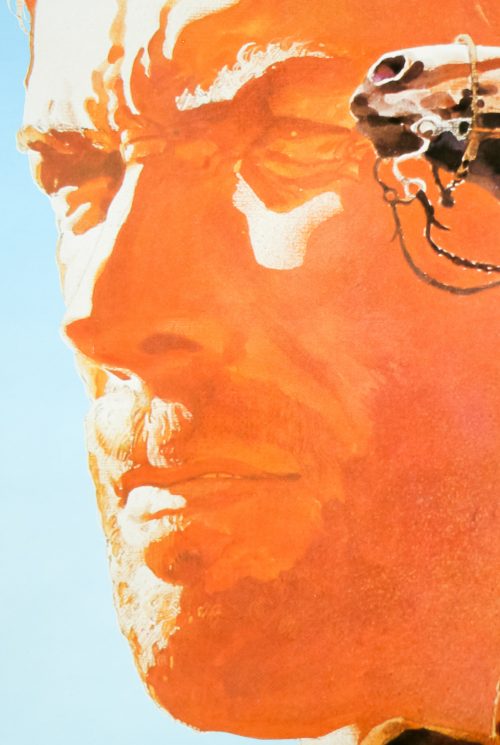
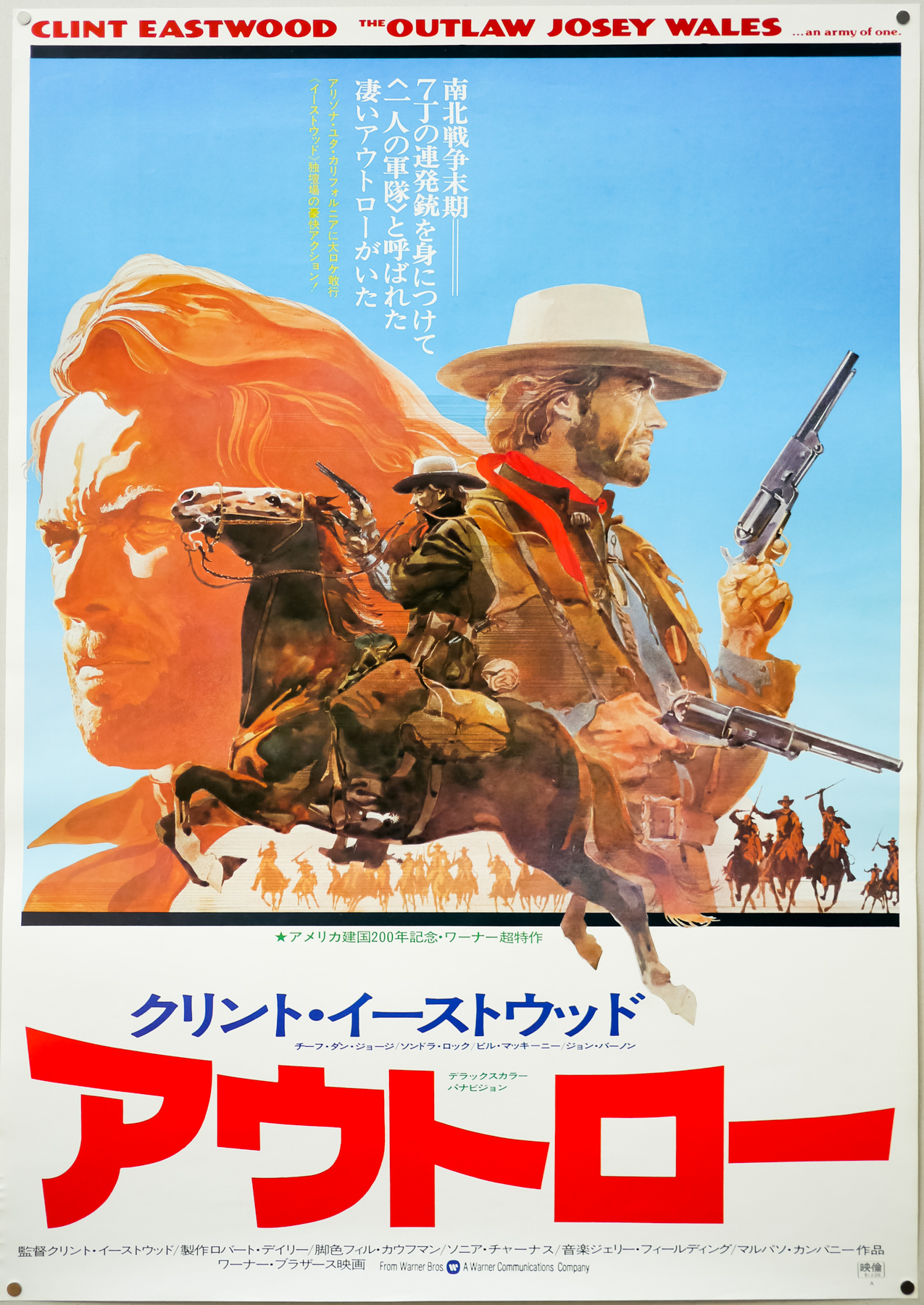
The Outlaw Josey Wales is widely considered to be one of the best Westerns of all time, and certainly one of Clint Eastwood‘s finest efforts. Inspired by the 1972 novel The Rebel Outlaw: Josey Wales by Forrest Carter, the film was originally to be helmed by Philip Kaufman who had written the script and been through pre-production before being fired from the set a few days into filming, with Eastwood himself taking the director’s chair for the remainder of the production. Set towards the end of the American Civil War, Josey Wales (Eastwood) is a peaceful Missouri farmer who is driven to revenge after his family is brutally murdered by a sadistic Union officer and his farm razed to the ground.

Wales joins a group of pro-Confederate rebels to fight and when the war ends his group is ordered to surrender peacefully, which Wales refuses to be part of. Following the massacre of most of his group, Wales attacks and kills several men and the Union captain places a bounty on his head as he flees. On his journey, Wales reluctantly picks up a diverse bunch of companions, including two Native American Indians, and he tries his best to evade the union troops and bounty hunters on their trail and start a new life for himself. This was the first film that paired Sondra Locke with Eastwood and was the beginning of their romance that lasted for fourteen years.

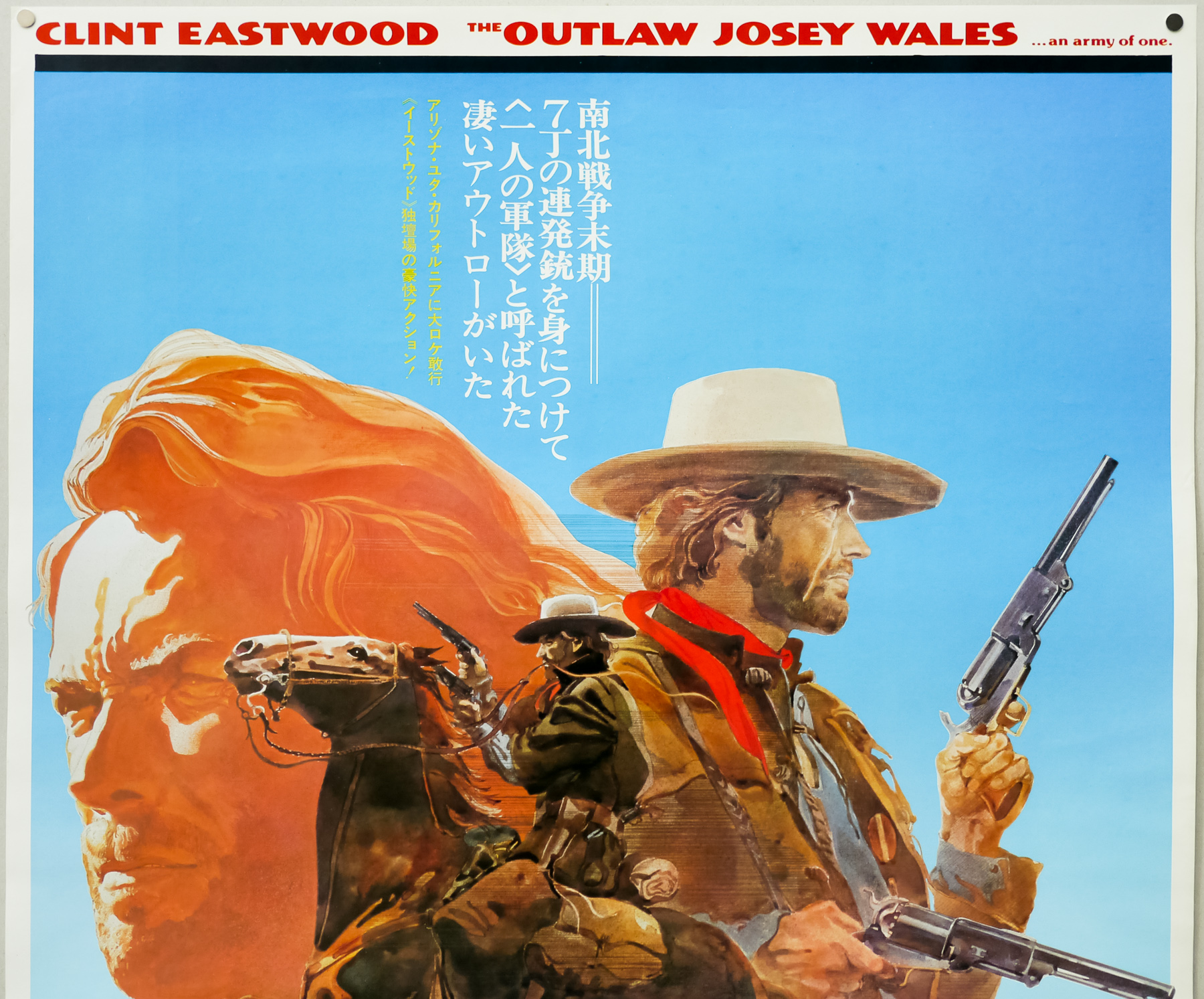
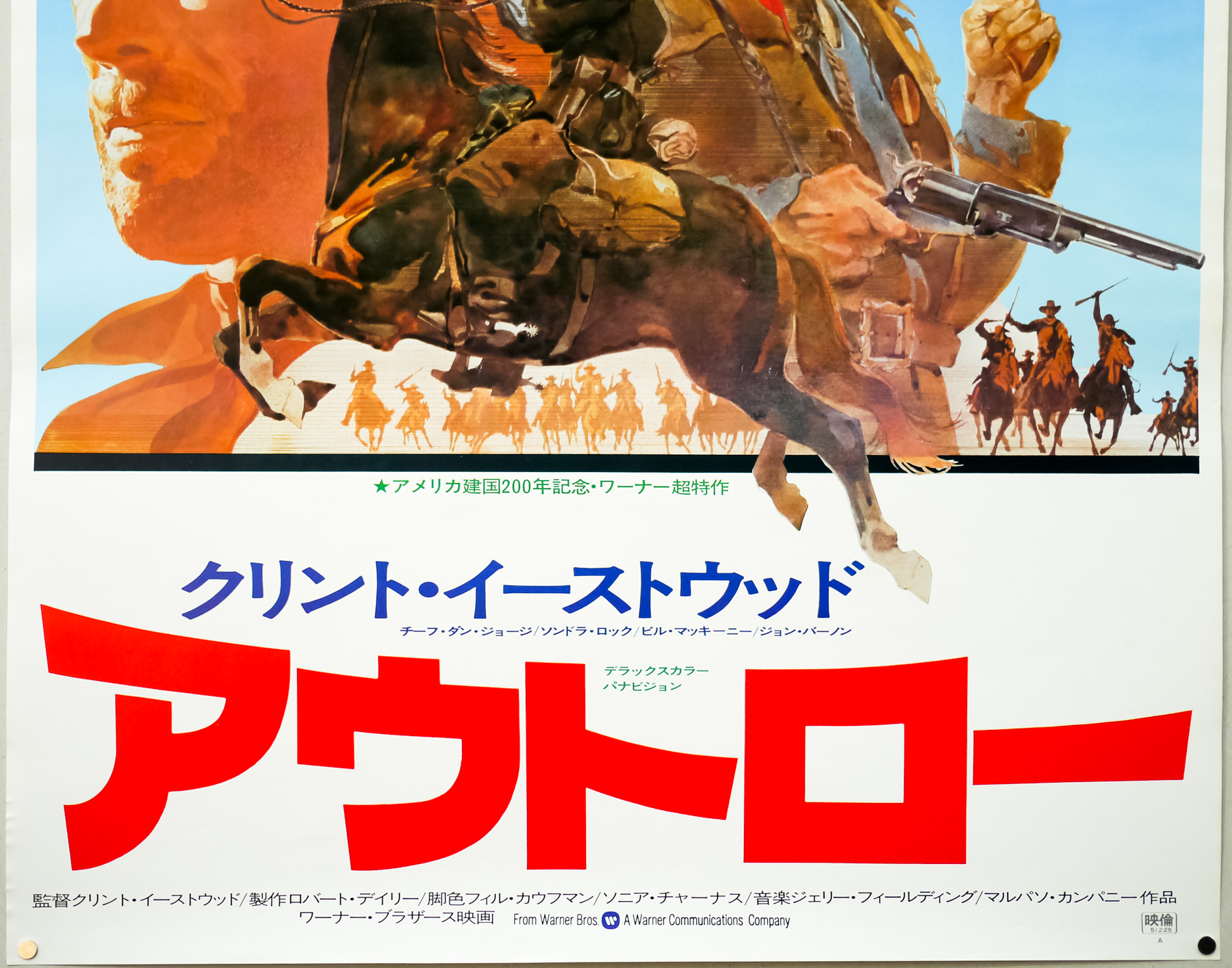
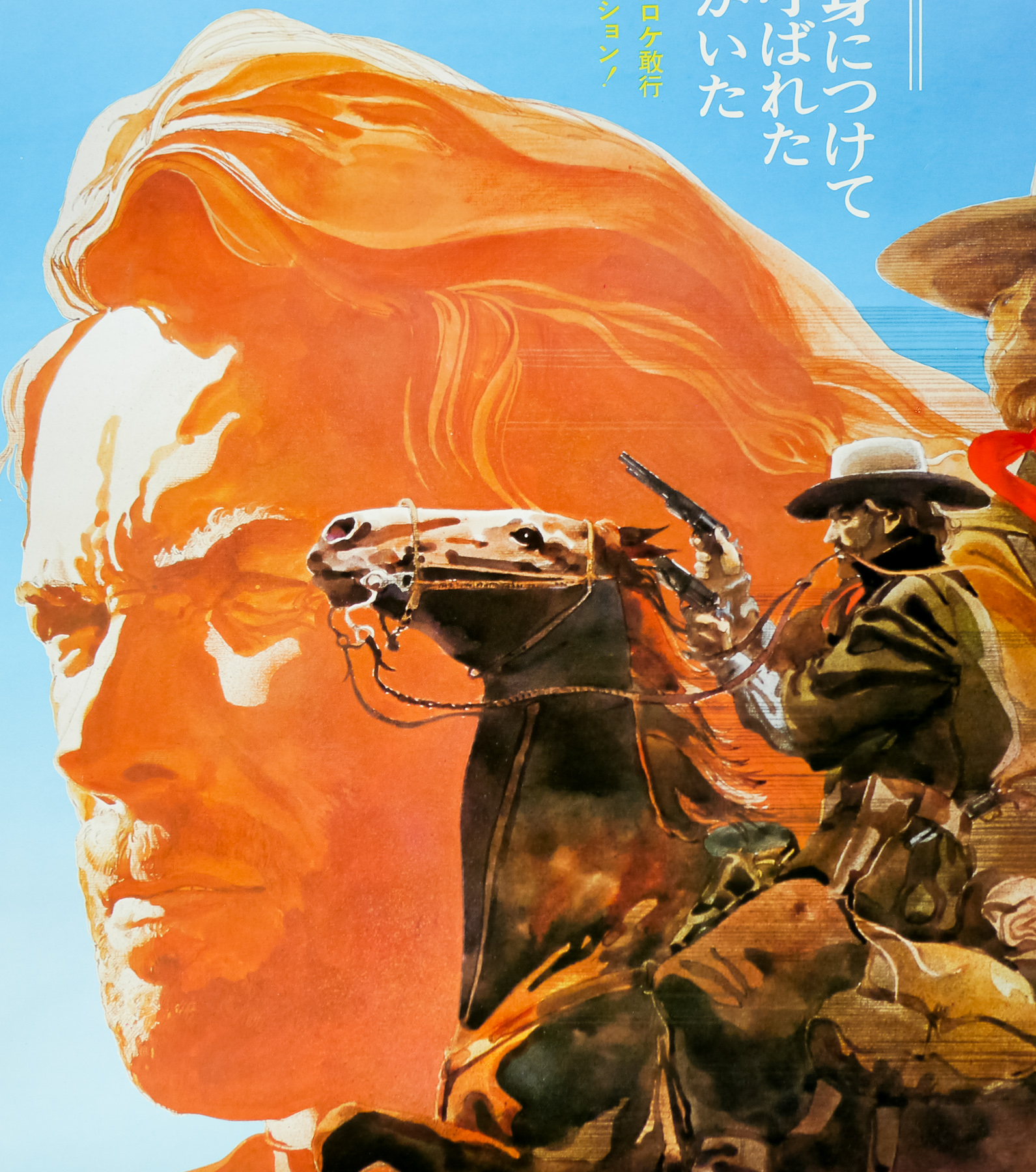
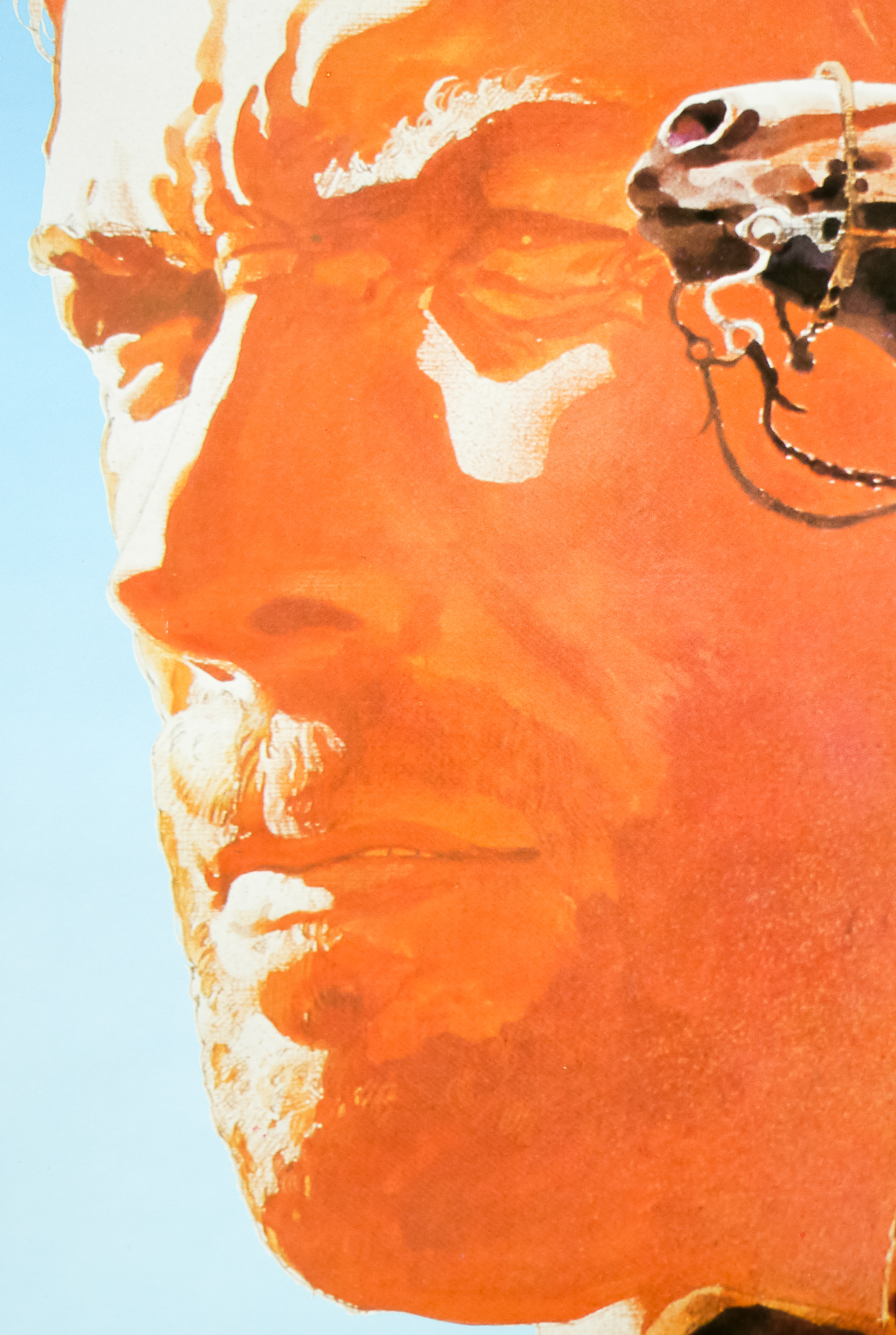
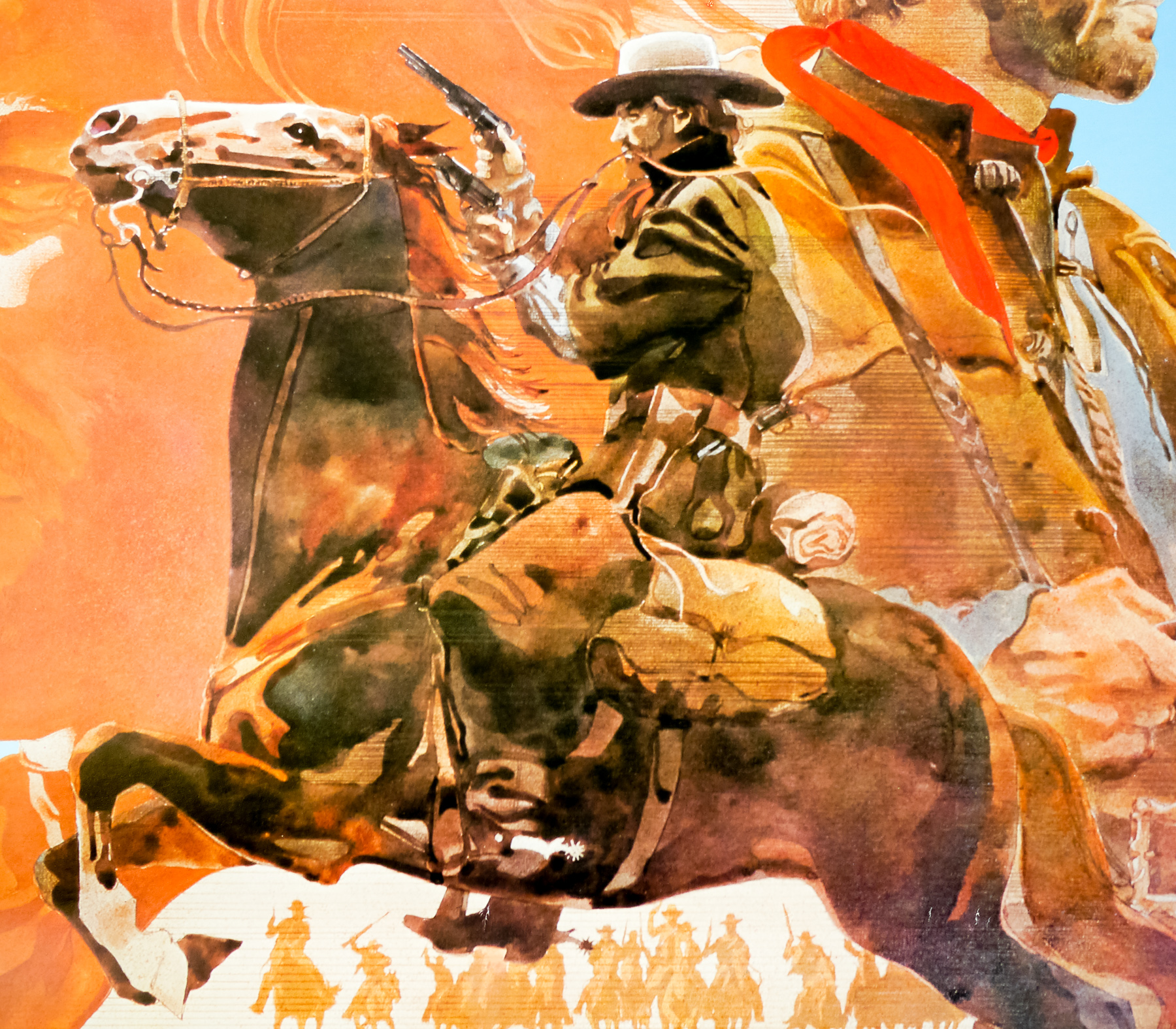
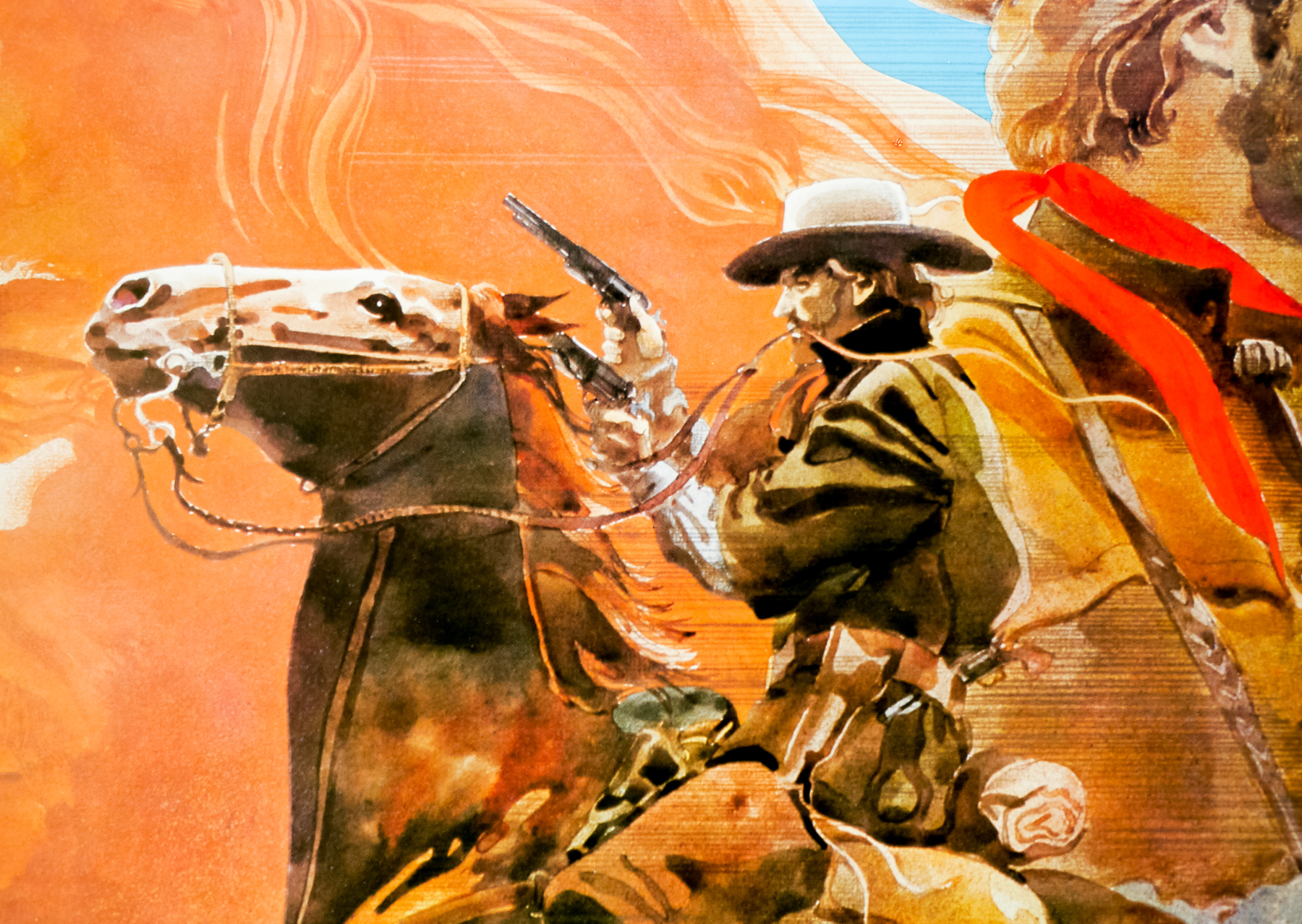
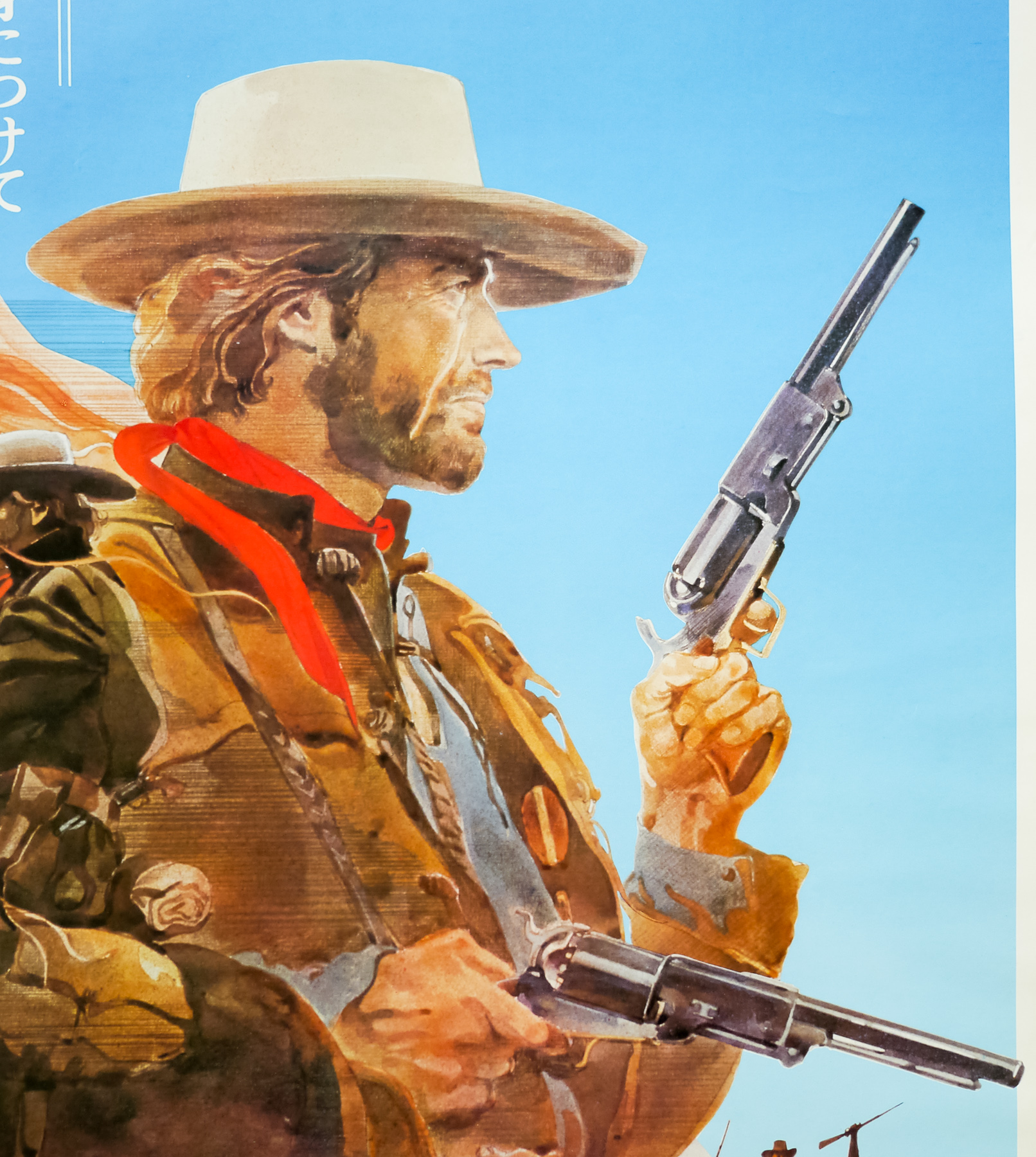
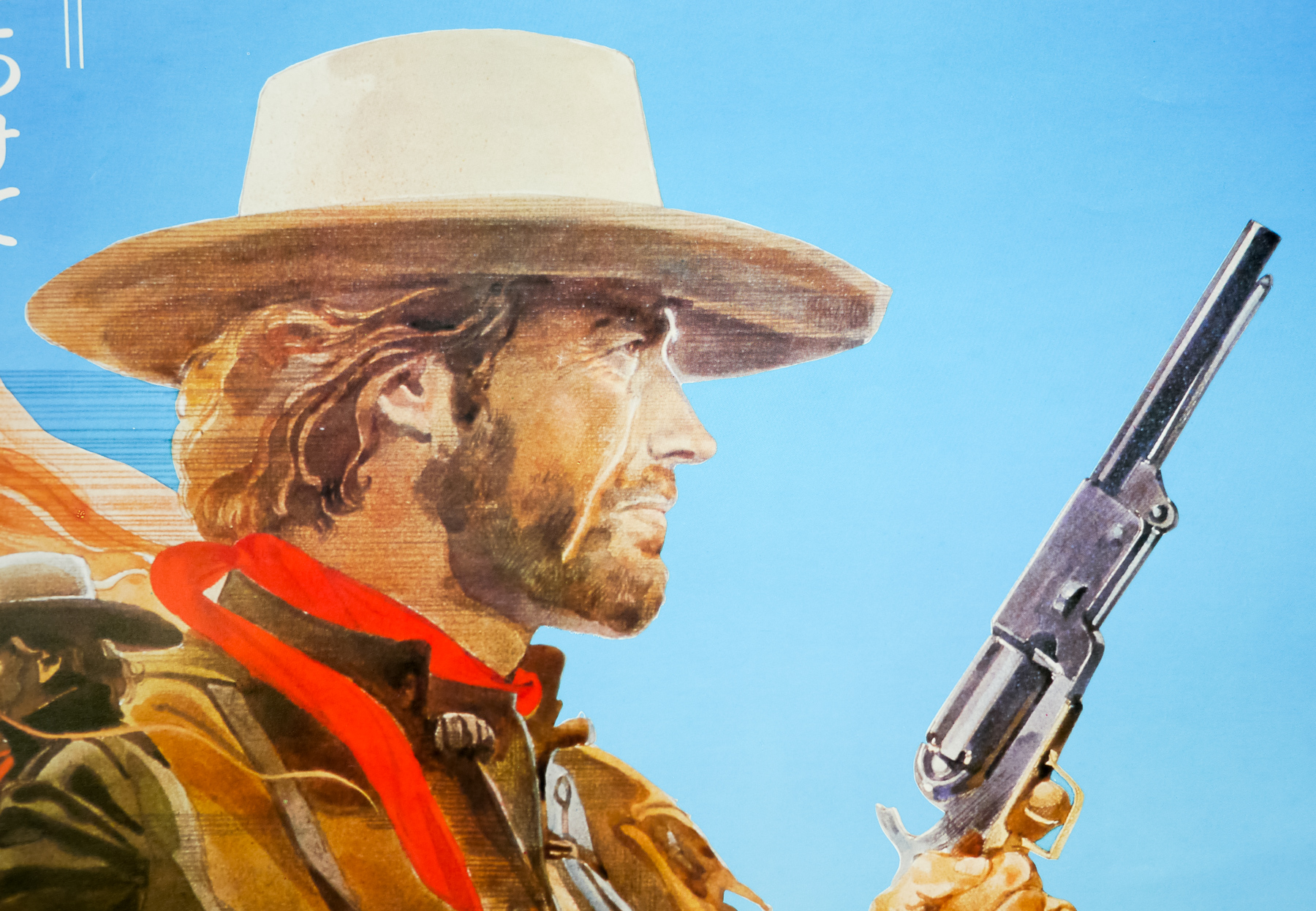
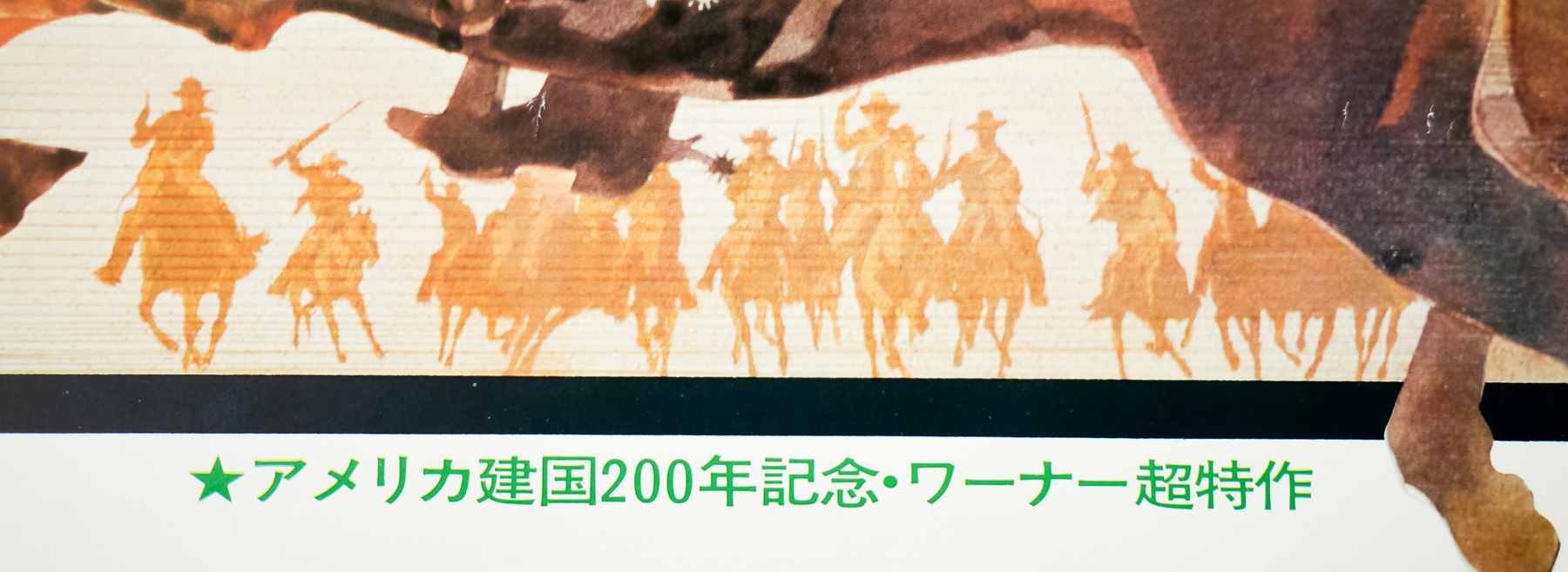
This Japanese B2 is the ‘style A’ poster for the film’s release there and there are three B2s in total, including the style C, which uses the same artwork as the US one sheet. This artwork is an adapted version of the alternative artwork as seen on the US 40×60 and half-sheet posters. All original American posters were designed by Eastwood’s long-time film marketing collaborator, the great Bill Gold, and this painting was by an American artist call Roy Andersen. According to this biography Andersen passed away last year but throughout his career he was known for his work depicting Native Americans and Old West images, including cowboys and related scenes. Artnet has an extensive gallery of his works here.

The Terminal Man / B2 / Japan

04.02.14

Poster Poster
Title
The Terminal Man
AKA
--
Year of Film
1974
Director
Mike Hodges
Starring
George Segal, Joan Hackett, Richard Dysart, Donald Moffat, Michael C. Gwynne, William Hansen, Jill Clayburgh, Norman Burton, James Sikking
Origin of Film
USA
Genre(s) of Film
George Segal, Joan Hackett, Richard Dysart, Donald Moffat, Michael C. Gwynne, William Hansen, Jill Clayburgh, Norman Burton, James Sikking,
Type of Poster
B2
Style of Poster
--
Origin of Poster
Japan
Year of Poster
1974
Designer
Unknown
Artist
--
Size (inches)
20 5/16" x 28 12/16"
SS or DS
SS
Tagline
--

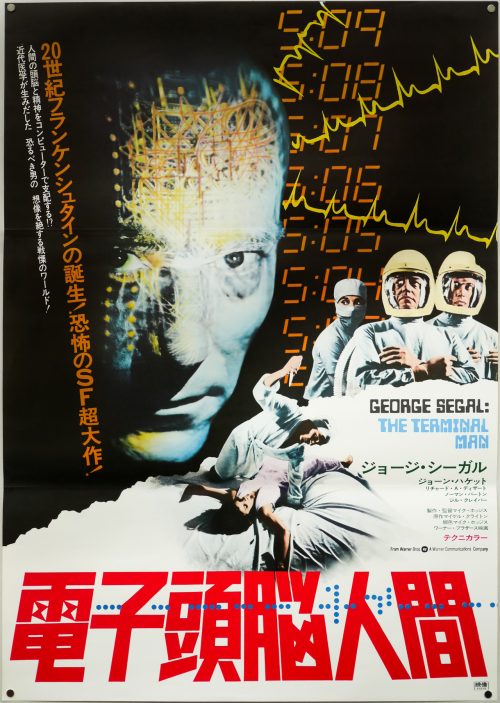
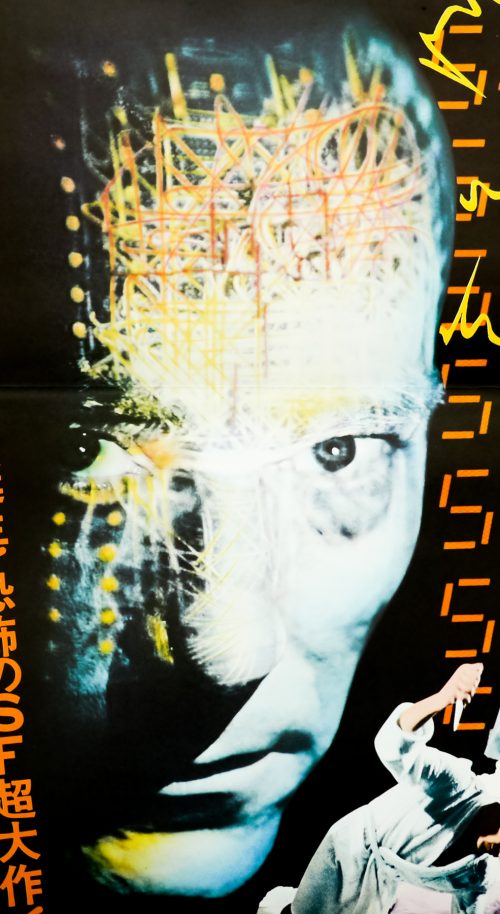
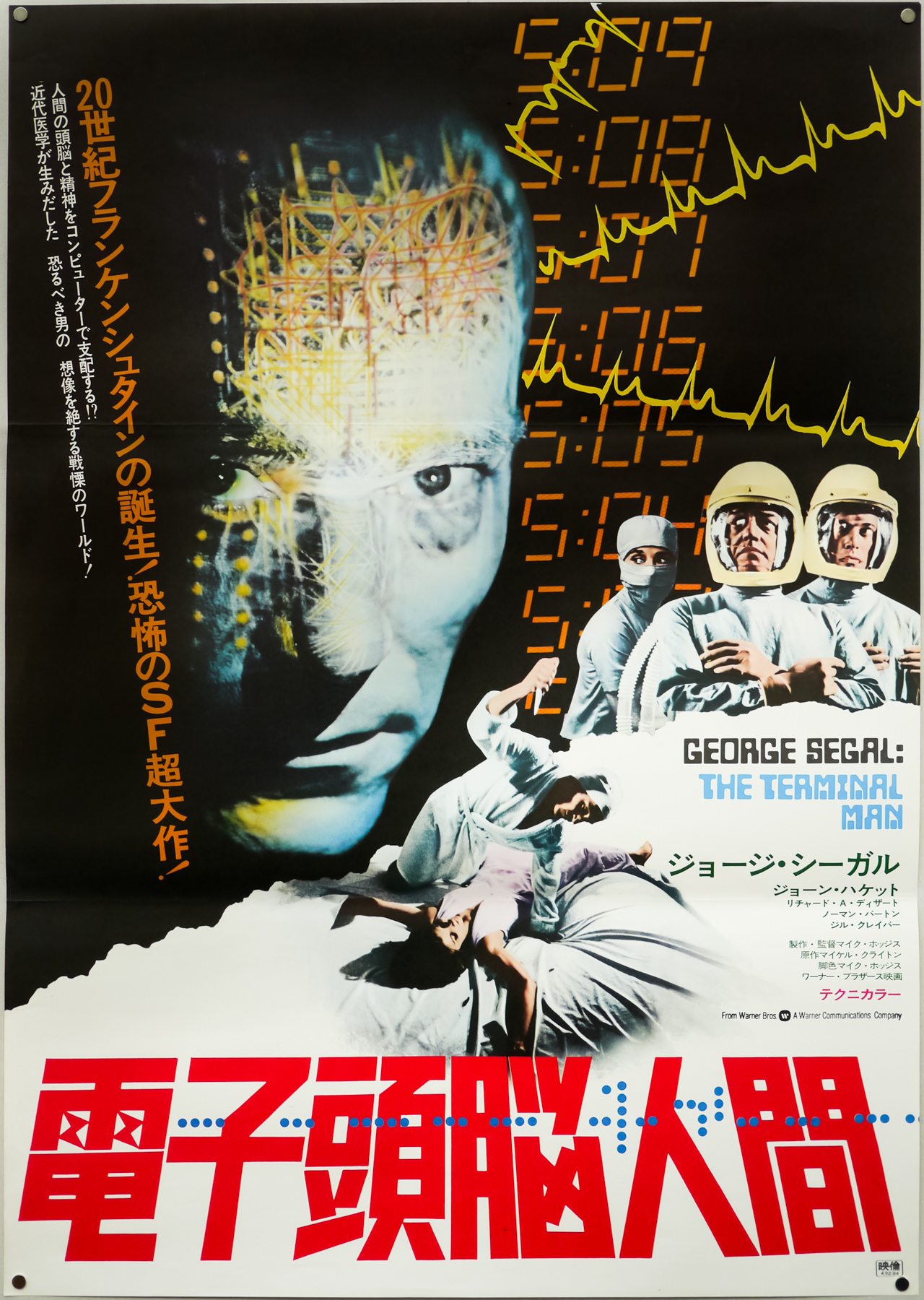
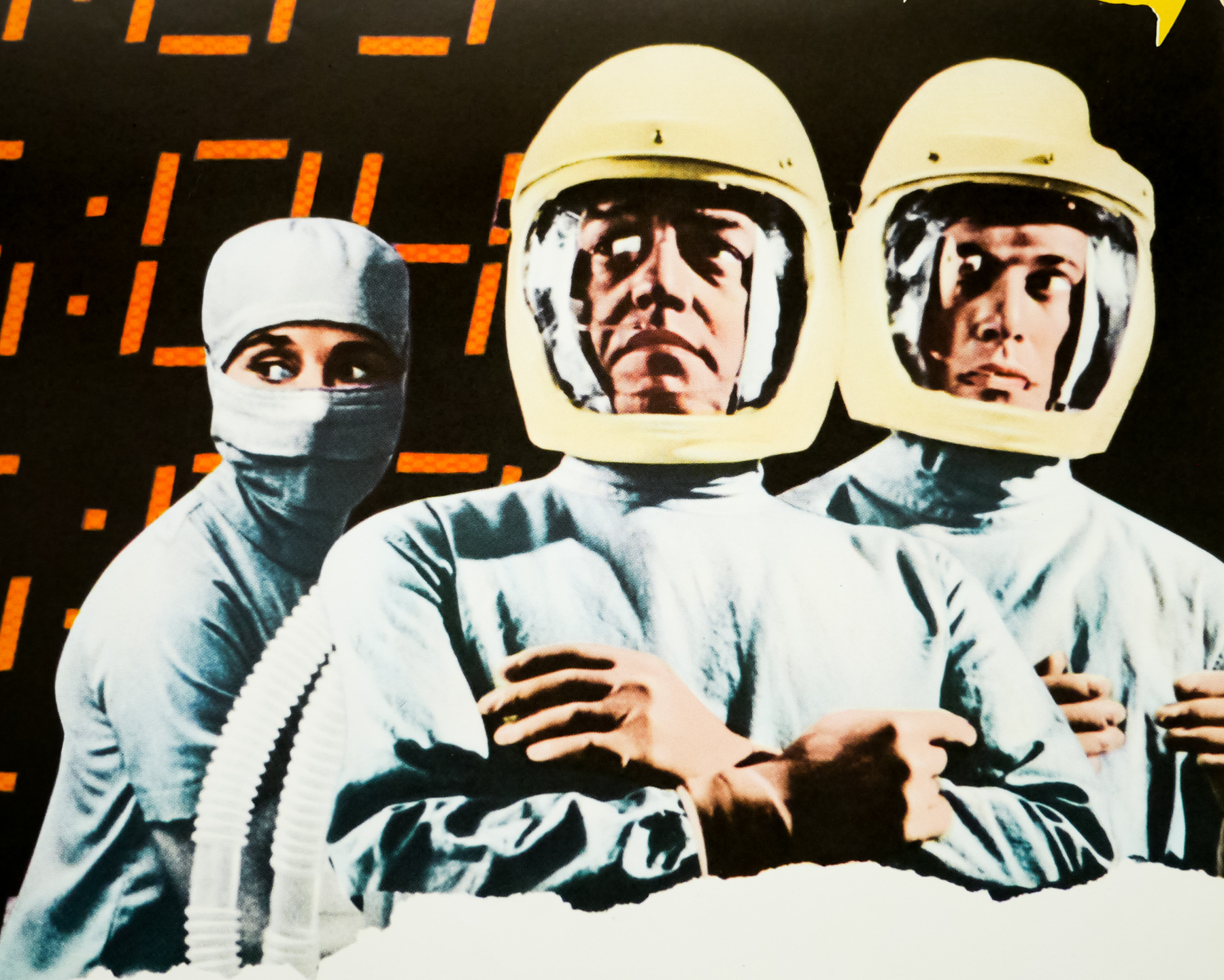
This is the Japanese B2 poster for the release of The Terminal Man, a 1972 sci-fi film from Mike Hodges, the director of Get Carter and Flash Gordon, and based on the Michael Crichton novel of the same name. George Segal stars as a computer scientist who, after suffering a series of seizures and violent episodes, agrees to have a microcomputer inserted into his brain. Unfortunately the operation has some unwanted side effects and triggers his brain into craving more violent stimuli, sending him over the edge.

The film wasn’t particularly well received at the box office and was never given a UK cinema release. It was only released on DVD in 2009 as a part of the on demand Warner Archive program.

There’s a strange bit of trivia on the Wikipedia page for the film:  Terrence Malick, the director of Badlands, reportedly has written to Hodges expressing how much he loved watching The Terminal Man.

The original trailer is on YouTube.
The White Buffalo / B2 / Japan

30.09.11

Poster Poster

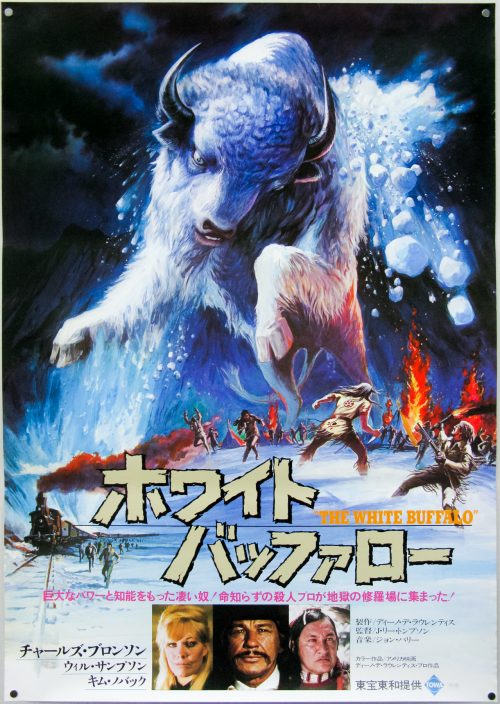
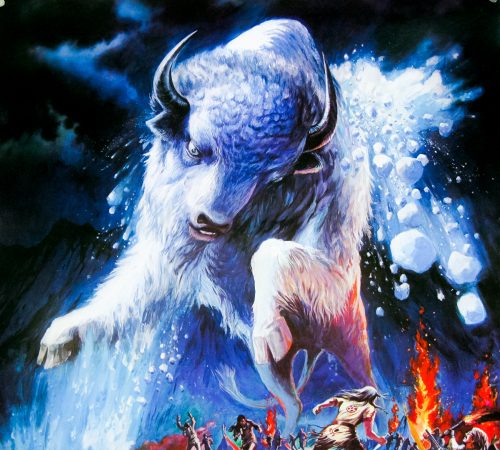
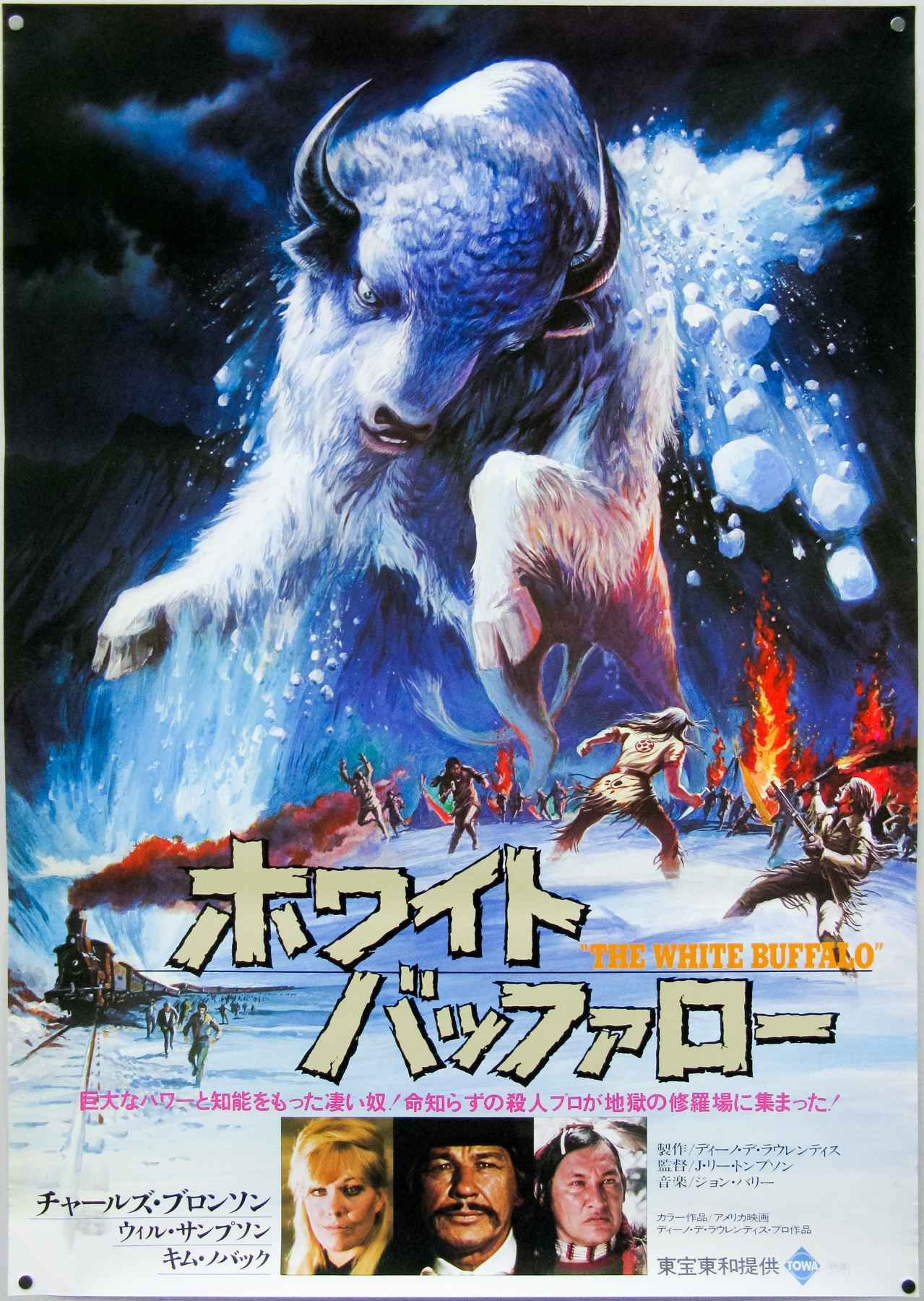
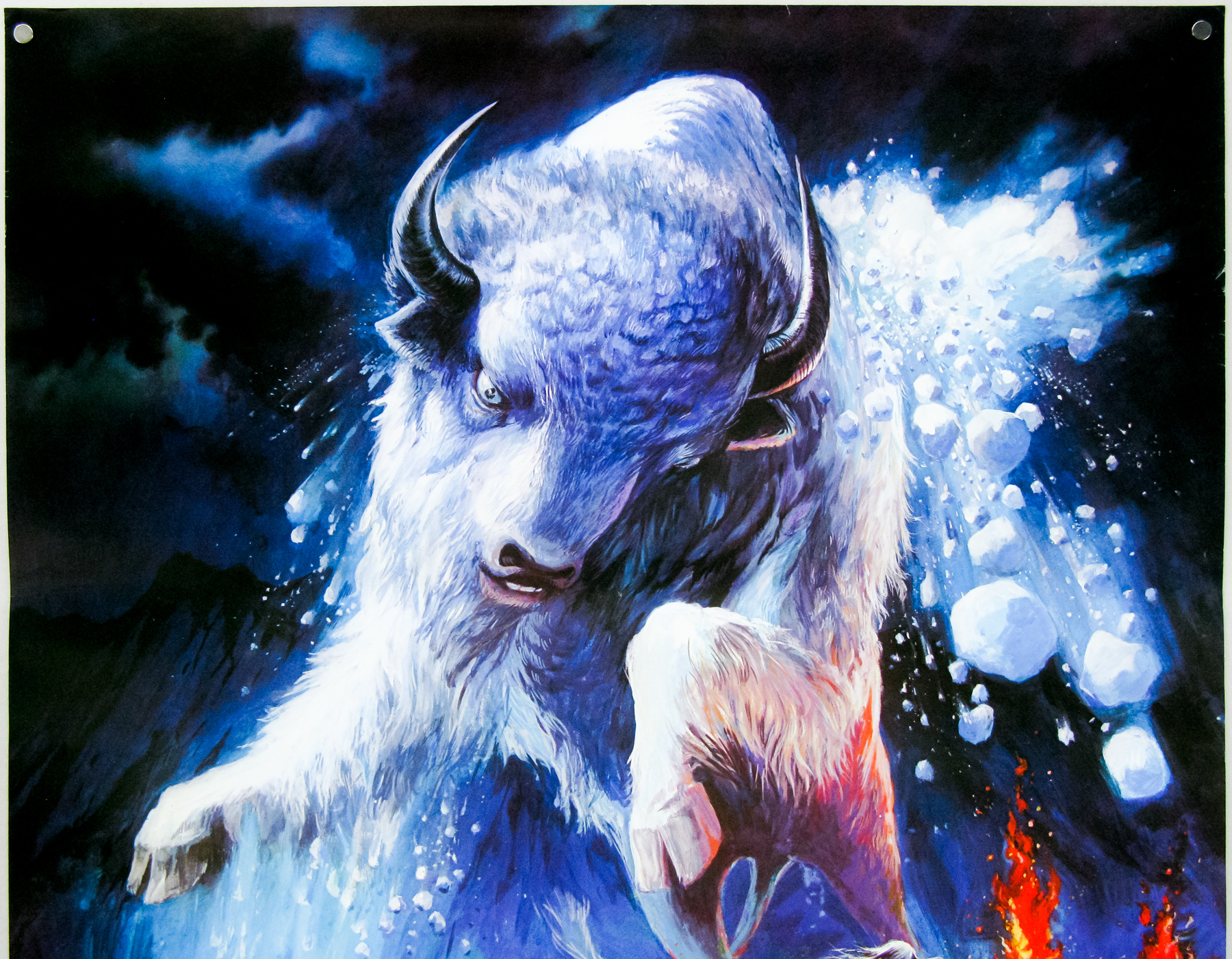
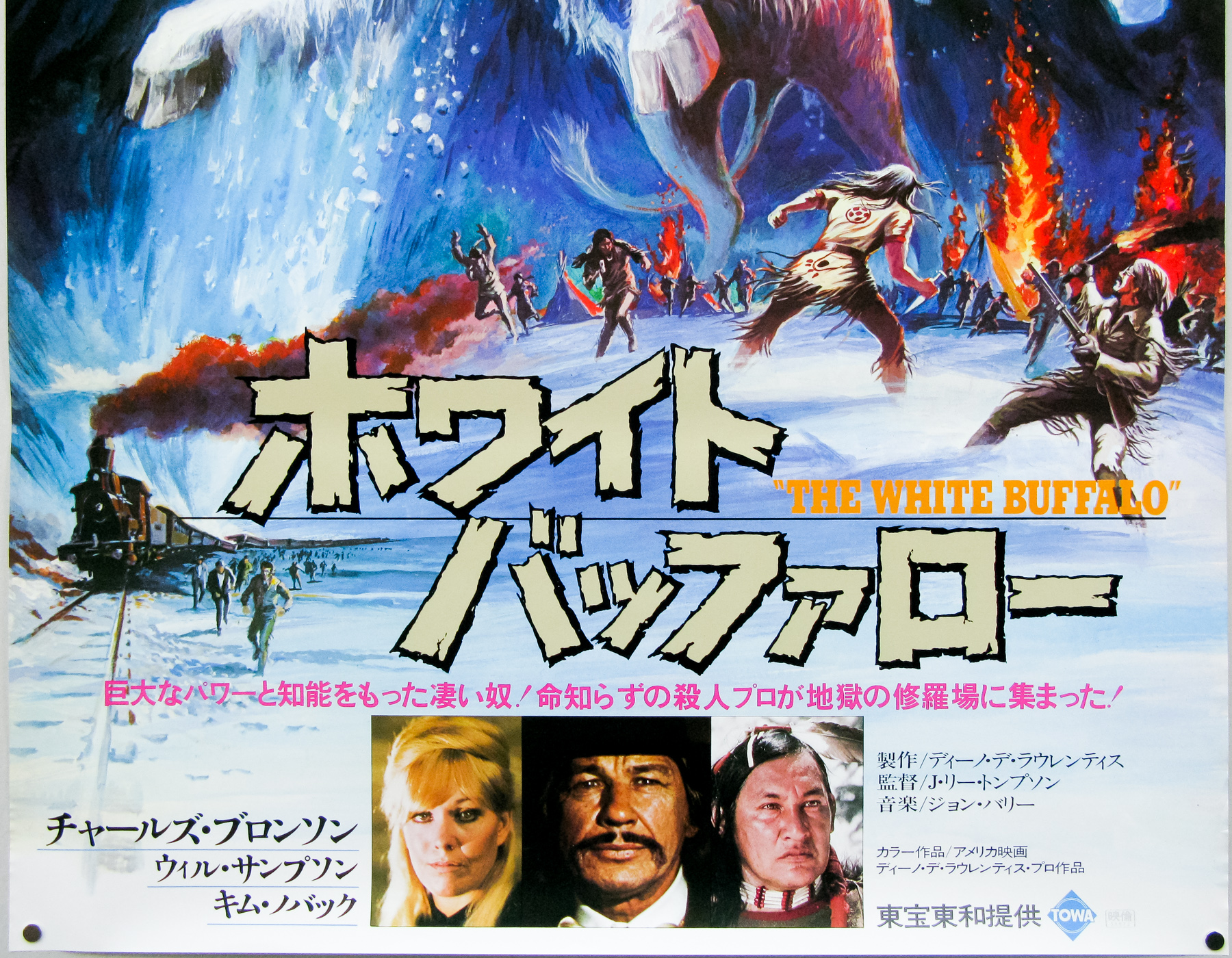
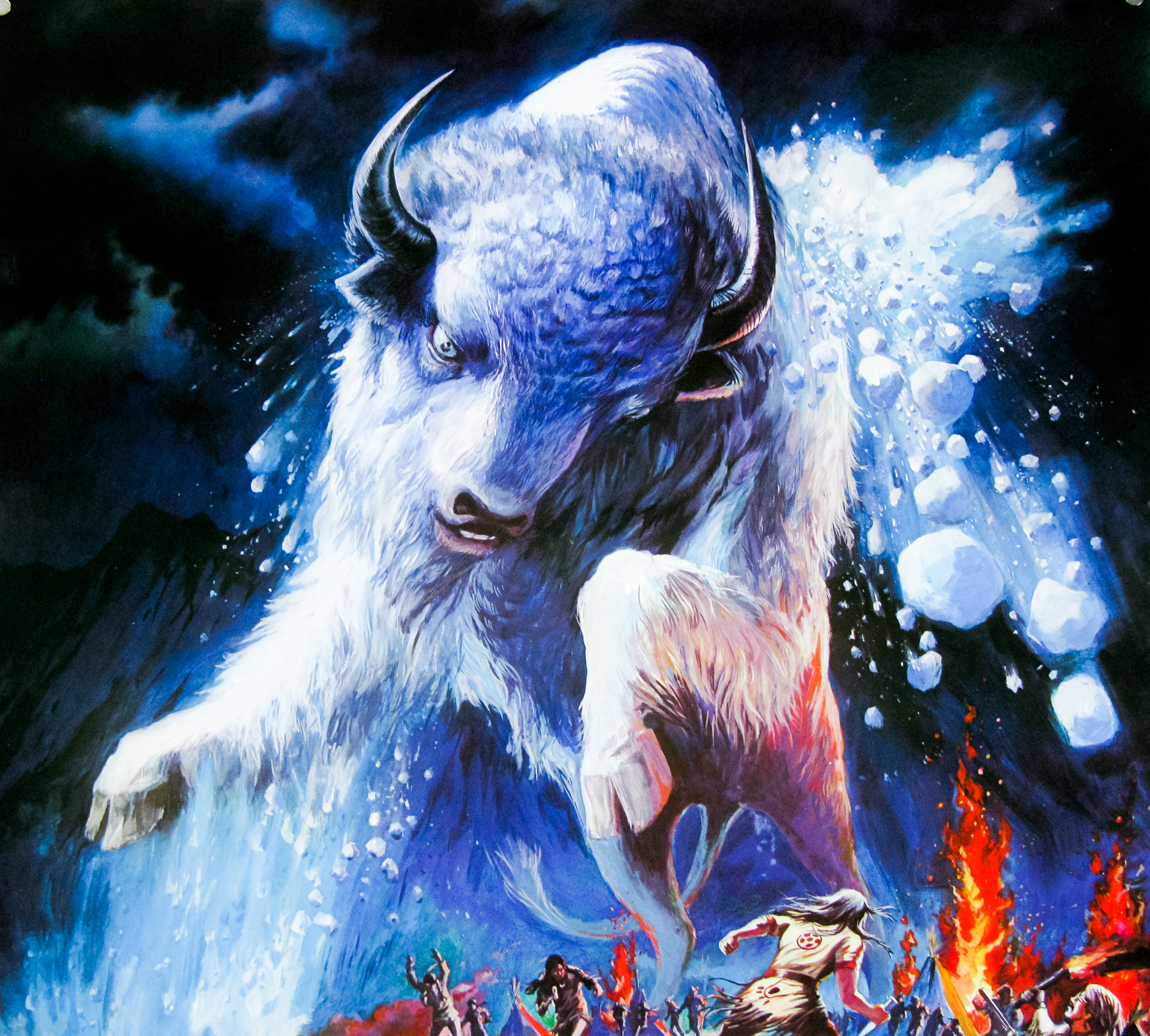
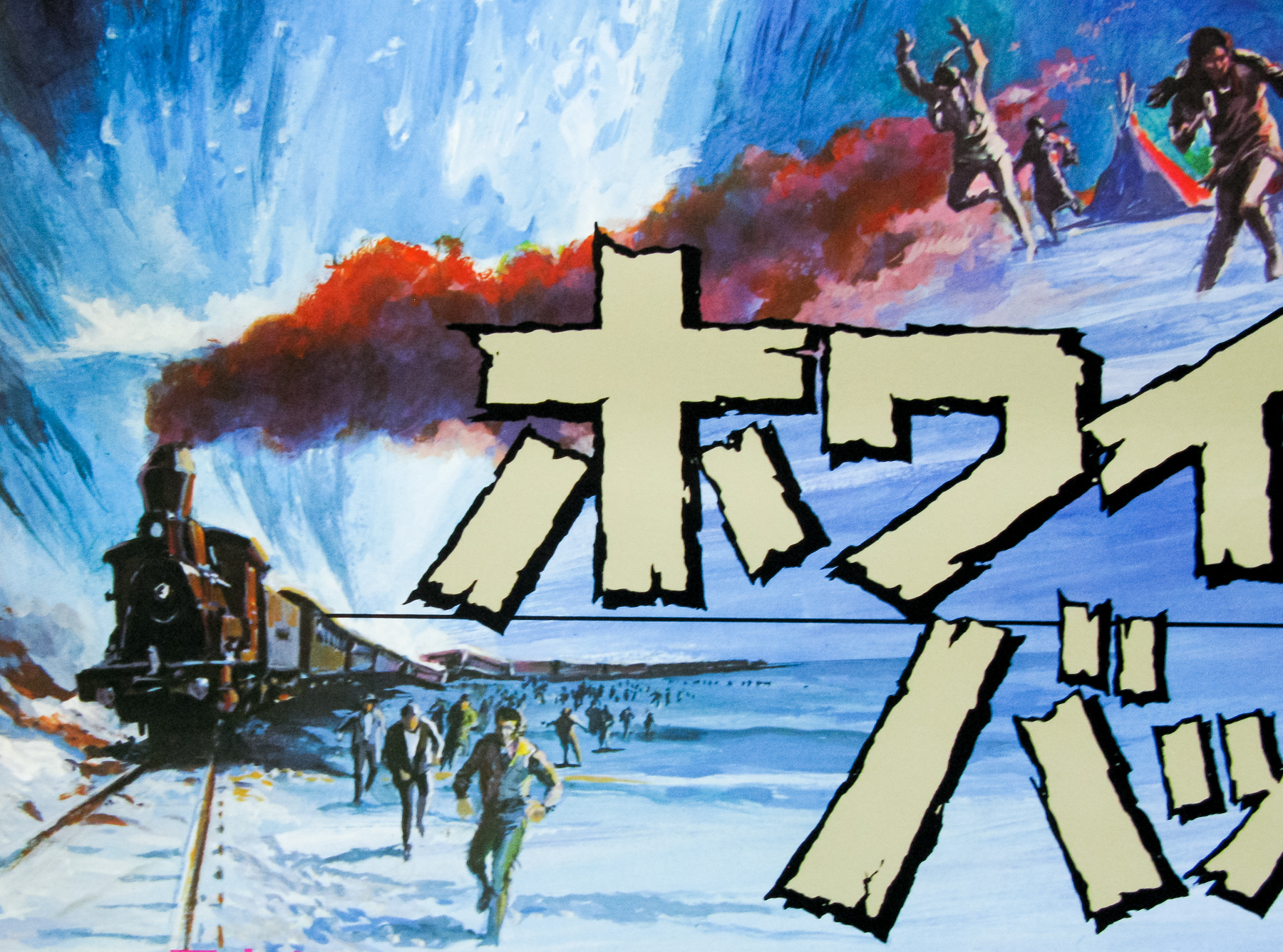
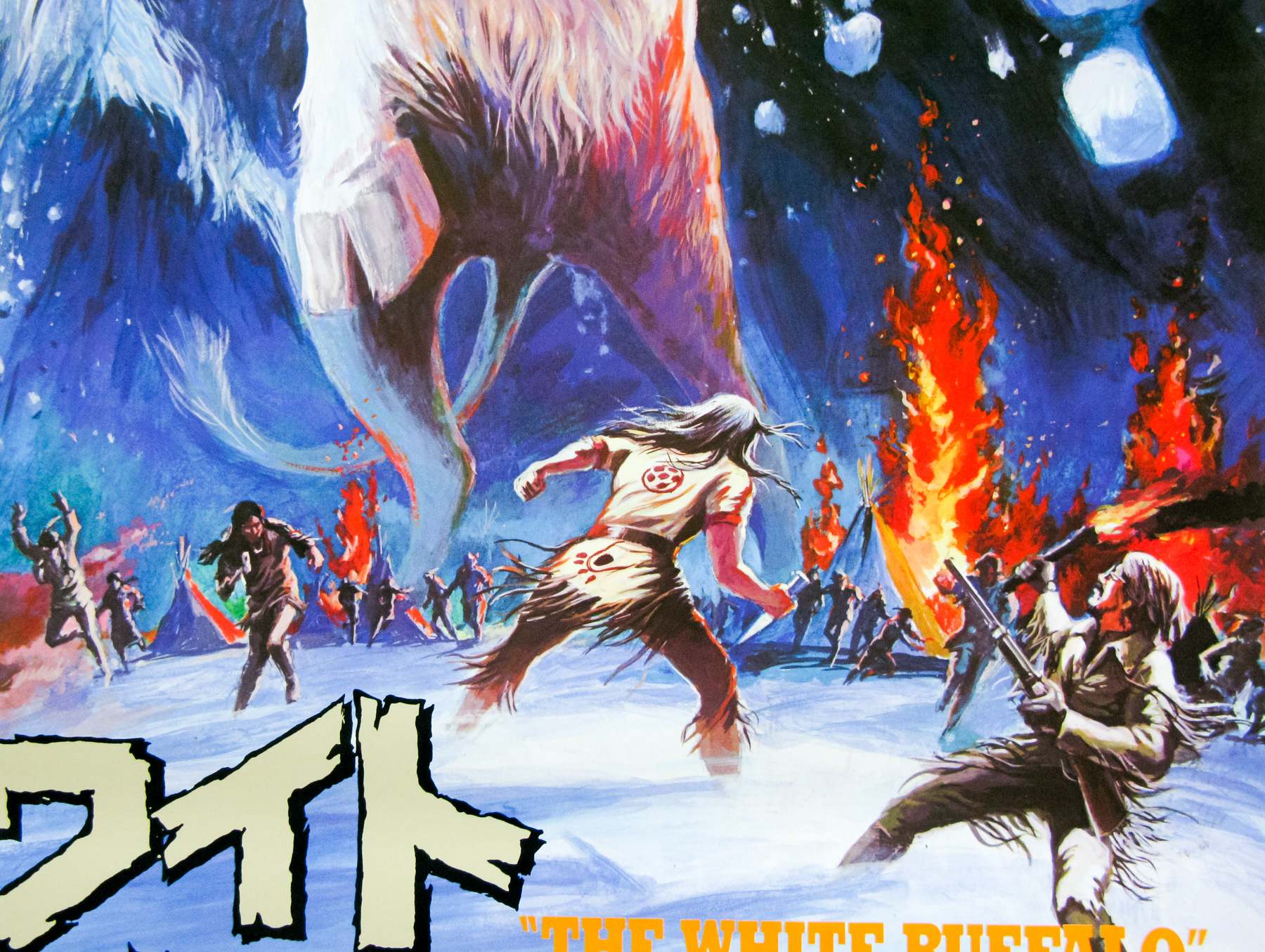
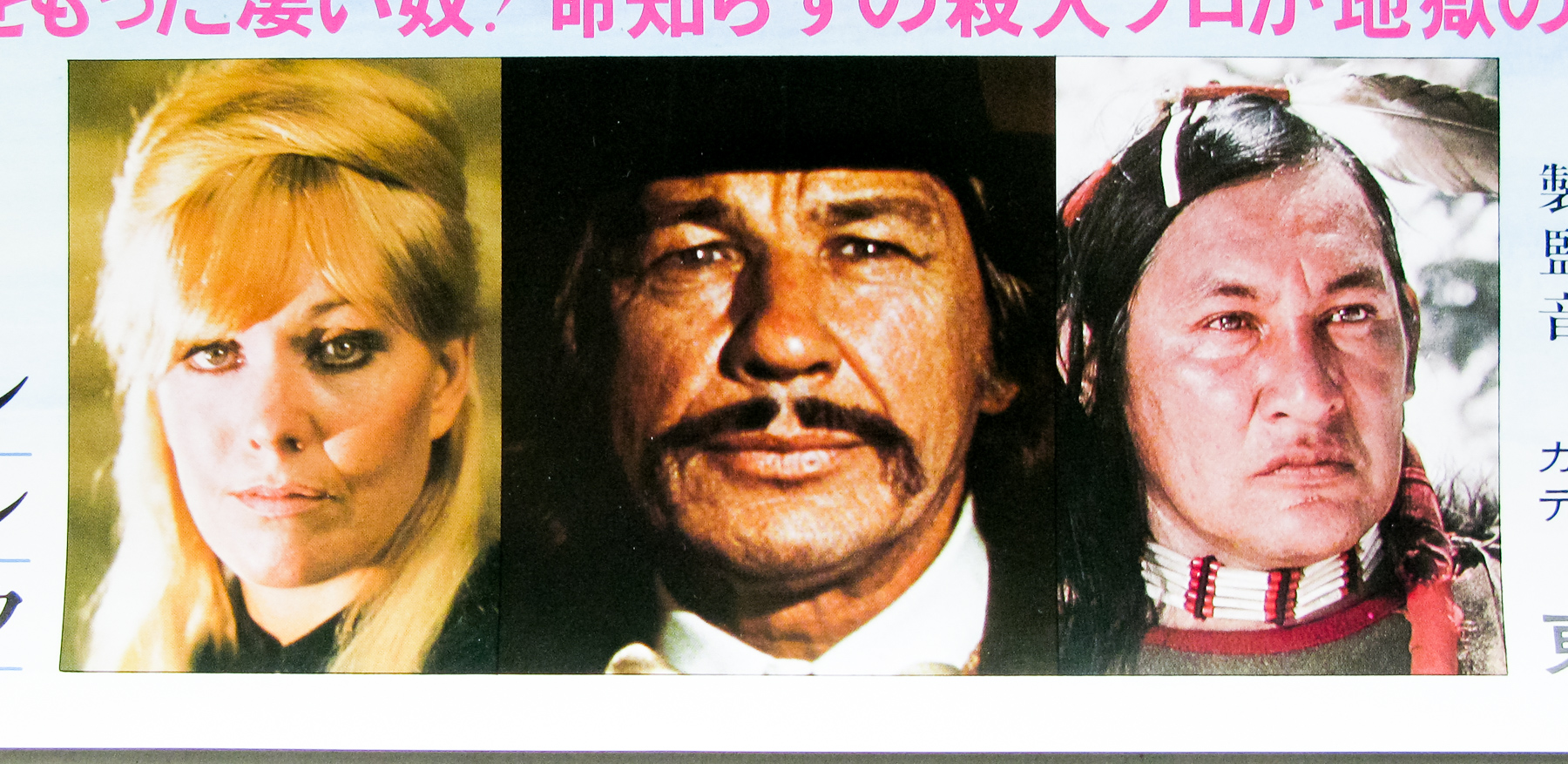
Who wouldn’t want to see a film featuring a buffalo the size of a small skyscraper?! An exciting illustration for this 1977 Bronson versus beast film, The White Buffalo, which teamed the star with director J. Lee Thompson, a frequent collaborator. The film is often described as a western version of Jaws and was one of a few ‘man versus beast’ tales filmed by legendary producer Dino De Laurentiis in the wake of Spielberg’s mega-hit (including the ’76 King Kong and Orca).

I’m not certain who the artist of this poster is but I have a feeling it may be the work of Seito, one of my favourite Japanese artists. If anyone knows for sure please get in touch. It has a few elements seen on the US one sheet by Boris Vallejo (which features an excellent tagline).

Check out the original trailer on YouTube.”…starring Charles Bronson as Wild Bill Hicock, a man who feared nothing except being afraid!’

A bit of trivia (courtesy of Wikipedia): White Buffalo are considered sacred signs by several Native American religions and have great spiritual significance for them. The animals are visited for prayers and other ceremonies. Apparently they’re so rare that they only occur in one in 10 million births.

Convoy / B2 / style A / Japan

05.04.17

Poster Poster

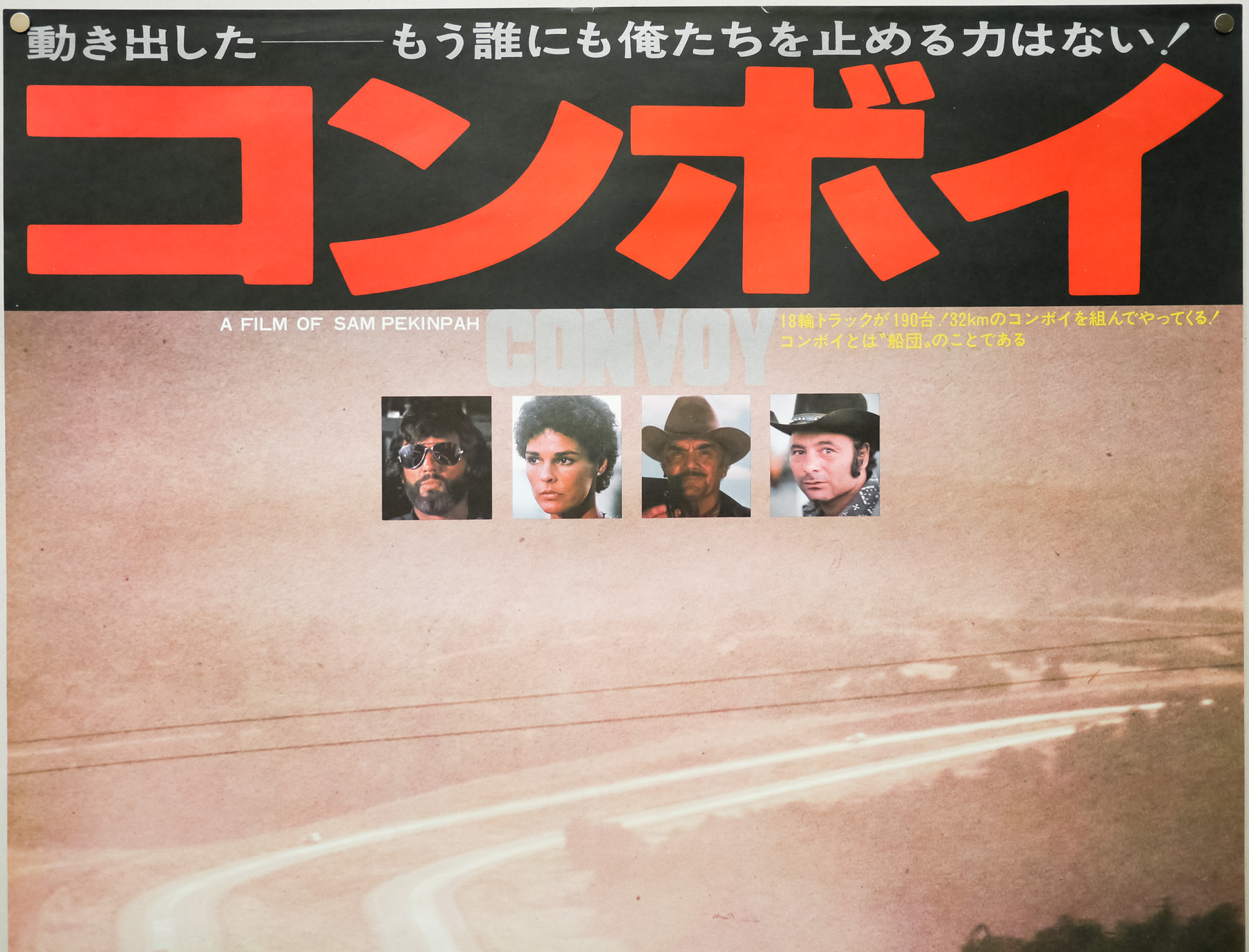
Convoy was legendary American director Sam Peckinpah‘s penultimate film and his most commercially successful, despite it being critically mauled. It was made at the height of the craze for CB Radio/trucking films, which included the likes of Smokey and the Bandit and the TV series Movin’ On. The film’s title comes from the hit country and western novelty song of the same name by C.W. McCall and Chip Davis that was released in 1975. The song appears during the opening and intermittently during the film, with the latter version being reworked especially for the production.

It’s fair to say that the film is light on plot but Kris Kristofferson stars as long-distance trucker Martin ‘Rubber Duck’ Penwald who ends up leading the titular line of trucks across several states. Following an diner-based altercation with three police officers, including Duck’s long-term nemesis Sheriff “Dirty Lyle” Wallace (a great performance by Ernest Borgnine), a group of truckers head for the Arizona state line to escape prosecution. Lyle ups the stakes and pursues them into New Mexico whilst the convoy continues to grow. The authorities are determined to stop the truckers and Lyle uses the life of a fellow trucker to lure Duck into a trap from which it seems there’ll be no escape.
As had become standard for Peckinpah productions, the film finished over schedule and massively over budget, causing the director to be taken off post-production of the film. Studio staff worked with an editor to trim down a first cut that was over three hours long. It doesn’t particularly feel like a Peckinpah film (compared to the likes of The Wild Bunch, say) but there are certainly some well done scenes and the choices of location are excellent. Some of the editing choices aren’t great, however, with the slow-motion diner brawl being particularly excruciating to watch today. By this point in his career the director’s addiction to alcohol and drugs had become so profound that it would be another five years before he would work again.
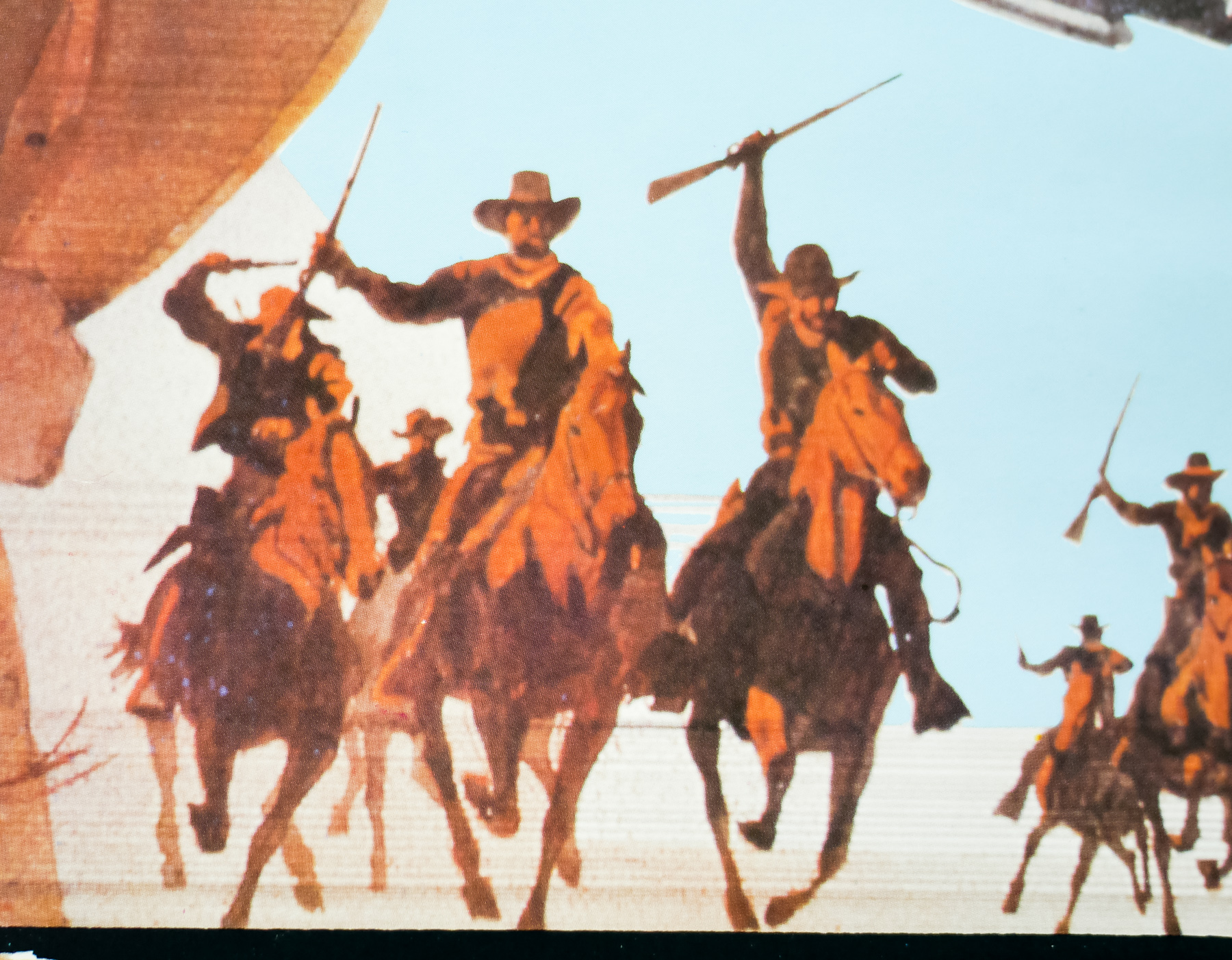
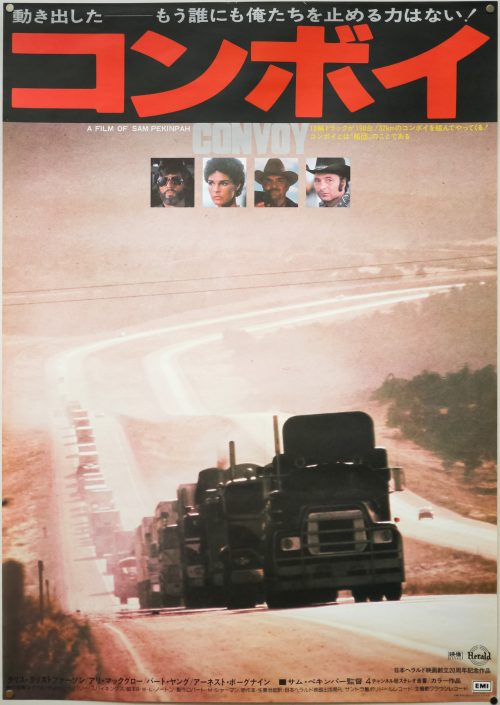
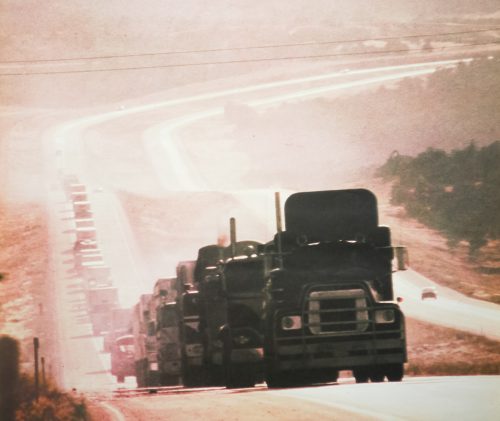
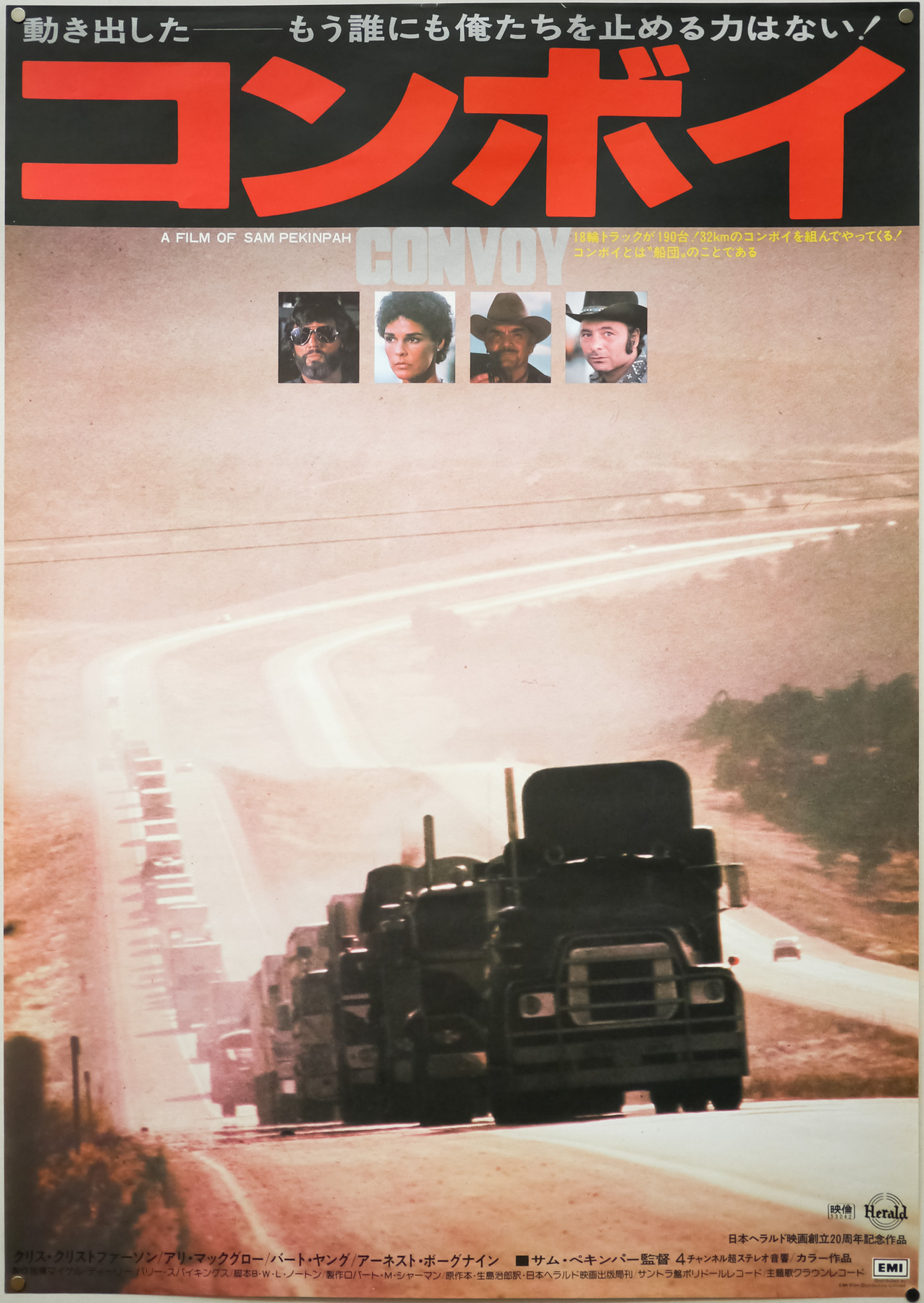
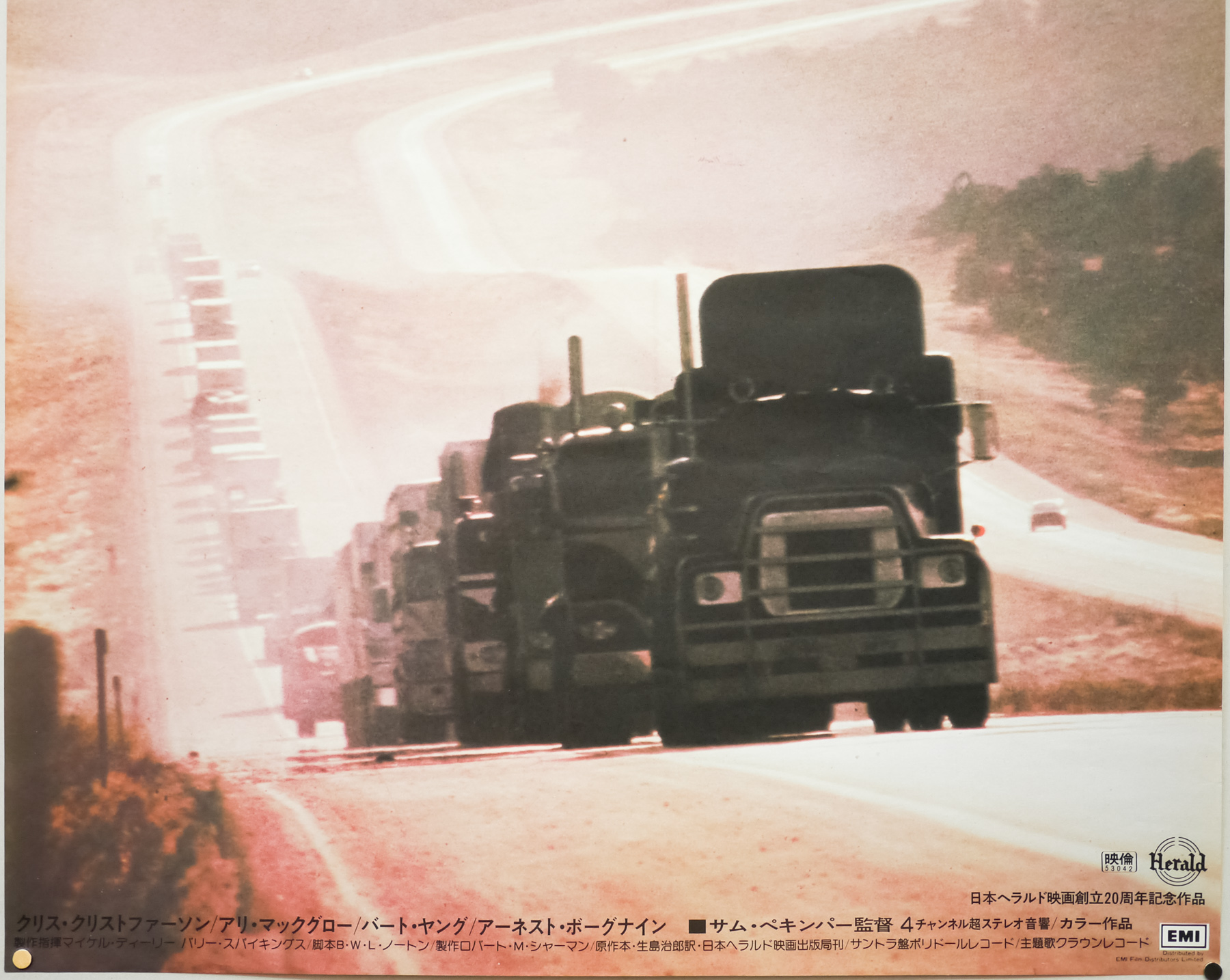
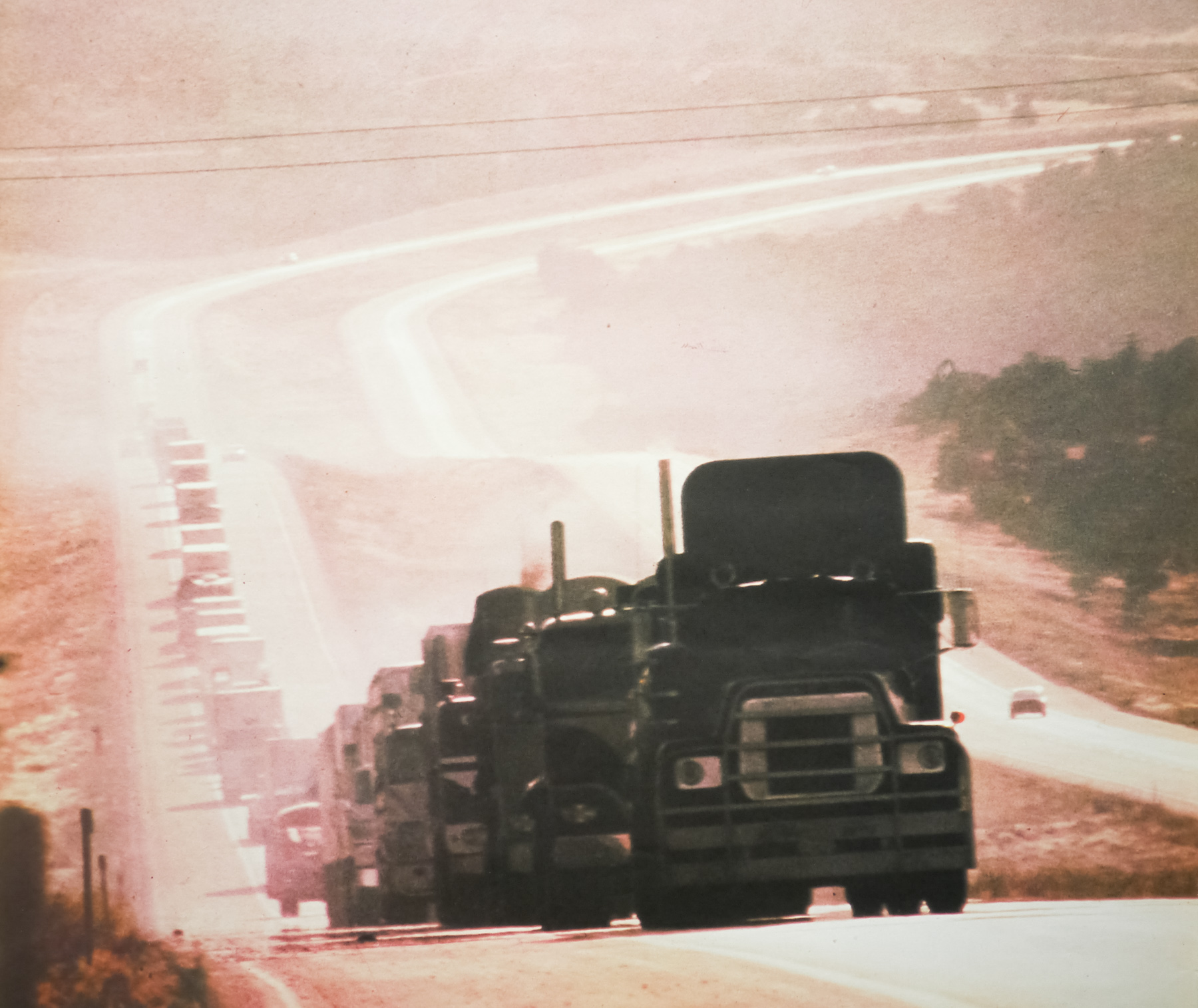
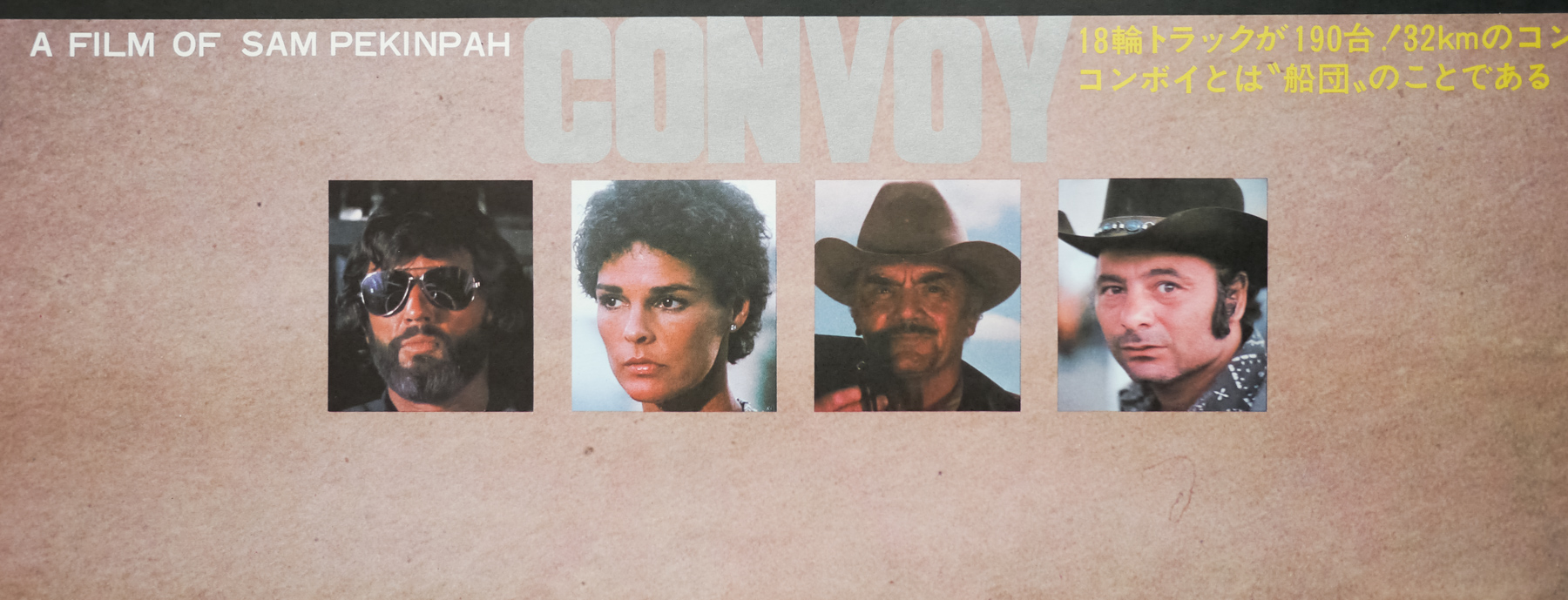
This Japanese B2, one of two posters printed for the release in the country, features an image of the titular line of trucks, along with four head shots of what the distributors clearly decided were the key cast members.

Friday the 13th Part 2 / B2 / Japan

02.02.15

Poster Poster
Title
Friday the 13th Part 2
AKA
L'assassino ti siede accanto [You're sitting next to the killer] (Italy)
Year of Film
1981
Director
Steve Miner
Starring
Amy Steel, John Furey, Adrienne King, Kirsten Baker, Stuart Charno, Warrington Gillette, Walt Gorney, Marta Kober, Tom McBride, Bill Randolph, Lauren-Marie Taylor, Russell Todd
Origin of Film
USA
Genre(s) of Film
Amy Steel, John Furey, Adrienne King, Kirsten Baker, Stuart Charno, Warrington Gillette, Walt Gorney, Marta Kober, Tom McBride, Bill Randolph, Lauren-Marie Taylor, Russell Todd,
Type of Poster
B2
Style of Poster
--
Origin of Poster
Japan
Year of Poster
1981
Designer
Unknown
Artist
Unknown
Size (inches)
20 5/16" x 28 13/16"
SS or DS
SS
Tagline
--

Following only a year after the release of the original film, Friday the 13th Part 2 stuck very close to the formula that had made the first film such a surprising box office hit. The film’s original director and producer Sean S. Cunningham decided not to return for the sequel after disagreements with studio Paramount over the direction it should take. Despite the fact that the film’s original killer had been decapitated at the end, the studio wanted to continue the same storyline, whereas Cunningham and others (including make-up maestro Tom Savini) had wanted to make the series more of an anthology with different unique storylines for each instalment. 
Steve Miner, an associate-producer on the original, was tapped to direct the sequel (he would also helm part 3) and the story was set in the same area as the first film with the action taking place at another camp on Crystal Lake along from where the original set of murders happened. The producers realised they could use the character of Jason Voorhees, the supposedly drowned son of the original killer Pamela Voorhees, as the antagonist and it’s revealed that his body was never found.

As a new set of teenagers arrive at the summer camp ahead of the influx of kids, a killer stalks and murders them one by one, in much the same fashion as the original film. The film has a similar jump-scare ending to the first but it’s fudged slightly as it’s not clear whether it was another dream or not. The character of Jason was nevertheless established as the main bad guy and the series would continue successfully for the next 25-plus years. Part 2 was a victim of the original’s success in that the MPAA were a lot more strict in terms of the gore content this time around and several scenes were cut or truncated to appease the sensors.

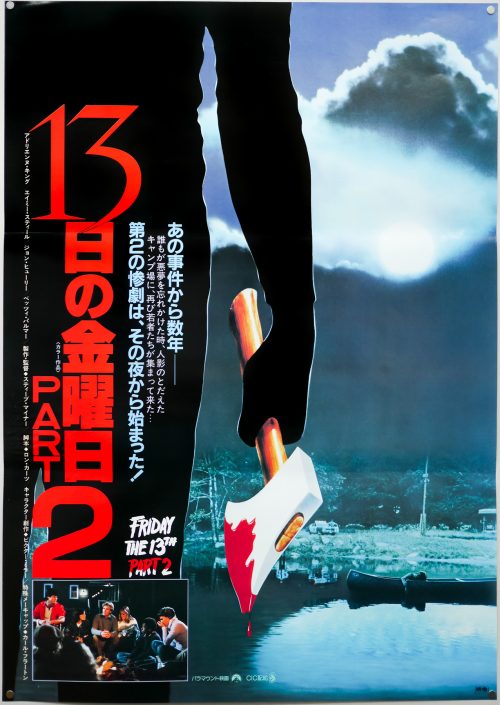
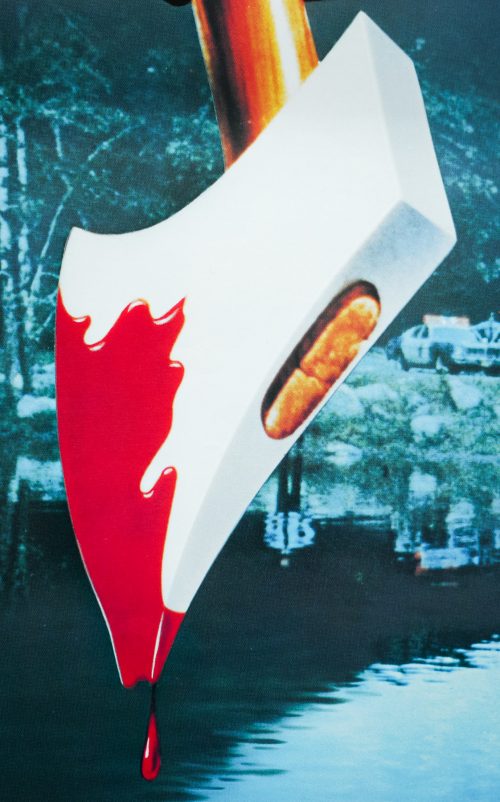
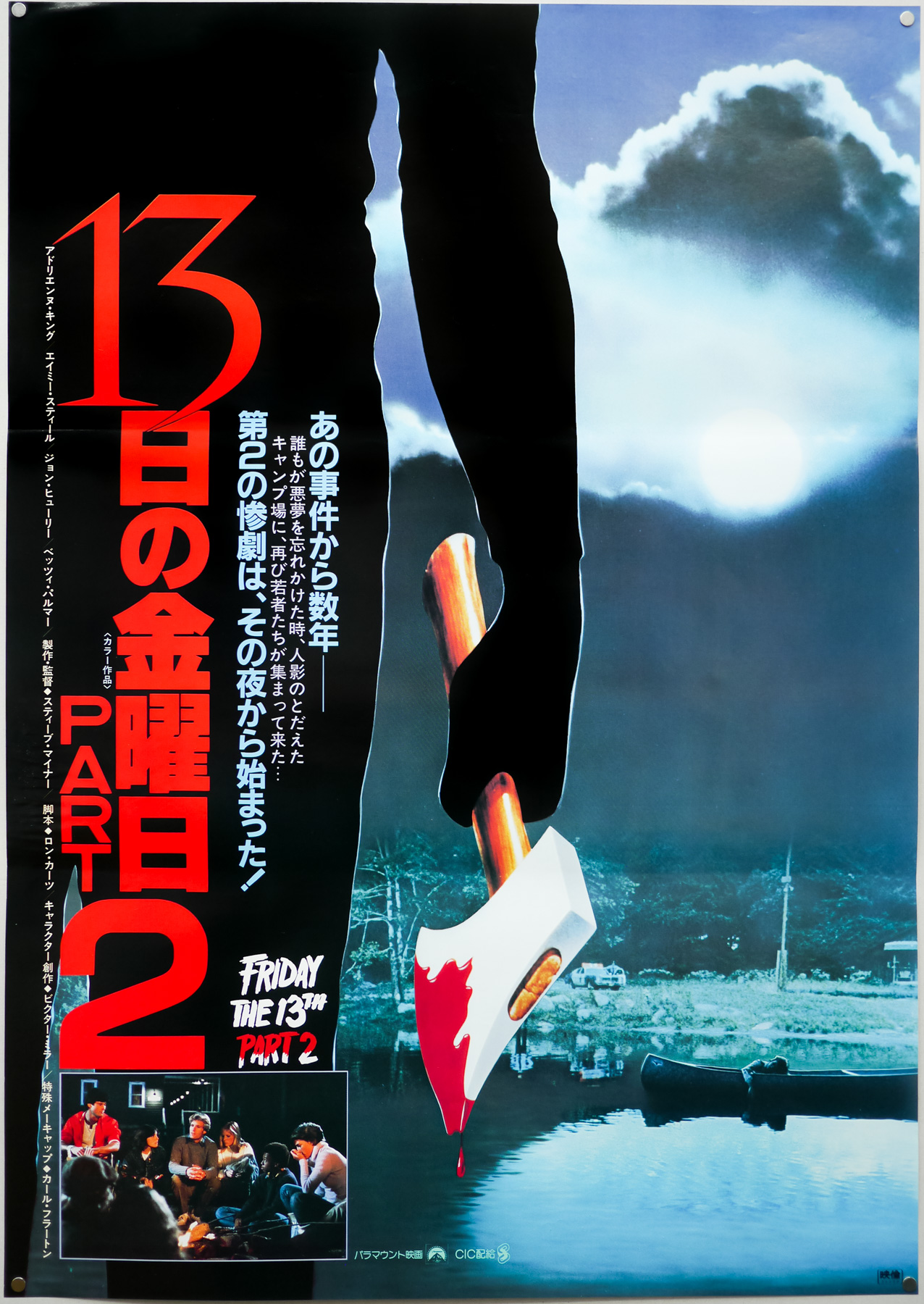
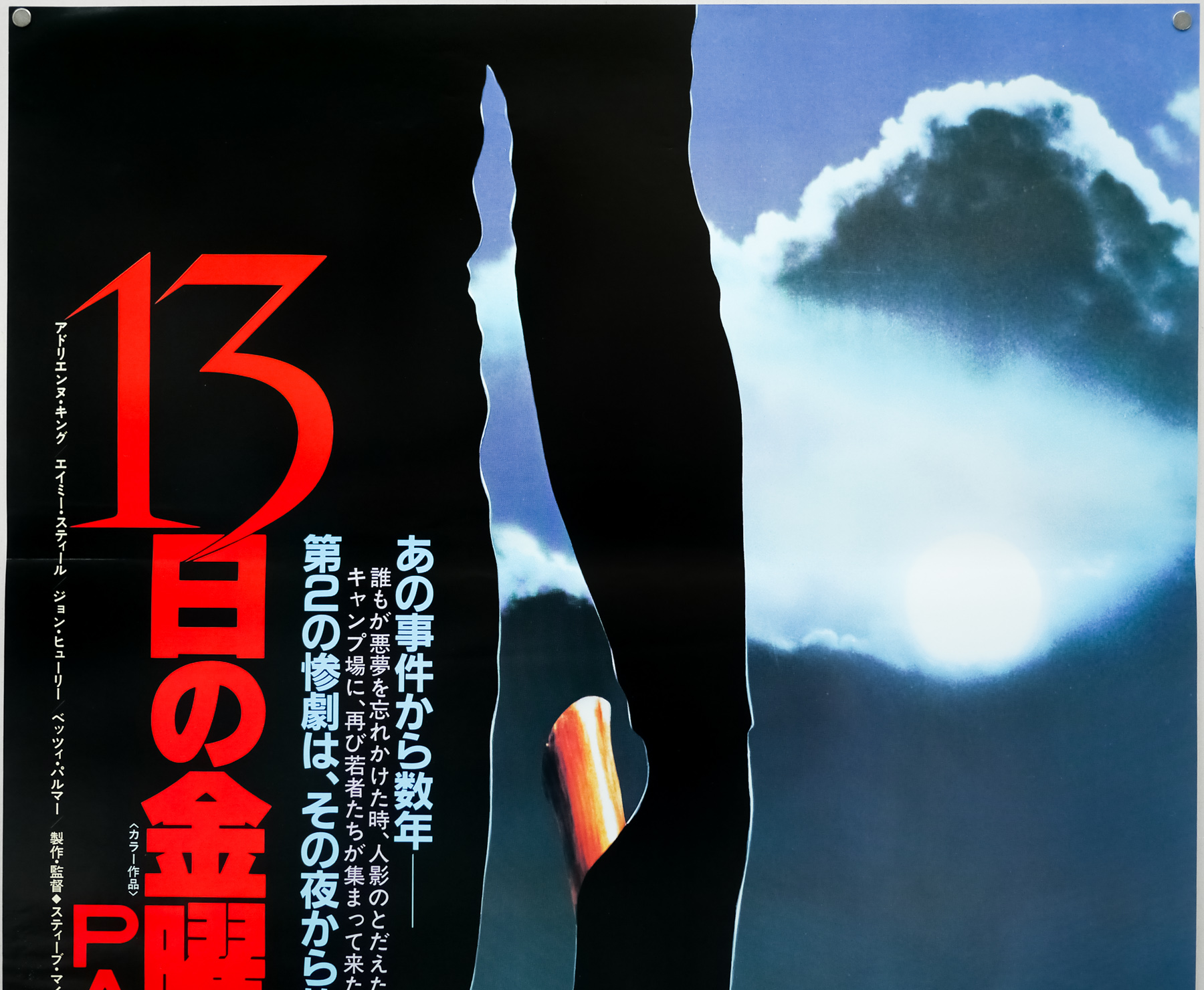
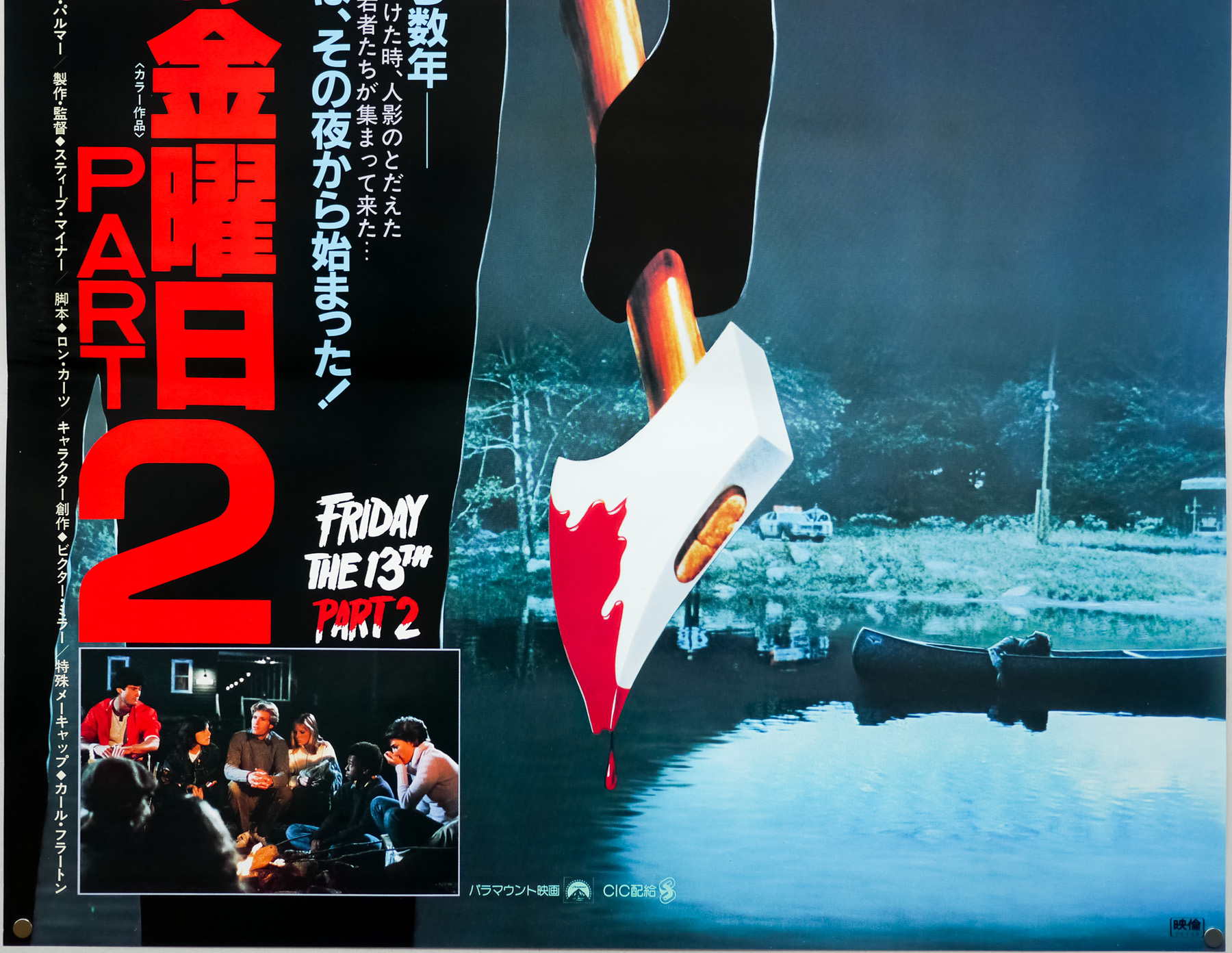
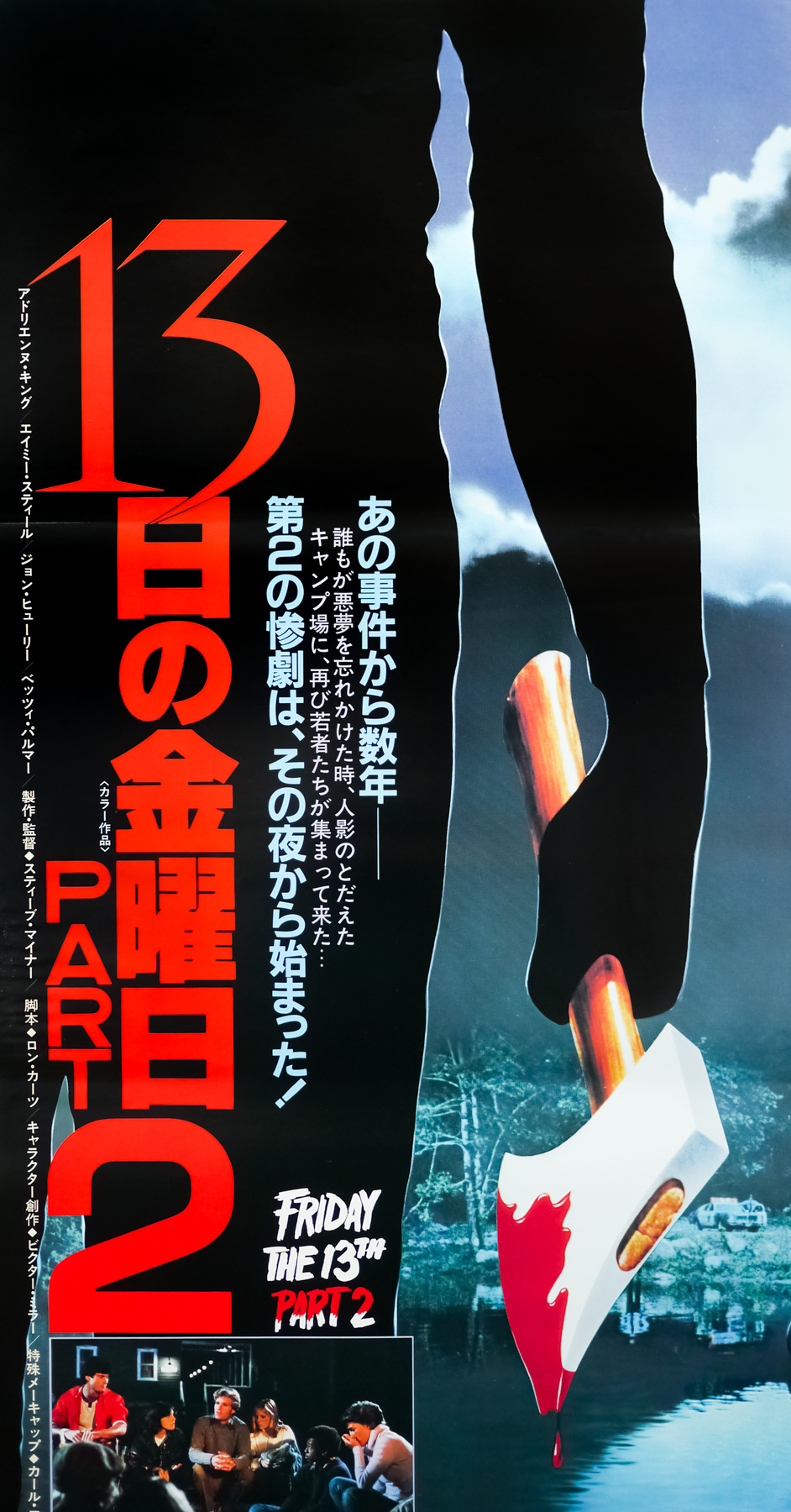
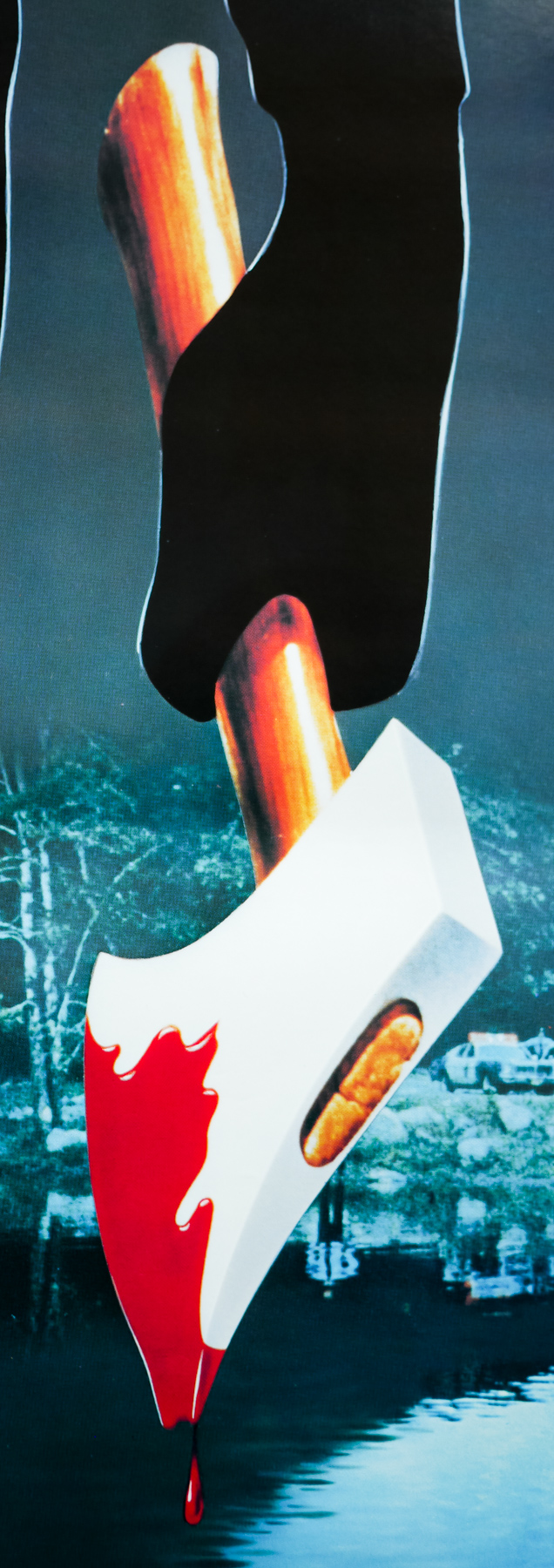
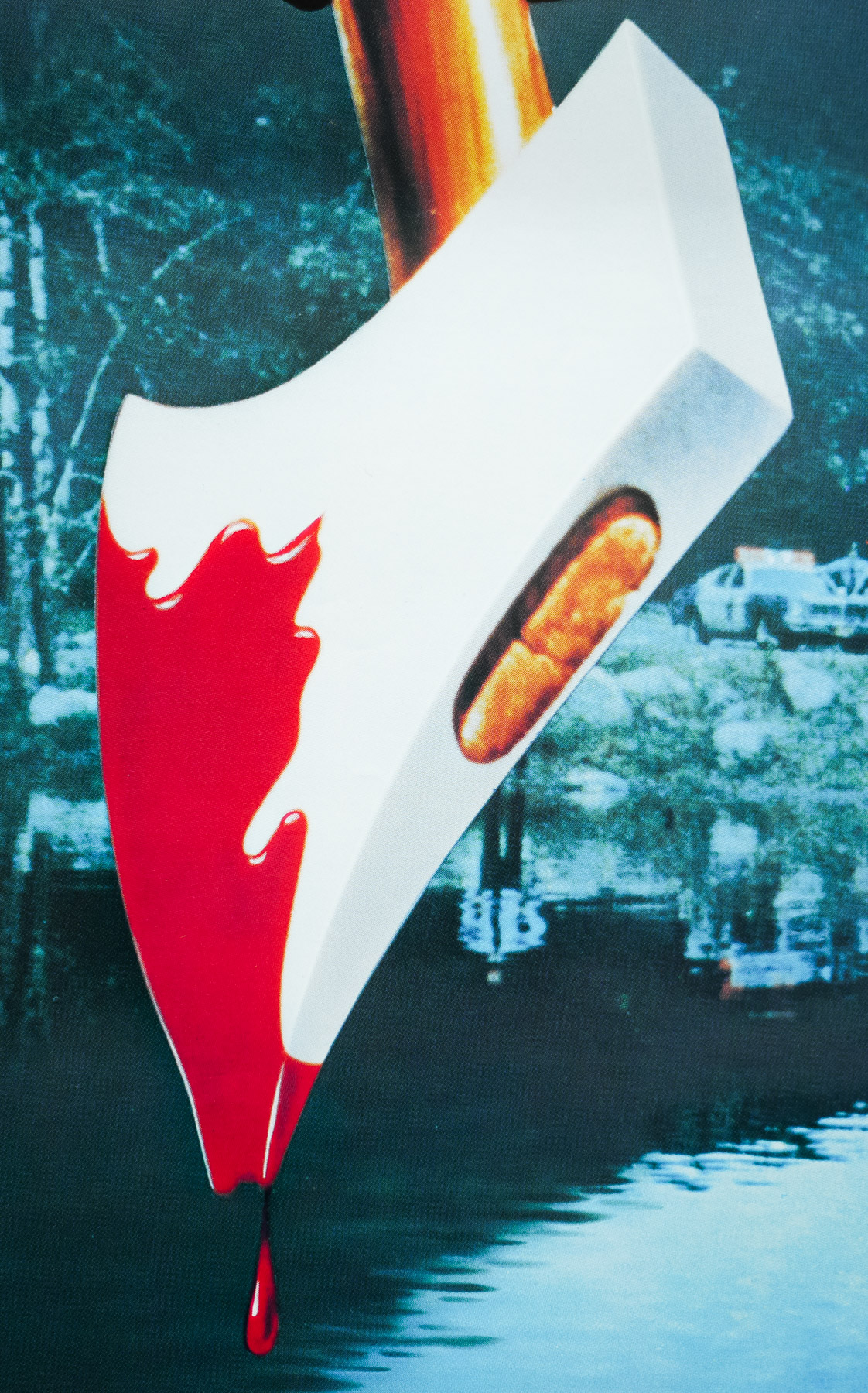
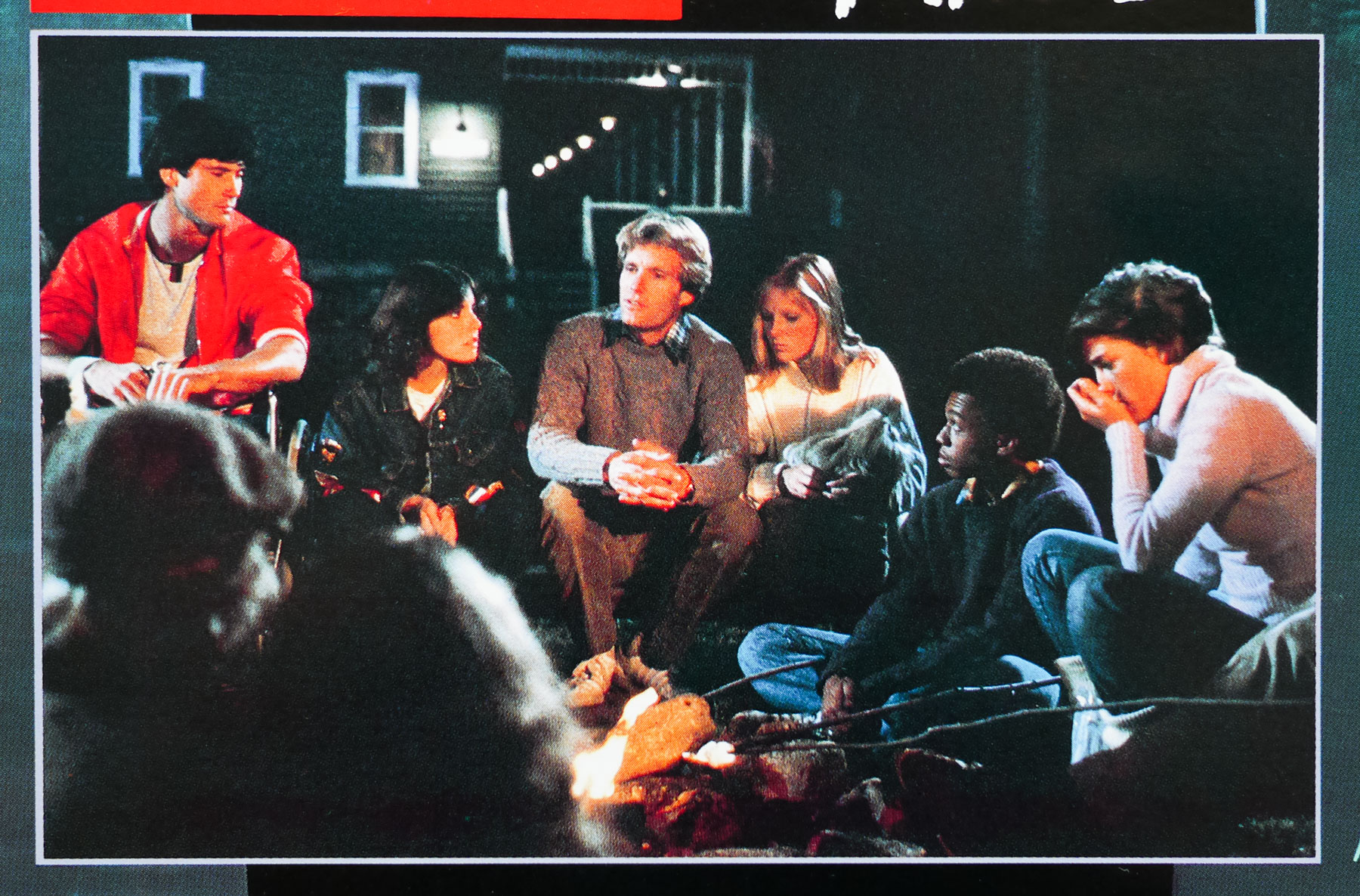
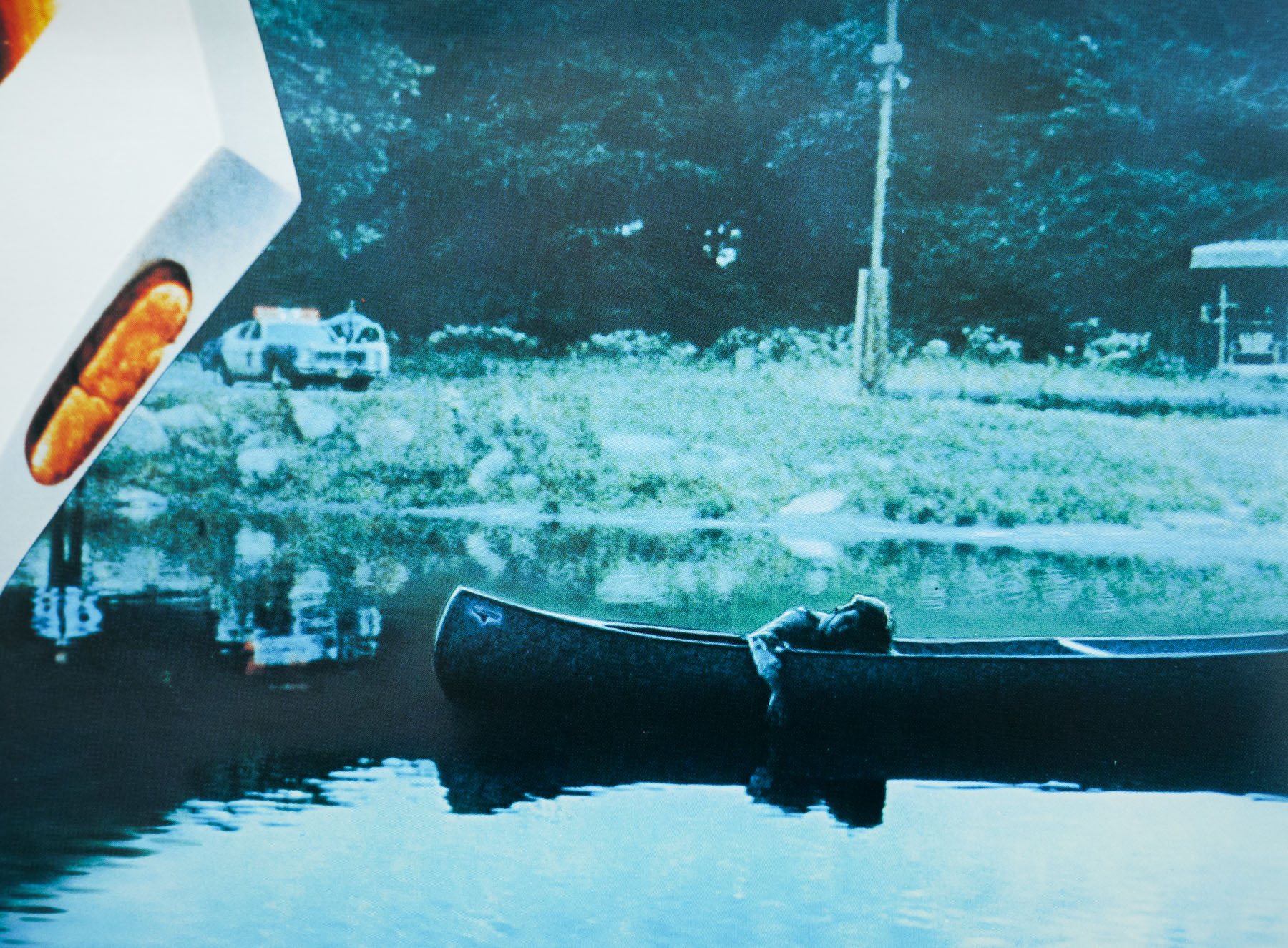
This Japanese B2 is a lot more interesting than the US one sheet and I’m unsure who is responsible for the art of the axe. If anyone has any ideas please get in touch.