You searched for: One%2Bsheet

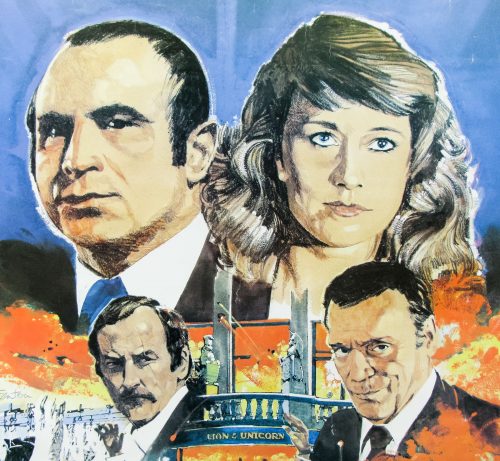
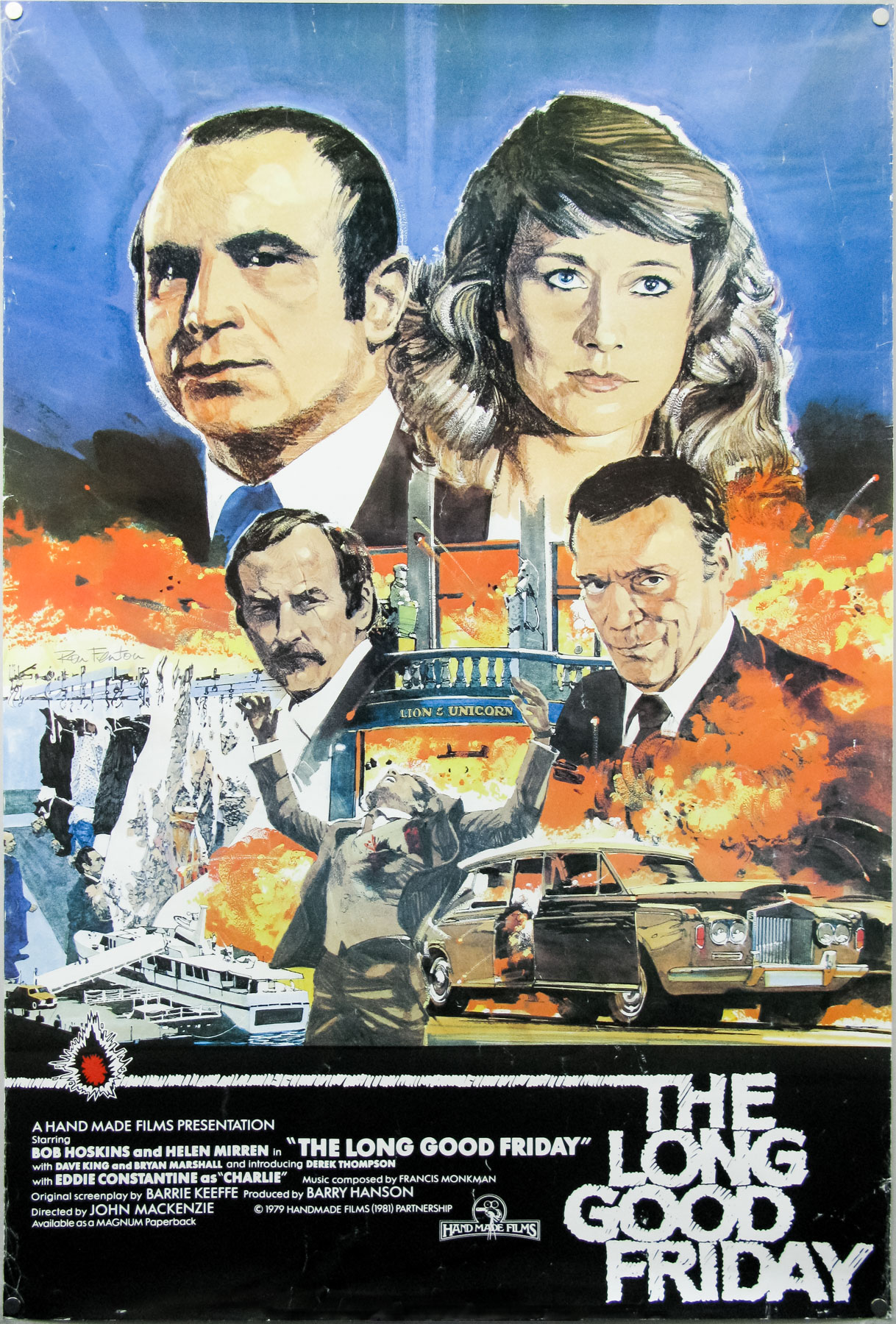
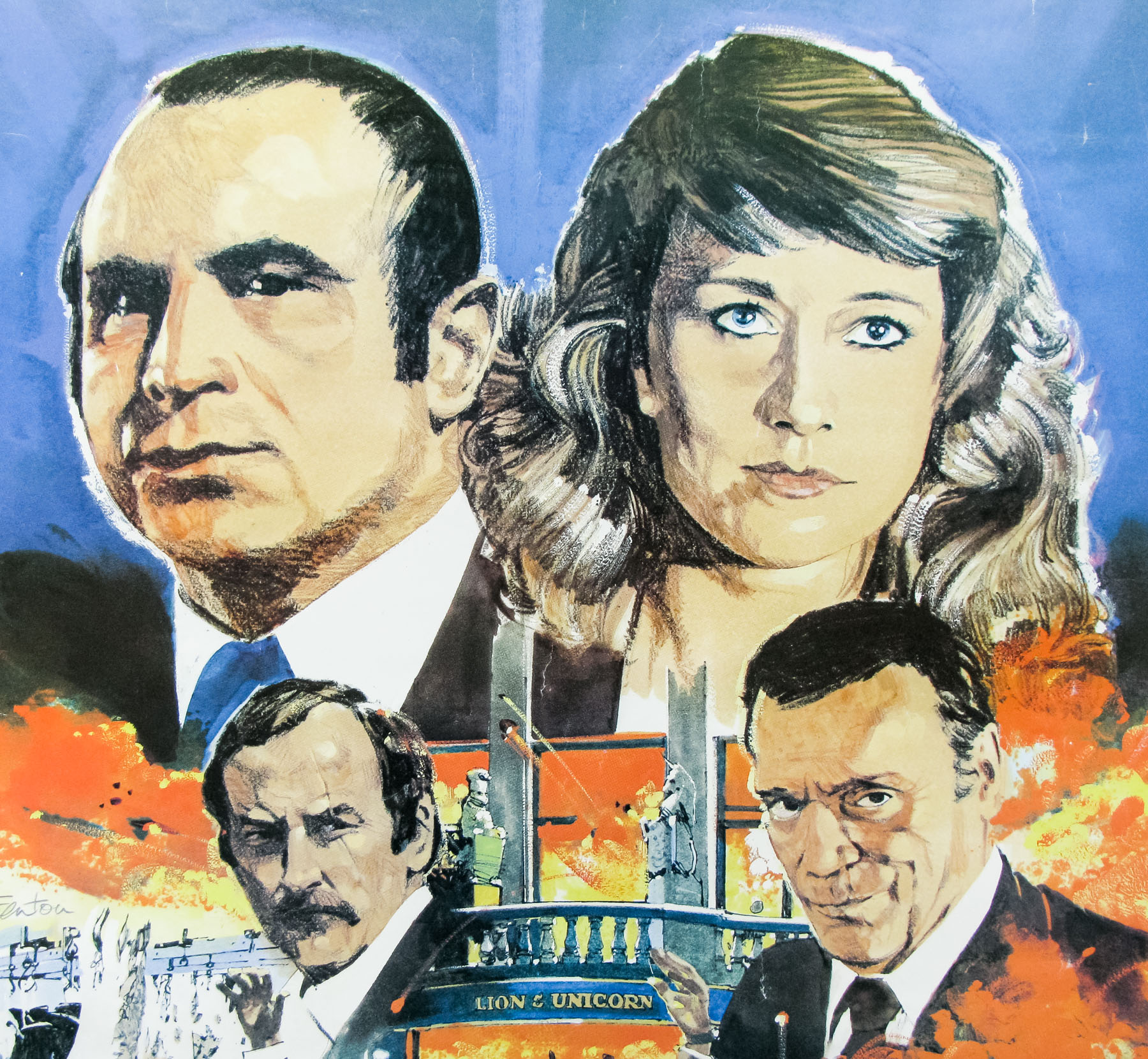
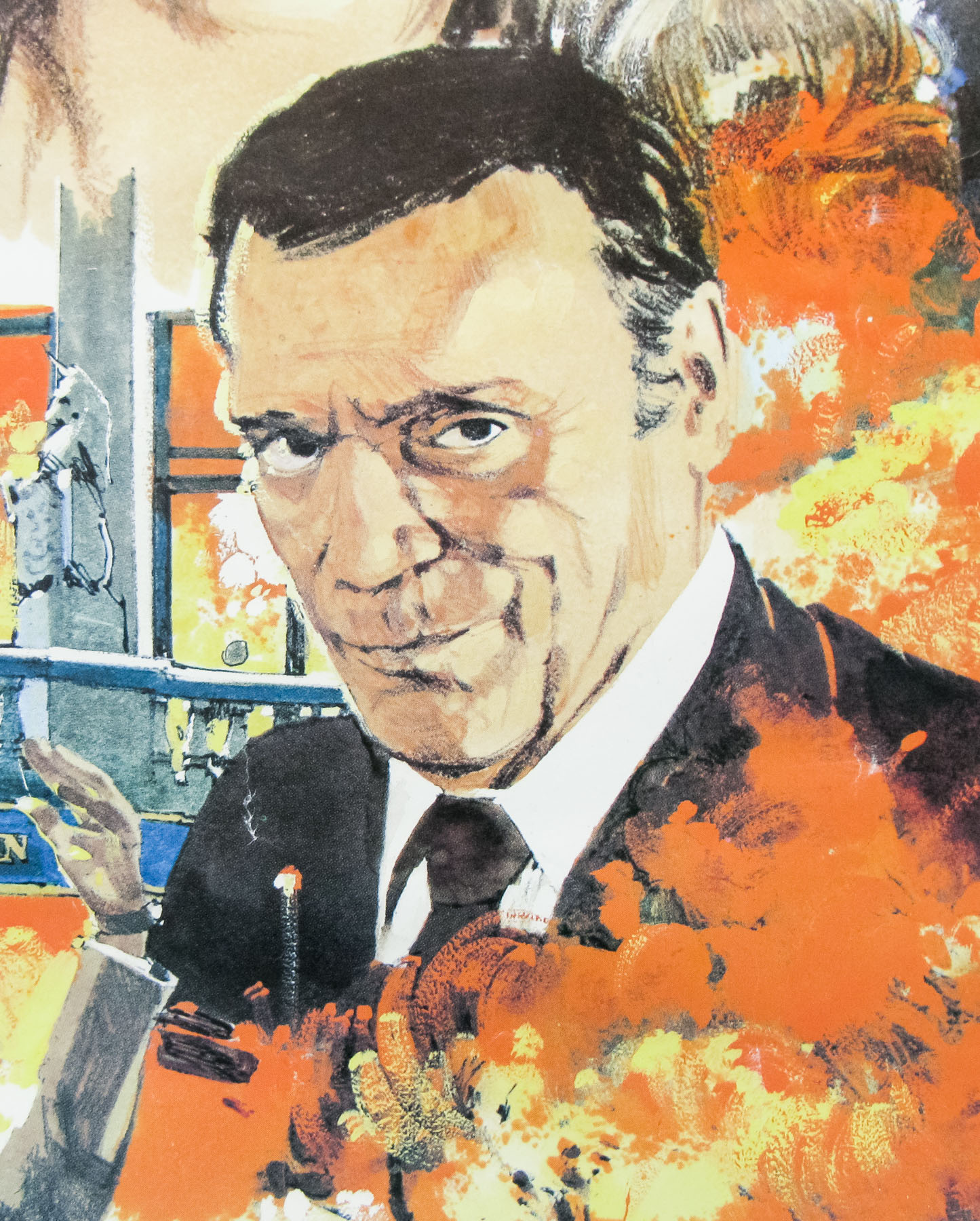
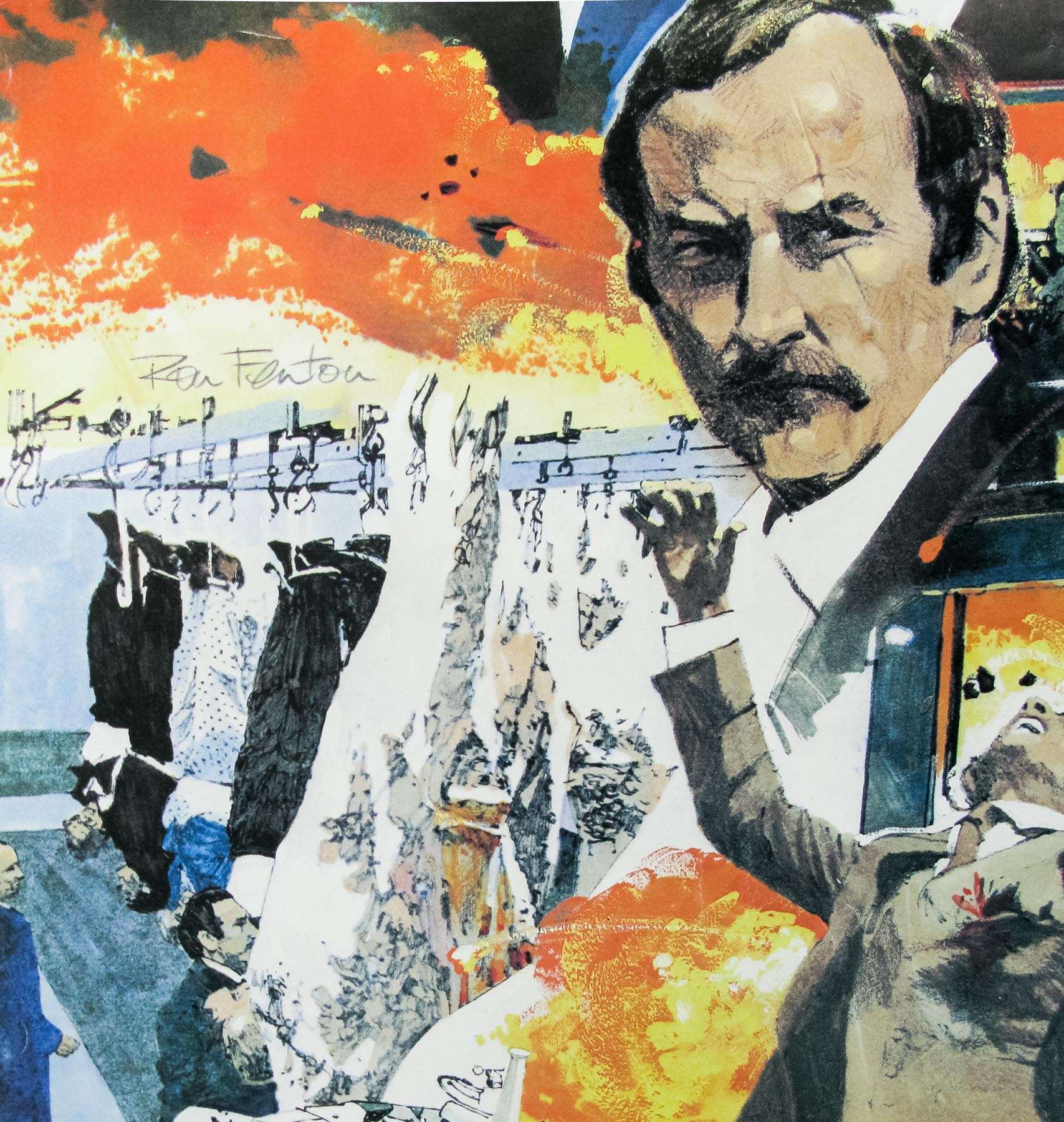
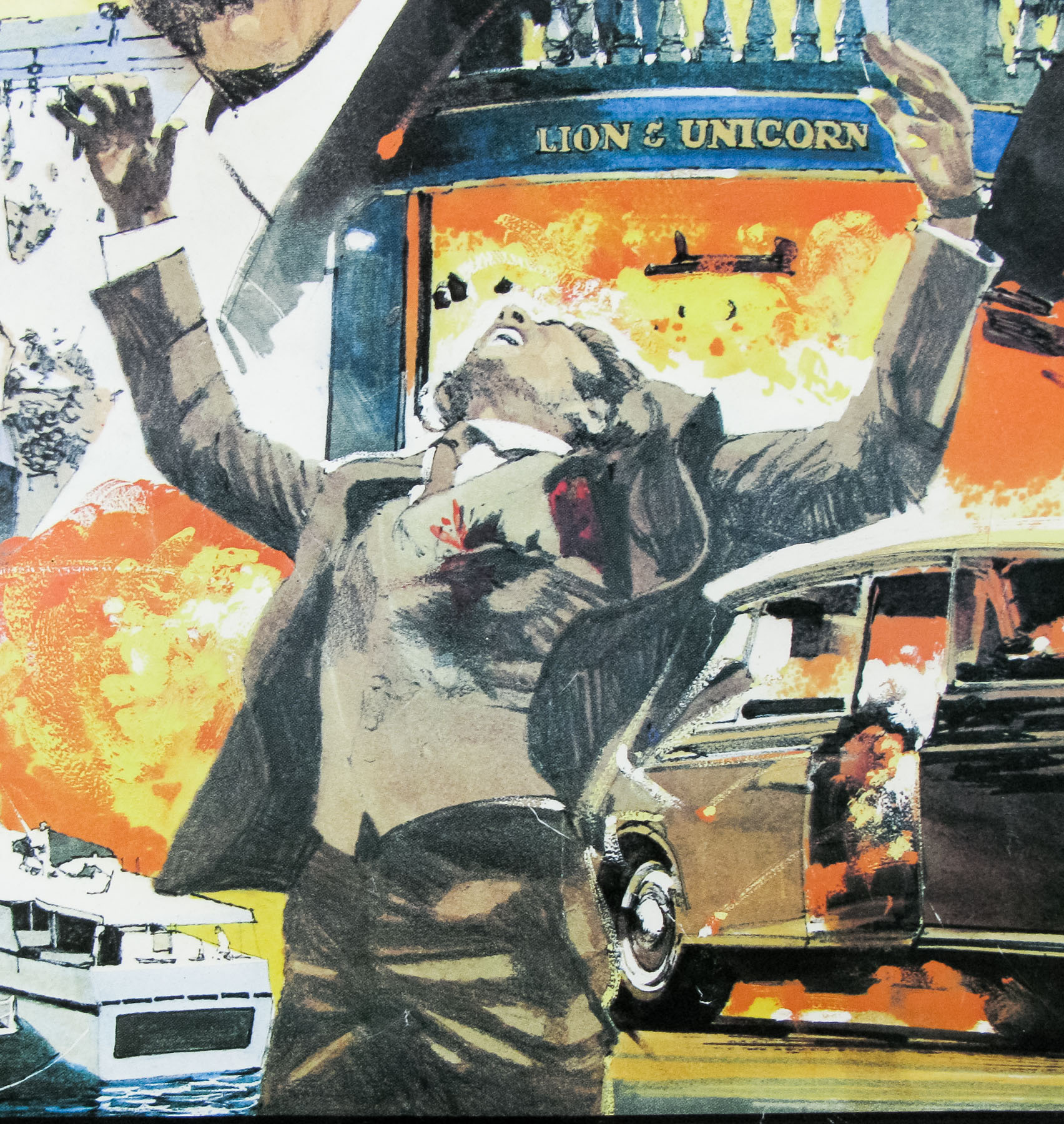
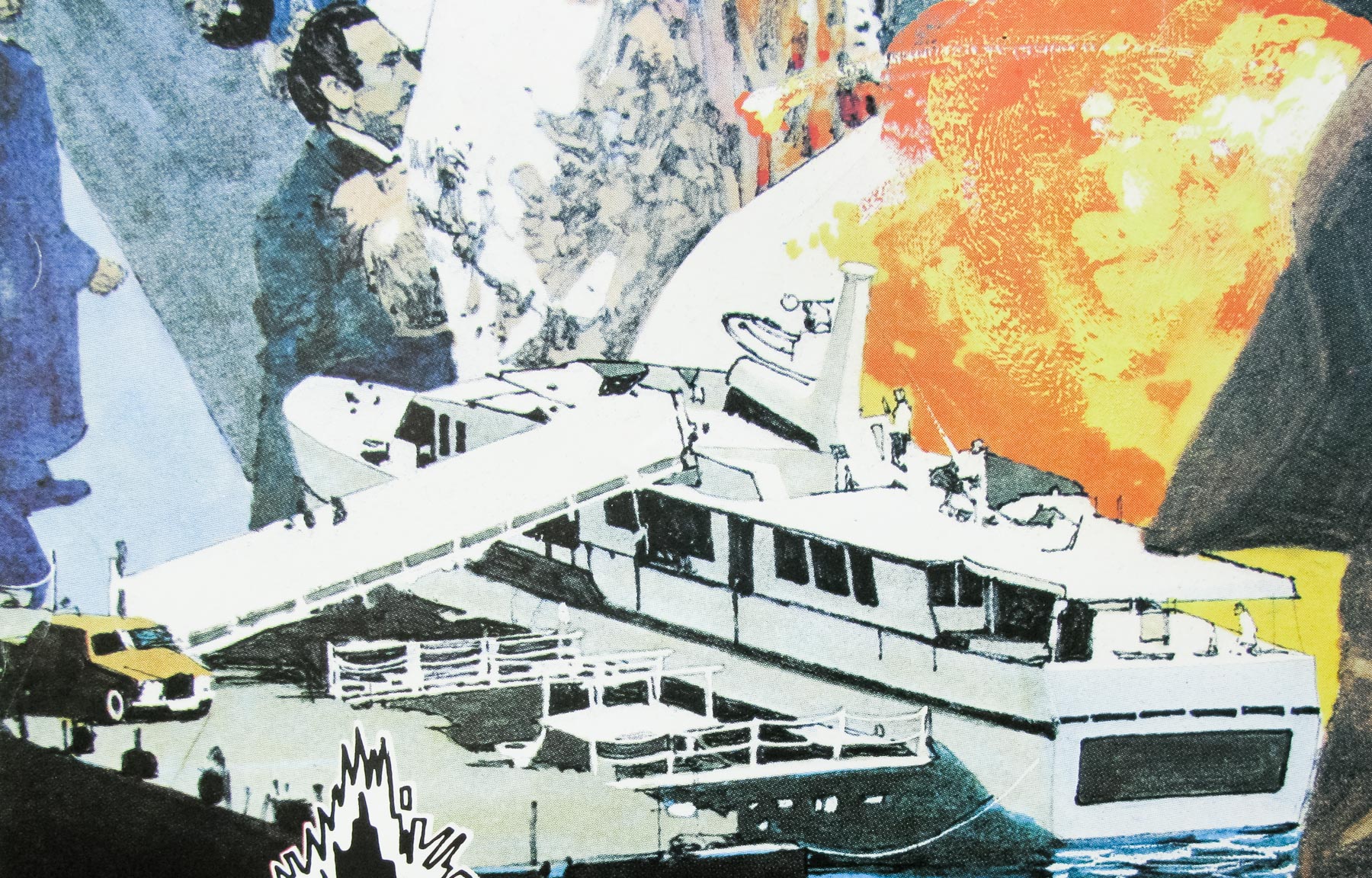
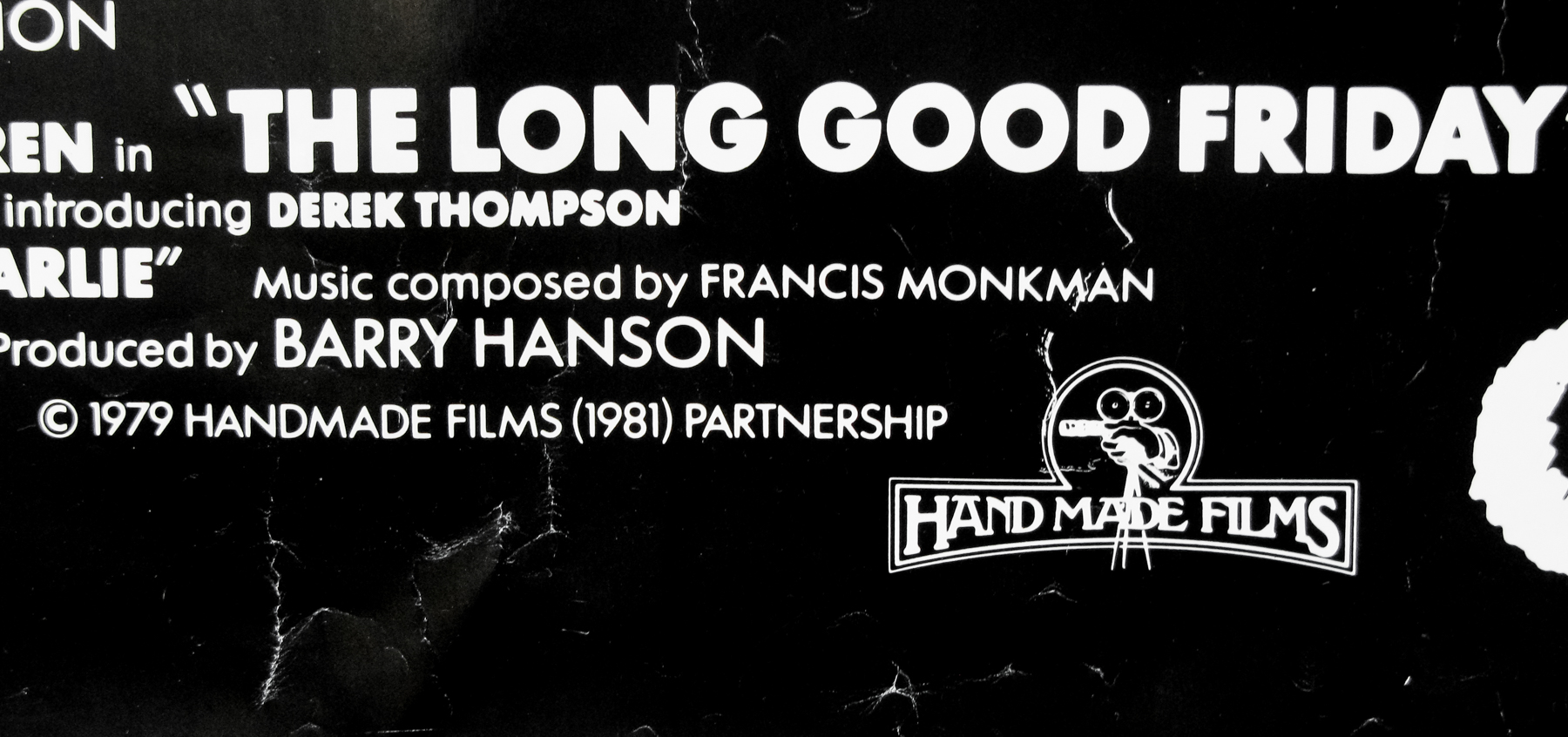
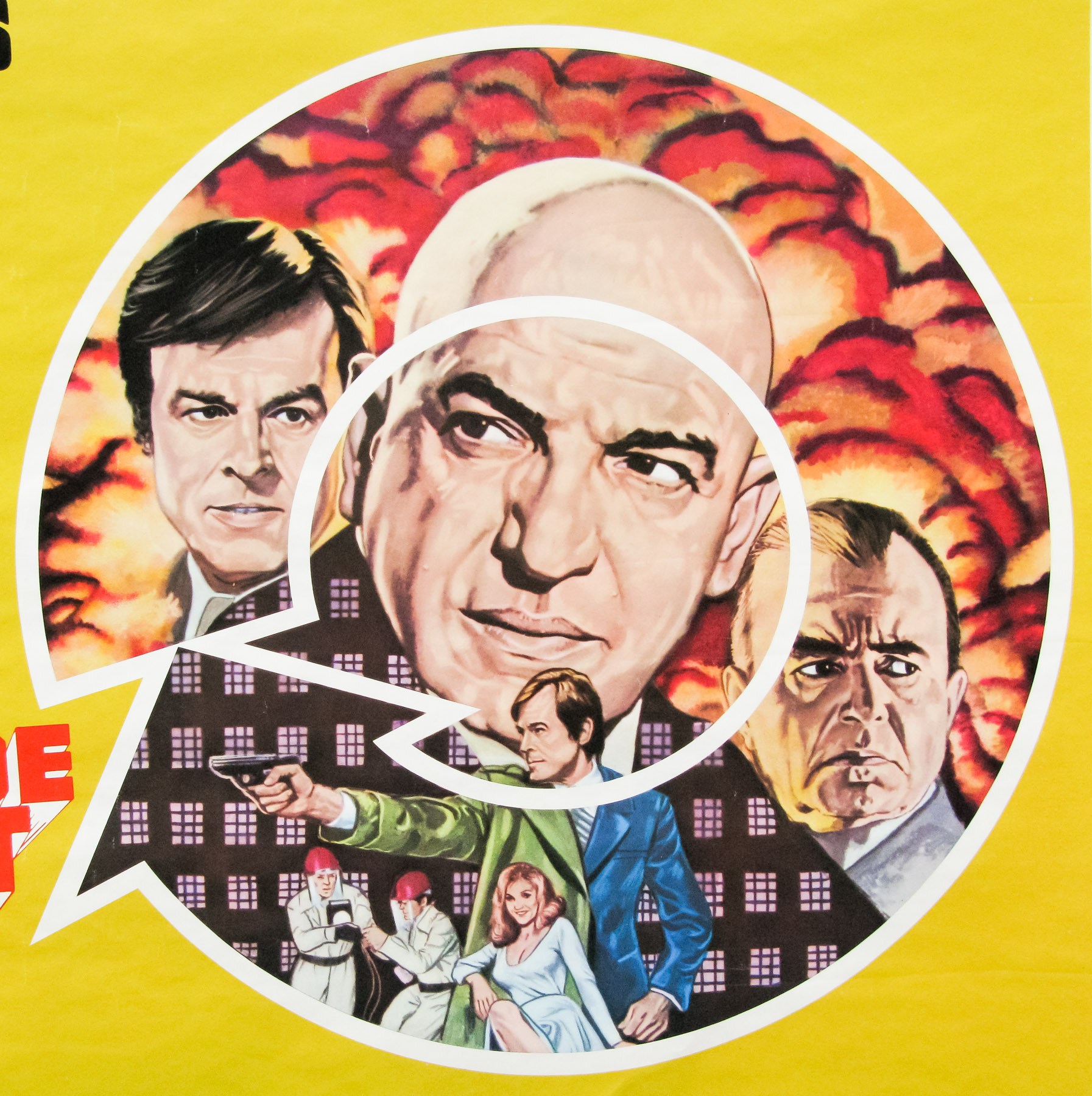
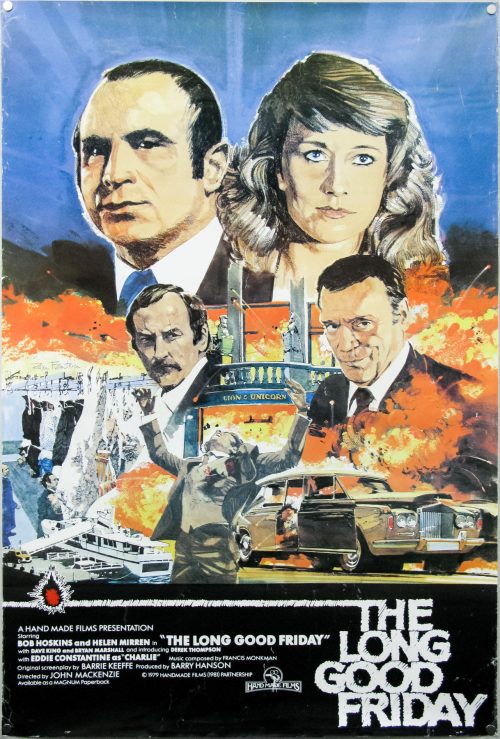
The Long Good Friday / one sheet / international

08.02.12

Poster Poster

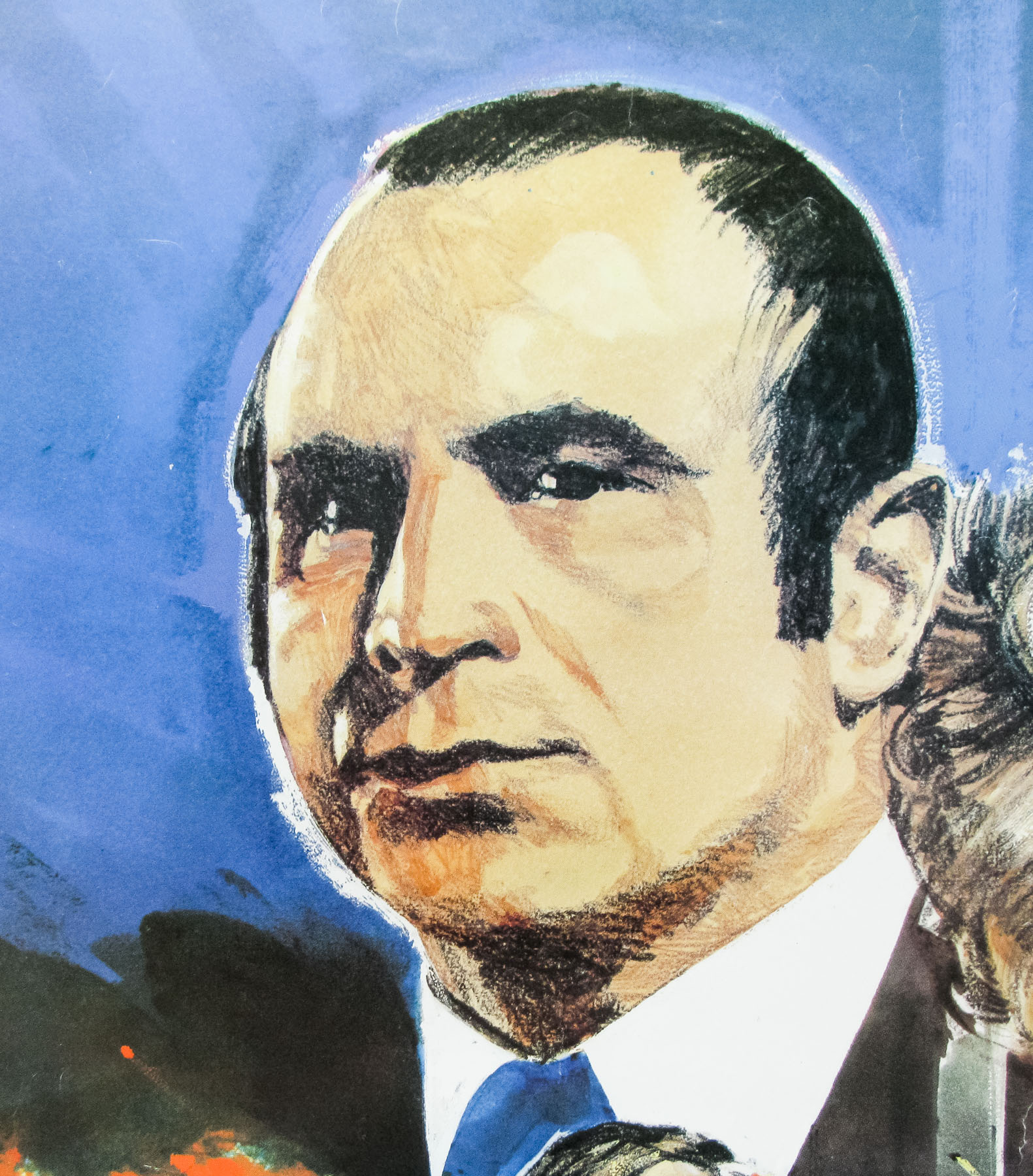
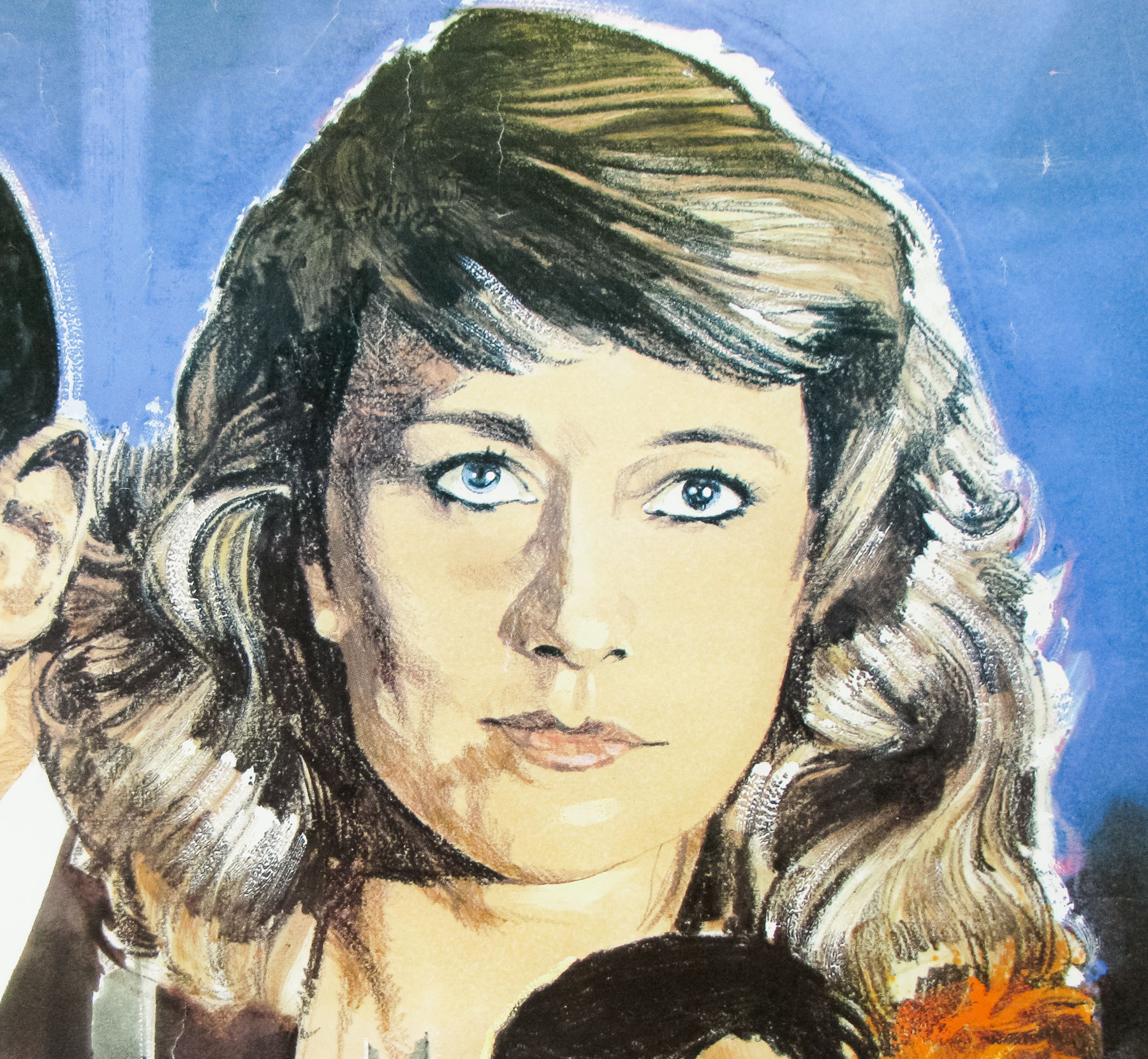
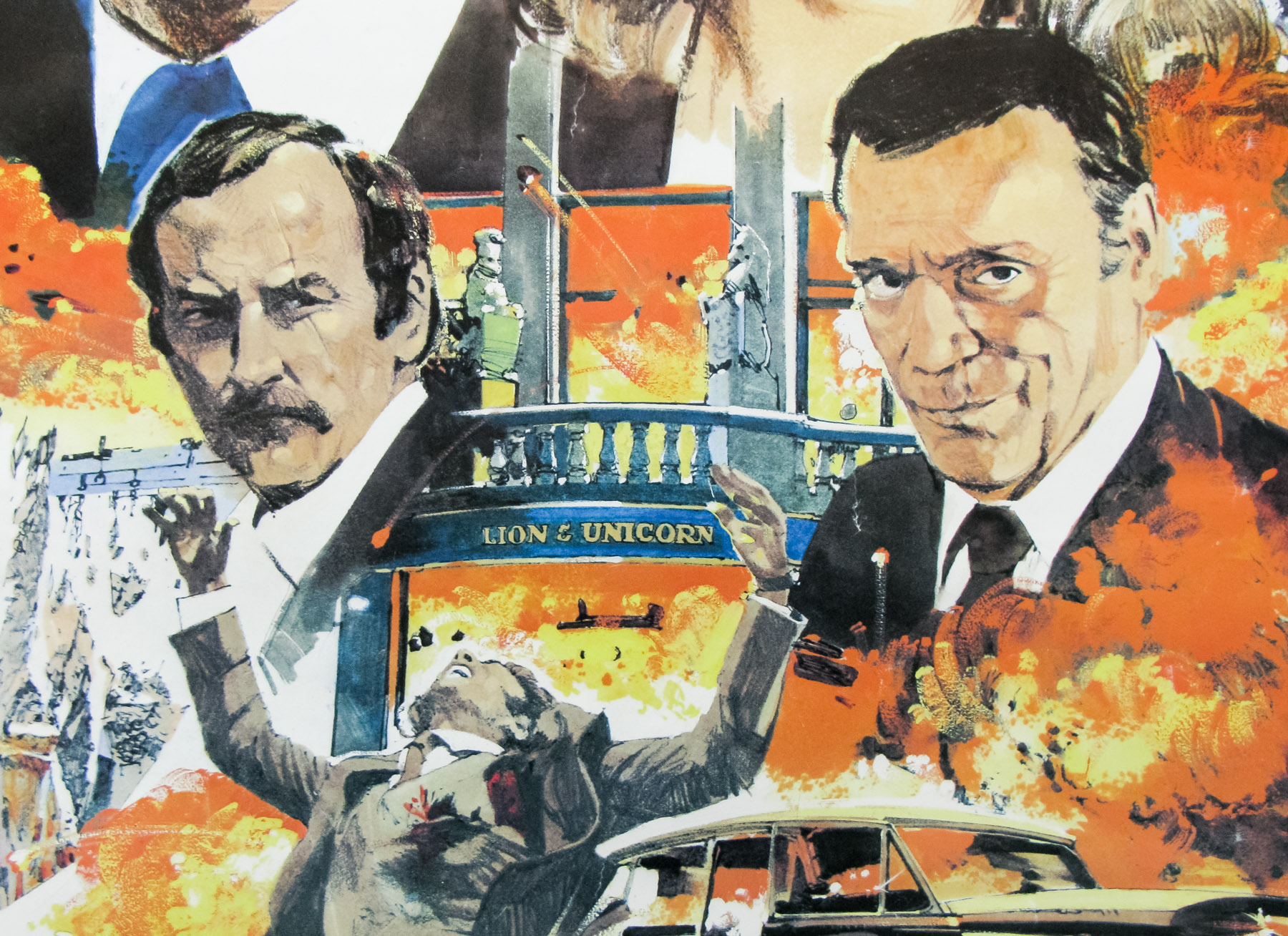
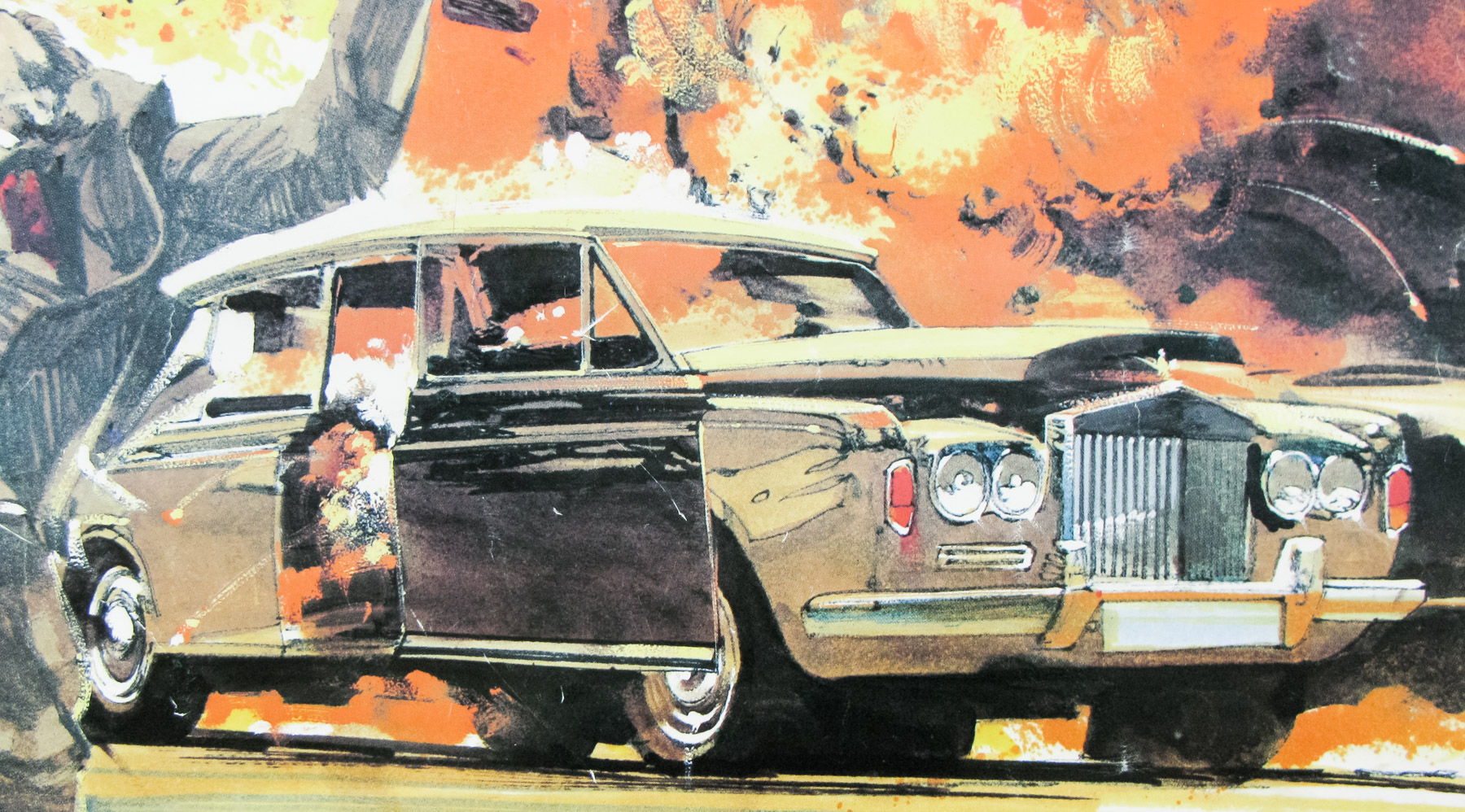
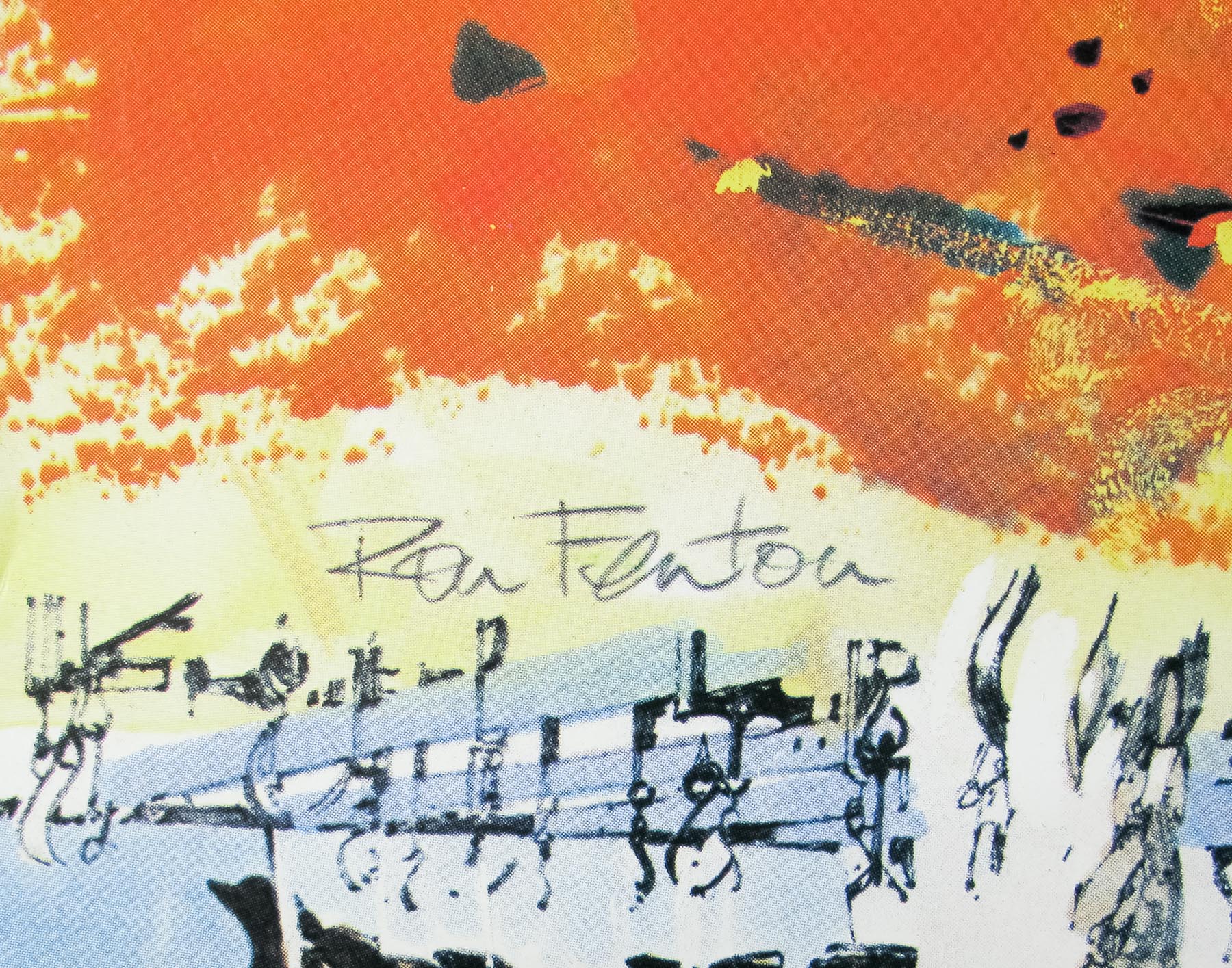
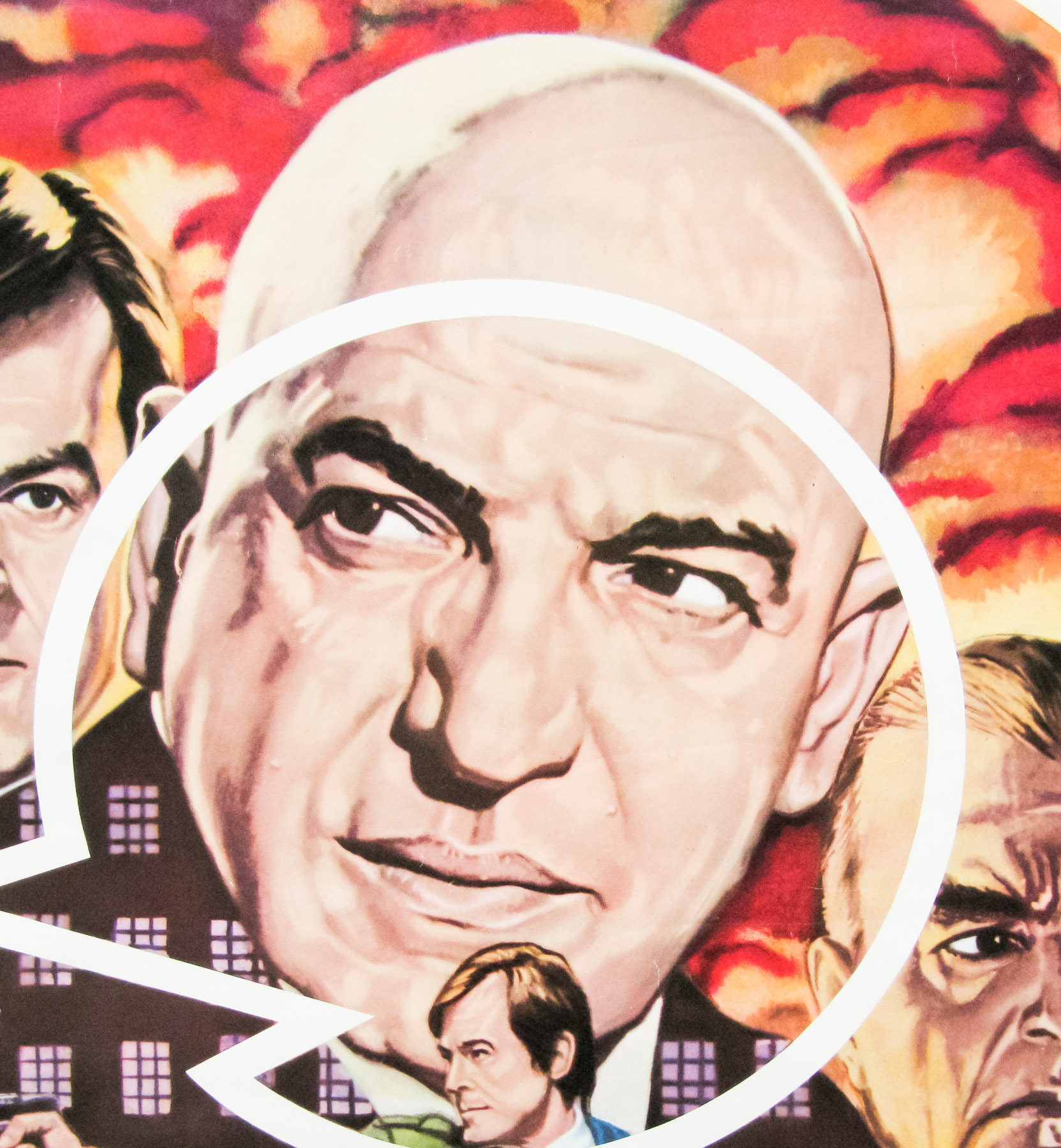
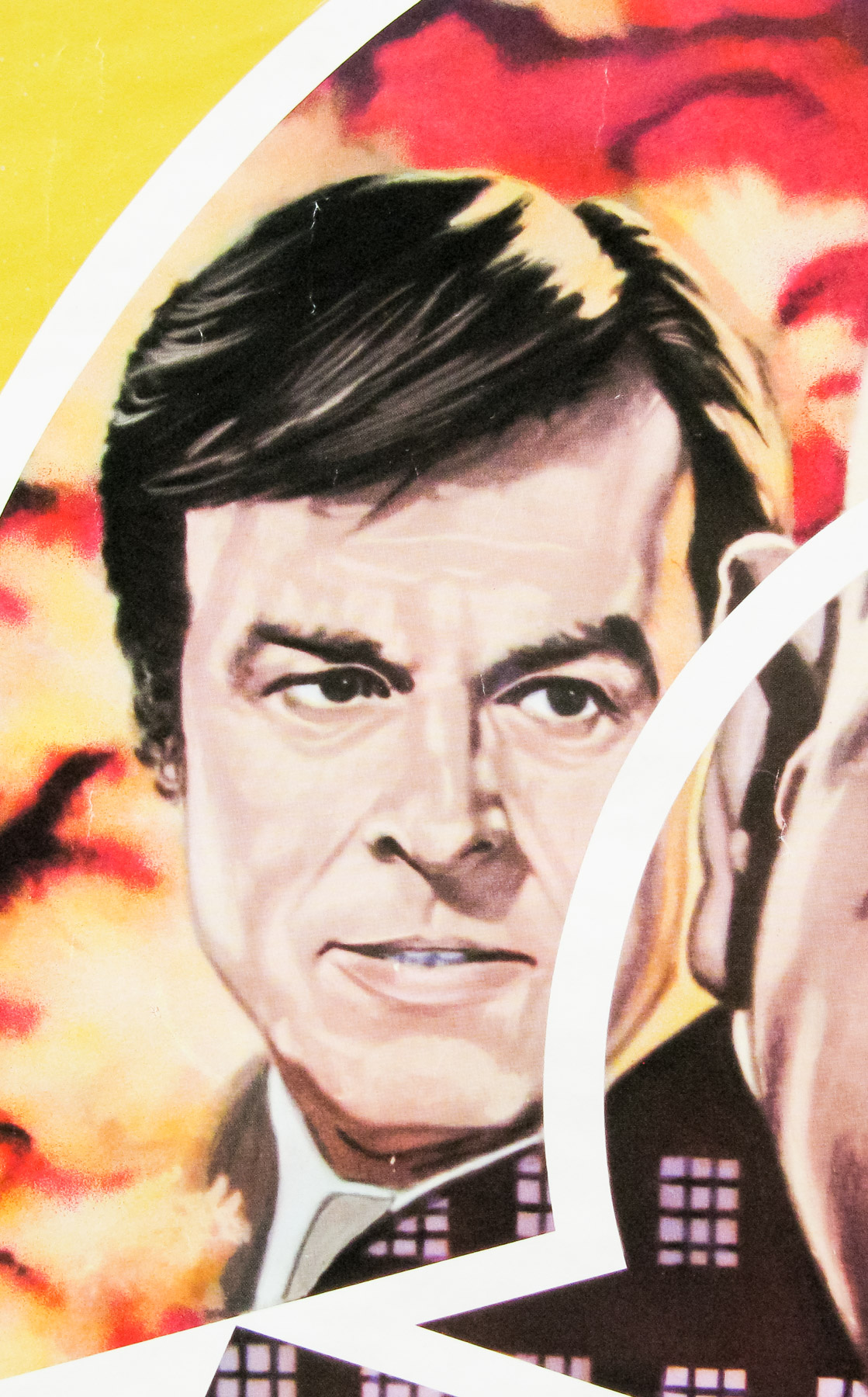
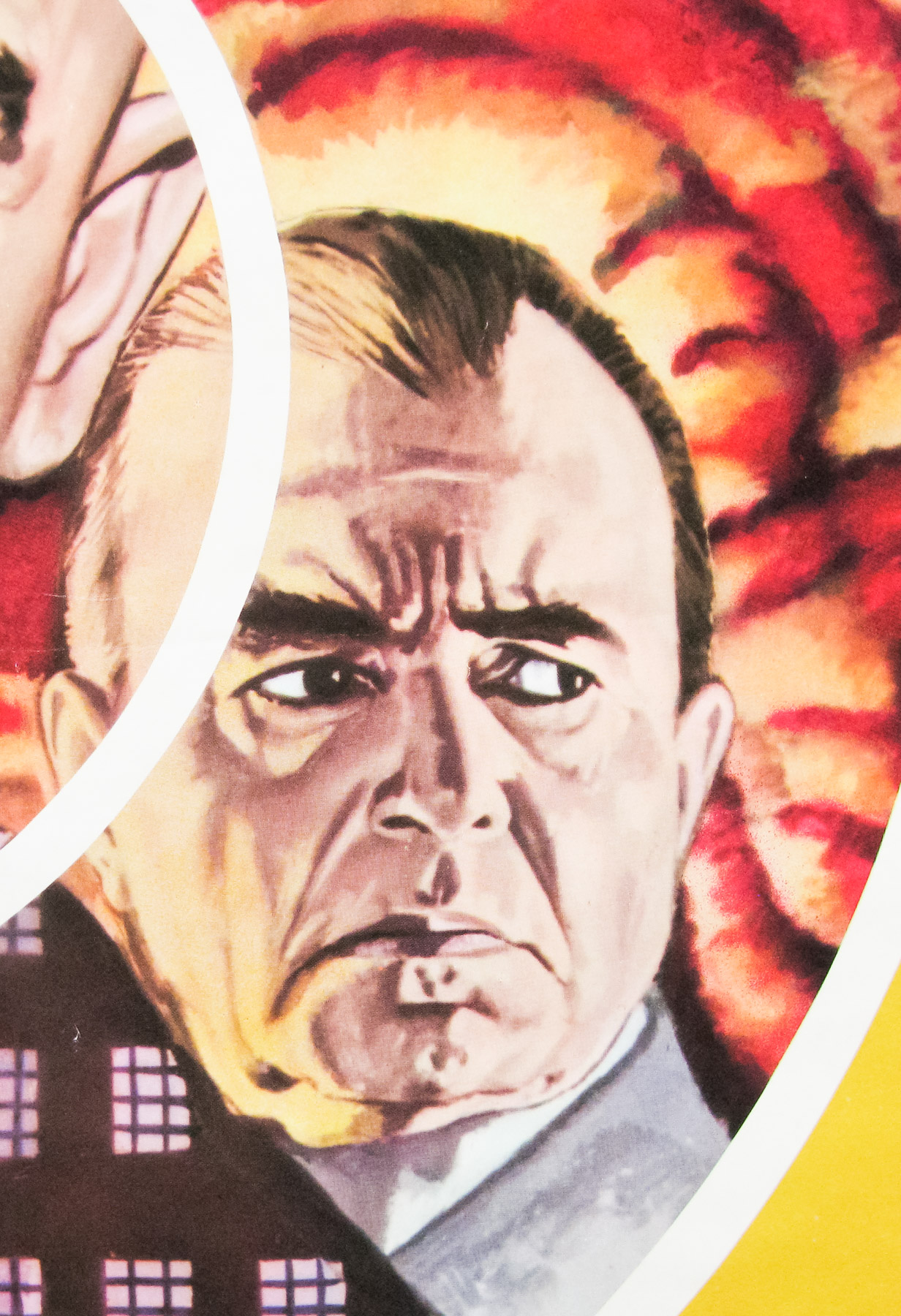
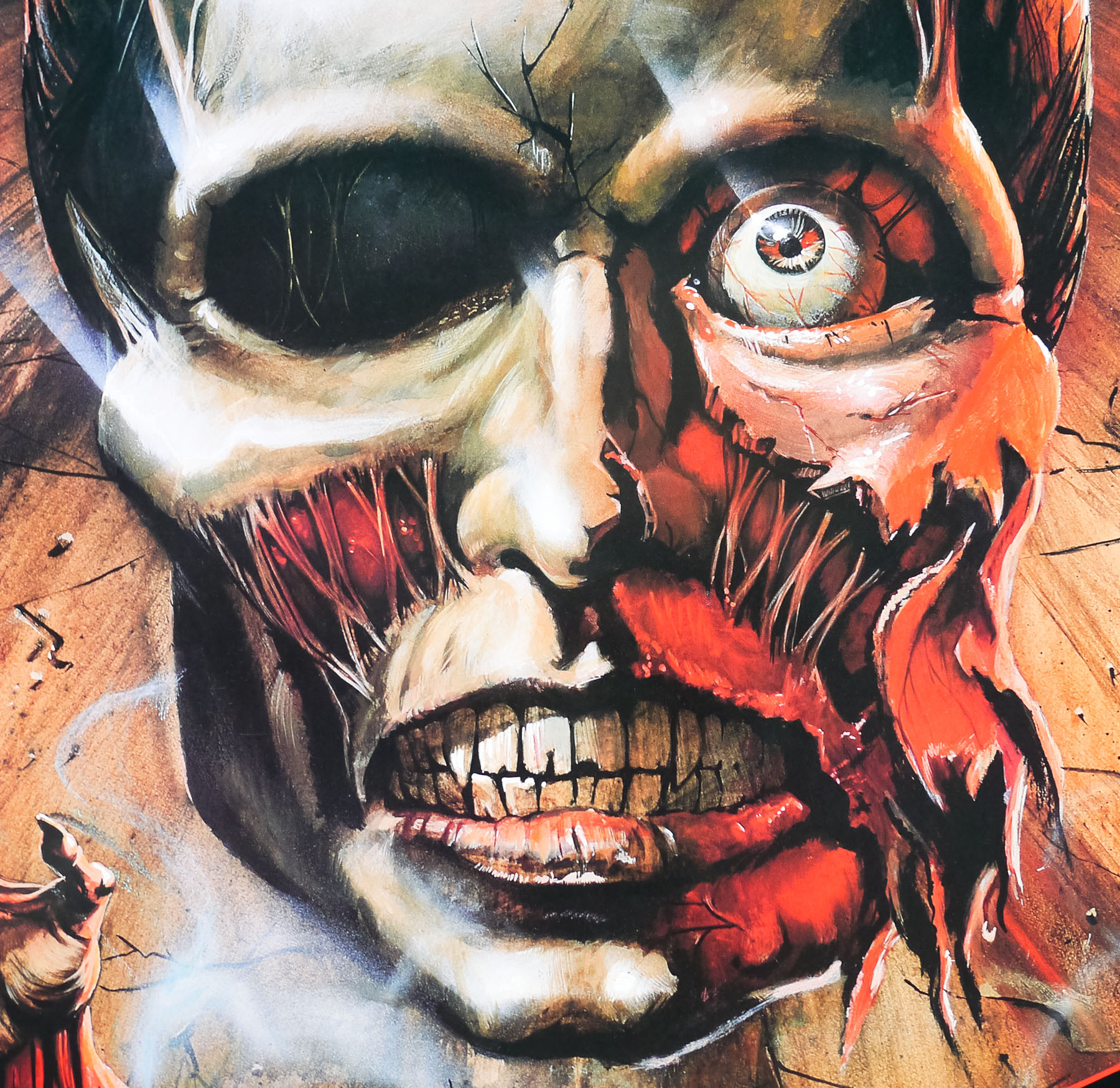
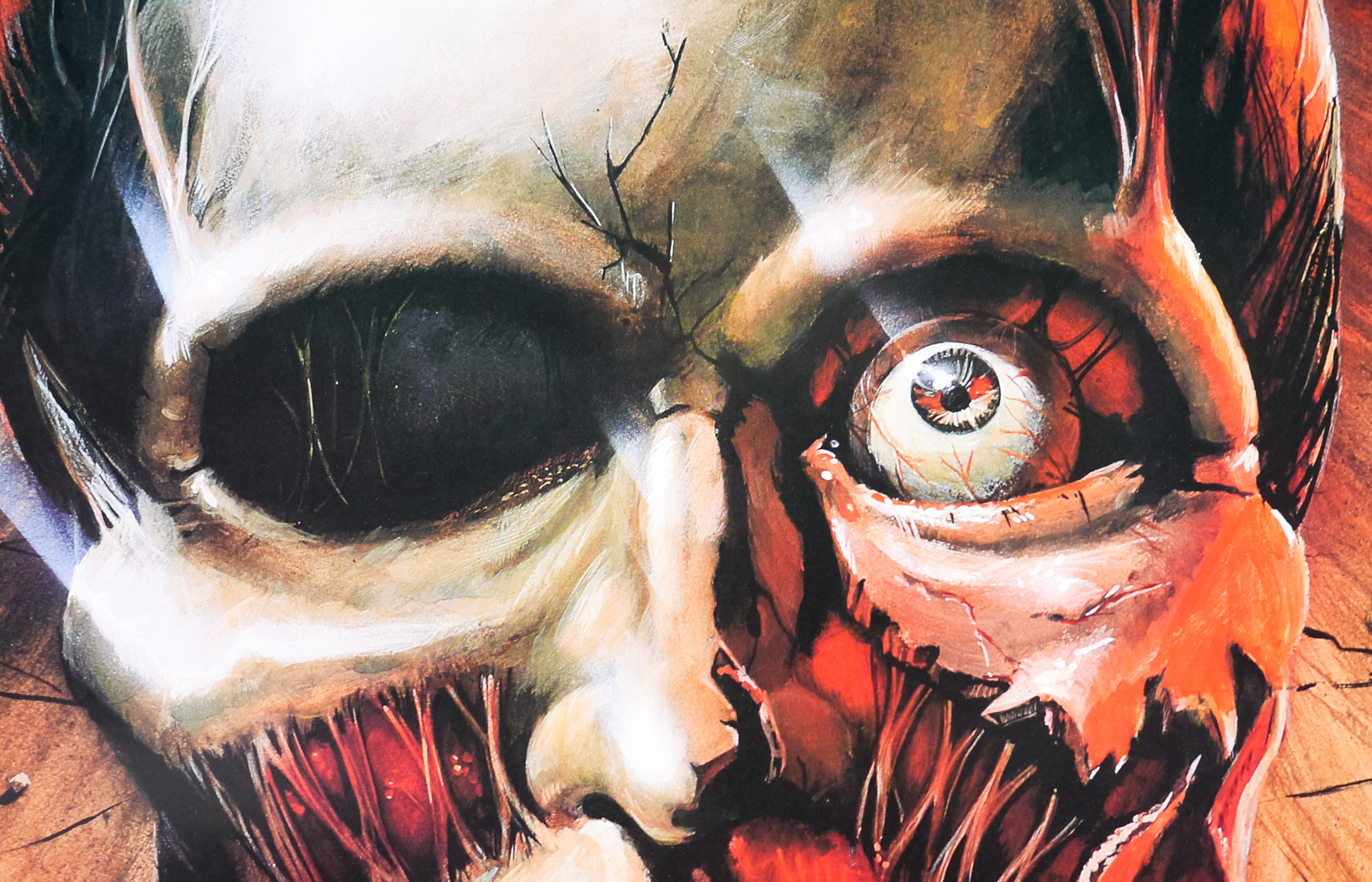
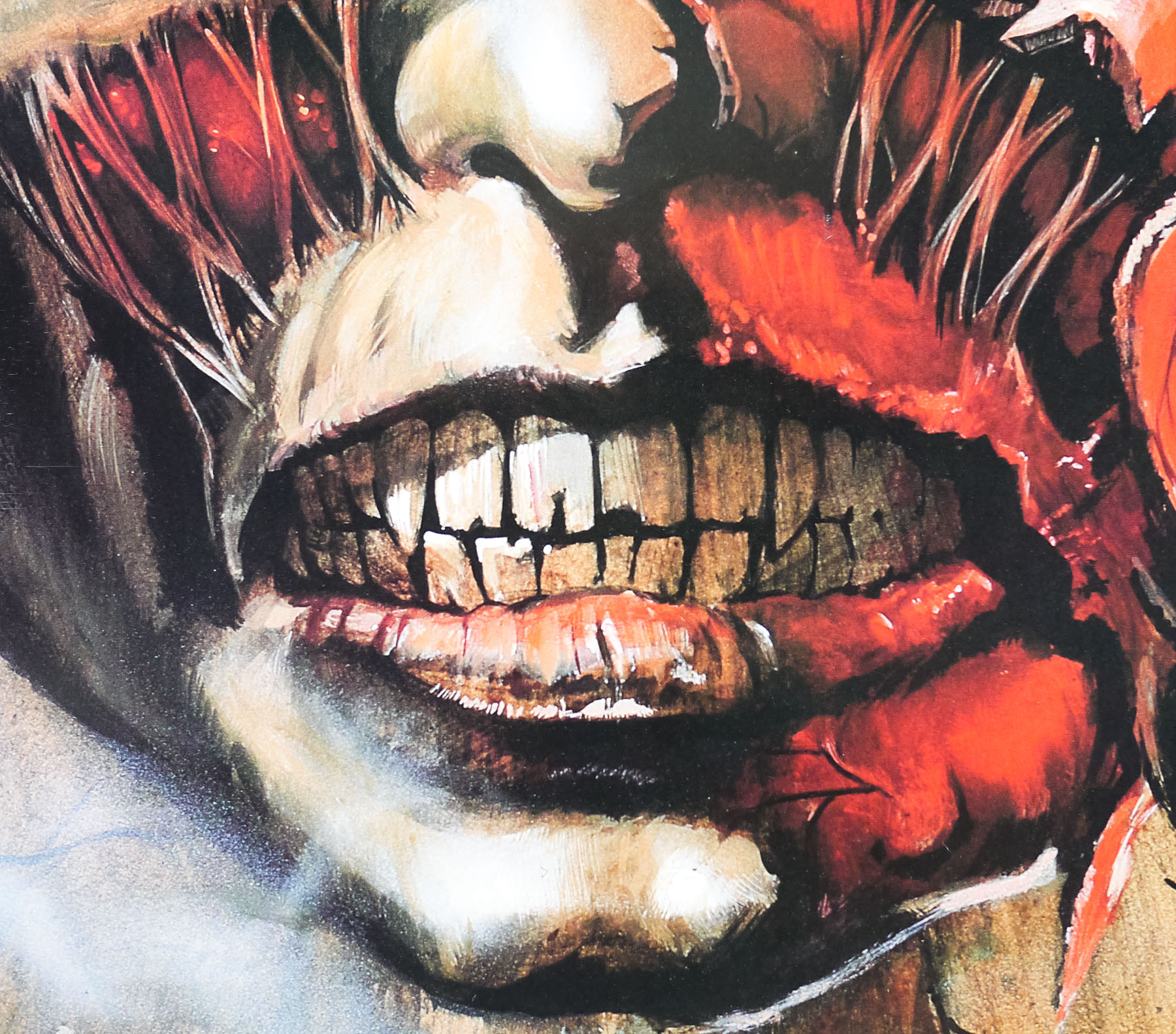
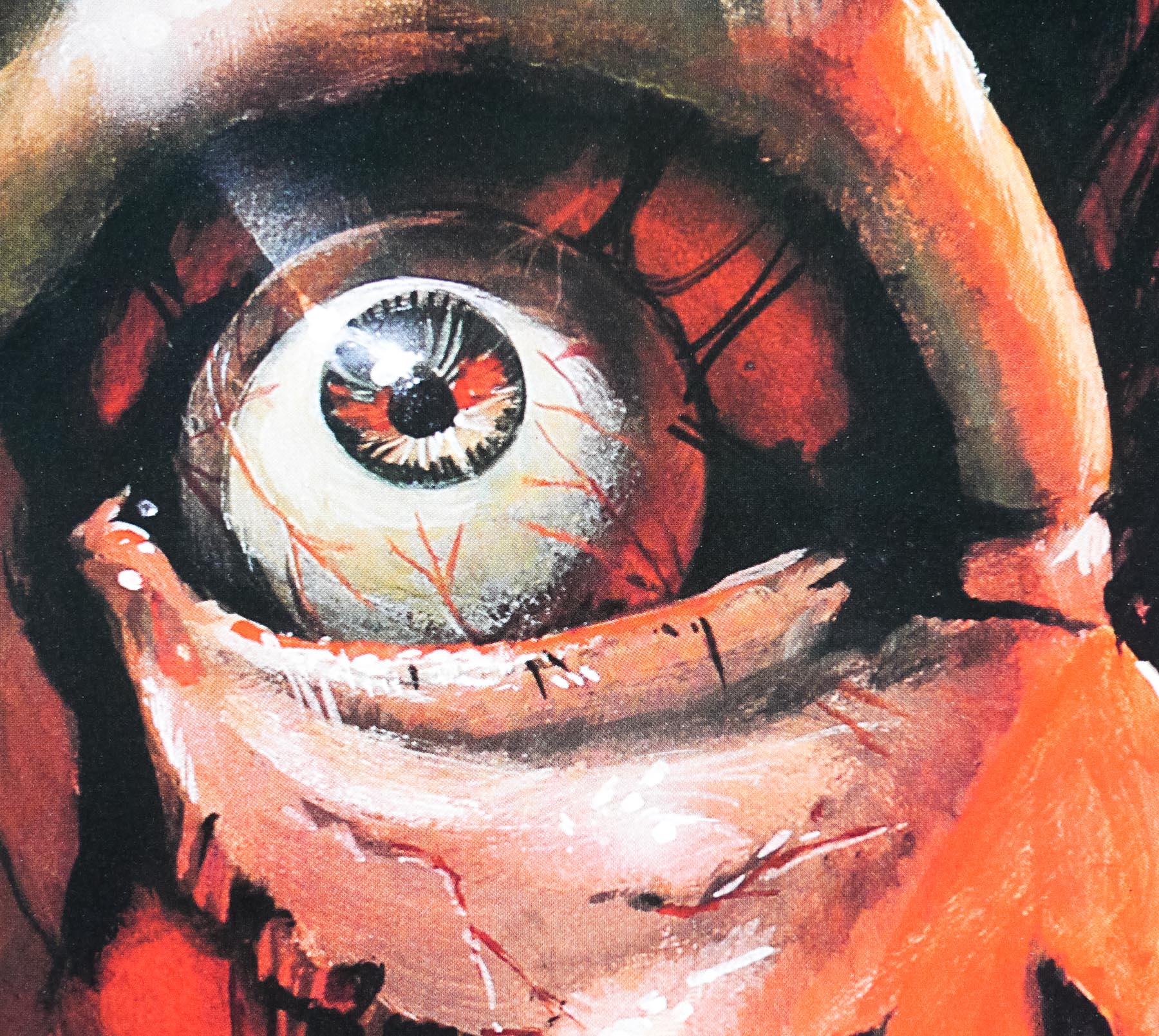
Ron Fenton is the artist behind this exciting montage for the classic British gangster film, starring Bob Hoskins in arguably his best film role. The poster features Hoskins alongside great portraits of Helen Mirren, the late Eddie Constantine (perhaps most famous for his role in Alphaville) and P.H. Moriarty (as the psychotic Razors).

The film focuses on Harold Shand (Hoskins) an underworld kingpin whose grand plans to develop the London Docklands, with the backing of the American Mafia, start to go awry when a series of bombs kill his associates and undermine his credibility. Harold needs to discover who is behind the killings and exact revenge before the deal is lost. The film is notable for its use of real London locations and it’s a thrill to watch the film now and see how much of the capital has changed. It was only made 33 years ago but the city is barely recognisable compared to today.

The film had a fairly tumultuous time getting into cinemas and was saved from being cut to shreds and offloaded as a TV special after its original production company (ITC) weren’t happy with the results. Helen Mirren was friends with Eric Idle who saw the film and recommended it to George Harrison who had just started up Handmade Films. Harrison saw commercial potential and was able to purchase the rights for less than the original production cost. The film went on to be a solid success for Handmade.

I’ve had no luck finding any other poster art that can be attributed to Ron Fenton, but Sim Branaghan (British Film Posters) has confirmed that he did work on other posters around this time. I’ll update the article if any more information comes to light. The artwork was used as a DVD cover for certain releases of the film.

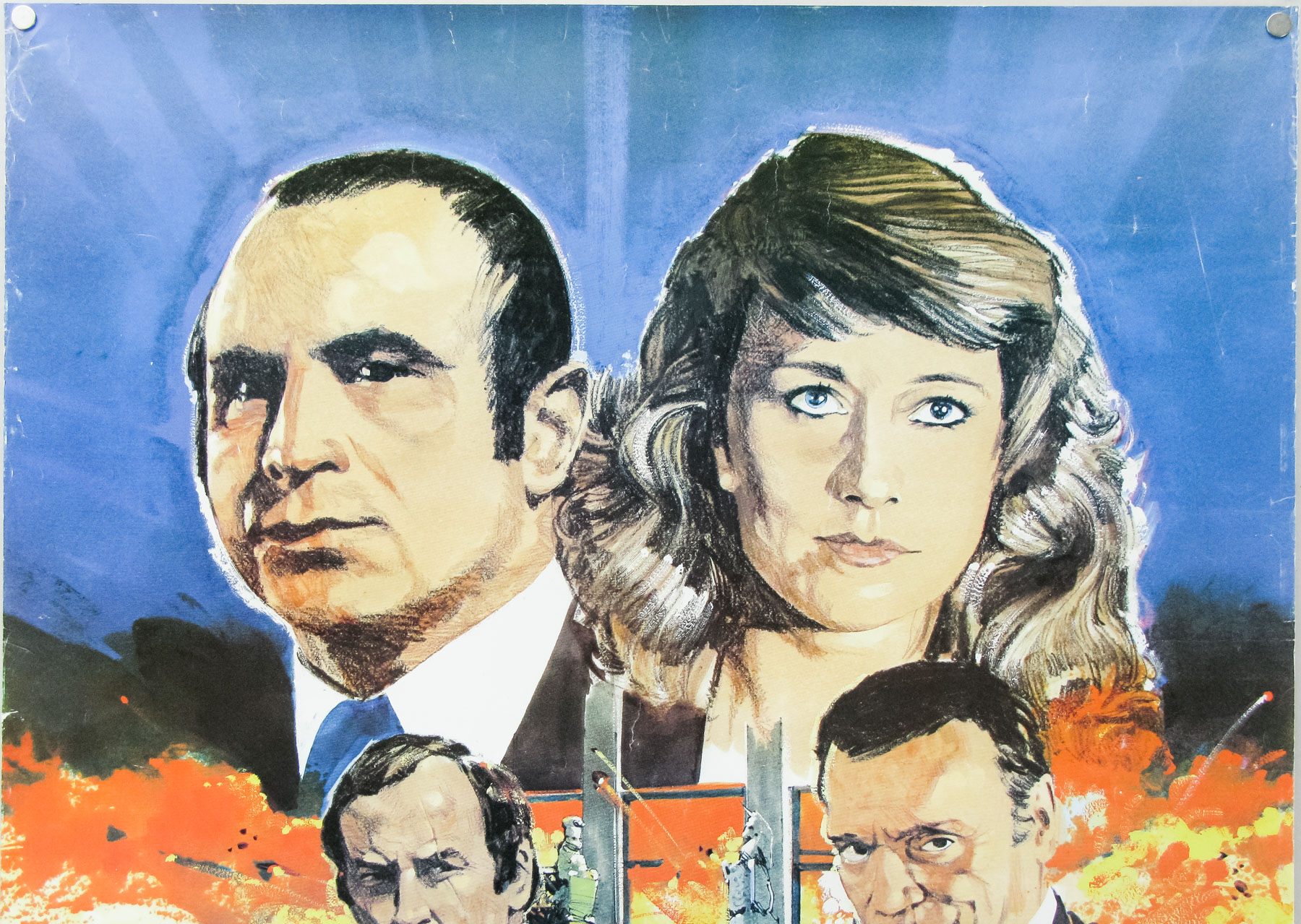
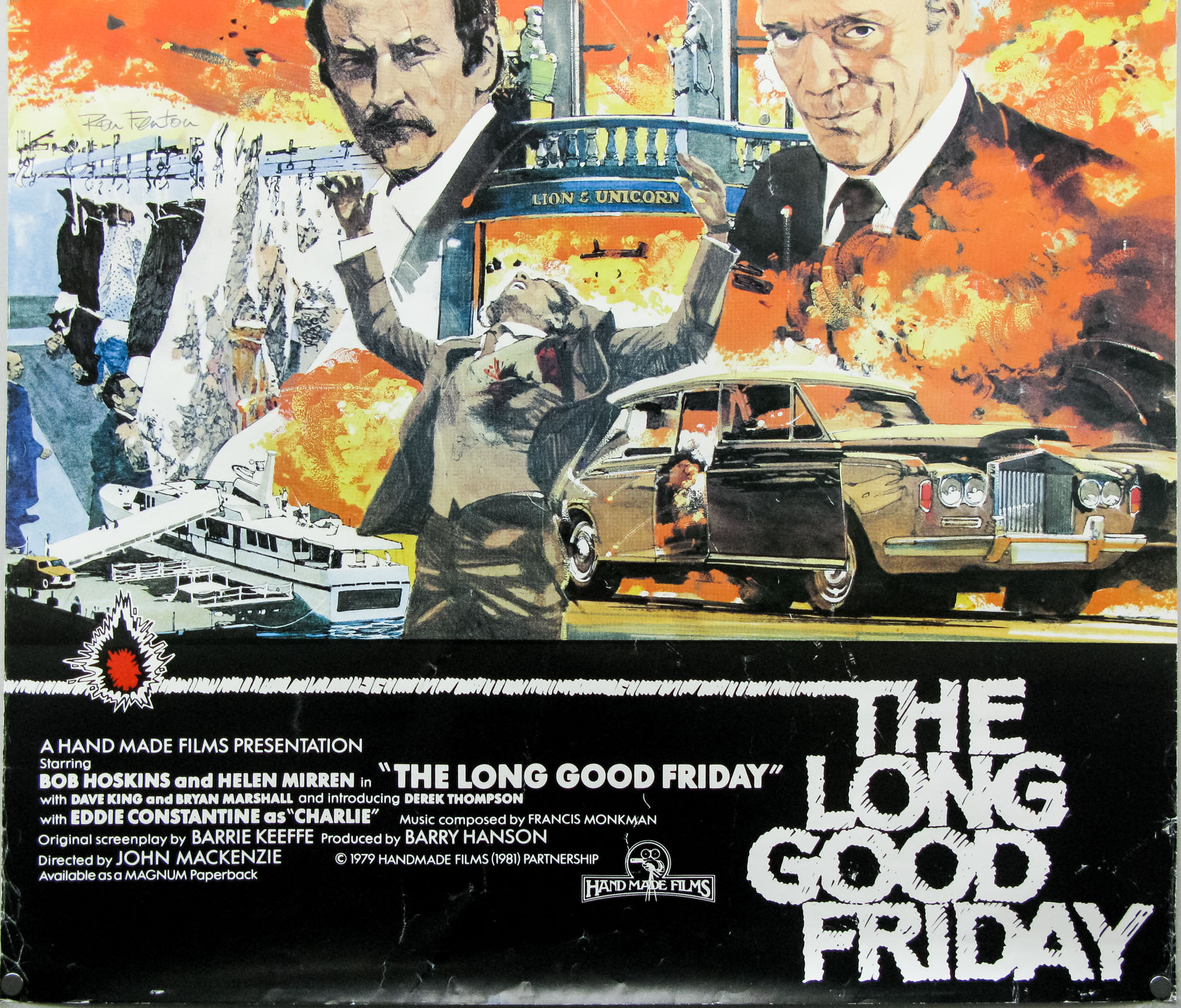
This international one sheet is vastly superior to the rather terrible quad. This particular copy is not in perfect condition, as is obvious from the pictures, but it’s one of those posters that hardly ever shows up so I was more than happy to add it to my collection.

The original trailer can be viewed on YouTube.

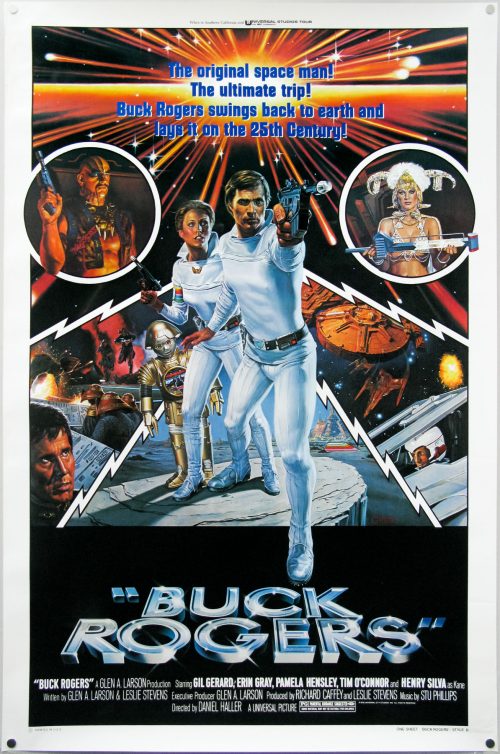
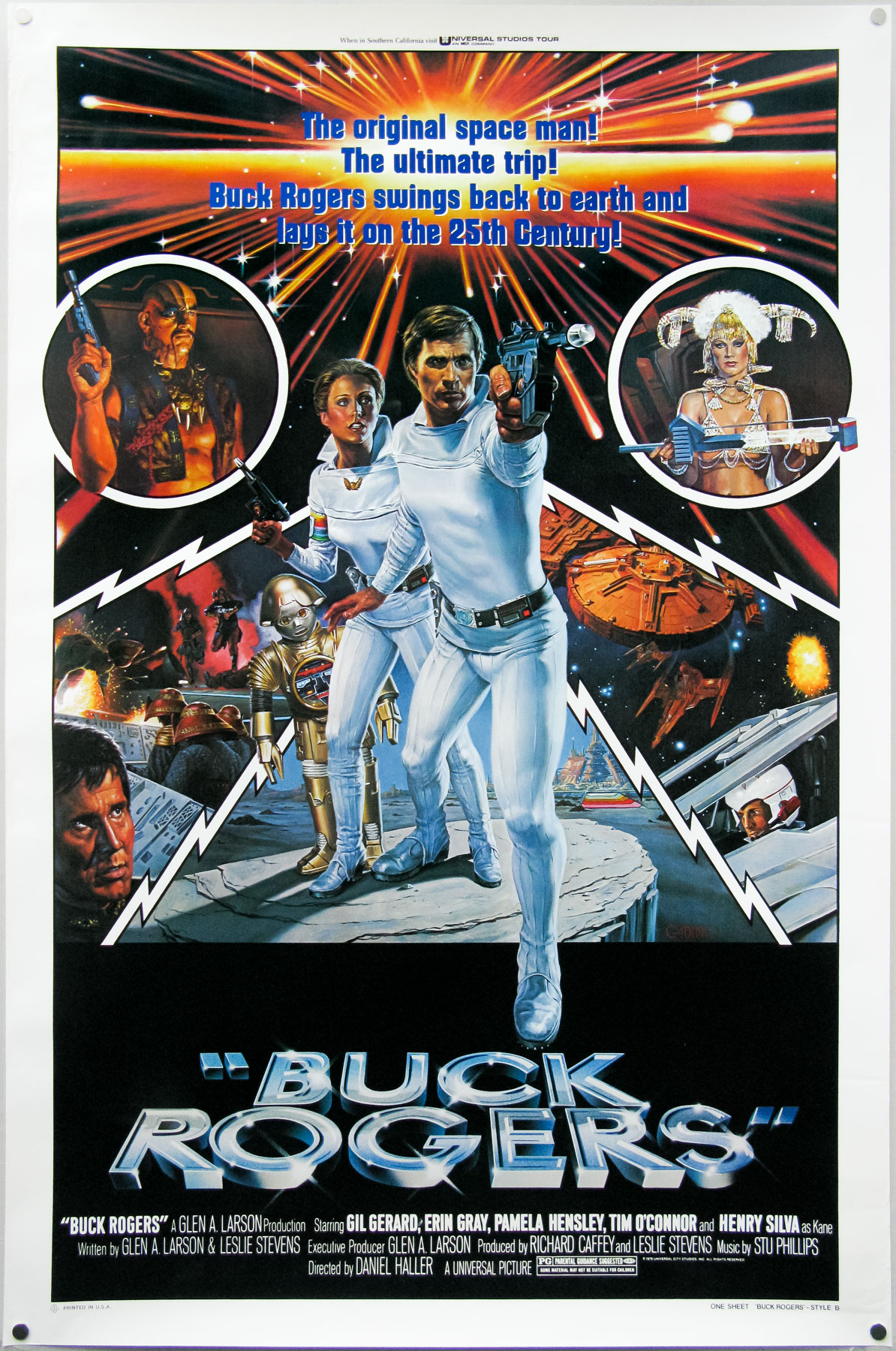
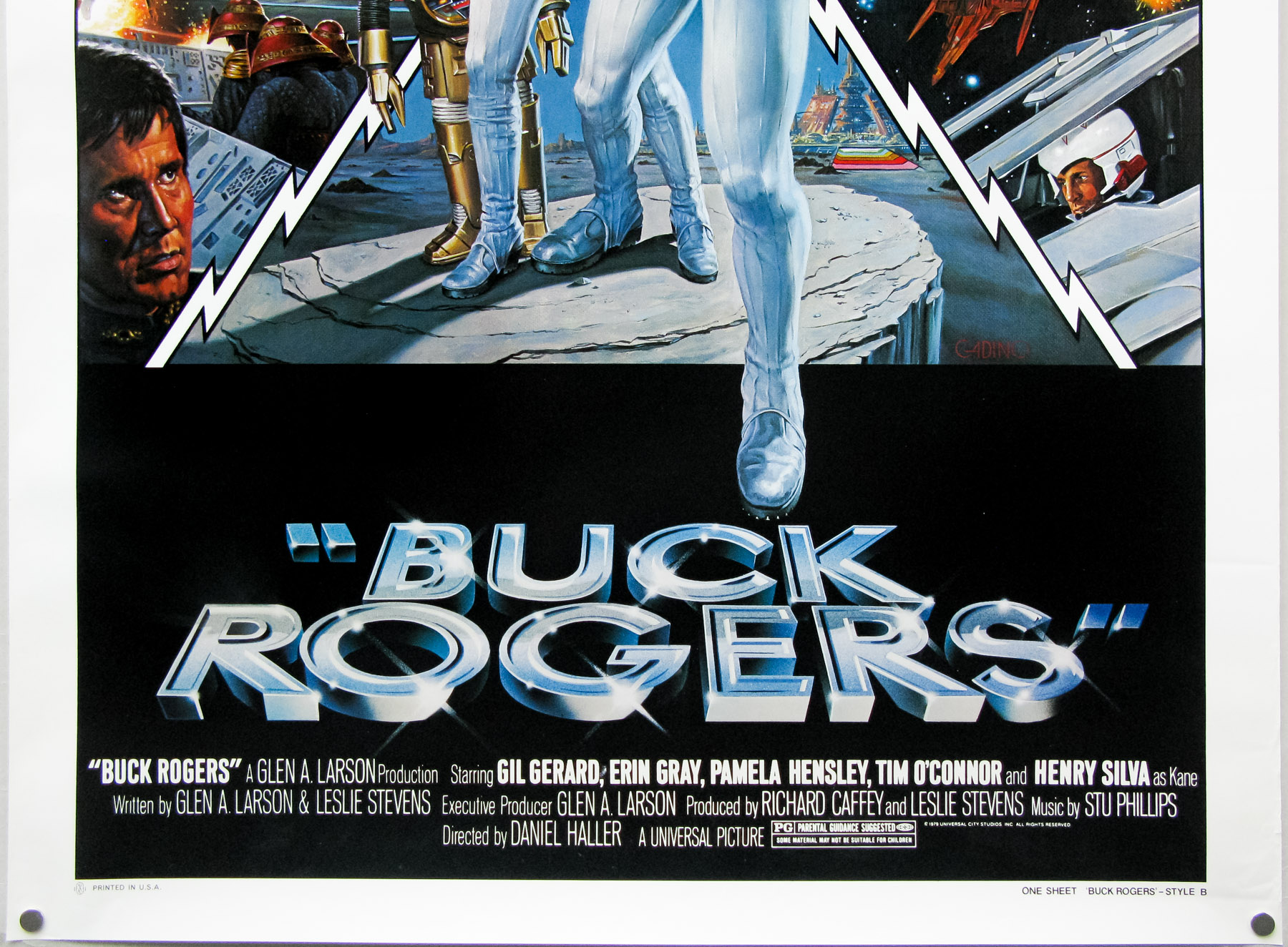
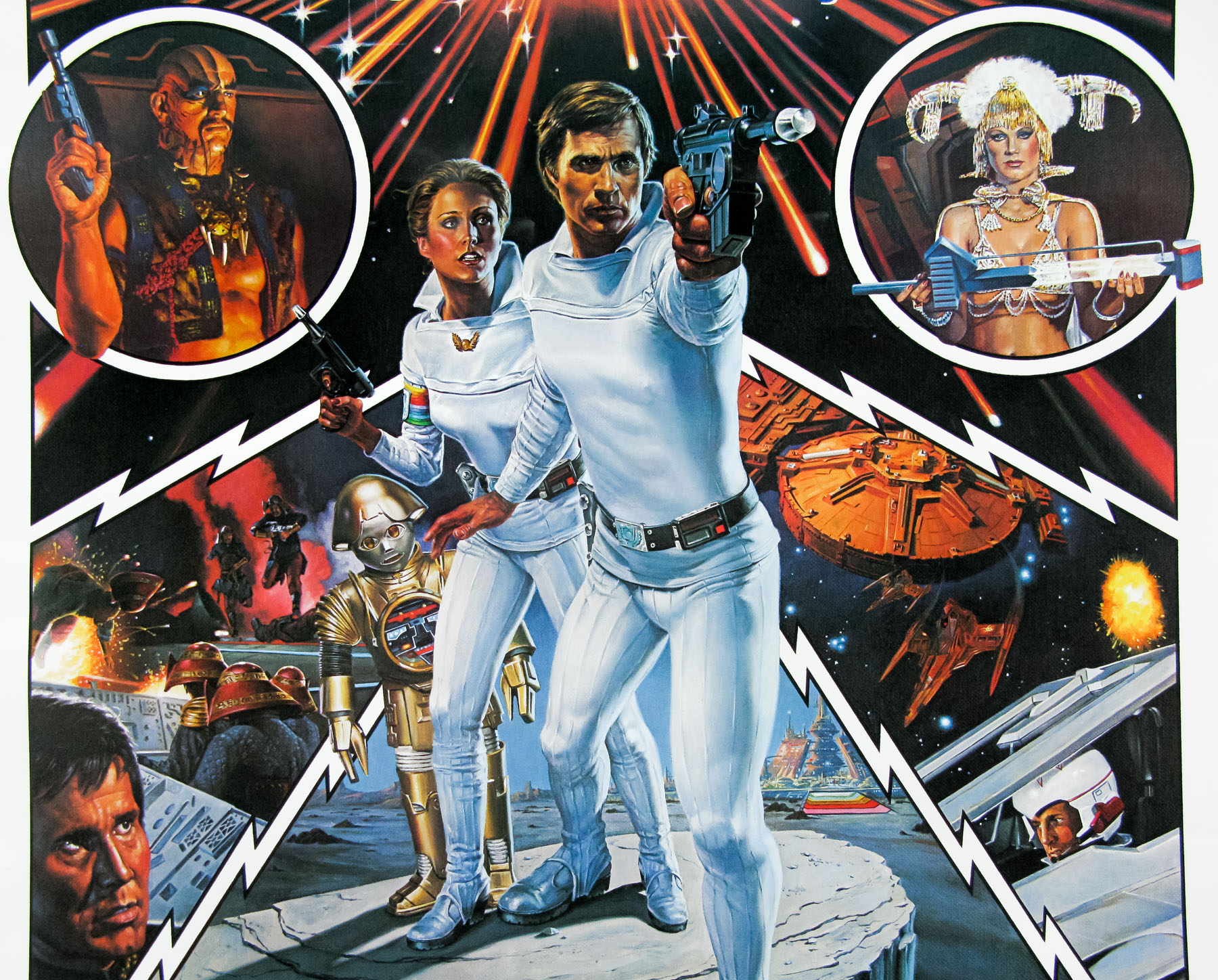
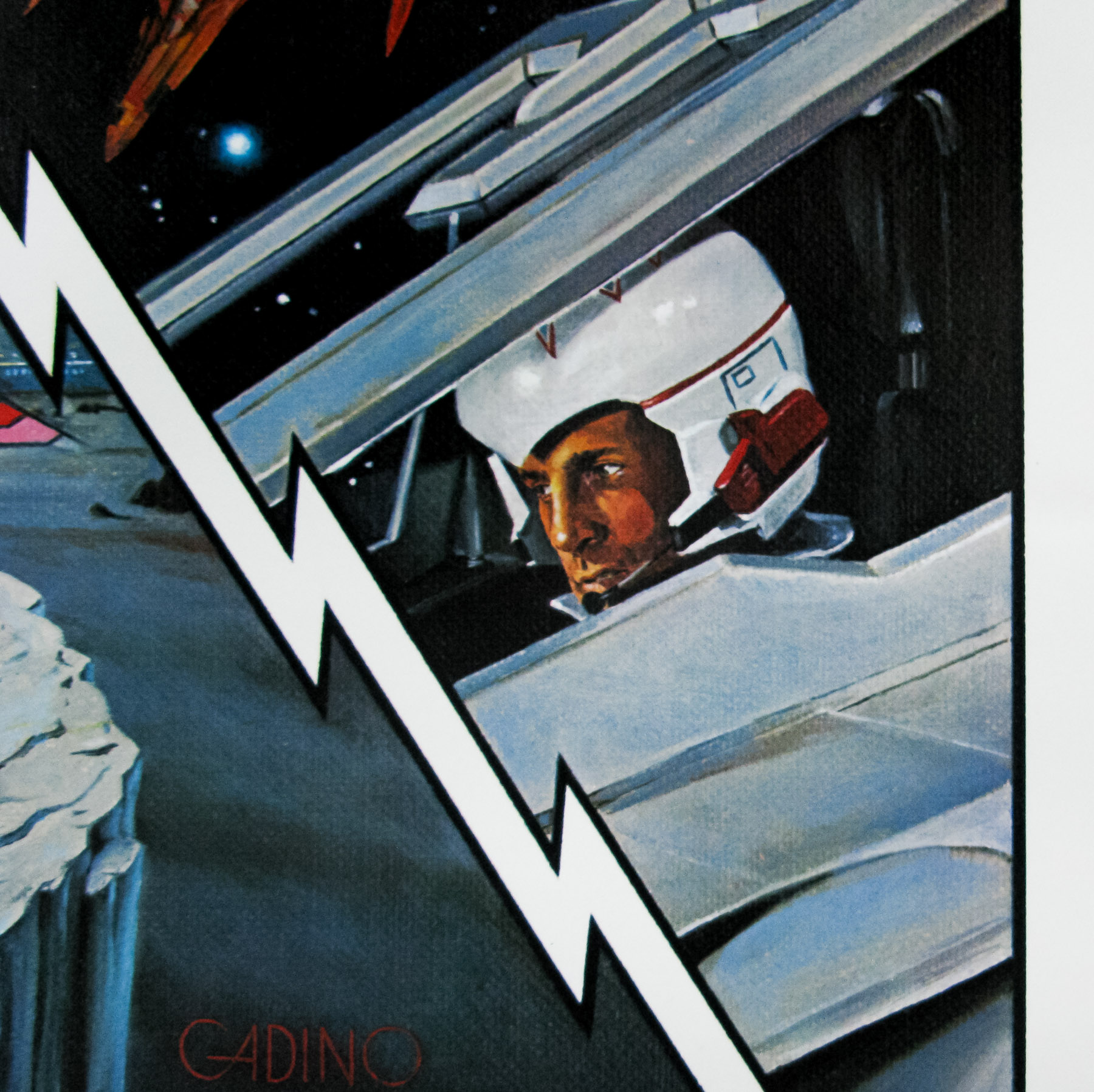
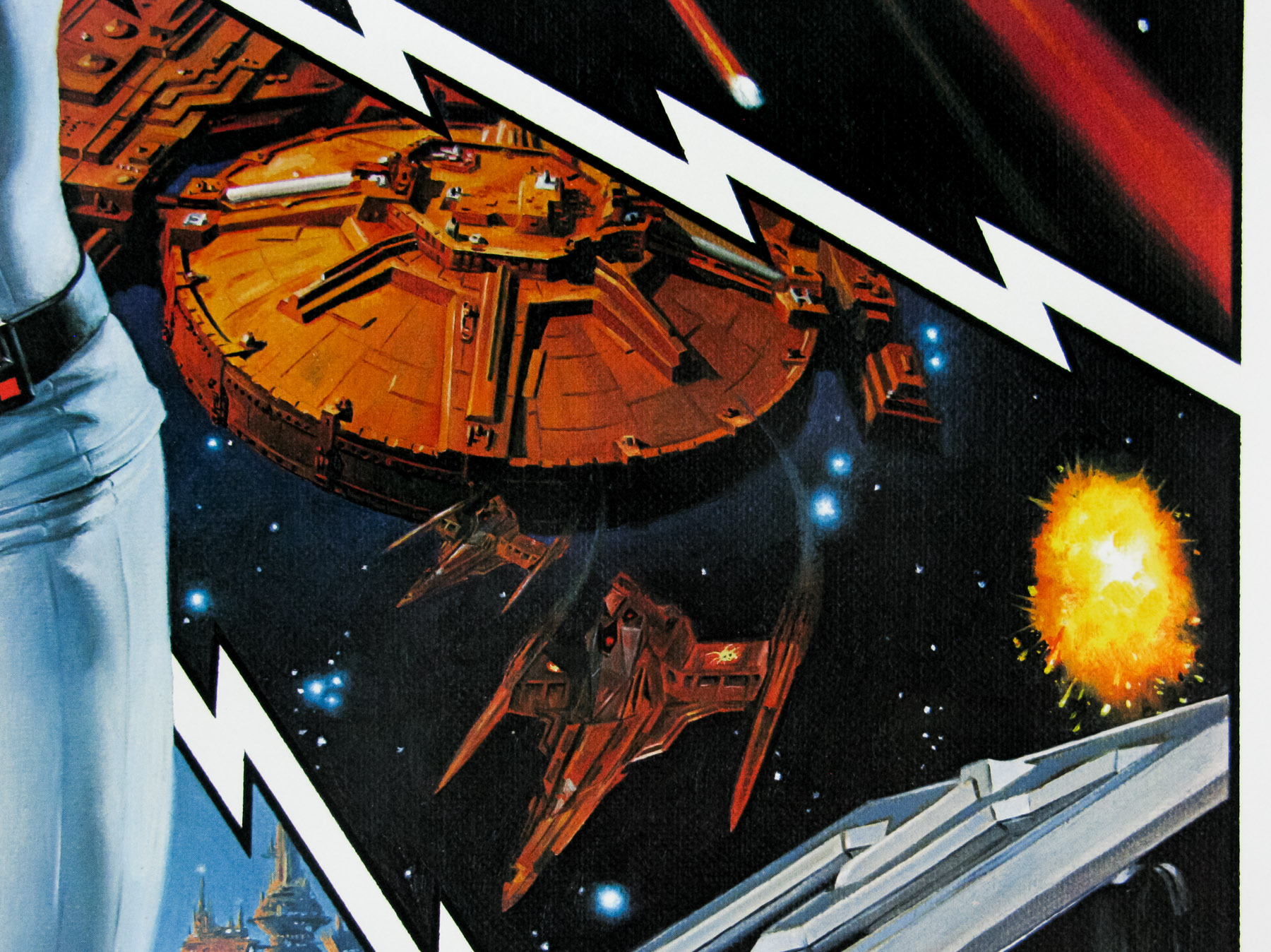
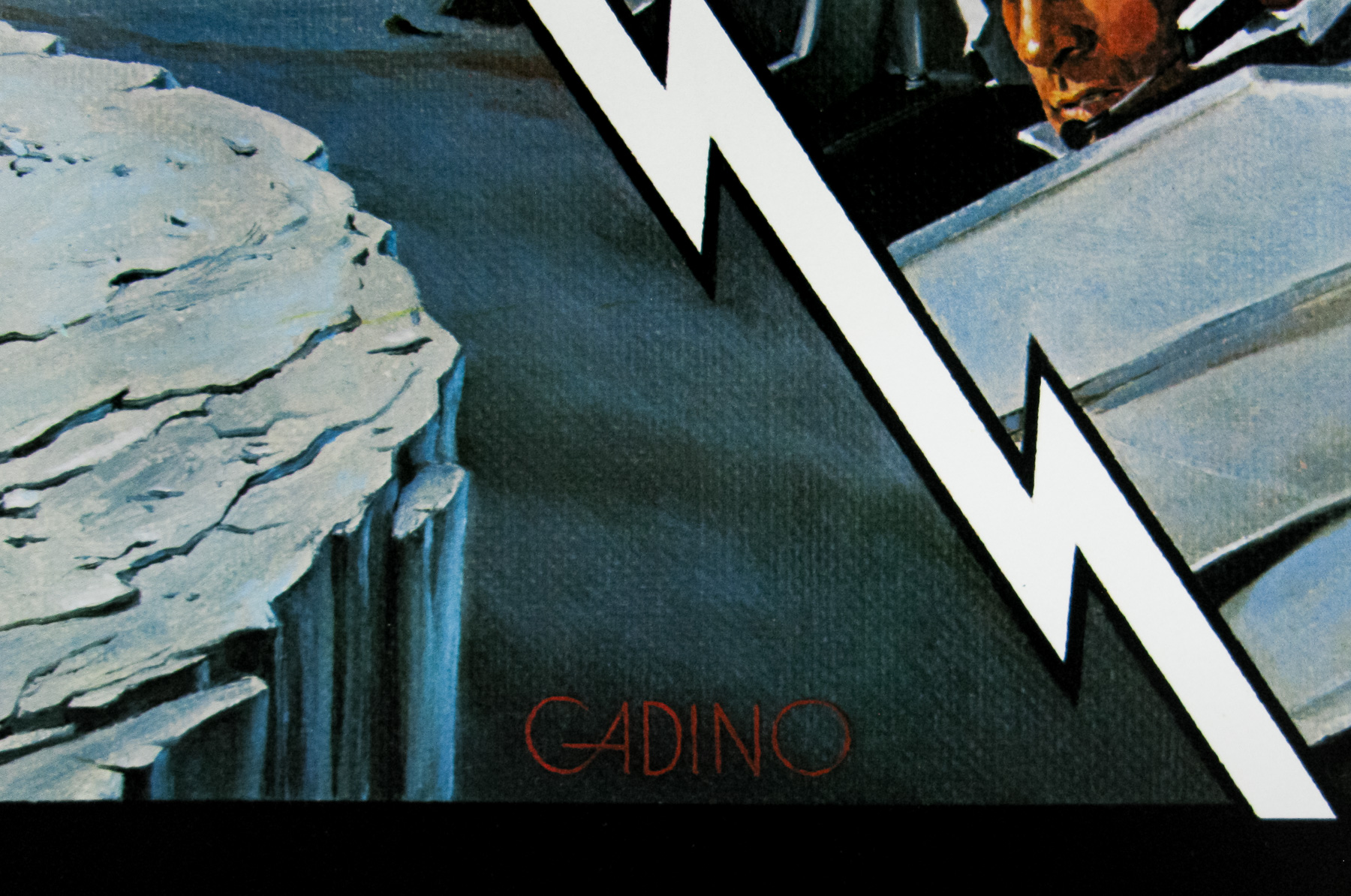
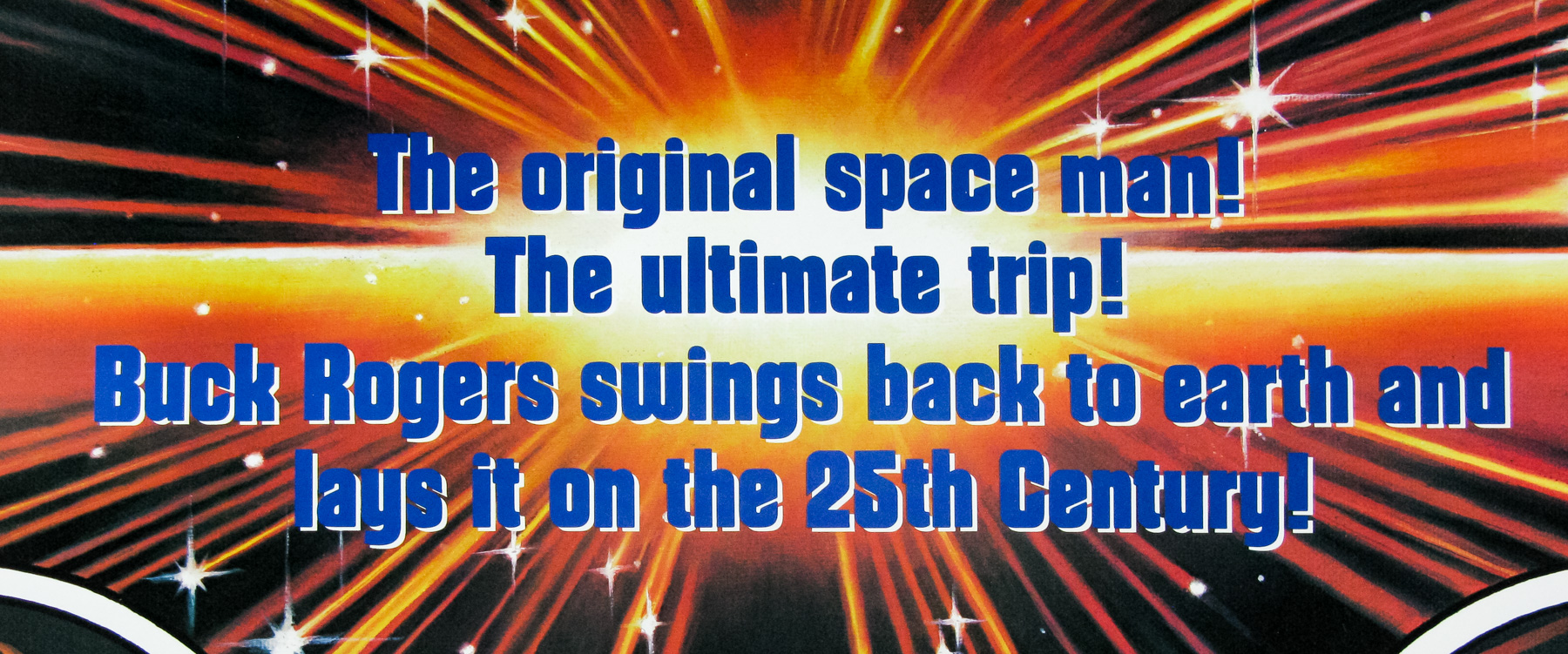
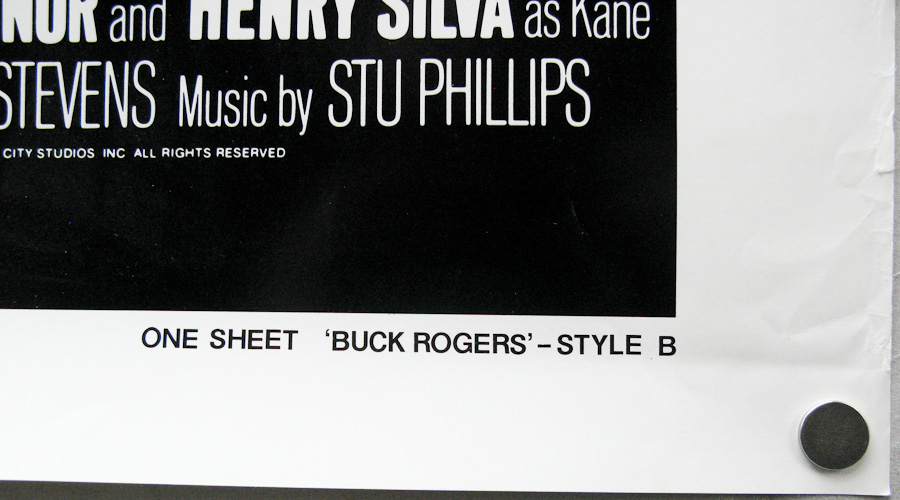
Buck Rogers / one sheet / style B / USA

22.06.12

Poster Poster
Title
Buck Rogers
AKA
Buck Rogers in the 25th Century (alt. title)
Year of Film
1979
Director
Daniel Haller
Starring
Gil Gerard, Mel Blanc (voice), Duke Butler, Howard F. Flynn (voice), Erin Gray, Pamela Hensley, Tim O'Connor, Felix Silla, Henry Silva
Origin of Film
USA
Genre(s) of Film
Gil Gerard, Mel Blanc (voice), Duke Butler, Howard F. Flynn (voice), Erin Gray, Pamela Hensley, Tim O'Connor, Felix Silla, Henry Silva,
Type of Poster
One sheet
Style of Poster
Style B
Origin of Poster
USA
Year of Poster
1979
Designer
Unknown
Artist
Victor Gadino
Size (inches)
27" x 41"
SS or DS
SS
NSS #
--
Tagline
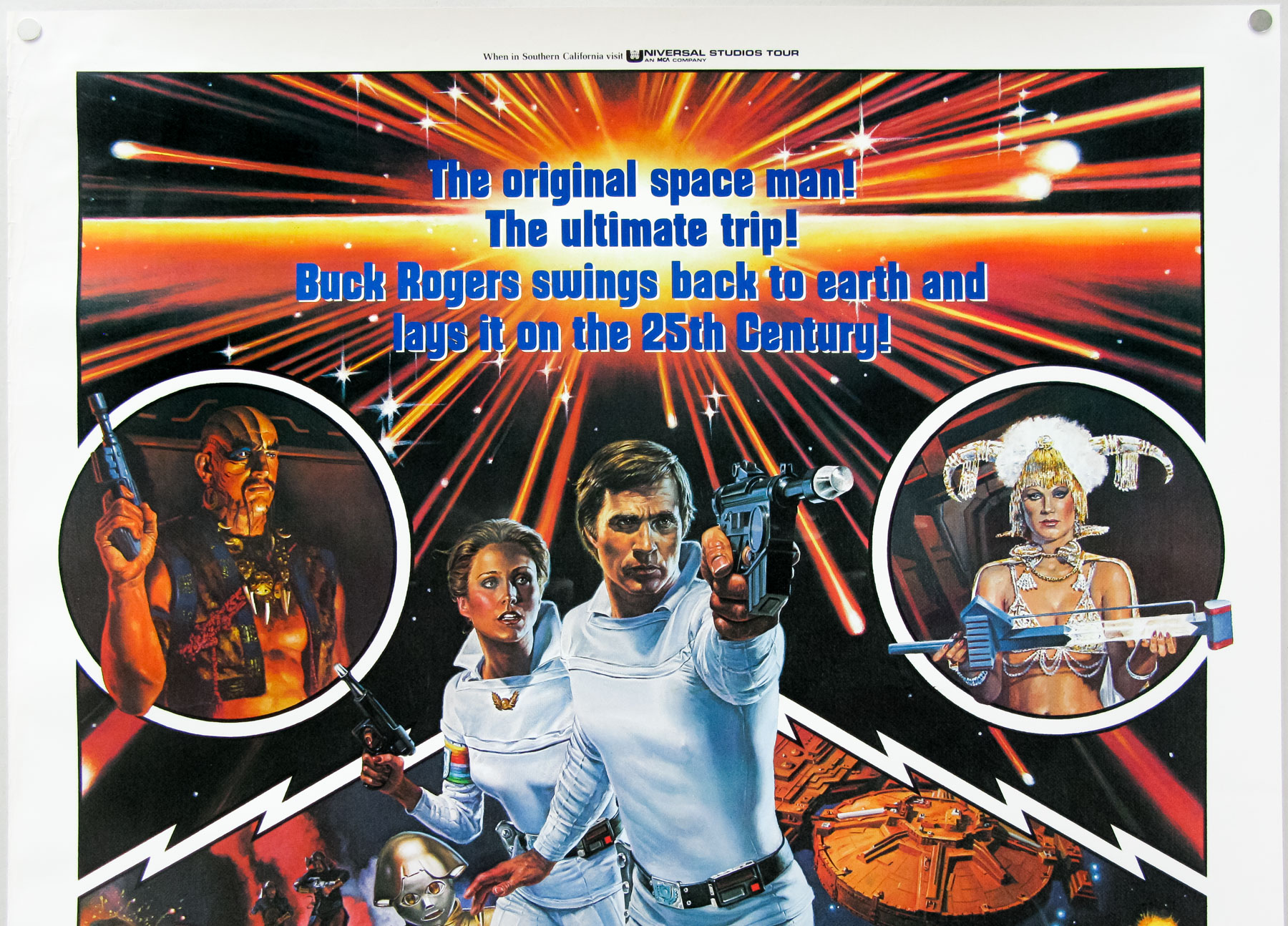
The original space man! The ultimate trip! Buck Rogers swings back to earth and lays it on the 25th Century!

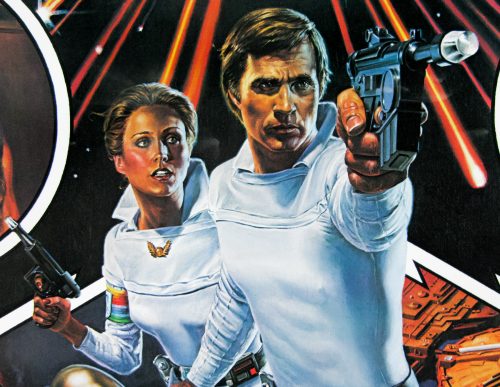
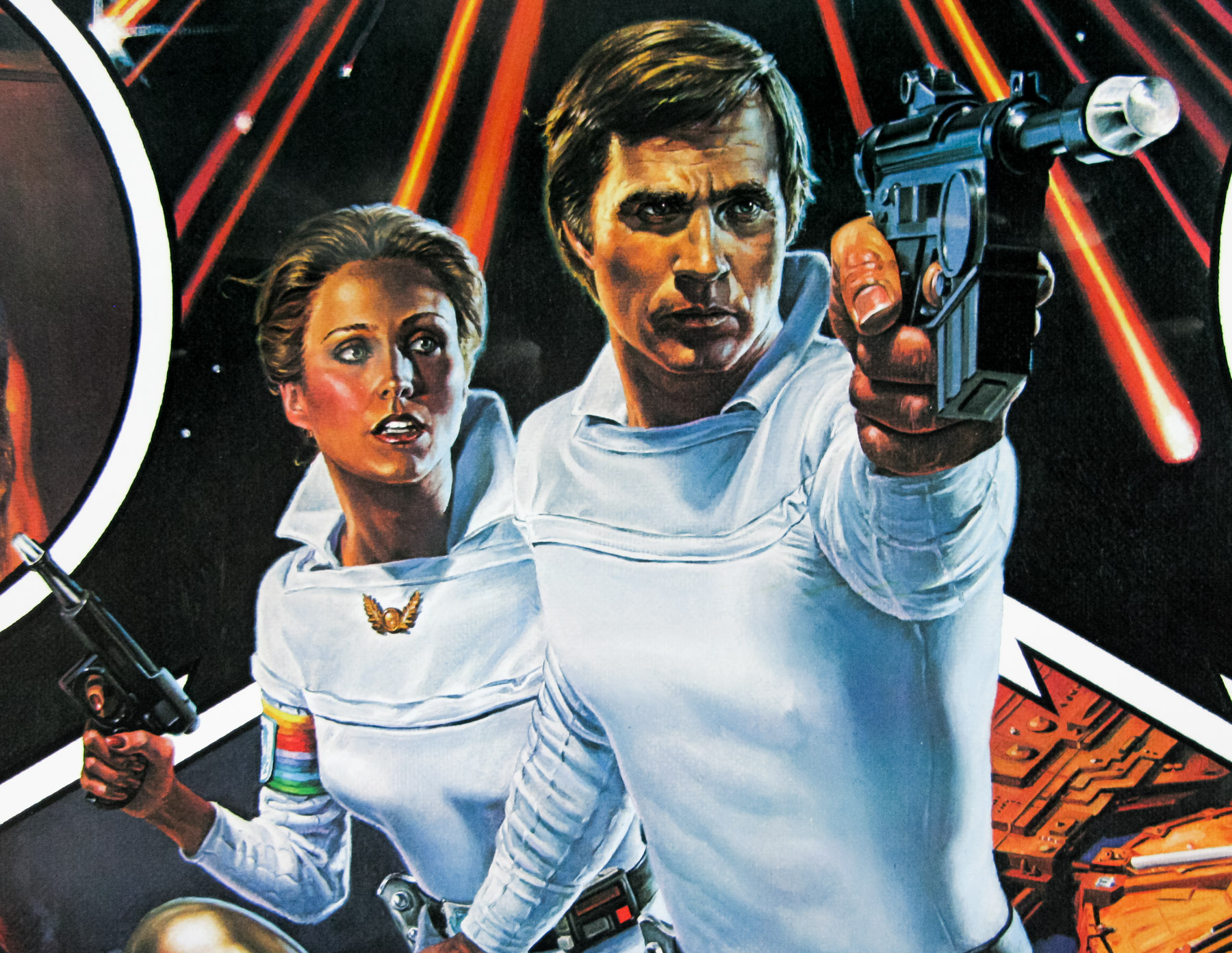
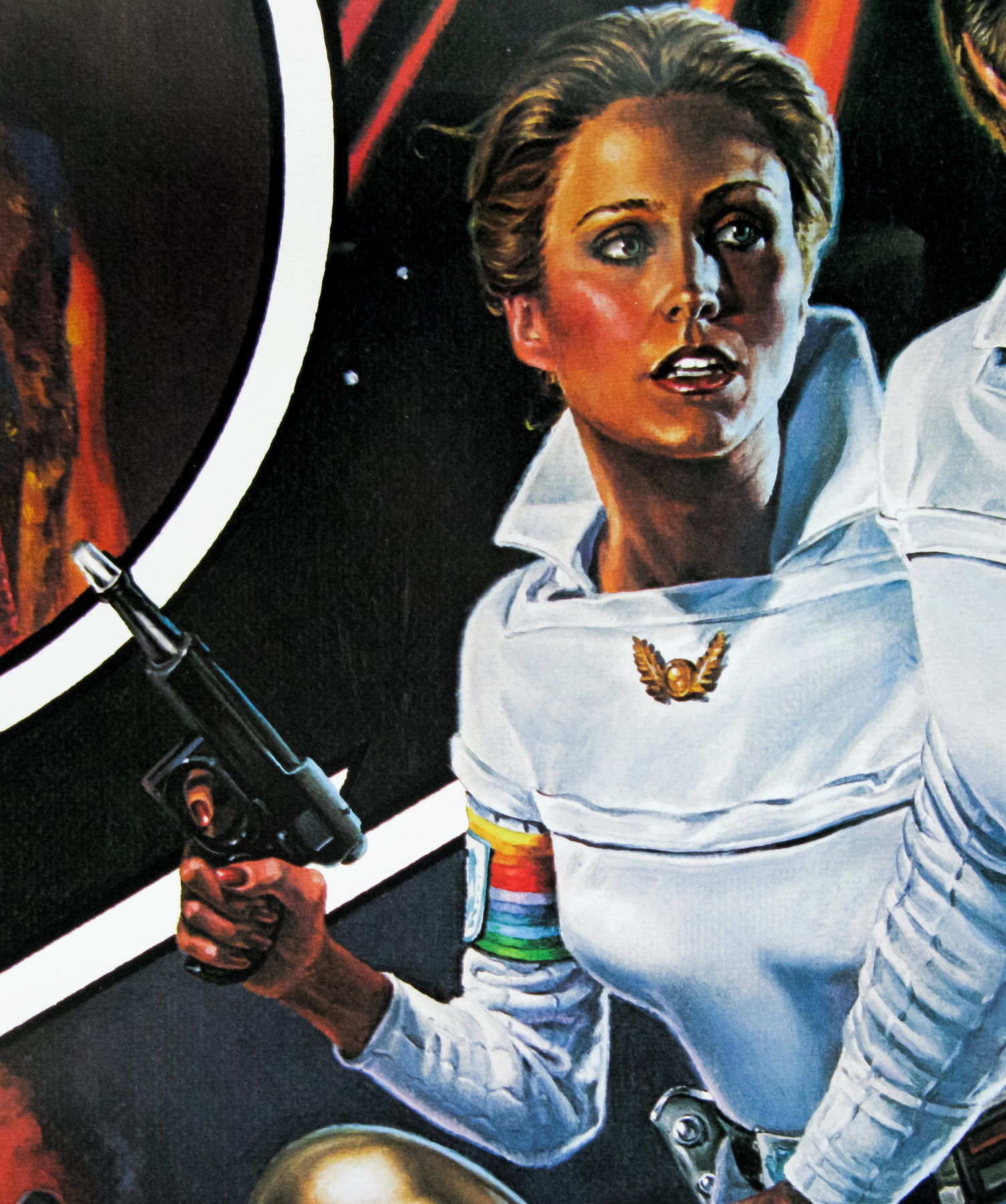
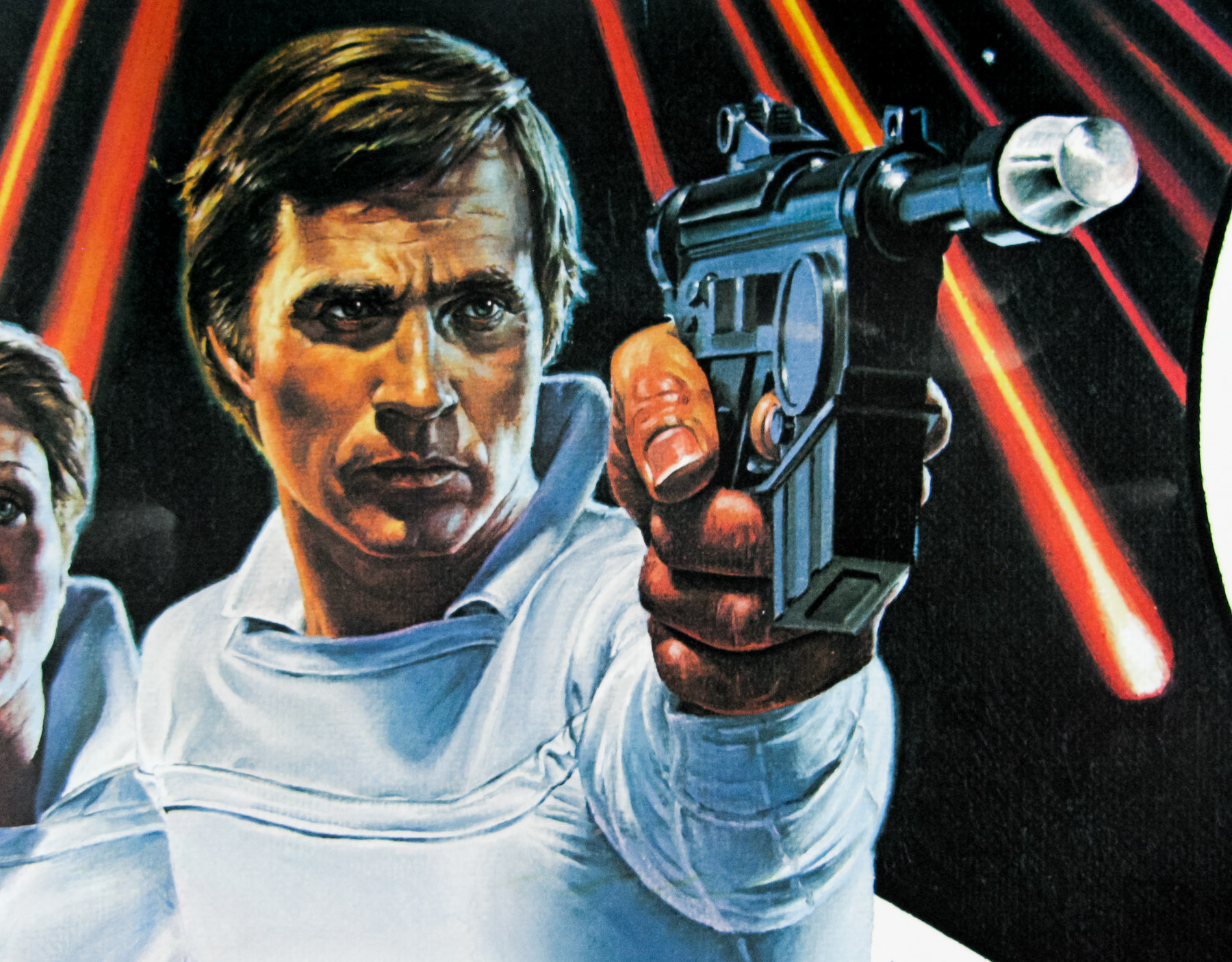
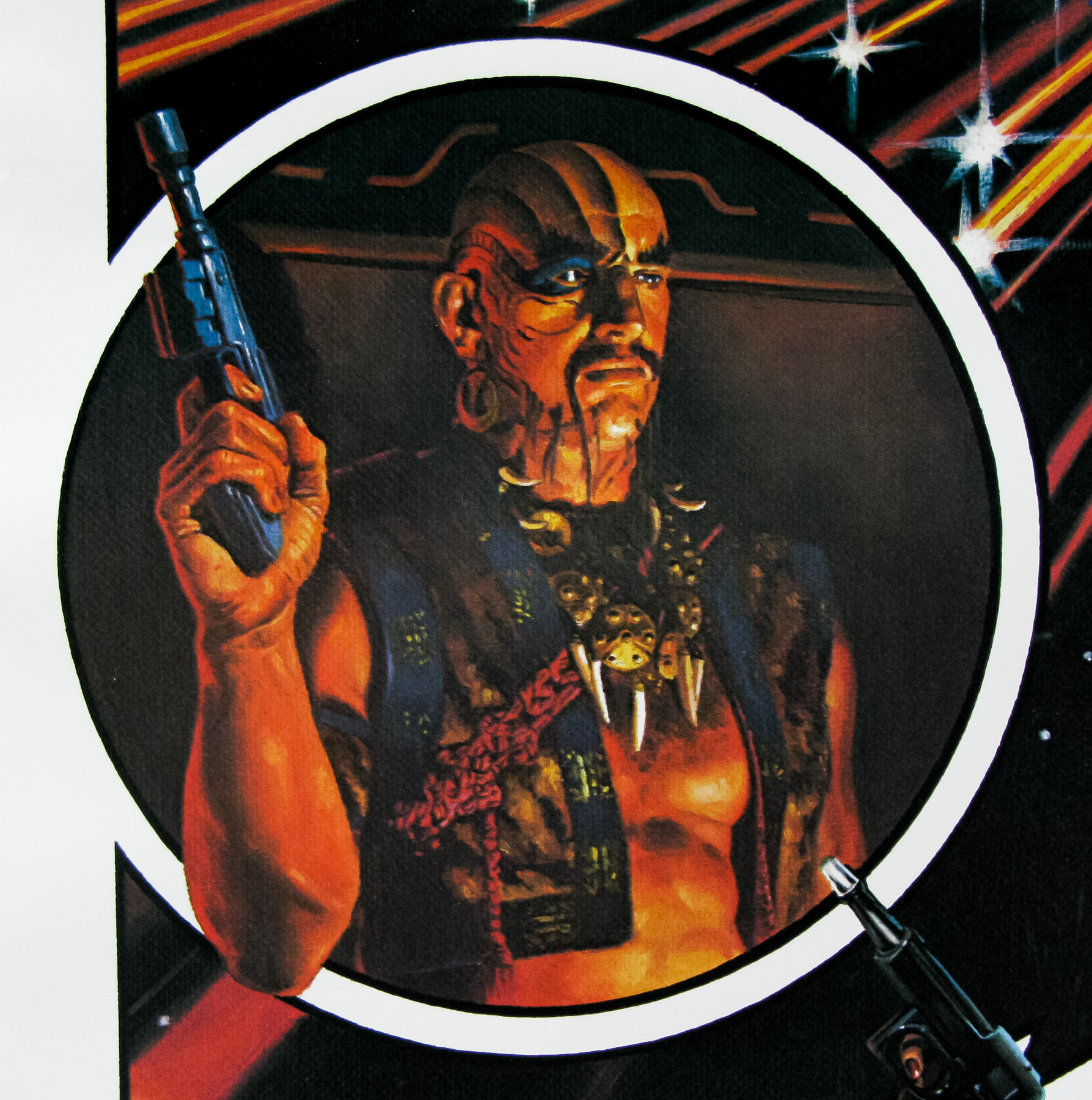
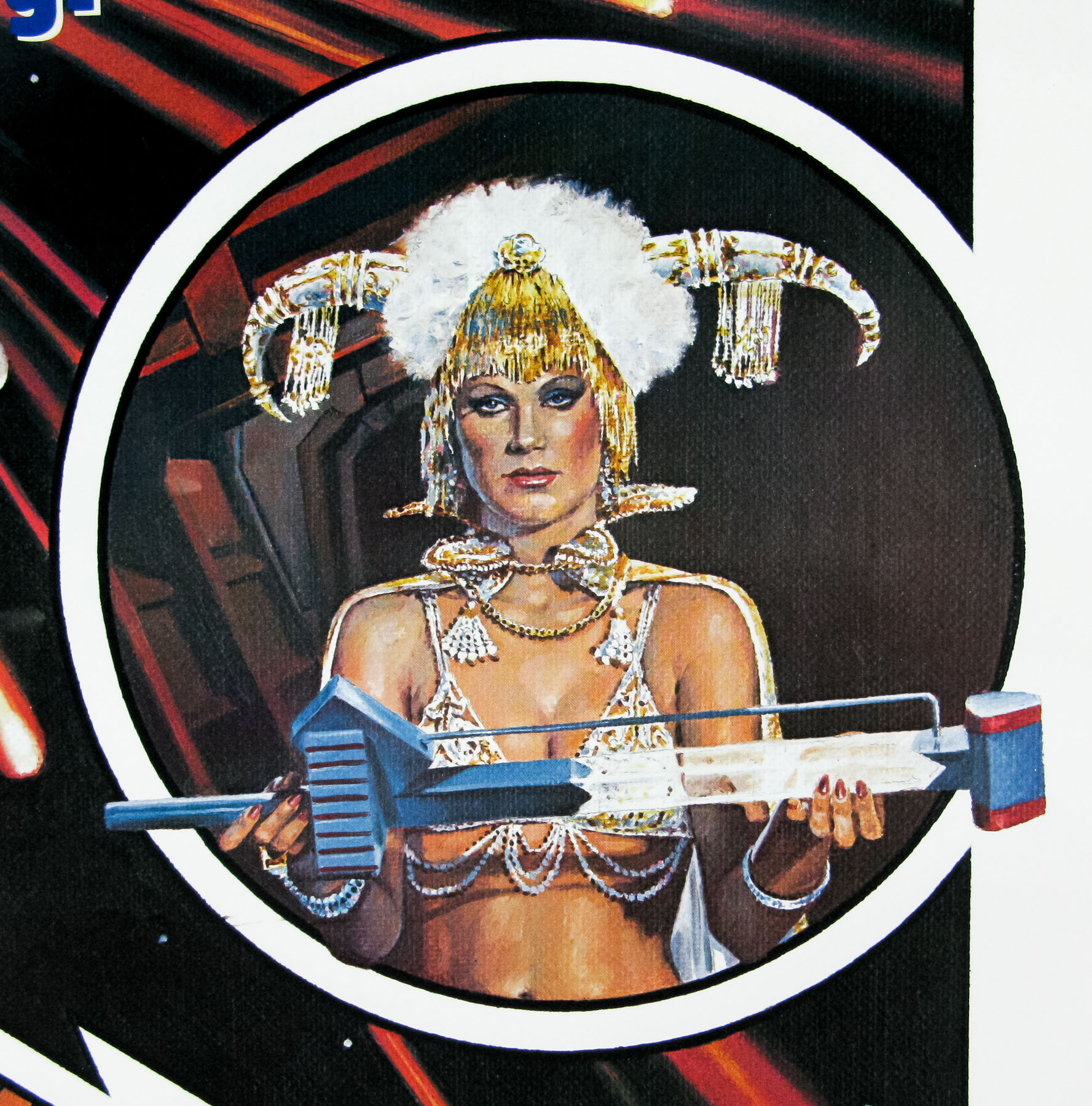
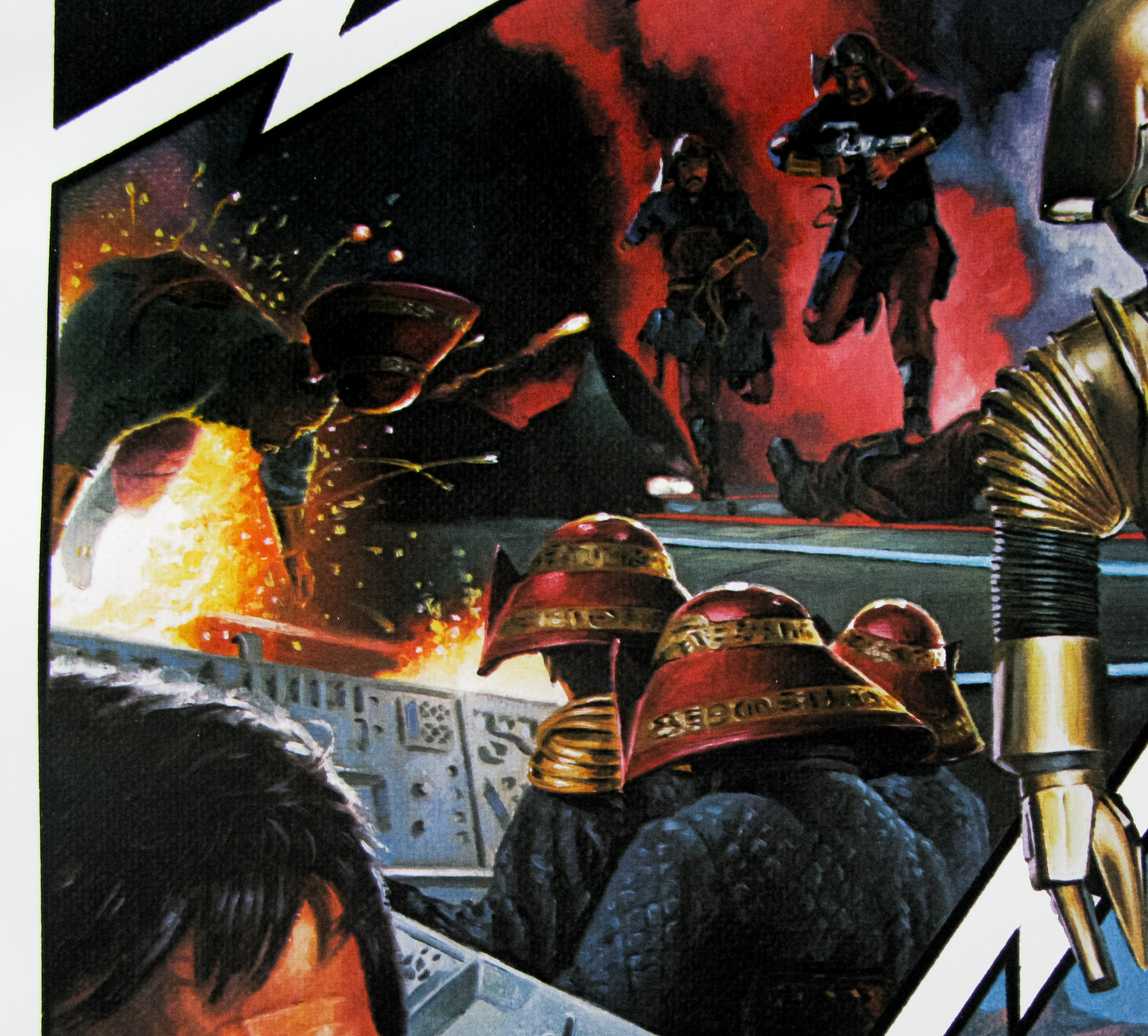
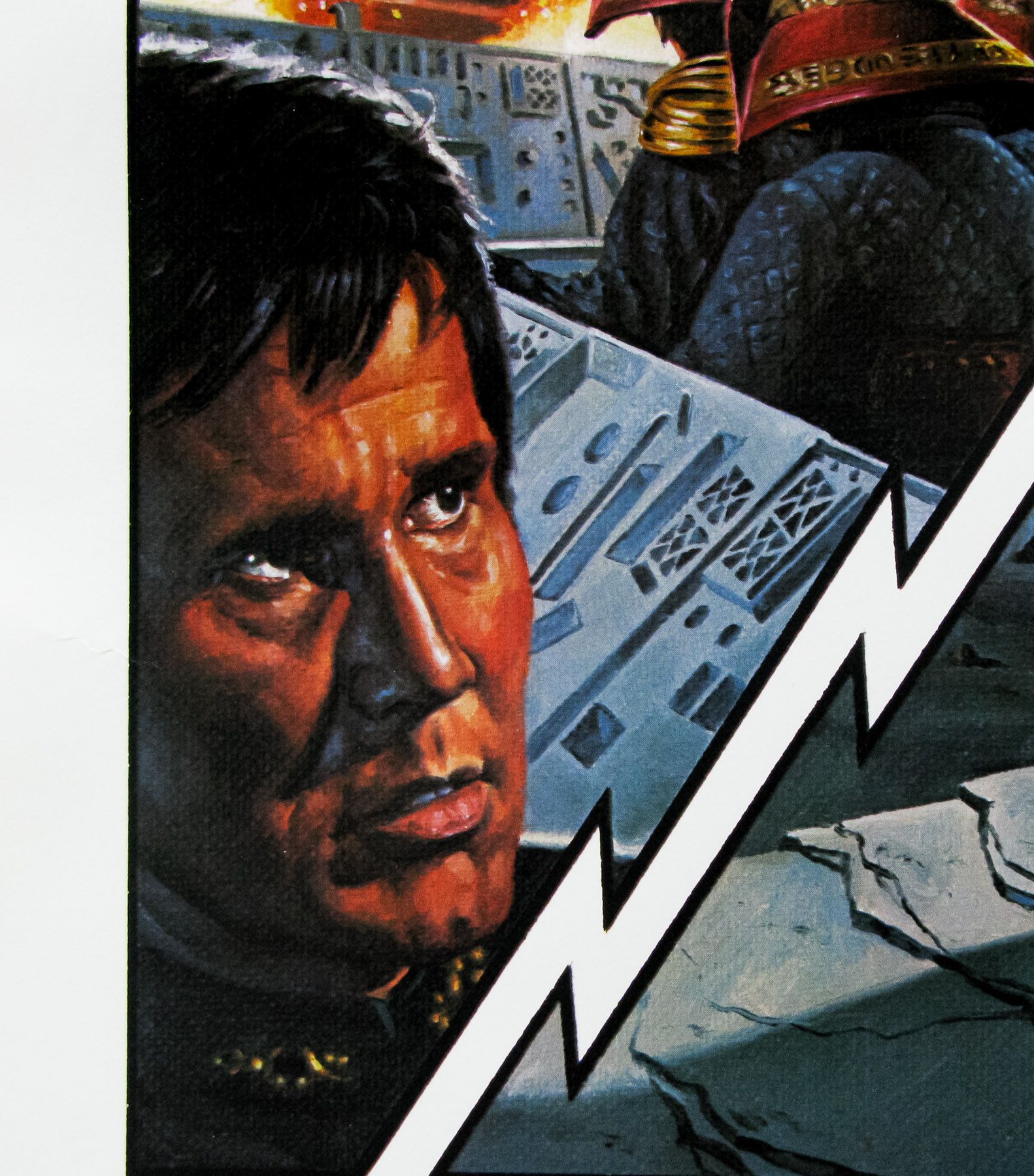
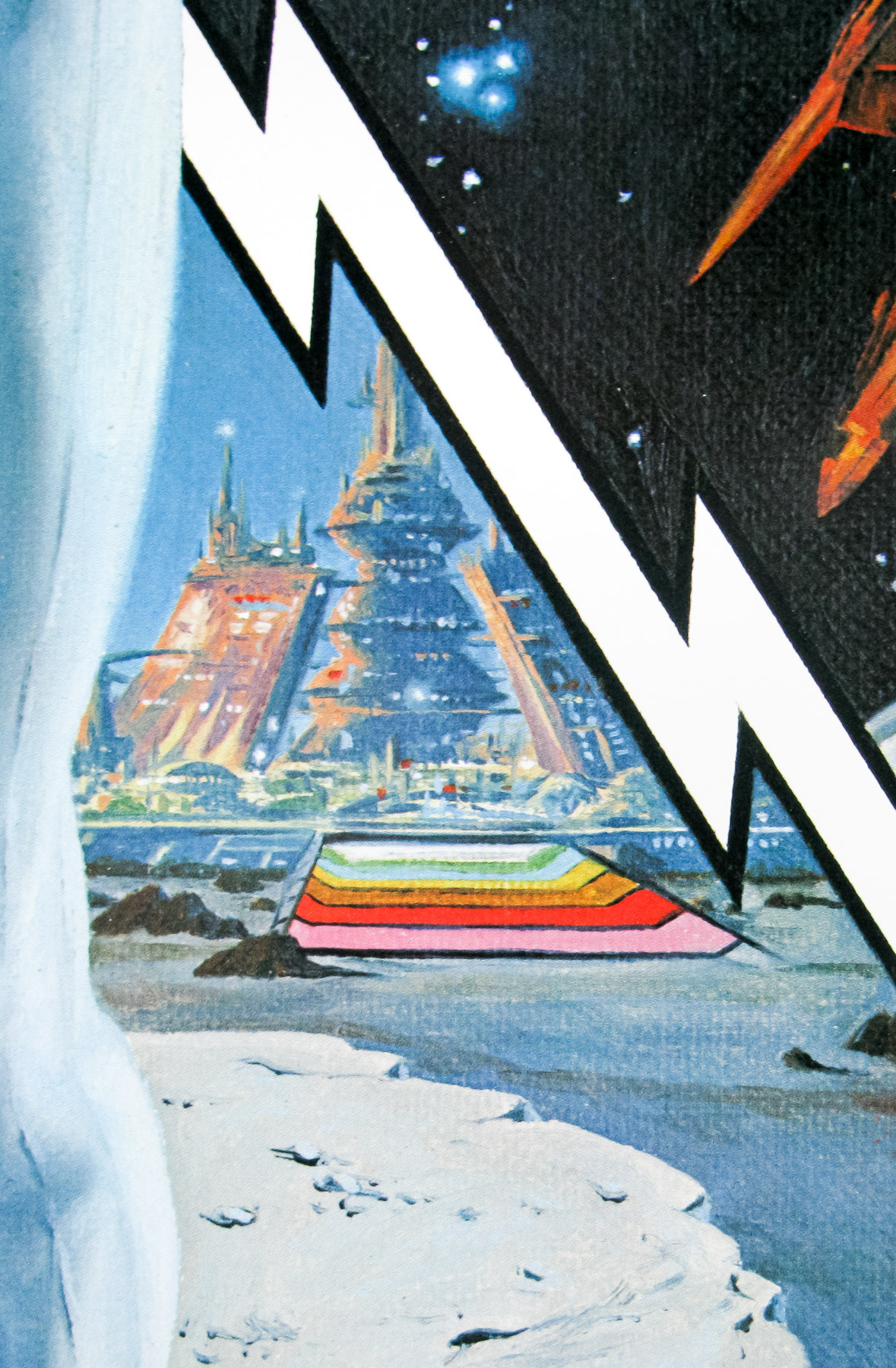
Excellent artwork by Victor Gadino on this style B one sheet for the cinema release of the feature-length pilot for Buck Rogers in the 25th century, a sci-fi TV series that ran for two seasons on the US channel NBC between 1979 and 1981. The series was developed by legendary TV producer Glen A. Larson who had earlier worked on the first Battlestar Galactica TV series and later went on to produce the likes of The Fall GuyMagnum, P.I. and Knight Rider. Based on the character created by Philip Francis Nowlan, Buck Rogers first made an appearance in 1928 in the pulp magazine Amazing Stories and he would later go on to be adapted into a successful comic strip, a radio show, a 1930s 12-part film serial and a 1950s TV show.

The 1979 revival starred Gil Gerard as Captain William “Buck” Rogers, a US Air Force pilot who is in charge of a space shuttle called the Ranger III that is launched in 1987 and, following a freak accident, winds up frozen and floating through space. Buck is eventually revived 504 years later in the 25th century to discover that the forces of Earth were united as the Earth Defence Directorate following a devastating nuclear war soon after he left the planet. A new threat to earth looms as the armies of the planet Draconia plan to invade and Buck must work with the E.D.D. and starfighter Colonel Wilma Deering (Erin Gray) to put a stop to their plans.

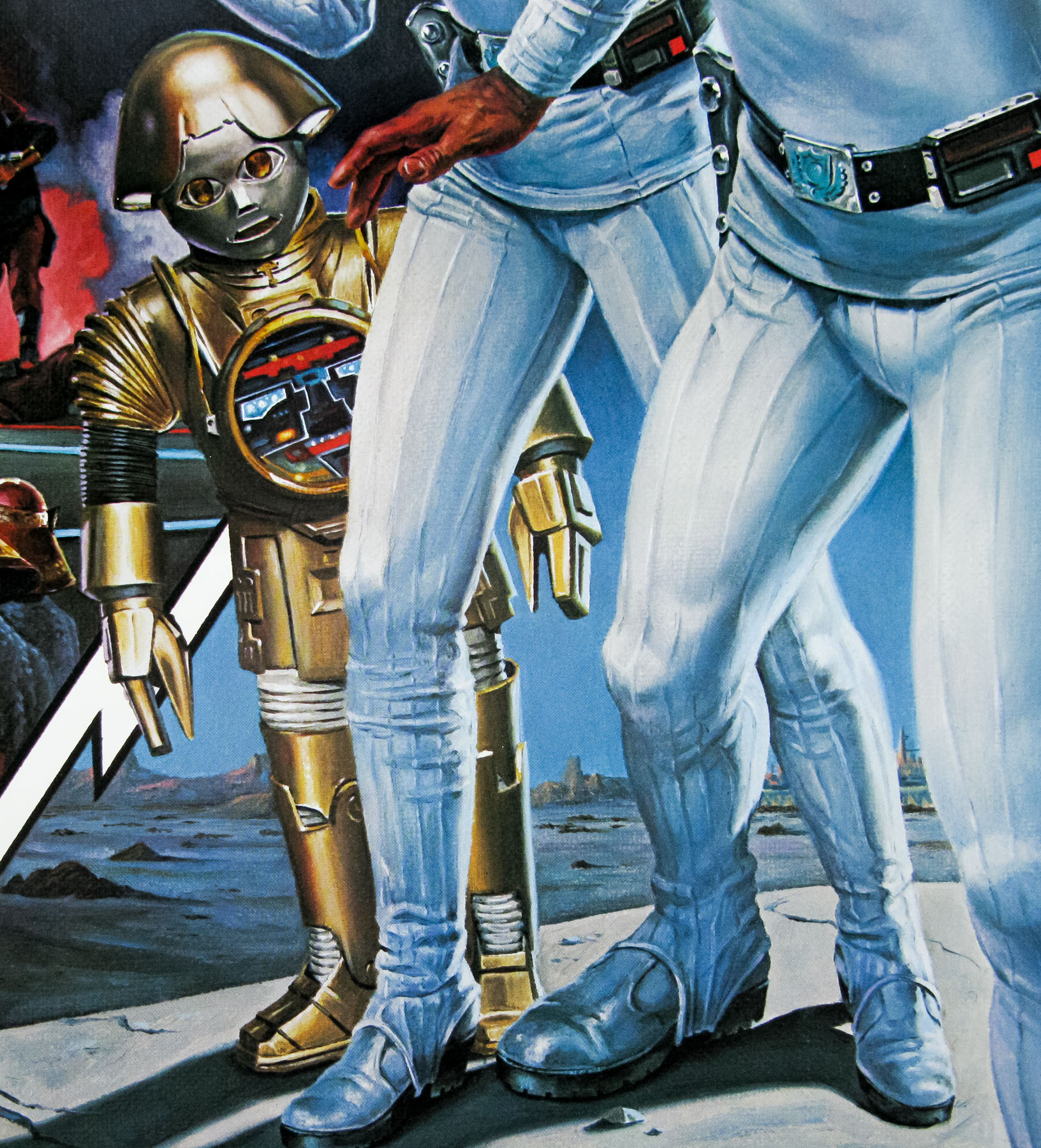
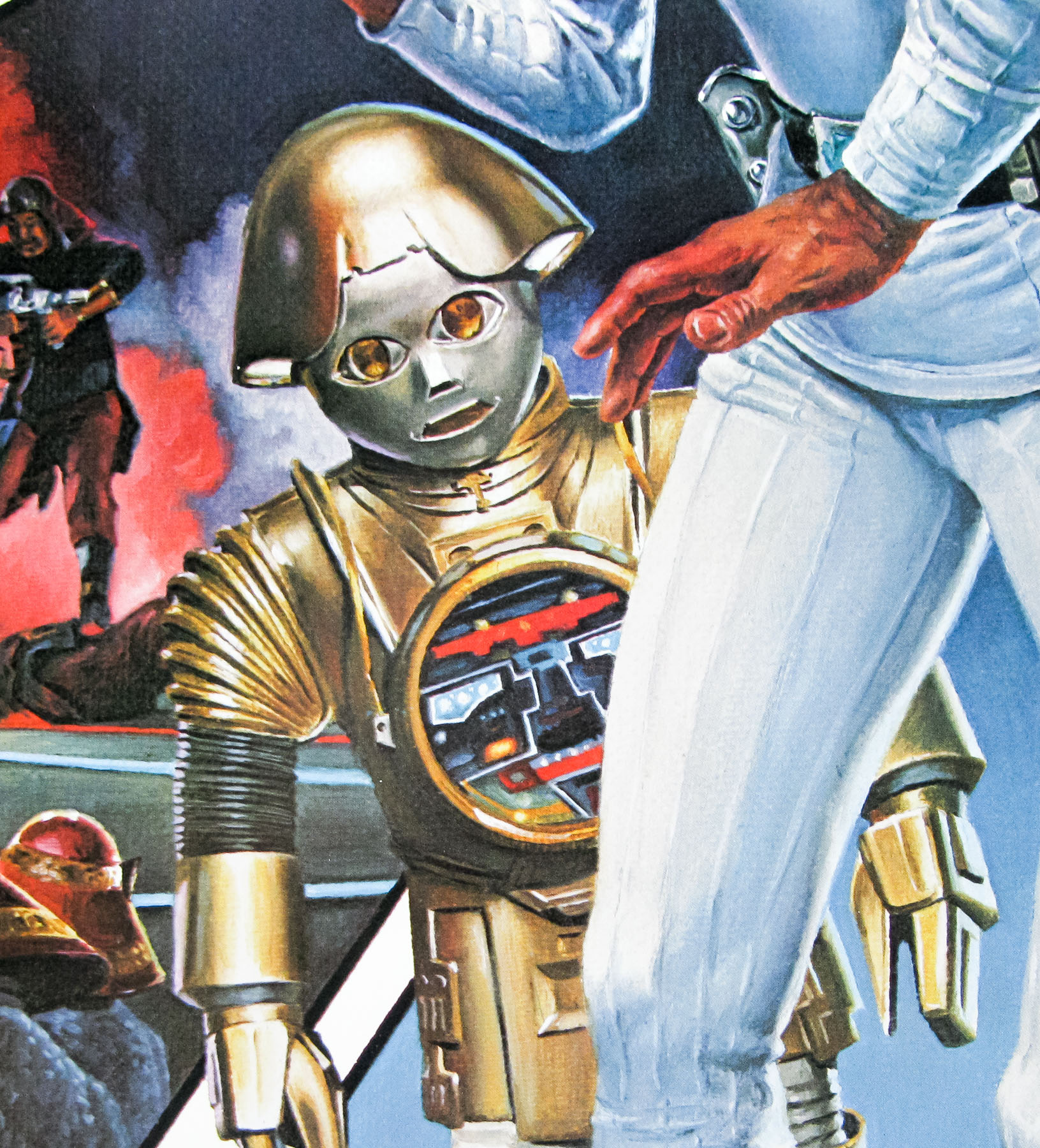
As featured on this poster he is aided by a comic sidekick robot called Twiki (voiced by Mel Blanc) who carries around a disc-shaped sentient computer called Dr. Theopolis (voiced by Eric Server). Twiki’s infamous excalamation of ‘biddi biddi biddi’ would often precede a 20th Century catchphrase or piece of slang that had been taught to him by Buck.

Victor Gadino is a prolific and award-winning artist who has an incredible roster of commercial clients as well as an impressive amount of portrait work to his name, including ones for the likes of George Lucas and Clint Eastwood. He painted several music album covers as well as a handful of movie posters. Another one that is clearly signed by him is the artwork that appears on the UK quad for Sinbad and the Eye of the Tiger (1977). If you know of any other film posters that Gadino worked on please get in touch. His personal website features a biography and several galleries of his art.

White Line Fever / one sheet / style B / USA

07.07.12

Poster Poster
Title
White Line Fever
AKA
--
Year of Film
1975
Director
Jonathan Kaplan
Starring
Jan-Michael Vincent, Kay Lenz, Slim Pickens, L.Q. Jones, Sam Laws, Don Porter, R.G. Armstrong, Leigh French, Johnny Ray McGhee, Dick Miller, Martin Kove, Jamie Anderson
Origin of Film
Canada | USA
Genre(s) of Film
Jan-Michael Vincent, Kay Lenz, Slim Pickens, L.Q. Jones, Sam Laws, Don Porter, R.G. Armstrong, Leigh French, Johnny Ray McGhee, Dick Miller, Martin Kove, Jamie Anderson,
Type of Poster
One sheet
Style of Poster
Style B
Origin of Poster
USA
Year of Poster
1975
Designer
Unknown
Artist
Unknown
Size (inches)
27 2/16" x 41"
SS or DS
SS
NSS #
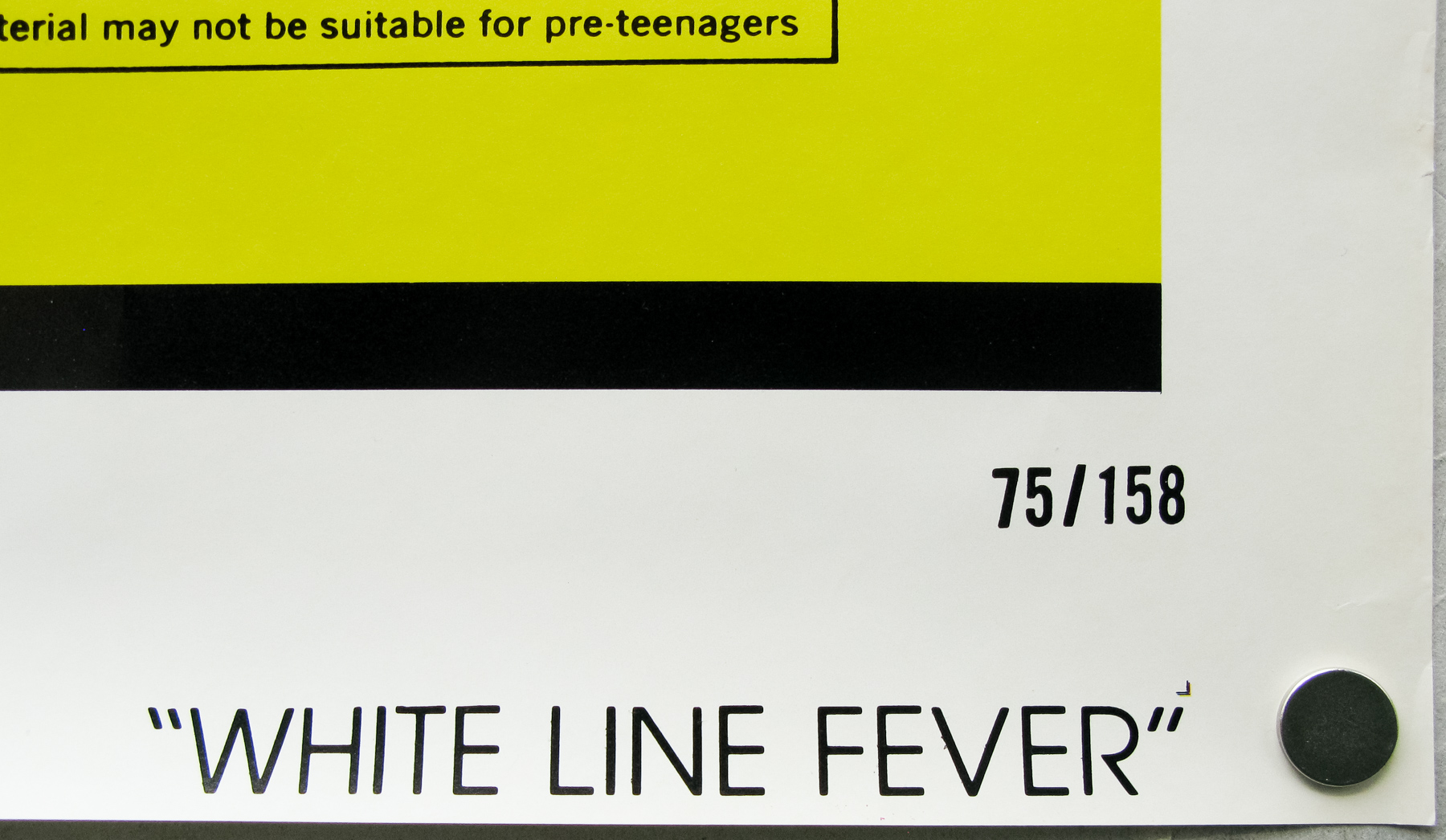
75/158
Tagline
Carol Jo Hummer - A working man who's had enough!

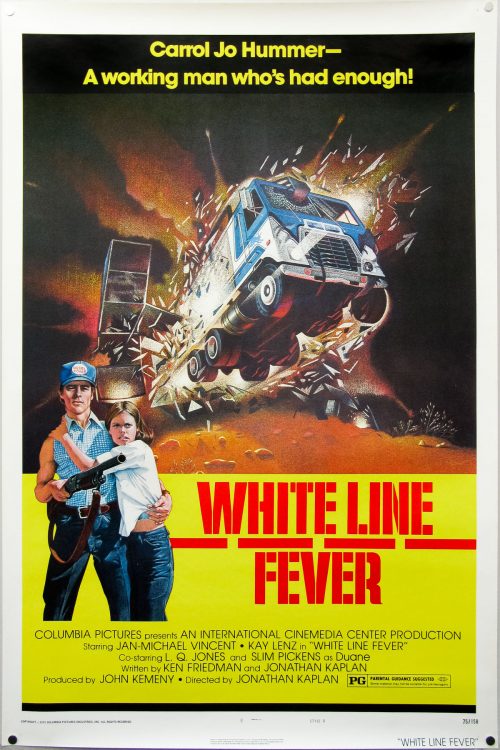
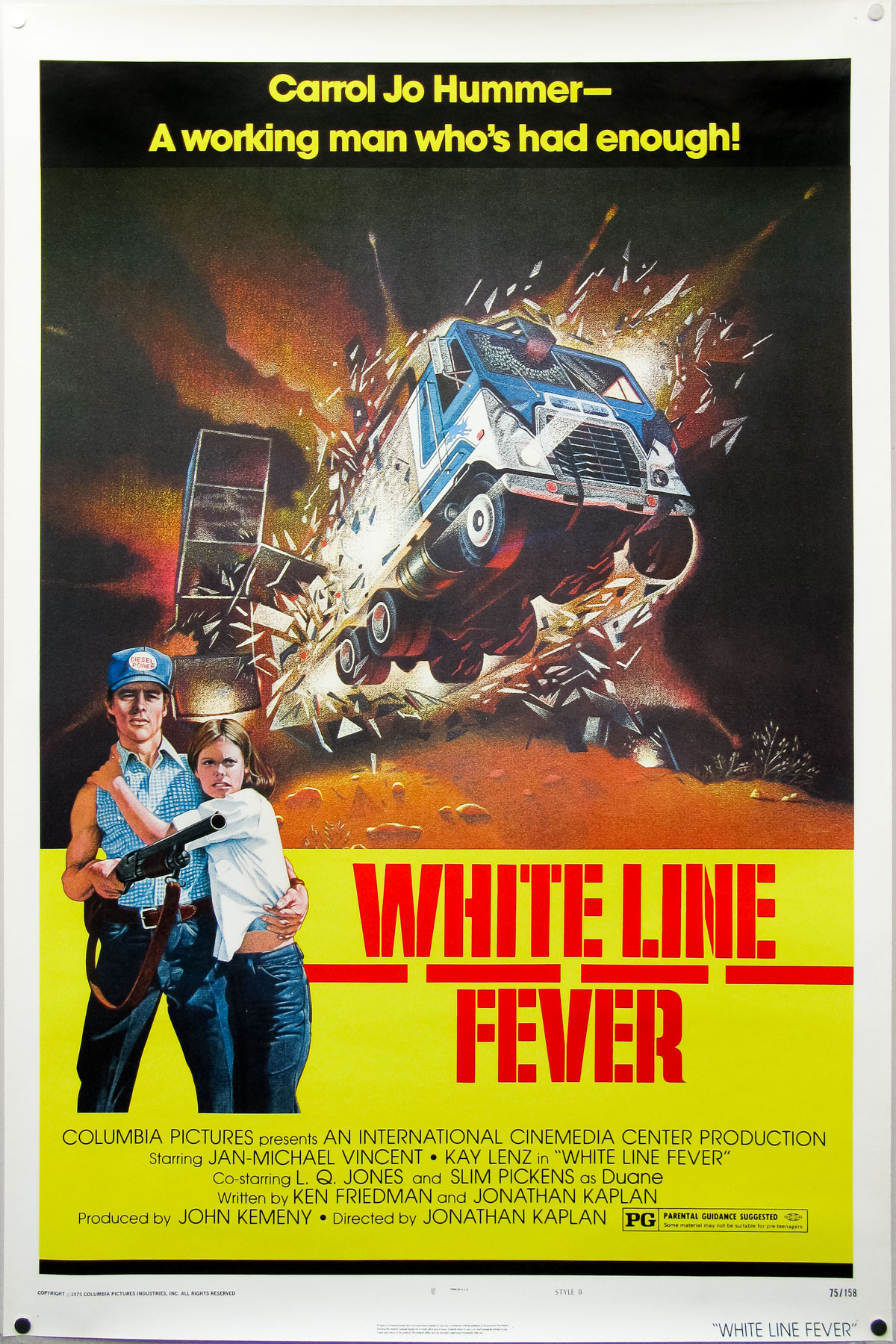
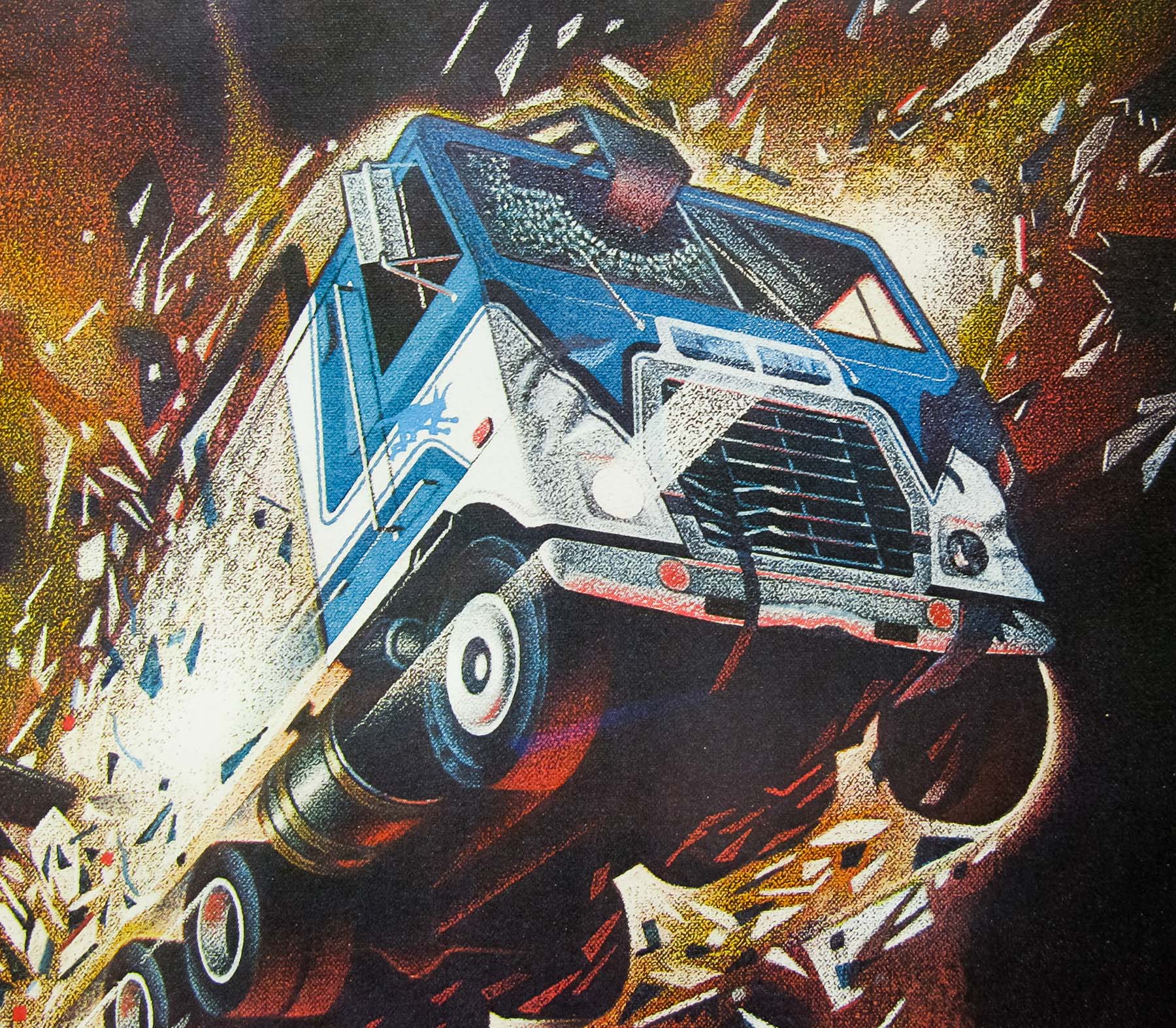
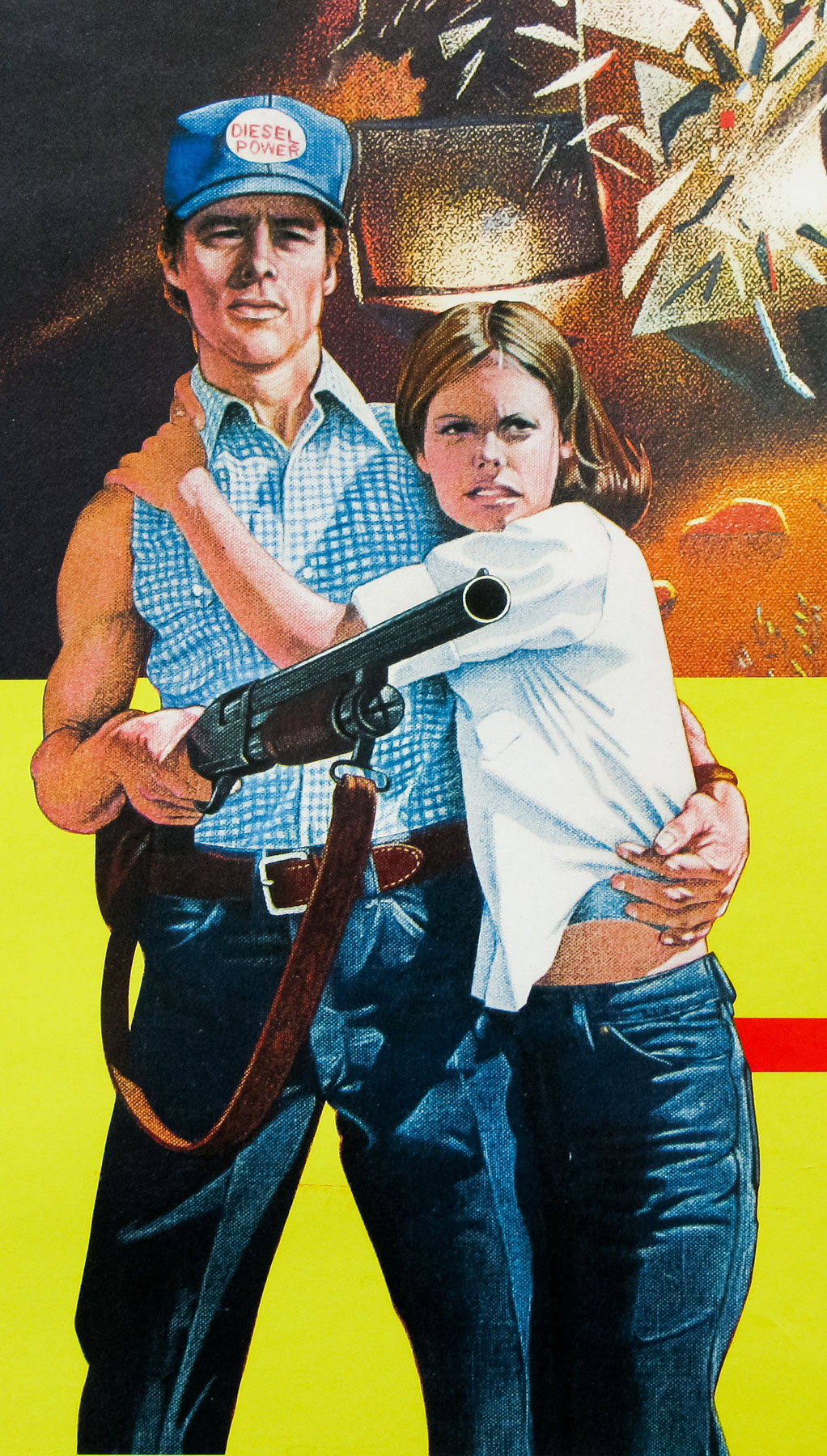
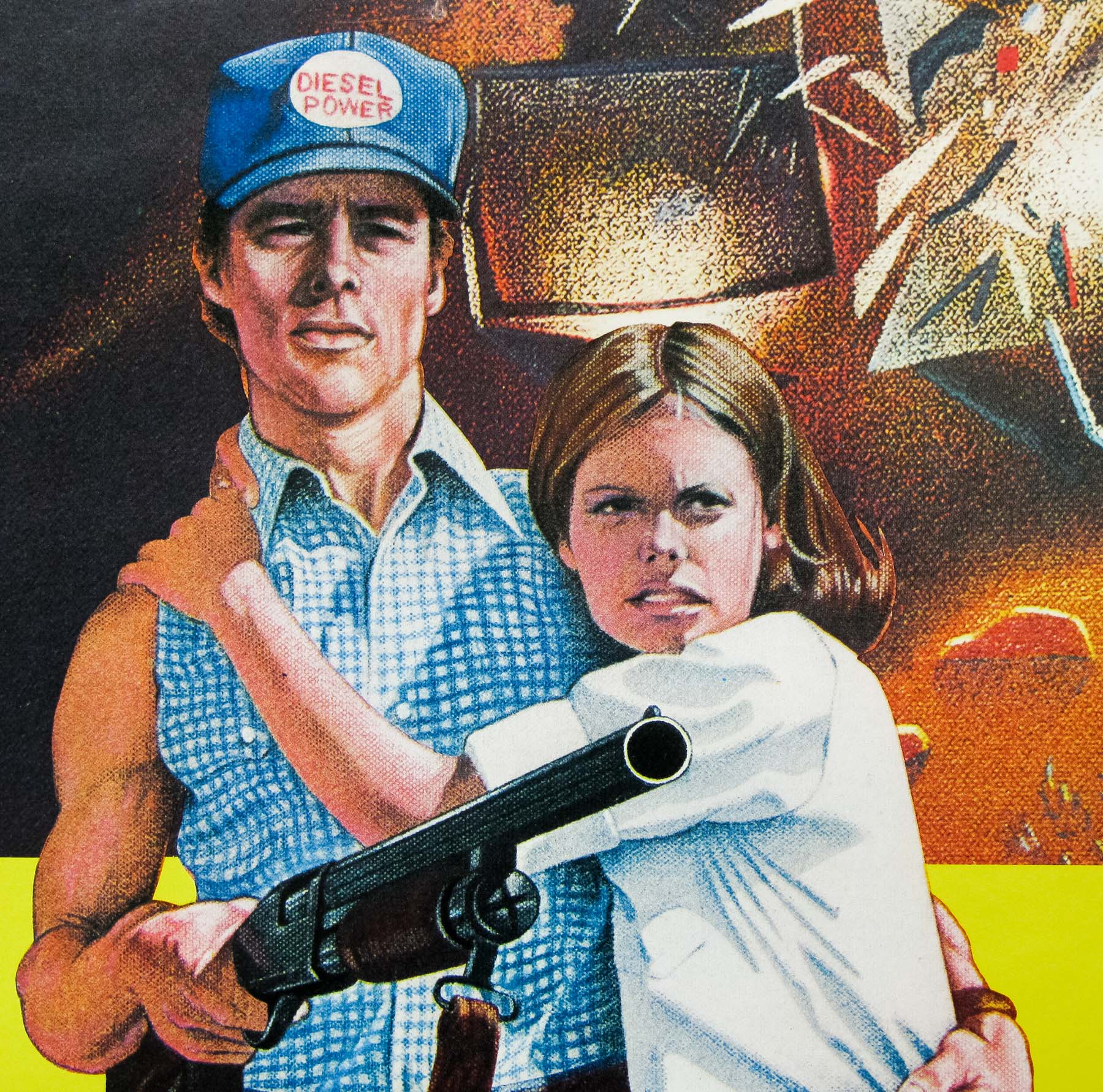
White Line Fever was made during the heyday of trucking in American popular culture and tells the story of Vietnam veteran Carol Jo-Hummer (played by Jan-Michael Vincent) who returns from the war and takes over his father’s trucking business, only to run up against the corrupt shipping firm Red River who are a front for an organised crime gang. Kay Lenz stars as Carol’s sweetheart Jerri who awaited his return from Vietnam and eventually helps him take a stand against the gang.

It would later be followed by other trucking-based action films such as the Burt Reynolds mega hit Smokey and the Bandit (1977) and Sam Peckinpah’s Convoy (1978). Director Jonathan Kaplan would go on to direct Jodie Foster to an Oscar win in 1988’s The Accused.

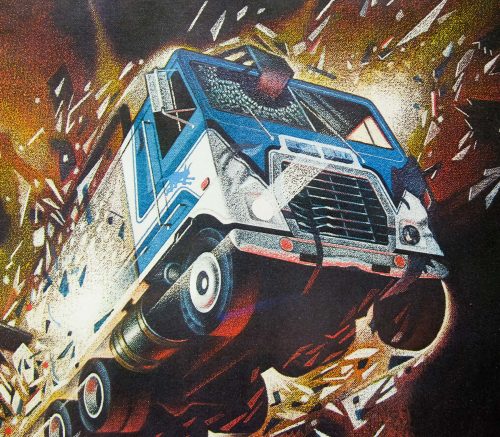
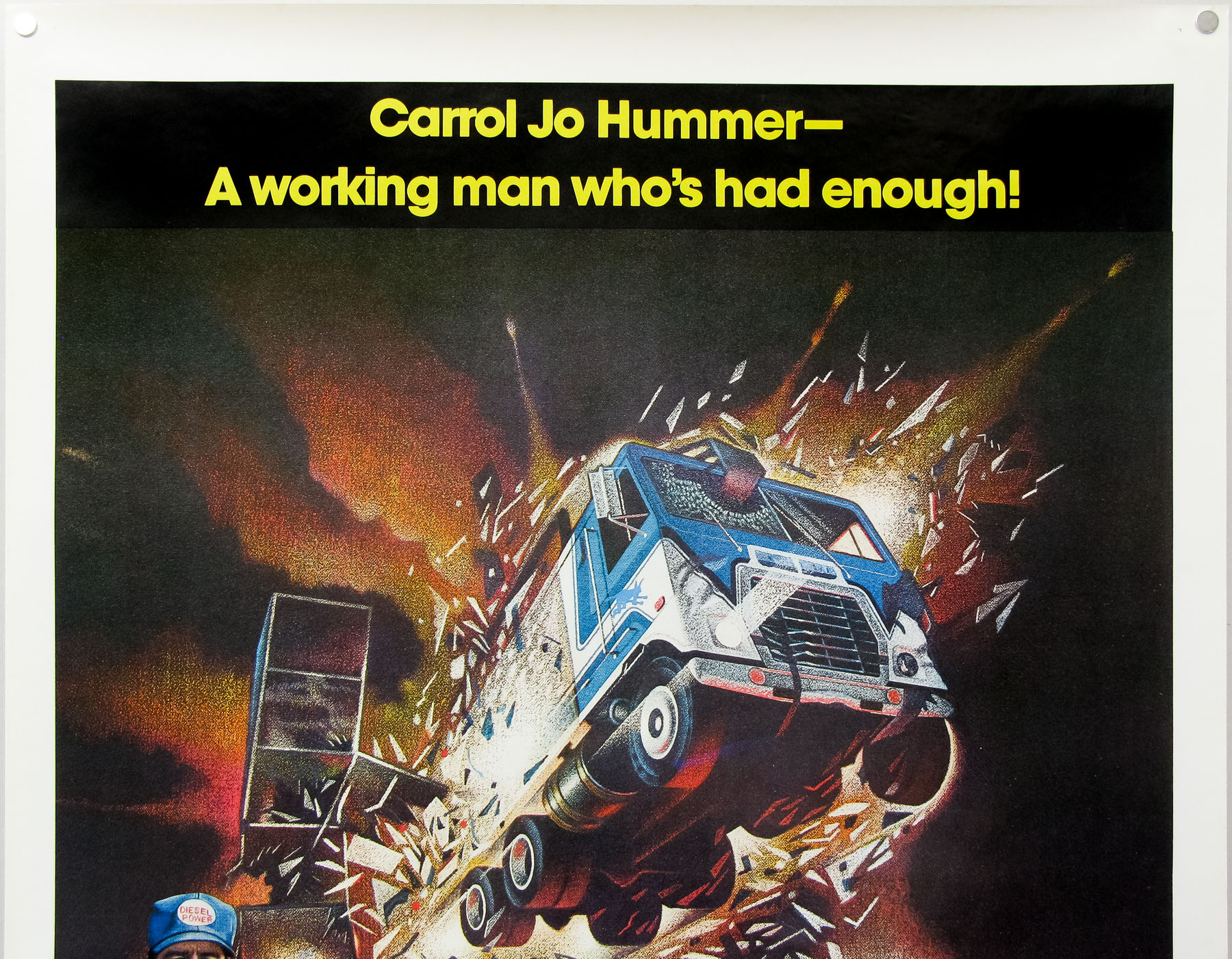
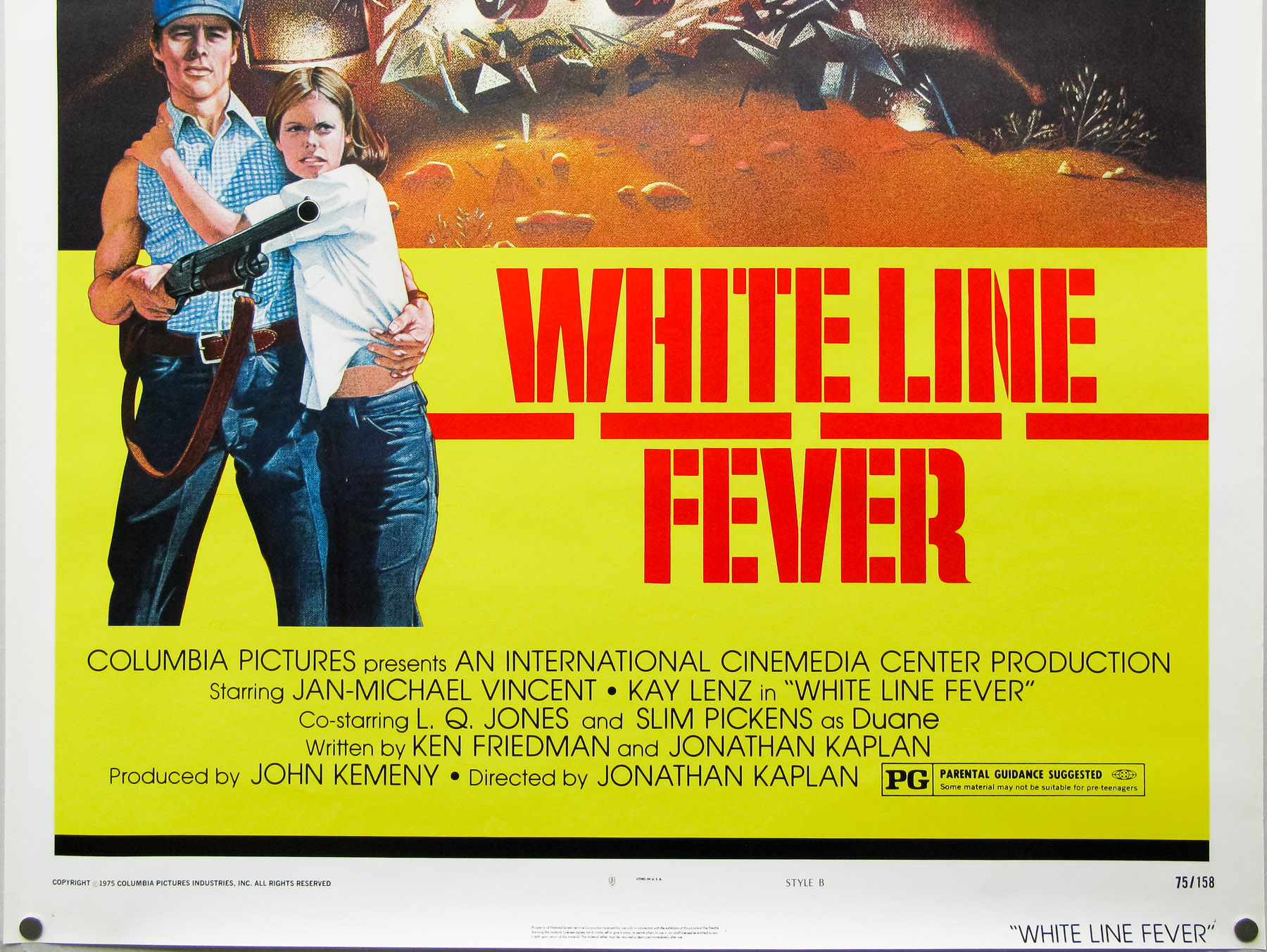
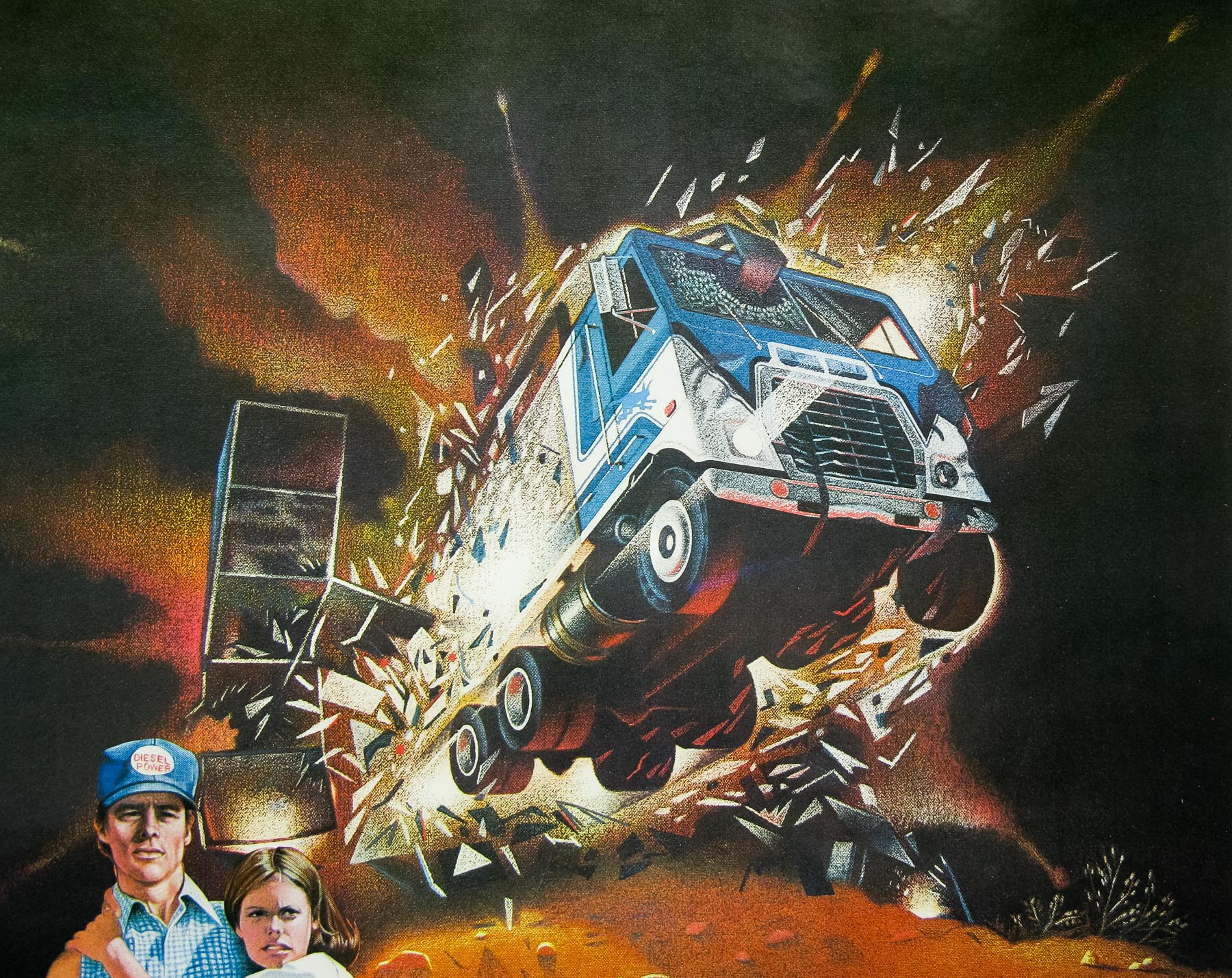
This style B US one sheet depicts a moment from one of the climactic scenes in the film and I’m unsure who is responsible for the artwork so please get in touch if you have any ideas.

The original trailer is on YouTube.

The Stuff / one sheet / USA

13.07.12

Poster Poster

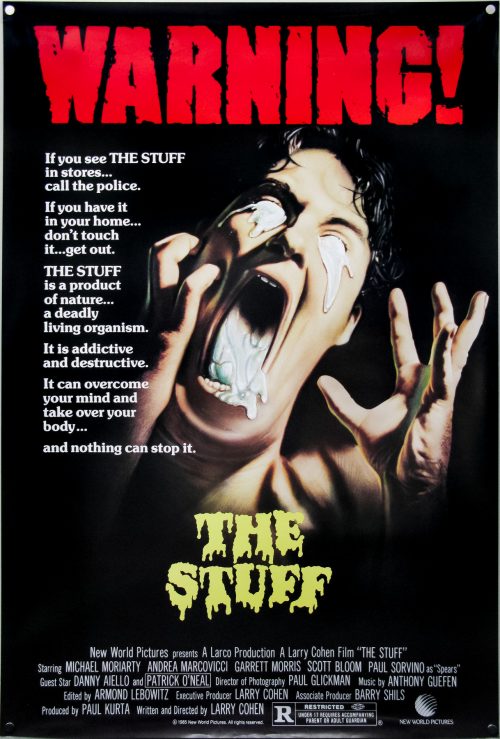
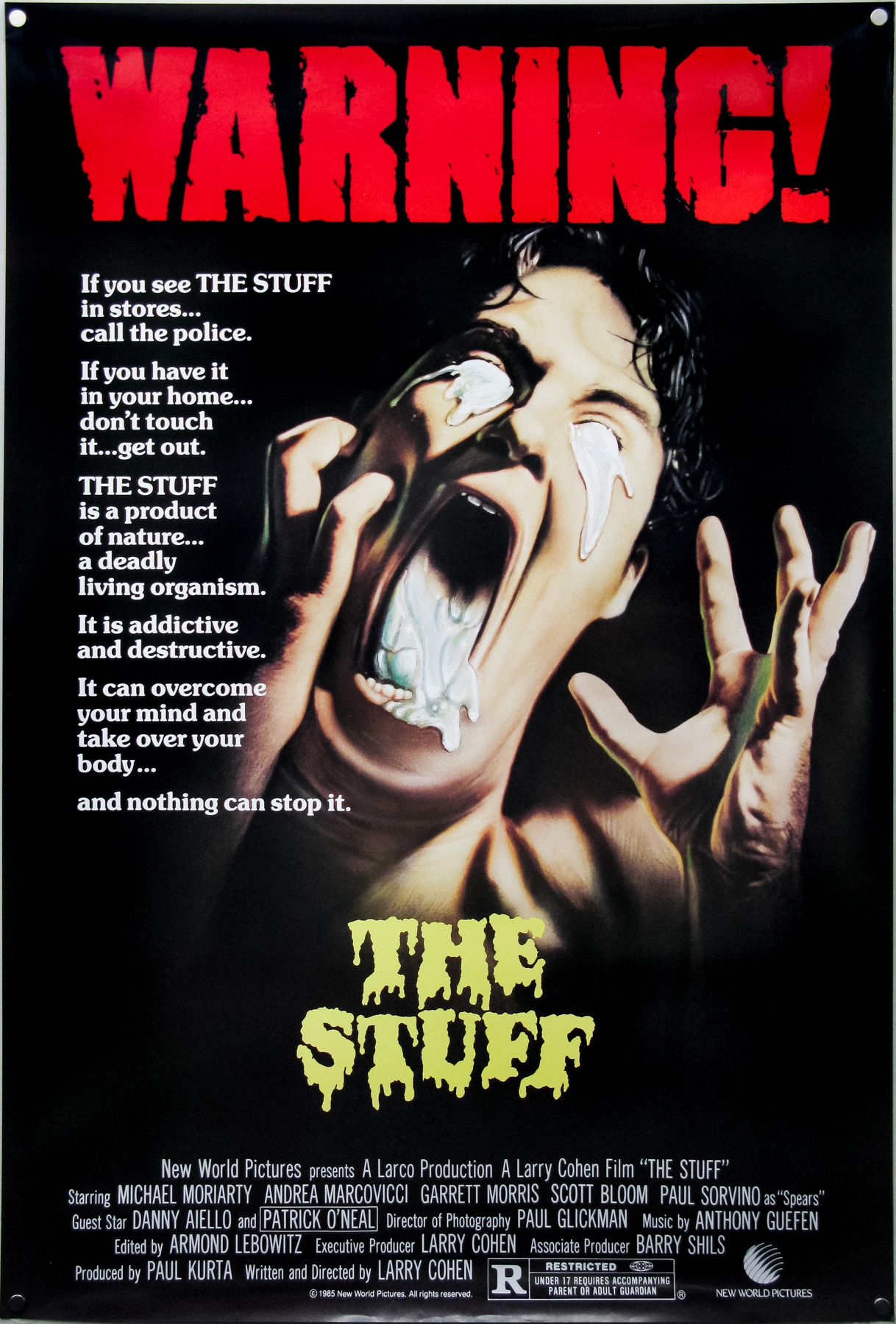
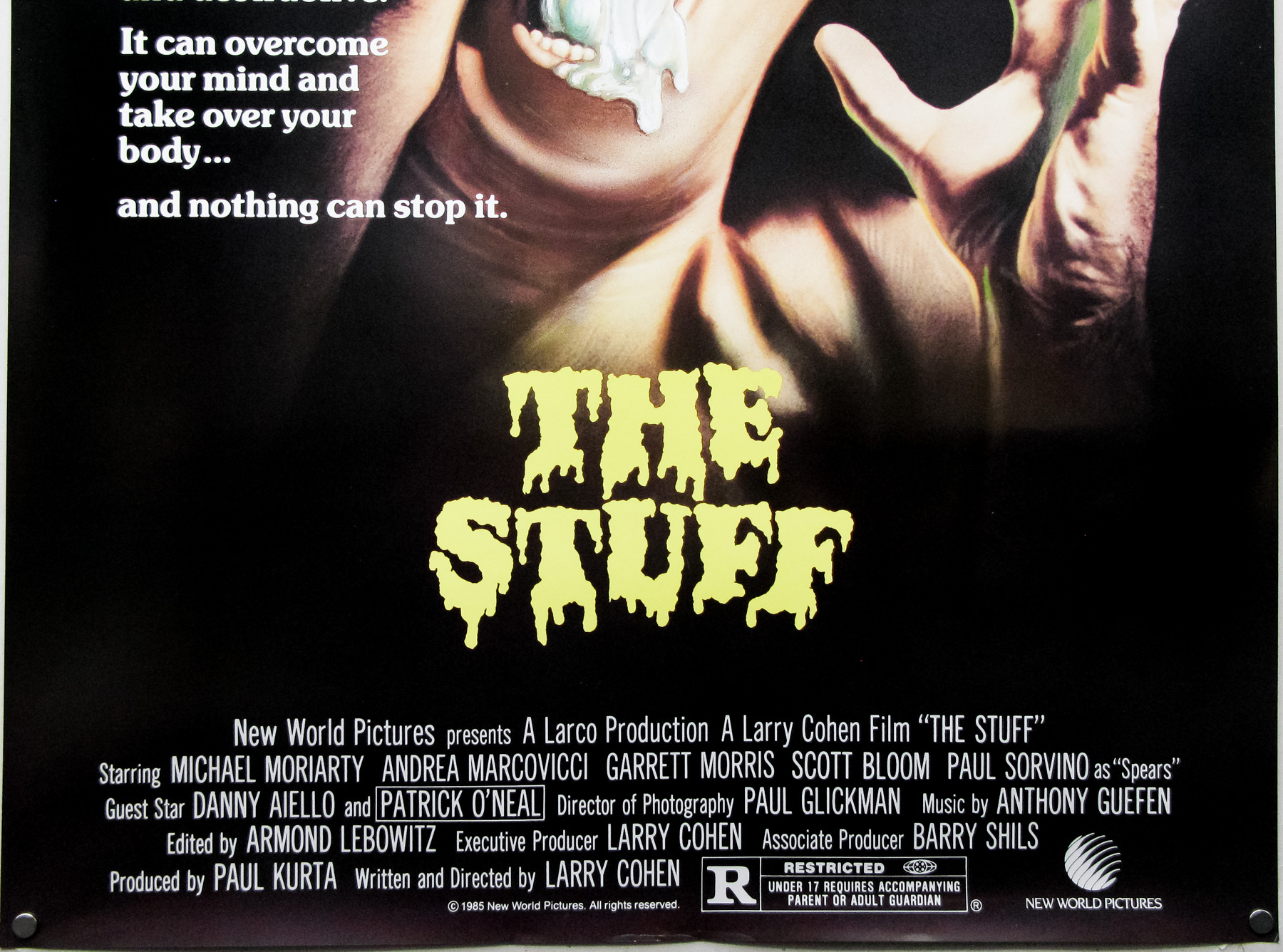
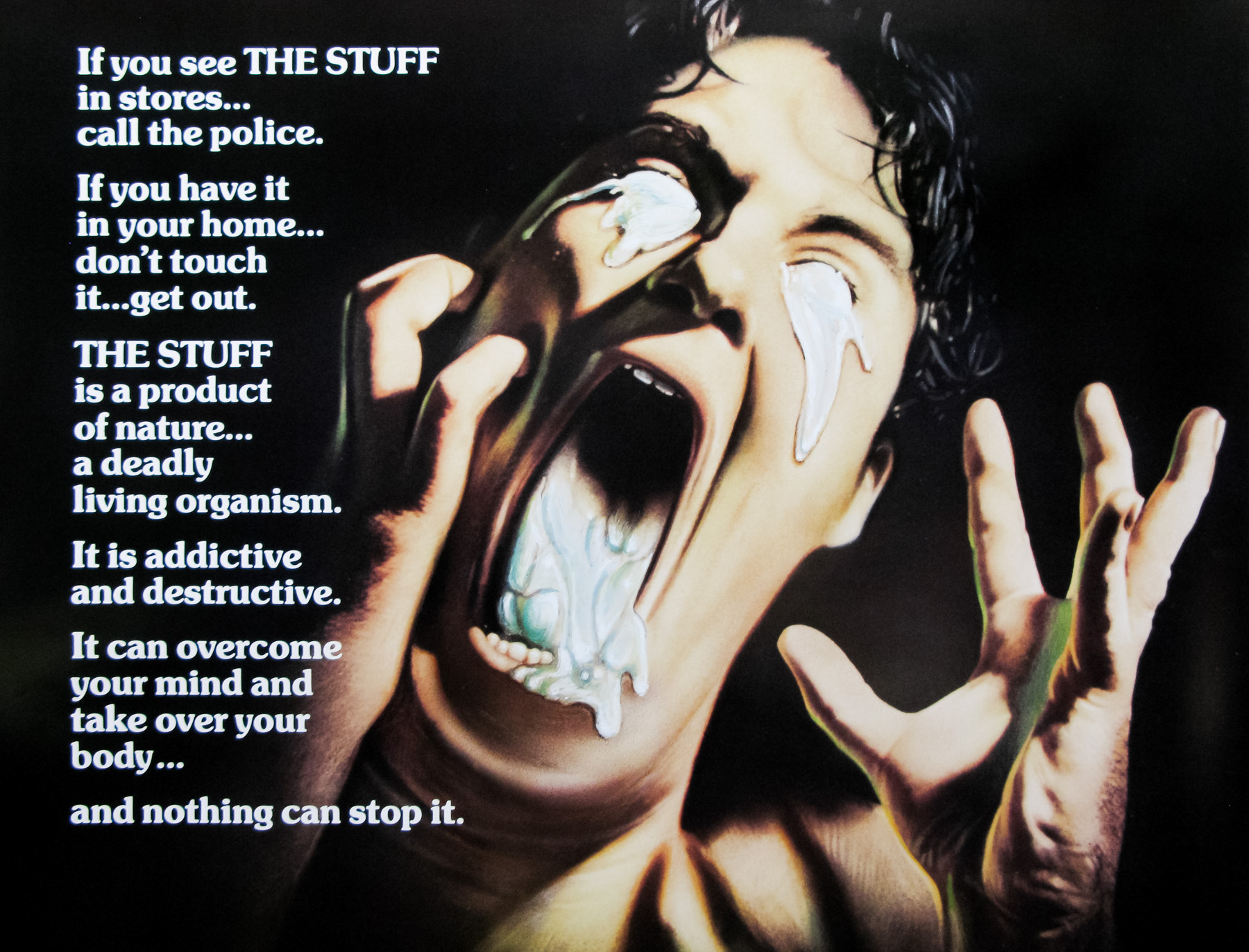
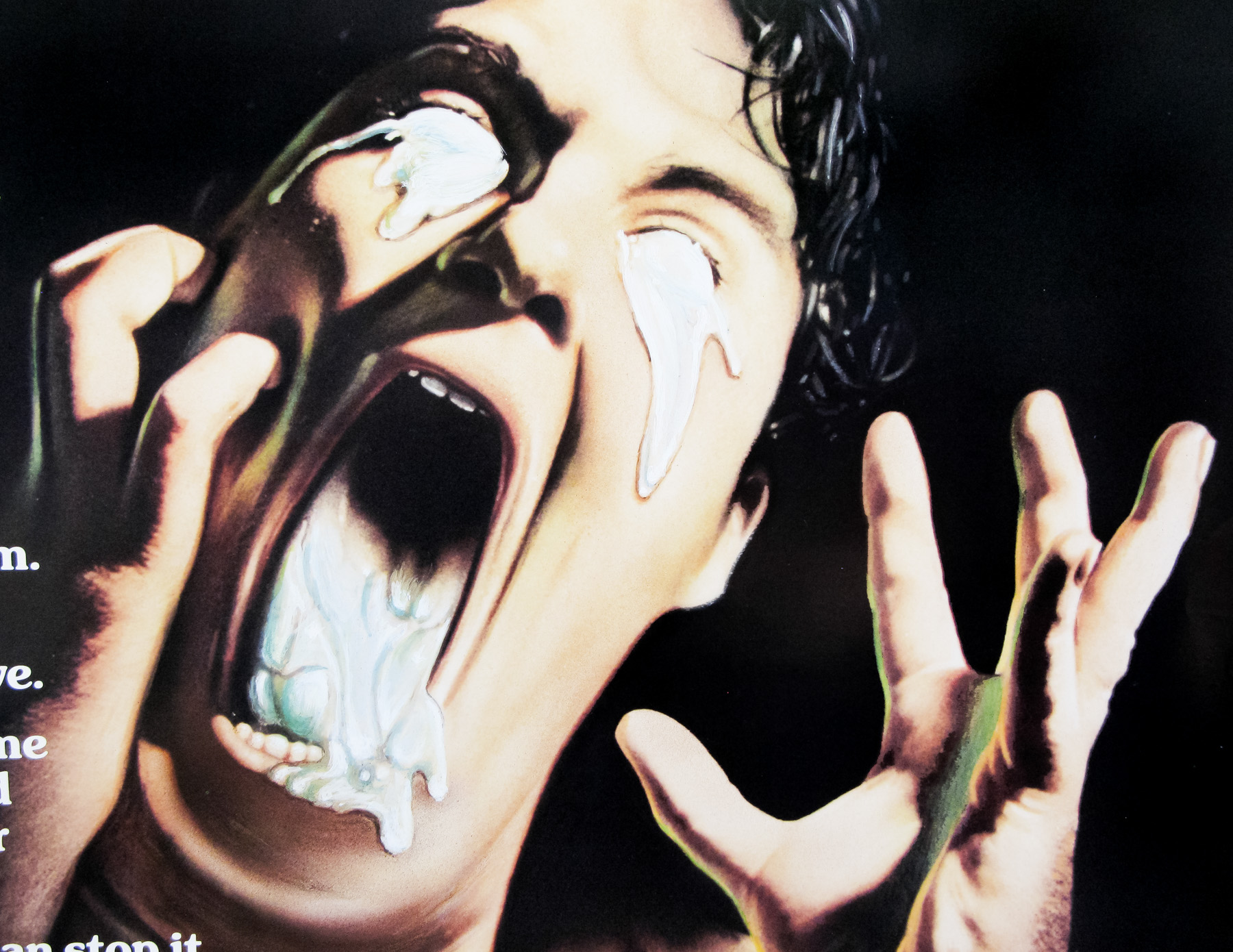
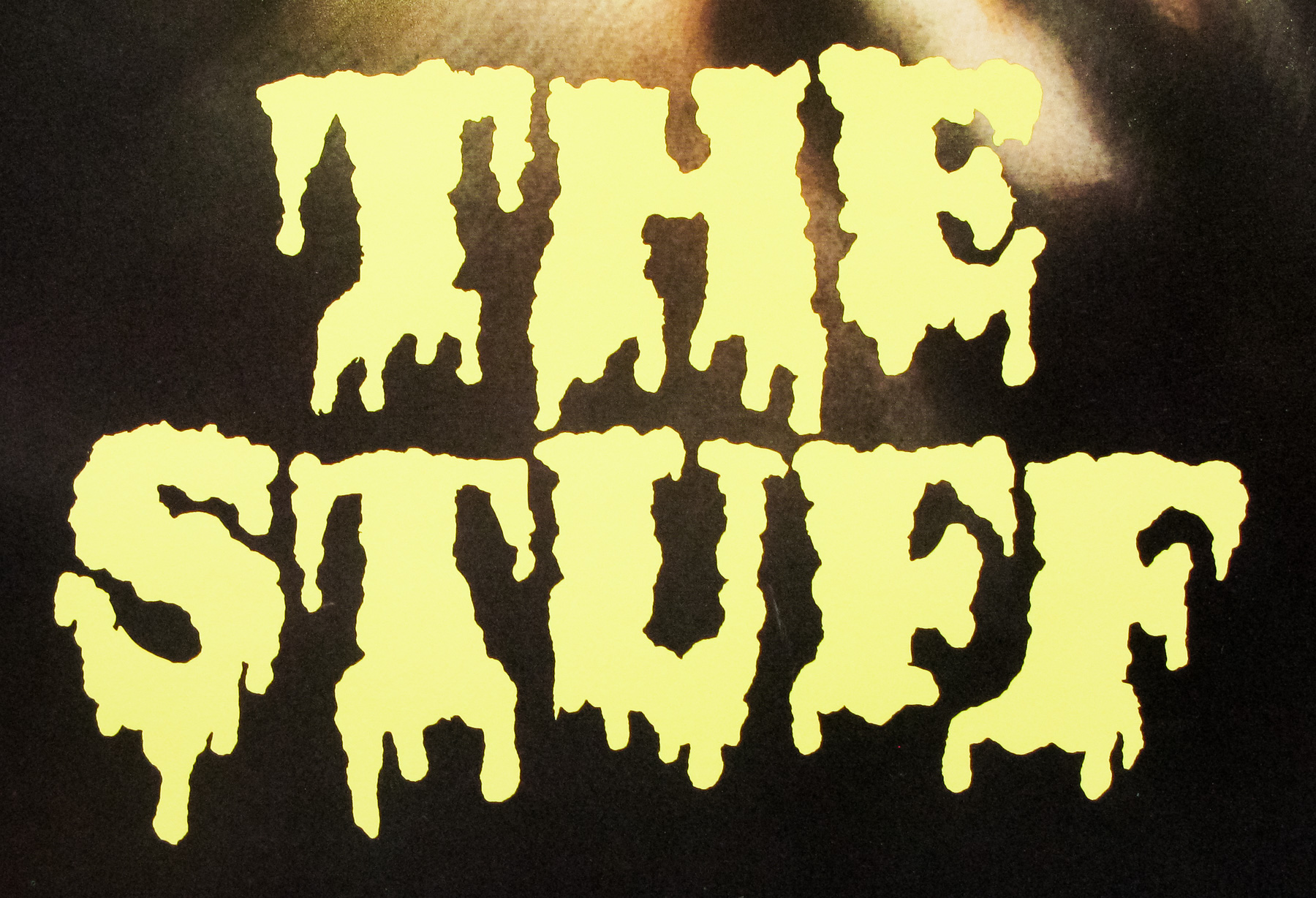
You only have to look through my poster archive to know that I love schlocky horror films as much as the next person, but I really struggled to make it through The Stuff when I rewatched it again recently. Sadly, that wasn’t because it was too gory or scary but because it’s such a terrible mess of a film, with clunky pacing, a complete lack of suspense and painfully bad acting across the board. Lead Michael Moriarty gives one of the strangest performances I’ve ever seen featuring baffling line deliveries and the general air of someone who thinks he’s acting in another film entirely.

The premise is okay with a mysterious white goo being discovered in the desert by a miner who then samples it, declares it to be tasty, and before long it’s the nation’s favourite dessert and is being marketed as an alternative to ice cream. The only downside is that it turns people into brain-washed zombies who infect anyone else they come into contact with. The leaders of several ice cream companies hire Mo Rutherford (Moriarty), a former FBI agent, to investigate what the secret of The Stuff really is.

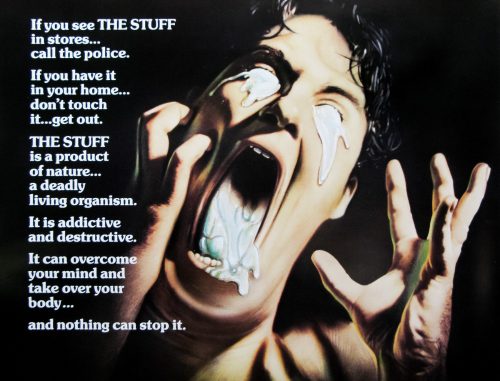
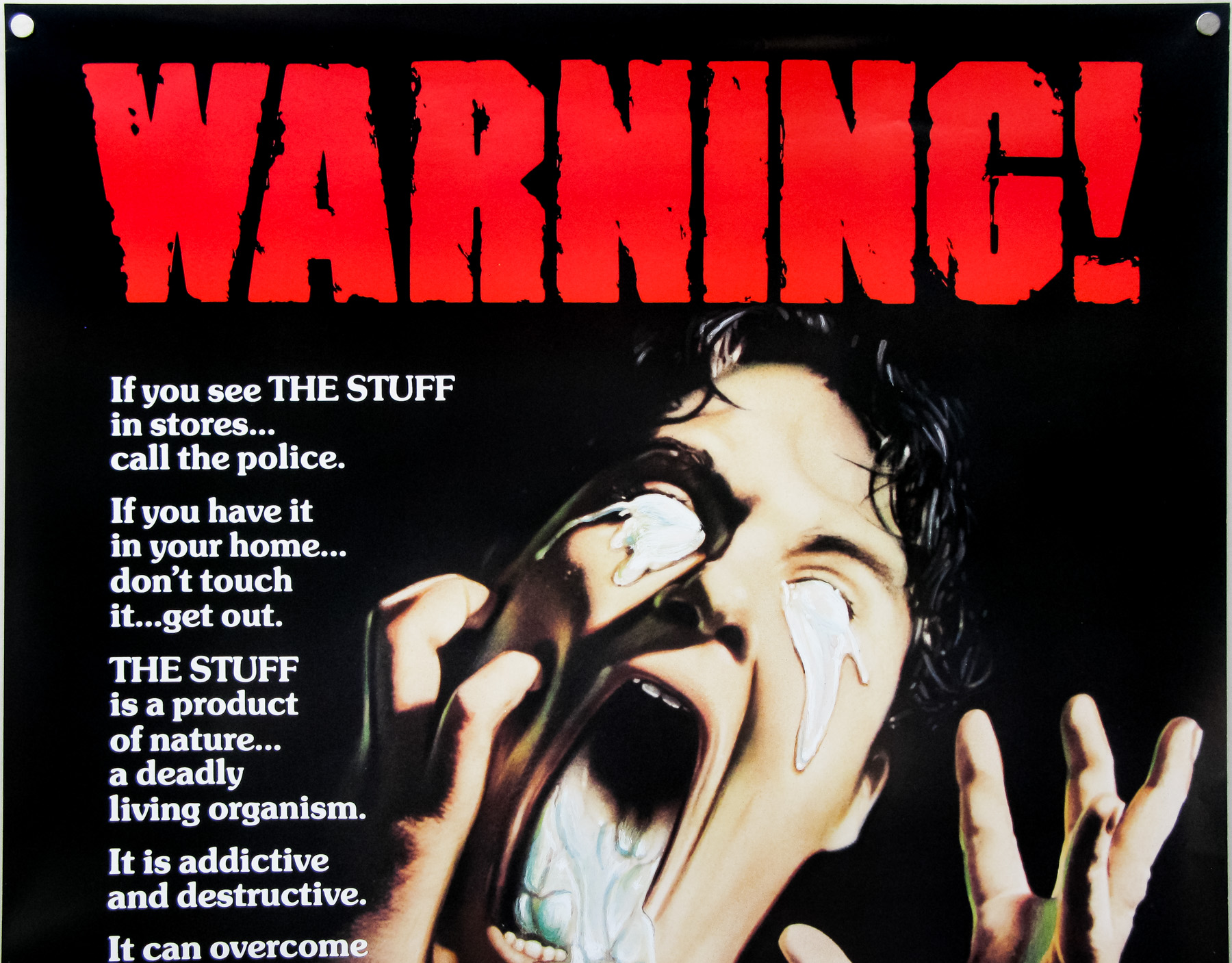
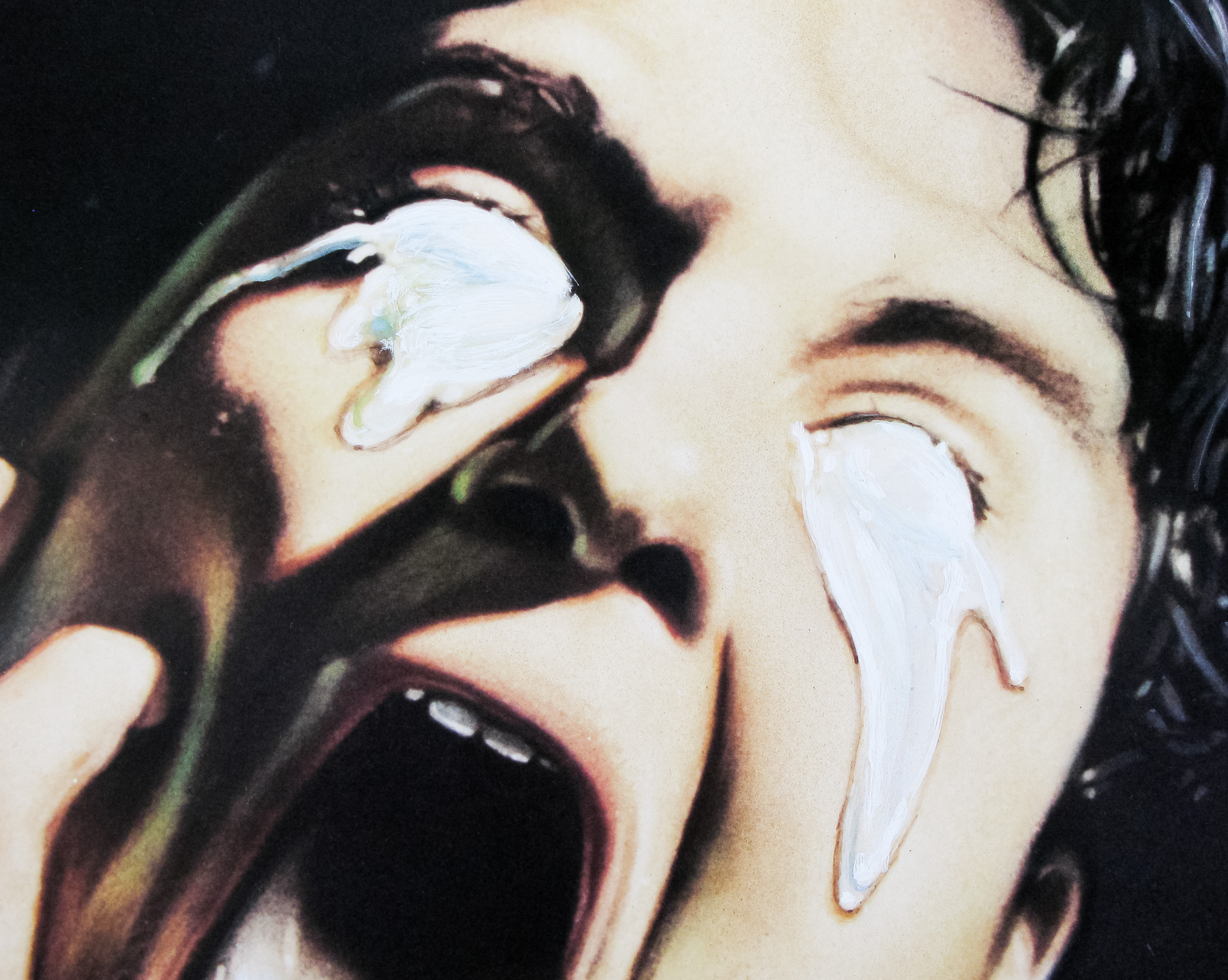
I’m unsure who painted the artwork on this US one sheet so please get in touch if you have any ideas.

The original trailer is on YouTube.

Inside Out / one sheet / USA

25.07.12

Poster Poster
Title
Inside Out
AKA
Operazione Siegfried (Italy) | Hitler's Gold (USA - TV title)
Year of Film
1975
Director
Peter Duffell
Starring
Telly Savalas, Robert Culp, James Mason, Aldo Ray, Günter Meisner, Adrian Hoven, Wolfgang Lukschy, Charles Korvin
Origin of Film
UK | West Germany
Genre(s) of Film
Telly Savalas, Robert Culp, James Mason, Aldo Ray, Günter Meisner, Adrian Hoven, Wolfgang Lukschy, Charles Korvin,
Type of Poster
One sheet
Style of Poster
--
Origin of Poster
USA
Year of Poster
1975
Designer
Unknown
Artist
Unknown
Size (inches)
27 4/16" x 41 1/16"
SS or DS
SS
NSS #
--
Tagline
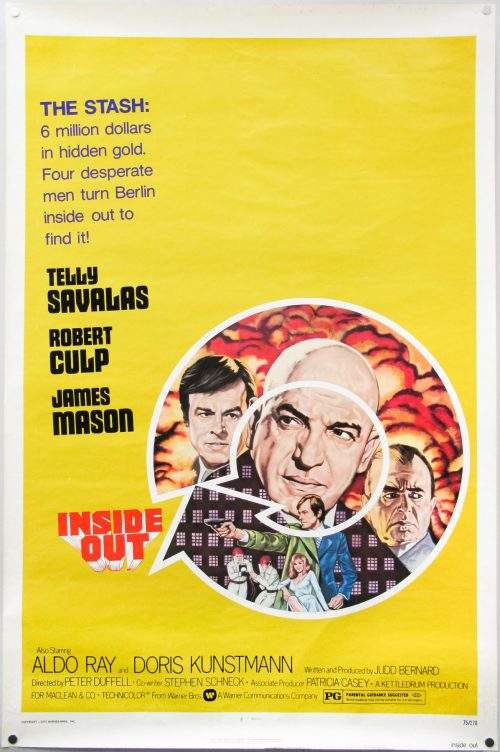
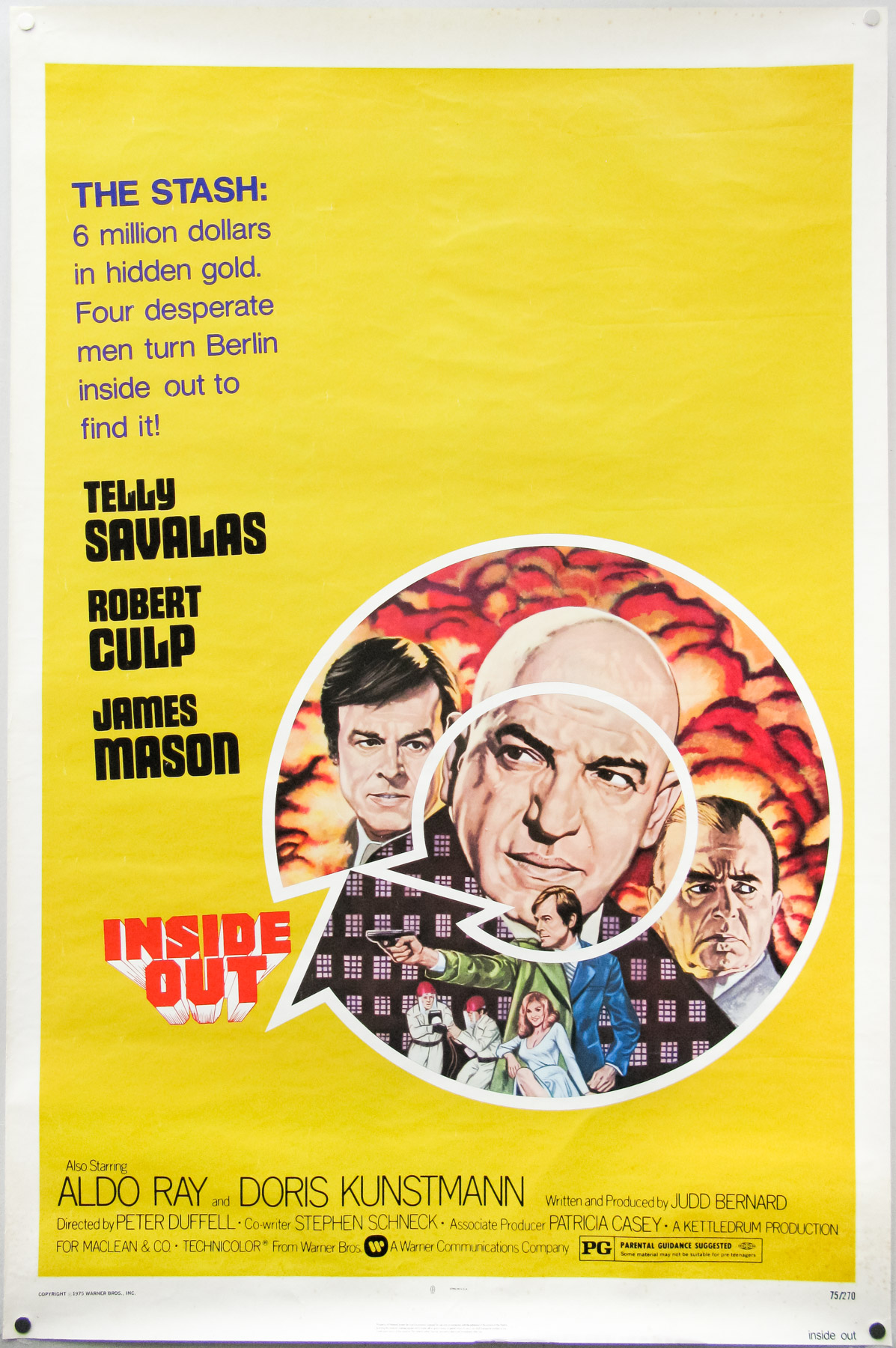
The Stash: 6 millions dollars in hidden gold. Four desperate men turn Berlin inside out to find it!

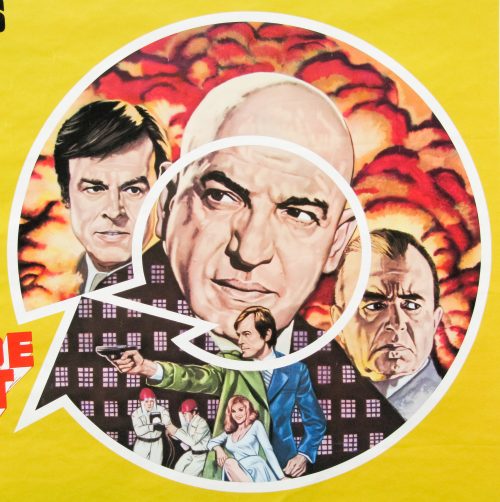
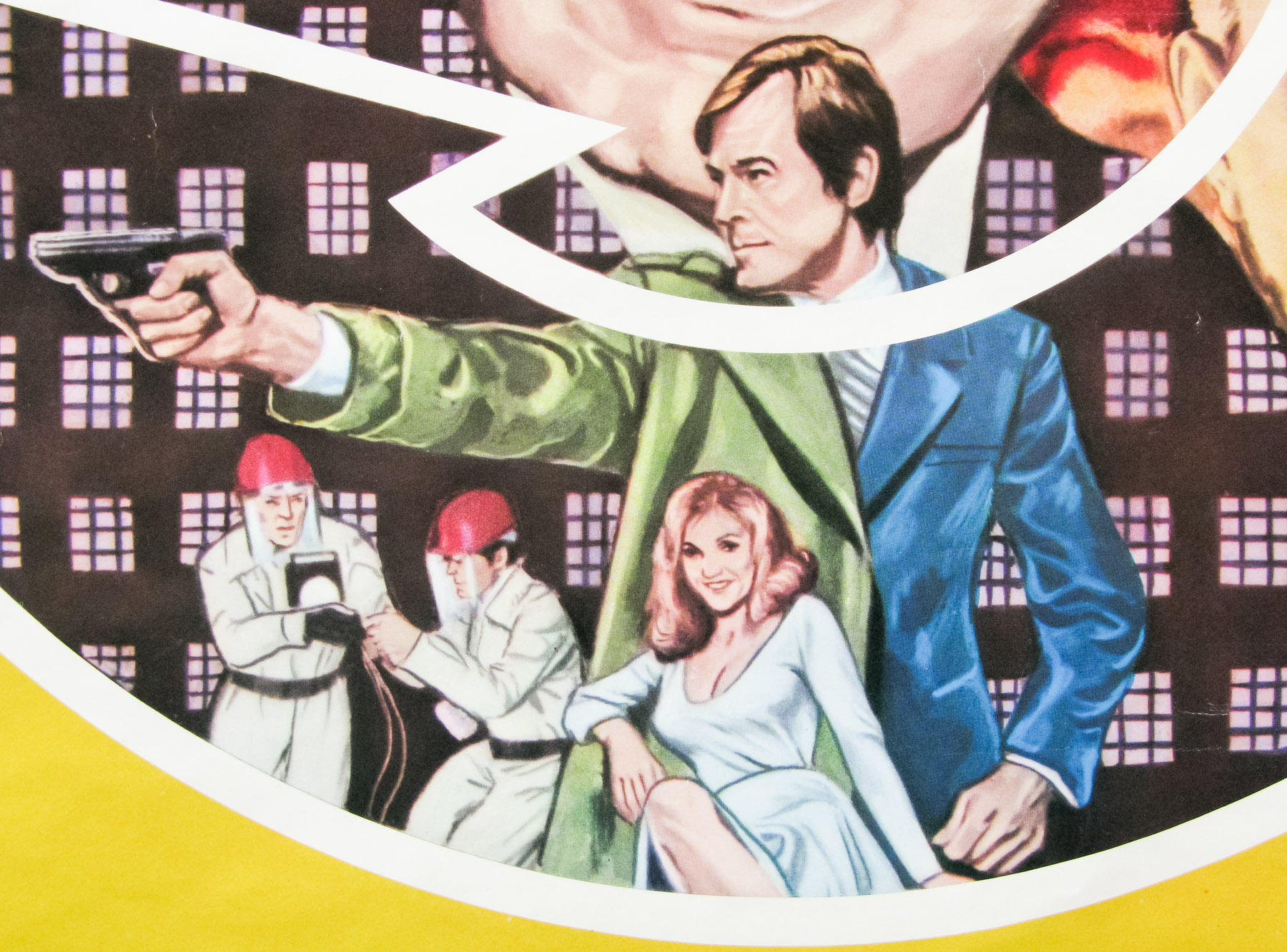
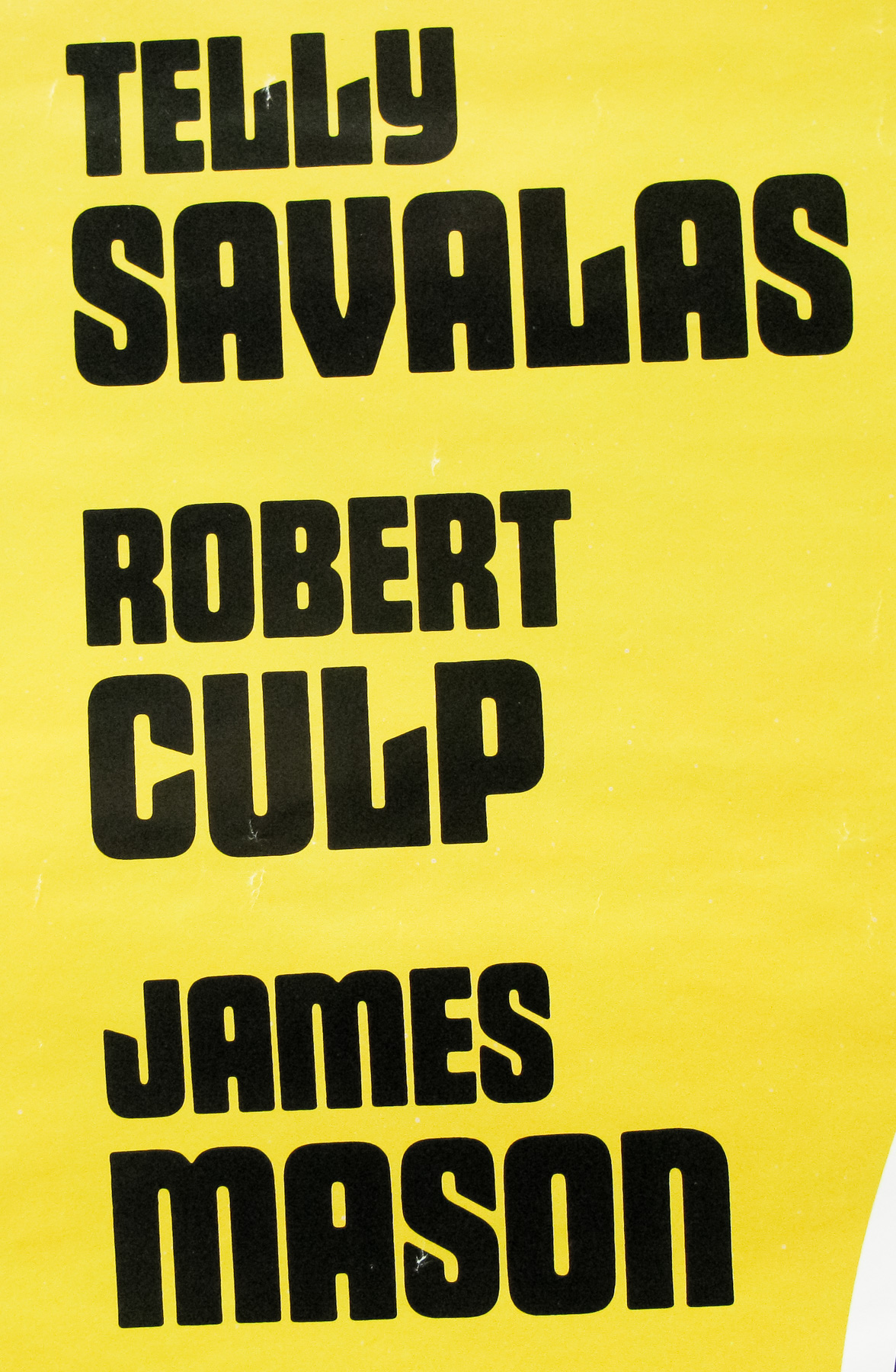
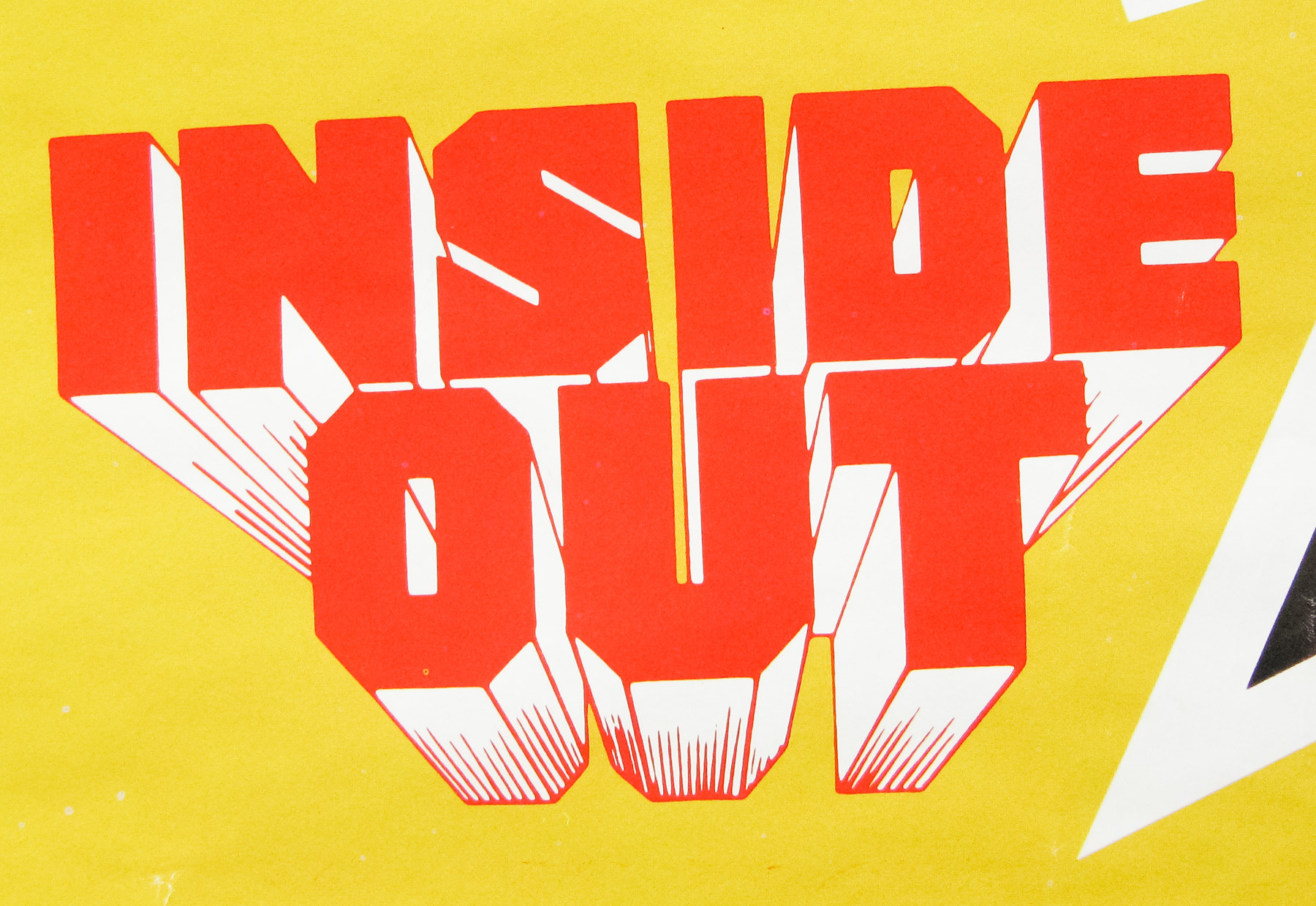
A British action thriller directed by Peter Duffell, Inside Out sees the inimitable Telly Savalas star as conman Harry Morgan who teams up with James Mason and Robert Culp on the hunt for a stash of Nazi gold hidden since the end of the Second World War. Duffell is perhaps best known for his TV work, but he also directed the classic Amicus horror The House That Dripped Blood, starring Christopher Lee and Peter Cushing.

I’m unsure who is responsible for the artwork on this US one sheet so get in touch if you have an idea. You’ll notice that there is some foxing present on the bottom part of this particular copy.


Battlestar Galactica / one sheet / teaser / USA

11.08.12

Poster Poster
Title
Battlestar Galactica
AKA
Saga of a Star World (original pilot title)
Year of Film
1978 (released in the US in 1979)
Director
Richard A. Colla
Starring
Richard Hatch, Dirk Benedict, Lorne Greene, Herbert Jefferson Jr., John Colicos, Maren Jensen, Noah Hathaway, Laurette Spang, Tony Swartz, Terry Carter
Origin of Film
USA
Genre(s) of Film
Richard Hatch, Dirk Benedict, Lorne Greene, Herbert Jefferson Jr., John Colicos, Maren Jensen, Noah Hathaway, Laurette Spang, Tony Swartz, Terry Carter,
Type of Poster
One sheet
Style of Poster
Teaser
Origin of Poster
USA
Year of Poster
1979
Designer
Unknown
Artist
Ralph McQuarrie
Size (inches)
27 1/16" x 41"
SS or DS
SS
NSS #
--
Tagline
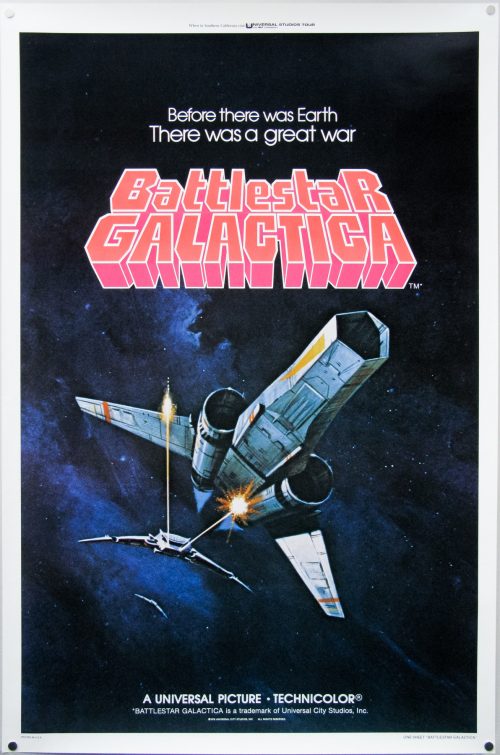
Before there was earth there was a great war

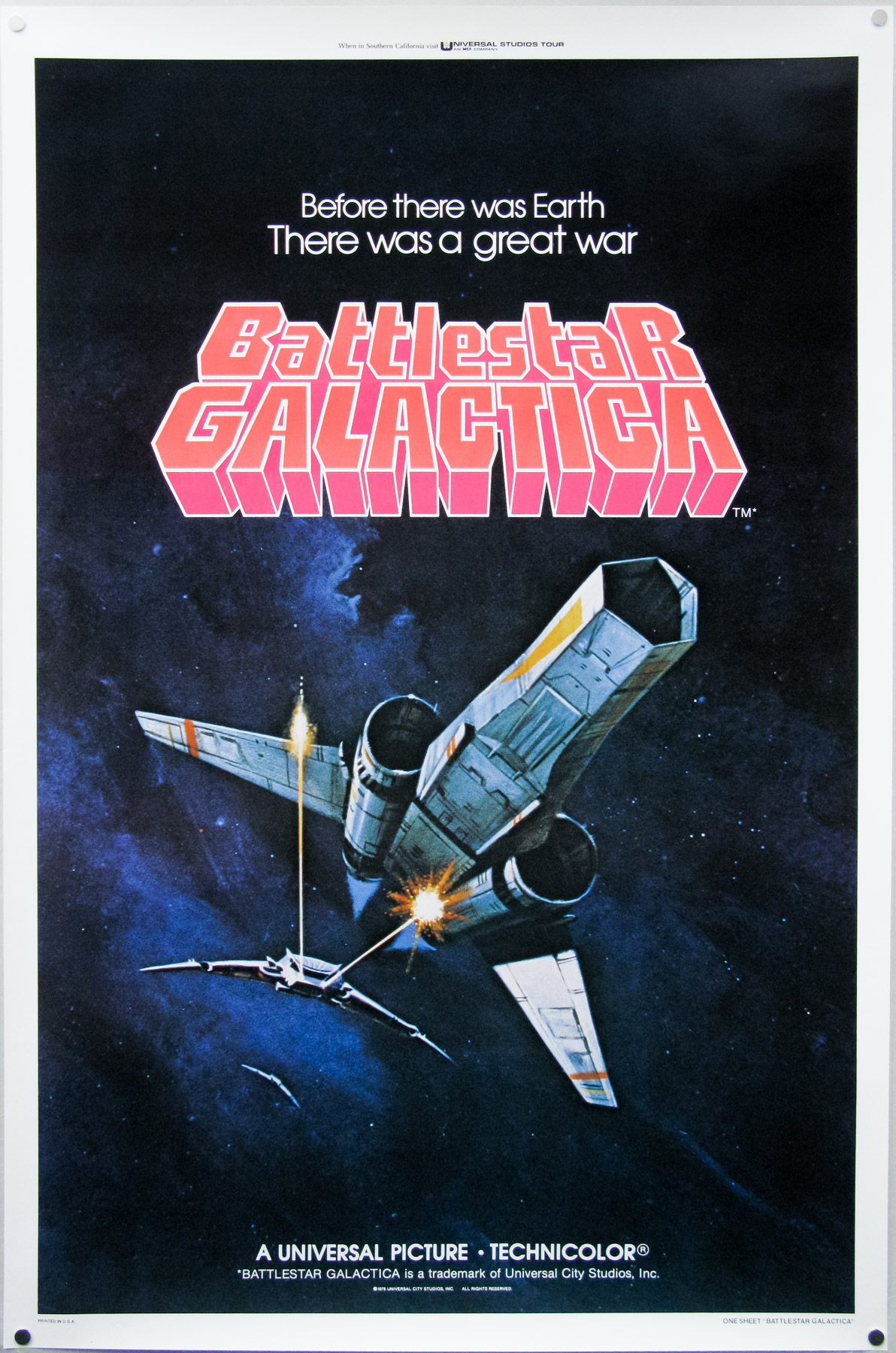
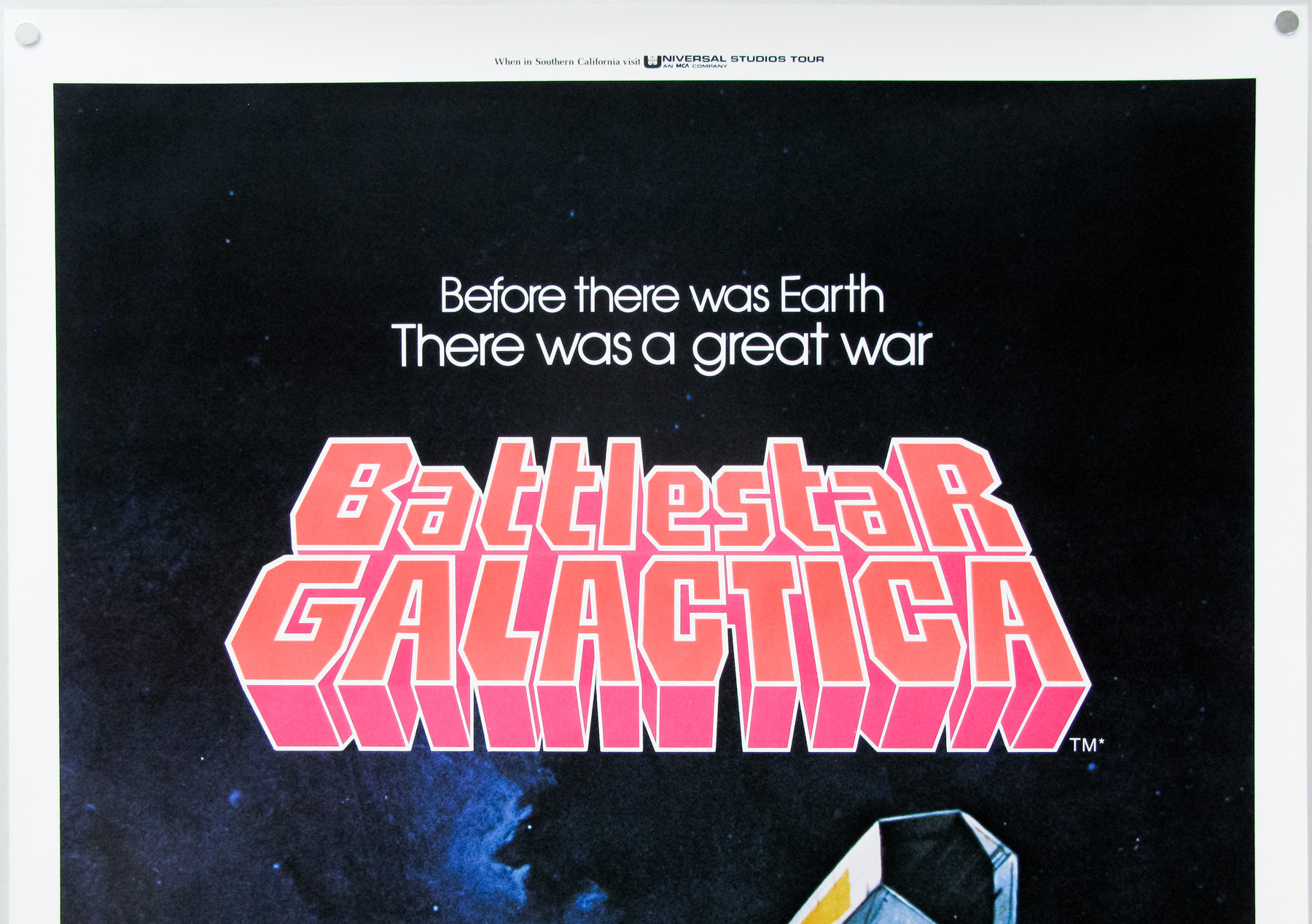
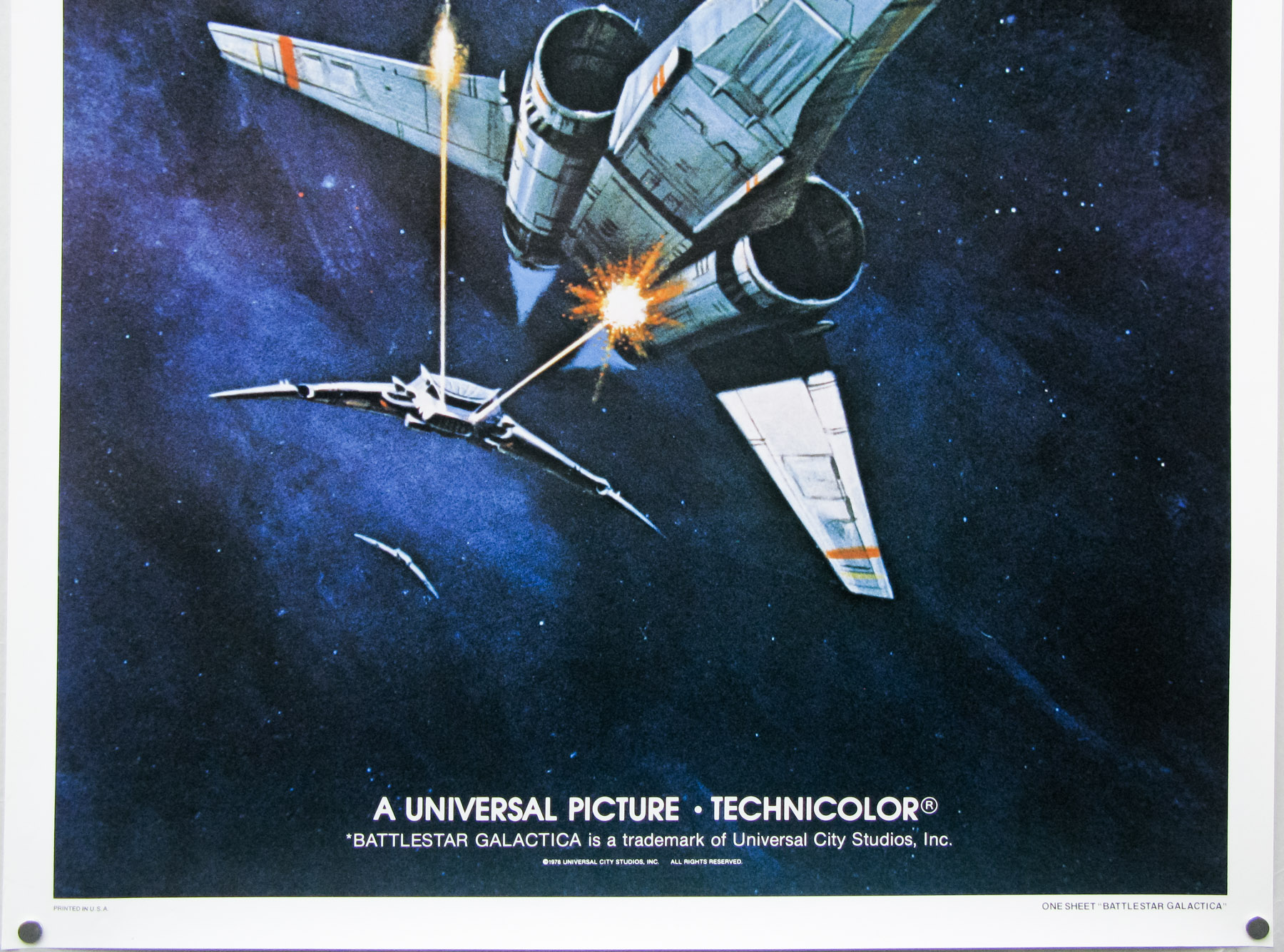
A rarely seen teaser one sheet for the theatrical release of the pilot of the original Battlestar Galactica TV series. Created by legendary producer Glen A. Larson, who would later go on to work on the likes of The Fall GuyMagnum, P.I. and Knight Rider, the decision was made by Universal Studios to cut the pilot down from its three hour running time and release it in cinemas to try and recoup some of the high production costs. It was first released in Canada, Australia and several European countries in 1978 and this poster dates from the domestic release in 1979. Universal would later repeat this idea with the Buck Rogers movie, also produced by Larson, in the same year.

Originally named Saga of a Star World, the pilot sets up the backstory of the 1,000 year war between a colony of humans living in a distant cosmos and the robotic race known as Cylons, who wish to wipe out the entire human race. The humans are betrayed by a traitor known as Baltar (John Colicos) who helps the Cylons launch a surprise attack during a supposed armistice between the two sides. The assault almost wipes out all 12 of the human colonies, with only the Galactaca surviving along with a bunch of smaller civilian ships. The fleet sets off on a journey across the galaxy in search of their long-lost sister civilisation, our planet Earth, with the Cylons in hot pursuit.

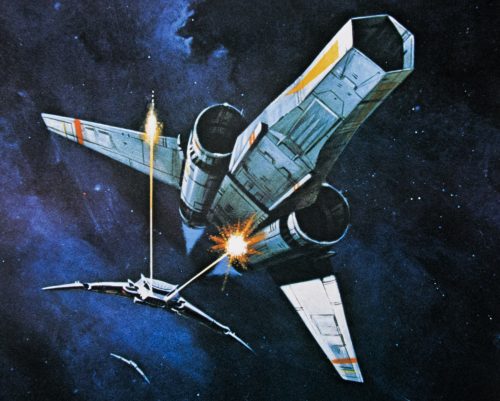
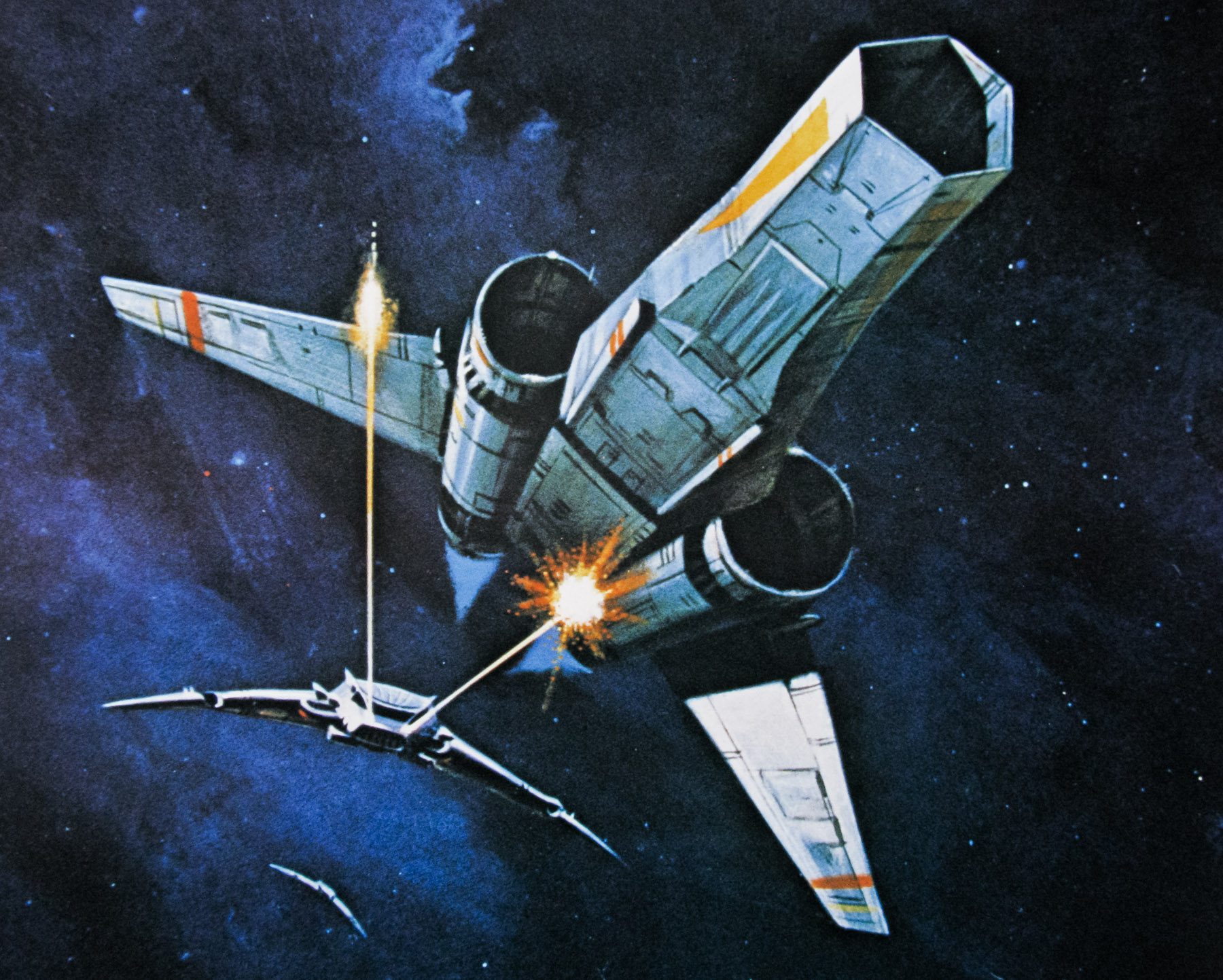
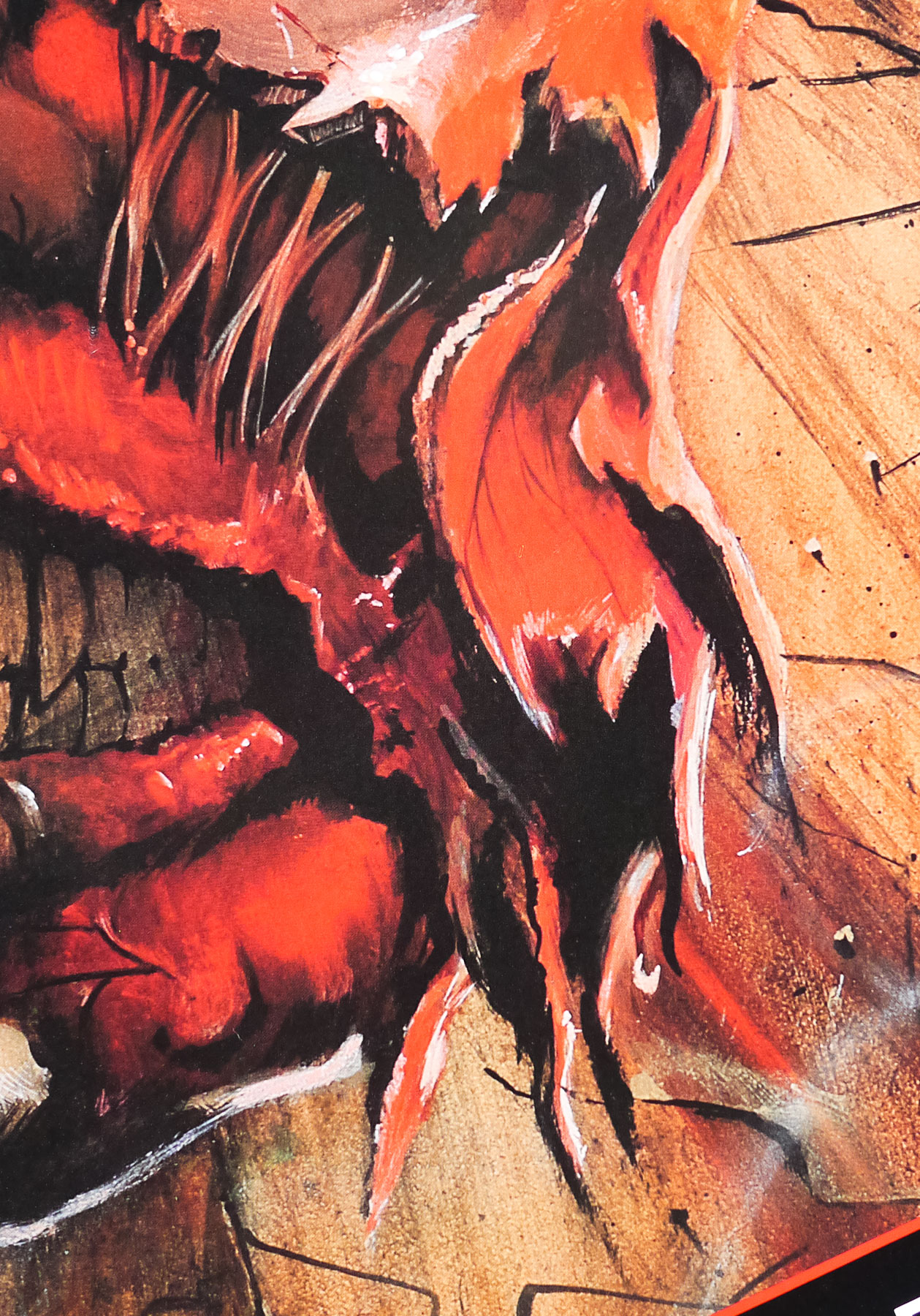
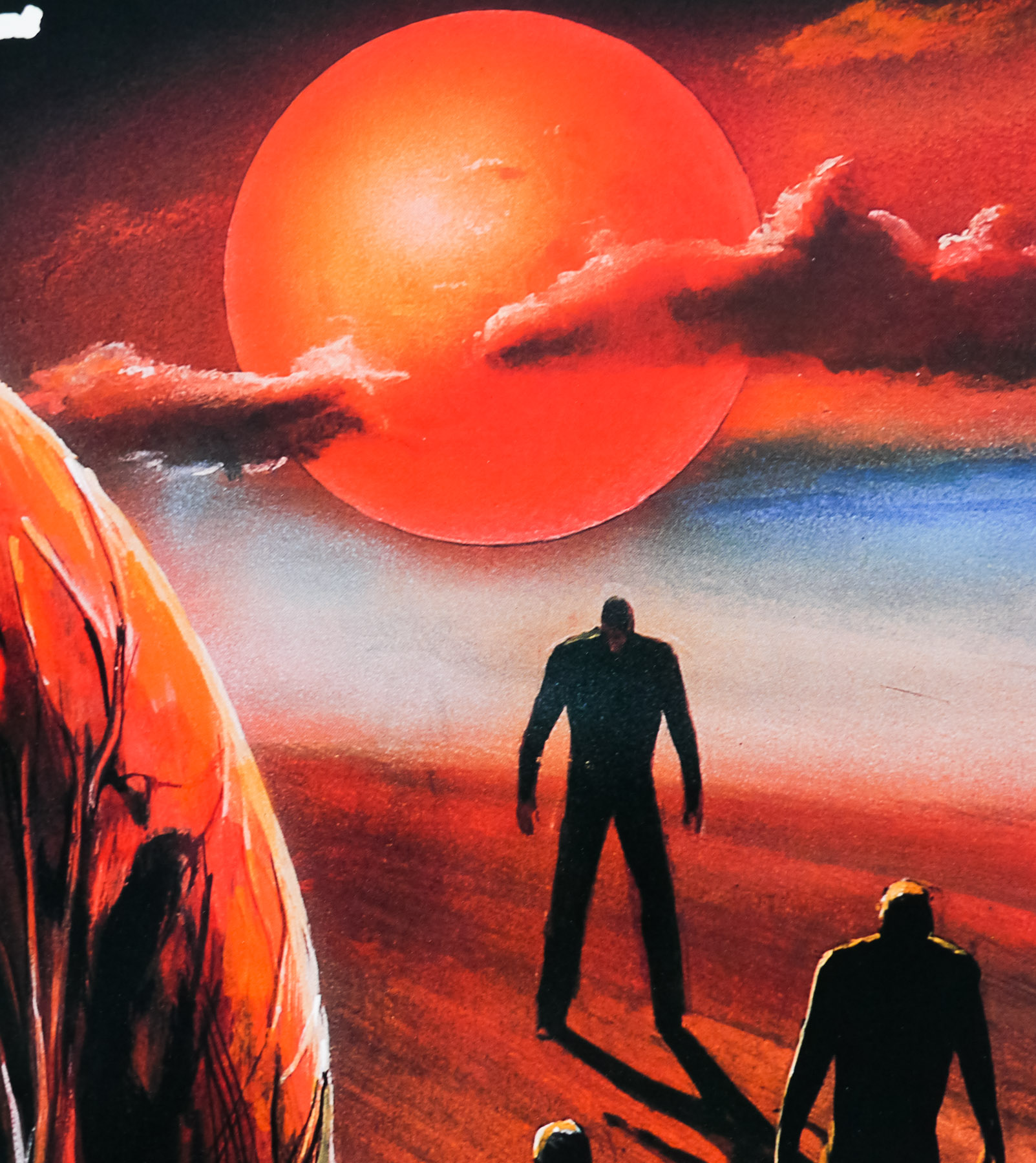
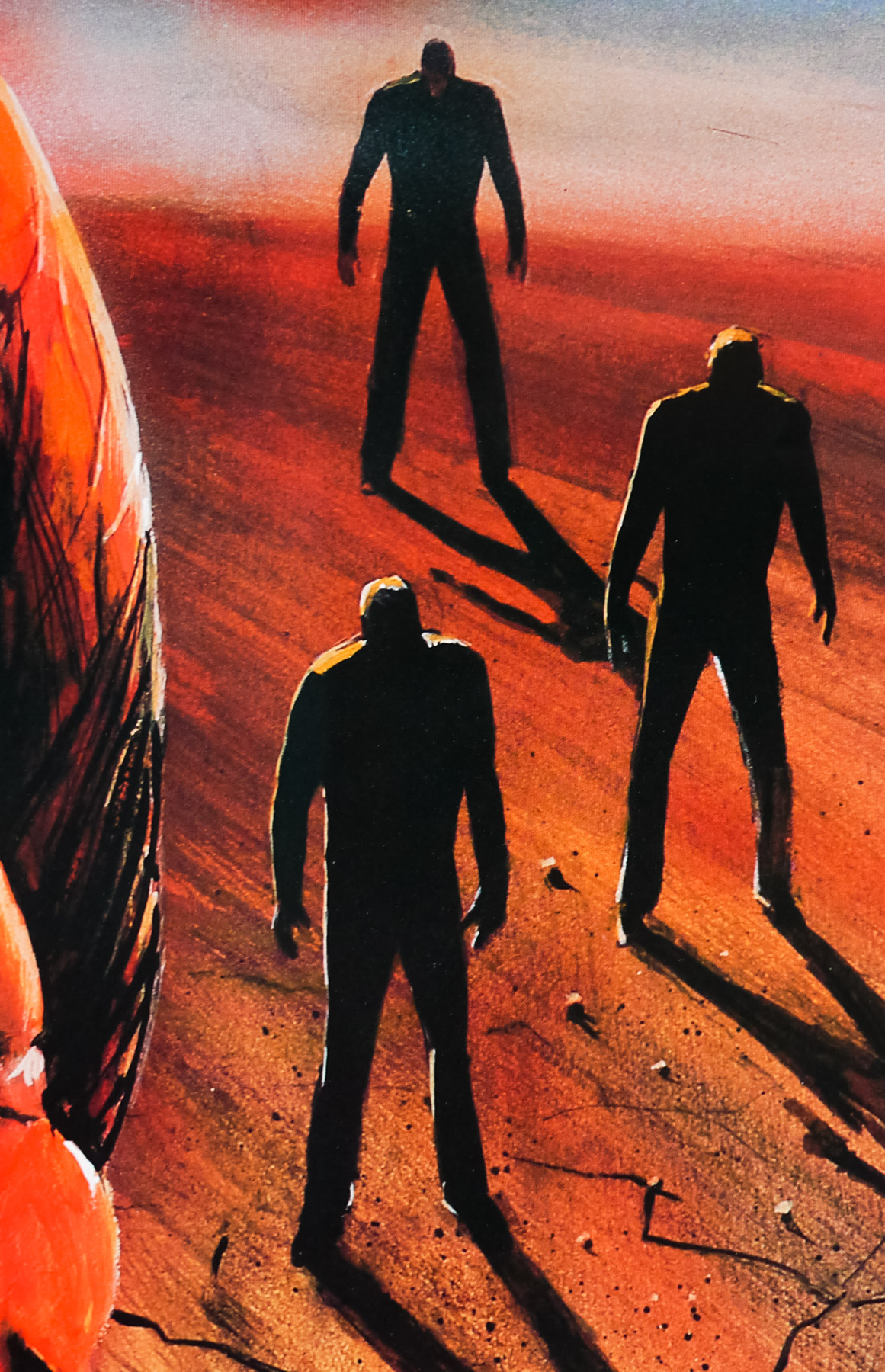
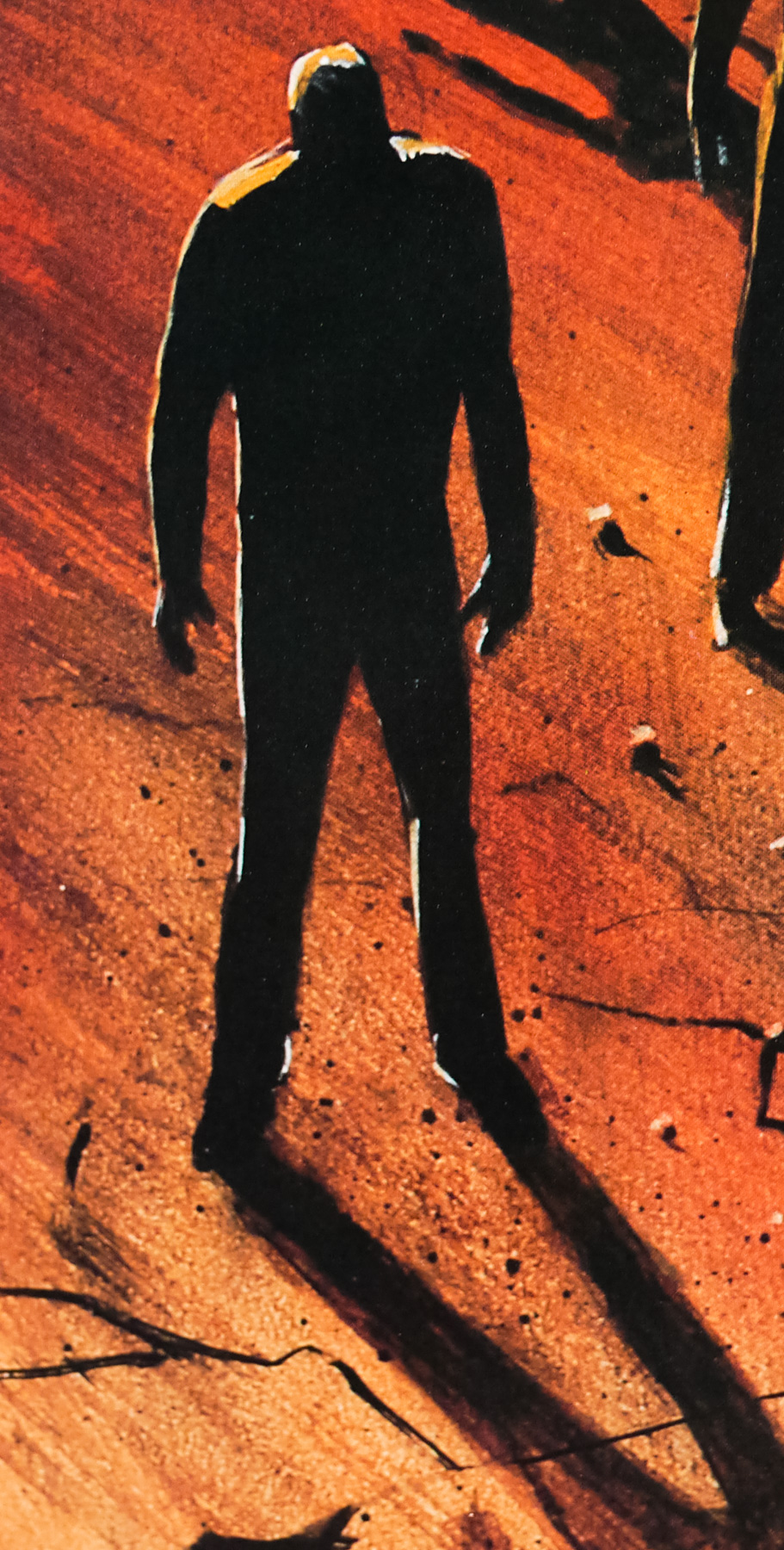
The original artwork was done by the late, legendary artist Ralph McQuarrie who was responsible for creating concept designs for the TV series. The site Sci-fi-o-Rama has an article that features several of his illustrations, including the image on this poster. It appears to have been redrawn (check the explosions, for example), but I’m going to give the artist credit to McQuarrie.

A View To A Kill / one sheet / USA

06.08.12

Poster Poster

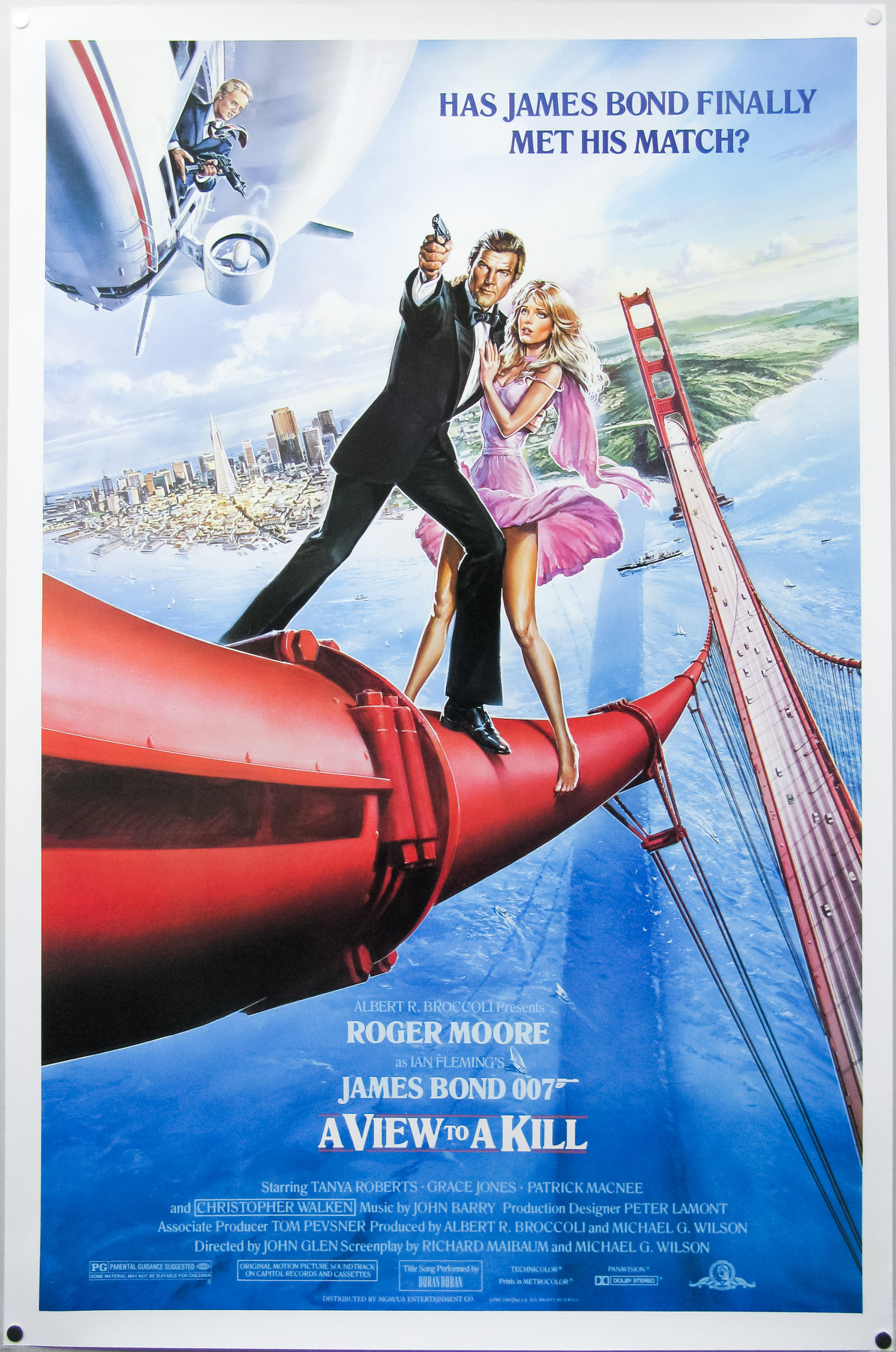
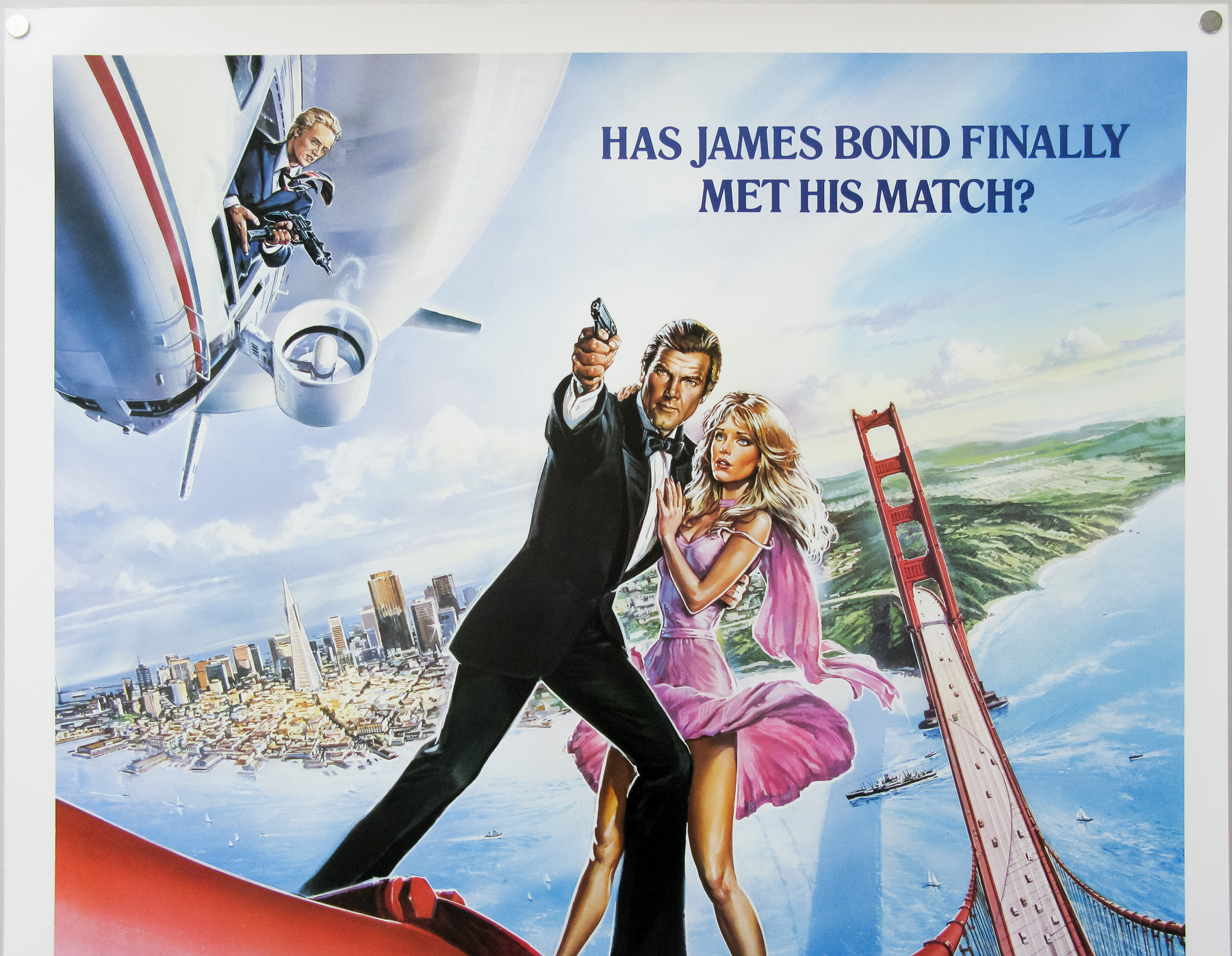
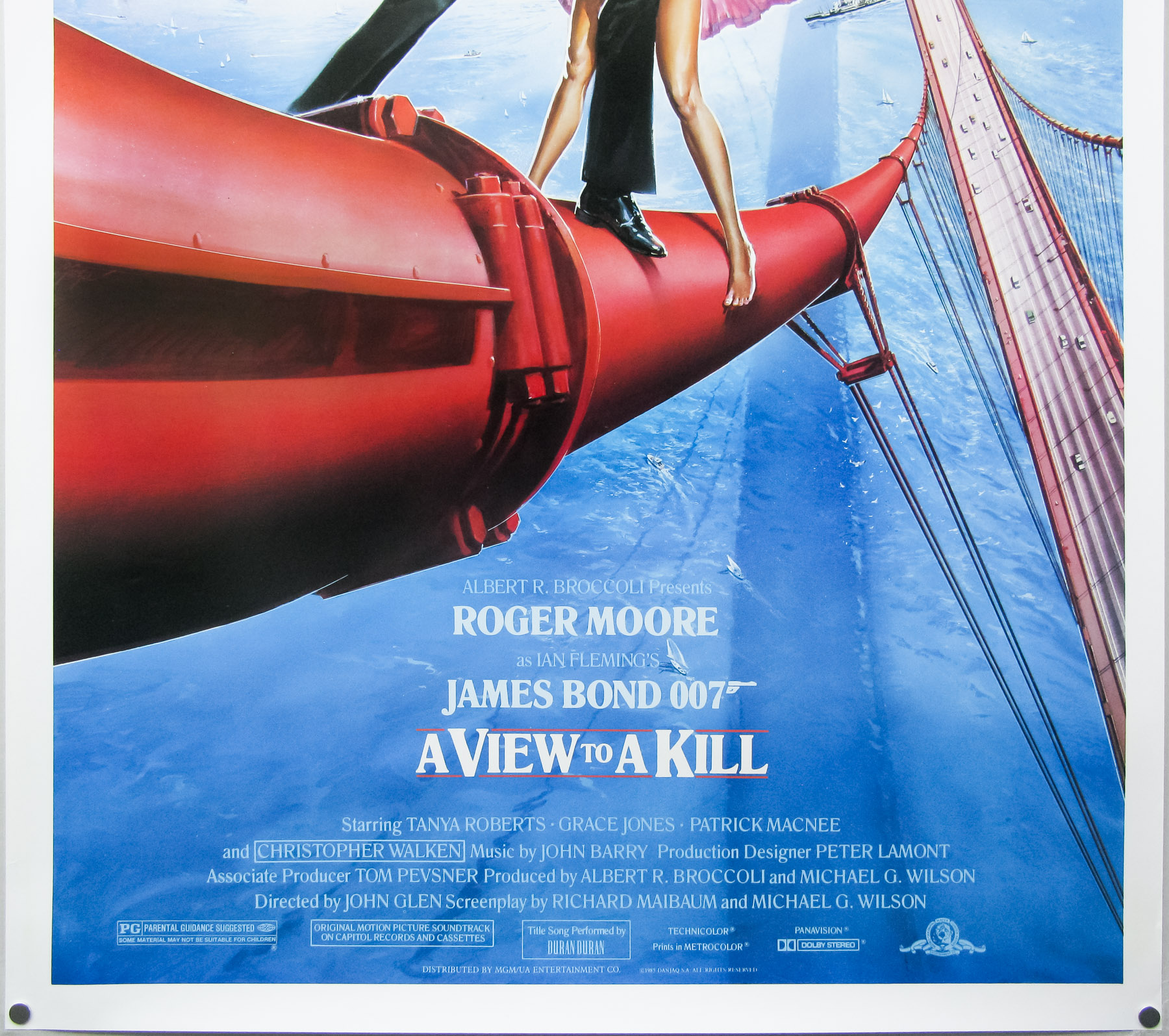
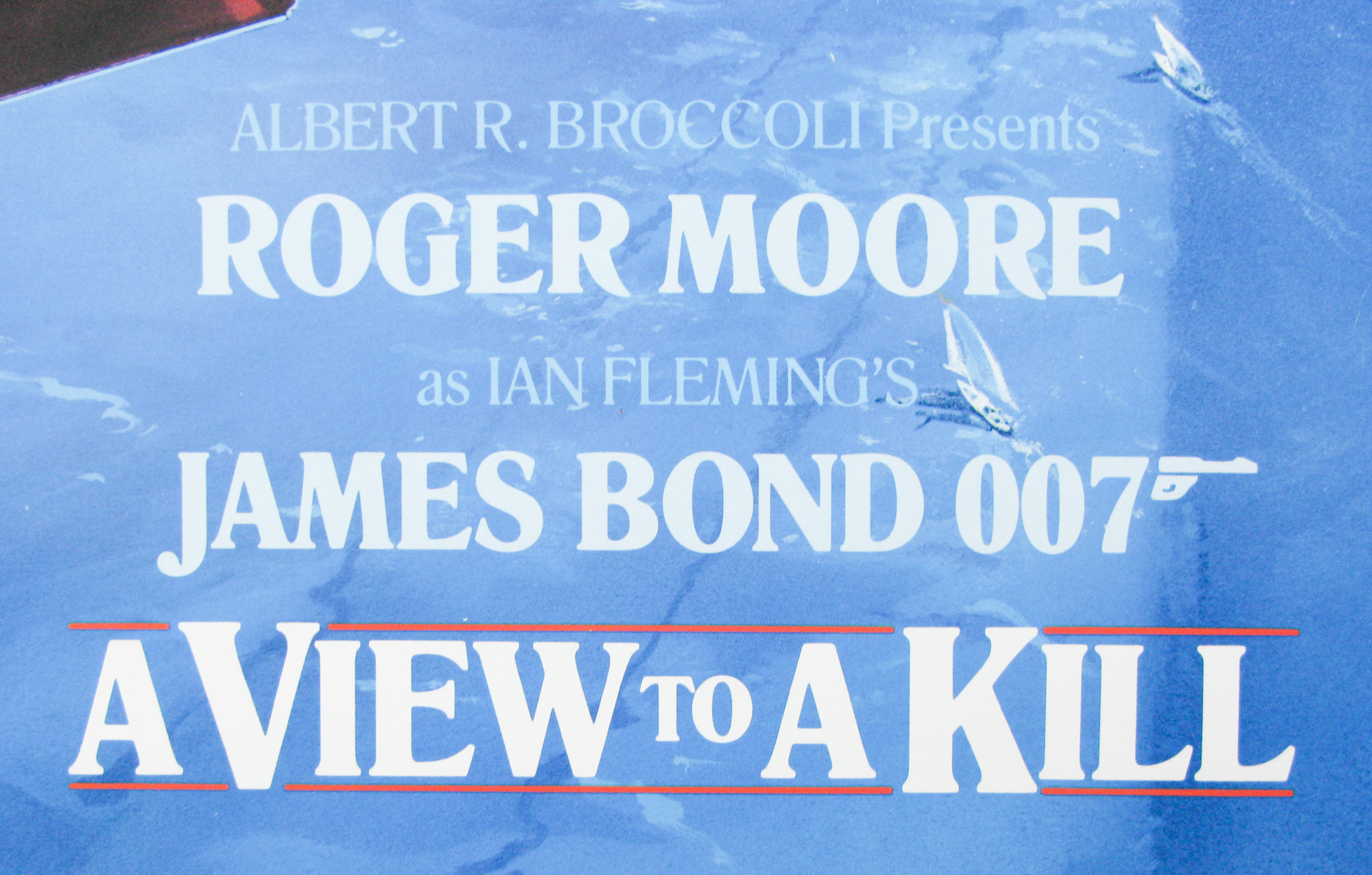
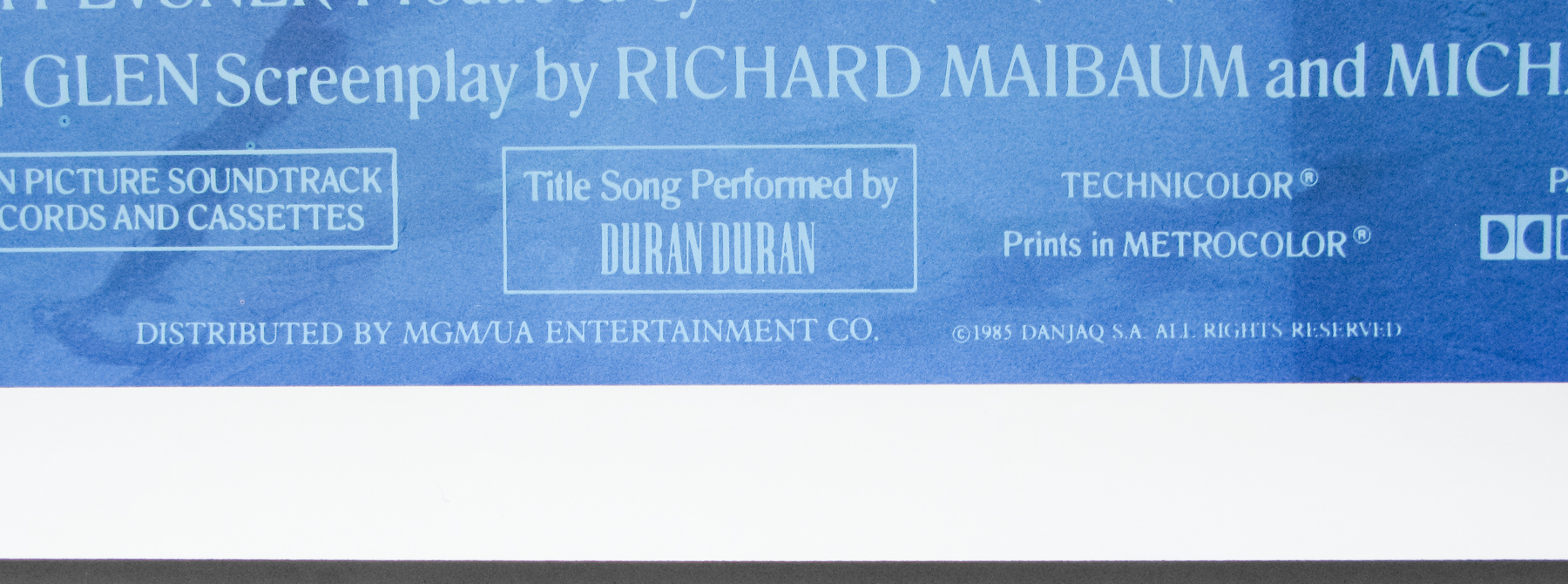
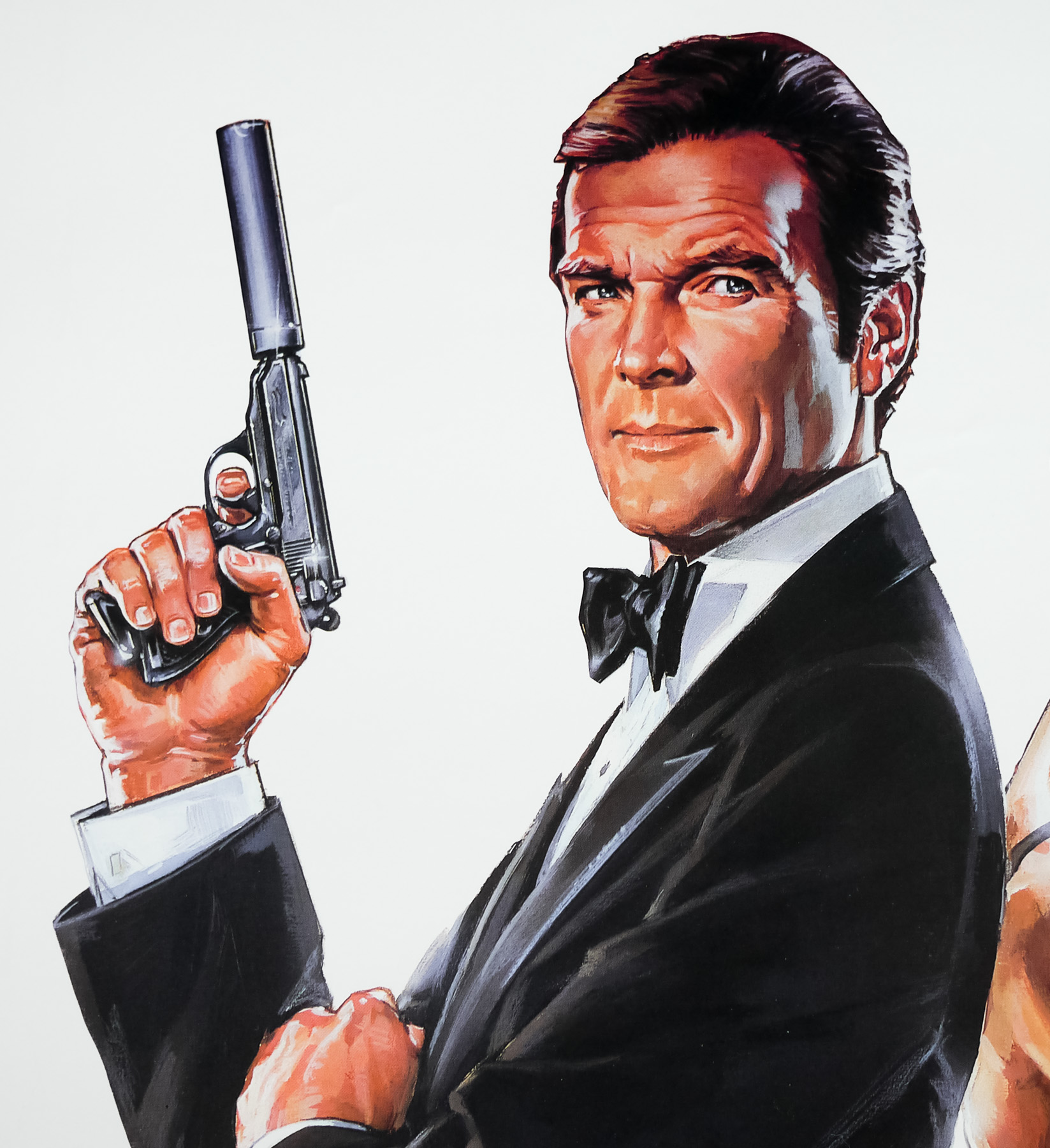
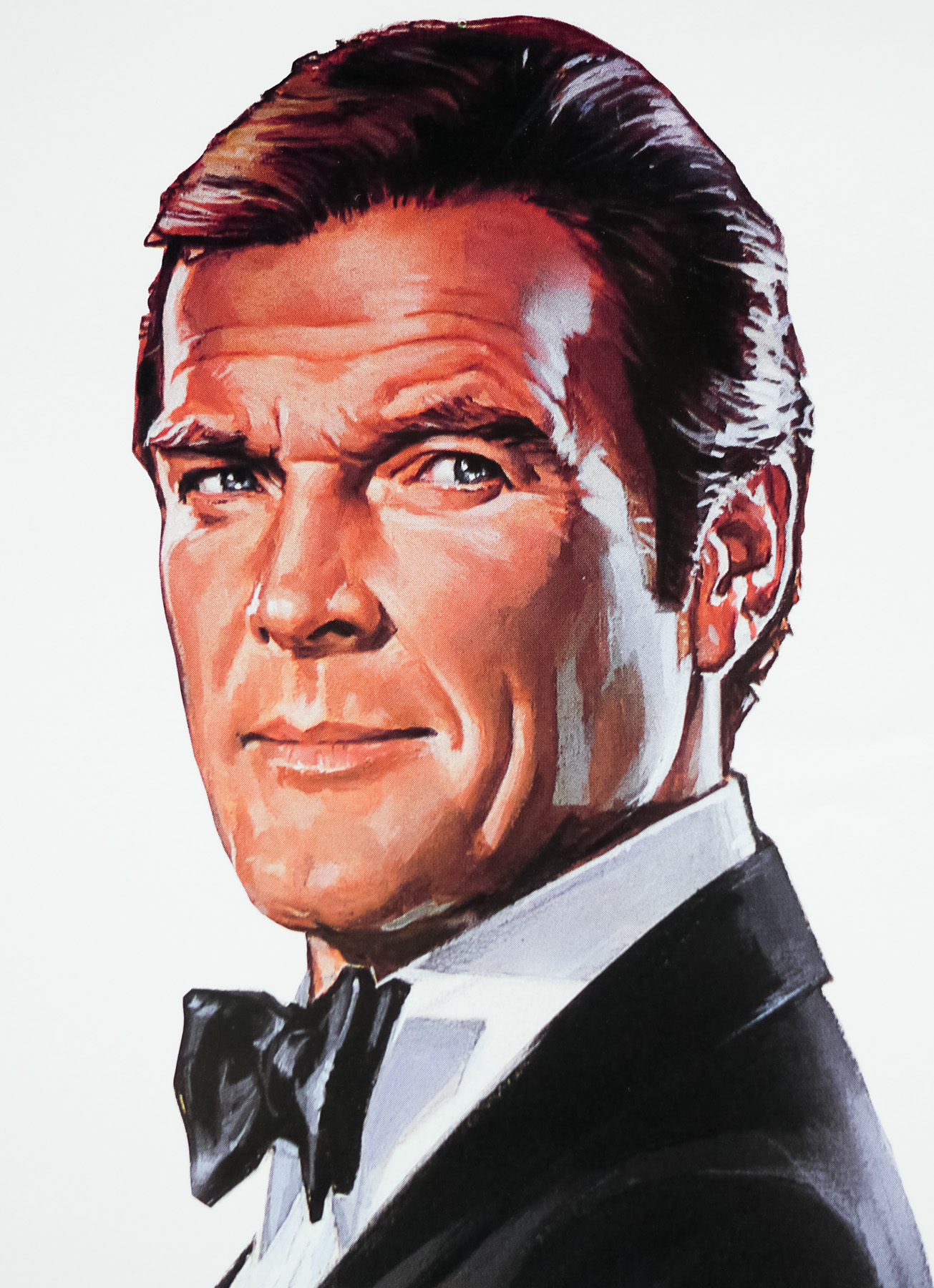
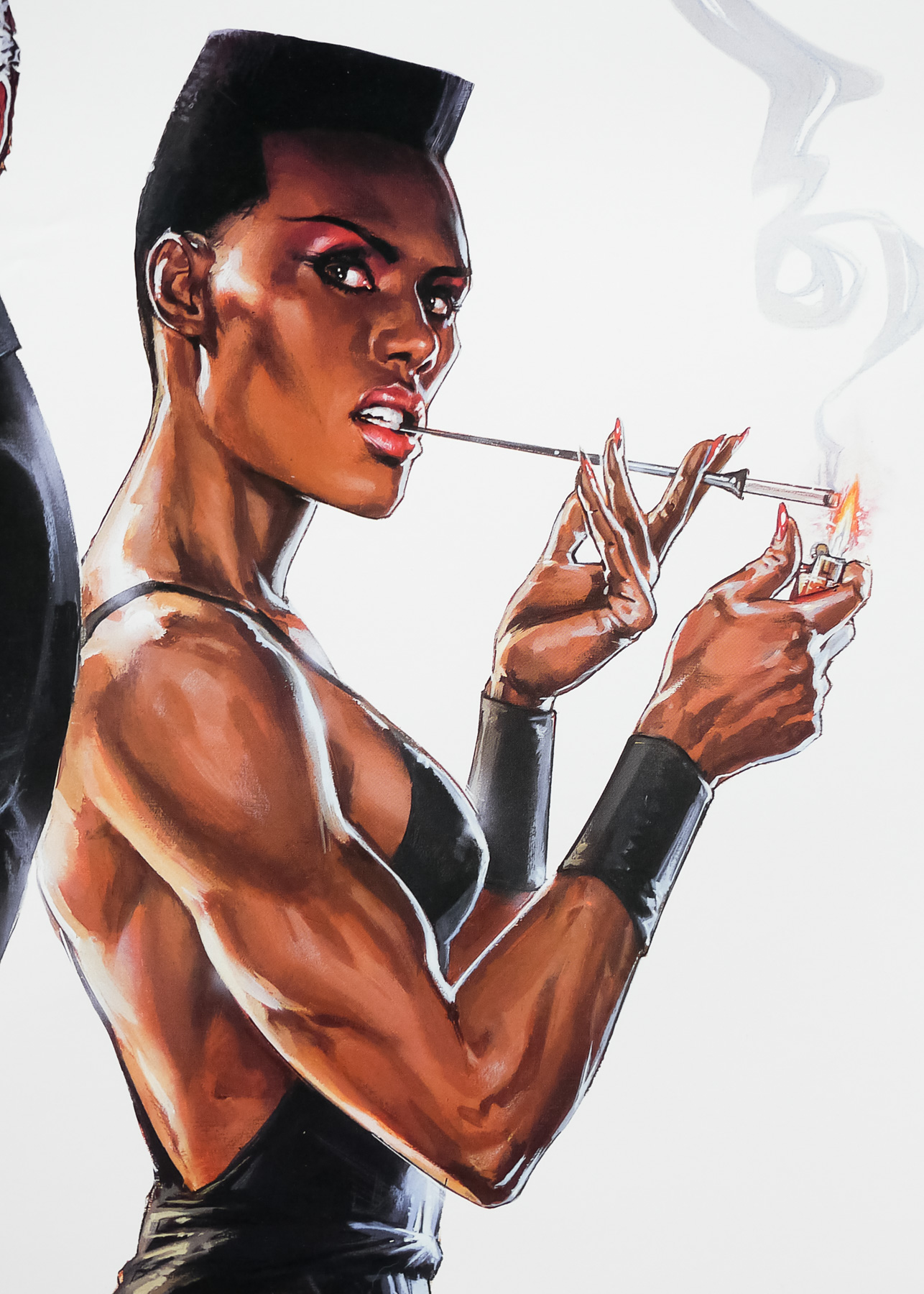
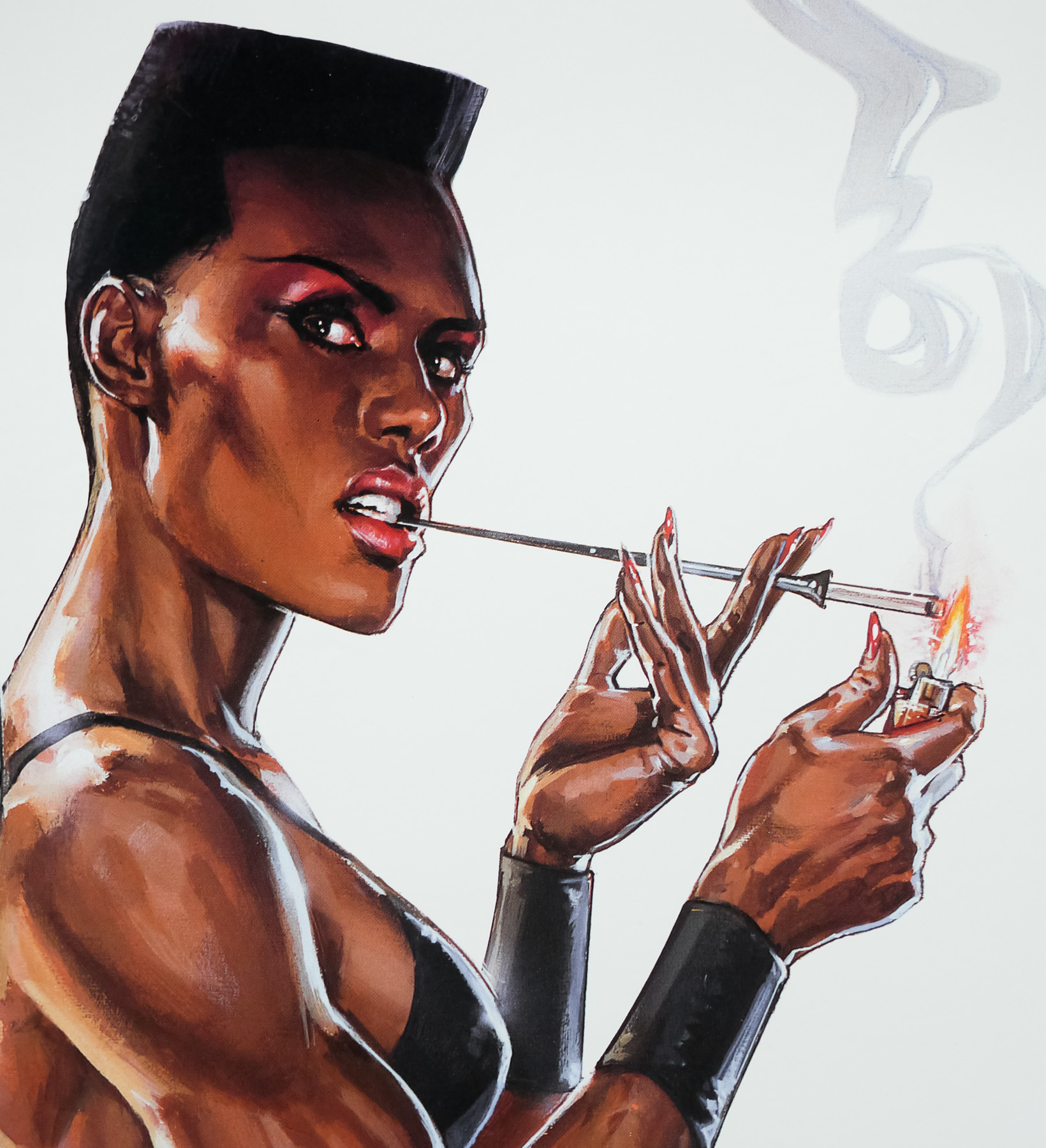
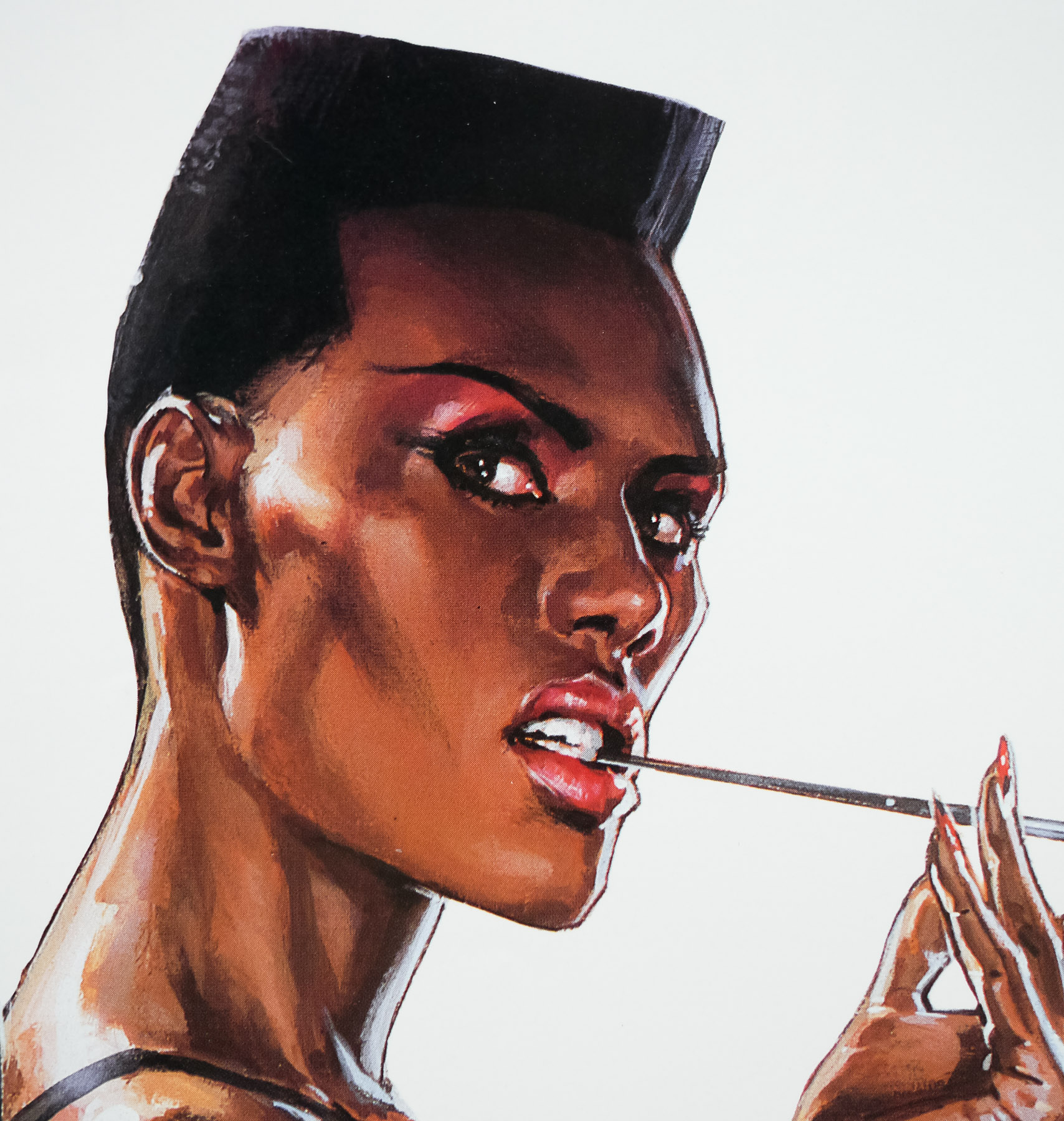
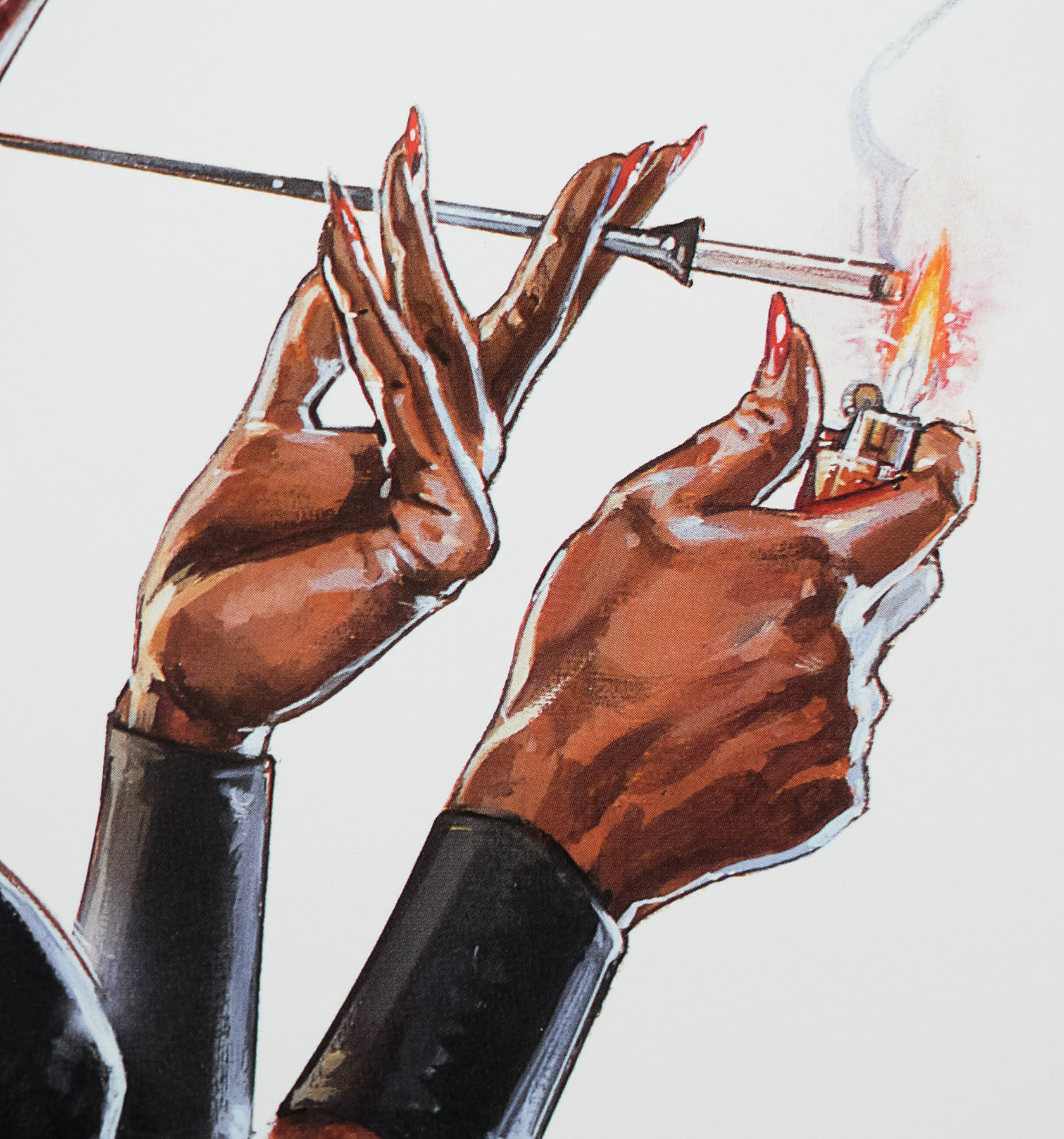
Sir Roger Moore‘s last outing as James Bond was definitely not his finest hour, although it is memorable for a few reasons, including Christopher Walken‘s turn as the psychotic bad guy (Max Zorin), Duran Duran’s great title theme and the appearance of the incomparable Grace Jones as Mayday, Zorin’s accomplice. She may not be the greatest actress but she’s never anything less than a striking presence and is definitely not a lady to mess with, as British chat show presenter Russell Harty infamously found out.

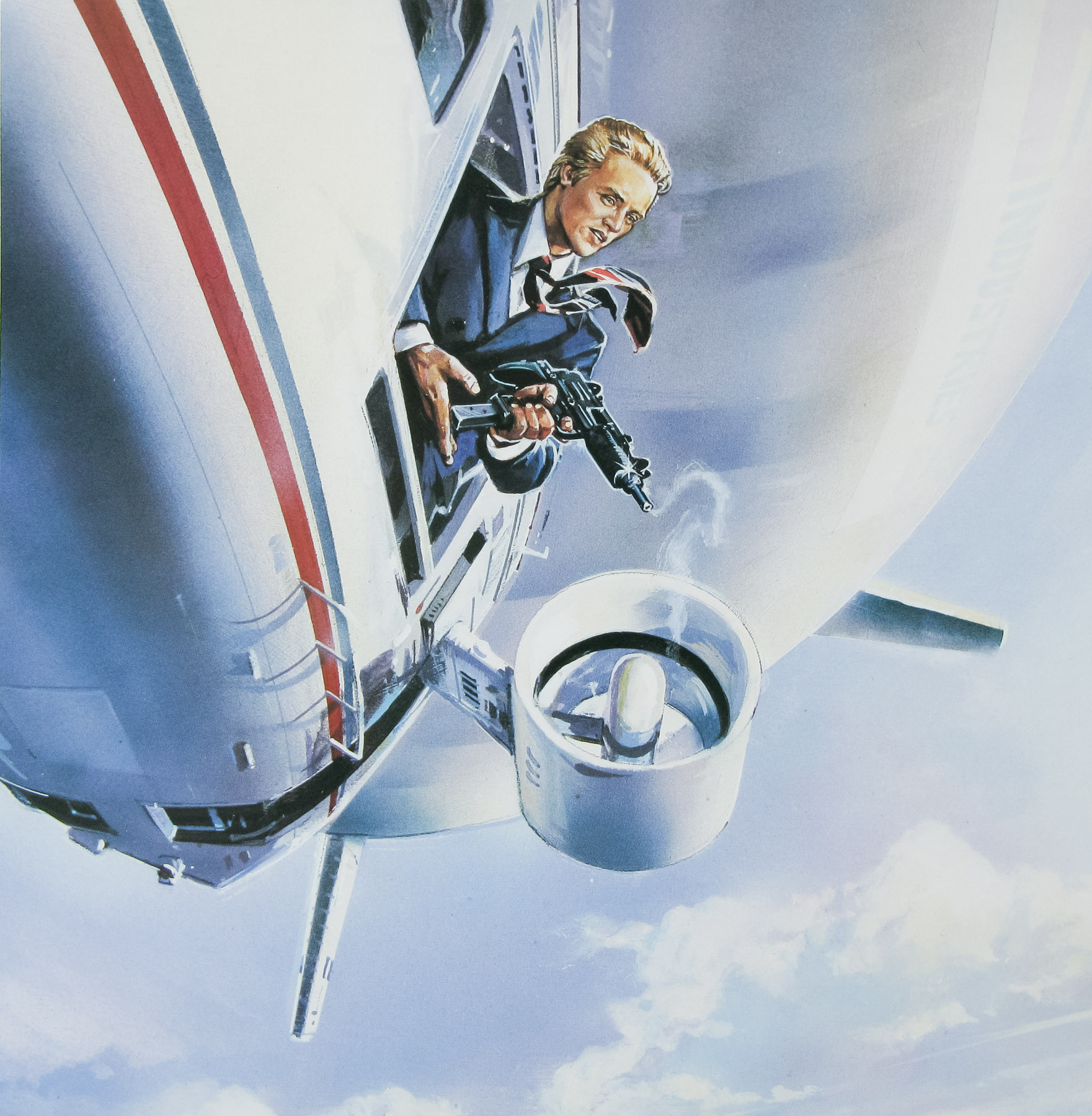
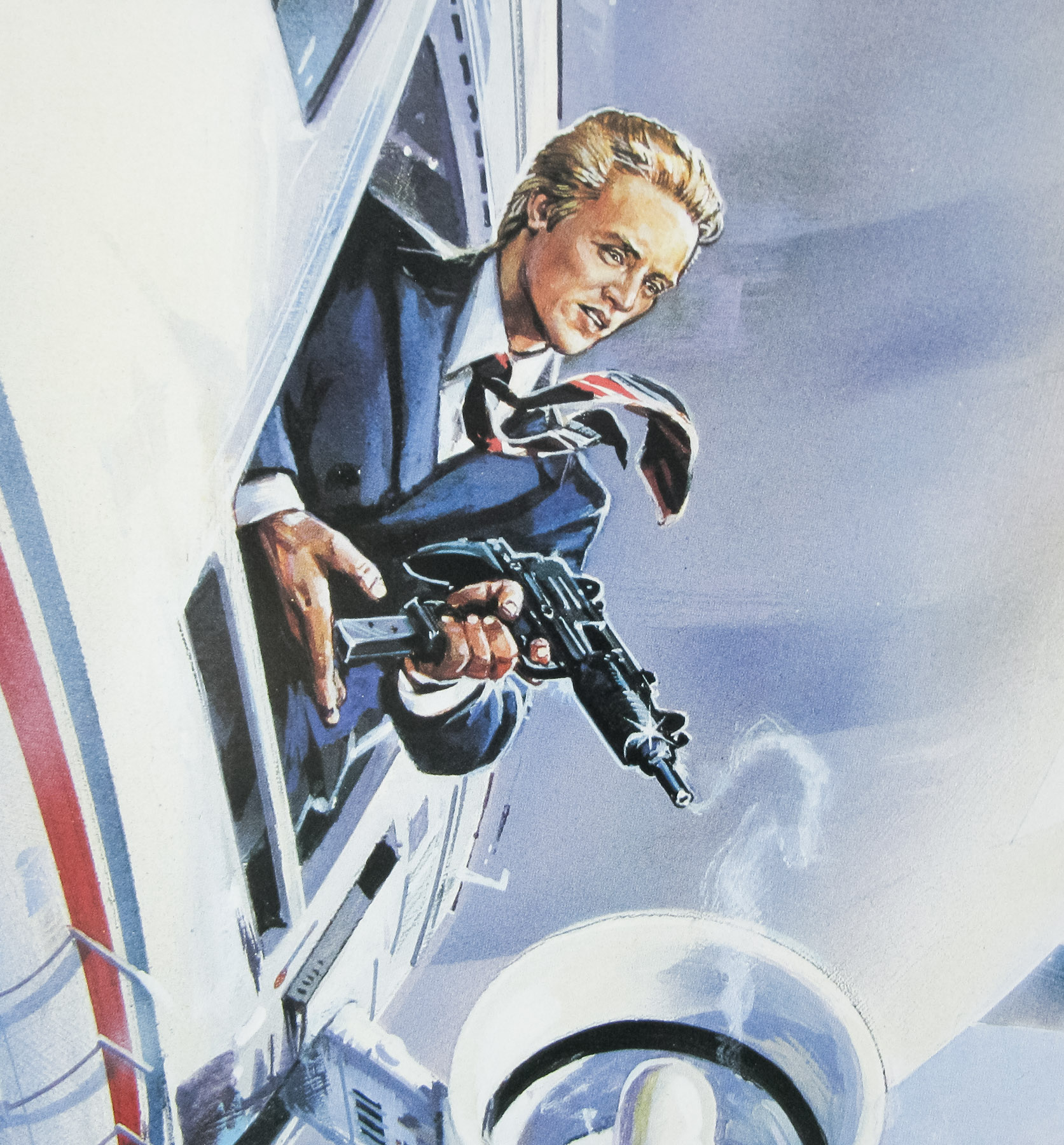
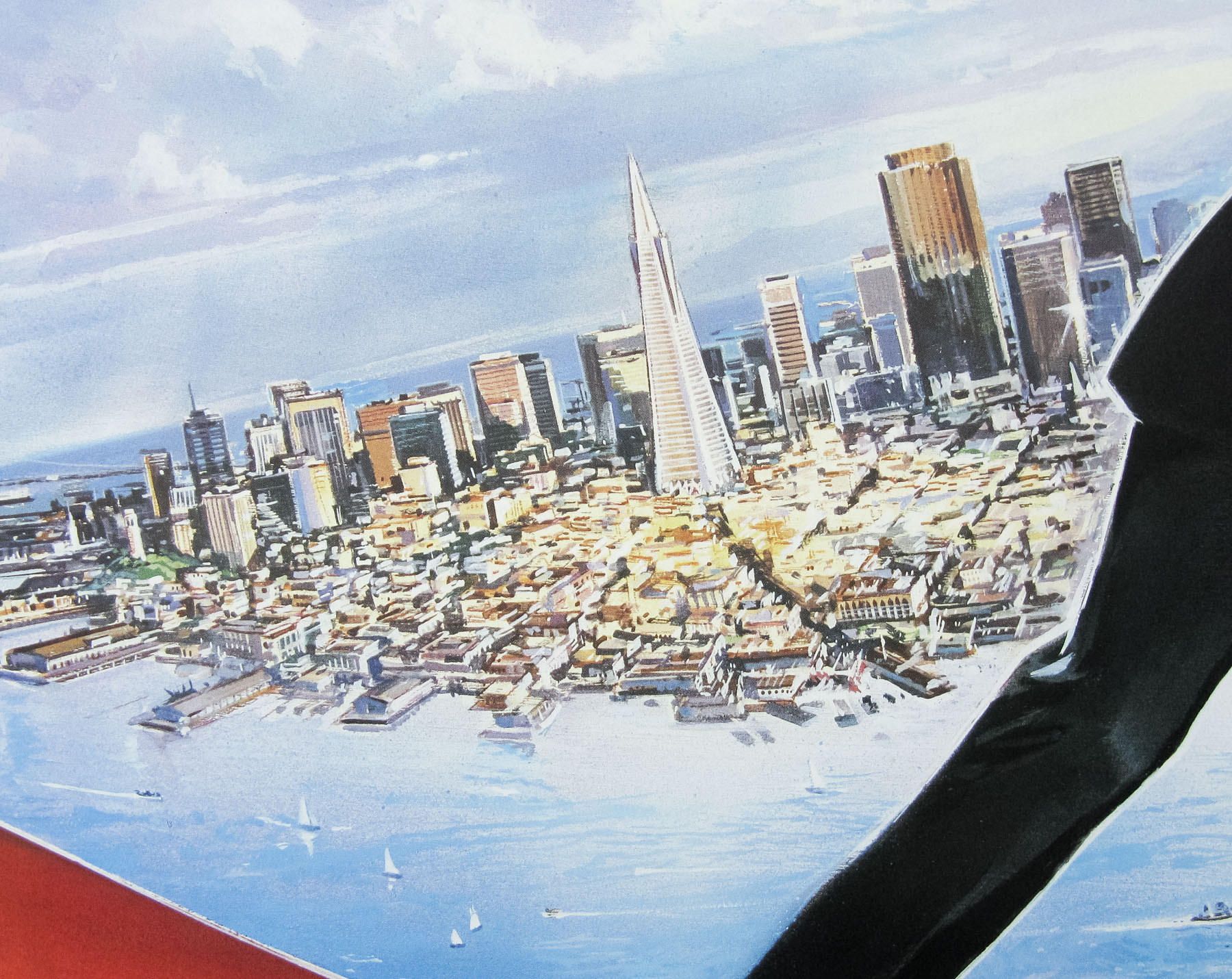
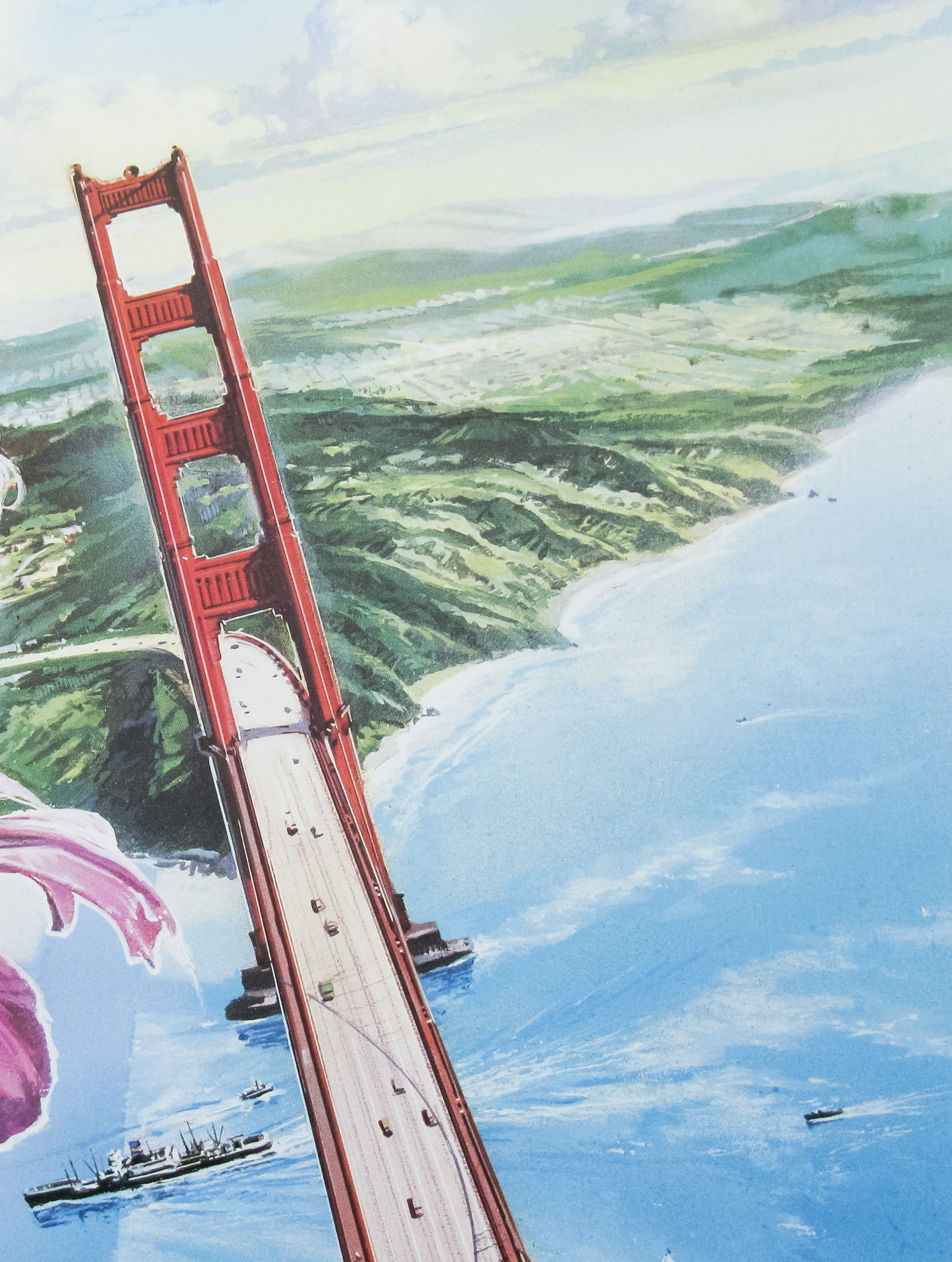
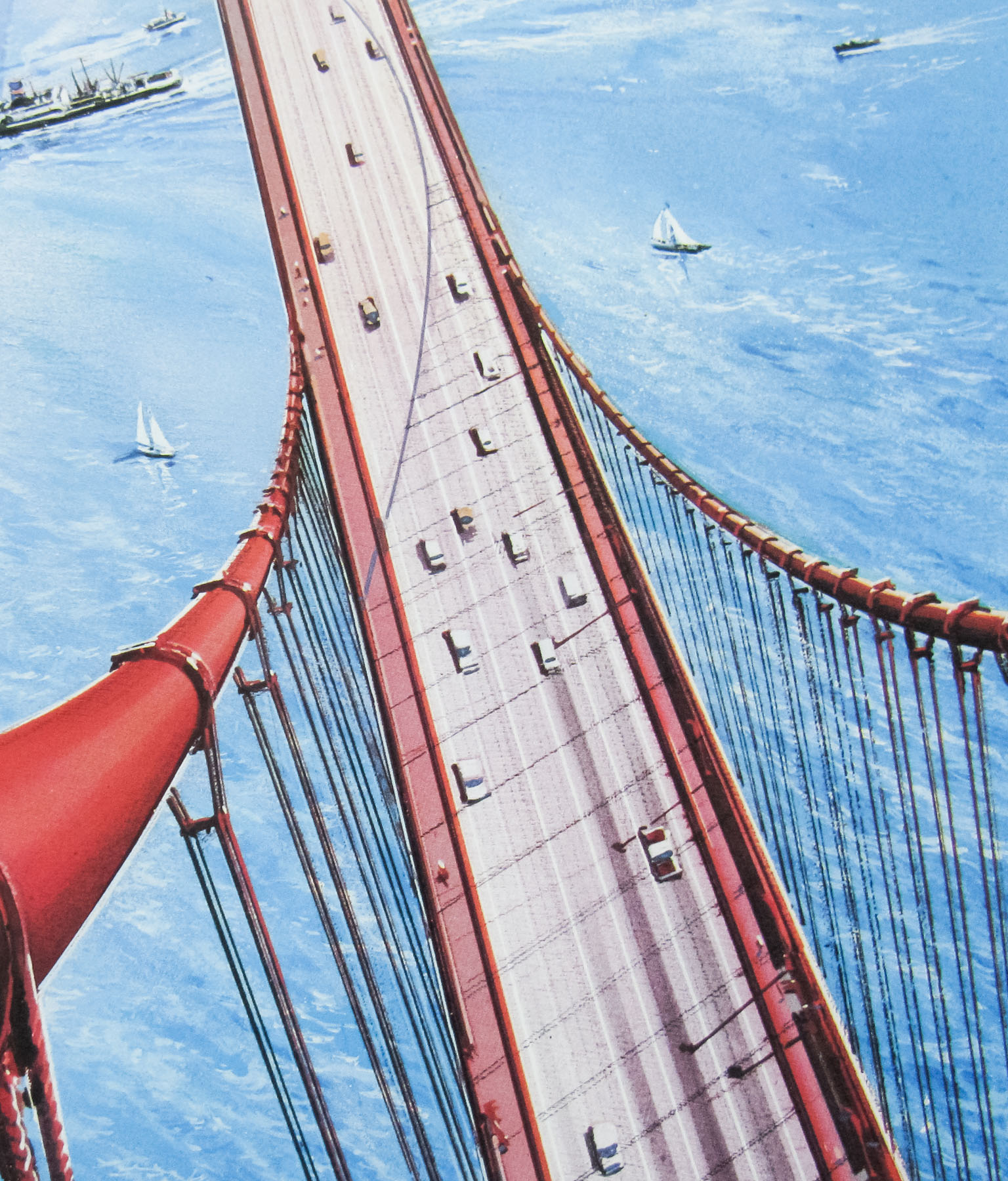
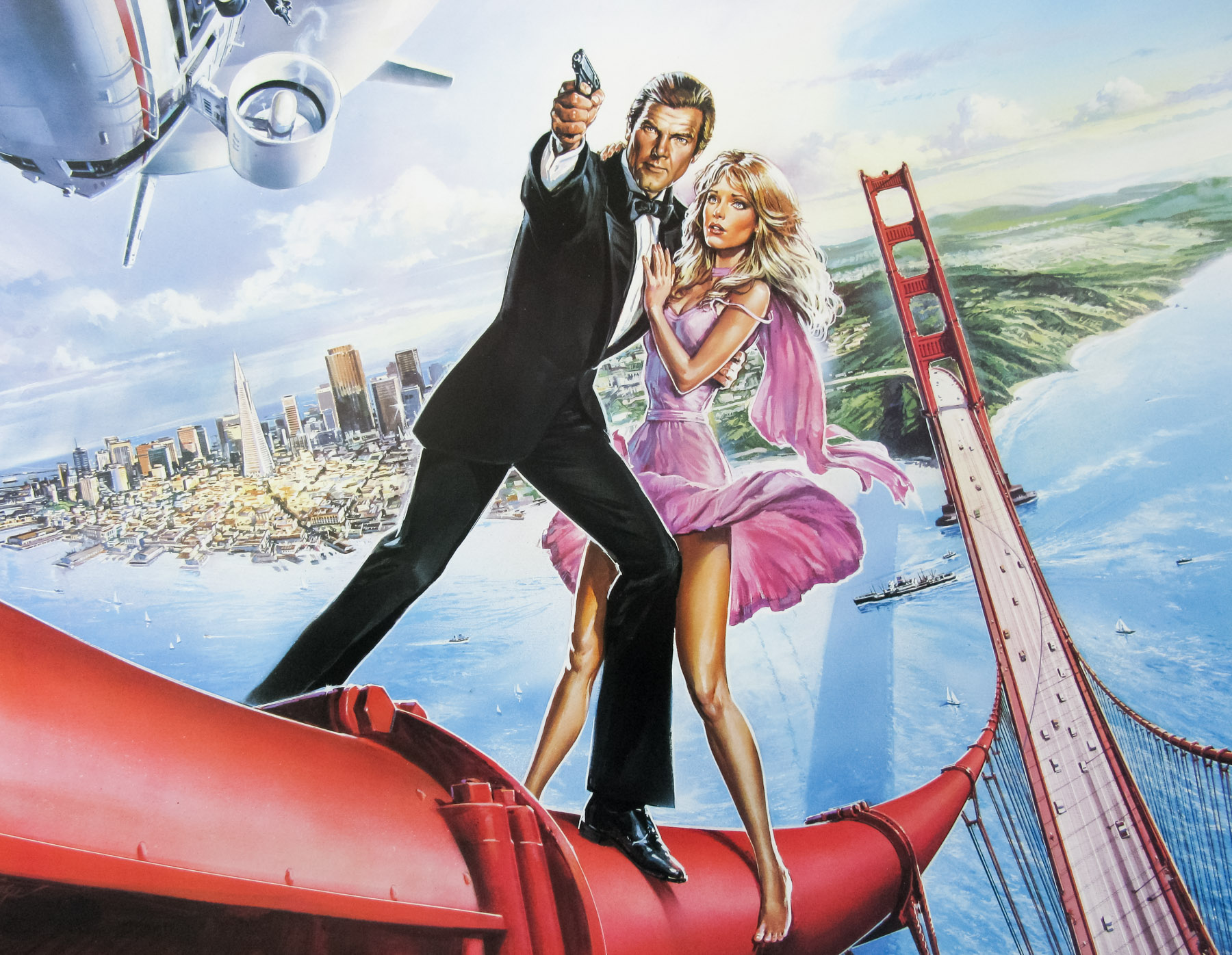
This US one sheet features imagery from the climactic fight atop the Golden Gate Bridge in San Francisco, which sees Bond and Stacey Sutton (Tanya Roberts) face off against Zorin and his henchmen in the Zorin Industries airship. Special effects supervisor John Richardson filmed a series of sequences featuring stunt performers on top of the actual bridge that were later matched up against green-screen shots of the actors. This was the first Bond film to have its premiere held outside the UK; it opened on the 22nd of May, 1985 at San Francisco’s Palace of Fine Arts.

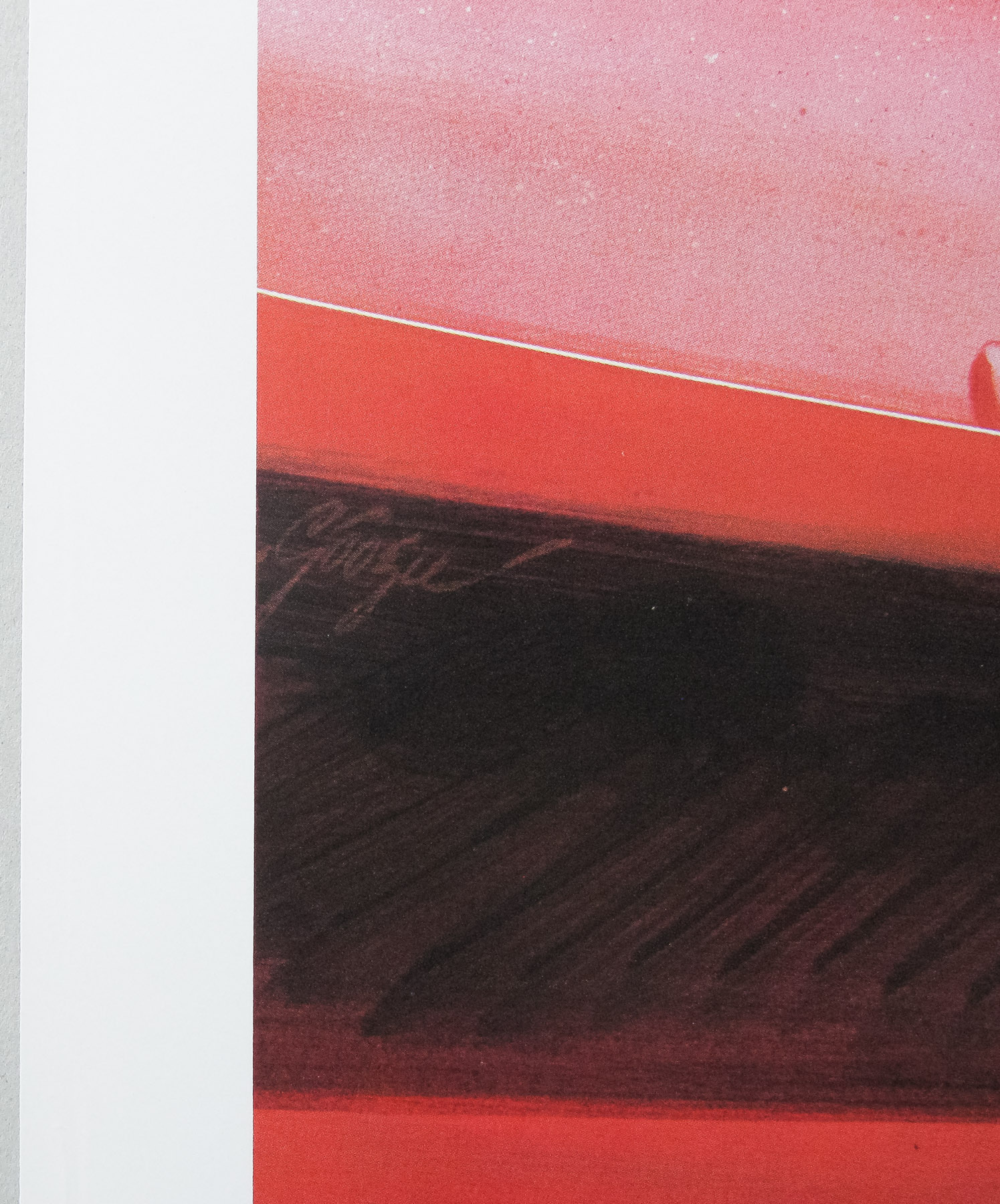
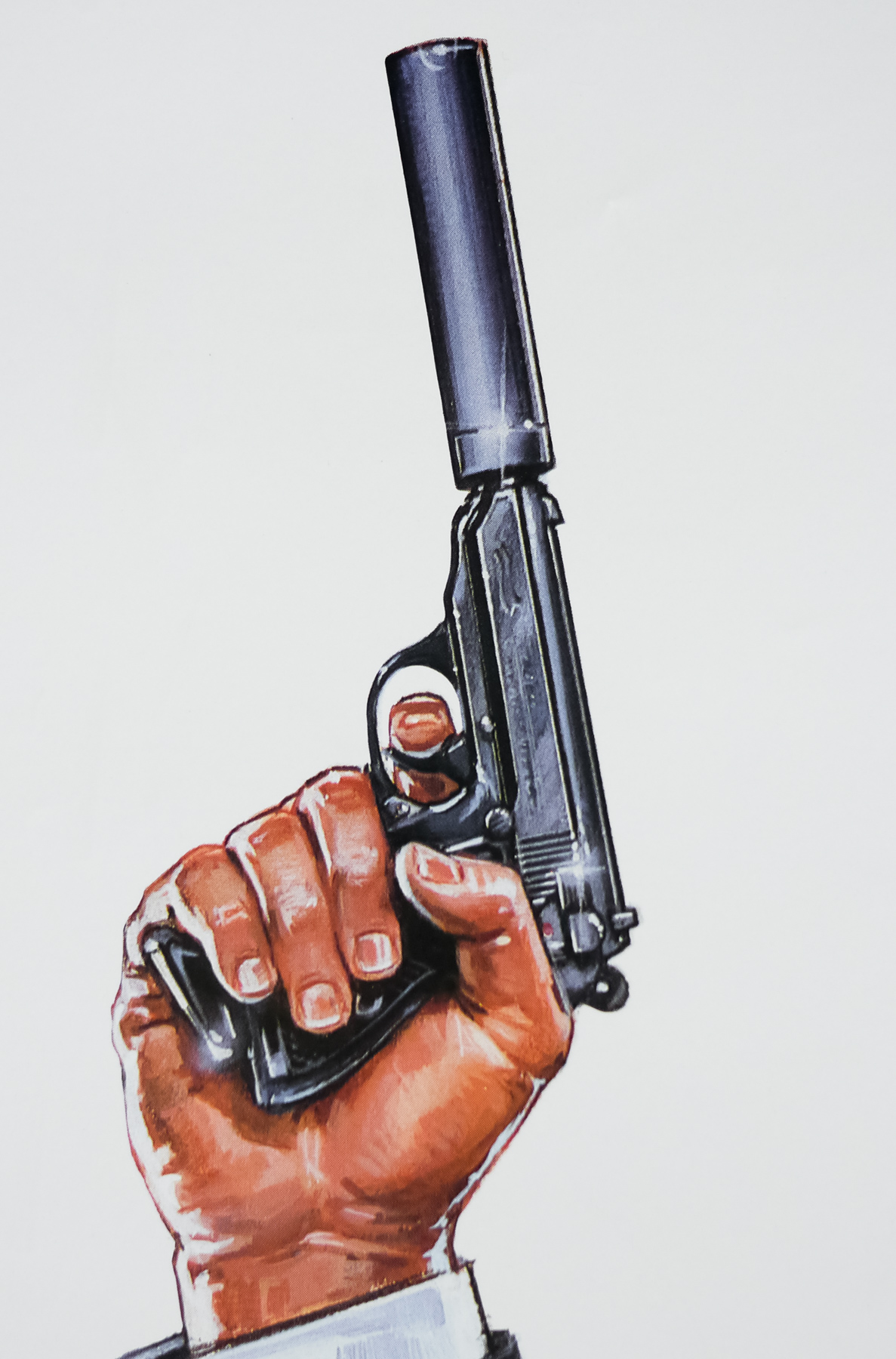
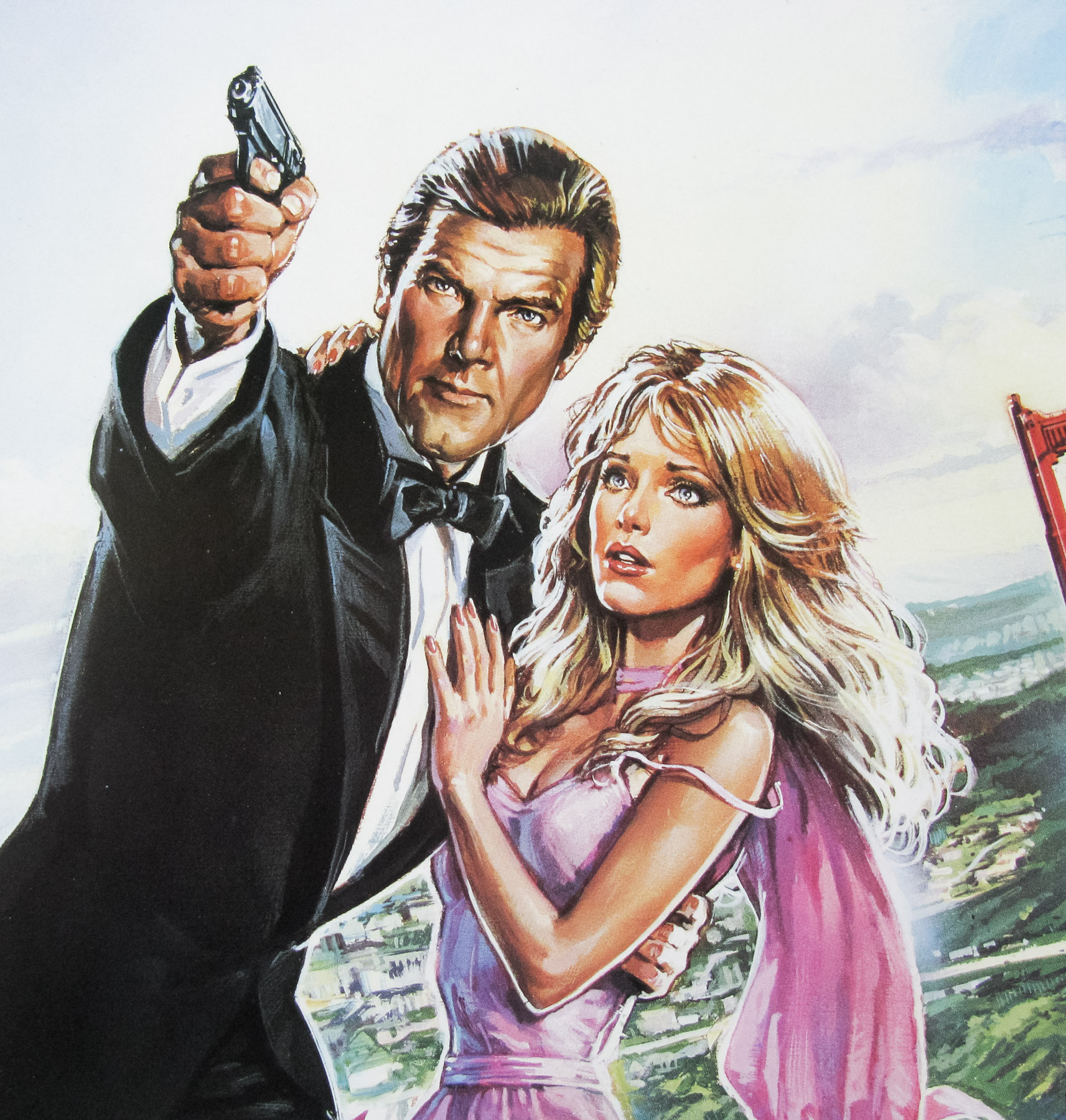
The artwork is by American poster artist Dan Goozee who was also responsible for a few Bond posters, including Moonraker and Octopussy, as well as several other classic posters from the 1980s. The other designs I’ve collected by him can be seen here.

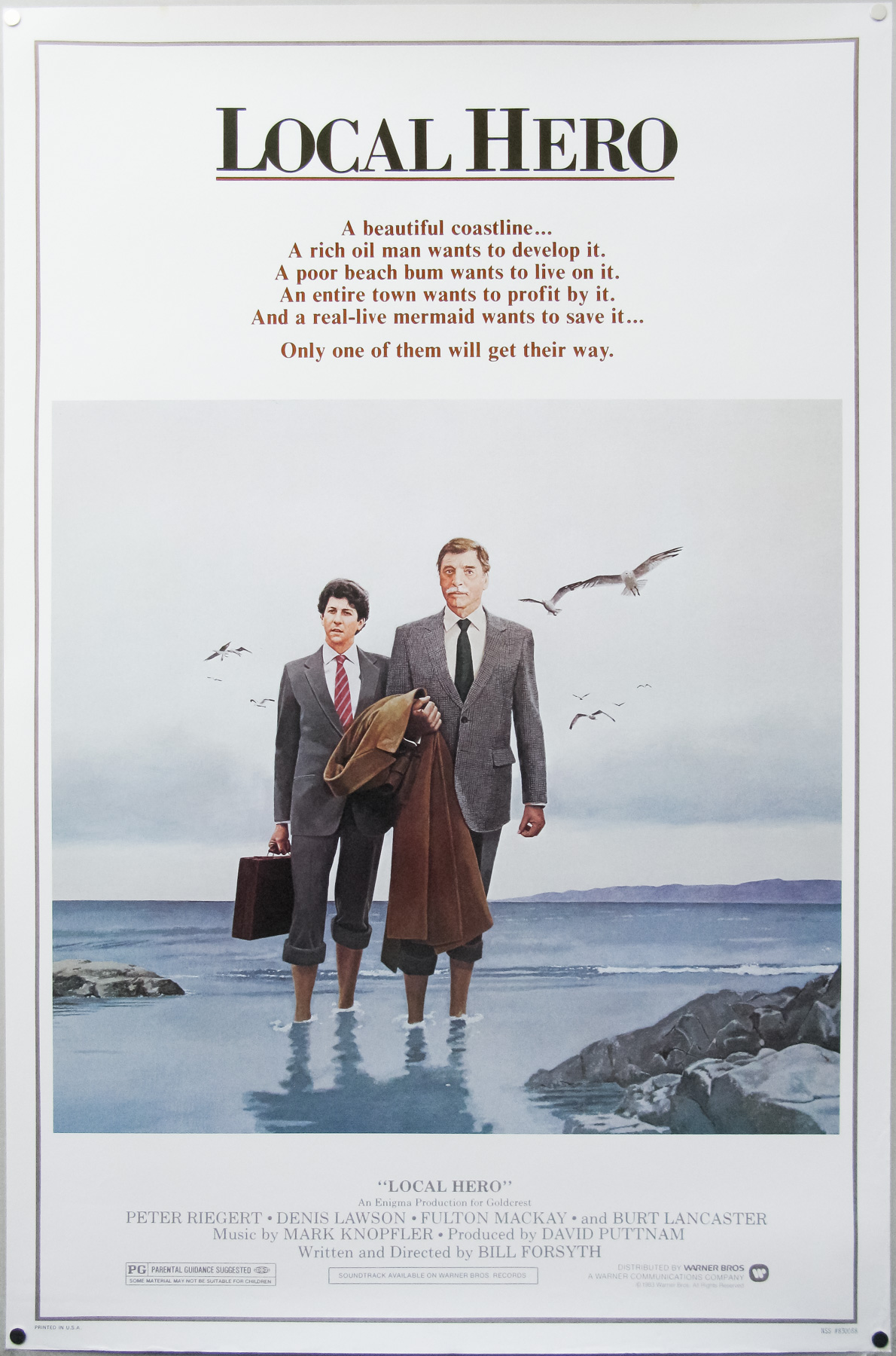
Local Hero / one sheet / USA

20.08.12

Poster Poster
Title
Local Hero
AKA
--
Year of Film
1983
Director
Bill Forsyth
Starring
Burt Lancaster, Peter Riegert, Fulton Mackay, Denis Lawson, Norman Chancer, Peter Capaldi, Rikki Fulton, Alex Norton, Jenny Seagrove, Jennifer Black, Christopher Rozycki, Gyearbuor Asante, John M. Jackson, Dan Ammerman
Origin of Film
UK
Genre(s) of Film
Burt Lancaster, Peter Riegert, Fulton Mackay, Denis Lawson, Norman Chancer, Peter Capaldi, Rikki Fulton, Alex Norton, Jenny Seagrove, Jennifer Black, Christopher Rozycki, Gyearbuor Asante, John M. Jackson, Dan Ammerman,
Type of Poster
One sheet
Style of Poster
--
Origin of Poster
USA
Year of Poster
1983
Designer
Unknown
Artist
Unknown
Size (inches)
27" x 40 15/16"
SS or DS
SS
NSS #
830088
Tagline
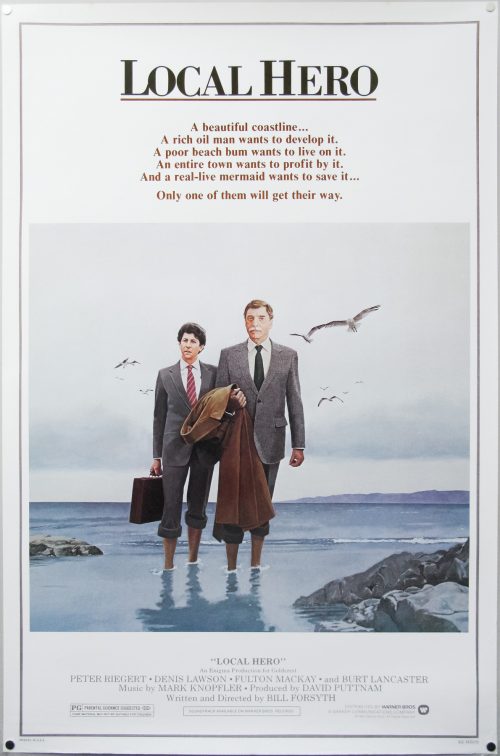
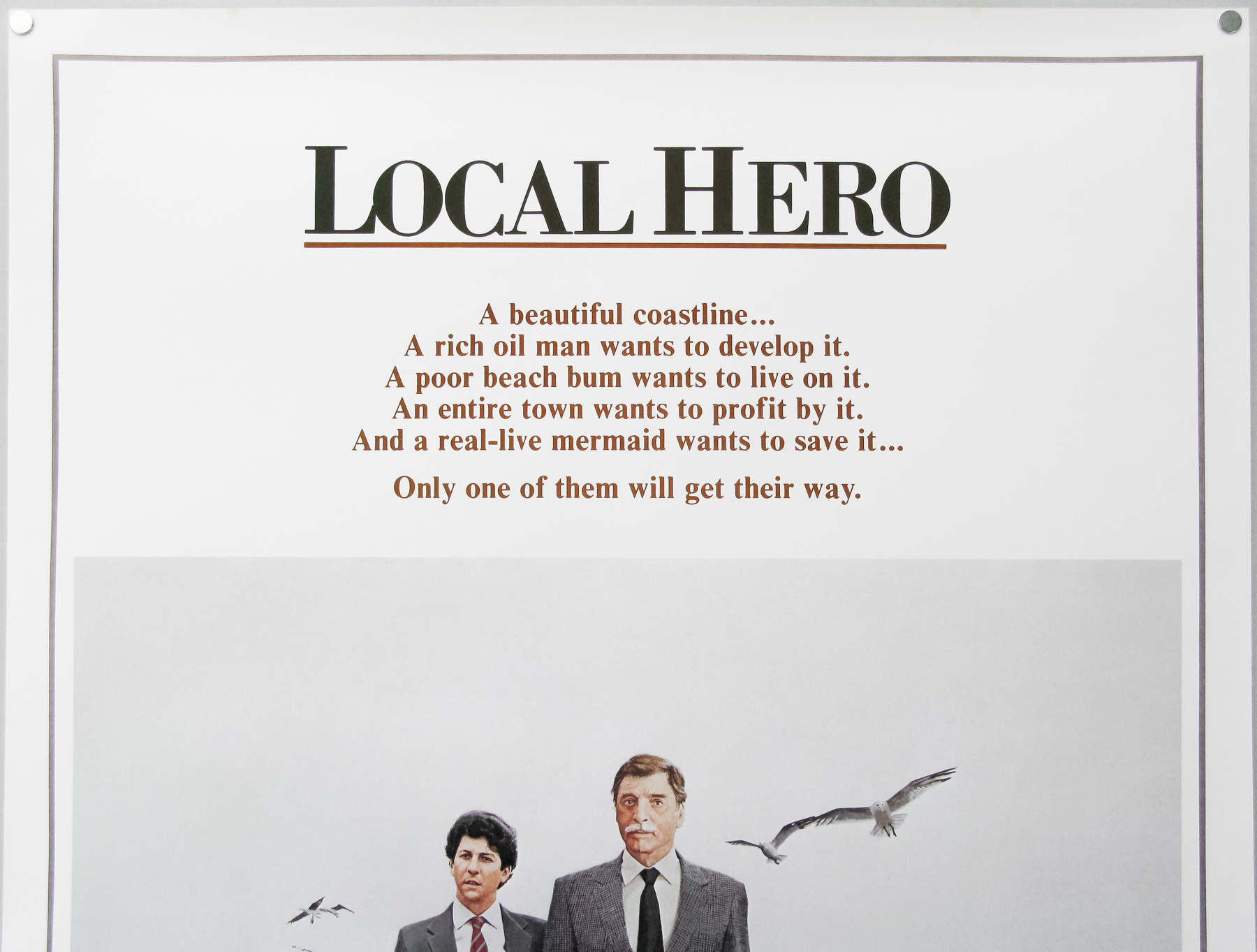
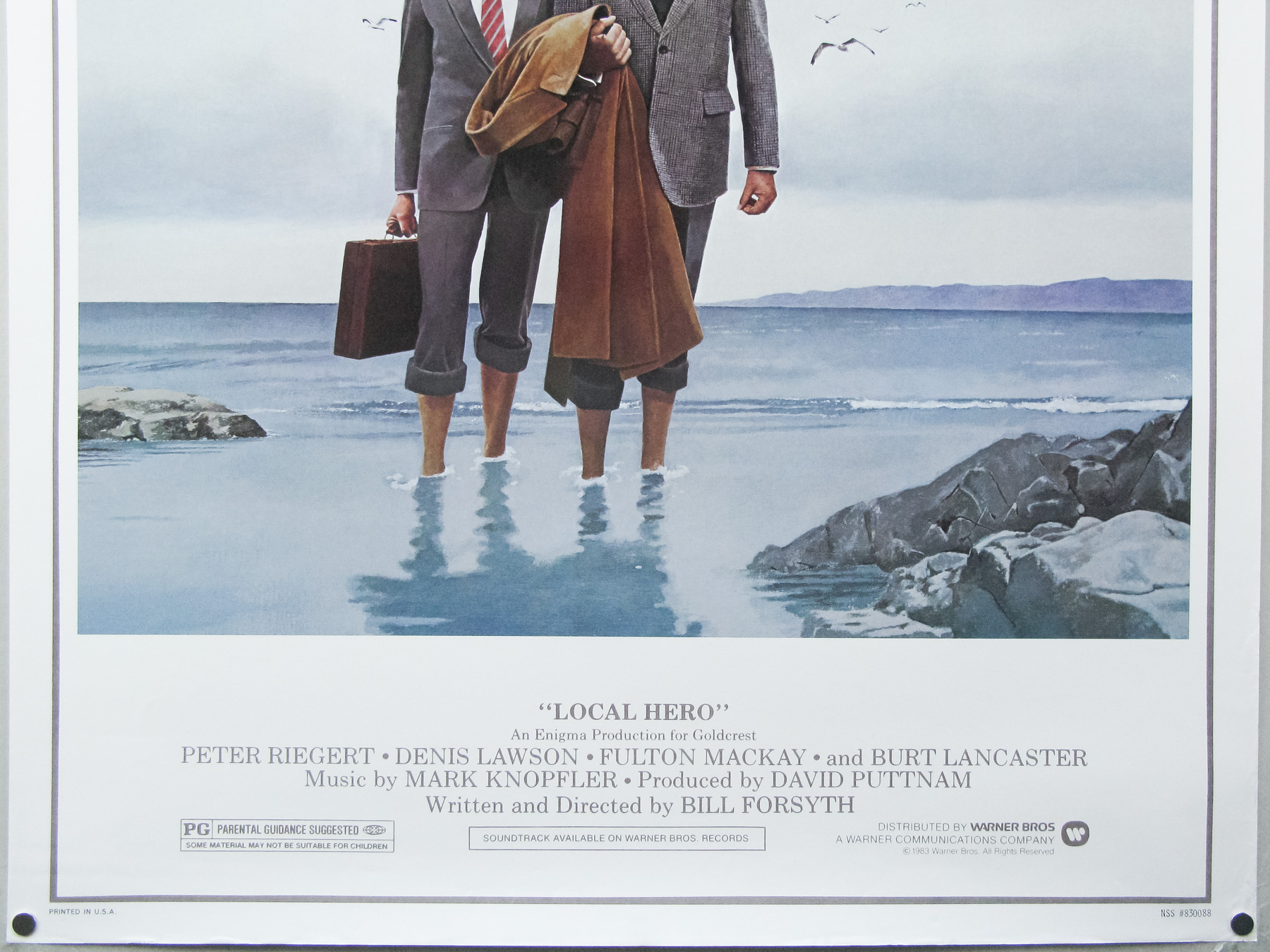
A beautiful coastline... A rich oil man wants to develop it. A poor beach bum wants to live on it. An entire town wants to profit by it. And a real-live mermaid wants to save it... Only one of them will get their way.

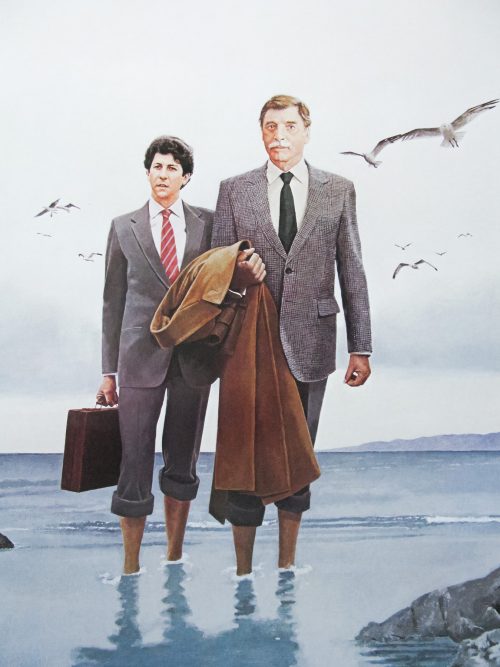
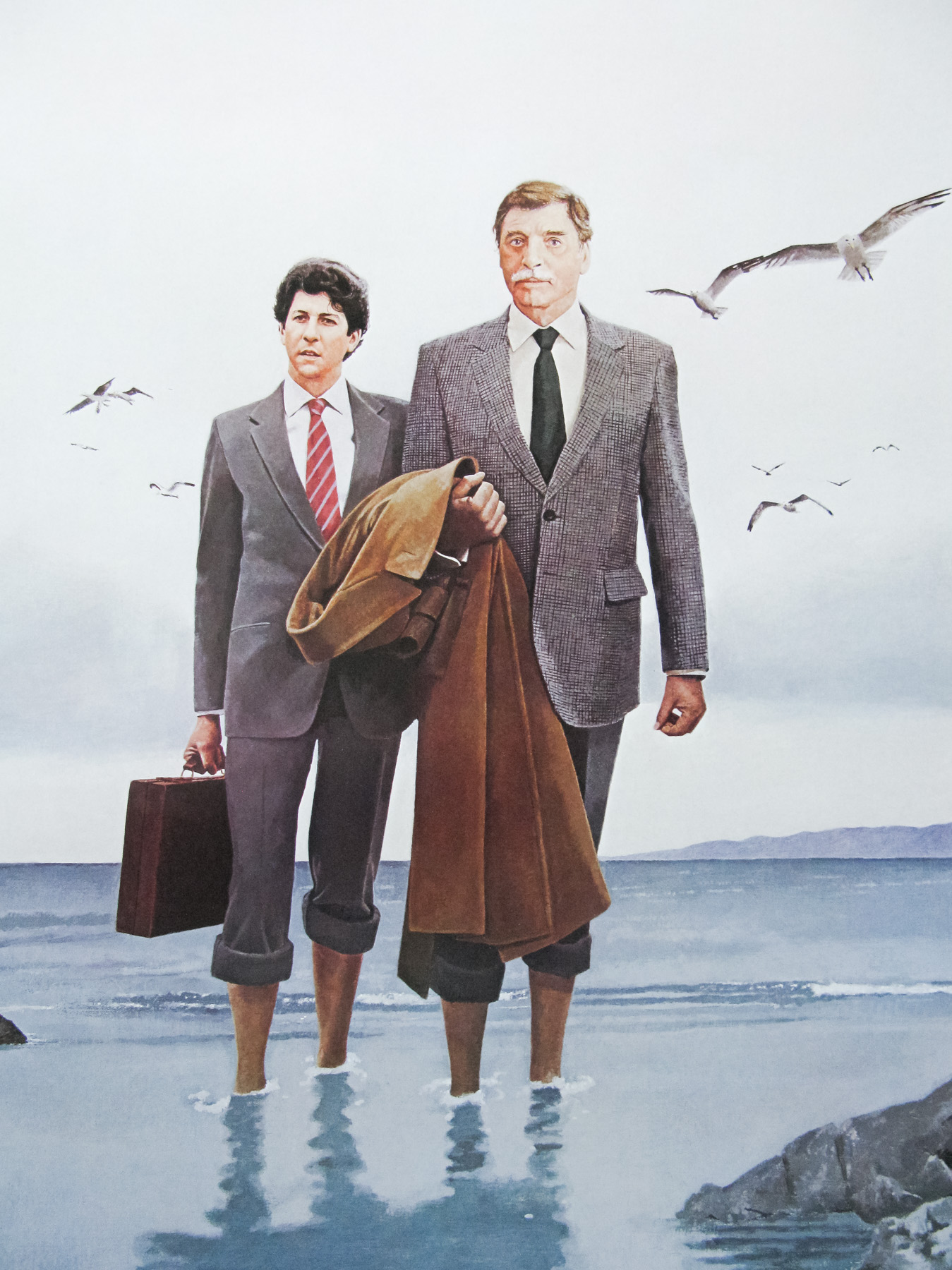
One of the best British films of all time, and certainly one of the best comedies, Local Hero was directed by Scotsman Bill Forsyth and tells the story of what happens when a Texan company reveals plans to turn a tiny stretch of the Northern Scottish coastline into a massive oil refinery. Burt Lancaster plays Felix Happer, the head of Knox Oil and Gas, who sends one of his hot-shot executives Mac (Peter Riegert) to the tiny village of Ferness to make a purchase offer to the residents. Mac meets up with local Knox representative Oldsen (Peter Capaldi) and the pair start negotiations with the help of local solicitor and pub owner Urquhart (Peter Capaldi).

Despite the enthusiasm of the majority of the locals, who relish the idea of the money heading their way, things don’t exactly go to plan as Mac starts to enjoy life in the sleepy village, Oldsen meets and falls in love with a local girl (mermaid?) called Marina and an old beachcomber who lives in a shack on the beach reveals he has no plans to sell up and move on.

The film features a brilliantly sharp script full of memorable characters, hilarious exchanges and some wonderful sight gags; one in particular featuring an abseiling therapist spelling out a message on a window is perfectly done. It also features a very memorable score by Dire Straits frontman Mark Knopfler. Local Hero could rightly be called a treasure of a movie and I strongly urge you to check it out if you’re yet to experience it.

The village of Pennan near Aberdeen was used for the village location shots and is now a scene of pilgrimage for the fans of the film, particularly the red phone box that plays a prominent role in the story. In 2008, the British critic Mark Kermode travelled to the village with Bill Forsyth to interview him about the film and hold a special screening on the 25th anniversary of its release. The video of the event can be watched here.

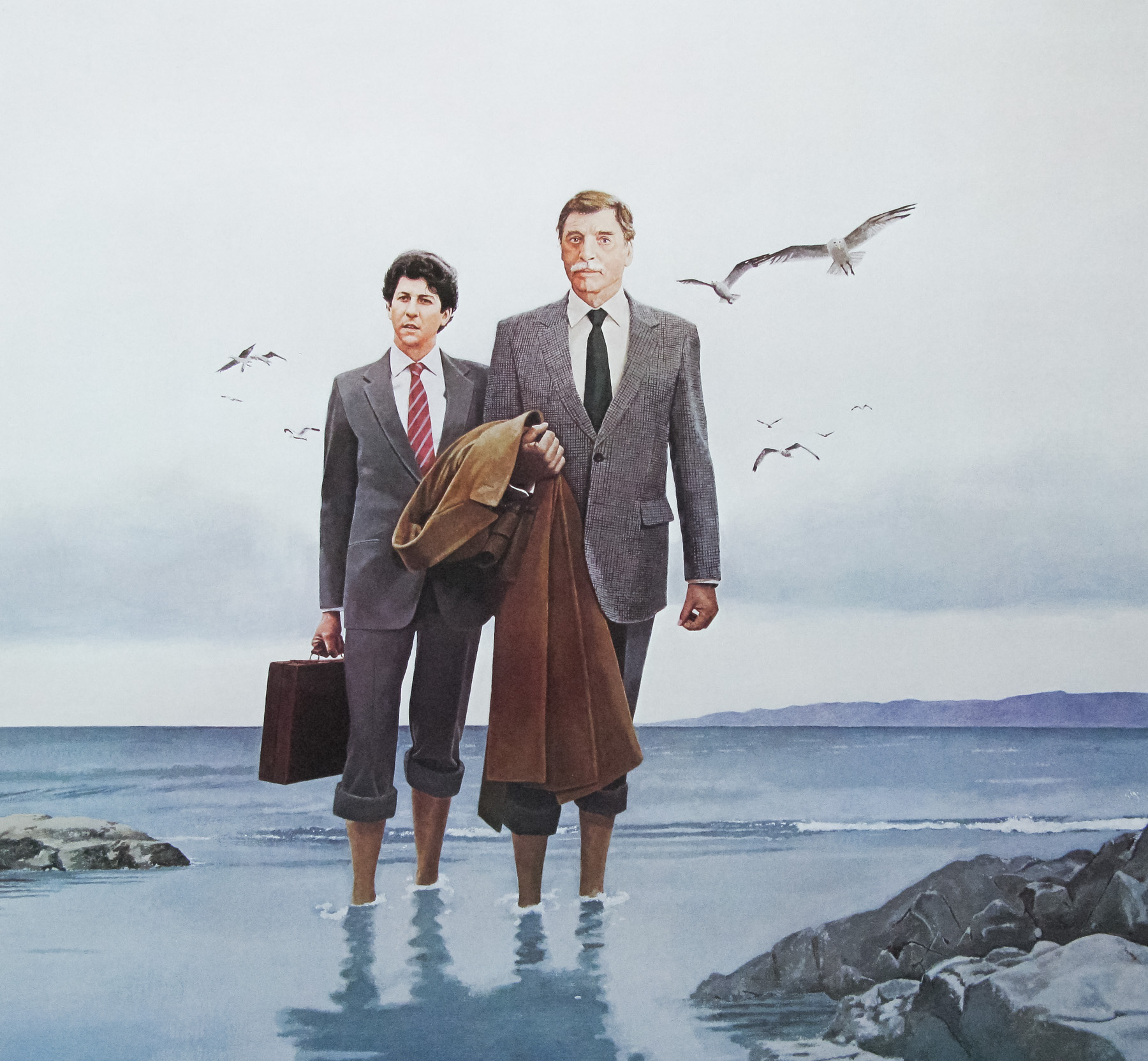
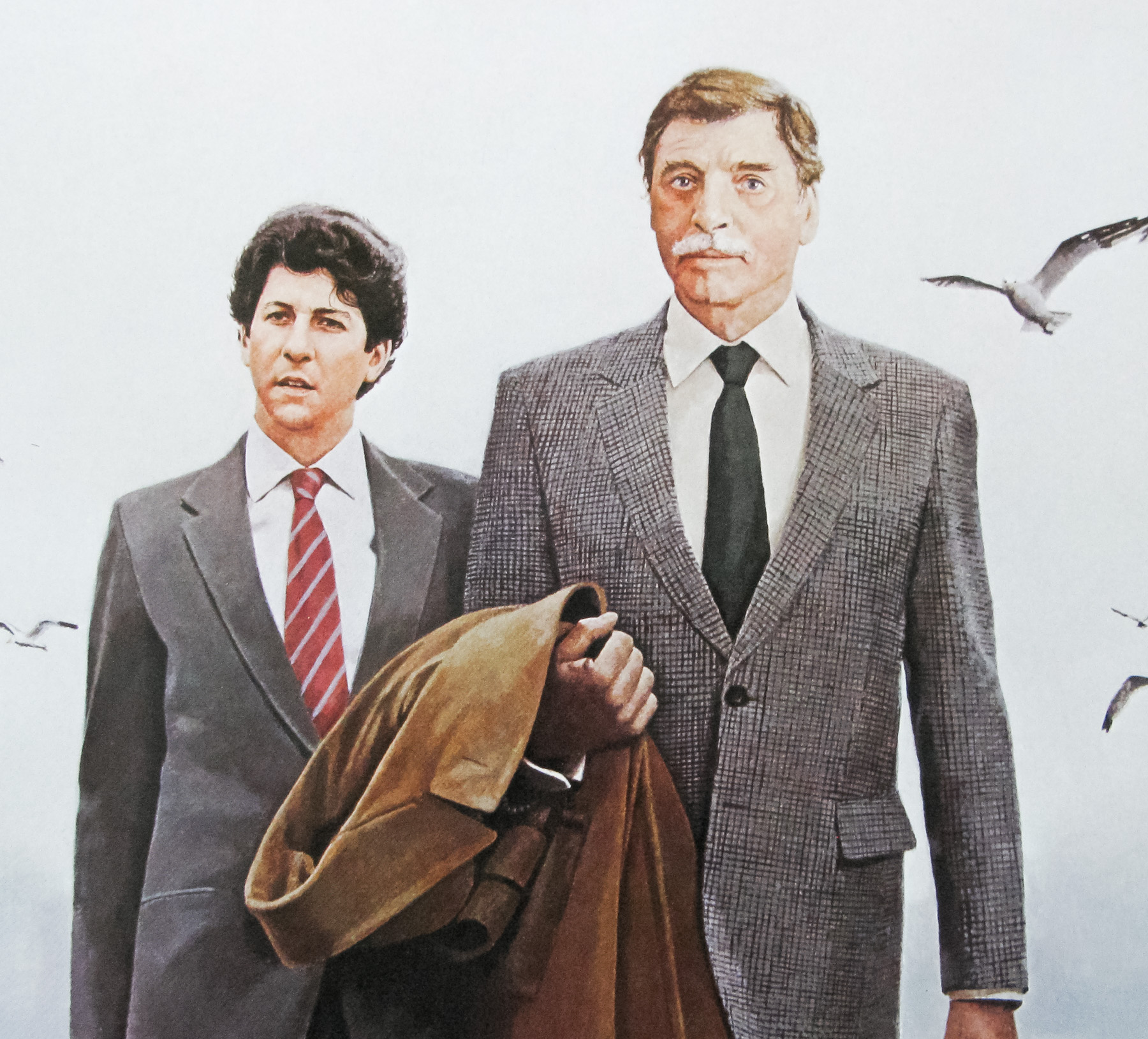
I’m unsure who is responsible for the artwork on this US one sheet but the UK quad also features a very similar image of Mac (with the addition of the phone box). If you have any ideas who might have been responsible please get in touch.

The original trailer is on YouTube.

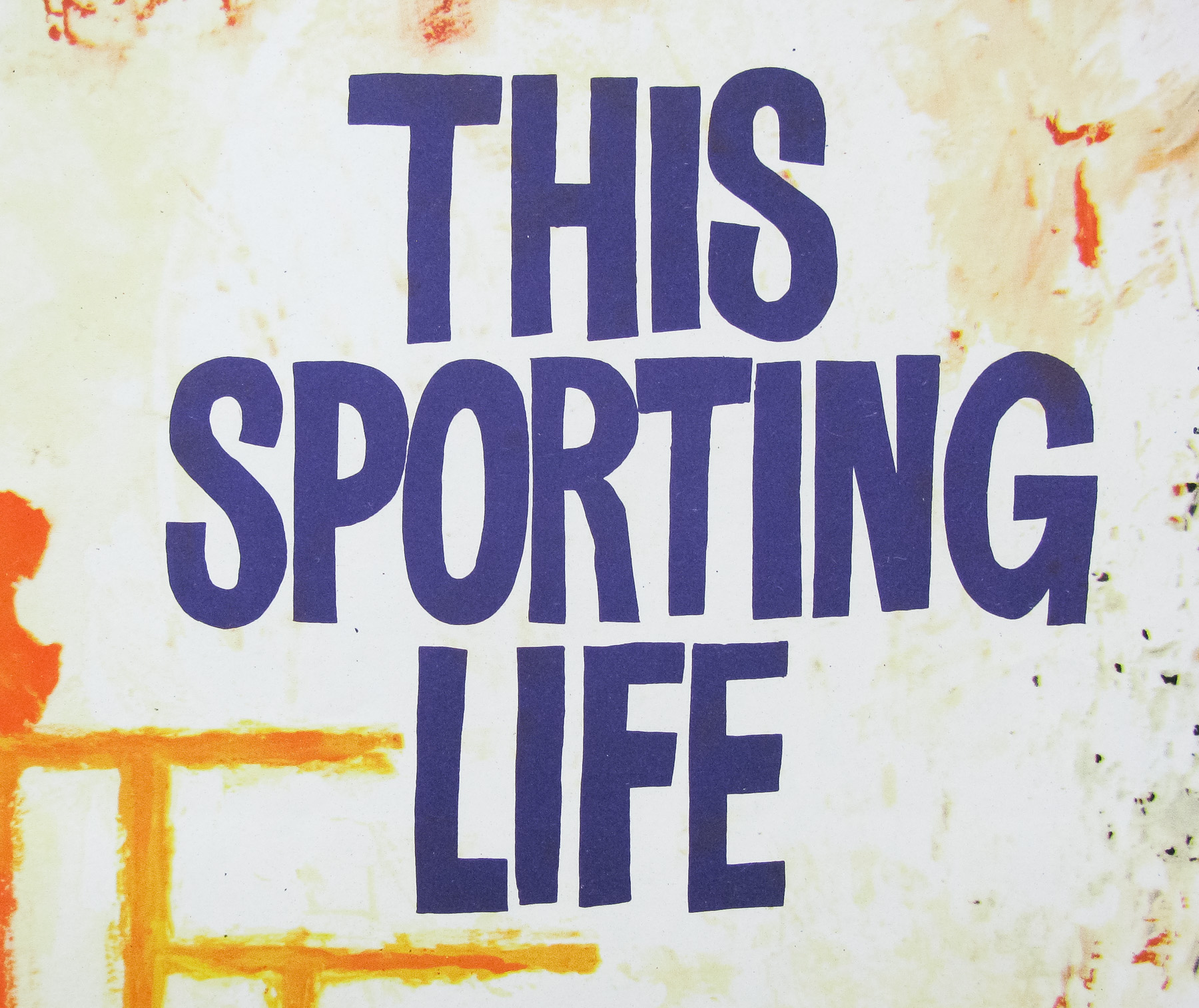
This Sporting Life / one sheet / UK

15.08.12

Poster Poster

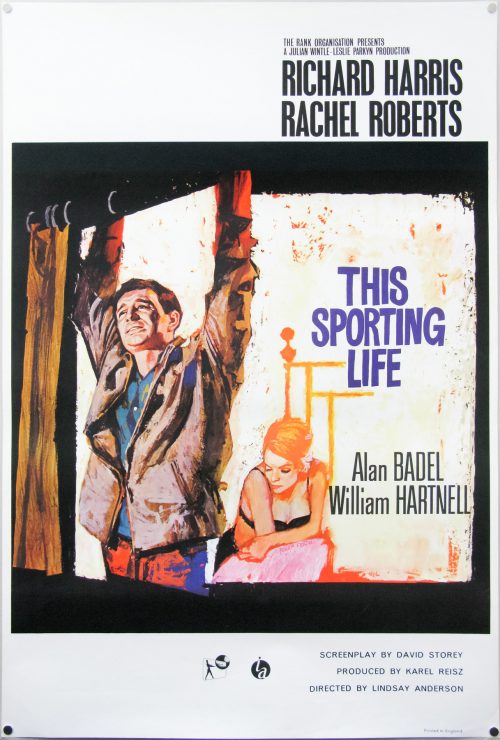
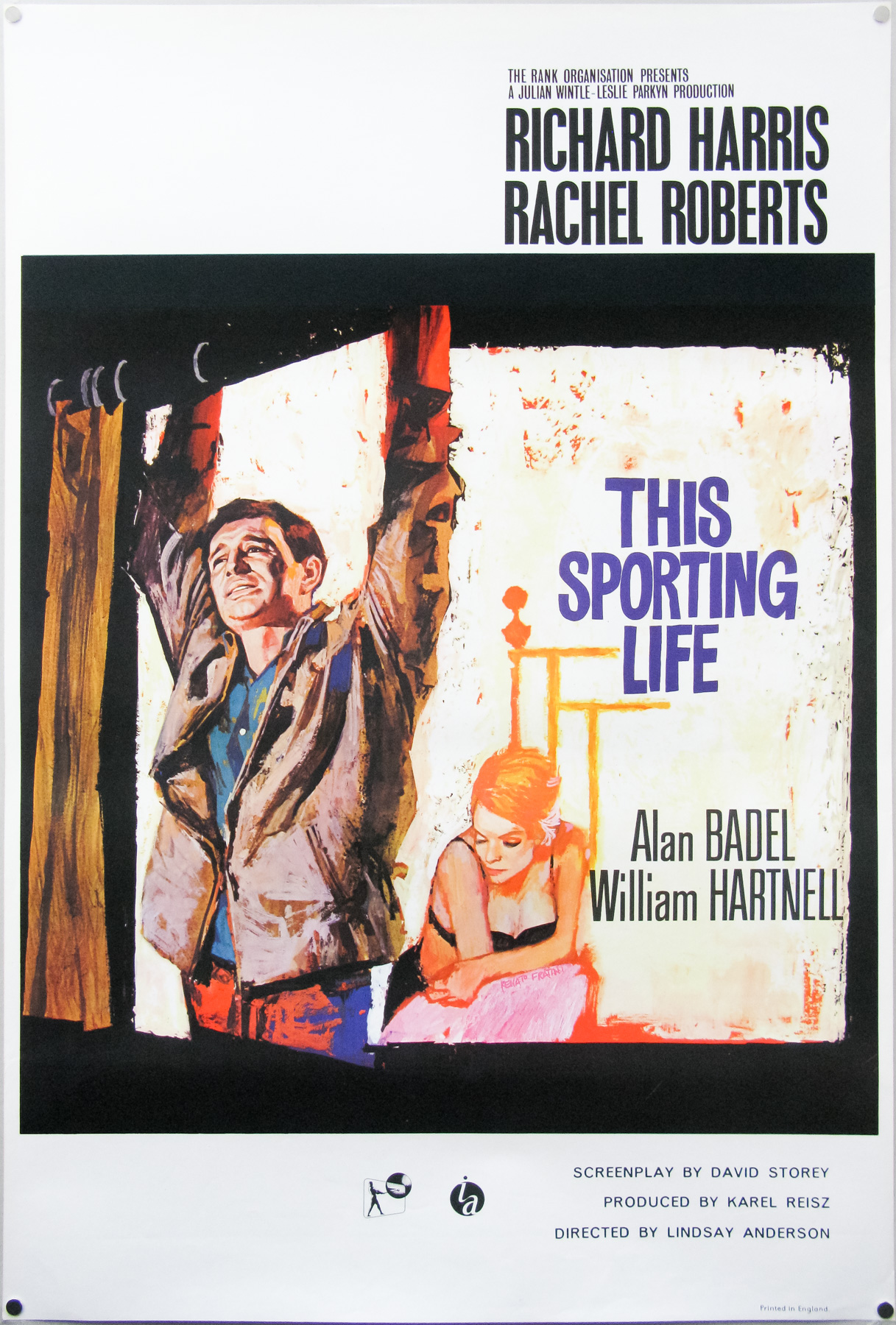
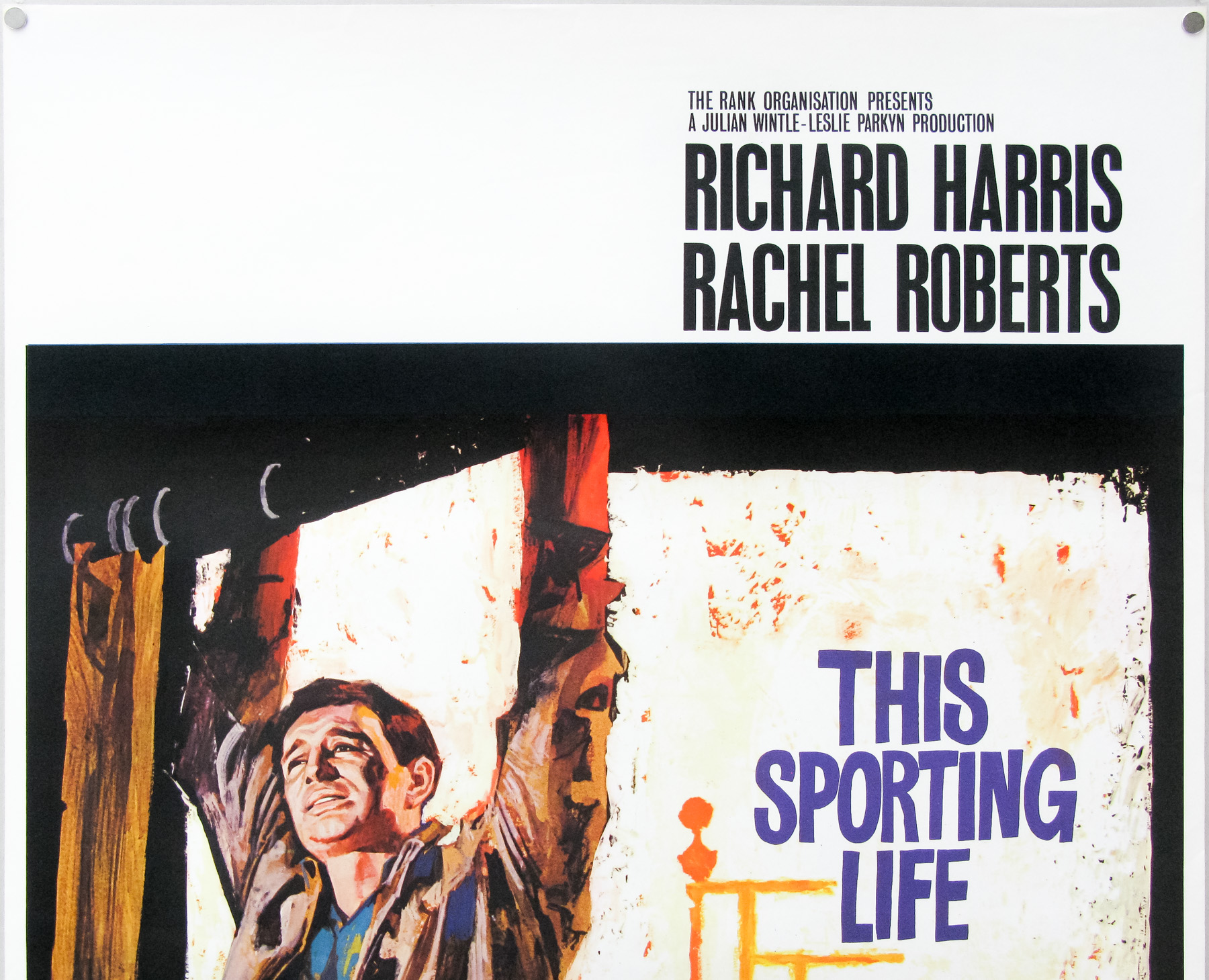
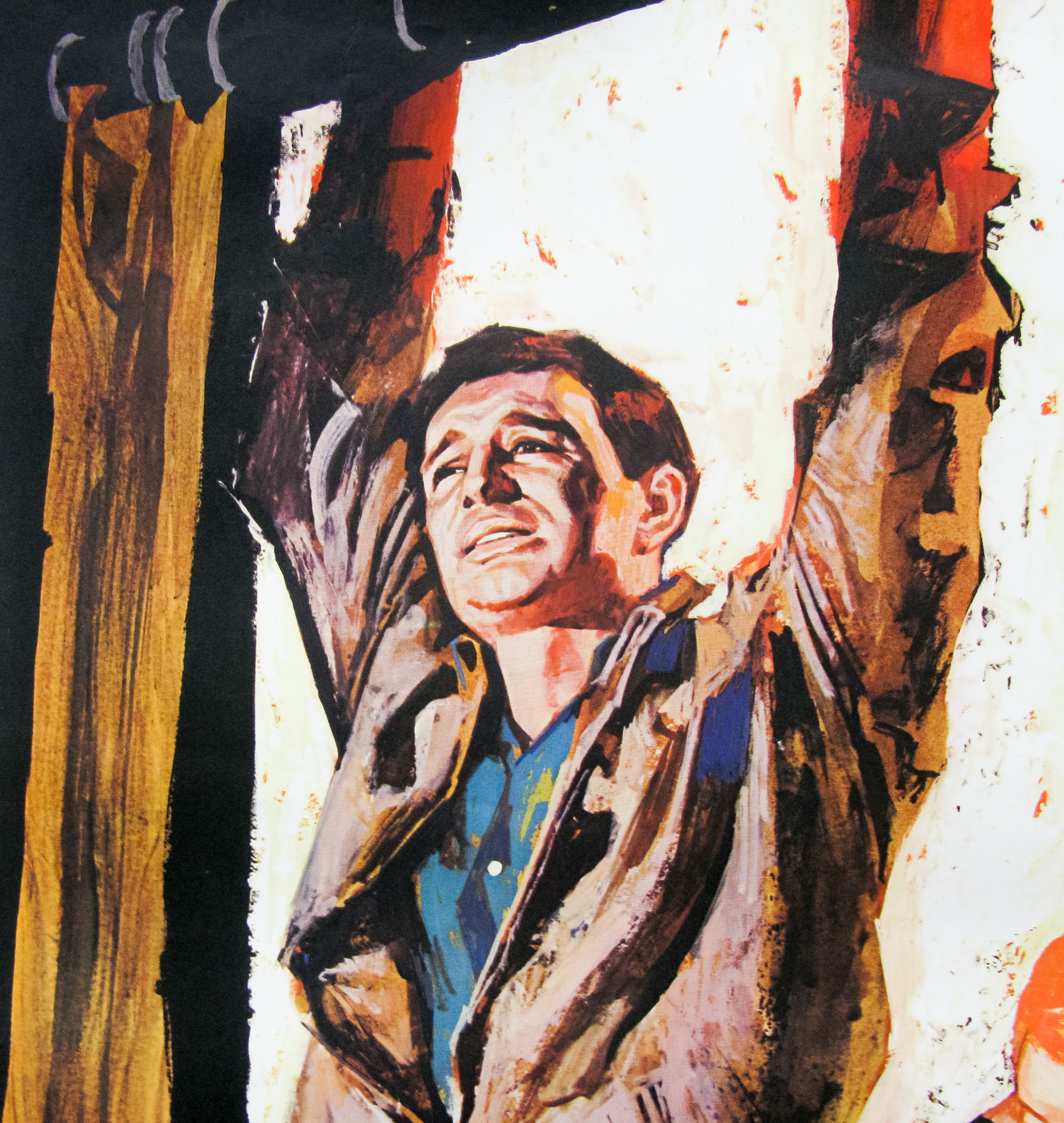
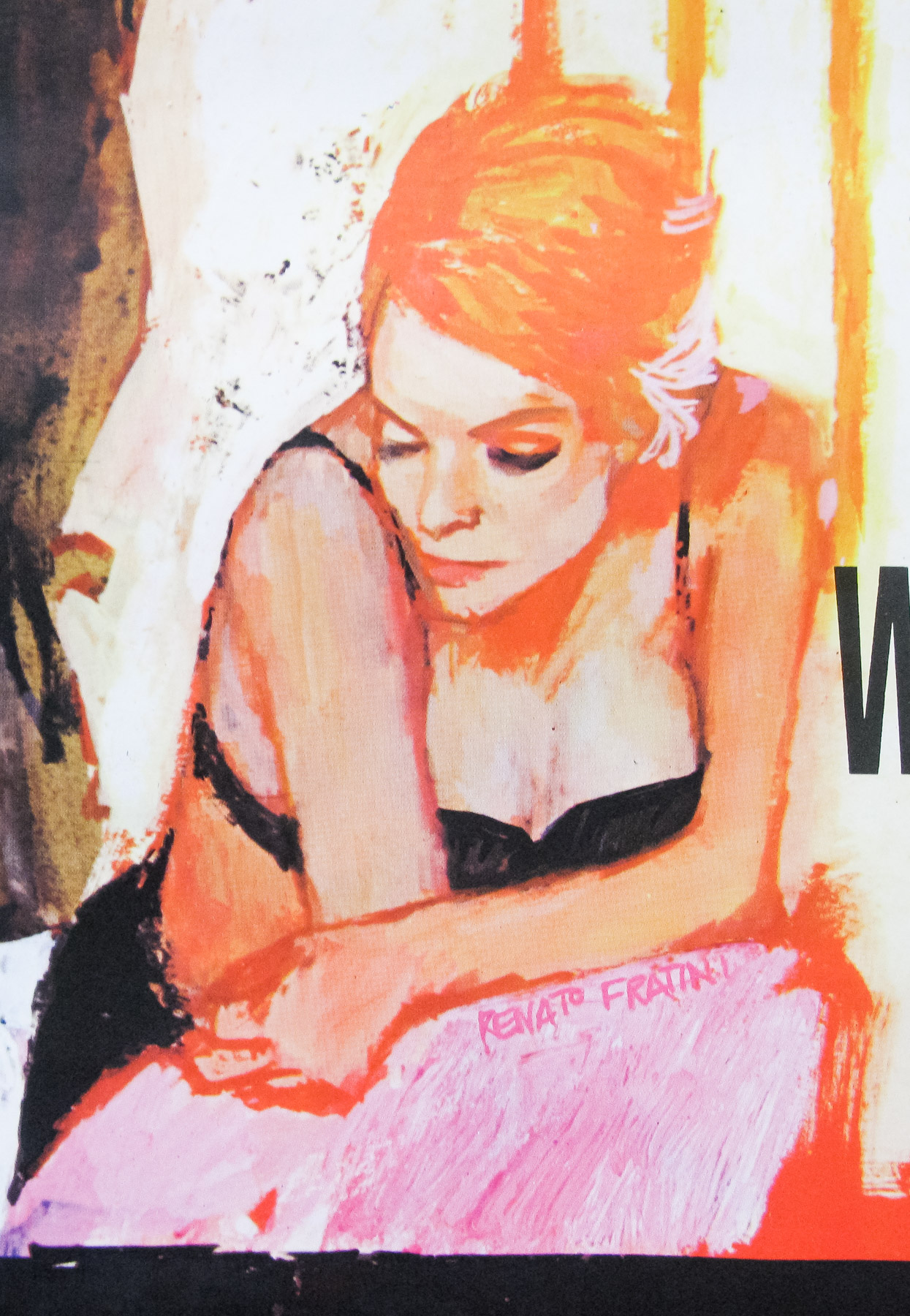
This Sporting Life was the first full-length film by the late British director Lindsay Anderson (best known for ‘If….‘ and ‘O Lucky Man!‘) and starred Richard Harris in what is now acknowledged as his breakout role. The story follows the exploits of Frank Machin (Harris) a tough, young miner in a Northern England town who finds success as a Rugby League player and must deal with his violent tendencies as he copes with his new found fame. The film also featured Rachel Roberts in a memorable turn as the widower landlady of Machin with whom he has been having a strained relationship.

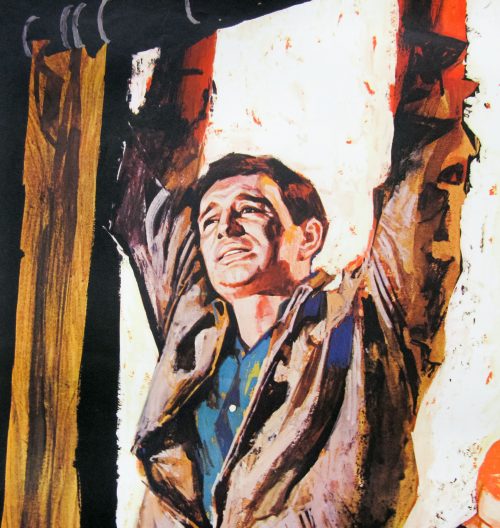
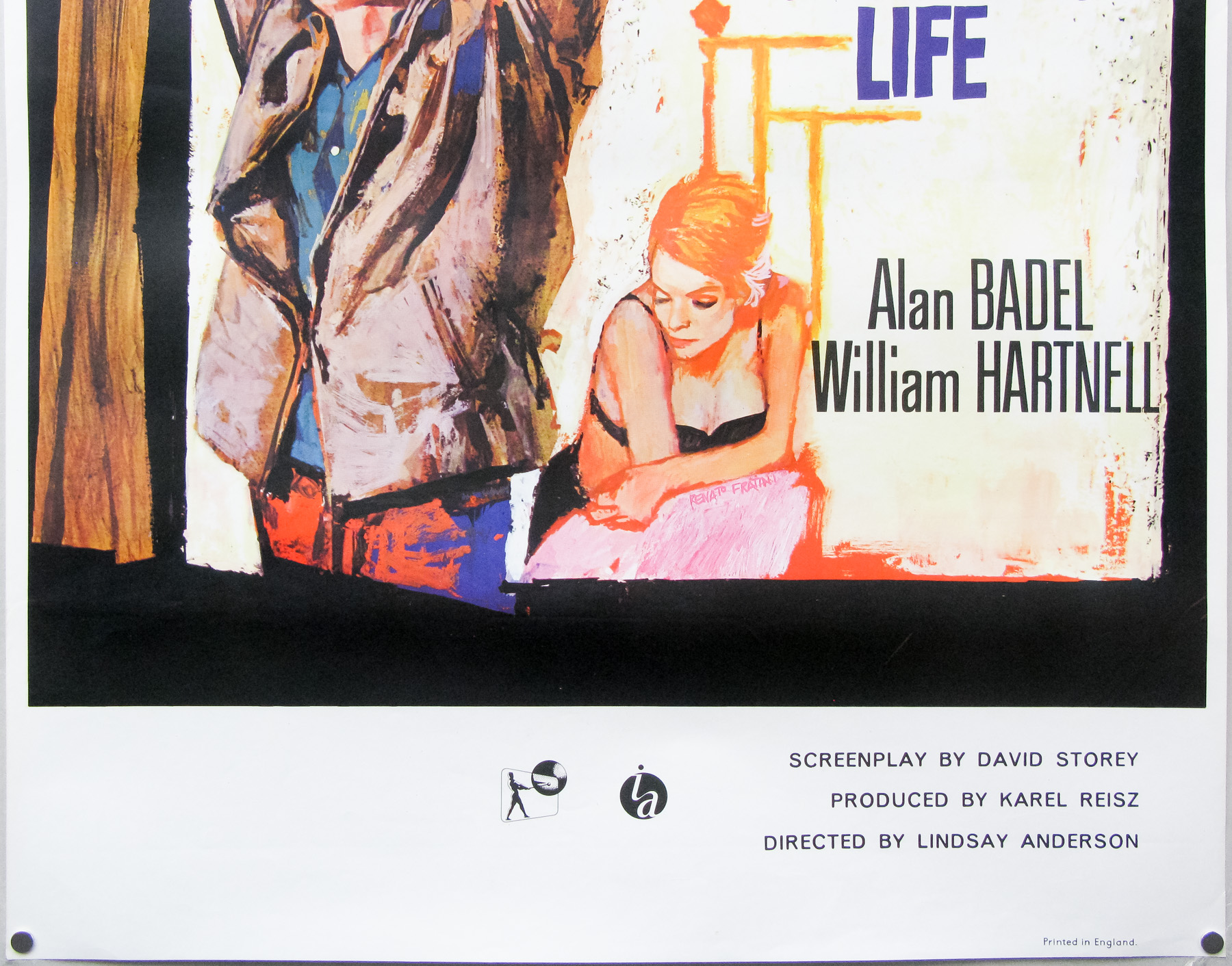
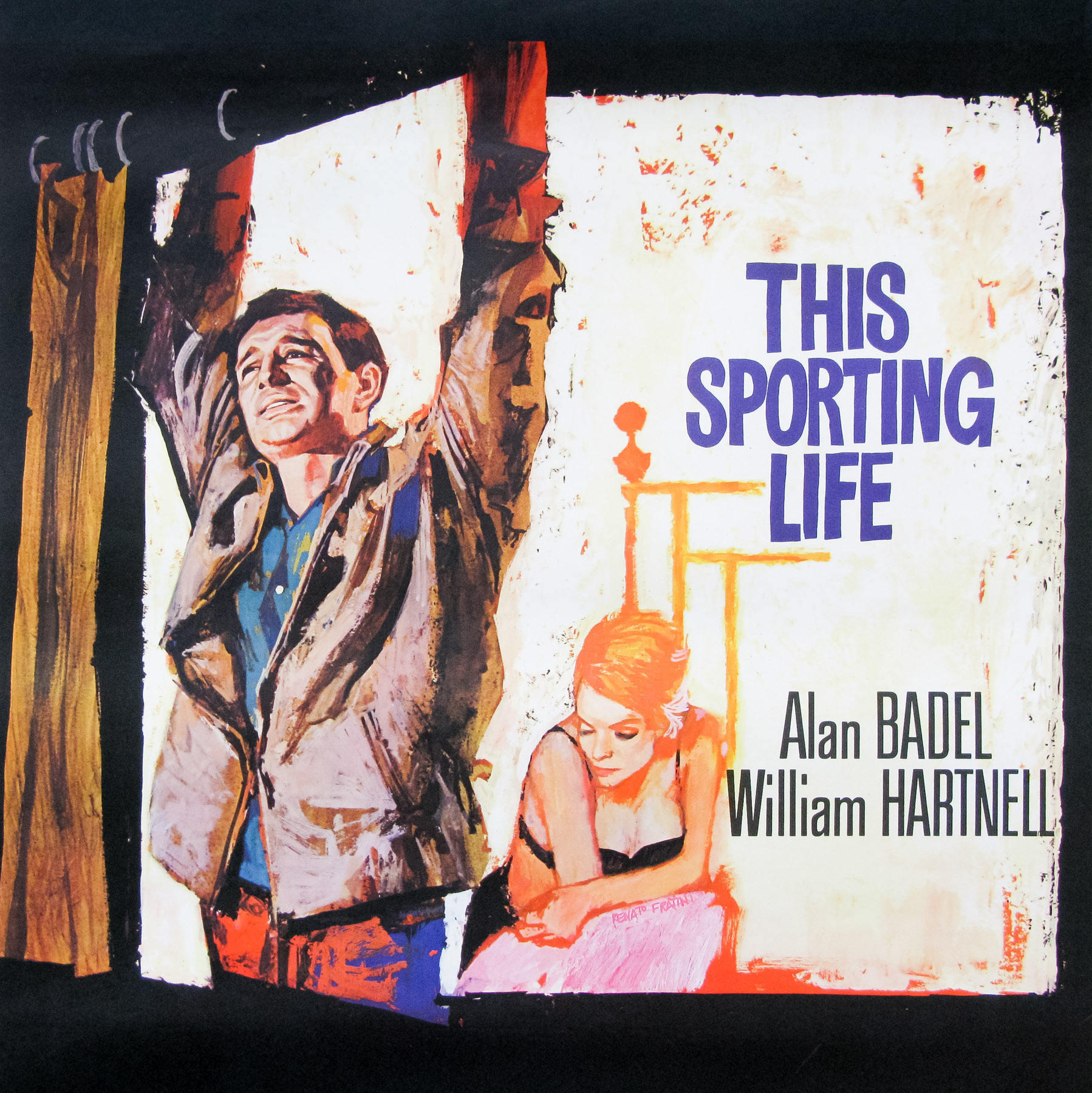
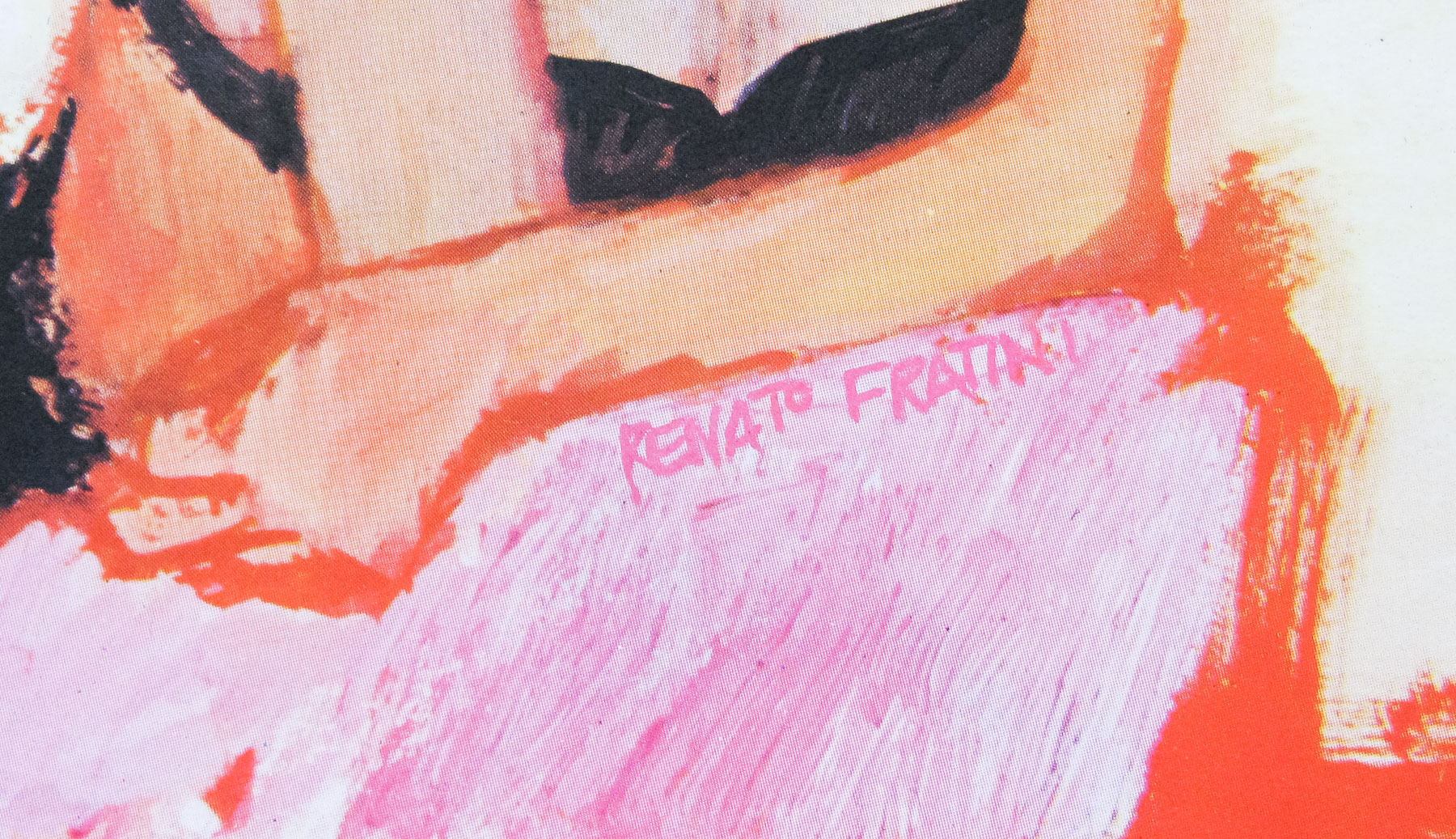
This UK one sheet features artwork by Renato Fratini, an Italian painter who came over to England to work in film publicity at the end of the 1950s and is regularly cited by many of his contemporaries as one of the greatest artists ever to have worked in the business. Fratini was born in Rome in 1932 and went on to study at the city’s Academy of Fine Art before landing a job at Studio Favalli, which was part of the legendary Cinecittà studios and handled film publicity for many Italian productions. Eric Pulford, who was head of Downton Advertising in London, began to enlist the help of the Italian artists in the mid-1950s once it became clear how much talent studio head Augusto Favalli had enlisted, and, perhaps crucially, how relatively cheap the work was.

Fratini was brought over to London by Pulford and put on a retainer for Downtons in 1958. He quickly impressed with his technical ability and skilful draughtsmanship, which was often marvelled upon by other artists working at the time. Ace British designer Vic Fair recalls the speed with which Fratini was able to work – ‘He was incredible. He was like a machine – he could just bash things out overnight’. Fratini very much enjoyed his life in London and was infamous for his love of a good party, quickly gaining a reputation as a man who enjoyed the finer things in life. Despite this he was still able to turn out stunning pieces of artwork with relatively little notice.

Perhaps Fratini’s most famous work is the quad he painted for From Russia With Love (in 1963 – the same year as this poster), which is probably the best of all the James Bond quads. Later he would work on a number of posters for the Carry On series of films, known for their colourful and brilliantly stylised designs, as well as some incredibly detailed artwork on posters such as the quad for Waterloo (1970), for which he was paid a then record fee of £2000. In 1969 Fratini had a broken marriage behind him and was losing money through tax bills, so he made the decision to leave London and head for Mexico from where he continued to paint for advertising firms in America and the odd assignment for Downtons. Sadly, in 1973 Fratini collapsed whilst at a beach party and died from massive heart attack, his years of excess finally catching up with him.

He was only 40 years old at the time and, as Sim Branaghan (author of the brilliant ‘British Film Posters‘ book) described in my interview with him, his tragic end perfectly embodies the stereotypical profile of a ‘doomed bohemian genius’. Sim’s book contains a lot more information on Fratini and is an absolute must-buy if you have even a passing interest in the artists behind these great posters.

It’s worth noting that this is one of the few pieces of artwork that prominently features Fratini’s signature.

The trailer for the film is on YouTube.

Moonrise Kingdom / one sheet / advance / USA

31.12.12

Poster Poster

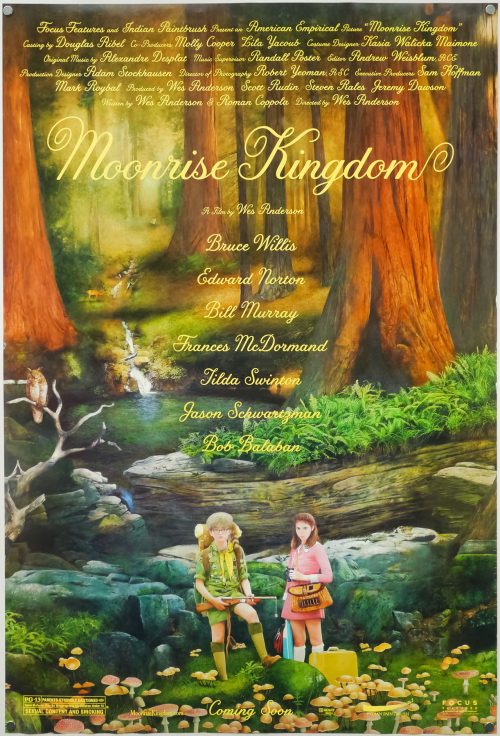
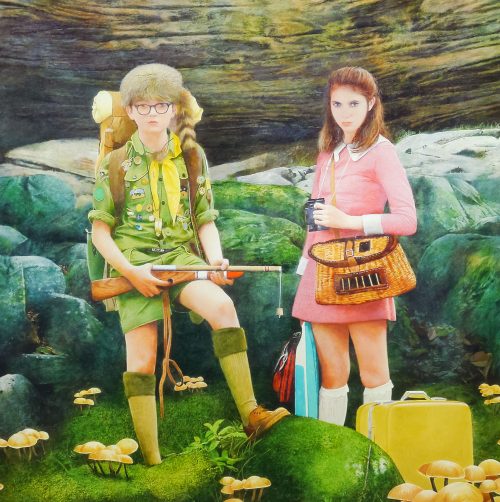
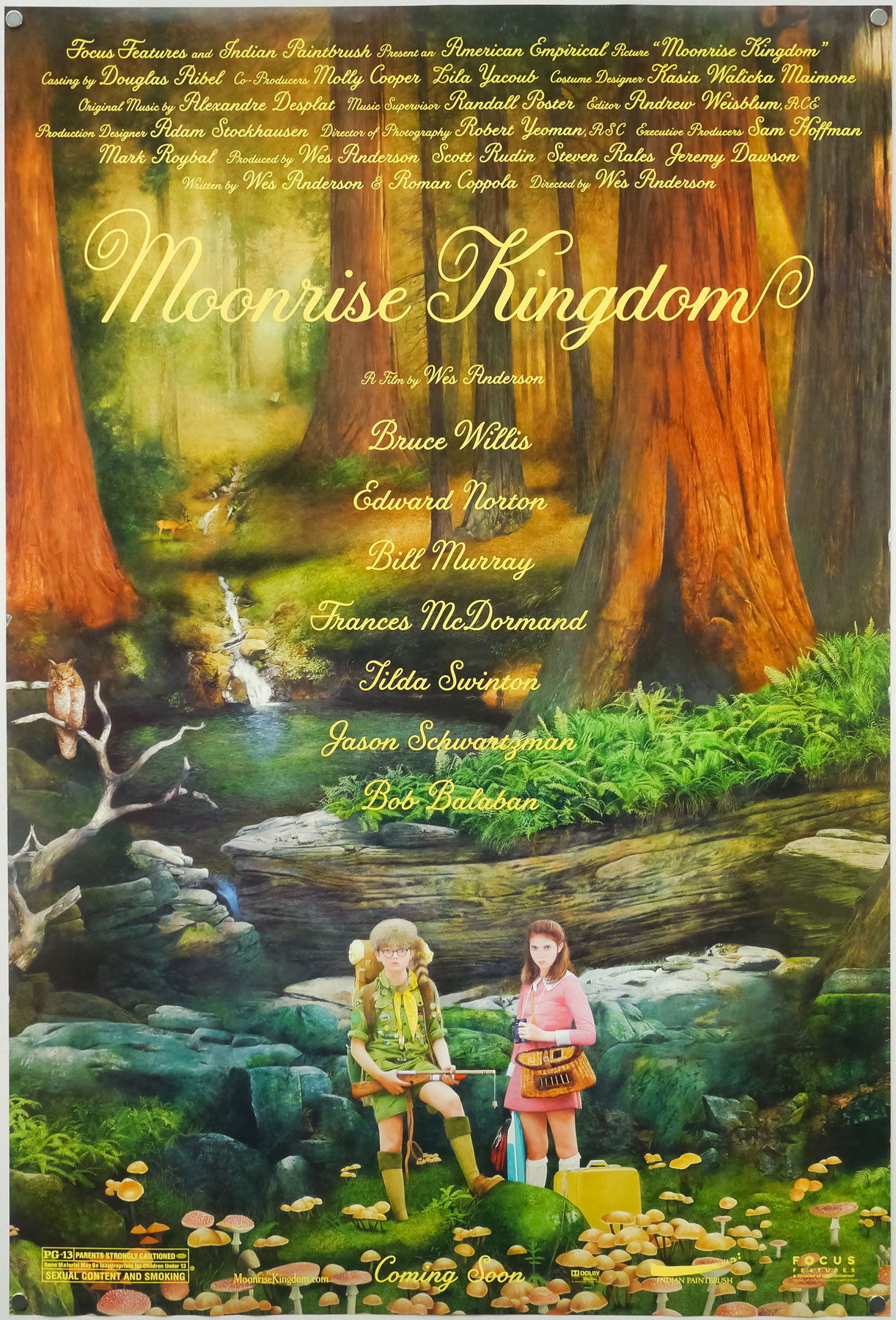
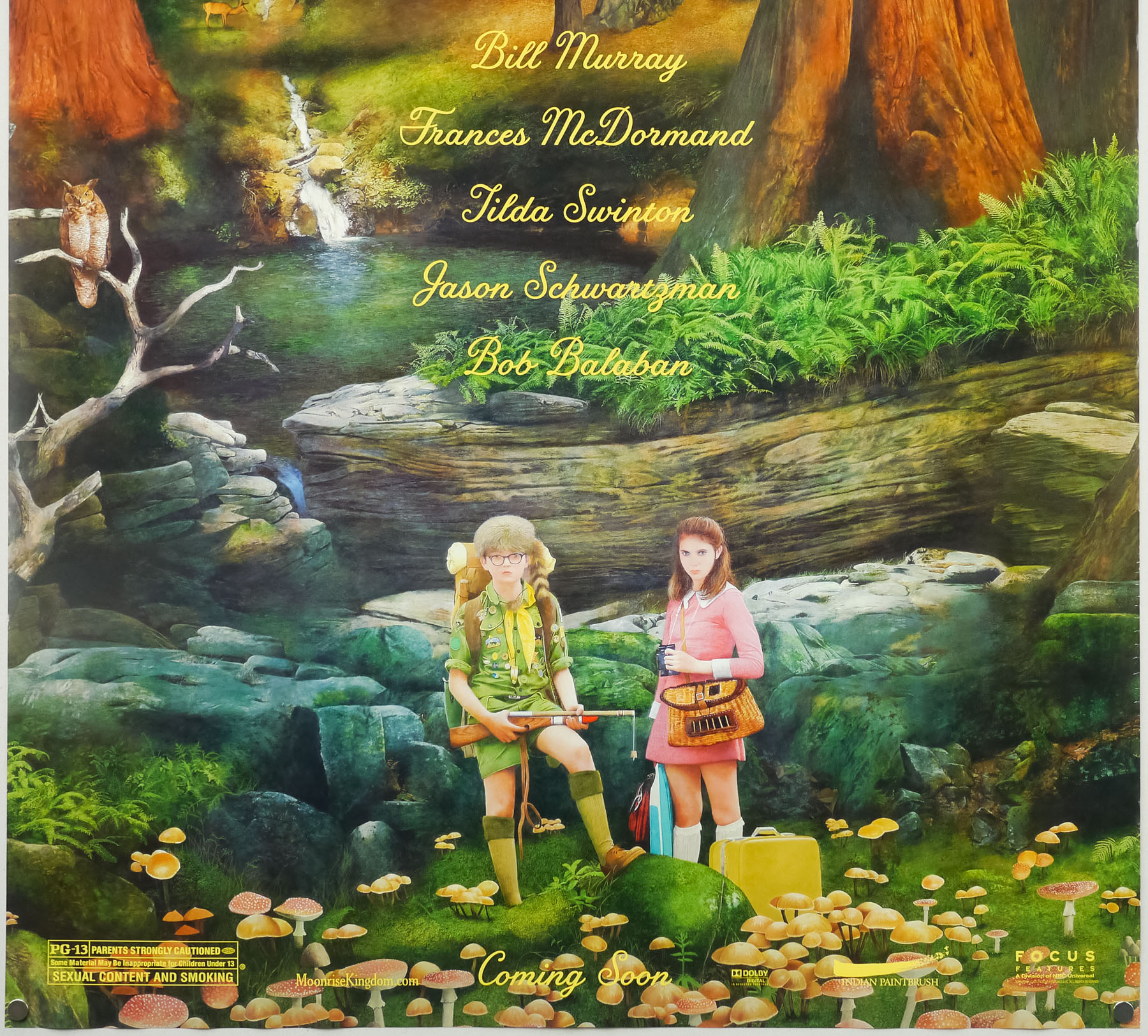
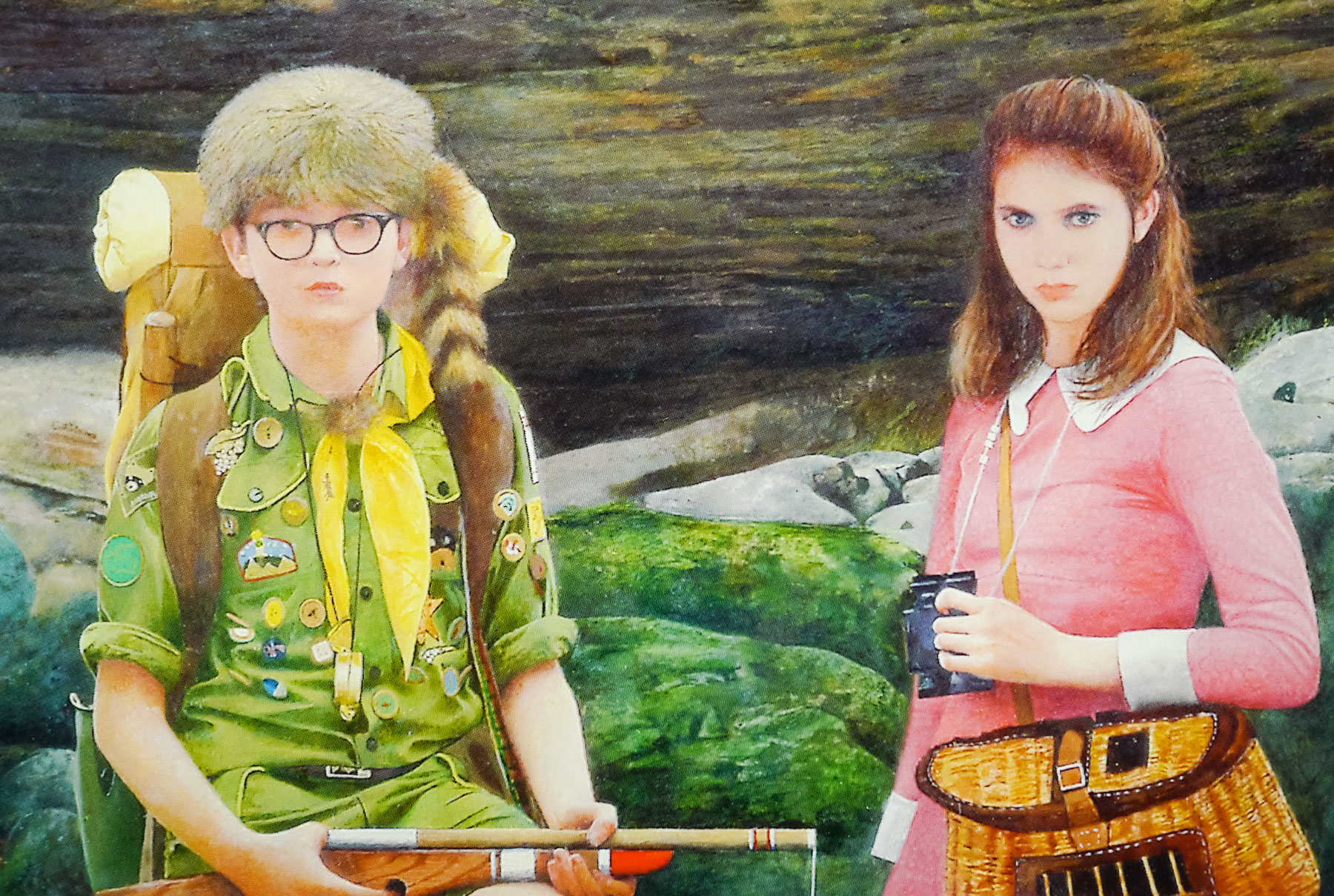
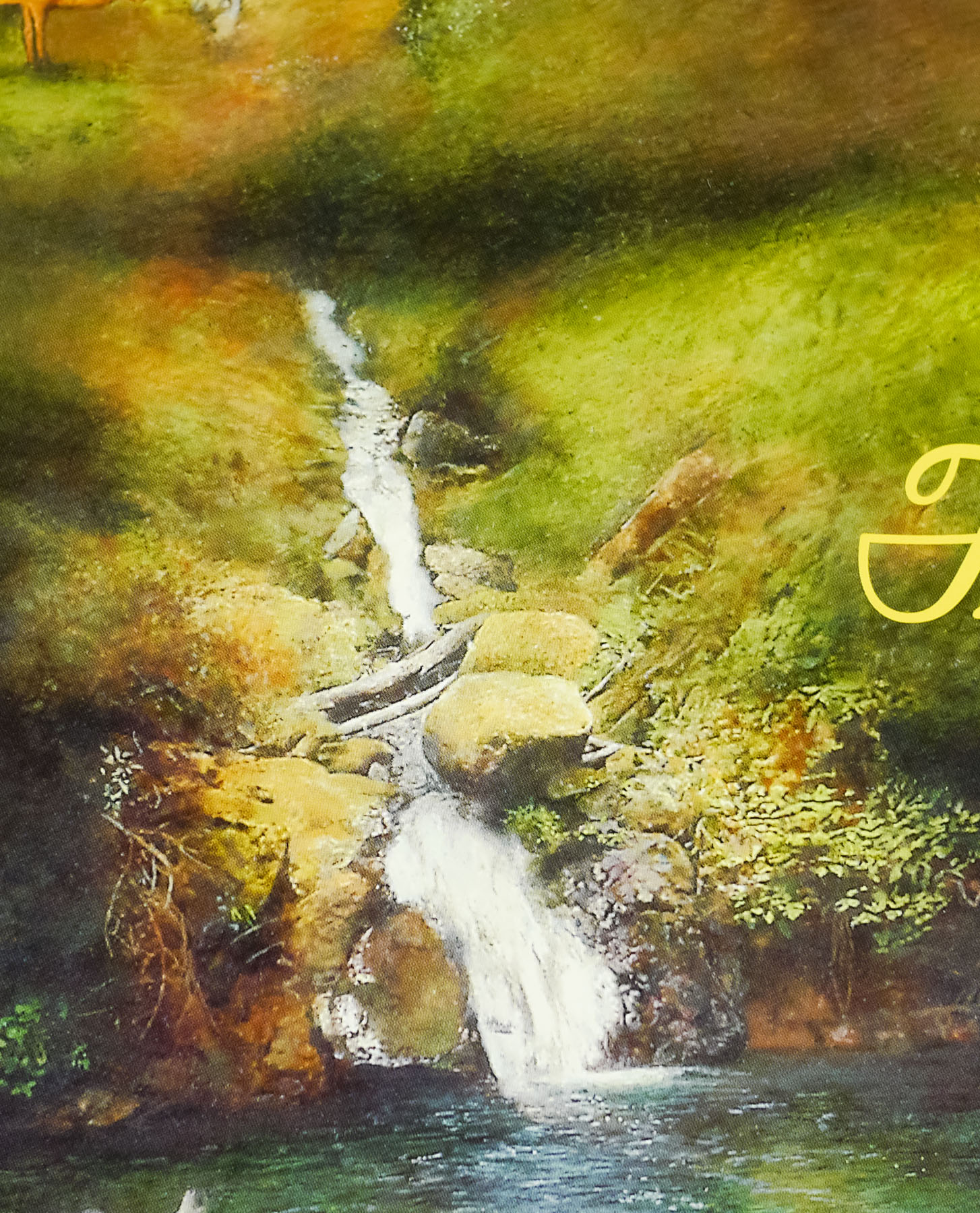
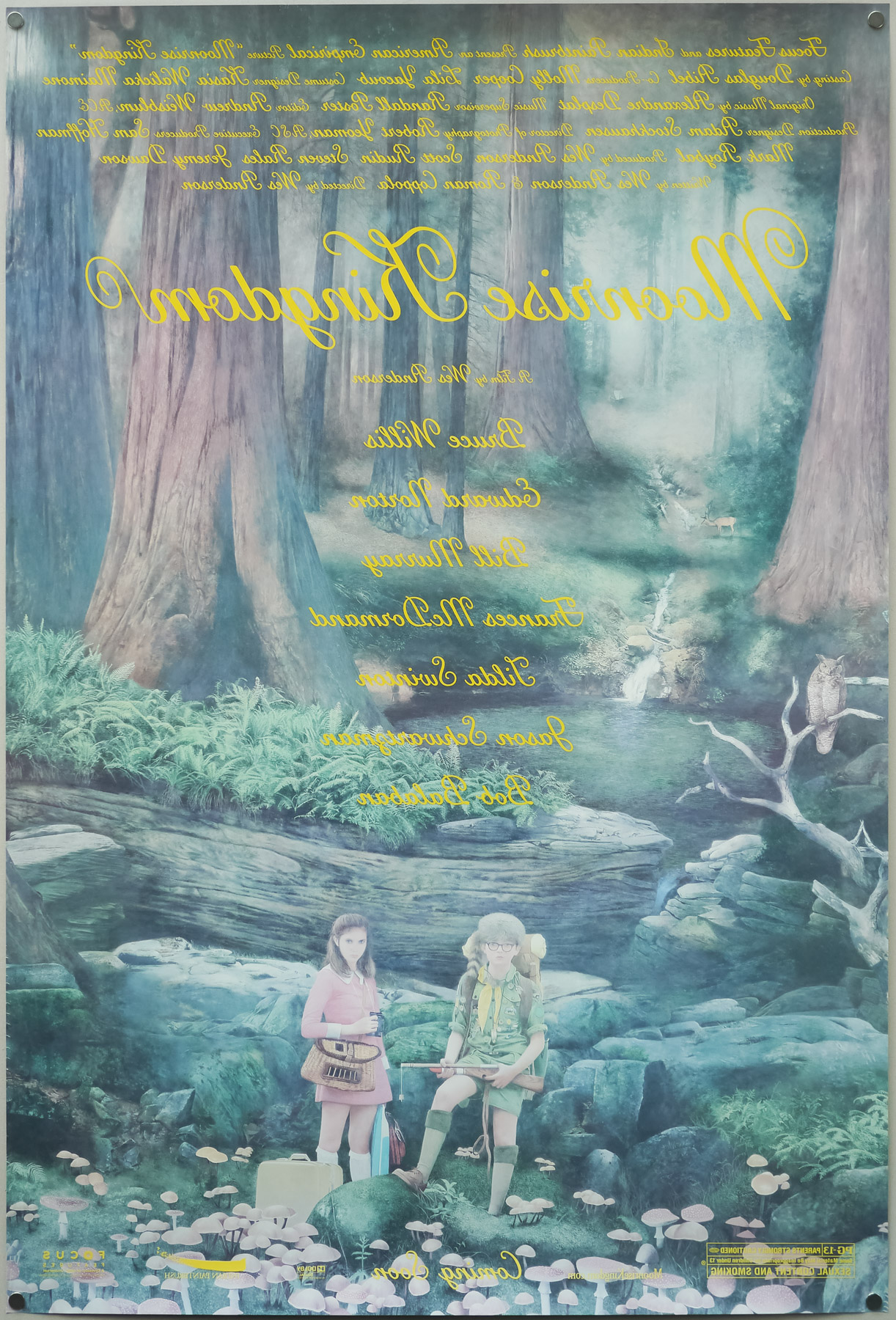
Wes Anderson‘s superb Moonrise Kingdom is my favourite film of 2012 and this American one sheet is in the running for poster of the year too. Arguably the director’s best to date (although I’d have a hard time justifying picking this over Rushmore) the film is set on a fictional New England island in the 1960s and follows the exploits of a pair of young lovers who decide to elope (her from home, him from scout camp) and trigger a series of events as the islanders set out on the hunt for them. The pair at the centre of the film (as depicted on this poster) are played by two unknowns, Kara Hayward and Jared Gilman. They are surrounded by Anderson regulars, including Bill Murray and Jason Schwartzman, as well as a handful of first-time collaborators like Bruce Willis and Edward Norton.

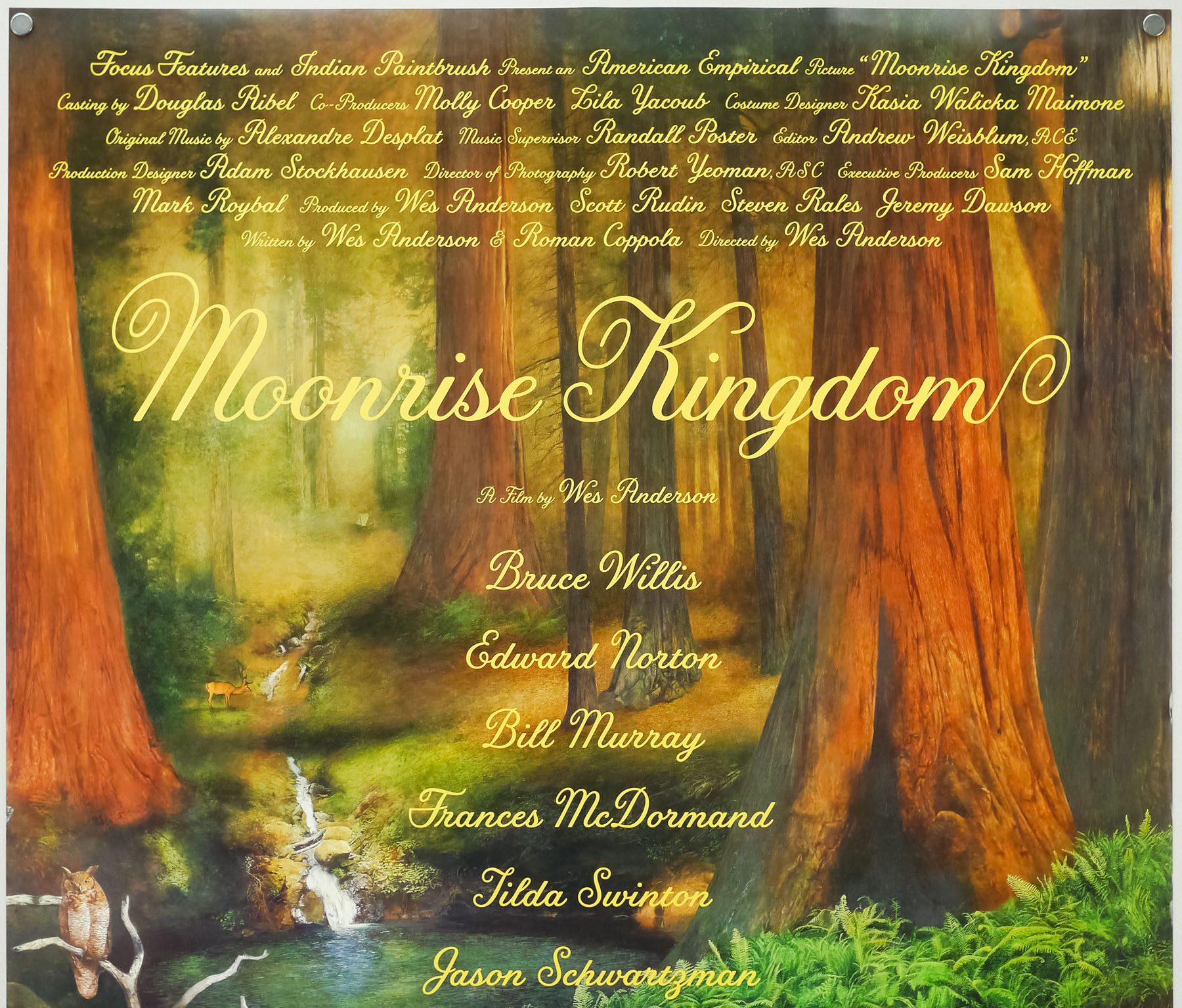
This poster is the result of a pairing of two considerable talents; the British artist Michael Gaskell and the American letterer and illustrator Jessica Hische. Gaskell, born in 1963, is an award-winning painter of still-life, landscapes and portraits who has been the subject of five solo shows in London and has twice been awarded second prize in the BP Portrait Award. His official website features a biography as well as a gallery of his work. I’m not sure how his involvement in this poster came about and have been unable to find out any details online. I intend to try and contact him to discover more.

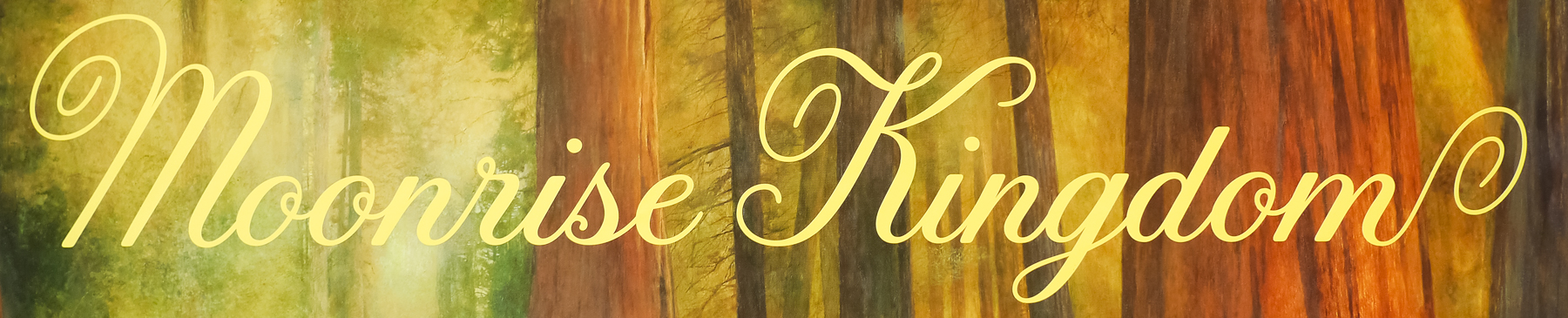
Jessica Hische is responsible for the design of the typography that was used on the posters as well as the credits during the film itself. Hische is a multi-talented letterer and illustrator who has worked on projects for advertising, editorial, branding and books. Her official website features a biography as well as an extensive portfolio of her work. The site used to have a page on which the designer wrote about her involvement in the project:

“I worked directly with Wes and his small team of co-producers to bring his vision to life. […] The initial direction was based on Ed Benguiat’s Edwardian Script, but the direction shifted toward something more hand-hewn looking and lightly referencing titles from a Chabrol film. I was hired to create the 20 or so credits in the beginning of the movie, and a typeface to be used for the end credits. I ended up creating two fonts—a display and a text weight of the same typeface. […] Working with Wes was an absolute dream and I was amazed and impressed at just how involved he is with every aspect of his films.”

The page notes that art direction was given from Jeremy Dawson and Molly Cooper who were producer and co-producer respectively.

The trailer for the film is on YouTube and if you’re yet to see the film I strongly urge you to hunt down a copy of it ASAP, with the only caveat being that if you’re not a fan of Wes Anderson’s output then this film will not convert you!

Submarine / one sheet / USA

15.02.13

Poster Poster
Title
Submarine
Year of Film
2010
Director
Richard Ayoade
Starring
Noah Taylor, Paddy Considine, Craig Roberts, Yasmin Paige, Sally Hawkins, Darren Evans, Osian Cai Dulais, Lily McCann, Otis Lloyd, Elinor Crawley
Origin of Film
UK | USA
Genre(s) of Film
Noah Taylor, Paddy Considine, Craig Roberts, Yasmin Paige, Sally Hawkins, Darren Evans, Osian Cai Dulais, Lily McCann, Otis Lloyd, Elinor Crawley,
Type of Poster
One sheet
Style of Poster
--
Origin of Poster
USA
Year of Poster
2010
Designer
Unknown
Artist
Unknown
Size (inches)
27 1/16" x 40"
SS or DS
DS
NSS #
--
Tagline
A comedy that doesn't let principles stand in the way of progress

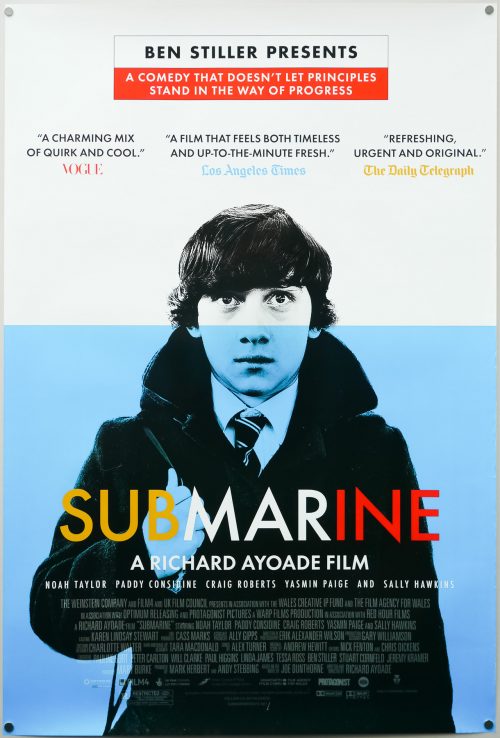
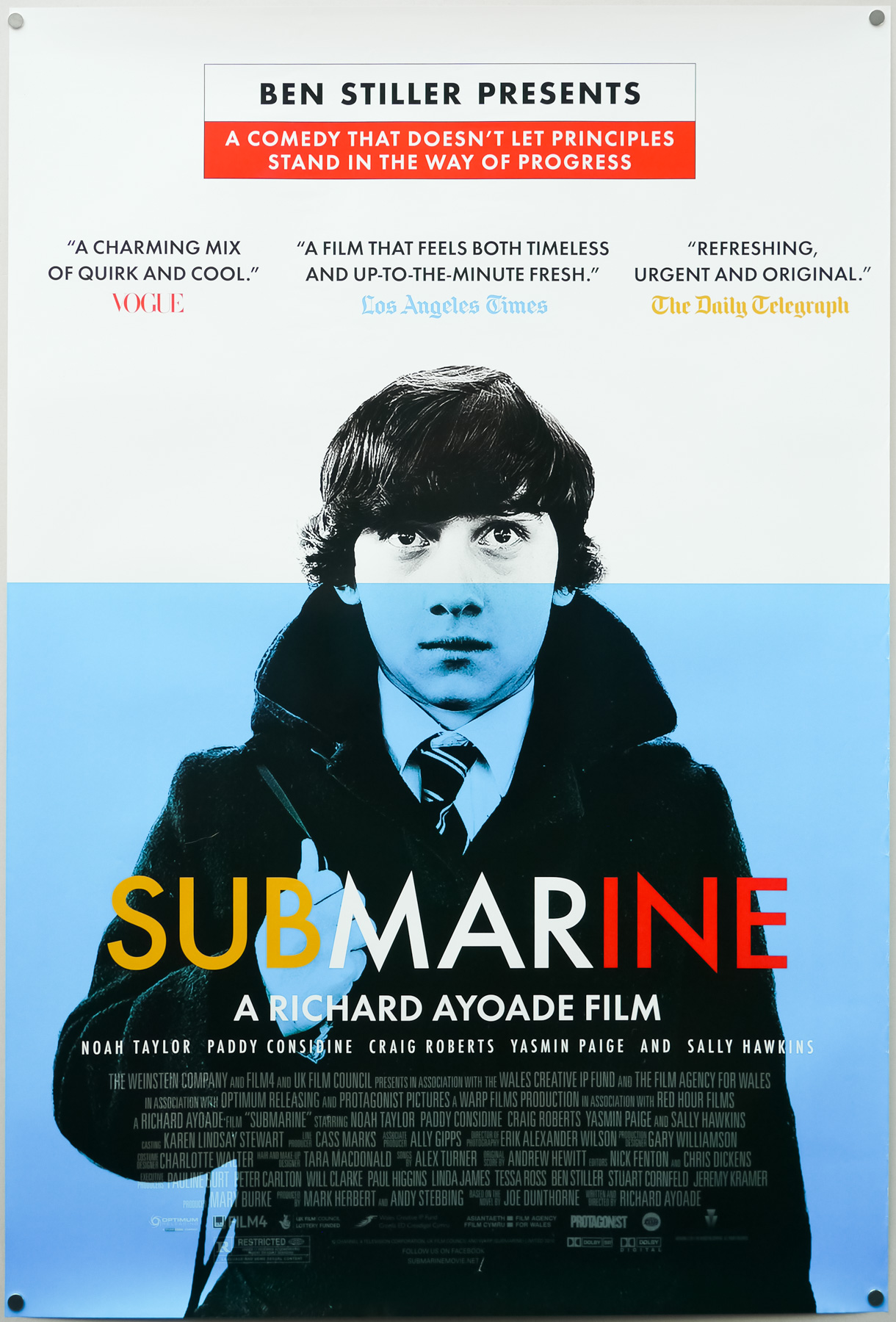
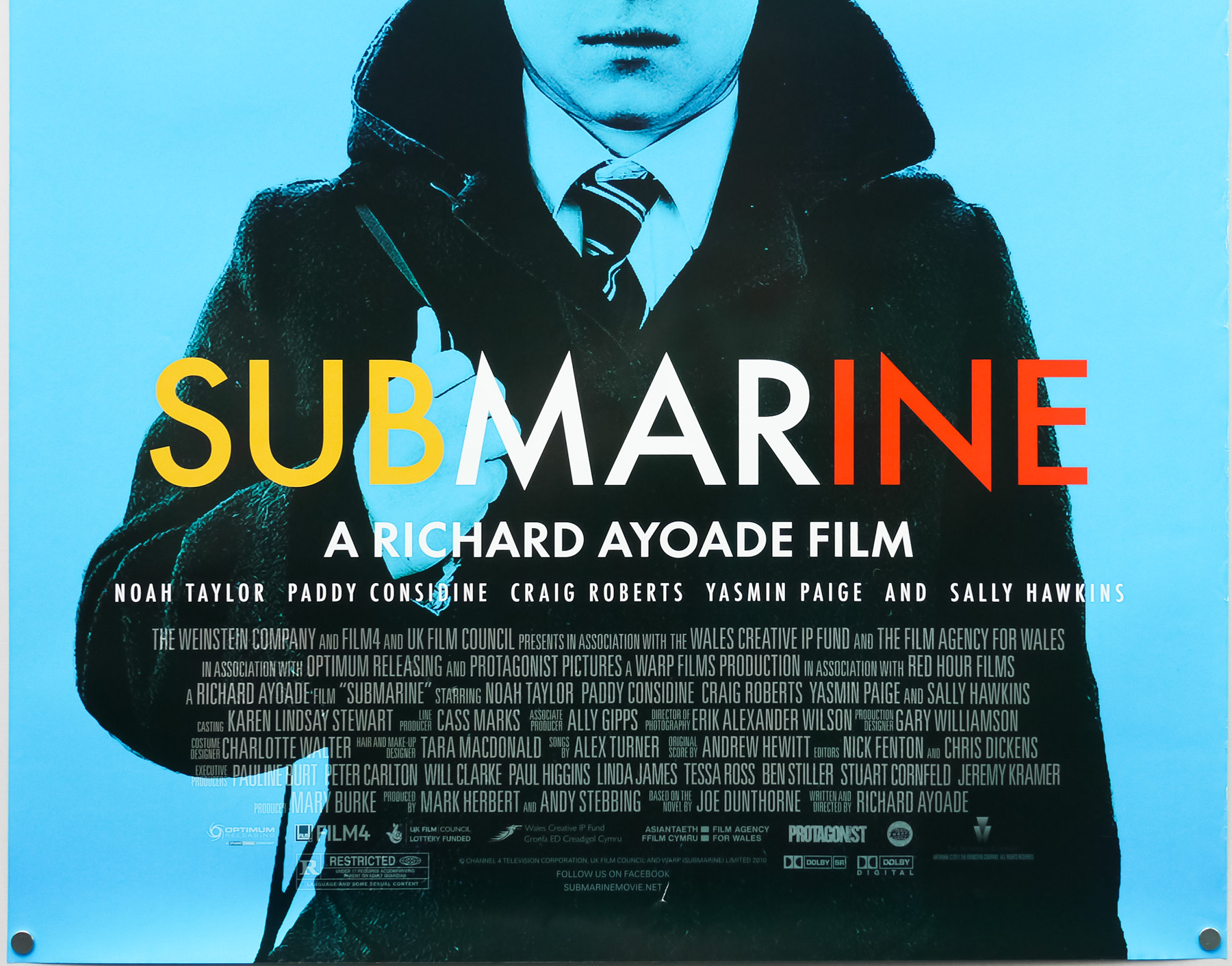
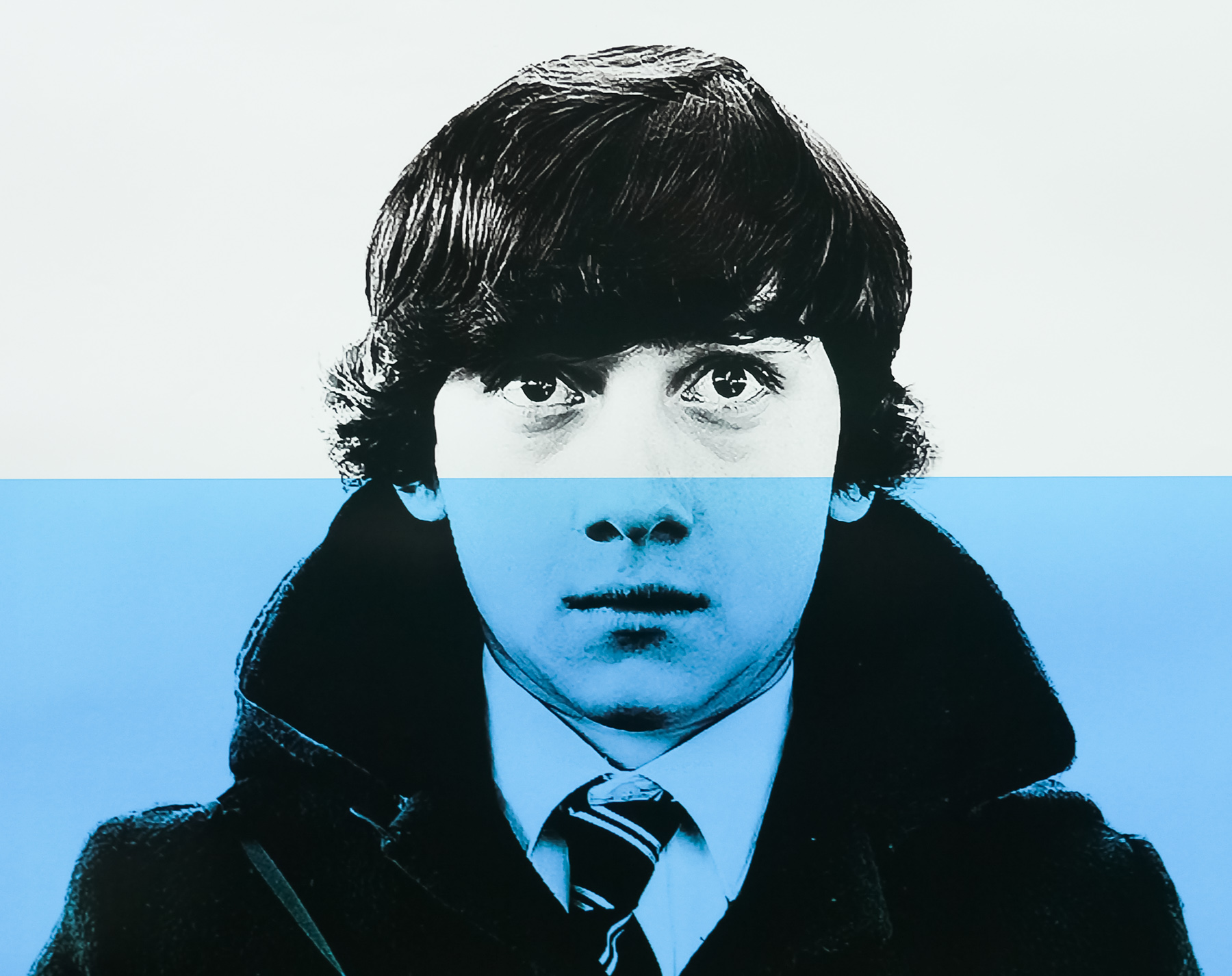
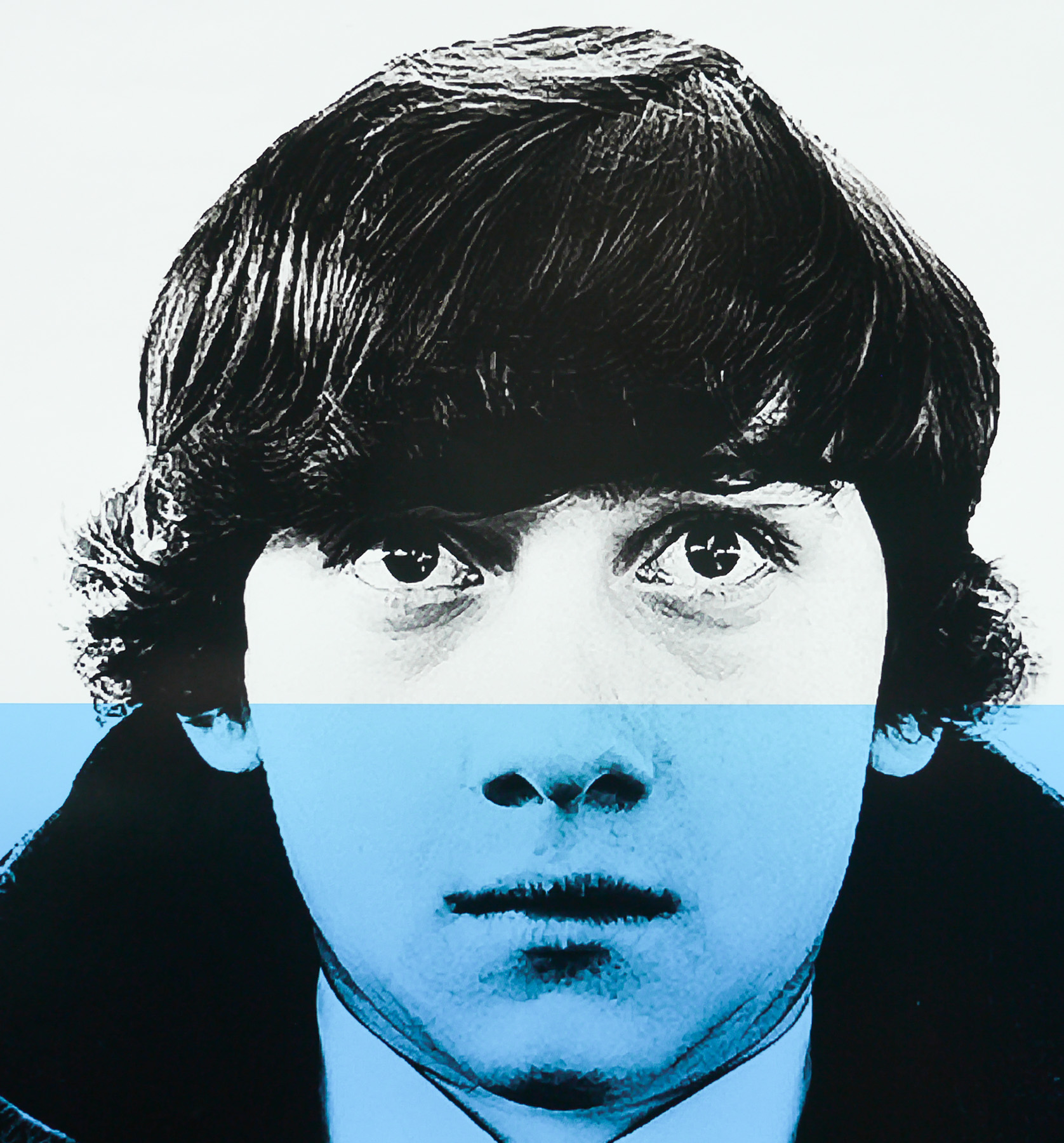
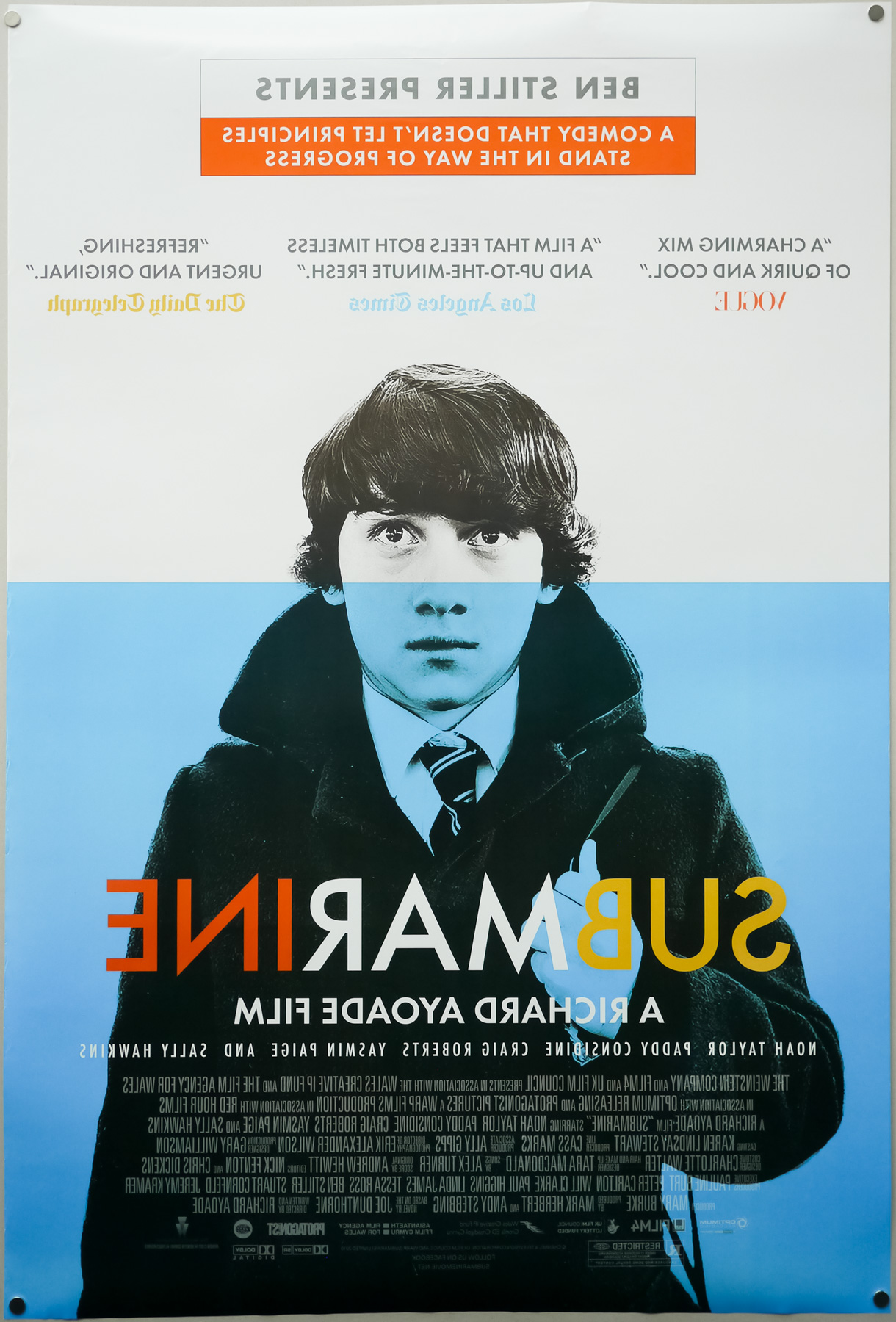
‘Underwater’ is simply but effectively conveyed using a single block of colour on this American one sheet for Richard Ayoade’s excellent British indie film, Submarine. It was the debut directorial effort from Ayoade, who was best known for his appearances on multiple British TV comedy shows, including The Mighty Boosh and The IT Crowd. The film is a coming-of-age comedy-drama featuring breakout performances by its two young leads, Craig Roberts and Yasmin Paige. Roberts plays Oliver Tate, a precocious and neurotic teenager who struggles to cope with life at home and school but when the sultry Jordana takes interest in him (initially as an act of revenge against another boy) Oliver’s world is turned upside down.

Not only must Oliver deal with swirling feelings of romance, excitement and anguish but his parents (played by Sally Hawkins and Noah Taylor) are also struggling with their relationship, particularly when one of his mother’s old flames, a brilliantly nutty new-age guru played by Paddy Considine, moves back in next door. The film wears its influences proudly on its sleeve and the cinema of the French New Wave clearly informed many Submarine’s quirkier scenes, whilst Oliver’s neurosis calls to mind vintage Woody Allen. The film is set in Swansea and Ayoade and his cinematographer Erik Wilson make excellent use of locations, whilst the soundtrack is absolutely perfect and features several tracks from Arctic Monkeys’ frontman Alex Turner. If you’re yet to see the film I highly recommend tracking it down.

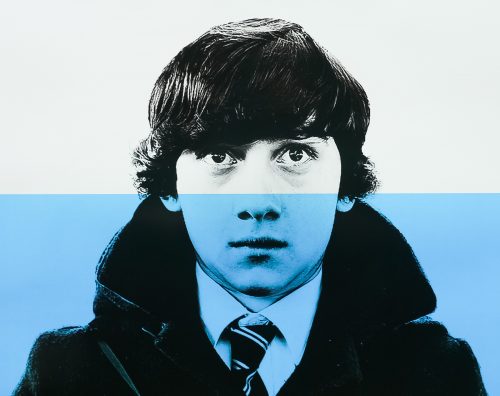
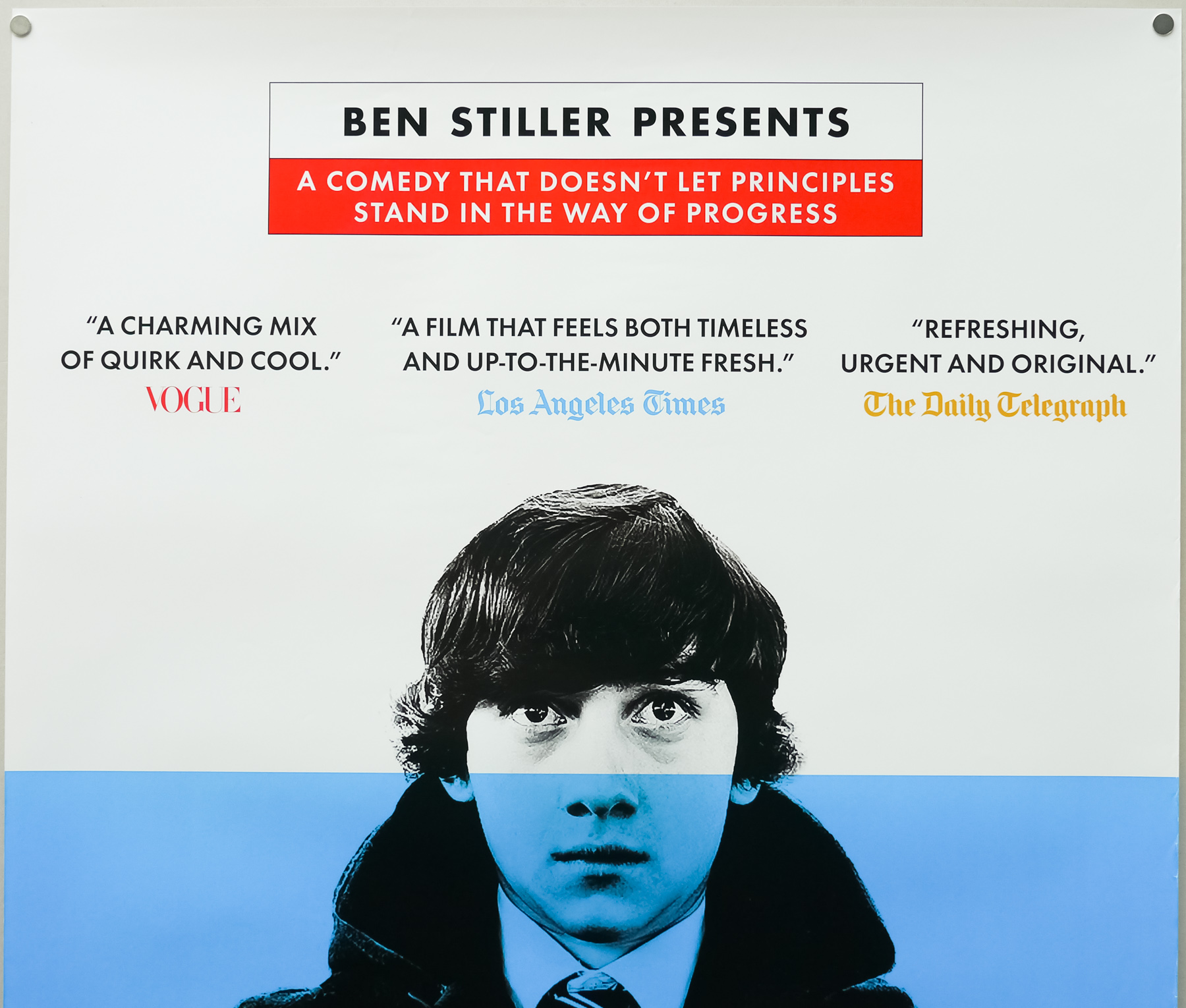
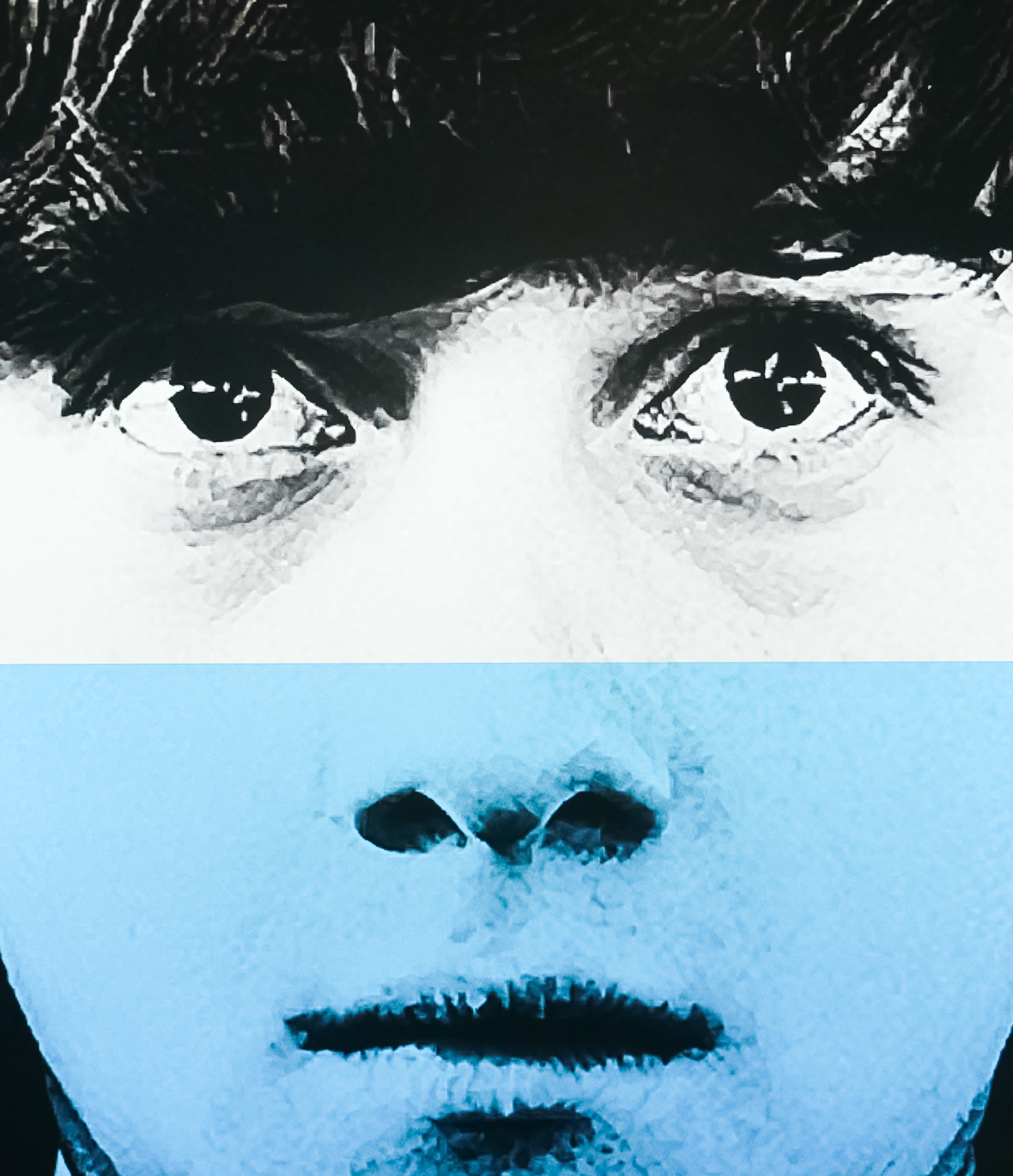
I’m unsure who is responsible for this poster and if you look at the closeups you’ll notice that the image of Oliver appears to have actually been illustrated. I had assumed it was simply a photograph but if anyone knows anything more about who put this together I’d appreciate it if you’d get in touch.

The trailer is on YouTube.

They Live / one sheet / USA

22.02.13

Poster Poster
Title
They Live
AKA
Invasion Los Angeles (France)
Year of Film
1988
Director
John Carpenter
Starring
Roddy Piper, Keith David, Meg Foster, Raymond St. Jacques, Peter Jason, Sy Richardson, George 'Buck' Flower
Origin of Film
USA
Genre(s) of Film
Roddy Piper, Keith David, Meg Foster, Raymond St. Jacques, Peter Jason, Sy Richardson, George 'Buck' Flower,
Type of Poster
One sheet
Style of Poster
--
Origin of Poster
USA
Year of Poster
1988
Designer
Unknown
Artist
--
Size (inches)
27 2/16" x 39 9/16"
SS or DS
DS
NSS #
880134
Tagline
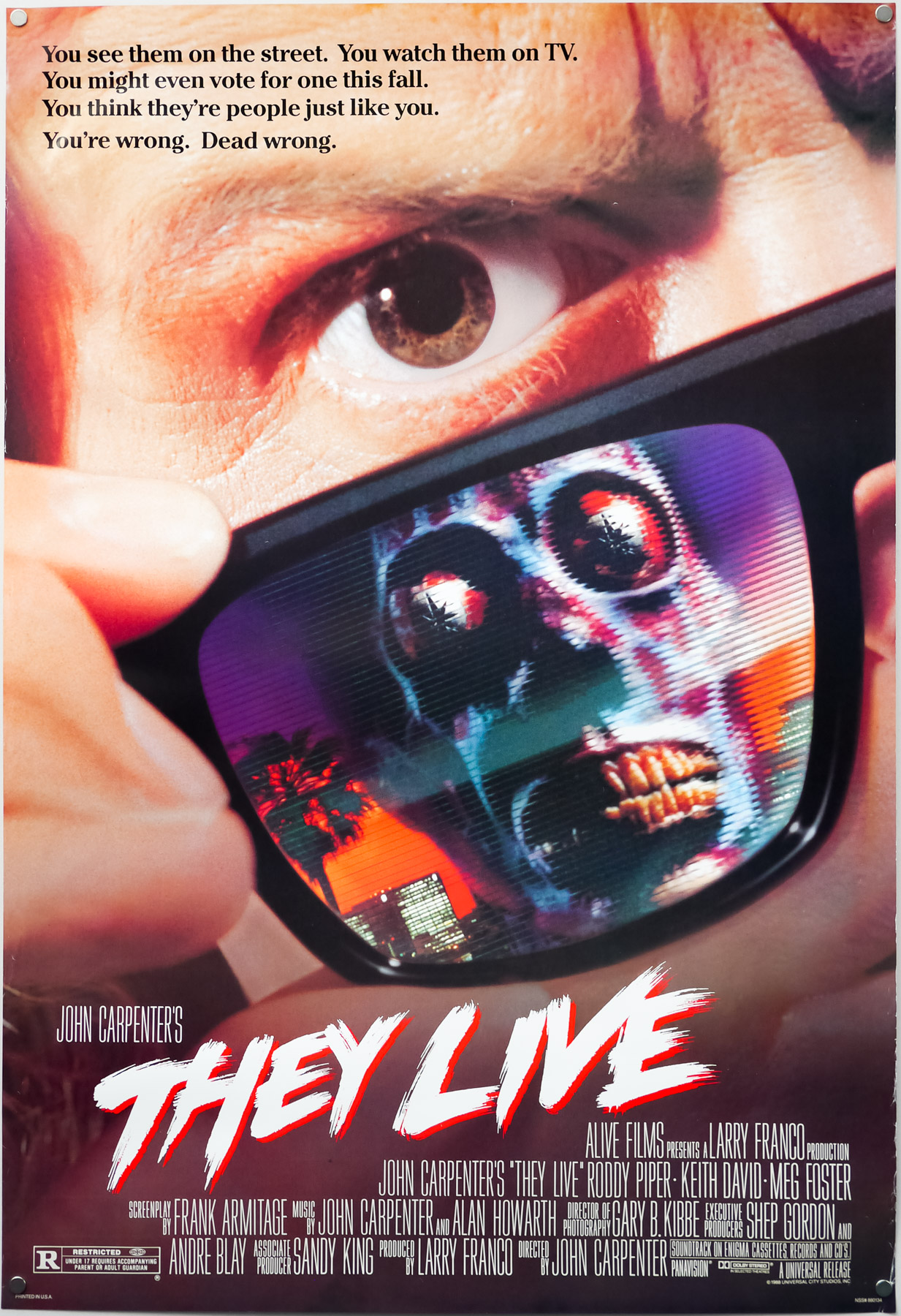
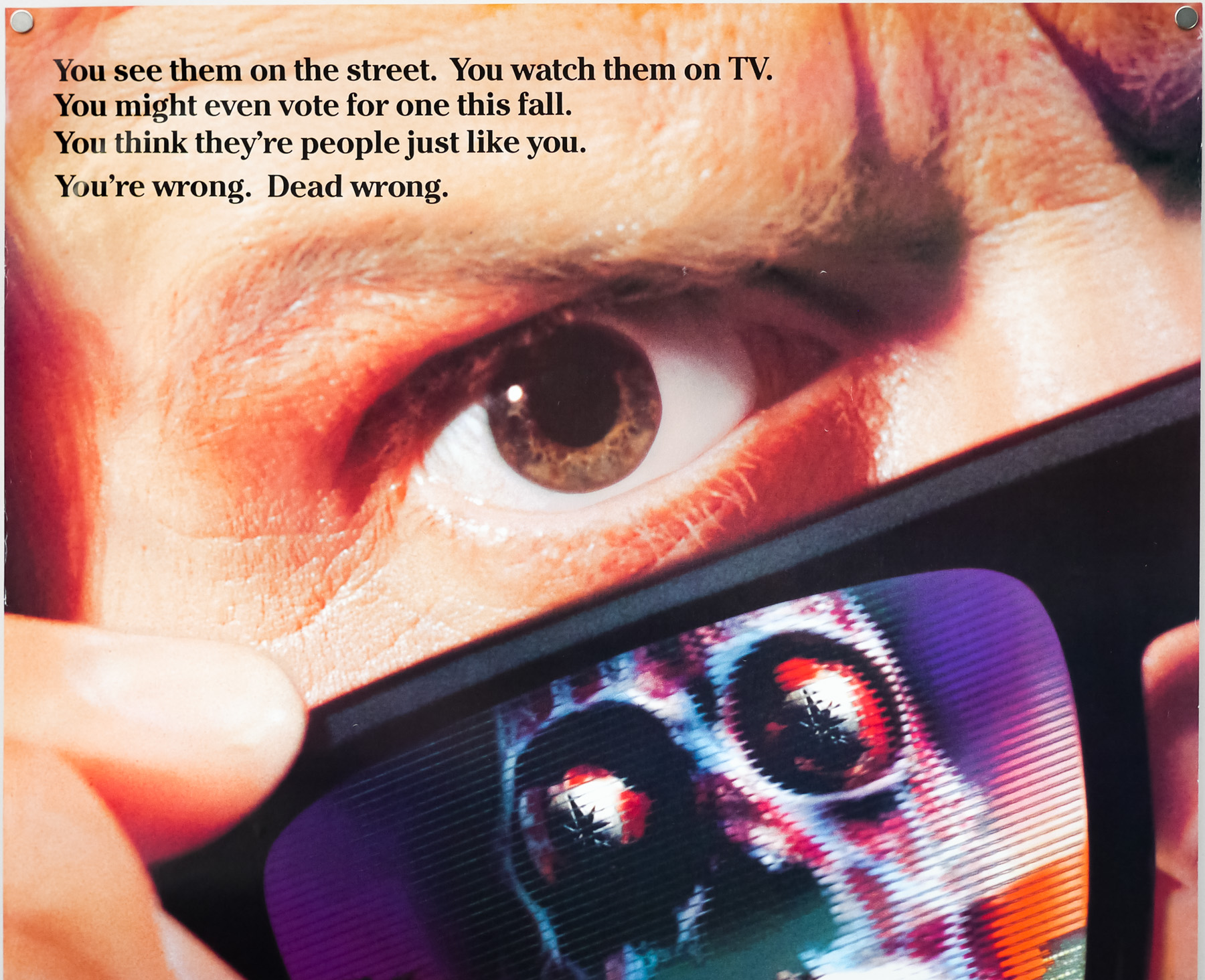
You see them on the street. You watch them on TV. You might even vote for one this fall. You think they're people just like you. You're wrong. Dead wrong.

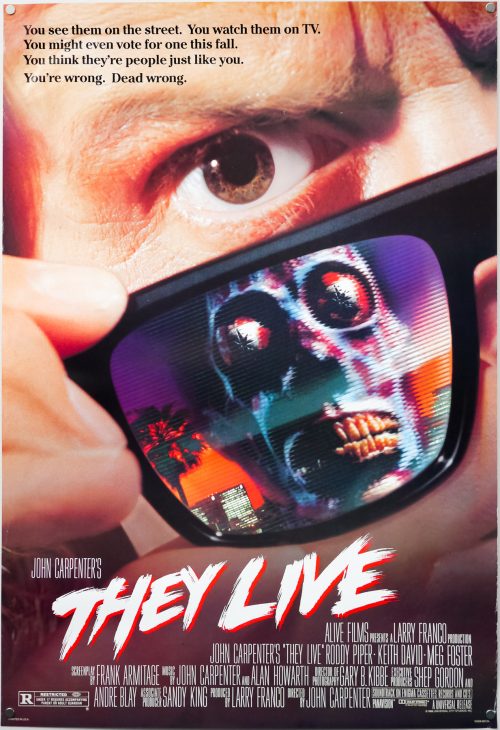
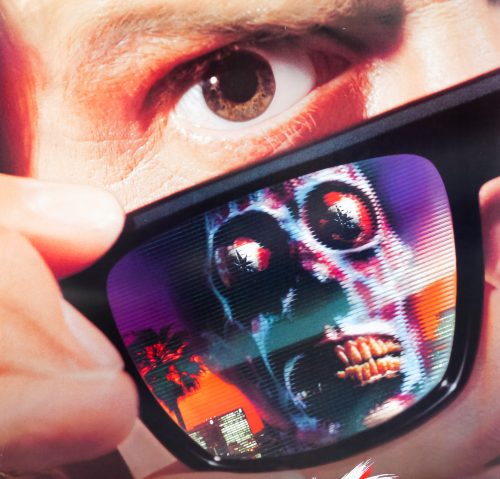
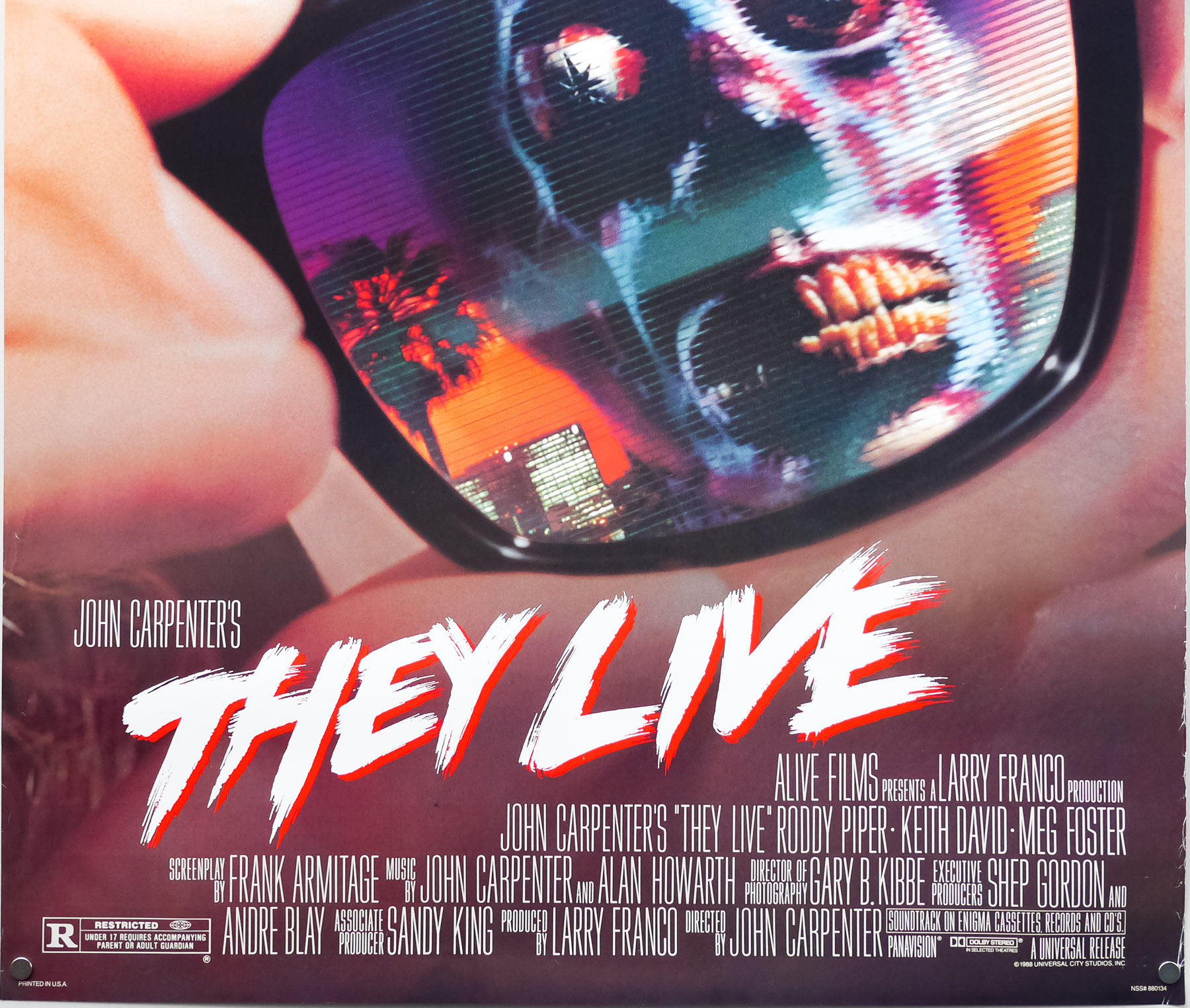
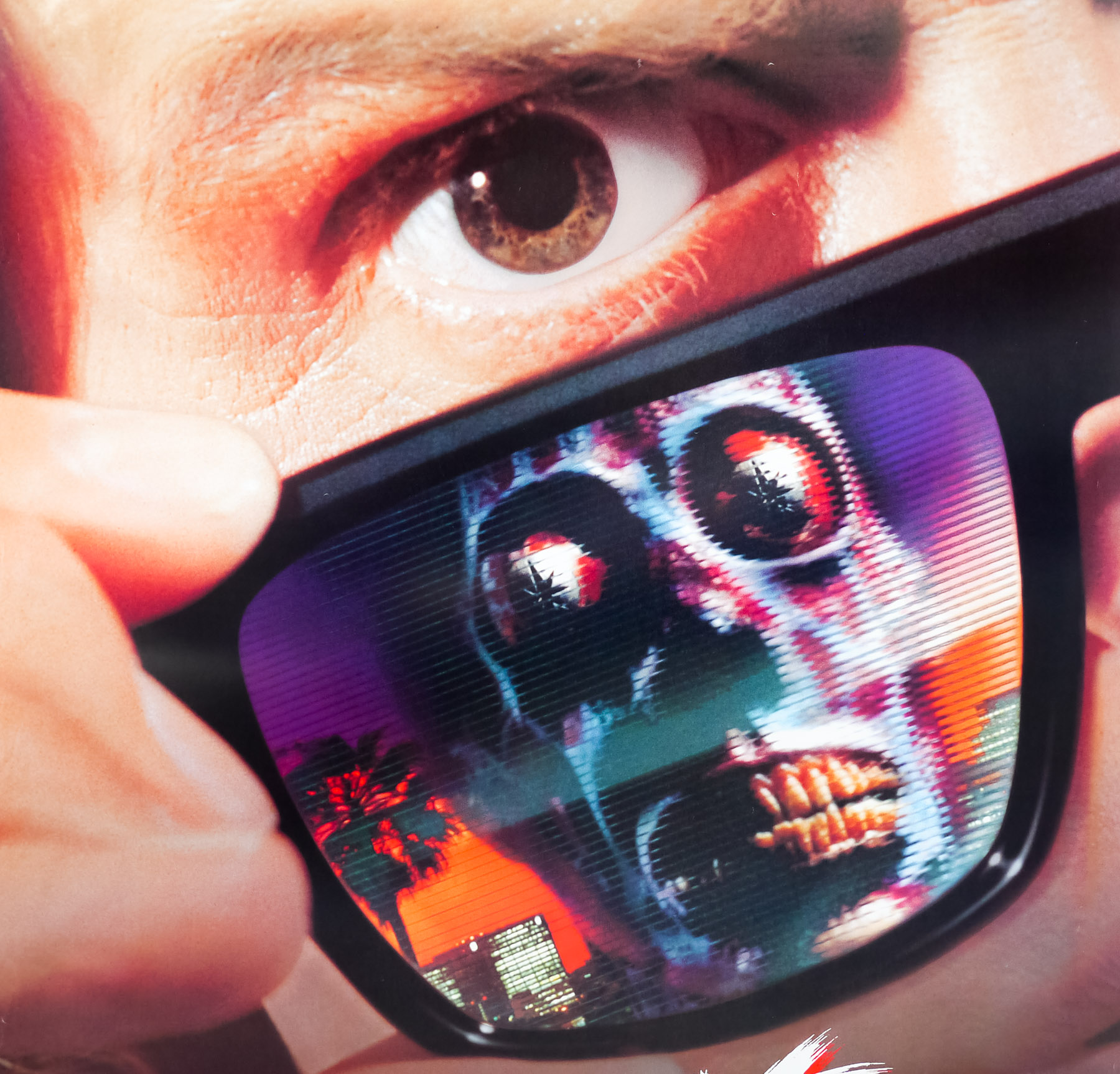
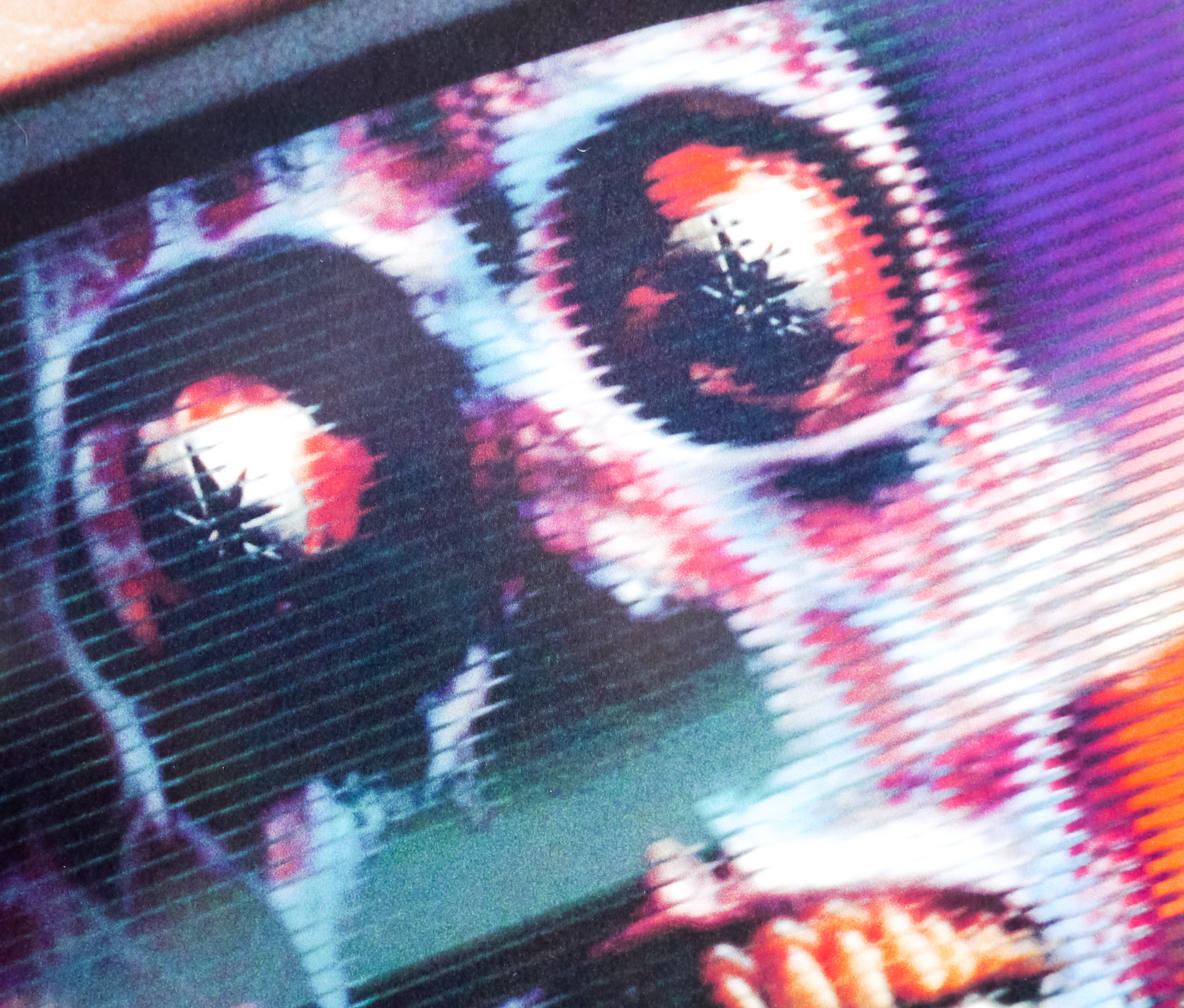
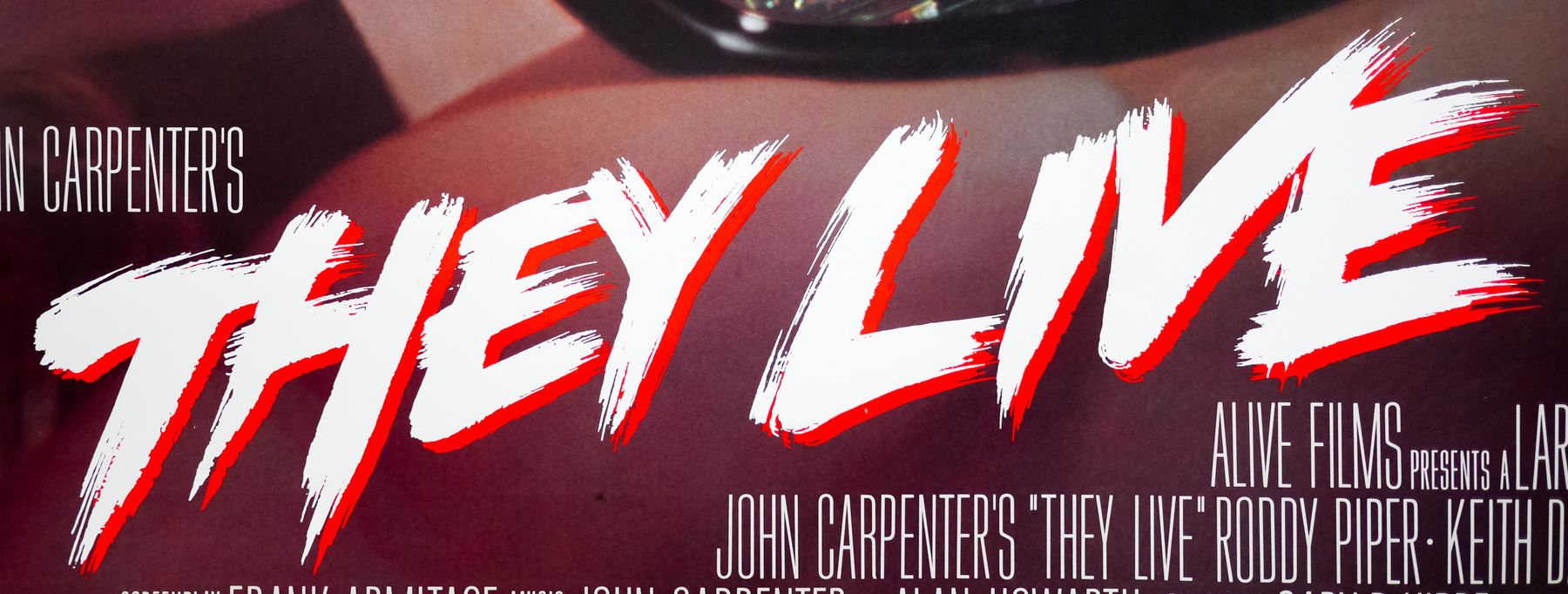
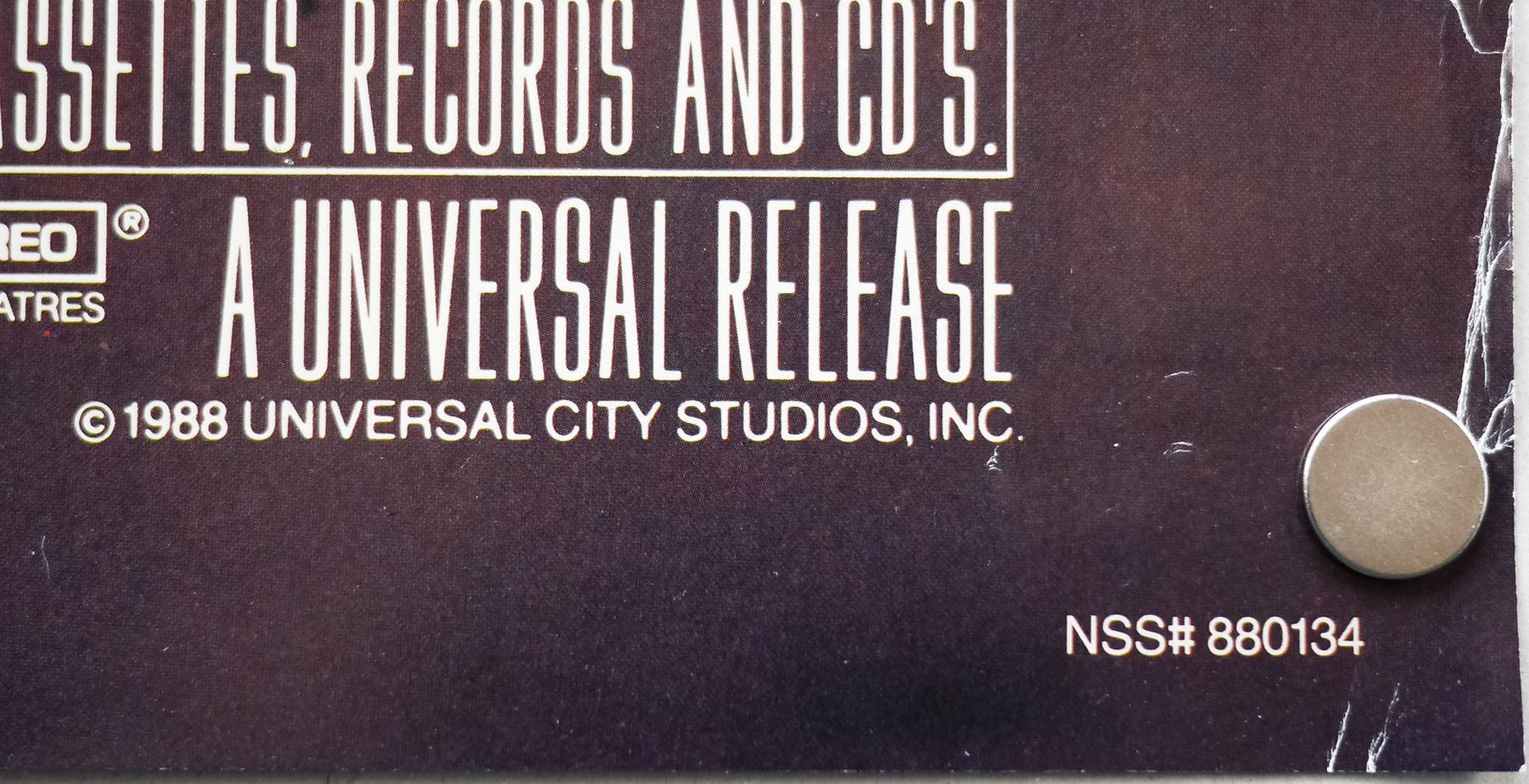
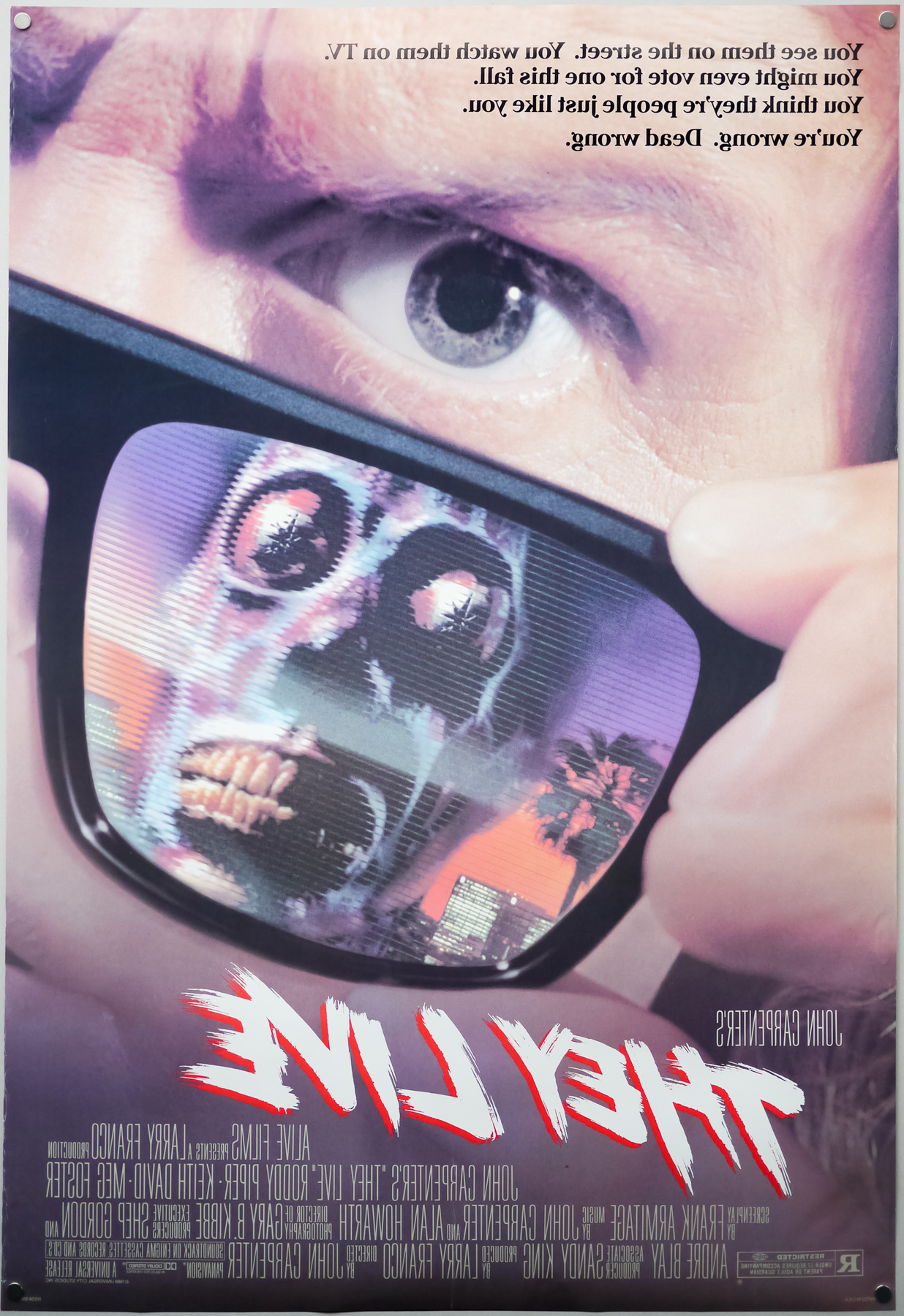
A great image on this American one sheet for John Carpenter‘s excellent sci-fi film They Live, in which a drifter (played by former wrestler Roddy Piper) finds a set of special sunglasses which reveal that aliens have taken over the earth and are subduing the general population through subliminal messages and signals. The film is famous for being the inspiration behind graphic designer Shephard Fairey‘s famous OBEY street art and clothing label, which is based on the hidden alien slogans only visible when the sunglasses are worn.

The film also features the infamous line “I have come here to chew bubblegum and kick ass…and I’m all out of bubblegum.”, which can be viewed here. There’s also the legendary fight between Nada (Piper) and Armitage (Keith David) that lasts over five minutes and was apparently proposed and choreographed by the two actors themselves.

Here’s the great original trailer.

To see the other John Carpenter posters I have collected click here.

Donnie Darko / one sheet / USA

04.03.13

Poster Poster

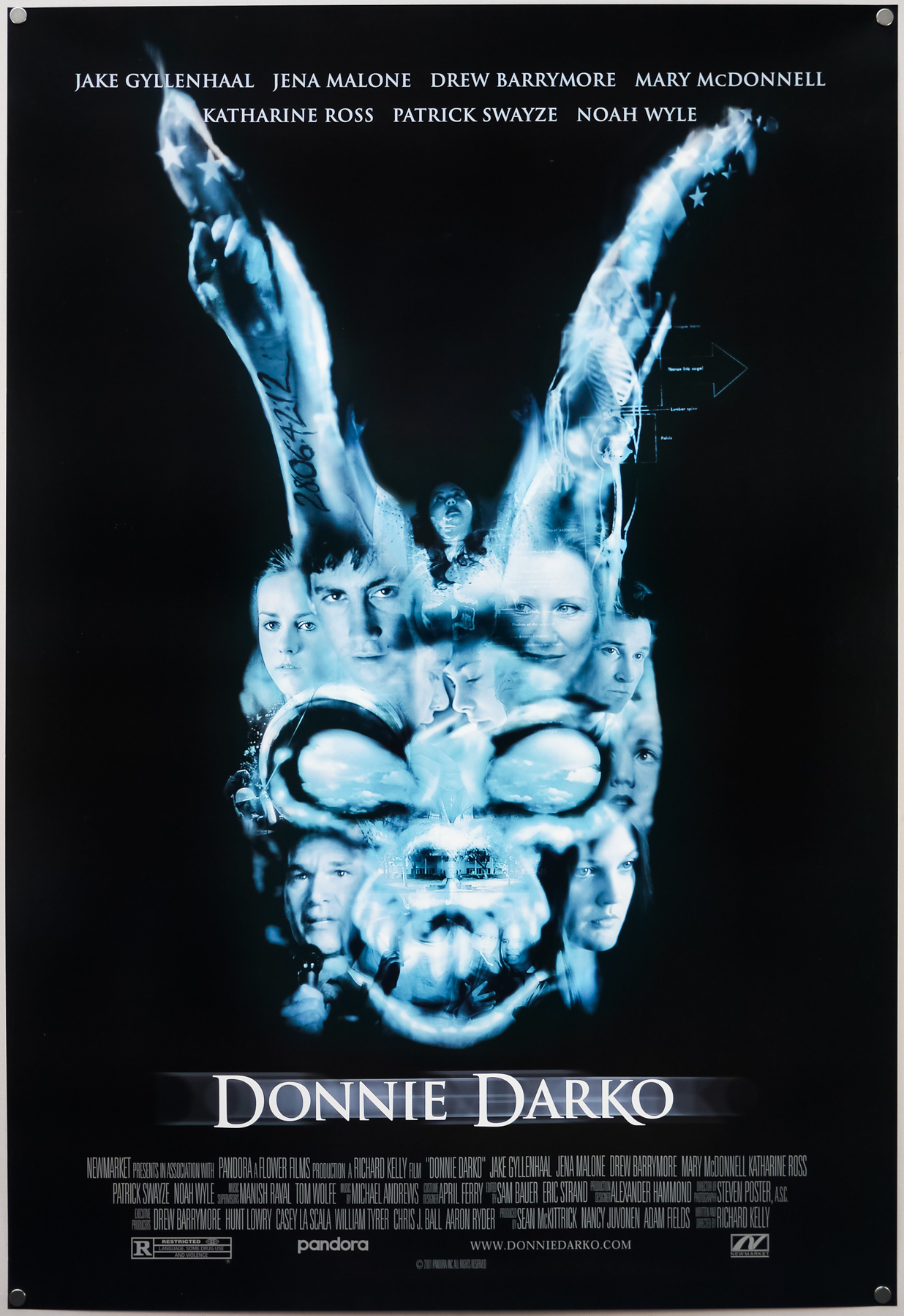
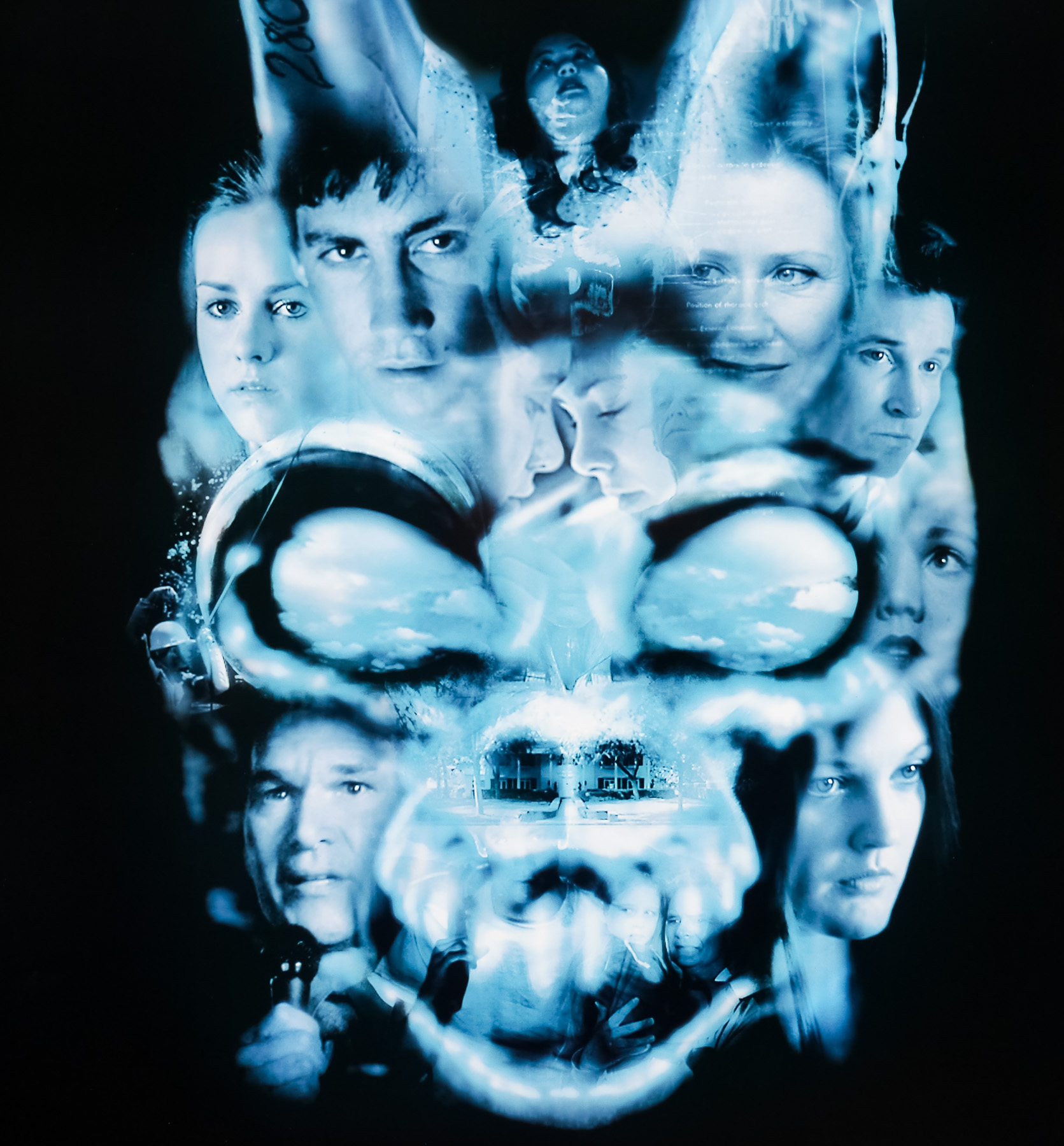
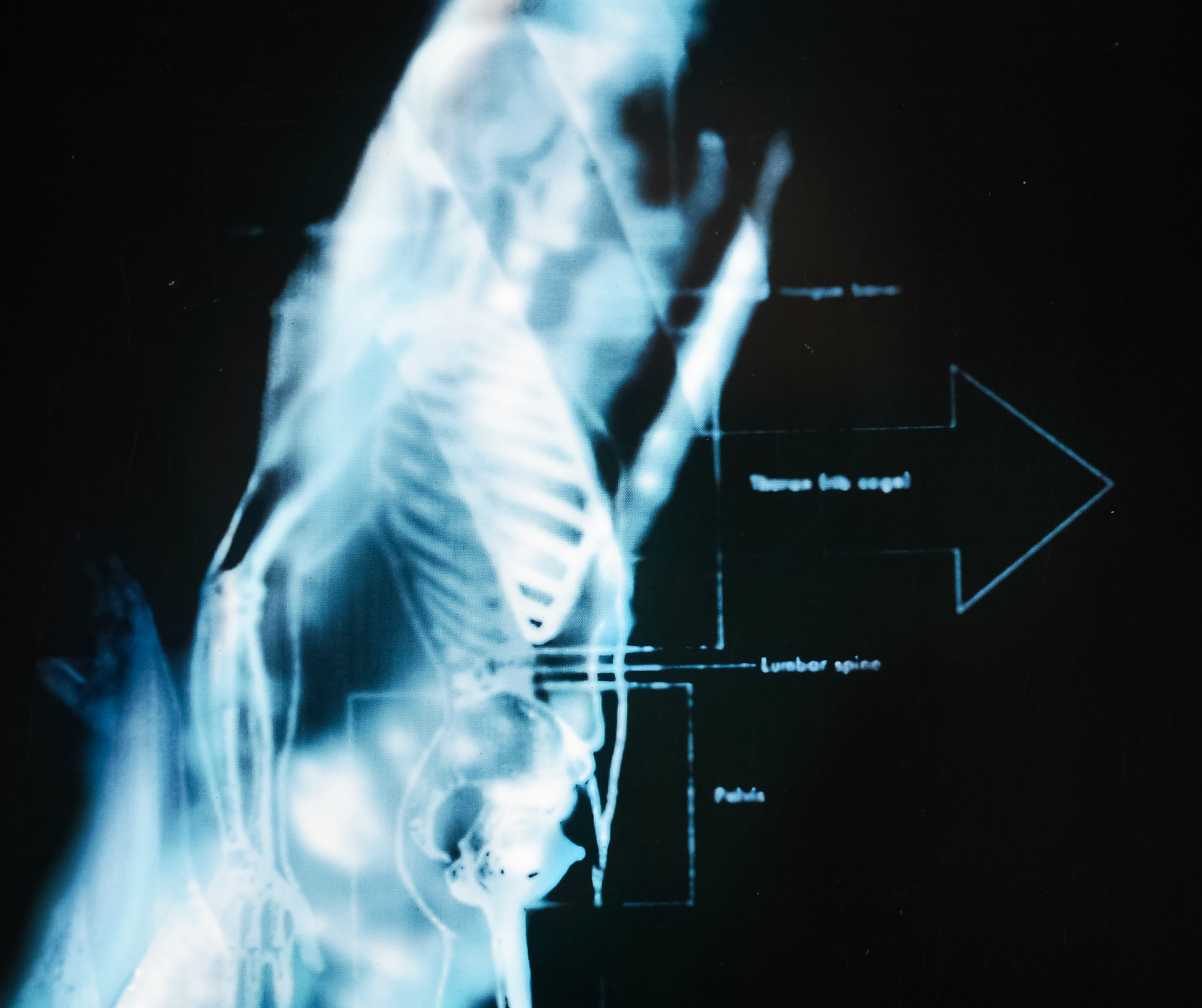
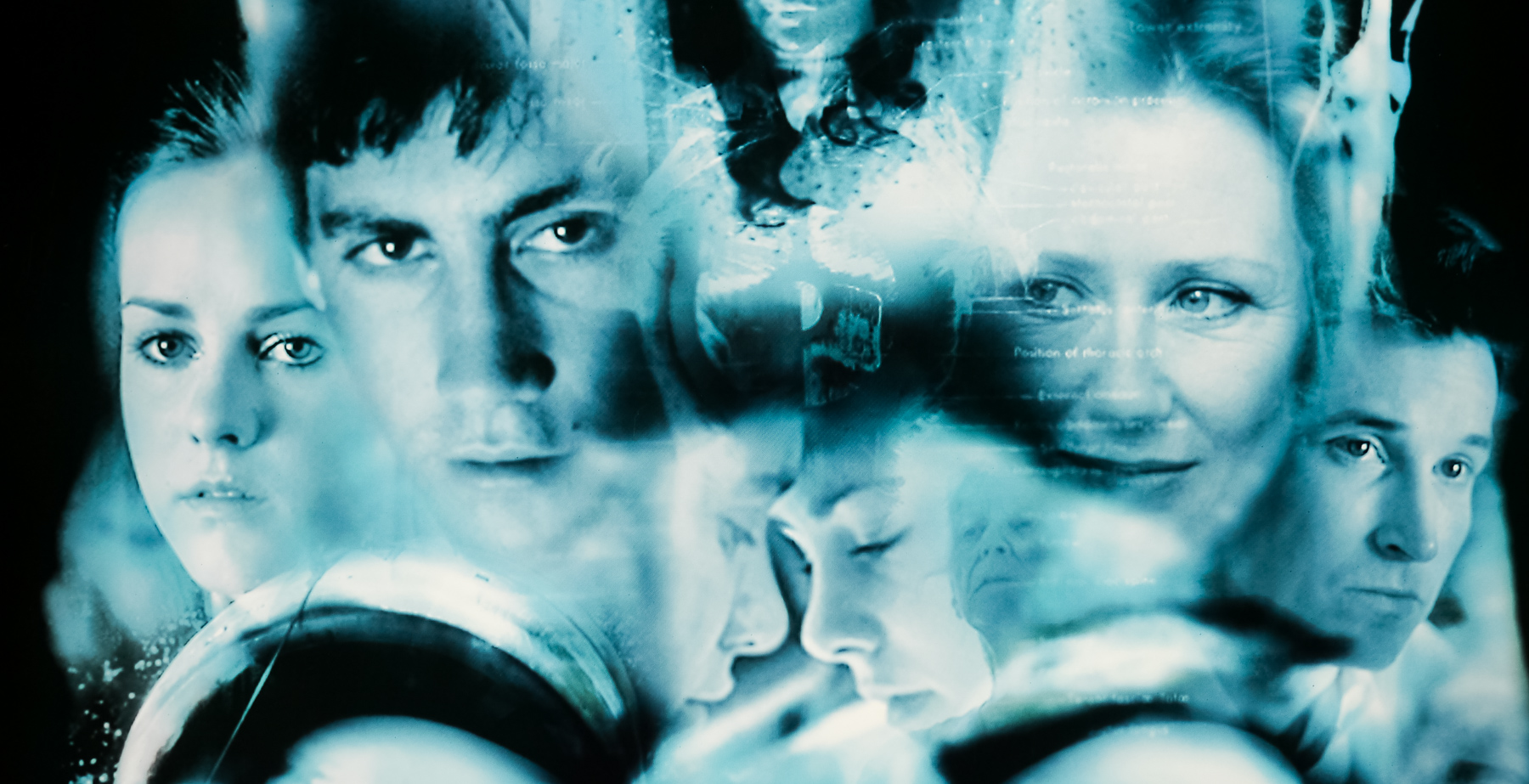
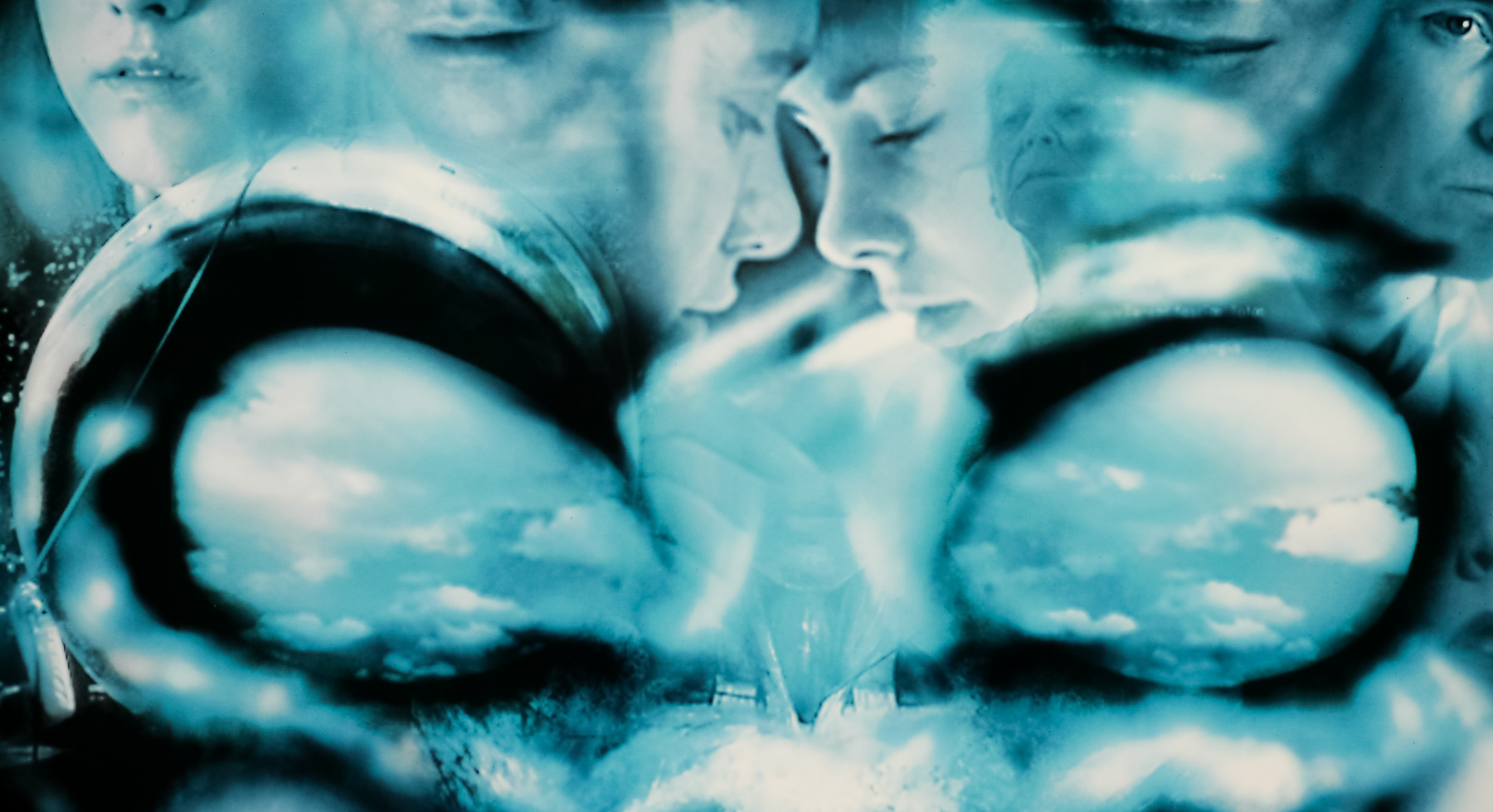
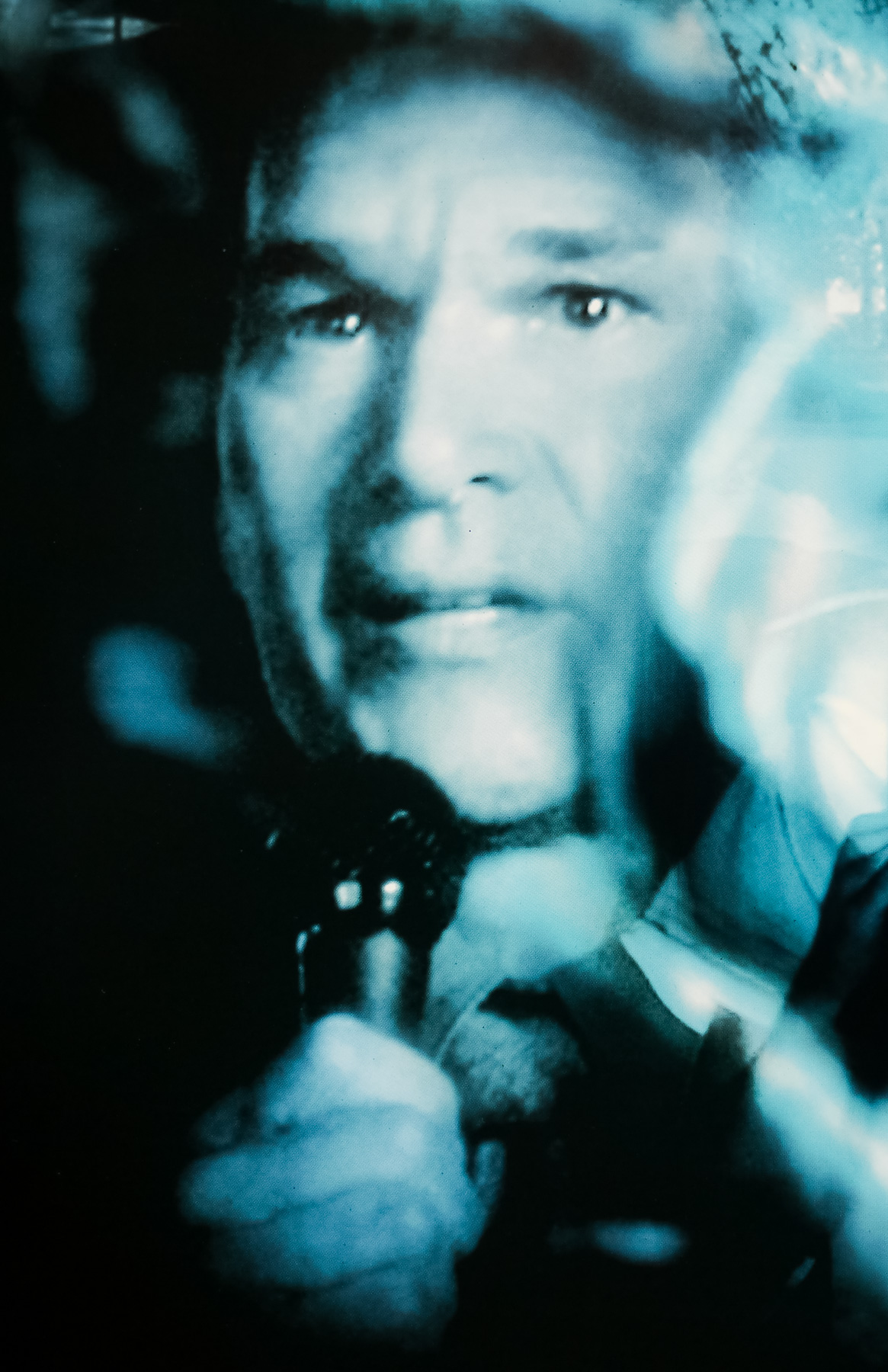
The debut film from writer-director Richard Kelly, Donnie Darko is a thought-provoking and genre-defying classic that has gained a strong cult-following since its release in 2001. Trying to describe the plot of the film is no easy task since it combines a coming-of-age teen storyline with a mind-bending alternate-reality/time-travel plot. The titular character is played by Jake Gyllenhaal who was only 21 at the time of release and the film was instrumental in catapulting him to stardom. Also appearing was Jake’s older sister Maggie Gyllenhaal who saw a similar boost to her already established career. In addition, the film had attracted a number of respected actors including Katharine RossMary McDonnell and the late Patrick Swayze, playing against type as a self-help guru with a dark secret.

Despite critical adulation (and a low-budget), Donnie Darko failed to break-even at the box-office due to a botched release in American cinemas in October 2001, not helped by the terrible tragedy that unfolded only a month before. The subsequent international release was delayed for over a year. The film’s success was cemented by its release on DVD following word of mouth raves from fans that saw the film’s details and meanings endlessly discussed online, and the 2004 release of a director’s cut also helped to spread the cult of Darko.

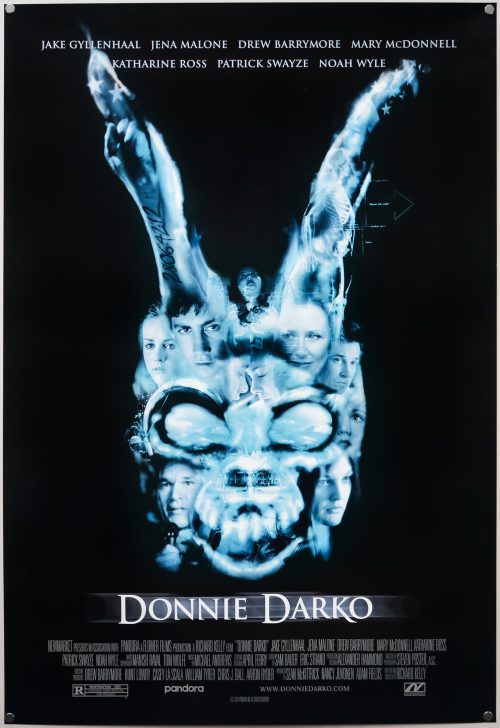
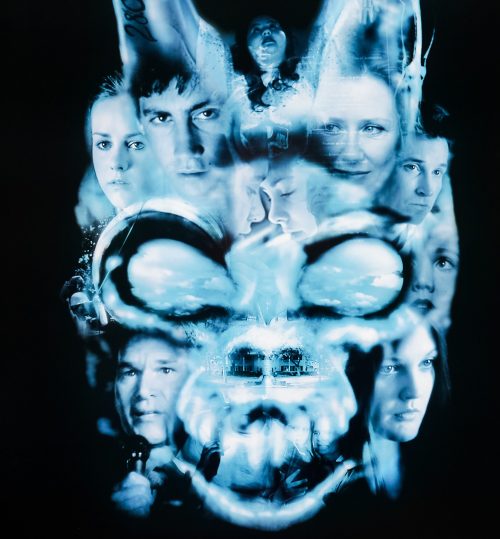
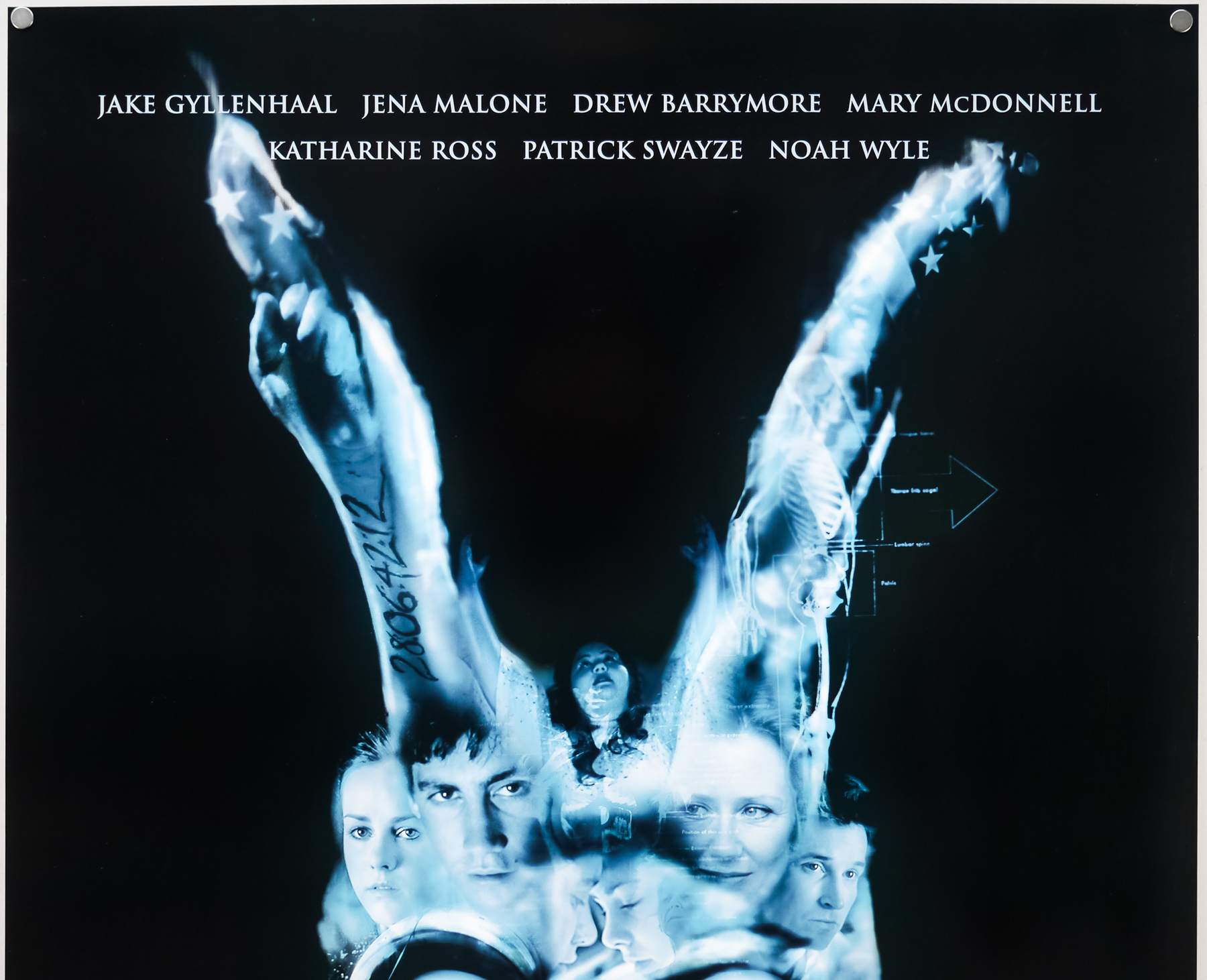
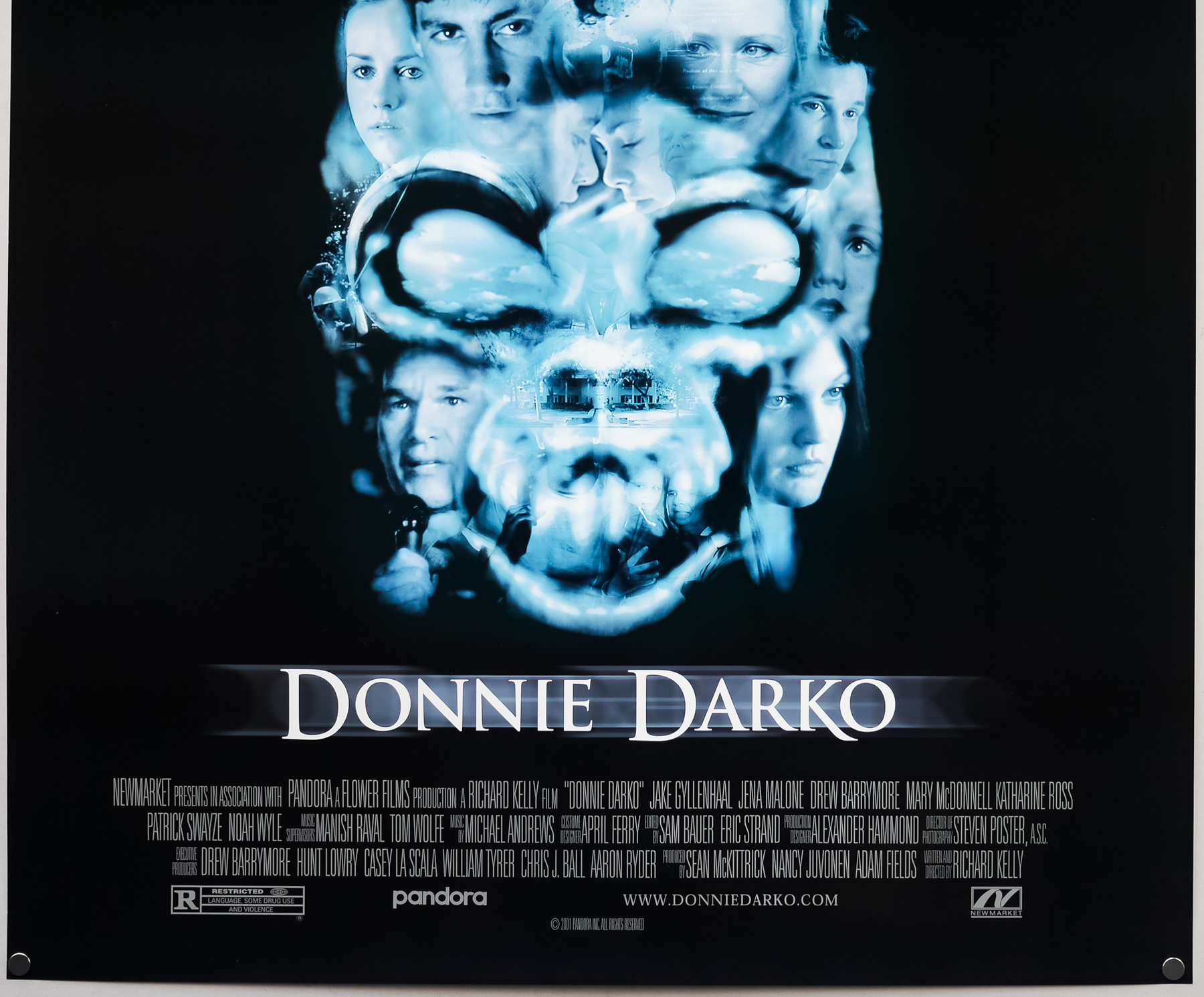
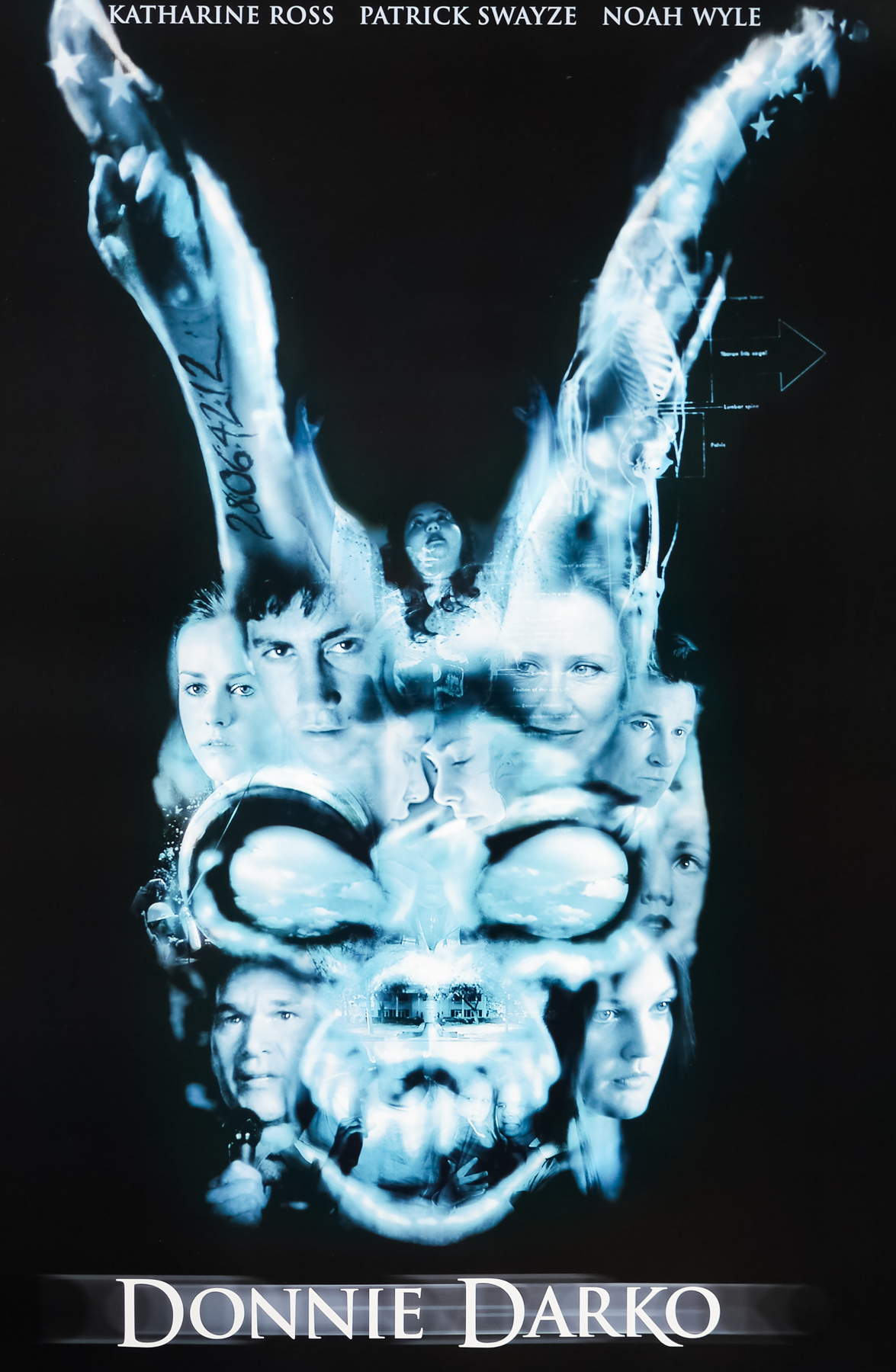
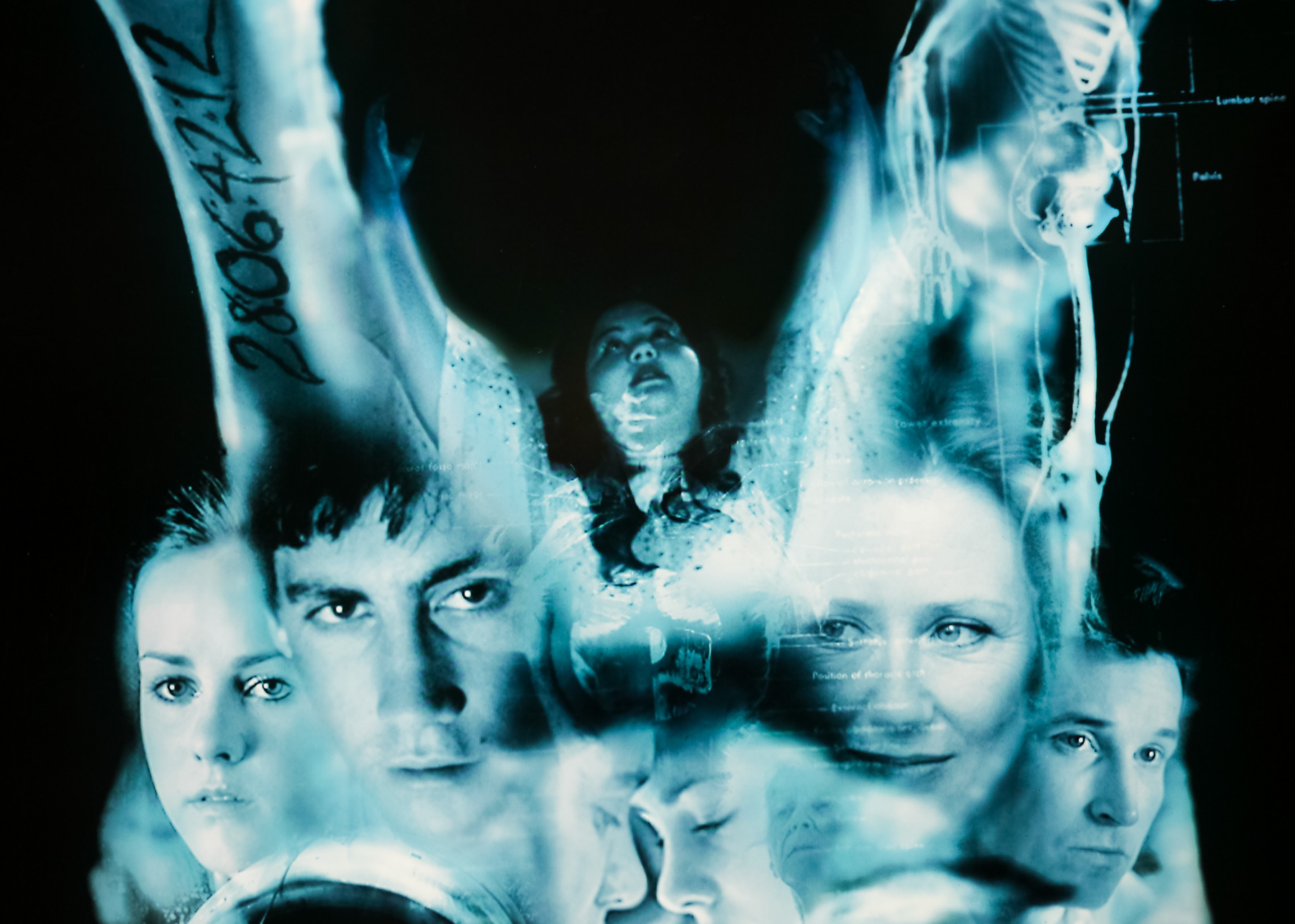
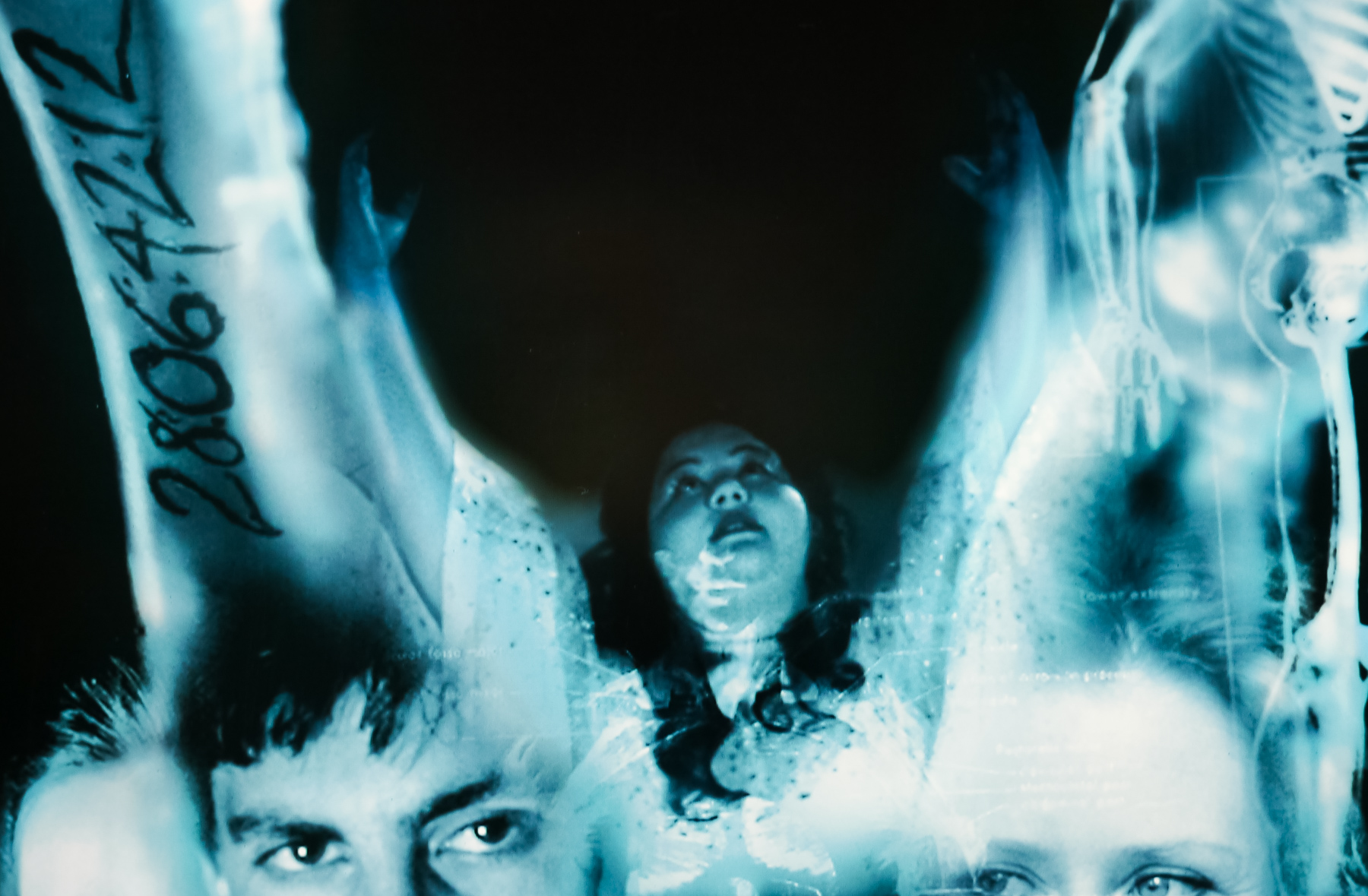
This excellent American one sheet features a montage of characters and scenes from the film that together form the head of the ‘evil rabbit’ Halloween costume worn by Frank (James Duval) one of the film’s integral characters. It was designed by the Los Angeles-based design agency KO Creative that was apparently formed only a year before this film’s release. They designed a couple of one sheets for the film, including this one (IMPAwards actually features a slightly alternate version) and another poster that was apparently used for the film’s release at the Sundance festival in early 2001.

Black Hooker / one sheet / USA

15.05.13

Poster Poster
Title
Black Hooker
AKA
Streets Sisters (USA - alternative title) | Black Mama (USA - video title) | Don't Leave Go My Hand (USA - alternative title)
Year of Film
1974
Director
Arthur Roberson
Starring
Sandra Alexandra, Jeff Burton, Kathryn Jackson, Teddy Quinn, Gioya Roberson, Durey Mason, Mary Reed, Alan Bass
Origin of Film
USA
Genre(s) of Film
Sandra Alexandra, Jeff Burton, Kathryn Jackson, Teddy Quinn, Gioya Roberson, Durey Mason, Mary Reed, Alan Bass,
Type of Poster
One sheet
Style of Poster
--
Origin of Poster
USA
Year of Poster
1974
Designer
Clyde Knudson
Artist
Unknown
Size (inches)
27 1/16" x 41"
SS or DS
SS
NSS #
--
Tagline
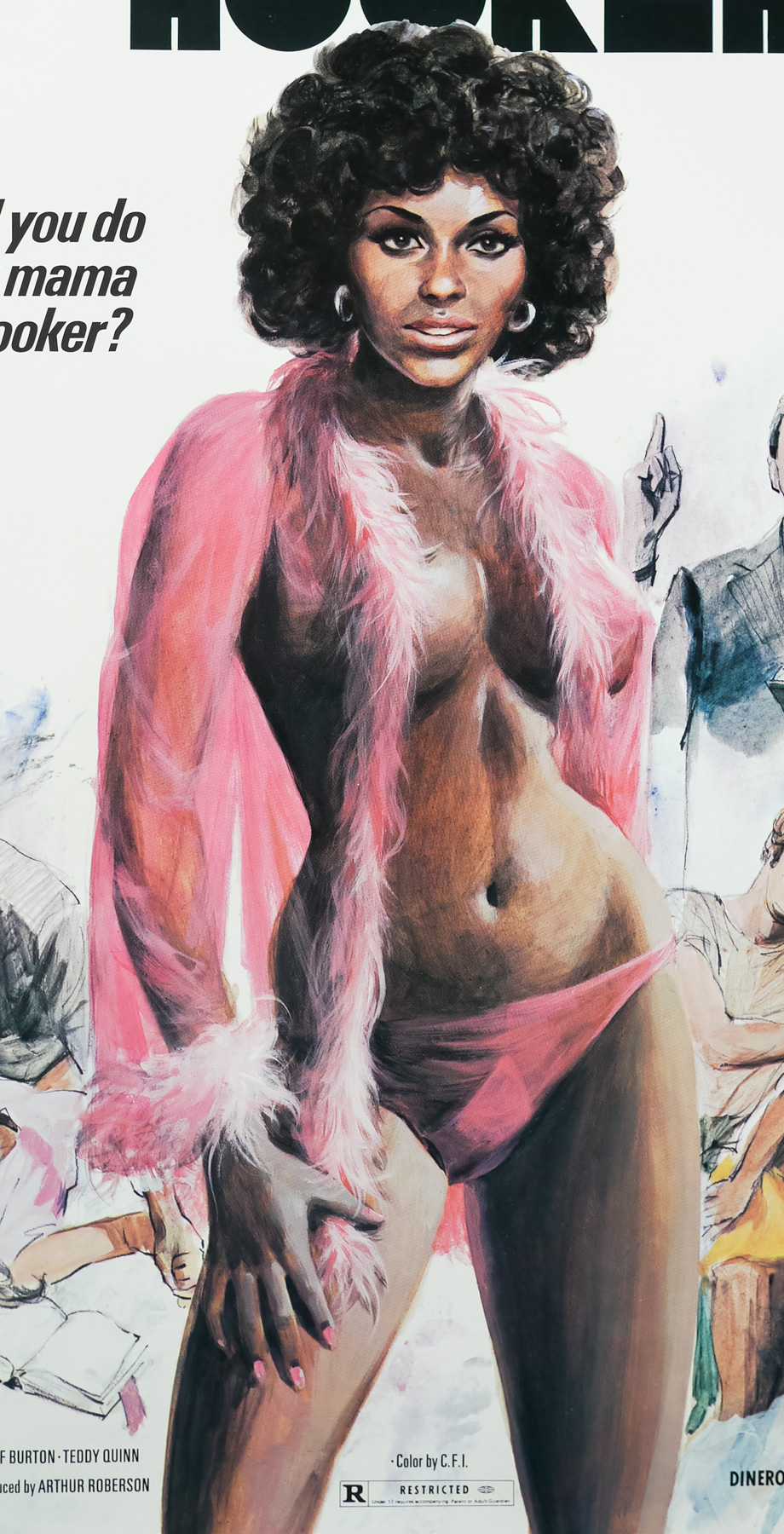
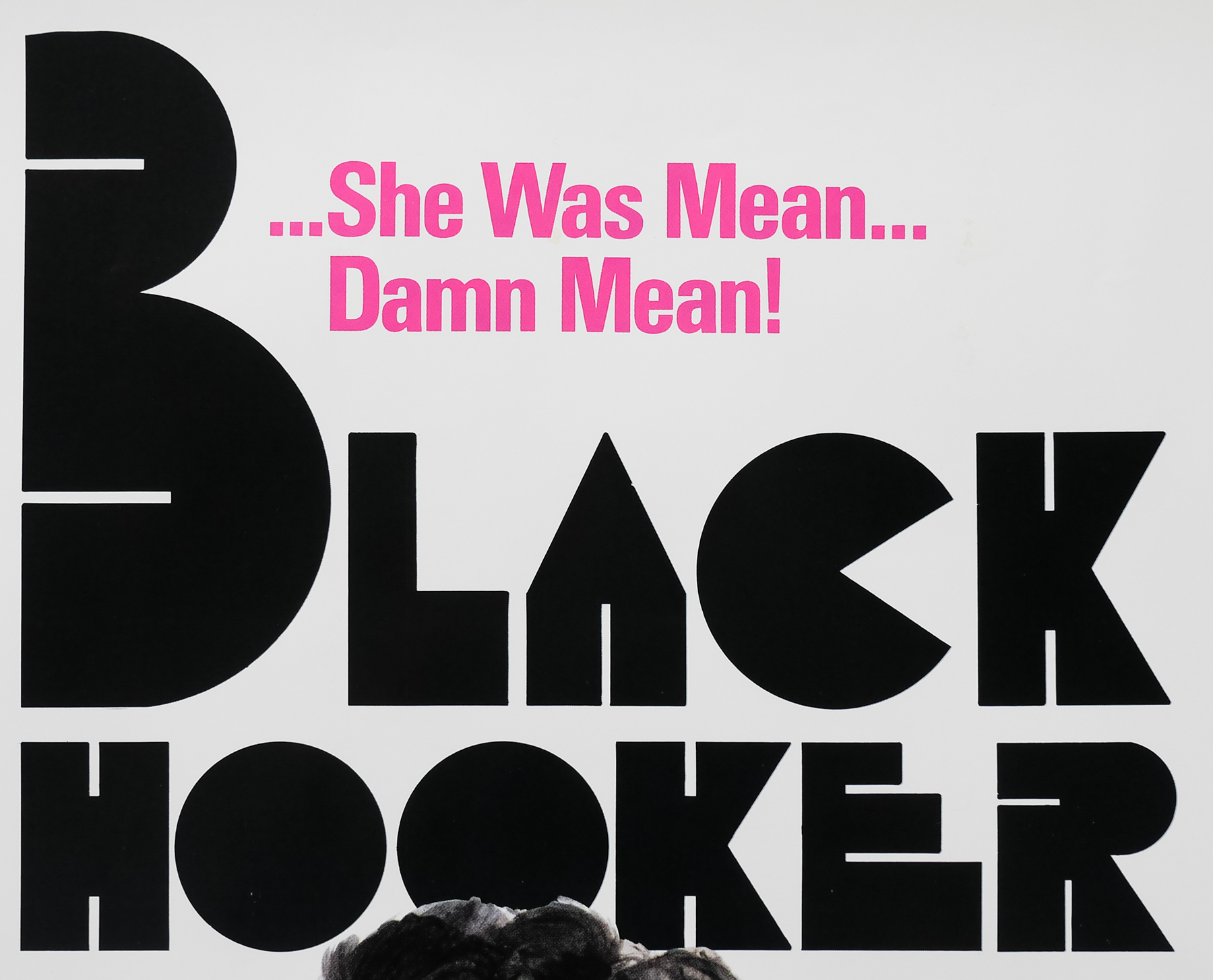
She was lovable... She Was Mean.... Damn mean! | What would you do if your mama was a hooker?

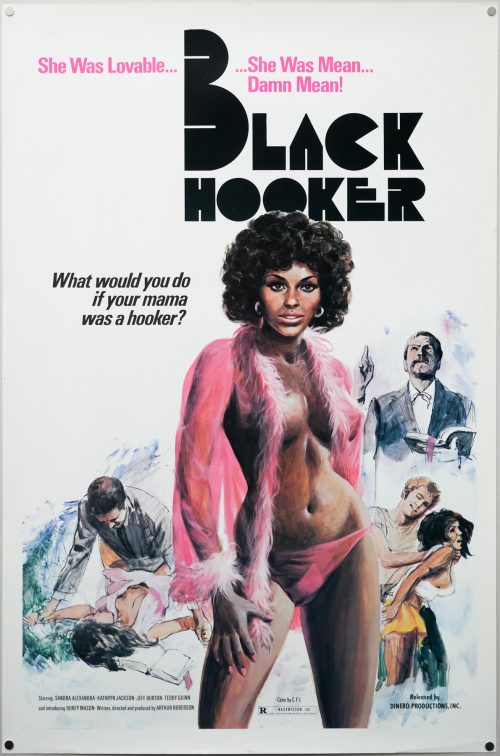
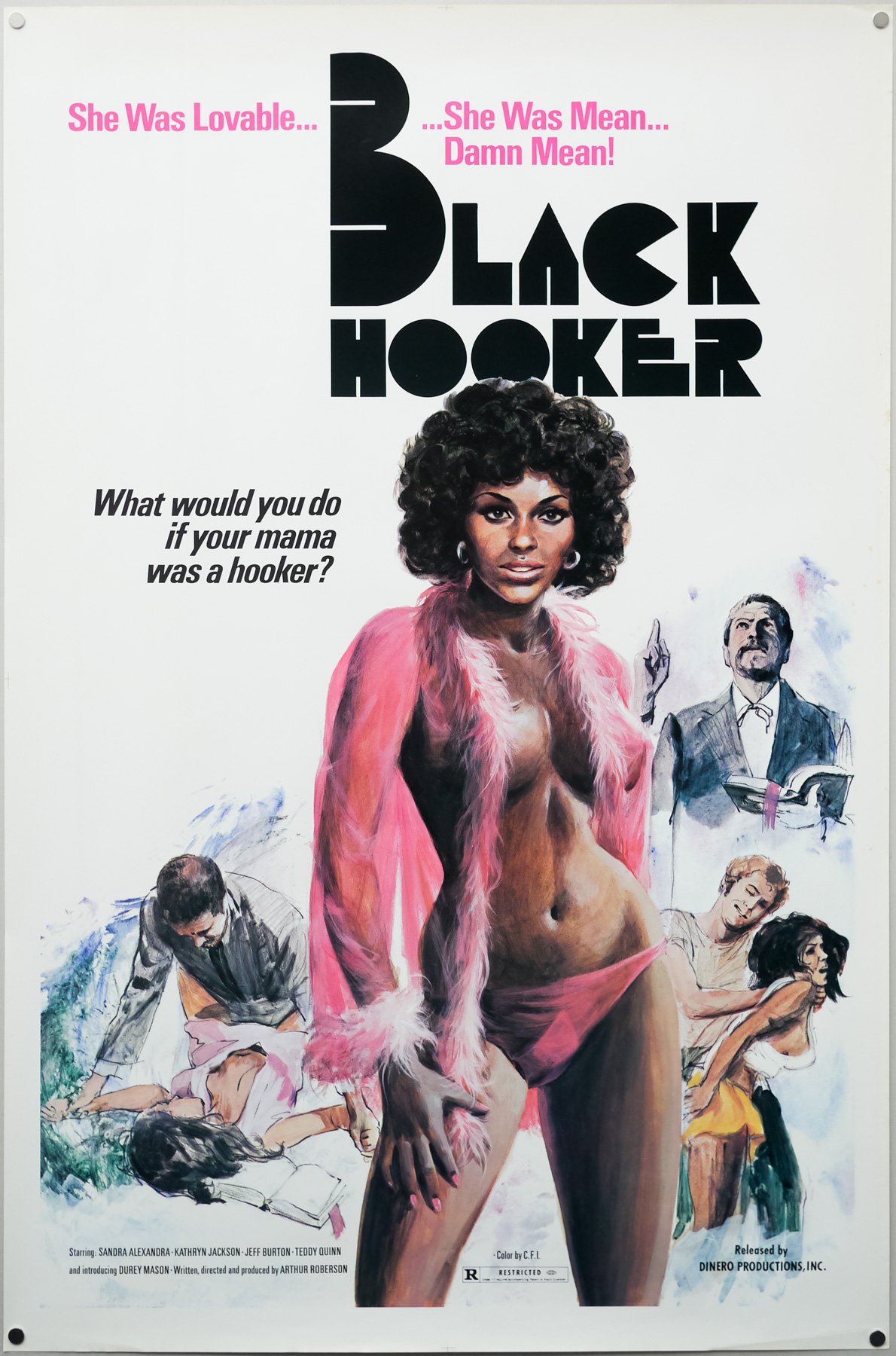
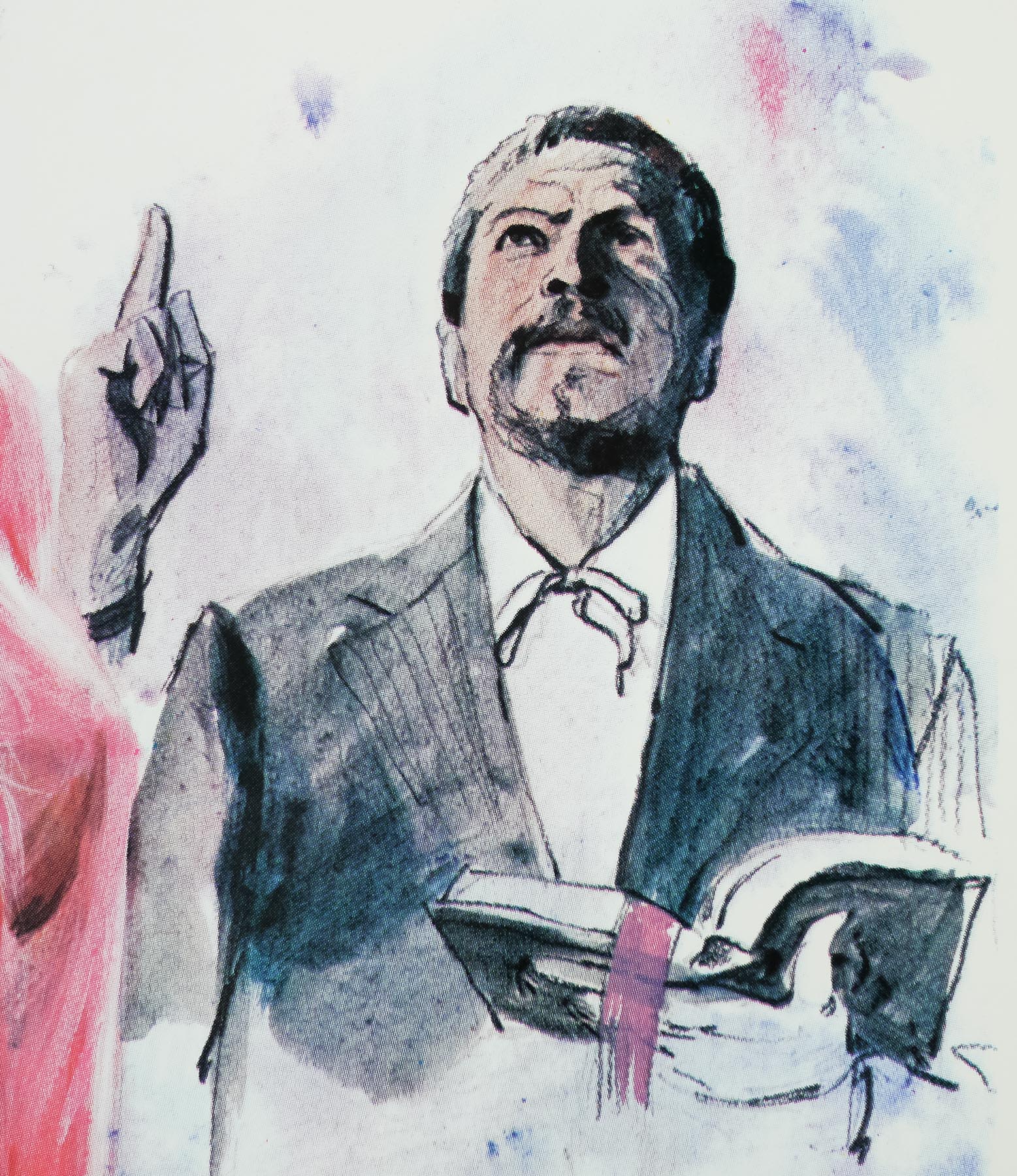
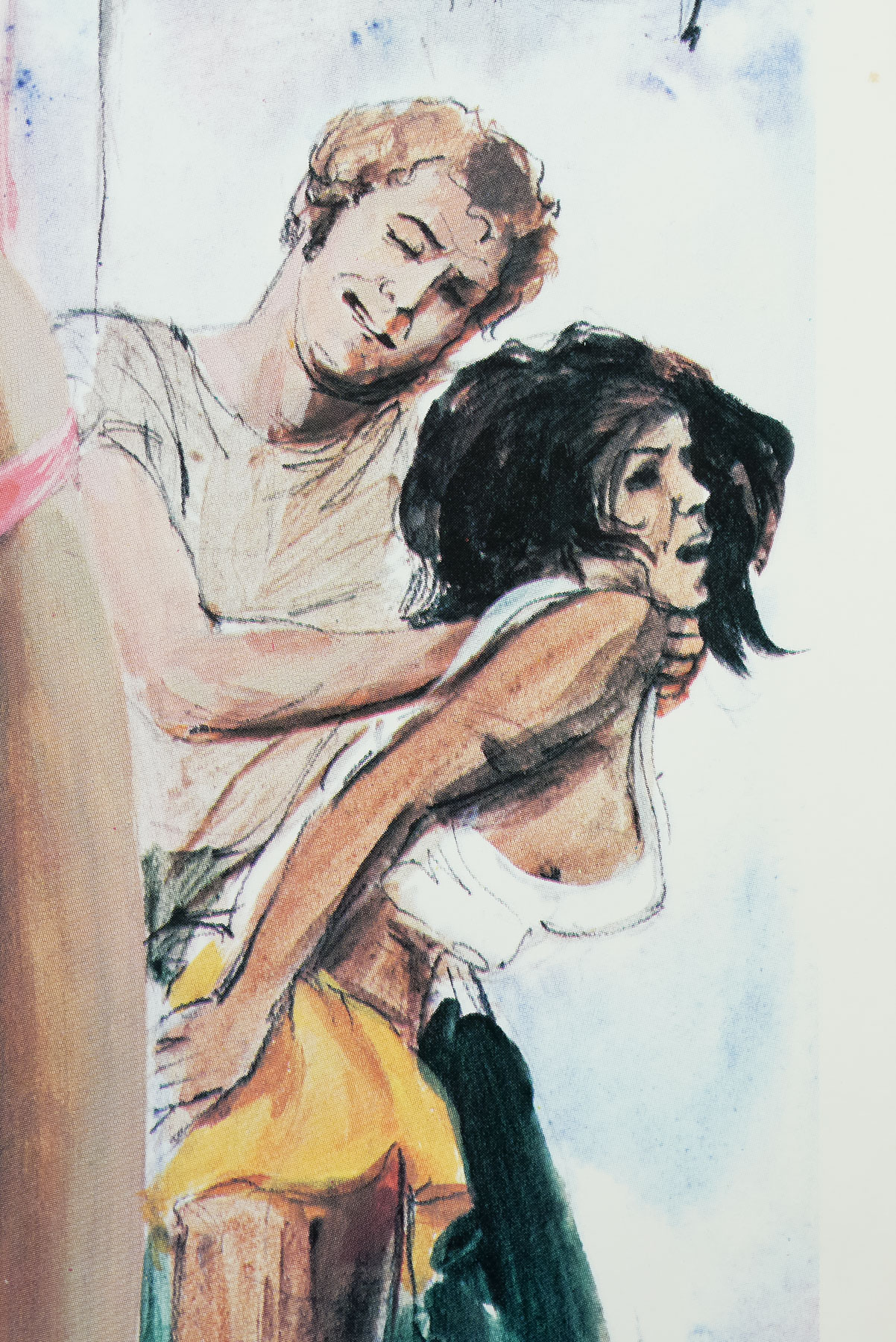
They sure don’t make, title or market them like this anymore! Black Hooker is an obscure 1974 drama that was written, produced and directed by a man named Arthur Roberson whose sole film credits are all for this film (according to IMDb he also did the production design, art direction and set decoration). Seemingly only released in the States, the reason for its obscurity is explained in the reviews section of its IMDb page. In 2004 a reviewer with the handle ‘spropes’ wrote the following:

‘When I worked with L.A. County, I knew Art Roberson fairly well, tho I have no idea of his current status or whereabouts. We were both social workers in the ghetto (really) in the 1970s. My impression was that being a social worker was his day job, that being a movie maker was his primary ambition…so what else is new? The movie, some interiors of which were shot at the legendary Joe Jost’s in Long Beach, premiered for friends and associates at Warner Bros. screening room in Burbank. At the end of the showing, it was greeted by dead silence, replacing excitement or applause. 

I think the viewers realized that the director had blown a pretty good chance to do something worthwhile after all his work, investment and attention to this film. Originally entitled something like “Don’t Leave Go My Hand” (or maybe “Don’t Let Go My Hand”), it was supposed to sensitively portray the horrible life of a neglected (or abused, I don’t recall which) black child, the son of a…you guessed it…black hooker! But that original intent didn’t play, so the title was changed to “Black Hooker,” presumably to piggyback on the blaxploitation movement at the time.’

This would explain why the film has several alternative titles and why it is often listed as a blaxploitation film despite the storyline having barely anything in common with other entries in the genre. Another reviewer sums up the film thusly:

‘Whatever the hell this is, it is quite the mean-spirited, uncomfortable little obscurity, which caters only to collectors of the most obscure B-cinema available. A hostile, impersonal story, with zero light at the end of the tunnel. none of the characters even have names. What kind of director makes a movie like this? A director who didn’t have a very happy childhood, that’s who. I mean, this isn’t exactly Cannibal Holocaust, or I Spit On Your Grave, or anything like that, but Black Hooker is just hateful.’

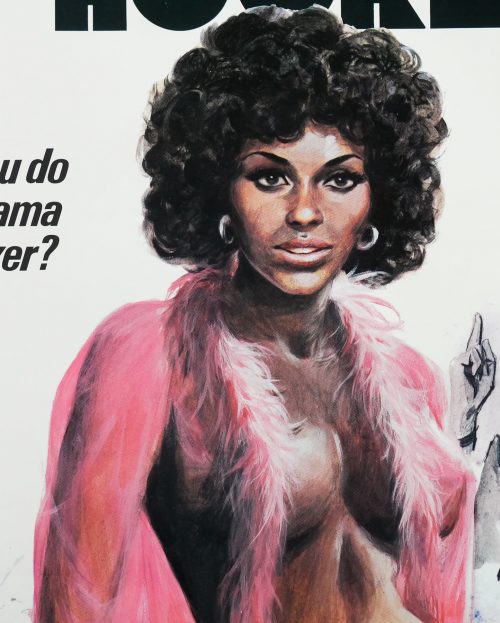
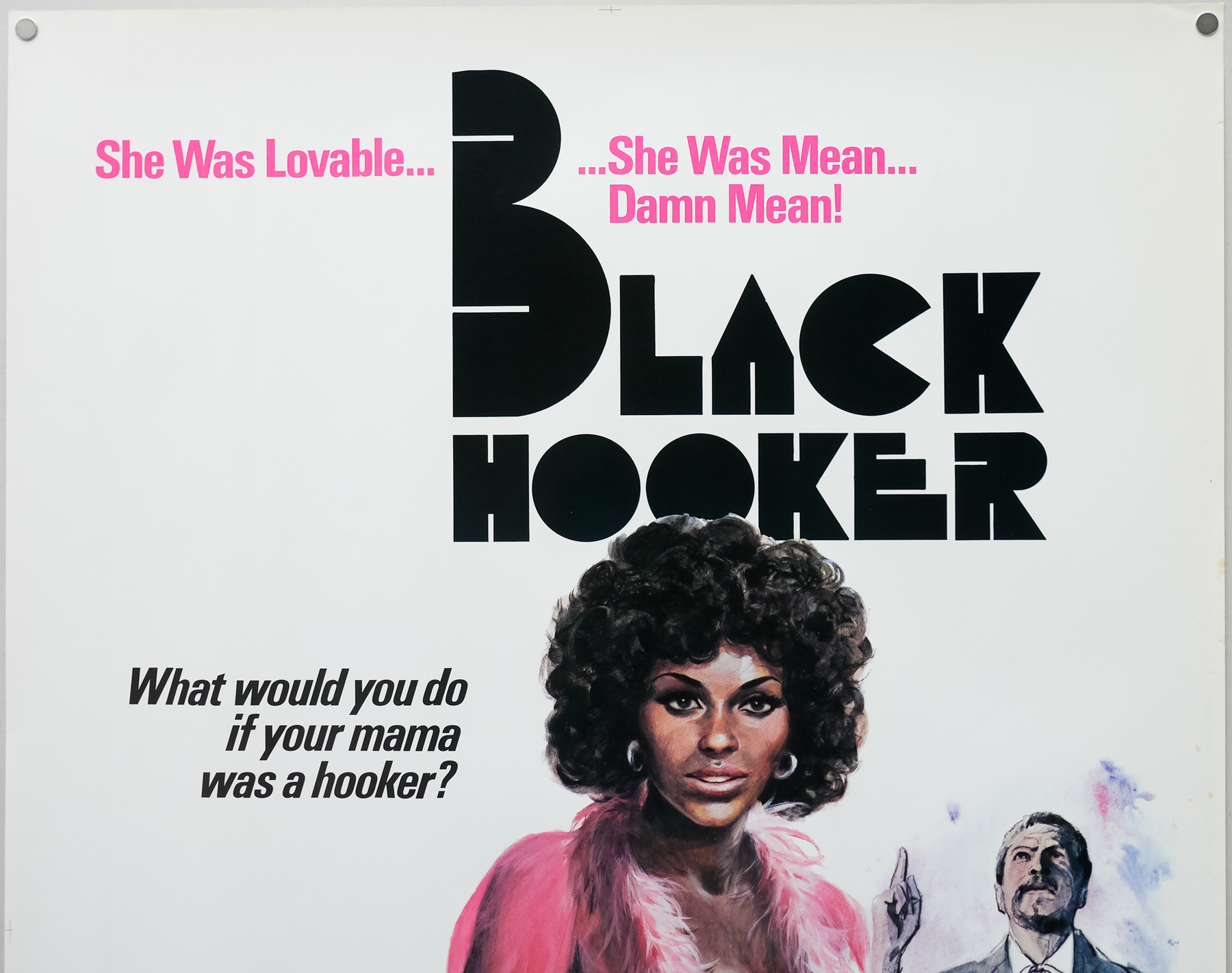
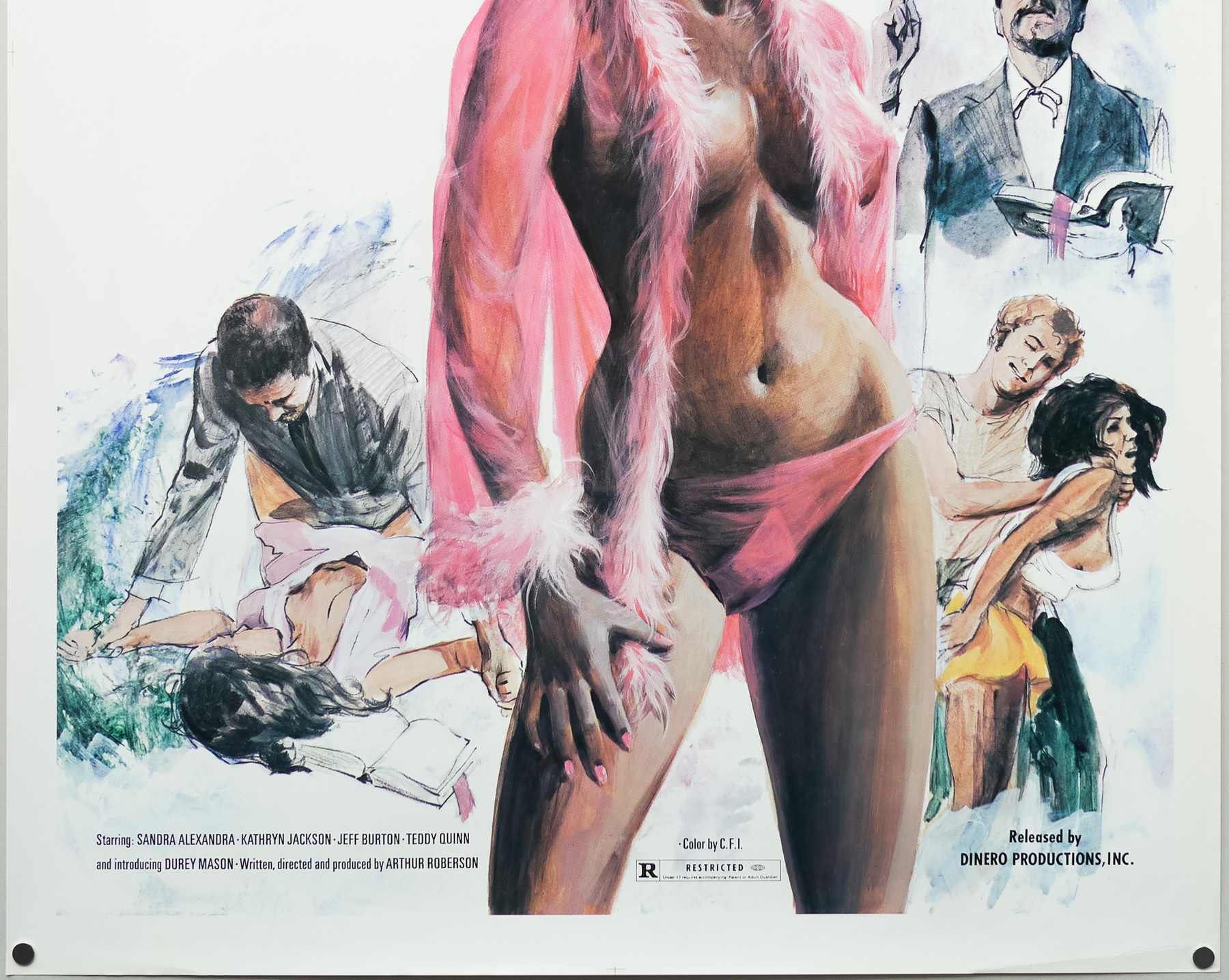
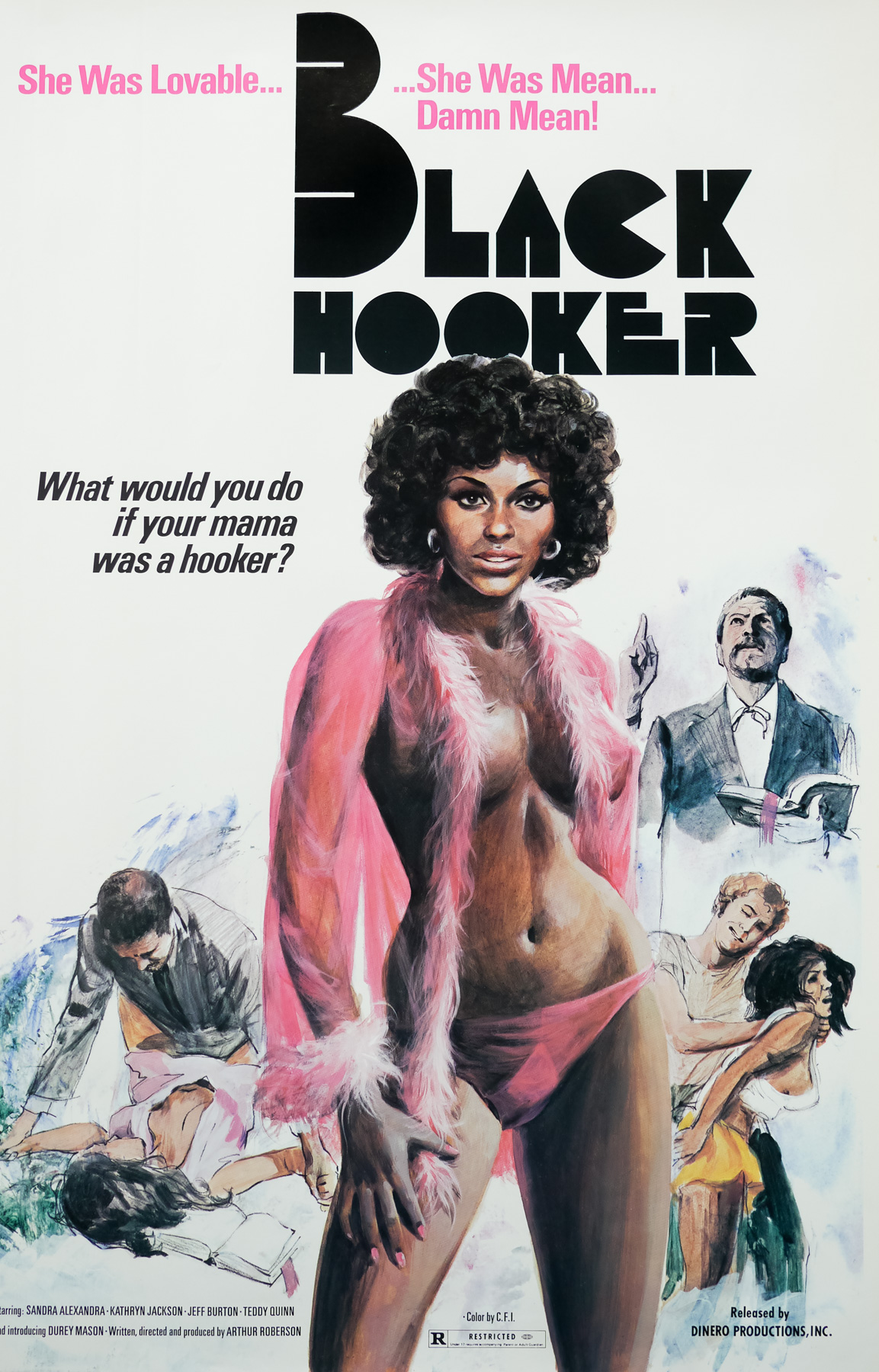
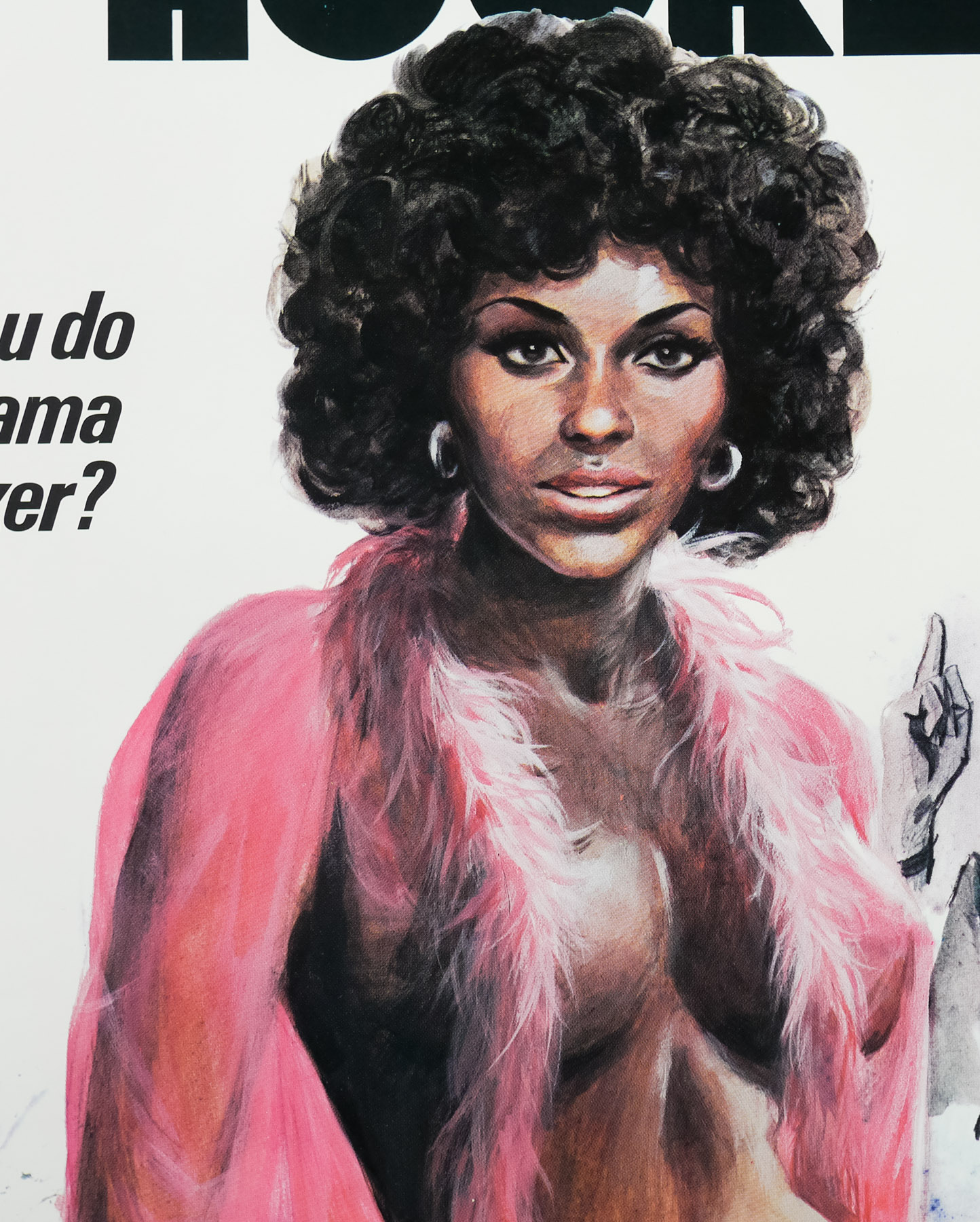
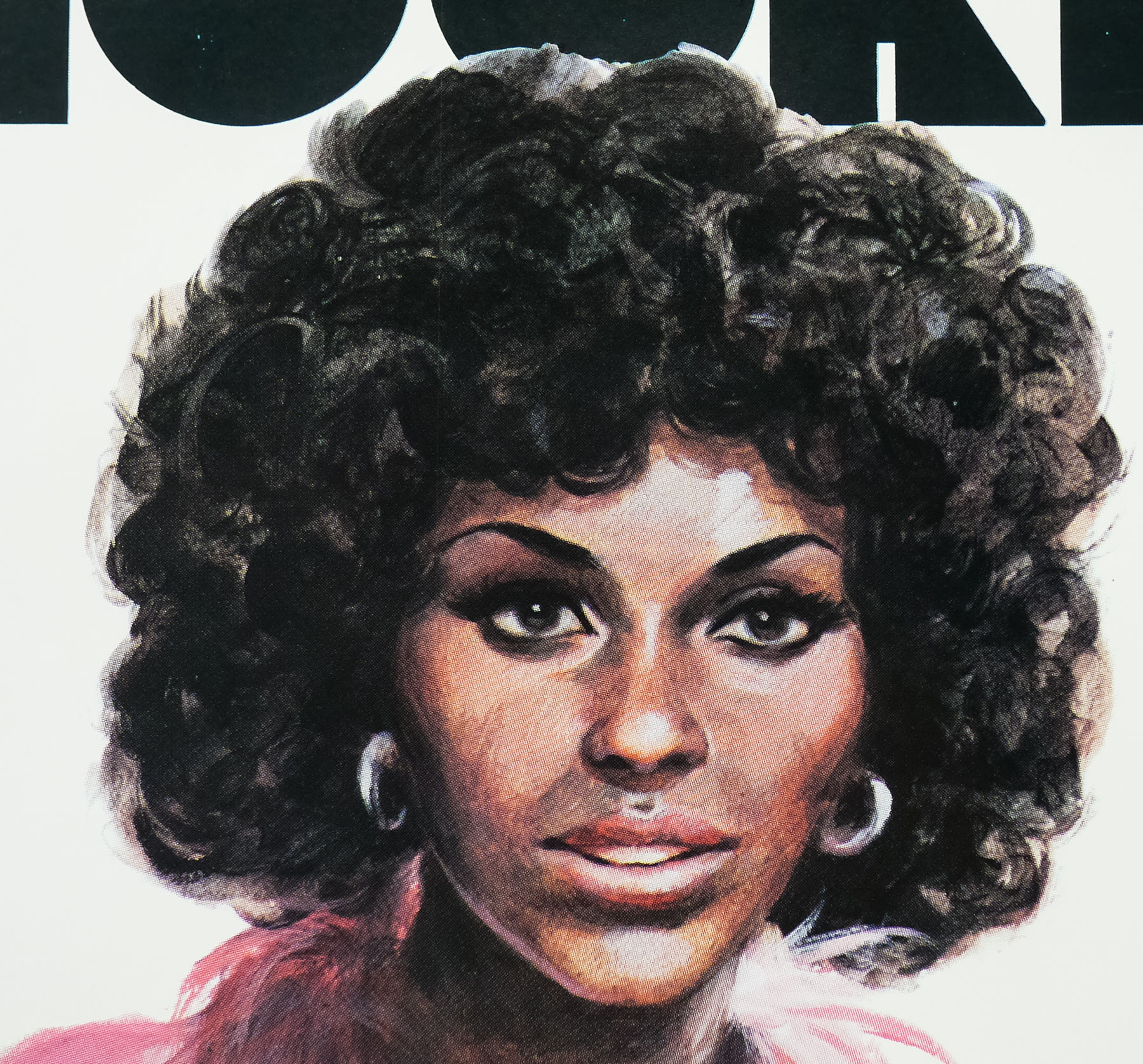
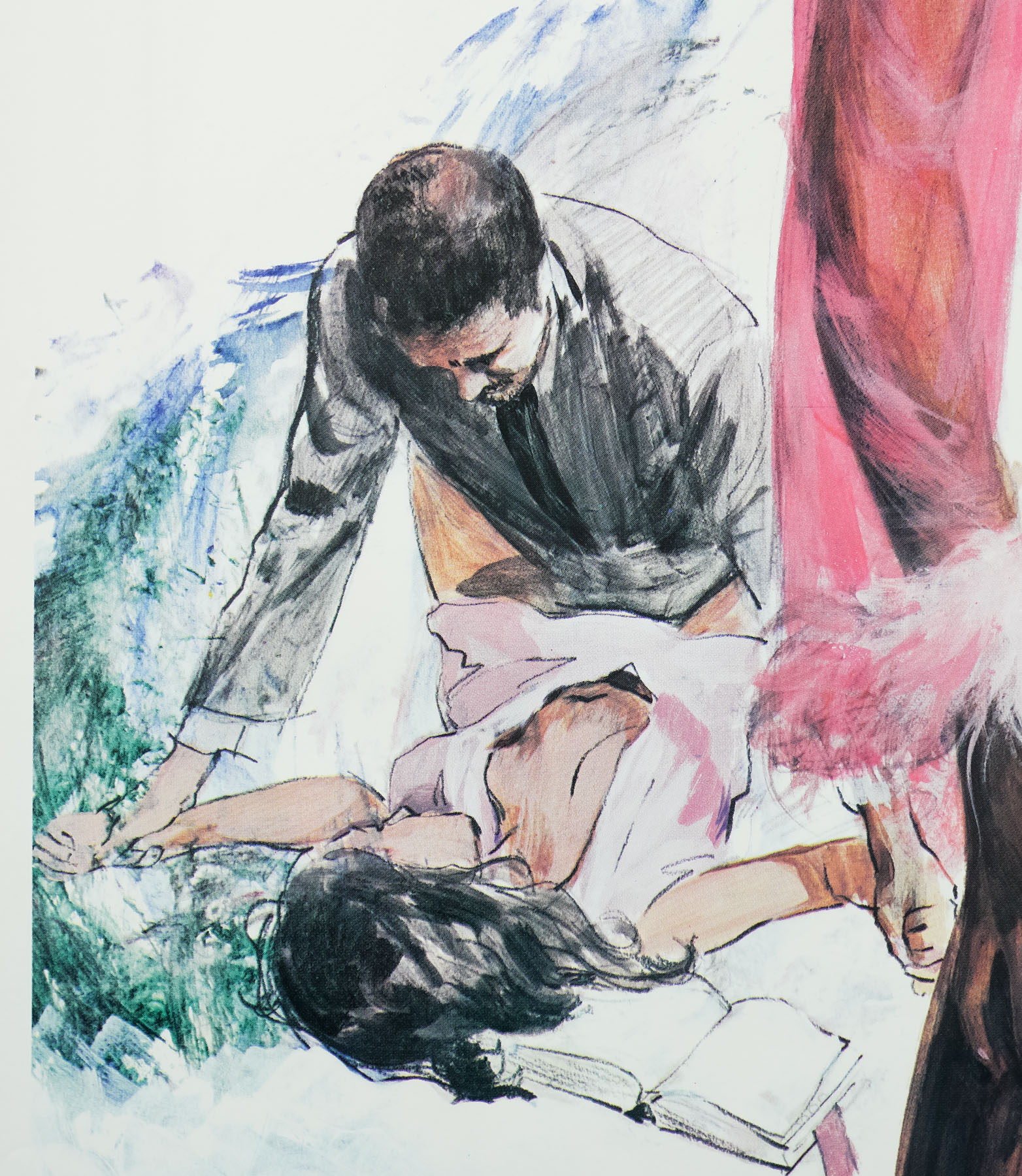
I have no clues as to who is responsible for the design or artwork of this one sheet and I doubt I’ll ever be able to discover who should be credited with it, but if you have any ideas please get in touch.

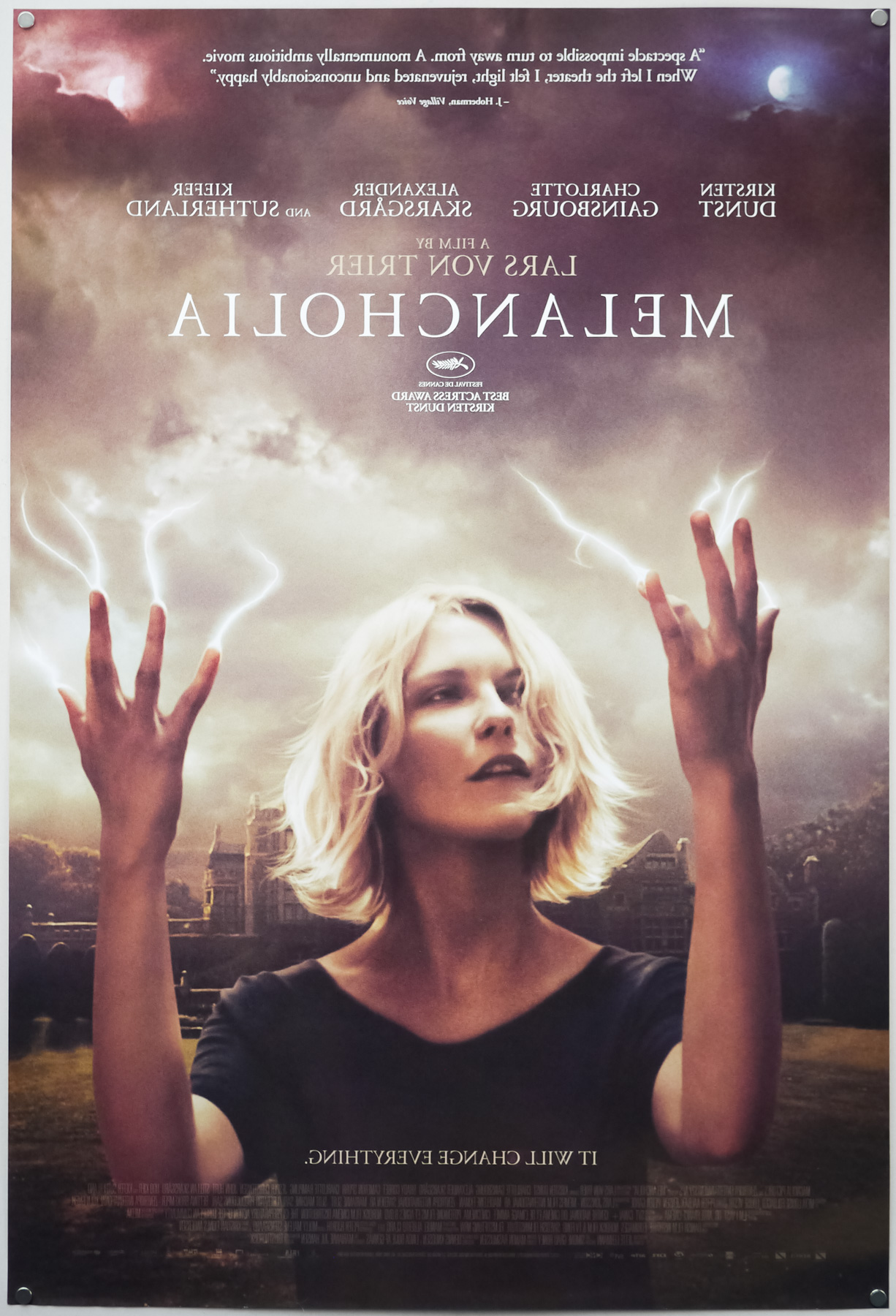
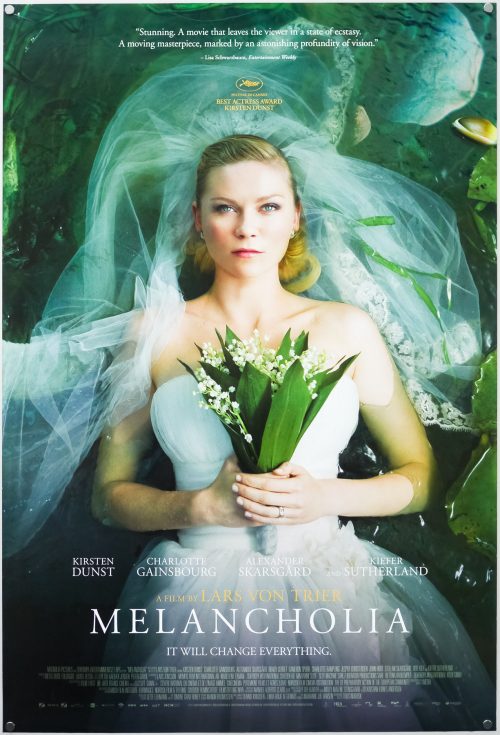
Melancholia / one sheet / lightning style / USA

30.05.13

Poster Poster

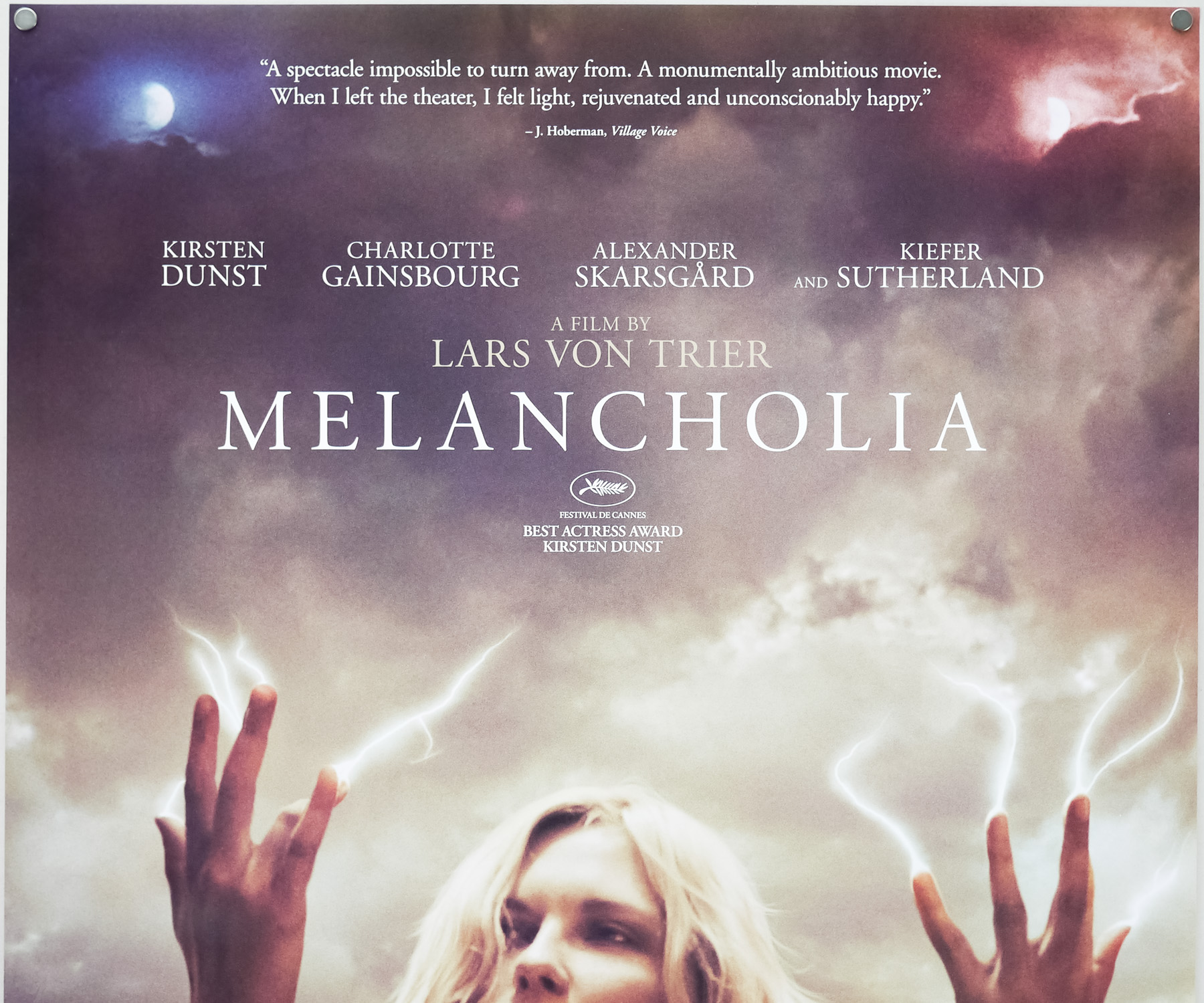
Notorious Danish director Lars von Trier‘s apocalyptic drama Melancholia‘s 2011 release was somewhat overshadowed by the controversy surrounding his comments at the Cannes festival press conference for the film in which he expressed various (idiotic) thoughts, including ‘What can I say? I understand Hitler, but I think he did some wrong things, yes, absolutely. … He’s not what you would call a good guy, but I understand much about him, and I sympathise with him a little bit.’ This and various other comments saw the director being declared ‘persona non grata’ by the festival’s directors in an unprecedented move. Von Trier apologised for his remarks hours later and even held a press conference in Danish, but the damage was done.

Arguably the director’s most accessible film, certainly when compared to his earlier Dogme 95 features and 2009’s Antichrist, Melancholia opens with a stunning CGI sequence showing the destruction of Earth as the titular planet smashes straight into it. Claire (Charlotte Gainsbourg) and Justine (Kirsten Dunst) are sisters dealing with different forms of anxiety and depression during the latter’s wedding reception taking place on the family estate. Justine is shown to be almost catatonic with depression whilst Claire is dealing with her fears over a large blue planet which is revealed to be on a collision course with Earth. The film is split into two sections and follows the way each woman deals with the impending destruction and their relationships with the people around them.

According to this interview article with the director, ‘the idea for the film emerged while he was in treatment for the depression that has haunted him in recent years. A therapist told him a theory that depressives and melancholics act more calmly in violent situations, while “ordinary, happy” people are more apt to panic. Melancholics are ready for it. They already know everything is going to hell.’

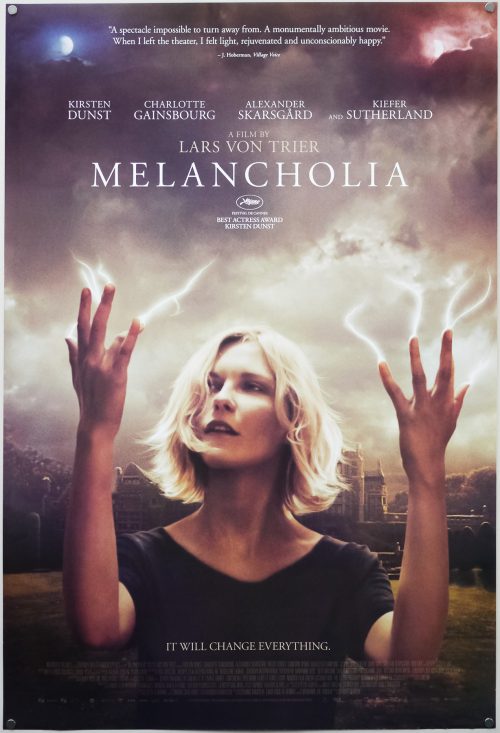
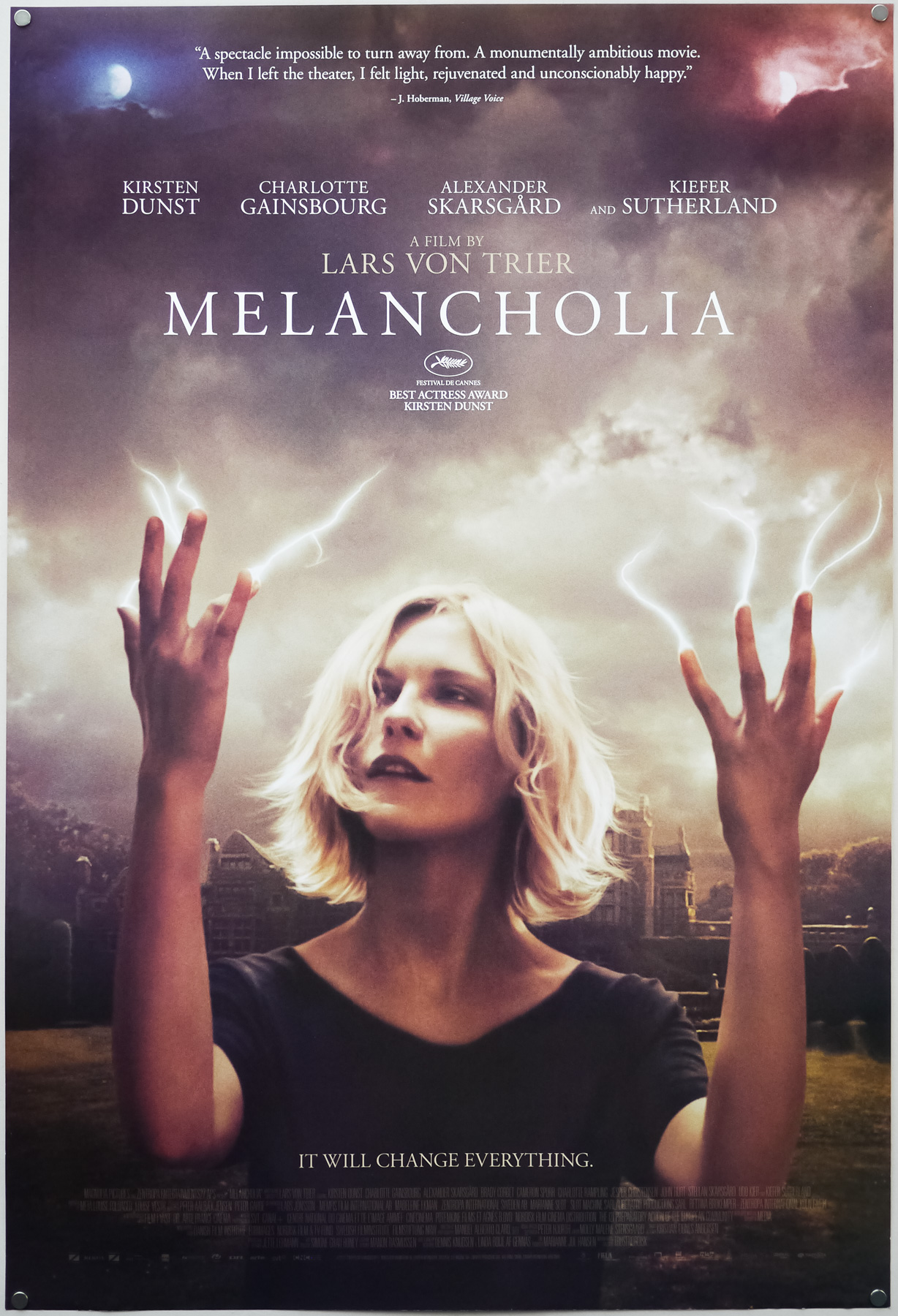
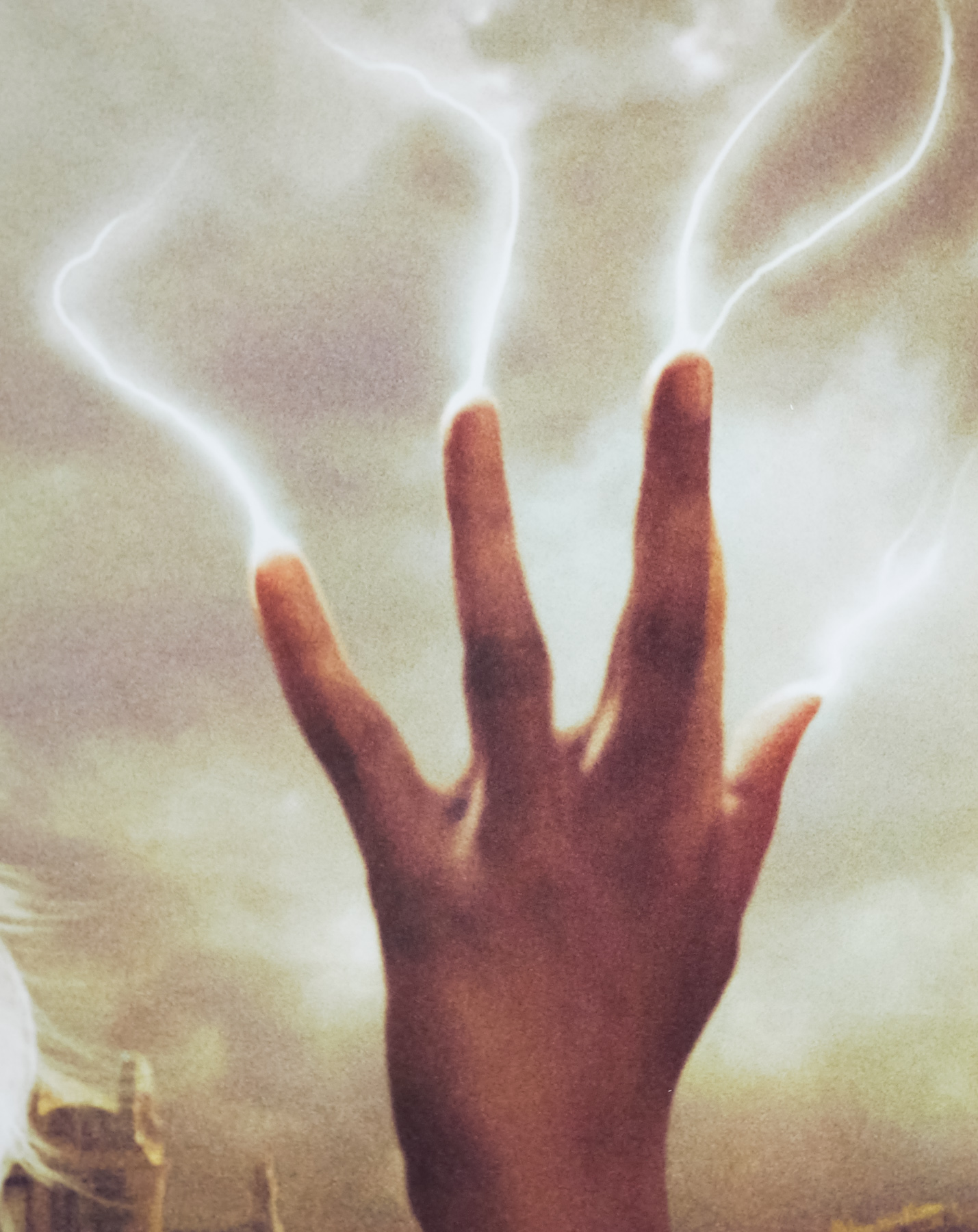
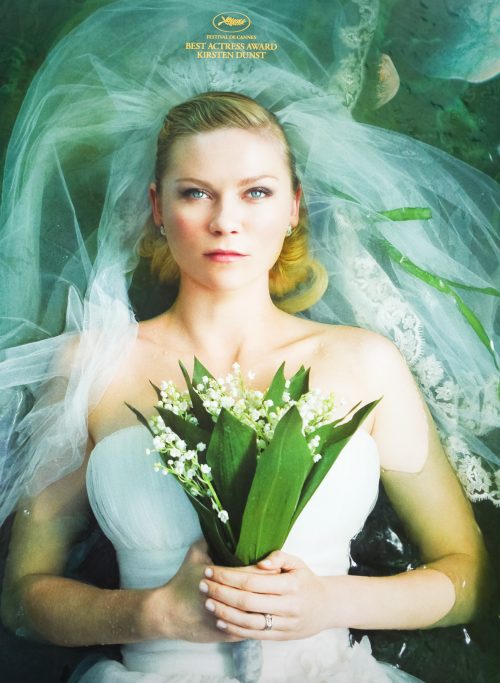
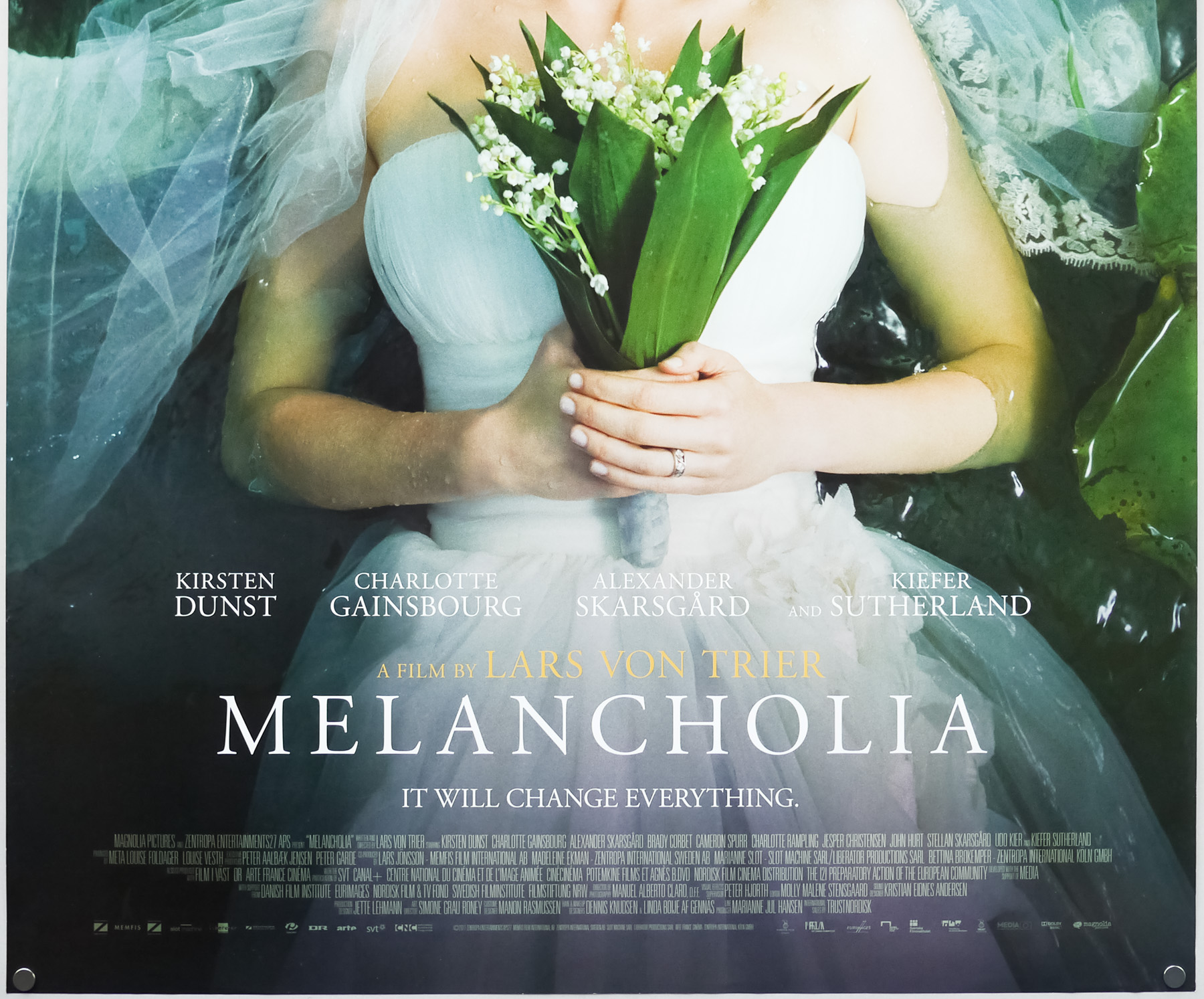
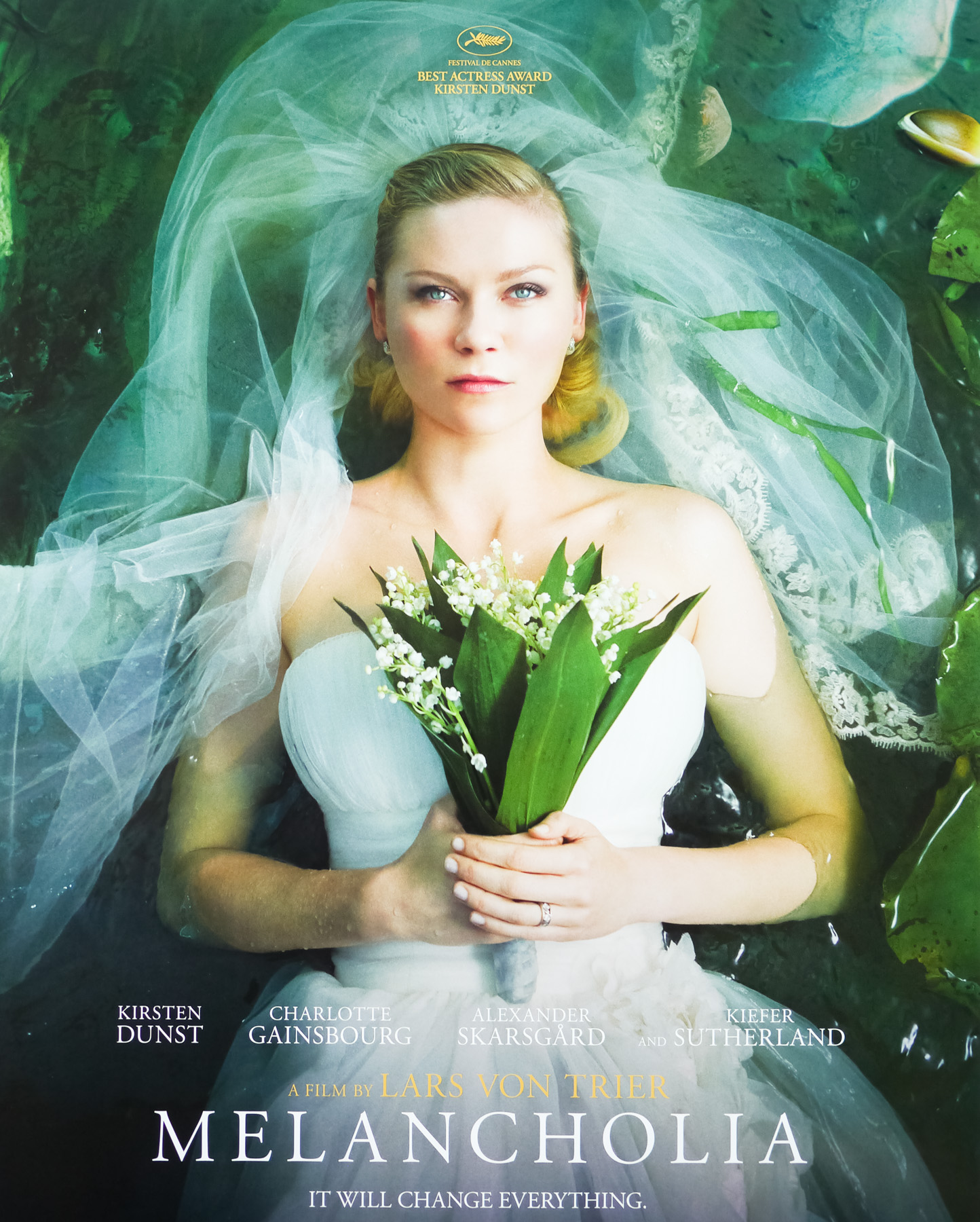
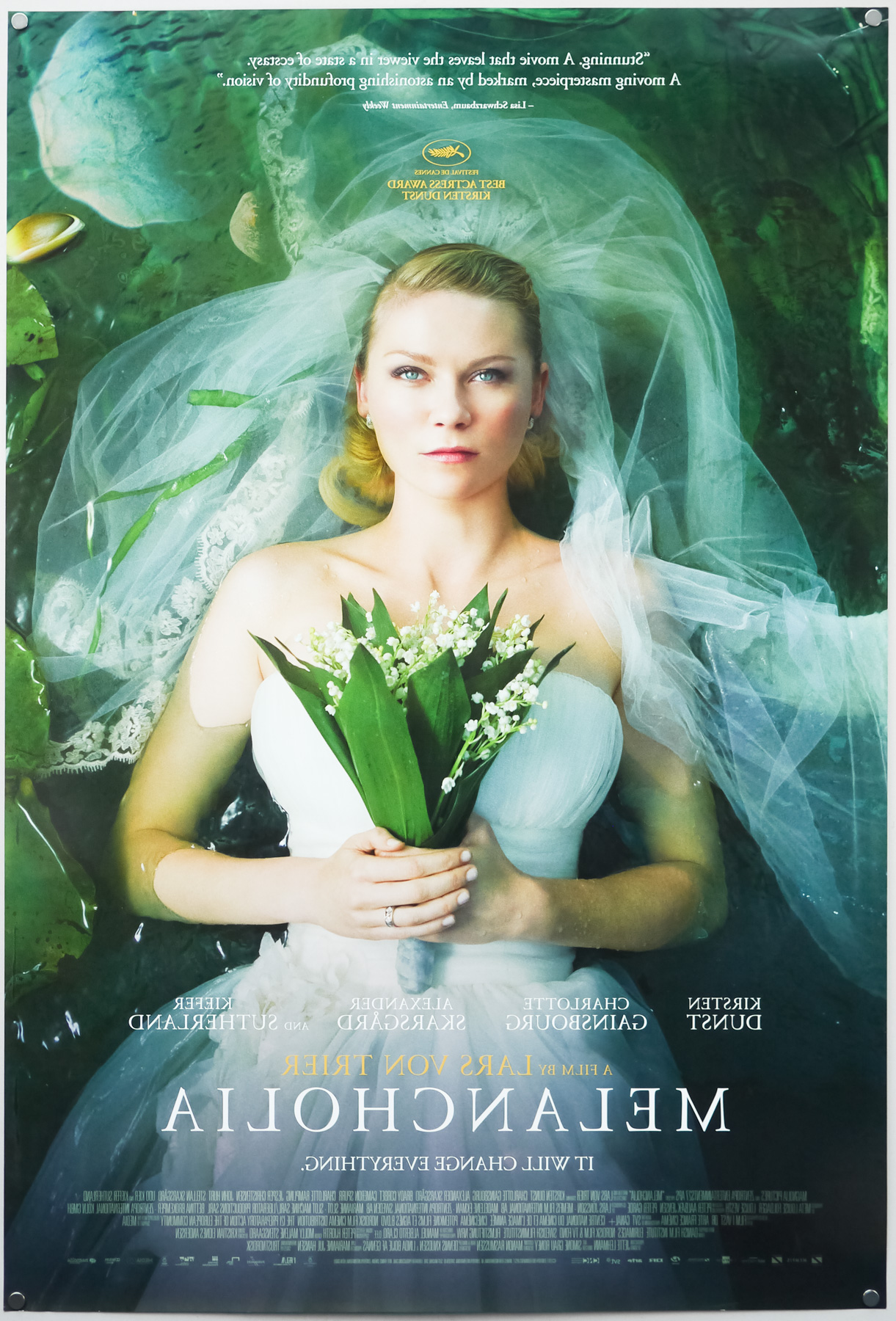
This is the ‘static lightning’ style American one sheet for the film that, like the ‘water‘ style is pretty much a still shot from the film (with likely some minor adjustments). It was designed by the Los Angeles-based company Gravillis inc. who are responsible for some of my favourite recent one sheets, including Monsters and I Saw the Devil. IMPAwards features a gallery of a lot of their work. Melancholia was also given a set of teaser posters that can be seen on IMPAwards and features, bizarrely, a Lars von Trier version!

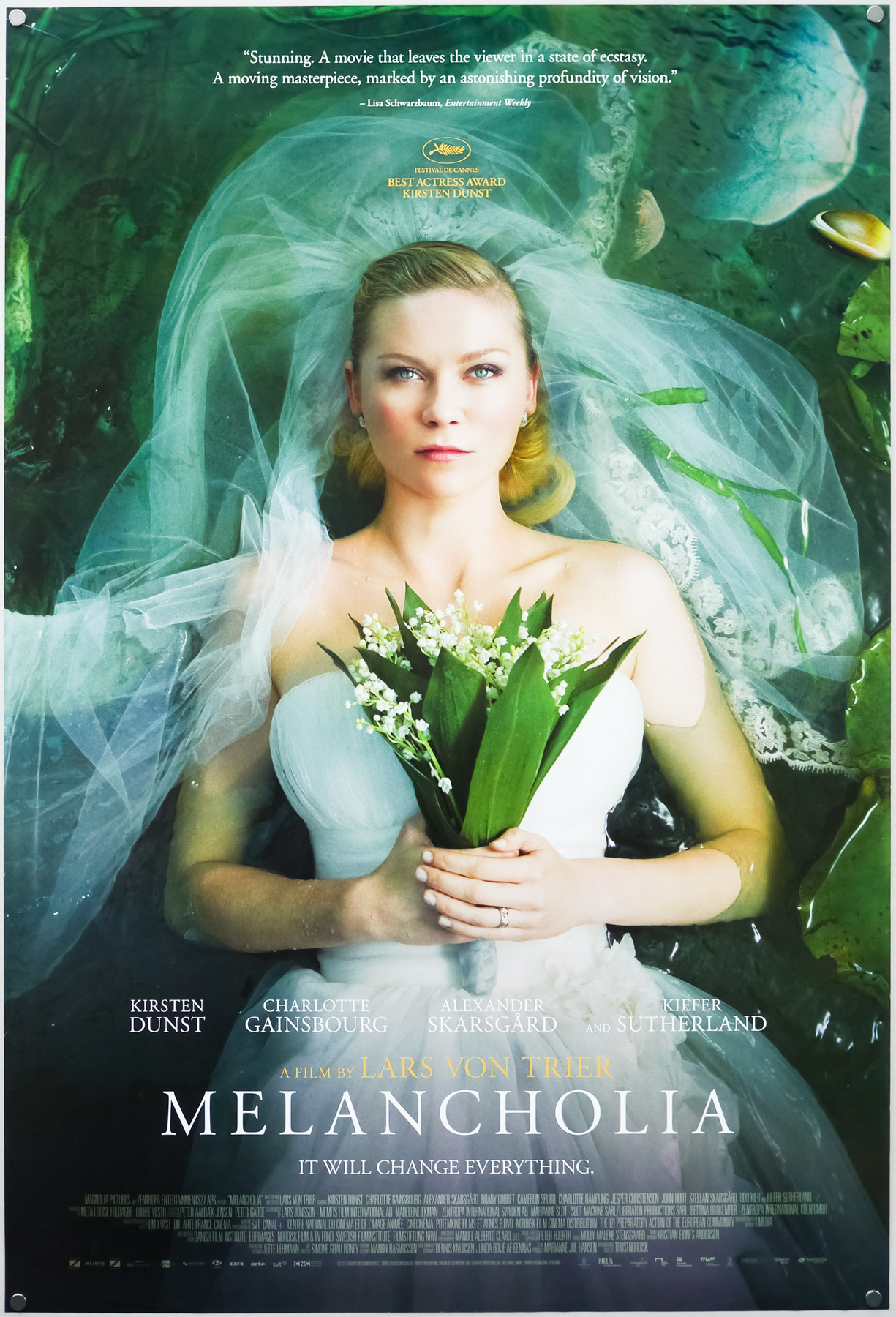
Melancholia / one sheet / water style / USA

30.05.13

Poster Poster

Notorious Danish director Lars von Trier‘s apocalyptic drama Melancholia‘s 2011 release was somewhat overshadowed by the controversy surrounding his comments at the Cannes festival press conference for the film in which he expressed various (idiotic) thoughts, including ‘What can I say? I understand Hitler, but I think he did some wrong things, yes, absolutely. … He’s not what you would call a good guy, but I understand much about him, and I sympathise with him a little bit.’ This and various other comments saw the director being declared ‘persona non grata’ by the festival’s directors in an unprecedented move. Von Trier apologised for his remarks hours later and even held a press conference in Danish, but the damage was done.

Arguably the director’s most accessible film, certainly when compared to his earlier Dogme 95 features and 2009’s Antichrist, Melancholia opens with a stunning CGI sequence showing the destruction of Earth as the titular planet smashes straight into it. Claire (Charlotte Gainsbourg) and Justine (Kirsten Dunst) are sisters dealing with different forms of anxiety and depression during the latter’s wedding reception taking place on the family estate. Justine is shown to be almost catatonic with depression whilst Claire is dealing with her fears over a large blue planet which is revealed to be on a collision course with Earth. The film is split into two sections and follows the way each woman deals with the impending destruction and their relationships with the people around them.

According to this interview article with the director, ‘the idea for the film emerged while he was in treatment for the depression that has haunted him in recent years. A therapist told him a theory that depressives and melancholics act more calmly in violent situations, while “ordinary, happy” people are more apt to panic. Melancholics are ready for it. They already know everything is going to hell.’

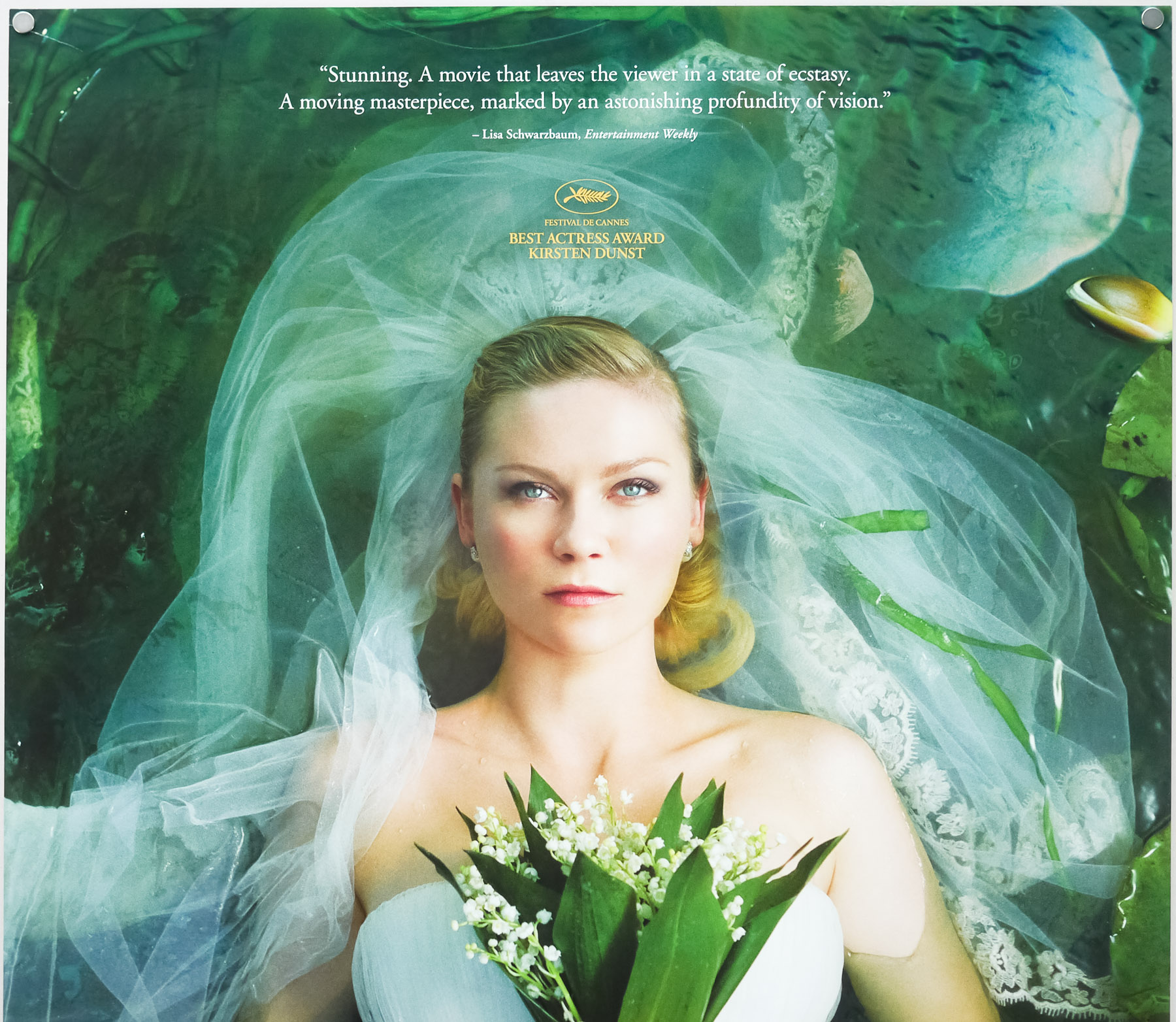
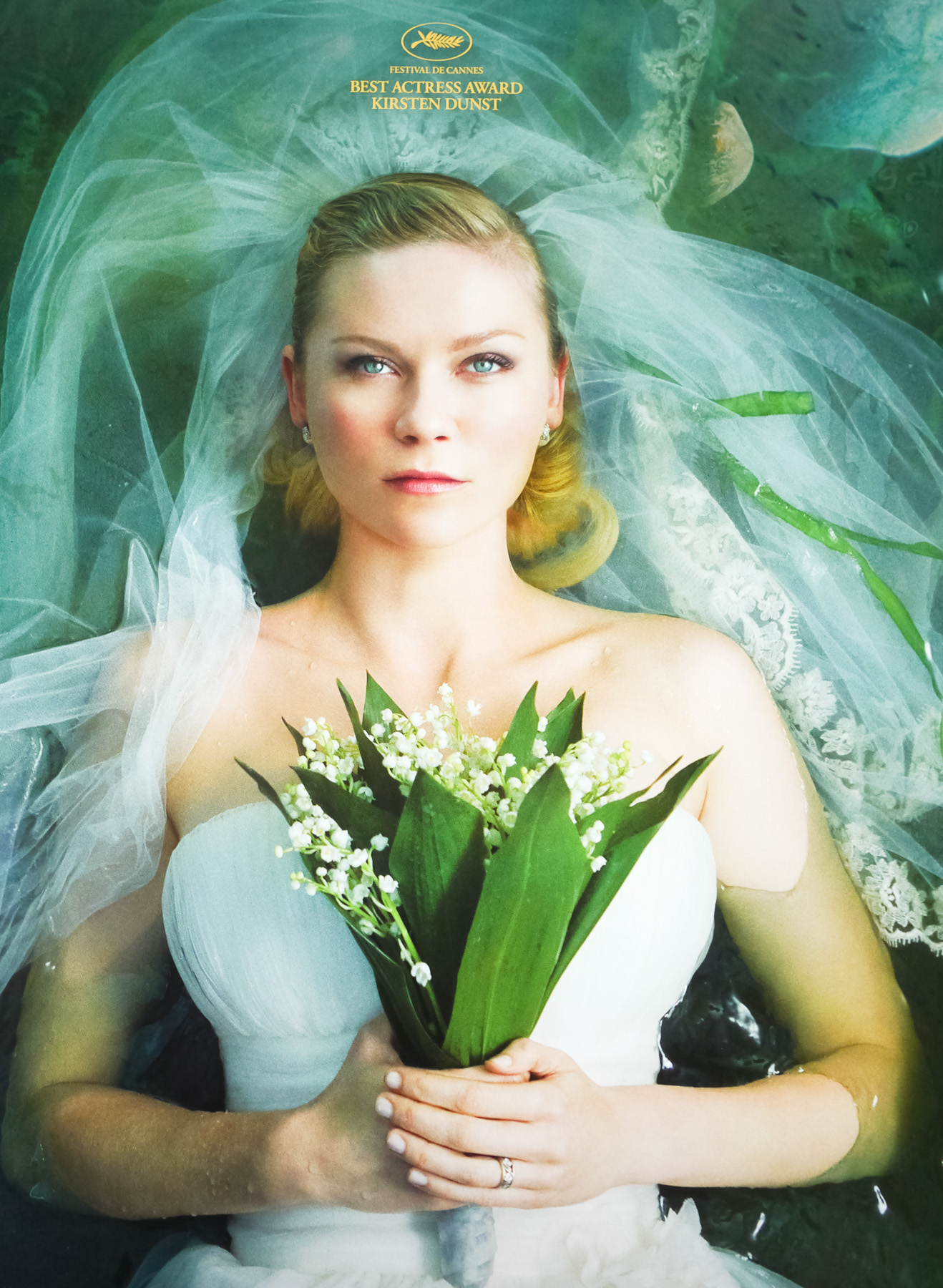
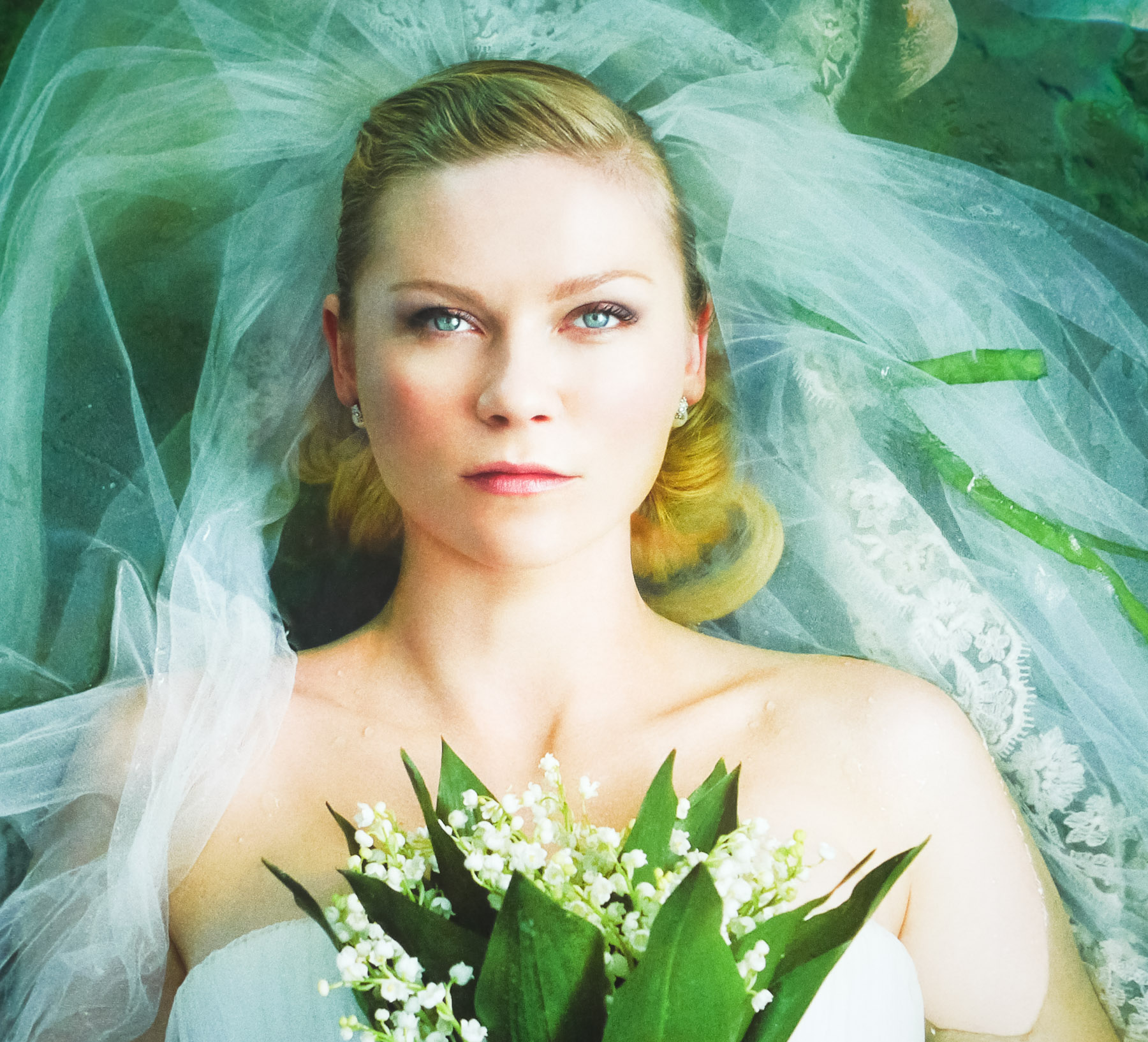
This is the ‘water’ style American one sheet for the film that, like the ‘lightning‘ style is pretty much a still shot from the film (with likely some minor adjustments). It was designed by the Los Angeles-based company Gravillis inc. who are responsible for some of my favourite recent one sheets, including Monsters and I Saw the Devil. IMPAwards features a gallery of a lot of their work. Melancholia was also given a set of teaser posters that can be seen on IMPAwards and features, bizarrely, a Lars von Trier version!

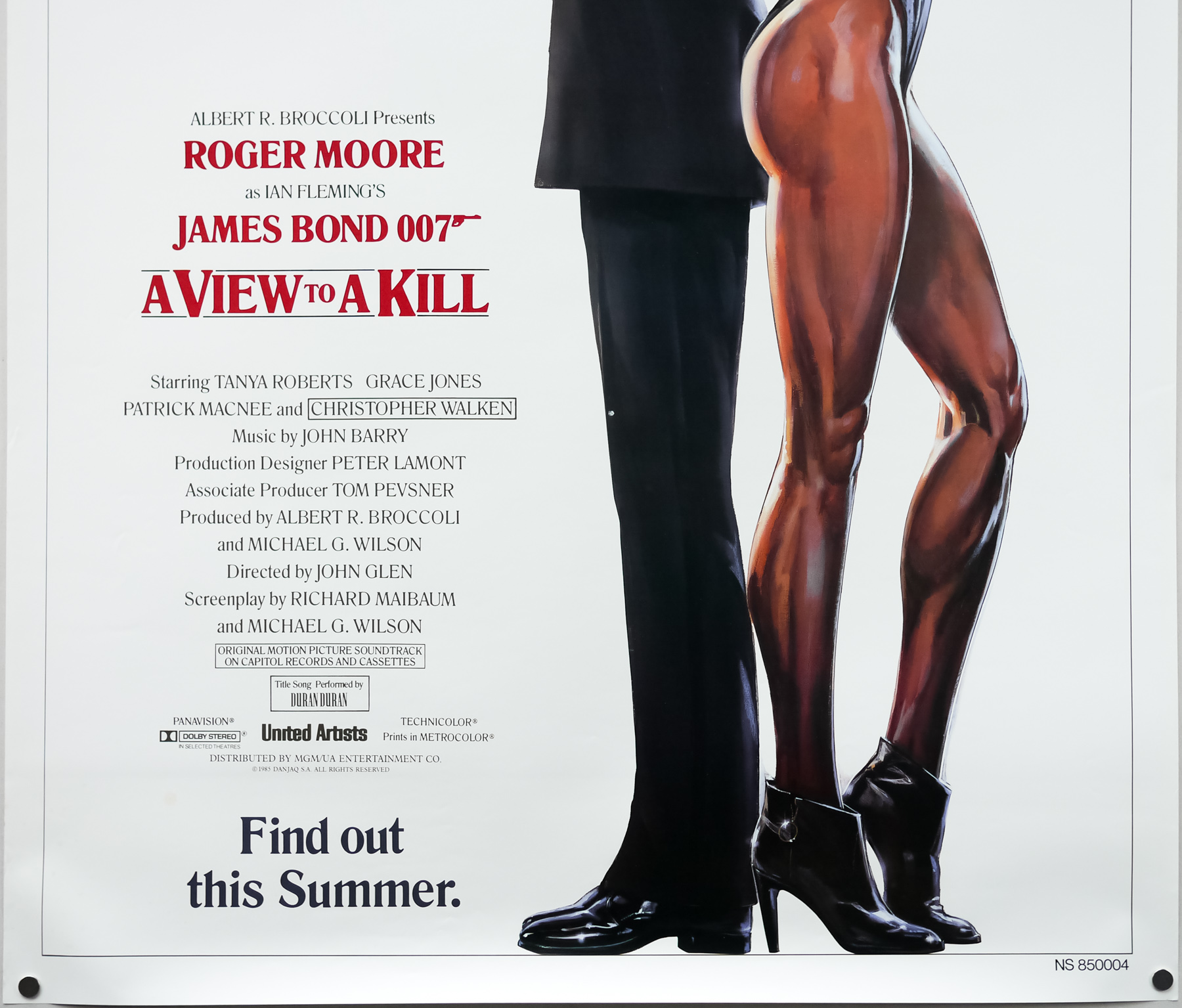
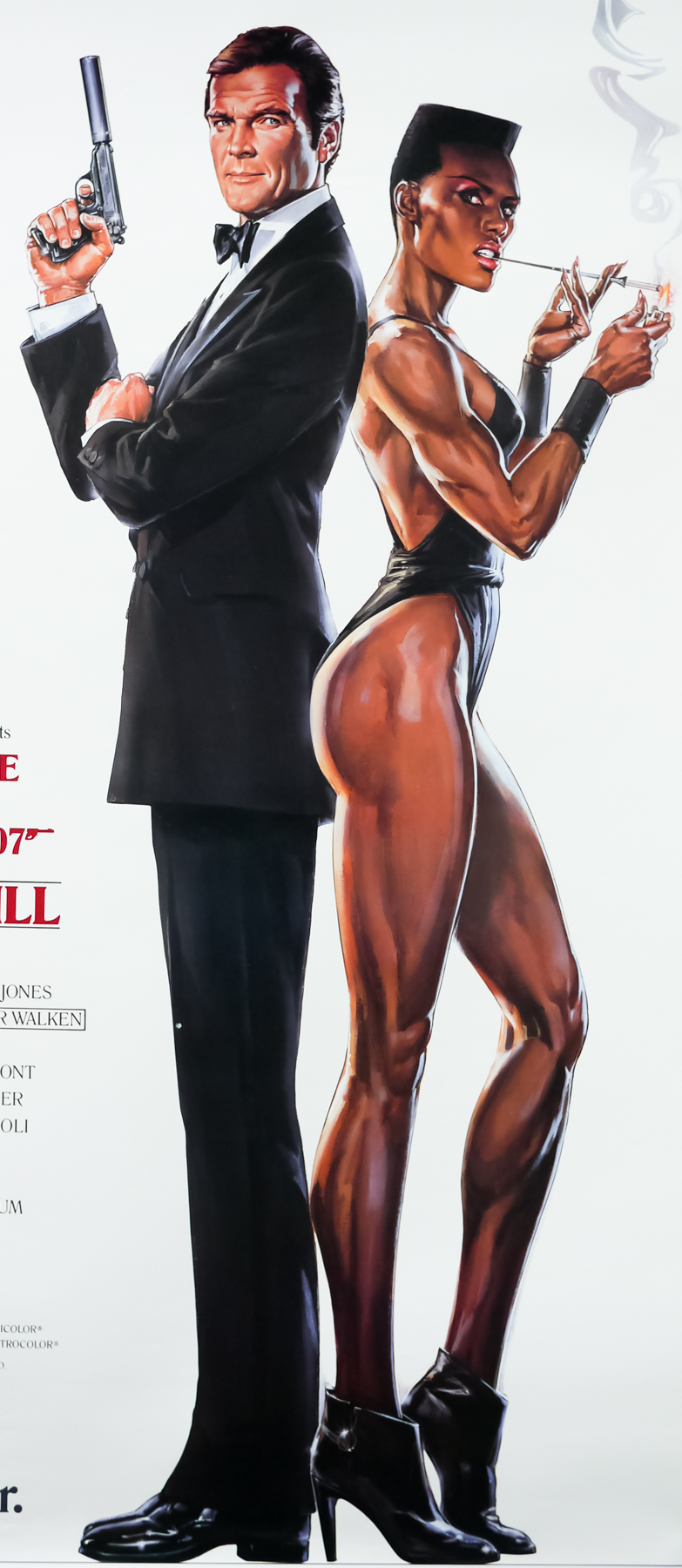
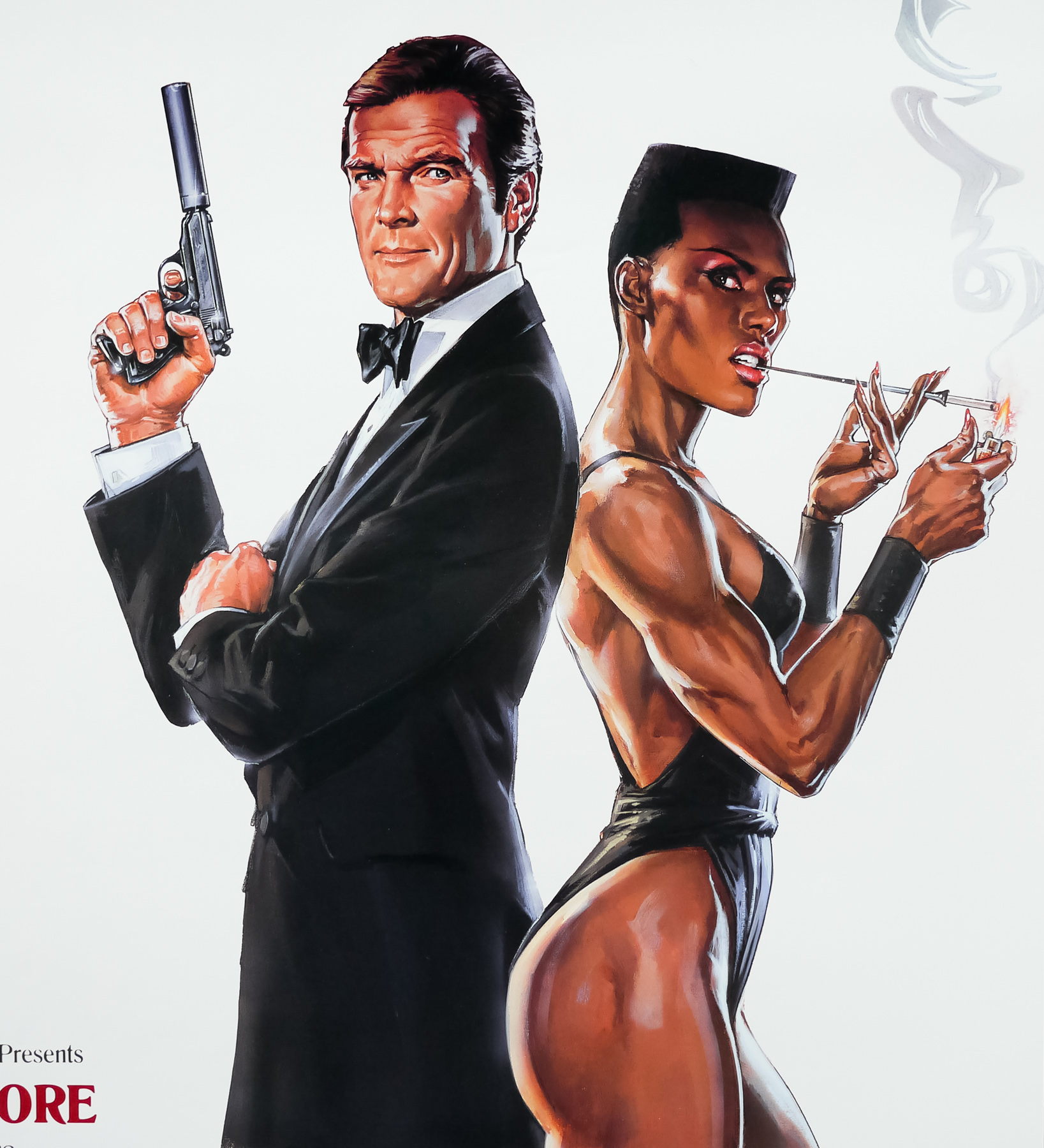
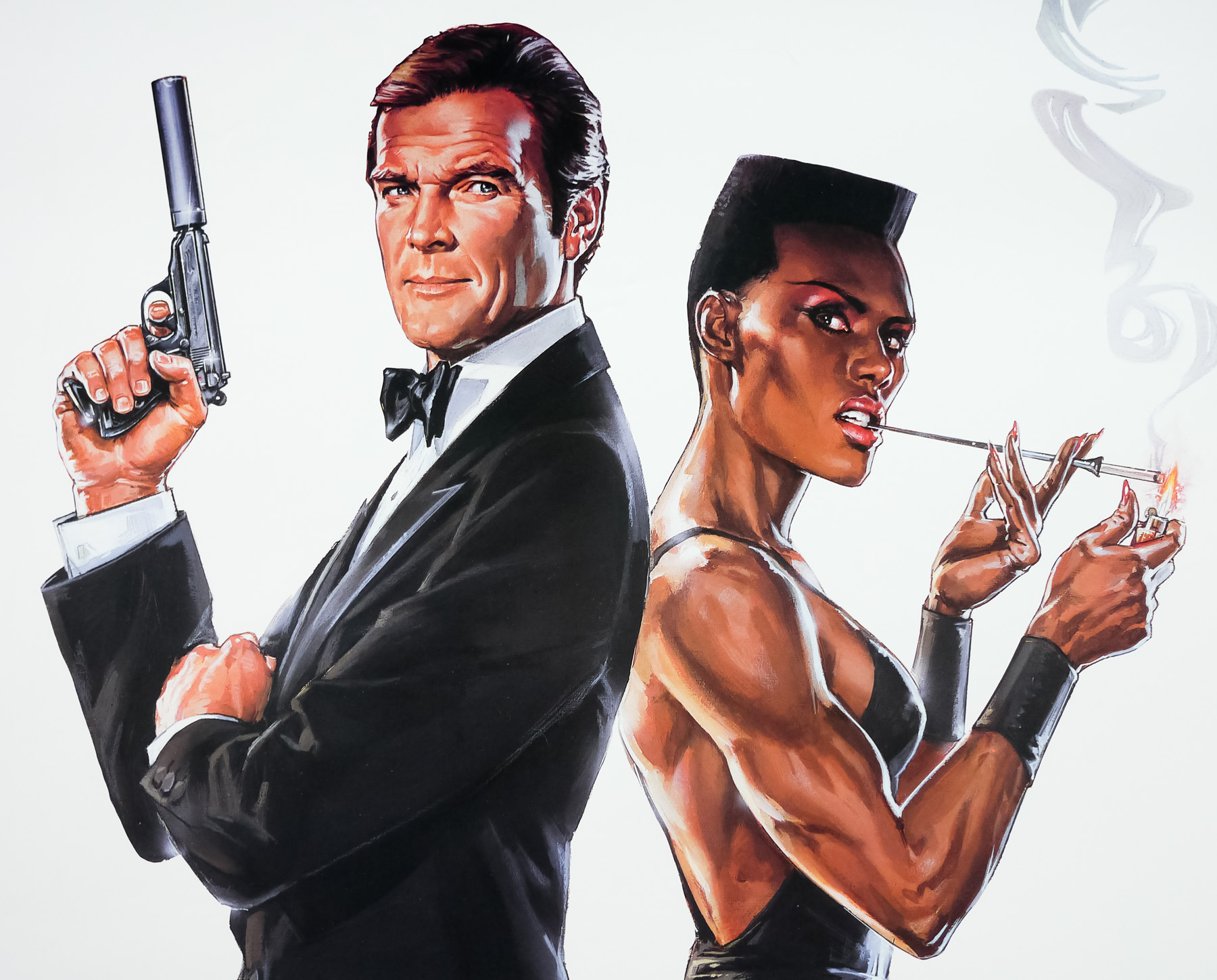
A View To A Kill / one sheet / advance / white style / USA

10.06.13

Poster Poster
Title
A View To A Kill
AKA
The Beautiful Prey (Japan - English title)
Year of Film
1985
Director
John Glen
Starring
Roger Moore, Christopher Walken, Tanya Roberts, Grace Jones, Patrick Macnee, Patrick Bauchau, David Yip, Fiona Fullerton, Manning Redwood, Alison Doody, Willoughby Gray, Desmond Llewelyn, Robert Brown, Lois Maxwell
Origin of Film
UK
Genre(s) of Film
Roger Moore, Christopher Walken, Tanya Roberts, Grace Jones, Patrick Macnee, Patrick Bauchau, David Yip, Fiona Fullerton, Manning Redwood, Alison Doody, Willoughby Gray, Desmond Llewelyn, Robert Brown, Lois Maxwell,
Type of Poster
One sheet
Style of Poster
Advance - white style
Origin of Poster
USA
Year of Poster
1985
Designer
Unknown
Artist
Dan Goozee
Size (inches)
27" x 41 1/16"
SS or DS
SS
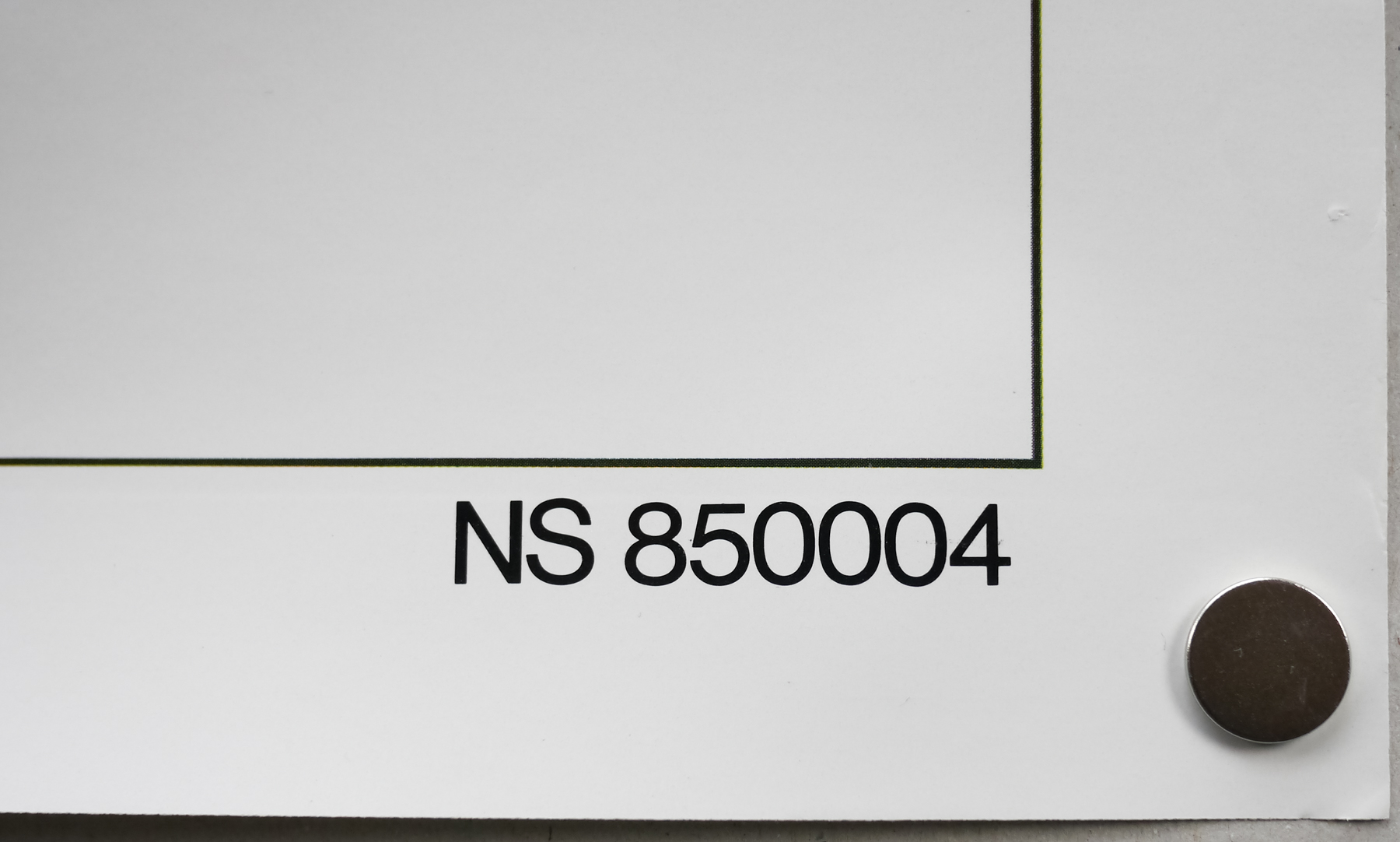
NSS #
850004
Tagline
Has James Bond finally made his match? | Find out this summer.

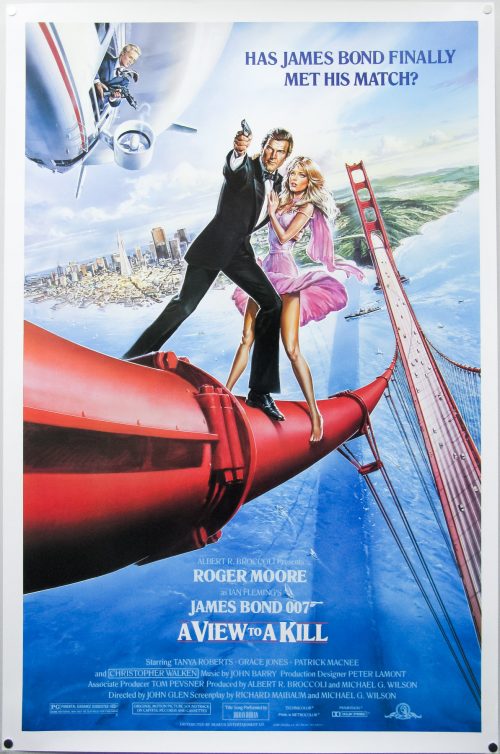
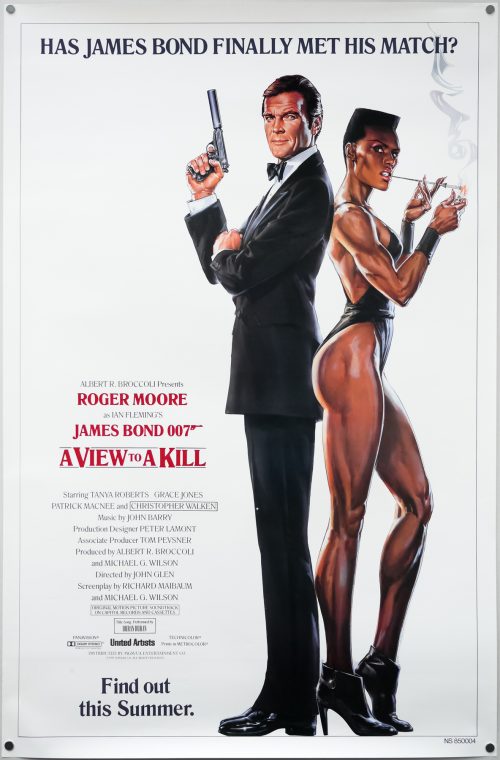
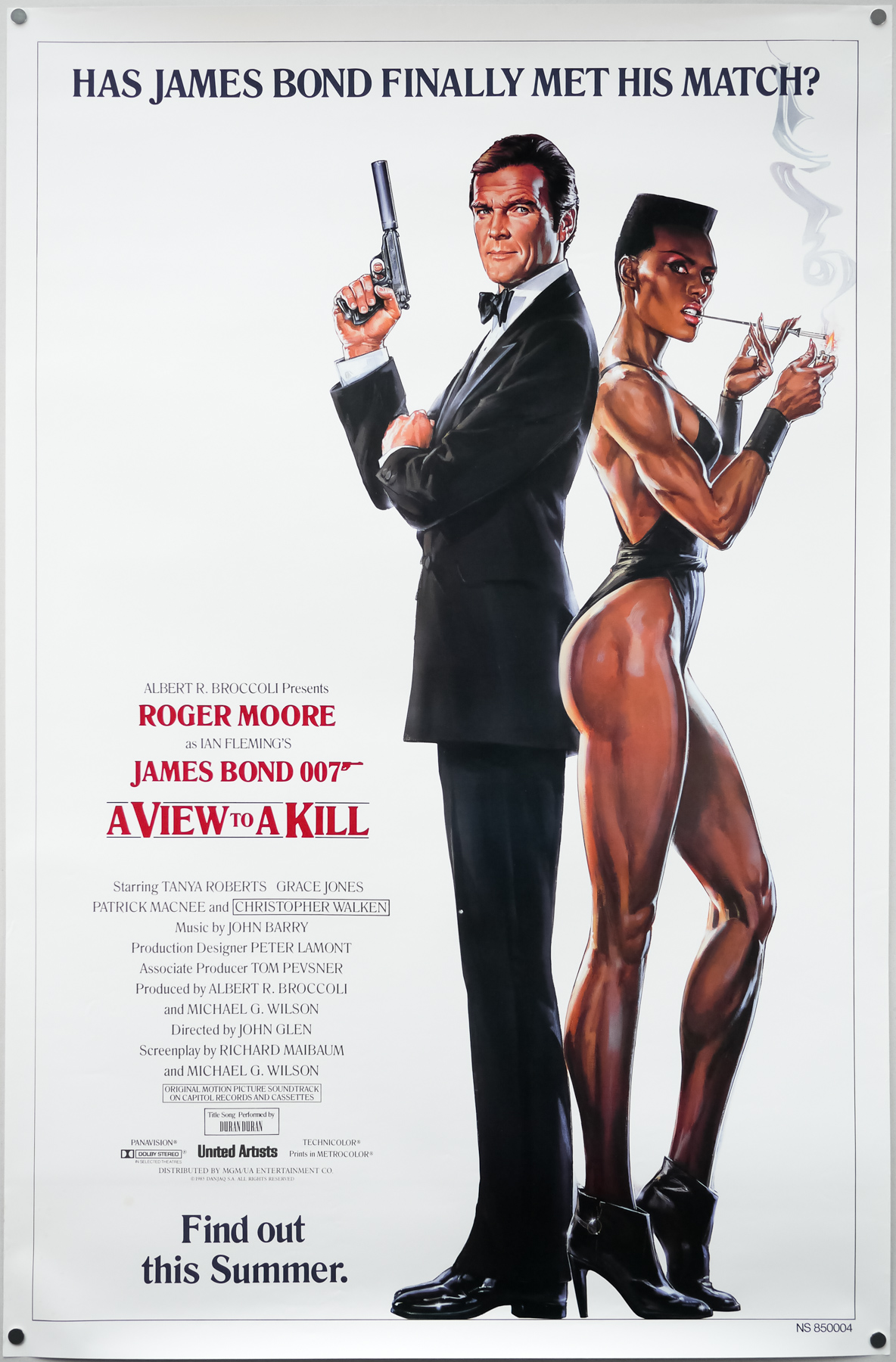
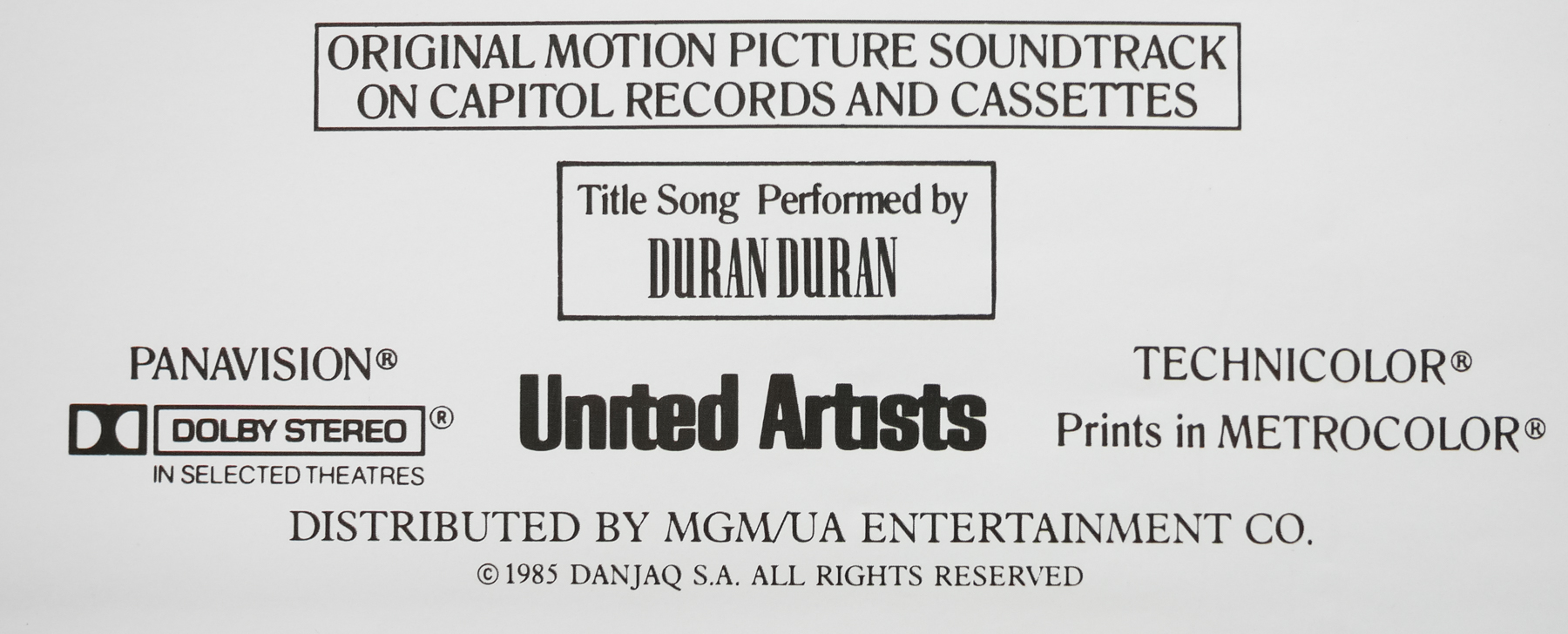
A View to a Kill, Sir Roger Moore‘s last outing as James Bond was definitely not his finest hour, although it is memorable for a few reasons, including Christopher Walken‘s turn as the psychotic bad guy Max Zorin, Duran Duran’s great title theme and the appearance of the incomparable Grace Jones as Mayday, Zorin’s accomplice. She may not be the greatest actress but she’s never anything less than a striking presence and is definitely not a lady to mess with, as British chat show presenter Russell Harty infamously found out.

The film features a climactic fight atop the Golden Gate Bridge in San Francisco, which sees Bond and Stacey Sutton (Tanya Roberts) face off against Zorin and his henchmen in the Zorin Industries airship. Special effects supervisor John Richardson filmed a series of sequences featuring stunt performers on top of the actual bridge that were later matched up against green-screen shots of the actors. This was the first Bond film to have its premiere held outside the UK; it opened on the 22nd of May, 1985 at San Francisco’s Palace of Fine Arts.

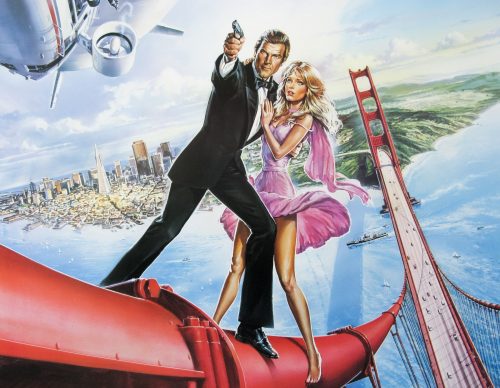
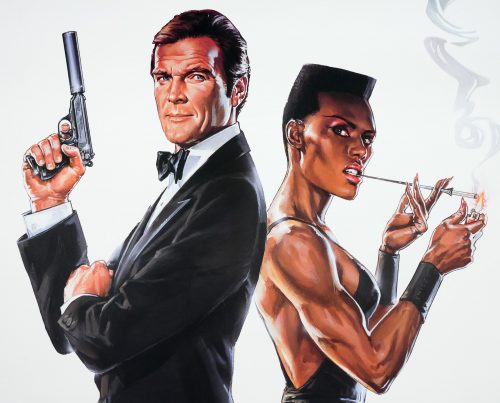
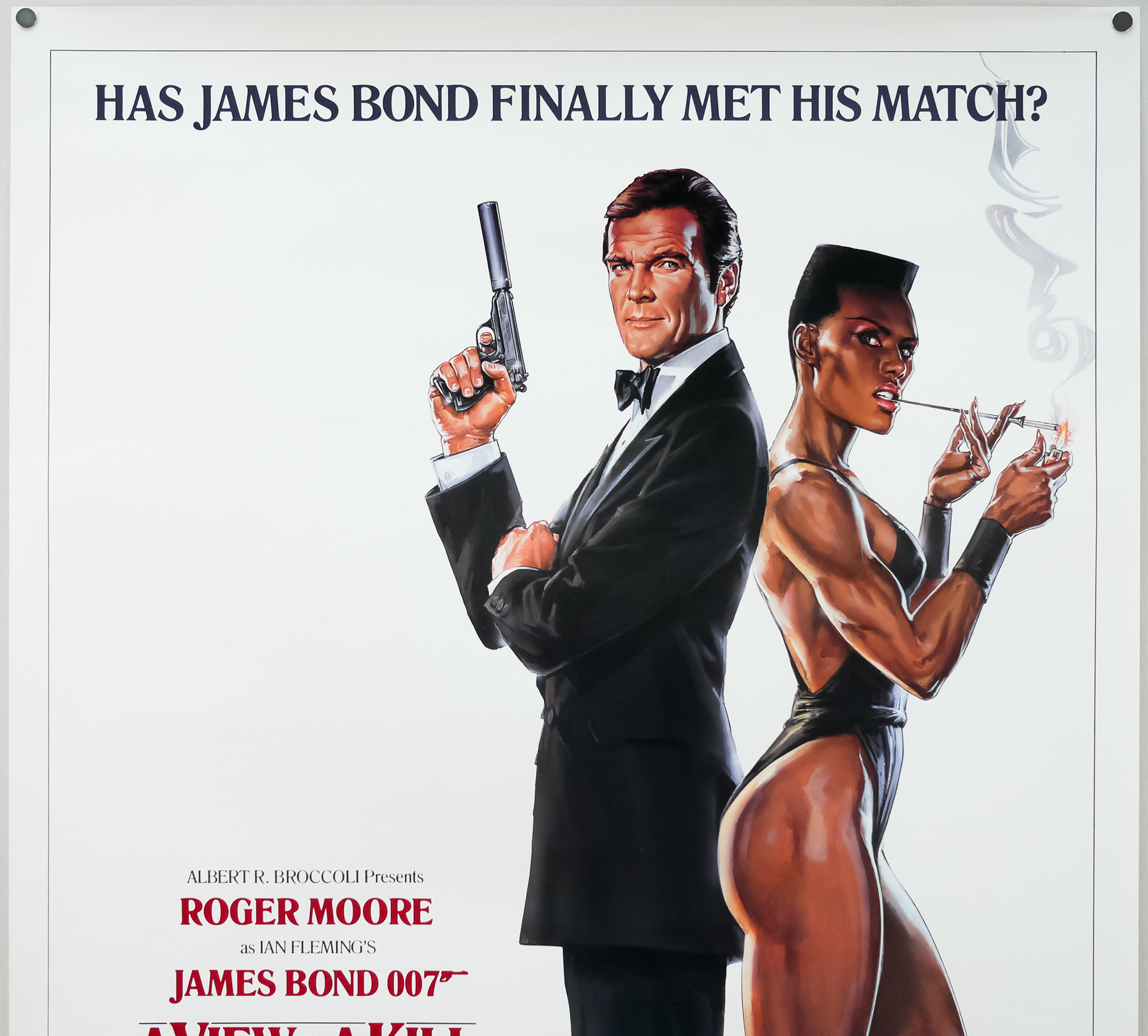
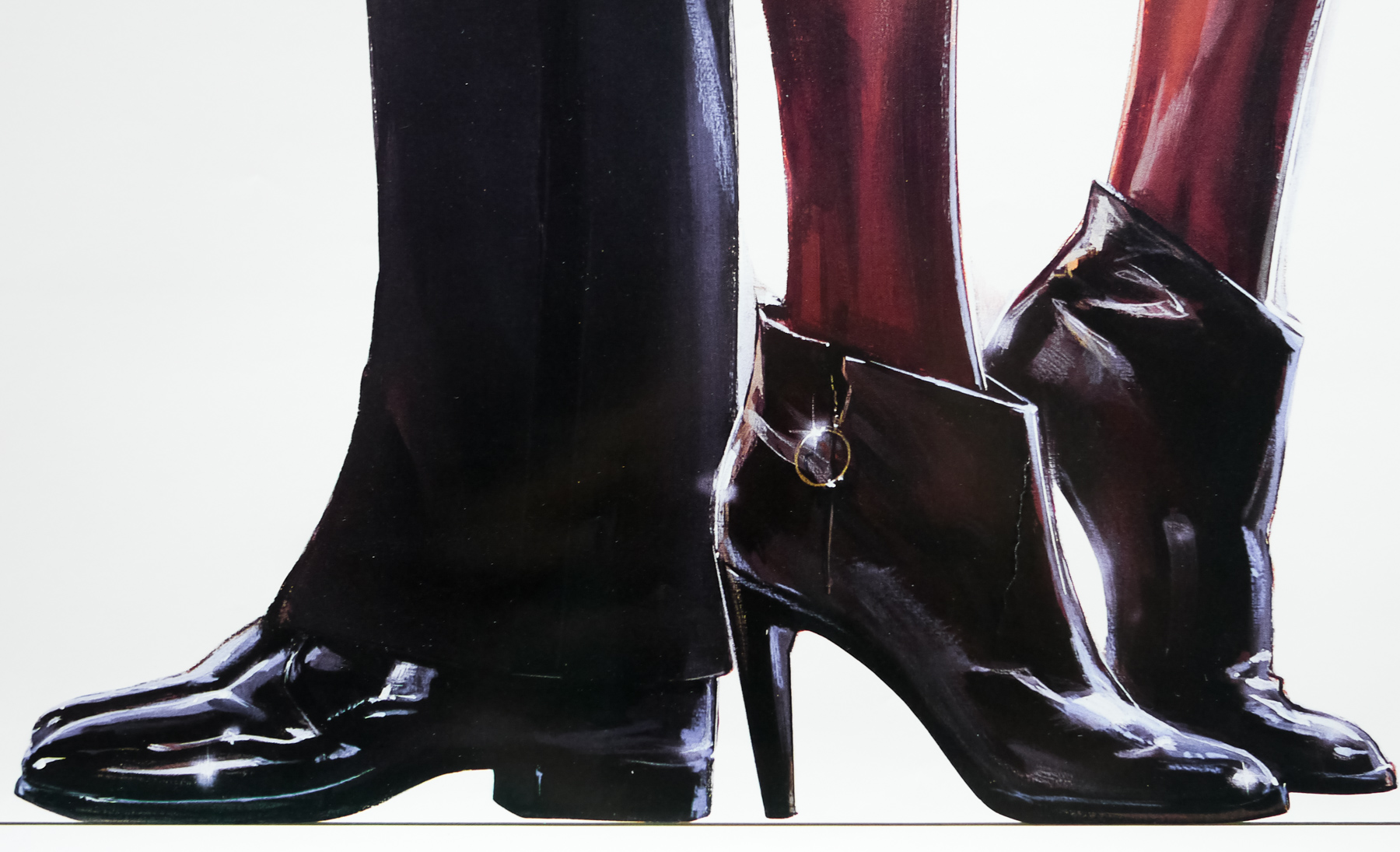
The excellent artwork on this advance one sheet (those are some very long legs!) is by the American poster artist Dan Goozee who was also responsible for a few other Bond posters, including Moonraker and Octopussy, as well as several other classic designs from the 1980s. The other posters I’ve collected by him can be seen here.

Hellraiser / one sheet / USA

12.06.13

Poster Poster
Title
Hellraiser
AKA
Clive Barker's Hellraiser (UK - complete title)
Year of Film
1987
Director
Clive Barker
Starring
Andrew Robinson, Doug Bradley, Clare Higgins, Ashley Laurence, Sean Chapman, Oliver Smith
Origin of Film
UK
Genre(s) of Film
Andrew Robinson, Doug Bradley, Clare Higgins, Ashley Laurence, Sean Chapman, Oliver Smith,
Type of Poster
One sheet
Style of Poster
--
Origin of Poster
USA
Year of Poster
1987
Designer
Pulse Advertising
Artist
--
Size (inches)
27 2/16" x 41 1/16"
SS or DS
SS
NSS #
--
Tagline
Demon to some. Angel to others. | He'll tear your soul apart

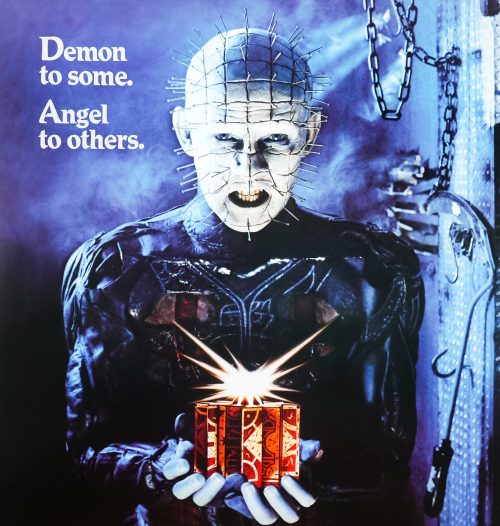
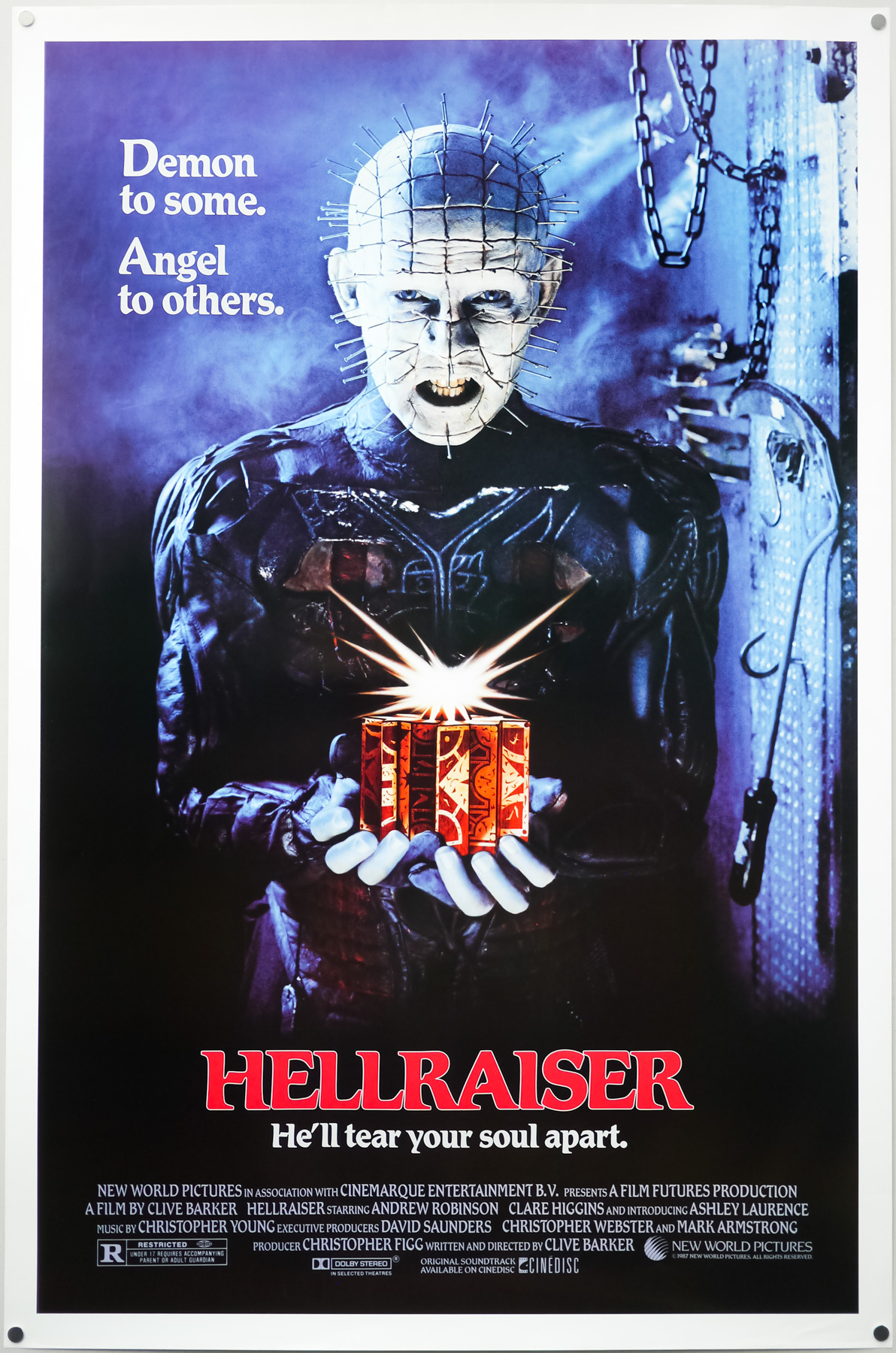
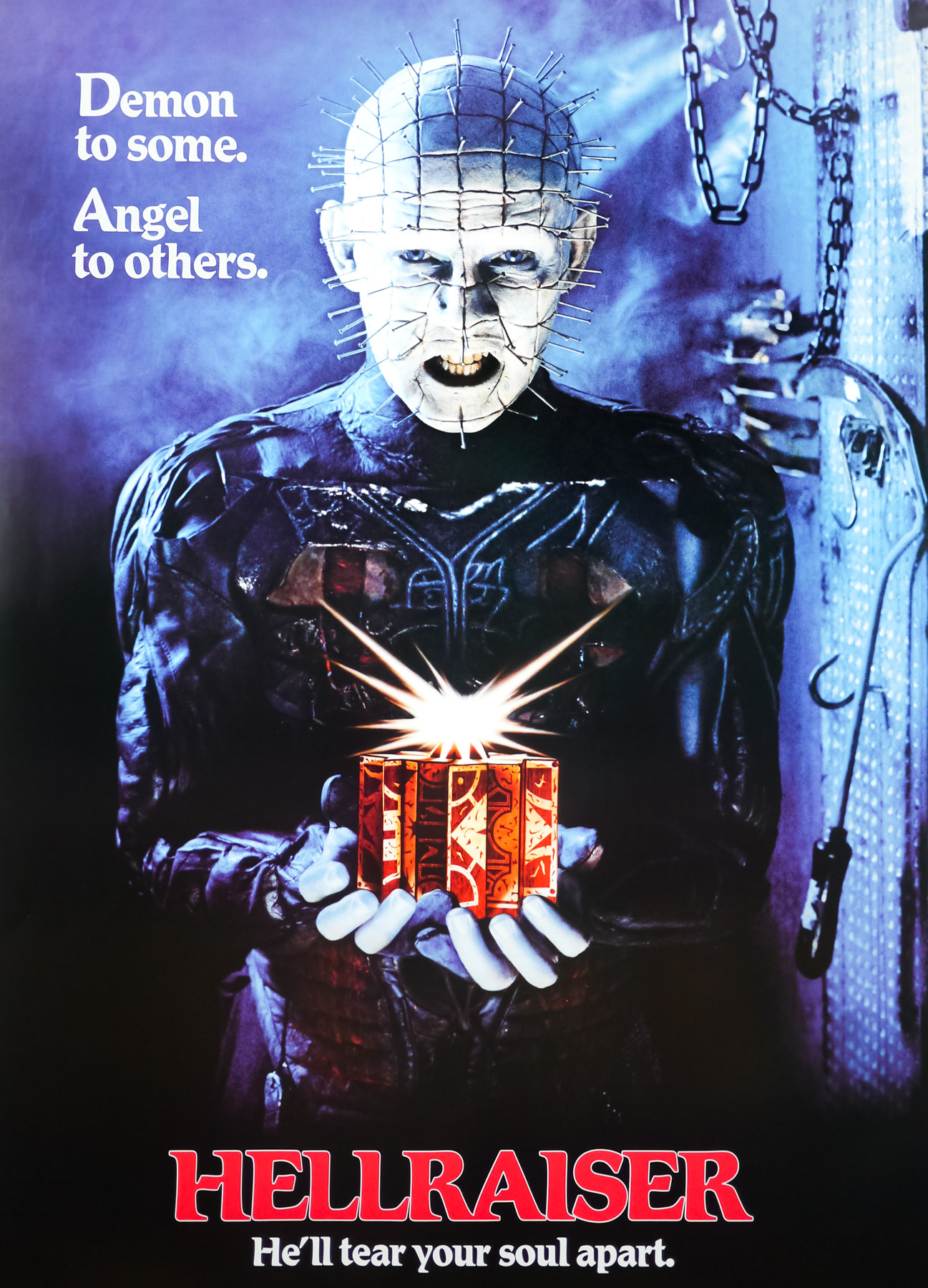
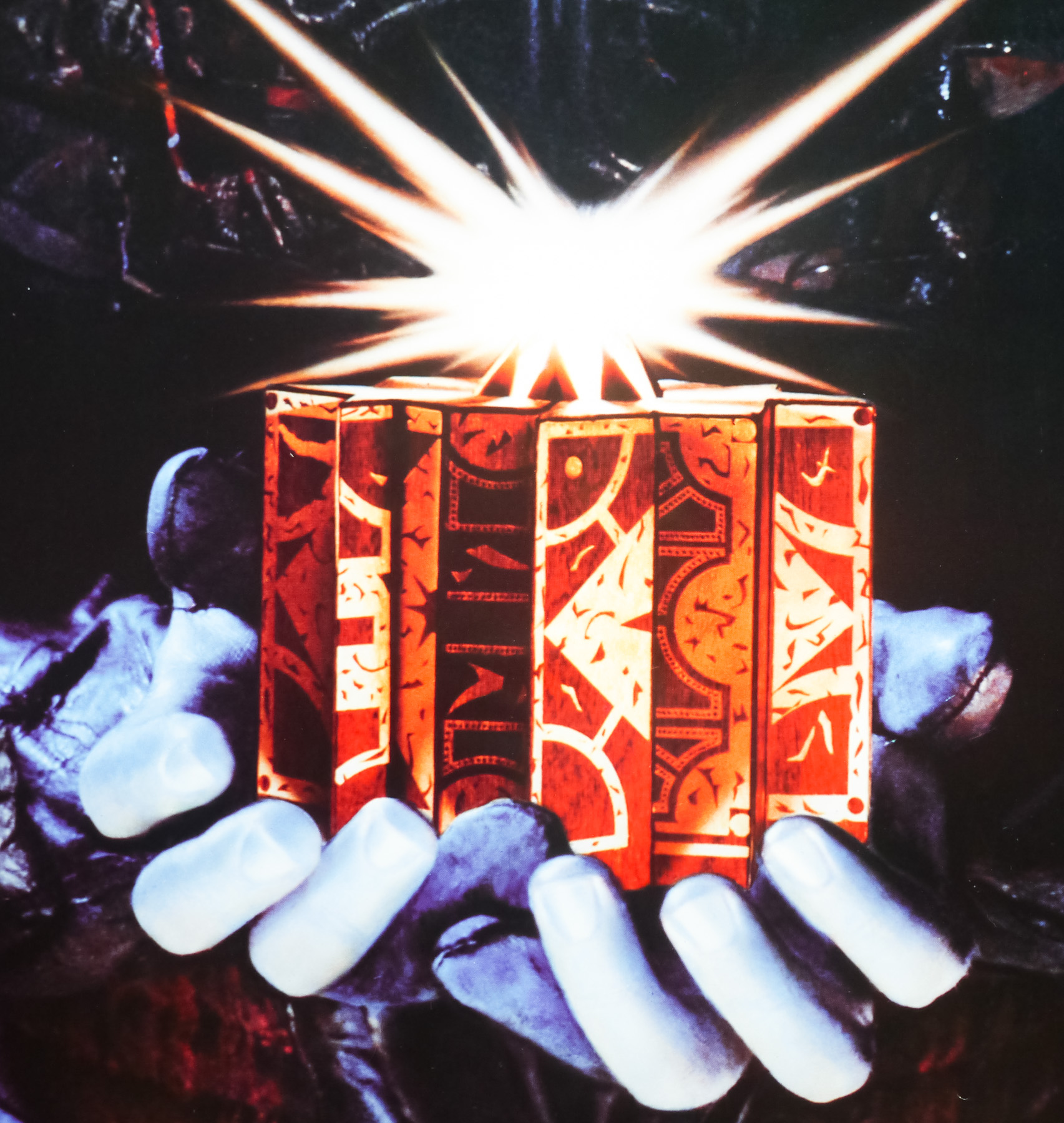
Unquestionably one of the truly great British horror films, Clive Barker‘s Hellraiser launched an enduring franchise and established the character of Pinhead (or ‘Priest’, as Barker prefers him to be known) as one of horror’s most beloved villains. Based on the 1986 novella The Hellbound Heart, Barker made the decision to both write the screenplay and direct the film after being disappointed with how two of his earlier scripts had been treated by other directors. The story begins as seedy hedonist Frank Cotton (Sean Chapman) purchases a golden puzzle box from an antiques dealer in Morocco believing it holds the key to the ‘ultimate sensual experience’. On returning to his London home, Frank opens the puzzle box and is promptly torn apart by massive hooks controlled by a group of horribly scarred and mutilated humanoids known as the Cenobites. The lead Cenobite (Pinhead, played by Doug Bradley) twists the box back to its original shape and they pass back into their realm with Frank’s remains with the room returning to normal.

Sometime later, Frank’s brother Larry (Andrew Robinson) and his second wife Julia (Clare Higgins) move into the same house assuming that Frank is in jail in some exotic location. Larry’s daughter Kirsty (Ashley Laurence) declines the offer to move in with her stepmother and chooses to find her own place. When Larry accidentally cuts his hand and drips blood onto the attic floor it somehow reaches Frank in his prison in the other realm and starts to resurrect his body (in a stunning special effects sequence). Later that day Julia finds Frank in the attic and the pair rekindle an affair they had started some years before. Julia agrees to help Frank to fully resurrect himself, which can only happen through blood sacrifices so she begins to seduce and bring back random men to the house before bludgeoning them to death for Frank to consume. Kirsty begins to suspect something is afoot and soon she is having her own encounter with the Cenobites who are displeased to learn that one of their prisoners has escaped and is on a murder spree.

What makes the film stand out is the excellent script by Barker which prevents the characters from being the usual one-dimensional death fodder usually seen in horror films, particularly those being released towards the end of the 1980s. The production, costume and makeup design are all excellent, with all of the Cenobite designs being particularly memorable. There’s only one stop-motion animation sequence at the end of the film that belies the productions low budget and the film stands up extremely well today. Although the series is up to its ninth film instalment, Barker never directed another and was only producer on the first two sequels. After the fourth film (1996’s Bloodline) the series became a straight-to-video enterprise and quality dropped significantly from then onwards.

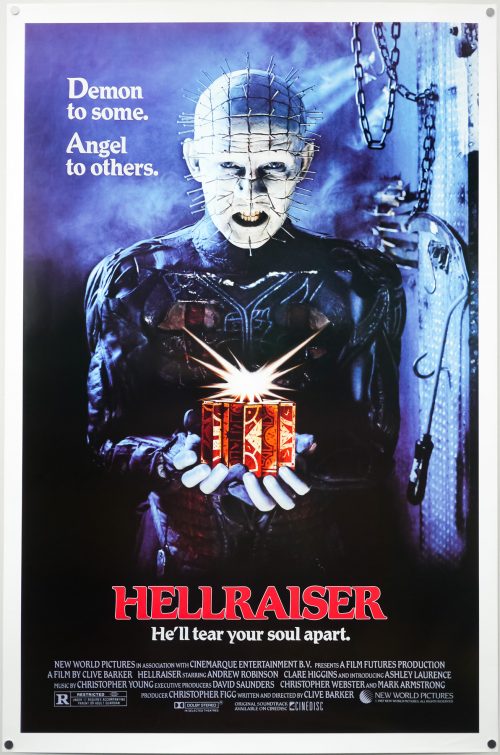
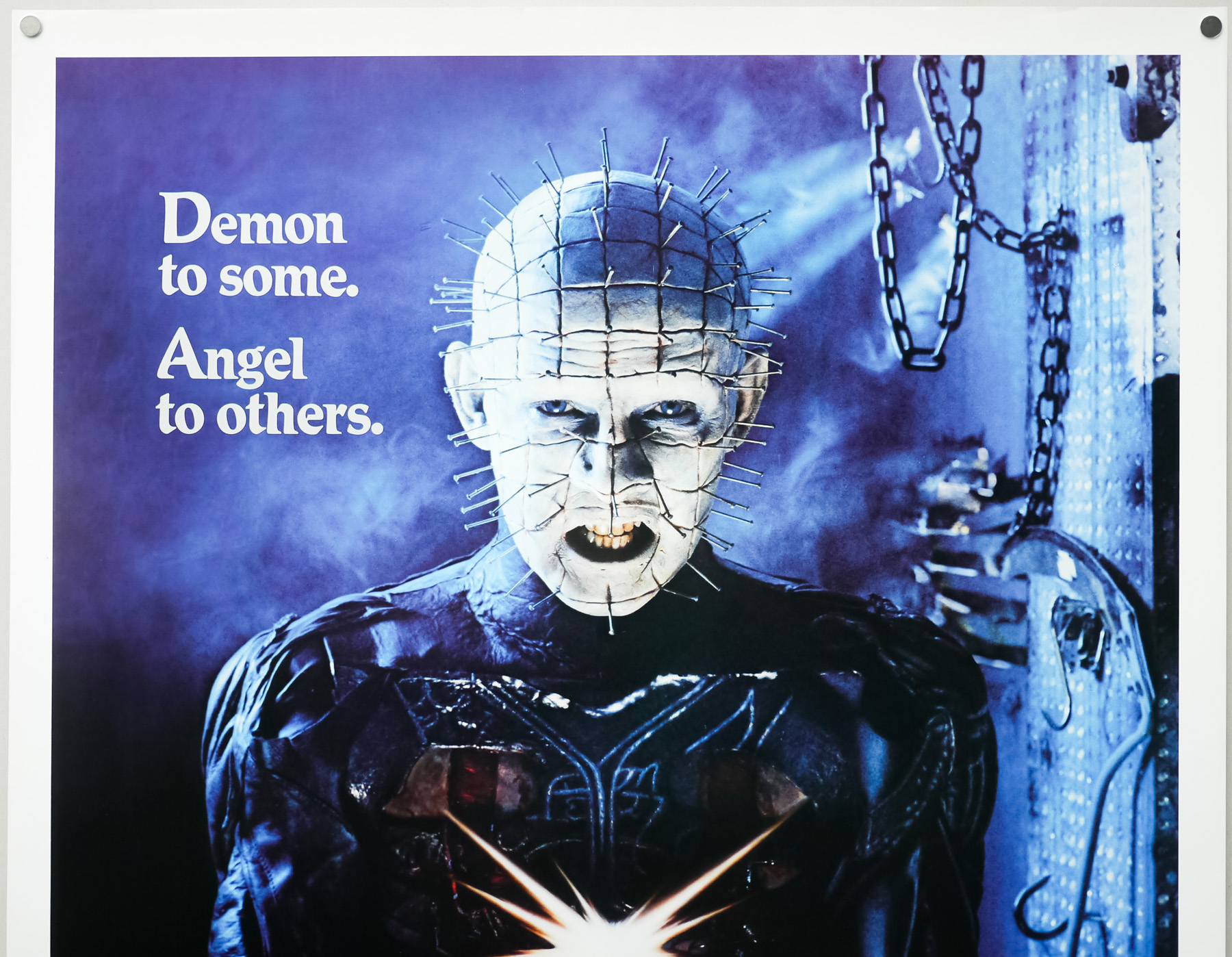
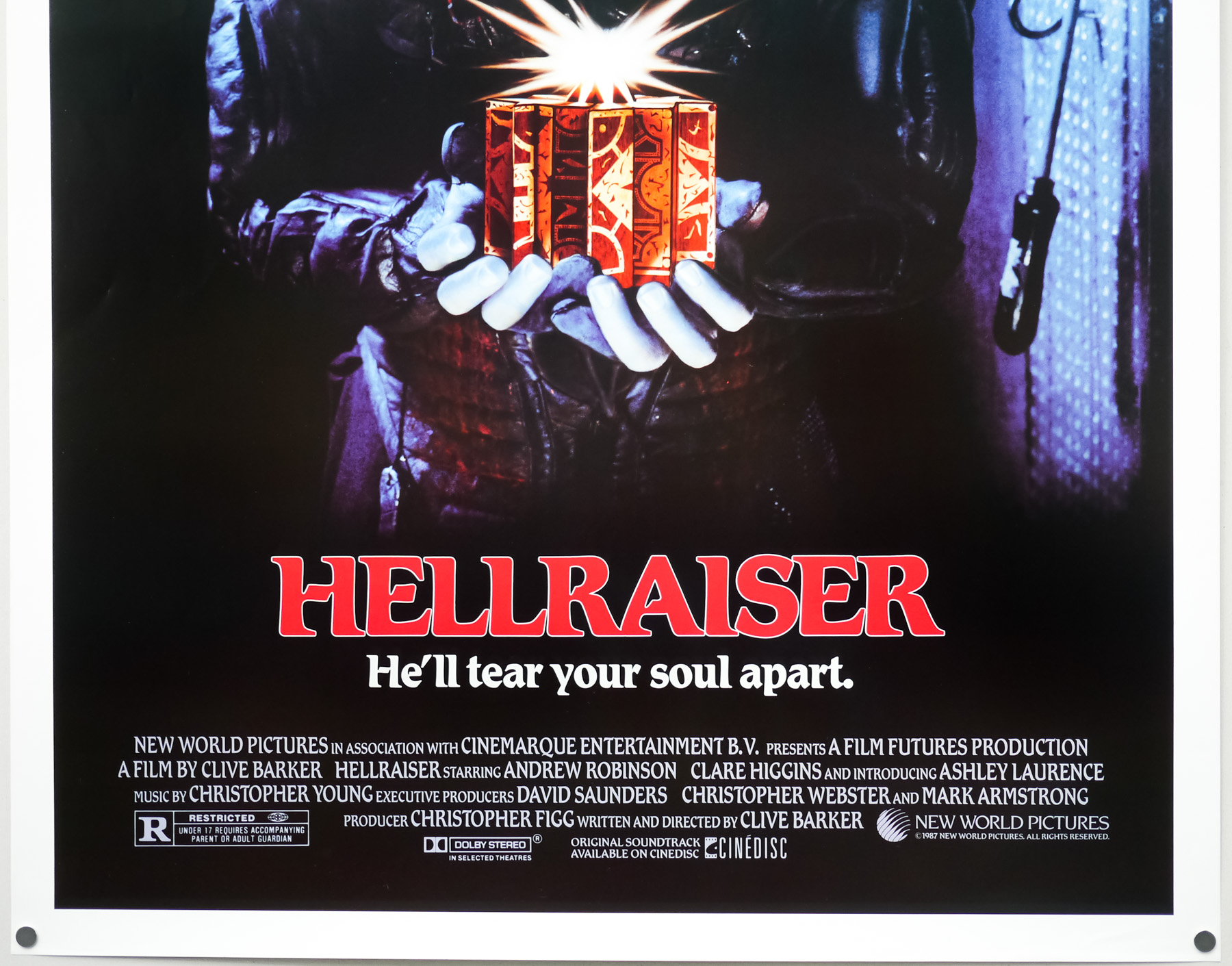
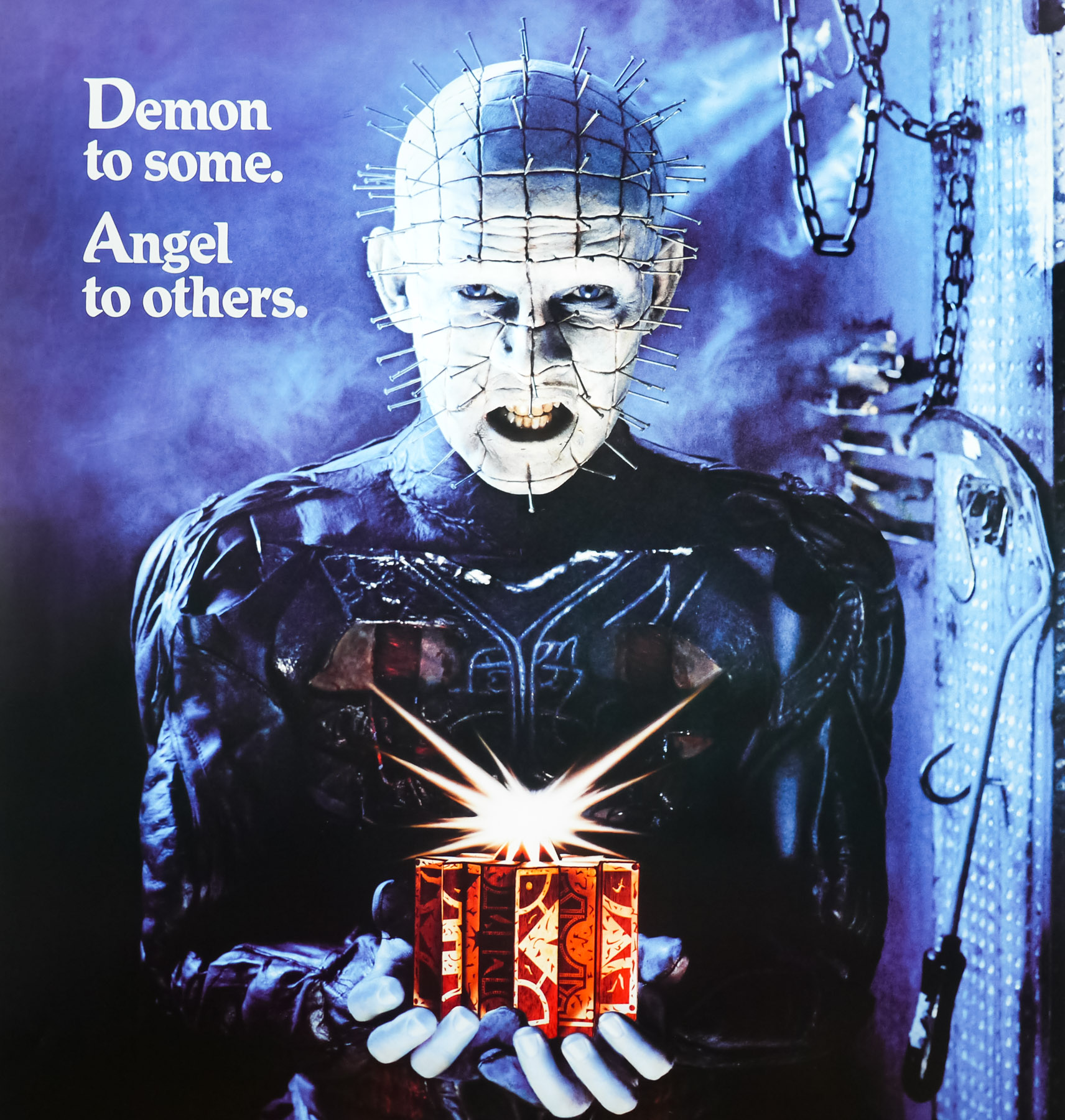
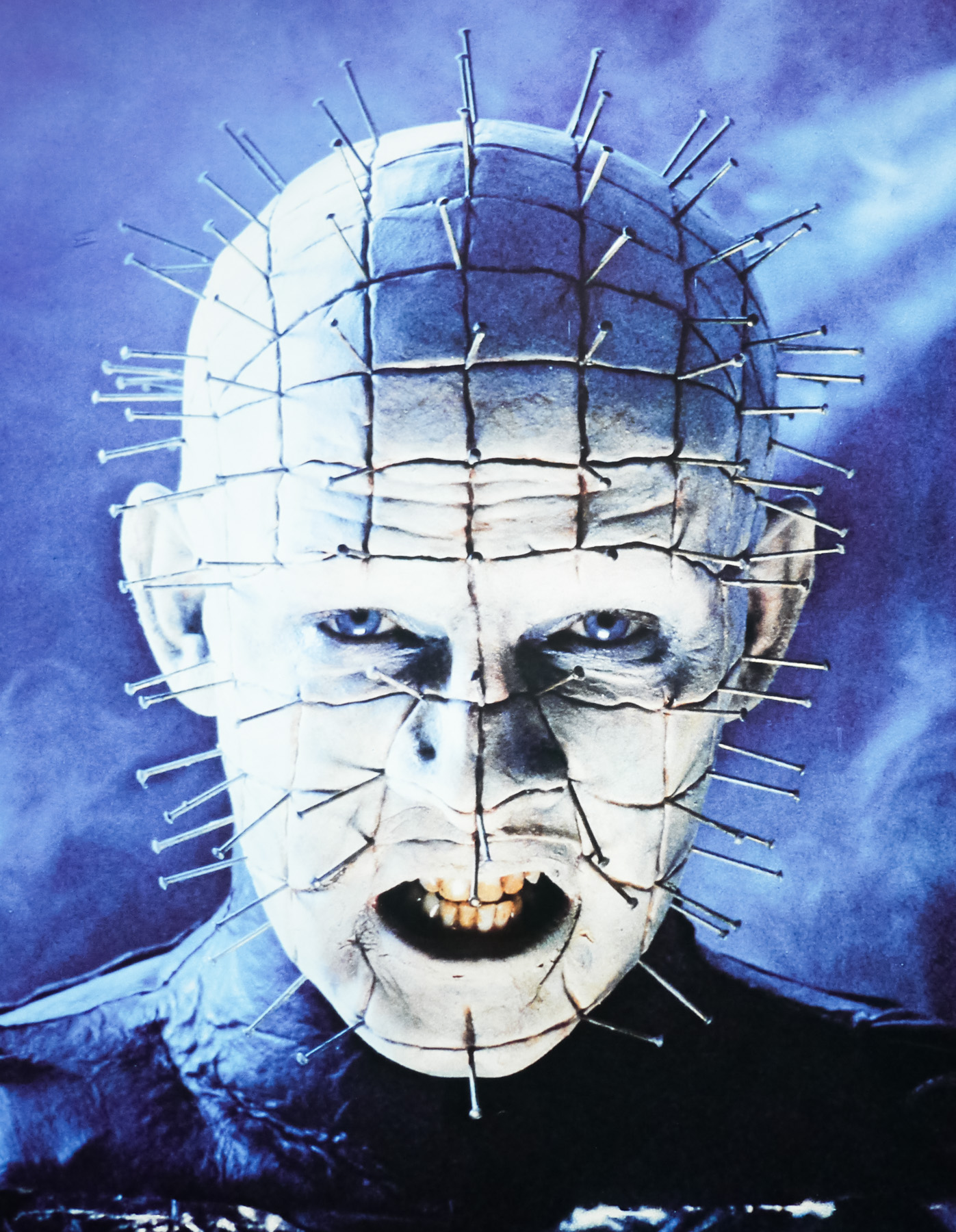
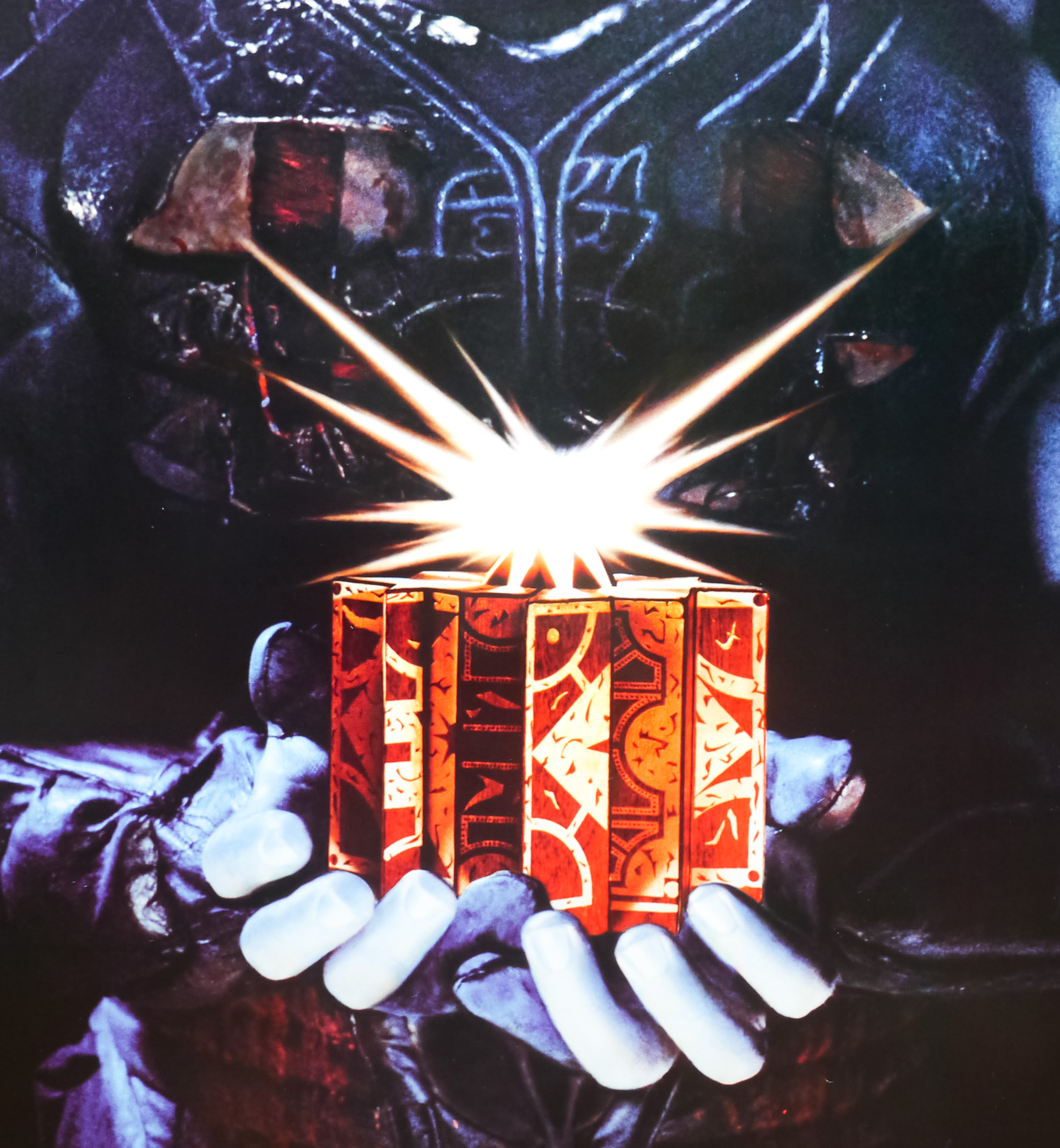
This US one sheet, designed by Pulse Advertising, features a great image of Pinhead holding the puzzlebox, alongside a very memorable tagline. The lead Cenobite would be front and centre on posters for the film used around the world, as well as all theatrically-released sequels. To see more posters designed by Pulse, check out this page on IMPAwards and the posters I’ve collected that were designed by them can be seen here.

House / one sheet / 2010 re-release / USA

19.06.13

Poster Poster

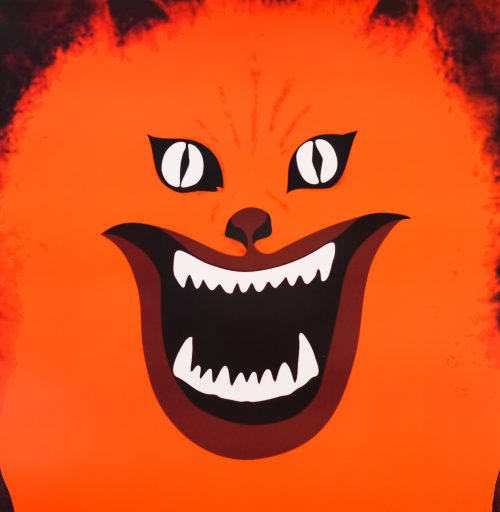
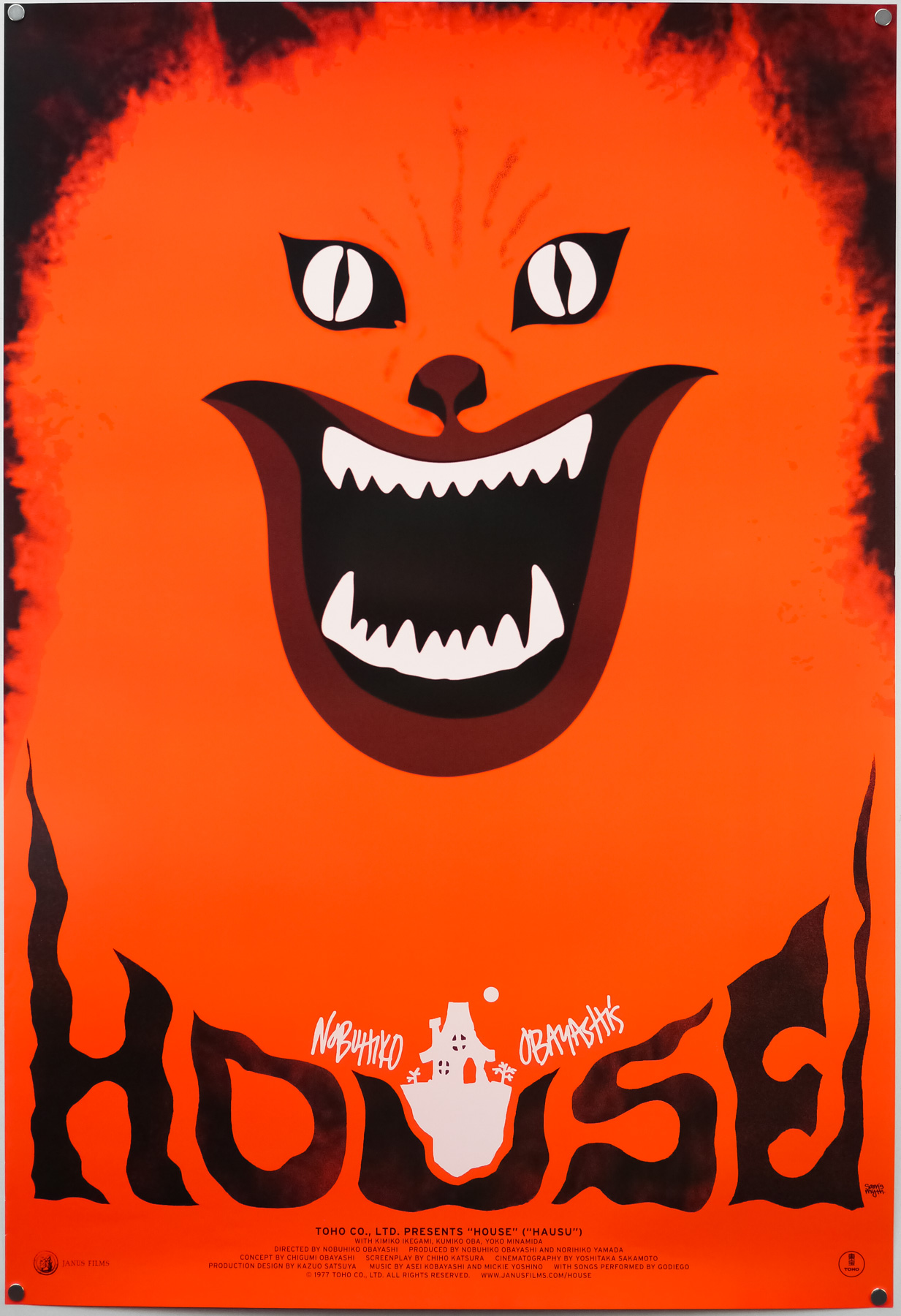
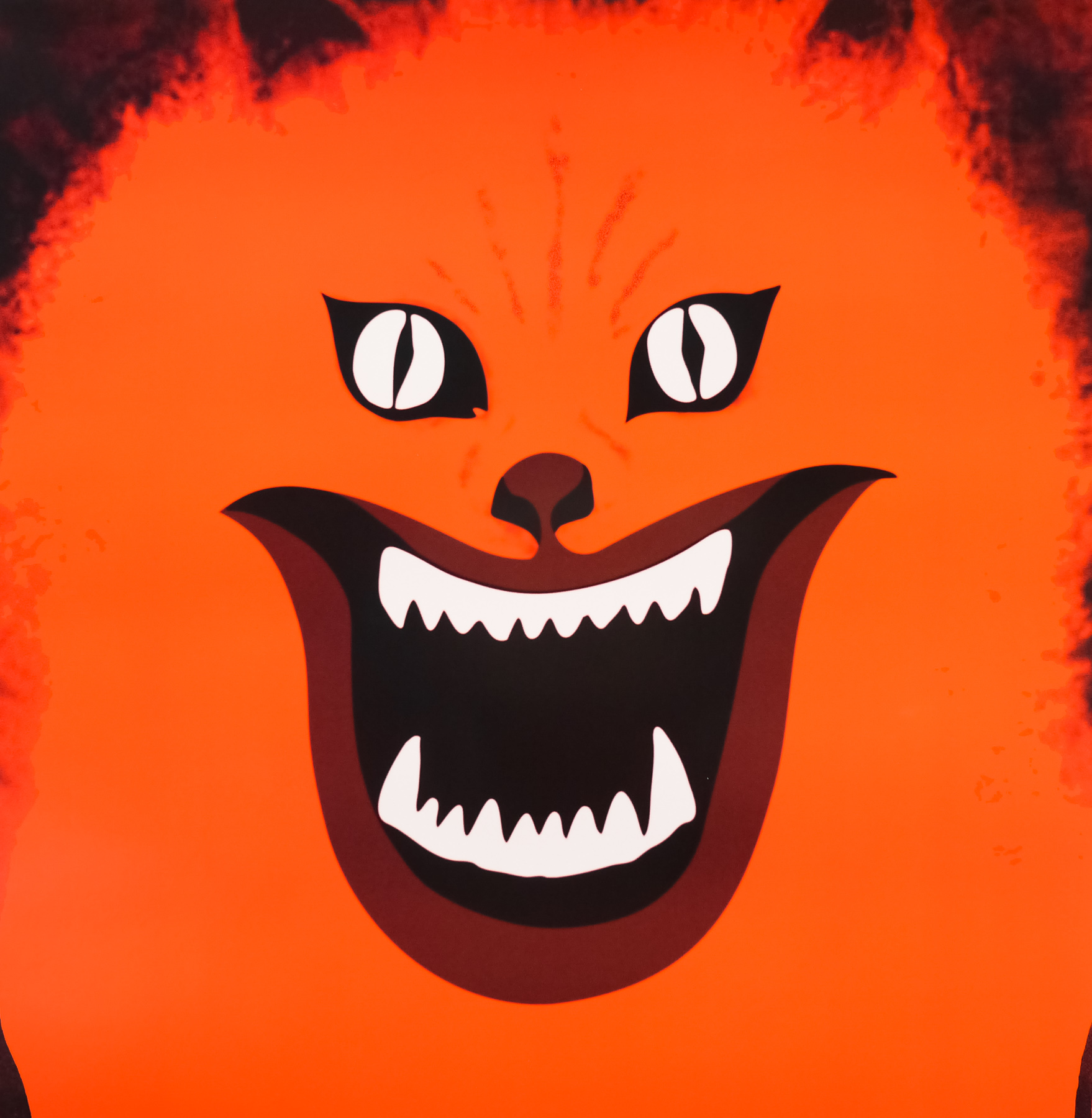
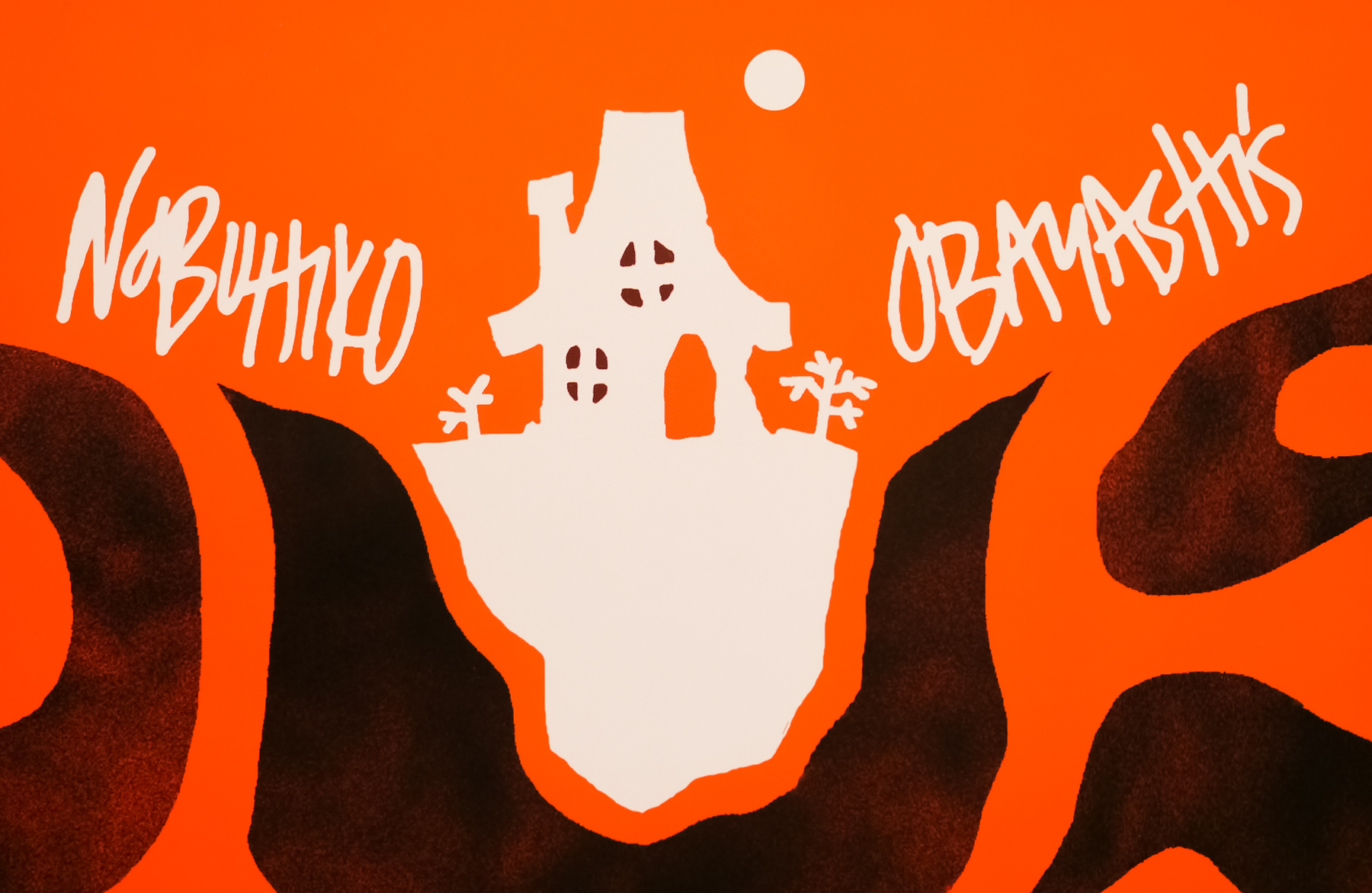
A cinematic experience quite unlike any other, Japanese director Nobuhiko Obayashi‘s 1977 masterpiece House is almost impossible to categorize or even describe and simply needs to be seen to be believed. The American distributor Janus Films, who supervised a restoration of the film in 2010, attempt to summarise the film better than I possibly could:

‘How to describe Nobuhiko Obayashi’s 1977 movie House? As a psychedelic ghost tale? A stream-of-consciousness bedtime story? An episode of Scooby Doo as directed by Dario Argento? Any of the above will do for this hallucinatory head trip about a schoolgirl who travels with six classmates to her ailing aunt’s creaky country home, only to come face to face with evil spirits, bloodthirsty pianos, and a demonic housecat. Too absurd to be genuinely terrifying, yet too nightmarish to be merely comic, House seems like it was beamed to Earth from another planet.’

Relatively unknown outside of his native Japan, Obayashi had started his career in the field of experimental filmmaking and quickly forged a reputation as a master visual artist. His skills were soon utilised by advertising agencies and he quickly became a sought-after commercial director, working with Western actors including Sophia Loren and Charles Bronson who were earning lucrative paycheques to hawk various goods. The Japanese studio Toho approached Obayashi and asked him to develop a script for a horror film that would hopefully emulate the great success of Spielberg’s Jaws. The director spoke to his 11-year-old daughter Chigumi to get some inspiration, claiming later that adults “only think about things they understand…everything stays on that boring human level”.

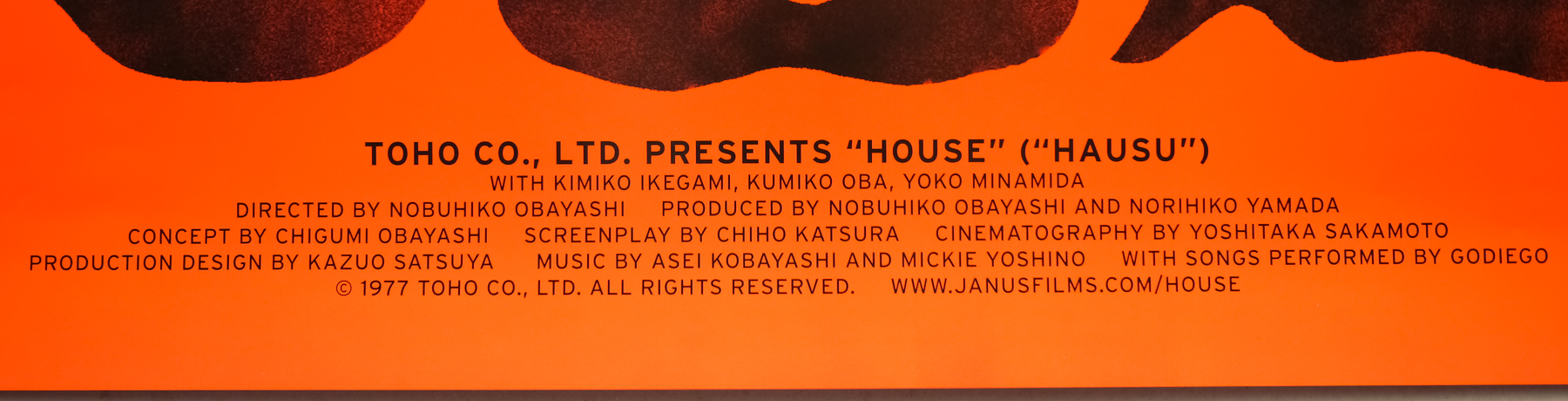
The resultant script, written by Chiho Katsura, included several of Chigumi’s suggestions. Toho green-lit the script and then, after struggling to find a director willing to tackle it, gave the job to Obayashi himself despite him not being a member of the Toho staff. The resultant film is clearly the work of someone who is unafraid to experiment with the medium of film and the director spent two months on Toho’s biggest soundstage shooting the script without storyboards and utilising a whole host of special effects techniques, several of which Obayashi seemingly created especially for this film. House was a huge hit, much to the studio’s surprise, unquestionably helped by the fact that the popular band Godiego providing the best-selling soundtrack, thus cementing the film’s appeal to the youth market.

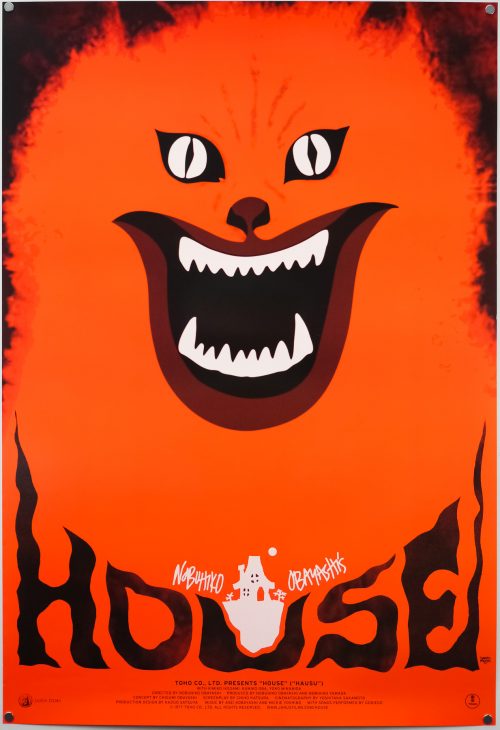
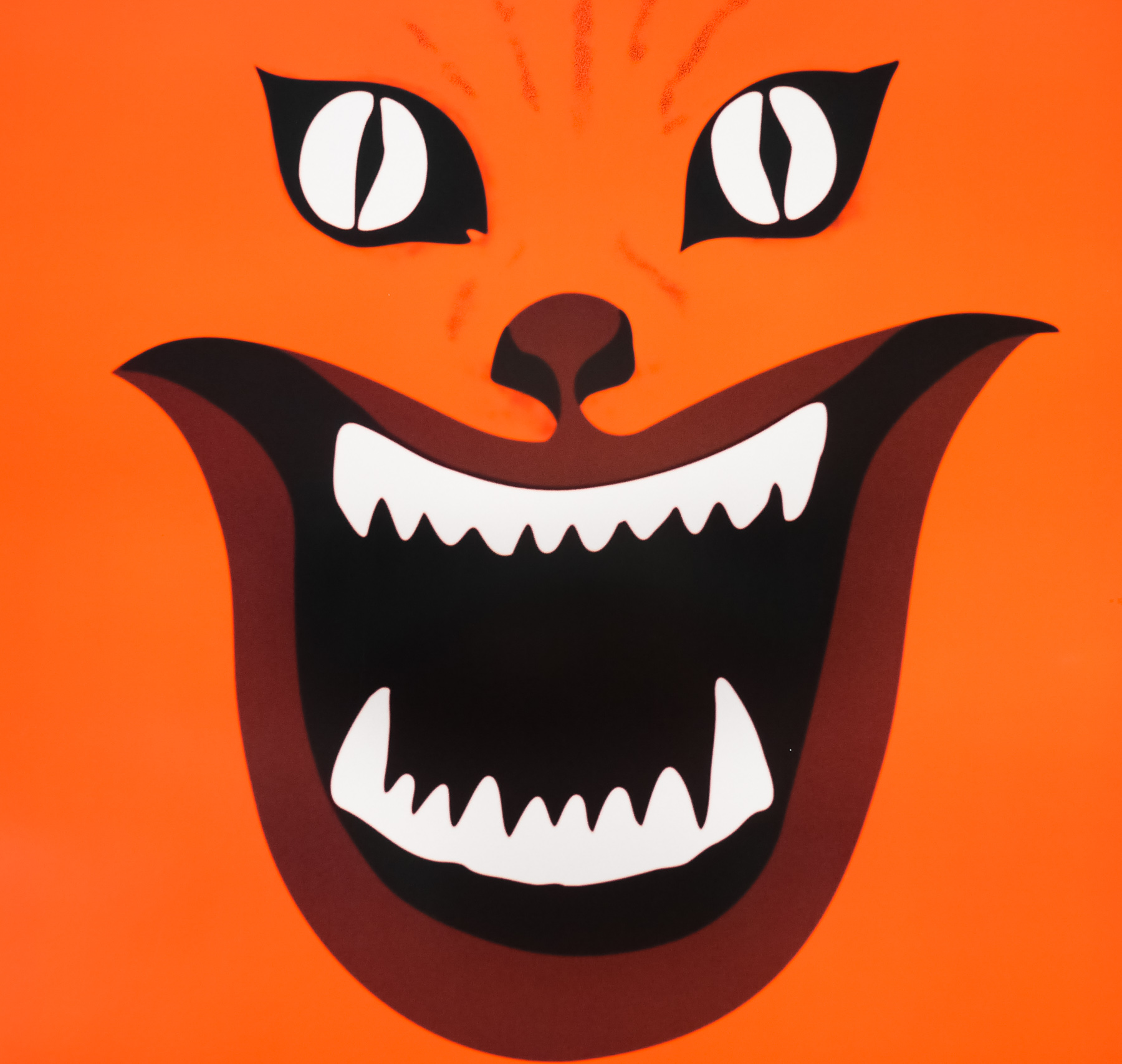
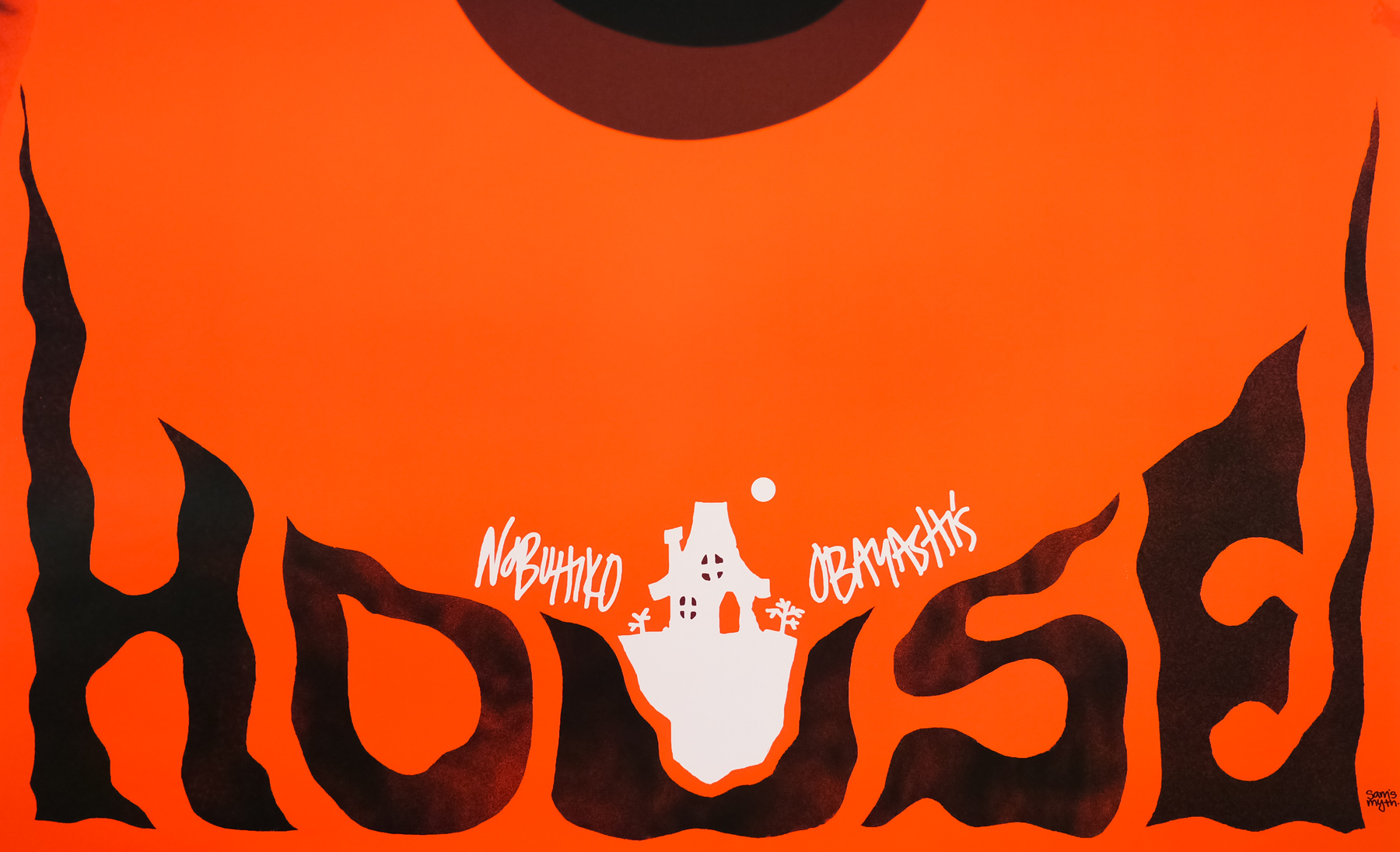
Despite Japanese success the film wasn’t released outside of the country, that is until Janus Films bought the distribution rights and aided with a digital restoration in preparation for a cinema re-release, and eventually a blu-ray release on their Criterion label in 2010. When the Nashville-based designer and artist Sam Smith (AKA Sam’s Myth) prepared a poster for a preview showing of the film at his local Belcourt Theatre he had no idea that Janus would eventually decide to not only use the image for their official one sheet but also as the cover of the eventual Criterion release. In June 2013 I interviewed Sam and the resultant article can be read here. We discussed the House poster and the following excerpt explains how he arrived at the final design:

How quickly did you arrive at using the image of Blanche the cat as the poster image?
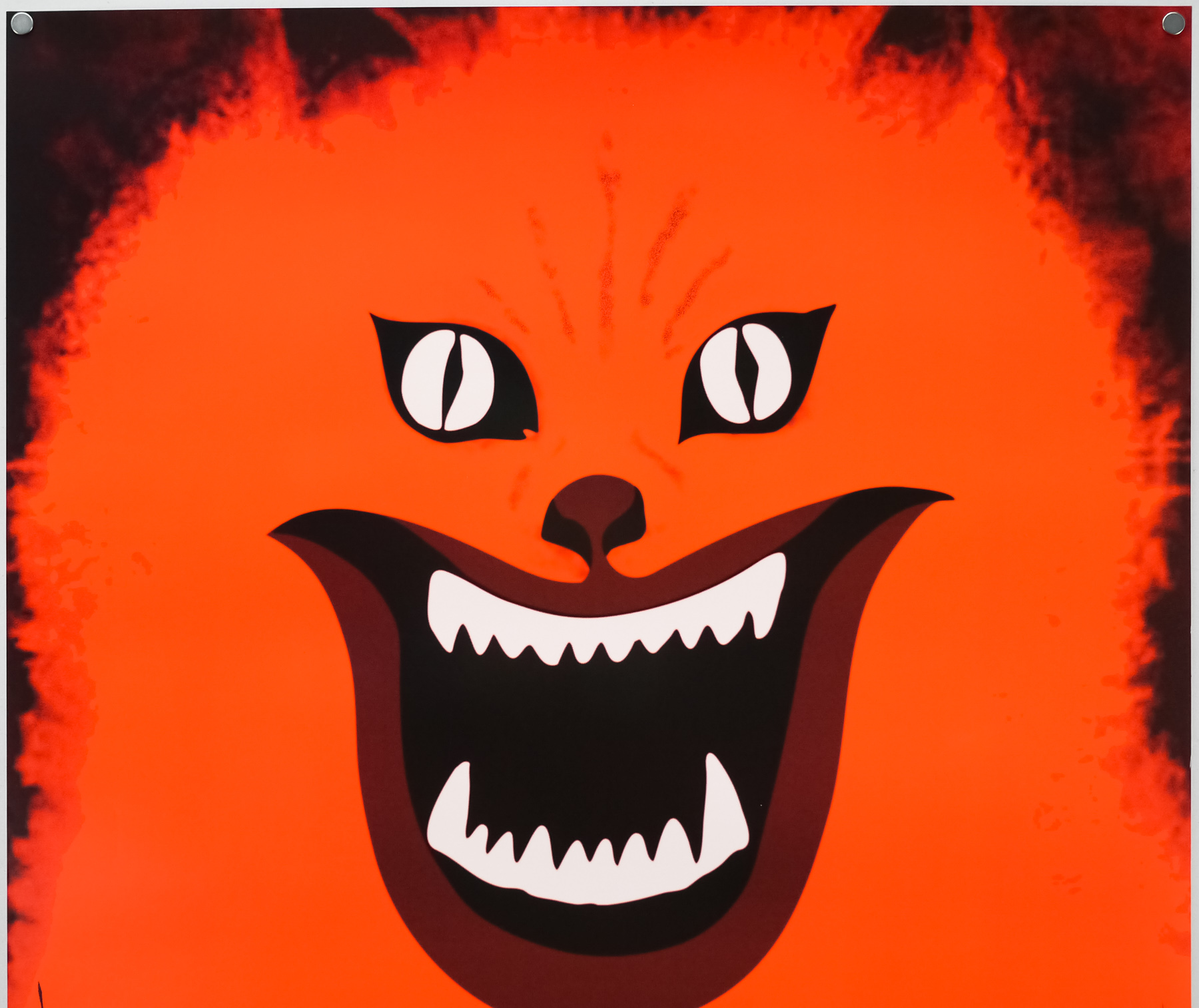
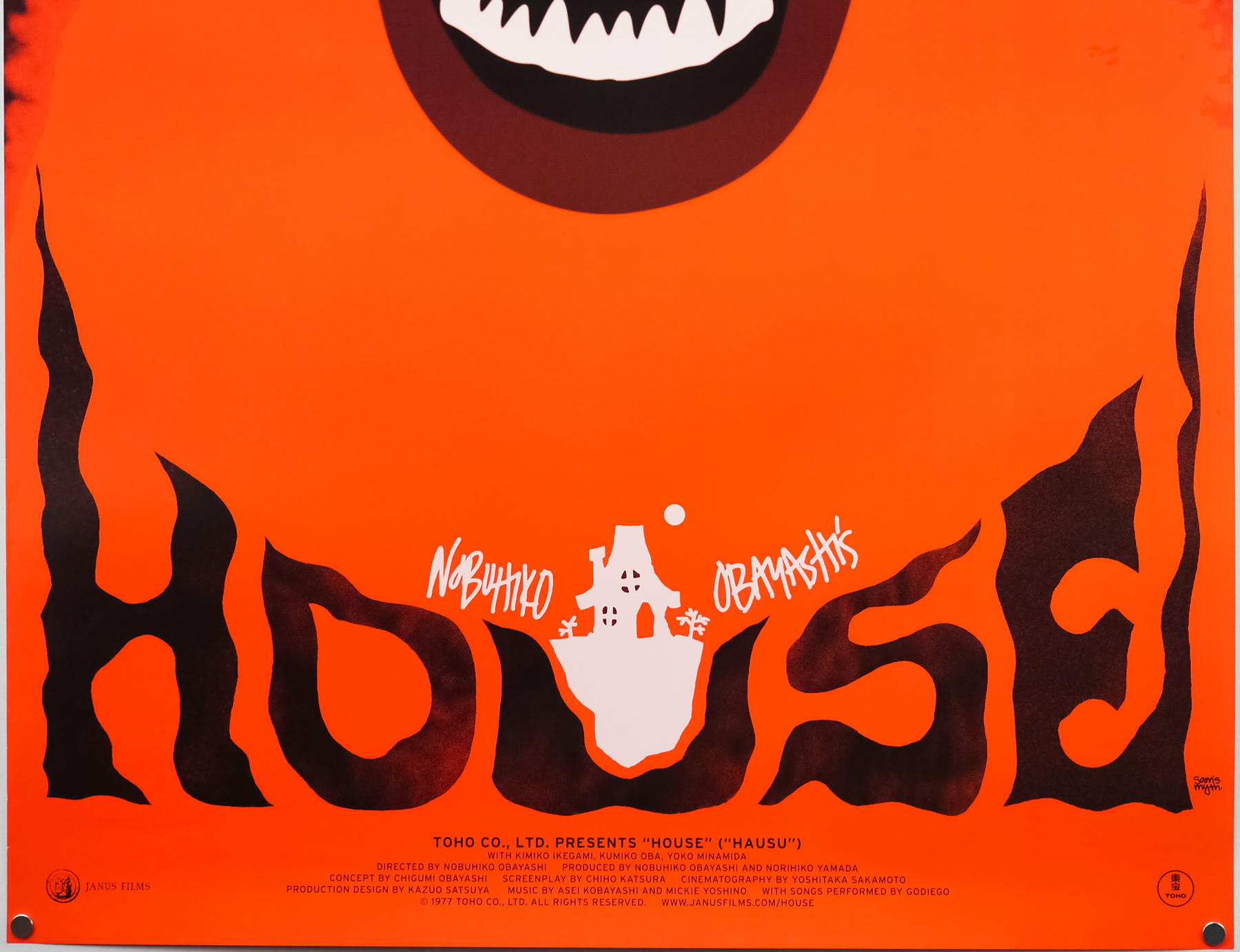
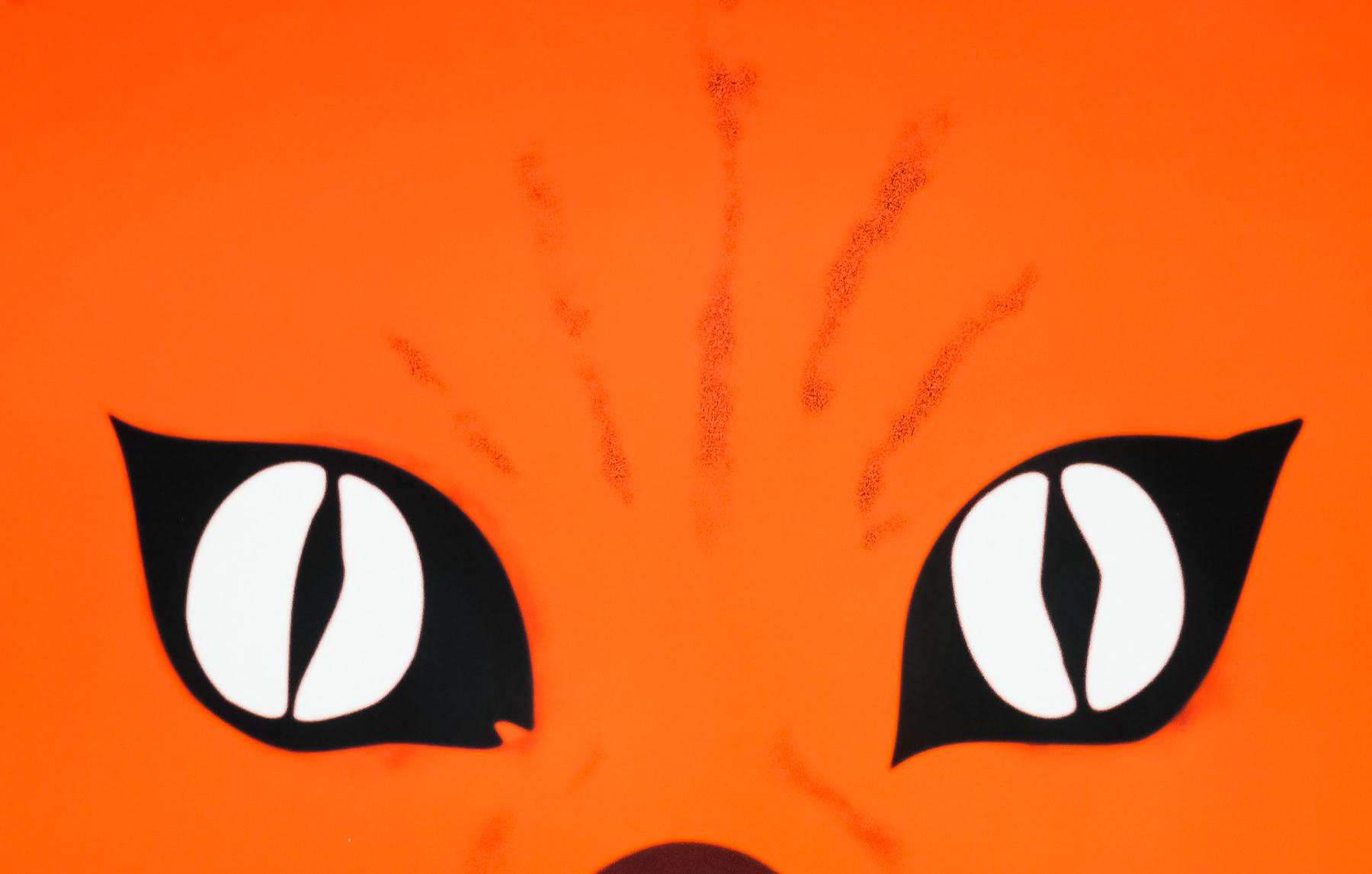
Almost instantly actually. In fact, my friend Zack Hall who is a manager at the Belcourt sent me some images and we were brainstorming at that image of Blanche just jumped out at me and seemed like something I could use. But I wanted to transform it from the screenshot into a graphic piece. The angle of that shot isn’t quite straight on, so I manipulated that, and I gave the cat’s face the entire frame of the poster, removed from the picture frame. I touched the image up and blew it out in black and white, and I just saw this field of red-orange over the whole thing, thinking it could really transform that image into something iconic. The lettering and everything else– the little house illustration– all came very quickly, in a single pass. It’s by far the fastest any poster design has ever come together for me. I didn’t really think much about it and don’t really remember it happening.

Were you surprised at how iconic the Blanche image has ended up being?
A little bit, but I must give credit to Obayashi who came up with this image in the first place. It’s not like I drew it or created it out of my own imagination. I feel that I just plucked it out of the film and tried to transform it graphically into something iconic that represented the insane, exciting, colorful energy of the film, while adding my own touches with the lettering and accoutrements. People loved it though. I suggested making t-shirts and stickers, and I still see people wearing them when I’m at a festival or traveling somewhere. It really taught me that in this day and age, the most important quality of a poster is for its design to feel iconic and eye-catching, above all else. The goal is to get people talking about the film and going to see the film and telling their friends about it, and it’s cool to hear people say “you know, the movie with the poster of the red cat face” and realize you had a role in the film finding its audience.

———————

Sam’s blog has a post about the creation of the House poster and is well worth a read.
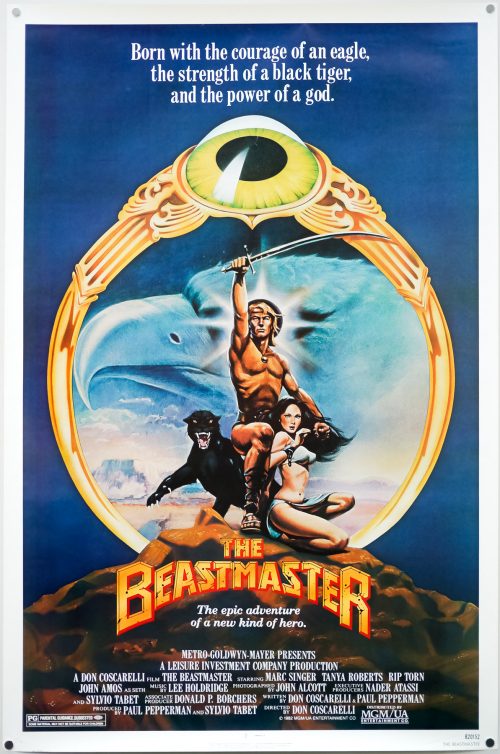
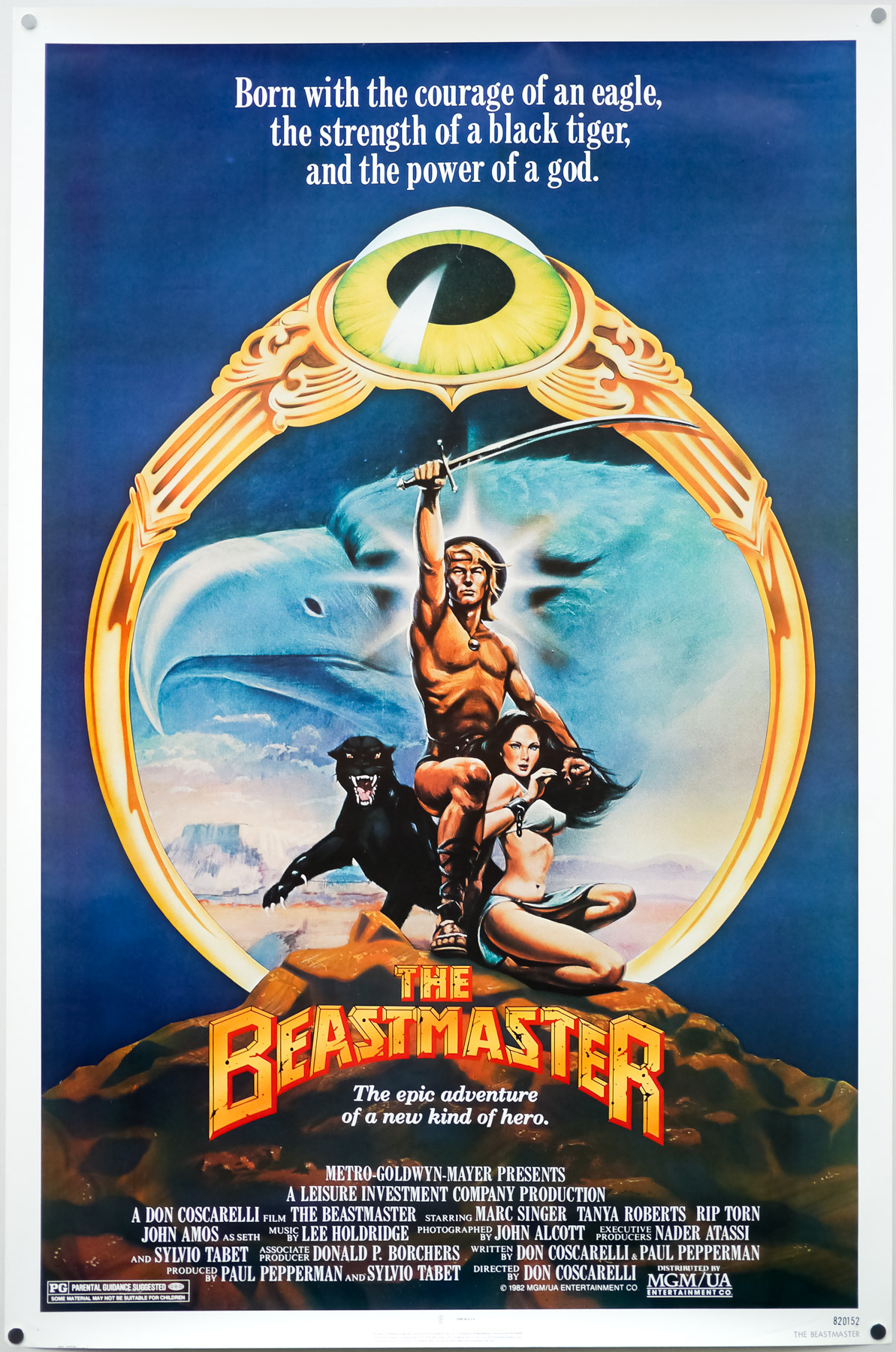
The Beastmaster / one sheet / USA

05.07.13

Poster Poster
Title
The Beastmaster
AKA
Miraclemaster
Year of Film
1982
Director
Don Coscarelli
Starring
Marc Singer, Tanya Roberts, Rip Torn, John Amos, Josh Milrad, Rod Loomis, Vanna Bonta, Ben Hammer, Ralph Strait, Billy Jacoby, Tony Epper, Paul Reynolds
Origin of Film
USA | West Germany
Genre(s) of Film
Marc Singer, Tanya Roberts, Rip Torn, John Amos, Josh Milrad, Rod Loomis, Vanna Bonta, Ben Hammer, Ralph Strait, Billy Jacoby, Tony Epper, Paul Reynolds,
Type of Poster
One sheet
Style of Poster
--
Origin of Poster
USA
Year of Poster
1982
Designer
Unknown
Artist
C. W. Taylor
Size (inches)
27 2/16" x 41"
SS or DS
SS
NSS #
820152
Tagline
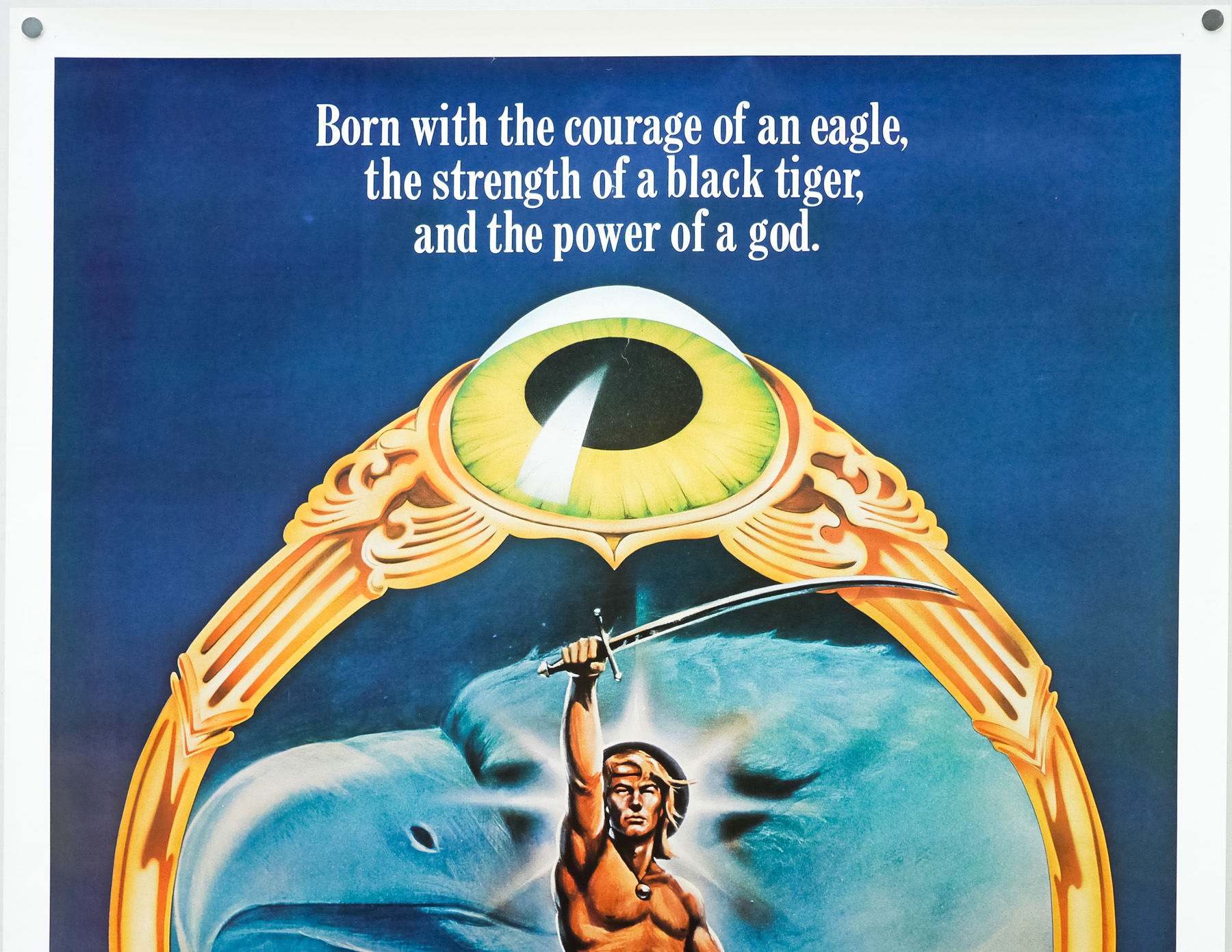
Born with the courage of an eagle, the strength of a black tiger, and the power of a god.
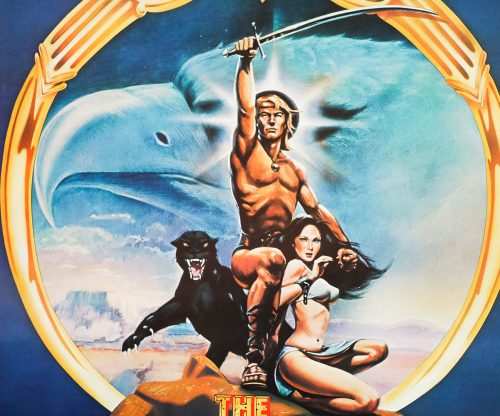
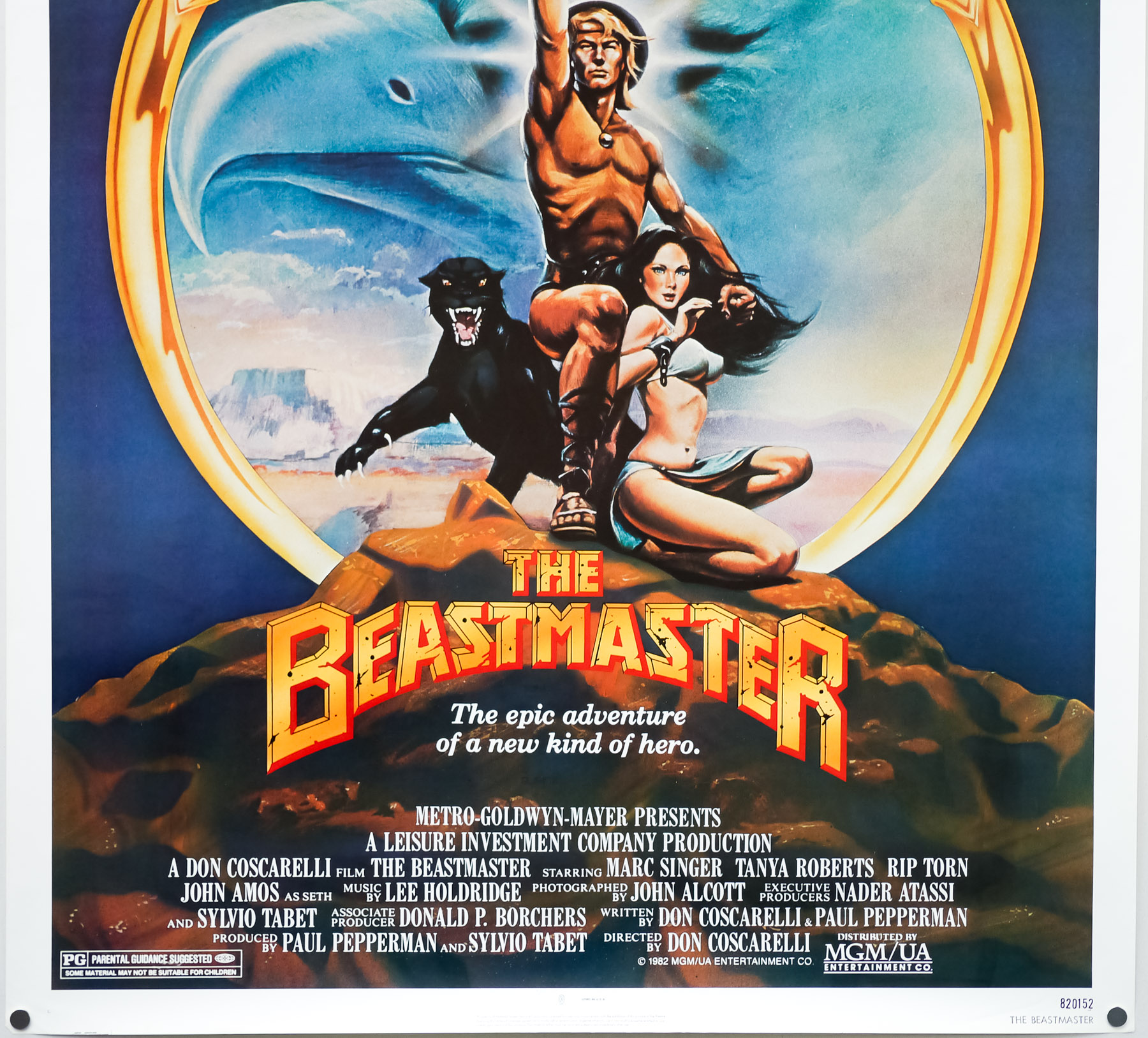
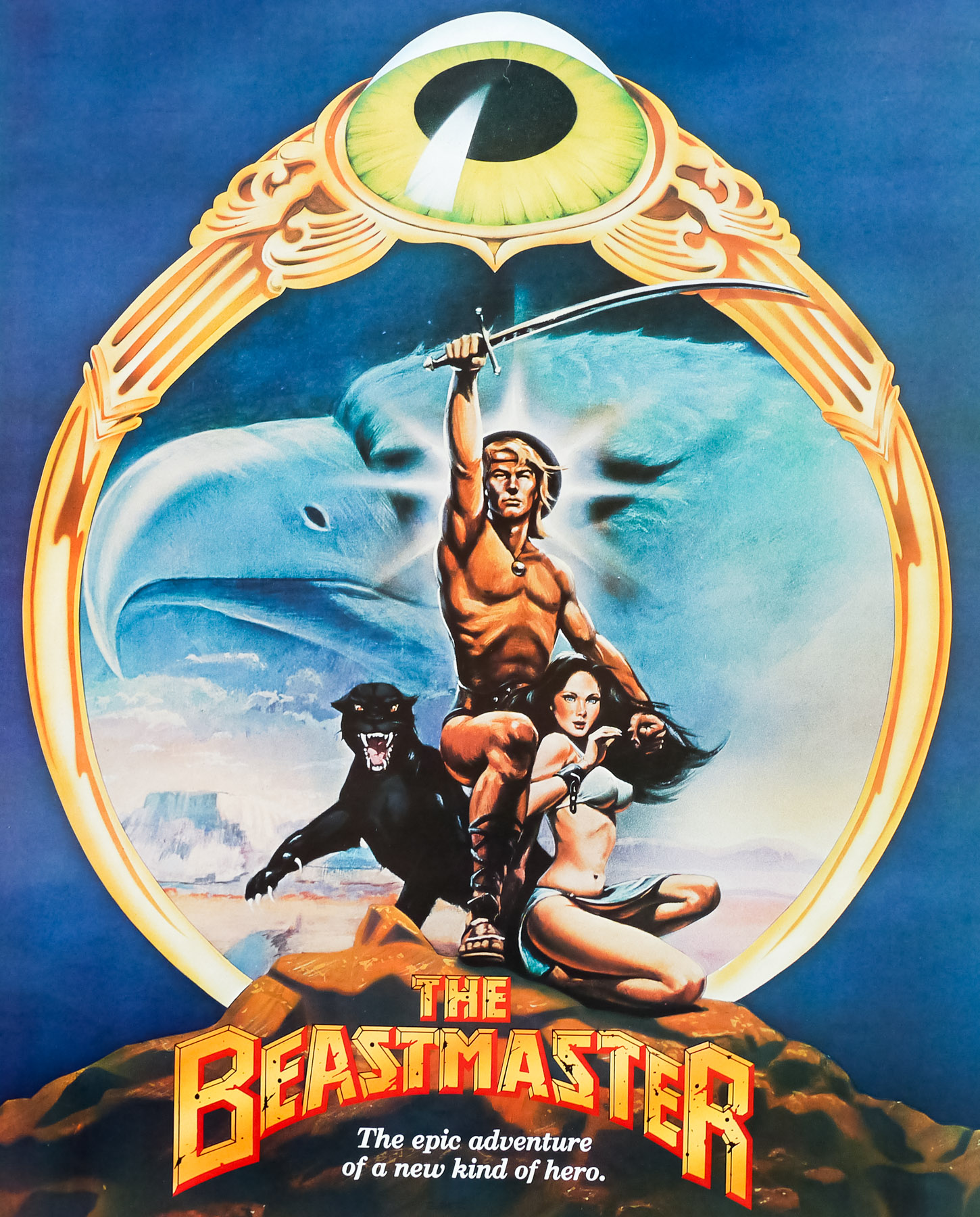
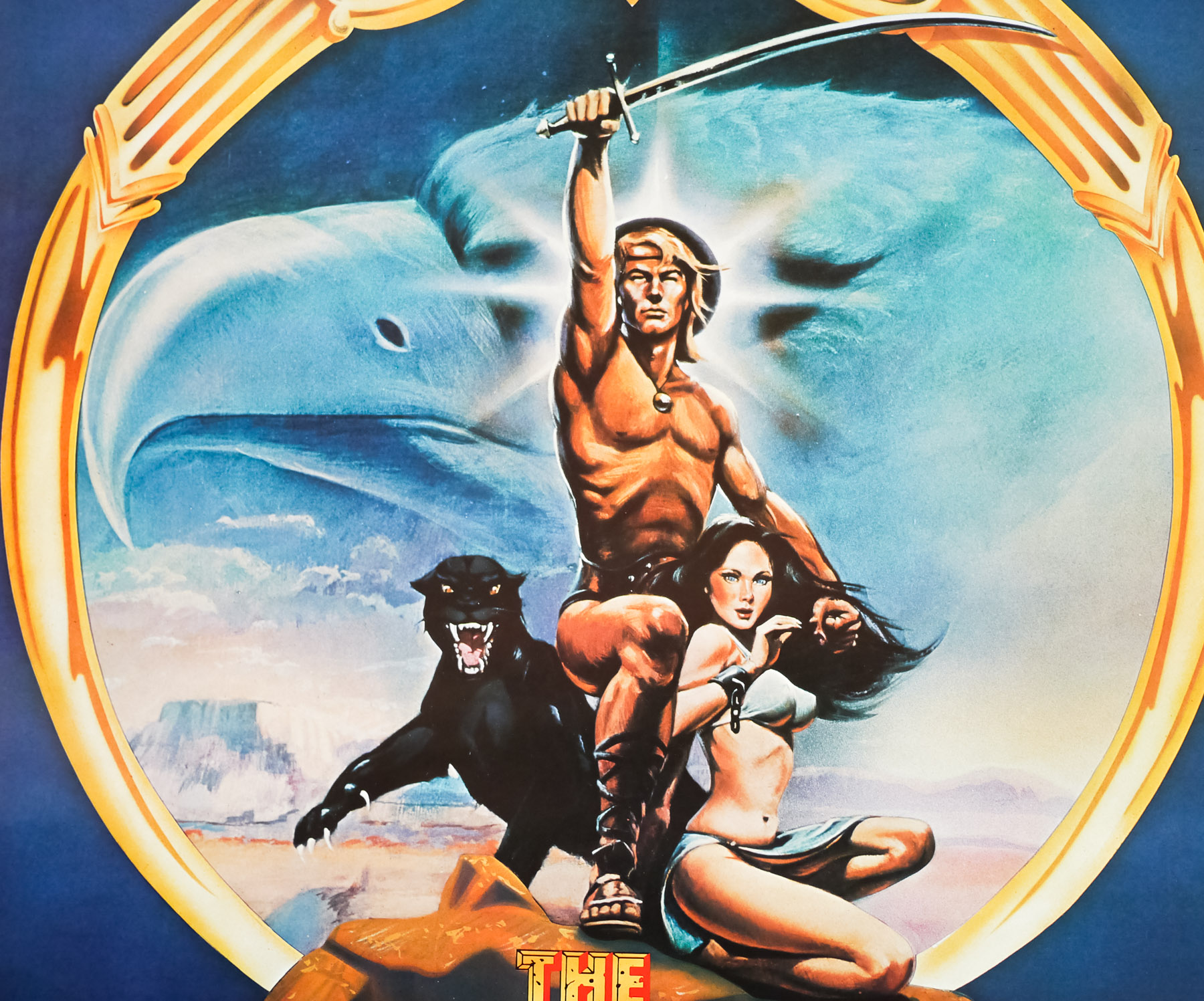
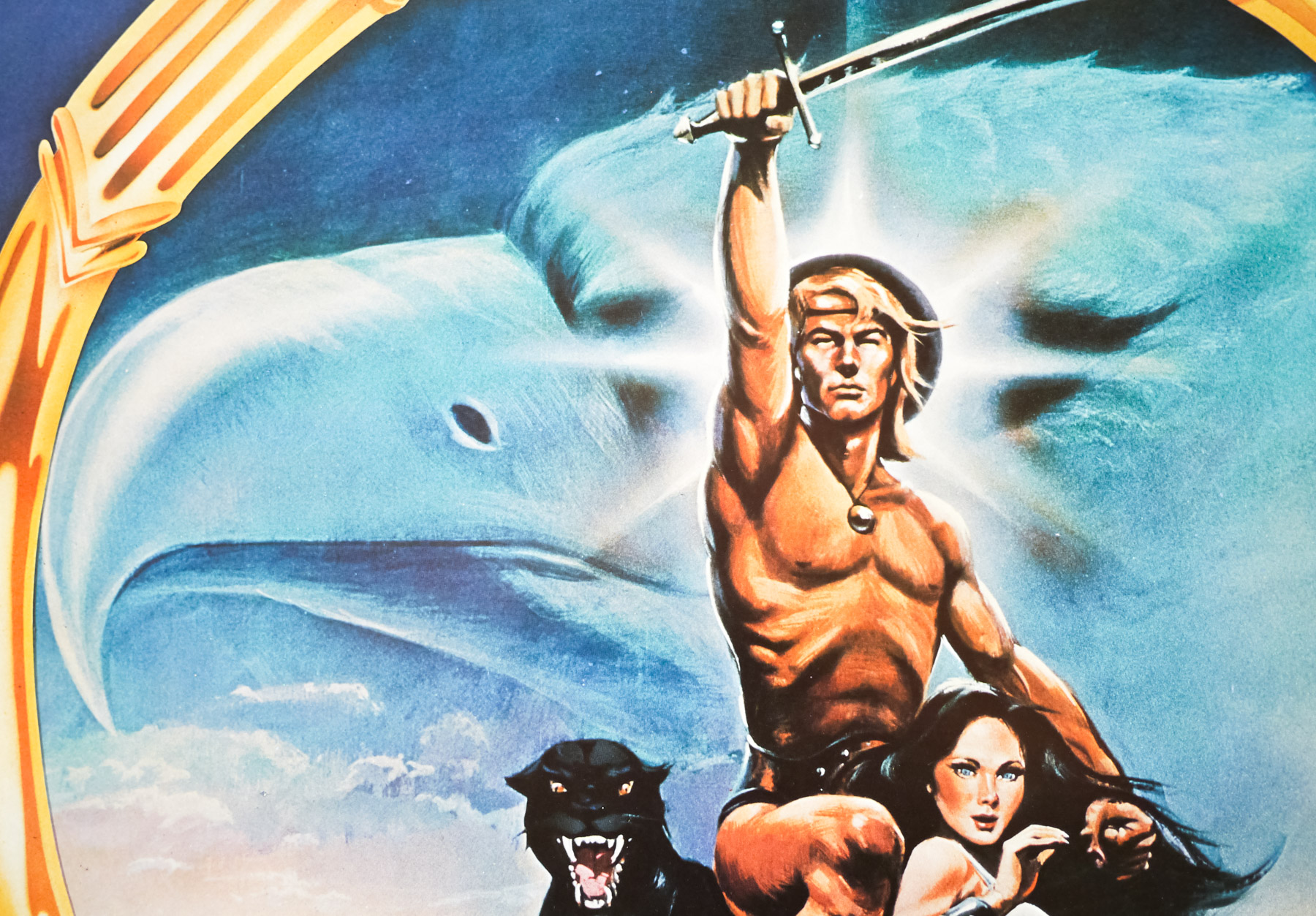
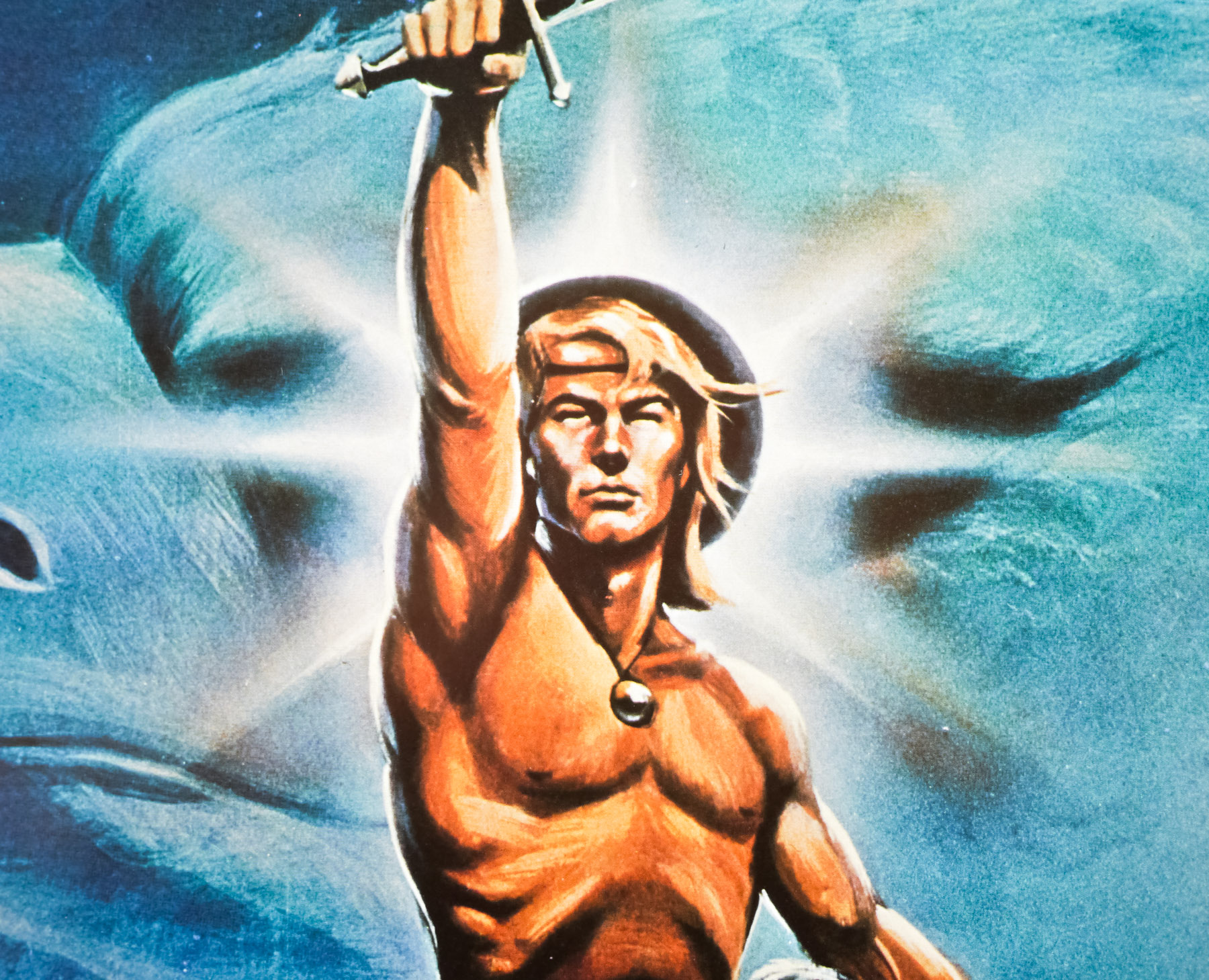
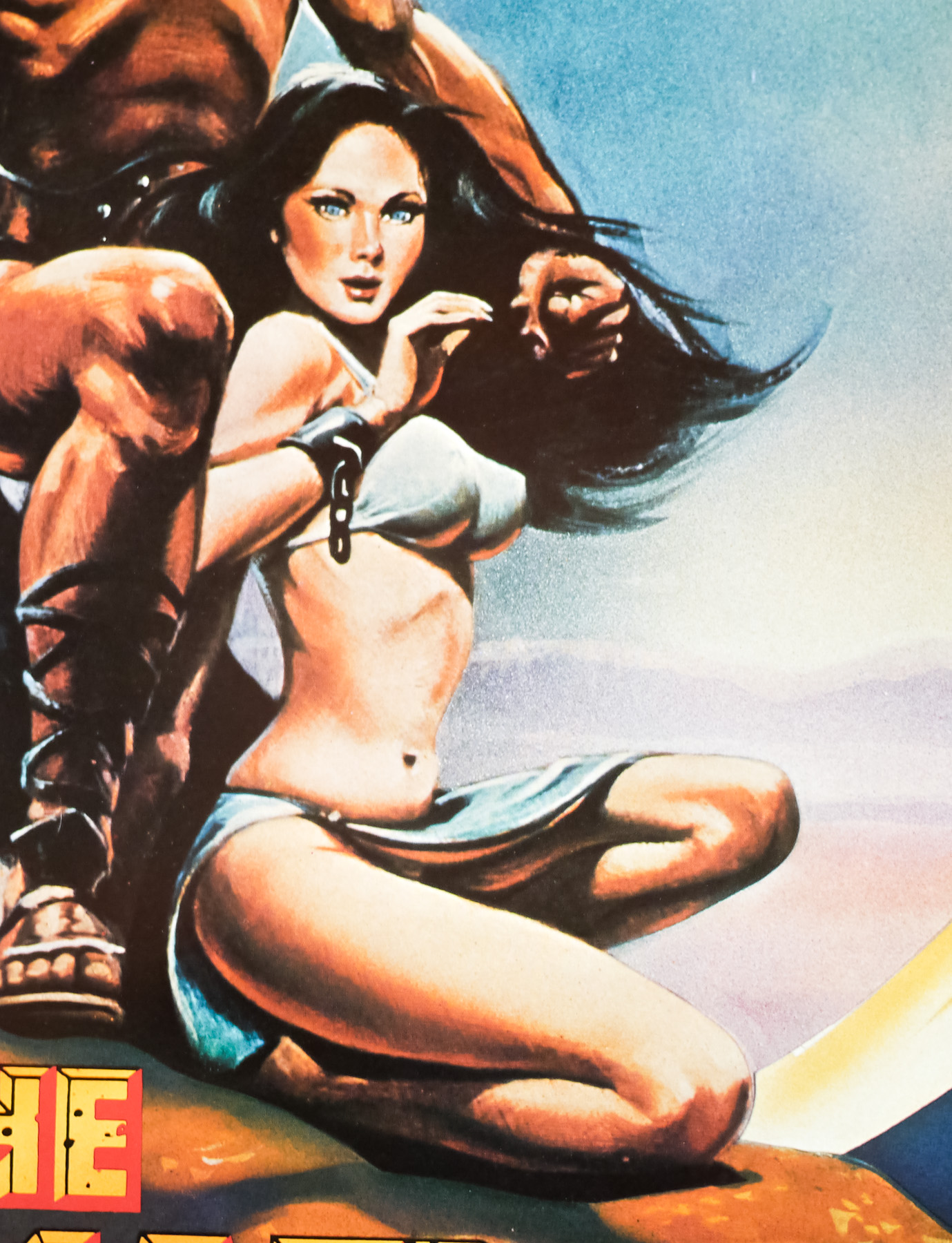
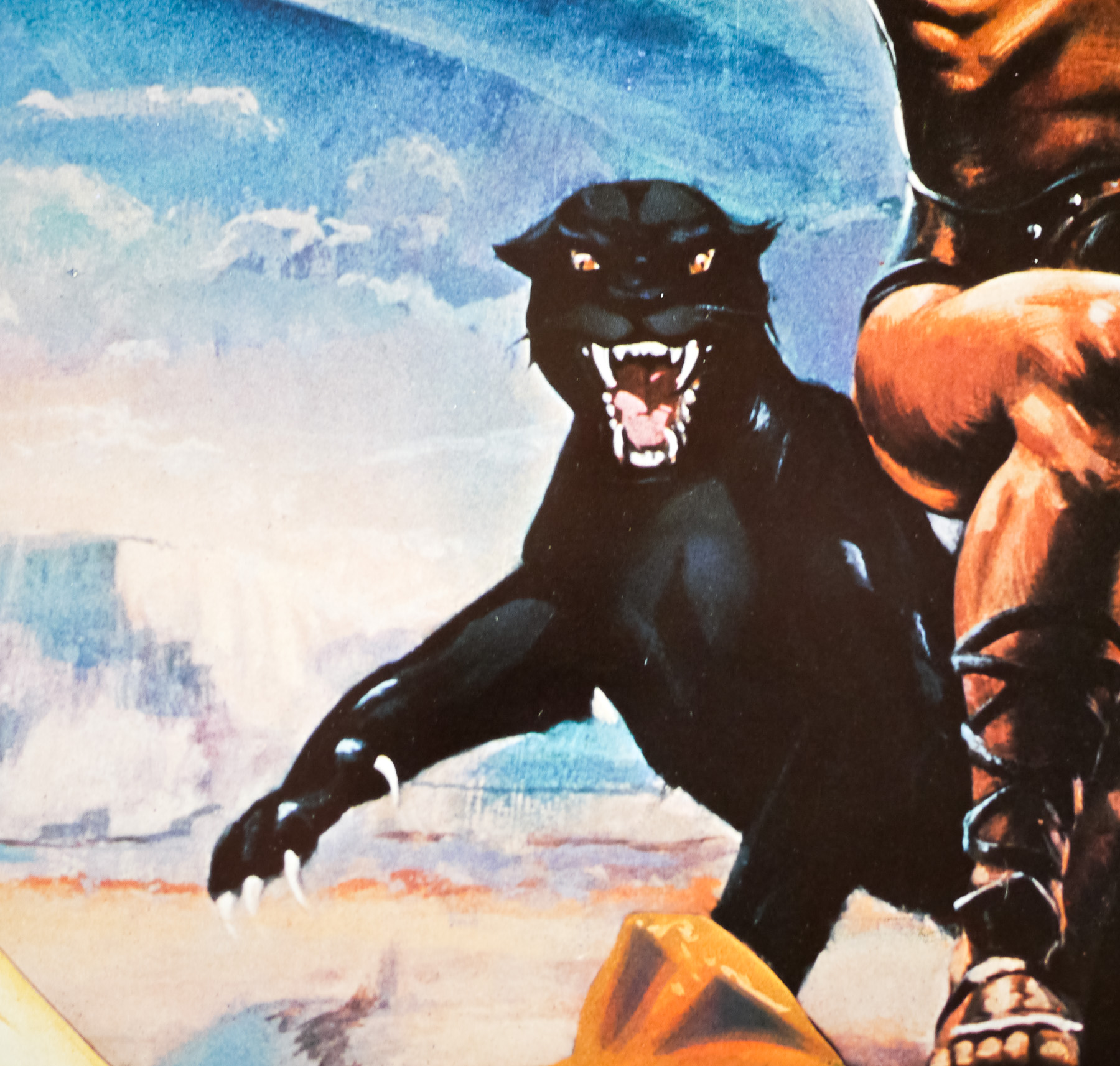
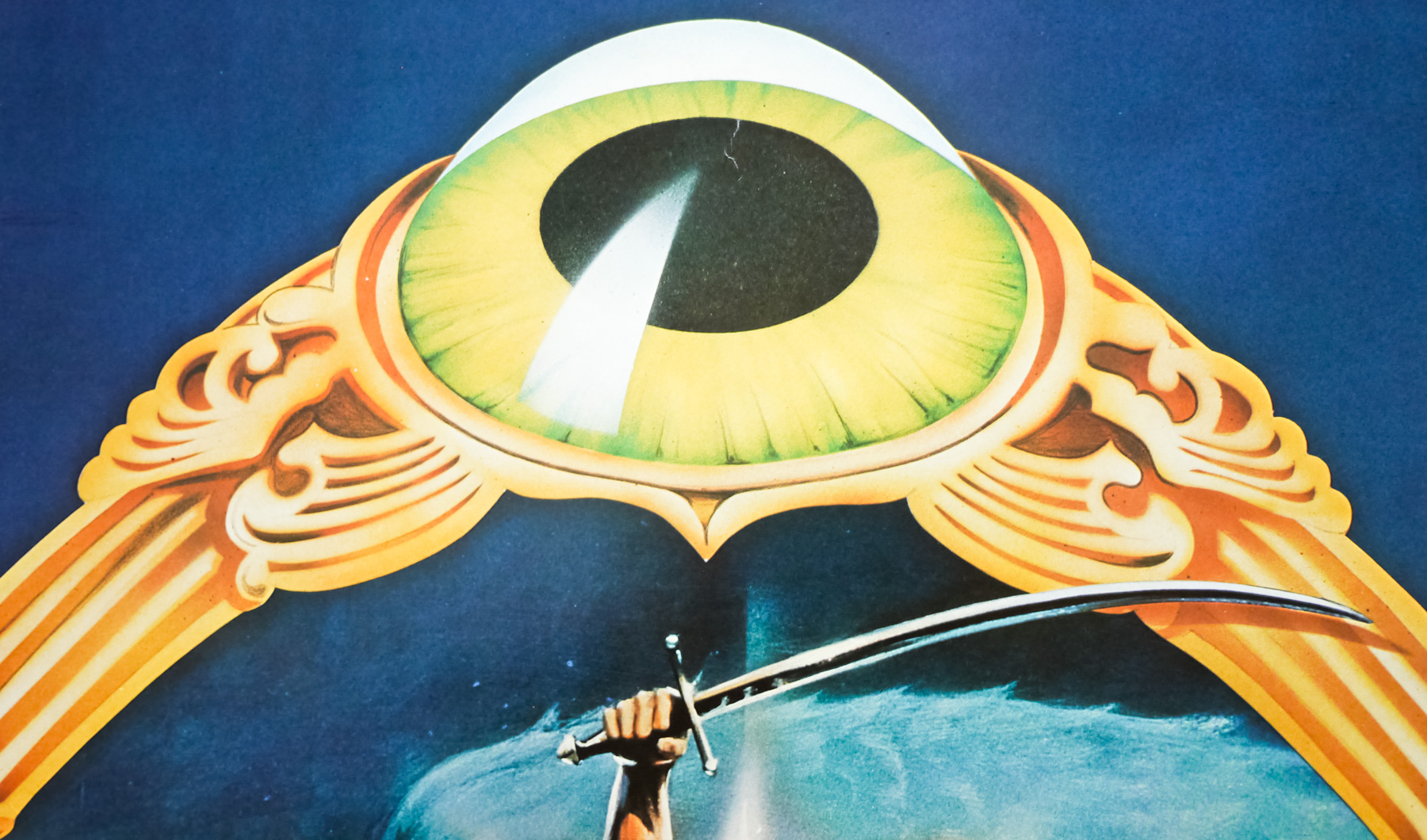
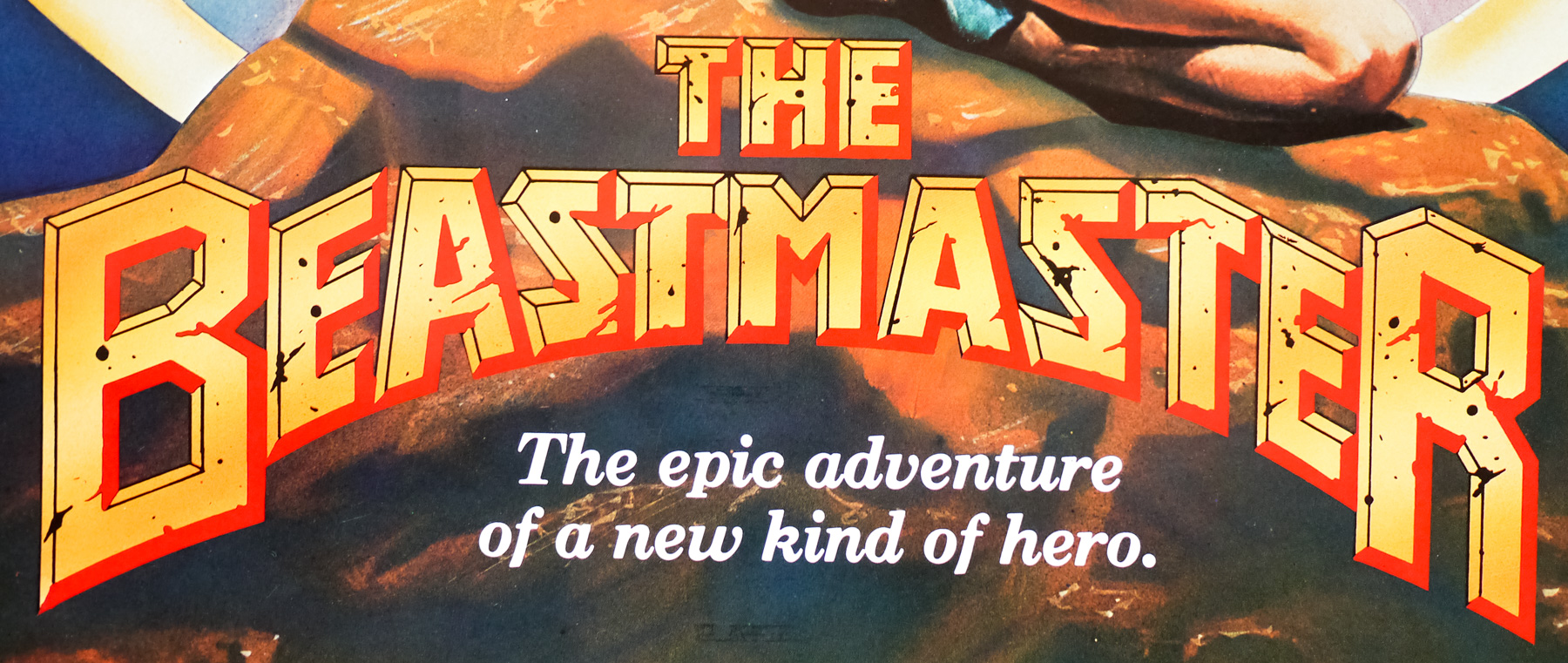
Cult filmmaker Don Coscarelli wrote and directed this 1982 sword and sorcery flick starring Marc Singer as the titular prince and the gorgeous Tanya Roberts as Kiri, his love interest. Dar (Singer) is the son of King Zed (Rod Loomis) who, in a bizarre sequence, is stolen from his mother’s womb and placed inside the belly of an ox on the orders of evil priest Maax (Rip Torn). When born the prince is gifted with the ability to telepathically communicate with animals and after being adopted and raised by a lowly villager, Dar is trained to be a skilled swordsman. One day the village is attacked and burned by the rampaging Jun horde who are under the control of Maax, and the warrior sets on a quest for revenge with his animal friends, including an eagle, two ferrets(!) and a black panther.
According to the IMDb trivia page for the film, the black panther was actually a tiger with its fur dyed and whenever the animal took a drink the dye would wash off around its mouth, which is noticeable in several scenes. Also, rather brilliantly, the eagle often refused to fly on cue so in order to shoot footage of it in the air it was dropped from a trapdoor in a hot air balloon.

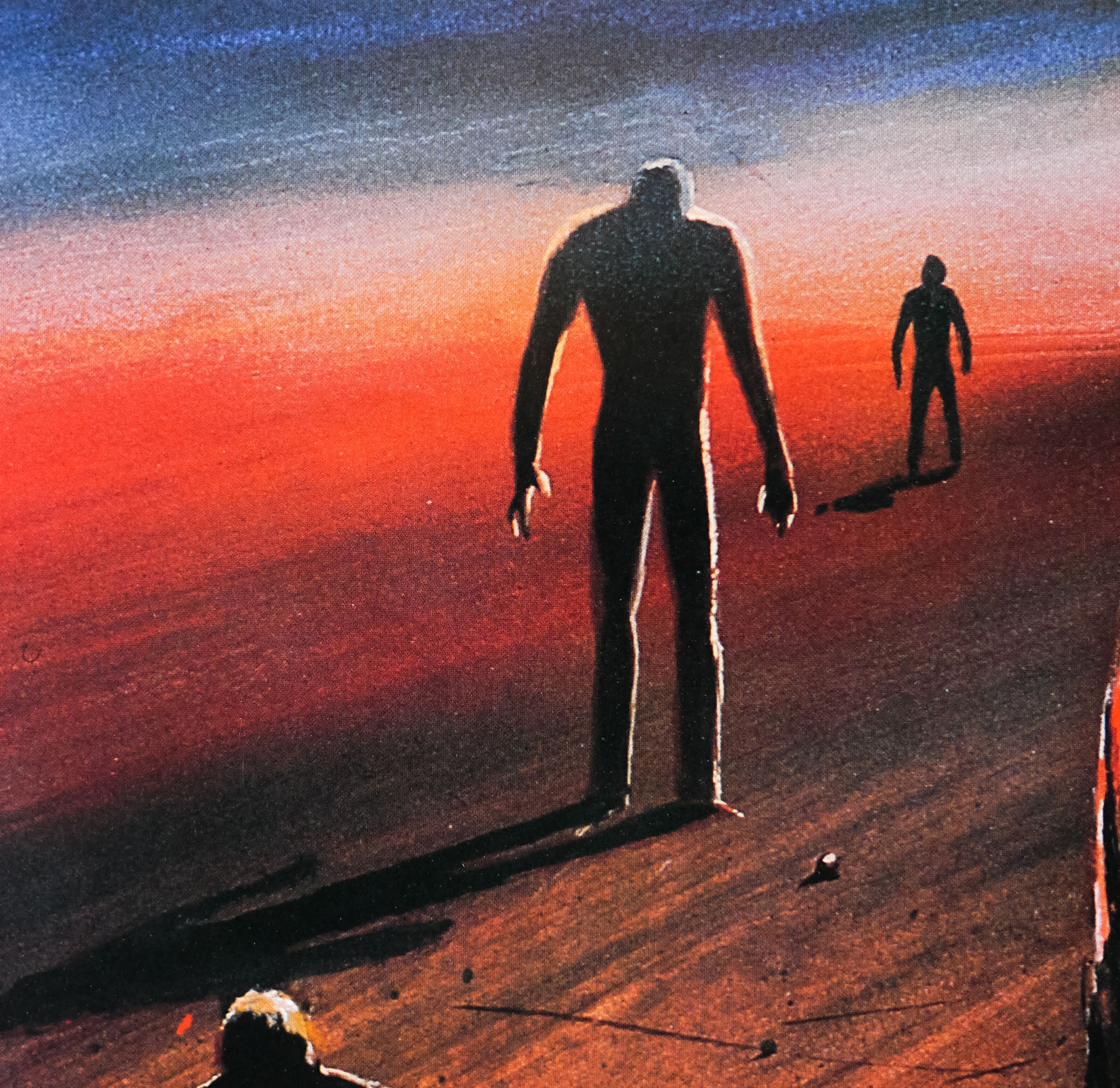
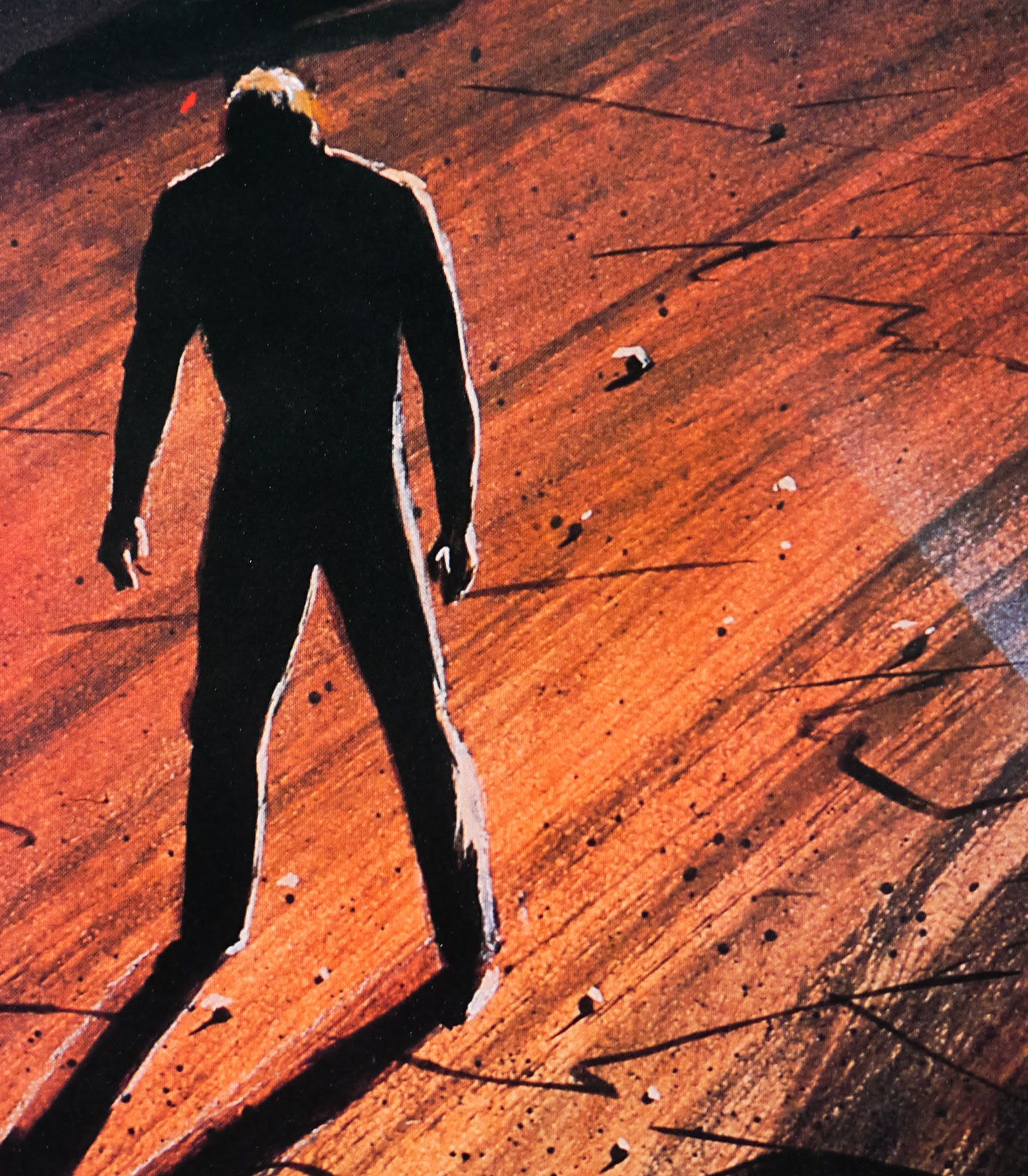
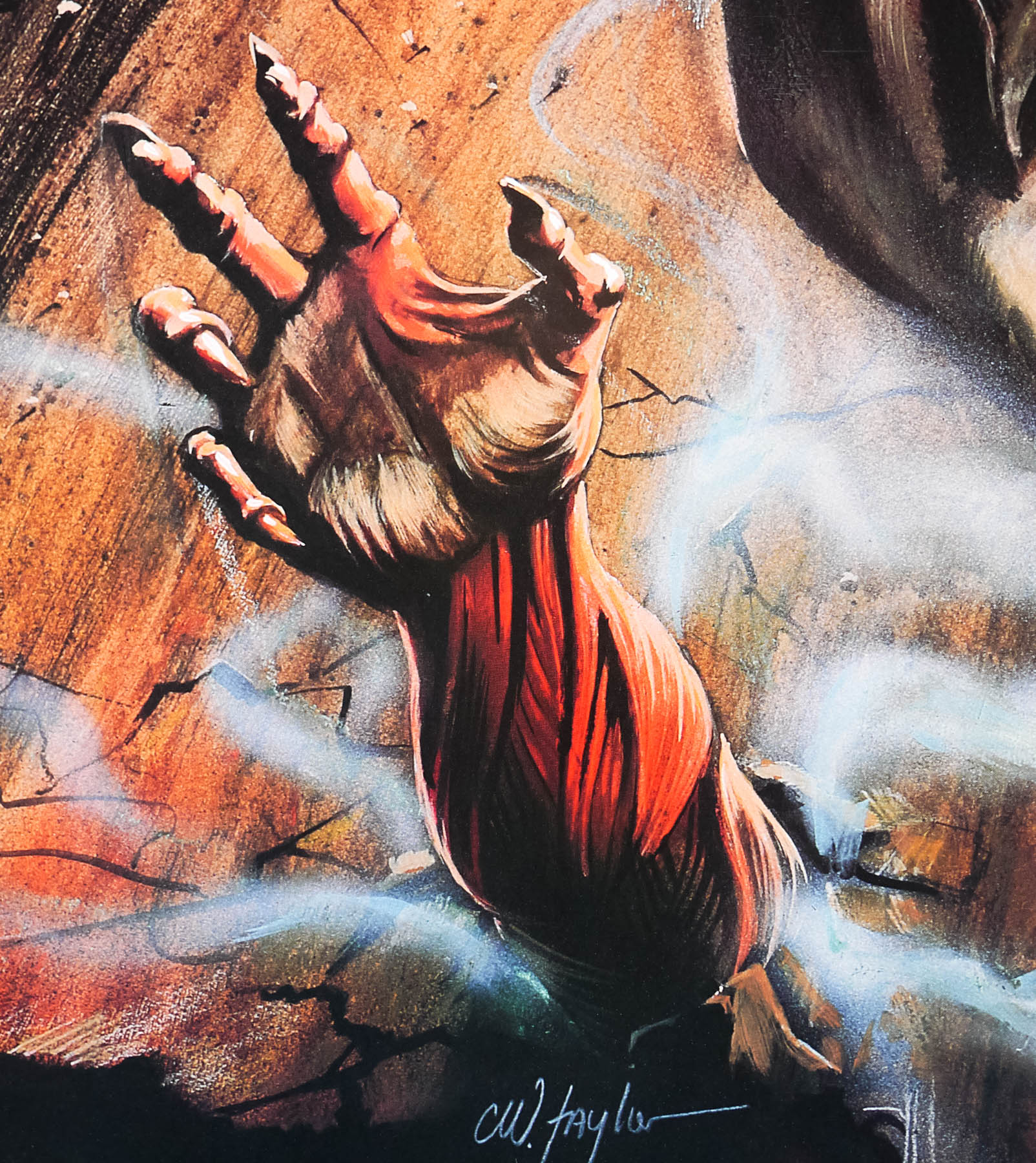
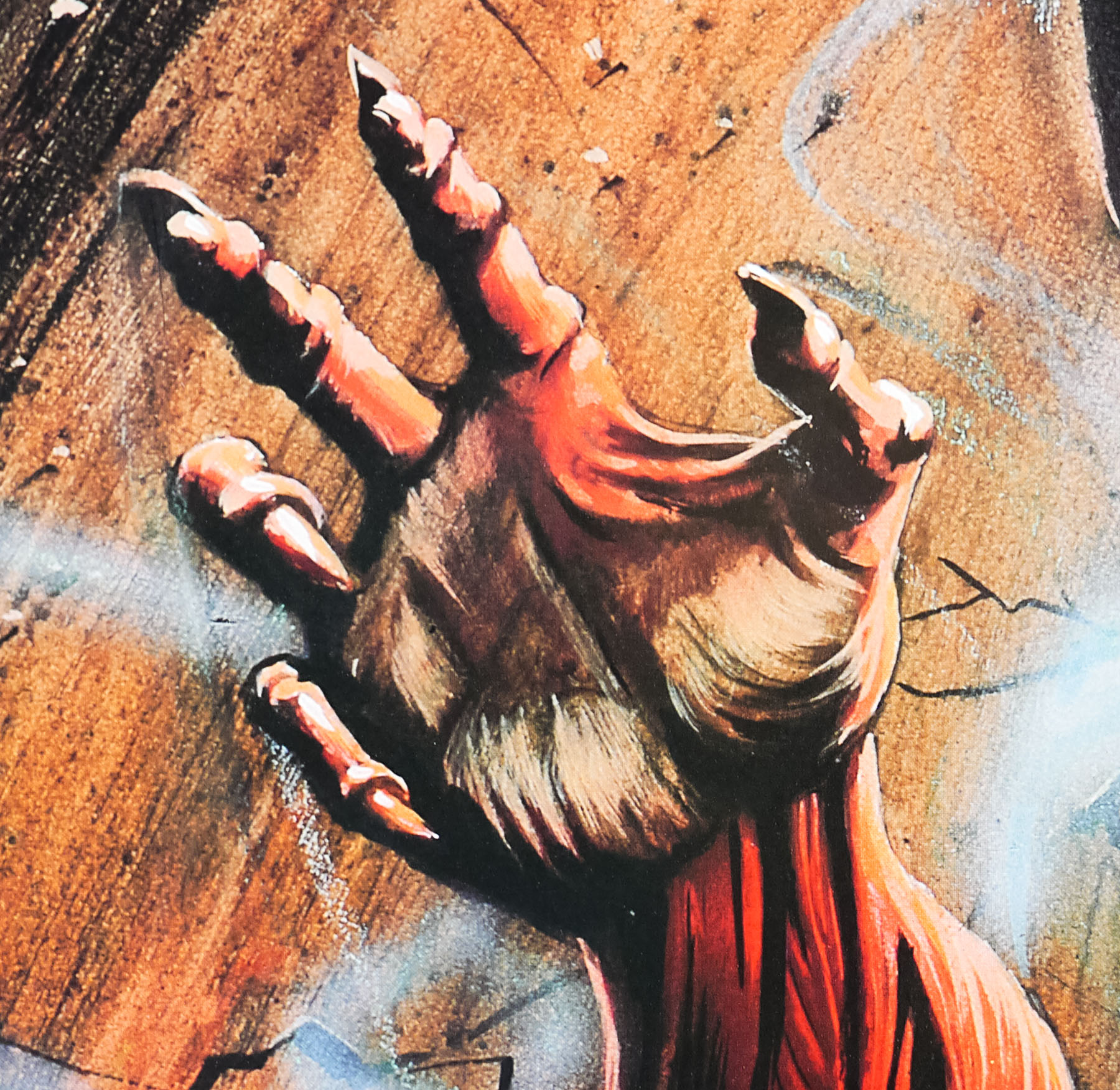
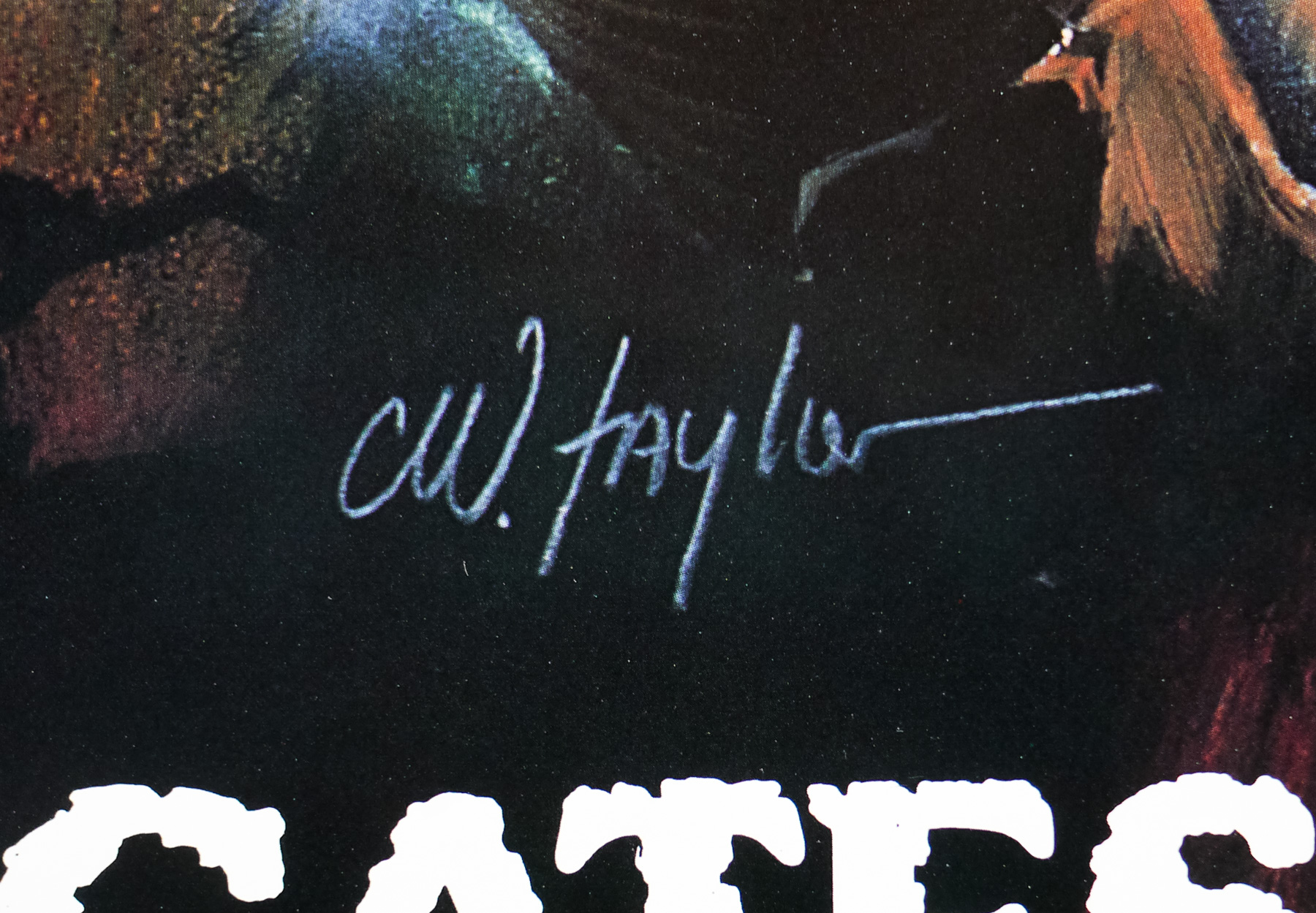
The artwork on this US one sheet is by an American artist called C. Winston Taylor, about whom very little can be found online. The Lost Video Archive blog has a post on the artist that features images of some of his other posters and video covers. In the 1990s the artist was hired to paint the covers for a Quantum Leap comic book series and a gallery of those images can be viewed on this site, which also features three images of the artist himself. Comicbookdb.com features a small profile of Taylor with the following mini-biography:

C. Winston Taylor always knew from a young age that he would communicate through his drawings. Fighting in the jungles of Vietnam, where he earned two Bronze Stars, helped solidify this vision. After graduating with honors from the Art Center College of Design, in Los Angeles, he quickly became a well-respected illustrator. His work has received numerous awards and he served as the president of The Society of Illustrators of Los Angeles. 

The other posters I’ve collected with artwork by him can be seen by clicking here.

Apocalypse Now / one sheet / USA

12.08.13

Poster Poster

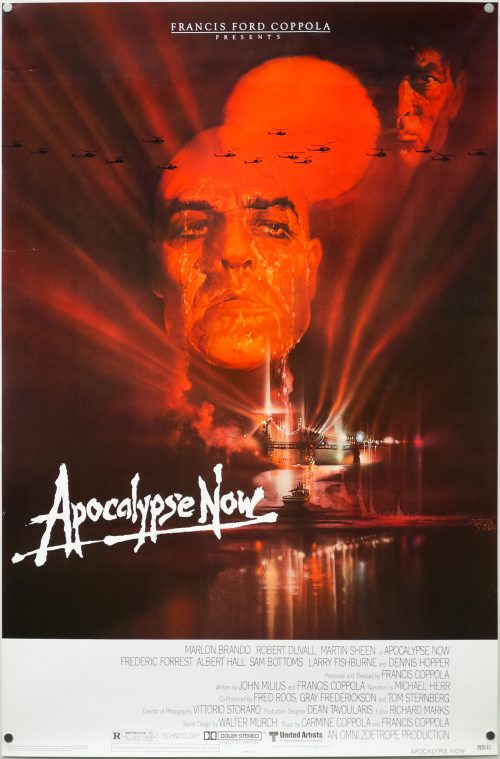
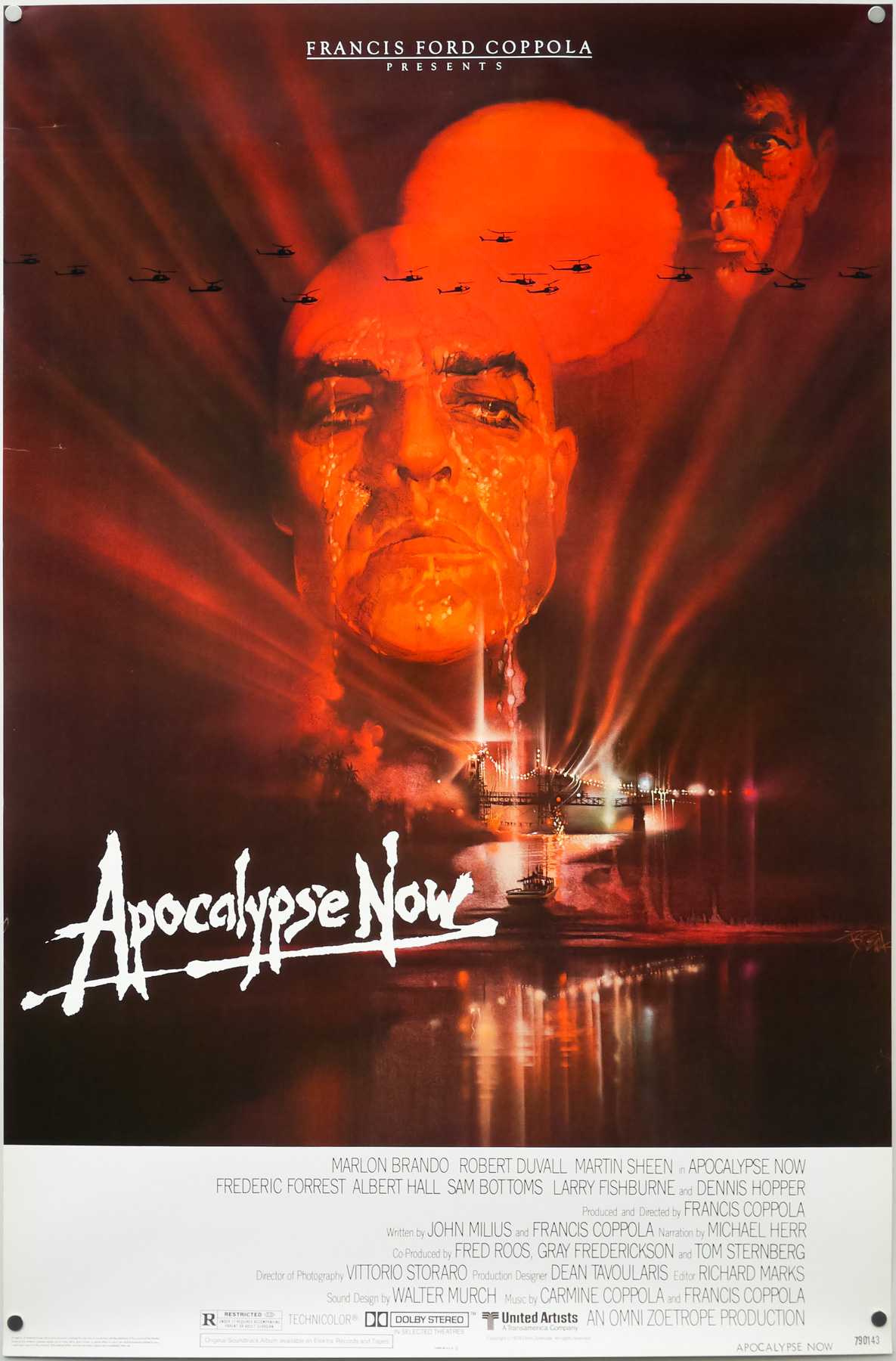
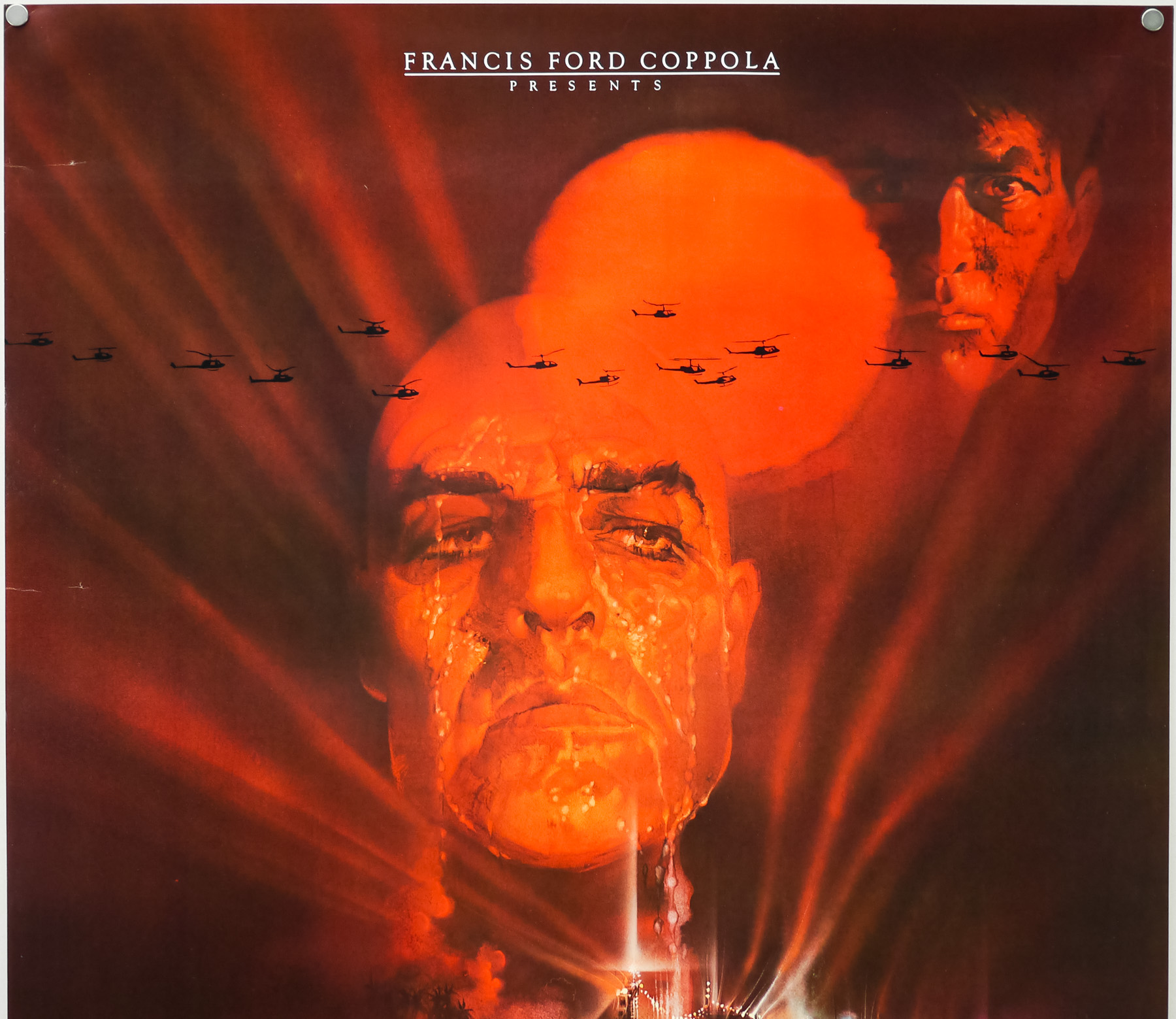
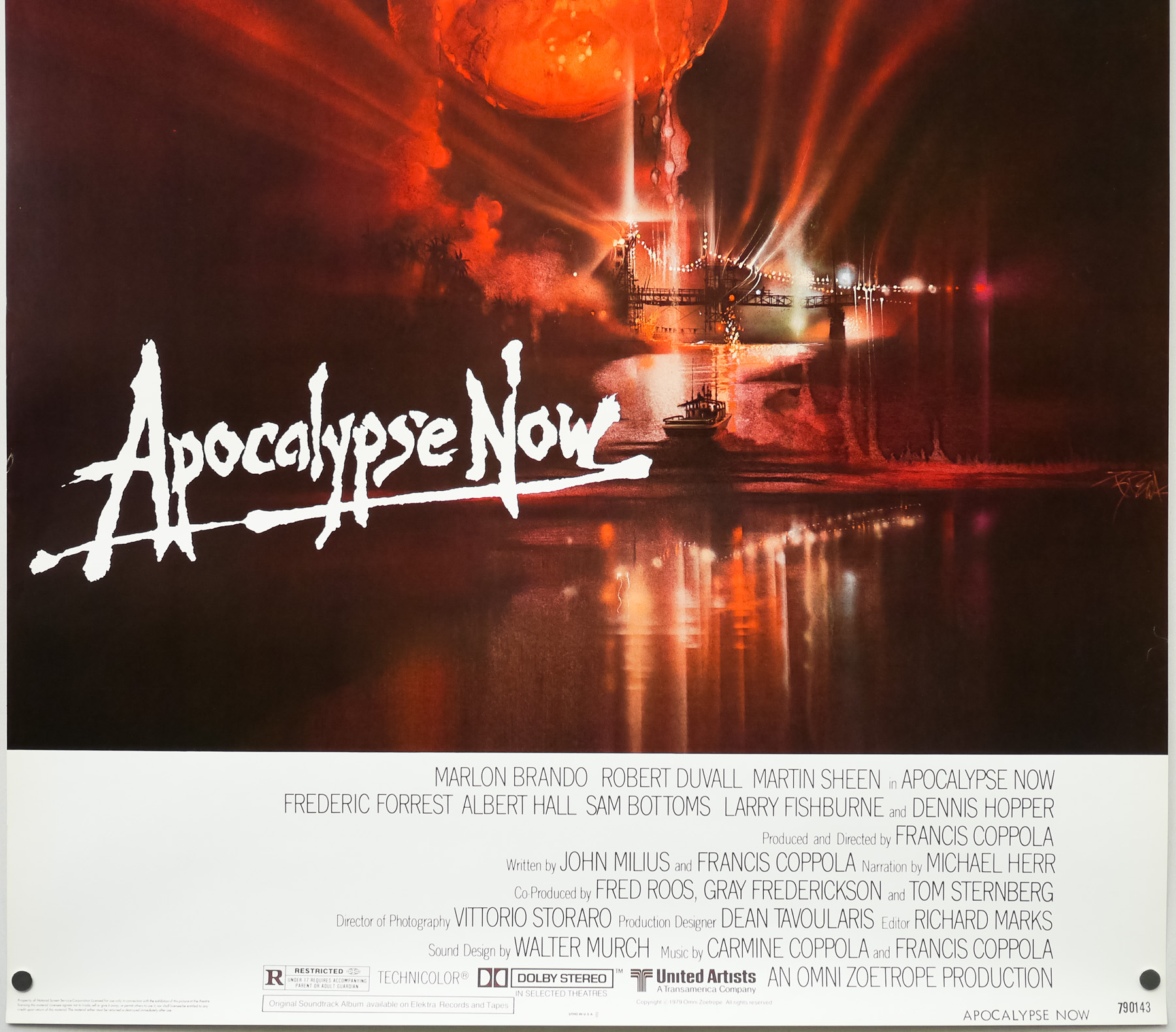
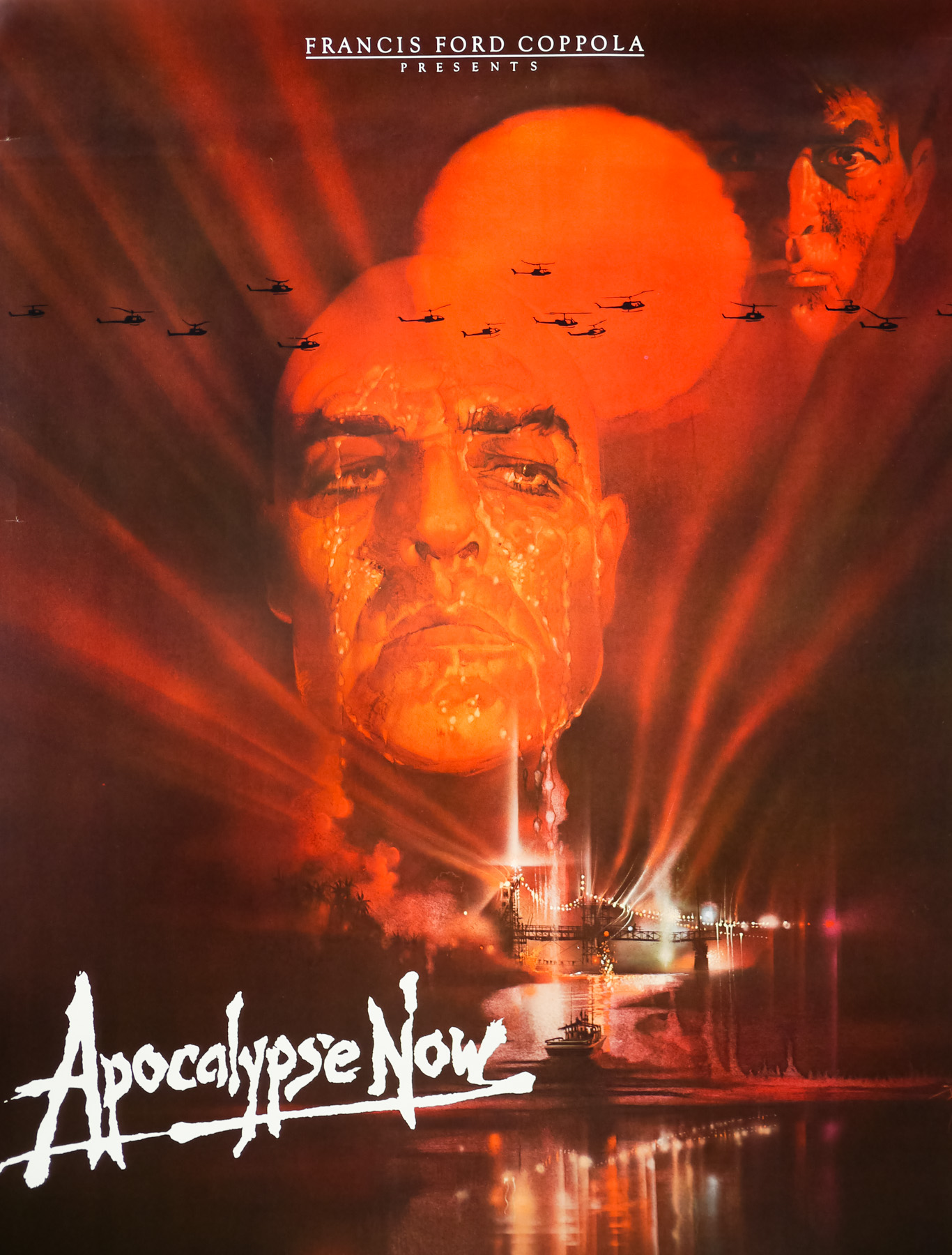
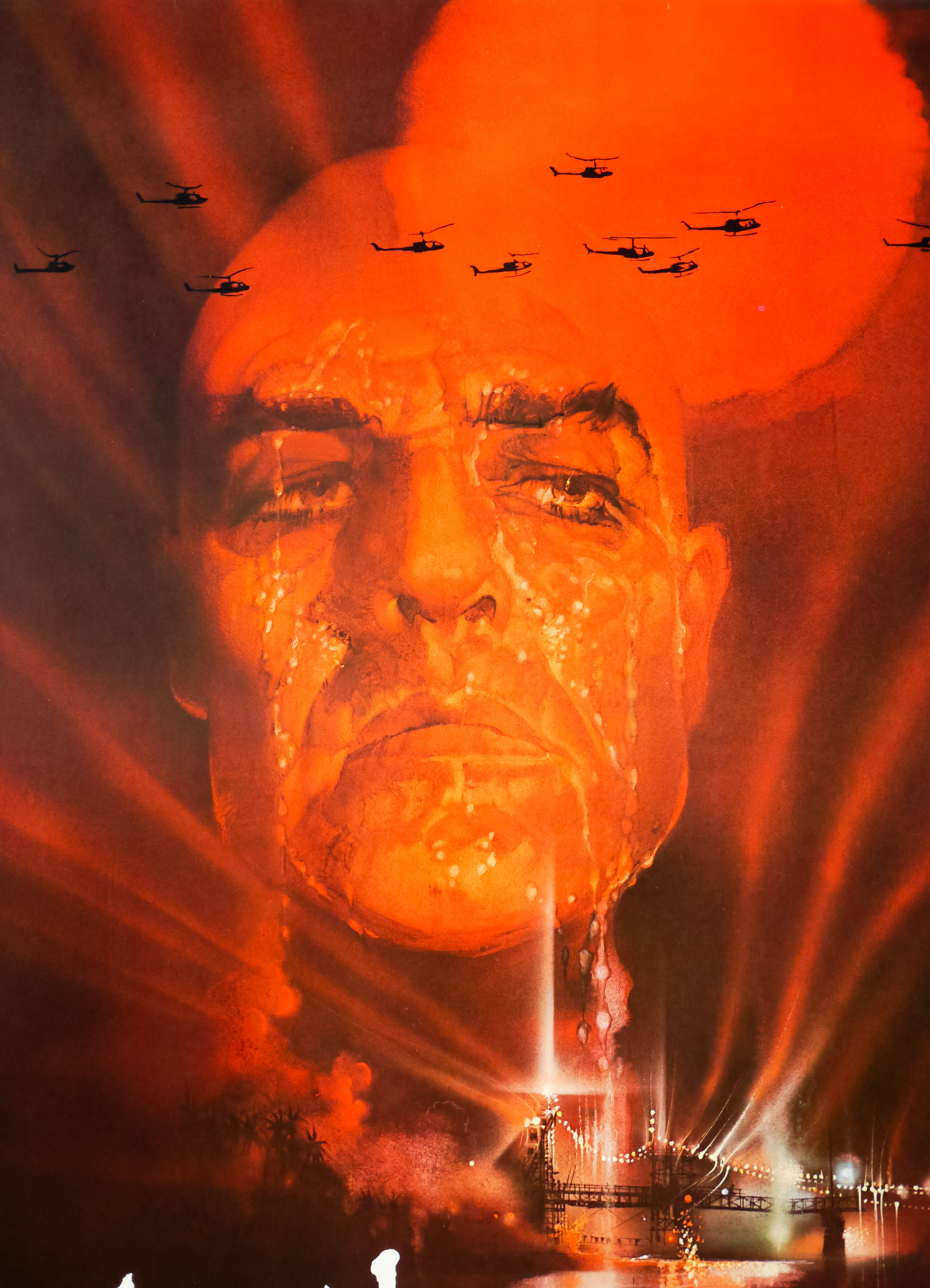
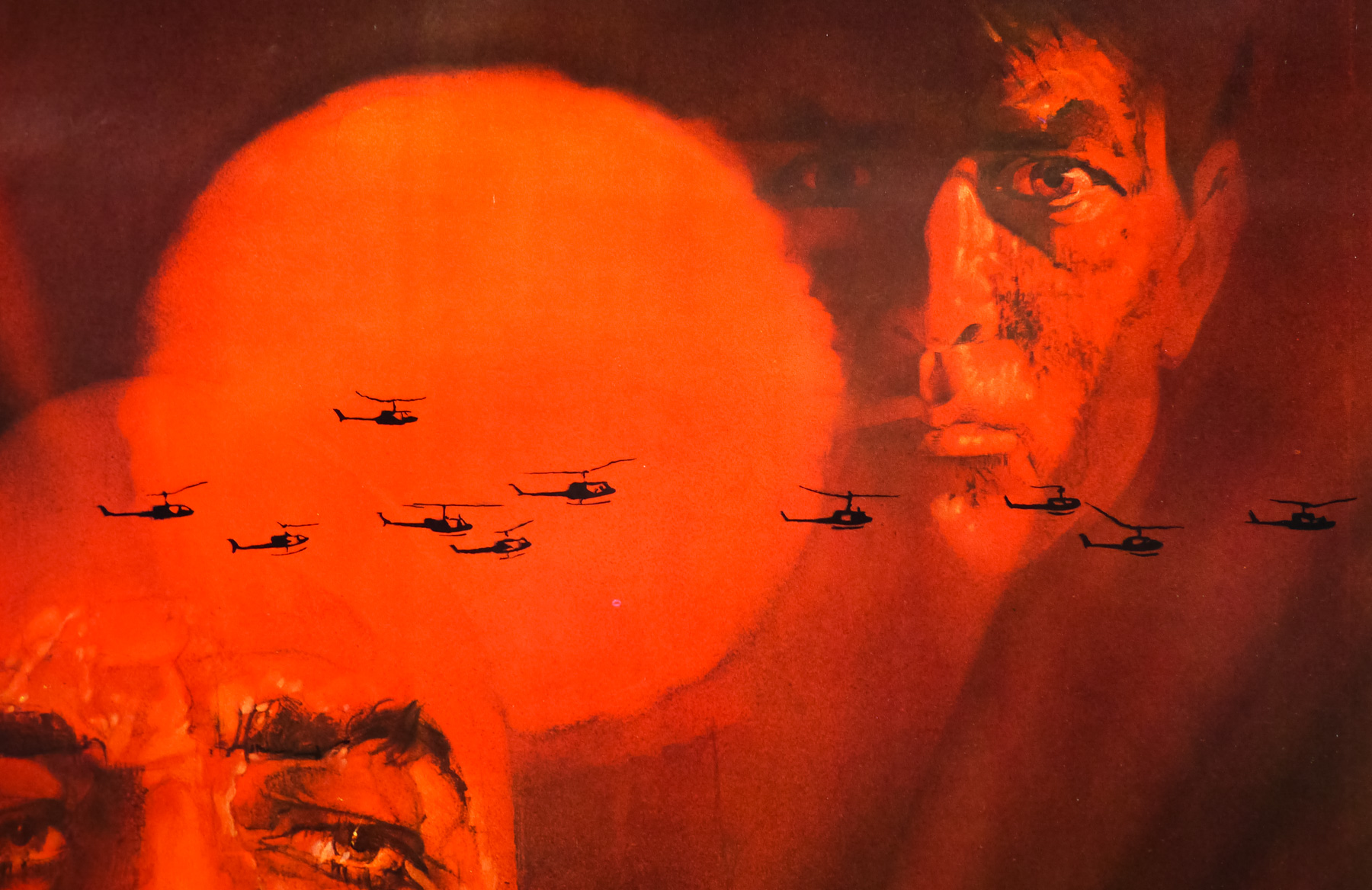
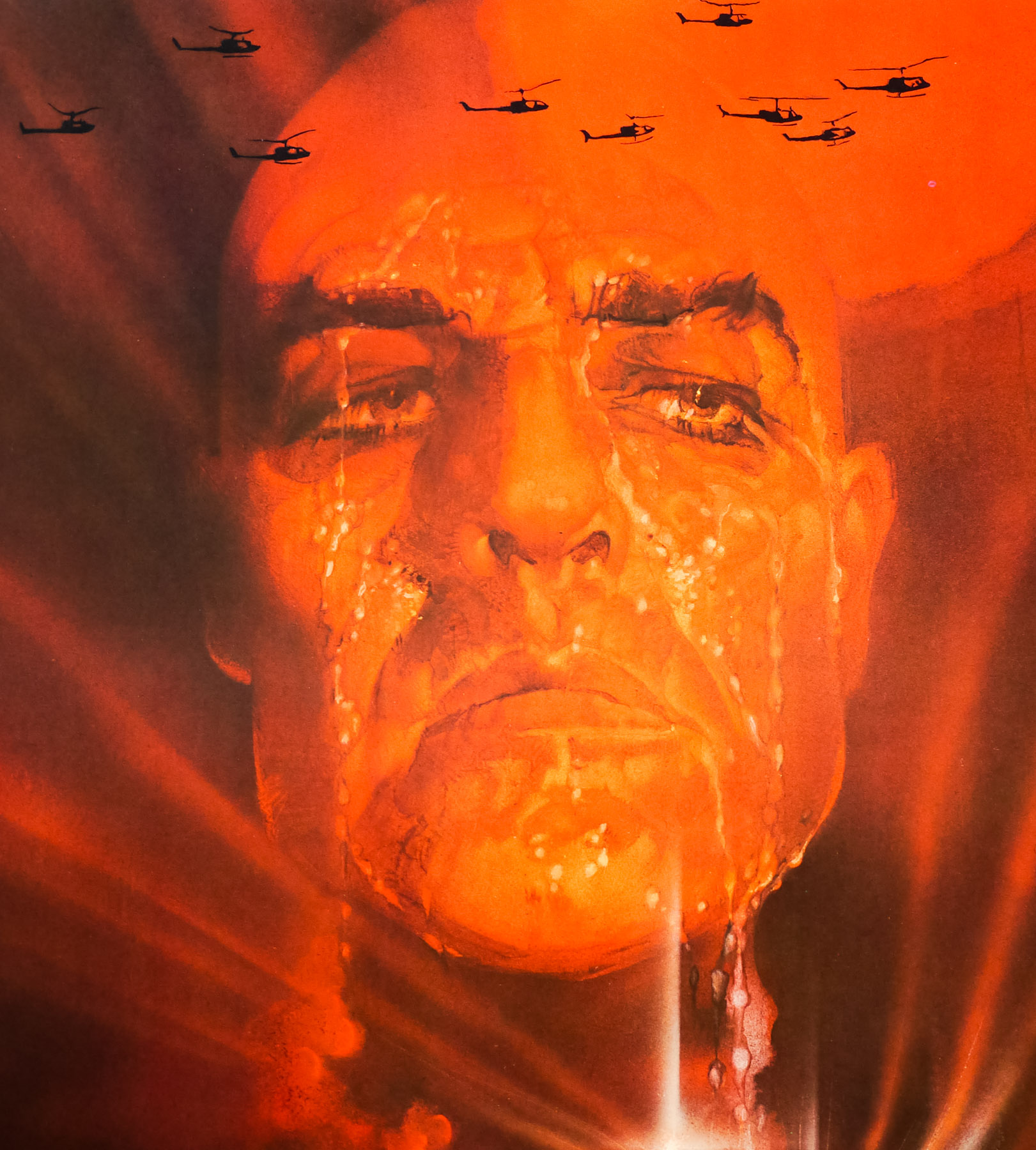
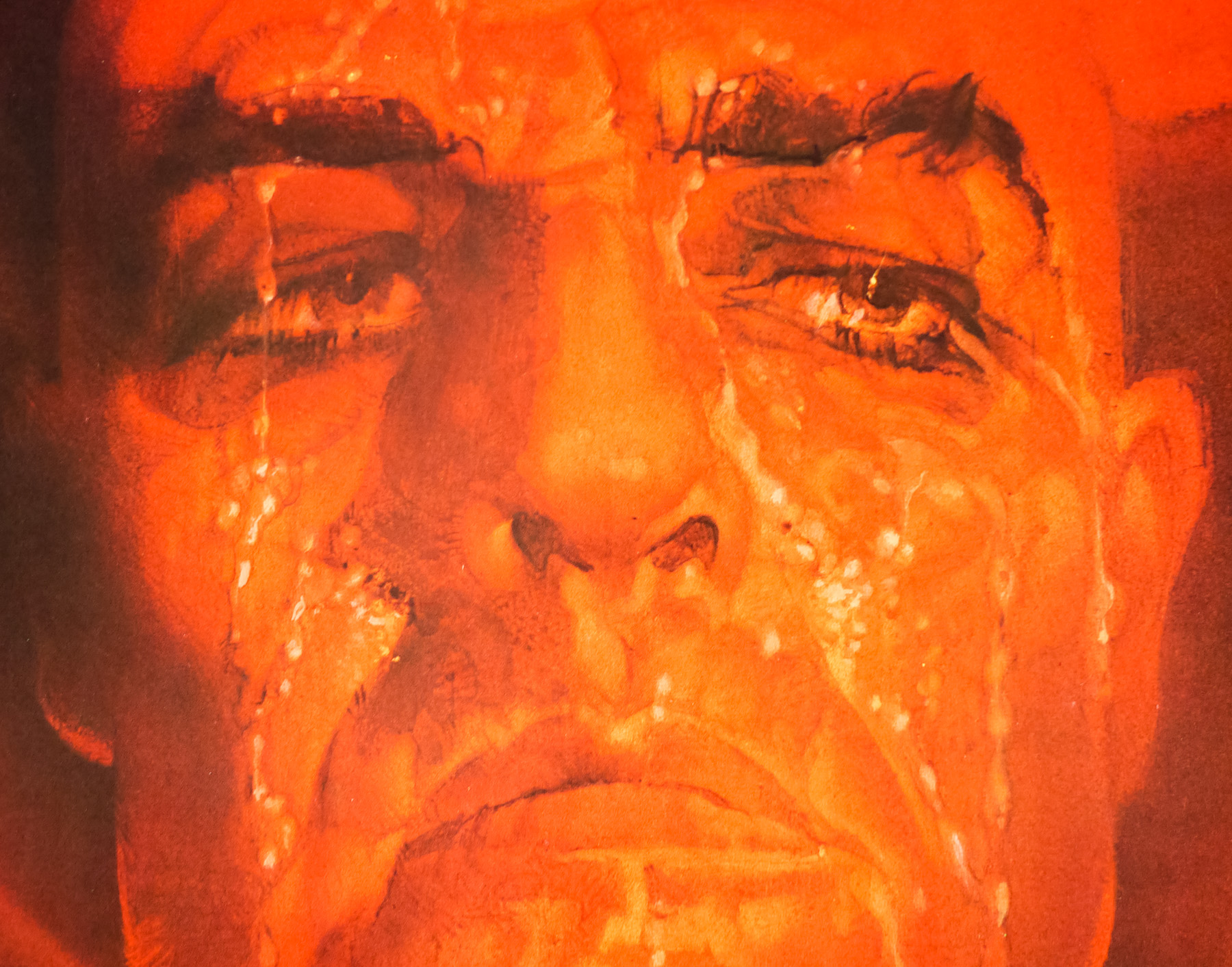
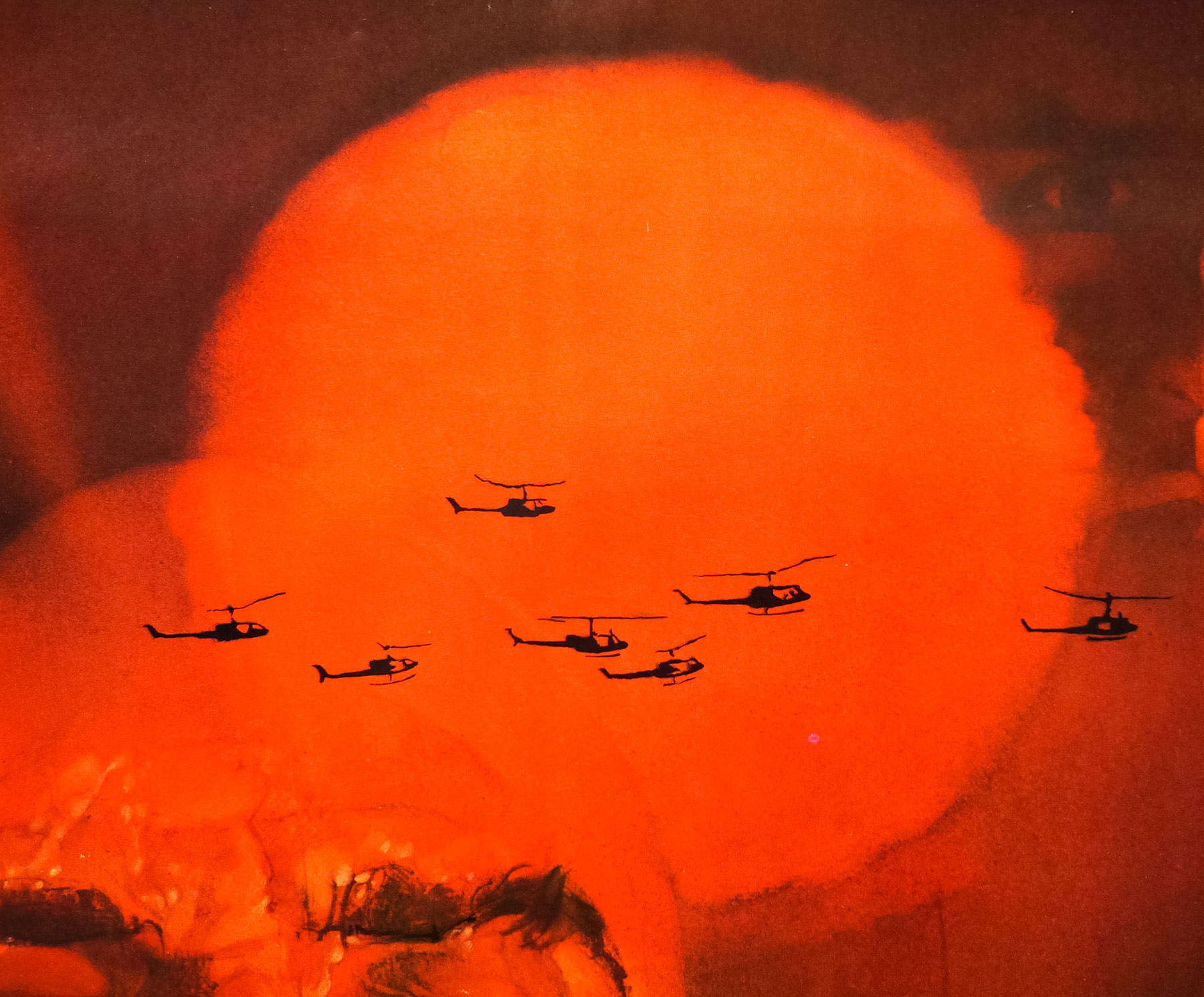
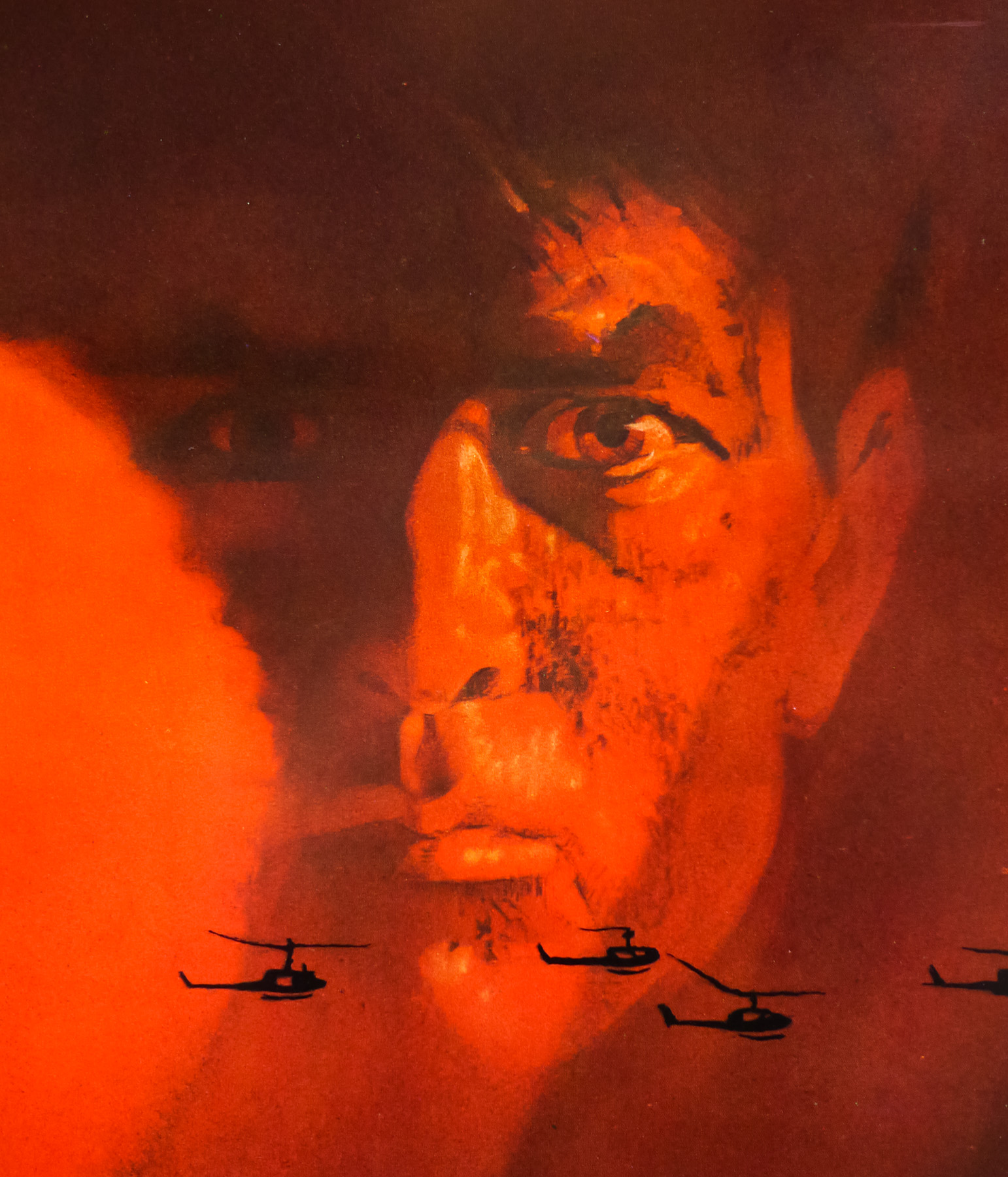
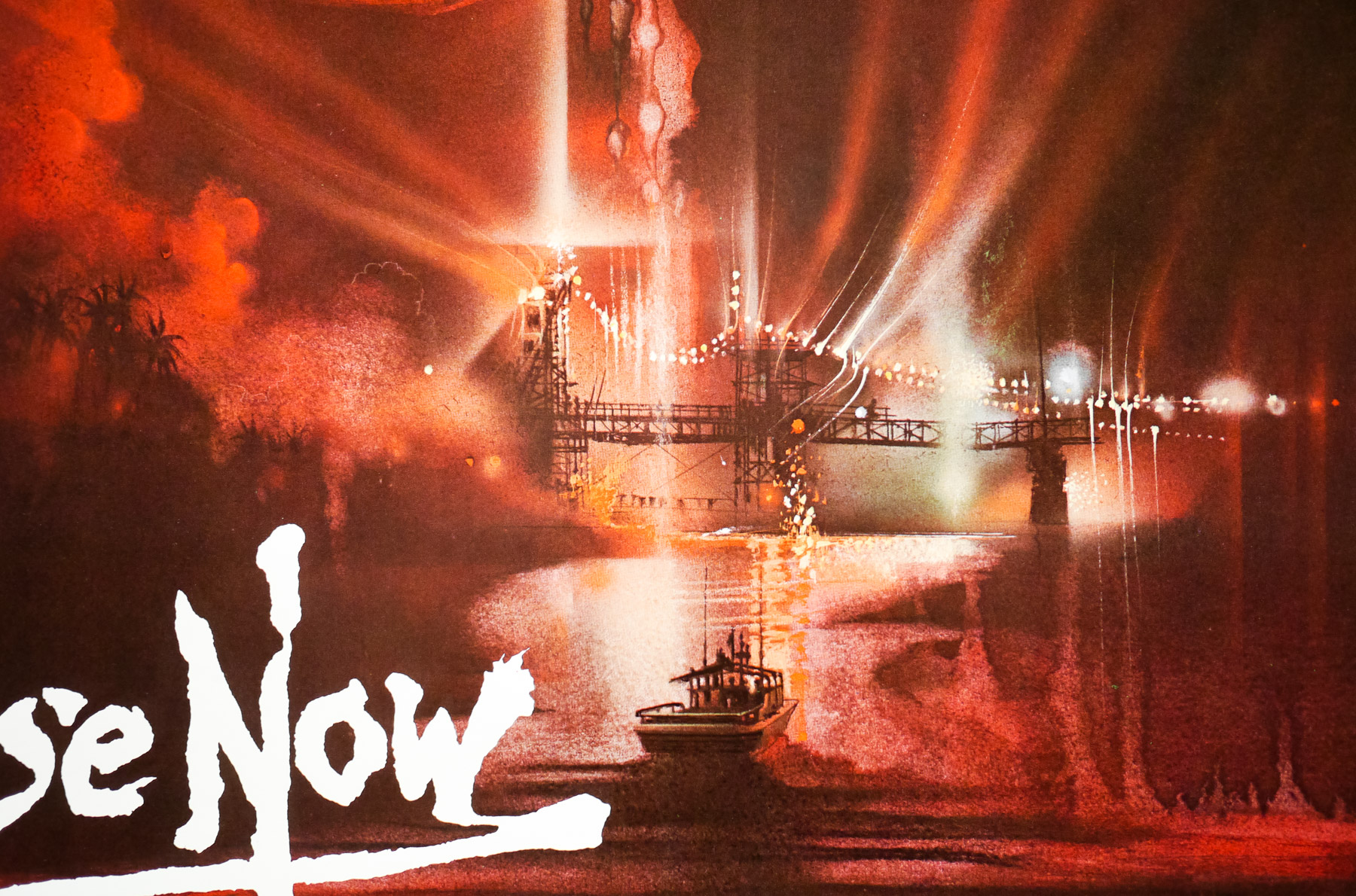
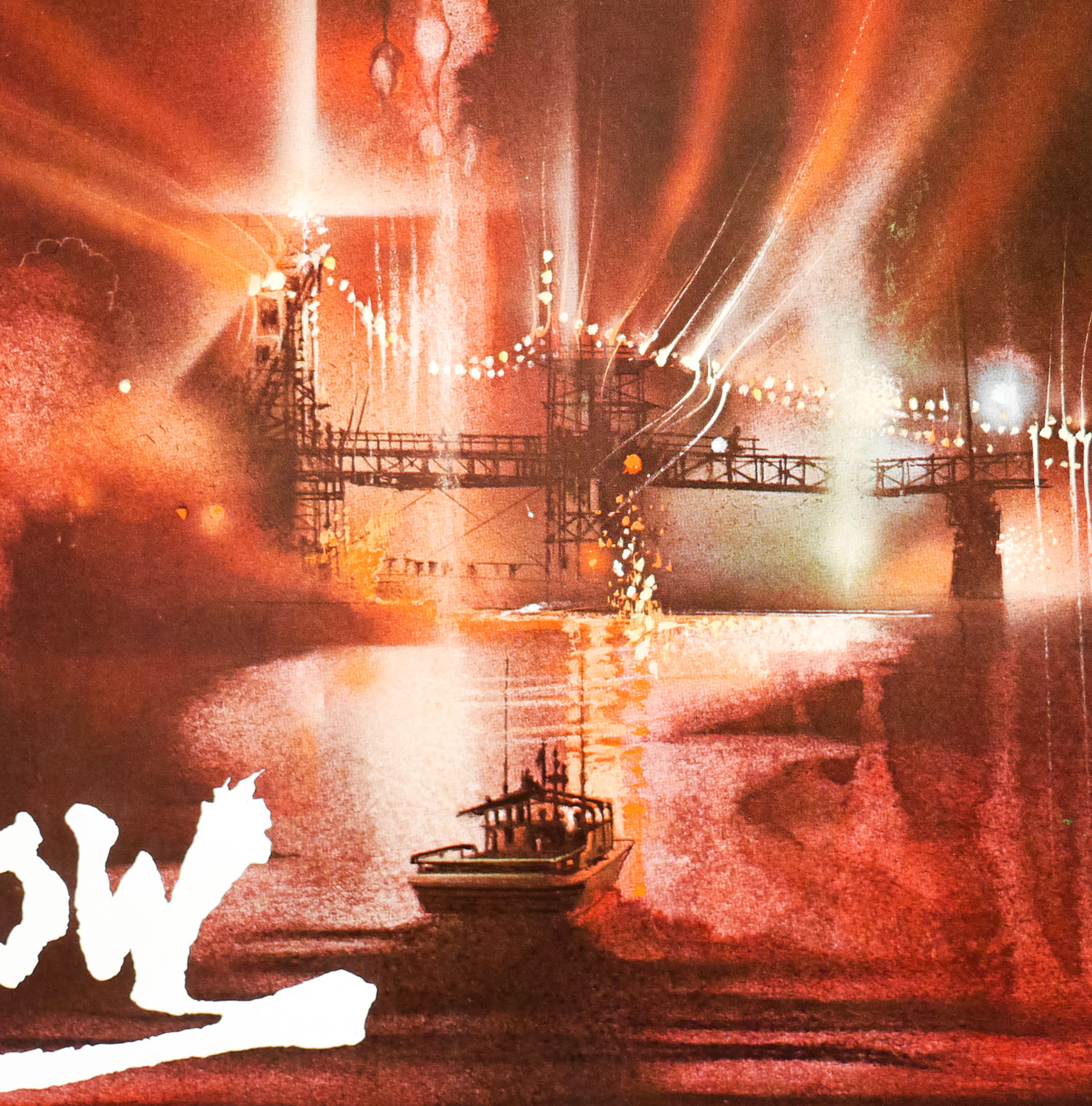
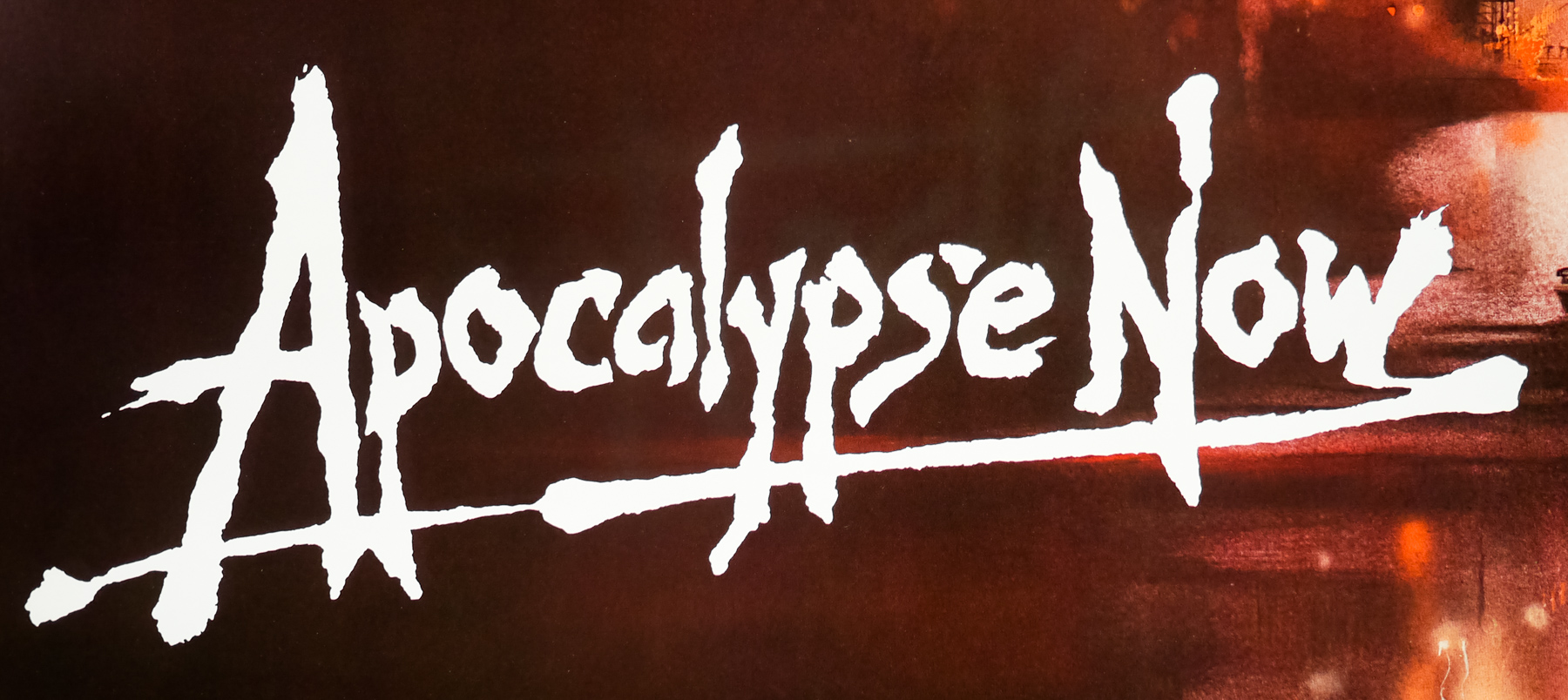
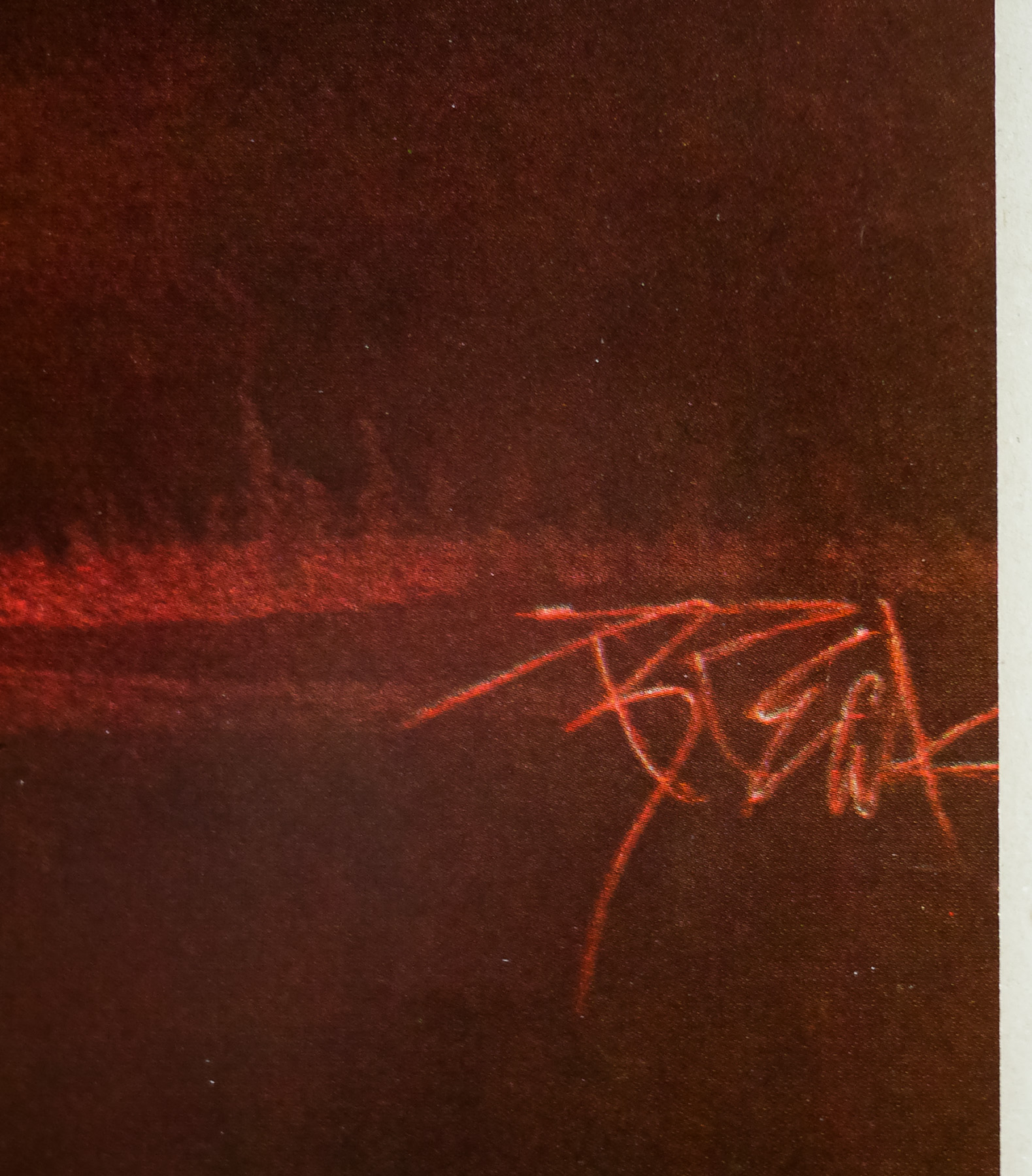
A classic painting by the late, great Bob Peak on this one sheet for the release of arguably the best war film ever made, Francis Ford Coppola’s Apocalypse Now. Set during America’s war in Vietnam, the film follows Martin Sheen‘s US Army Army and special forces veteran Benjamin Willard as he journeys up the dangerous Nung River and deeper into the jungle in the search of the rogue Special Forces Colonel Walter E. Kurtz (Marlon Brando in an unforgettable role). Willard is told that an insane Kurtz has gathered together an army of indigenous fighters inside neutral Cambodia and that he must ‘terminate with extreme prejudice’. After landing at the mouth of the river in a spectacular sequence in which Colonel Kilgore (Robert Duvall) first attacks an enemy village from helicopters whilst blasting Wagner’s Ride of the Valkyries from loudspeakers, then orders some of his men to surf despite the fact that mortar shells continue to land all around them, Willard  joins the crew of a Navy PBR boat that transports him on his fateful journey up river.

Apocalypse Now is famous for its fraught production in which the shoot went over time and over budget, sets were destroyed by storms, Martin Sheen suffered a heart attack and other woes that caused Coppola to famously say, “We had access to too much money, too much equipment, and little by little we went insane”, and “My film is not about Vietnam, it is Vietnam”. The director’s wife Eleanor helped to put together the acclaimed documentary of the troubled production called Hearts of Darkness: A Filmmaker’s Apocalypse, which is an essential watch for fans of the film. Despite the production woes, the film was a huge critical and commercial success, with its cultural impact undeniable.

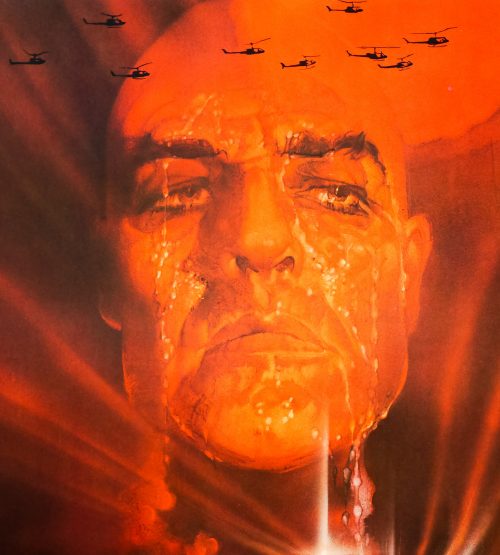
Master movie poster artist Bob Peak was asked to create a series of paintings to sell the film and he worked in conjunction with art directors Murray Smith and Don Smolen from the boutique poster agency Smolen, Smith and Connolly, based in New York City. Two of Peak’s paintings were used in North America, with an image of the Nung River on the teaser poster and then this superb portrait of Brando as Kurtz with a menacing looking Sheen behind him was the final poster. Both of those images were used around the world to sell the film. German cinemas also saw this stunning image of Kurtz that was painted by Peak and used exclusively in that country.

Bob Peak was born in 1927 in Denver, Colorado and grew up in Wichita, Kansas before heading off to serve in the military during the Korean War. Upon his return Peak enrolled in the Los Angeles-based Art Center College of Design where he began to hone his craft as an artist, moving to New York after graduation where he began his career as a commercial illustrator, first working on a campaign for Old Hickory Whiskey. For the next few years the artist worked on a string of successful advertising campaigns, magazine editorials and more, but it was when United Artists hired Peak to work on their campaign for the release of West Side Story in 1961 that he began what would prove to be a fruitful and almost unrivalled career in film poster creation.

Peak’s immediately recognisable style was soon much in demand and his painting appeared on posters for films such as My Fair Lady (1964) and Camelot (1967), but it was his work in the area of sci-fi and fantasy for which Peak is perhaps best known, with the iconic design for the first Superman film (1978), the classic image he created for Rollerball (1975) and the colourful poster for Star Trek: The Motion Picture (1979), amongst several classics of the genre he was responsible for. His paintings for Apocalypse Now, however, arguably saw the artist working at the top of his game and in the recently published must-own book The Art of Bob Peak (put together by one of his sons), he is quoted as saying, “Of all my movie work, it is my work on Apocalypse Now that I am most proud of.”

To see the other posters in the Film on Paper collection that were painted by Bob Peak click here.

Burial Ground / one sheet / USA

11.09.13

Poster Poster
Title
Burial Ground
AKA
Burial Ground: The Nights of Terror (longer title) | Le Notti del Terrore (Italy - original title) | Zombie 3 - Die Rückkehr der Zombies (Germany)
Year of Film
1981
Director
Andrea Bianchi
Starring
Karin Well, Gianluigi Chirizzi, Simone Mattioli, Antonella Antinori, Roberto Caporali, Peter Bark, Claudio Zucchet, Anna Valente, Raimondo Barbieri, Mariangela Giordano
Origin of Film
Italy
Genre(s) of Film
Karin Well, Gianluigi Chirizzi, Simone Mattioli, Antonella Antinori, Roberto Caporali, Peter Bark, Claudio Zucchet, Anna Valente, Raimondo Barbieri, Mariangela Giordano,
Type of Poster
One sheet
Style of Poster
--
Origin of Poster
USA
Year of Poster
1986
Designer
Unknown
Artist
C. W. Taylor
Size (inches)
27" x 41 1/16"
SS or DS
SS
NSS #
--
Tagline
"When the moon turns red the dead shall rise" | The gates of hell have opened

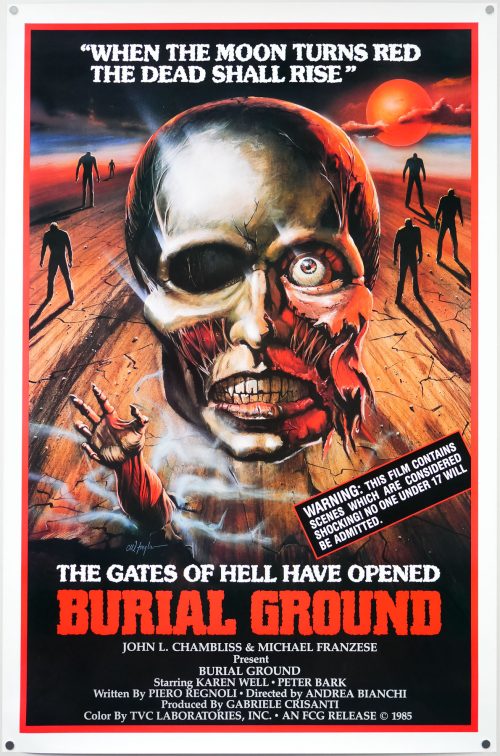
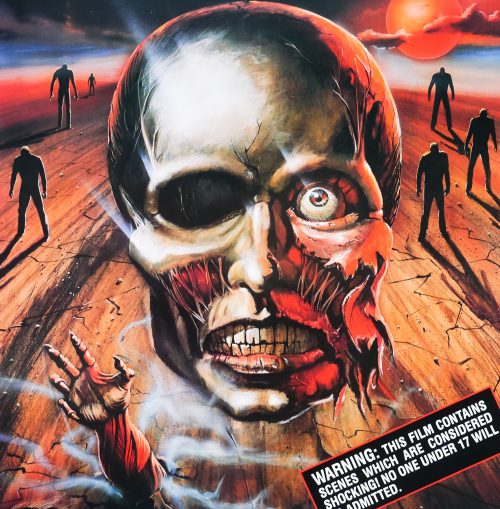
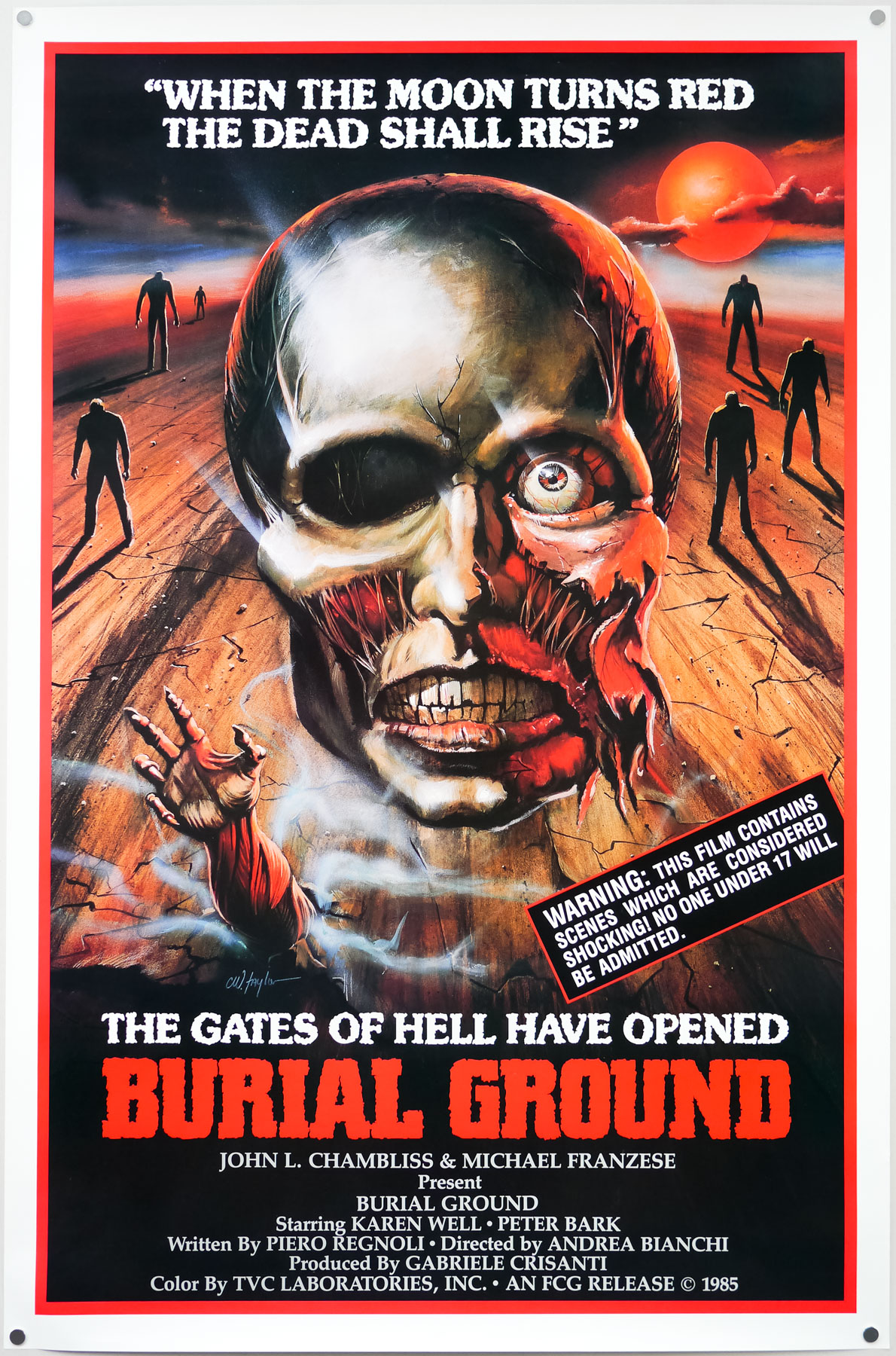
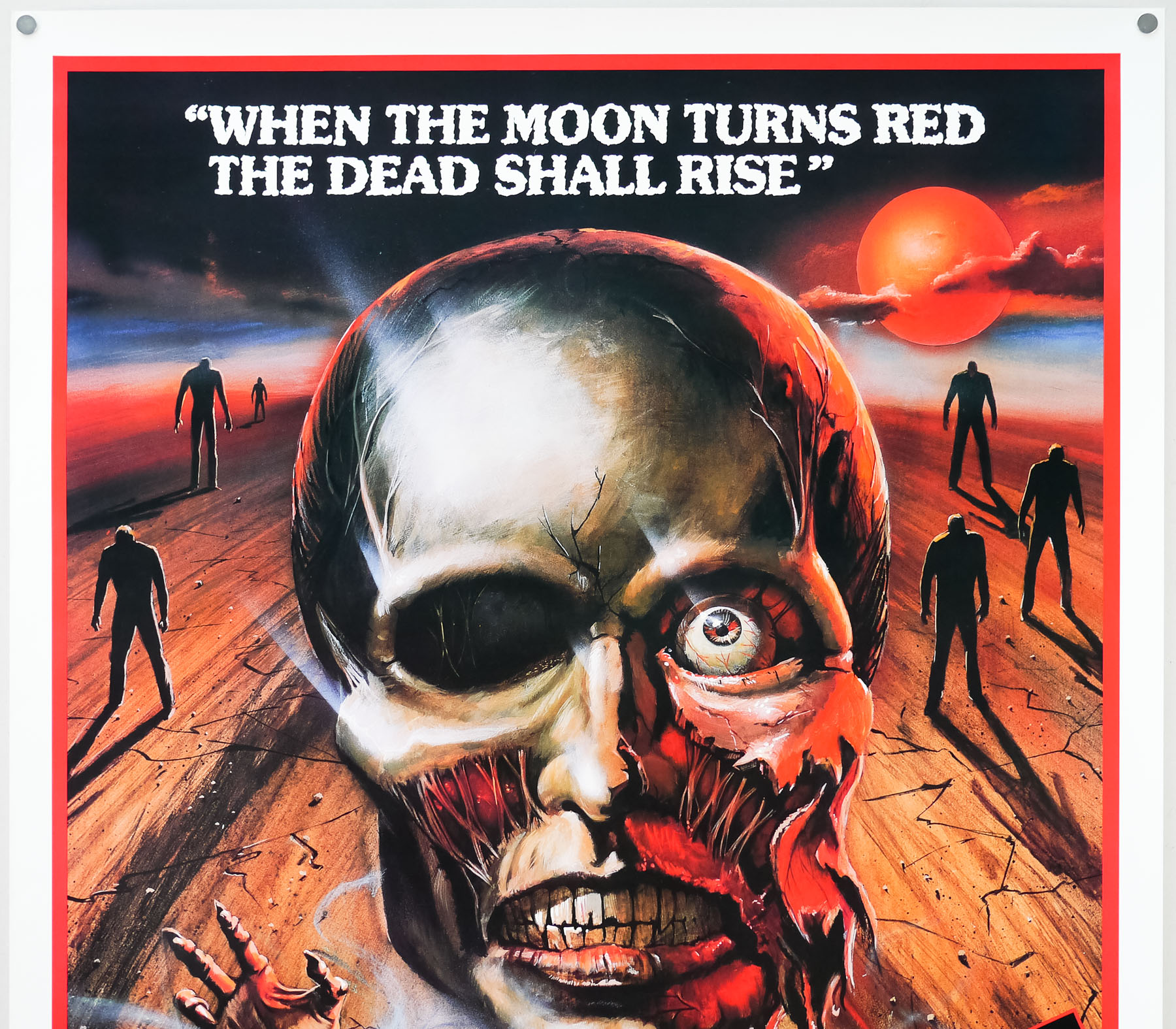
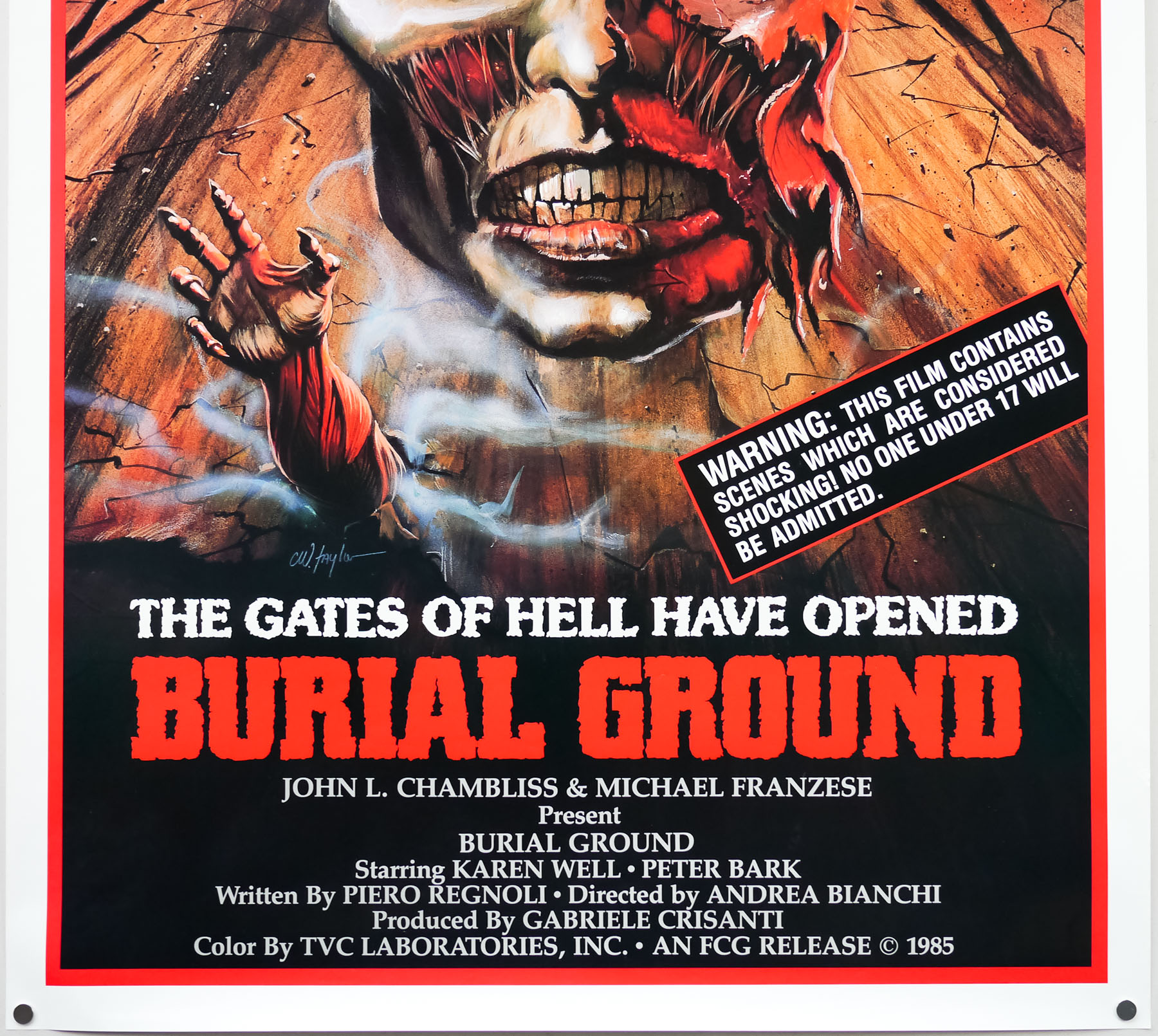
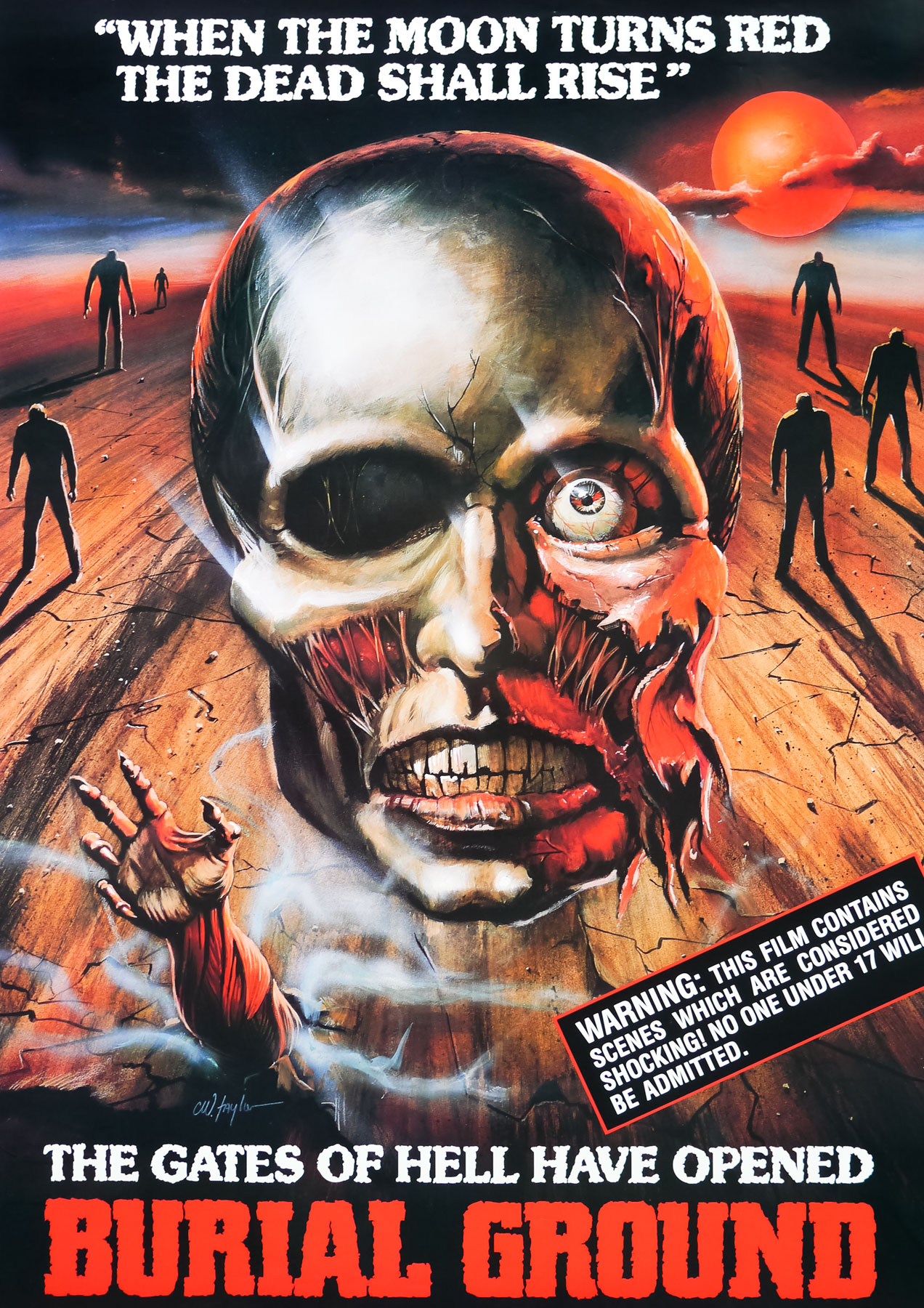
An entry into the Italian zombie horror genre, Burial Ground (AKA The Nights of Terror) is unquestionably in the shadow of Lucio Fulci’s superior Zombie Flesh Eaters, released only a year before in Italy. The film features several shameless cribs from Fulci’s film, including a scene where an actress is pulled slowly into a broken window, face first. The film features little in the way of a plot with the bare minimum in the way of exposition before the zombie carnage begins. It opens with the spectacularly bearded Professor Ayres unwittingly unleashing a horde of shuffling zombies whilst exploring a crypt in the cemetery behind his mansion. A group of his friends (some colleagues?) arrive shortly after, having been invited to view his discoveries, and there follows a rambling sequence of events in which the guests spout inane dialogue, potter around the mansion and get naked (only breasts, of course) before the first zombie shuffles into their view.

The zombie make-up and gore effects are, for the most part, absolutely atrocious with some of the zombies not even resembling humans in terms of facial features and others looking like some Italian bloke painted grey with a few bits of bacon stuck to his face. There are some undeniably creepy moments and the sets are well utilised but the film is nearly ruined by the appalling music, half of which sounds like it was taken directly from a 1950s ‘space sounds’ record, with bizarre bleeps, bloops and other sci-fi noises happening every time anything remotely exciting happens on screen. One of the most bizarre elements of the film was the decision to cast a 26-year-old dwarf named Peter Bark as Michael, the 11-year-old son of Evelyn (Mariangela Giordano) who has some sort of oedipal relationship with him, made even weirder by the actor’s real age and facial appearance. It has to go down as one of the strangest casting decisions ever made.

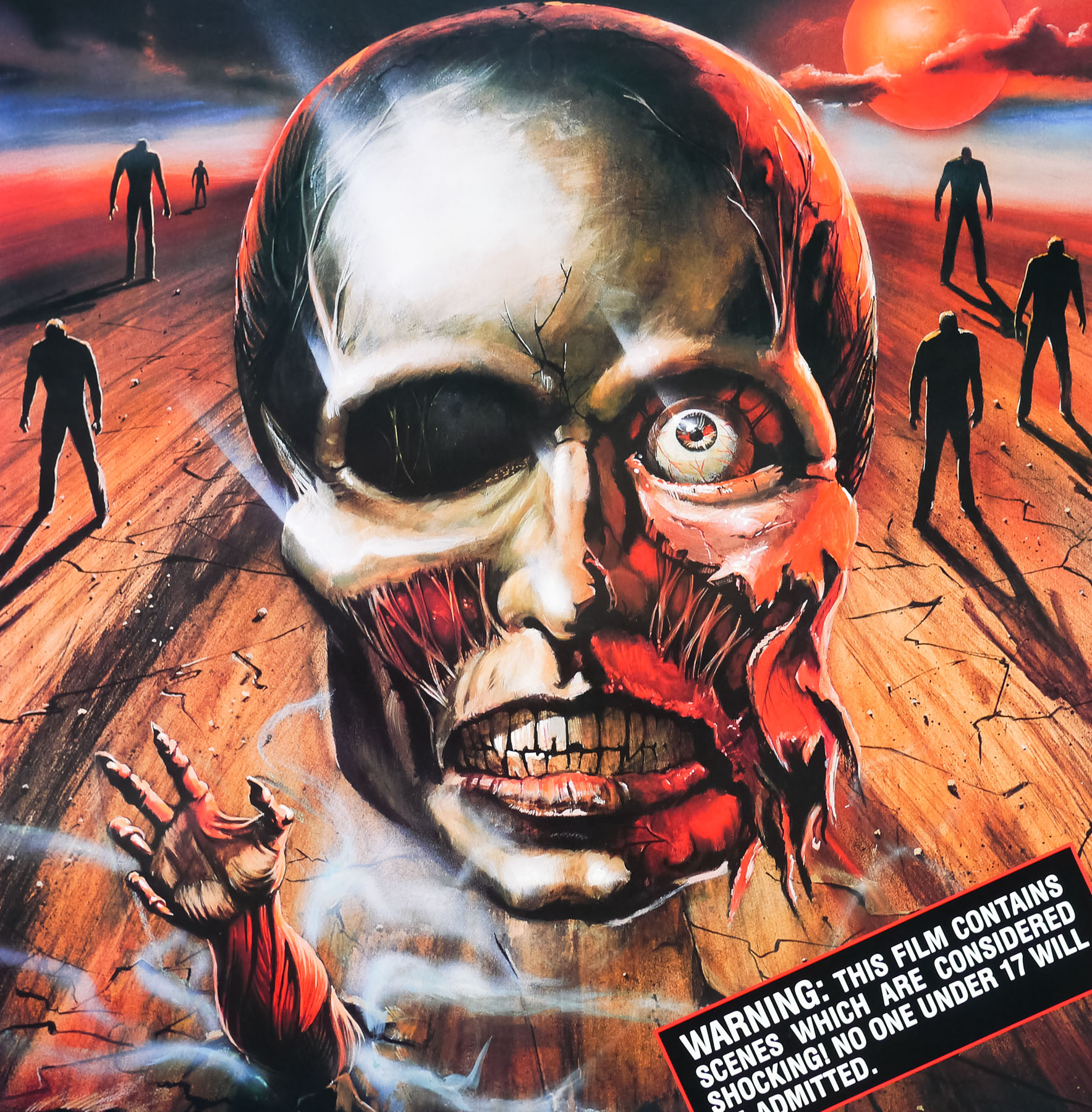
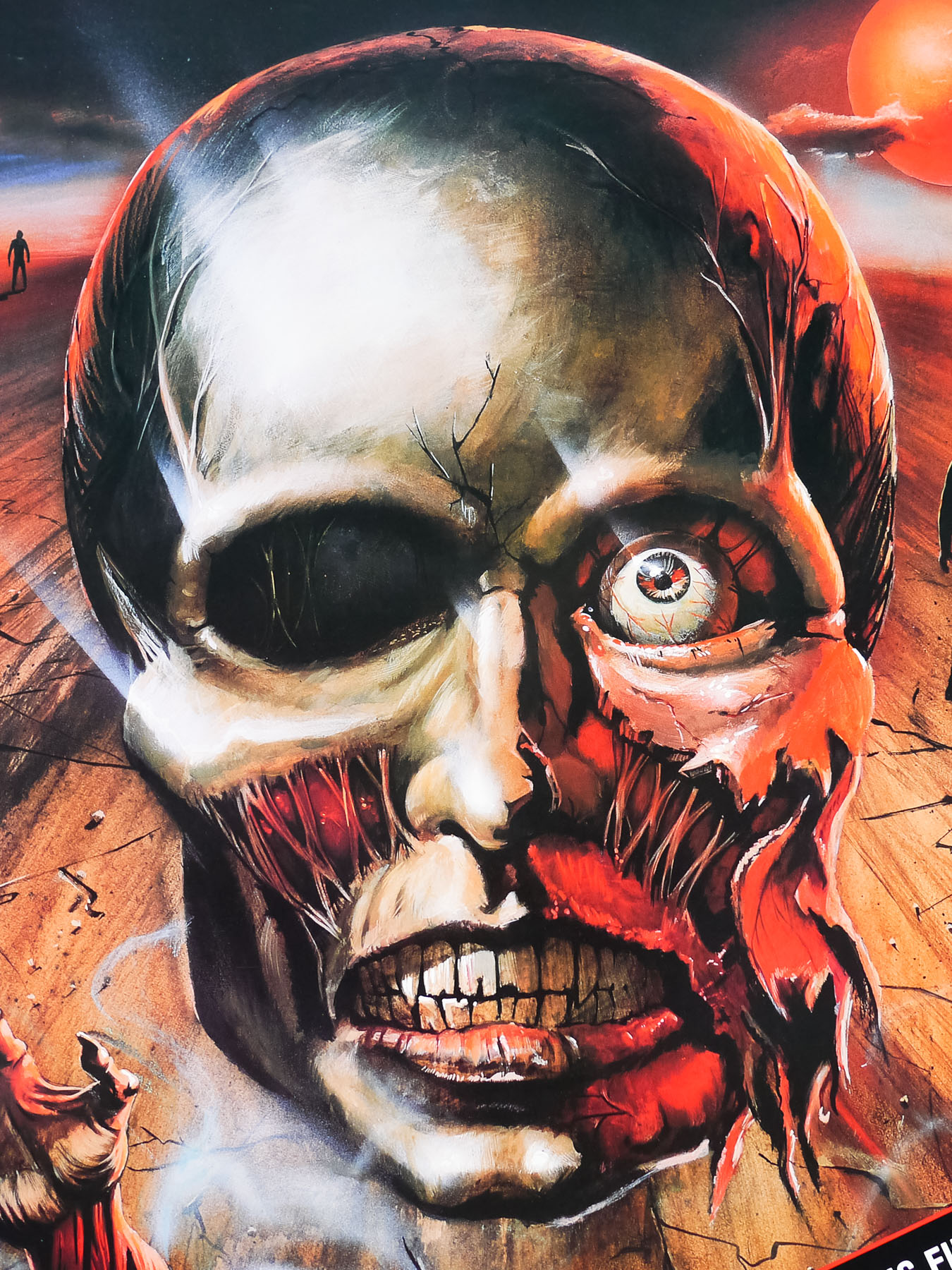
The artwork on this one sheet for the 1986 American release, five years after the original Italian debut, is by an American artist called C. Winston Taylor, about whom very little can be found online. The Lost Video Archive blog has a post on the artist that features images of some of his other posters and video covers. In the 1990s the artist was hired to paint the covers for a Quantum Leap comic book series and a gallery of those images can be viewed on this site, which also features three images of the artist himself. Comicbookdb.com features a small profile of Taylor with the following mini-biography:

C. Winston Taylor always knew from a young age that he would communicate through his drawings. Fighting in the jungles of Vietnam, where he earned two Bronze Stars, helped solidify this vision. After graduating with honors from the Art Center College of Design, in Los Angeles, he quickly became a well-respected illustrator. His work has received numerous awards and he served as the president of The Society of Illustrators of Los Angeles. 

The other posters I’ve collected with artwork by him can be seen by clicking here.

The Company Of Wolves / one sheet / UK

16.09.13

Poster Poster

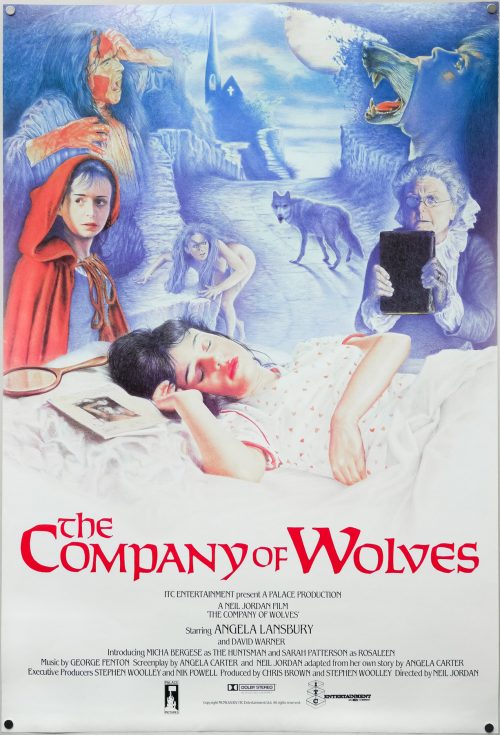
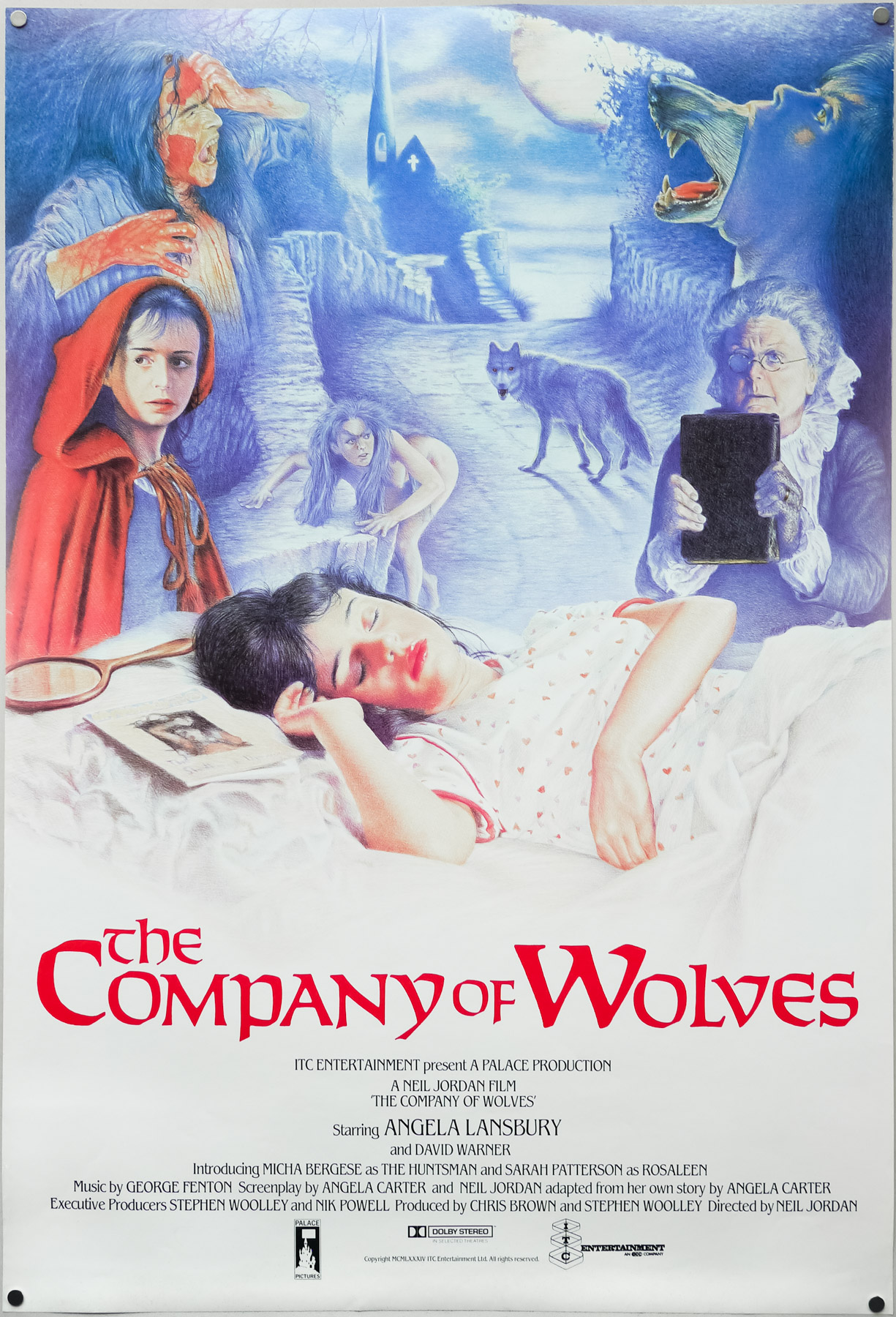
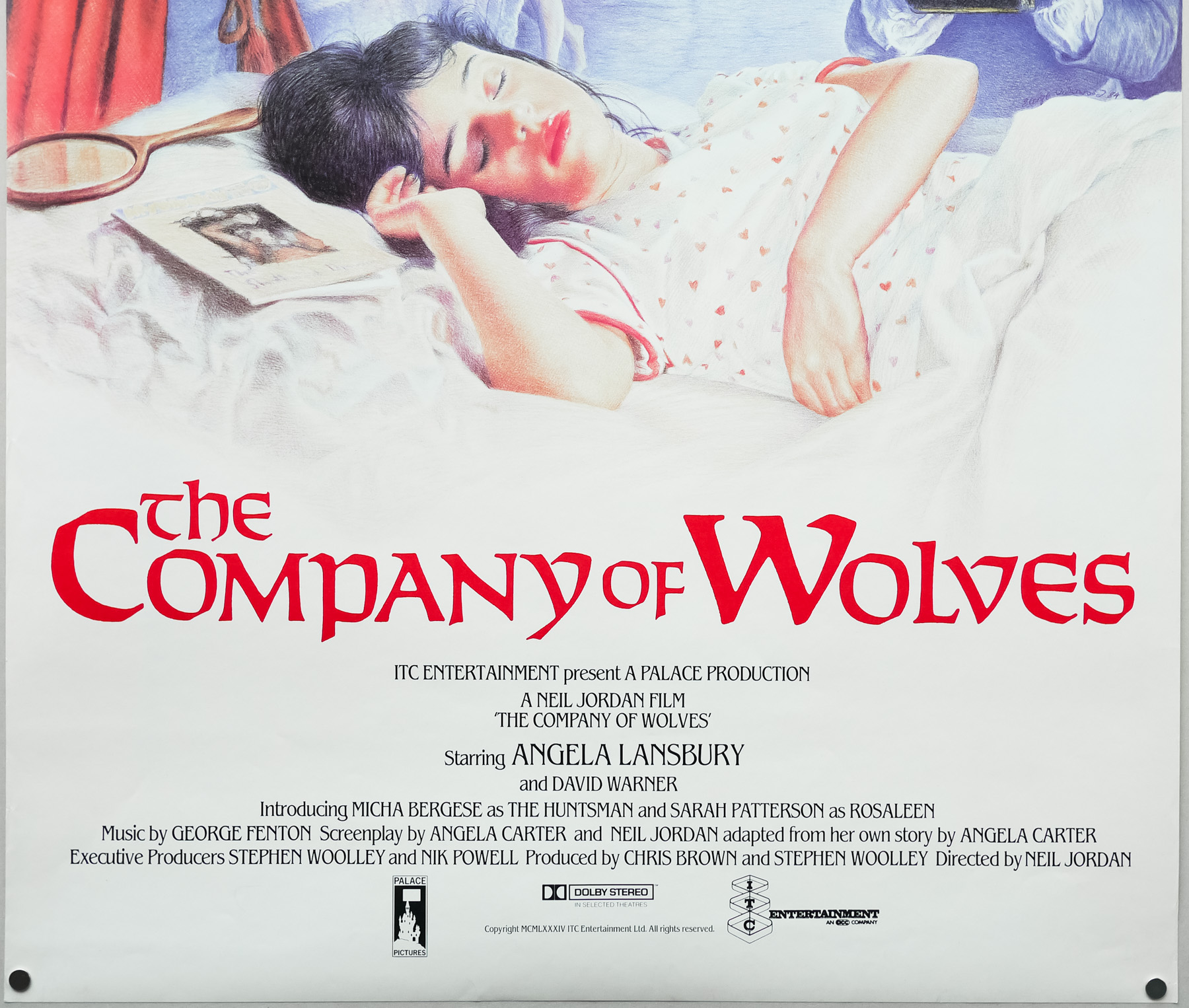
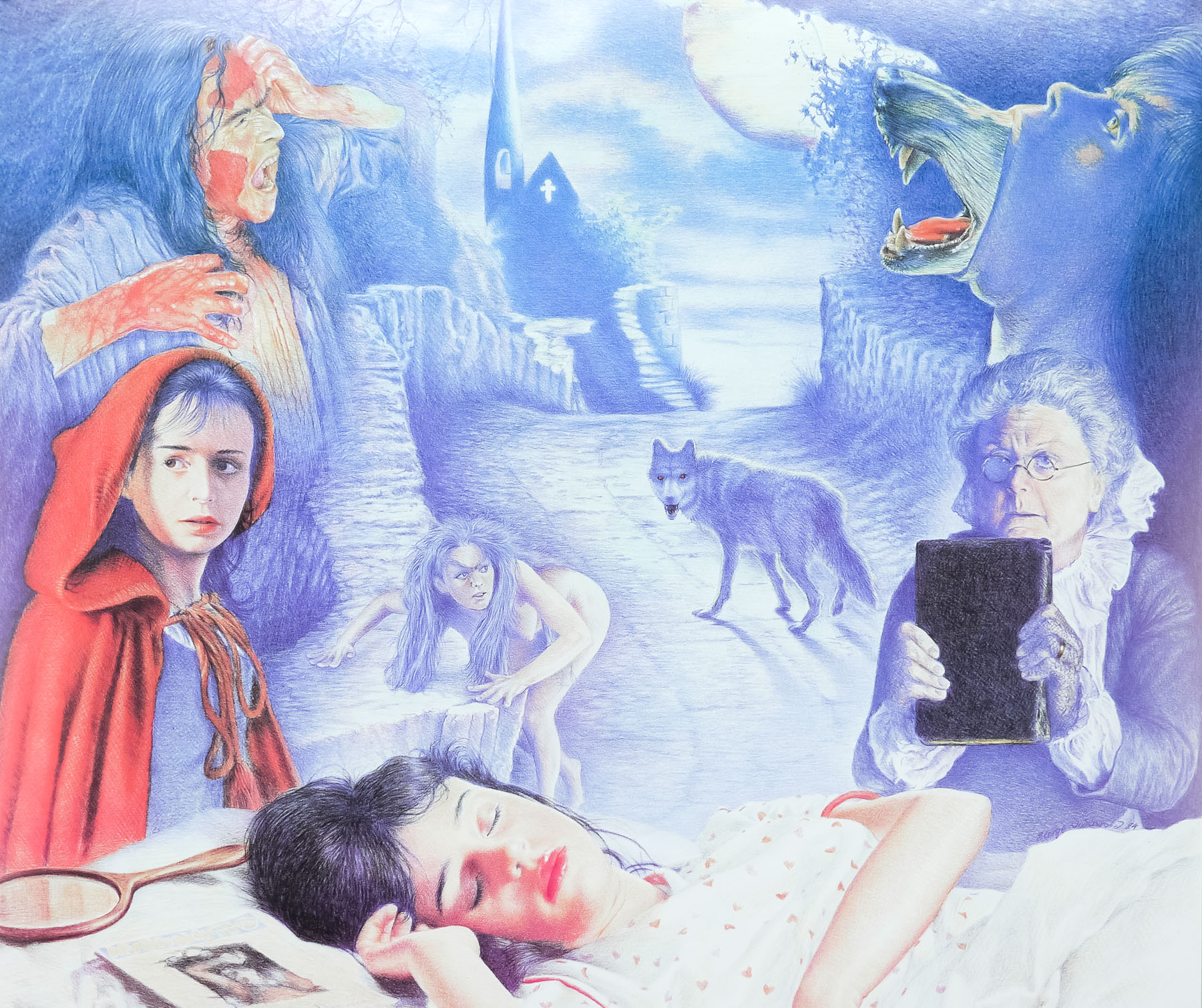
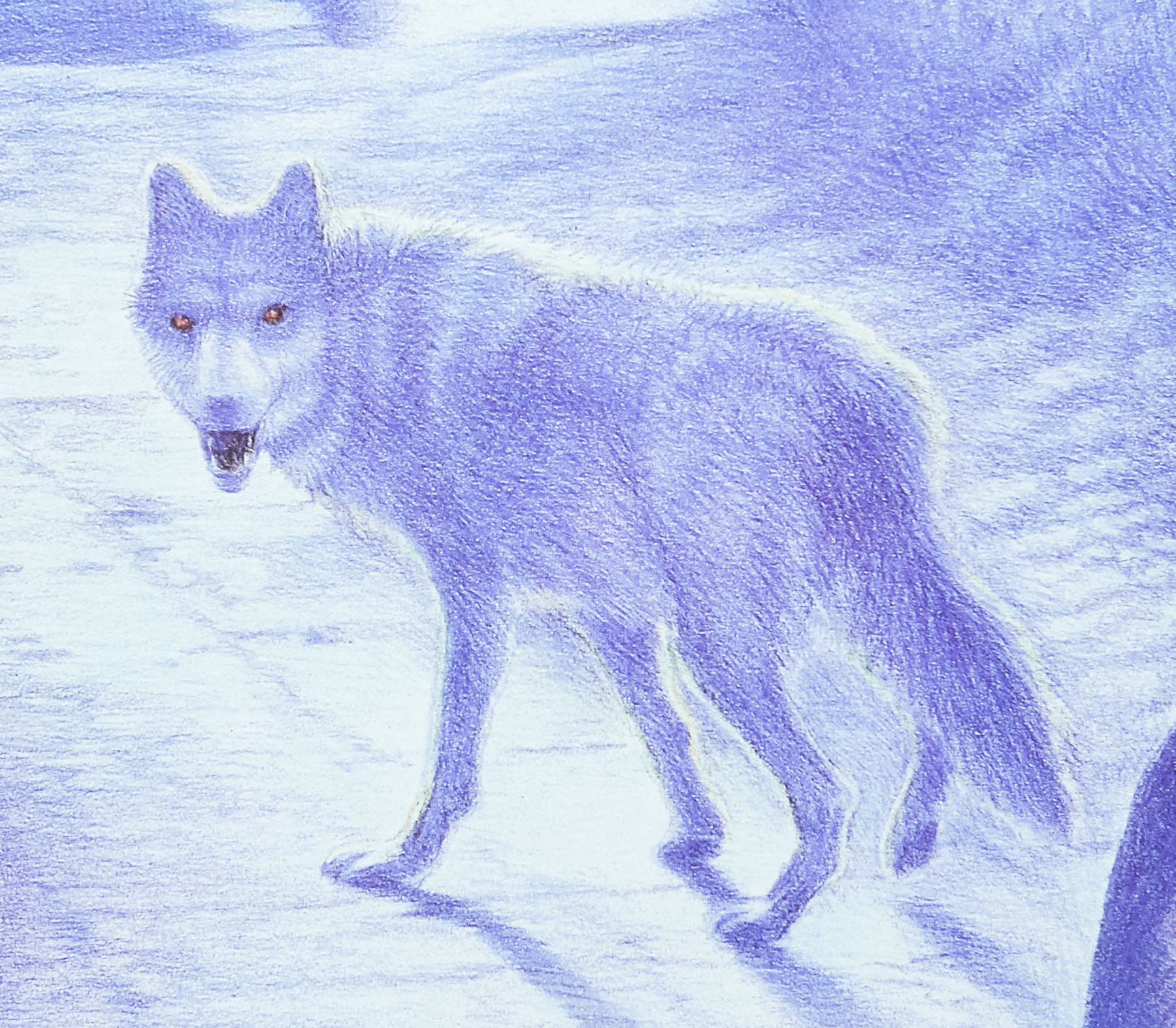
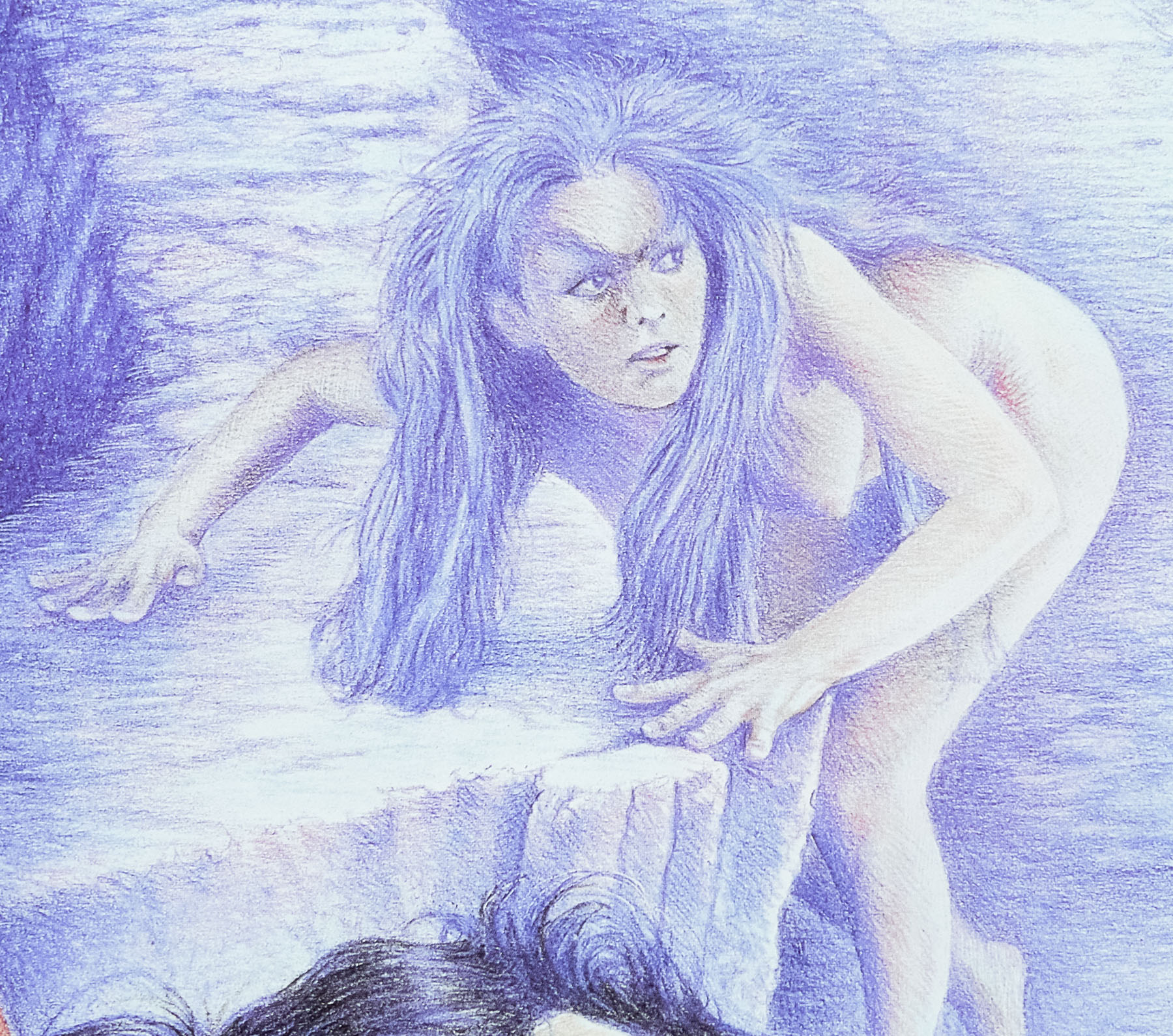
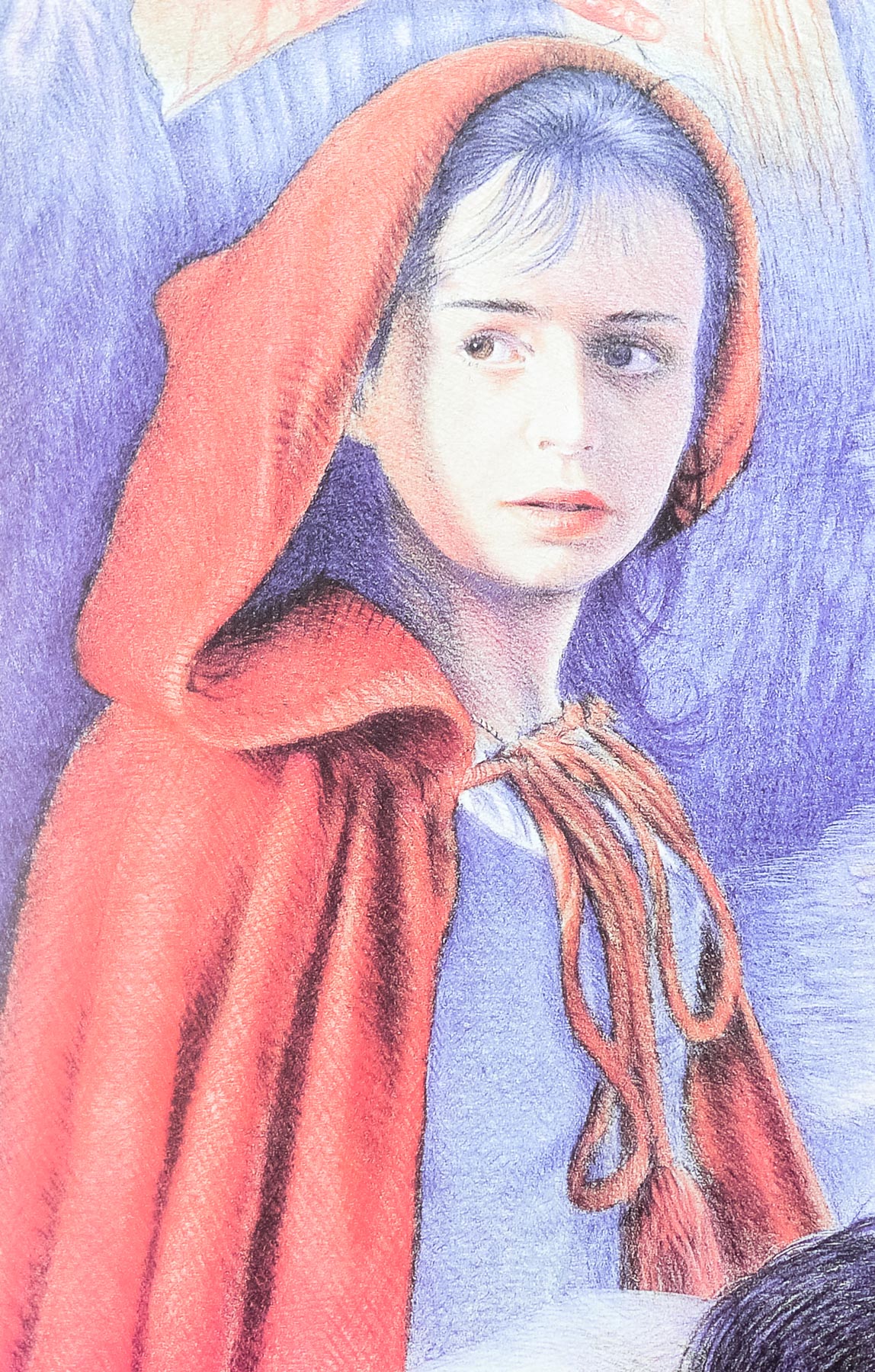
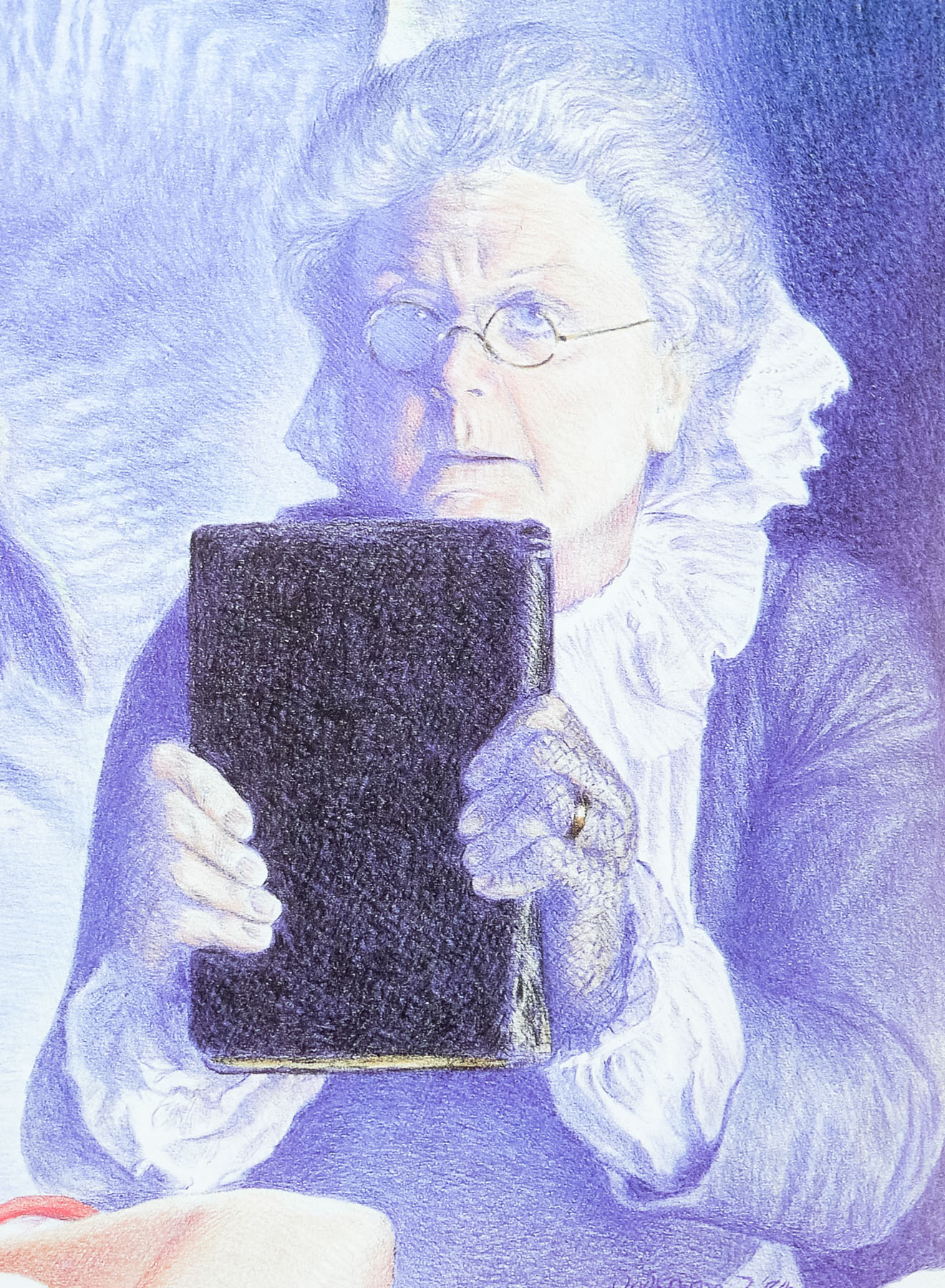
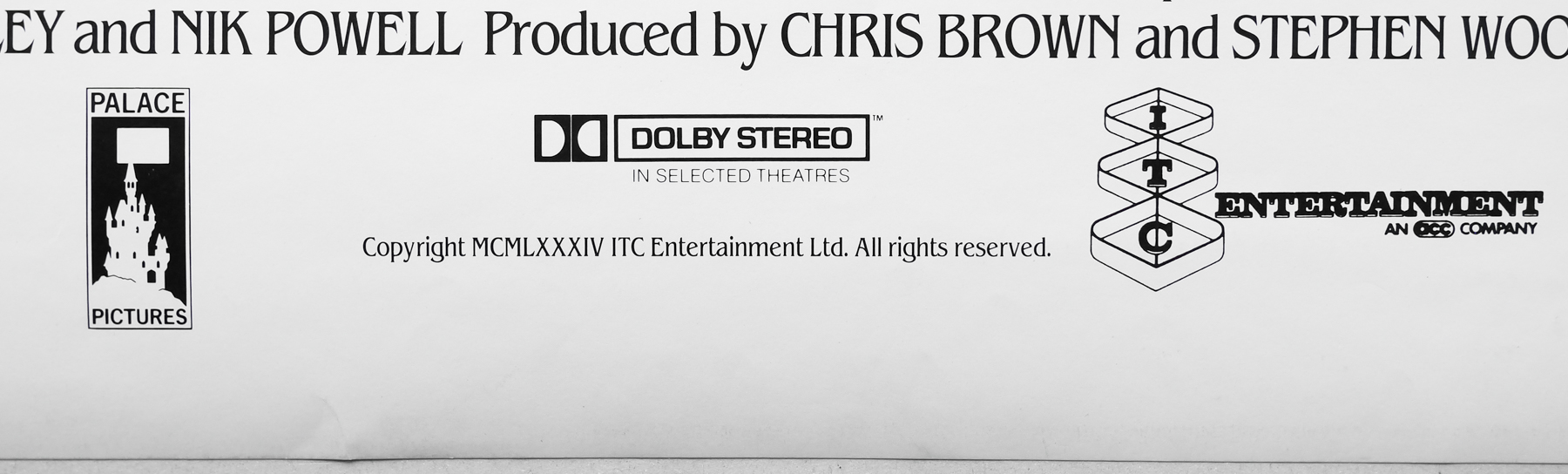
A joint collaboration between two British production companies, Palace Pictures and Lew Grade’s ITC Entertainment, The Company of Wolves was helmed by the Irish director Neil Jordan and based on a short story by the late English author Angela Carter, who also co-wrote the screenplay with Jordan. The film begins in the modern day with the  lead character Rosaleen (played by first-time actress Sarah Patterson) having moved with her parents to a large house in a forest. At night Rosaleen falls asleep and has a vivid dream in which she is a medieval peasant girl who lives with her grandma (played by Murder, She Wrote’s Angela Lansbury) in a woodland village. Sitting by the fire one evening her grandma begins to tell her a story and what follows is a series of surreal, fantasy tales, with multiple narratives and narrators, most of which feature wolves or werewolves, and all of which are ripe with hidden meanings and deeper significances (check out this page on IMDb to give you an idea).

Featuring elements of the classic Little Red Riding Hood fairytale (and indeed the film features a blood red shawl worn by a young girl) the film is a parable of the loss of innocence and the beginning of adolescence and sexual awakening – as the Grandma says at one point ‘Never stray from the path, never eat a windfall apple and never trust a man whose eyebrows meet in the middle.’ Overcoming a slight budget The Company of Wolves has a dream-like, eerie atmosphere helped in no-small part by excellent production and costume design. There is also a werewolf transformation scene that challenges the famous one seen in American Werewolf in London. Palace Pictures would re-team several more times with Neil Jordan, including for Mona Lisa (1986) and Oscar-winning The Crying Game (1992)

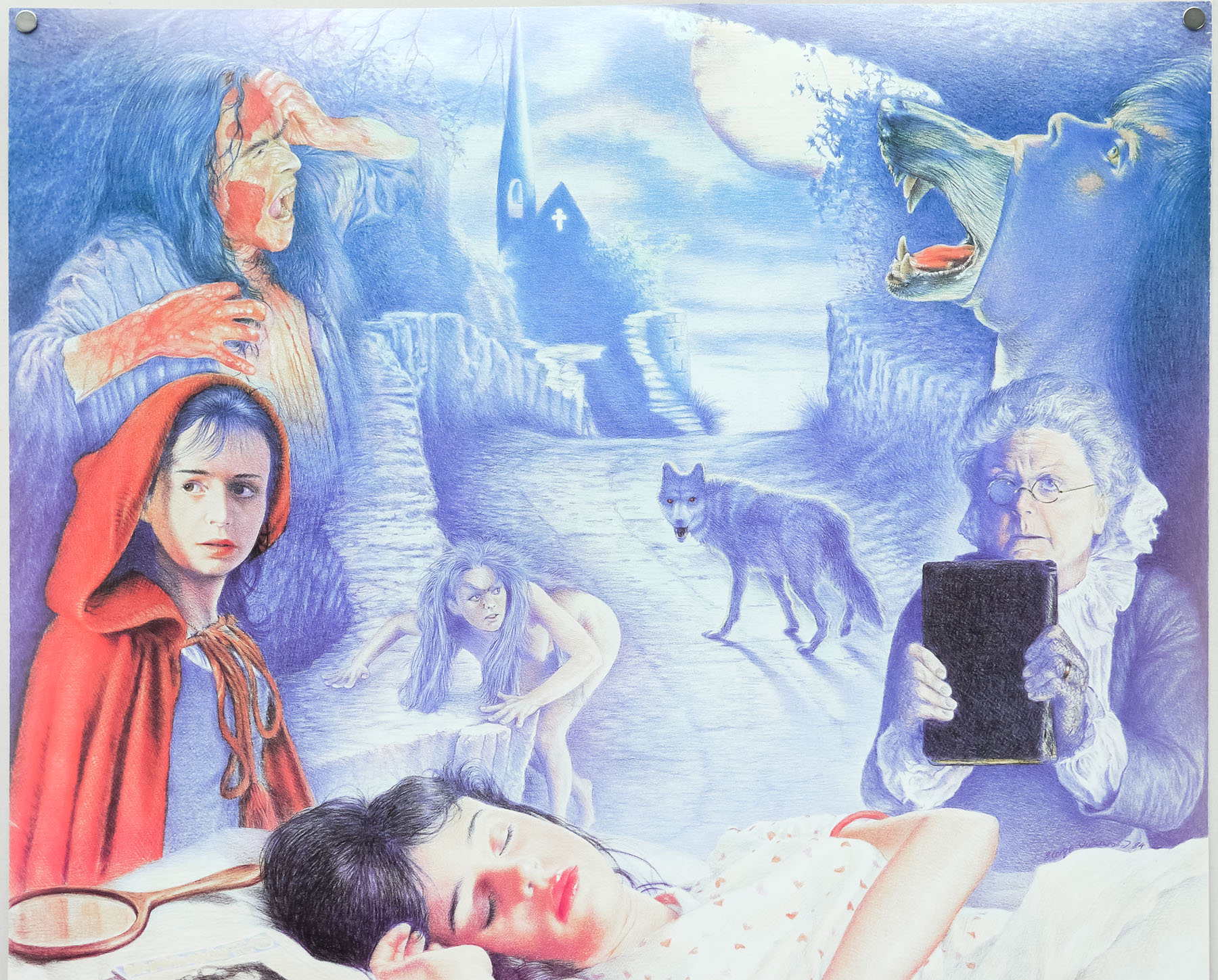
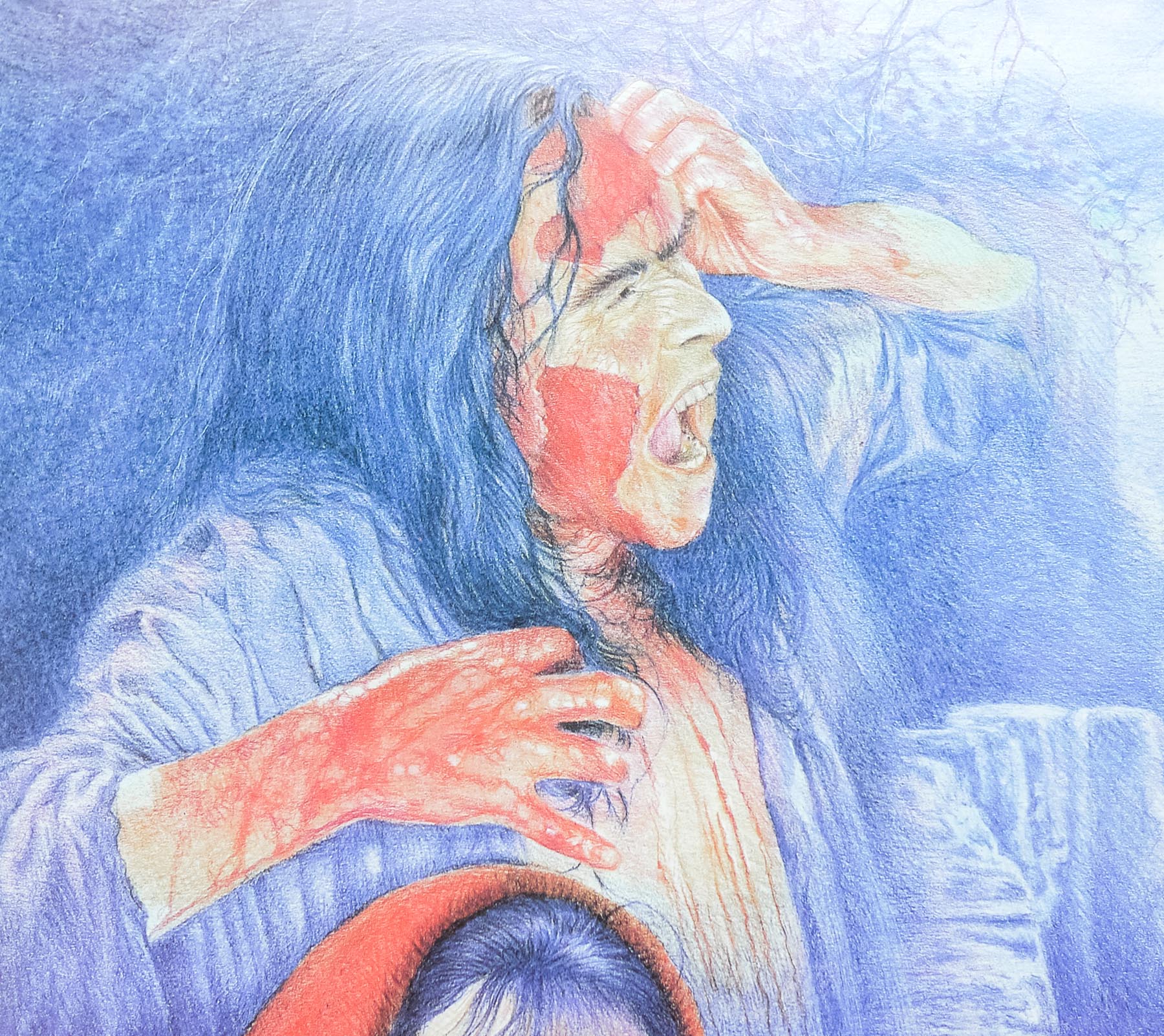
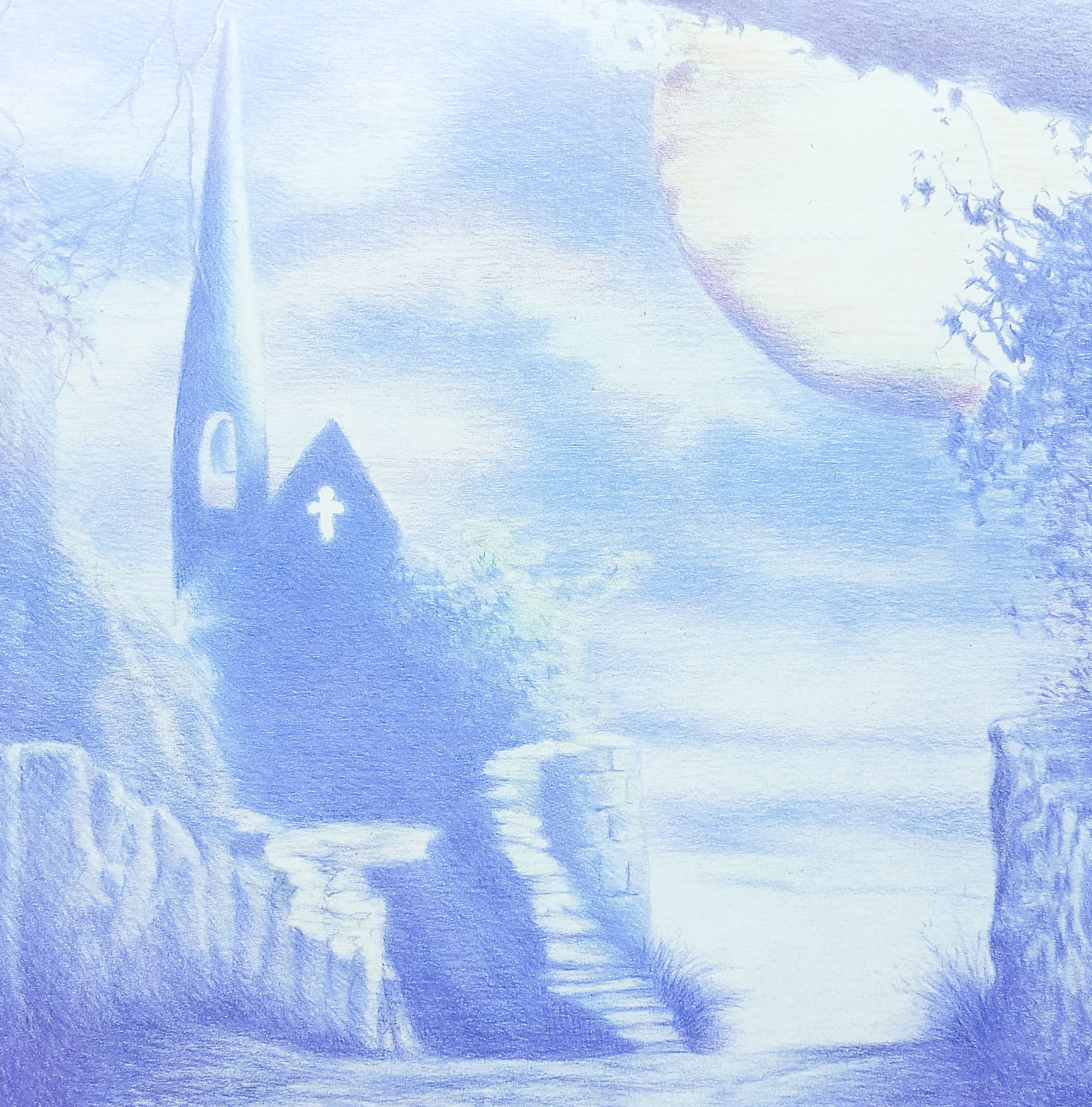
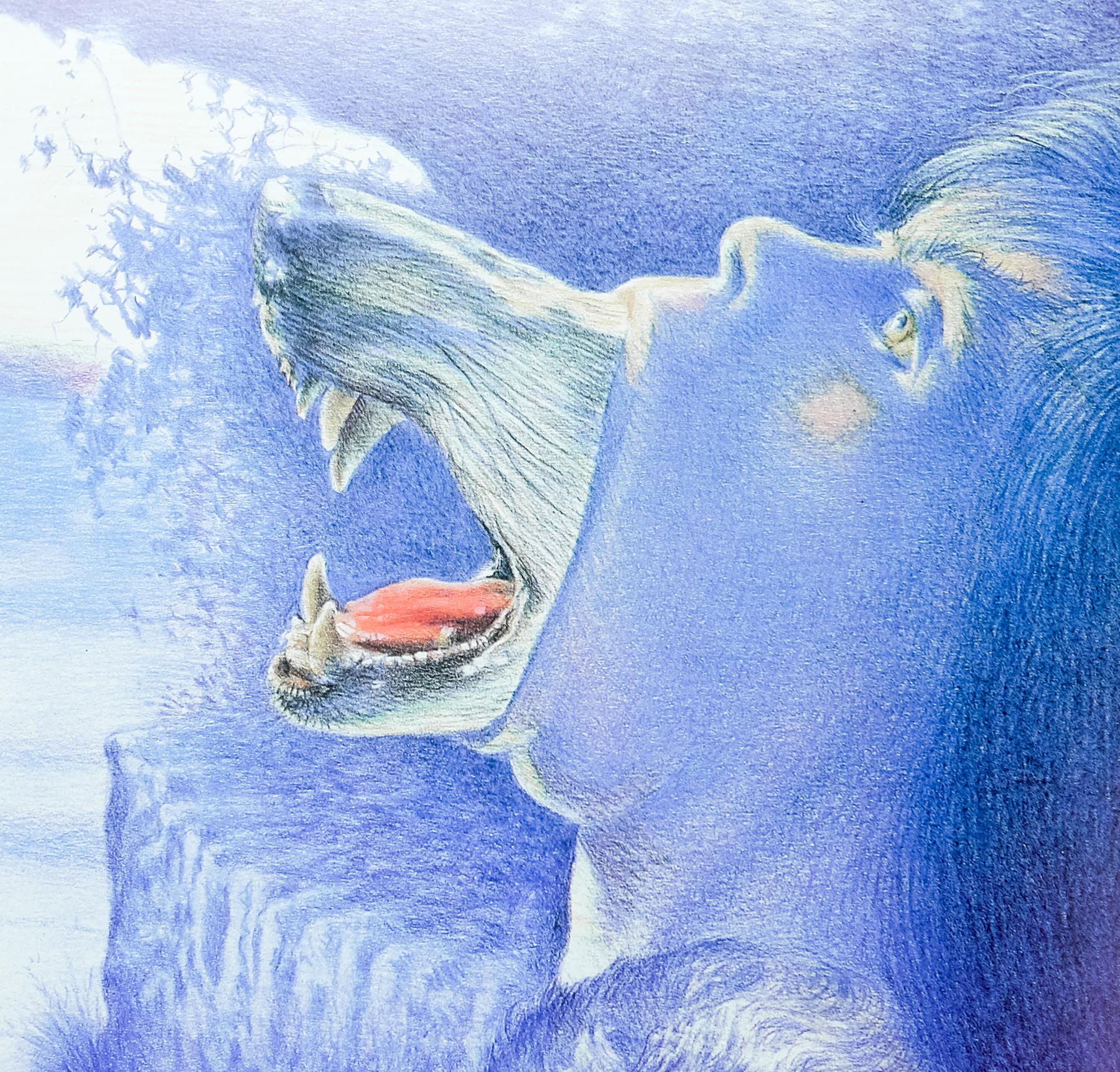
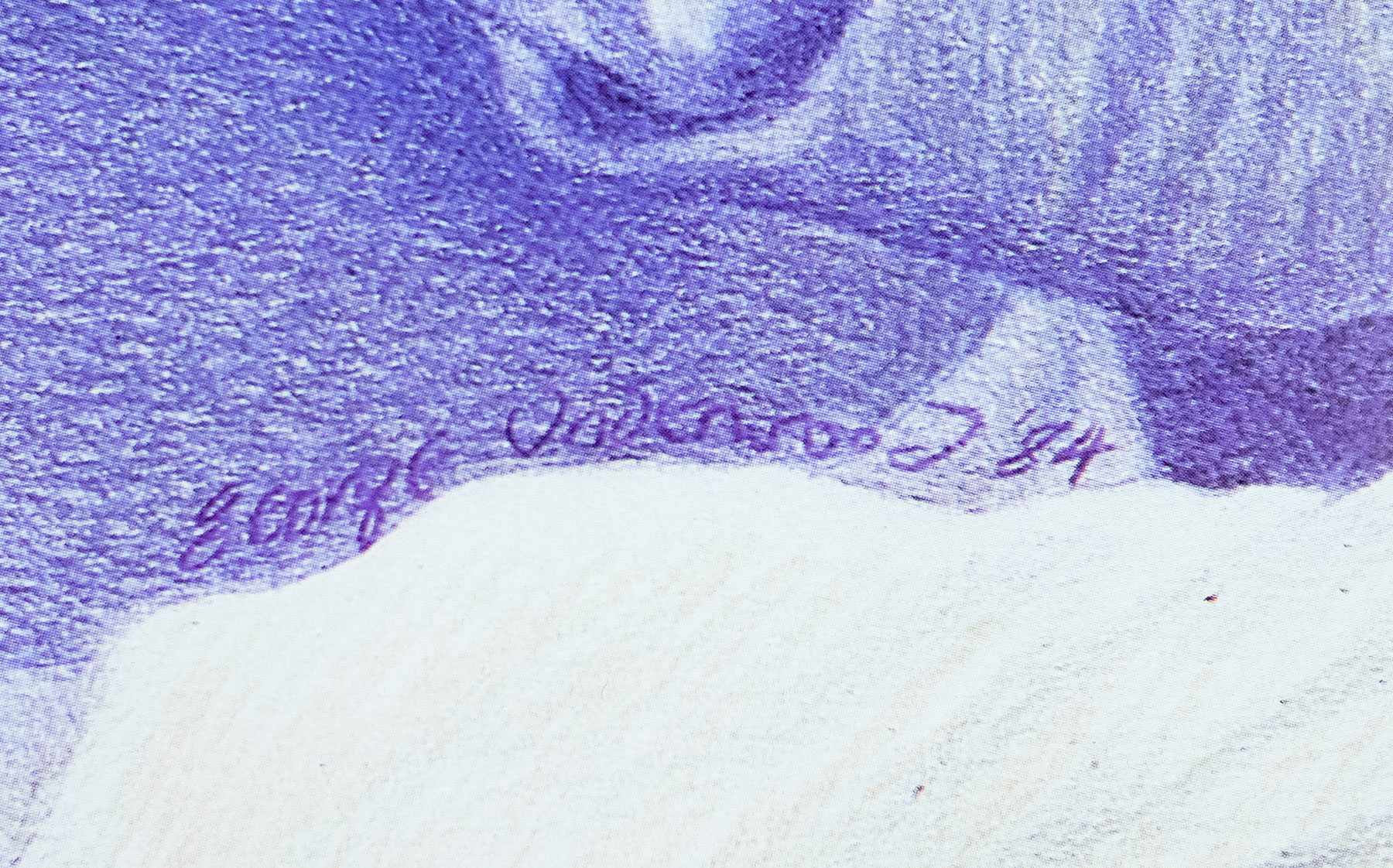
This one sheet was printed for use in the UK alongside the quad, which is markedly different in its design and can be viewed here. The artwork was painted by the celebrated British artist George Underwood, who is perhaps best known for his work on album covers for the likes of David Bowie (Hunky Dory, Space Oddity and more), T.Rex and The Fixx. Born in Bromley, Kent in 1947, Underwood went on to study at the nearby Beckenham Art School and then afterwards at Ravensbourne College of Art. After a brief flirtation with the music industry (Bowie being a lifelong friend of his), he decided to concentrate on his design and illustration, beginning his career by working on LP covers and book covers.

Later on, Underwood would start work as a freelance illustrator, which is when he would have painted this poster for Palace Pictures. In the 1970s he began painting in oils, creating wonderful surrealist portraits and his official website features galleries of these and his other work, including album covers. I’m unsure whether he worked on any other film posters but I intend to contact the artist to find out.

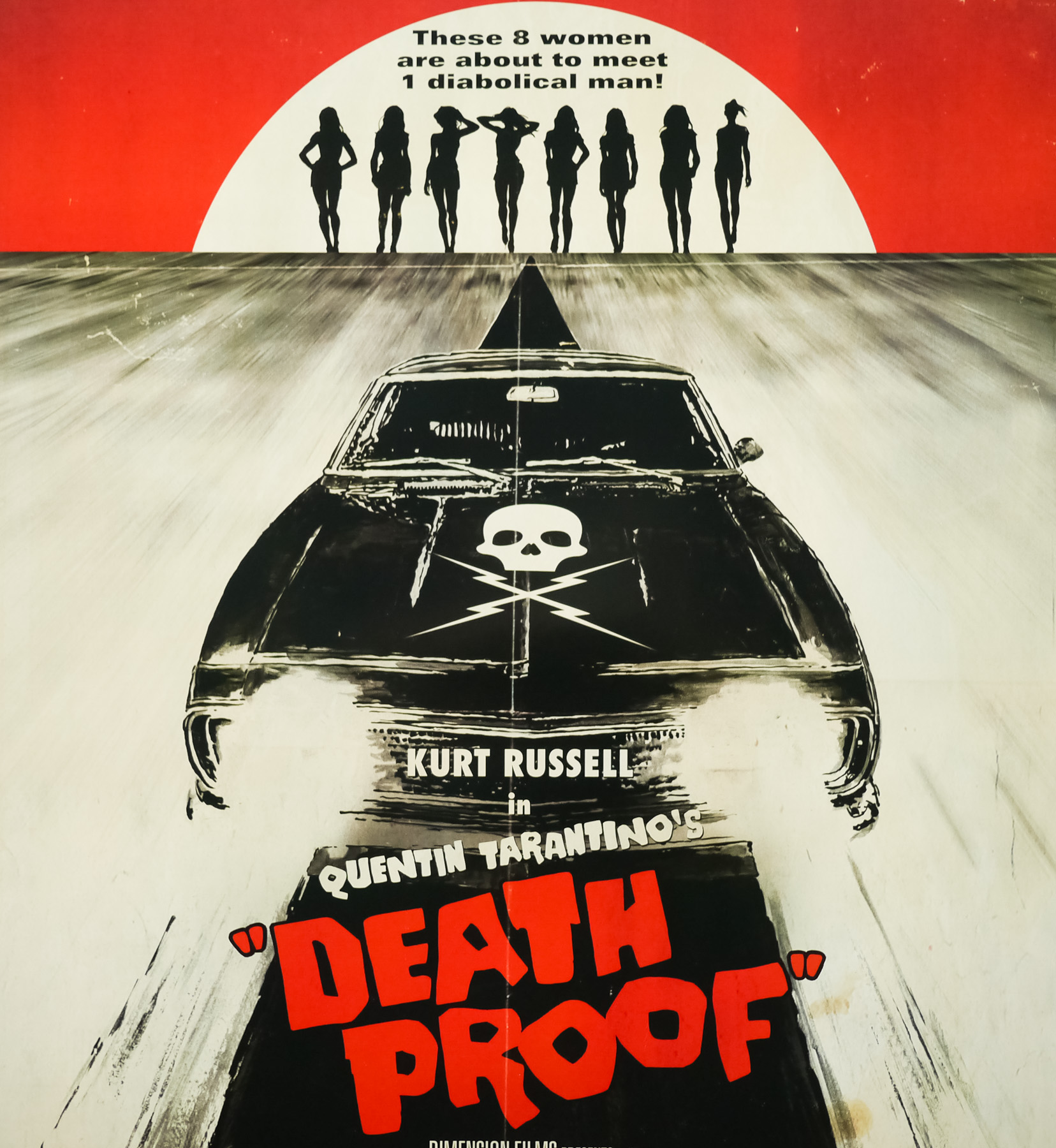
Death Proof / one sheet / international

11.11.13

Poster Poster
Title
Death Proof
AKA
Grindhouse (USA - two movies together) | Boulevard de la mort (France)
Year of Film
2007
Director
Quentin Tarantino
Starring
Kurt Russell, Zoe Bell, Rosario Dawson, Vanessa Ferlito, Tamiia Poitier, Tracie Thoms, Rose McGowan, Jordan Ladd, Mary Elizabeth Winstead, Quentin Tarantino, Marcy Harriell, Eli Roth
Origin of Film
USA
Genre(s) of Film
Kurt Russell, Zoe Bell, Rosario Dawson, Vanessa Ferlito, Tamiia Poitier, Tracie Thoms, Rose McGowan, Jordan Ladd, Mary Elizabeth Winstead, Quentin Tarantino, Marcy Harriell, Eli Roth,
Type of Poster
One sheet
Style of Poster
International
Origin of Poster
USA
Year of Poster
2007
Designer
BLT Communications, LLC
Artist
Unknown
Size (inches)
27" x 40"
SS or DS
SS
NSS #
--
Tagline
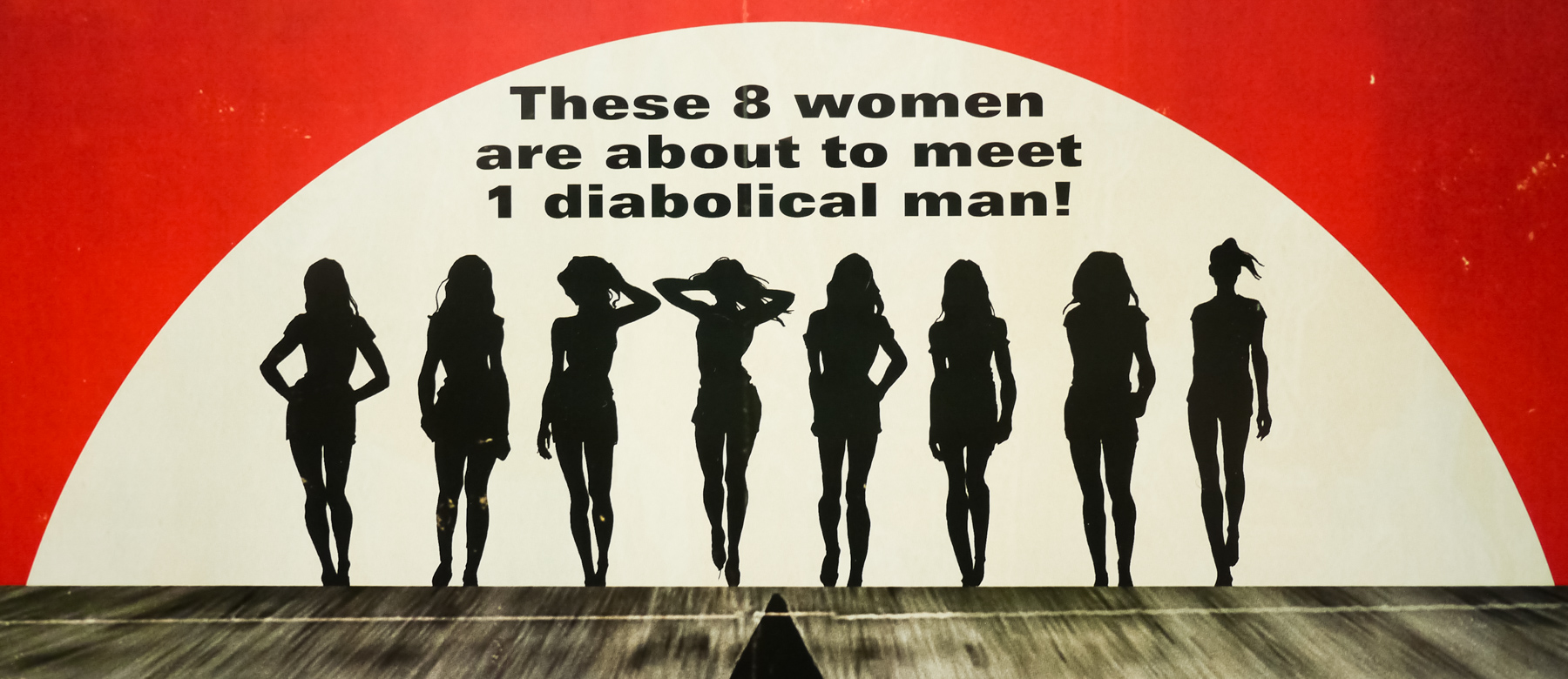
These 8 women are about to meet 1 diabolical man!

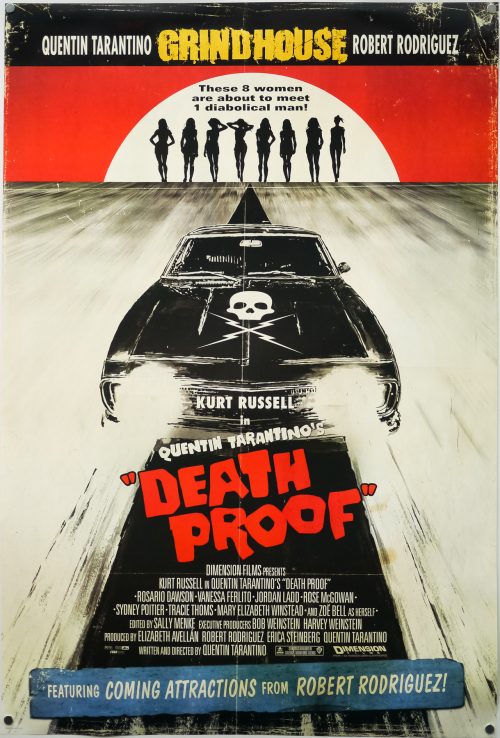
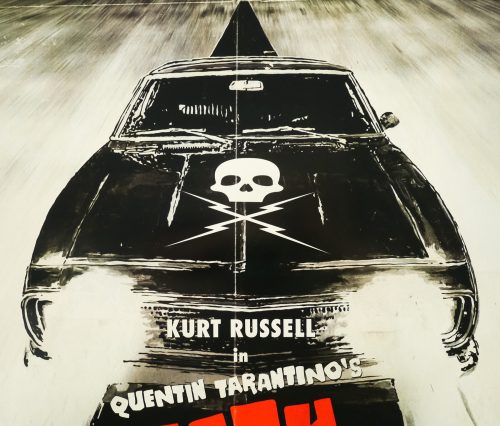
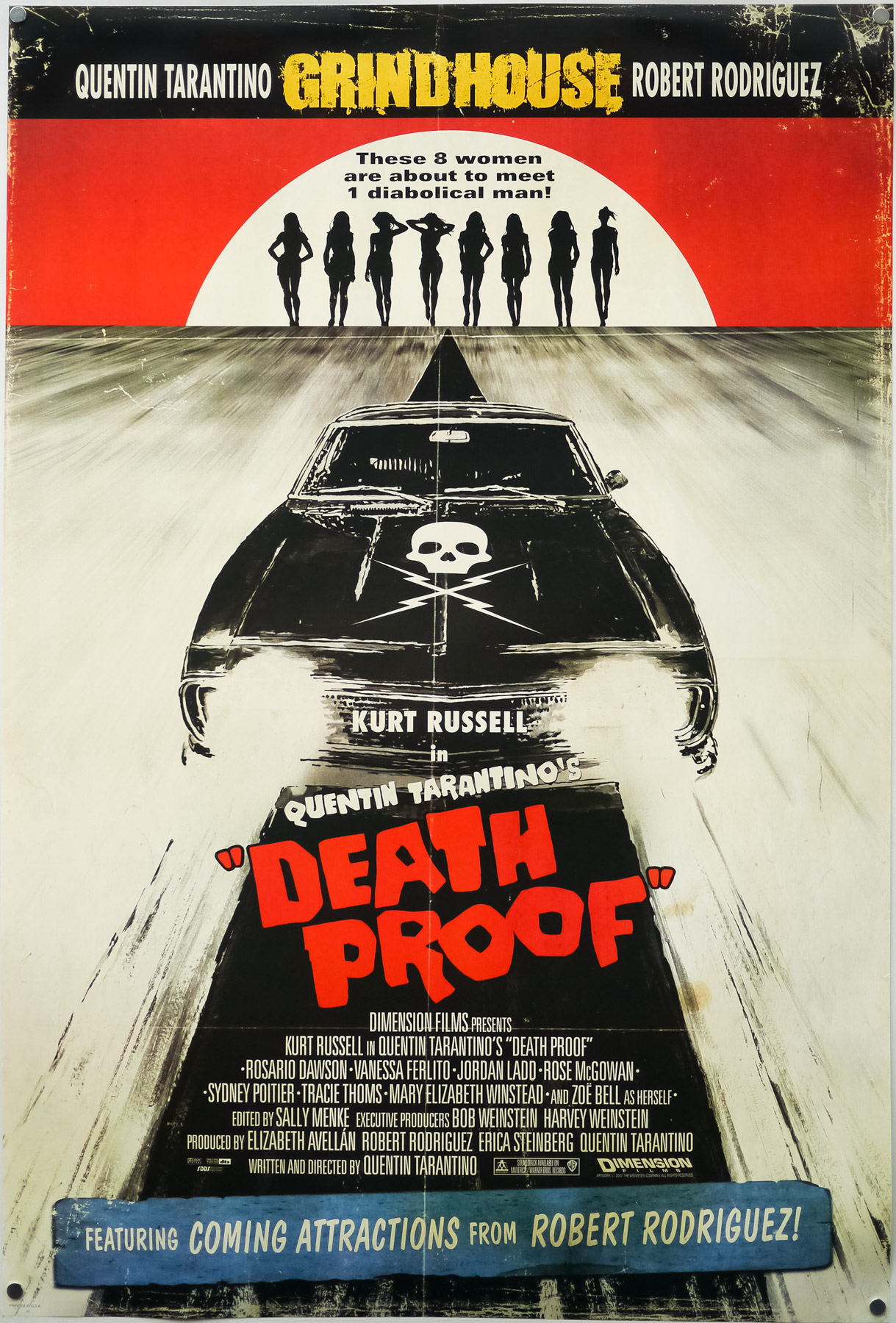
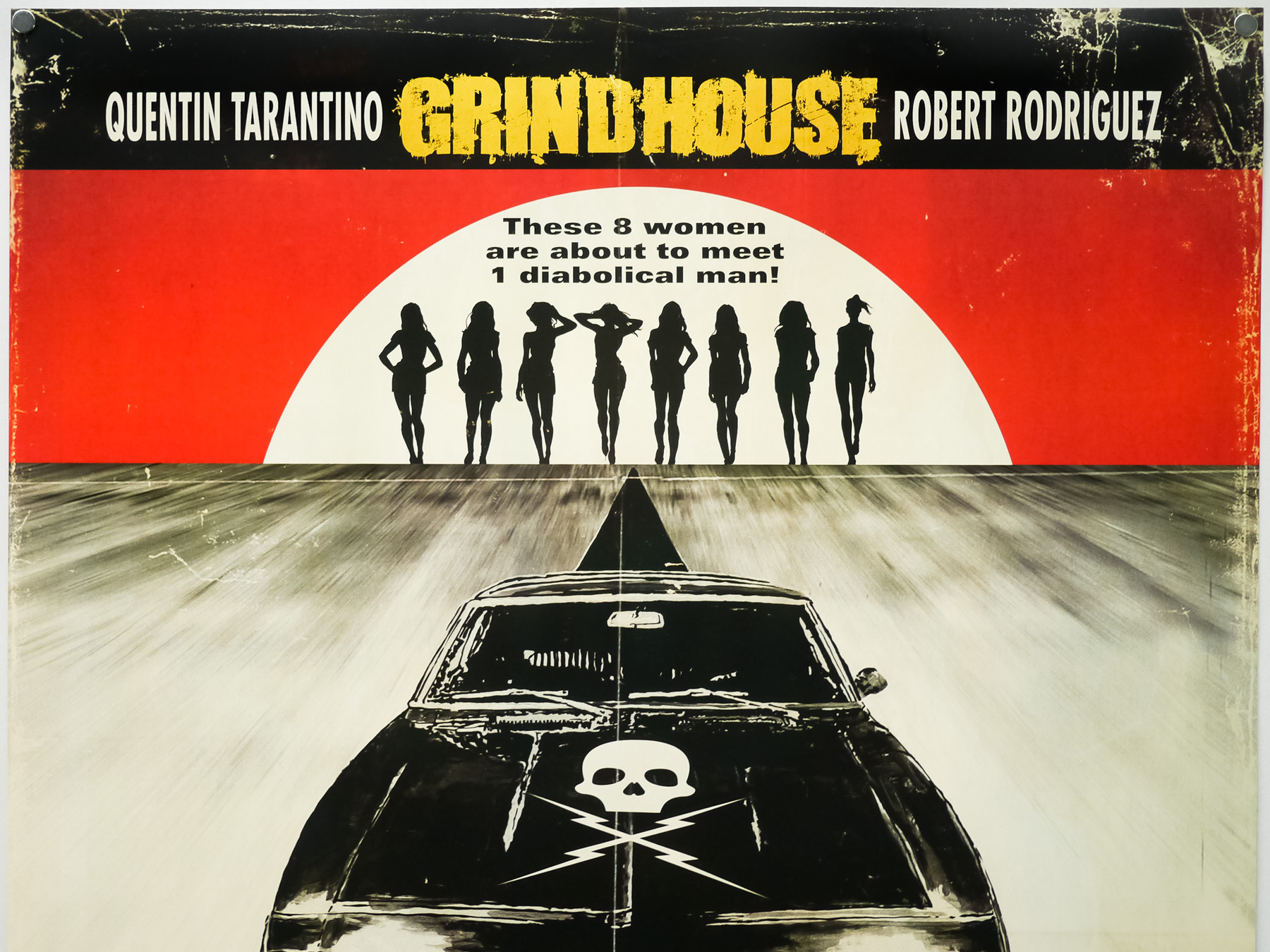
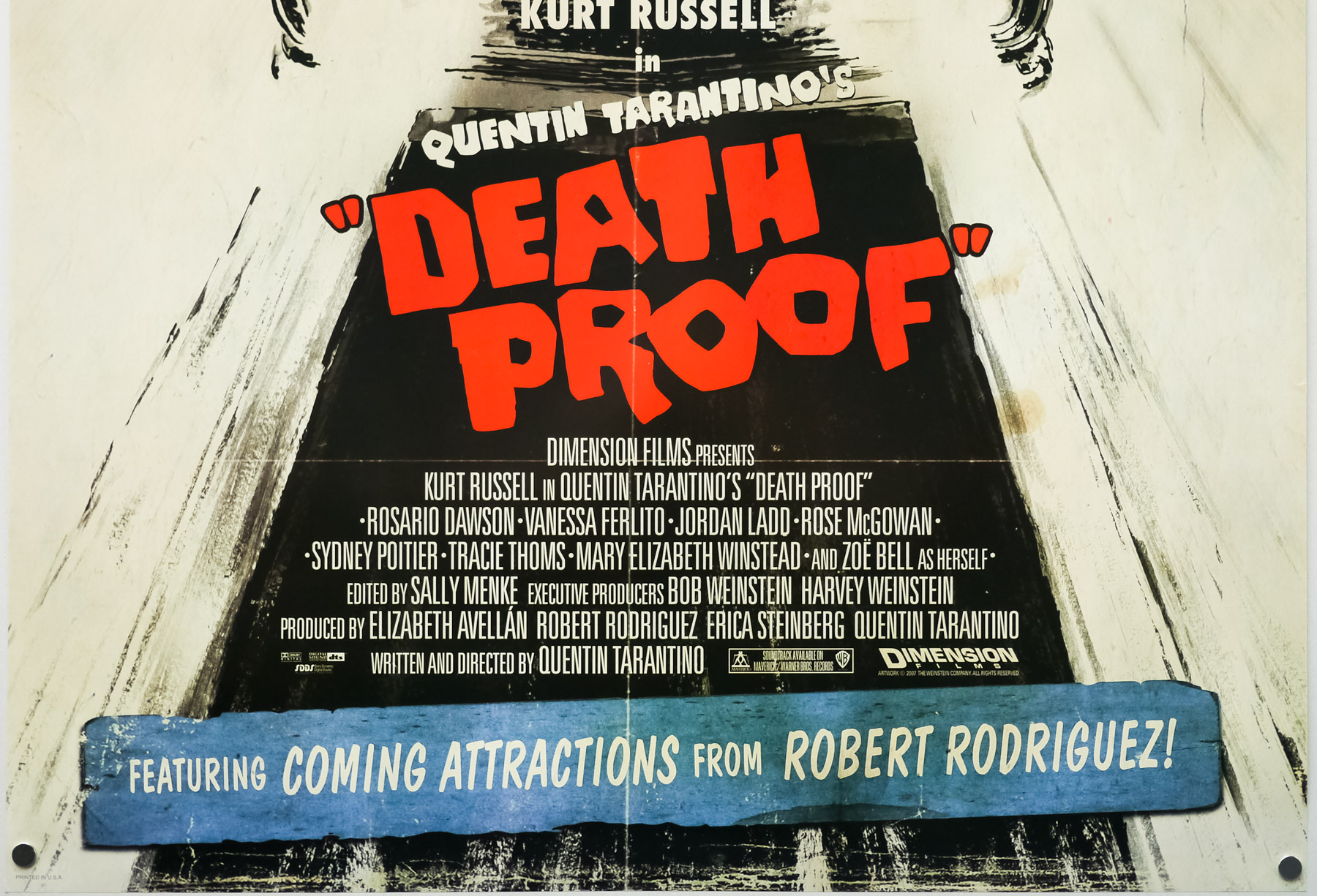
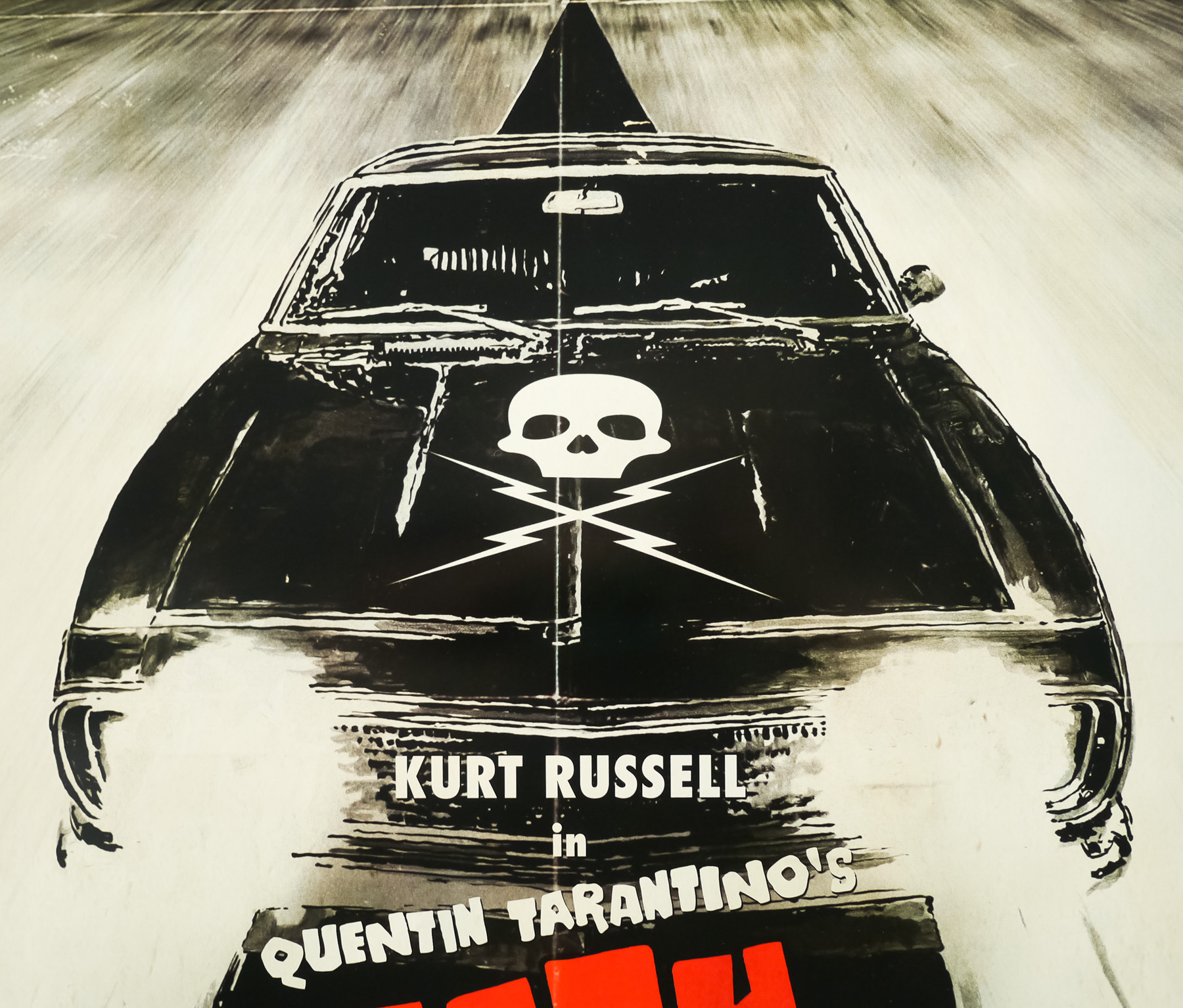
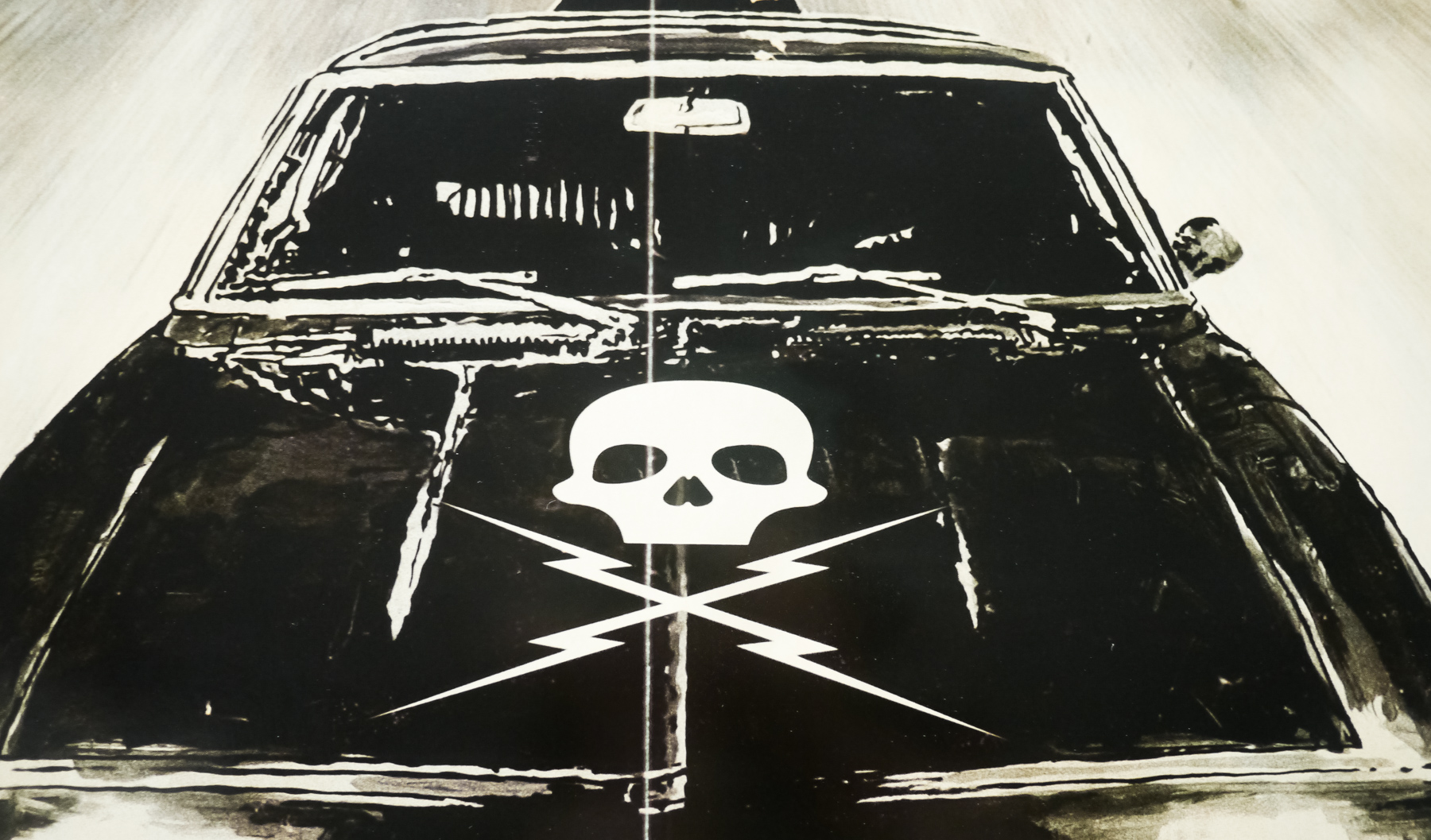
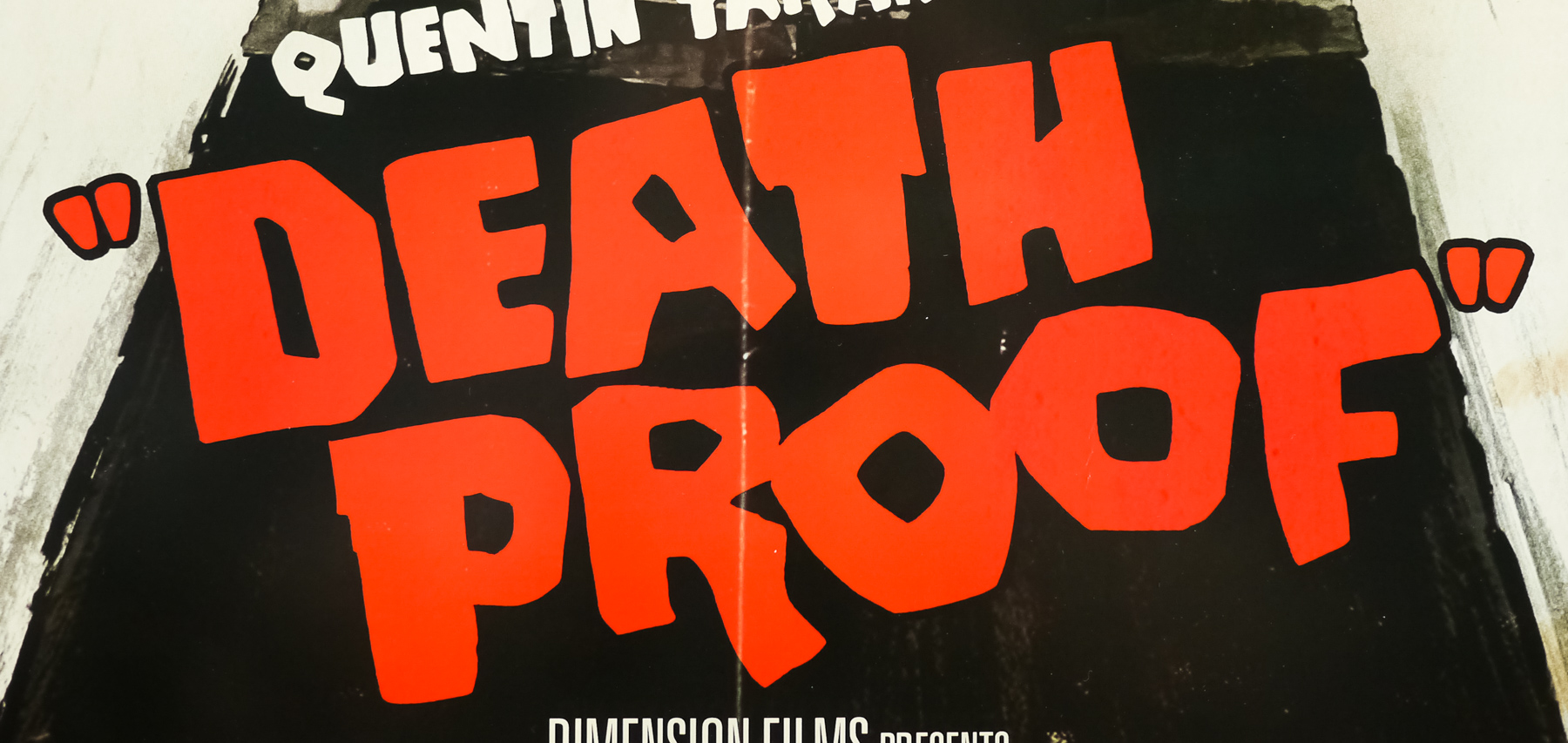
This is the scarce international one sheet for the release of Quentin Tarantino’s half of the ill-fated Grindhouse project, Death Proof. featuring Kurt Russell as the sadistic Stuntman Mike, a former Hollywood stuntman who has rigged his 1970s muscle car with a special cage that protects him in the event of a crash making it ‘death proof’. We see what happens when Mike invites Pam (Rose McGowan), a drunken reveller for a ride and kills her with his reckless driving before smashing into a car full of her friends who he’d met earlier that evening killing them all instantly, whilst he survives with only a few minor injuries. Mike evades prosecution because all the witnesses are dead and the girls were intoxicated. Fourteen months later he tries the same trick with another bunch of girls, but he doesn’t reckon on them having a stuntwoman (Zoe Bell) in their midst and before long the tables have turned.
The project was conceived by Tarantino and fellow director (and frequent collaborator) Robert Rodriguez as a homage to the 1970s grindhouse cinemas that would show horror, sci-fi and cult b-movies, often in double or even triple bills. Grindhouse features Death Proof paired with Rodriguez’s zombie action feature Planet Terror whilst a series of fake trailers were filmed and shown before each feature began. The trailers were created especially for Grindhouse by directors including Rob Zombie, Eli Roth and Edgar Wright. One of the trailers for a film called Machete starring Danny Trejo was directed by Rodriguez and was later made into a full length feature, the sequel to which is just about to be released into cinemas in the UK.

The Grindhouse project was shepherded by Tarantino’s regular producing partner Harvey Weinstein and when the film had a near disastrous North American box-office debut, despite positive reviews, the decision was then made to split the two films apart and release them separately in cinemas in the rest of the world. Blame was placed both on the overall length of Grindhouse (three hours plus) and reports that many cinema-goers were confused by the structure and left during the credits of Planet Terror. Both films had multiple minutes added back to their length in order to justify the ticket price of a standalone feature. Two films meant that many more posters were created to market the films and there were two one sheets that were printed in the USA for use internationally – typically that means in English-speaking territories outside of North America like Singapore and Hong Kong. These are pretty scarce posters and I’ll be posting the Planet Terror version in the coming weeks.

The Watcher in the Woods / one sheet / USA

13.11.13

Poster Poster
Title
The Watcher in the Woods
AKA
Obserwator (Poland)
Year of Film
1980
Director
John Hough
Starring
Bette Davis, Lynn-Holly Johnson, Kyle Richards, Carroll Baker, David McCallum, Benedict Taylor, Frances Cuka, Richard Pasco, Ian Bannen
Origin of Film
USA | UK
Genre(s) of Film
Bette Davis, Lynn-Holly Johnson, Kyle Richards, Carroll Baker, David McCallum, Benedict Taylor, Frances Cuka, Richard Pasco, Ian Bannen,
Type of Poster
One sheet
Style of Poster
--
Origin of Poster
USA
Year of Poster
1980
Designer
Unknown
Artist
David J. Negrón
Size (inches)
27 2/16" x 41"
SS or DS
SS
NSS #
800061
Tagline
A masterpiece of suspense!

Another of Disney’s forays into live-action filmmaking (this was actually the studio’s second PG-rated film after 1979’s The Black Hole), The Watcher in the Woods is an eerie mystery thriller that absolutely terrified me when I first watched it as a child in the 1980s. An Anglo-American co-production, the film was helmed by John Hough and English director who had proved his horror chops with the adults-only The Legend of Hell House (1973) and was chosen by the American producer Ron Miller to work on this film. Legendary Hollywood actress Bette Davis was lined up to star and the year of production coincided with her 50th in the business.

The story sees an Anglo-American family move to a manor house surrounded by thick woodland that is owned by Mrs. Aylwood (Davis). One of the daughters, Jan (played by Lynn-Holly Johnson, the real-life figure-skater who would appear in For Your Eyes Only soon after), is told she bears a striking resemblance to Mrs Aylwood’s daughter Karen who went missing 30 years earlier. Jan begins to see strange apparitions in the forest and suffers a series of unexplainable phenomena. After discovering an abandoned church in the middle of the woods, Jan finds that there’s more to Karen’s disappearance than she’s been told and it’s not long before the secret behind the ‘Watcher’ is revealed.

This American one sheet bears the signature of an artist called David J. Negrón whose official website is here and describes him as an American impressionist. Negrón was born in Texas in 1935 and later graduated from the Art Center College of Design in Los Angeles, which allowed him to get a job at Twentieth Century Fox as a storyboard artist and production illustrator. He went on to work on films such as Hello Dolly, Raider’s Of The Lost Ark, Dog Day Afternoon, Back to The Future III, Jurassic Park and others. His website features a gallery of examples of his movie work and includes a great image of King Kong painted for Dino De Laurentiis’ 1976 version.

The original trailer is on YouTube.