







You searched for: B2

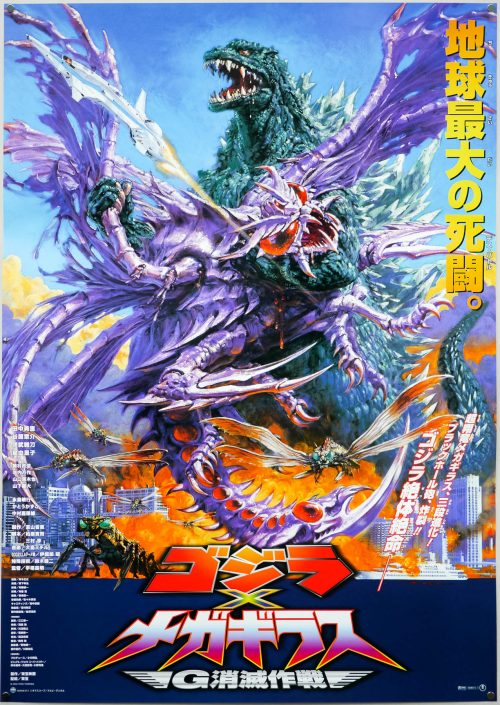
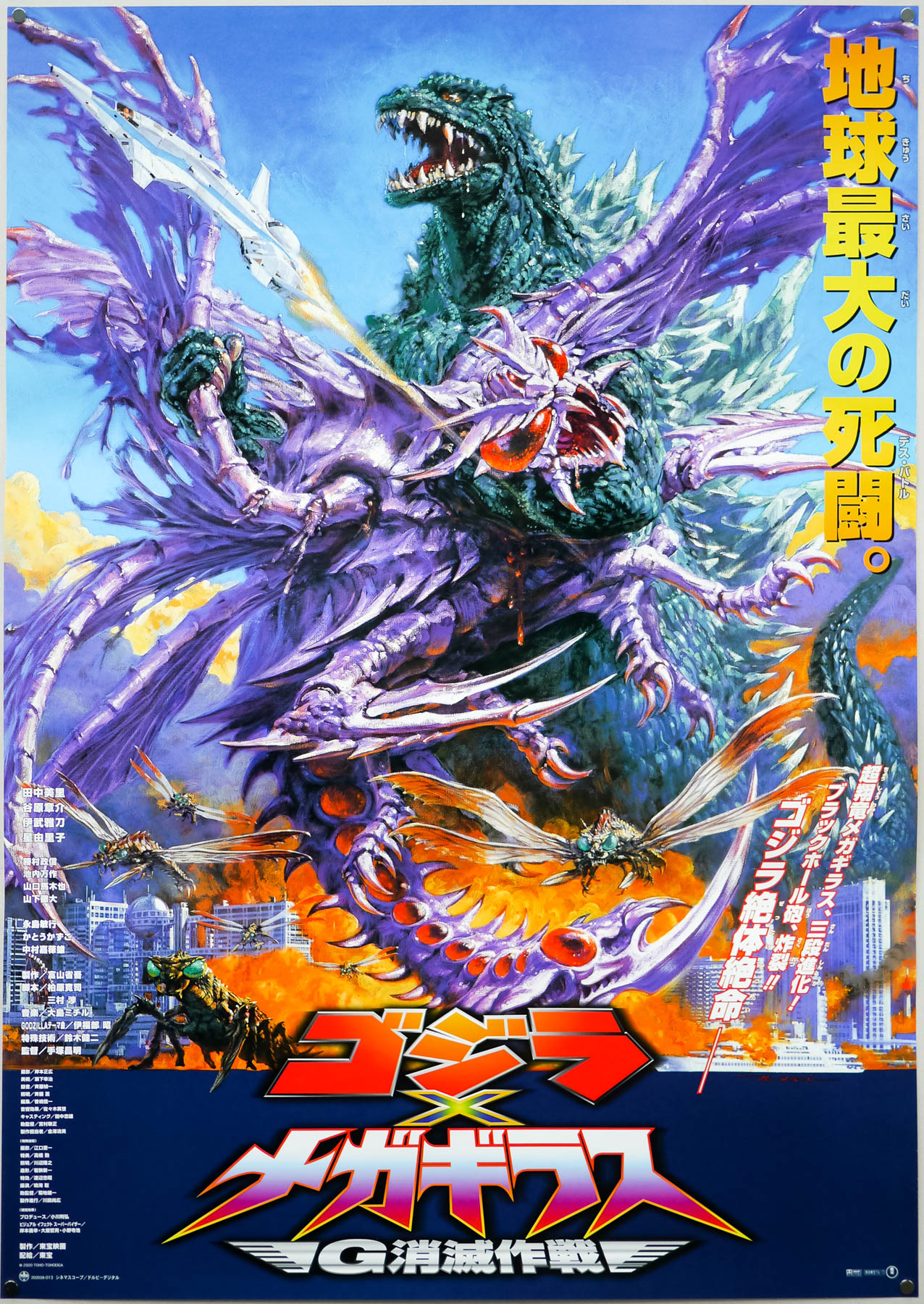
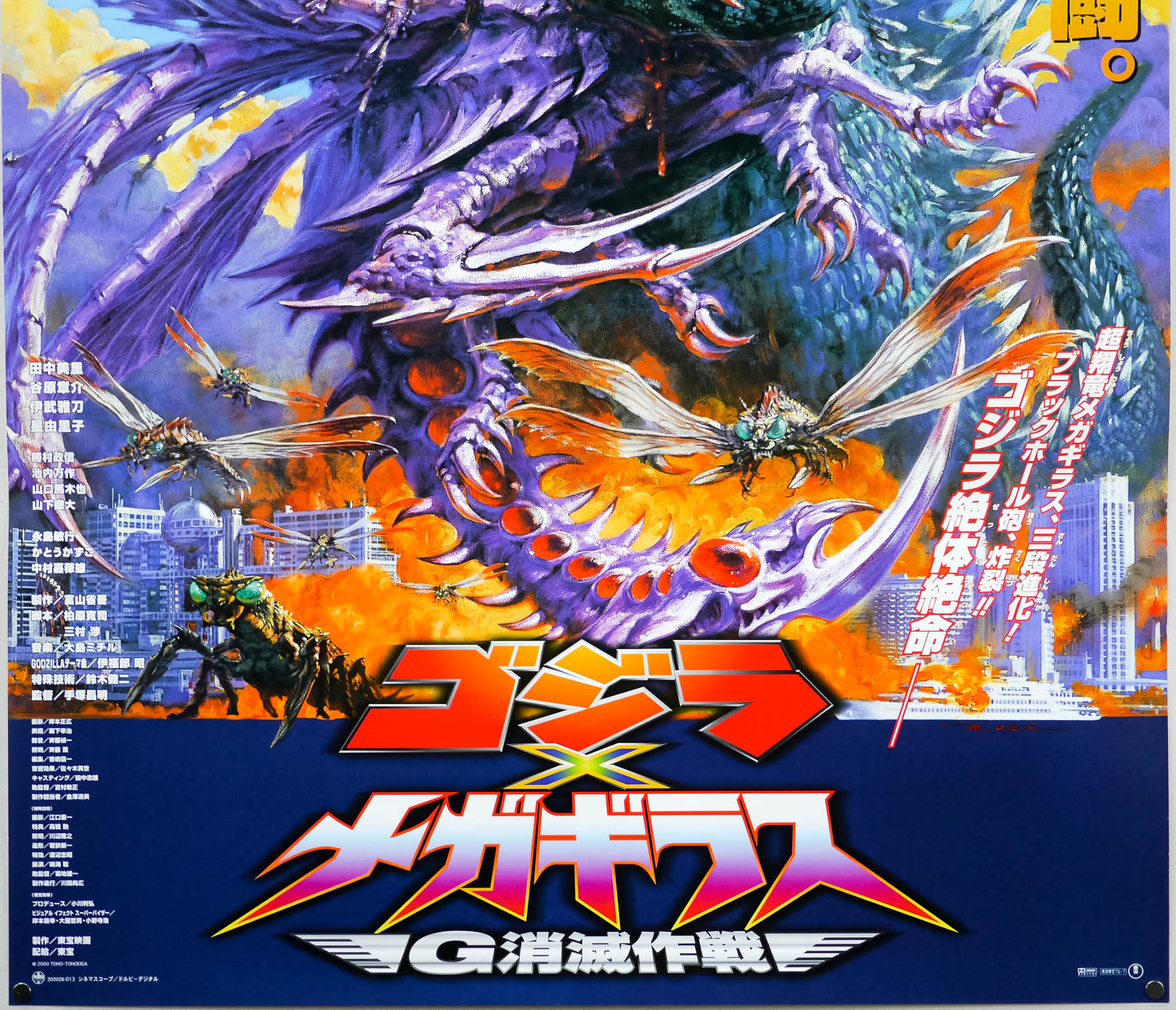
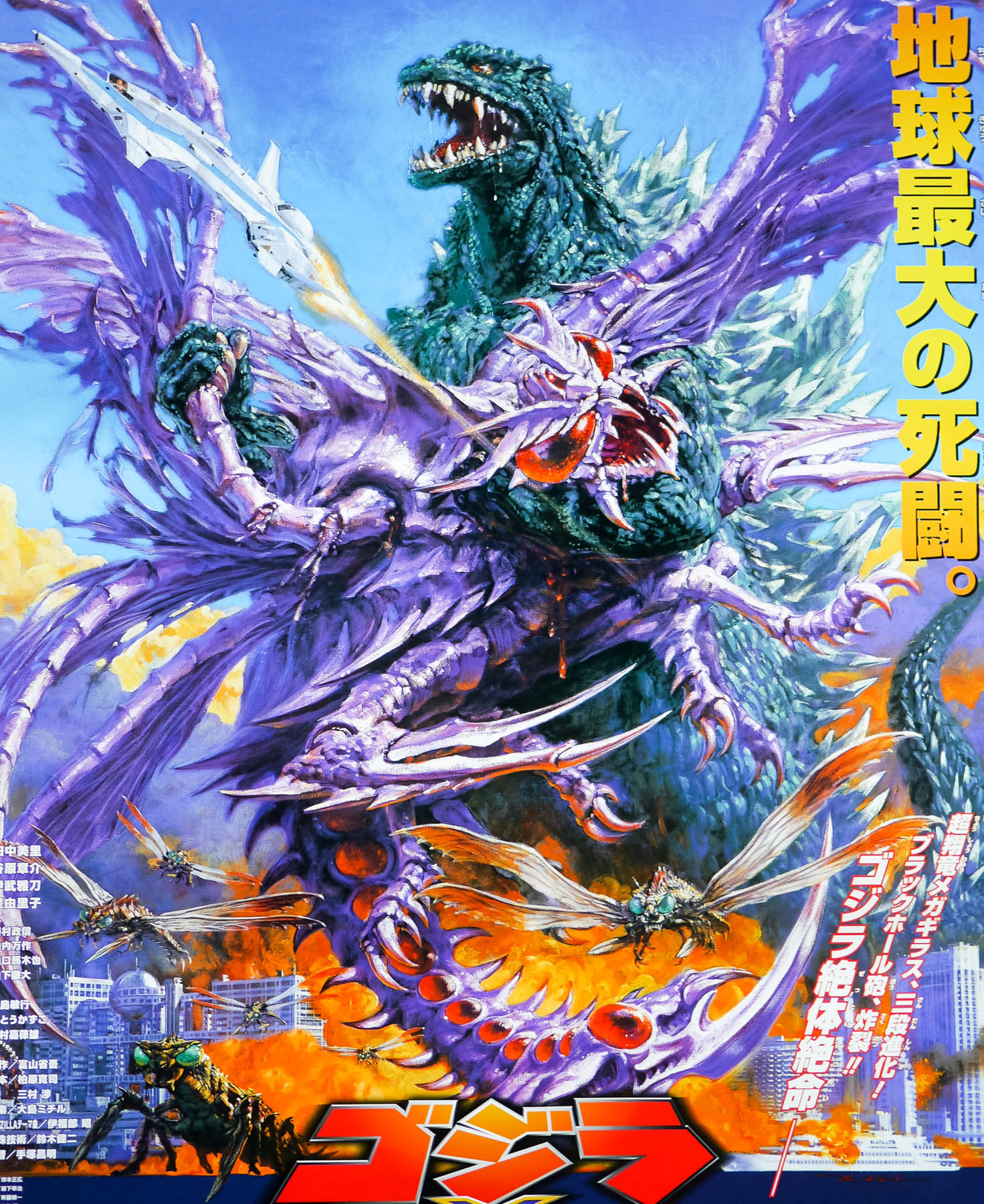
Godzilla vs. Megaguirus / B2 / artwork style / Japan

10.09.14

Poster Poster
Title
Godzilla vs. Megaguirus
AKA
Gojira tai Megagirasu: Jî shômetsu sakusen (Japan - original title)
Year of Film
2000
Director
Masaaki Tezuka
Starring
Misato Tanaka, Shôsuke Tanihara, Masatô Ibu, Yuriko Hoshi, Toshiyuki Nagashima, Kôichi Ueda, Kôichi Yamadera, Yûsaku Yara, Kôji Katô, Tsutomu Kitagawa, Minoru Watanabe
Origin of Film
Japan
Genre(s) of Film
Misato Tanaka, Shôsuke Tanihara, Masatô Ibu, Yuriko Hoshi, Toshiyuki Nagashima, Kôichi Ueda, Kôichi Yamadera, Yûsaku Yara, Kôji Katô, Tsutomu Kitagawa, Minoru Watanabe,
Type of Poster
B2
Style of Poster
Artwork
Origin of Poster
Japan
Year of Poster
2000
Designer
Unknown
Artist
Noriyoshi Ohrai
Size (inches)
20 6/16" x 28 13/16"
SS or DS
SS
Tagline
--

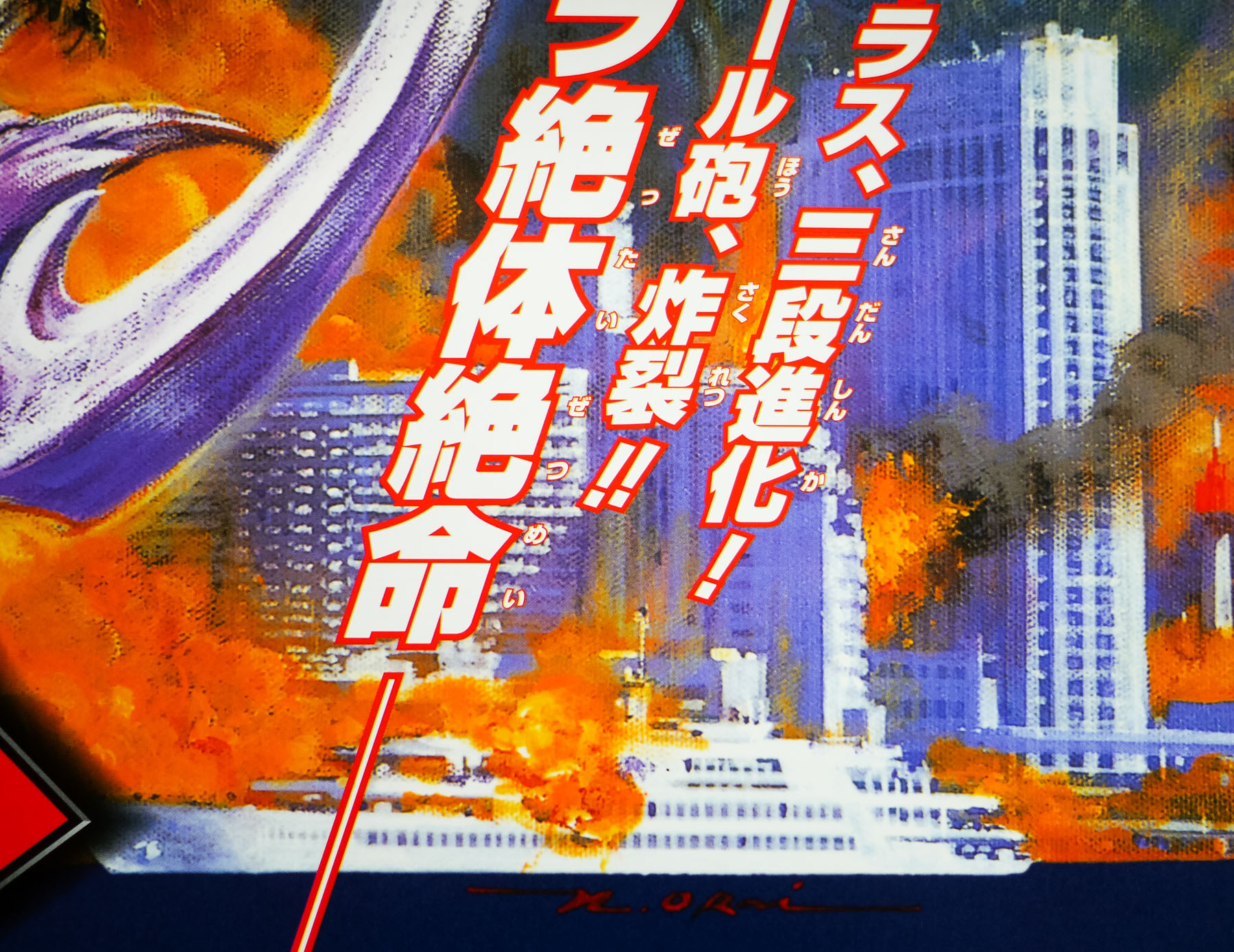
This is the B2 poster for the Japanese release of Godzilla vs. Megaguirus which was the 24th film in the long-running franchise featuring the King of the Kaiju (giant monsters). The film was also the second release in the third generation of Godzilla films (known as the Millennium Series), which are all standalone (with the exception of Godzilla: Tokyo SOS) and were mooted as ‘alternative universe’ stories. It ended up as the least financially successful film in the Millennium series, with the special effects director Kenji Suzuki apparently taking the blame. Referencing the first film, the story sets up a universe in Godzilla attacks the first Japanese nuclear power plant in 1966 which led to the formation of a section of the Japanese Self Defence Force called G-Graspers, dedicated to fighting Godzilla.

After nuclear energy is replaced by ‘plasma energy’ in 1996 it is hoped that the kaiju will no longer attack Japanese cities in search of nuclear energy, but the plan fails and plasma energy is also eventually outlawed. Later in 2001 an experimental satellite weapon called the Dimension Tide is fired and opens up a wormhole through which a prehistoric dragonfly appears, lays an egg and disappears back through the wormhole. A young boy discovers the egg and takes it with him when he moves to Tokyo, but when the egg starts oozing a strange liquid the boy throws it into the sewers. The egg is actually hundreds of smaller eggs which start to grow on contact with water and evolve into large dragonfly larvae which soon hatch and become adult Meganulon.

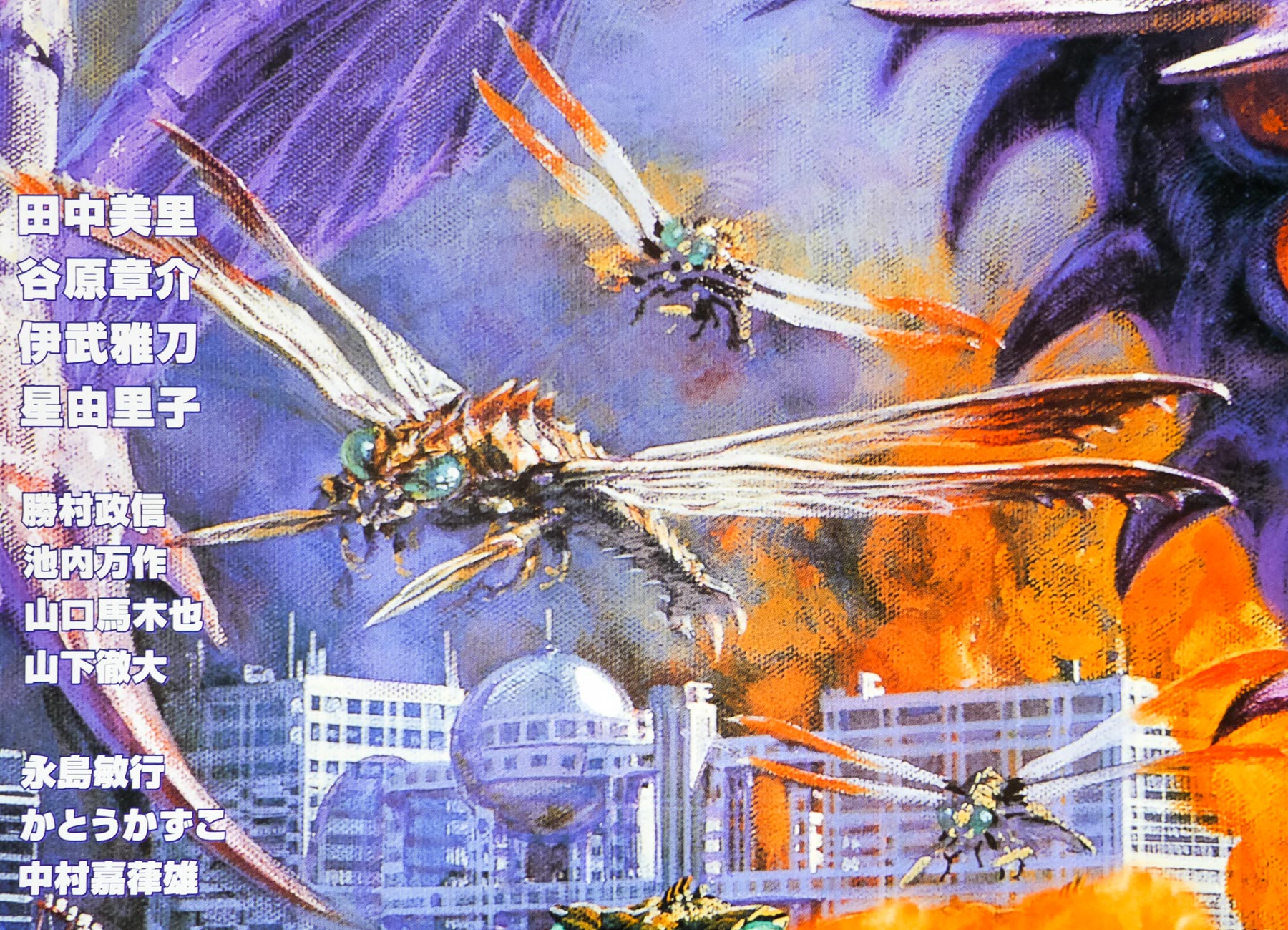
When Godzilla attacks Tokyo once more, the dragonflies are attracted to his energy and engage him in battle, but they are no match for the kaiju’s power and are almost all obliterated. Those that survive return to the sewers and, with an amount of energy taken from Godzilla, they inject a large cocoon that hatches as Megaguirus, queen of the Meganulon, and she immediately heads towards Godzilla, ready for an epic showdown.

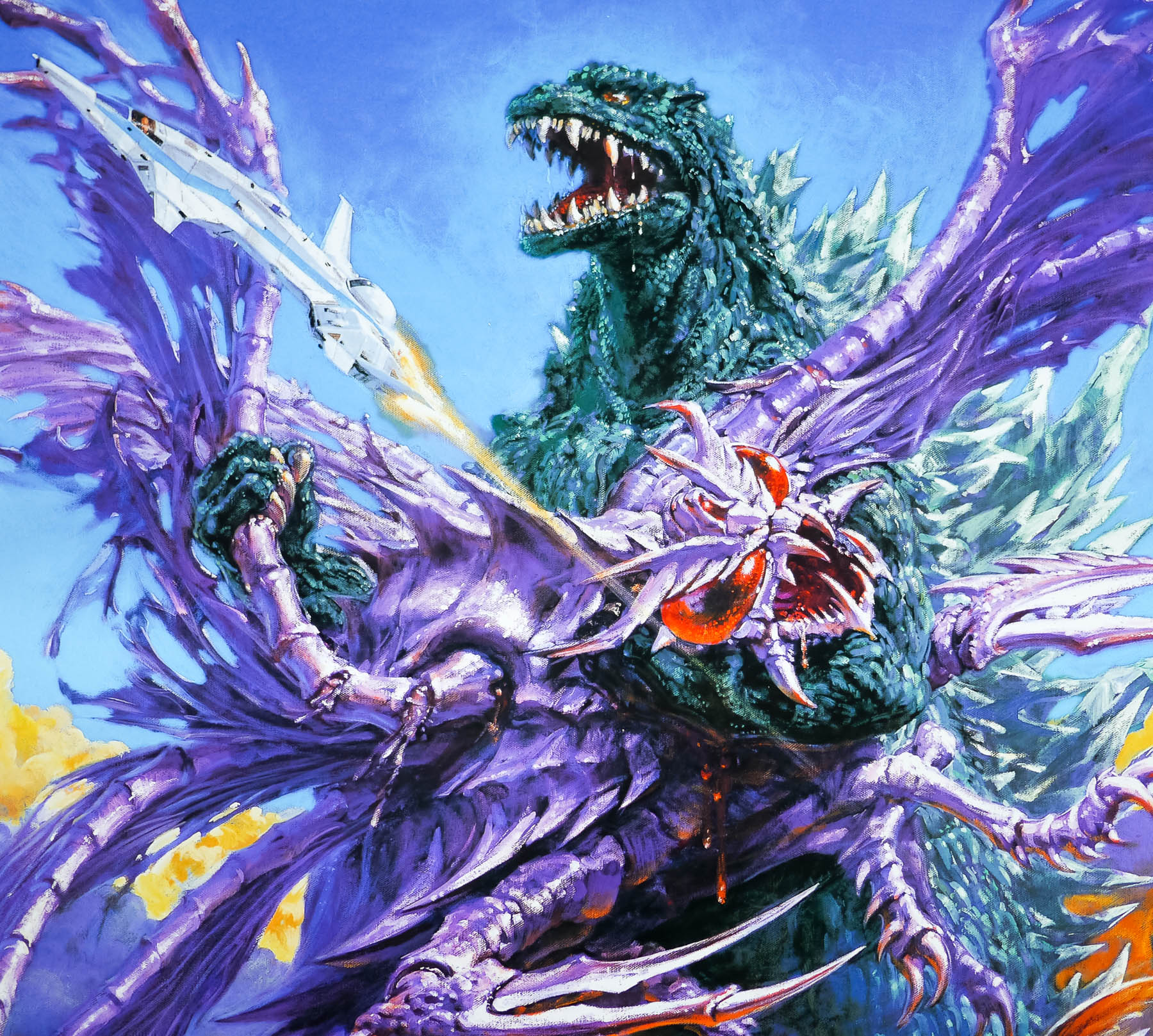
The artwork on this poster is by Noriyoshi Ohrai, my favourite Japanese artist and certainly in my top five greatest film poster illustrators of all time. He’s responsible for a number of other posters in the Godzilla franchise, some of which can be seen here. He also worked on a number of Star Wars related posters, including this lovely 1982 B2 to celebrate the release of the Japanese dubbed version of the original film. In March 2014 a retrospective exhibition was held in Japan of Ohrai’s work and I made the trip over to Miyazaki to see the exhibition. I’m very glad I did as it featured most of his original artwork and a whole array of posters and book covers. A full report will follow soon.

The posters I’ve managed to collect by Noriyoshi Ohrai can be seen by clicking here.
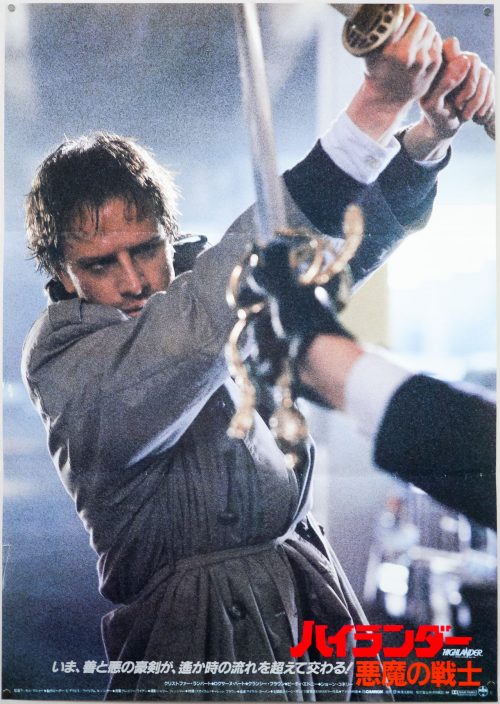
Highlander / B2 / style B / Japan

18.09.14

Poster Poster

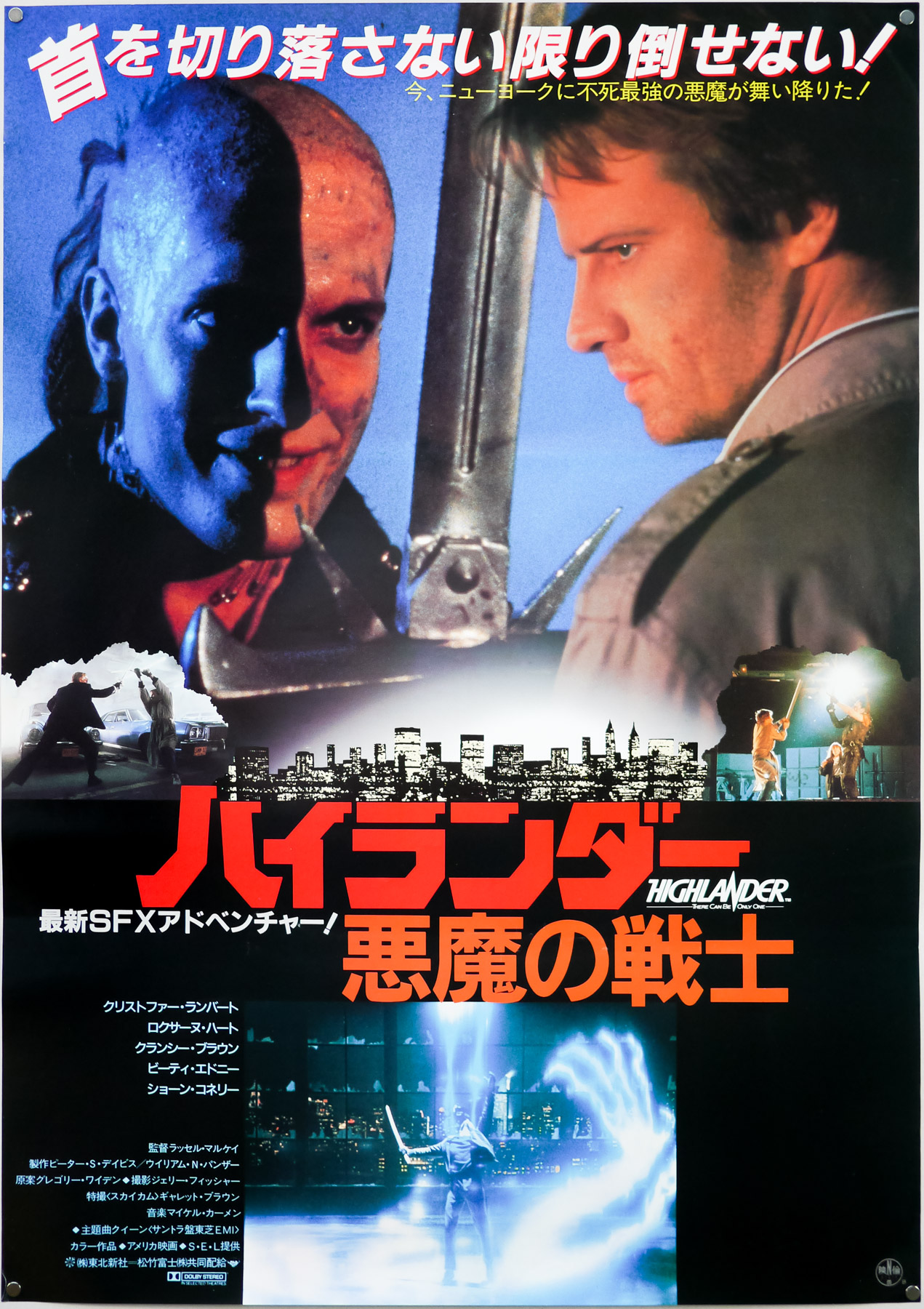
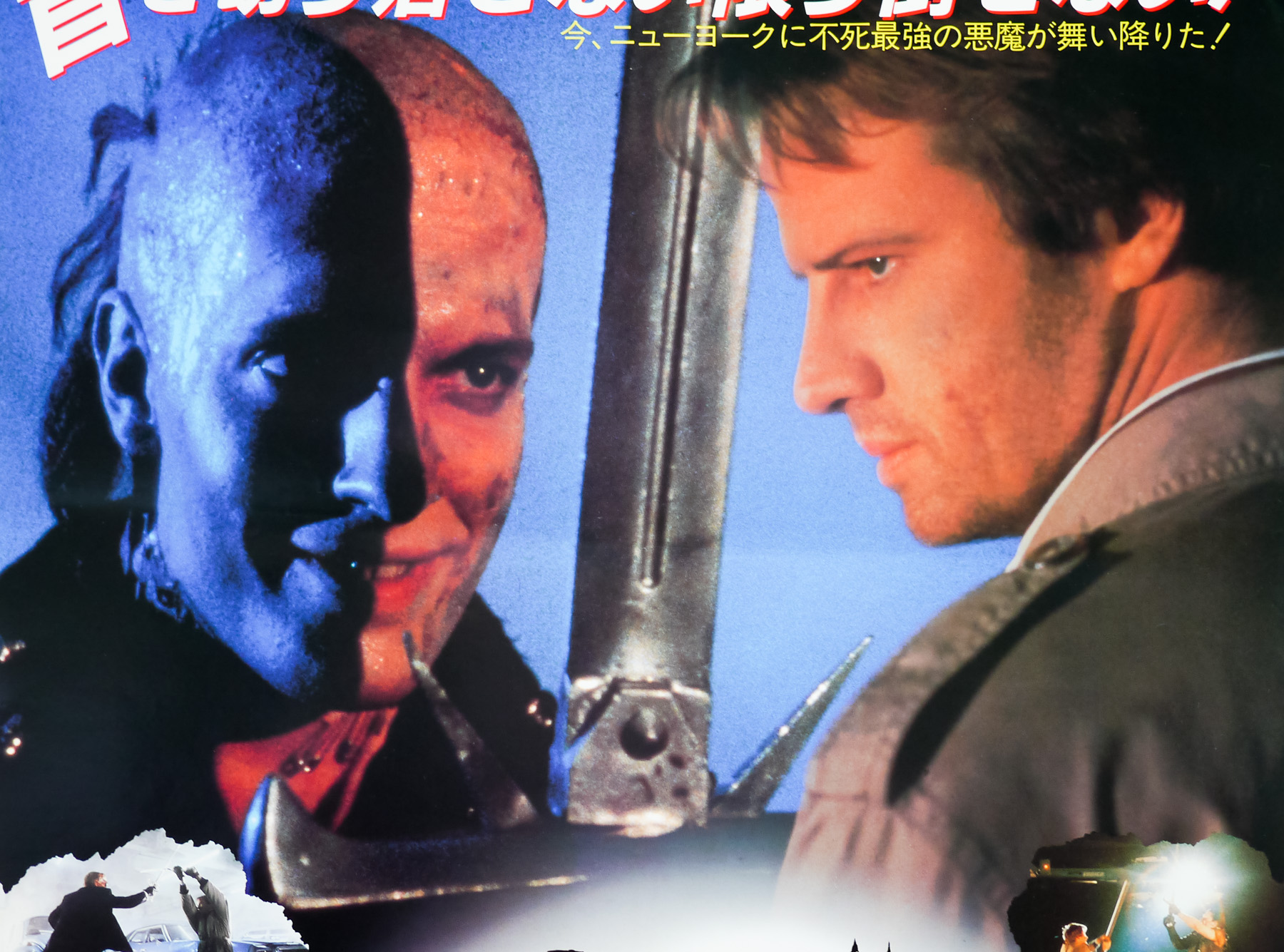
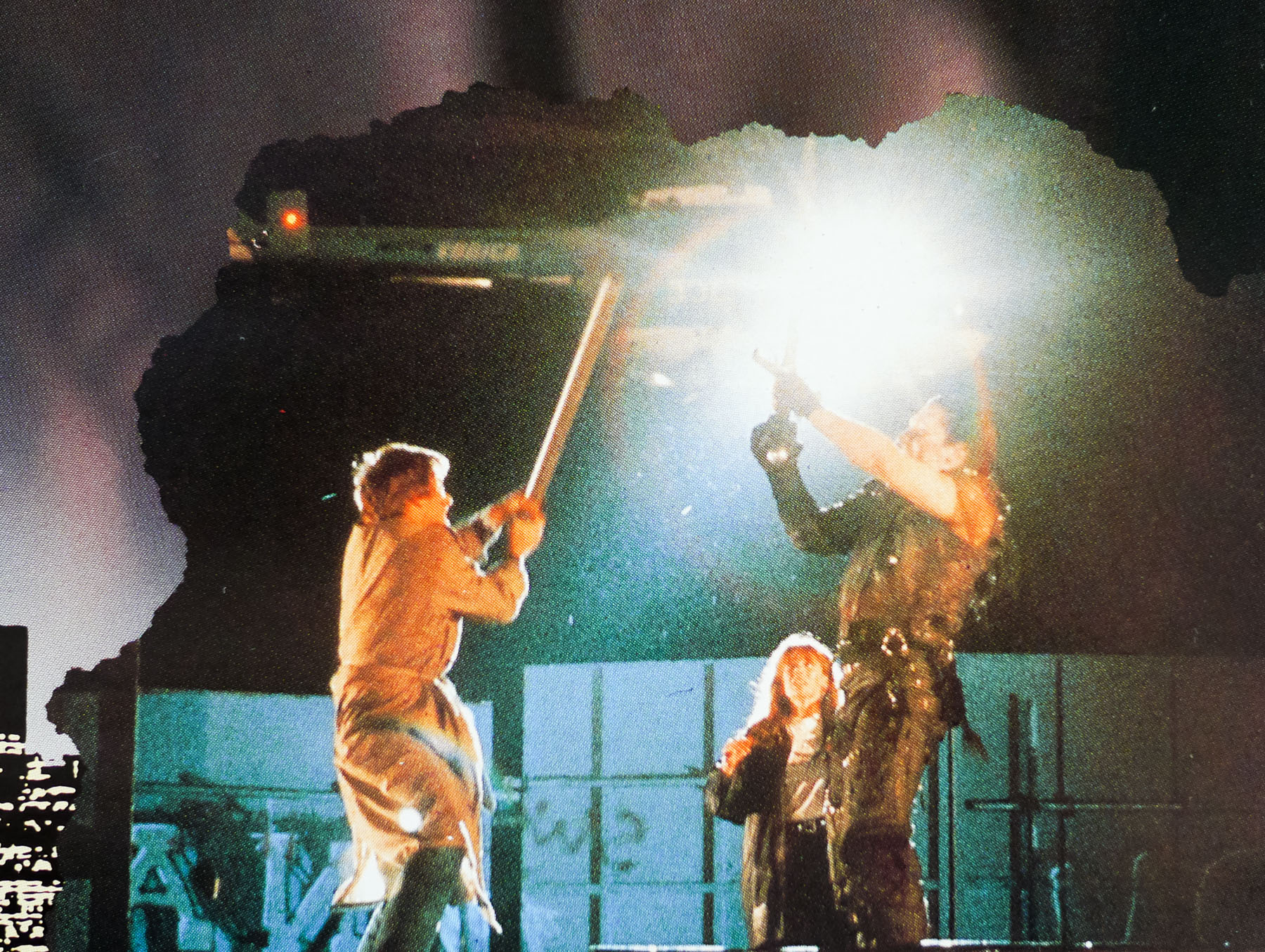
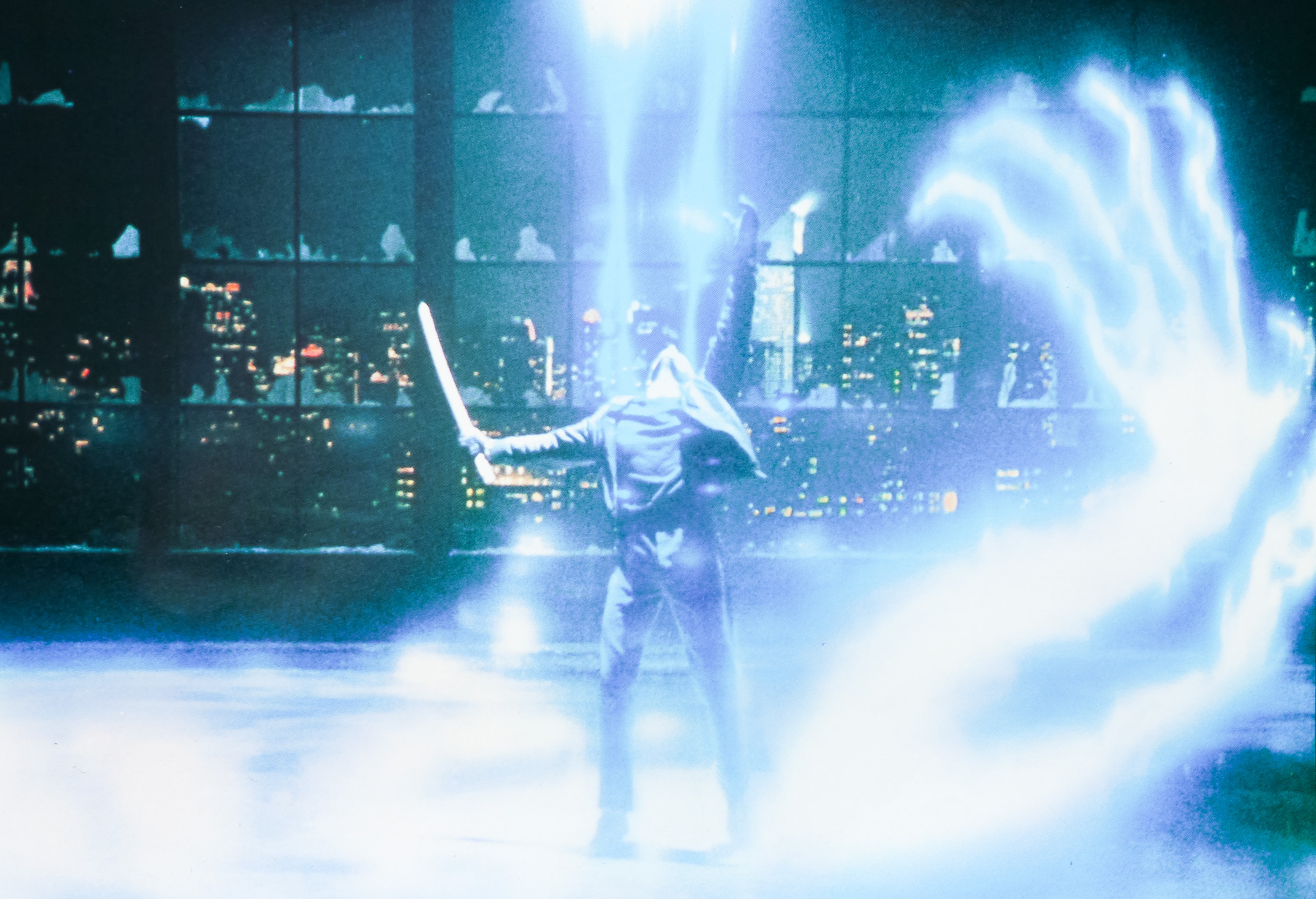
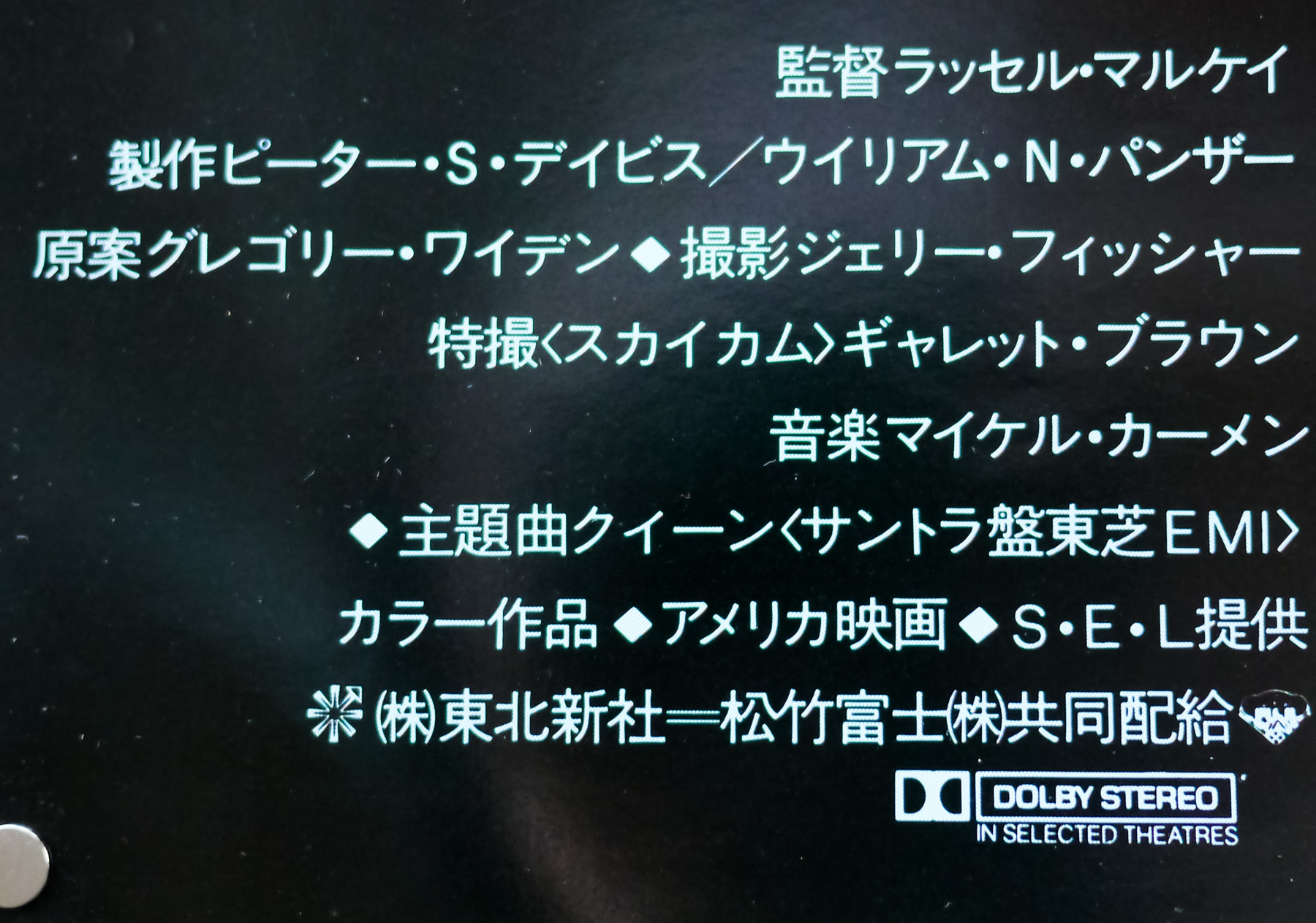
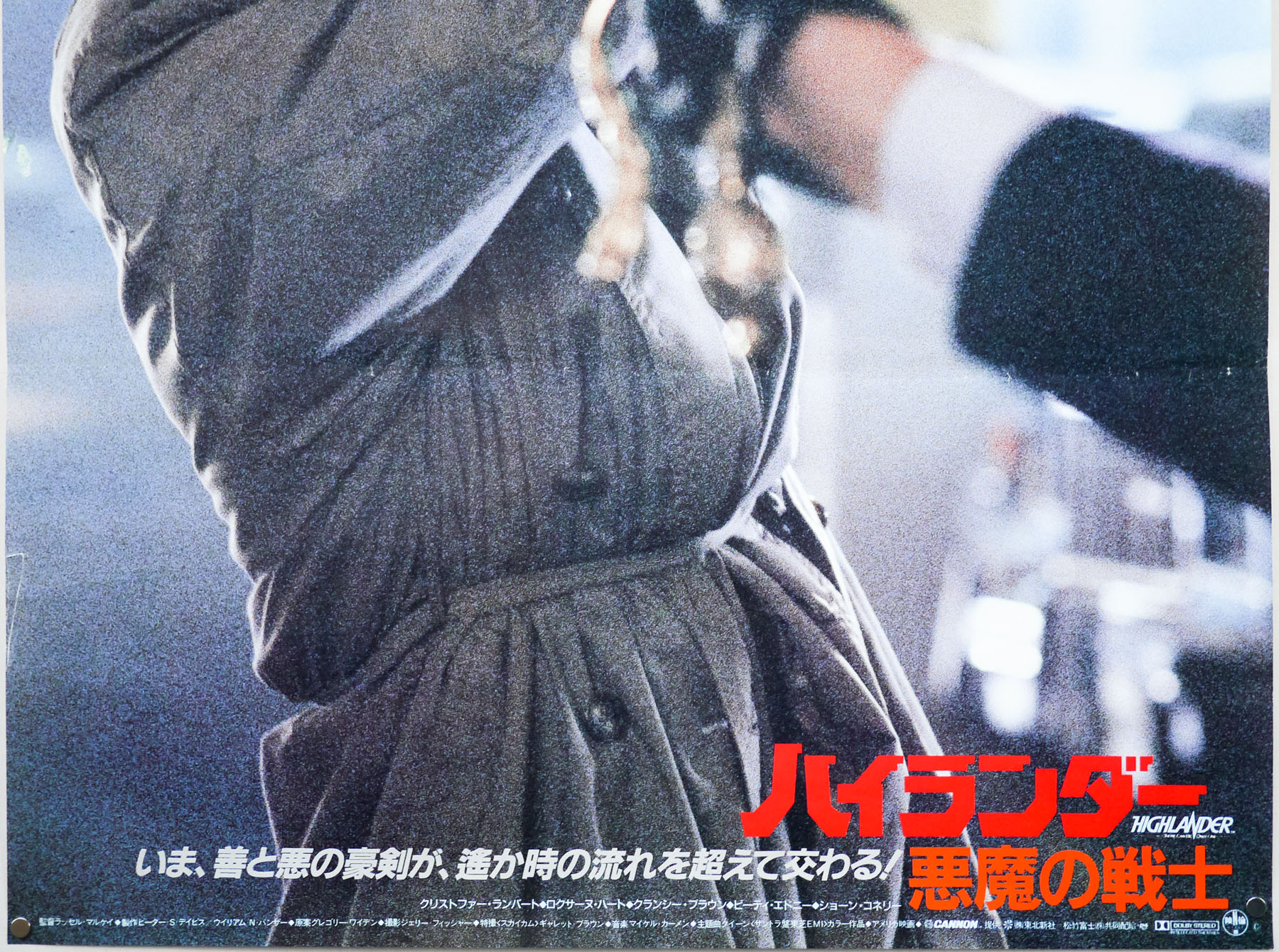
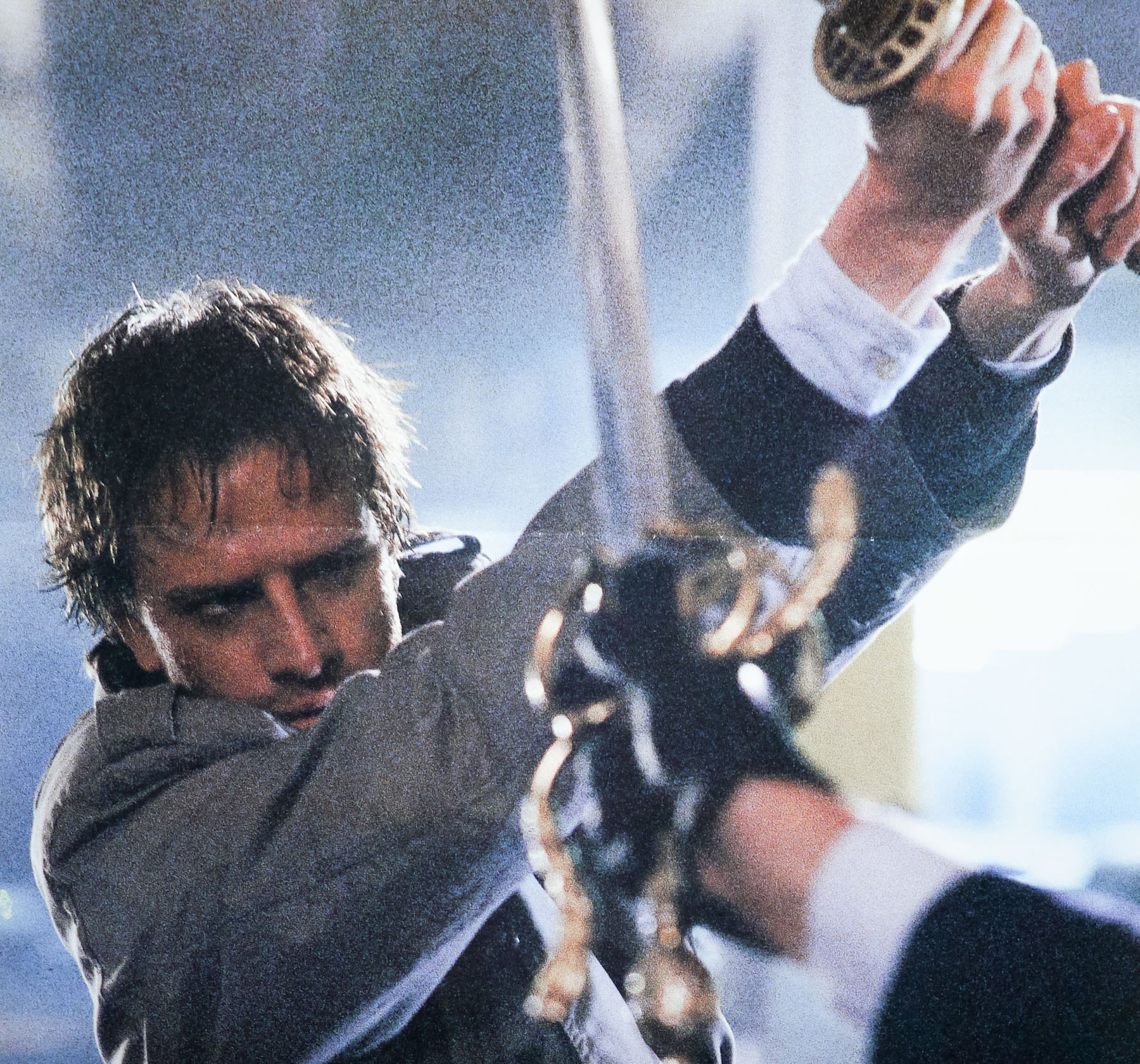
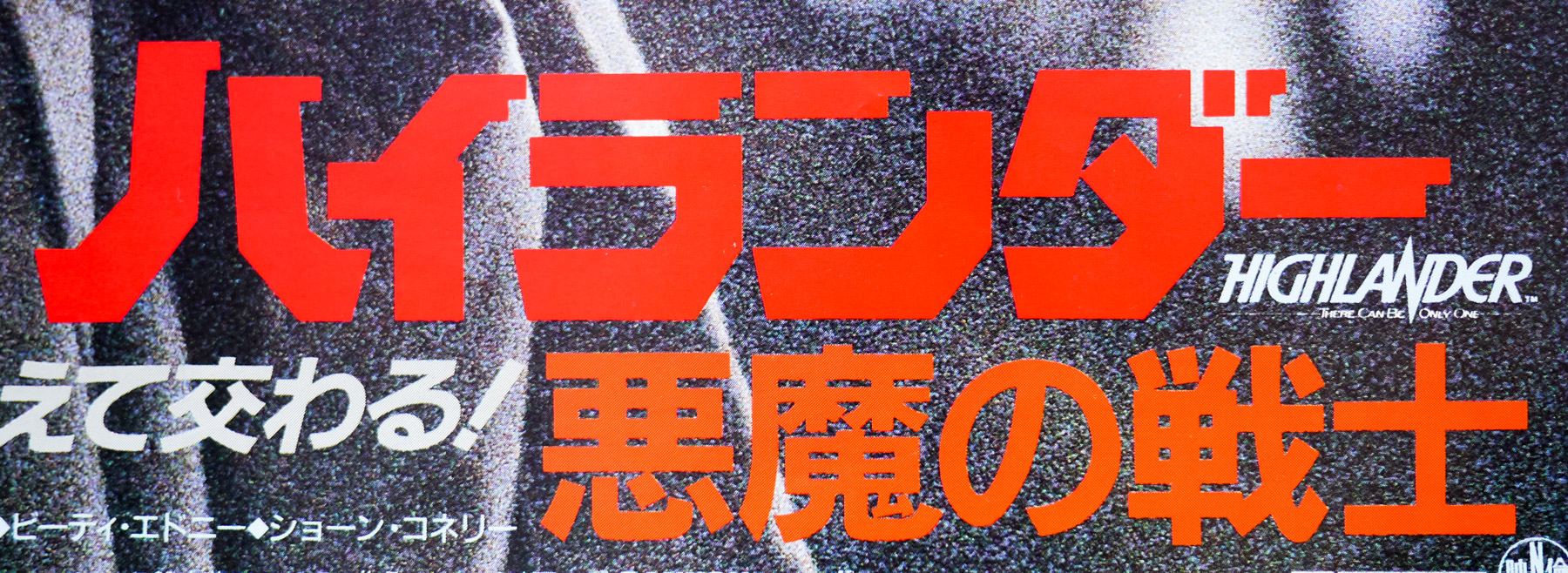
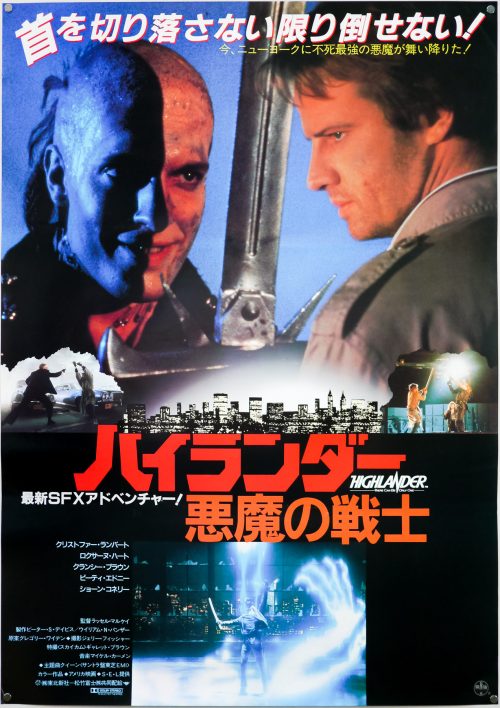
This is one of three B2 posters printed for the Japanese release of the cult fantasy Highlander. The film started life as a story by Gregory Widen which he penned whilst studying screenwriting at UCLA and it was sold to the film’s producers for $200k before undergoing several re-writes. Directed by Australian Russell Mulcahy, who had made a name with a series of music videos, the film is set in two time periods and tells the story of a Connor Macleod (a career-making turn from Christopher Lambert) who is born in Scotland in 1518 and discovers he is immortal when he is seemingly killed in a battle with a rival clan, later waking with no injuries. Believing him to be cursed, he is banished by his fellow clans people and is forced to live in a remote castle.

Eventually, after marrying a woman called Heather (Beatie Edney), he is visited by another immortal called Ramirez (Sean Connery) who teaches him how to sword fight and explains that the only way to kill another immortal is to remove his head. Ramirez also urges Connor to leave Heather, explaining that immortals are sterile and always end up causing hurt to any mortals that they fall in love with. In present day, Connor is shown to be living and working as an antique dealer in New York City and dealing with attacks from other immortals who are taking part in ‘The Gathering’ in which the remaining immortals from around the world fight to be the last one alive (“There can be only one!”). The psychotic Kurgan (Clancy Brown in a memorable turn), who first met Connor on the battlefield in Scotland, is determined to win the prize and will stop at nothing to do so.

Mulcahy injects great energy into the film, clearly using many of the tricks he learned making music videos and the performances of the three main actors all help to elevate the film beyond what could have been a very schlocky fantasy. Some of the scenes involving Connor and Heather are genuinely touching and force the viewer to imagine the downsides of living as an immortal. Michael Kamen’s orchestral score is excellent and is embellished by several memorable songs by the British band Queen, including ‘A Kind of Magic‘. Although not initially a box-office success in the US, the film was an international hit and would gain a cult following, which later saw the release a series of iffy film sequels and a popular TV series that lasted for six seasons. The franchise also includes comic books, novels and animated shows.

This is the style B Japanese B2 but I also have the style C one too. The British quad, painted by Brian Bysouth is by far the best of the international Highlander posters.

The trailer for the film can be seen on YouTube.

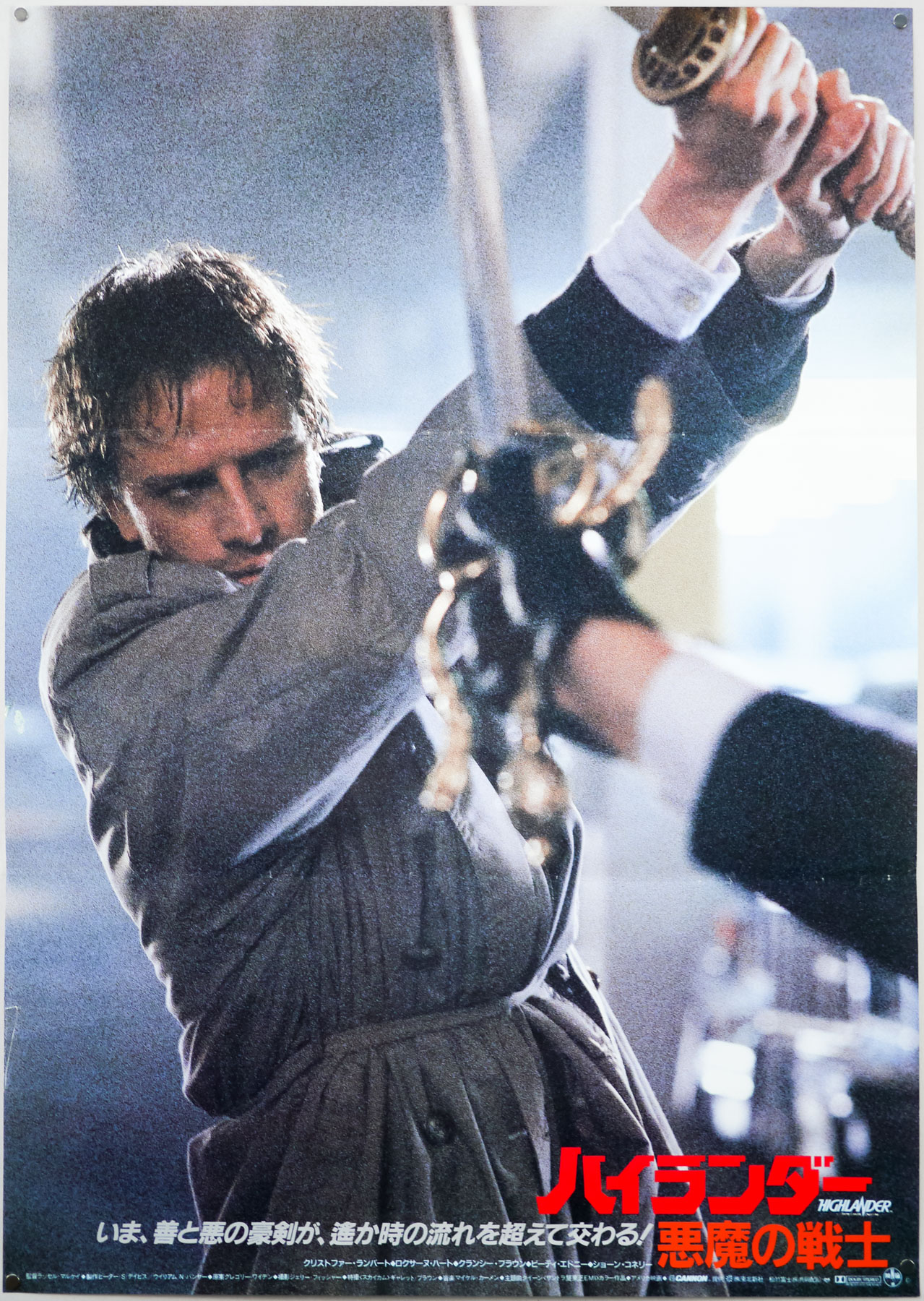
Highlander / B2 / style C / Japan

18.09.14

Poster Poster

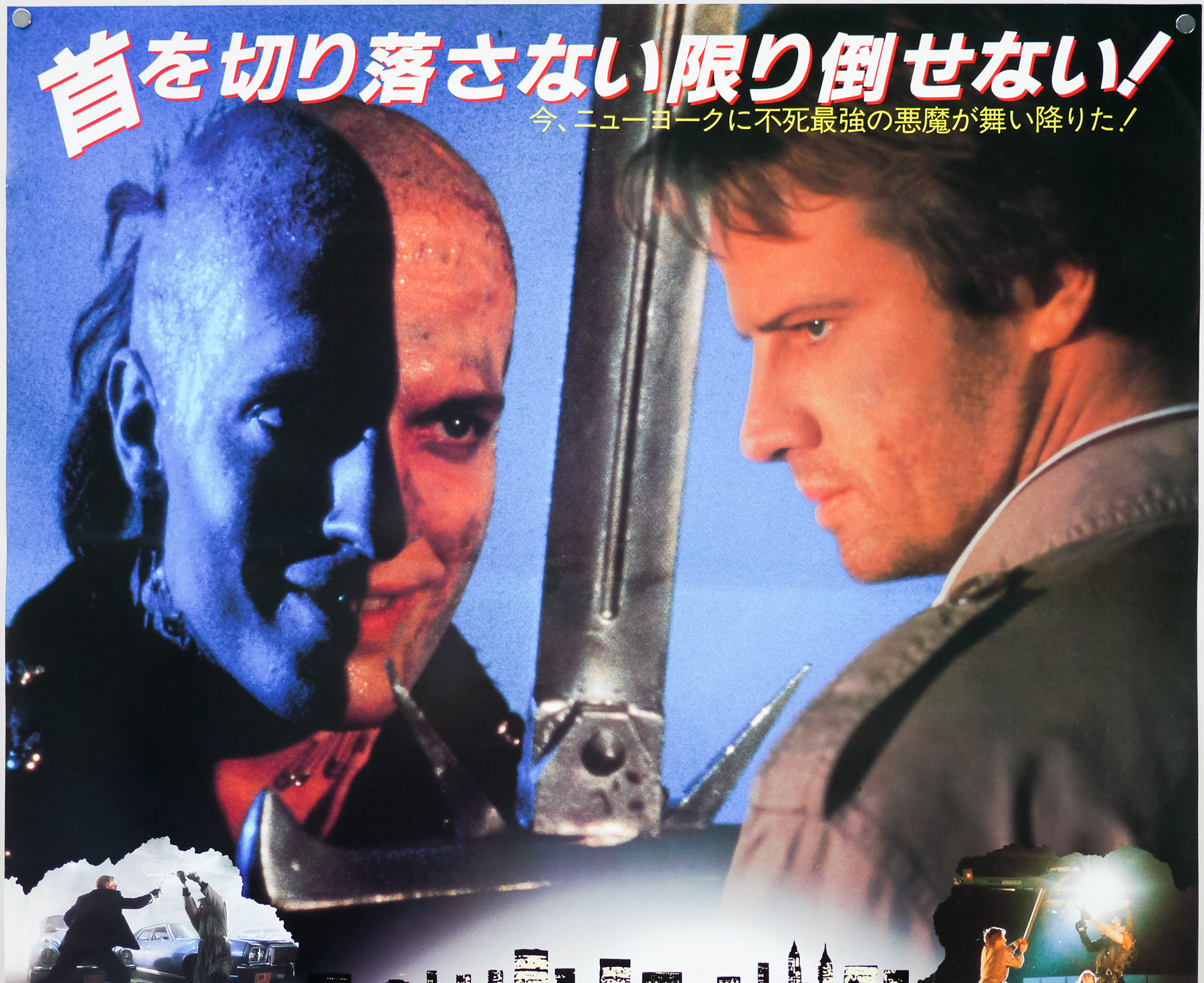
This is one of three B2 posters printed for the Japanese release of the cult fantasy Highlander. The film started life as a story by Gregory Widen which he penned whilst studying screenwriting at UCLA and it was sold to the film’s producers for $200k before undergoing several re-writes. Directed by Australian Russell Mulcahy, who had made a name with a series of music videos, the film is set in two time periods and tells the story of a Connor Macleod (a career-making turn from Christopher Lambert) who is born in Scotland in 1518 and discovers he is immortal when he is seemingly killed in a battle with a rival clan, later waking with no injuries. Believing him to be cursed, he is banished by his fellow clans people and is forced to live in a remote castle.

Eventually, after marrying a woman called Heather (Beatie Edney), he is visited by another immortal called Ramirez (Sean Connery) who teaches him how to sword fight and explains that the only way to kill another immortal is to remove his head. Ramirez also urges Connor to leave Heather, explaining that immortals are sterile and always end up causing hurt to any mortals that they fall in love with. In present day, Connor is shown to be living and working as an antique dealer in New York City and dealing with attacks from other immortals who are taking part in ‘The Gathering’ in which the remaining immortals from around the world fight to be the last one alive (“There can be only one!”). The psychotic Kurgan (Clancy Brown in a memorable turn), who first met Connor on the battlefield in Scotland, is determined to win the prize and will stop at nothing to do so.

Mulcahy injects great energy into the film, clearly using many of the tricks he learned making music videos and the performances of the three main actors all help to elevate the film beyond what could have been a very schlocky fantasy. Some of the scenes involving Connor and Heather are genuinely touching and force the viewer to imagine the downsides of living as an immortal. Michael Kamen’s orchestral score is excellent and is embellished by several memorable songs by the British band Queen, including ‘A Kind of Magic‘. Although not initially a box-office success in the US, the film was an international hit and would gain a cult following, which later saw the release a series of iffy film sequels and a popular TV series that lasted for six seasons. The franchise also includes comic books, novels and animated shows.

This is the style C Japanese B2 but I also have the style B one too. The British quad, painted by Brian Bysouth is by far the best of the international Highlander posters.

The trailer for the film can be seen on YouTube.

Orca / B2 / style B / Japan

13.10.14

Poster Poster
Title
Orca
AKA
Orca: Killer Whale (alt. title) | The Killer Whale (alt. title)
Year of Film
1977
Director
Michael Anderson
Starring
Richard Harris, Charlotte Rampling, Will Sampson, Bo Derek, Keenan Wynn, Robert Carradine, Scott Walker, Peter Hooten, Wayne Heffley
Origin of Film
USA
Genre(s) of Film
Richard Harris, Charlotte Rampling, Will Sampson, Bo Derek, Keenan Wynn, Robert Carradine, Scott Walker, Peter Hooten, Wayne Heffley,
Type of Poster
B2
Style of Poster
Style B
Origin of Poster
Japan
Year of Poster
1977
Designer
Unknown
Artist
Unknown
Size (inches)
20 7/16" x 28 14/16"
SS or DS
SS
Tagline
--

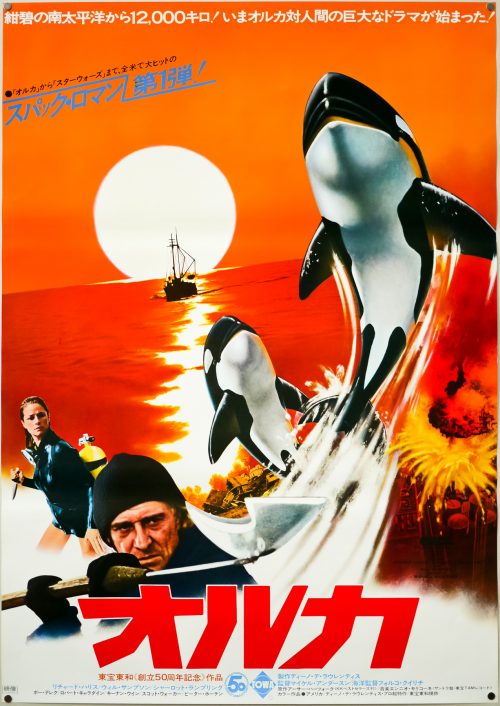
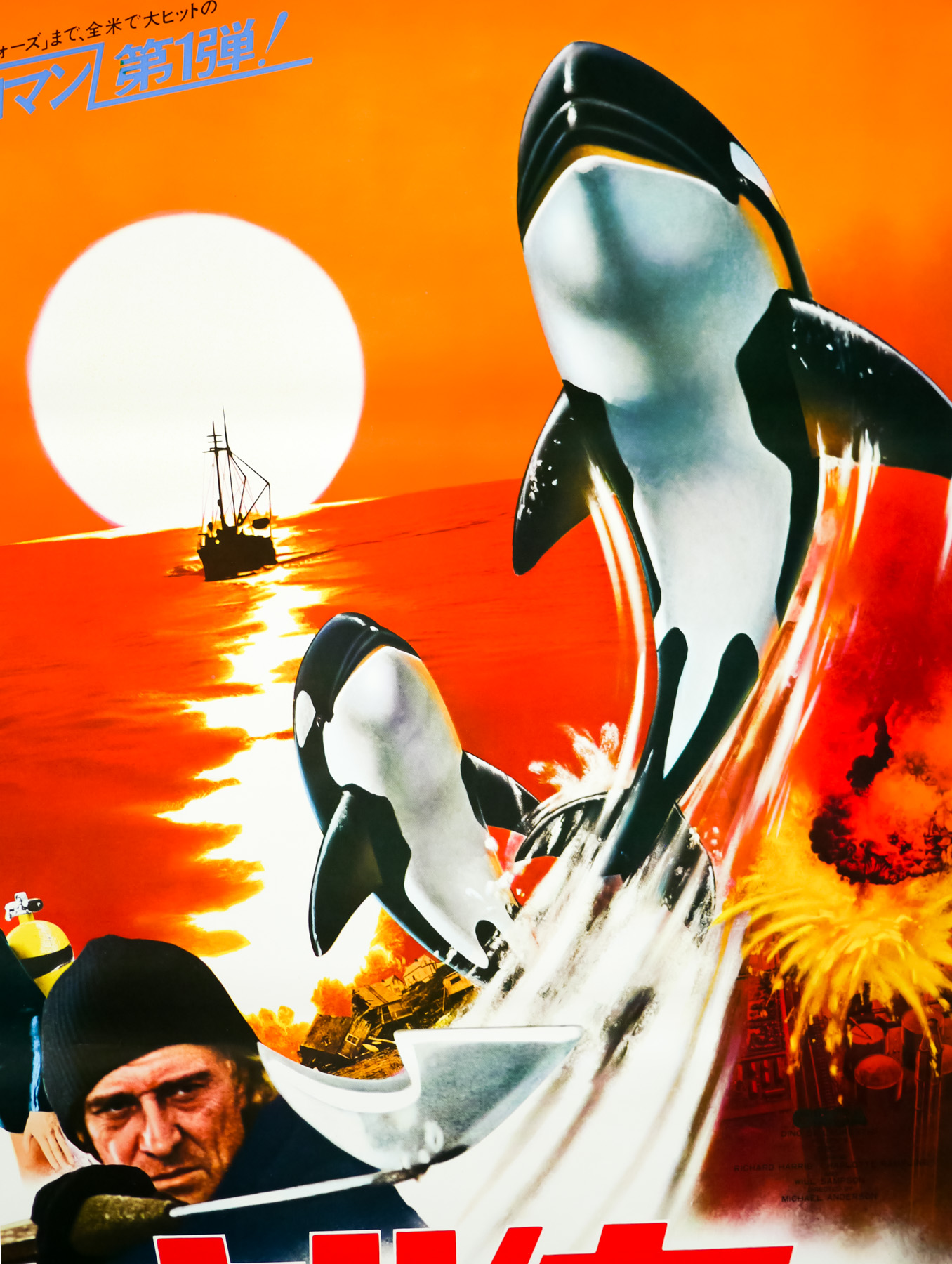
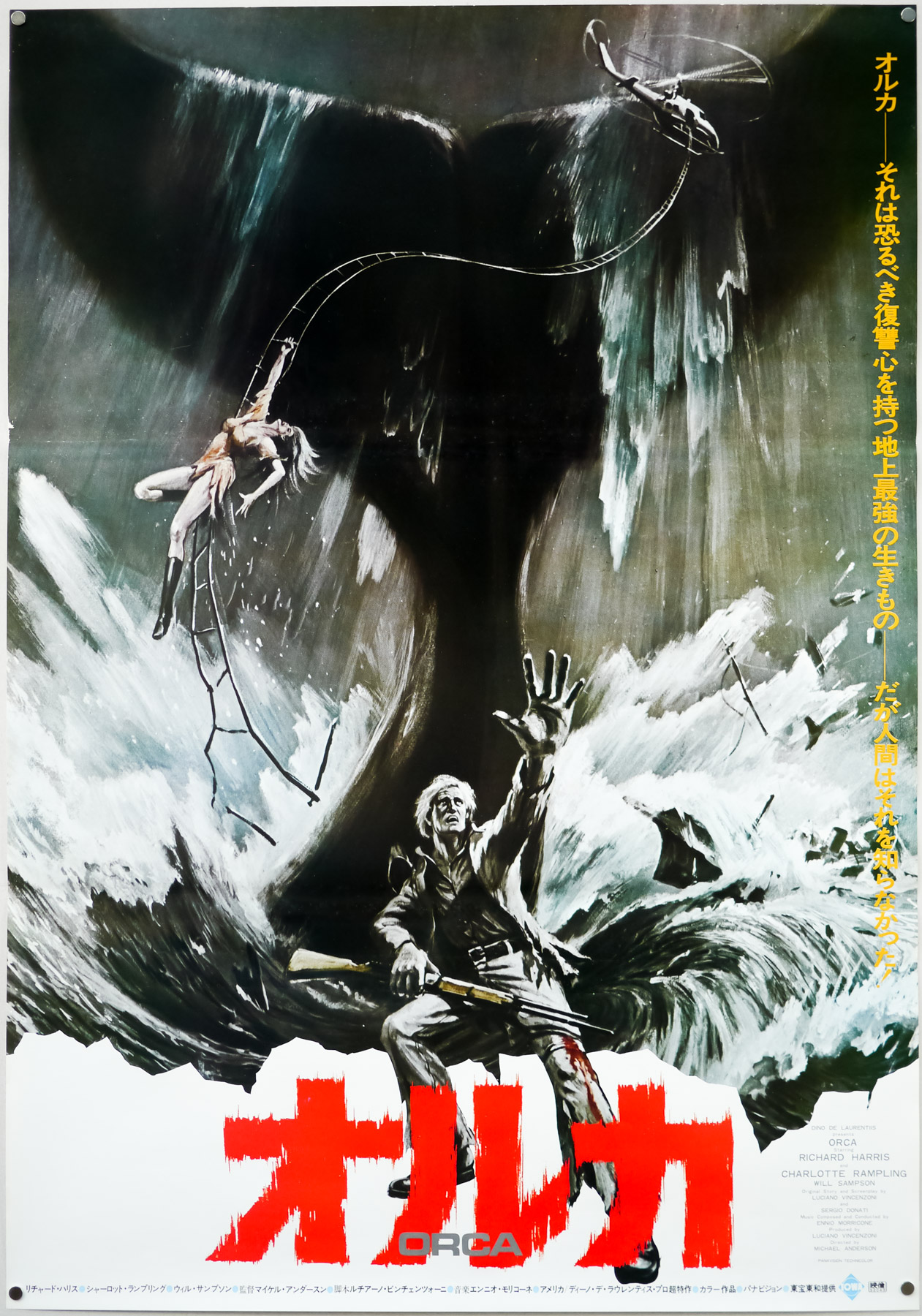
A man versus giant killer fish film that was released two years after the original summer blockbuster Jaws, Orca was always going to be compared to Spielberg’s classic even if its lead actor, the late Richard Harris, was apparently angered by the links; ‘I get really offended when people make the comparison’, he is quoted as saying at the time of release. The late Italian producer Dino De Laurentiis was determined to one-up the spectacle of Jaws and tasked the screenwriter Luciano Vincenzoni to “find a fish tougher and more terrible than the great white”, which led them to the killer whale and production on ‘Orca’ began.

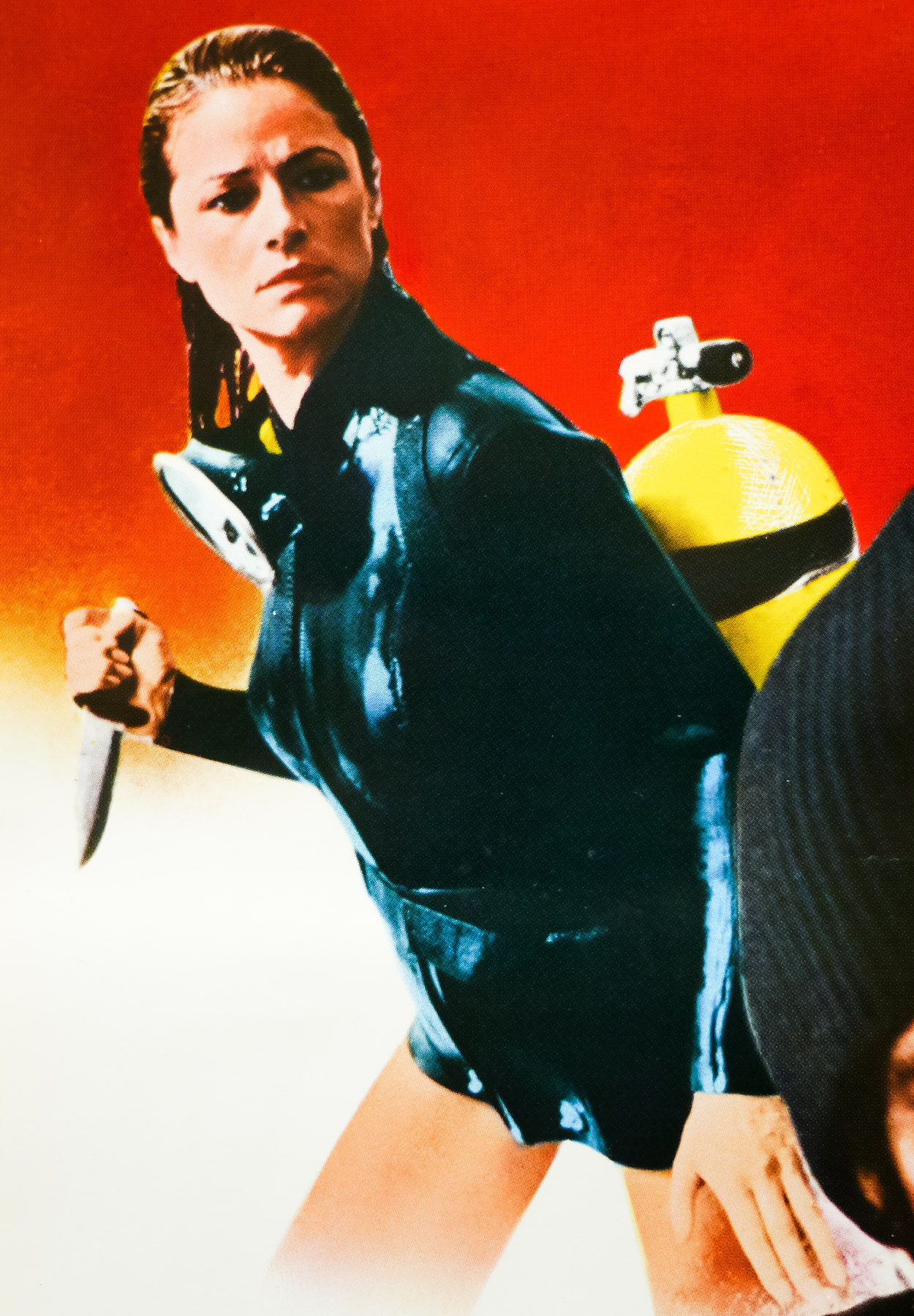
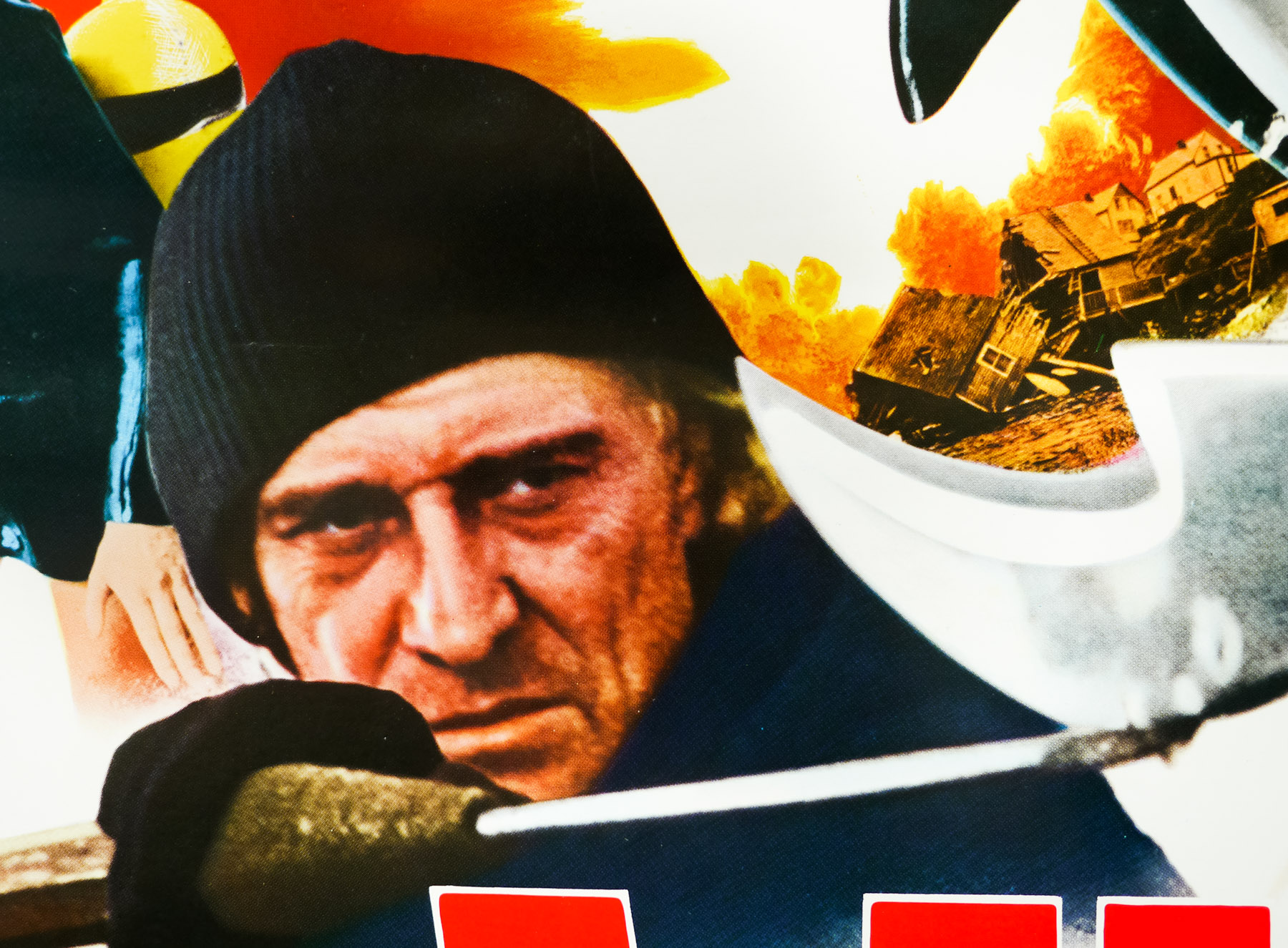
Harris plays Nolan, the Irish captain of a fishing boat operating in the waters off the coast of northern Canada who hears of a lucrative contract being offered for the live capture of a killer whale and hopes the bounty will pay off the mortgage on his boat. After Nolan and his crew accidentally spear a pregnant female killer whale they drag it onto the ship where it miscarries, and almost dies, before the male (Orca) attacks the ship, killing one of the crew before the female is cut loose and falls into the water. The next morning the body of the female whale washes up on shore and before long it becomes clear that Orca is out for revenge, as he attacks the fishing village and destroys vital fuel lines. The villagers insist Nolan is responsible and task him with killing Orca so he sets off with the remainder of his crew, plus marine biologist Rachel Bedford (Charlotte Rampling) and a native American killer whale expert (Will Sampson). The whale leads the boat away from the village into frozen, iceberg covered waters and the stage is set for a final confrontation.

Unfortunately for De Laurentiis and all involved the film was critically derided and sank quickly at the box office, particularly since the juggernaut that was Star Wars was already smashing box office records around the world. The idea of a vengeful fish obviously didn’t go down too well with audiences, although the people behind 1987’s awful Jaws: The Revenge must have forgotten this by the time it was decided to make a third Jaws sequel. The practice of hunting and capturing killer whales to feed the demand from aquariums in the 1960s and 70s was sadly all too prevalent, as documented in the recent heartbreaking documentary Blackfish, which also points out that there are no documented cases of humans being killed by the whales in the wild.

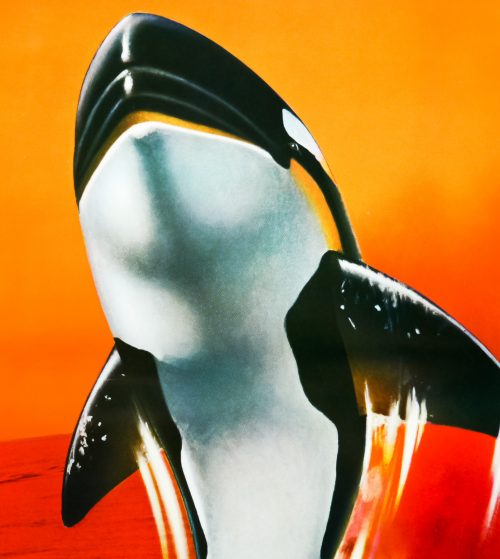
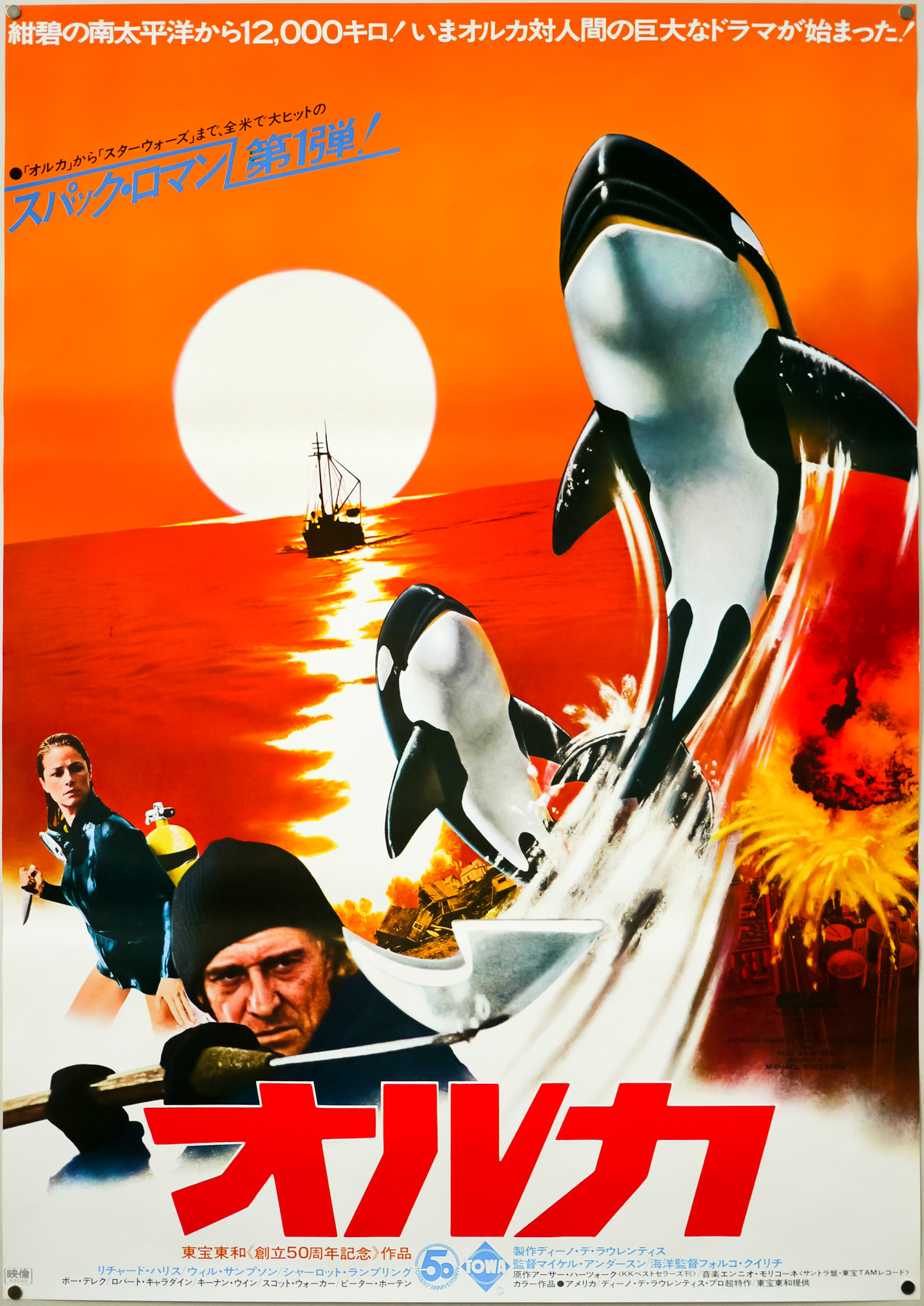
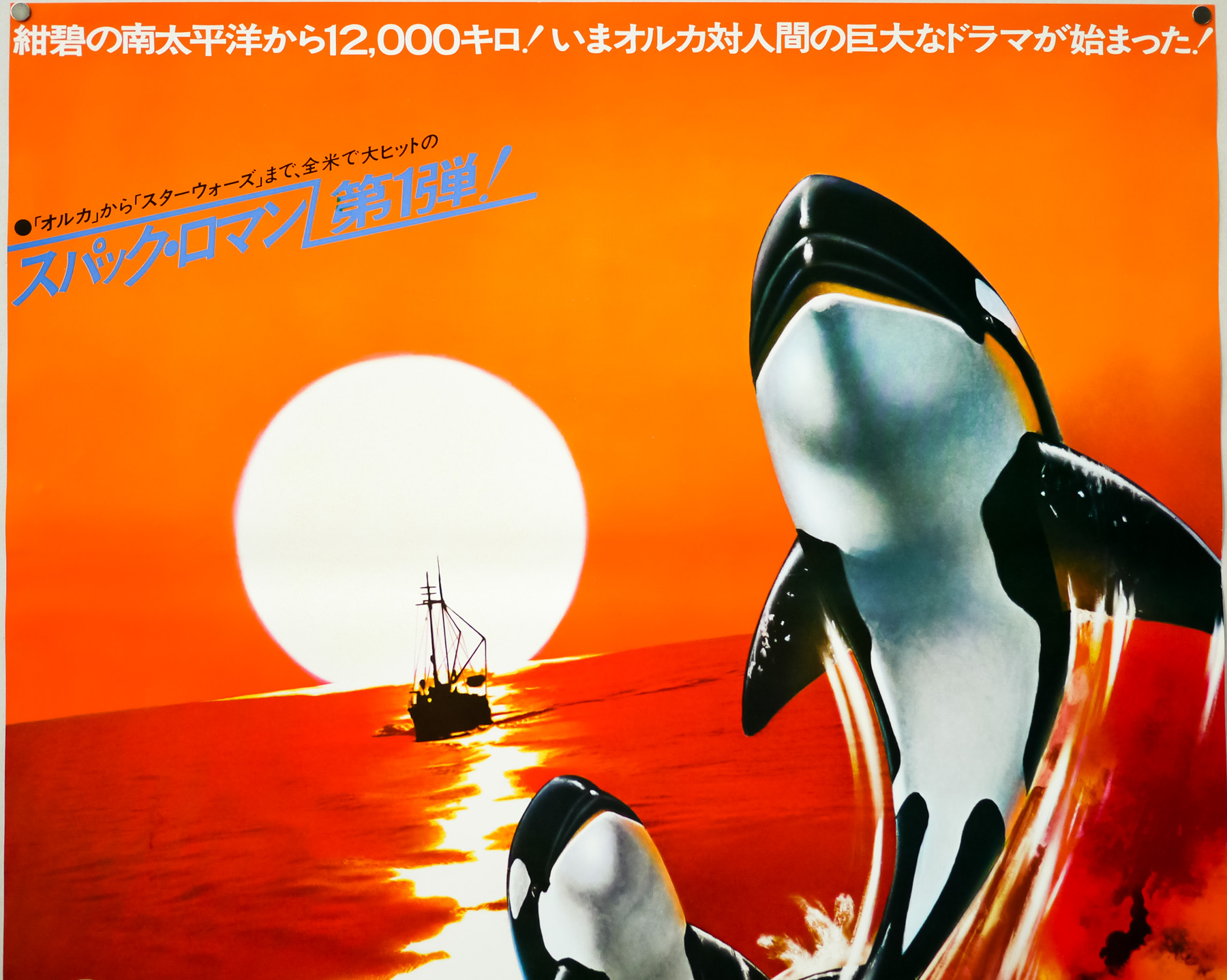
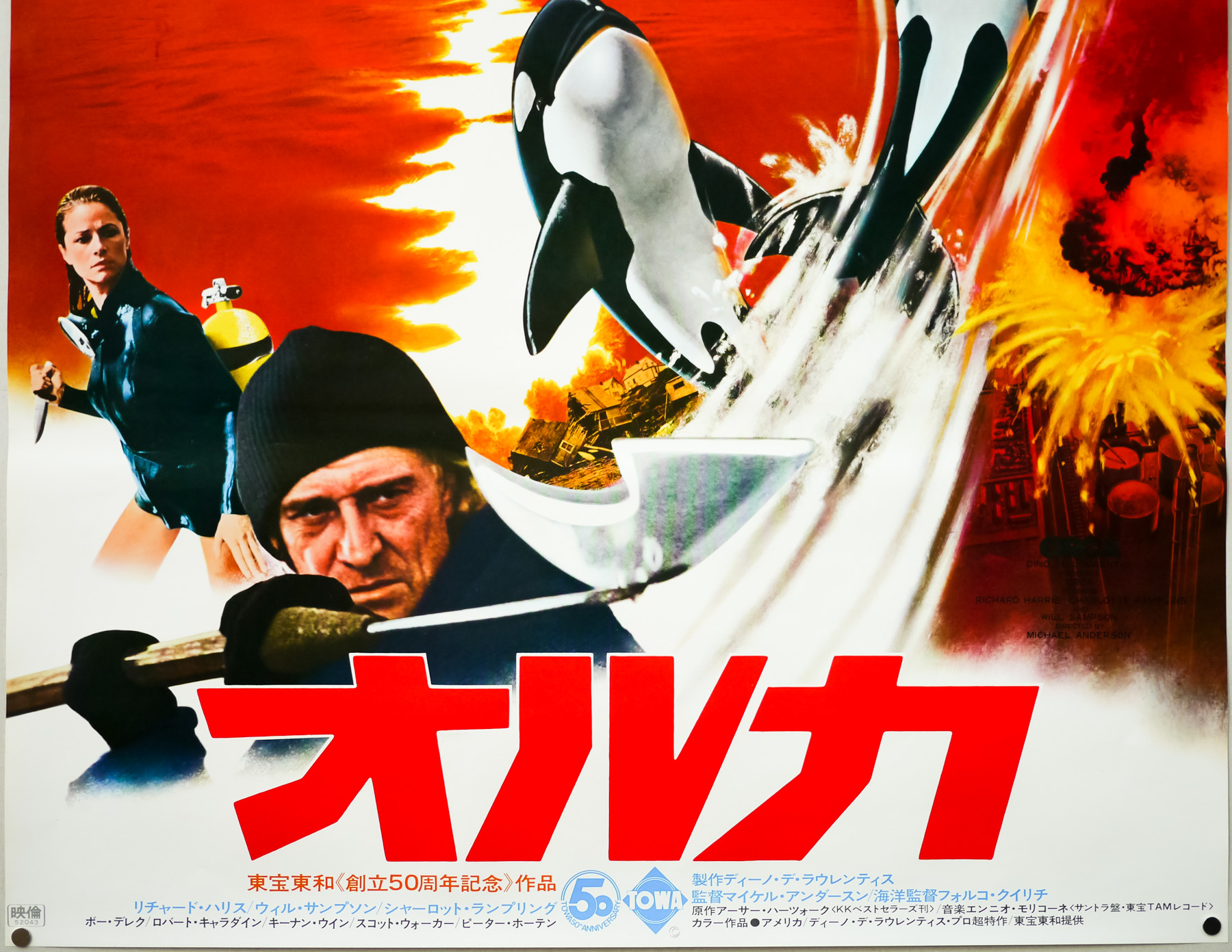
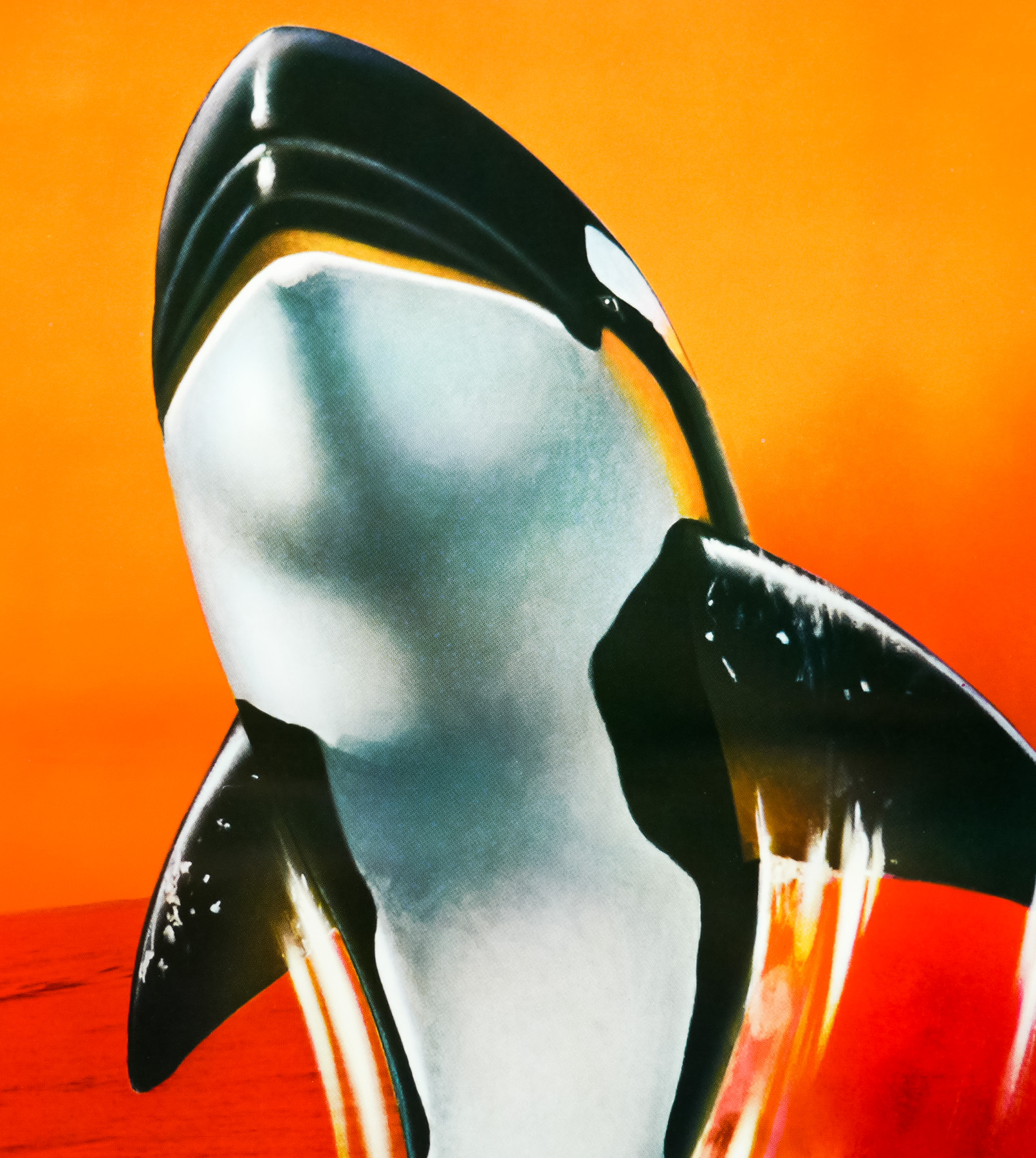
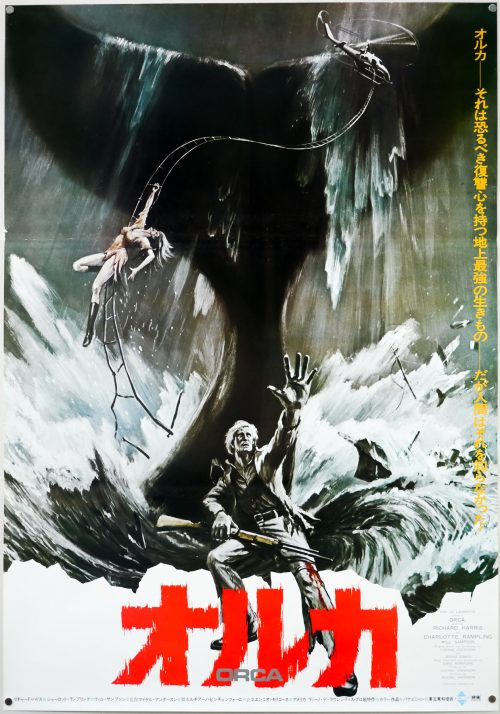
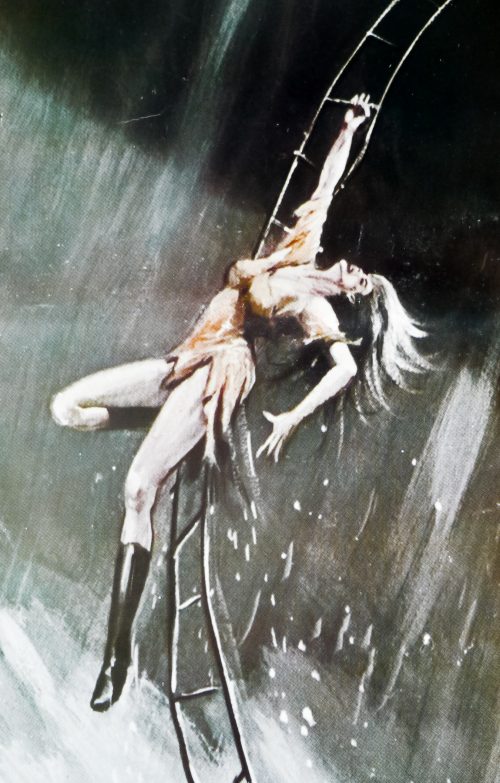
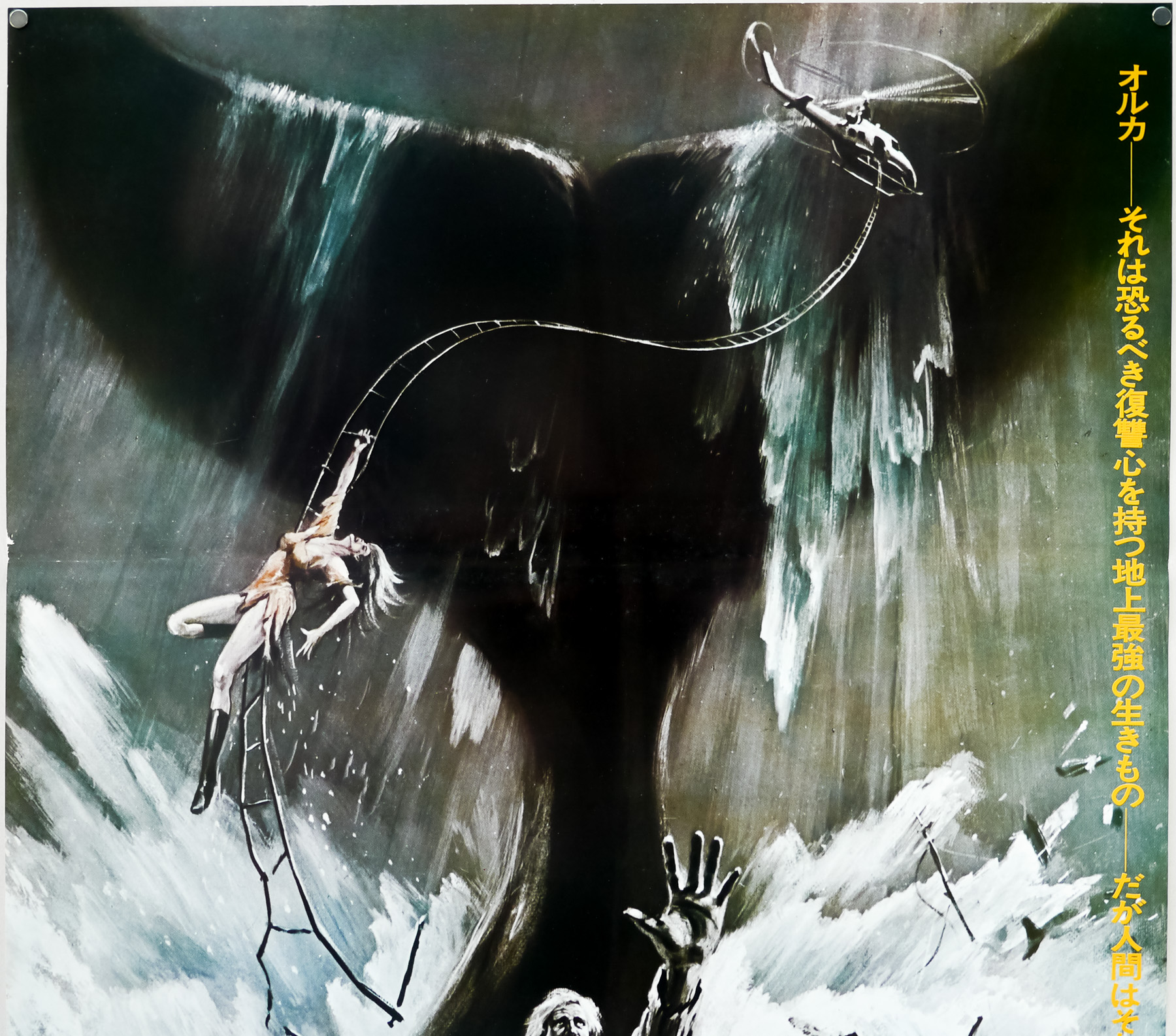
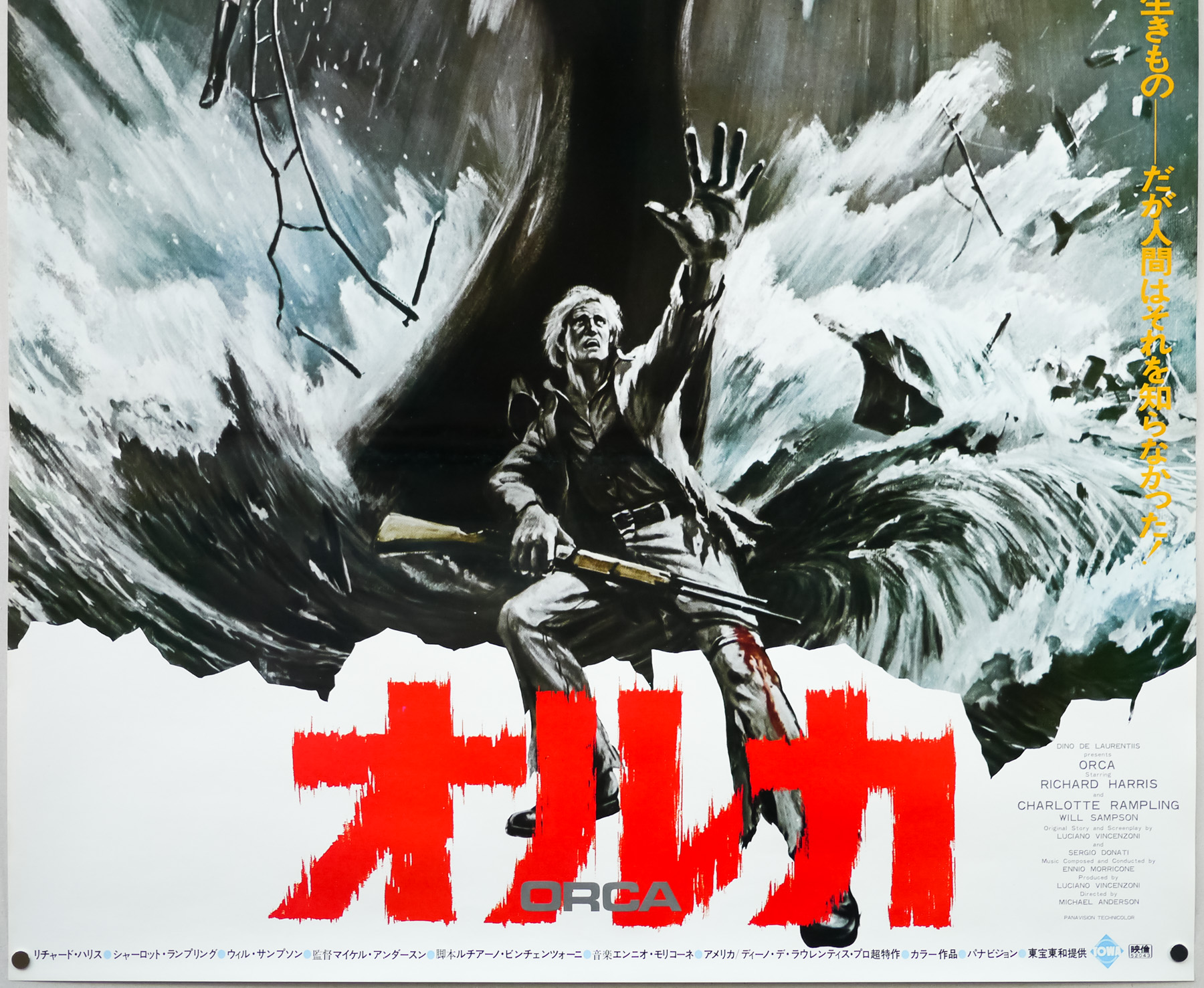
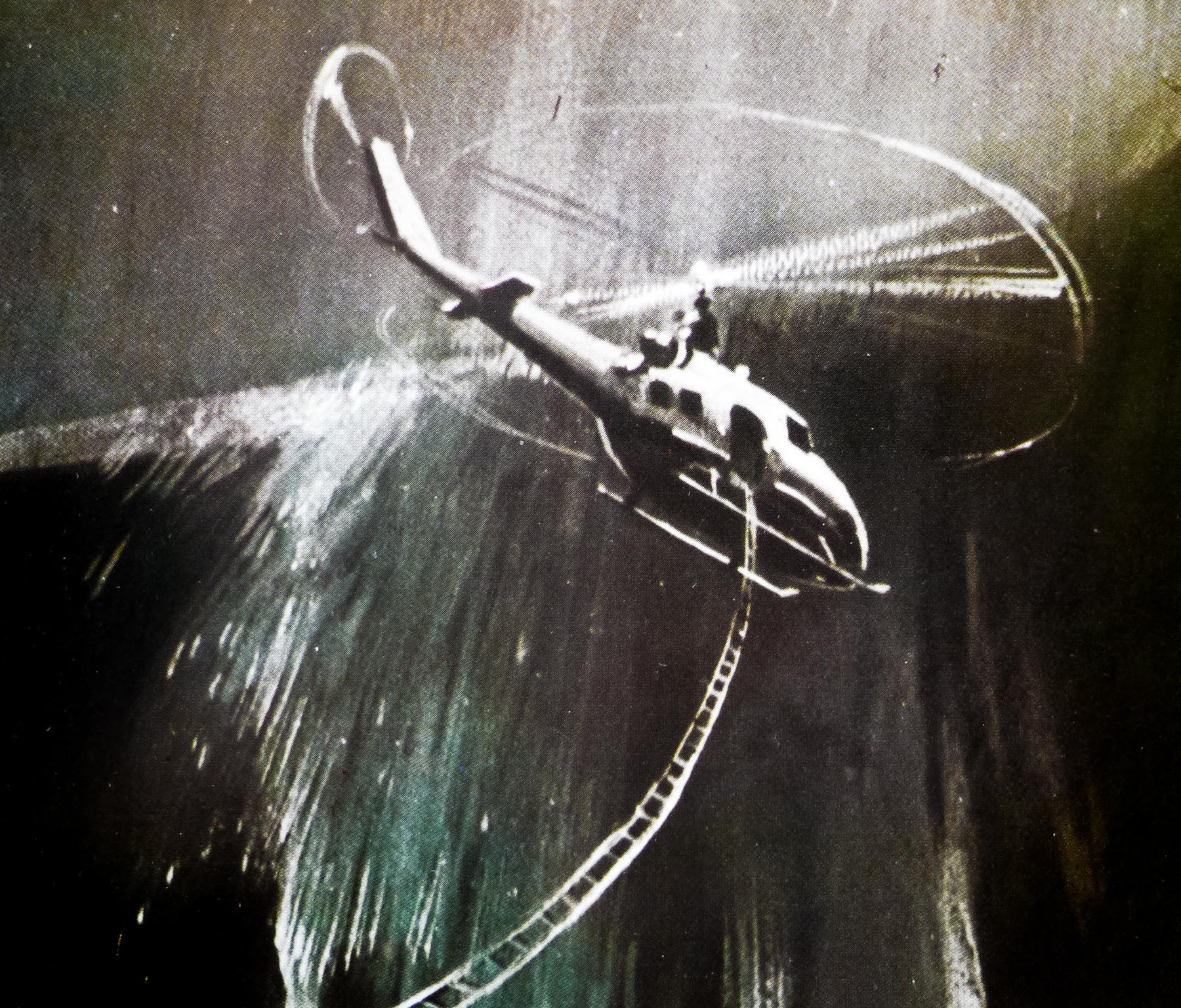
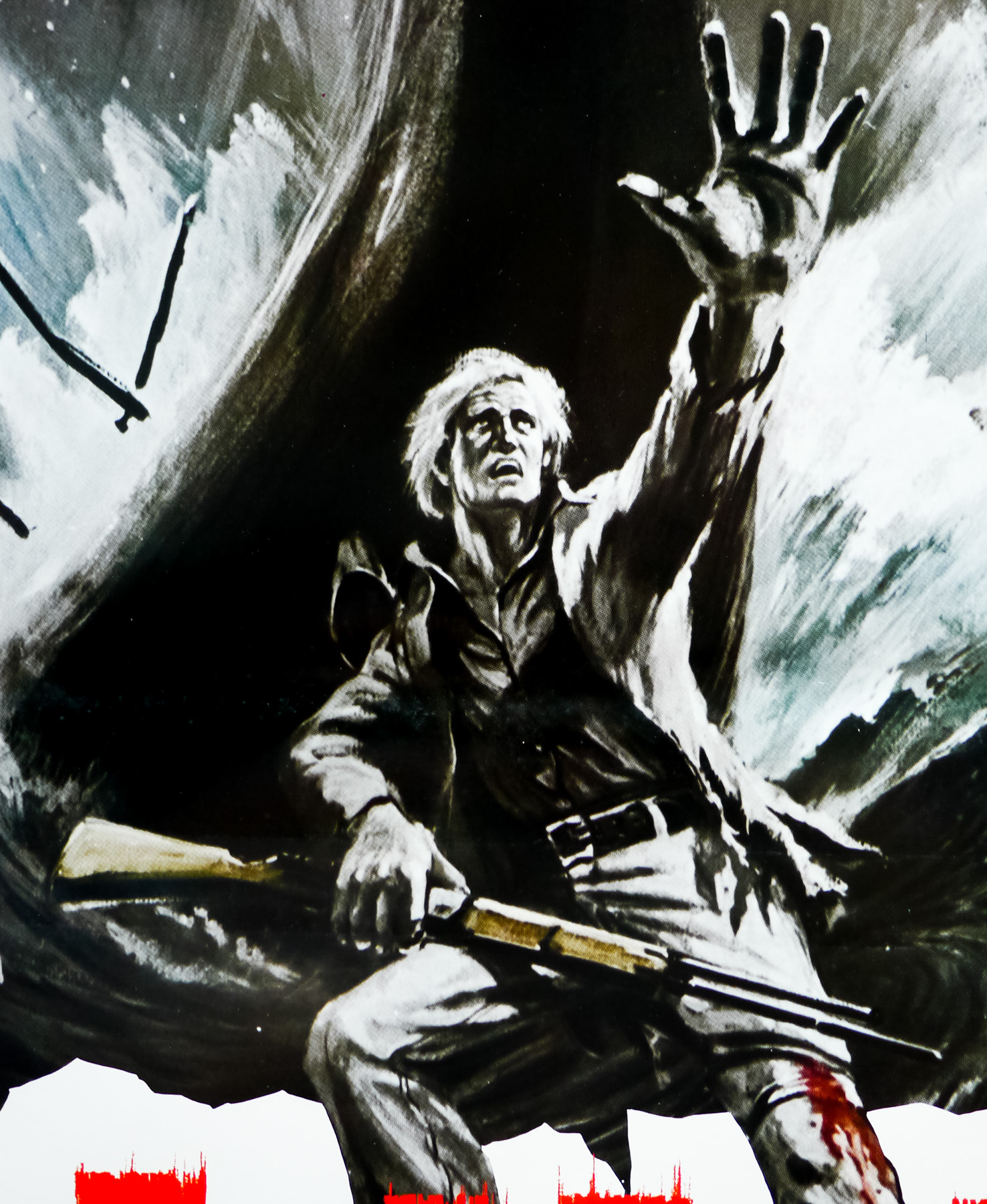
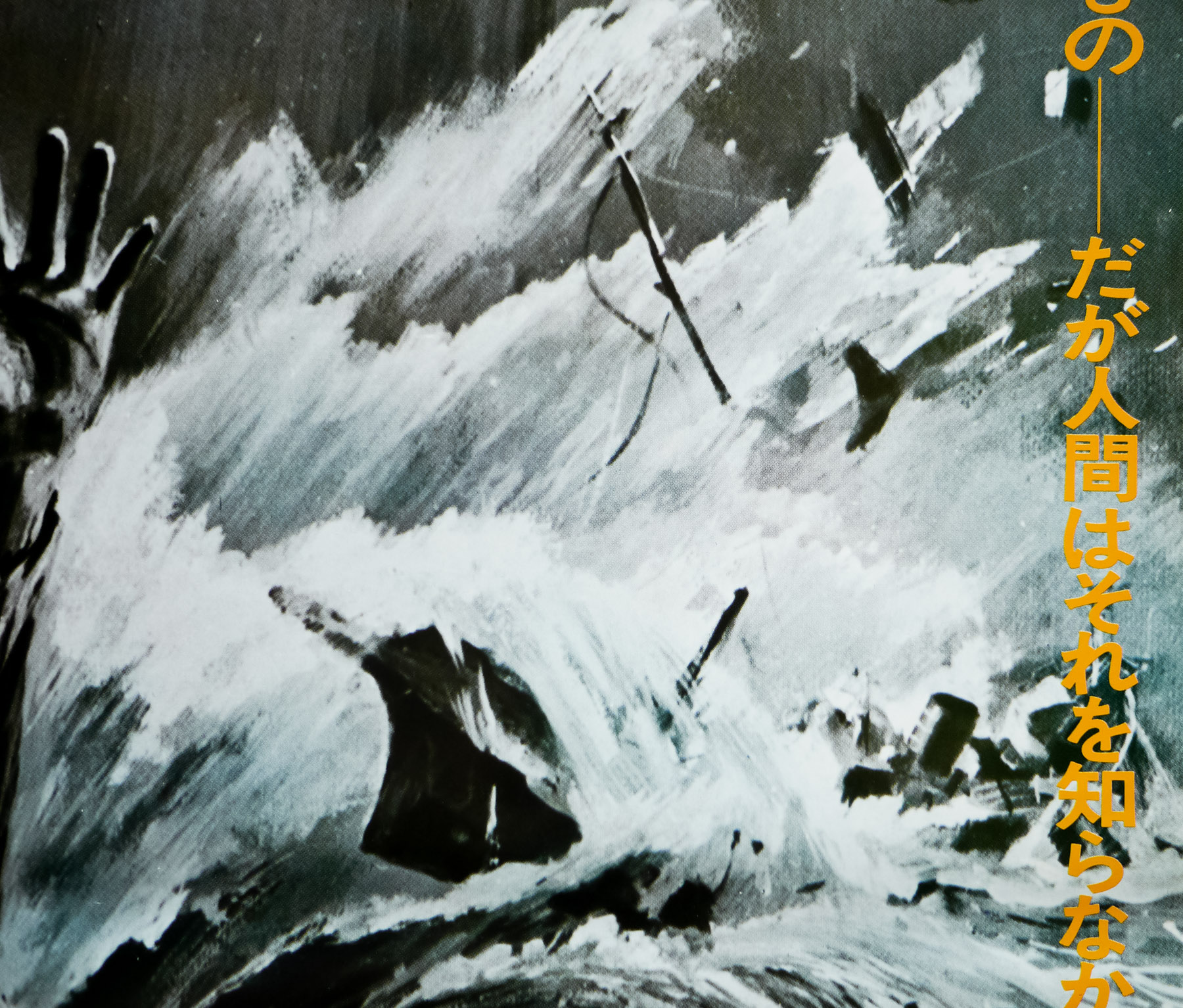
The artwork on the American one sheet was painted by John Berkey who also worked on the poster for the De Laurentiis produced remake of King Kong a year earlier, and the Orca art was also used for the British quad. The Japanese marketing campaign, however, featured at least three B2-sized posters, including this one, that featured artwork apparently unique to the posters and only the B1 format used the Berkey painting. I’ve called this B2 style B and there’s also the style A. I’ve been unable to find out who is responsible for this artwork so if you have any ideas please get in touch.

Check out the bonkers original trailer on YouTube.

Orca / B2 / style C / Japan

12.06.15

Poster Poster
Title
Orca
AKA
Orca: Killer Whale (alt. title) | The Killer Whale (alt. title)
Year of Film
1977
Director
Michael Anderson
Starring
Richard Harris, Charlotte Rampling, Will Sampson, Bo Derek, Keenan Wynn, Robert Carradine, Scott Walker, Peter Hooten, Wayne Heffley
Origin of Film
USA
Genre(s) of Film
Richard Harris, Charlotte Rampling, Will Sampson, Bo Derek, Keenan Wynn, Robert Carradine, Scott Walker, Peter Hooten, Wayne Heffley,
Type of Poster
B2
Style of Poster
Style C
Origin of Poster
Japan
Year of Poster
1977
Designer
Unknown
Artist
'Dino'
Size (inches)
20 3/16" x 28 14/16"
SS or DS
SS
Tagline
--

A man versus giant killer fish film that was released two years after the original summer blockbuster Jaws, Orca was always going to be compared to Spielberg’s classic even if its lead actor, the late Richard Harris, was apparently angered by the links; ‘I get really offended when people make the comparison’, he is quoted as saying at the time of release. The late Italian producer Dino De Laurentiis was determined to one-up the spectacle of Jaws and tasked the screenwriter Luciano Vincenzoni to “find a fish tougher and more terrible than the great white”, which led them to the killer whale and production on ‘Orca’ began.

Harris plays Nolan, the Irish captain of a fishing boat operating in the waters off the coast of northern Canada who hears of a lucrative contract being offered for the live capture of a killer whale and hopes the bounty will pay off the mortgage on his boat. After Nolan and his crew accidentally spear a pregnant female killer whale they drag it onto the ship where it miscarries, and almost dies, before the male (Orca) attacks the ship, killing one of the crew before the female is cut loose and falls into the water. The next morning the body of the female whale washes up on shore and before long it becomes clear that Orca is out for revenge, as he attacks the fishing village and destroys vital fuel lines. The villagers insist Nolan is responsible and task him with killing Orca so he sets off with the remainder of his crew, plus marine biologist Rachel Bedford (Charlotte Rampling) and a native American killer whale expert (Will Sampson). The whale leads the boat away from the village into frozen, iceberg covered waters and the stage is set for a final confrontation.

Unfortunately for De Laurentiis and all involved the film was critically derided and sank quickly at the box office, particularly since the juggernaut that was Star Wars was already smashing box office records around the world. The idea of a vengeful fish obviously didn’t go down too well with audiences, although the people behind 1987’s awful Jaws: The Revenge must have forgotten this by the time it was decided to make a third Jaws sequel. The practice of hunting and capturing killer whales to feed the demand from aquariums in the 1960s and 70s was sadly all too prevalent, as documented in the recent heartbreaking documentary Blackfish, which also points out that there are no documented cases of humans being killed by the whales in the wild.

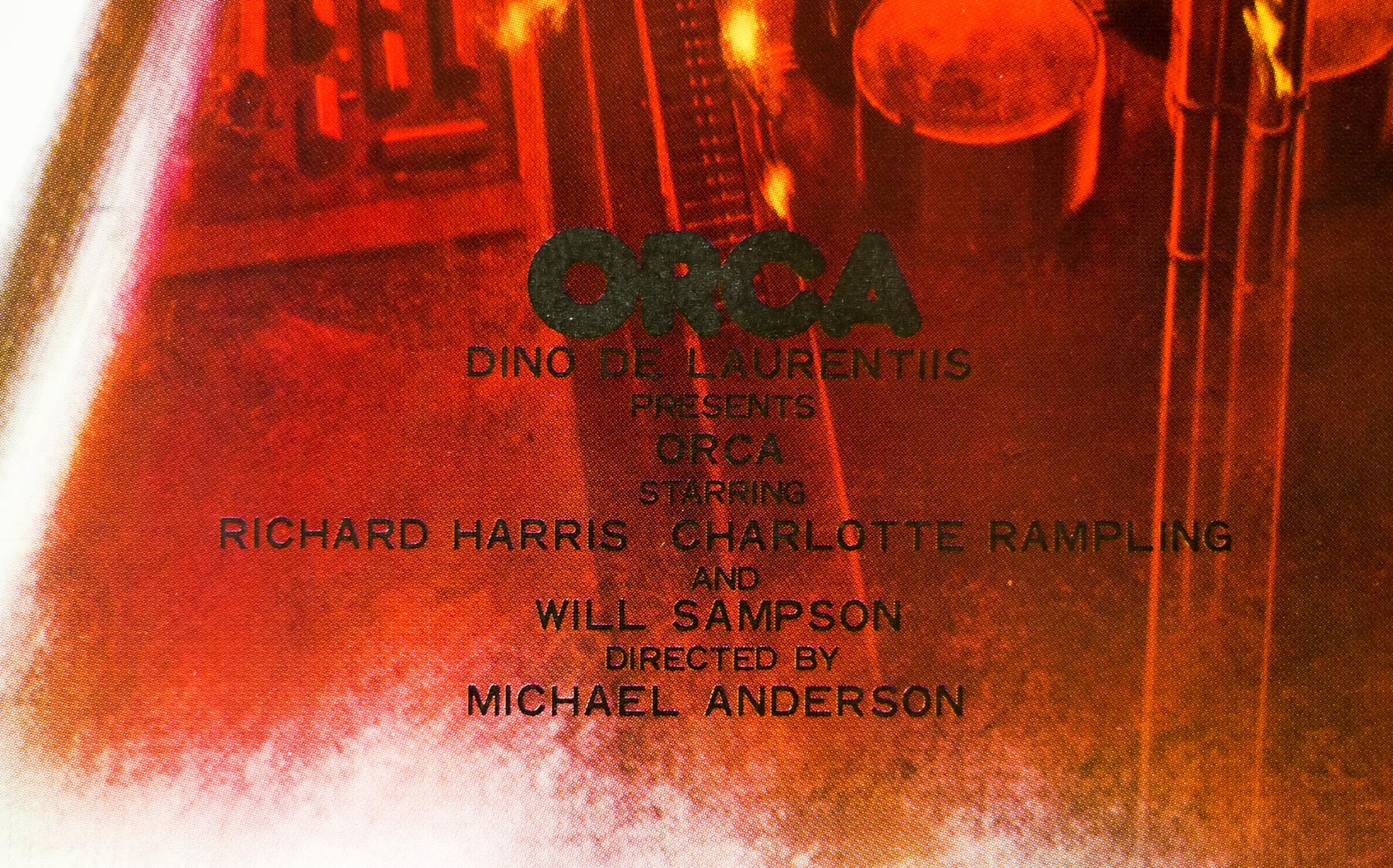
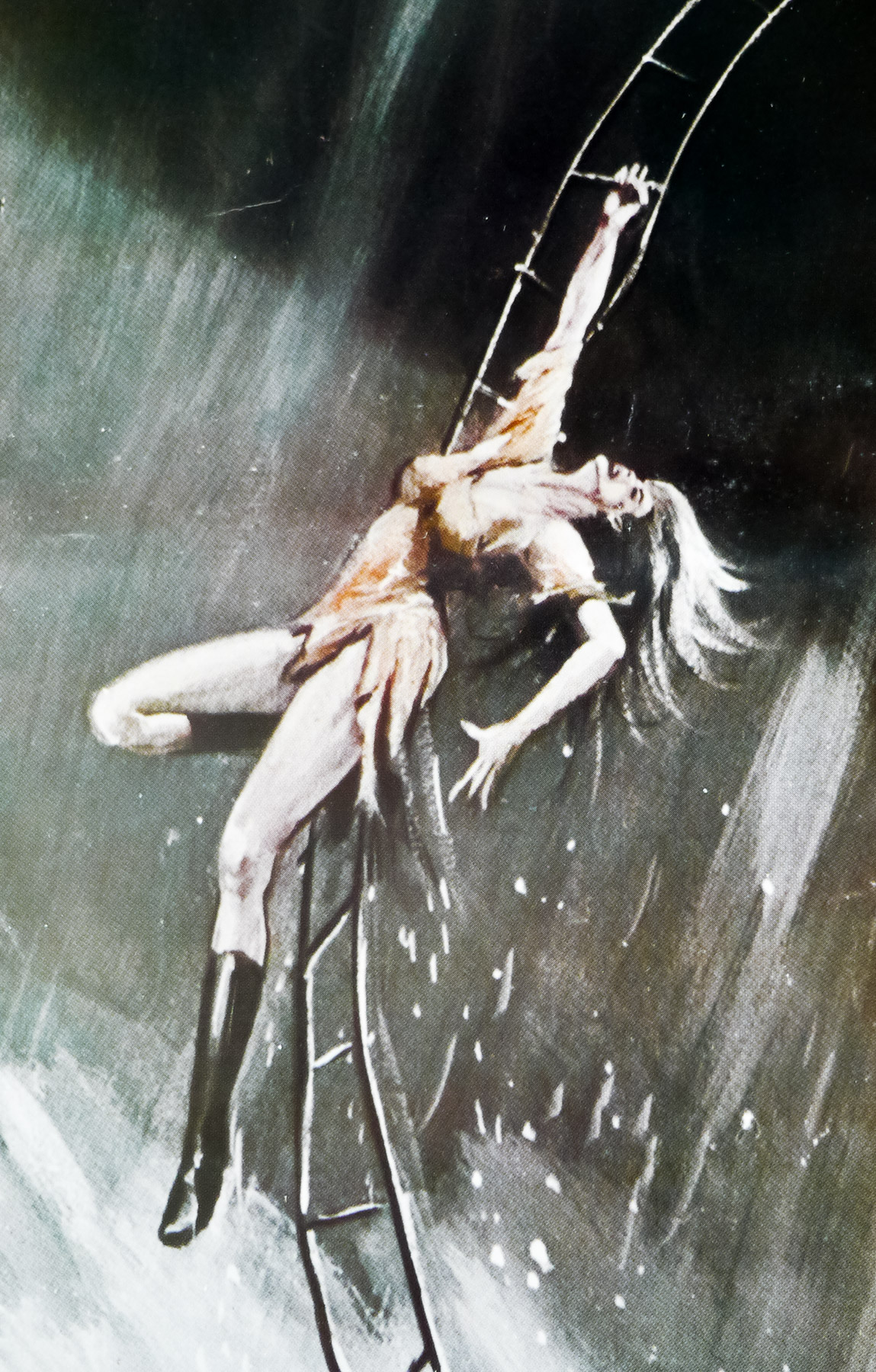
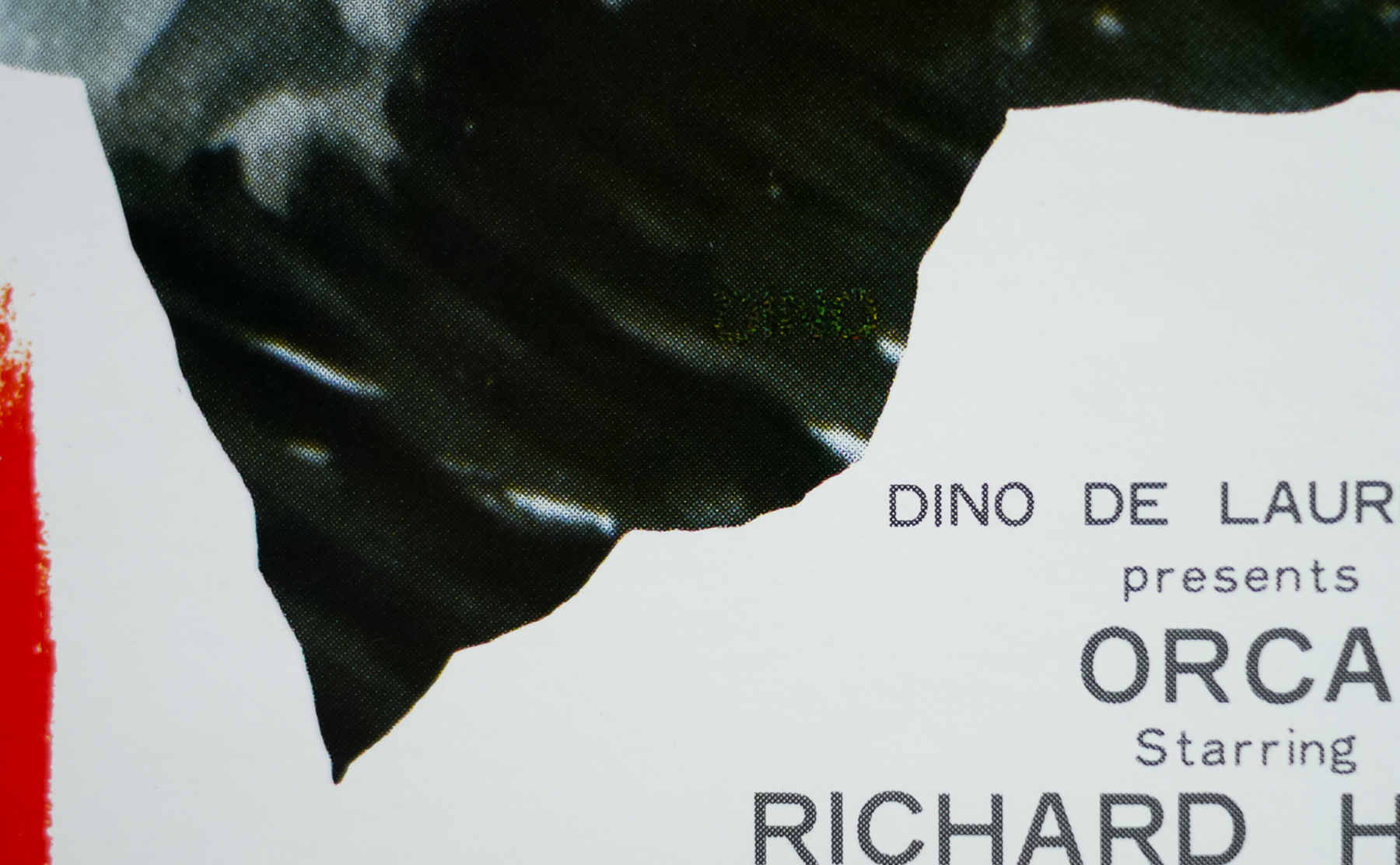
The artwork on the American one sheet was painted by John Berkey who also worked on the poster for the De Laurentiis produced remake of King Kong a year earlier, and the Orca art was also used for the British quad. The Japanese marketing campaign, however, featured at least three B2-sized posters, including this one, that featured artwork apparently unique to the posters and only the B1 format used the Berkey painting. I’ve called this B2 style C and there’s also the style A and style B. There’s a signature that looks like ‘Dino’ at the bottom of the art (see picture 5) but if anyone knows which artist this belongs to please get in touch.

Check out the bonkers original trailer on YouTube.

The Klansman / B2 / style A / Japan

28.08.15

Poster Poster

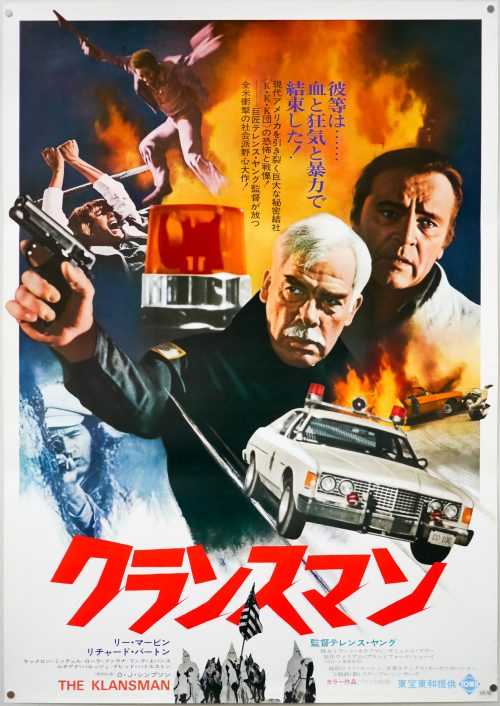
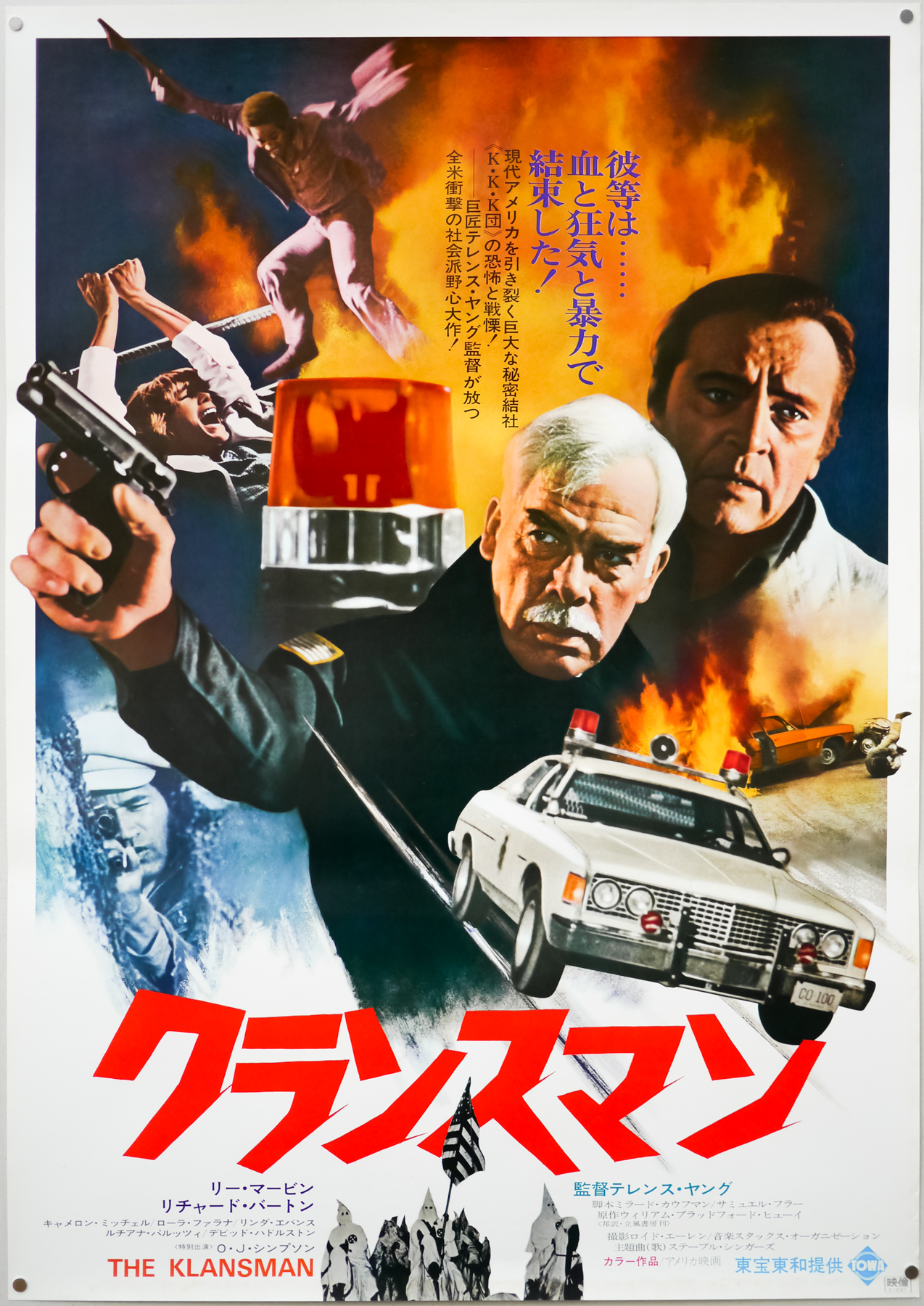
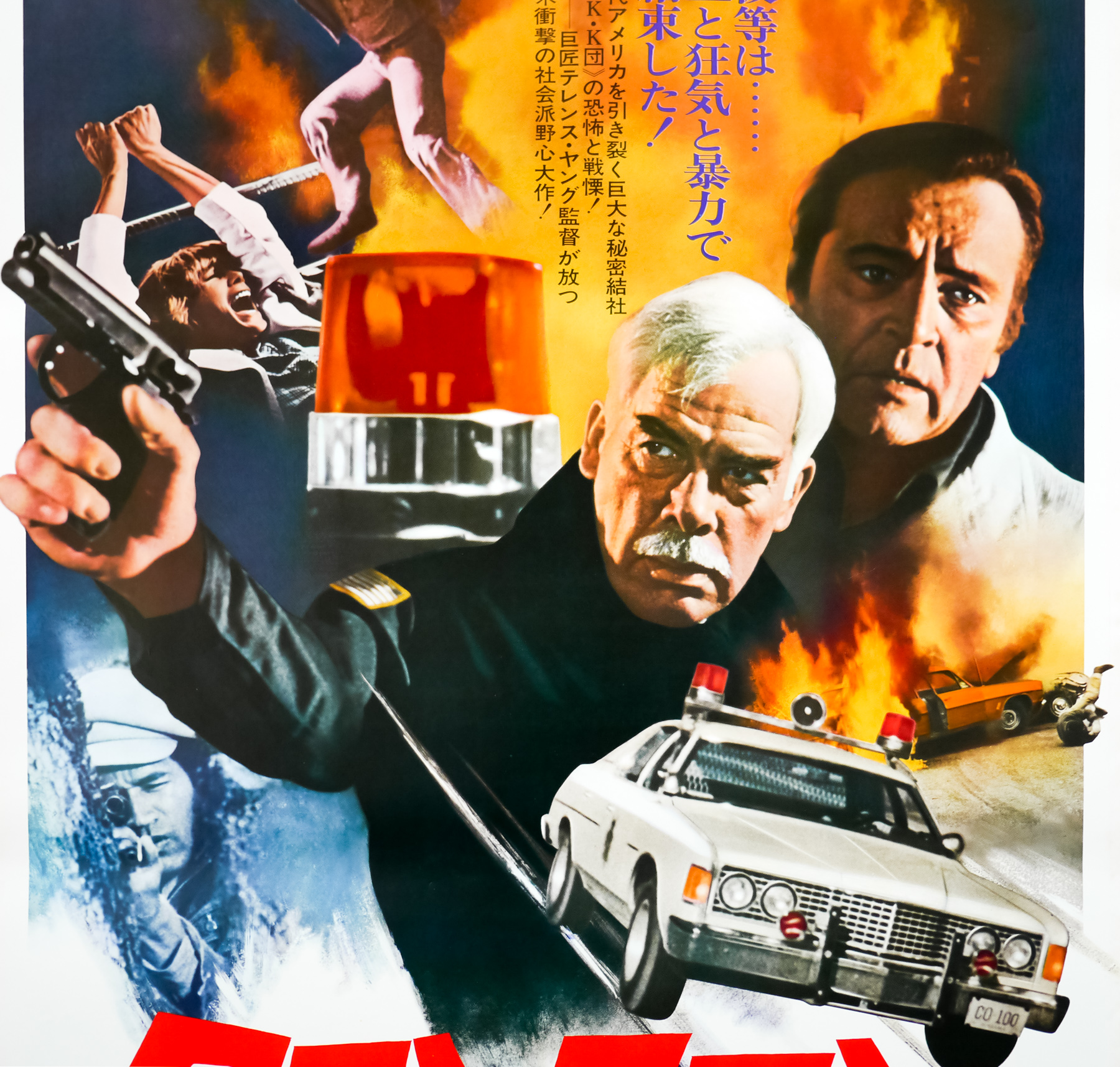
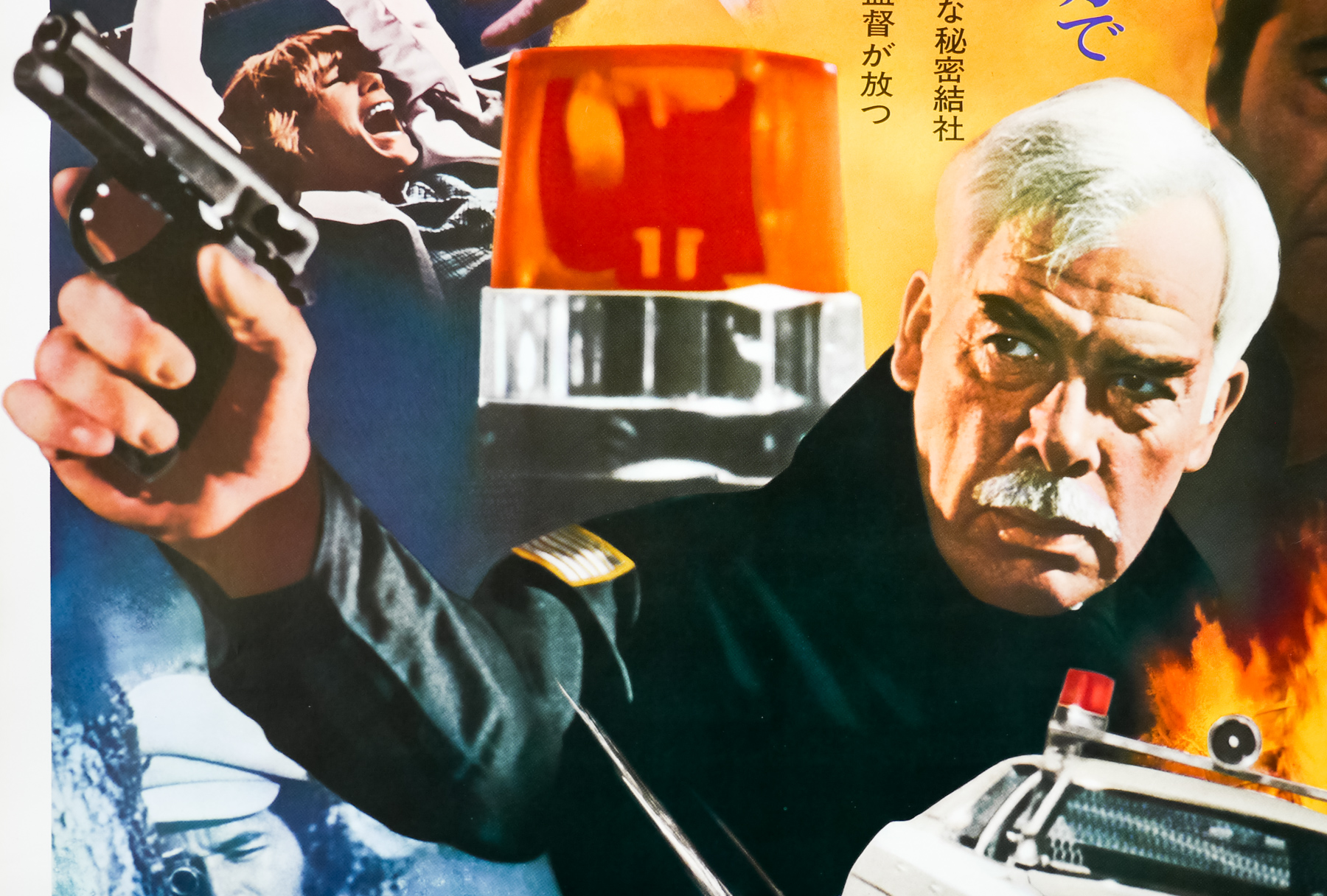
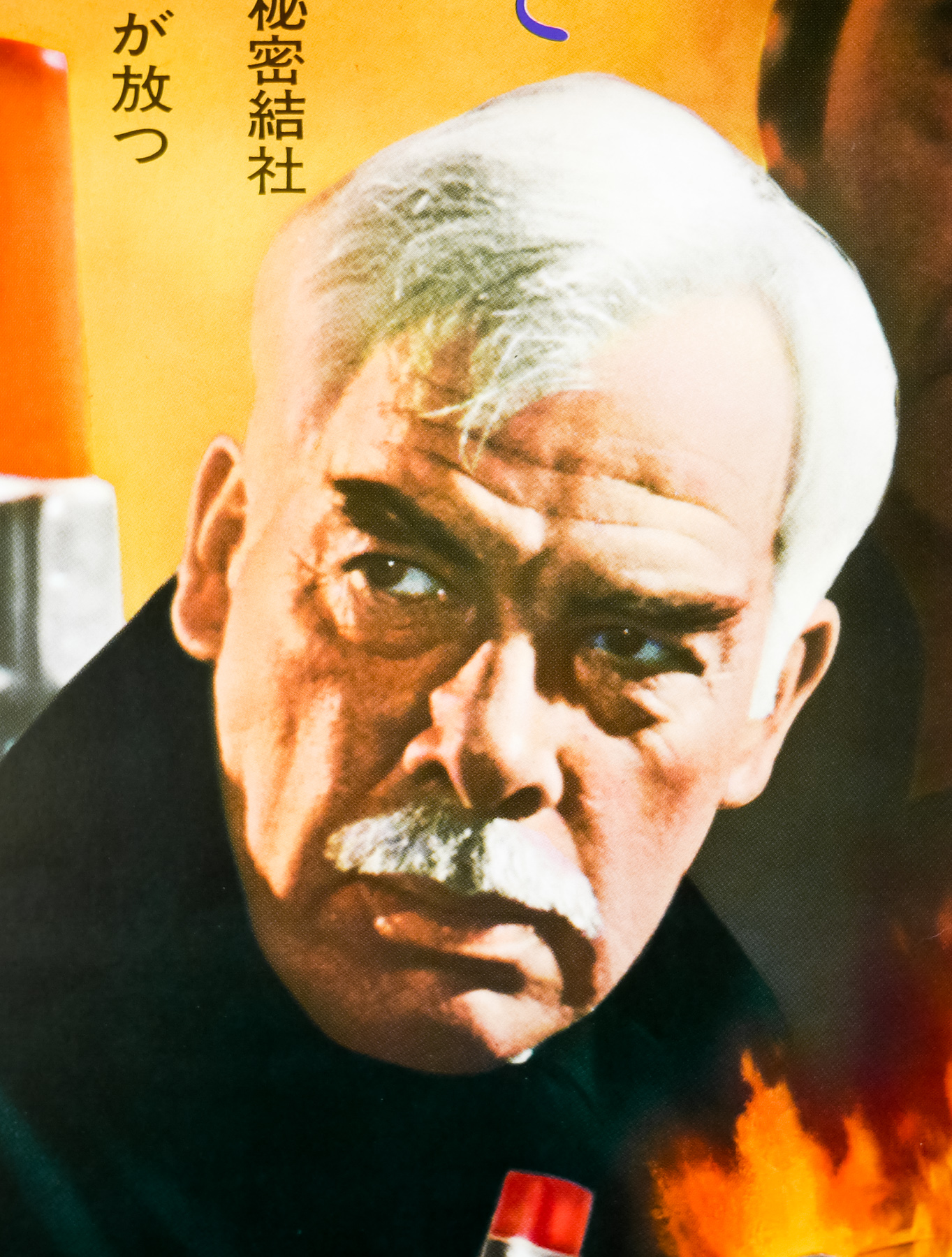
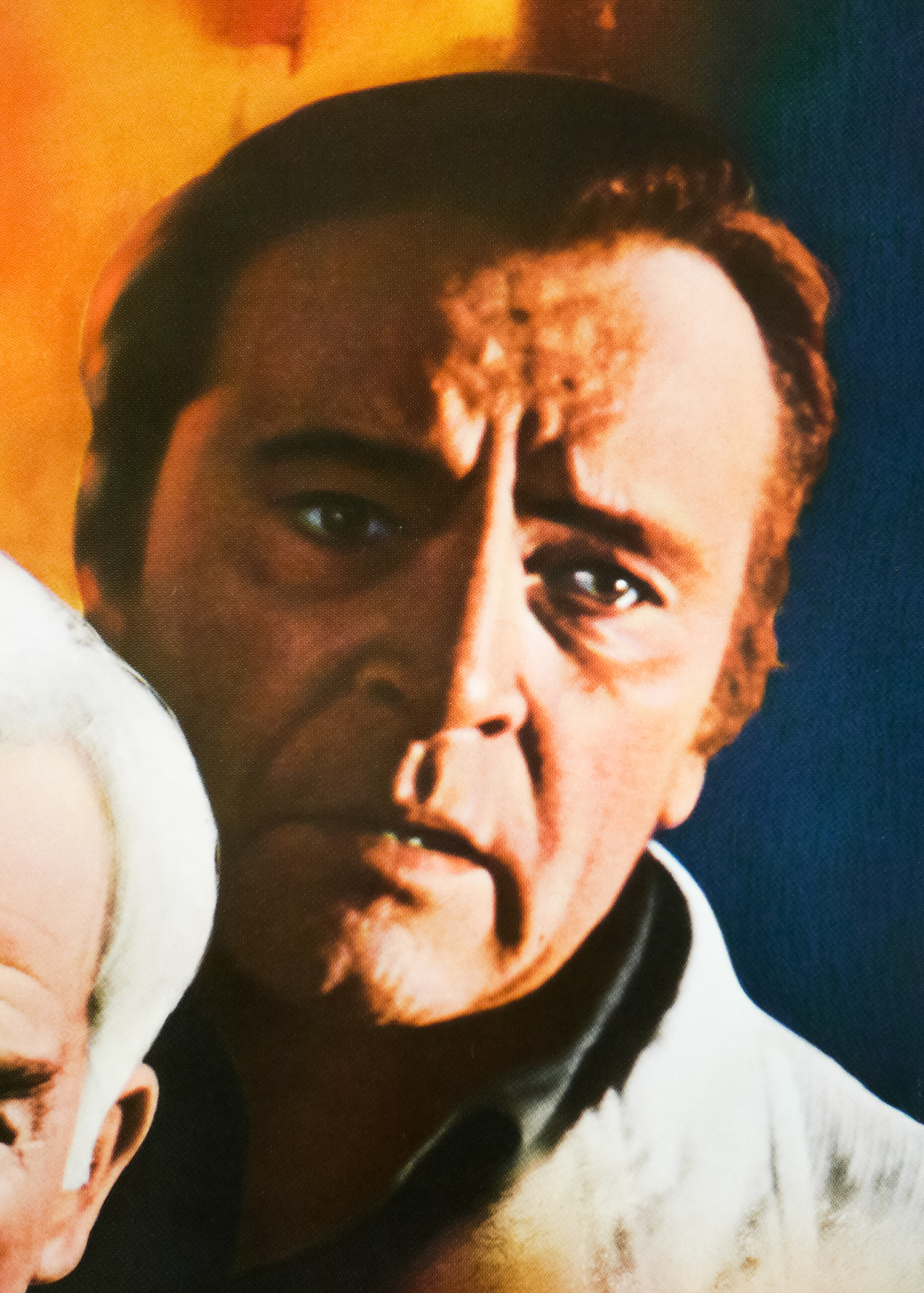
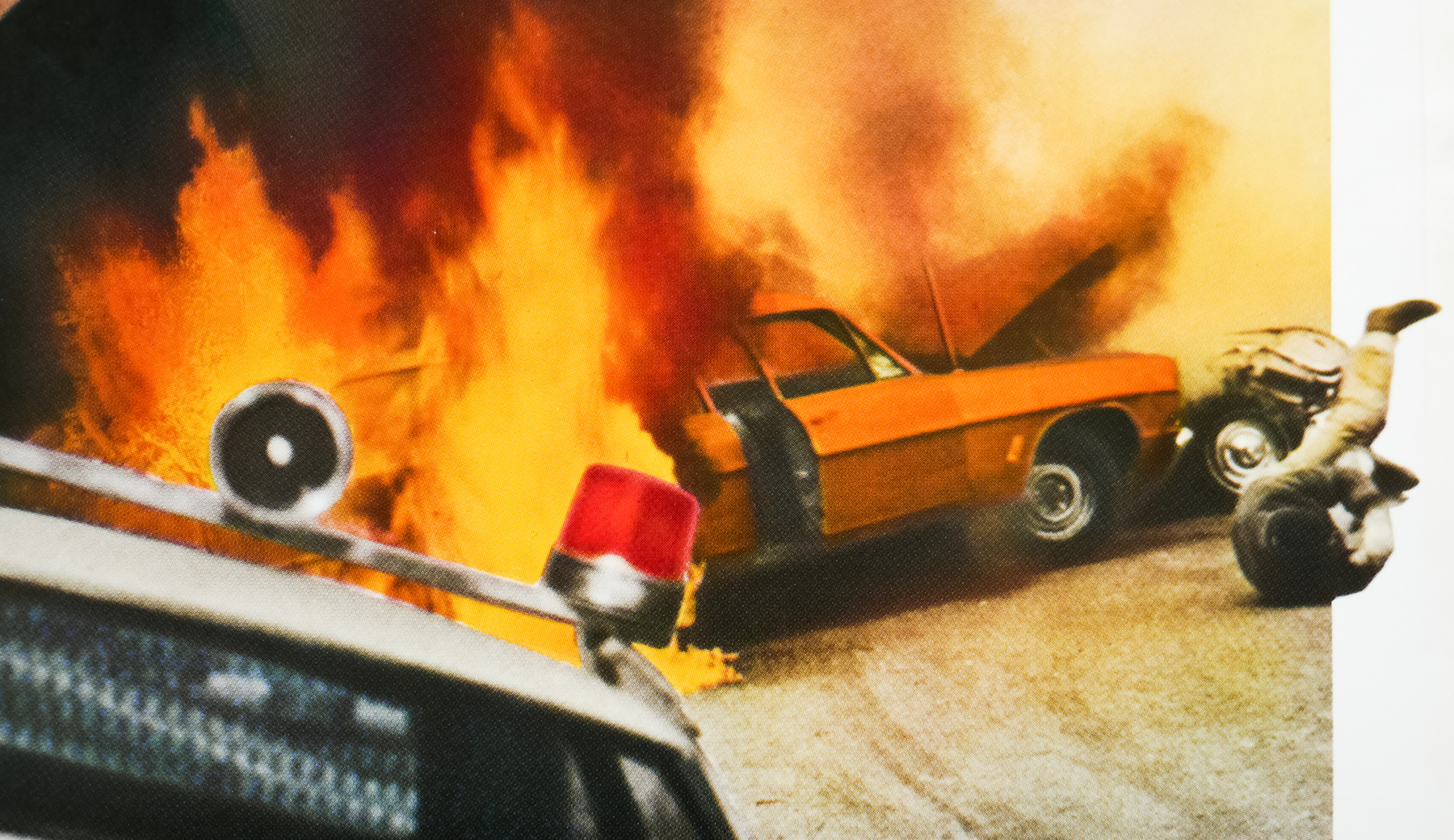
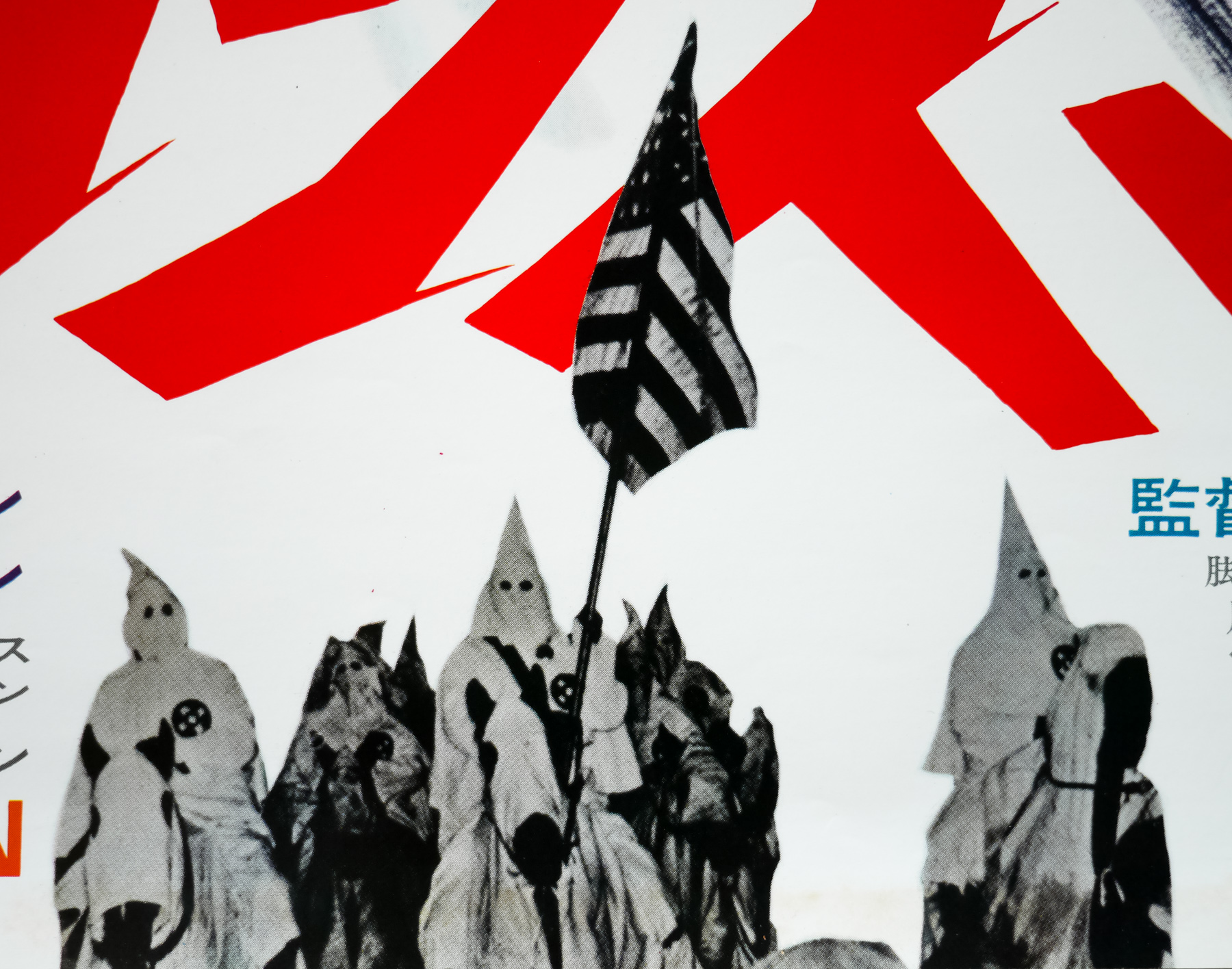
This is one of two Japanese B2 posters for the release of the 1974 drama The Klansman that marks a low point in the careers of the main participants involved and, in my opinion, deserves to be consigned to the dustbin of film history. British director Terence Young (best known for his work on the first two James Bond films and Thunderball) helms this tale of racial tension in a small Southern town that has a large Ku Klux Klan contingent. Lee Marvin plays the lone Sheriff of the town who has to deal with the fallout when a white woman is raped, apparently by a black man. Tensions are escalated when a lone gunman (played by O.J. Simpson) decides to stir things up with the Klan by shooting white townsfolk with a sniper rifle. Richard Burton plays a local landowner who has long opposed the views of the Klan and harboured black people on his land but he gets drawn into the conflict with deadly consequences.

There are many issues with the film, including a confusing script that was clearly trying to imbue the film with something of a social justice message but bungles it badly. All scenes involving the Klan are cringeworthy and obviously massively politically incorrect. The performances from the two leads are also pretty terrible with Lee Marvin mumbling and drawling through all of his scenes looking like a man who wishes he was elsewhere. Richard Burton also phones his performance in, with an accent that attempts Southern American but ends up sounding altogether wrong, and he also affects a limp in some scenes that disappears in others. Legend has it that the two men were both drunk during the entire shoot and that might explain things. It also doesn’t help that the only version of the film available on home video has been badly cut to remove a lot of the violence and a pivotal rape scene.

This is the style A Japanese B2 poster but I also have the style B that features artwork unique to the Japanese campaign by Seito.

Roller Boogie / B2 / style A / Japan

16.08.16

Poster Poster

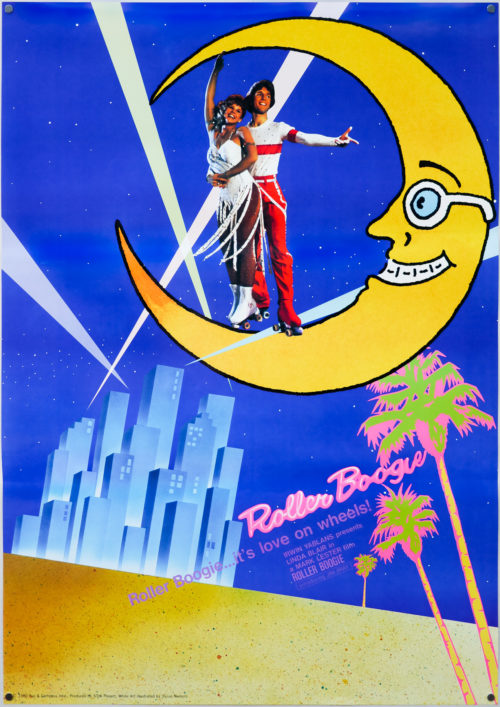
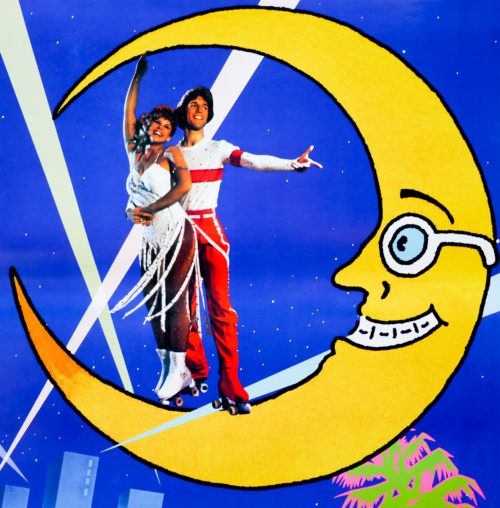
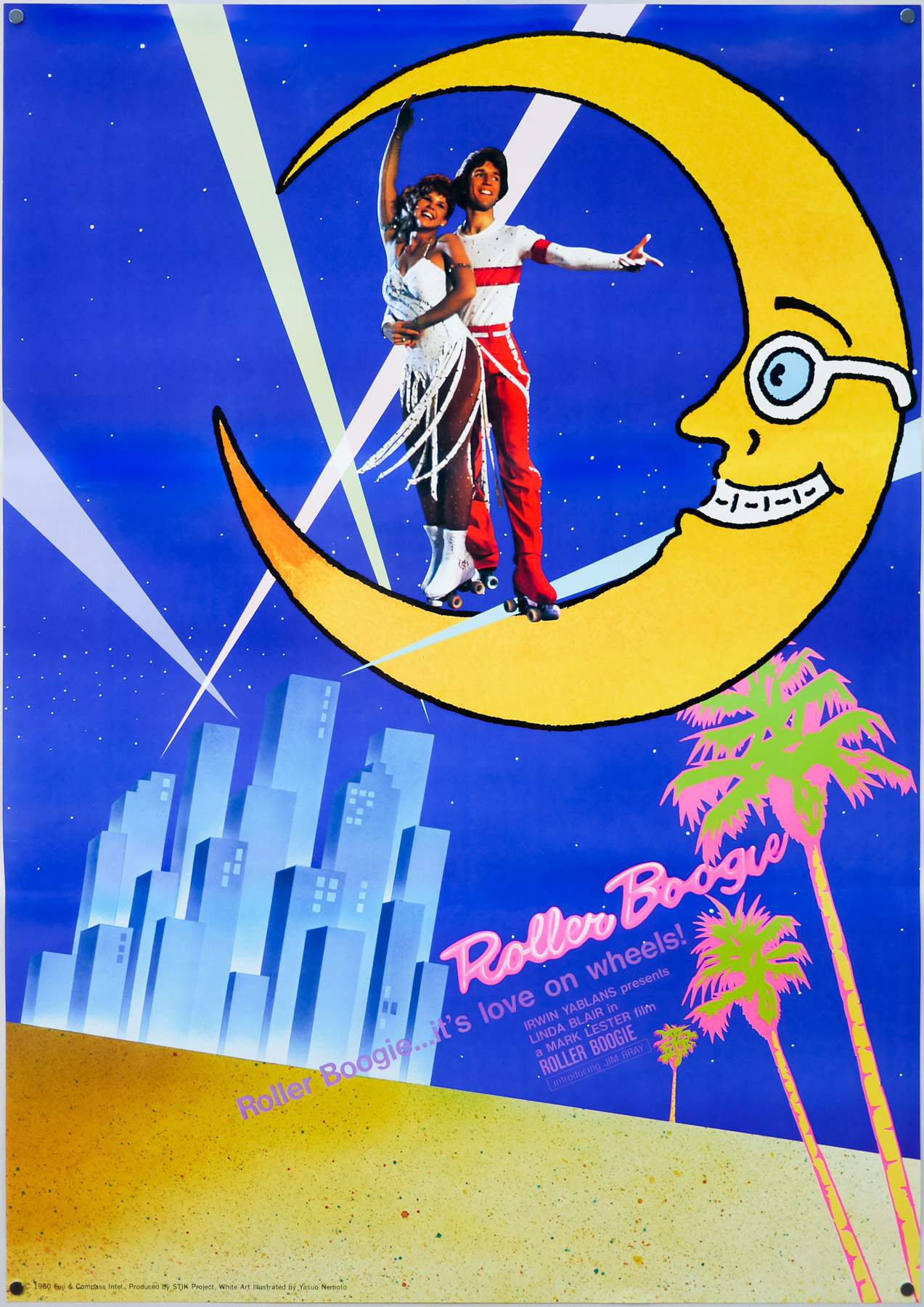
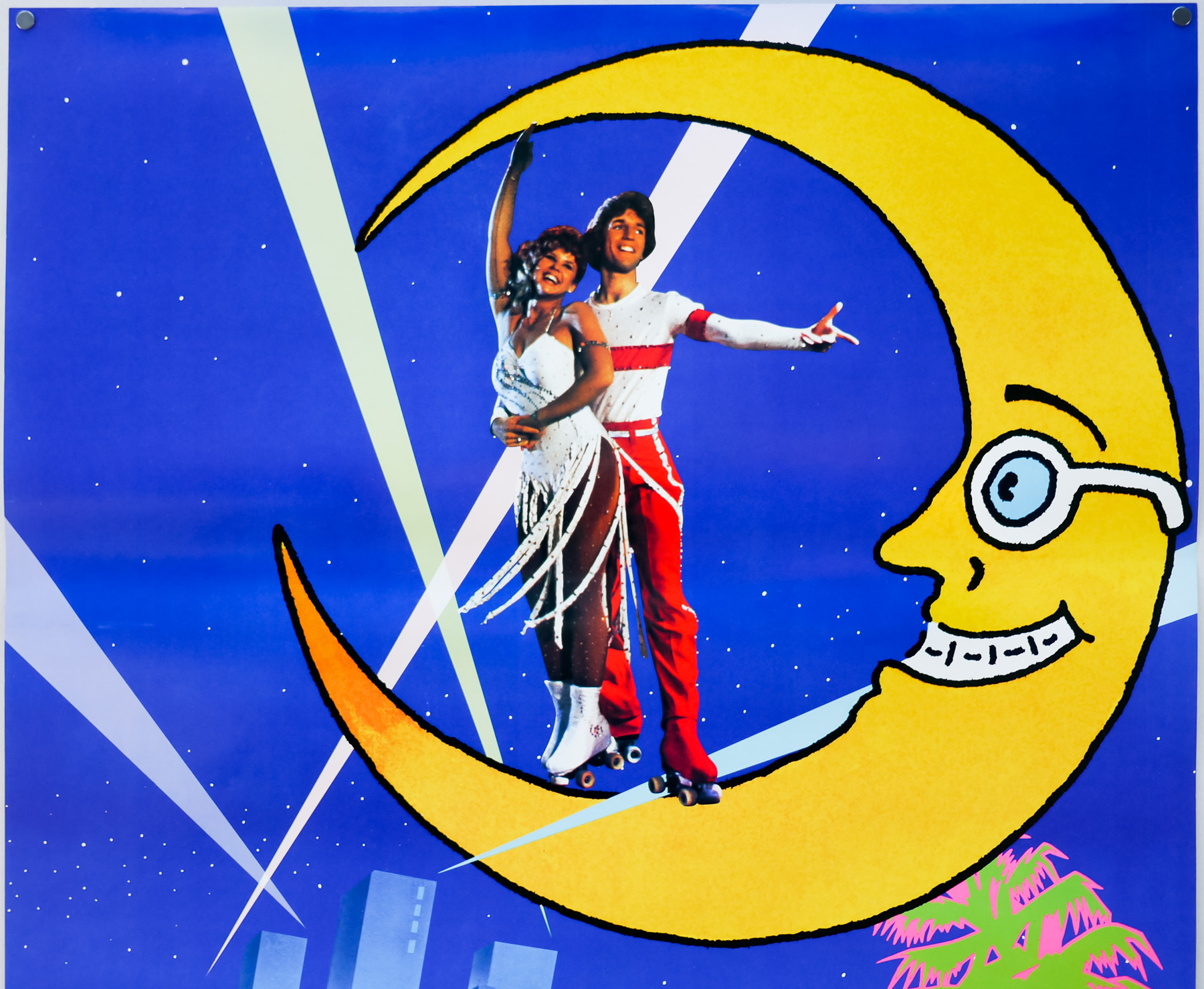
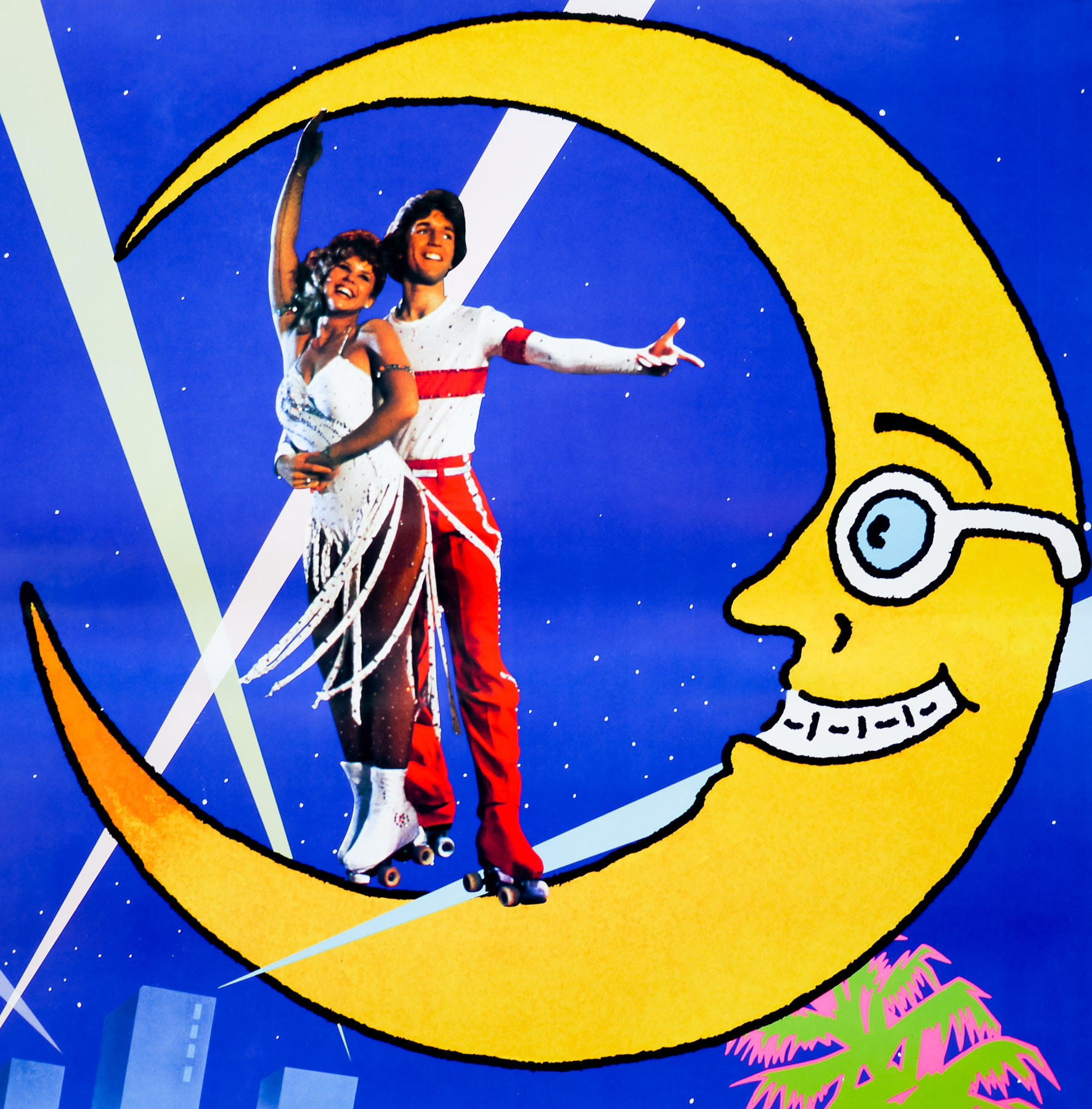
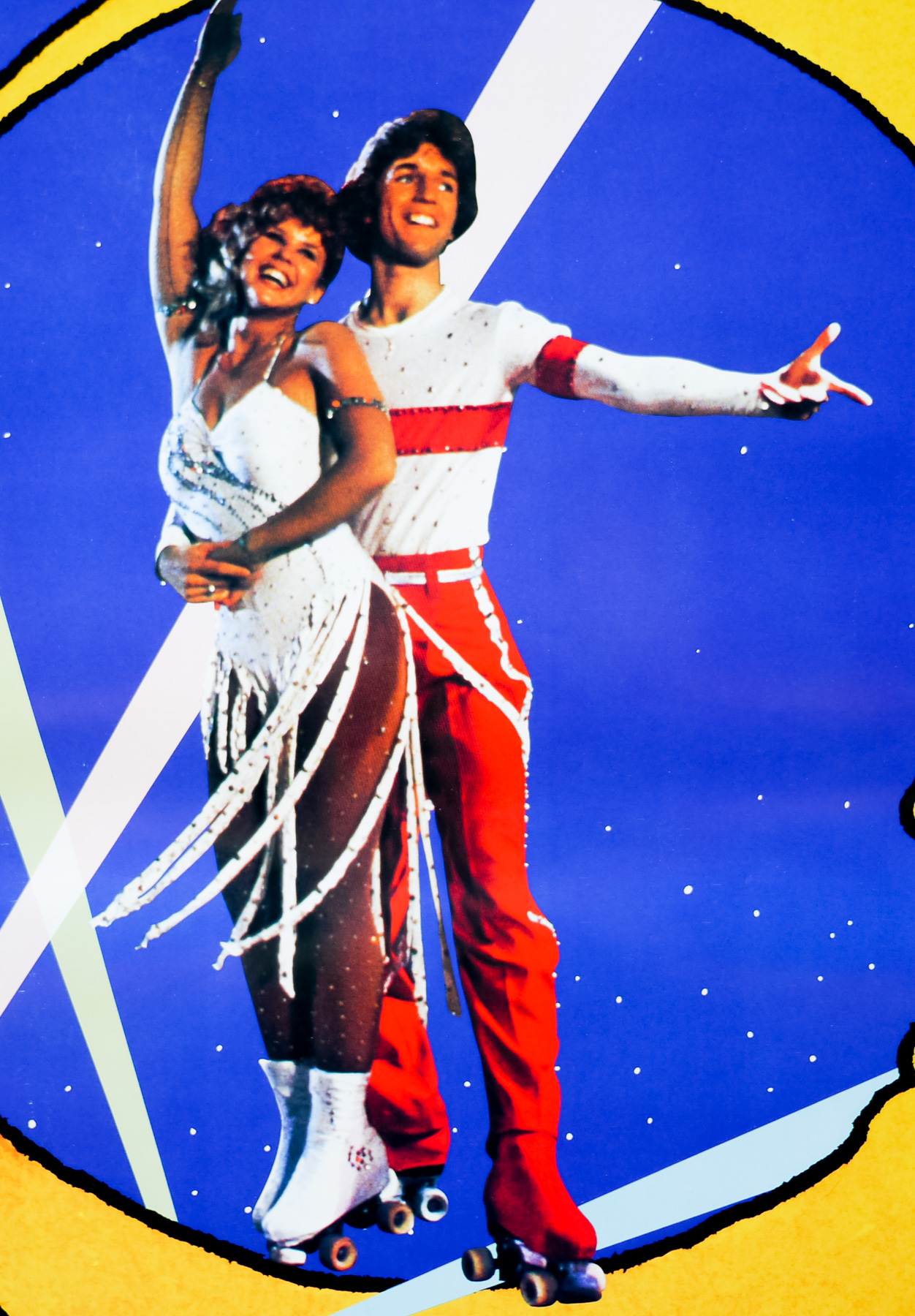
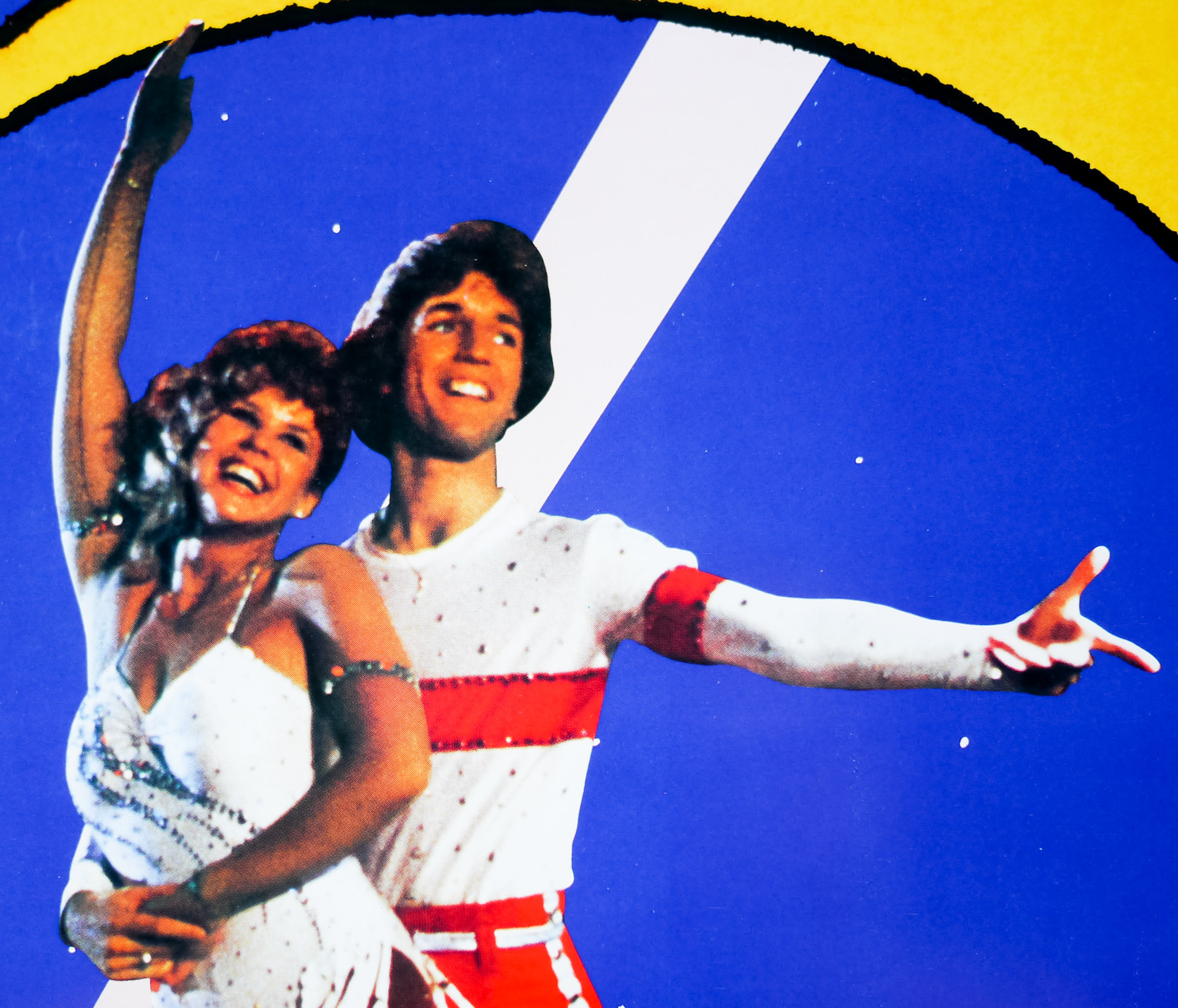
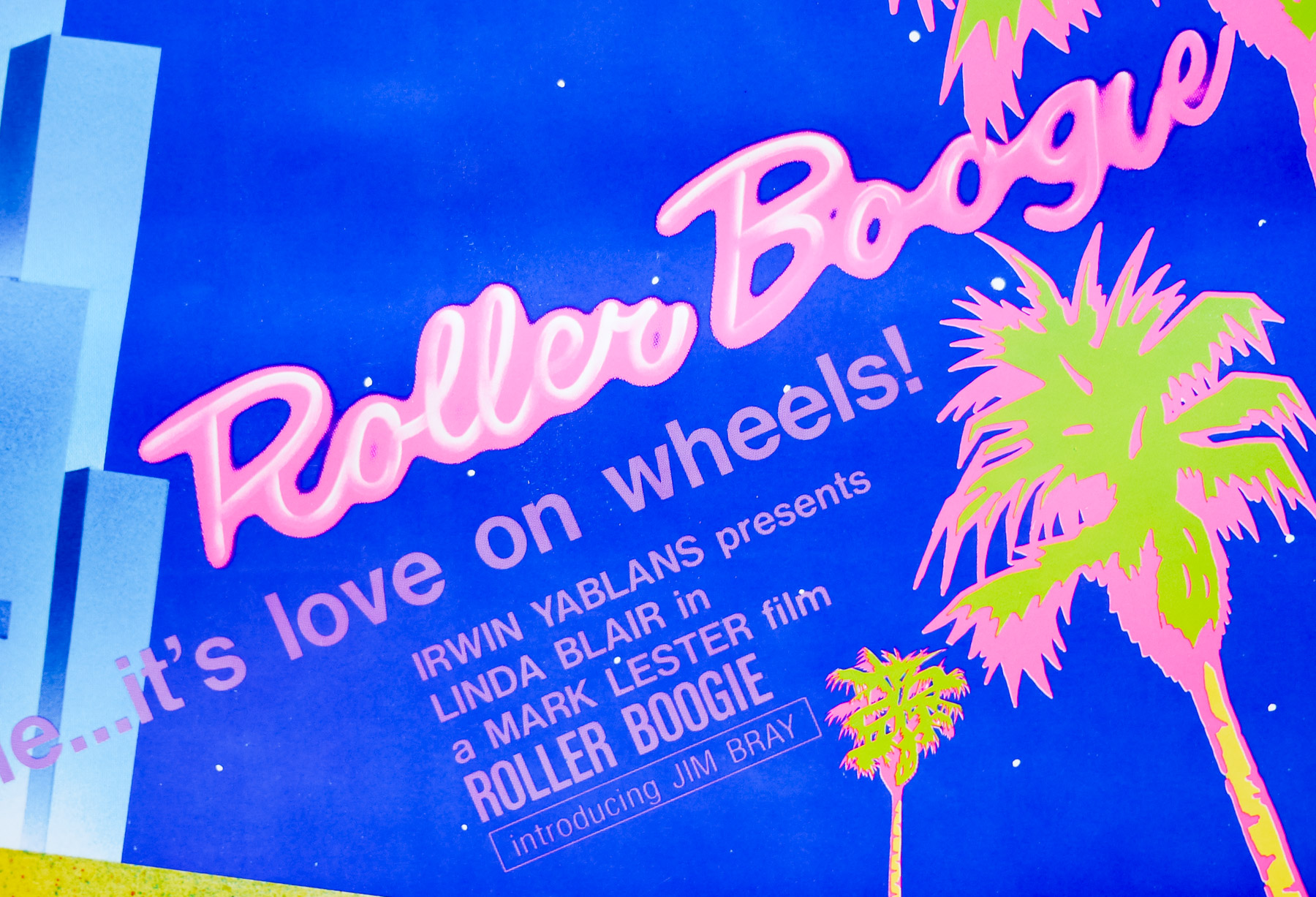
This is the style A Japanese B2 poster for the release of the 1979 musical oddity Roller Boogie, featuring artwork by Yasuo Nemoto. One of those films that’s something of a time capsule, the film was put into production by Irwin Yablans the independent producer who had struck gold a year earlier with John Carpenter’s Halloween. Yablans is credited with the film’s story and the intention was to capitalise on the then craze for rollerskating that was sweeping the States.

 Mark L. Lester (known for Commando and Class of 1984) was hired to direct and Linda Blair (The Exorcist) was given the starring role opposite an award-winning amateur skating champion called Jim Bray who was originally attached as a stuntman but was later given acting lessons when the production struggled to find a leading actor.

Blair plays Terry Barkley a Beverly Hills rich girl who is largely ignored by her parents who are determined to see her attend a prestigious school in New York and carry on as a flautist. One day whilst visiting Venice Beach she meets a hotshot skater named Bobby James (Bray) who dreams of making it to the Olympics. The pair strike up a friendship and eventually Terry asks Bobby if she can teach him how to skate and create a routine for them both so they can compete in a Roller Boogie contest at a skating rink called Jammer’s. Unfortunately a nefarious property developer plans to buy Jammer’s and raze it to the ground, so the pair team up with other skaters to put a stop to the plans whilst practicing their routines ready for the big night.

The film was largely panned on its release but found success with teen audiences and has since gone on to have something of a cult following. Plans for a mooted sequel were scrapped when disco music and roller skating lost their popularity.

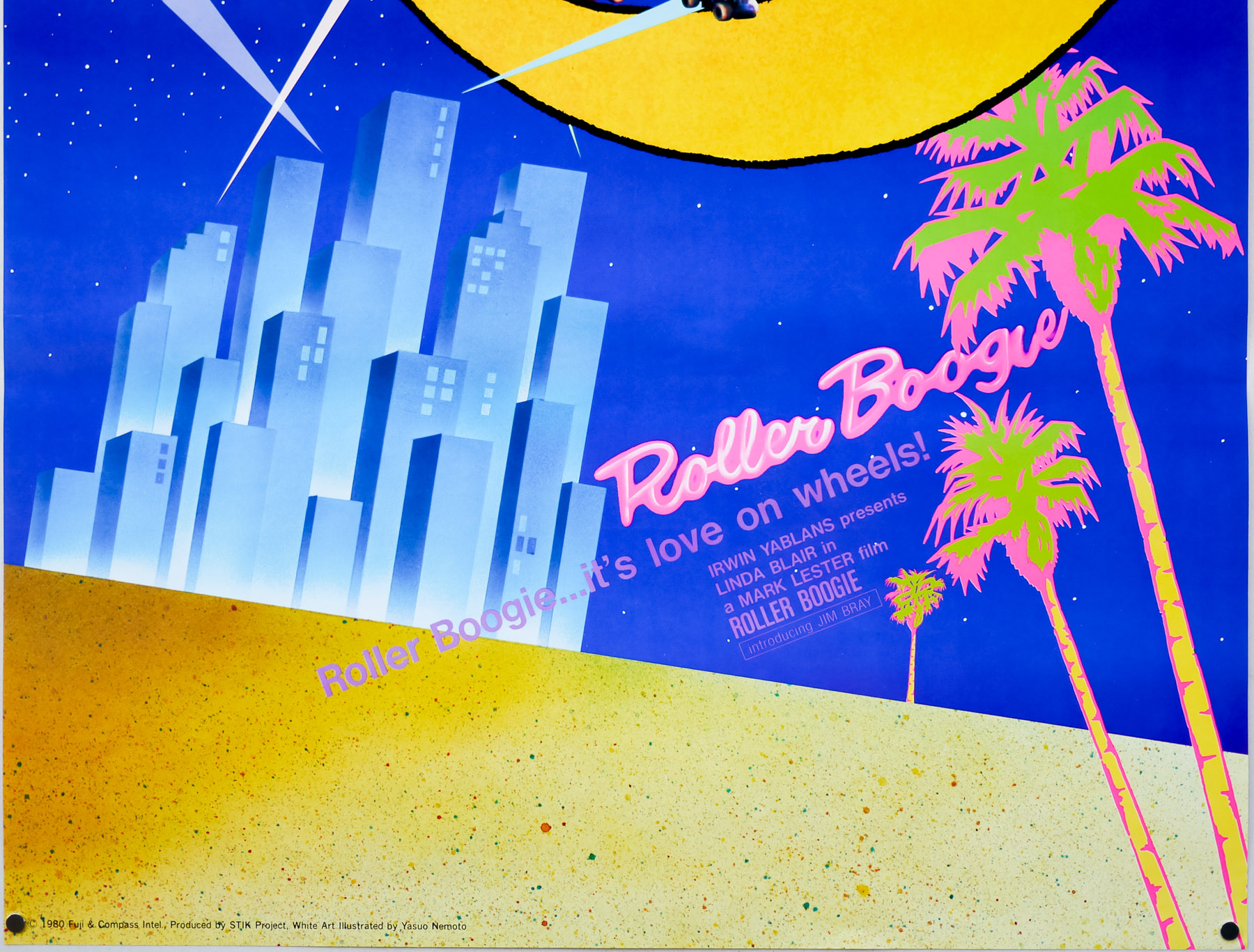
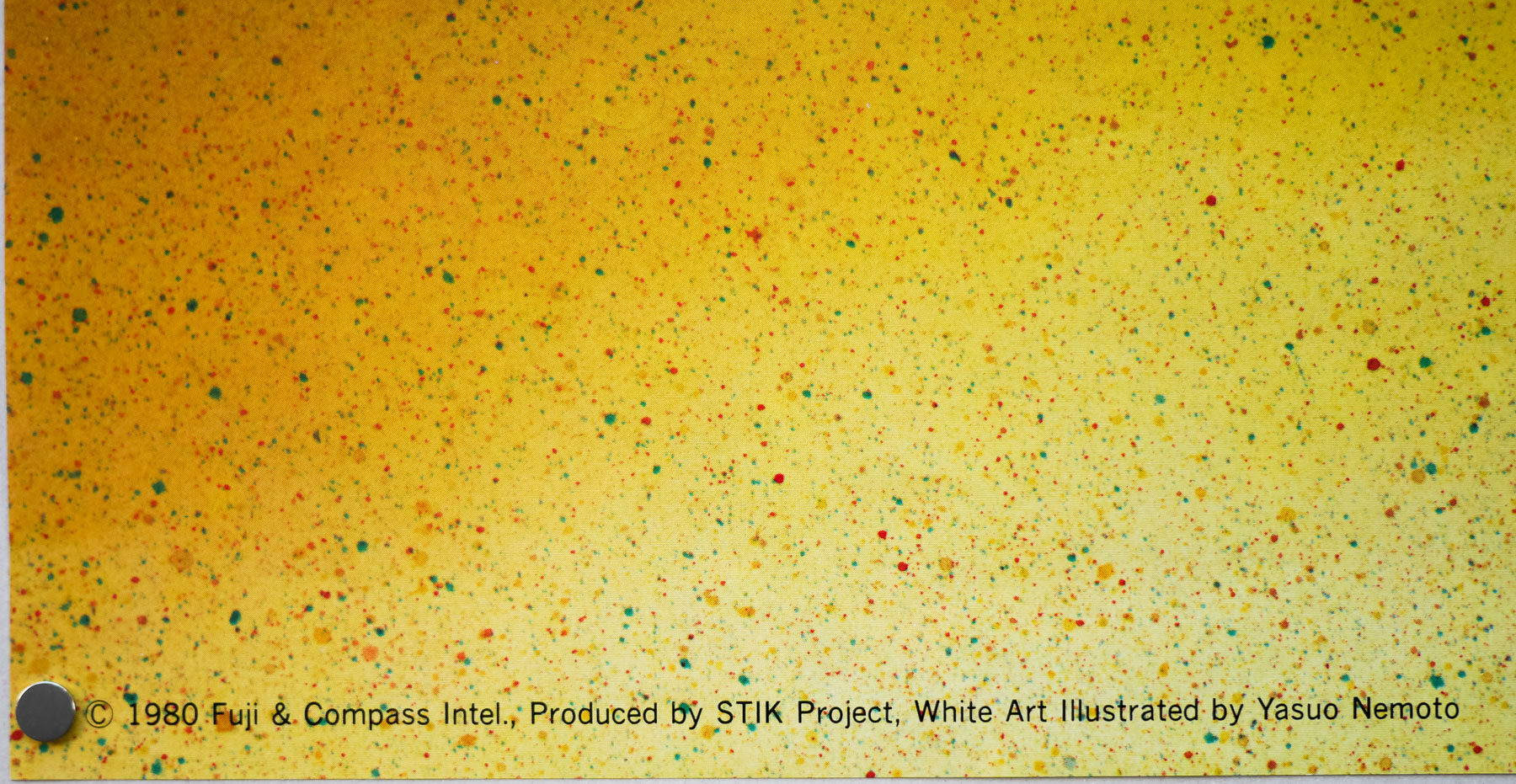
The artwork is credited to someone called Yasuo Nemoto but I’ve been unable to find out anything about them online. If anyone has any further details about Nemoto please get in touch. I also have the style B Japanese B2 in the collection and it can be viewed here.

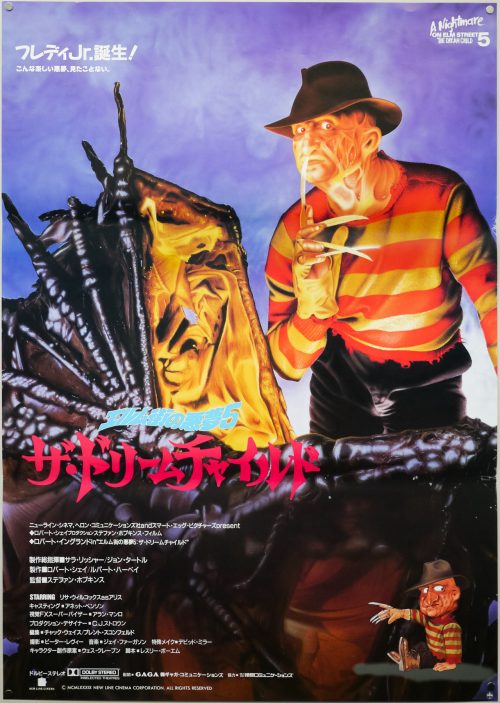
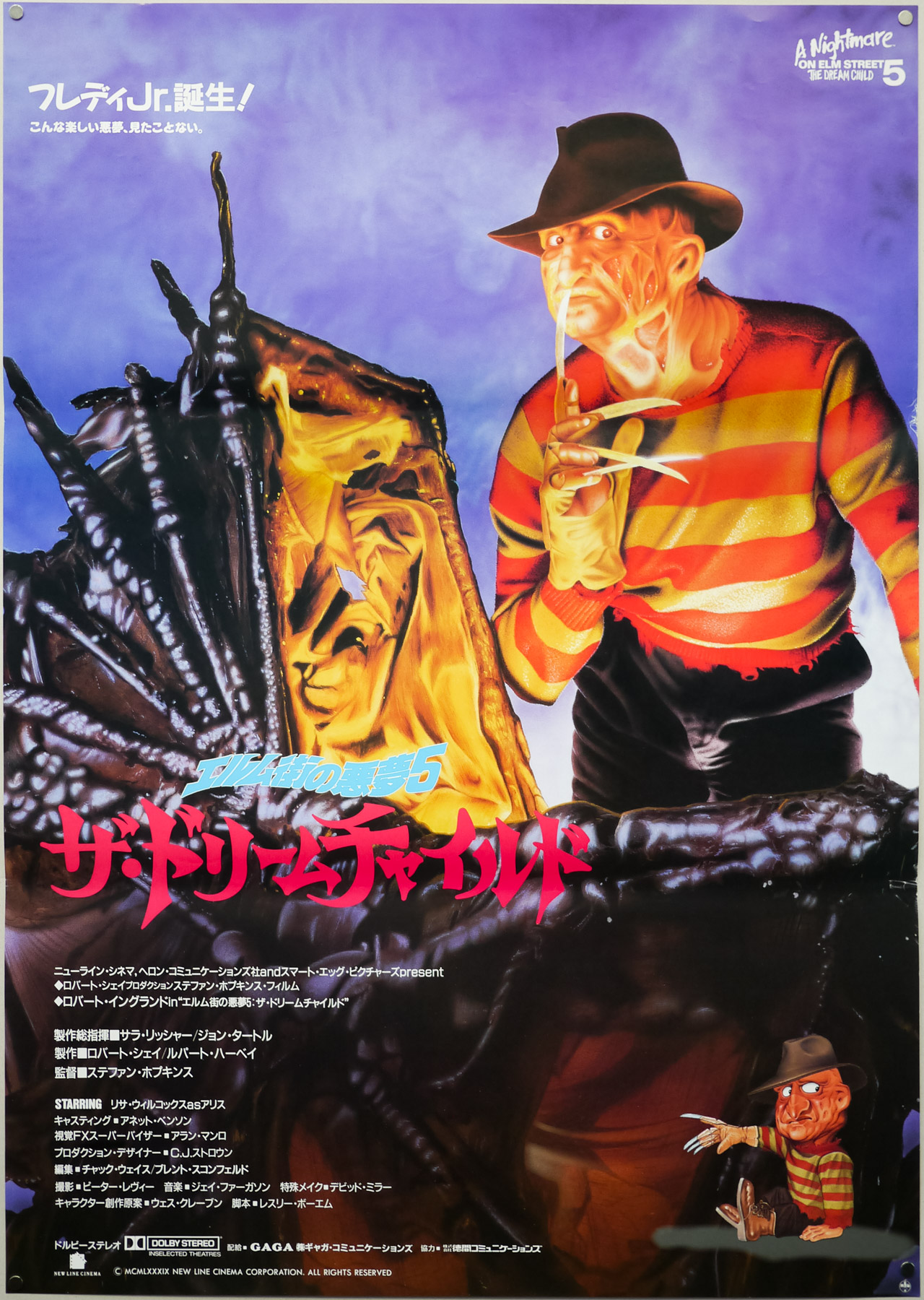
A Nightmare on Elm Street 5: the Dream Child / B2 / art style / Japan

26.10.16

Poster Poster

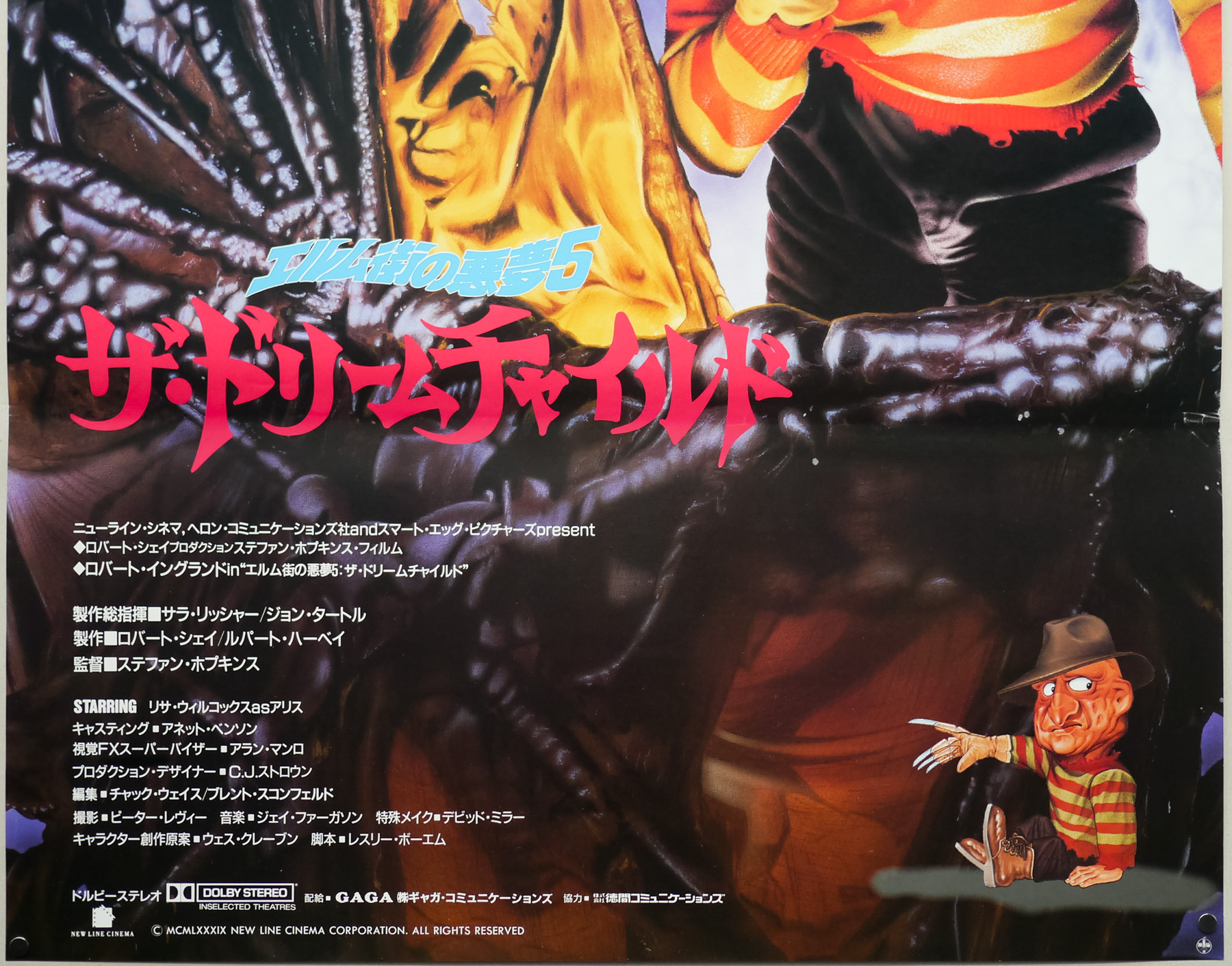
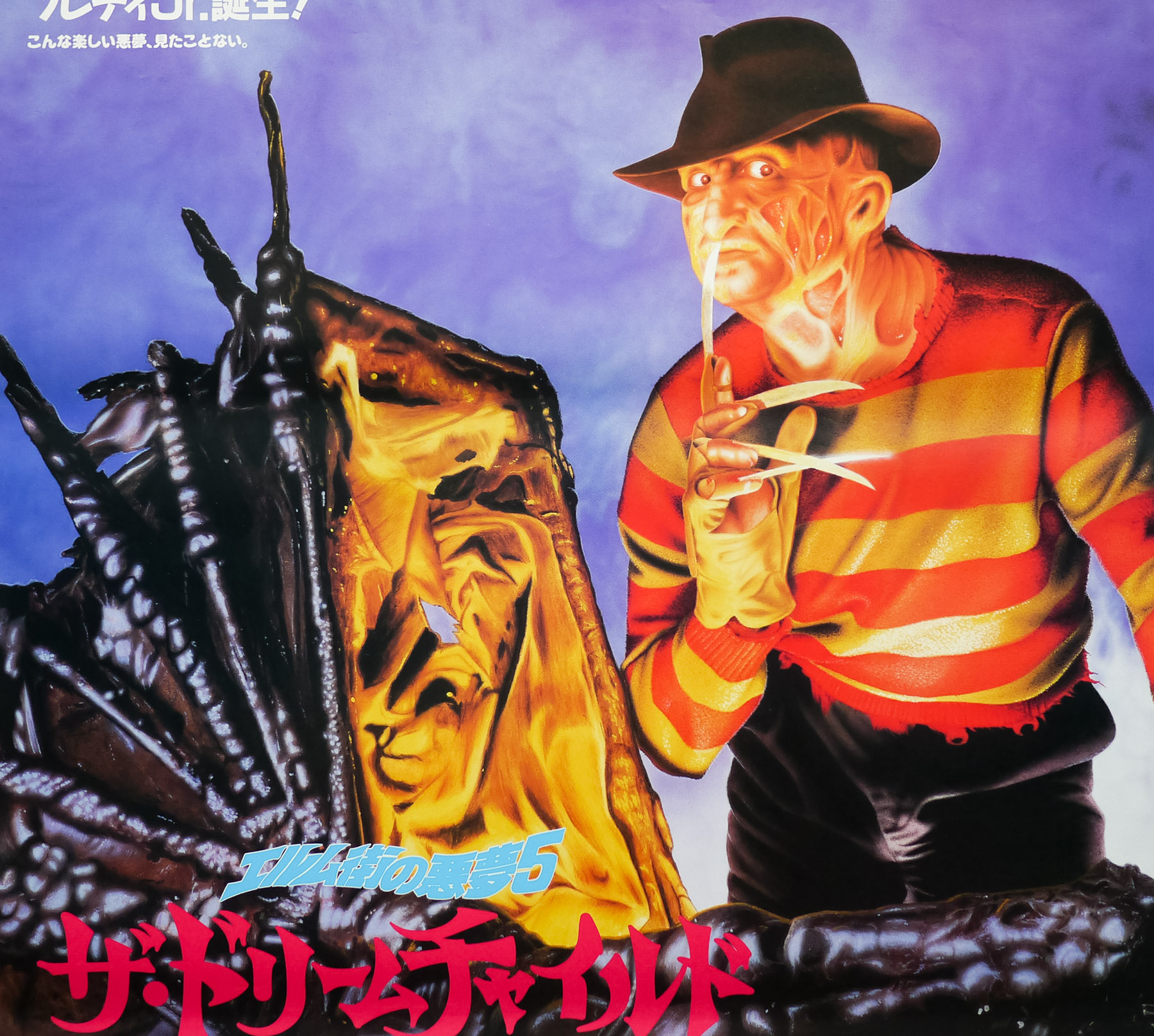
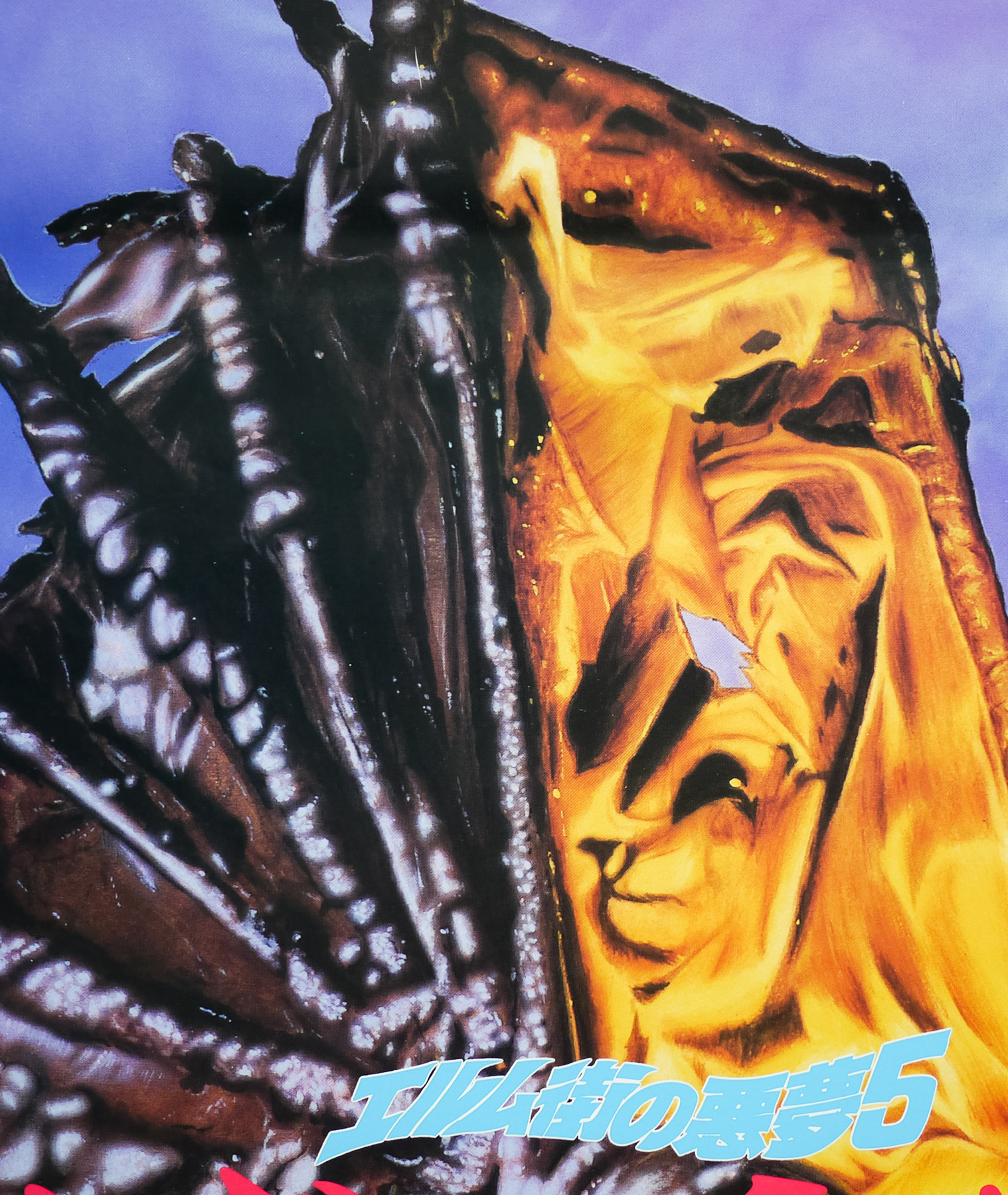
Unique artwork features on this Japanese B2 for the release of the fifth entry in the much-loved horror franchise, A Nightmare on Elm Street 5. The film’s subtitle ‘the Dream Child’ hints at the plot for the film, which sees Freddy attempting to return from hell by using the mind of an unborn baby. The child belongs to Alice (Lisa Wilcox) who was the main character in the previous film and the father is her boyfriend Dan (Danny Hassel) who also returns from Part 4. The Dream Child was only the second film directed by Stephen Hopkins, the Jamaican-born English-Australian director best known for helming Predator 2 and the 1998 reboot of Lost in Space.

Set a year after the previous film, the story sees Alice and her friends graduating from high school with Freddy Krueger seemingly vanquished for good. Alice begins to have strange dreams in which she finds herself in the asylum where Freddy’s mother, a nun named Amanda, was attacked and raped by the inmates. Later she has another dream in which she witnesses Amanda giving birth to a strange, deformed baby. The creature scuttles off and ends up in the church where Alice vanquished Freddy in Part 4 whereupon it grows into an adult Krueger. He immediately begins to taunt Alice, claiming he has found a way to return for good. When she wakes from the dream she immediately summons Dan to her but he falls asleep at the wheel of his motorbike and Freddy attacks and, during a gruesome sequence, melds him together with the bike before crashing him into a truck. Soon afterwards she learns that she is pregnant with Dan’s child and immediately begins to fear for its safety.

Alice and her friends must once again battle together with the spirit of Amanda Krueger to stop Freddy before he is able to return and take over the mind of Alice’s unborn son (Jacob). To be honest, the film gets very confusing and it’s hard to follow what’s happening most of the time, never mind how an unborn baby suddenly becomes a ten-year-old child in some of the sequences. The usual dream deaths are pretty dark and there are some gruesome moments for horror hounds, but the story barely hangs together, with choppy editing and hammy acting not helping at all. Although not a box-office disaster, the film failed to take anywhere near the box-office of Part 3 and 4 and audiences were certainly cooling towards the franchise by this point.

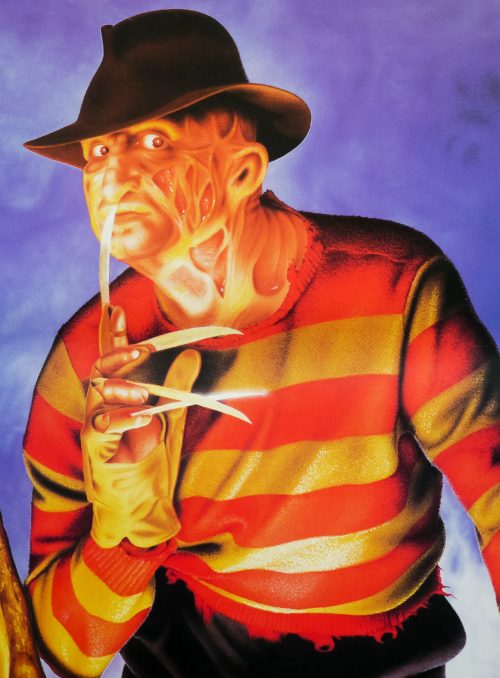
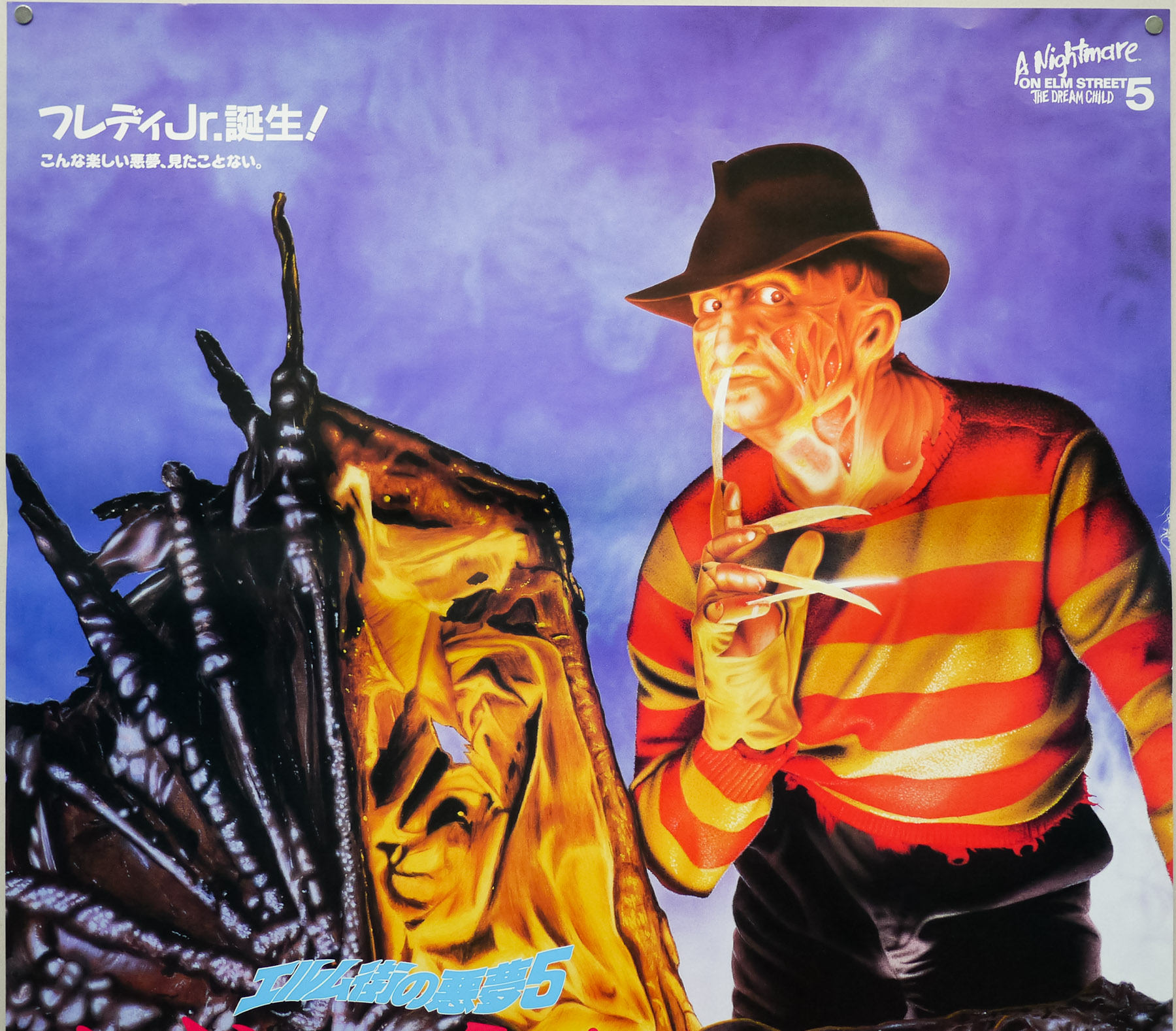
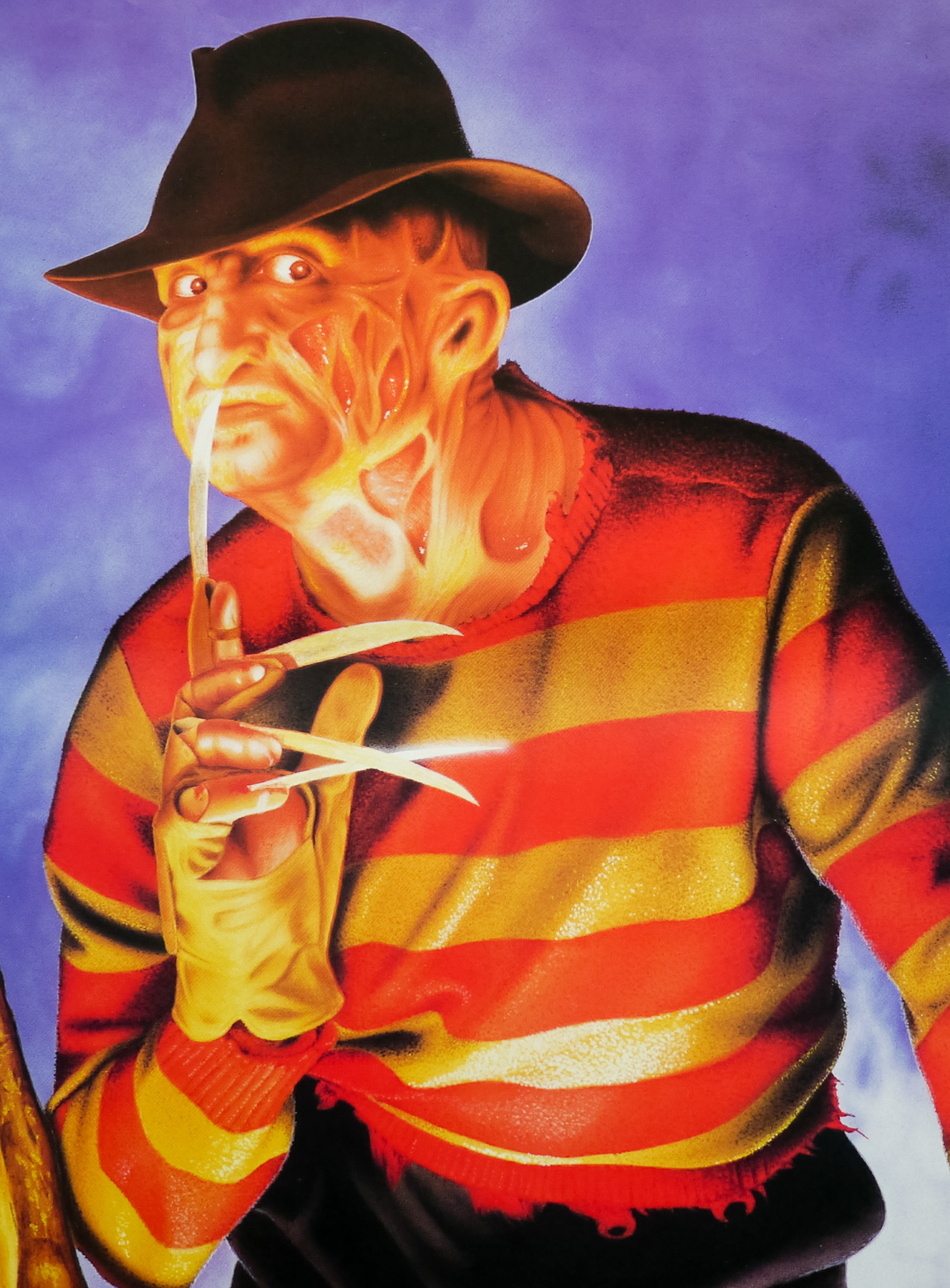
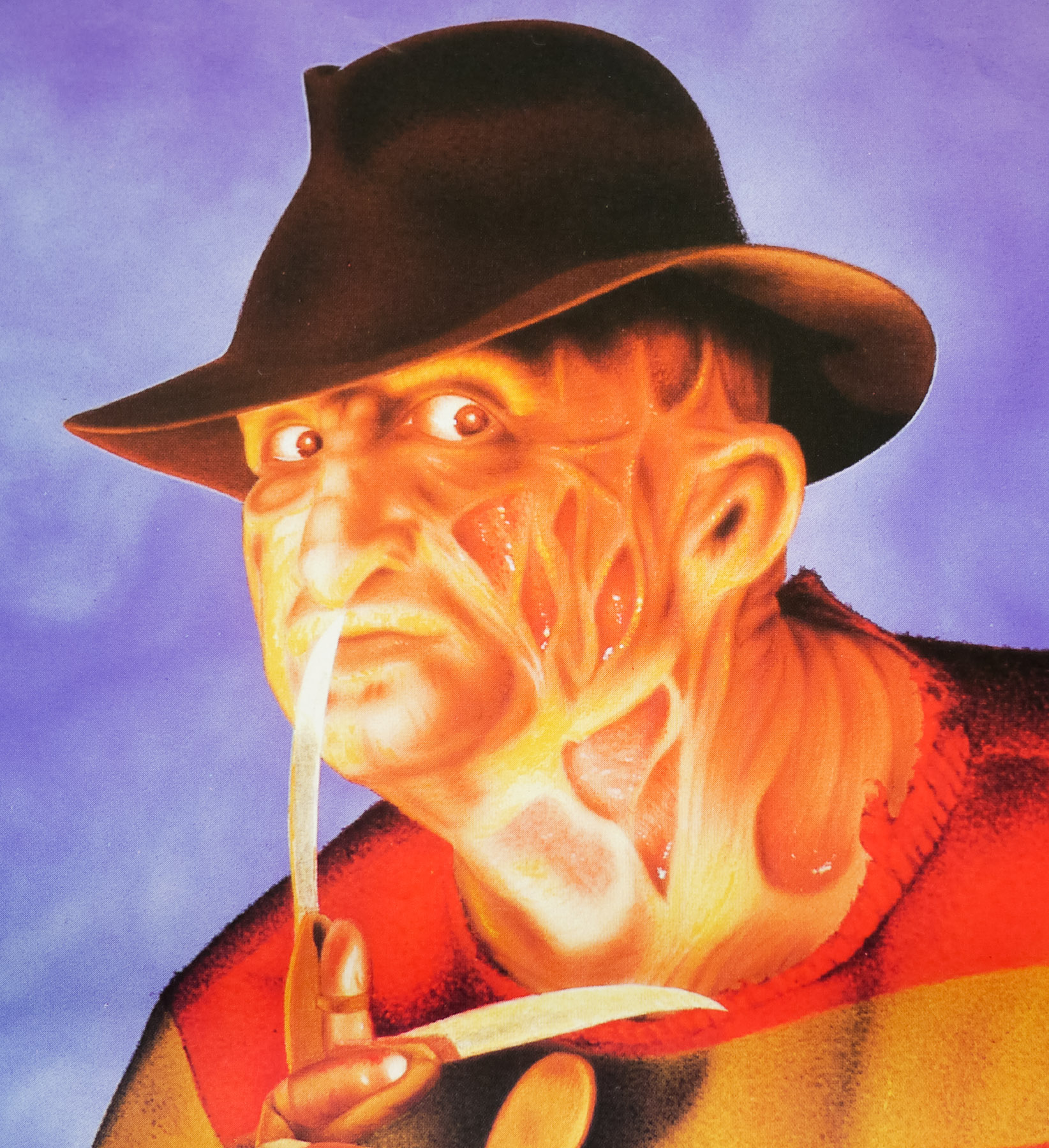
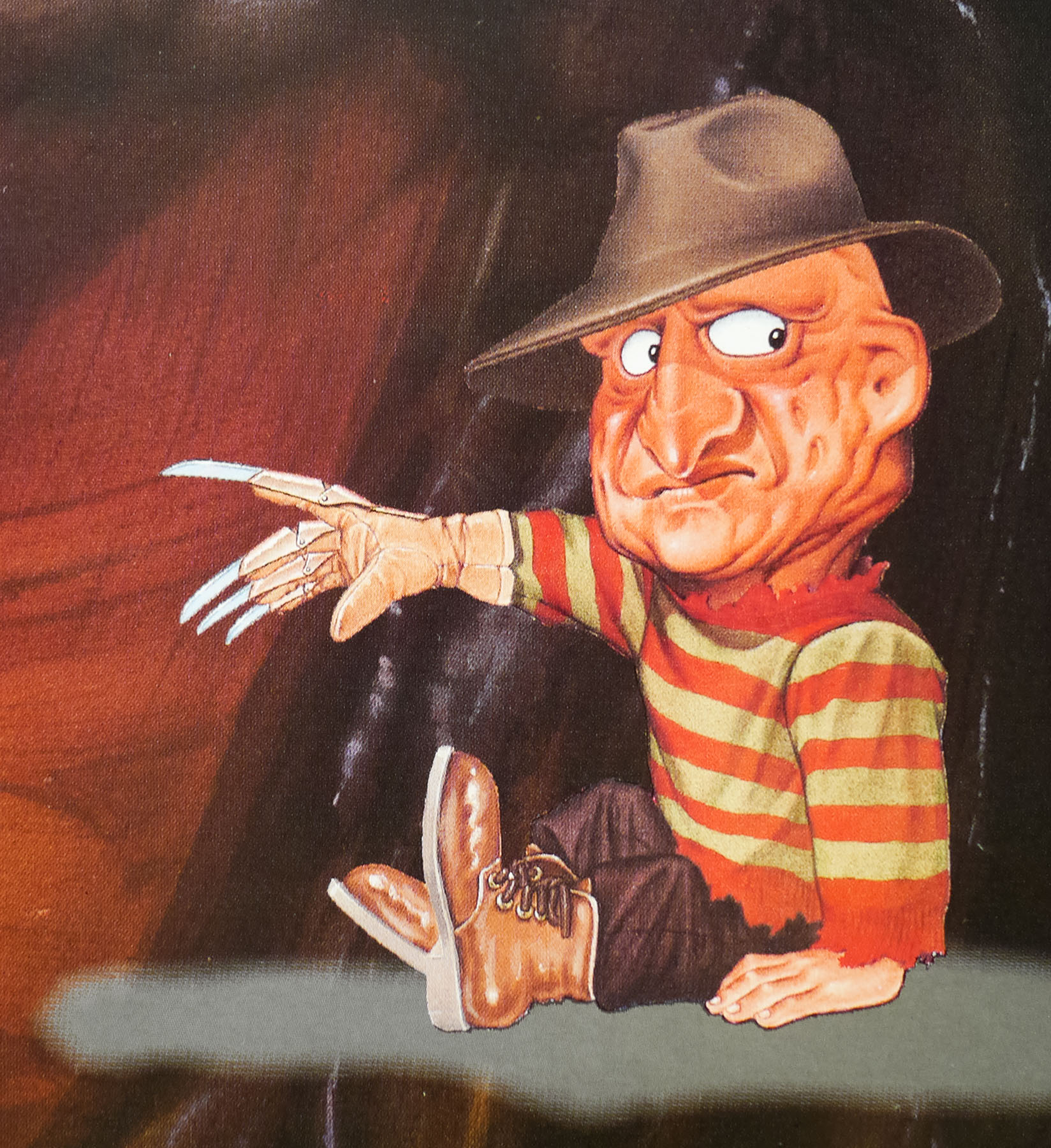
This artwork is a modified take on the photographic image of Freddy with the pram seen on the German A1 poster. I’m not sure who was responsible for the painting so if anyone has any ideas please get in touch. The small illustrated figure in the bottom right is actually from the alternate style Japanese B2 poster which I also have in the collection here.

The Texas Chainsaw Massacre 2 / B2 / style A / Japan

23.11.16

Poster Poster
Title
The Texas Chainsaw Massacre 2
AKA
--
Year of Film
1986
Director
Tobe Hooper
Starring
Dennis Hopper, Caroline Williams, Jim Siedow, Bill Moseley, Bill Johnson, Ken Evert, Harlan Jordan, Kirk Sisco
Origin of Film
USA
Genre(s) of Film
Dennis Hopper, Caroline Williams, Jim Siedow, Bill Moseley, Bill Johnson, Ken Evert, Harlan Jordan, Kirk Sisco,
Type of Poster
B2
Style of Poster
Style A
Origin of Poster
Japan
Year of Poster
1986
Designer
Unknown
Artist
--
Size (inches)
20 6/16" x 28 13/16"
SS or DS
SS
Tagline
--

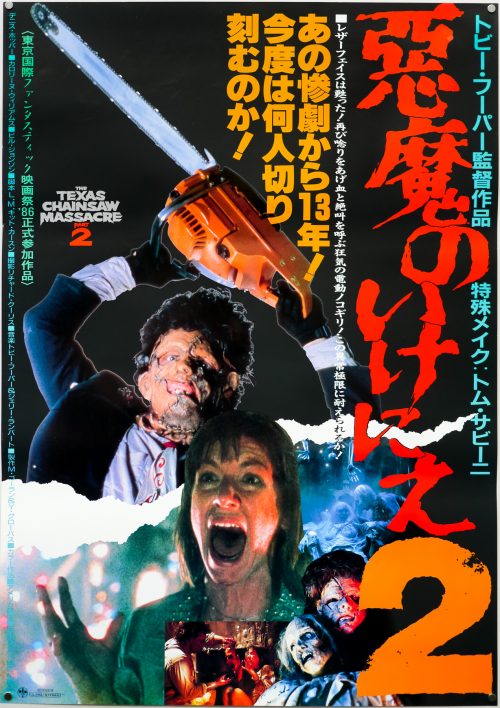
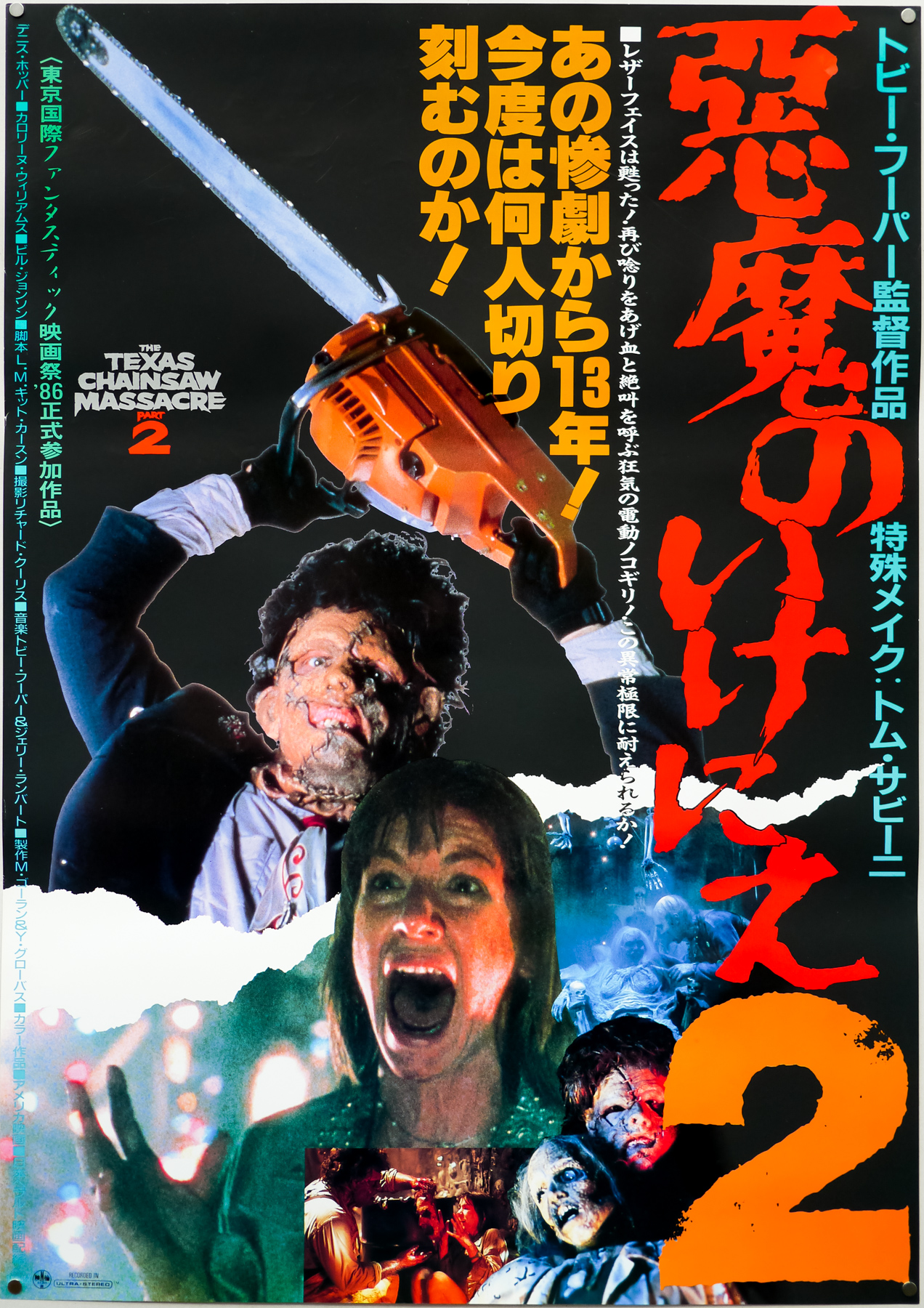
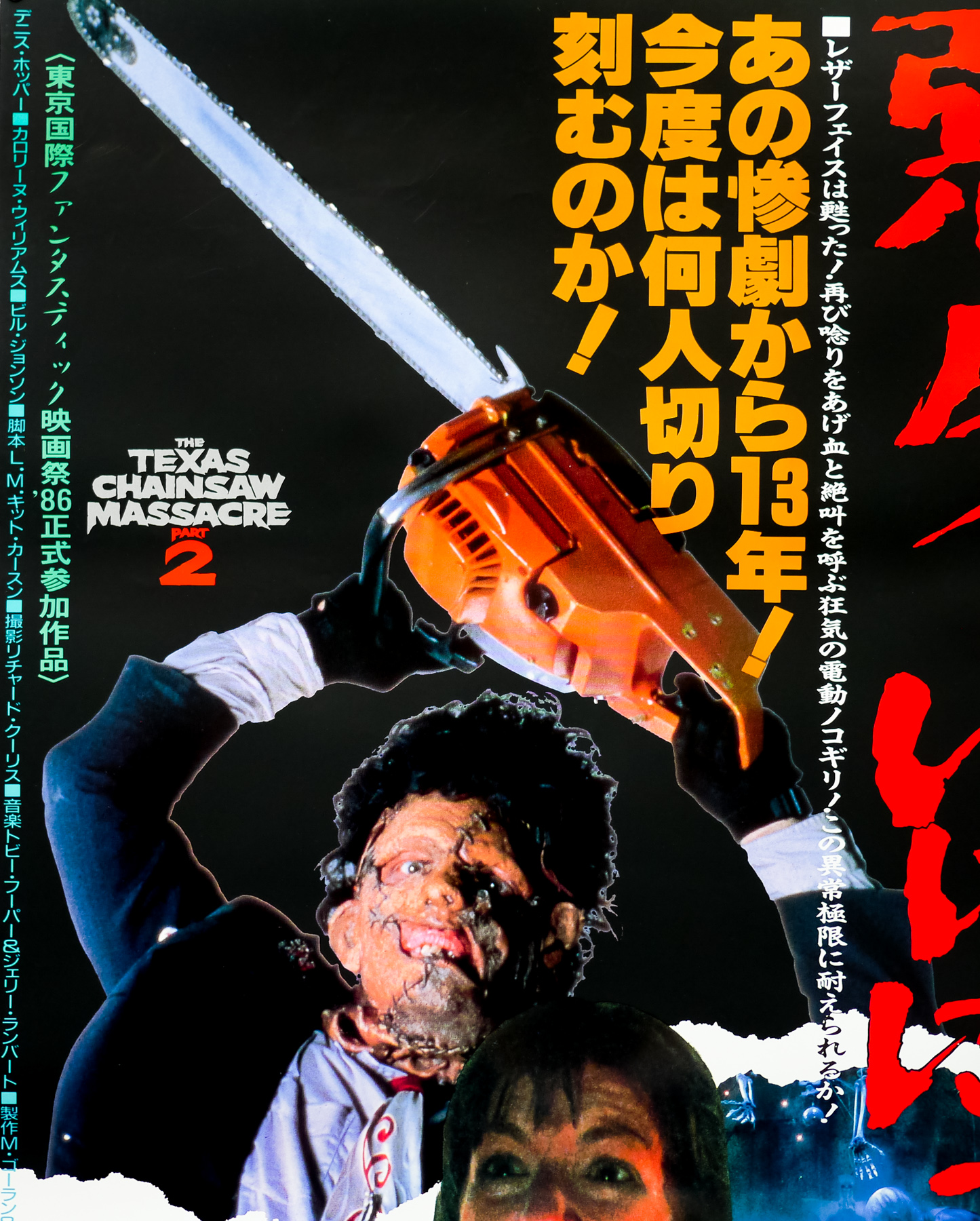
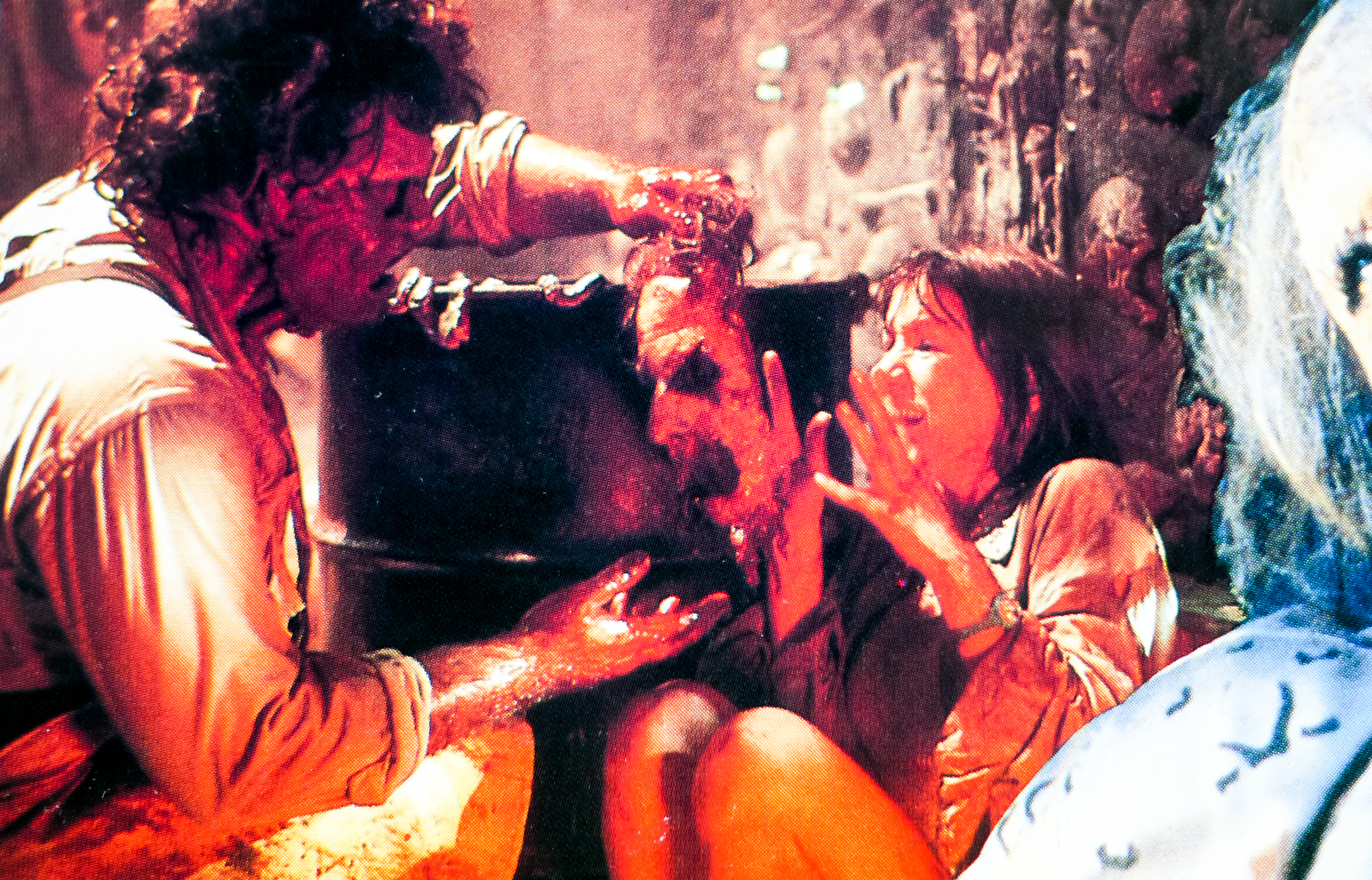
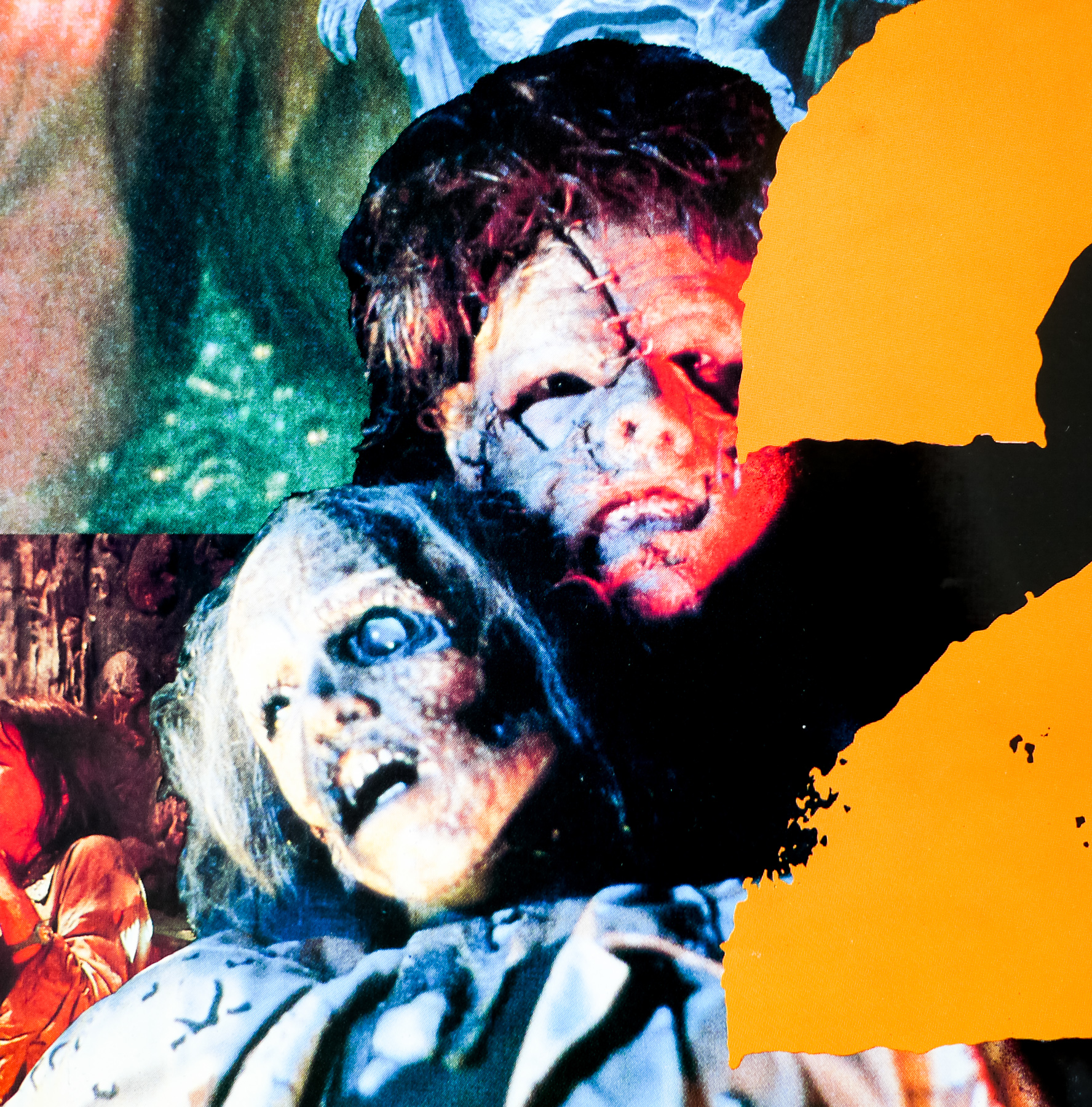
This is the Japanese B2 poster (style A) for the release of Tobe Hooper’s sequel, The Texas Chainsaw Massacre 2. Set and released 13 years after the groundbreaking original film, the story was written by Hooper and the film was this time produced by the notorious schlock-peddlers Cannon Films. The film is set in another part of Texas and sees a radio disc-jockey, Vanita ‘Stretch’ Brock (Caroline Williams), become the target of the psychotic ‘family’ seen in the first film. At the start of the film a pair of jocks are killed by Leatherface (Bill Johnson) after they play chicken with the car that he and Chop-Top (Bill Moseley) are in.

By coincidence, the pair were on a call to Stretch’s radio station and the attack is recorded by her. After she replays the tape live on air the patriarch of the family, The Cook (Jim Siedow), hears it and sends Leatherface and Chop-Top after her. When Leatherface decides to spare Stretch, she follows the pair back to their hideout in an old amusement park and soon ends up in their clutches again. Luckily, a former Texas Ranger called Lieutentant ‘Lefty’ Enright (Dennis Hopper in a role he later said was his worst) has been on the trail of the murderous family and sets out to rescue Stretch and put an end to their reign of terror.

The film was a success at the US box-office and an even bigger hit on home video. It was never actually released at the cinema in the UK as the BBFC demanded cuts totalling over 20 minutes, so Cannon decided not to bother with a release. The film is apparently still banned in Germany and Singapore and heavily edited in other countries. It’s fairly different in tone than the original film and falls short of the raw, brutal quality of the original. Hooper decided to inject more black humour into the script and it’s fair to say that, although not short on gore, the film strikes something of a lighter tone than the original.

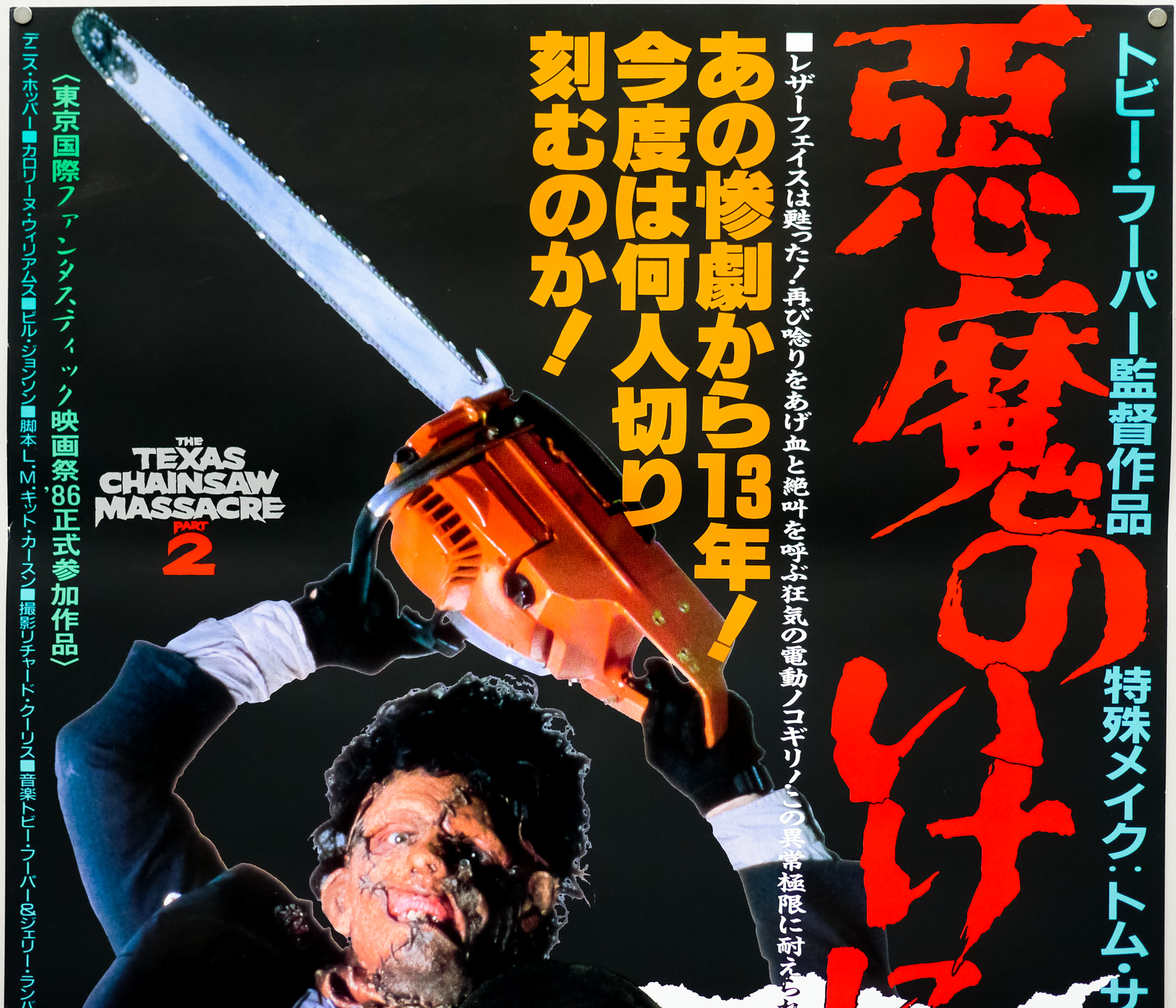
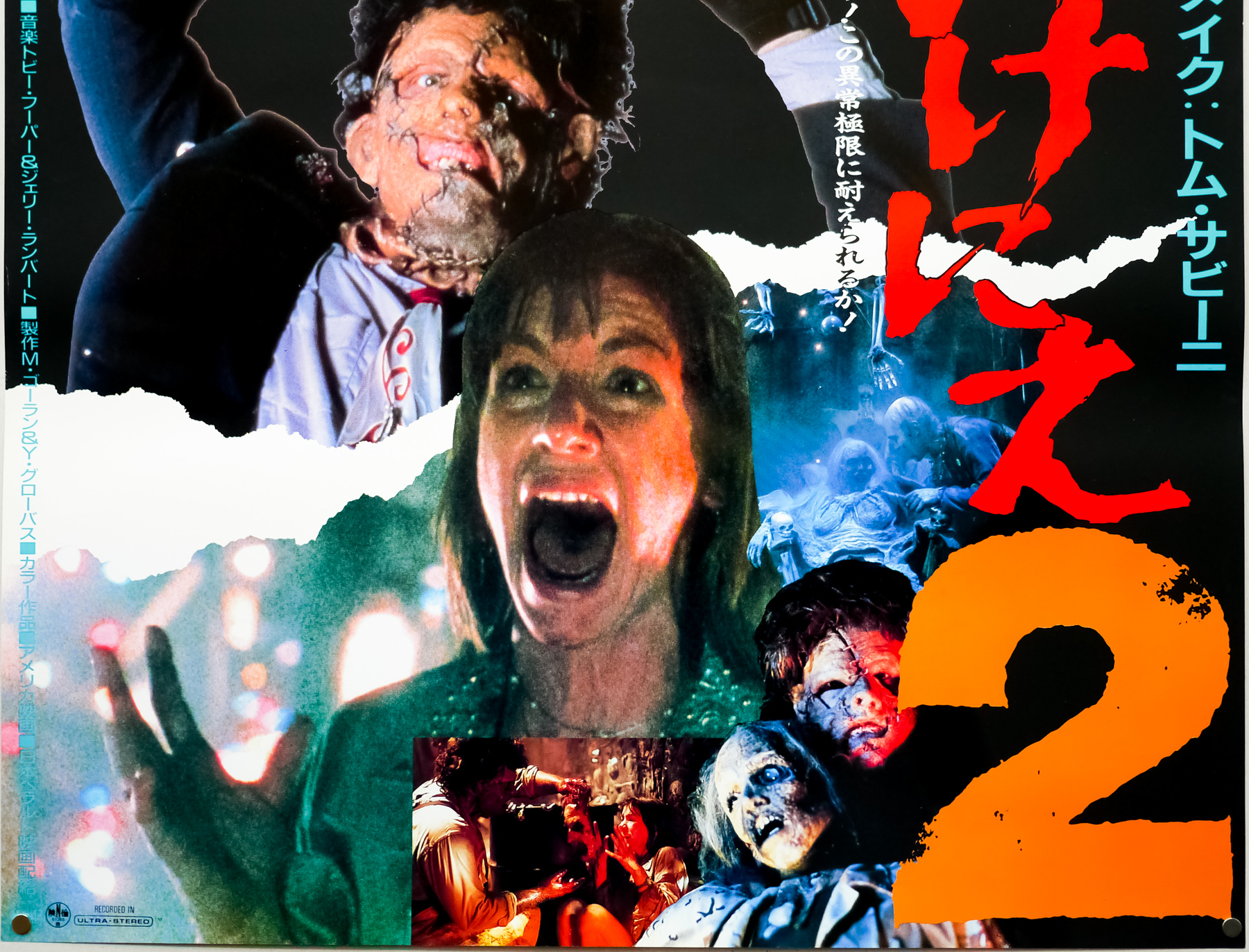
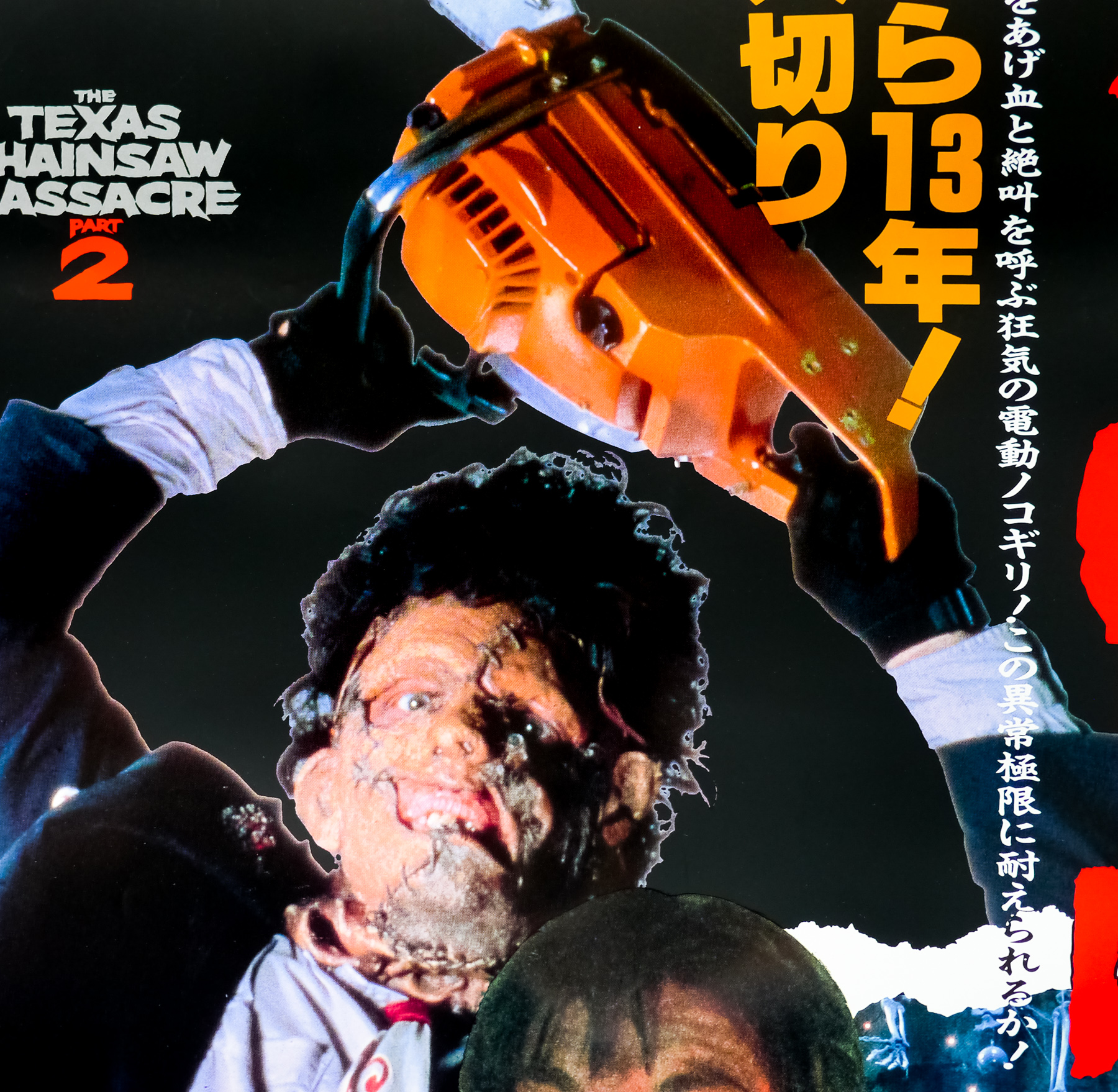
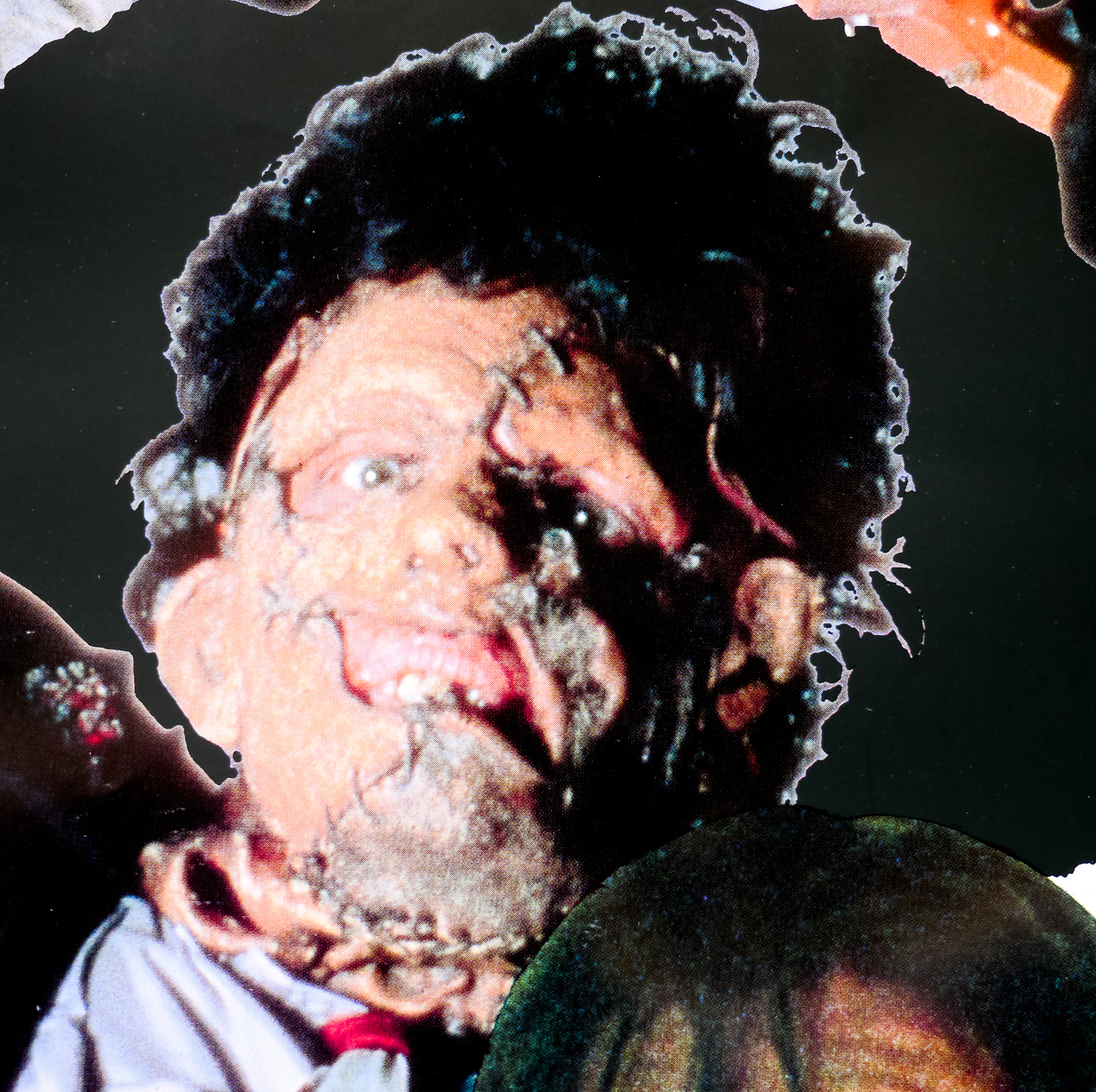
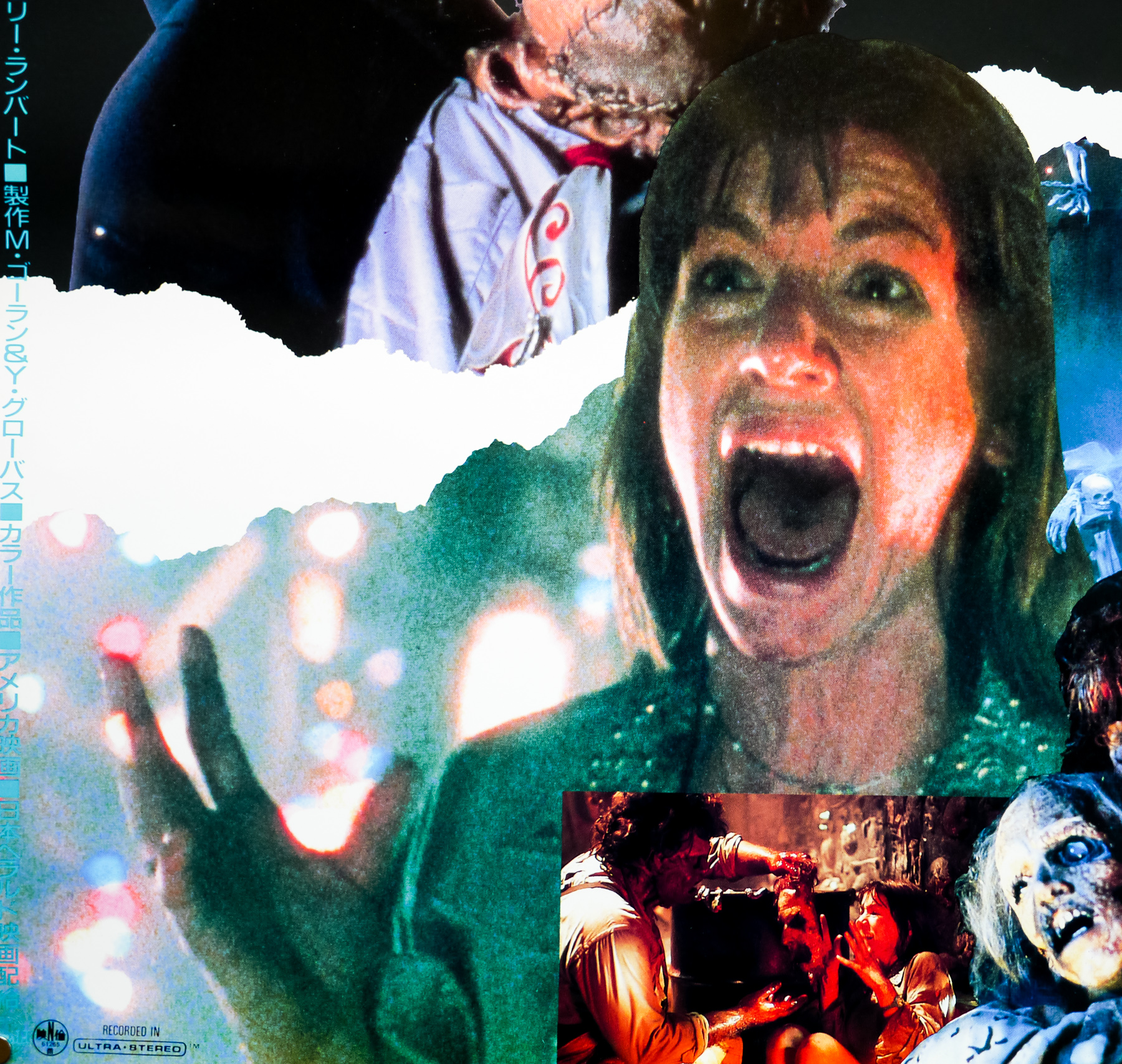
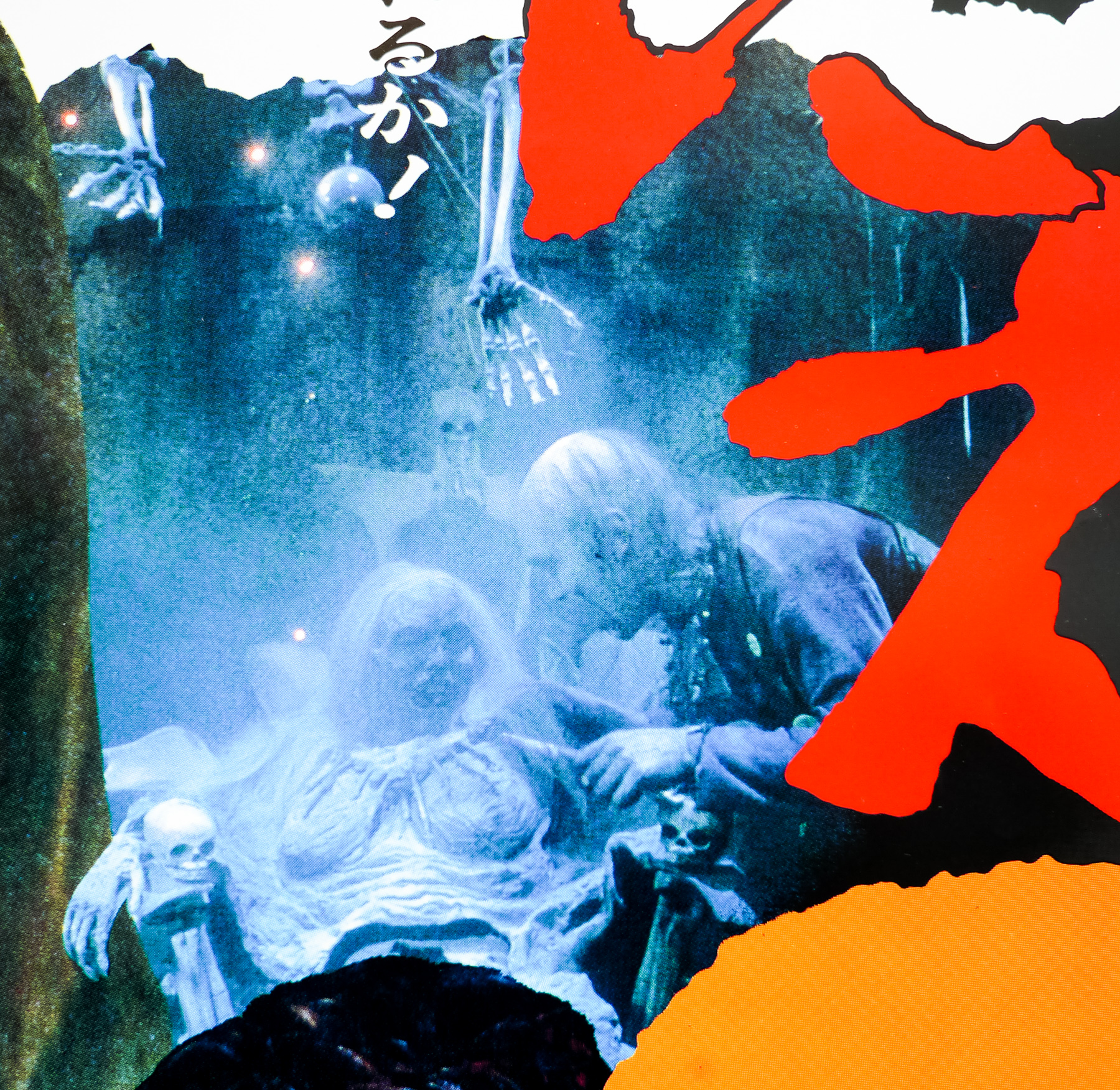
This Japanese B2 features bold, striking text and Leatherface surrounded by scenes from the film. It’s montage style that is seen on several Japanese posters from the 1980s.

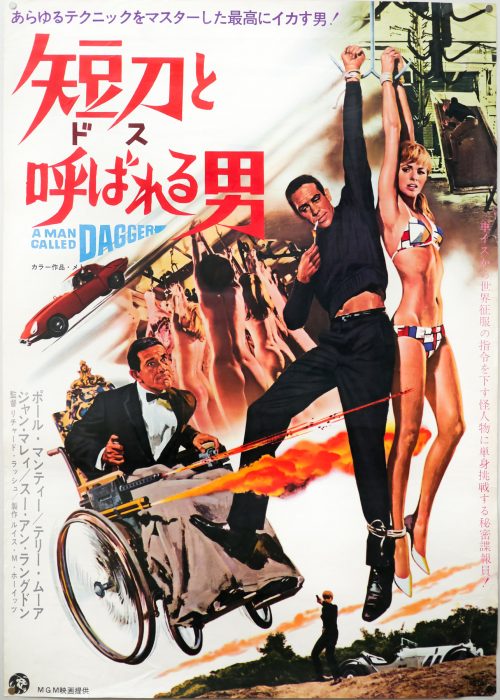
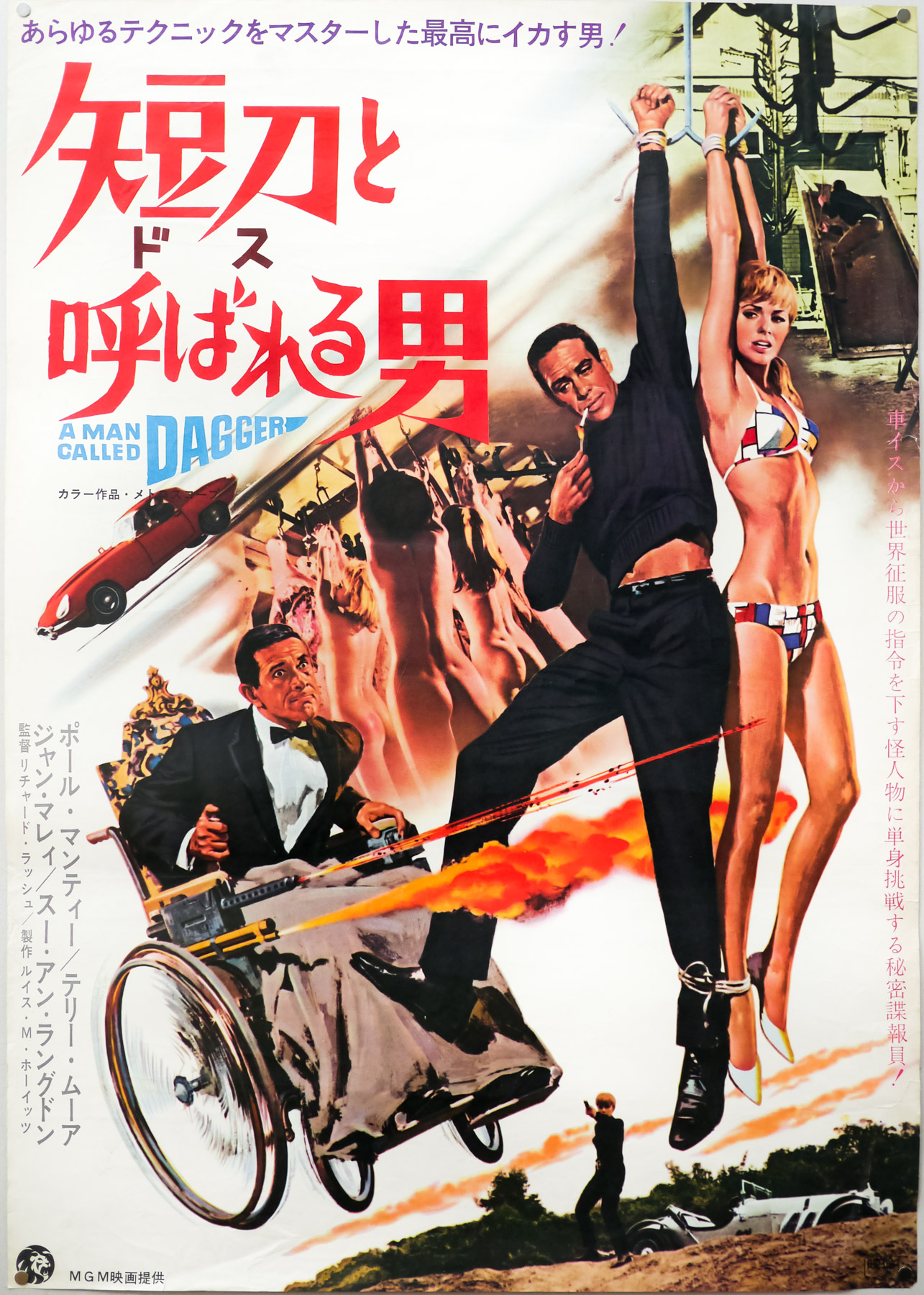
A Man Called Dagger / B2 / Japan

28.07.14

Poster Poster
Title
A Man Called Dagger
AKA
--
Year of Film
1967
Director
Richard Rush
Starring
Paul Mantee, Terry Moore, Jan Murray, Sue Ane Langdon, Eileen O'Neill, Maureen Arthur, Leonard Stone, Richard Kiel
Origin of Film
USA
Genre(s) of Film
Paul Mantee, Terry Moore, Jan Murray, Sue Ane Langdon, Eileen O'Neill, Maureen Arthur, Leonard Stone, Richard Kiel,
Type of Poster
B2
Style of Poster
--
Origin of Poster
Japan
Year of Poster
1968
Designer
Unknown
Artist
Unknown
Size (inches)
20 4/16" x 28 13/16"
SS or DS
SS
Tagline
--

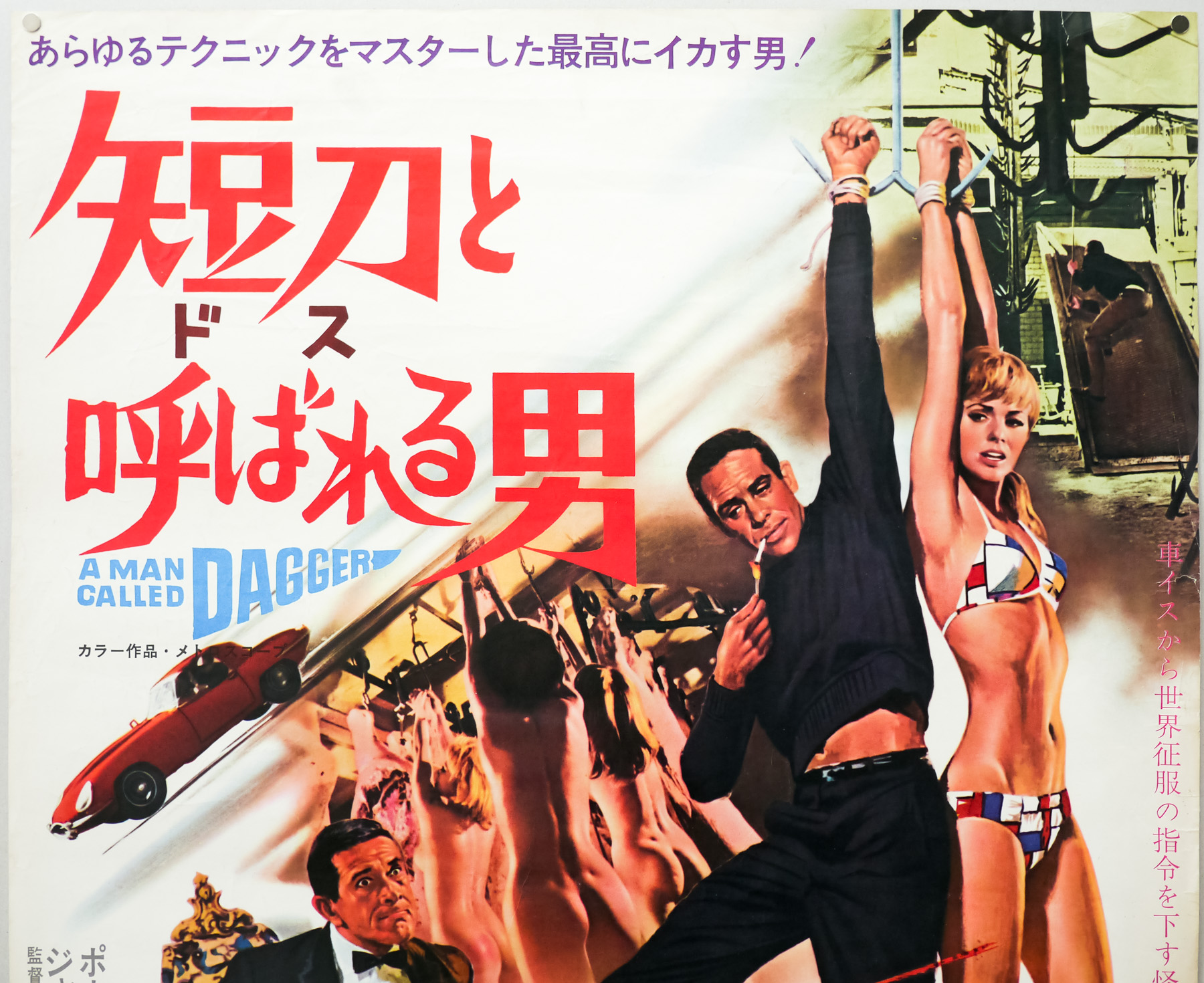
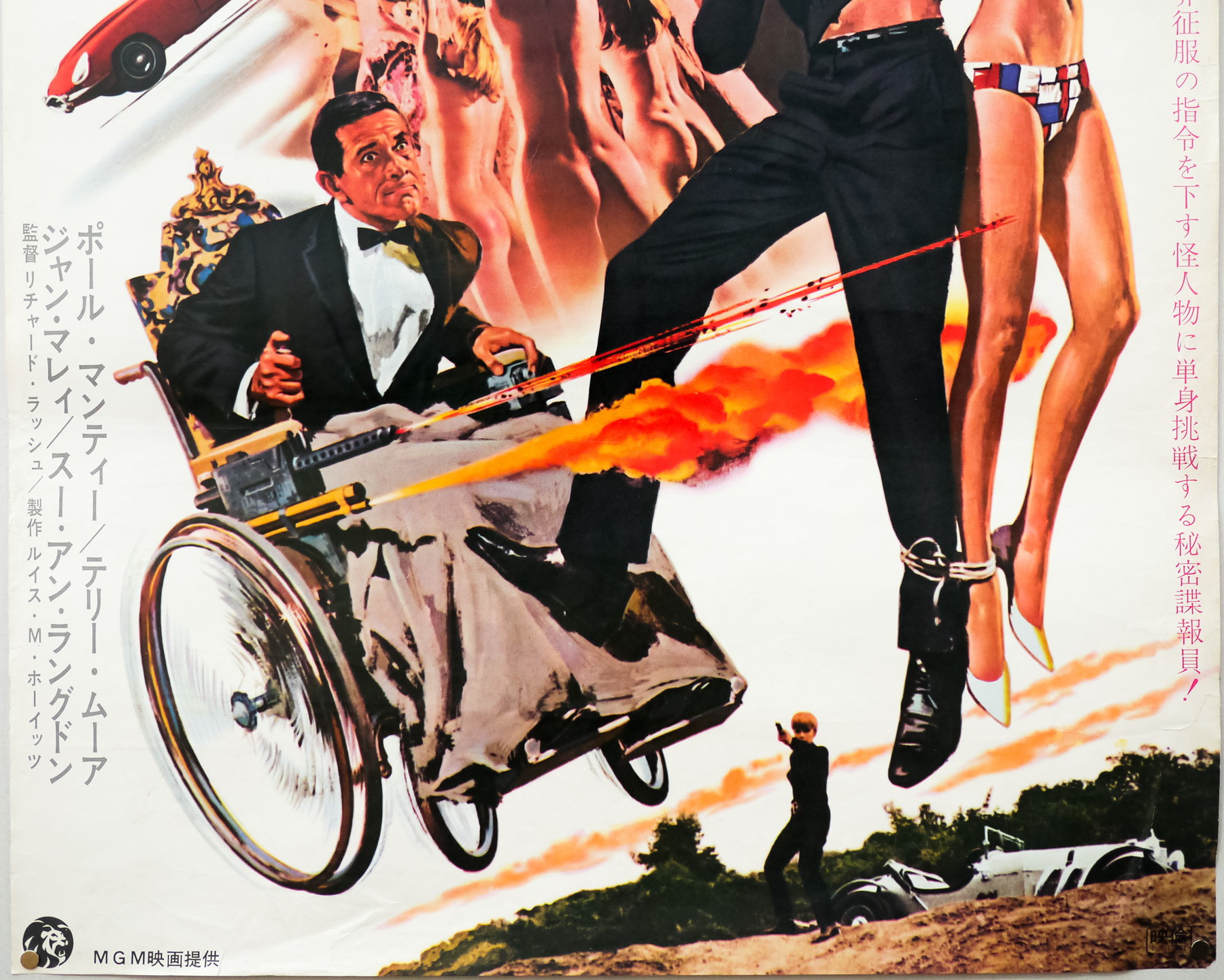
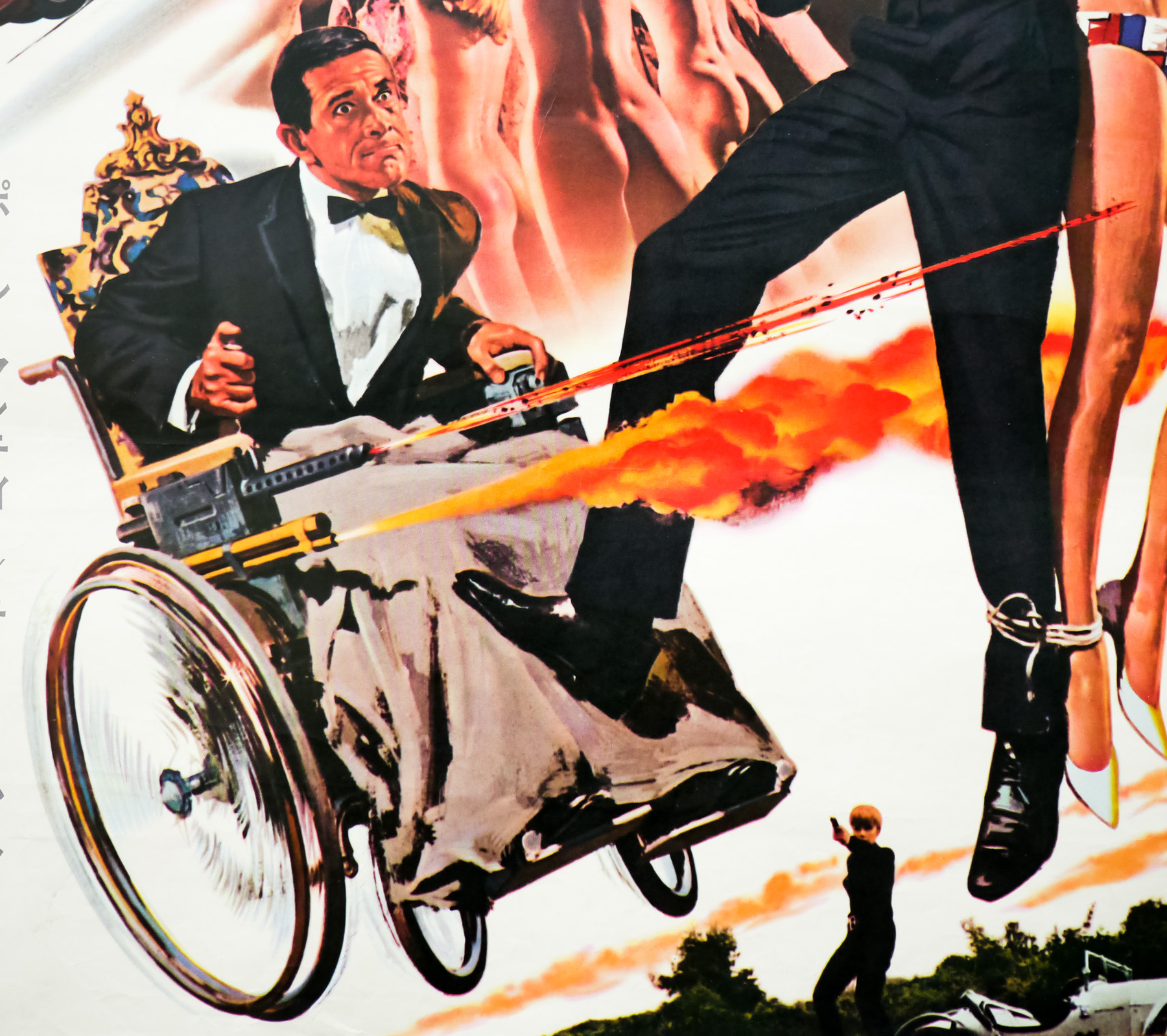
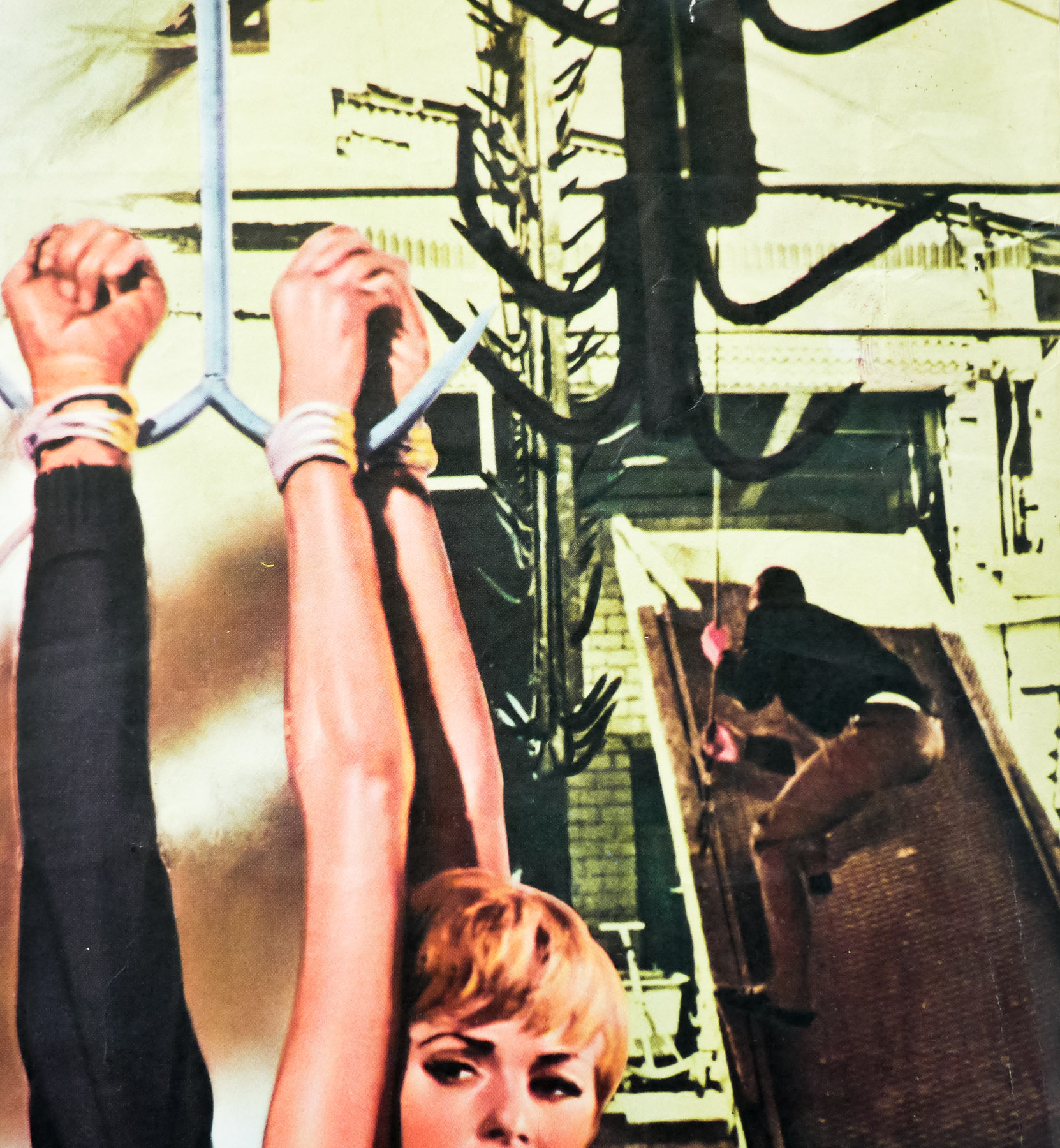
A relatively obscure spy thriller from 1967, A Man Called Dagger saw limited release around the globe and, as far as I can tell, this Japanese poster is one of the few examples of a theatrical release (I don’t believe the UK was treated to a cinema outing). Originally filmed in 1966, it fell victim to a collapse of relations between its original production company, Lew Horwitz’s Global Screen Associates (GSA), and distributors Cinema Distributors of America. It languished for almost a year before being picked up by MGM. The film is essentially a low-grade James Bond homage (the original title was ‘Why Spy?’) and it’s clear that the original producers wanted to cash in on the global popularity of Ian Fleming’s famous creation.

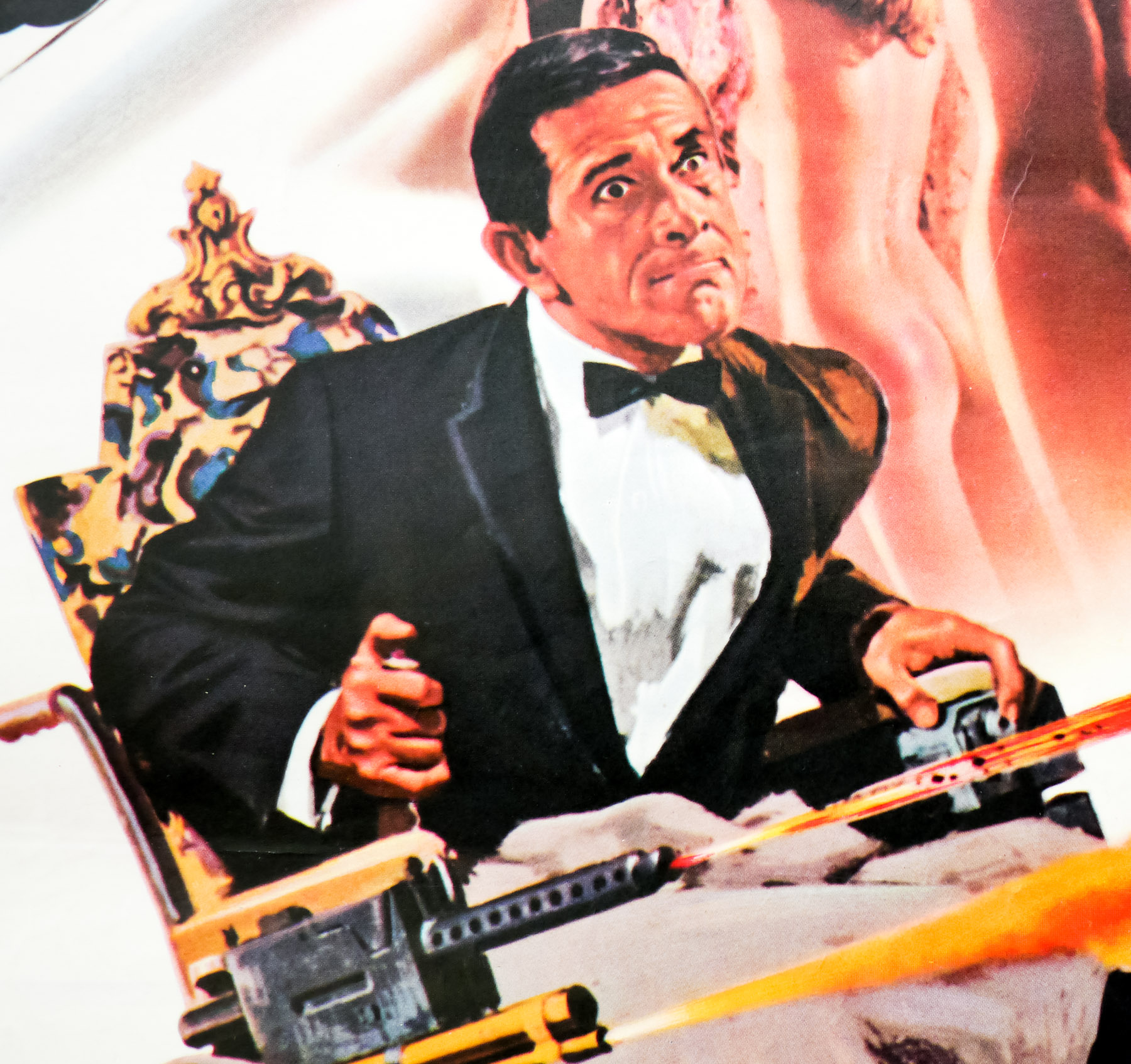
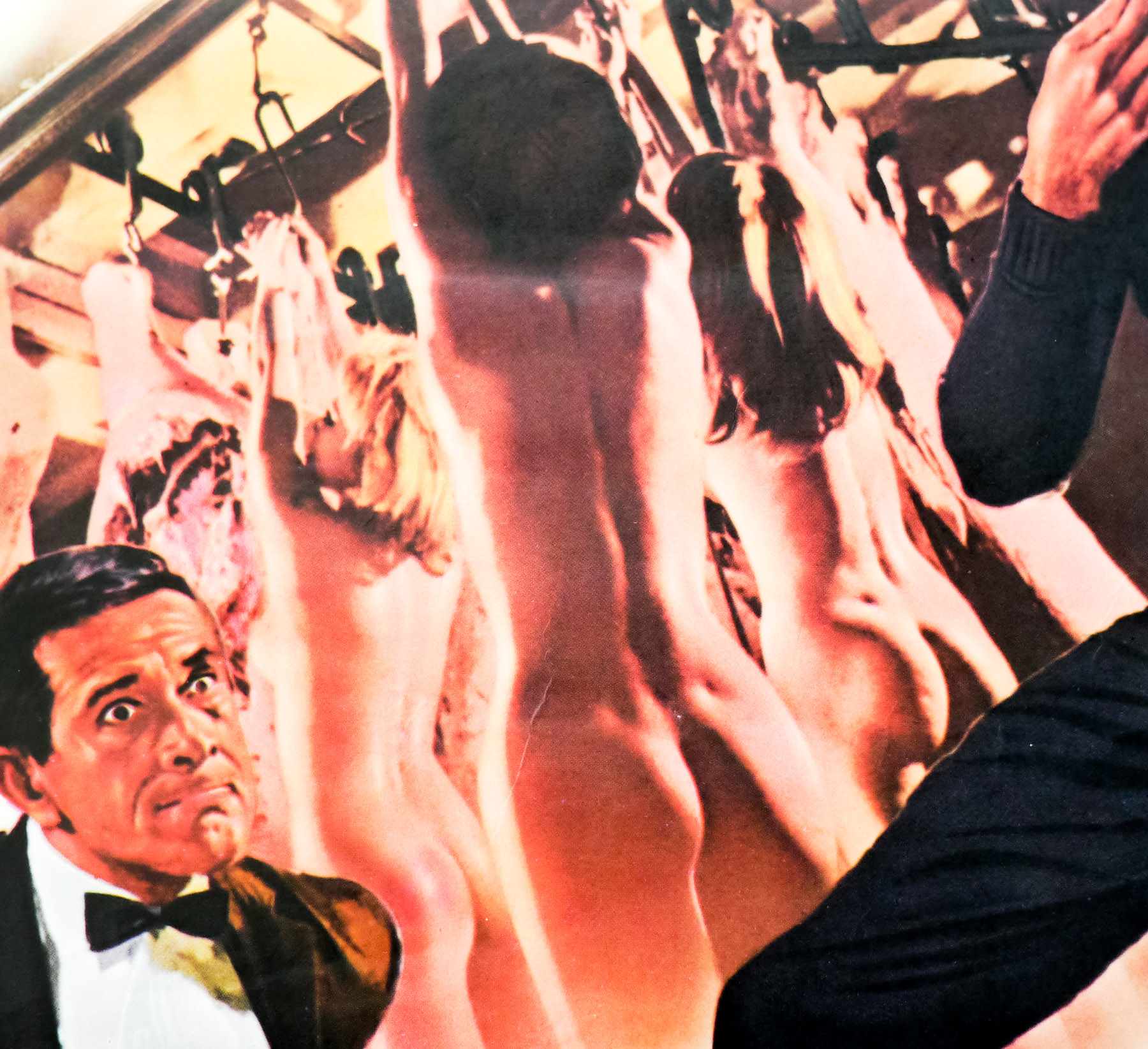
Richard Rush (most known for 1980’s The Stunt Man) was at the helm and Paul Mantee (a cult figure from his performance in Robinson Crusoe on Mars, 1964) plays the unfortunately monikered Dick Dagger (isn’t that a weapon from David Fincher’s Seven?), a crime-fighting spy who teams up with female agent Harper Davis (Terry Moore) in a bid to track down wheelchair bound Nazi war criminal Rudolph Koffman (Jan Murray). Koffman is holed up in a meat-packing plant and is using less than legal supplies in its production. With several damsels in distress, including Harper, Dagger must his ingenuity and gadgets, including a dodgy laser watch to save the day.

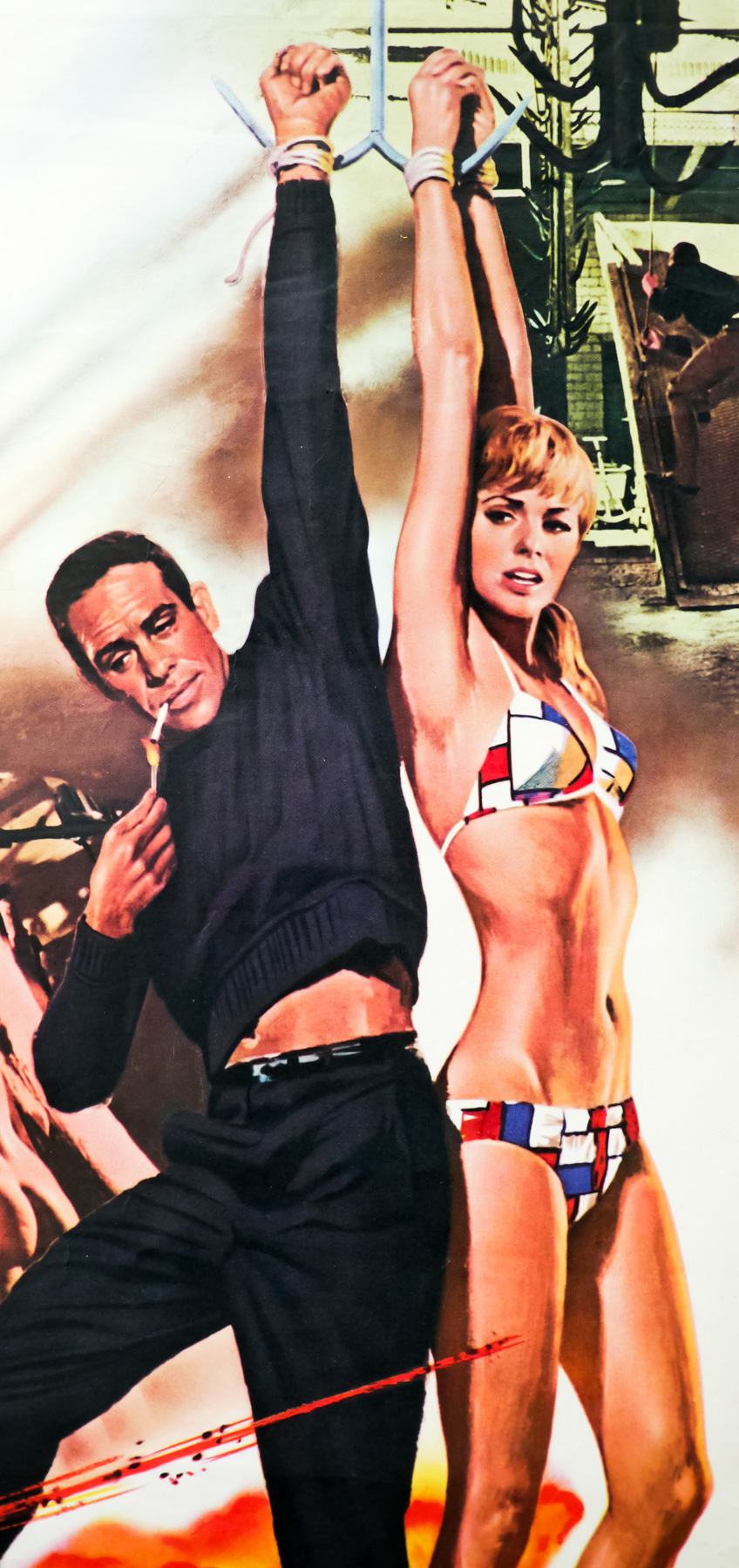
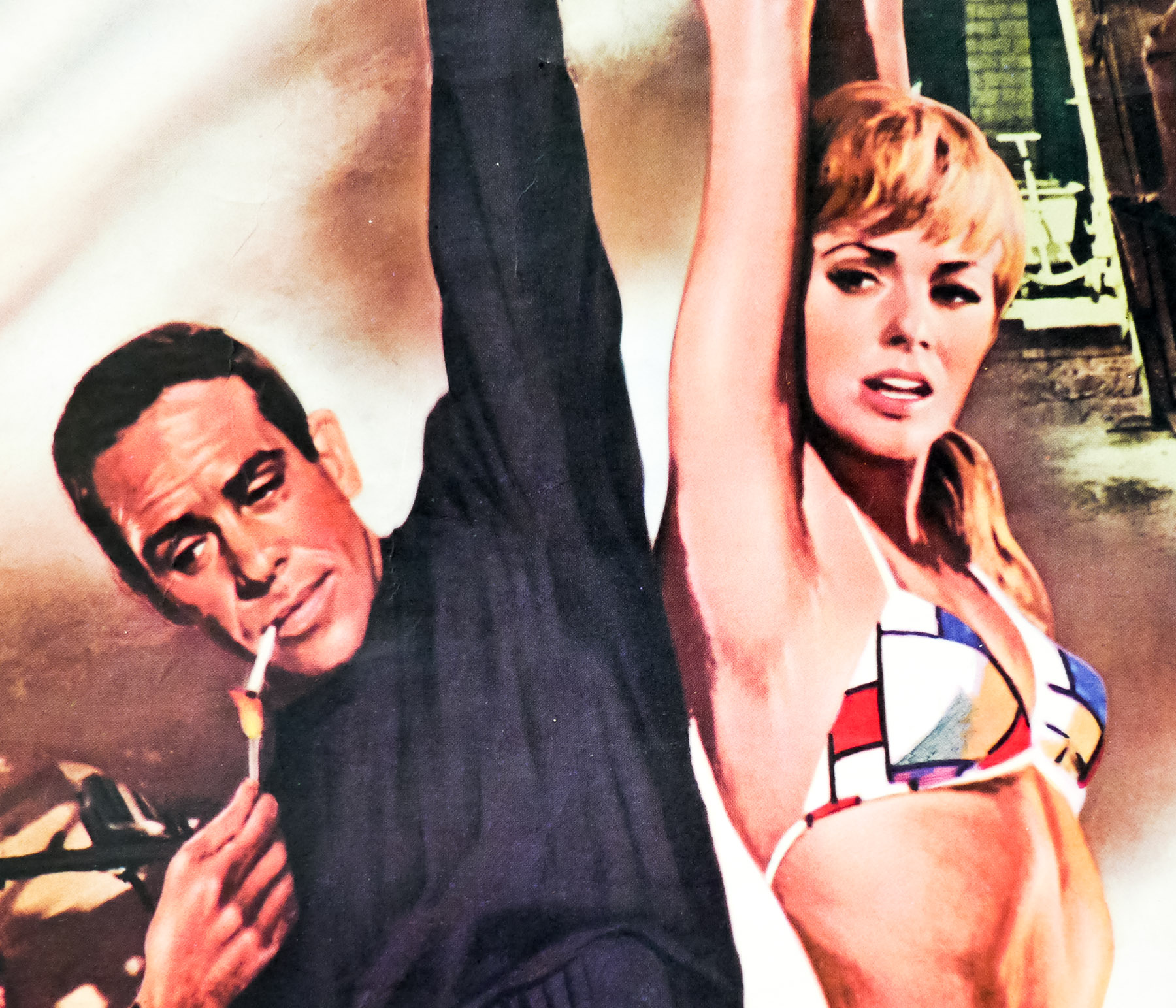
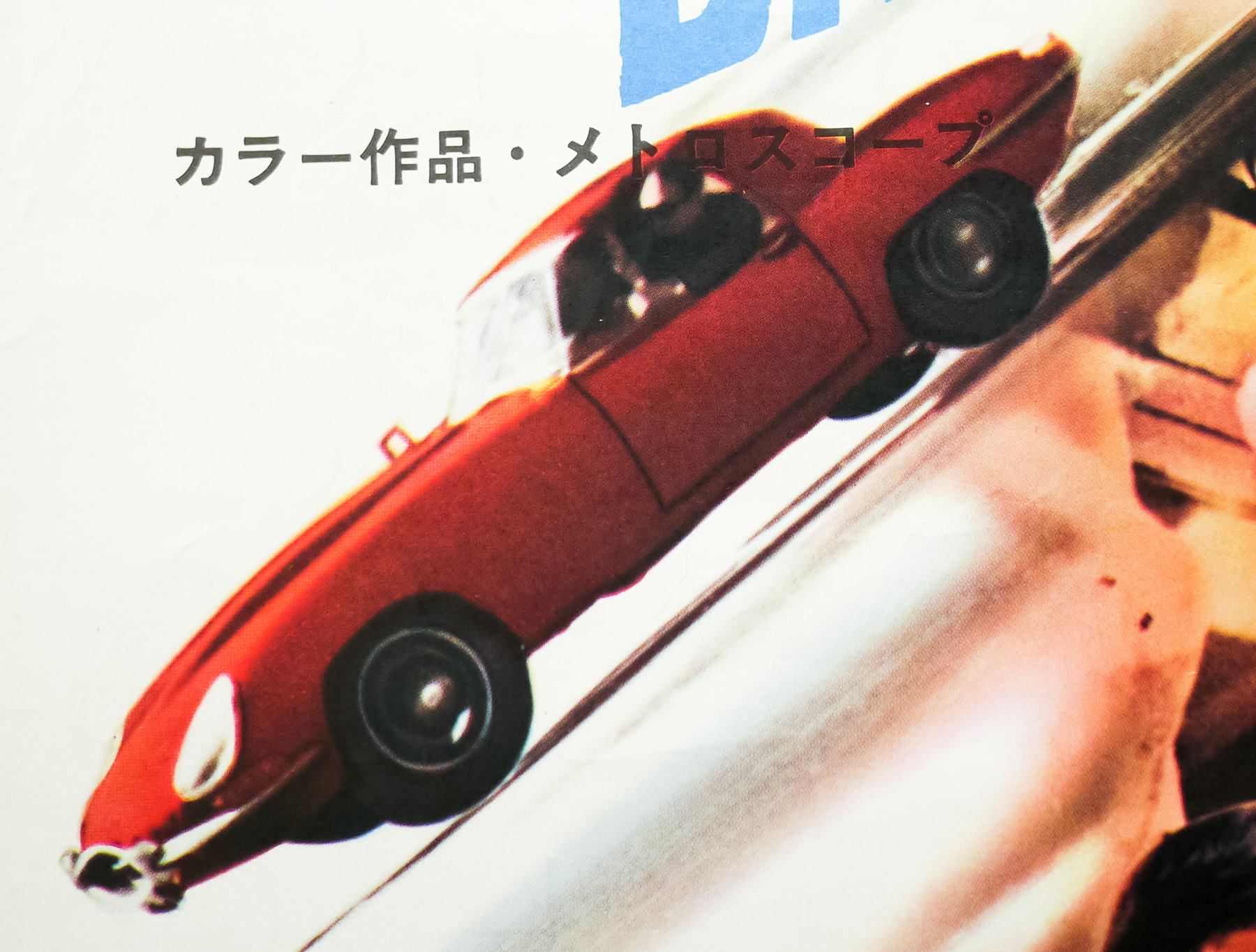
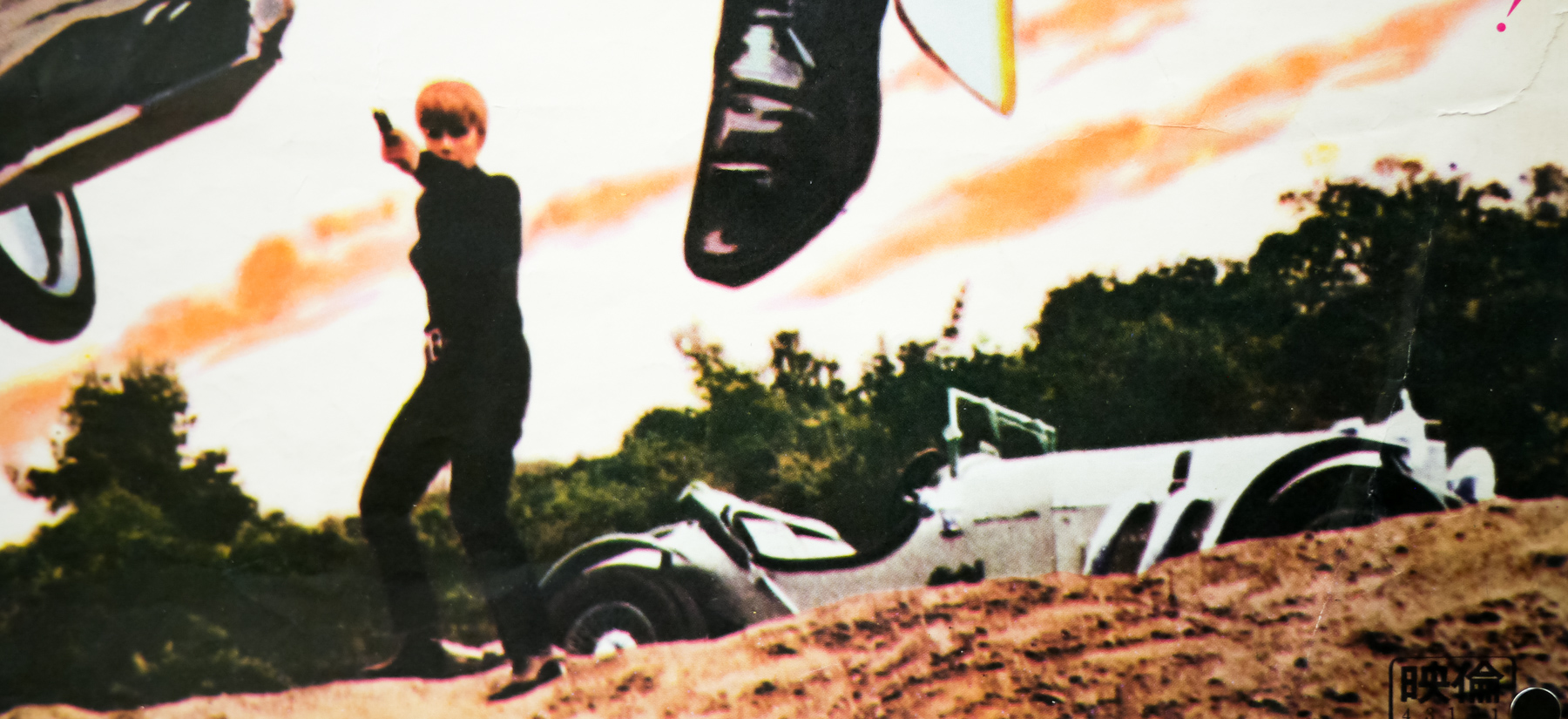
This B2 poster is a combination of the original US one sheet artwork (artist unknown) and a few photographic stills. If you have any idea who is responsible for the artwork please get in touch.

Check out the original trailer on YouTube.

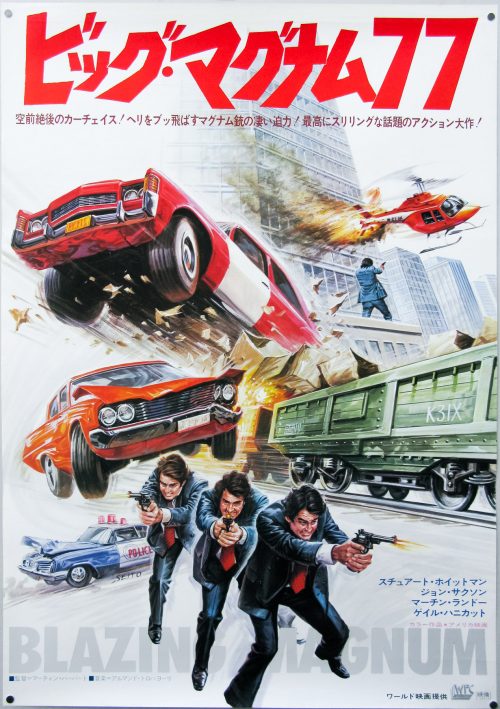
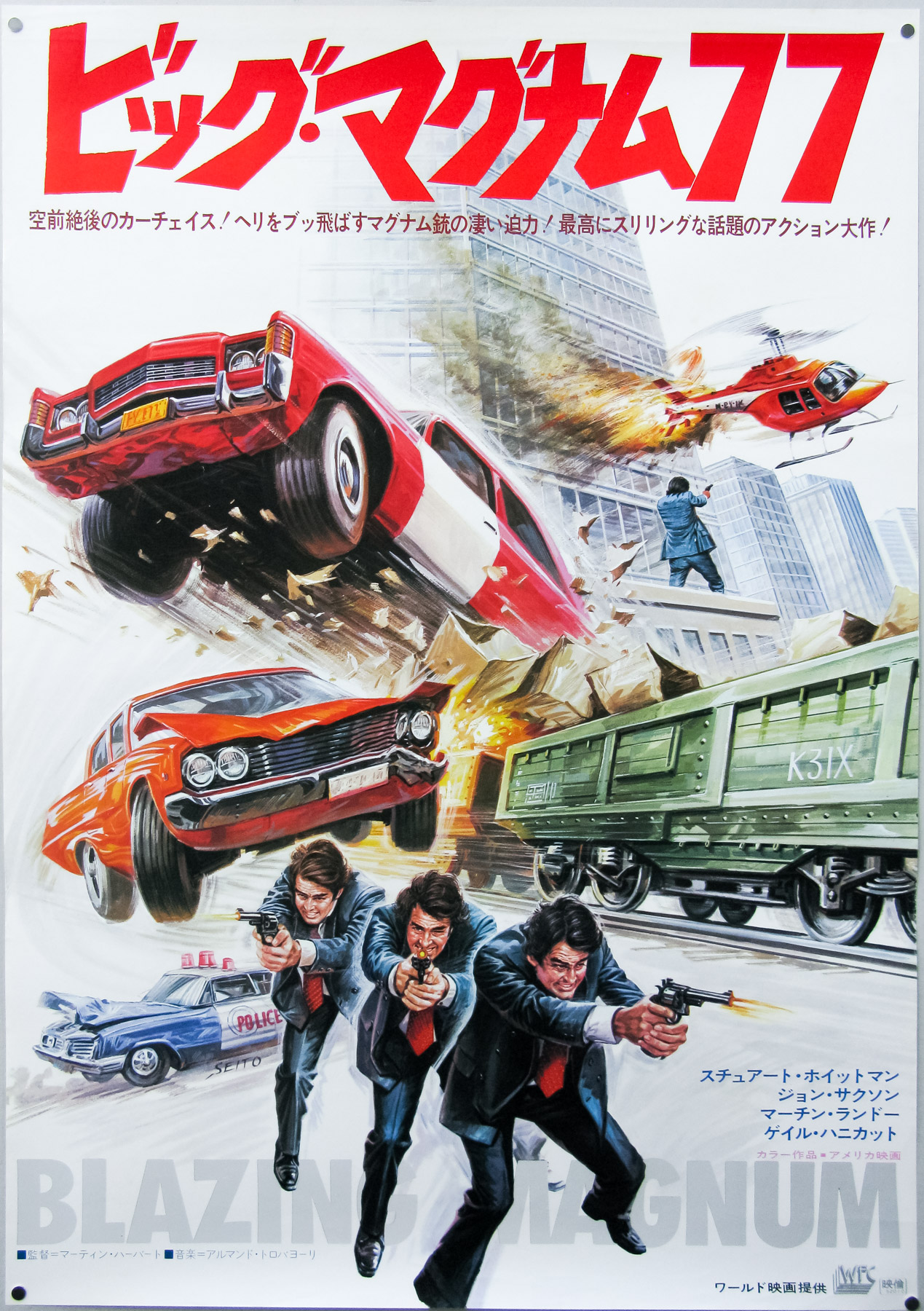
Blazing Magnum / B2 / Japan

13.03.12

Poster Poster
Title
Blazing Magnum
AKA
Una Magnum Special per Tony Saitta [A Special Magnum for Tony Saitta] (Italy - original title) | Shadows in an Empty Room (USA) | Big Magnum 77 (Japan - English title)
Year of Film
1976
Director
Alberto De Martino
Starring
Stuart Whitman, John Saxon, Martin Landau, Tisa Farrow, Carole Laure, Jean LeClerc, Gayle Hunnicutt
Origin of Film
Italy | Canada | Panama
Genre(s) of Film
Stuart Whitman, John Saxon, Martin Landau, Tisa Farrow, Carole Laure, Jean LeClerc, Gayle Hunnicutt,
Type of Poster
B2
Style of Poster
--
Origin of Poster
Japan
Year of Poster
1977
Designer
Unknown
Artist
Seito
Size (inches)
20 5/16" x 28 14/16"
SS or DS
SS
Tagline
--

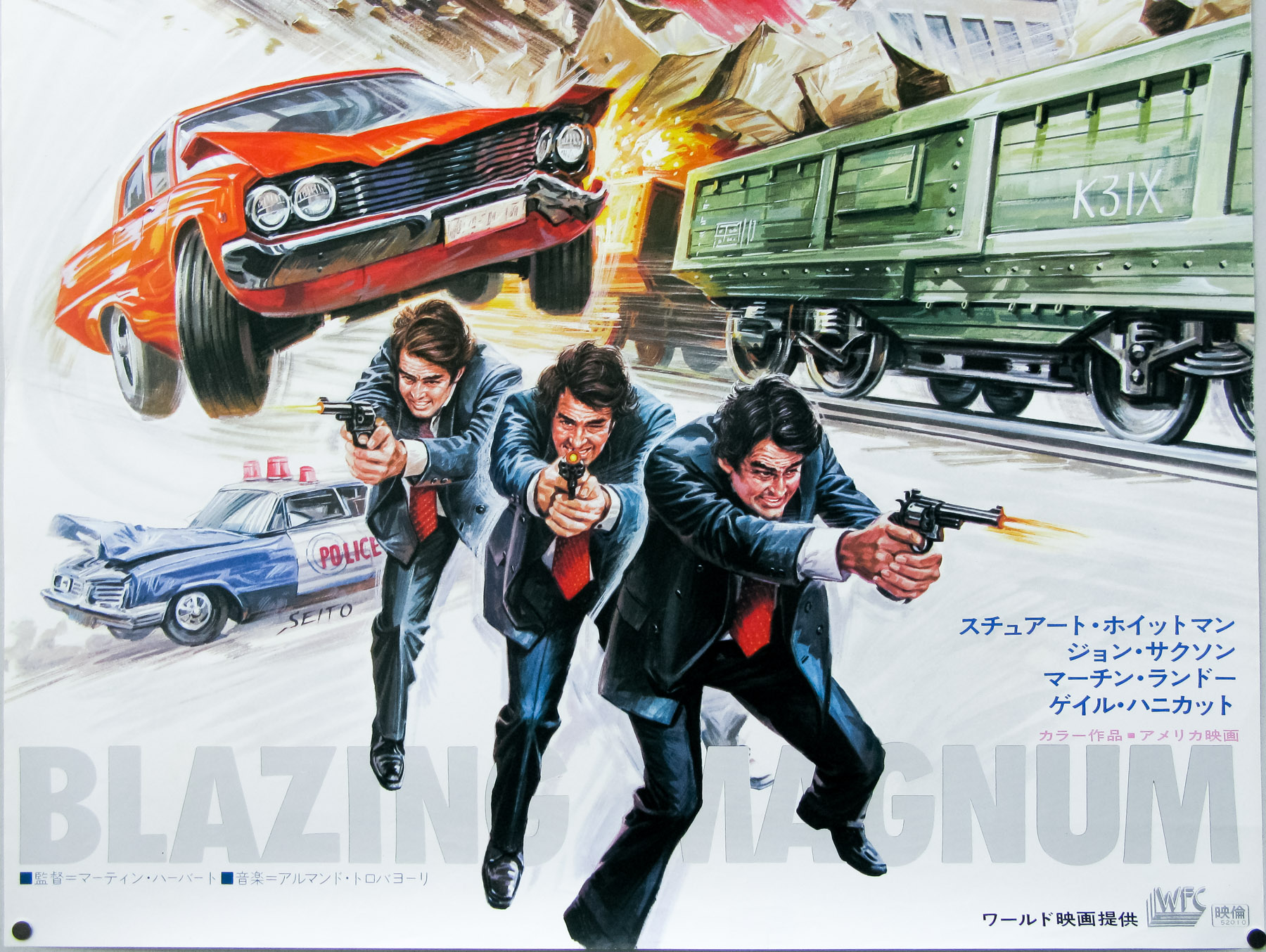
Filmed in Canada by an Italian director (Alberto De Martino under the pseudonym Martin Herbert), Blazing Magnum has multiple alternative titles, including Shadows in an Empty Room, and is an entry into the poliziottesco genre of cinema. The story sees tough Ottawan police captain Tony Saitta (Stuart Whitman) travel to Montreal to investigate the untimely death of his sister at a party. Before long more bodies start to appear, the list of suspects grows and Saitta teams up with Sergeant Ned Matthews (genre stalwart John Saxon) to crack the case.

The film is perhaps best known for it’s insane, nine minute car chase around the streets of Montreal, which was filmed without permits and staged by legendary stunt performer Rémy Julienne, whose work includes six James Bond films and the original Italian Job. The chase can be watched in all its glory on YouTube – it definitely rivals other legendary cinematic car pursuits! It also features a giallo-esque scene in which a murder is committed in the same room as a blind girl, Saitta fighting a bunch of drag queens and a dwarf gangster.

Check out this Motion Picture Purgatory entry on DreadCentral.com.

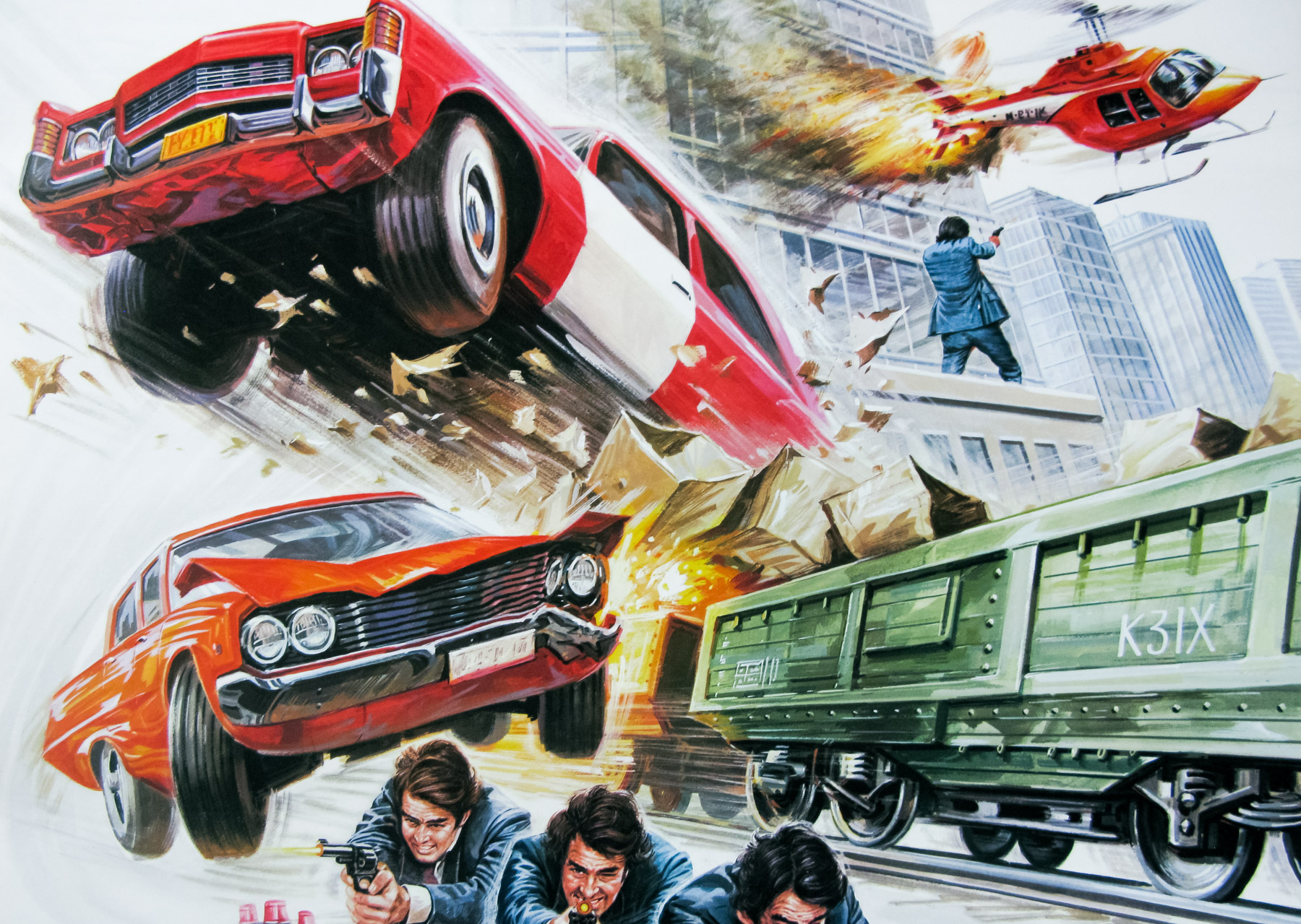
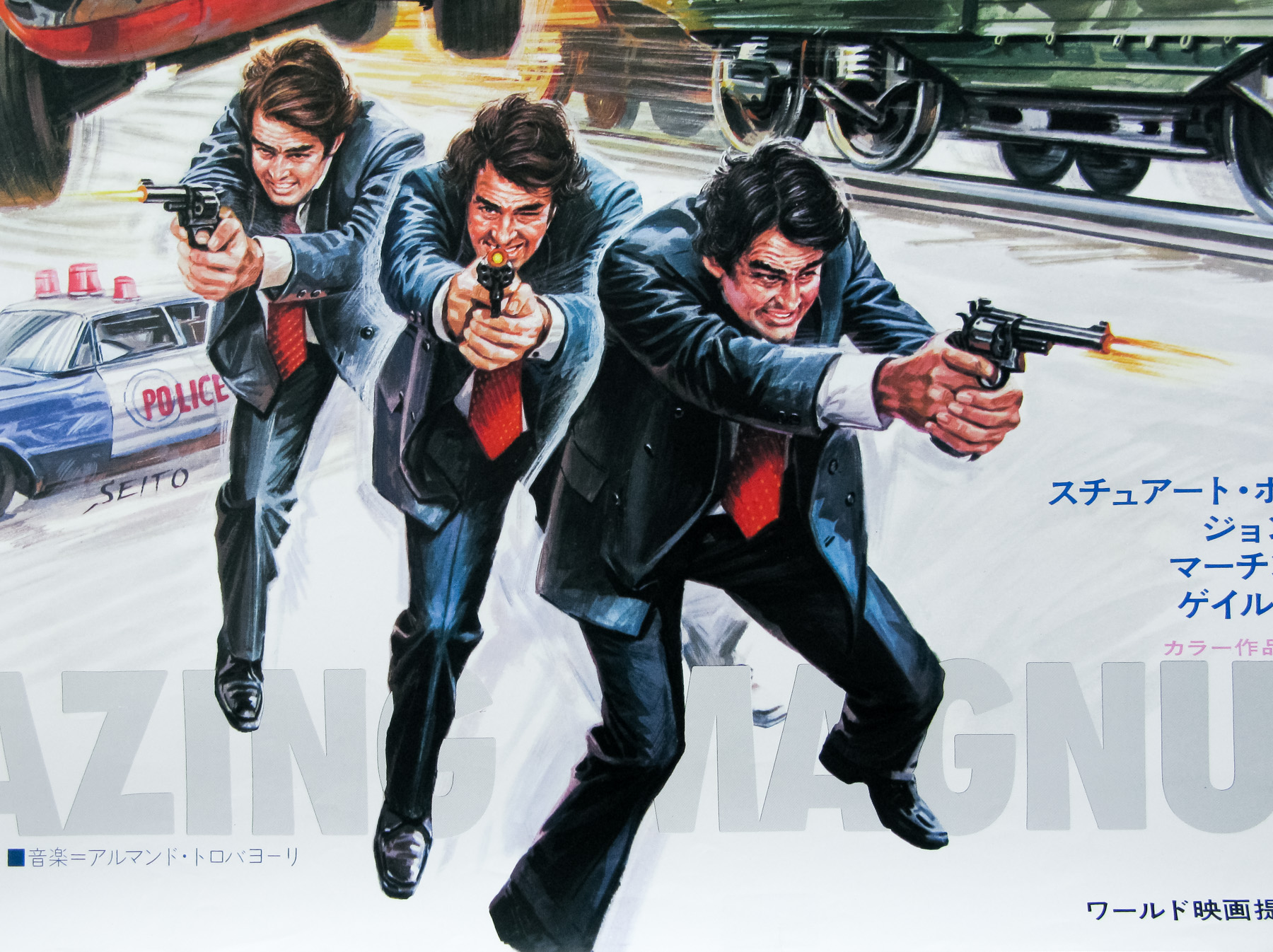
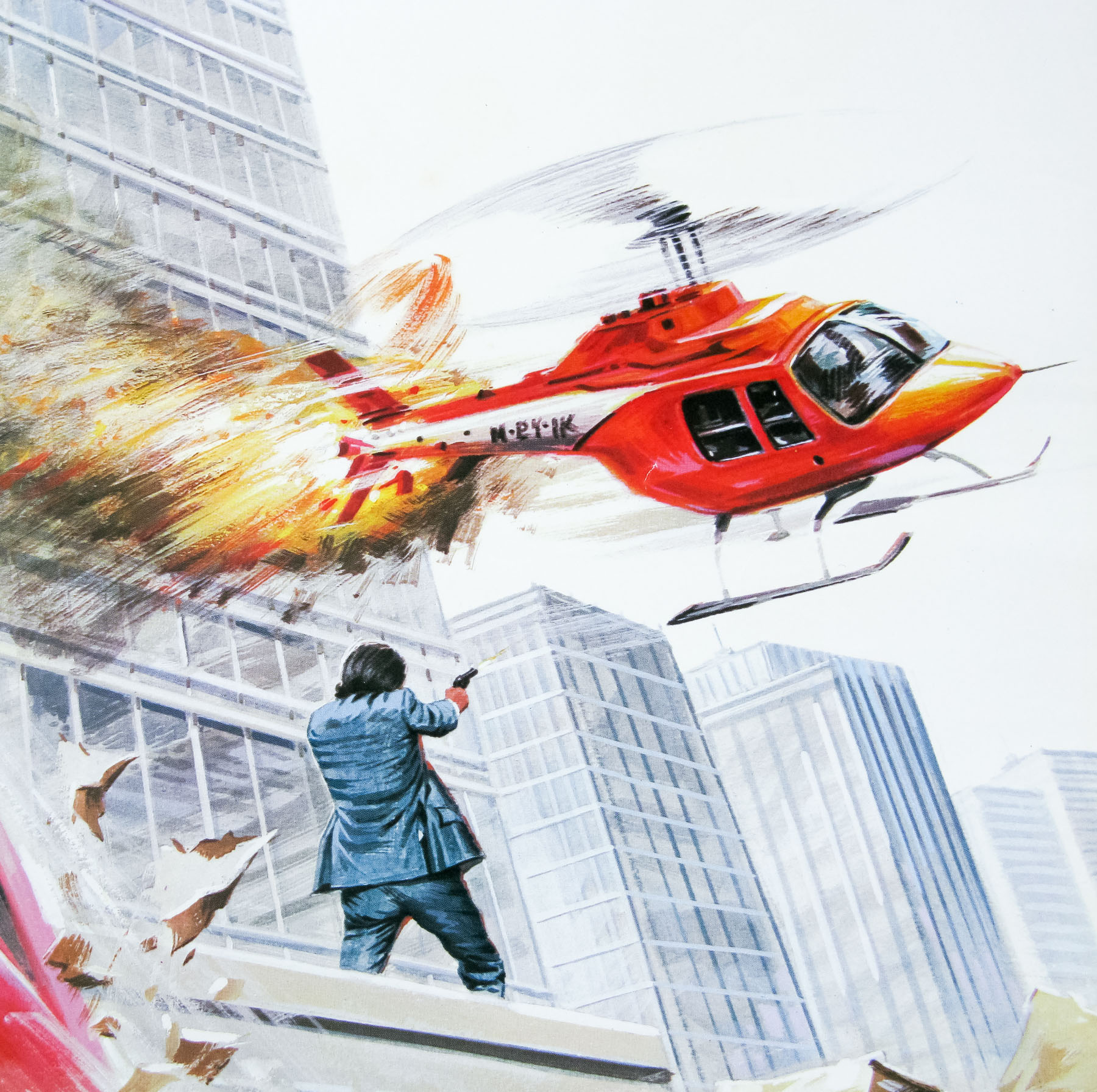
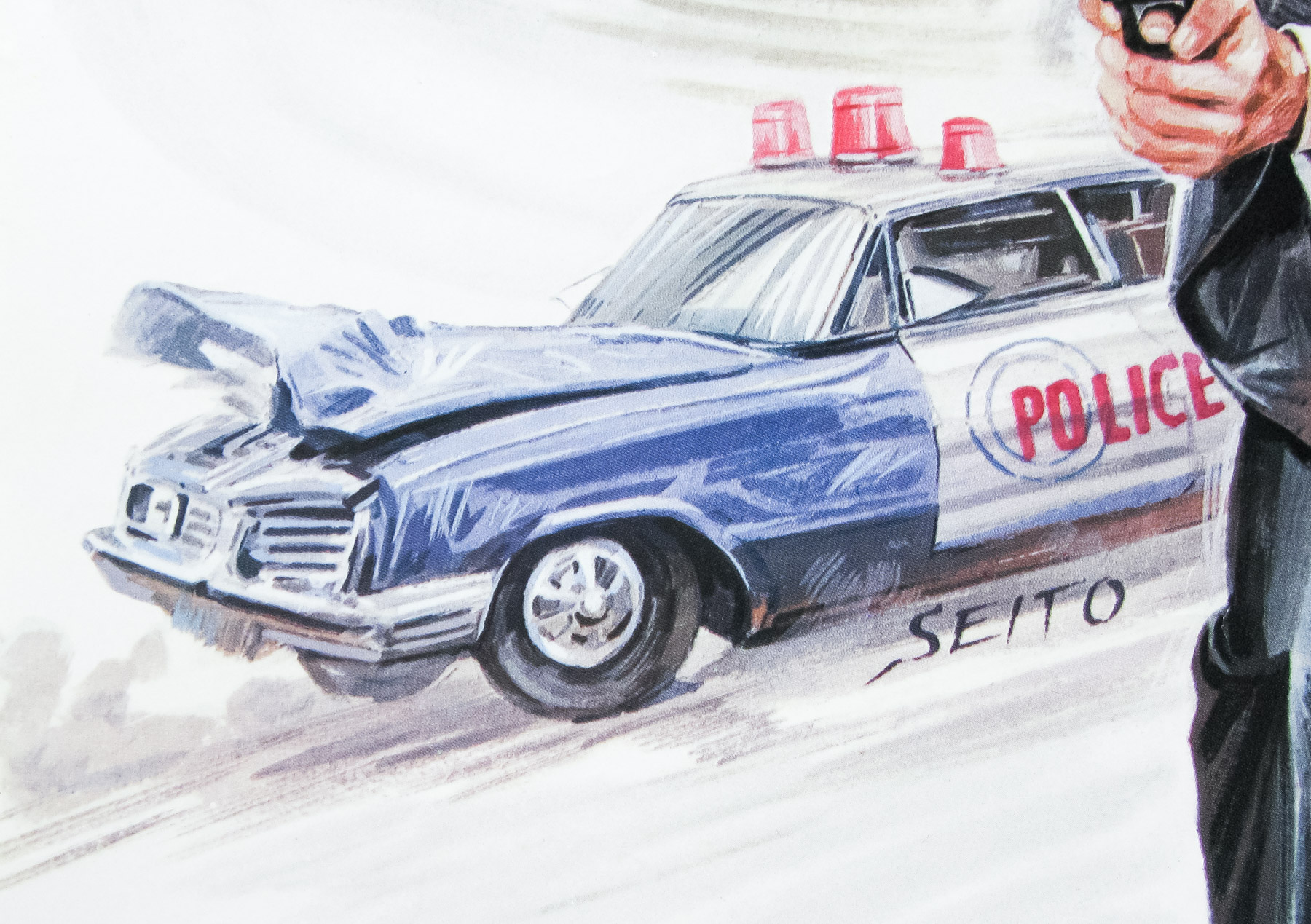
The artwork on this Japanese poster is by one of my favourite artists, the mysterious Seito. It appears on the Italian poster (image taken from emovieposter.com), as well as others, so it’s likely that Seito may have adapted another illustrator’s work for this B2, unless the other countries used his illustration? The American one sheet is markedly different and plays up the murder mystery side of the plot.

The trailer can be viewed on YouTube.

Boiling Point / B2 / Japan

04.06.14

Poster Poster
Title
Boiling Point
AKA
3-4 x jûgatsu [The Third and Fourth of October] (Japan - original title)
Year of Film
1990
Director
Takeshi Kitano
Starring
Takeshi Kitano, Yûrei Yanagi, Yuriko Ishida, Gadarukanaru Taka, Dankan, Eri Fuse, Makoto Ashikawa, Hiroshi Suzuki
Origin of Film
Japan
Genre(s) of Film
Takeshi Kitano, Yûrei Yanagi, Yuriko Ishida, Gadarukanaru Taka, Dankan, Eri Fuse, Makoto Ashikawa, Hiroshi Suzuki,
Type of Poster
B2
Style of Poster
--
Origin of Poster
Japan
Year of Poster
1990
Designer
Unknown
Artist
--
Size (inches)
20 6/16" x 28 13/16"
SS or DS
SS
Tagline
--

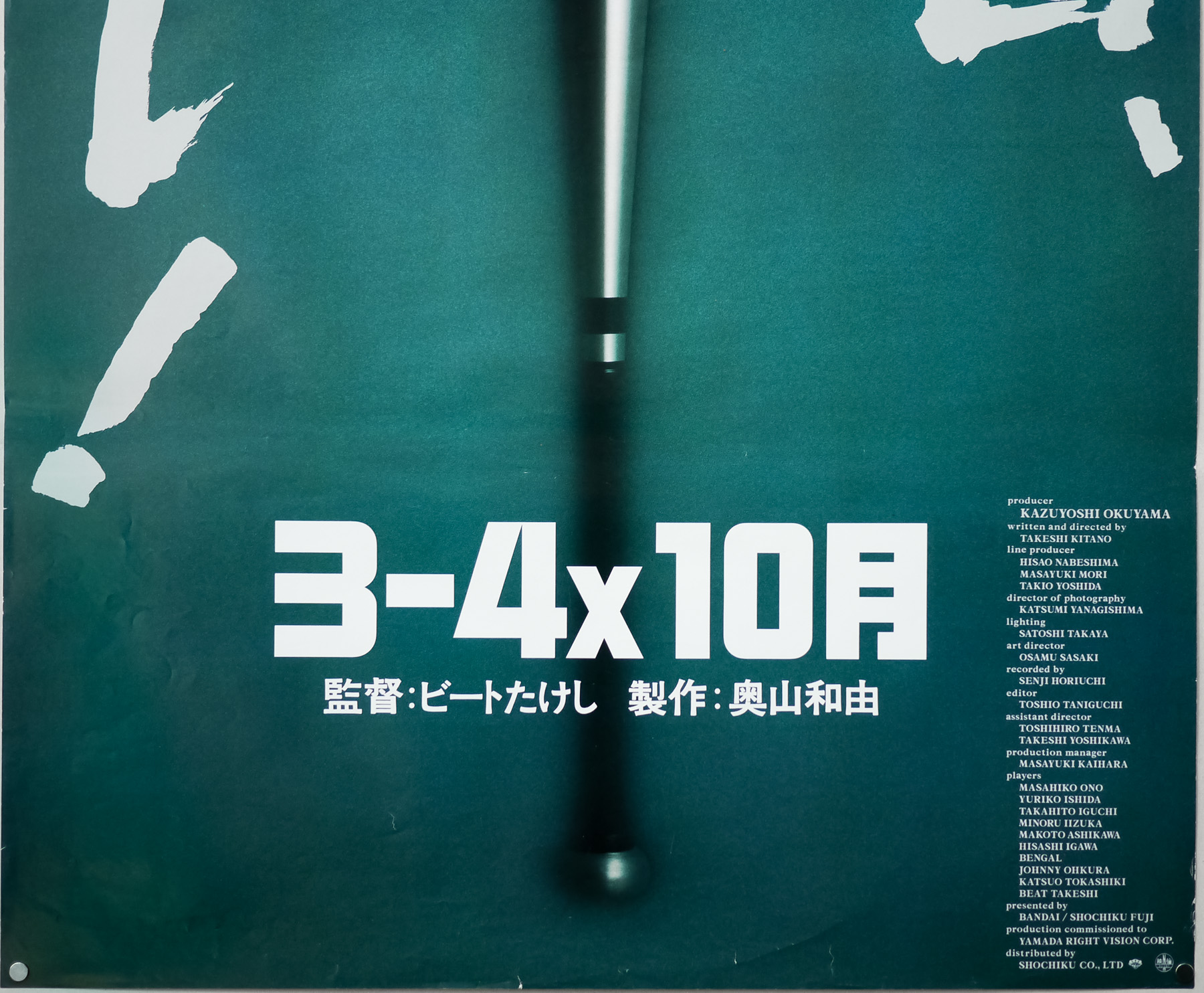
Boiling Point was Japanese legend Takeshi Kitano‘s second film as director and his first as screenwriter and shouldn’t be confused with the Wesley Snipes clunker of the same name that was released in the UK around the same time. As with many of Kitano’s directorial efforts the film features Yakuzas as a prominent story element. Yûrei Yanagi (AKA Masahiko Ono) stars as Masaki, a feckless loser stuck in a dead-end job at a gas station who also plays (badly) for a local baseball team.

One day the coach of the team is attacked and almost killed by yakuza thugs following a confrontation in which Masaki is threatened by the same gangsters. He decides to head to Okinawa to meet a contact who can supply him with a gun in order to take revenge. This contact happens to be the psychotic Uehara (Kitano himself in an extended cameo) an unpredictable, dangerous yakuza who also wants revenge against the same gang. Masaki is taken under Uehara’s wing, leading to violent and surprising encounters in the Okinawa underworld.

Kitano’s character is thoroughly unlikeable and most of his actions are reprehensible in the extreme. Following on from the critical and commercial success of Violent Cop, audience and critical reaction wasn’t quite as favourable to Boiling Point and today its often said to be one of his lesser films, if not still a must watch for fans of the actor-director.

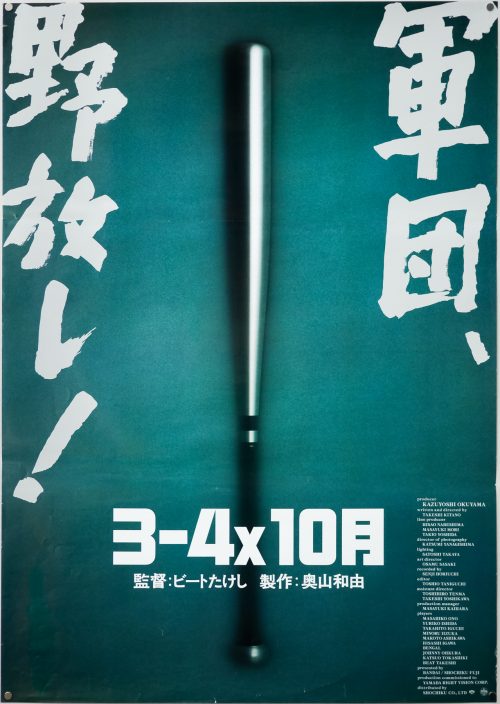
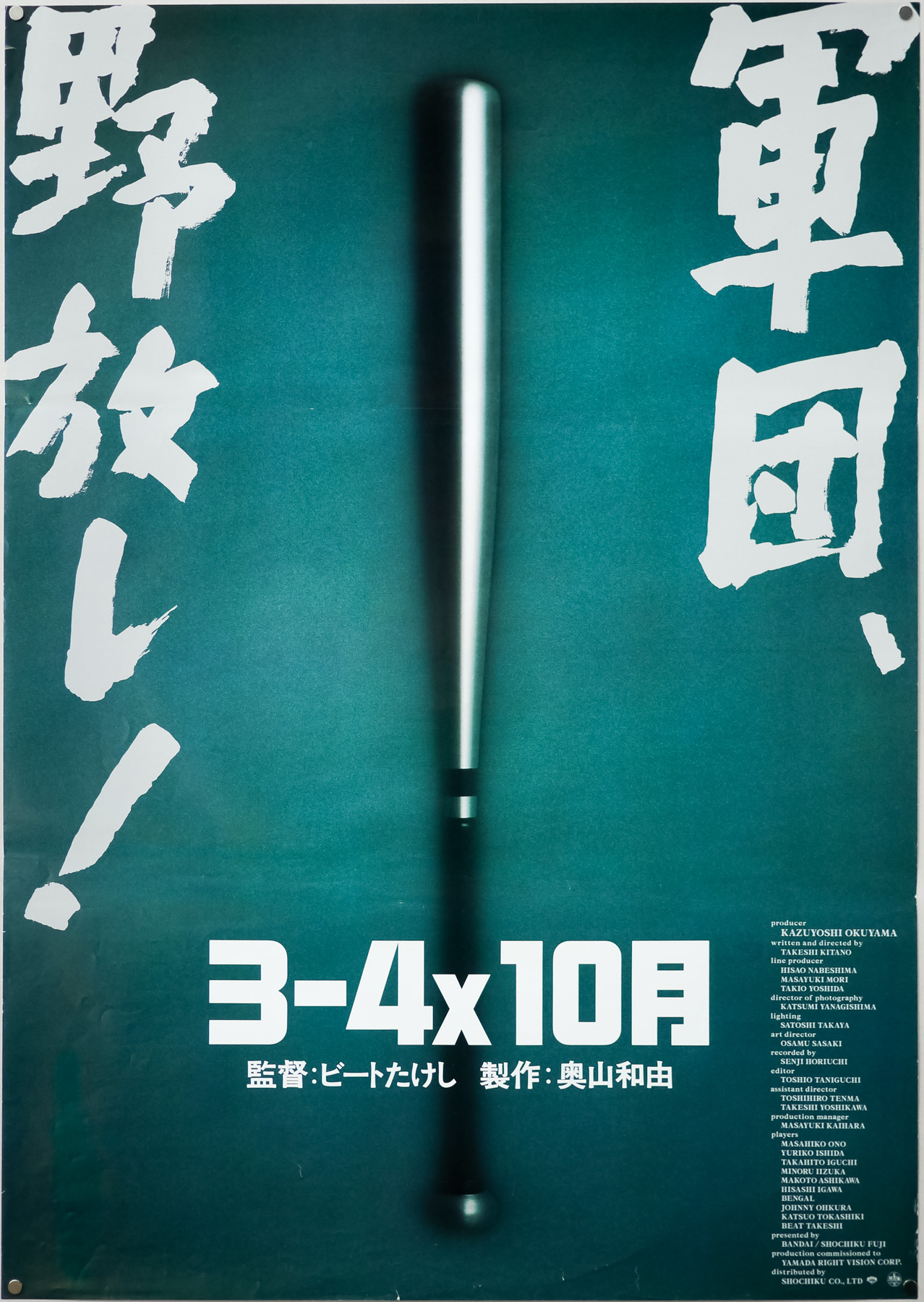
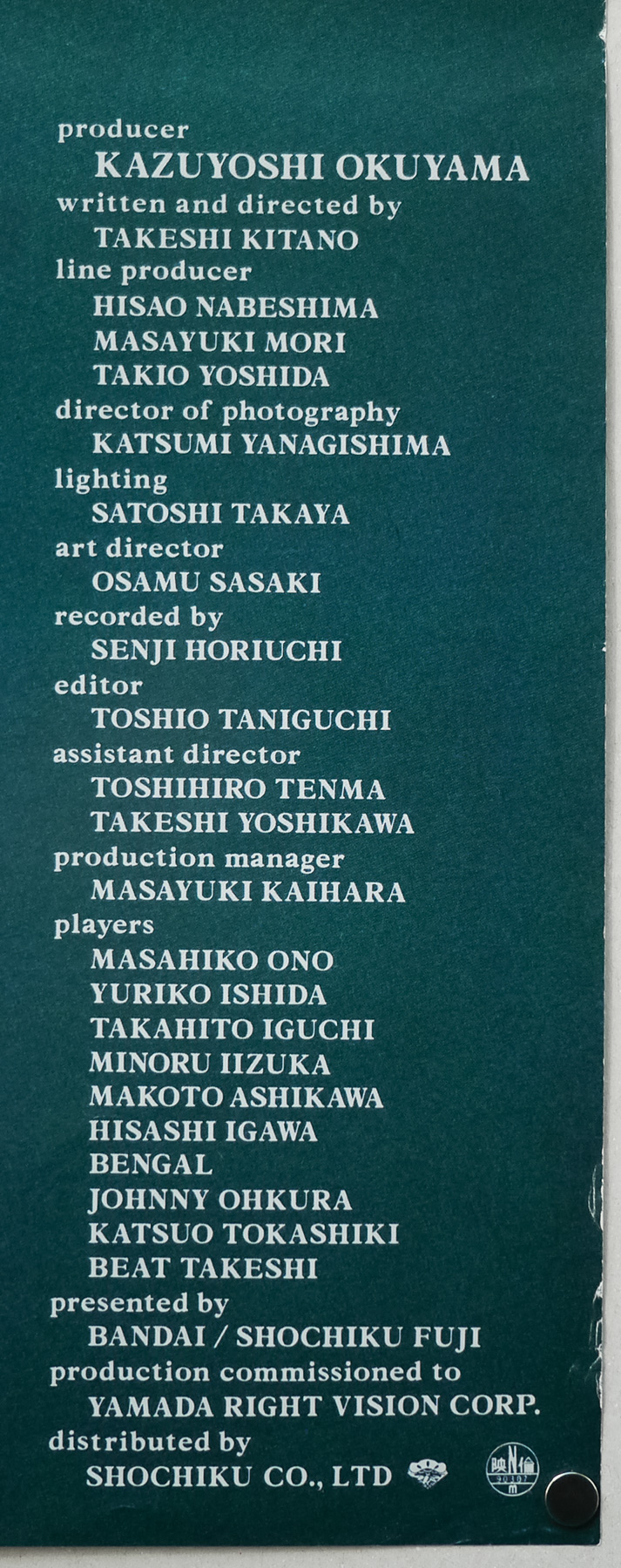
This striking B2 poster features the simple image of a metal baseball bat on a blue-green background. The Japanese title translates as ‘3-4, October’ and relates to the score of a baseball match seen in the film and the month of October, an important one in the Japanese baseball calendar.

Check out the other posters featuring Takeshi Kitano in the Film on Paper collection by clicking here.

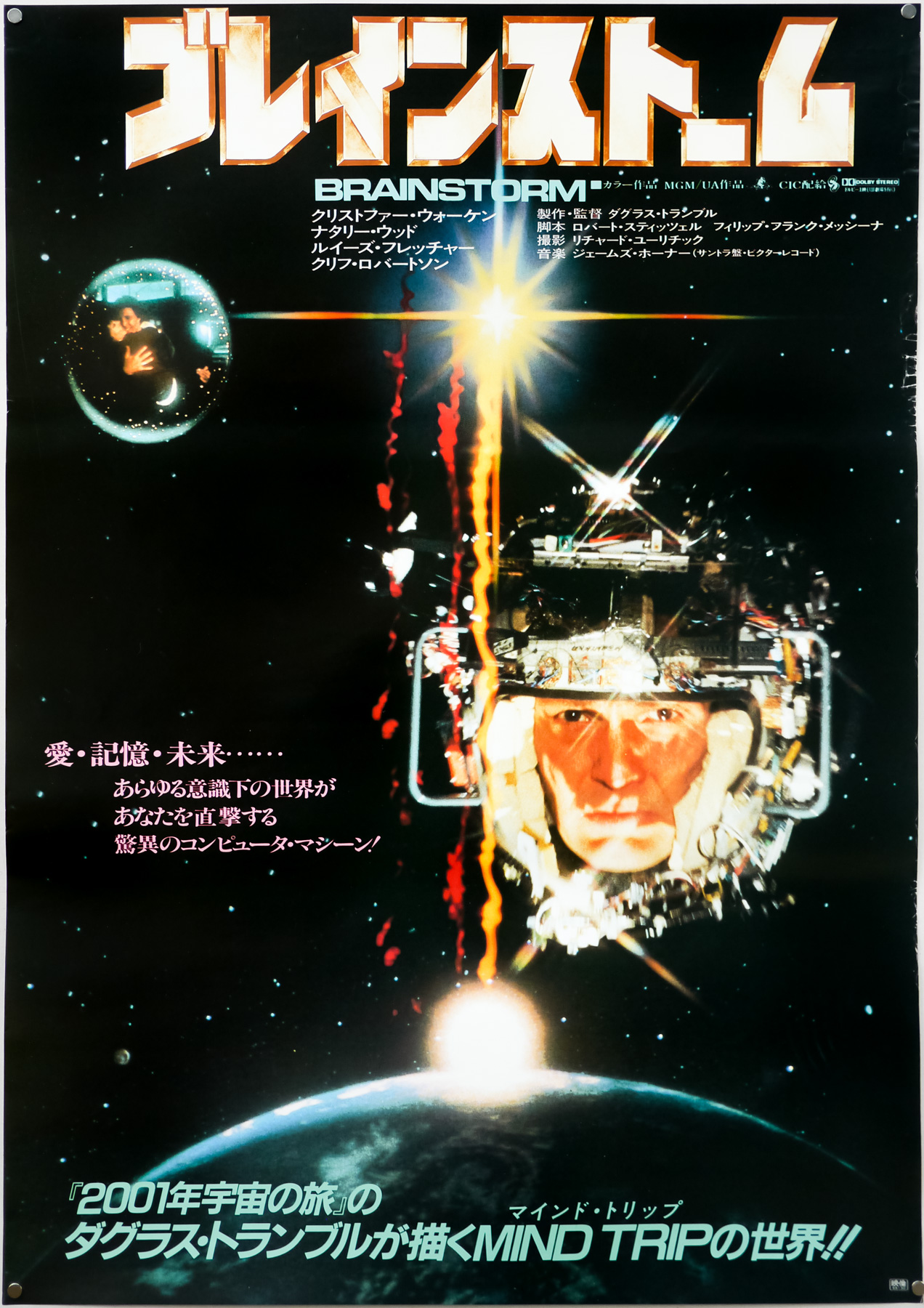
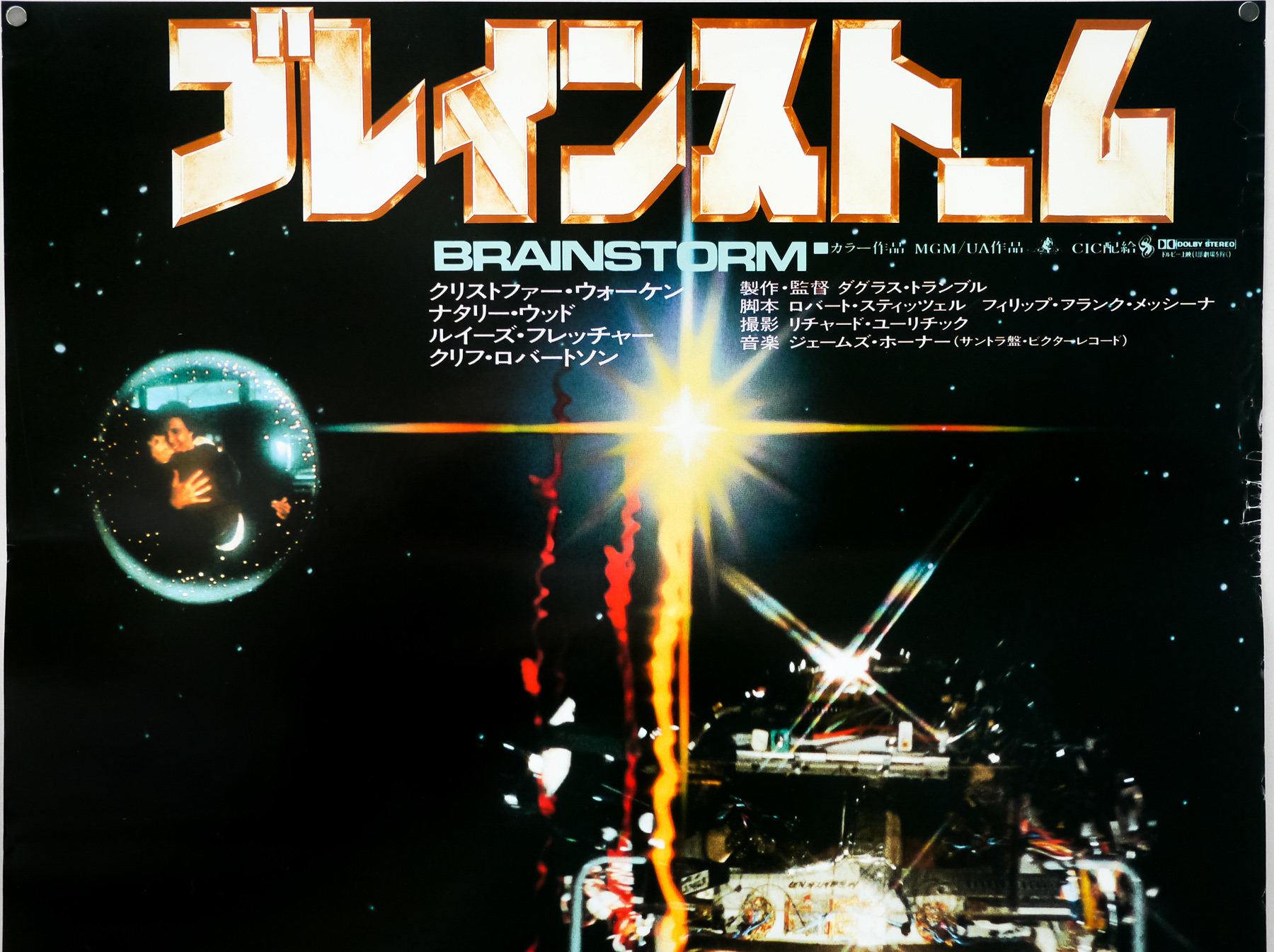
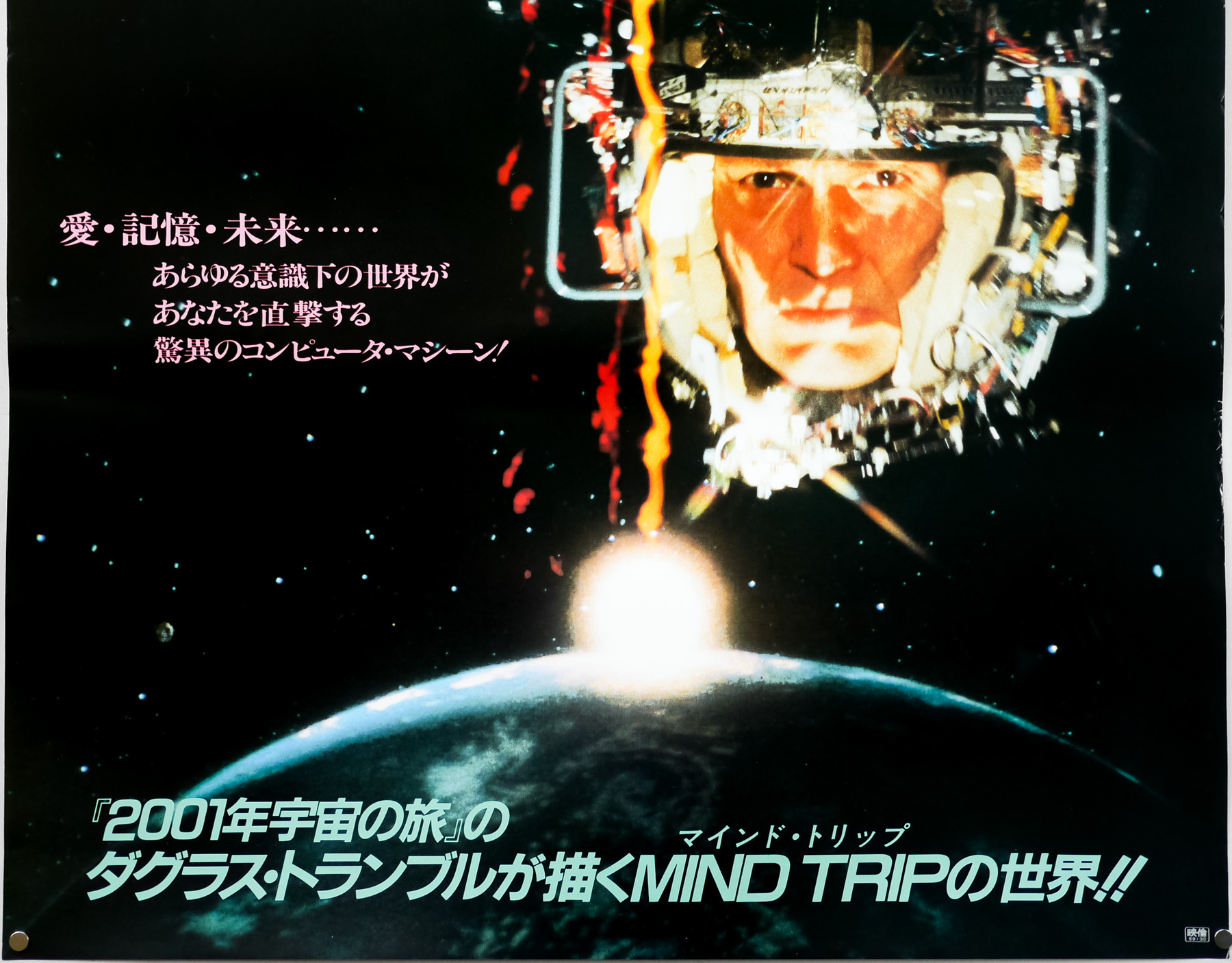
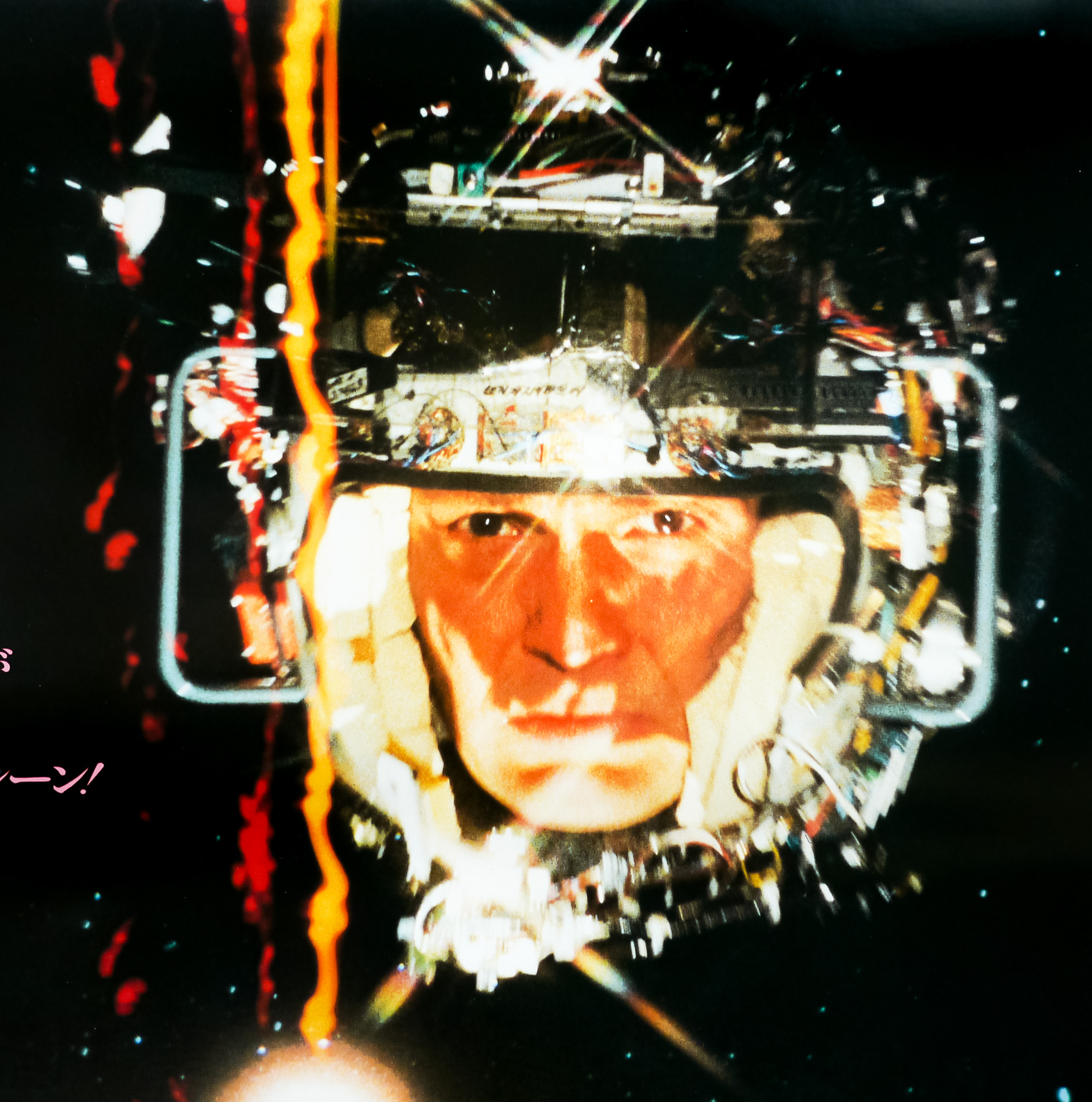
Brainstorm / B2 / Japan

13.02.15

Poster Poster
Title
Brainstorm
AKA
--
Year of Film
1983
Director
Douglas Trumbull
Starring
Christopher Walken, Natalie Wood, Louise Fletcher, Cliff Robertson
Origin of Film
USA
Genre(s) of Film
Christopher Walken, Natalie Wood, Louise Fletcher, Cliff Robertson,
Type of Poster
B2
Style of Poster
--
Origin of Poster
Japan
Year of Poster
1984
Designer
Unknown
Artist
--
Size (inches)
20 6/16" x 28 12/16"
SS or DS
SS
Tagline
--

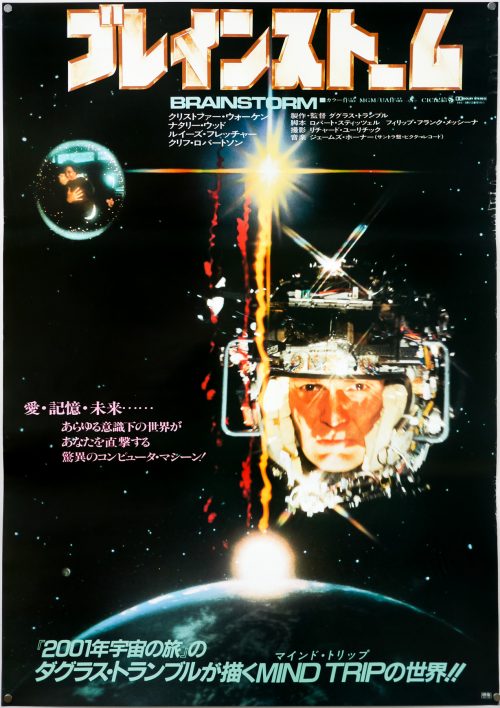
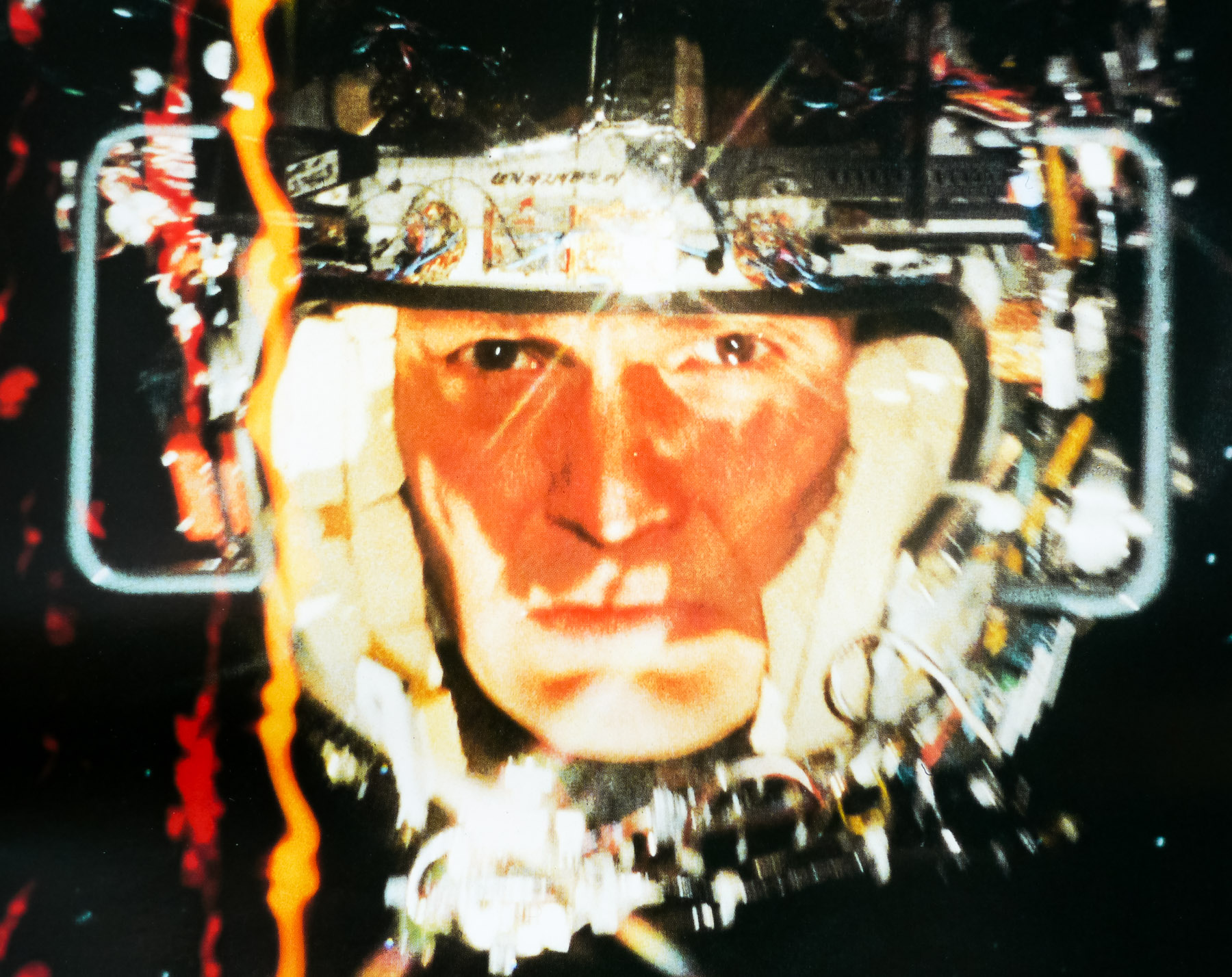
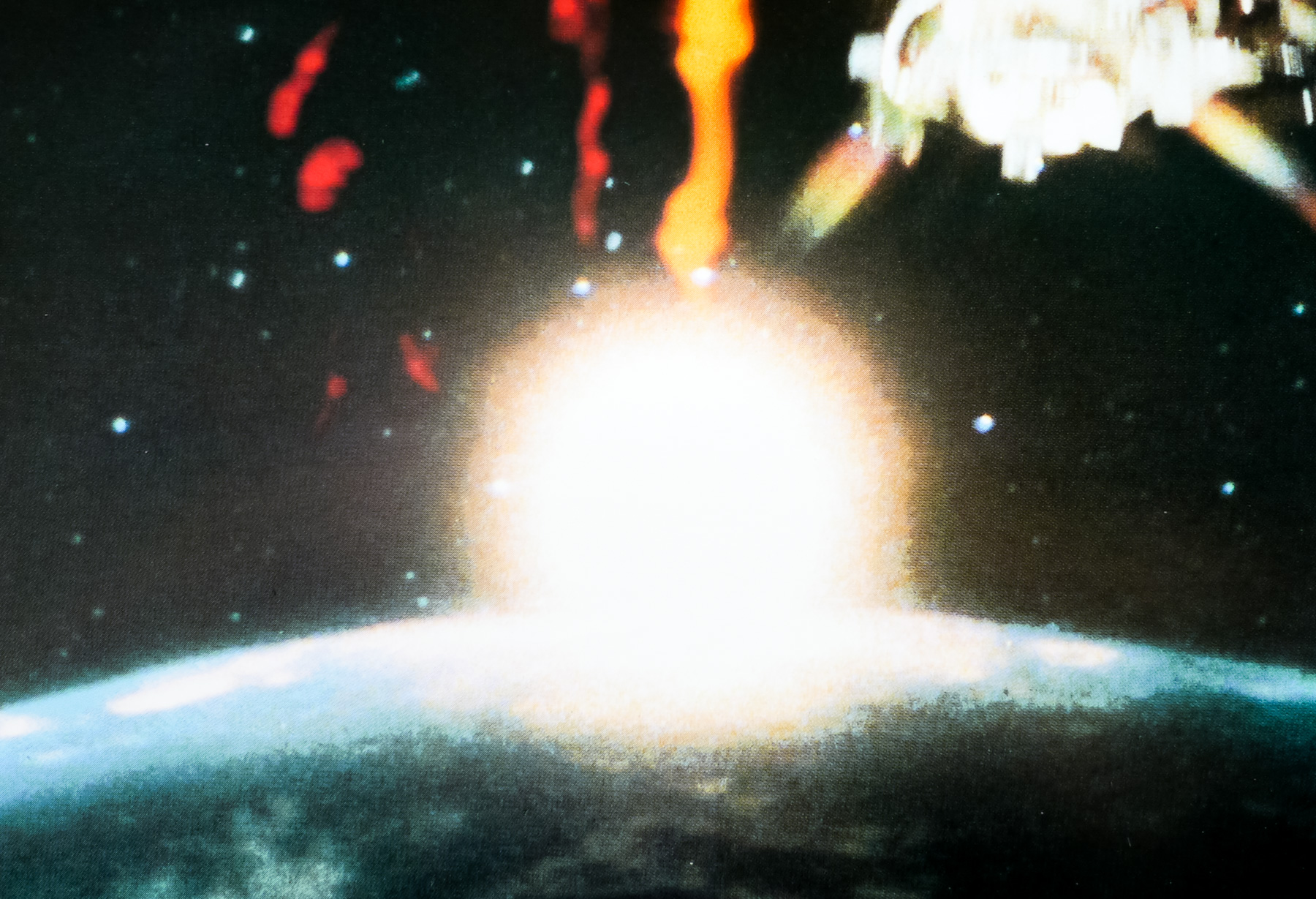
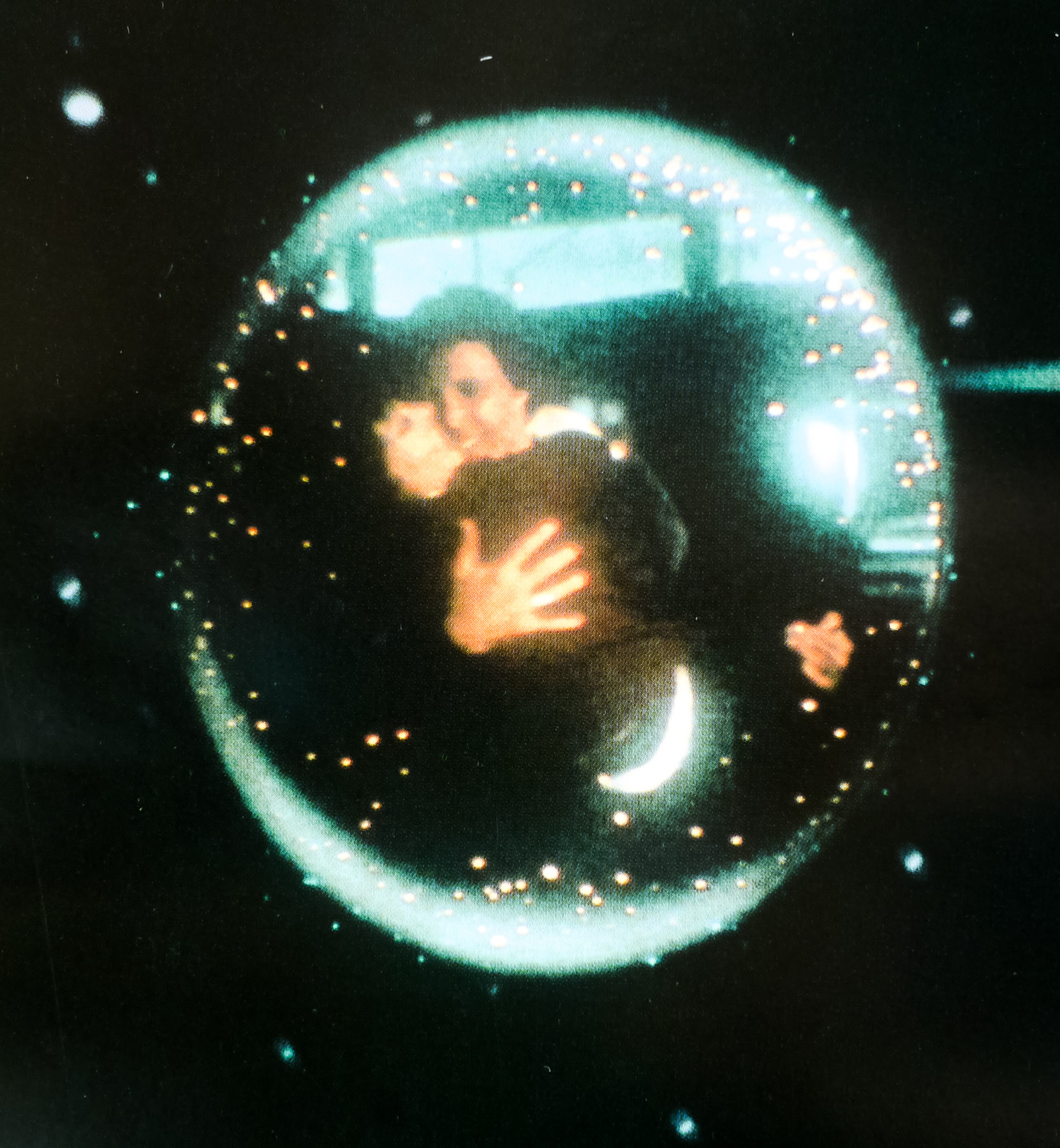
This is the Japanese B2 poster for the release of the science-fiction film Brainstorm, which was the second and final directorial effort from Douglas Trumbull who is best known for his pioneering work in the field of special effects. Trumbull had worked with Stanley Kubrick on 2001: A Space Odyssey and created the iconic ‘Star Gate’ sequence at the end of the film. He would go on to create special effects sequences for films including Close Encounters of the Third Kind, Star Trek: The Motion Picture and Blade Runner. The first film he directed was the cult classic Silent Running (1974) which was a critical success but a box-office failure and it would be eight years before Trumbull would once again sit in the director’s chair.

The film stars Christopher Walken as Michael Brace, a scientist working as part of a pioneering research team that has discovered a method of recording the sensory and emotional feelings of a person onto tape, allowing them to be viewed by others. His estranged wife Karen (Natalie Wood) also works with him and Michael realises he can use the system to reconcile their feelings for each other and show her his true emotions. Unfortunately not all of the scientists use it for good with one recording a sexual encounter which he then shares with several of his colleagues, leading to his eventual dismissal. 

Lillian Reynolds (Louise Fletcher) one of the lead scientists is fiercely protective of the team’s work and is angry when the company forces the team to involve military advisors in their plans. When she suffers a heart attack in the lab and is unable to call for help, she records the experience of death into the system. The tape is viewed by another scientist and the sensory experience causes him to also have a heart attack so the company locks the tape away. Lillian’s fears about the nefarious plans of the military are borne out when Michael discovers they plan to use the system for torture and brainwashing but his protestations see him get fired from the program. He and Karen decide to shut down the system to prevent it being used for negative means but Michael is also determined to view Lillian’s ‘death’ tape, despite Karen’s protestations.

Trumbull used the production to work on a new effects process which he called Showscan that allowed for 70mm film to be projected at 60fps (standard film is 24fps) and create a hyperreal feeling to the footage. MGM backed out of plans to create prints in the new format but Trumbull did film the virtual reality sequences in the larger Super Panavision 70 format and the ‘normal’ sequences in the conventional 35mm format so that it changes throughout the film whenever the scientists use their machines. The film was shown at special 70mm cinemas during its initial run.

The film’s production was unfortunately overshadowed by the mysterious death of Natalie Wood who drowned whilst on a boat trip with Walken and her husband Robert Wagner. MGM shut down the production and were planning to write it off and claim insurance on the money already spent. Trumbull and others argued with the studio that Wood had already completed most of her key scenes and the insurers realised that the film was salvageable. They agreed to finance the completion of production for a cut of any profits but by then things were getting very acrimonious between the director and MGM.

Trumbull was allowed to finish the film by rewriting several scenes and using a body double for Wood in some scenes but the experience critically damaged his desire to work inside the Hollywood system again. In 1983 he stated, “I have no interest…in doing another Hollywood feature film…Absolutely none. The movie business is so totally screwed-up that I just don’t have the energy to invest three or four years in a feature film. Moviemaking is like waging war. It destroys your personal life, too.” Sadly Brainstorm under-performed in cinemas despite strong critical notices and failed to recoup most of its final budget.

Breach / B2 / Japan

18.09.15

Poster Poster
Title
Breach
AKA
--
Year of Film
2007
Director
Billy Ray
Starring
Chris Cooper, Ryan Phillippe, Laura Linney, Caroline Dhavernas, Dennis Haysbert, Gary Cole, Kathleen Quinlan, Bruce Davison, Tom Barnett
Origin of Film
USA
Genre(s) of Film
Chris Cooper, Ryan Phillippe, Laura Linney, Caroline Dhavernas, Dennis Haysbert, Gary Cole, Kathleen Quinlan, Bruce Davison, Tom Barnett,
Type of Poster
B2
Style of Poster
--
Origin of Poster
Japan
Year of Poster
2008
Designer
Unknown
Artist
--
Size (inches)
20 6/16" x 28 14/16"
SS or DS
SS
Tagline
--

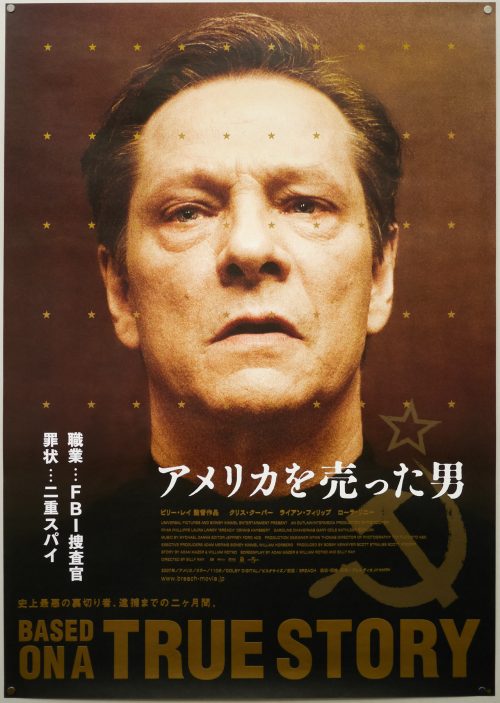
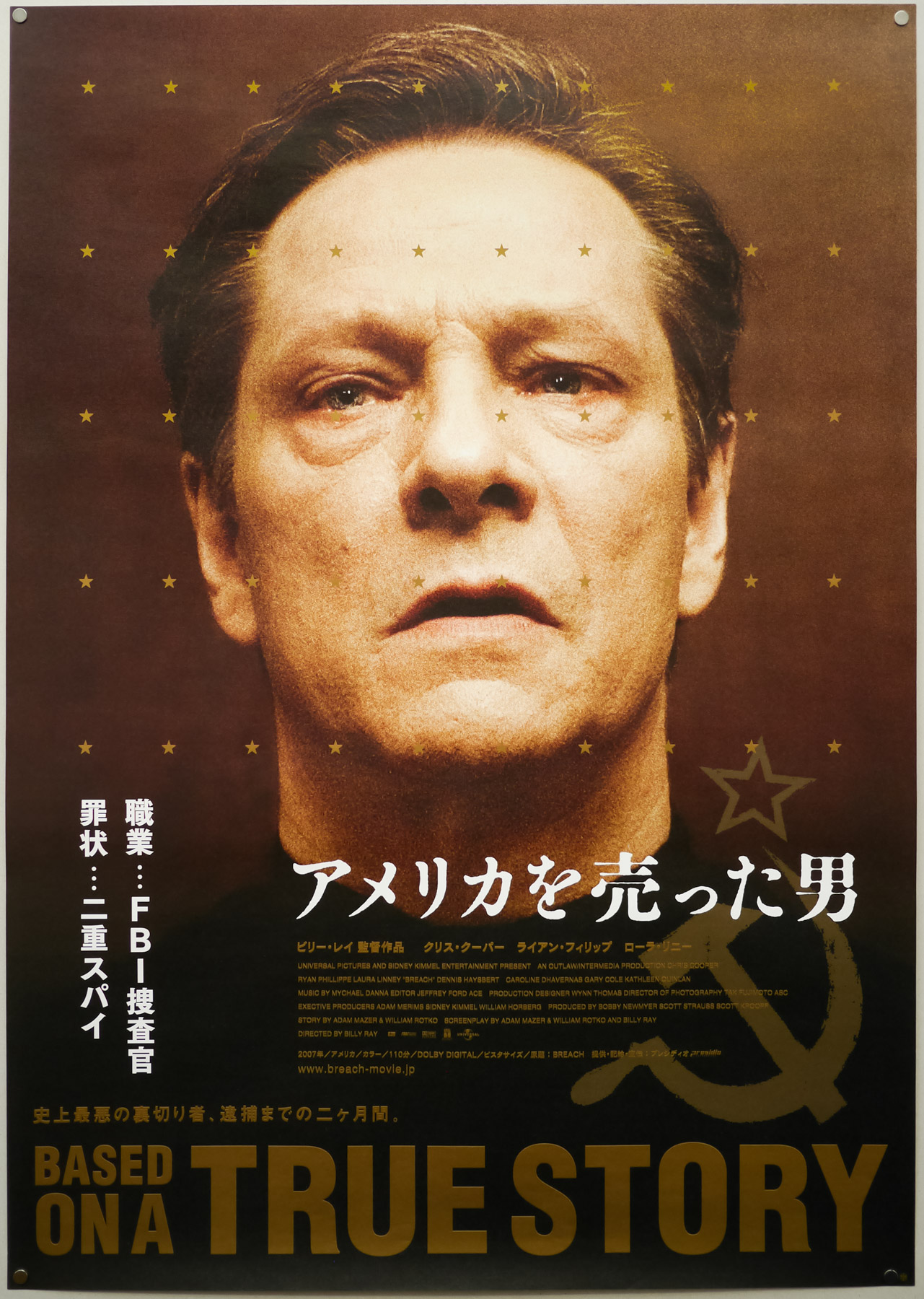
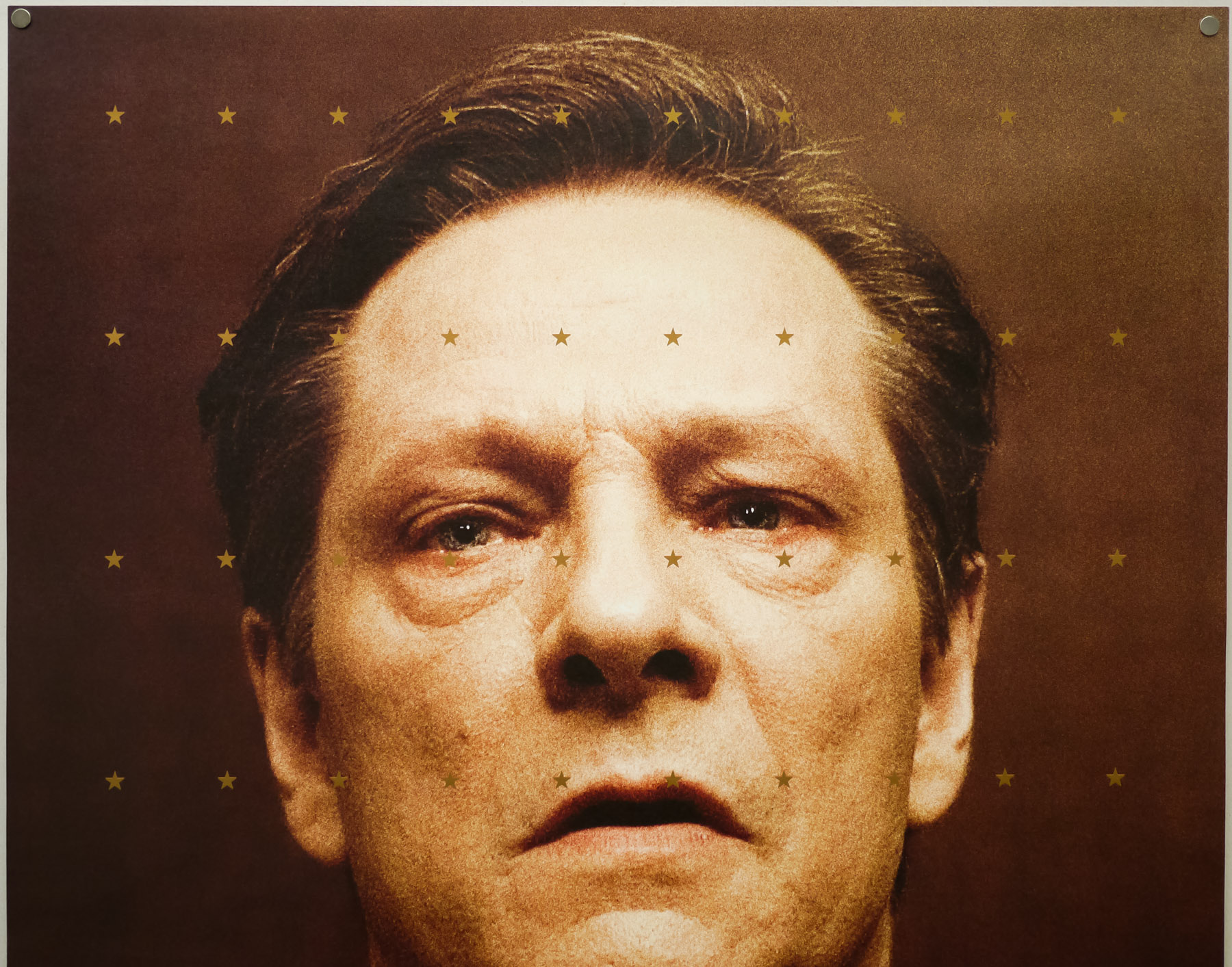
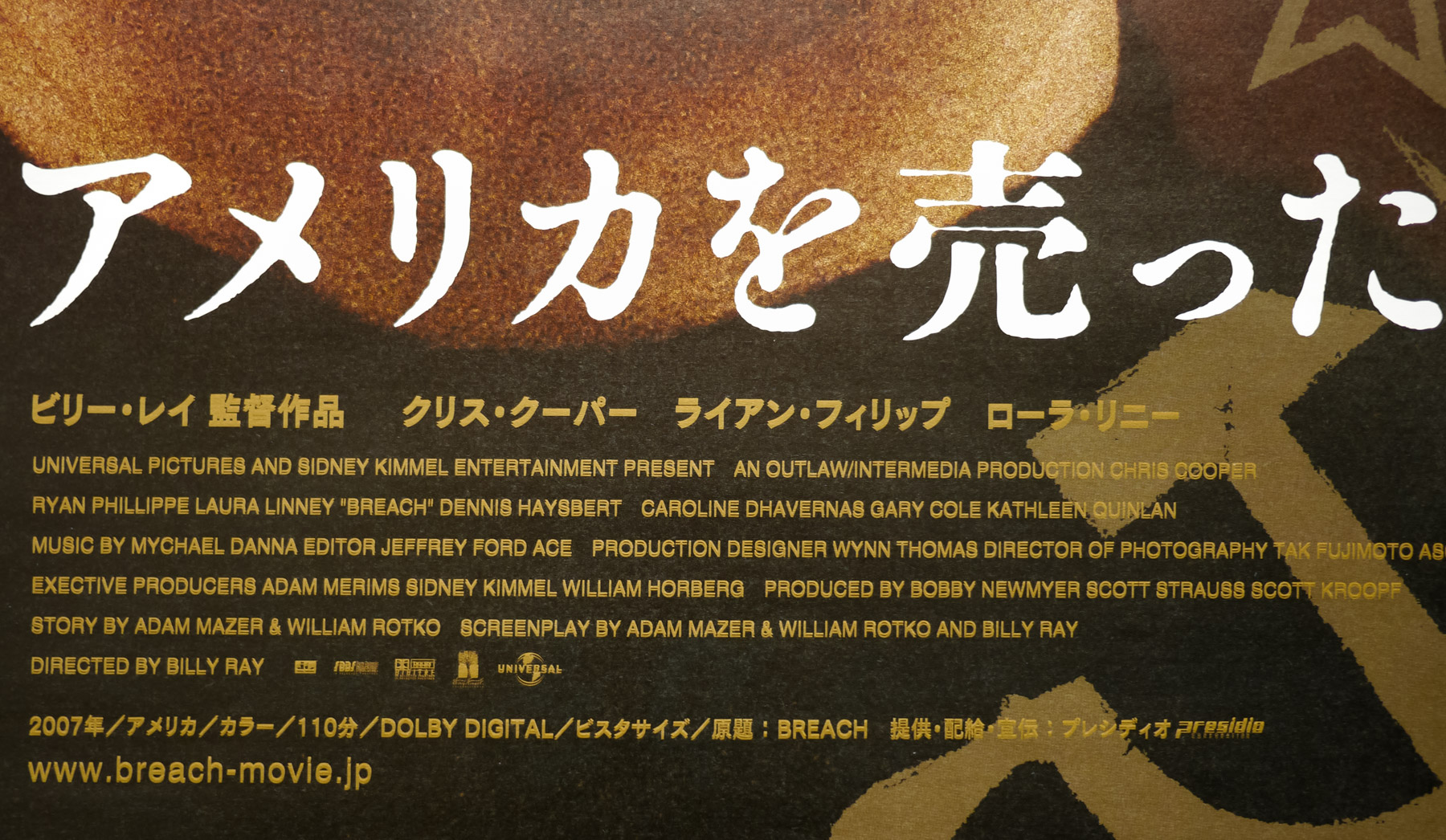
A striking portrait of the underrated actor Chris Cooper features on this Japanese B2 for the release of the 2007 drama Breach. Based on a real incident, Cooper plays Robert Hanssen, a senior FBI agent who was discovered to have been an undercover spy for the Soviet Union and later Russia for over twenty years. Ryan Phillippe plays a somewhat fictionalised version of Eric O’Neill, another FBI employee who was tasked with going undercover as Hanssen’s clerk under the pretense of trying to bring to light certain ‘sexual deviances’.

Initially frosty, the older agent grows to like O’Neill and the pair become closer as the film progresses, despite the misgivings of O’Neill’s wife Erica (Caroline Dhavernas) who resents Hanssen’s intrusions into their life, including encouraging the pair to attend church with his family. Eventually O’Neill tells his handler (played by Laura Linney) that he can find no evidence of odd sexual activity, but then he is told of the real reason he has been tasked with getting close to Hanssen and agrees to help catch him passing secrets to the Russians. The tension escalates as Hanssen suspects that the net is closing in on him and O’Neill reassures his boss that nothing is wrong as he helps to orchestrate his downfall.

Cooper is probably best known for his role as the domineering, military neighbour of Kevin Spacey’s character in Sam Mendes’ American Beauty, but he has been acting for almost 30 years and is one of those classic ‘that guy’ character actors. He received critical acclaim for his portrayal of Hanssen and the film itself was well received upon its release.

Evel Knievel / B2 / Japan

28.01.15

Poster Poster
Title
Evel Knievel
AKA
--
Year of Film
1971
Director
Marvin J. Chomsky
Starring
George Hamilton, Sue Lyon, Bert Freed, Rod Cameron, Dub Taylor, Ron Masak, Hal Baylor, Judith Baldwin, Kathrine Baumann
Origin of Film
USA
Genre(s) of Film
George Hamilton, Sue Lyon, Bert Freed, Rod Cameron, Dub Taylor, Ron Masak, Hal Baylor, Judith Baldwin, Kathrine Baumann,
Type of Poster
B2
Style of Poster
--
Origin of Poster
Japan
Year of Poster
1972
Designer
Unknown
Artist
--
Size (inches)
20 4/16" x 28 12/16"
SS or DS
SS
Tagline
--

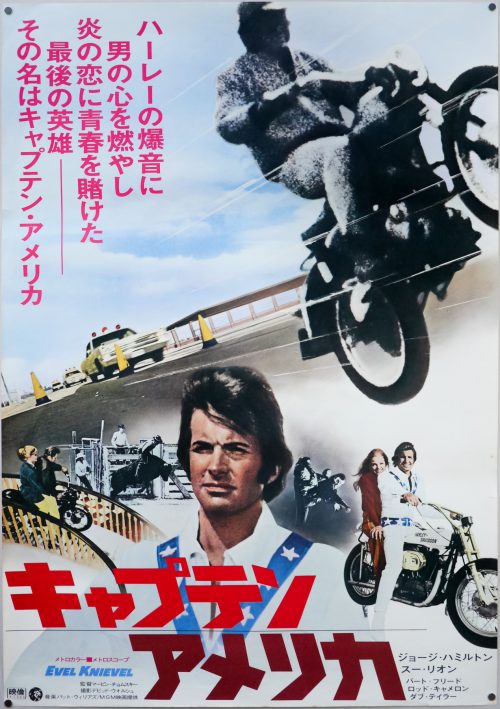
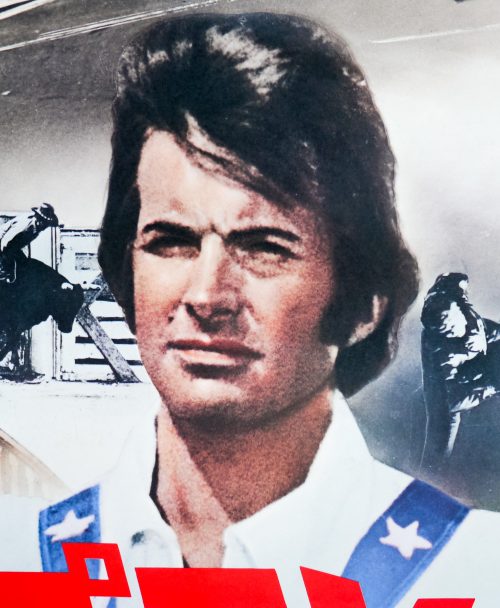
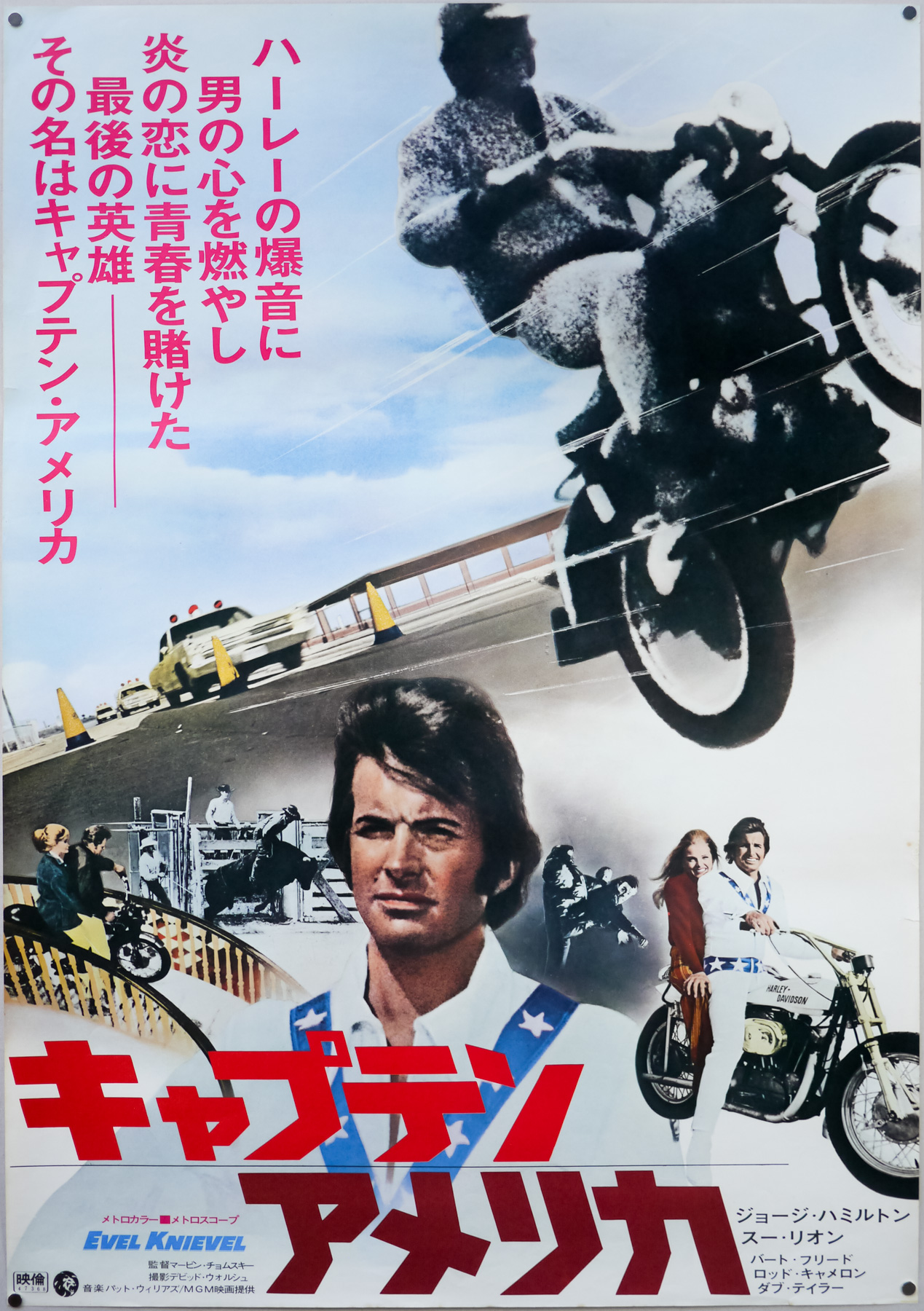
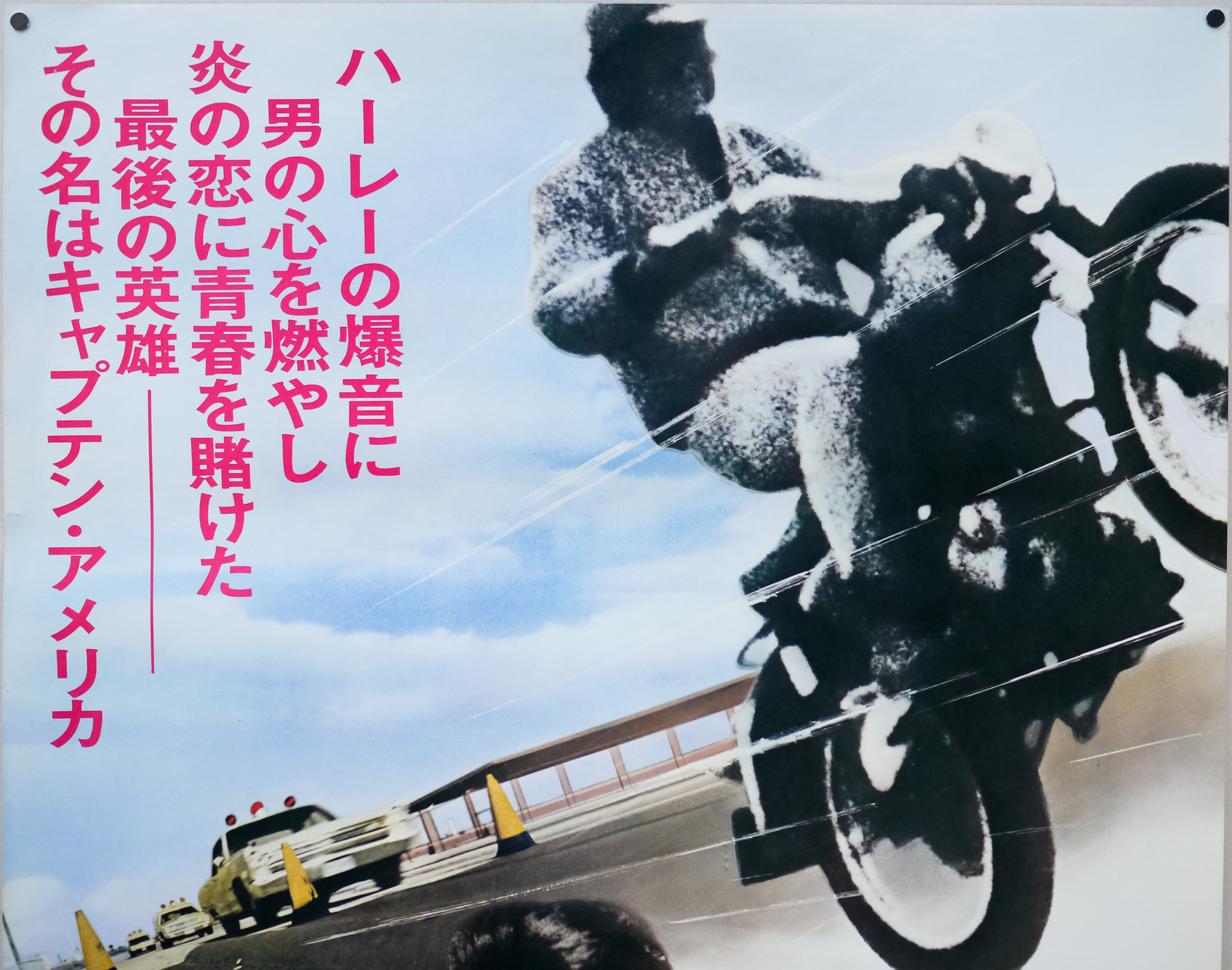
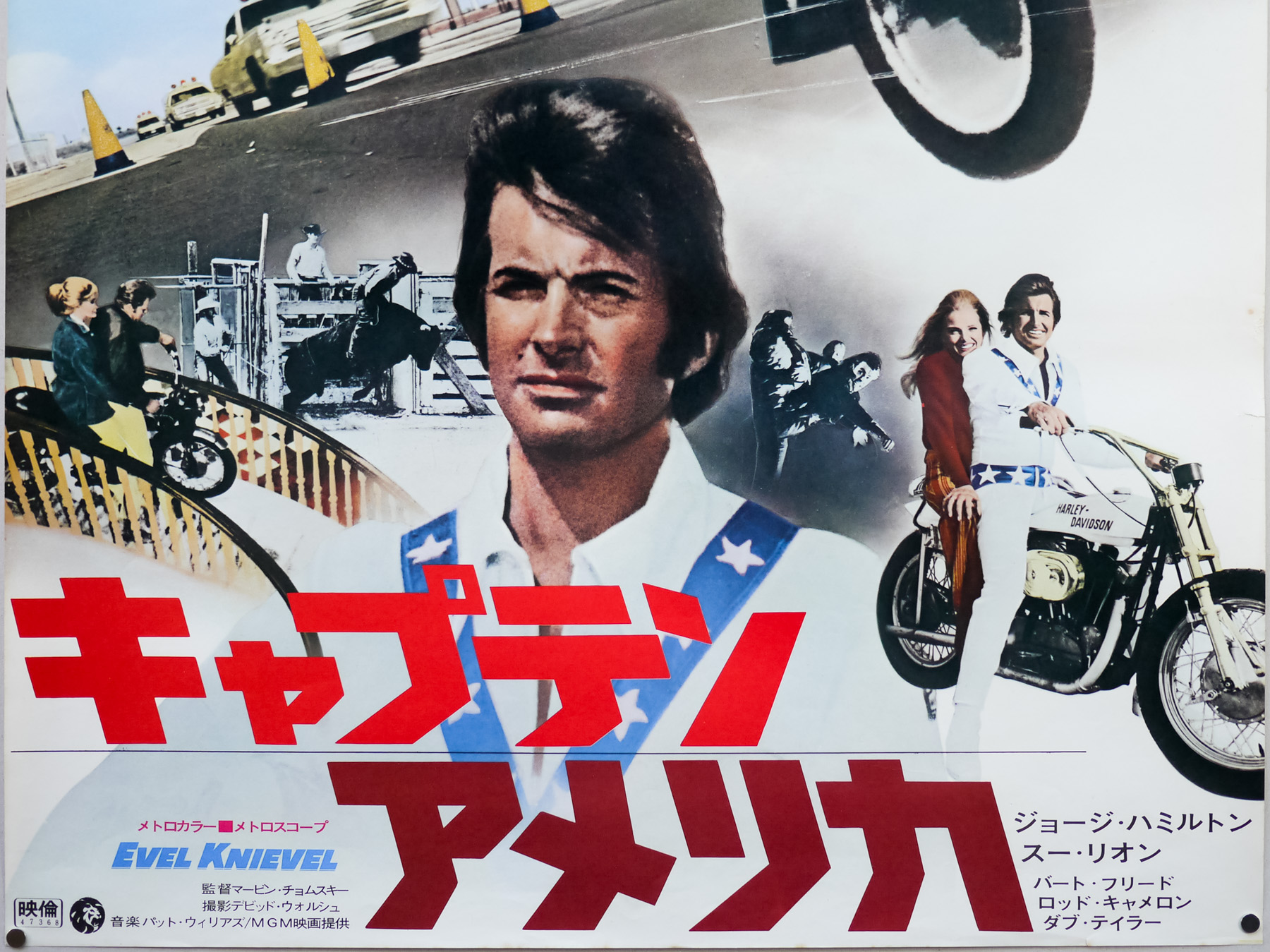
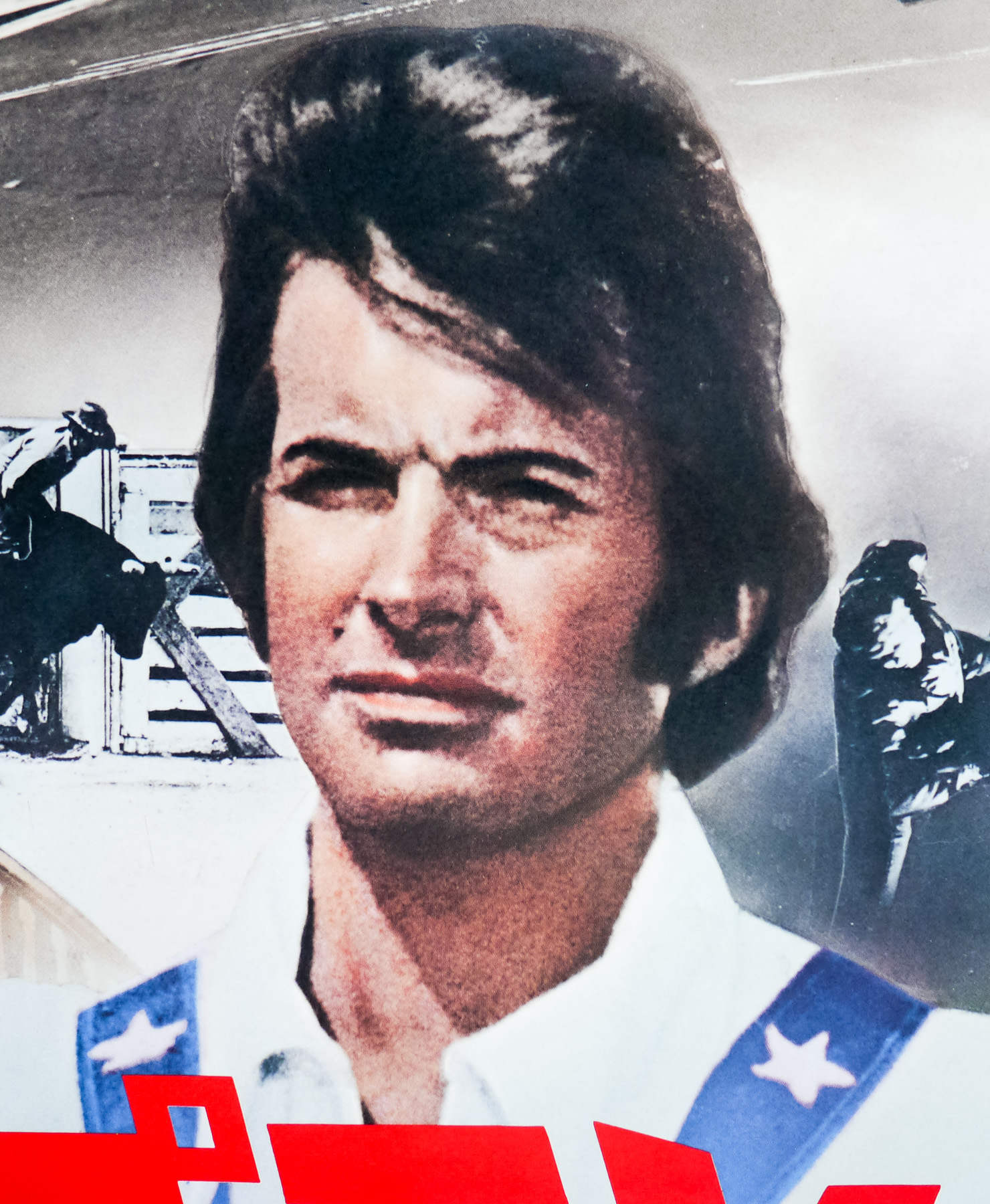
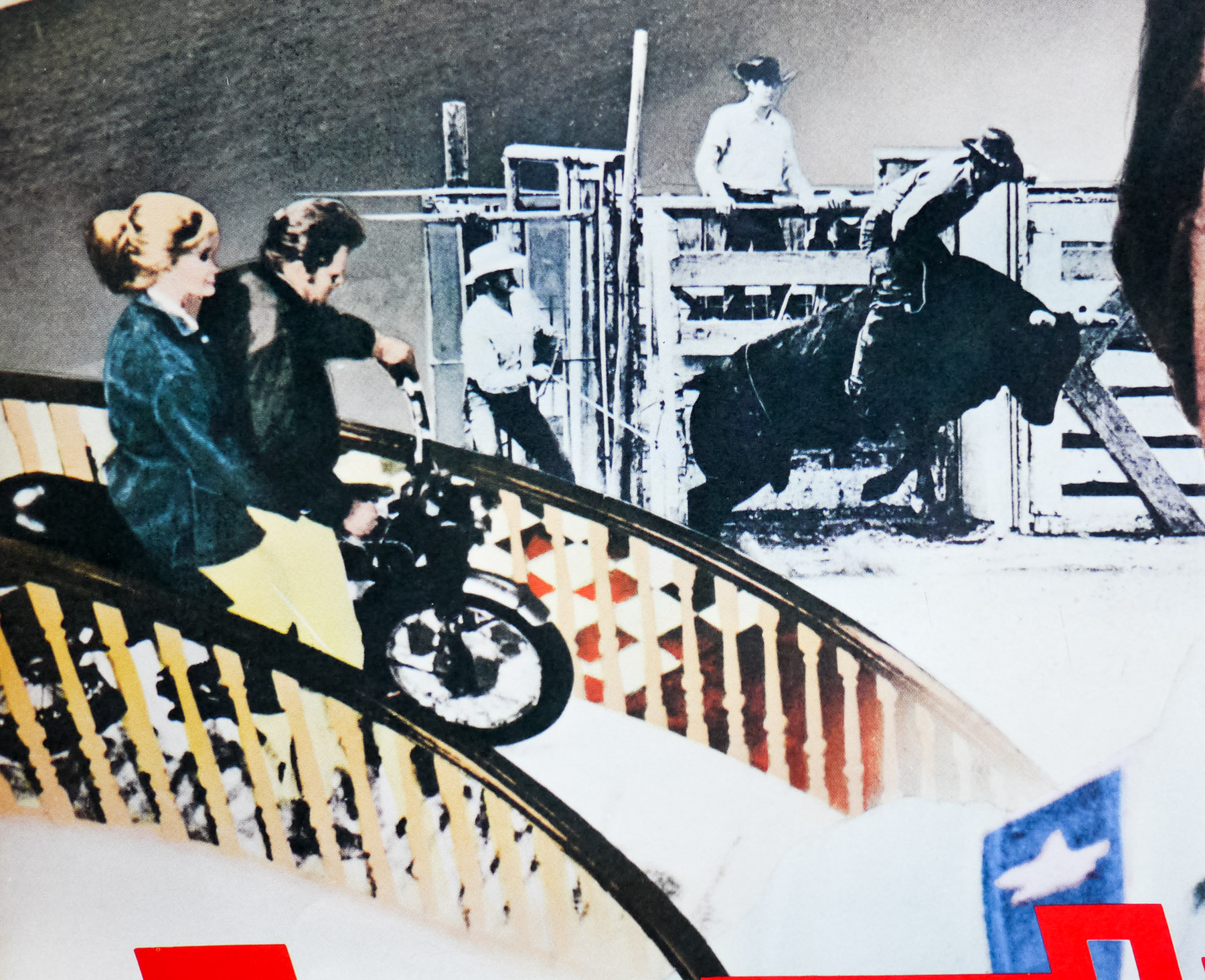
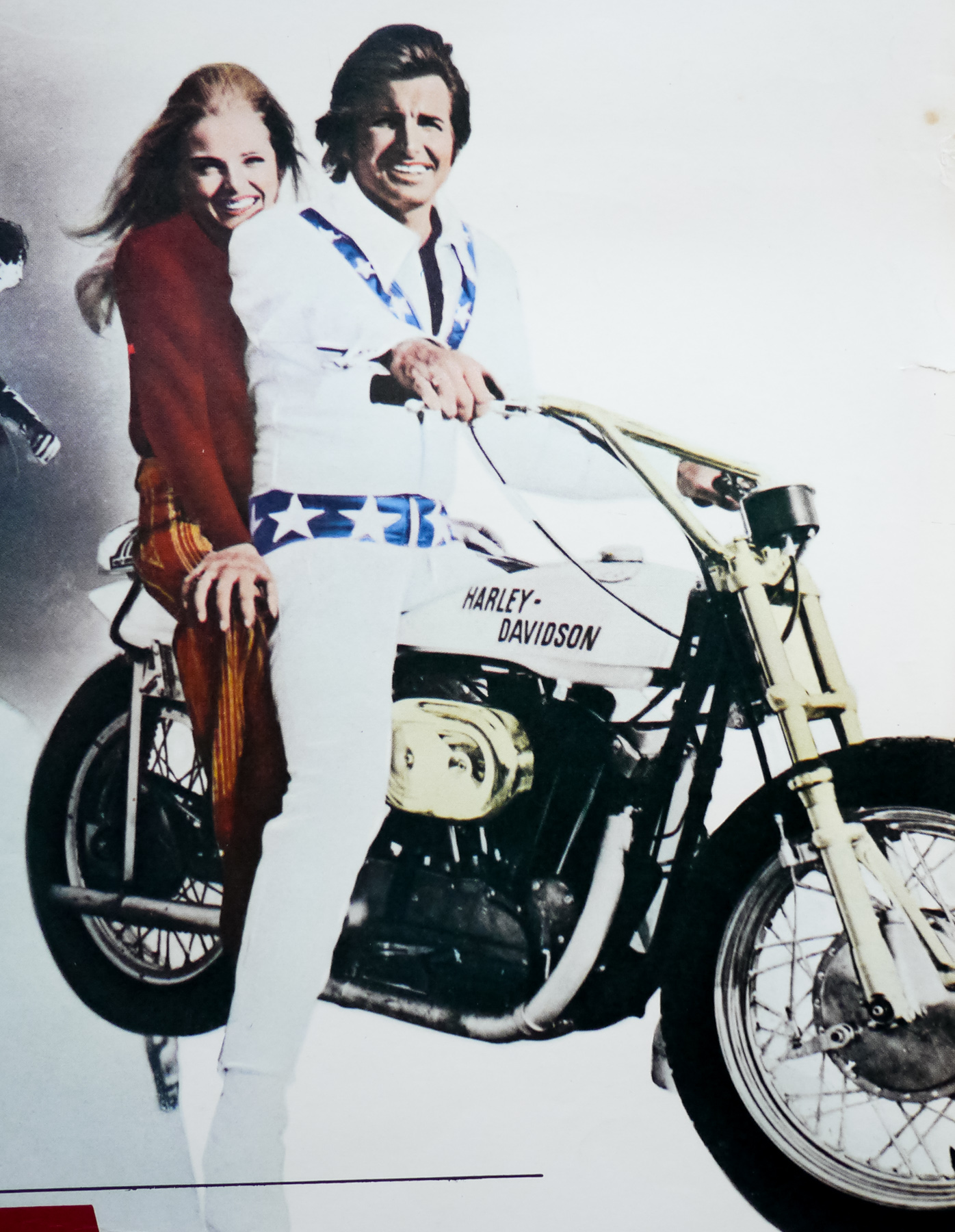
This is the Japanese B2 for the release of the 1971 biography of the legendary stuntman Evel Knievel that was made whilst he was only 32 years old and still at the height of his fame. It was also before his infamous attempted jumping of Snake River Canyon in 1974 that ended in a near fatal crash. The film was shot in Evel’s home town of Butte, Montana and starred the prolific actor George Hamilton as the man himself.

The film is told in a series of flashbacks with Evel narrating various incidents that happen throughout the film, including events regarding his relationship with his wife. It features actual footage of Knievel on his bike and completing various stunts, including one on the Ontario Motor Speedway. The film ends with Evel at the edge of the Grand Canyon because the real stuntman was planning a jump of the famous landmark that never came to pass.

The film is now out of copyright and is in the public domain, freely available to watch online should you wish to do so.


For Your Eyes Only / B2 / artwork style / Japan

18.10.13

Poster Poster

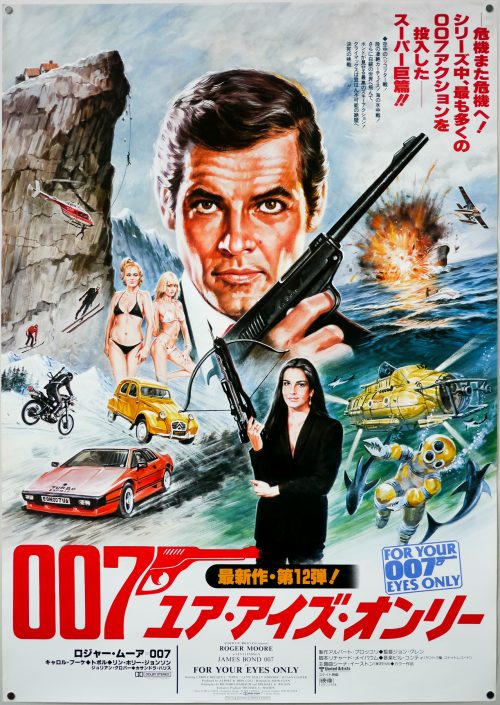
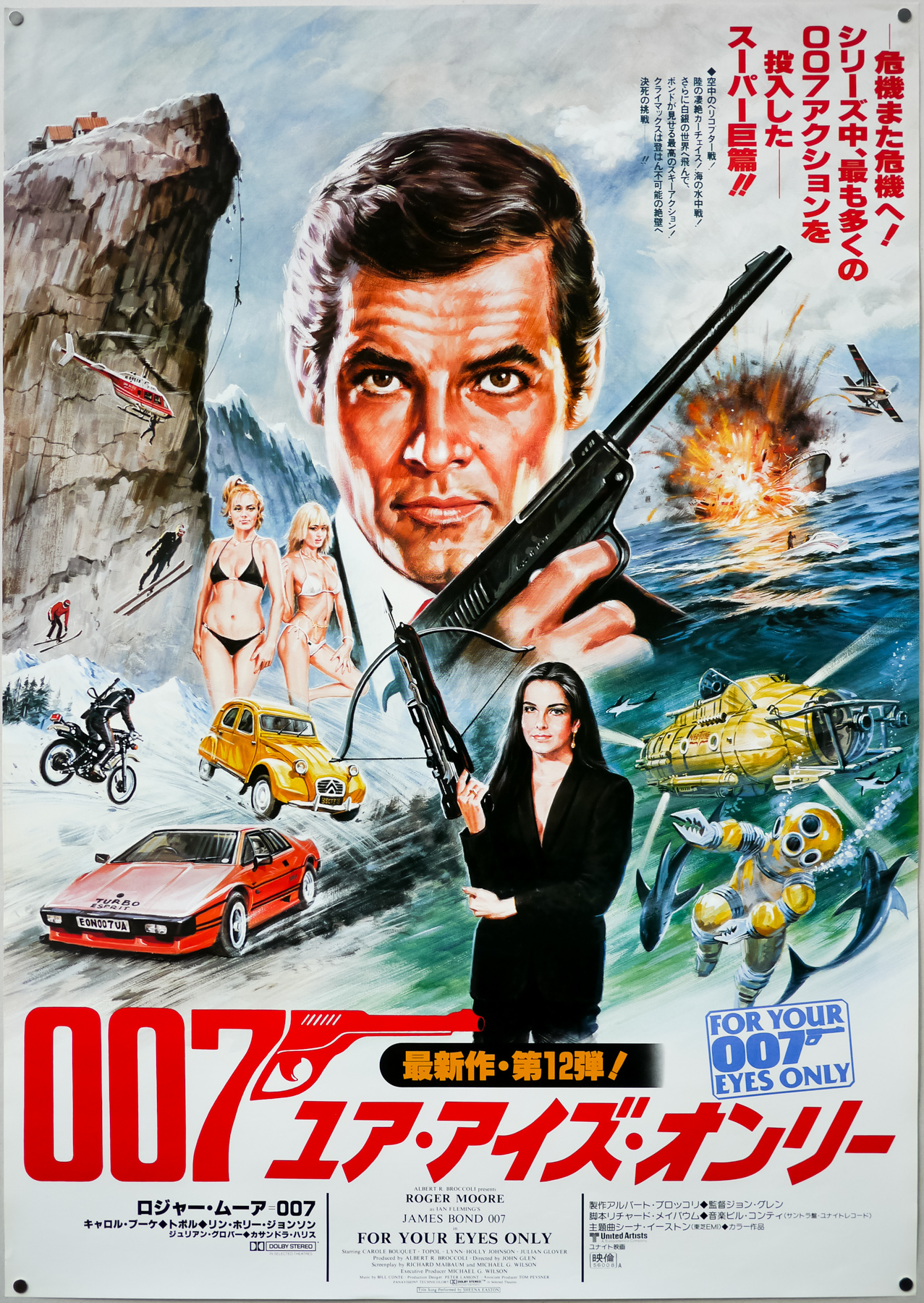
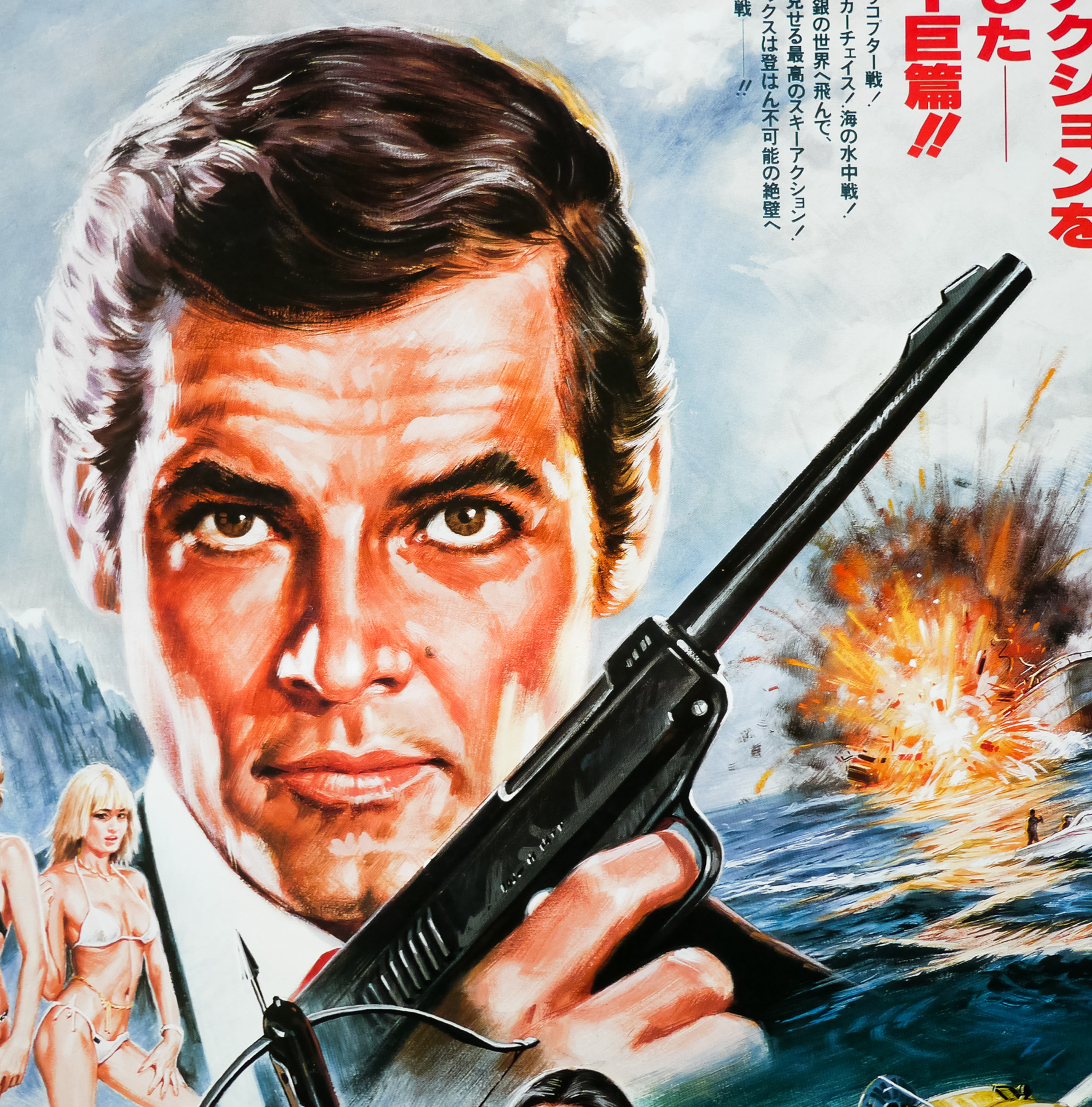
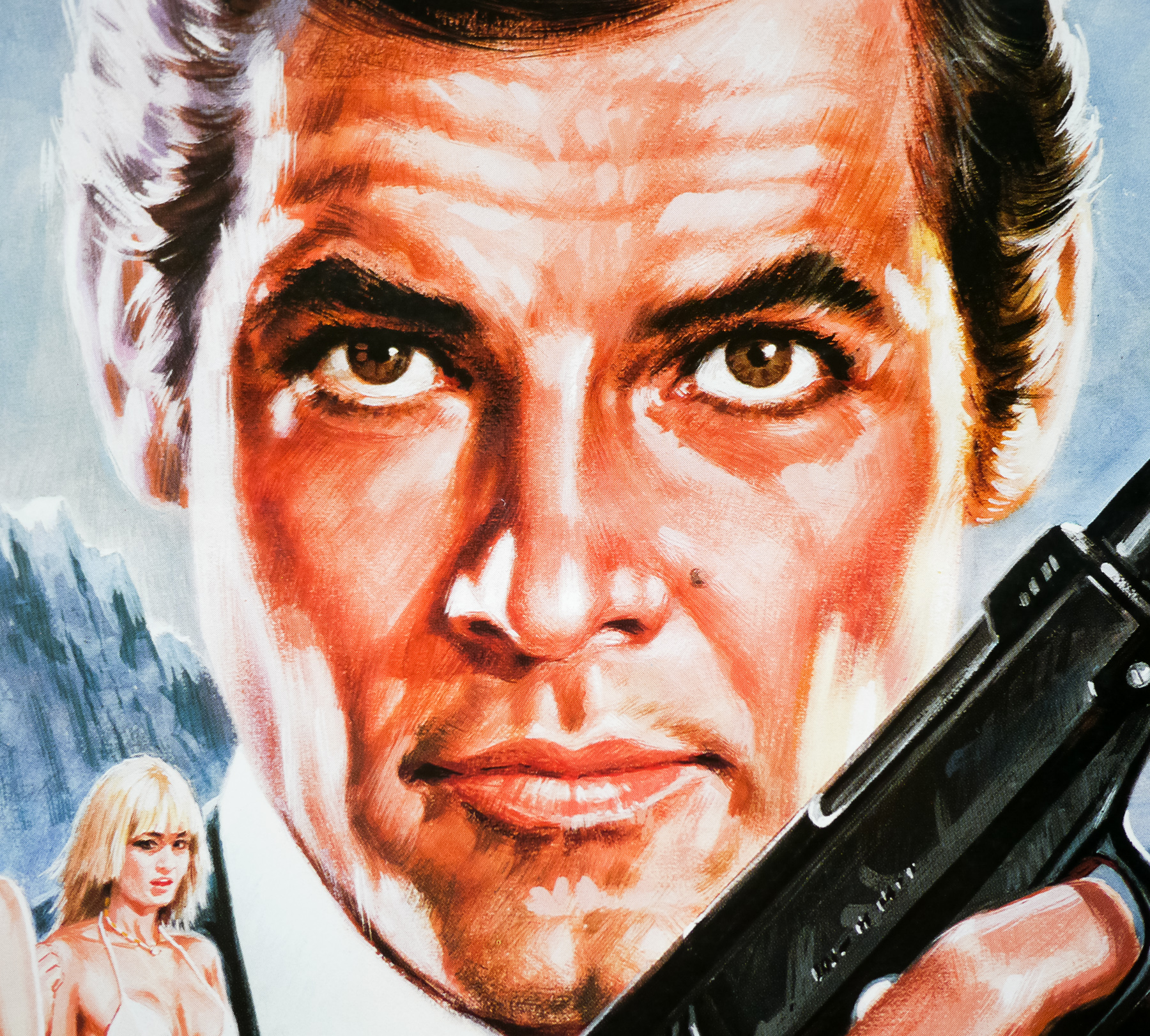
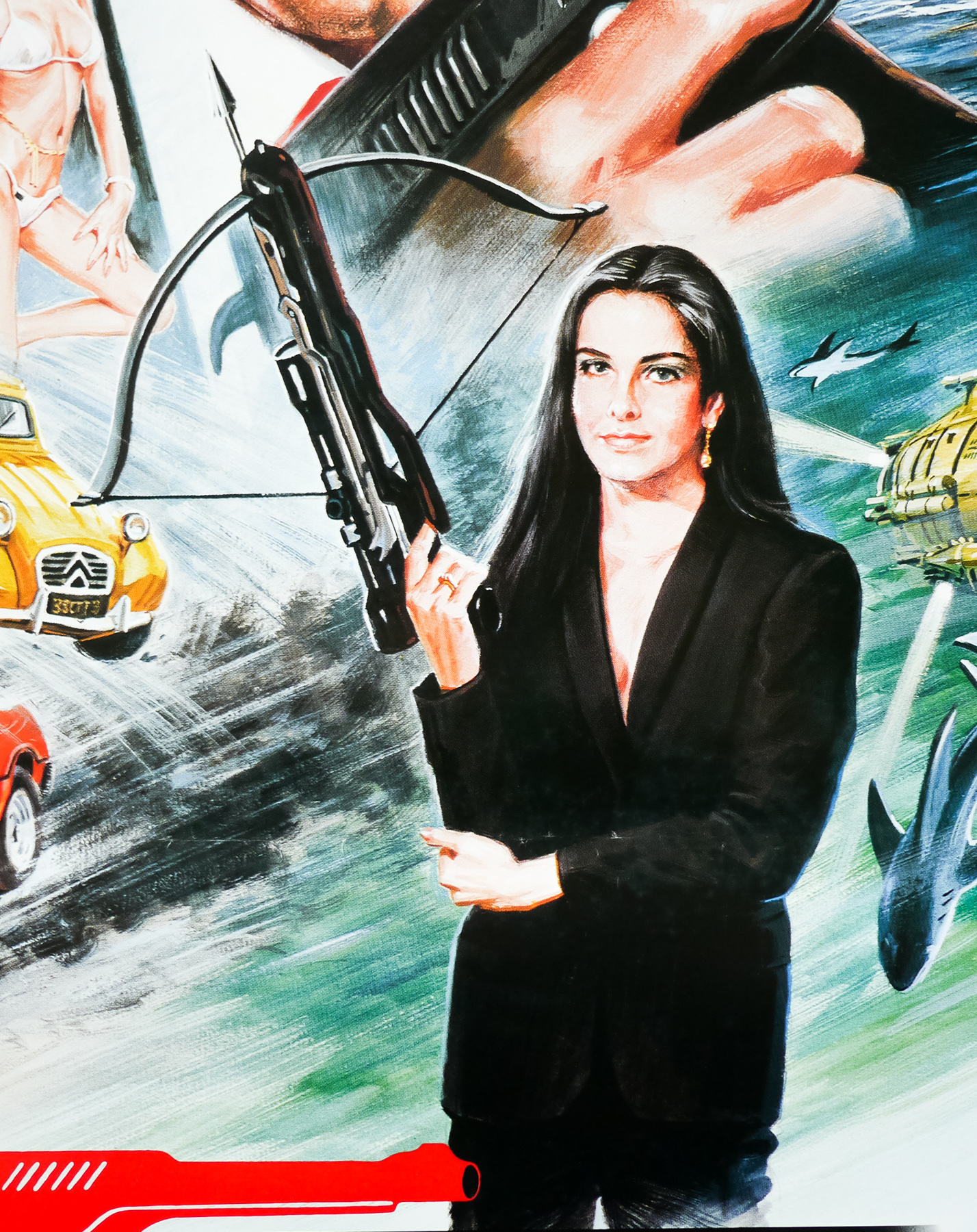
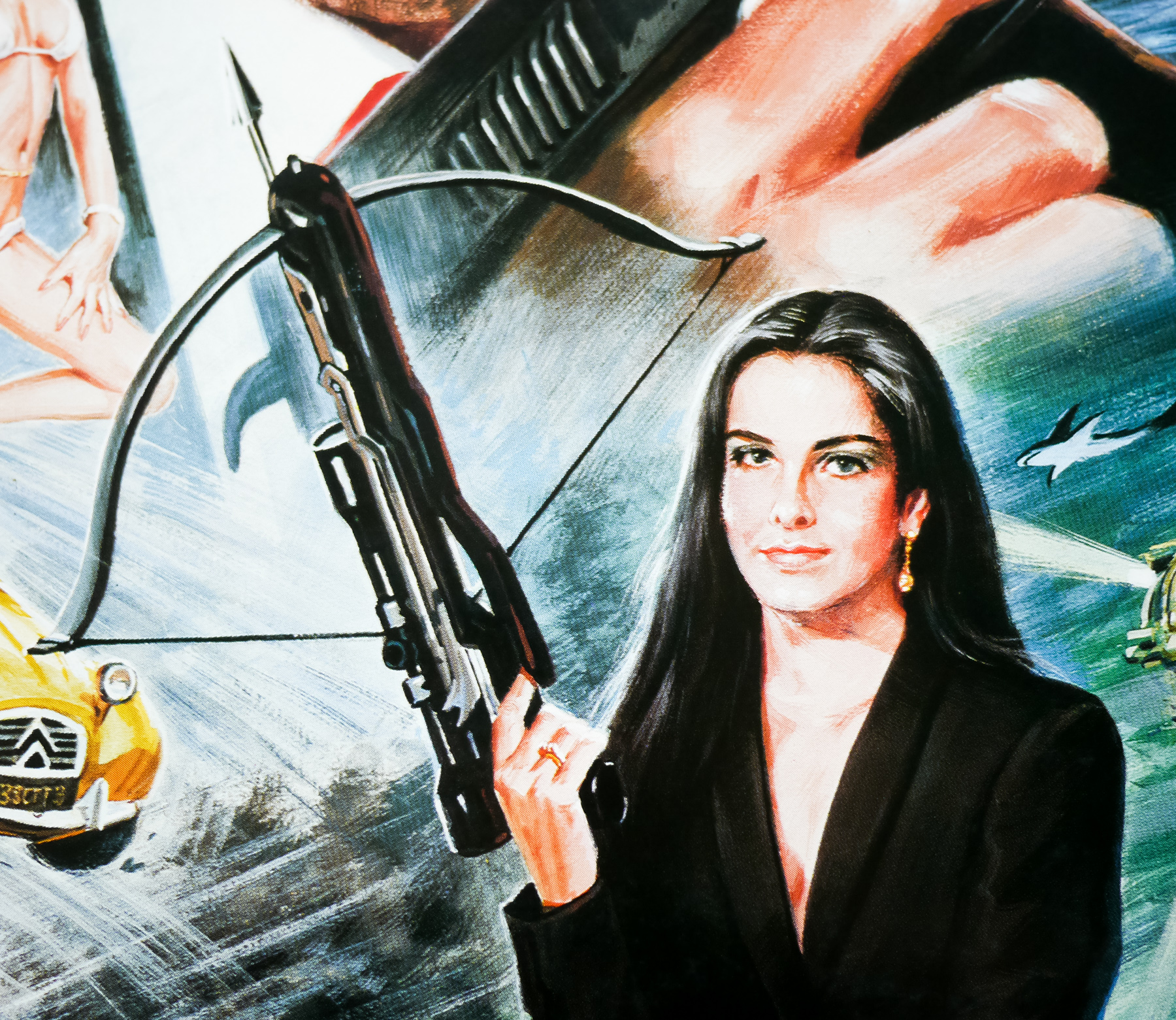
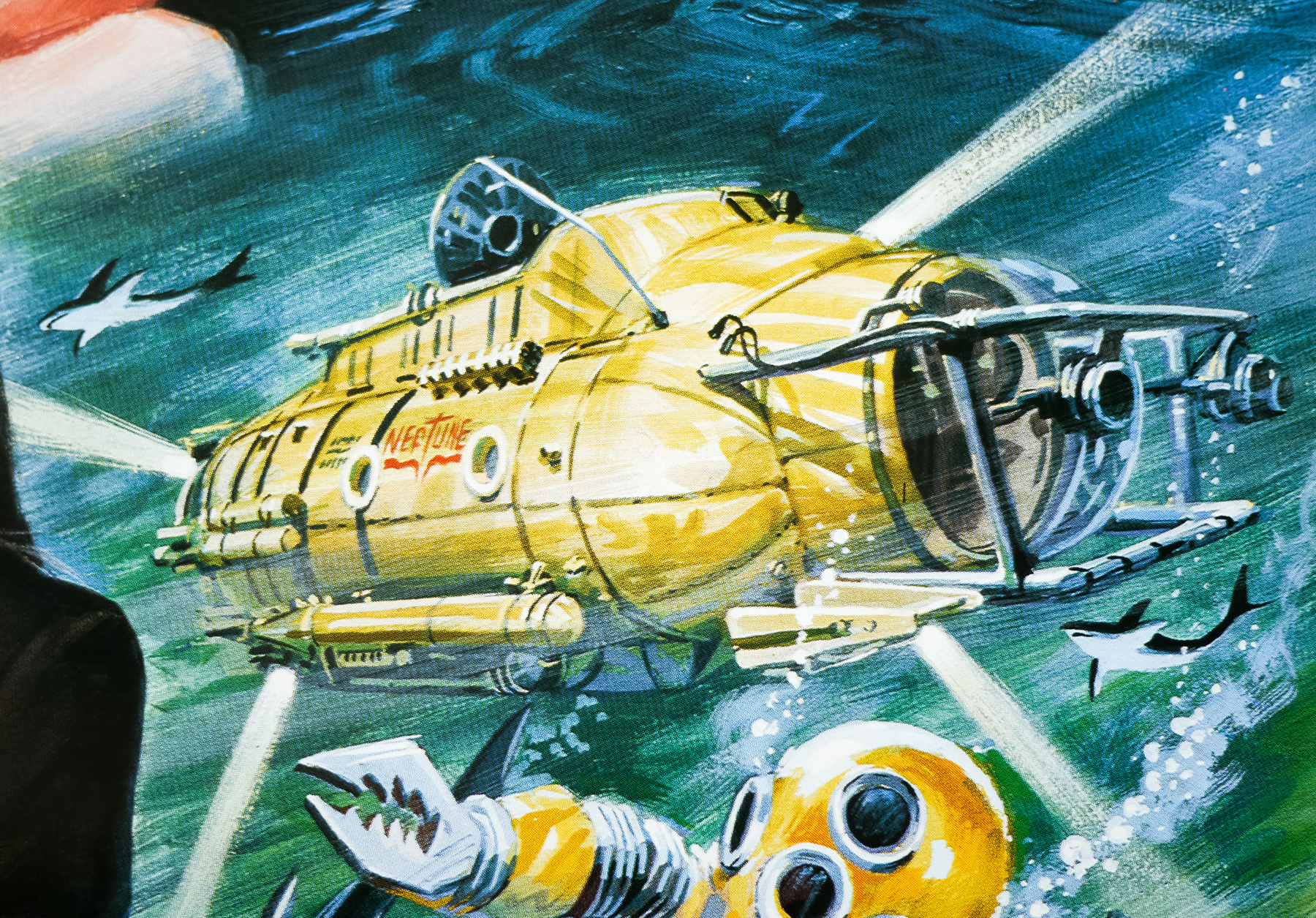
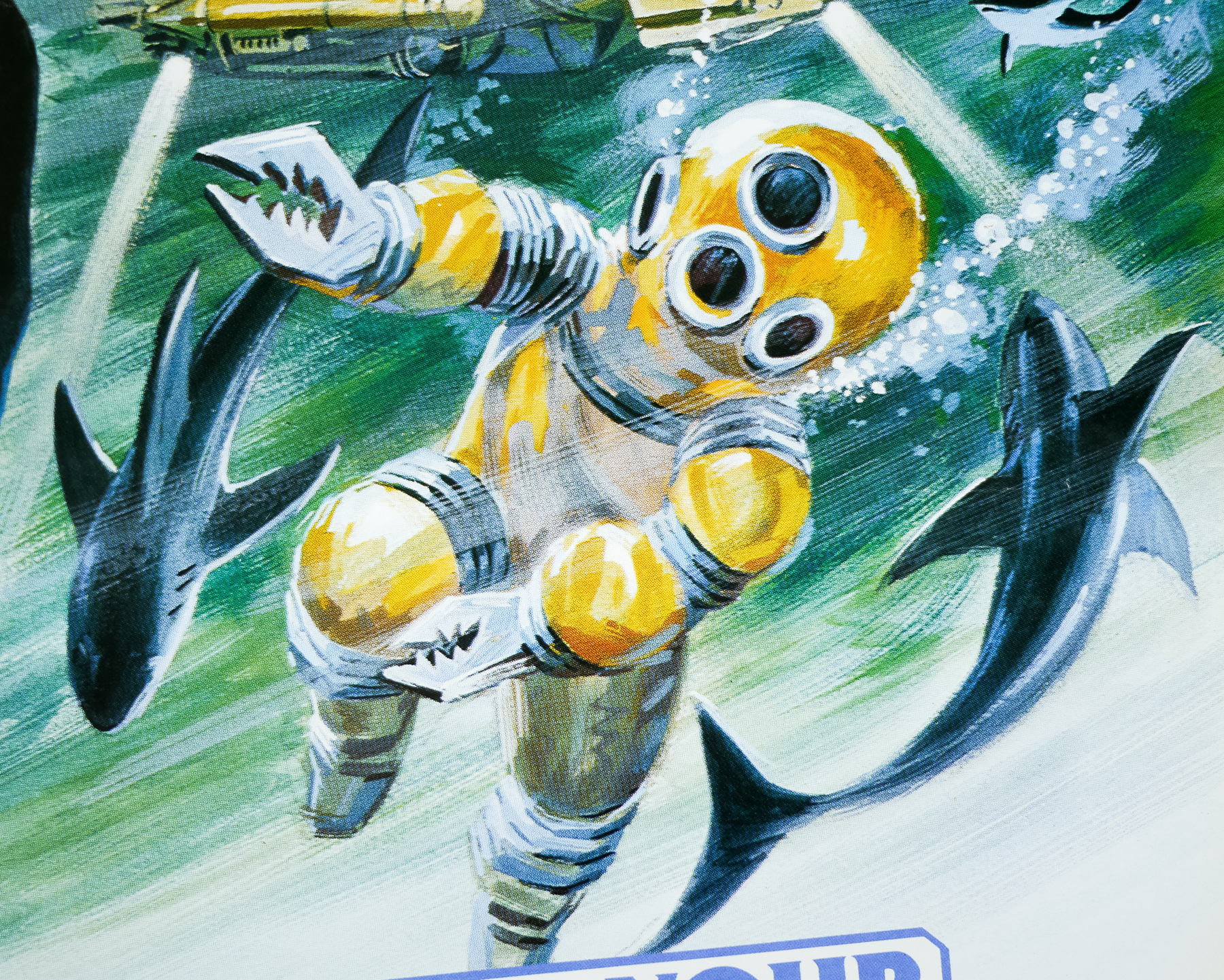
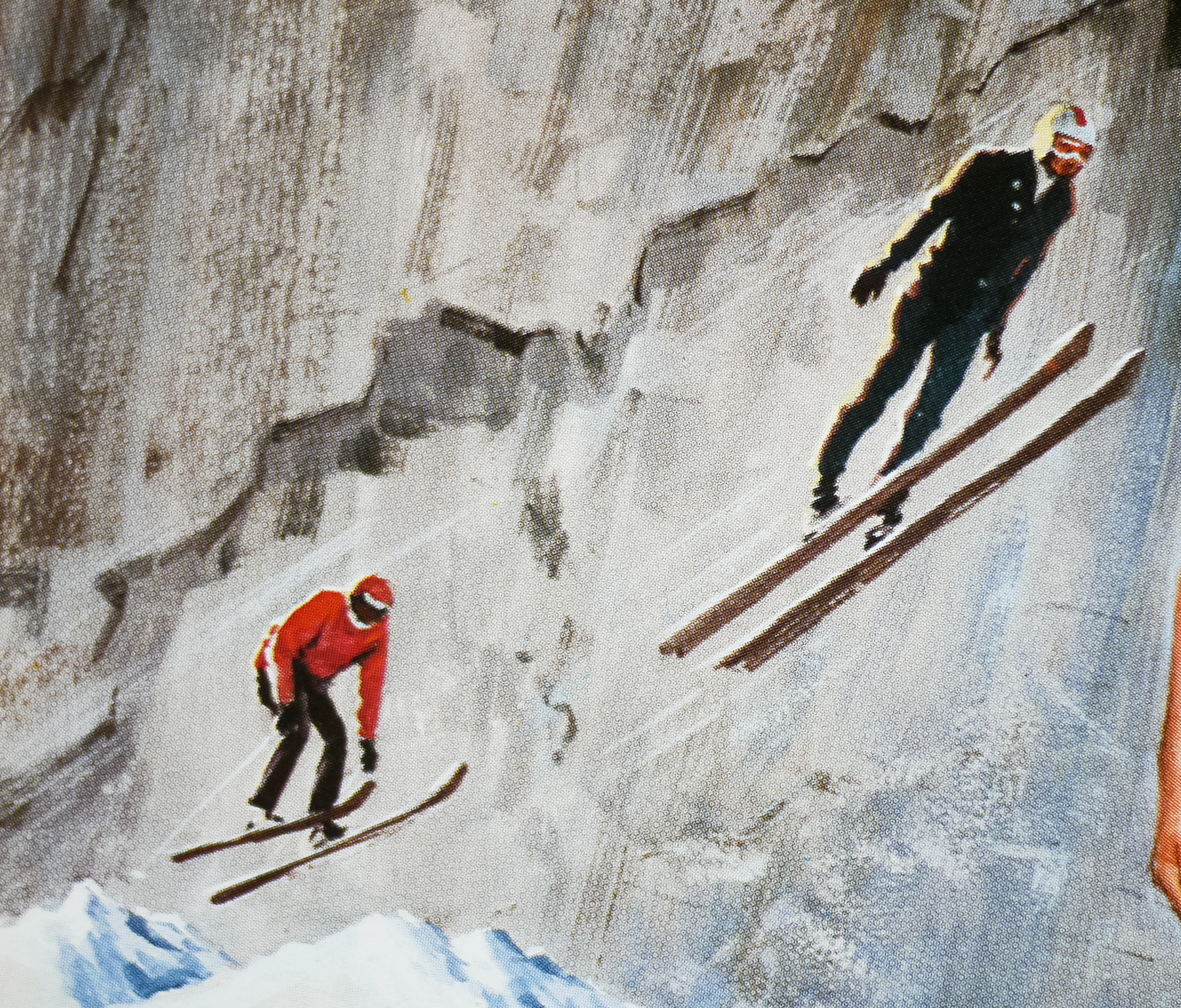
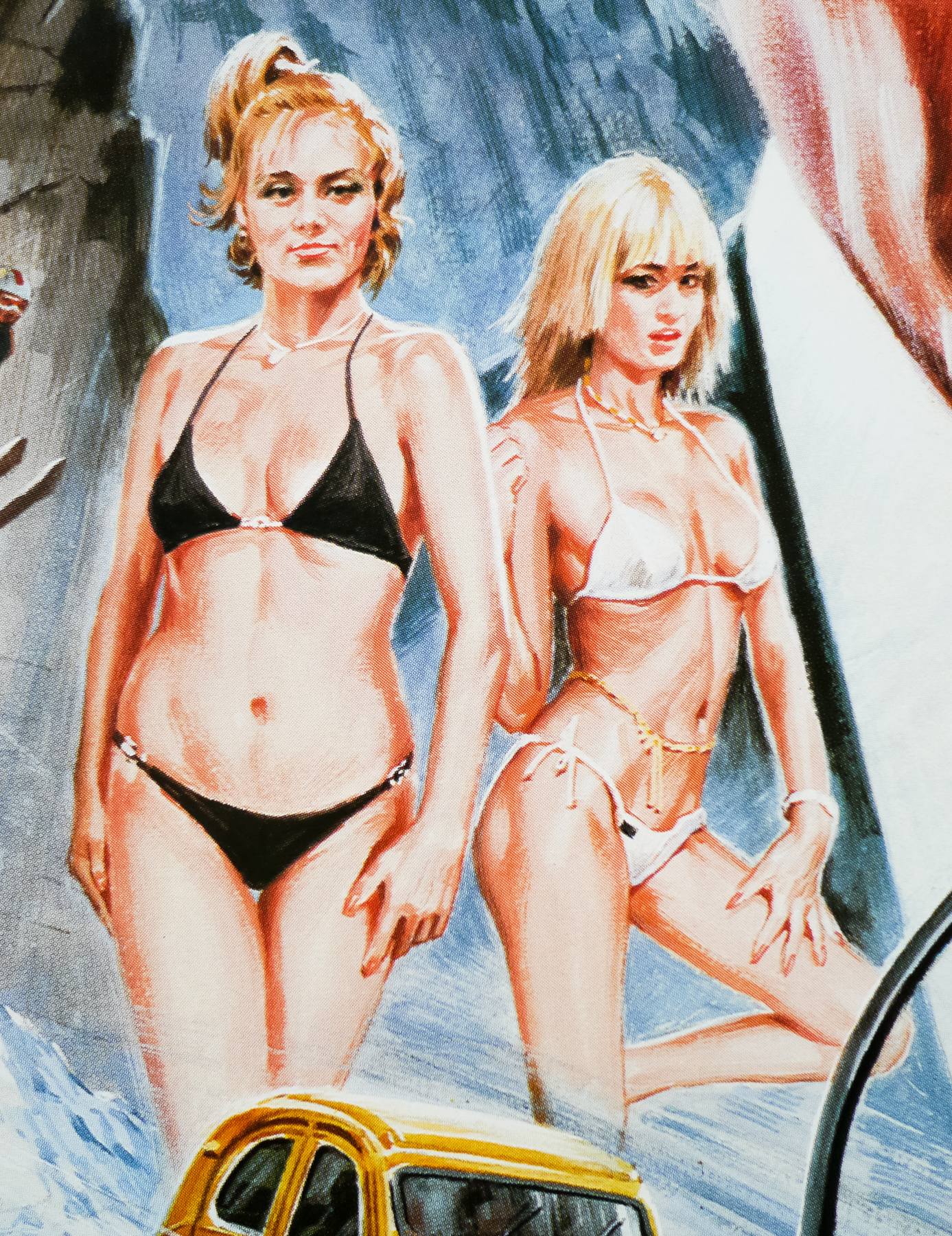
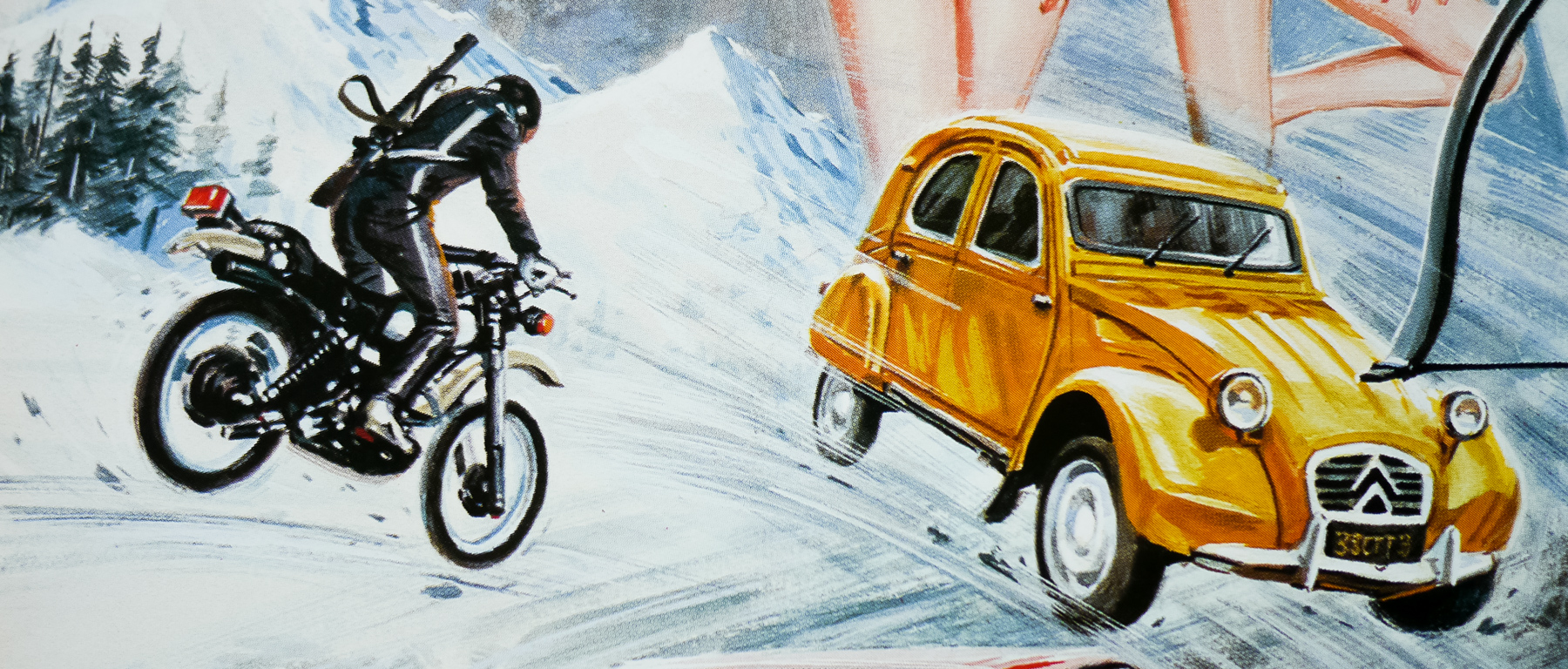
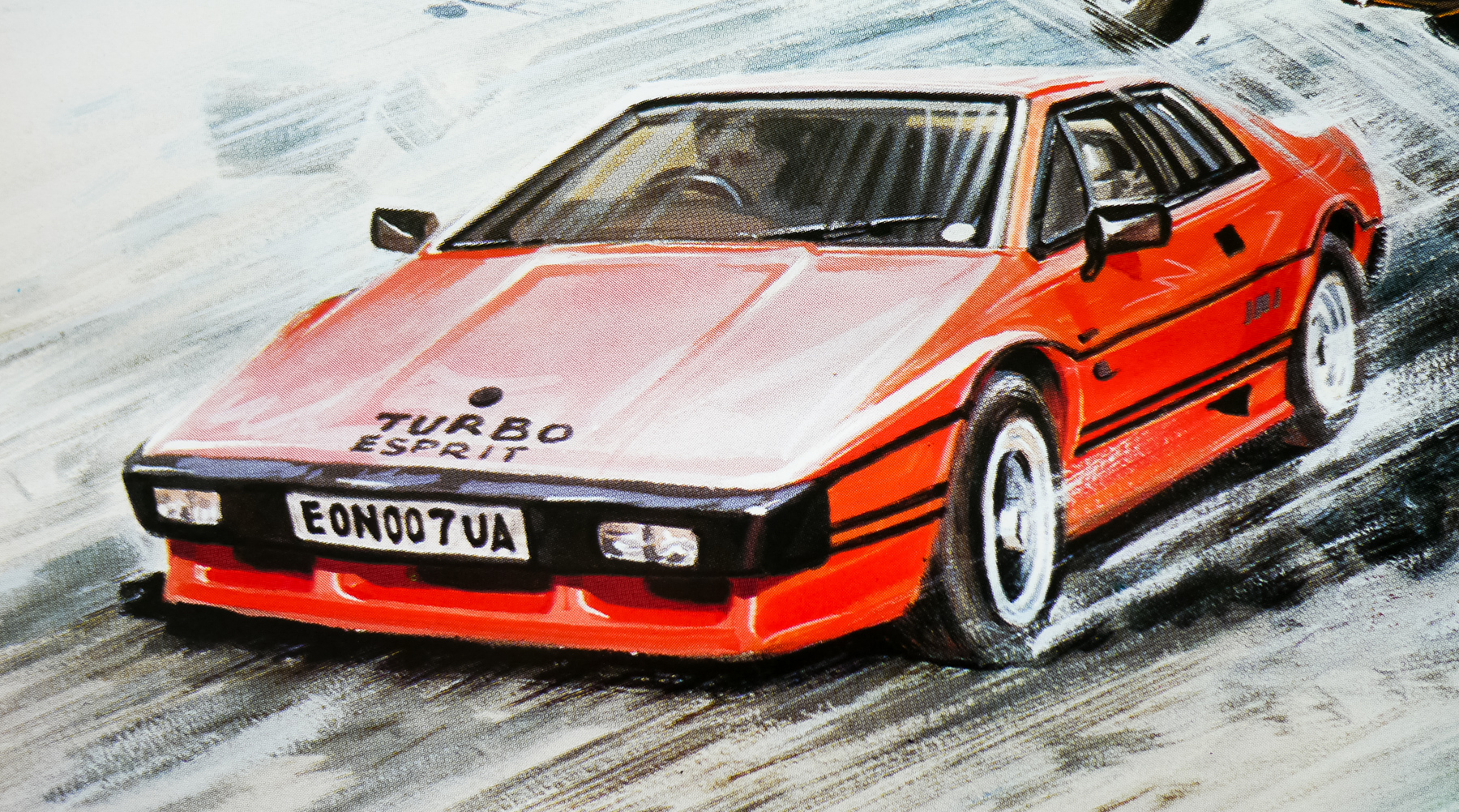
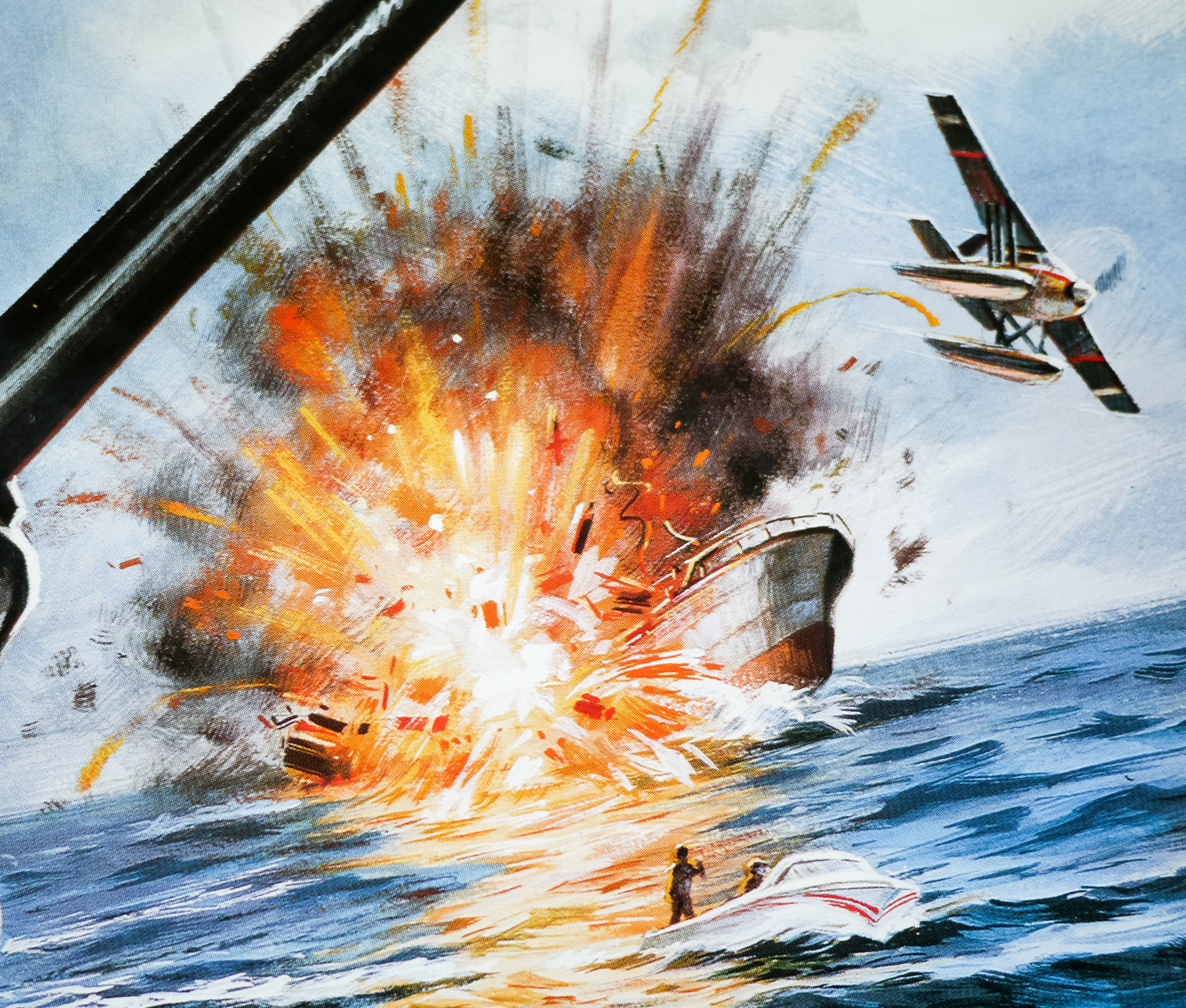
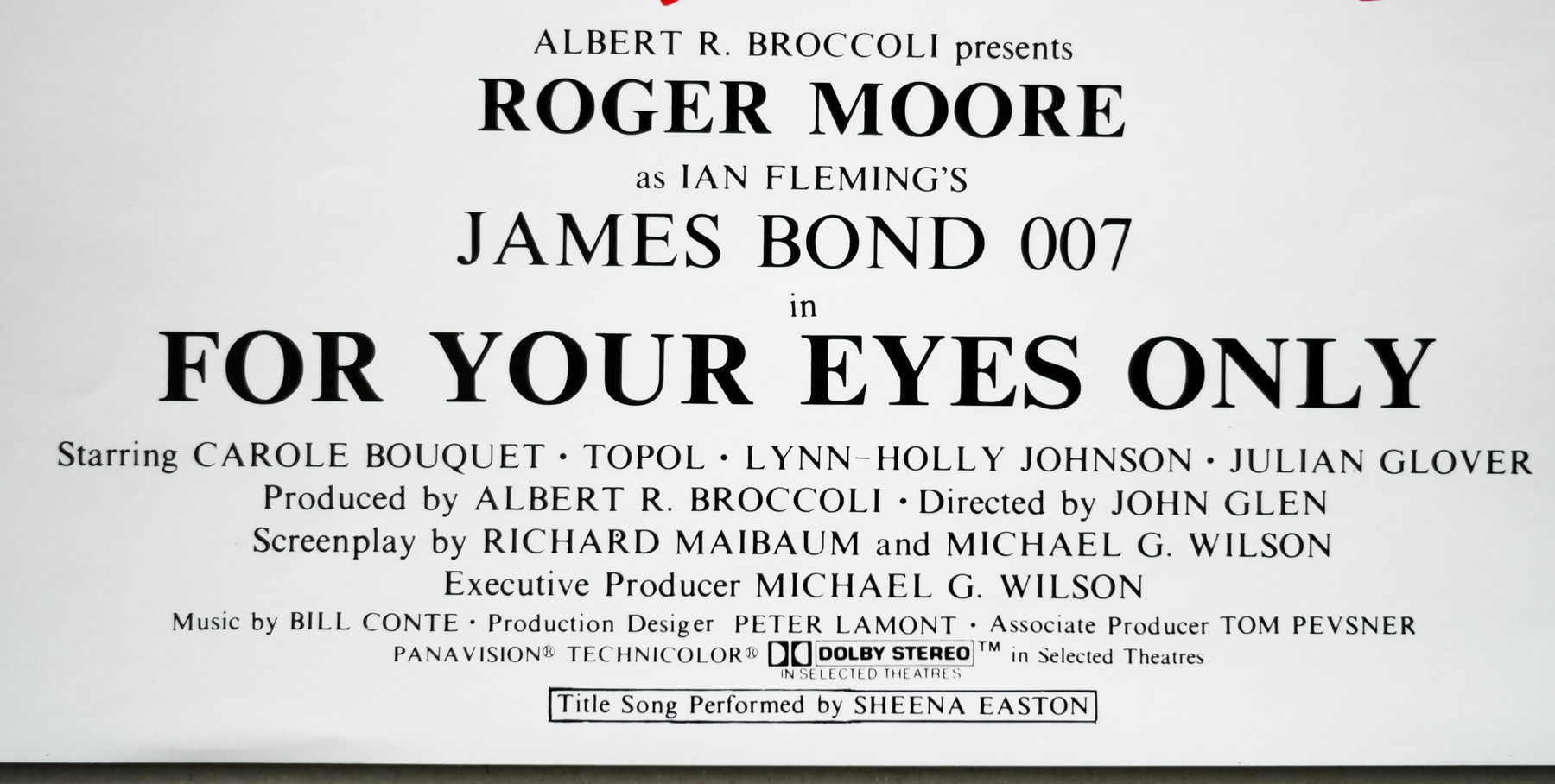
This is the artwork style B2 poster for the Japanese release of one of Roger Moore’s better outings as 007, For Your Eyes Only, which was intended to bring the legendary spy back down to earth with a more realistic and less sensational storyline following the lunacy of Moonraker. It marked the first time John Glen would helm a Bond film, having worked as an editor and second-unit director on three of the previous outings, and he would go on to direct the next four films in the series. The story sees the spy being sent to try and recover an ‘ATAC’ device capable of controlling the British Polaris submarine fleet, which is lost after a spy ship disguised as a trawler is sunk in neutral waters.

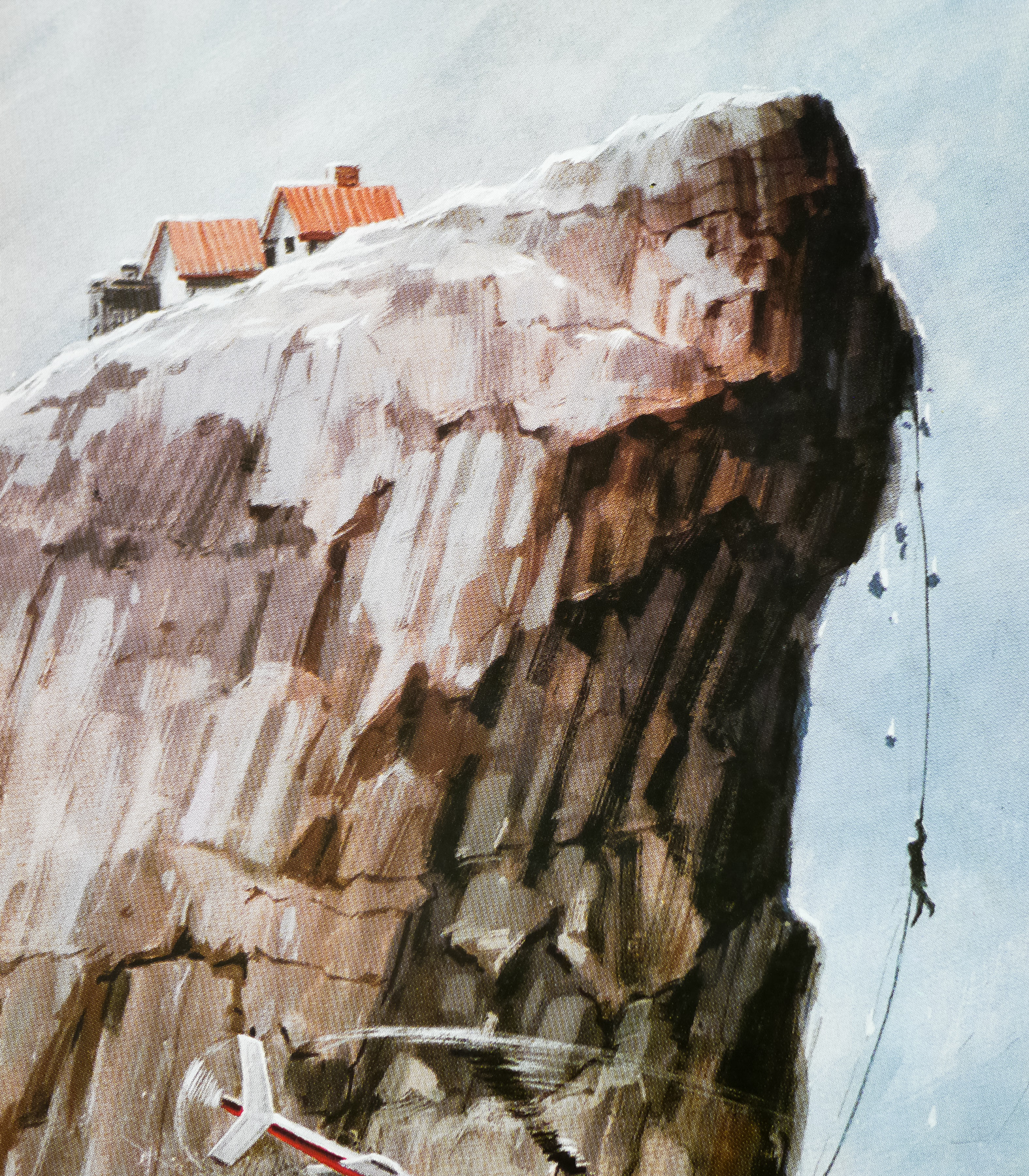
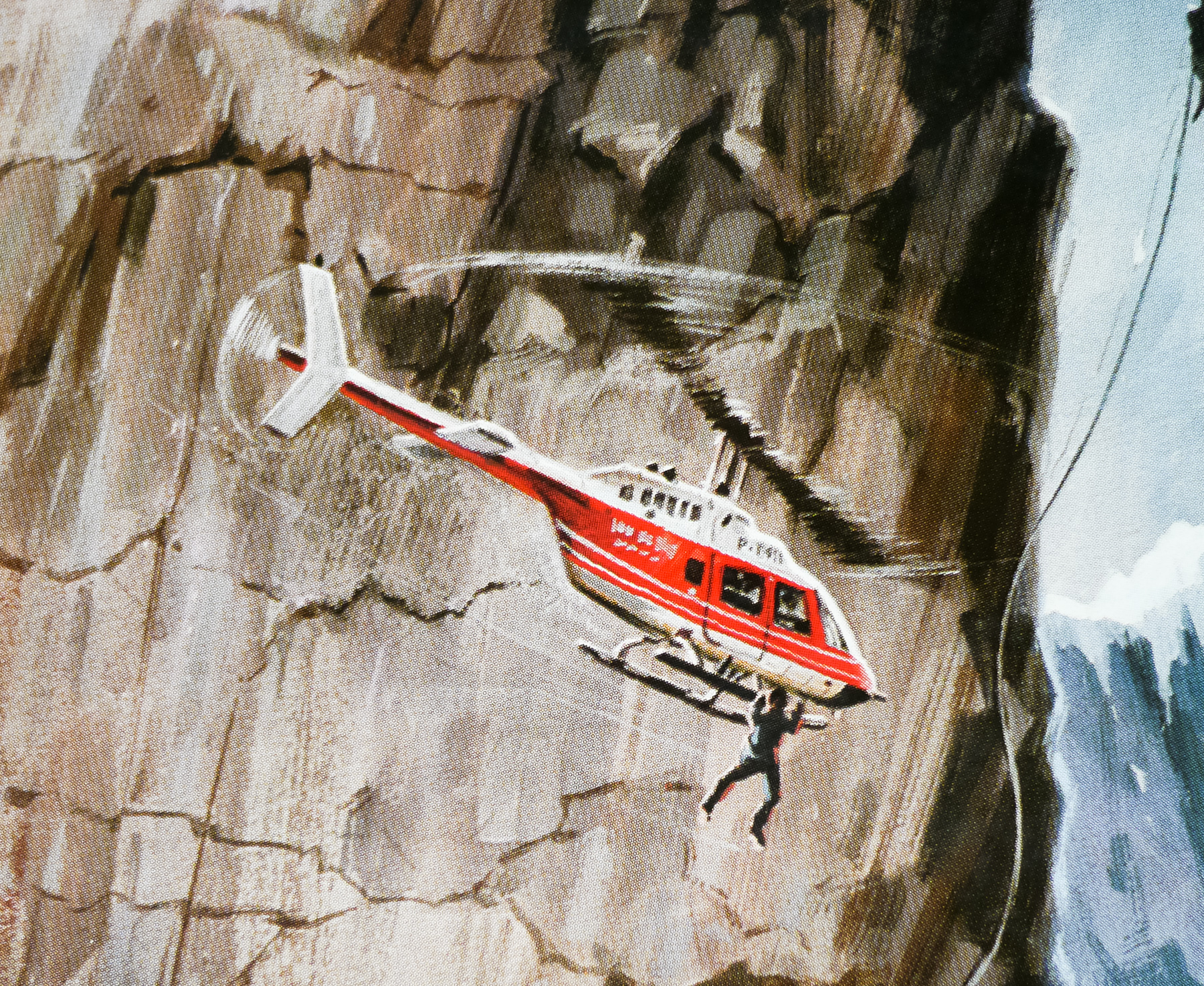
It becomes clear that the Soviets are also keen to get their hands on the device and Bond must discover who is aiding them, with suspicion falling on both Milos Columbo (Topol) and Aris Kristatos (Julian Glover). Bond also finds an ally in the form of Melina Havelock (the gorgeous Carole Bouquet) who is out for revenge after her parents are murdered by the same forces who retrieve the ATAC device. The film features several memorable chases and action sequences, including a climactic assault on a fortress on top of a sheer cliff. It also includes the infamous character of Bibi Dahl (Lynn-Holly Johnson) a gorgeous young ice-skating protégée who becomes infatuated with Bond, and in turn became the object of countless teenage boys’ fantasies, including yours truly.

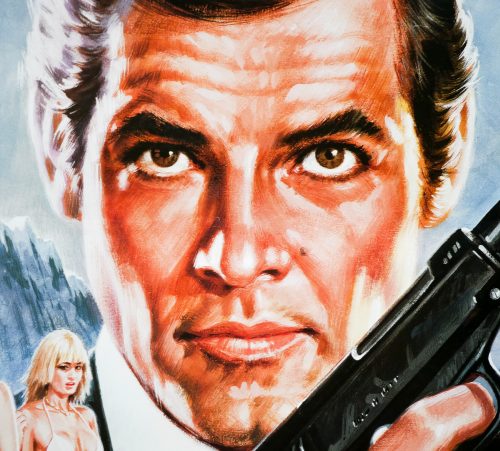
The artwork on this poster is unique to Japan and was painted by the artist Seito. I’ve not been able to discover much about Seito but he was fairly prolific and painted for a lot of US films that were released in Japan. If anyone has any information about him please get in touch.

The other posters I’ve collected by Seito can be seen here.

Gordon’s War / B2 / Japan

09.10.15

Poster Poster
Title
Gordon's War
AKA
--
Year of Film
1973
Director
Ossie Davis
Starring
Paul Winfield, Carl Lee, David Downing, Tony King, Gilbert Lewis, Carl Gordon, Nathan C. Heard, Grace Jones
Origin of Film
USA
Genre(s) of Film
Paul Winfield, Carl Lee, David Downing, Tony King, Gilbert Lewis, Carl Gordon, Nathan C. Heard, Grace Jones,
Type of Poster
B2
Style of Poster
--
Origin of Poster
Japan
Year of Poster
1973
Designer
Unknown
Artist
--
Size (inches)
20 5/16" x 28 13/16"
Tagline
--

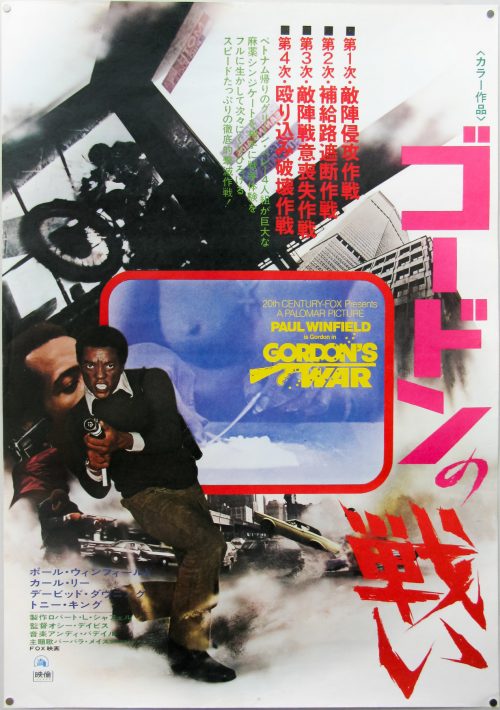
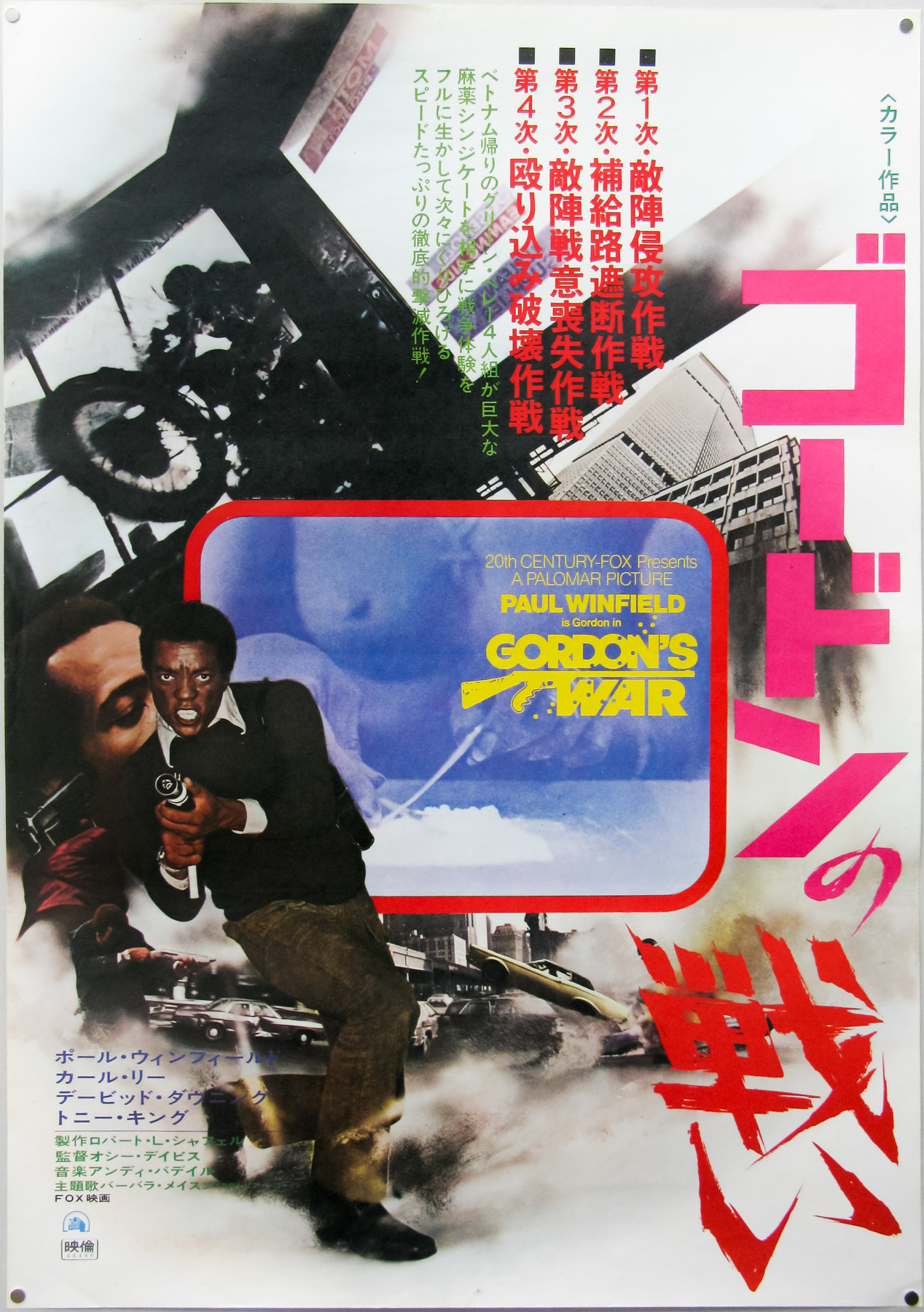
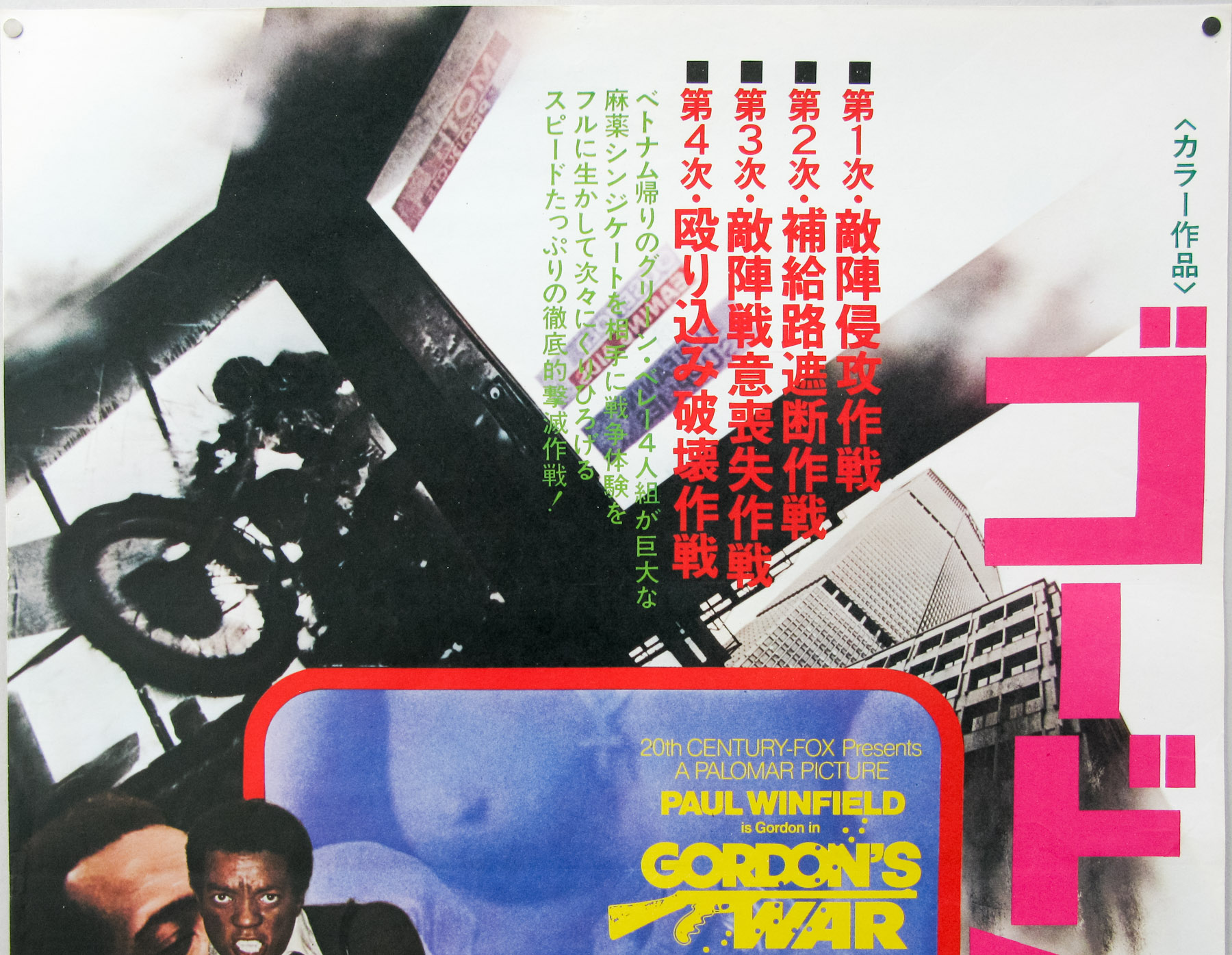
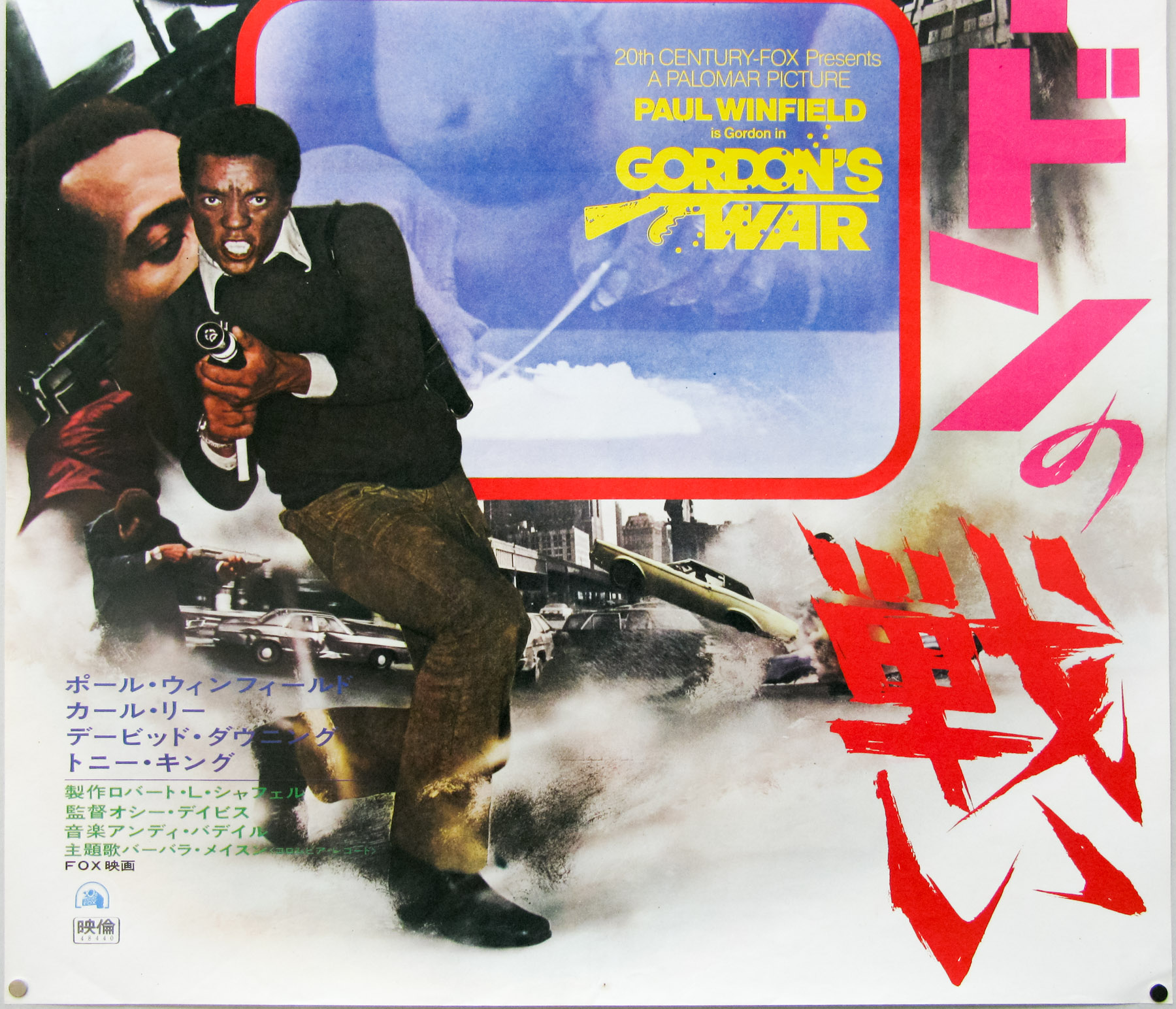
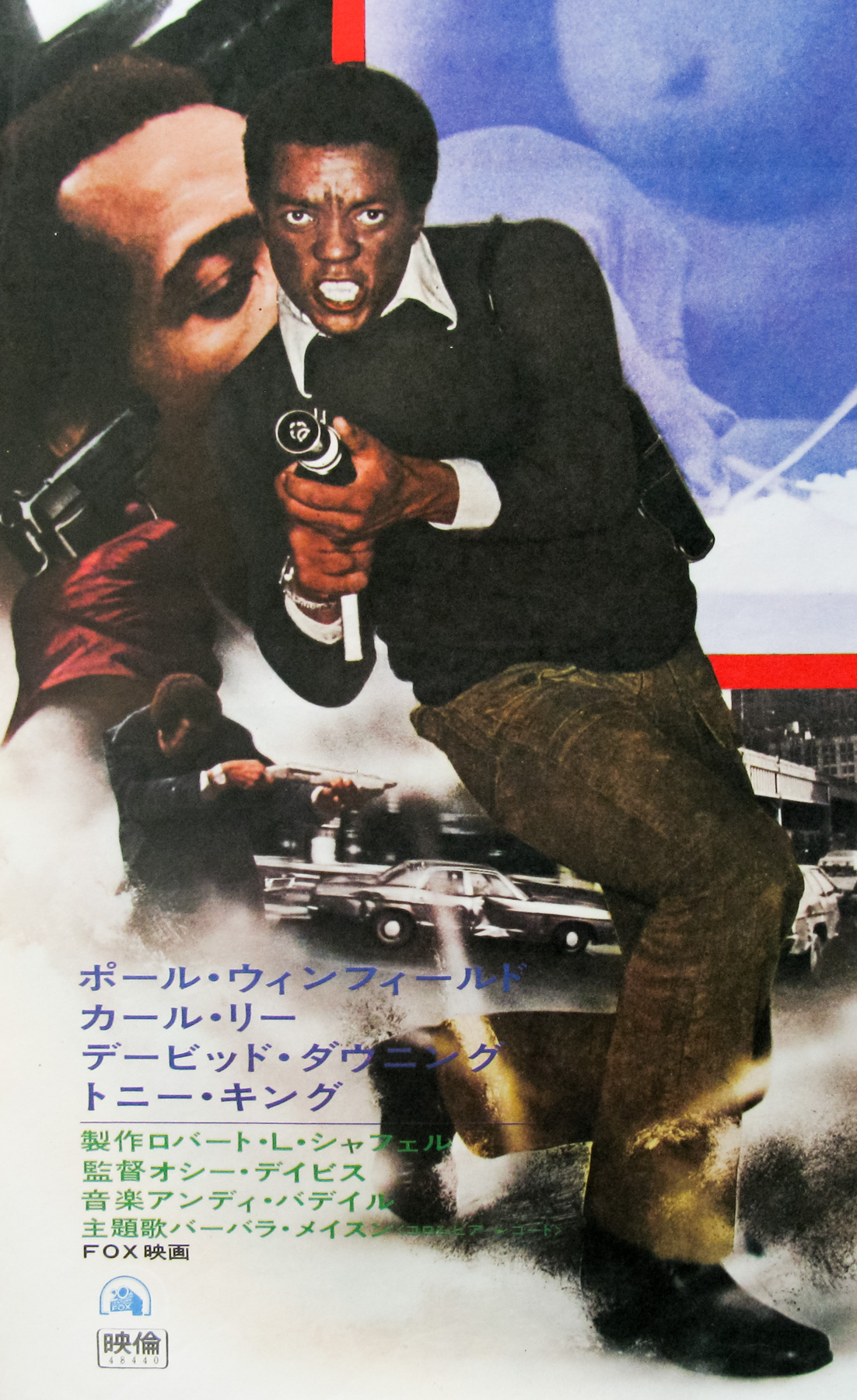
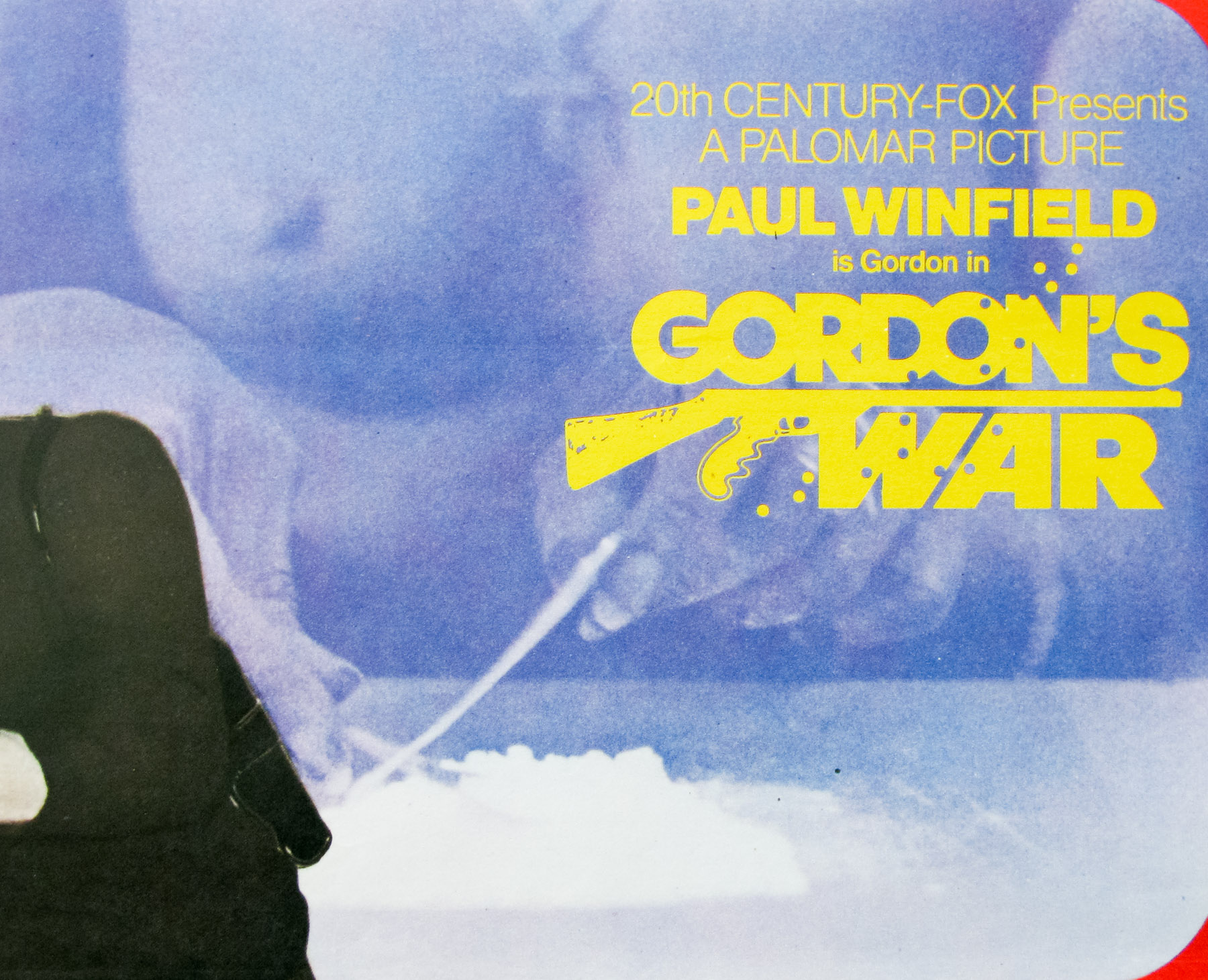
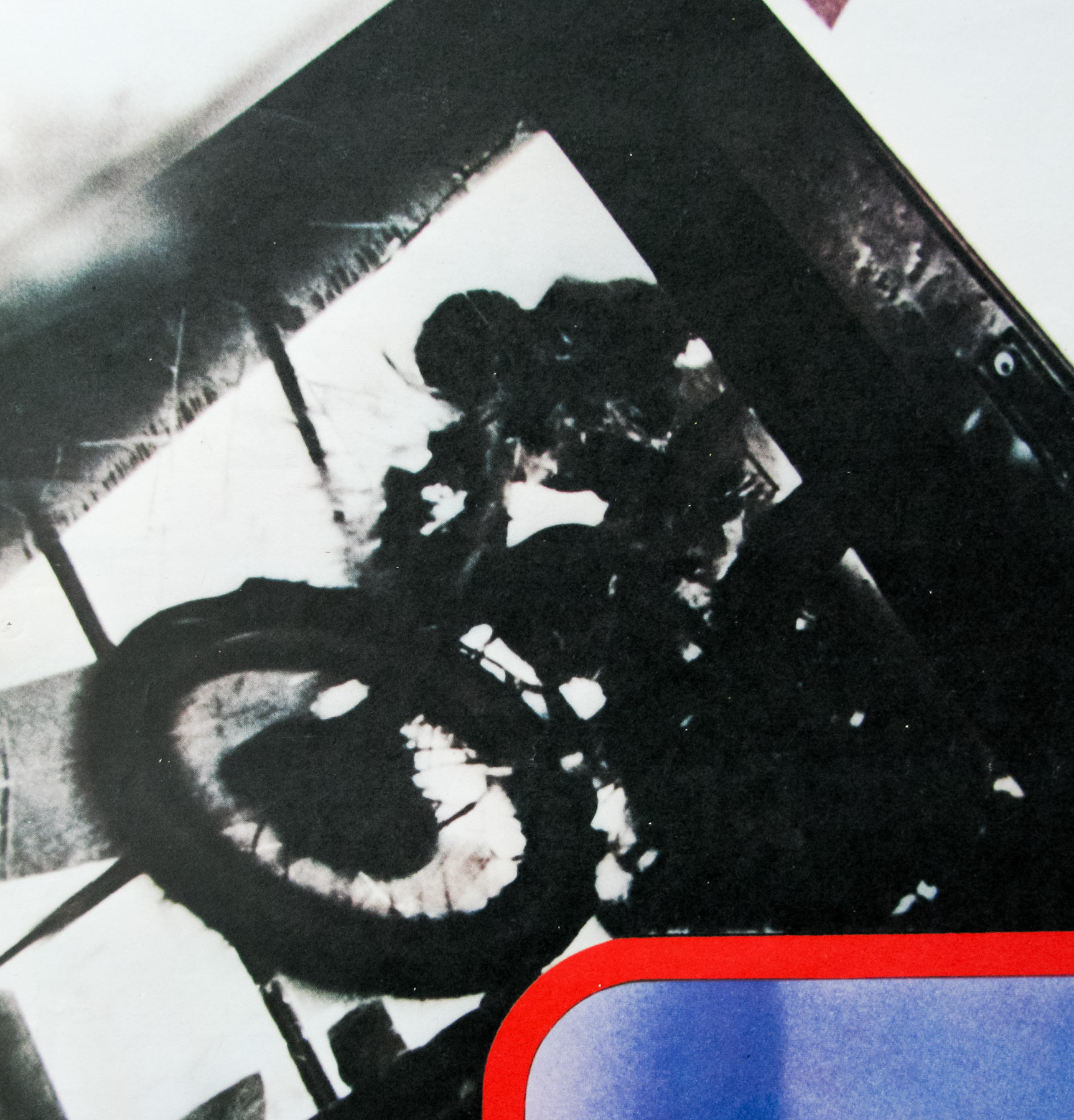
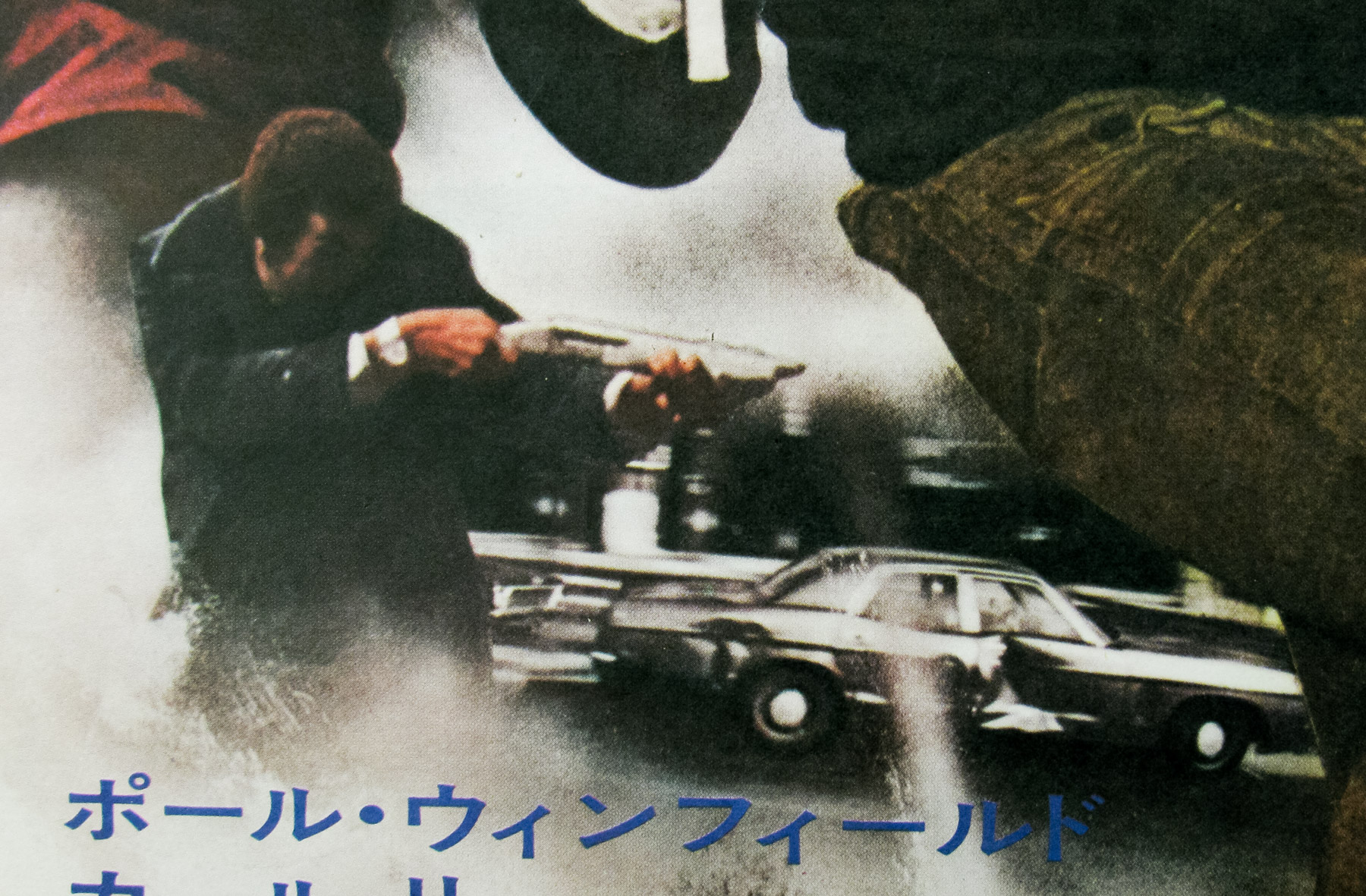
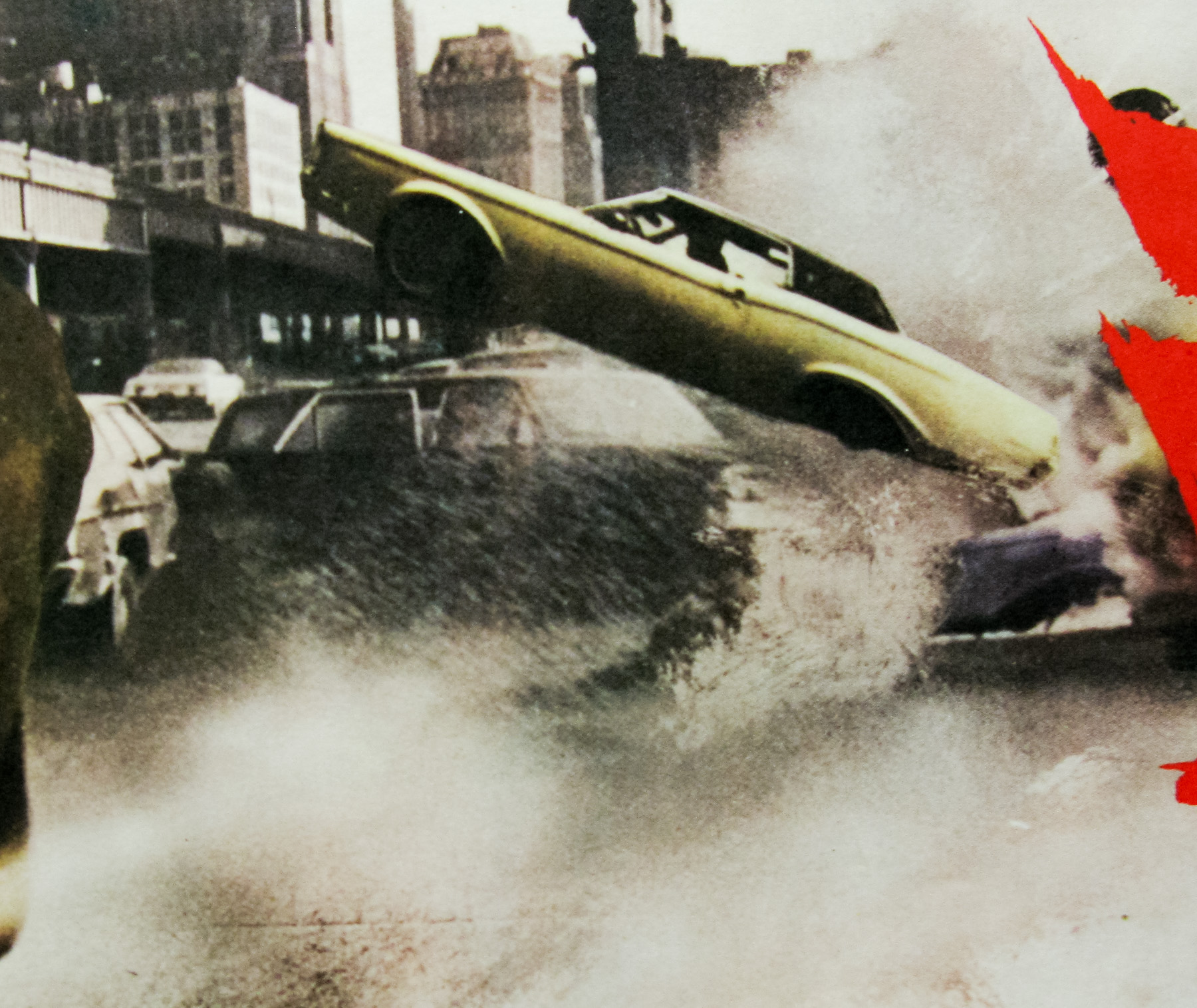
This is the Japanese B2 for the 1973 blaxploitation crime drama Gordon’s War, directed by Ossie Davis (Cotton Comes to Harlem) and starring Paul Winfield as the eponymous Gordon Hudson. After returning from the Vietnam war he finds that his neighbourhood in Harlem has been taken over by drug dealers and that his wife has died from a heroin overdose. He gathers some of his fellow soldiers together and sets out to rid the area of the dealers.

The film is unavailable on blu-ray but receives decent enough reviews on IMDb, with one praising its use of real locations:

The location shoot in Harlem is an essential ingredient in making this film work. The feel of the streets, shops, people, cars, bars, abandoned buildings, rundown apartments and ramshackle appearances bolsters the movie greatly. There is a chase scene, car following motorcycle, that ranks among the very best of any movie anywhere, including those in poliziotteschis. That alone makes the movie.

Hammer / B2 / Japan

09.03.16

Poster Poster
Title
Hammer
AKA
--
Year of Film
1972
Director
Bruce D. Clark
Starring
Fred Williamson, Bernie Hamilton, Vonetta McGee, William Smith, Charles Lampkin, Elizabeth Harding, Mel Stewart, D'Urville Martin
Origin of Film
USA
Genre(s) of Film
Fred Williamson, Bernie Hamilton, Vonetta McGee, William Smith, Charles Lampkin, Elizabeth Harding, Mel Stewart, D'Urville Martin,
Type of Poster
B2
Style of Poster
--
Origin of Poster
Japan
Year of Poster
1973
Designer
Unknown
Artist
--
Size (inches)
20 6/16" x 28 12/16"
SS or DS
SS
Tagline
--

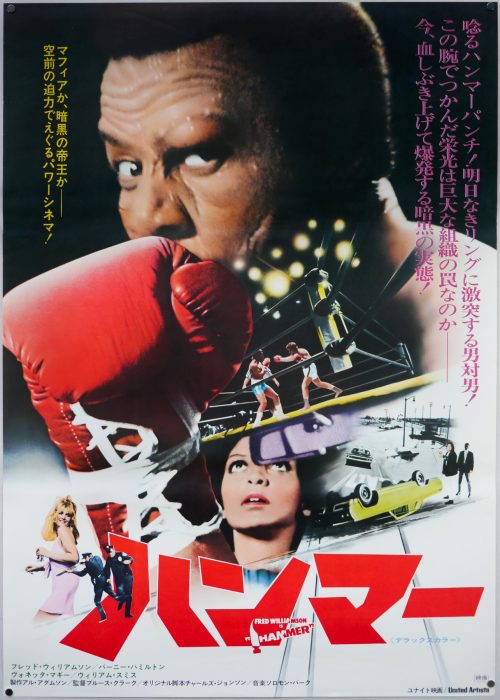
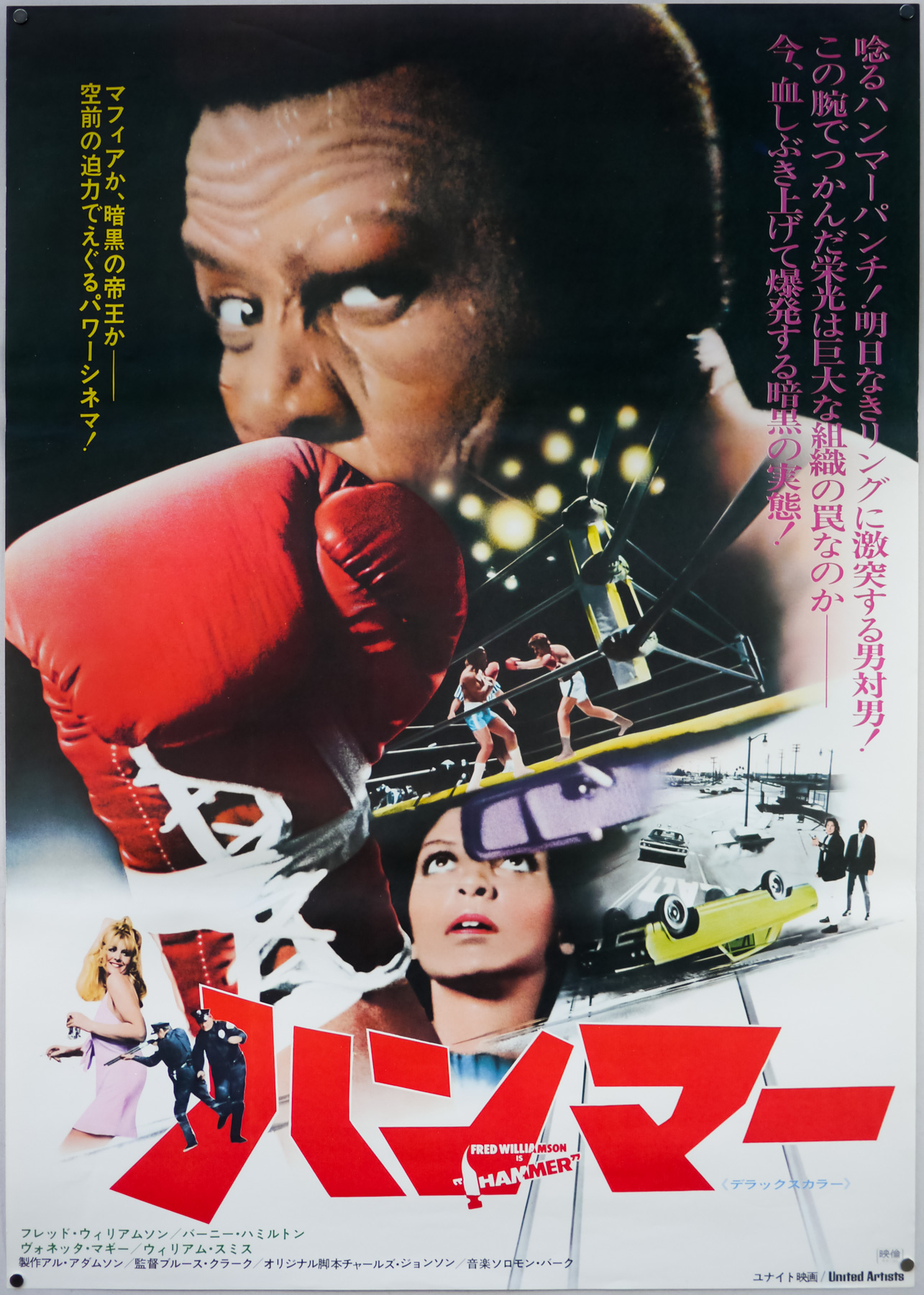
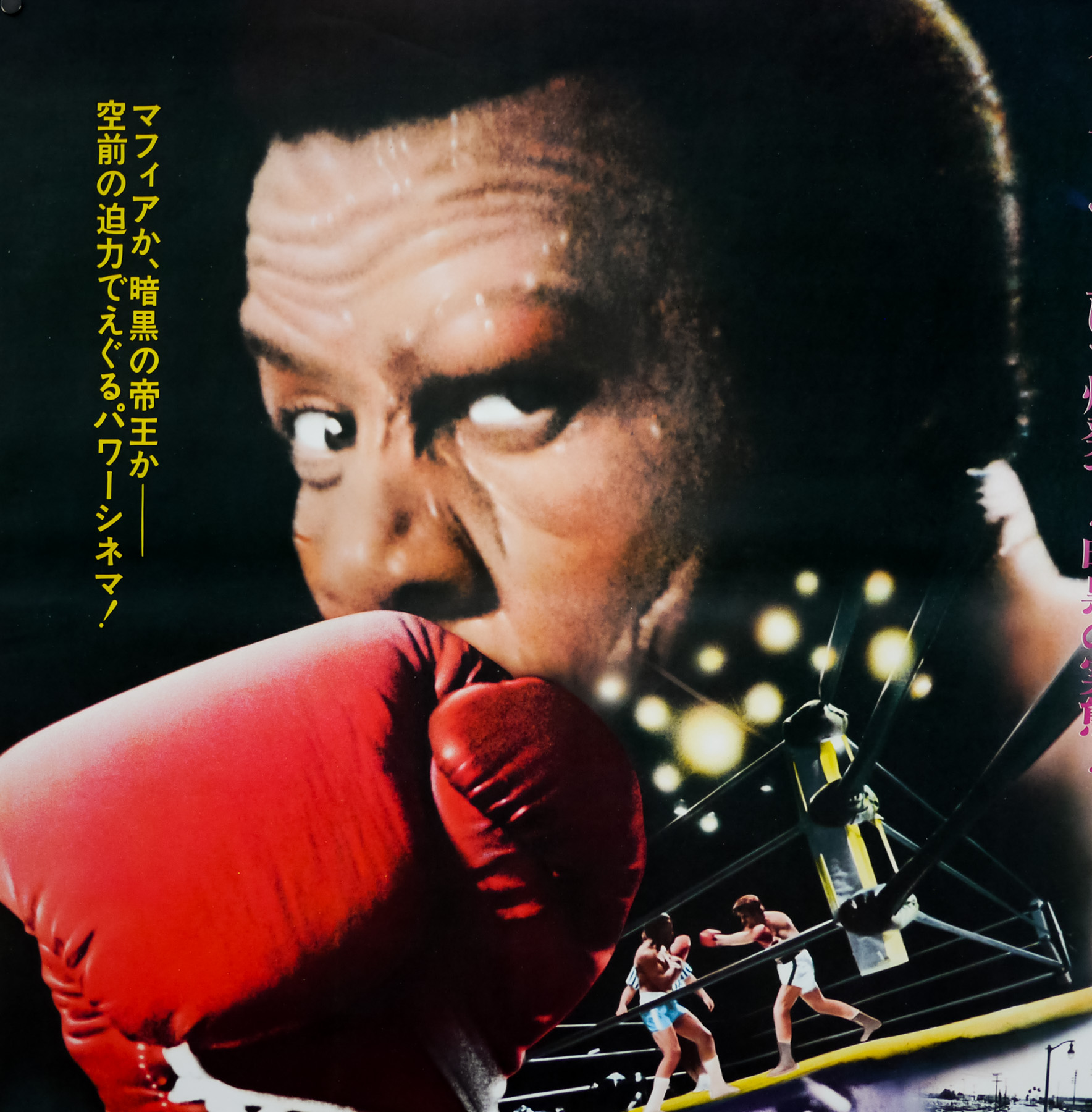
Hammer was an early entry in the blaxploitation subgenre of films that grew in popularity following the release of Sweet Sweetback’s Baadasssss Song and Shaft in 1971. The film stars ex-NFL player Fred Williamson whose nickname was The Hammer in real life and who would go on to become one of the subgenre’s key players. It was helmed by Kiwi director Bruce Clark who only has four directorial credits to his name, which includes the Roger Corman-produced sci-fi clunker Galaxy of Terror.

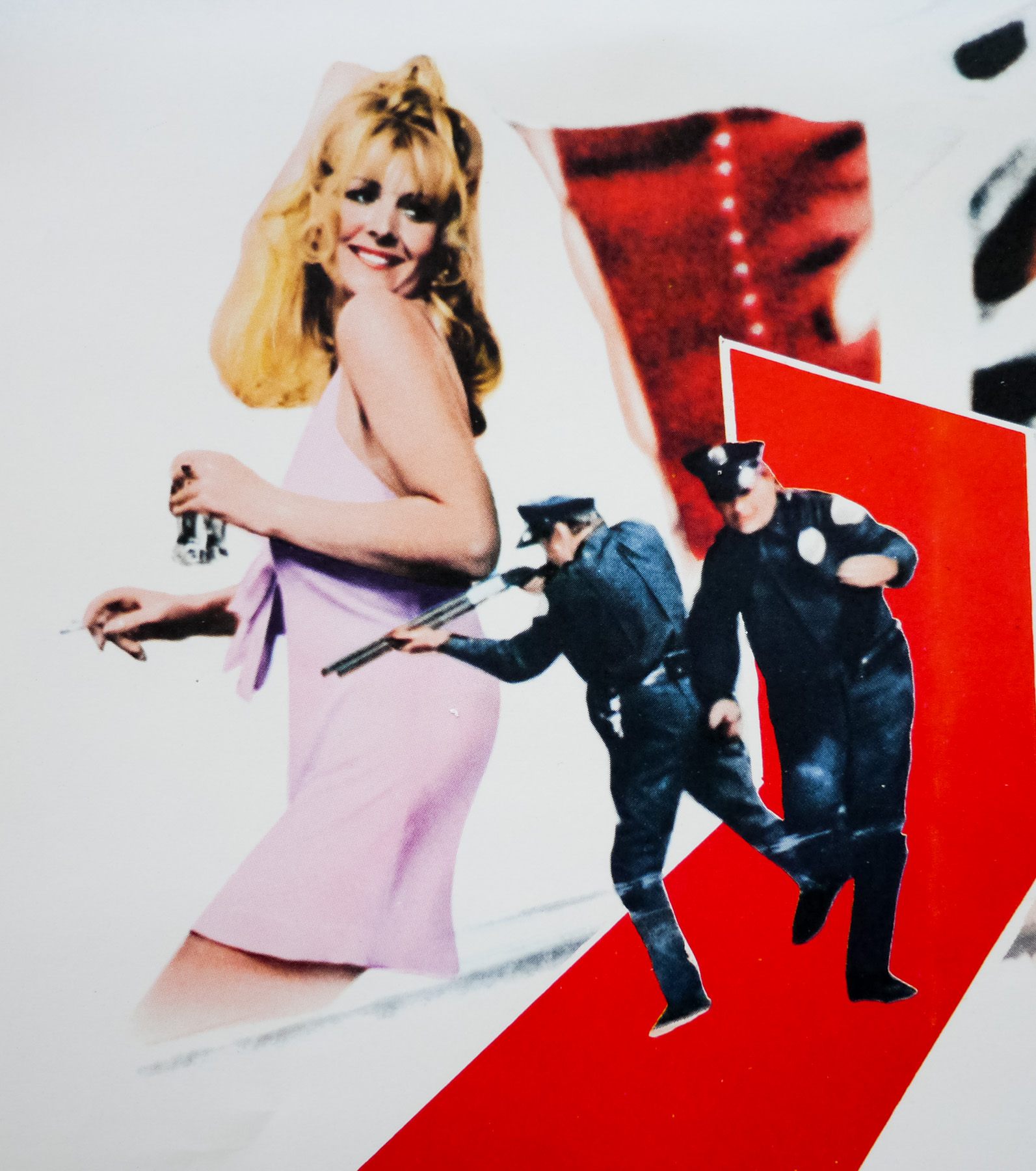
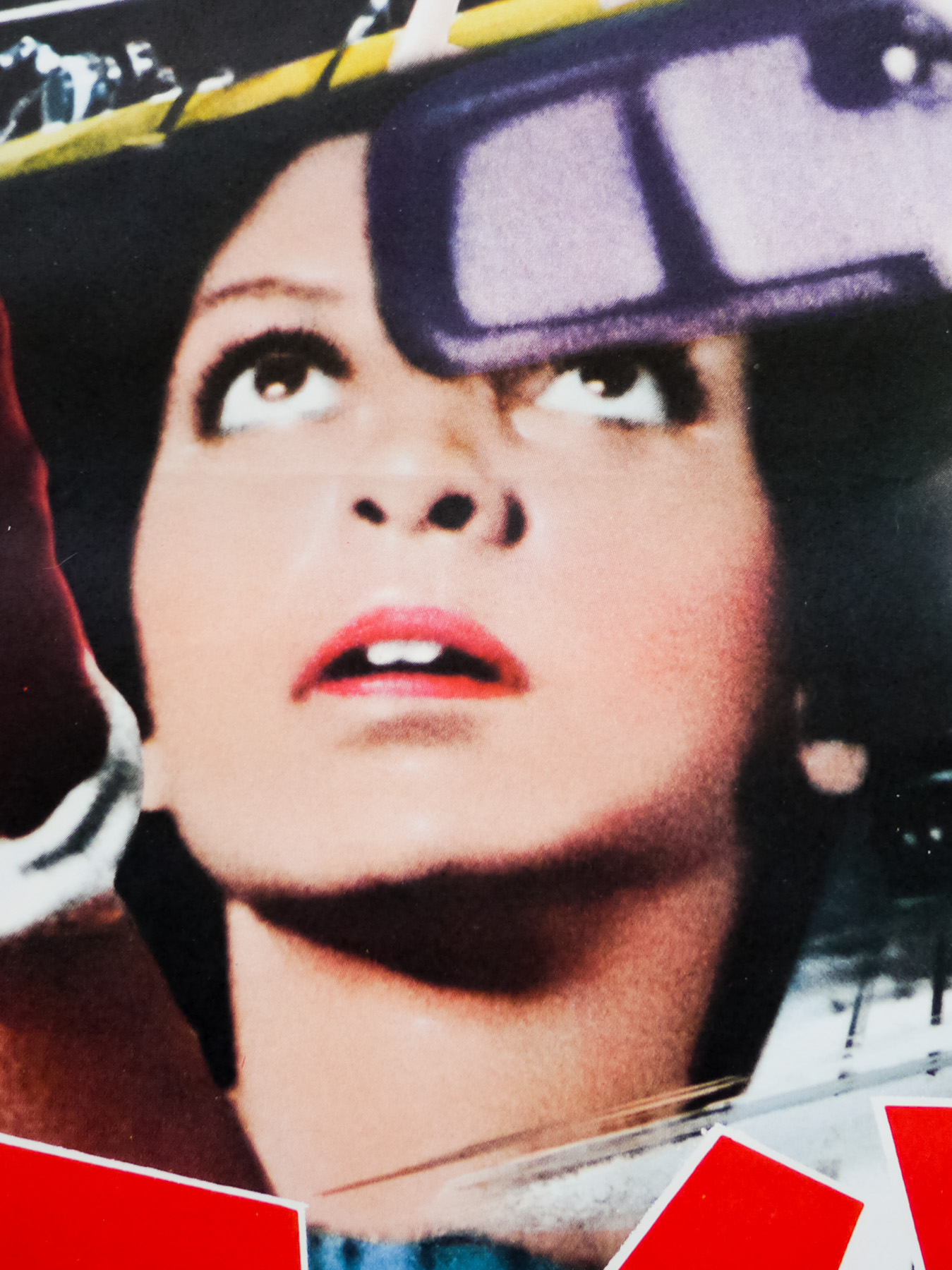
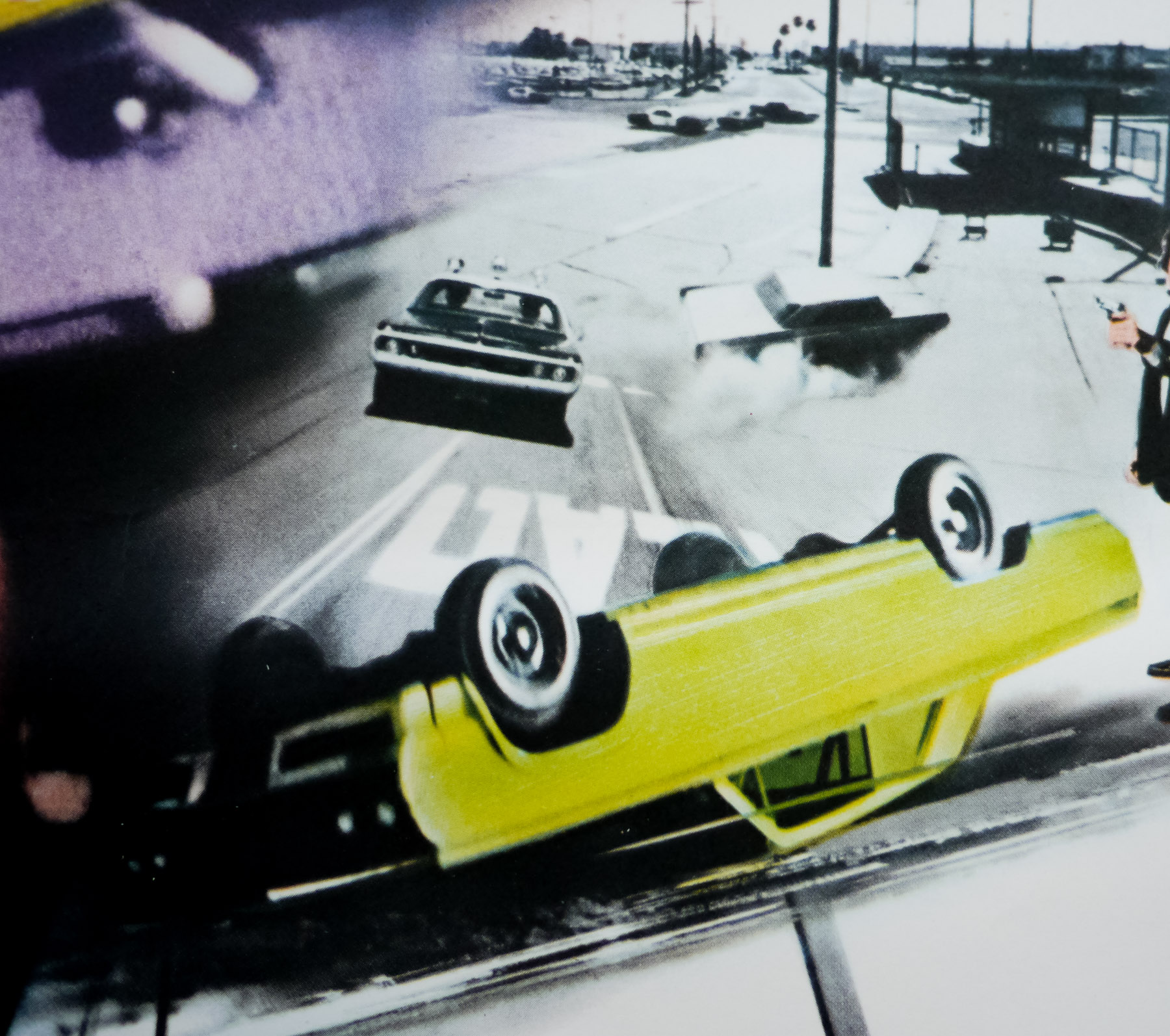
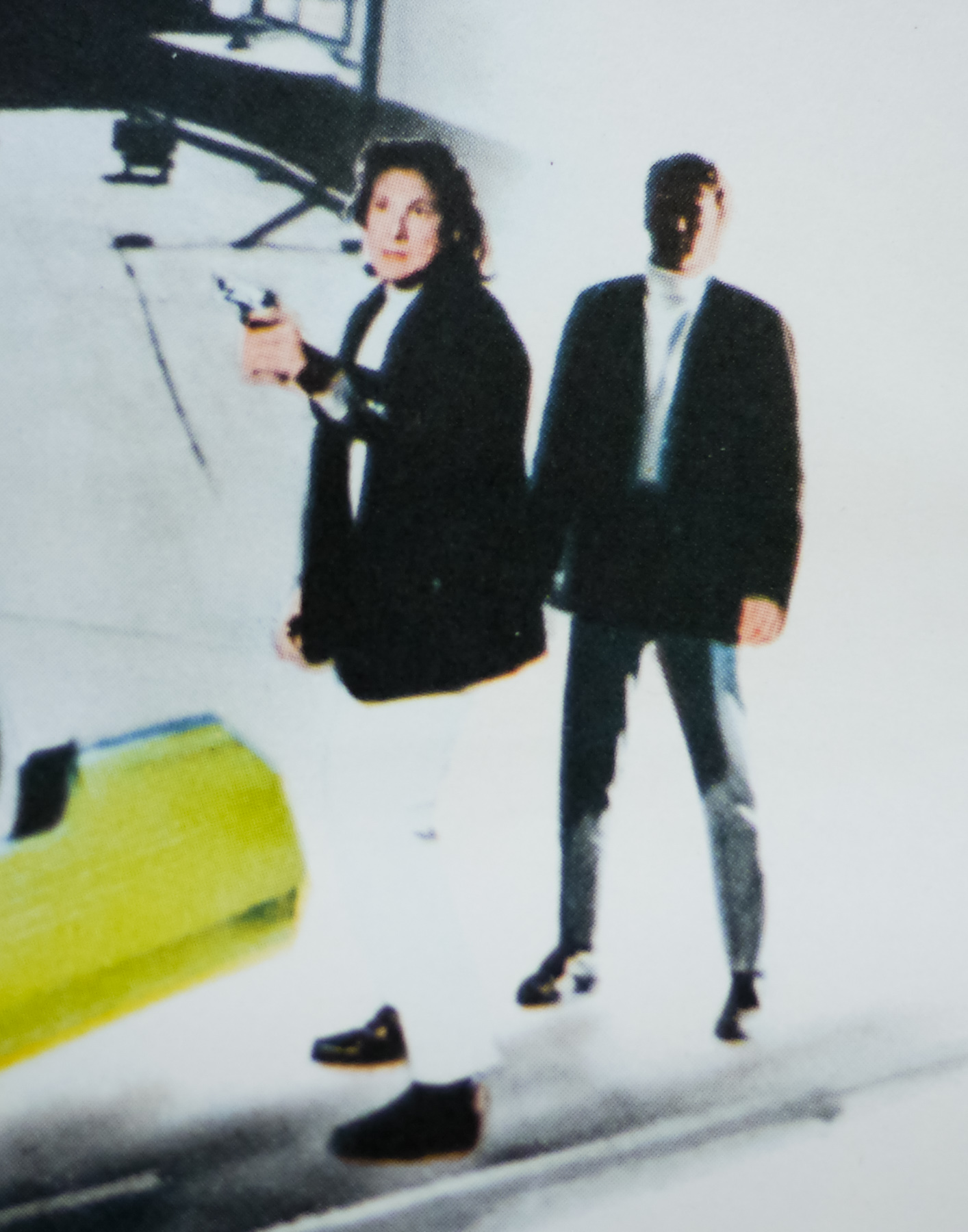
Williamson stars as B.J. Hammer a dockworker who is spotted as having some boxing talent by a shady trainer. He rises up the ranks and gains some notoriety but thing soon turn sour when his manager, who is also a dodgy gangster, asks him to throw his next fight in order to make some other crooks rich (that old chestnut). His girfriend Lois, played by another blaxploitation stalwart Vonetta McGee), is kidnapped by the gangsters in an effort to coerce Hammer into taking a dive, which means it’s time to show them what he’s capable of.

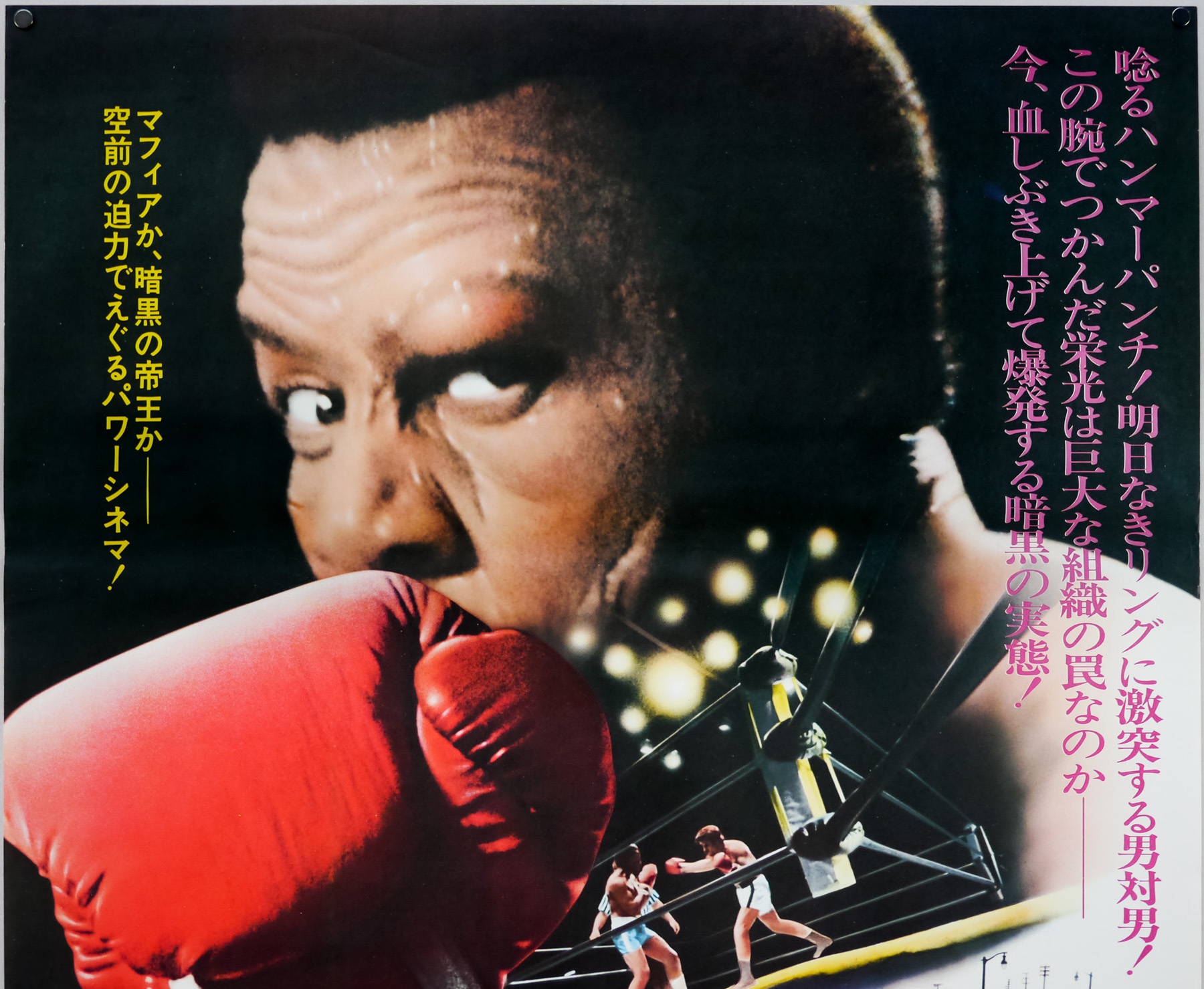
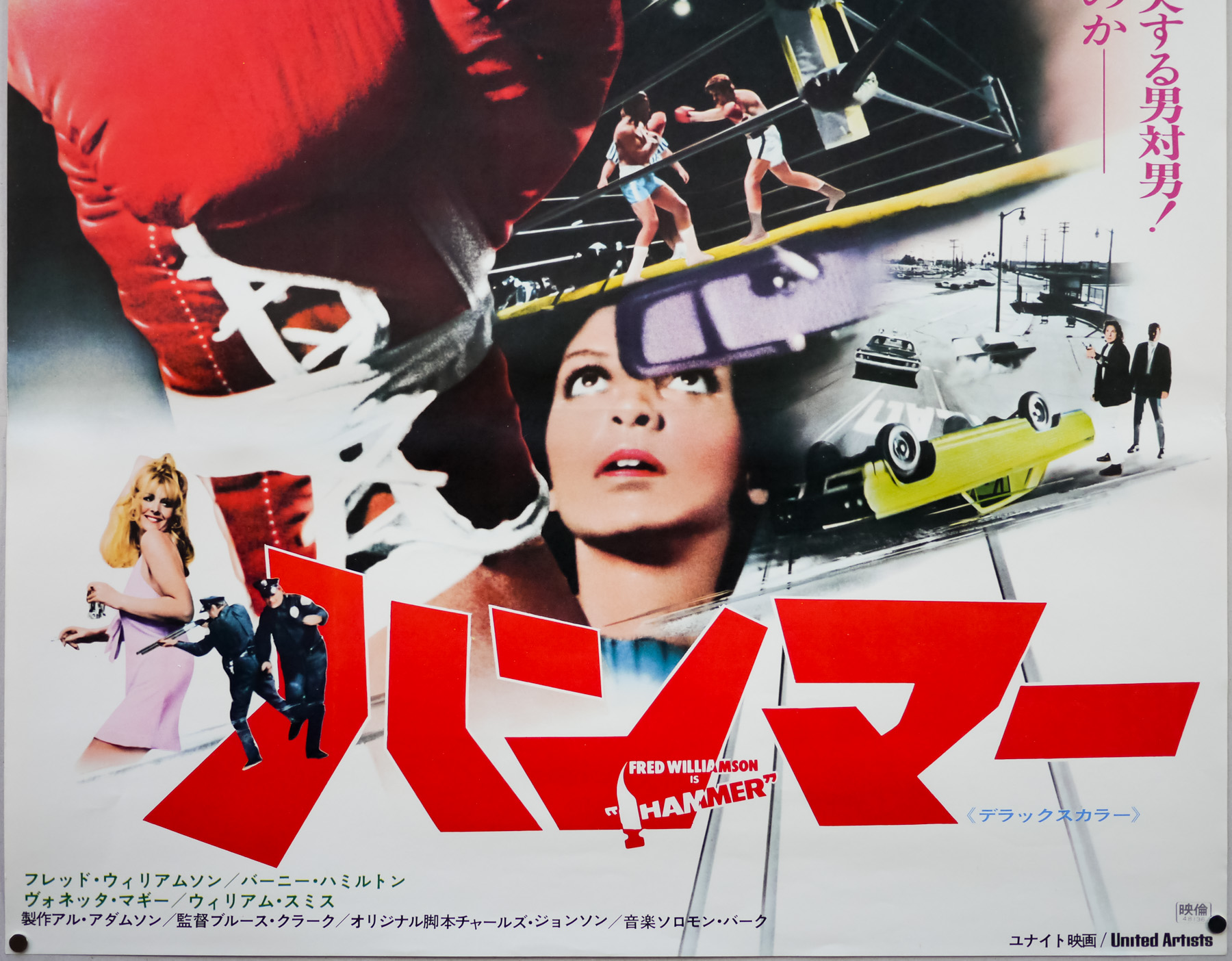
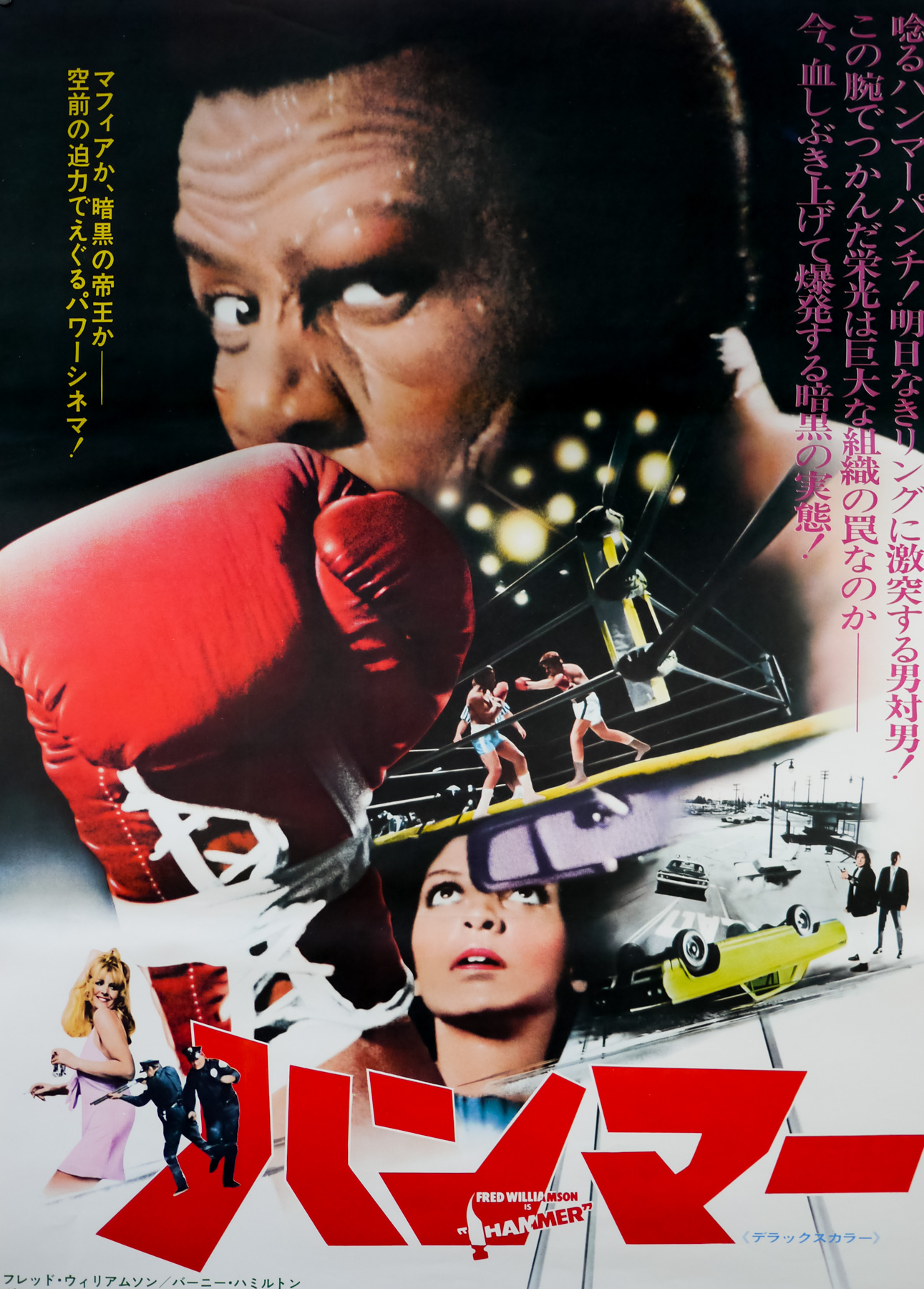
The film is today considered one of the lesser entries in the blaxploitation subgenre and it holds a fairly poor rating on IMDb, but it’s still one to seek out for fans of Williamson. This Japanese B2 poster features a unique photo montage as was typical of the era.

Lost Highway / B2 / Japan

17.05.11

Poster Poster
Title
Lost Highway
AKA
--
Year of Film
1997
Director
David Lynch
Starring
Bill Pullman, Patricia Arquette, Balthazar Getty, Robert Loggia, Robert Blake
Origin of Film
France | USA
Genre(s) of Film
Bill Pullman, Patricia Arquette, Balthazar Getty, Robert Loggia, Robert Blake,
Type of Poster
B2
Style of Poster
--
Origin of Poster
Japan
Year of Poster
1997
Designer
Unknown
Artist
--
Size (inches)
20 5/16" x 28 13/16"
SS or DS
SS
Tagline
--

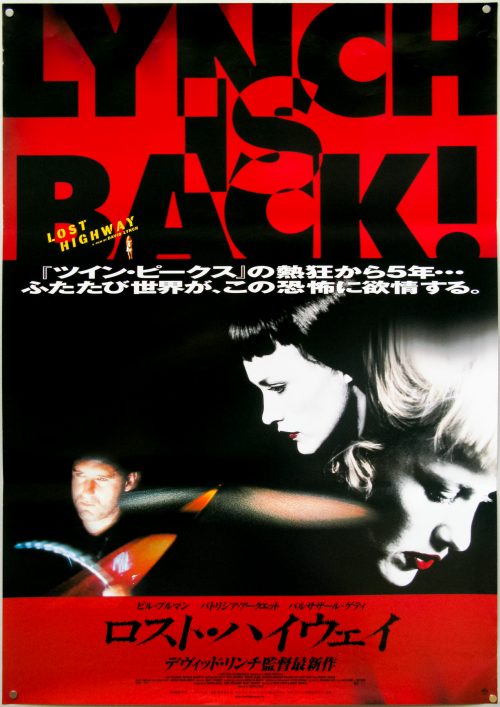
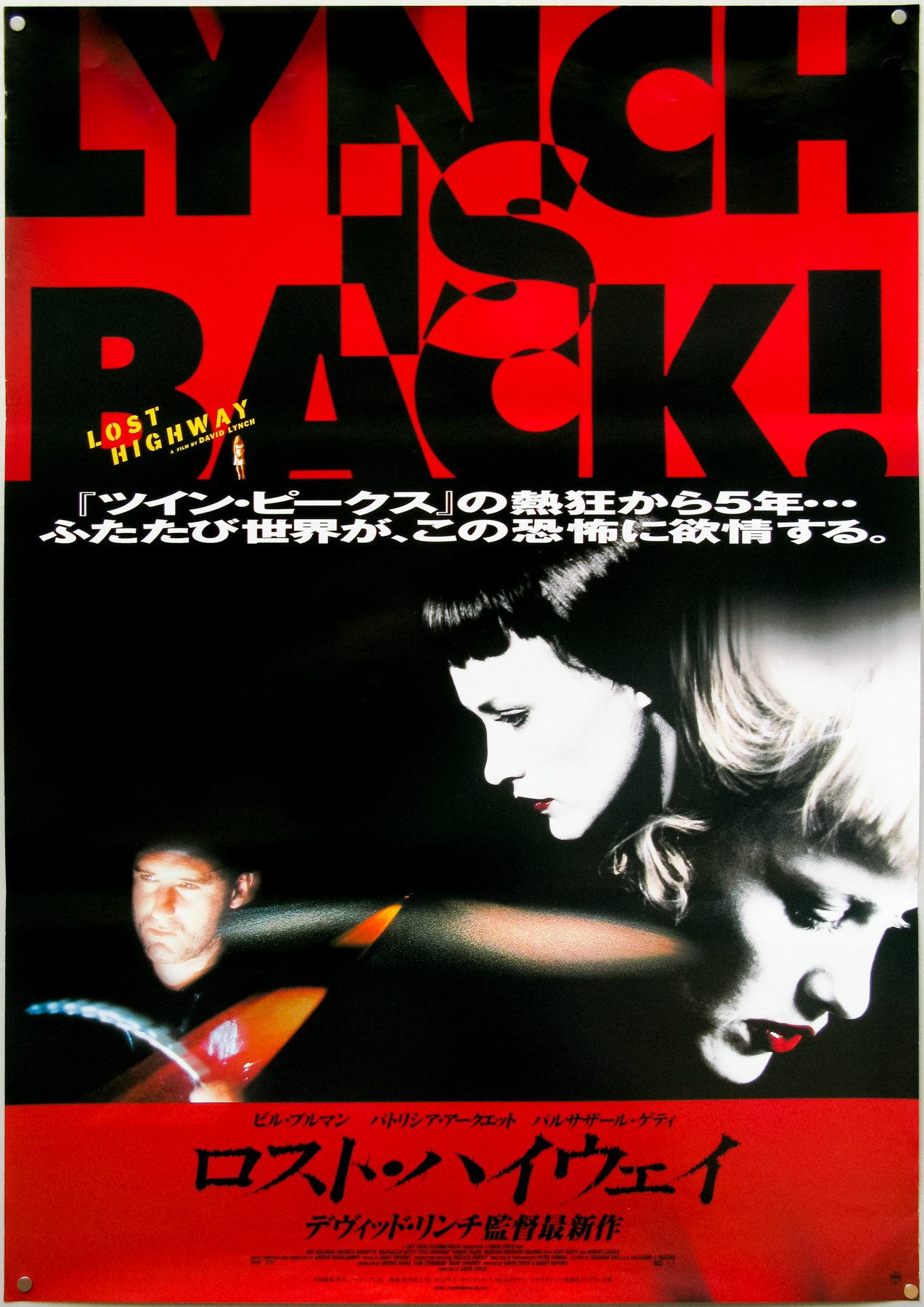
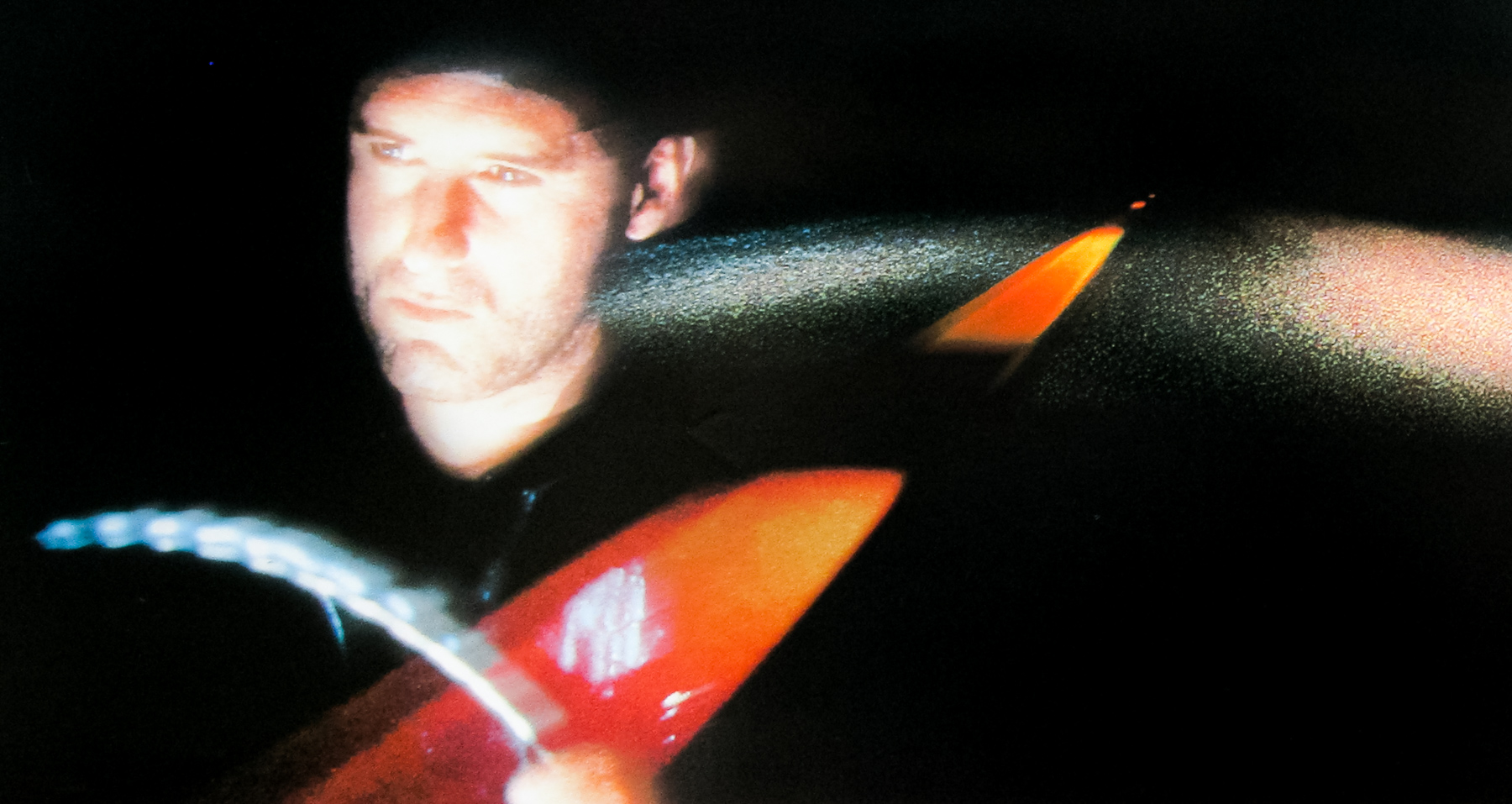
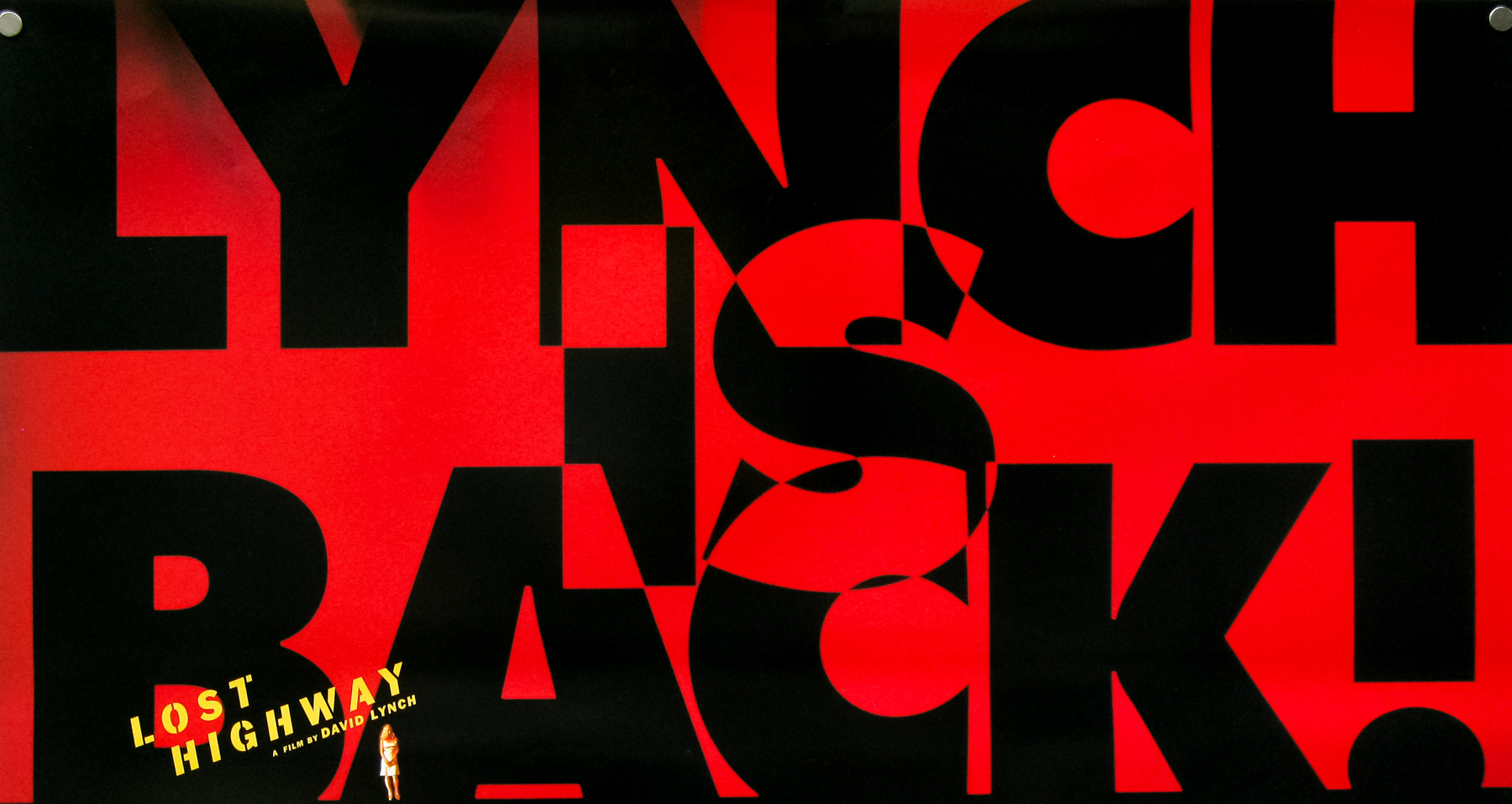
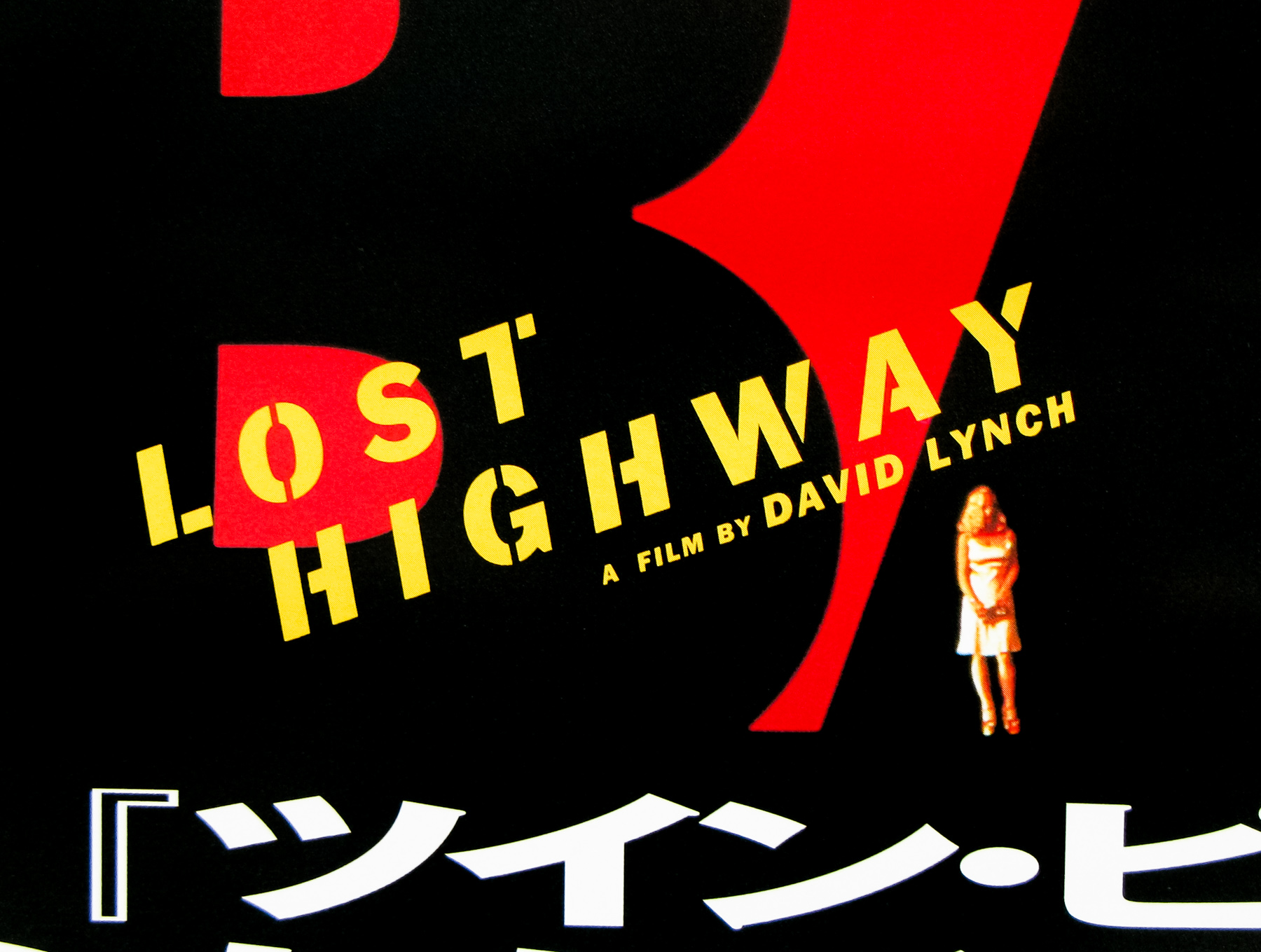
This is the Japanese B2 for David Lynch‘s mystery thriller Lost Highway. Co-written with American author Barry Gifford, whose novel Lynch adapted for his 1990 film Wild at Heart, the film is a classic Lynchian mind-bender that resolutely defies explanation. The story begins with Bill Pullman as Fred Madison, a Jazz saxophonist who is living with his wife Renee (Patricia Arquette) in Los Angeles. One day the intercom to his flat buzzes and when he answers it an unknown man says “Dick Laurent is dead.” The man is nowhere to be seen when Fred looks out of his window, but a few days later a mysterious tape appears on the Madison’s doorstep. The video features shaky footage outside their flat and over the next few days more tapes appear that eventually move inside and show the pair sleeping, much to their horror.

At a party Fred meets a mysterious man (played by Robert Blake in his final film role) who, in a memorably creepy sequence, tells Fred that he’s at his flat at that moment and proves it by getting him to call his home phone, which the stranger then answers. The next morning another tape appears and Fred is horrified to see it’s footage of him covered in blood with a dismembered Renee next to him. He is arrested, charged with murder and sentenced to death. Whilst on death row Fred sees strange visions and starts to suffer from painful headaches before he inexplicably morphs into another person, a car mechanic called Pete Dayton (Balthazar Getty) much to the confusion of the prison staff. Because Pete has committed no crime, he is released into the care of his parents and, after a period of adjustment, he gets back to his job. The rest of the film sees Pete dealing with the menacing gangster Mr Eddy (a memorable performance by Robert Loggia) and a mysterious blonde called Alice Wakefield (Arquette) who takes him down a dark path which has the mystery man waiting at the end of it.

Lynch and Gifford have always refused to fully explain the story but that hasn’t stopped fans of the film from trying to decode its many mysteries. Check out this IMDb page for some of the theories but the film definitely encourages you to draw your own conclusions after the credits roll. Lost Highway features a number of notable performances, particularly from Pullman and Arquette, as well as multiple cameos from the likes of Richard Pryor, Jack Nance and Marilyn Manson. Filled with memorable Lynchian imagery, including one of the most shocking accidental deaths in cinema history (Michael Massee‘s head meets glass table), it also has a brilliant soundtrack complemented by some of Lynch’s very best sound design.

Memento / B2 / red title style / Japan

09.07.14

Poster Poster

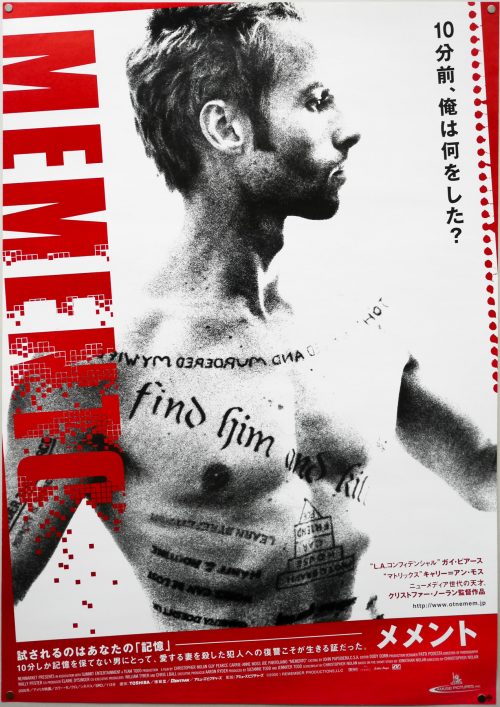
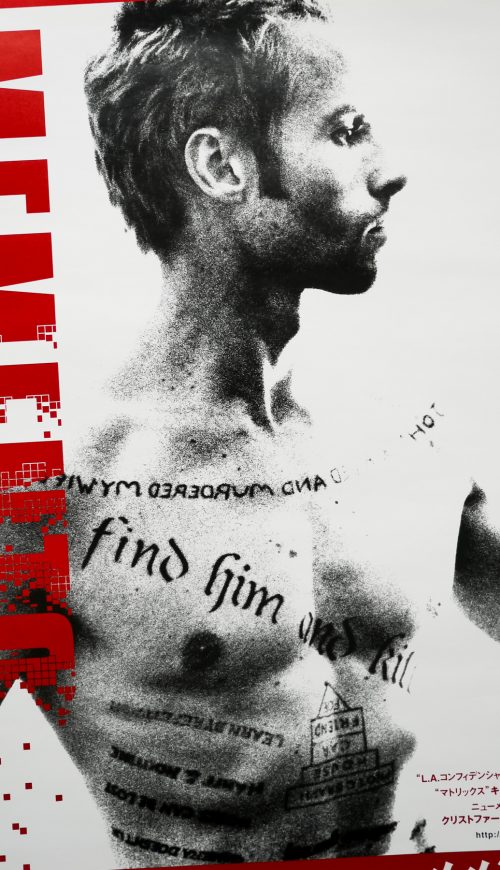
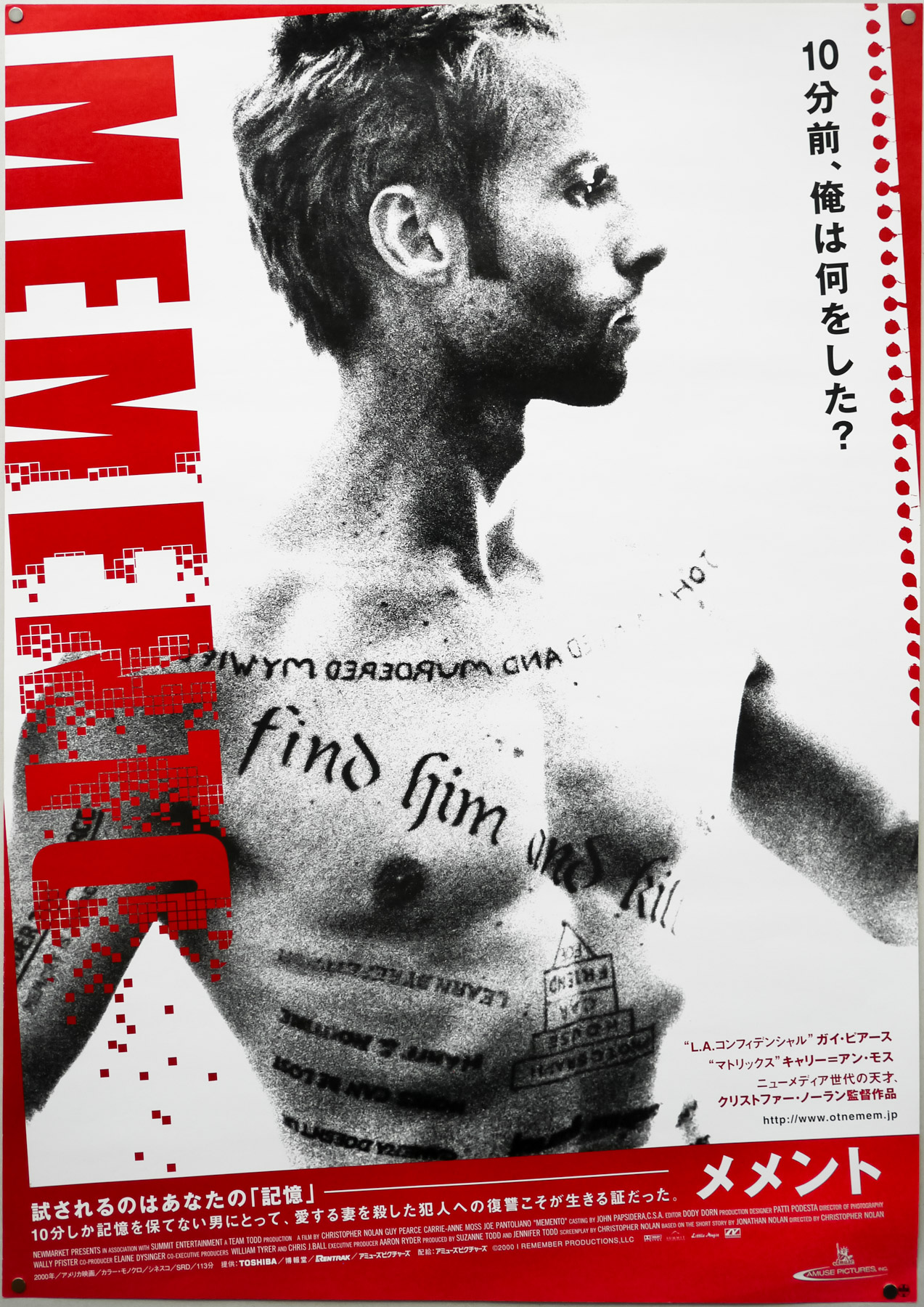
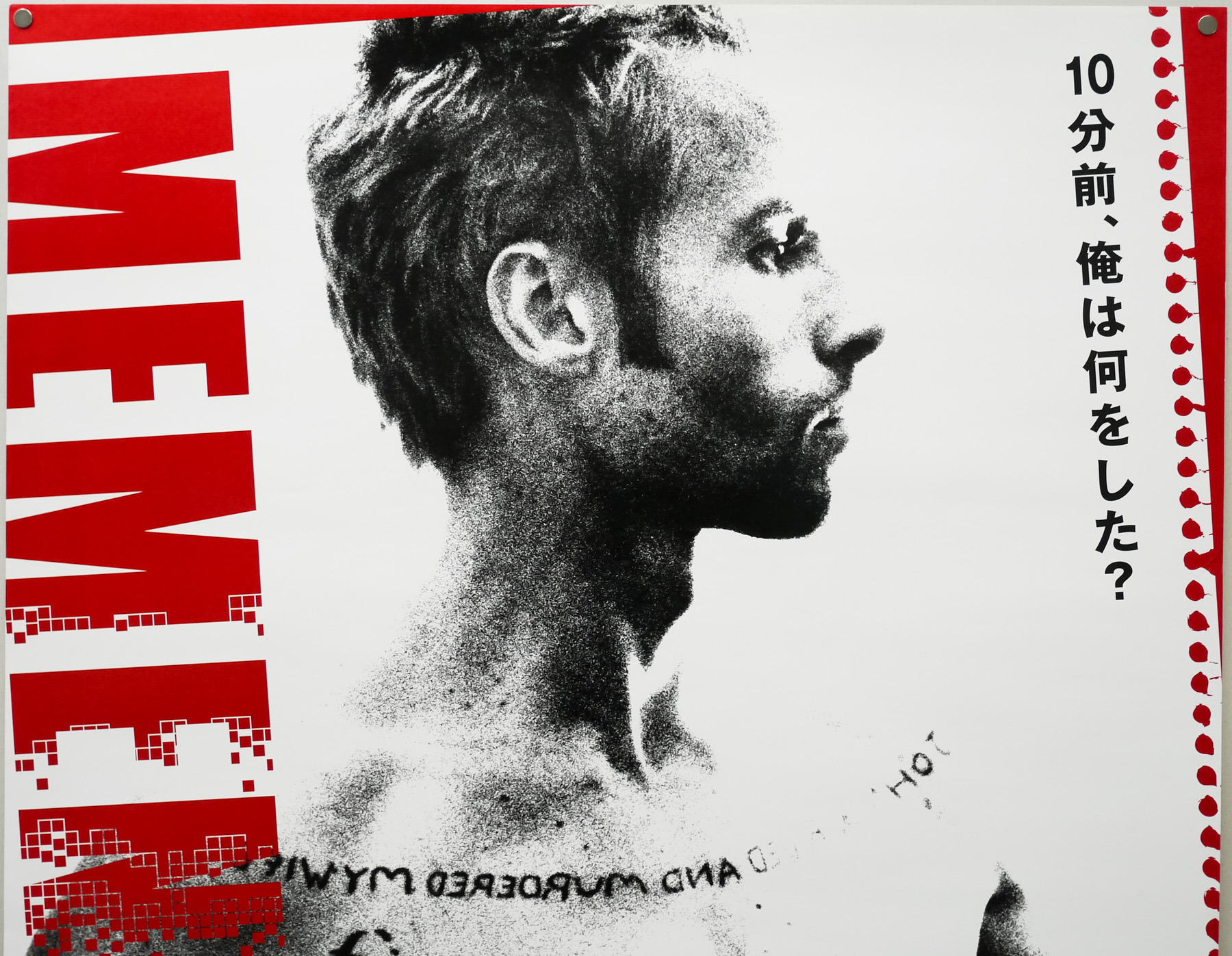
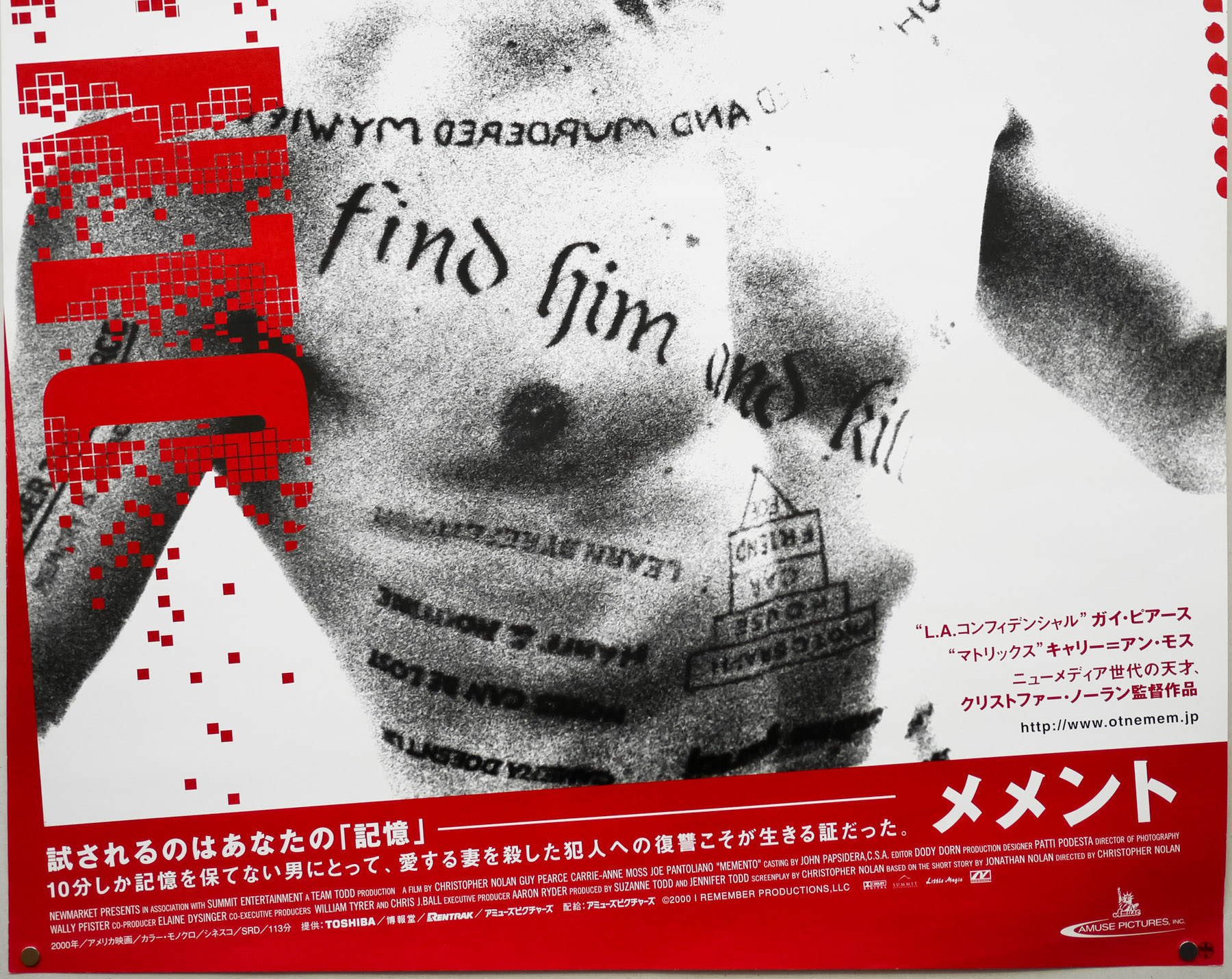
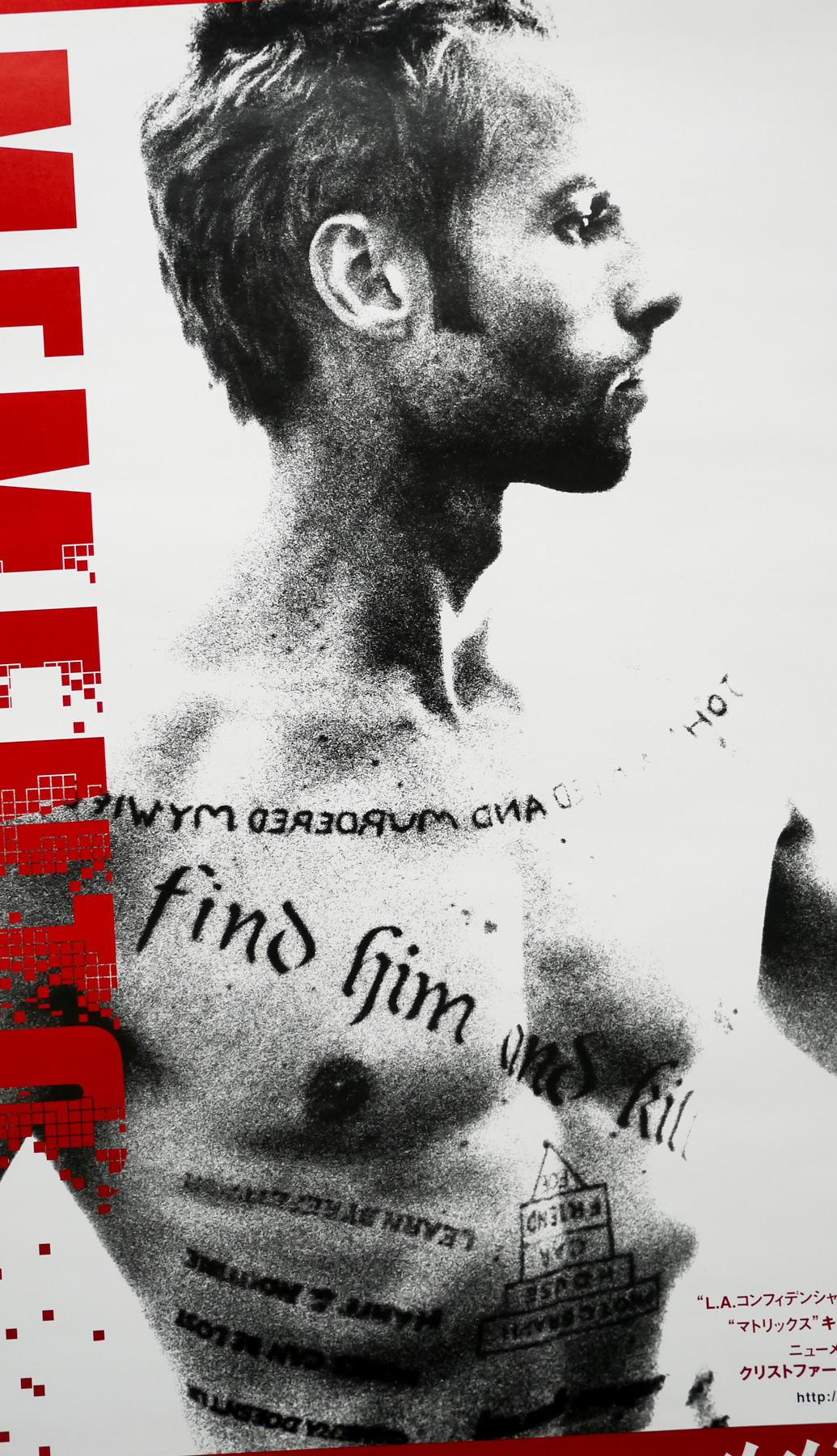
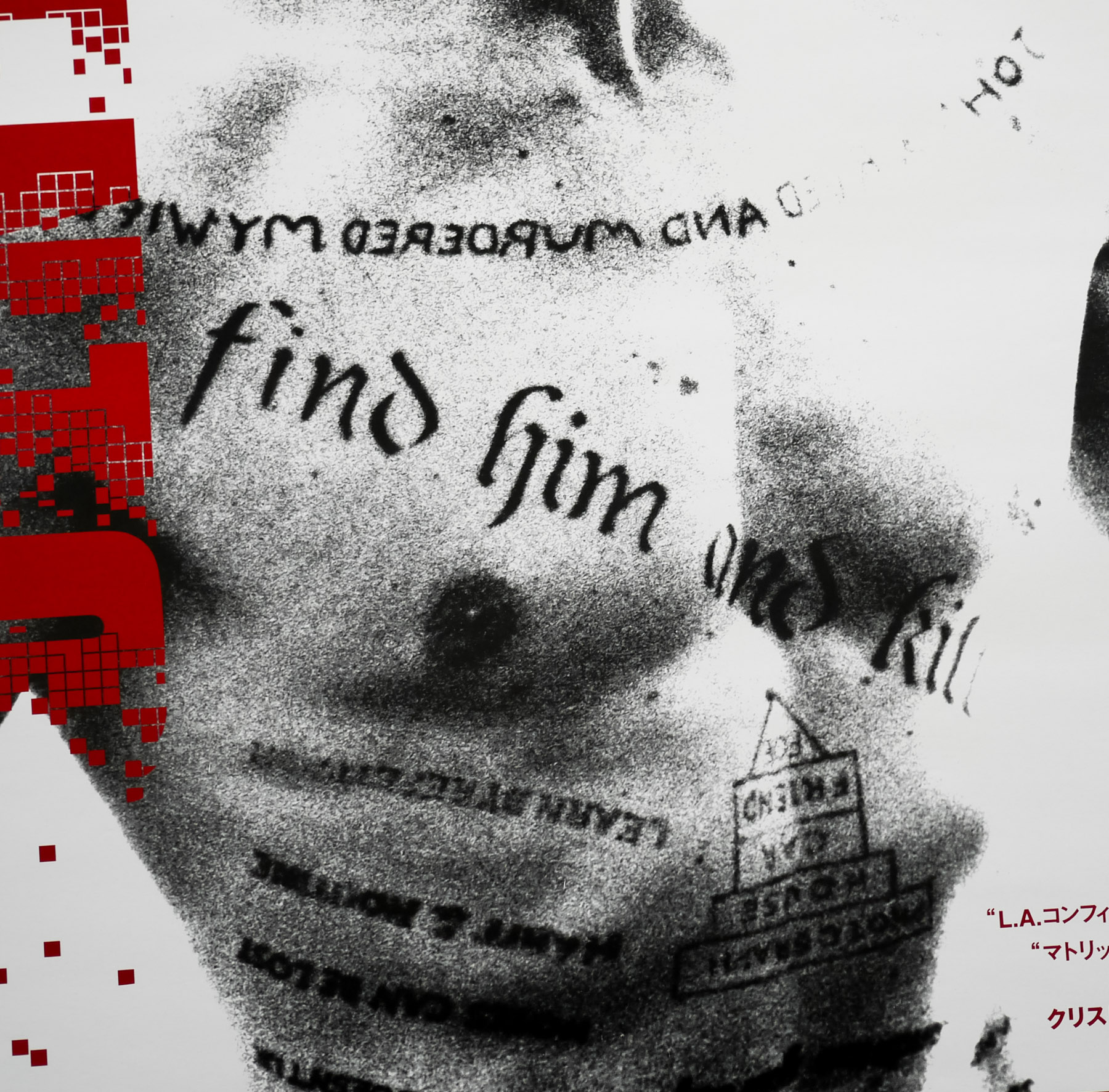
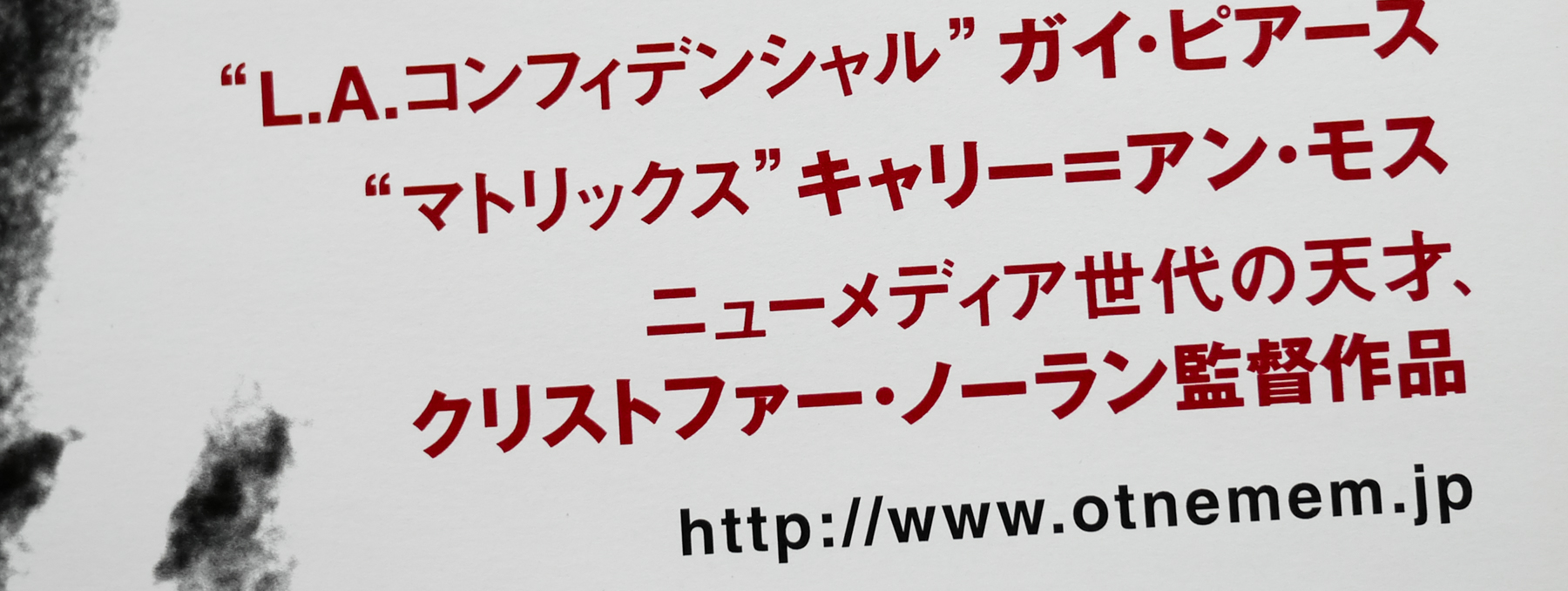
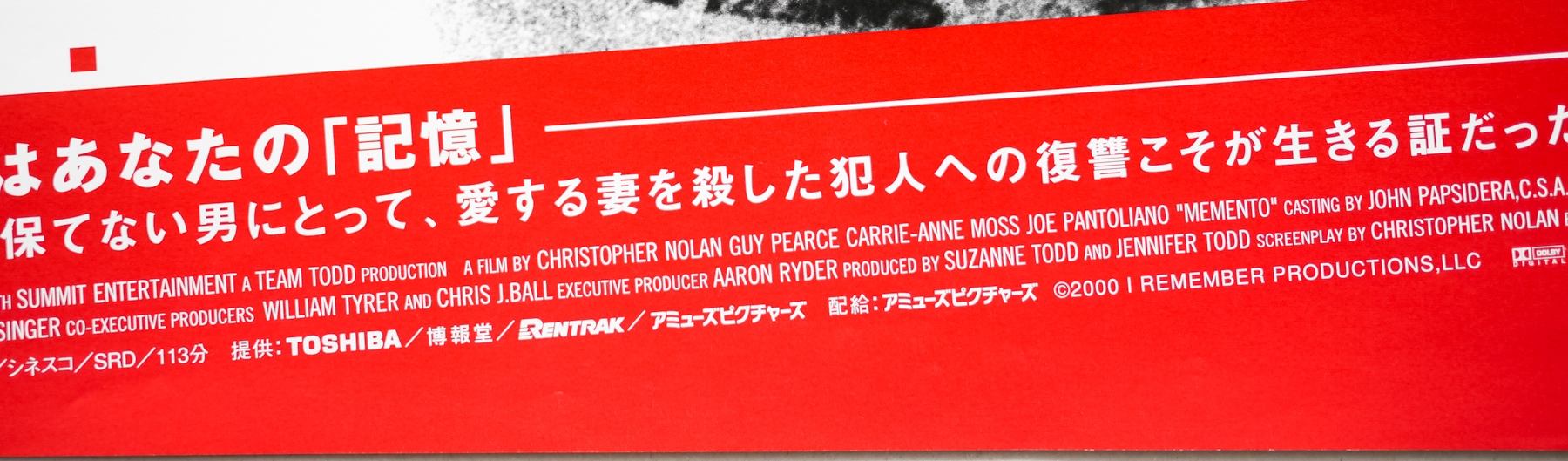
The film that launched Christopher Nolan into the international cinematic limelight, the ingenious mystery thriller Memento was written and directed by the man who would go on to helm the phenomenally successful Dark Knight Trilogy. Based on a short story by Jonathan Nolan the story focuses on a man called Leonard, played by Guy Pearce (an important role for the actor), who has no short term memory and is obsessively trying to solve the murder of his wife. Using scribbled notes, polaroids and tattoos, Leonard attempts to make sense of discoveries he makes and the interactions he has with people along the way, which includes Teddy (Joe Pantoliano) and Carrie-Anne Moss, two characters who shift and change throughout the film as Leonard, and the audience, try to understand who’s ultimately responsible.

What makes the film so memorable is the way that the story is told with two timelines being shown one after another, one in black and white and chronologically ordered, and the other in colour and in reverse chronological order. The film opens with Leonard shooting and killing Teddy, but as the film progresses we see Teddy alive and the reason for the shooting eventually becomes clear, with a devastating reveal at the end of the film. This diagram gives you an idea of the way the story is told and the film continues to be discussed almost 15 years since its release (see here and here, for example). Critics and audiences responded positively to a film that felt genuinely fresh and different, particularly compared against a glut of sequels and identikit plots that were flooding the cinema at the end of the 1990s.

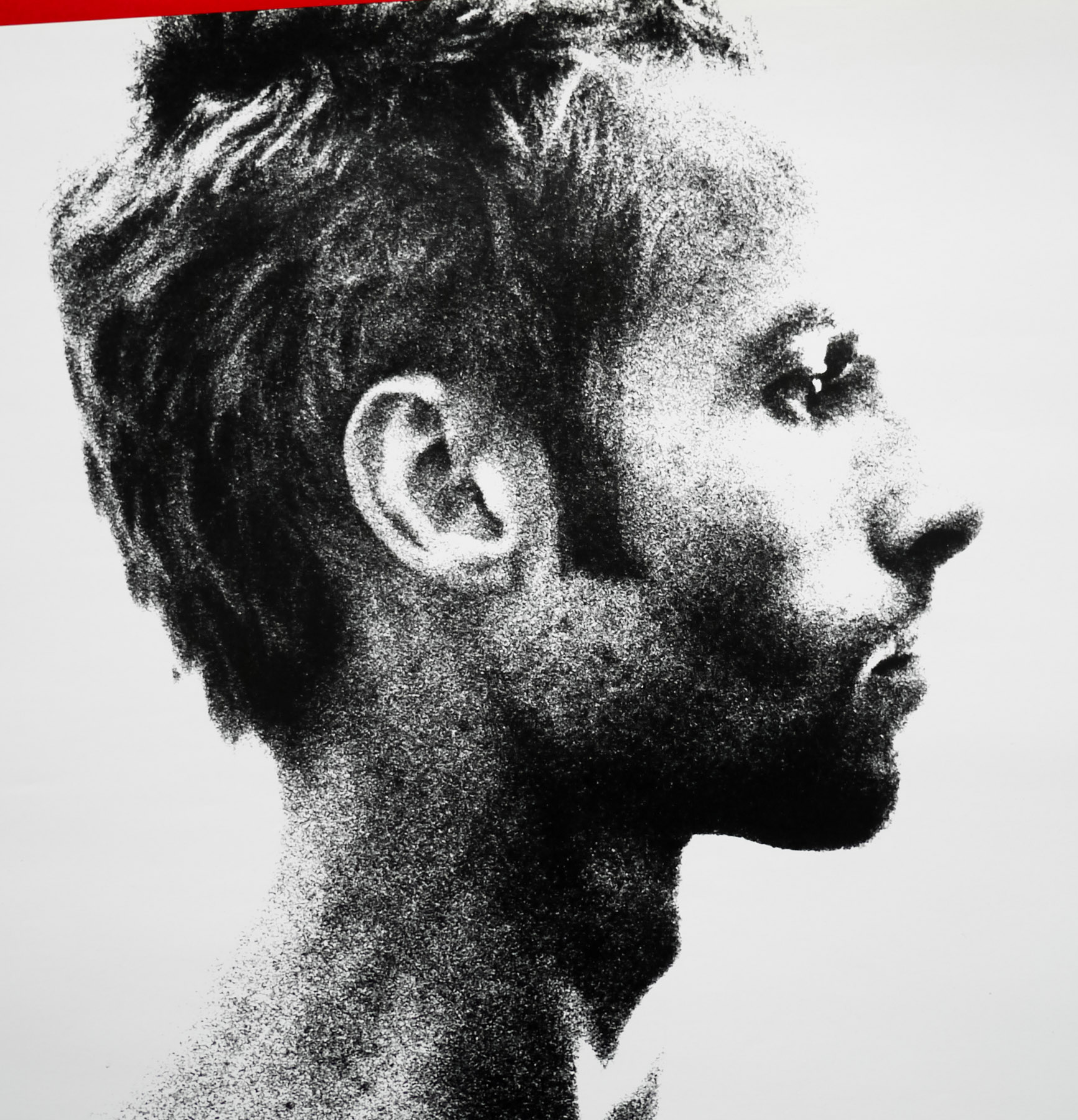
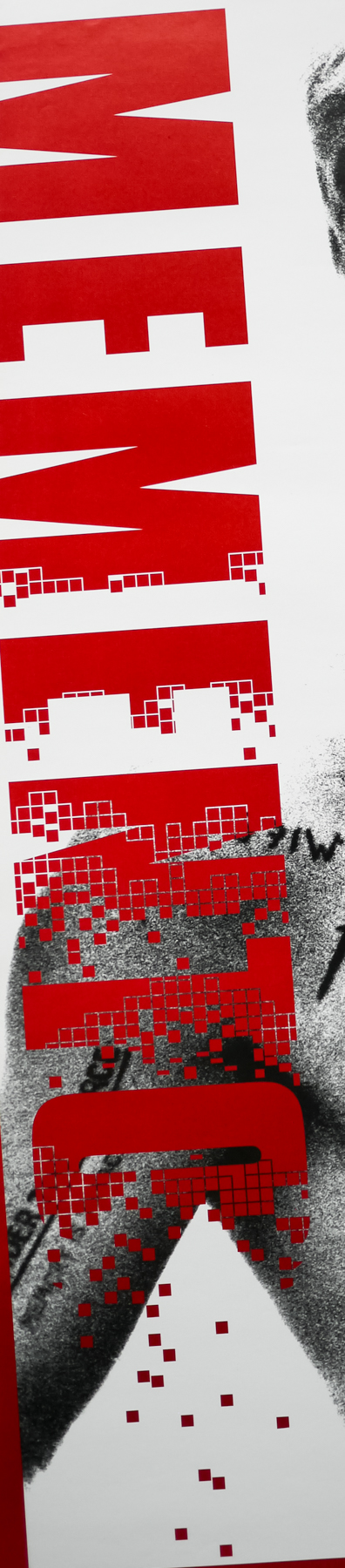
This is the Japanese B2 (red style) from the original release there back in 2001 and the design is unique to this poster. The American one sheet is markedly different and includes Carrie-Anne Moss.


Mondo Candido / B2 / Japan

11.12.13

Poster Poster

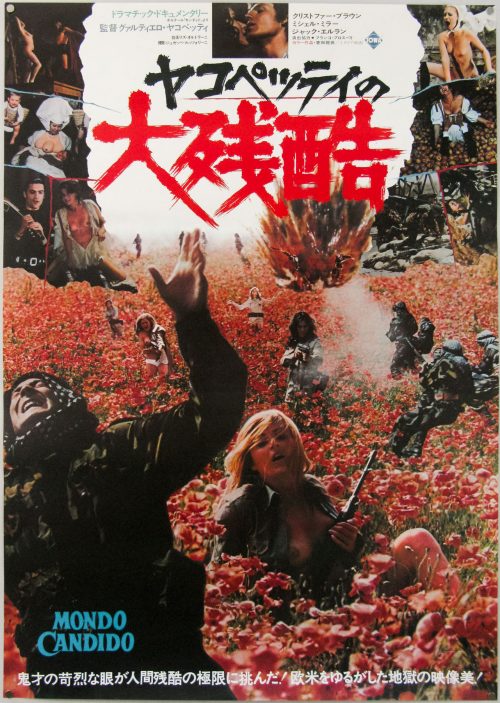
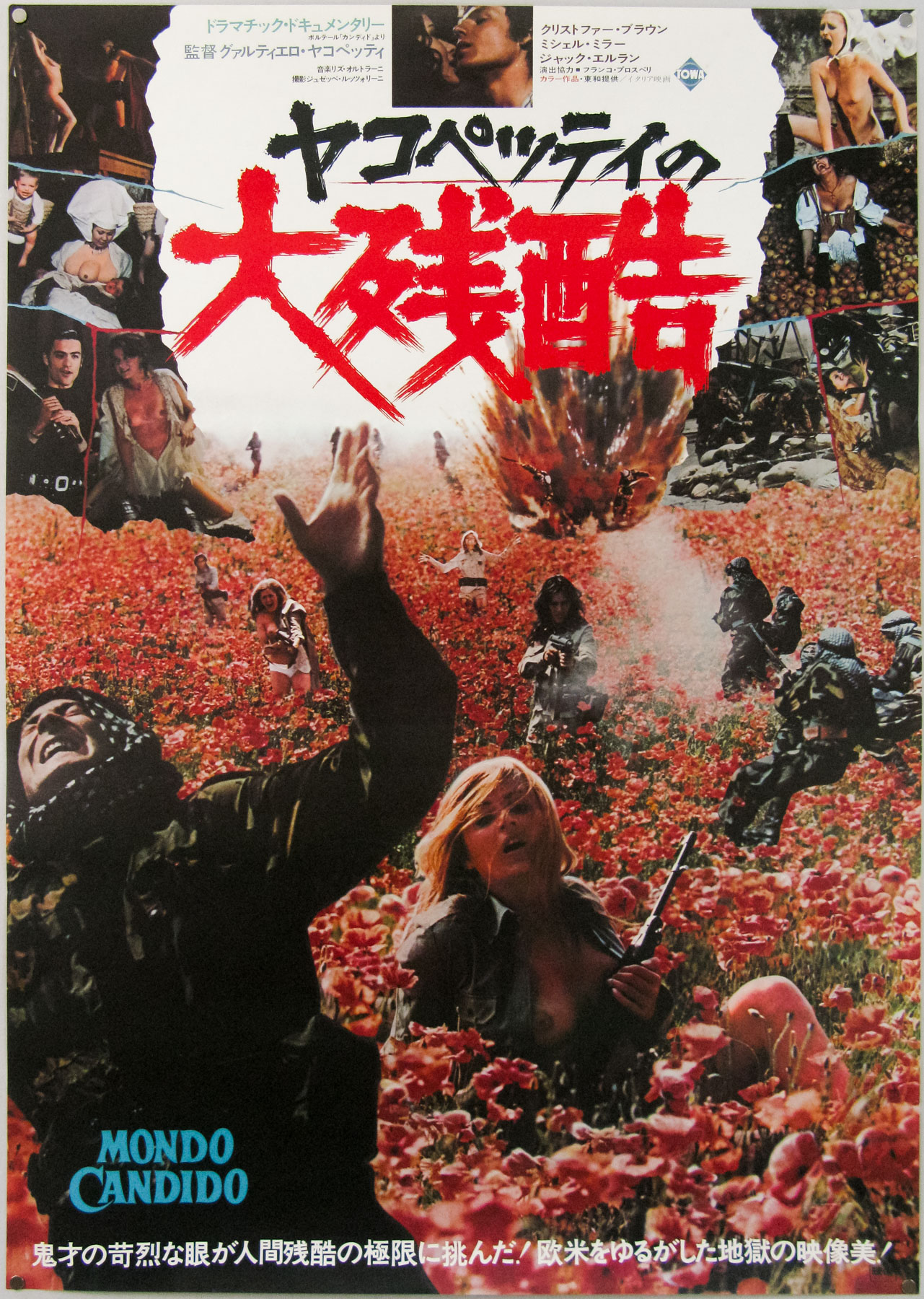
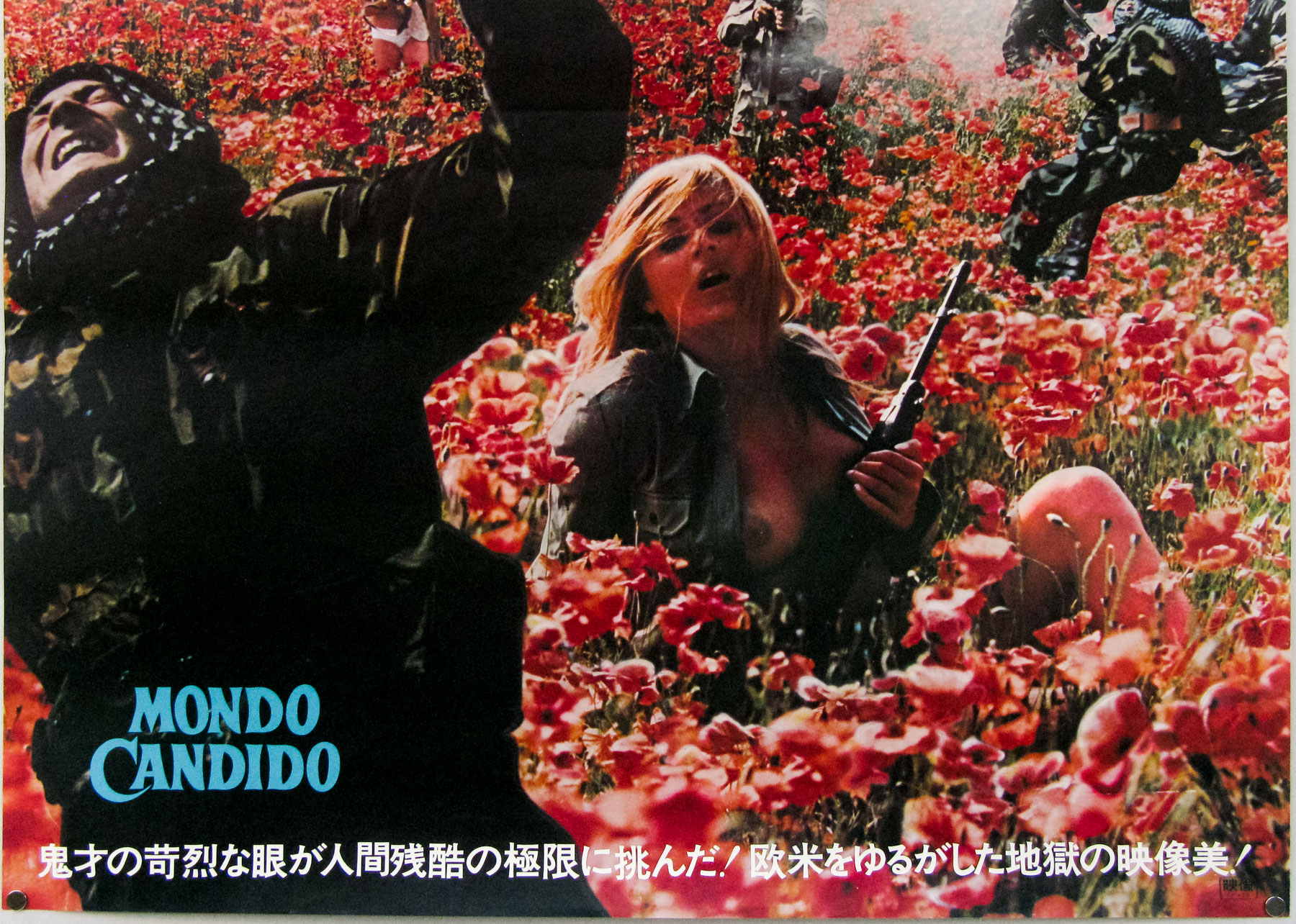
Italian directors Franco Prosperi and Gualtiero Jacopetti are best known as the co-creators of the infamous Mondo Cane ‘shockumentary’, which consisted of a series of travelogue-style vignettes looking at strange cultural practices from around the world with the intention of shocking Western audiences. Made in 1962, the film had an emphasis on taboo subjects including sex, death, ritual killings and cannibalism, and it was such a success that it spawned a slew of sequels and copycat films, and created it’s own mondo genre of exploitation films. Despite being presented as genuine documentary footage, many of the scenes in mondo movies were clearly staged by the producers.

Mondo Candido, despite its title hinting at the previous shockumentaries in the series, is actually a fictional tale adapted from the popular satire Candide by the French author Voltaire. Unavailable on DVD and likely never shown on UK TV, it’s not a film I’m familiar with and there are a paucity of reviews on IMDb and other sites. One hints at the  broad outline of the film:

‘The plot concerns a very happy go lucky “skips everywhere with wild abandon” young man who falls madly in love with a princess. When he is caught in an inappropriate situation with her, he’s banned from the castle. Thus begins a quest to find his lady love and himself as he travels across a medieval landscape that becomes modern New York, Ireland and Israel. During the course of the journey he finds that all is not as happy and joyous as he once thought.’

Things apparently frequently take a turn into the surreal:

‘It starts off in period vein but then switches to more recent times and events (presumably for a greater political immediacy) – so that we see Candide & Co. involved with IRA bombings, Jewish freedom-fighters, even hippies; that said, it maintains a curious balance throughout of old and new: for instance, at one point Cunegonde is raped by a rocker dressed in a knight’s outfit(!) – which emerges to be perhaps the film’s comic/absurd highlight.’

It certainly sounds like an interesting watch and the full film is on YouTube should you be tempted.

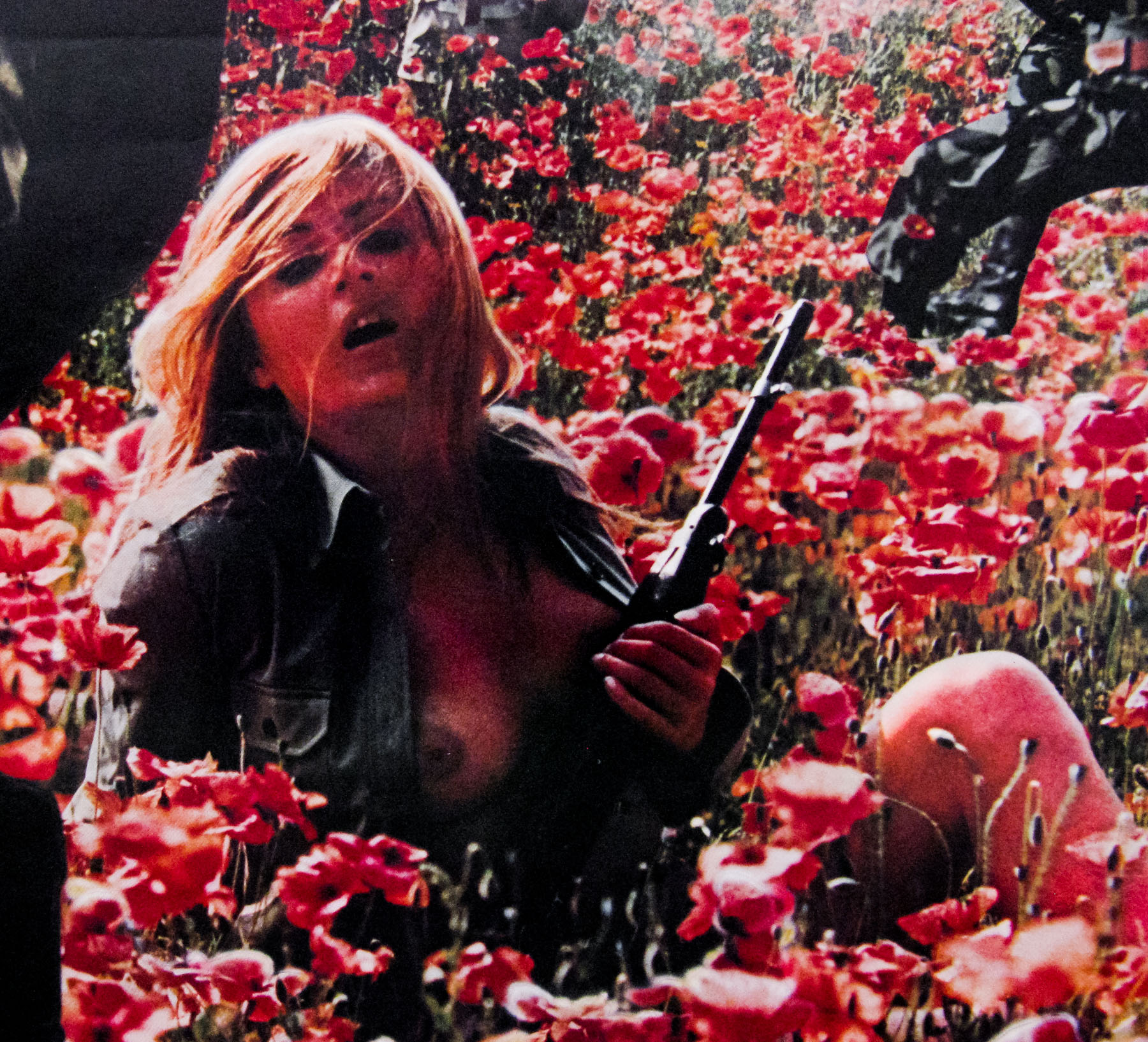
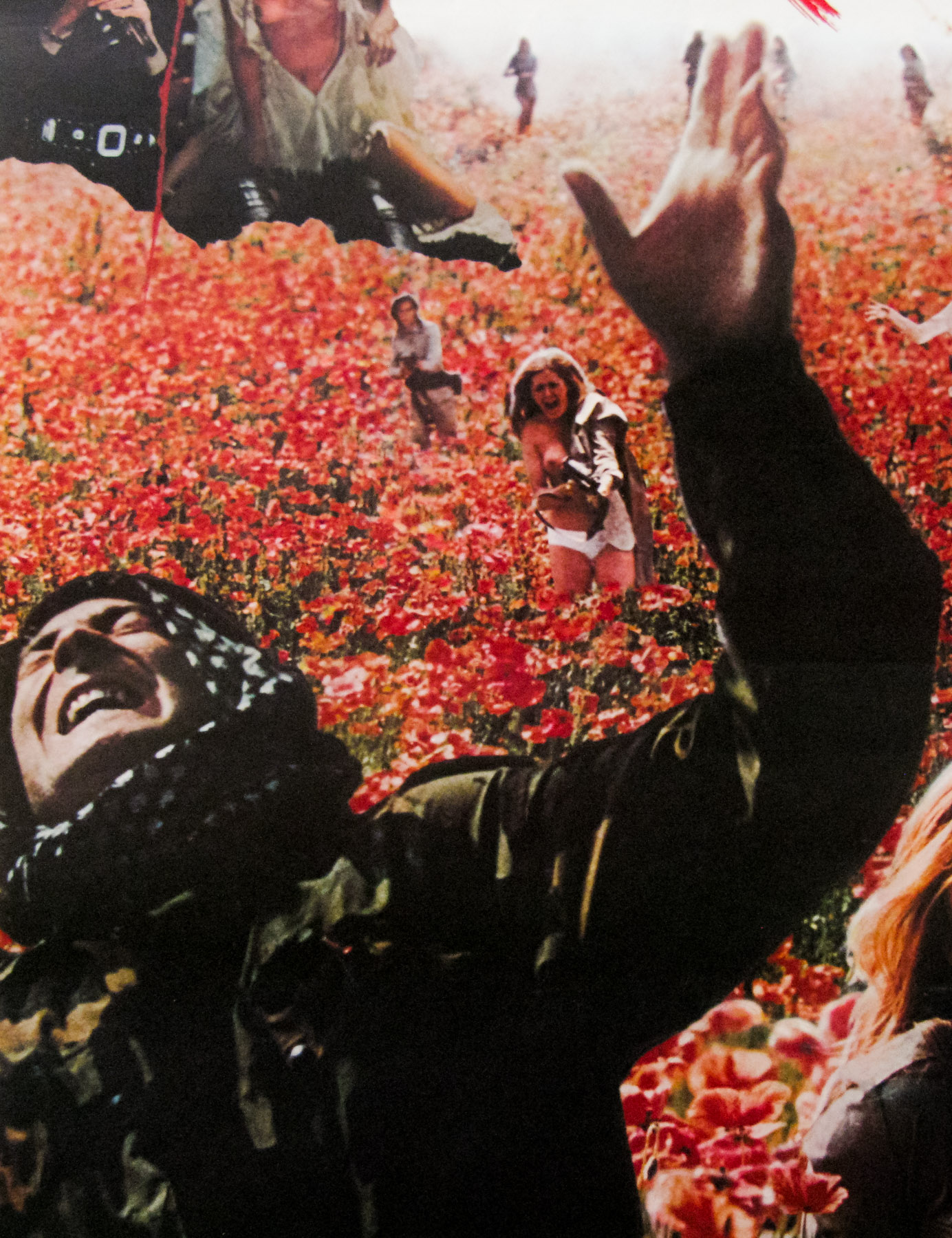
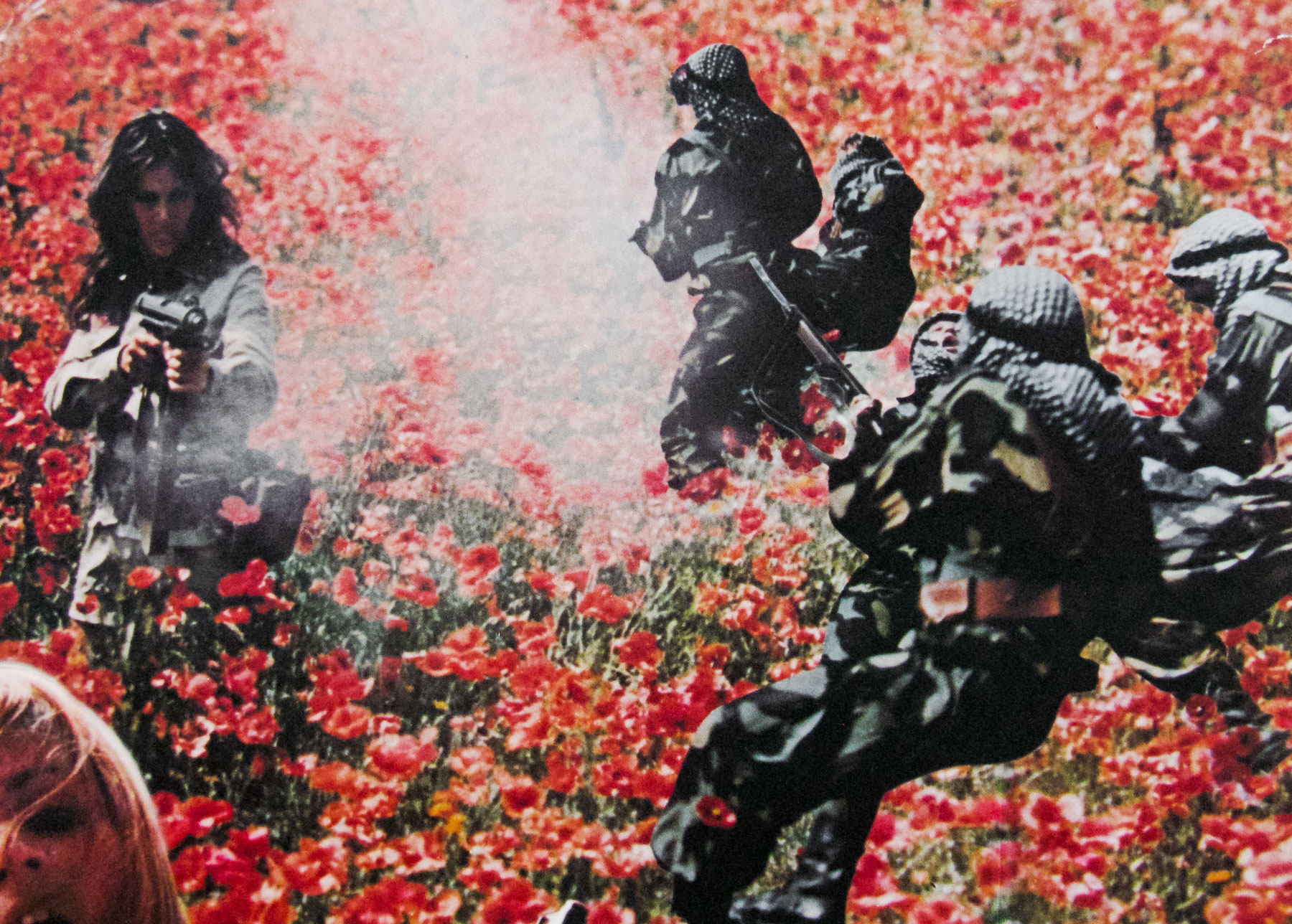
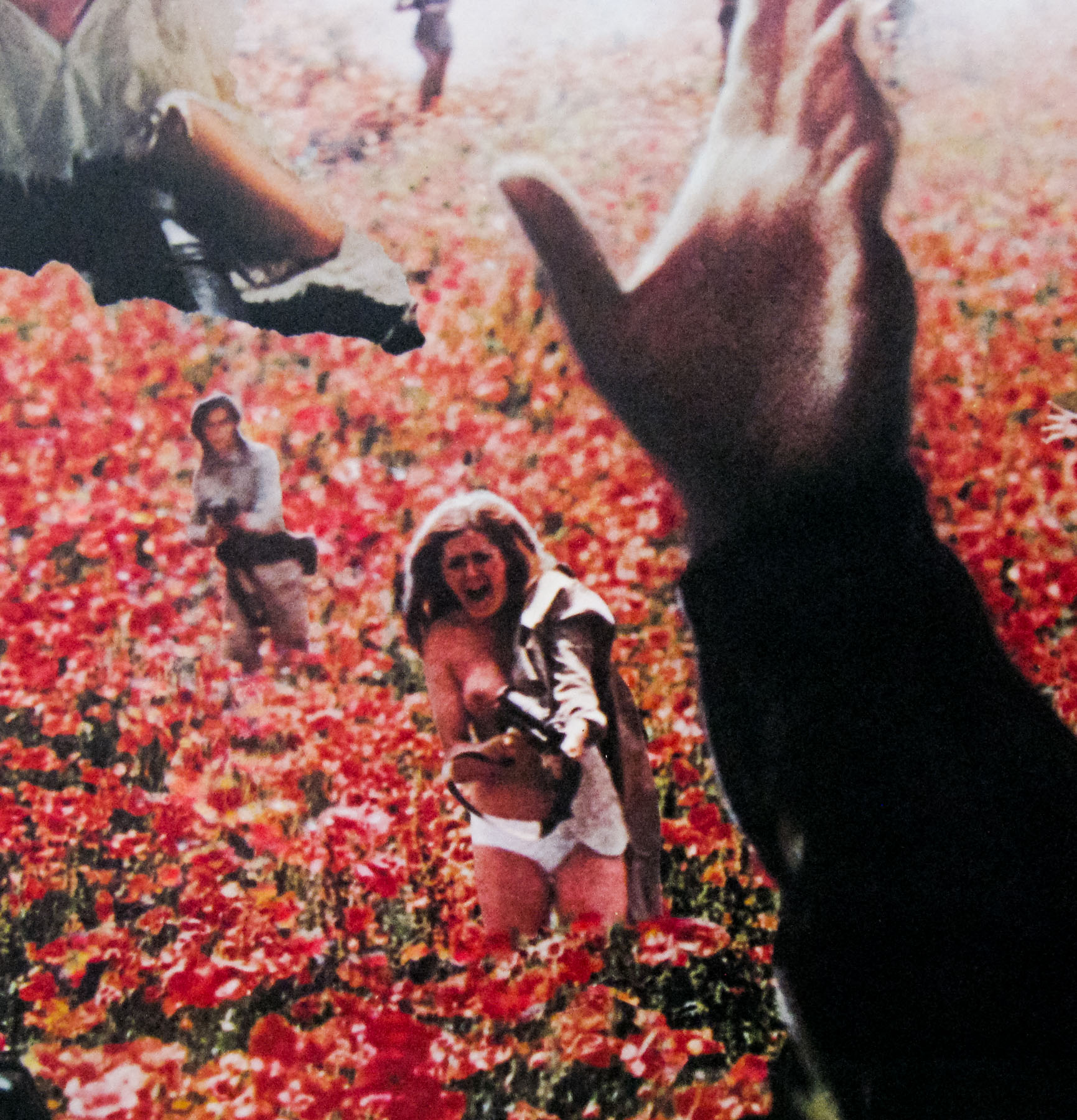
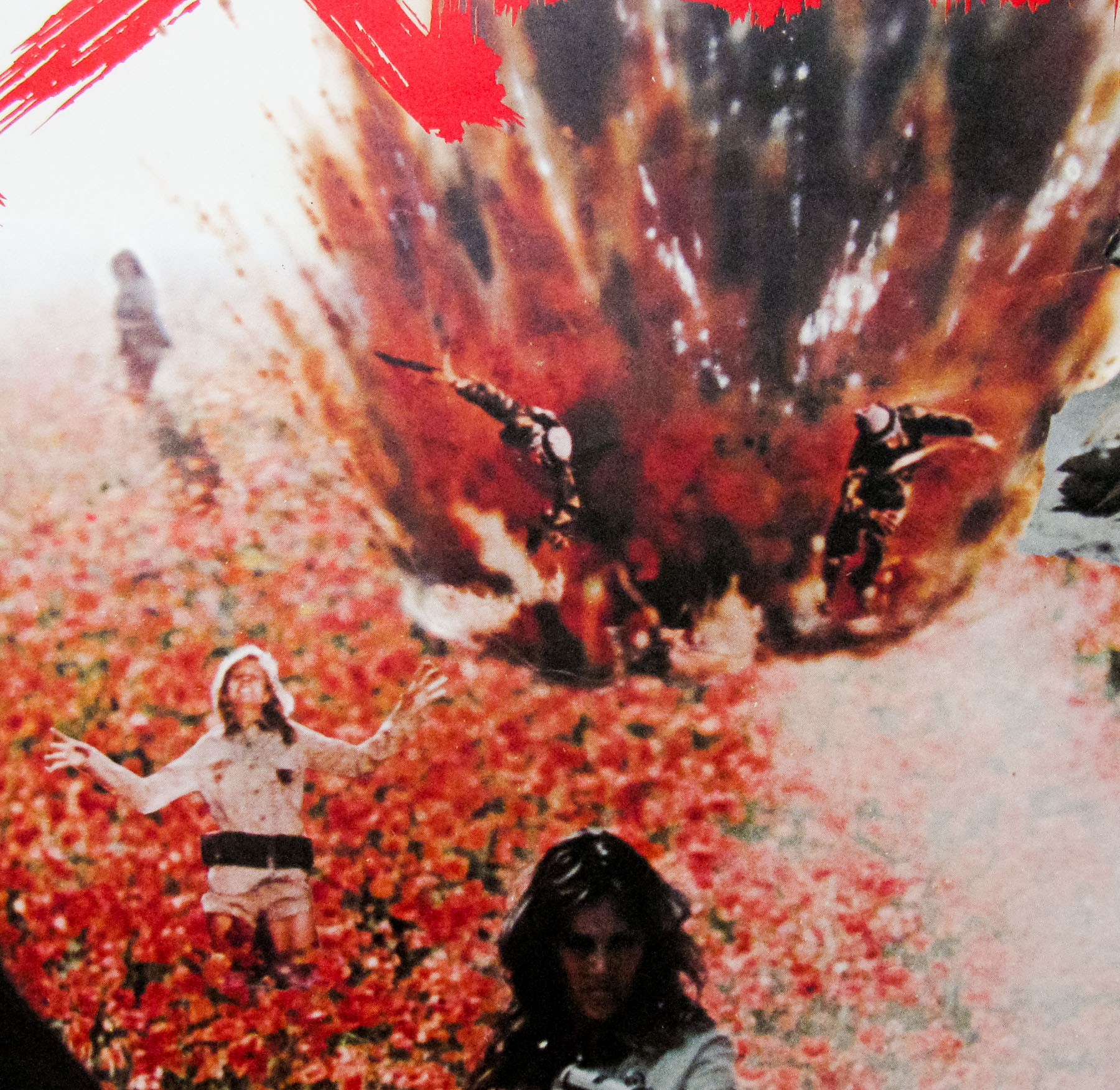
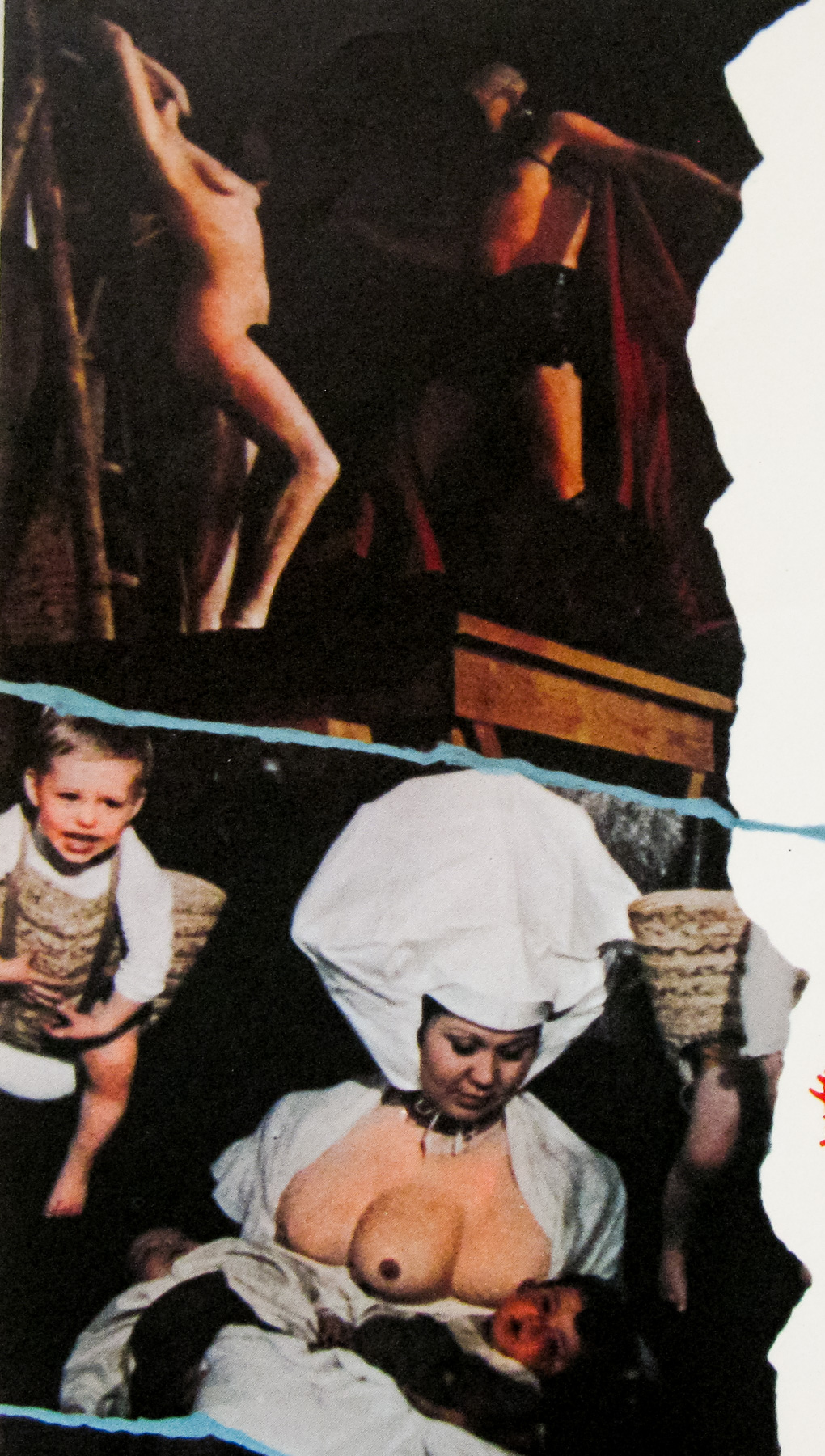
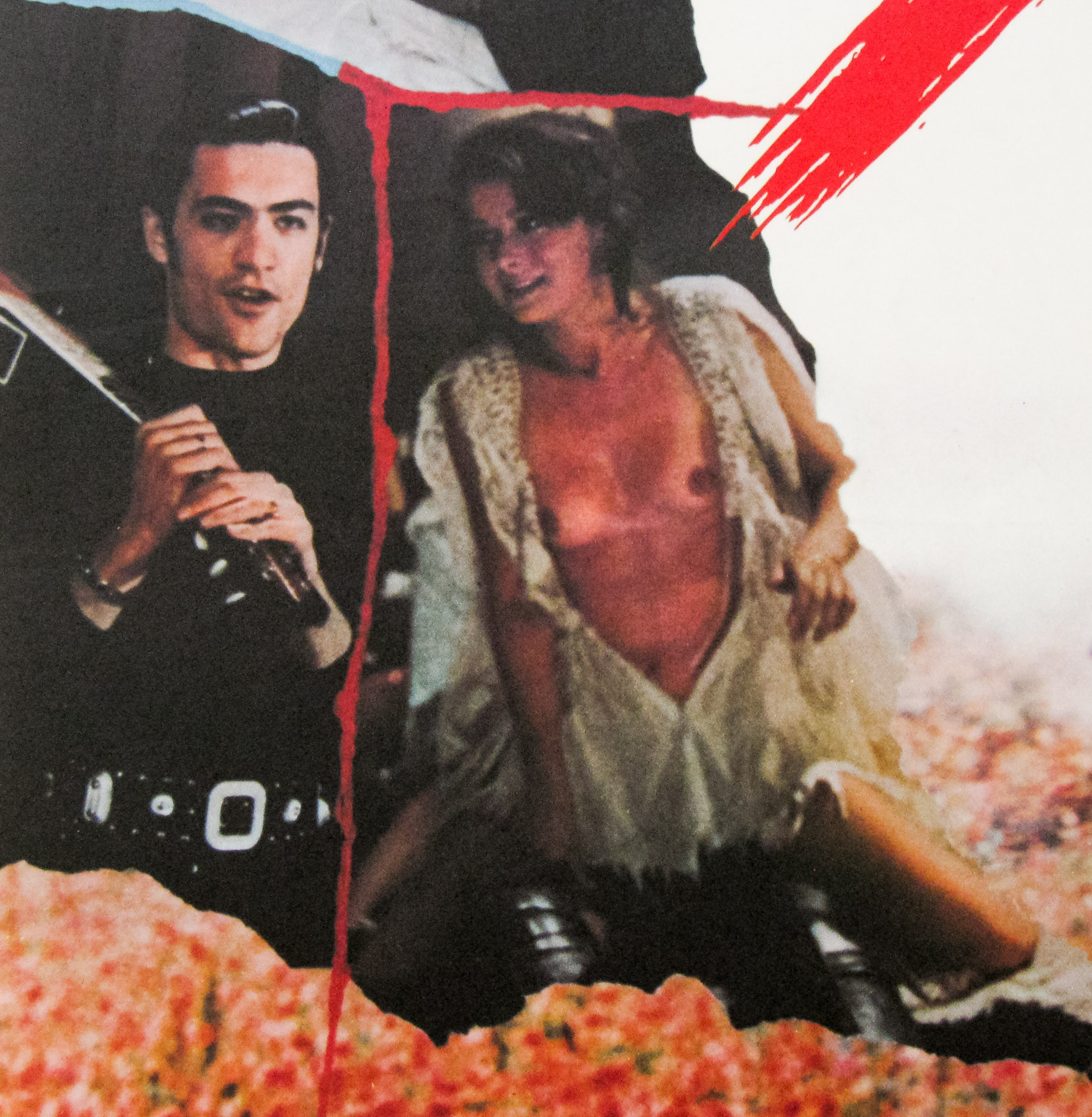
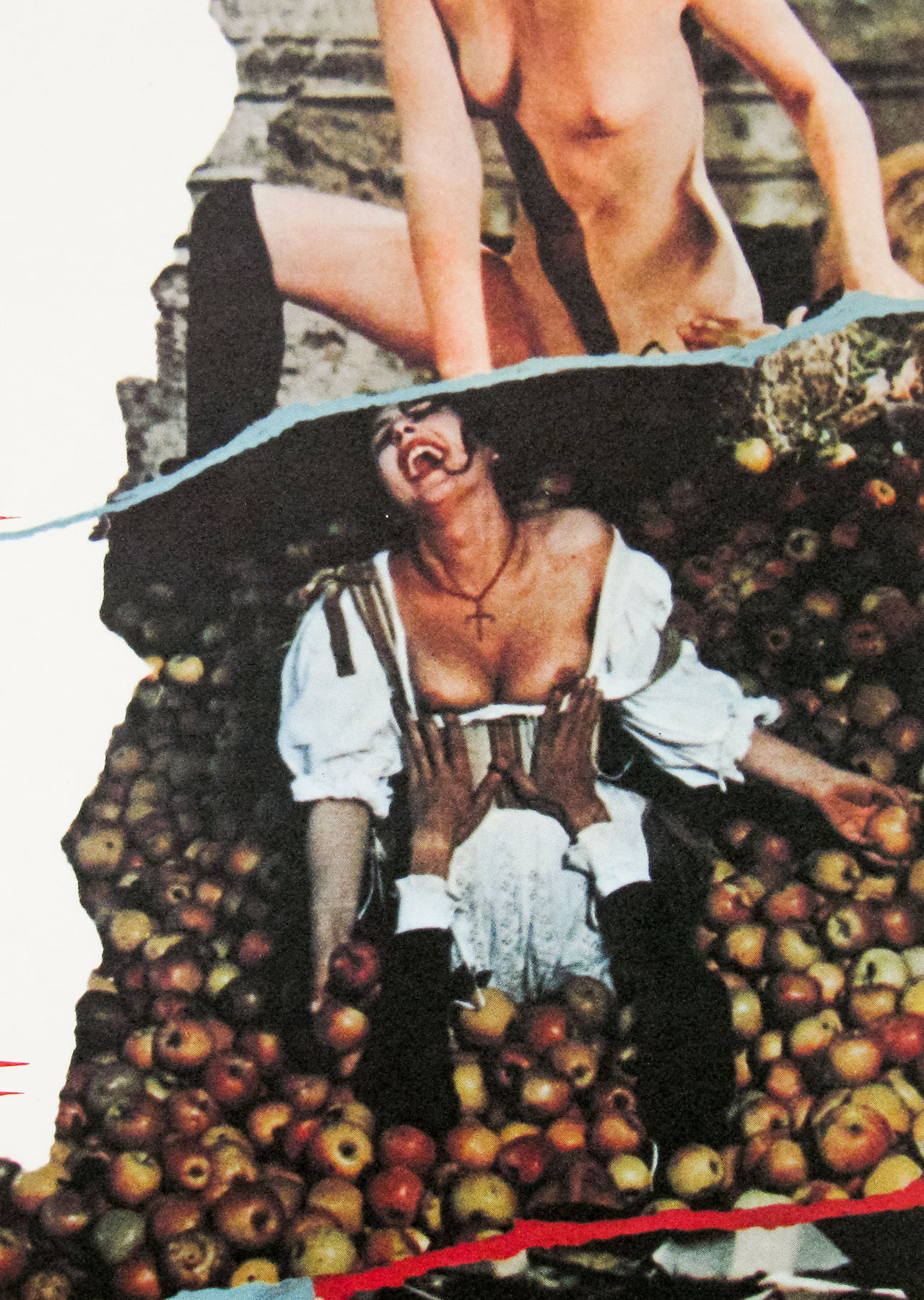
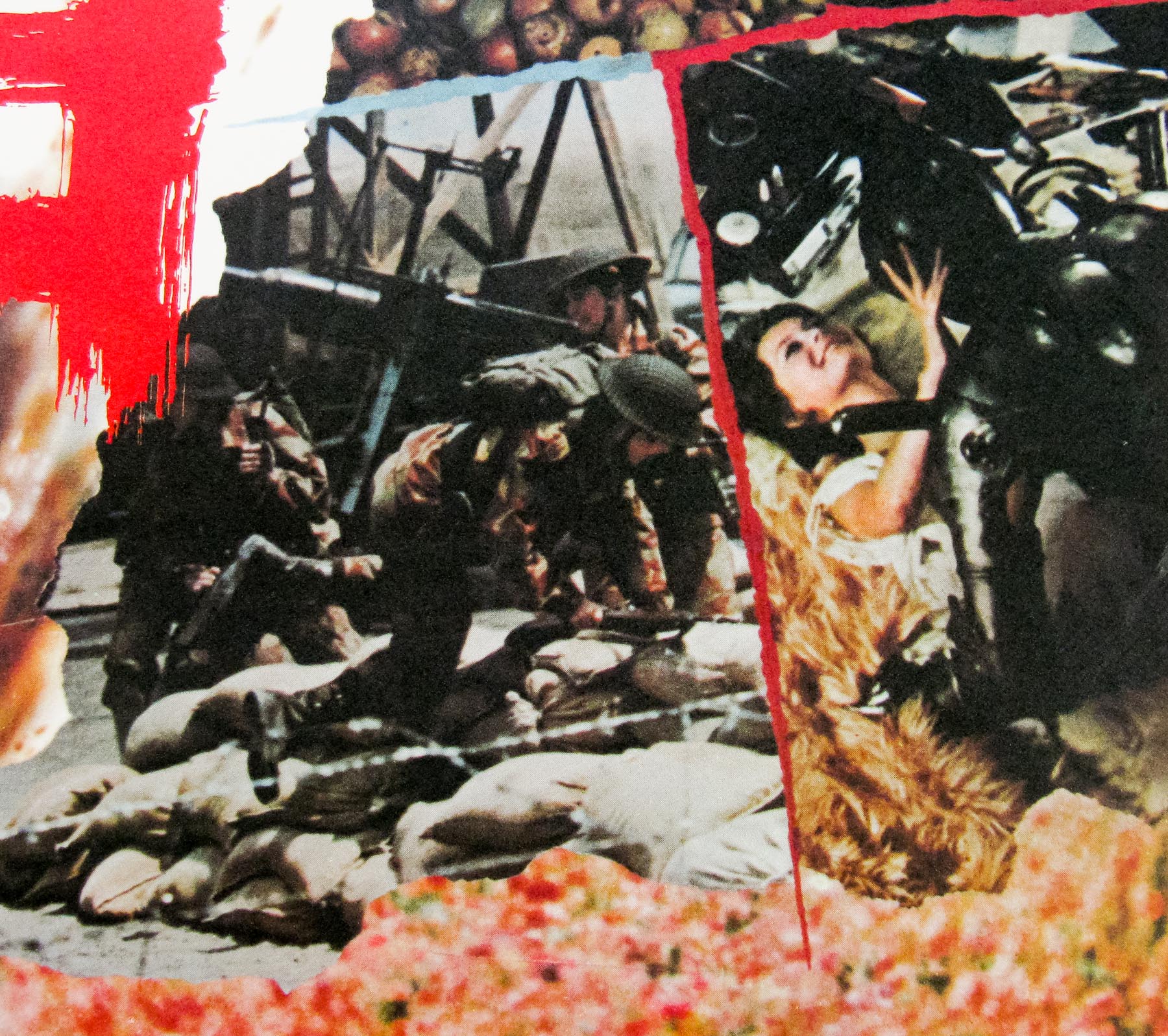
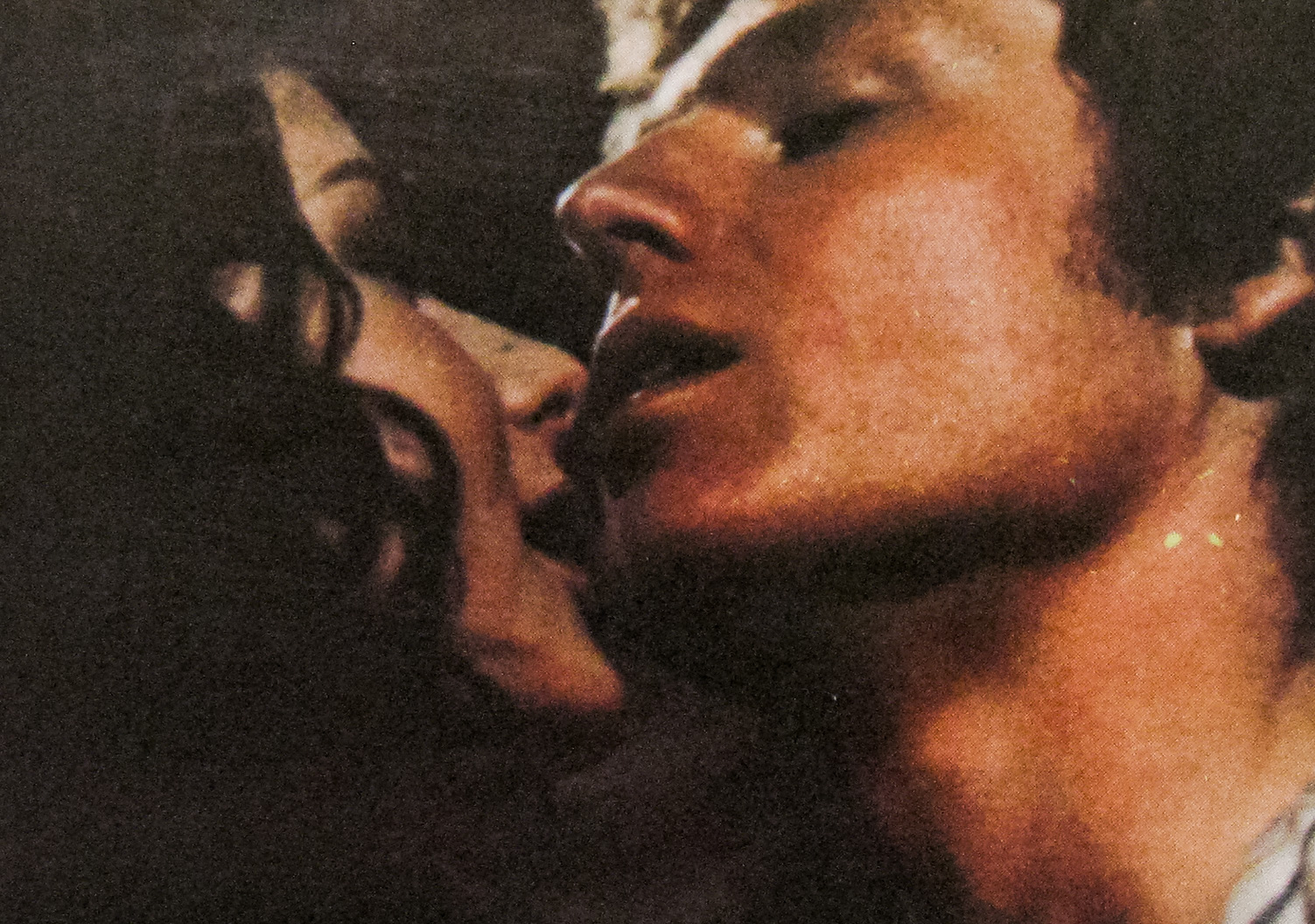
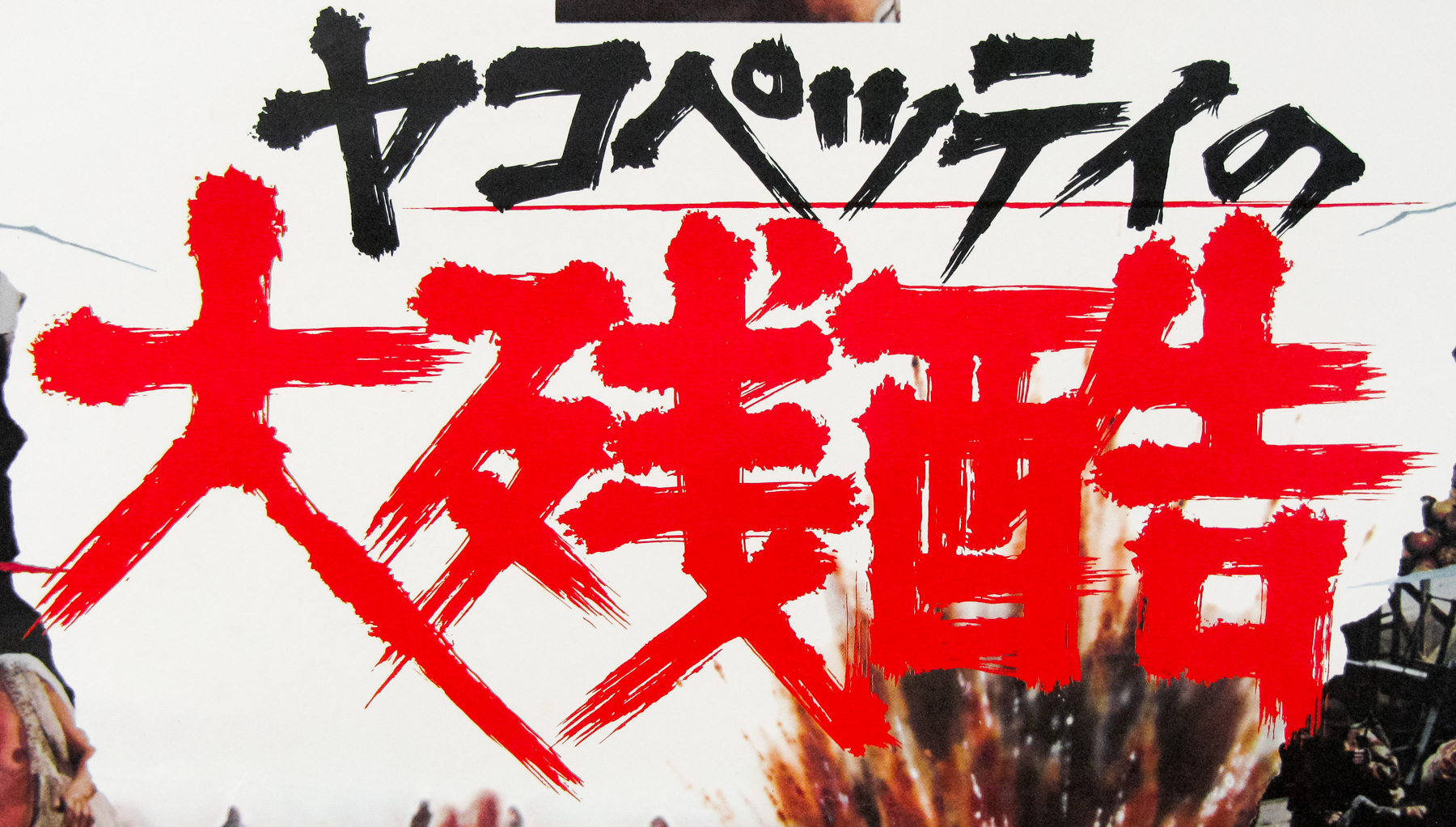
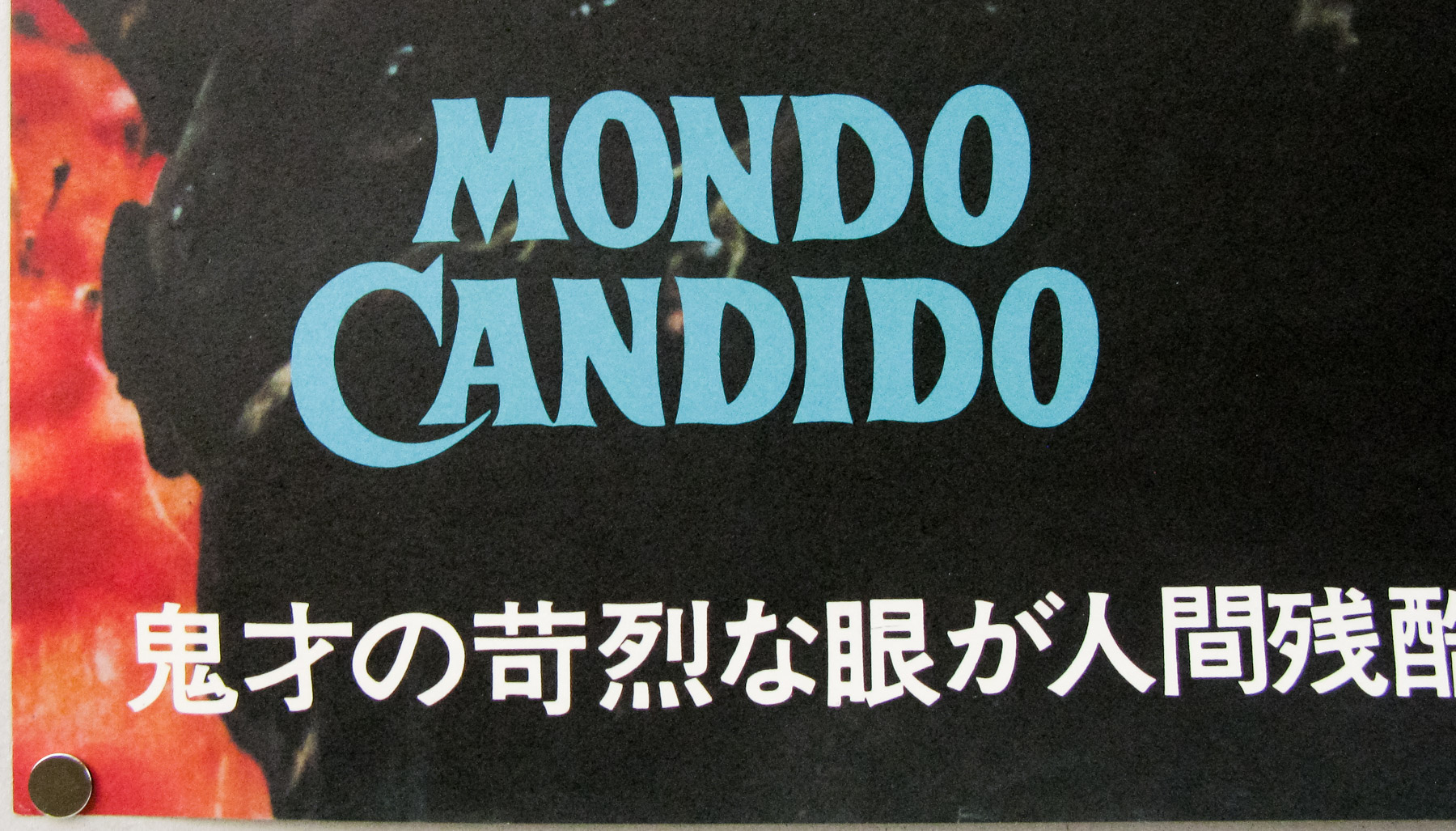
This Japanese B2 poster clearly aims to emphasise the more violent, erotic elements of the film. Japan was one of only a handful of countries to release it theatrically in 1975.

Moonraker / B2 / Japan

19.05.14

Poster Poster
Title
Moonraker
AKA
Agente 007, Moonraker: Operazione Spazio (Italy)
Year of Film
1979
Director
Lewis Gilbert
Starring
Roger Moore, Lois Chiles, Michael Lonsdale, Richard Kiel, Corinne Clery, Bernard Lee, Geoffrey Keen, Desmond Llewelyn, Lois Maxwell, Toshirô Suga, Blanche Ravalec
Origin of Film
UK | France
Genre(s) of Film
Roger Moore, Lois Chiles, Michael Lonsdale, Richard Kiel, Corinne Clery, Bernard Lee, Geoffrey Keen, Desmond Llewelyn, Lois Maxwell, Toshirô Suga, Blanche Ravalec,
Type of Poster
B2
Style of Poster
--
Origin of Poster
Japan
Year of Poster
1979
Designer
Unknown
Artist
Dan Goozee
Size (inches)
20 6/16" x 28 14/16"
SS or DS
SS
Tagline
--

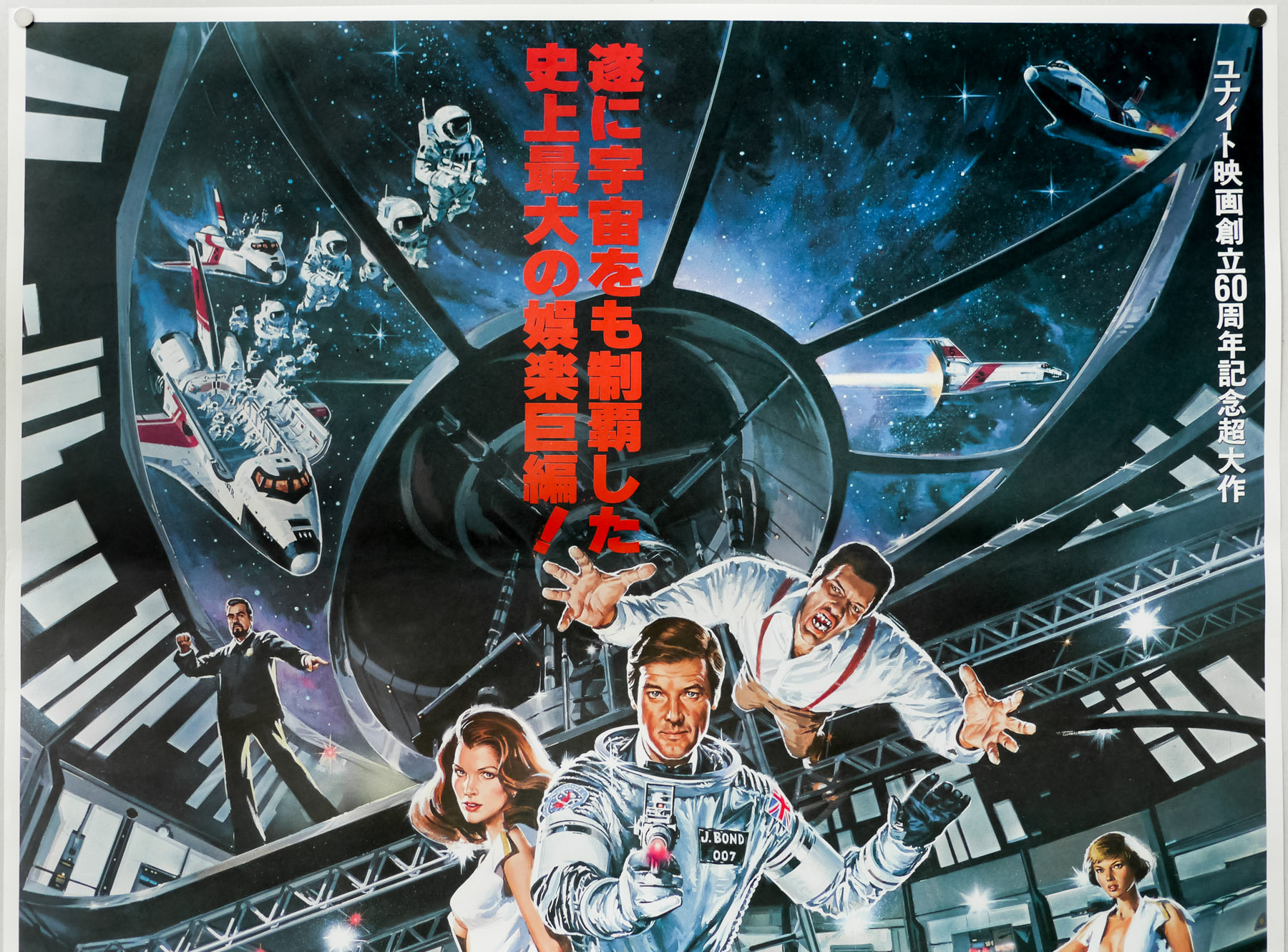
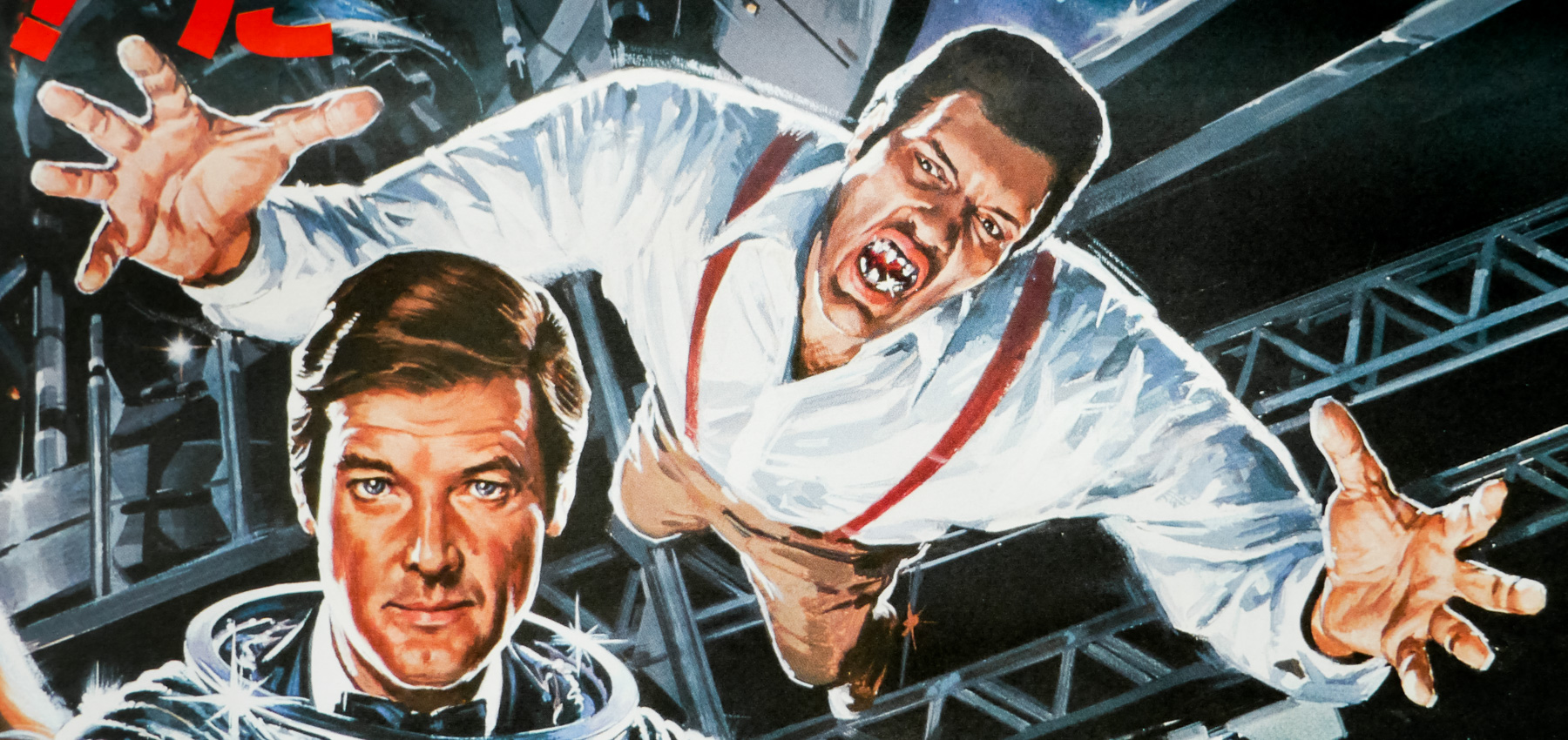
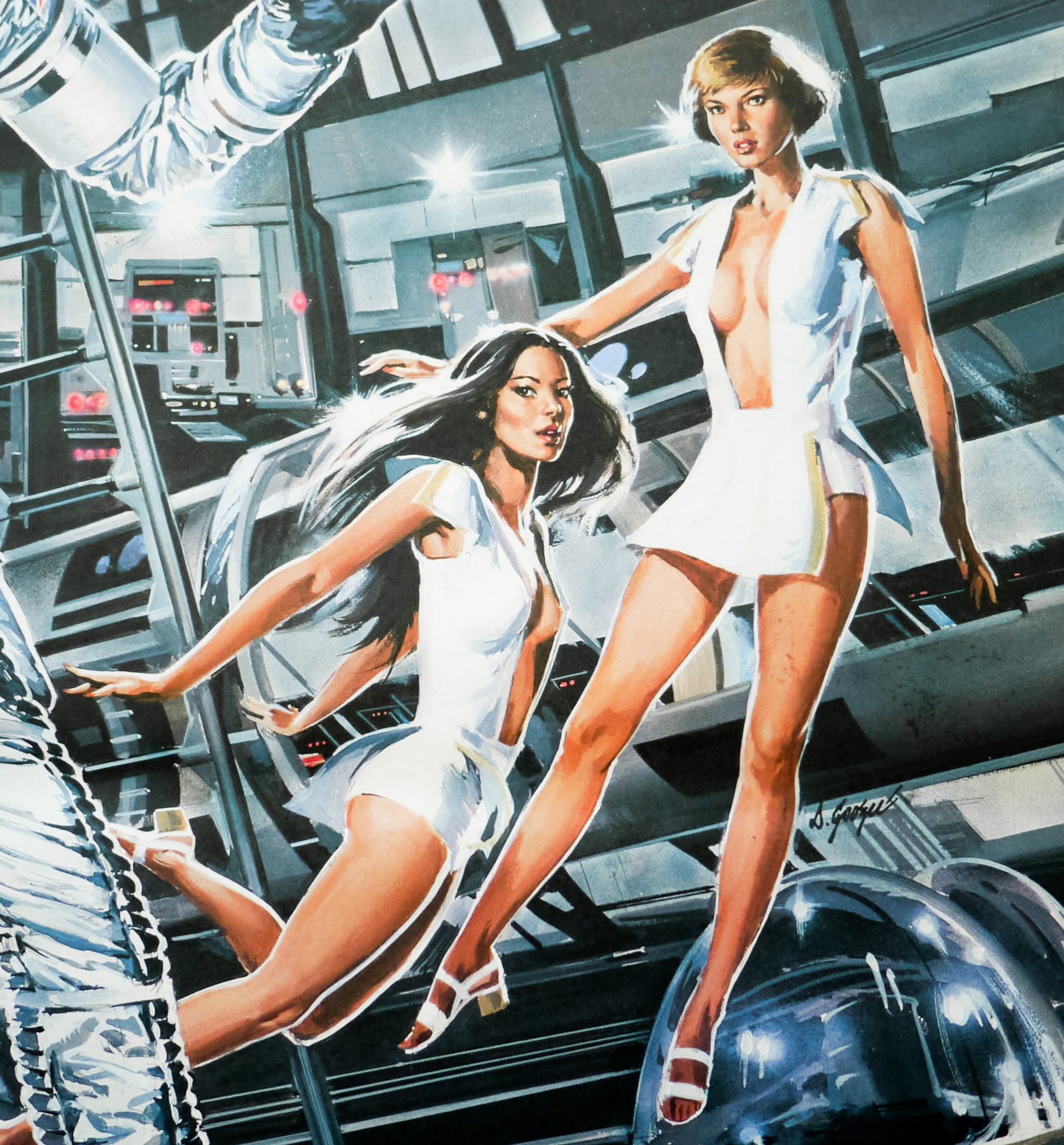
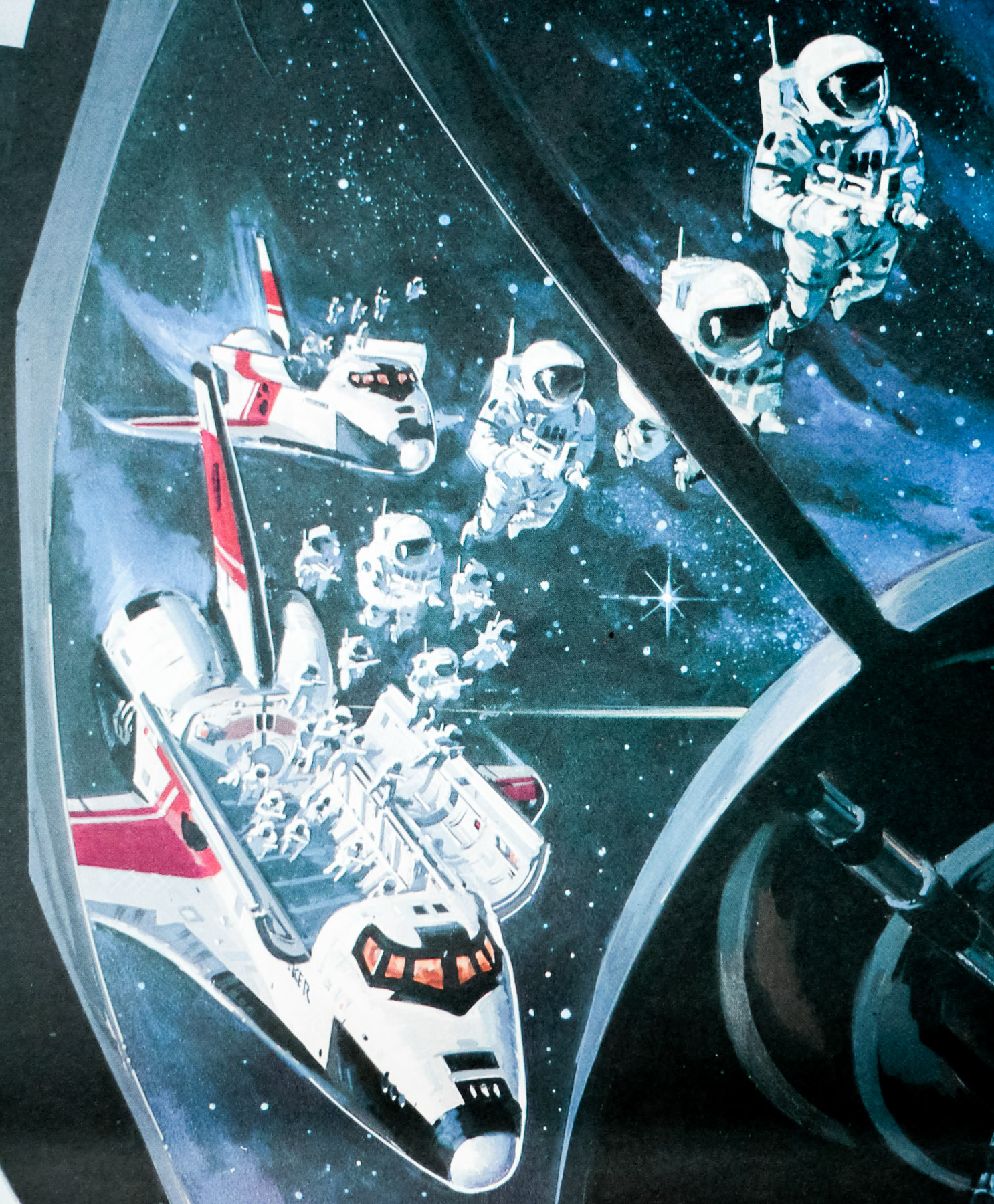
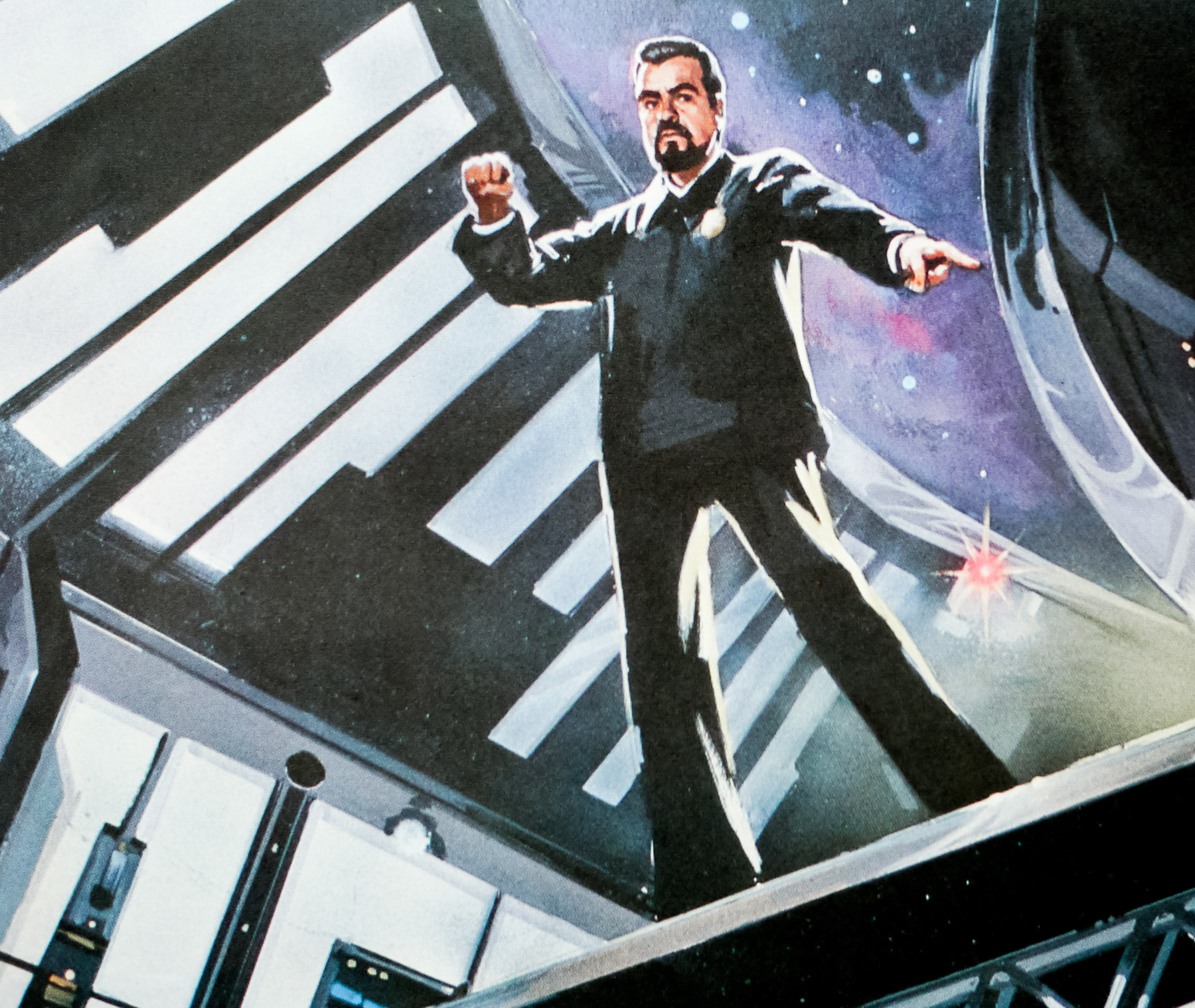
Although considered by most Bond fans to be one of the weakest of the series, I know I’m not the only one to have a soft spot for MoonrakerRoger Moore‘s fifth outing as James Bond. Thanks to endless TV showings during the 1980s and early 1990s I’ve probably seen this more than any other in the series and, like Live and Let Die, it had a huge impression on my young mind.

Looking at it through the cynical fog of adulthood it’s easy to sneer at the camp script, supremely daft action sequences (motorised Gondola anyone?) and painfully obvious attempt to cash in on the success of Star Wars (a very common theme amongst films released in its wake). The film is probably the quintessential outing for Moore as Bond and only he could have pulled it off as well as he did, particularly when it comes to the hokey script and madcap action.

The film features several memorable sequences, including a cable car fight over Rio de Janeiro, and a decent bad guy in Richard Kiel‘s inimitable ‘Jaws’ who used to scare me senseless as a kid. Also notable is John Barry‘s soundtrack, which marked a departure from his previous Bond work by mainly using strings instead of the typical brass. The film also features one of the most (literally) eyebrow-raising character names in the form of Dr Holly Goodhead (Lois Chiles) and one of the best/worst sign-offs of the entire series:

Sir Frederick Gray, Minister of Defence:  My God, what’s Bond doing?
Q: I think he’s attempting re-entry, sir.

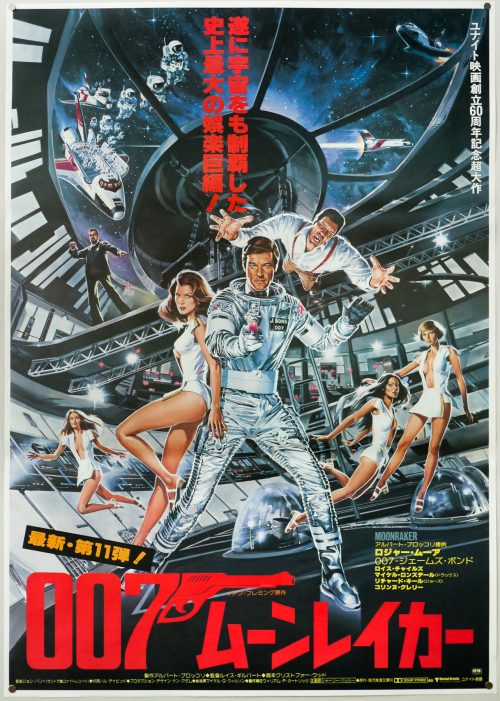
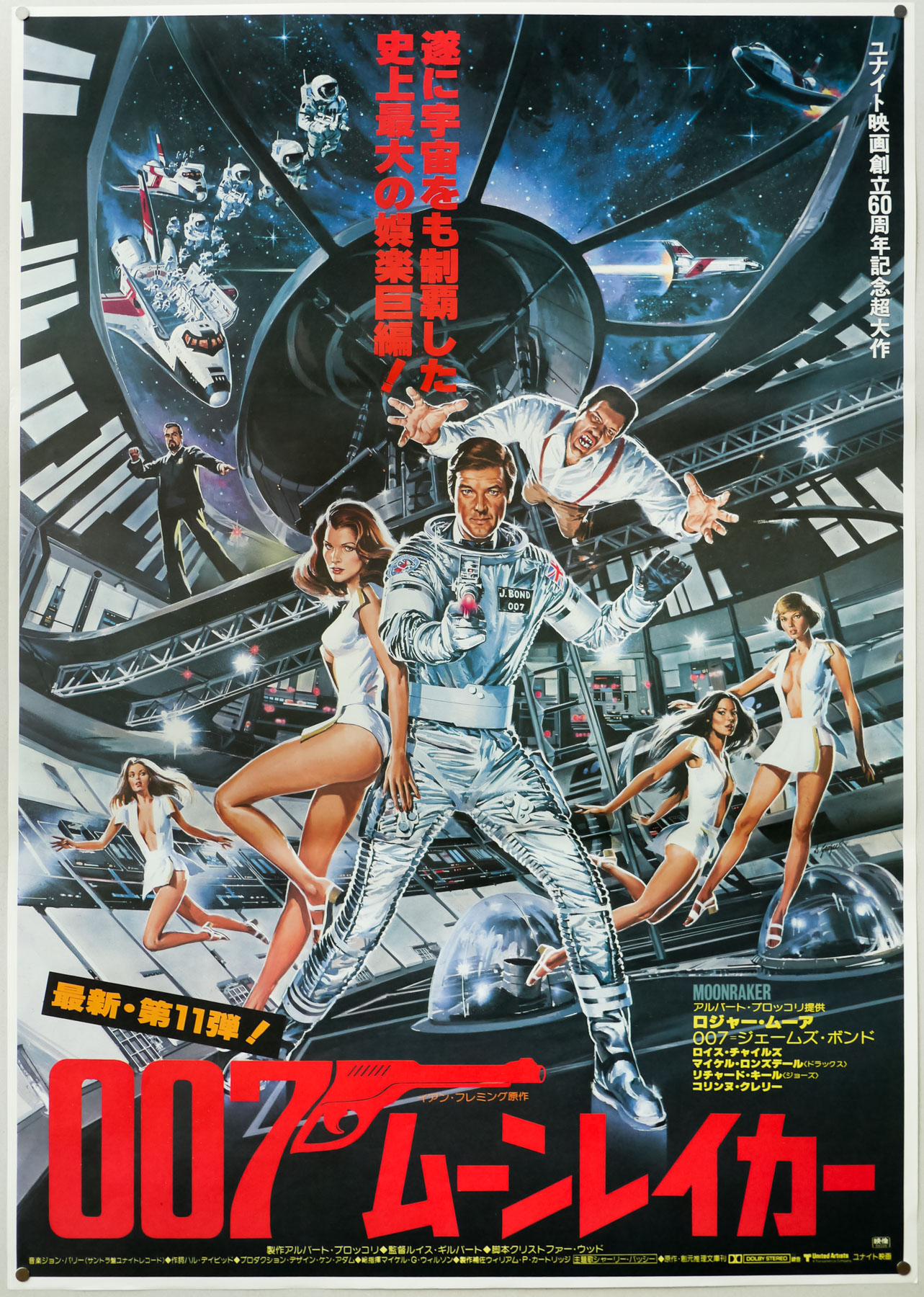
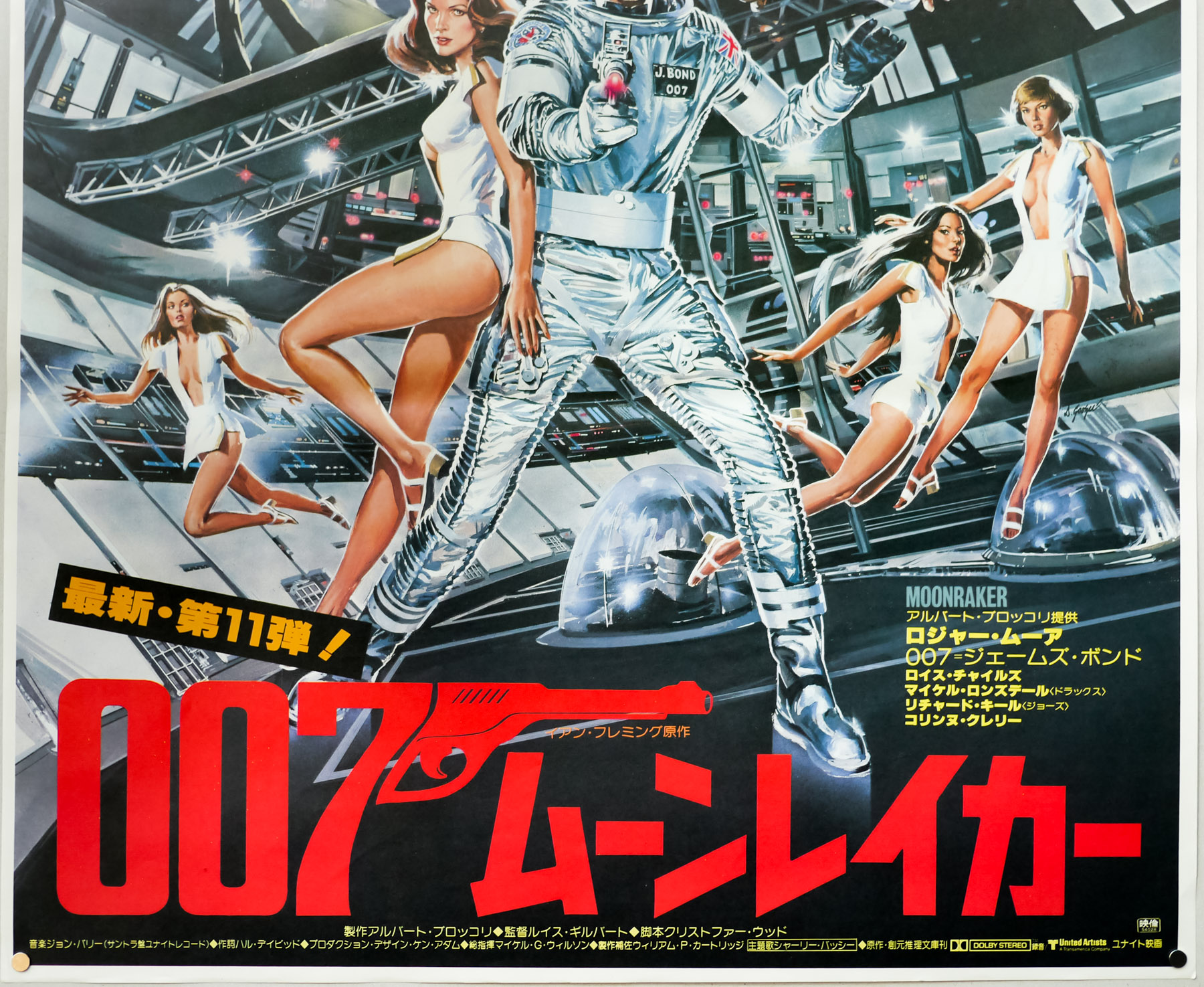
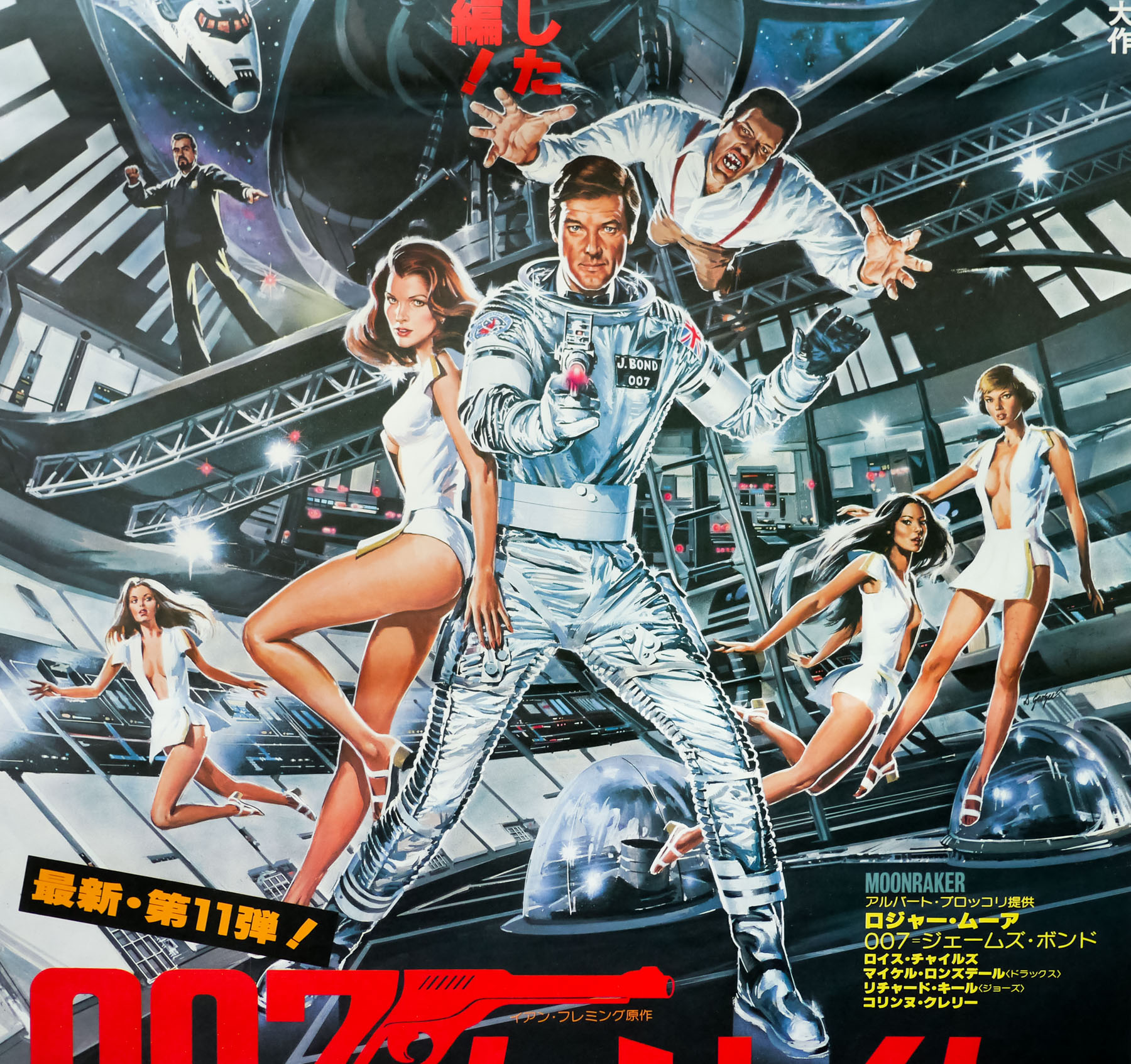
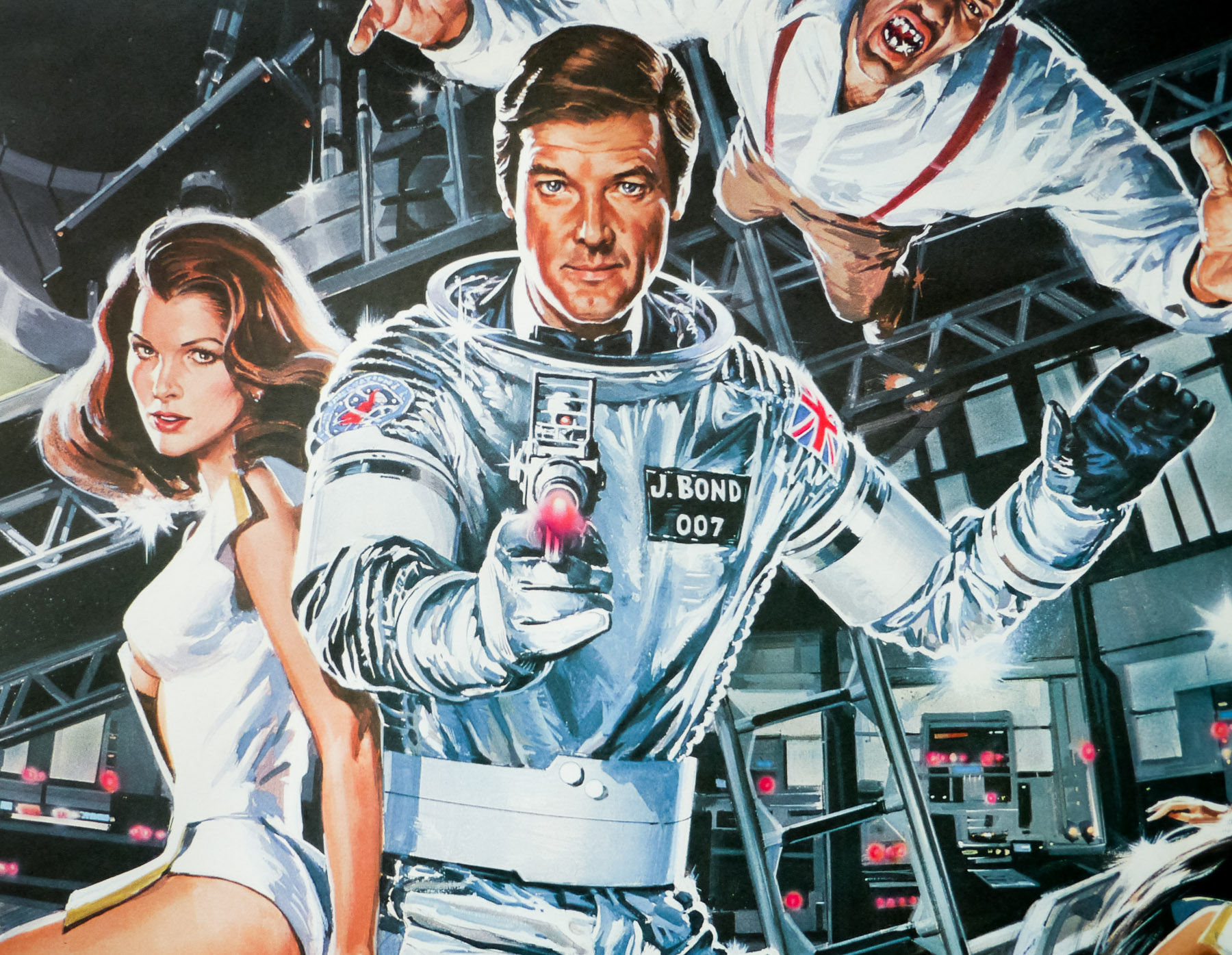
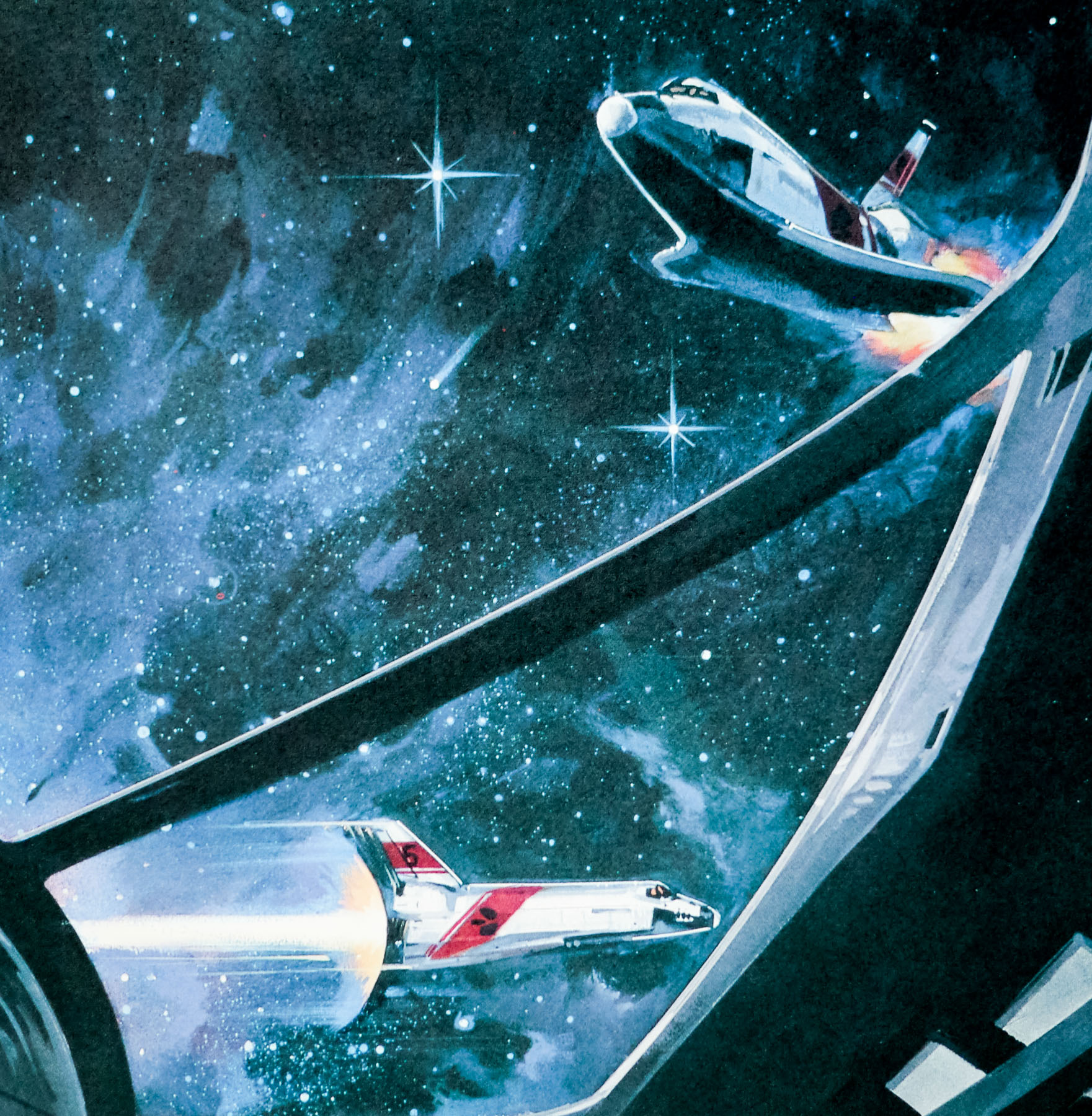
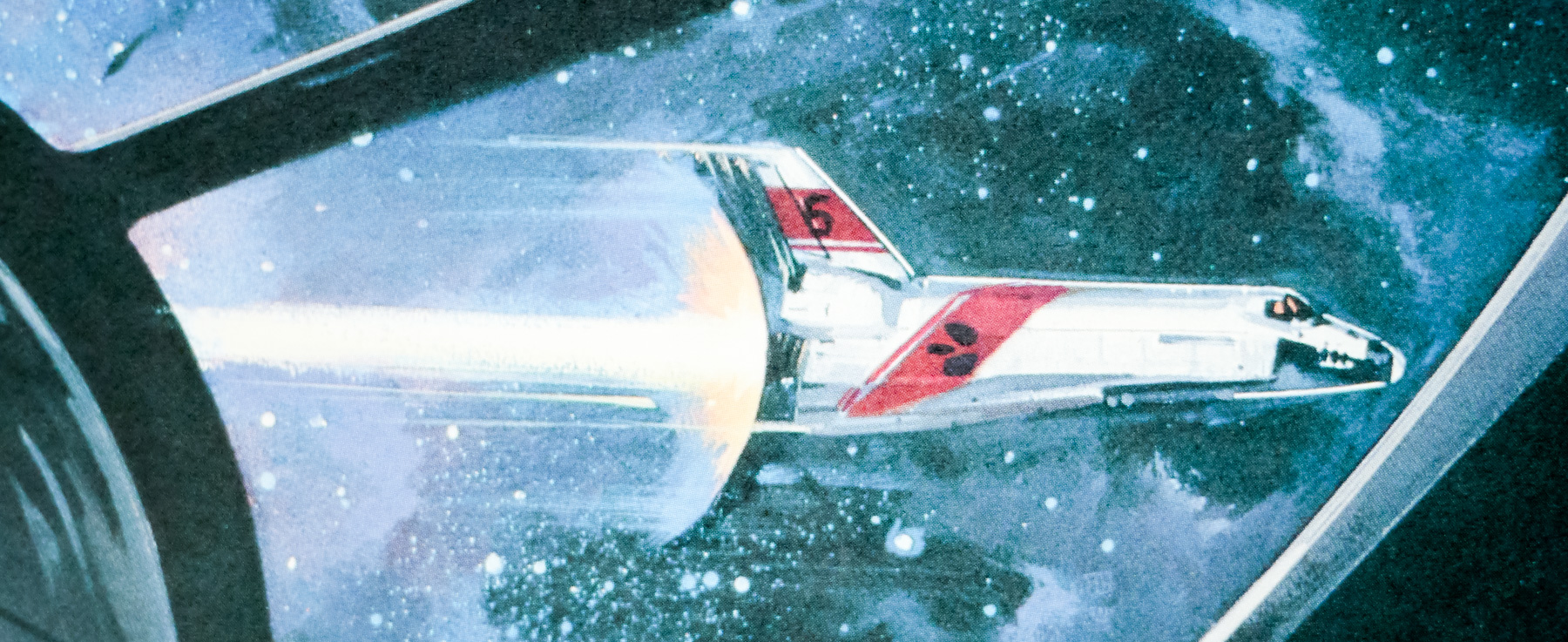
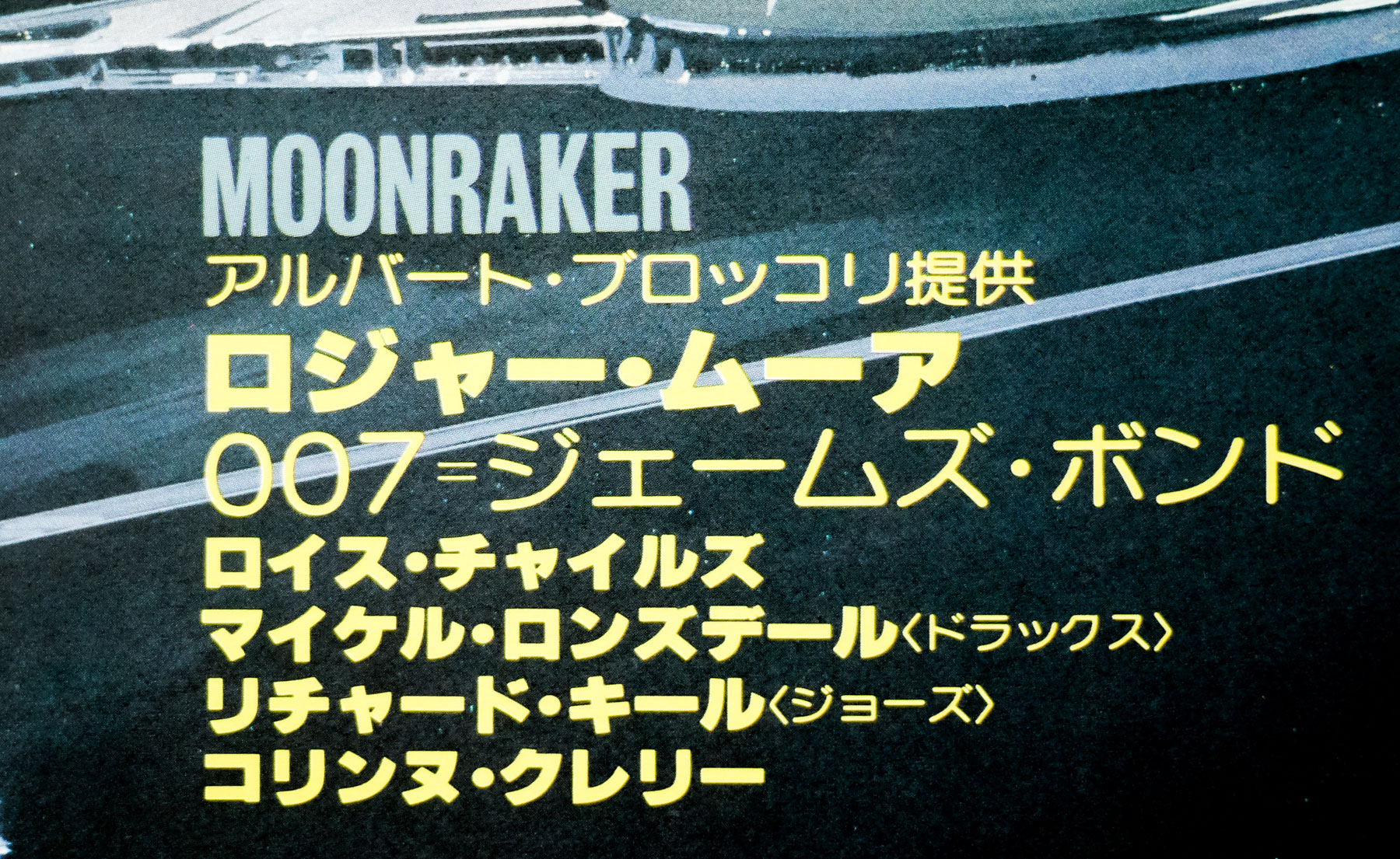
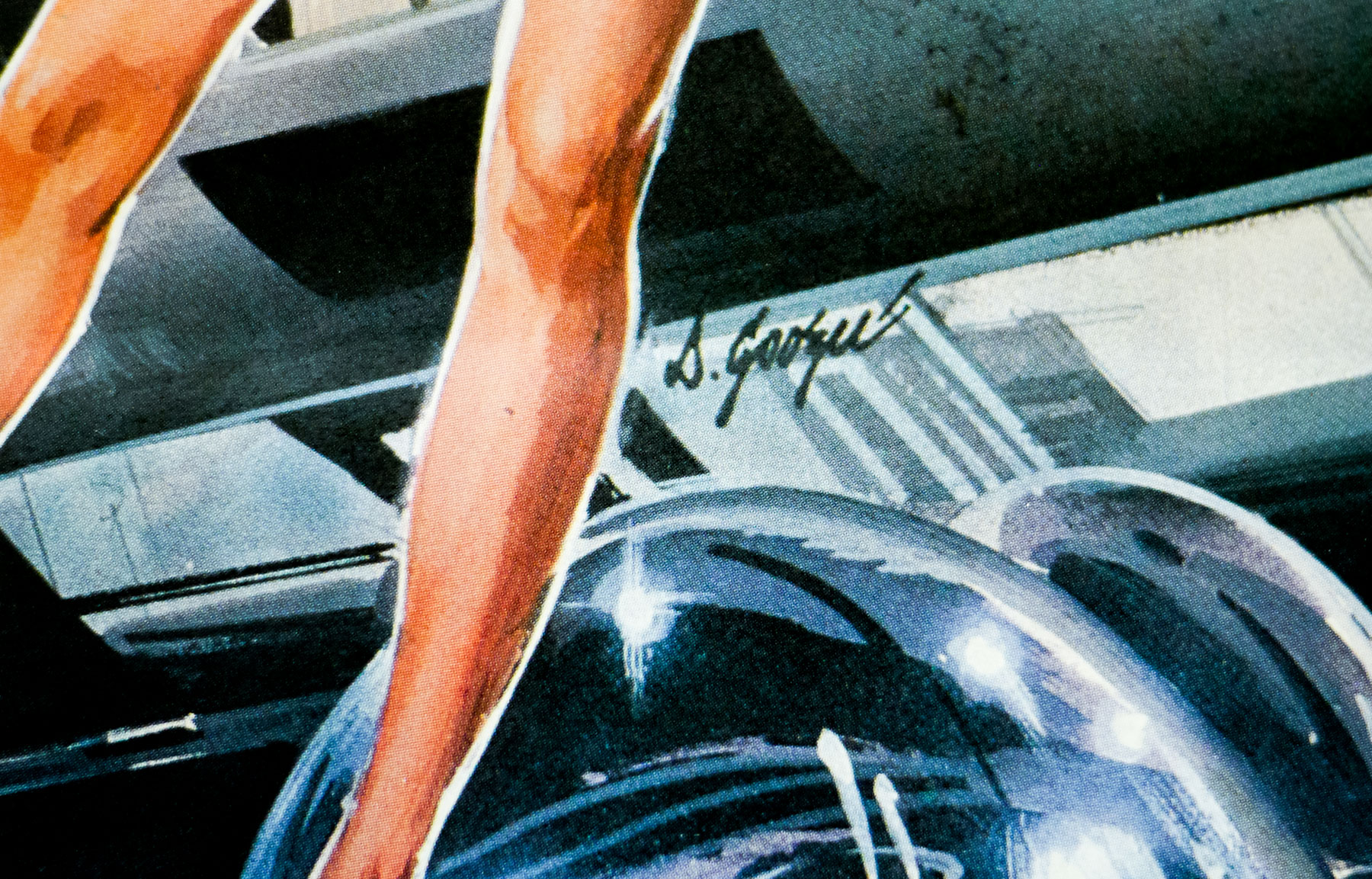
This is the Japanese B2 featuring artwork by the American artist Dan Goozee that was also used on the final Moonraker US one sheet and on the film’s posters in several other countries. Dan Goozee also worked on several other James Bond posters including the international advance one sheet for Moonraker, the artwork for Octopussy and two one sheets for A View to a Kill.

Other posters I’ve collected by Goozee can be seen here.

Octopussy / B2 / Yamakatsu style A / Japan

21.07.14

Poster Poster

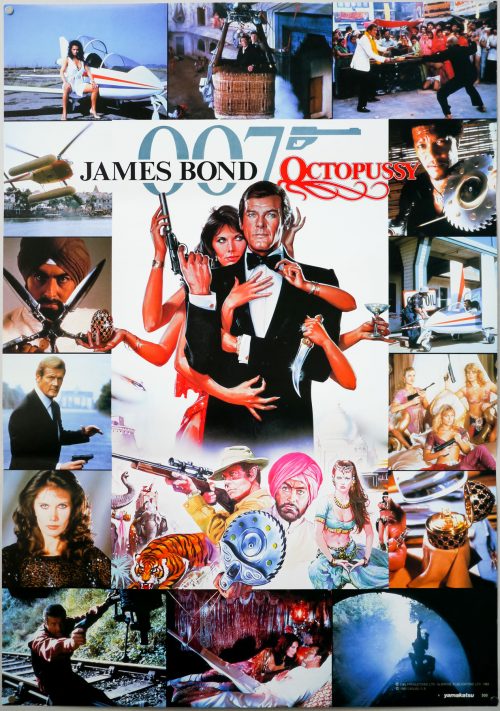
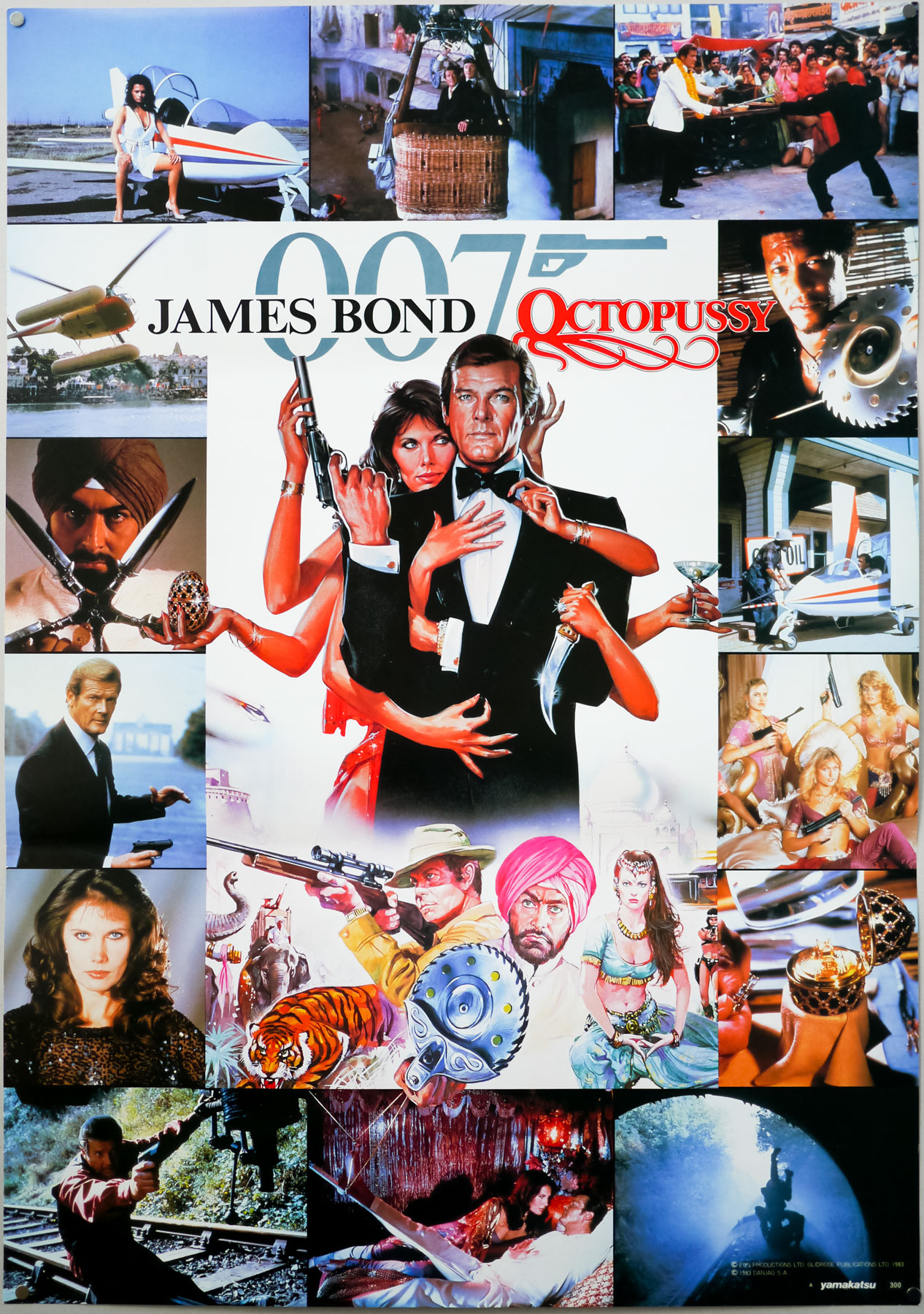
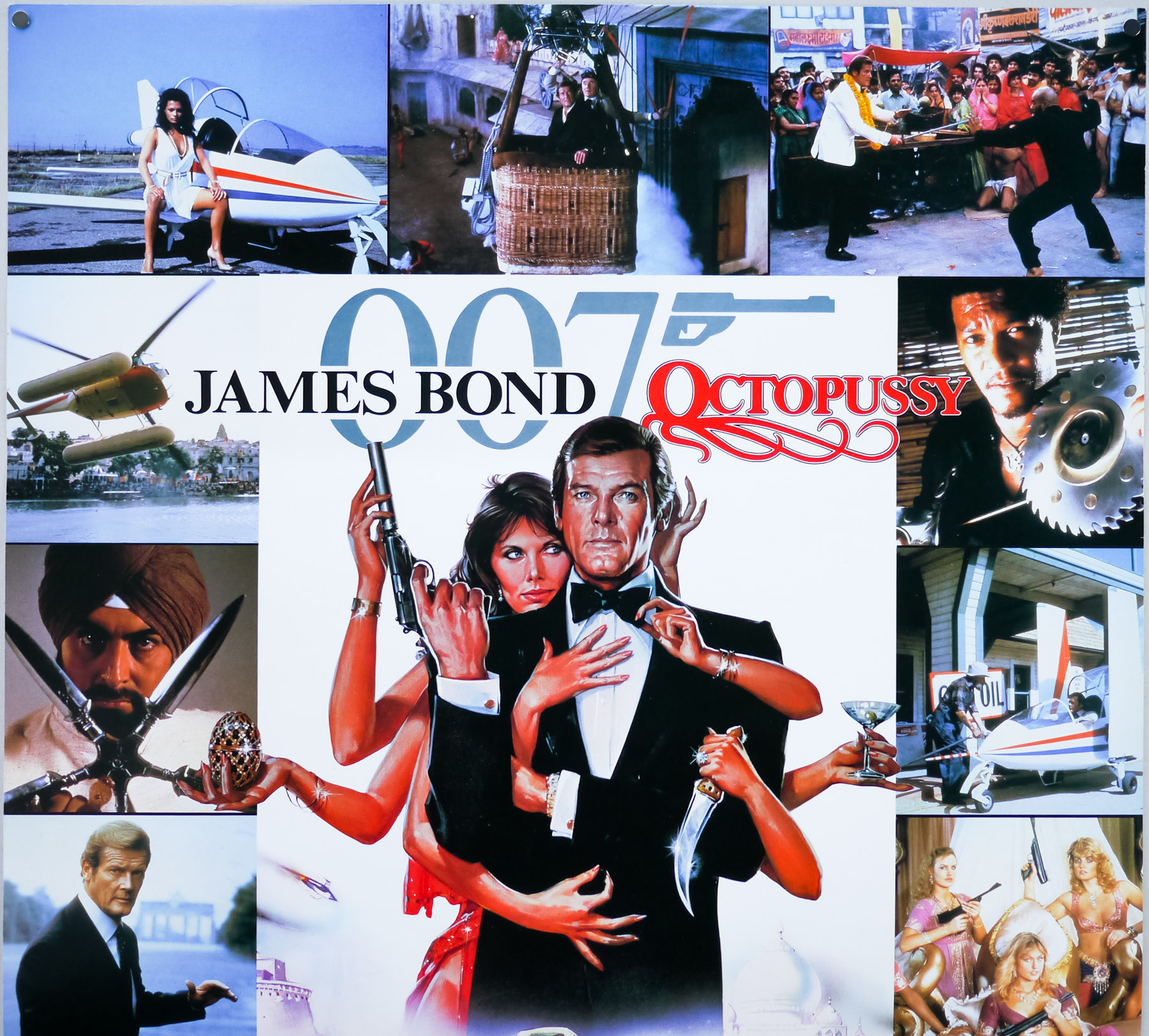
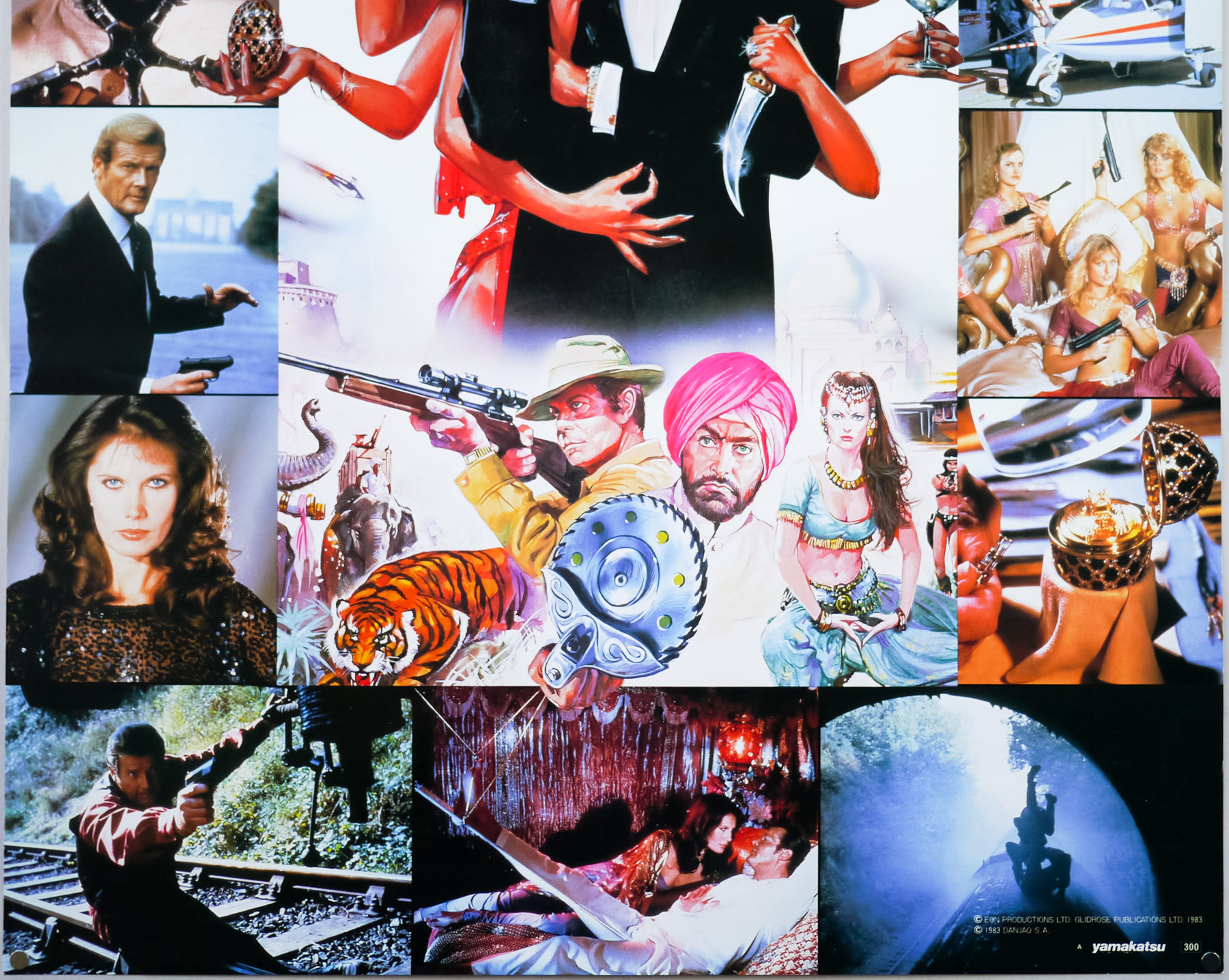
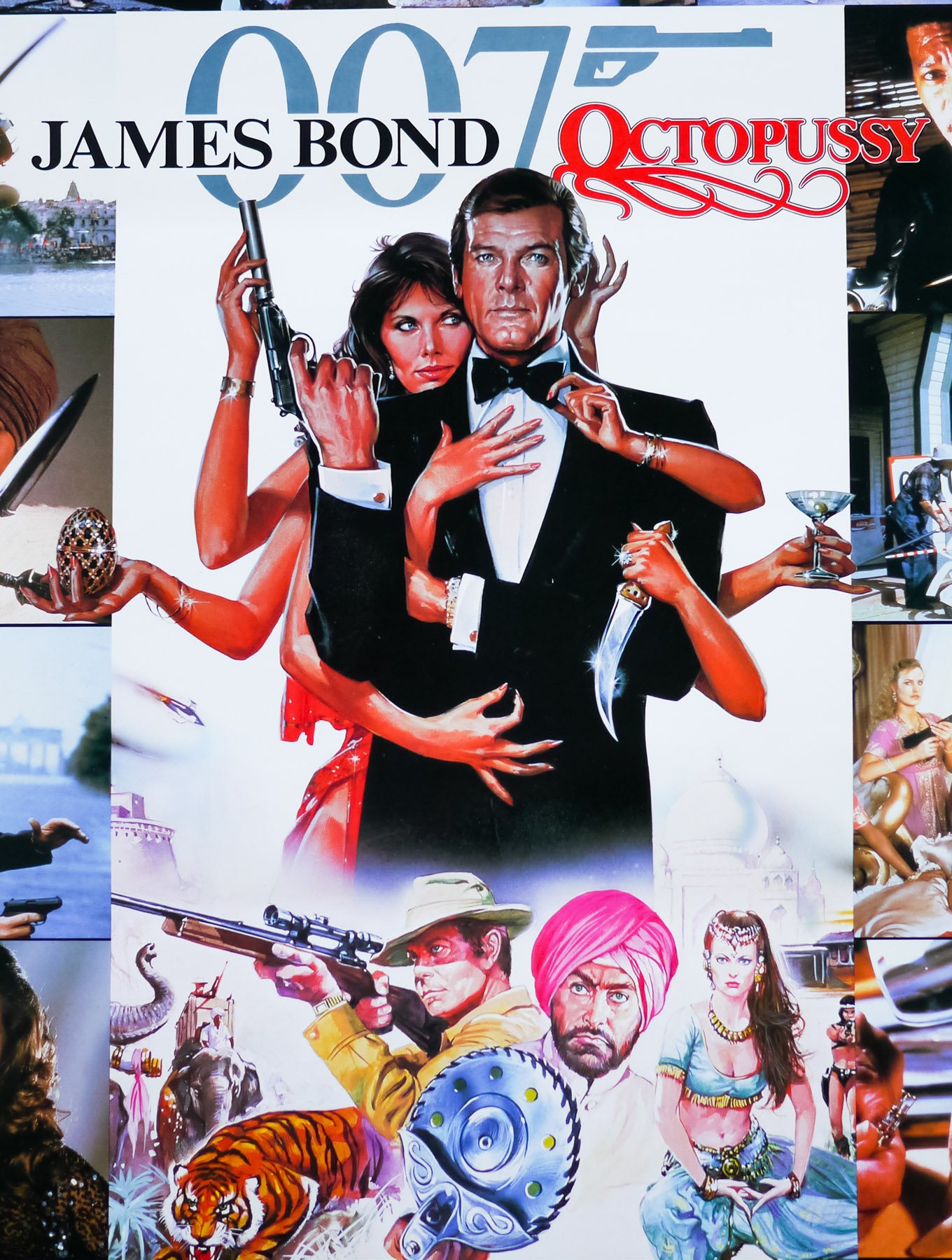
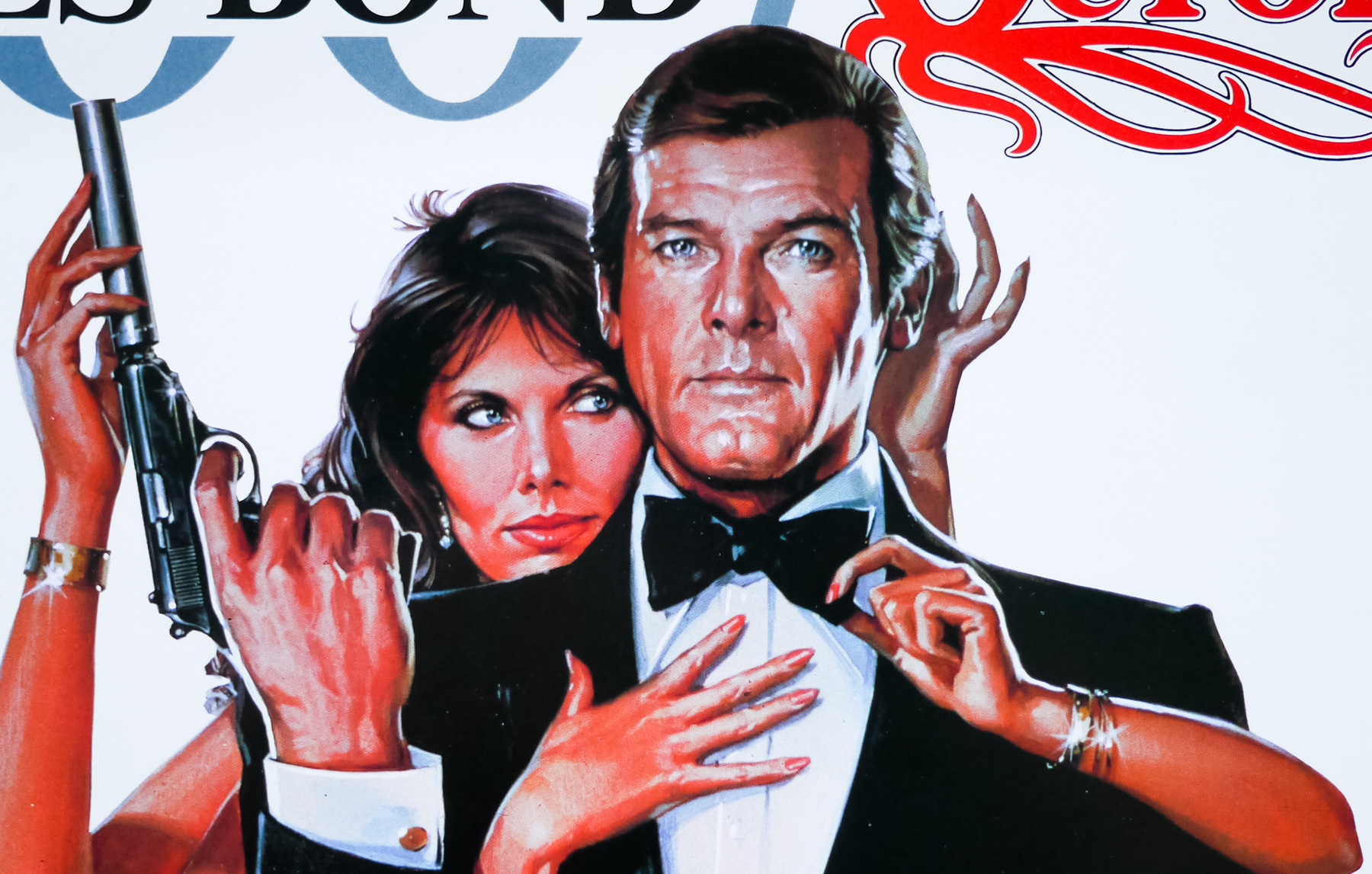
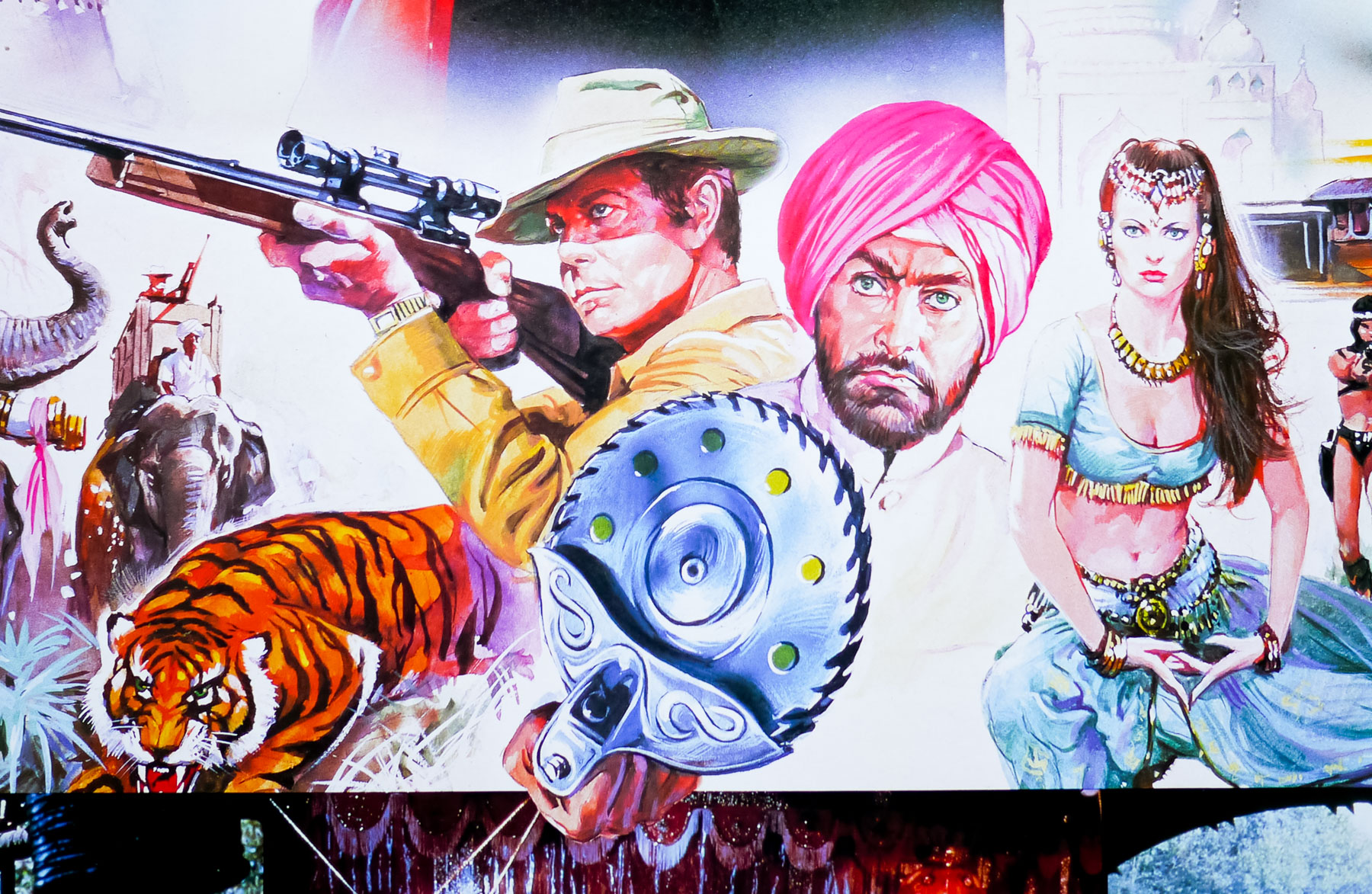
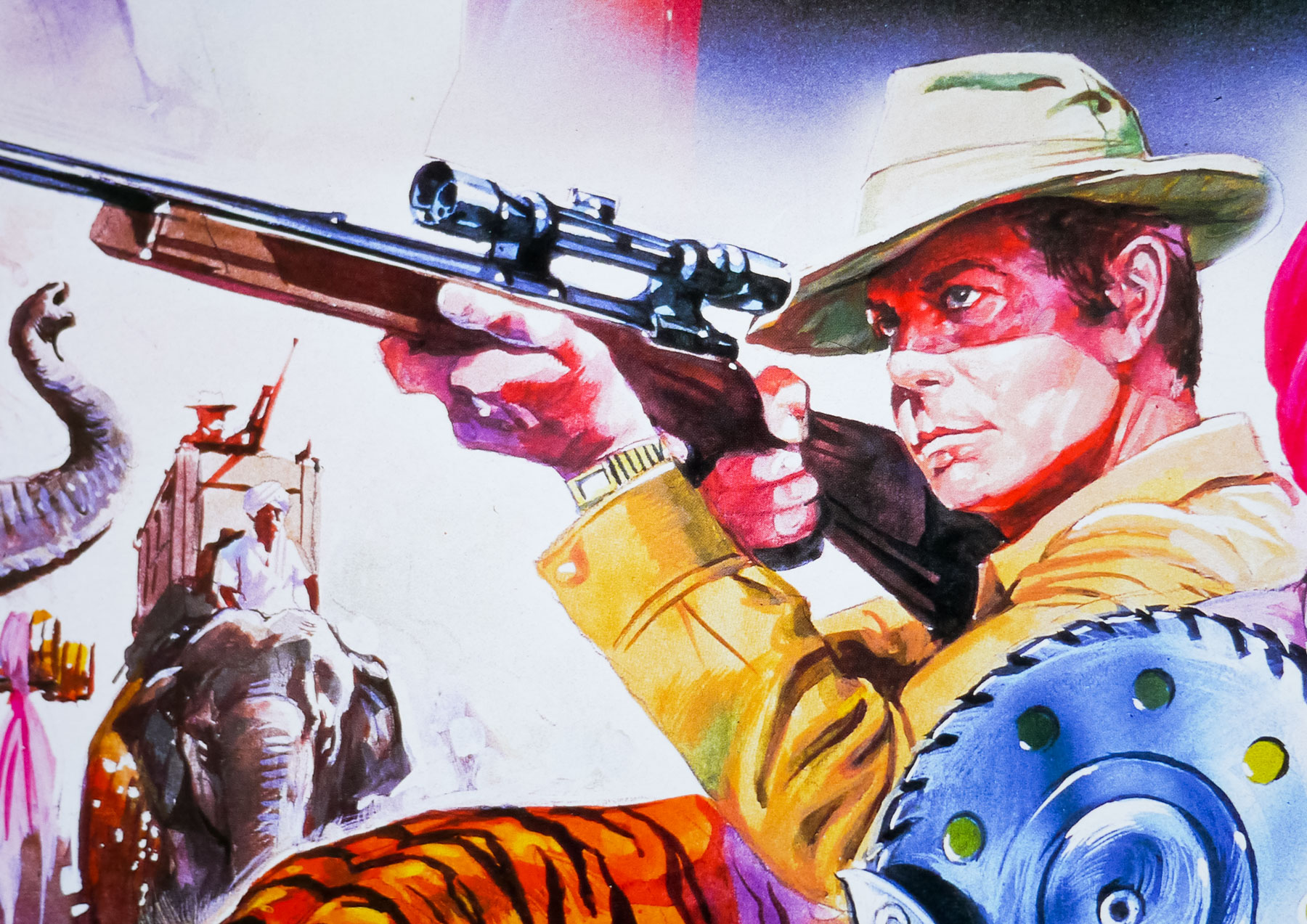
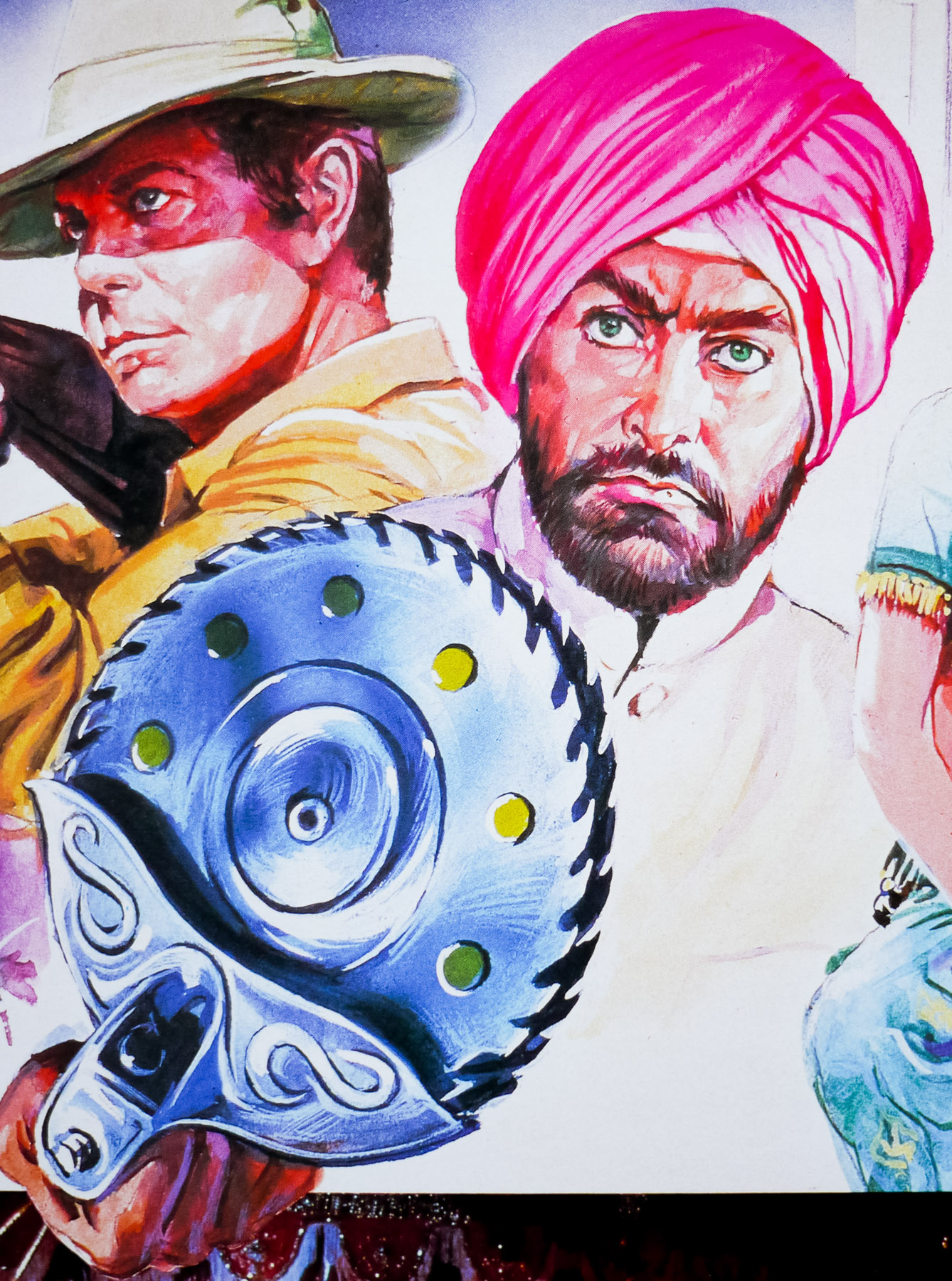
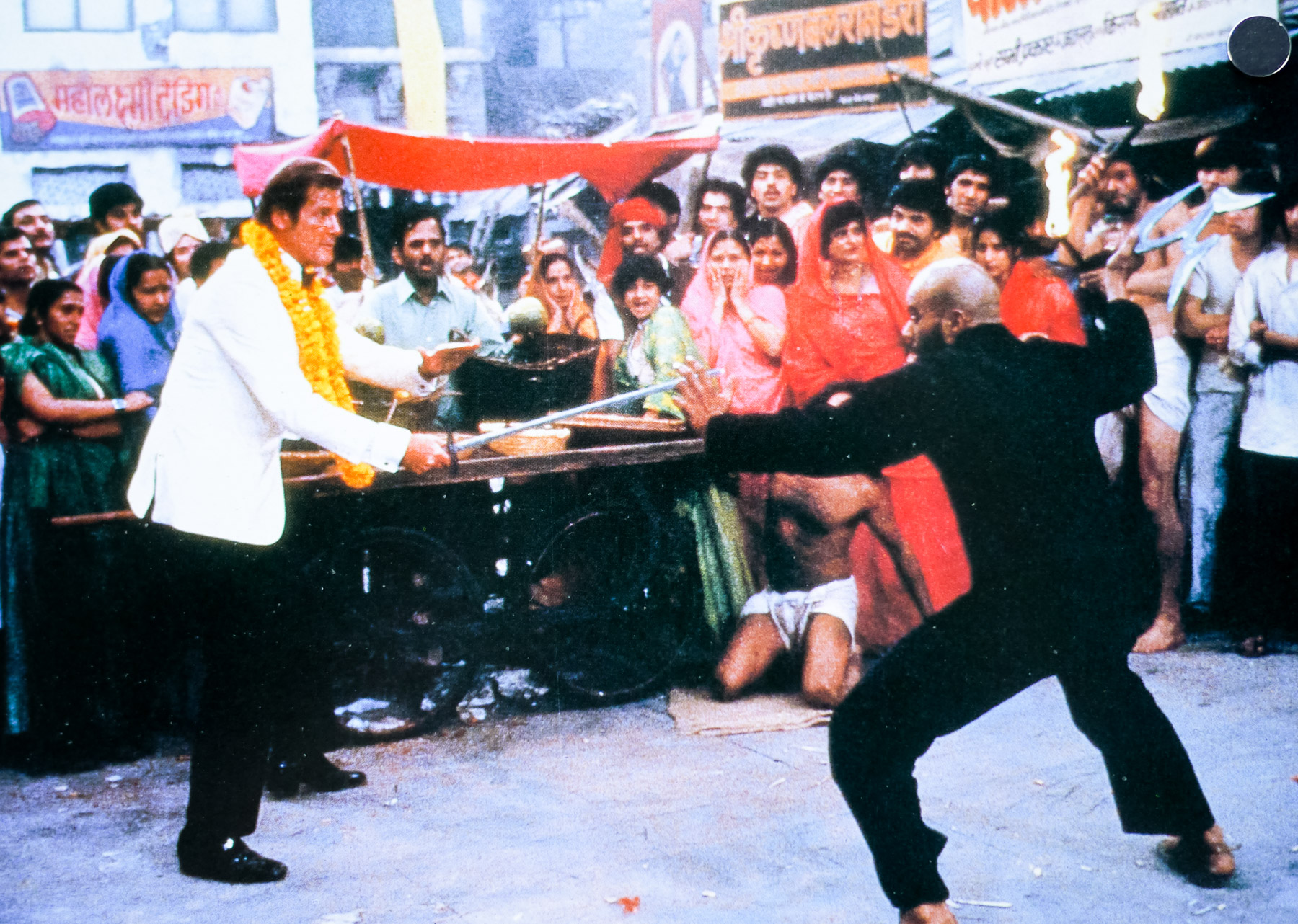
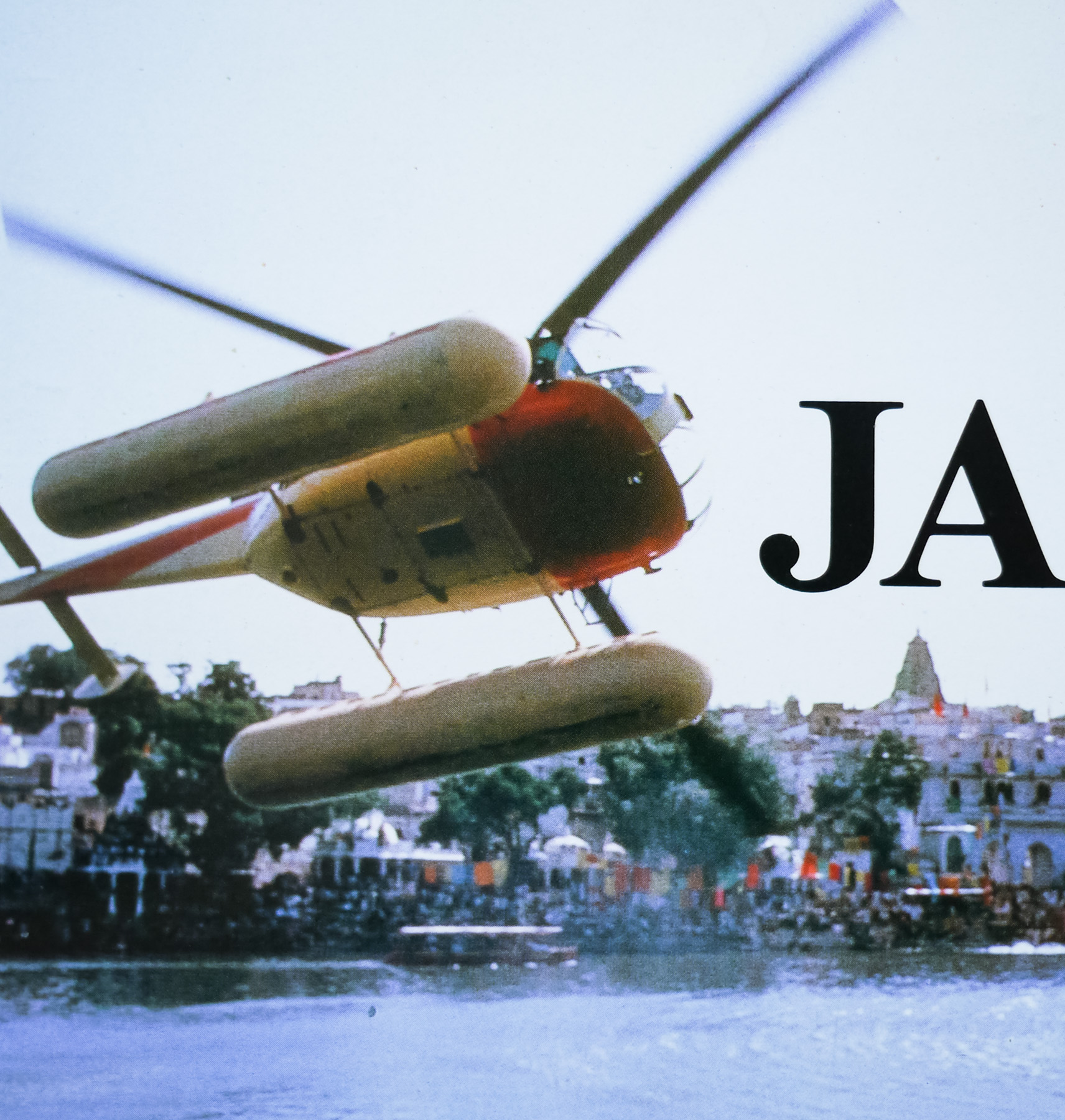
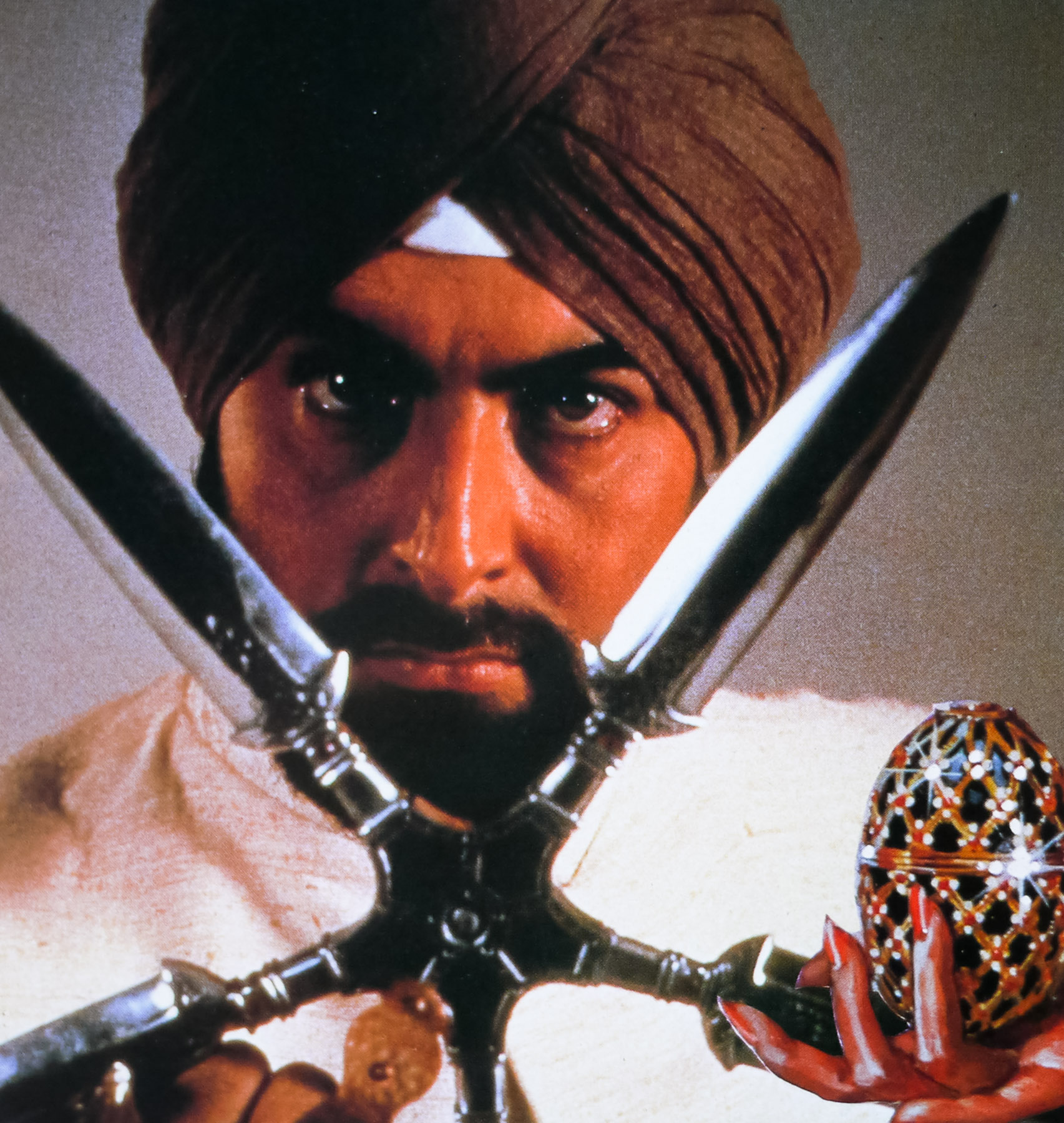
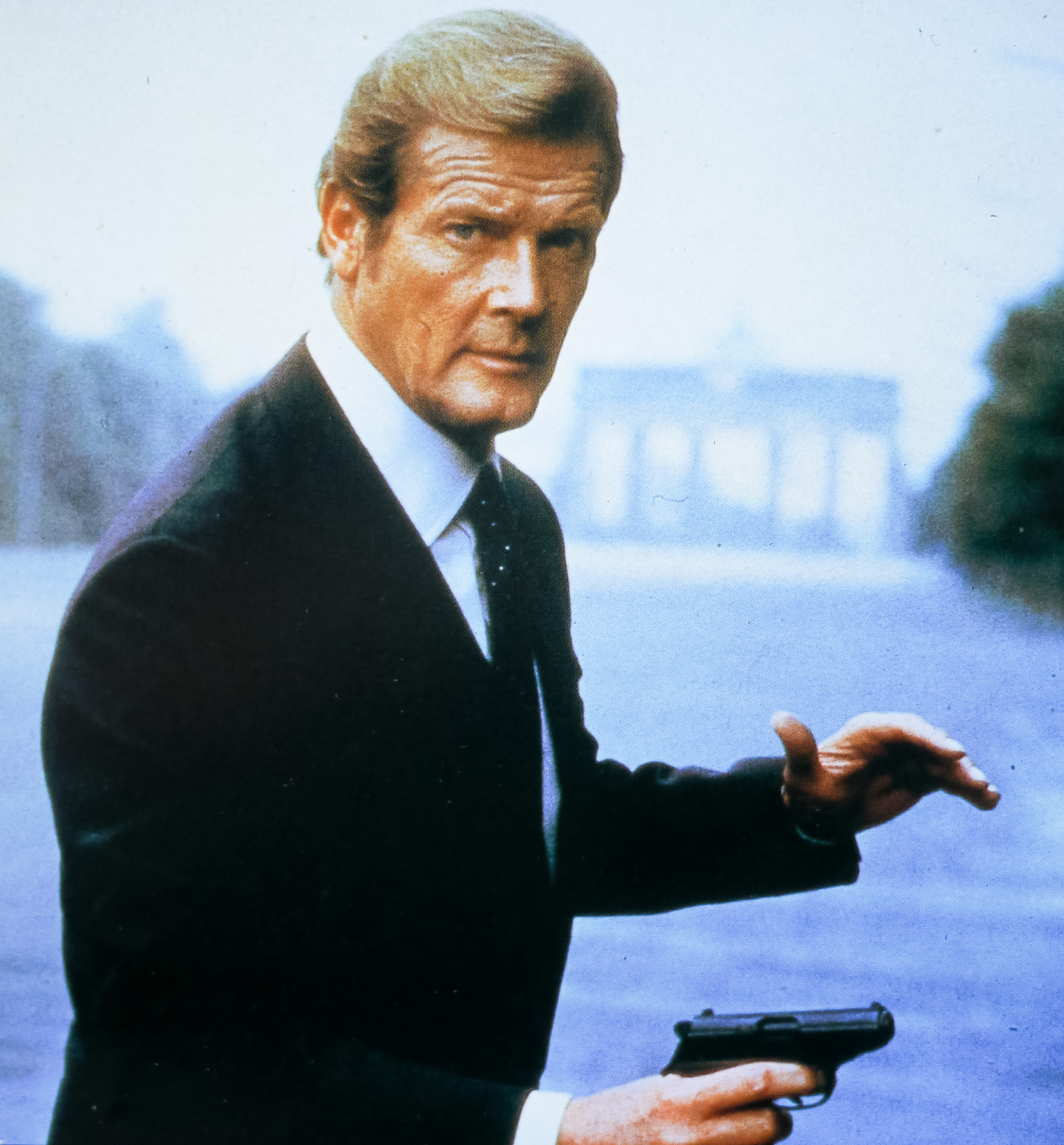
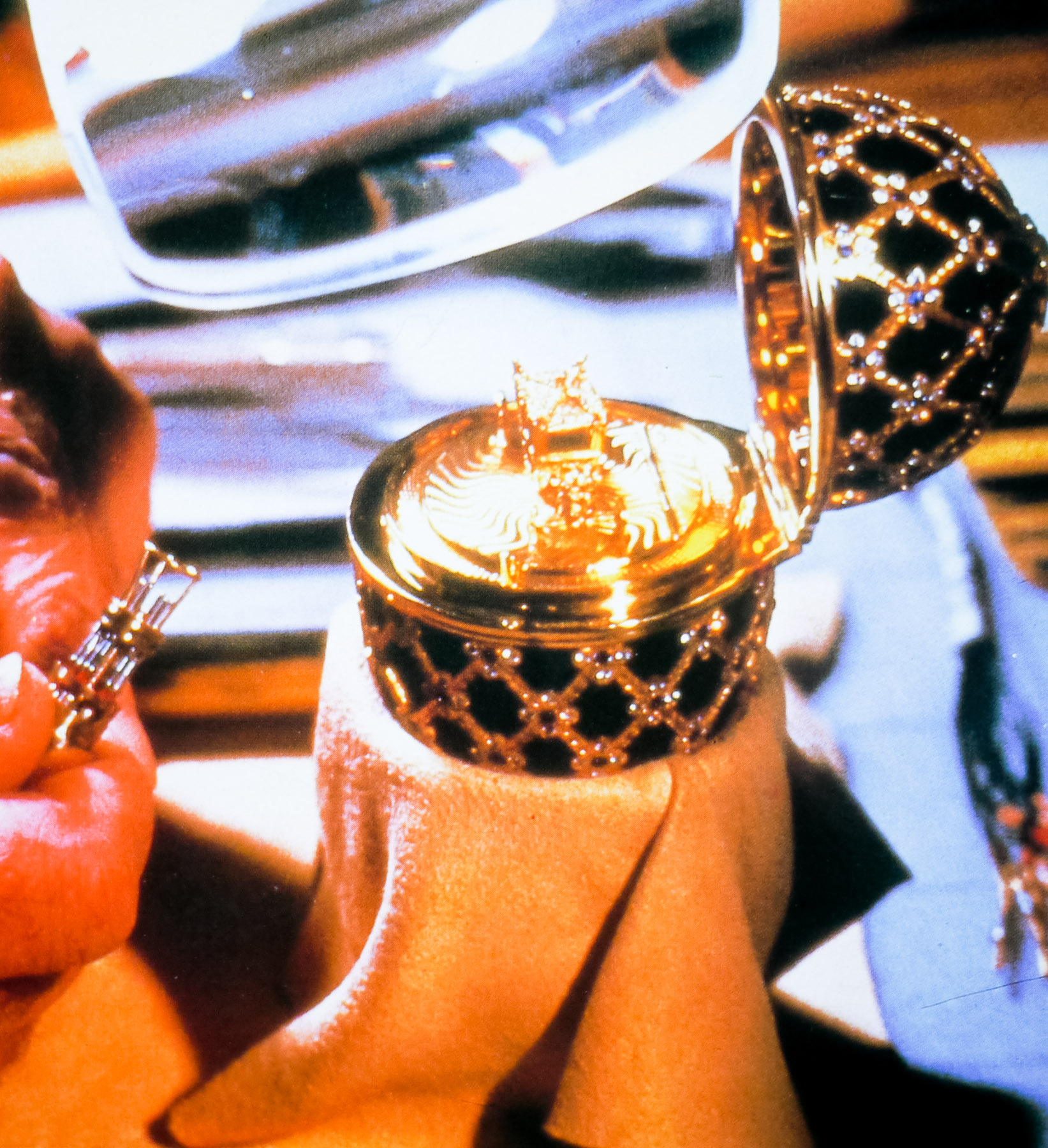
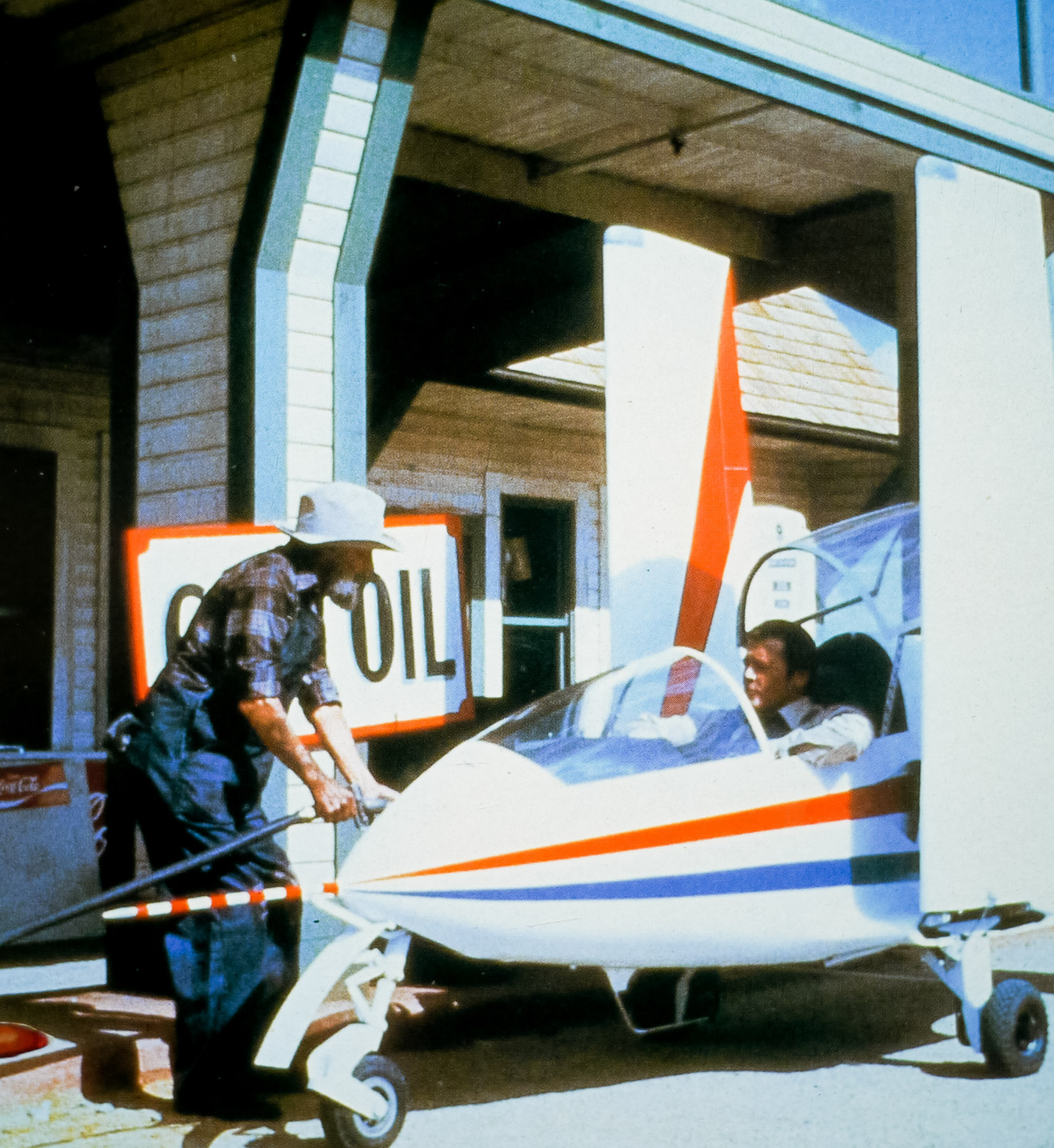
This is the scarce Yamakatsu (style A) Japanese B2 poster for Roger Moore‘s sixth outing as the legendary spy, 1983’s Octopussy. Considered by many to be one of the weaker entries in the long-running series, the film nevertheless continued the more ‘realistic’ and down to earth approach that was taken for the previous entry, For Your Eyes Only (1981), following the over-the-top lunacy of Moonraker (1979). The story sees Bond sent to investigate the death of his fellow agent ’009′ who perishes in front of the British embassy in East Berlin clutching a copy of a priceless Fabergé egg. When the trail leads to an auction house in London where the real egg is to be sold, Bond enters a bidding war with the mysterious Afghan prince Kamal Khan (Louis Jourdan), forcing him to spend several times its listing price.

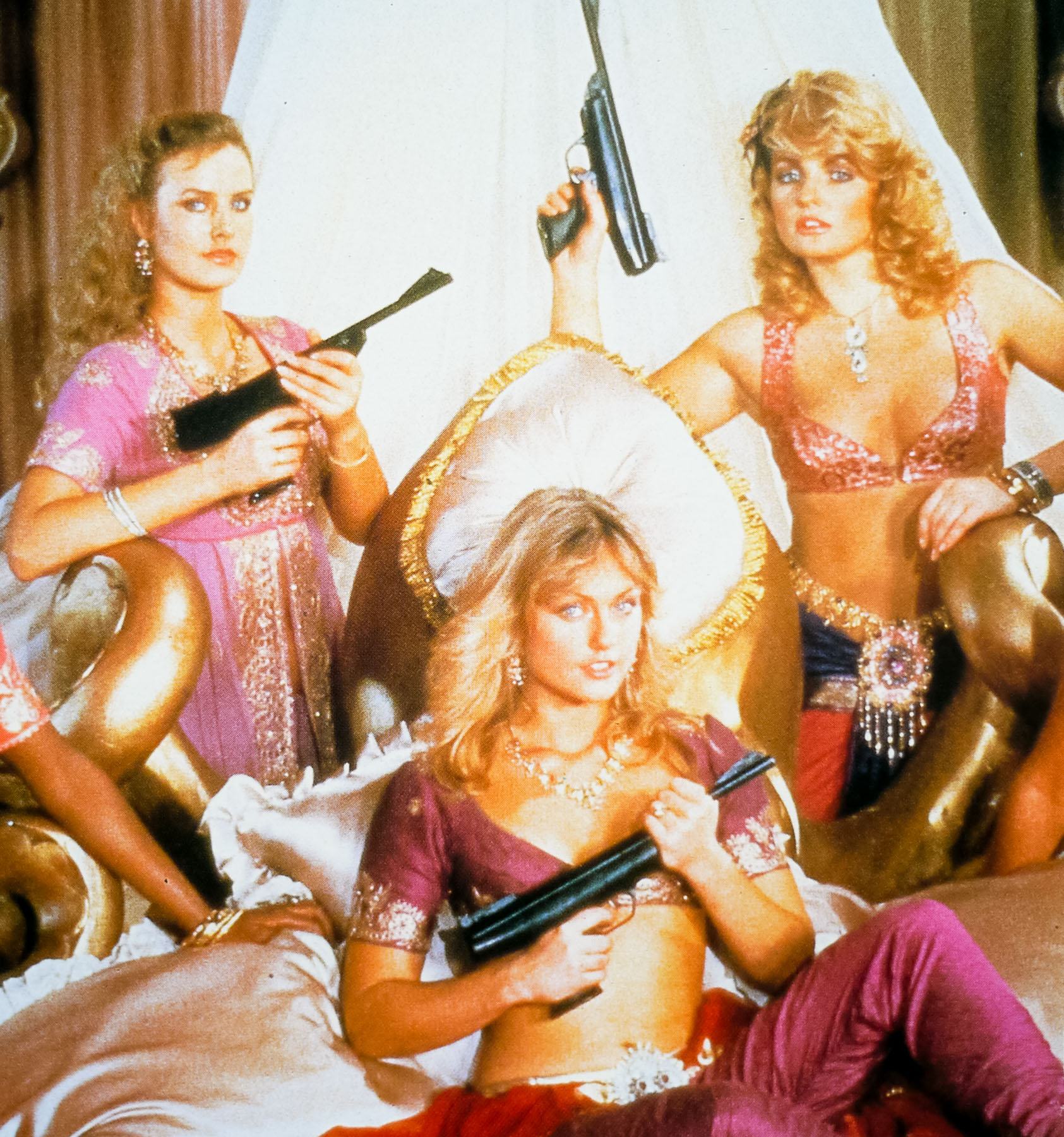
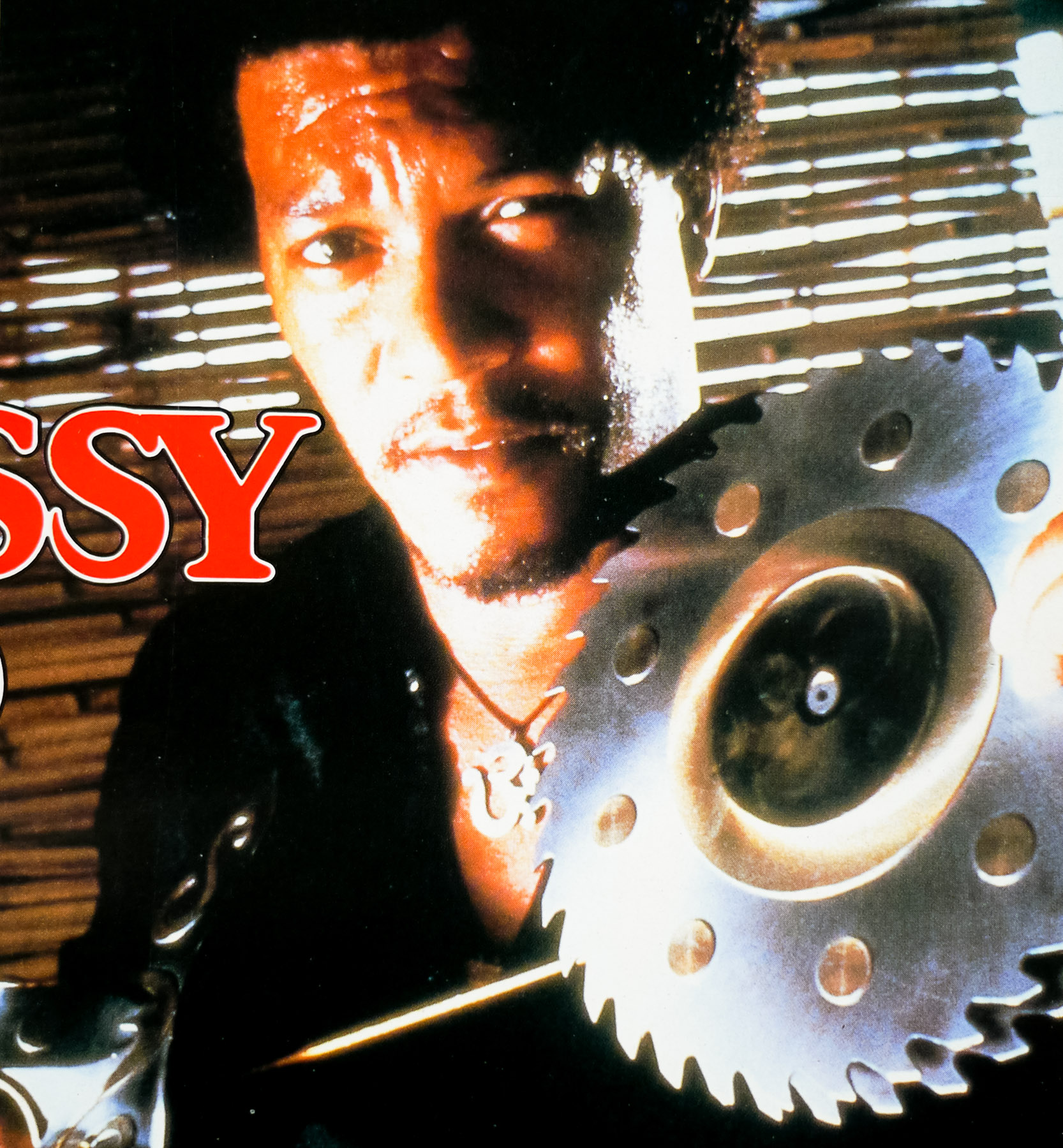
After following Khan back to his palace in Rajasthan, India, the spy eventually ends up in the clutches of Khan’s bodyguard Gobinda (an imposing Kabir Bedi) and, after escaping, discovers that the prince is working with a power-hungry Soviet general named Orlov (Steven Berkoff) who plans to detonate a nuclear bomb in a US Air Force base in Germany in order to destabilise Europe and expand Soviet borders. Bond heads to a palace on an Indian lake on the trail of Octopussy (Maud Adams), the enigmatic leader of an all-female cult and head of a travelling circus troupe that Khan and Orlov plan to use to smuggle the weapon into the base. Bond must convince Octopussy that Khan is only using her for his nefarious plot and sets out to prevent the bomb from detonating before Europe is plunged into chaos.

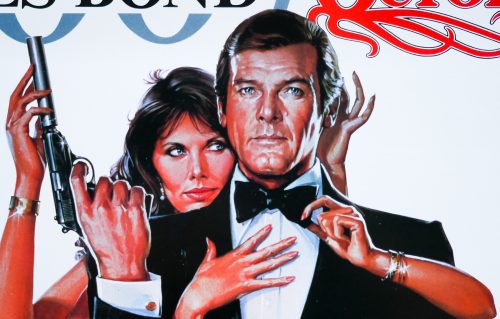
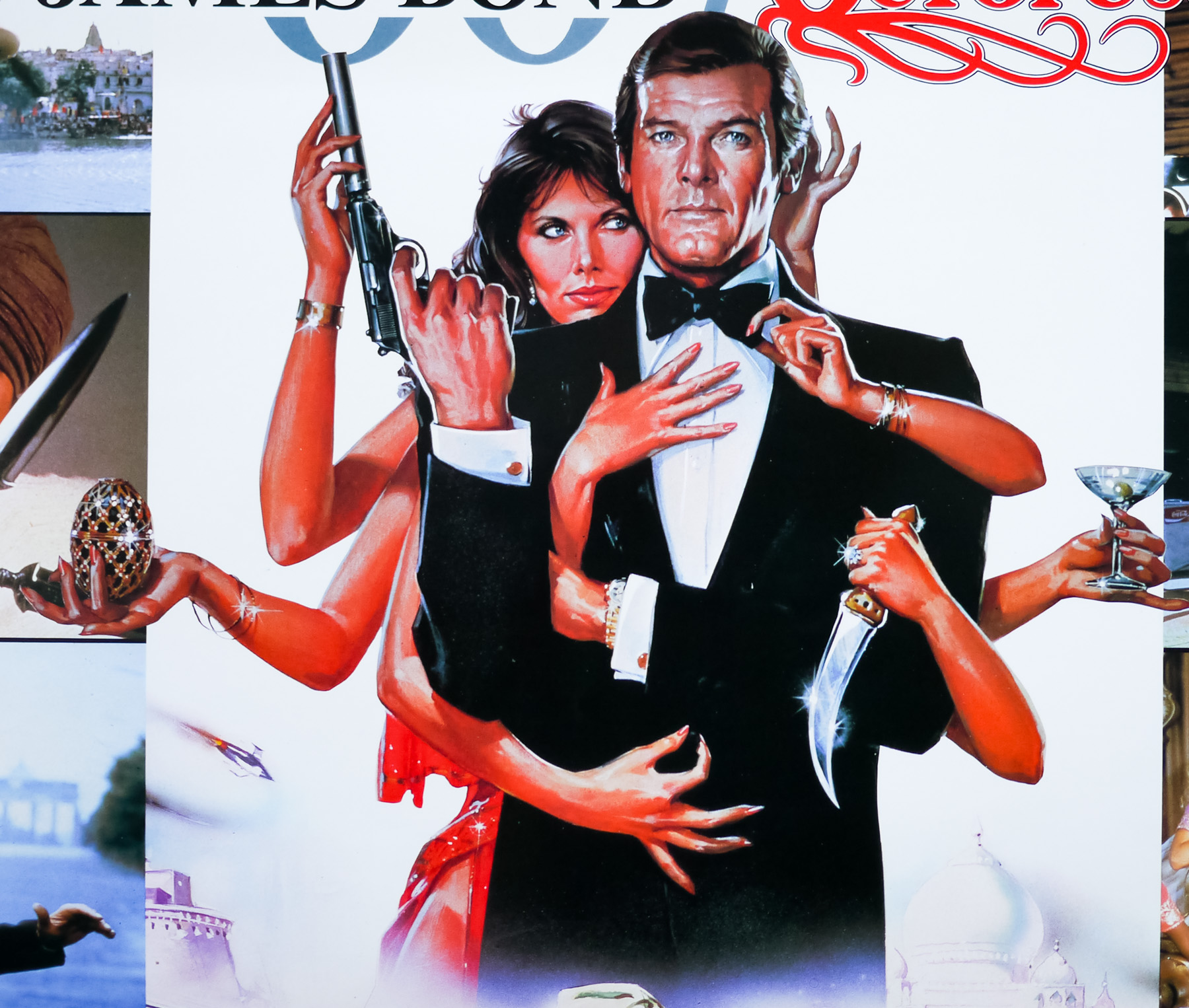
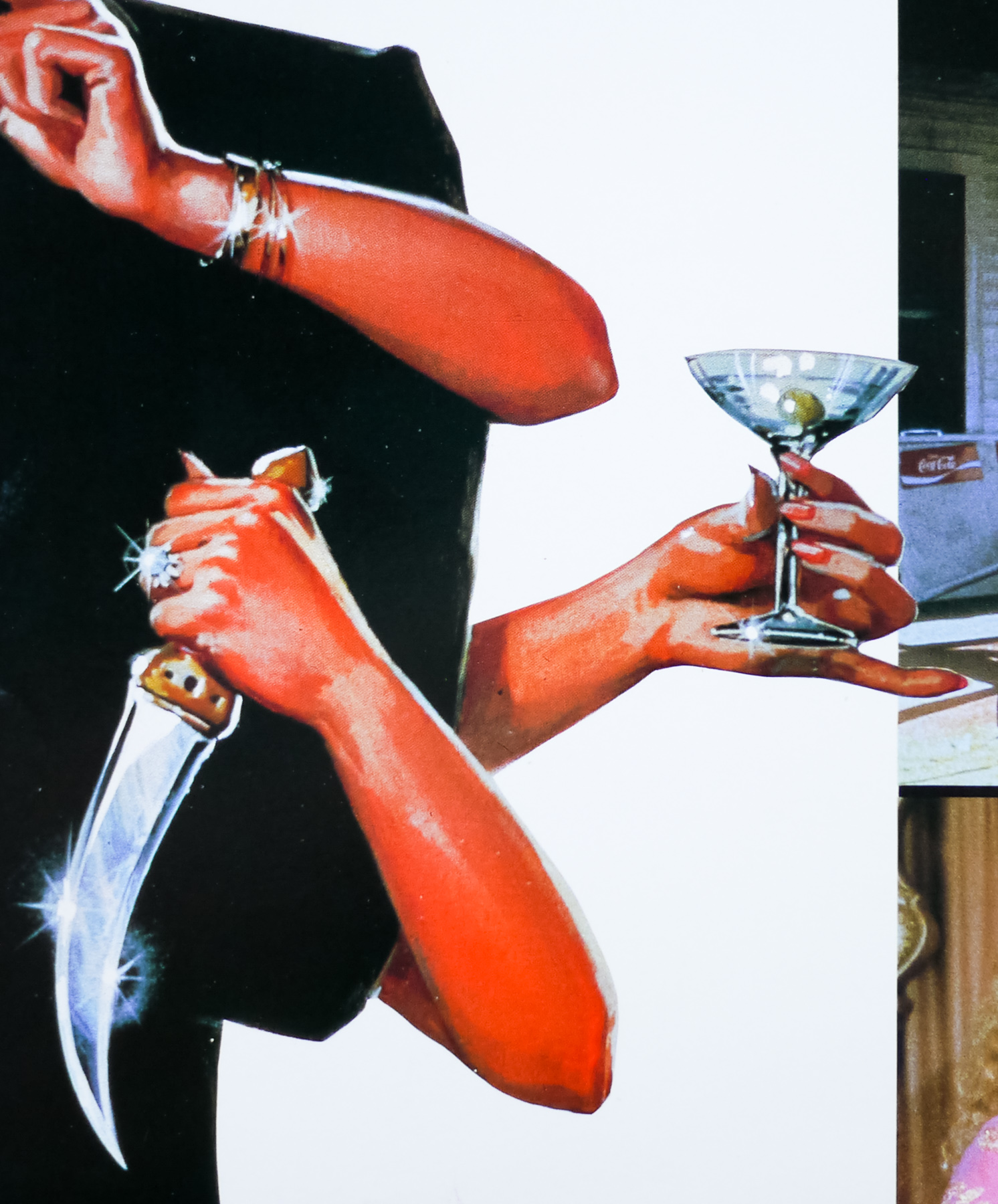
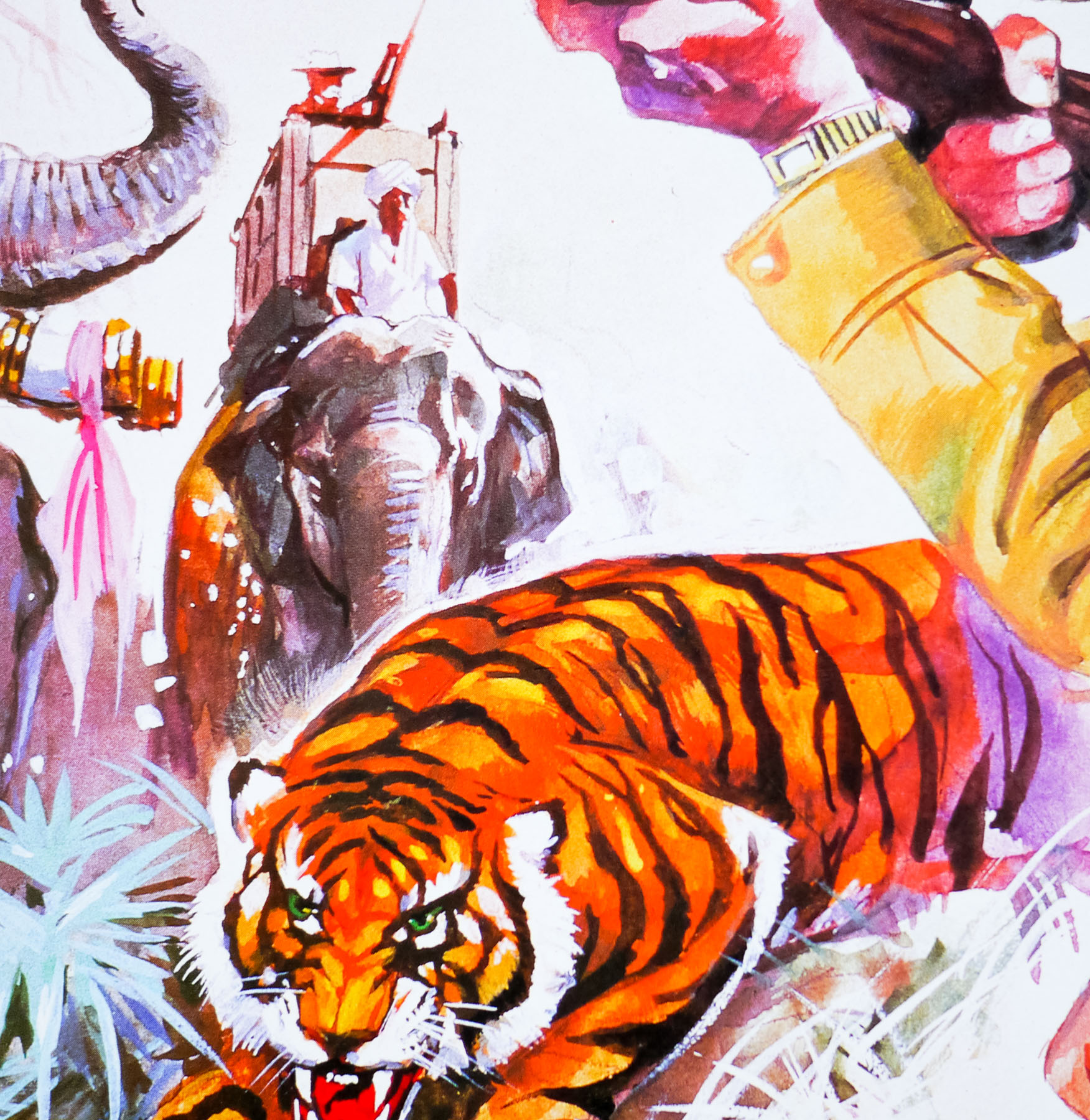
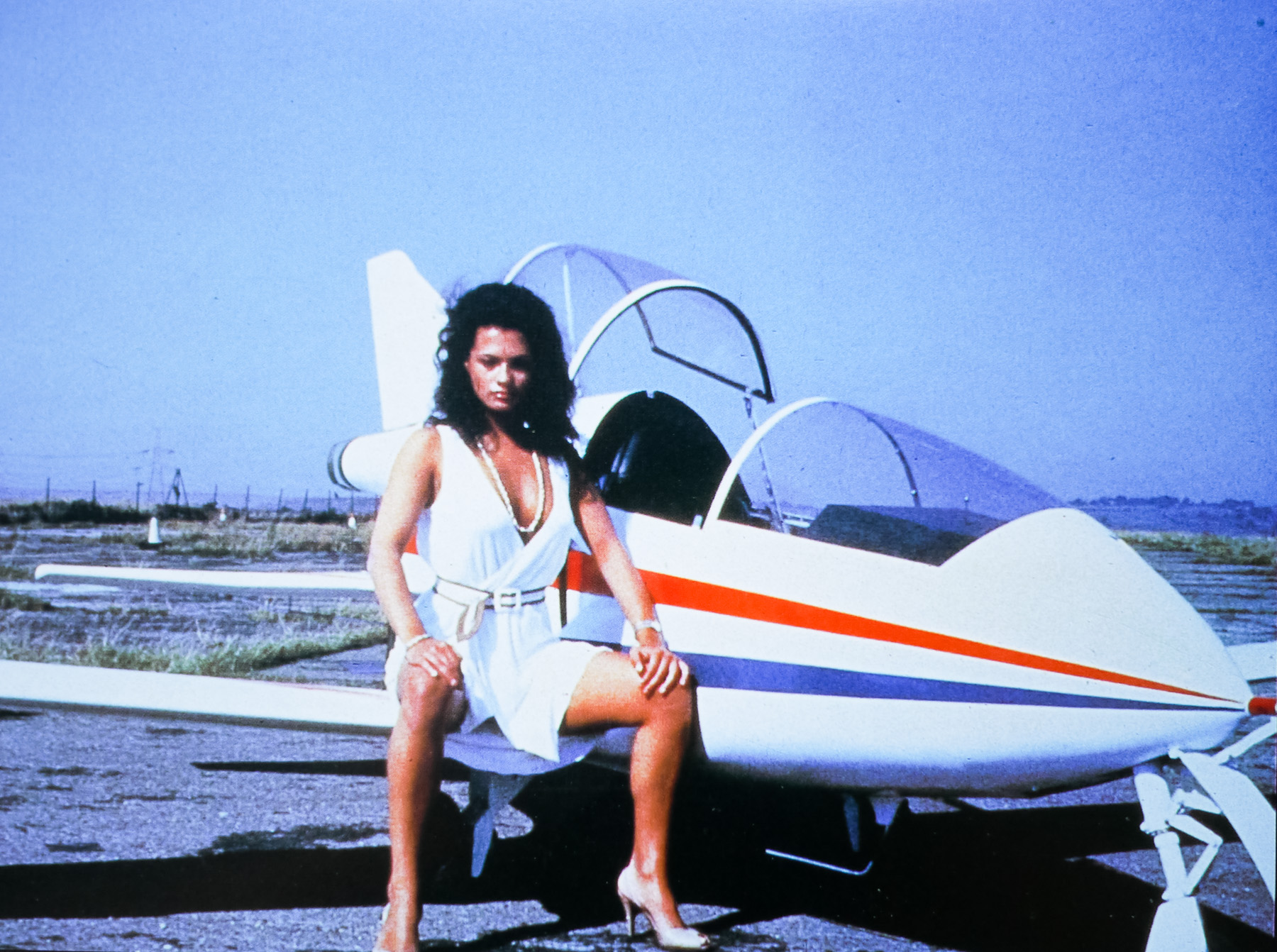
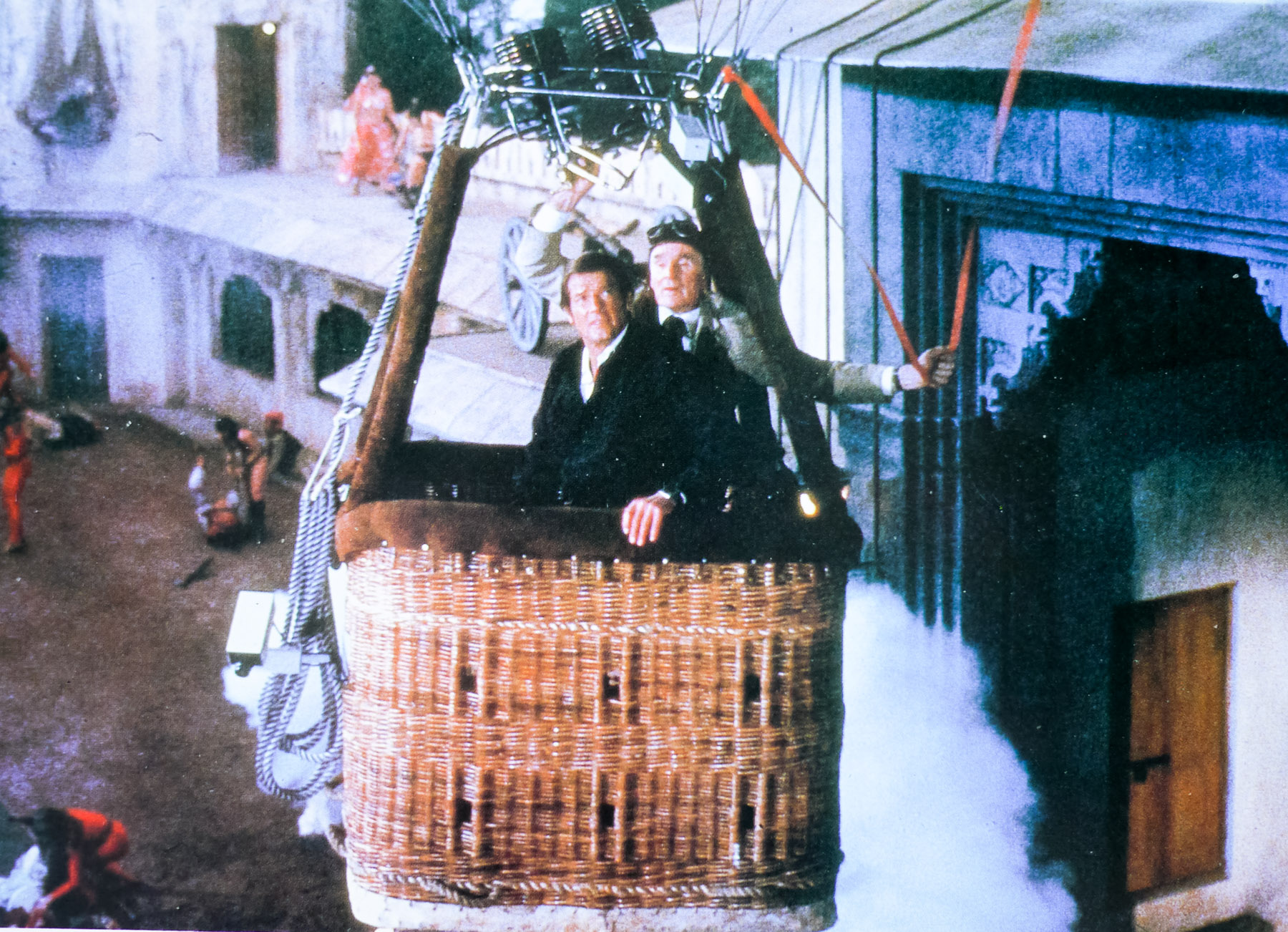
The photos around the central artwork are a mixtures of stills from the film and behind the scenes and marketing images. The artwork was fully illustrated by Renato Casaro, an Italian artist with a prolific output, who actually re-painted the central two figures that American artist Dan Goozee had originally illustrated for the US one sheet. Whilst on the UK quad Casaro had painted a montage that was used to surround Goozee’s figures, here he was asked to repaint the whole thing to fit a portrait format.

I interviewed the artist in March 2014 and he mentioned this poster:

—–

[…]Every poster painted by you was from your original design?
Almost every single one I worked on. Very occasionally I would adapt some posters for American films from the artwork that had been used over there. For example, for the British poster for Octopussy I painted an action montage around the central figures that had already been painted by the American artist Dan Goozee. When they wanted the same montage for the Japanese poster it was in a portrait format so I was able to repaint the figures myself and then adapt my original action montage around them. That was a very unusual case though and if it were an Italian production I would always retain complete creative control.

————-

Renato Casaro began his career in 1953, aged 19, at the famous Studio Favalli in Rome, which was part of the legendary Cinecittà studios and handled film publicity for many Italian productions. Casaro soon decided to become a freelance artist and went on to design and paint posters for many of the biggest directors in the world. His skill at accurately portraying actors and his brilliant use of colour and composition saw him much in demand from studios and actors alike. His artwork has featured on many German posters as well as others from countries including Japan, UK, North America as well as in his native Italy.

Check out the incredible amount of work on his official website here, which also features a biography of the artist. The other posters I’ve collected by Casaro can be seen by clicking here.
Patton / B2 / Japan

20.02.17

Poster Poster
Title
Patton
AKA
Patton - Rebell in Uniform (West Germany)
Year of Film
1970
Director
Franklin J. Schaffner
Starring
George C. Scott, Karl Malden, Stephen Young, Michael Strong, Carey Loftin, Albert Dumortier, Frank Latimore, Morgan Paull, Karl Michael Vogler
Origin of Film
USA
Genre(s) of Film
George C. Scott, Karl Malden, Stephen Young, Michael Strong, Carey Loftin, Albert Dumortier, Frank Latimore, Morgan Paull, Karl Michael Vogler,
Type of Poster
B2
Style of Poster
--
Origin of Poster
Japan
Year of Poster
1970
Designer
Unknown
Artist
--
Size (inches)
20 6/16" x 28 14/16"
SS or DS
SS
Tagline
--

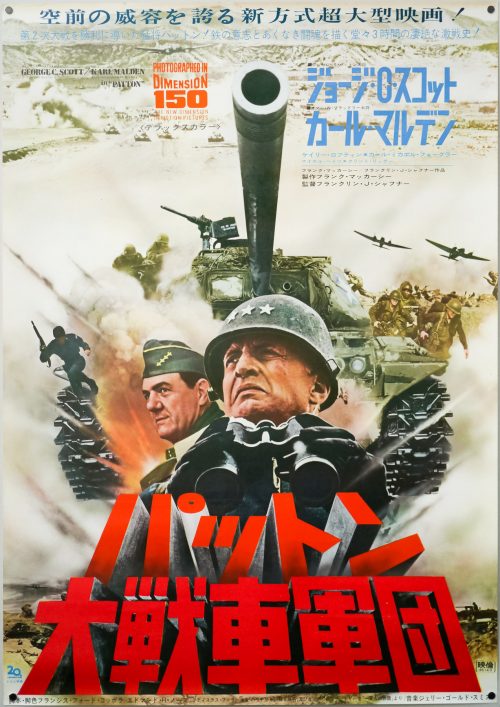
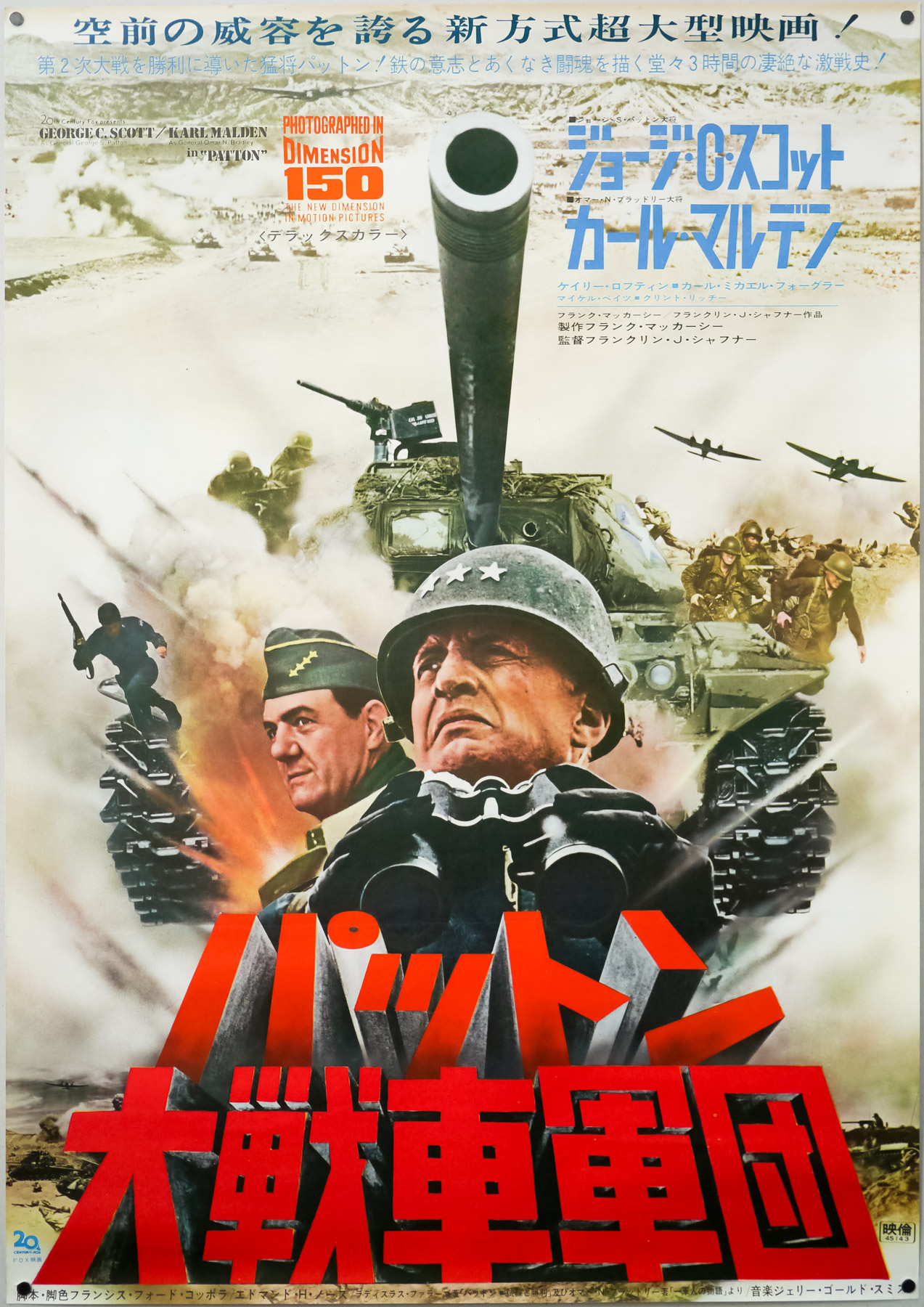
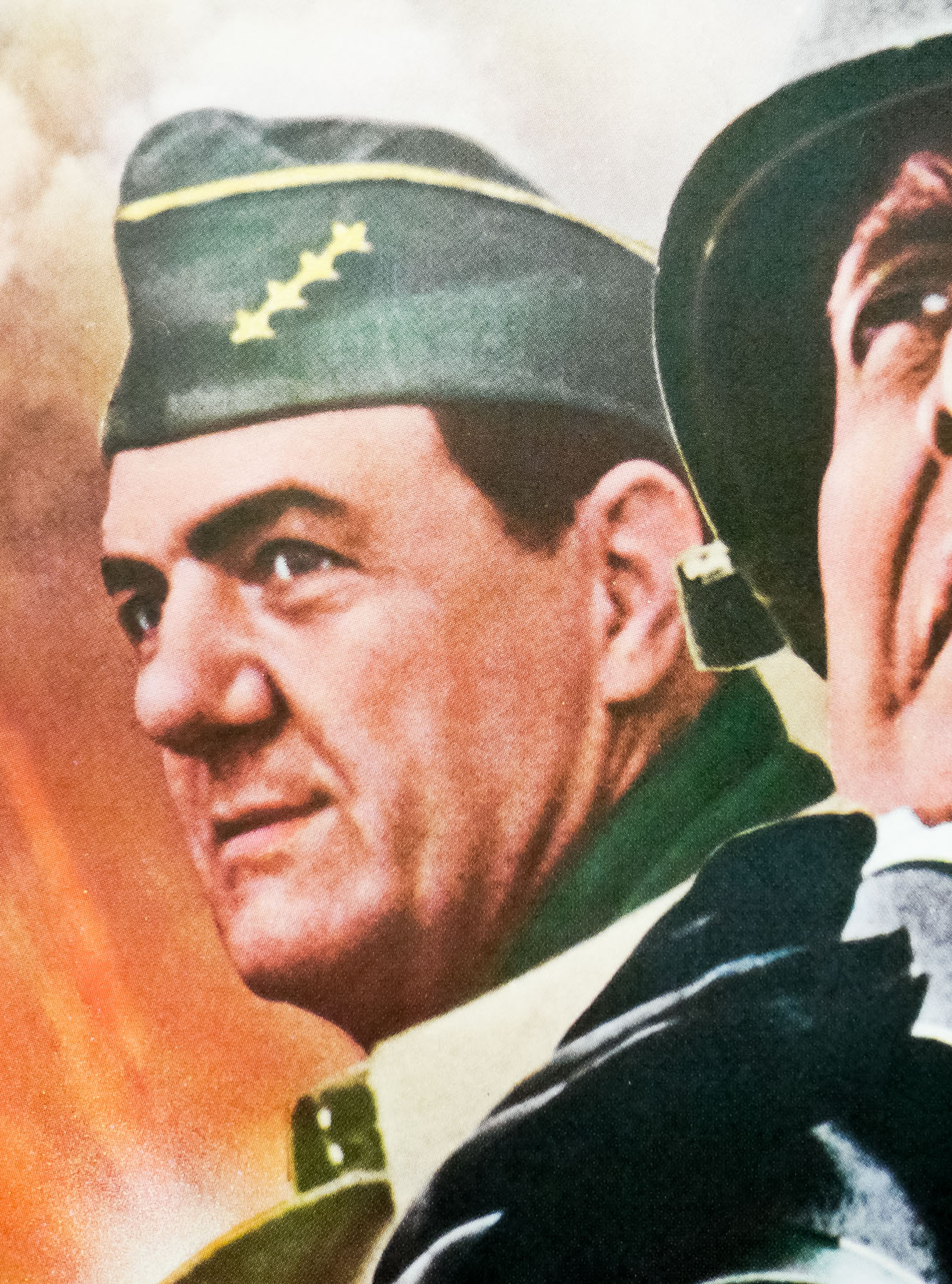
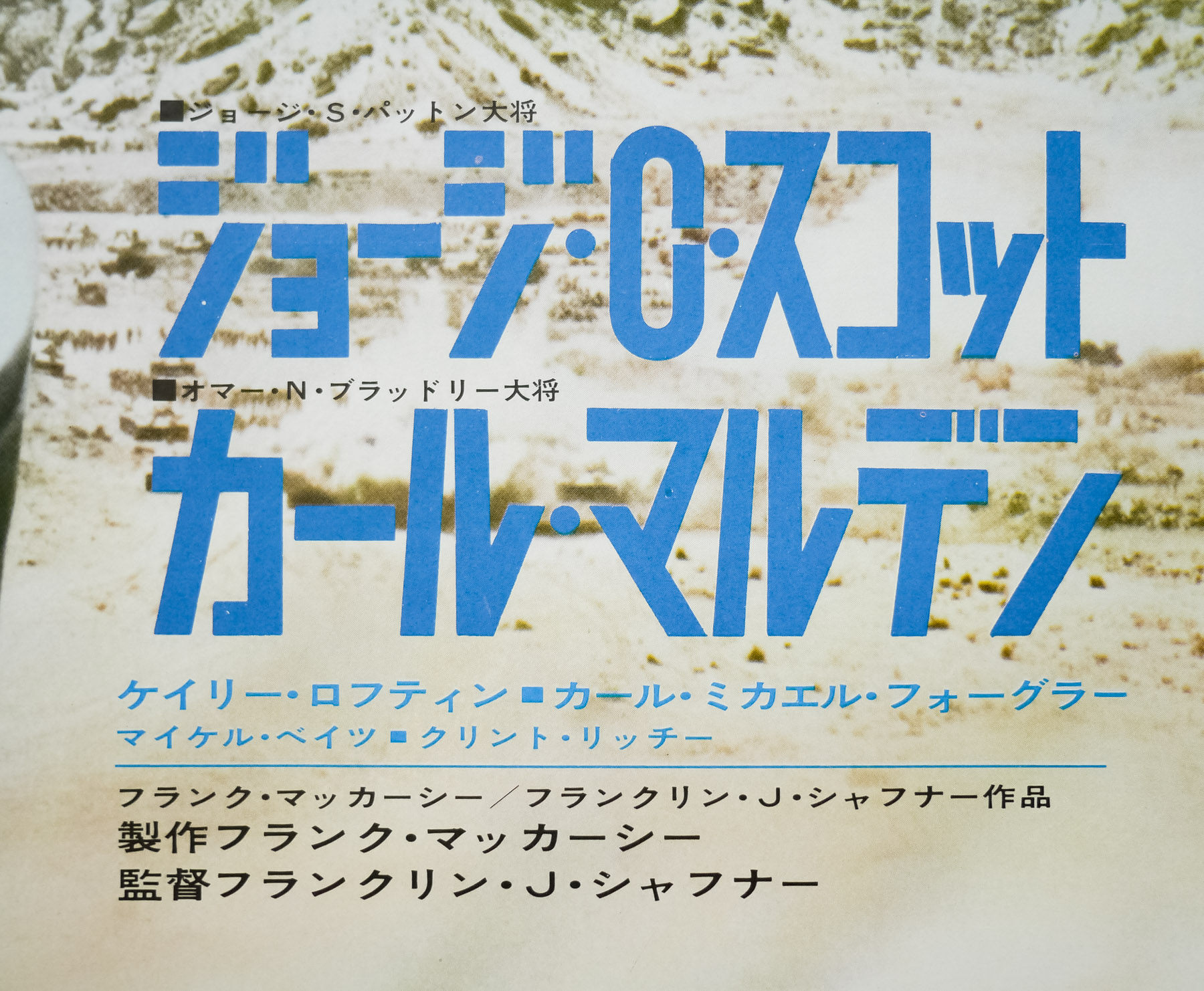
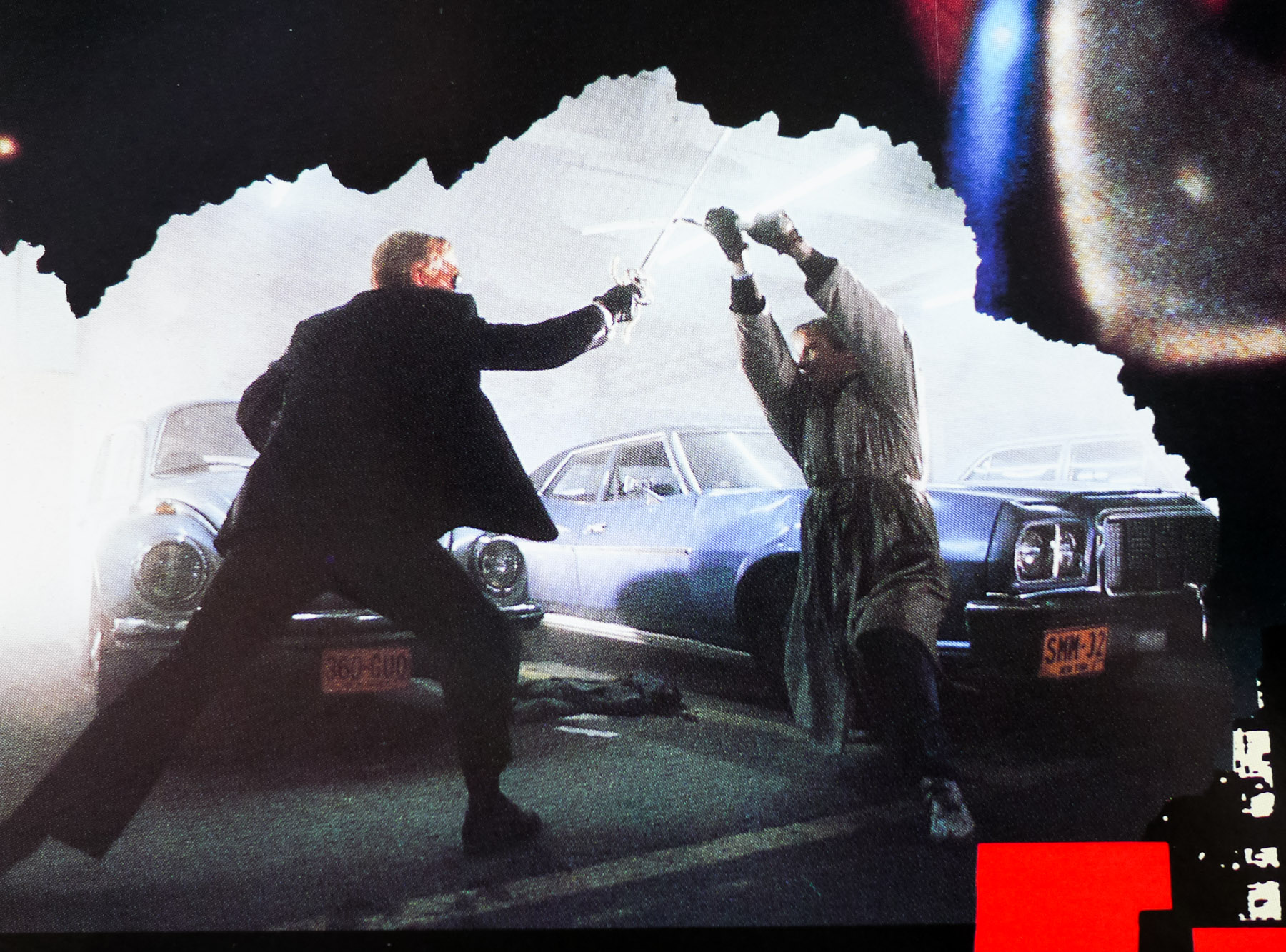
This is the original Japanese poster for the award-winning biography of General George S. Patton, the celebrated US Army officer who led successful campaigns during World War II. The film, simply titled Patton, was in development for several years and was something of a passion project for producer Frank McCarthy who had worked at the United States Department of War during WWII. The film was directed by Franklin J. Schaffner (arguably best known for Planet of the Apes, 1968) and starred the late actor George C. Scott in one of his most celebrated roles as the eponymous general. Karl Malden also appears as fellow senior officer, General Omar N. Bradley. The screenplay was written by Francis Ford Coppola and Edmund H. North, with the pair (who never worked together in person) basing their screenplay on two biographies of Patton. 

The film opens with a famous monologue where Patton addresses unseen troops in front of a giant American flag. The rest of the film, which clocks in at over three hours and features an intermission, deals with incidents from Patton’s career during World War II, including his successful campaigns in North Africa and Sicily. This includes controversial incidents that had a severe effect on his standing with the military top brass, including Allied Commander General Dwight Eisenhower (later US President). One involved him berating and slapping a shell-shocked soldier, which saw him reprimanded and forced to apologise to the entire division. Patton is depicted as something of a glory chaser, wanting to be at the front of any campaign and pushing the soldiers under him to their limits, with punishing schedules and lack of rest and relaxation. The final third of the film depicts his legendary sweep through Europe and into Germany before the eventual surrender of the German forces.

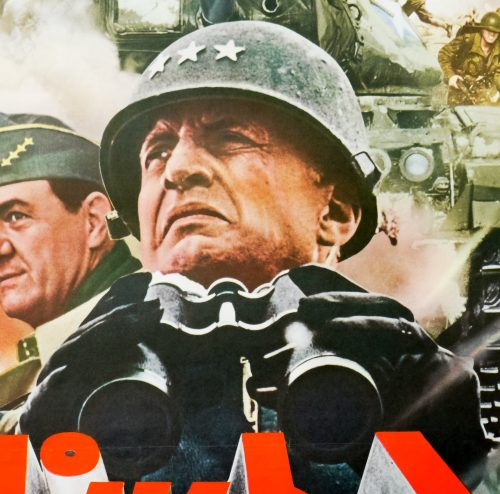
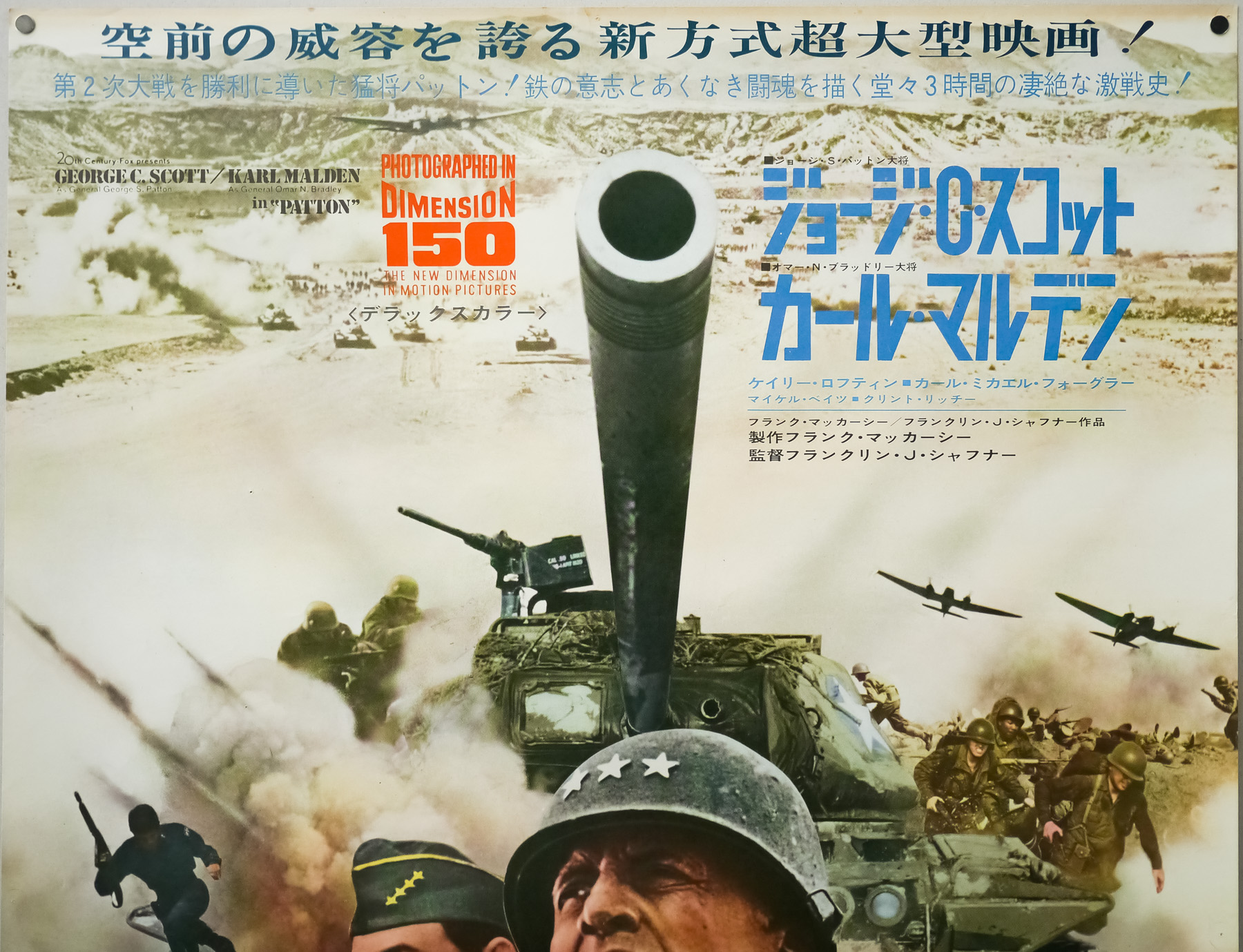
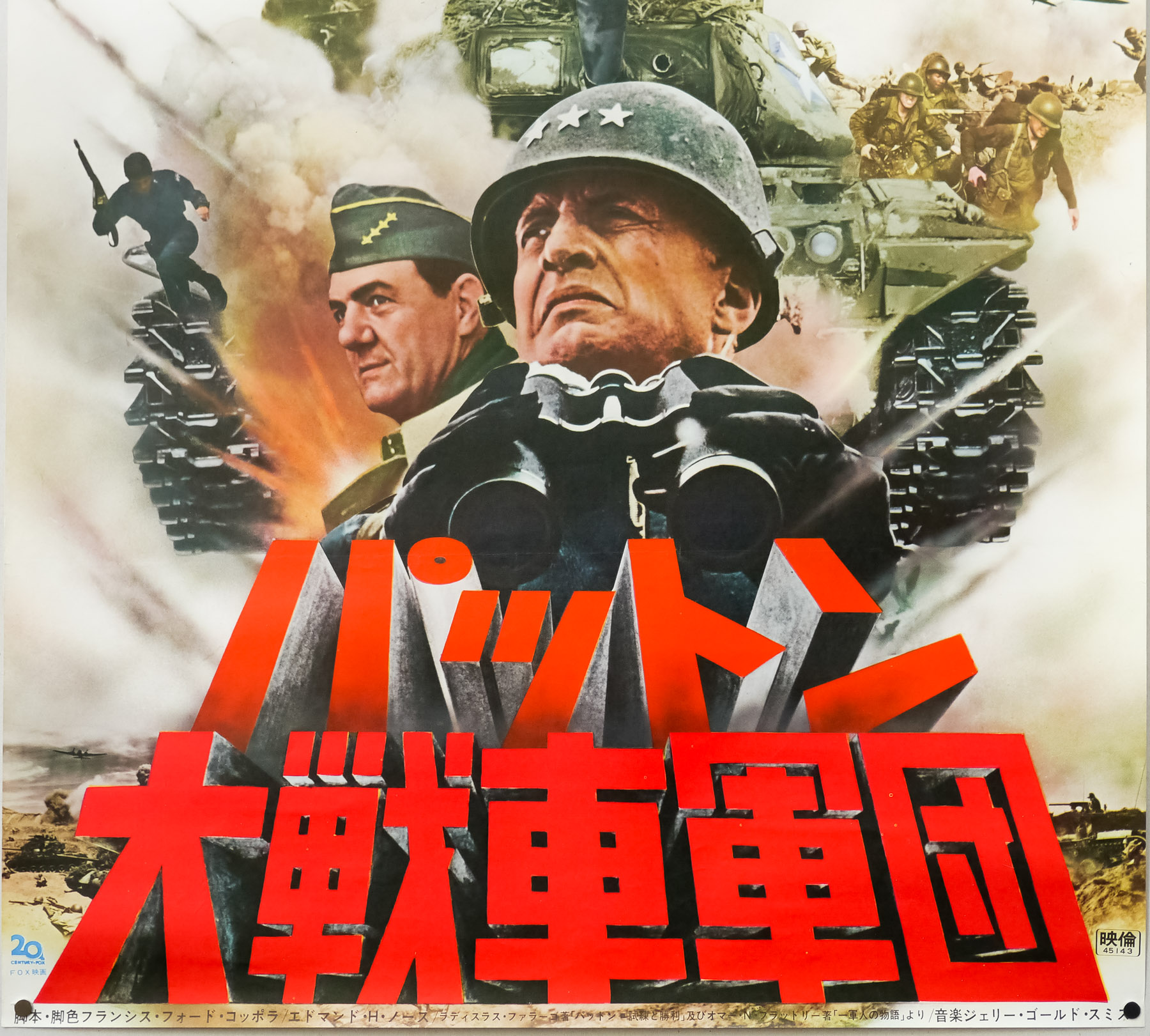
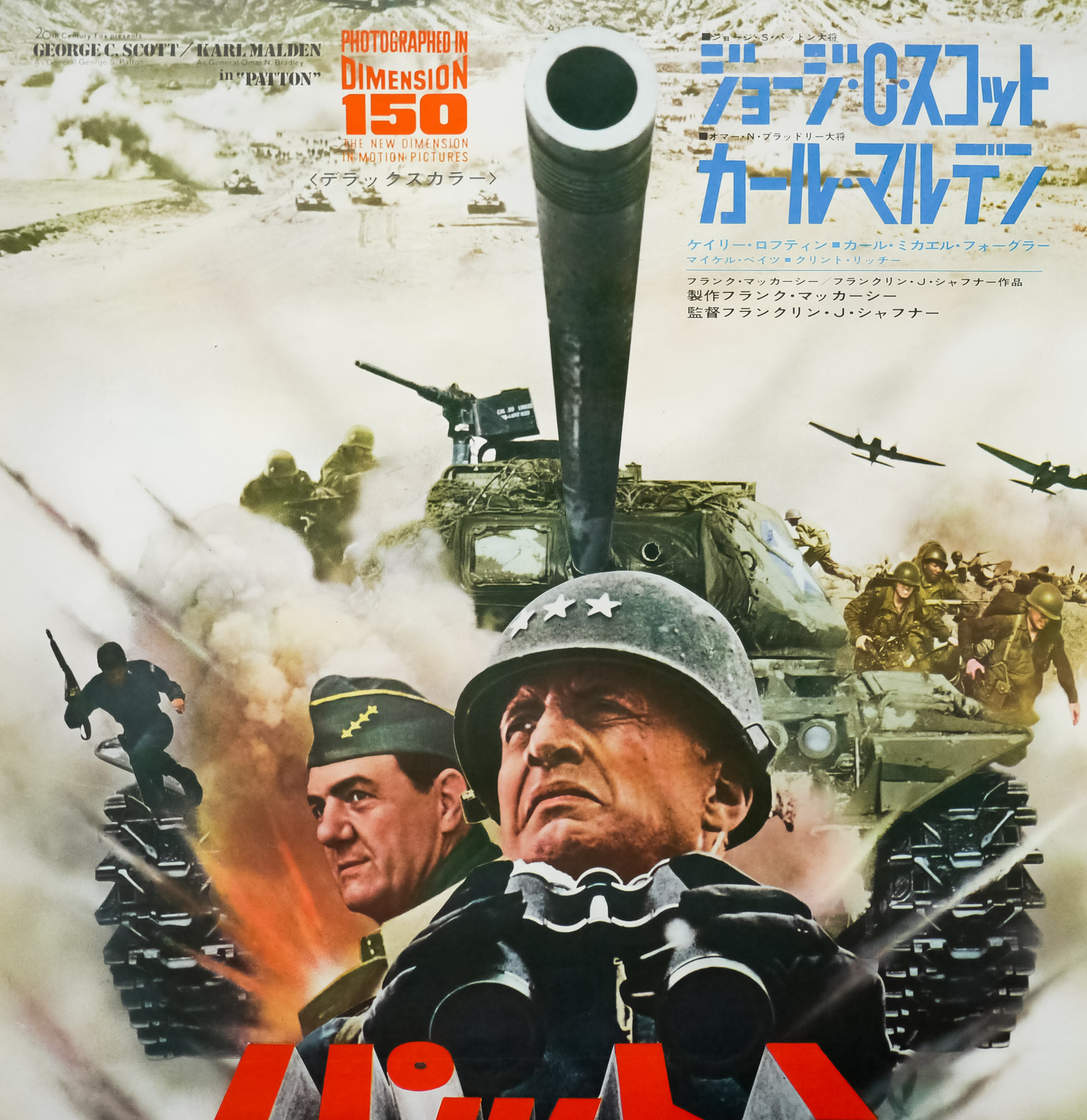
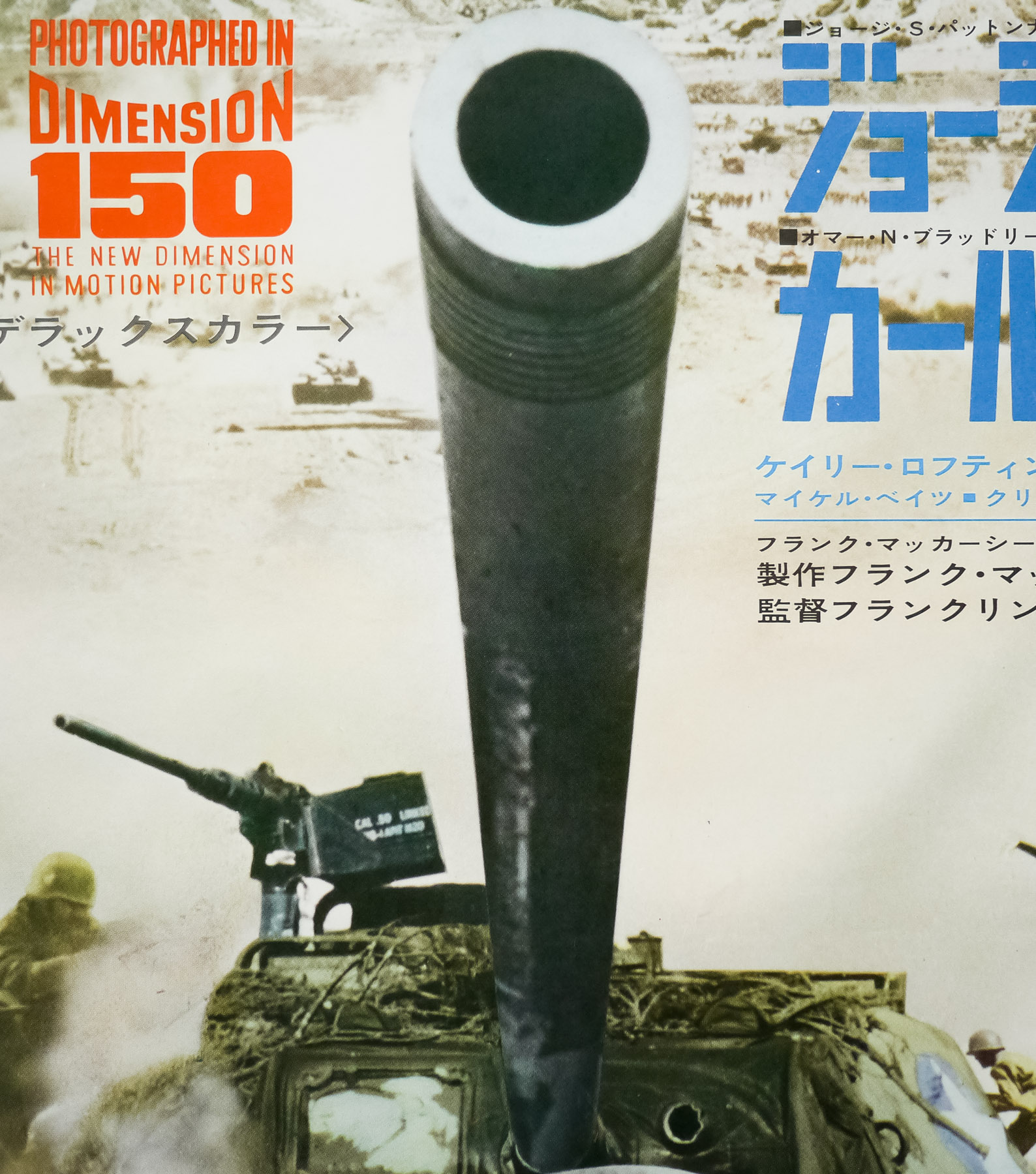
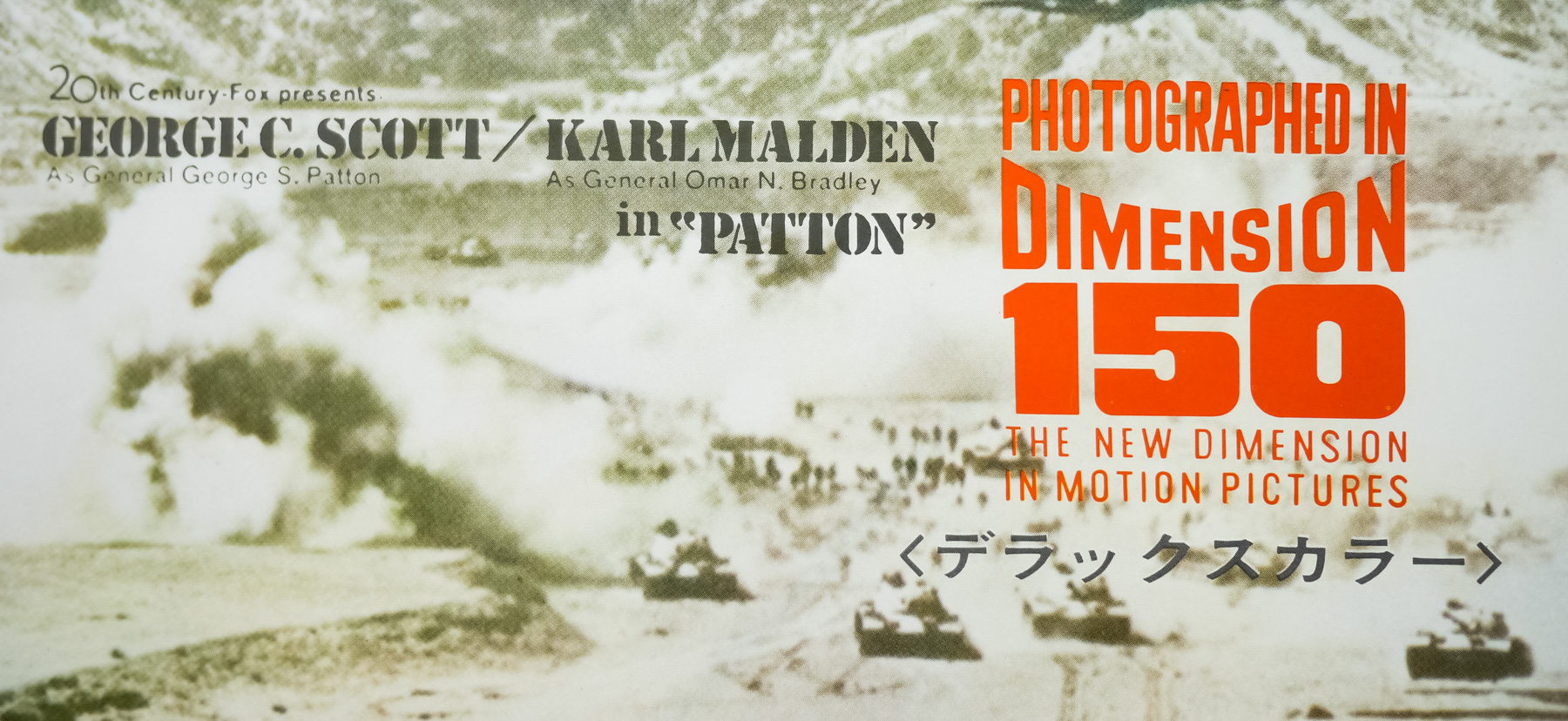
The film’s production design is incredible and, although largely filmed in Spain, the locations feel very authentic and the numerous battle scenes are suitably epic with plenty of actual military hardware in use (as opposed to the CGI that would be employed today). The film would justly win the Academy Award for Best Art Direction. It was also the Best Picture and Best Director winner at the 1971 ceremony, winning seven awards in total. Infamously, Scott won for Best Actor but declined the award, saying the politics around the ceremony was “demeaning” and that the show amounted to nothing more than “a two-hour meat parade”. The film remains one of the best War films made to this day. Note the Dimension 150 logo on this Japanese B2 poster which refers to an ultra-widescreen format, similar to Cinerama, that was only employed by two productions (The Bible being the other).

Run, Angel, Run! / B2 / Japan

18.11.15

Poster Poster
Title
Run, Angel, Run!
AKA
--
Year of Film
1969
Director
Jack Starrett
Starring
William Smith, Valerie Starrett, Dan Kemp, Gene Shane, Lee de Broux, Eugene Cornelius, Paul Harper, Margaret Markov, Ann Fry
Origin of Film
USA
Genre(s) of Film
William Smith, Valerie Starrett, Dan Kemp, Gene Shane, Lee de Broux, Eugene Cornelius, Paul Harper, Margaret Markov, Ann Fry,
Type of Poster
B2
Style of Poster
--
Origin of Poster
Japan
Year of Poster
1969
Designer
Unknown
Artist
--
Size (inches)
20 4/16" x 28 15/16"
SS or DS
SS
Tagline
--

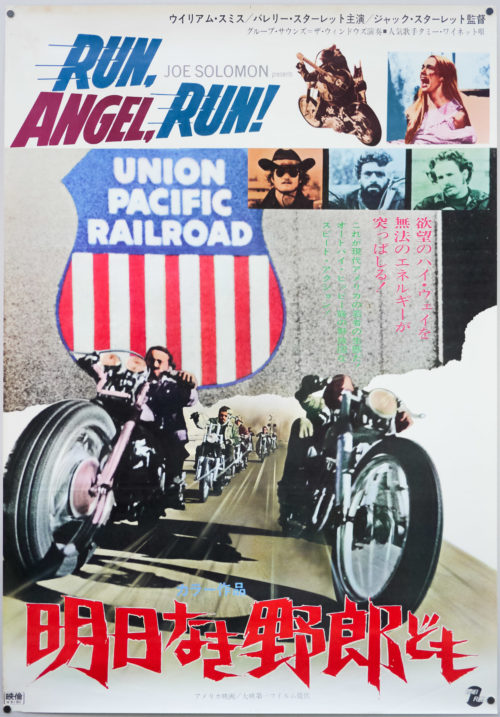
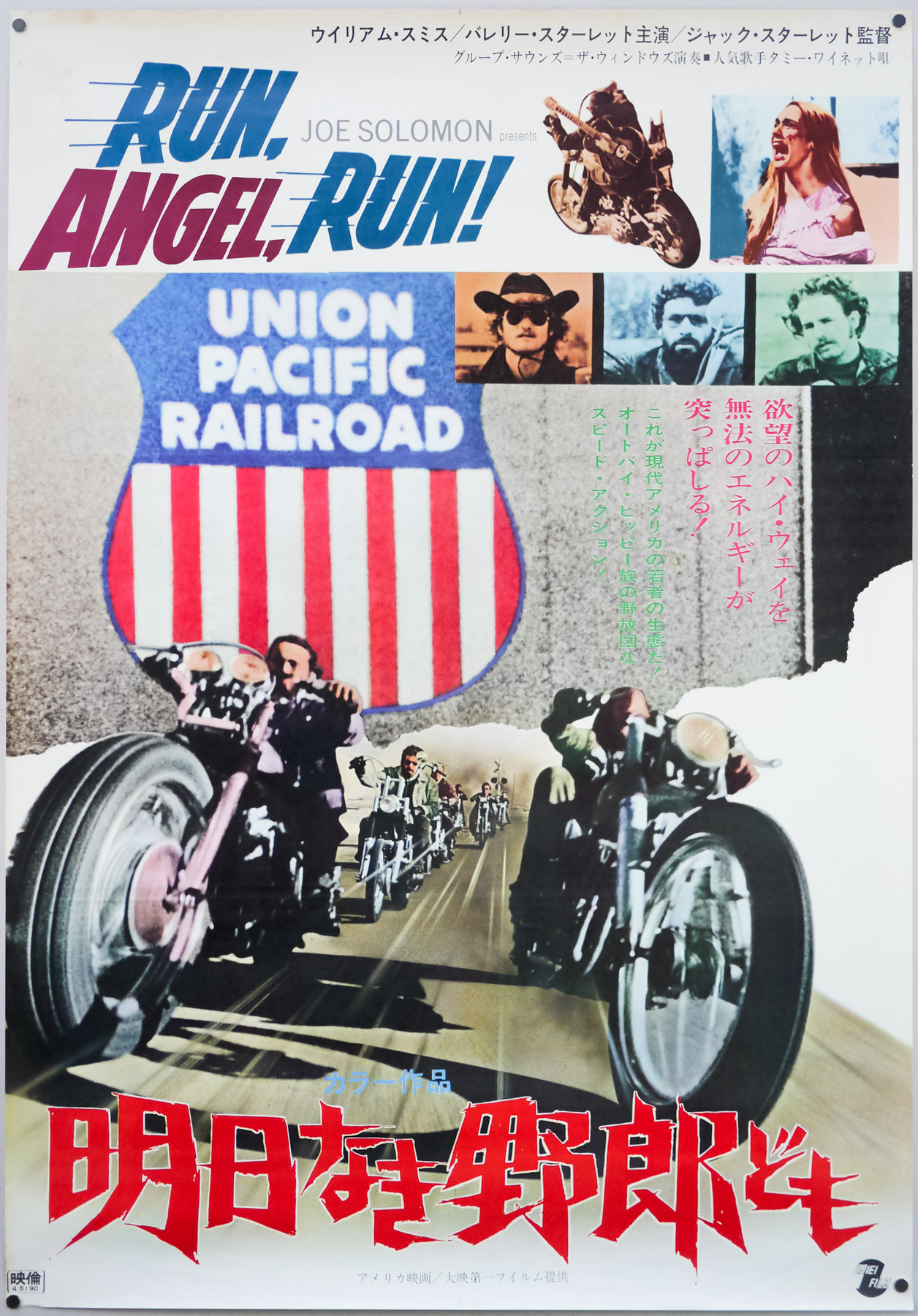
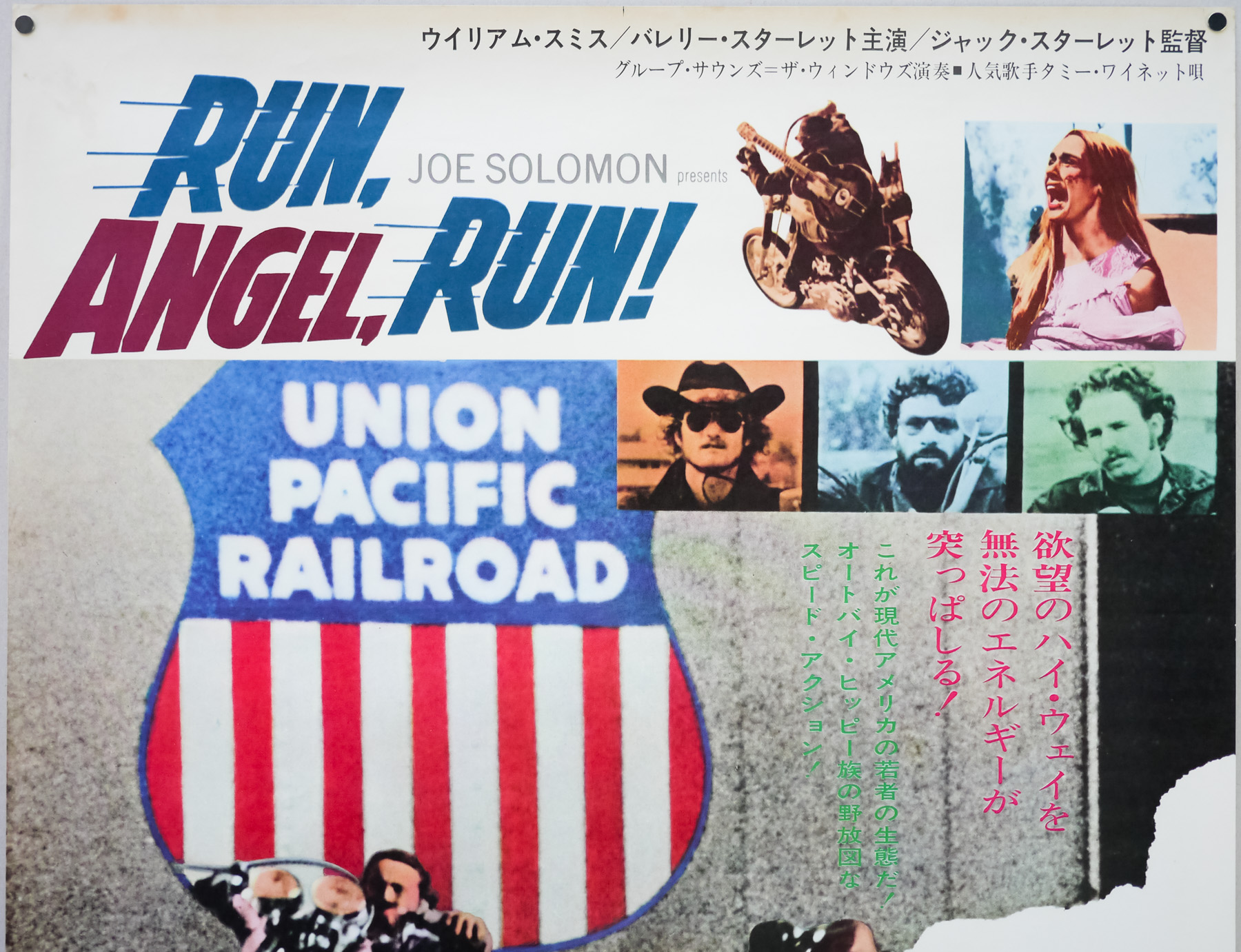
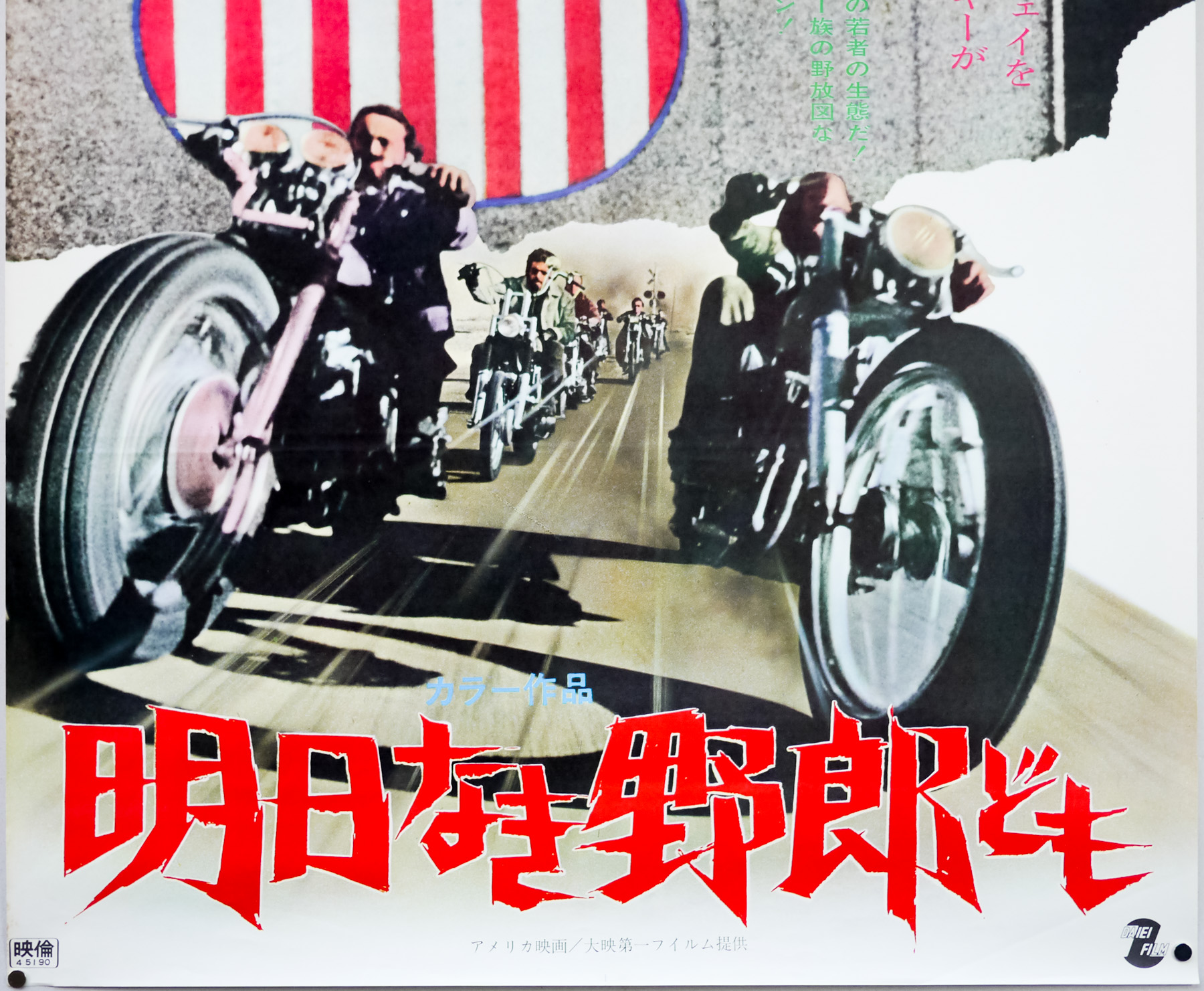
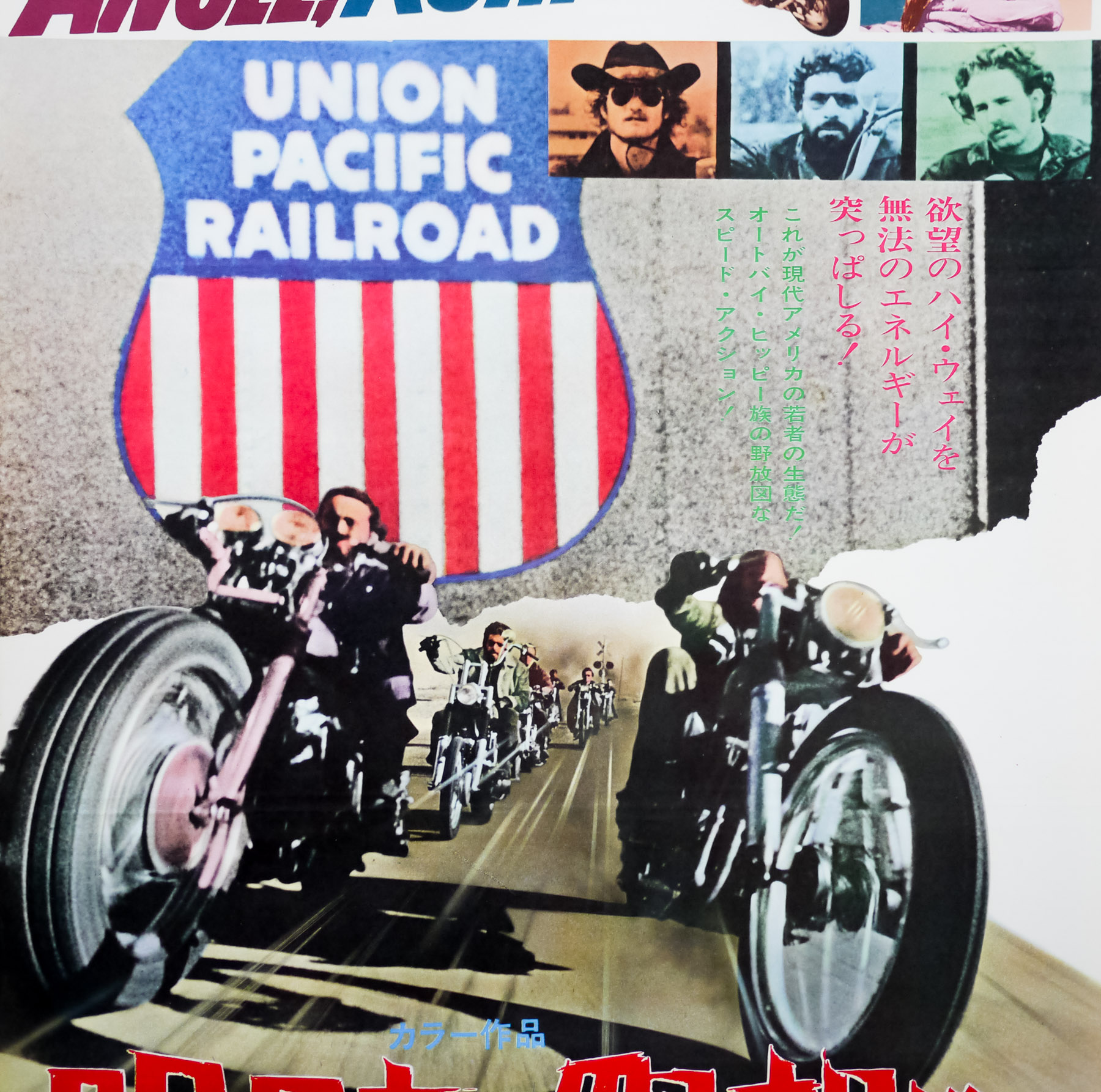
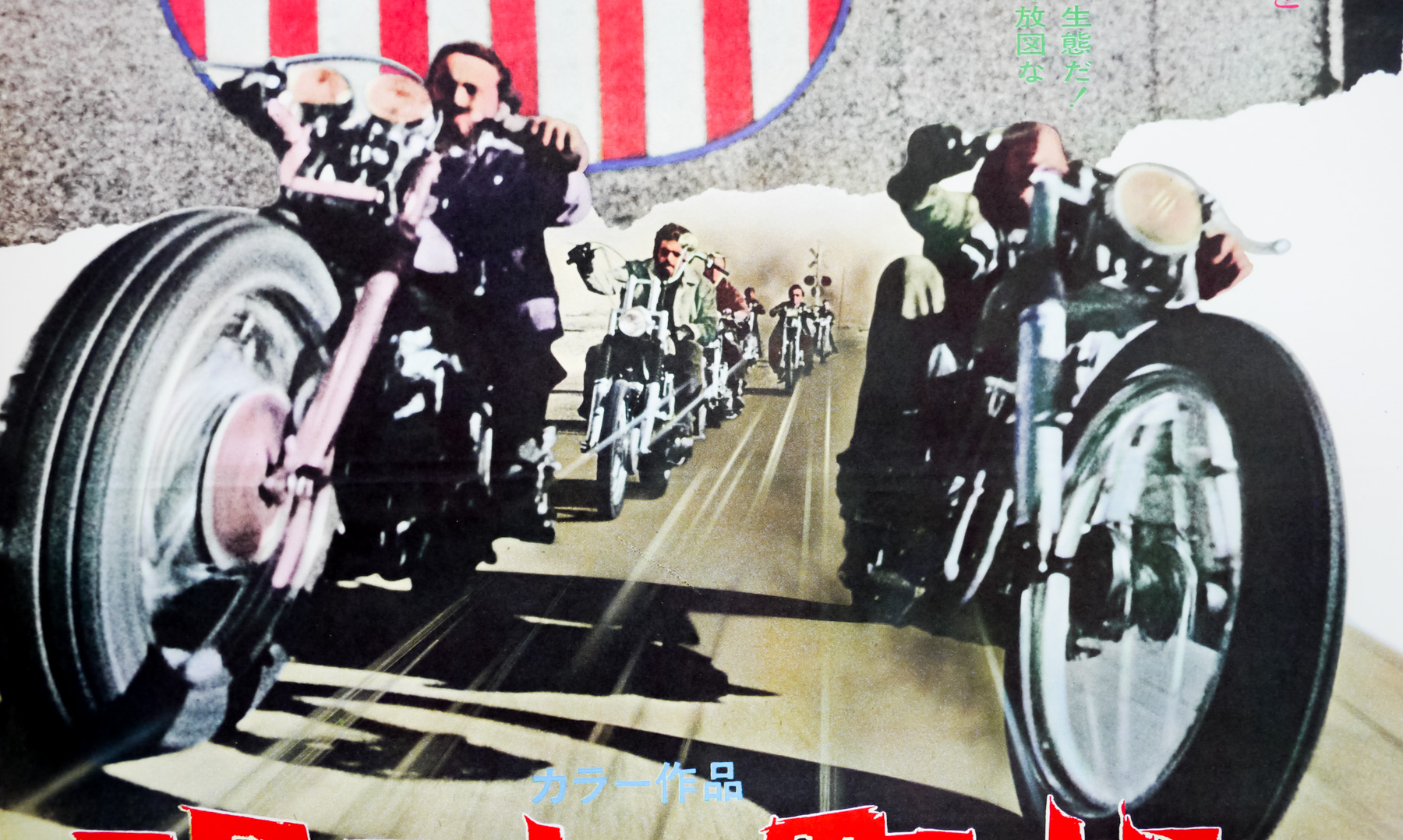
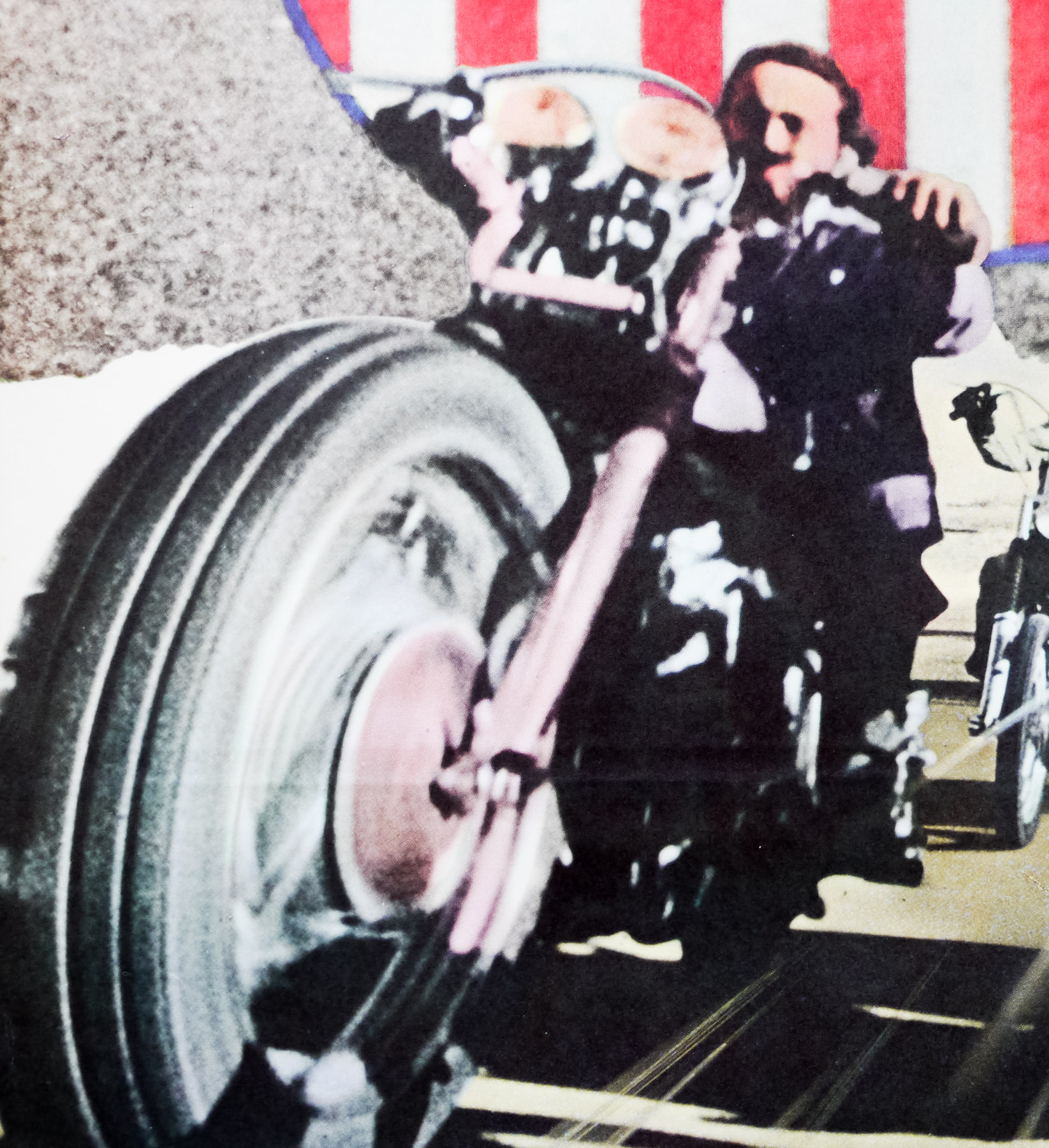
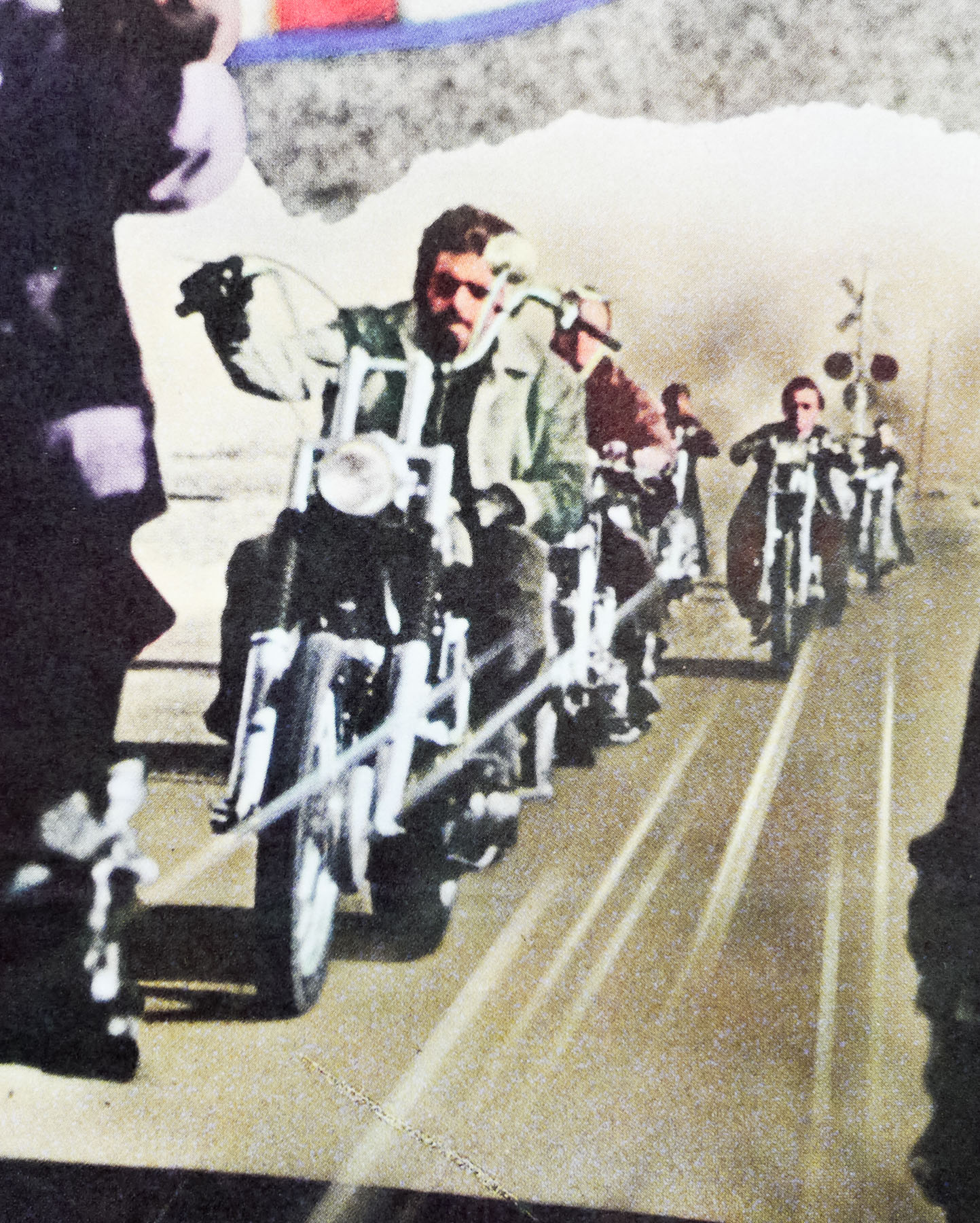
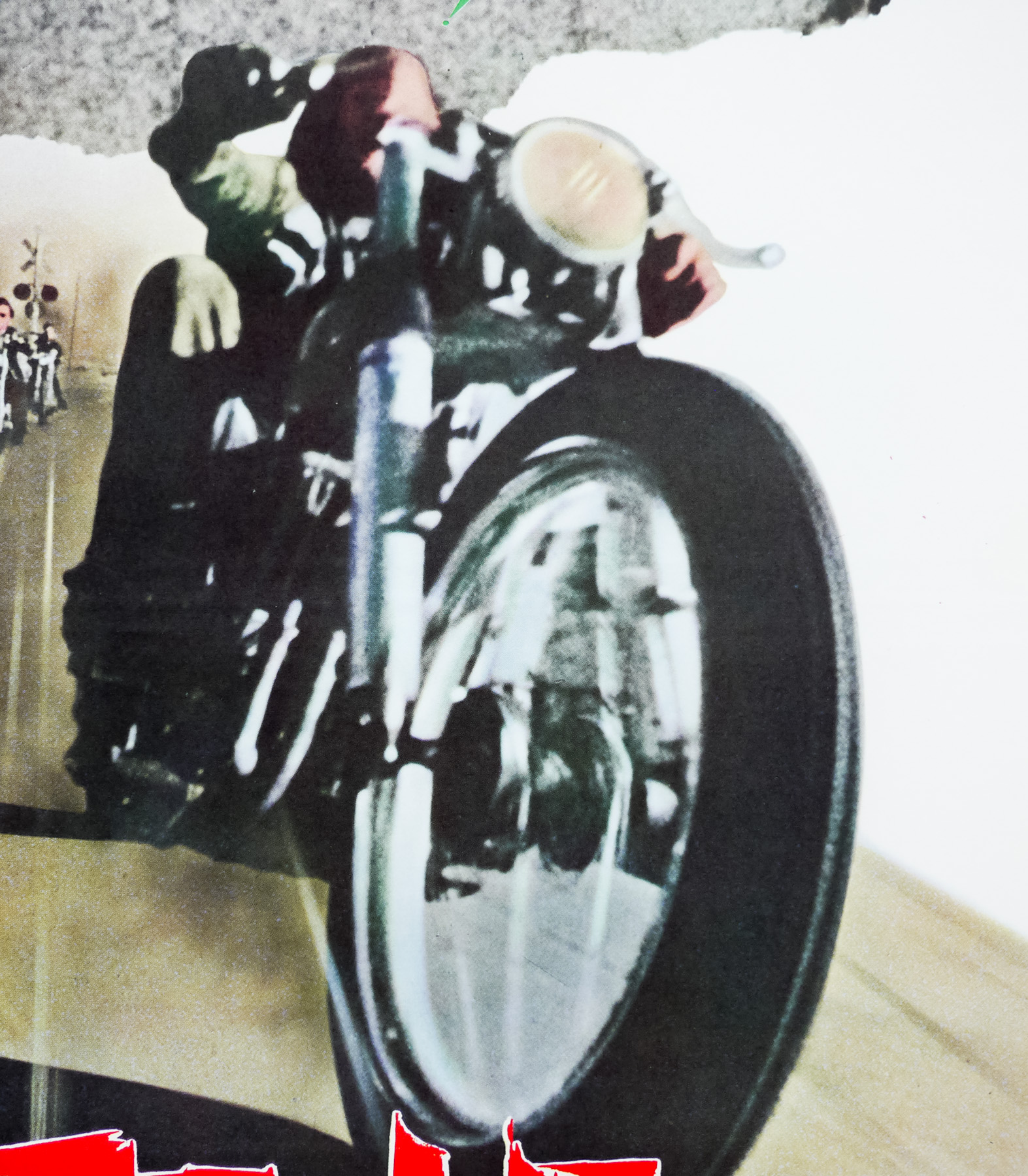
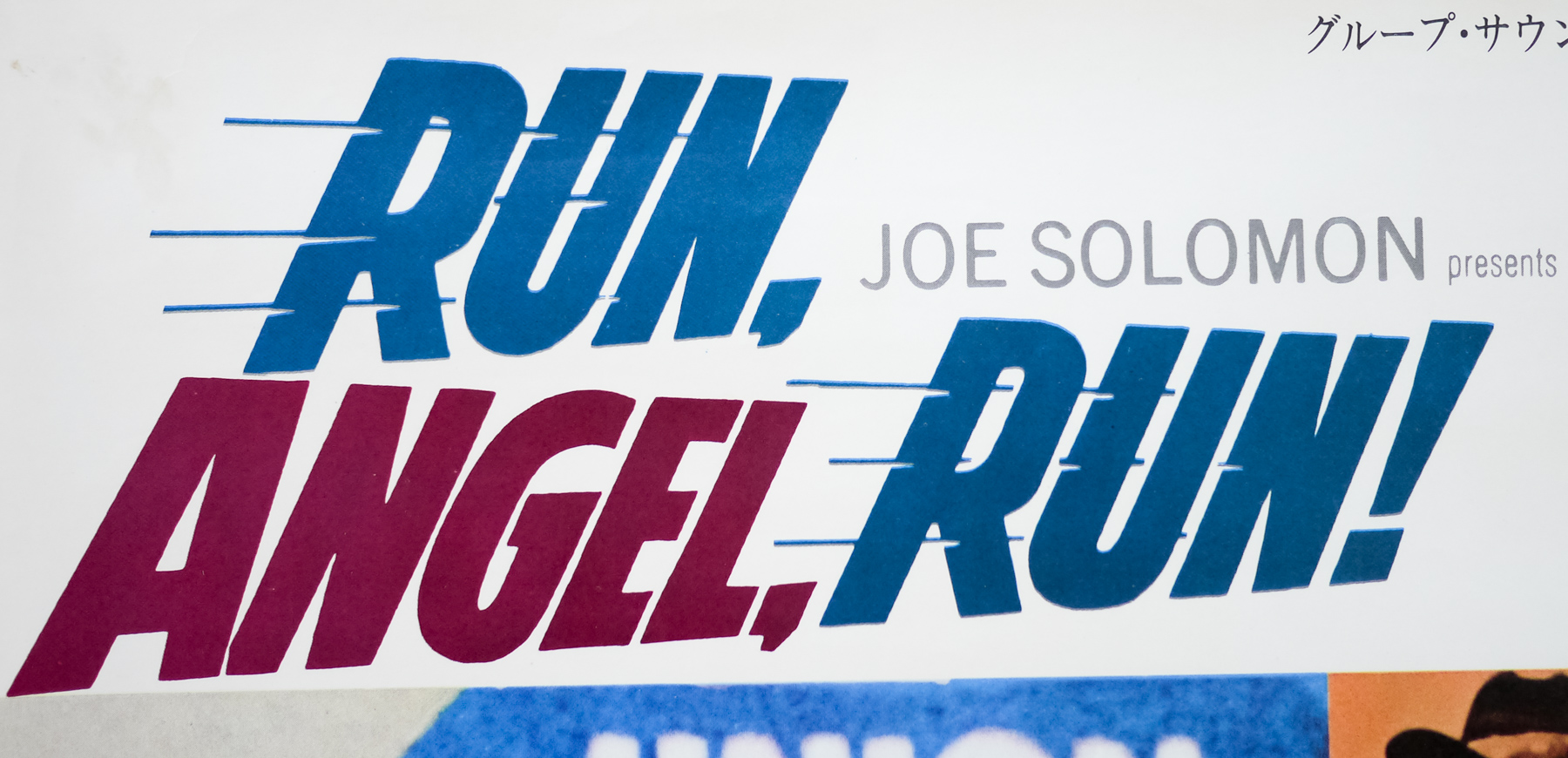
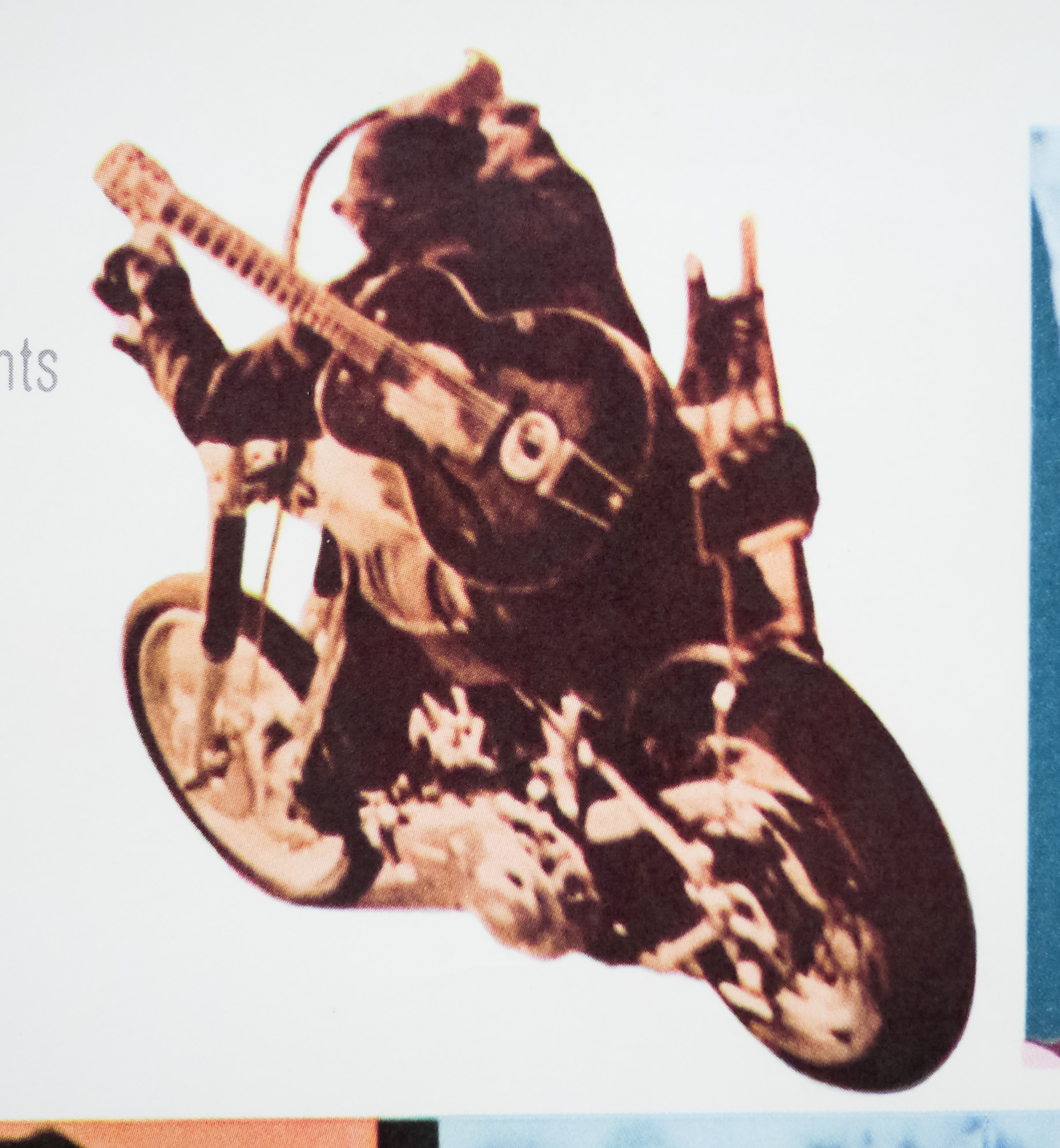
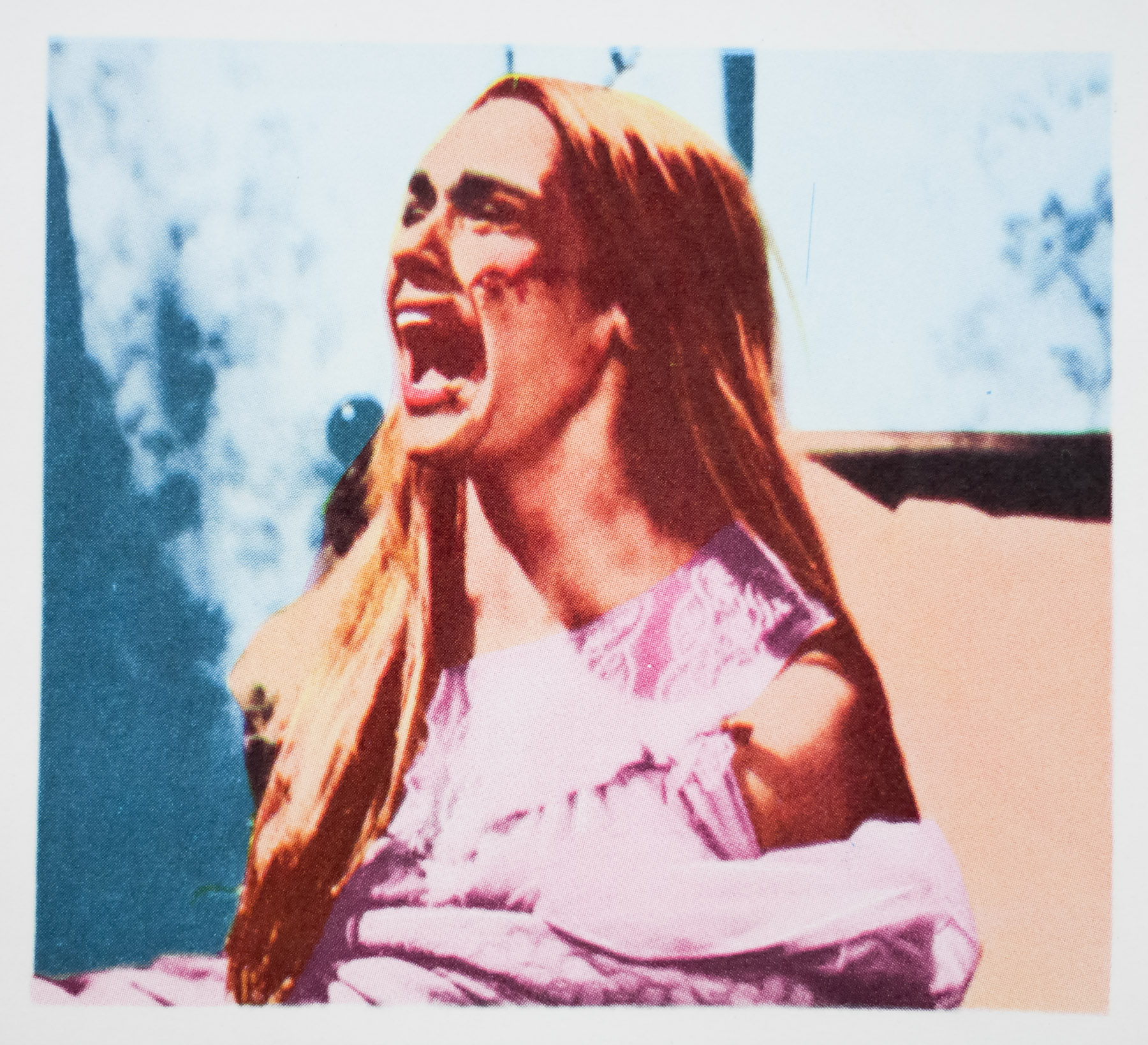
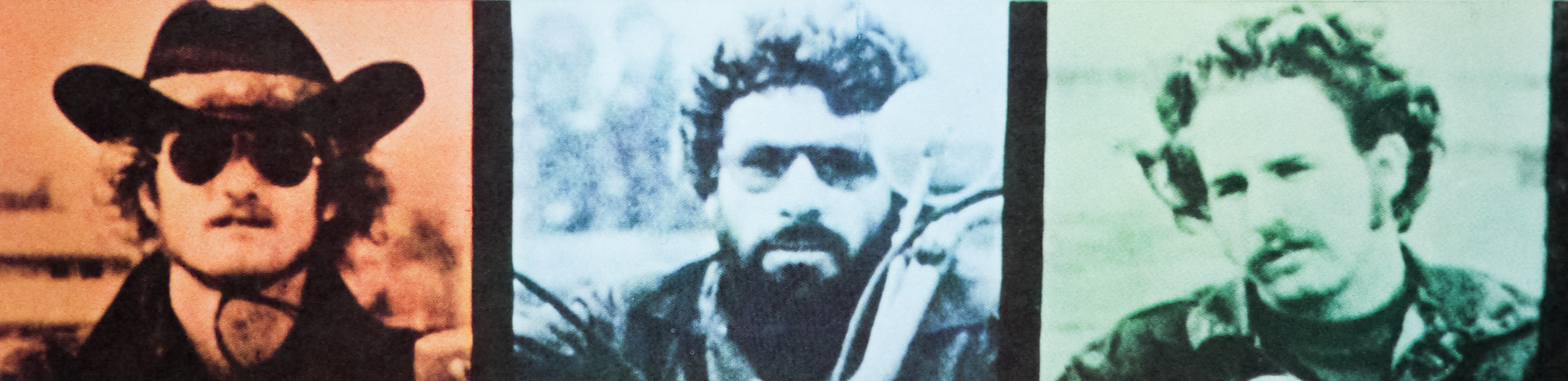
This is the Japanese B2 poster for the release of the little-seen 1969 biker film ‘Run, Angel, Run!‘ It’s one of a slew of films based around the same theme that involved the actor and director Jack Starrett, who is best known for playing the antagonistic deputy in First Blood, and as the director of Cleopatra Jones and Race With the Devil. Starrett starred in films like Hells Angels on Wheels and Angels from Hell before being offered the chance to helm this as his directorial debut.

The film stars the prolific American actor William Smith as Angel, the leader of a biker gang. The plot is described thusly on IMDb:

Angel, a member of a tough motorcycle gang roaming the Southwest, gets on offer from a major news magazine. In exchange for giving the magazine a big scoop by exposing the inner workings of his gang, the magazine will pay him $10,000. Angel takes the offer, although it means he and his girlfriend must now go on the run from cyclists looking for revenge. Along the way, they hide out with a sheep farmer, earning their keep by taking care of the farm and building a new life together.

The film appears to be fairly scarce going by the lack of reviews online and the fact that the DVD is almost $40 on Amazon.com at the time of writing.

The trailer is available to view on YouTube.