You searched for: B2

Shikoku / B2 / Japan

30.10.12

Poster Poster
Title
Shikoku
Year of Film
1999
Director
Shunichi Nagasaki
Starring
Yui Natsukawa, Michitaka Tsutsui, Chiaki Kuriyama, Toshie Negishi, Ren Ohsugi, Makoto Satô, Tarô Suwa, Tomoko Ôtakara, Hazuki Kôzu
Origin of Film
Japan
Genre(s) of Film
Yui Natsukawa, Michitaka Tsutsui, Chiaki Kuriyama, Toshie Negishi, Ren Ohsugi, Makoto Satô, Tarô Suwa, Tomoko Ôtakara, Hazuki Kôzu,
Type of Poster
B2
Style of Poster
--
Origin of Poster
Japan
Year of Poster
1999
Designer
Unknown
Artist
--
Size (inches)
20 6/16" x 28 13/16"
SS or DS
SS
Tagline
--

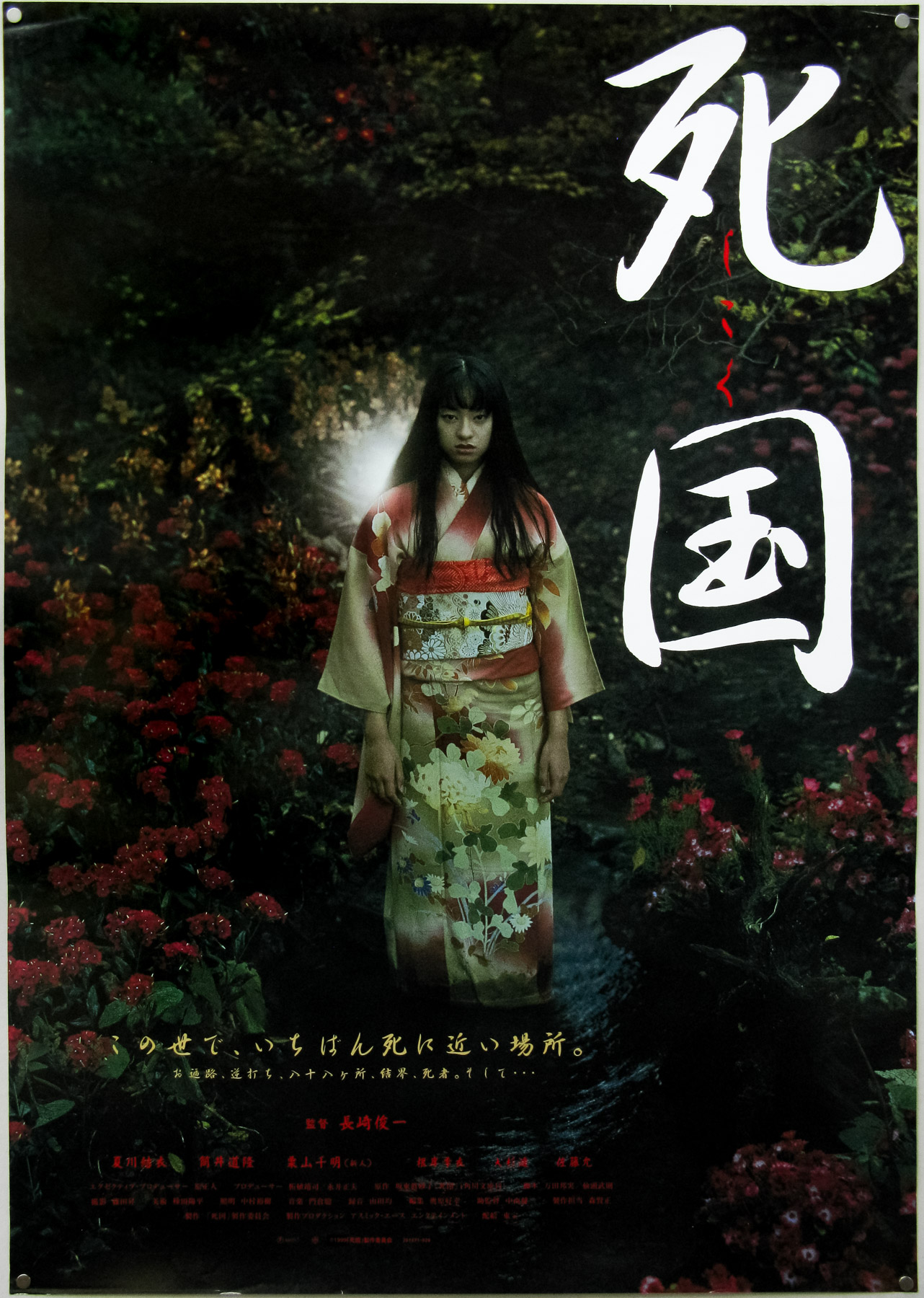
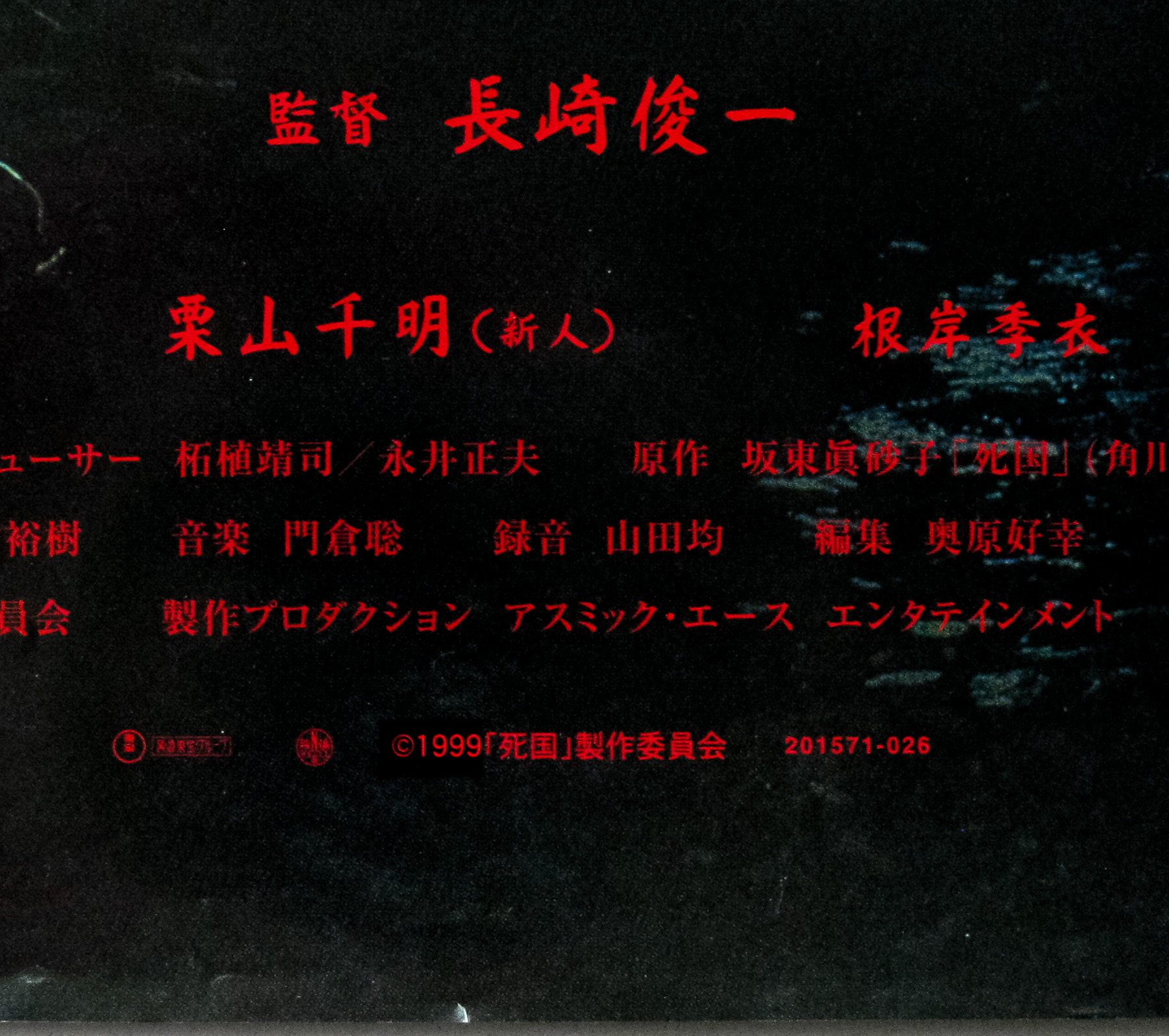
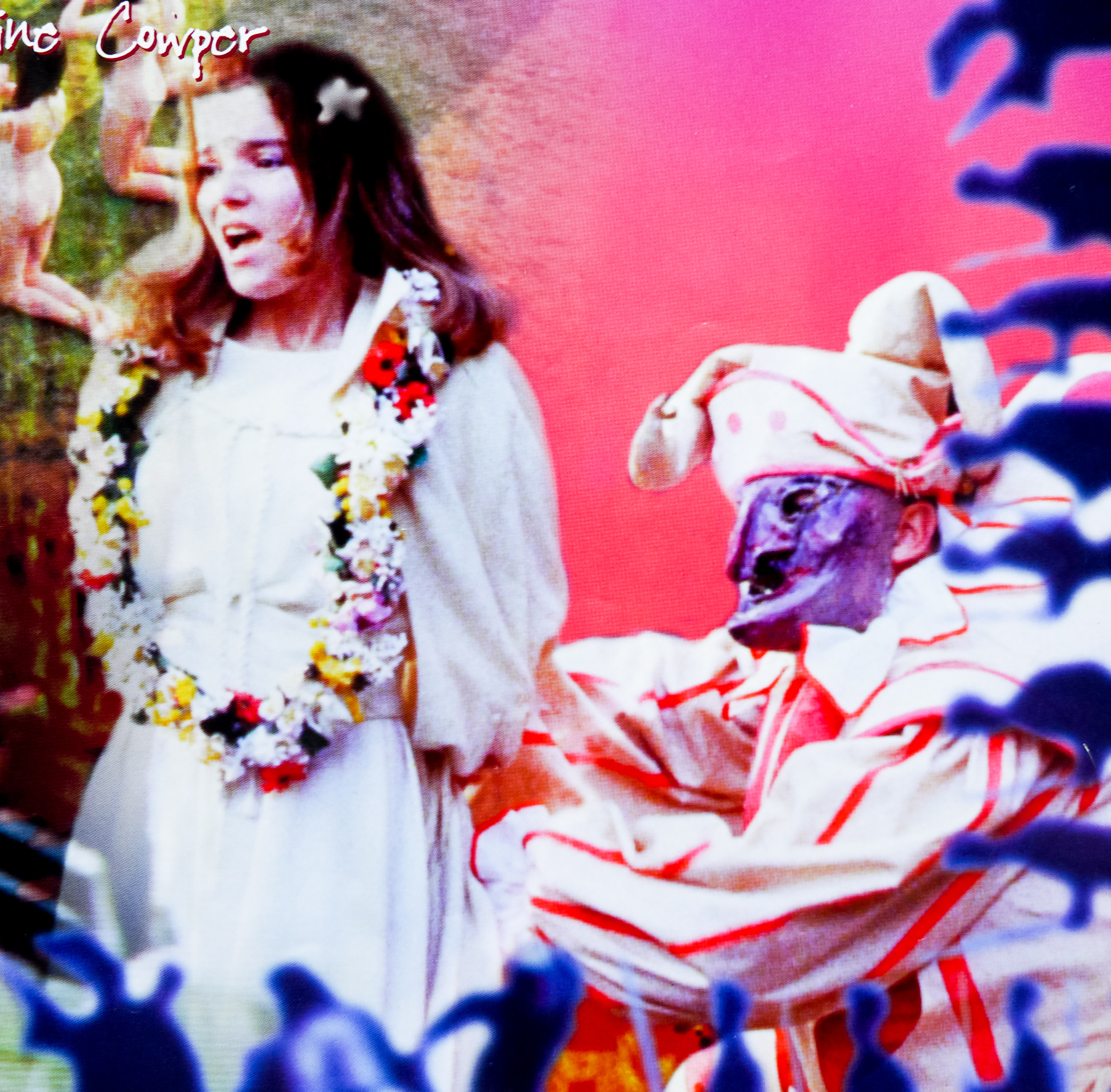
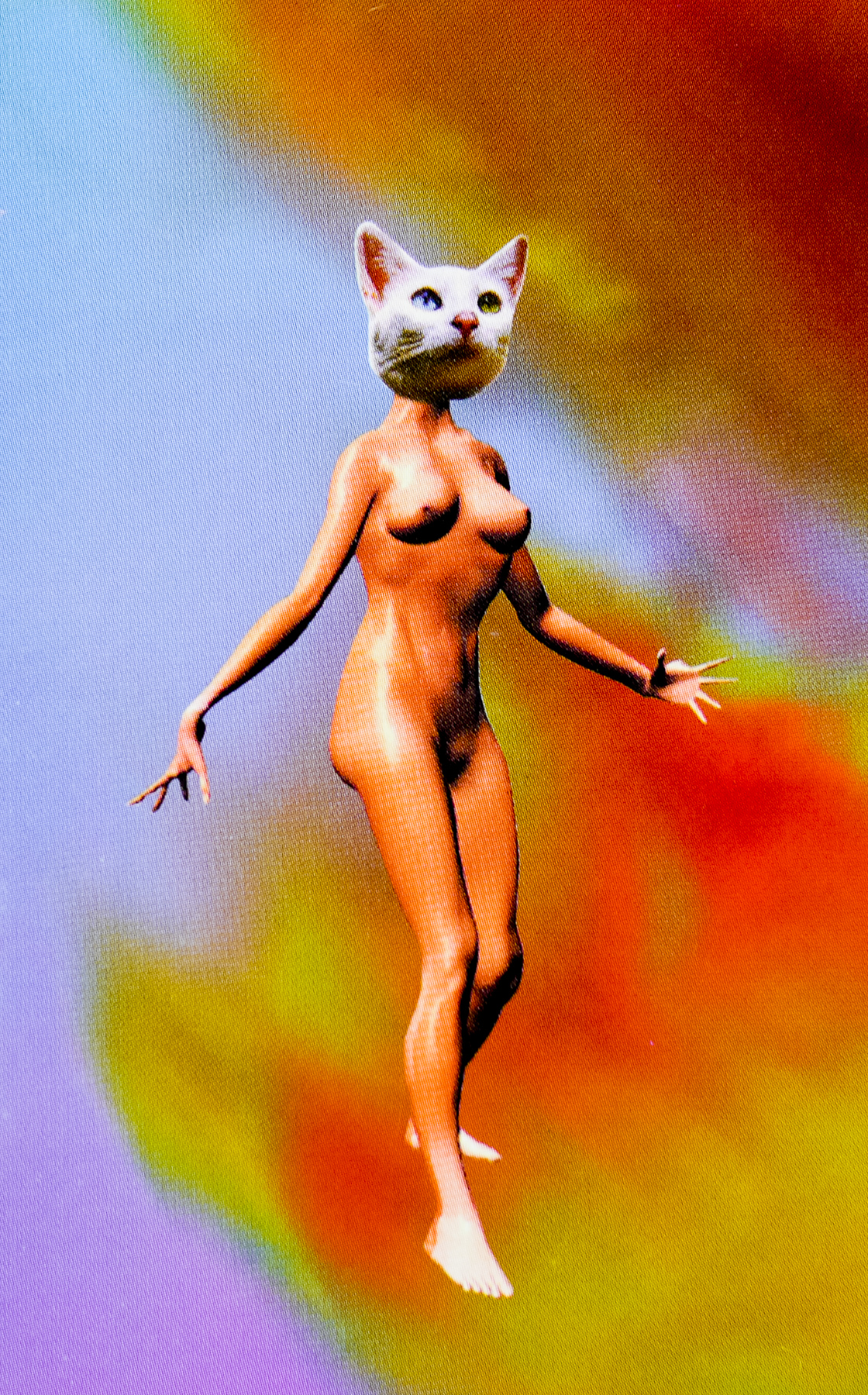
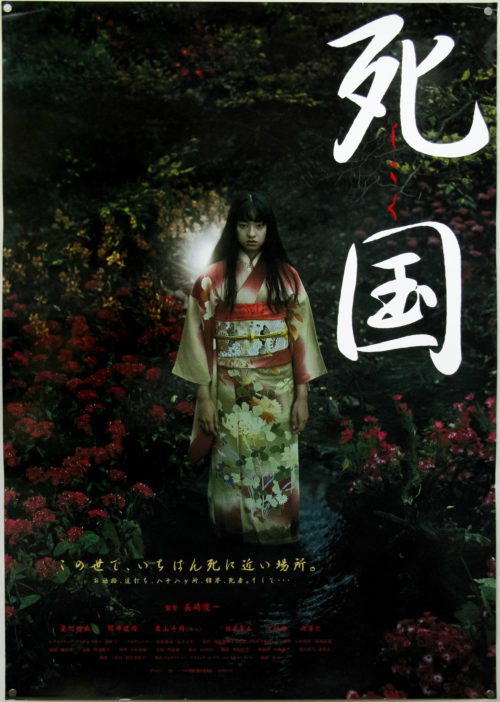
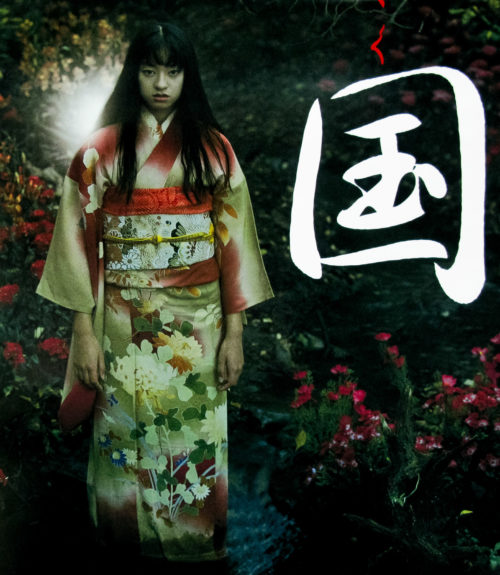
An arresting design on this poster for the release of Shikoku, a Japanese psychological horror film released in 1999. The story sees Hinako (Yui Natsukawa) return to the village she grew up in on the island of Shikoku after spending several years in Tokyo. She discovers that her childhood friend Sayori (Chiaki Kuriyama) died when she was sixteen under mysterious circumstances and, after Hinako sees the spirit of her friend, it becomes clear that Sayori’s grieving mother has spent the past few years attempting to bring her daughter back from the dead.

Chiaki Kuriyama, who features on the poster,  is best known for her role as mace-wielding Gogo Yubari in Quentin Tarantino’s Kill Bill. The film was released on DVD in several countries but the UK disc seems to be currently out of print.


Thunderball / B2 / 1974 re-release / Japan

17.10.12

Poster Poster

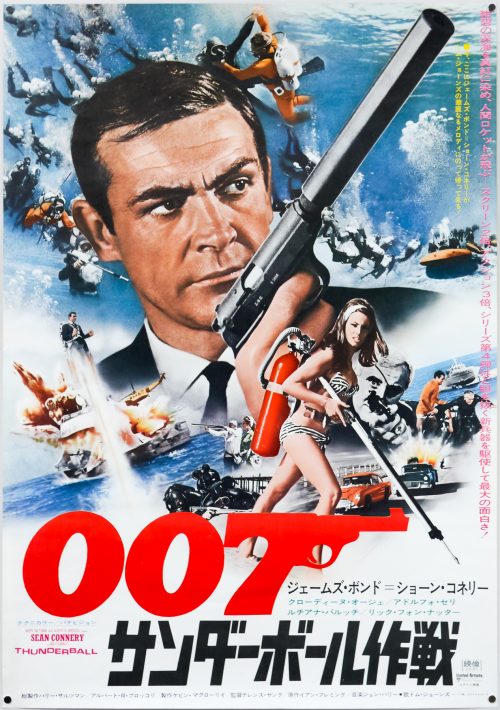
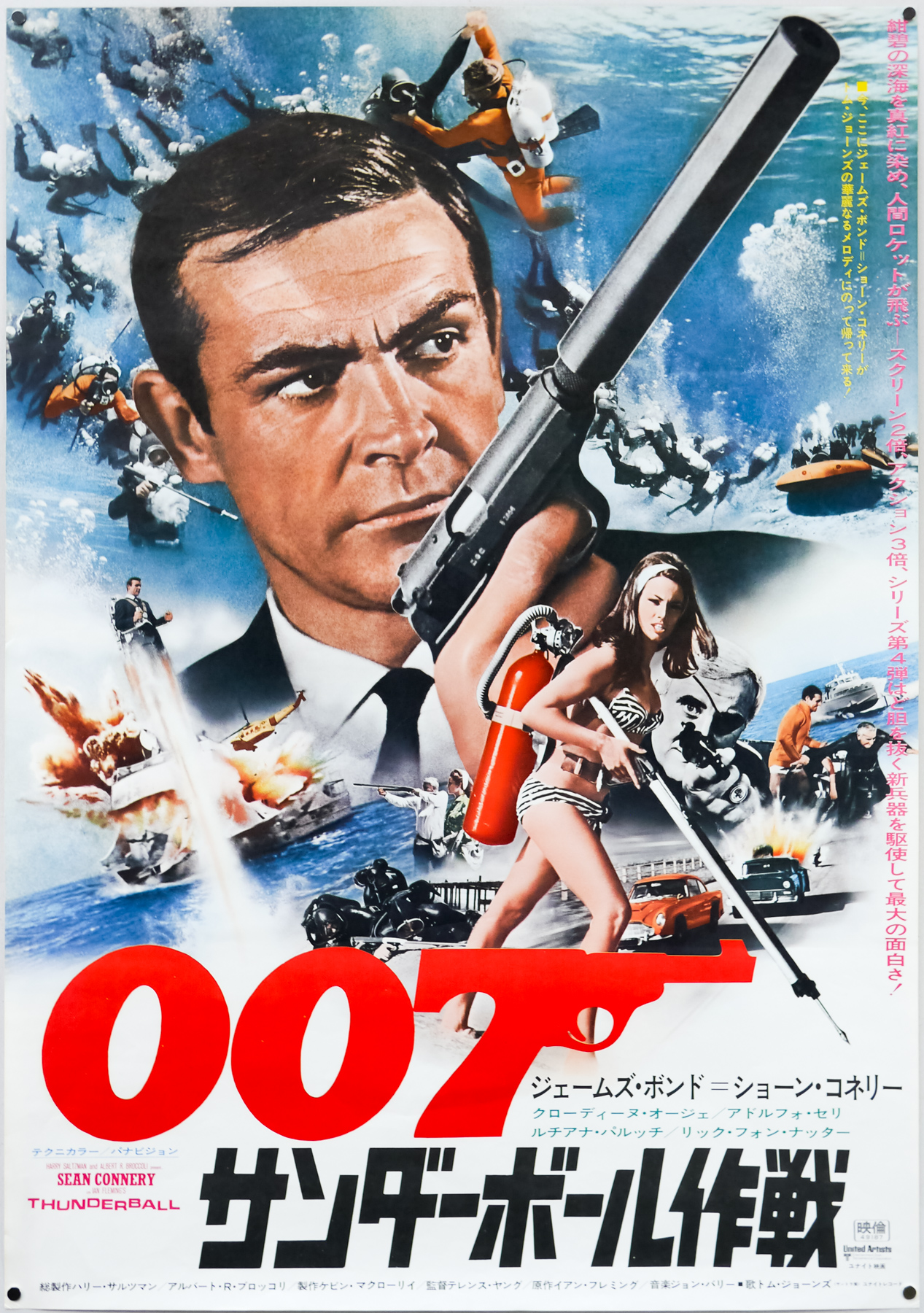
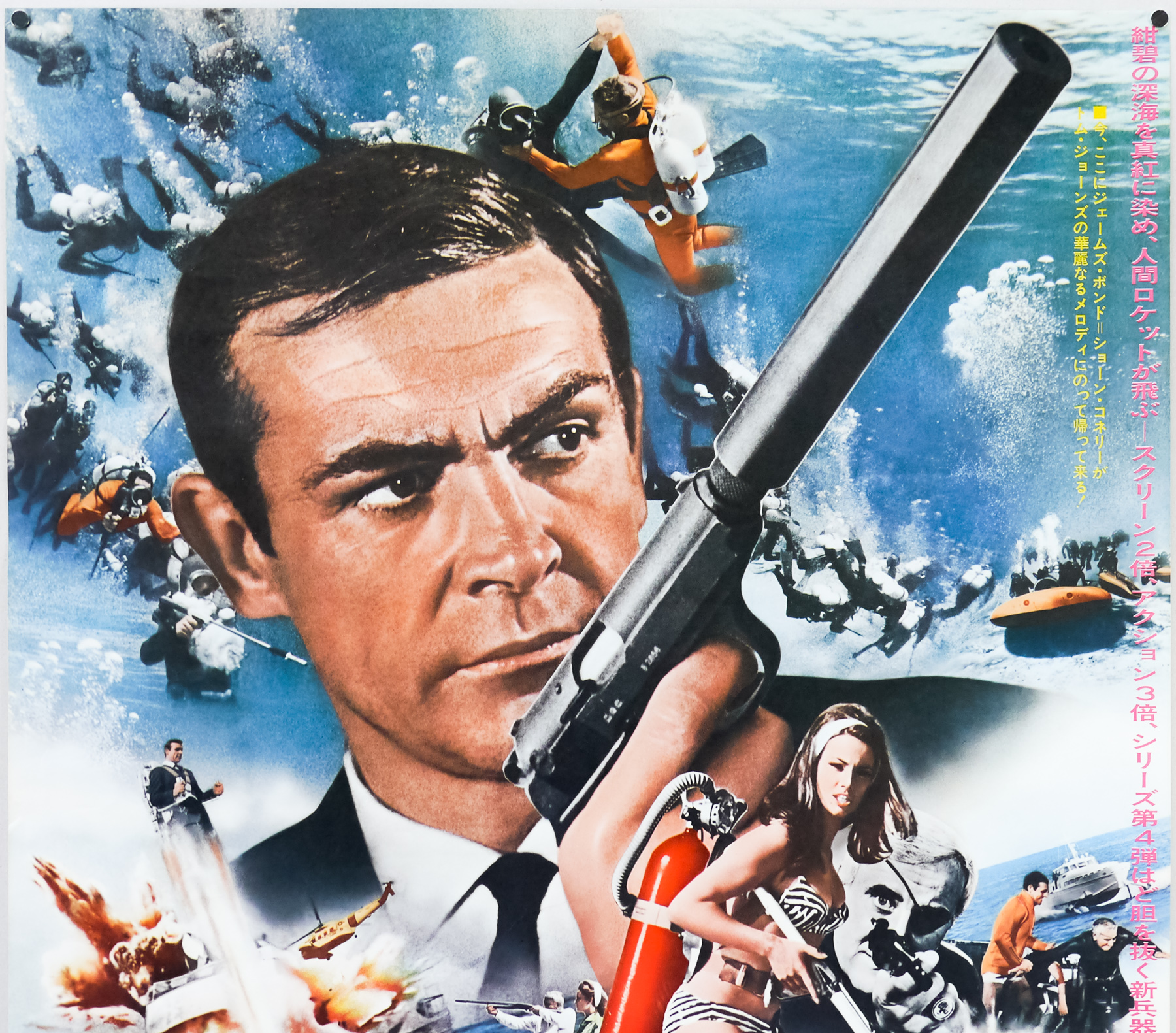
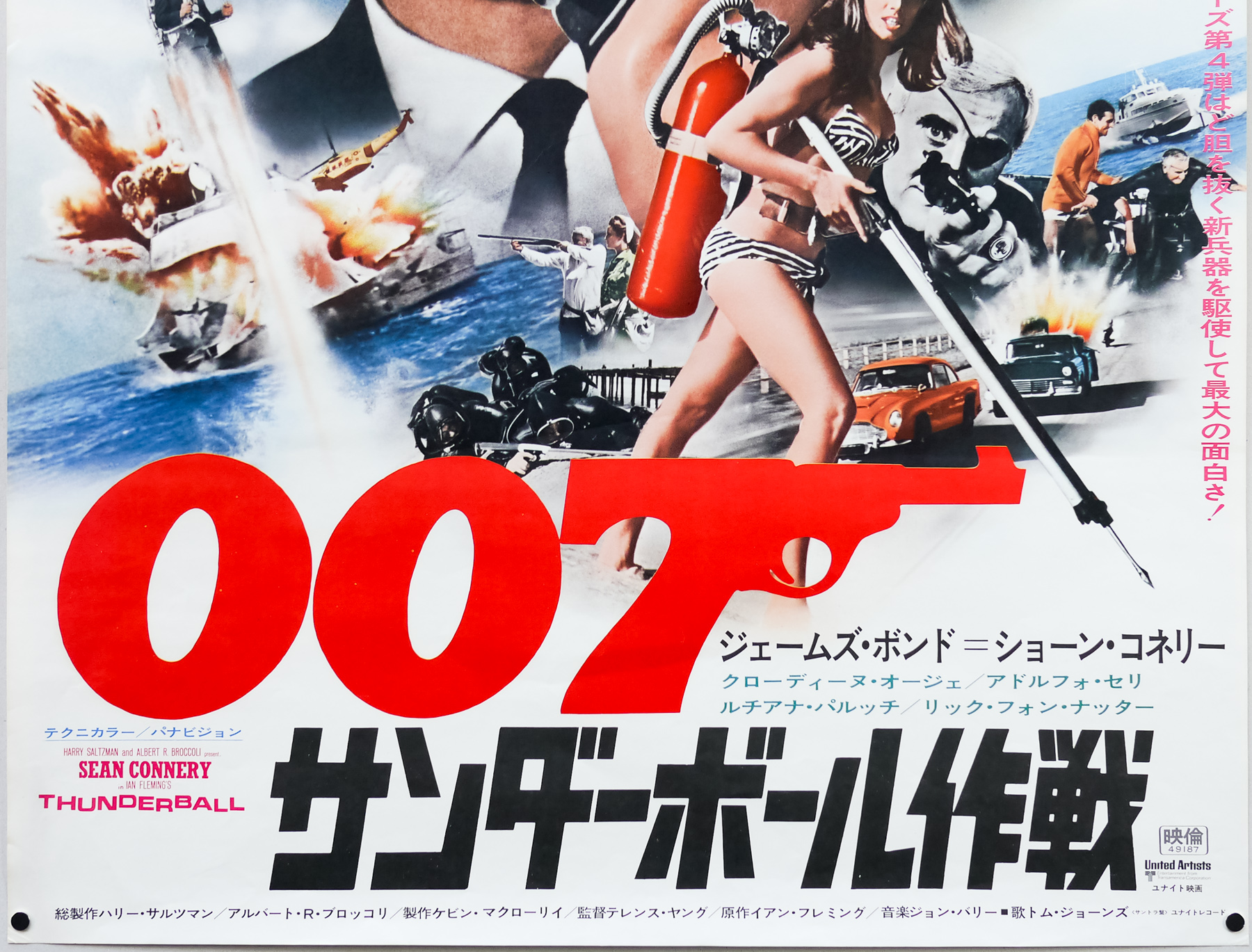
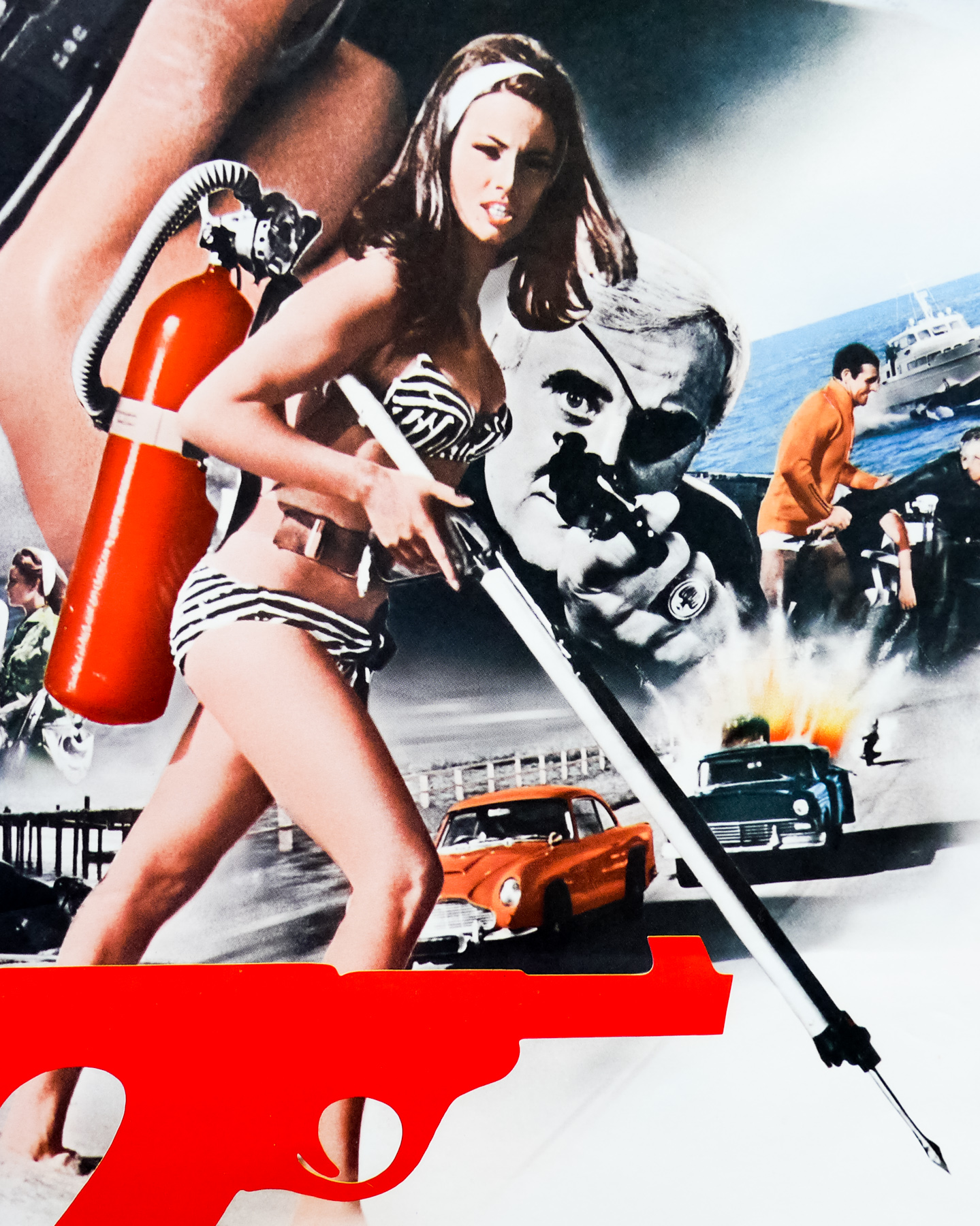
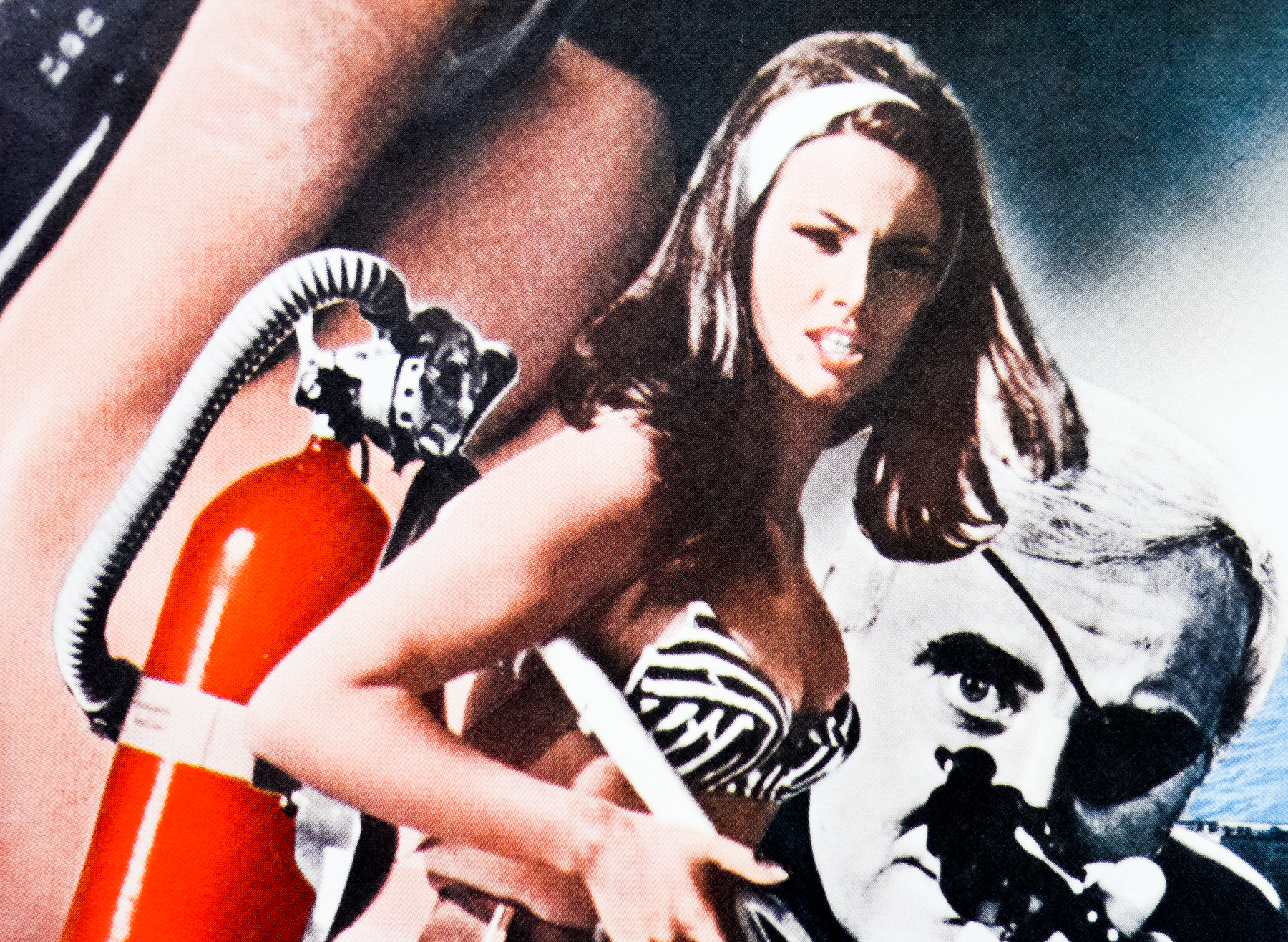
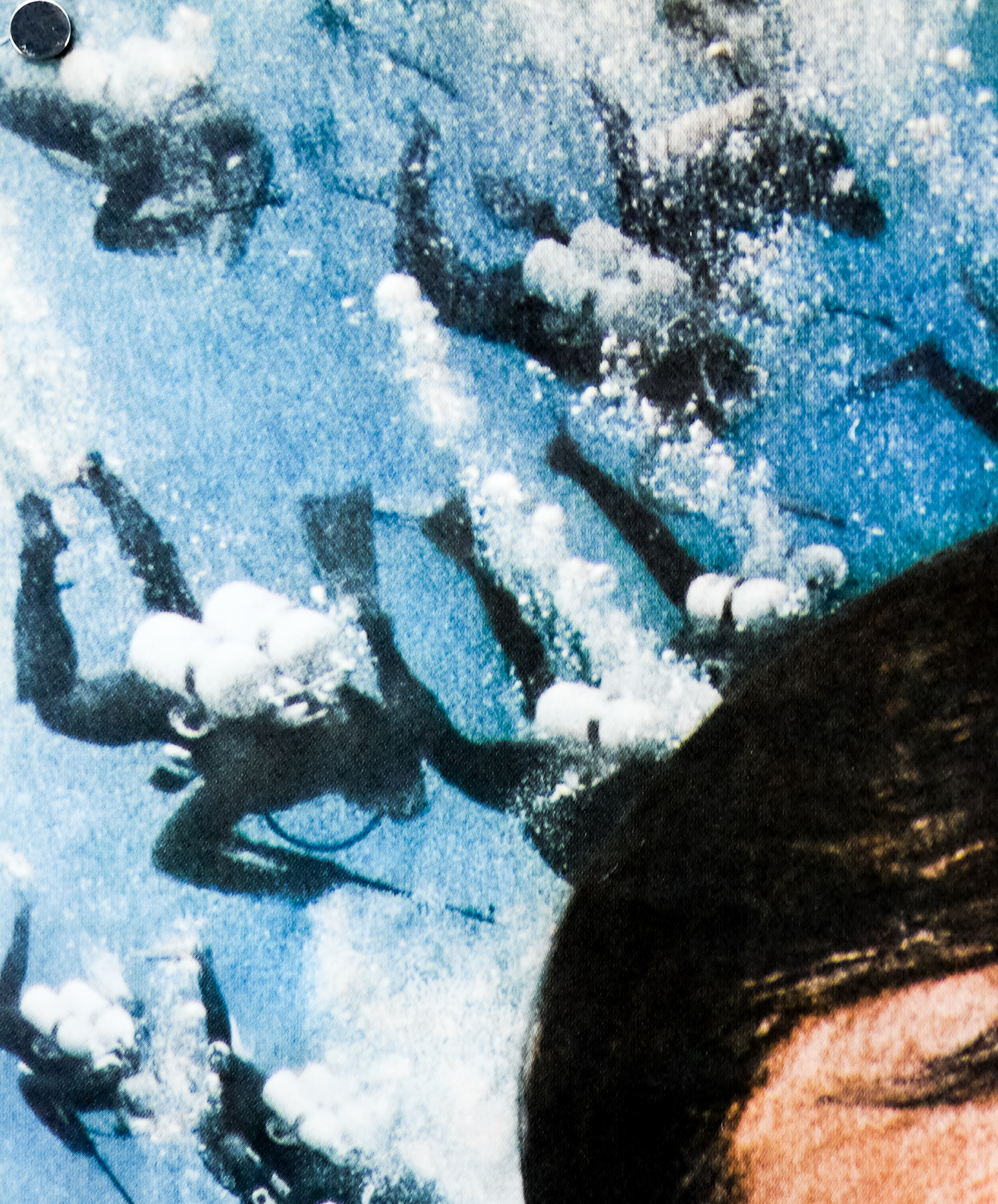
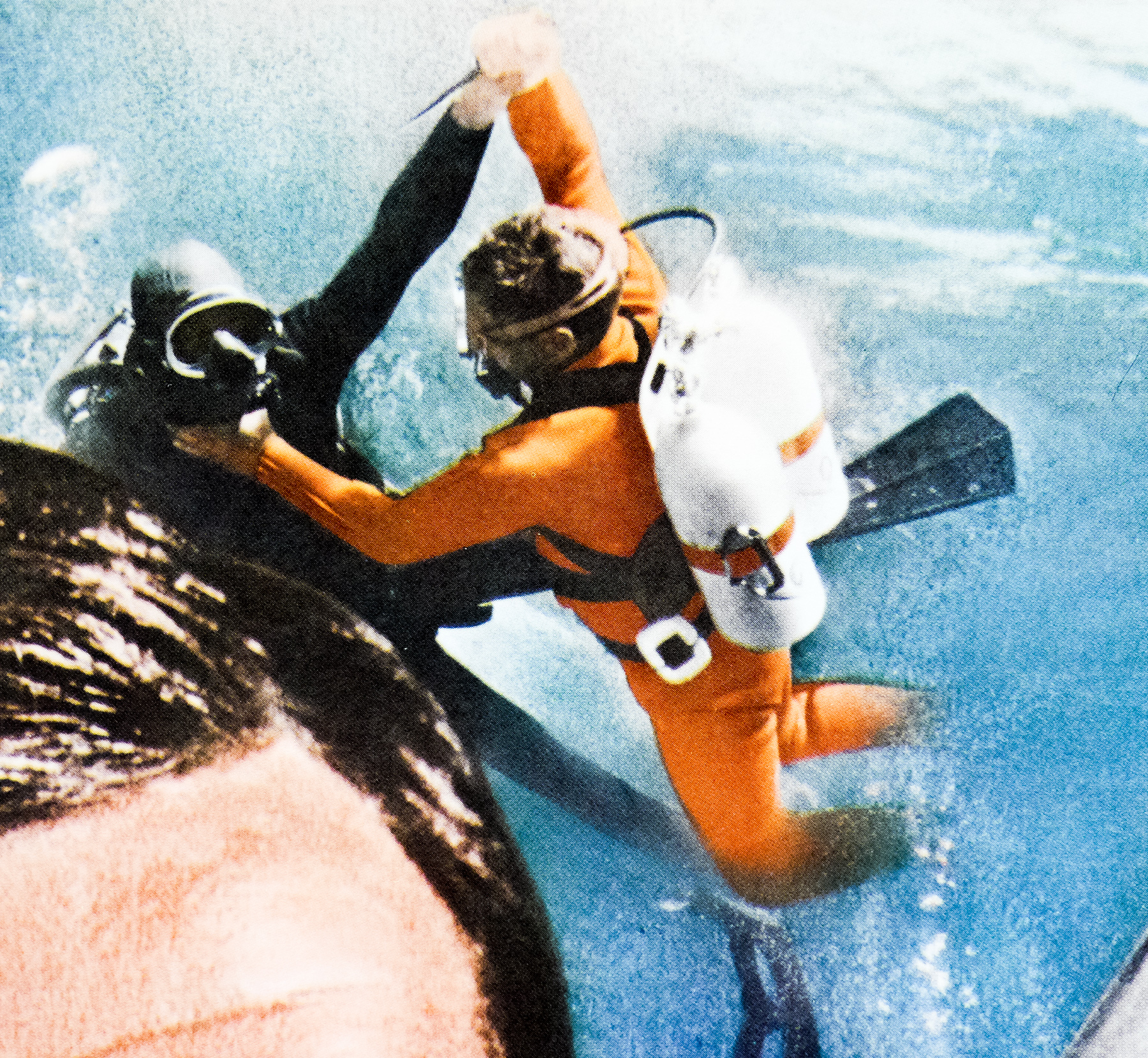
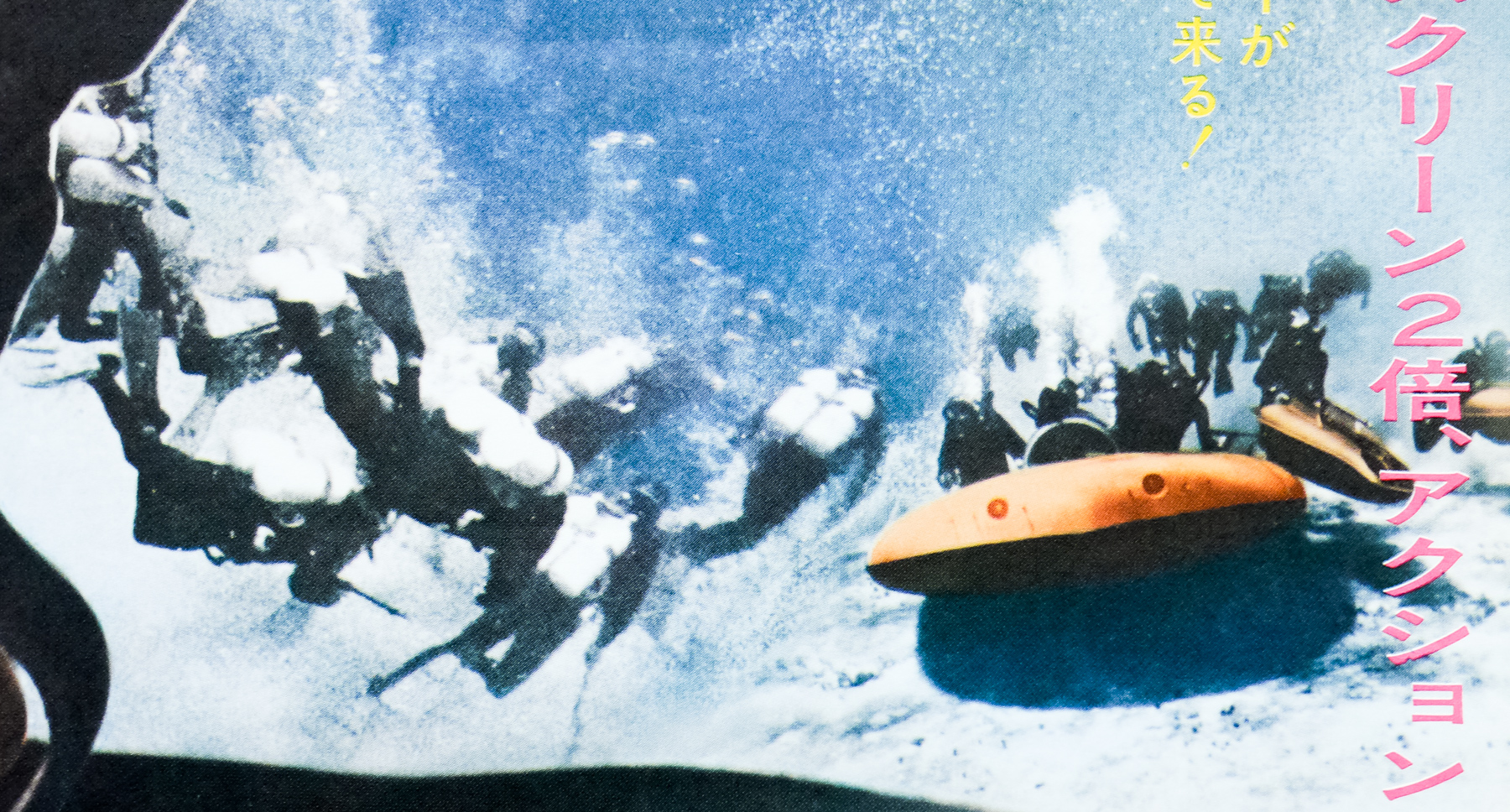
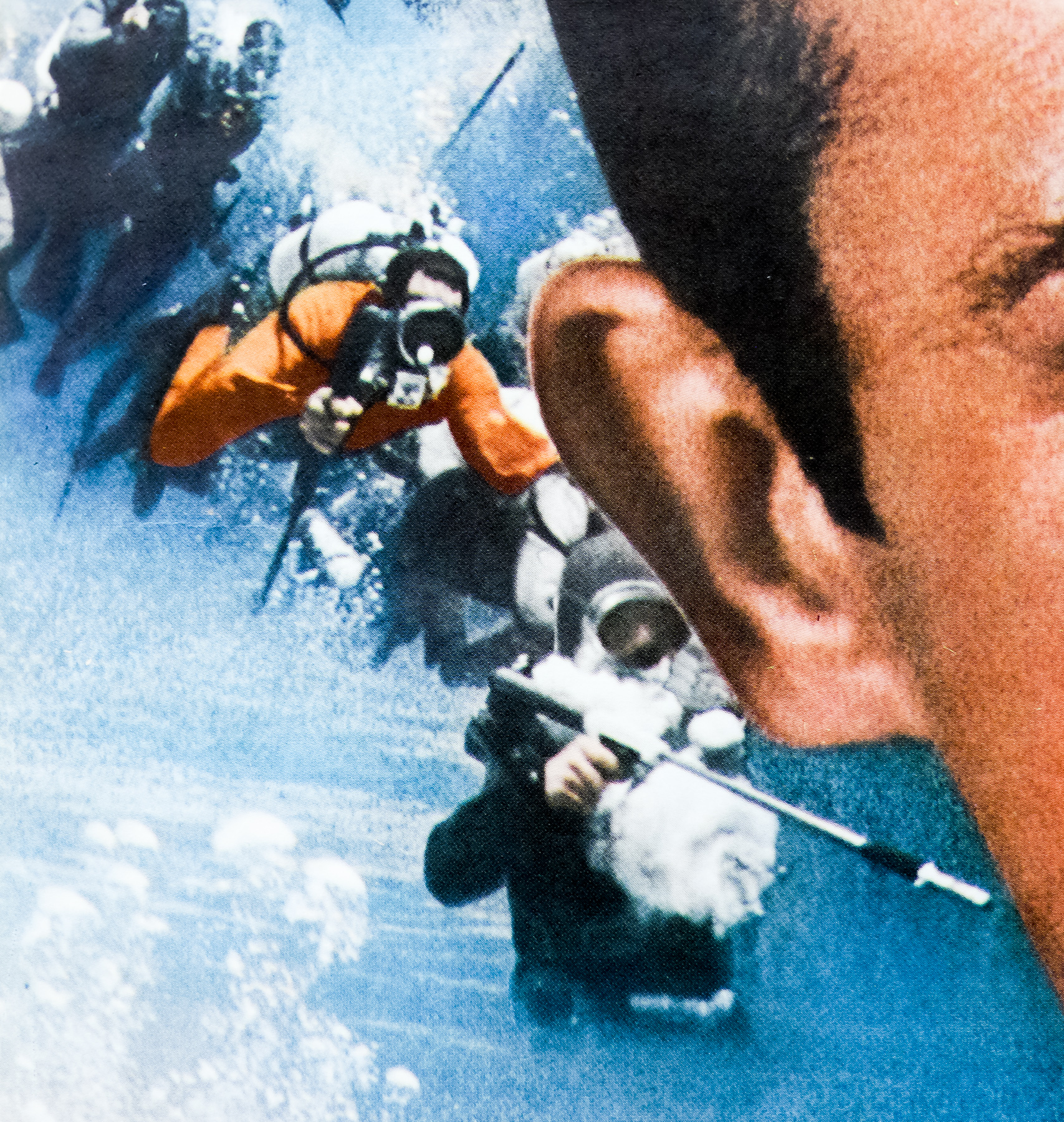
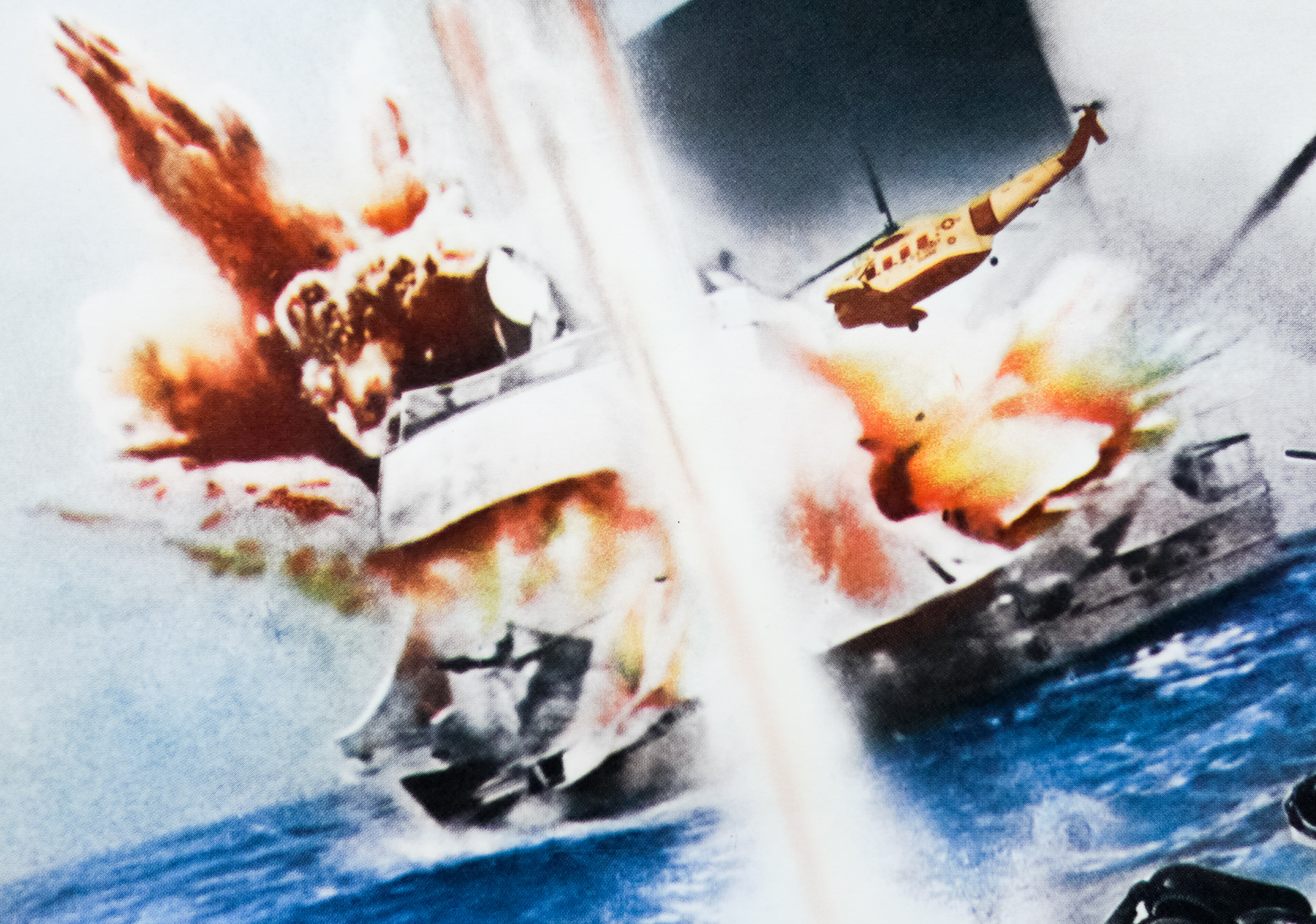
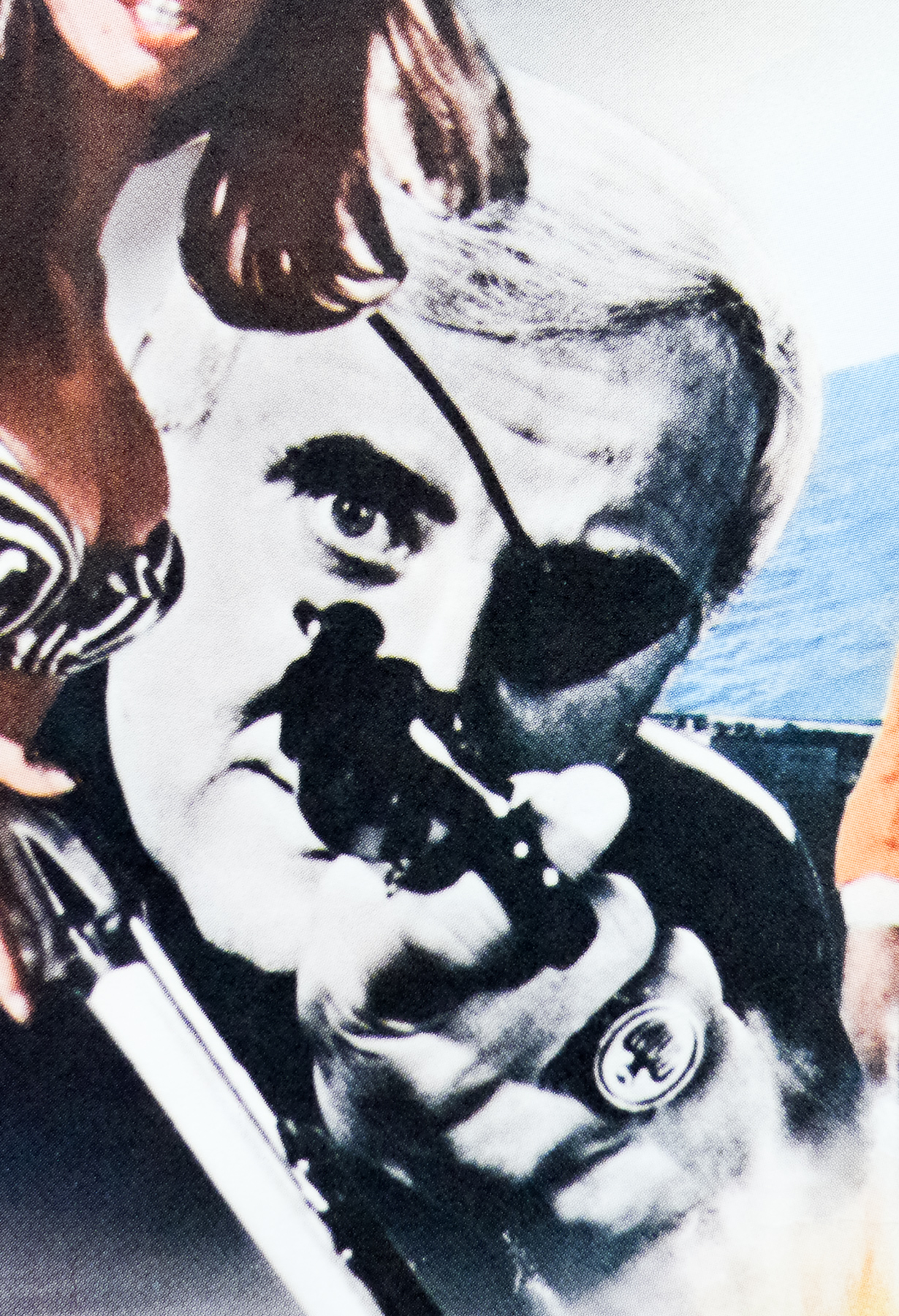
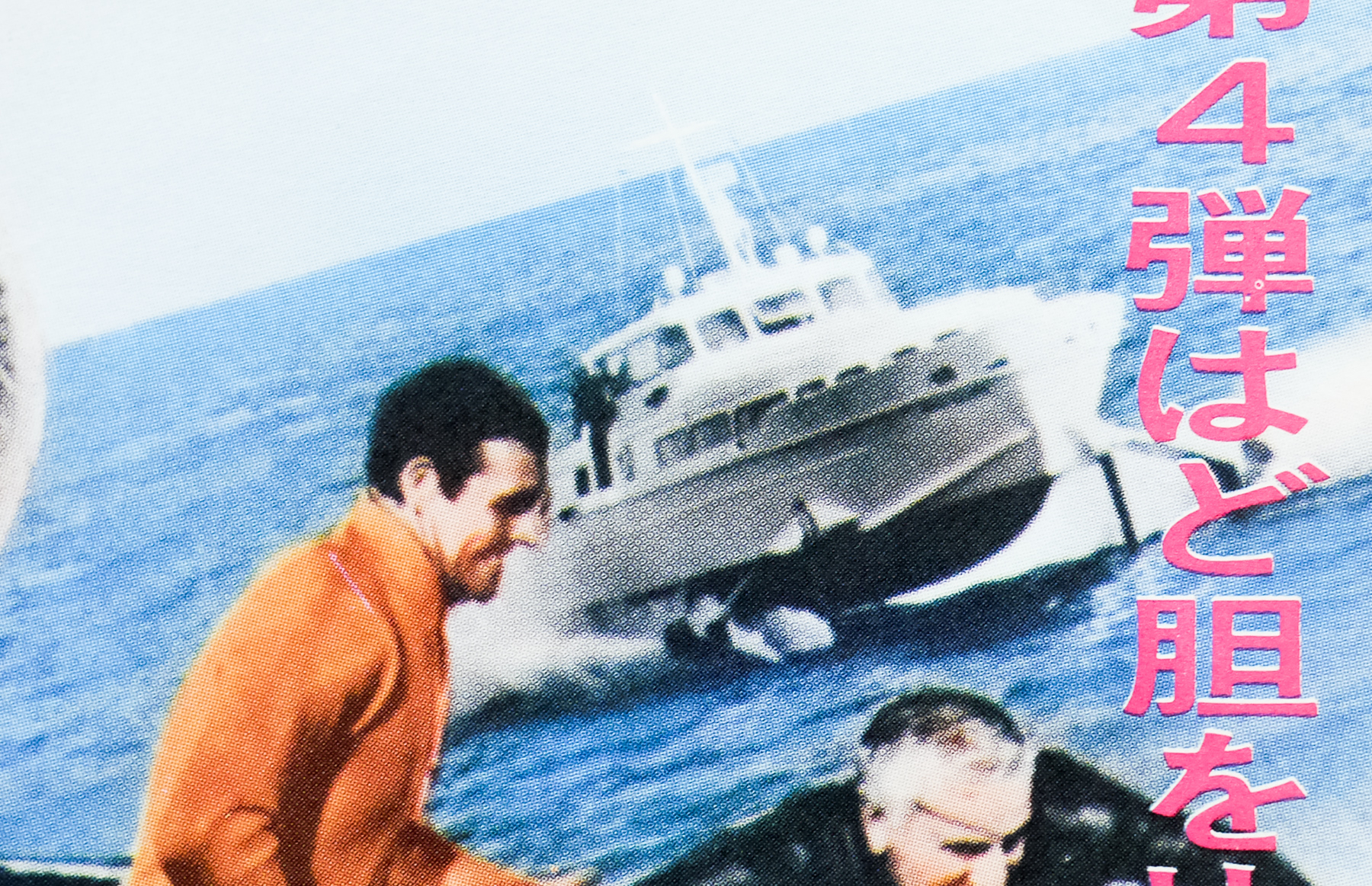
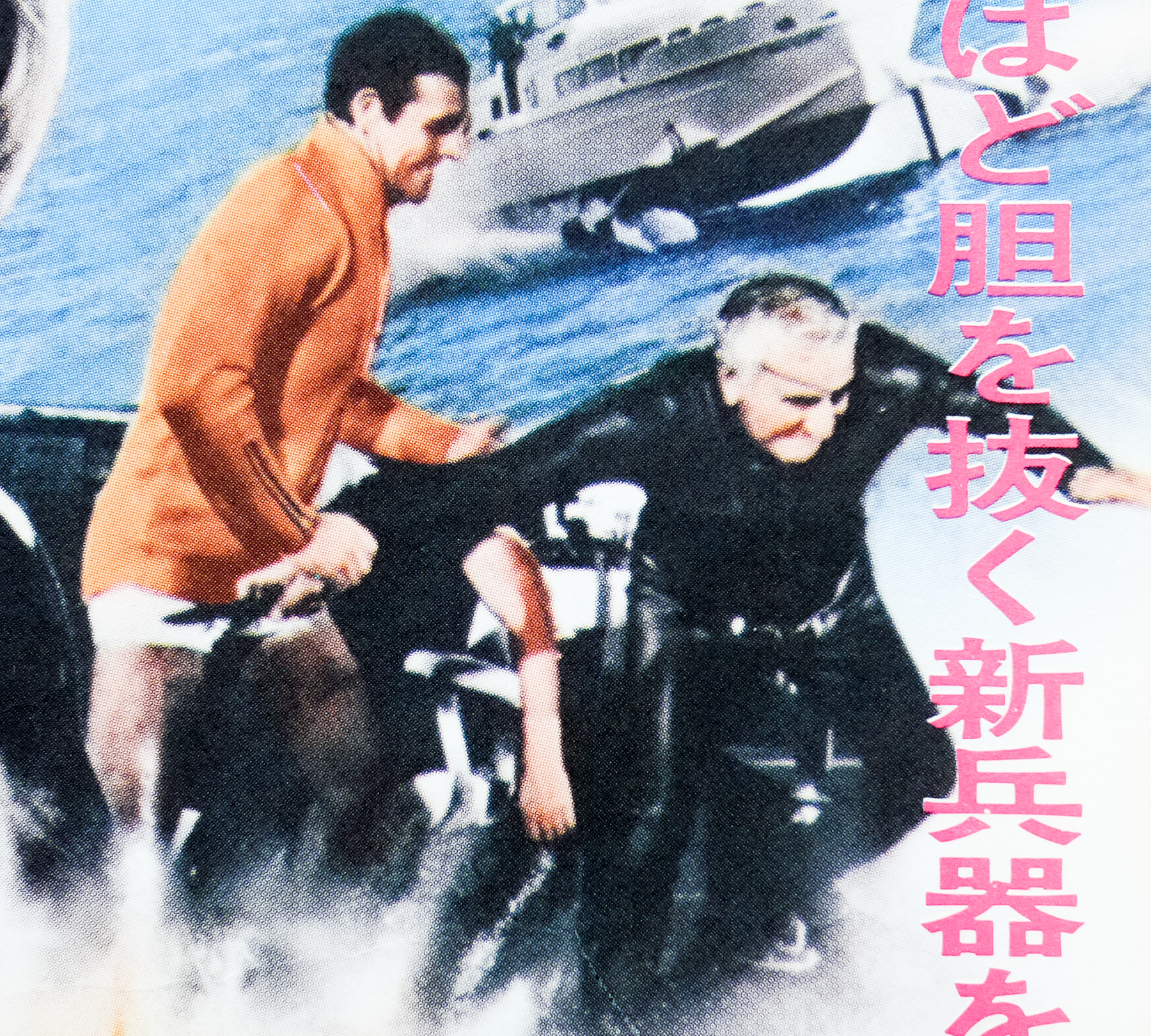
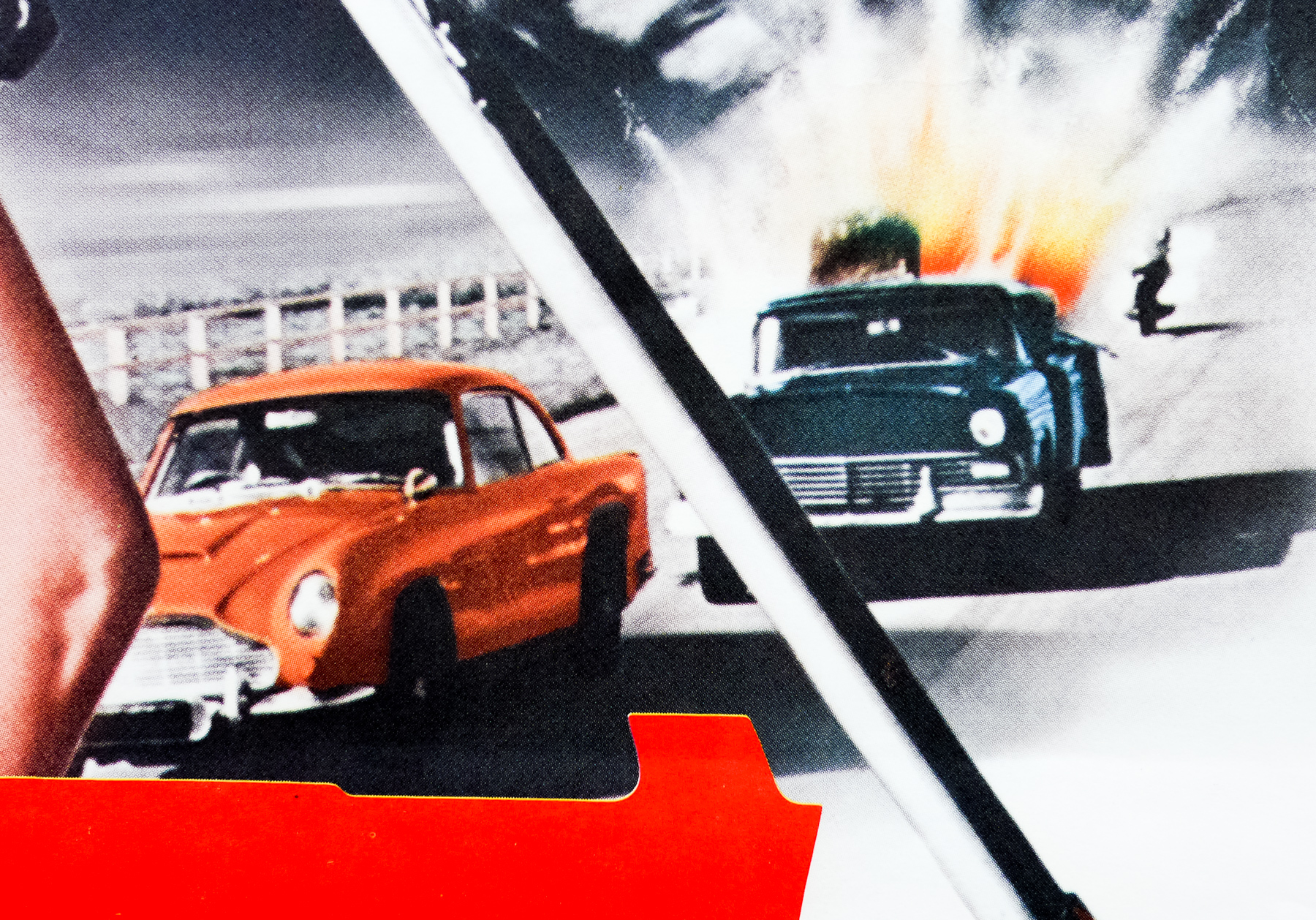
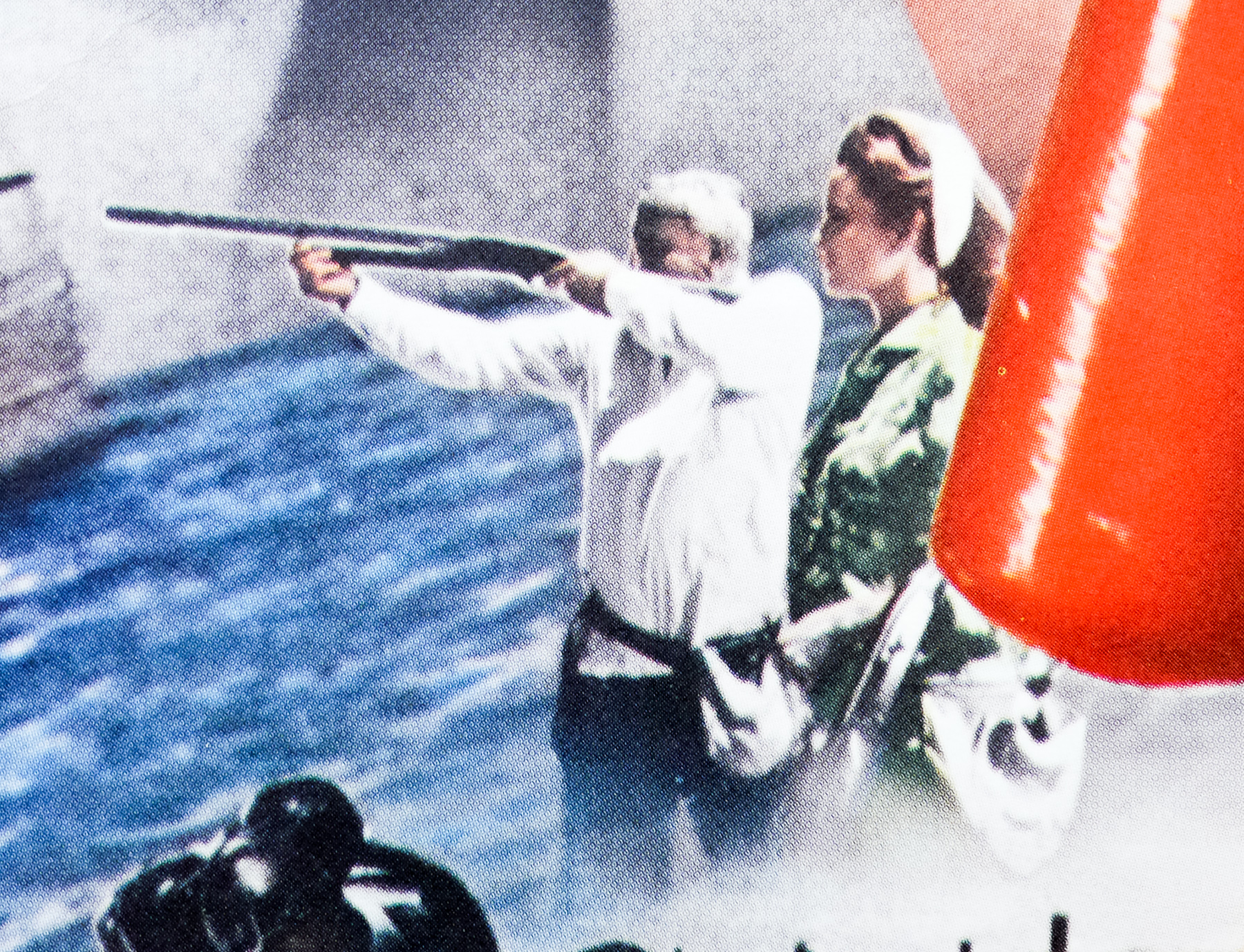
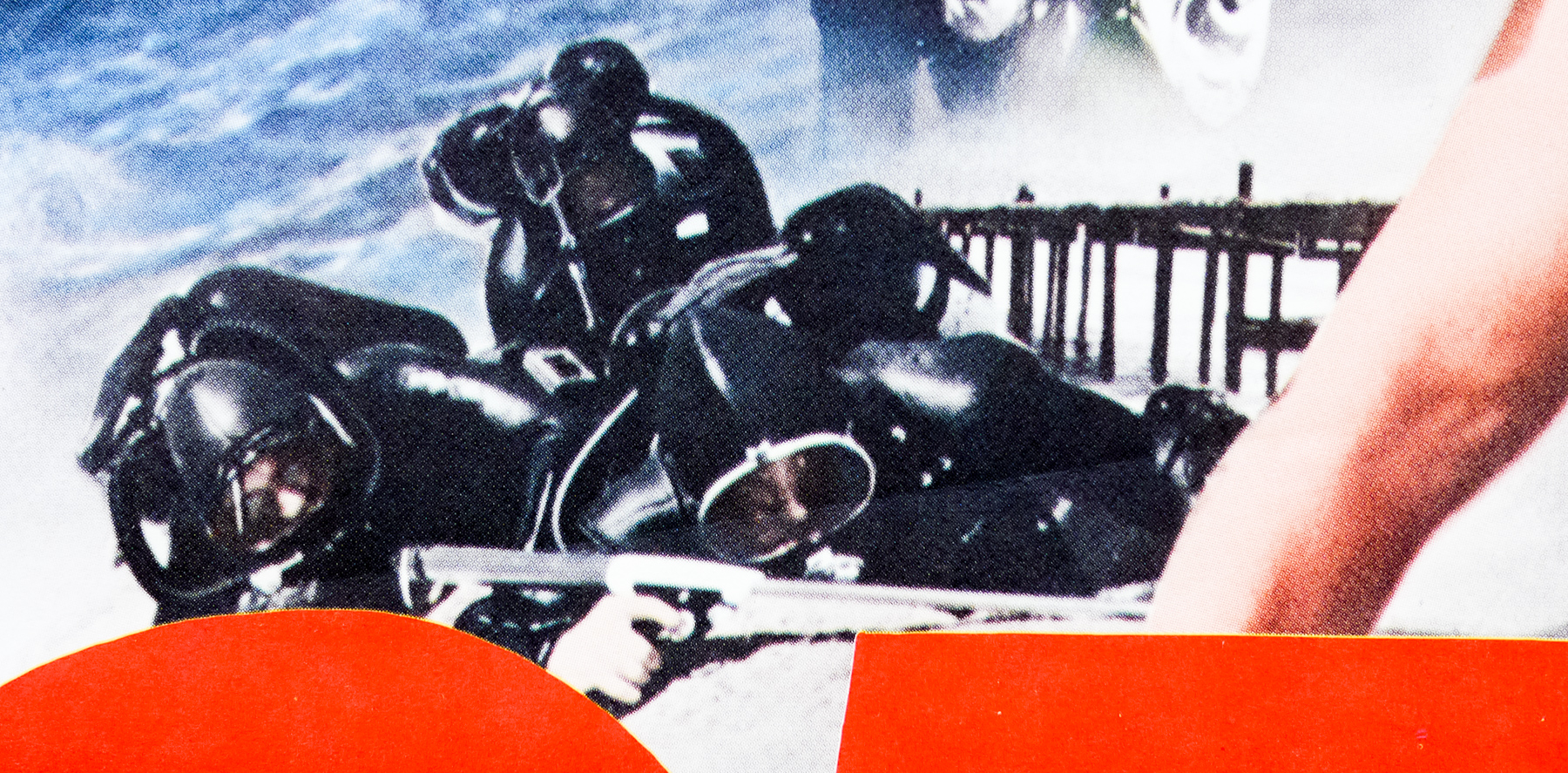
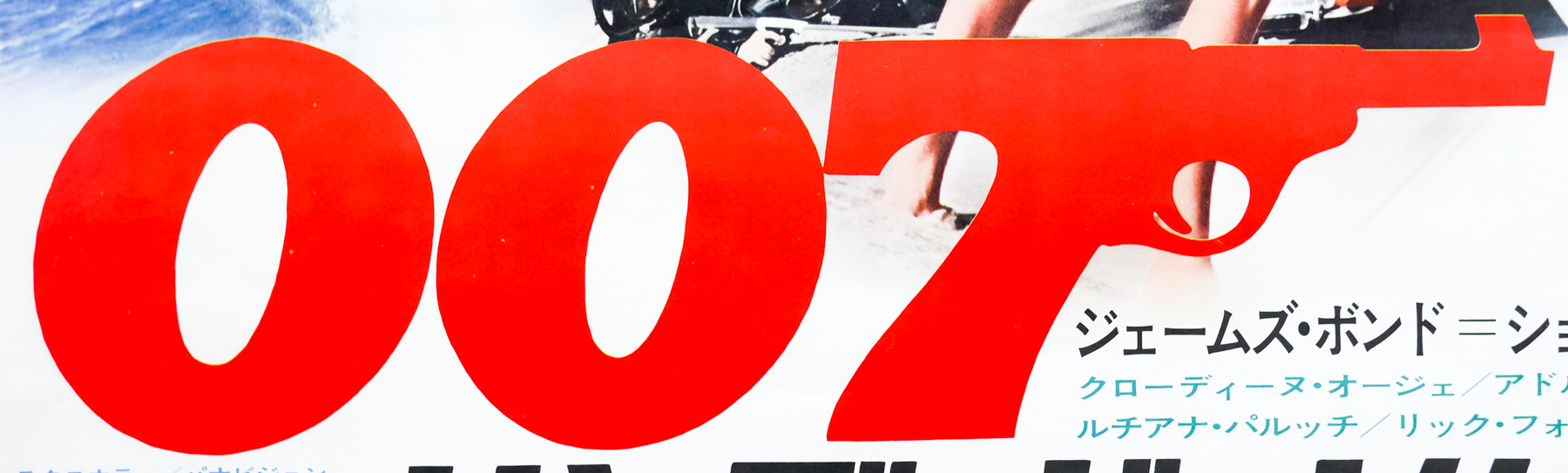
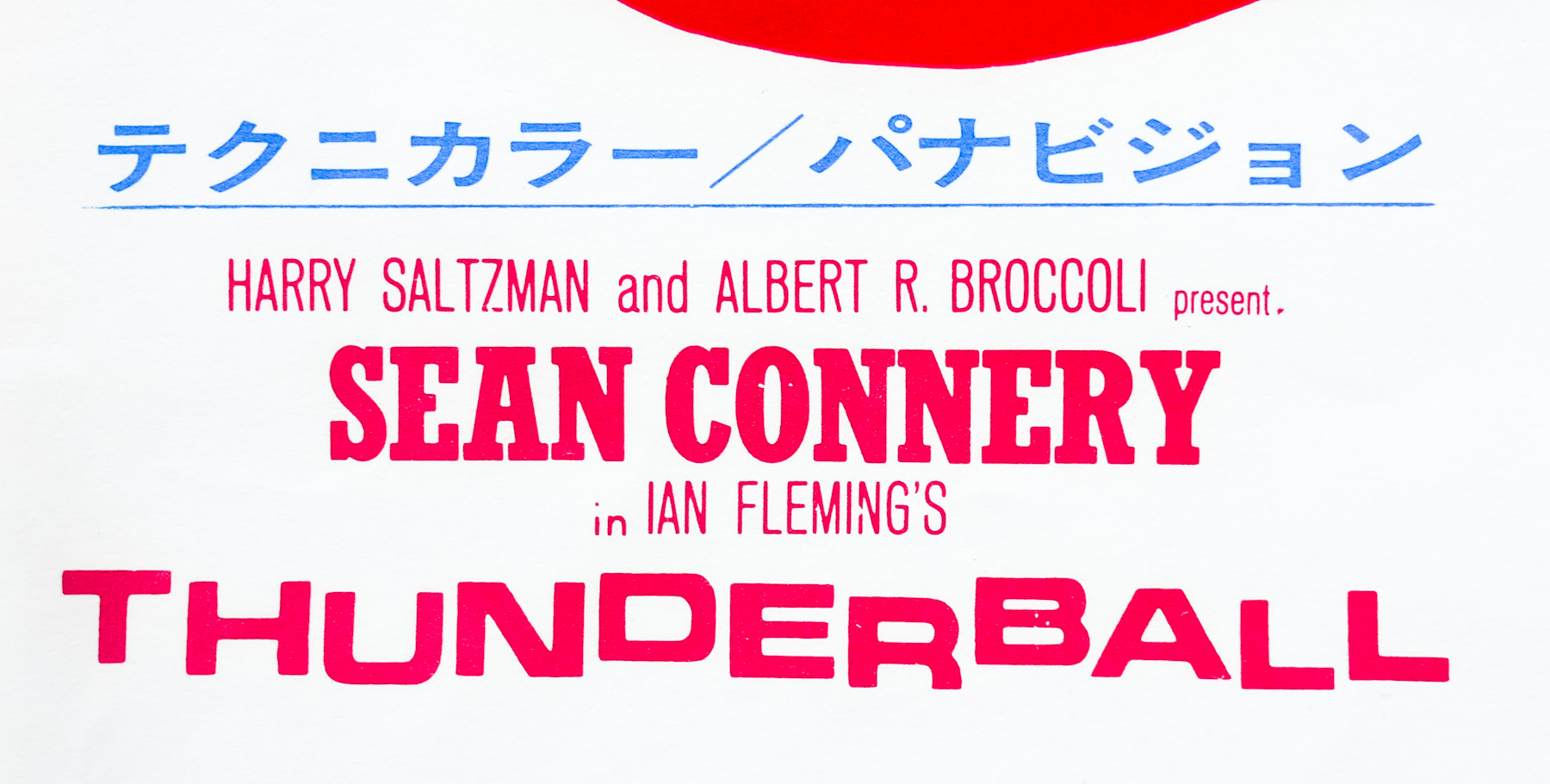
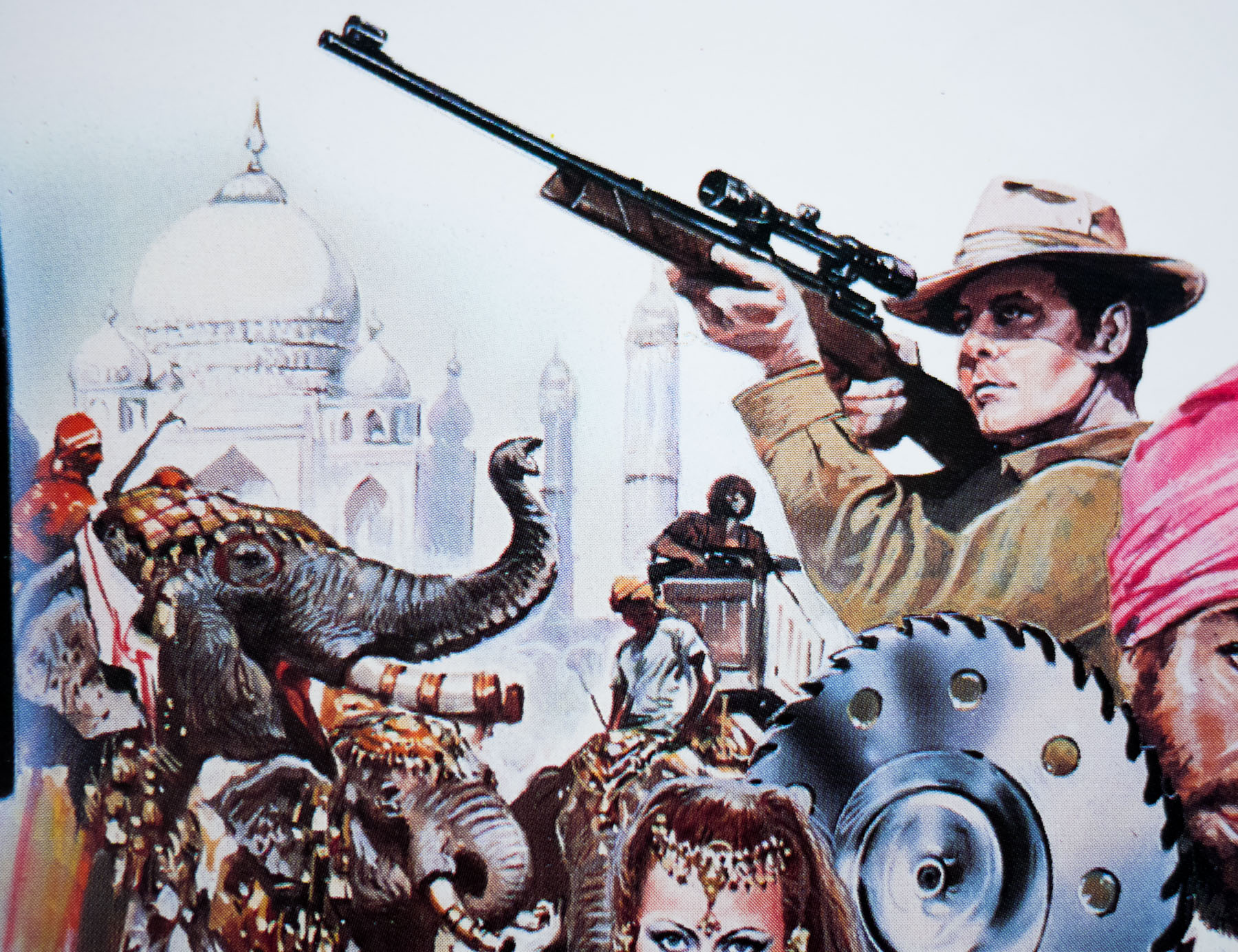
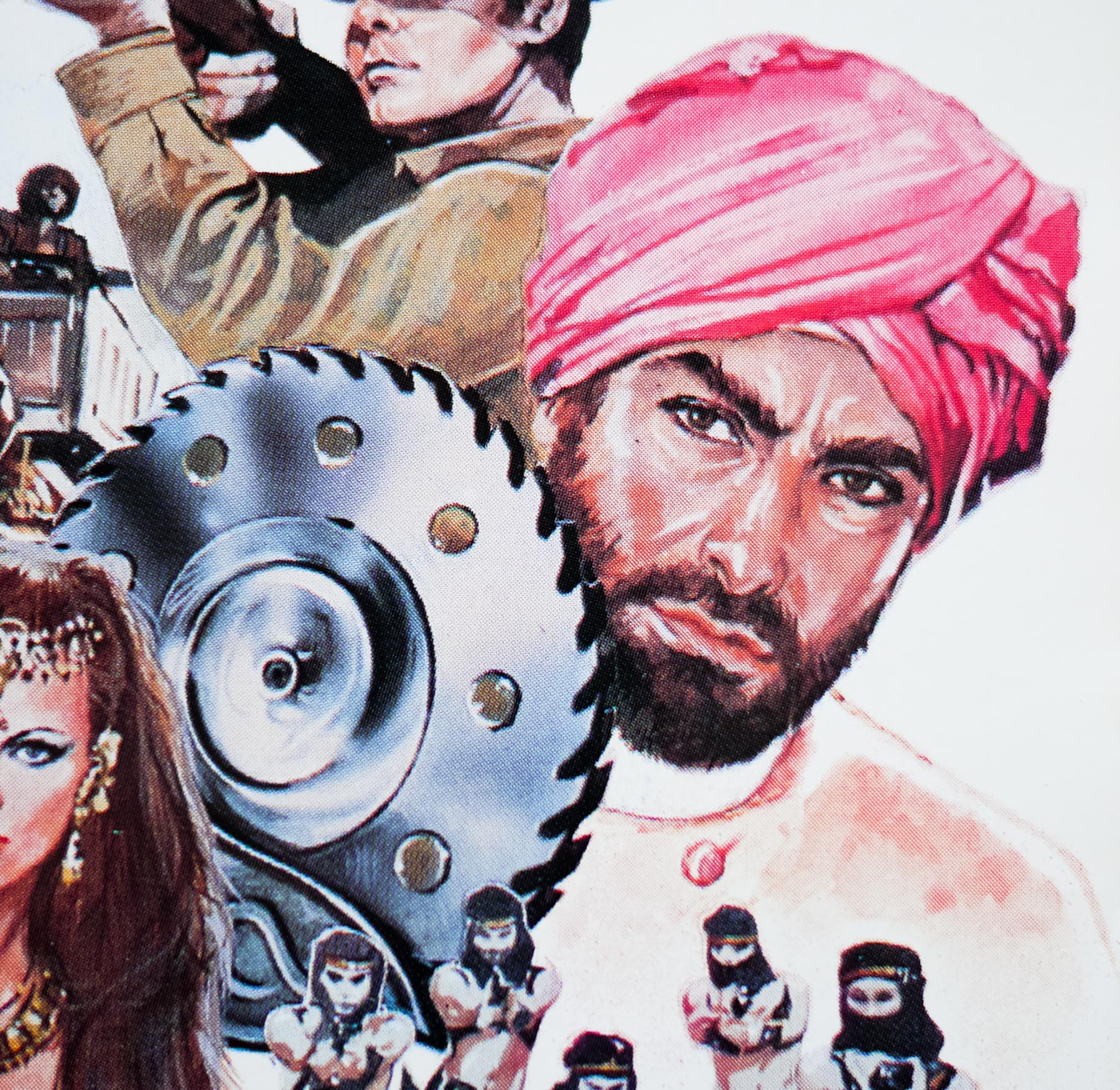
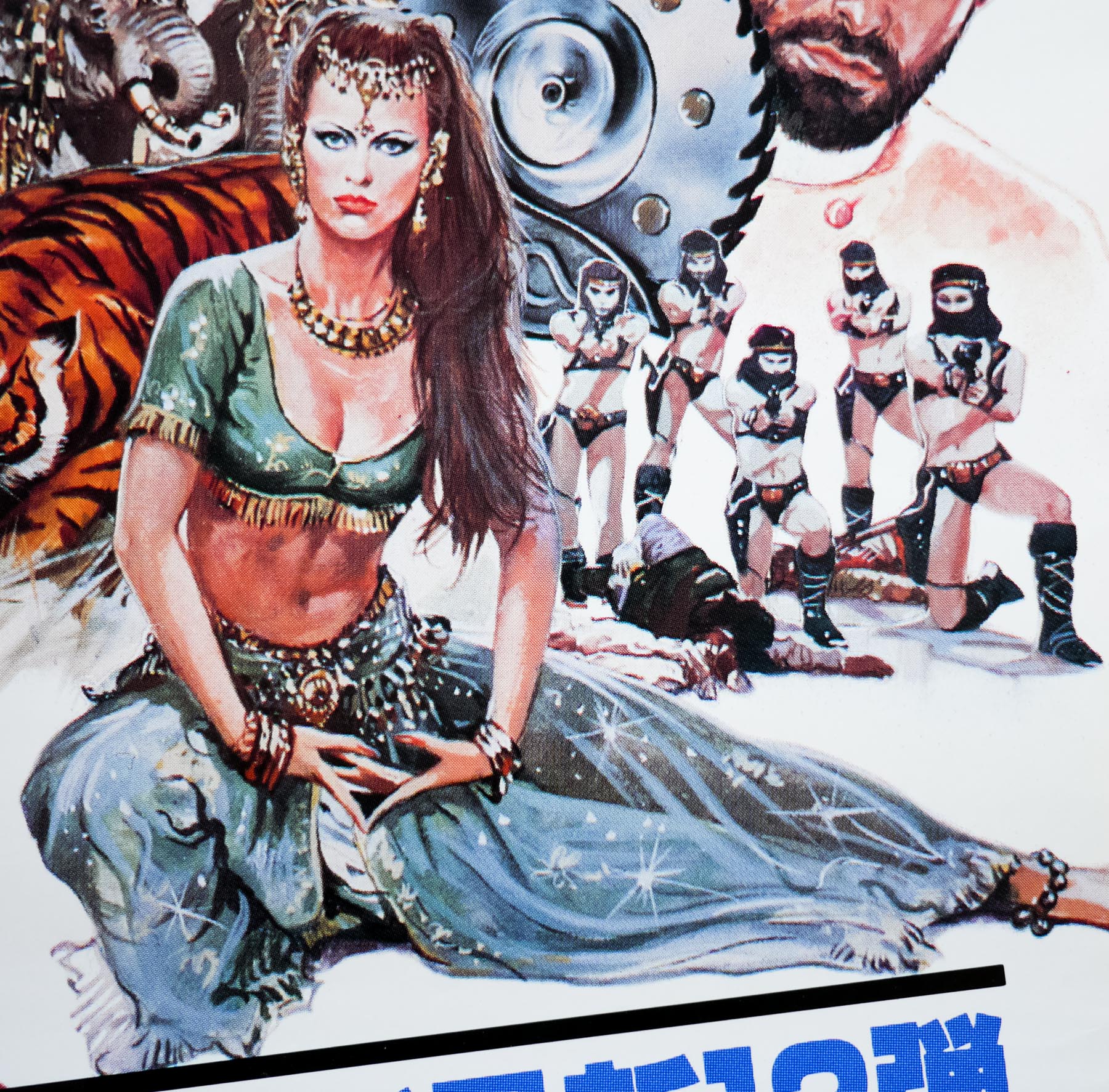
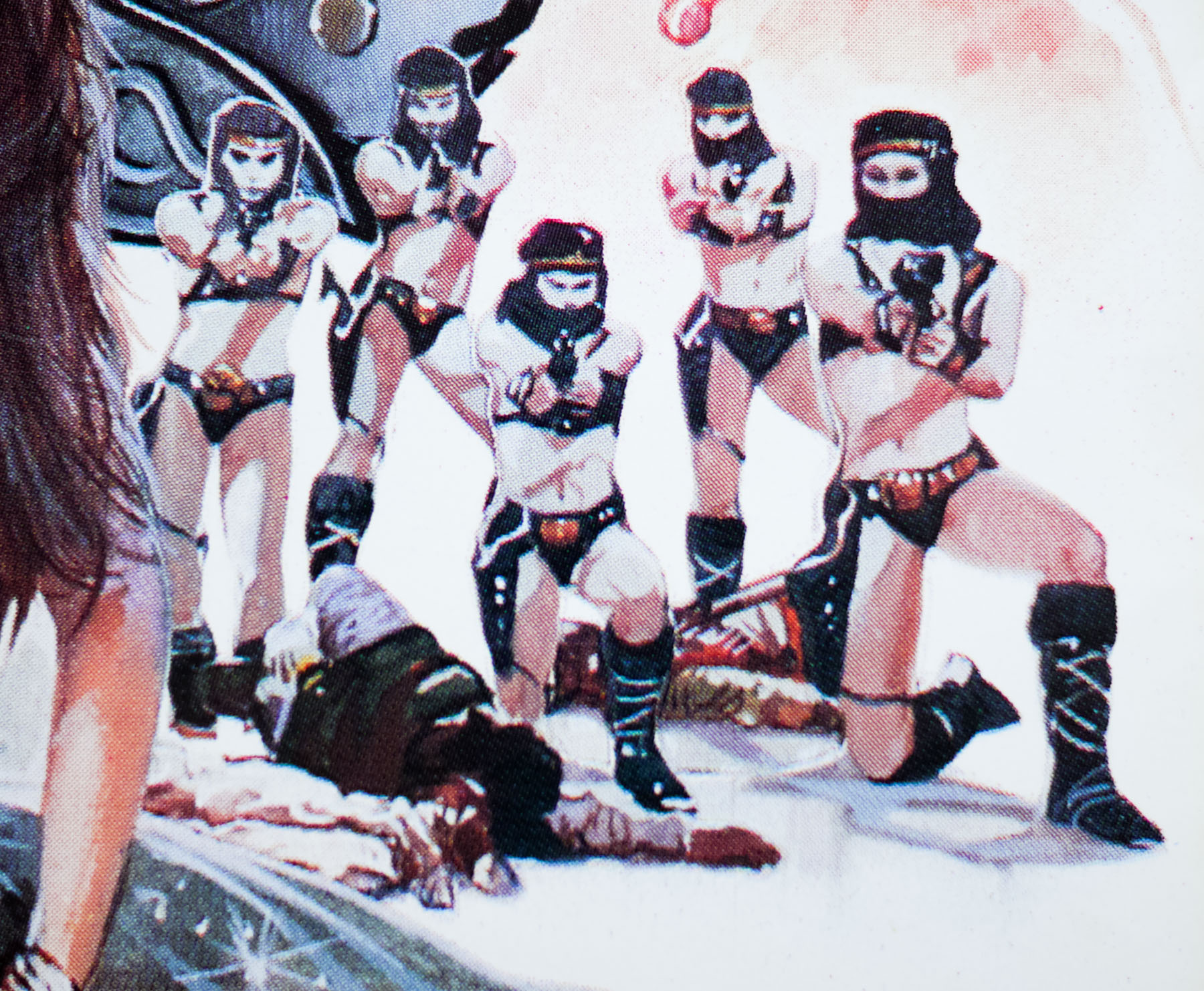
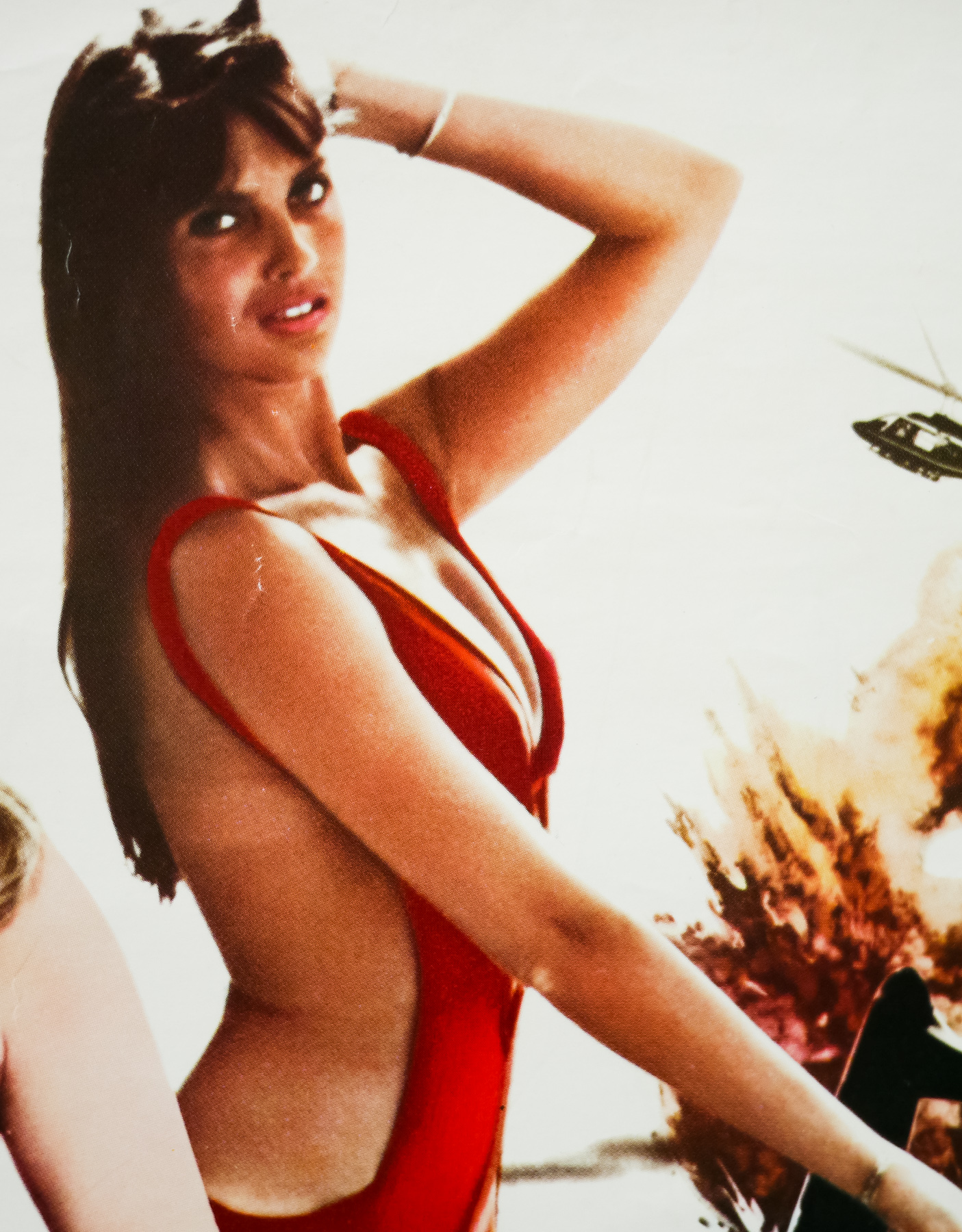
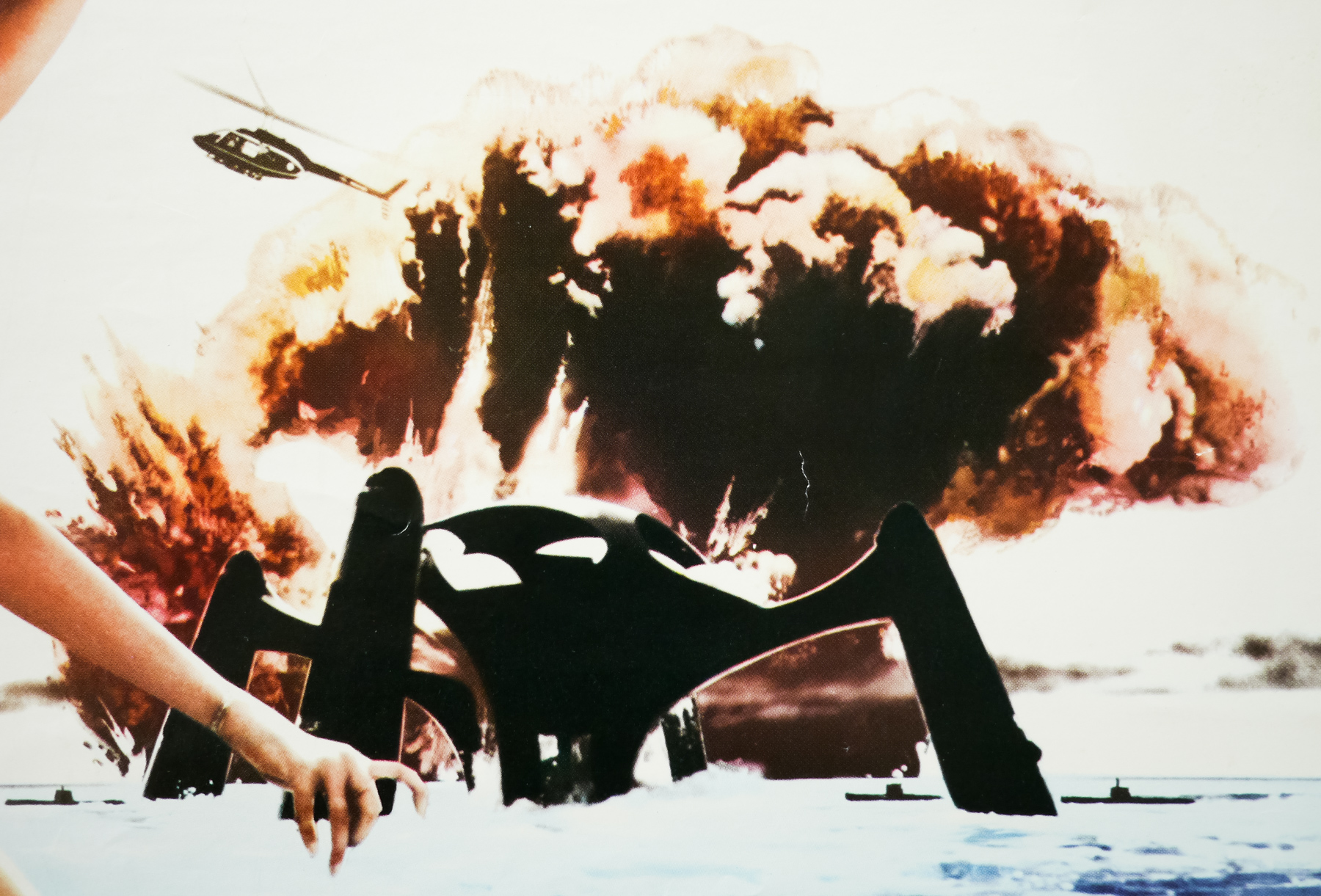
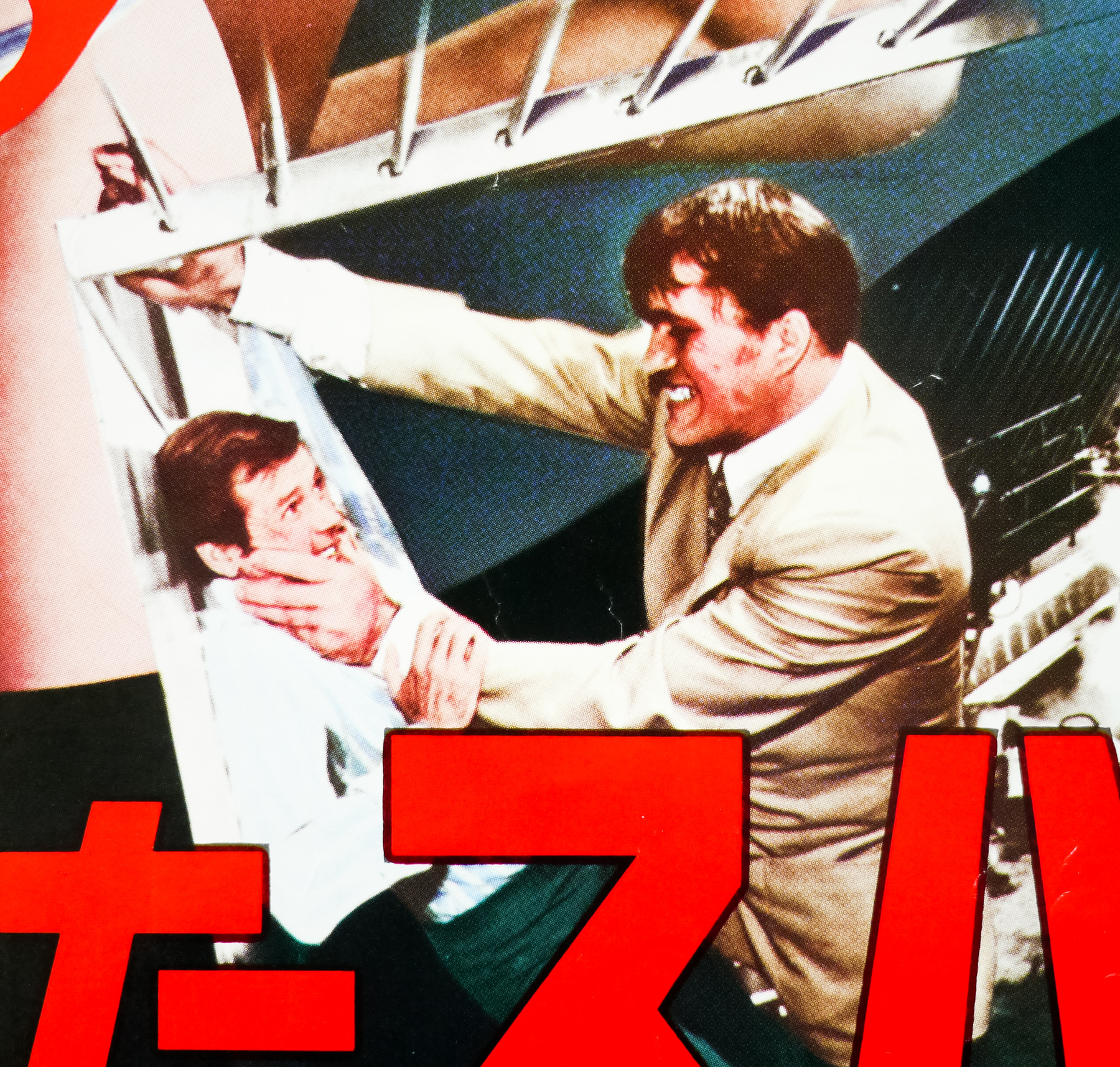
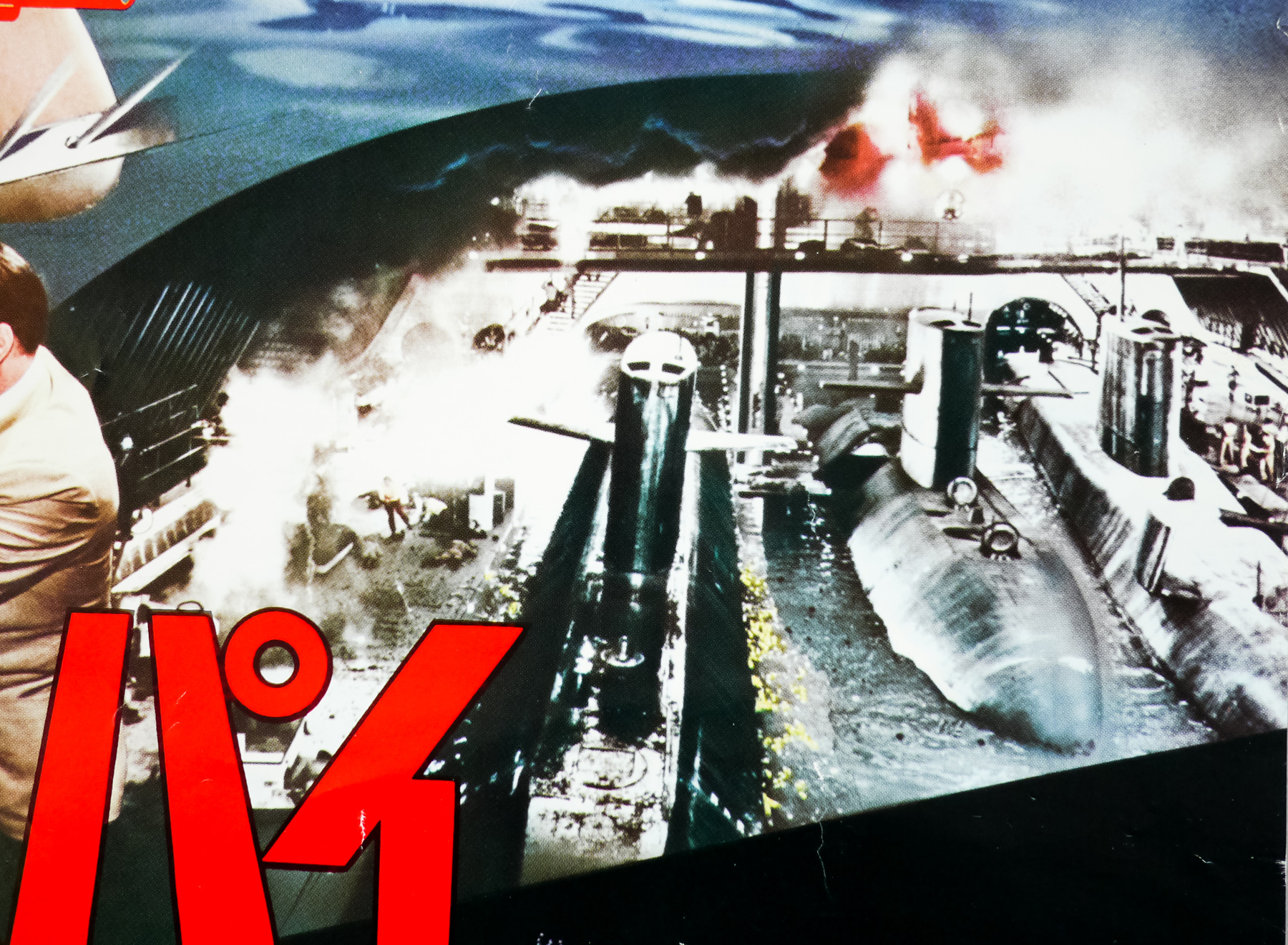
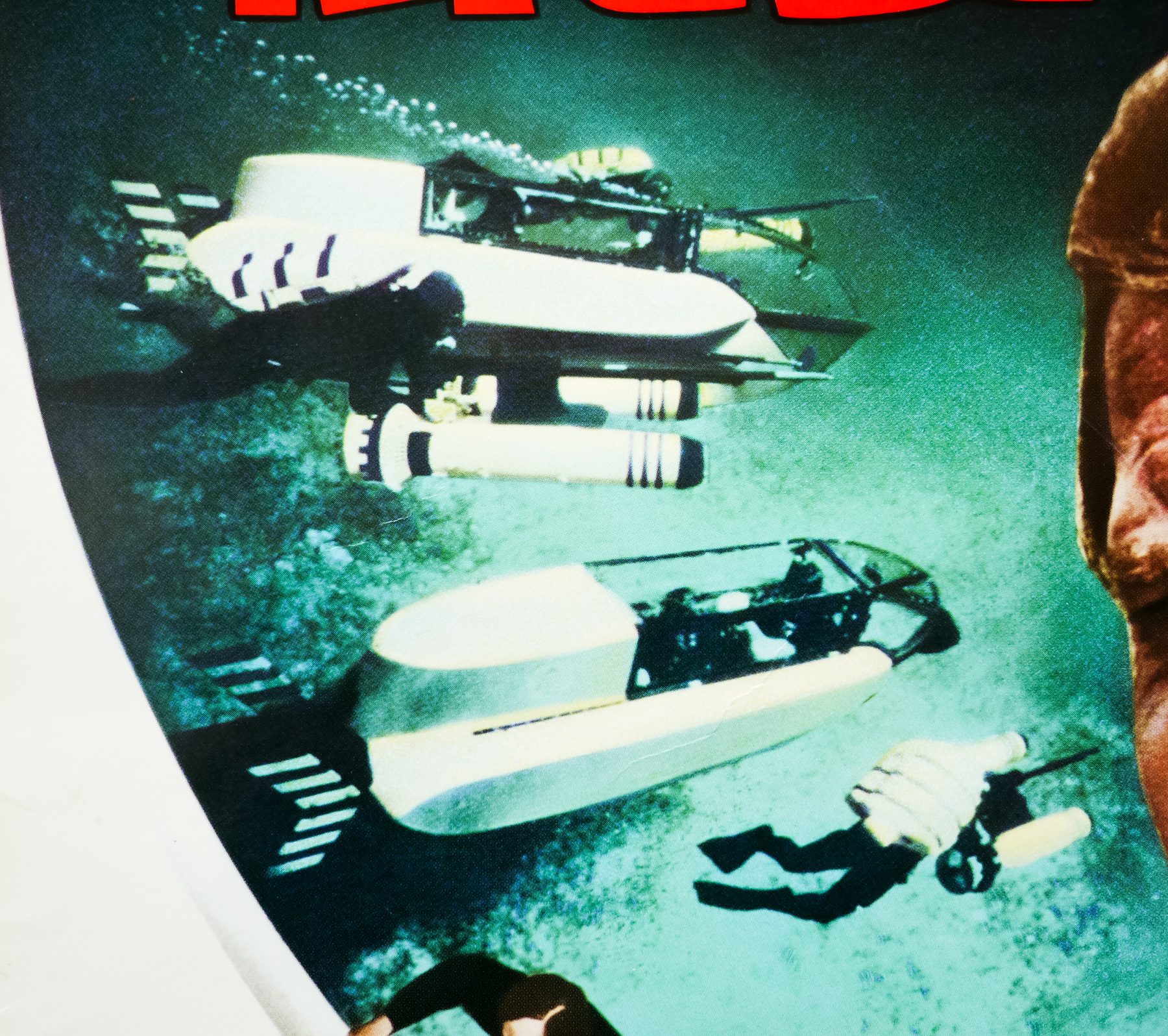
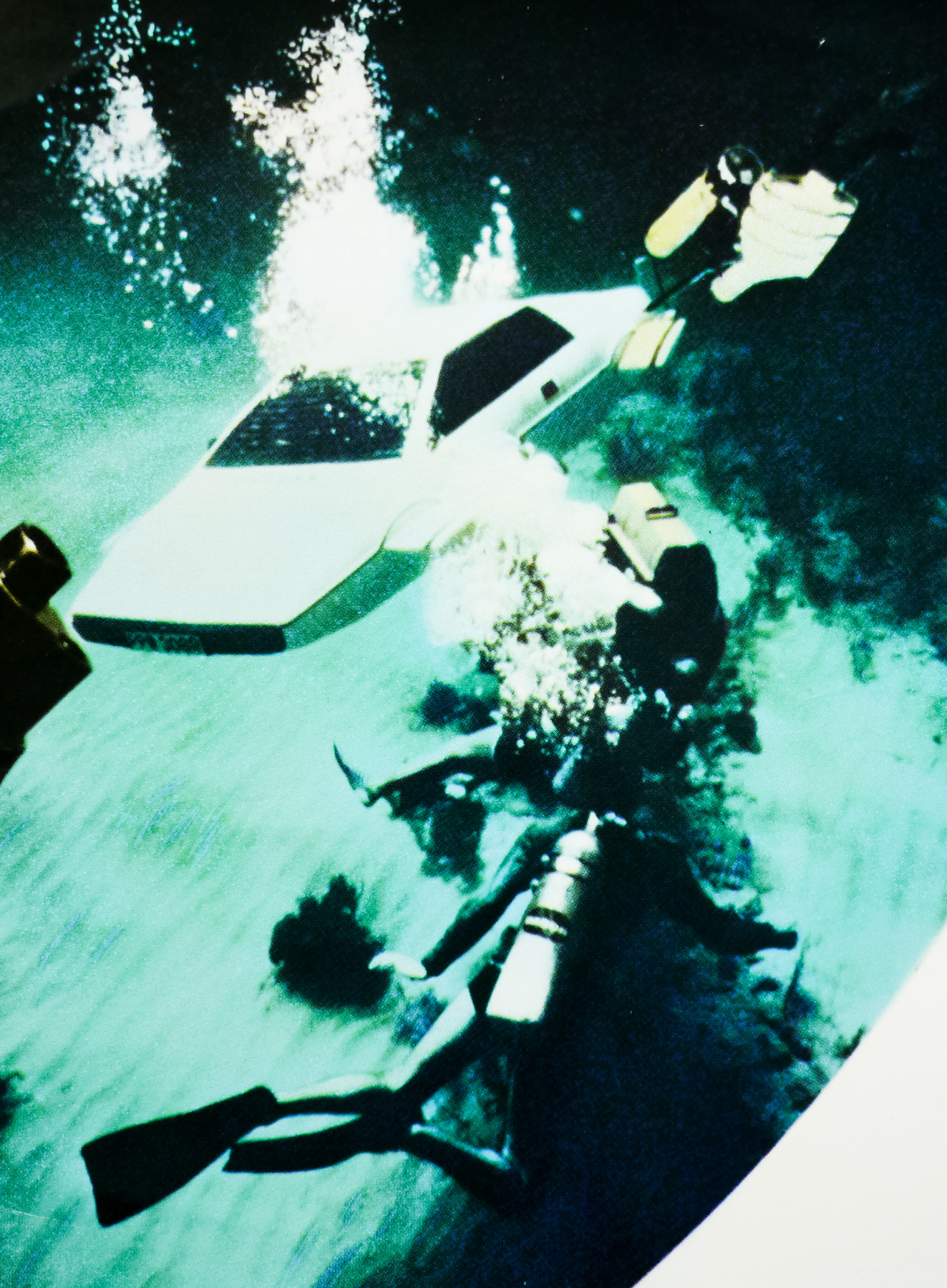
An exciting montage on this Japanese poster for the 1974 re-release of ThunderballSean Connery‘s fourth outing as the legendary spy. The plot sees Bond on the trail of two nuclear bombs stolen from a British Vulcan bomber by Emilio Largo (Adolfo Celi), an agent of Spectre, which takes him to the islands of The Bahamas. Spectre requests £100million in uncut diamonds with a threat of detonating the bomb over a major city and Bond must track the weapons down before time runs out. The gorgeous Claudine Auger plays Domino, Largo’s mistress and an eventual ally of Bond; to my mind one of the better Bond girls.

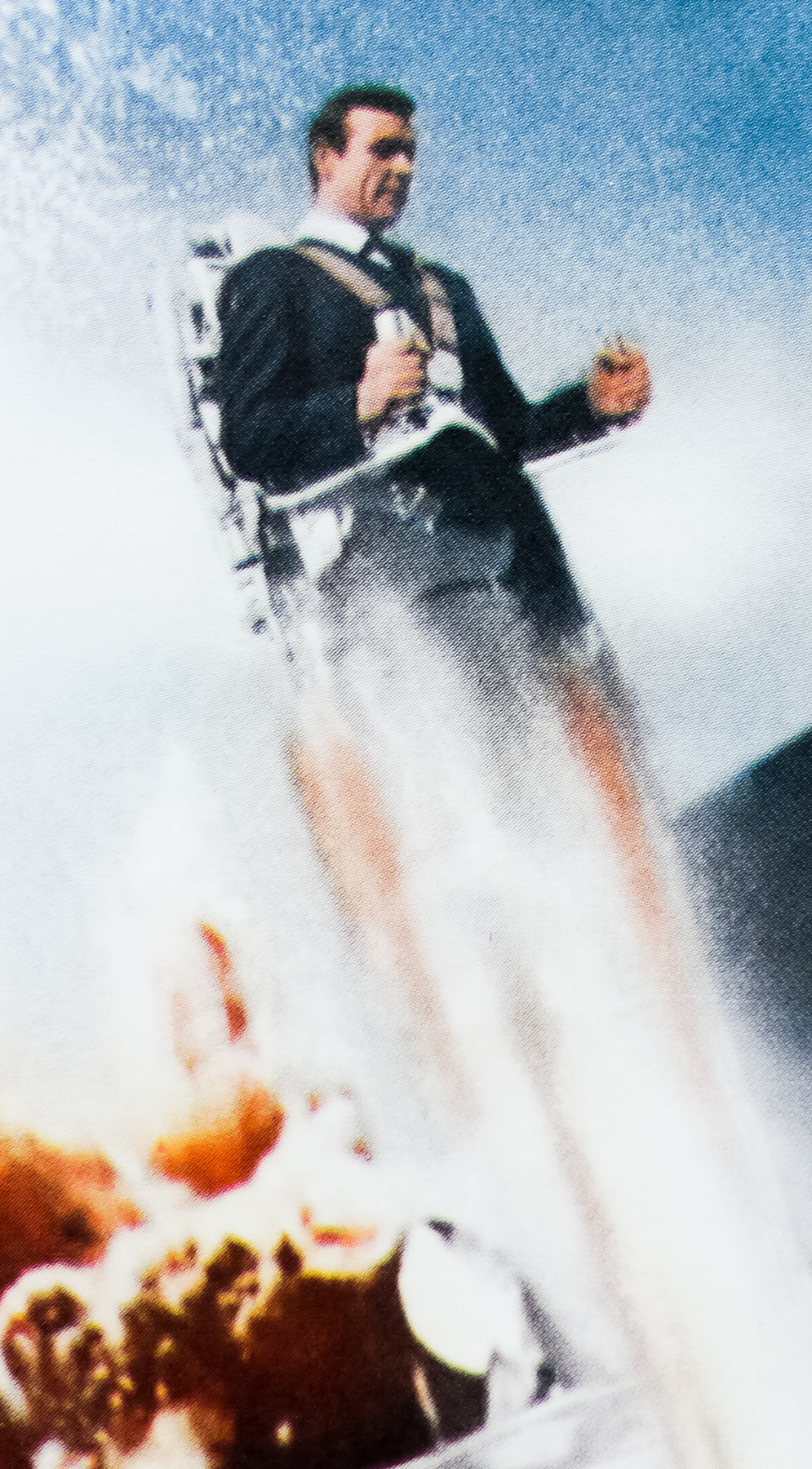
The film features a series of groundbreaking underwater action scenes and a number of memorable gadgets, including a jetpack used in the opening sequence. Viewed today, however, the final section featuring a fight onboard Largo’s runaway jet-powered boat is completely cringeworthy as it uses sped-up footage with badly matched rear-projection that was meant to give the feeling of speed. Whilst it may have been acceptable in 1965, time has not been kind and it now looks unforgivably poor. I count Thunderball as one of the weakest of Connery’s official Bond films.

With that being said, the advertising campaign and accompanying artwork used for the British and American releases was arguably the best of any in the series, and Robert McGinnis and Frank McCarthy‘s wonderful designs and illustrations are quintessential Bond.

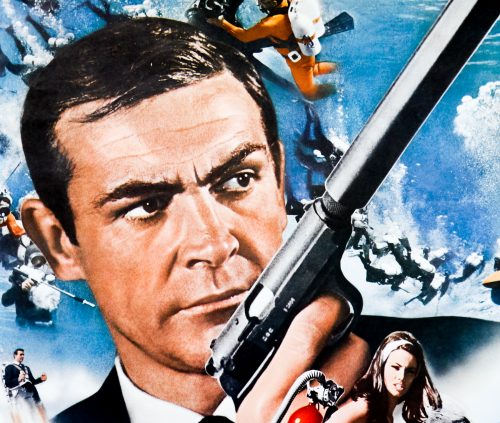
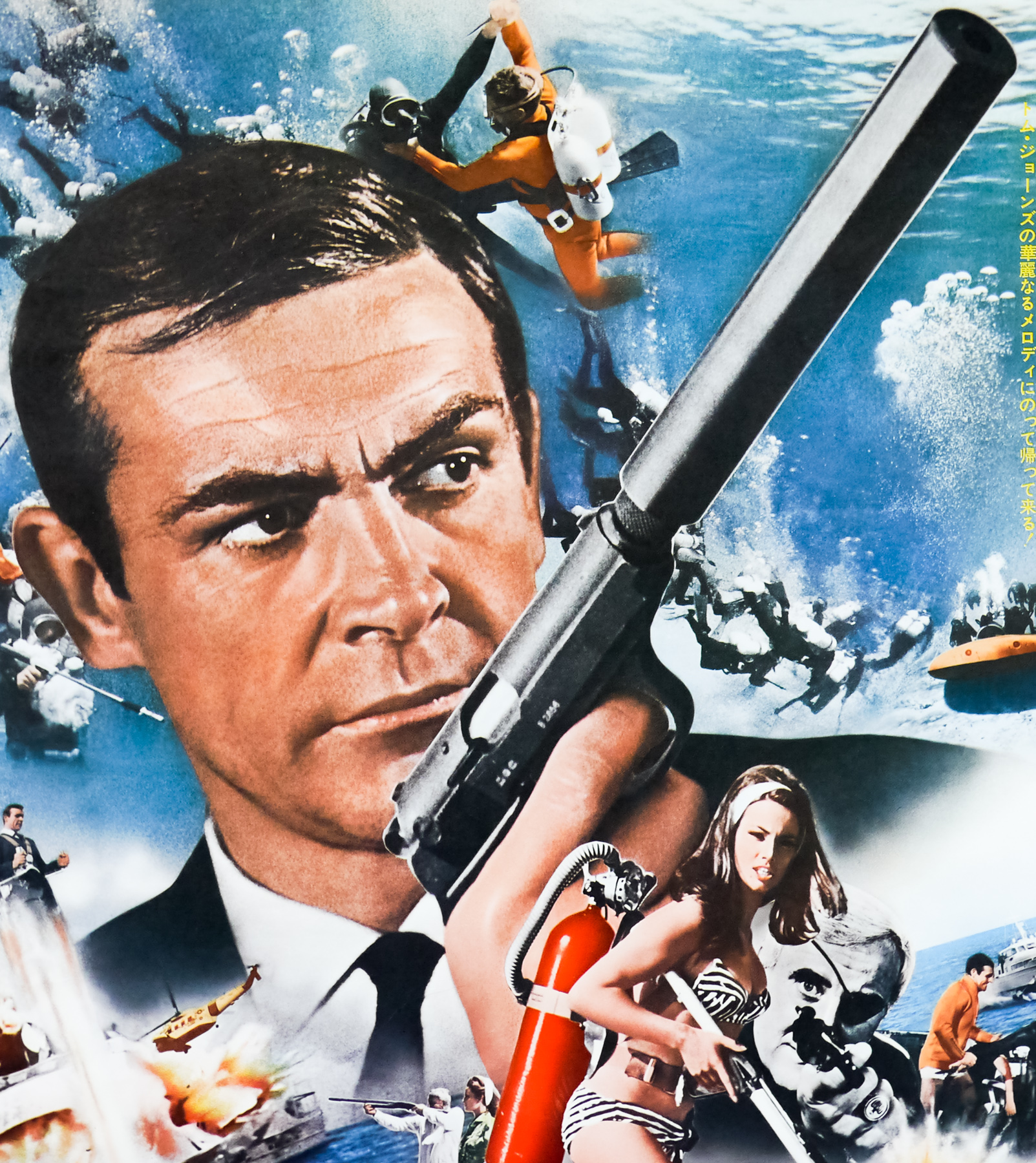
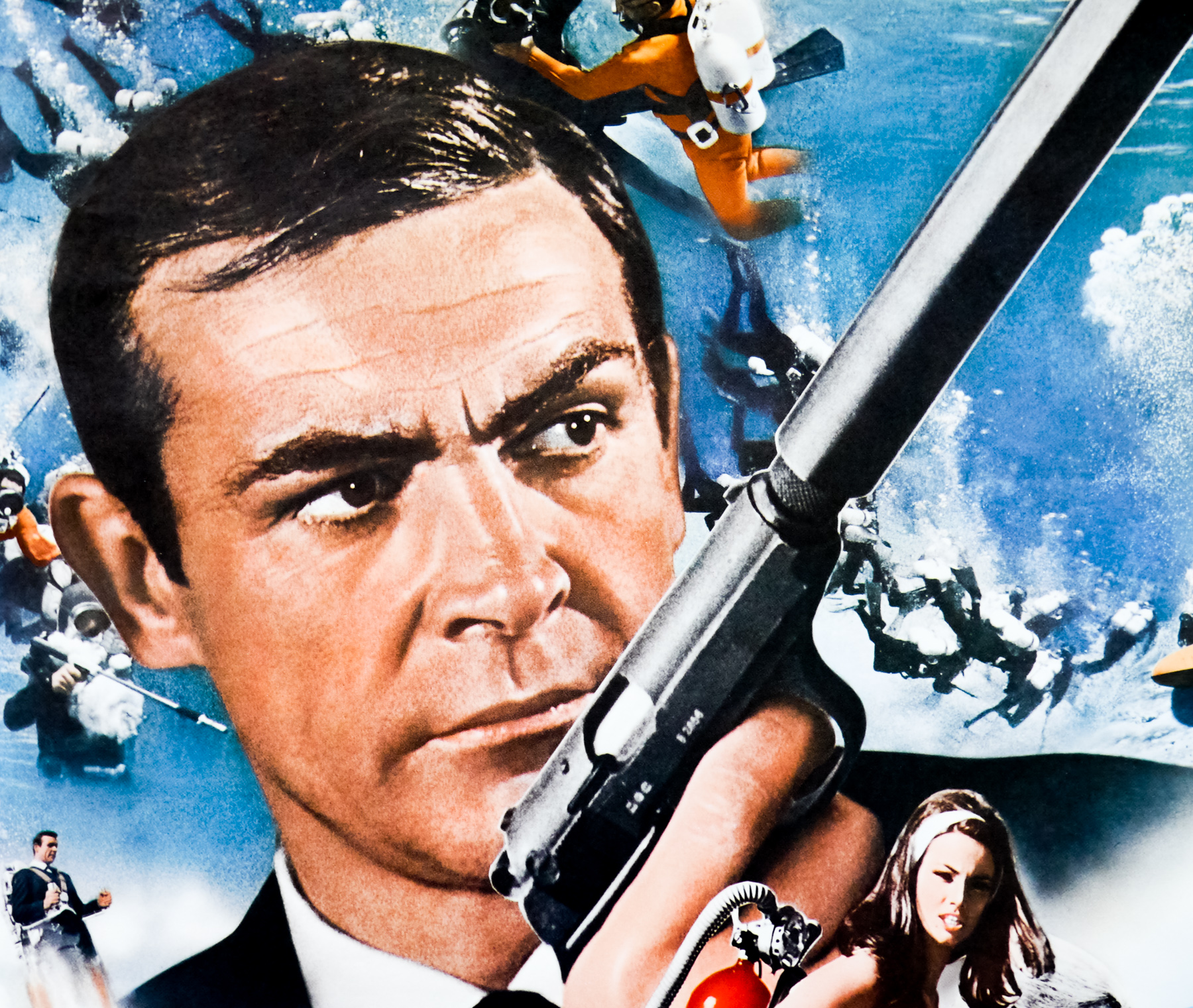
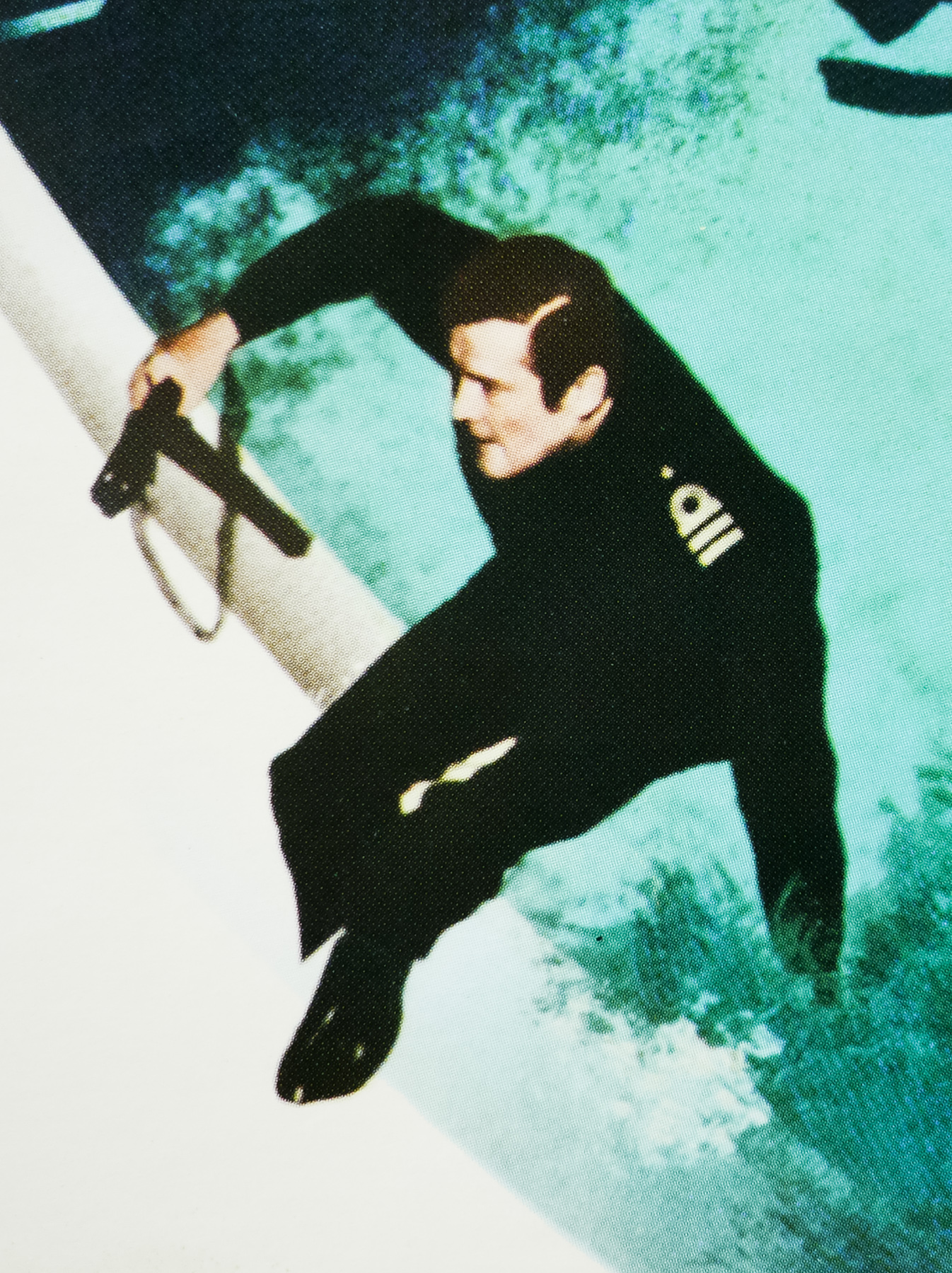
This montage appears to have been colour-tinted by hand, as evidenced by the bronze Aston Martin seen between Domino and her giant spear gun. The image of Connery with the large, silenced pistol was previously used on a Japanese poster for From Russia With Love.

Wild Beasts / B2 / Japan

05.11.12

Poster Poster

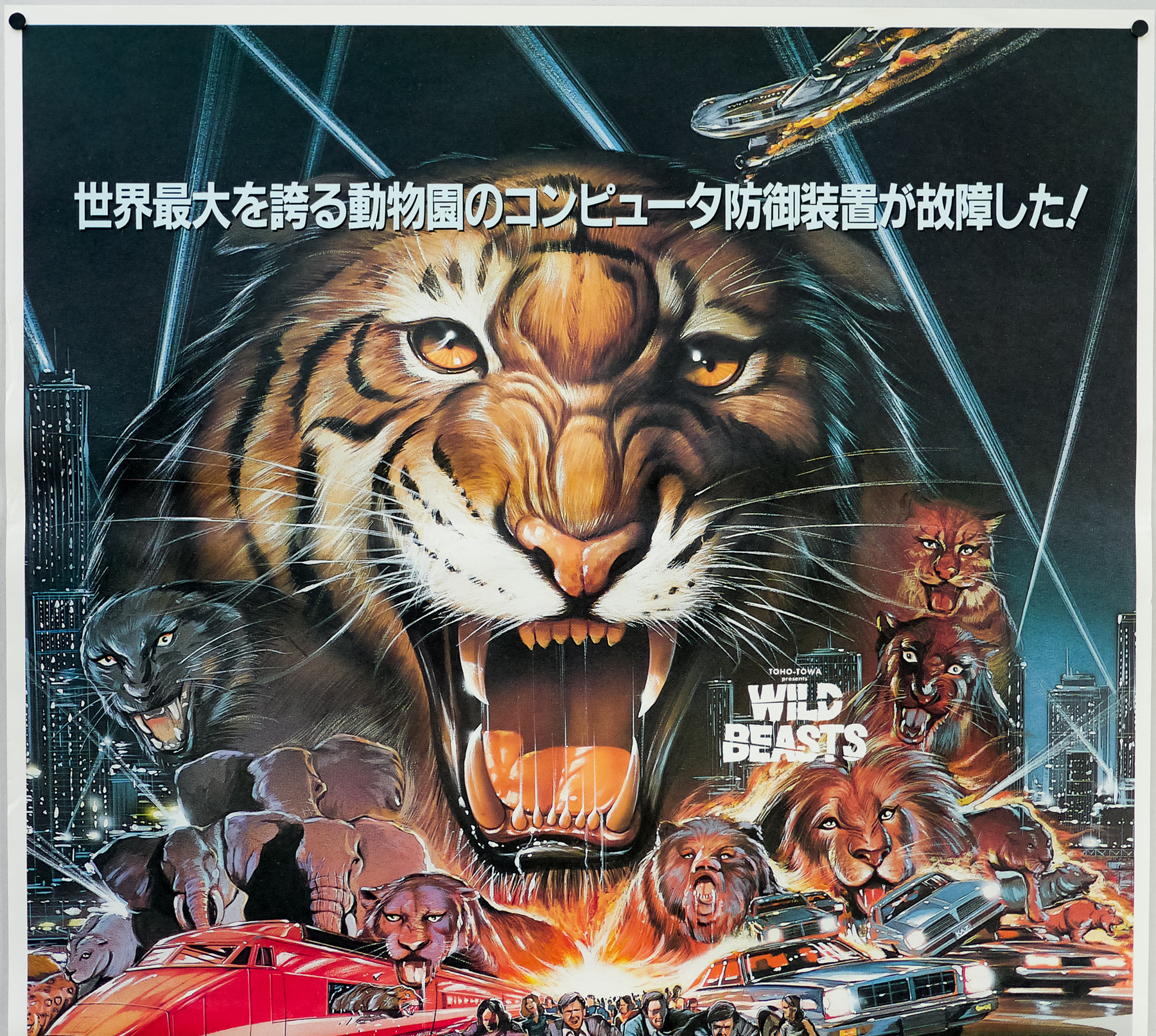
Italian director Franco Prosperi is best known as the co-creator of the infamous Mondo Cane ‘shockumentary’, which consisted of a series of travelogue-style vignettes looking at strange cultural practices from around the world with the intention of shocking Western audiences. Made in 1962, the film had an emphasis on taboo subjects including sex, death, ritual killings and cannibalism, and it was such a success that it spawned a slew of sequels and copycat films, and created it’s own mondo genre of exploitation films. Despite being presented as genuine documentary footage, many of the scenes in mondo movies were clearly staged by the producers.

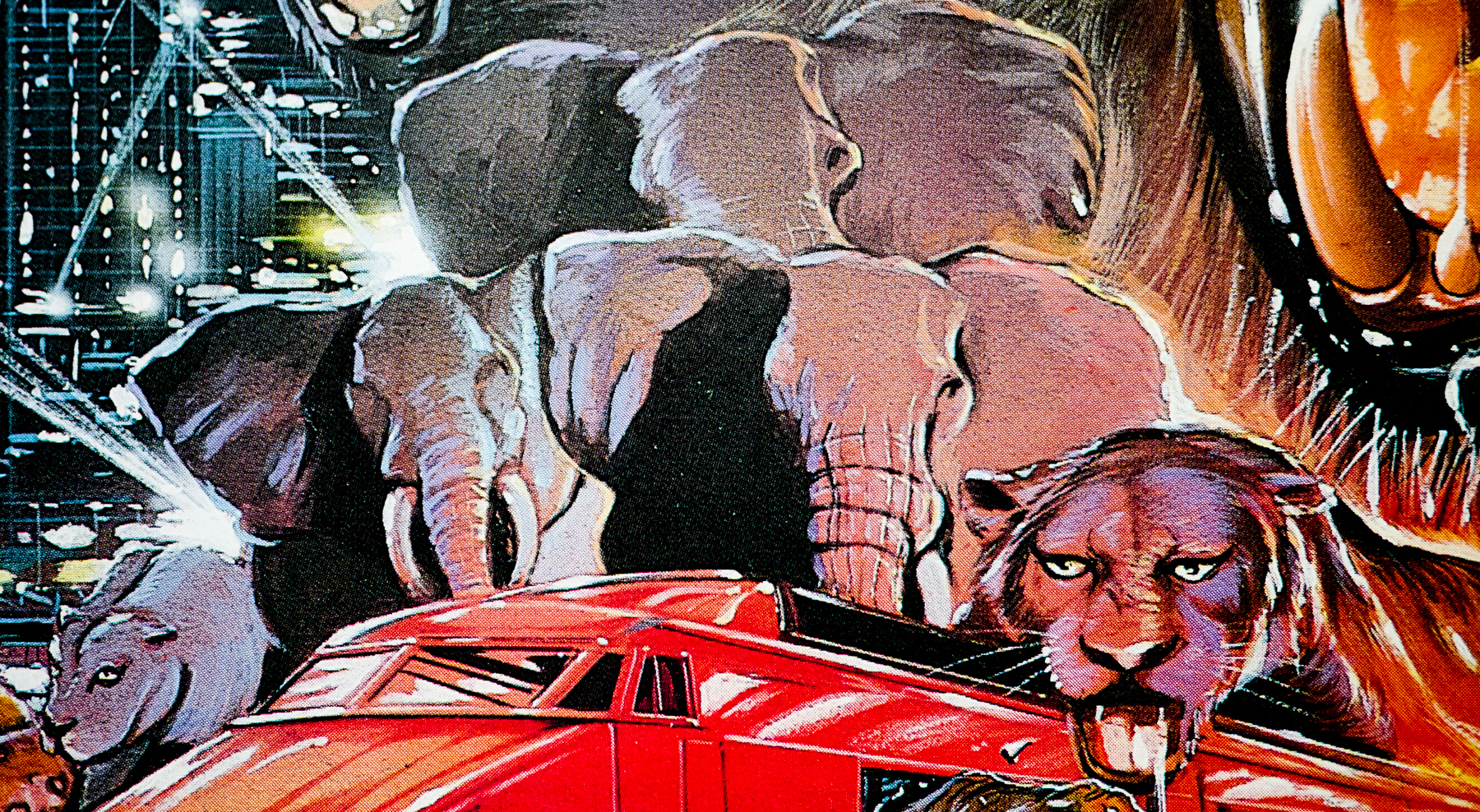
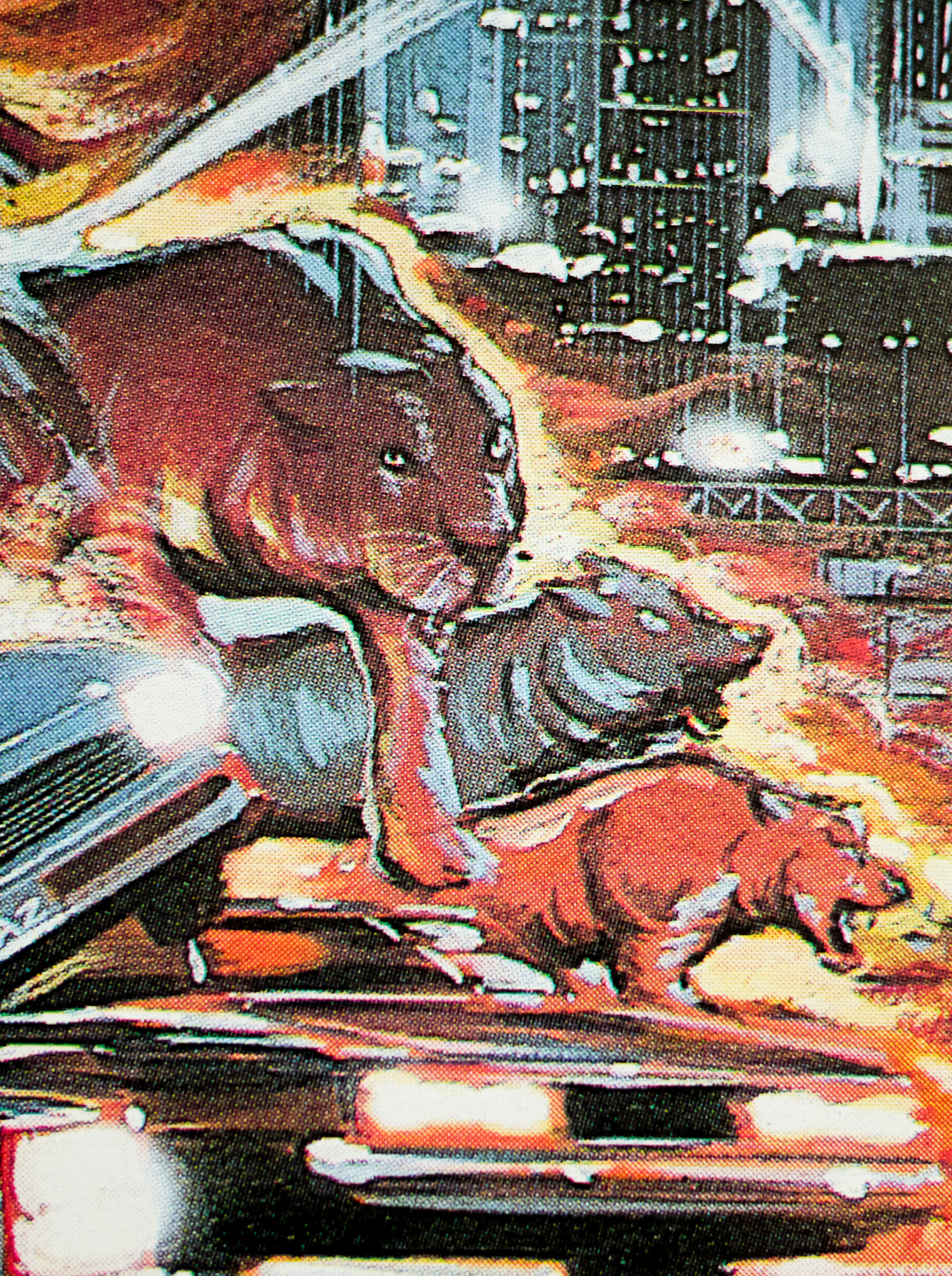
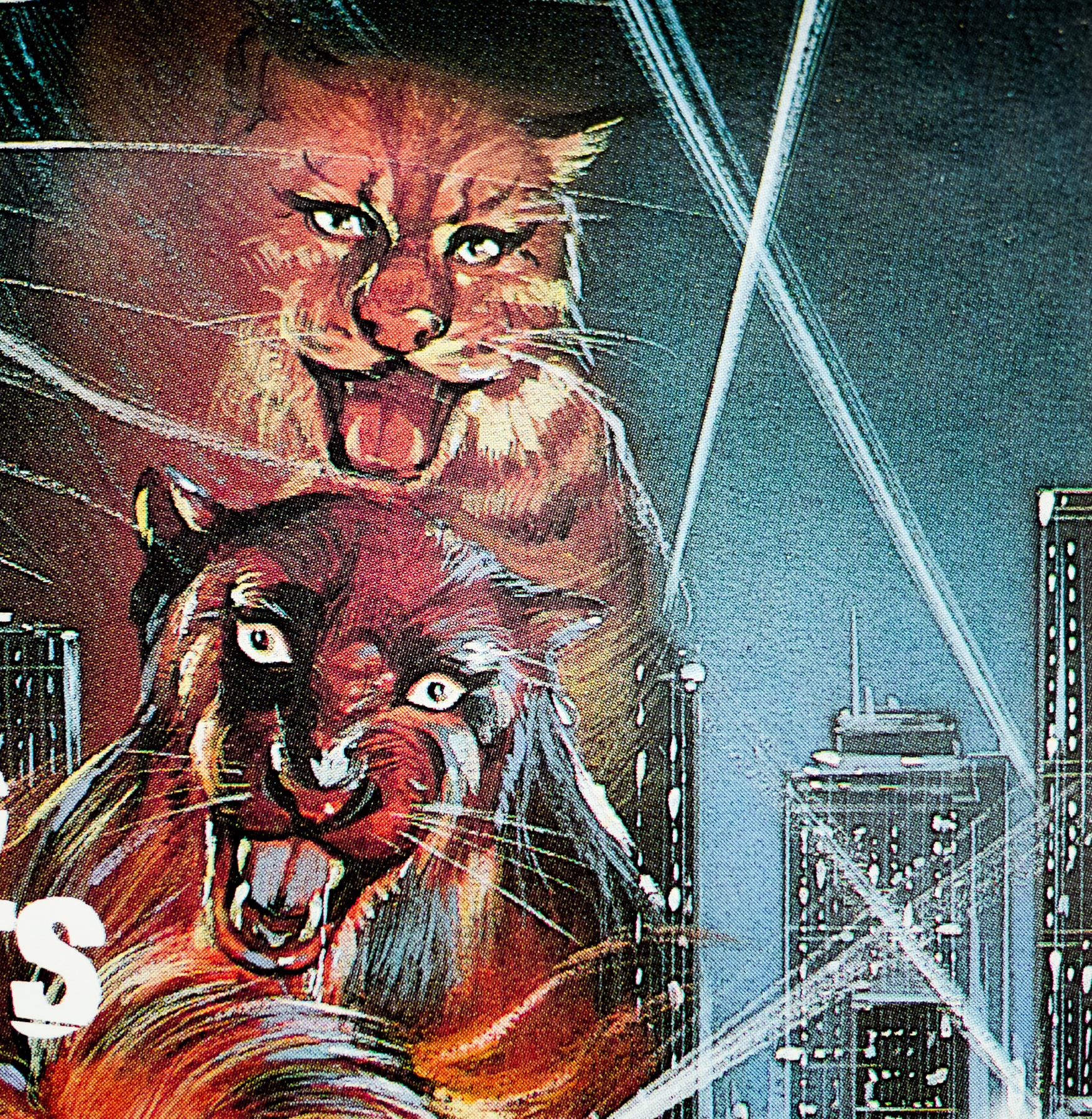
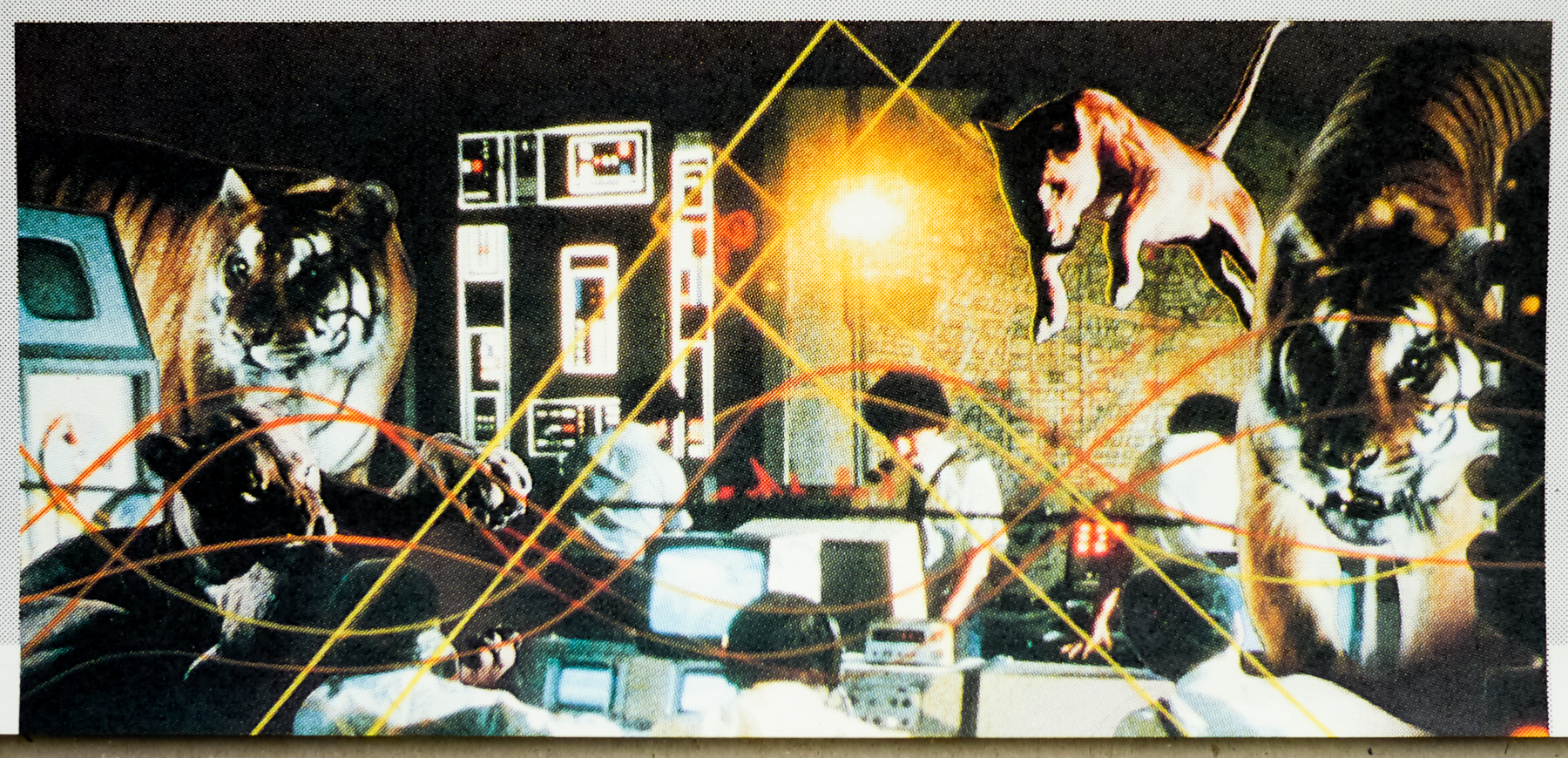
One recurring aspect of the genre was animal deaths and cruelty, and Prosperi continued this theme when he directed Wild Beasts, a 1984 horror set in an unnamed European city (actually Frankfurt in Germany). The film sees PHP inadvertently being released into the water supply for the local zoo and the crazed animals wreaking havoc on the city. Some of the carnage sees an elephant trampling a car (and the heads of the occupants), a guide-dog turning on his blind owner and rats devouring a series of unlucky victims. Working with animal handlers Prosperi used editing to achieve most of the attack scenes but unfortunately the film does feature moments of actual animal cruelty, including the live torching of the aforementioned rats. Because of these scenes I don’t believe the film was ever given a cinema release in the UK, although it appears to now be available here via import DVD.

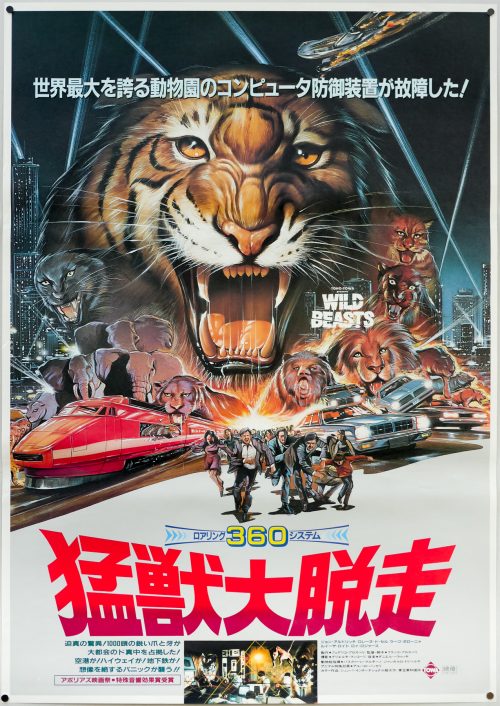
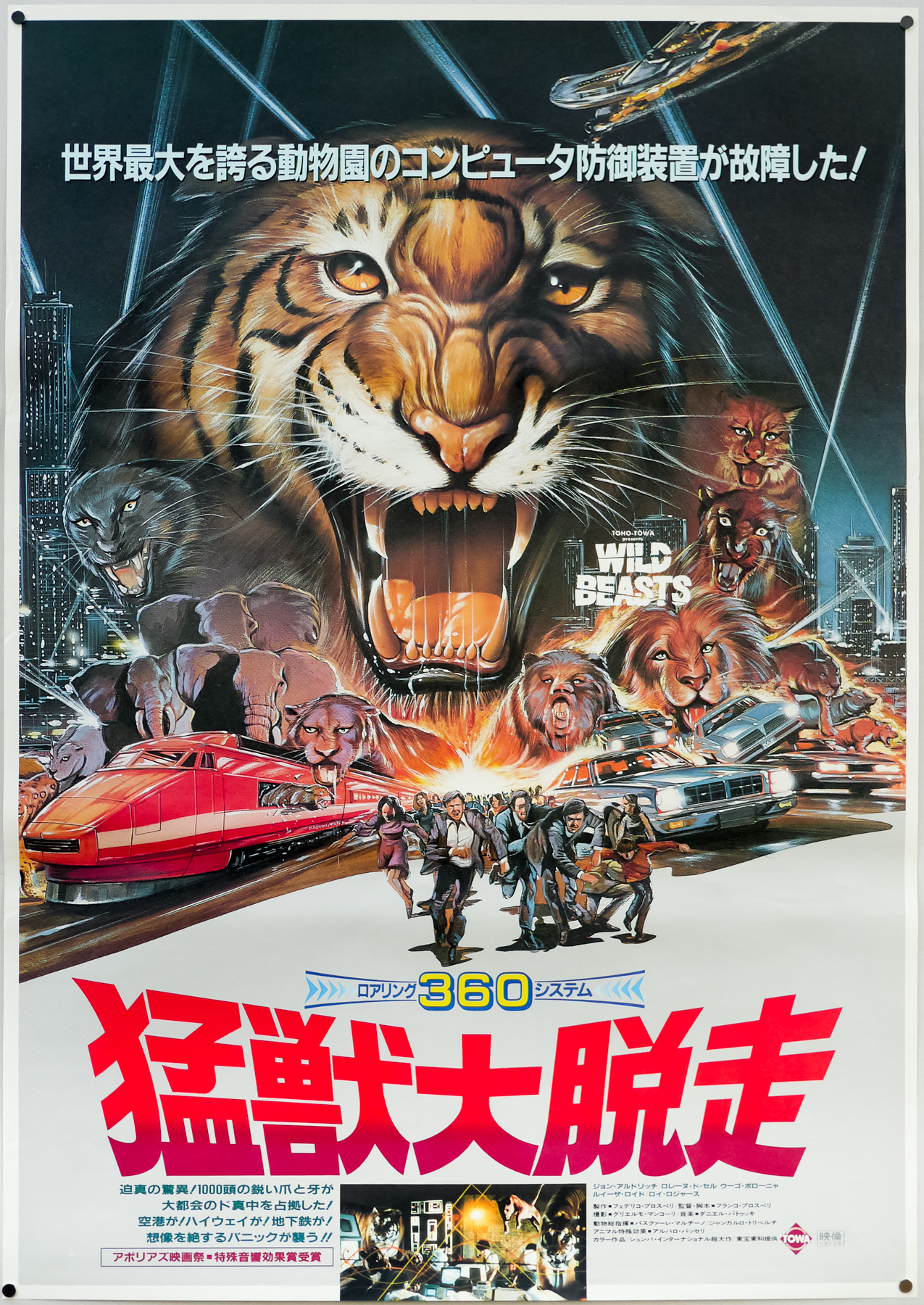
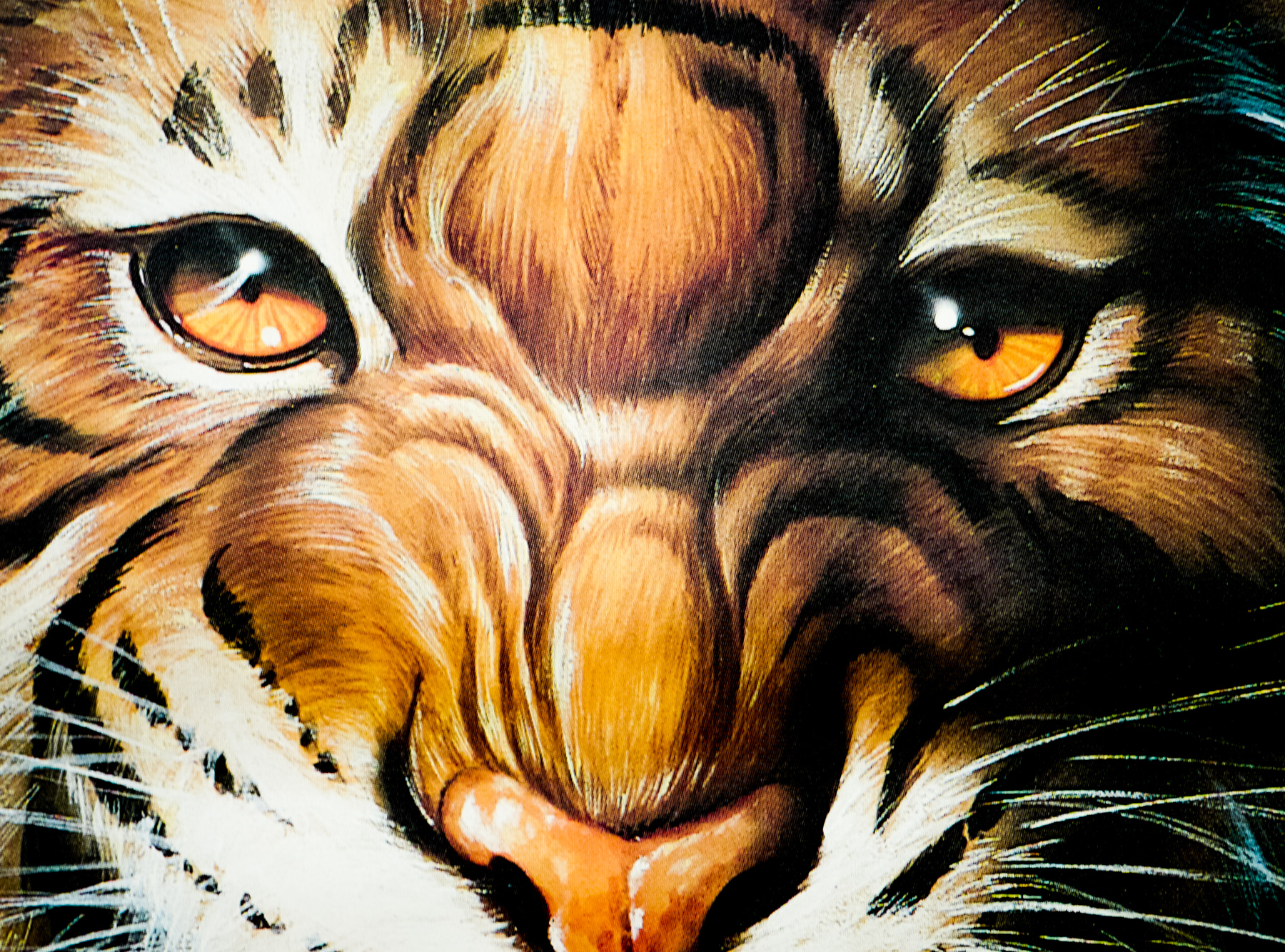
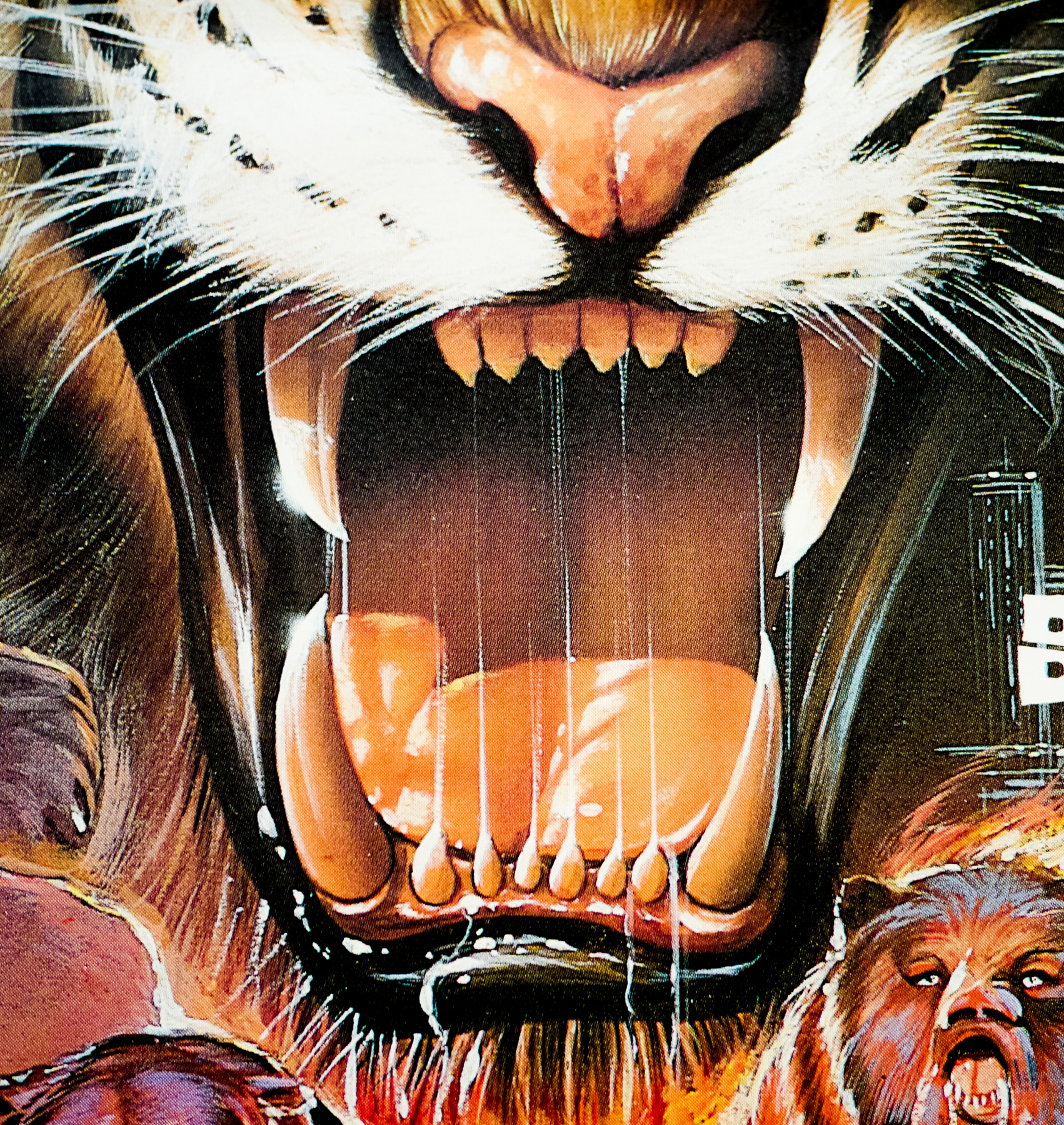
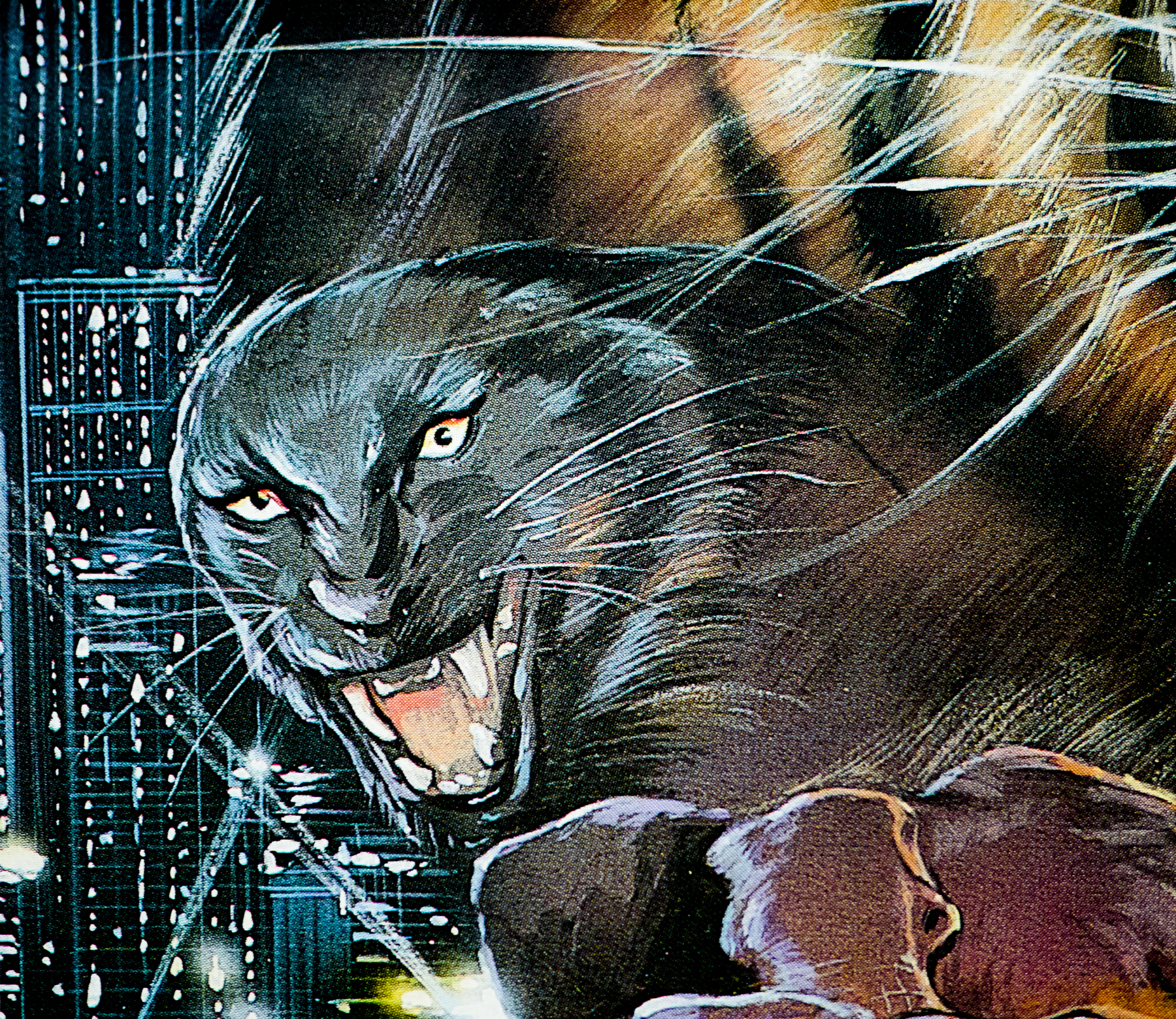
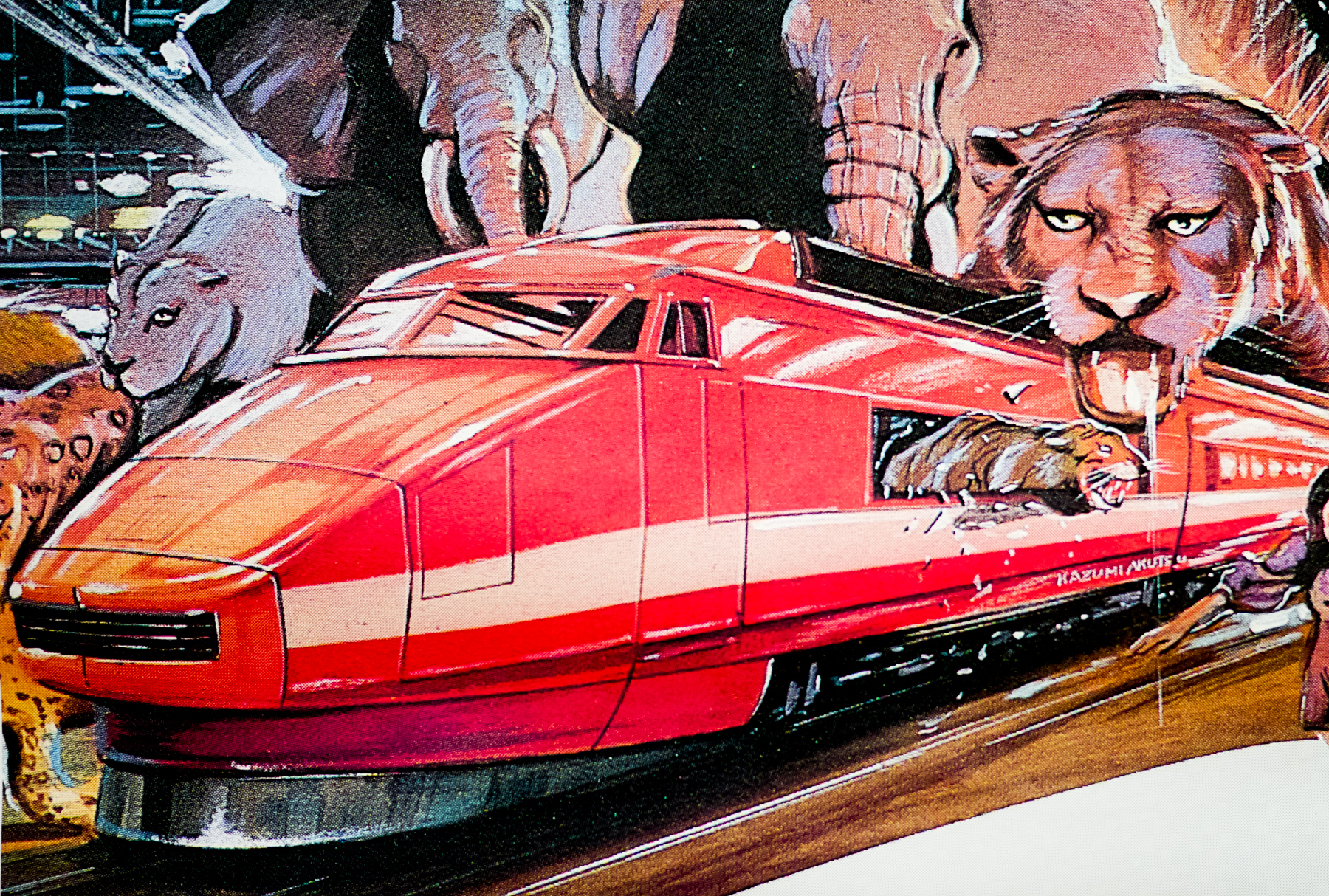
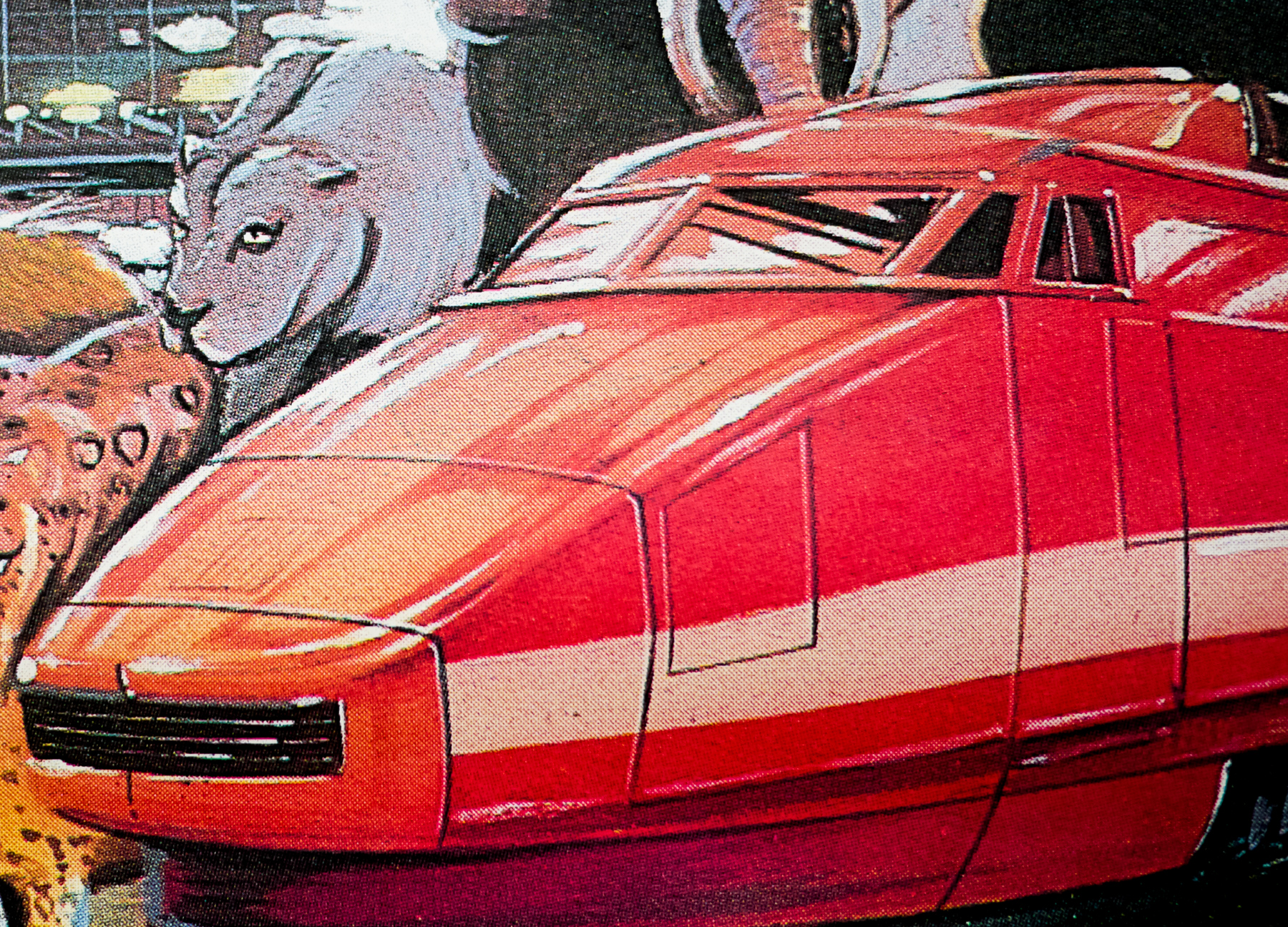
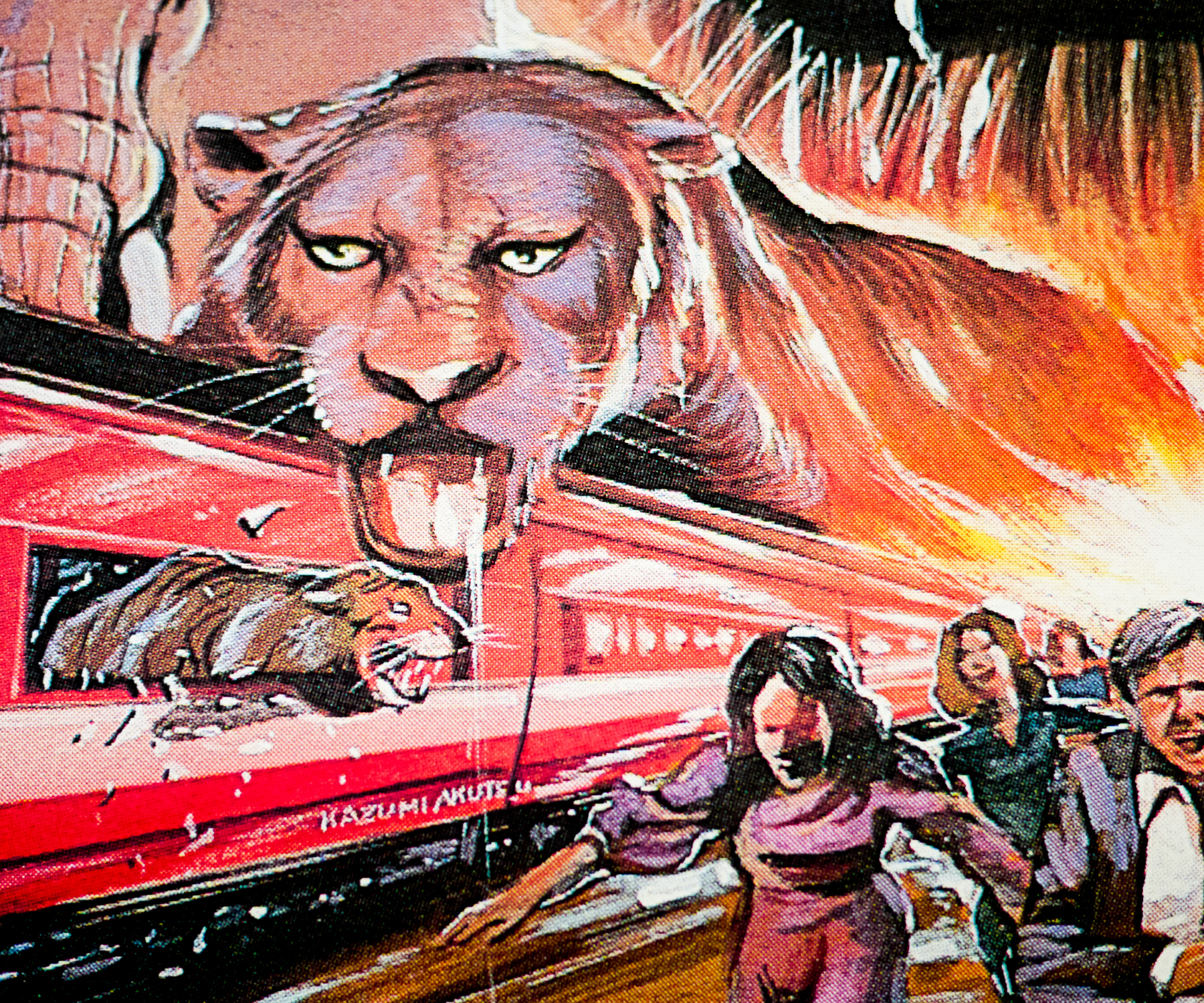
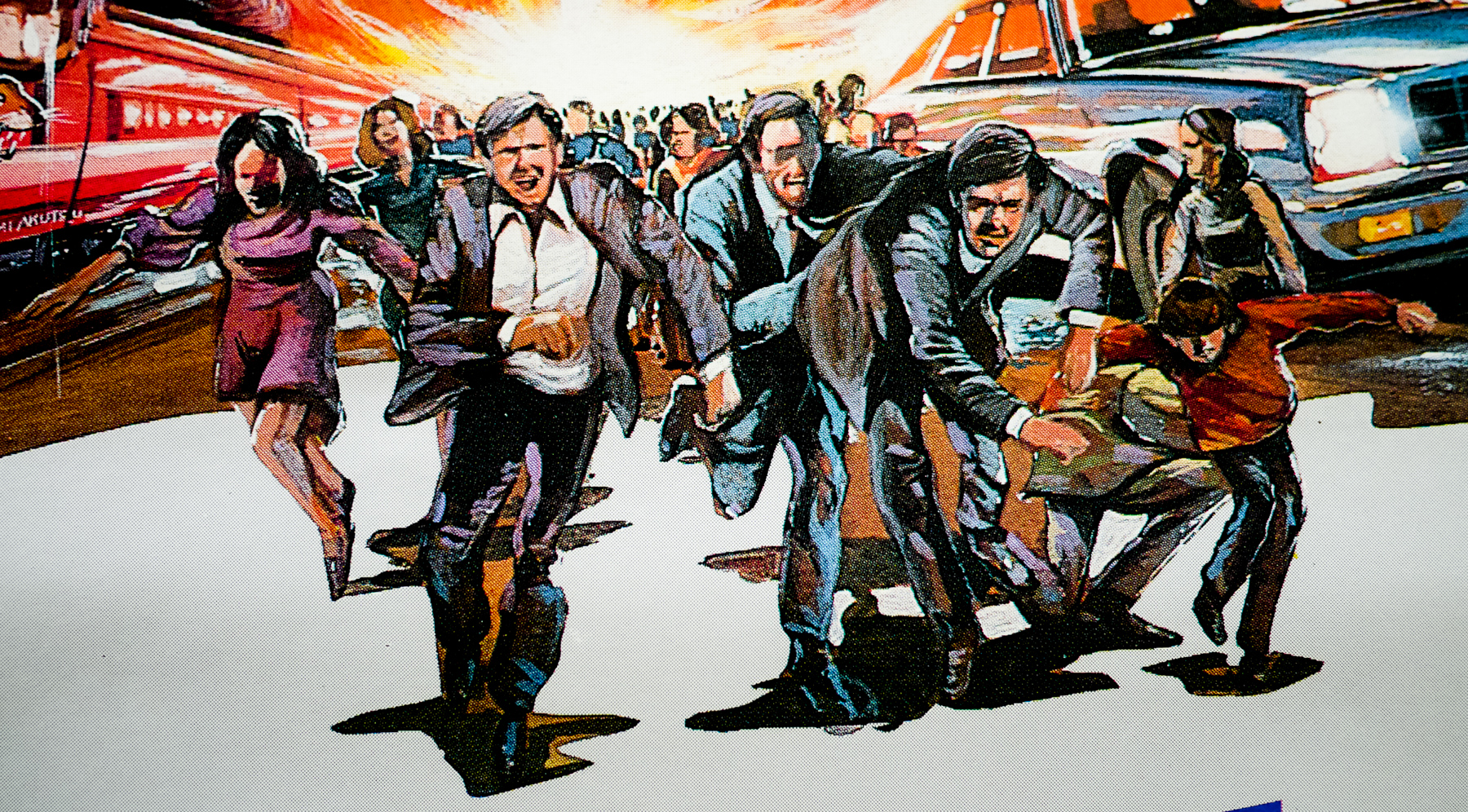
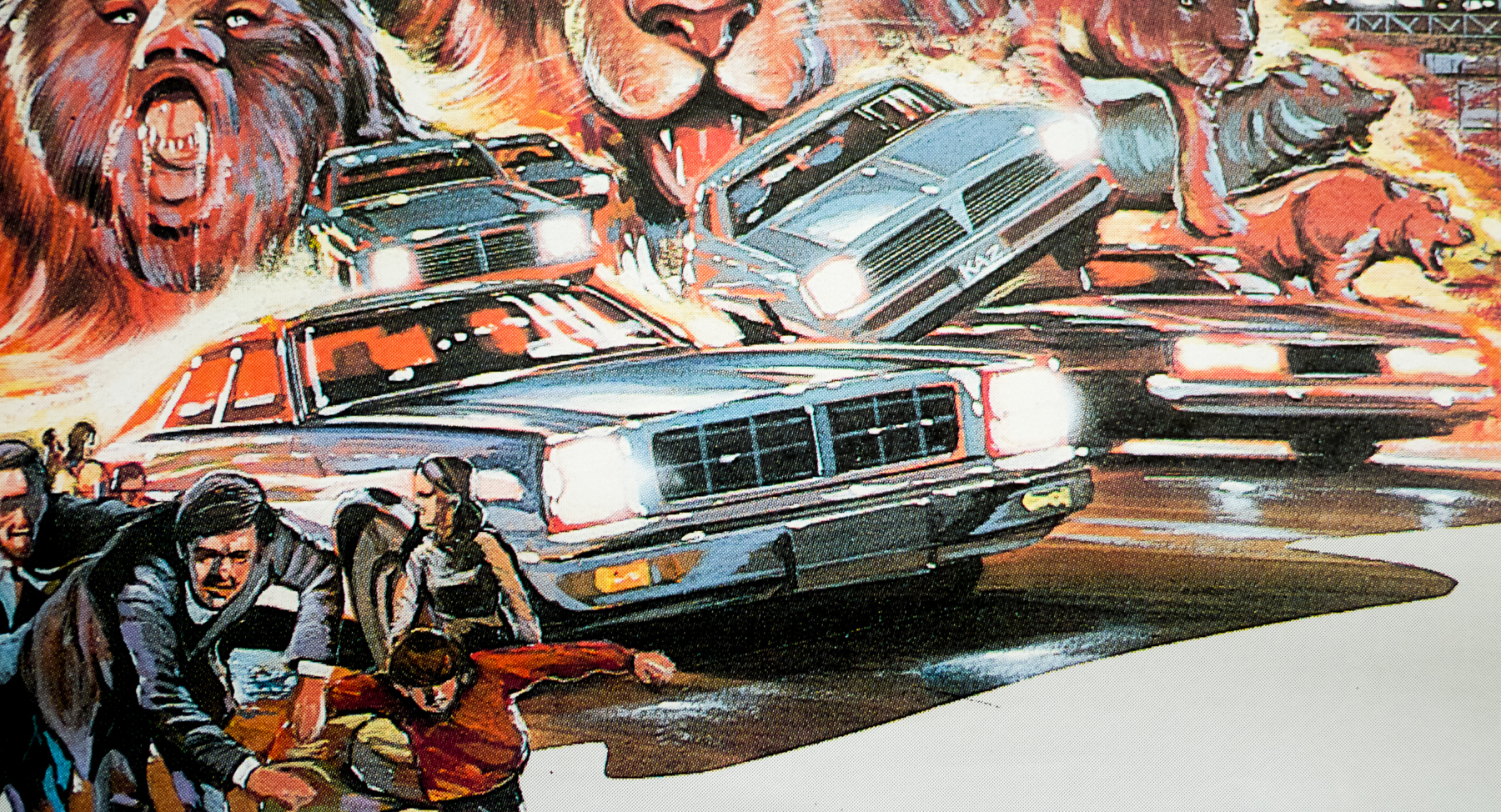
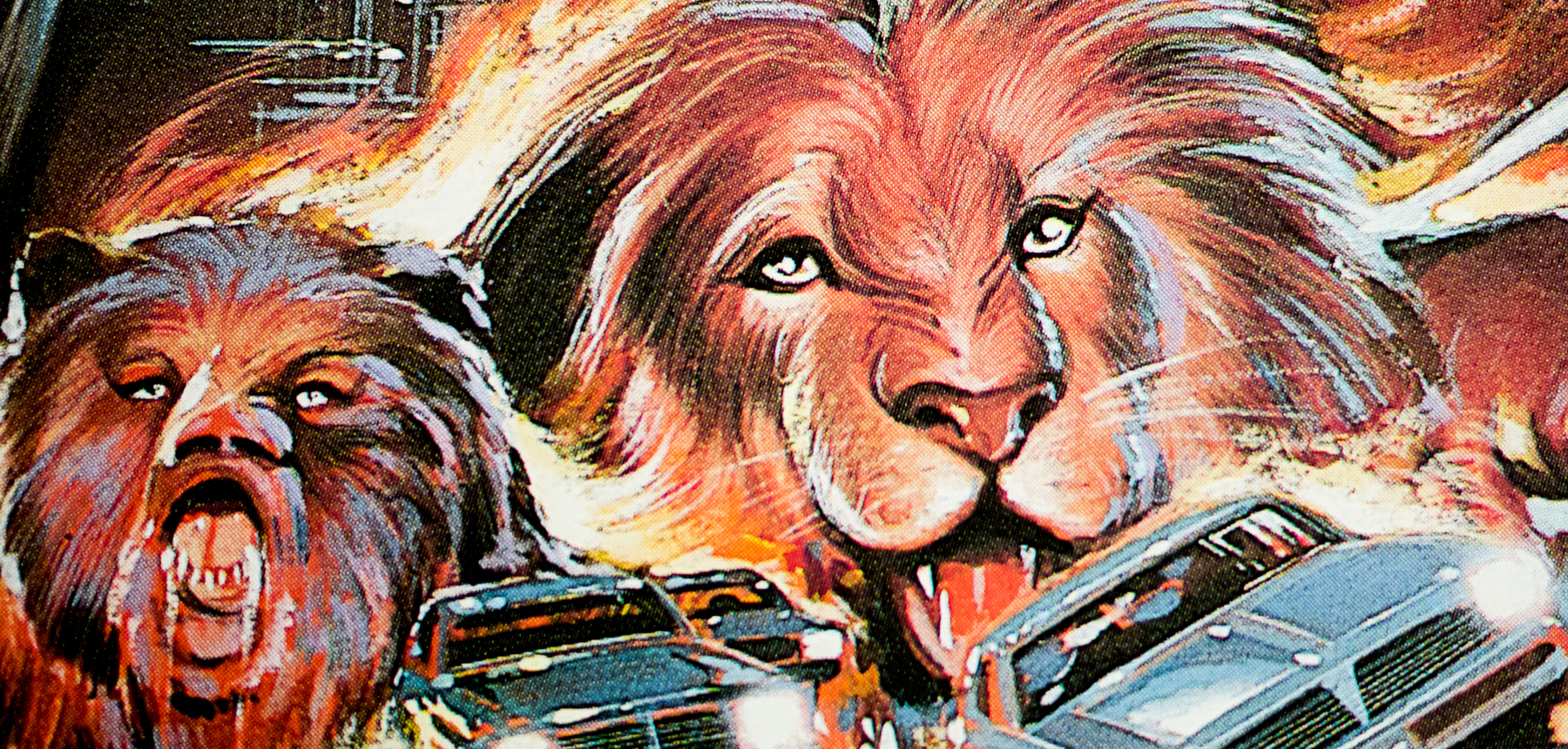
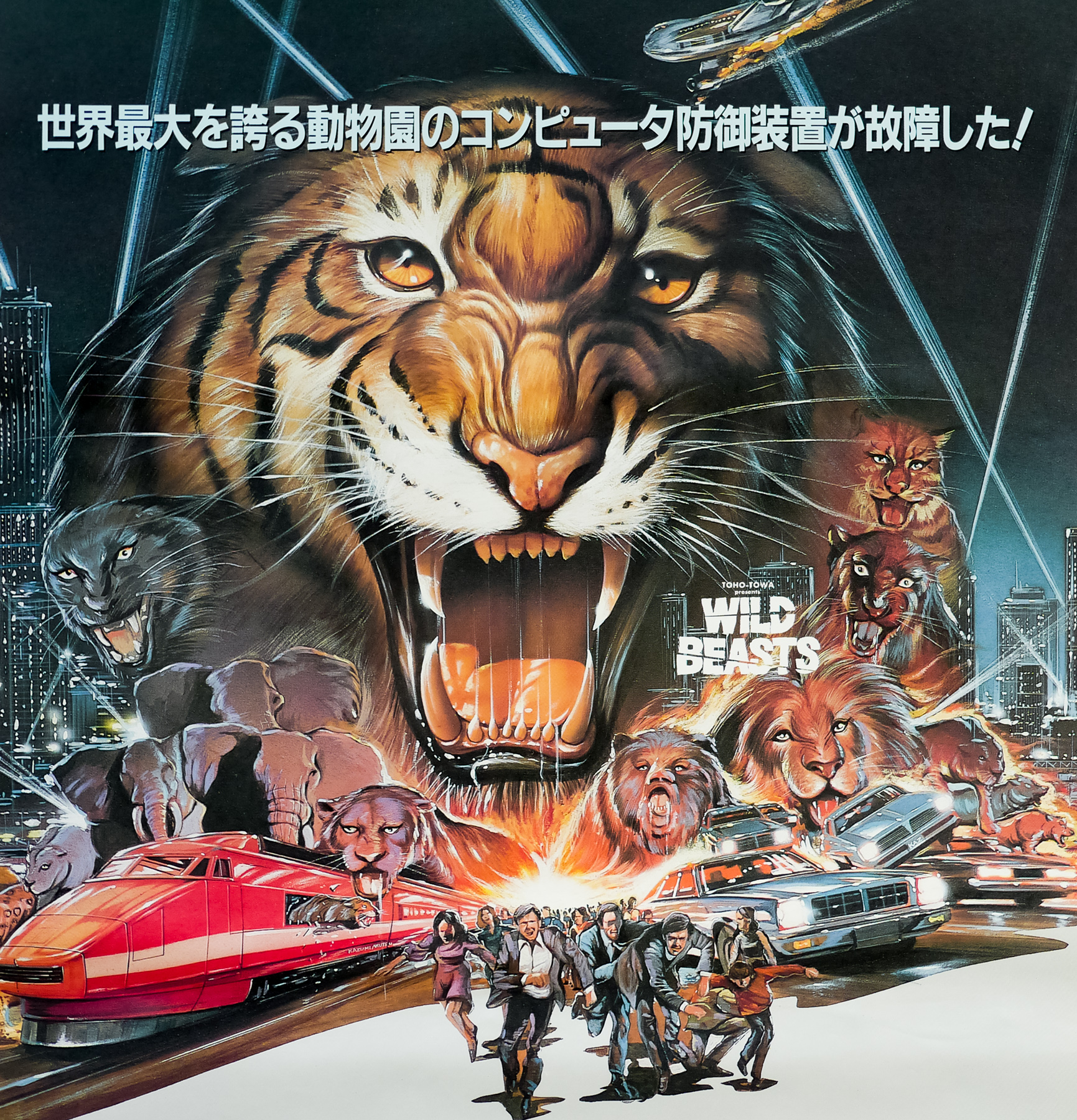
This is the poster for the Japanese release of the film and it features brilliantly exaggerated scenes of carnage, overselling the sequences from the film. The artist appears to be someone called Kazumi Akutsu according to the signature featured on the side of the speeding train, although it could be that I have one of the letters wrong in the surname. I’ve been unable to find out anything about the artist so please get in touch if you have any ideas. I’d strongly advise you not to perform a google image search for the name with safe search off!

The original Italian trailer is on YouTube.

The Straight Story / B2 / Japan

26.11.12

Poster Poster

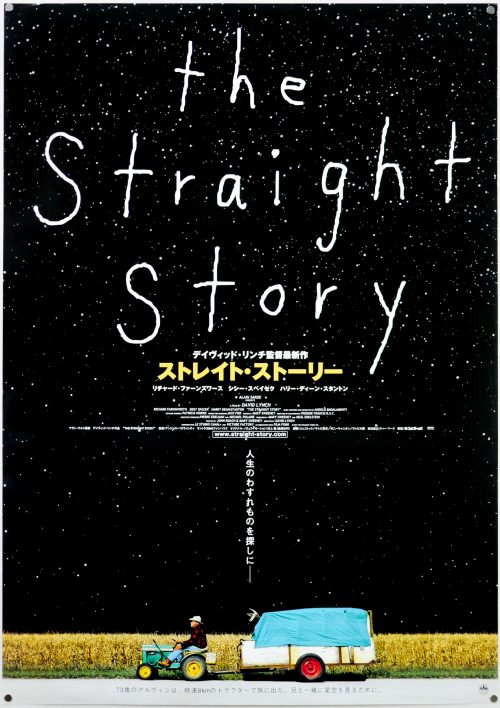
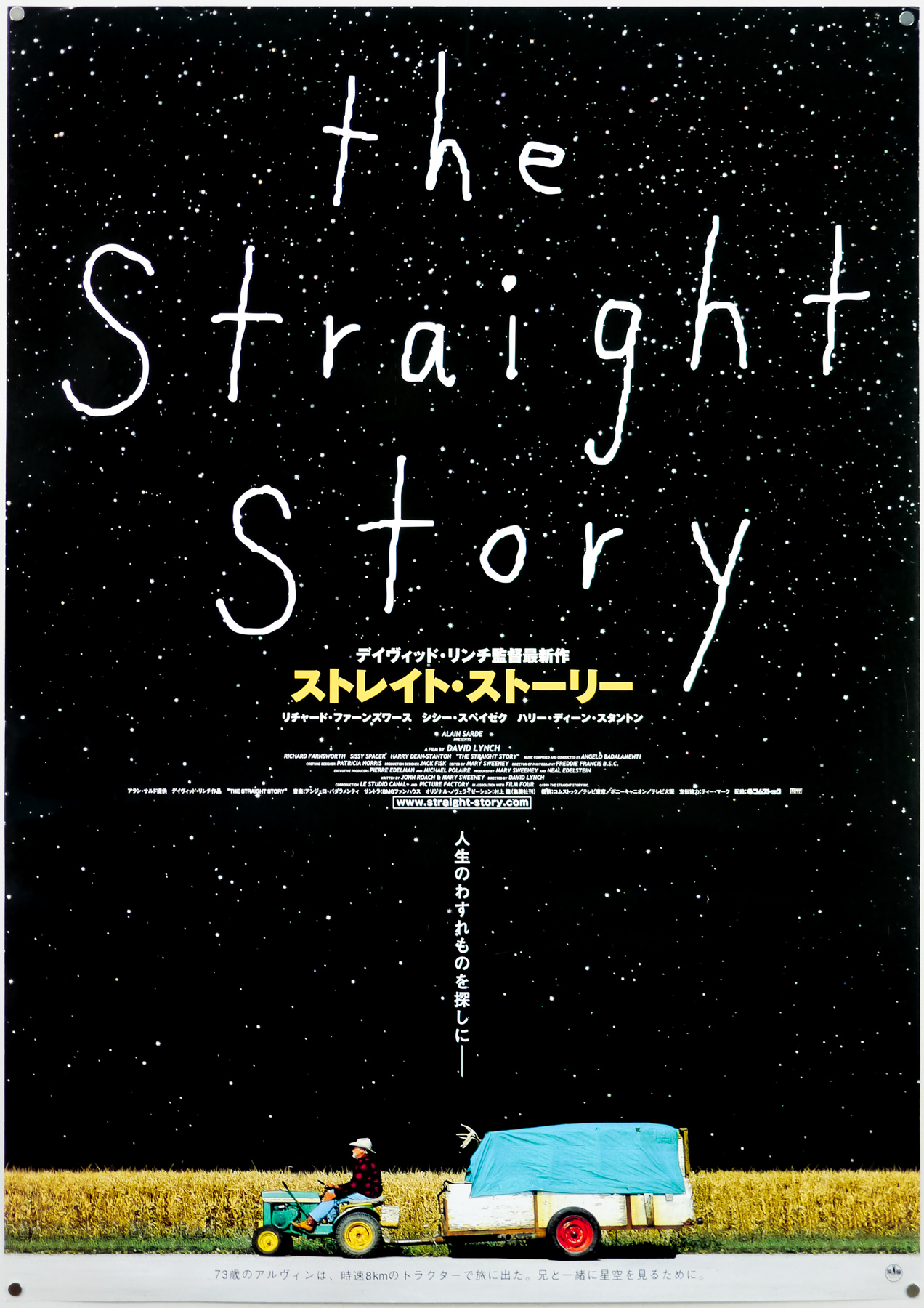
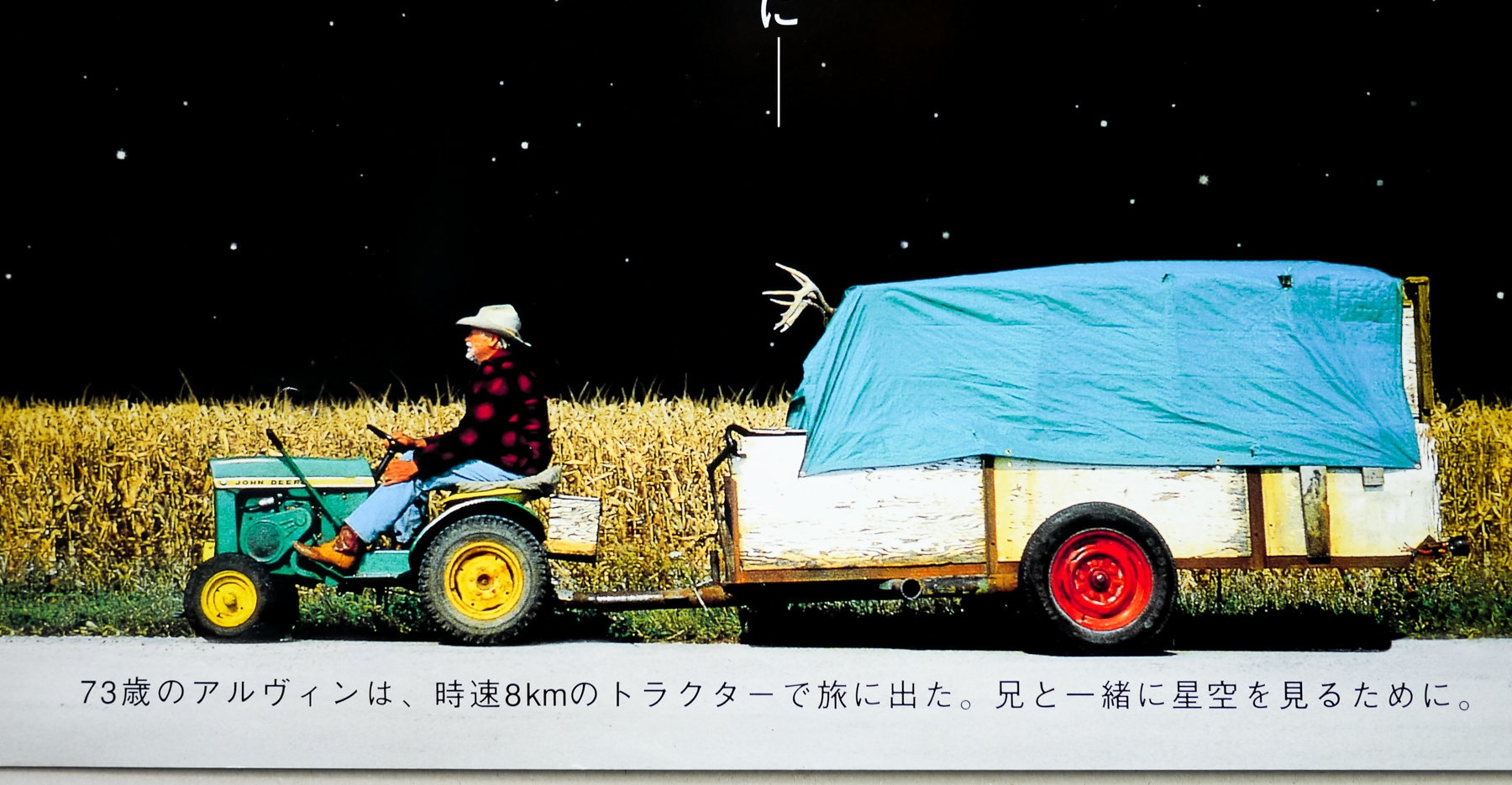
David Lynch‘s brilliant The Straight Story is an uncharacteristically warm and natural film, quite unlike anything else in the director’s filmography, although it still features unmistakably Lynchian touches. The plot is based on the true story of elderly World War II veteran Alvin Straight who, unable to obtain a driver’s licence, travelled over 240 miles on a sit-down lawnmower to visit his brother who had suffered a stroke. Richard Farnsworth, a former stuntman turned character actor, played Alvin in a oscar-nominated performance, and Sissy Spacek featured as his mentally disabled daughter Rose. Legendary actor Harry Dean Stanton appears as Alvin’s brother. Farnsworth was suffering from terminal cancer at the time he made the film and he sadly took his own life only months after filming had wrapped.

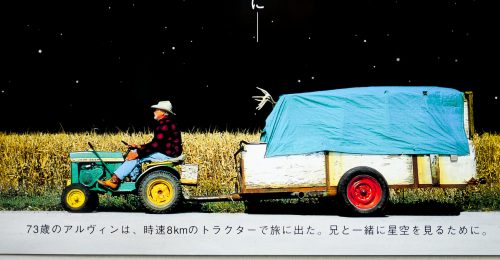
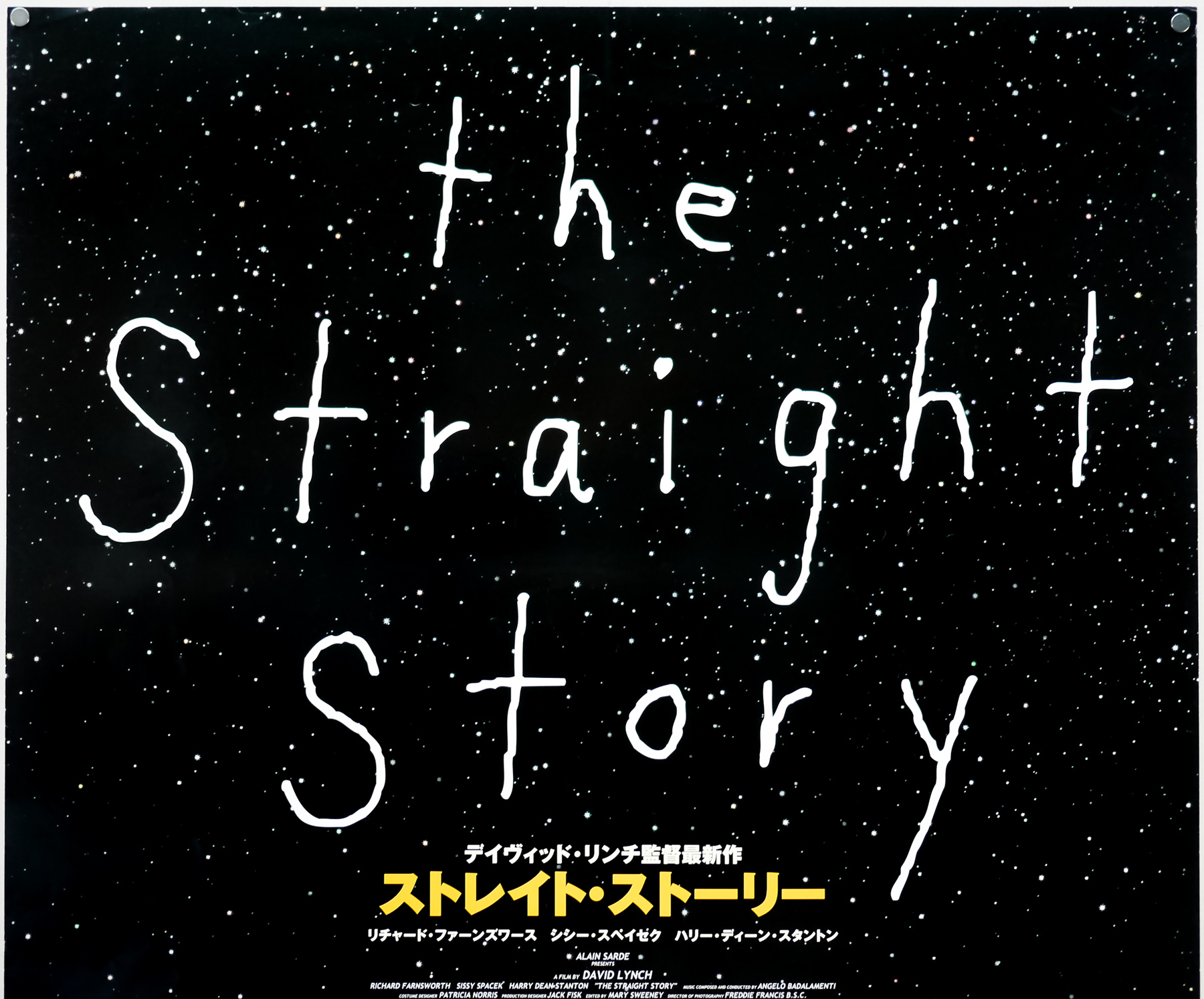
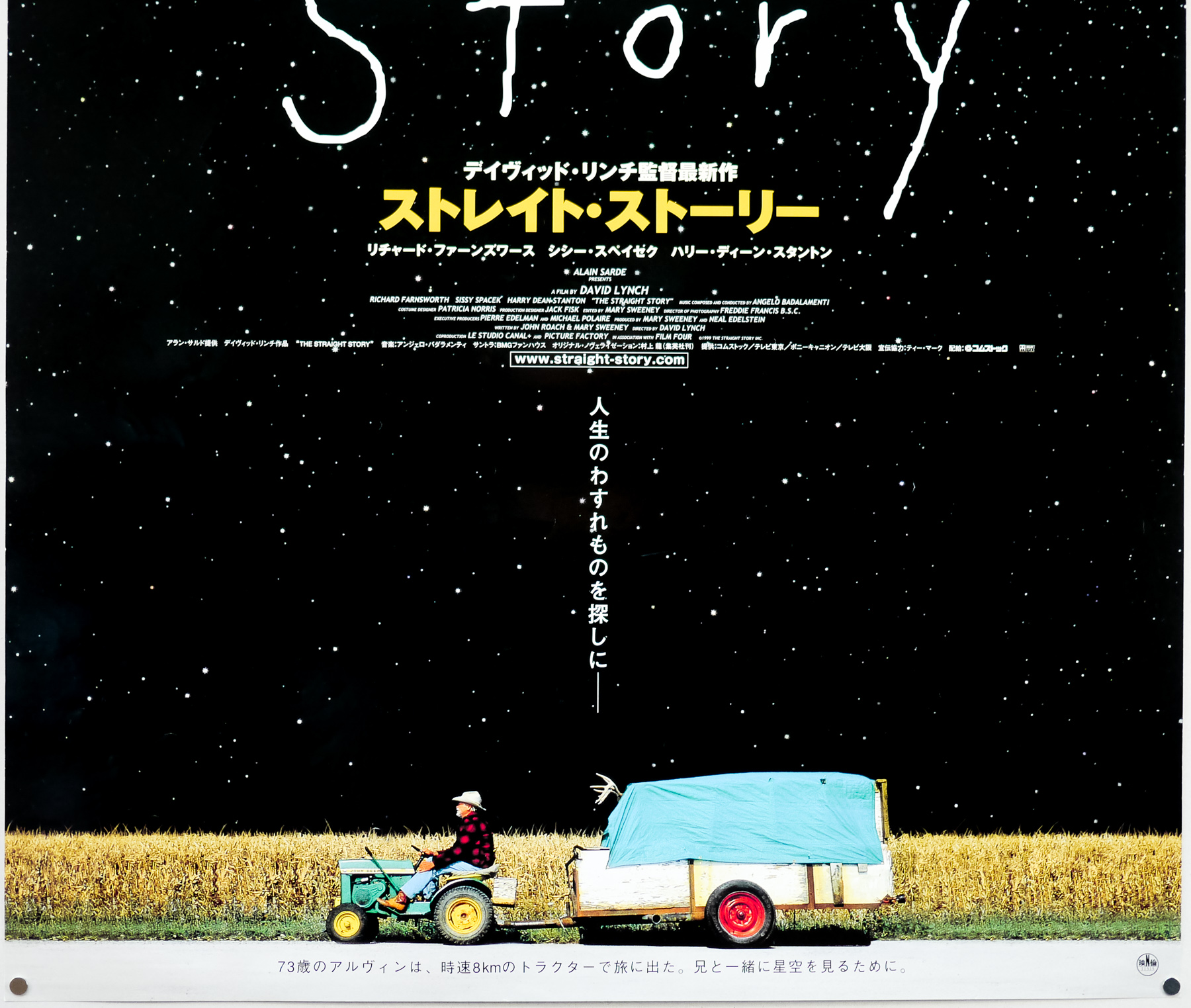
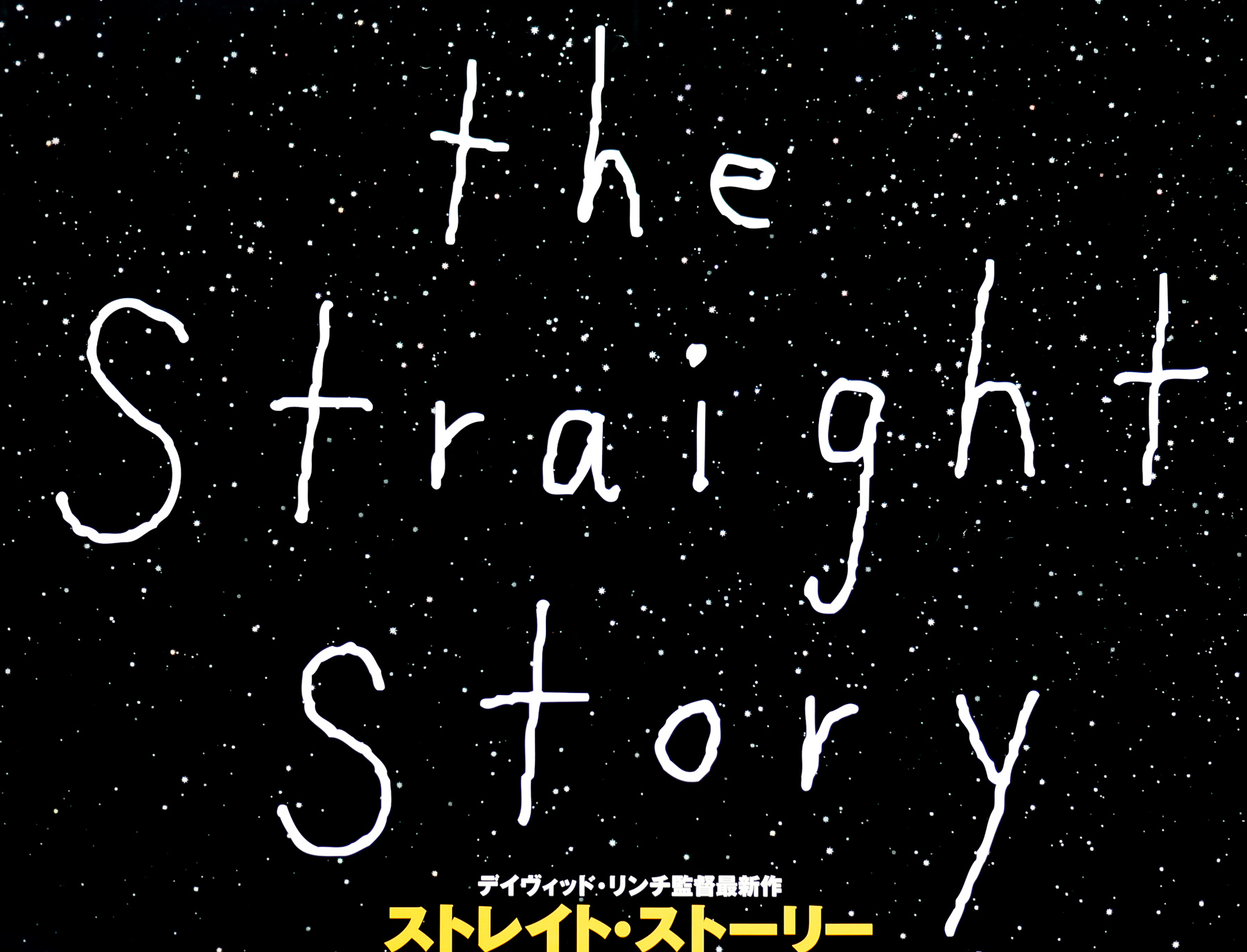
This Japanese poster features a unique design with a profile shot of Alvin riding the tractor at night underneath a hand-scrawled title. The film is frustratingly unavailable on blu-ray at the moment but I hold out hope that Disney will see fit to release it sometime soon.

The Wicker Man / B2 / Japan

20.02.13

Poster Poster

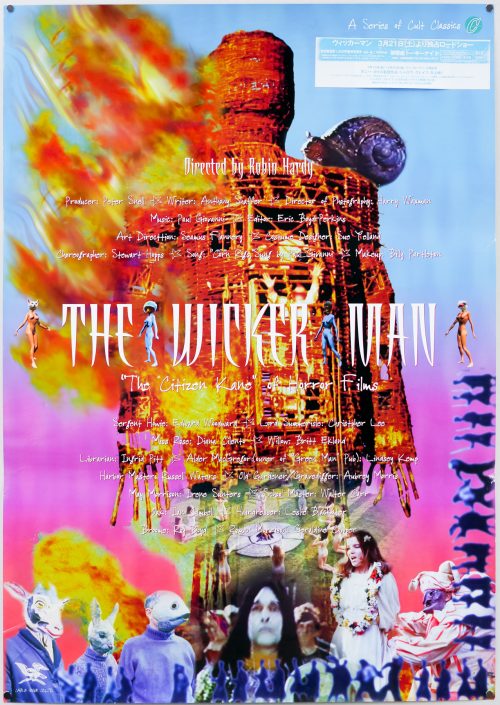
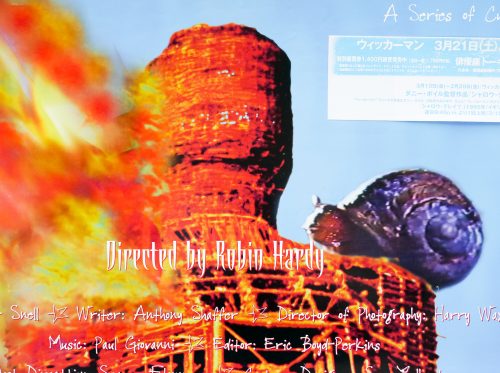
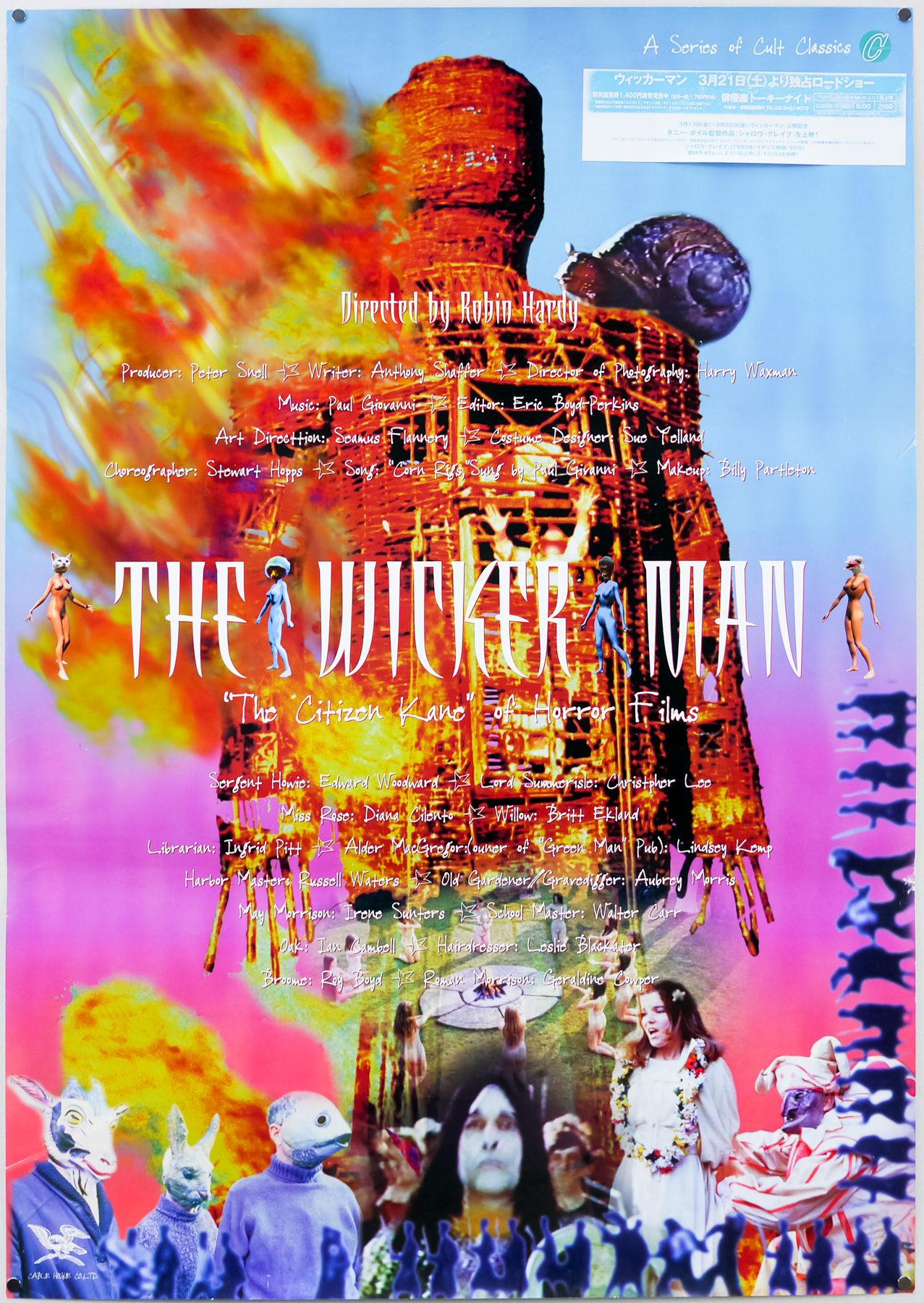
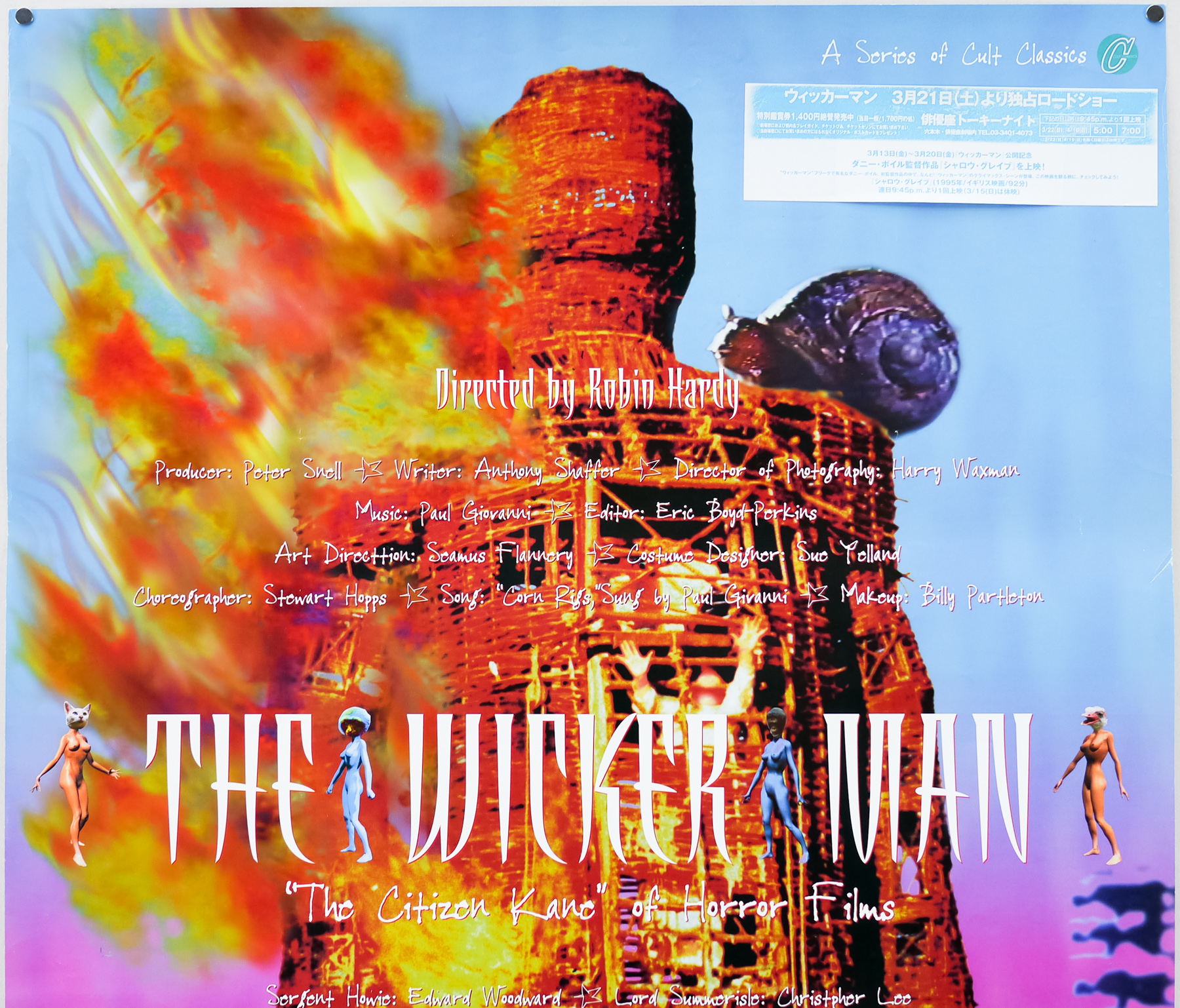
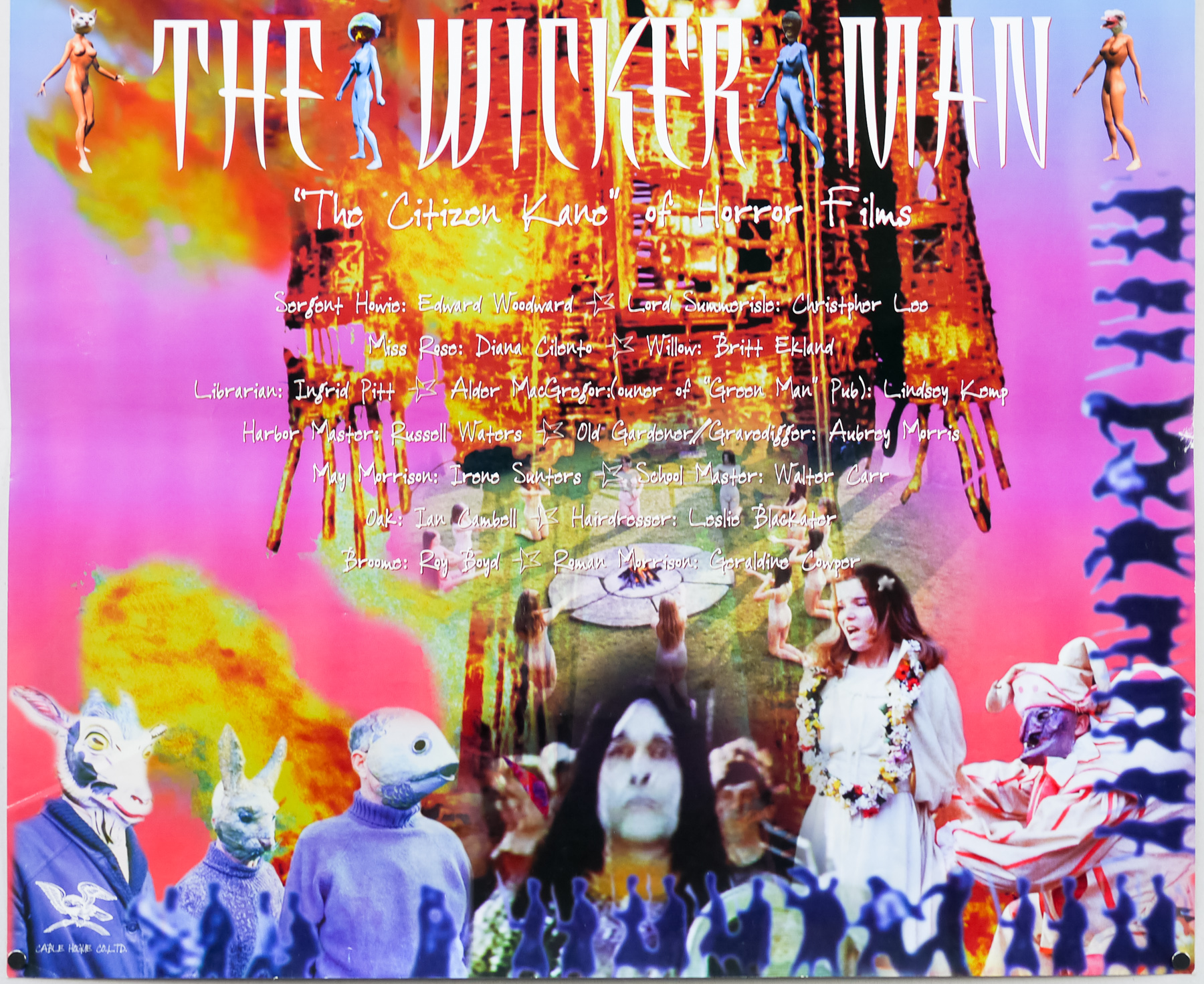
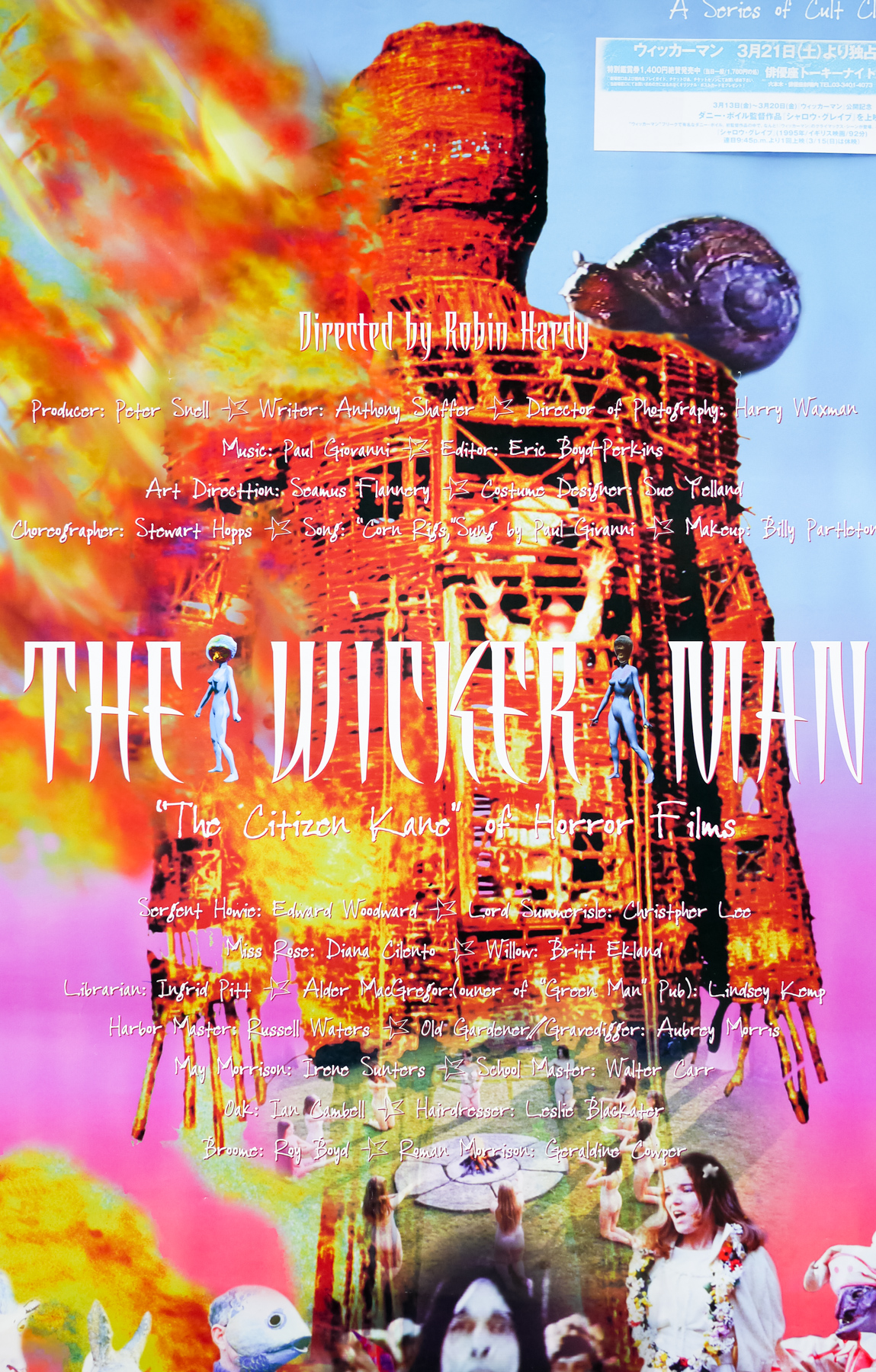
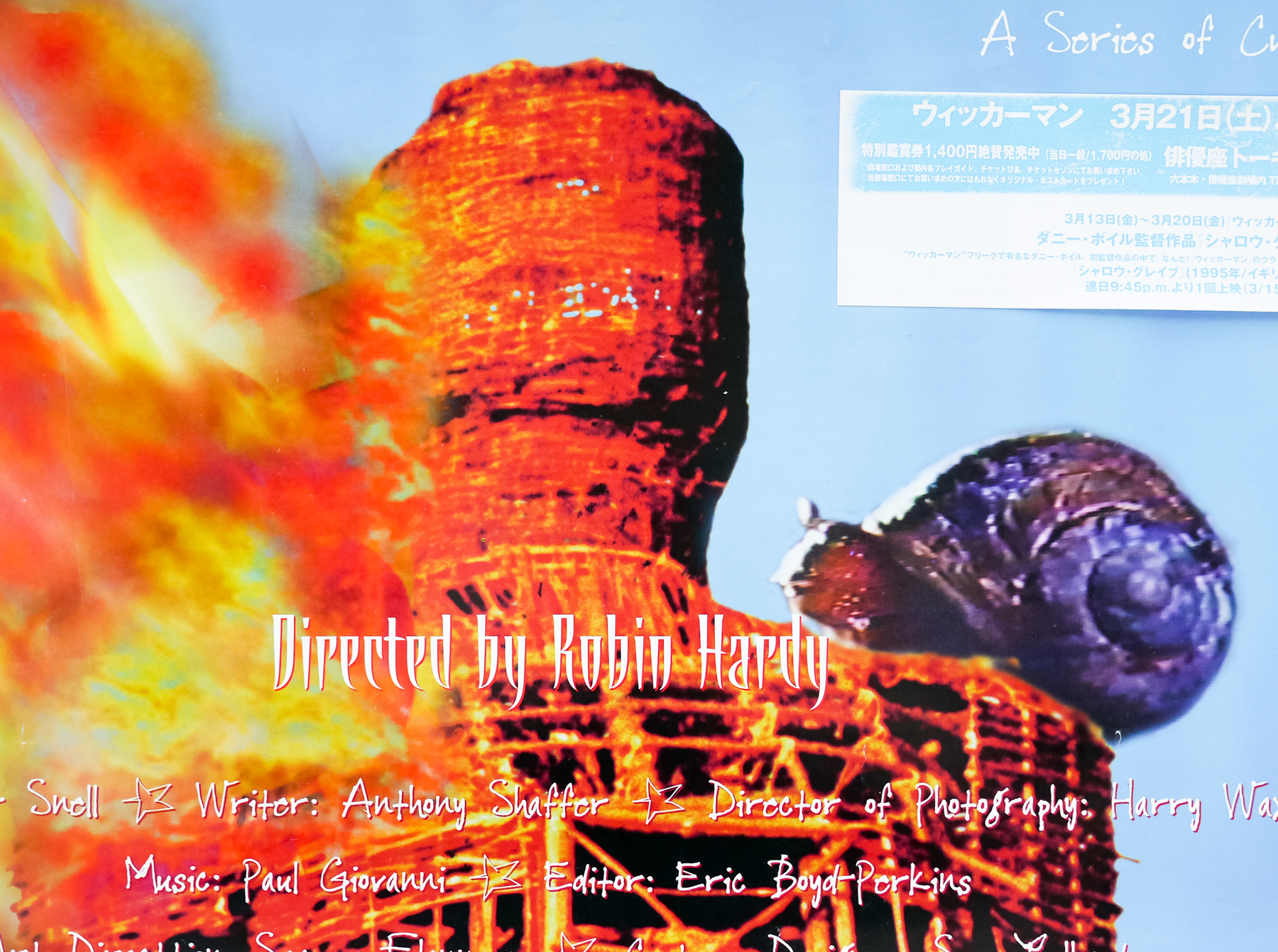
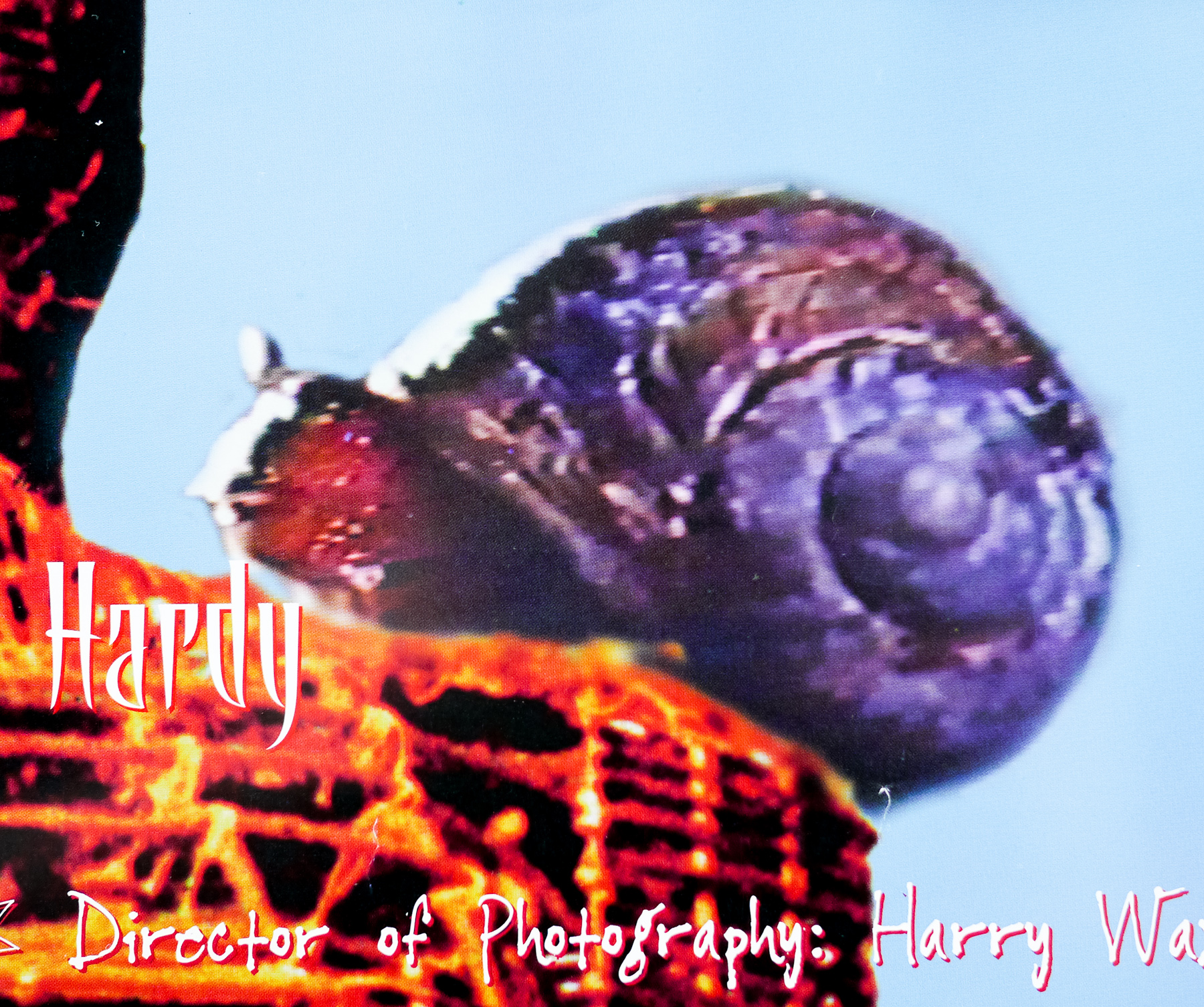
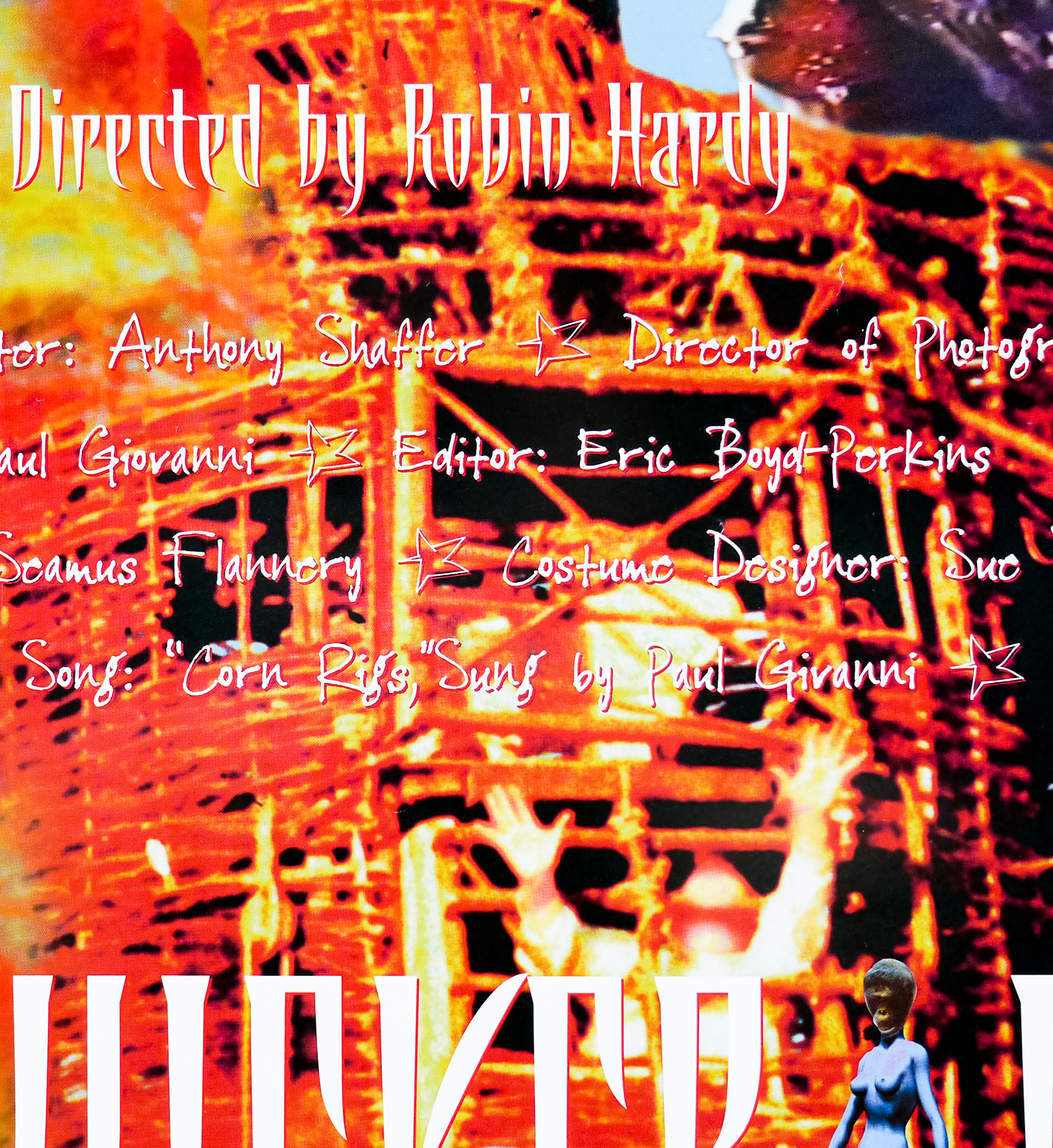
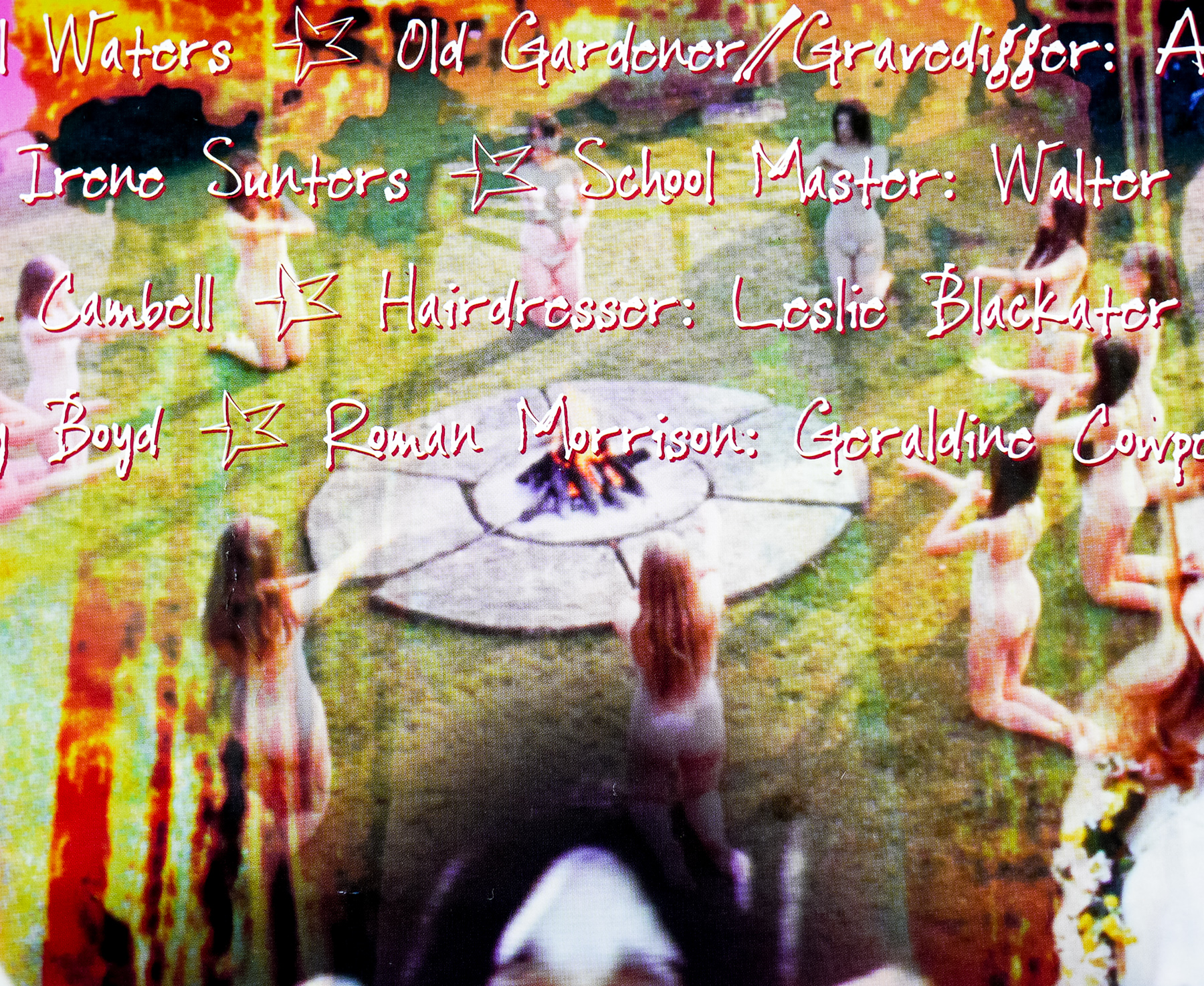
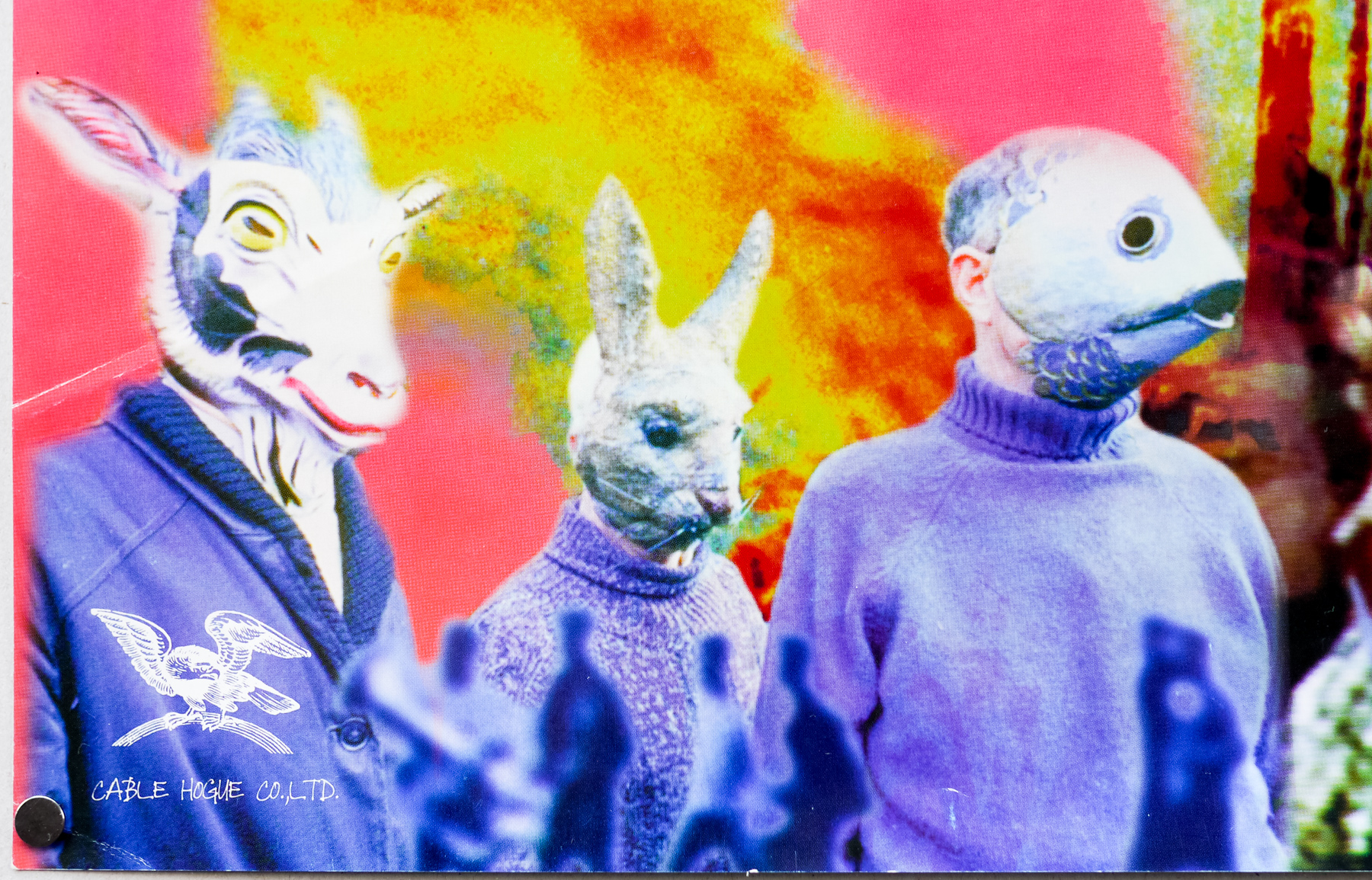
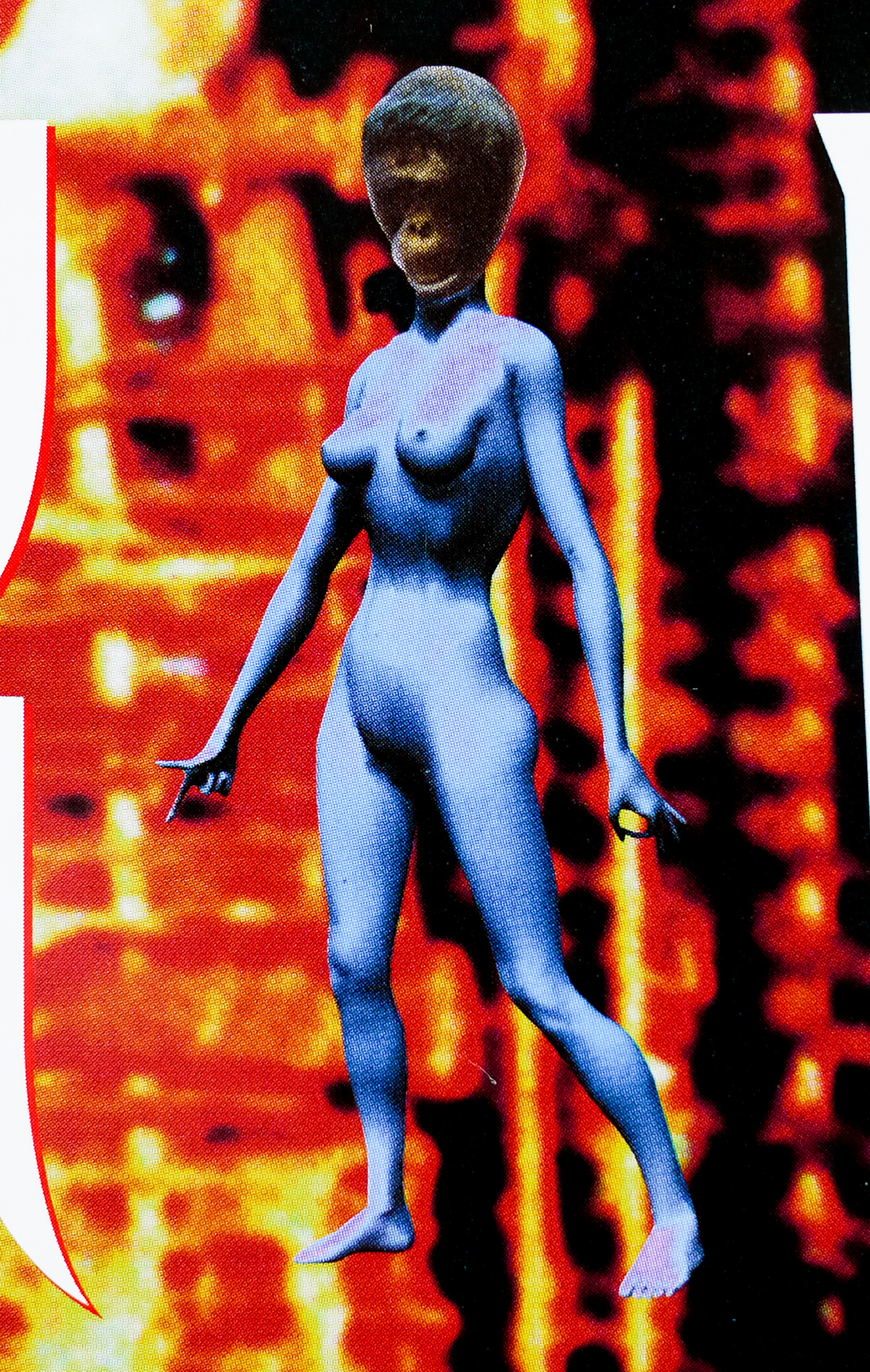
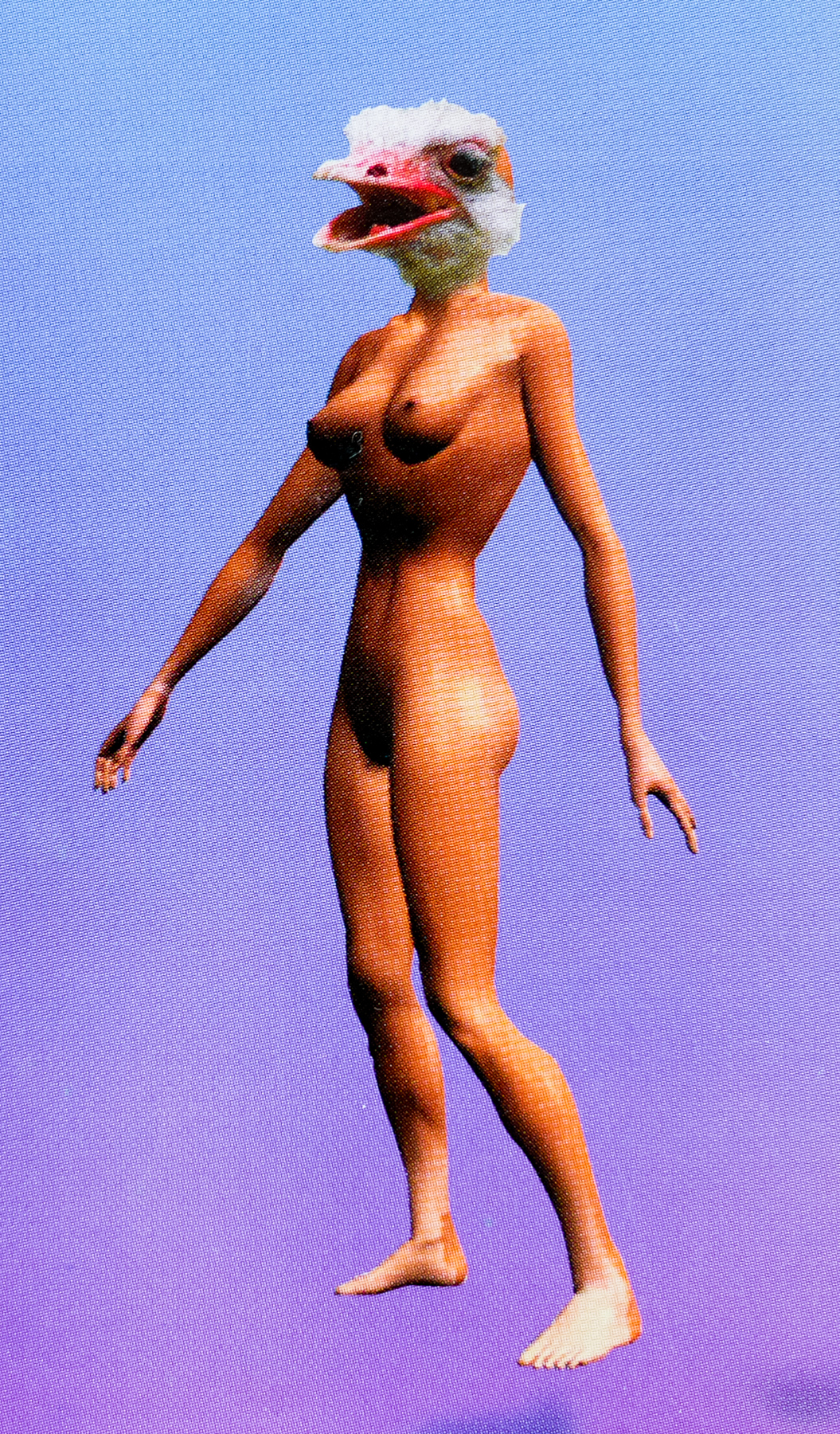
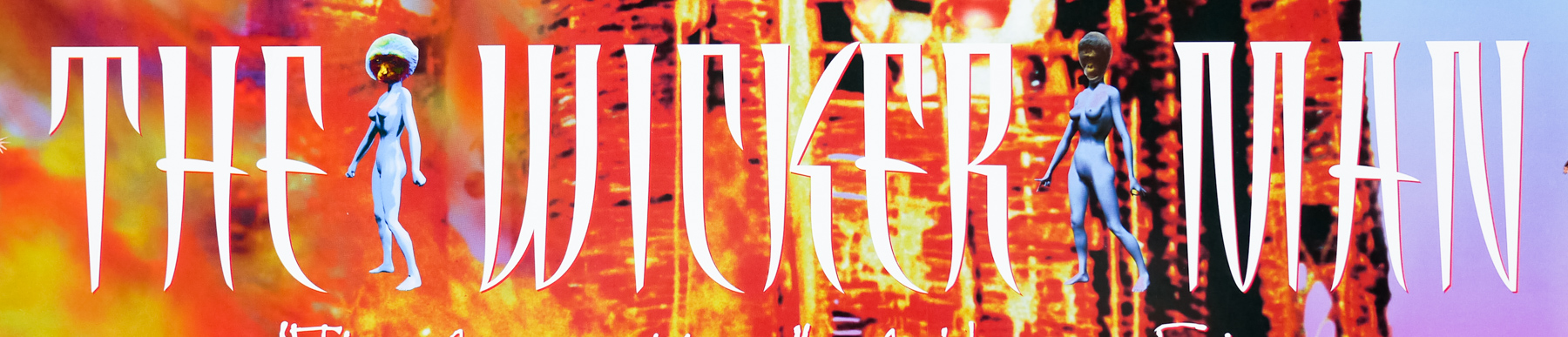
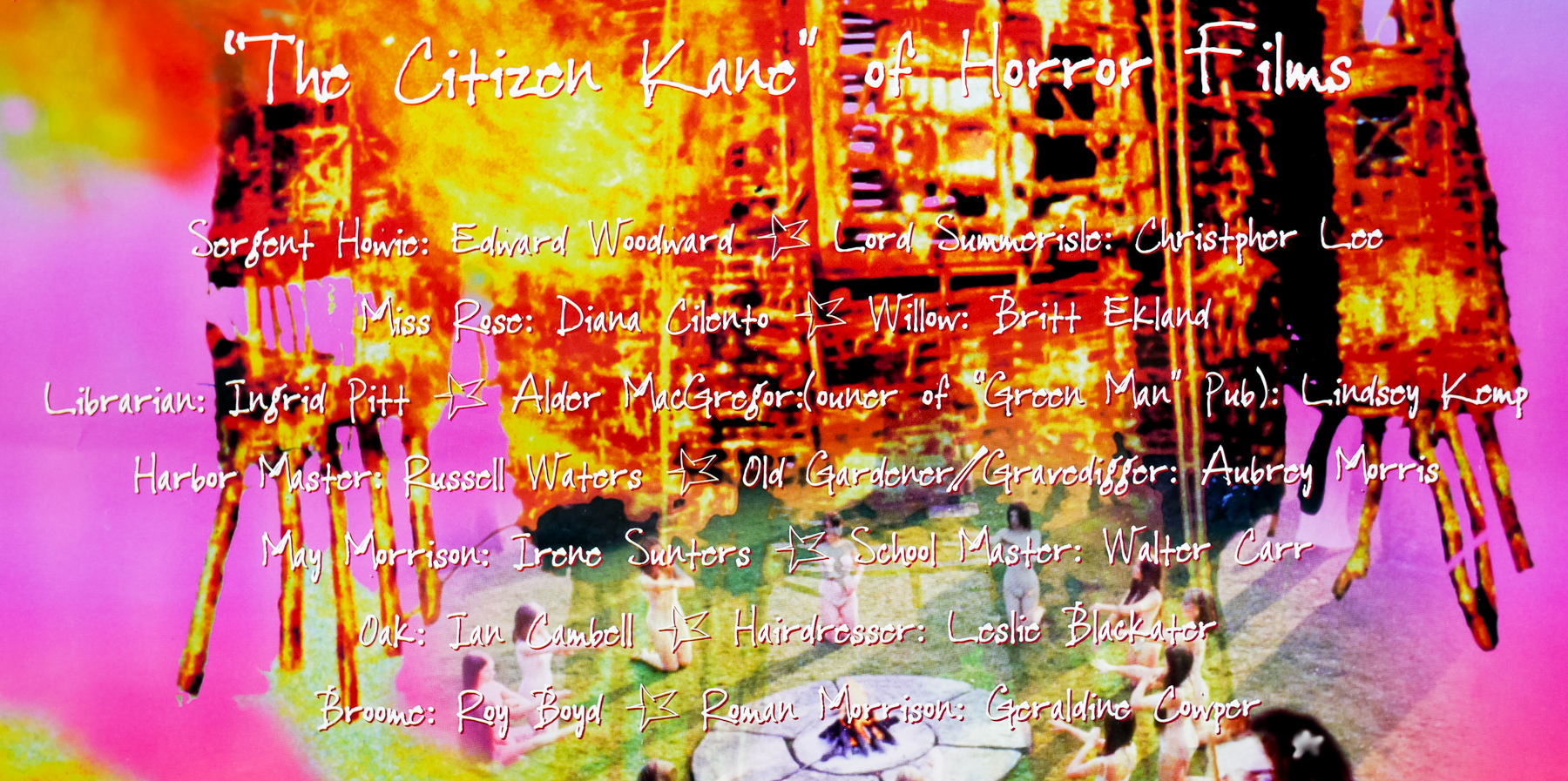
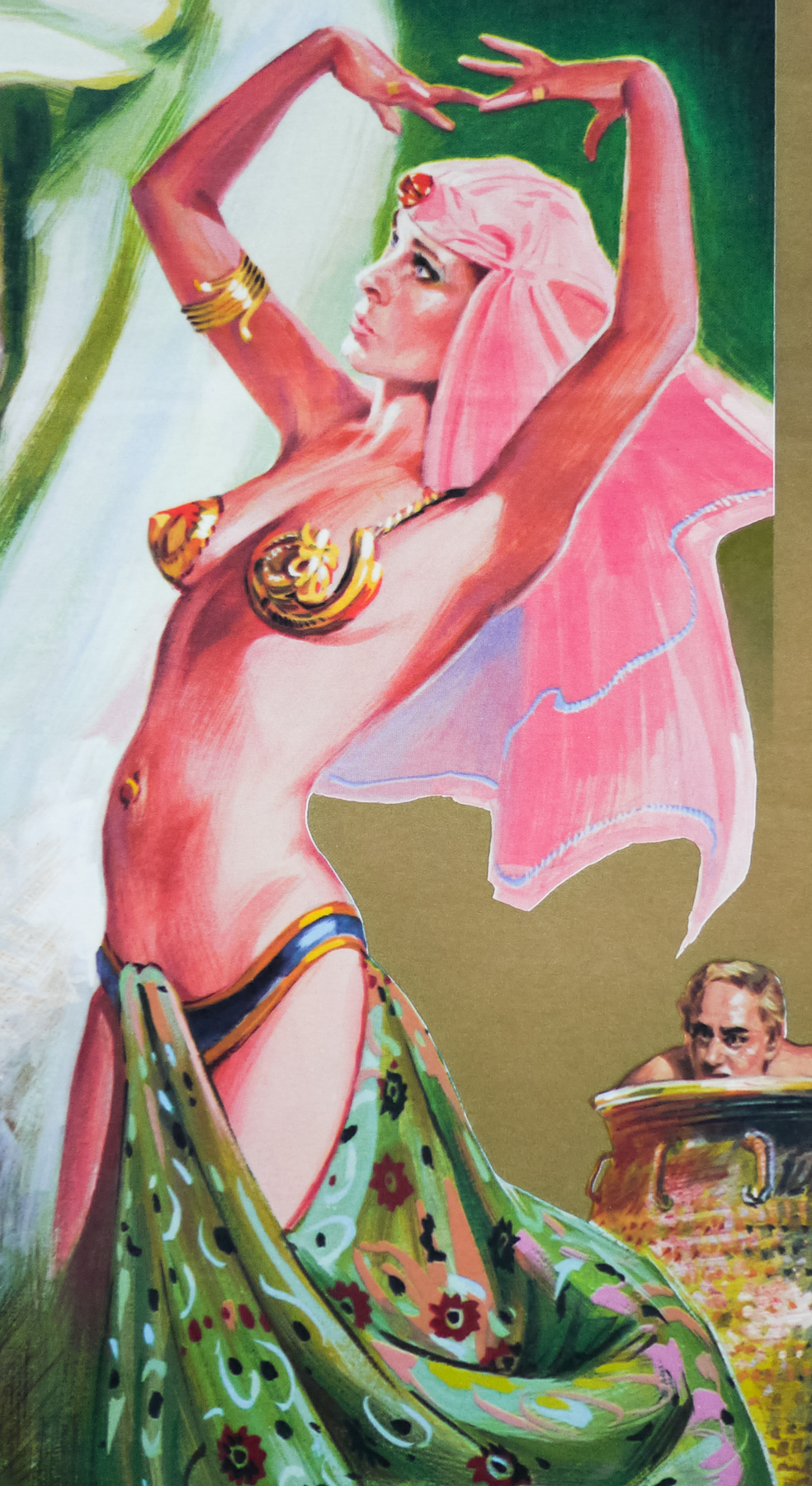
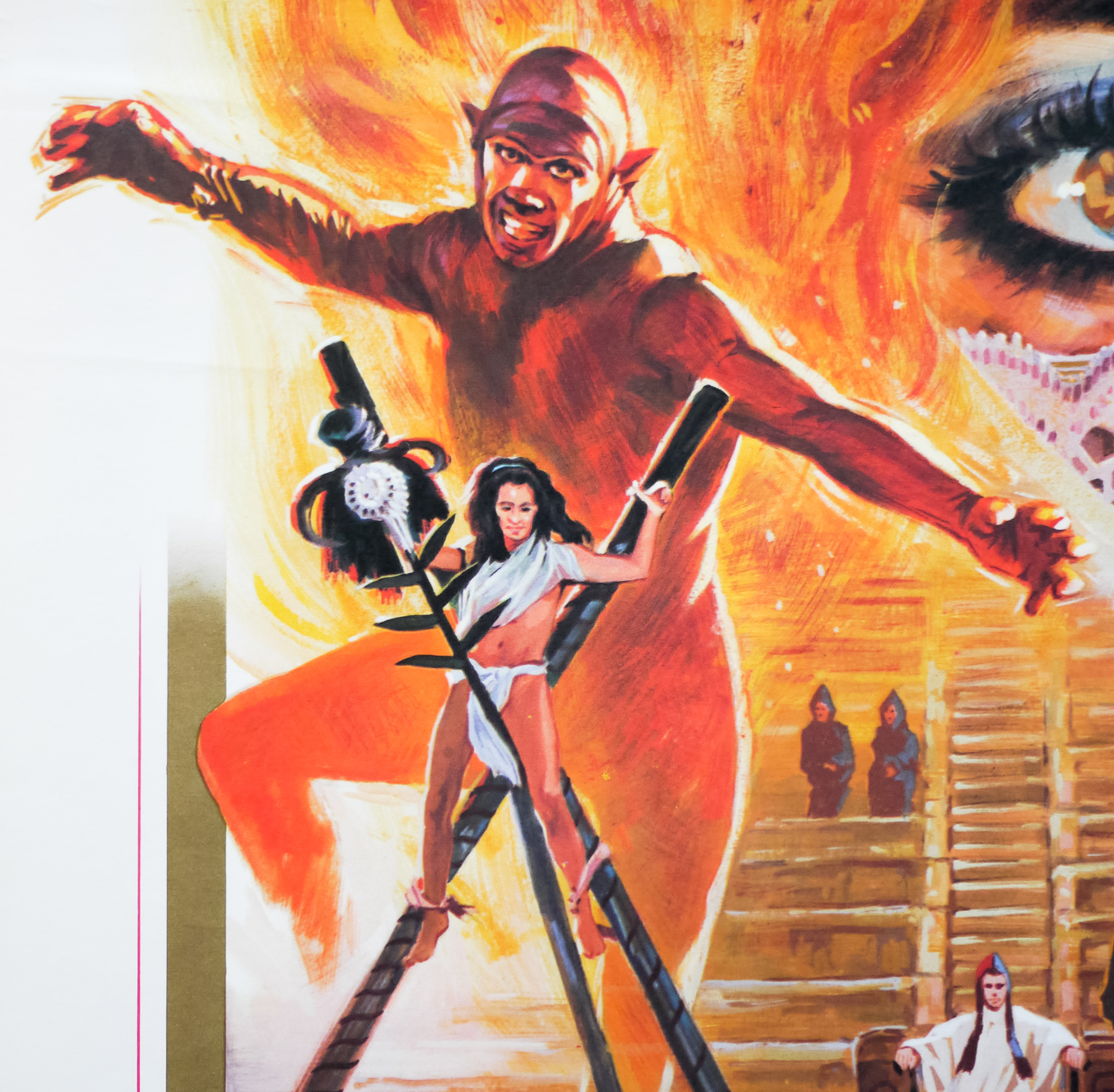
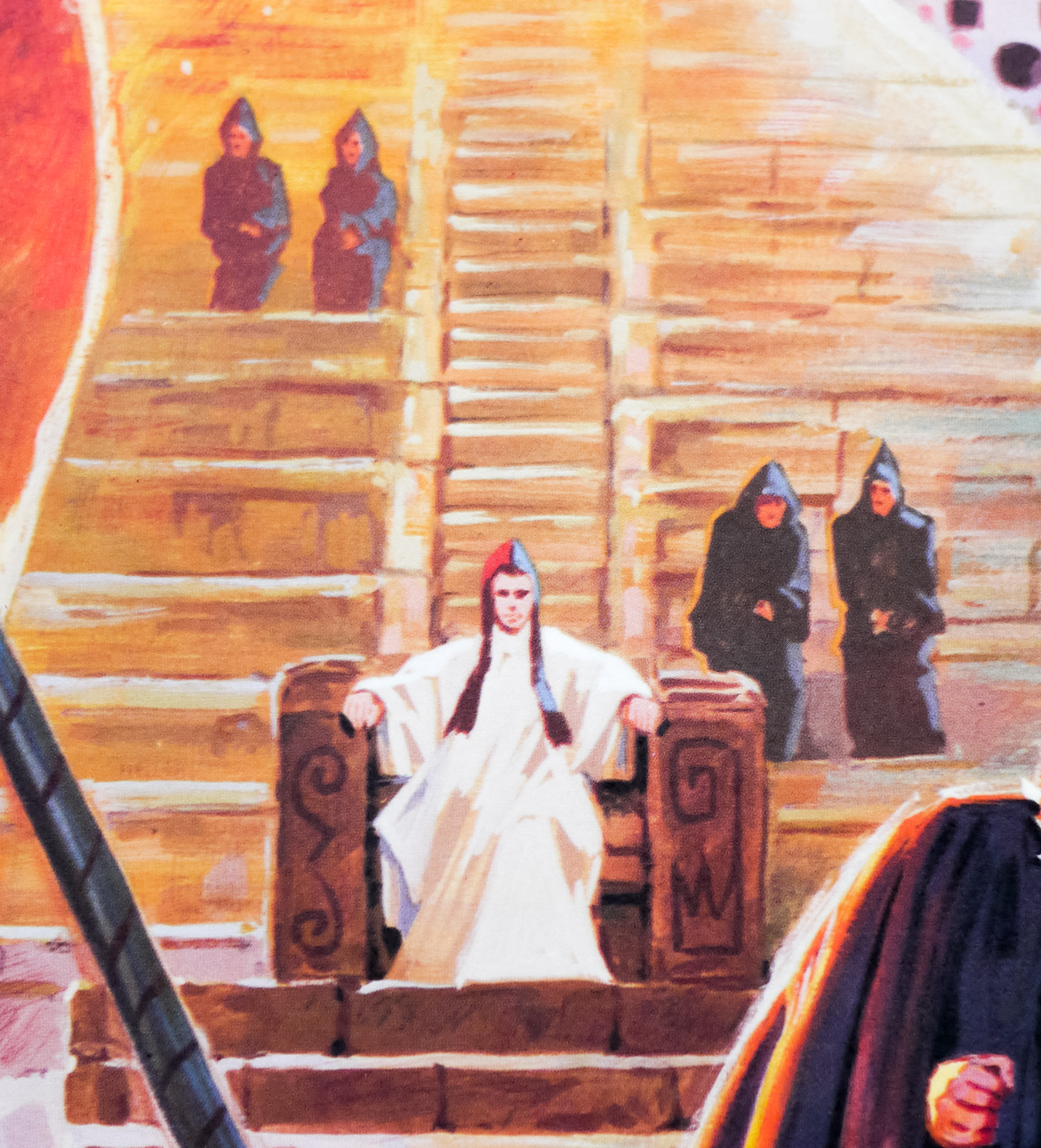
Remember the giant snail sitting on the shoulder of the titular statue as it burns during the climax of the British classic The Wicker Man? The designer of this poster for the first release of the film in Japan (in March 1998) must have seen a different print than the rest of us; perhaps the infamous lost footage is safe and well over there, and also features the appearance of a large mollusc? As for the naked torsos with the animal heads – your guess is as good as mine!

The Wicker Man is a true British classic and even though it started life as a low-budget b-feature the film has lost none of its power since its release forty years ago this year. Based on a script by celebrated screenwriter Anthony Shaffer, who had previously seen great success with the play Sleuth (1970), The Wicker Man was helmed by first time director Robin Hardy and was filmed on location around Scotland, with several coastal settings chosen to stand-in for the fictional island of Summerisle. It’s unfair to call the film a horror as it’s a mix of murder-mystery with occult undertones and features an unforgettable finale that lingers in the mind for a long time after the credits roll.

Edward Woodward stars as Sergeant Howie, a strait-laced policeman sent from the Scottish mainland to to investigate the mysterious disappearance of a local girl. After encountering indifference and hostility from the inhabitants, Howie decides to investigate the islands’ de facto leader Lord Summerisle (A memorable Christopher Lee) and soon discovers that this charismatic figure’s influence and beliefs hold sway over the population. The policeman realises too late that he has been brought to the island for reasons more sinister than the supposed disappearance of a local girl, and things are about to get very heated indeed for the unlucky Sergeant Howie.

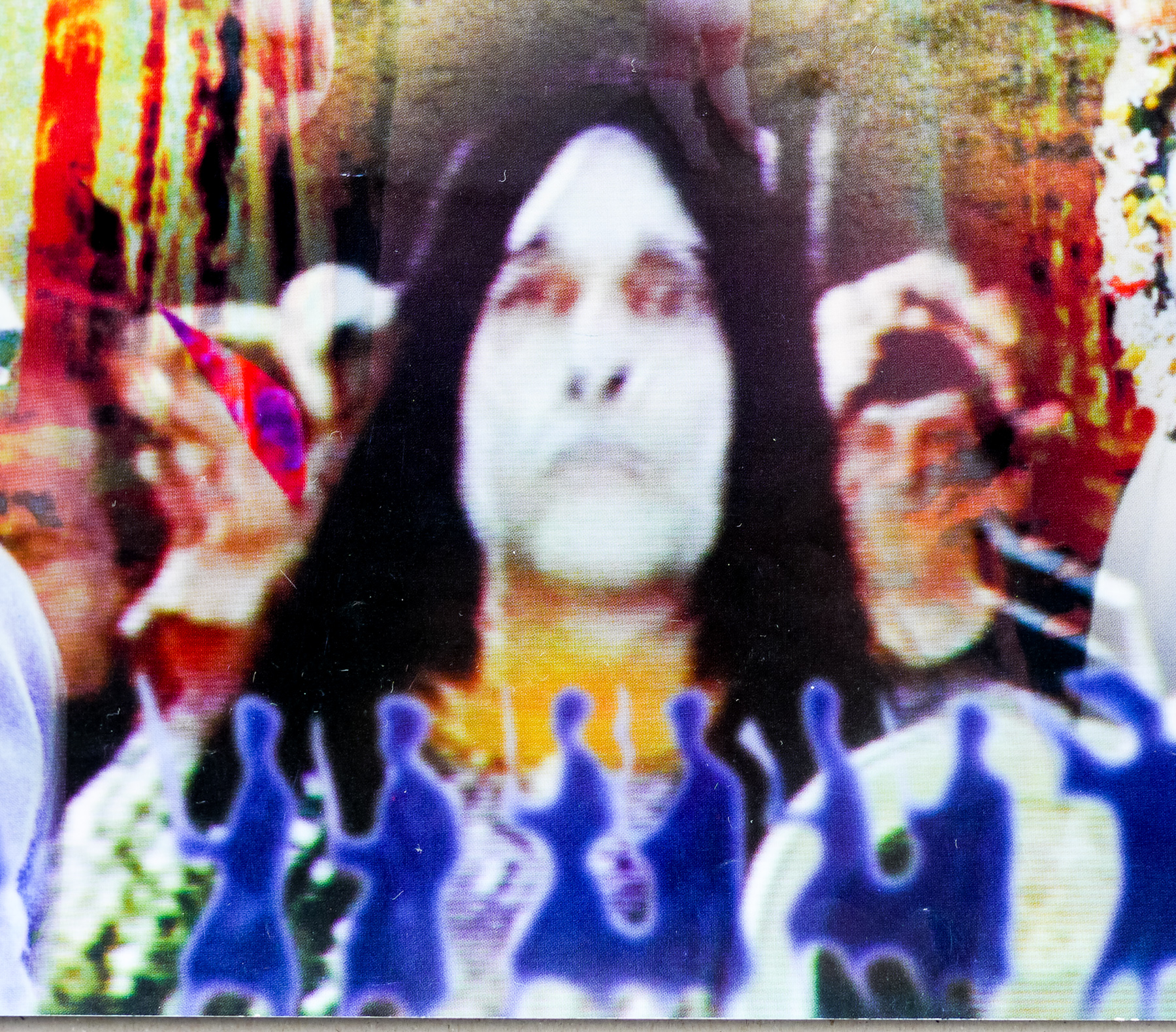
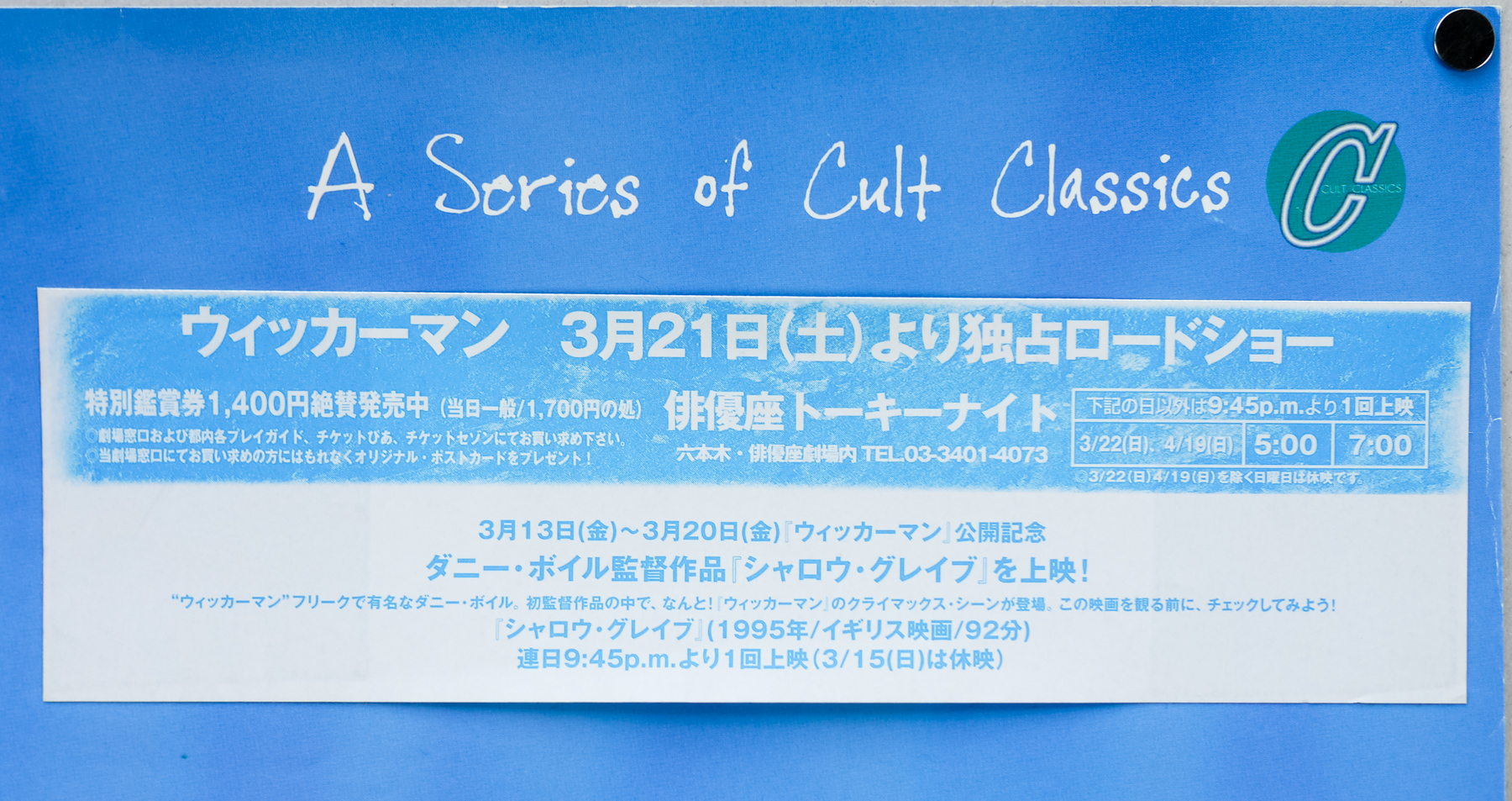
This poster features images from the film, including the scenes where the islanders dress up for a procession (hence the animal masks) and a sinister-looking Lee in the make-up his character wears during these moments. Over the years the actor has repeatedly claimed that The Wicker Man was the finest script he’d ever read and is very proud of his role in the film, even if he does express annoyance about the missing scenes. Note that the paper snipe in the top right features details of the film’s showtimes and other details, which features on every copy of this poster that I have ever seen.

In addition to this poster I also have the UK one sheet and the large American 40×60 poster.

Videodrome / B2 / Japan

27.02.13

Poster Poster
Title
Videodrome
AKA
--
Year of Film
1982
Director
David Cronenberg
Starring
James Woods, Deborah Harry, Sonja Smits, Peter Dvorsky, Leslie Carlson, Jack Creley
Origin of Film
Canada
Genre(s) of Film
James Woods, Deborah Harry, Sonja Smits, Peter Dvorsky, Leslie Carlson, Jack Creley,
Type of Poster
B2
Style of Poster
--
Origin of Poster
Japan
Year of Poster
1985
Designer
Unknown
Artist
Unknown
Size (inches)
20 6/16" x 28 13/16"
SS or DS
SS
Tagline
--

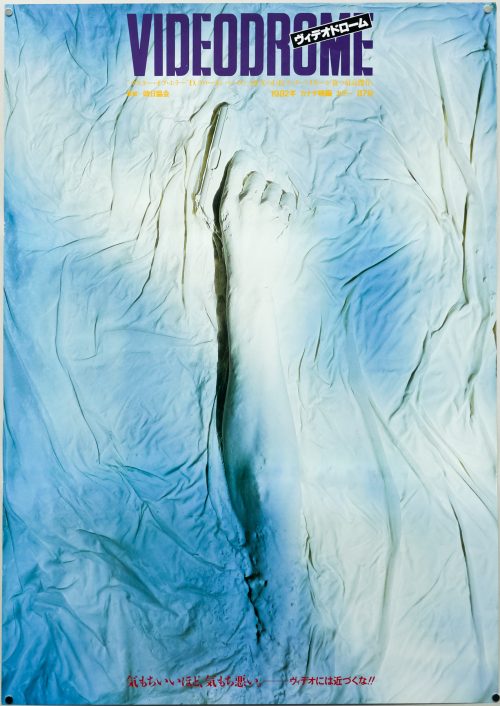
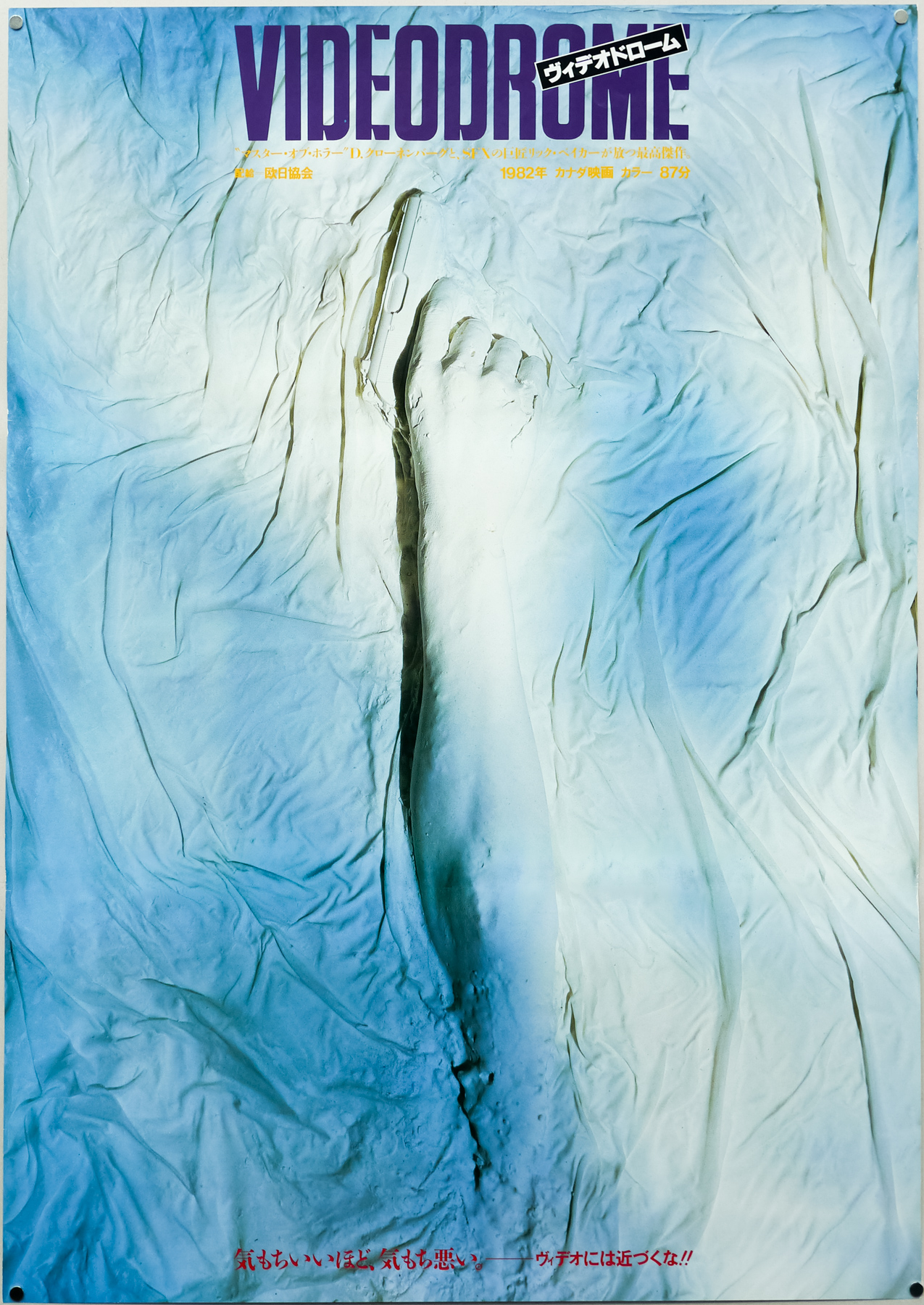
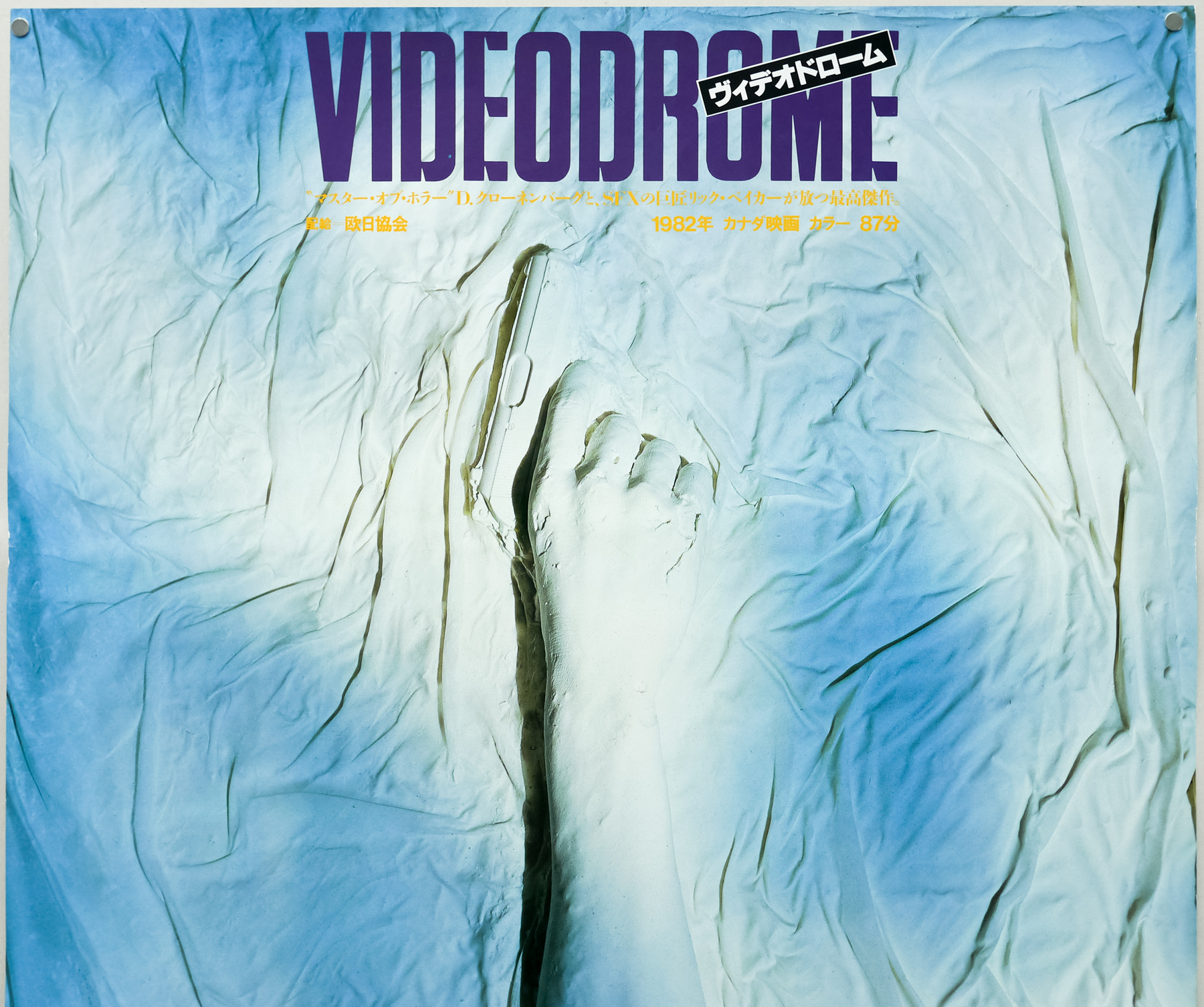
Cult Canadian director David Cronenberg’s Videodrome was released with this unique poster design when it hit Japanese cinemas in 1985. Like much of the director’s output, Videodrome is definitely not for the faint of heart and contains some utterly unforgettable moments of Cronenberg’s patented body-horror mutations. James Woods stars as Max Renn the sleazy CEO of a minor cable TV station who is constantly on the lookout for cheap exploitation fare to broadcast. Renn is told about Videodrome, a new and mysterious signal apparently being broadcast out of Malaysia which purports to depict real ‘snuff’ movies of victims being tortured and killed.

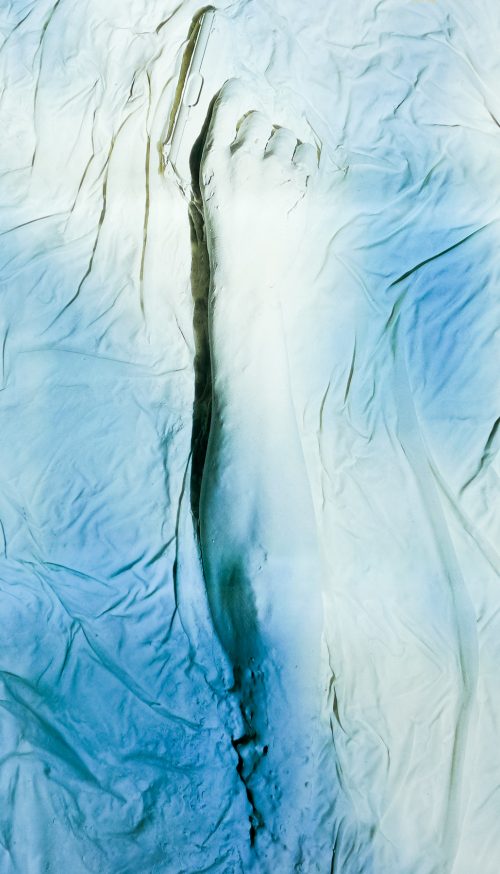
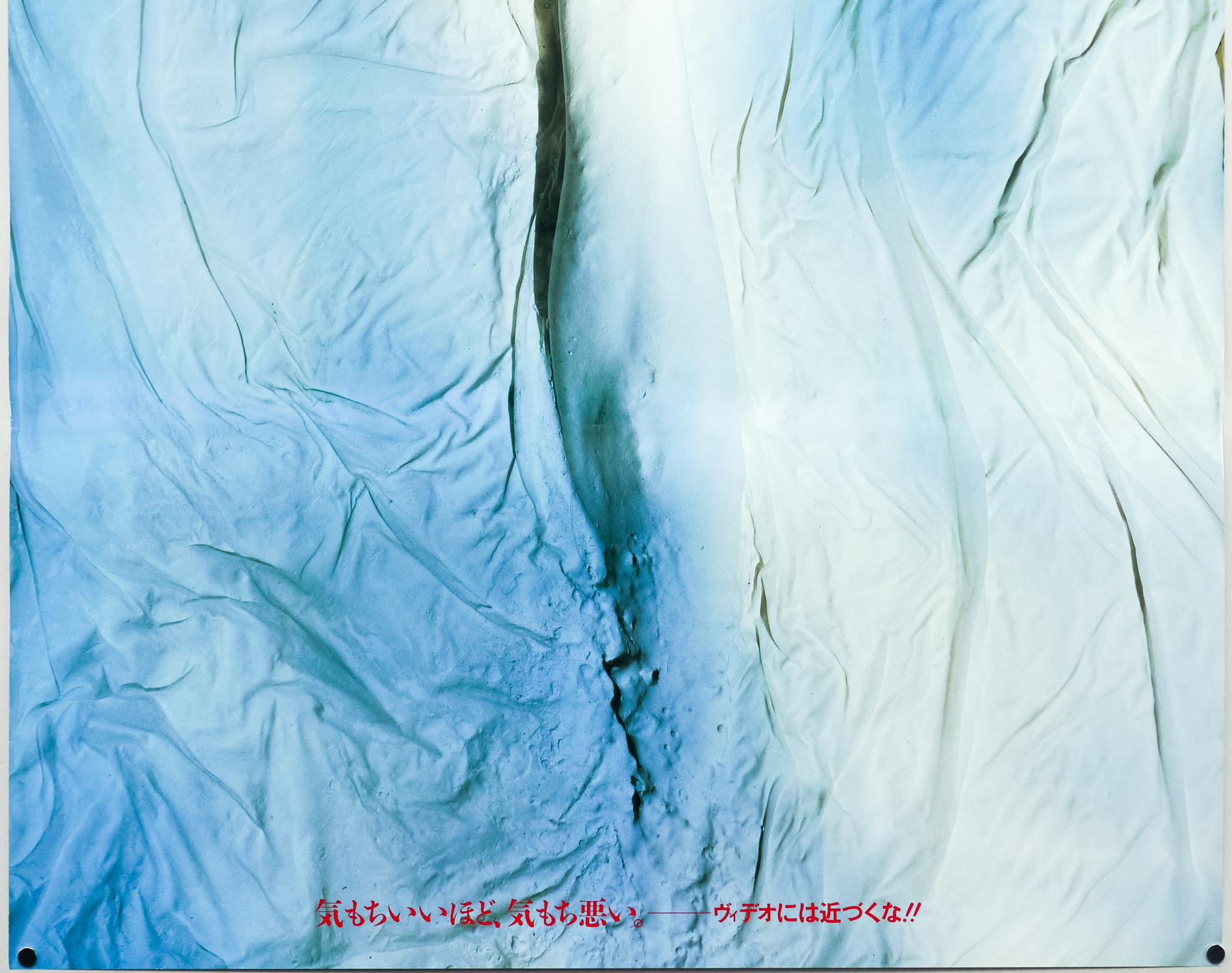
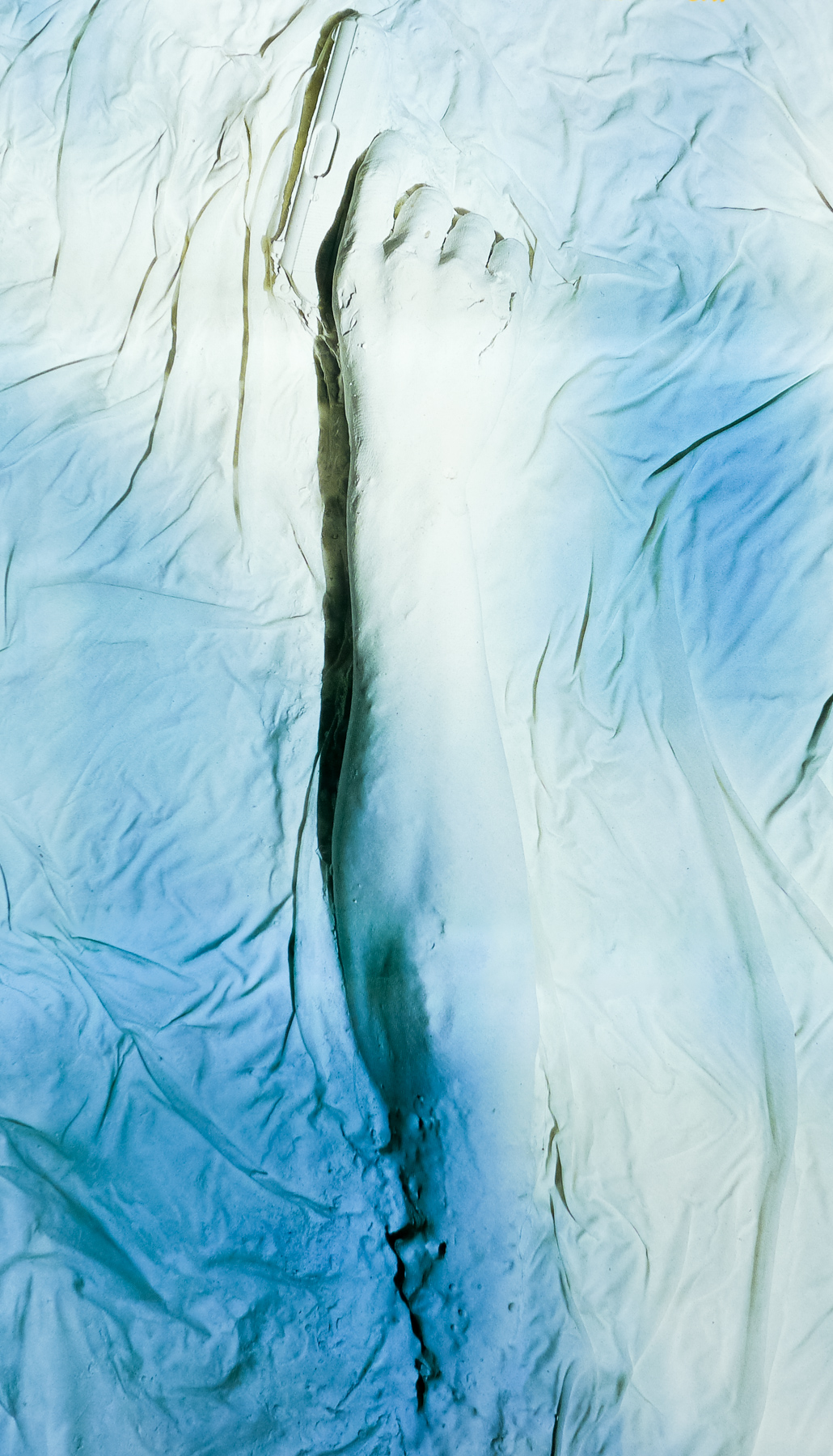
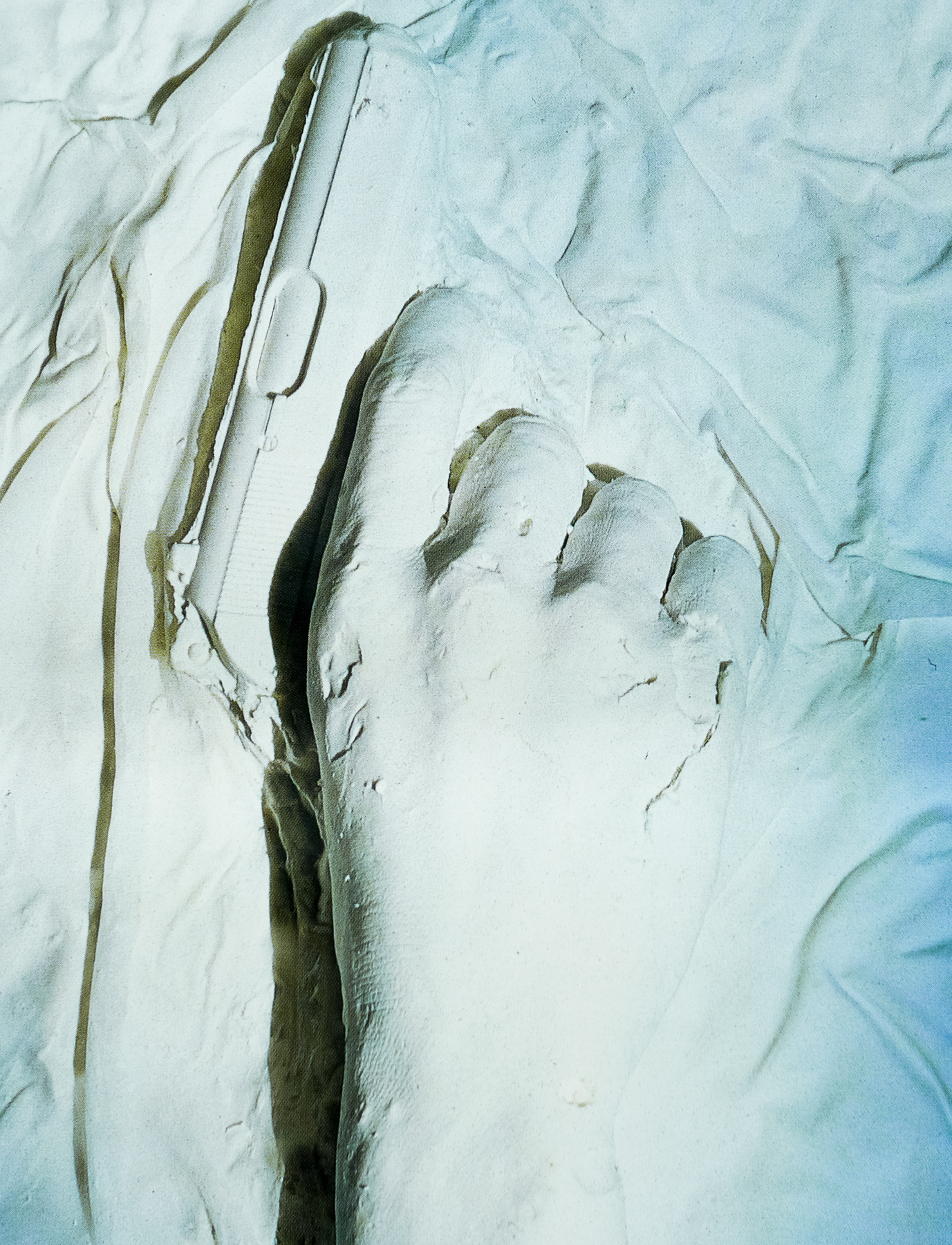
Renn decides to start pirating the show and broadcasting it to his audience. This soon attracts widespread attention that puts him into contact with sadomasochistic psychiatrist Nicki Brand (Debby Harry) and Professor Brian O’Blivion (Jack Creley). When he discovers that the signal is actually being broadcast out of Pittsburgh, Renn decides to investigate further and he plunges into a nightmarish conspiracy that goes deeper than he ever imagined. As the American tagline says ‘First it controls your mind. Then it destroys your body’. Fans of Cronenberg’s proclivity for unnatural cavities and the melding of flesh with inorganic substances are not left disappointed, and the gun on this poster hints towards the finale.

In addition to this Japanese poster I also have the American one sheet and the British quad.

The Last Starfighter / B2 / grey title style / Japan

23.09.13

Poster Poster
Title
The Last Starfighter
AKA
Giochi stellari [Star games] (Italy)
Year of Film
1984
Director
Nick Castle
Starring
Lance Guest, Dan O'Herlihy, Catherine Mary Stewart, Norman Snow, Robert Preston, Kay E. Kuter, Barbara Bosson, Chris Hebert, Dan Mason, Vernon Washington
Origin of Film
USA
Genre(s) of Film
Lance Guest, Dan O'Herlihy, Catherine Mary Stewart, Norman Snow, Robert Preston, Kay E. Kuter, Barbara Bosson, Chris Hebert, Dan Mason, Vernon Washington,
Type of Poster
B2
Style of Poster
Grey title style
Origin of Poster
Japan
Year of Poster
1985
Designer
Unknown
Artist
--
Size (inches)
20 5/16" x 28 14/16"
SS or DS
SS
Tagline
--

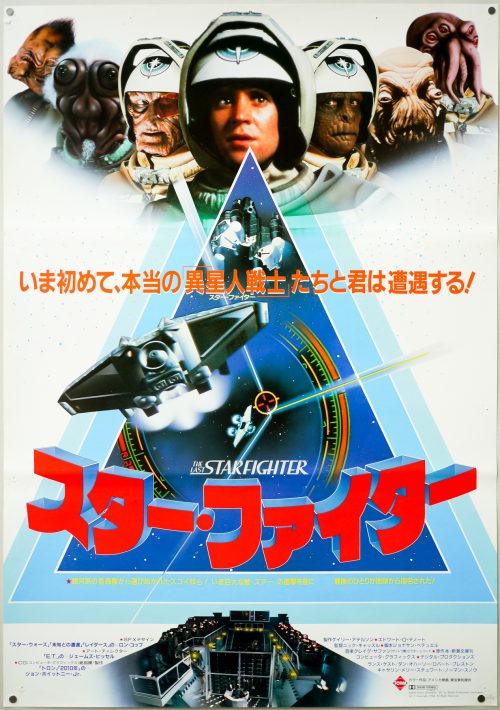
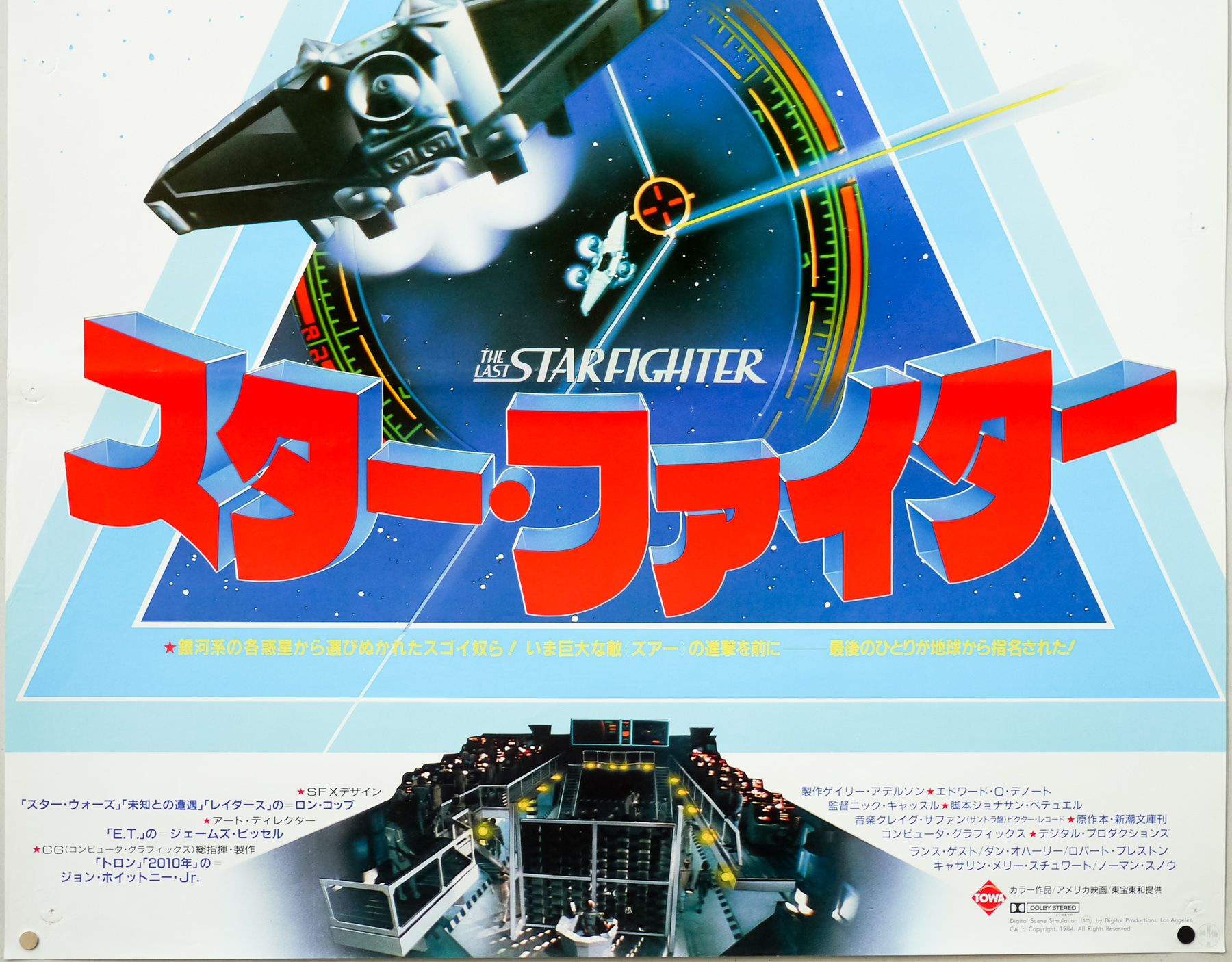
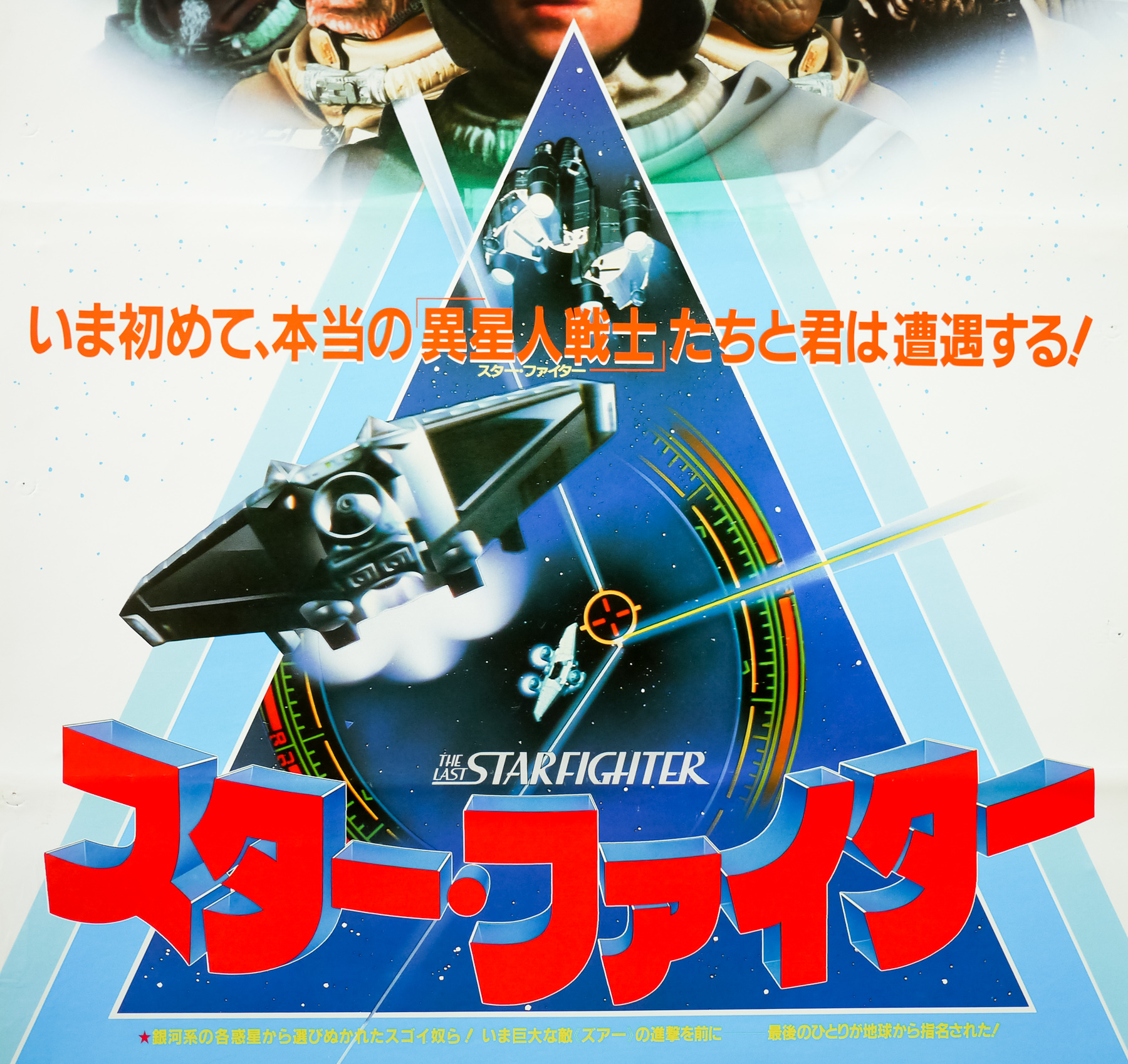
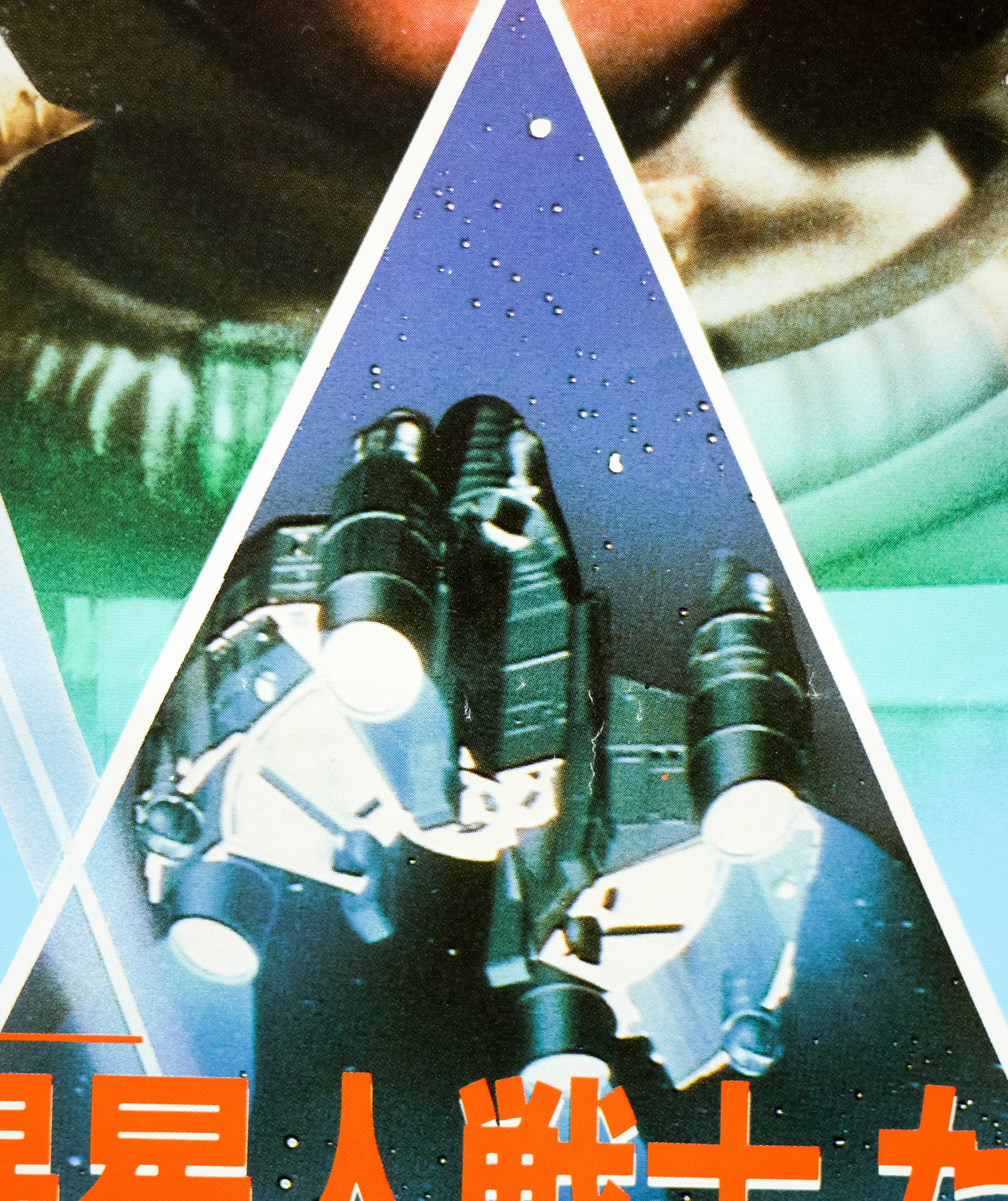
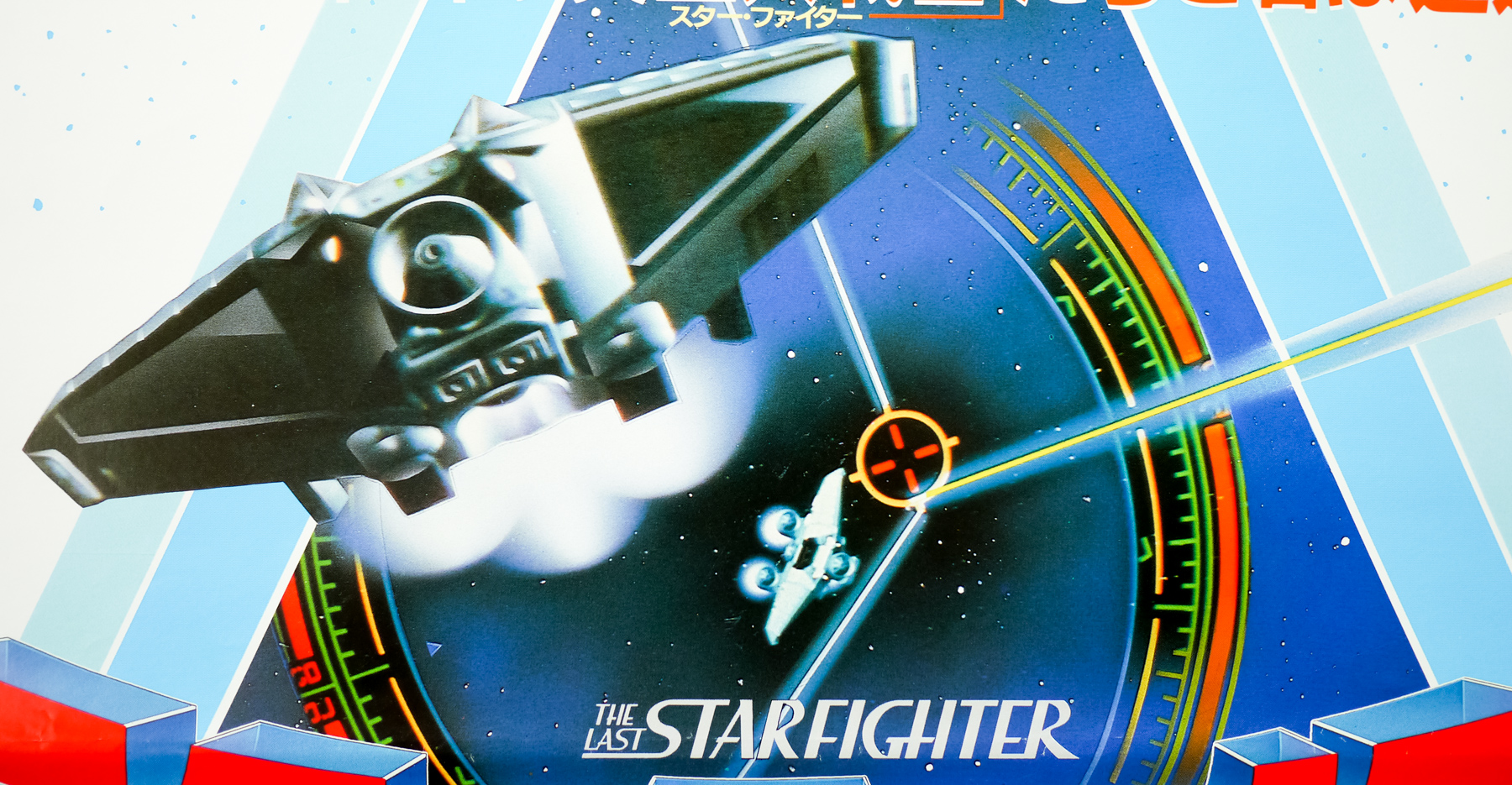
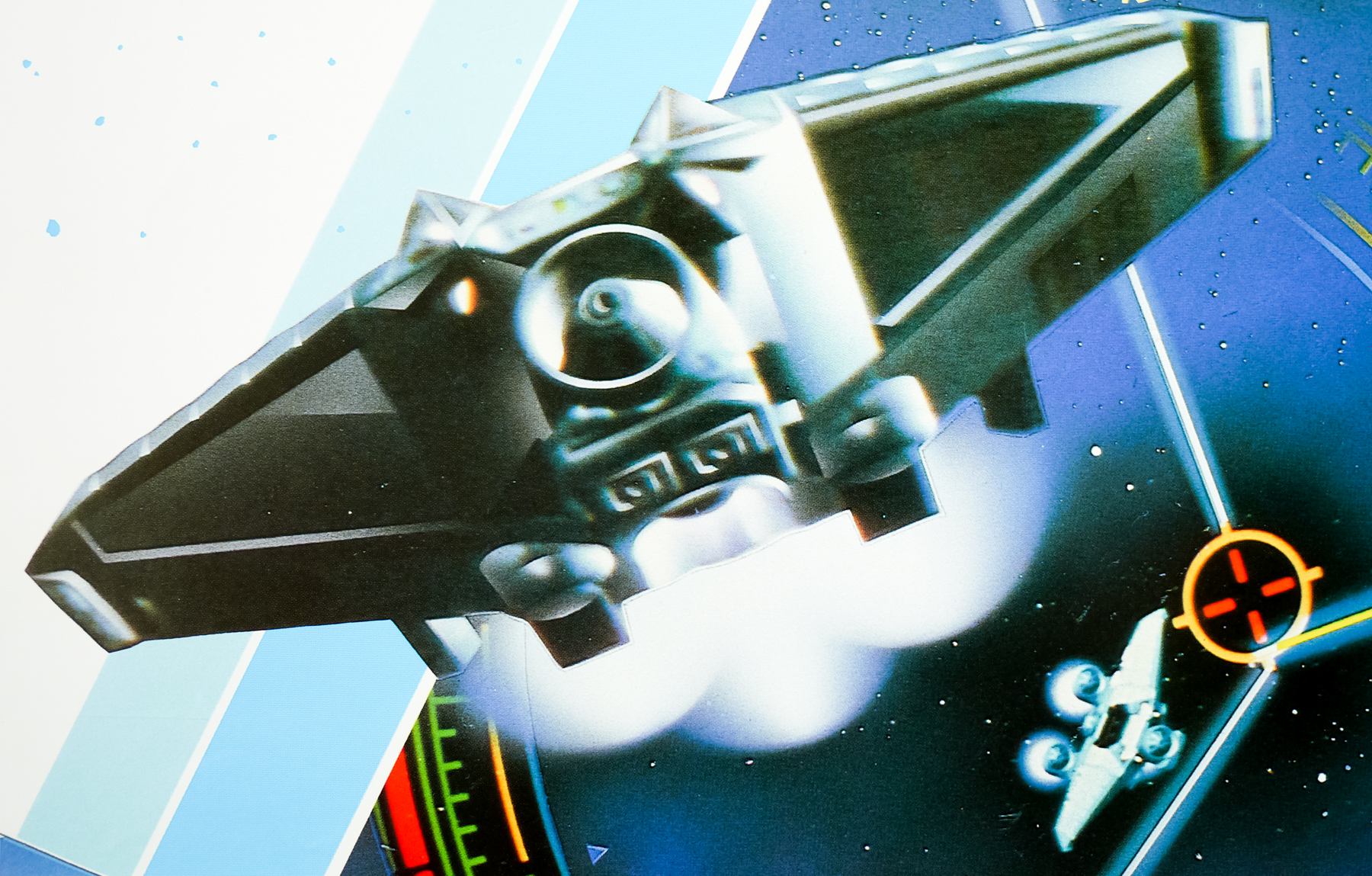
A minor sci-fi classic, The Last Starfighter is one of those perennial favourites that seemed to be on TV every month and, along with films like Flight of the Navigator and The Goonies, became a cult favourite for children of the 1980s. The film’s plot is fairly straightforward; Alex Rogan (Lance Guest) is a frustrated teenager who dreams of leaving his small American town to study at university, despite the protestations of his girlfriend Maggie (Catherine Mary Stewart). One day he beats the high score of an arcade game called Starfighter that is secretly a recruiting tool for the Star League, a team of space pilots who are battling against an overwhelming force threatening the entire galaxy. When an alien recruiter arrives and takes Alex to the headquarters of the defence force, the teenager is at first reluctant to join the war, but when a surprise attack from the enemy force destroys most of the command centre and the other starfighters, Alex decides to step up to the challenge.

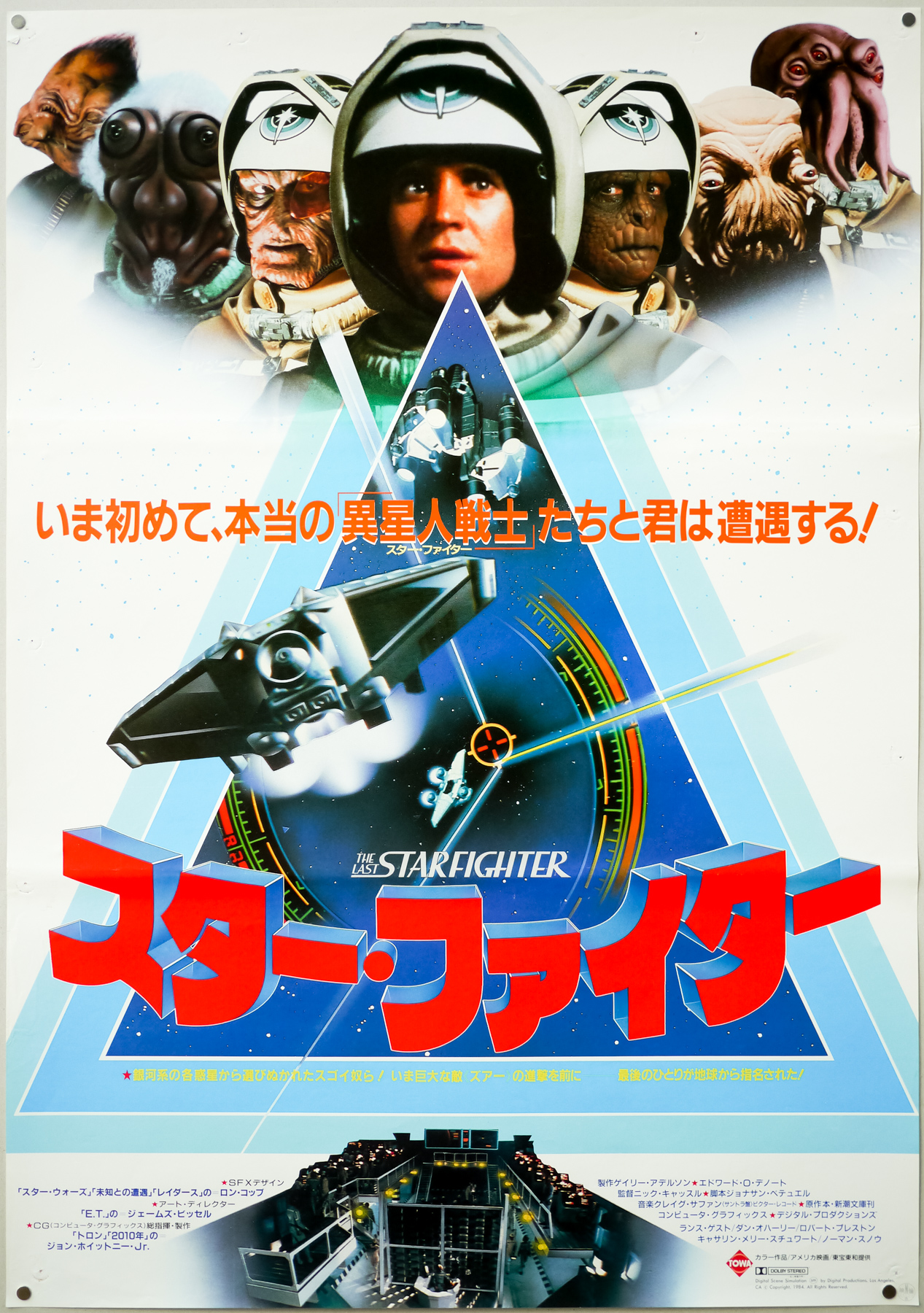
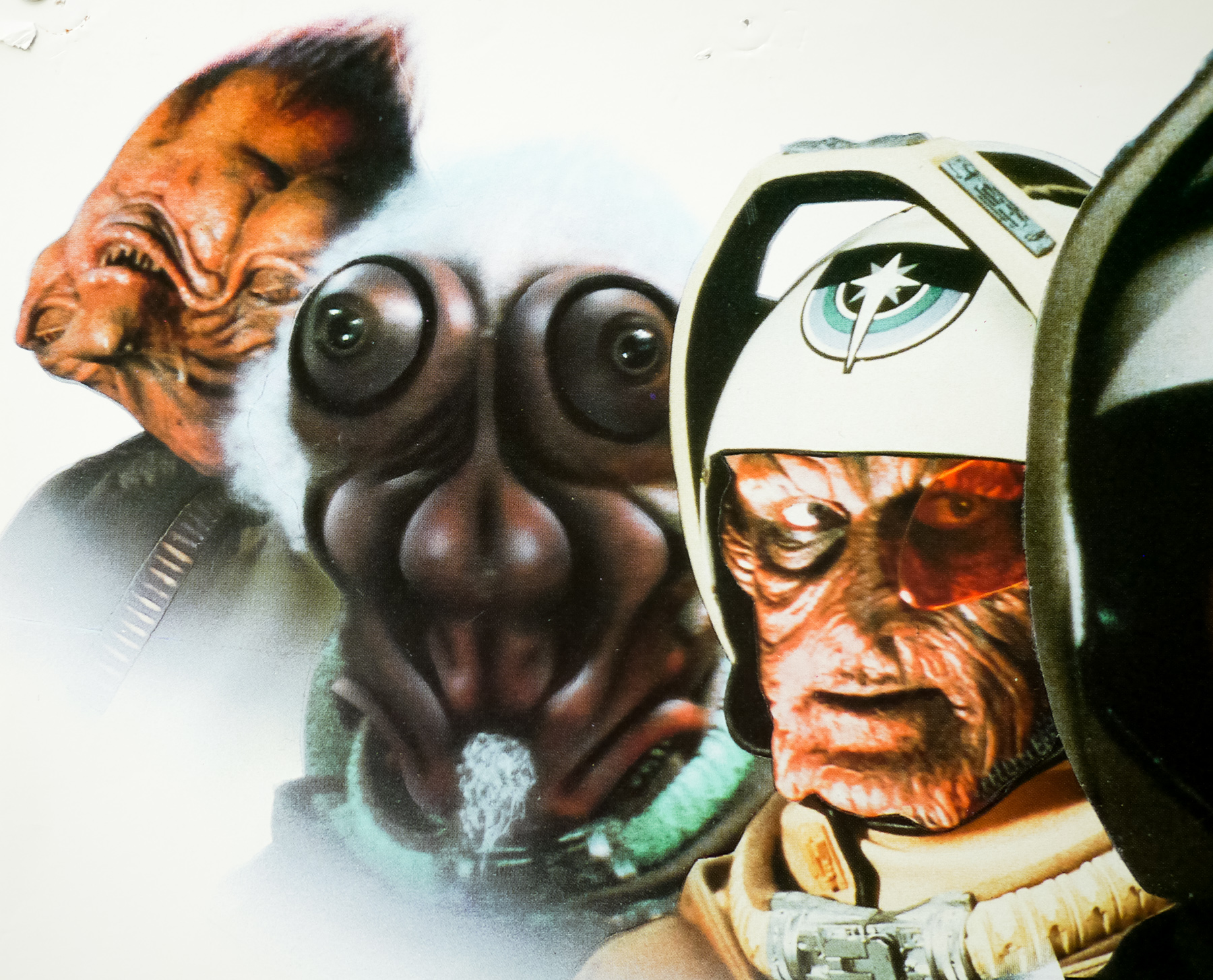
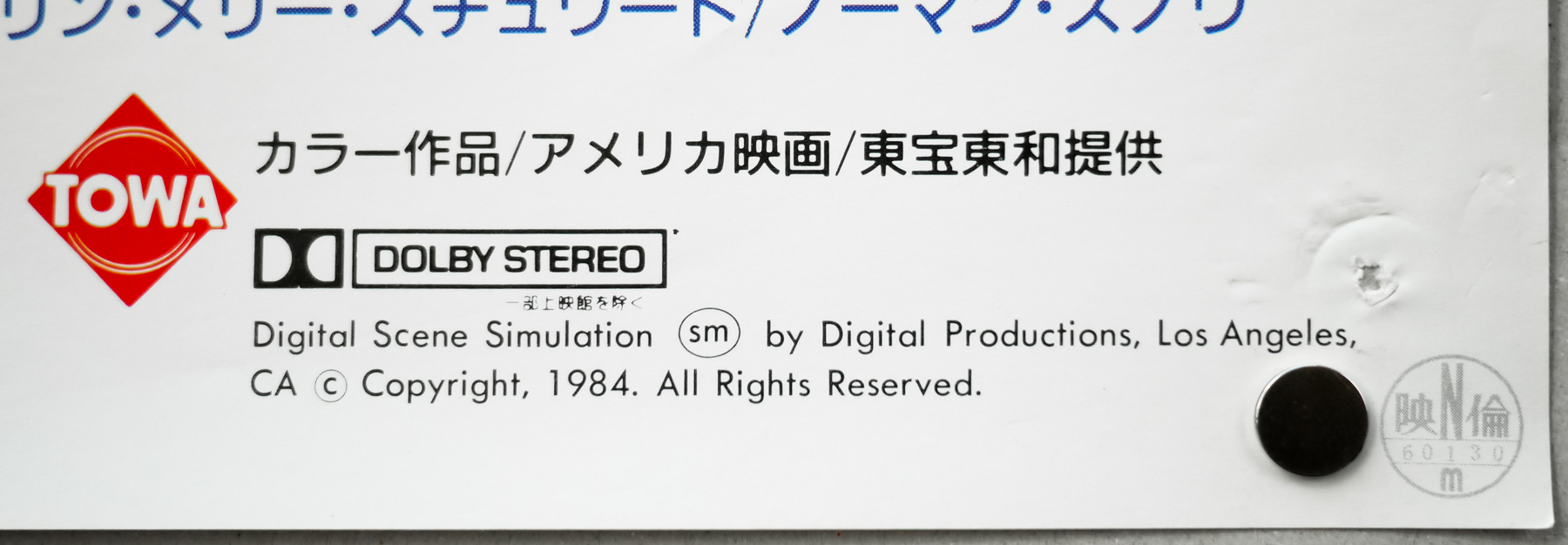
Ably directed by Nick Castle, a friend and former classmate (at USC) of John Carpenter – Nick actually played the part of Michael Myers in Halloween – the film has a sweet story filled with memorable characters, such as the late, great character actor Robert Preston as the alien benefactor who recruits Alex and Dan O’Herlihy as Grig, his alien co-pilot (as seen to the right of Alex on this poster). The film is perhaps most notable for being a milestone of technical achievement for its pioneering use of CGI to depict most of the scenes involving space battles, or ‘digital scene simulation’ as it’s (unusually) credited as on the bottom of this poster.

A company called Digital Productions was hired to work on these sequences and, as detailed in the excellent making-of documentary found on the blu-ray of the film, the artists and technicians were pushing the boundaries of what was possible with the available hardware – a giant supercomputer called Cray – on a daily basis. It was the first time that CGI was used to depict scenes in a film that weren’t explicitly part of a computer simulation (like Tron, for example) and the team had to battle against time and a plentiful supply of naysayers who were trying to push Castle and the producers to use the more traditional model work seen in other films of the period. The director stood his ground and the results speak for themselves. Viewed now it’s clear how far the technology has come, but audiences must have been thrilled back in 1984 and some of the sequences still look pretty decent even today.

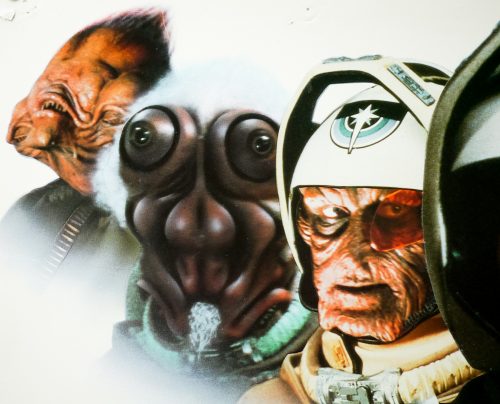
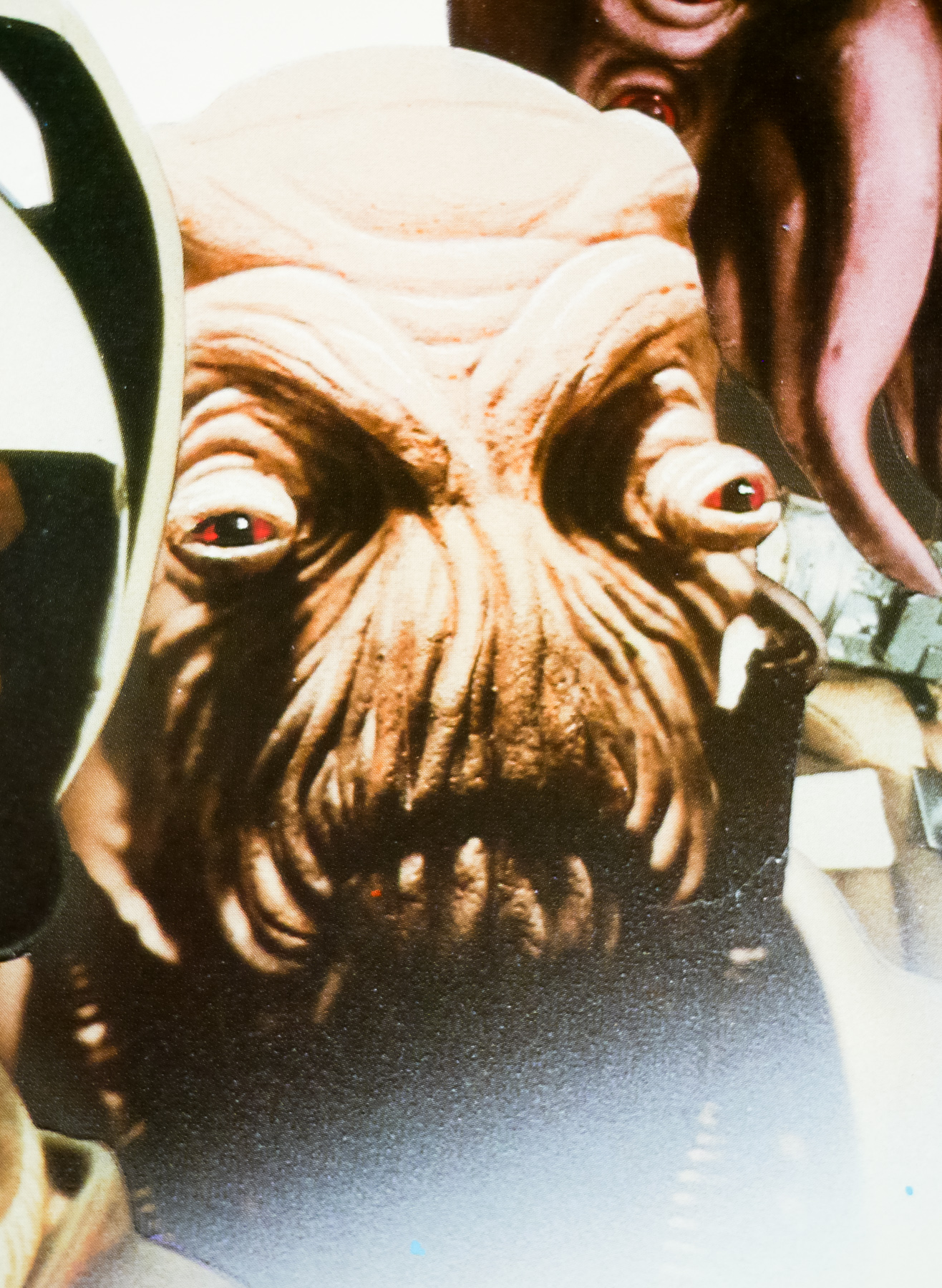
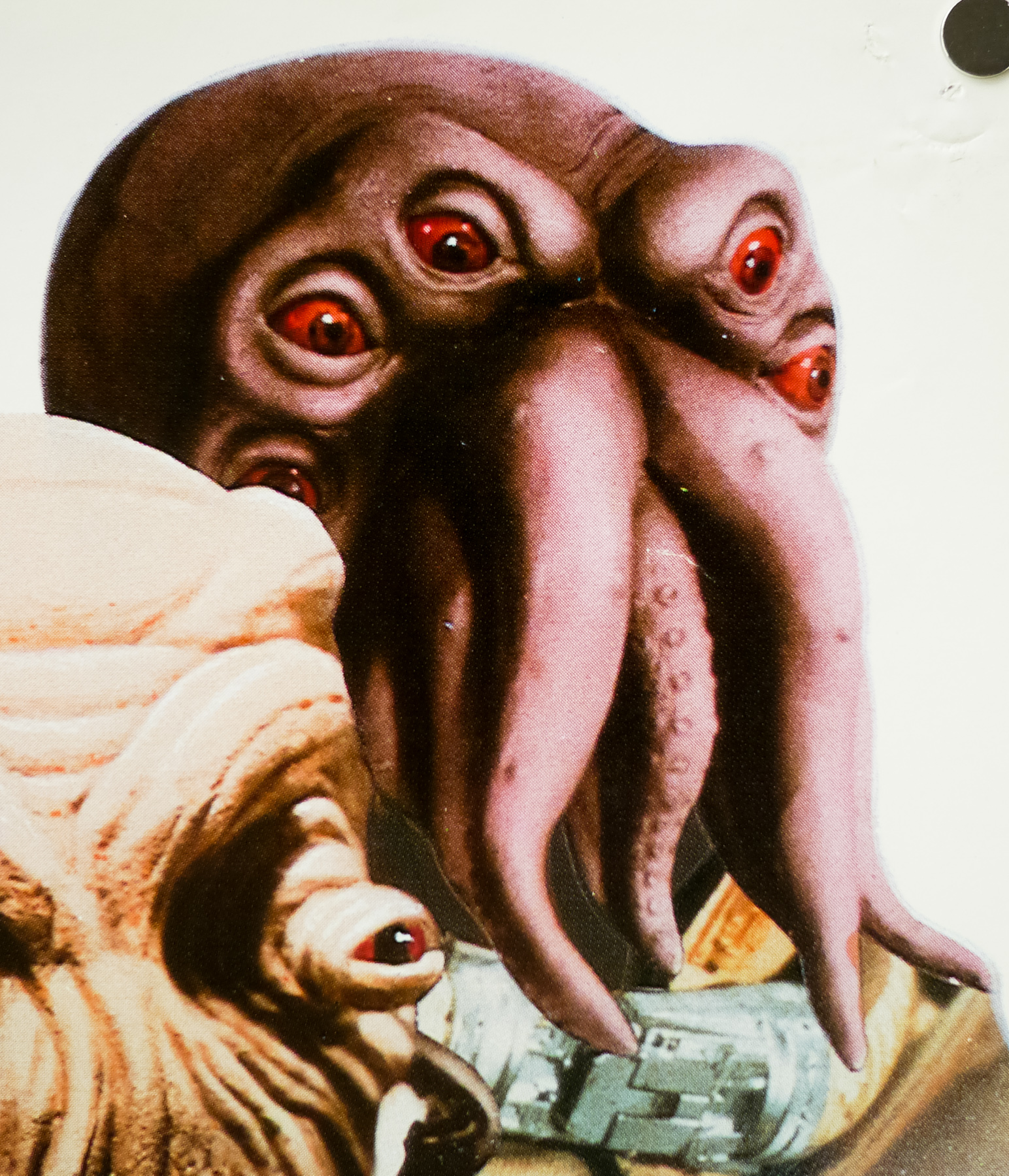
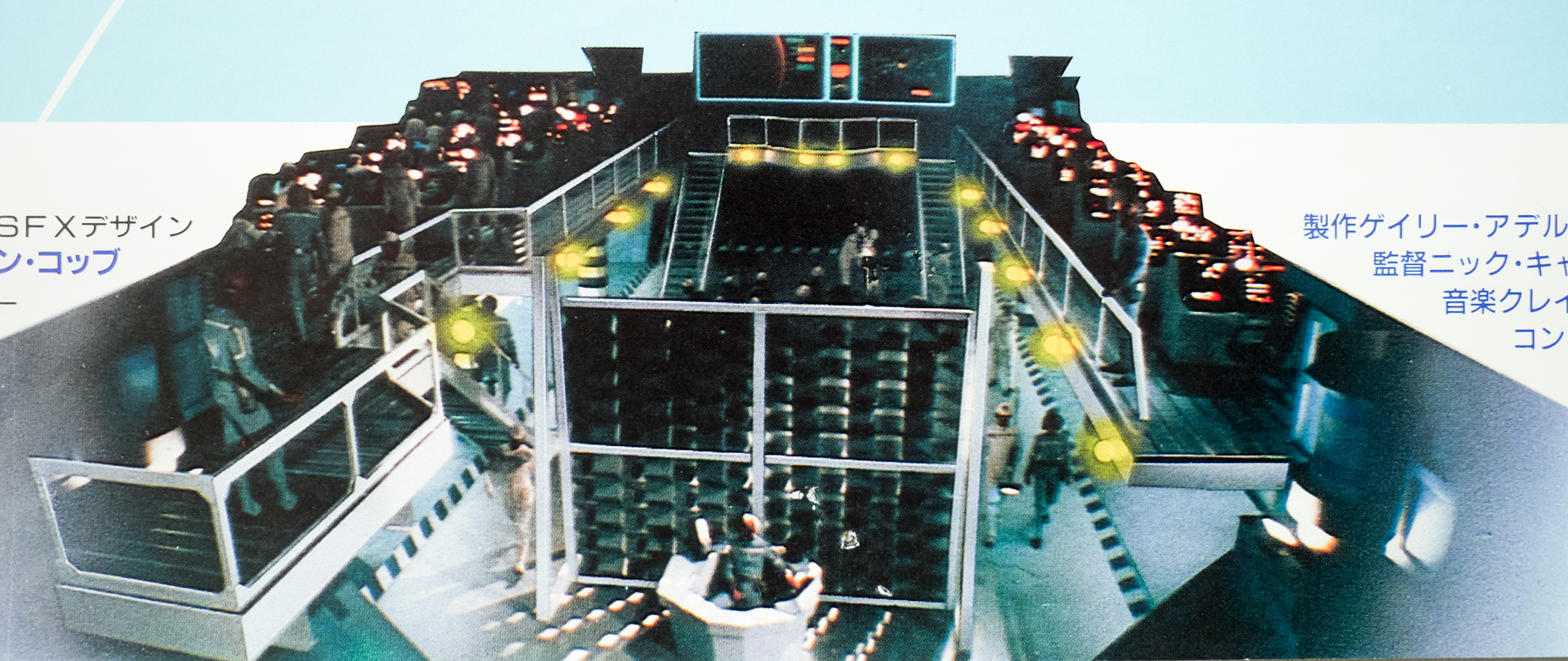
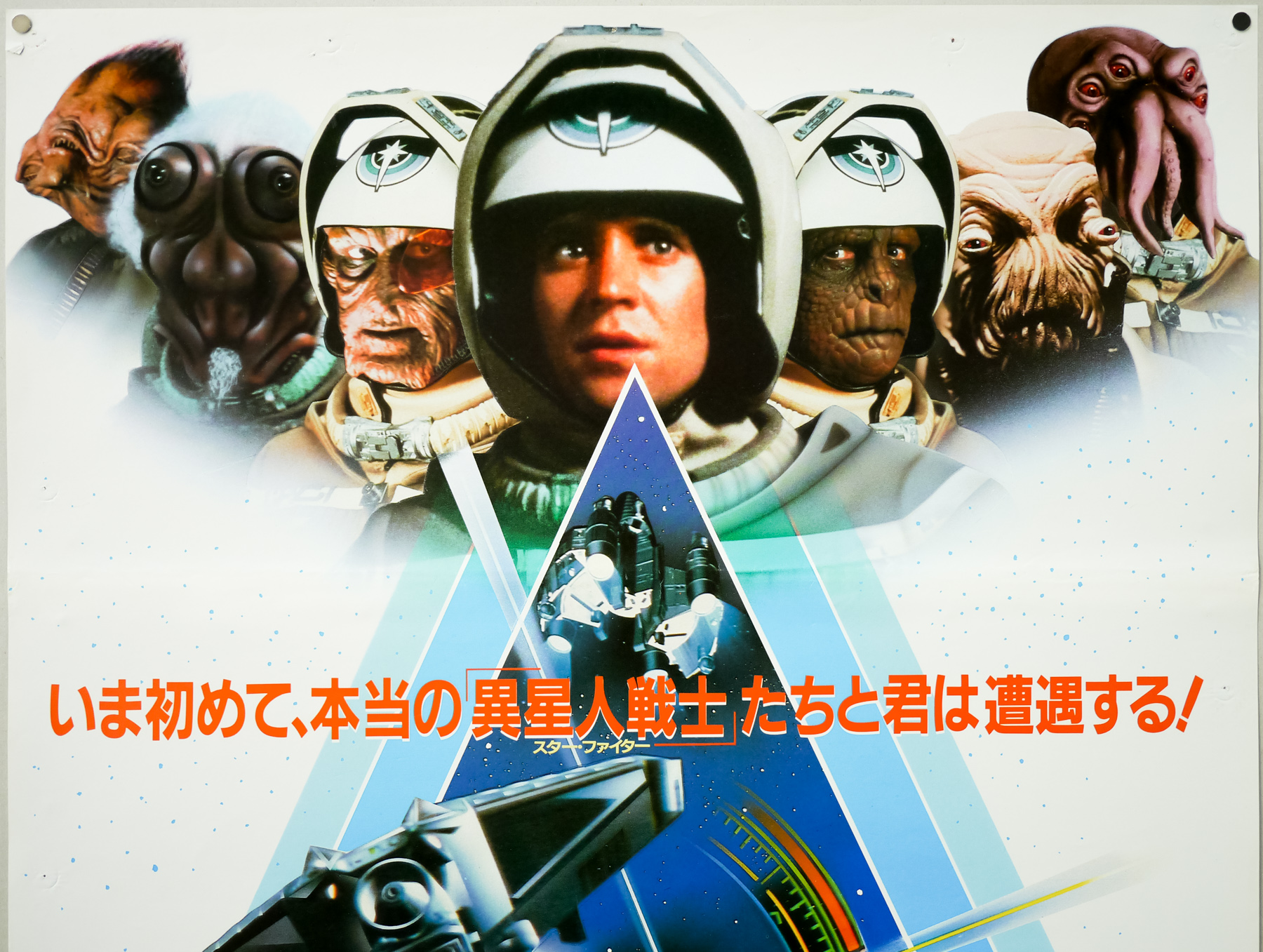
This Japanese poster features a montage of images from the film, including some of Alex’s fellow starfighters, although fans of the film will notice that the designer of the poster has taken some liberties by placing a starfighter helmet on the head of one of the main bad guys (the brown-faced alien with the eye glass). I’m assuming it had something to do with making the design more symmetrical, unless there’s a deleted scene that I’m unaware of!


Sharks and Men / B2 / Japan

28.10.13

Poster Poster
Title
Sharks and Men
AKA
Uomini e Squali (Italy - original title) | Of Sharks and Men (alt. full title)
Year of Film
1976
Director
Bruno Vailati
Starring
N/A
Origin of Film
Italy
Genre(s) of Film
N/A,
Type of Poster
B2
Style of Poster
--
Origin of Poster
Japan
Year of Poster
1976
Designer
Unknown
Artist
Susumu Masukawa
Size (inches)
20 6/16" x 28 13/16"
SS or DS
SS
Tagline
--

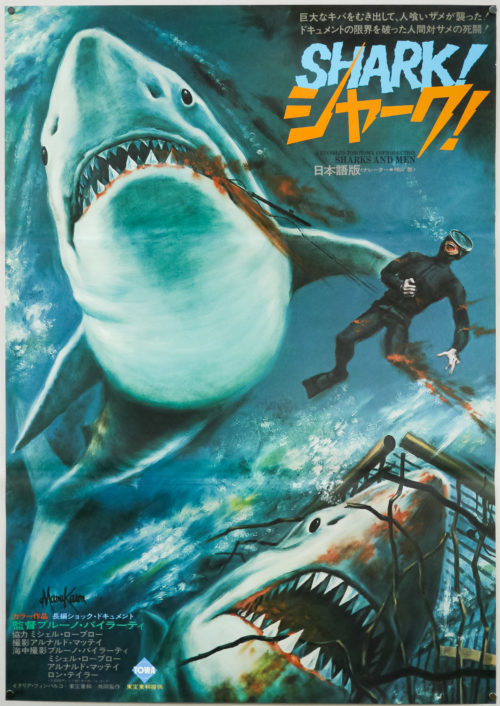
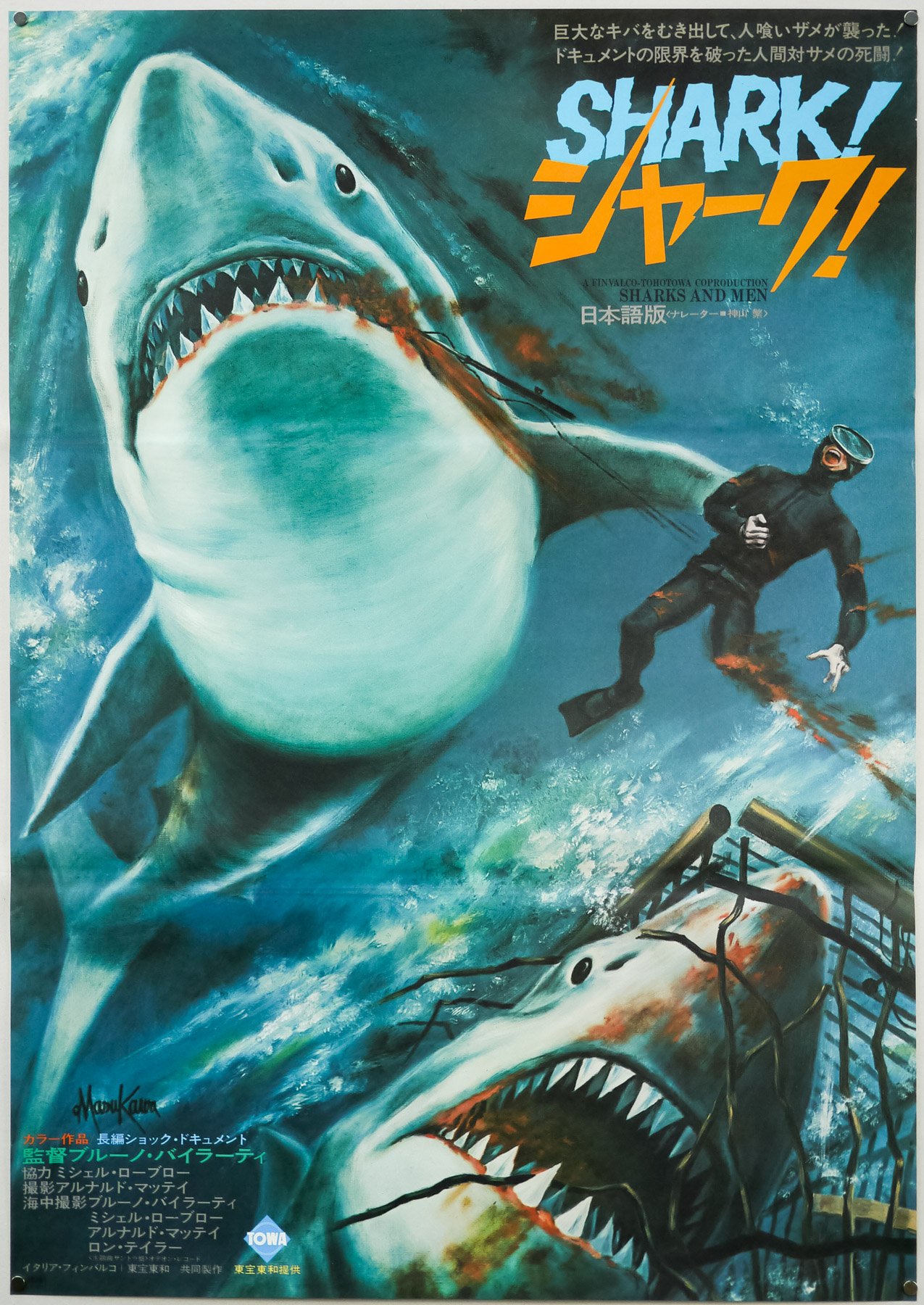
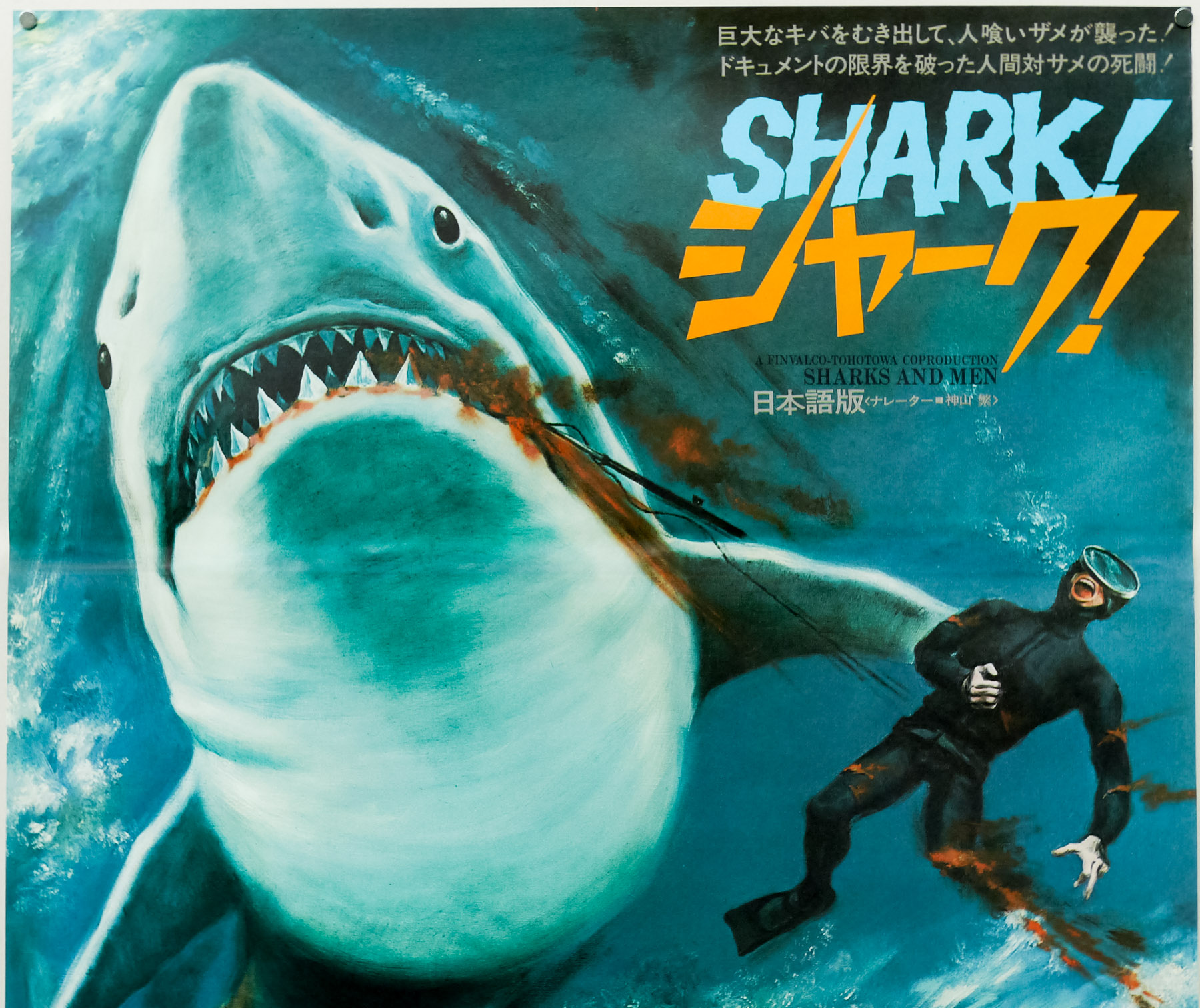
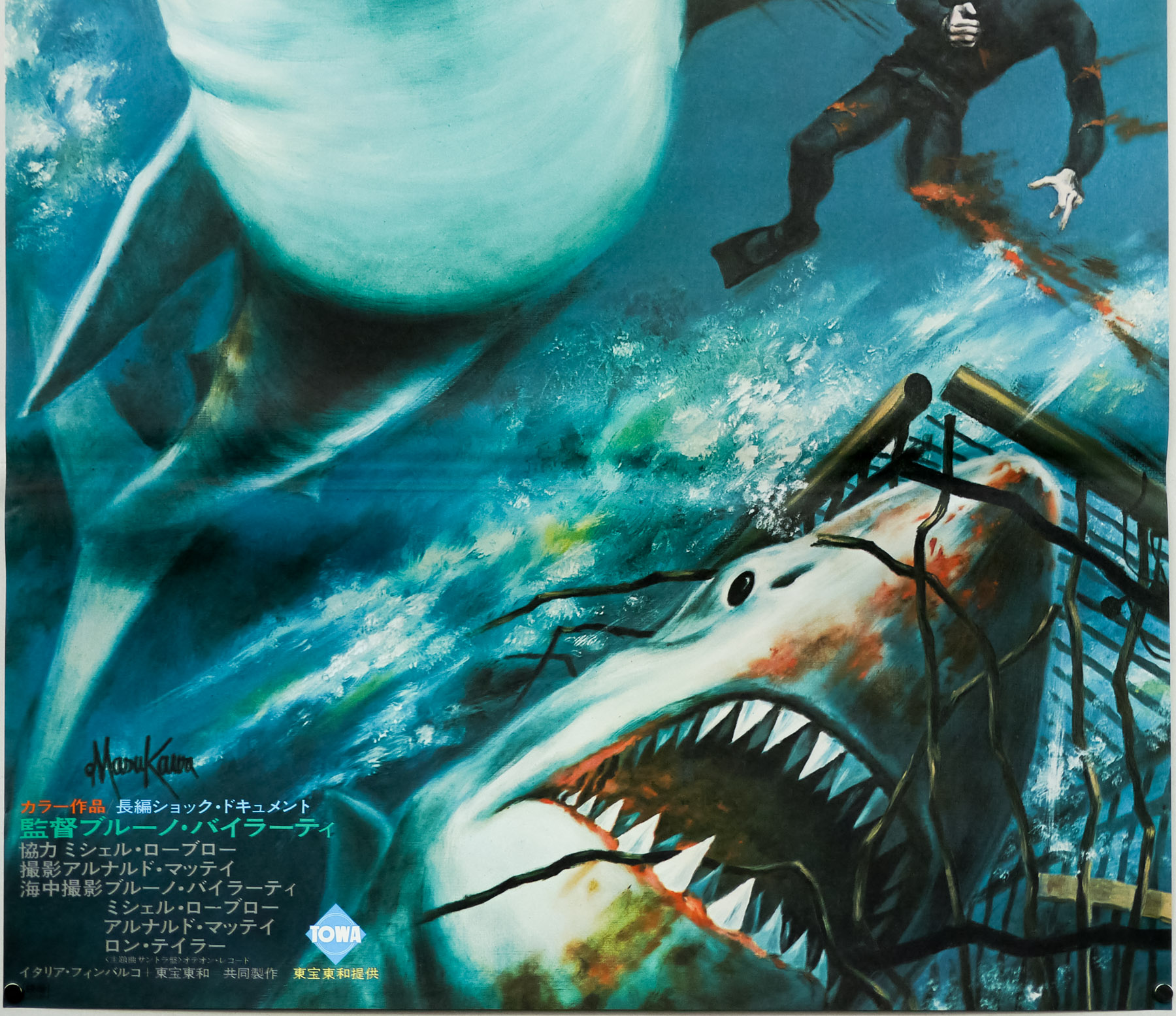
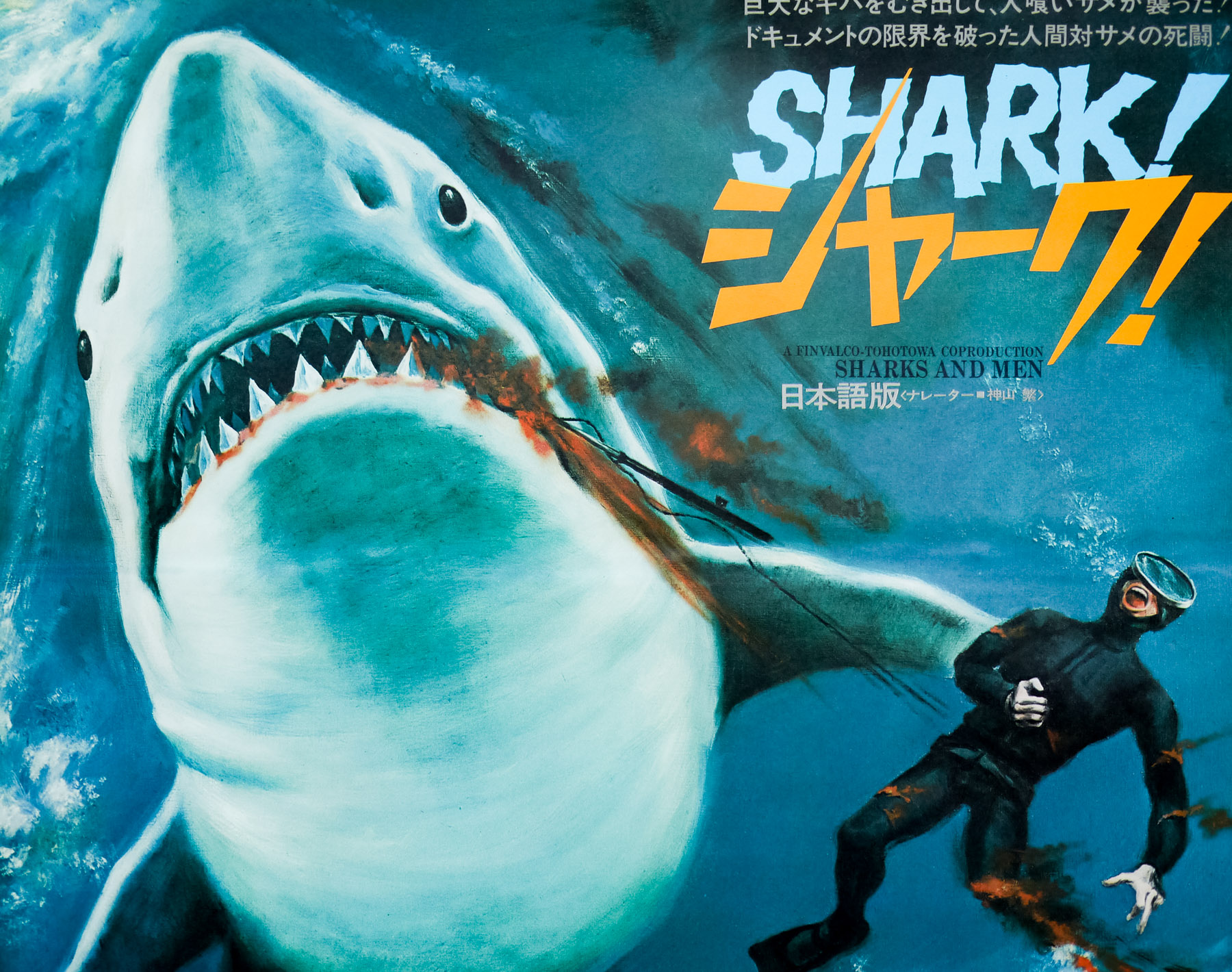
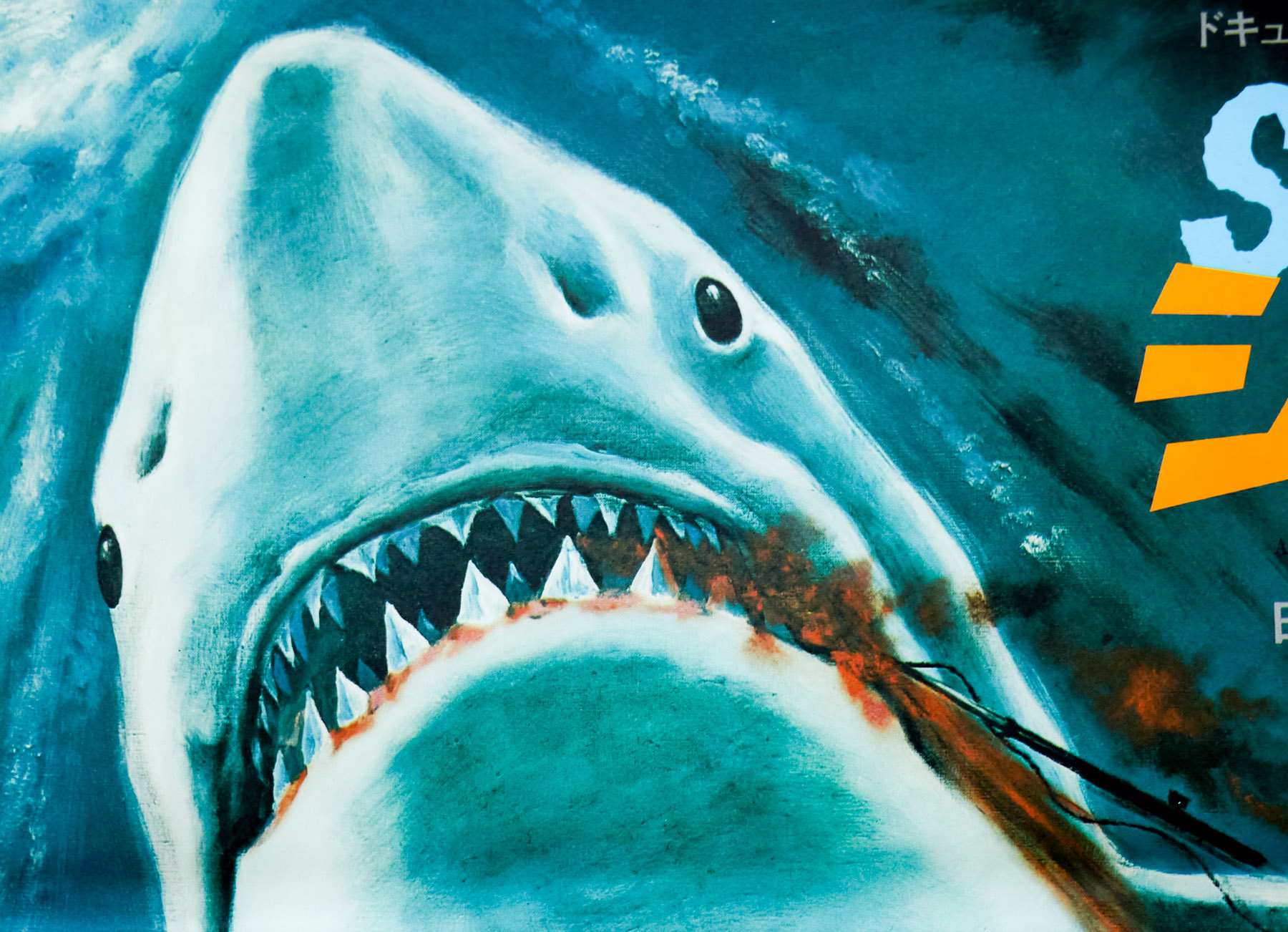
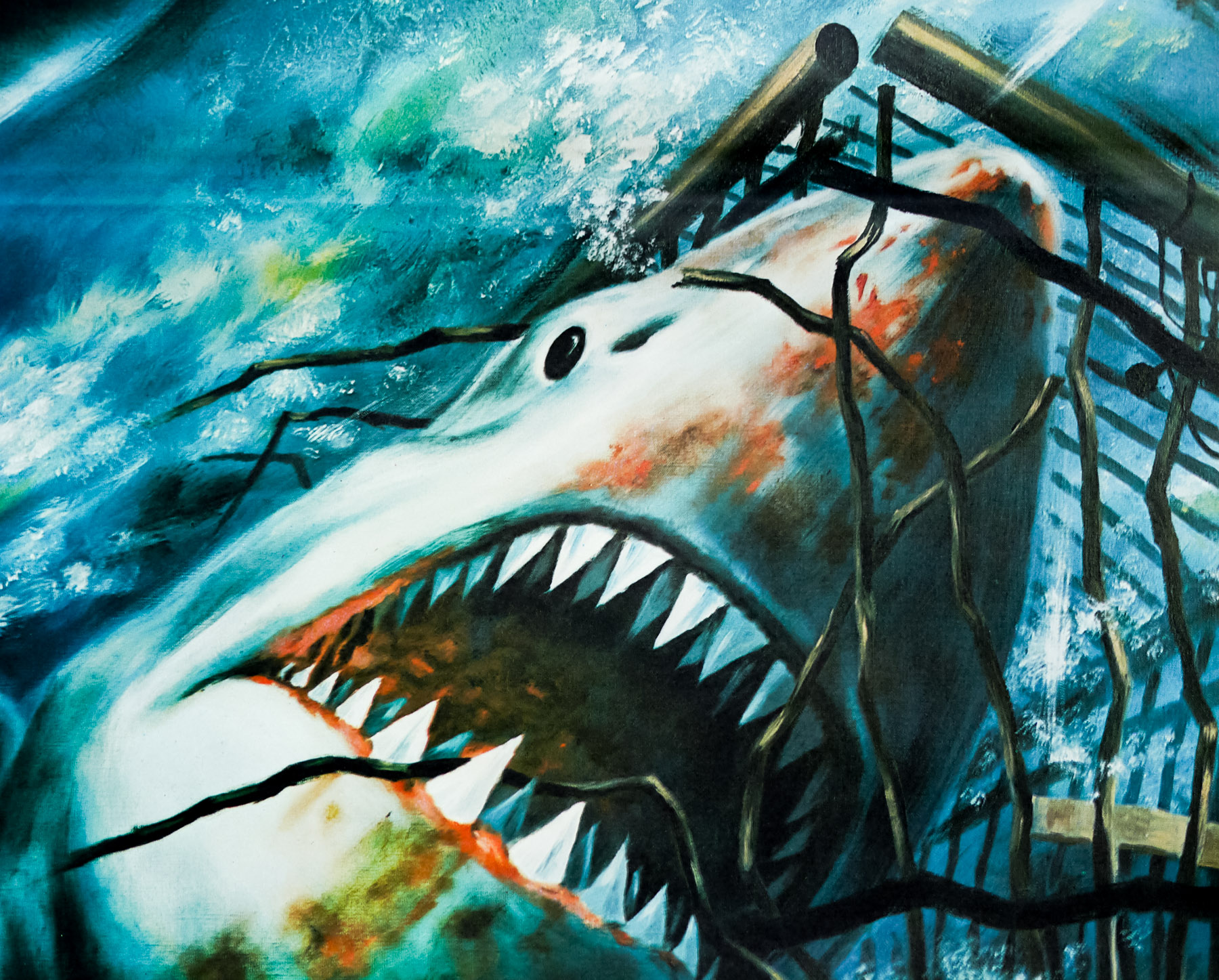
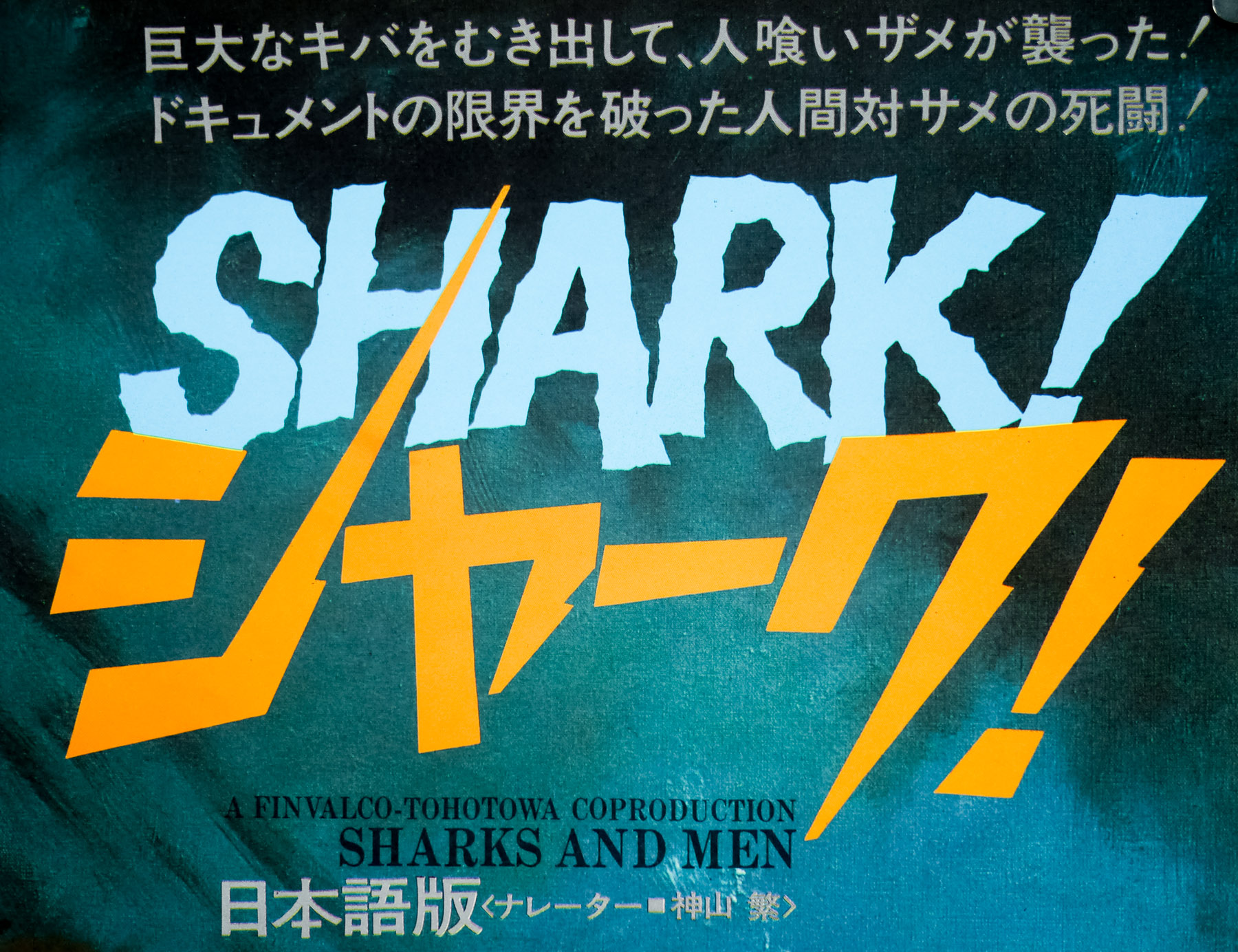
This is the Japanese poster for the release of the little-seen 1976 mondo documentary about sharks that was filmed by the Italian director Bruno Vailati (who’s probably best known for the 1961 version of The Thief of Baghdad) and released in a handful of countries that included France (I don’t believe it reached the UK). There are no prizes for guessing which Hollywood blockbuster, released only a year earlier, was the reason this documentary was put together. The IMDb page for the film is bare and features not a single review of the film. I had to dig around a bit before I found out any details of what the documentary features via this review of the VHS release on Amazon.com:

“This is the English language version of the 1976 Italian documentary “Uomini e squali” (‘Sharks and Men’), from director Bruno Vailati, narrated by Joseph Campanella, with a score by Daniele Patucchi (“Death Played the Flute”, “Frankenstein 80”) and featuring an on-screen appearance by Ray Cannon, author of “The Sea of Cortez.” Traveling all over the world (the Red Sea, the Yucatan, Tahiti and Australia), we’re treated to footage of all different species of sharks (bull, hammerhead, Great White), as well as other forms of sea life, like elephant seals, tuna and killer whales.

For those sensitive to such issues, there is a fair amount of casual cruelty in this film, including an “improvised Caesarean” of a pregnant shark (though, mercifully, her brood is cut loose and then freed to the sea) and gruesome shots of sharks being butchered. Still, an informative if somewhat outdated documentary with lots of great underwater photography (even if a few of the shots have been tampered with in post-production, e.g. net lines matted in during the opening tuna-fishing segment).”

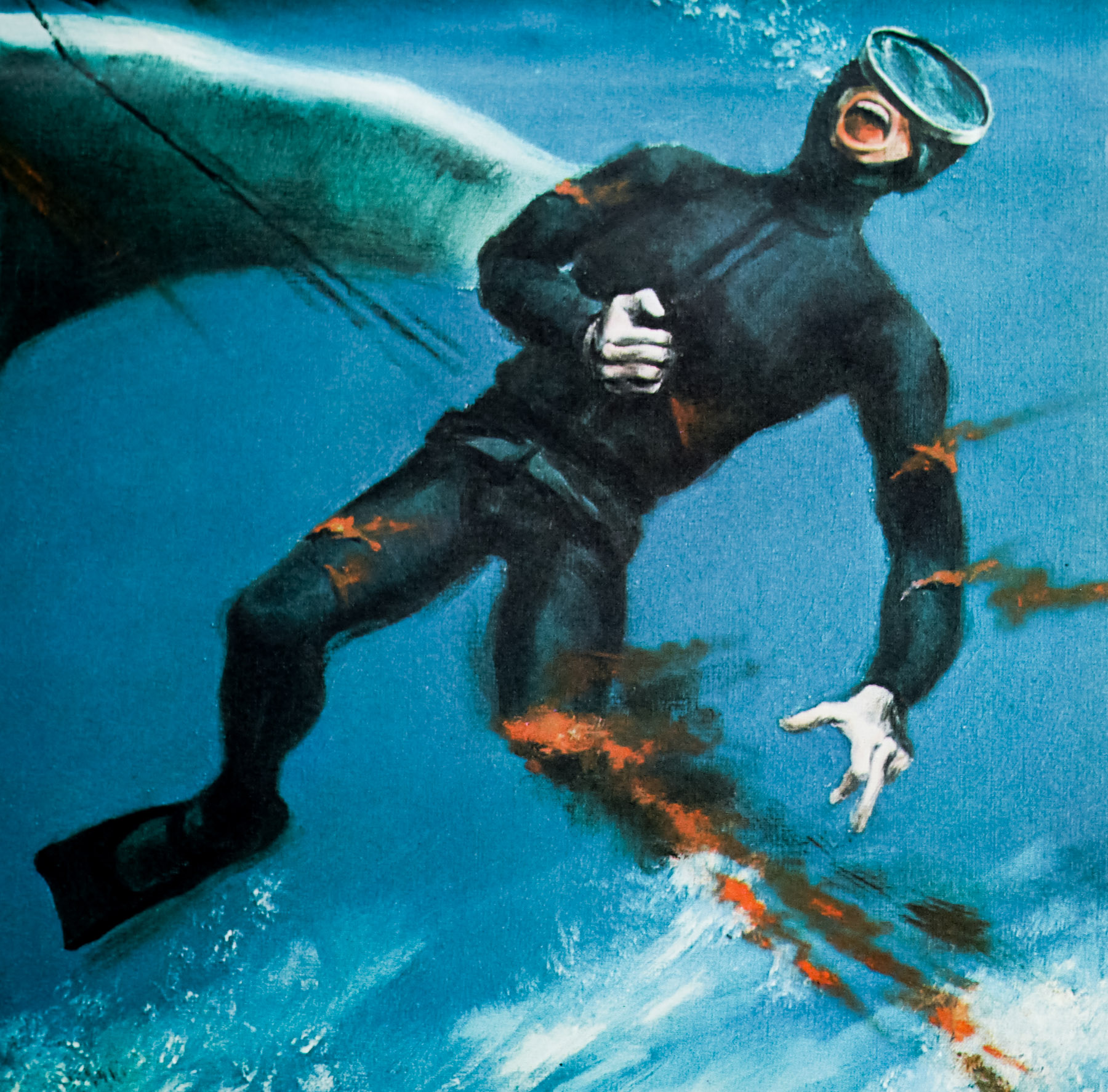
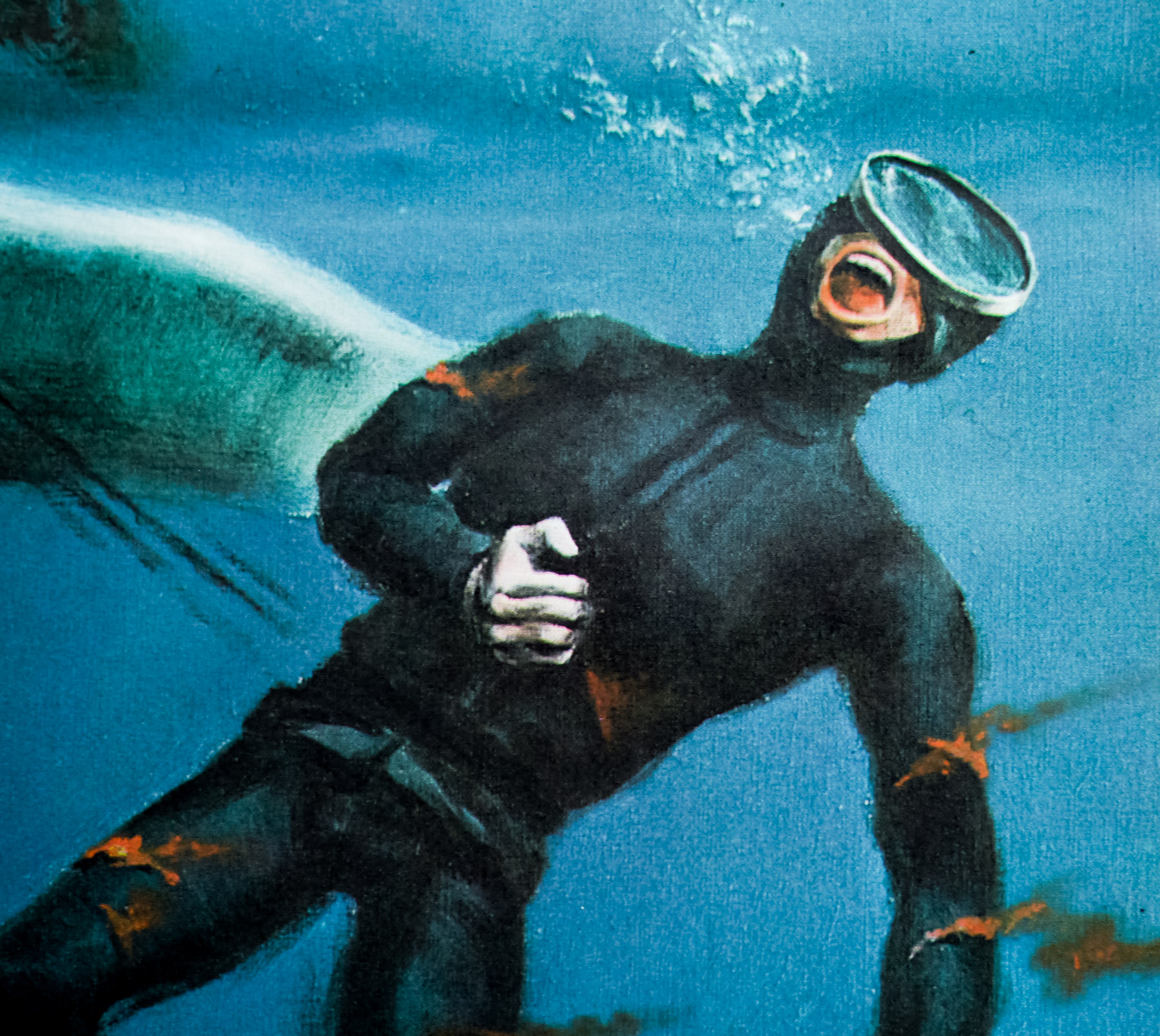
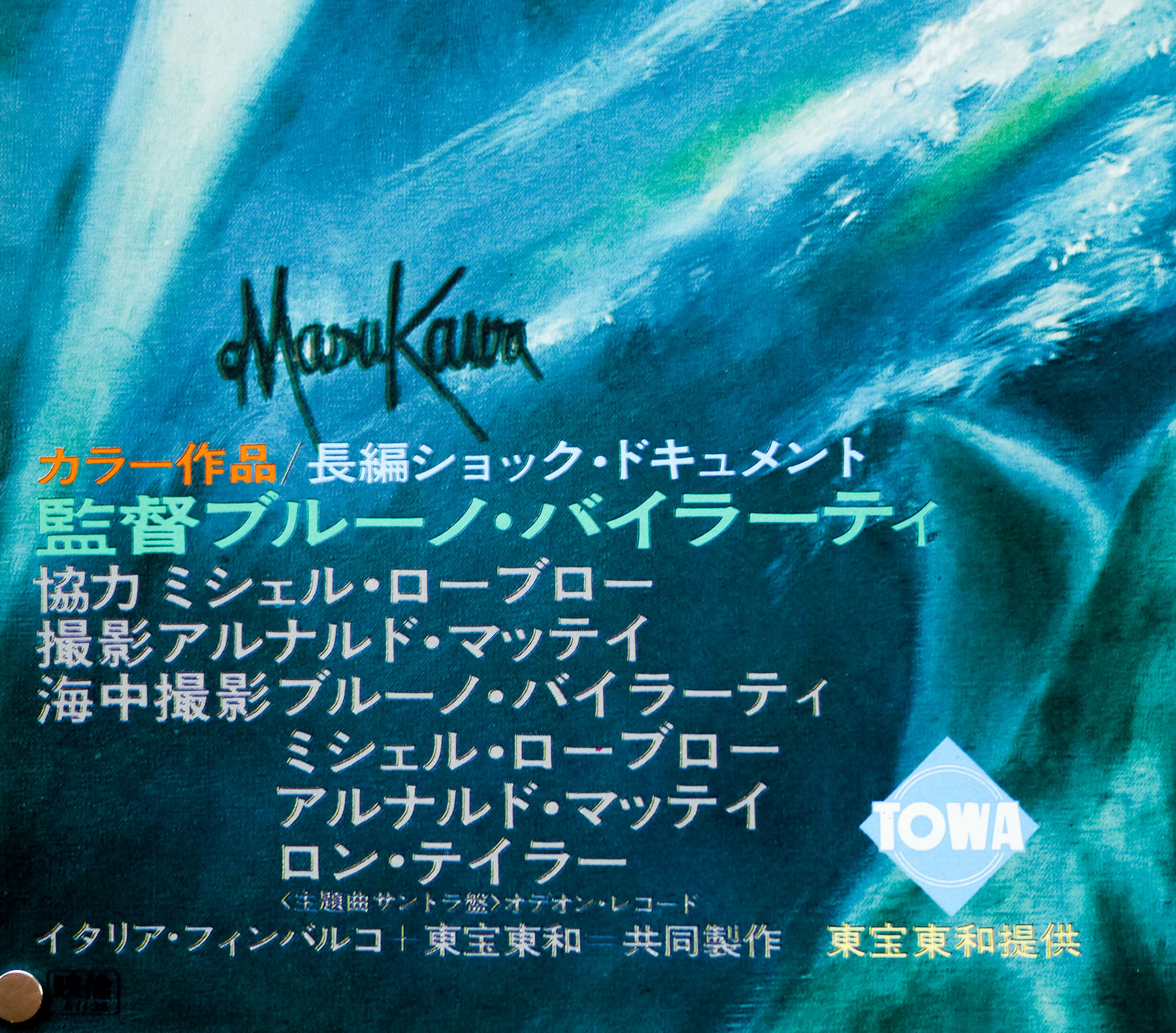
This French trailer for the film (it was released in France as ‘Les Dents de la Mort’, or The Teeth of Death) features a section at the end where a diver is bitten in the leg by a Great White in what is clearly a mondo-style faked sequence. This was obviously used by the artist of this poster as the basis for this image of an unlucky diver with a missing leg (there’s nothing like a bit of oversell!). A friend of the site identified the artist as Susumu Masukawa about whom I’ve been unable to discover many details. If anyone has any more information about the artist please get in touch.

The Silent Flute / B2 / Japan

06.08.14

Poster Poster
Title
The Silent Flute
AKA
Circle of Iron (US/UK)
Year of Film
1978
Director
Richard Moore
Starring
David Carradine, Jeff Cooper, Christopher Lee, Roddy McDowall, Eli Wallach, Anthony De Longis, Earl Maynard, Erica Creer
Origin of Film
USA
Genre(s) of Film
David Carradine, Jeff Cooper, Christopher Lee, Roddy McDowall, Eli Wallach, Anthony De Longis, Earl Maynard, Erica Creer,
Type of Poster
B2
Style of Poster
--
Origin of Poster
Japan
Year of Poster
1979
Designer
Unknown
Artist
Seito
Size (inches)
20 5/16" x 28 13/16"
SS or DS
SS
Tagline
--

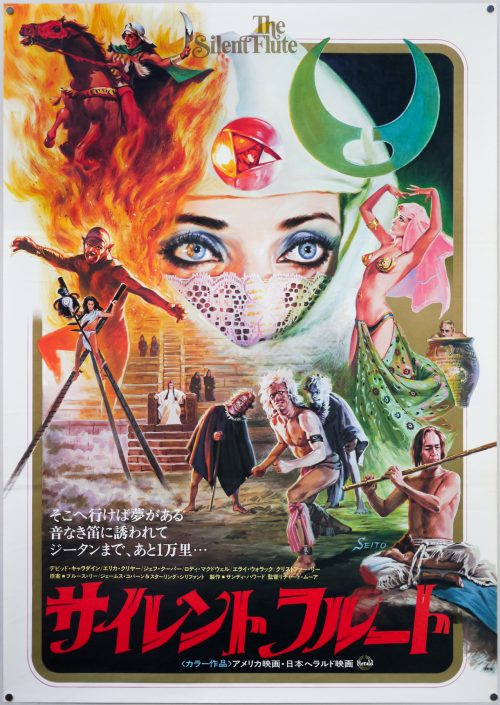
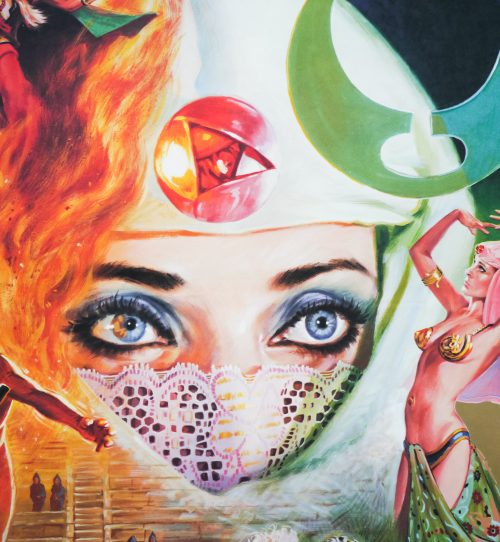
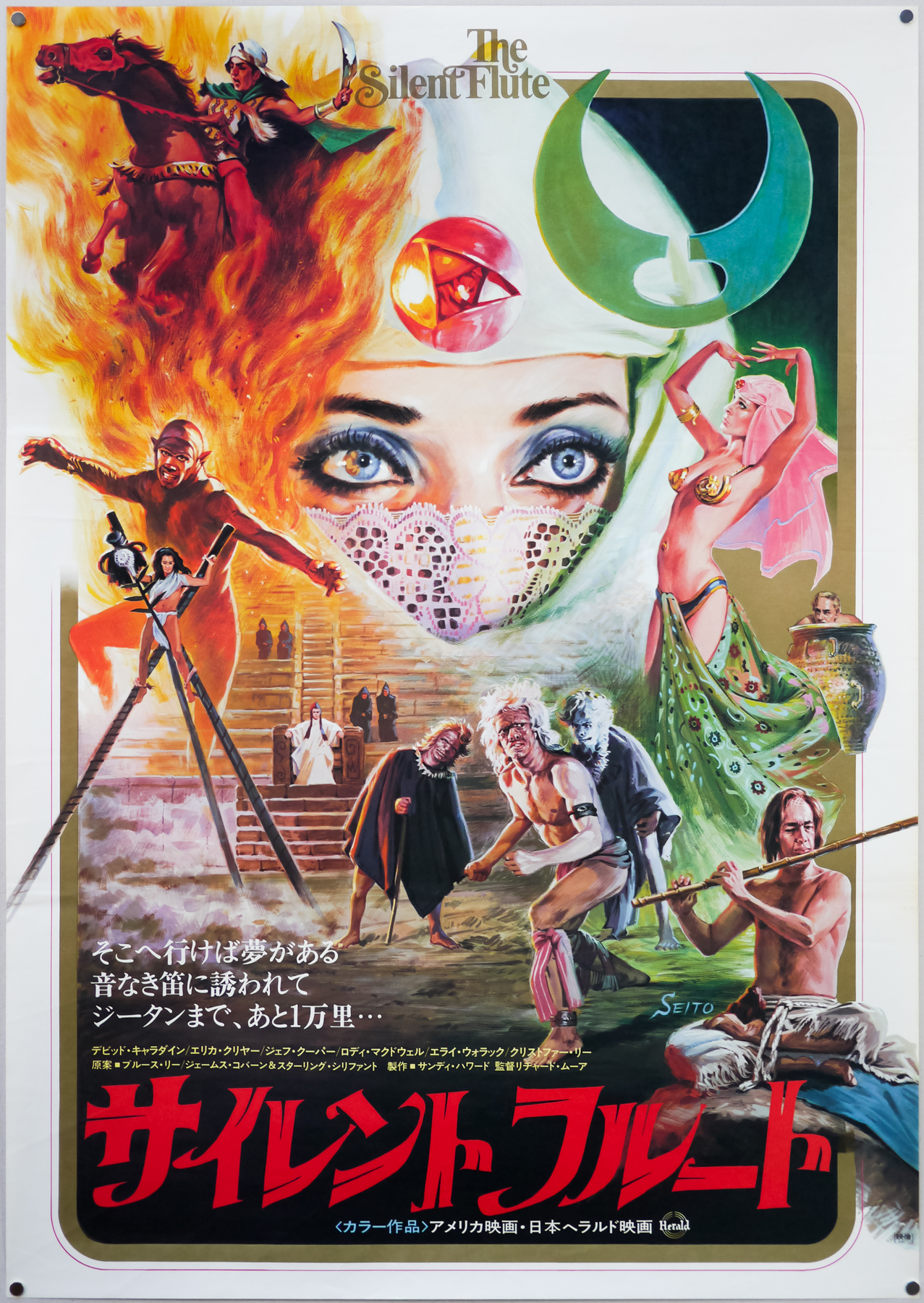
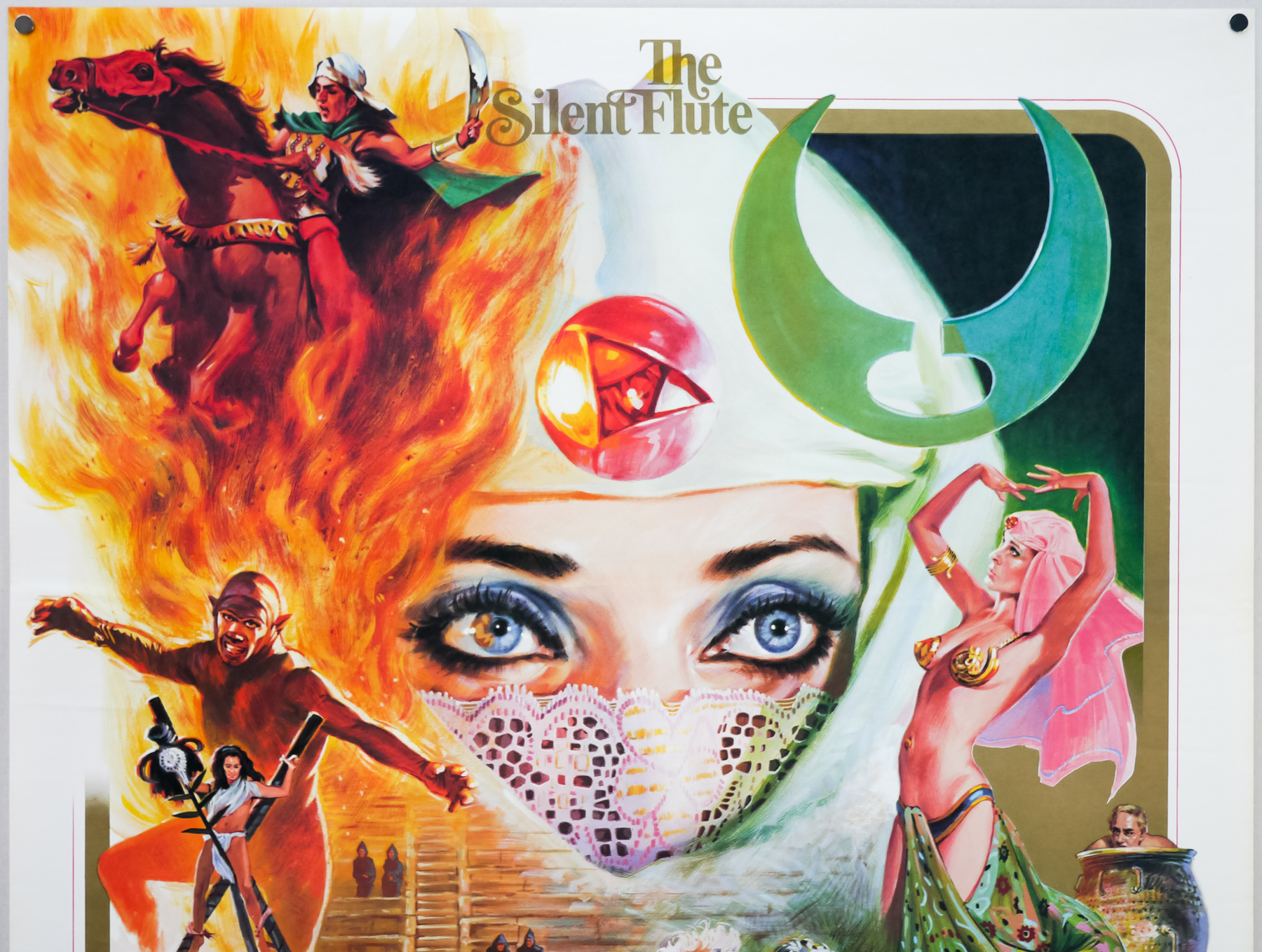
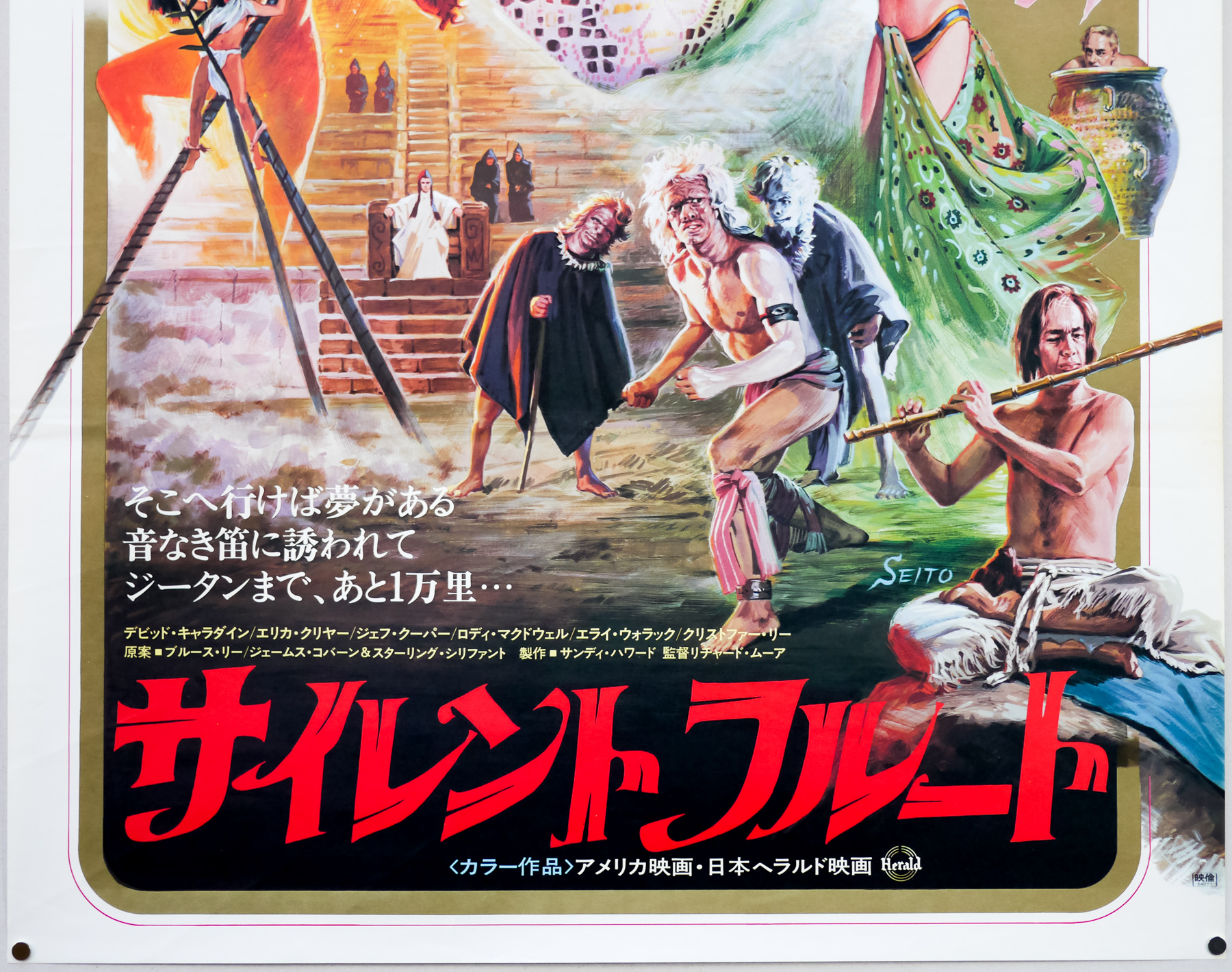
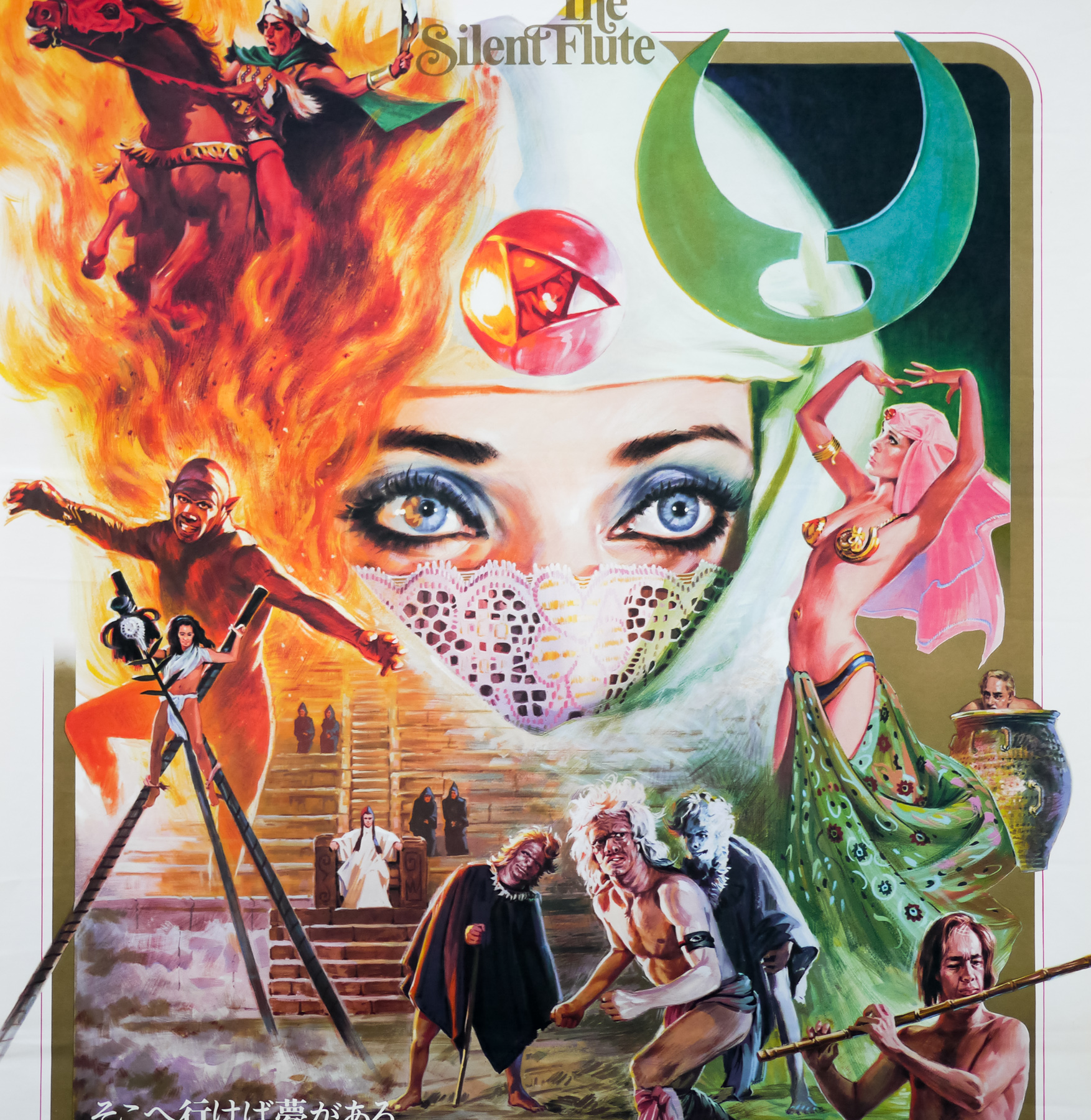
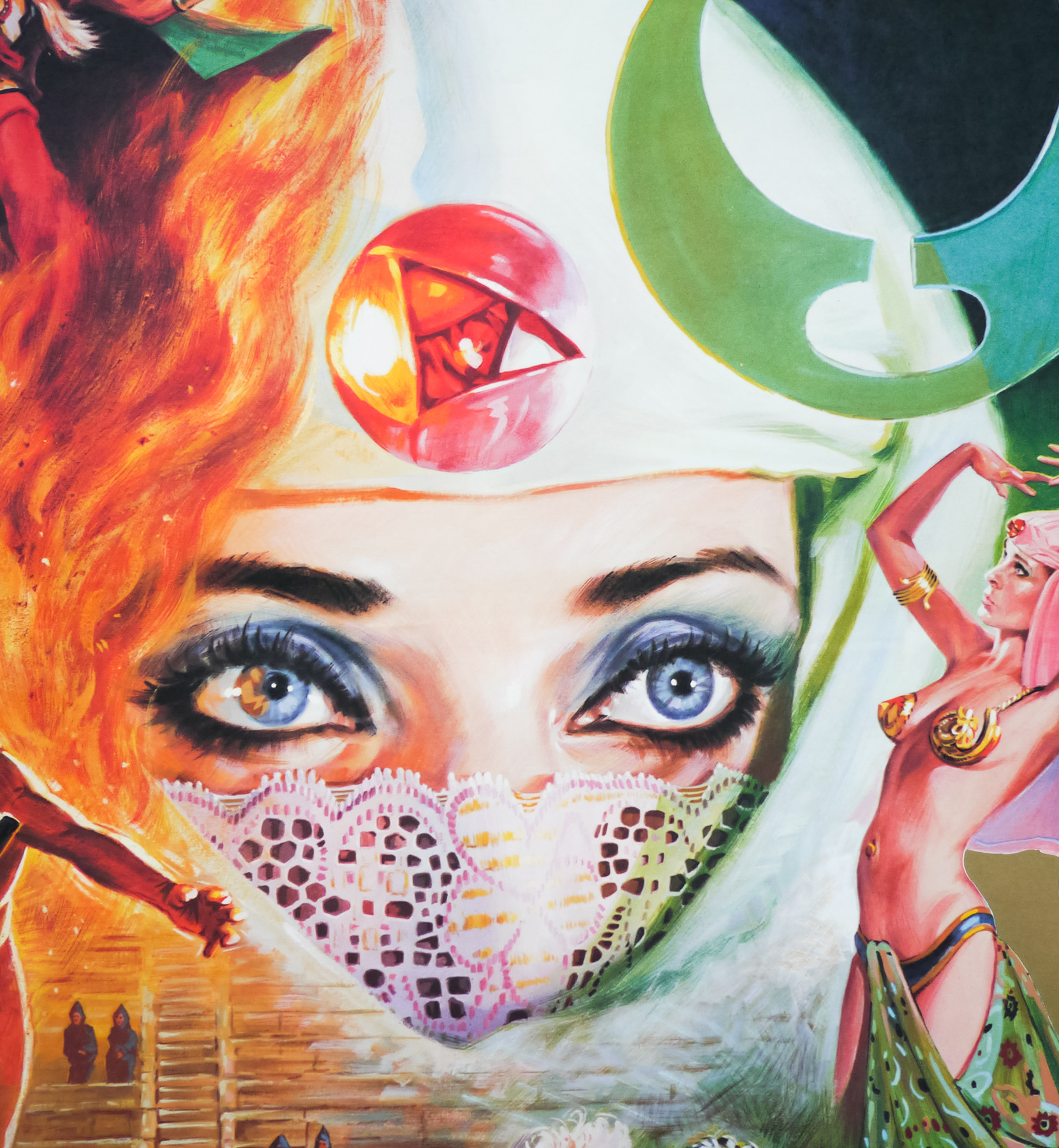
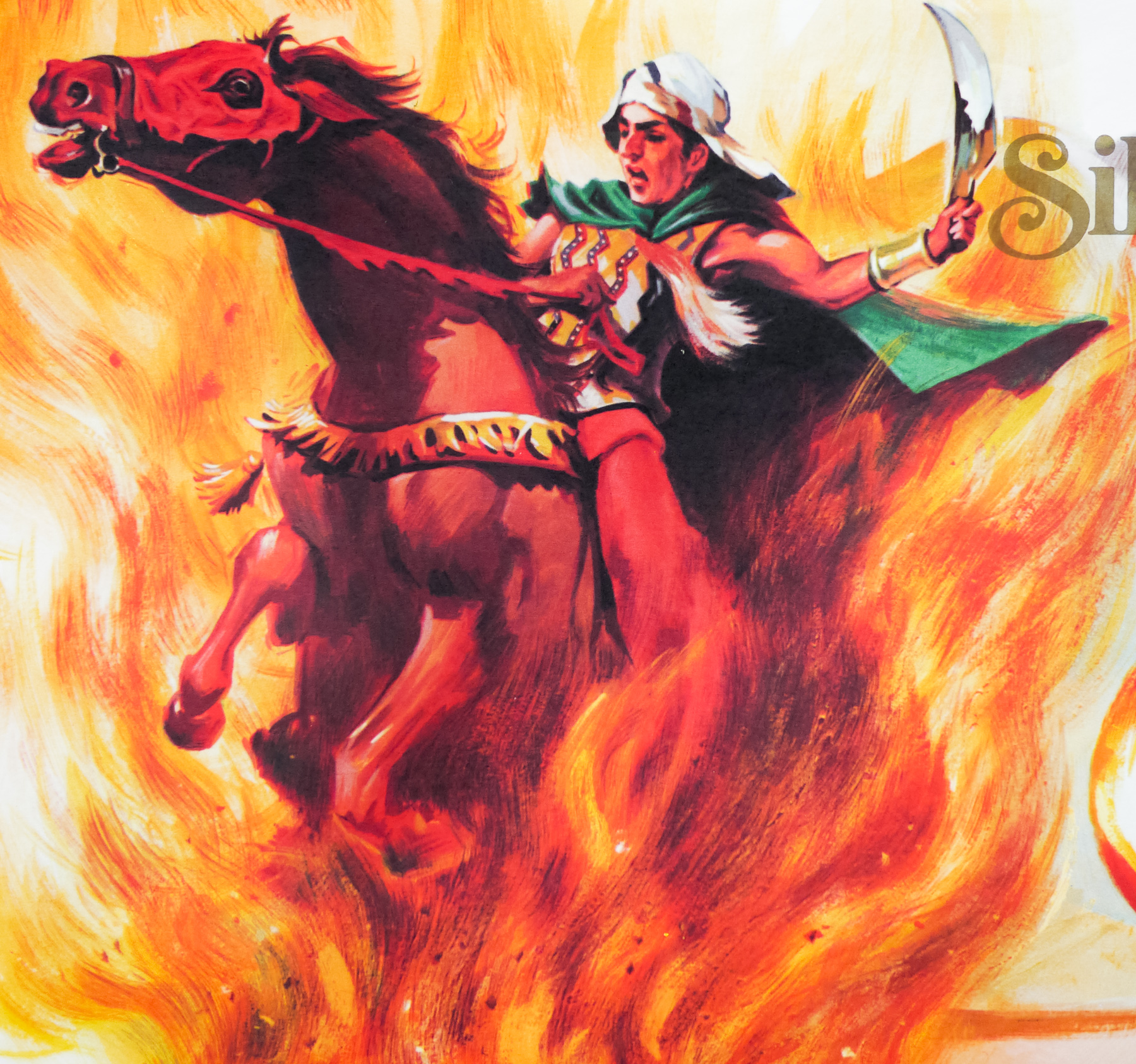
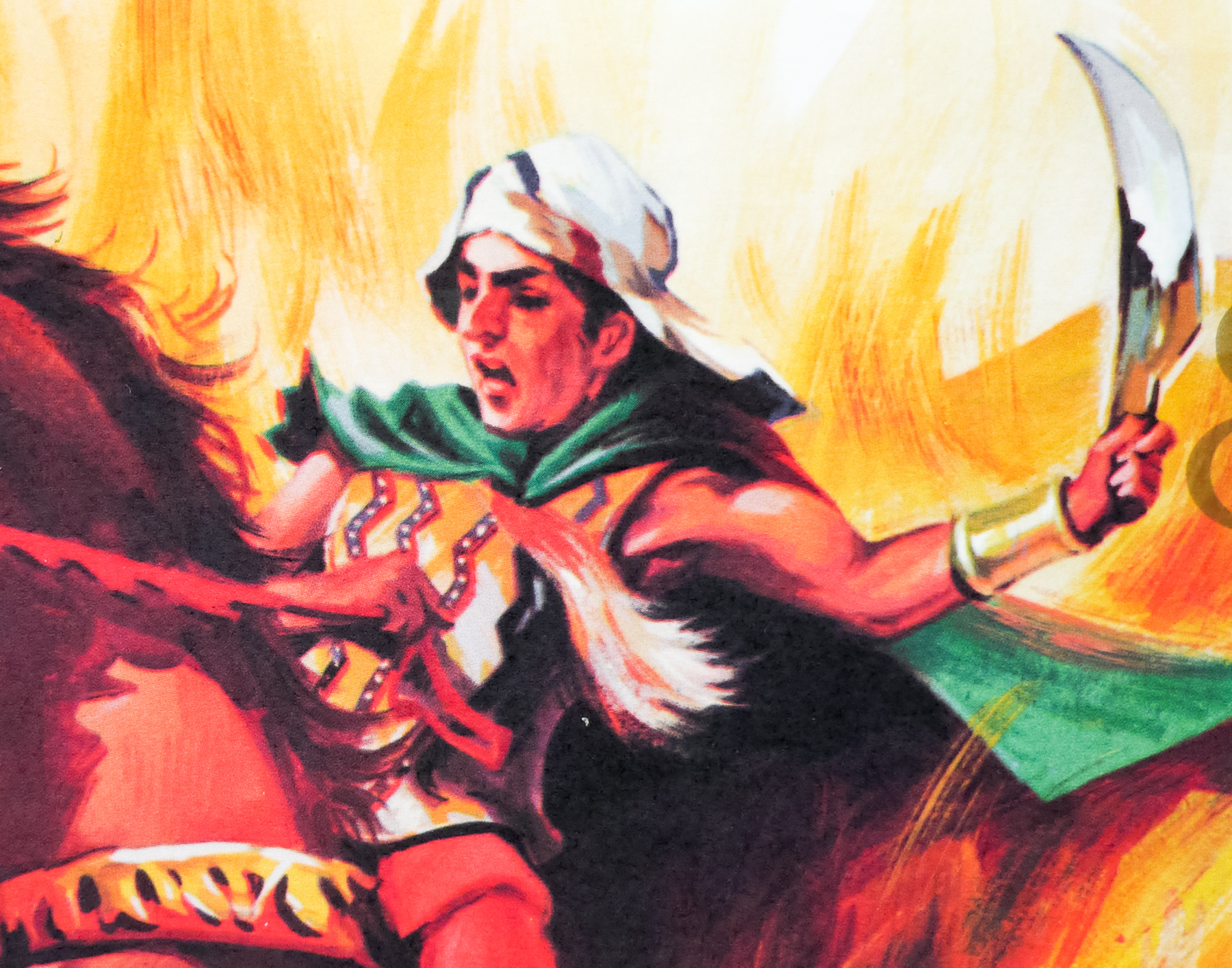
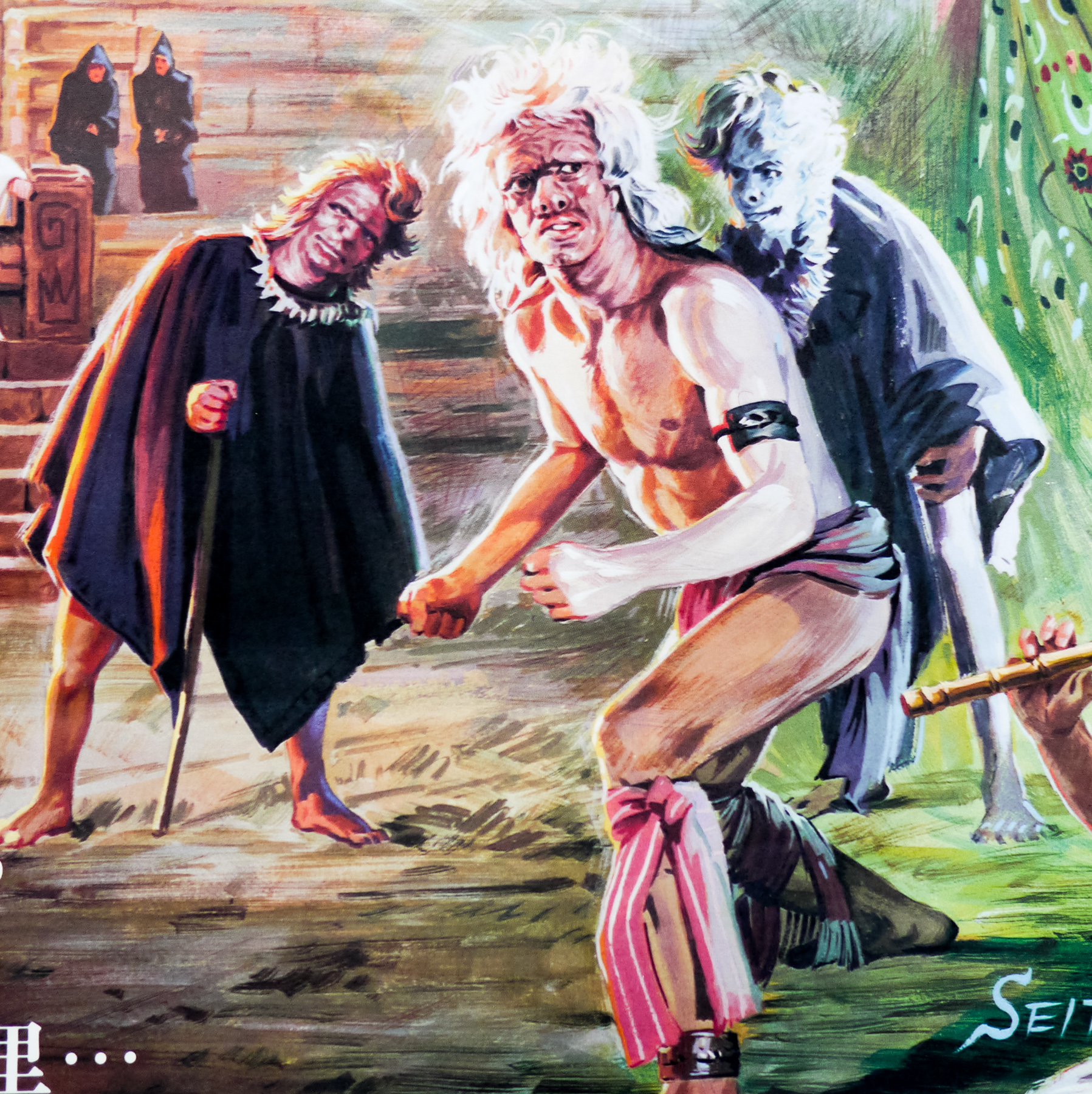
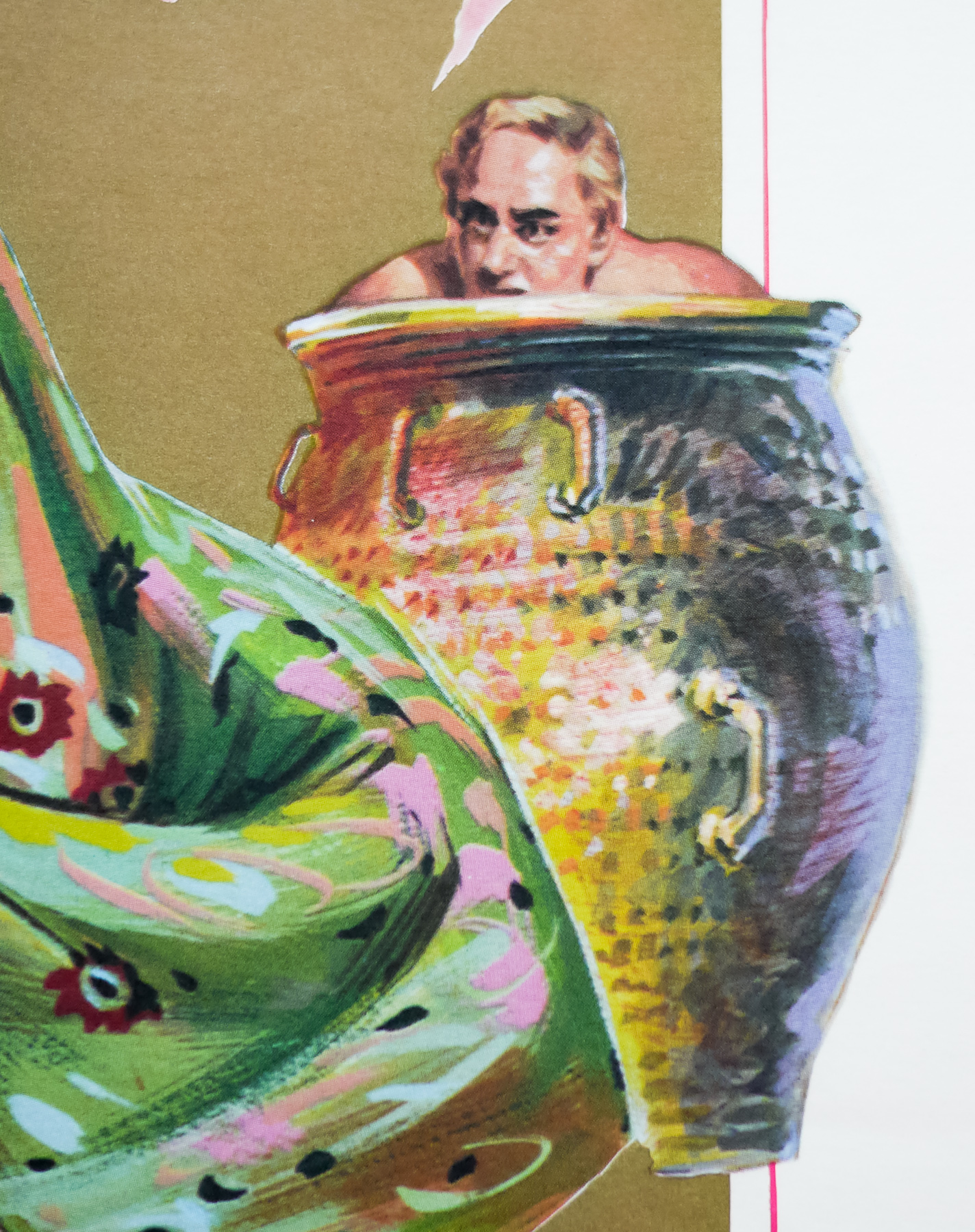
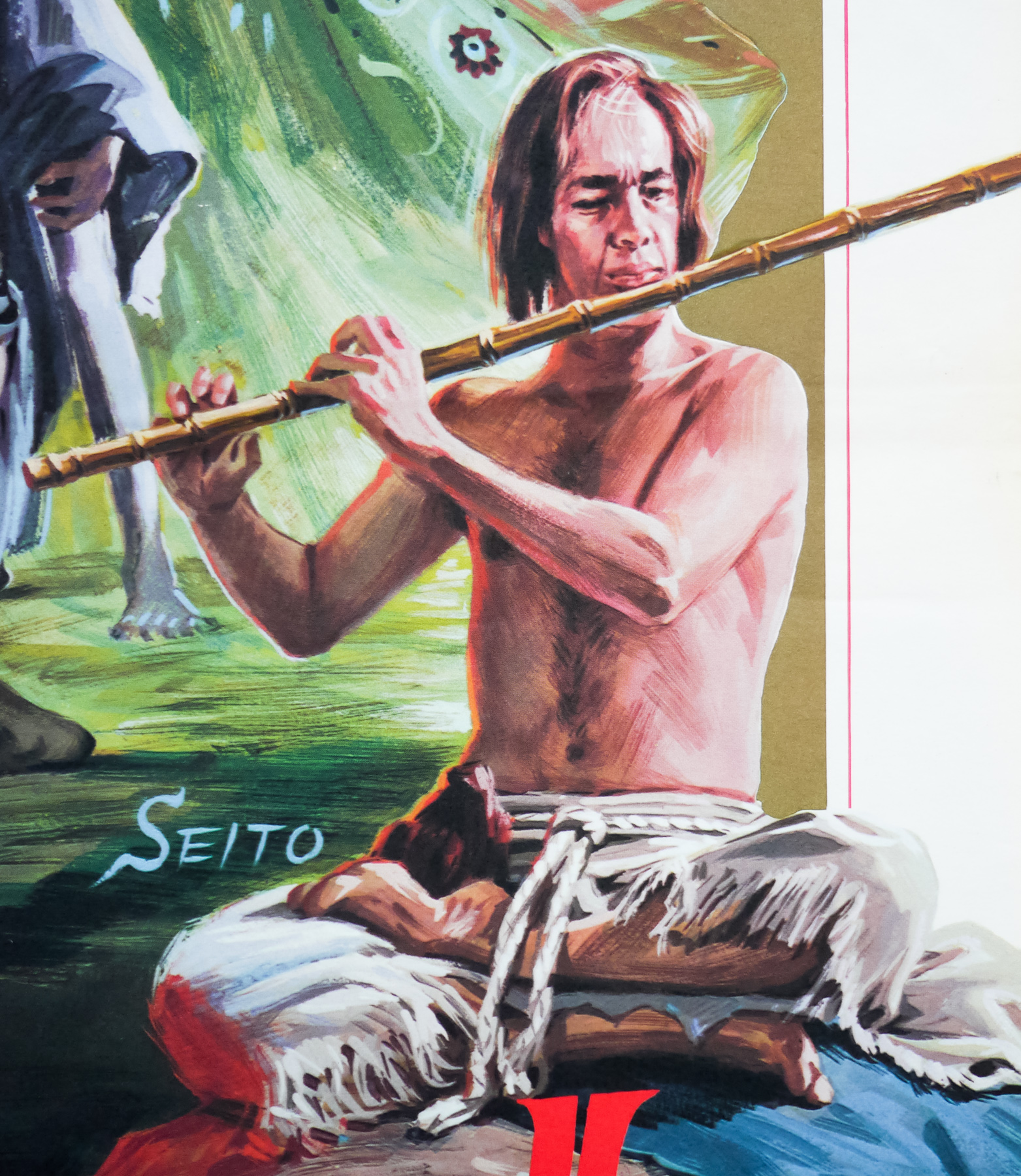
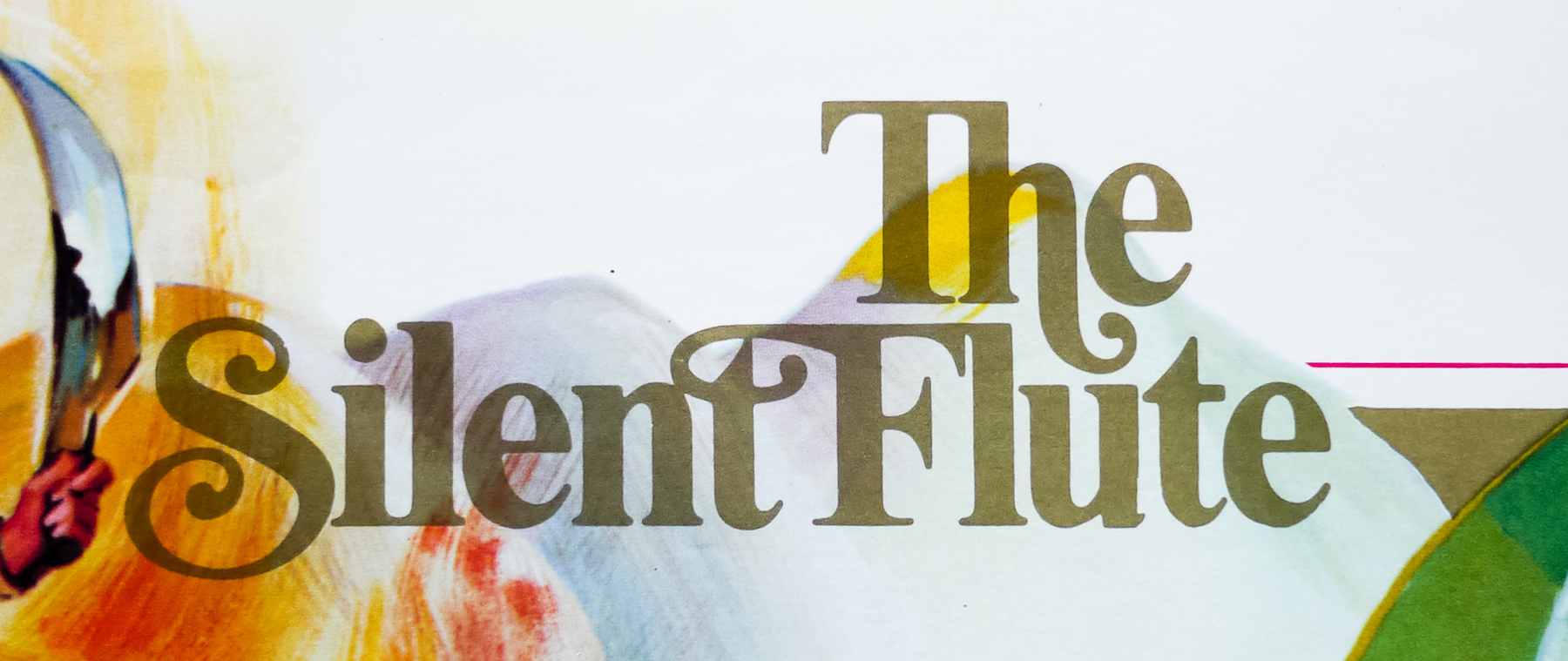
A colourful illustration by the artist known as Seito on this Japanese poster for the release of The Silent Flute (released in many countries as Cross of Iron), a strange cult oddity from the end of the 1970s. Originally conceived by Bruce LeeJames Coburn, and Stirling Silliphant at the end of the 1960s, the film was intended to be an introduction to Eastern philosophy and martial arts, but the project floundered following Lee’s untimely death. Silliphant and screenwriter Stanley Mann completed the screenplay in the mid-1970s and the rights were acquired by legendary actor David Carradine, at that time famous as the star of the TV series Kung Fu.

Carradine appears in the film in four roles that were originally intended for Bruce Lee but the lead character of Cord, a poodle-haired warrior, was played by the Canadian ‘actor’ Jeff Cooper, who somehow manages to get upstaged by his own abdominal muscles. To say he’s the weak link in the film would be an understatement and it’s literally impossible to take him seriously as the supposedly determined and proud hero who sets out on quest to find a wizard called Thetan and discover what is so important about the mysterious book he is said to protect. Almost all of Cord’s lines are uttered with a shit-eating grin and he has one of the most unintentionally hilarious laughs I’ve ever heard.

It doesn’t help that the script is at times impenetrable cod-philosophical twaddle, which was clearly meant to be profound but must have left most audiences expecting some martial arts action scratching their heads in confusion. One can only speculate that some of the ‘teachings’ were hangovers from the original script versions overseen by Bruce Lee, and you can’t help but wonder if he’d been partaking in a little bit too much Mary Jane at the time. Carradine is at least entertaining enough in his various roles, although he sports some questionable attire, terrible monkey make-up and a spectacularly bad moustache. Not even the appearance of Christopher Lee as Thetan can save the film since he seems to be wearing a costume better suited for a character from the Moomins. He was clearly in it for the bottom line.

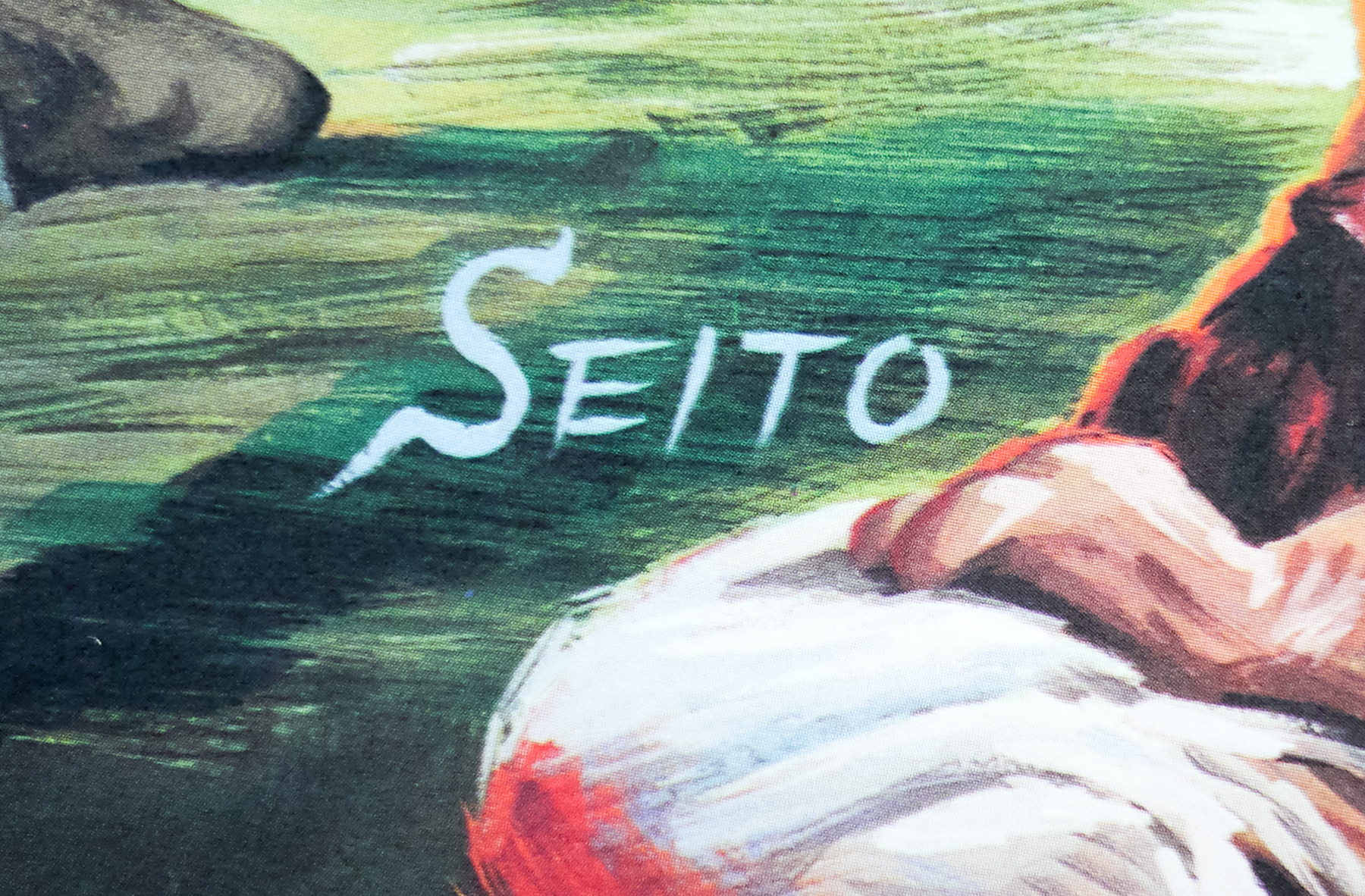
Whilst the film isn’t much cop, this Japanese poster is rather excellent and the artwork is unique to the Japanese campaign. Seito is one of my favourite Japanese artists who was responsible for several fantastic illustrated posters during the 1970s and 1980s. Little is known about the man himself, even in his native country. 

To see the other posters I’ve collected by Seito click here.

The Last Dragon / B2 / Japan

09.02.15

Poster Poster
Title
The Last Dragon
AKA
--
Year of Film
1985
Director
Michael Schultz
Starring
Taimak, Vanity, Christopher Murney, Julius Carry, Faith Prince, Leo O'Brien, Mike Starr, Jim Moody, Glen Eaton, Ernie Reyes Jr.
Origin of Film
USA
Genre(s) of Film
Taimak, Vanity, Christopher Murney, Julius Carry, Faith Prince, Leo O'Brien, Mike Starr, Jim Moody, Glen Eaton, Ernie Reyes Jr.,
Type of Poster
B2
Style of Poster
--
Origin of Poster
Japan
Year of Poster
1986
Designer
Unknown
Artist
Seito
Size (inches)
20 5/16" x 28 14/16"
SS or DS
SS
Tagline
--

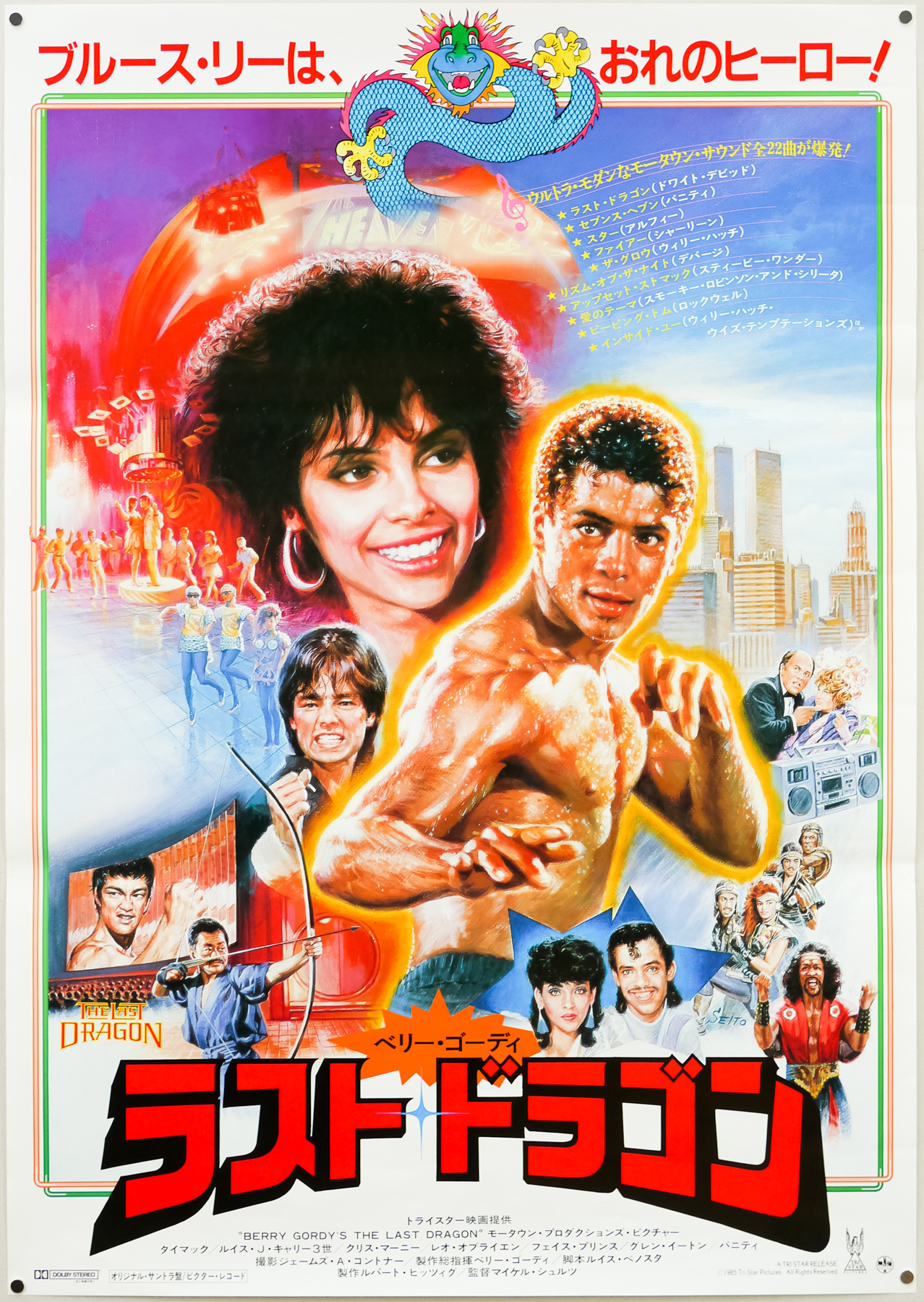
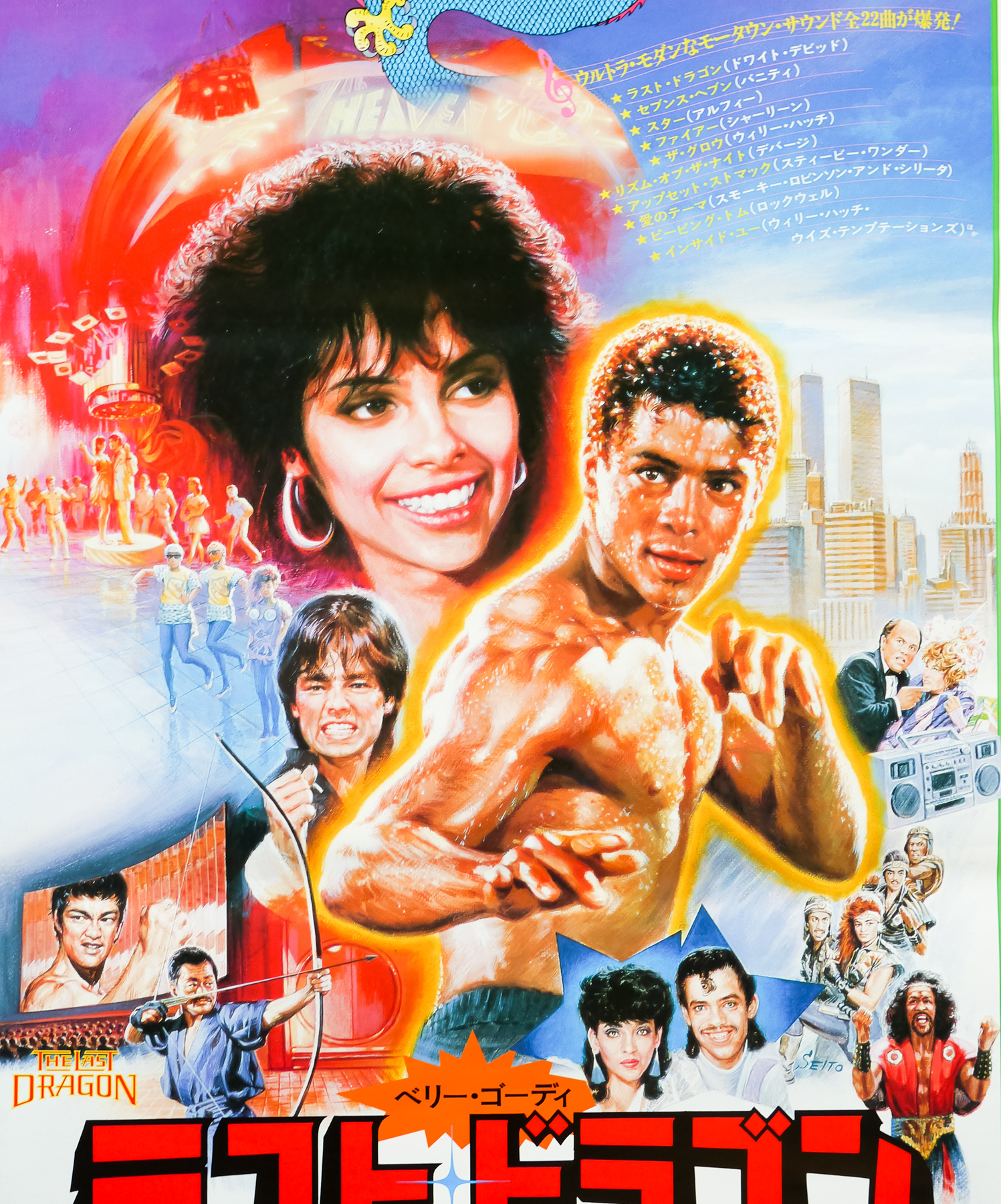
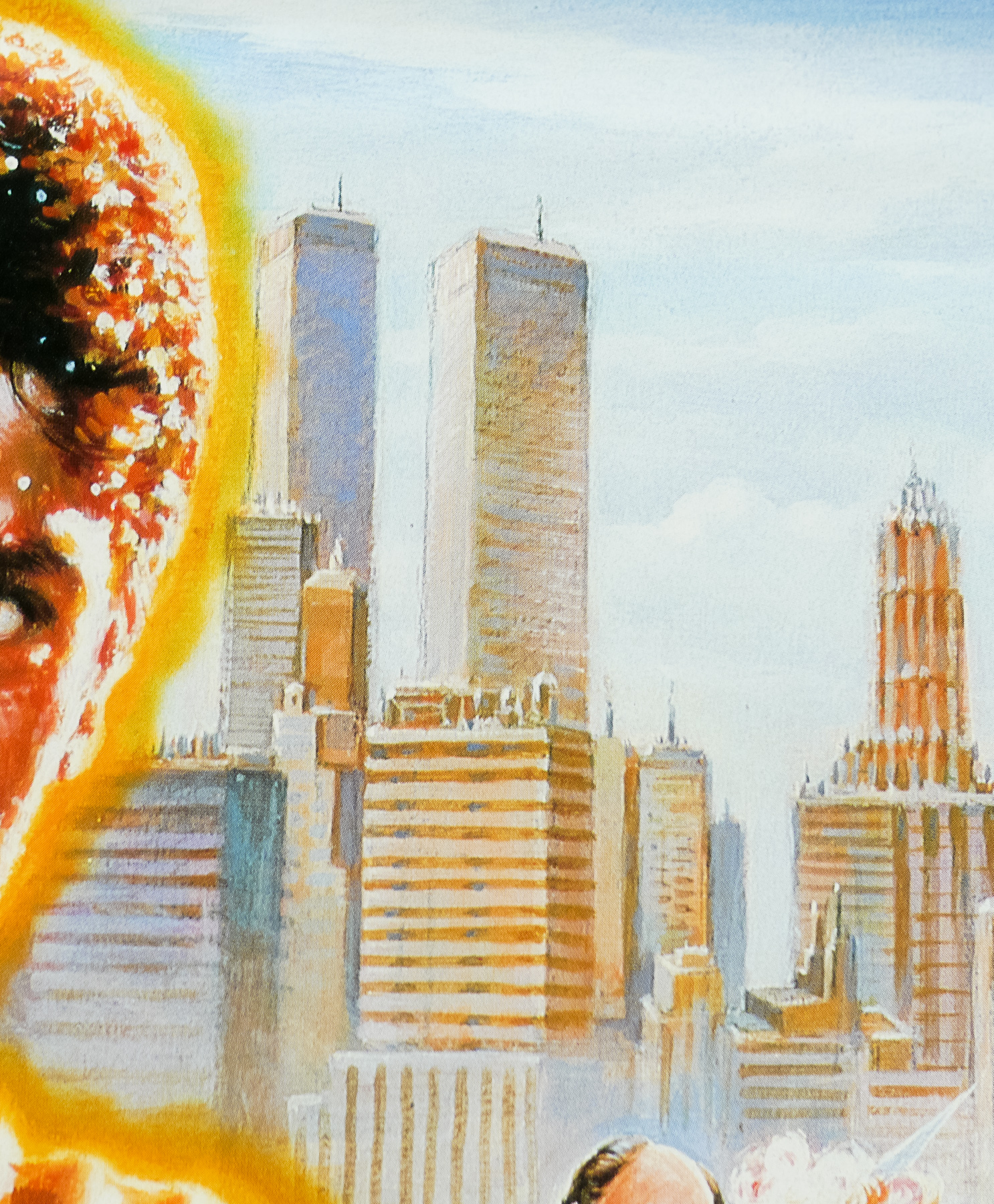
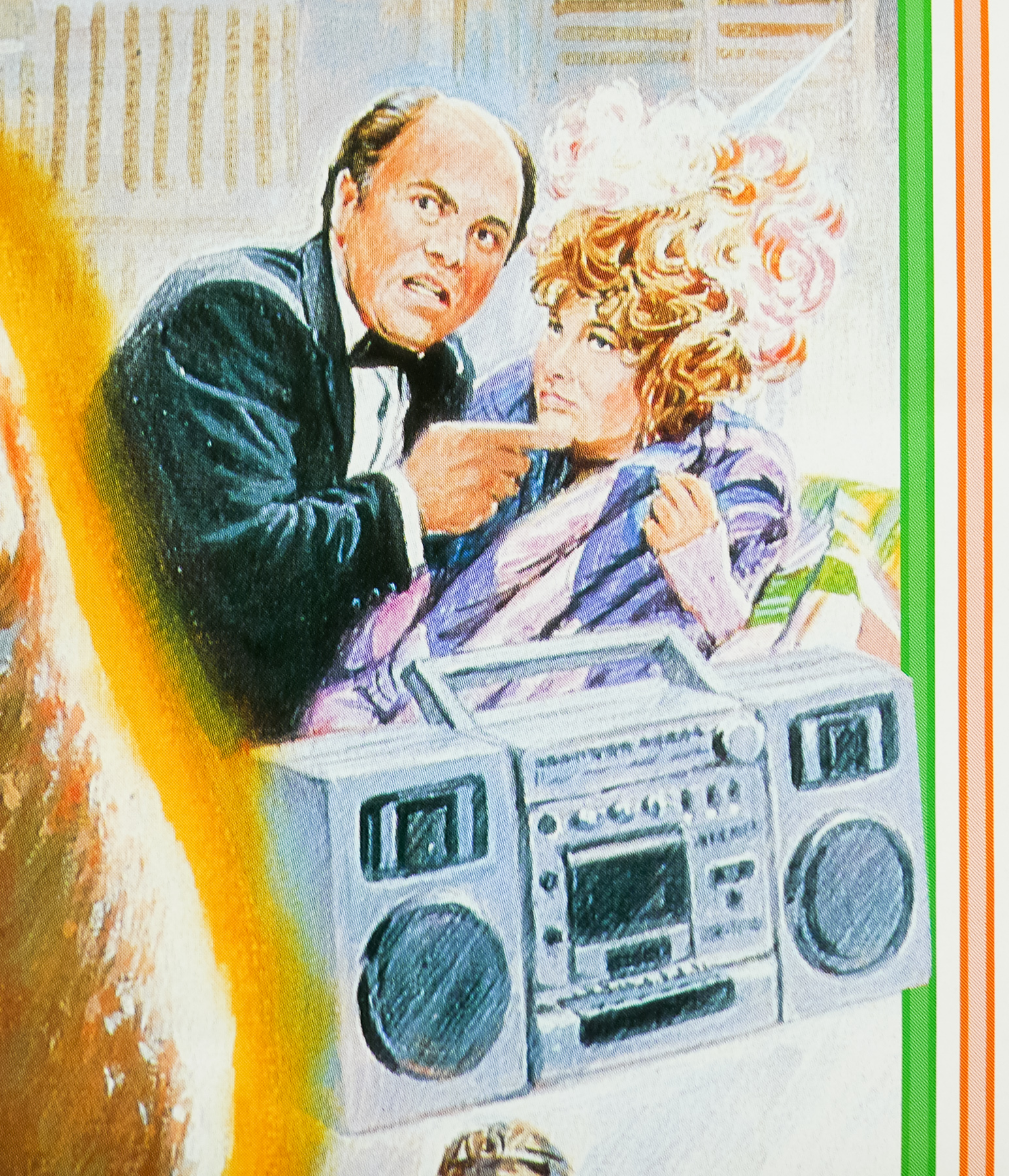
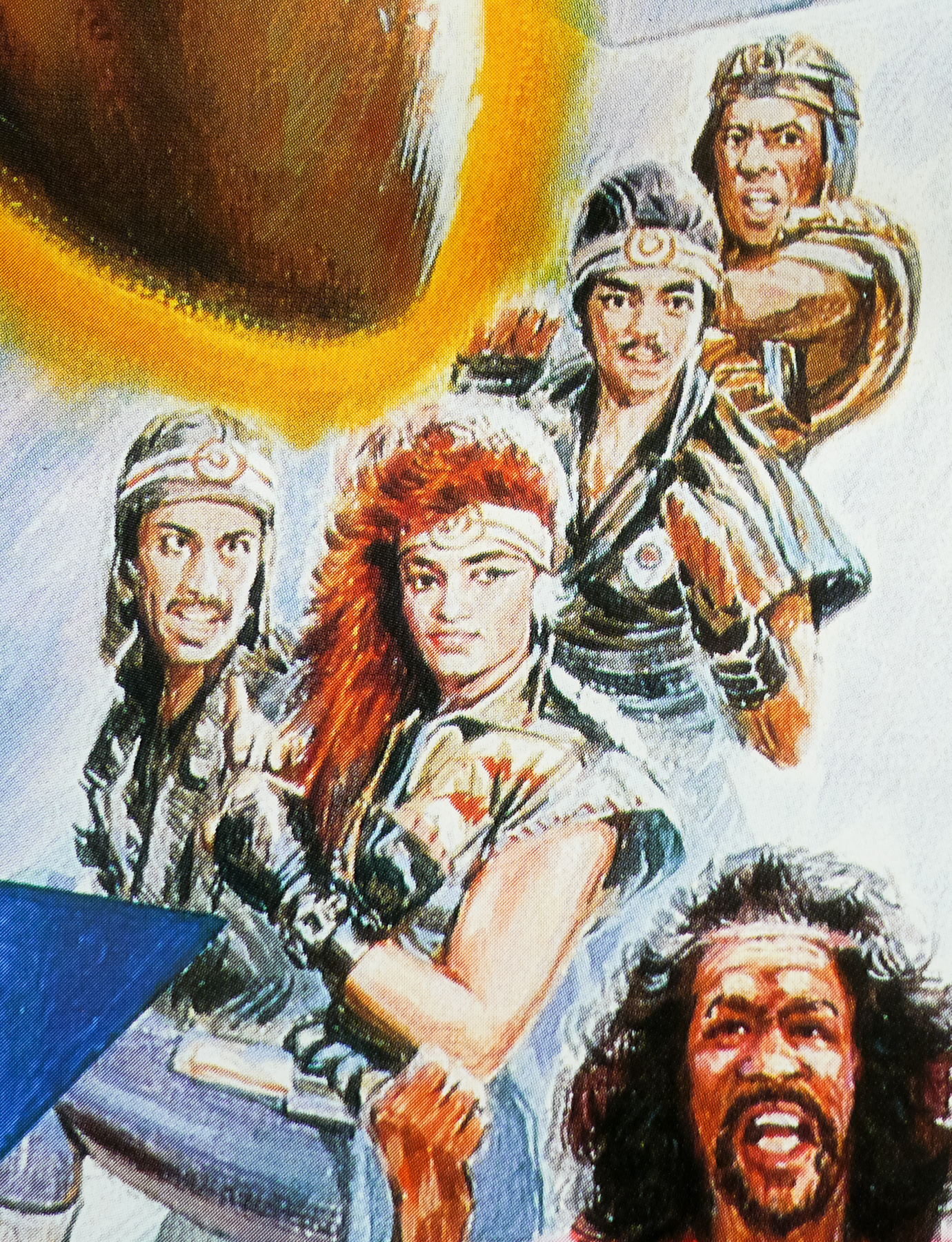
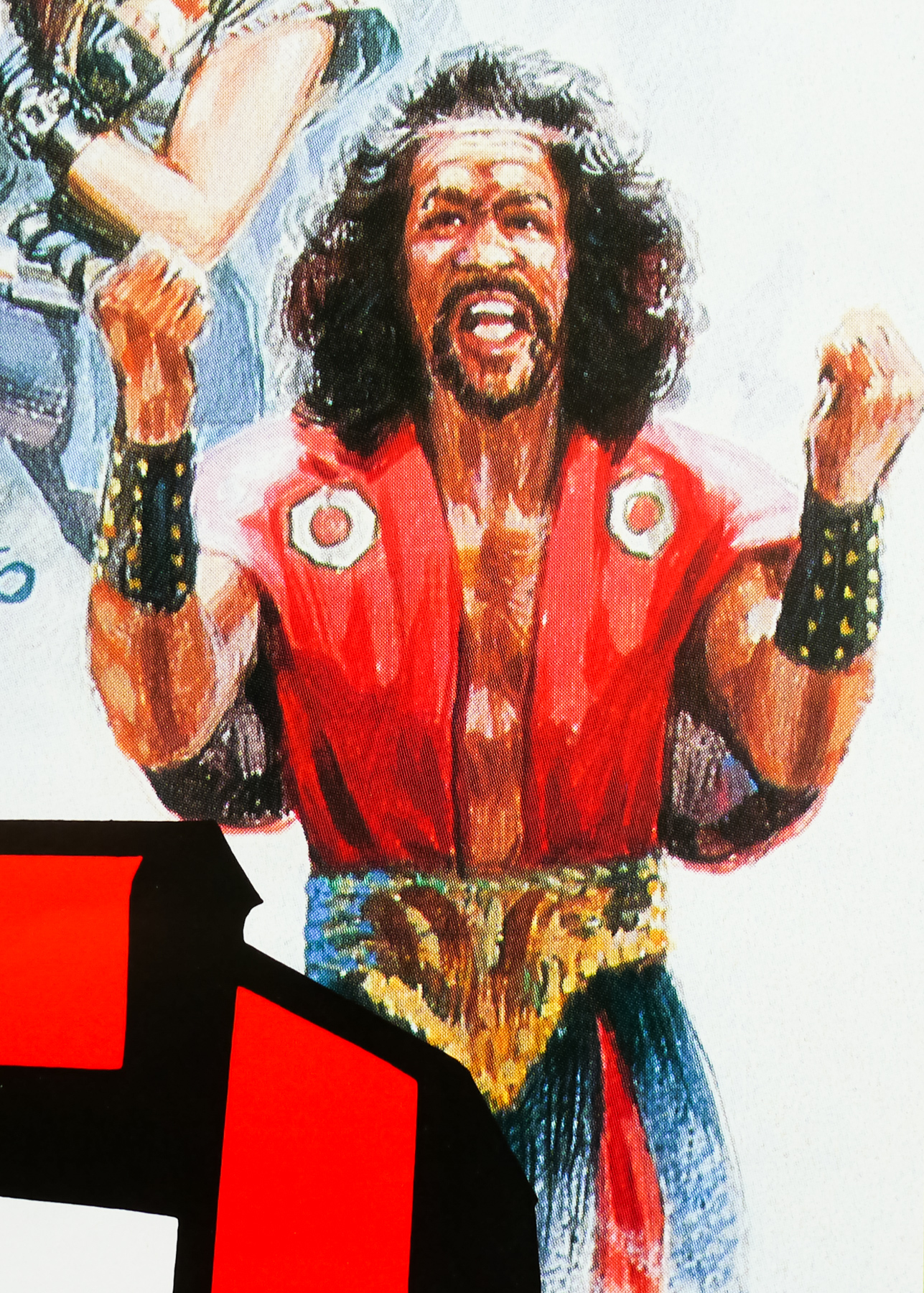
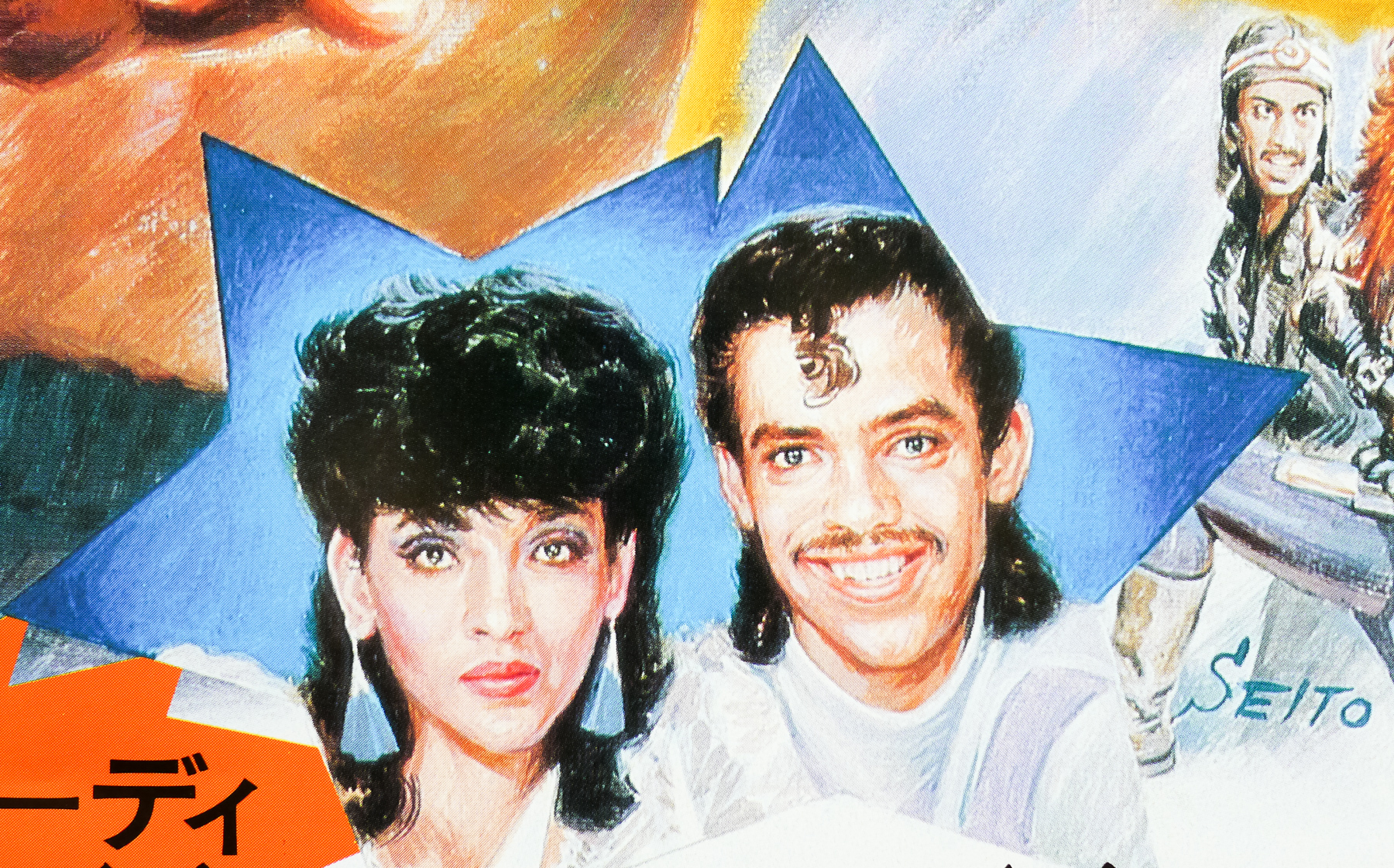
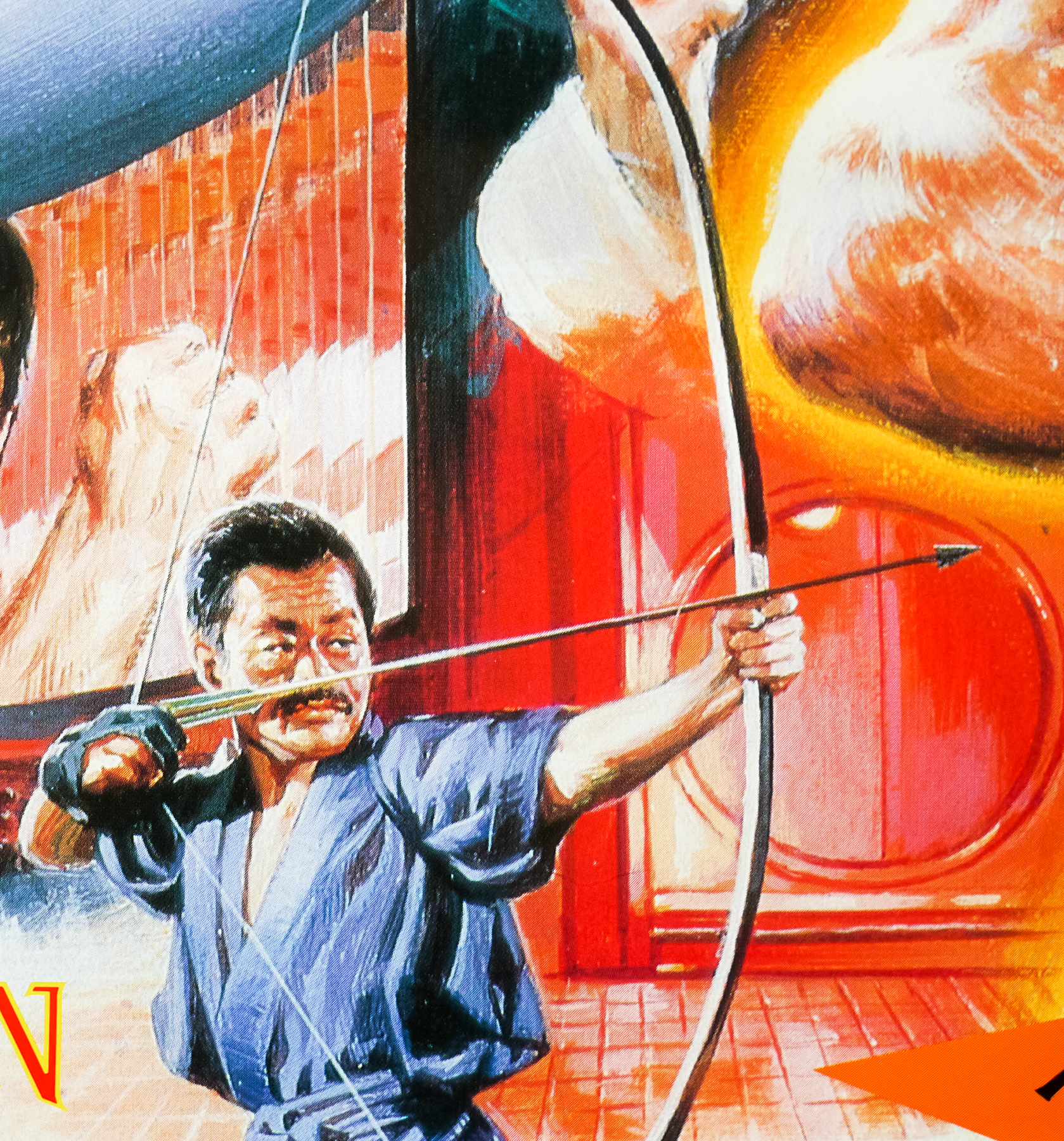
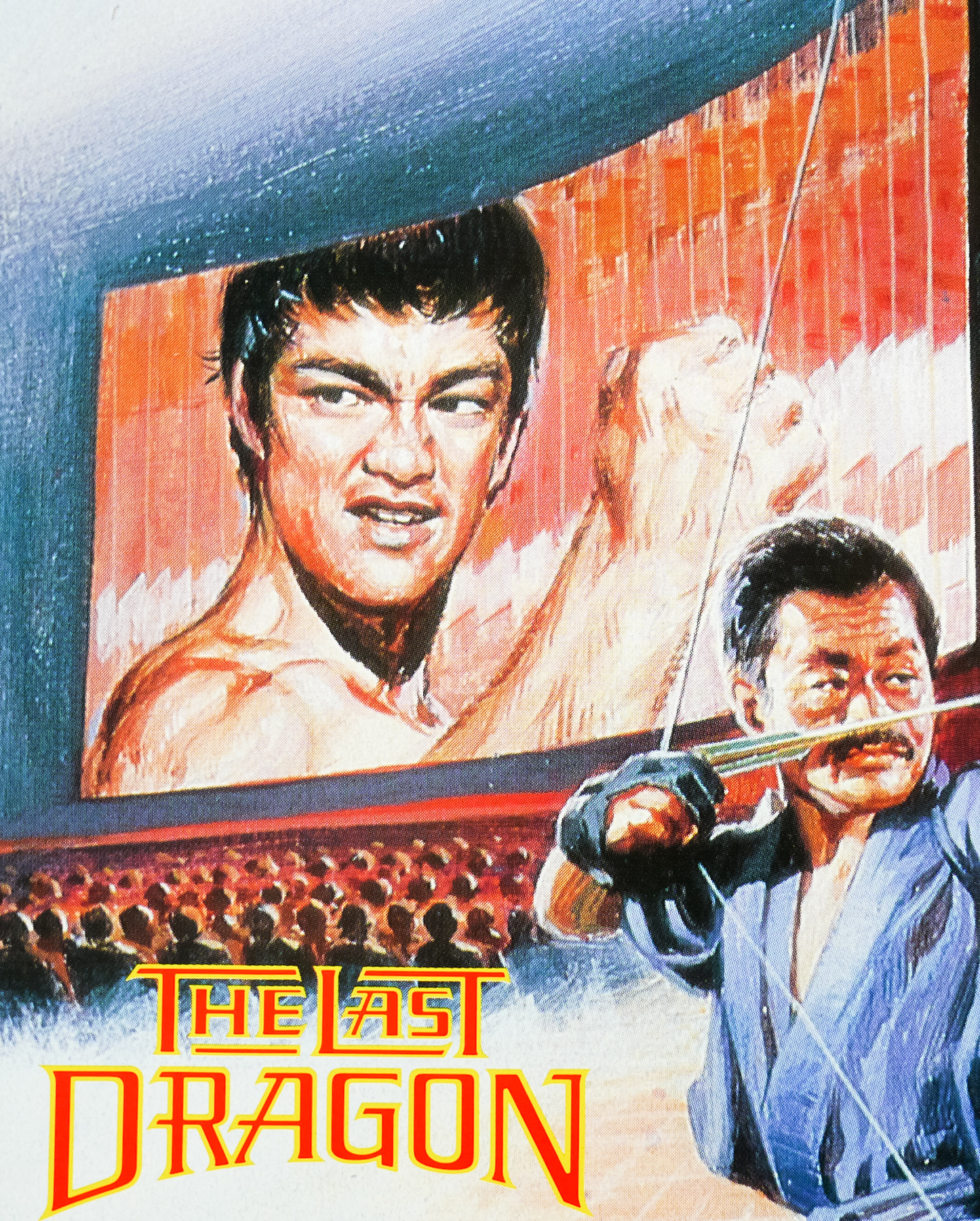
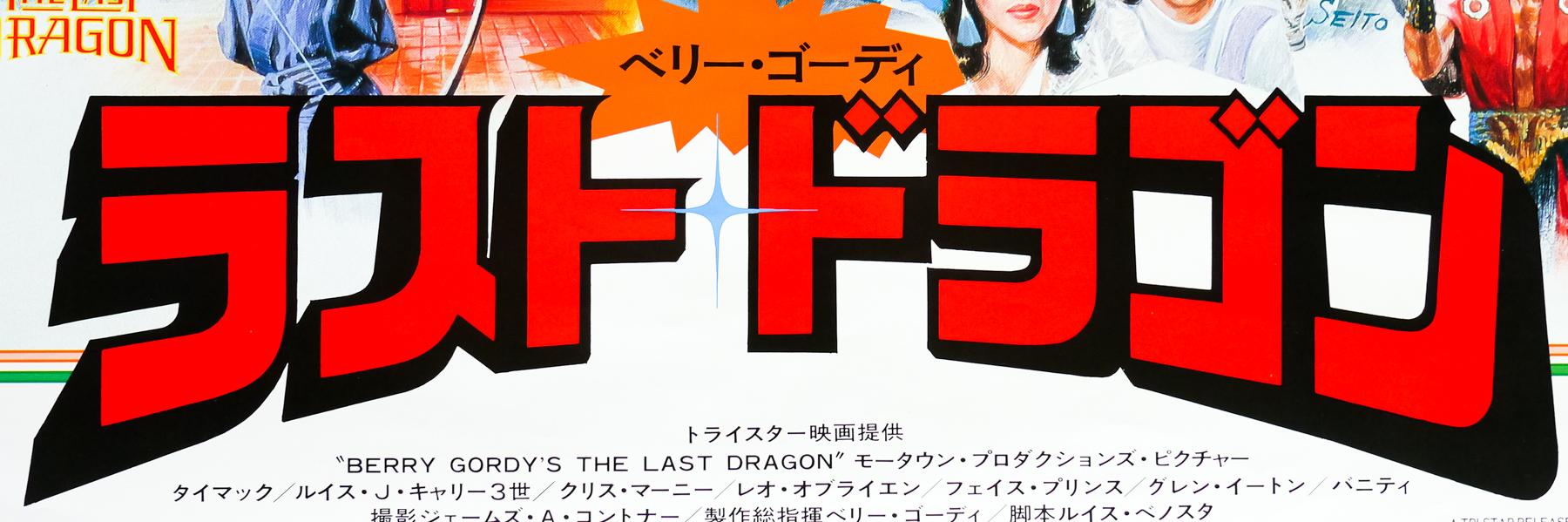
The Last Dragon is a martial-arts cult classic from the 1980s that (at least in the US) stands alongside films like The Goonies and Back to the Future as a defining youth-oriented film of the era. It’s definitely less well known in the UK and I think that has something to do with the fact that it was released with a ’15’ rating over here, meaning it was out of bounds for the younger audience it clearly attracted in the US (with a PG rating).

That it was rated 15 was probably to do with the video nasties situation of the time and the passing of the Video Recordings Act of 1984 that meant all home video had to be classified by the British Board of Film Classification, designated by the government as the upholders of film ratings. Martial arts films were seen as an undesirable genre as they were (stupidly) thought to have a strong potential to cause cases of copycat violence in school children across the nation. In addition to being given a 15 rating, the film had cuts made totalling almost 2 minutes for the cinema and subsequent home video releases.

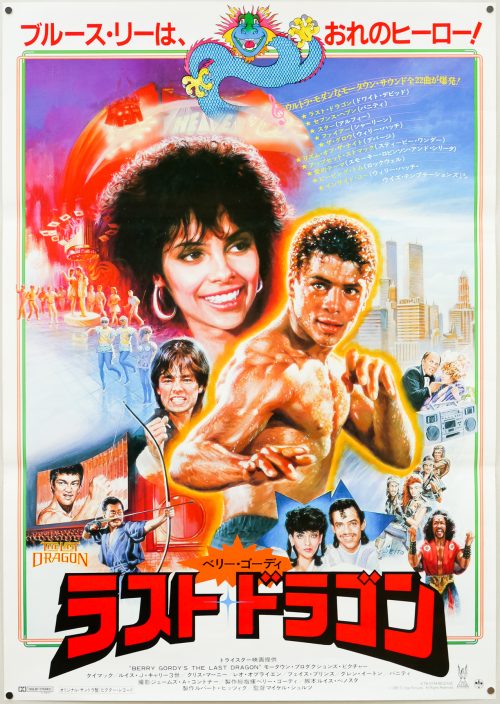
To say this action by the BBFC was excessive would be an understatement as, aside from a couple of moments of profane language, the film is really quite mild, with none of the fight scenes being at all brutal. The film was produced by the founder of Motown records Berry Gordy and was intended to mix musical numbers (predominantly hip-hop) with the popular (at the time) martial arts genre. The lead role of Leroy Green (AKA Bruce Leroy), a young warrior who wishes to attain the ultimate level of martial arts skill known as ‘The Glow’, was given to the 20-year-old, single-monikered Taimak, a martial artist who apparently learned to act whilst on the set of the Last Dragon.

Leroy leaves his master on the quest to find Master Sum Dum Goy whom he believes will teach him the final lessons needed to attain The Glow. Along the way he must battle with the malevolent Sho’nuff (a hilarious performance from Julius Carry) another martial artist who sees Leroy as standing in the way of total domination, as well as deal with the machinations of the twisted video arcade mogul Eddie Arkadian (Christopher Murney). Laura Charles (Vanity, single-monikered protege of Prince) the VJ of a popular music video channel is kidnapped by Arkadian’s men in an attempt to convince her to play his girlfriend’s awful music video. Leroy sets out to rescue her and romance soon blossoms between them. He soon learns the truth about attaining The Glow and the final fight with Sho’nuff features the use of rotoscoped special effects.

The film contains a few almost full-length music videos, including the DeBarge song, ‘Rhythm of the Night‘. The fight scenes are all well choreographed and entertaining, with Taimak clearly having skills in that area (if not so much as a thespian). The excellent Last Dragon Tribute site features a recent letter from the man himself in which he explains why he’s not starred in many films since then. It’s not hard to see why the film was so popular as it played to the adolescent fantasy of many a young male teen who dreamed of using martial arts to win the heart of a girl.

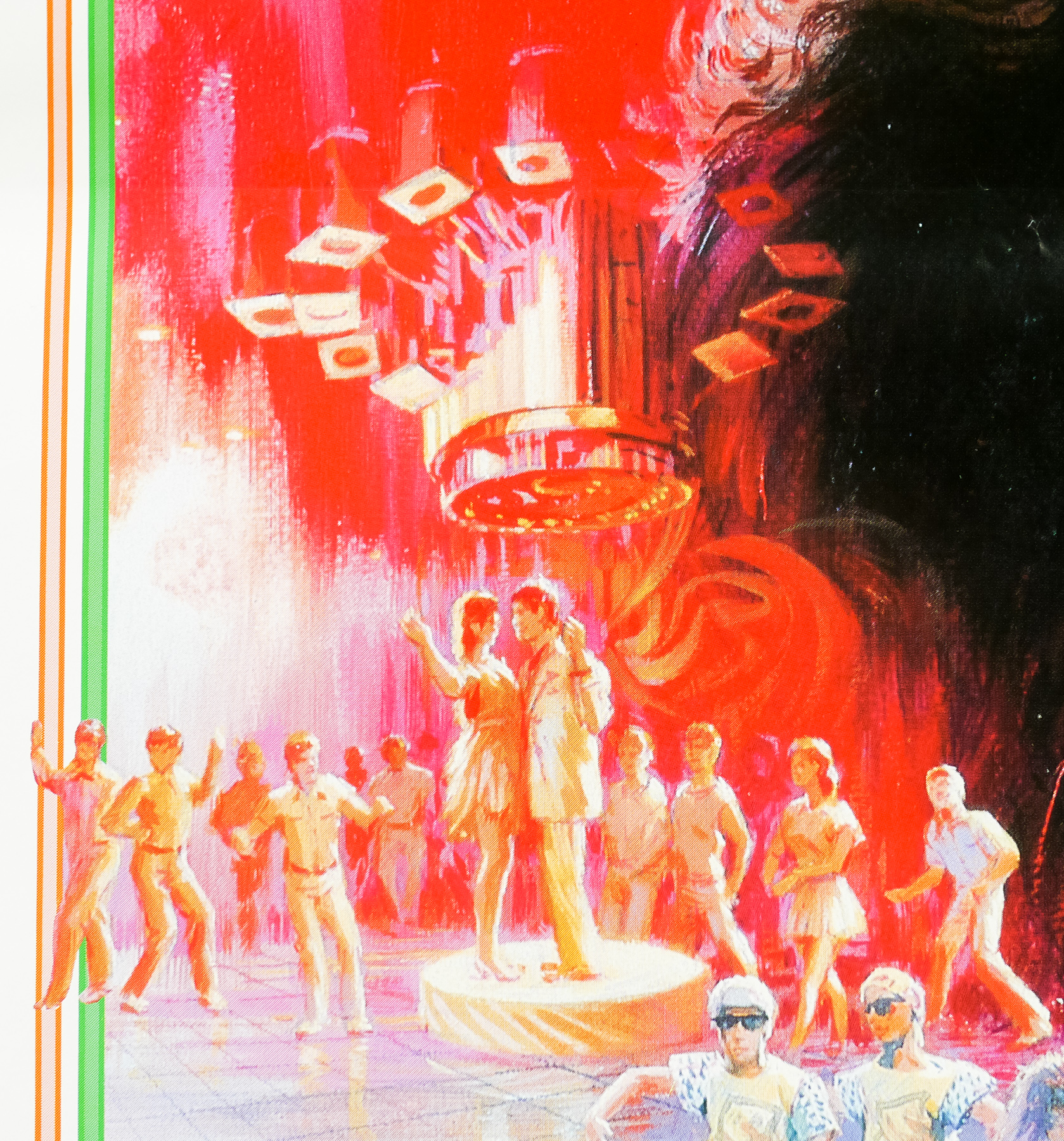
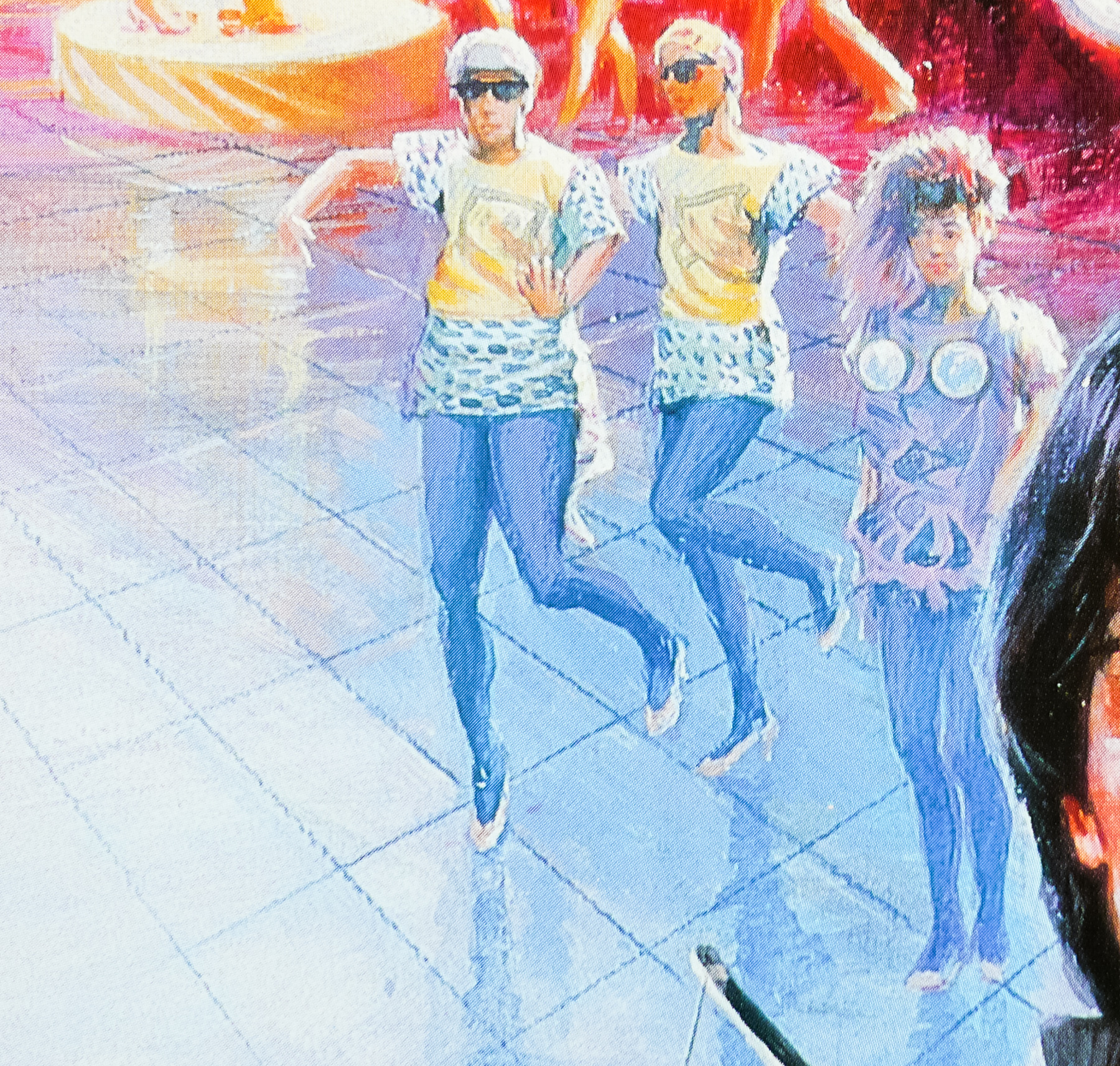
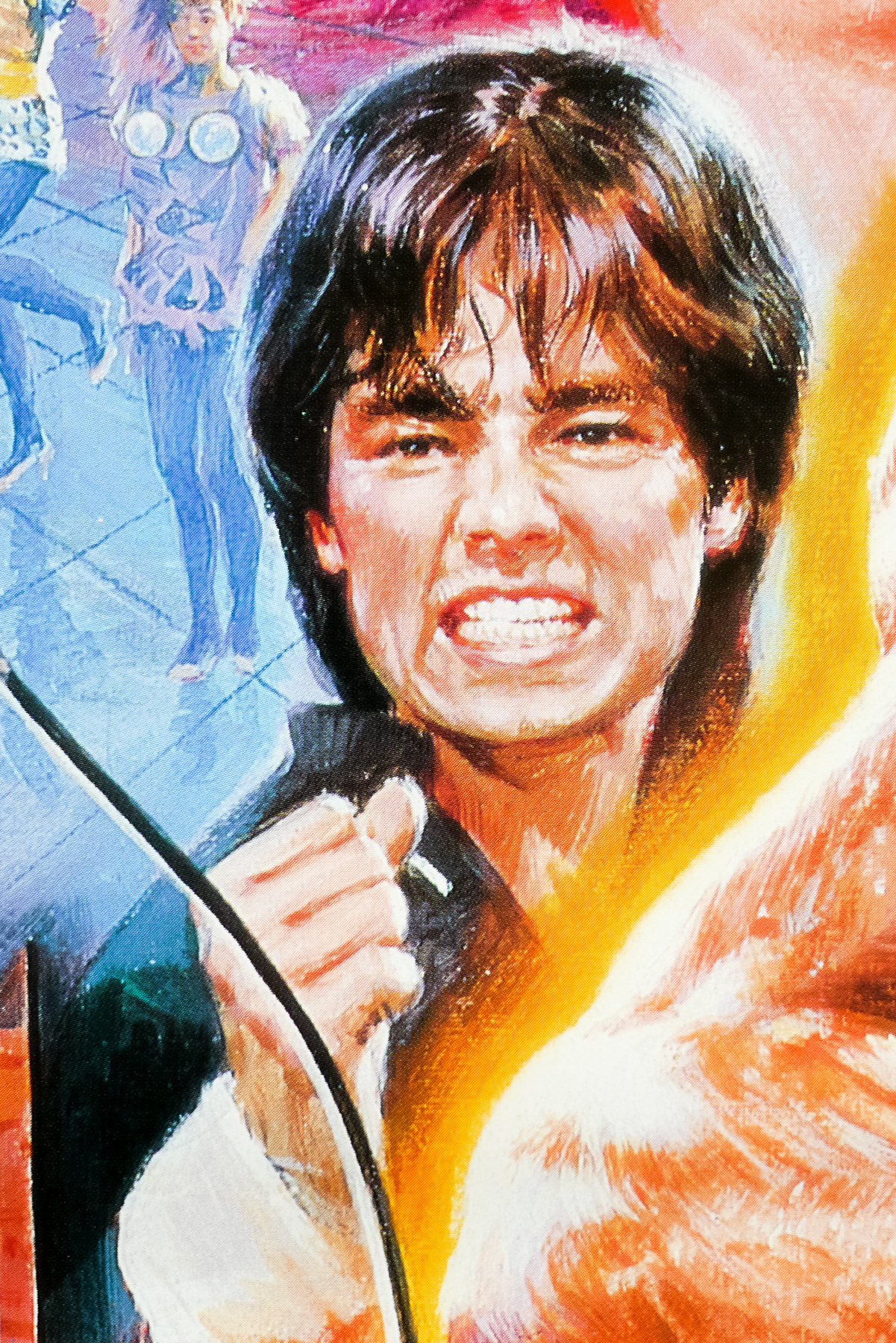
This Japanese poster is rather excellent and the artwork is unique to the Japanese campaign. Seito is one of my favourite Japanese artists who was responsible for several fantastic illustrated posters during the 1970s and 1980s. Little is known about the man himself, even in his native country.

To see the other posters I’ve collected by Seito click here.

Force 10 from Navarone / B2 / Japan

04.04.16

Poster Poster

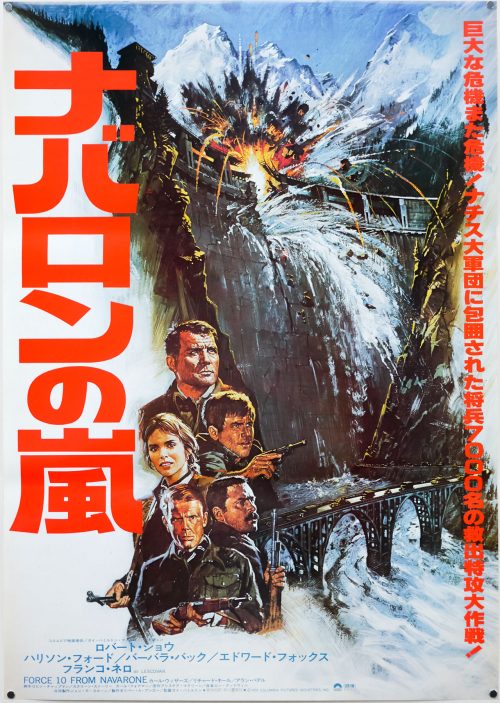
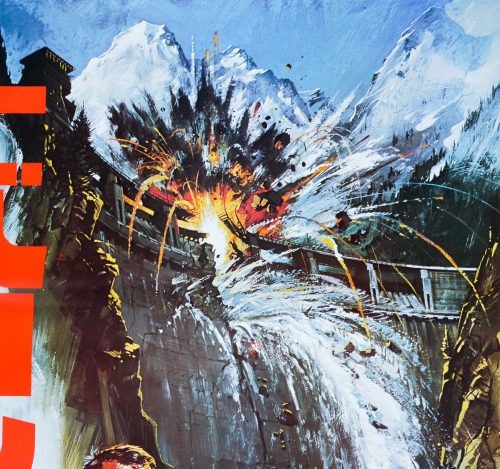
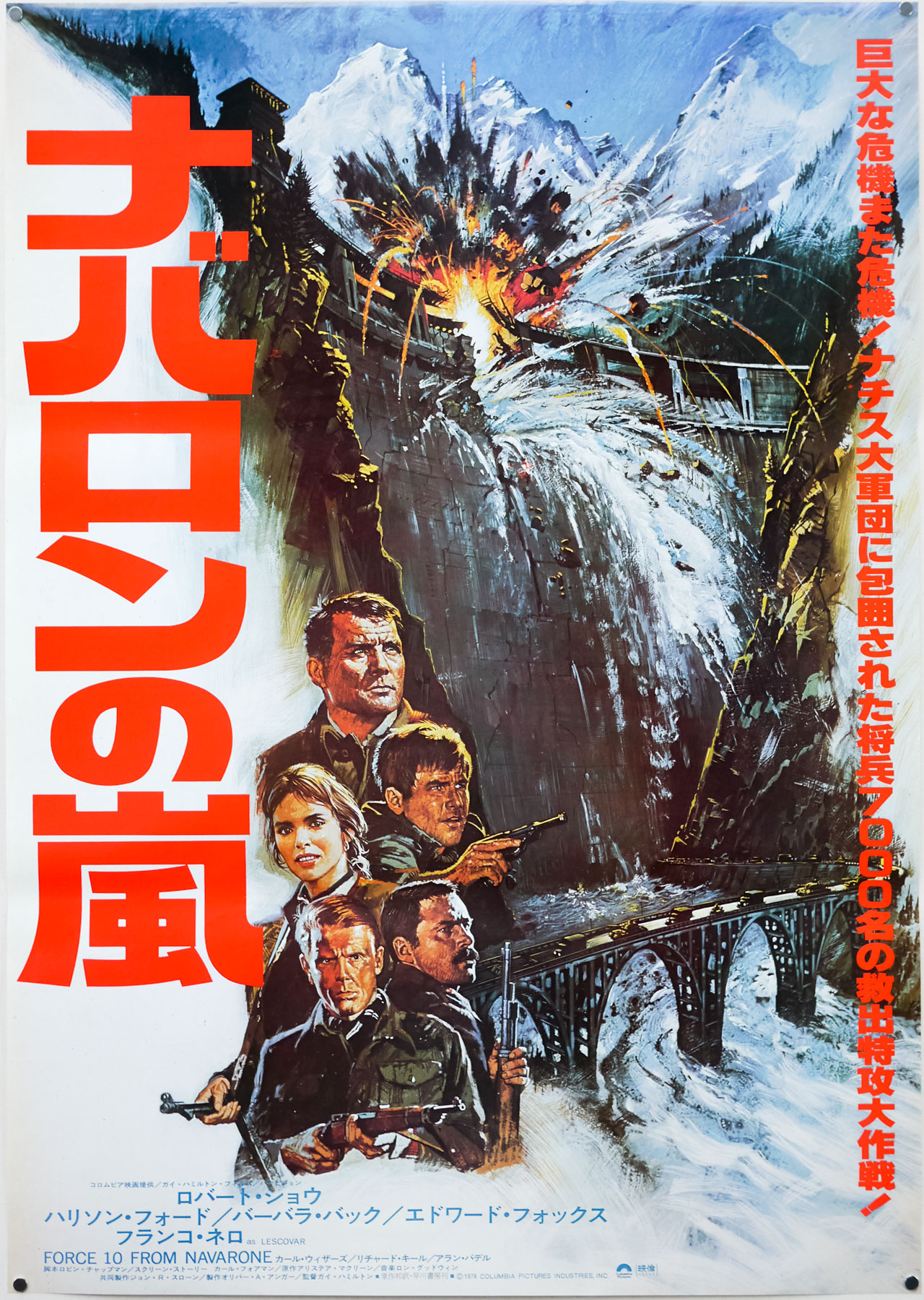
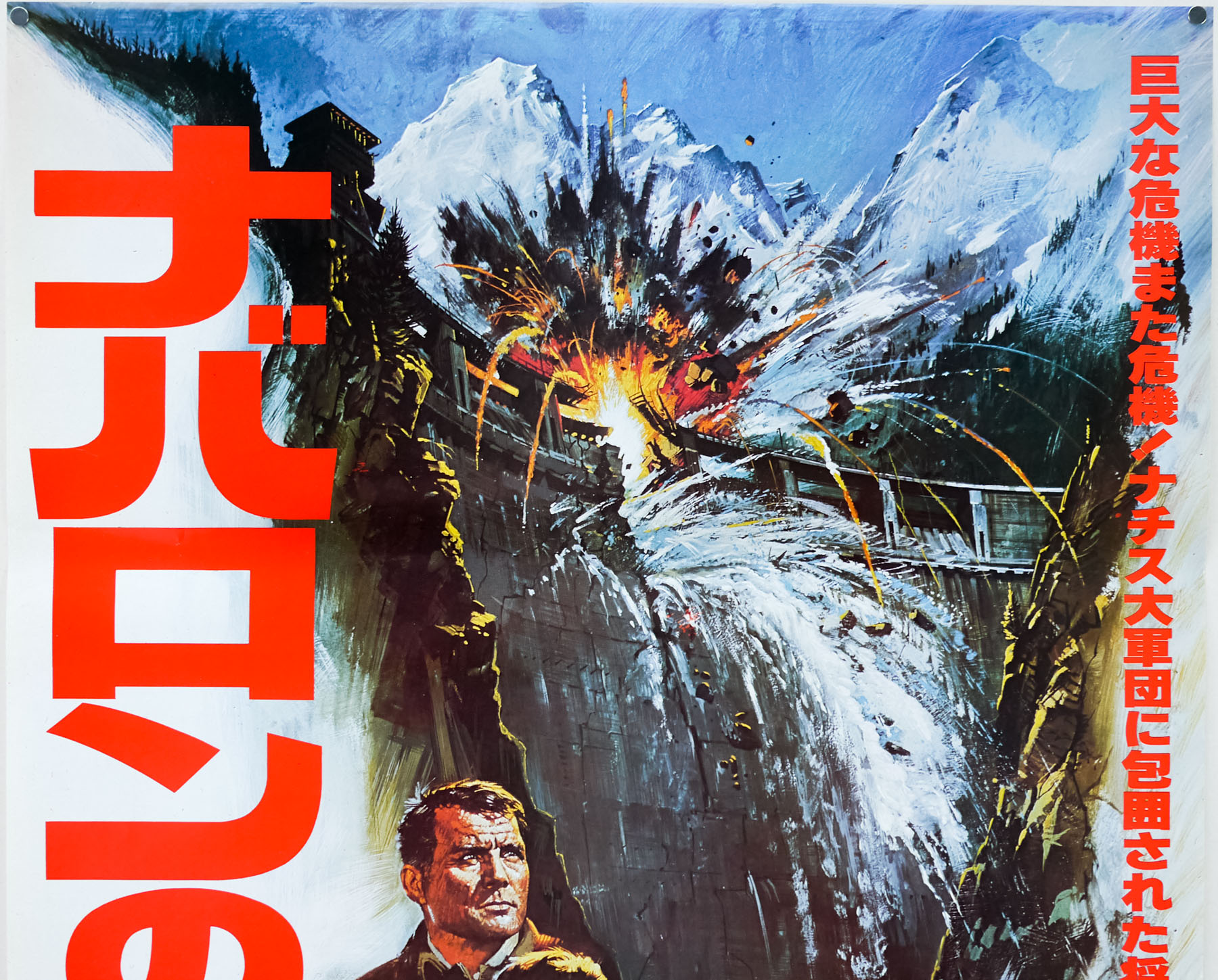
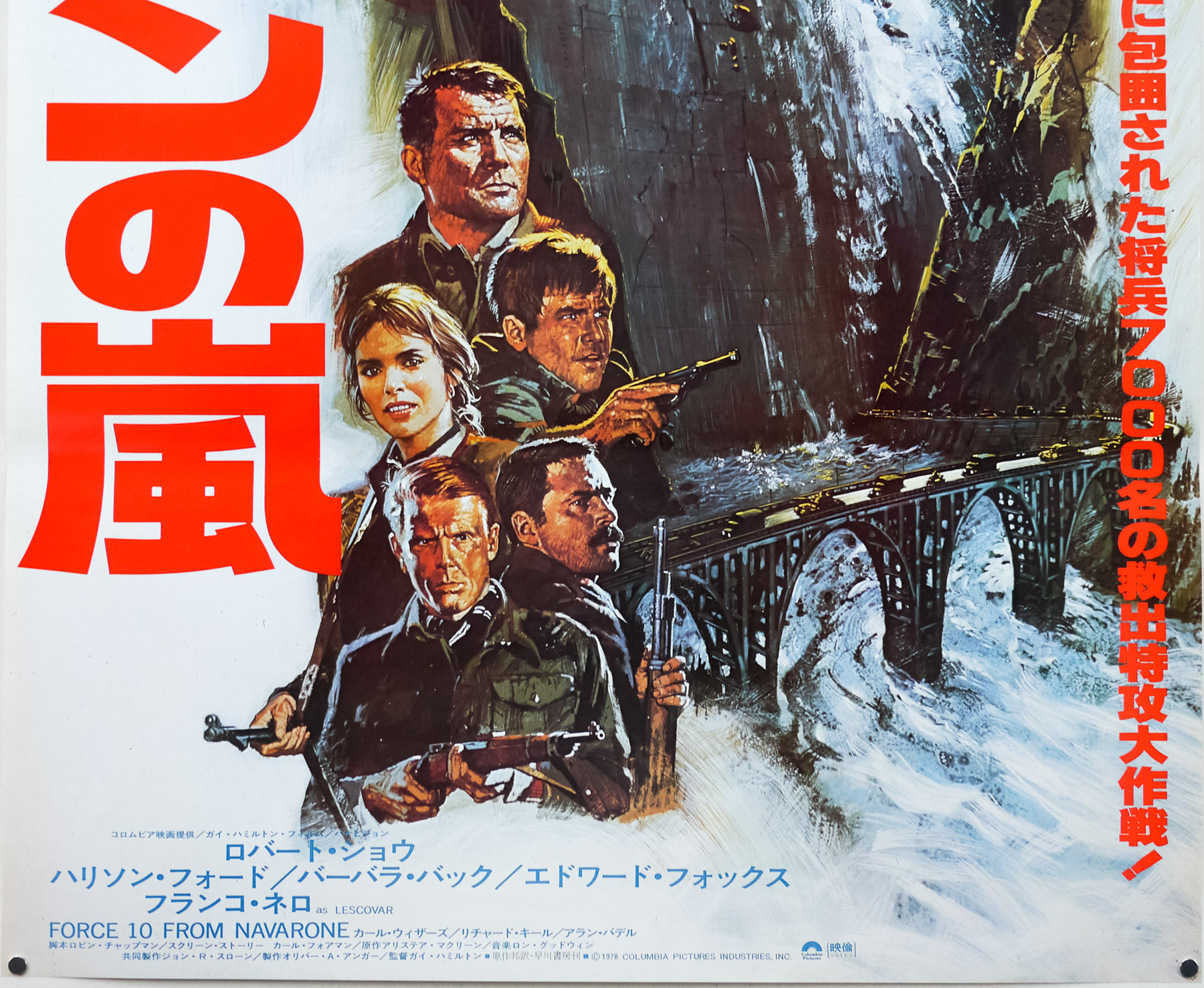
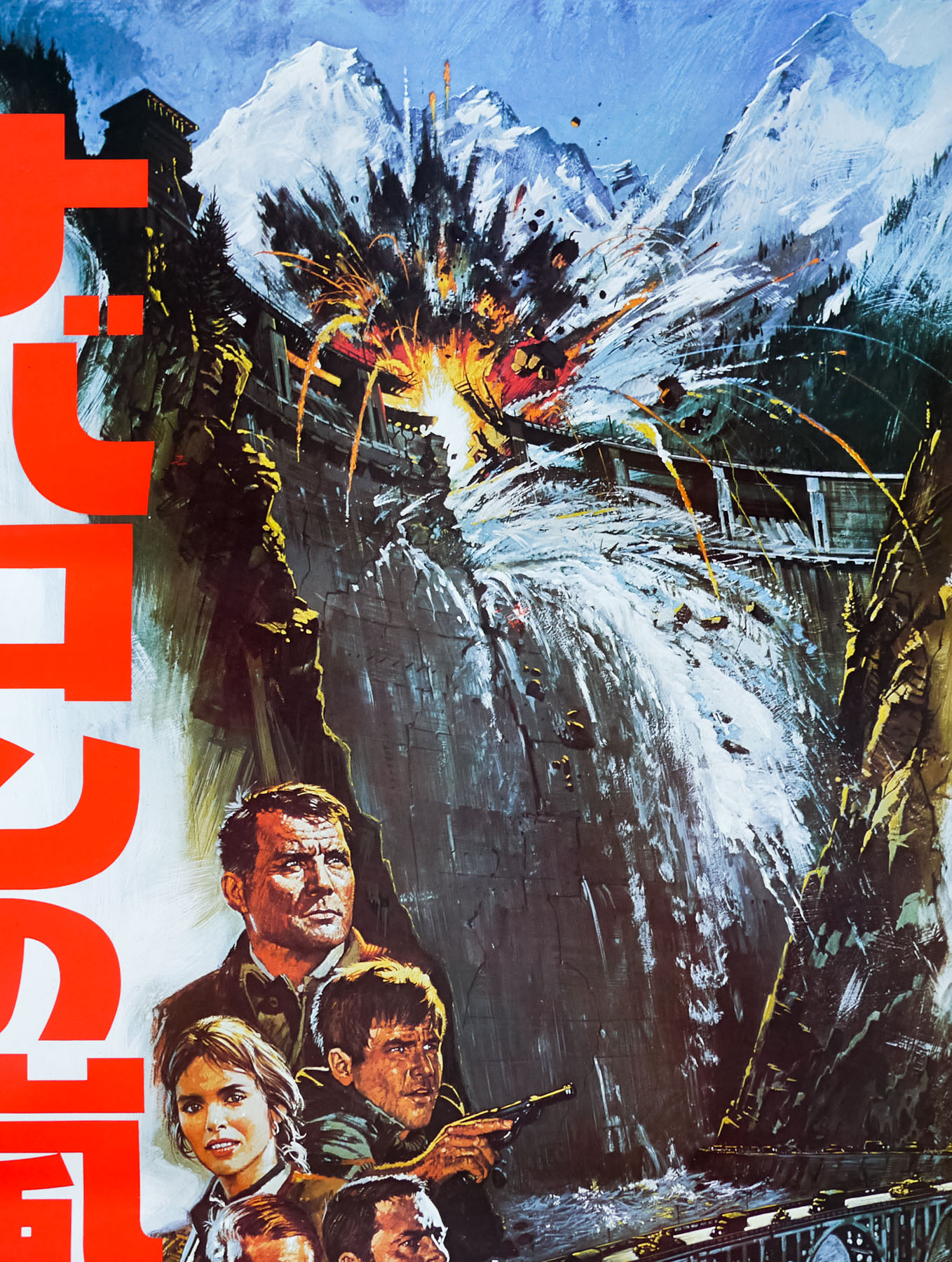
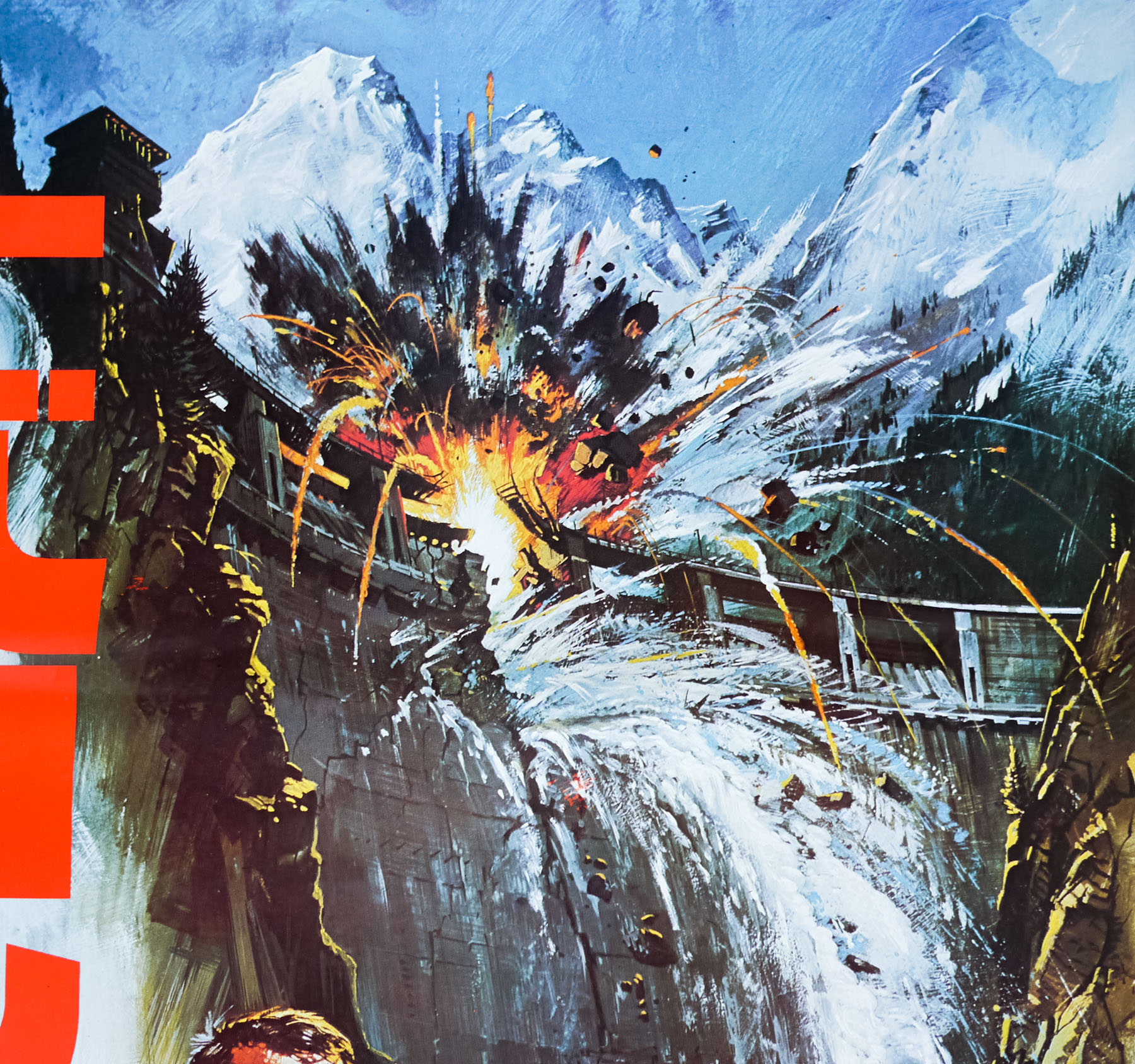
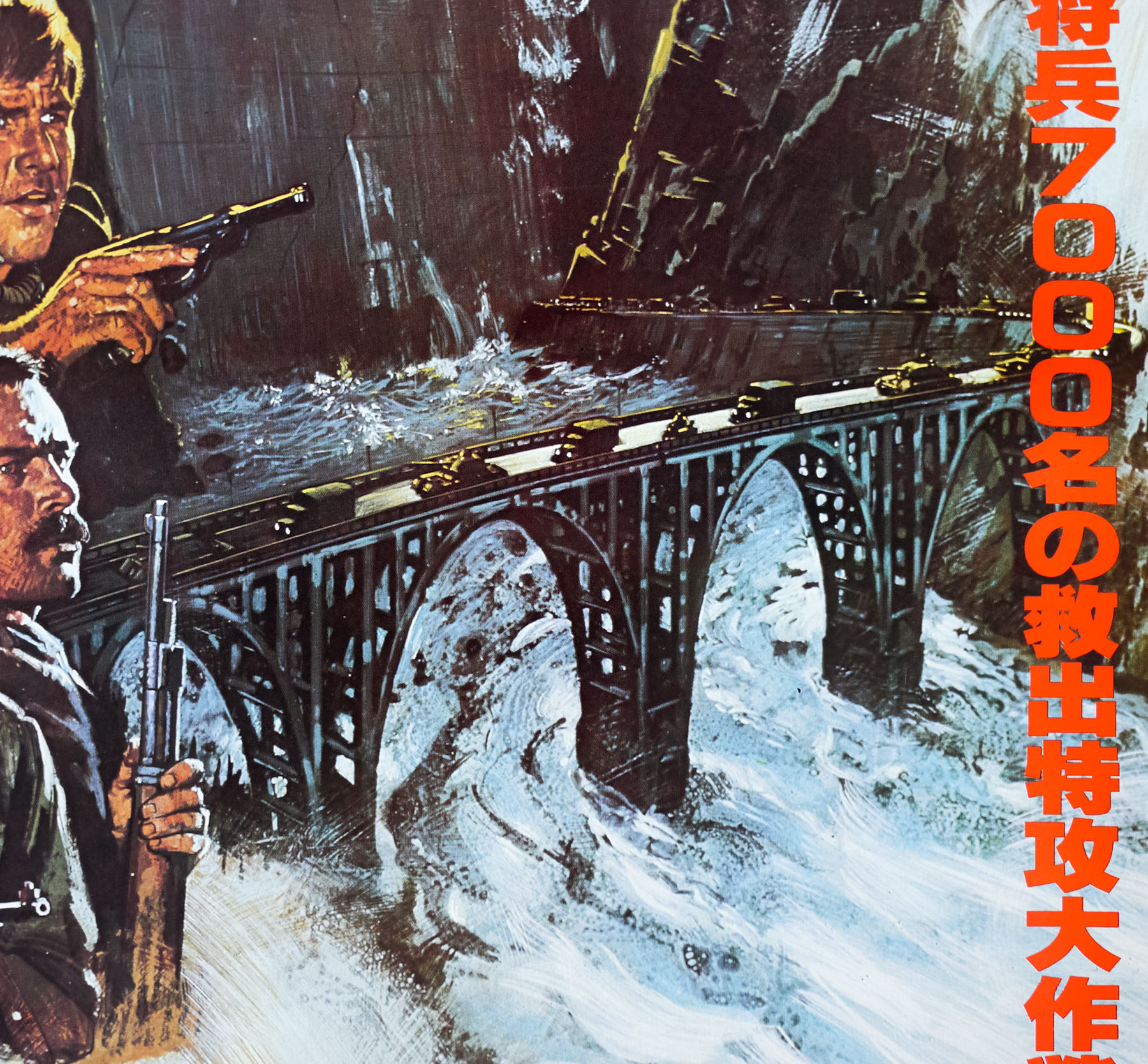
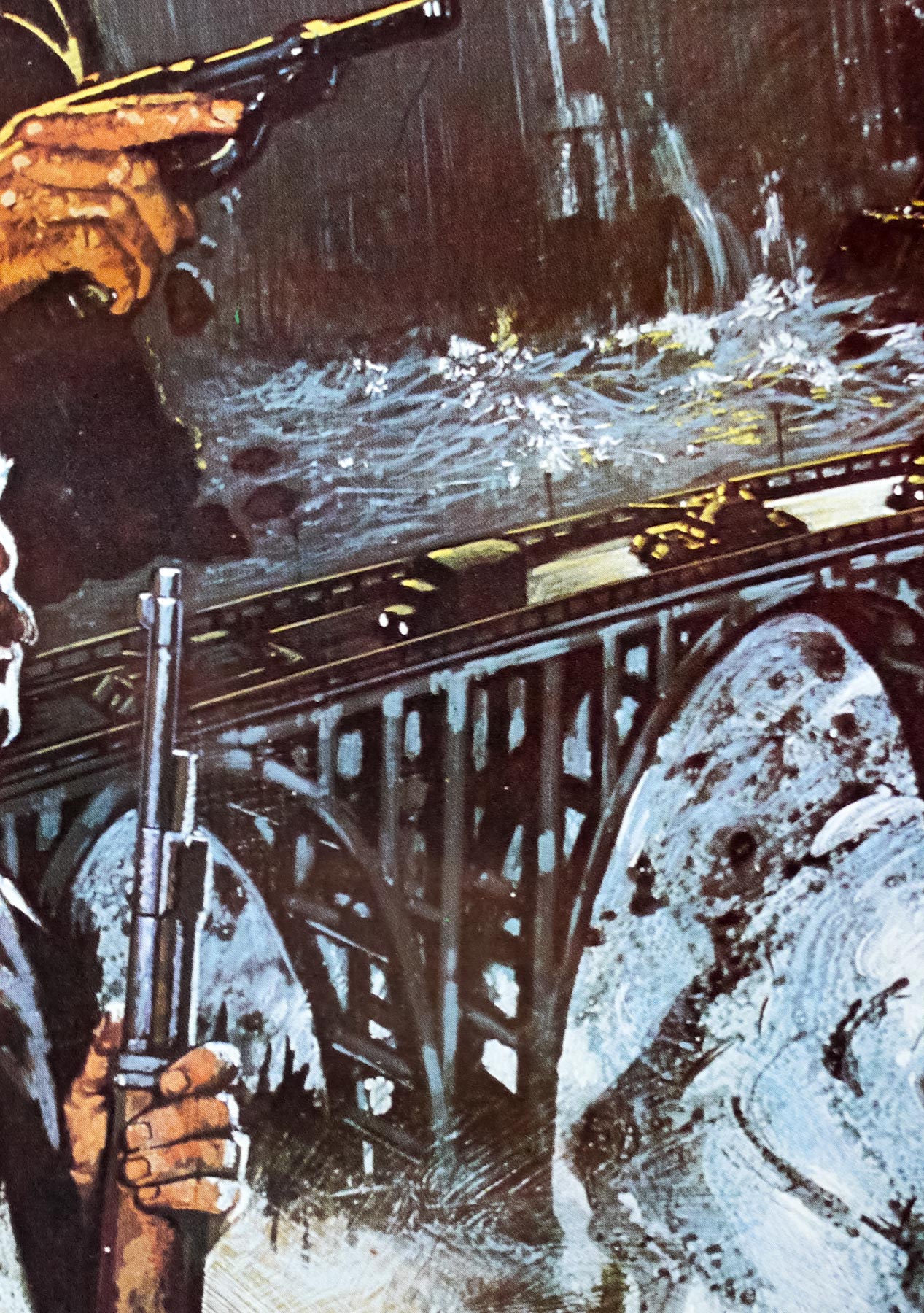
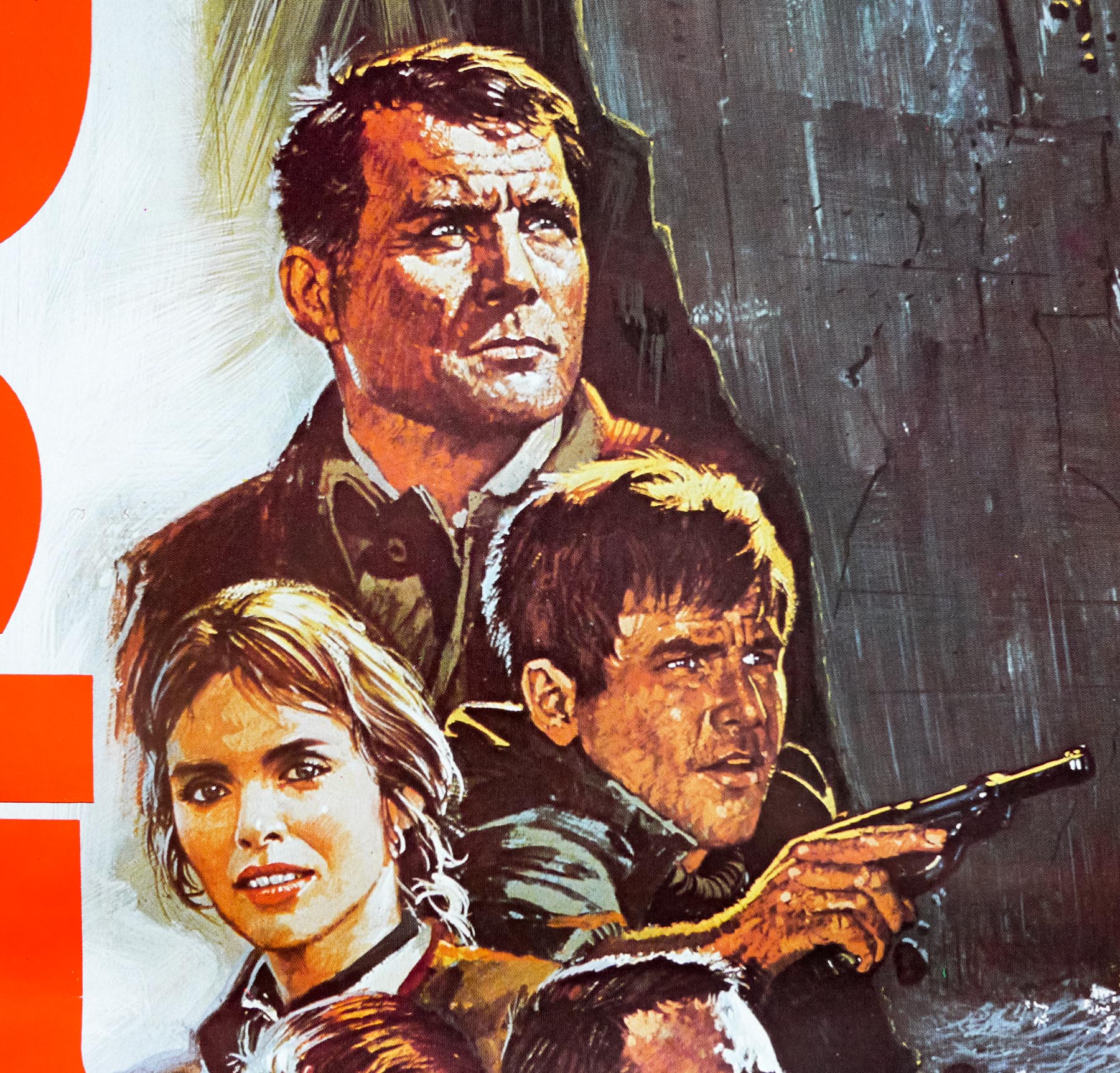
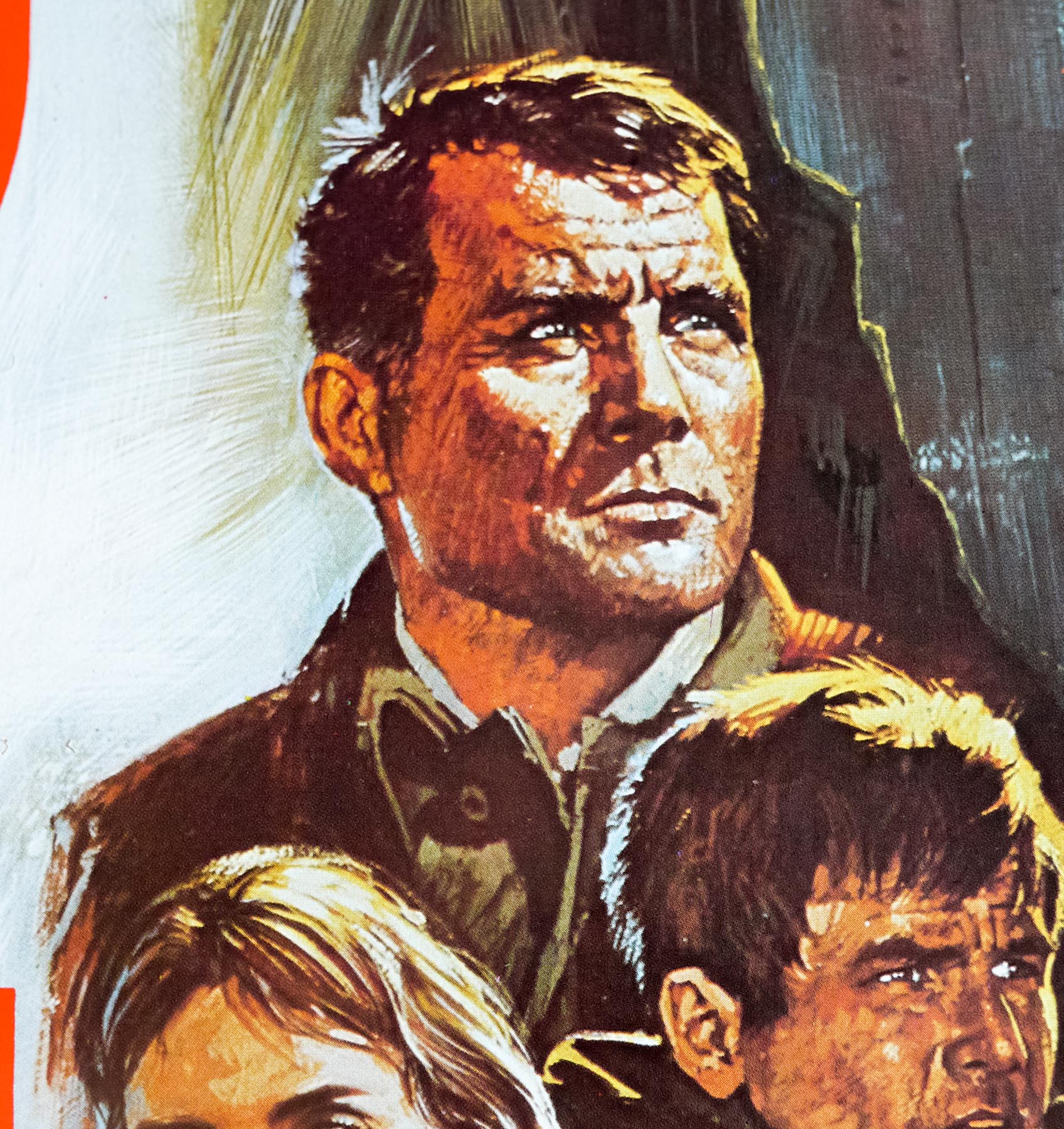
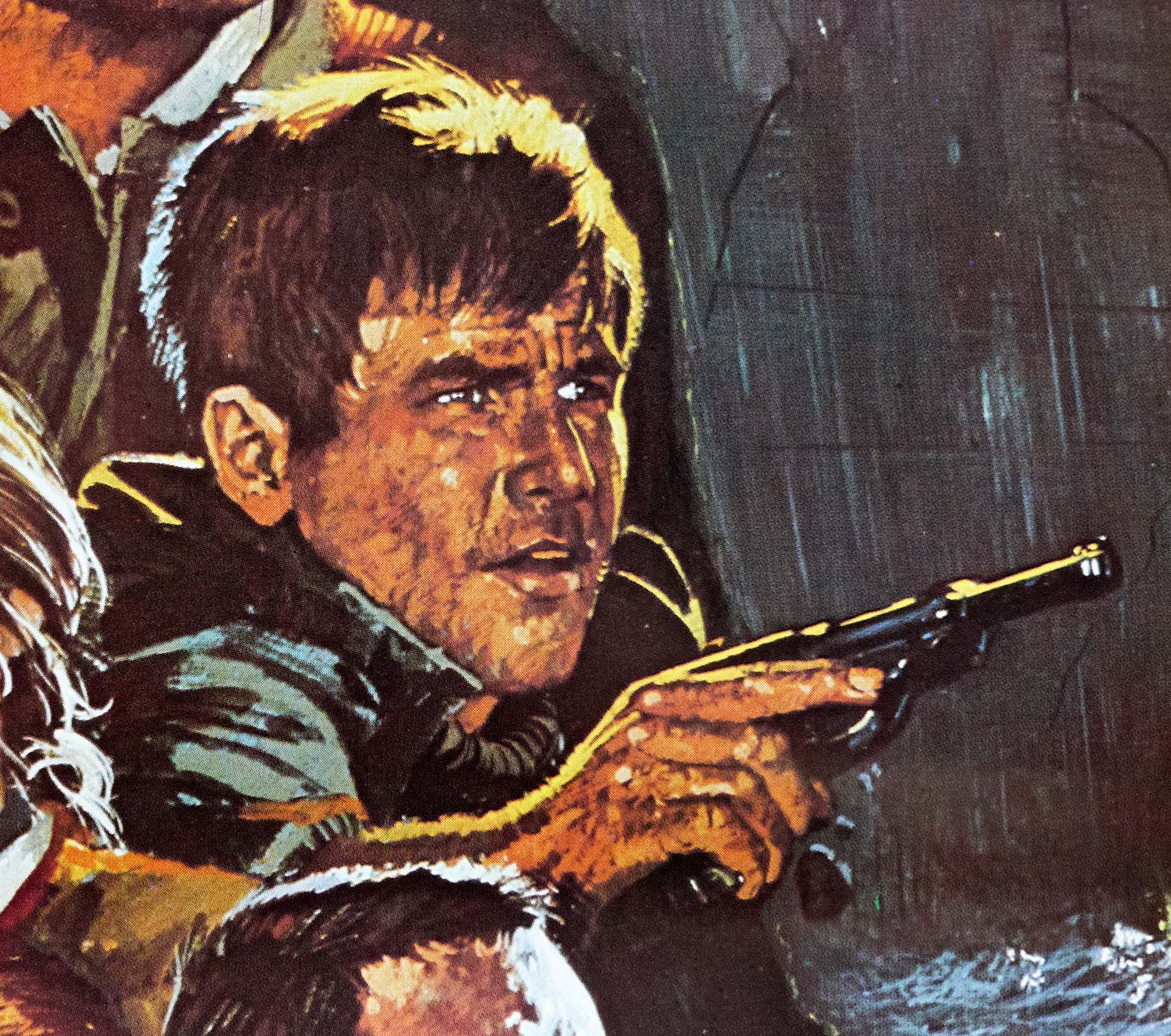
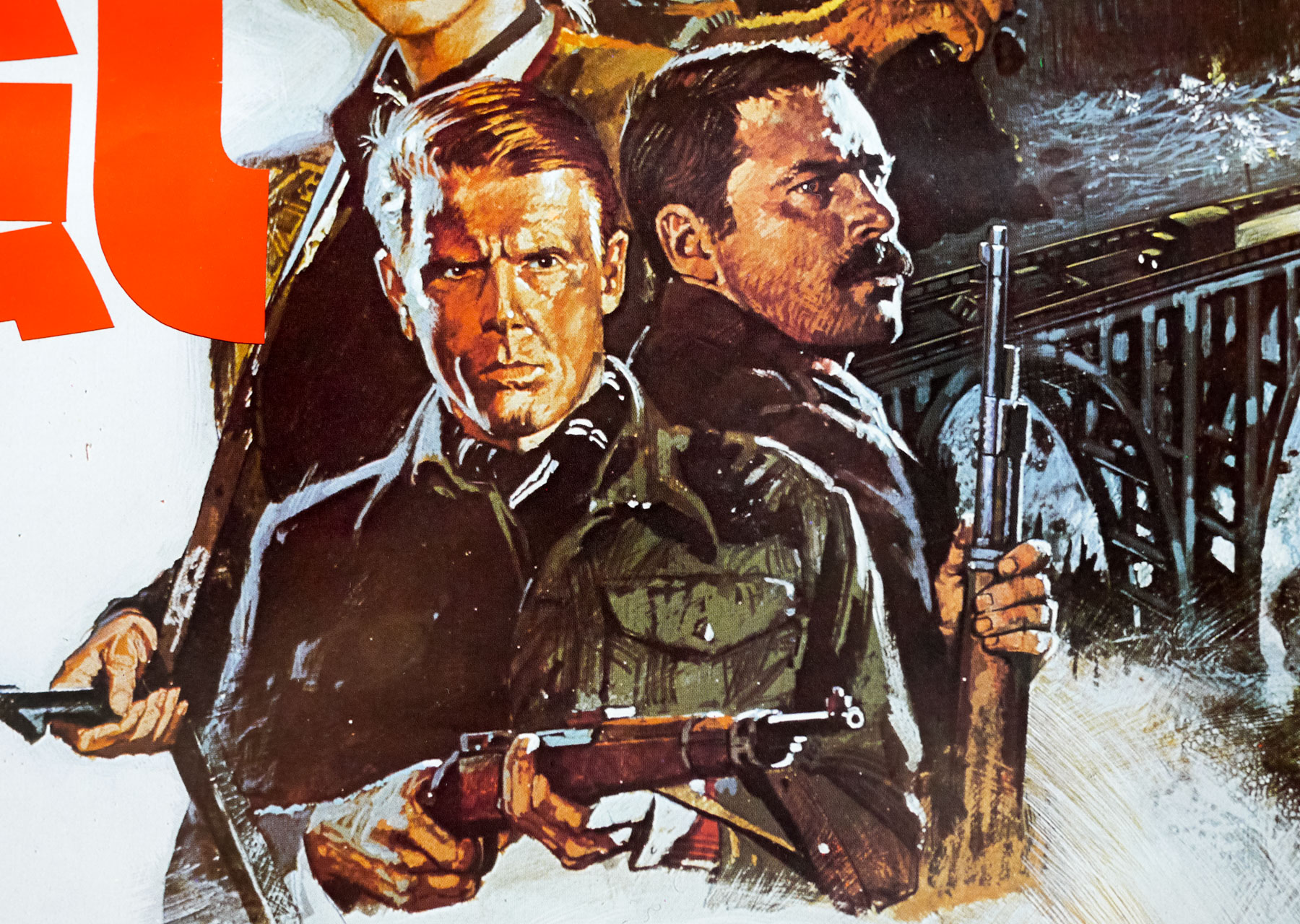
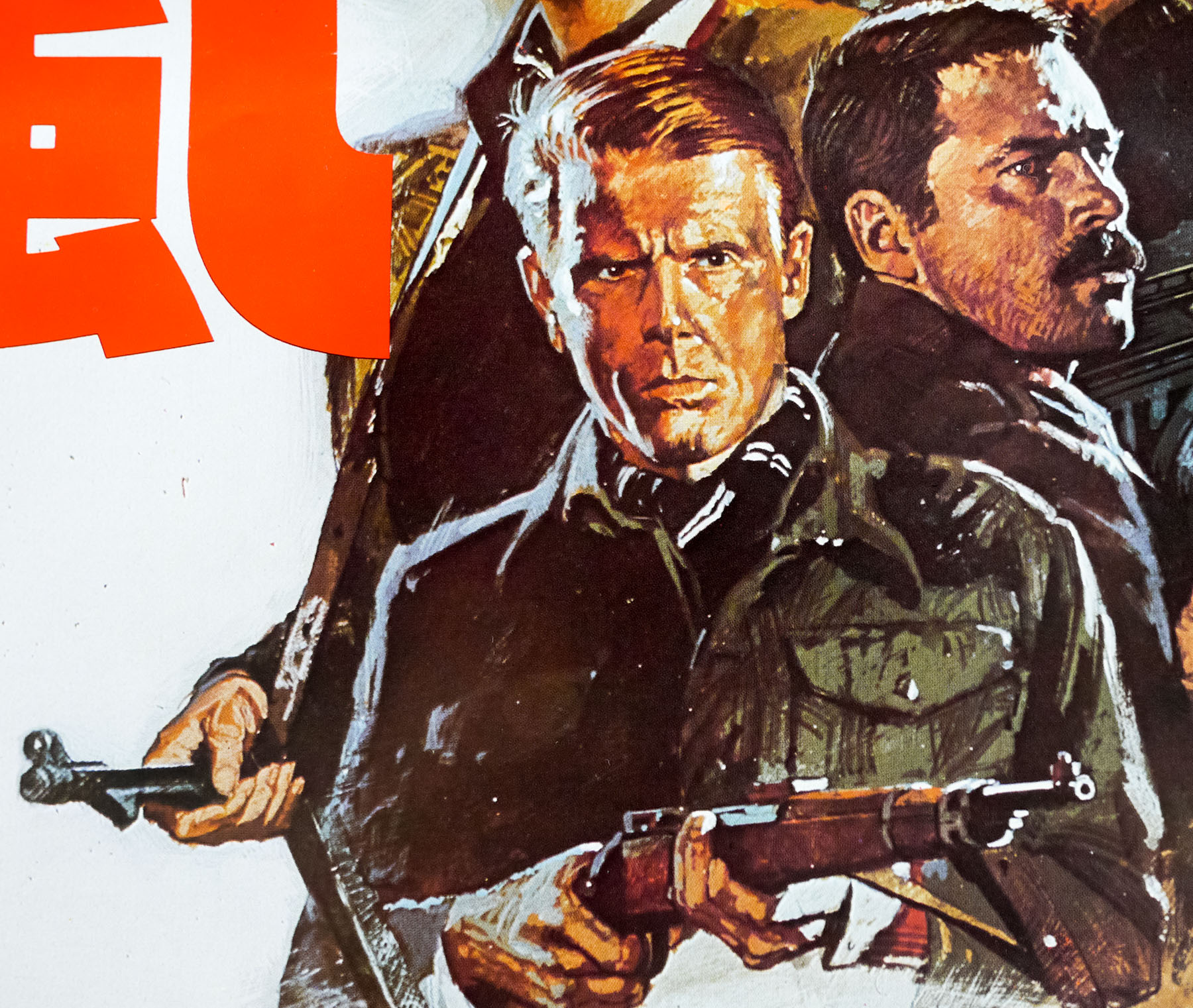
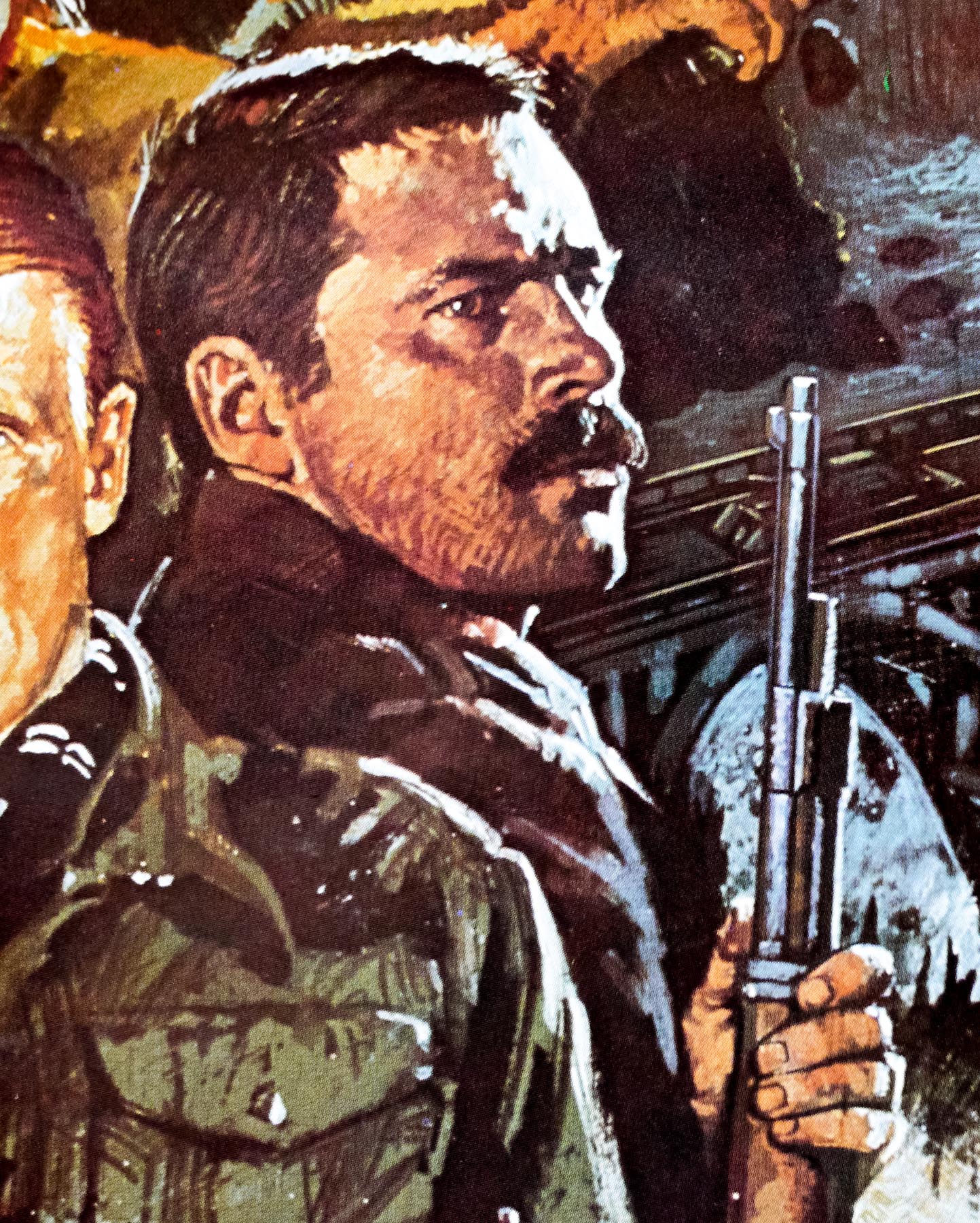
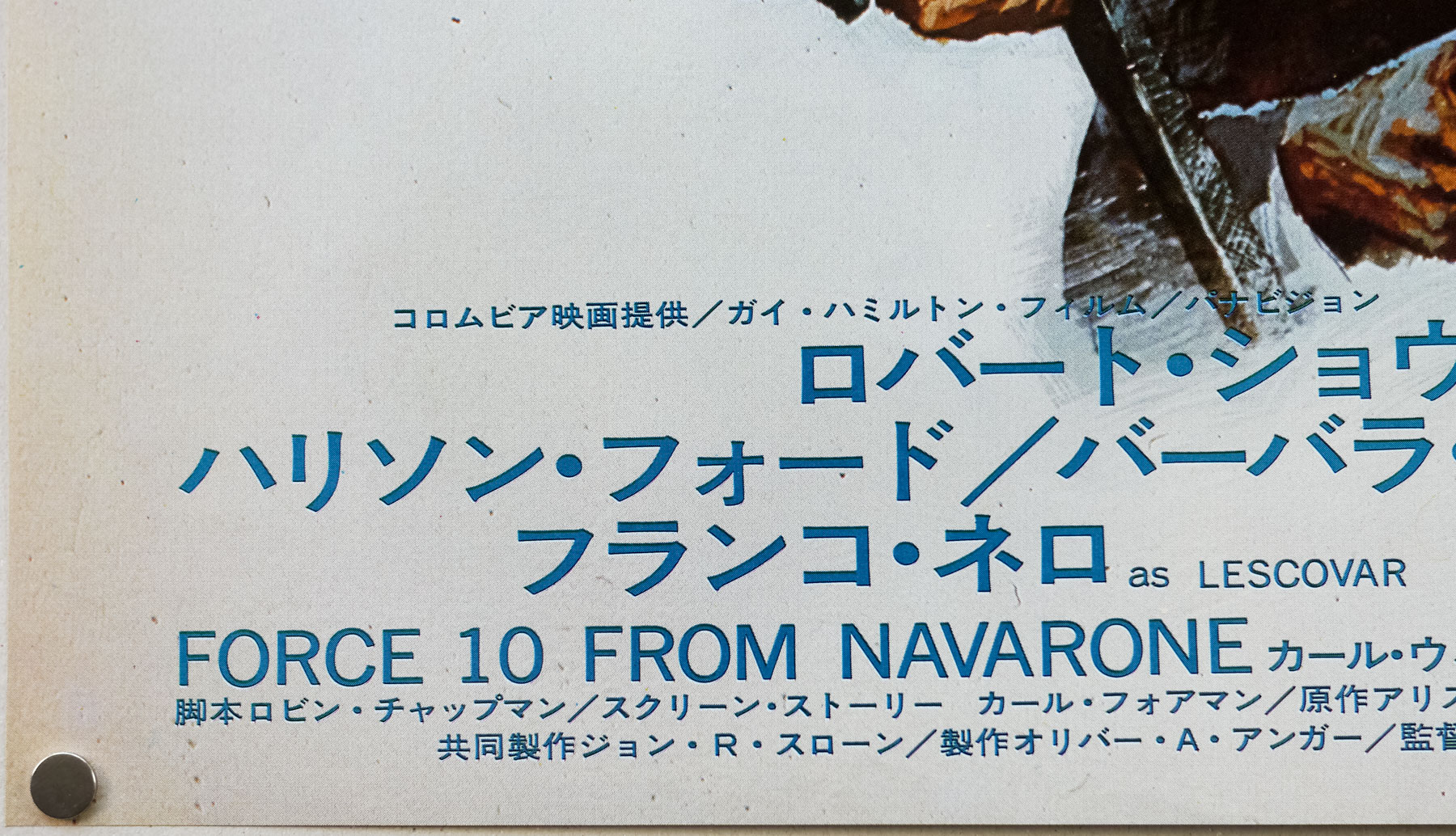
Typically detailed artwork by the British artist Brian Bysouth features on this Japanese poster for the release of the 1978 film Force 10 From Navarone. Created as a sequel to the 1961 film The Guns of Navarone, the film is loosely based on the 1968 novel of the same name by Alistair MacLean. The 17 year gap between films was due to MacLean’s treatment of a sequel to ‘Guns…’, written shortly after the original film was met with box-office success, becoming bogged down in development hell. When it was clear that the production was going nowhere MacLean turned his treatment into a novel. The Producer of ‘Guns…’, Carl Foreman, spent years trying to get the sequel off the ground and eventually succeeded by scraping together a budget from five different international sources. The final screenplay bears little resemblance to MacLean’s novel released a decade earlier.

Because almost two decades had passed since ‘Guns…’, the two actors who had played the leads in that film, Gregory Peck and David Niven, were decided to be too old to convince as the leads and the parts of Miller and Mallory were awarded to Edward Fox and Robert Shaw. Brit director Guy Hamilton, best known for a number of James Bond adventures, including Goldfinger and Diamonds are Forever, was given the task of directing, having impressed with his 1969 WWII film ‘Battle of Britain’.

The story sees the pair tasked with hunting down a traitor from the original mission, a German spy who has infiltrated the Yugoslavian resistance and is masquerading as Captain Lescovar (Franco Nero). They join up with an elite American sabotage unit, known as Force 10, which is led by Colonel Barnsby (Harrison Ford, fresh off the success of Star Wars in 1977) who have a mission to carry out of their own. The crew steal an RAF Lancaster bomber and head towards the mission site but the plane is shot down by German fighters and most of the squad are lost. Miller, Mallory and the remaining soldiers are soon captured and imprisoned by German forces but all is not lost as they have a spy of their own in the ranks, Maritza (Barbara Bach) who helps them to escape and continue their mission. Soon they come across Lescovar and the Partisan army. A plan to destroy a large bridge being used by the German forces unites them together, but the German spy’s double-crossing threatens to jeopardise everything.

Force 10 would prove to be Shaw’s penultimate role as he died a year later during the filming of Avalanche Express. The film was met with less than stellar box-office results and general audience indifference, likely not helped by there being such a large gap between the films.

The artwork on this poster was painted by Brian Bysouth who is one of my favourite poster artists and was responsible for many classic posters from the 1960s to the 1980s, including the final painted poster for a James Bond film, The Living Daylights. In 2012 I was fortunate to meet and interview Brian for this site and the article can be read here. The other posters I’ve collected by Brian can be seen by clicking here.

The artwork was reused around the world with the original title, painted to resemble part of the dam, redrawn depending on the language required. The results page for Force 10 on emovieposter.com shows some of these alternative versions, including those for the French and Italian releases. Interestingly this Japanese poster features the title printed down the left hand side, rather than painted onto the dam.

Note that there is an alternative style of poster for the film, the artwork of which can be seen here, that also features the dam bursting and is, I’m fairly certain, erroneously credited to Brian on emovieposter. If anyone has any ideas who the artist of that version is please get in touch or leave a comment below.
The Anderson Tapes / B2 / Japan

18.04.16

Poster Poster
Title
The Anderson Tapes
AKA
--
Year of Film
1971
Director
Sidney Lumet
Starring
Sean Connery, Dyan Cannon, Martin Balsam, Ralph Meeker, Alan King, Christopher Walken, Val Avery, Dick Anthony Williams, Garrett Morris
Origin of Film
USA
Genre(s) of Film
Sean Connery, Dyan Cannon, Martin Balsam, Ralph Meeker, Alan King, Christopher Walken, Val Avery, Dick Anthony Williams, Garrett Morris,
Type of Poster
B2
Style of Poster
--
Origin of Poster
Japan
Year of Poster
1971
Designer
Unknown
Artist
Unknown
Size (inches)
20 4/16" x 28 14/16"
SS or DS
SS
Tagline
--

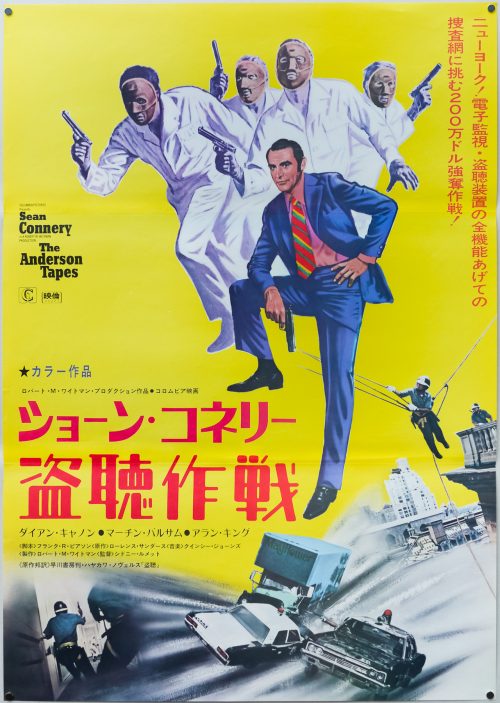
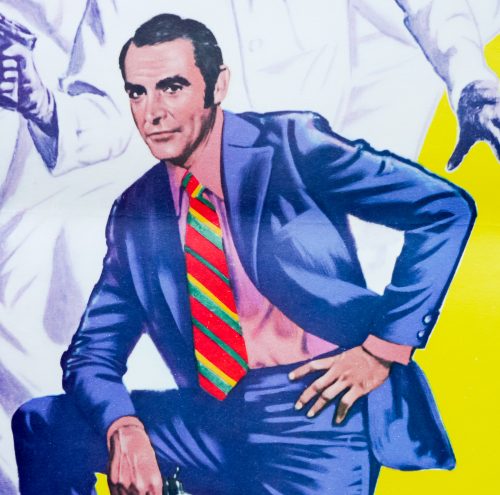
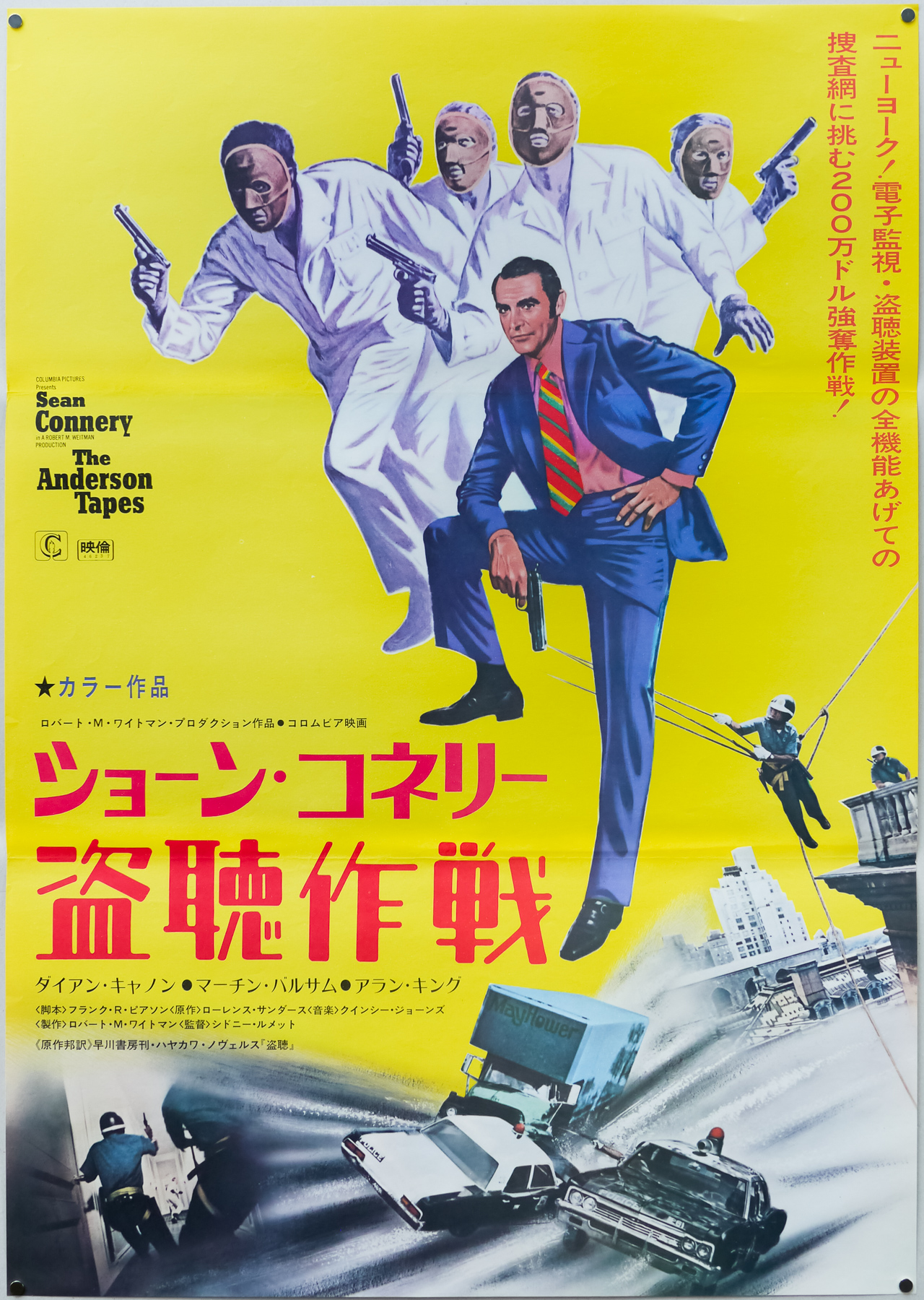
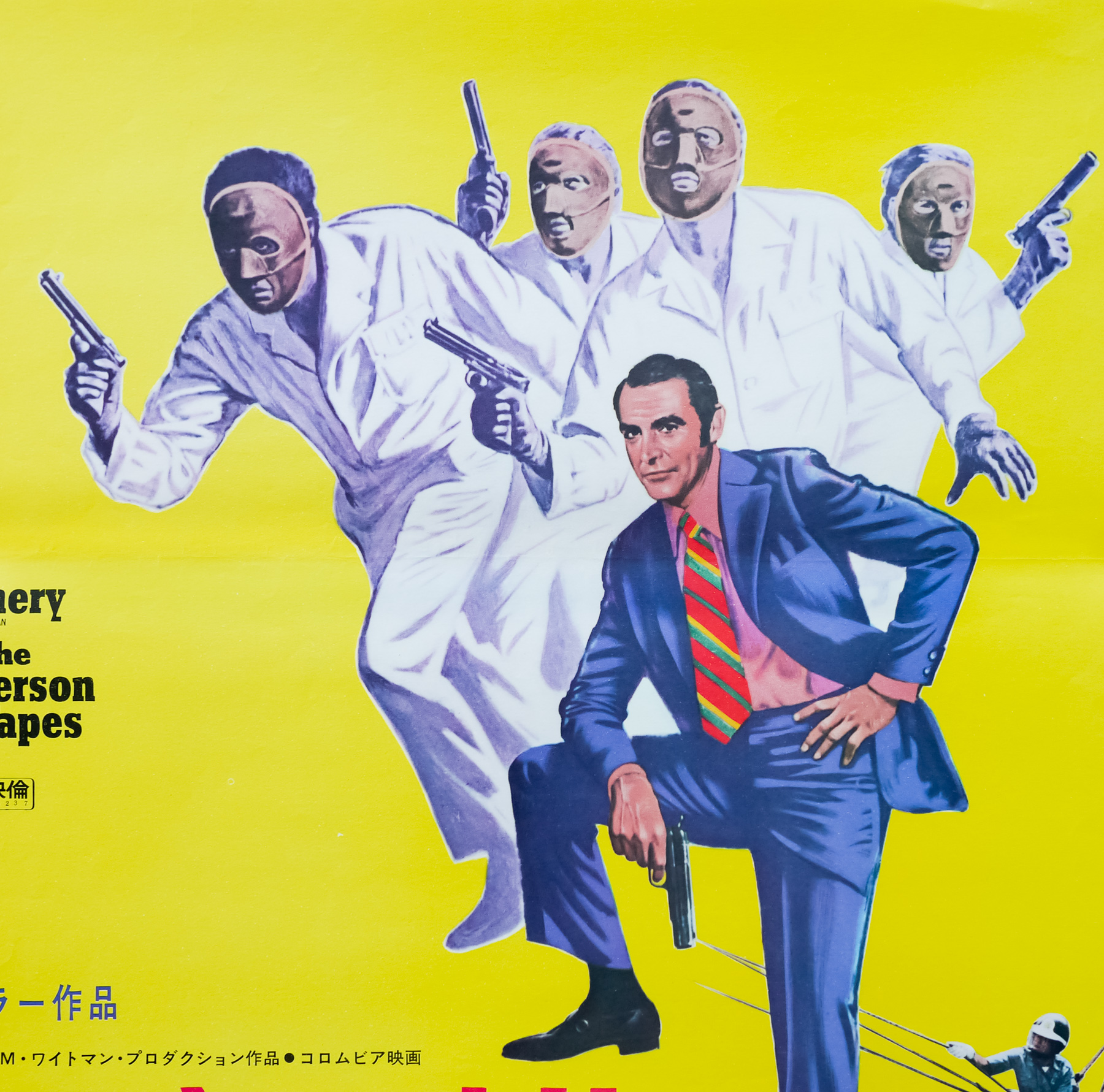
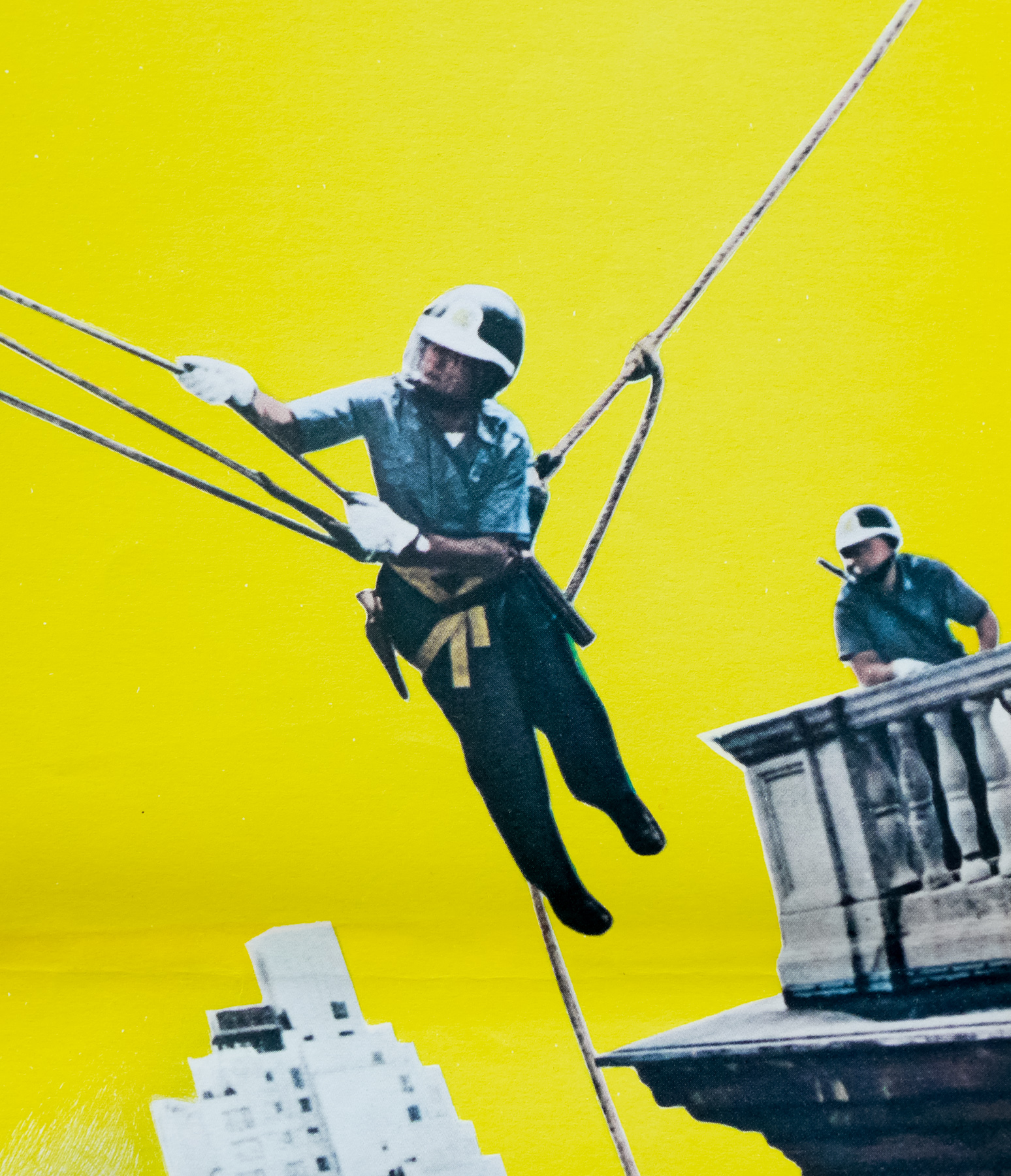
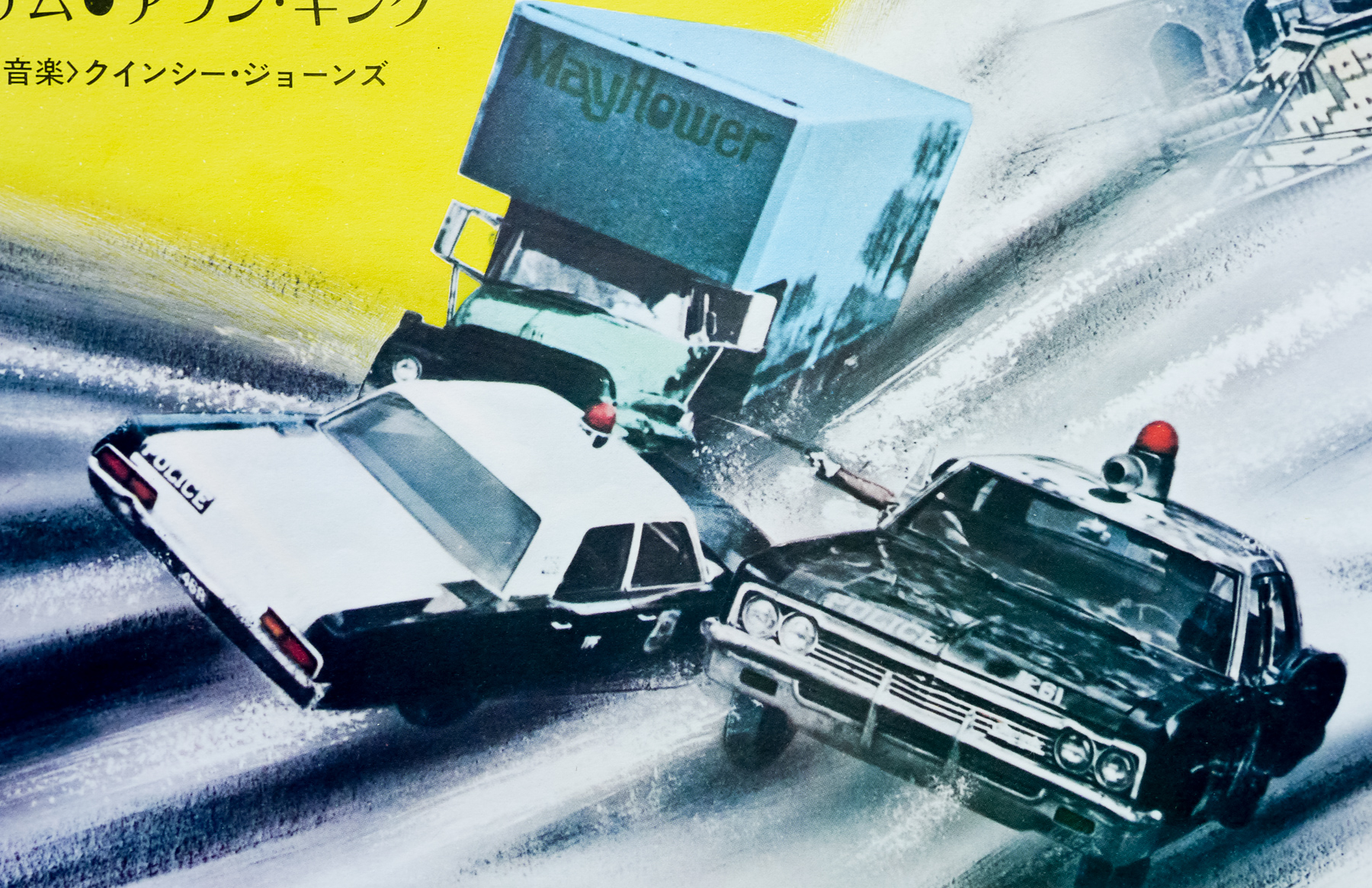
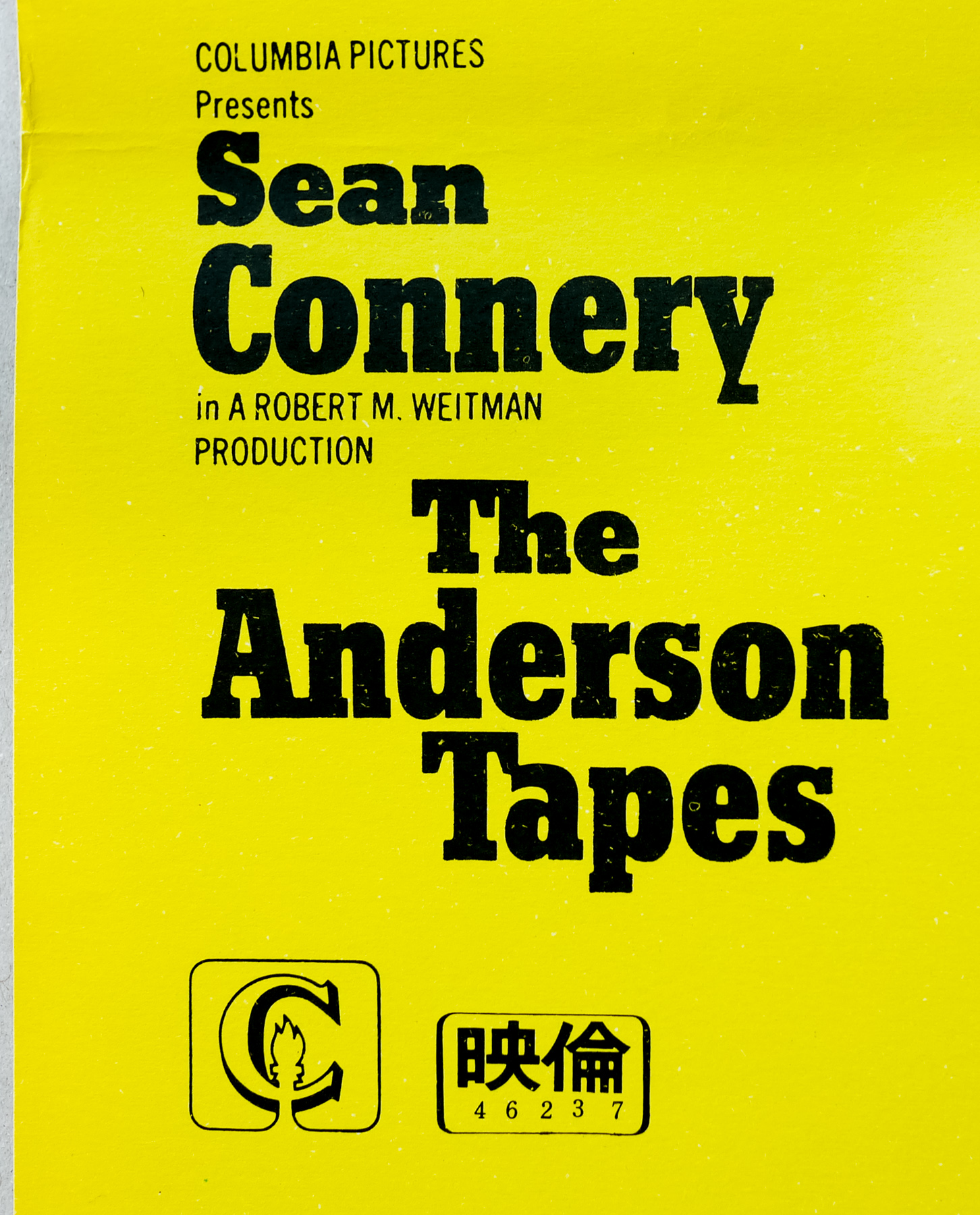
This is the Japanese poster for the release of The Anderson Tapes, a 1971 crime film from director Sidney Lumet. It stars Sean Connery and was released the same year as Diamonds are Forever, the film that marked the final time he would officially play James Bond (for Eon Productions). It’s based on a novel of the same name by Lawrence Sanders and had a screenplay written by Frank Pierson who was a producer as well as a screenwriter. Lumet and Pierson would later collaborate on the classic Dog Day Afternoon in 1975.

Connery plays the role of John “Duke” Anderson, a serial burglar who has just been released from prison and reunites with his girlfriend Ingrid (Dyan Cannon) who lives in a high-class apartment block in Manhattan. Far from being reformed, Duke decides he will target all of the flats in the block in one big heist with the help of his mafia connections and a crew of assorted criminals. Things have changed since he was put away and Duke must contend with the electronic surveillance throughout the building as well as various forms of snooping that are covering his entire crew. The film was one of several released at the start of the 1970s that dealt with the issue of surveillance, including the brilliant The Conversation.
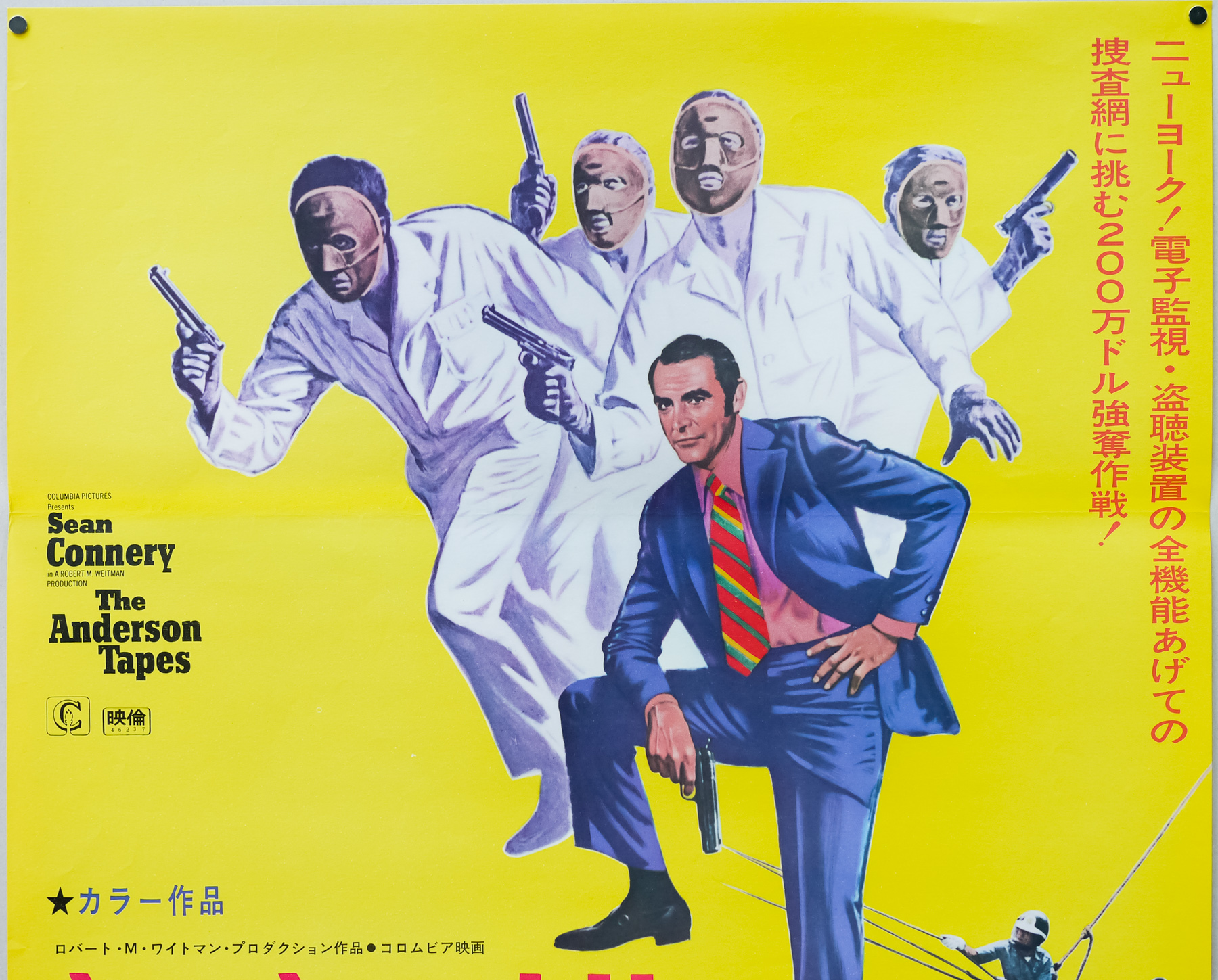
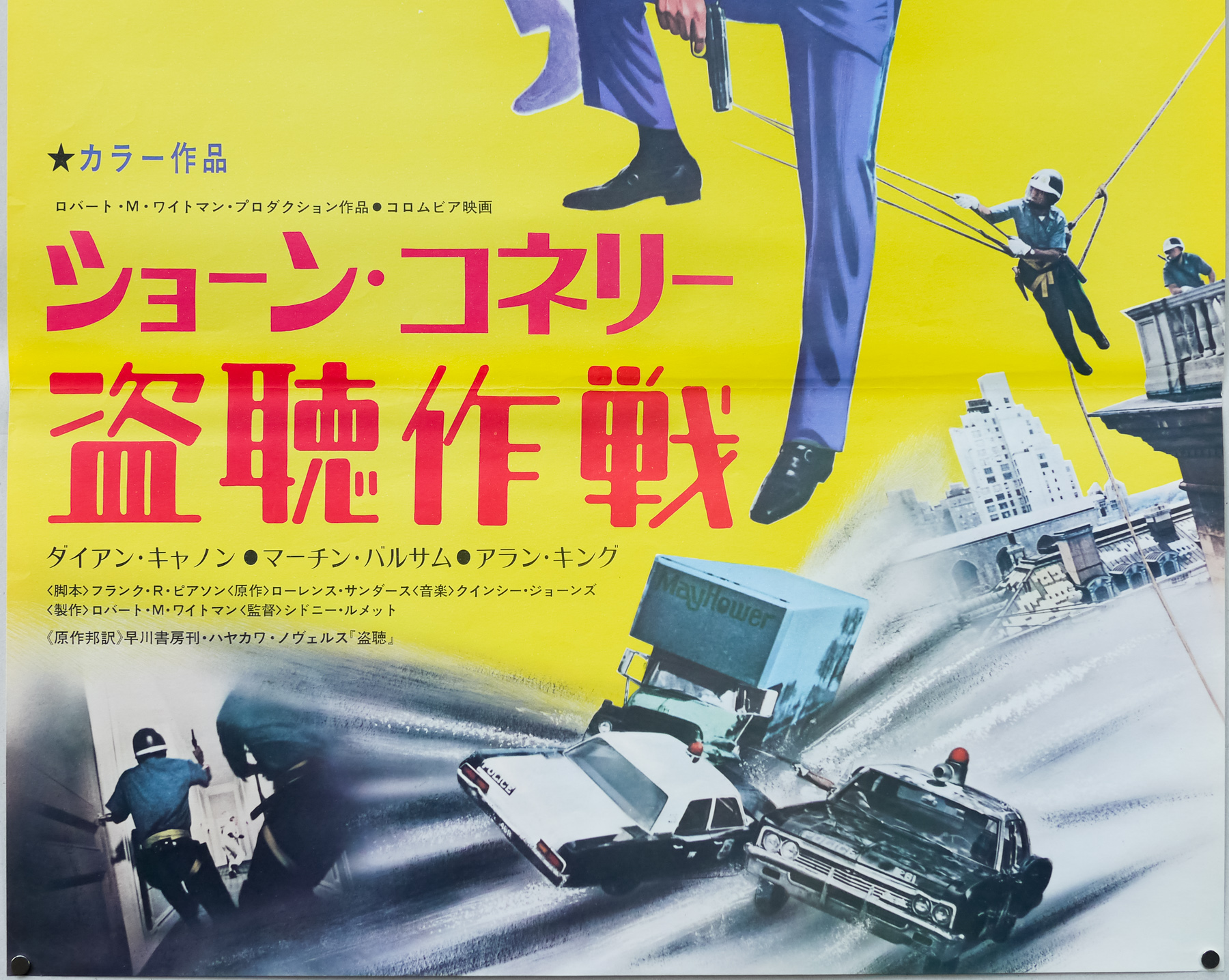
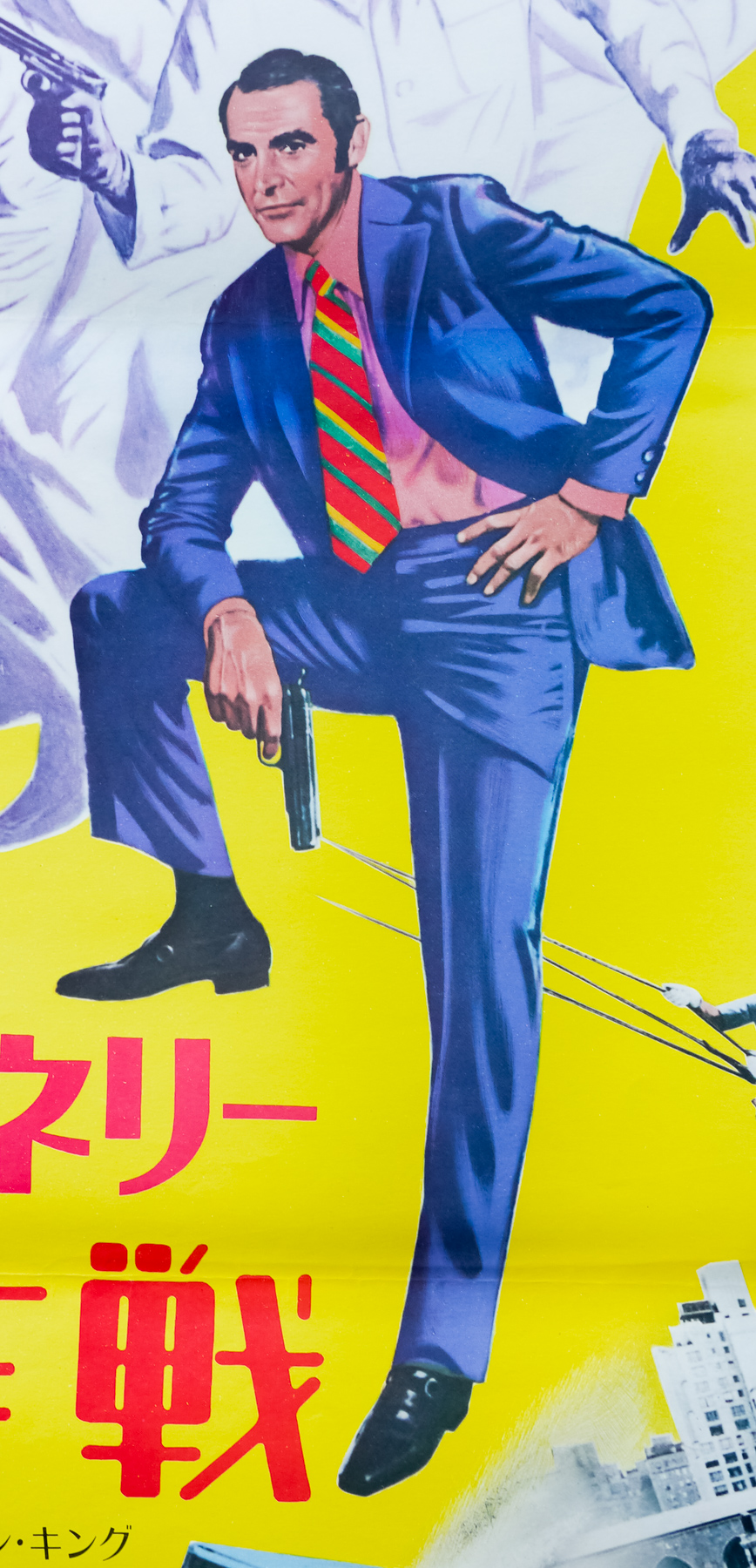
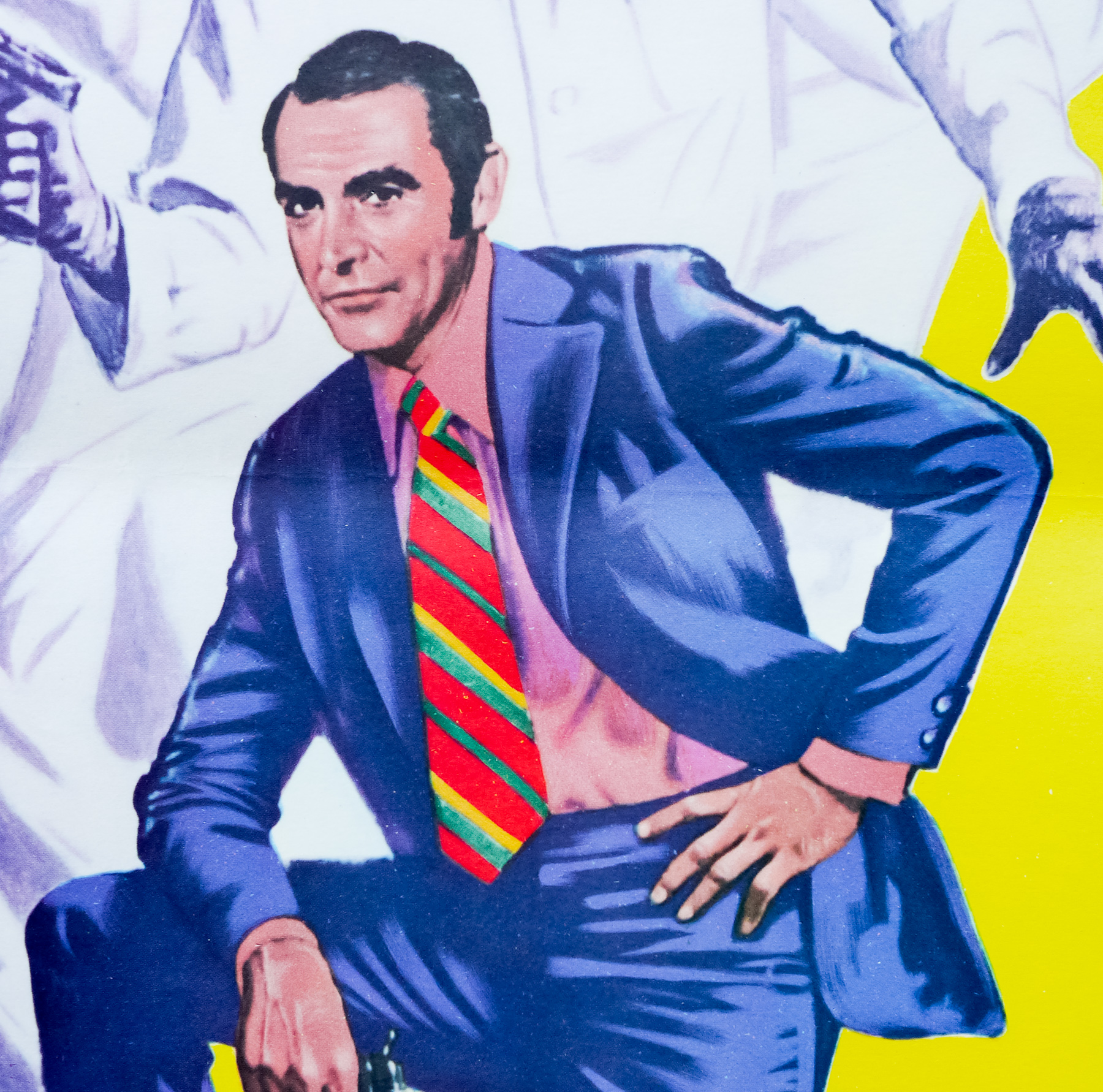
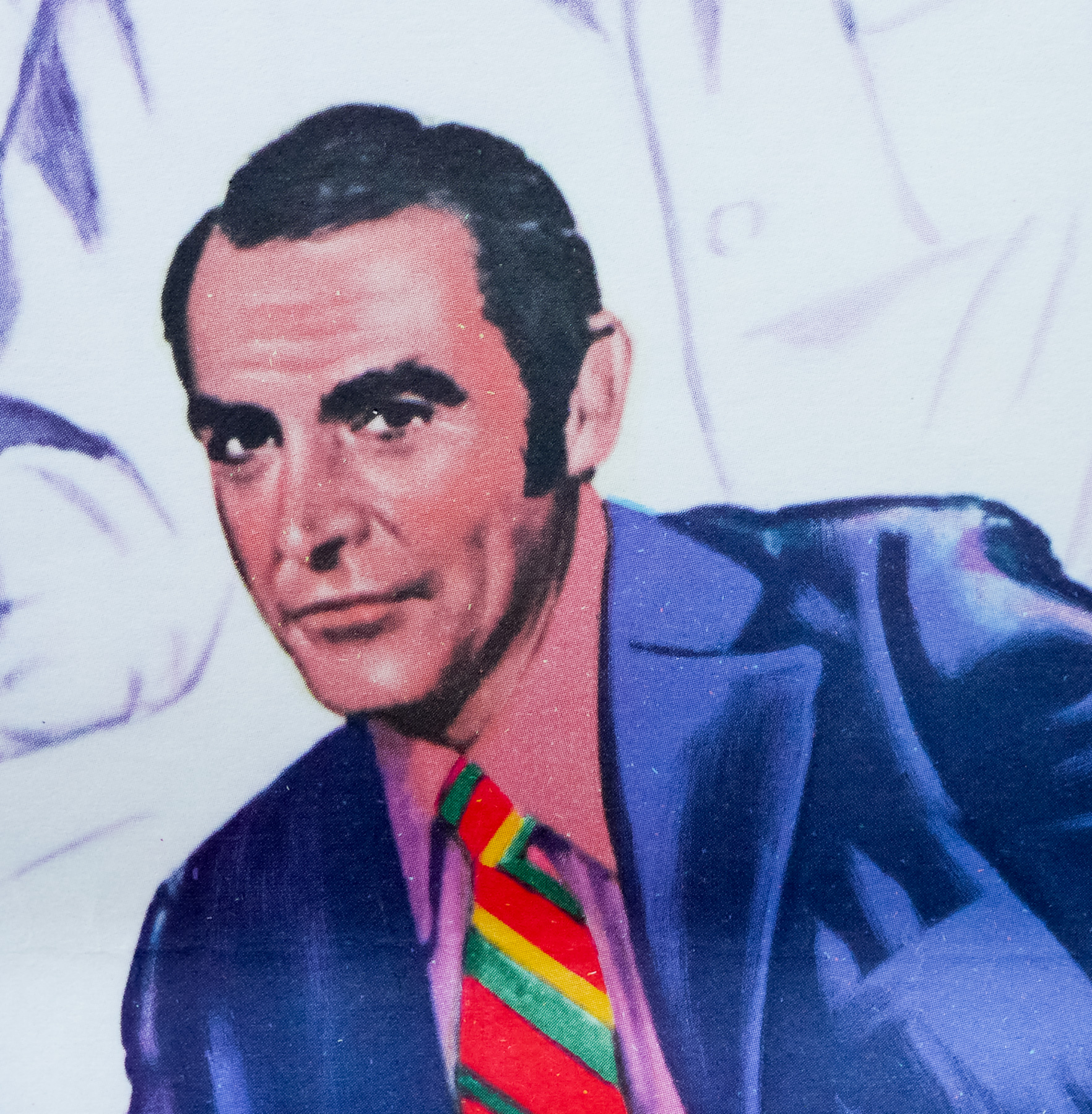
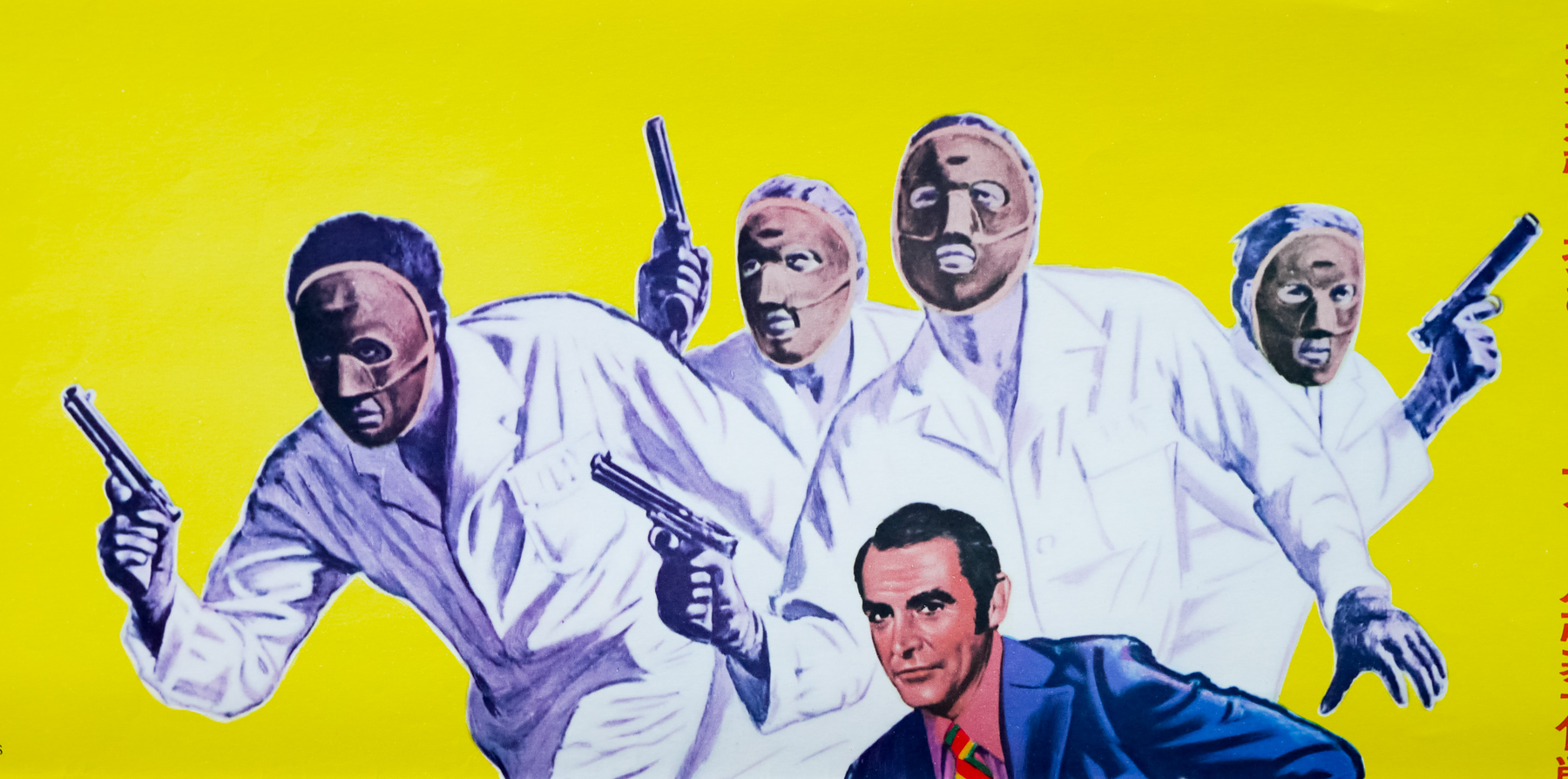
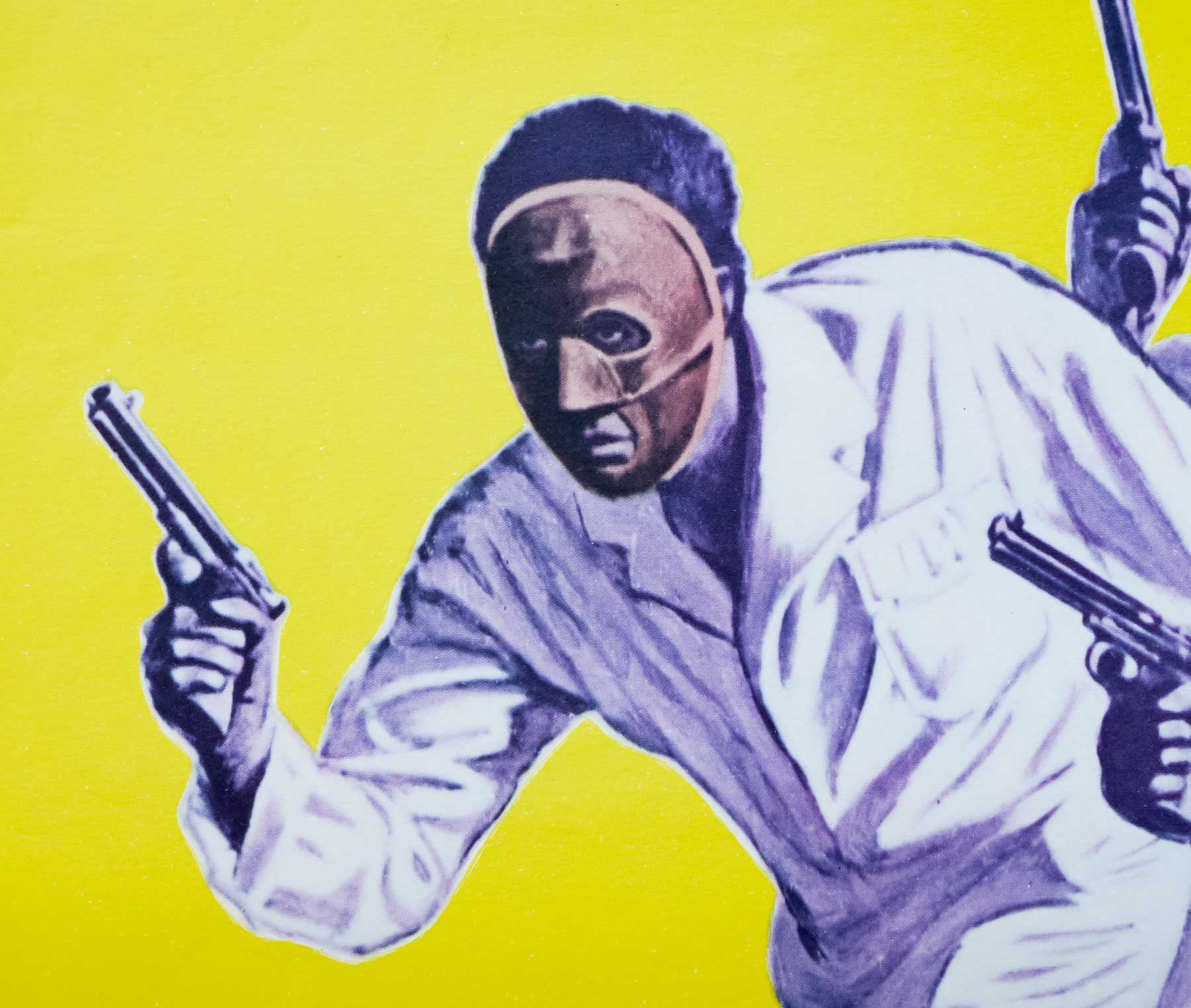
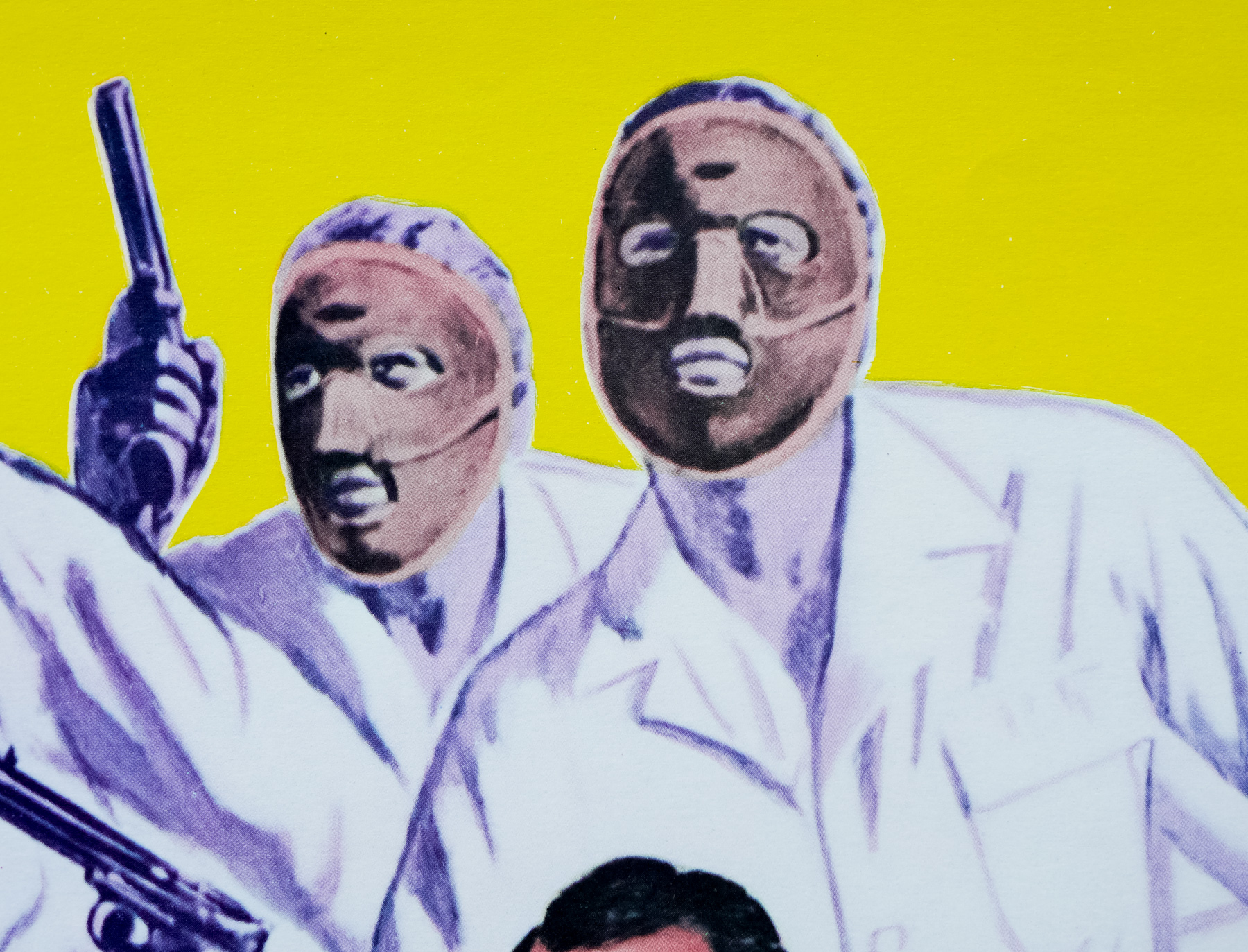
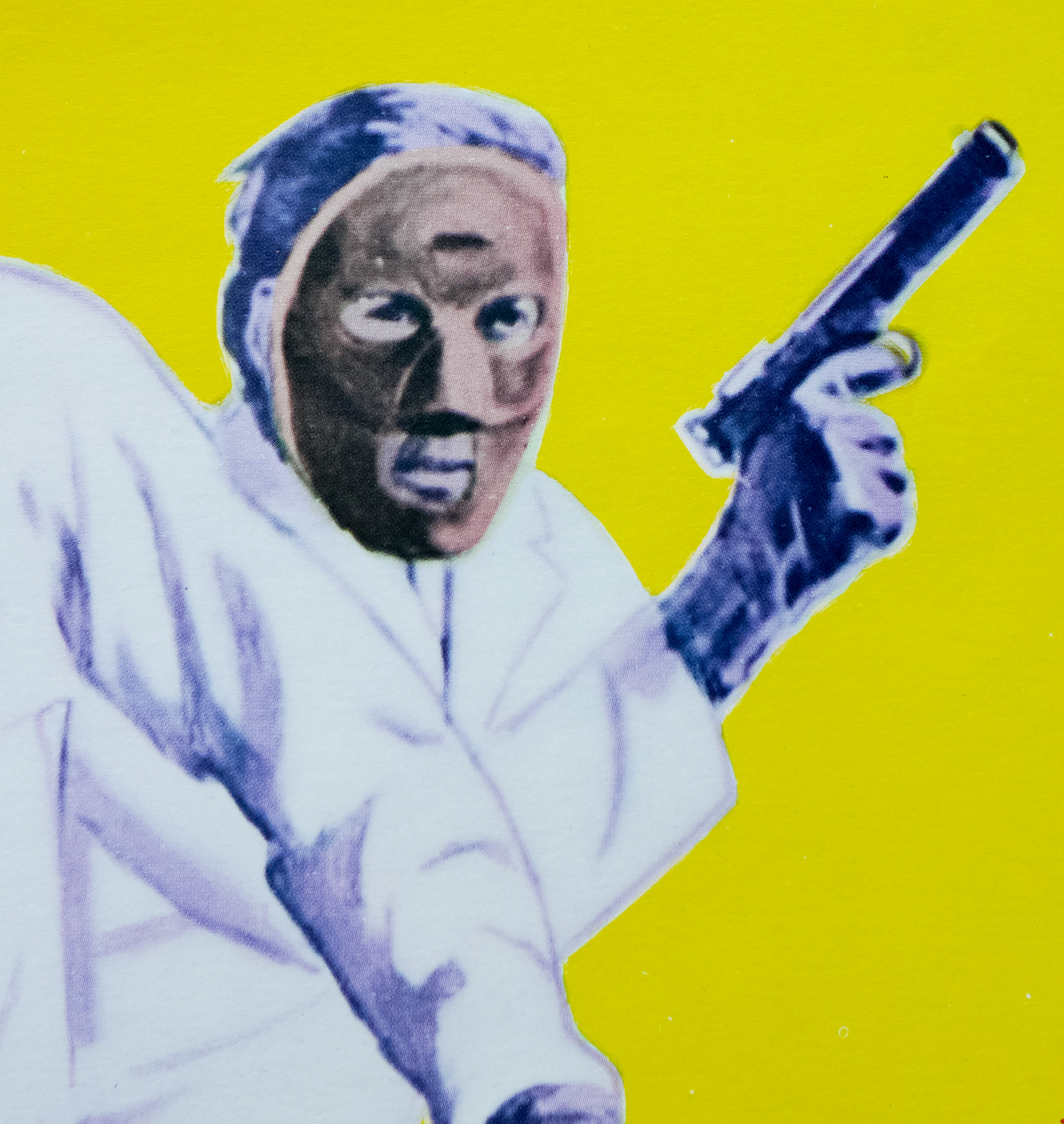
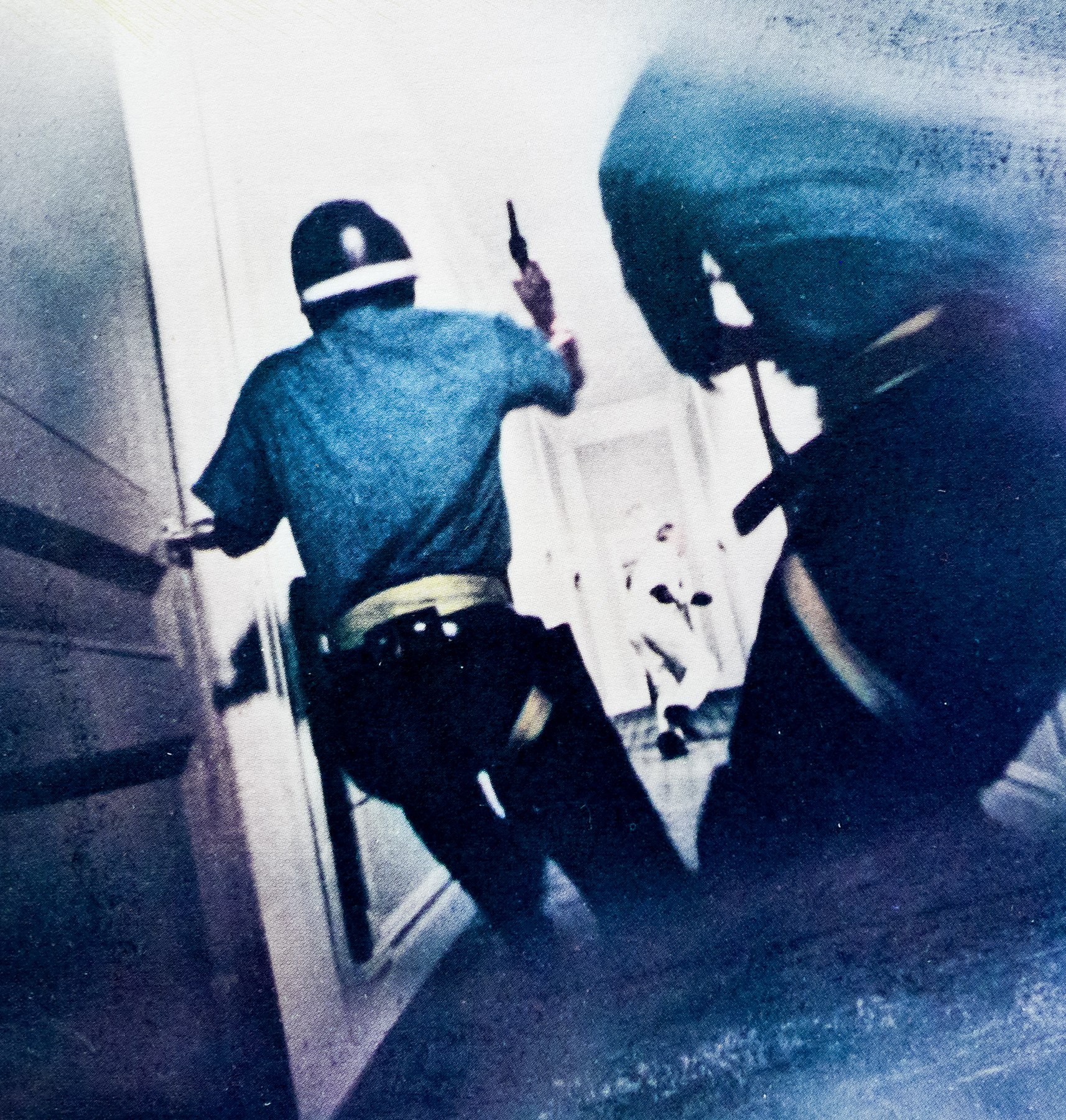
This Japanese poster features artwork originally found on the US one sheet, although it appears to have been colour-tinted somewhat, particularly the masked men at the top. If anyone has any ideas who the artist is please get in touch.
Paper Tiger / B2 / Japan

06.10.16

Poster Poster
Title
Paper Tiger
AKA
--
Year of Film
1975
Director
Ken Annakin
Starring
David Niven, Toshirô Mifune, Hardy Krüger, Kazuhito Ando, Irene Tsu, Ivan Desny, Miiko Taka, Jeff Corey, Patricia Donahue, Ronald Fraser
Origin of Film
UK
Genre(s) of Film
David Niven, Toshirô Mifune, Hardy Krüger, Kazuhito Ando, Irene Tsu, Ivan Desny, Miiko Taka, Jeff Corey, Patricia Donahue, Ronald Fraser,
Type of Poster
B2
Style of Poster
--
Origin of Poster
Japan
Year of Poster
1975
Designer
Unknown
Artist
--
Size (inches)
20 5/16" x 28 13/16"
SS or DS
SS
Tagline
--

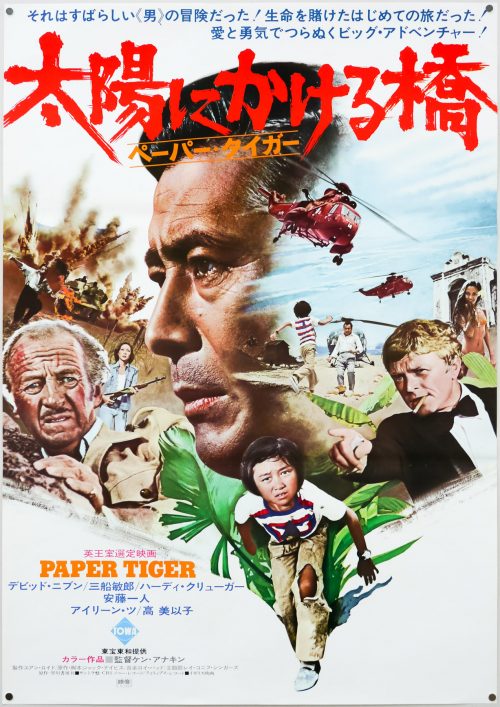
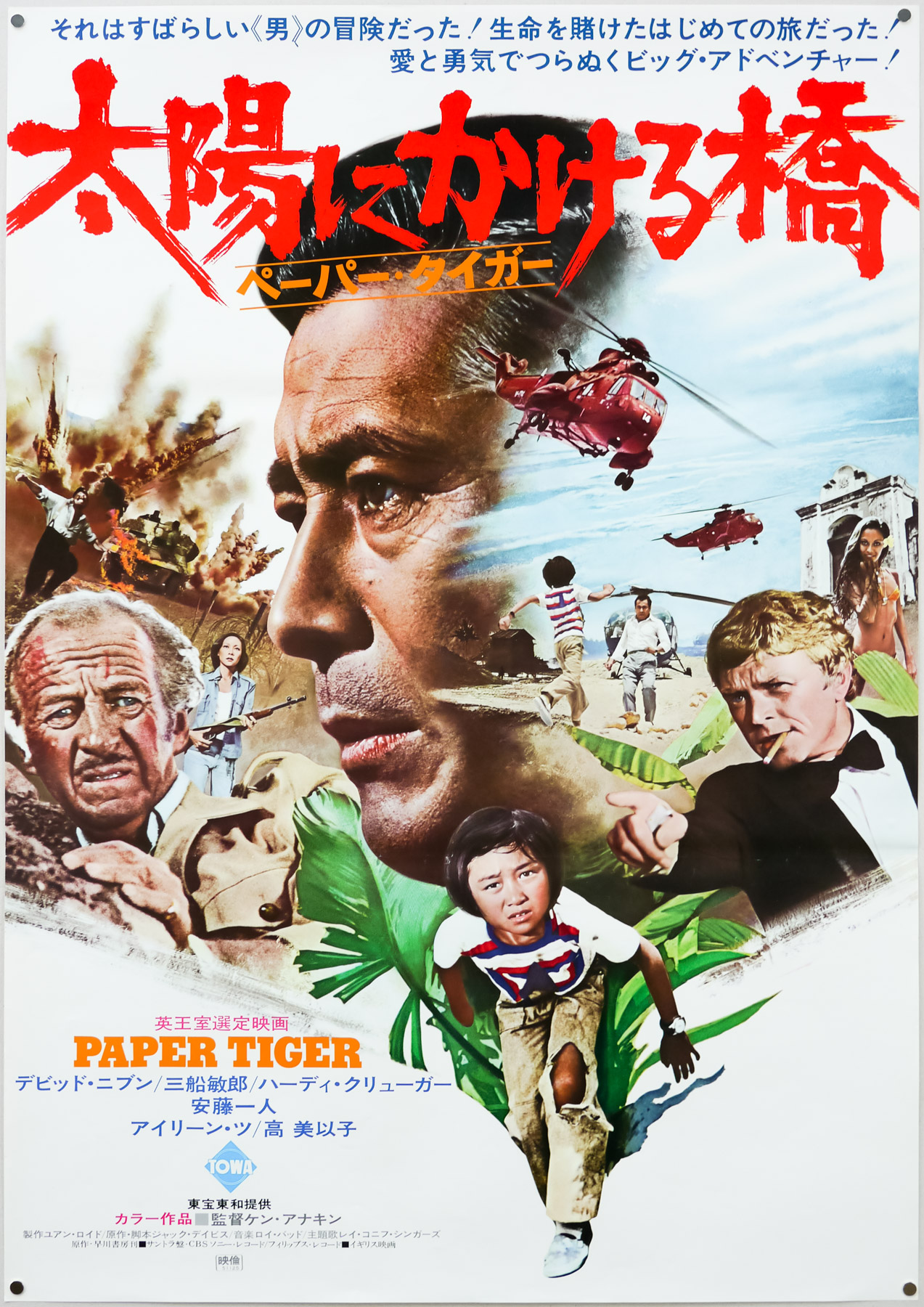
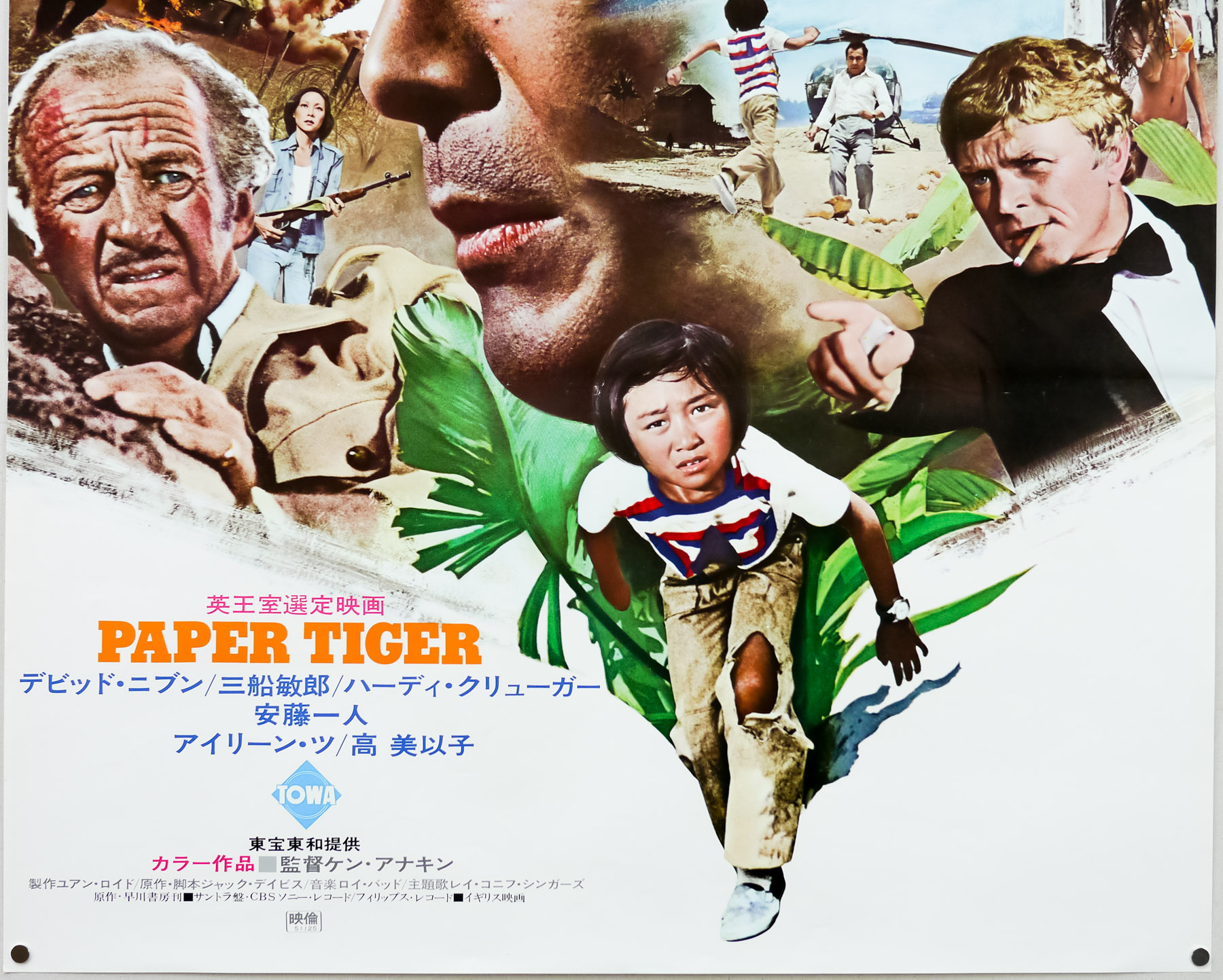
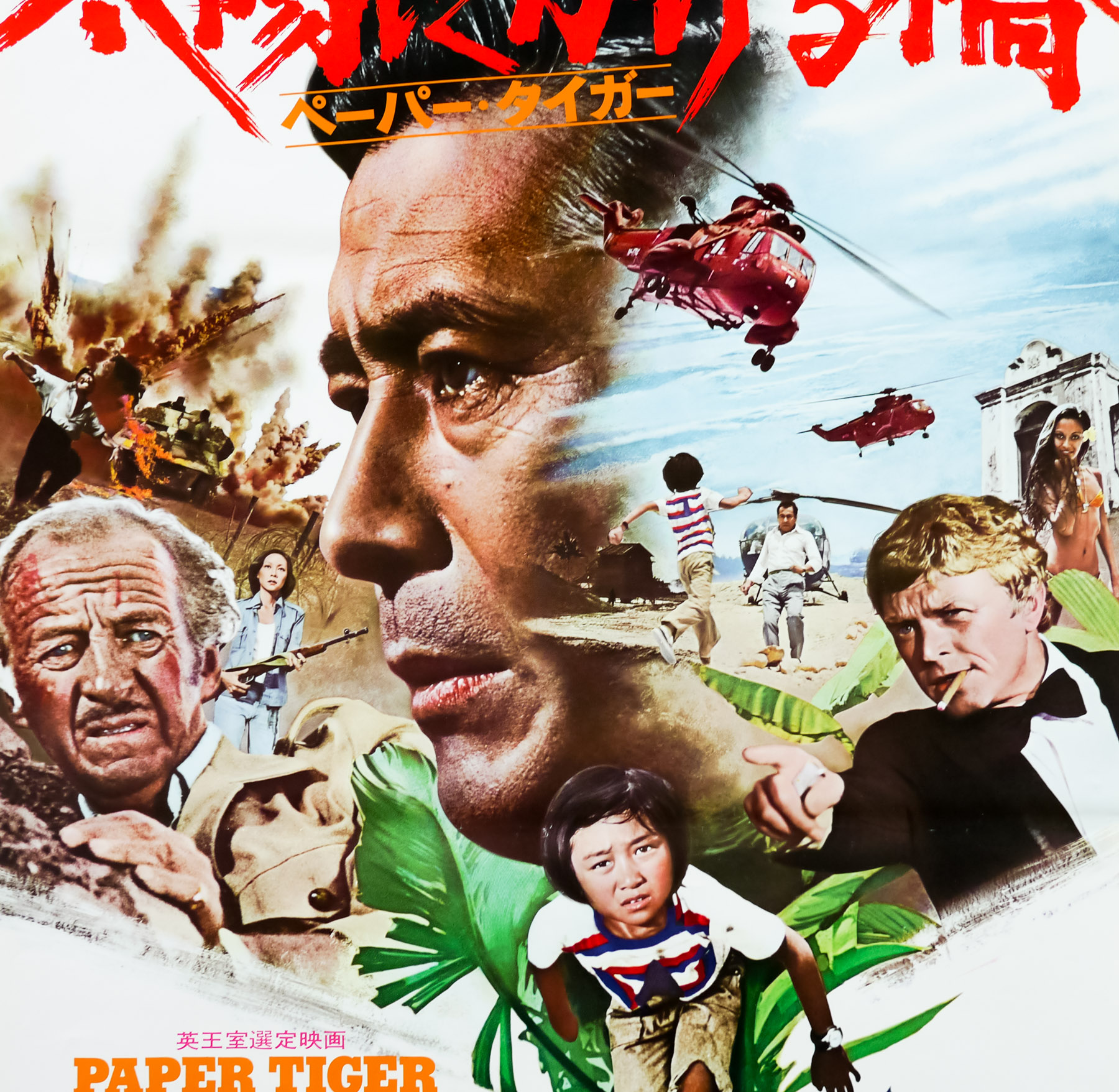
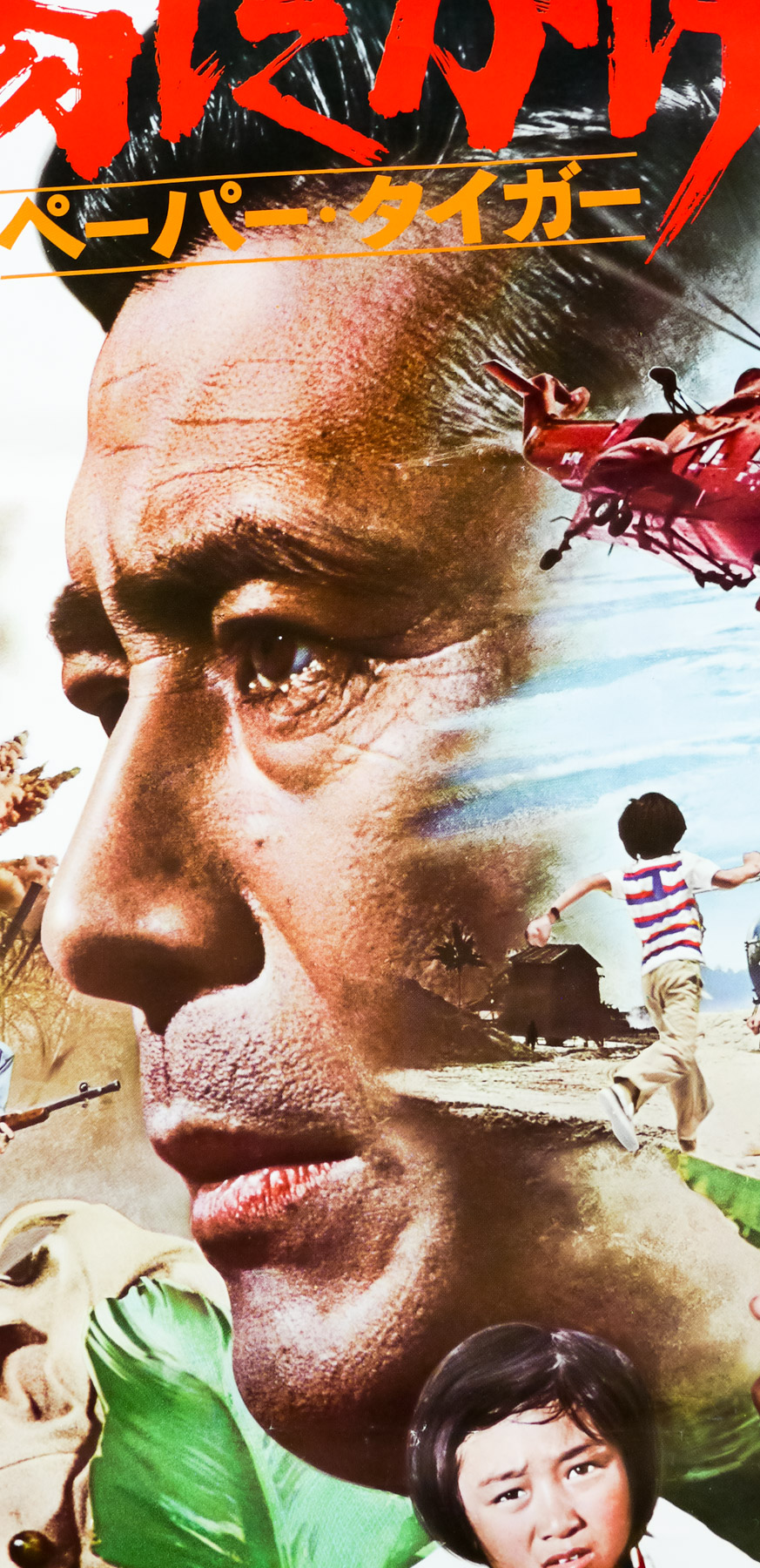
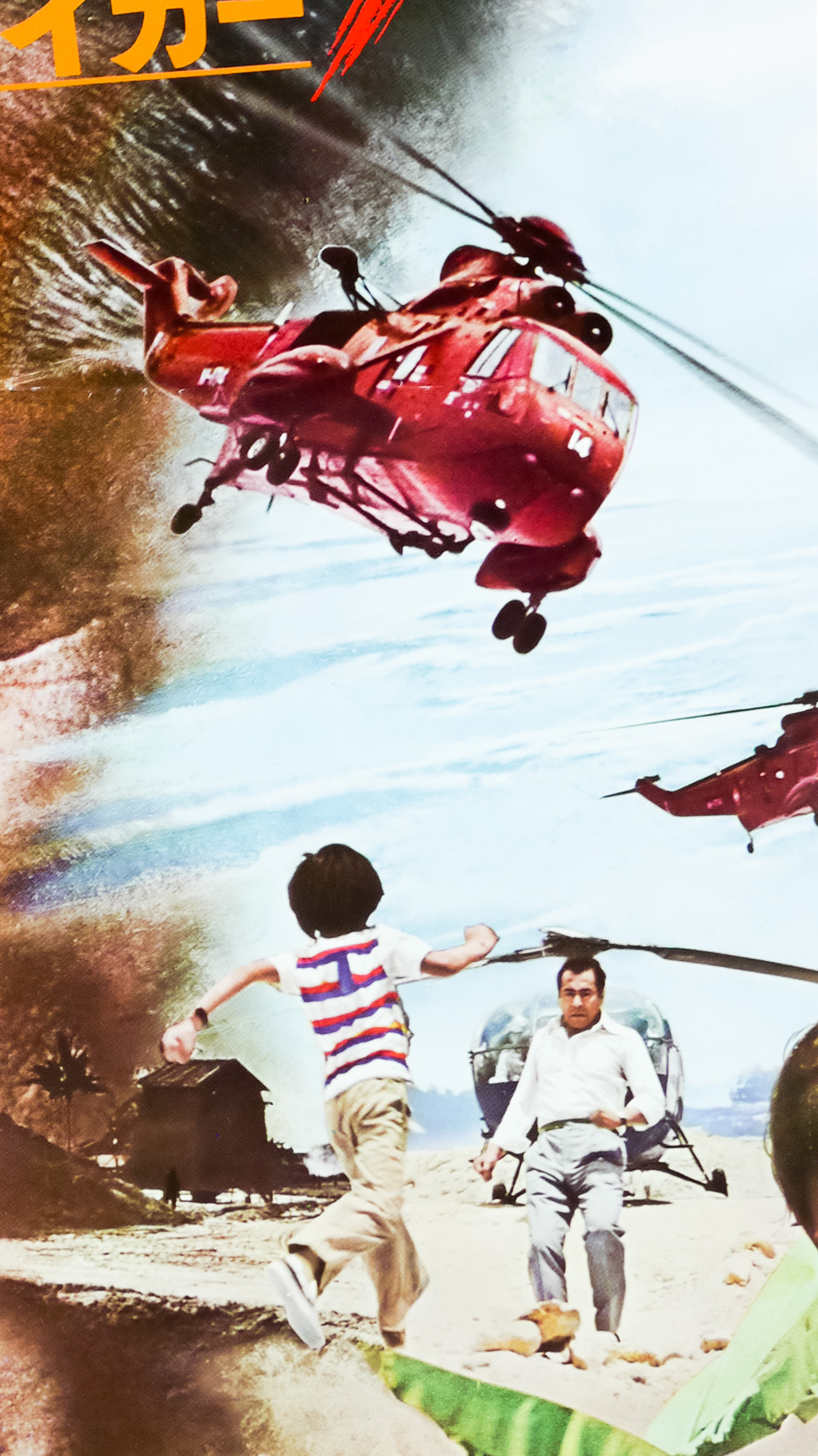
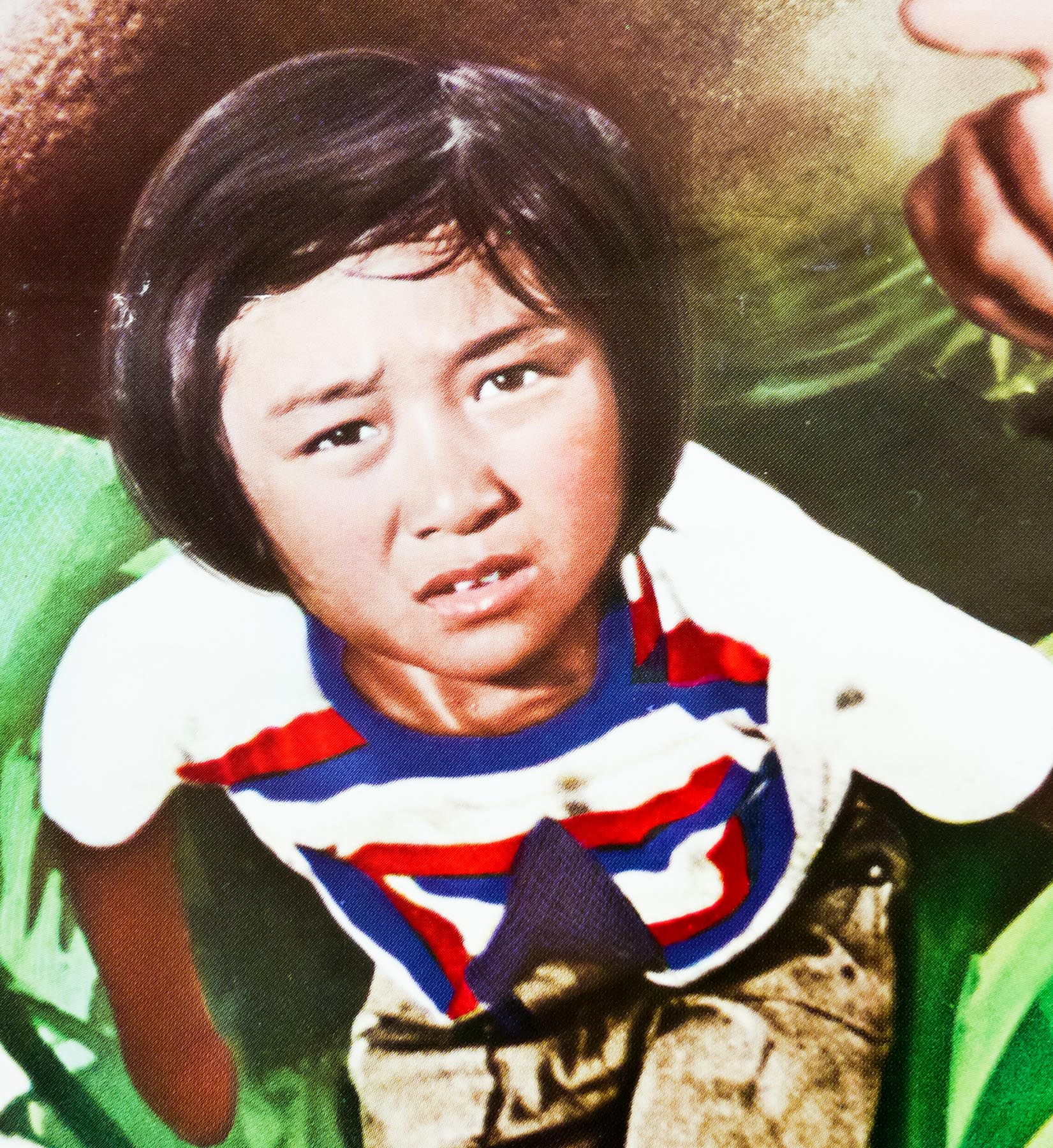
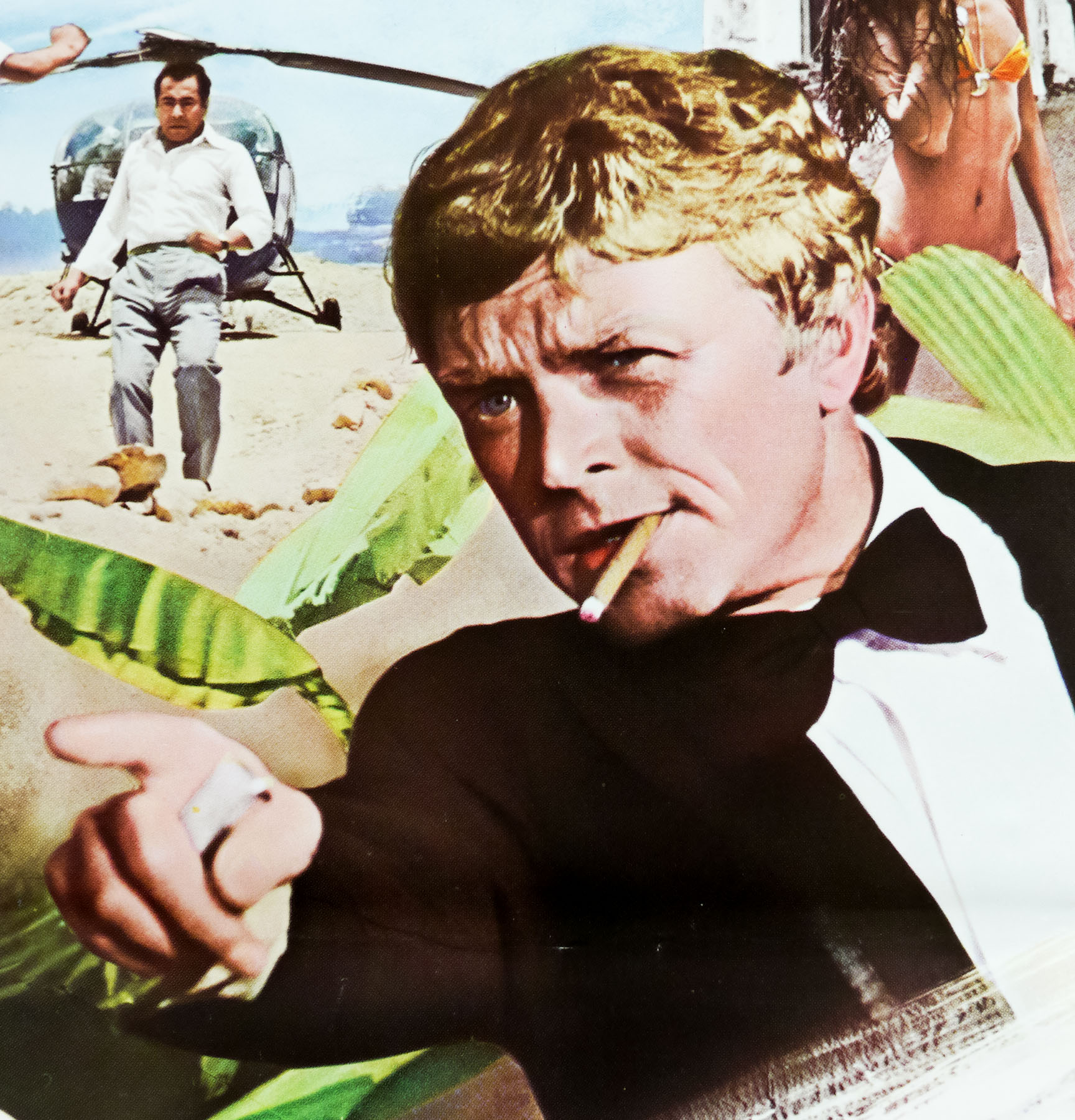
This is the Japanese poster for the release of the 1975 British film, Paper Tiger. The film was directed by Ken Annakin, who’s best know for helming the 1965 war film Battle of the Bulge and some live-action Disney films during the 1970s. The cast featured two acting legends in David Niven (The Pink Panther, The Guns of Navarone) and Toshirô Mifune (multiple Akira Kurosawa classics, including The Seven Samurai). Niven stars as ‘Major’ Walter Bradbury, a seemingly well-educated, ex-military man who has been invited to Malaysia to tutor the son of the Japanese ambassador (Mifune) called Koichi (Ando in his only film role).

Bradbury begins teaching the boy and regales him with tales of derring-do from his time serving during World War II, with the pair becoming fast friends. Unfortunately a group of political terrorists swipe the pair and intend to use them as a bargaining chip in the release of a group of prisoners who have been held for months by the government. The pair must try to stay alive and alert the ambassador to their location. The truth about Bradbury’s life becomes clear but he is given the chance to live up to his fabricated legend. The film takes a while to get going but the use of outdoor locations keeps things interesting and it goes out with a bit of a bang. Niven is eminently watchable although it’s not hard to see why Ando never acted again. Frustratingly, Mifune is given little do and spends a lot of the film standing next to a desk.

The trailer can be viewed here.

Clash Of The Titans / B2 / style B / Japan

29.10.14

Poster Poster
Title
Clash Of The Titans
AKA
--
Year of Film
1981
Director
Desmond Davis
Starring
Laurence Olivier, Harry Hamlin, Judi Bowker, Maggie Smith, Ursula Andress
Origin of Film
USA
Genre(s) of Film
Laurence Olivier, Harry Hamlin, Judi Bowker, Maggie Smith, Ursula Andress,
Type of Poster
B2
Style of Poster
Style B
Origin of Poster
Japan
Year of Poster
1981
Designer
Unknown
Artist
--
Size (inches)
20 6/16" x 28 14/16"
SS or DS
SS
Tagline
--

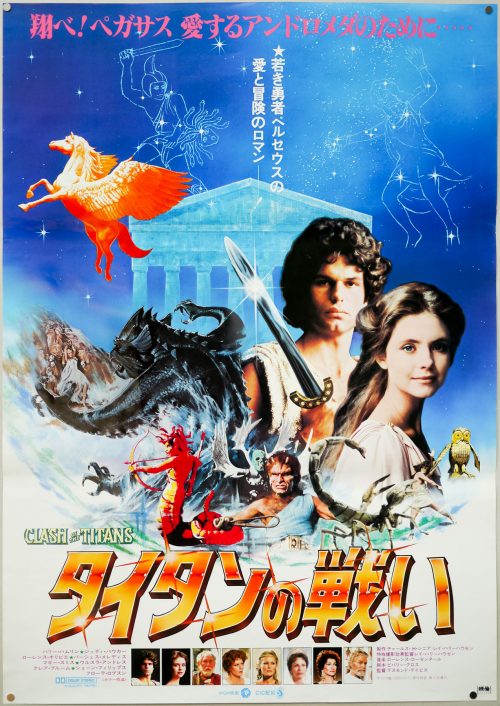
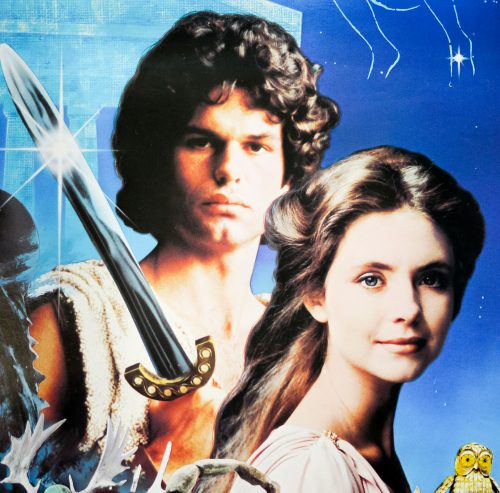
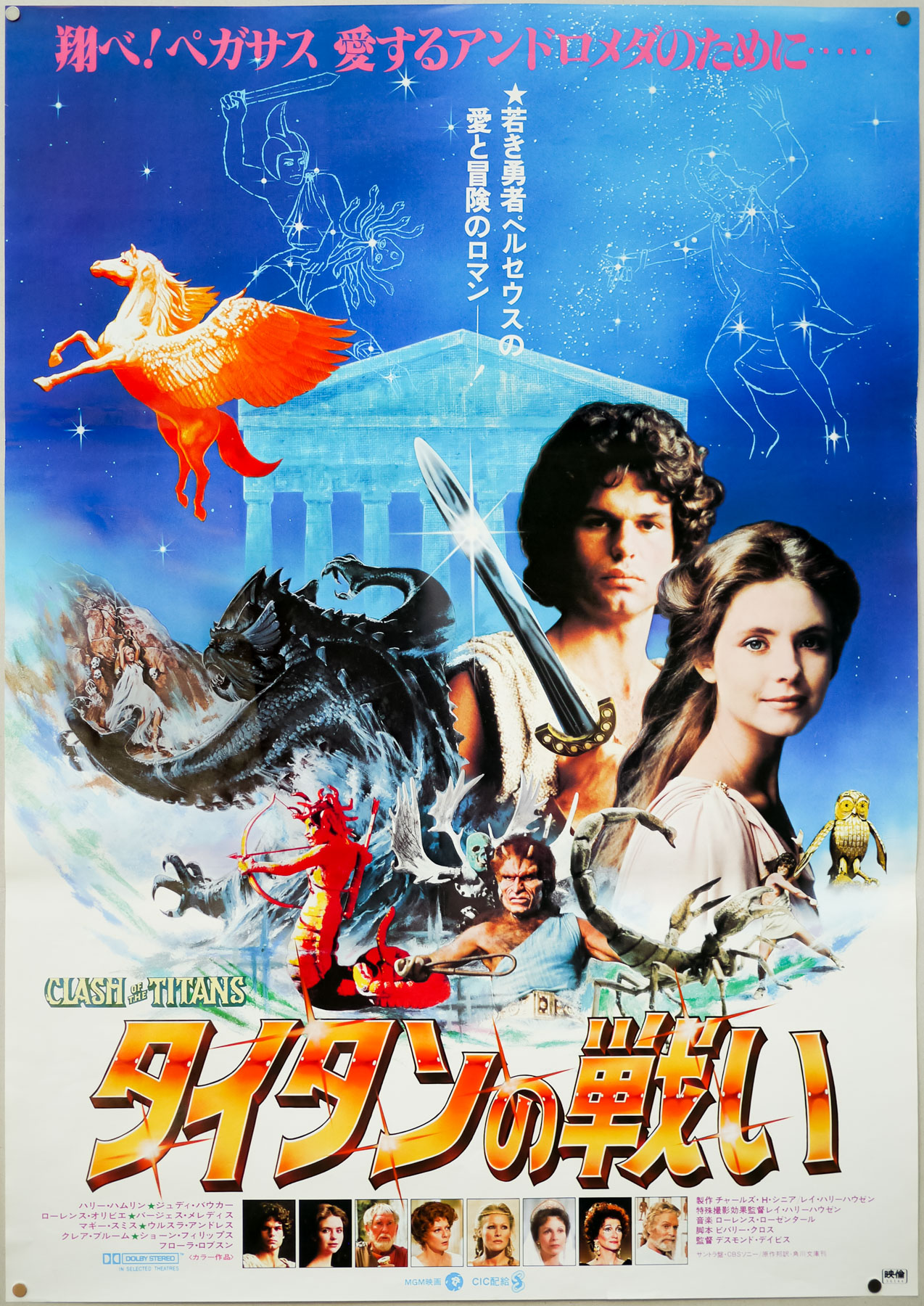
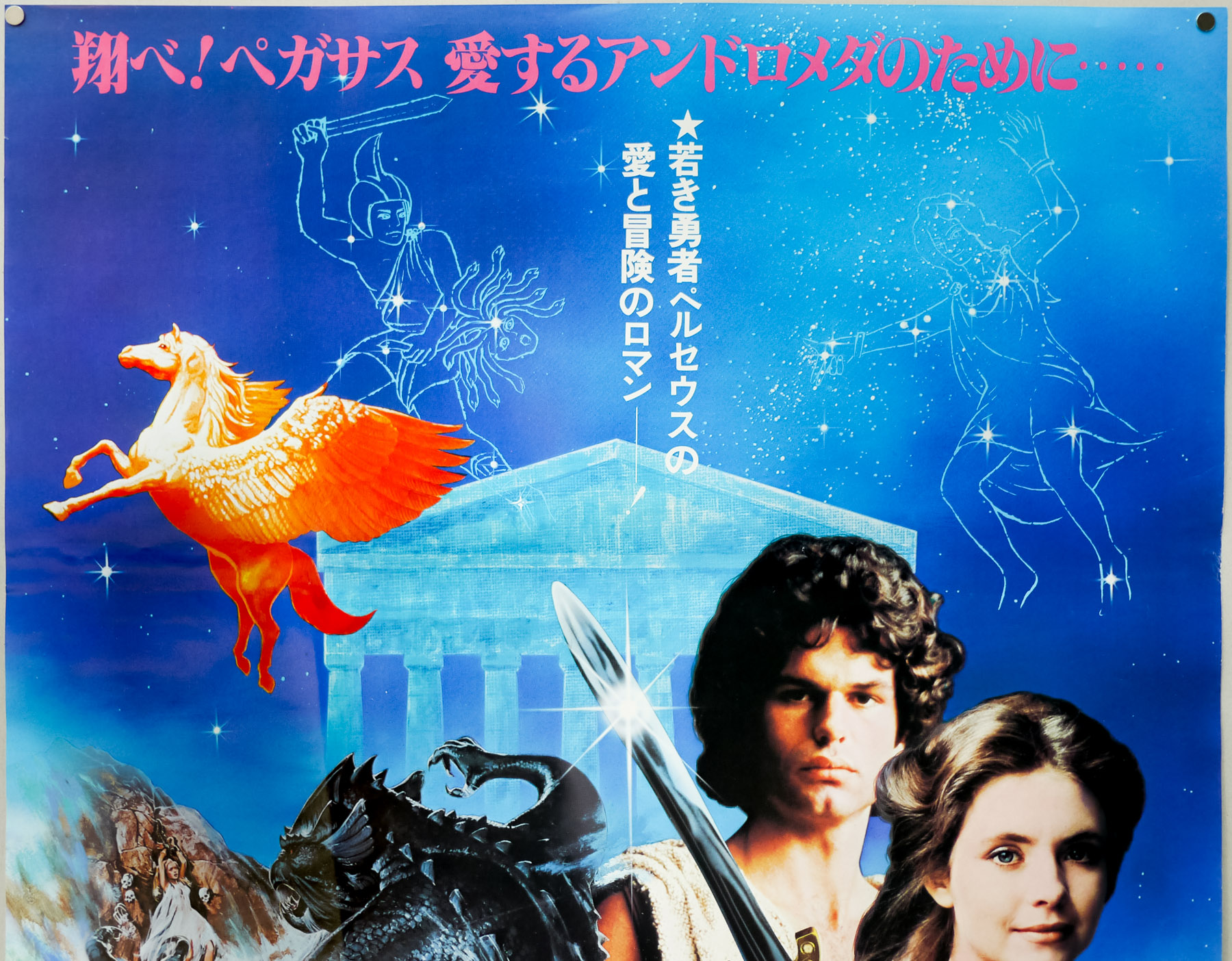
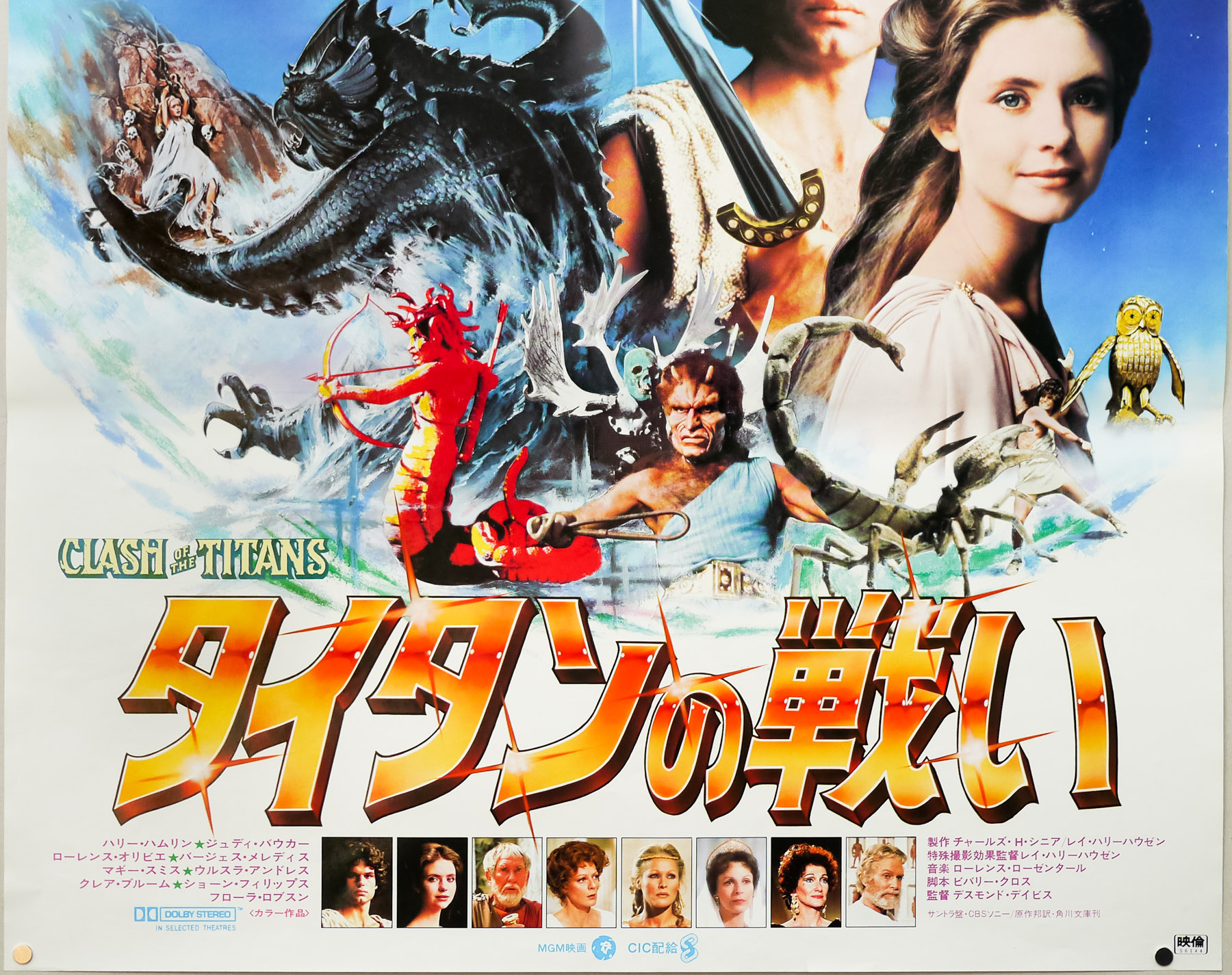
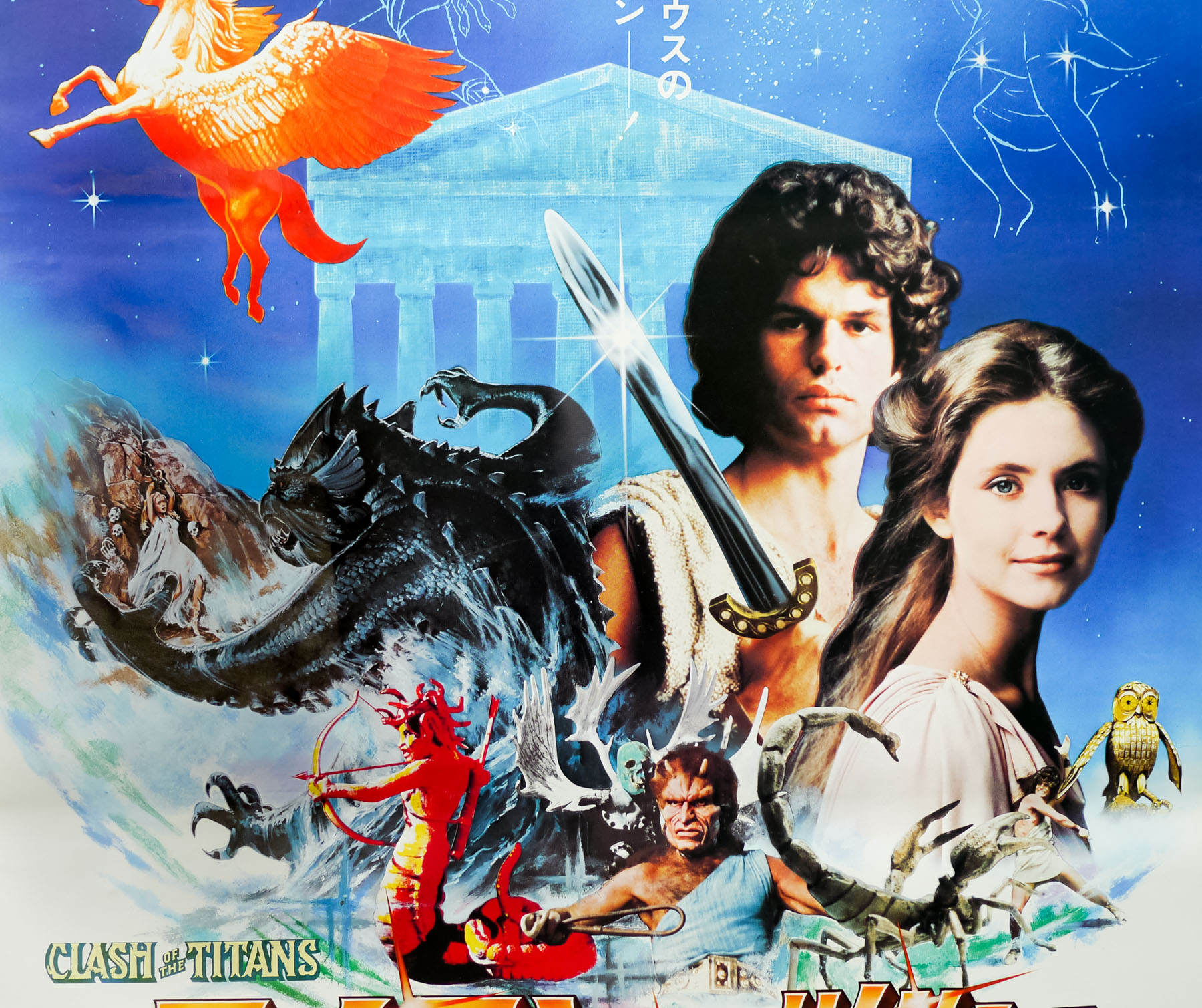
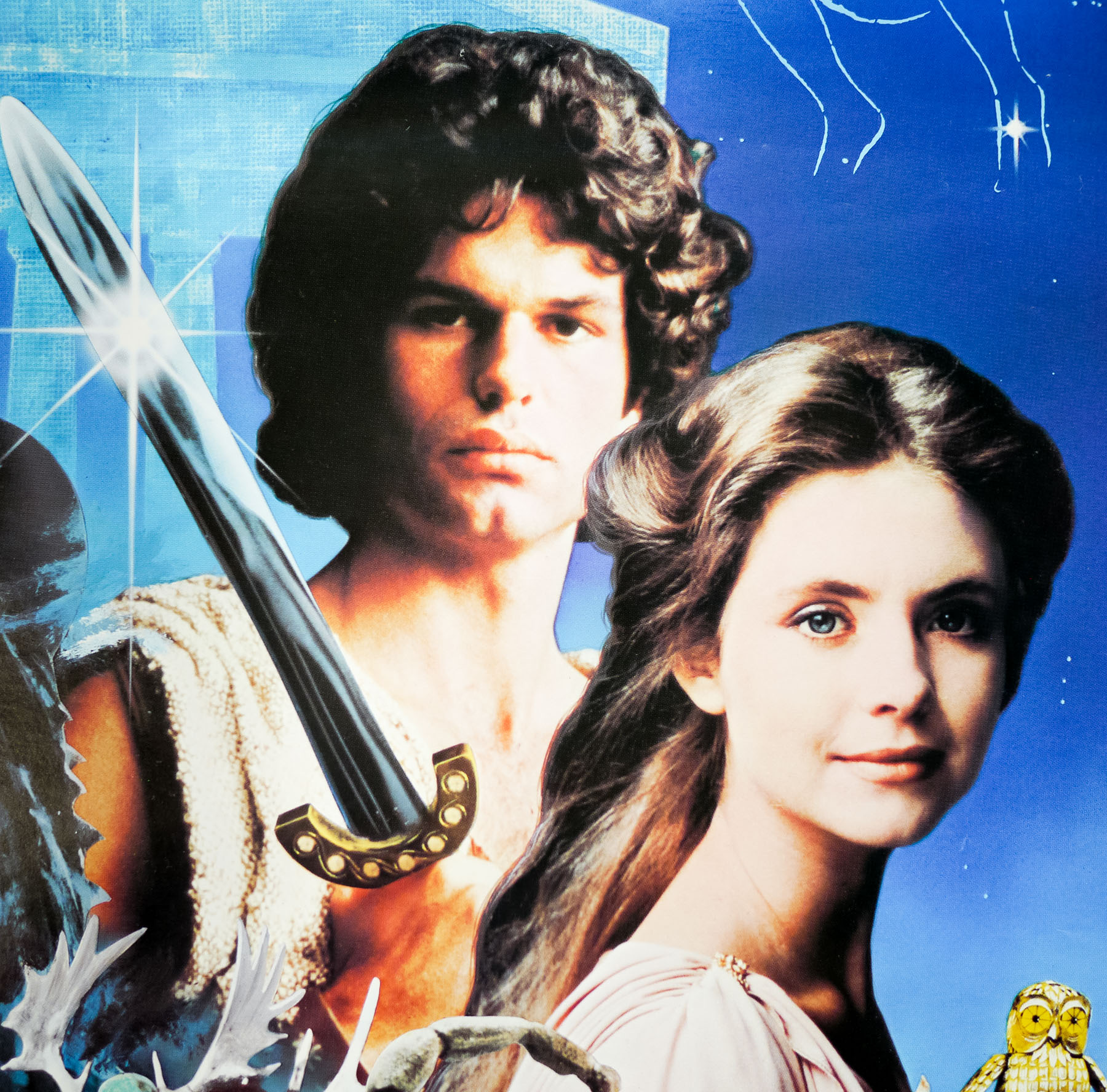
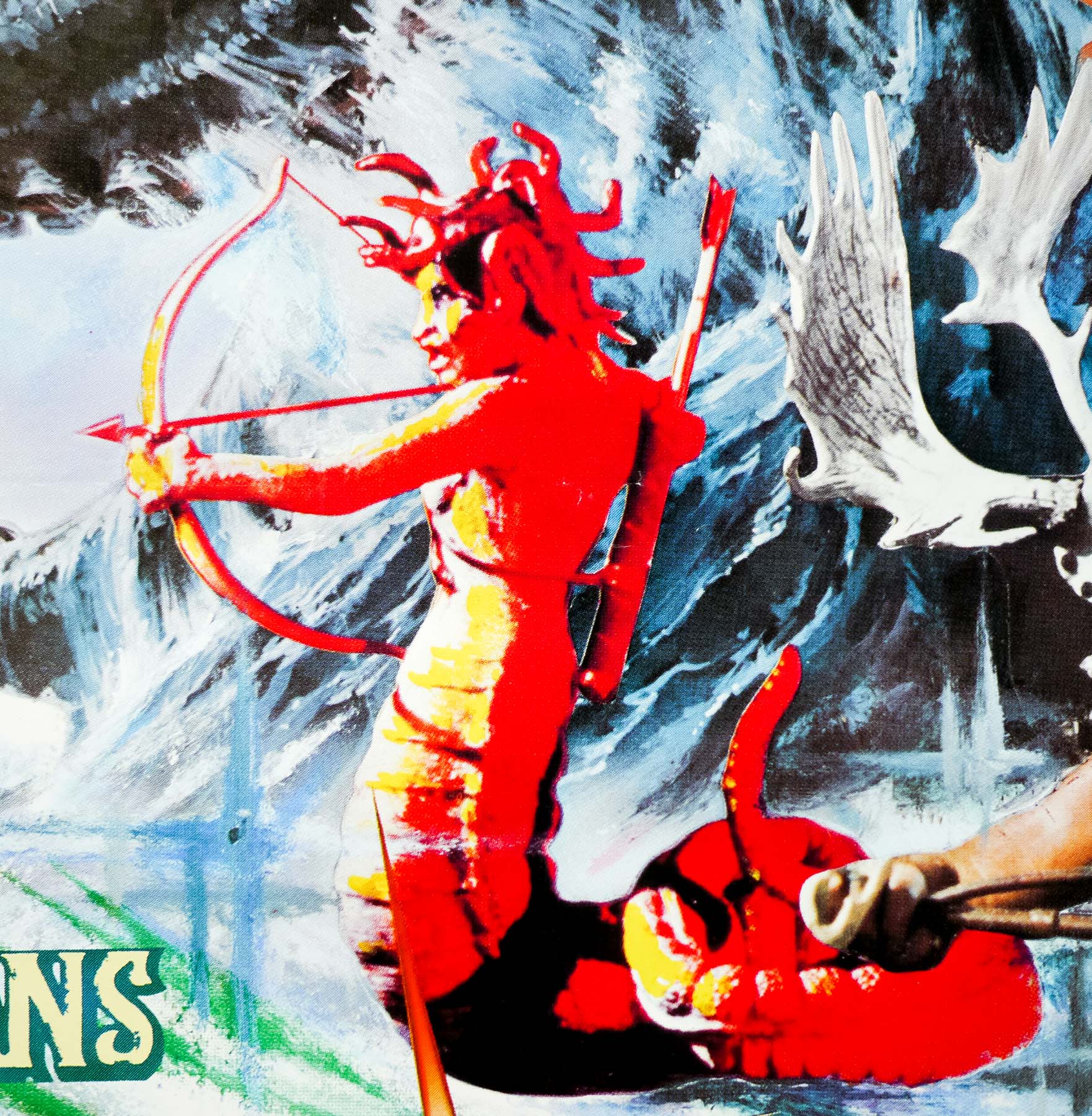
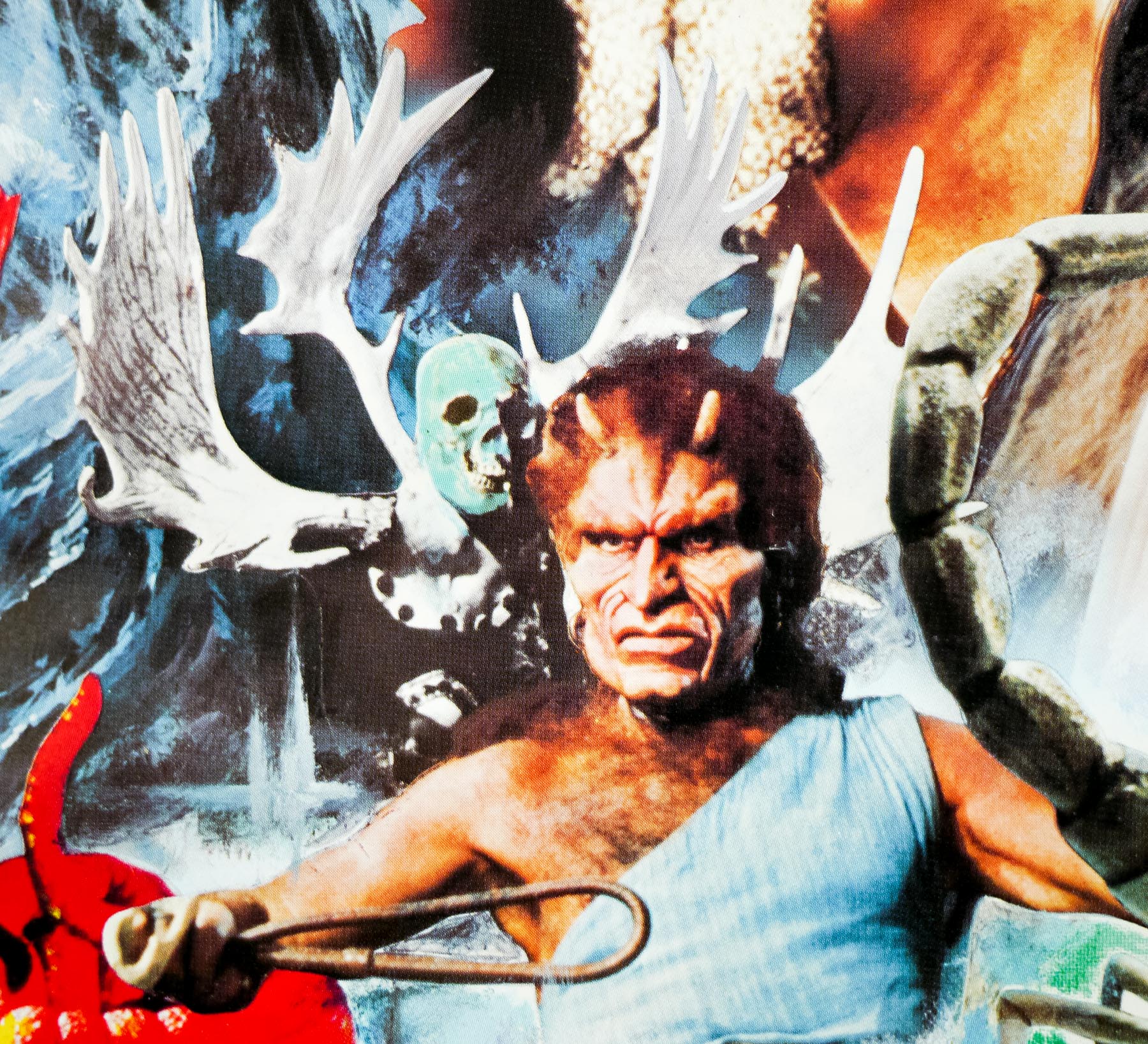
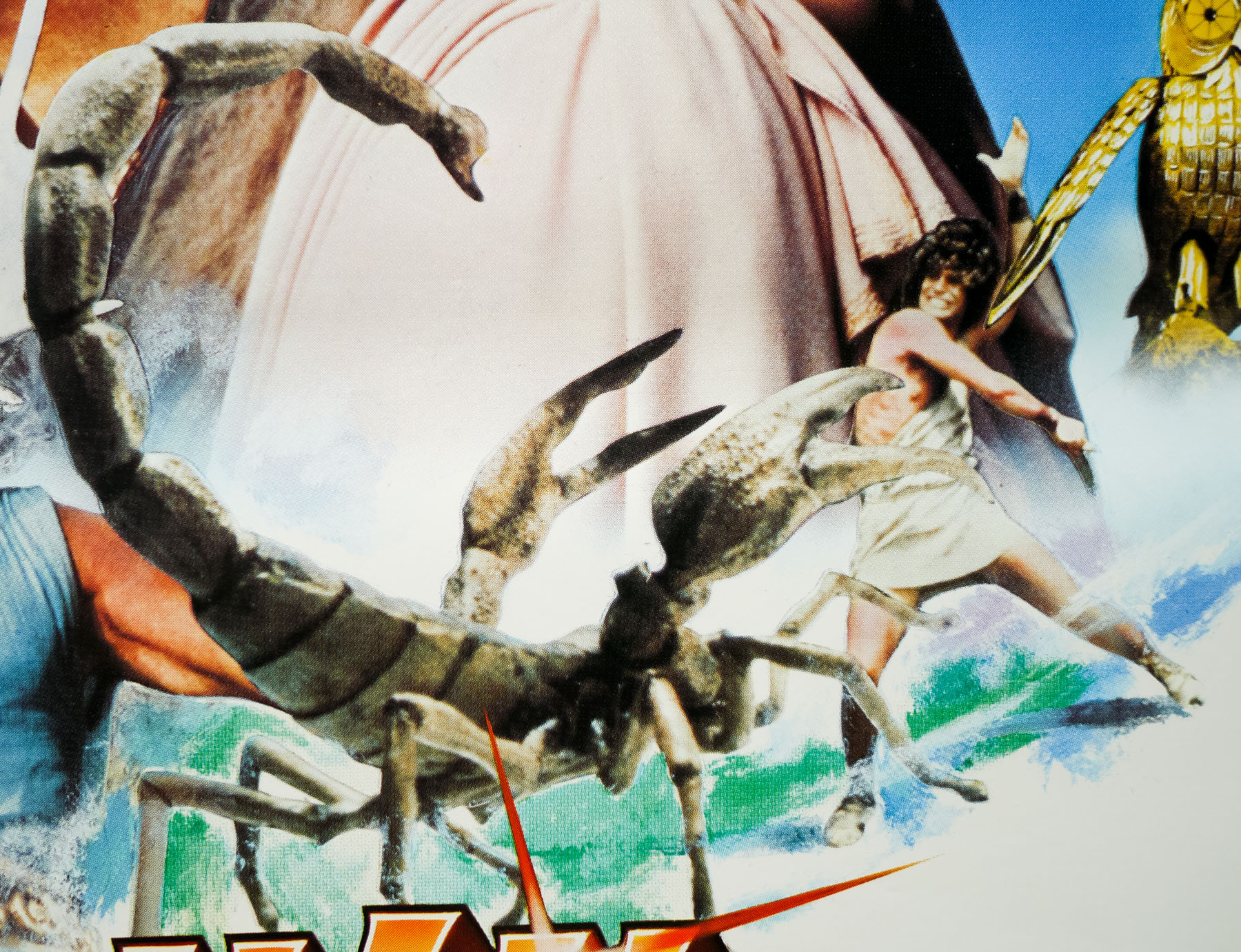
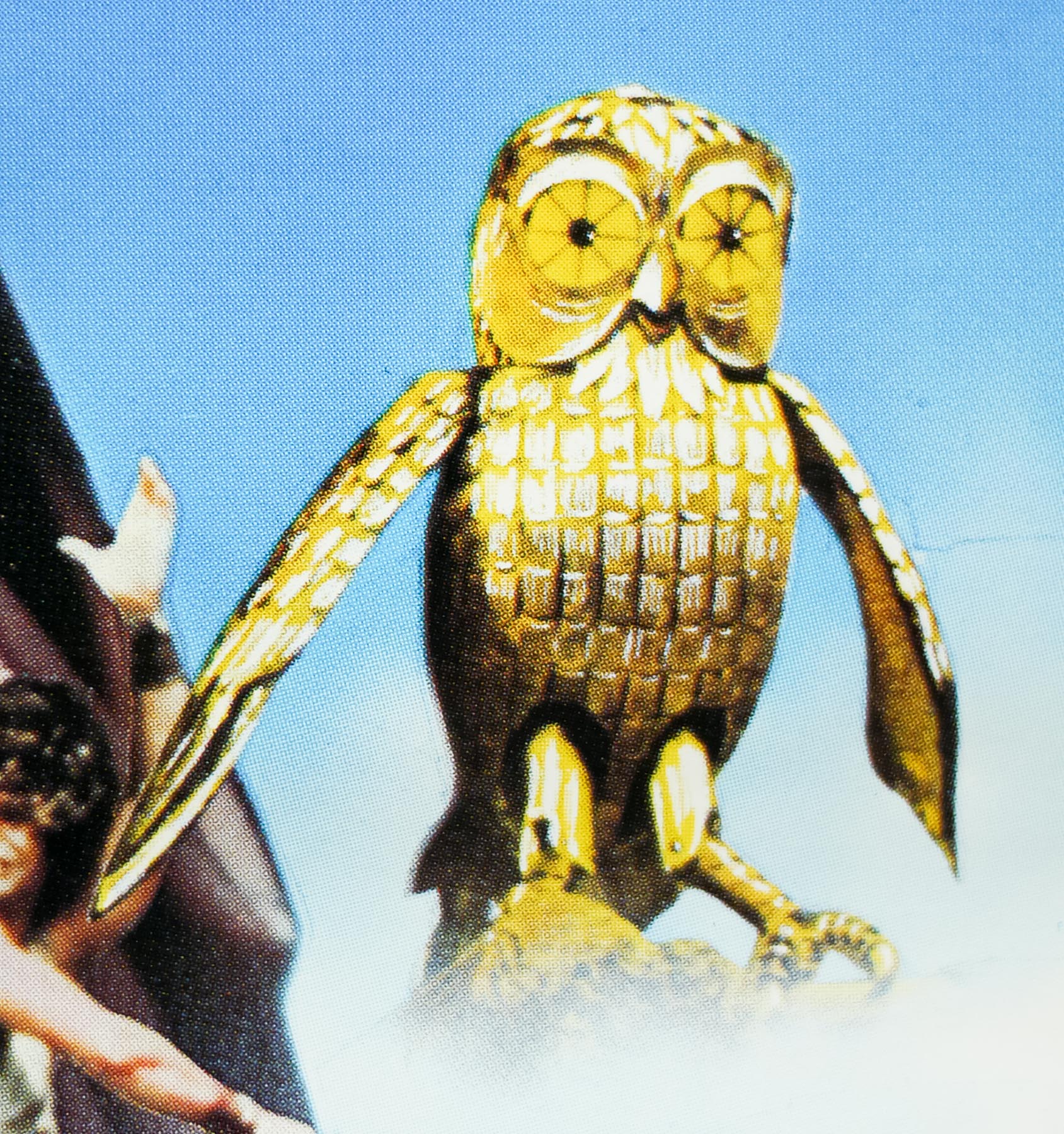
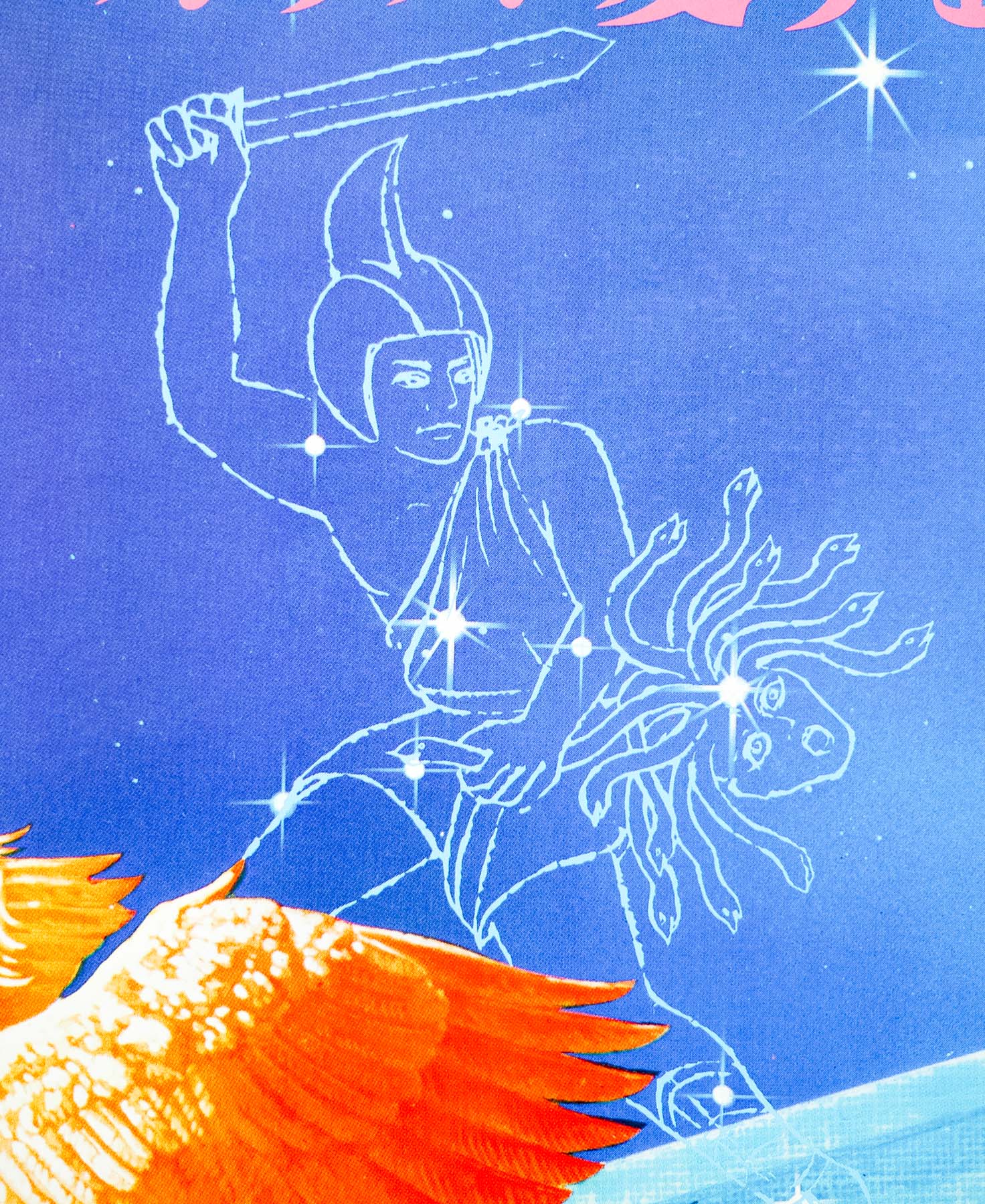
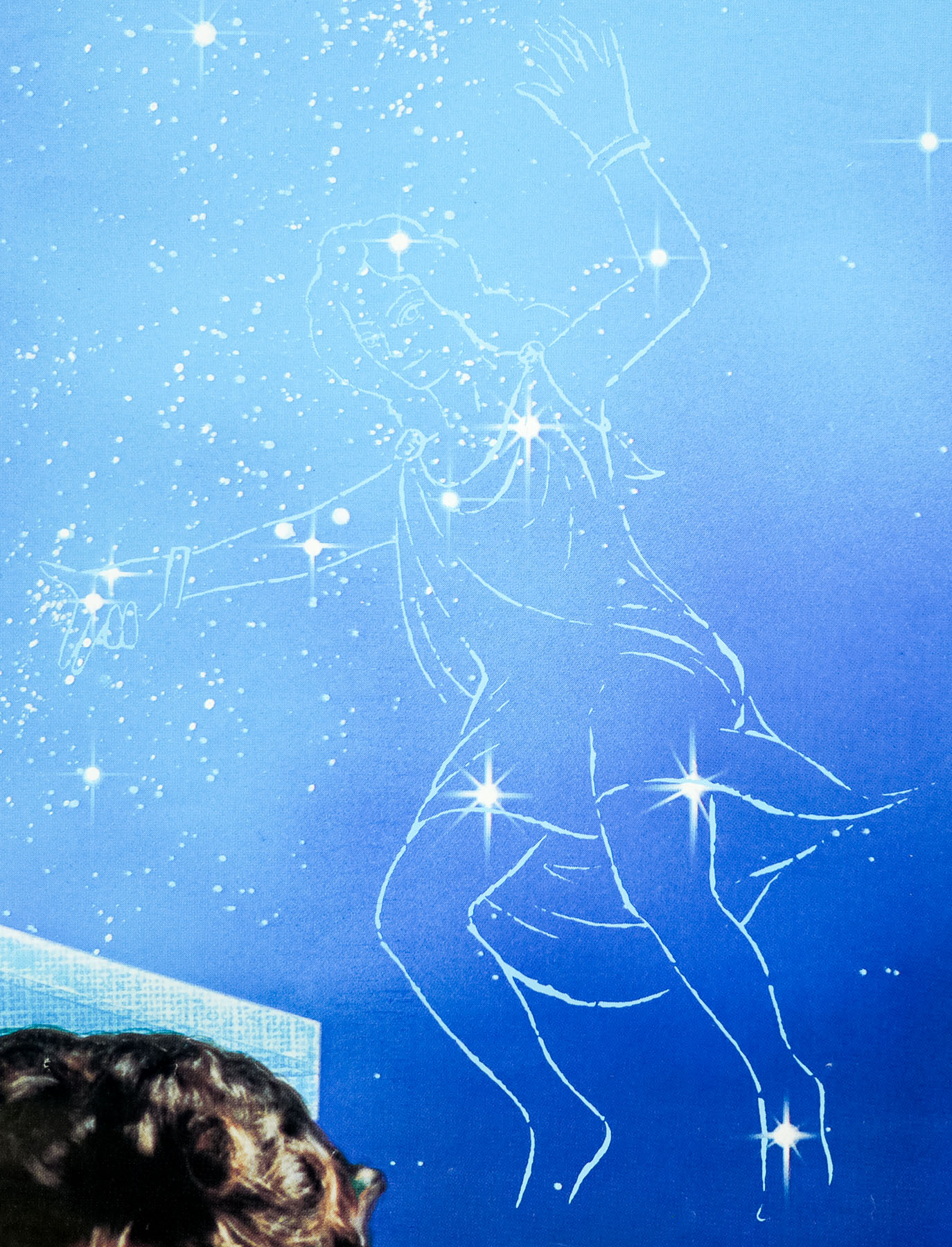
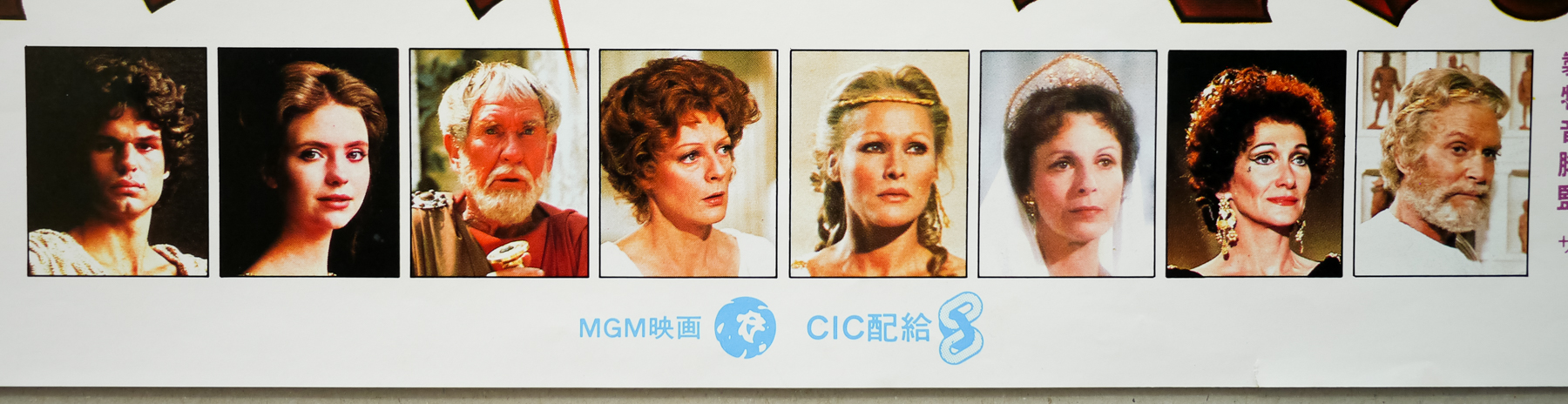
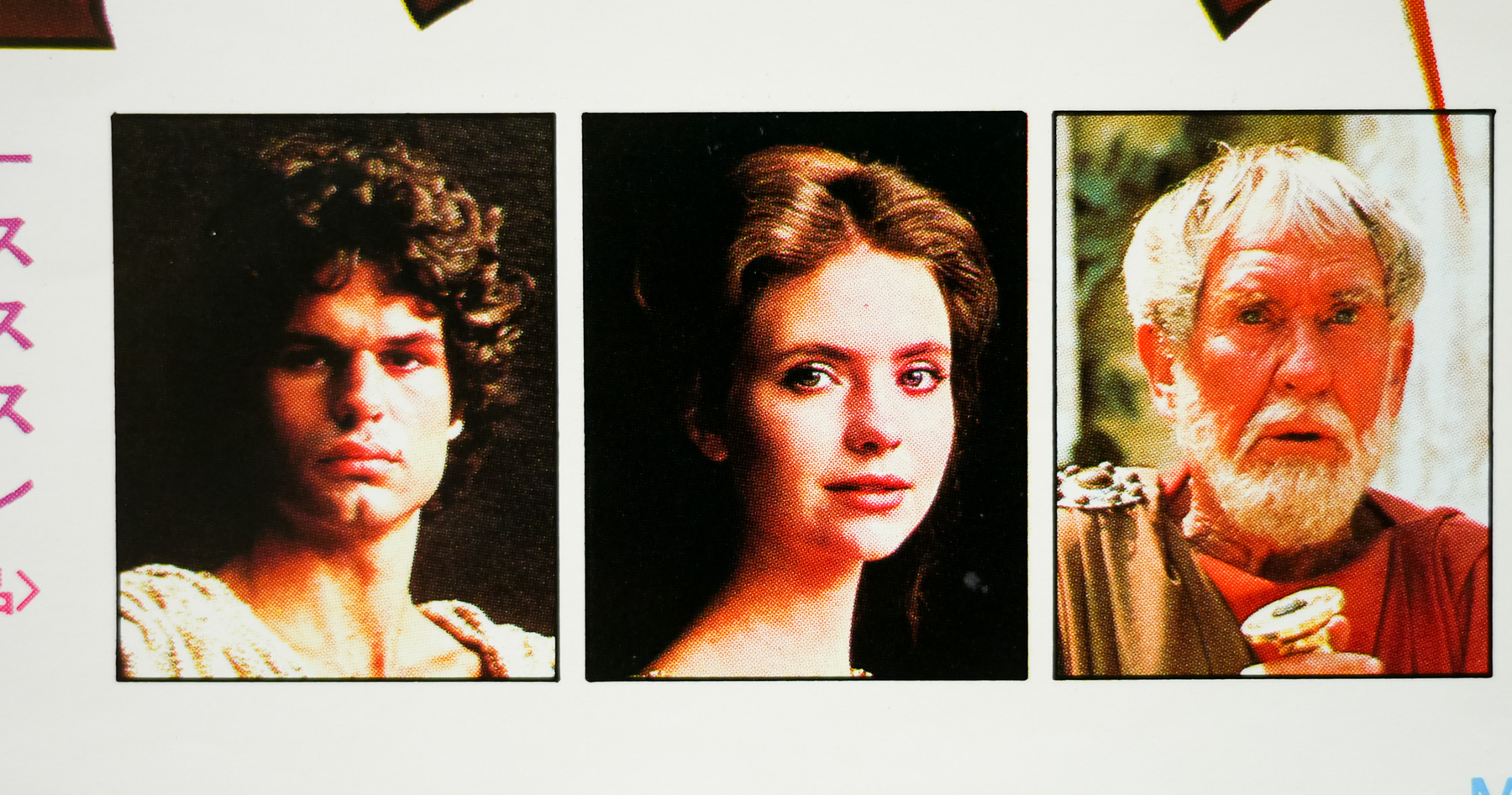
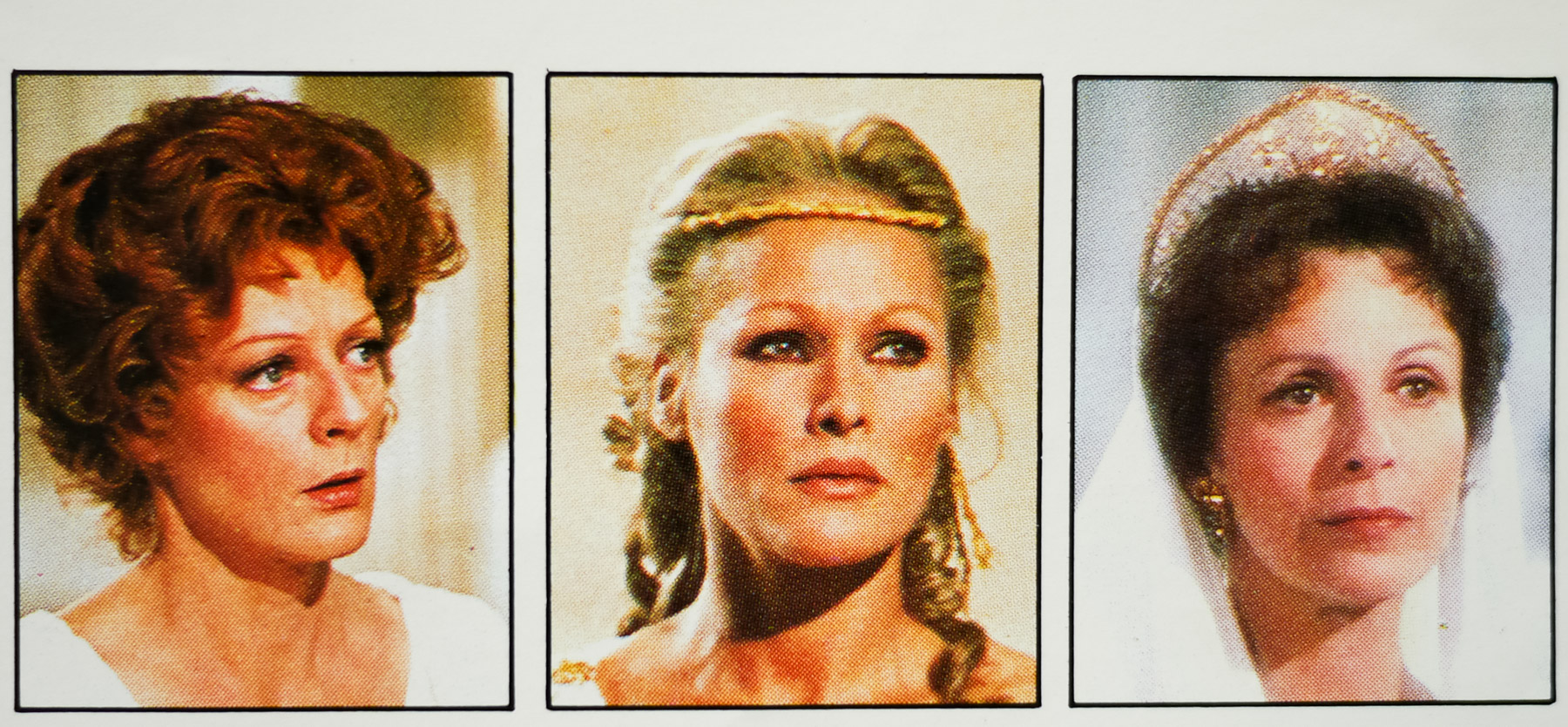
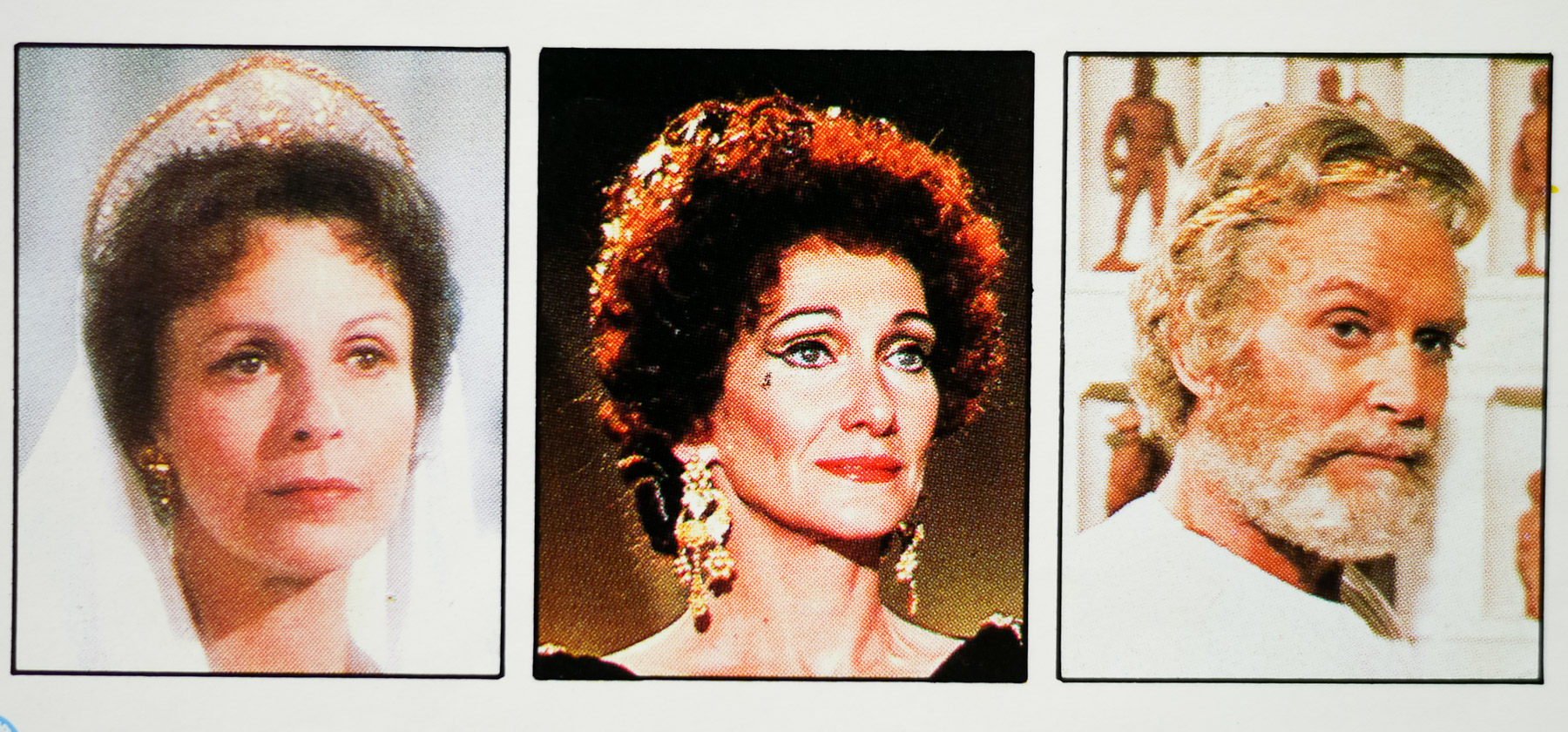
A unique montage features on this Japanese style B poster for the release of the 1981 fantasy adventure Clash of the Titans, which features several characters from Greek mythology. The film is perhaps most notable for being the last feature film for which celebrated stop motion artist Ray Harryhausen provided creature effects, and he effectively retired following its release. The story follows the machinations of Greek gods and their charges on earth as Perseus (poodle-haired, square-jawed Harry Hamlin), son of Zeus (Laurence Olivier), triggers the wrath of the sea goddess Thetis (Maggie Smith) after he tries to woo the gorgeous Princess Andromeda (Judi Bowker).

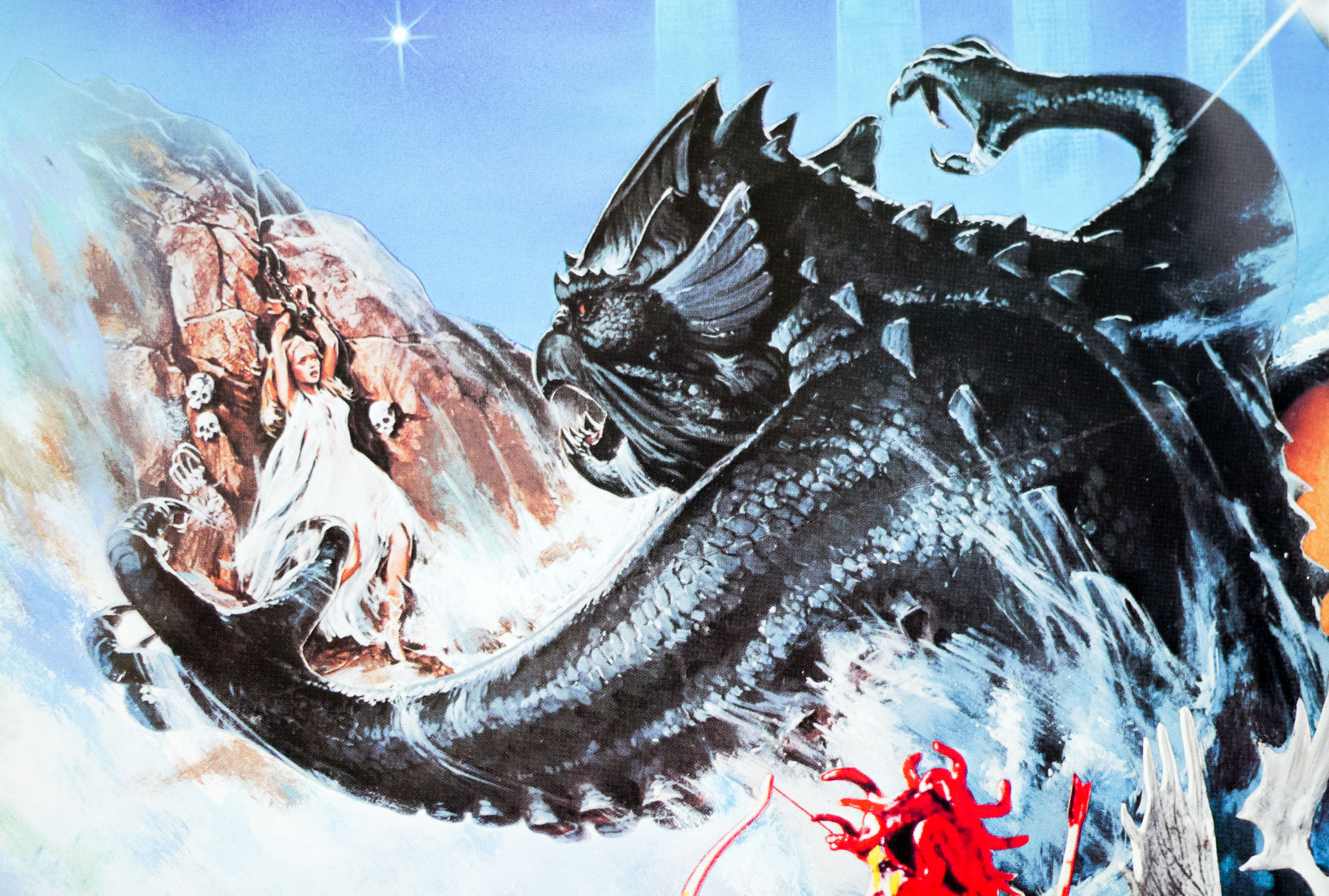
Unbeknownst to Perseus, Andromeda was in a relationship with Thetis’ son Calibos before Zeus had punished him for various corrupt deeds by turning him into a half-beast creature and banishing him from civilised society. Perseus must undergo a series of trials to successfully win the hand of Andromeda and things take a turn for the worse when he is able to successfully answer a riddle that had seen previous suitors burned at the steak. Thetis once again intervenes, demanding that Andromeda be sacrificed to the titan Kraken or risk the total destruction of the city of Joppa. Perseus sets out once again to discover a way to stop the Kraken and save Andromeda from certain death.

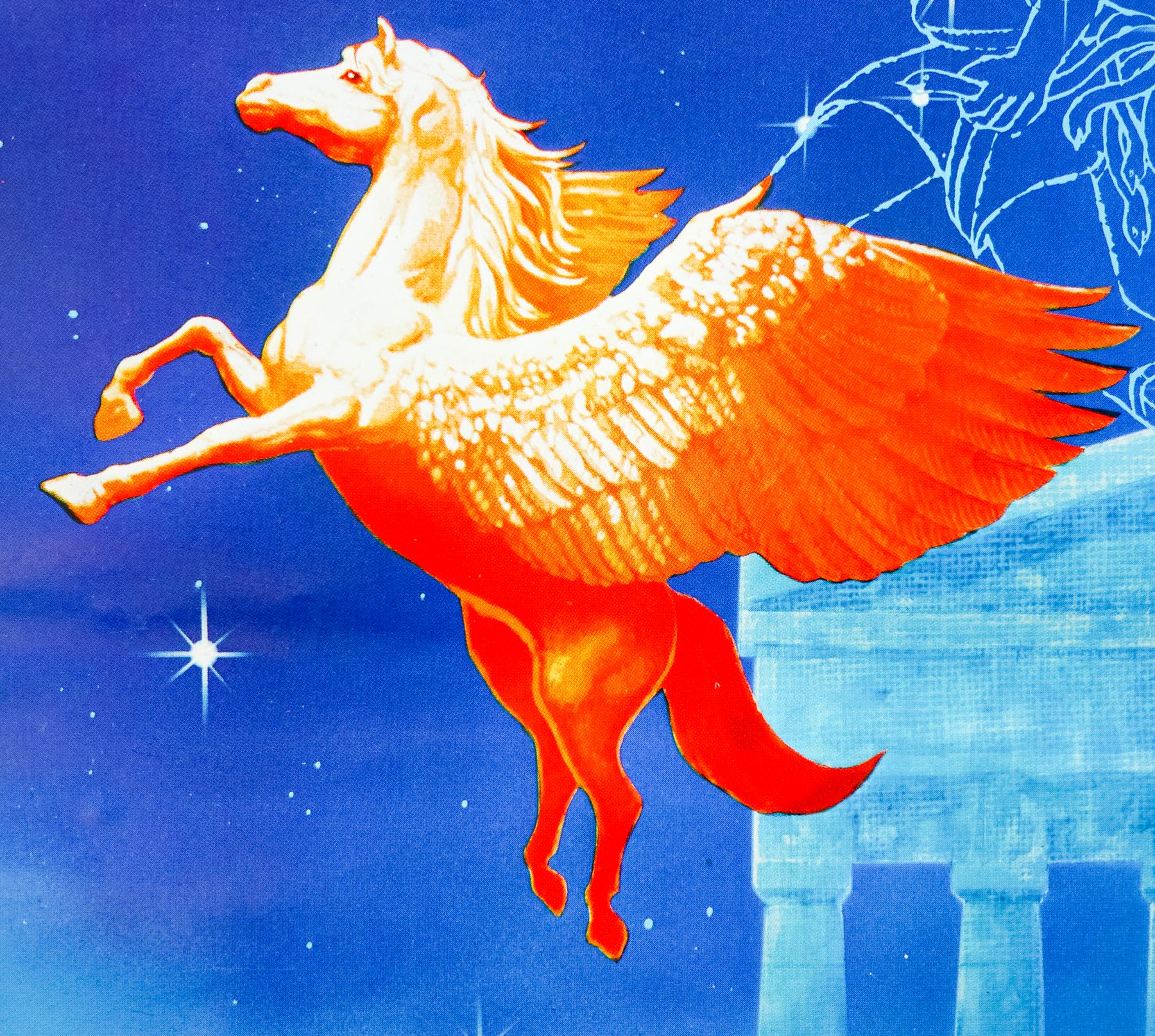
This B2 features elements from the two US one sheets printed for the film – the Kraken attack is from Dan Goozee’s style B one sheet, whilst the orange Pegasus is from the Brothers Hildebrandt’s awesome advance one sheet. The style A Japanese B2 is also in the Film on Paper collection and can be seen here.

Hellraiser / B2 / Pinhead style / Japan

17.05.11

Poster Poster
Title
Hellraiser
AKA
Clive Barker's Hellraiser (UK - complete title)
Year of Film
1987
Director
Clive Barker
Starring
Andrew Robinson, Doug Bradley, Clare Higgins, Ashley Laurence, Sean Chapman, Oliver Smith
Origin of Film
UK
Genre(s) of Film
Andrew Robinson, Doug Bradley, Clare Higgins, Ashley Laurence, Sean Chapman, Oliver Smith,
Type of Poster
B2
Style of Poster
Style A - Pinhead
Origin of Poster
Japan
Year of Poster
1987
Designer
Unknown
Artist
--
Size (inches)
20 6/16" x 28 13/16"
SS or DS
SS
Tagline
--

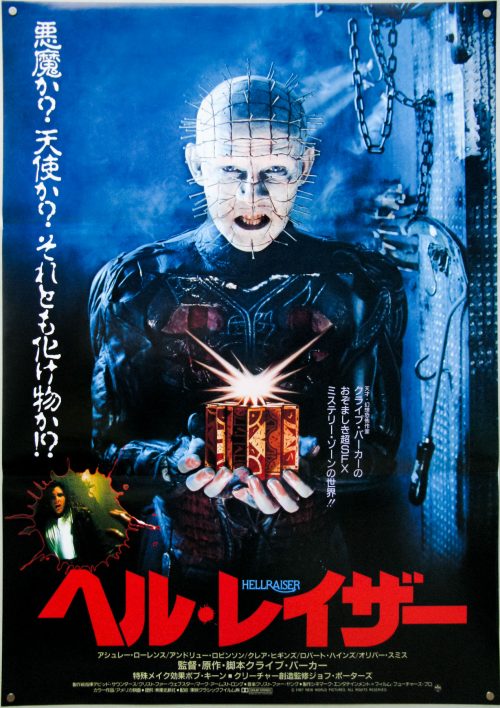
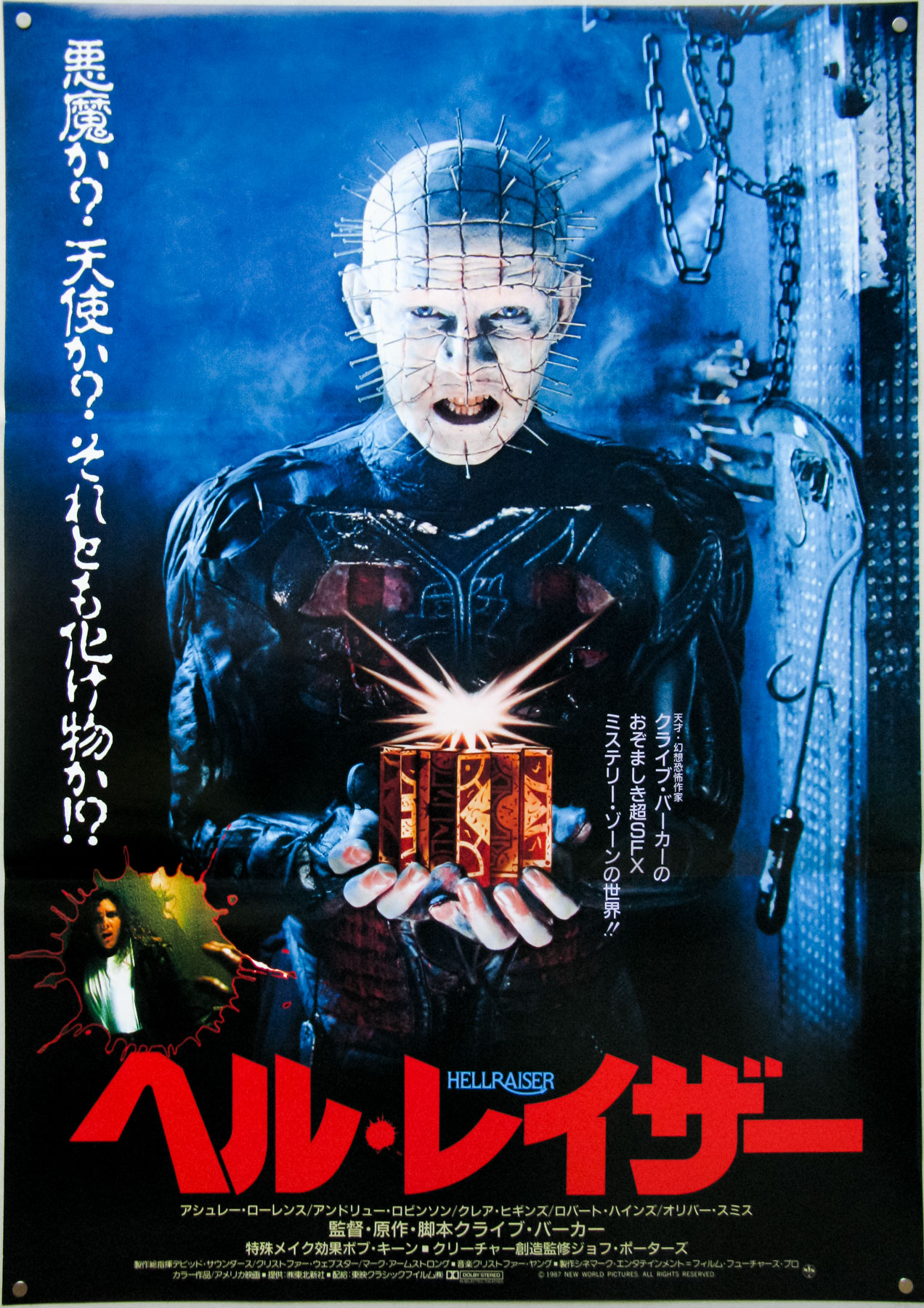
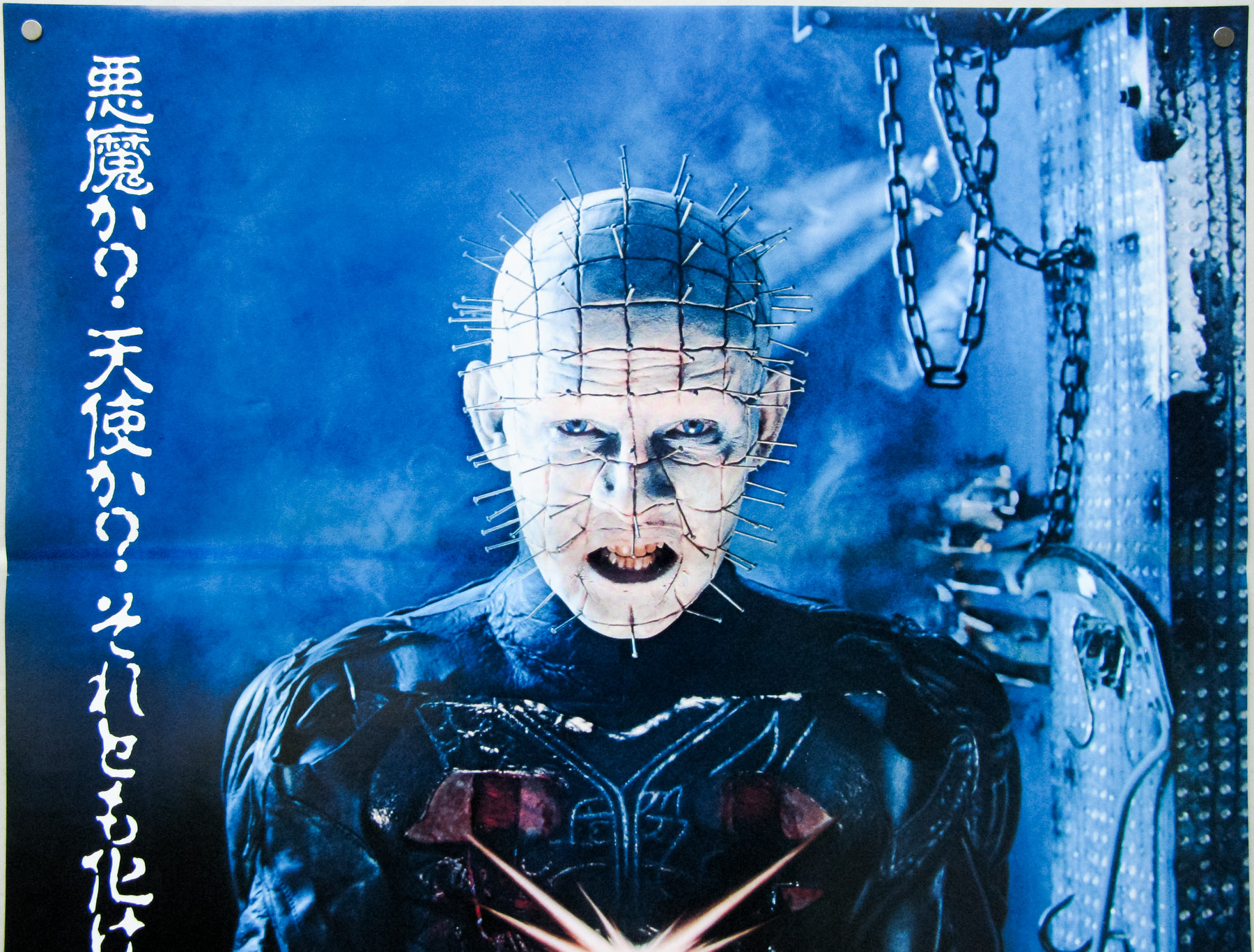
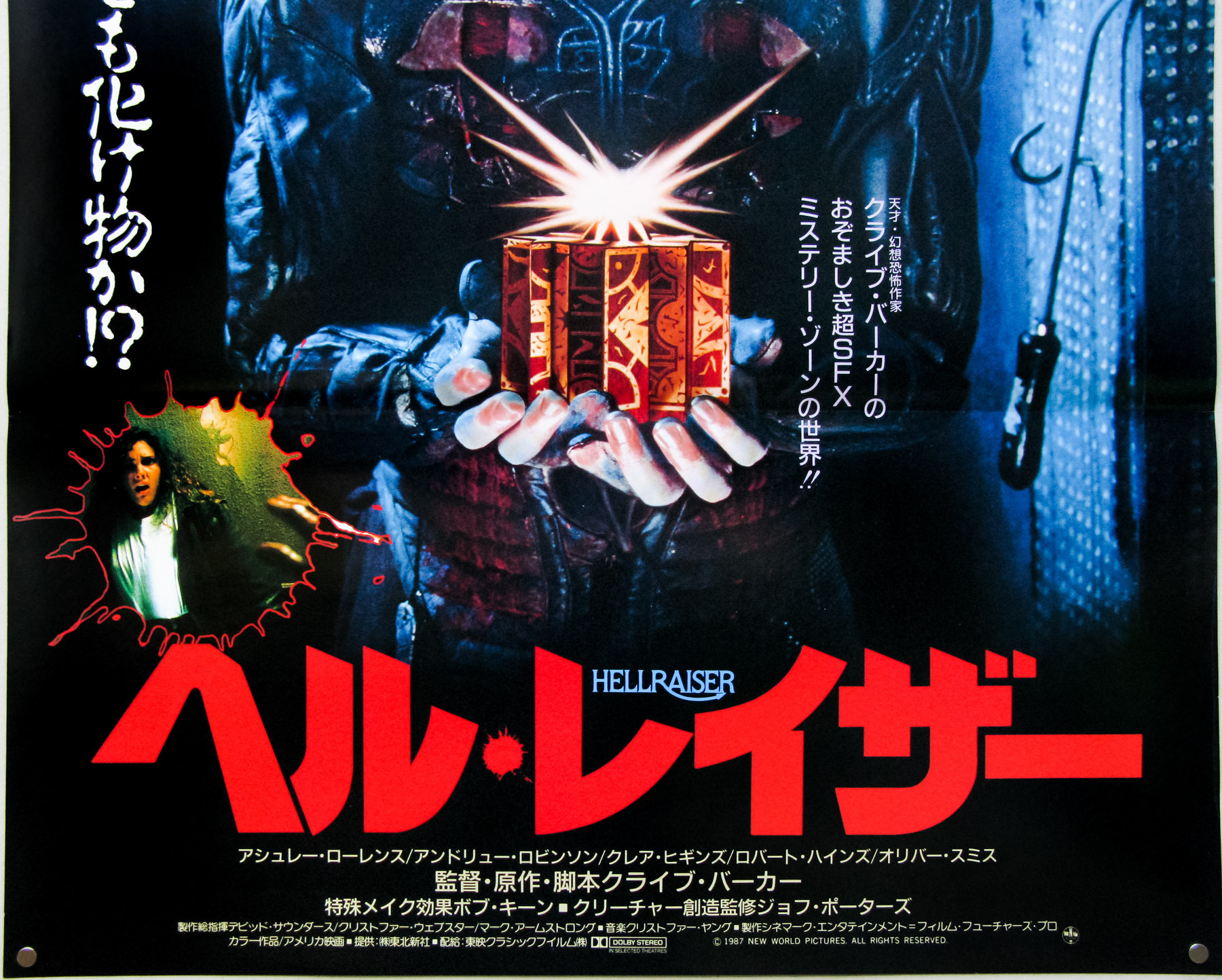
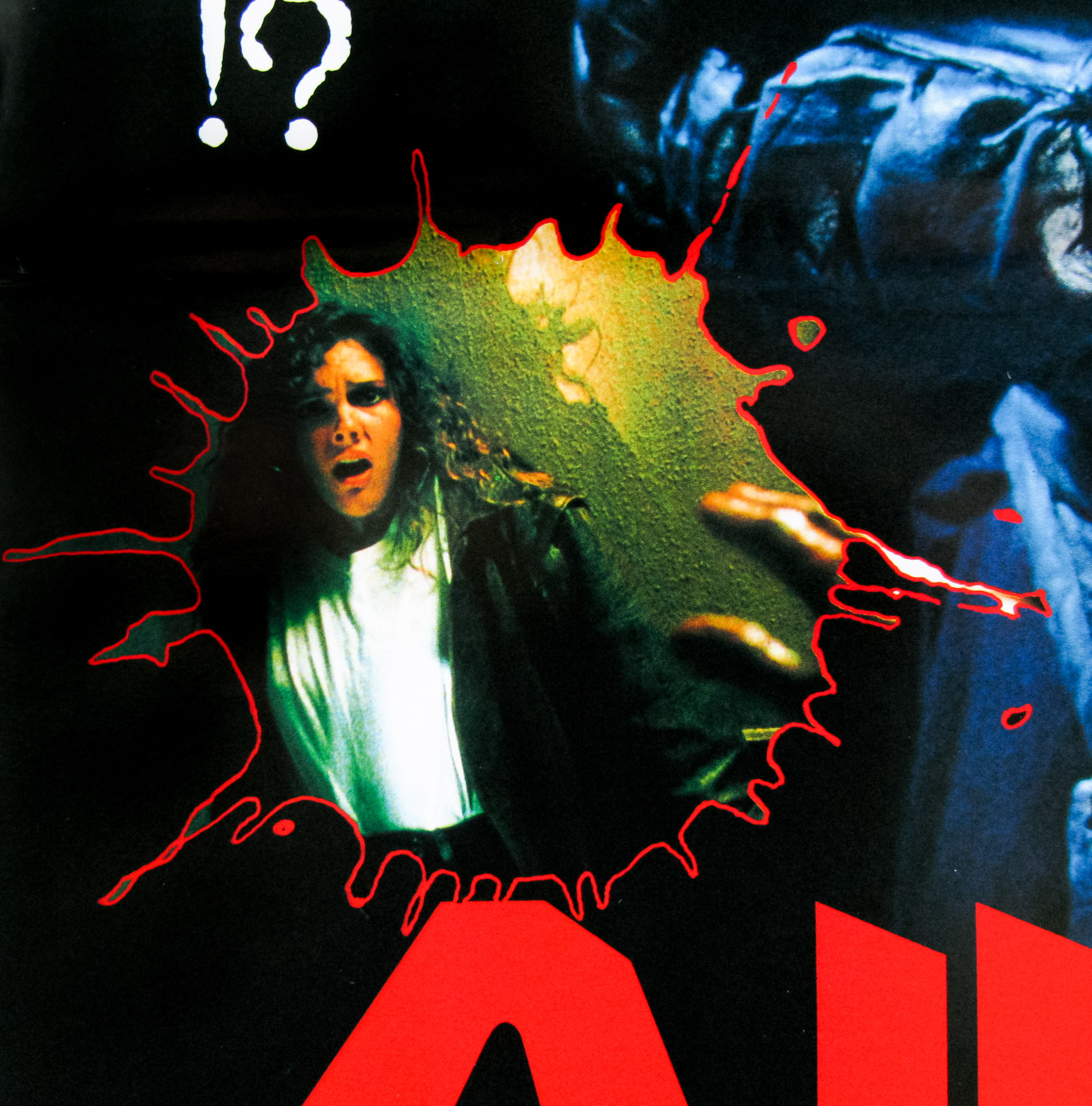
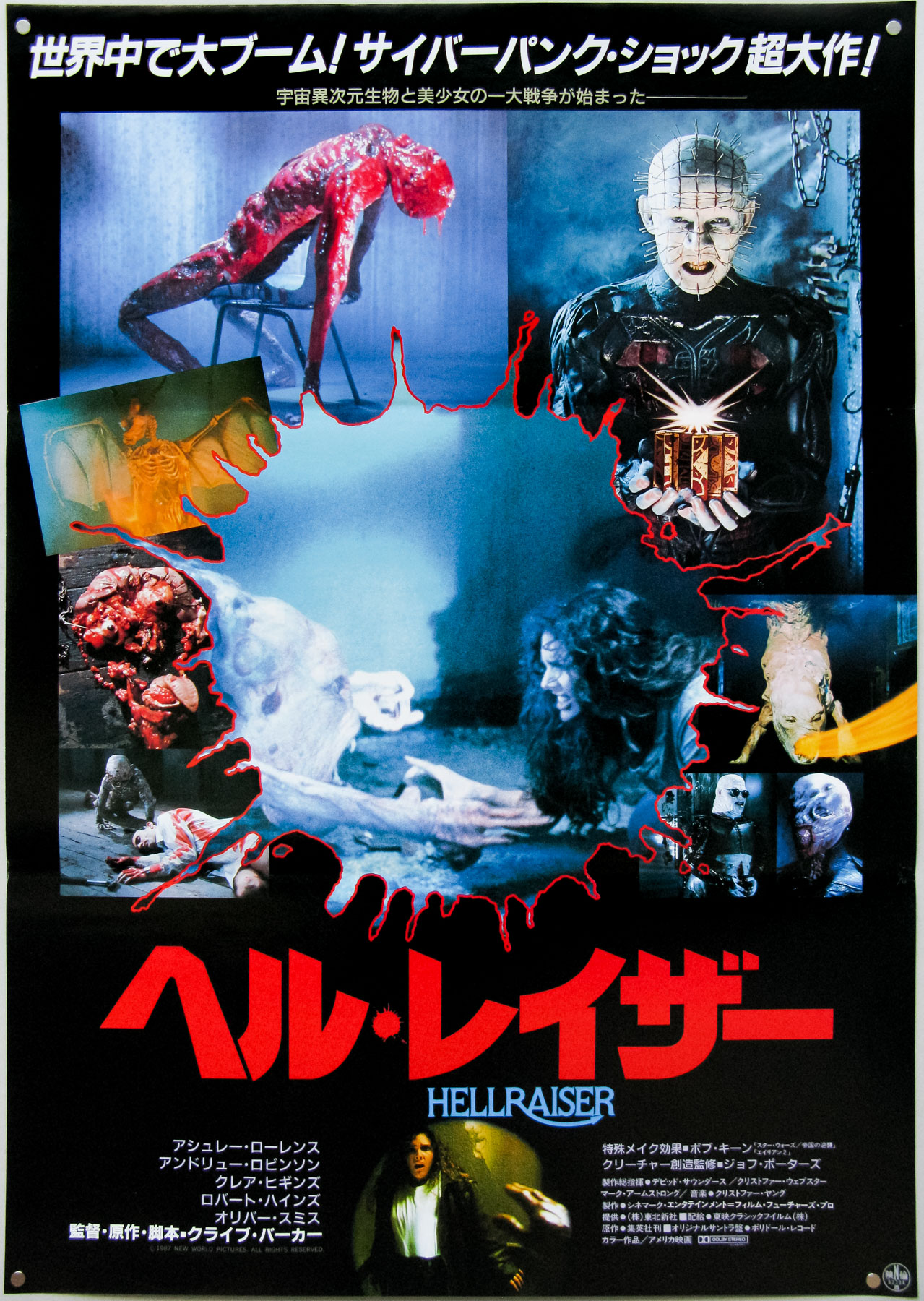
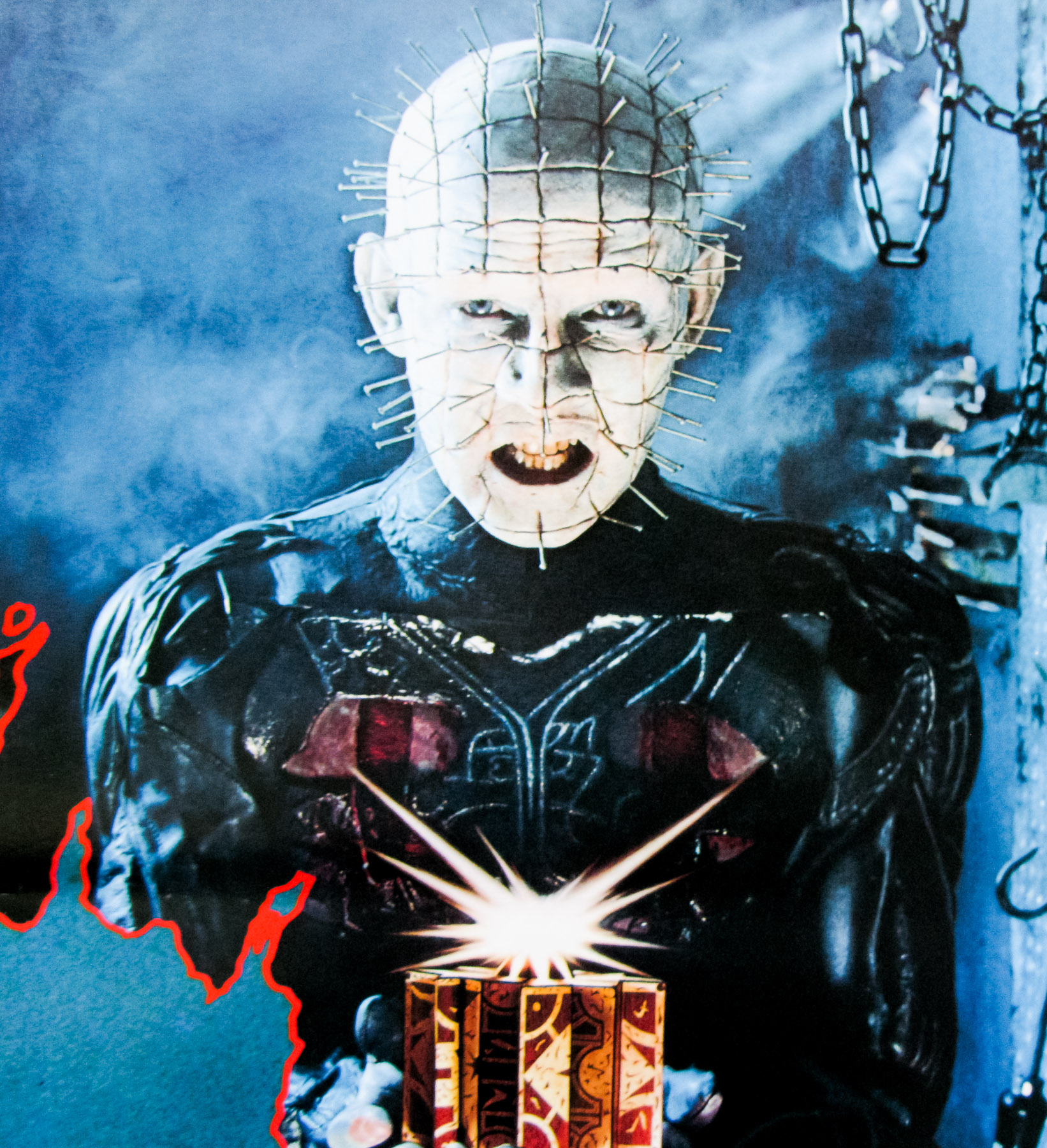
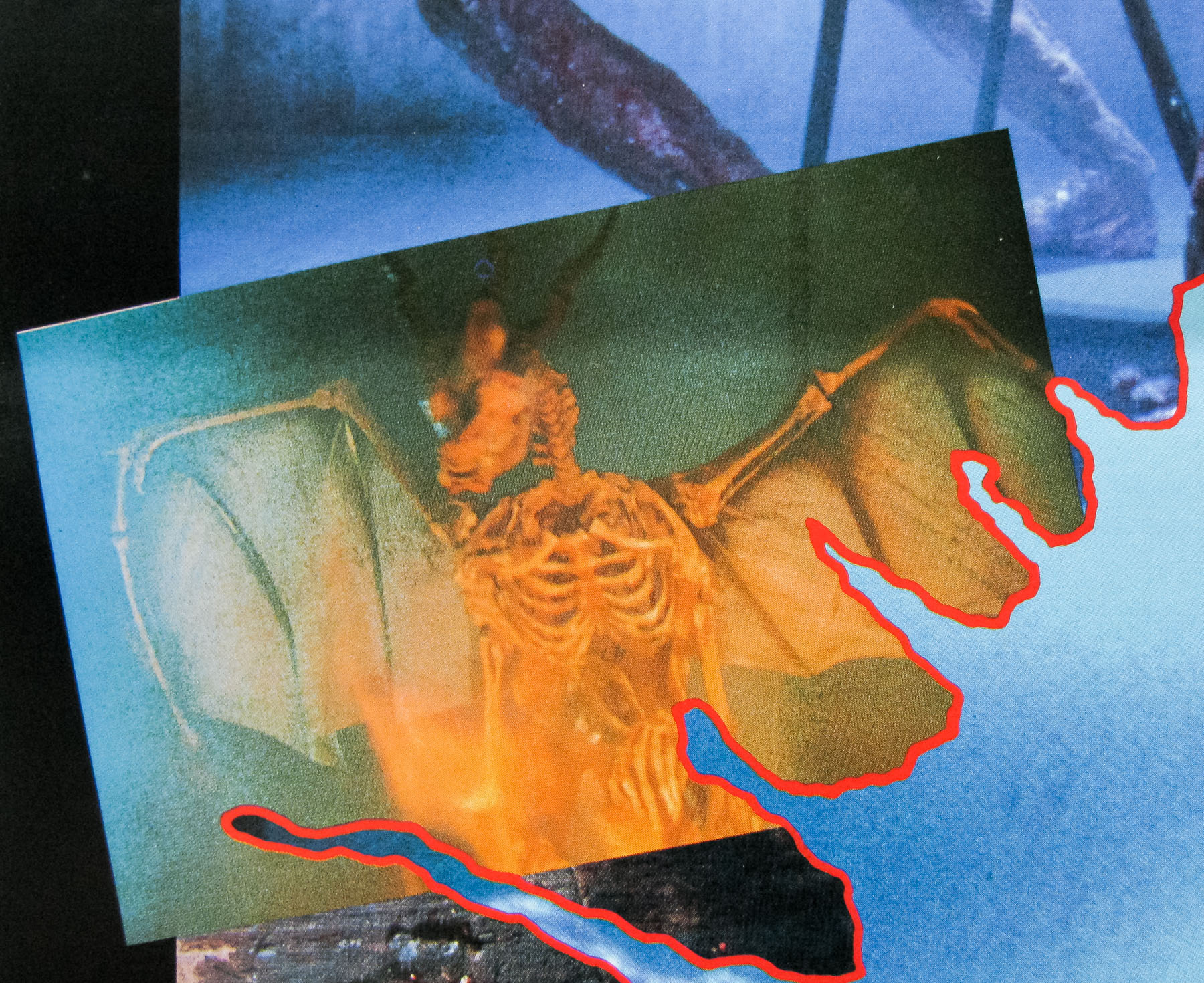
Unquestionably one of the truly great British horror films, Clive Barker‘s Hellraiser launched an enduring franchise and established the character of Pinhead (or ‘Priest’, as Barker prefers him to be known) as one of horror’s most beloved villains. Based on the 1986 novella The Hellbound Heart, Barker made the decision to both write the screenplay and direct the film after being disappointed with how two of his earlier scripts had been treated by other directors. The story begins as seedy hedonist Frank Cotton (Sean Chapman) purchases a golden puzzle box from an antiques dealer in Morocco believing it holds the key to the ‘ultimate sensual experience’. On returning to his London home, Frank opens the puzzle box and is promptly torn apart by massive hooks controlled by a group of horribly scarred and mutilated humanoids known as the Cenobites. The lead Cenobite (Pinhead, played by Doug Bradley) twists the box back to its original shape and they pass back into their realm with Frank’s remains with the room returning to normal.

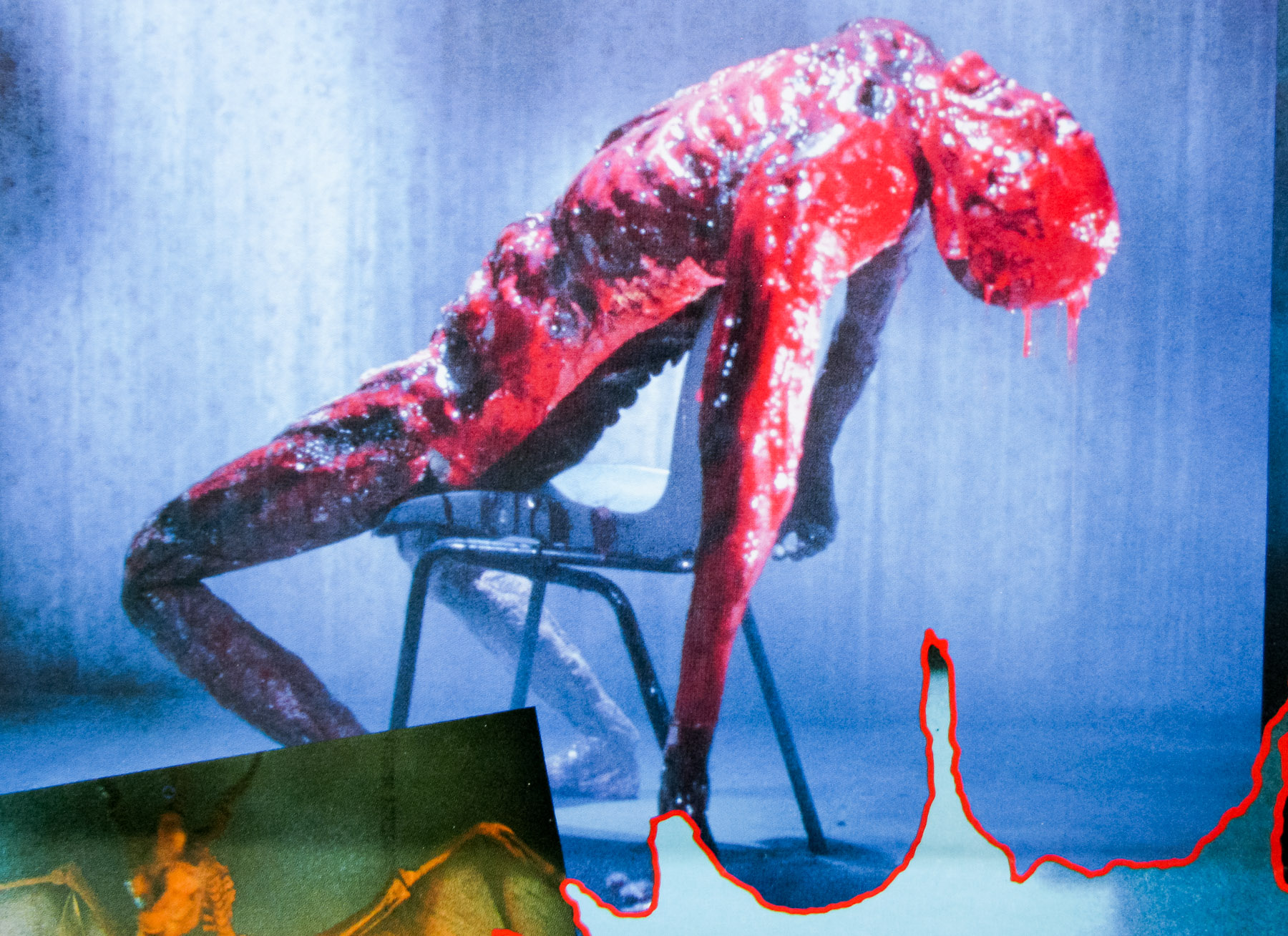
Sometime later, Frank’s brother Larry (Andrew Robinson) and his second wife Julia (Clare Higgins) move into the same house assuming that Frank is in jail in some exotic location. Larry’s daughter Kirsty (Ashley Laurence) declines the offer to move in with her stepmother and chooses to find her own place. When Larry accidentally cuts his hand and drips blood onto the attic floor it somehow reaches Frank in his prison in the other realm and starts to resurrect his body (in a stunning special effects sequence). Later that day Julia finds Frank in the attic and the pair rekindle an affair they had started some years before. Julia agrees to help Frank to fully resurrect himself, which can only happen through blood sacrifices so she begins to seduce and bring back random men to the house before bludgeoning them to death for Frank to consume. Kirsty begins to suspect something is afoot and soon she is having her own encounter with the Cenobites who are displeased to learn that one of their prisoners has escaped and is on a murder spree.

What makes the film stand out is the excellent script by Barker which prevents the characters from being the usual one-dimensional death fodder usually seen in horror films, particularly those being released towards the end of the 1980s. The production, costume and makeup design are all excellent, with all of the Cenobite designs being particularly memorable. There’s only one stop-motion animation sequence at the end of the film that belies the productions low budget and the film stands up extremely well today. Although the series is up to its ninth film instalment, Barker never directed another and was only producer on the first two sequels. After the fourth film (1996′s Bloodline) the series became a straight-to-video enterprise and quality dropped significantly from then onwards.

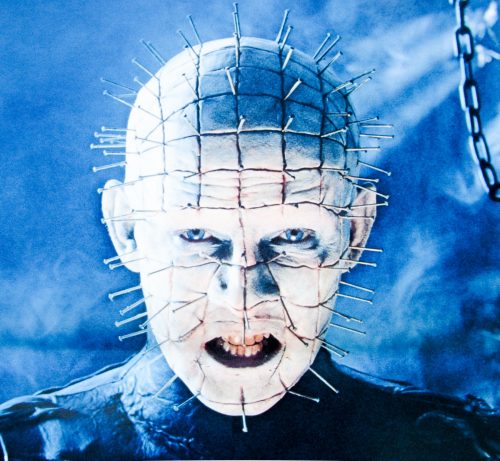
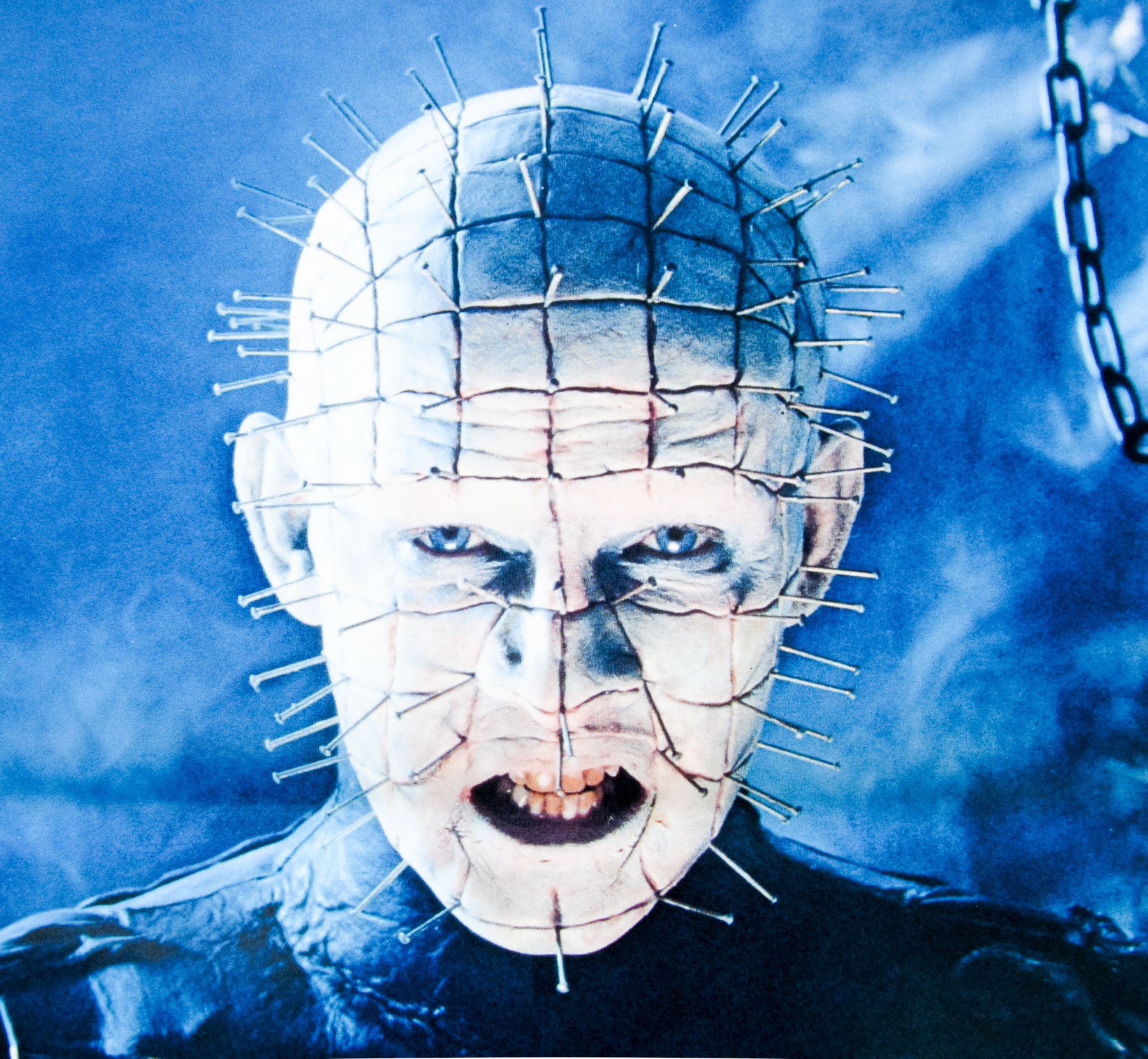
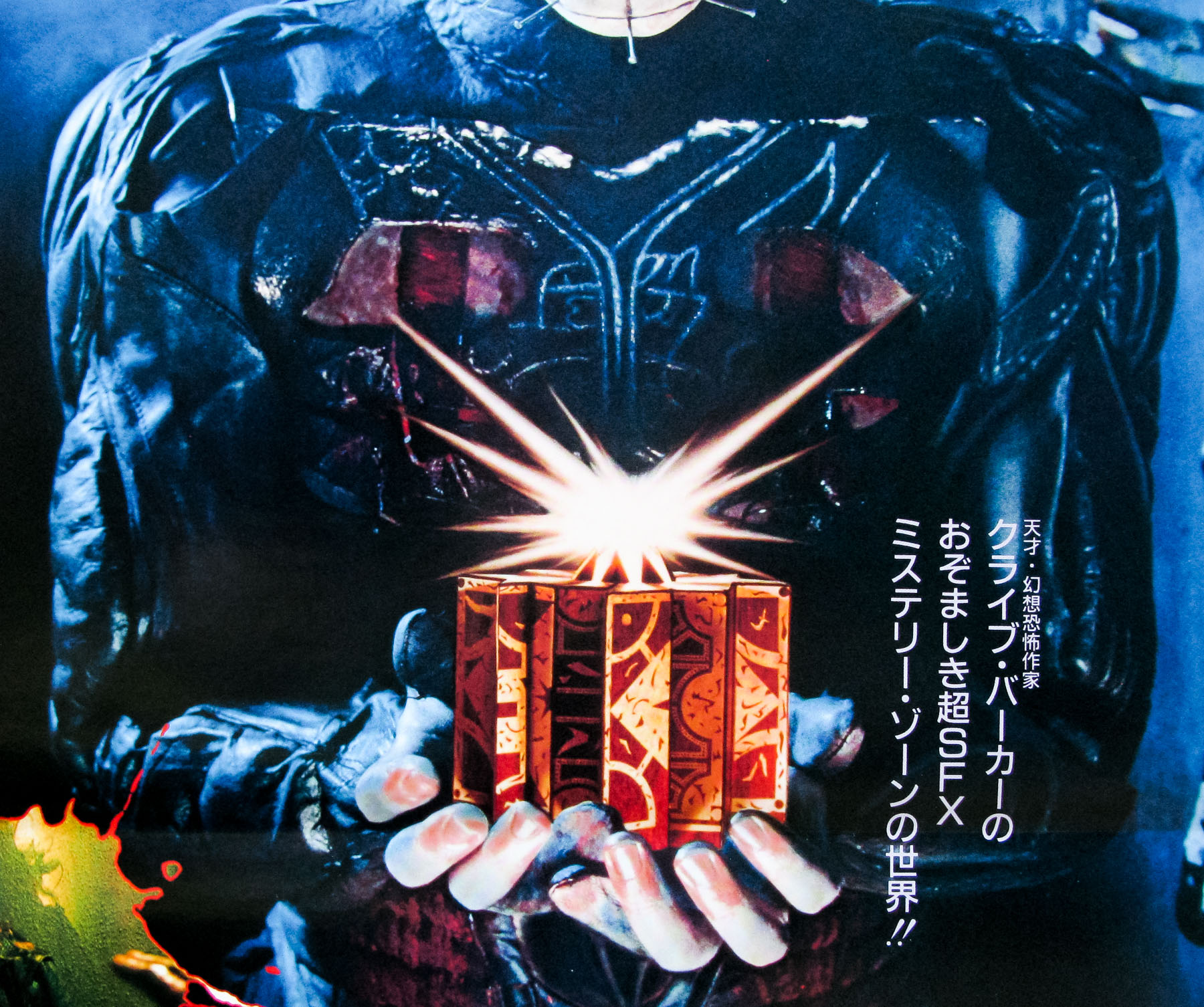
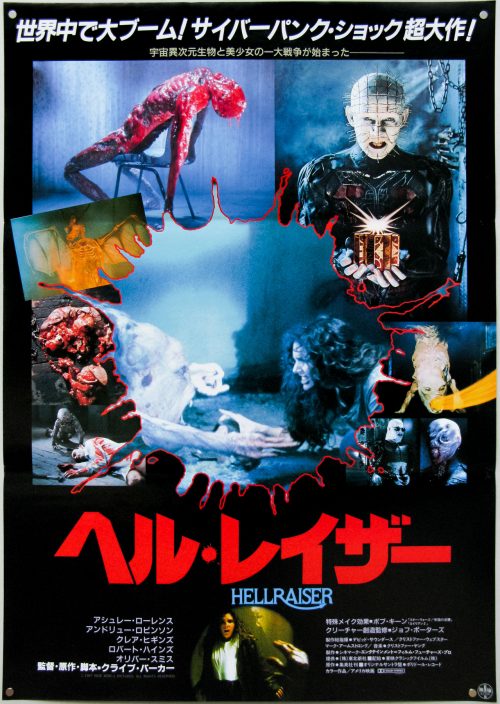
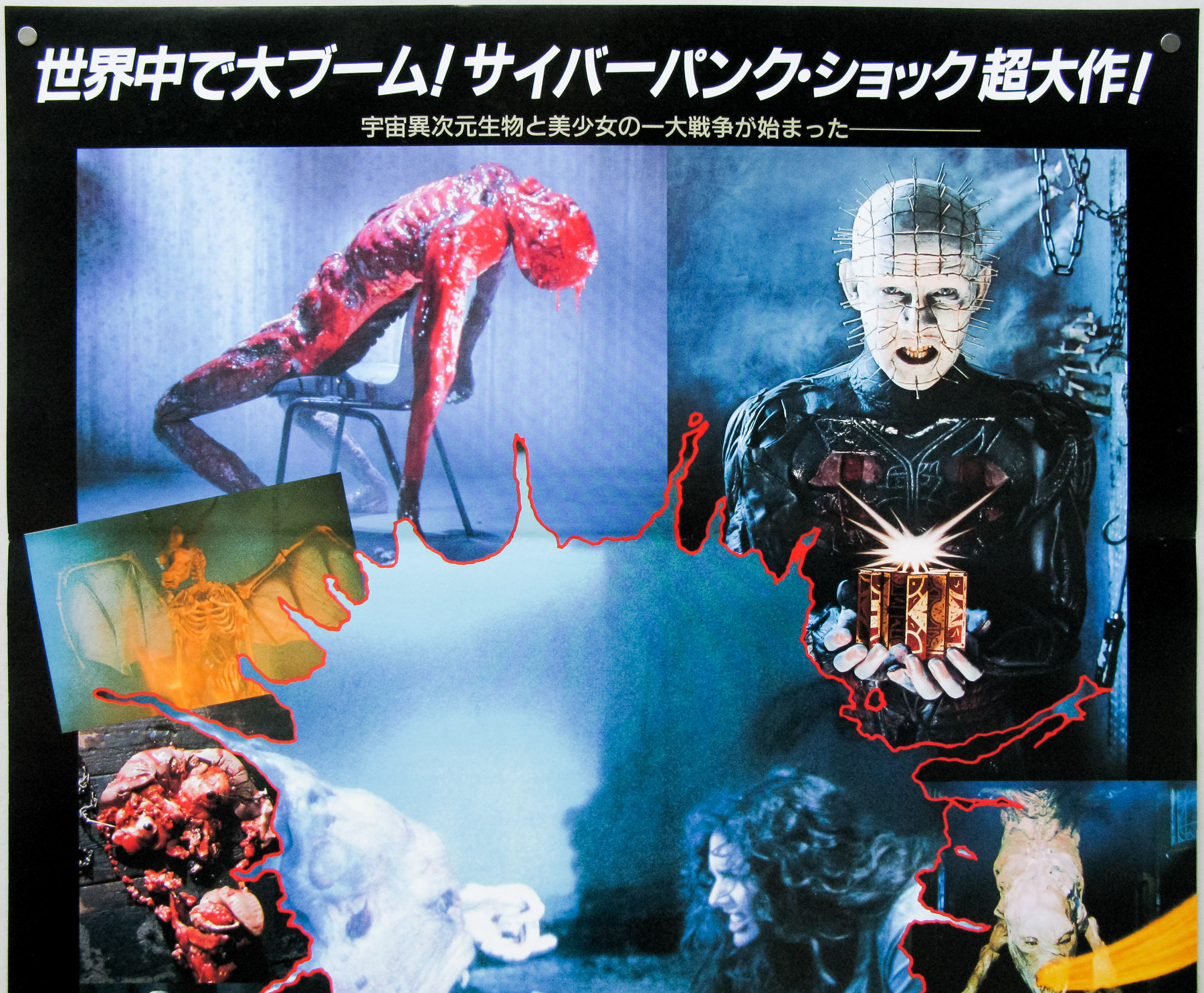
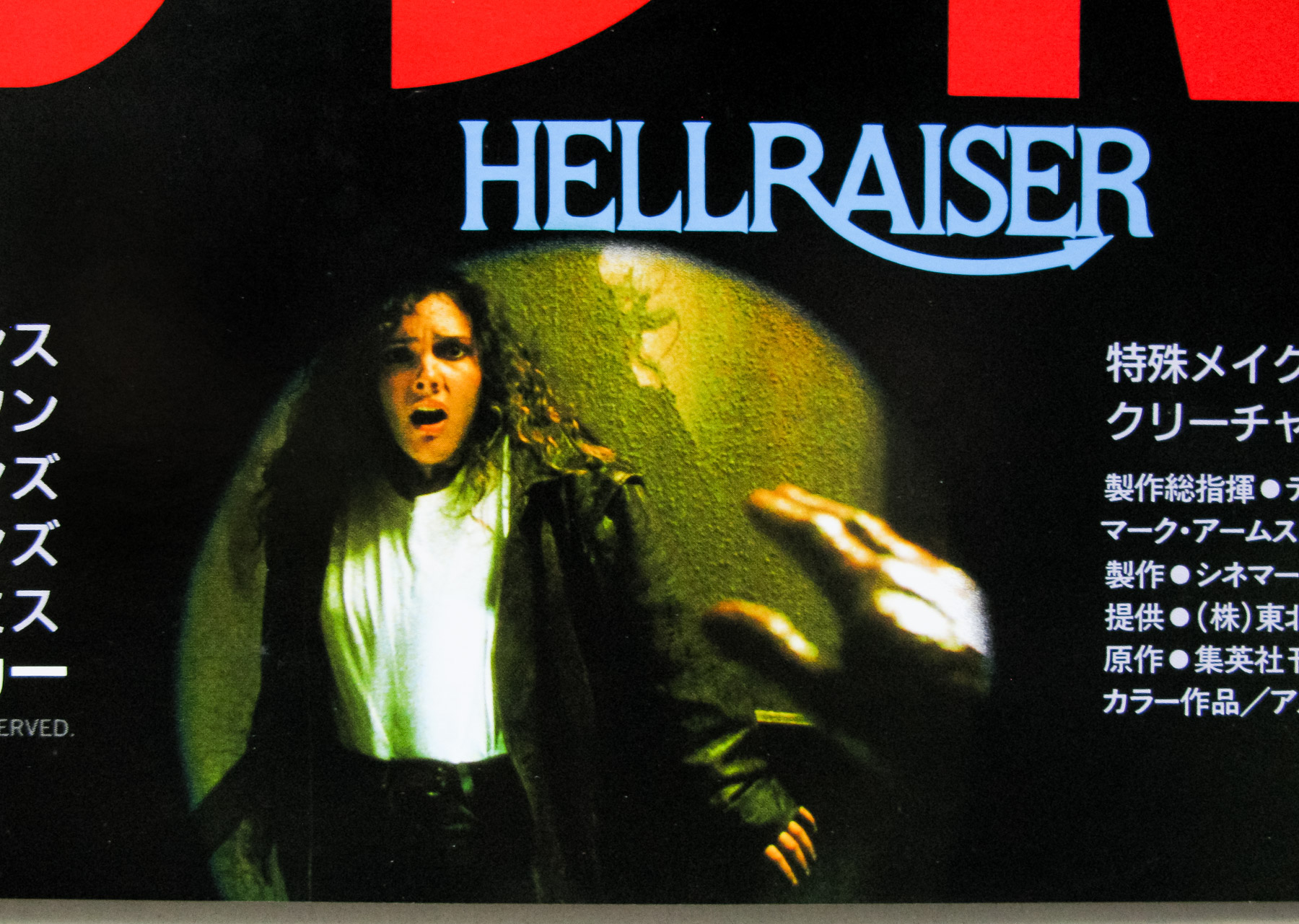
This is the ‘style A’ Japanese B2 and features the same image of Pinhead that’s on the American one sheet for the film. There’s also a style B B2 for the film that features a montage of other scenes and characters.

Hellraiser / B2 / montage style / Japan

17.05.11

Poster Poster
Title
Hellraiser
AKA
Clive Barker's Hellraiser (UK - complete title)
Year of Film
1987
Director
Clive Barker
Starring
Andrew Robinson, Doug Bradley, Clare Higgins, Ashley Laurence, Sean Chapman, Oliver Smith
Origin of Film
UK
Genre(s) of Film
Andrew Robinson, Doug Bradley, Clare Higgins, Ashley Laurence, Sean Chapman, Oliver Smith,
Type of Poster
B2
Style of Poster
Montage
Origin of Poster
Japan
Year of Poster
1987
Designer
Unknown
Artist
--
Size (inches)
20 6/16" x 28 14/16"
SS or DS
SS
Tagline
--

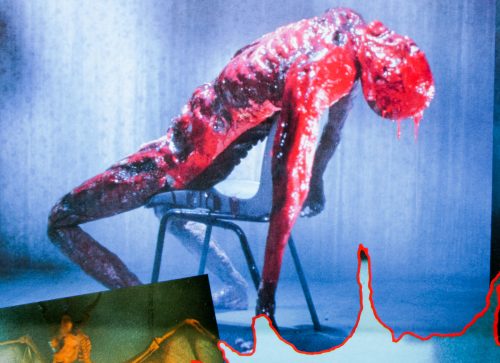
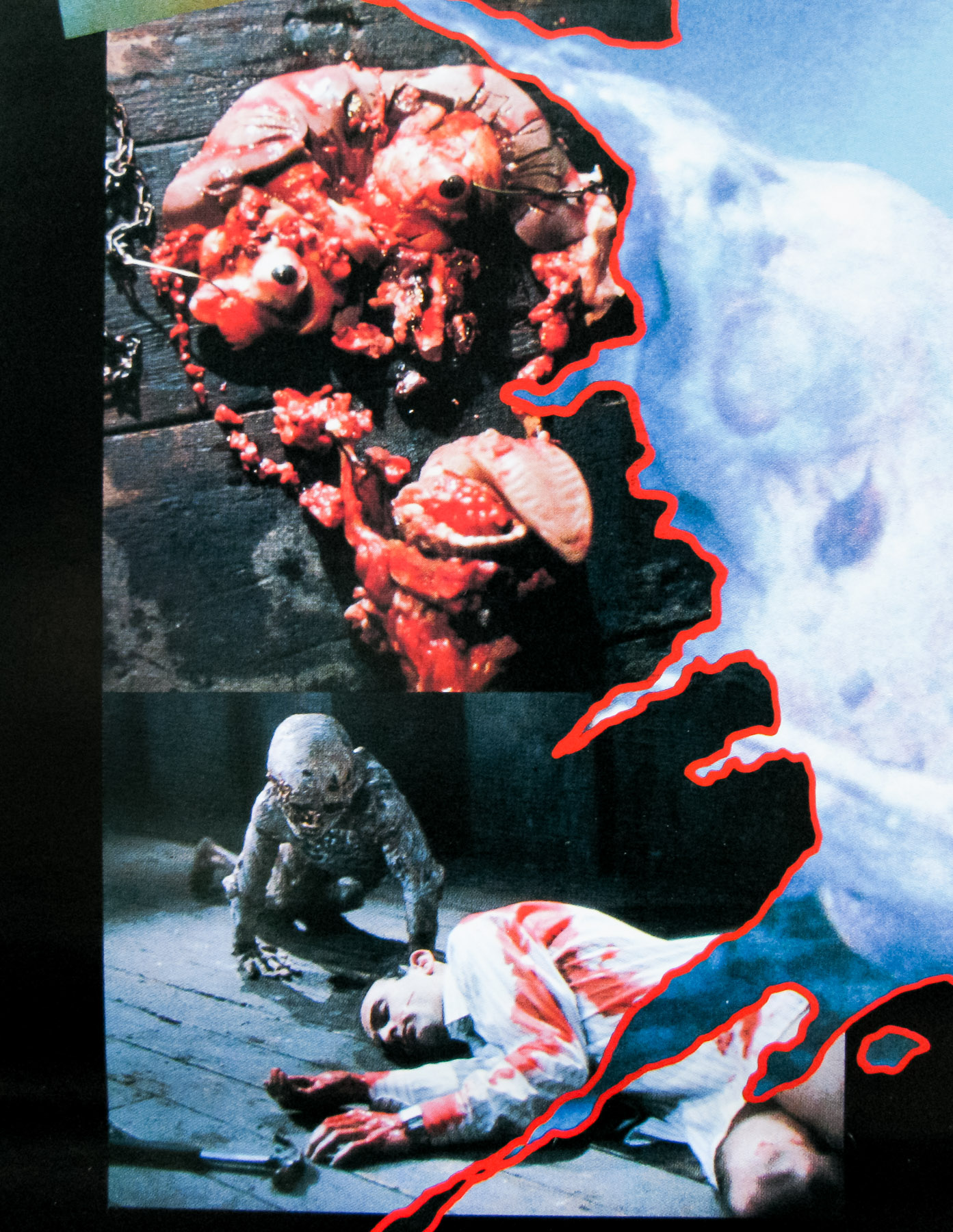
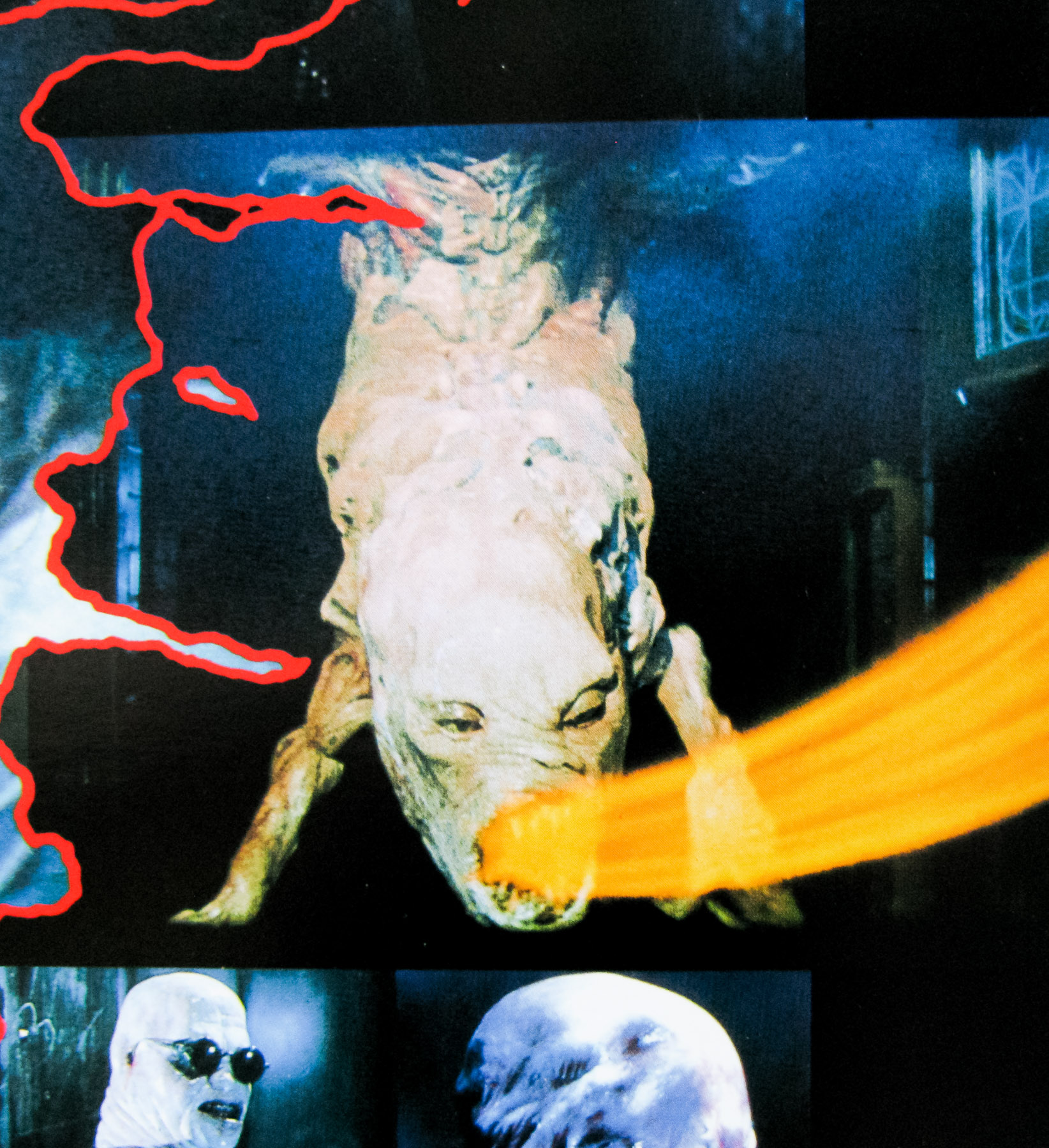
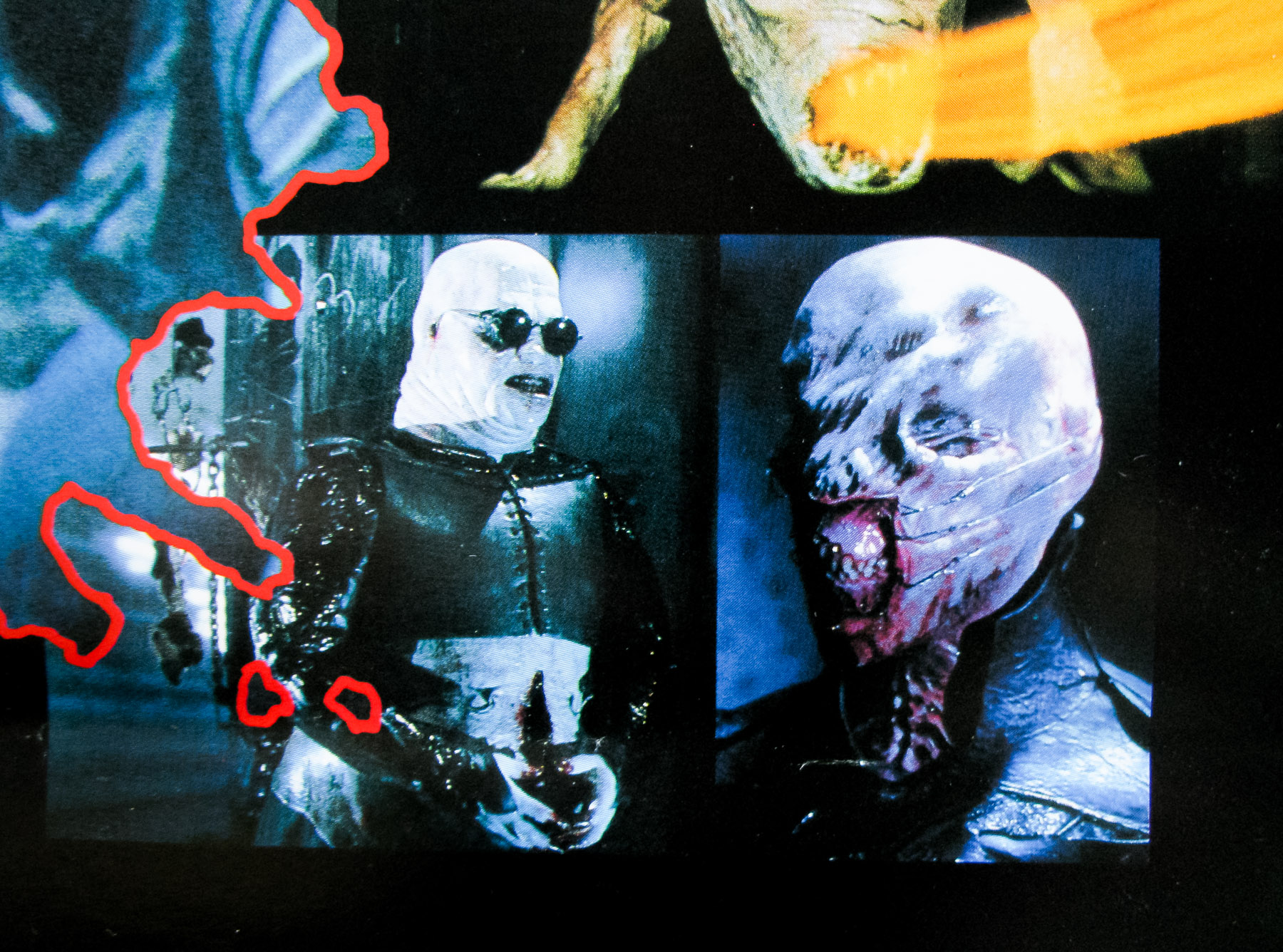
Unquestionably one of the truly great British horror films, Clive Barker‘s Hellraiser launched an enduring franchise and established the character of Pinhead (or ‘Priest’, as Barker prefers him to be known) as one of horror’s most beloved villains. Based on the 1986 novella The Hellbound Heart, Barker made the decision to both write the screenplay and direct the film after being disappointed with how two of his earlier scripts had been treated by other directors. The story begins as seedy hedonist Frank Cotton (Sean Chapman) purchases a golden puzzle box from an antiques dealer in Morocco believing it holds the key to the ‘ultimate sensual experience’. On returning to his London home, Frank opens the puzzle box and is promptly torn apart by massive hooks controlled by a group of horribly scarred and mutilated humanoids known as the Cenobites. The lead Cenobite (Pinhead, played by Doug Bradley) twists the box back to its original shape and they pass back into their realm with Frank’s remains with the room returning to normal.

Sometime later, Frank’s brother Larry (Andrew Robinson) and his second wife Julia (Clare Higgins) move into the same house assuming that Frank is in jail in some exotic location. Larry’s daughter Kirsty (Ashley Laurence) declines the offer to move in with her stepmother and chooses to find her own place. When Larry accidentally cuts his hand and drips blood onto the attic floor it somehow reaches Frank in his prison in the other realm and starts to resurrect his body (in a stunning special effects sequence). Later that day Julia finds Frank in the attic and the pair rekindle an affair they had started some years before. Julia agrees to help Frank to fully resurrect himself, which can only happen through blood sacrifices so she begins to seduce and bring back random men to the house before bludgeoning them to death for Frank to consume. Kirsty begins to suspect something is afoot and soon she is having her own encounter with the Cenobites who are displeased to learn that one of their prisoners has escaped and is on a murder spree.

What makes the film stand out is the excellent script by Barker which prevents the characters from being the usual one-dimensional death fodder usually seen in horror films, particularly those being released towards the end of the 1980s. The production, costume and makeup design are all excellent, with all of the Cenobite designs being particularly memorable. There’s only one stop-motion animation sequence at the end of the film that belies the productions low budget and the film stands up extremely well today. Although the series is up to its ninth film instalment, Barker never directed another and was only producer on the first two sequels. After the fourth film (1996′s Bloodline) the series became a straight-to-video enterprise and quality dropped significantly from then onwards.

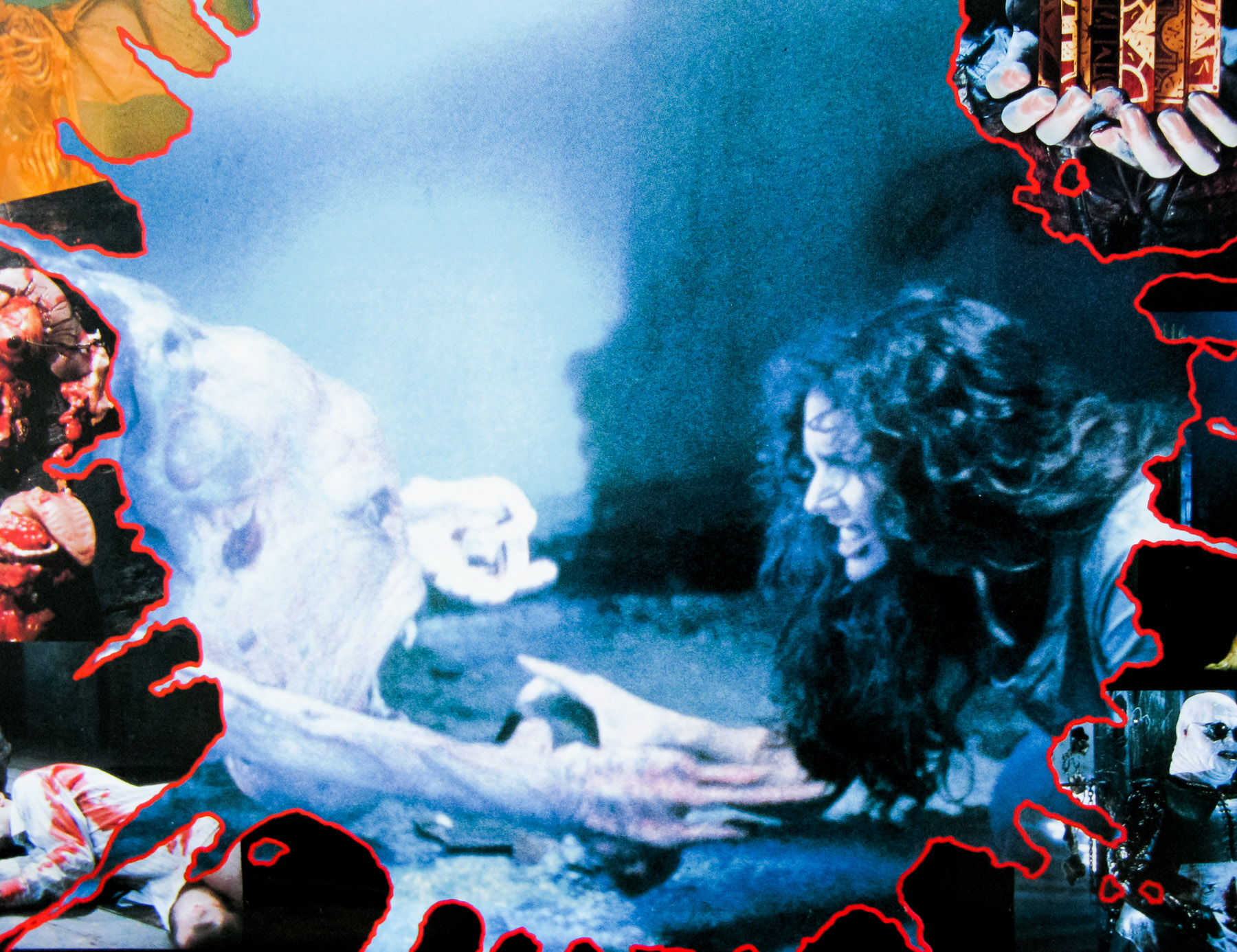
This is the ‘style B’ Japanese B2 and features a montage of scenes and characters from the film. There’s also a style A B2 for the film that features the same image of Pinhead that’s on the American one sheet for the film.

Le Gang / B2 / montage style / Japan

30.06.16

Poster Poster
Title
Le Gang
AKA
The Gang (USA - video title)
Year of Film
1977
Director
Jacques Deray
Starring
Alain Delon, Xavier Depraz, Roland Bertin, Adalberto Maria Merli, Maurice Barrier, Raymond Bussières, Giampiero Albertini, Laura Betti, Nicole Calfan
Origin of Film
Italy | France
Genre(s) of Film
Alain Delon, Xavier Depraz, Roland Bertin, Adalberto Maria Merli, Maurice Barrier, Raymond Bussières, Giampiero Albertini, Laura Betti, Nicole Calfan,
Type of Poster
B2
Style of Poster
Montage style
Origin of Poster
Japan
Year of Poster
1977
Designer
Unknown
Artist
--
Size (inches)
20 5/16" x 28 14/16"
SS or DS
SS
Tagline
--

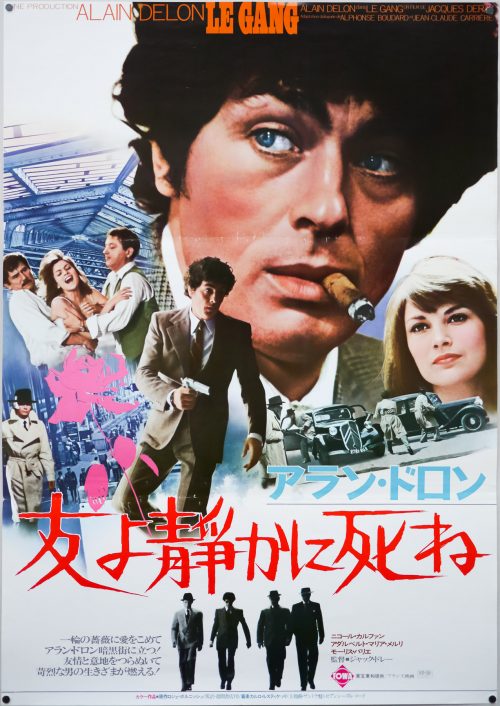
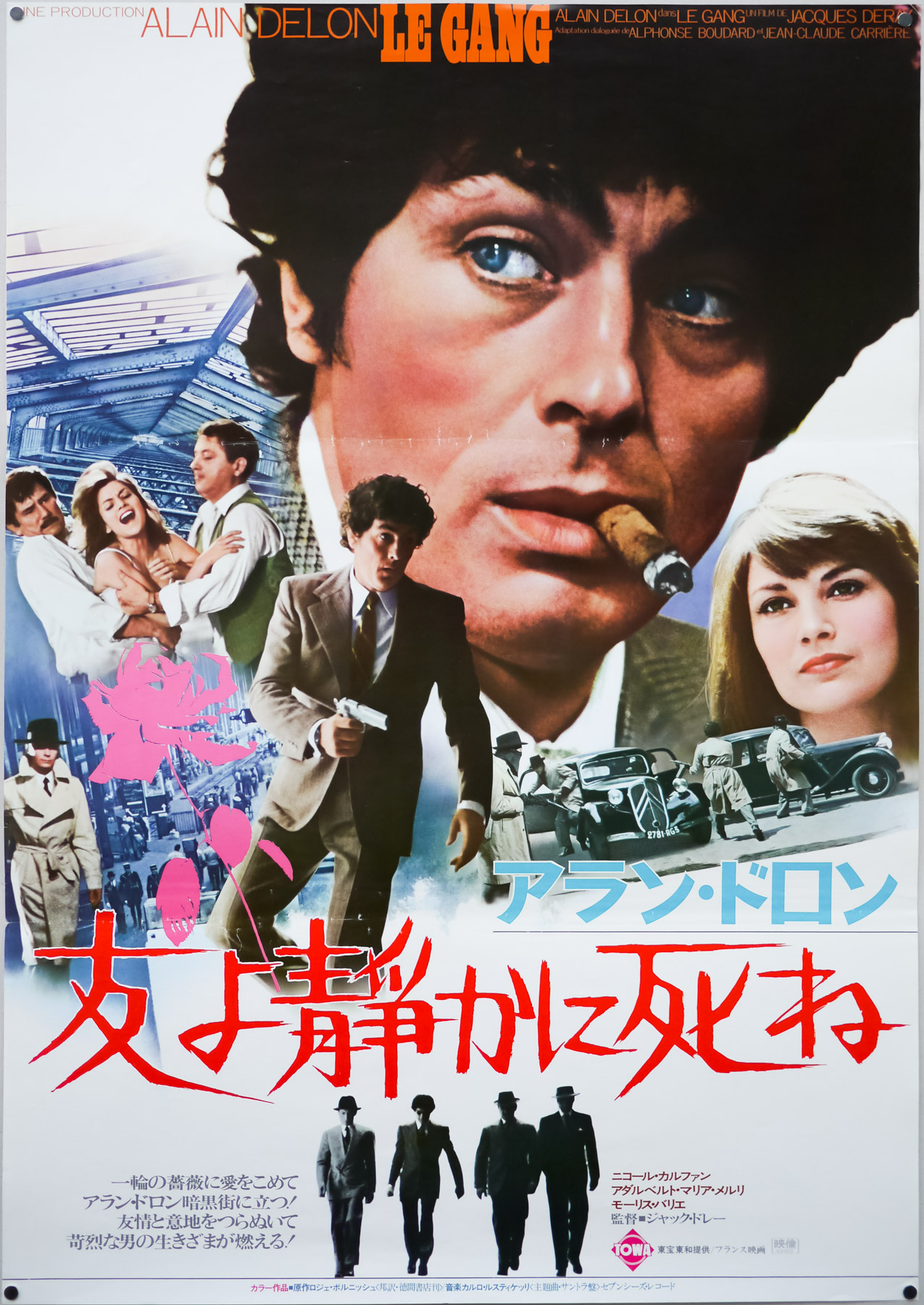
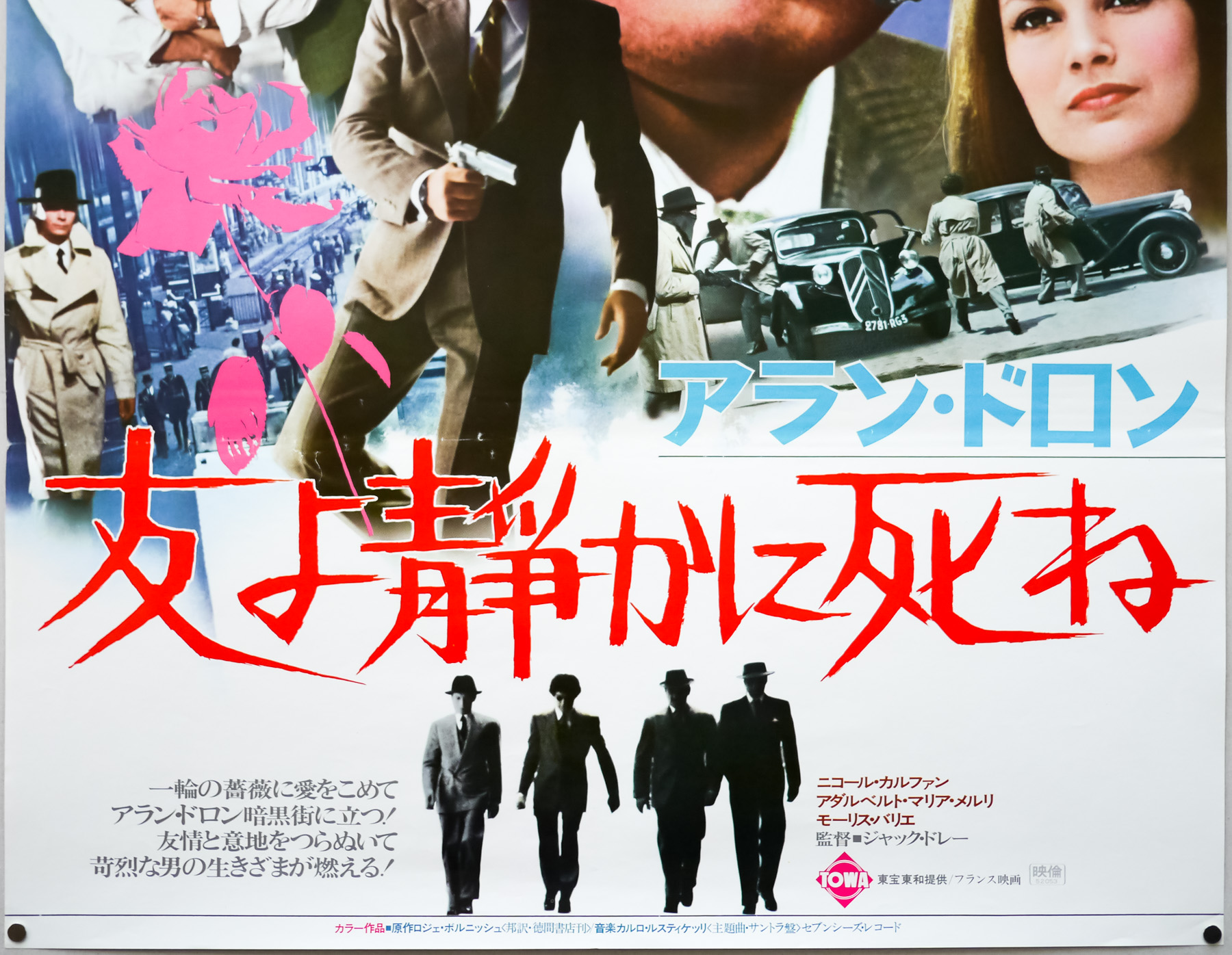
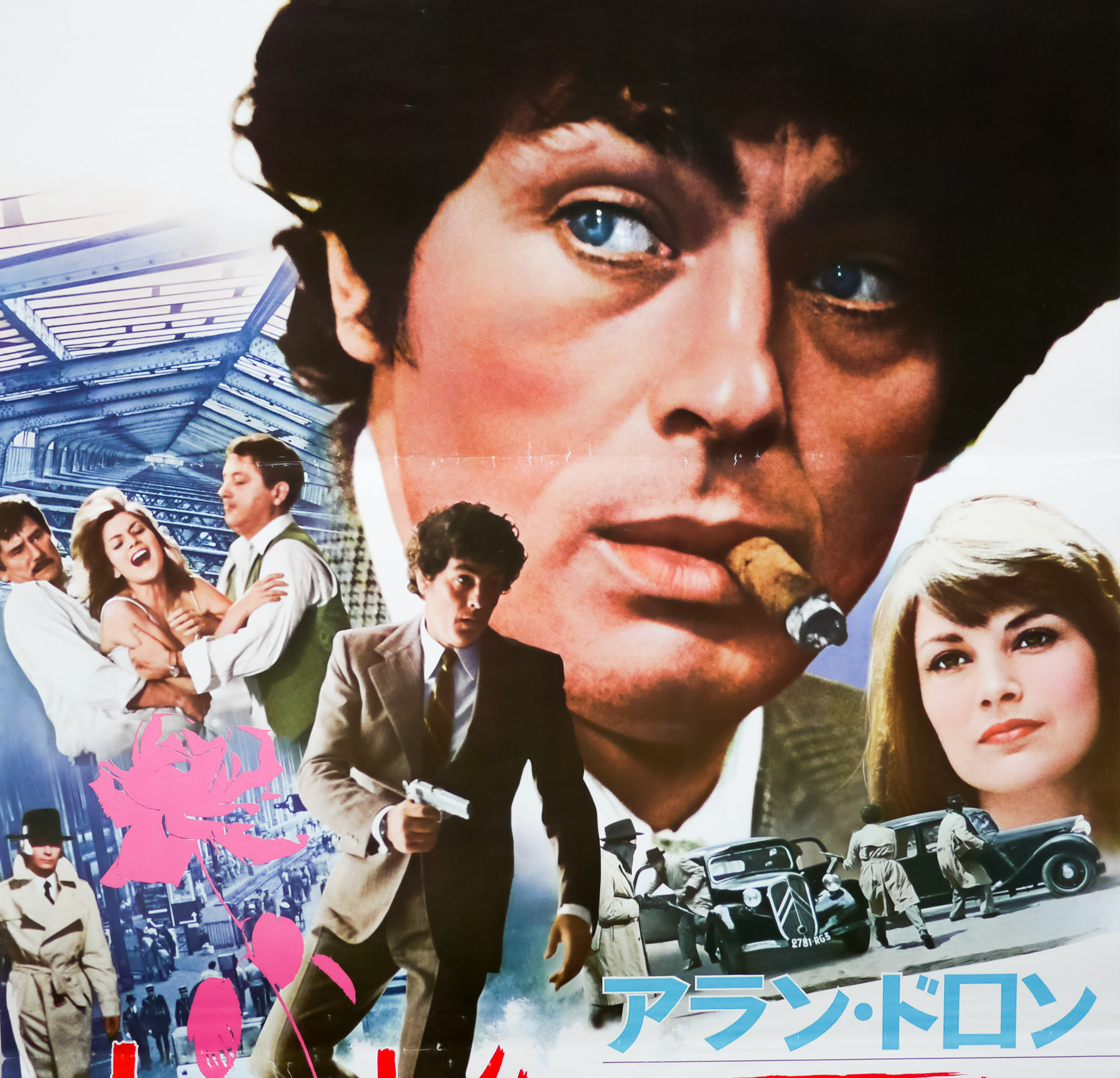
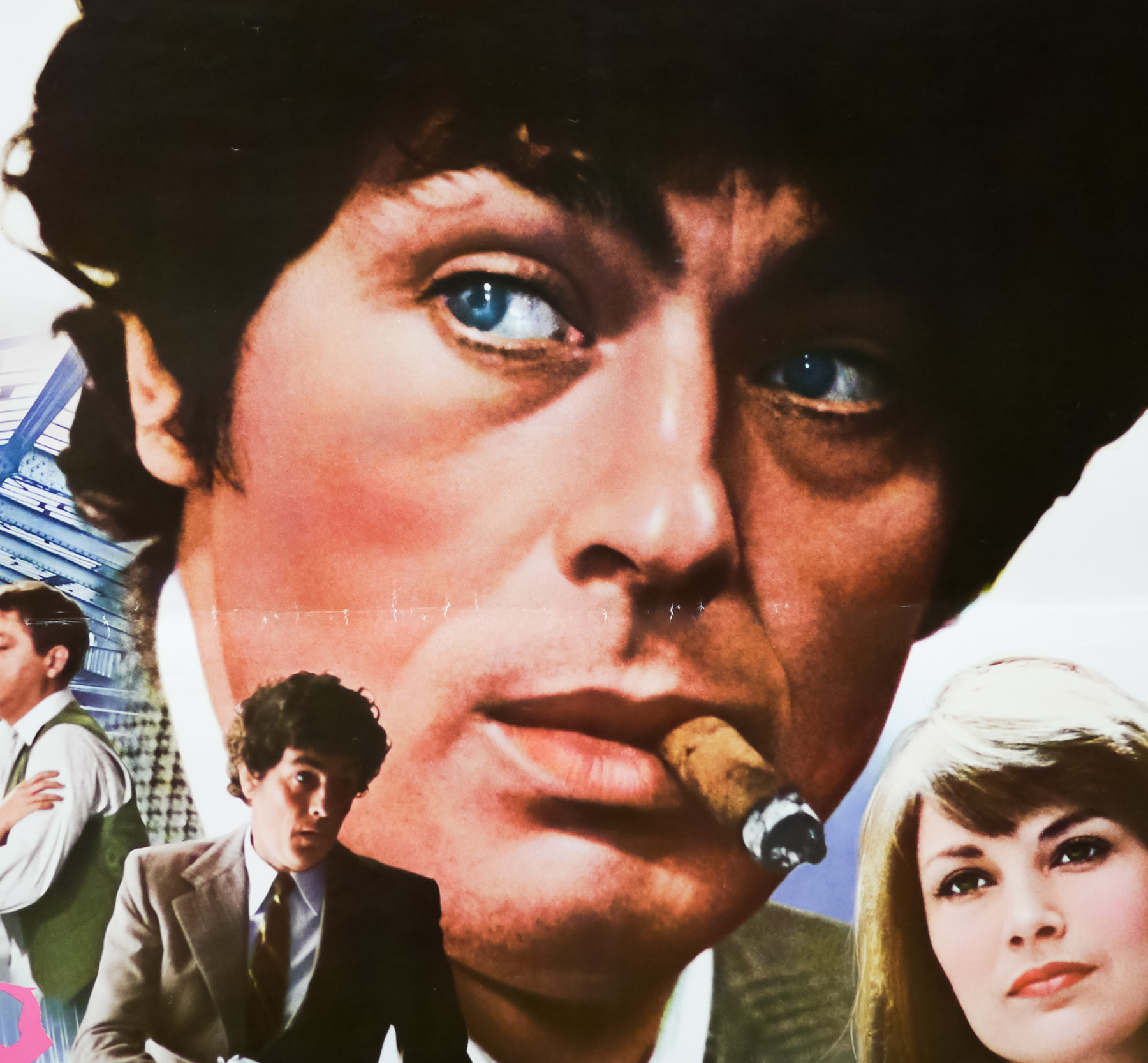
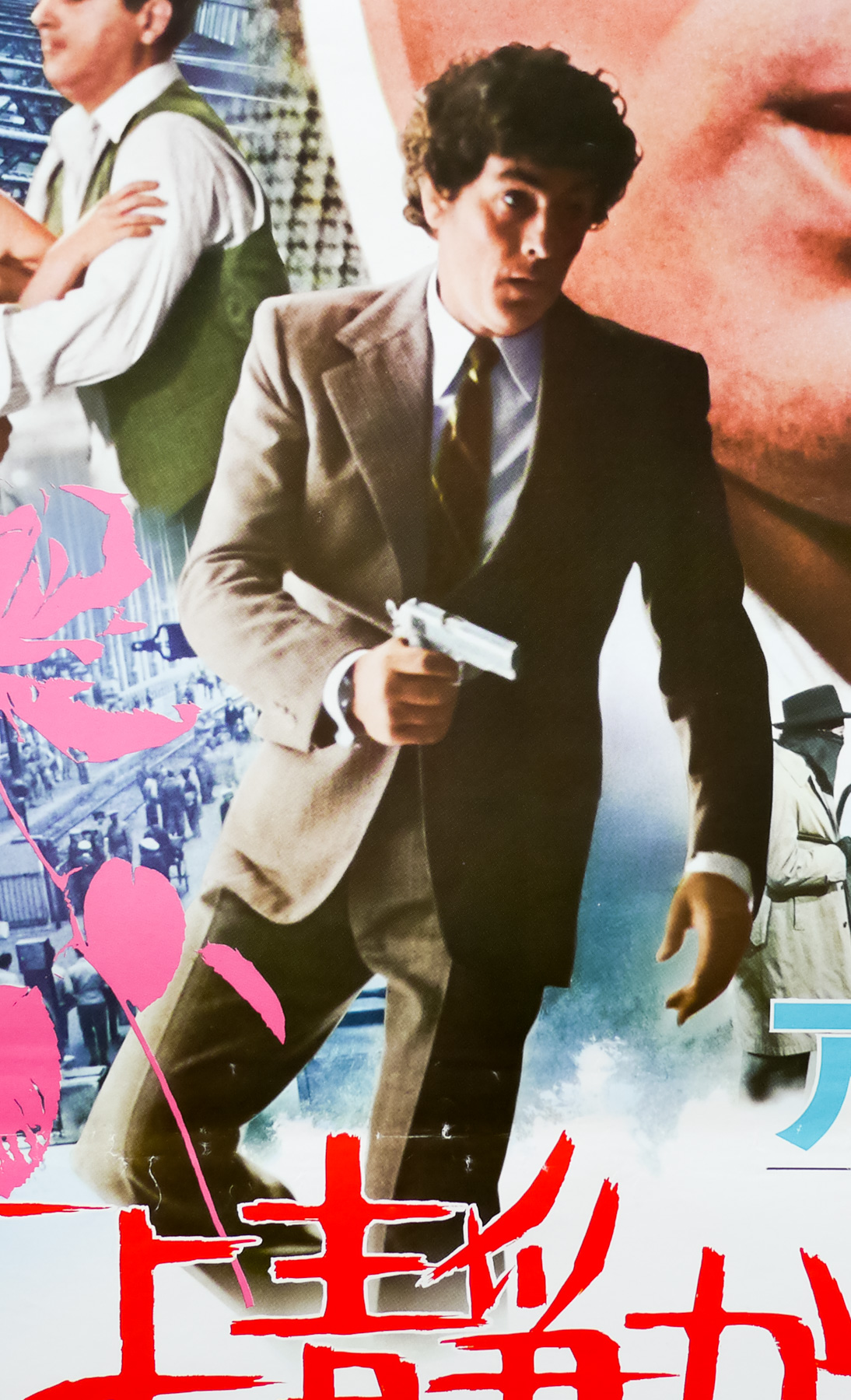
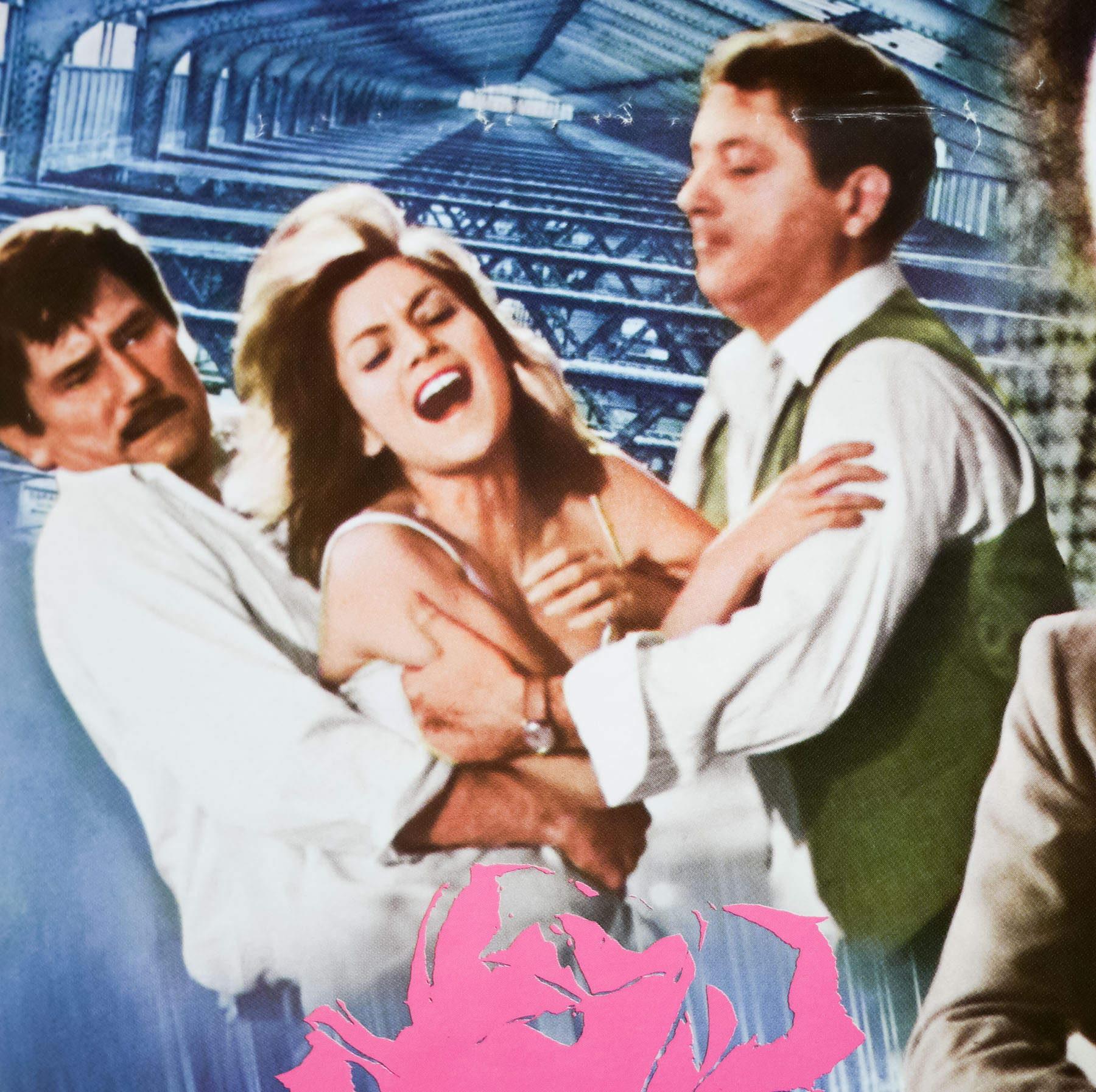
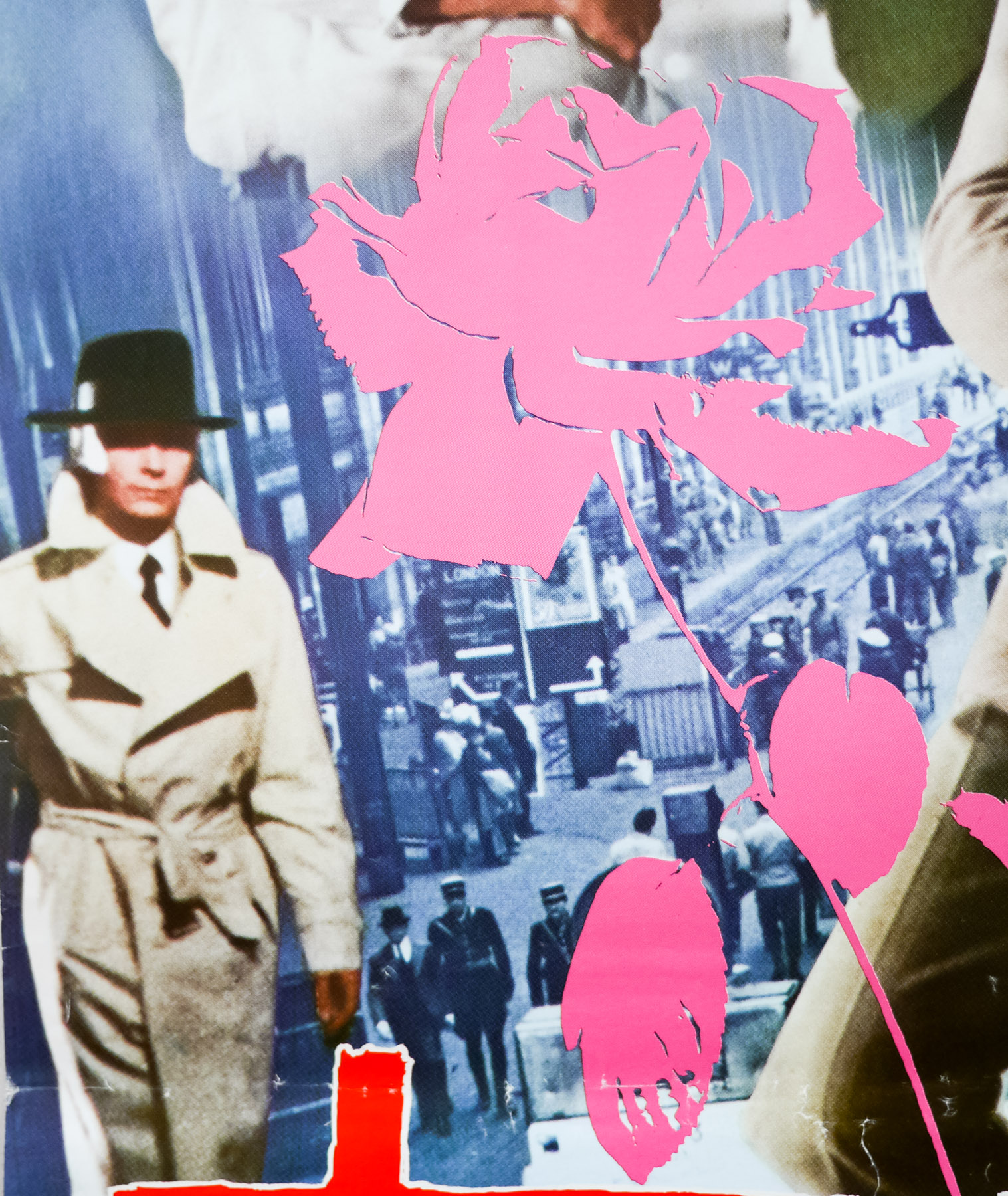
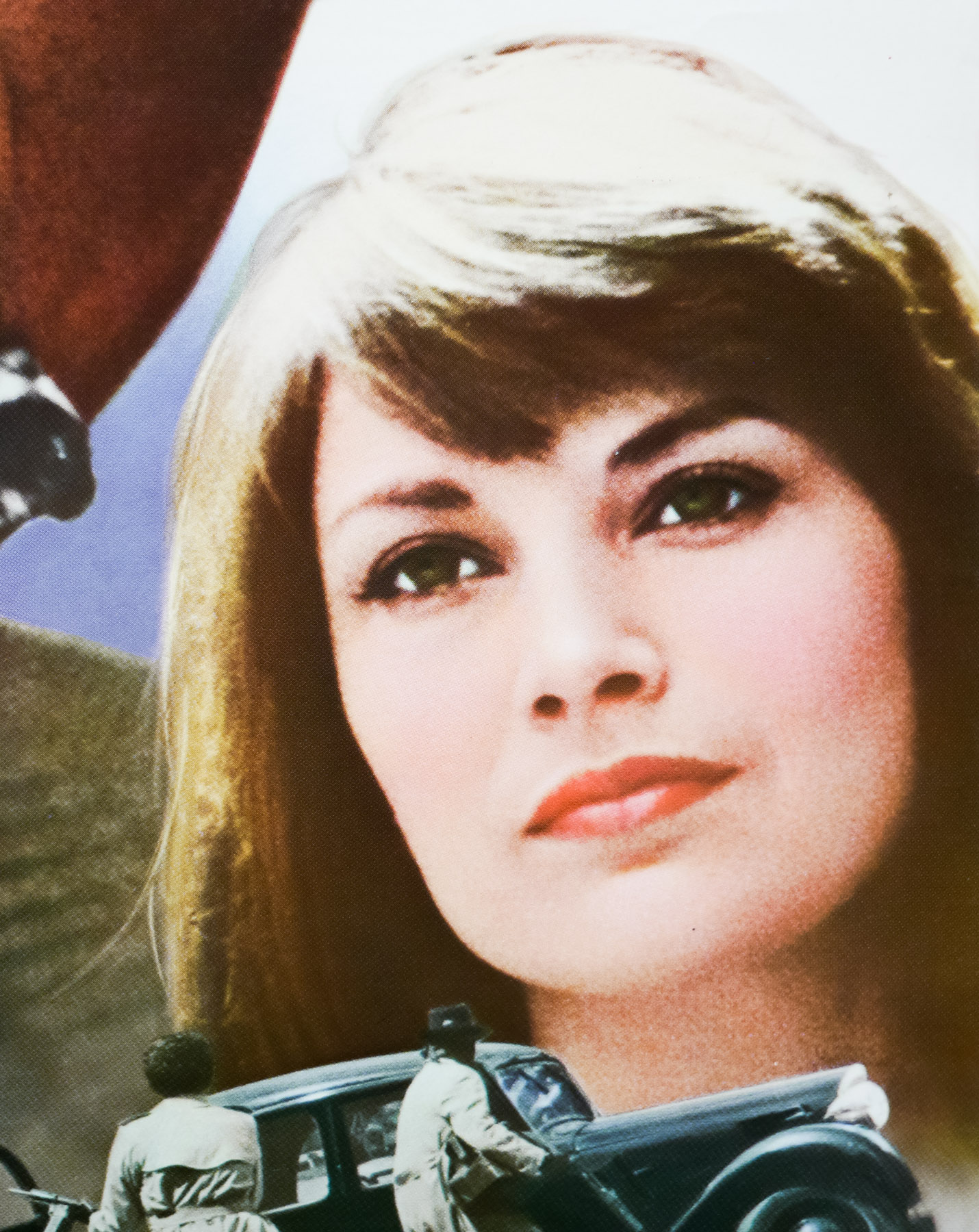
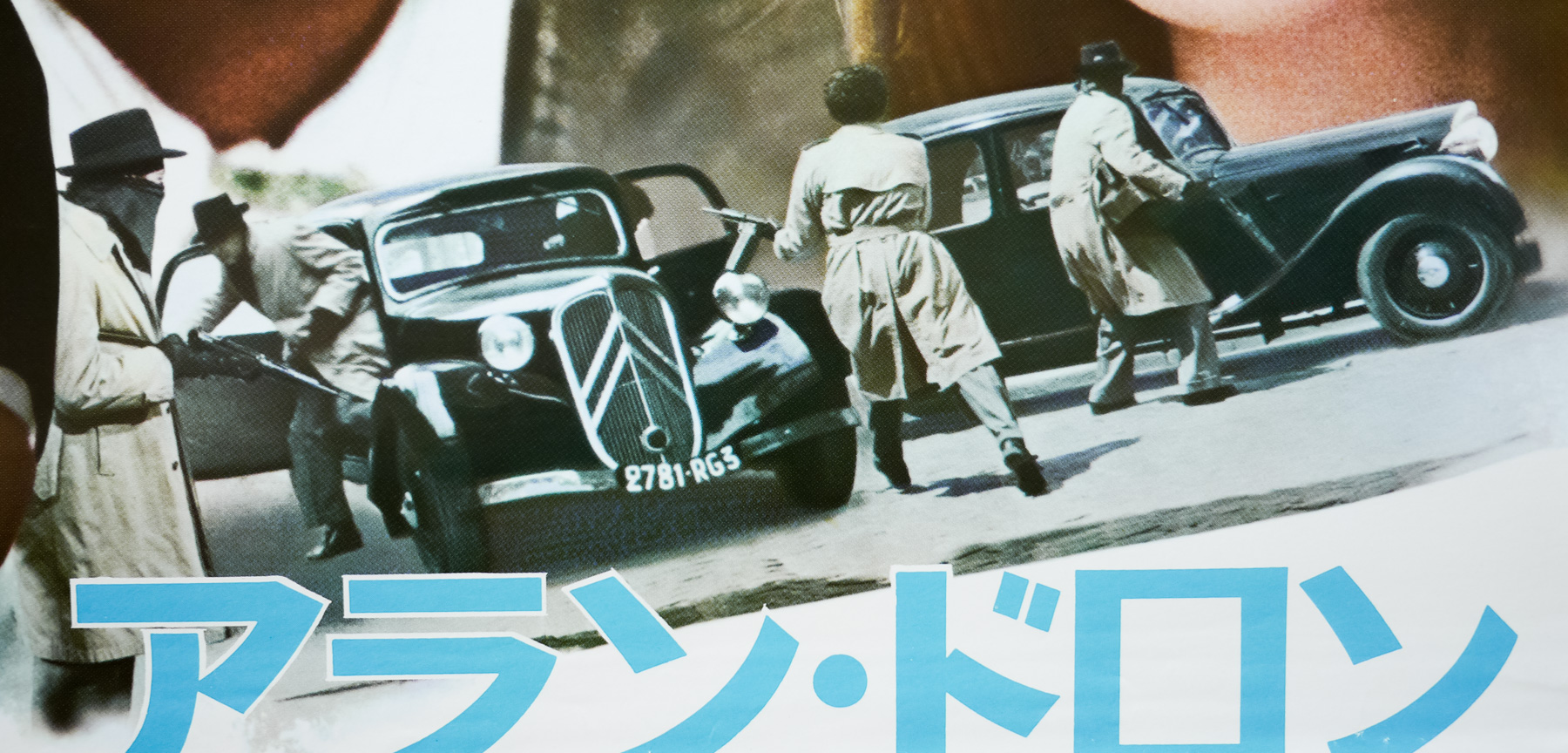
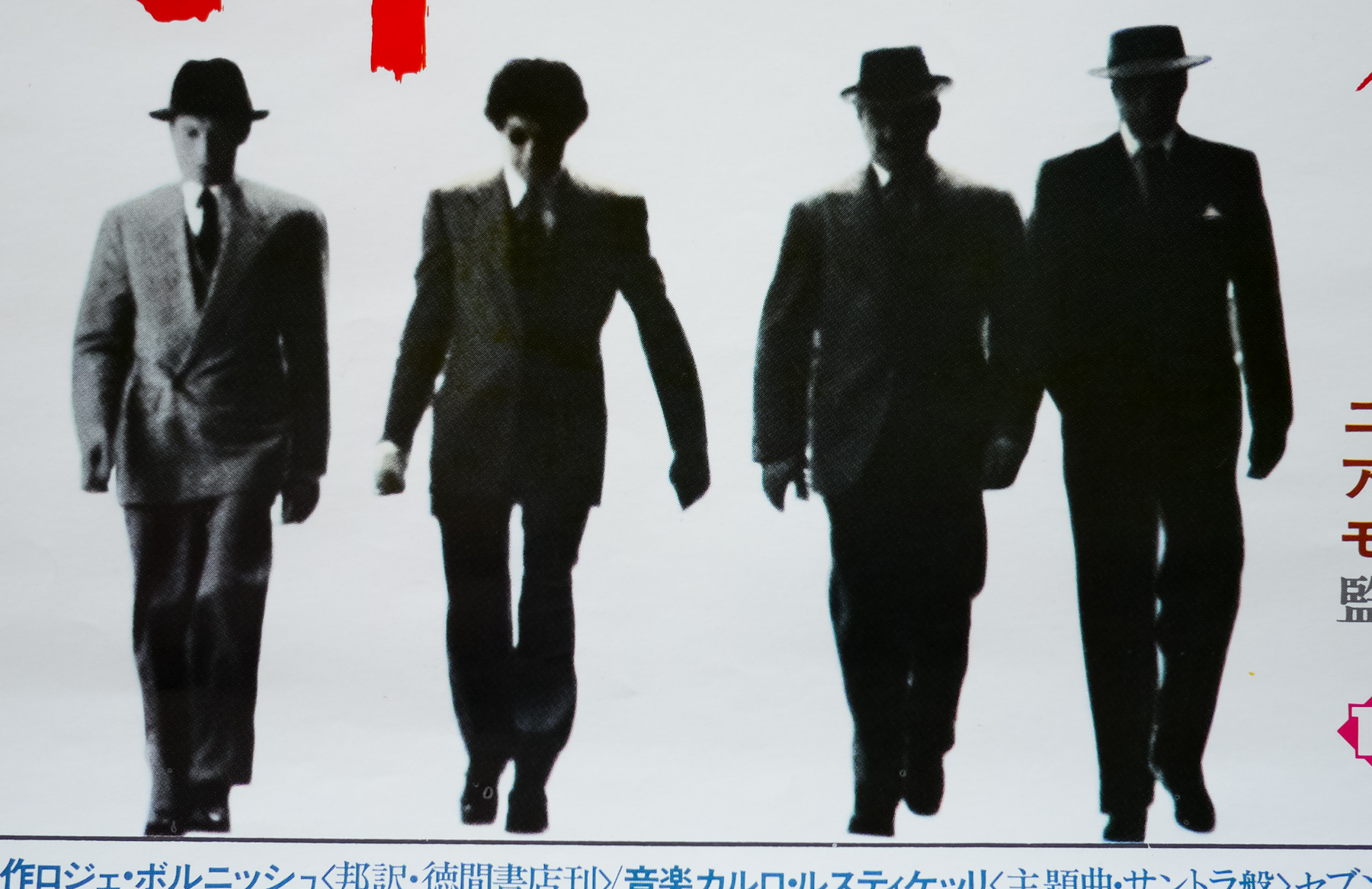
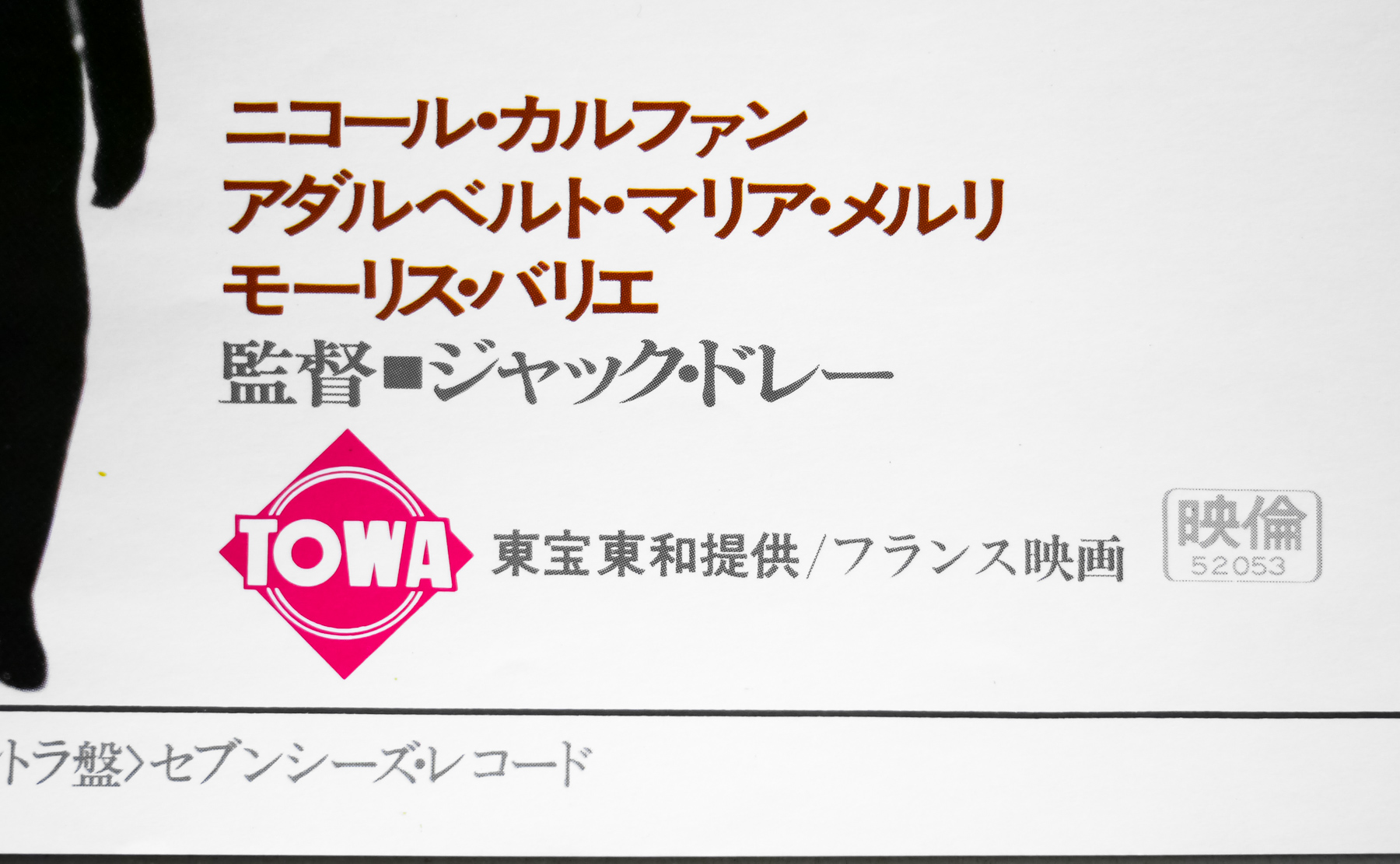
This is one of two Japanese B2 posters (that I’m aware of) for the release of the 1977 crime drama Le Gang. The film was an Italian-French co-production and was directed by Jacques Deray, a Frenchman who helmed a number of crime thrillers during his career. French superstar Alain Delon, who collaborated with Deray on a number of similar films, plays the leader of the titular gang of criminals. The story is set in France during the 1940s and the plot, apparently based on true events, is described thusly on IMDb:

In 1945, as World War Two comes to a close, five small time crooks unite to form a gang. After several bold robberies they become notorious as “the front-wheel drive gang”. The police attempt to stop their crime spree with little success, but how long will their luck last?

The other style B2 can be seen on emovieposter.com here.

Live and Let Die / B2 / Japan

31.03.14

Poster Poster

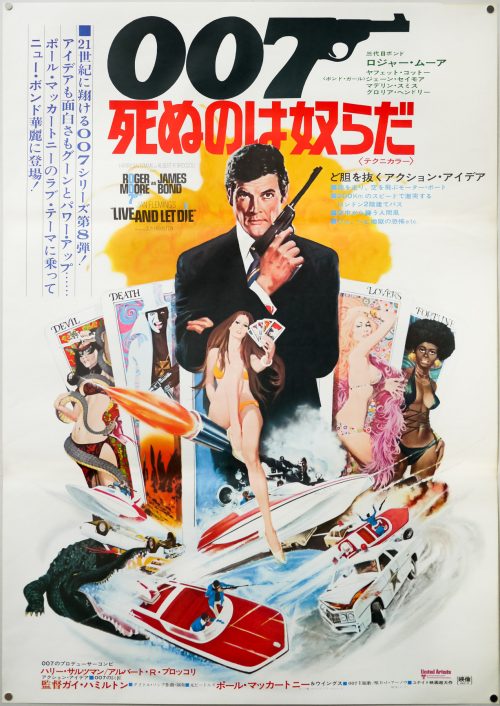
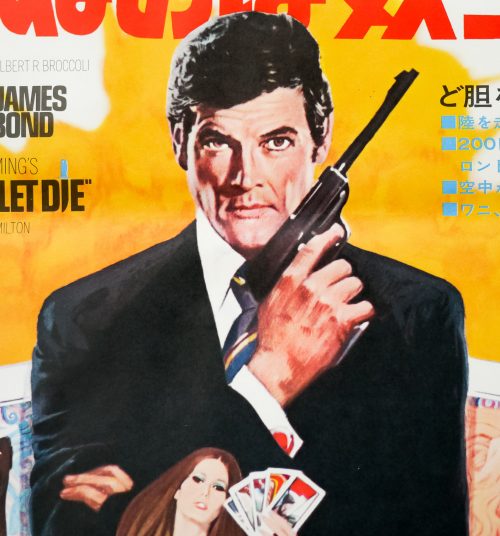
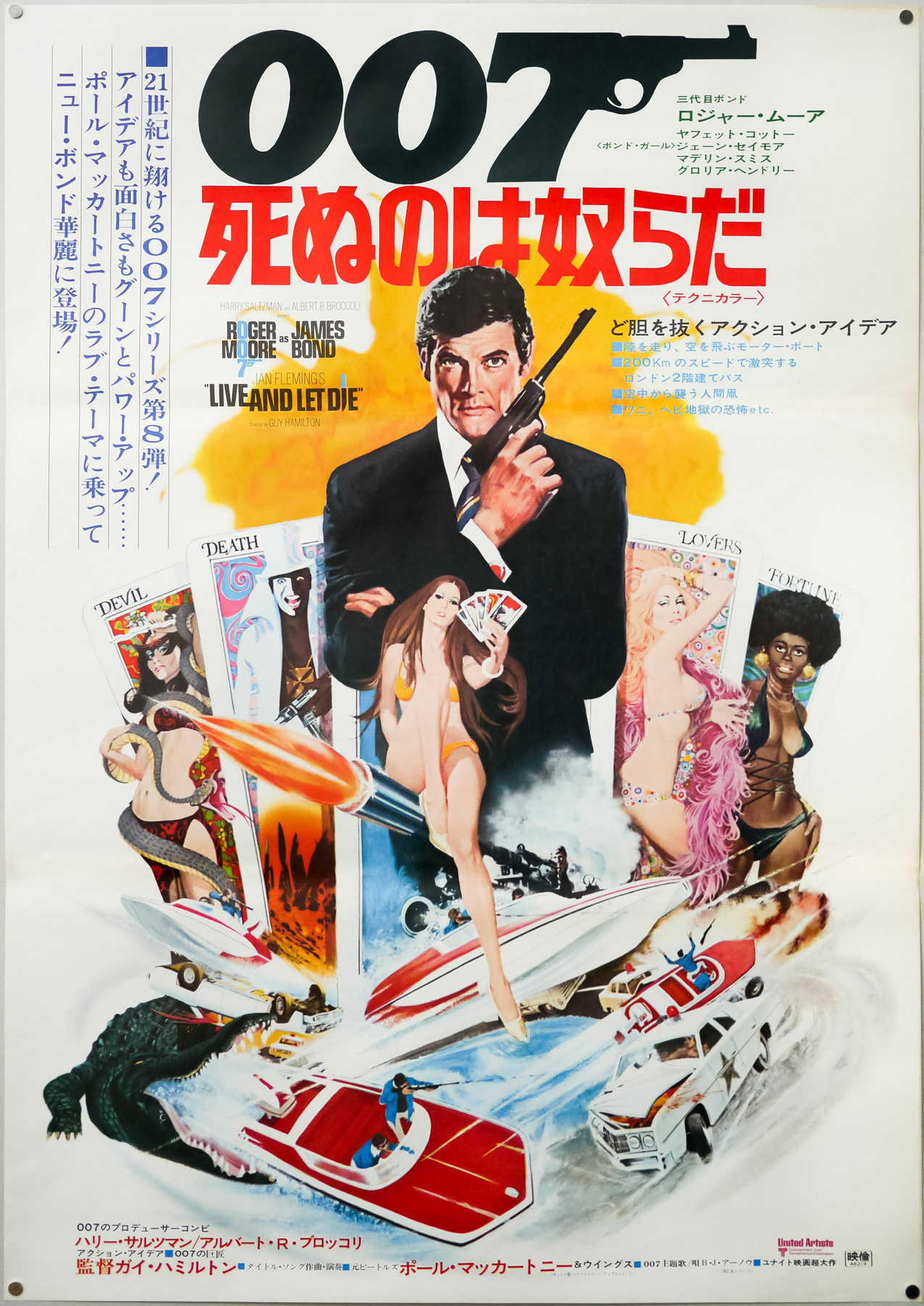
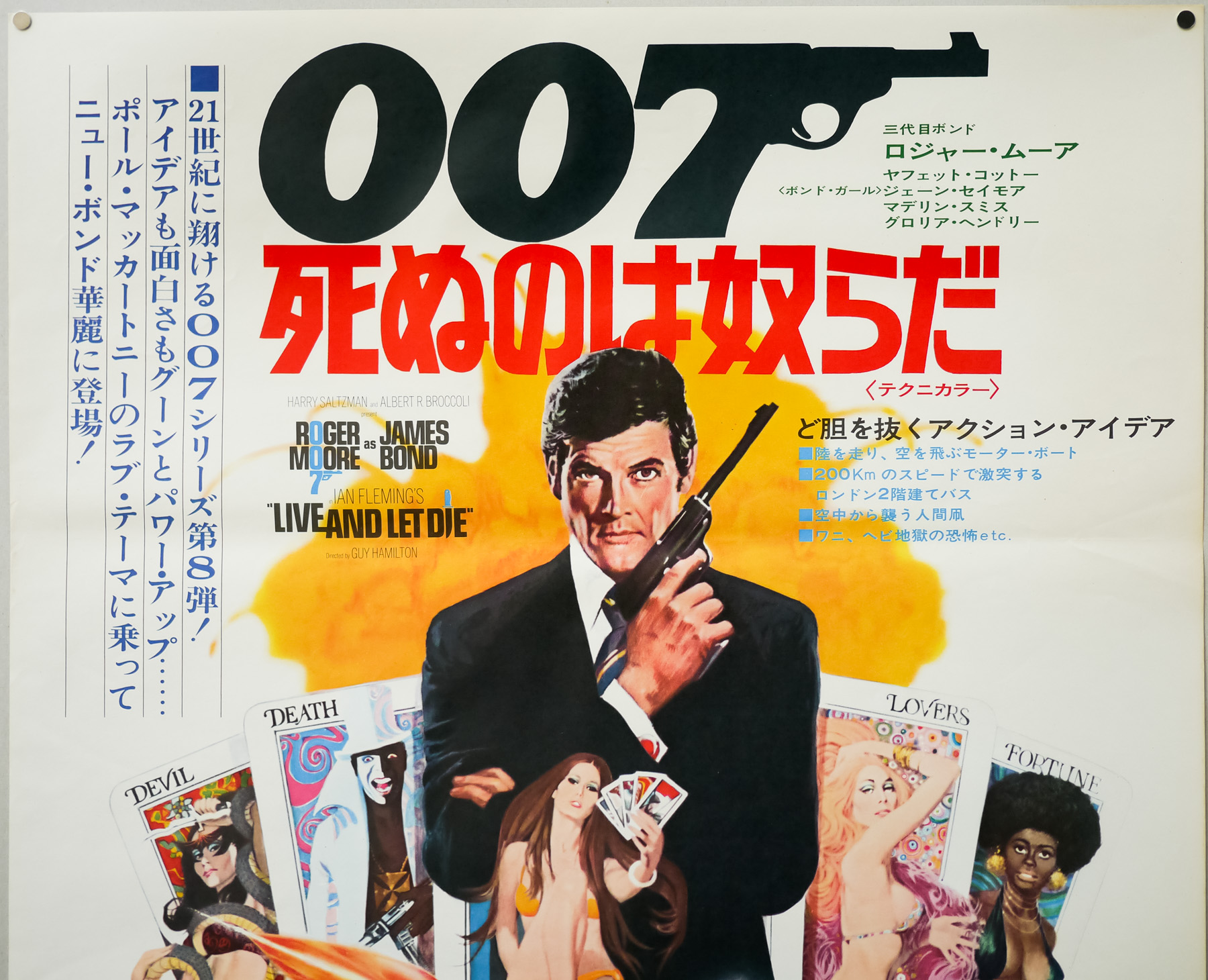
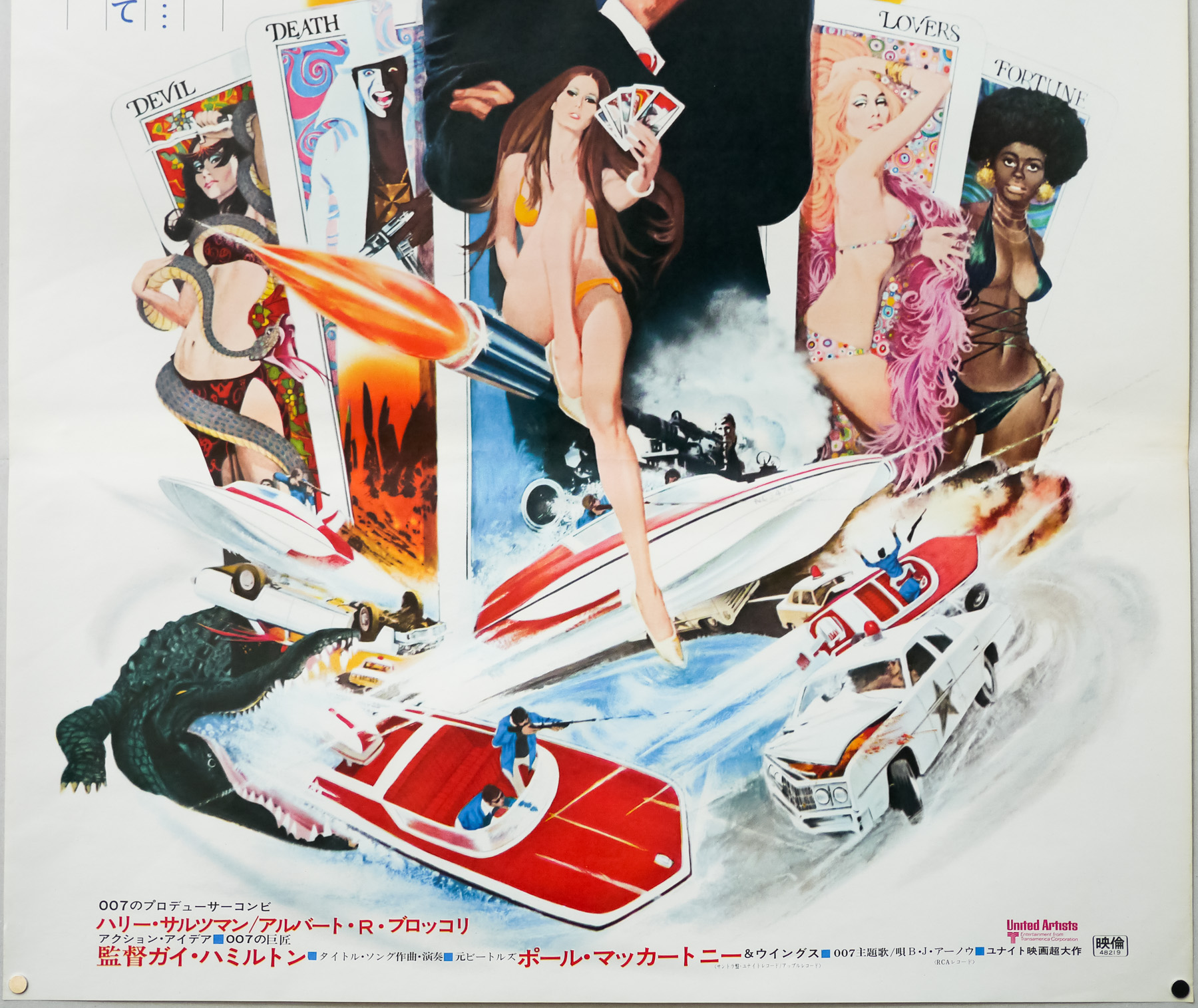
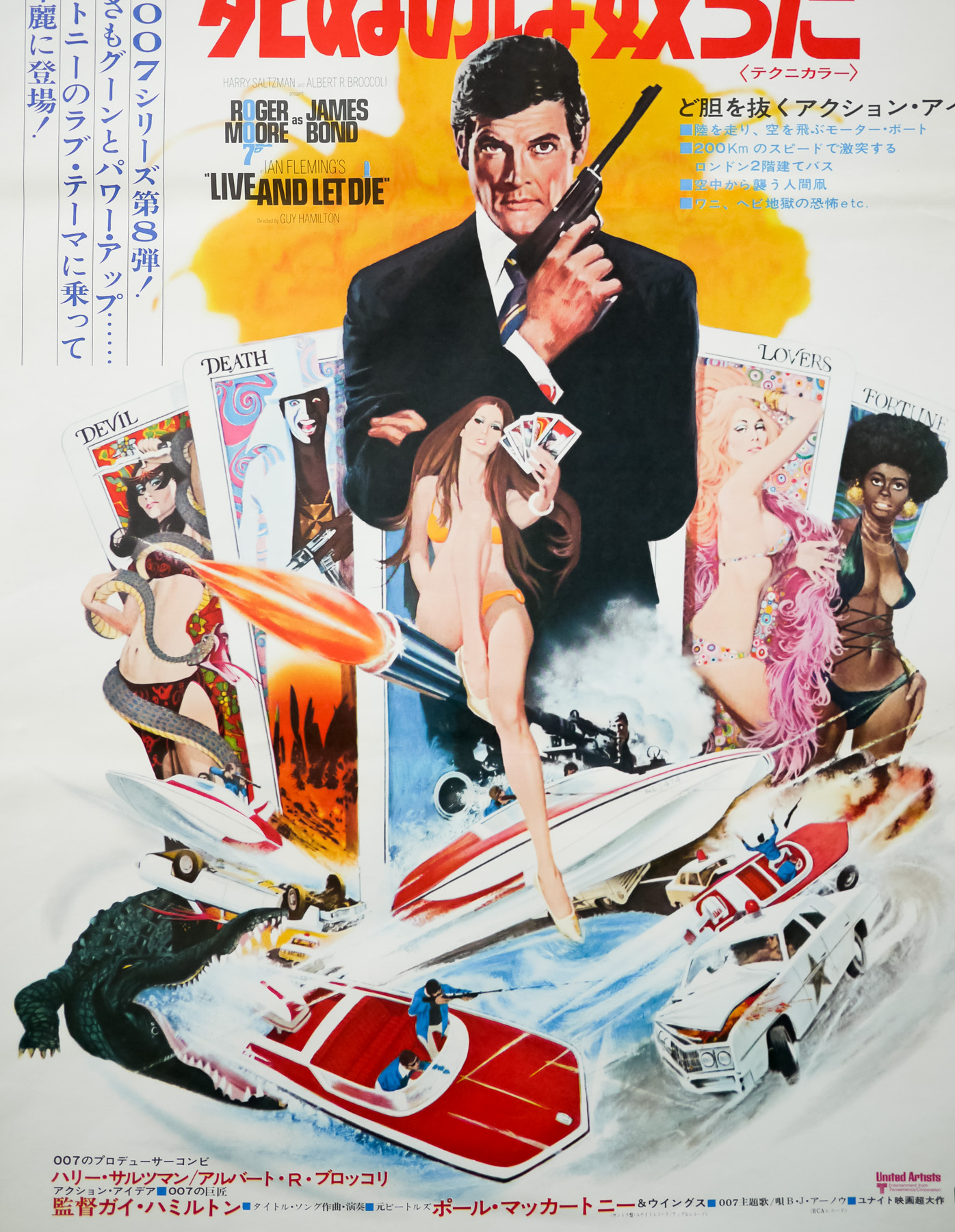
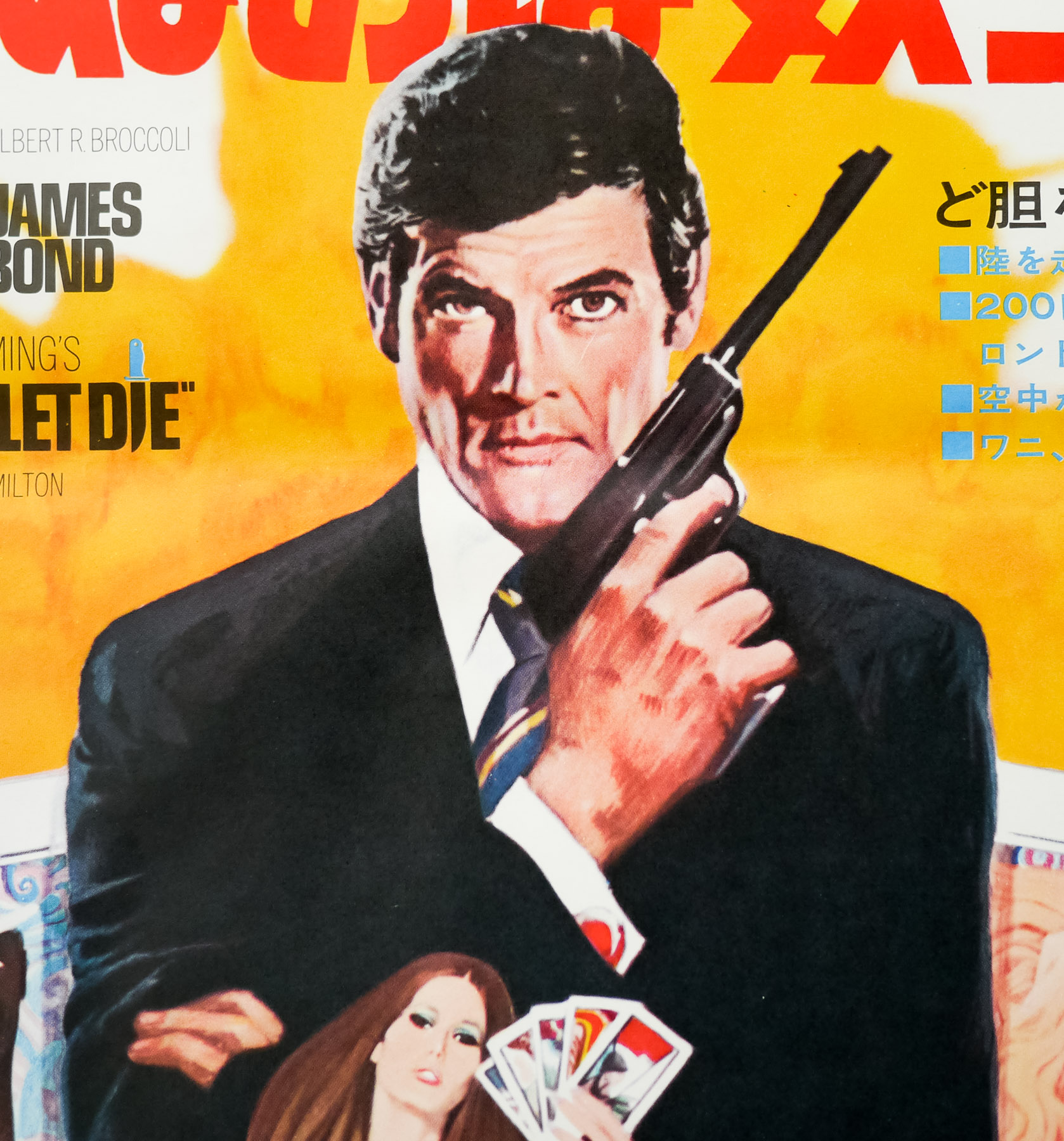
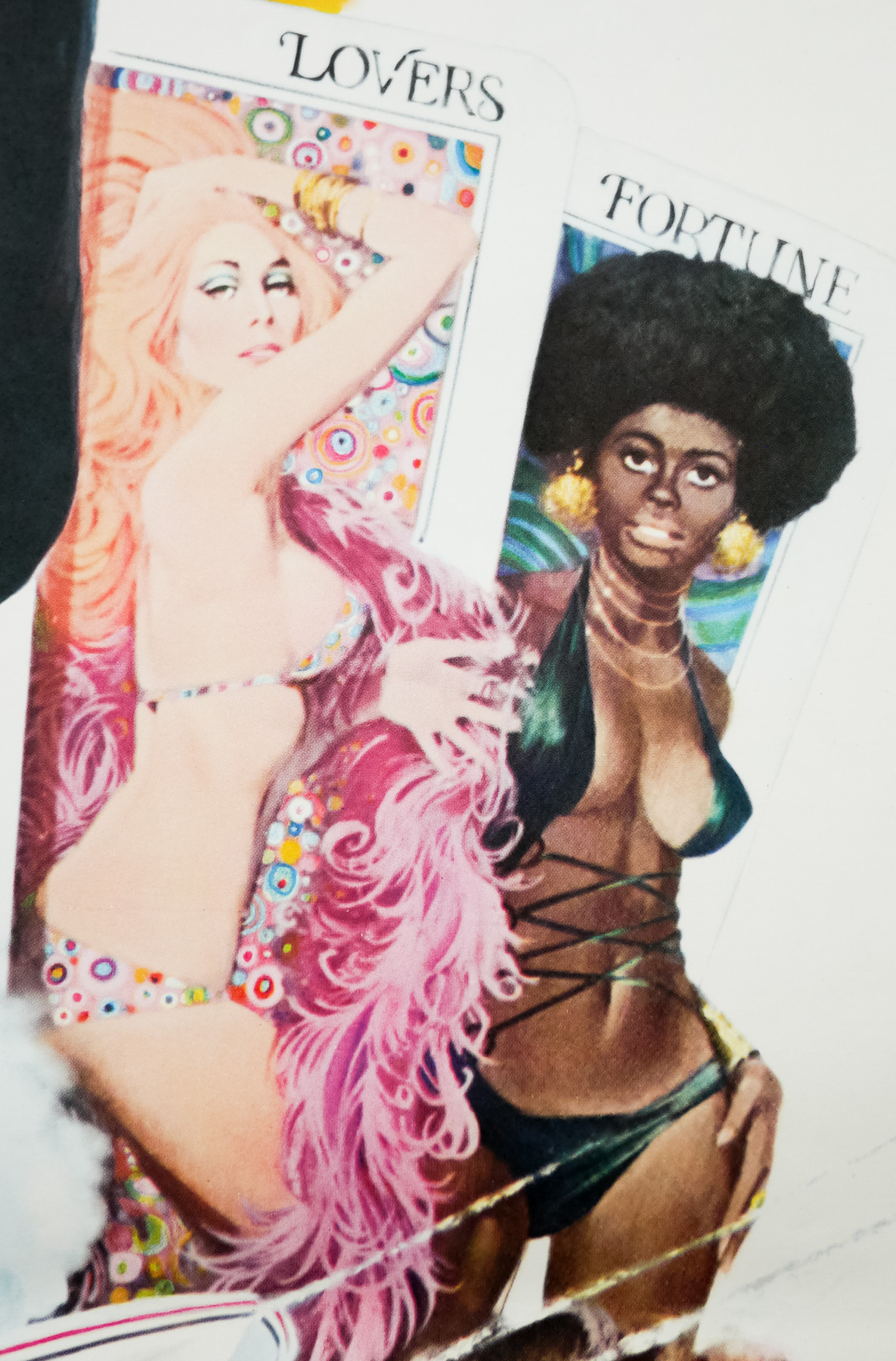
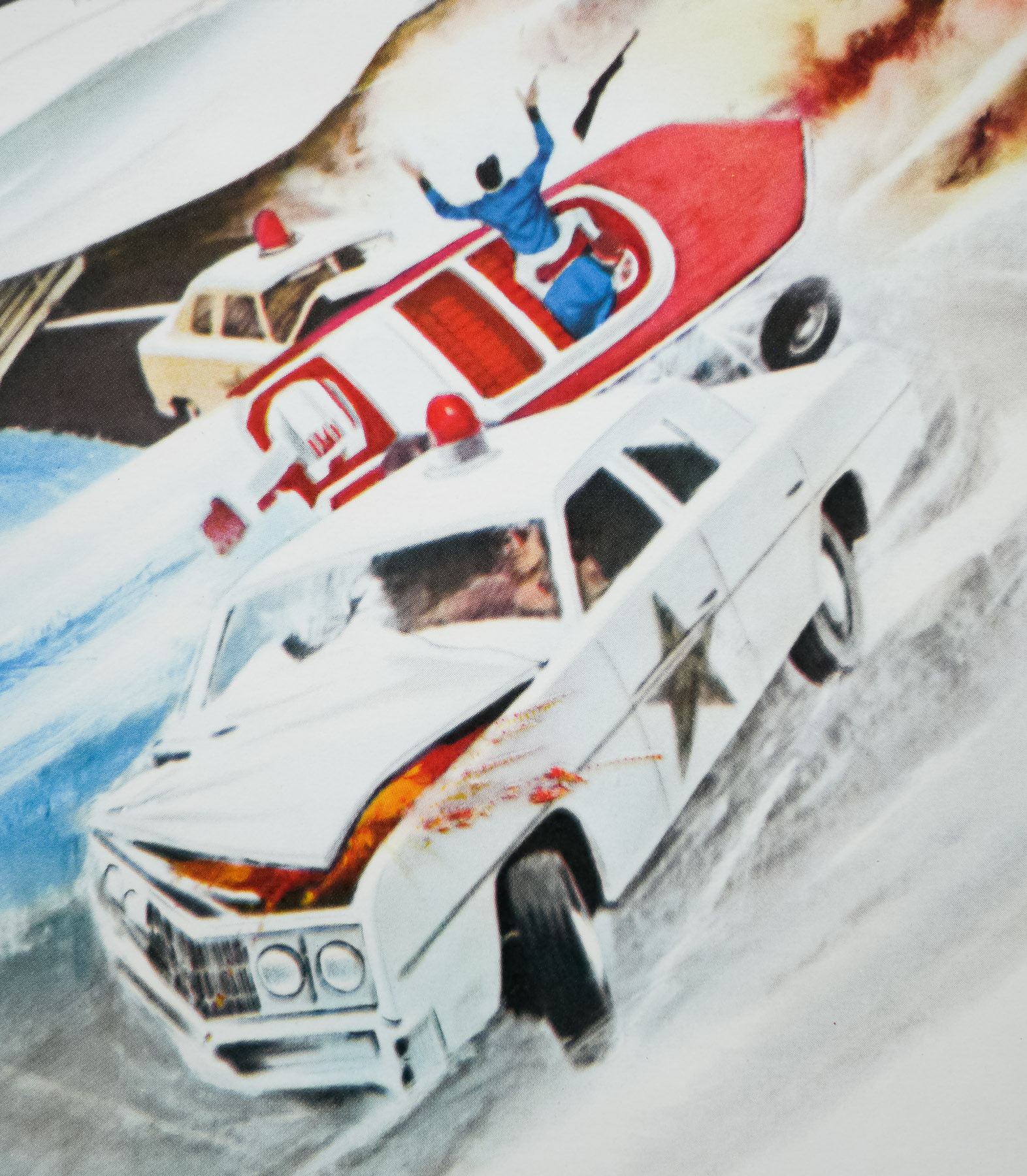
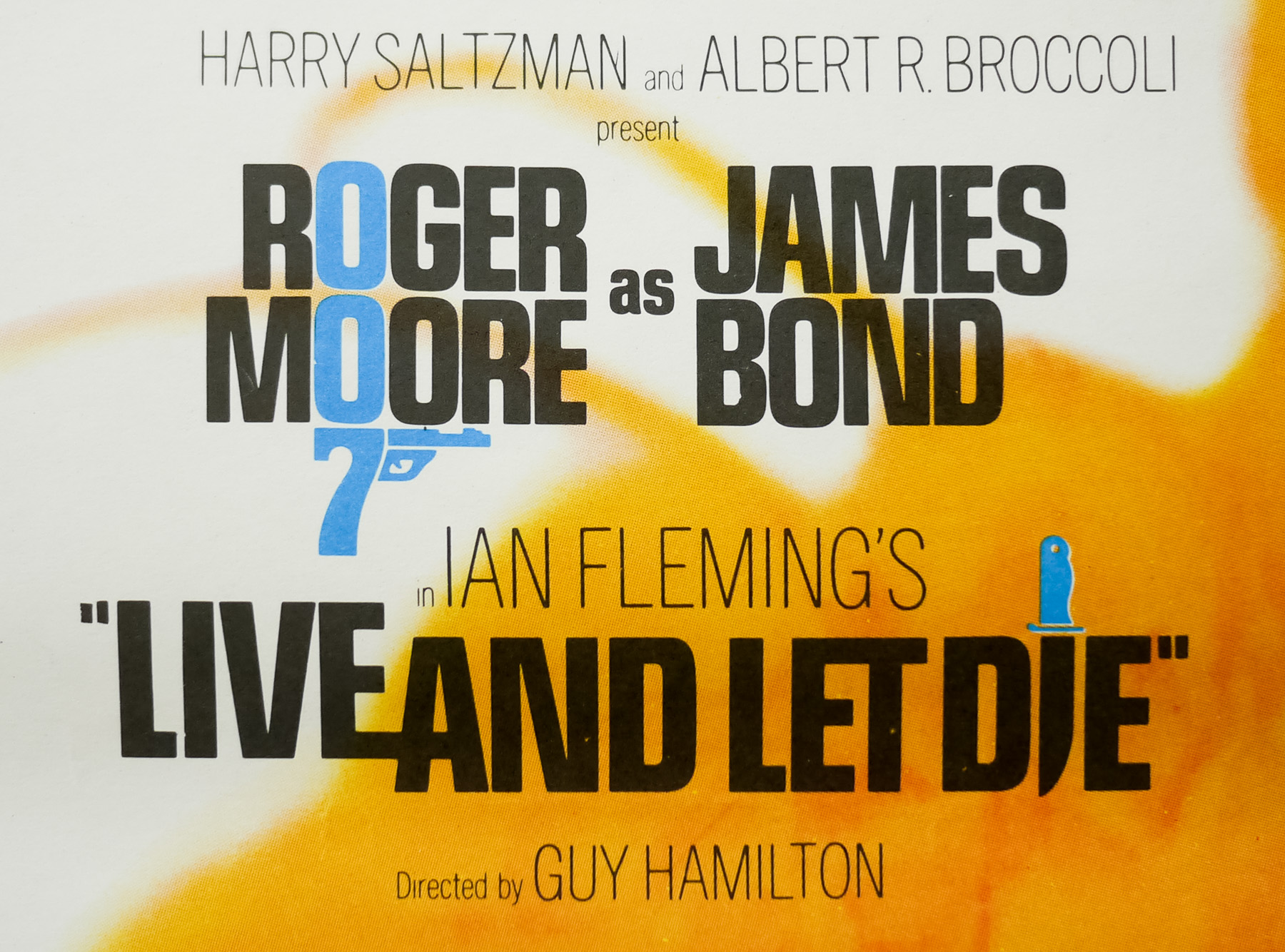
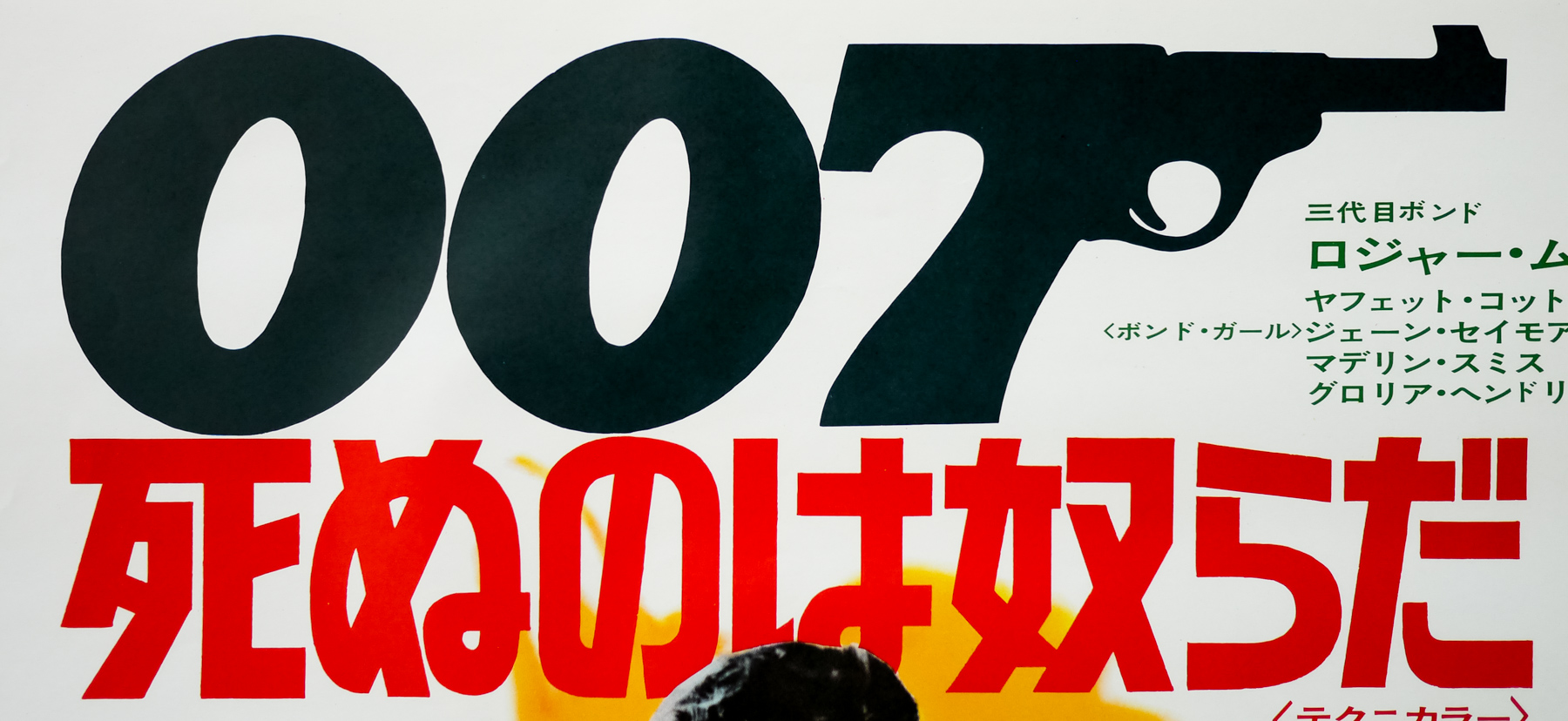
This is the Japanese B2, featuring artwork by the great Robert McGinnis, for the first (and my favourite) Roger Moore-starring James Bond film, Live and Let Die. Along with the others in the series I probably saw the film on TV about fifteen times and can vividly recall many of the best scenes. Like British comedian and director Joe Cornish admitted when interviewing Roger Moore, his Bond films are responsible for many of my first ‘awakenings to the delights of the female form’ (being a young teenager at the time it would have been shown). The gorgeous Jane Seymour who plays ‘Solitaire’ is definitely responsible for putting at least a couple of hairs on my chest, as it were.

Robert McGinnis is responsible for some of the best James Bond posters, including Thunderball,  The Man With the Golden Gun and Diamonds are Forever as well as multiple other classic posters from the 60s, 70s and 80s. He was born in Cincinatti, Ohio in 1926 and was given an apprenticeship at Walt Disney studios before studying fine art at Ohio State University. After serving in the Merchant Marines during World War II, he started work in the advertising industry and later moved into painting book jackets for several notable authors, as well as editorial artwork for the likes of Good Housekeeping, TIME and The Saturday Evening Post. McGinnis’ first film poster was the now iconic one sheet for Breakfast at Tiffany’s, painted in 1962, and he went on to paint over 40 others during his career, including one for The Incredibles in 2004.

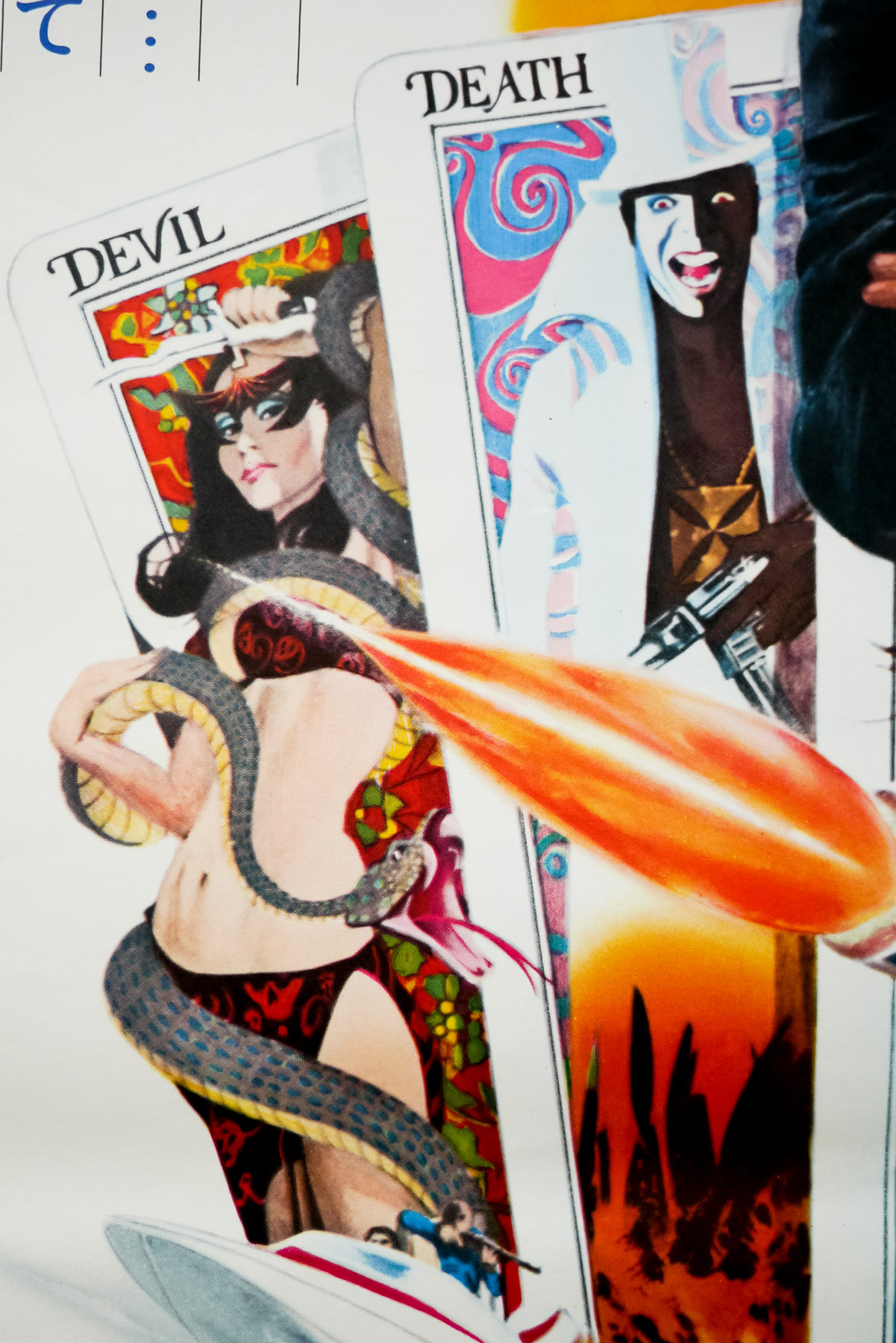
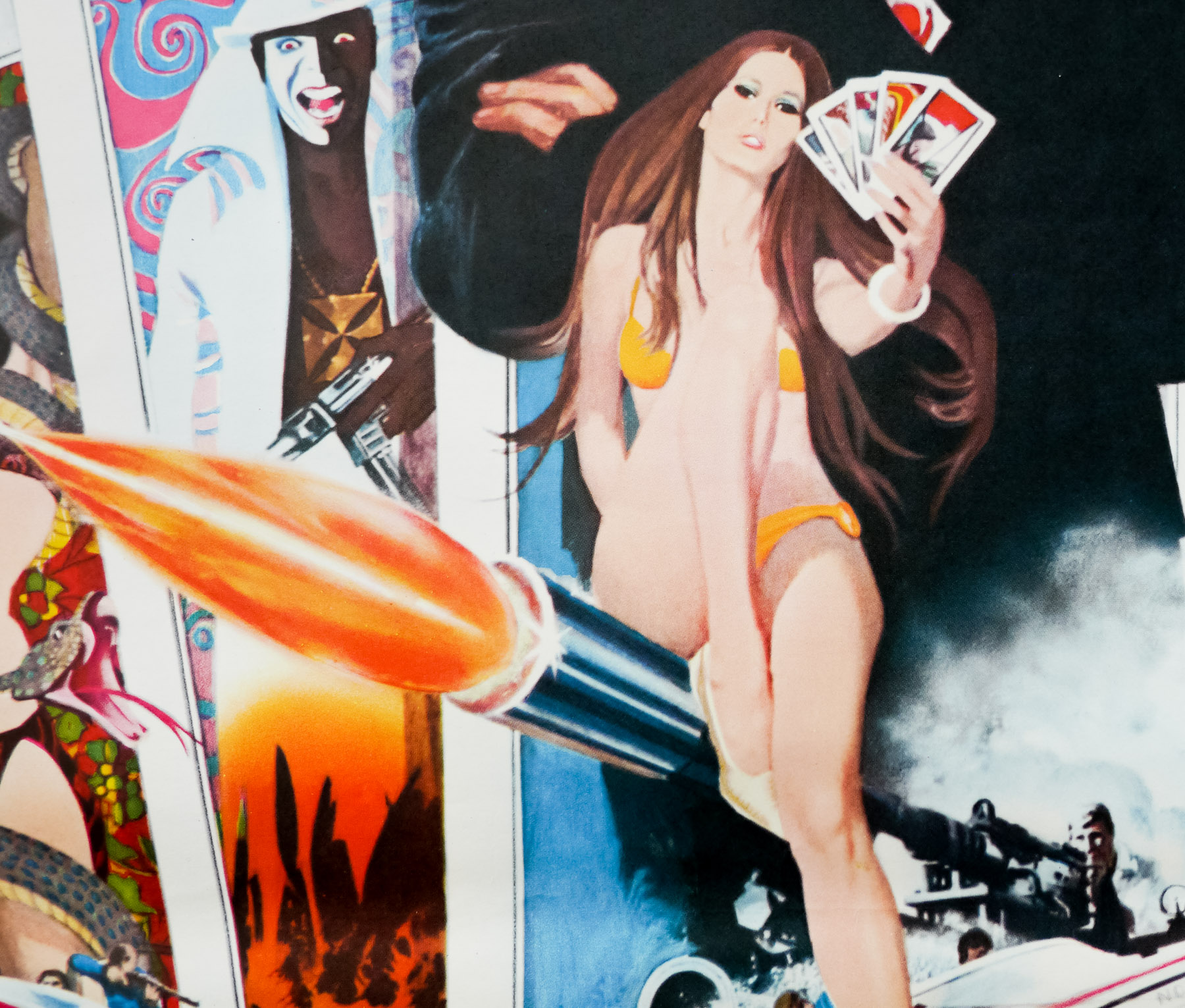
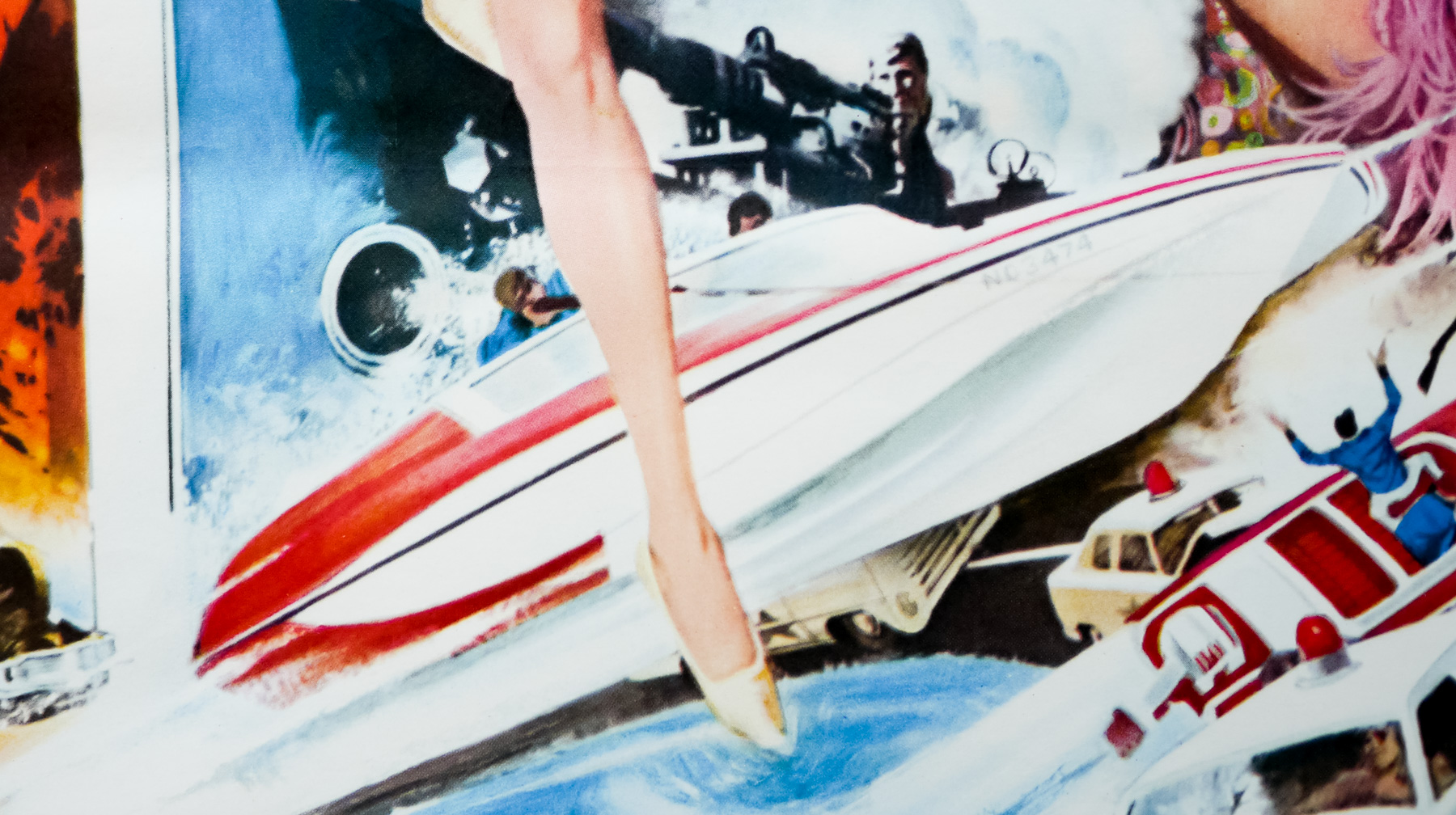
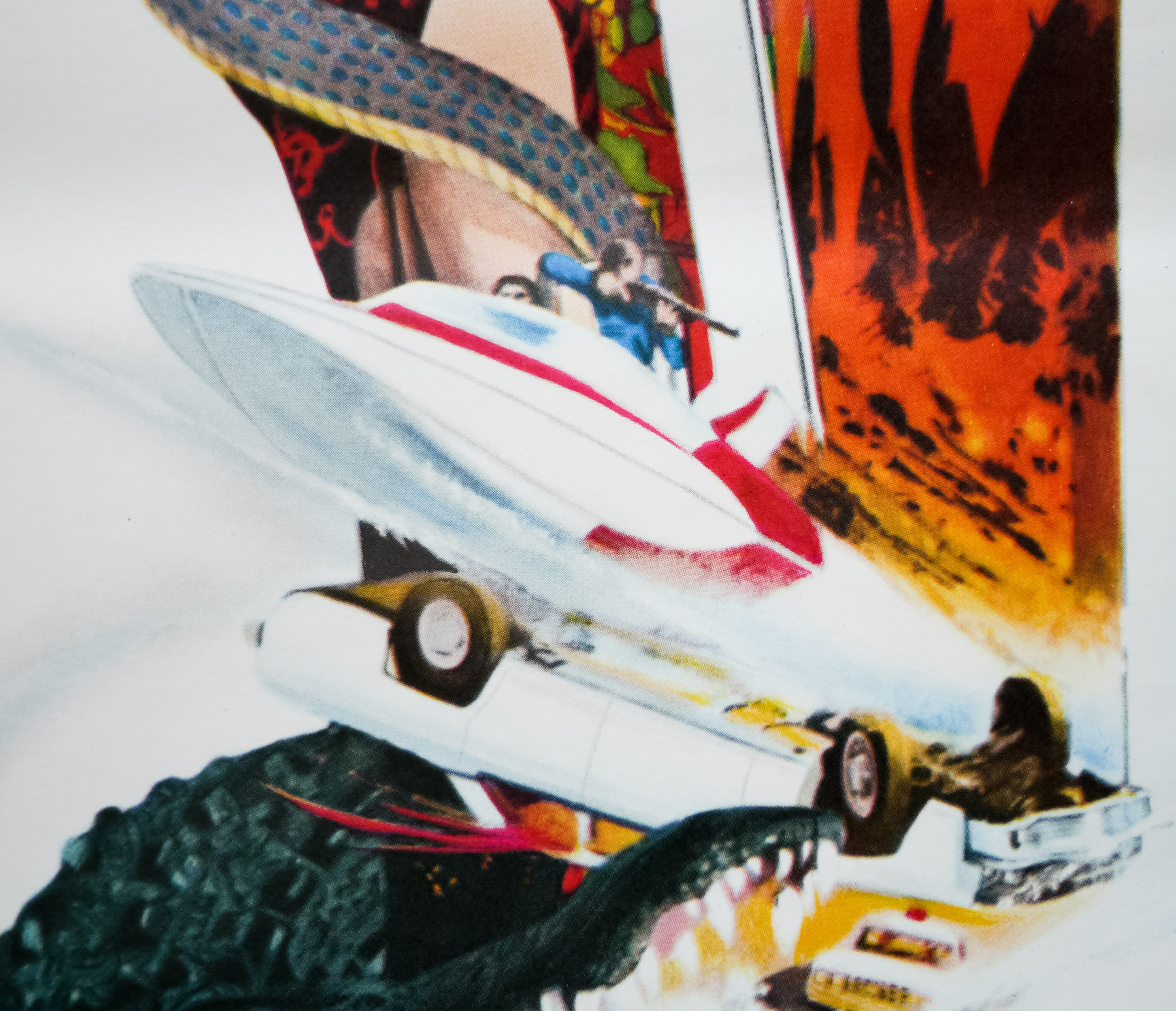
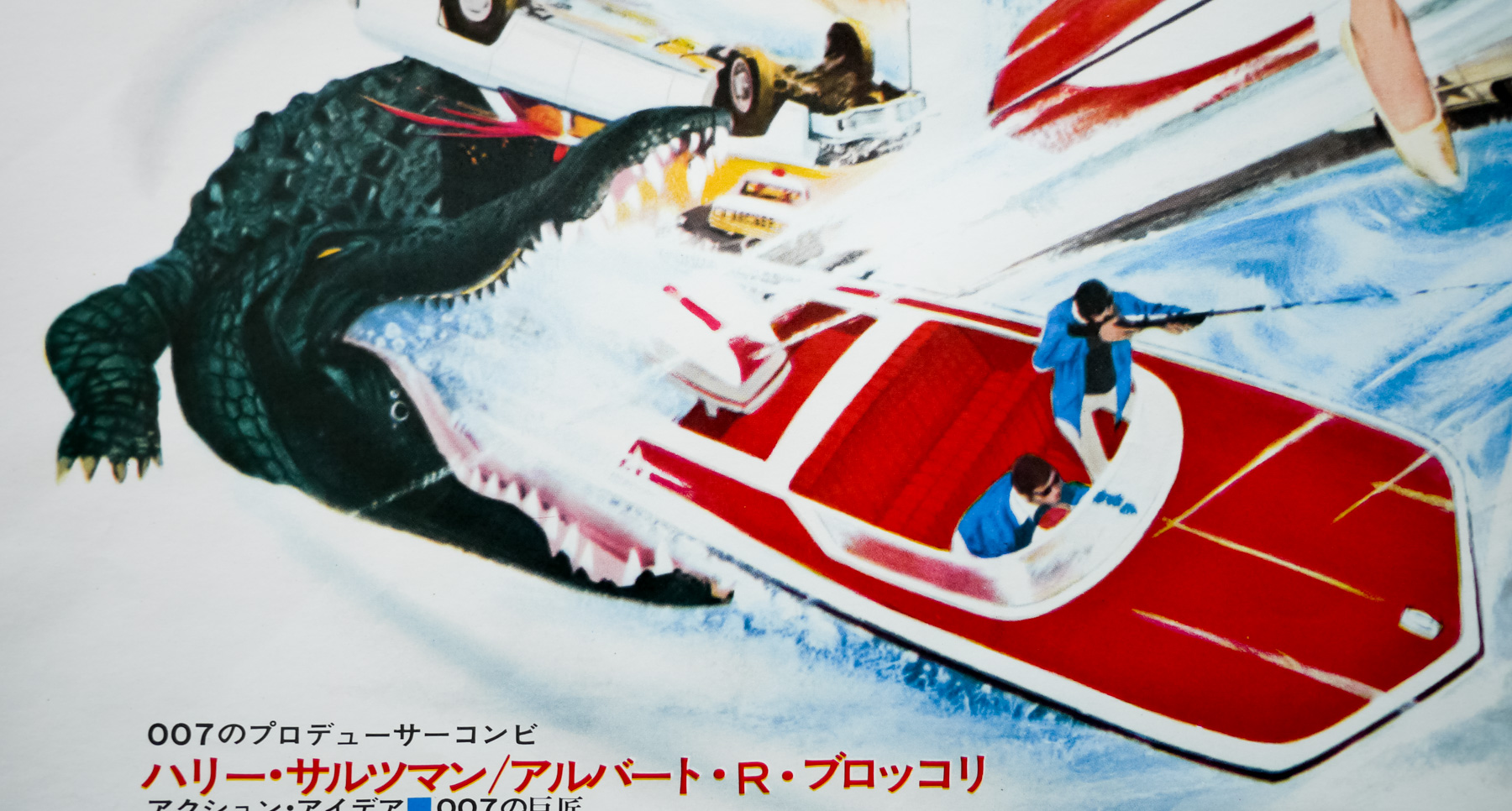
The artwork on this B2 poster isn’t identical to the US one sheet (the art of which was used worldwide) and it’s not clear whether the original art was painted over or whether it was repainted entirely. Some examples on the Japanese poster include the ‘Devil’ missing the doll from her hand and the alligator being given a yellow eye.

To see the other posters I’ve collected that were painted by McGinnis click here and to see the other James Bond posters in the Film on Paper collection click here.

Octopussy / B2 / final style / Japan

21.07.14

Poster Poster

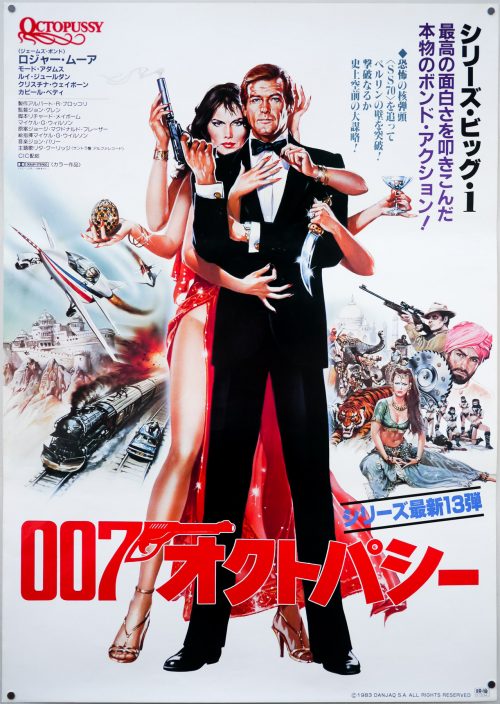
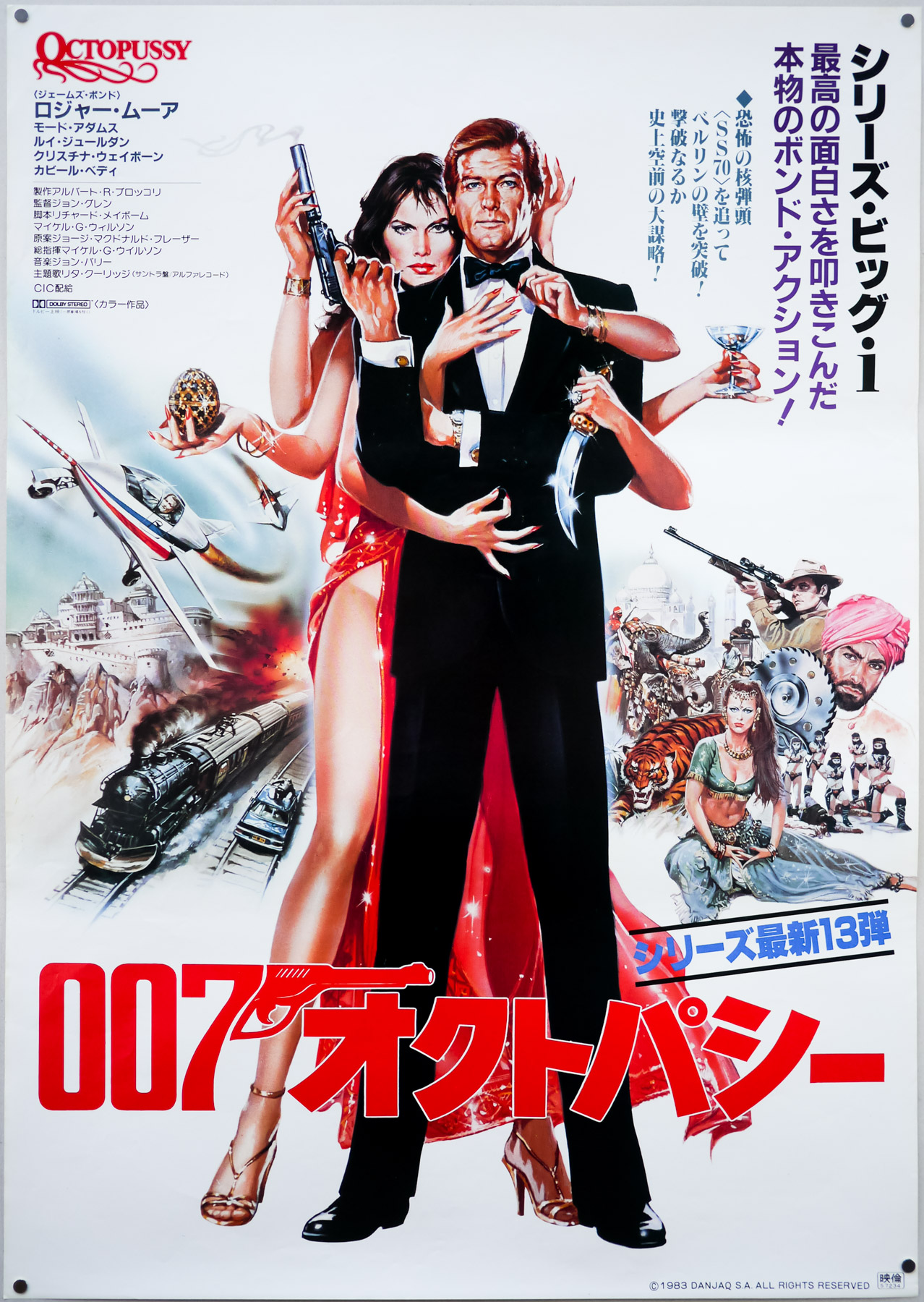
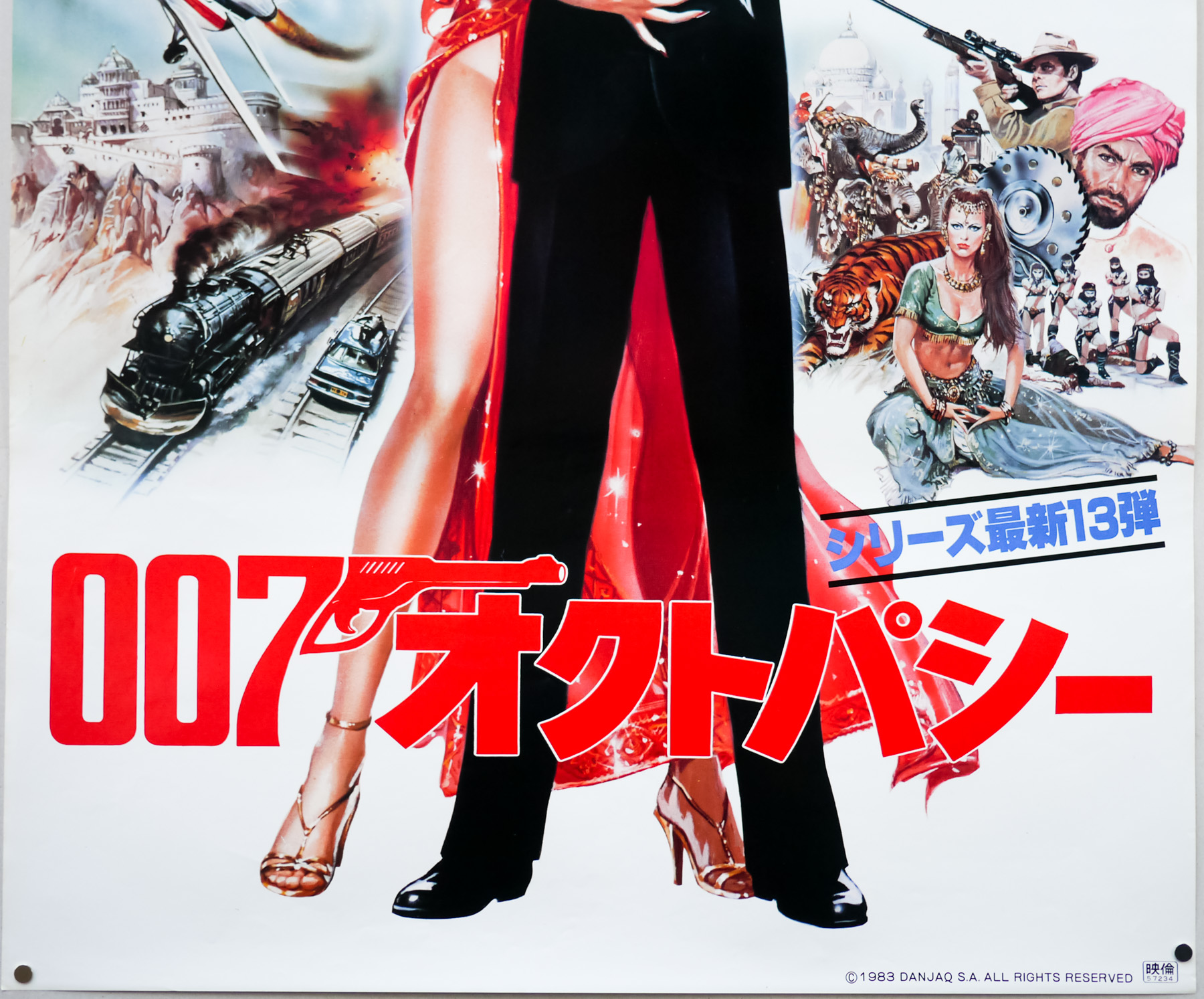
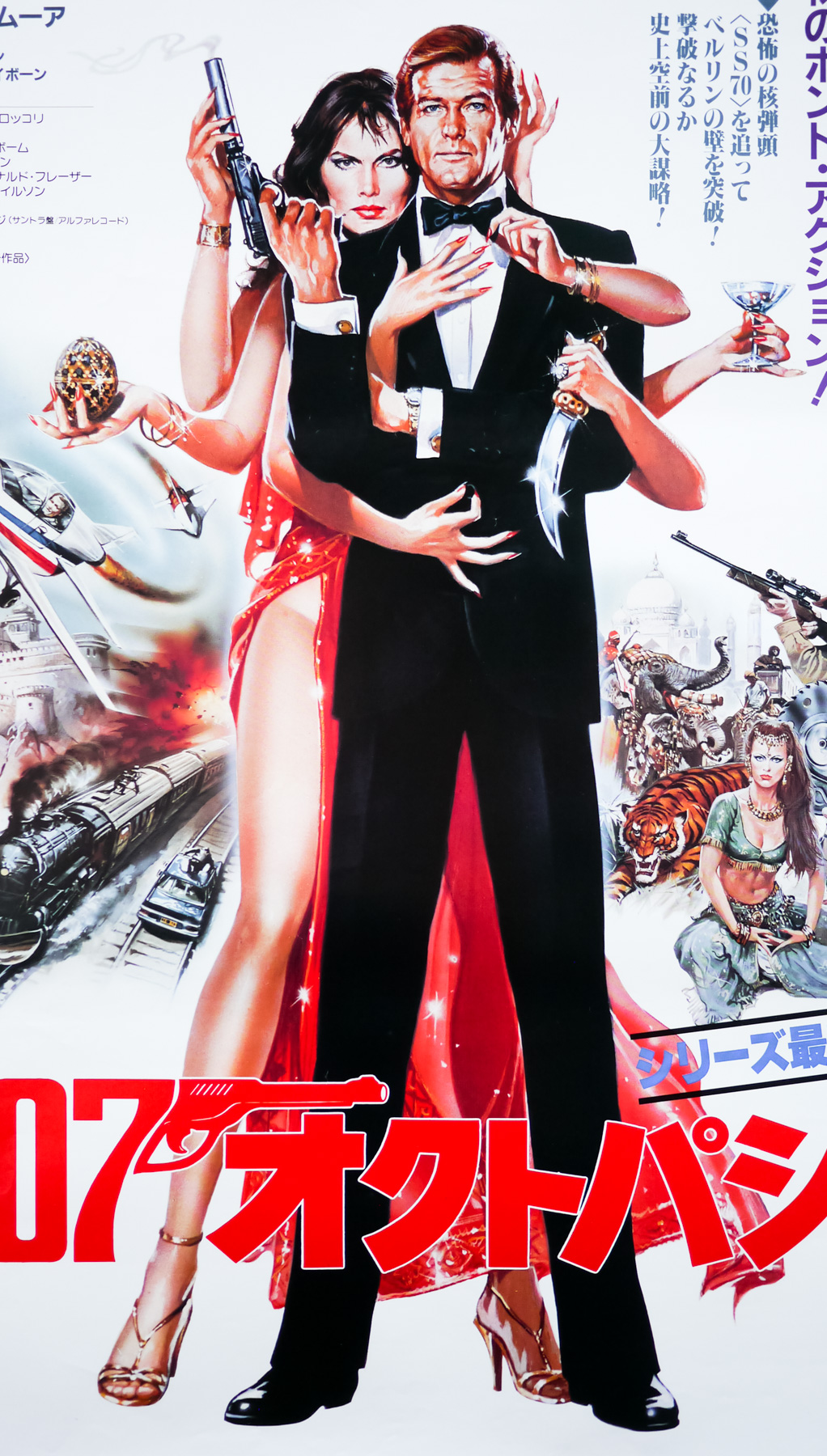
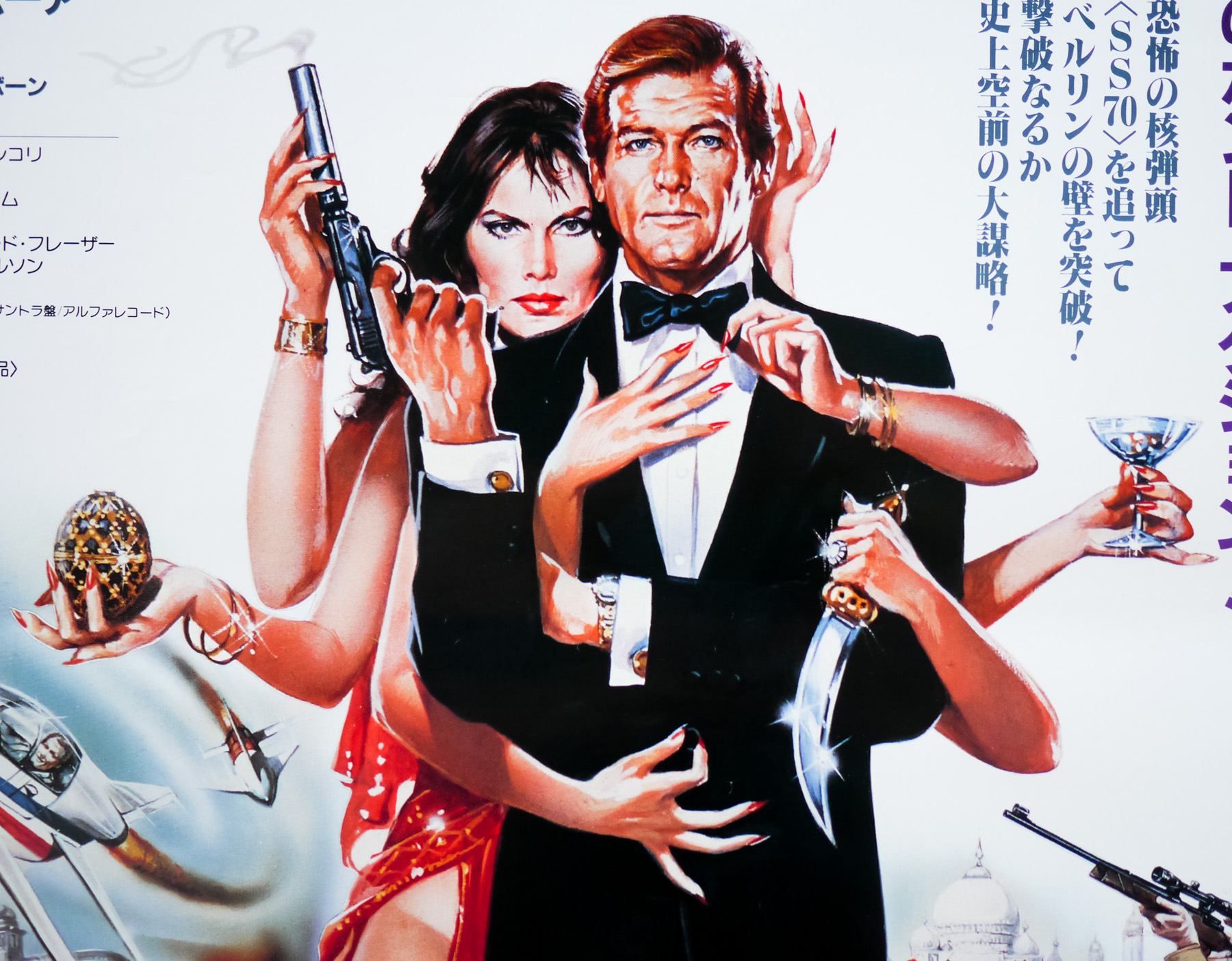
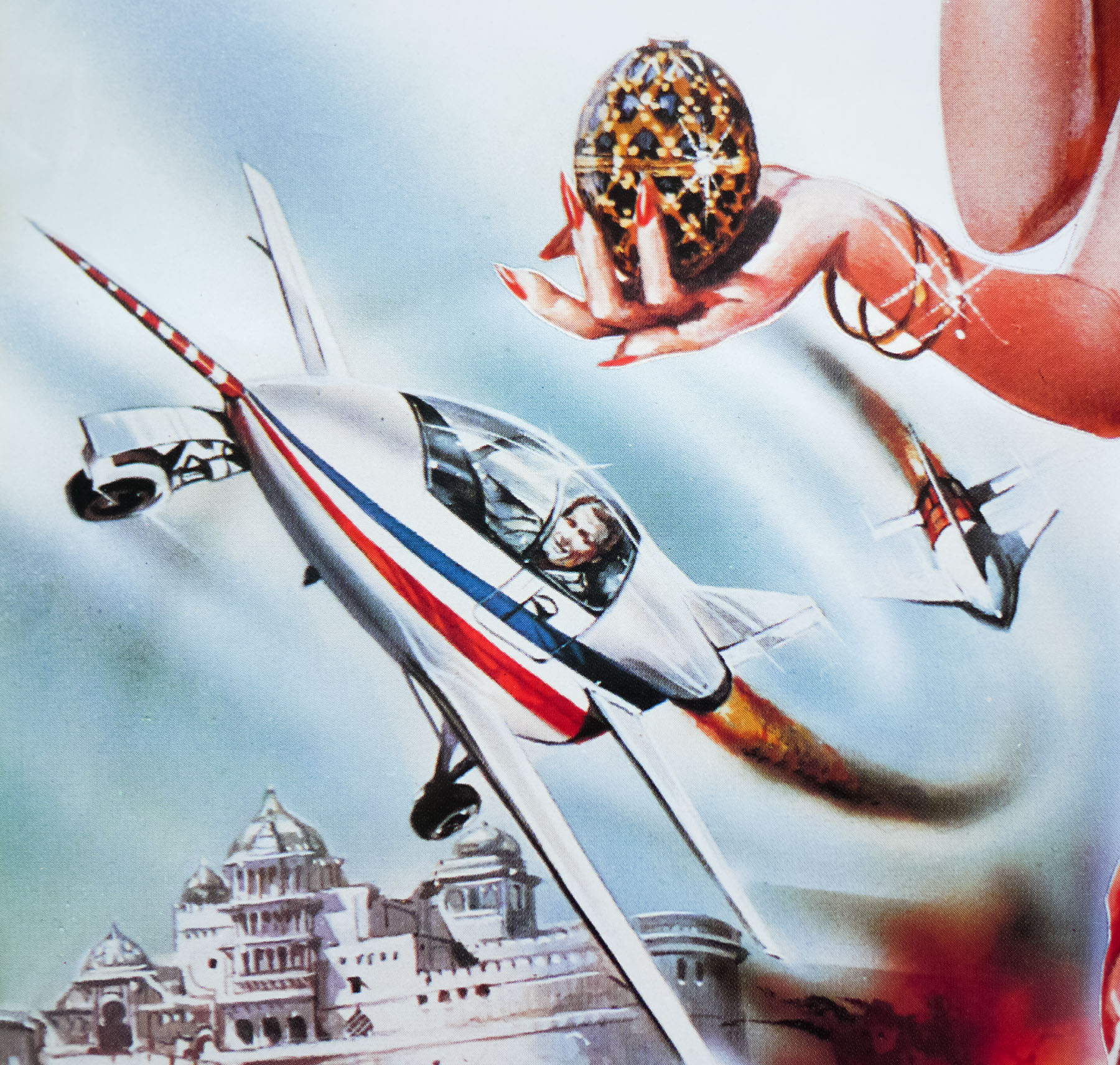
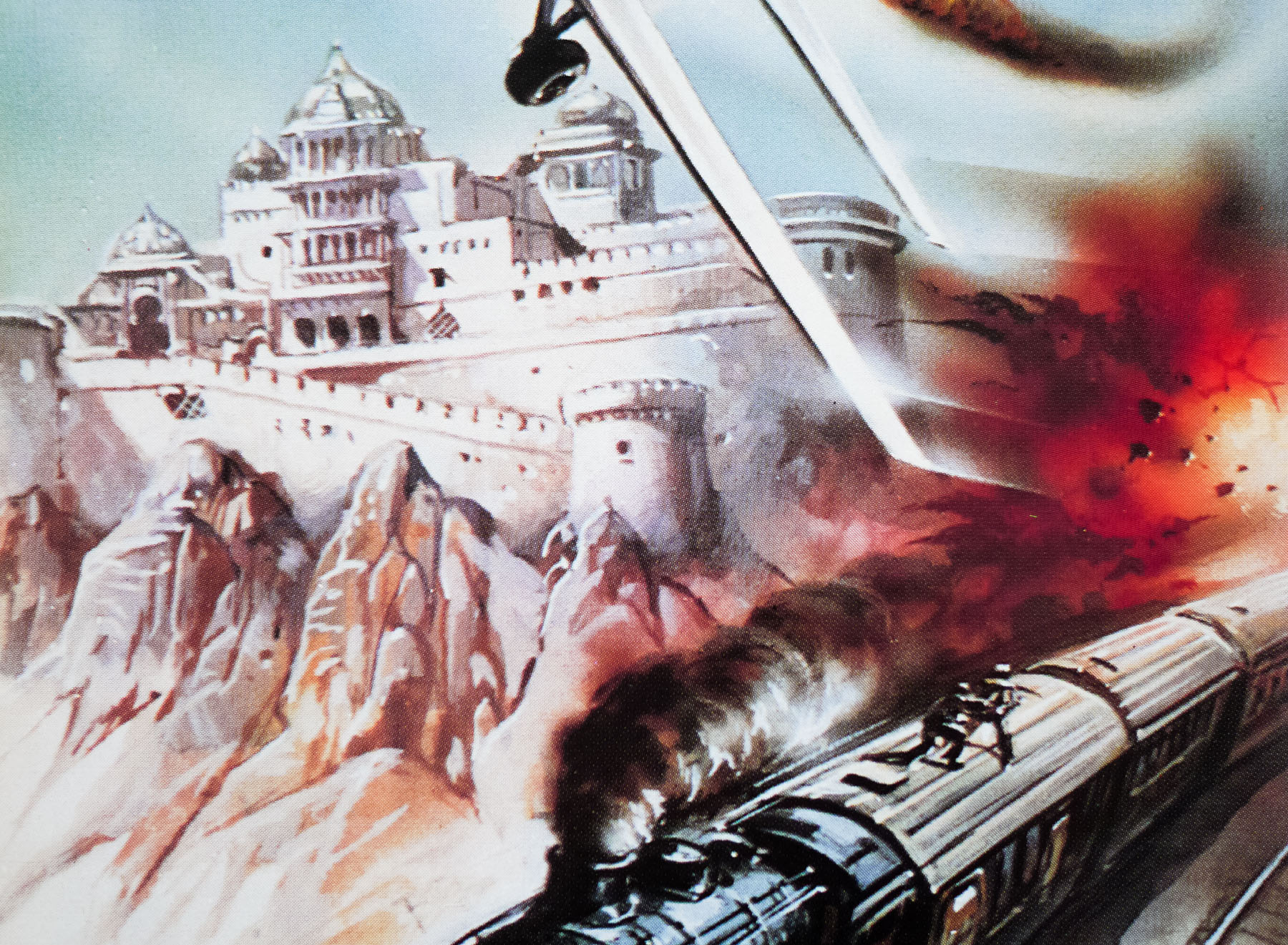
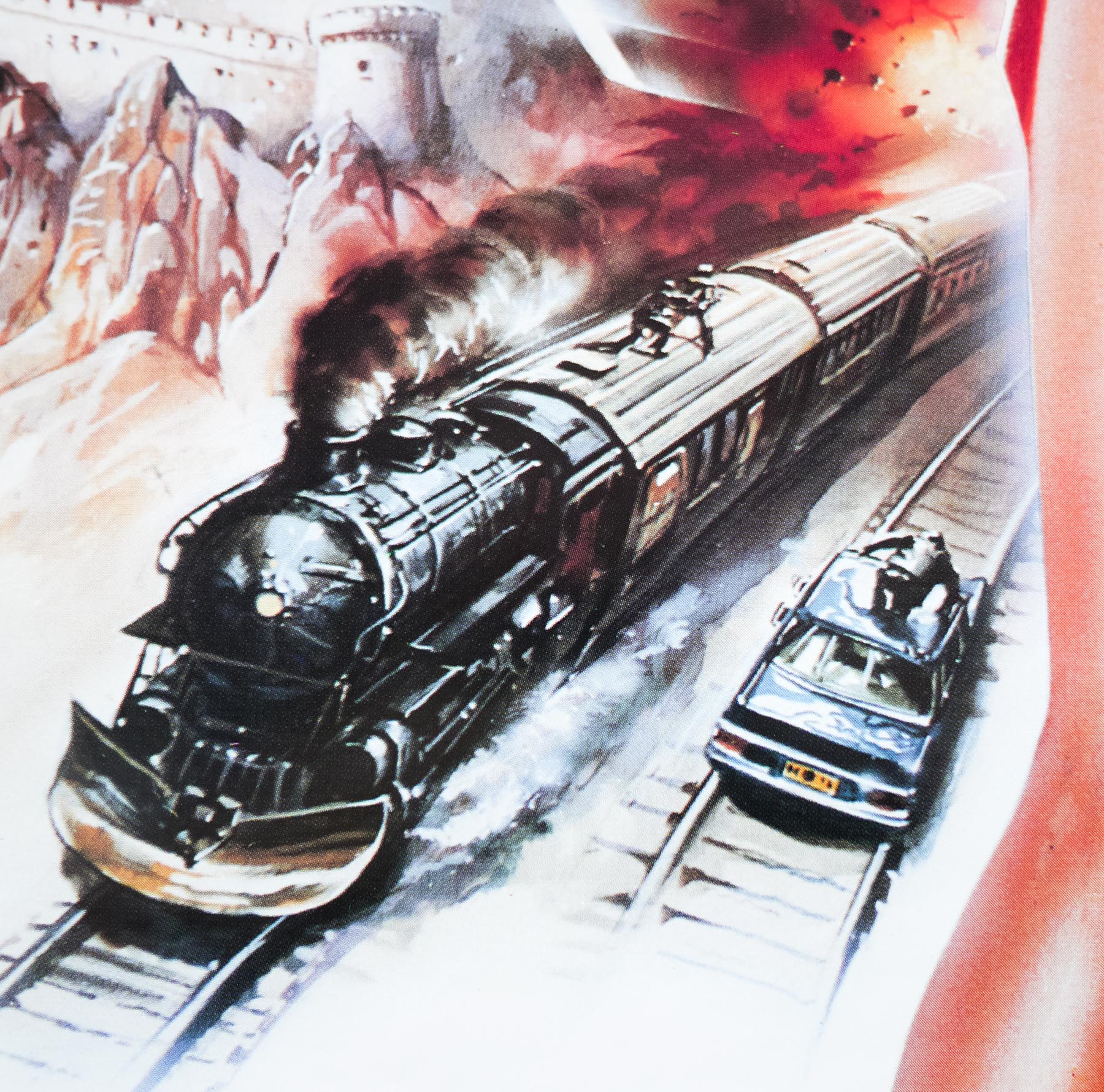
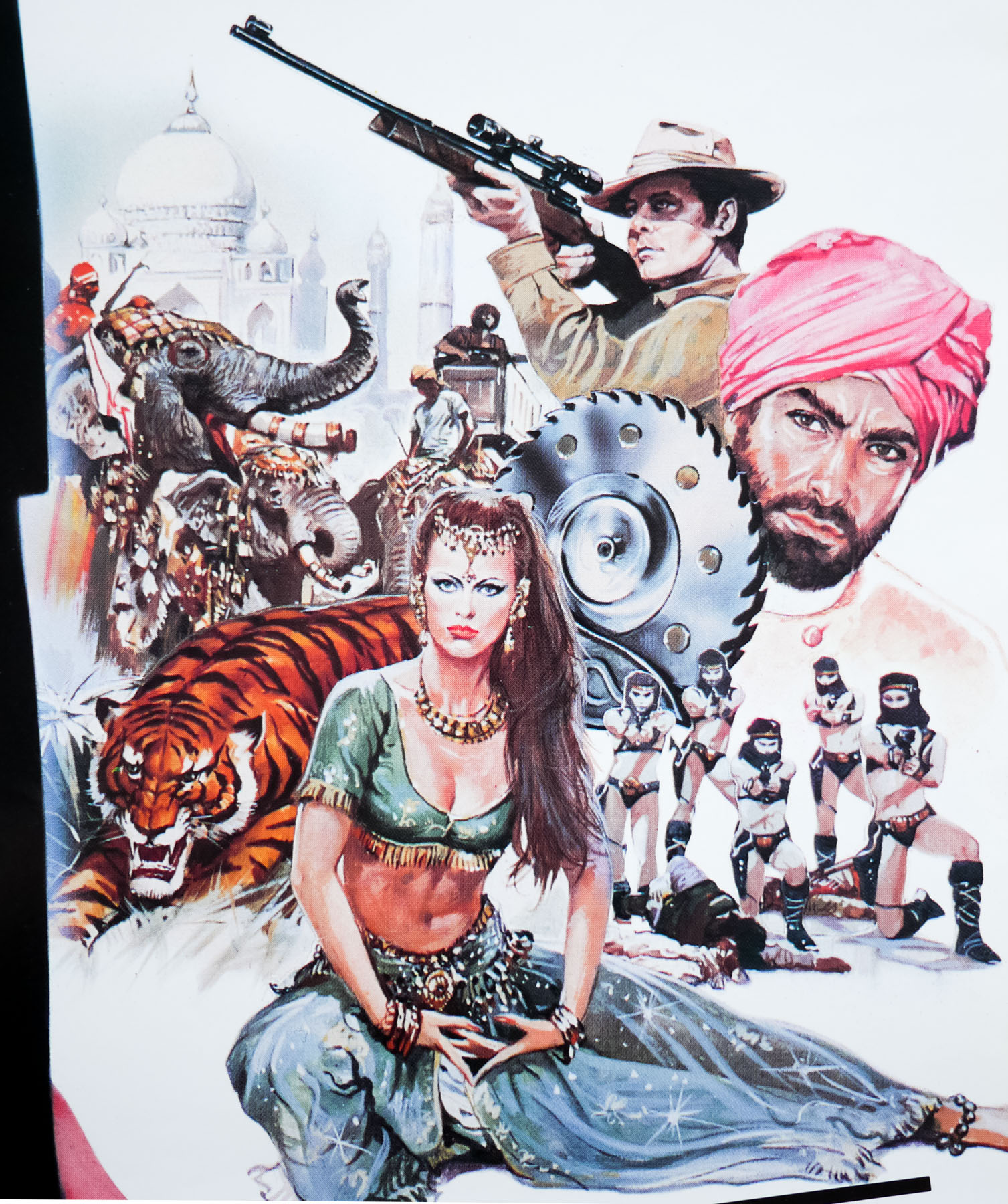
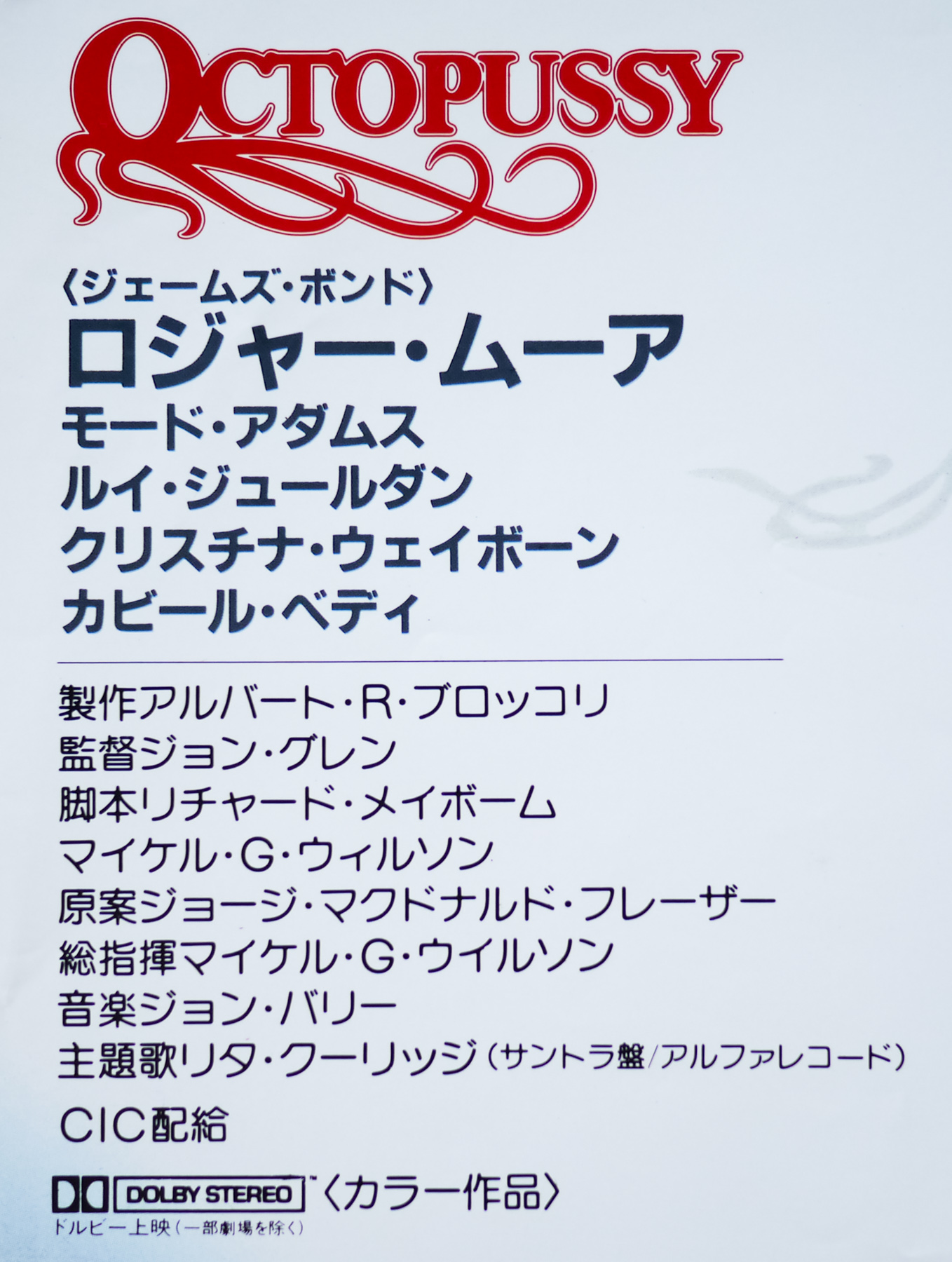
This is the Japanese B2 for Roger Moore‘s sixth outing as the legendary spy, 1983’s Octopussy. Considered by many to be one of the weaker entries in the long-running series, the film nevertheless continued the more ‘realistic’ and down to earth approach that was taken for the previous entry, For Your Eyes Only (1981), following the over-the-top lunacy of Moonraker (1979). The story sees Bond sent to investigate the death of his fellow agent ’009′ who perishes in front of the British embassy in East Berlin clutching a copy of a priceless Fabergé egg. When the trail leads to an auction house in London where the real egg is to be sold, Bond enters a bidding war with the mysterious Afghan prince Kamal Khan (Louis Jourdan), forcing him to spend several times its listing price.

After following Khan back to his palace in Rajasthan, India, the spy eventually ends up in the clutches of Khan’s bodyguard Gobinda (an imposing Kabir Bedi) and, after escaping, discovers that the prince is working with a power-hungry Soviet general named Orlov (Steven Berkoff) who plans to detonate a nuclear bomb in a US Air Force base in Germany in order to destabilise Europe and expand Soviet borders. Bond heads to a palace on an Indian lake on the trail of Octopussy (Maud Adams), the enigmatic leader of an all-female cult and head of a travelling circus troupe that Khan and Orlov plan to use to smuggle the weapon into the base. Bond must convince Octopussy that Khan is only using her for his nefarious plot and sets out to prevent the bomb from detonating before Europe is plunged into chaos.

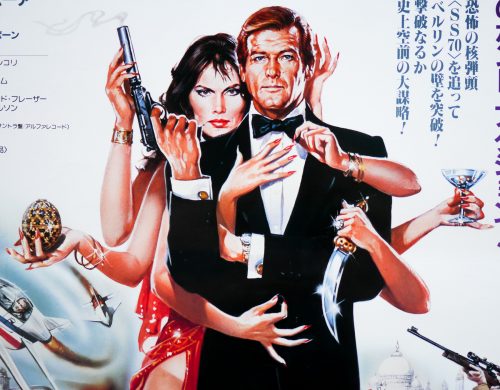
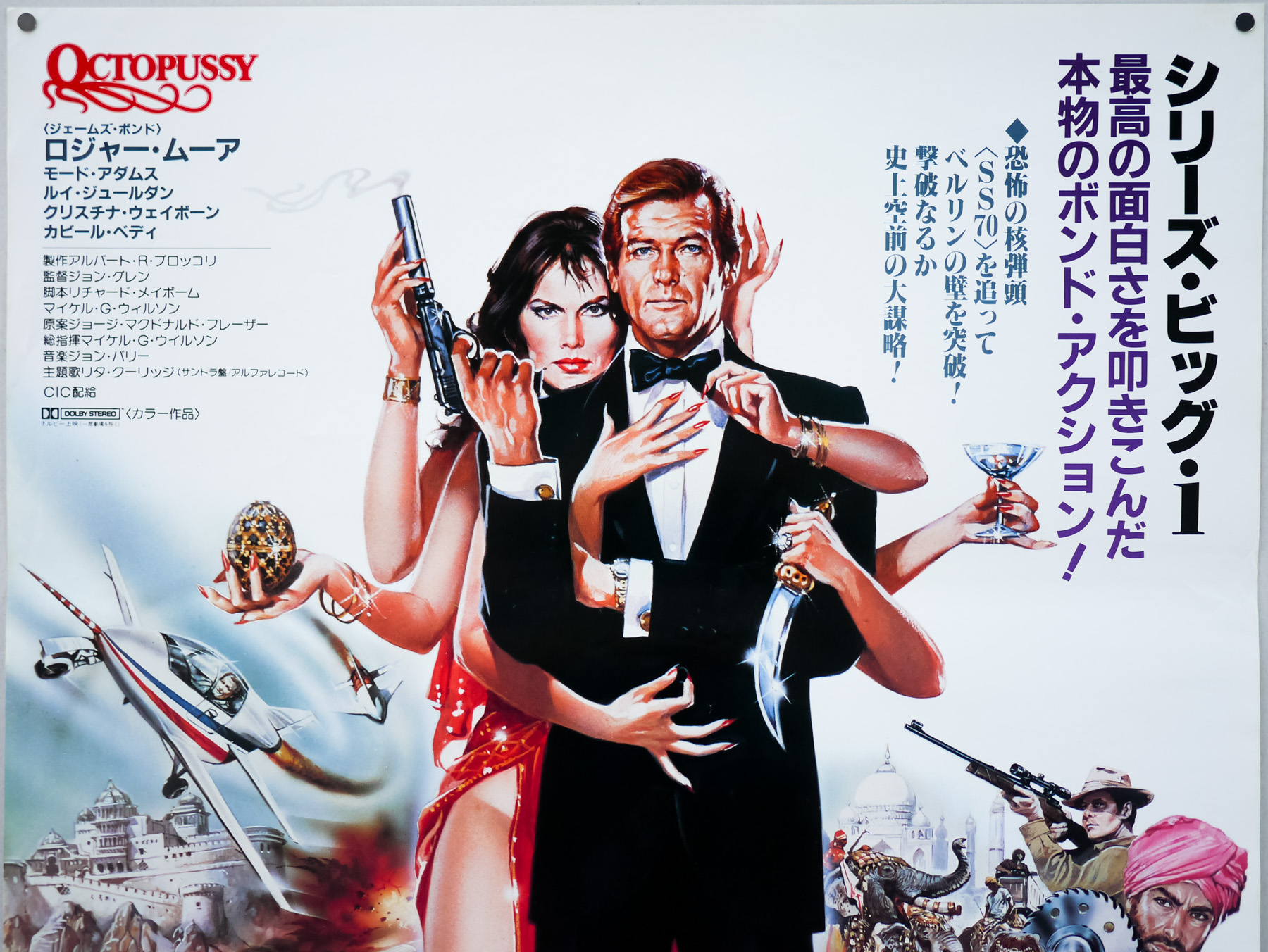
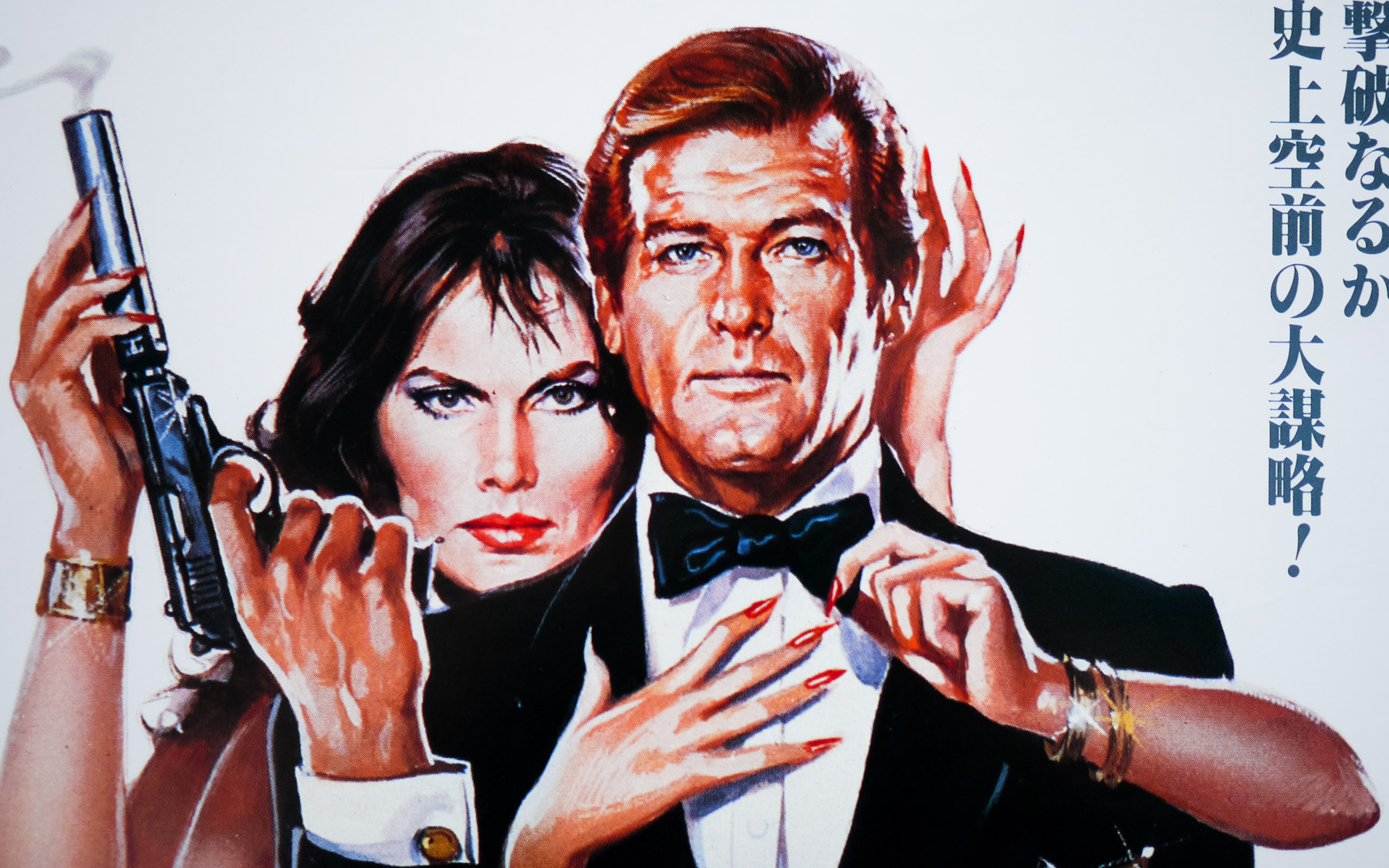
This B2 was fully illustrated by Renato Casaro, an Italian artist with a prolific output, who actually re-painted the central two figures that American artist Dan Goozee had originally illustrated for the US one sheet. Whilst on the UK quad Casaro had painted a montage that was used to surround Goozee’s figures, here he was asked to repaint the whole thing to fit a portrait format.

I interviewed the artist in March 2014 and he mentioned this poster:

—–

[…]Every poster painted by you was from your original design?
Almost every single one I worked on. Very occasionally I would adapt some posters for American films from the artwork that had been used over there. For example, for the British poster for Octopussy I painted an action montage around the central figures that had already been painted by the American artist Dan Goozee. When they wanted the same montage for the Japanese poster it was in a portrait format so I was able to repaint the figures myself and then adapt my original action montage around them. That was a very unusual case though and if it were an Italian production I would always retain complete creative control.

————-


Renato Casaro began his career in 1953, aged 19, at the famous Studio Favalli in Rome, which was part of the legendary Cinecittà studios and handled film publicity for many Italian productions. Casaro soon decided to become a freelance artist and went on to design and paint posters for many of the biggest directors in the world. His skill at accurately portraying actors and his brilliant use of colour and composition saw him much in demand from studios and actors alike. His artwork has featured on many German posters as well as others from countries including Japan, UK, North America as well as in his native Italy.

Check out the incredible amount of work on his official website here, which also features a biography of the artist. The other posters I’ve collected by Casaro can be seen by clicking here.

The Spy Who Loved Me / B2 / photo style / Japan

20.05.15

Poster Poster

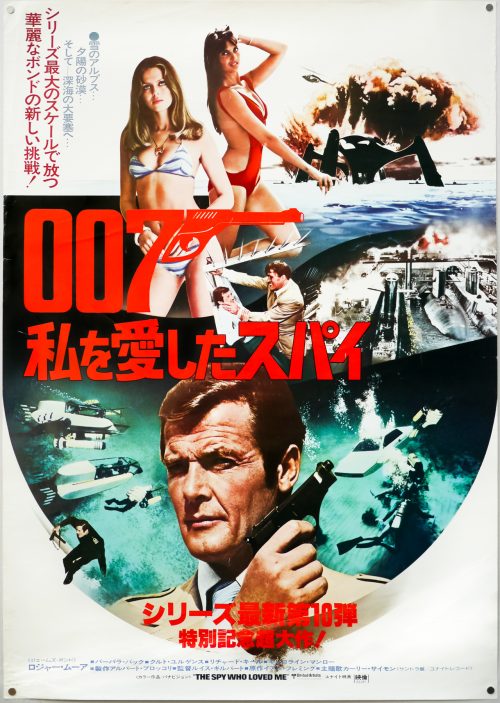
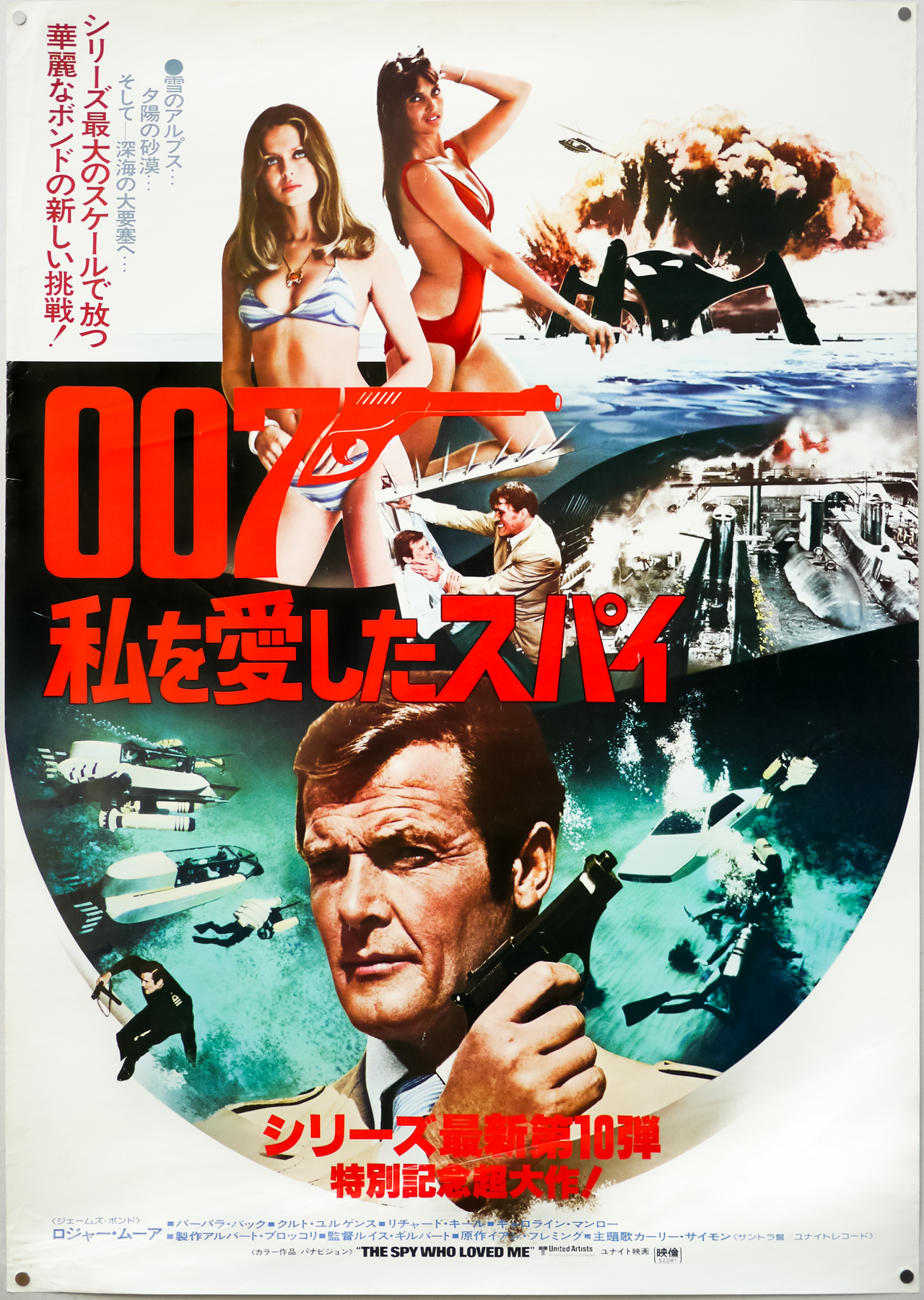
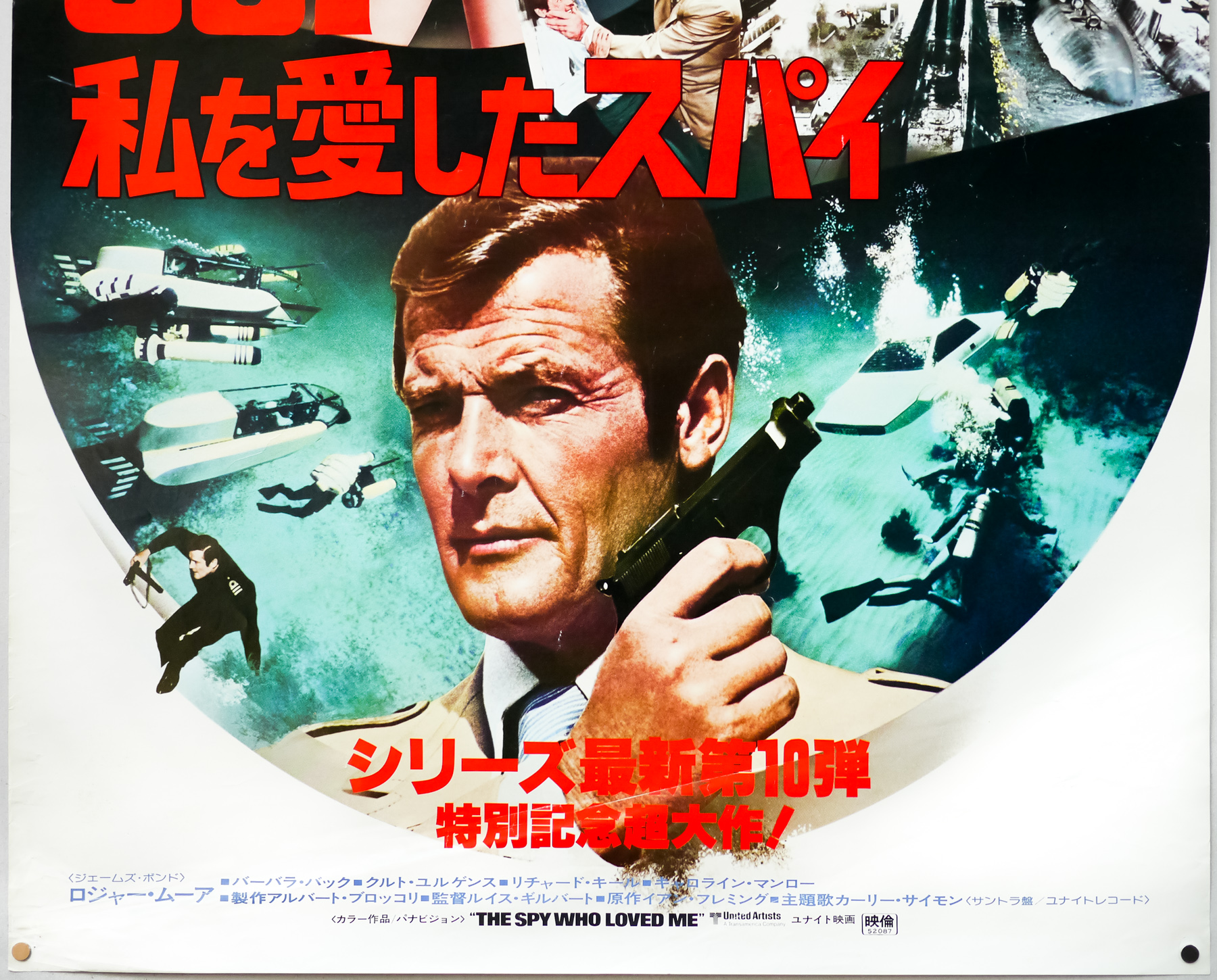
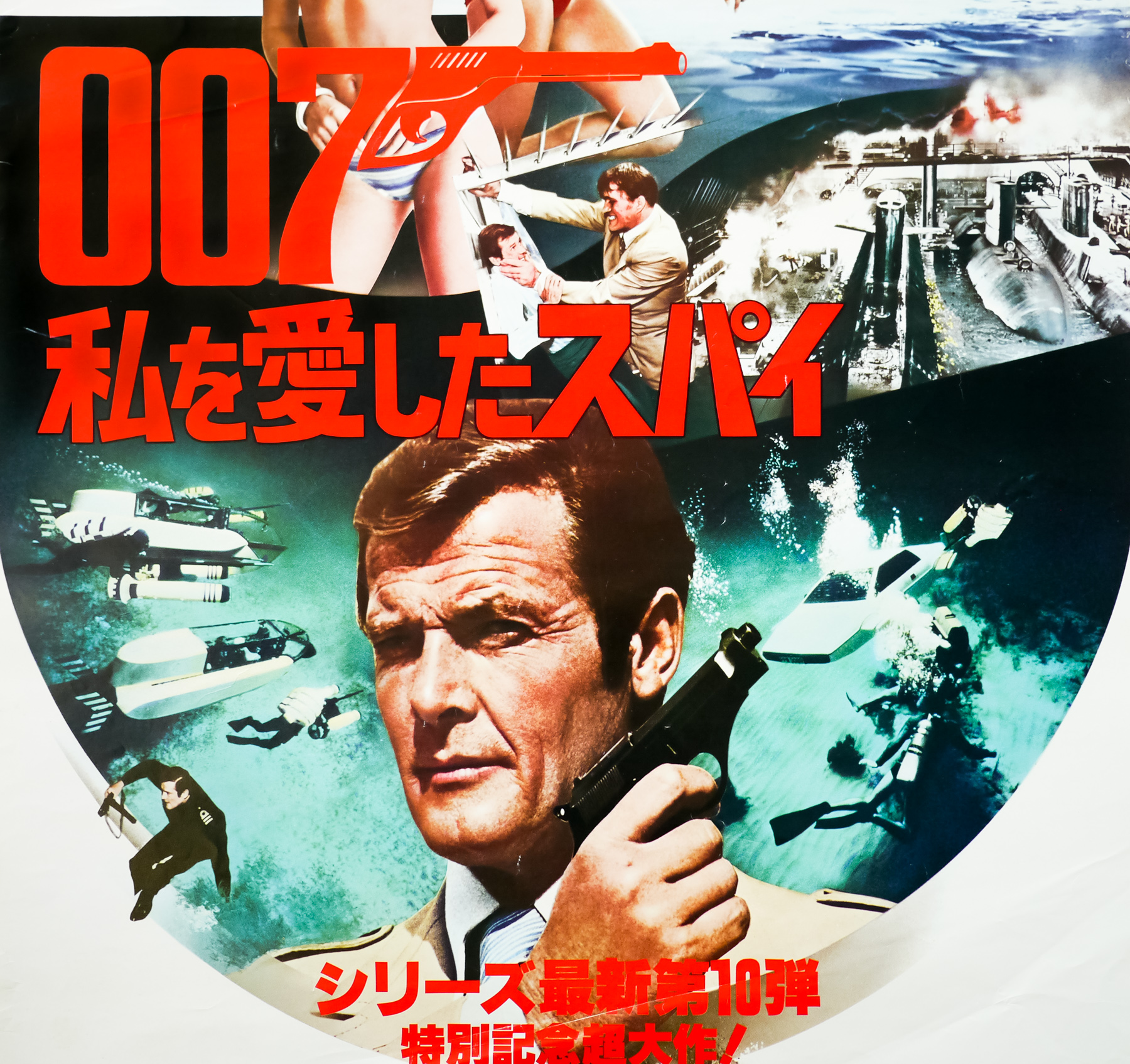
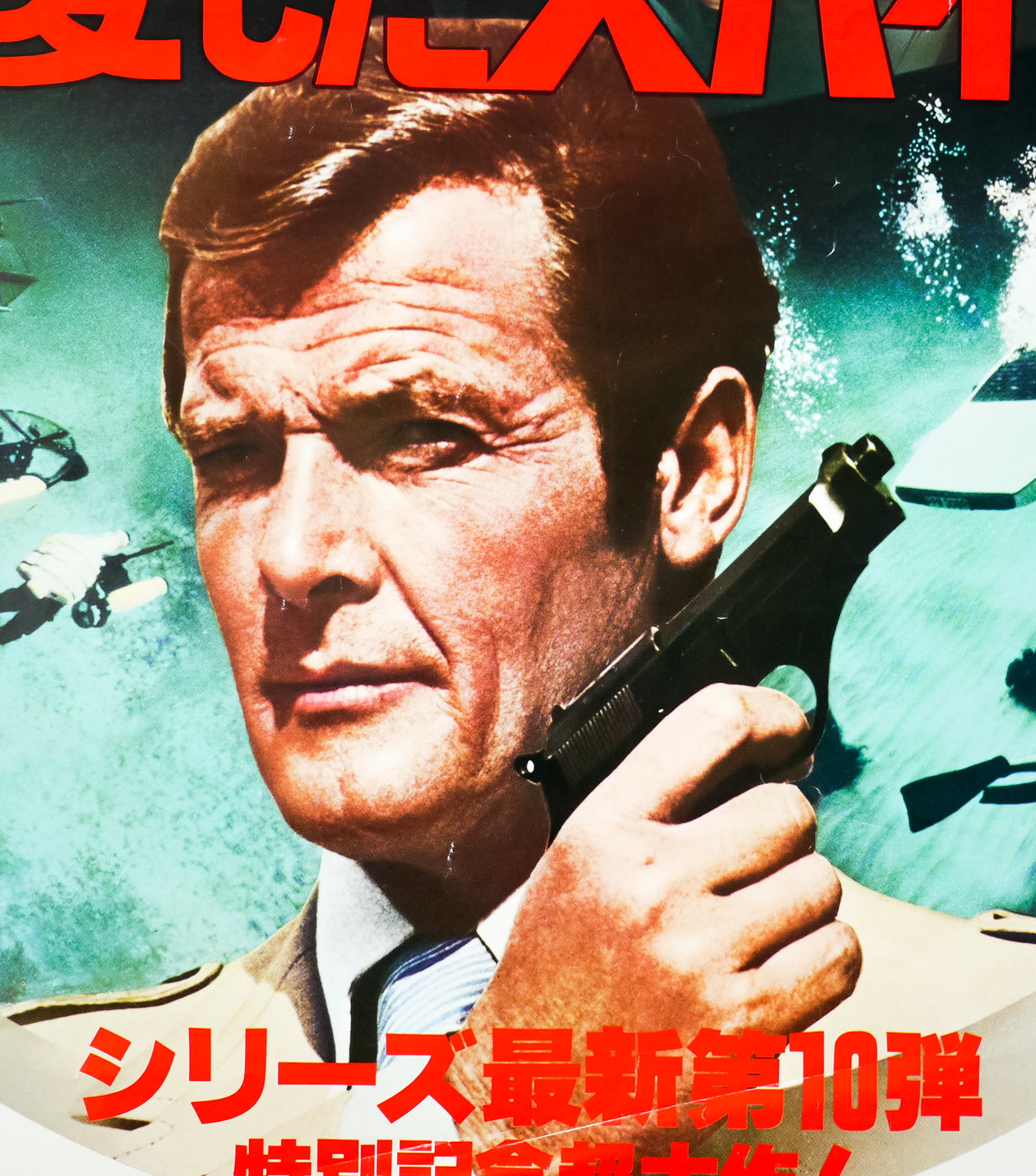
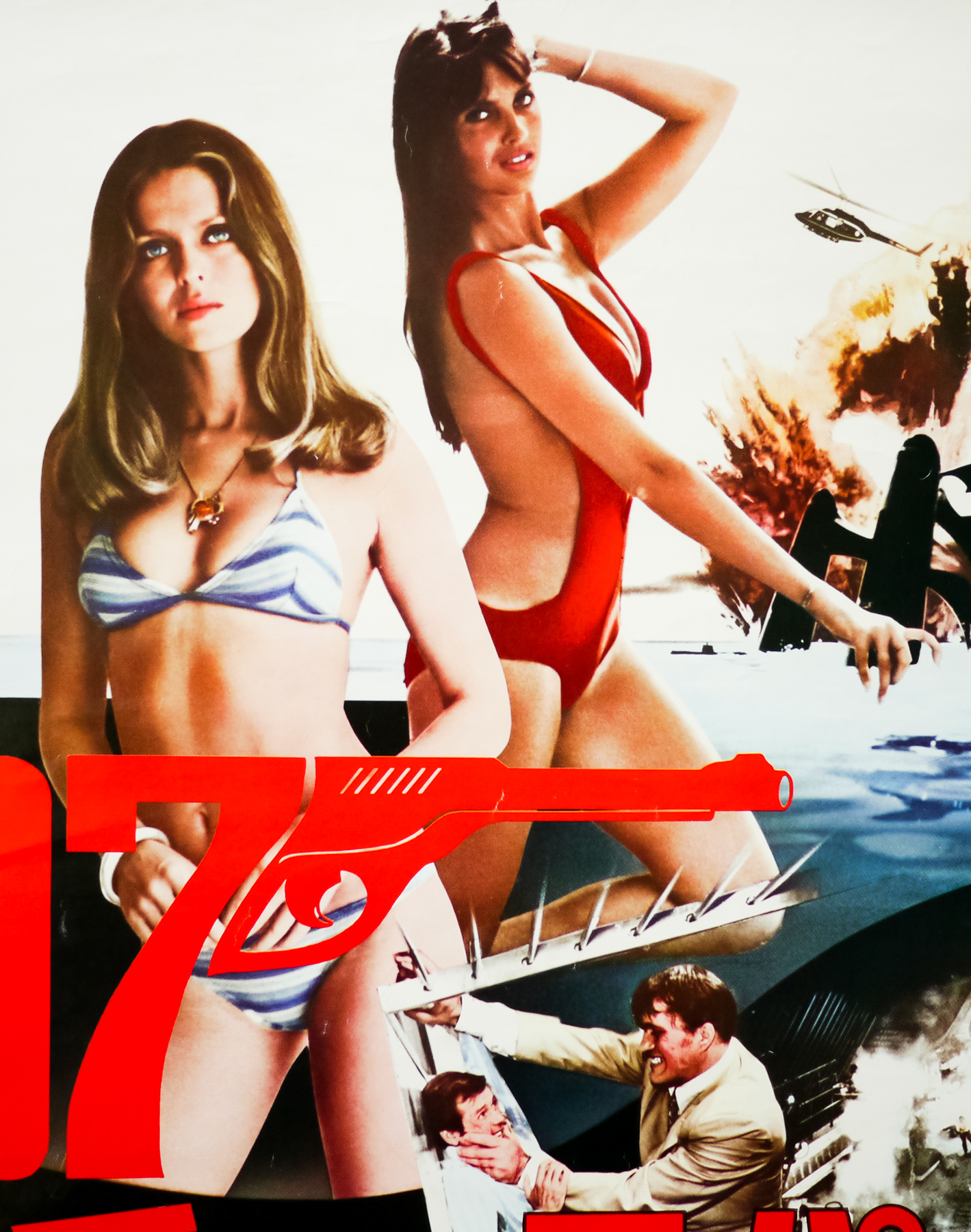
This is the photo style Japanese B2 for the release of The Spy Who Loved Me, which was the tenth James Bond adventure and the third to star Sir Roger Moore as the legendary spy. Felt by many to be the best Moore era film, it shares only the title with Ian Fleming’s original novel (at the author’s request) and the screenplay was written by Christopher Wood and Bond regular Richard Maibaum. When Russian and British submarines mysteriously disappear whilst on patrol, each country sends their top spies to discover who is responsible. The trail leads Bond to Egypt where he discovers that the plans for a submarine tracking device are on sale to the highest bidder.

Whilst in Egypt, Bond encounters his Russian rival, the KGB Agent Triple X (!) Major Anya Amasova (played by the beautiful Barbara Bach) and after a few initial hostile encounters the pair agree to team up to track down the plans and deal with the mute but deadly assassin Jaws (the late Richard Kiel‘s first appearance as the fan-favourite baddy). The pair identify shipping tycoon and scientist Karl Stromberg (Curd Jürgens) as the man behind the device and travel to Sardinia on his trail. There they visit Stromberg’s underwater base, Atlantis, posing as husband and wife scientists but their cover is soon blown and Bond’s infamous Lotus Esprit-cum-submarine makes an appearance. Eventually Bond and Anya are onboard a submarine captured by Stromberg’s submarine-swallowing supertanker and a final showdown takes place.

The Spy Who Loved Me opens with arguably the best pre-credits sequence of any Bond film that apparently even had Prince Charles on his feet applauding at the Royal Premiere back in 1977. The locations, sets and special effects work (particularly the models) are all first rate and you really feel that the budget was well spent. The ridiculous camp humour of later Moore outings is thankfully restrained too. The film was very well received by both critics and audiences and raked in healthy worldwide box-office takings.

As well as this photo montage poster there was also a B2 that featured Bob Peak’s great artwork for the film, as seen on the US one sheet and UK quad.

The Enforcer / B2 / style B / Japan

23.10.13

Poster Poster
Title
The Enforcer
AKA
Dirty Harry 3 (Japan - English title) | Cielo di piombo, ispettore Callaghan [Lead sky, Inspector Callaghan] (Italy)
Year of Film
1976
Director
James Fargo
Starring
Clint Eastwood, Harry Guardino, Bradford Dillman, Tyne Daly, DeVeren Bookwalter
Origin of Film
USA
Genre(s) of Film
Clint Eastwood, Harry Guardino, Bradford Dillman, Tyne Daly, DeVeren Bookwalter,
Type of Poster
B2
Style of Poster
Style B
Origin of Poster
Japan
Year of Poster
1976
Designer
Unknown
Artist
--
Size (inches)
20 4/16" x 28 12/16"
SS or DS
SS
Tagline
--

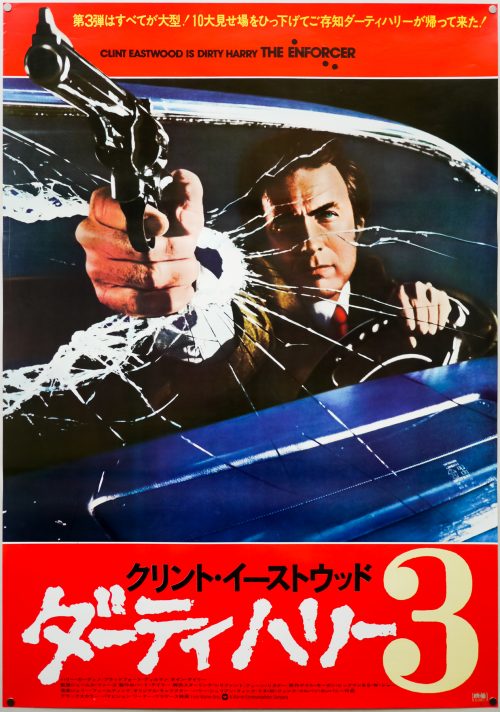
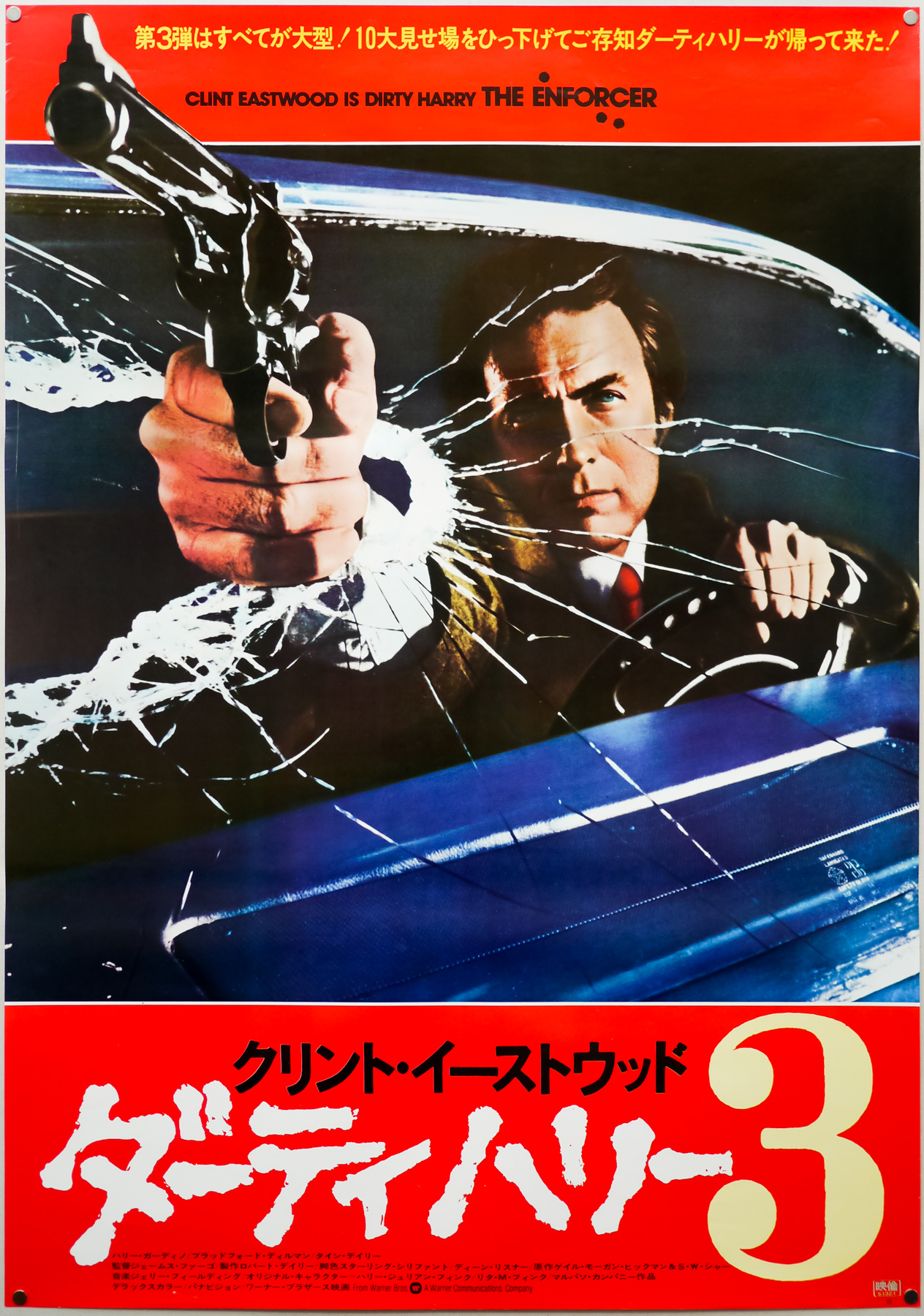
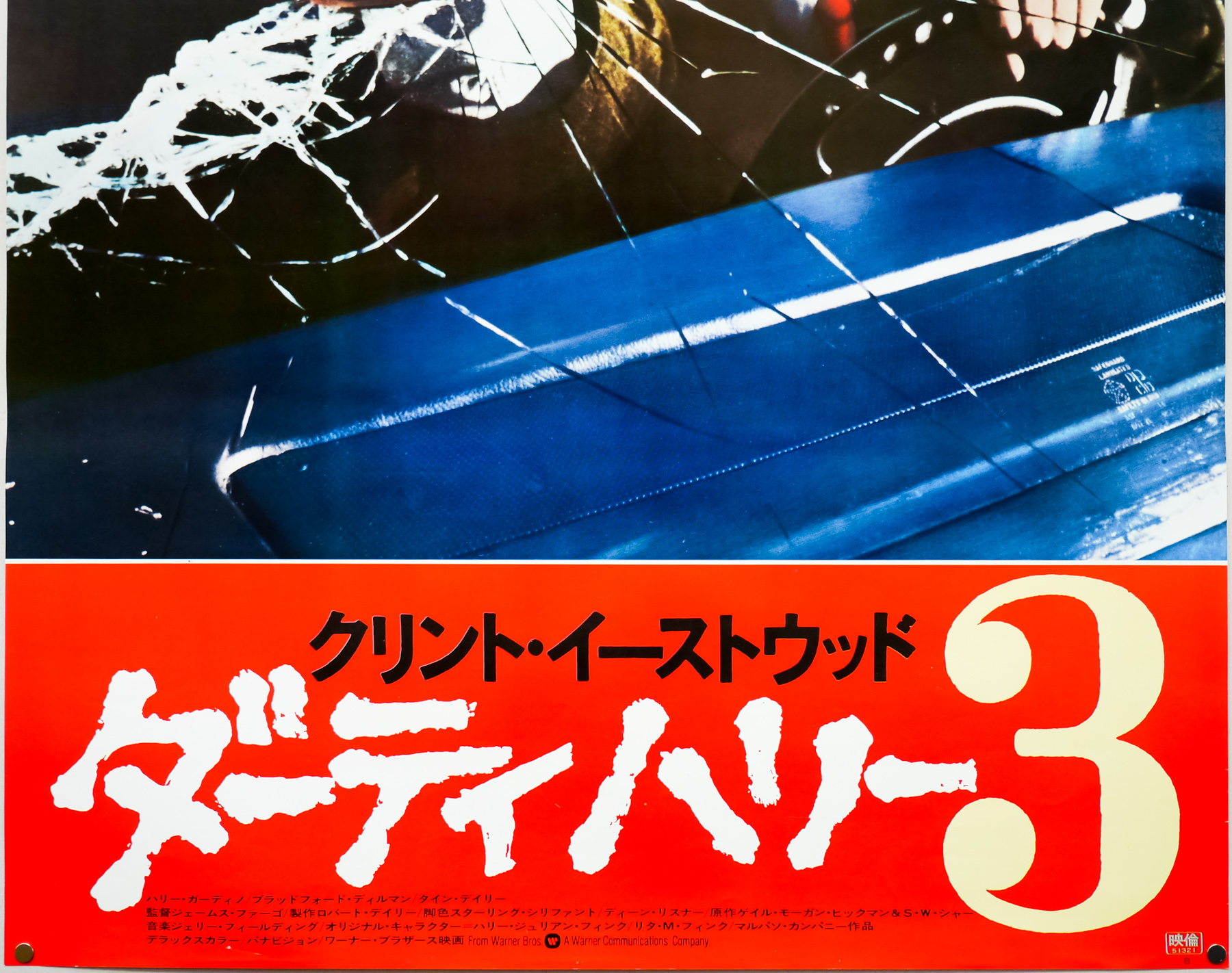
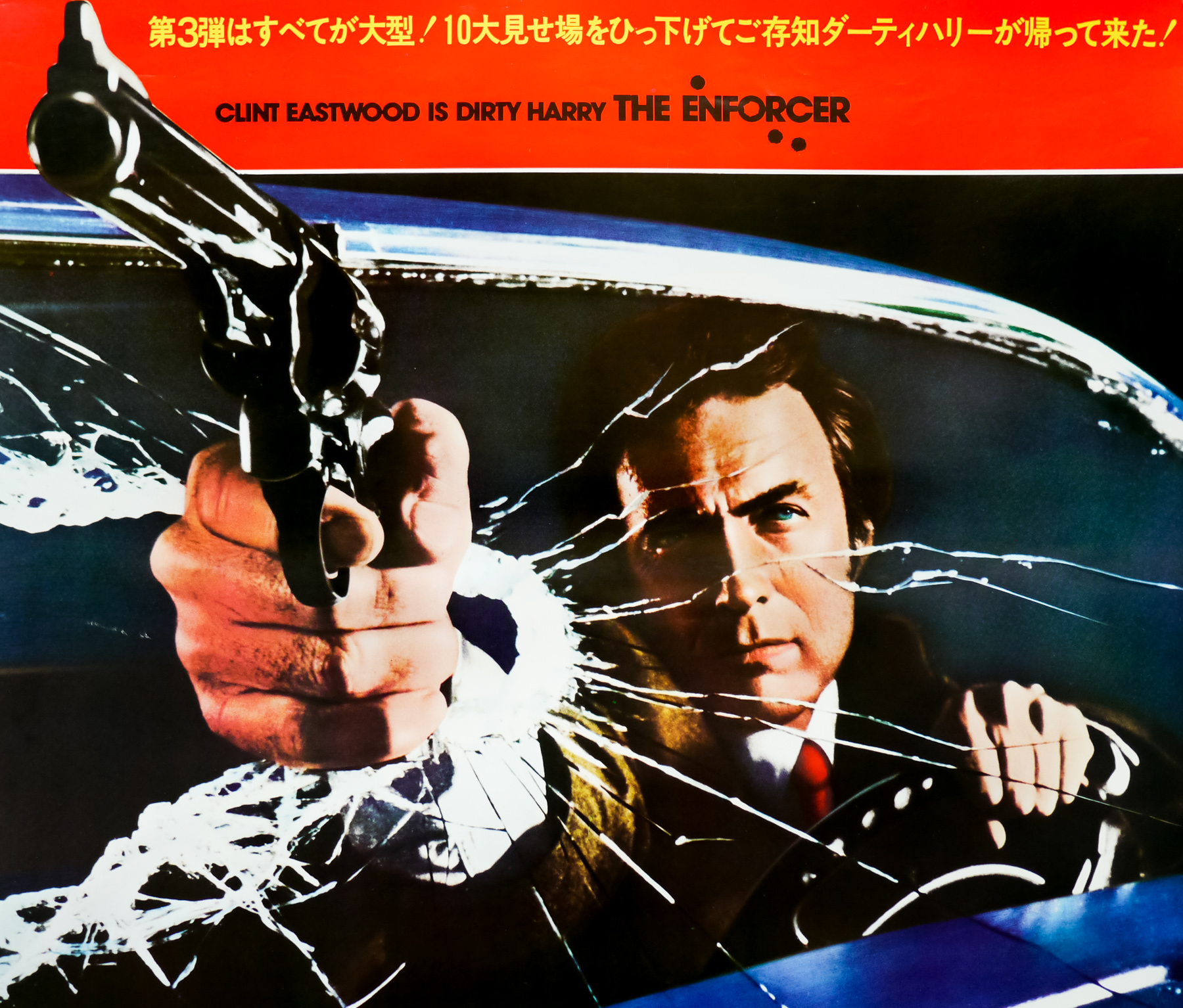
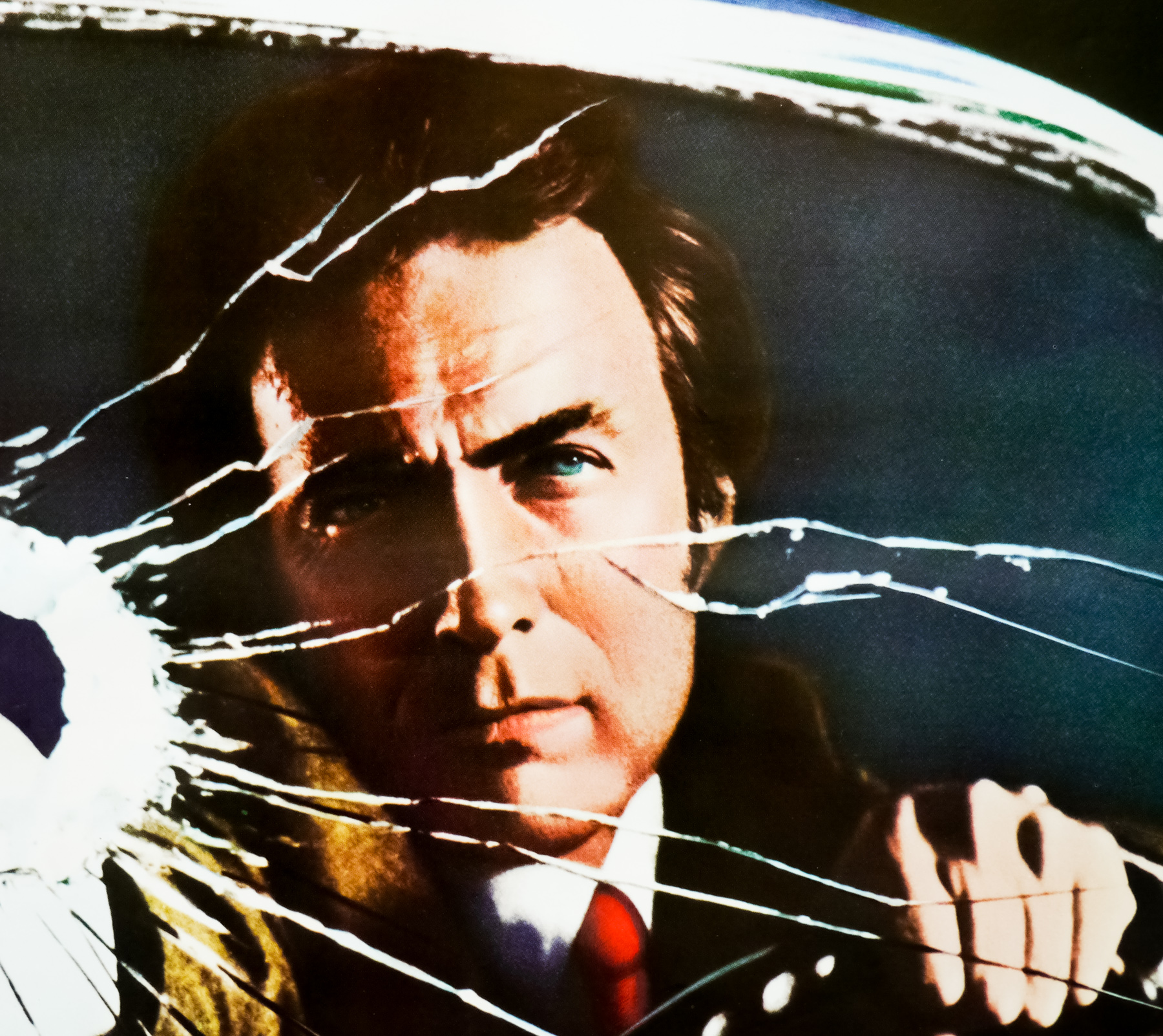
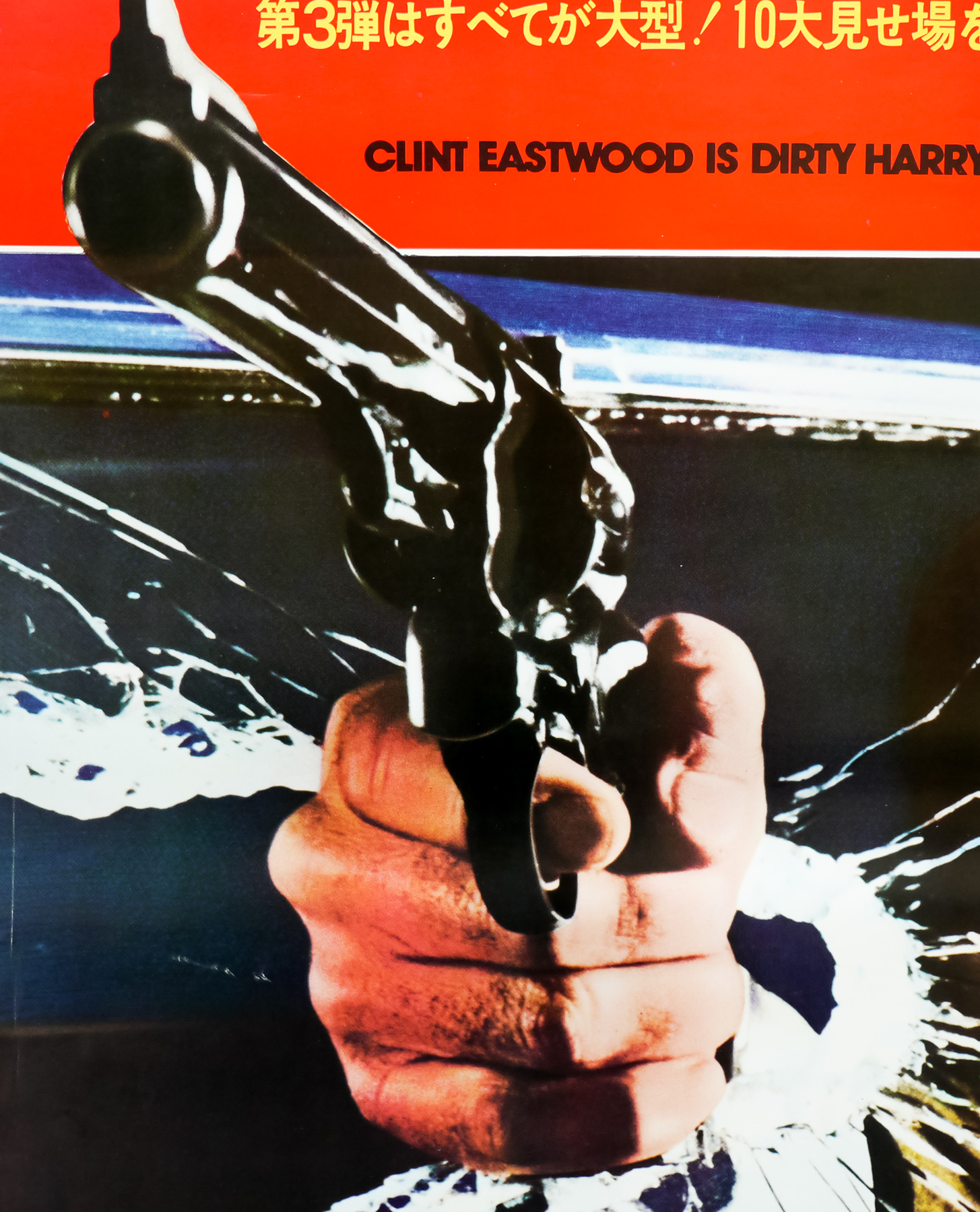
A classic image of Clint Eastwood brandishing his giant magnum pistol as detective Harold ‘Dirty Harry’ Callahan in The Enforcer, the third instalment of the series that was instrumental, along with his roles in a series of westerns, in cementing the actors position as a movie megastar. Set three years after the events in Magnum Force, the story sees Harry taken off detective duties following his decision to end a liquor store robbery by driving his car through the front window before shooting the protagonists. Whilst working for personnel and interviewing prospective recruits to enter the detective division he learns that three new detectives will be women, including Kate Moore (Tyne Daly), much to his bemusement (he is a 1970s, misogynist dinosaur let’s not forget)

When a terrorist group calling themselves the People’s Revolutionary Strike Force (PRSF) start a rampage of robbery and bombings, one of which sees his old partner killed in action, Harry is allowed back into the field and is reluctantly paired with Detective Moore to try and put a stop to the group’s actions. After stealing several arms caches, the PRSF then boldly kidnaps San Francisco’s mayor and demands a $2 million ransom, but the detectives are quickly onto their location and the scene is set for a final, explosive showdown.

This image of the smashed car window was photographed especially for the marketing campaign and ended up being used for posters around the world, including the American half sheet, the British quad and this Japanese B2. There is also a style A B2 that can be viewed here.

Godzilla vs SpaceGodzilla / B2 / Japan

28.01.13

Poster Poster
Title
Godzilla vs SpaceGodzilla
AKA
Gojira VS Supesugojira (Japan - original title)
Year of Film
1994
Director
Kensho Yamashita
Starring
Megumi Odaka, Jun Hashizume, Zenkichi Yoneyama, Akira Emoto, Towako Yoshikawa, Yôsuke Saitô, Kenji Sahara, Akira Nakao, Kôichi Ueda
Origin of Film
Japan
Genre(s) of Film
Megumi Odaka, Jun Hashizume, Zenkichi Yoneyama, Akira Emoto, Towako Yoshikawa, Yôsuke Saitô, Kenji Sahara, Akira Nakao, Kôichi Ueda,
Type of Poster
B2
Style of Poster
Artwork
Origin of Poster
Japan
Year of Poster
1994
Designer
Unknown
Artist
Noriyoshi Ohrai
Size (inches)
20 6/16" x 28 14/16"
SS or DS
SS
Tagline
--

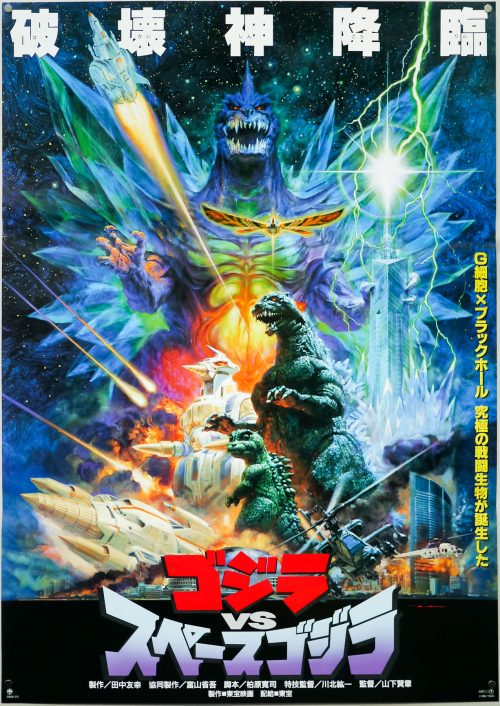
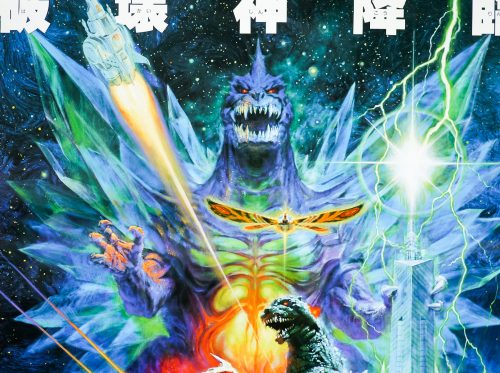
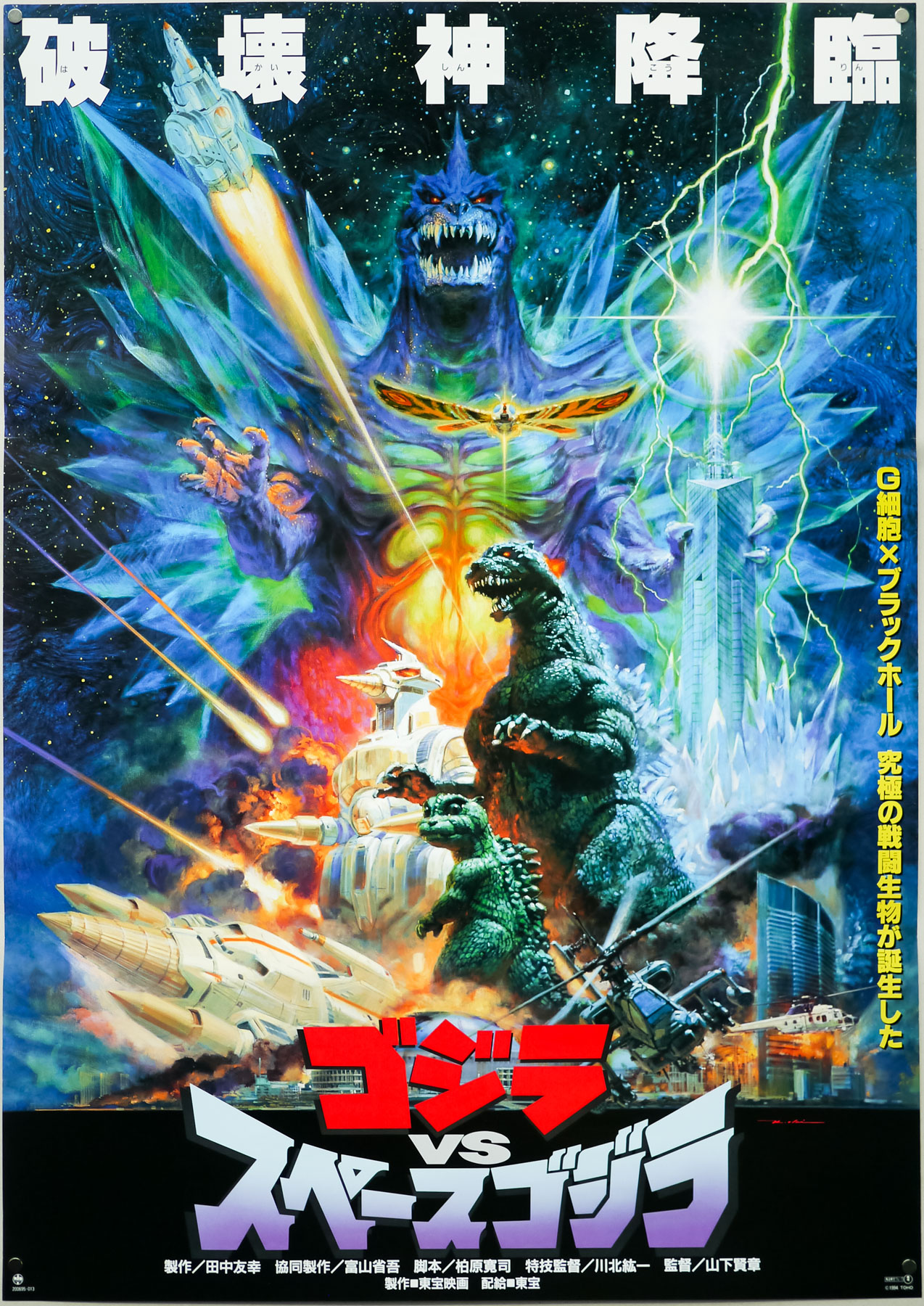
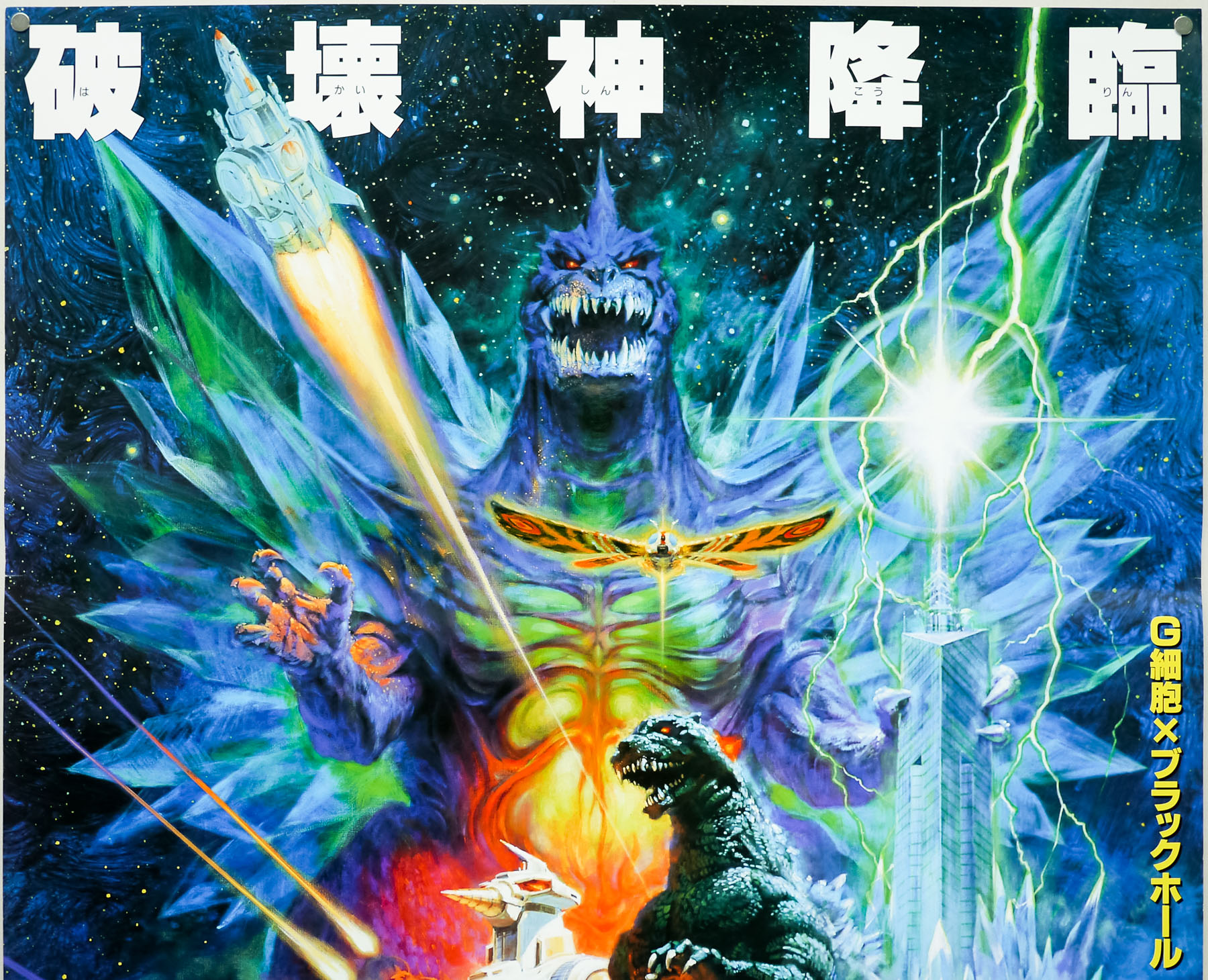
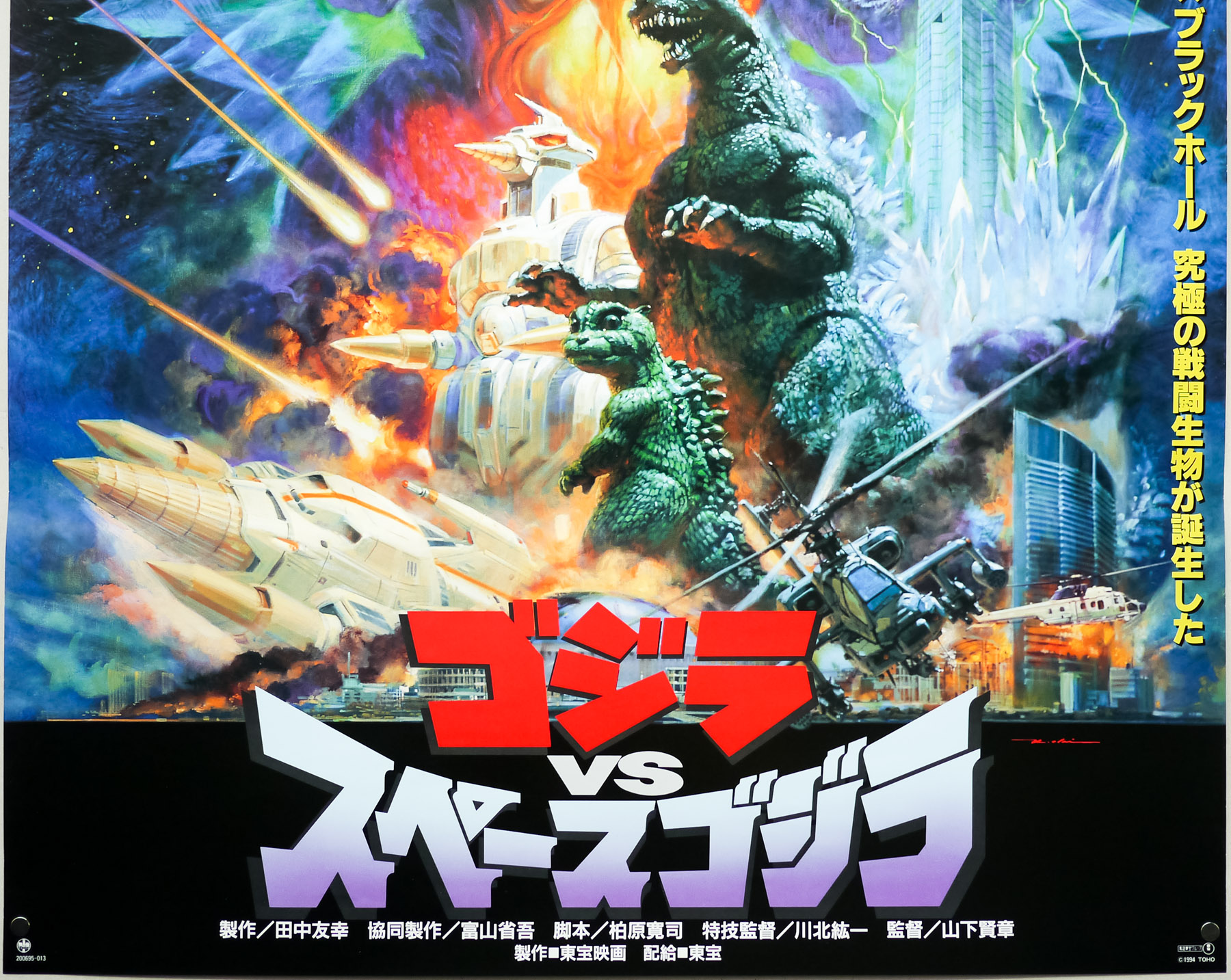
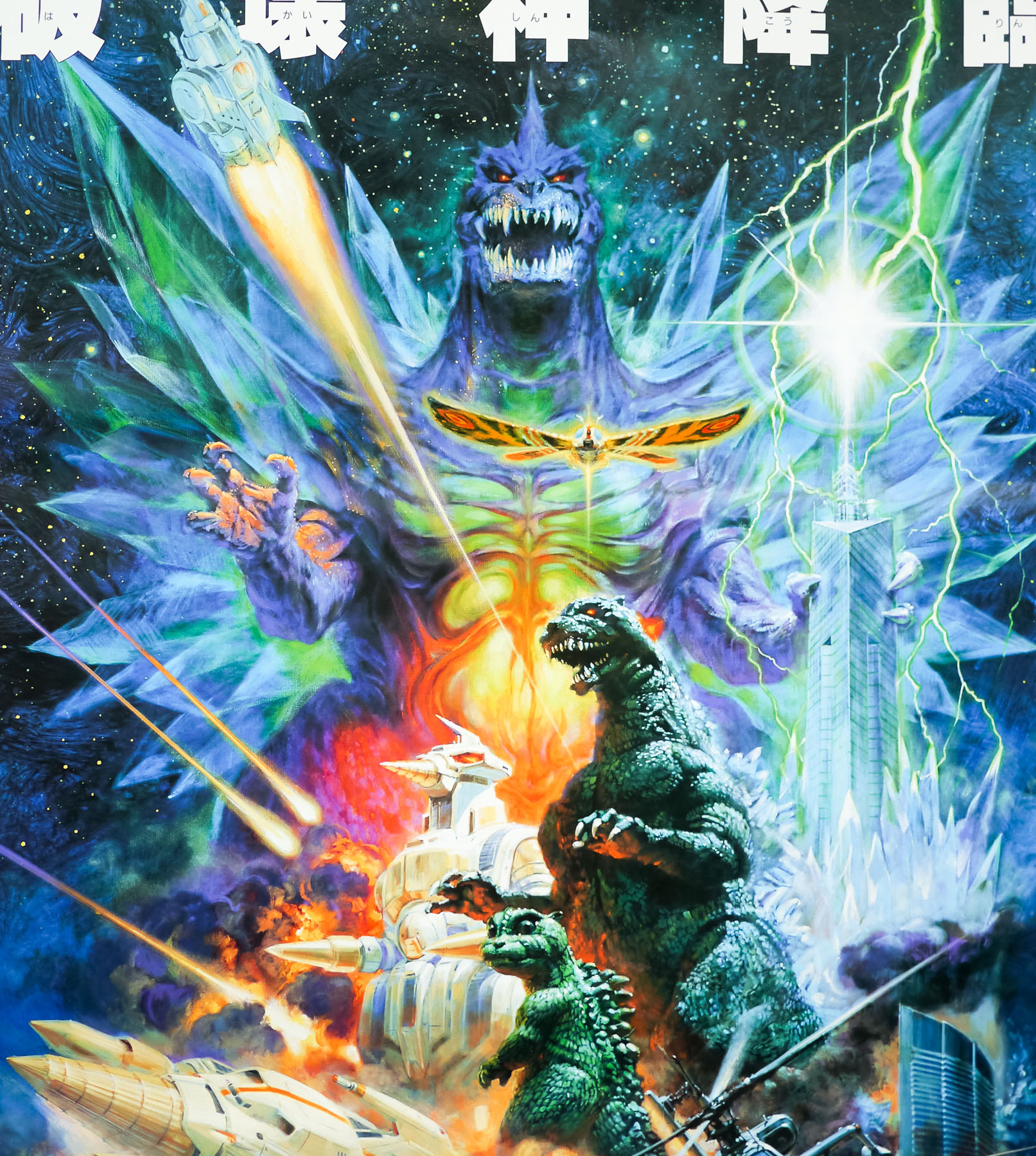
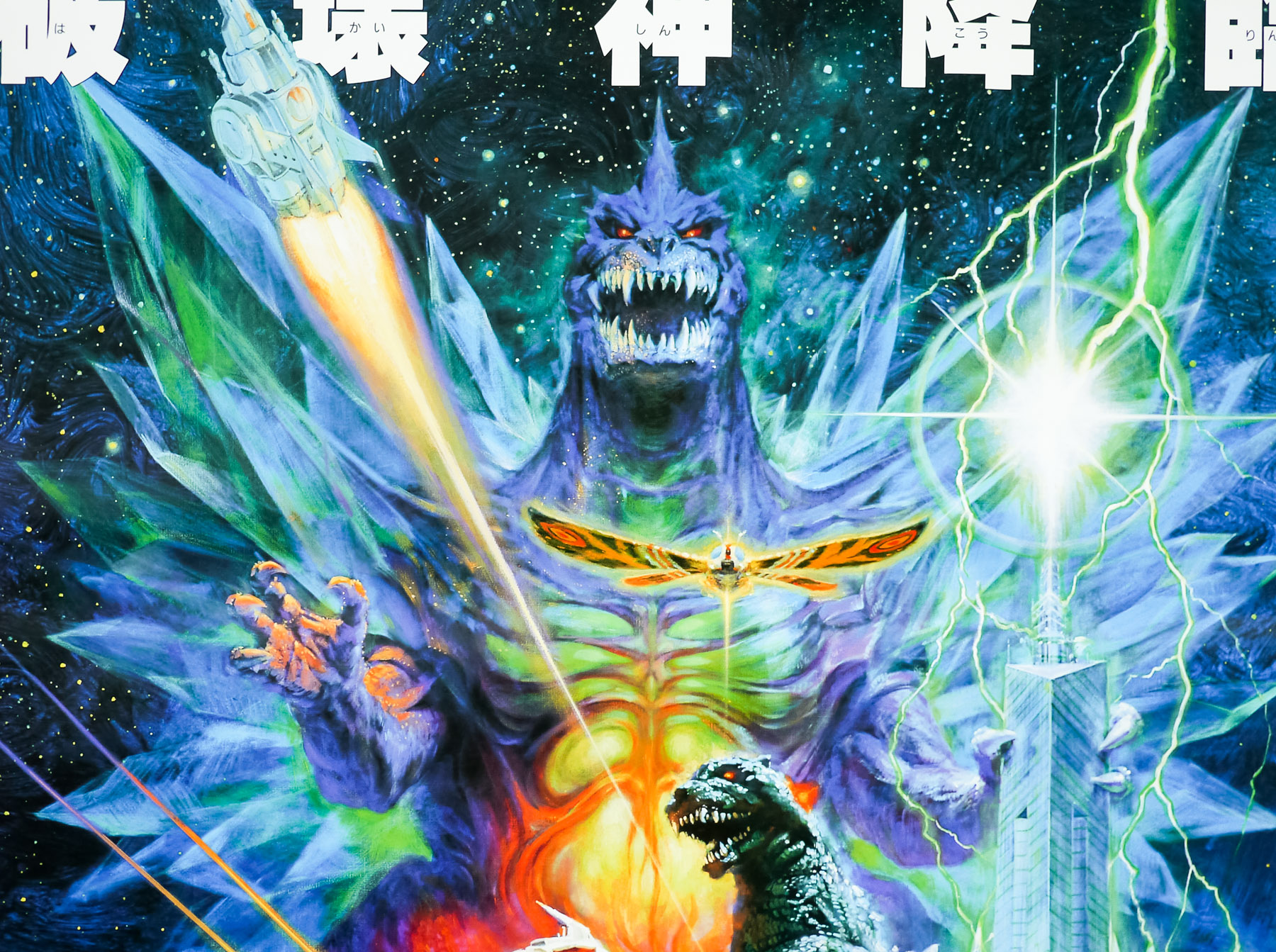
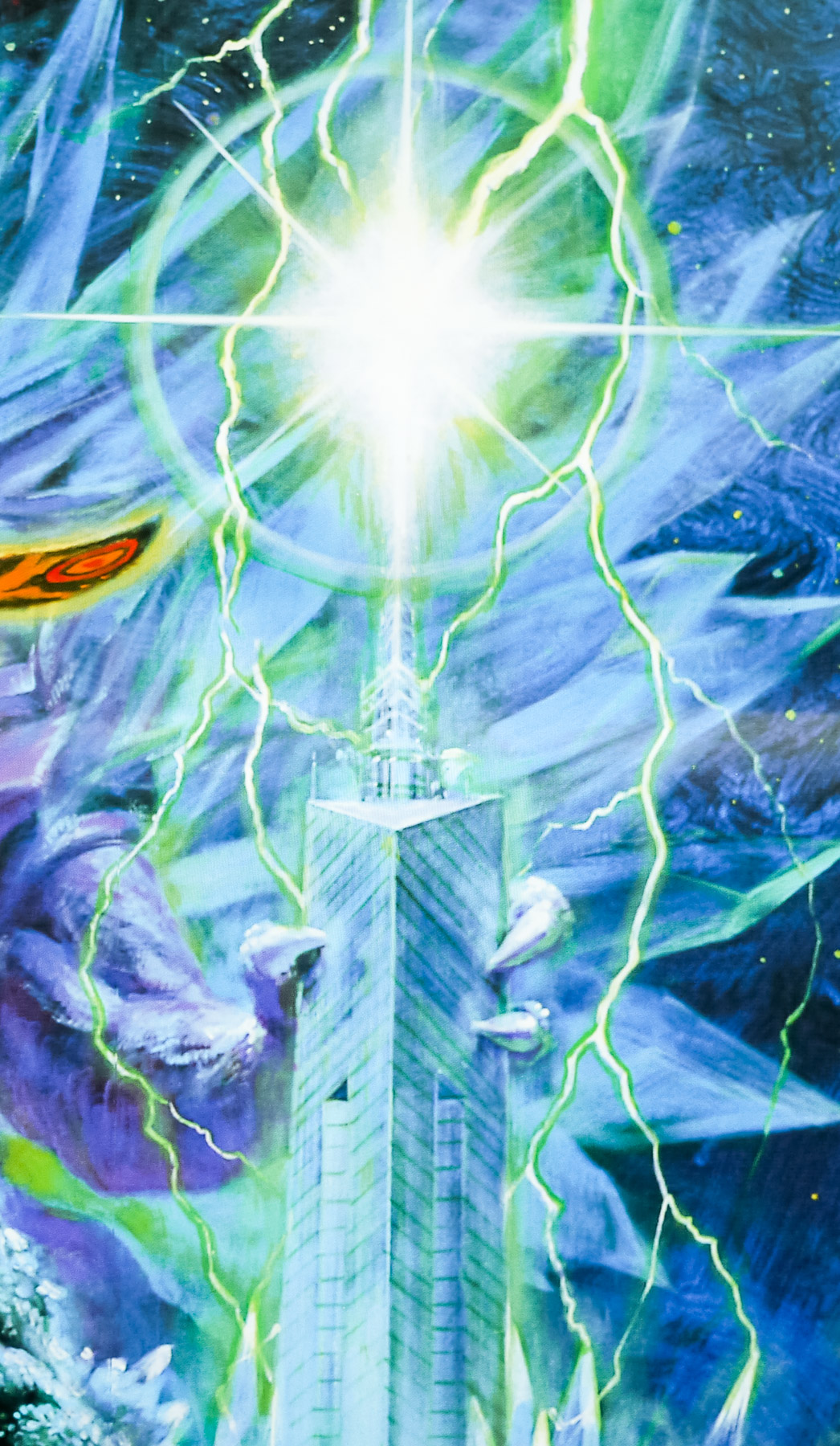
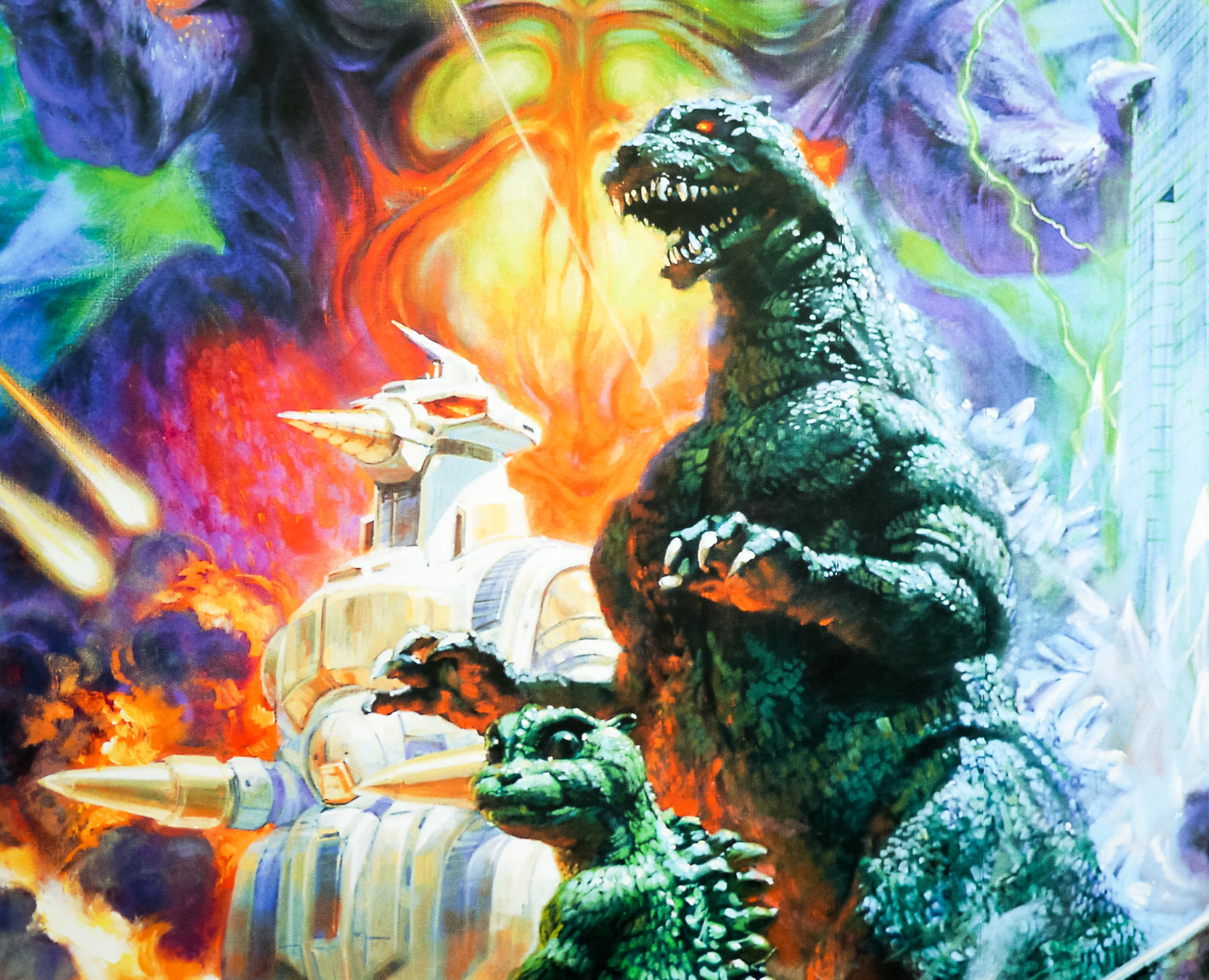
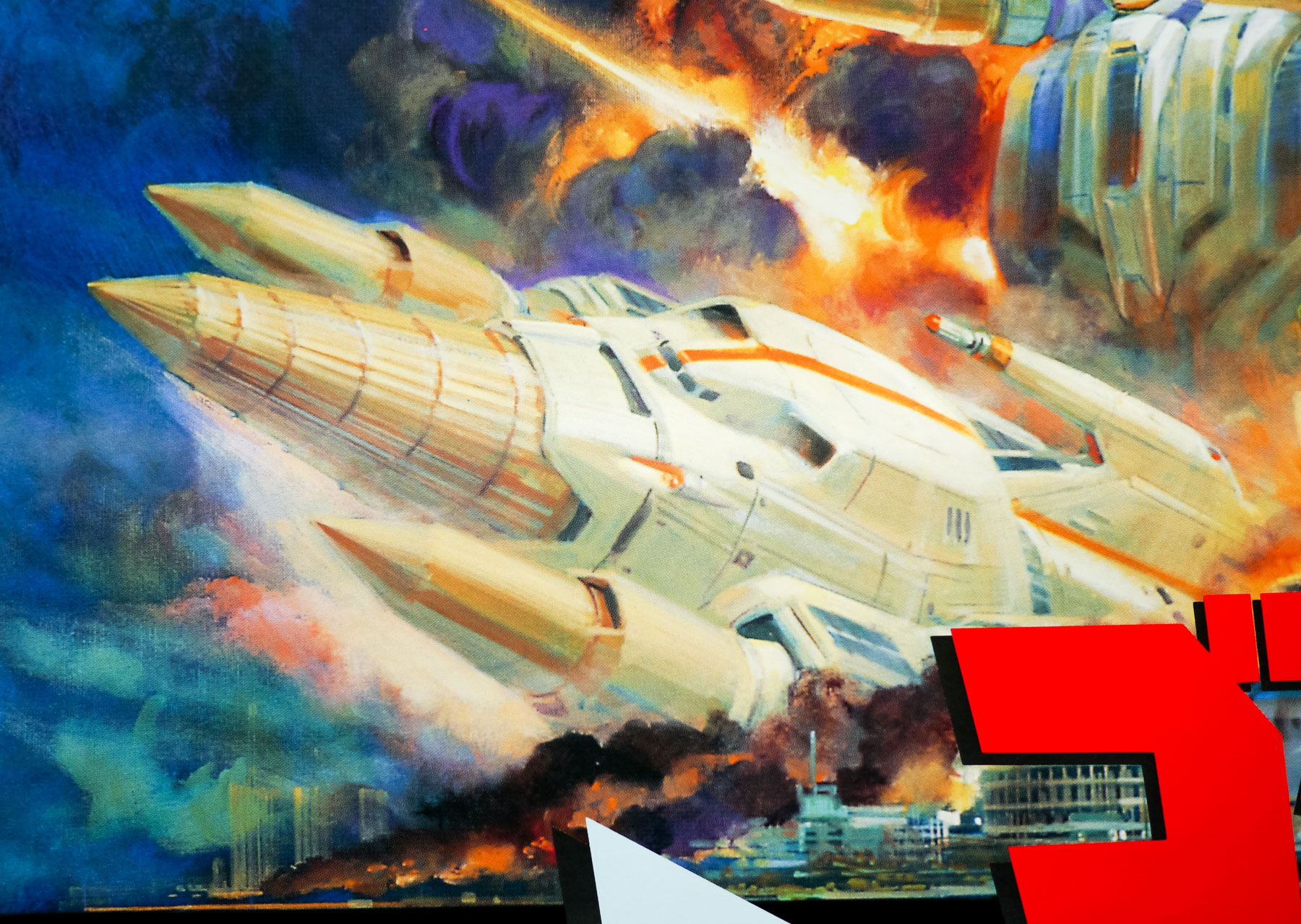
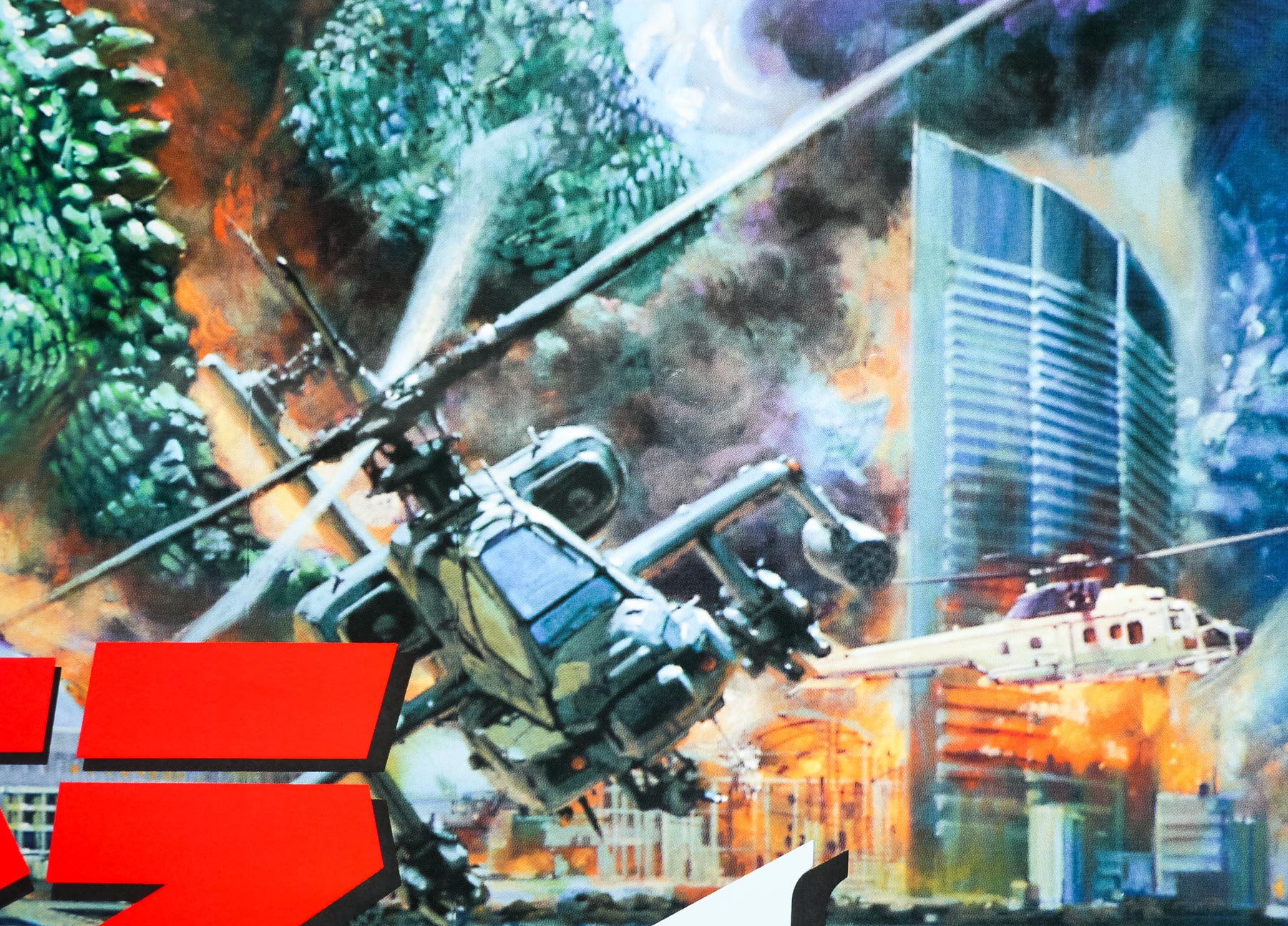
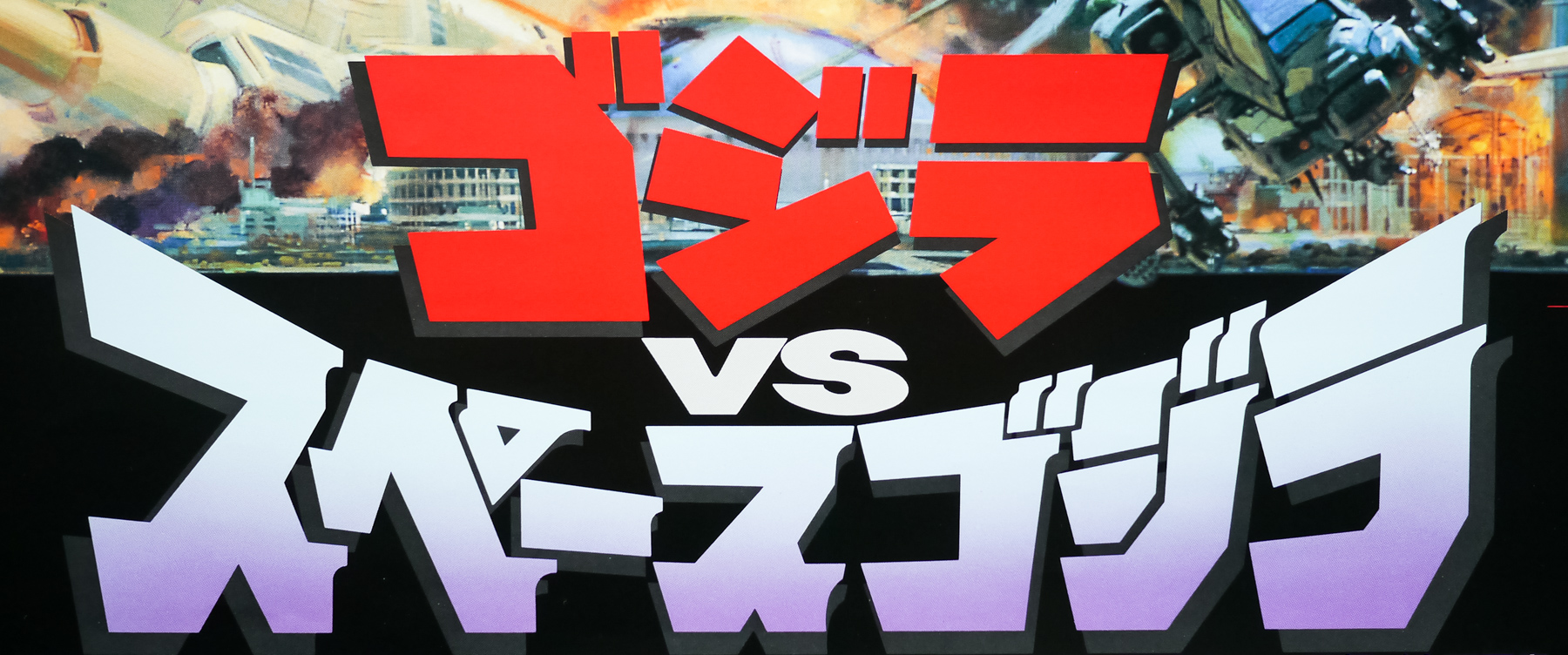
A colourful montage on this Japanese B2 poster for Godzilla vs SpaceGodzilla, which was the 21st film in the series featuring the King of the Kaiju (giant monsters). The film was the sixth release in the second generation of Godzilla films, which were part of the Heisei era of Japanese monster movies (daikaiju eiga). The monster movie eras are named after the Japanese emperor at the time, so the first generation of Godzilla films were part of the Shōwa era.

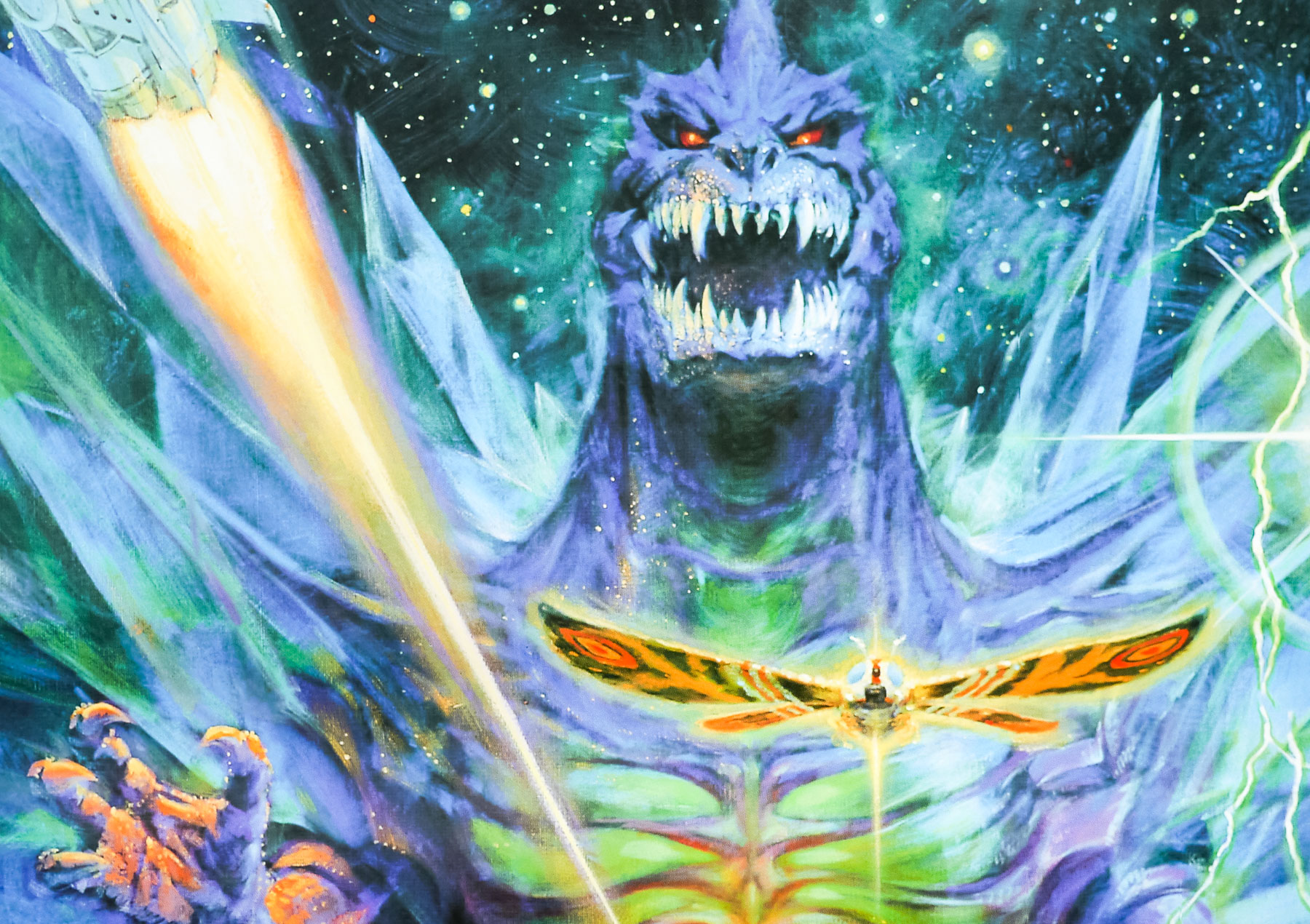
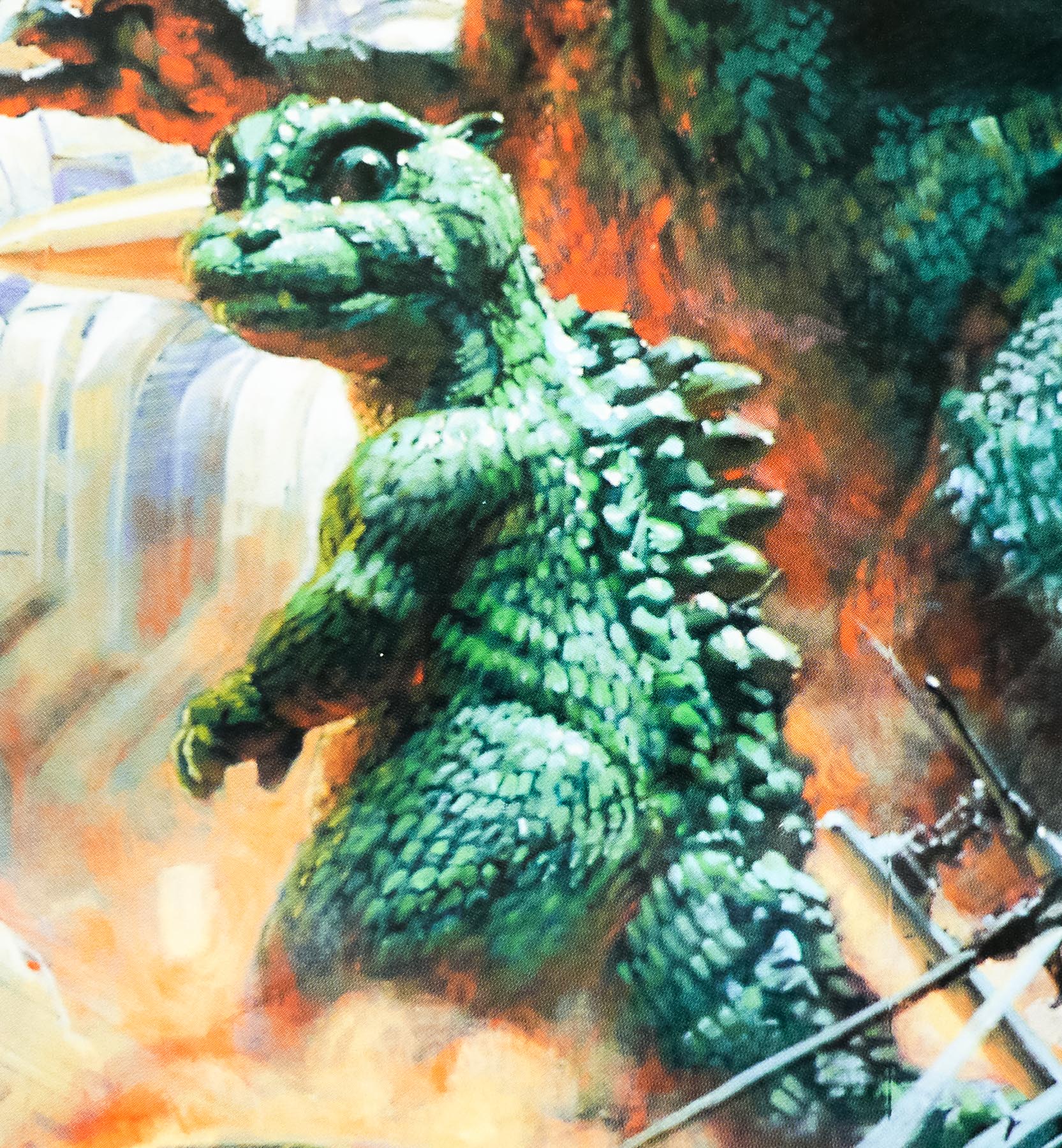
The story is typically ludicrous and sees fellow kaiju Mothra travel in to space to stop a meteor hitting earth and inadvertently exposing cells from Godzilla (and Biollante) to the radiation from a black hole, which then triggers the creation of an aggressive extraterrestrial closely resembling the famous monster. SpaceGodzilla immediately heads to earth, destroying a space station on the way, and after battling and knocking out Godzilla it imprisons his son on Birth Island and heads to Japan intent on destruction. The Japan Self Defense Forces have time to scramble their latest weapon in the fight against kaiju, the penguin-like robot called Mogeura. But is it enough to stop the rampaging alien?

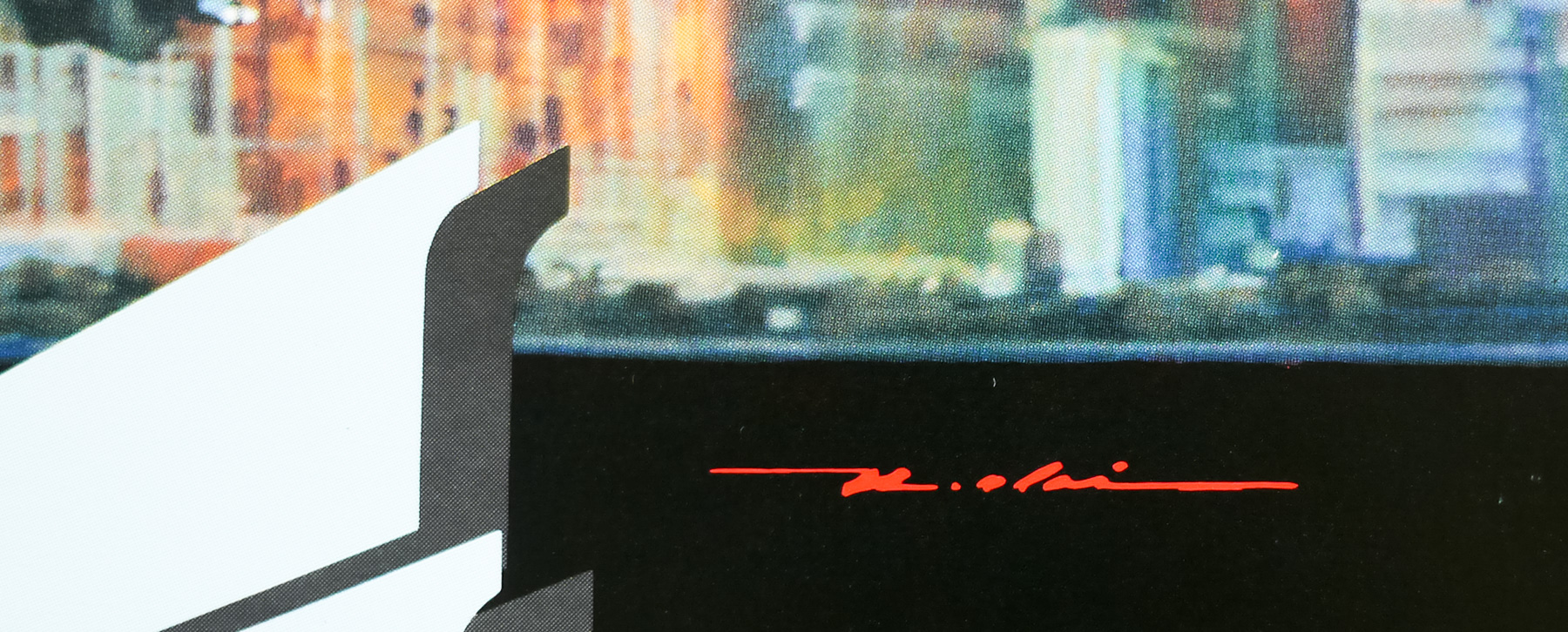
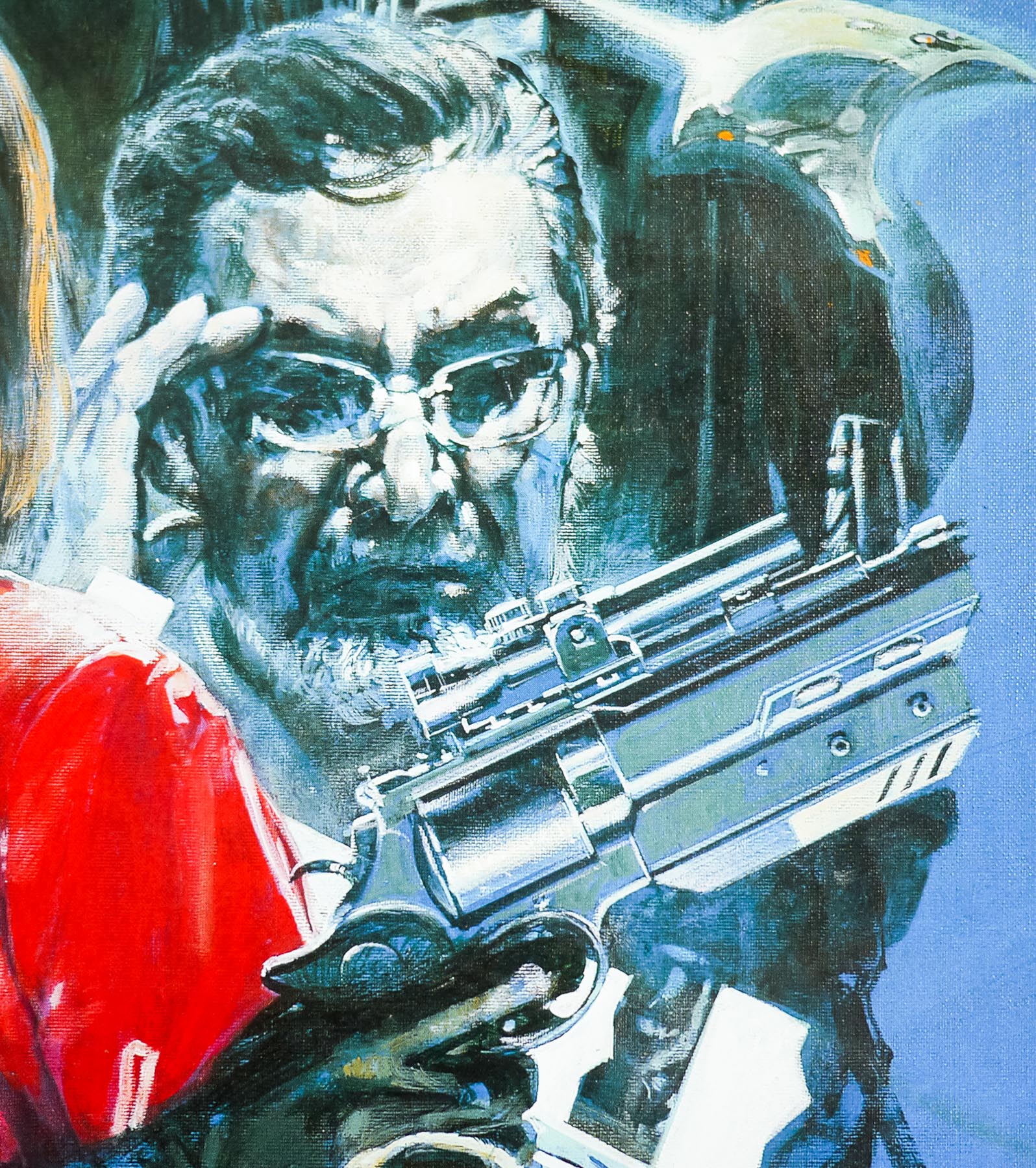
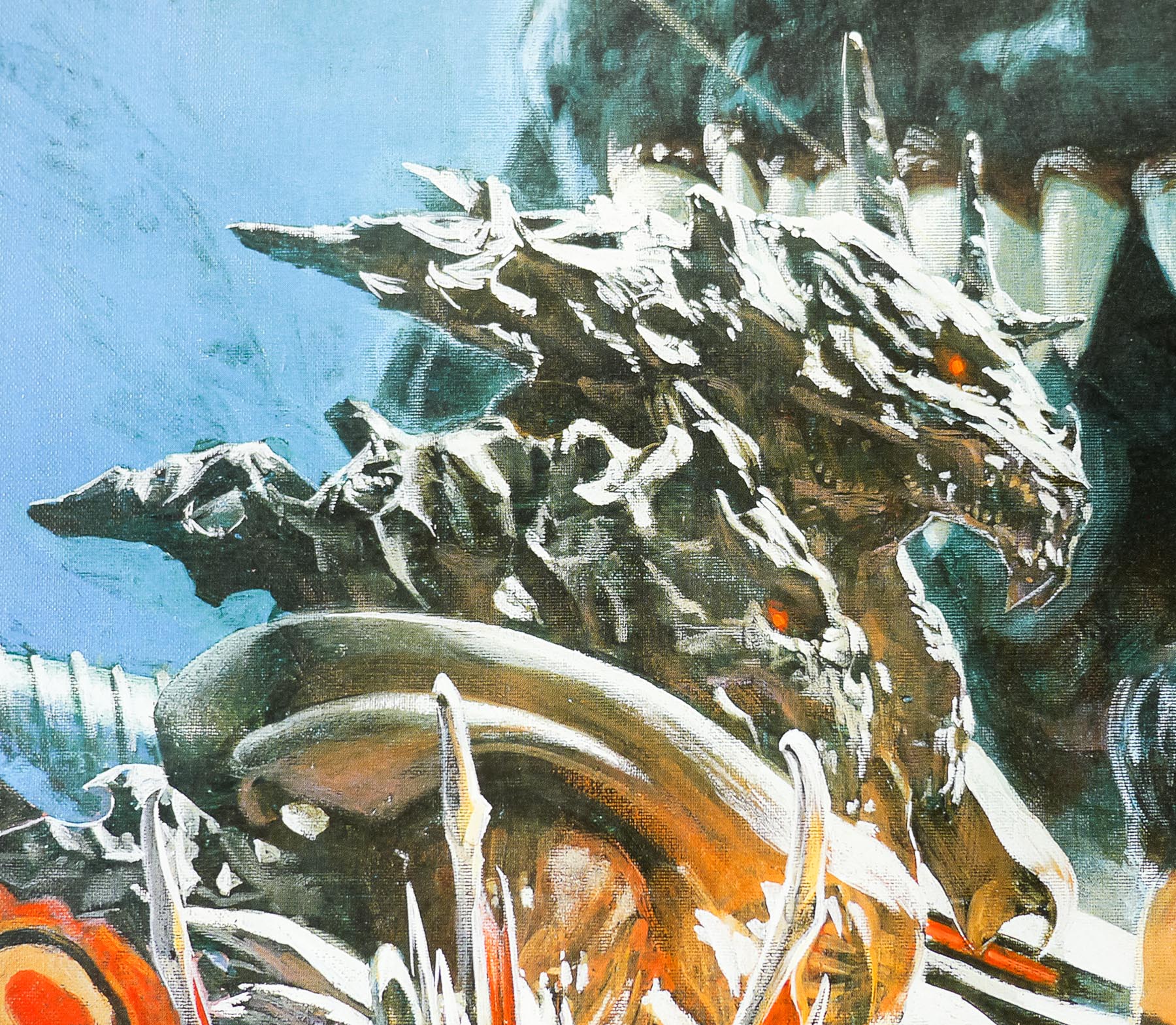
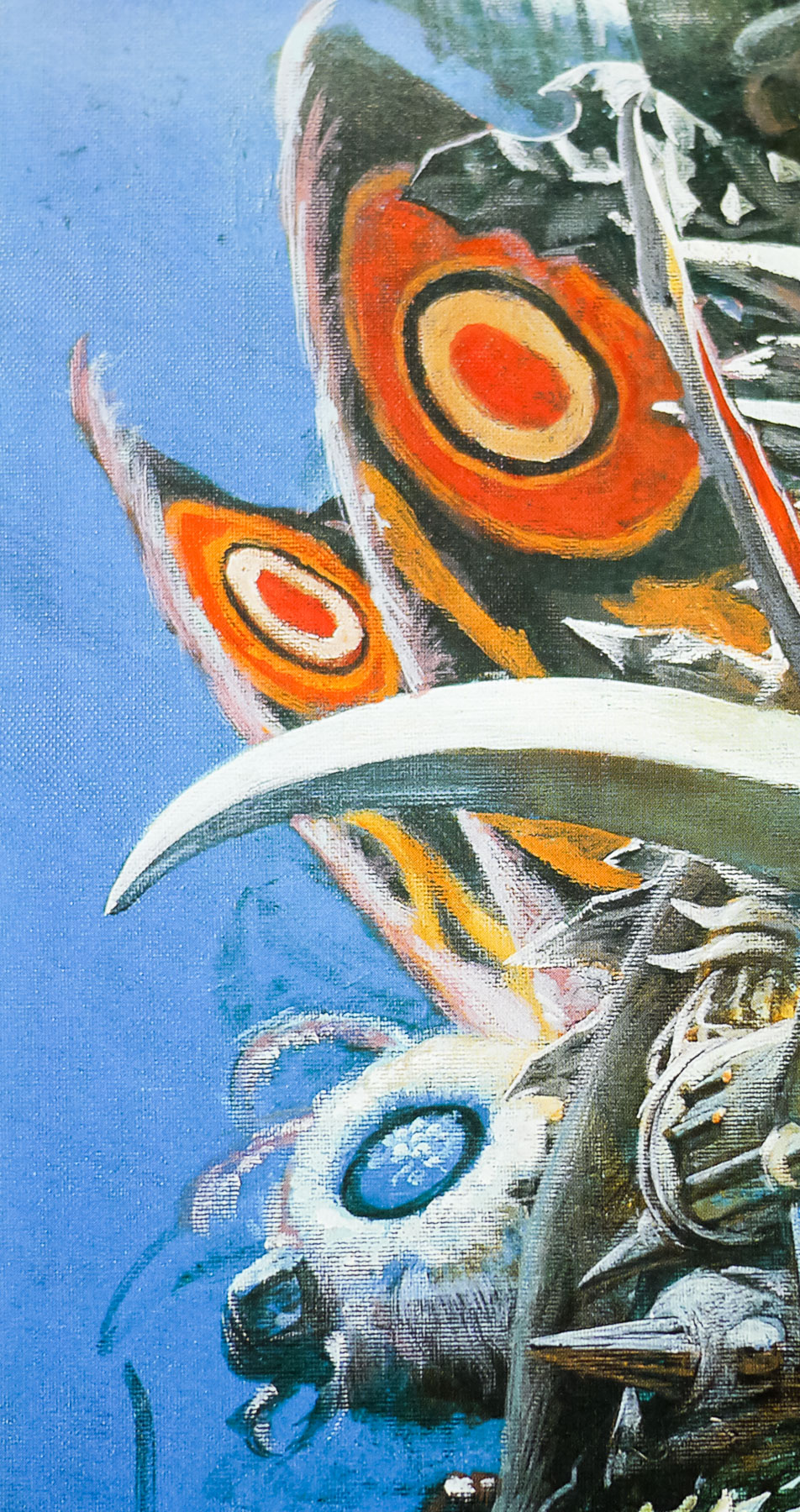
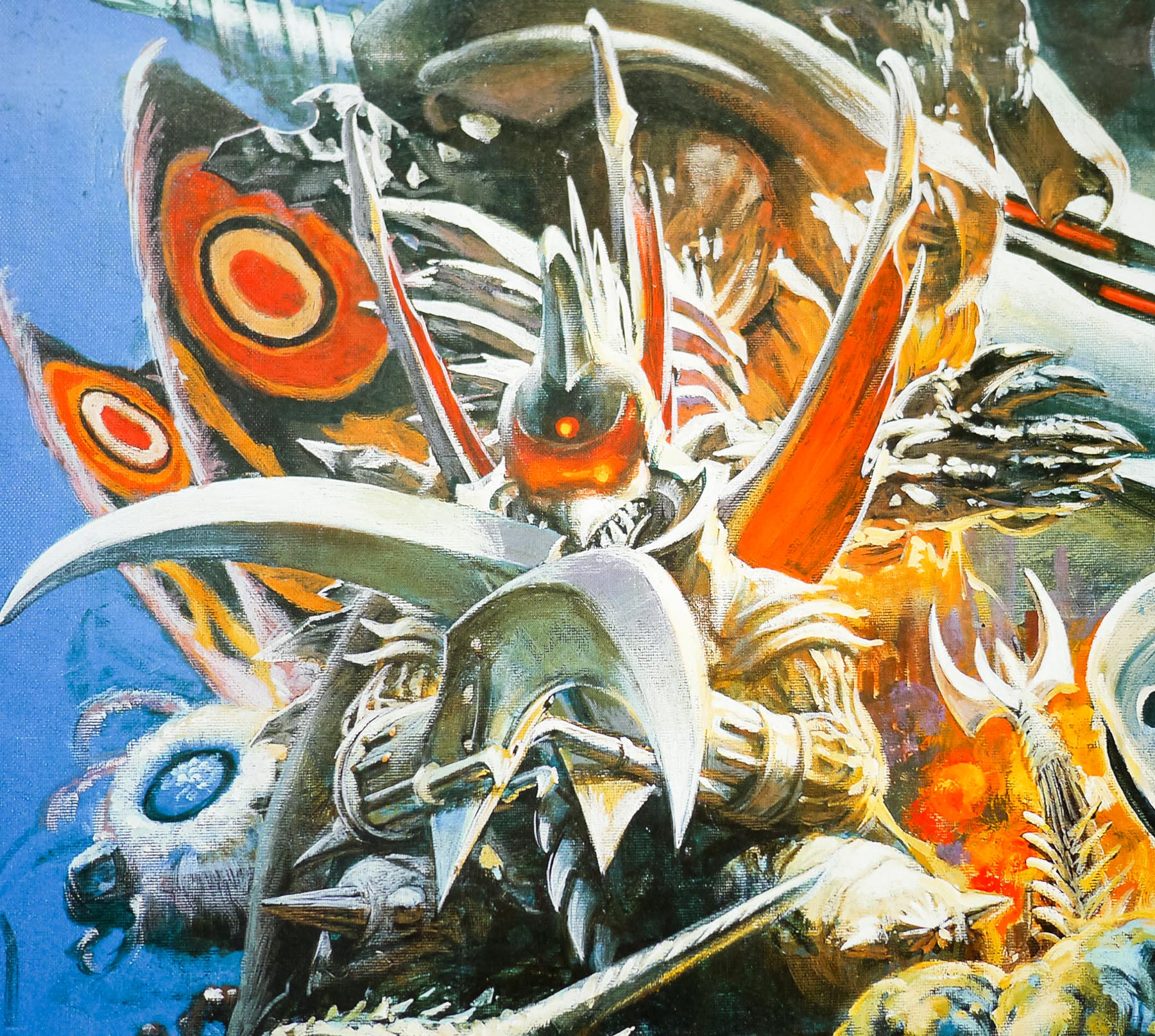
The artwork on the poster is by the late Noriyoshi Ohrai who was something of an enigma, even in his native Japan. He’s responsible for a number of Star Wars posters, including this lovely 1982 B2 to celebrate the release of the Japanese dubbed version of the original film and the brilliant design for The Empire Strikes Back.

Ohrai painted a poster for each of the Heisei era of Godzilla films, which were always accompanied by a photographic-style poster.

The other Ohrai posters I’ve added to the site so far can be seen by clicking here.

Nausicaa / B2 / portrait style / Japan

07.08.13

Poster Poster
Title
Nausicaa
AKA
Nausicaa of the Valley of the Wind (full English title) | Kaze no tani no Naushika (Japan - original title) | Warriors of the Wind (USA - edited version)
Year of Film
1984
Director
Hayao Miyazaki
Starring
Sumi Shimamoto, Mahito Tsujimura, Hisako Kyôda, Gorô Naya, Ichirô Nagai, Kôhei Miyauchi, Jôji Yanami, Minoru Yada
Origin of Film
Japan
Genre(s) of Film
Sumi Shimamoto, Mahito Tsujimura, Hisako Kyôda, Gorô Naya, Ichirô Nagai, Kôhei Miyauchi, Jôji Yanami, Minoru Yada,
Type of Poster
B2
Style of Poster
Portrait
Origin of Poster
Japan
Year of Poster
1984
Designer
Unknown
Artist
Hayao Miyazaki
Size (inches)
20 6/16" x 28 13/16"
SS or DS
SS
Tagline
--

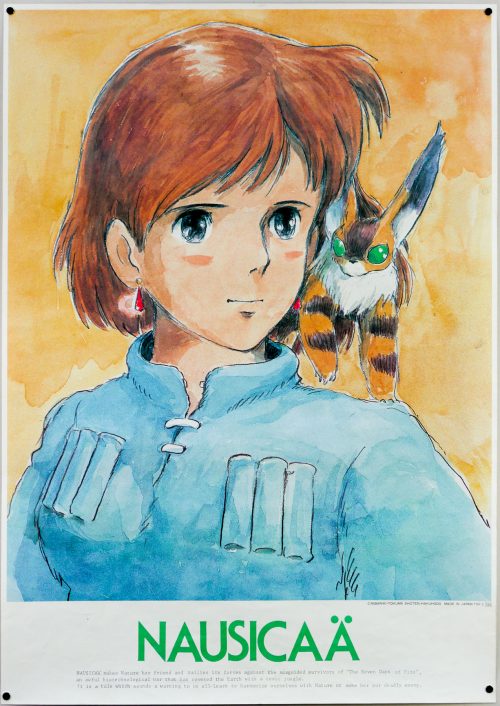
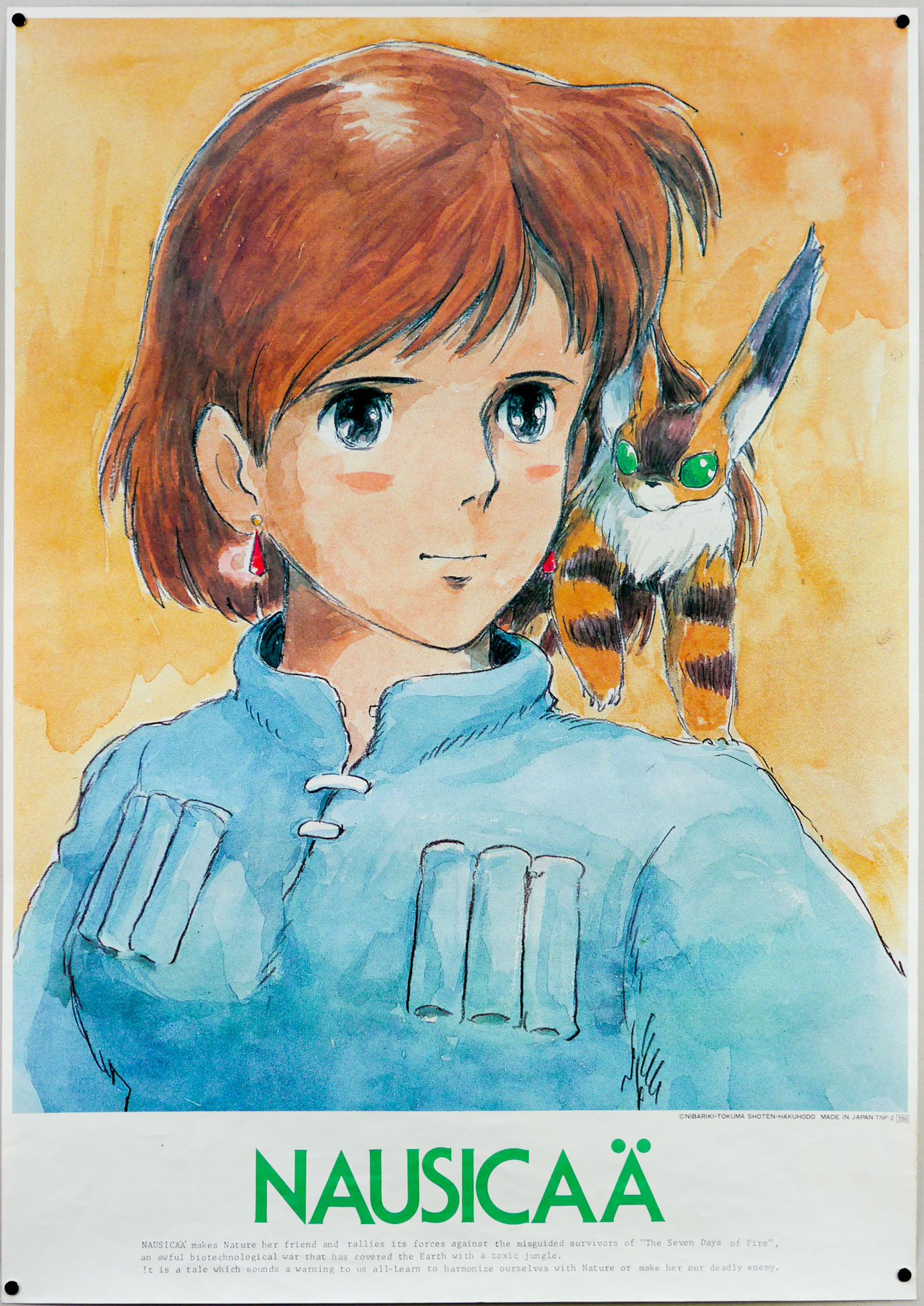
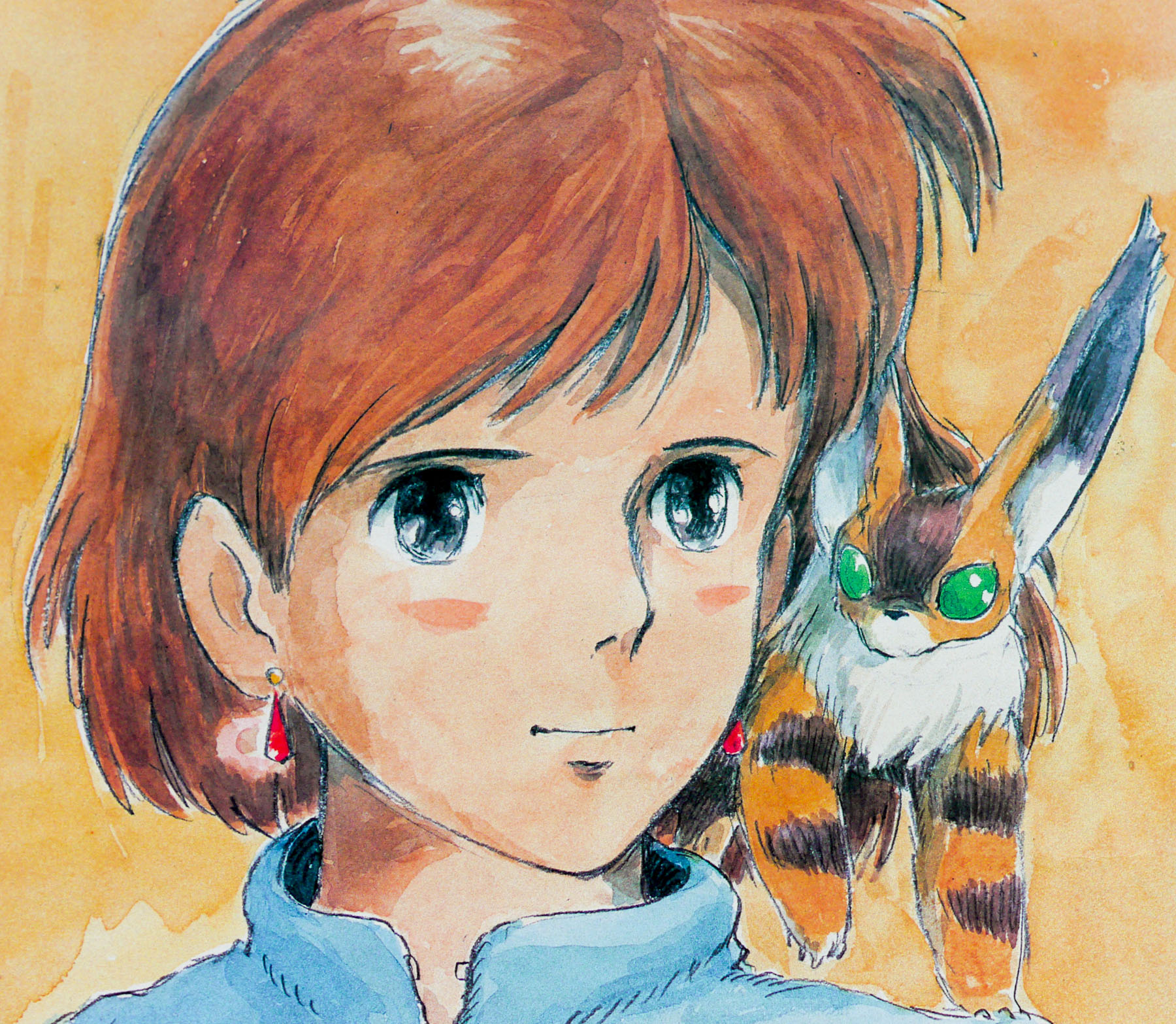
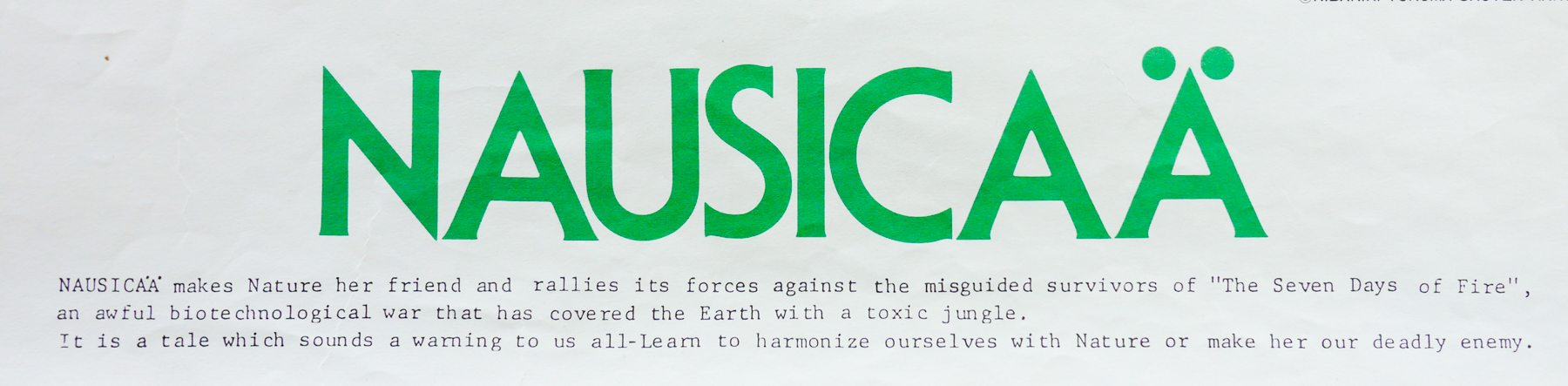
A great illustration on this Japanese B2 for Nausicaä, considered to be the first film from Studio Ghibli, the legendary animation studio founded by Hayao Miyazaki shortly after this film was released. Nausicaä was released in the US retitled as ‘Warriors of the Wind’ and was severely edited with many of the film’s themes and characters diluted.

Miyazaki has publicly stated how much he hates this version and the story goes that when Princess Mononoke was bought by Miramax Films for US distribution someone at Studio Ghibli sent a Katana sword with the simple message: ‘No cuts’. See the Wikipedia page for more details and a picture of the bizarre US poster.

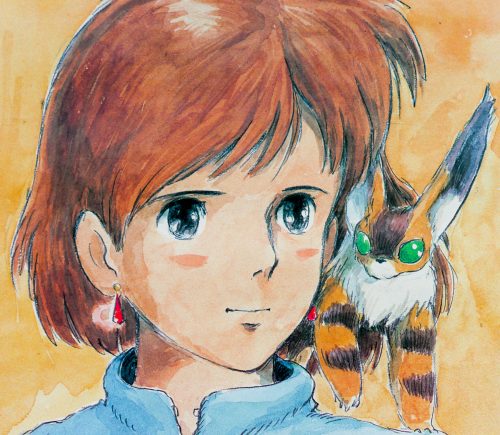
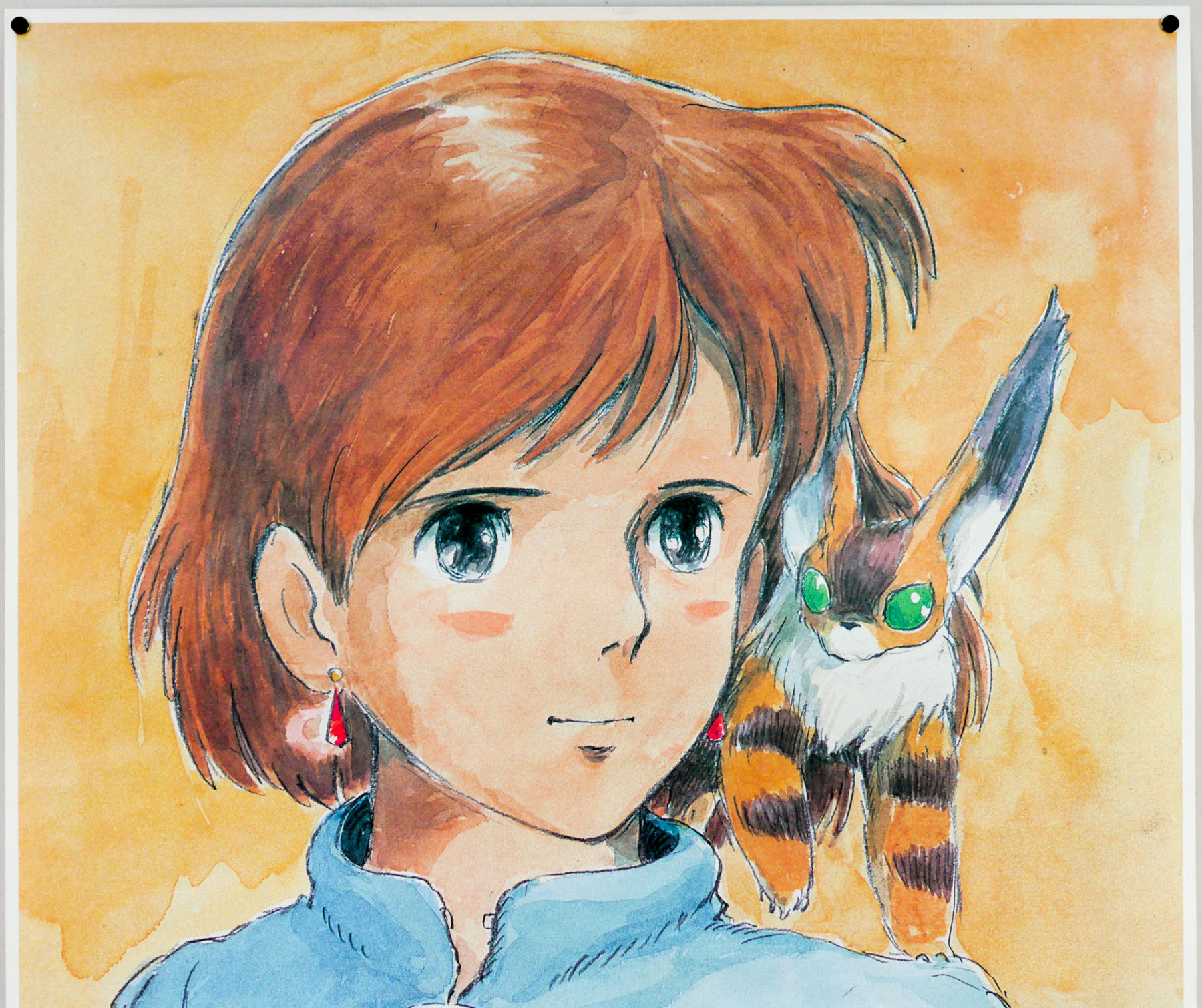
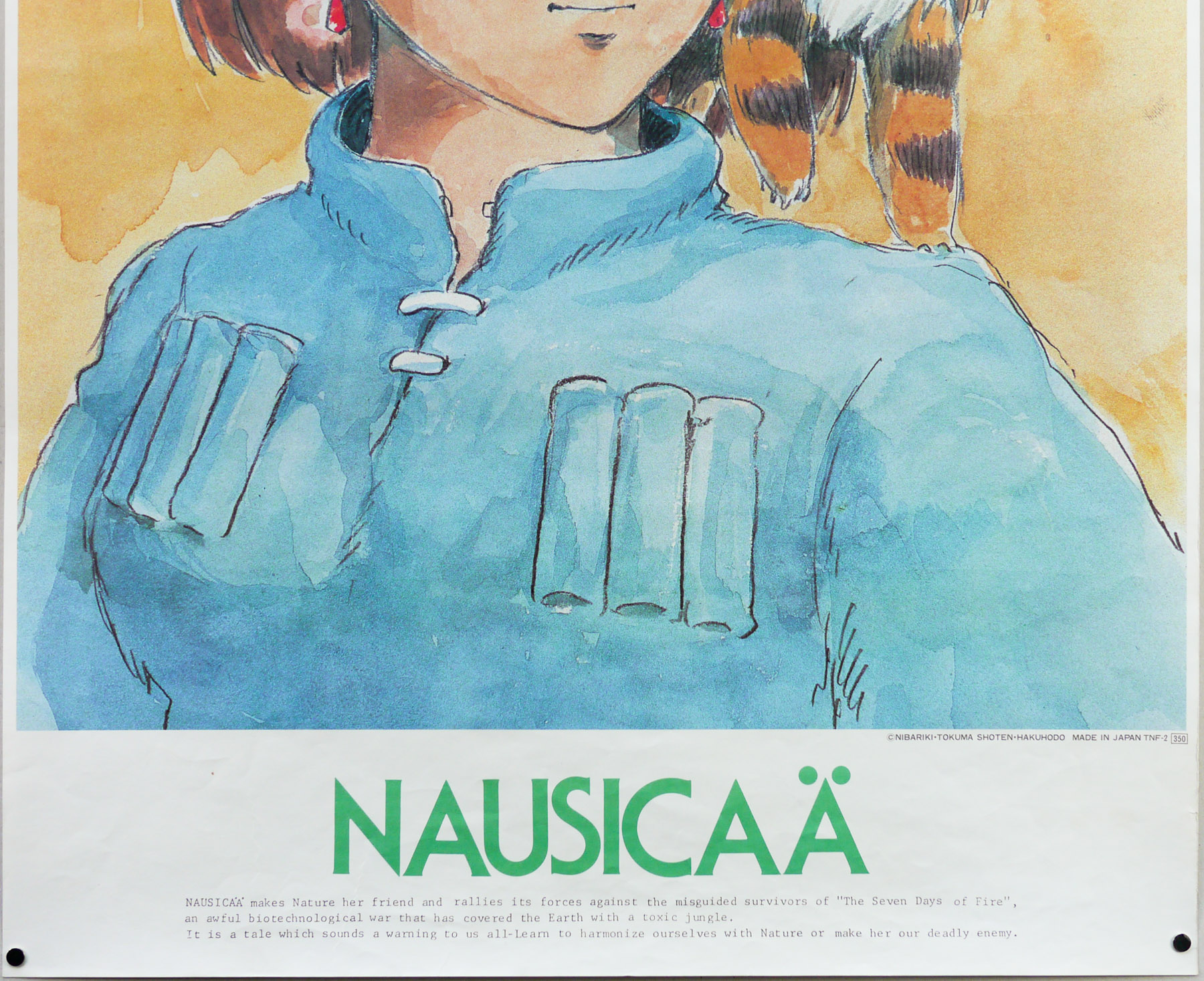
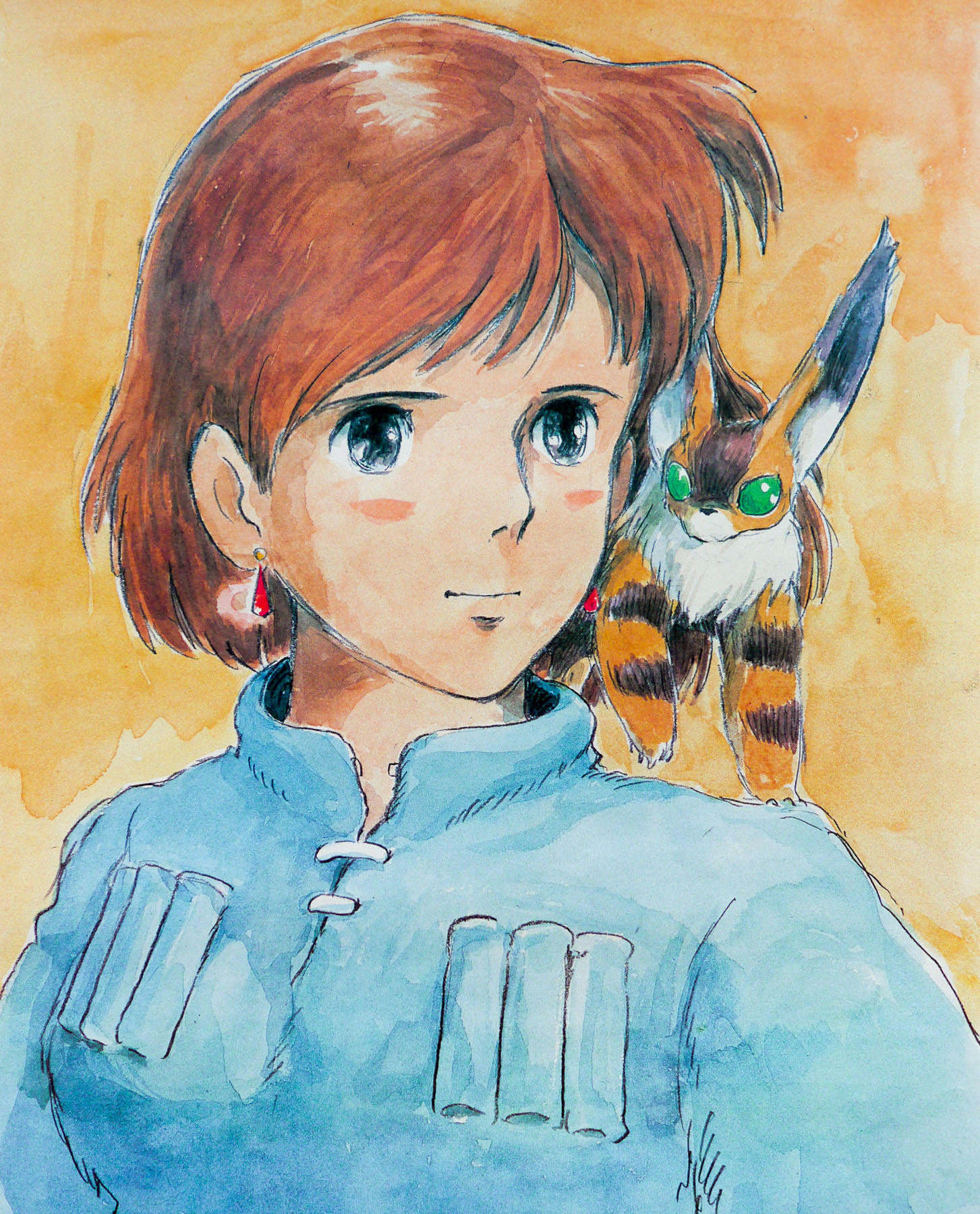
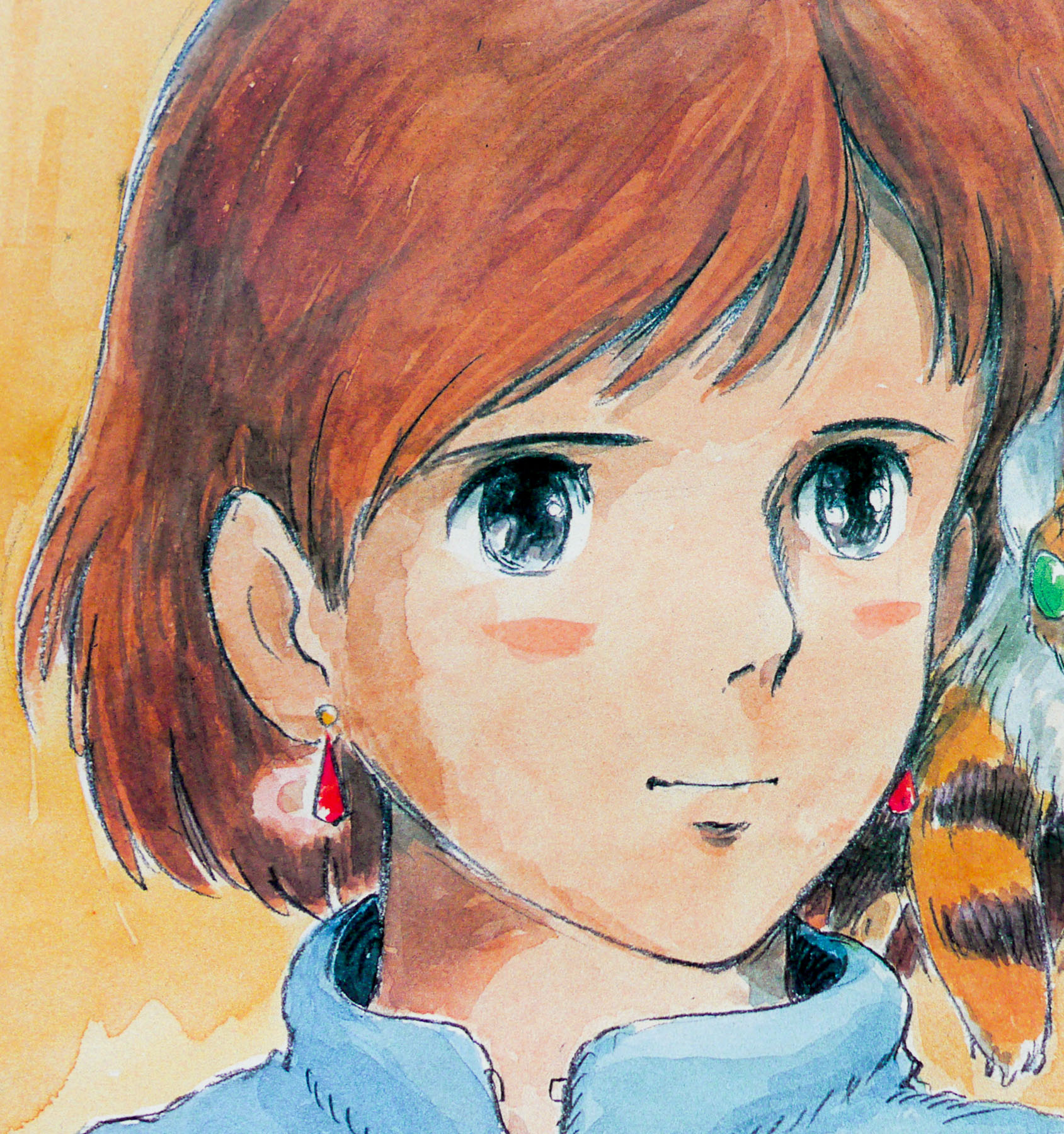
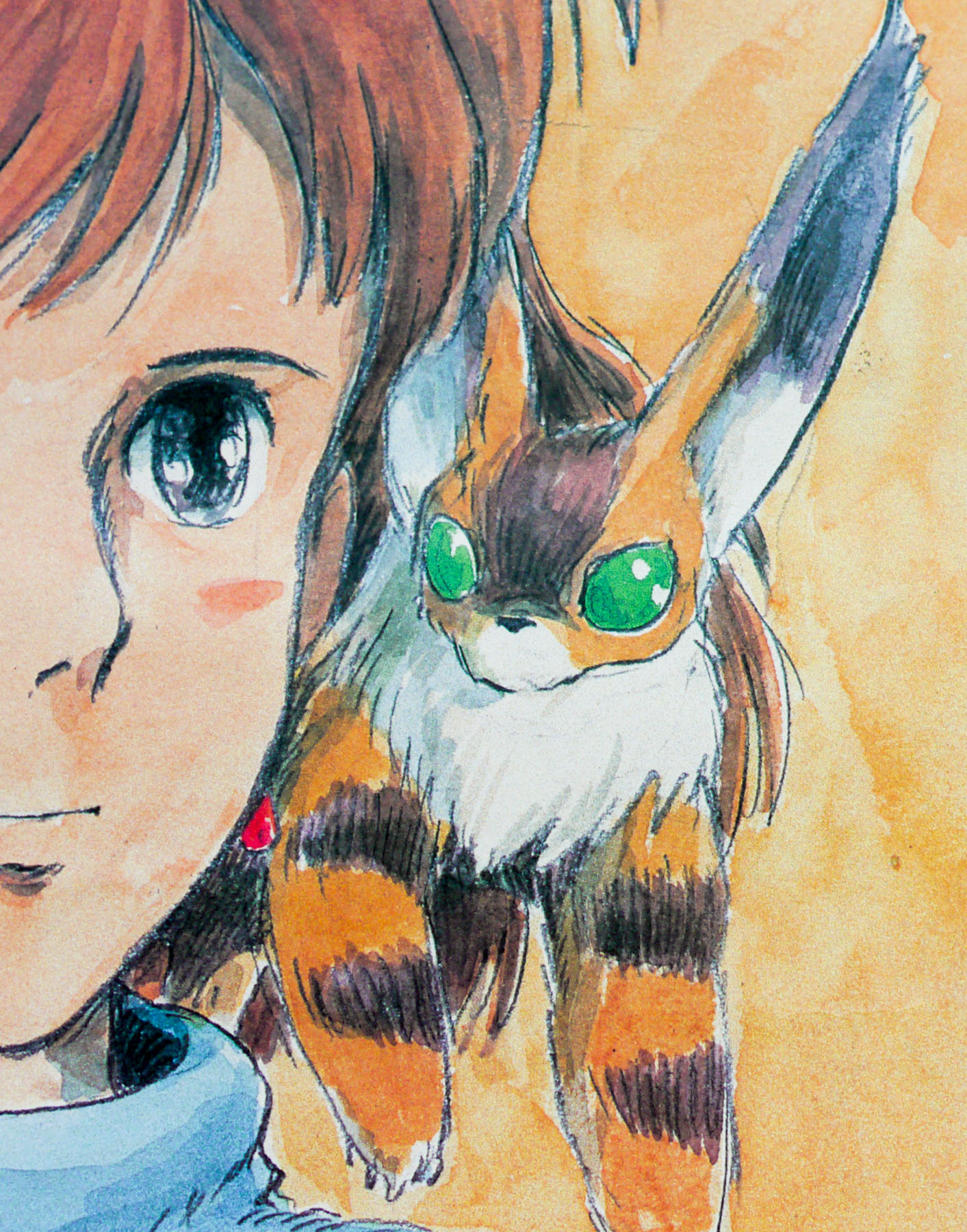
This portrait of Princess Nausicaä with her fox-squirrel companion Teto was painted by Miyazaki himself and  it appears in a book of Nausicaa art titled The Nausicaa Watercolor Collection, which includes annotations by Miyazaki. In his annotation for the image, he attributes himself as the artist, while also complaining about her posture! “I know I’m the one who drew this, but I don’t really like this picture. The Nausicaa inside me would never pose like this.” Thanks to site reader Reynold for confirming this.

The poster is missing an Eirin mark, despite being the standard B2 size, and I suspect it may have been a commercial poster sold in cinemas at the time of the original release.

Nausicaä was the first Studio Ghibli back-catalogue title to be released on blu-ray in 2011.

Here’s the trailer for the film.

Orca / B2 / style A / Japan

30.12.13

Poster Poster
Title
Orca
AKA
Orca: Killer Whale (alt. title) | The Killer Whale (alt. title)
Year of Film
1977
Director
Michael Anderson
Starring
Richard Harris, Charlotte Rampling, Will Sampson, Bo Derek, Keenan Wynn, Robert Carradine, Scott Walker, Peter Hooten, Wayne Heffley
Origin of Film
USA
Genre(s) of Film
Richard Harris, Charlotte Rampling, Will Sampson, Bo Derek, Keenan Wynn, Robert Carradine, Scott Walker, Peter Hooten, Wayne Heffley,
Type of Poster
B2
Style of Poster
Style A
Origin of Poster
Japan
Year of Poster
1977
Designer
Unknown
Artist
Unknown
Size (inches)
20 7/16" x 28 14/16"
SS or DS
SS
Tagline
--

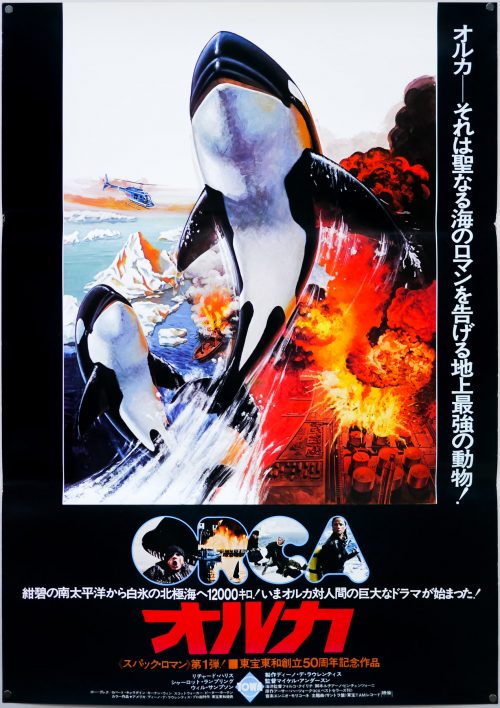
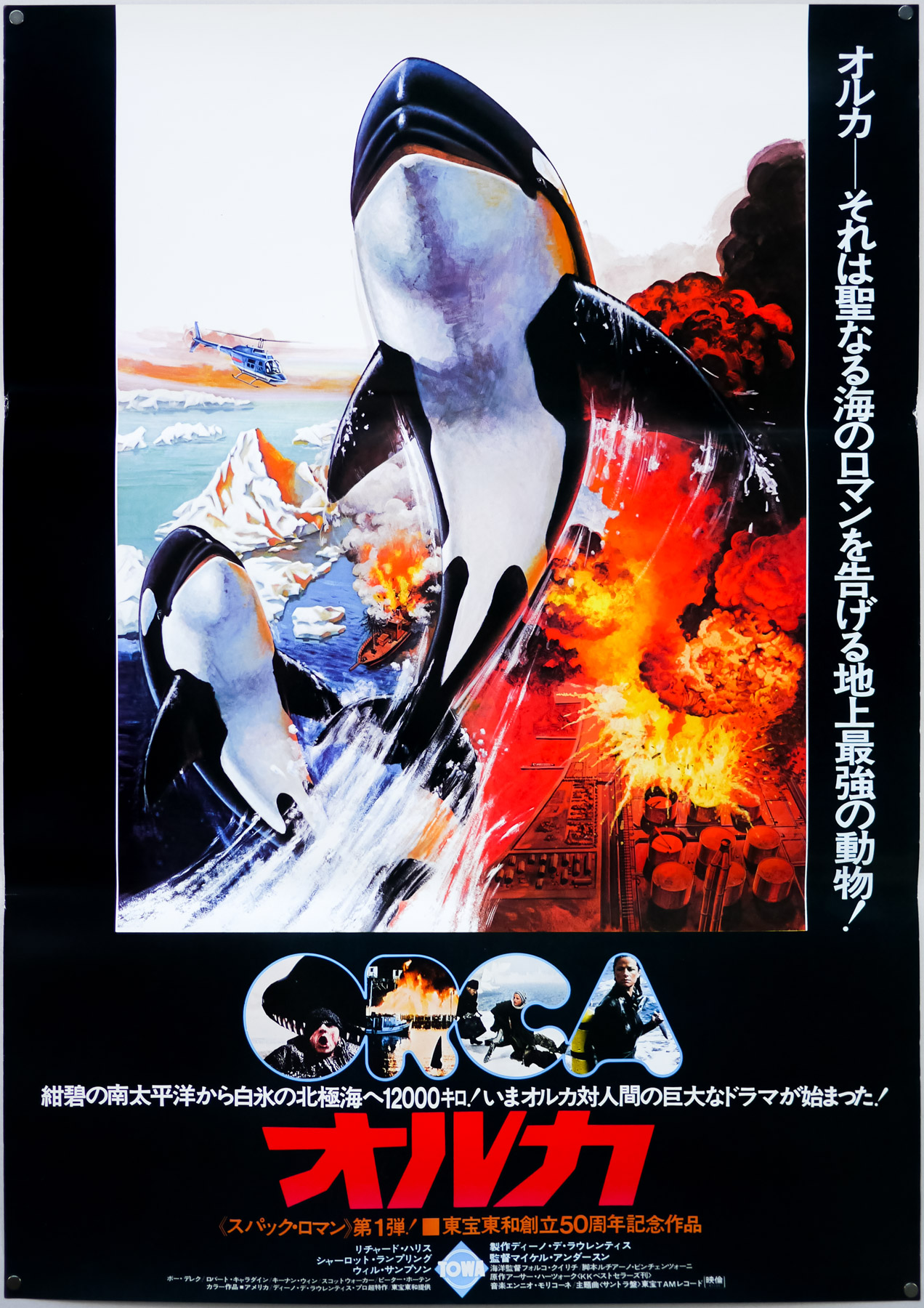
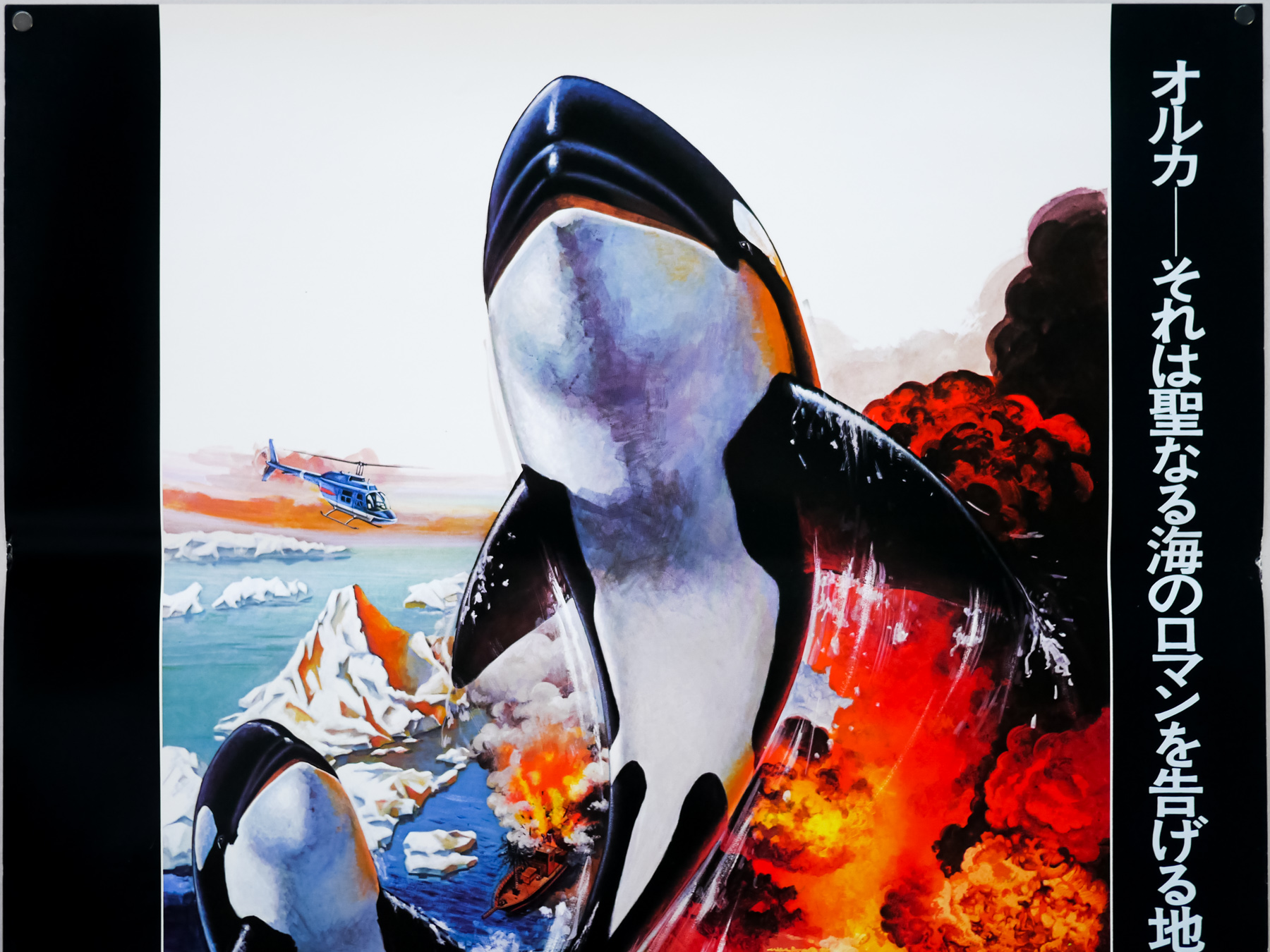
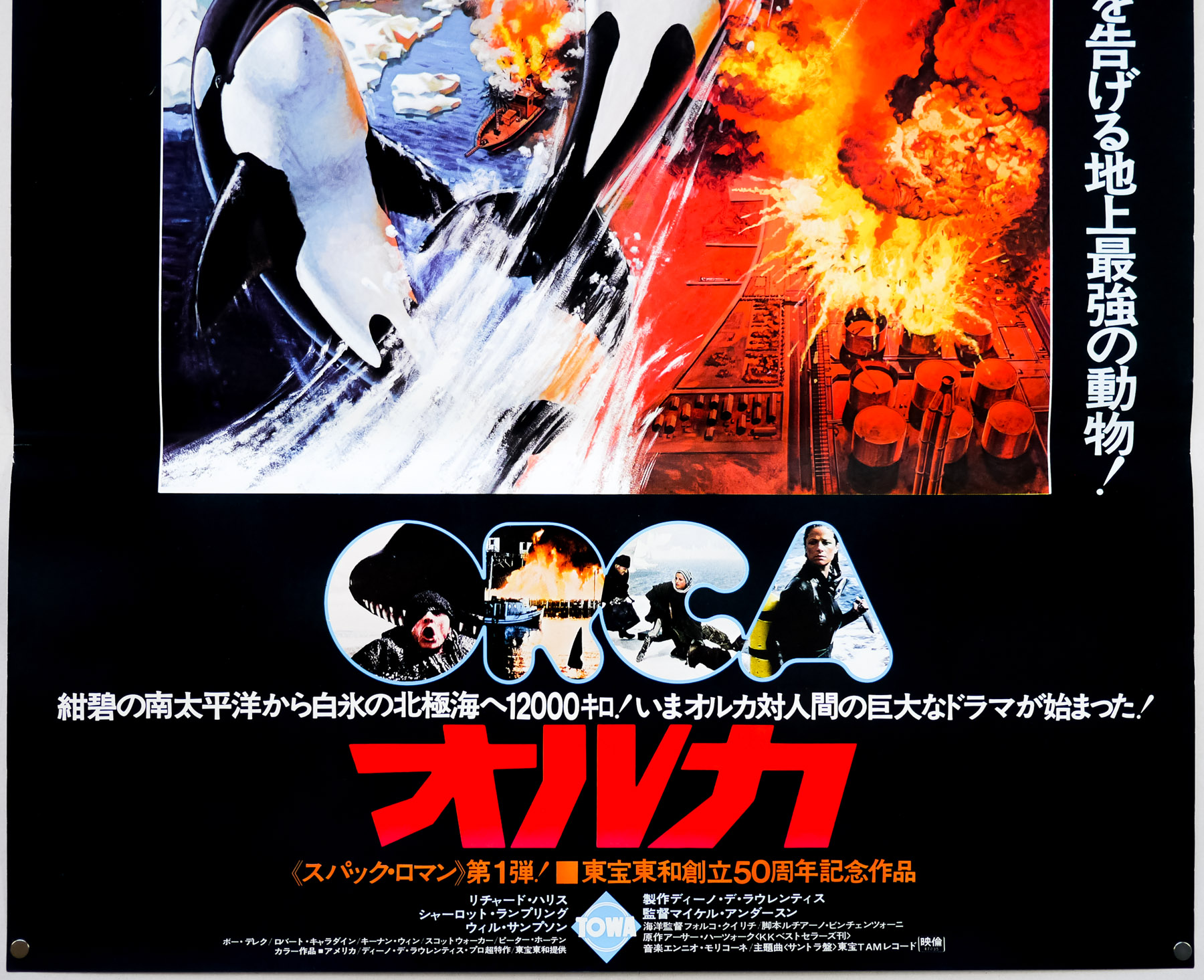
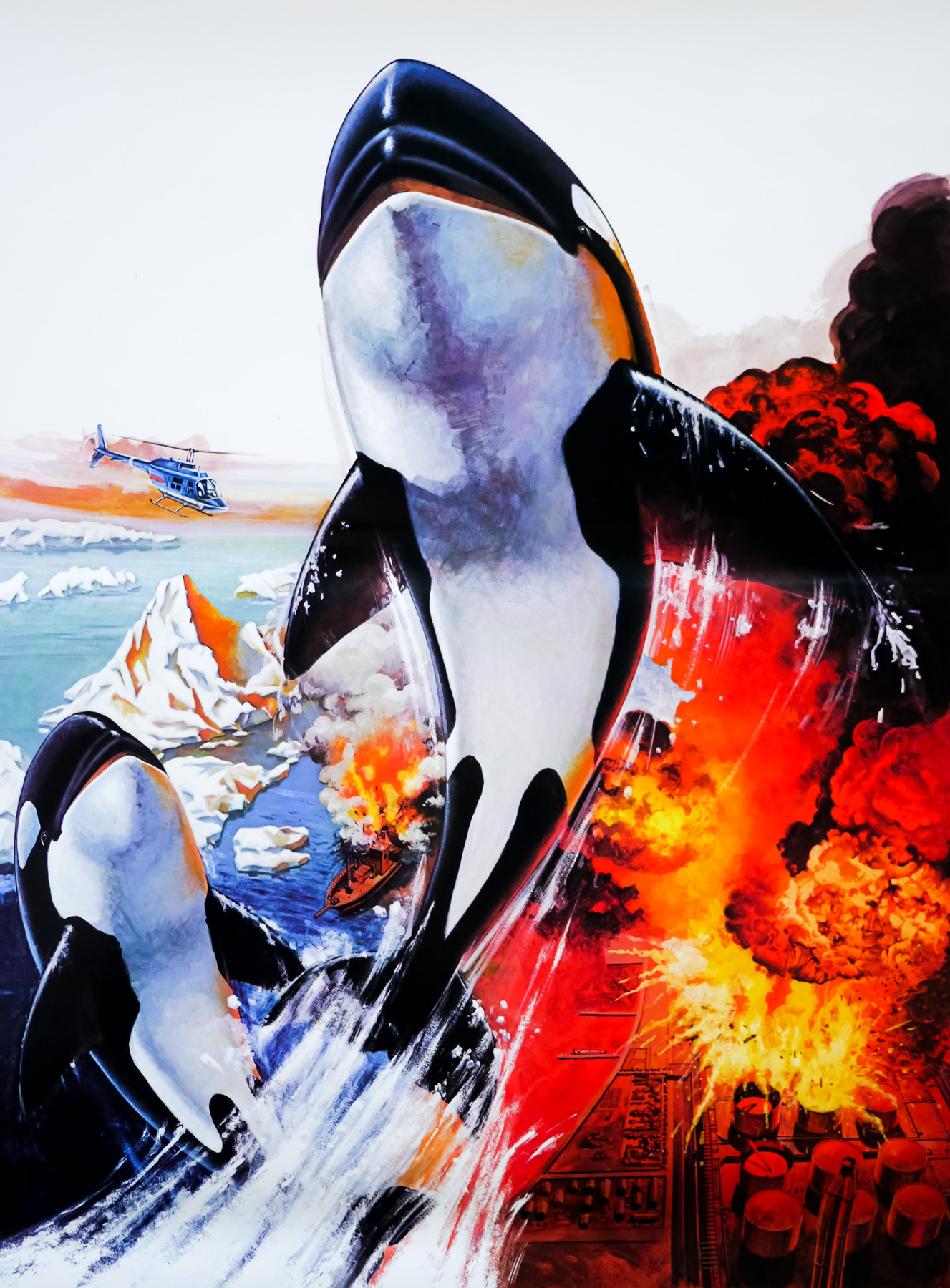
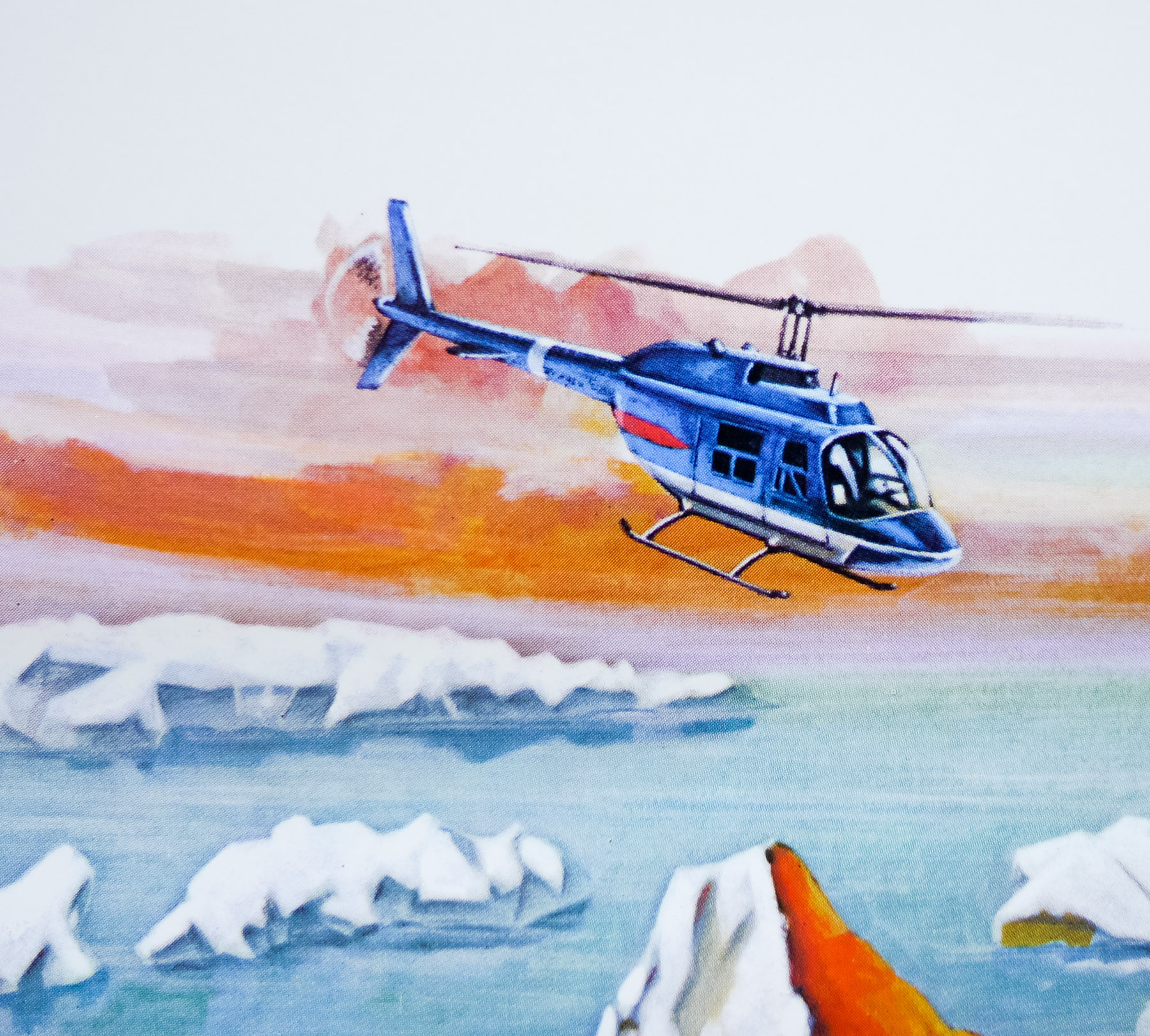
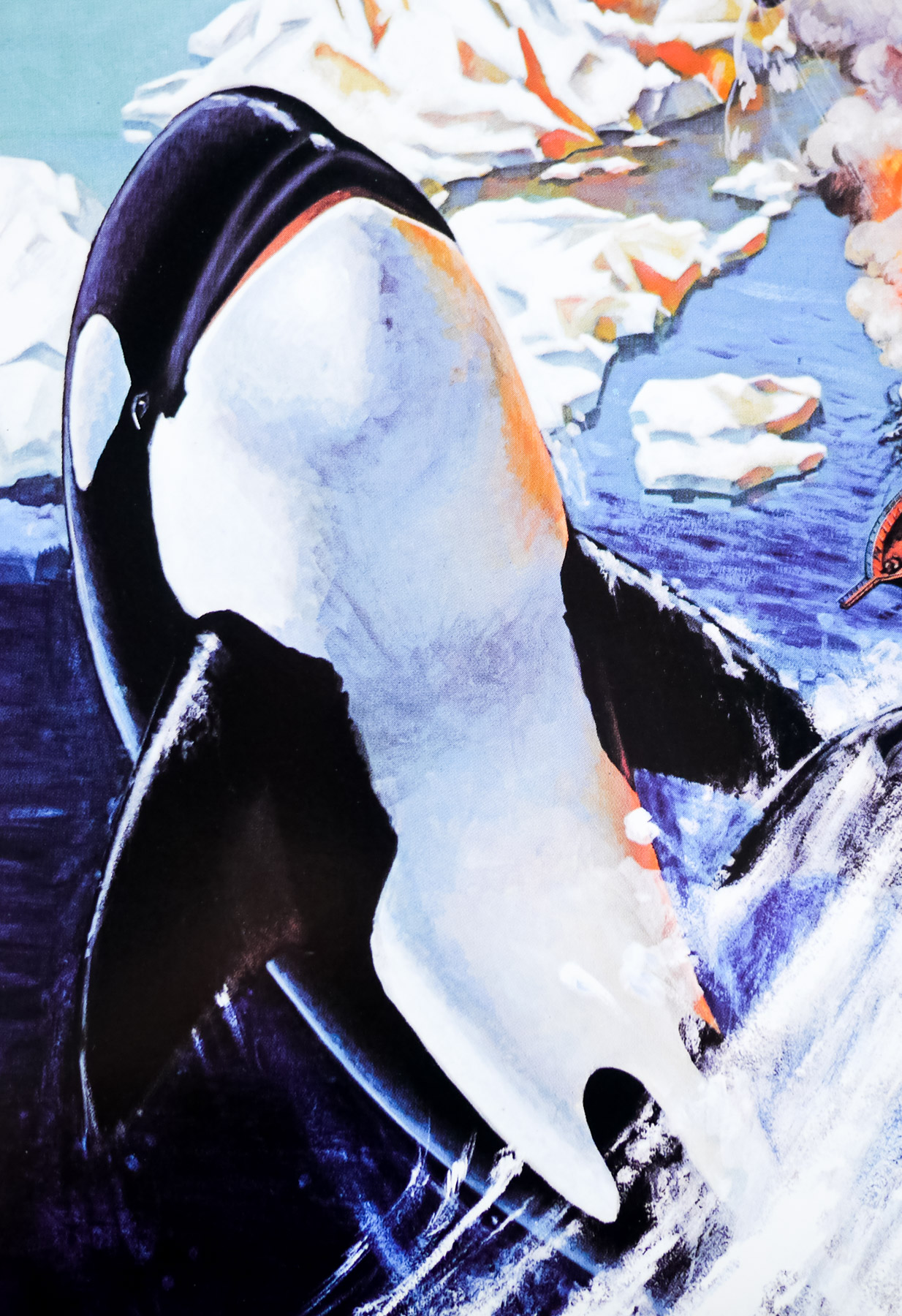
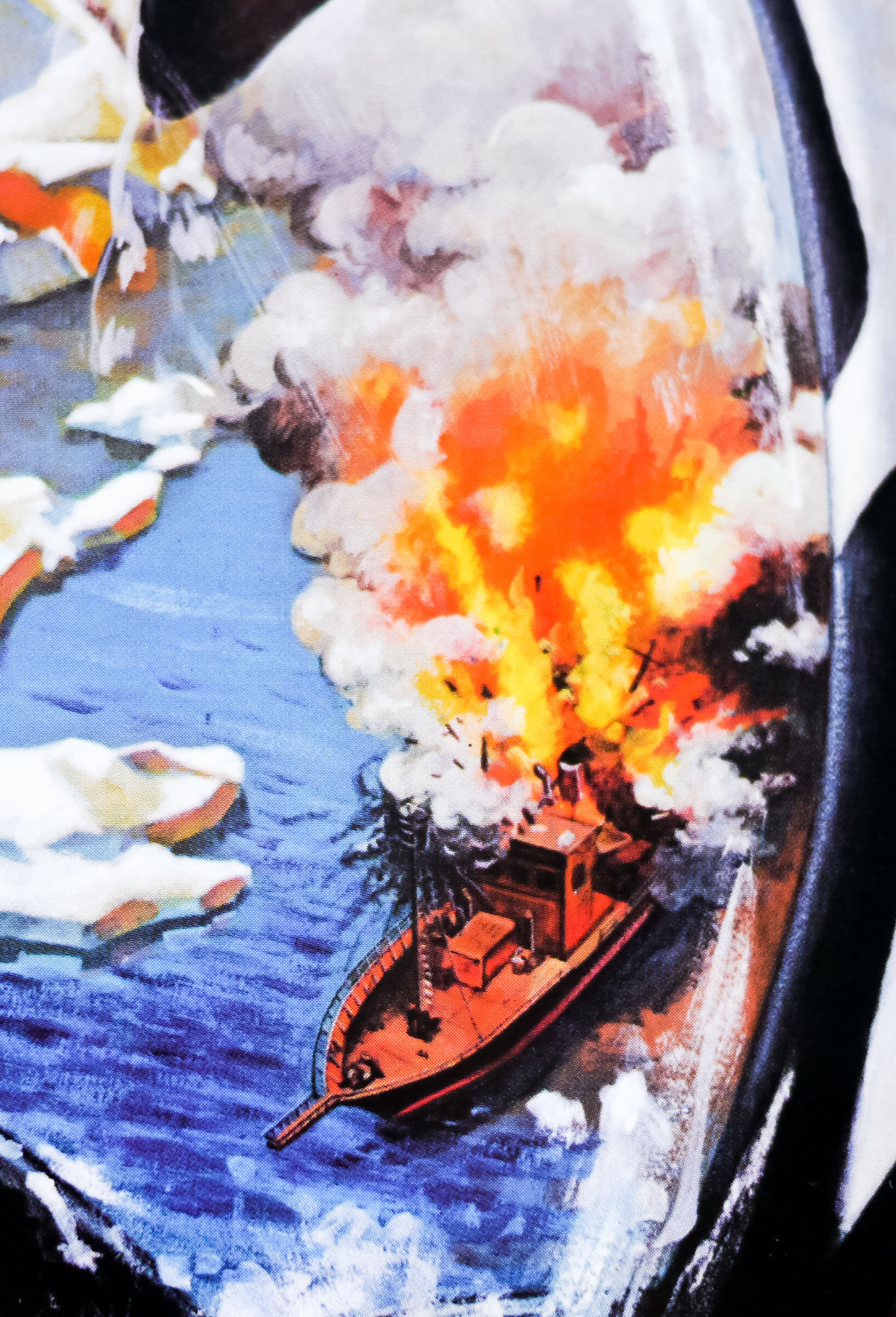
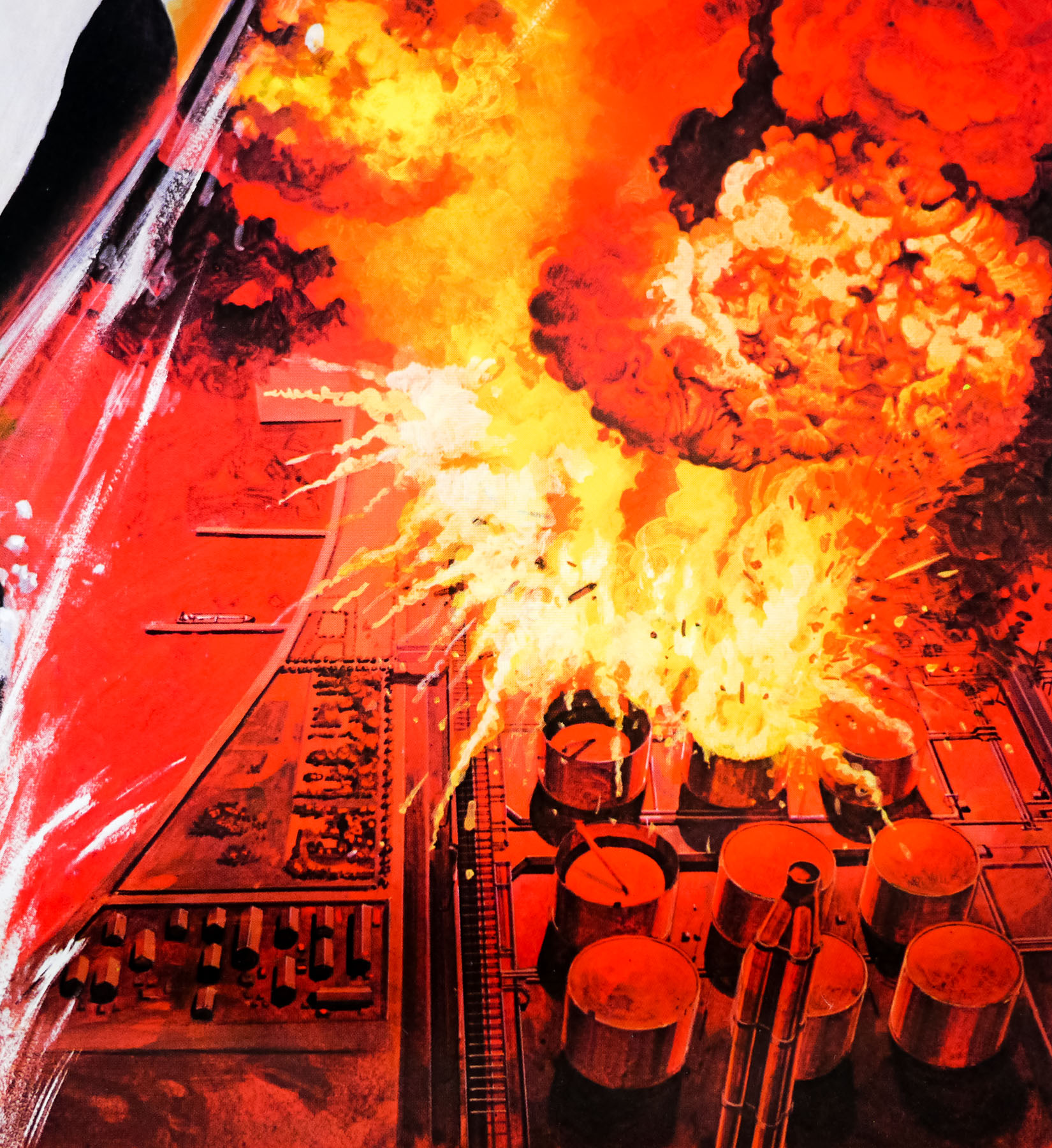
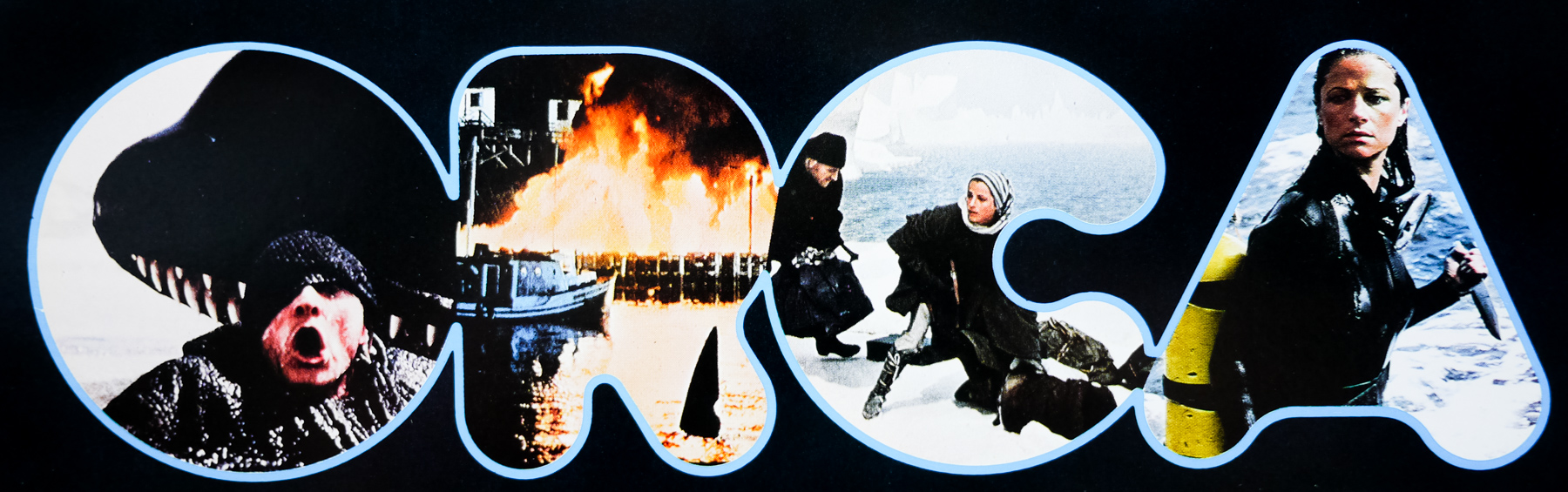
A man versus giant killer fish film that was released two years after the original summer blockbuster Jaws, Orca was always going to be compared to Spielberg’s classic even if its lead actor, the late Richard Harris, was apparently angered by the links; ‘I get really offended when people make the comparison’, he is quoted as saying at the time of release. The late Italian producer Dino De Laurentiis was determined to one-up the spectacle of Jaws and tasked the screenwriter Luciano Vincenzoni to “find a fish tougher and more terrible than the great white”, which led them to the killer whale and production on ‘Orca’ began.

Harris plays Nolan, the Irish captain of a fishing boat operating in the waters off the coast of northern Canada who hears of a lucrative contract being offered for the live capture of a killer whale and hopes the bounty will pay off the mortgage on his boat. After Nolan and his crew accidentally spear a pregnant female killer whale they drag it onto the ship where it miscarries, and almost dies, before the male (Orca) attacks the ship, killing one of the crew before the female is cut loose and falls into the water. The next morning the body of the female whale washes up on shore and before long it becomes clear that Orca is out for revenge, as he attacks the fishing village and destroys vital fuel lines. The villagers insist Nolan is responsible and task him with killing Orca so he sets off with the remainder of his crew, plus marine biologist Rachel Bedford (Charlotte Rampling) and a native American killer whale expert (Will Sampson). The whale leads the boat away from the village into frozen, iceberg covered waters and the stage is set for a final confrontation.

Unfortunately for De Laurentiis and all involved the film was critically derided and sank quickly at the box office, particularly since the juggernaut that was Star Wars was already smashing box office records around the world. The idea of a vengeful fish obviously didn’t go down too well with audiences, although the people behind 1987’s awful Jaws: The Revenge must have forgotten this by the time it was decided to make a third Jaws sequel. The practice of hunting and capturing killer whales to feed the demand from aquariums in the 1960s and 70s was sadly all too prevalent, as documented in the recent heartbreaking documentary Blackfish, which also points out that there are no documented cases of humans being killed by the whales in the wild.

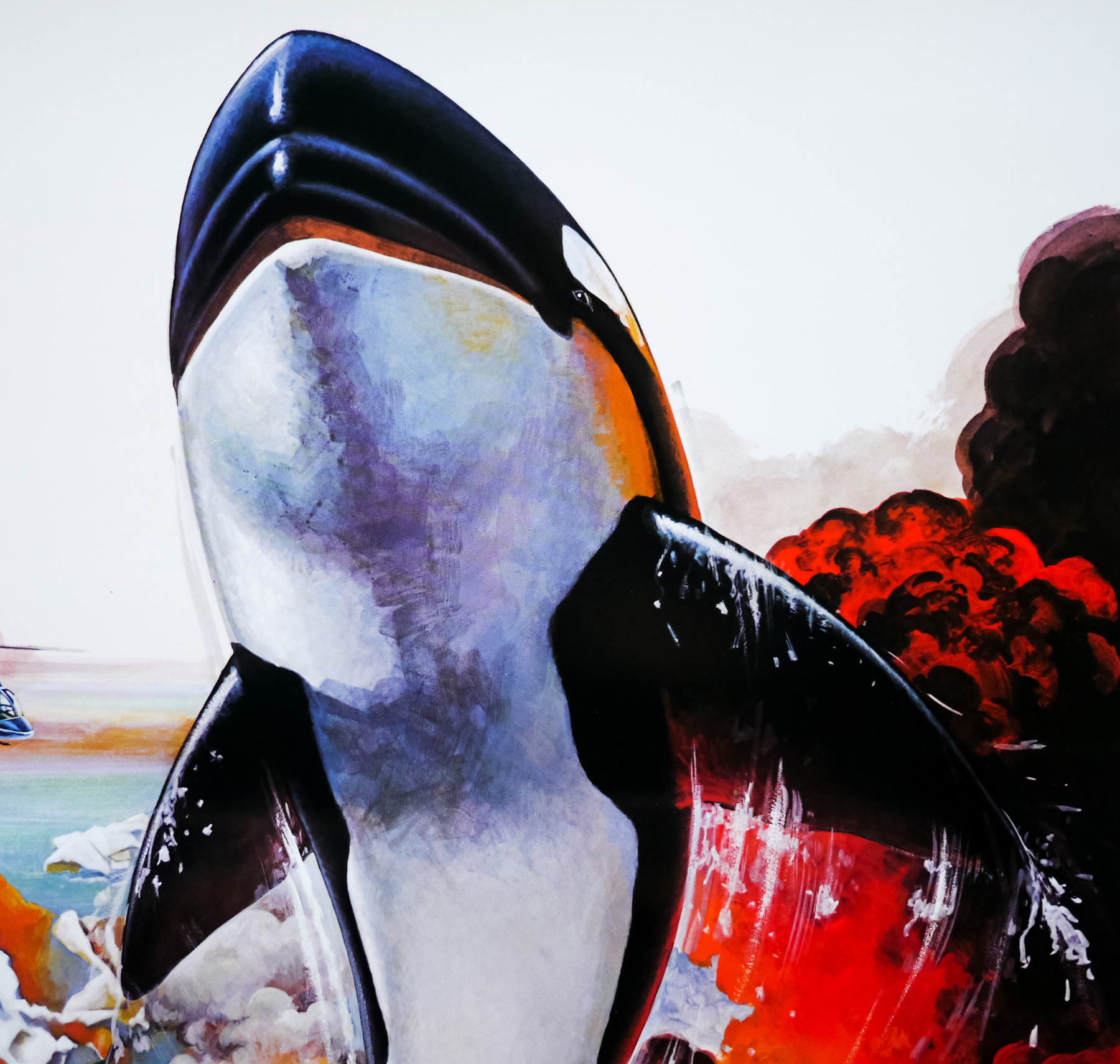
The artwork on the American one sheet was painted by John Berkey who also worked on the poster for the De Laurentiis produced remake of King Kong a year earlier, and the Orca art was also used for the British quad. The Japanese marketing campaign, however, featured at least three B2-sized posters, including this one, that featured artwork apparently unique to the posters and only the B1 format used the Berkey painting. I’ve called this B2 the ‘style A (black surround)’ and I also have the other two styles which will be added to the site eventually. I’ve been unable to find out who is responsible for this artwork so if you have any ideas please get in touch.

Check out the bonkers original trailer on YouTube.

Godzilla: Final Wars / B2 / montage style / Japan

08.05.14

Poster Poster

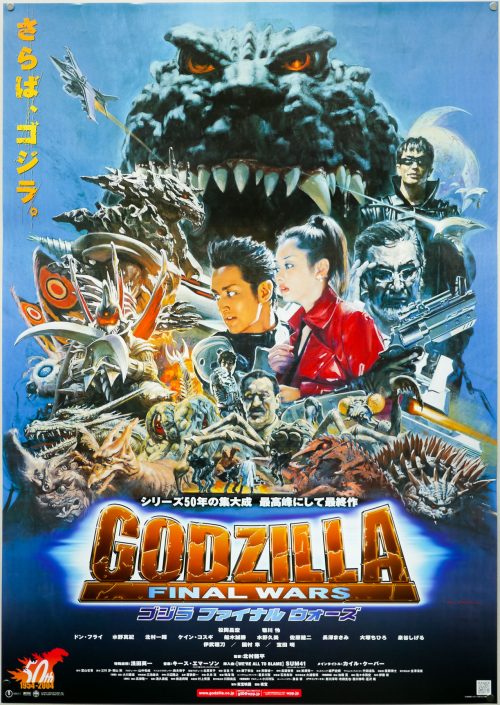
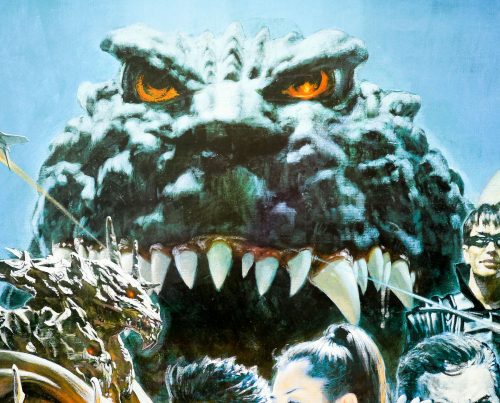
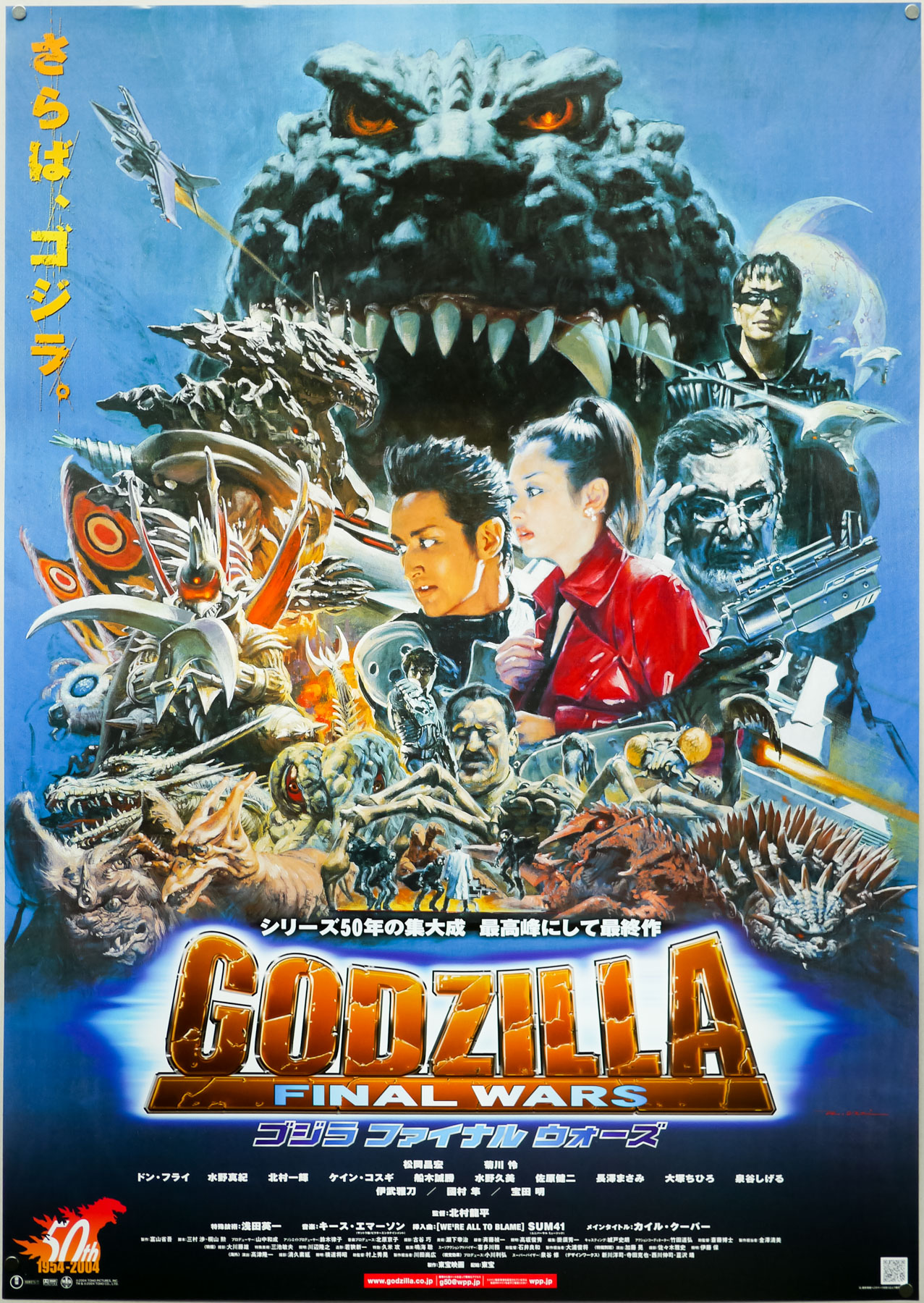
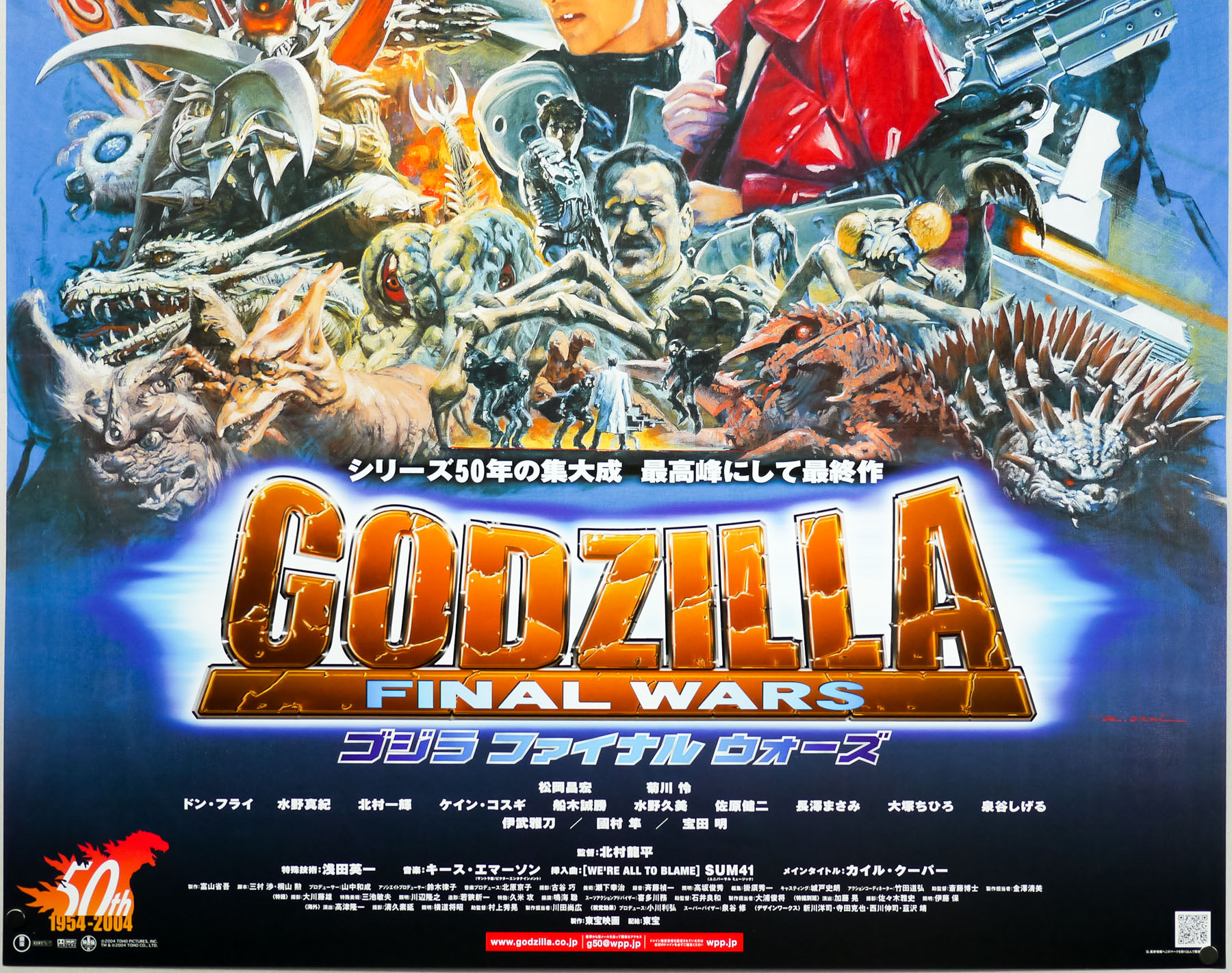
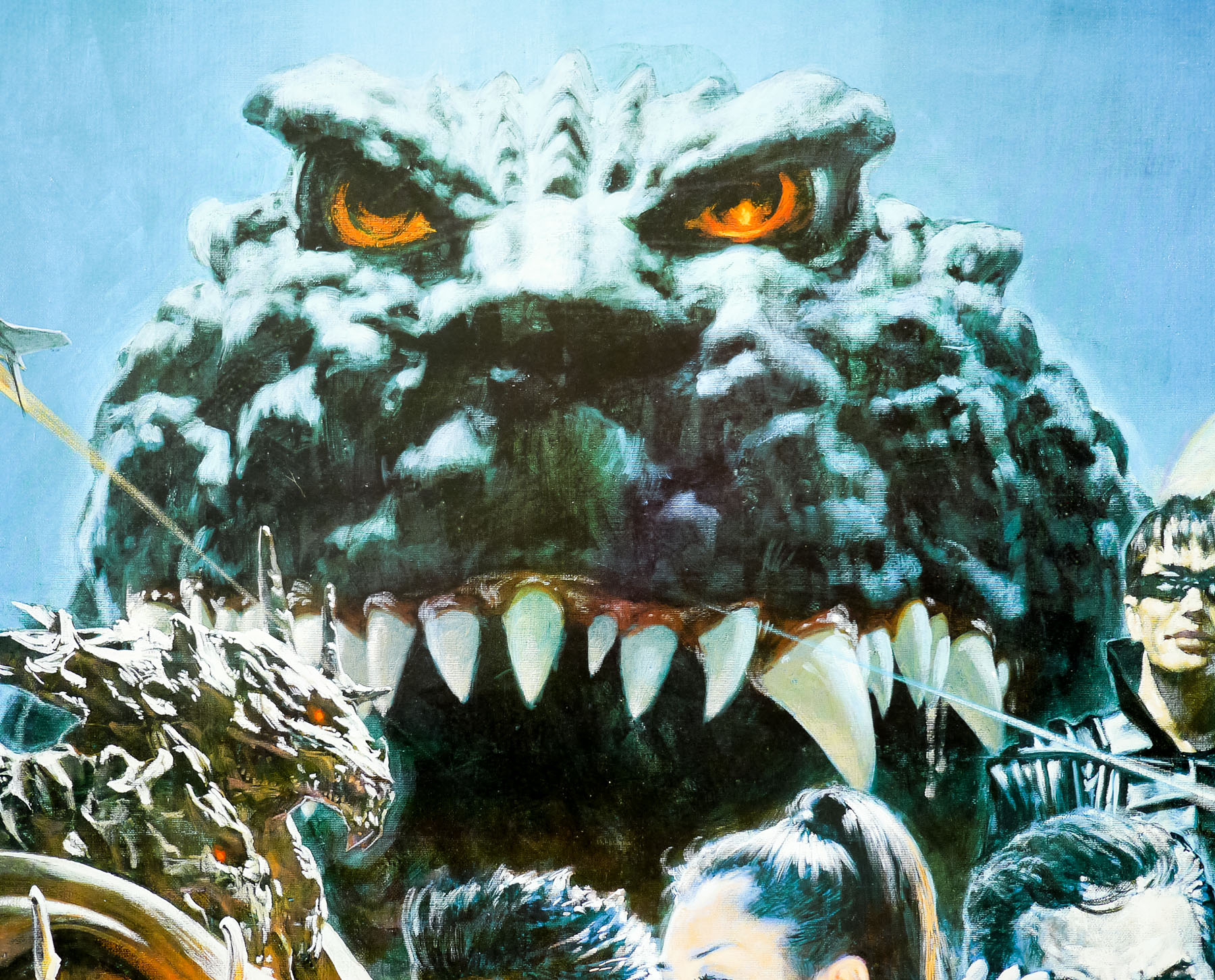
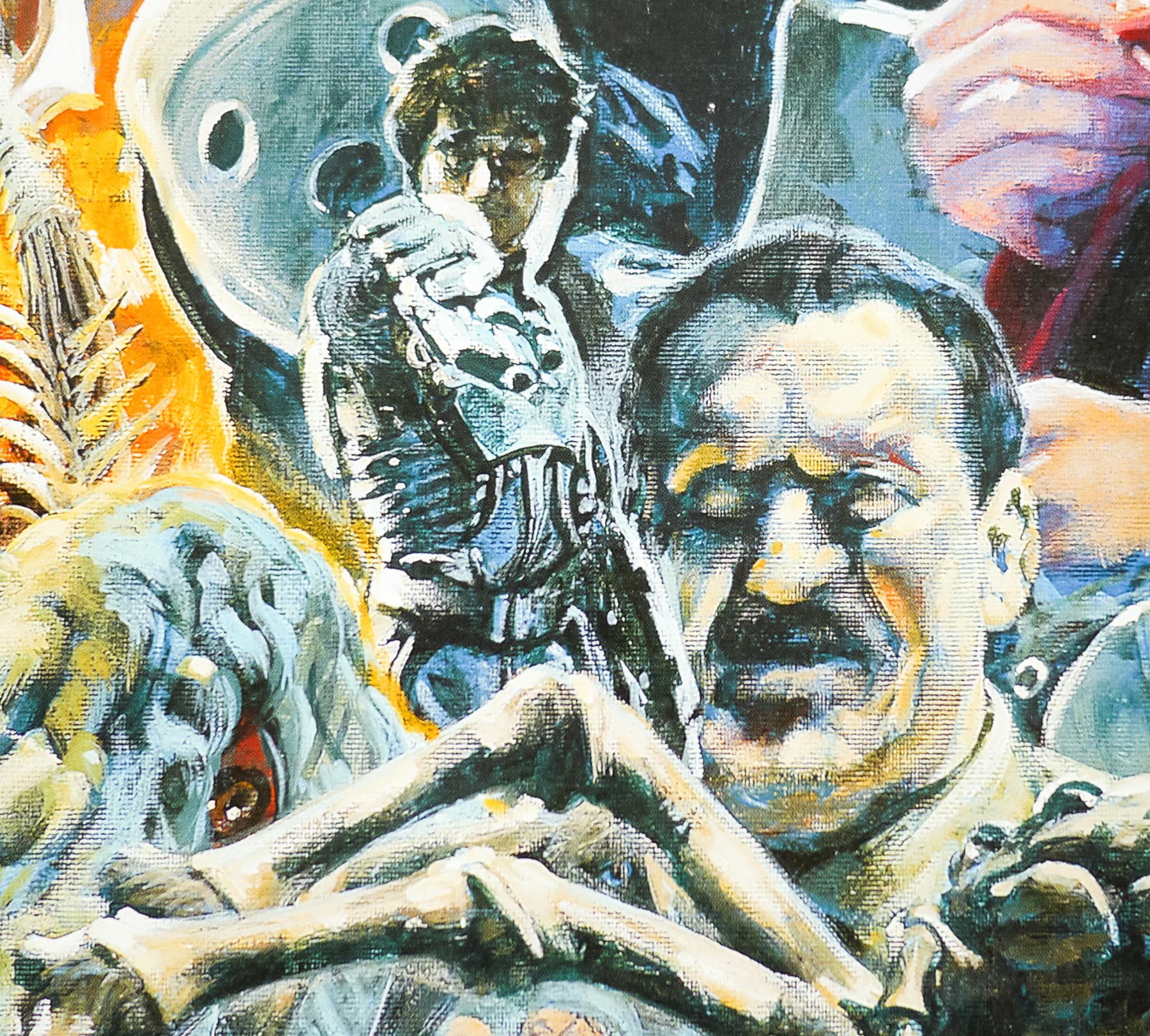
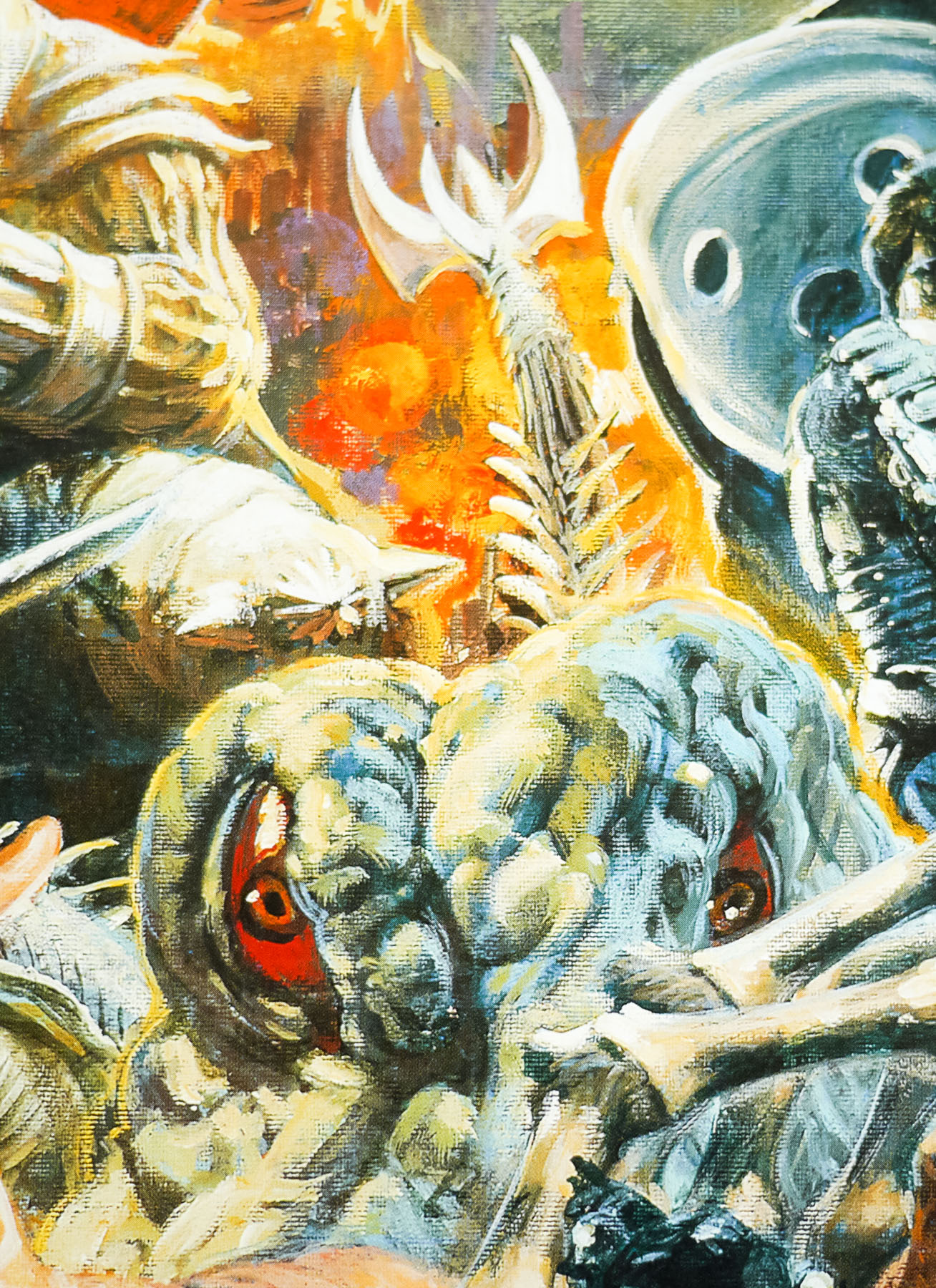
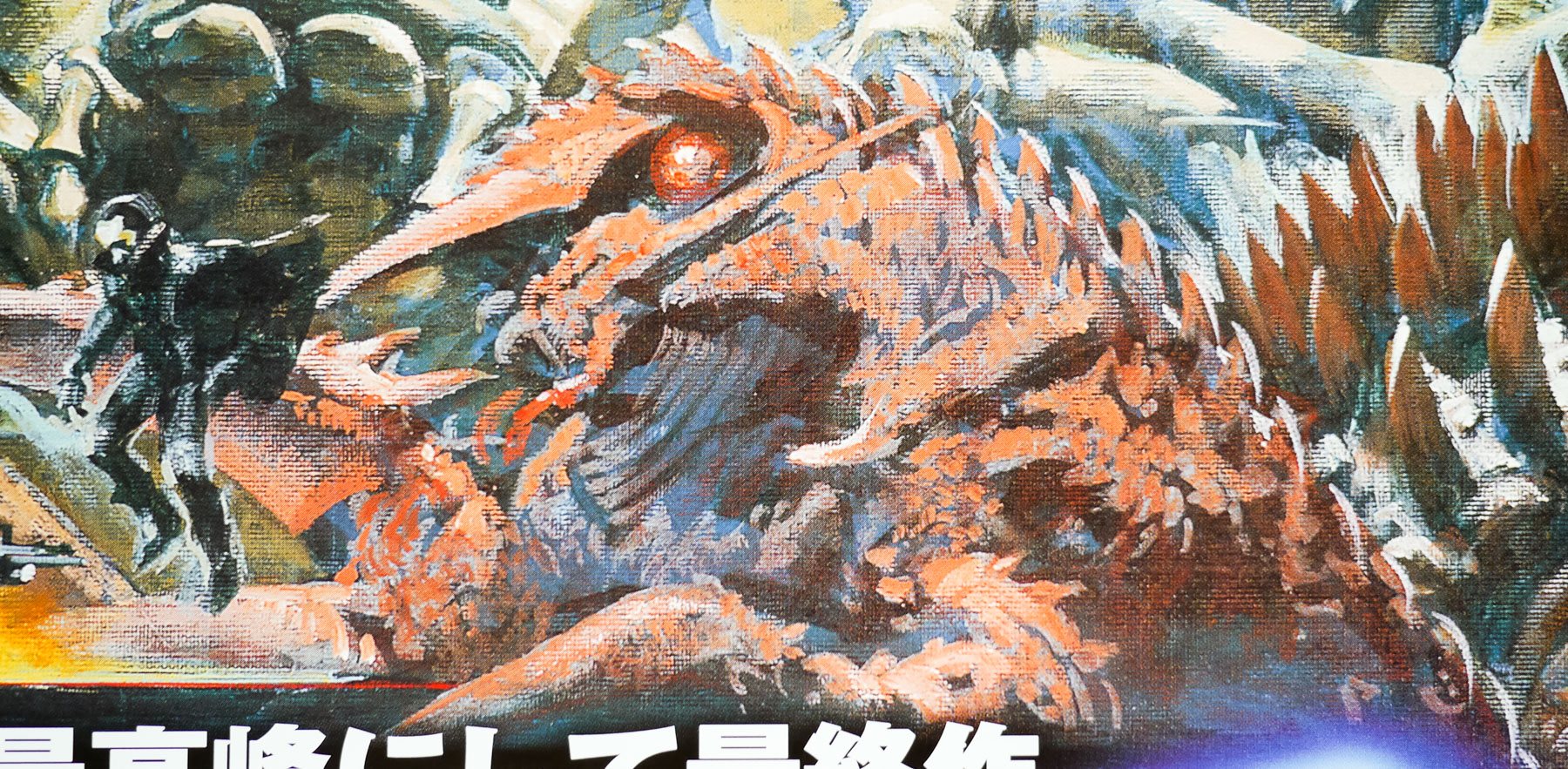
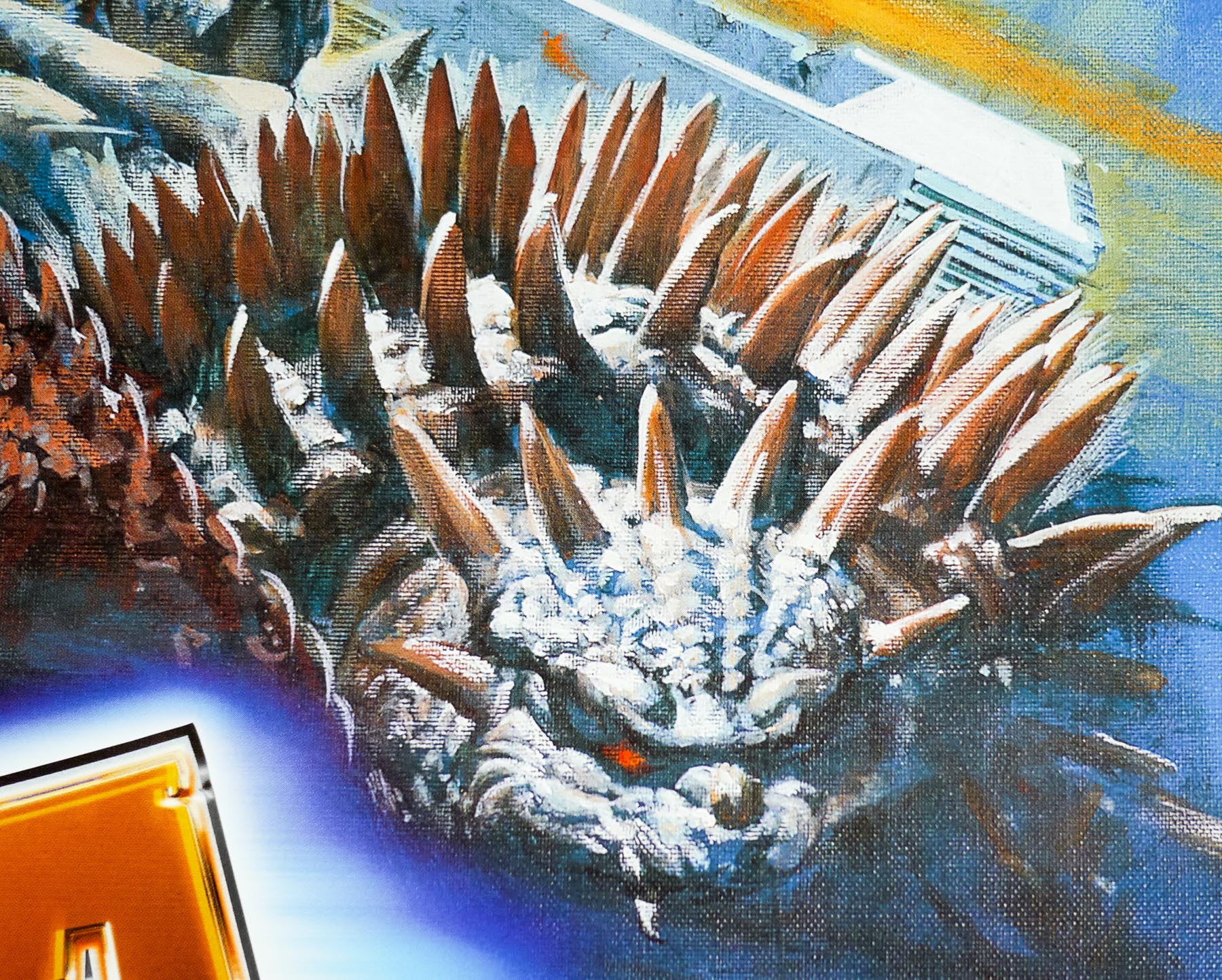
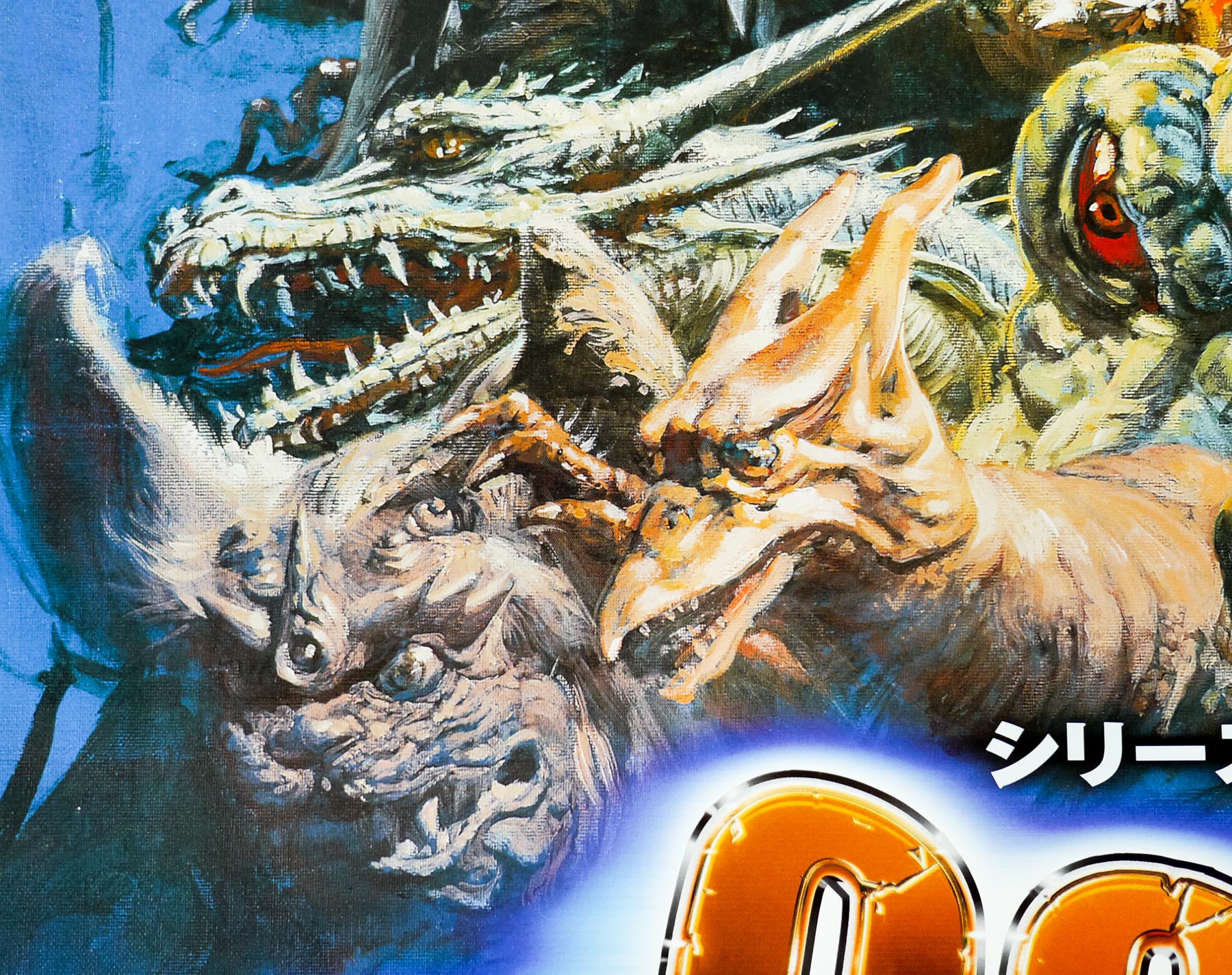
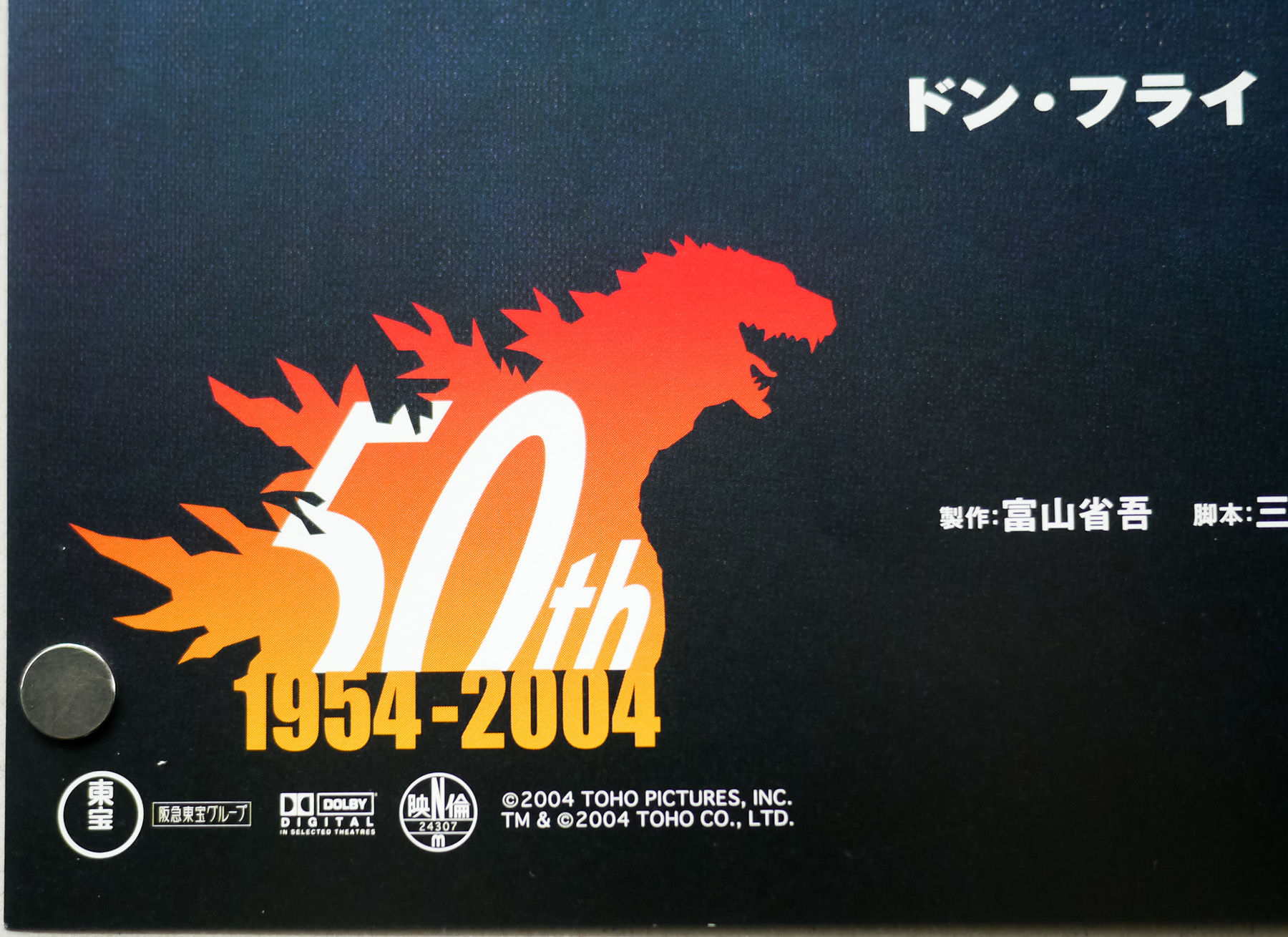
This is the B2 poster for the Japanese release of Godzilla: Final Wars, which was the 28th film in the long-running franchise featuring the King of the Kaiju (giant monsters). The film was also the sixth release in the third generation of Godzilla films (known as the Millennium Series). Final Wars was something of a milestone for the film’s production company Toho Company Ltd as it marked 50 years since the release of the original film that started it all and also marked a break in the production of Godzilla films, with Toho declaring they wouldn’t film another Japanese entry in the franchise for at least 10 years and then dismantling the stage used for most entries.

Final Wars is set in 2044 and sees the Earth Defence Force dealing with an alien threat in the from of the Xiliens who secretly unleash Kaiju across the planet, including Rodan, Ebirah and Anguirus. After cities like Sydney, Shanghai and Paris are almost destroyed the aliens remove the Kaiju in an act of supposed benevolence and warn the earth about an impending impact from an asteroid called Gorath. The UN is disbanded and an alliance called the Space Nations is formed to tackle the new threat. A few members of the Earth Defence Force distrust the aliens’ intentions and discover that they were responsible for unleashing the Kaiju and that they really intend to harvest humanity for food. The group hatch a plan to unleash Godzilla from his frozen tomb in Antarctica where he’s lain for 40 years to help them tackle the threat.

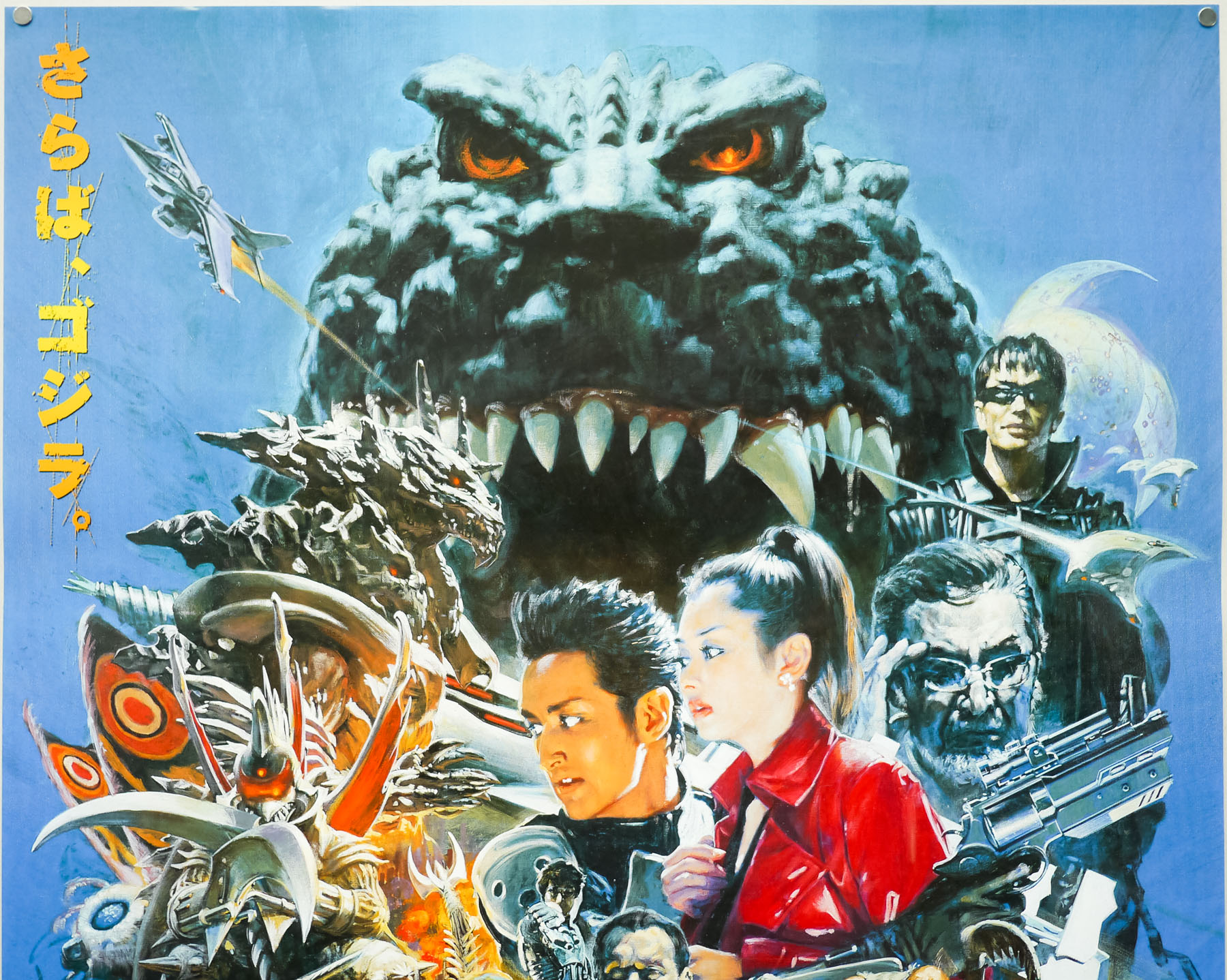
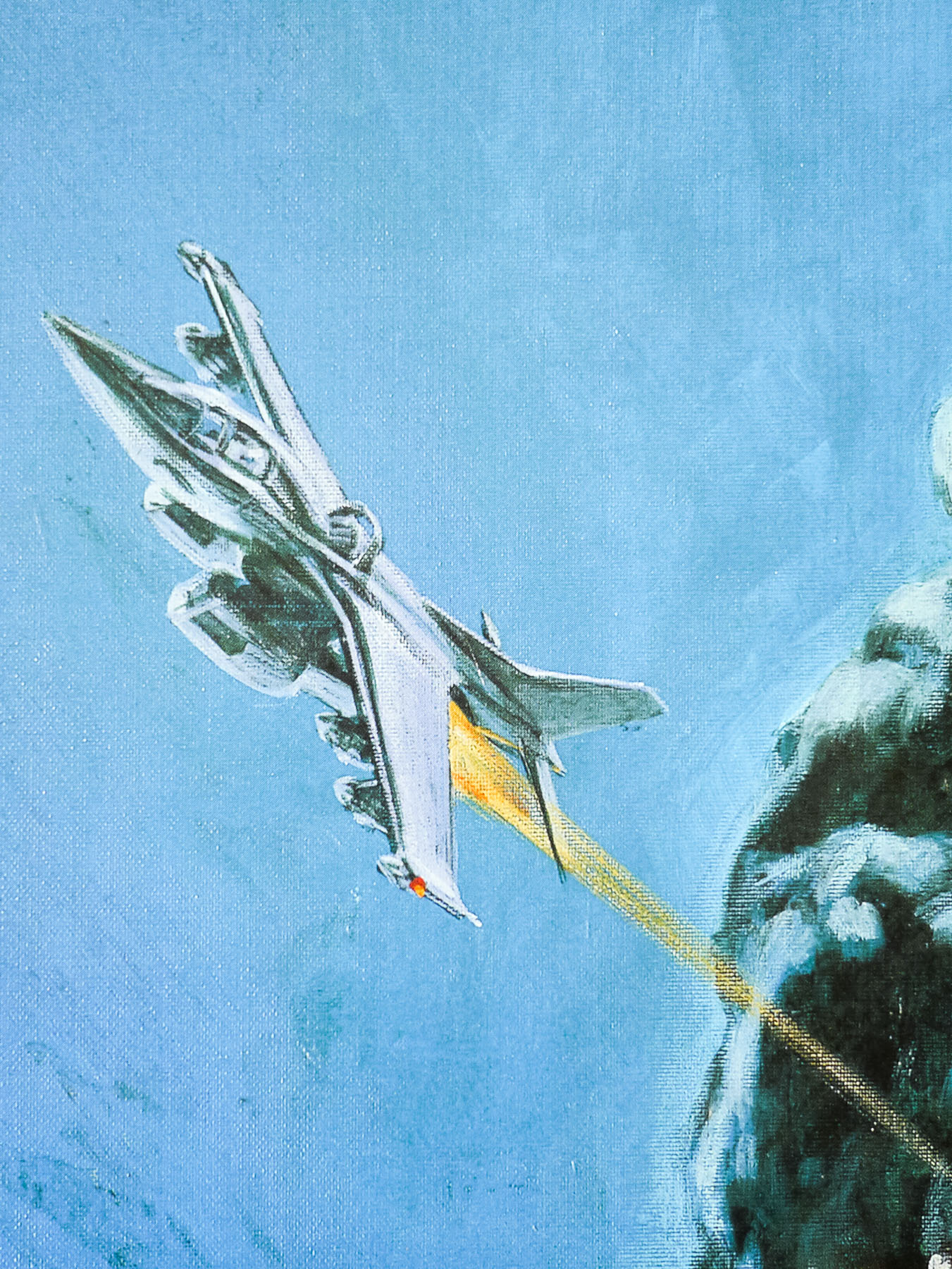
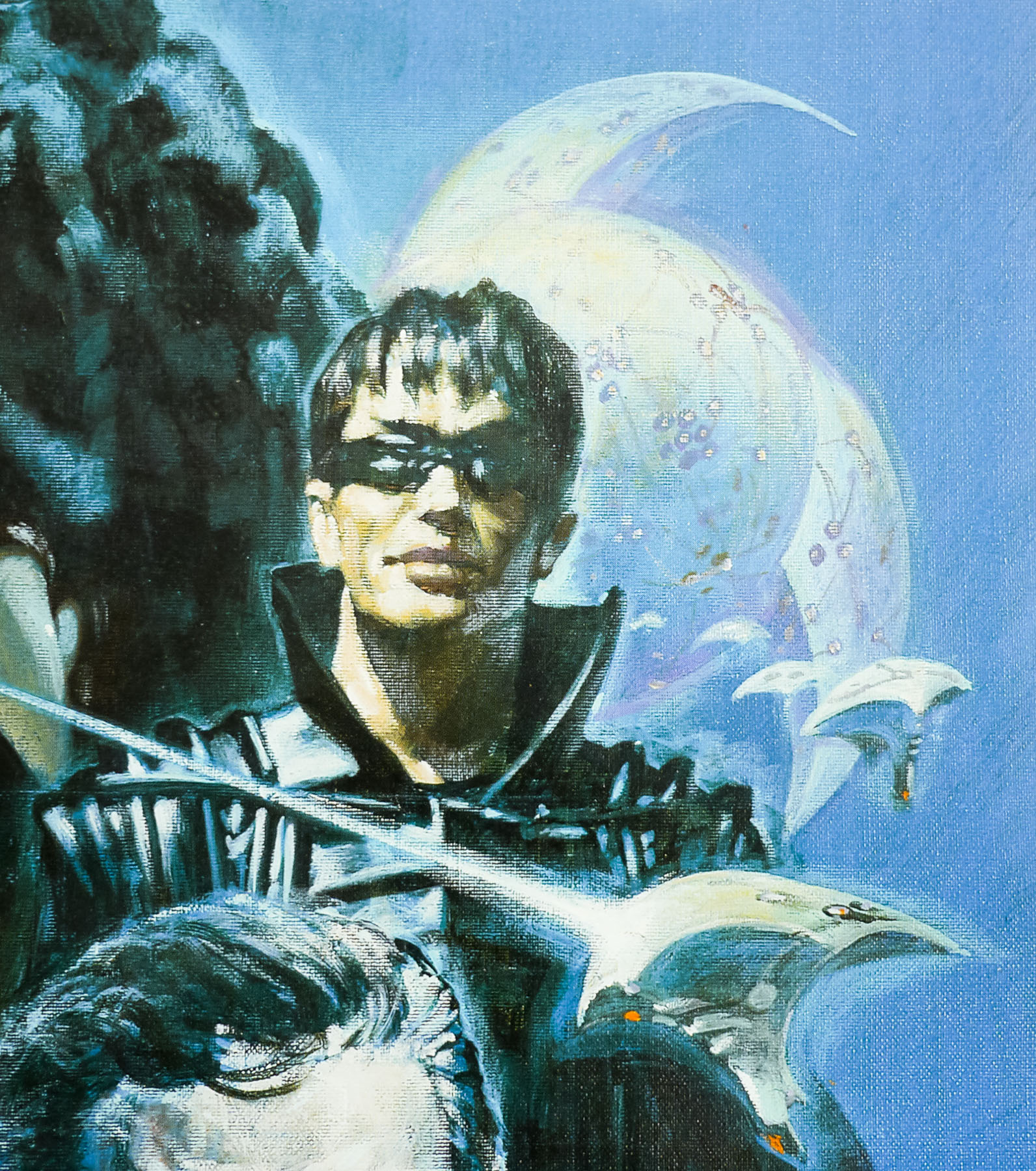
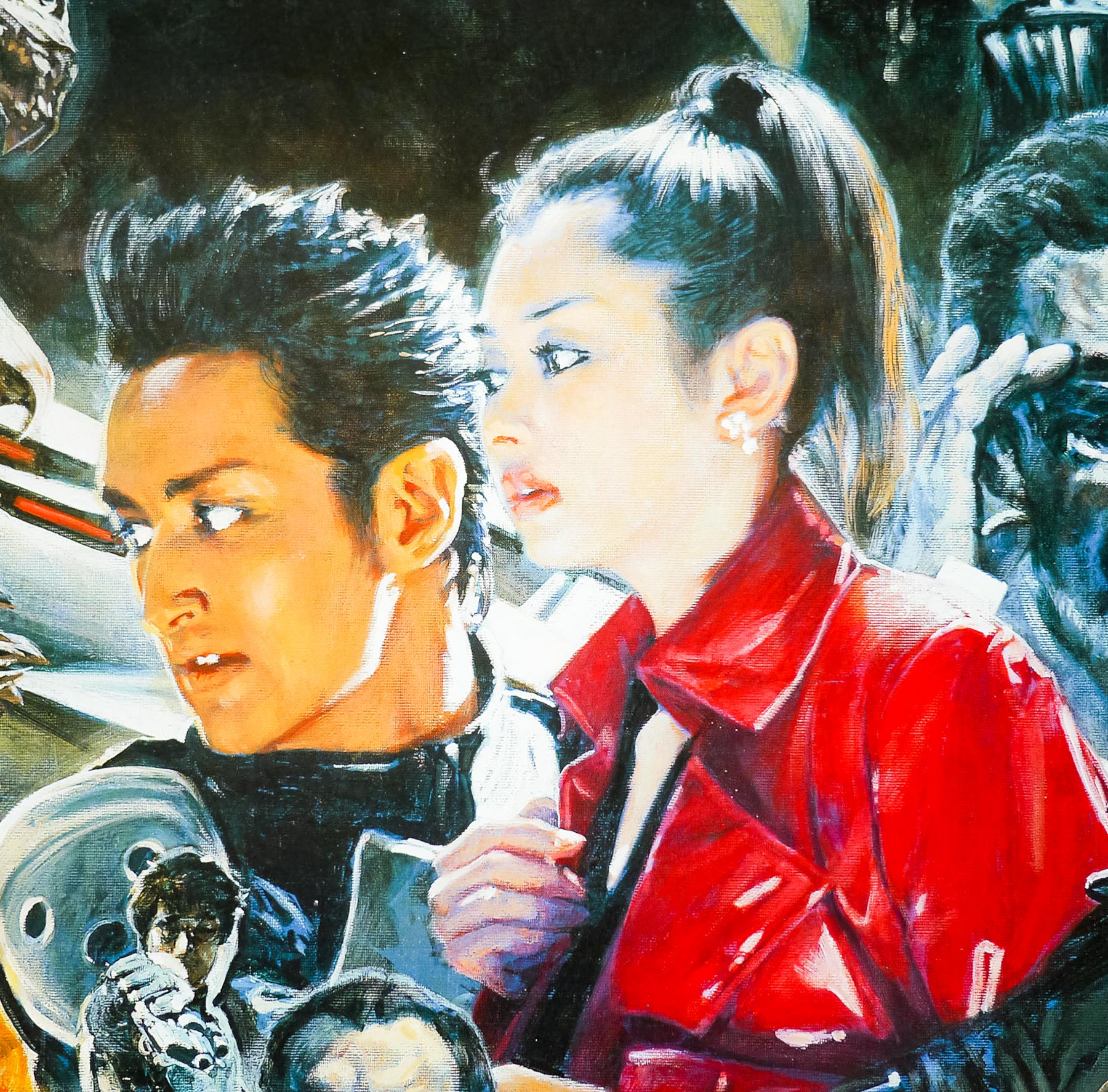
The film is something of a greatest hits compilation, featuring as it does monsters and human characters from the franchise’s past, and the montage nature of this poster suits it well. Toho spent almost $20 million producing the film, which was the highest budget in the franchise to date, but unfortunately the medley of monsters and anniversary tag didn’t help it’s critical or commercial performance. It’s eventual box-office takings totalled just $12 million and made it the worst performing film in the series for 27 years.

The artwork on this poster is by Noriyoshi Ohrai, my favourite Japanese artist and certainly in my top five greatest film poster illustrators of all time. He’s responsible for a number of other Star Wars related posters, including this lovely 1982 B2 to celebrate the release of the Japanese dubbed version of the original film. He also worked on other posters in the Godzilla franchise, some of which can be seen here. In March 2014 a retrospective exhibition was held in Japan of Ohrai’s work and I made the trip over to Miyazaki to see the exhibition. I’m very glad I did as it featured most of his original artwork and a whole array of posters and book covers. A full report will follow soon.

The posters I’ve managed to collect by Noriyoshi Ohrai can be seen by clicking here.