You searched for: B2

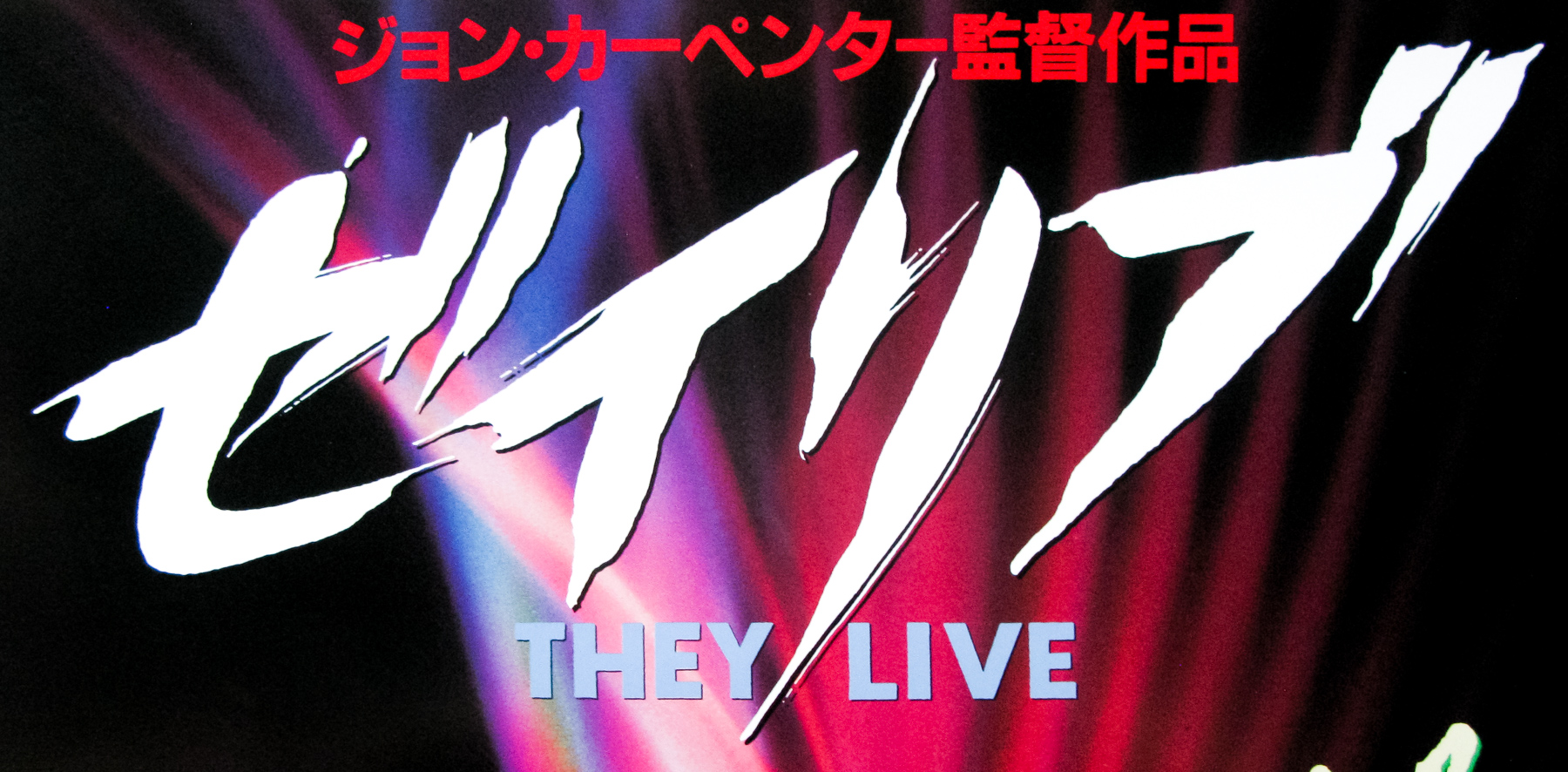
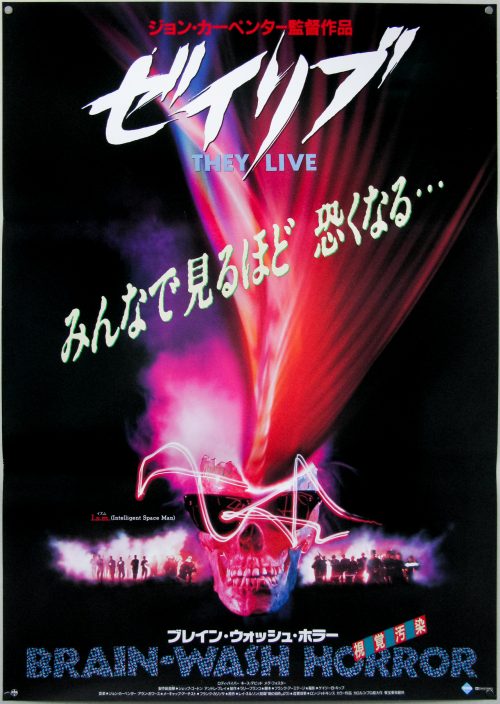
They Live / B2 / Japan

30.11.11

Poster Poster
Title
They Live
AKA
Invasion Los Angeles (France)
Year of Film
1988
Director
John Carpenter
Starring
Roddy Piper, Keith David, Meg Foster, Raymond St. Jacques, Peter Jason, Sy Richardson, George 'Buck' Flower
Origin of Film
USA
Genre(s) of Film
Roddy Piper, Keith David, Meg Foster, Raymond St. Jacques, Peter Jason, Sy Richardson, George 'Buck' Flower,
Type of Poster
B2
Style of Poster
--
Origin of Poster
Japan
Year of Poster
1988
Designer
Unknown
Artist
--
Size (inches)
20 6/16" x 28 12/16"
SS or DS
SS
Tagline
BRAIN-WASH HORROR

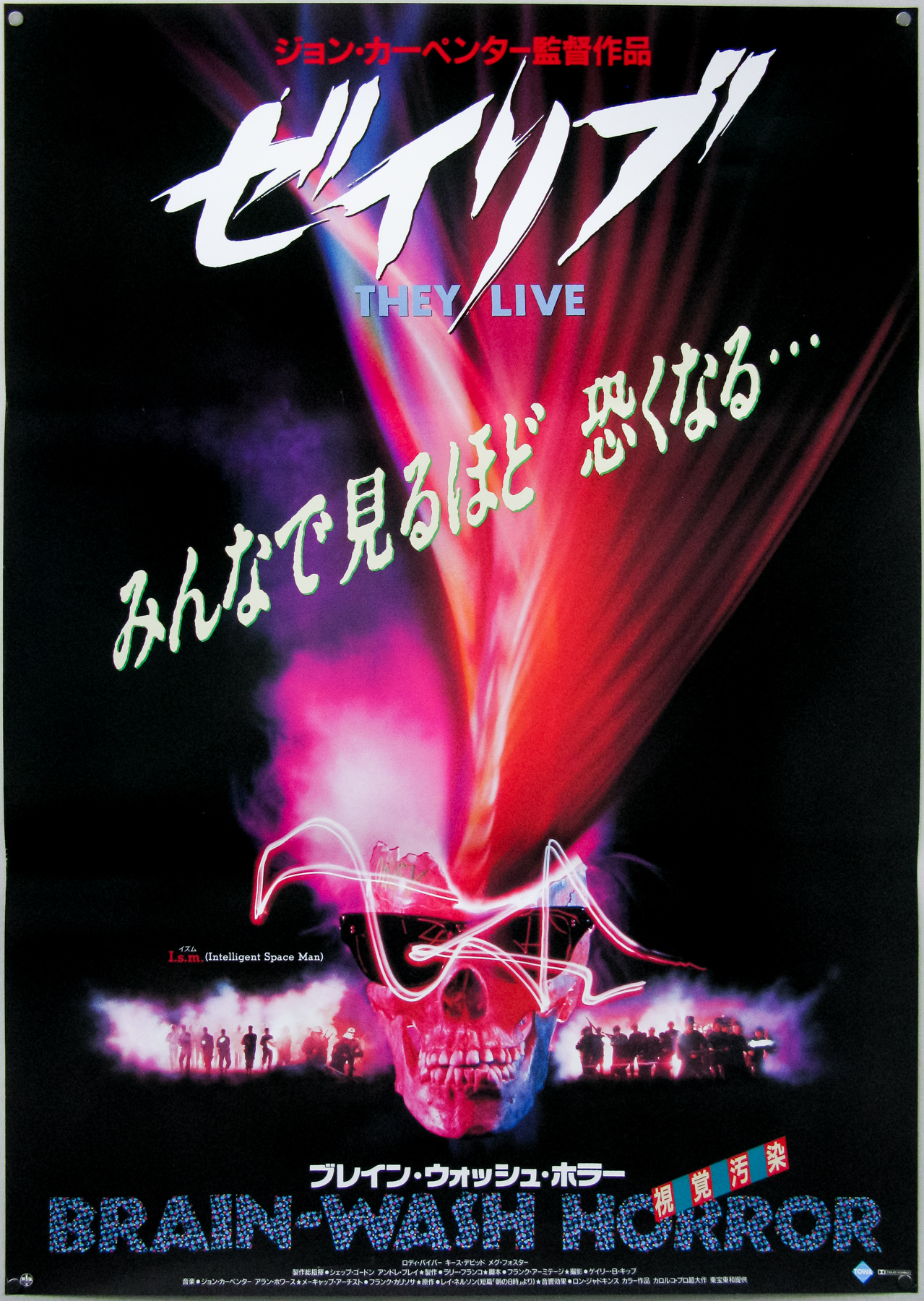
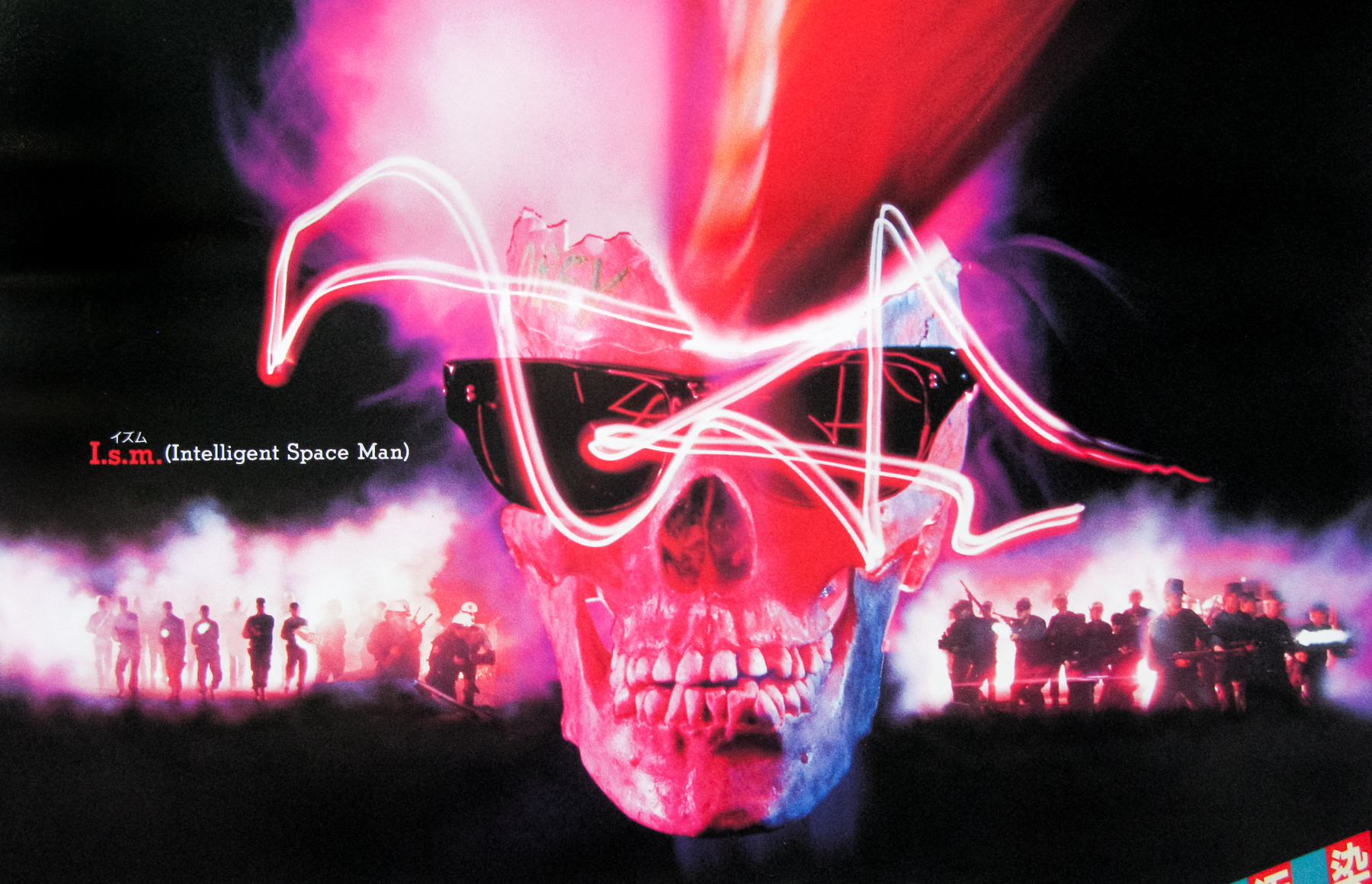
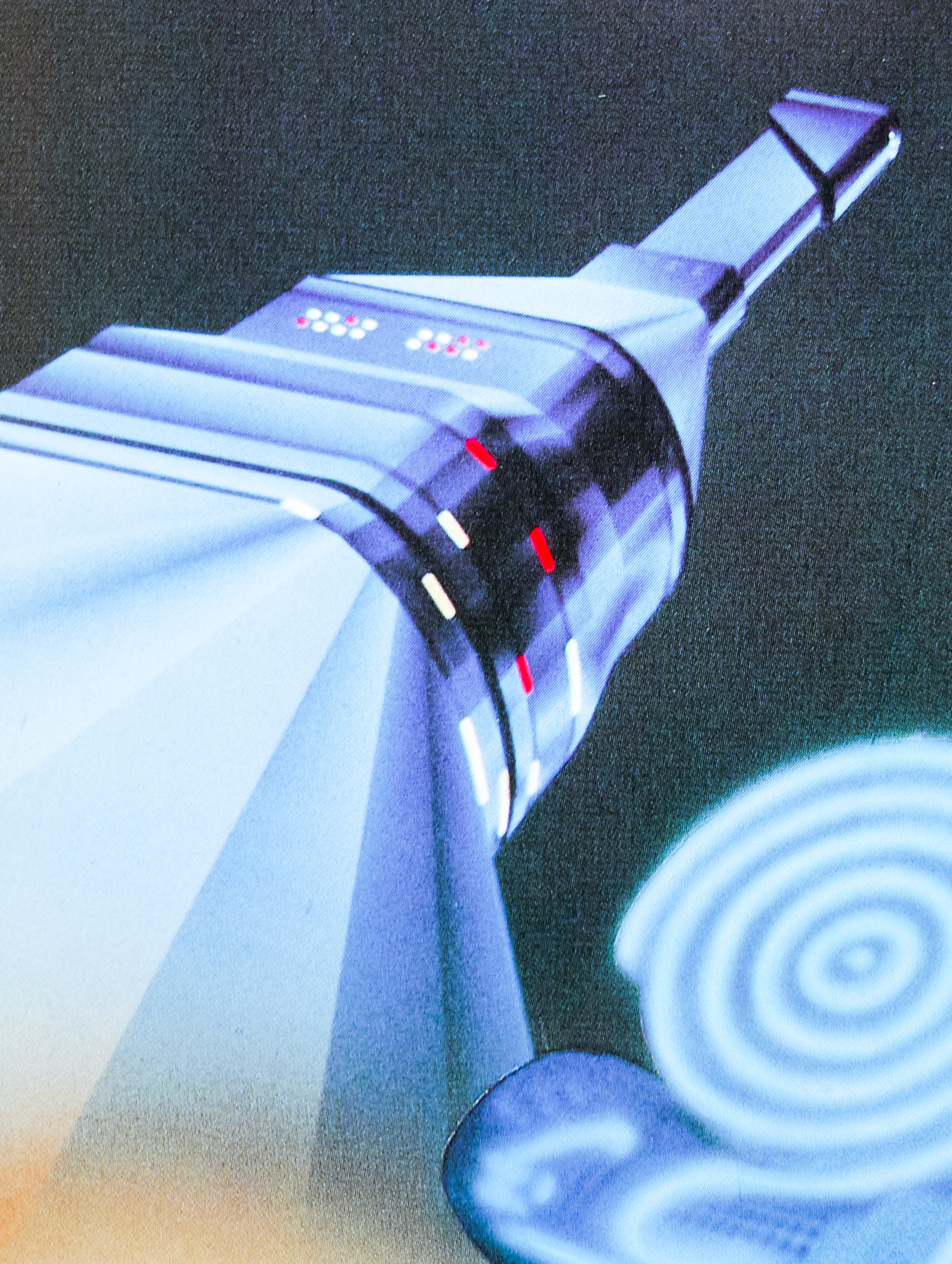
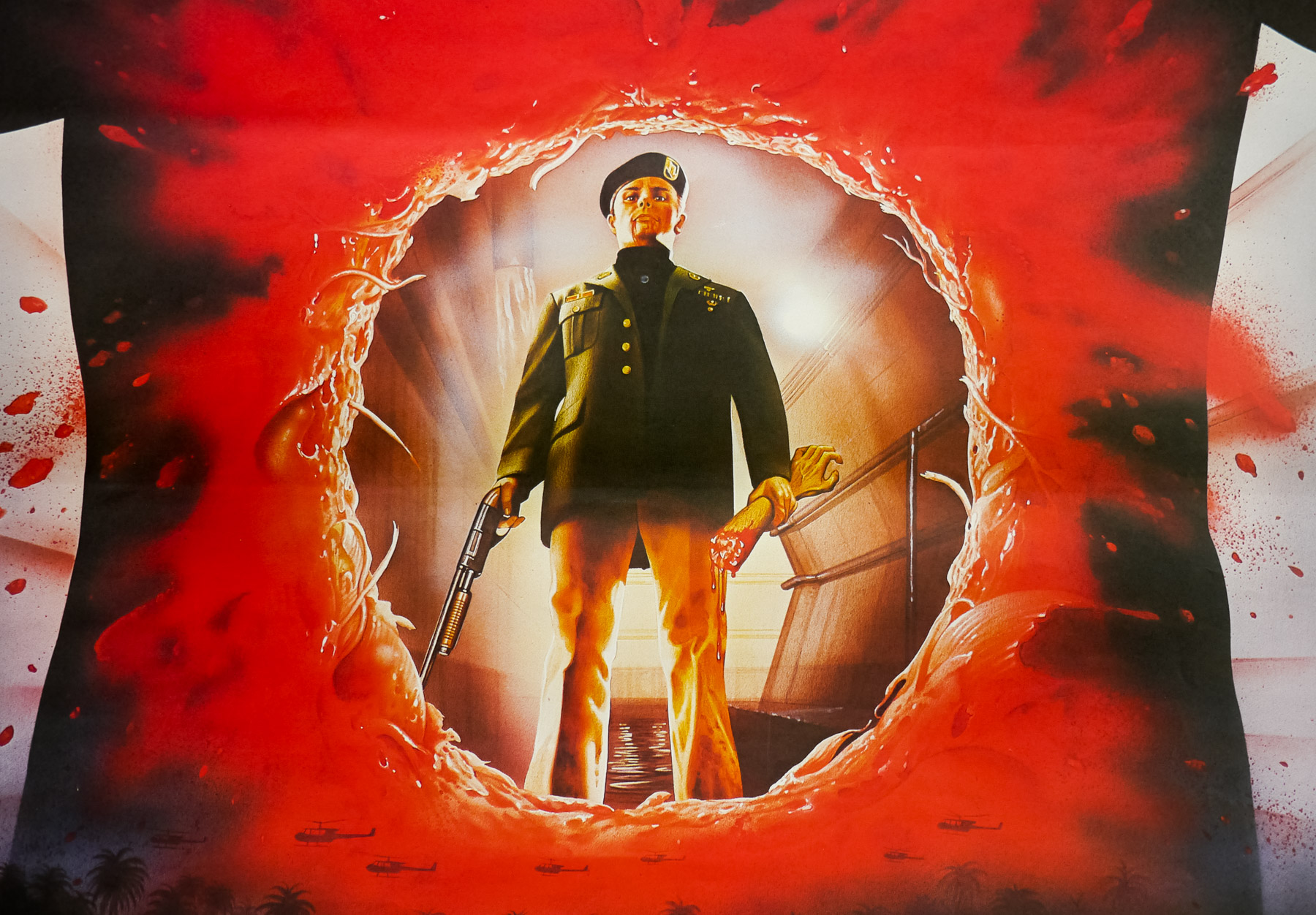
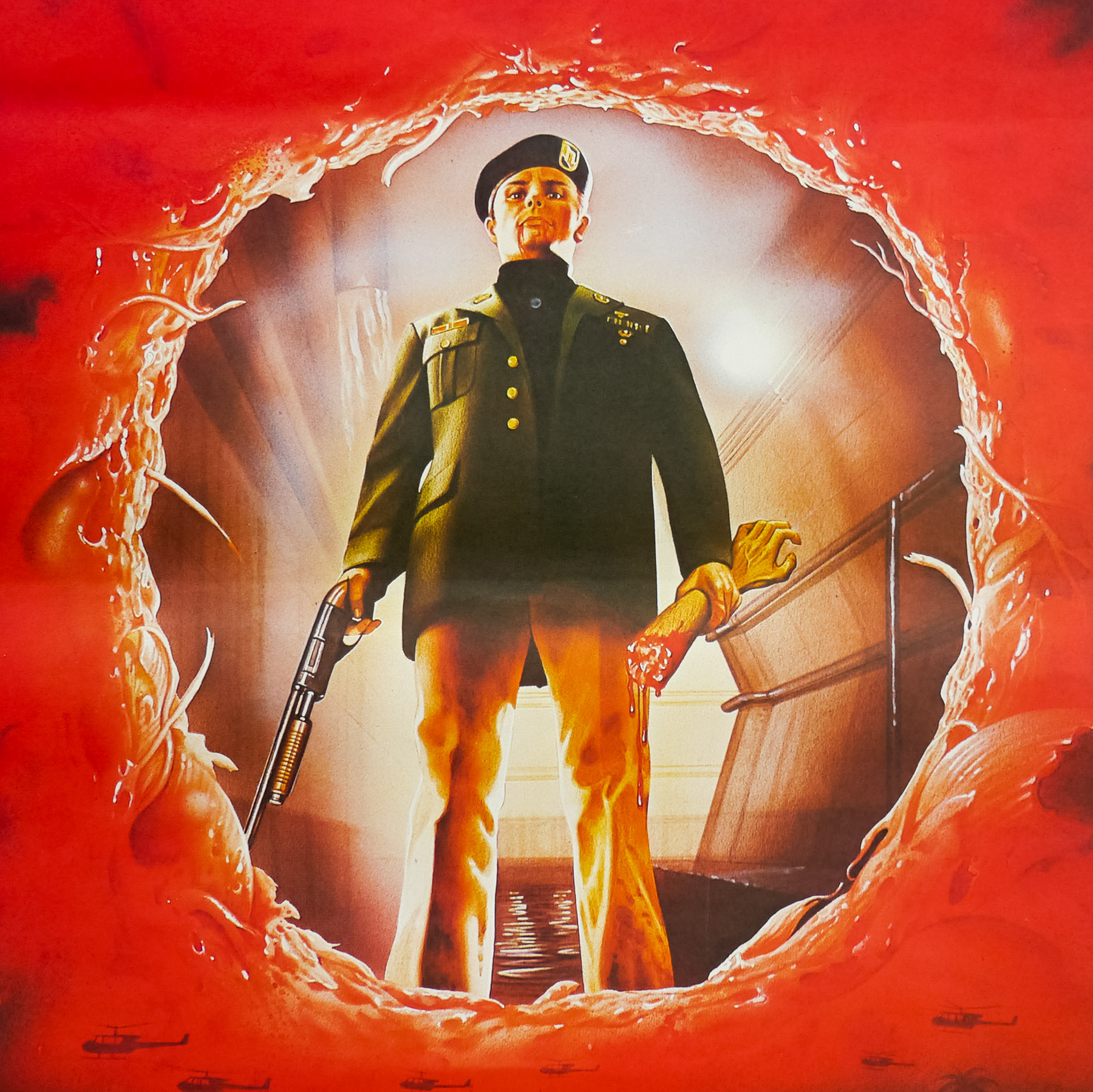
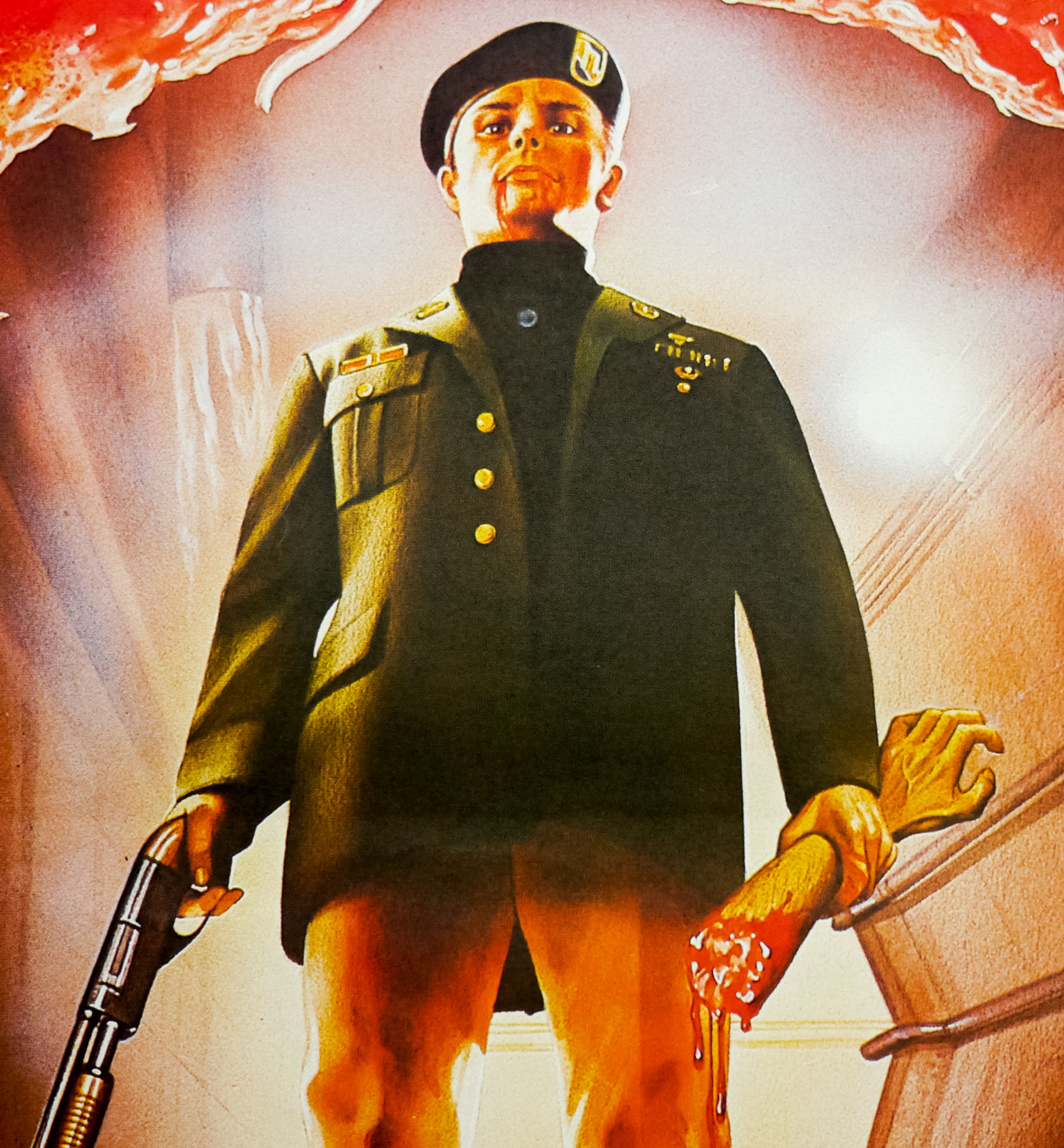
Unique artwork for John Carpenter‘s 1988 sci-fi in which a drifter, played by wrestler Roddy Piper, finds a set of special sunglasses that reveal that aliens have taken over the earth and are subduing the general population through secret messages and signals. The film is famous for being the inspiration behind graphic designer Shephard Fairey‘s famous OBEY street art and clothing label, which is based on the hidden alien slogans only visible when the sunglasses are worn.

The film also features the infamous line “I have come here to chew bubblegum and kick ass…and I’m all out of bubblegum.”, which can be viewed here. There’s also the legendary fight between Nada (Piper) and Armitage (Keith David) that lasts over five minutes and was apparently proposed and choreographed by the two actors.

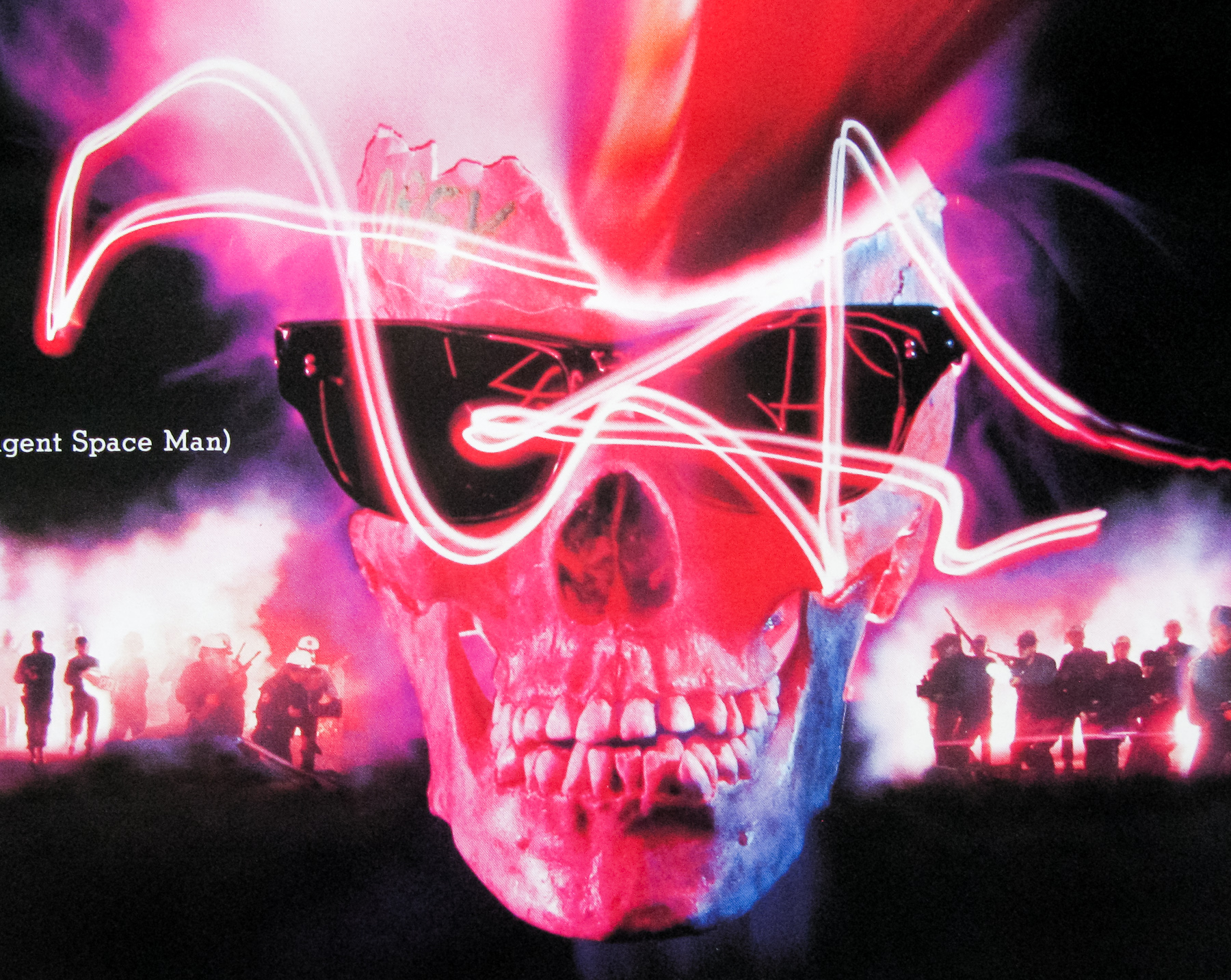
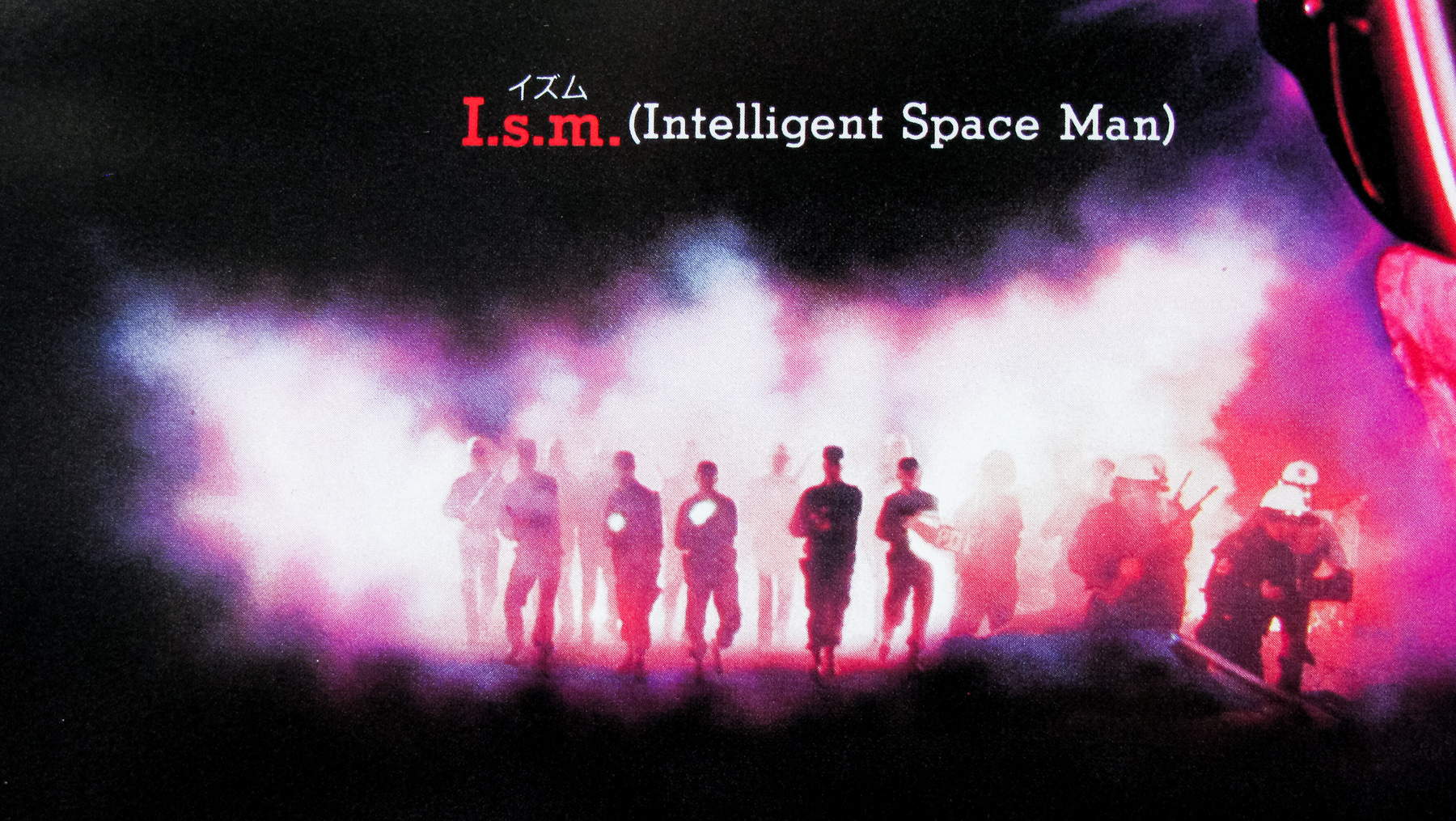
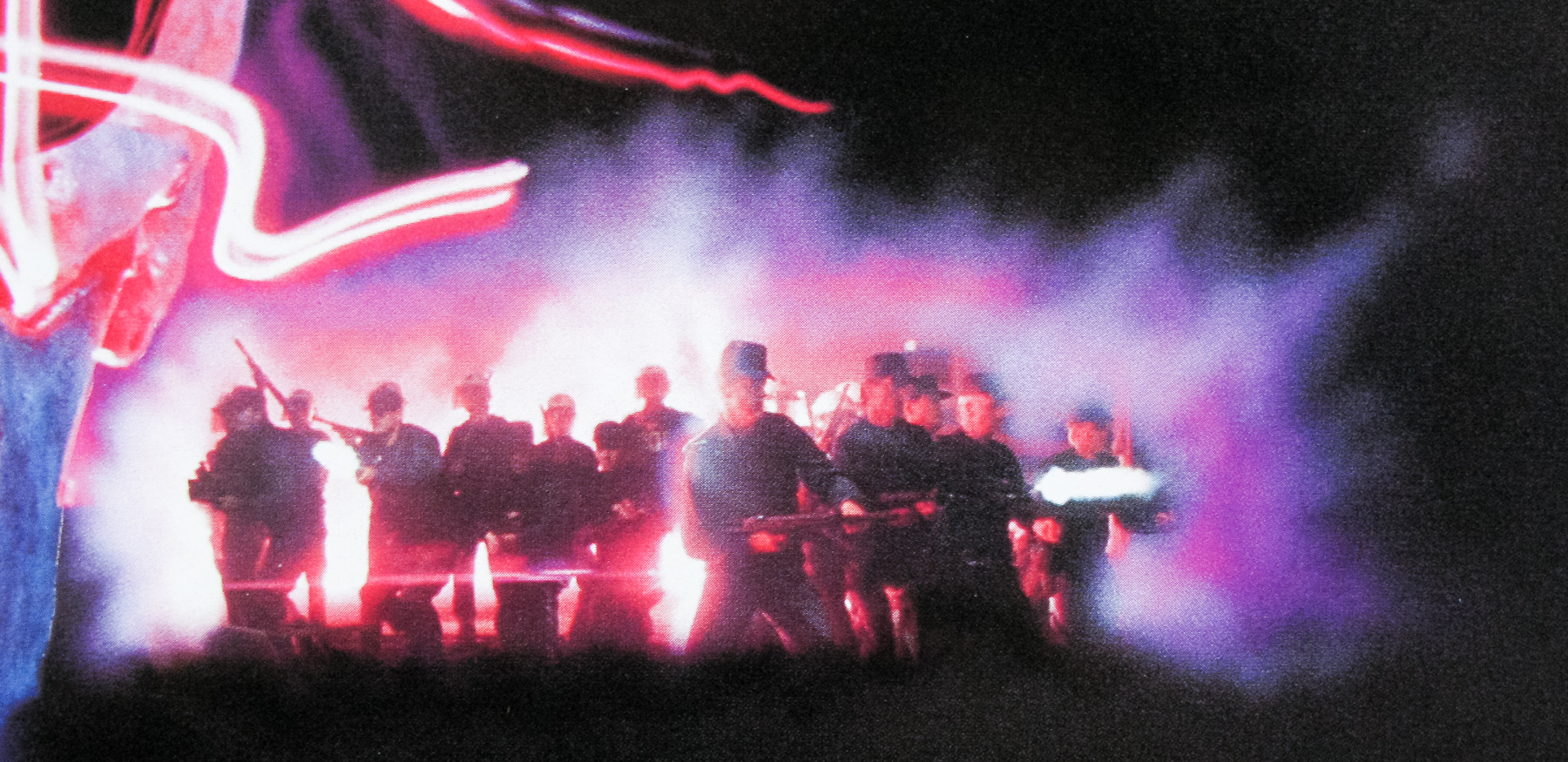
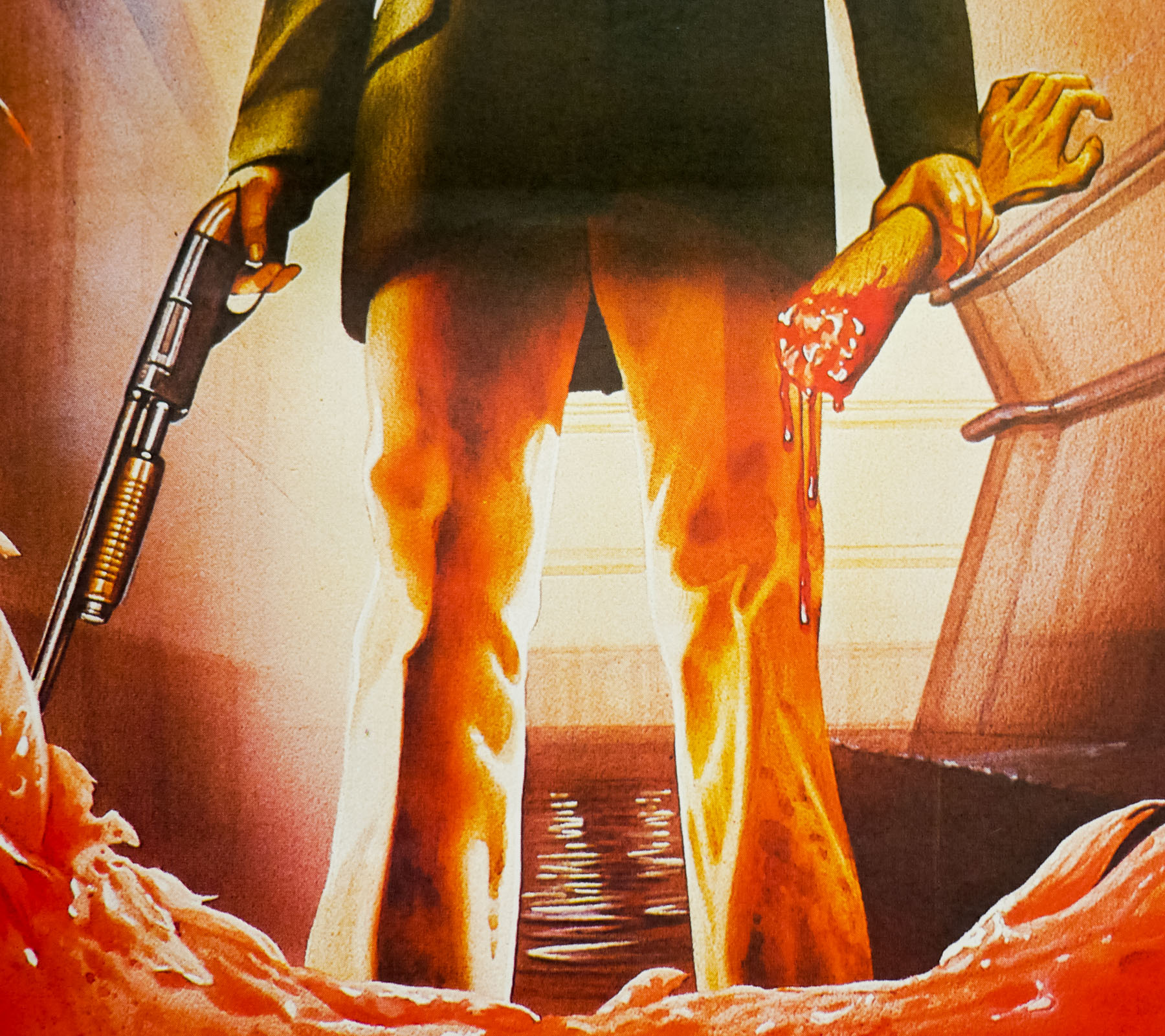
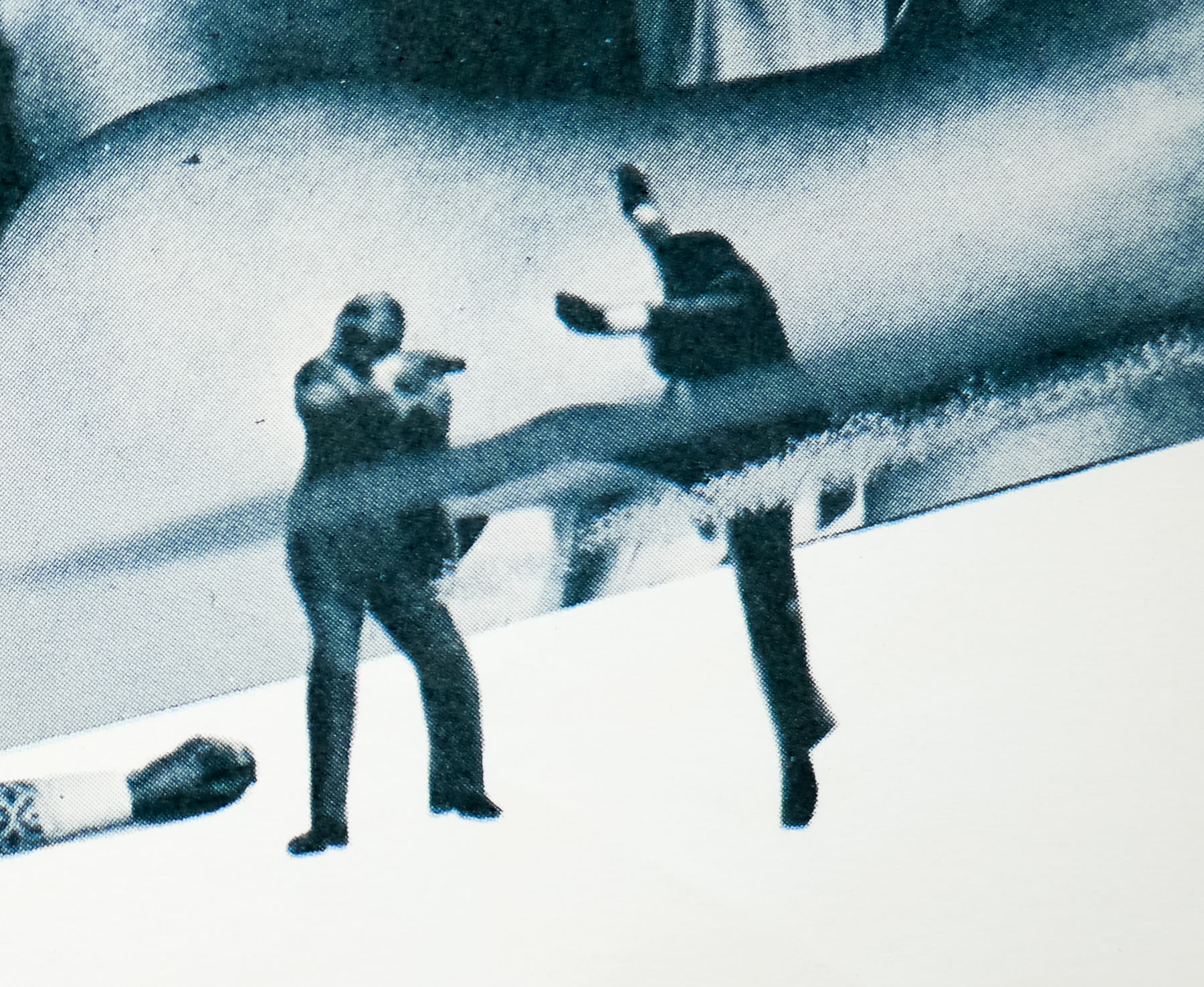
Note that the smashed human skull featured on this Japanese B2 has the word OBEY scrawled on the side. I also like the random ‘Intelligent Space Man’ text next to the skull.

Here’s the great original trailer.

To see the other John Carpenter posters I have collected click here.

Flesh Gordon / B2 / Japan

08.06.12

Poster Poster
Title
Flesh Gordon
AKA
Space Wars (Japan - English title)
Year of Film
1974
Director
Michael Benveniste, Howard Ziehm
Starring
Jason Williams, Suzanne Fields, Joseph Hudgins, William Dennis Hunt, Candy Samples, Mycle Brandy, Steve Grumette
Origin of Film
USA
Genre(s) of Film
Jason Williams, Suzanne Fields, Joseph Hudgins, William Dennis Hunt, Candy Samples, Mycle Brandy, Steve Grumette,
Type of Poster
B2
Style of Poster
--
Origin of Poster
Japan
Year of Poster
1977
Designer
Unknown
Artist
Seito
Size (inches)
20 4/16" x 28 12/16"
SS or DS
SS
Tagline
--

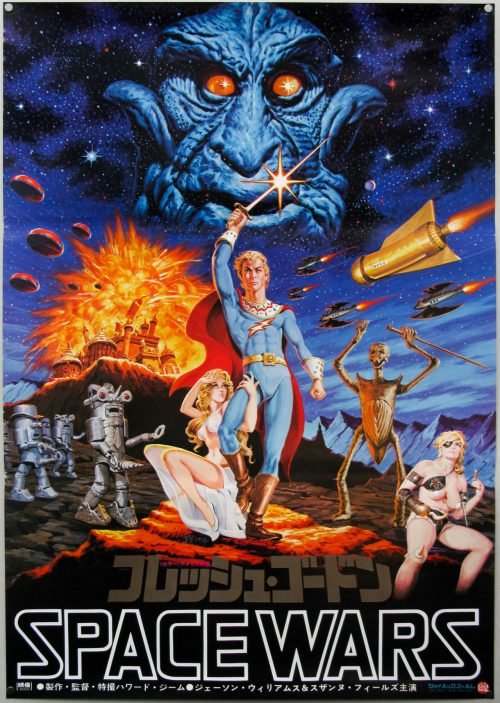
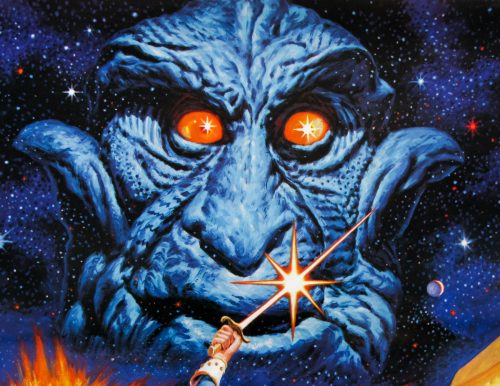
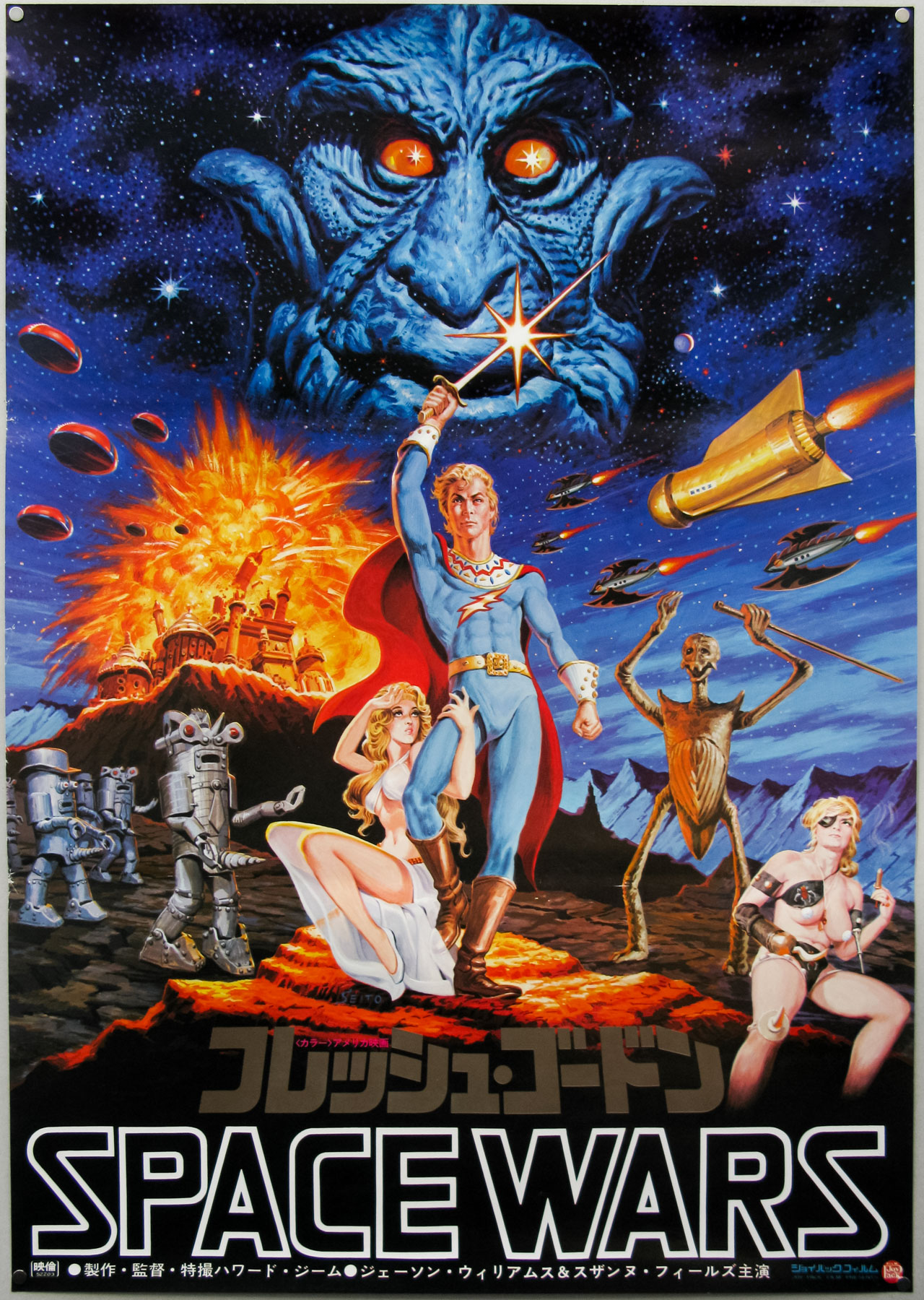
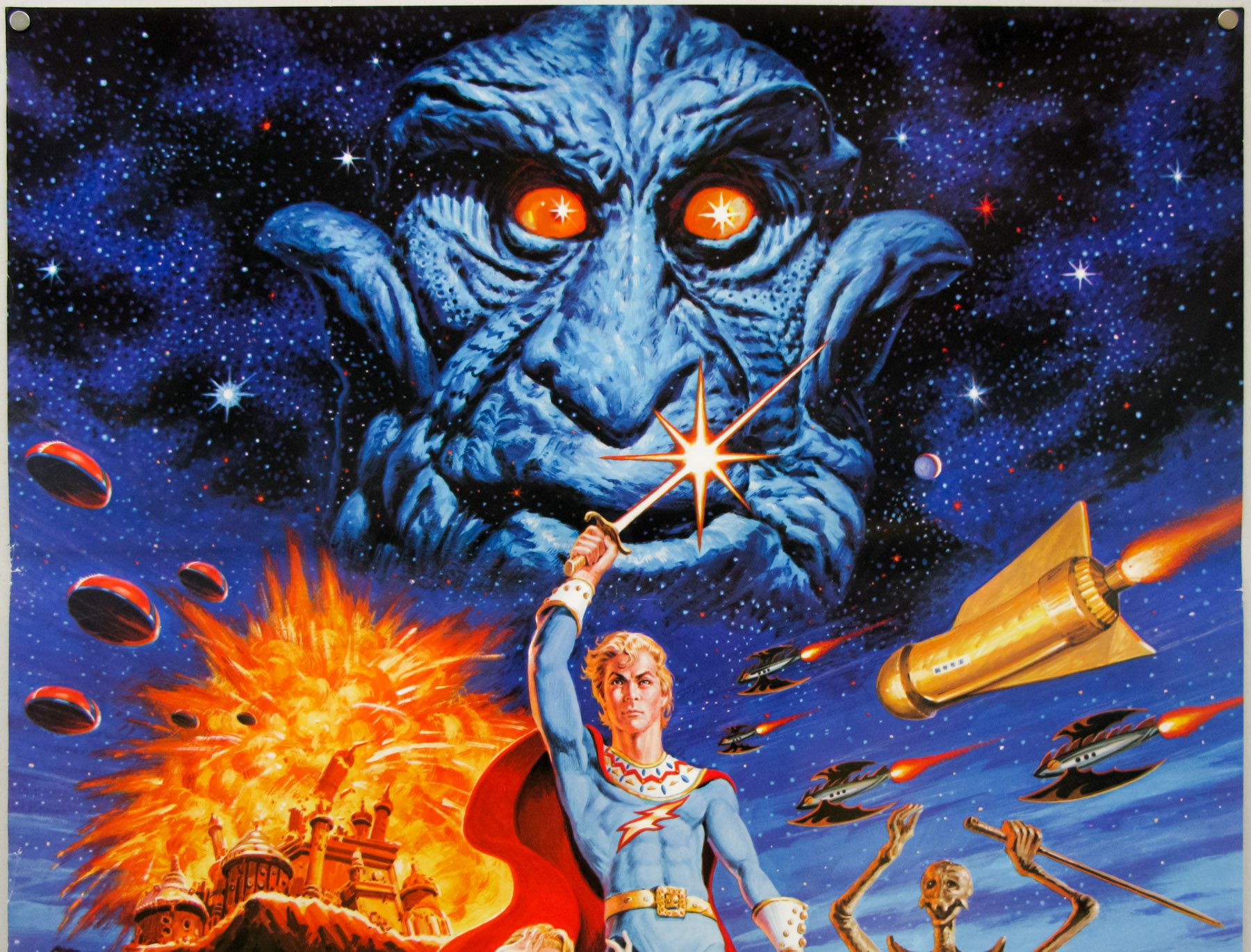
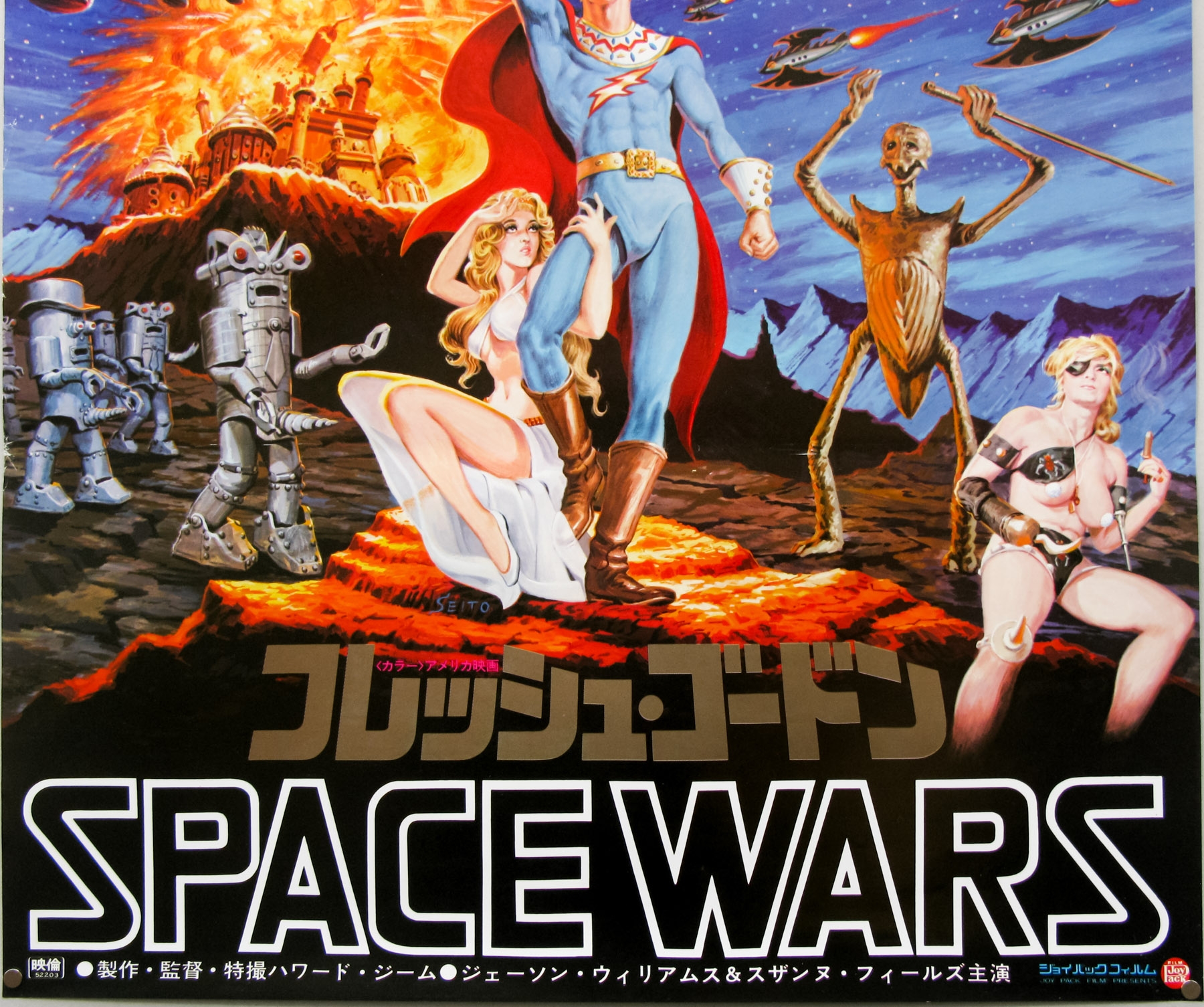
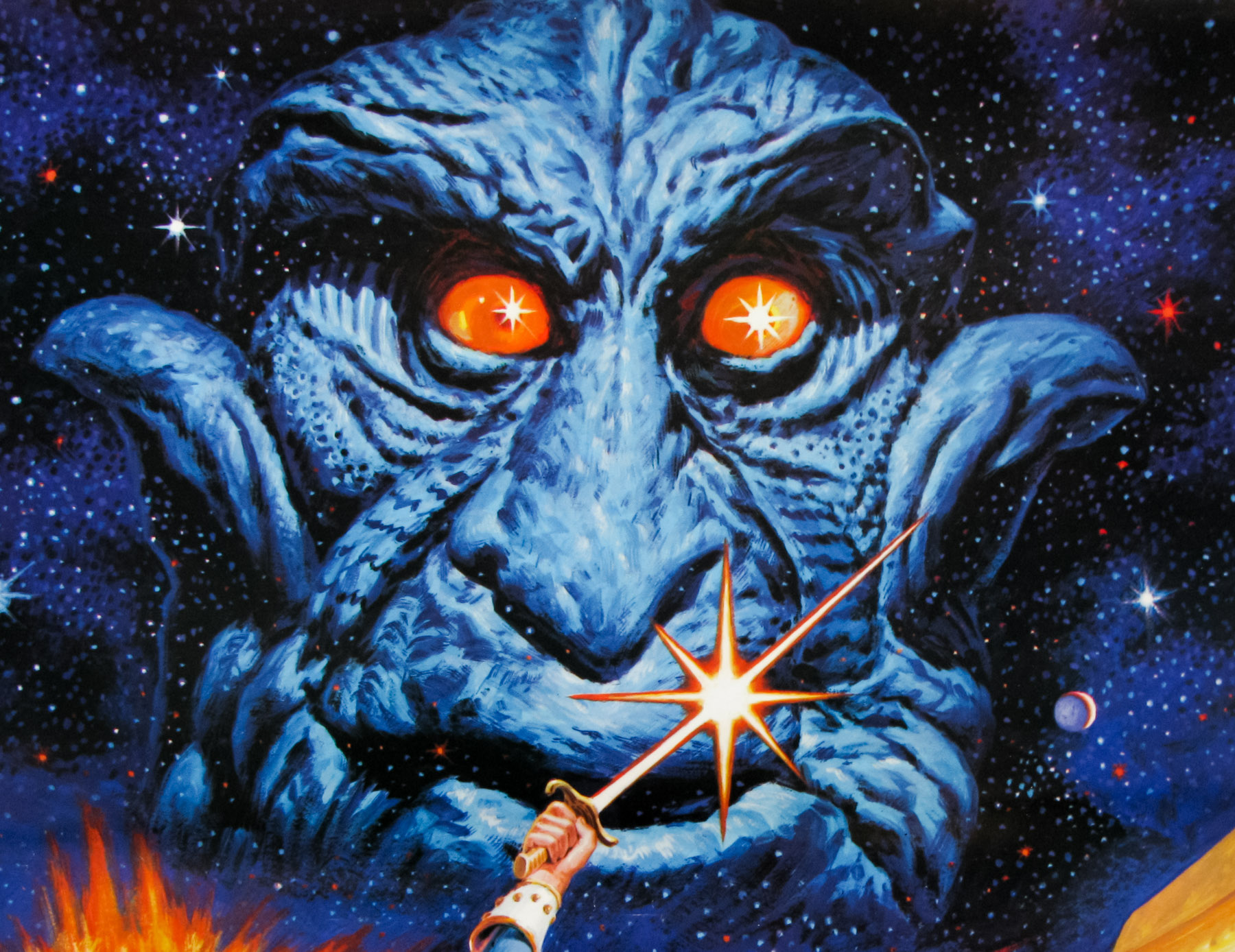
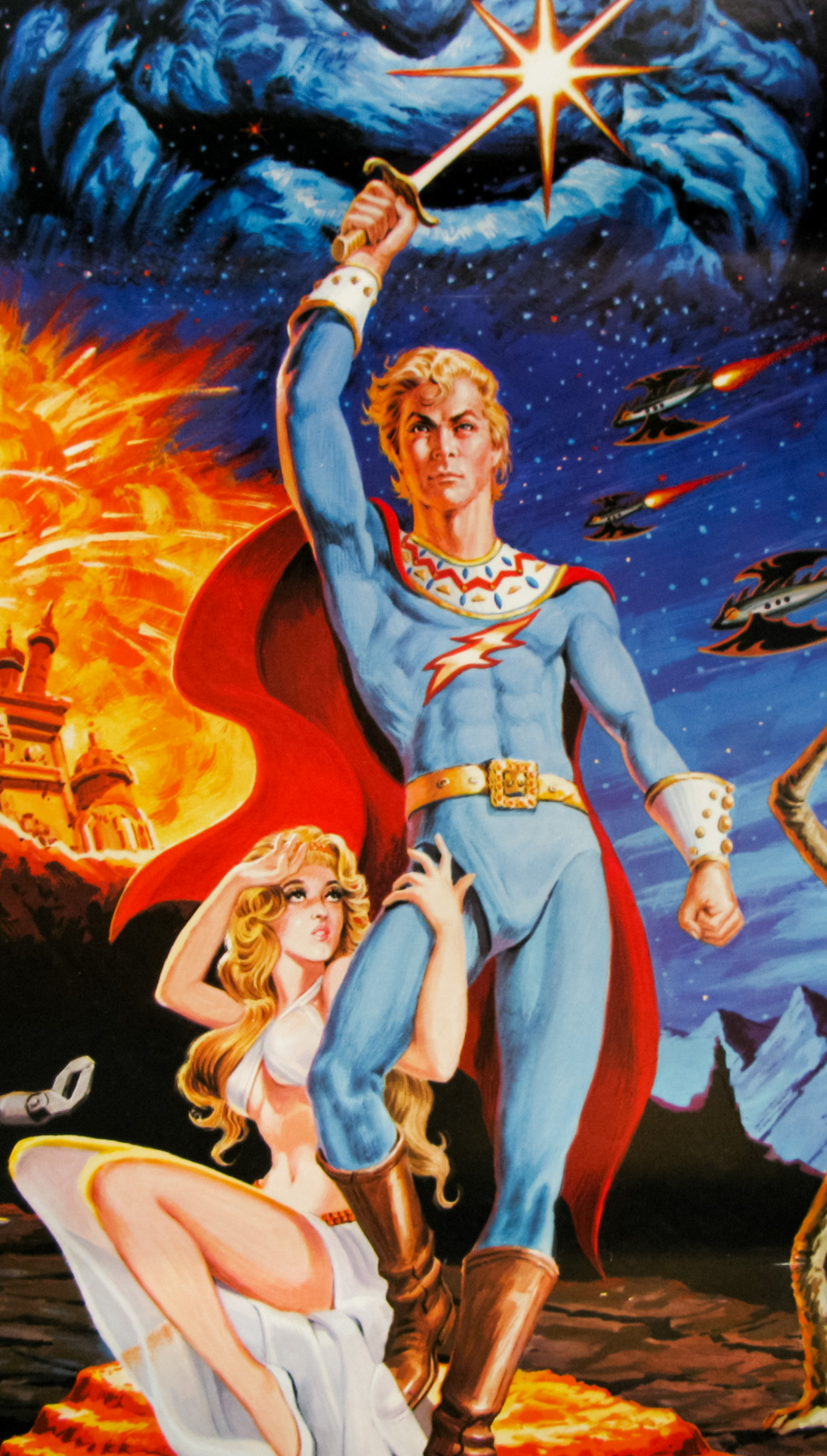
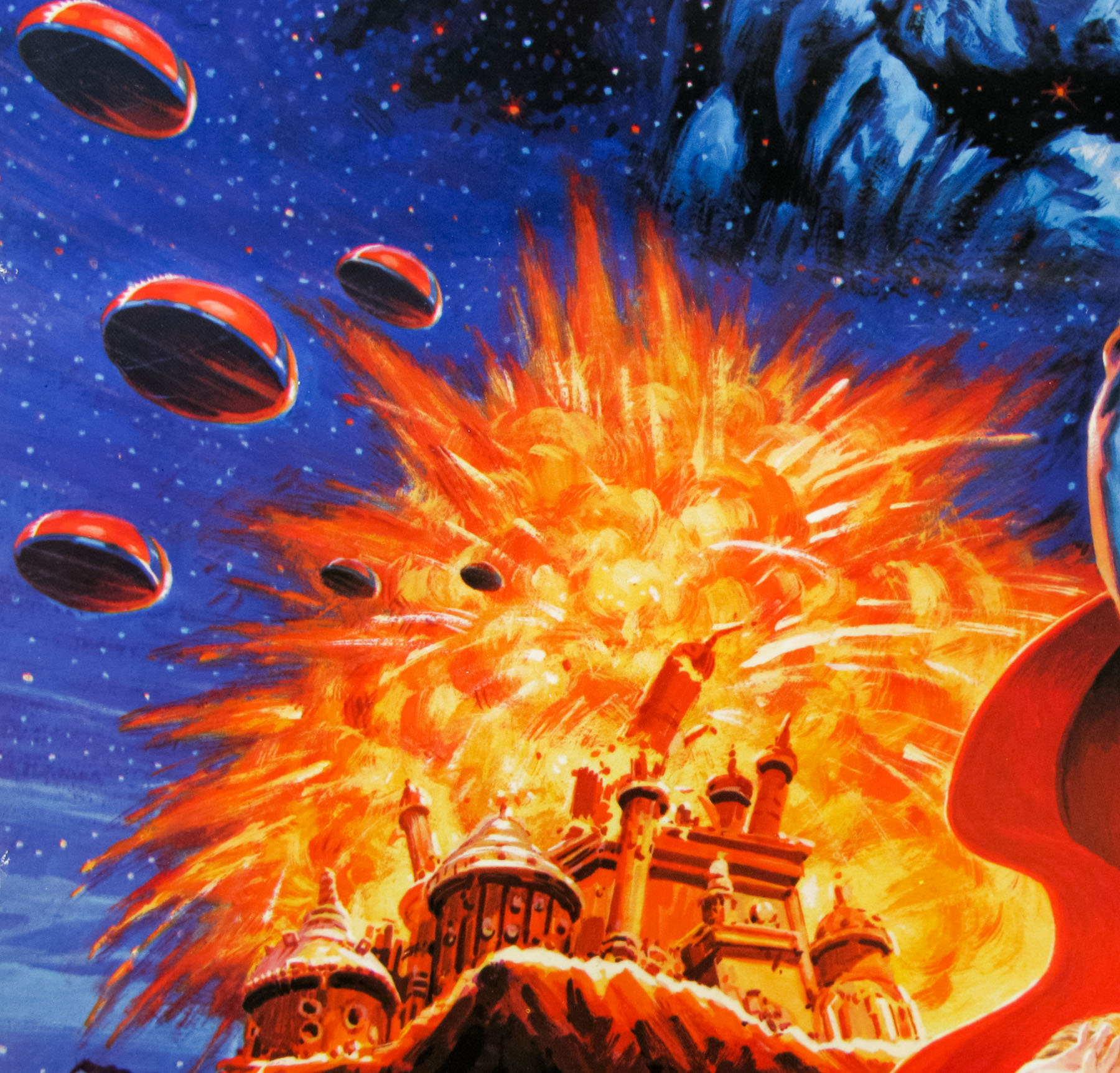
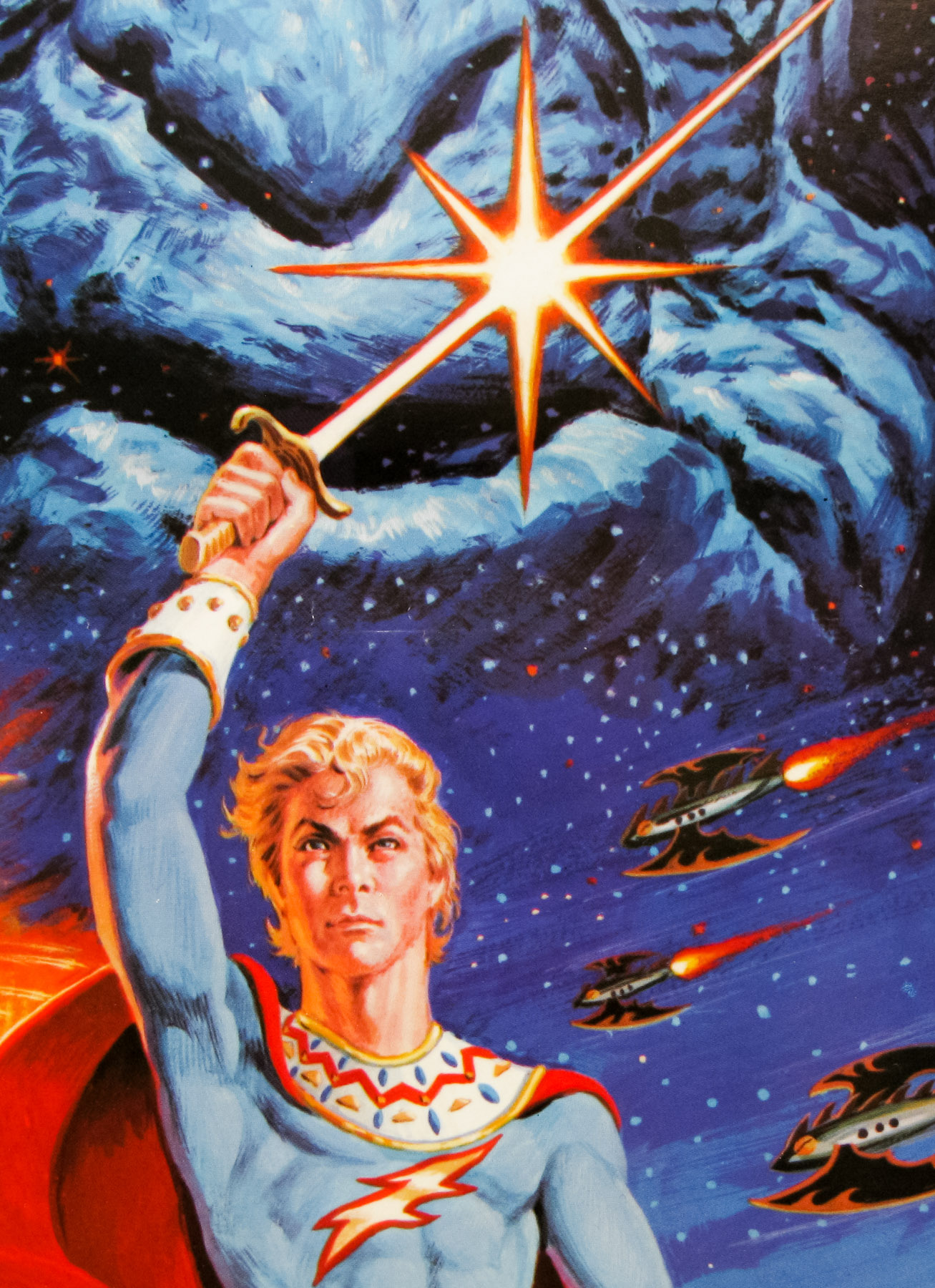
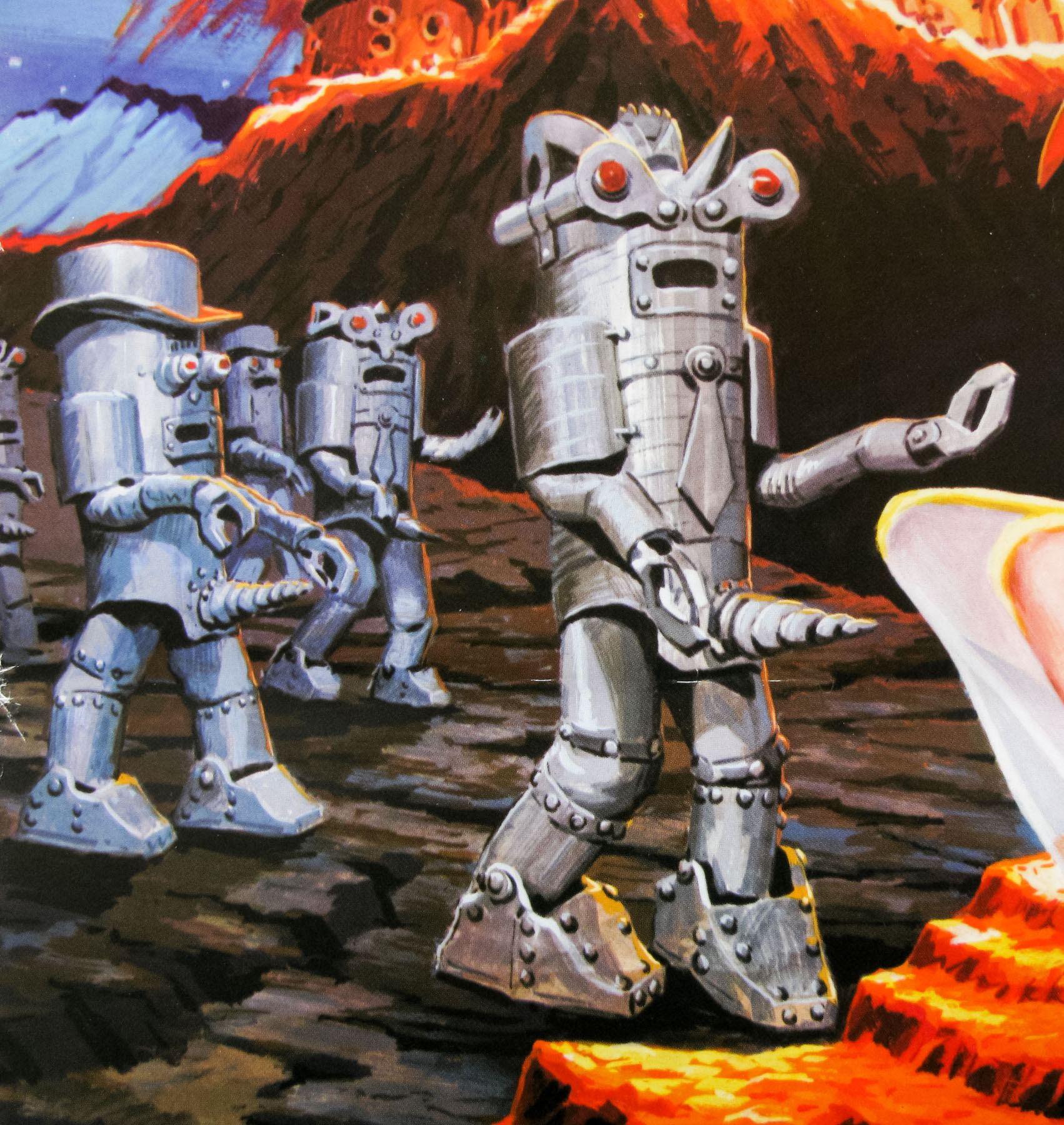
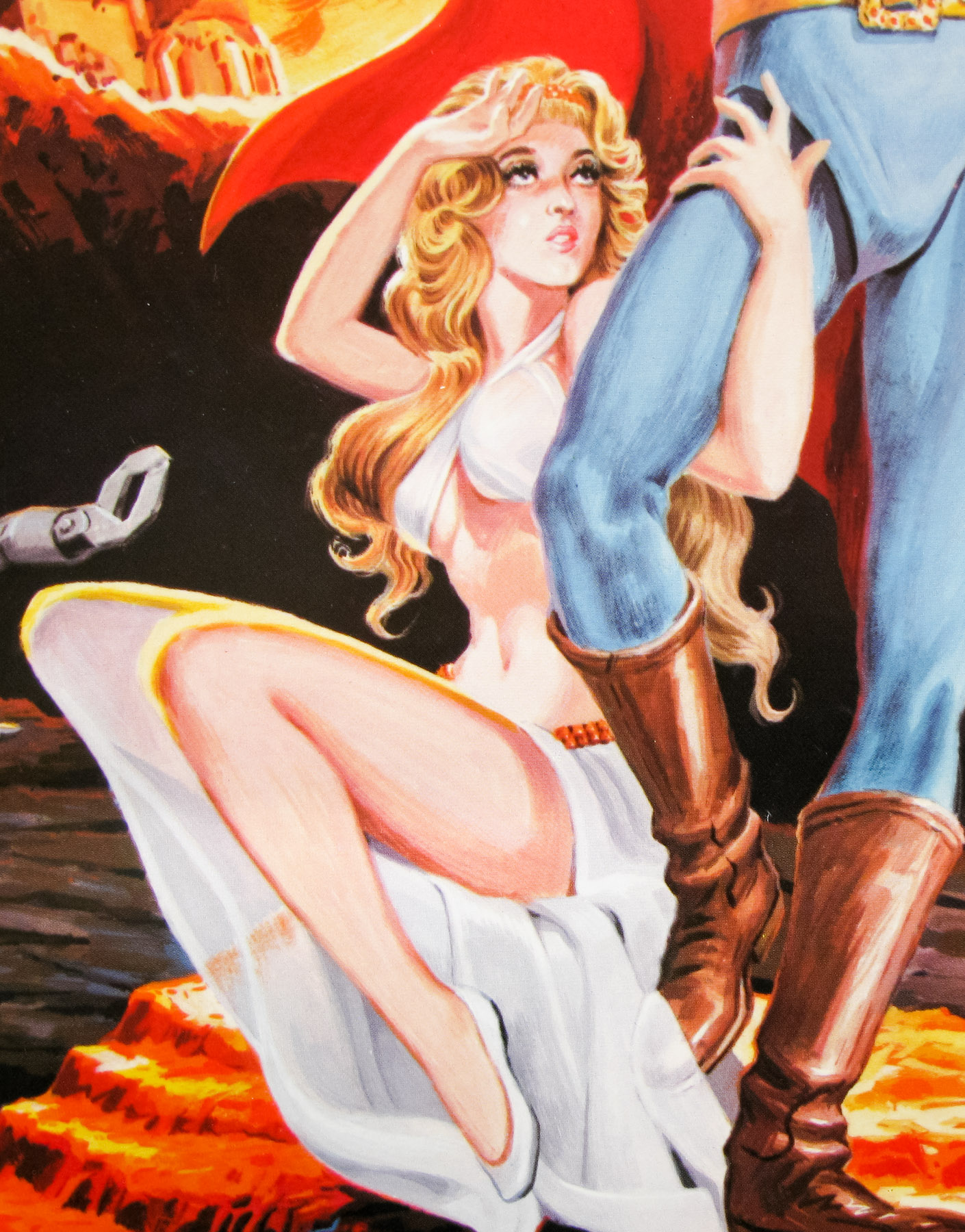
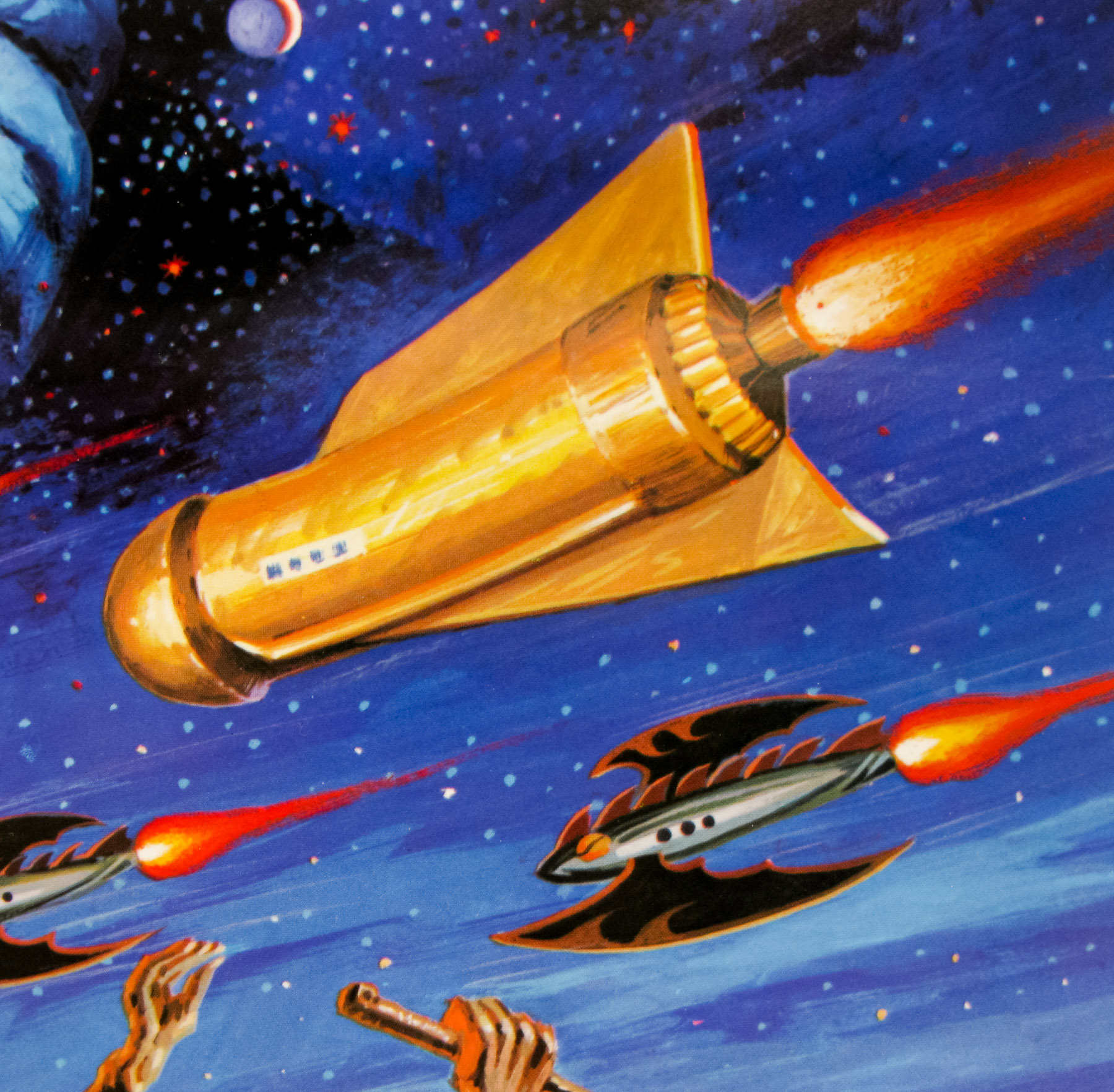
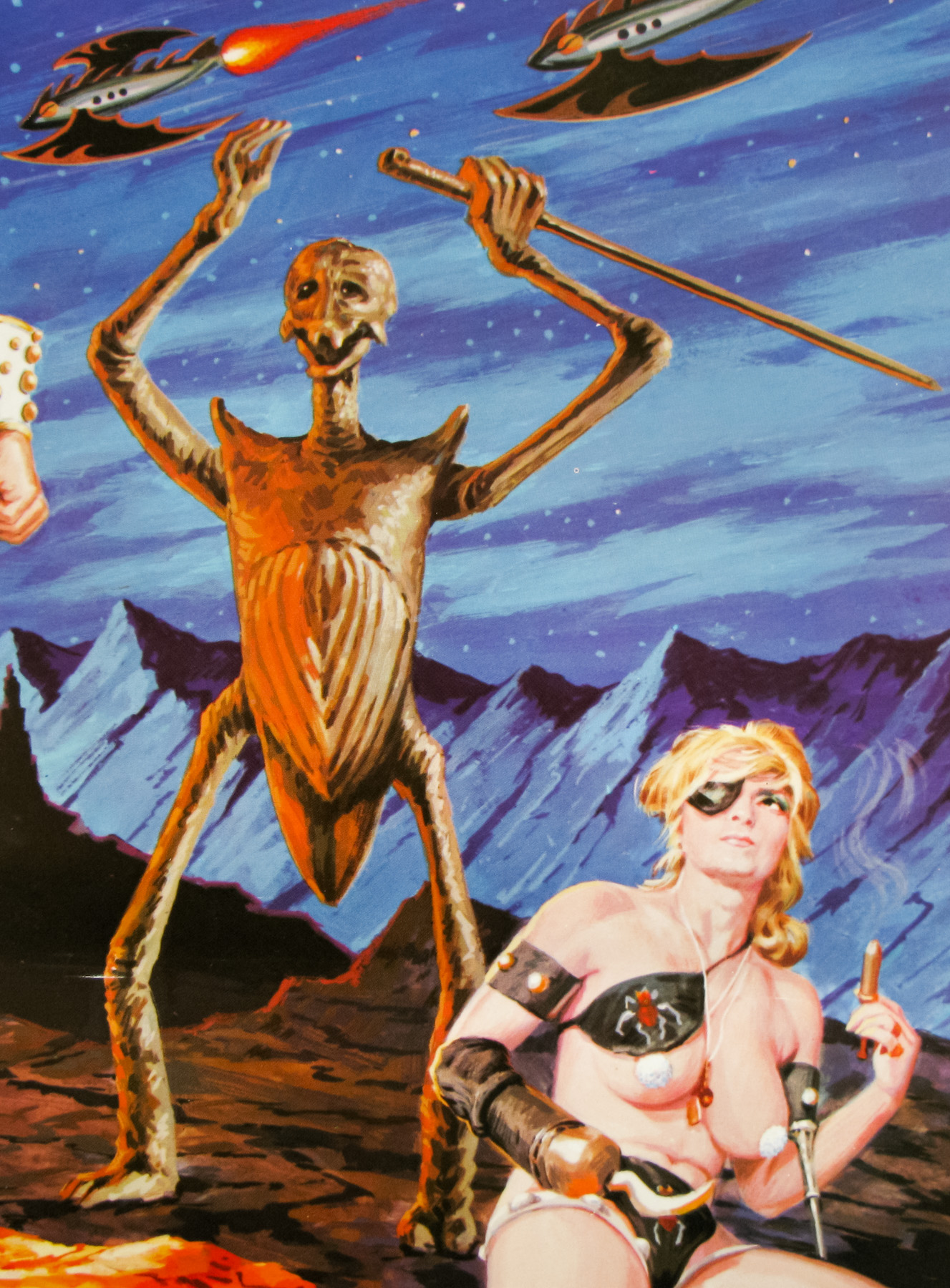
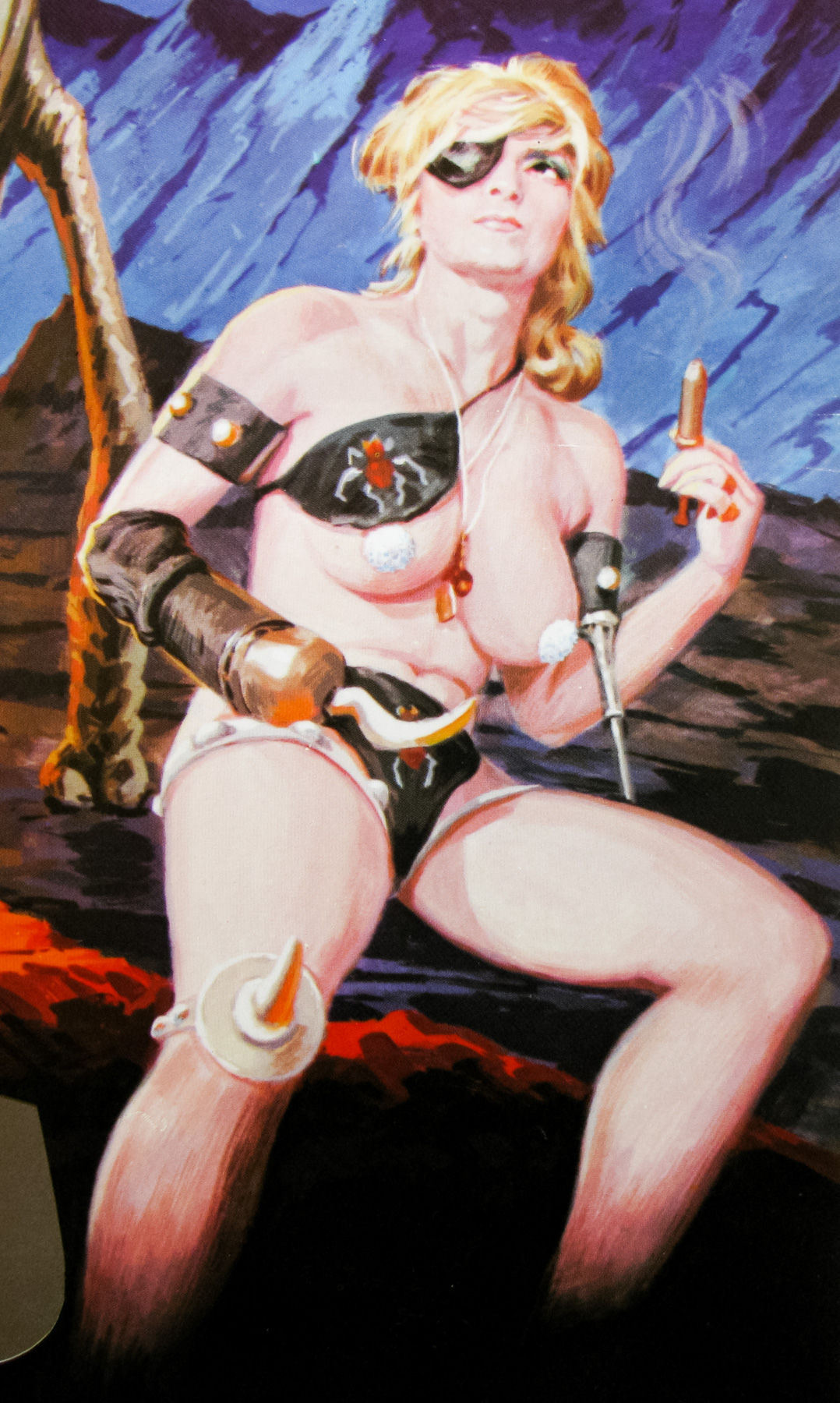
The sex-spoof Flesh Gordon was released within a few months of Star Wars in Japan and that probably accounts for the name change to a title so similar there can be no doubting the canny local distributors were hoping to cash in on some of the success of George Lucas’ sci-fi classic. Based on the original Buster Crabbe-starring Flash Gordon film serials of the 1930s, which were themselves based on a comic strip created by Alex Raymond, the film parodies many of the names and situations seen in the originals.

In this version Emperor Wang the Perverted, the leader of the planet Porno, points his mighty ‘Sex Ray’ towards Earth, turning everyone into sex-crazed lunatics. Only one man can save the planet; football player Flesh Gordon. Along with his girlfriend Dale Ardor and the (brilliantly named) mad Professor Flexi-Jerkoff, they set off towards the source of the Sex Ray determined to put a stop to Wang.

Entertaining and unremittingly trashy, the film does an excellent job of being just reverential enough to the original source material whilst adding it’s own brand of madcap humour interspersed with sex scenes. The effects are particularly decent for such a low-budget film and that’s because several of the effects specialists who worked on it were either established experts or men who would later go on to become leading artists in the field, including Mike MinorGreg Jein, and Rick Baker (An American Werewolf in London).

For the large monster seen towards the end of the film the production utilised the talents of Jim Danforth and Dave Allen who are both now recognised as two of the leading figures in the world of stop-motion animation. The monster was given the name ‘Nesuahyrrah’, which is ‘Harryhausen’ spelled backwards, the surname of likely the greatest stop-motion animator of all time, Ray Harryhausen.

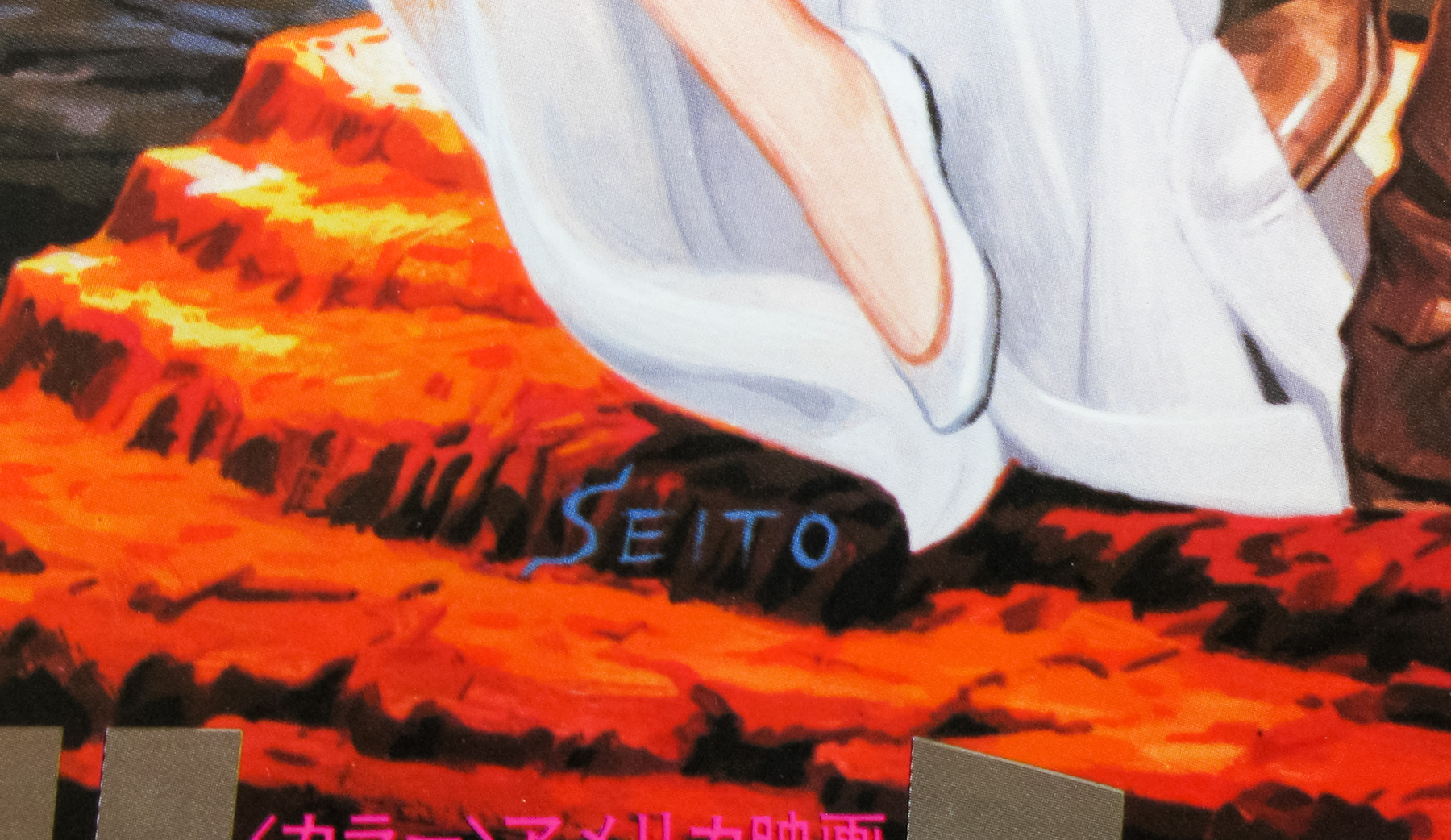
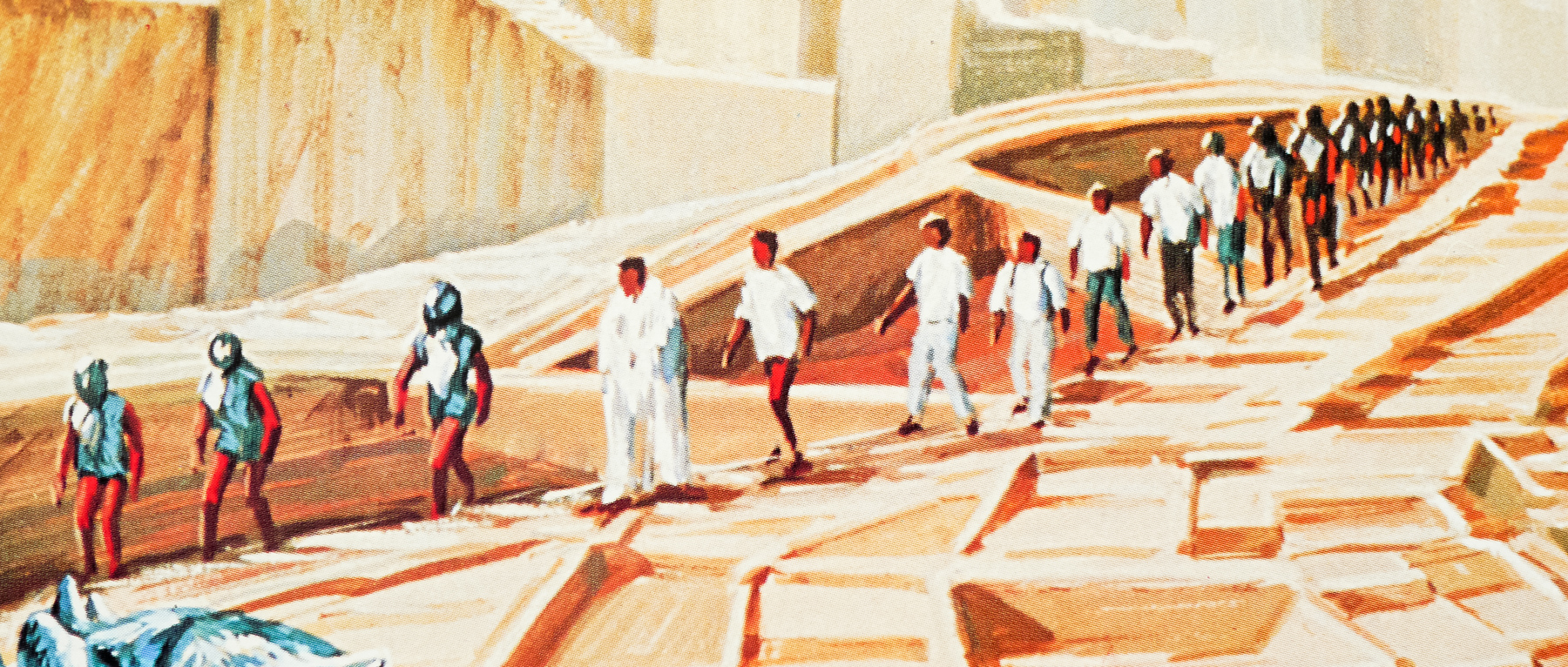
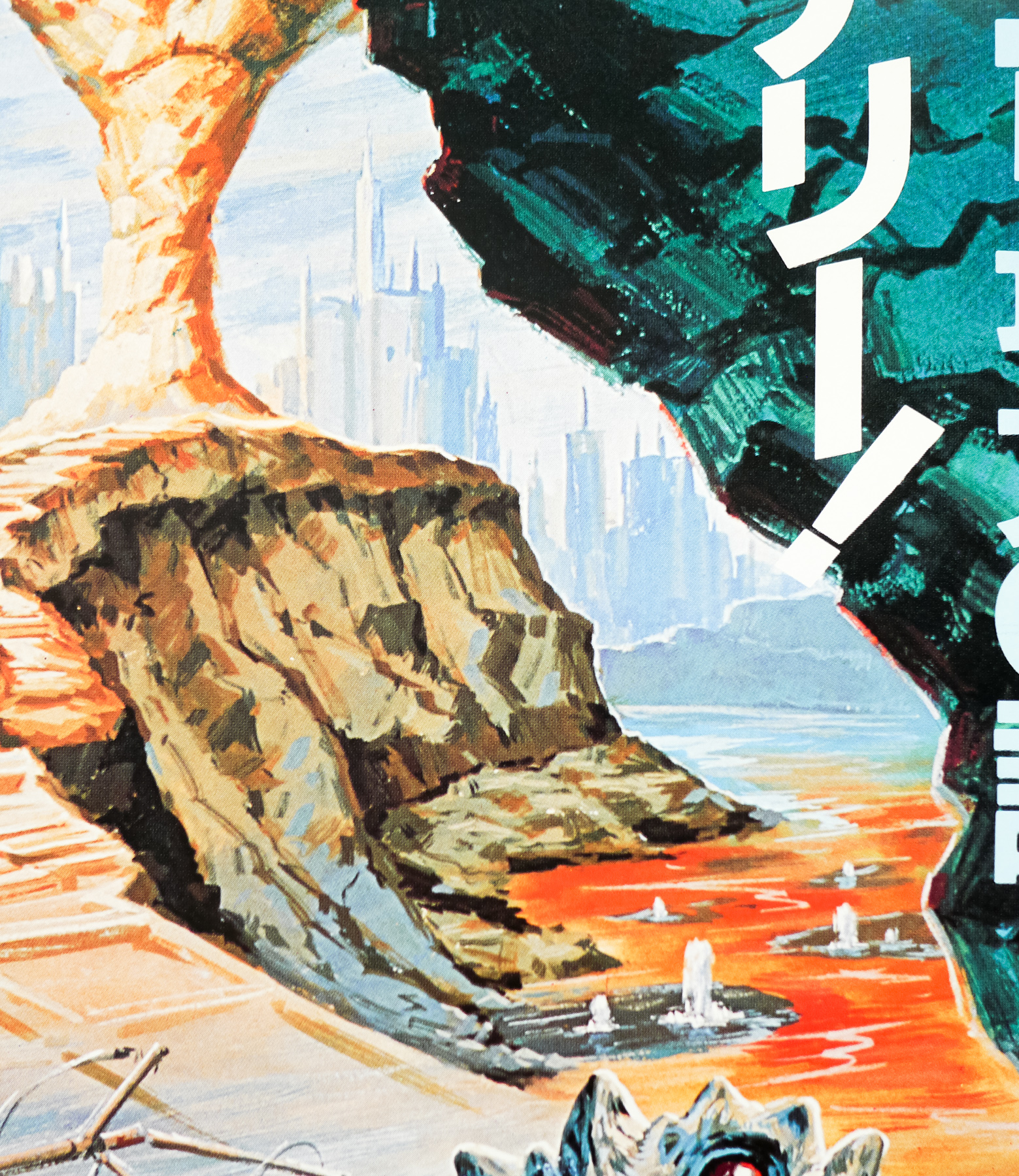
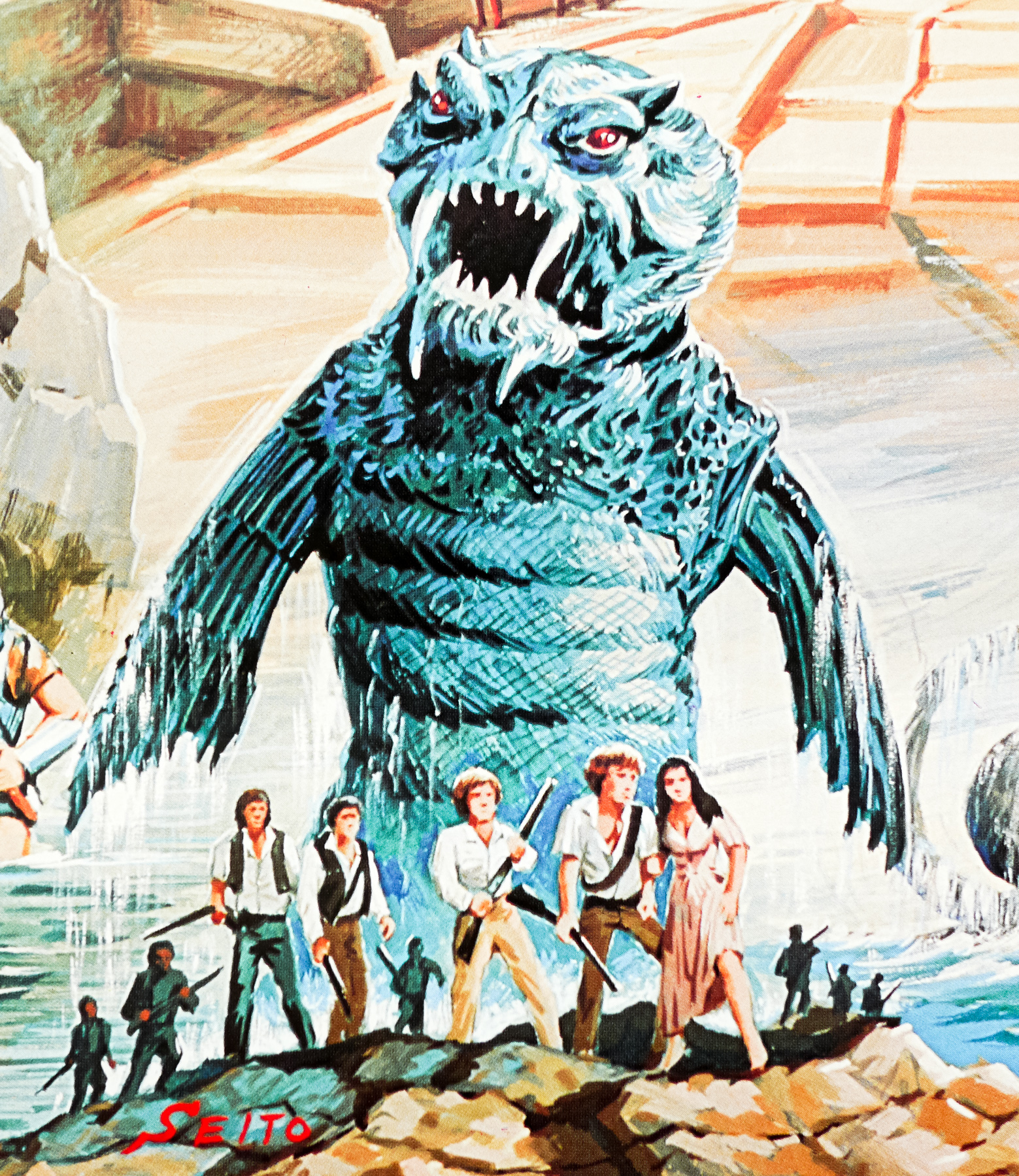
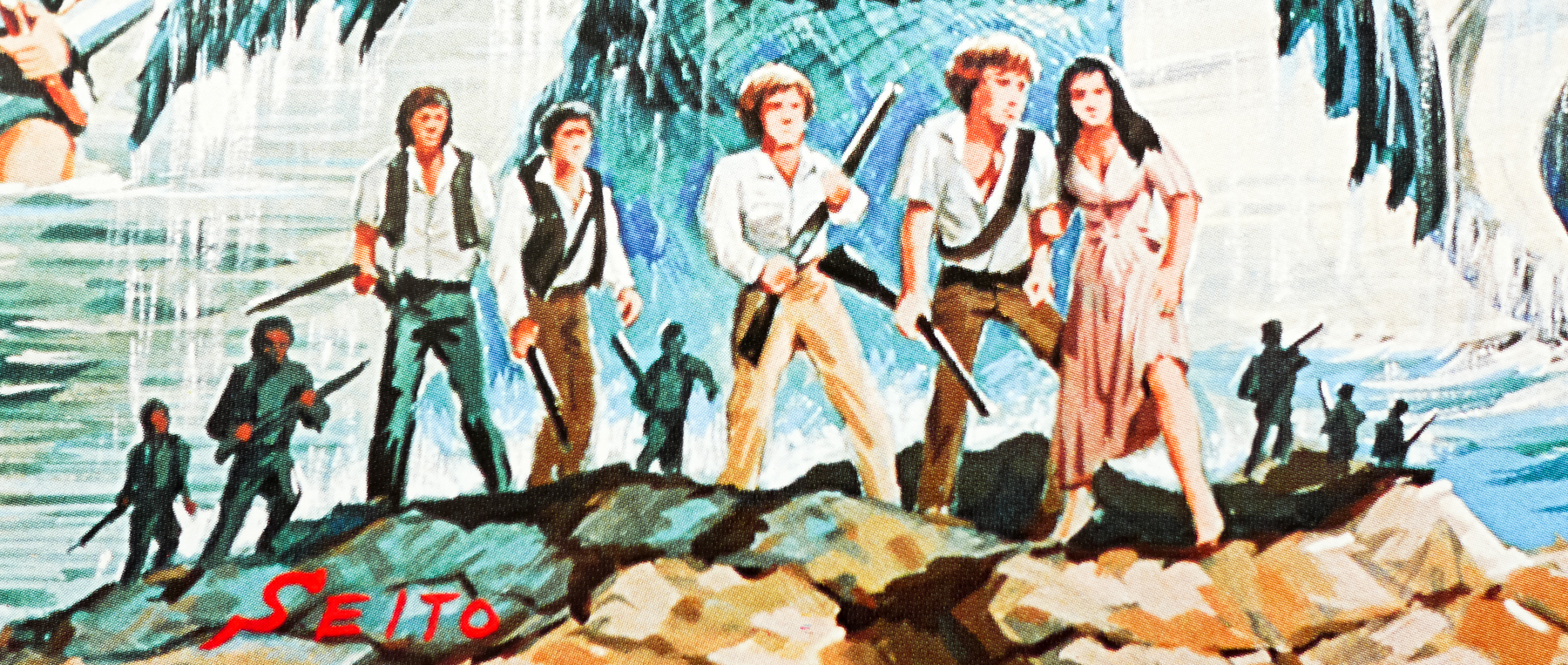
The poster artwork is by one of my favourite Japanese artists, Seito, and is unique to this B2. To see the other posters I’ve collected by the artist click here.

The original trailer is on YouTube.

Tron / B2 / montage style / Japan

08.01.13

Poster Poster
Title
Tron
AKA
Tron: The Electronic Gladiator (Australia)
Year of Film
1982
Director
Steven Lisberger
Starring
Jeff Bridges, Bruce Boxleitner, David Warner, Cindy Morgan, Barnard Hughes, Dan Shor, Peter Jurasik
Origin of Film
USA | Taiwan
Genre(s) of Film
Jeff Bridges, Bruce Boxleitner, David Warner, Cindy Morgan, Barnard Hughes, Dan Shor, Peter Jurasik,
Type of Poster
B2
Style of Poster
Montage style
Origin of Poster
Japan
Year of Poster
1982
Designer
Unknown
Artist
--
Size (inches)
20 6/16" x 28 13/16"
SS or DS
SS
Tagline
--

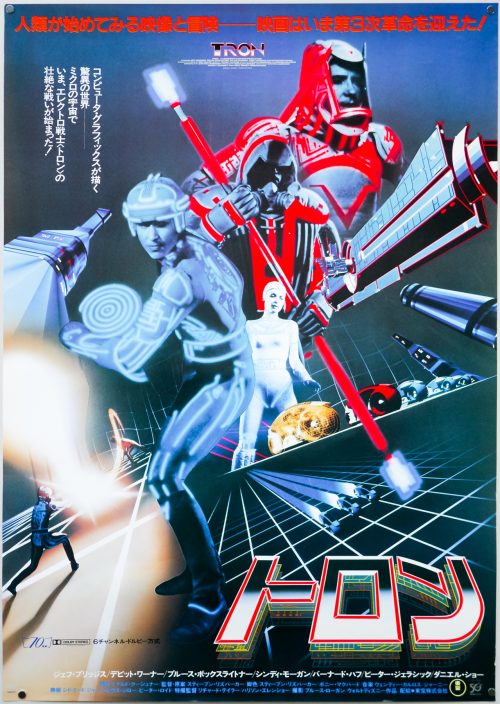
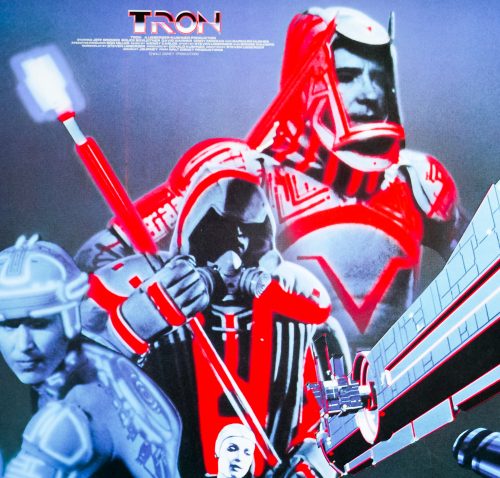
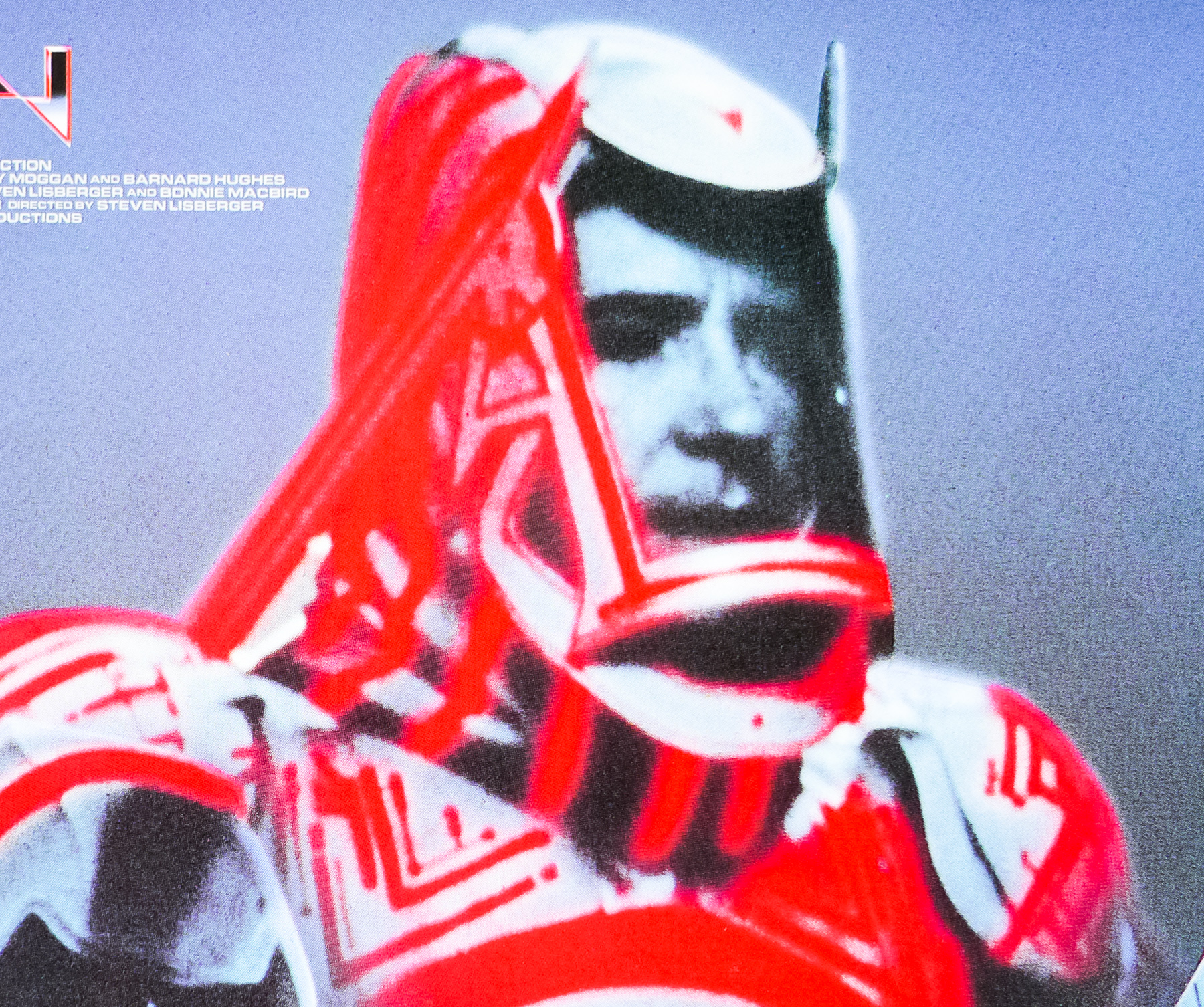
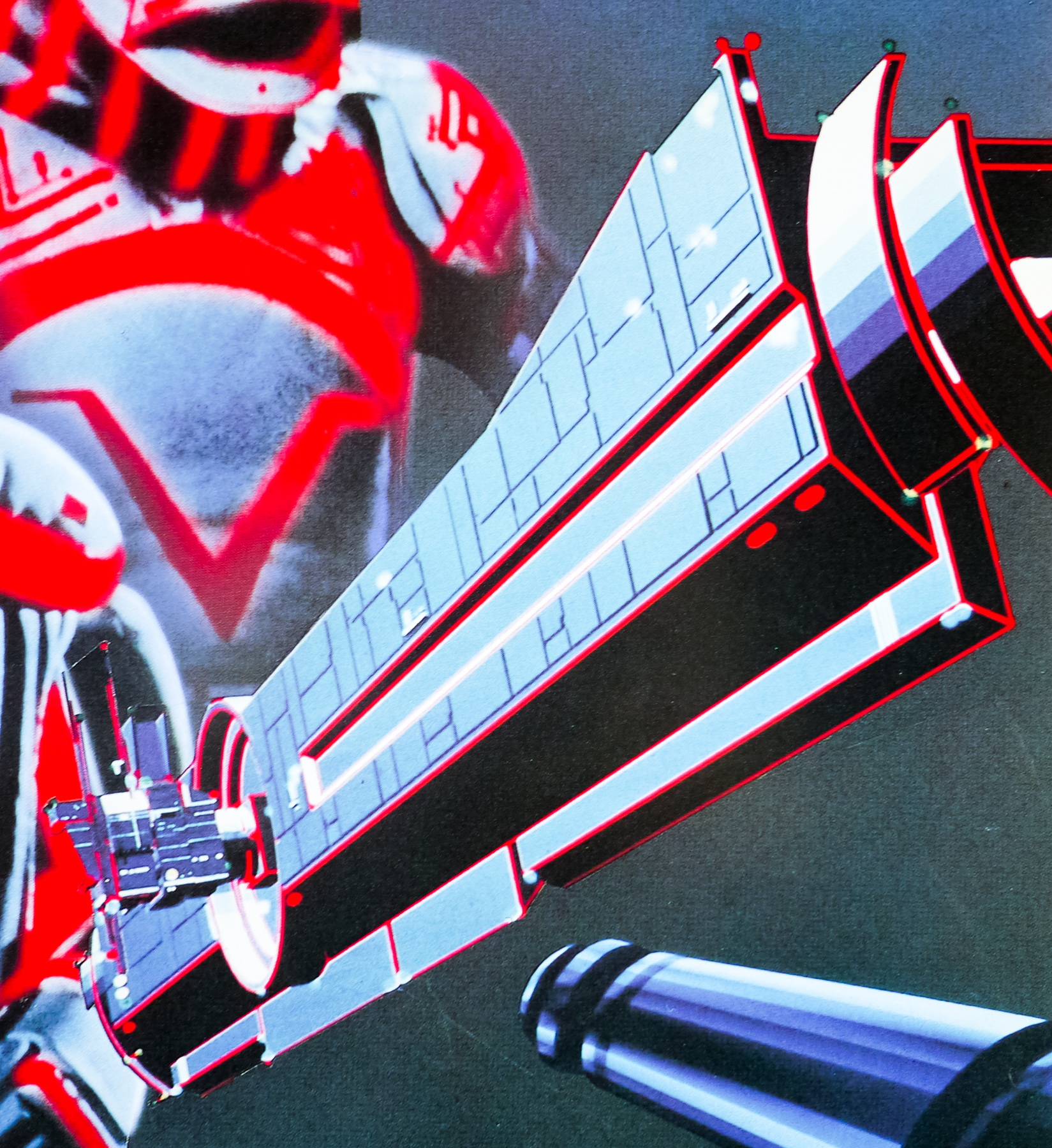
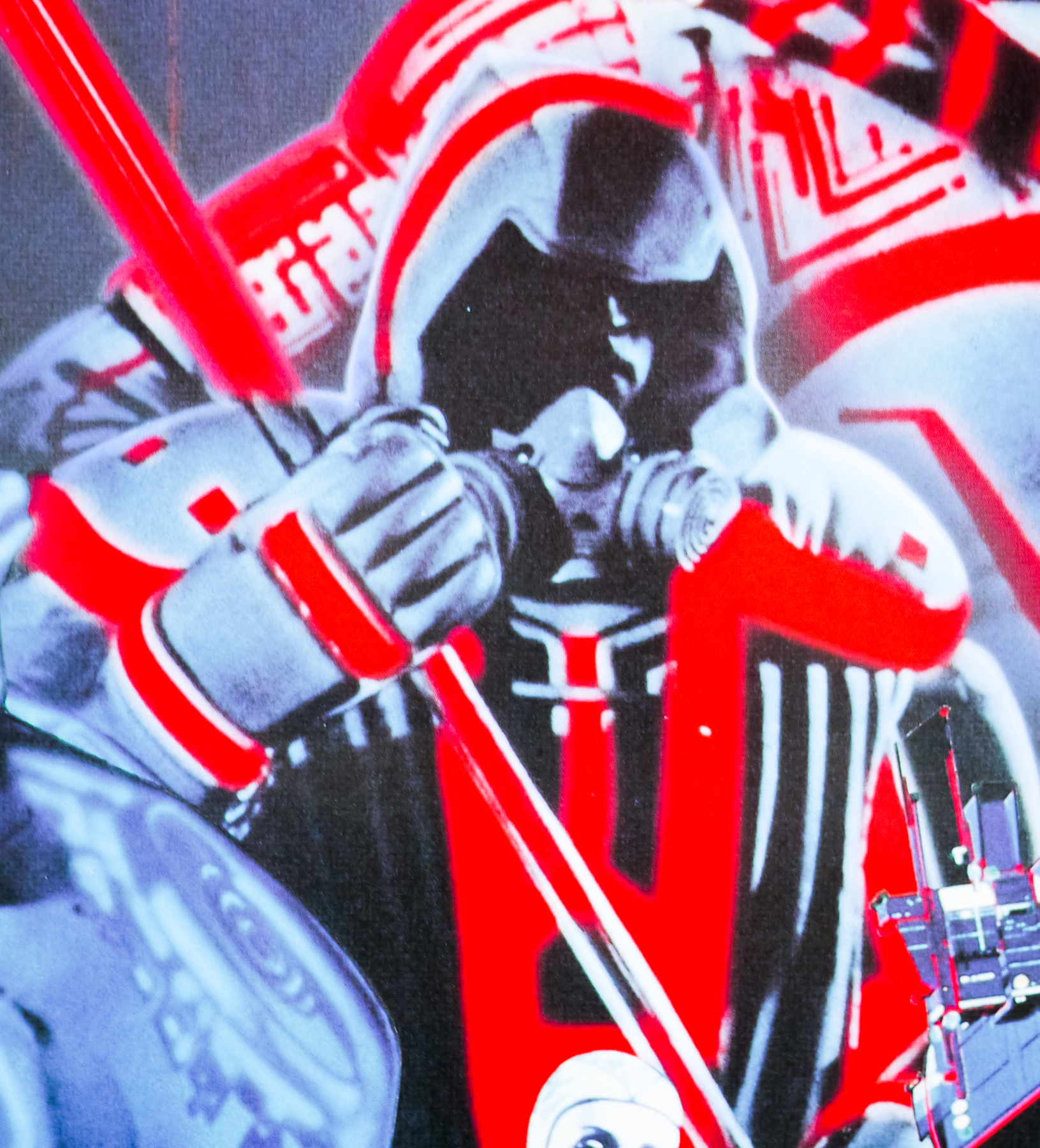
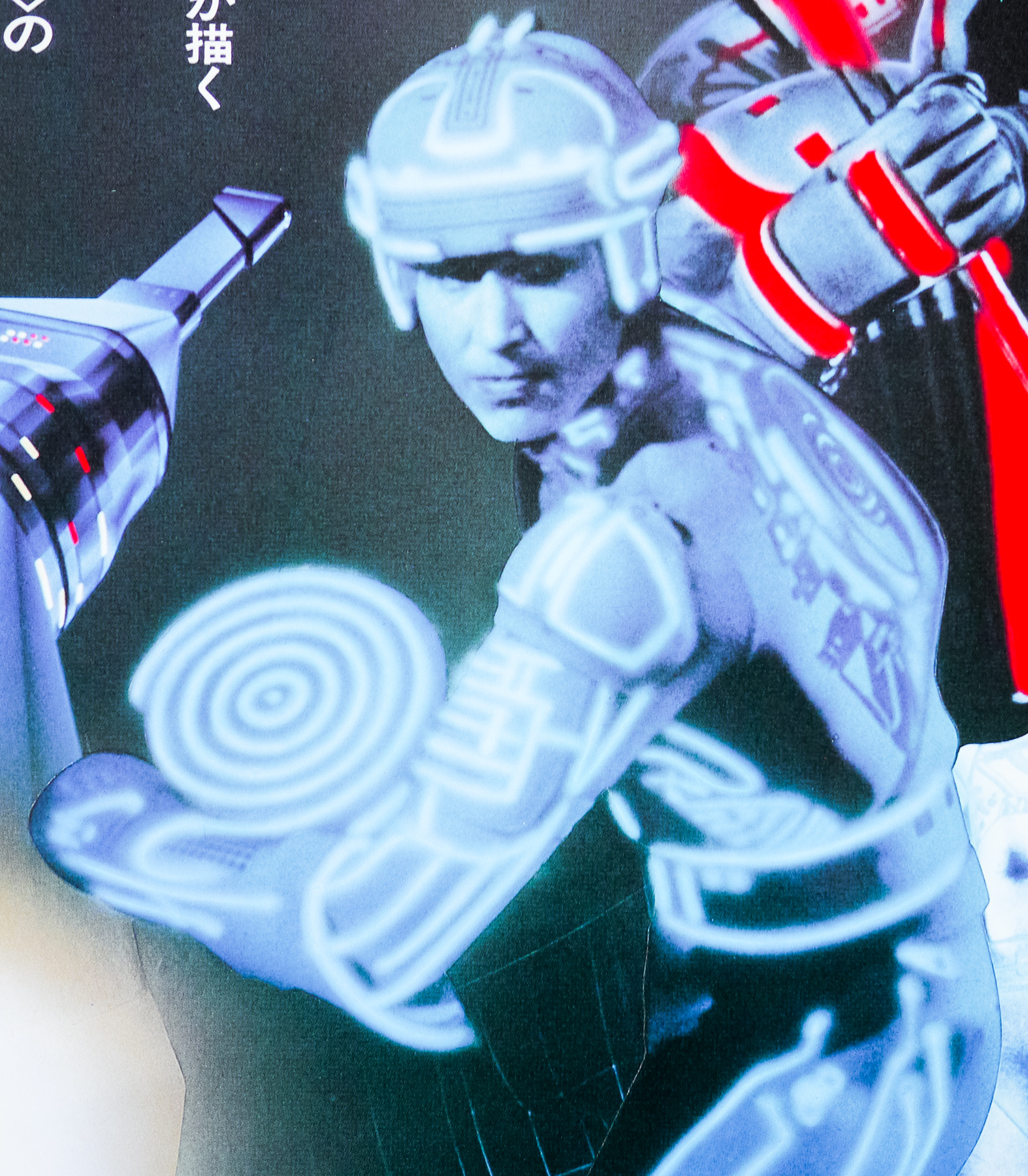
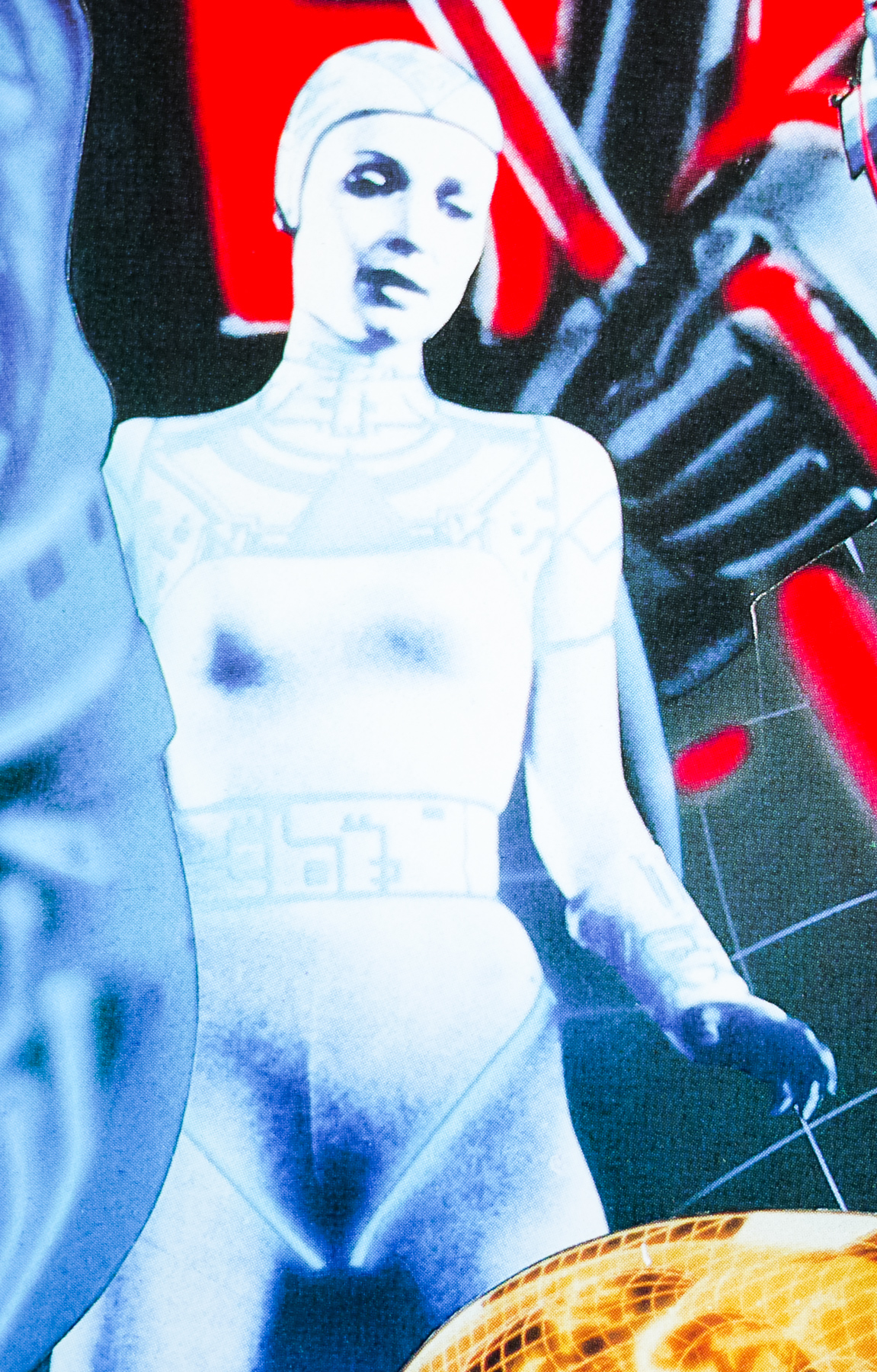
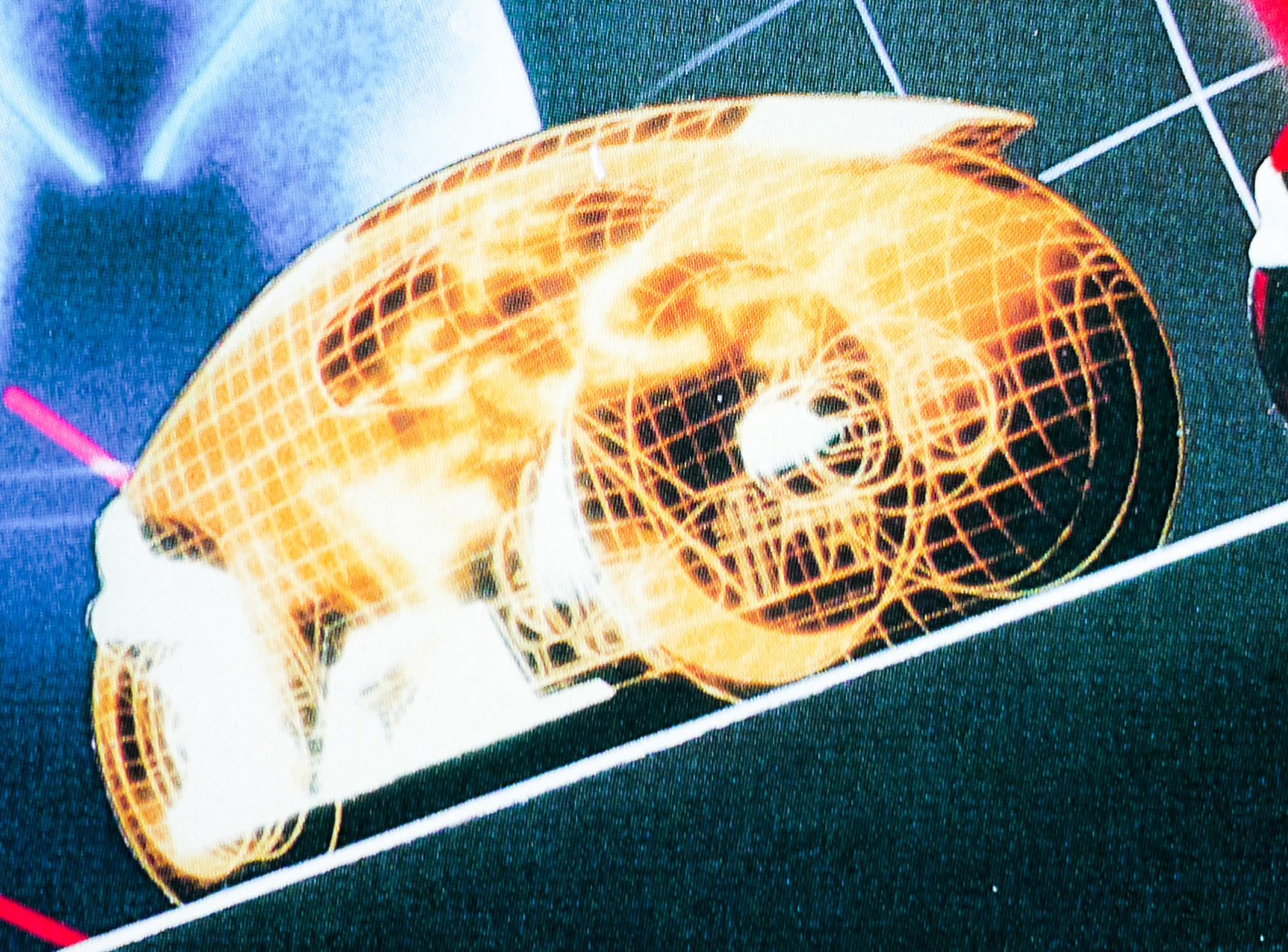
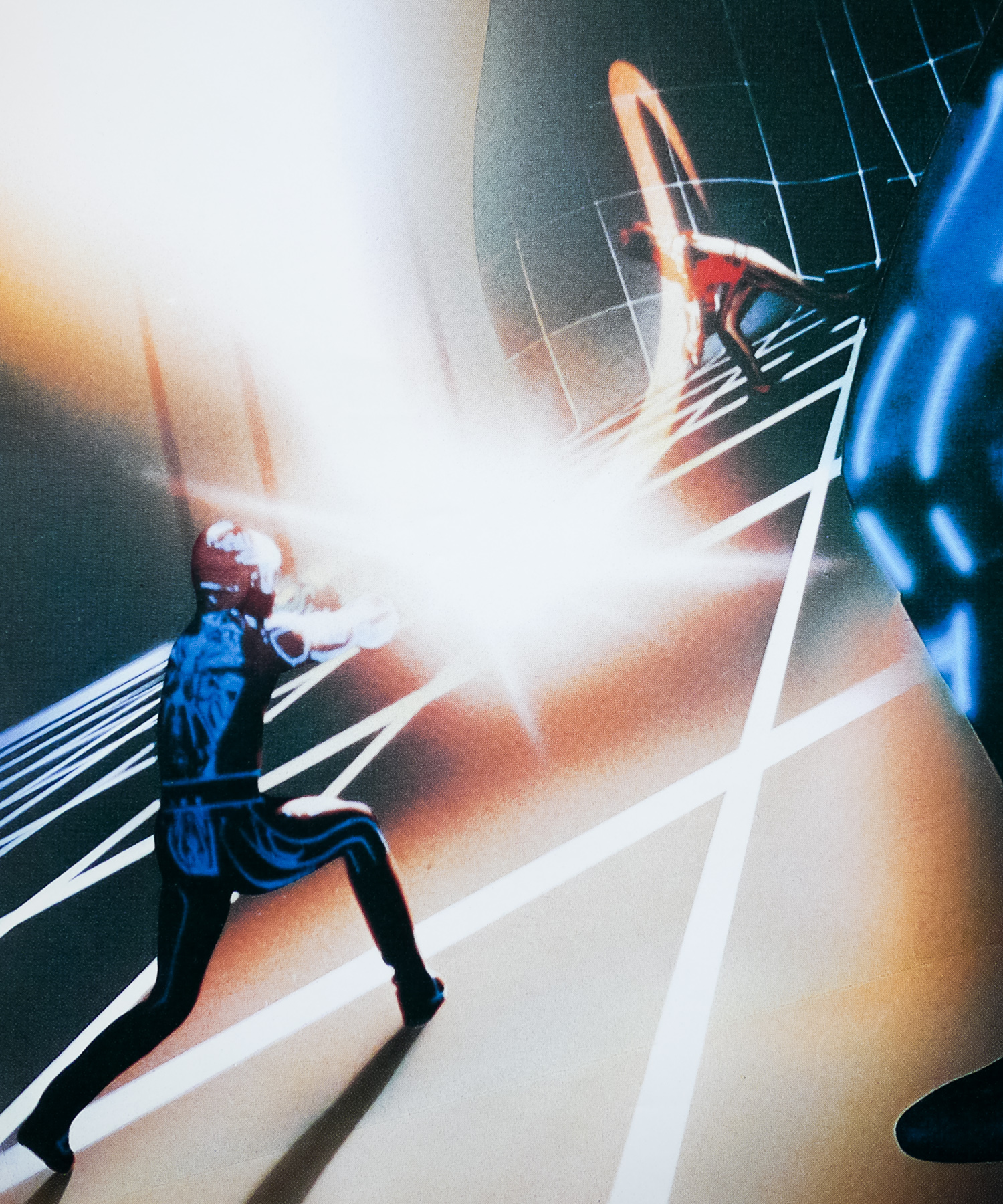
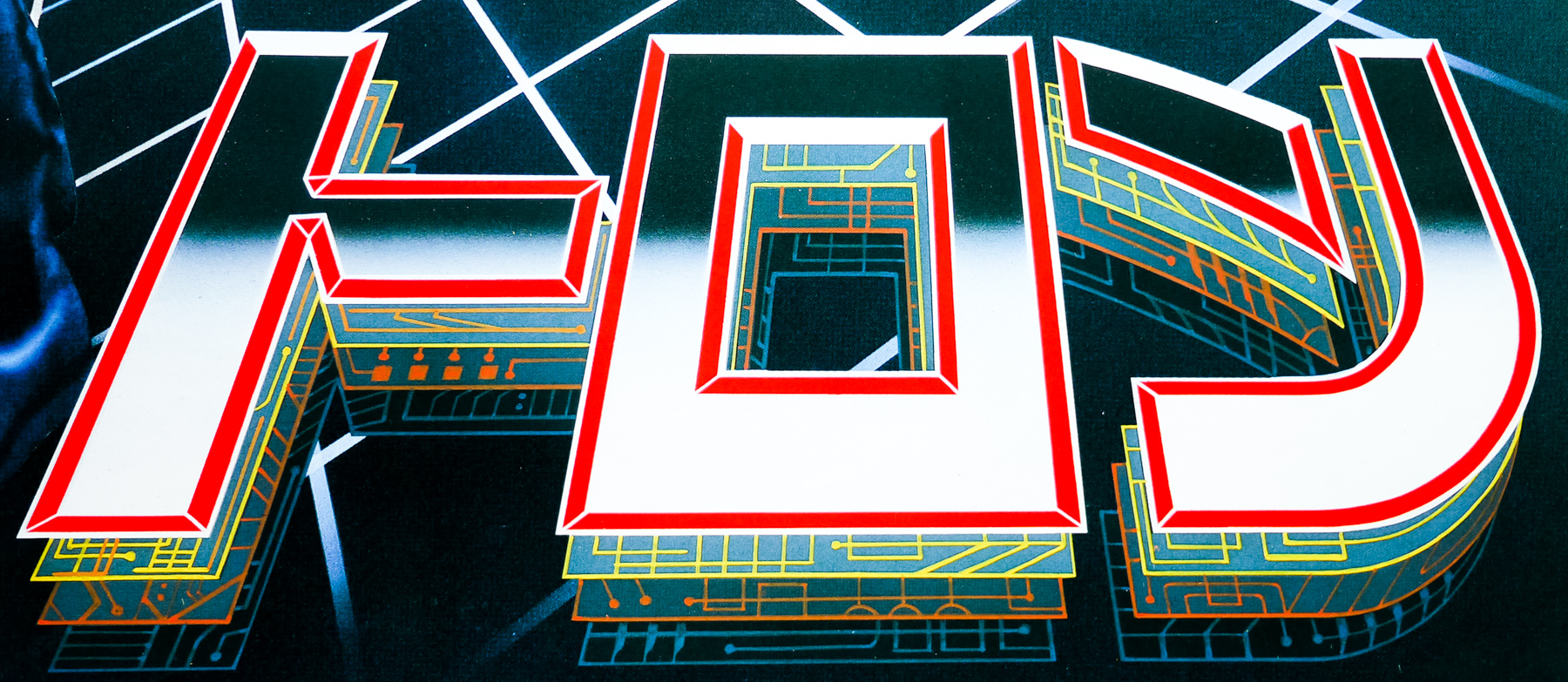
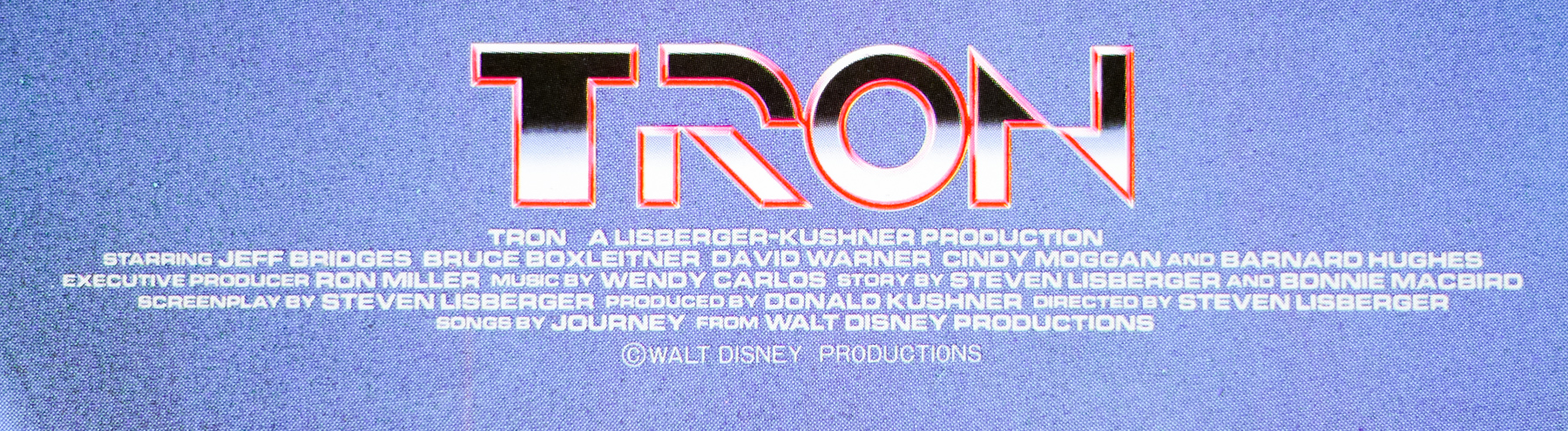
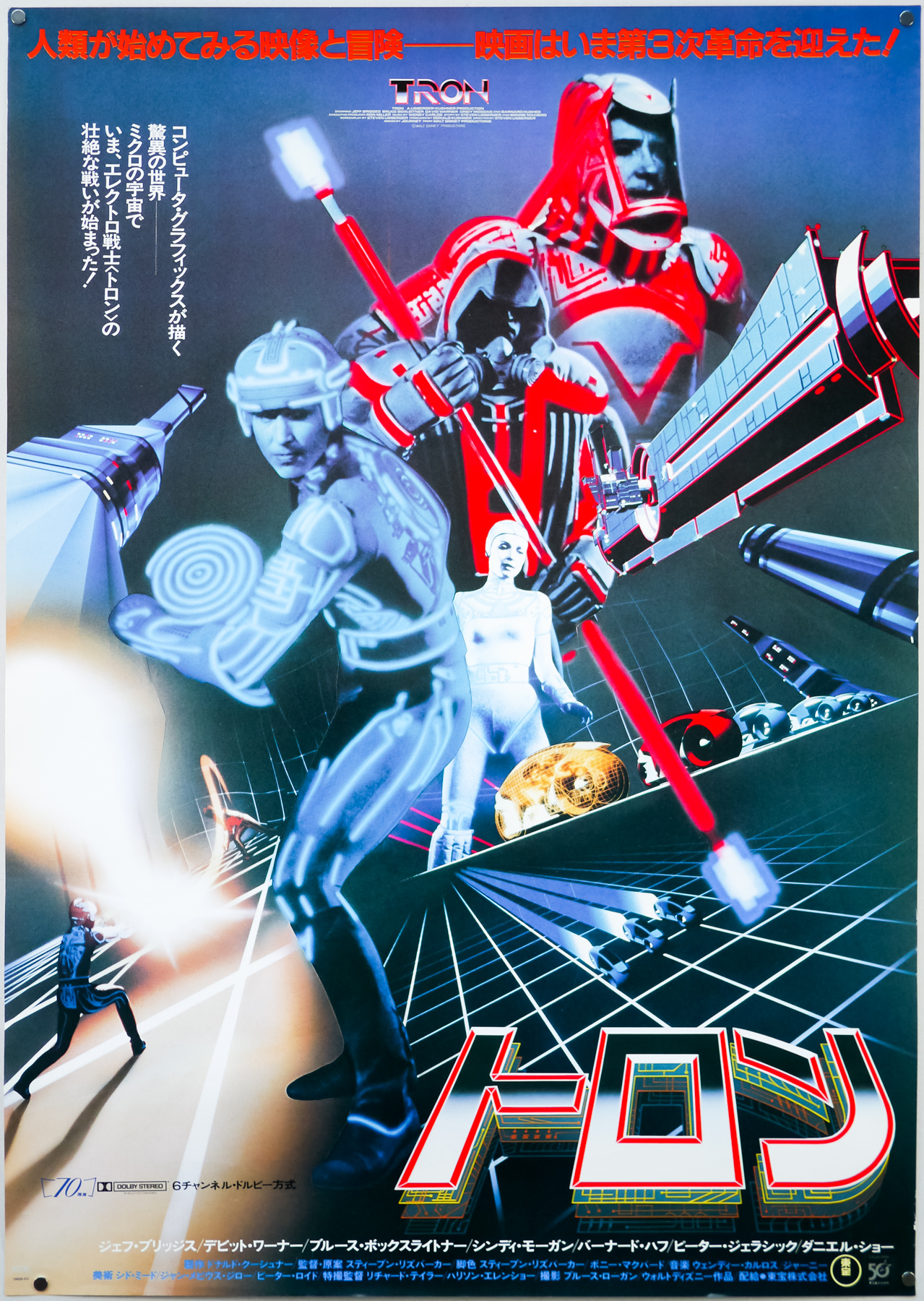
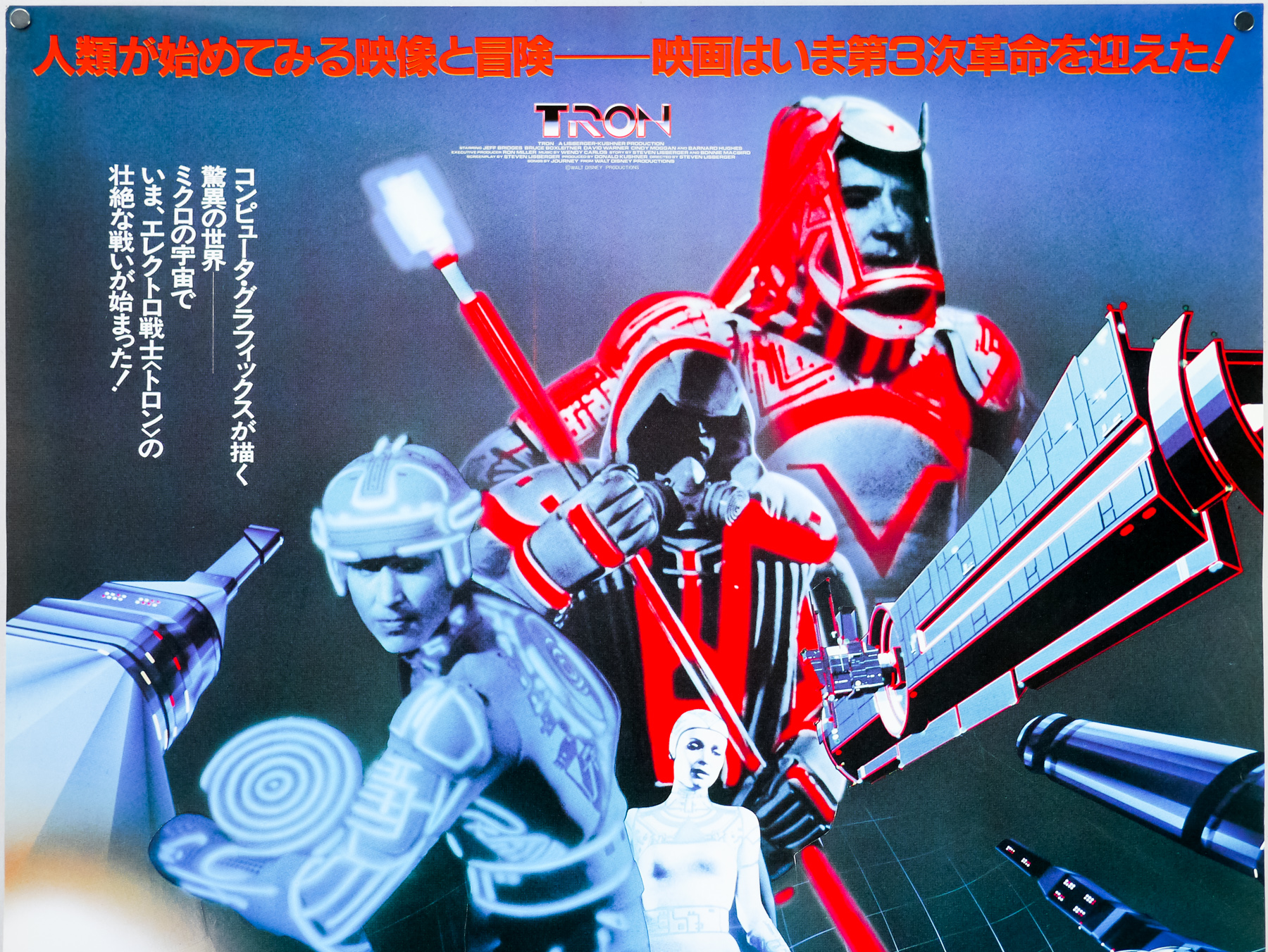
A colourful montage on this Japanese poster for the release of Disney’s groundbreaking sci-fi film, Tron. Another title that was released in the incredible summer of 1982, which included Blade Runner, E.T. the Extra Terrestrial and The Thing, the film follows the adventures of hacker Kevin Flynn (Jeff Bridges) who finds himself broken down into data and absorbed into a 3D computer world of his own making. There he must join forces with his lover Yori and the titular Tron to battle the malevolent Master Control Program and liberate the system from its dictatorial grip, which is the only way Flynn can return to the real world.

The film features seminal use of computer graphics to depict the world inside the mainframe and, although the visuals date the film somewhat when viewed today, back in 1982 they wowed audiences worldwide and were instrumental in CGI’s rise to prominence in the years that followed.

Note that Japanese audiences would have been treated to a 70mm screening of the film. There is also a special B2 poster that was printed for the country that can be viewed here.

Leon / B2 / Japan

11.03.13

Poster Poster
Title
Leon
AKA
Léon (France - original title) | The Professional (USA)
Year of Film
1994
Director
Luc Besson
Starring
Jean Reno, Gary Oldman, Natalie Portman, Danny Aiello, Michael Badalucco, Ellen Greene, Willi One Blood, Don Creech
Origin of Film
France
Genre(s) of Film
Jean Reno, Gary Oldman, Natalie Portman, Danny Aiello, Michael Badalucco, Ellen Greene, Willi One Blood, Don Creech,
Type of Poster
B2
Style of Poster
--
Origin of Poster
Japan
Year of Poster
1995
Designer
Unknown
Artist
--
Size (inches)
20 6/16" x 28 13/16"
SS or DS
SS
Tagline
--

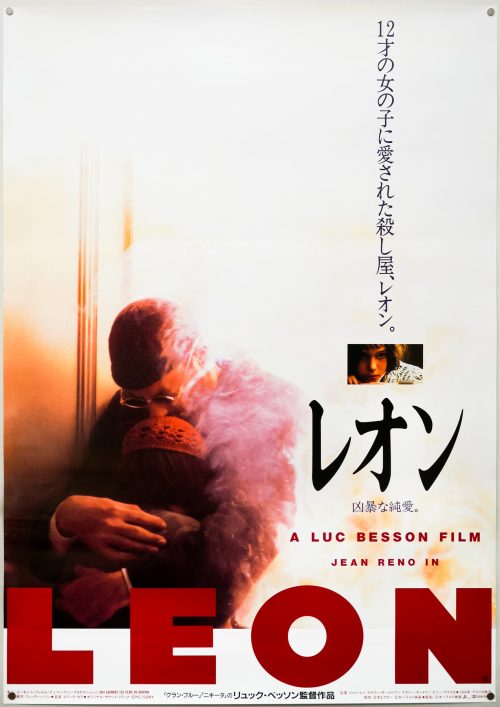
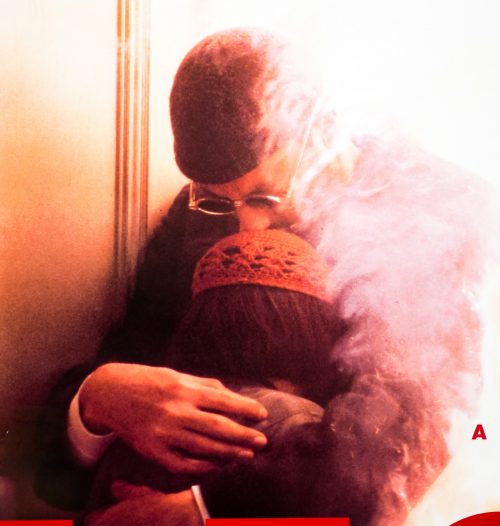
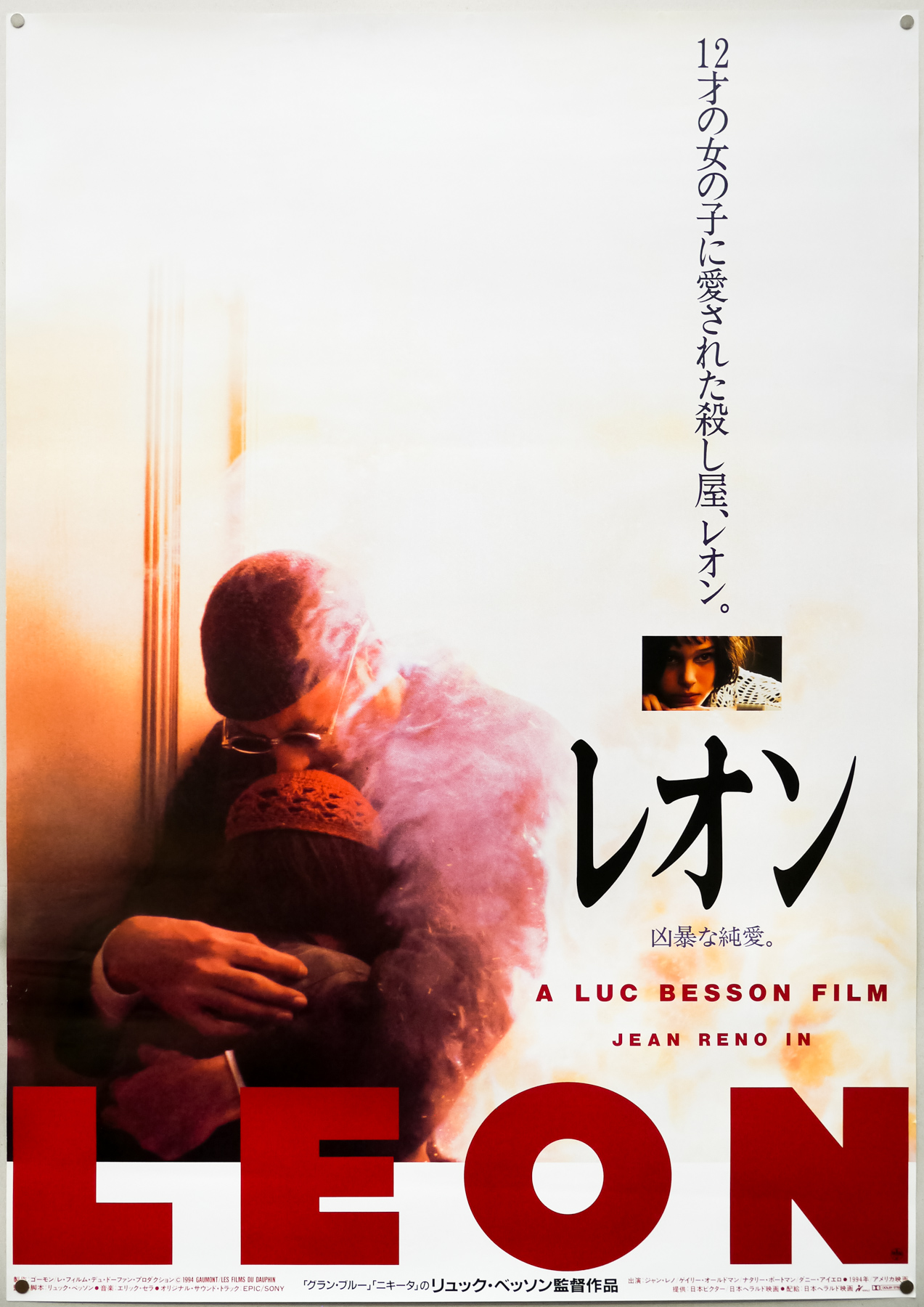
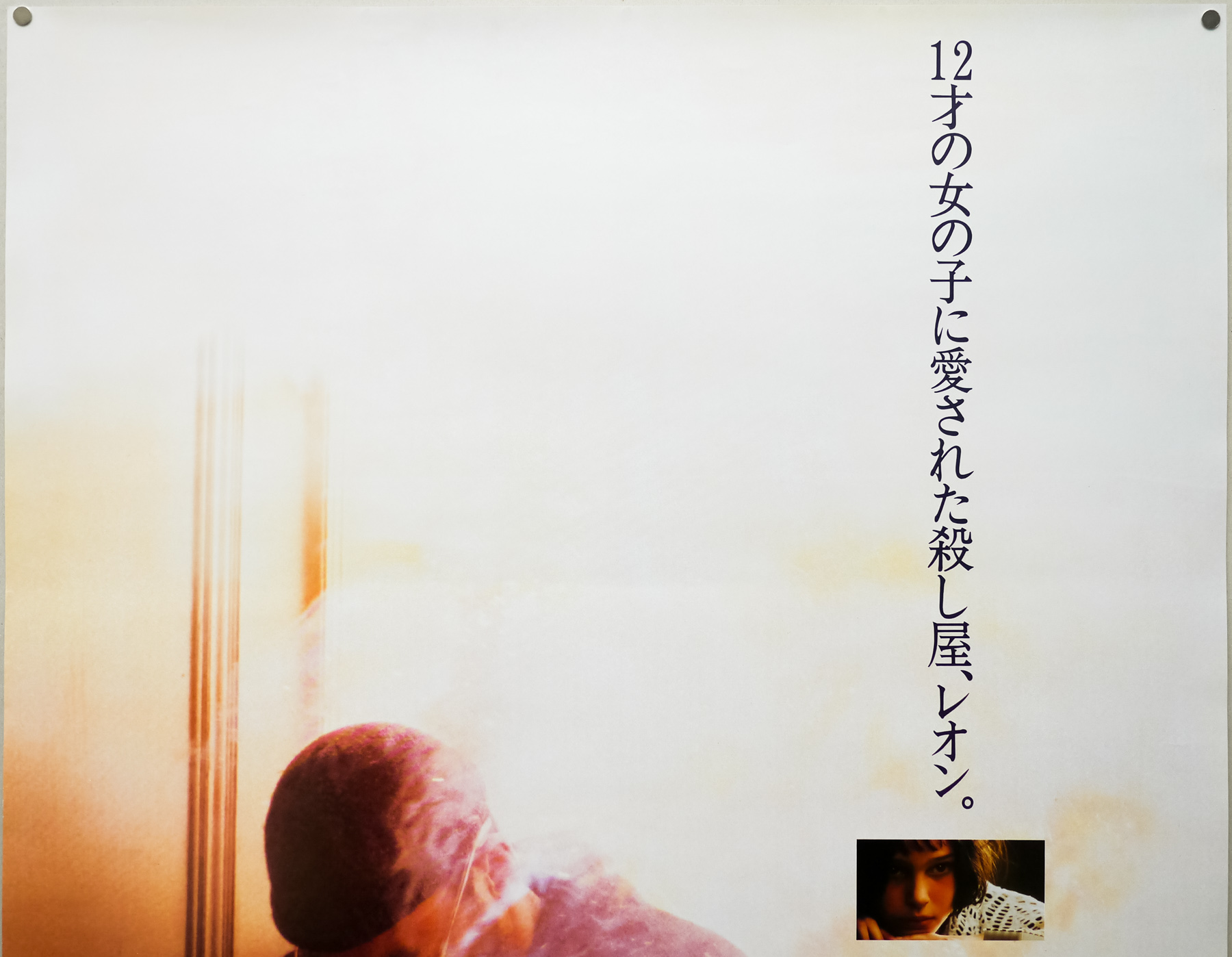
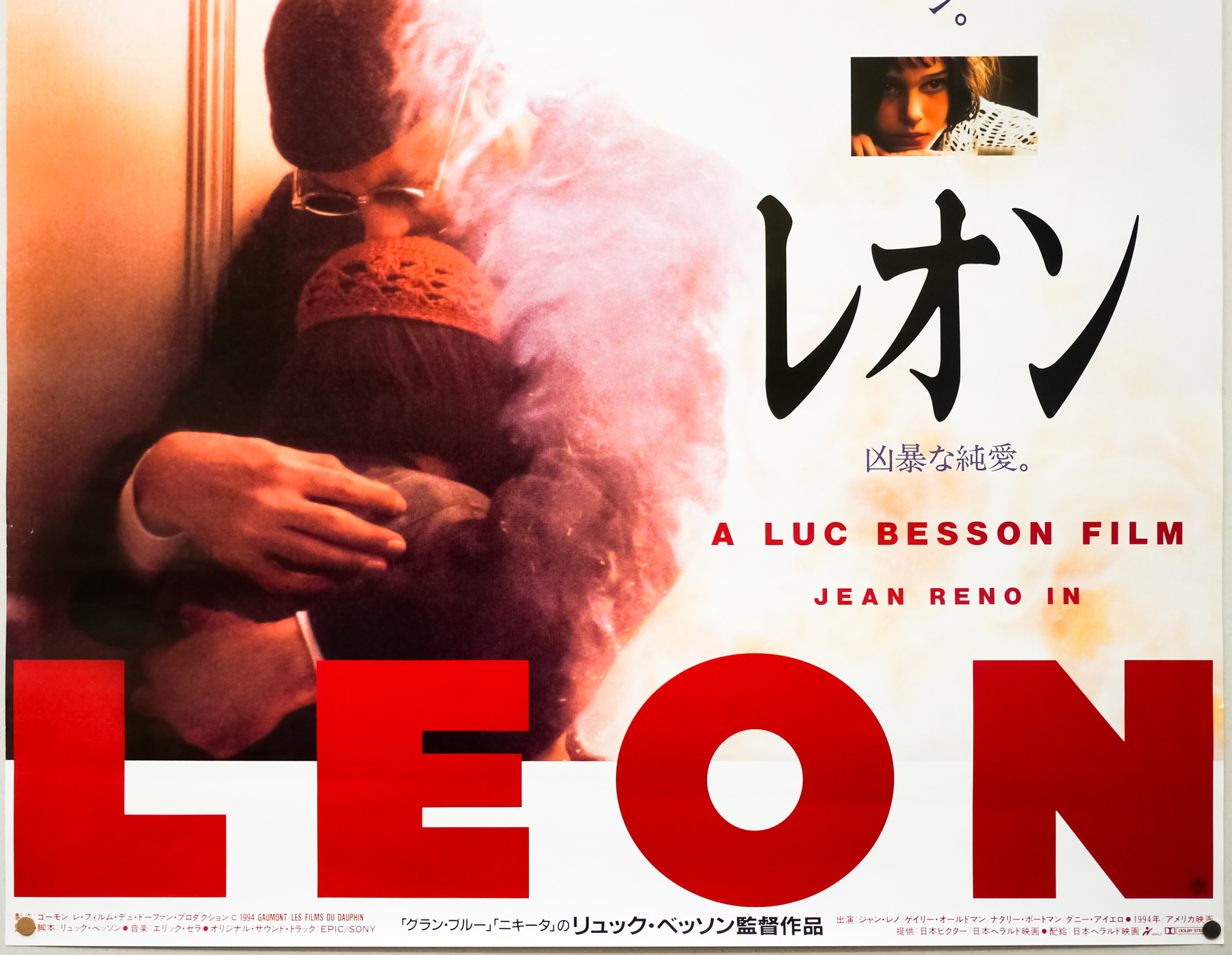
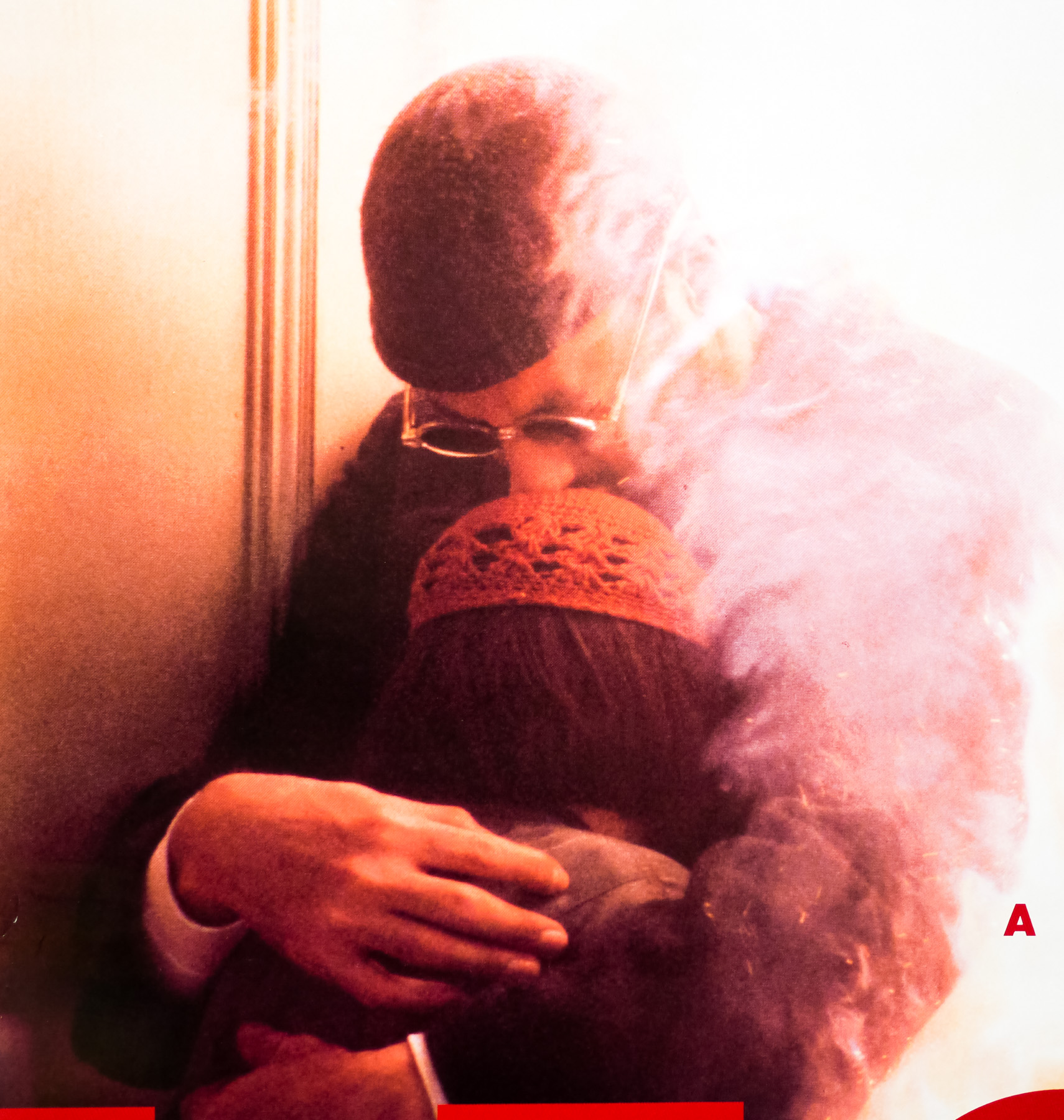
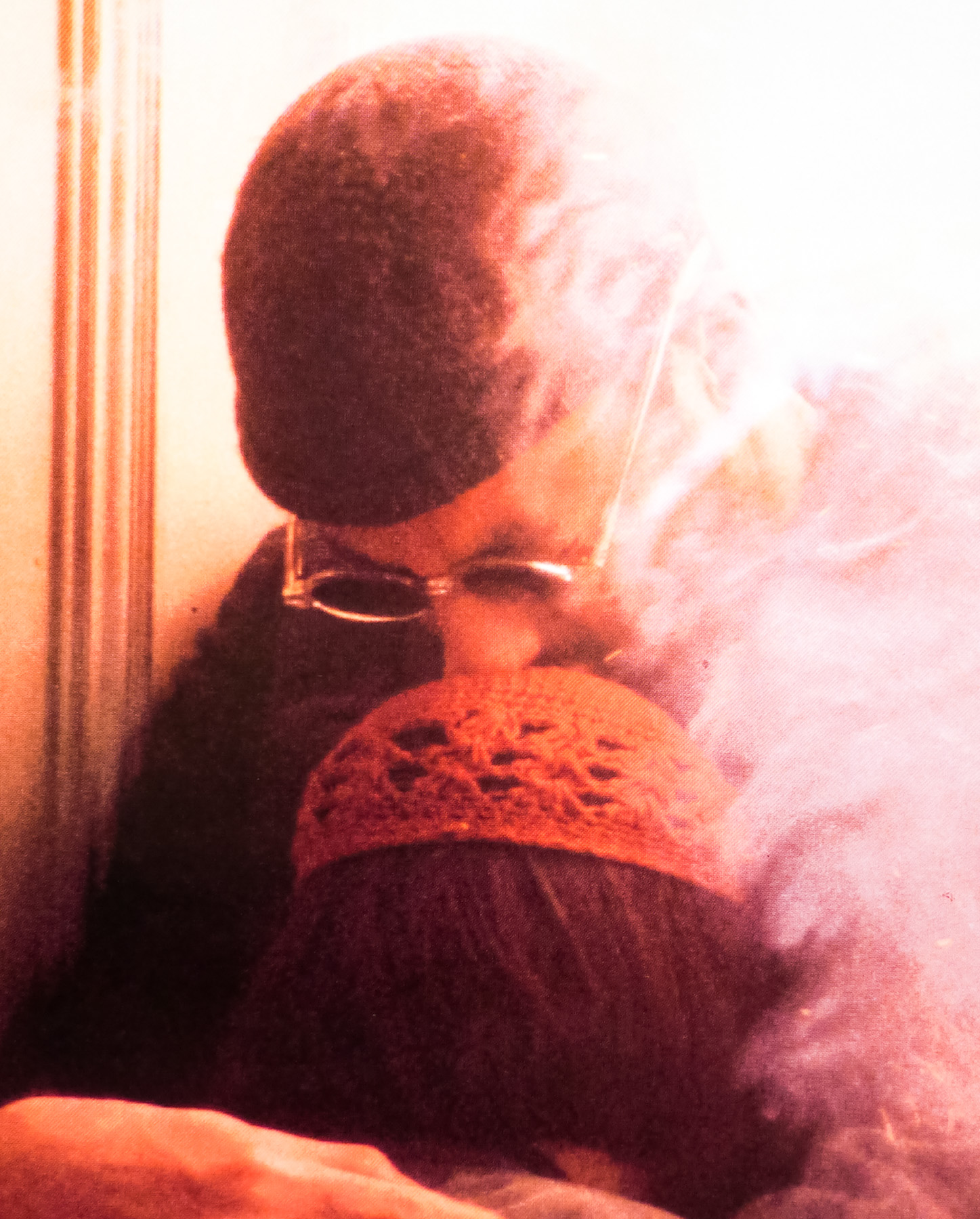
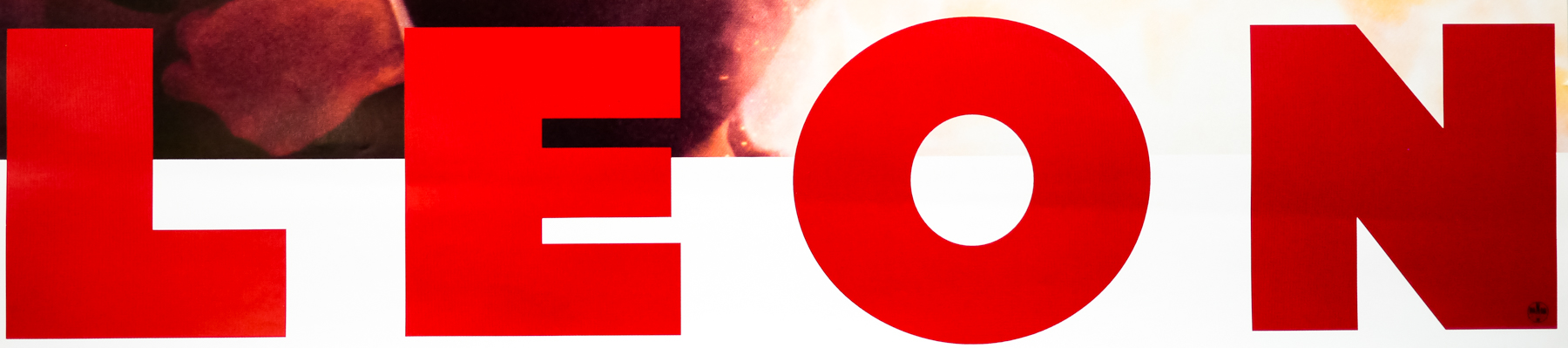
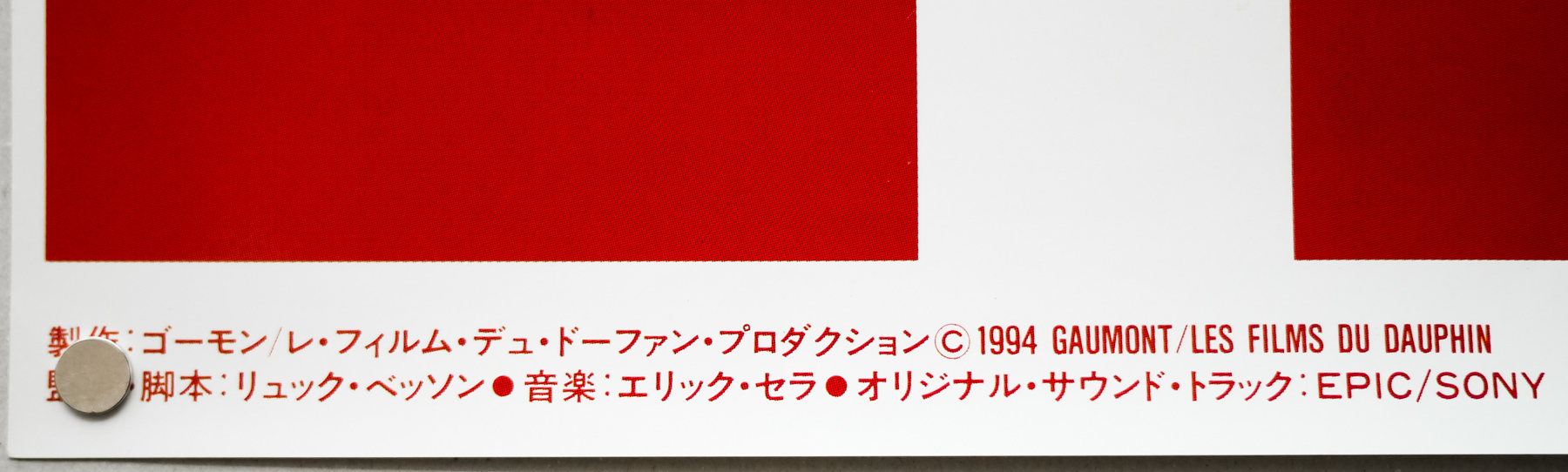
Unique artwork on this poster for the Japanese release of French director Luc Besson‘s classic ‘hitman with a heart’ film, Leon (AKA The Professional in the US). The film reunited Besson with his  regular collaborator Jean Reno (he was one of the leads in Besson’s The Big Blue, amongst other roles), who’s superb as the titular assassin wrestling with his strict code of ethics after he witnesses the massacre of a family that leaves one survivor, a twelve-year-old girl called Mathilda (Natalie Portman in a breakout role). The perpetrator is the psychotic, corrupt policeman Stansfield, played brilliantly by Gary Oldman, and Leon decides to take Mathilda under his wing to protect her, but Mathilda wants revenge and Stansfield will stop at nothing to track down the witness to his heinous crime.

This Japanese B2 actually features a still from the director’s cut of the film. Japan was one of the only countries in the world (including France) to see a theatrical release of the so-called ‘Version Integrale’, or International cut, of the film that adds 26 minutes of extra footage – the poster for that release can be seen here. I also have the UK quad and the American one sheet.

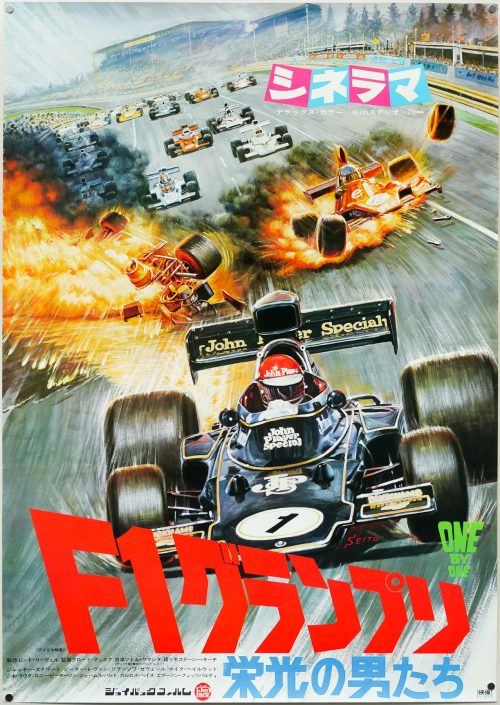
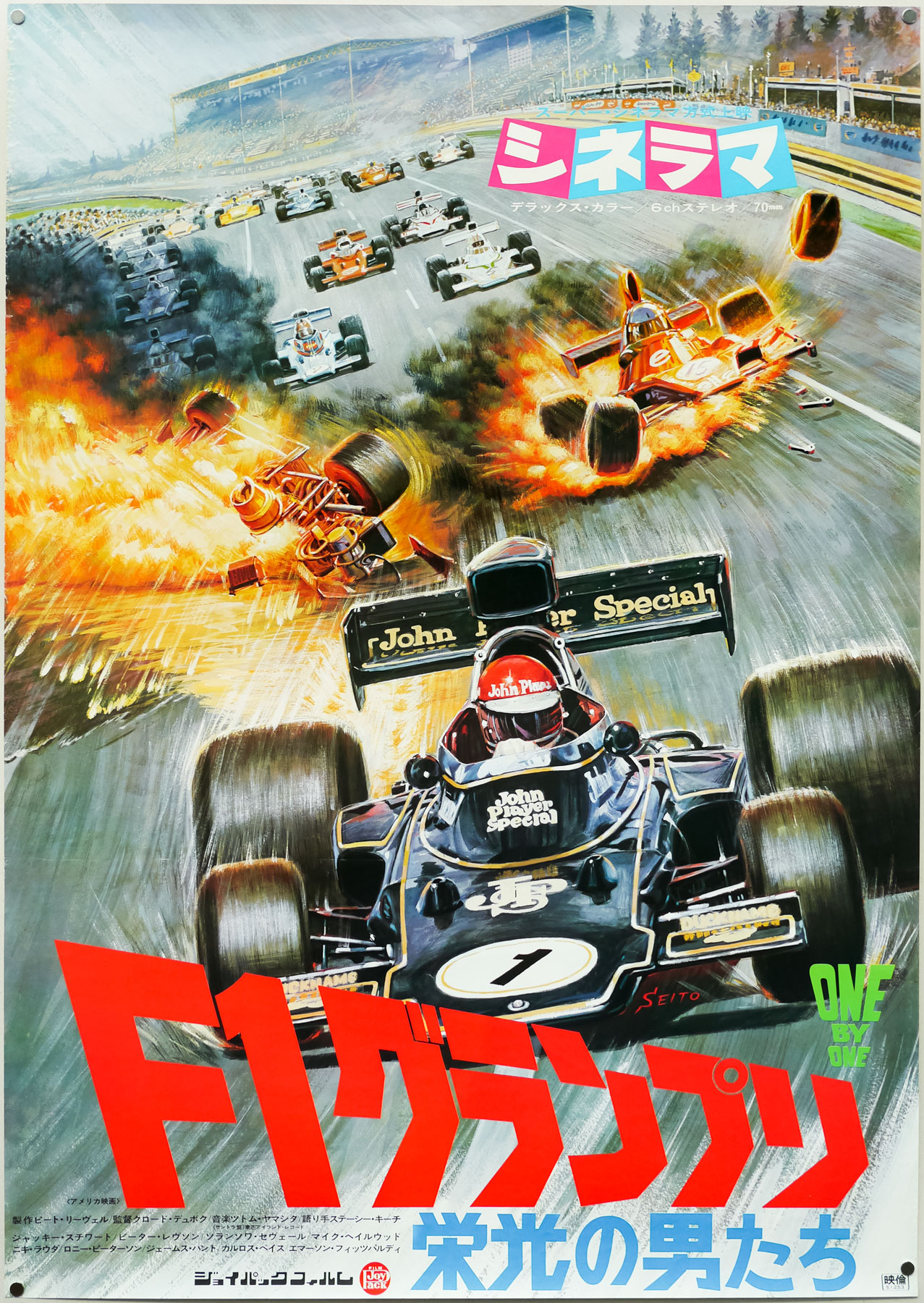
One by One / B2 / Japan

18.03.13

Poster Poster
Title
One by One
AKA
The Quick and the Dead (USA re-release) | Champions Forever (international)
Year of Film
1975
Director
Claude Du Boc
Starring
François Cévert, Mike Hailwood, Stacy Keach, Niki Lauda, Peter Revson, Jackie Stewart
Origin of Film
USA
Genre(s) of Film
François Cévert, Mike Hailwood, Stacy Keach, Niki Lauda, Peter Revson, Jackie Stewart,
Type of Poster
B2
Style of Poster
Artwork
Origin of Poster
Japan
Year of Poster
1976
Designer
Unknown
Artist
Seito
Size (inches)
20 5/16" x 28 13/16"
SS or DS
SS
Tagline
--

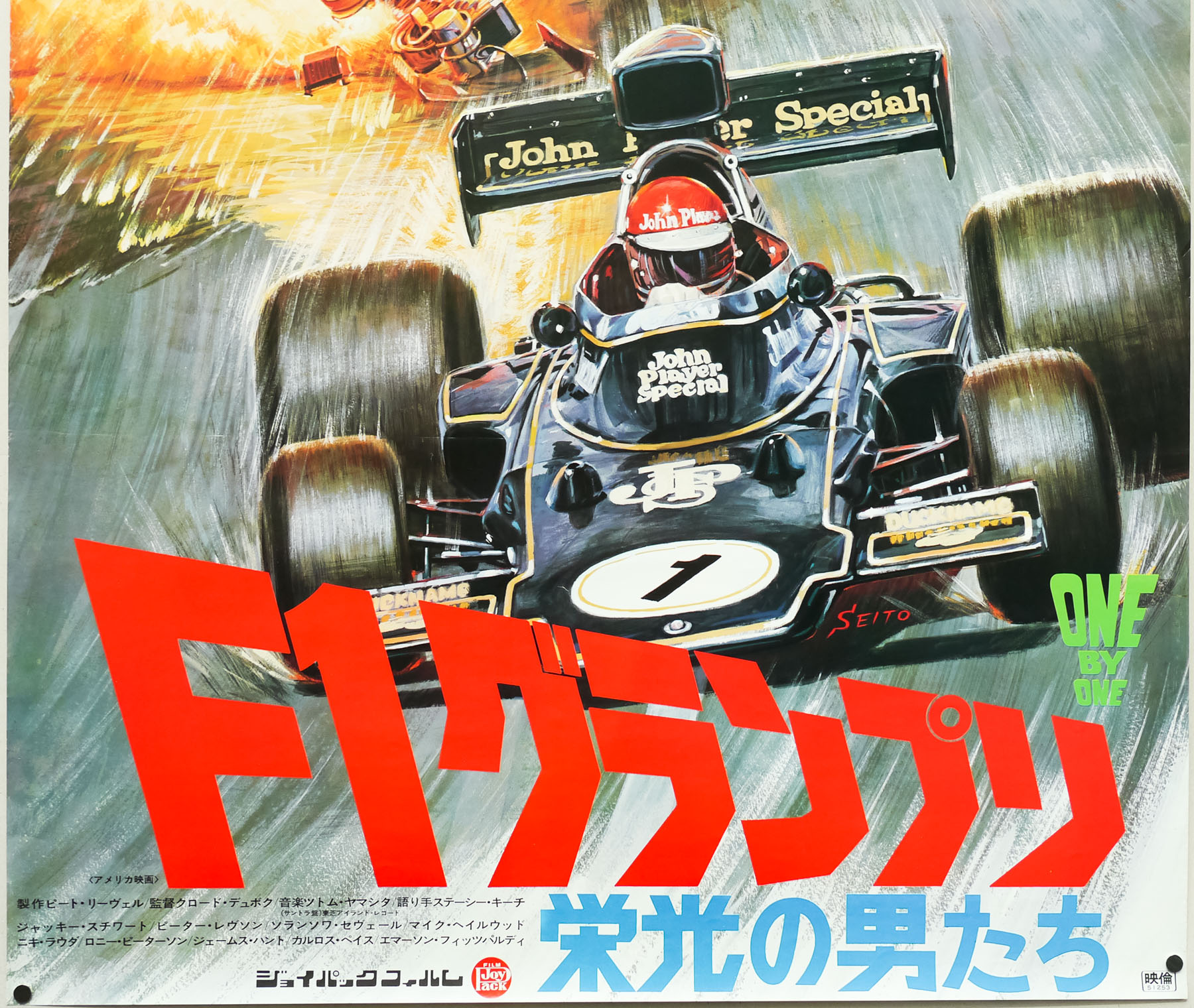
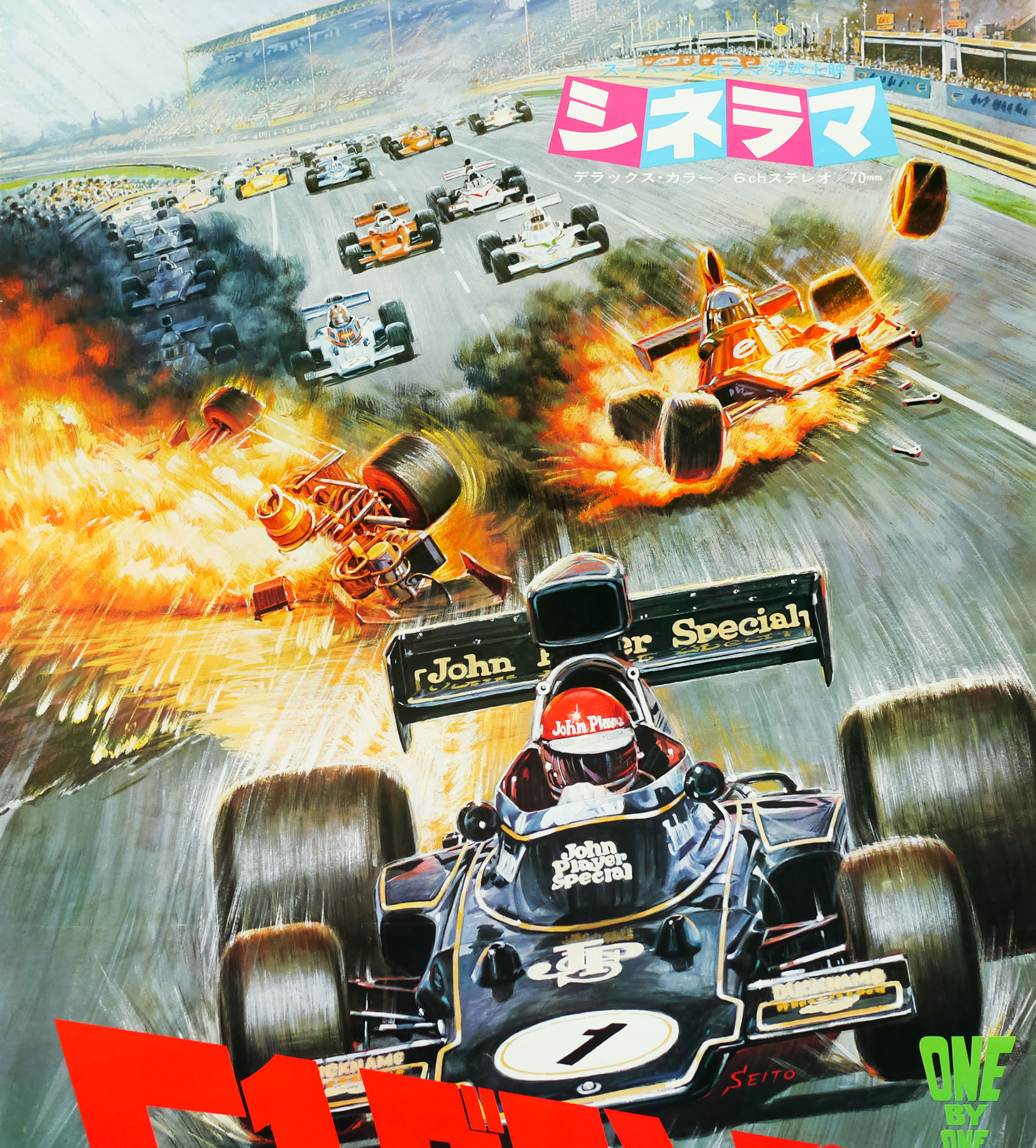
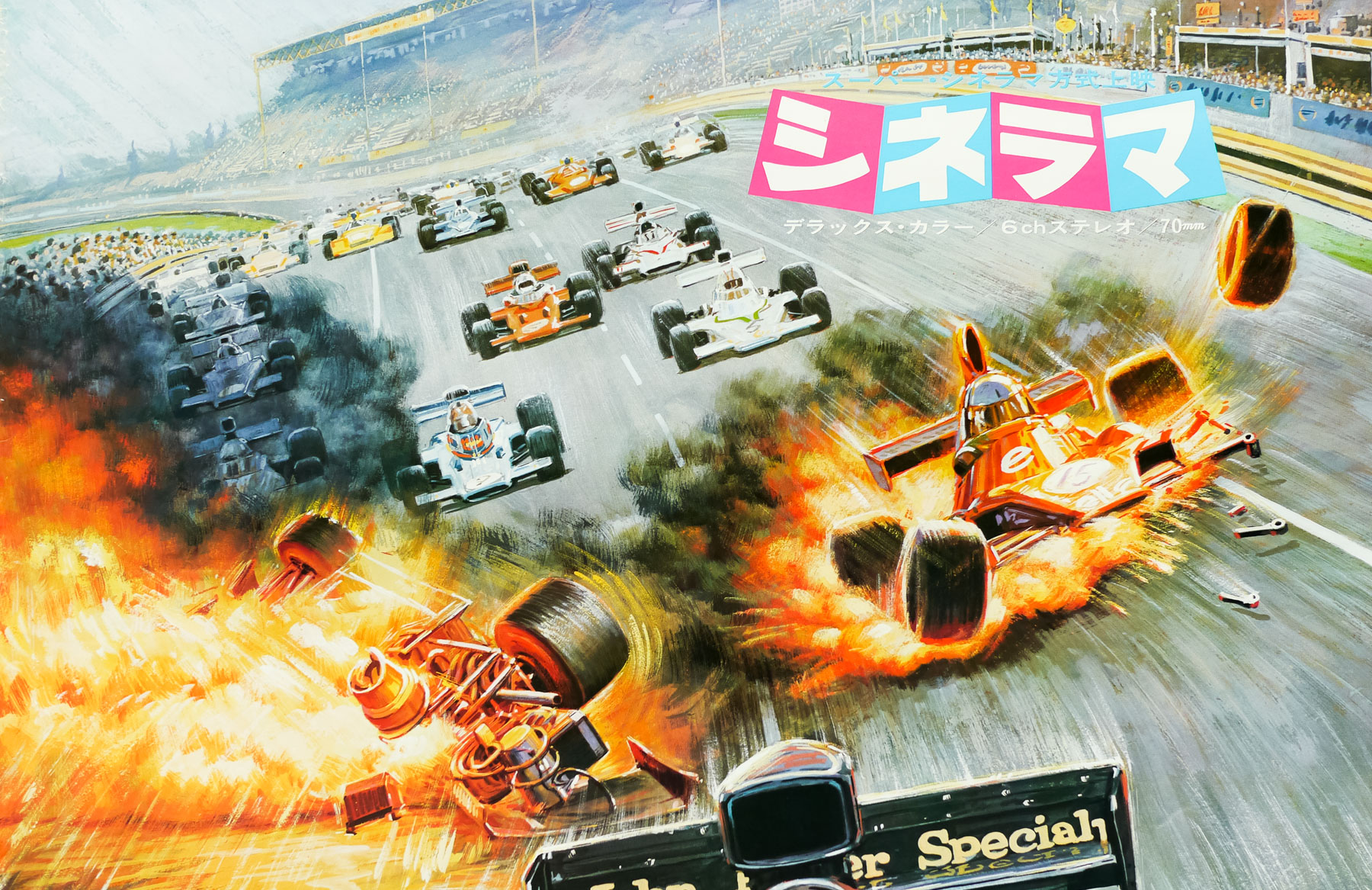
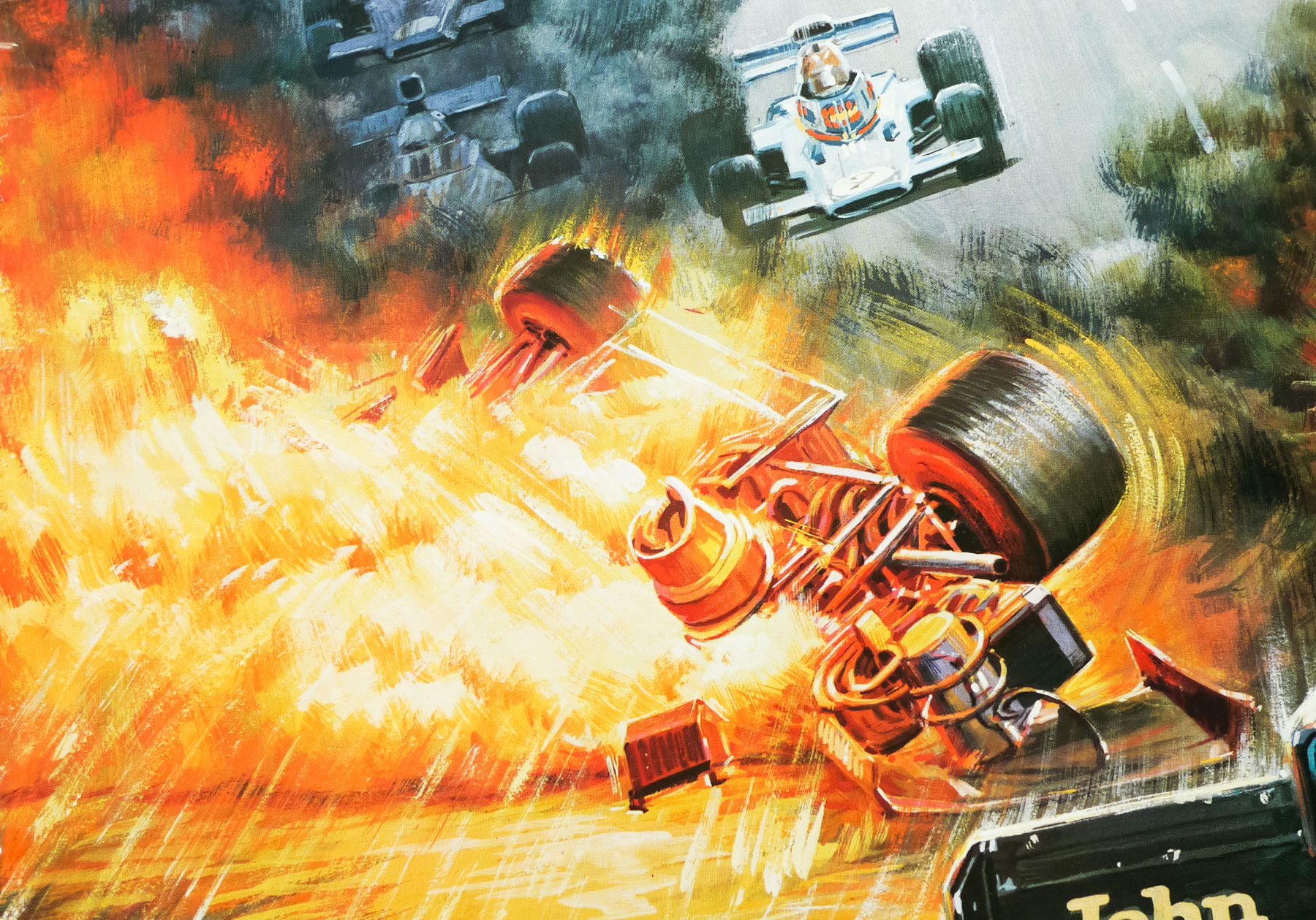
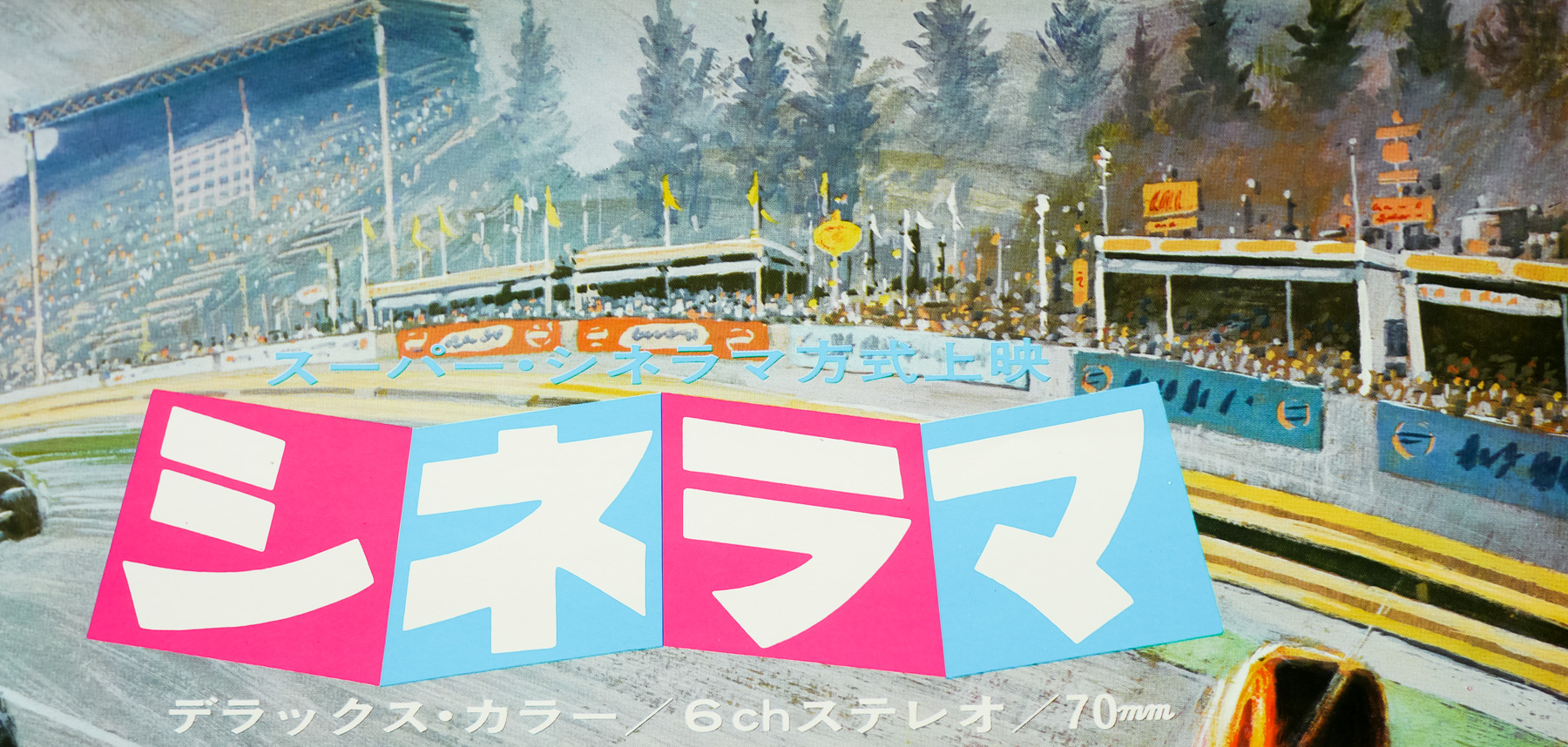
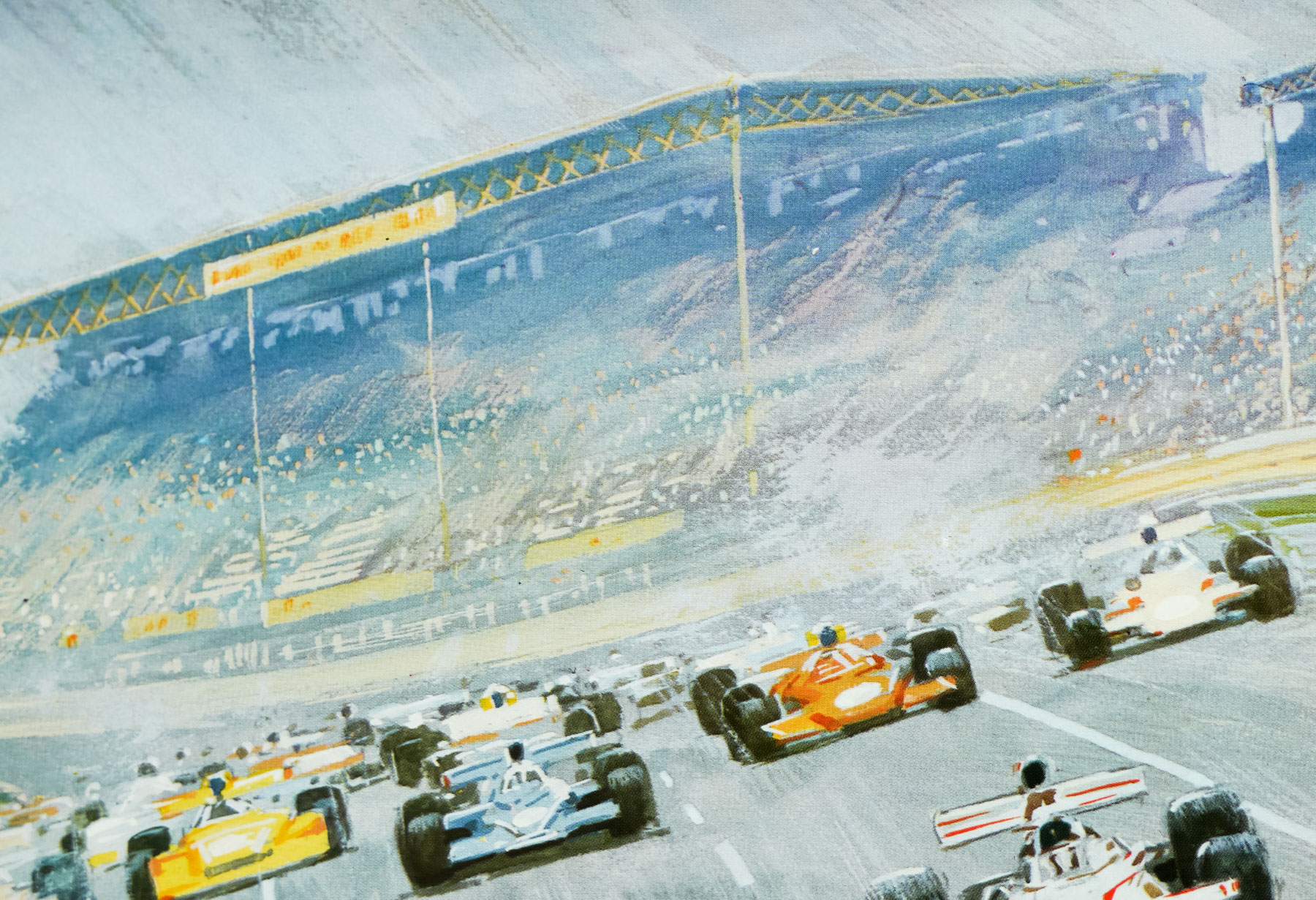
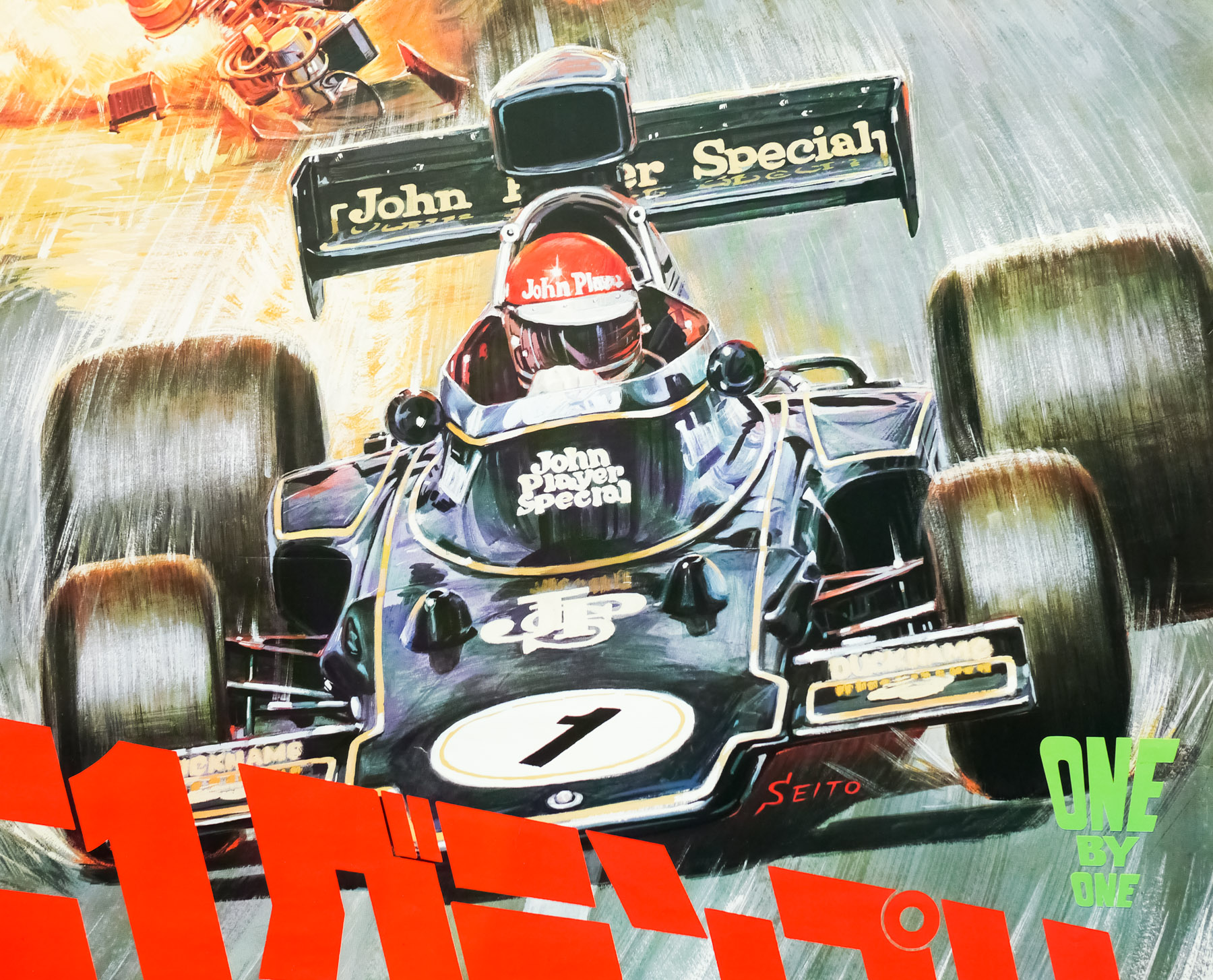
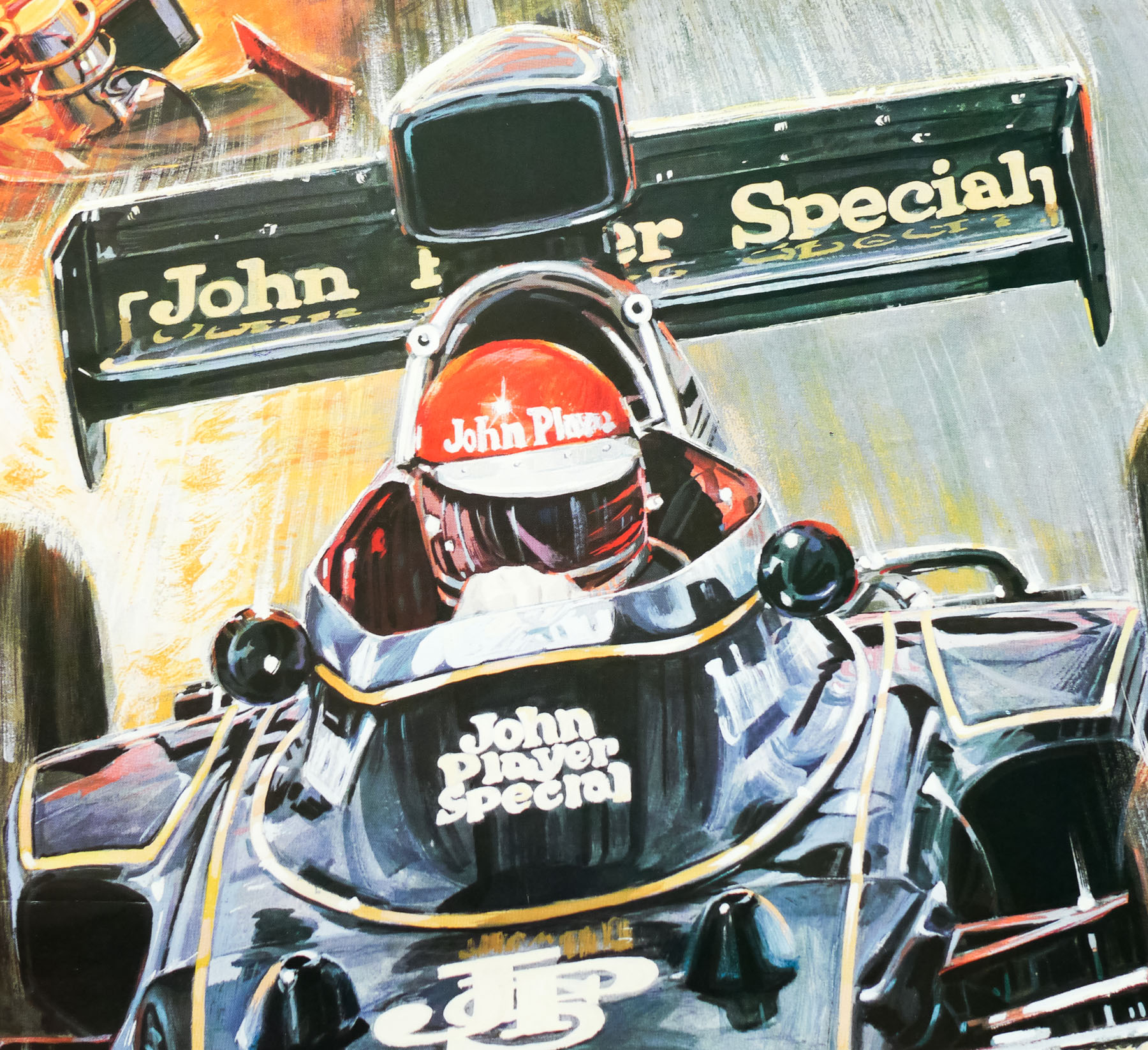
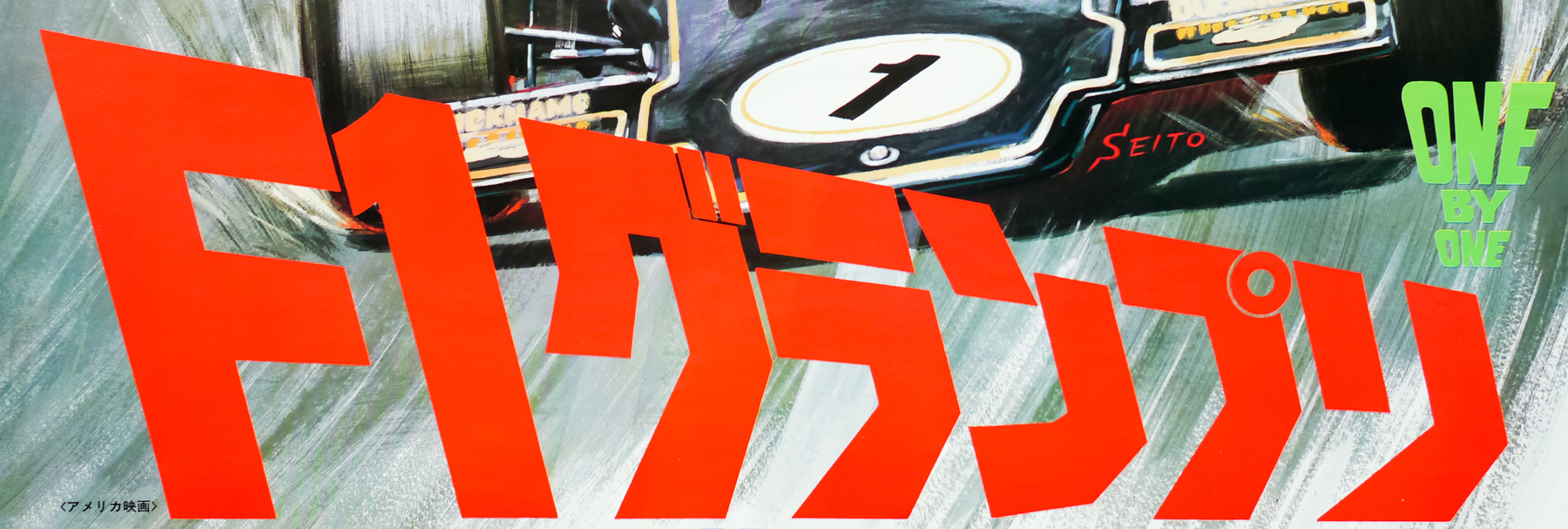
Striking artwork on this Japanese B2 poster for the release of the little-seen documentary One By One, which followed the 1973 Formula 1 season that happened to be one of the deadliest in the sports’ history. The film profiles four drivers; Francois Cevert, Peter Revson, Mike Hailwood and legendary Englishman Jackie Stewart, and features interviews with each man as well as extensive footage of them in action. Stewart was actually the winner of the World Championship of Drivers that year and the Cup for Manufacturers went to Team Lotus with their John Player Special branding as depicted on the lead car on this poster. The film is hosted and narrated by the American actor Stacey Keach.

Tragically Cevert was to lose his life in a crash during the qualifying session for the final race at Watkins Glen in the US, and British driver Roger Williamson also lost his life in a horrific crash during the Dutch grand prix. Peter Revson was also to perish during a test run at the South African grand prix in the 1974 season, following the first release of the documentary. The film was later re-released as The Quick and the Dead in 1978 after being updated to add more footage from other F1 seasons, including the tragic incident that killed the Welsh driver Tom Pryce in 1977. Clearly the producers of the film recognised that the dangerous side to the sport was what would attract many viewers to the re-released documentary.

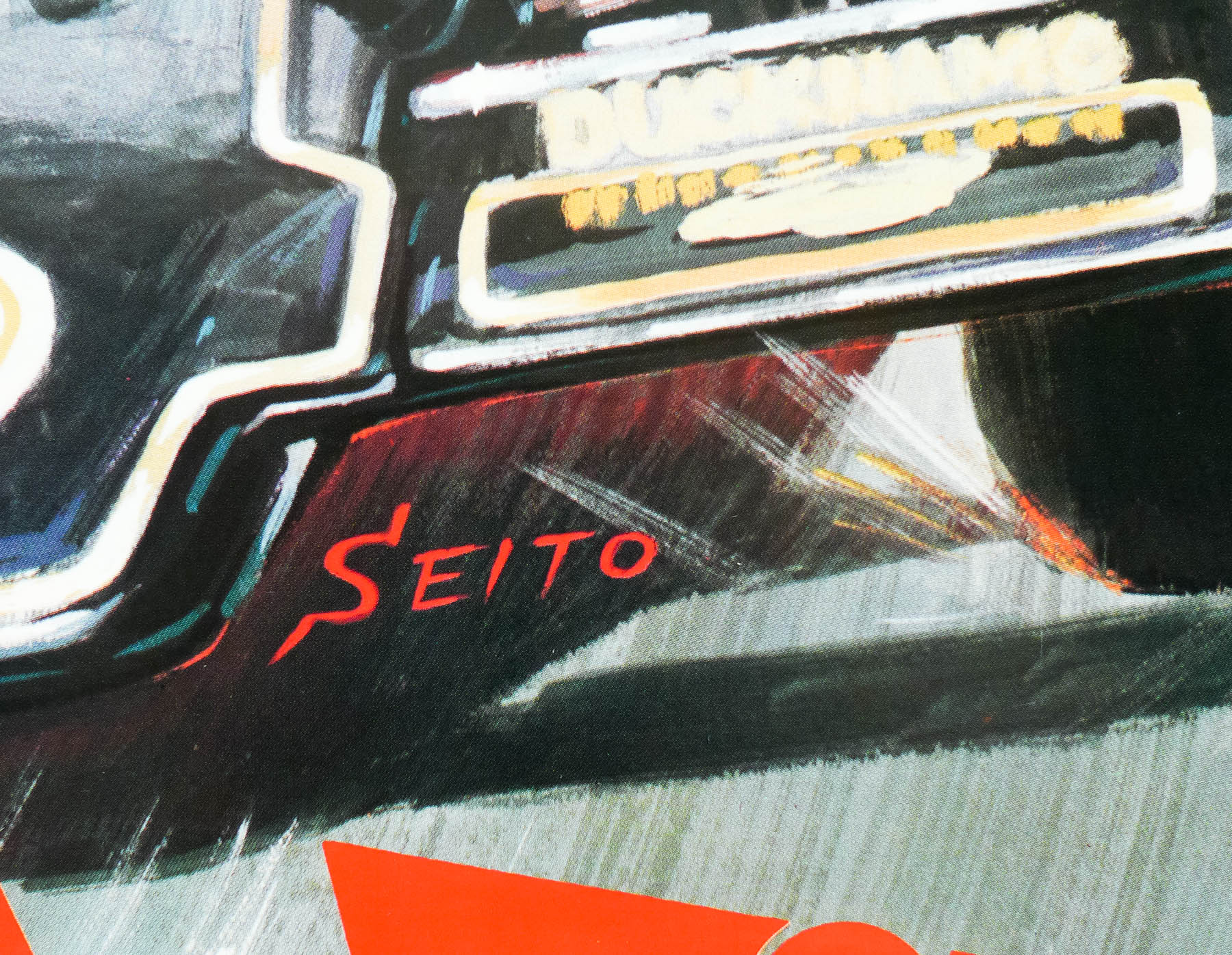
The exciting artwork is by Seito, one of my favourite Japanese artists, who was responsible for several fantastic illustrated posters during the 1970s and 1980s. Little is known about the man himself, even in his native country. To see the other posters I’ve collected by him click here.

The film is available to watch (as ‘Champions Forever’) on YouTube.

Princess Mononoke / B2 / Ashitaka style / Japan

27.03.13

Poster Poster
Title
Princess Mononoke
AKA
Mononoke-hime (Japan - original title)
Year of Film
1997
Director
Hayao Miyazaki
Starring
Yōji Matsuda, Yuriko Ishida, Yūko Tanaka, Kaoru Kobayashi, Masahiko Nishimura, Tsunehiko Kamijō, Akihiro Miwa, Mitsuko Mori, Hisaya Morishige
Origin of Film
Japan
Genre(s) of Film
Yōji Matsuda, Yuriko Ishida, Yūko Tanaka, Kaoru Kobayashi, Masahiko Nishimura, Tsunehiko Kamijō, Akihiro Miwa, Mitsuko Mori, Hisaya Morishige,
Type of Poster
B2
Style of Poster
Ashitaka style
Origin of Poster
Japan
Year of Poster
1997
Designer
Unknown
Artist
Studio Ghibil animation department
Size (inches)
20 8/16" x 28 13/16"
SS or DS
SS
Tagline
--

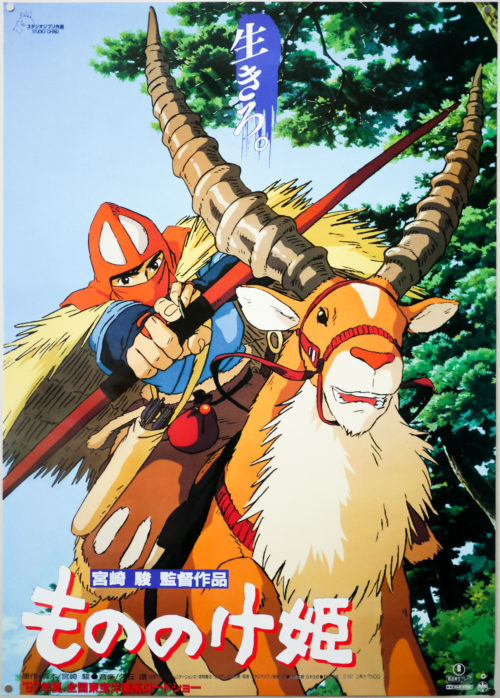
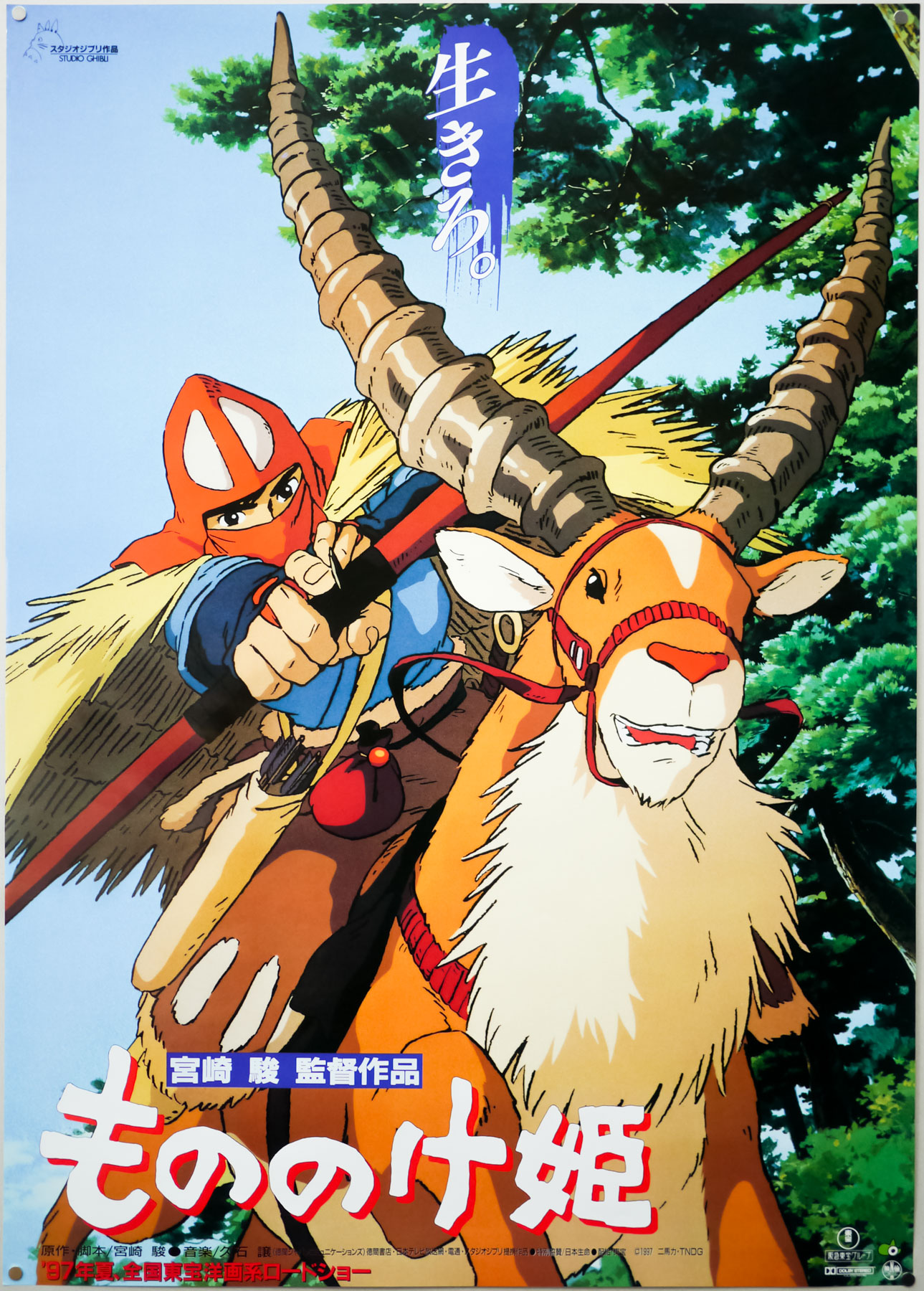
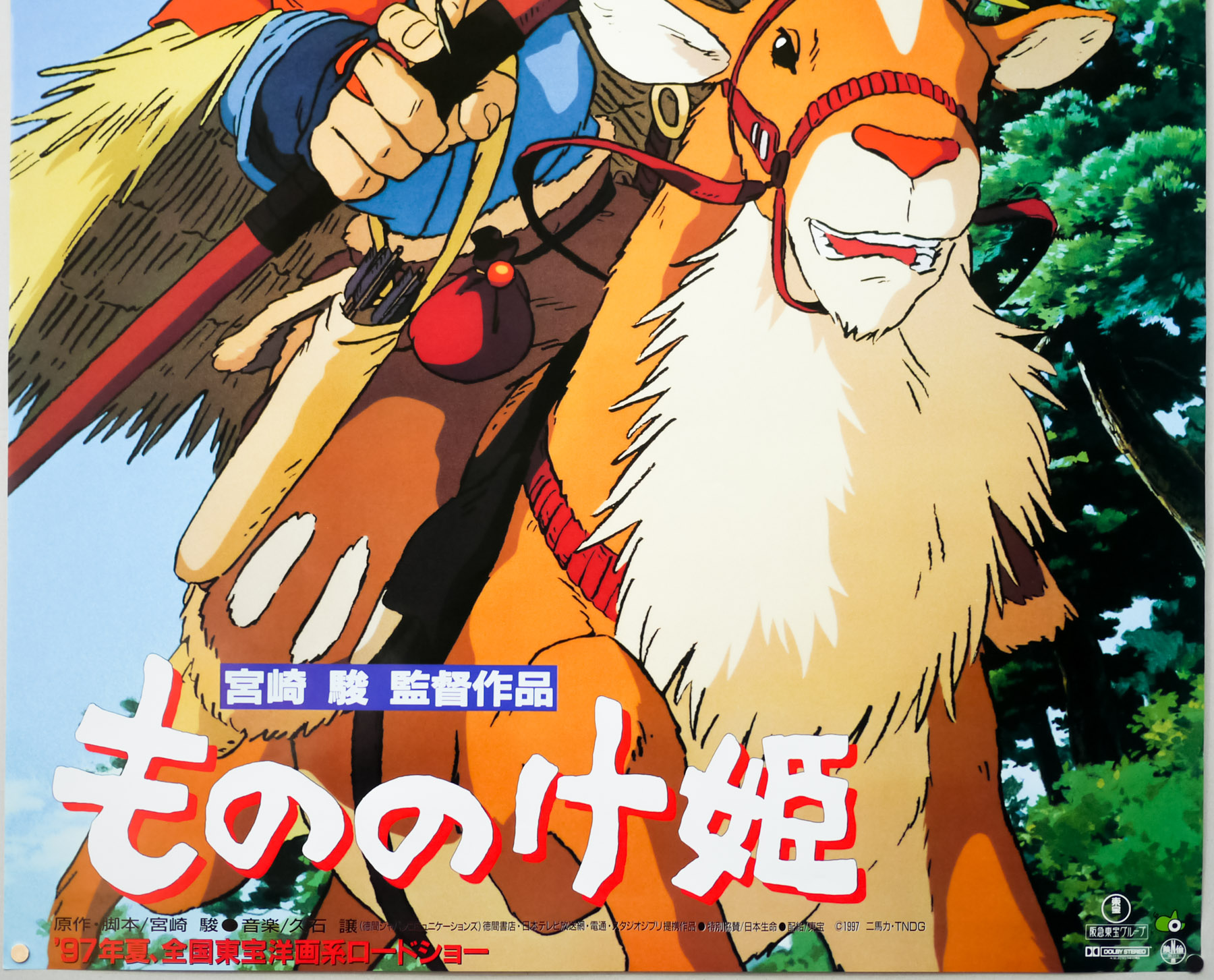
Princess Mononoke was written and directed by Hayao Miyazaki, the founder of the legendary Japanese animation outfit Studio Ghibli. Apparently around 144,000 cels were hand drawn for this film with Miyazaki personally overseeing each one and making hand-drawn amends to over 80,000 of them.

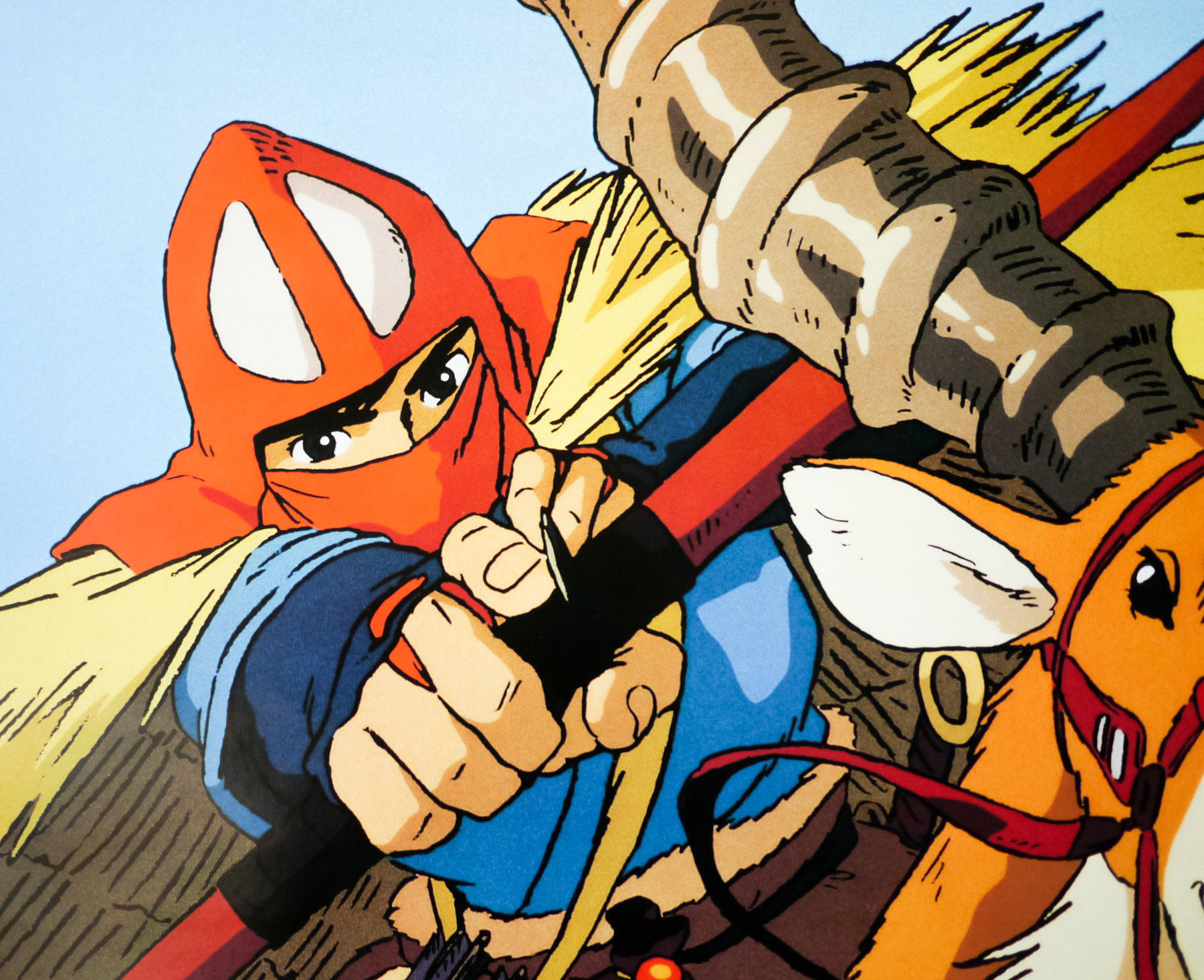
A fantasy drama set in the Muromachi period of Japan, the film follows the plight of a young warrior called Ashitaka who is stricken by a curse whilst defending his village from attack. After learning that he may be able to obtain a cure from the Great Forest Spirit (Deer God), Ashitaka travels west to try and locate it and ends up becoming involved in the battle between the animal inhabitants of the forest and the greedy humans of Irontown, who are attempting to strip the land of an important mineral called ironsand. The animals have a special ally in the form of San (AKA Princess Mononoke) a human raised by wolves, and Ashitaka must join forces with her to put an end to the conflict before all is lost.

The film was picked up for distribution in North America by Miramax Films and after the then chairman Harvey Weinstein proposed multiple edits to the film Ghibli producer Toshio Suzuki sent a Katana sword to Miramax with the simple message: ‘No cuts’.

This B2 poster depicts Ashitaka but other poster styles were printed for the theatrical release of the film in Japan.

Dragon Attack / B2 / photo style / Japan

25.04.13

Poster Poster
Title
Dragon Attack
AKA
Mi ni te gong dui (Taiwan - original title) | Fantasy Mission Force (Hong Kong) | Mini Special Force (Malaysia - English title)
Year of Film
1982
Director
Yen-ping Chu
Starring
Jackie Chan, Brigitte Lin, Yu Wang, Yueh Sun, David Tao, Jung Fang, Shiu Bu Lia, Frankie Gao, Adam Cheng, Ling Chang
Origin of Film
Taiwan | Hong Kong
Genre(s) of Film
Jackie Chan, Brigitte Lin, Yu Wang, Yueh Sun, David Tao, Jung Fang, Shiu Bu Lia, Frankie Gao, Adam Cheng, Ling Chang,
Type of Poster
B2
Style of Poster
Photo
Origin of Poster
Japan
Year of Poster
1982
Designer
Unknown
Artist
--
Size (inches)
20 6/16" x 28 13/16"
SS or DS
SS
Tagline
--

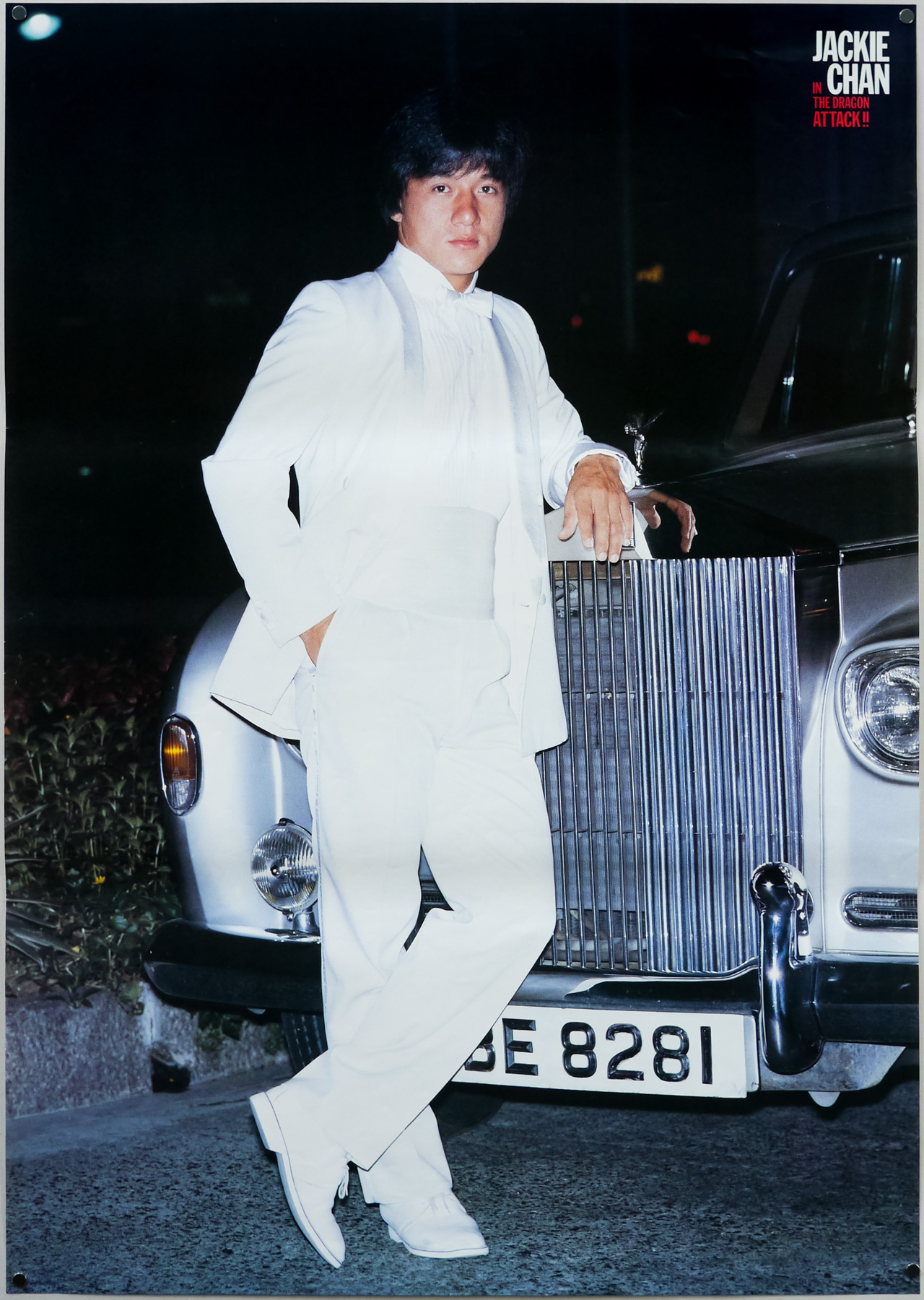
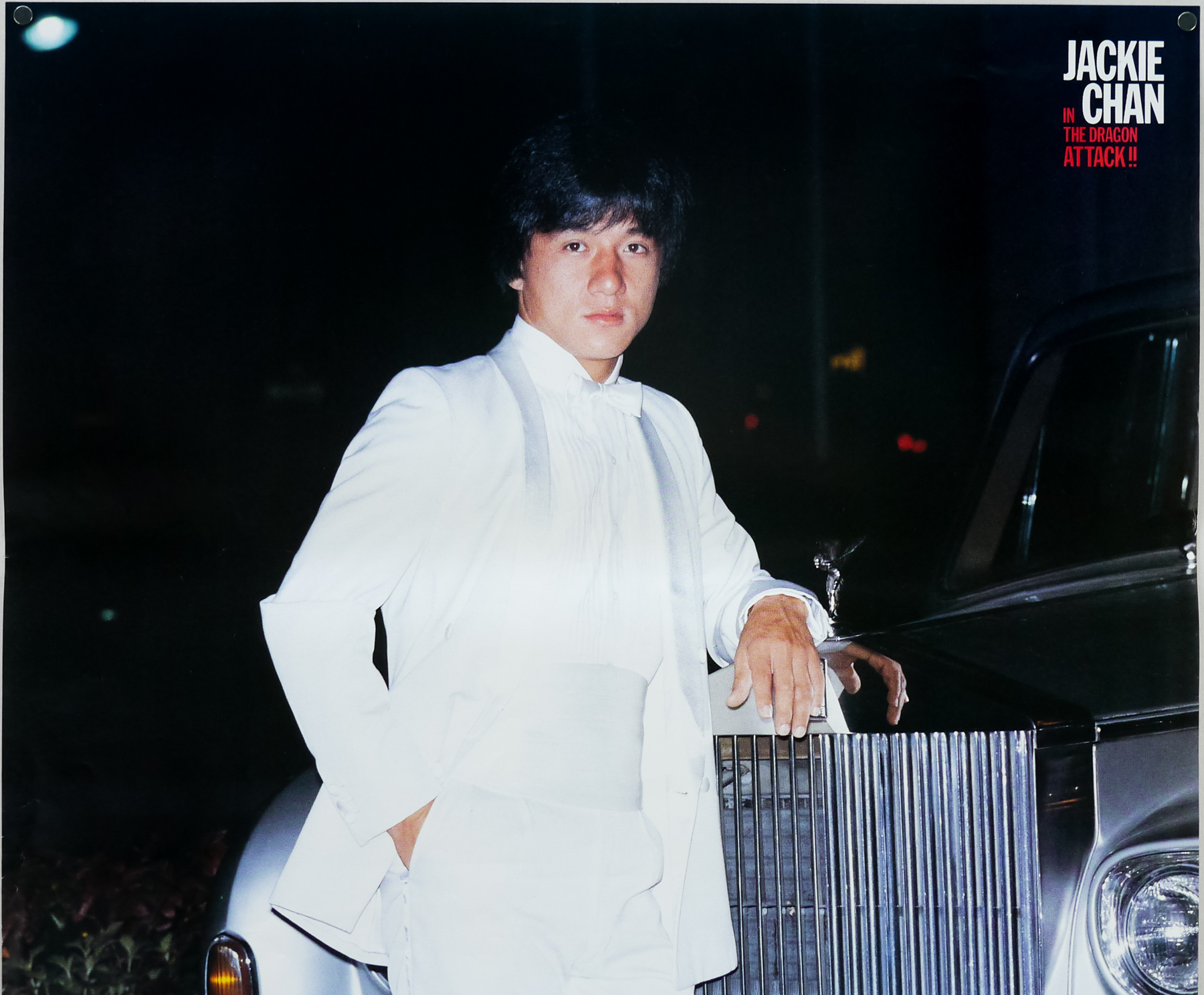
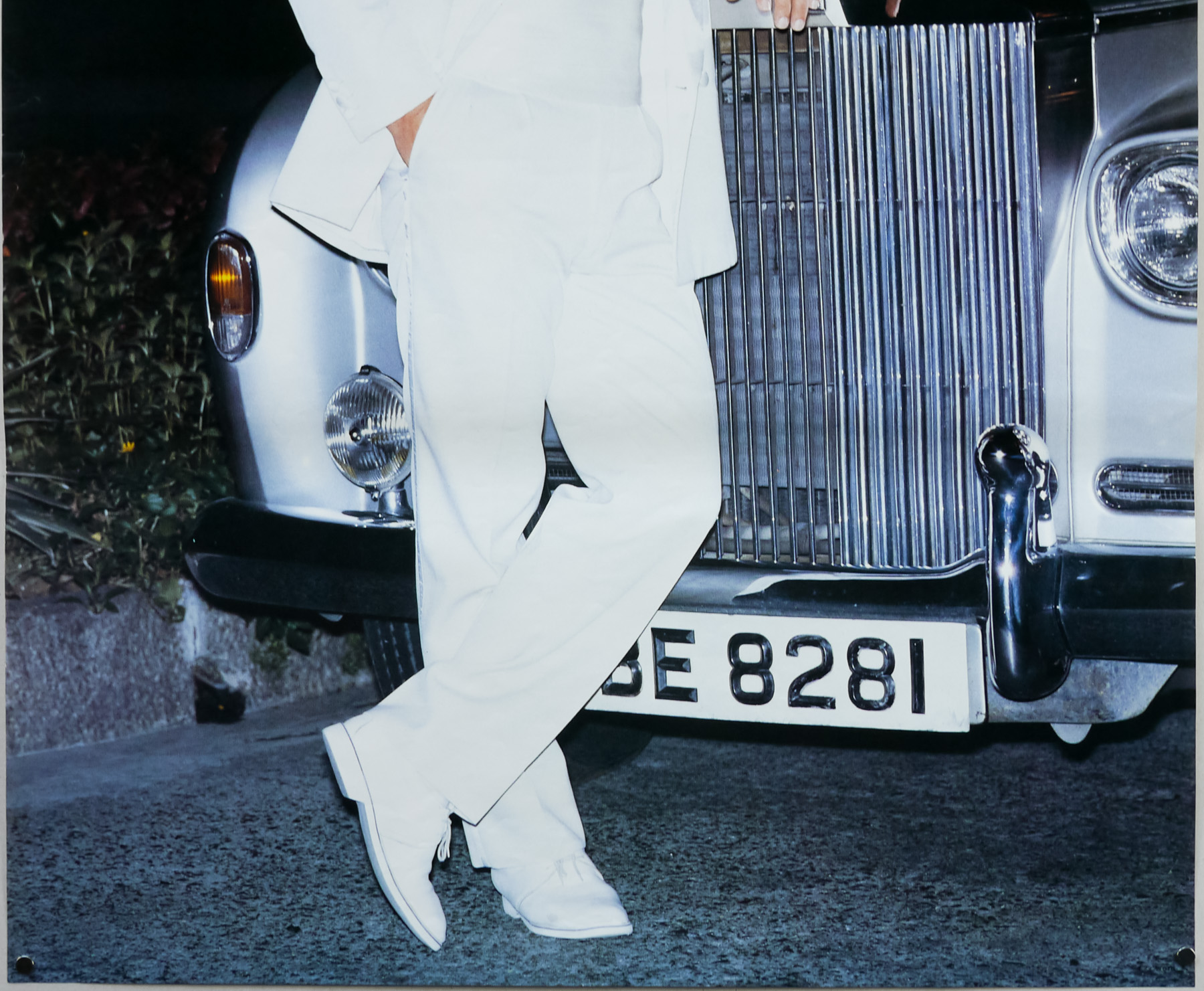
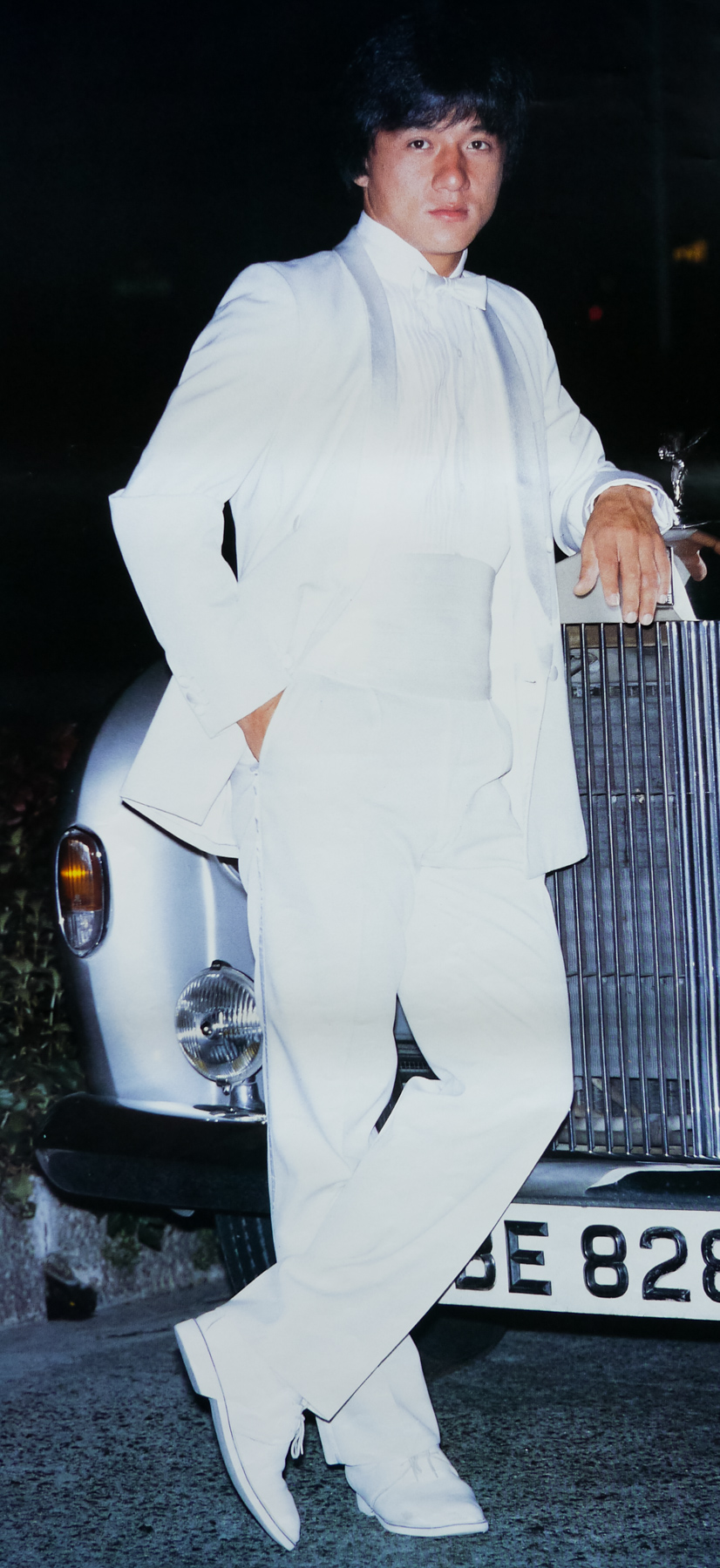
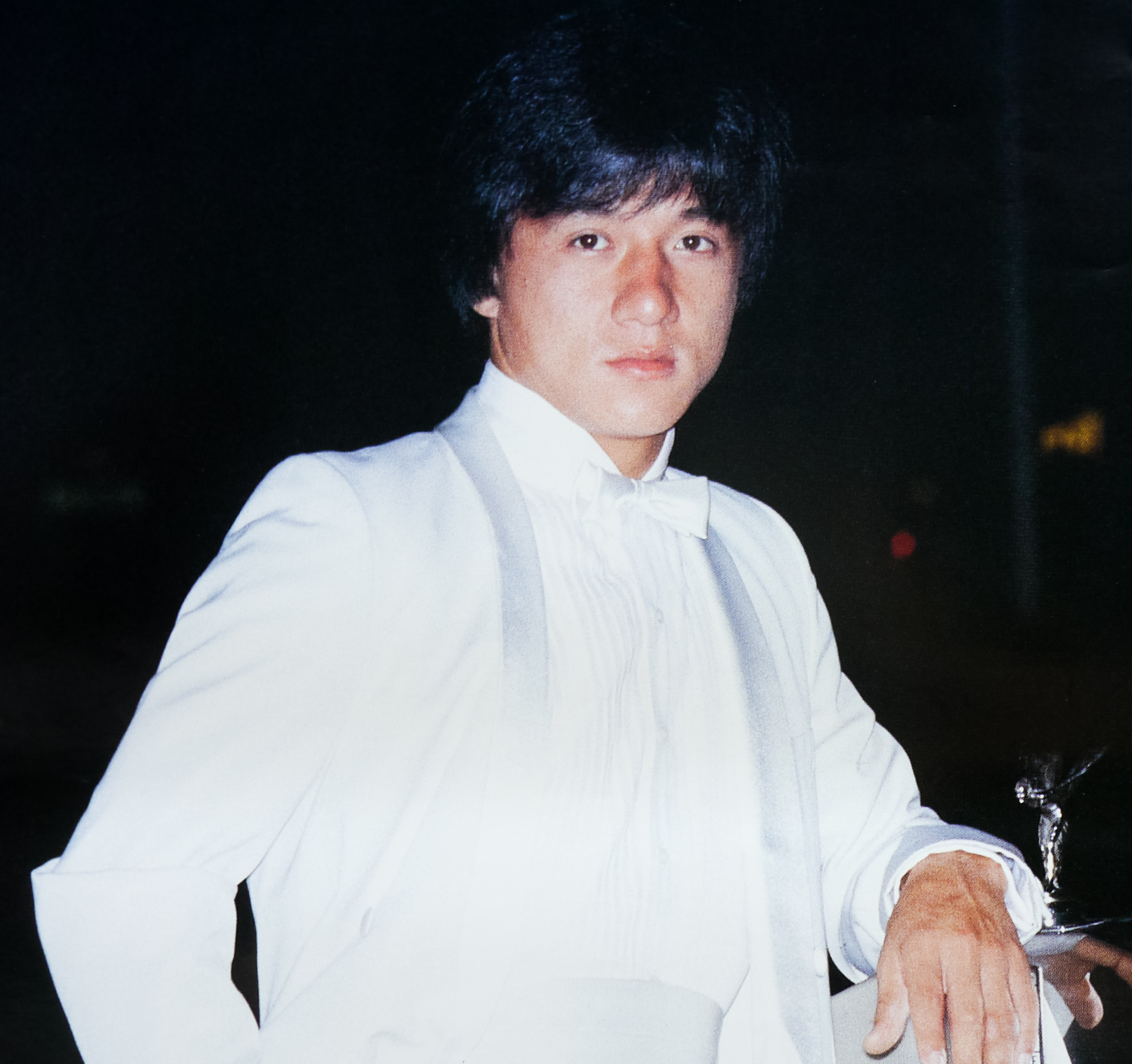
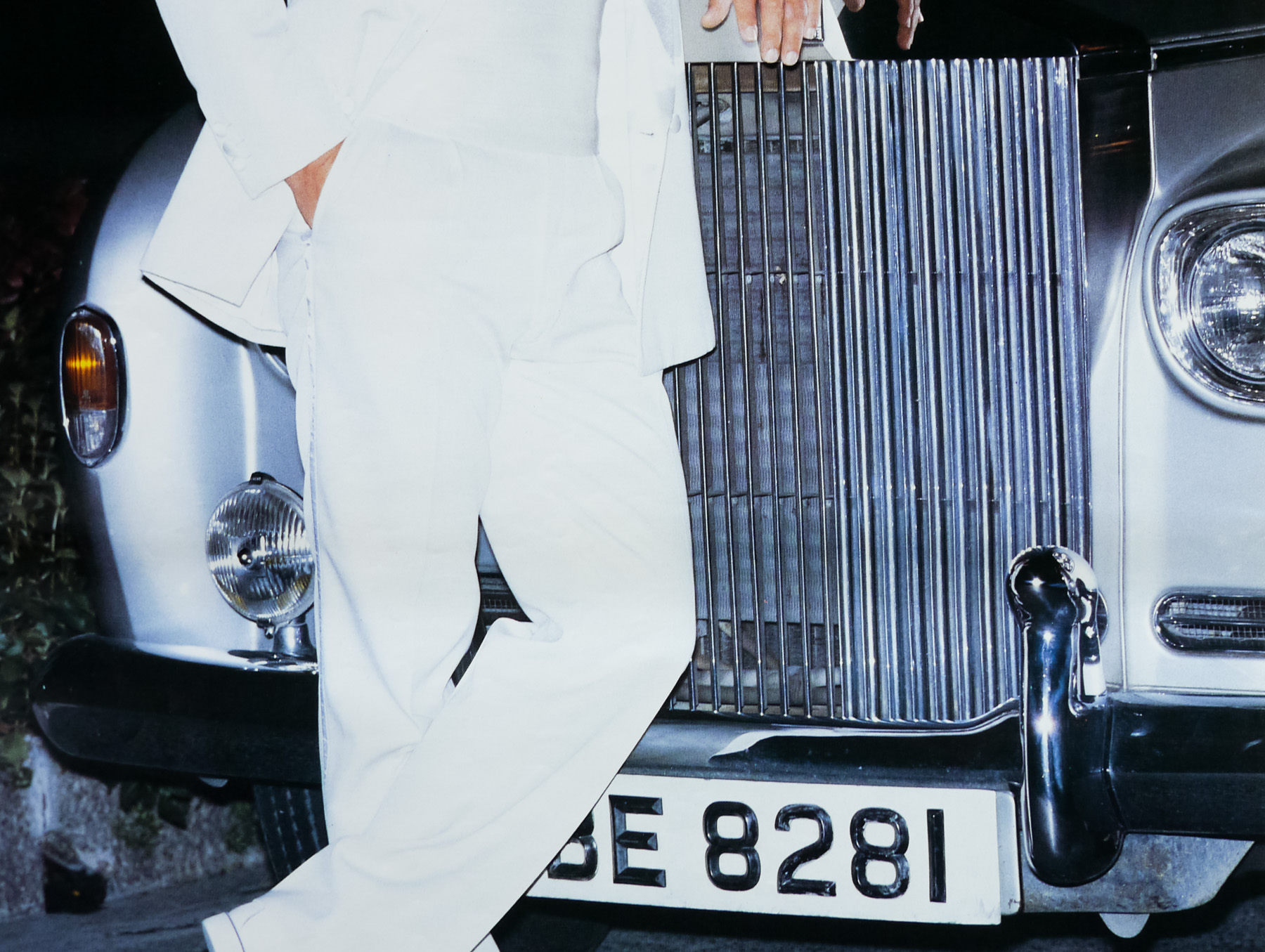
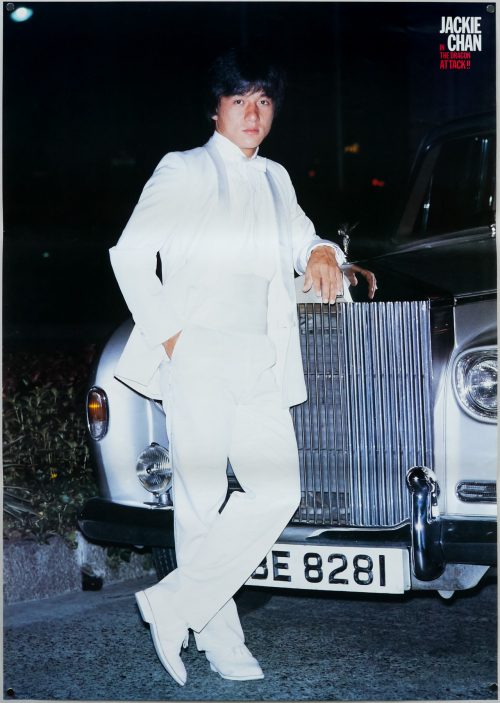
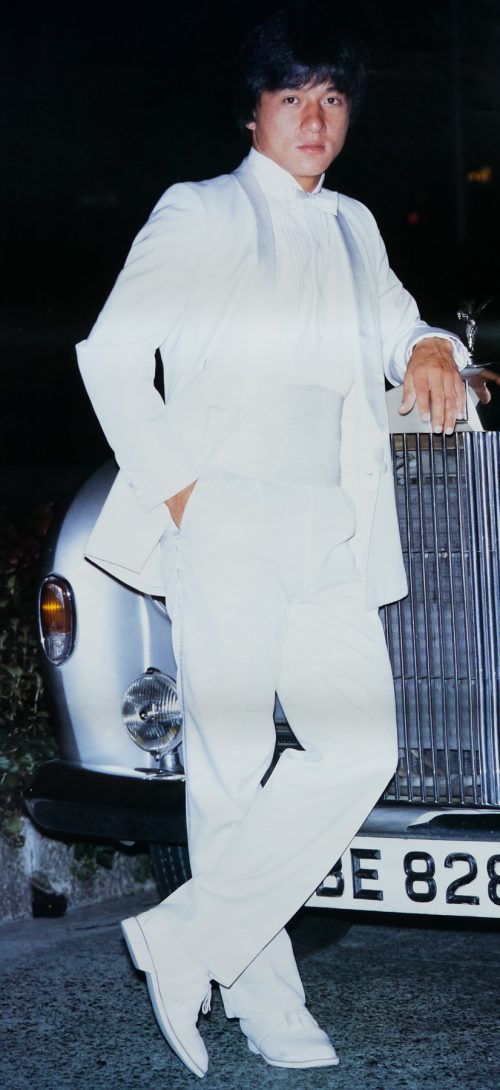
Nothing says you’ve made it like an all-white tuxedo and a Rolls-Royce Phantom, or so thought Hong Kong-born screen legend Jackie Chan circa 1982. This is a B2 poster that was printed around the time of the Japanese release of the film Dragon Attack (AKA Fantasy Mission Force) in which the prolific actor appeared as a wrestler in a team of mercenaries on a rescue mission during an alternative-universe World War II (American muscle-cars feature, for example).

A bizarre mix of comedy and ‘Dirty Dozen’ style men (and women) on a mission, the film is apparently something of a nonsensical but entertaining mess. As one reviewer on IMDb states:

‘Reviewing this movie is like reviewing someone else’s hallucination. There is absolutely no rhyme or reason to it, no way to even know what I just saw, let alone how to describe it. It makes Yellow Submarine seem as coherent as Schindler’s List.’

Another review has definitely peaked my interest:

‘This movie has everything! Hopping undead corpses. Crazed Amazons. Ghosts who cheat at cards. Japanese Nazis who attack riding atop 1970s clunker cars. Stupid musical numbers. Abraham Lincoln as a World War II general. Throw in loads of gratuitous violence, Chinese guys dressed in kilts and Elvis jumpsuits, and, er, Jacky Chan (and his chicken) and you have quite possibly the stupidest movie ever made.’

The trailer for the film is on YouTube (as is the entire film itself).

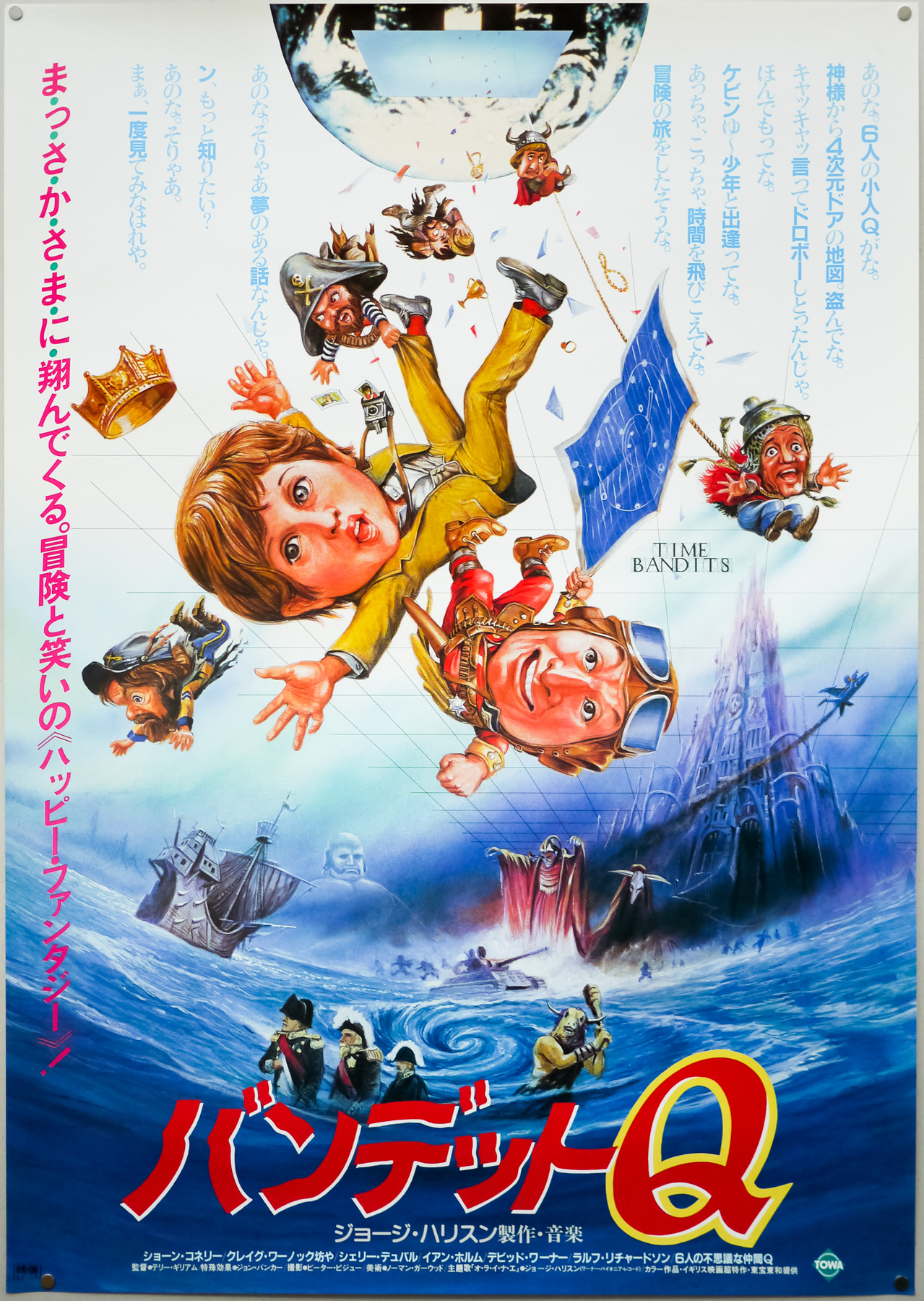
Time Bandits / B2 / artwork style / Japan

17.05.13

Poster Poster

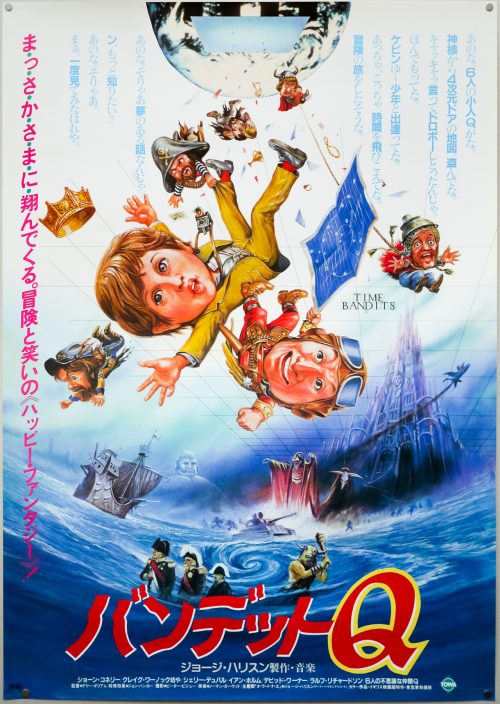
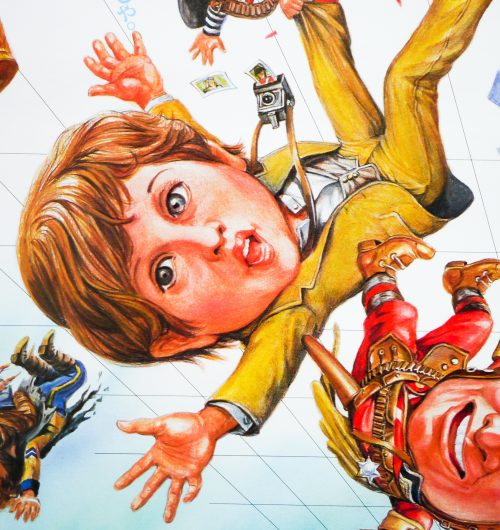
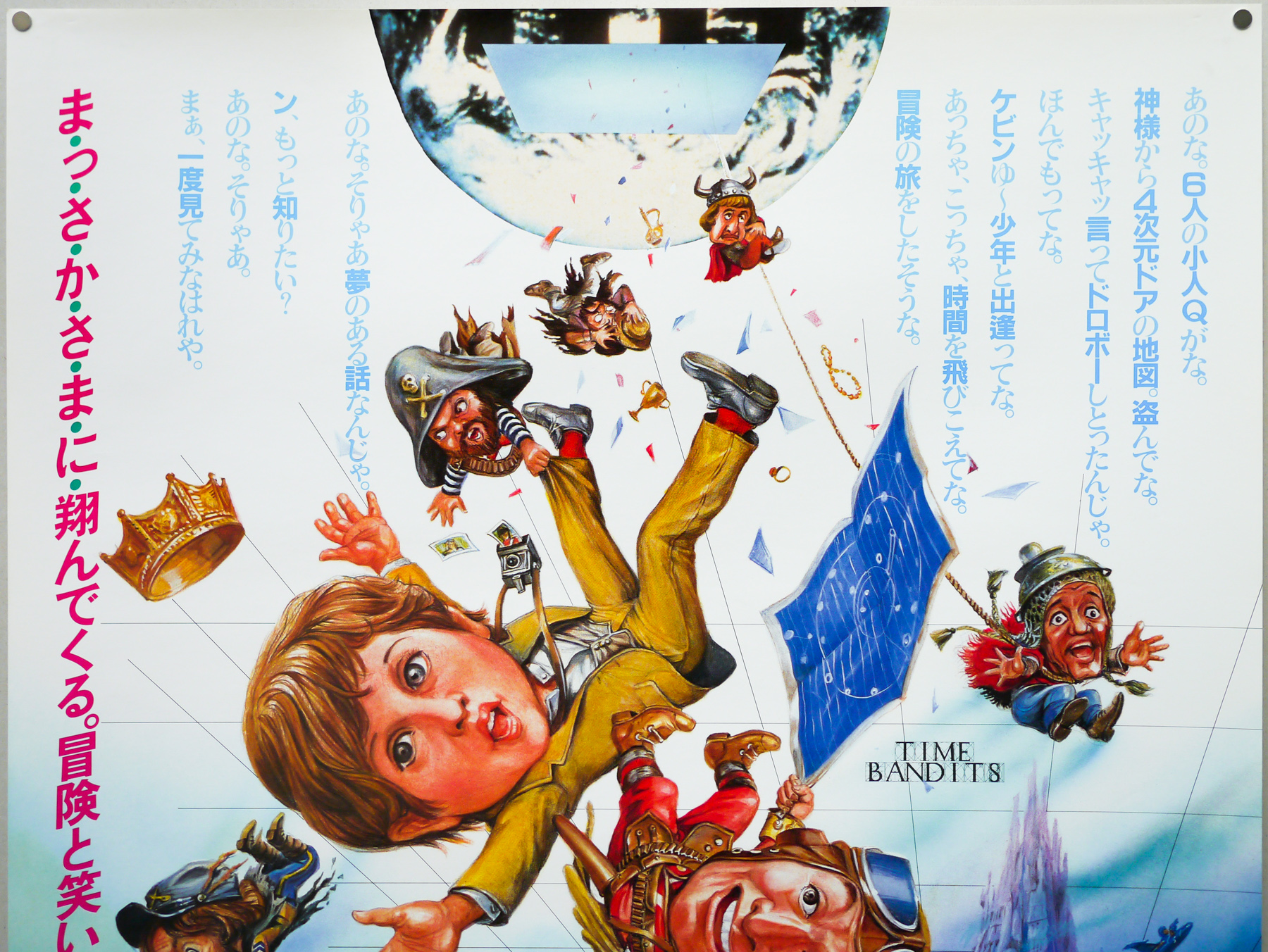
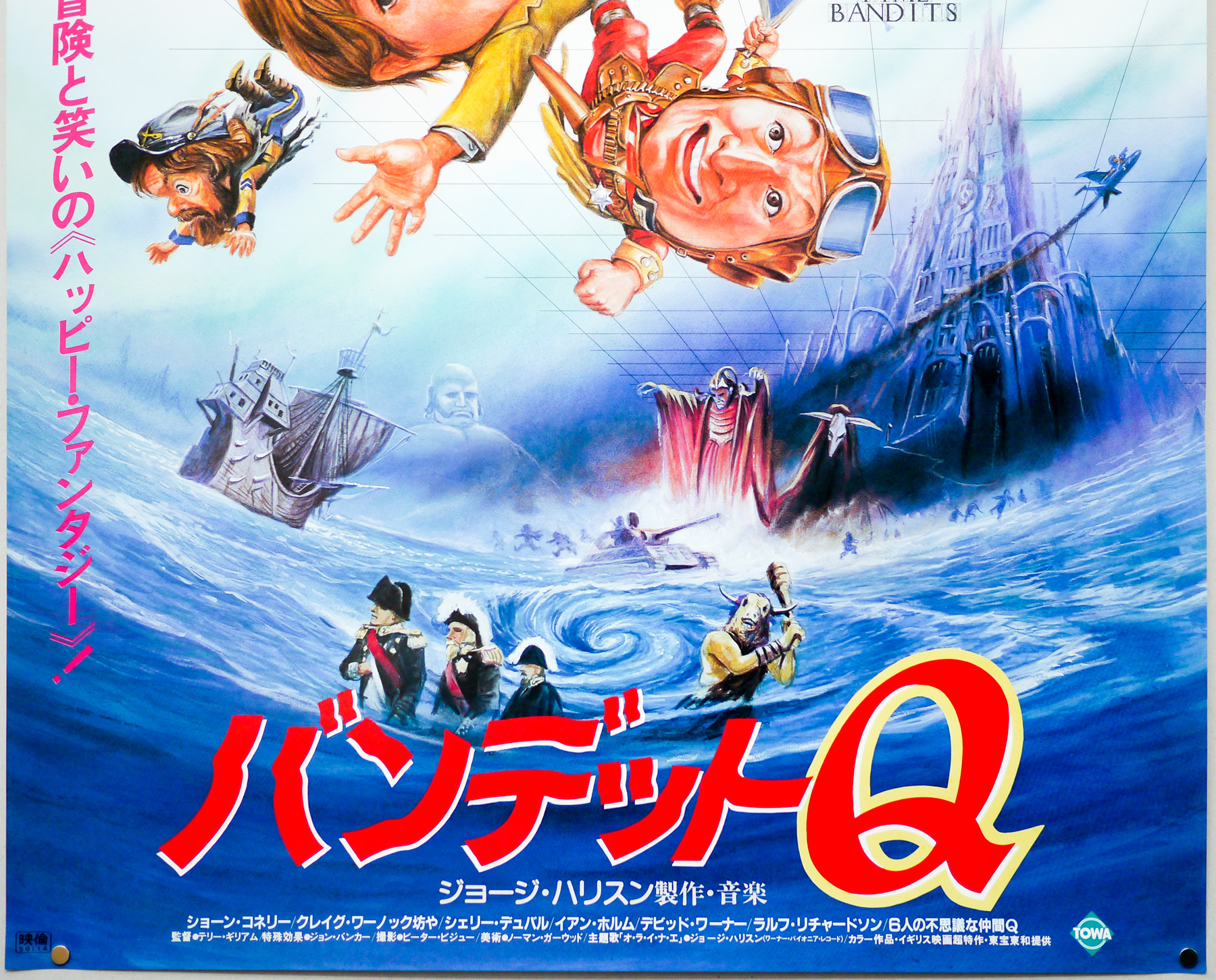
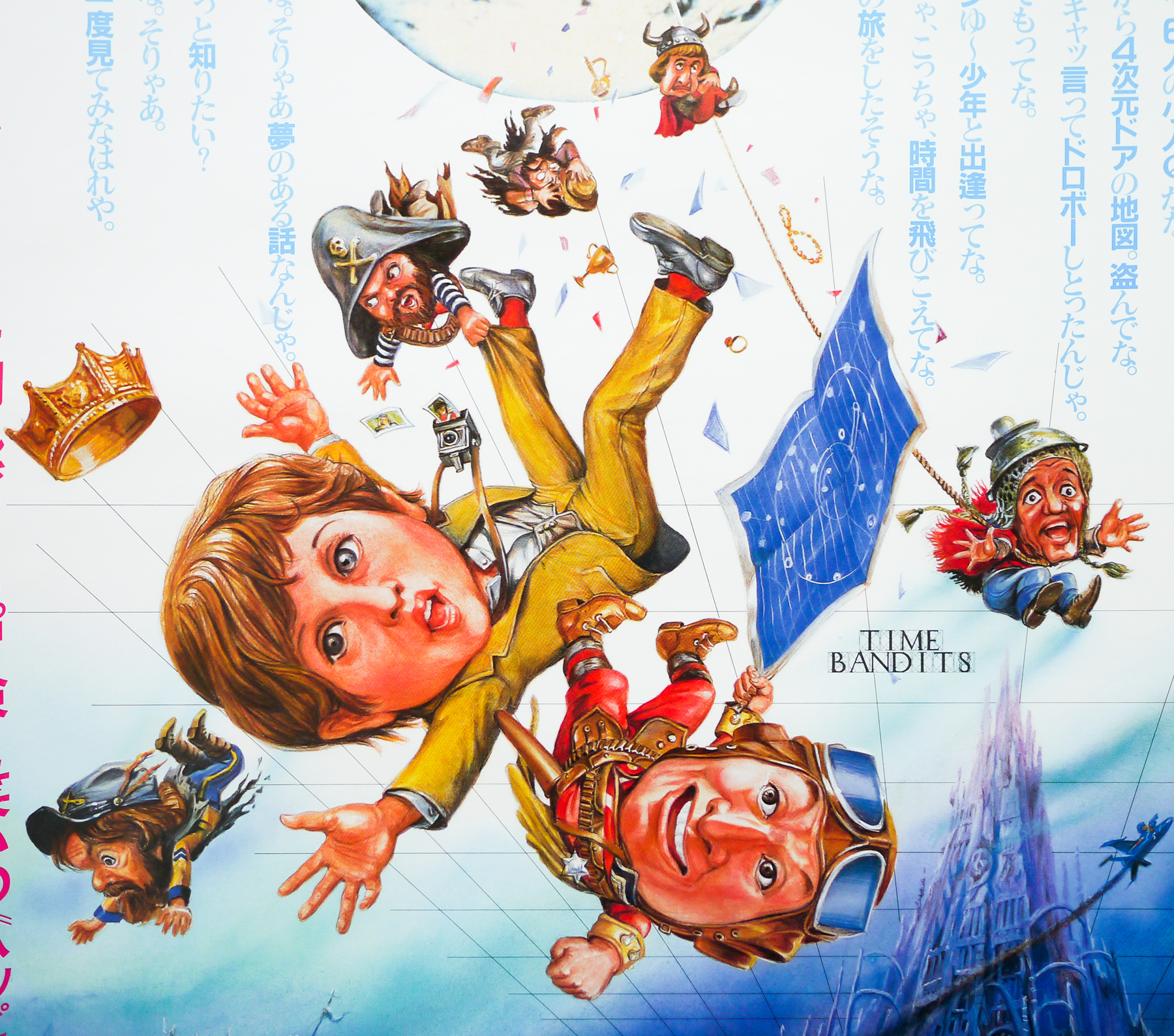
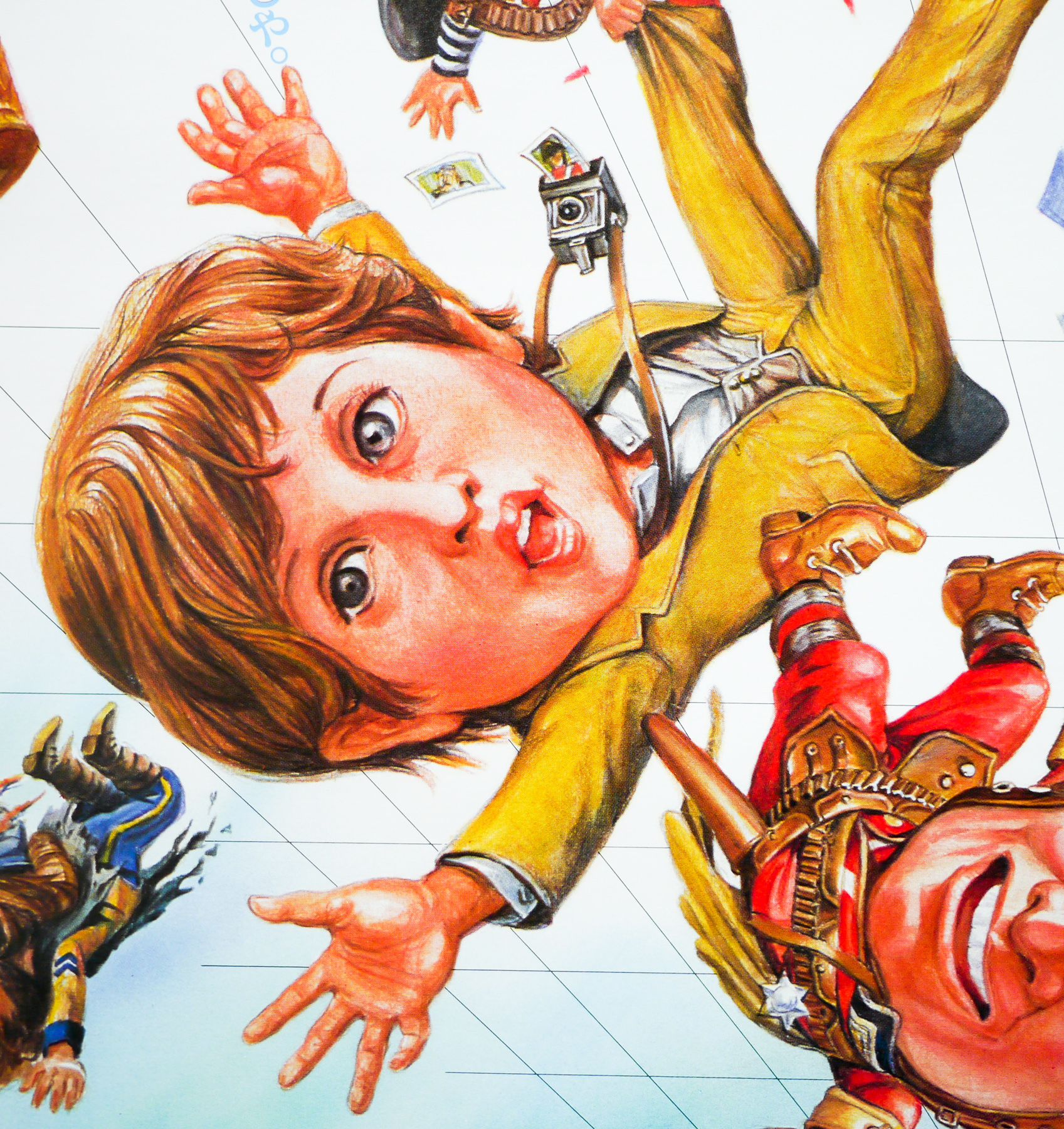
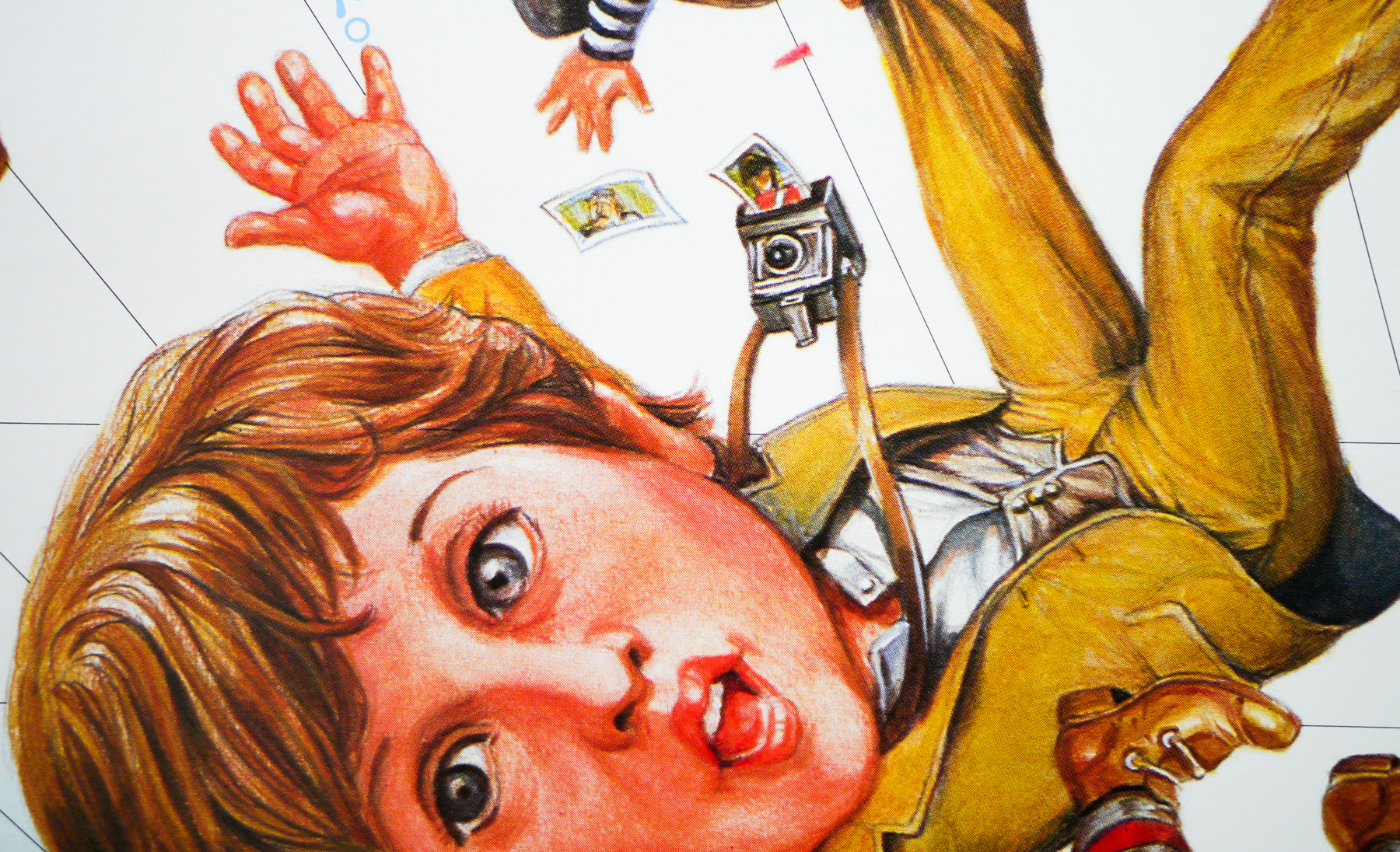
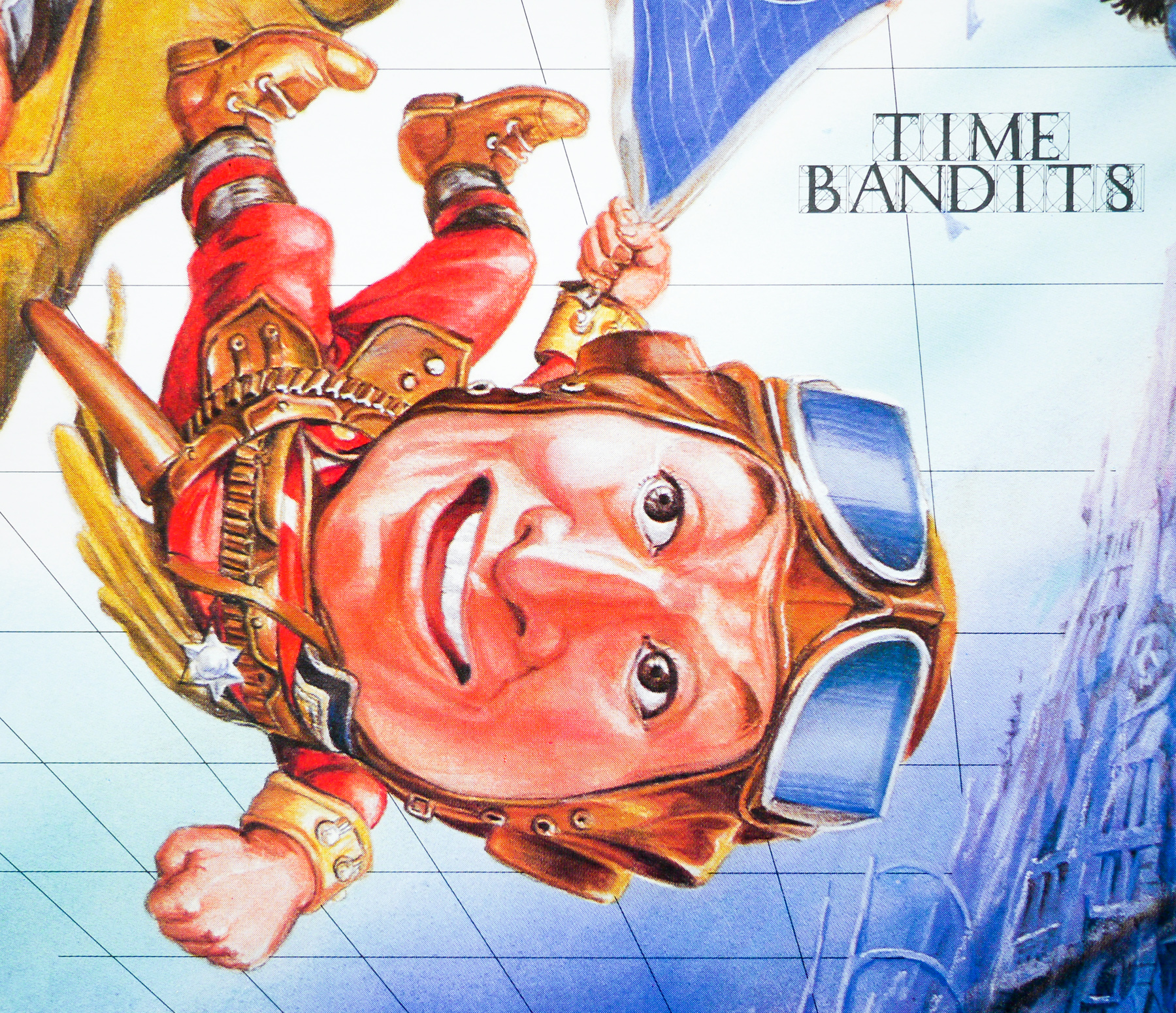
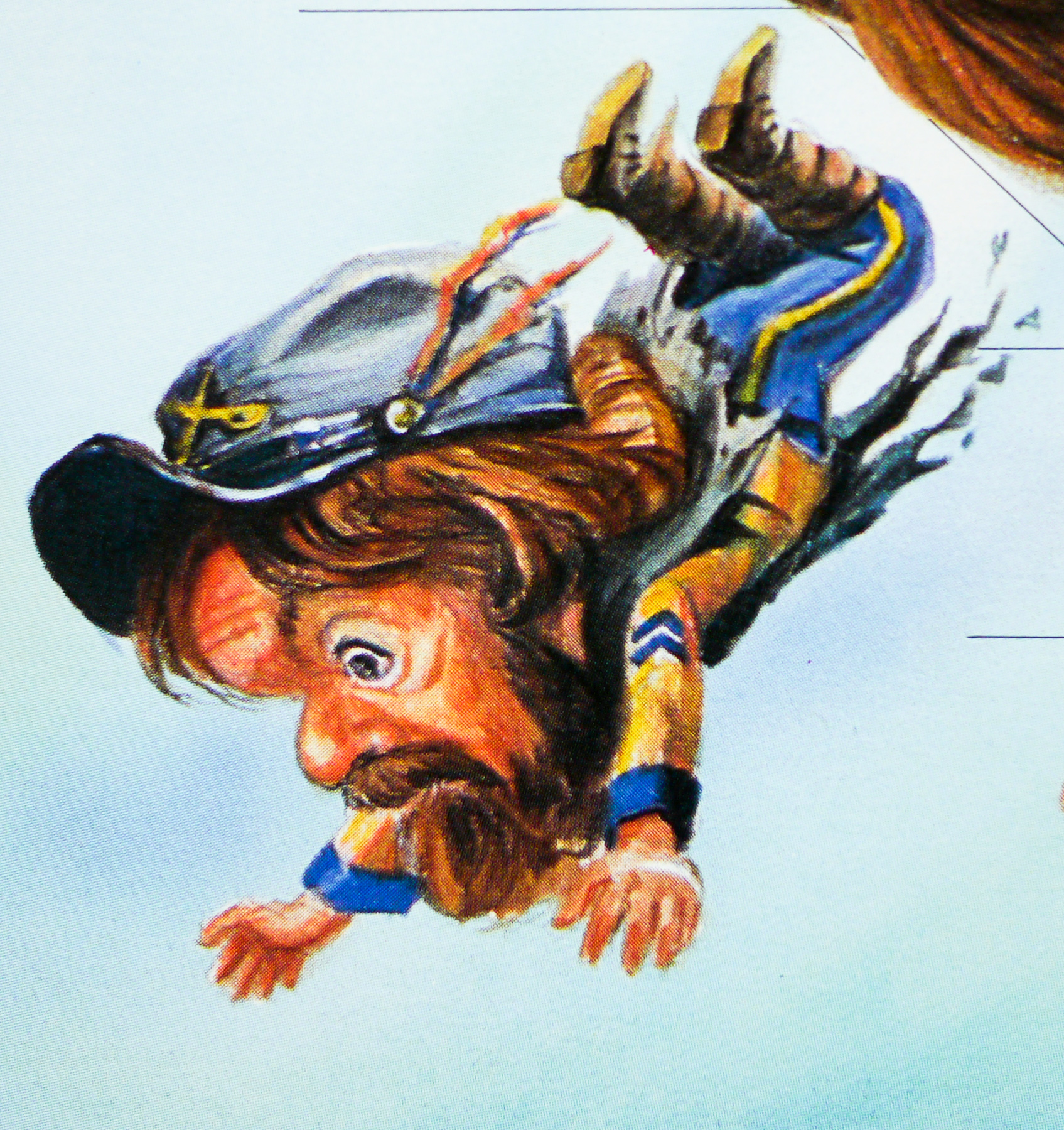
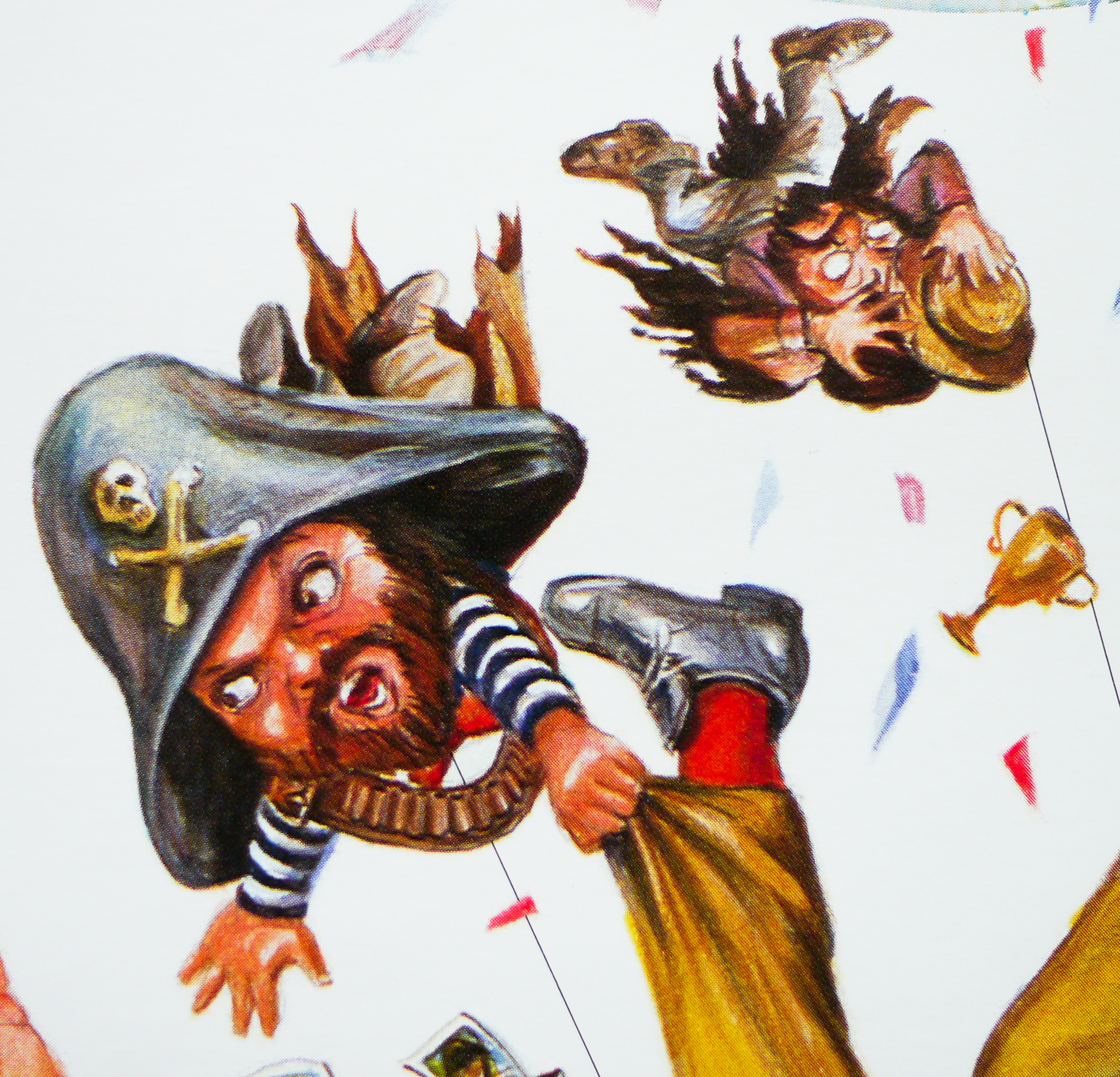
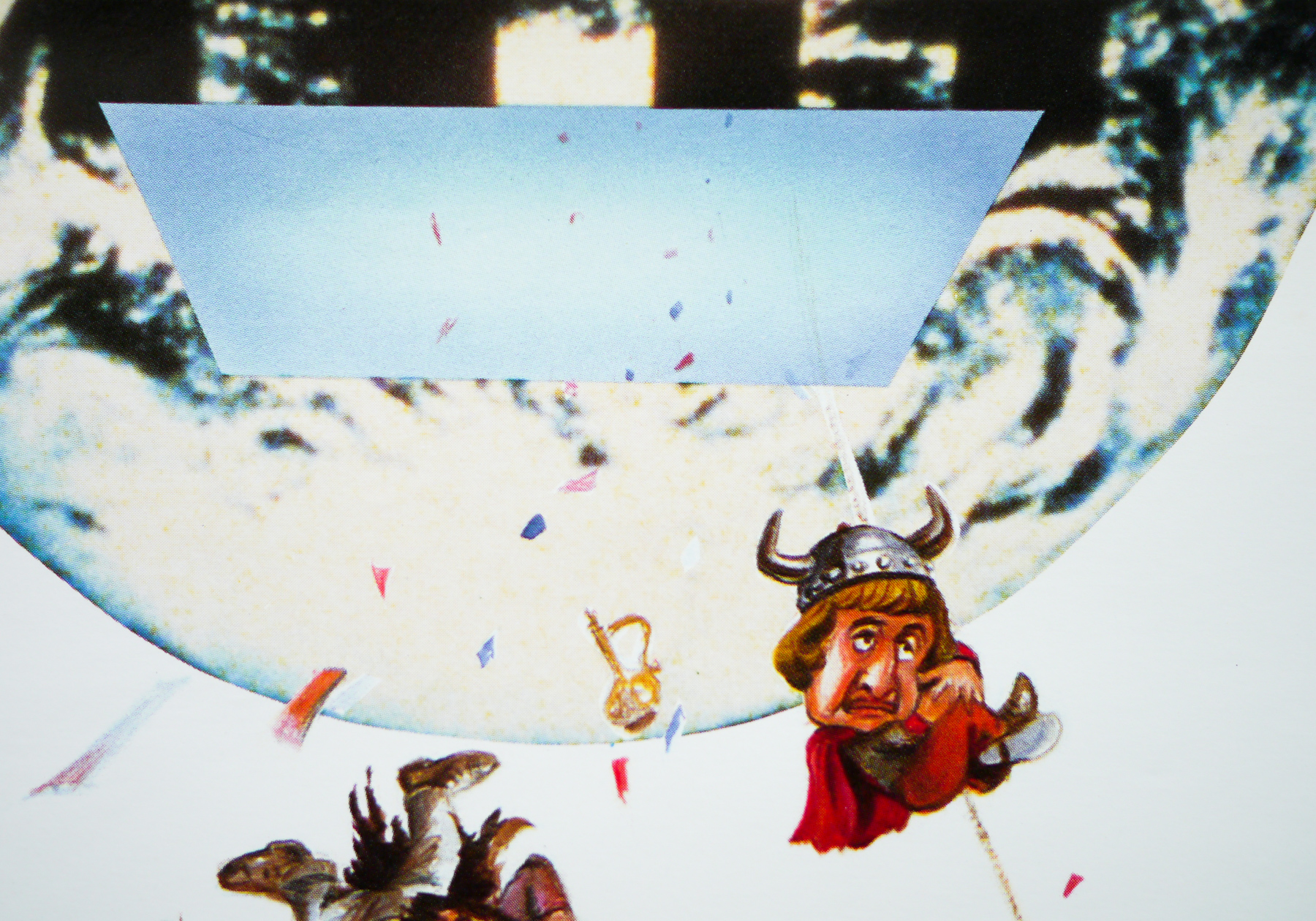
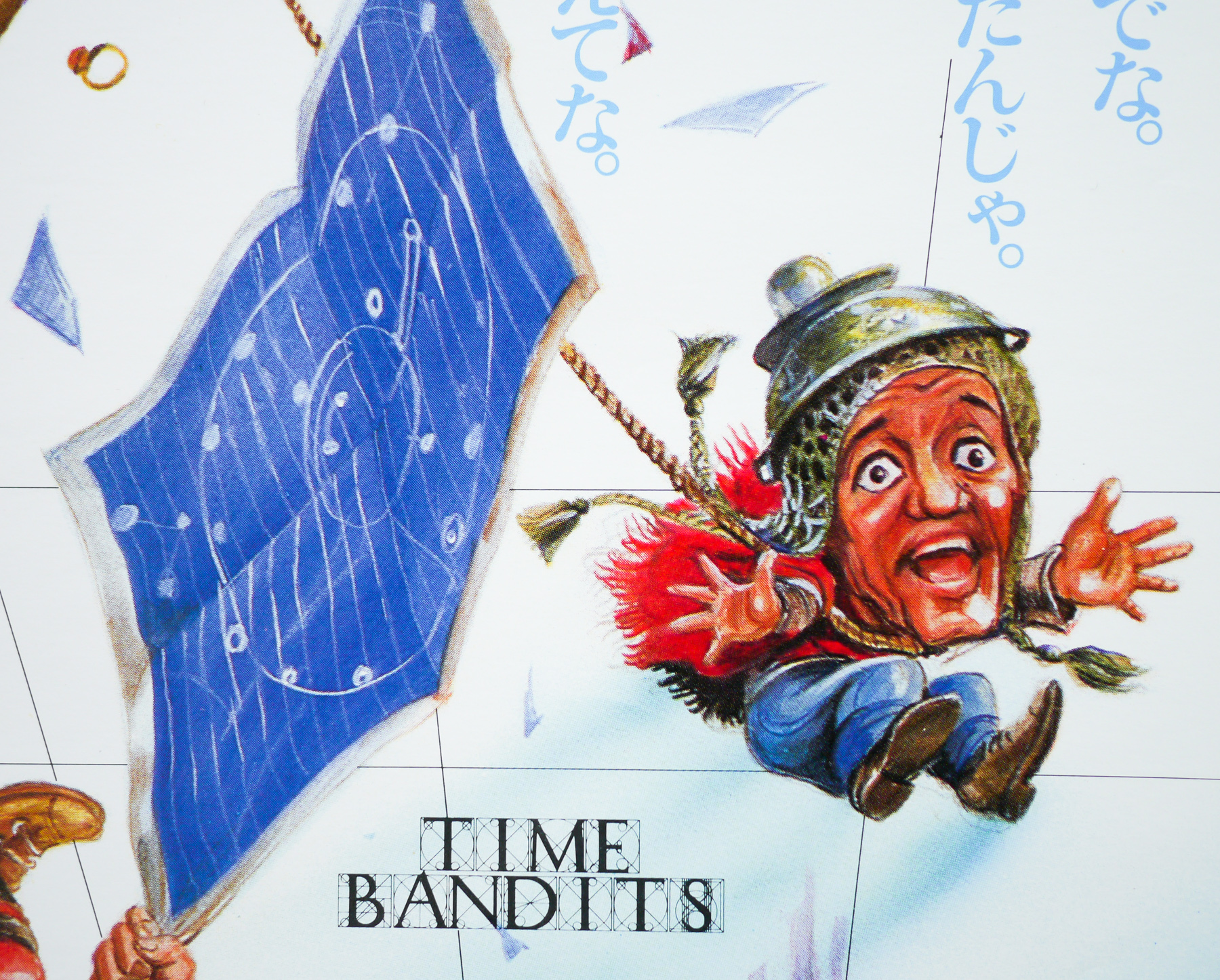
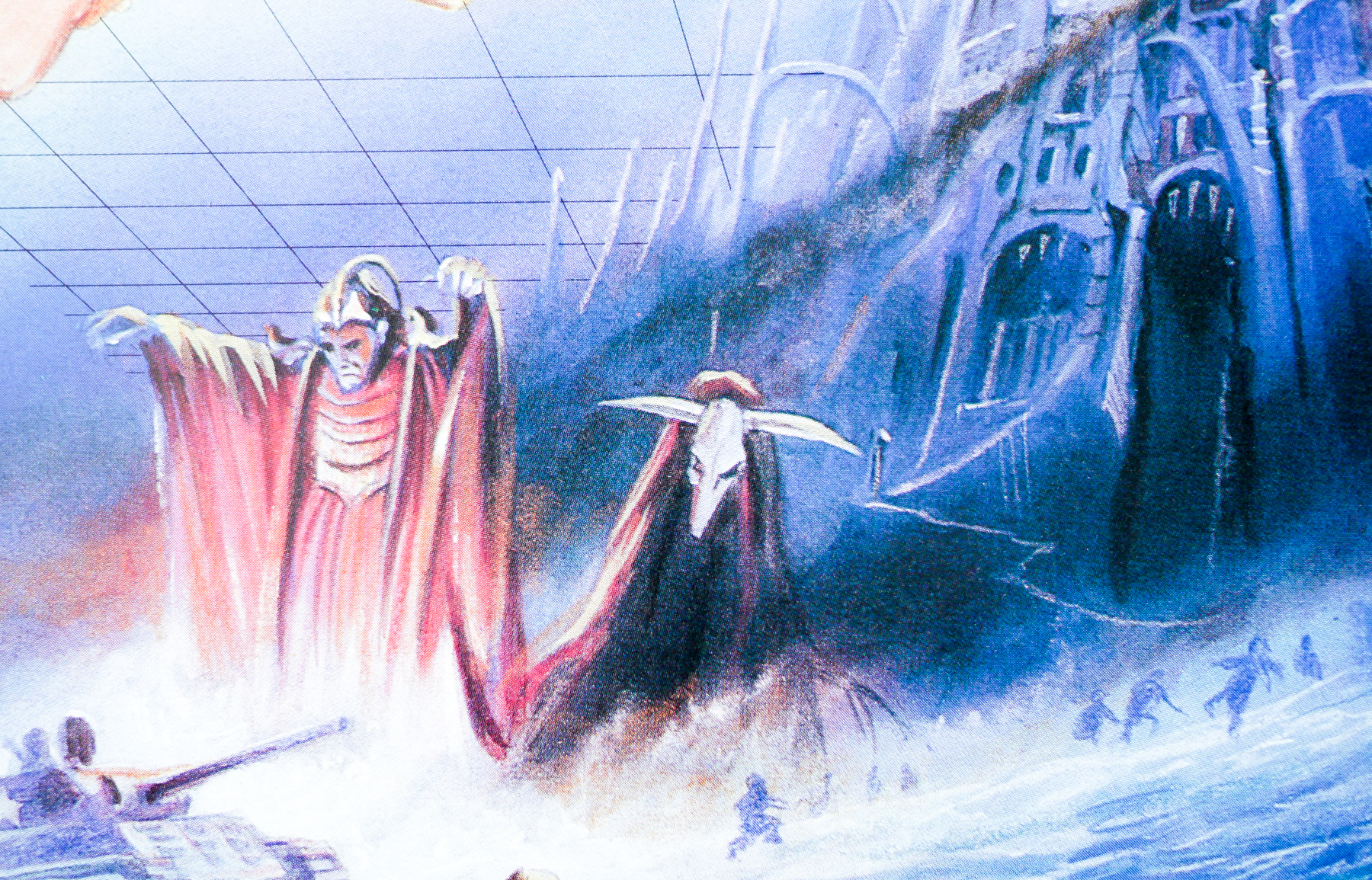
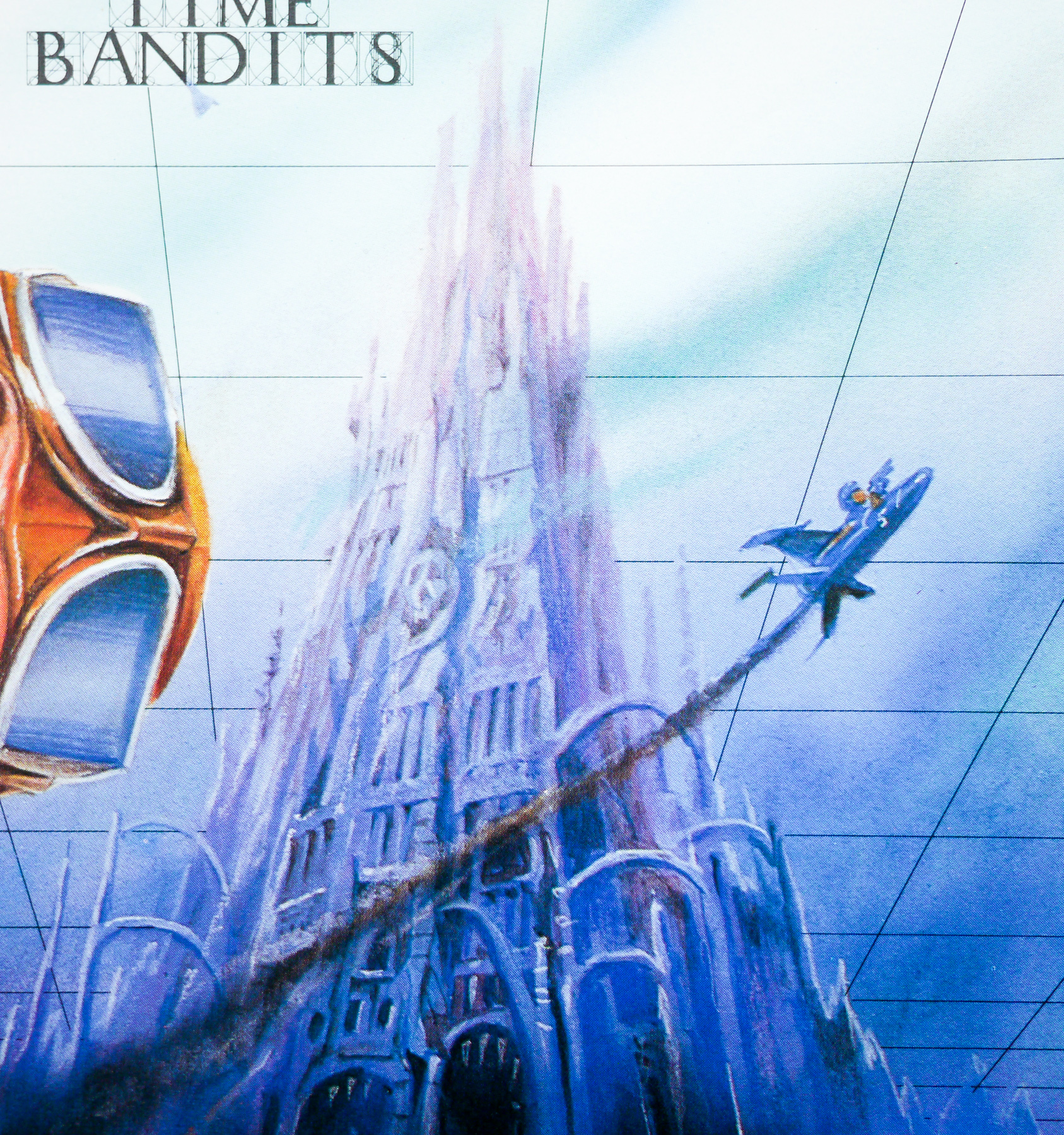
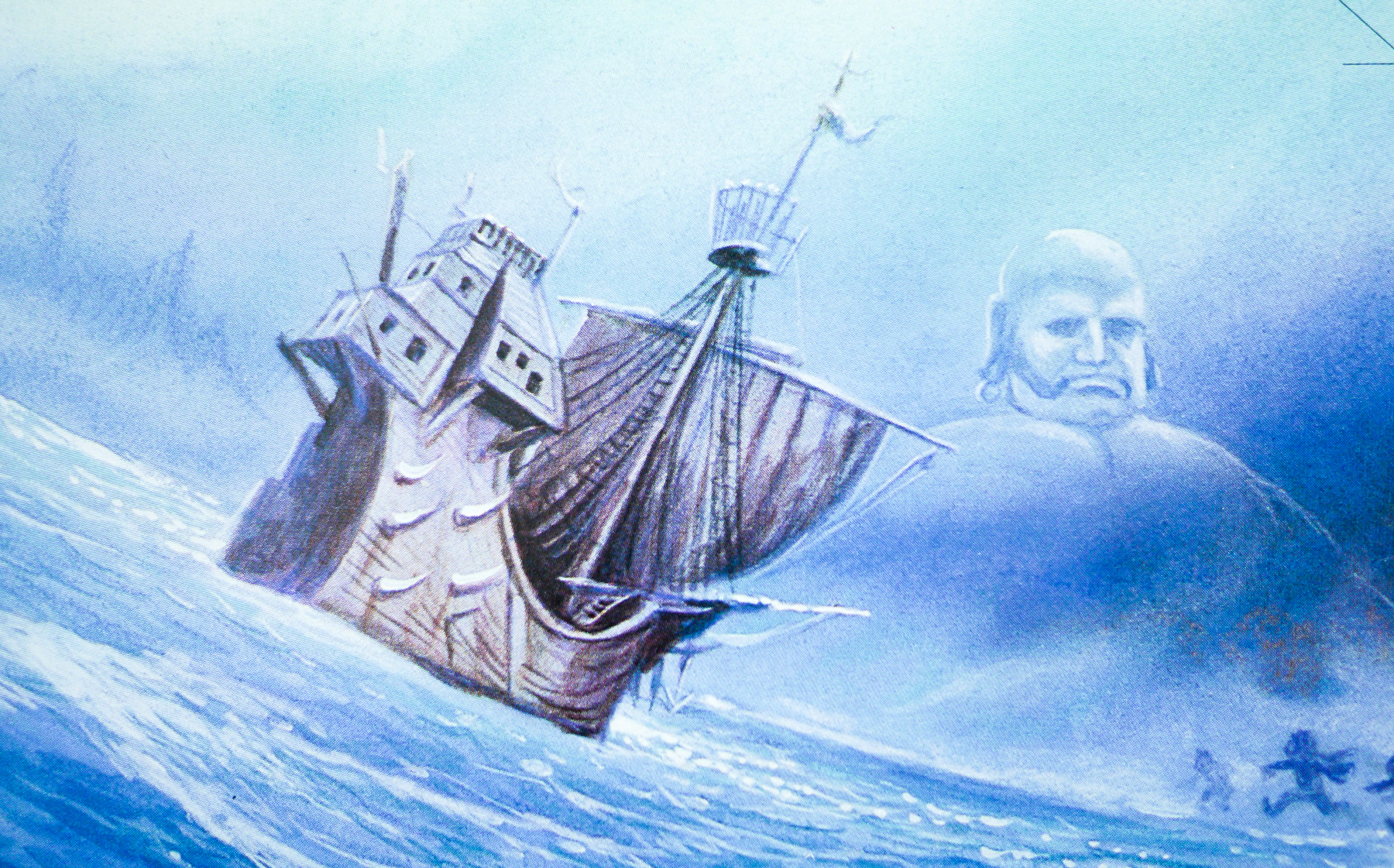
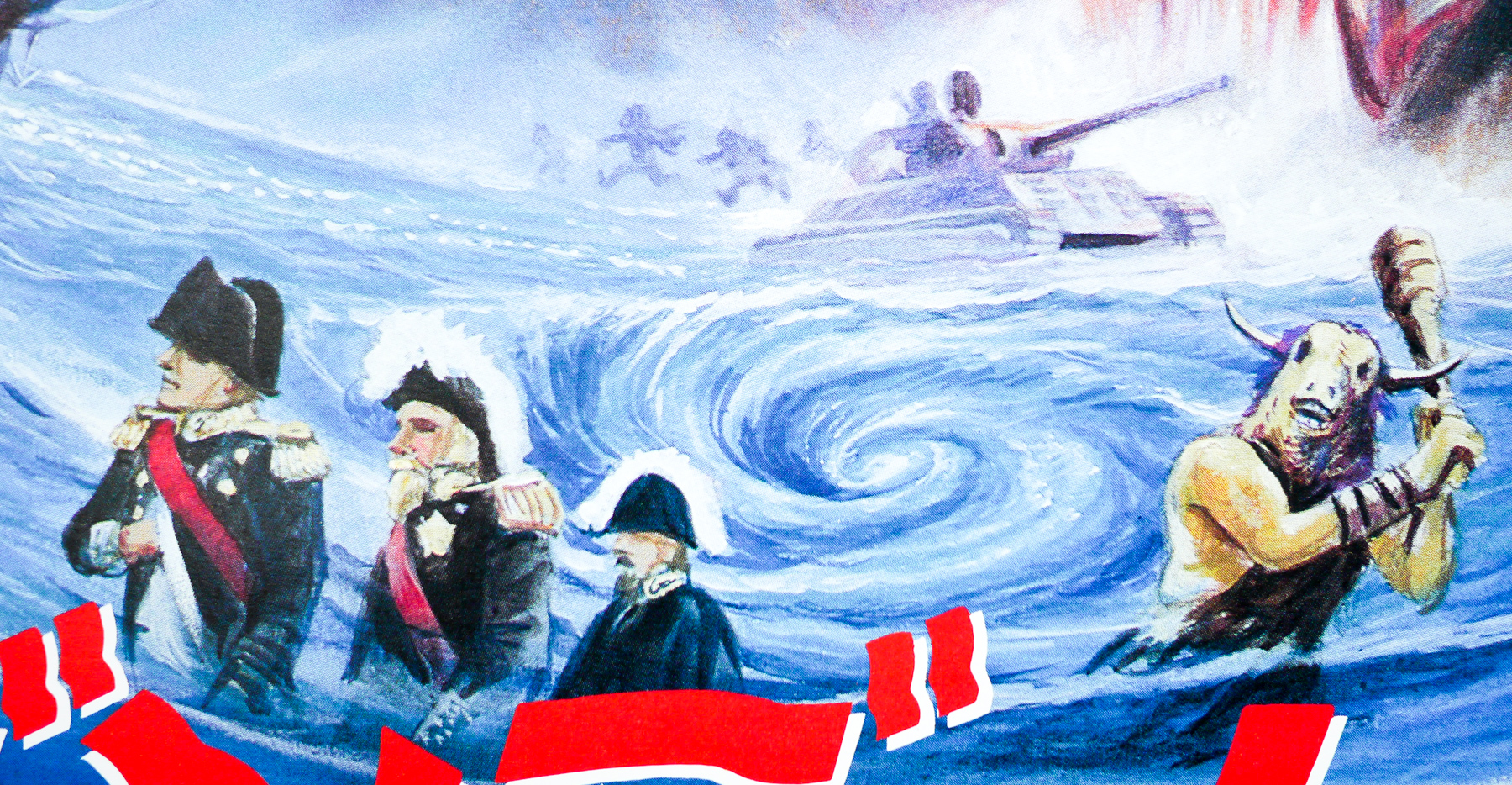
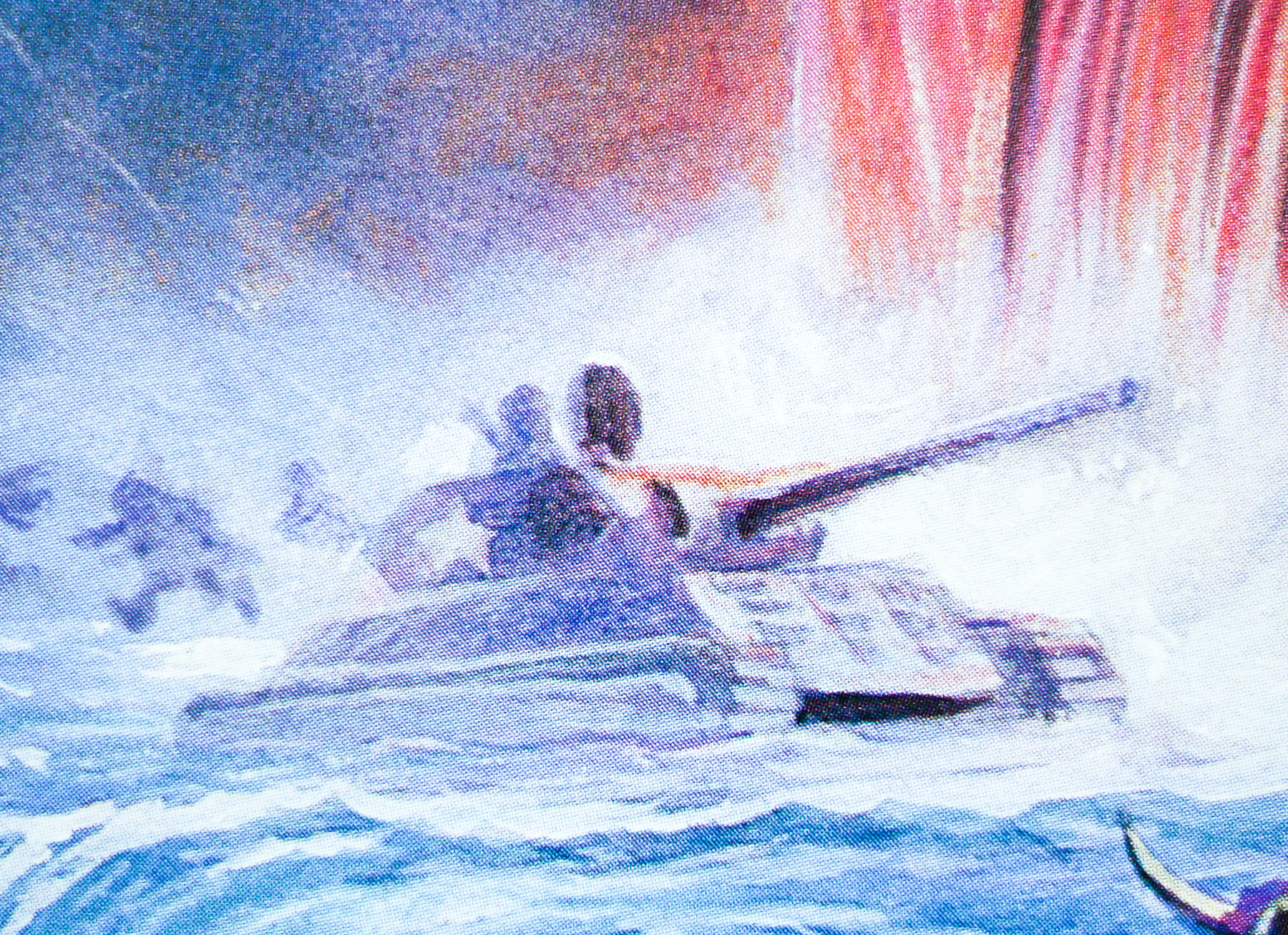
This Japanese B2 for Terry Gilliam‘s time-travelling fantasy Time Bandits features unique artwork exclusive to the poster. The 1981 film is one of the director’s best, in my opinion, and features typically brilliant imagery combined with a great cast, including a few surprising cameos.

The film follows 11-year-old Kevin (Craig Warnock) and his adventures with a troupe of time-travelling dwarves who are on the run from their master, the Supreme Being. As the gang use a special map to hop through holes in the universe and into different time periods they soon realise that their journey is being controlled by a sinister force. It’s not long before they are forced to confront Evil and save themselves from certain death. The ending of the film, which I won’t spoil, is brilliantly bonkers.

According to IMDb, in 1996 Terry Gilliam and [screenwriter and actor] Charles McKeown collaborated on a script for Time Bandits 2, bringing back most of the original cast, with the exceptions of David Rappaport and Tiny Ross who had passed away a few years before, and owing to Jack Purvis being paralysed from a car accident, his character was written to be in a similar state. But following the death of Purvis, the project was shelved indefinitely.

I’m unsure who is responsible for the artwork on this poster and there are no signatures or any other identifying marks. If you have any ideas please get in touch.

The excellent, unusual trailer is on YouTube.


Where Eagles Dare / B2 / Japan

05.06.13

Poster Poster

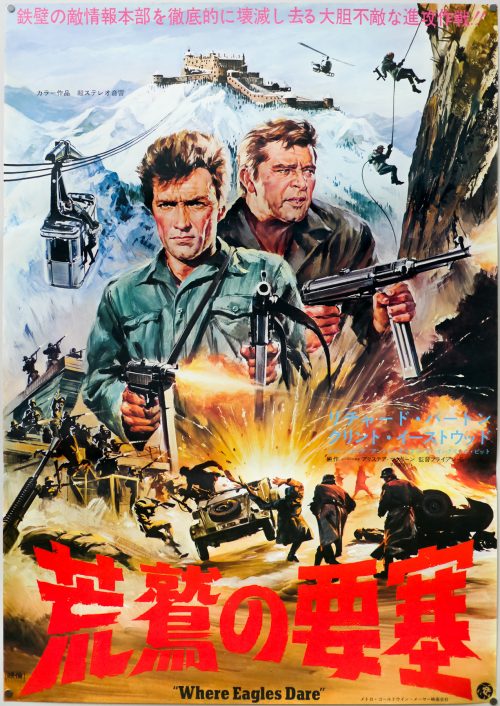
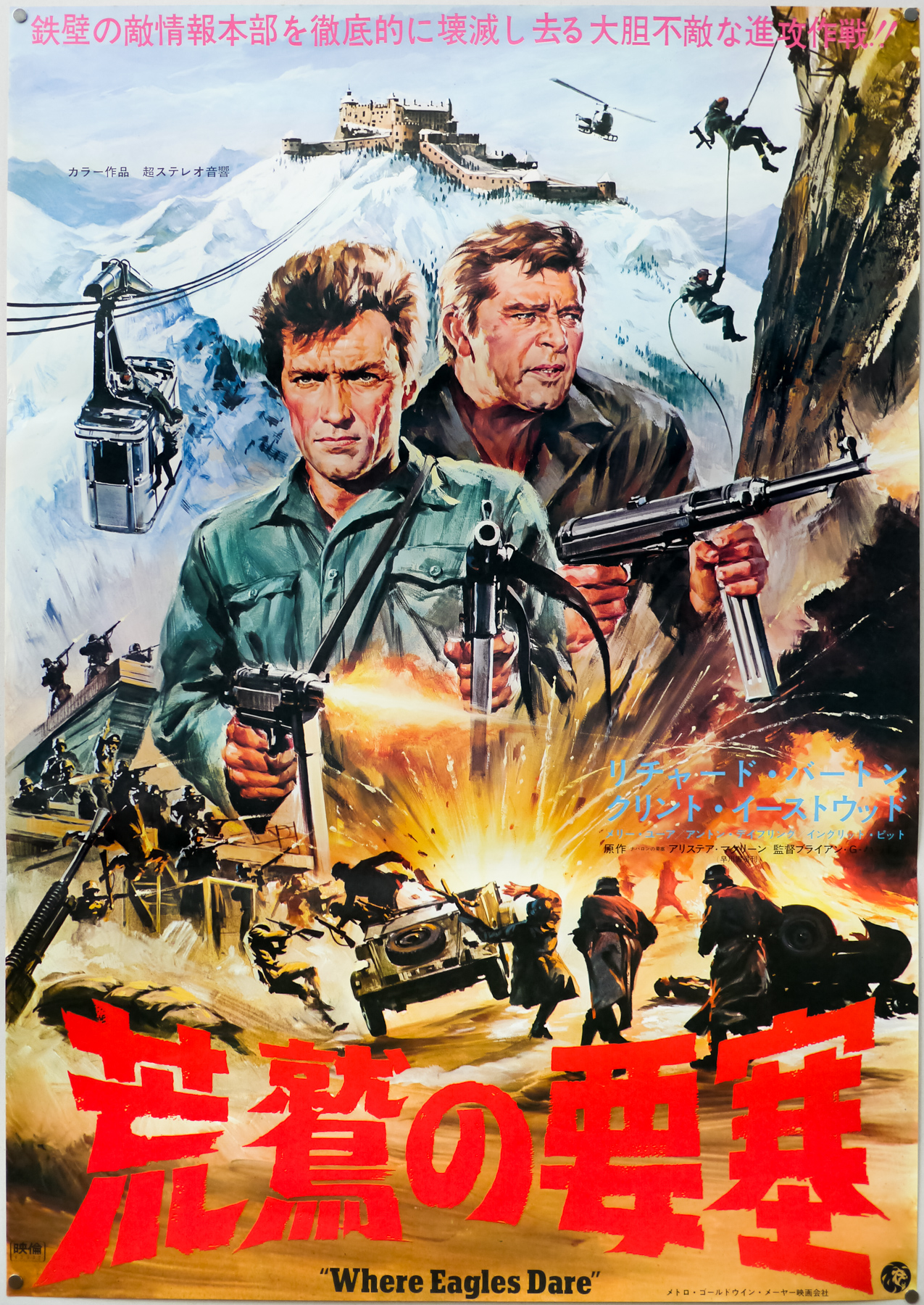
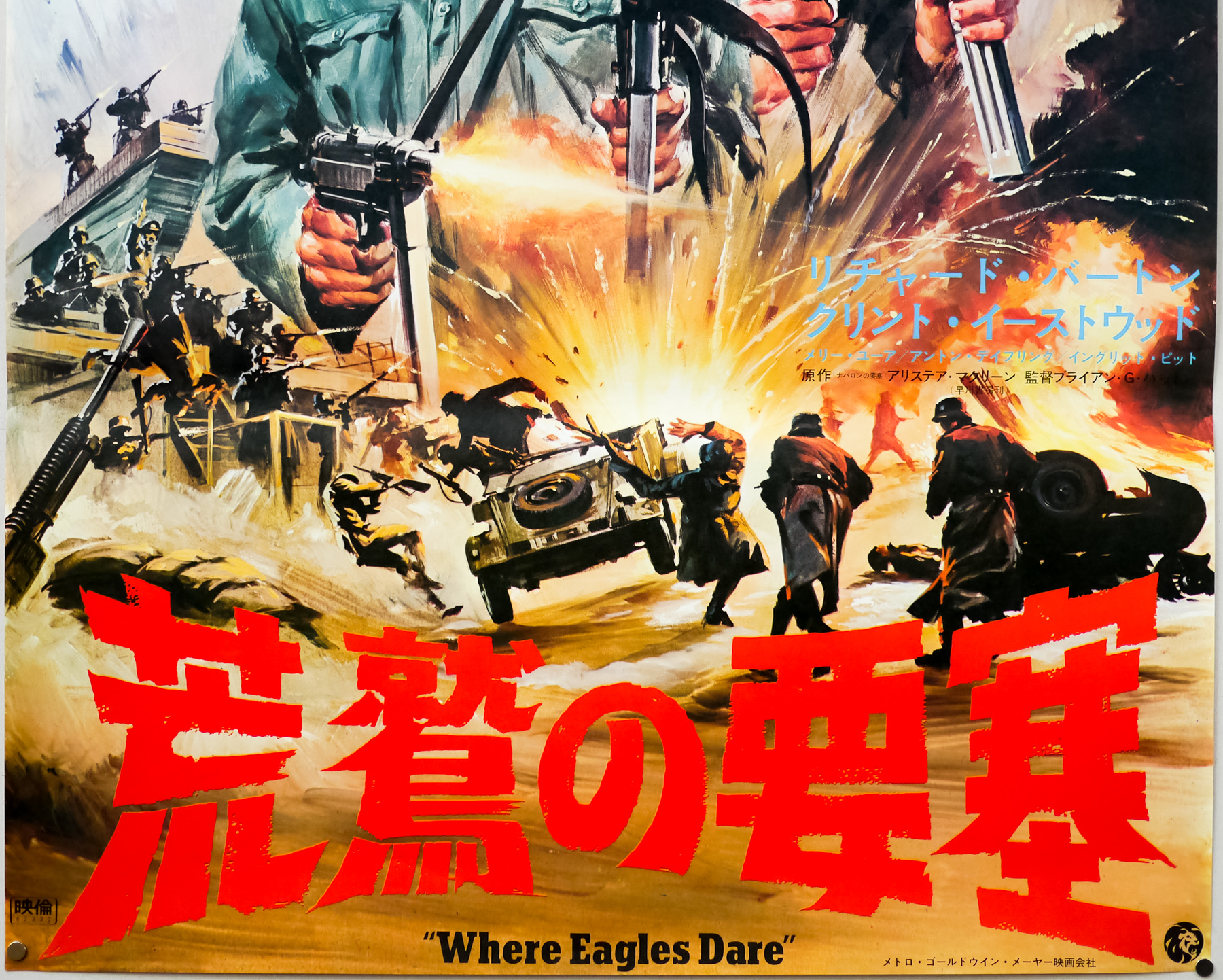
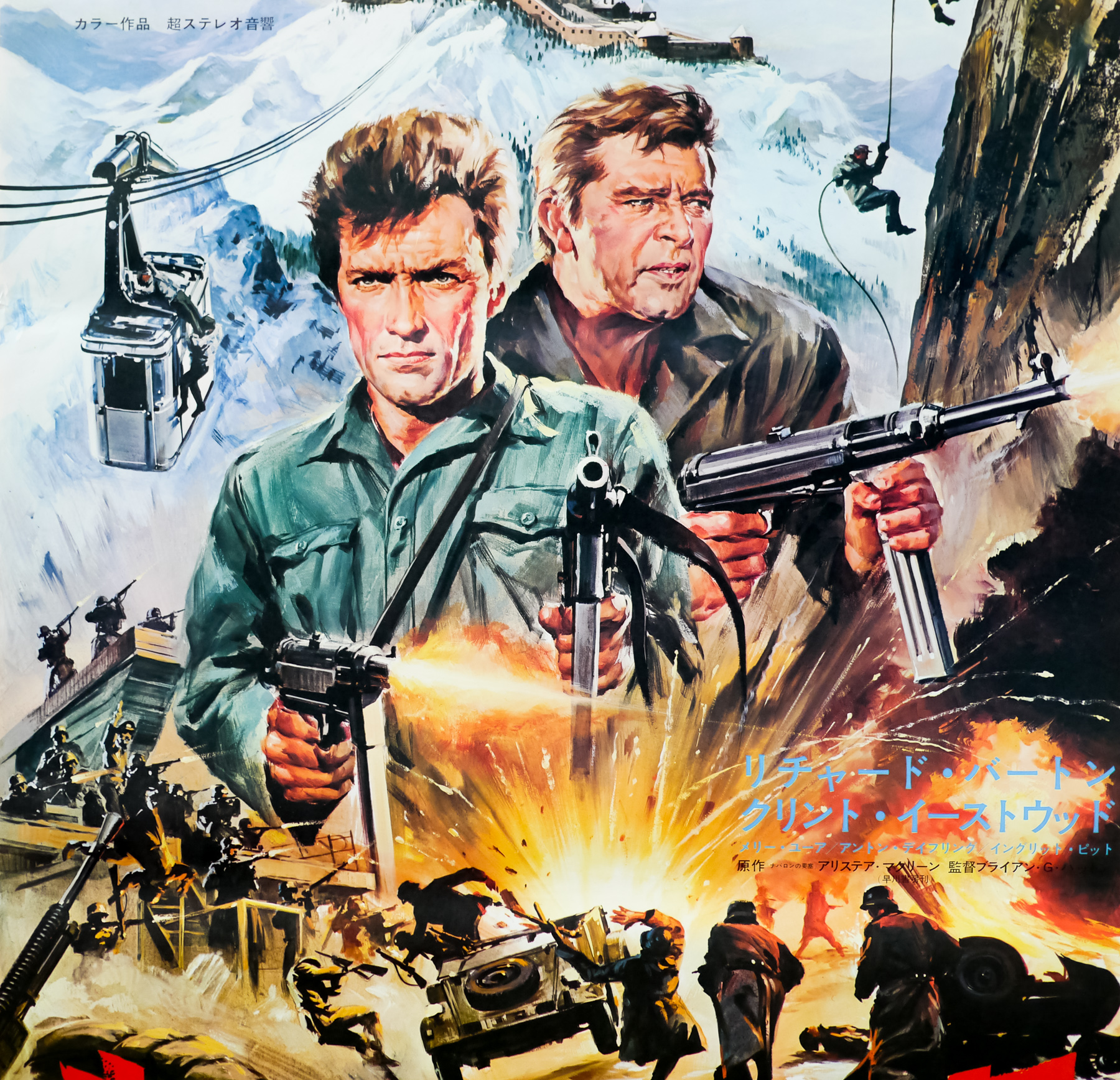
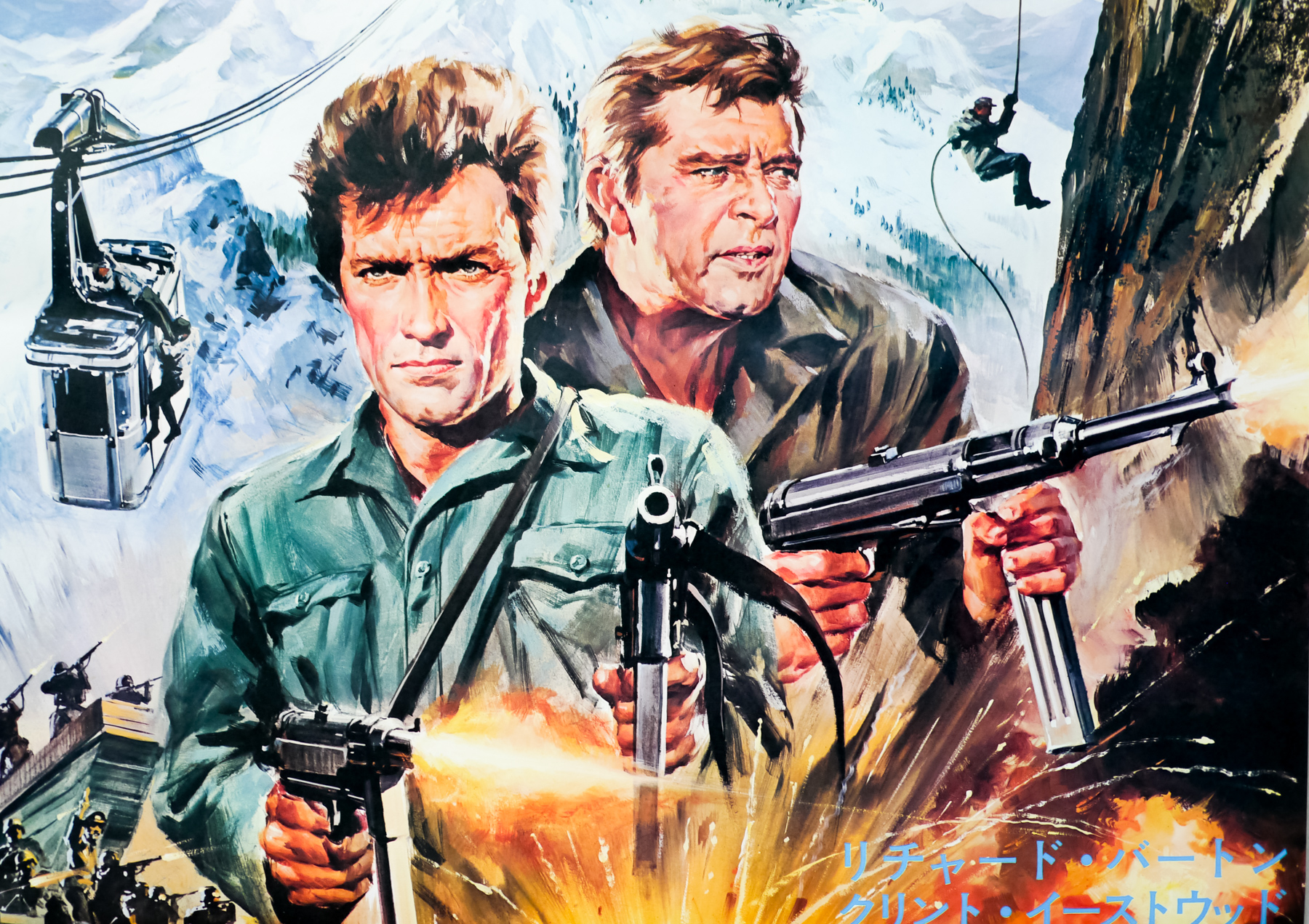
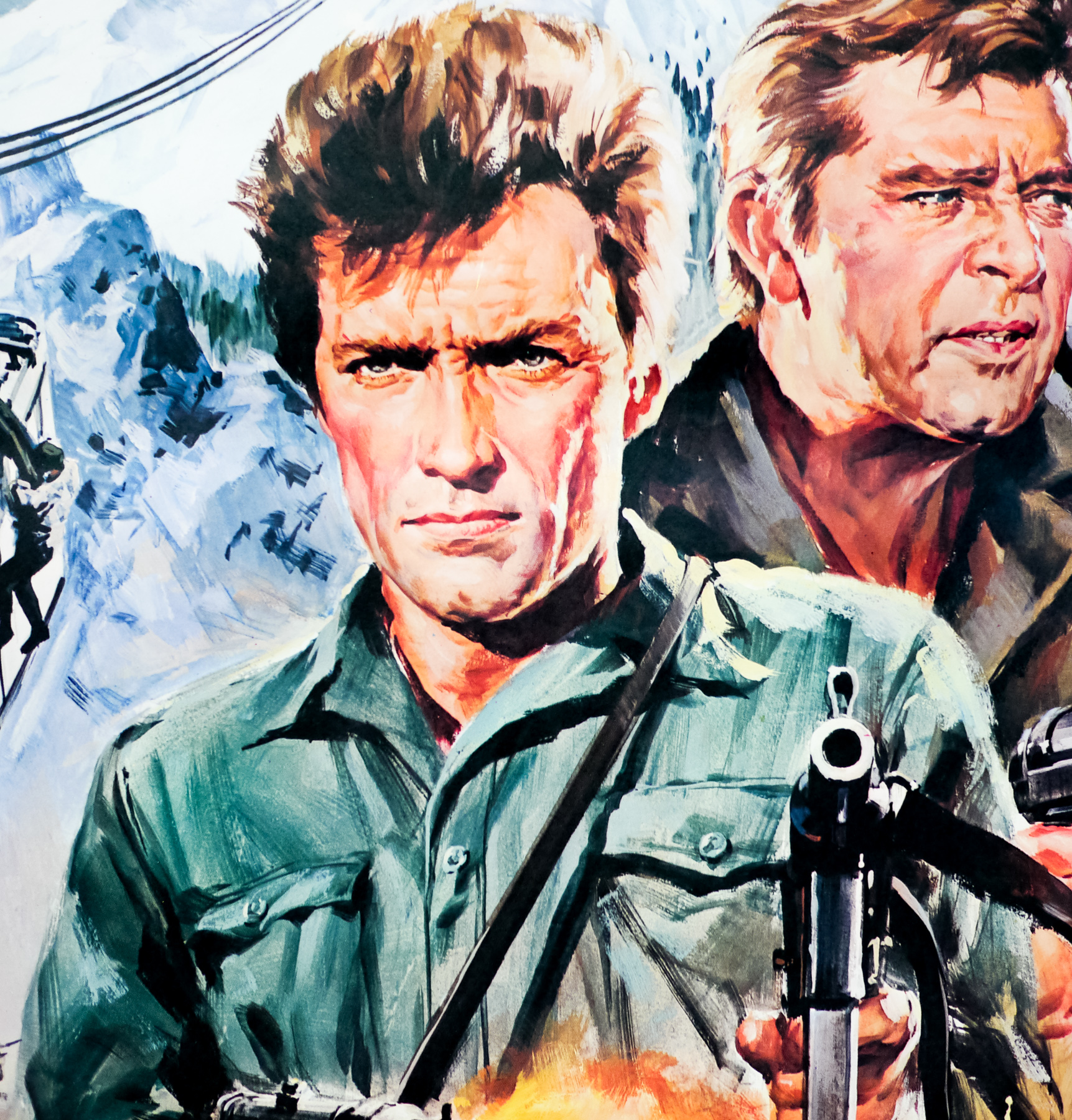
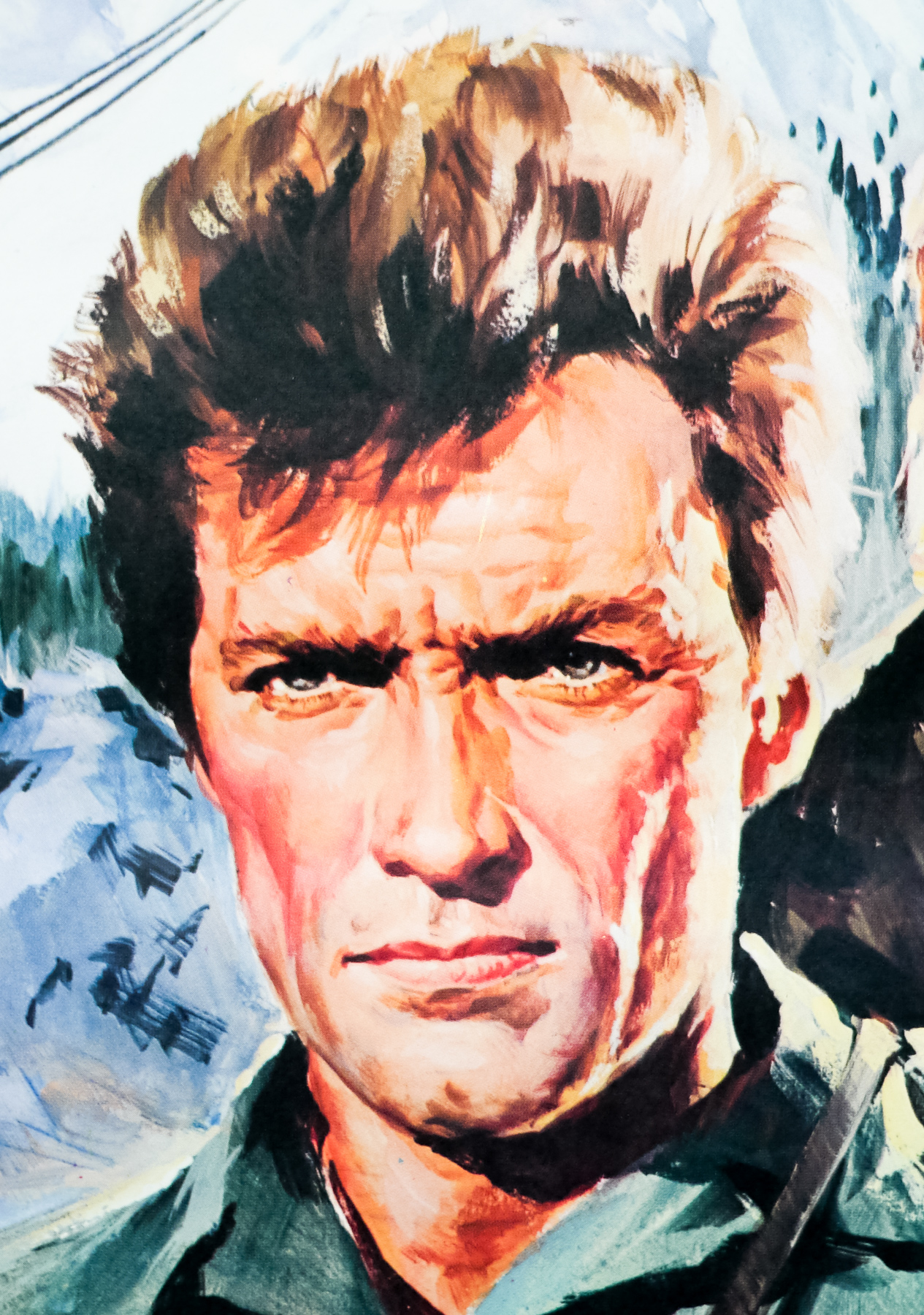
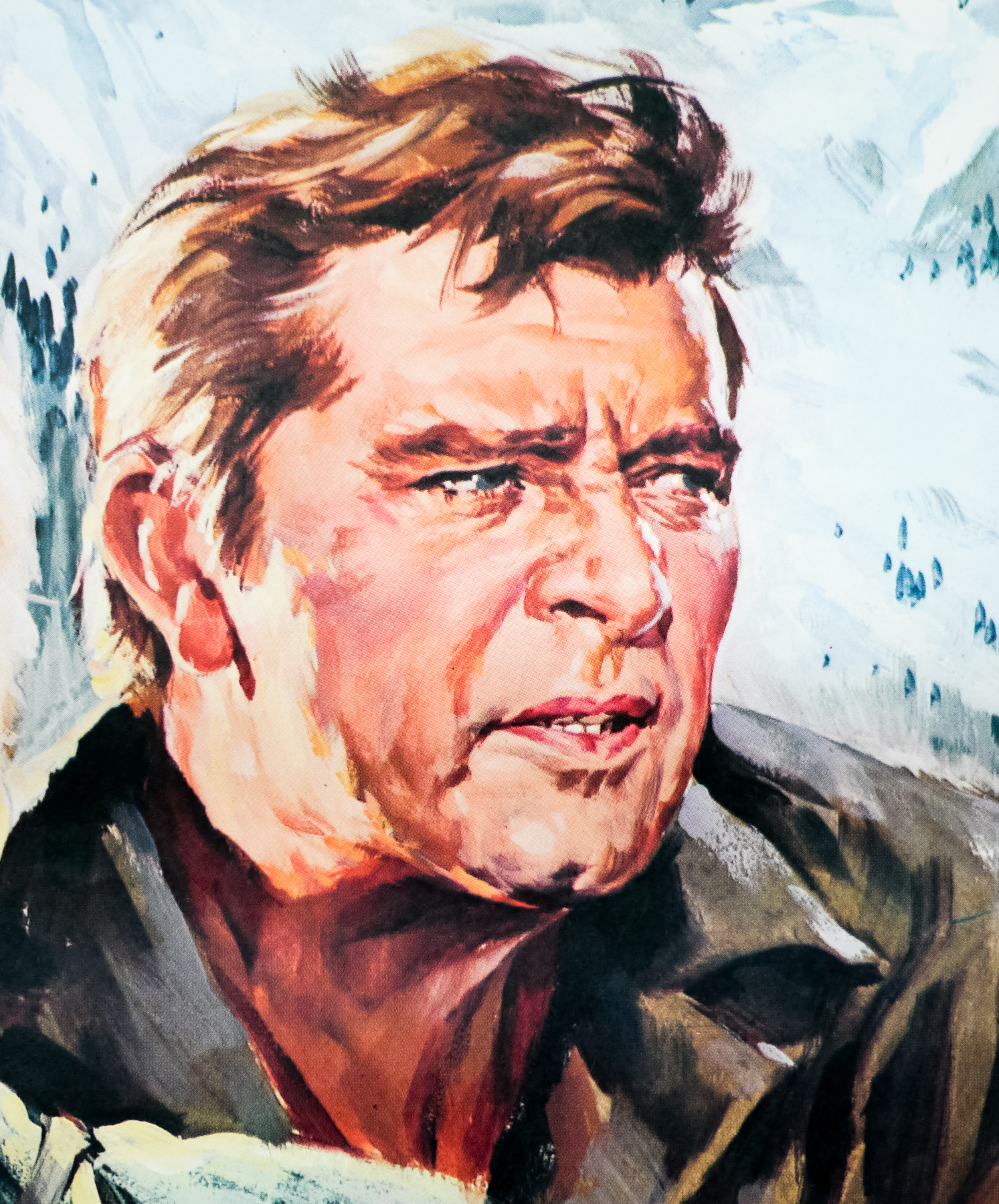
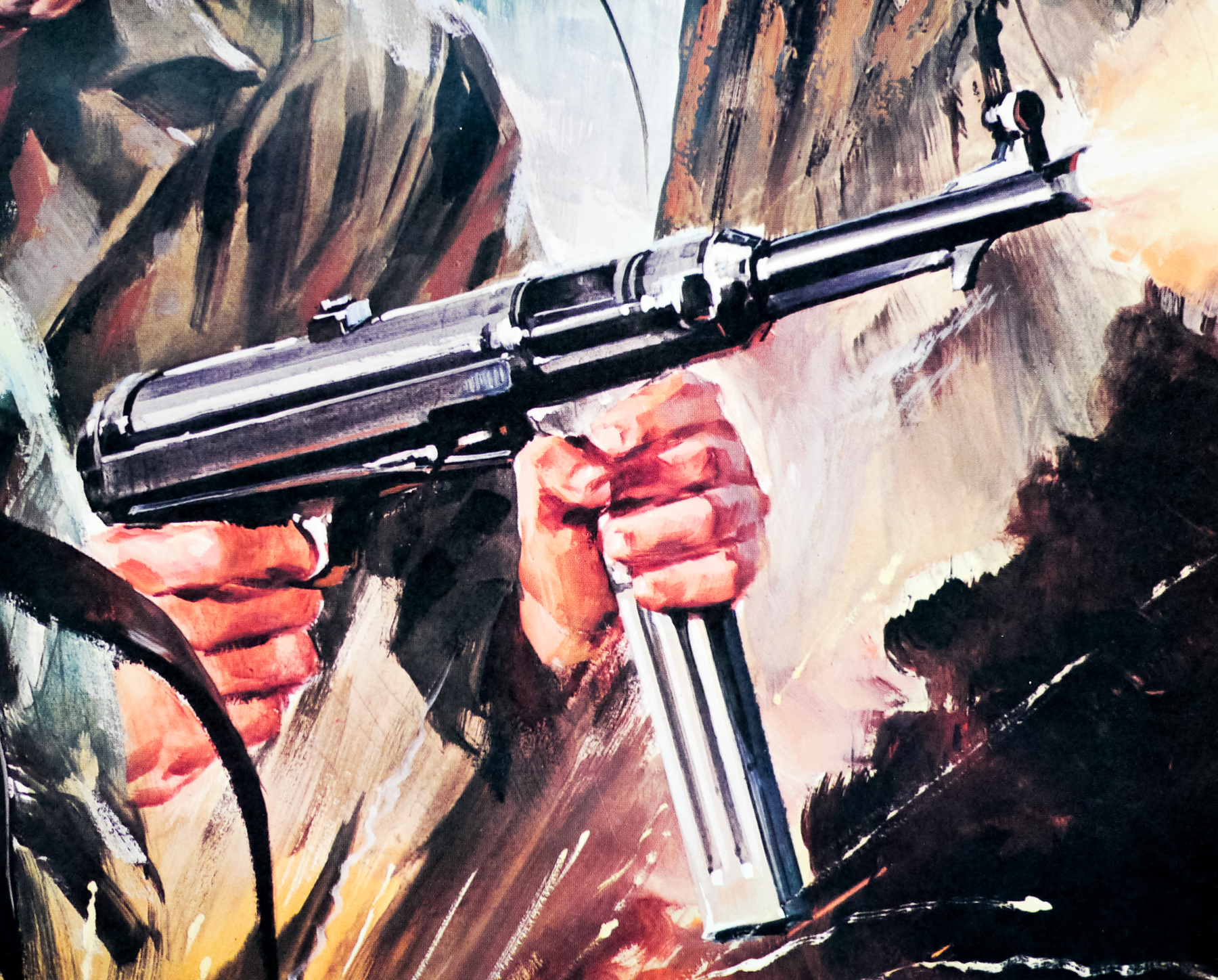
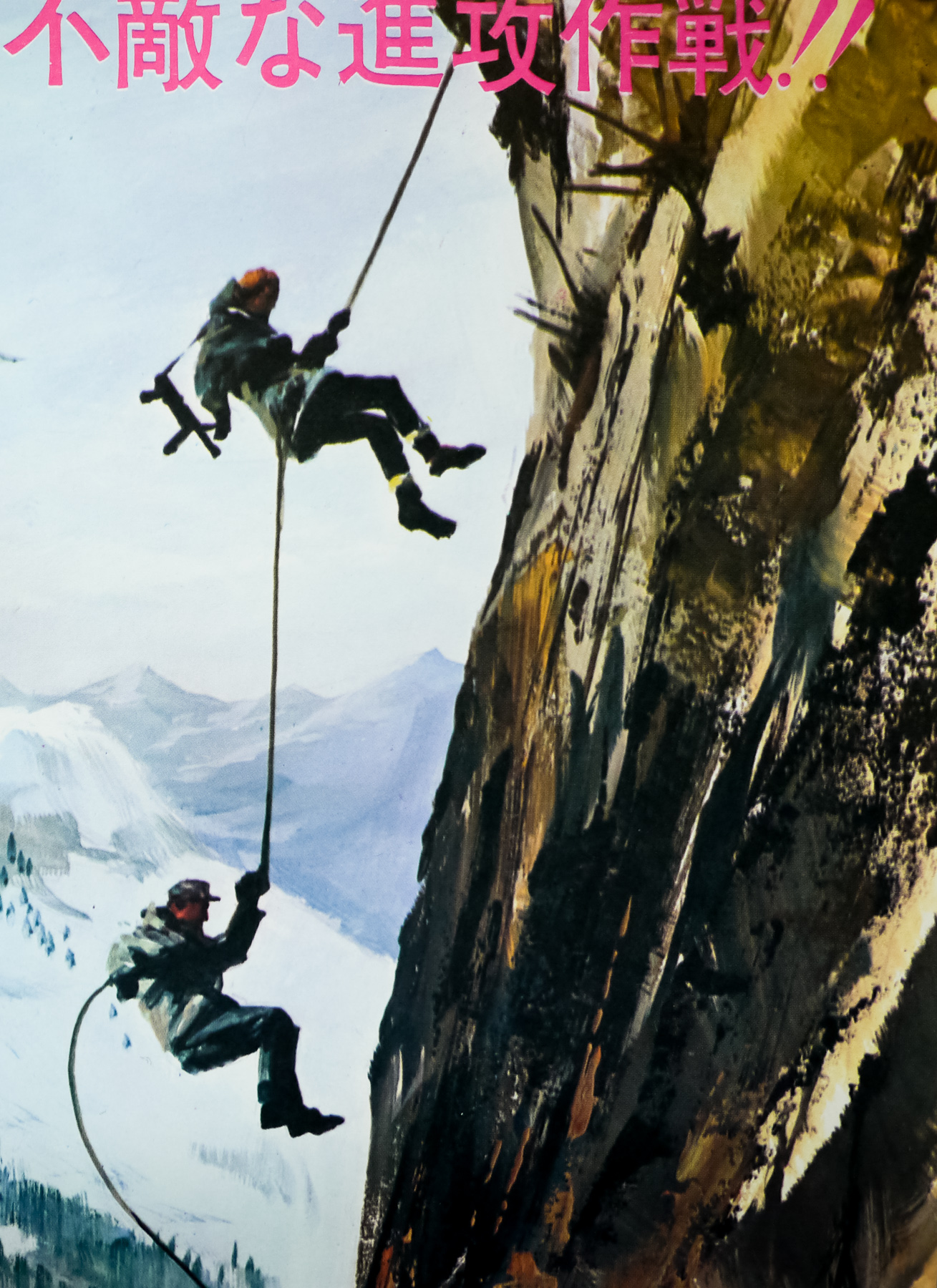
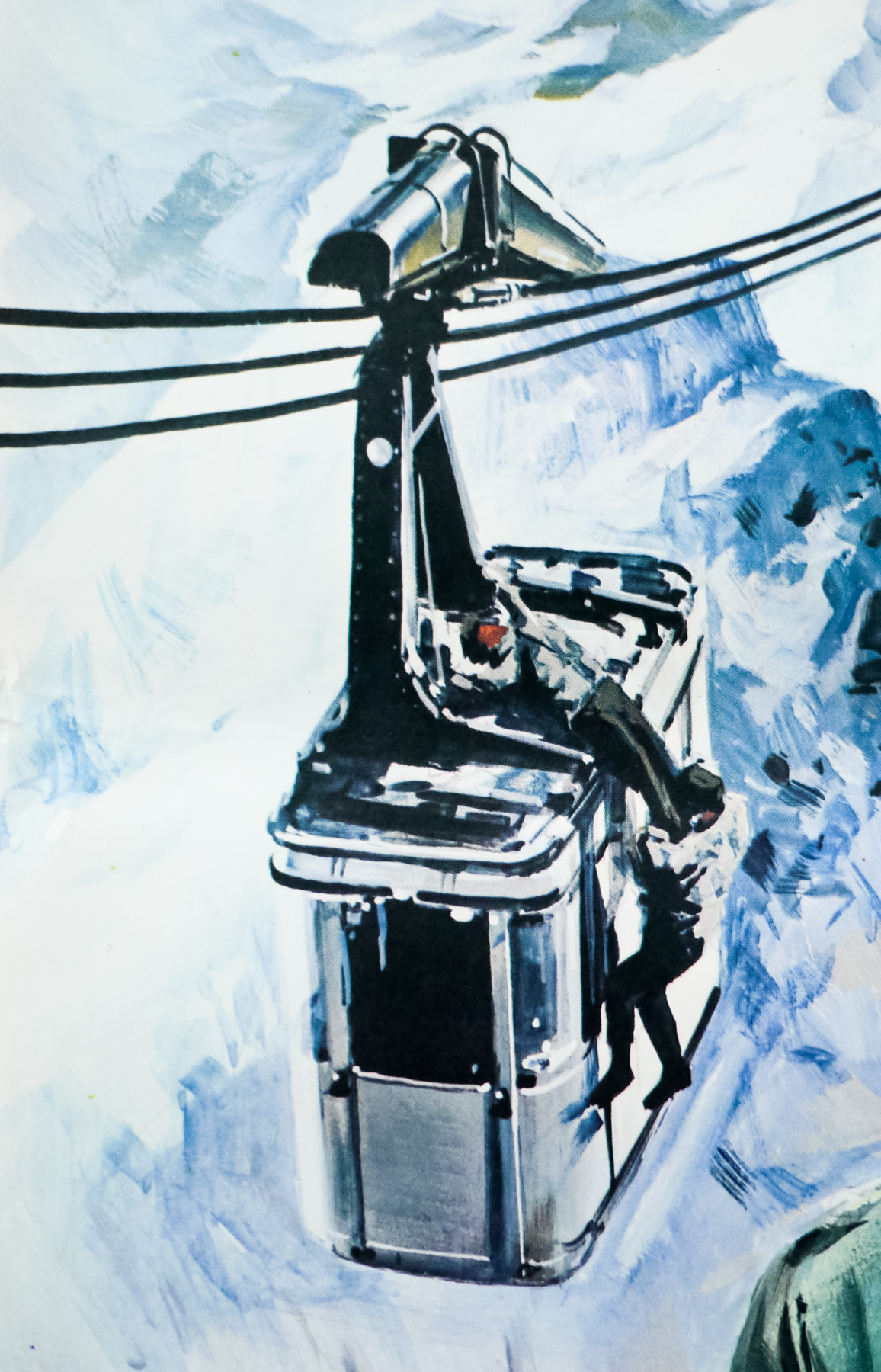
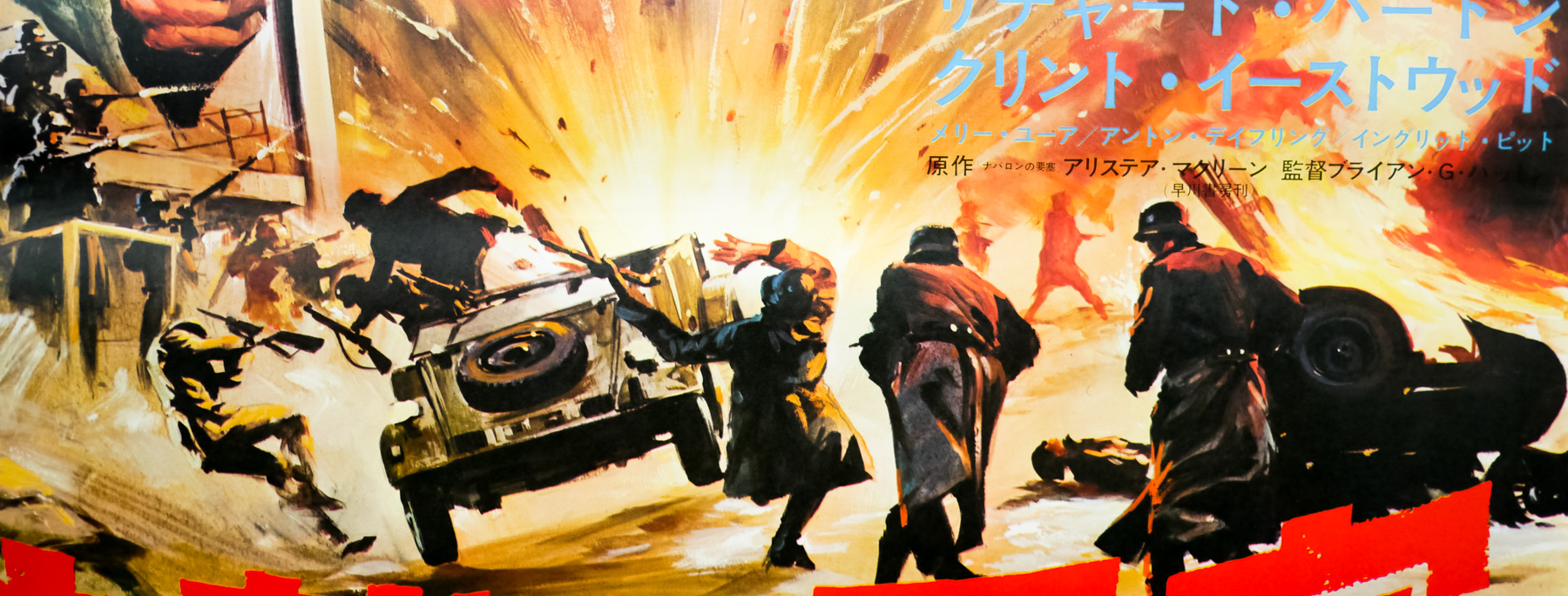
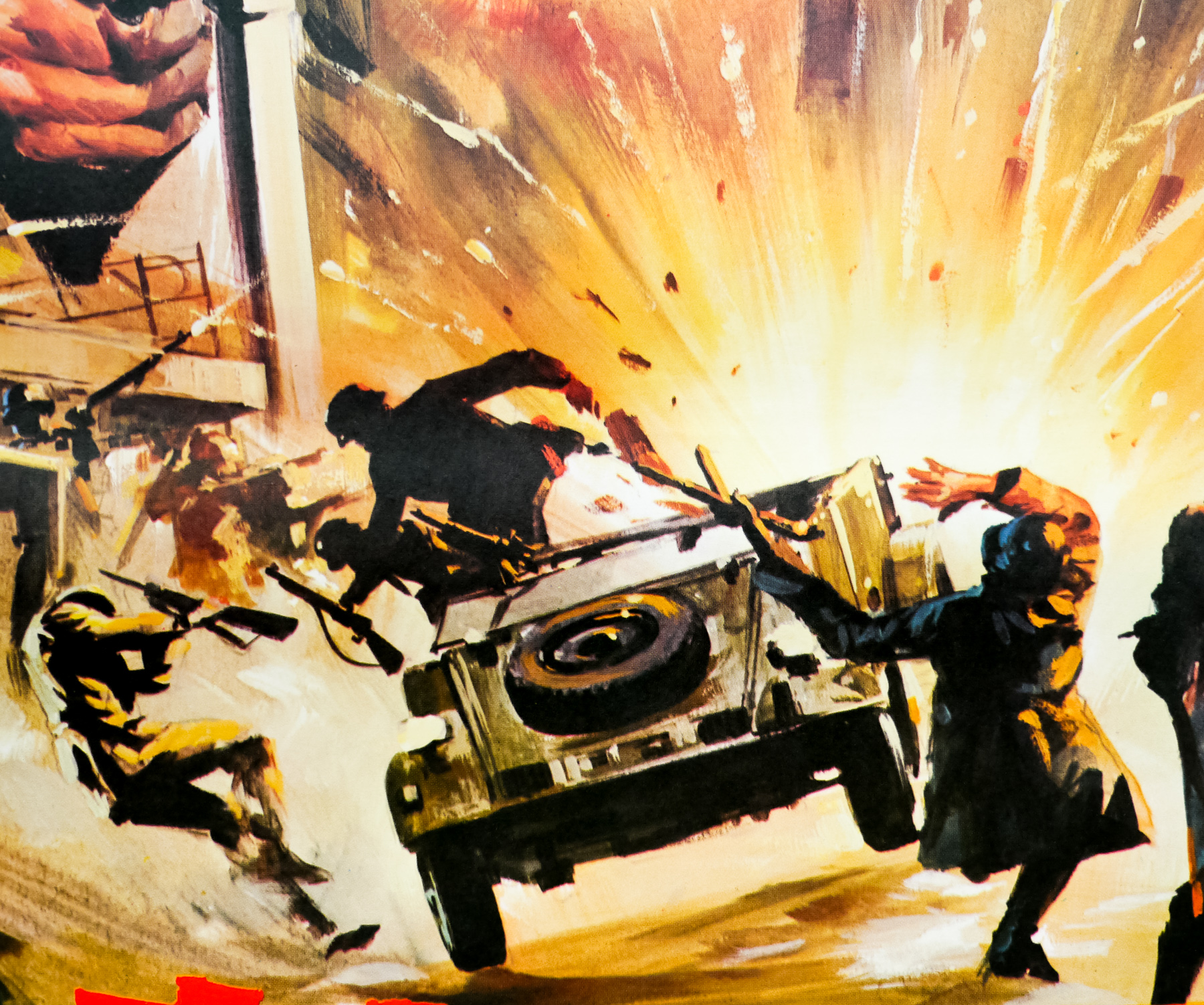
Great artwork by the Italian/French artist Jean Mascii on this Japanese B2 for the 1968 WWII action-adventure Where Eagles Dare, starring Richard Burton and Clint Eastwood. Scottish novelist Alistair MacLean was apparently commissioned by Burton to write a ‘boys-own’ action thriller that the actor could take his son to see. MacLean, who was already responsible for several successful novels-turned-films, including Guns of Navarone and Ice Station Zebra, wrote the book for Where Eagles Dare at the same time as the screenplay. The film would end up differing from the book, with the screenplay featuring significantly more violence – the film is often thought to feature Eastwood’s highest on-screen bodycount.

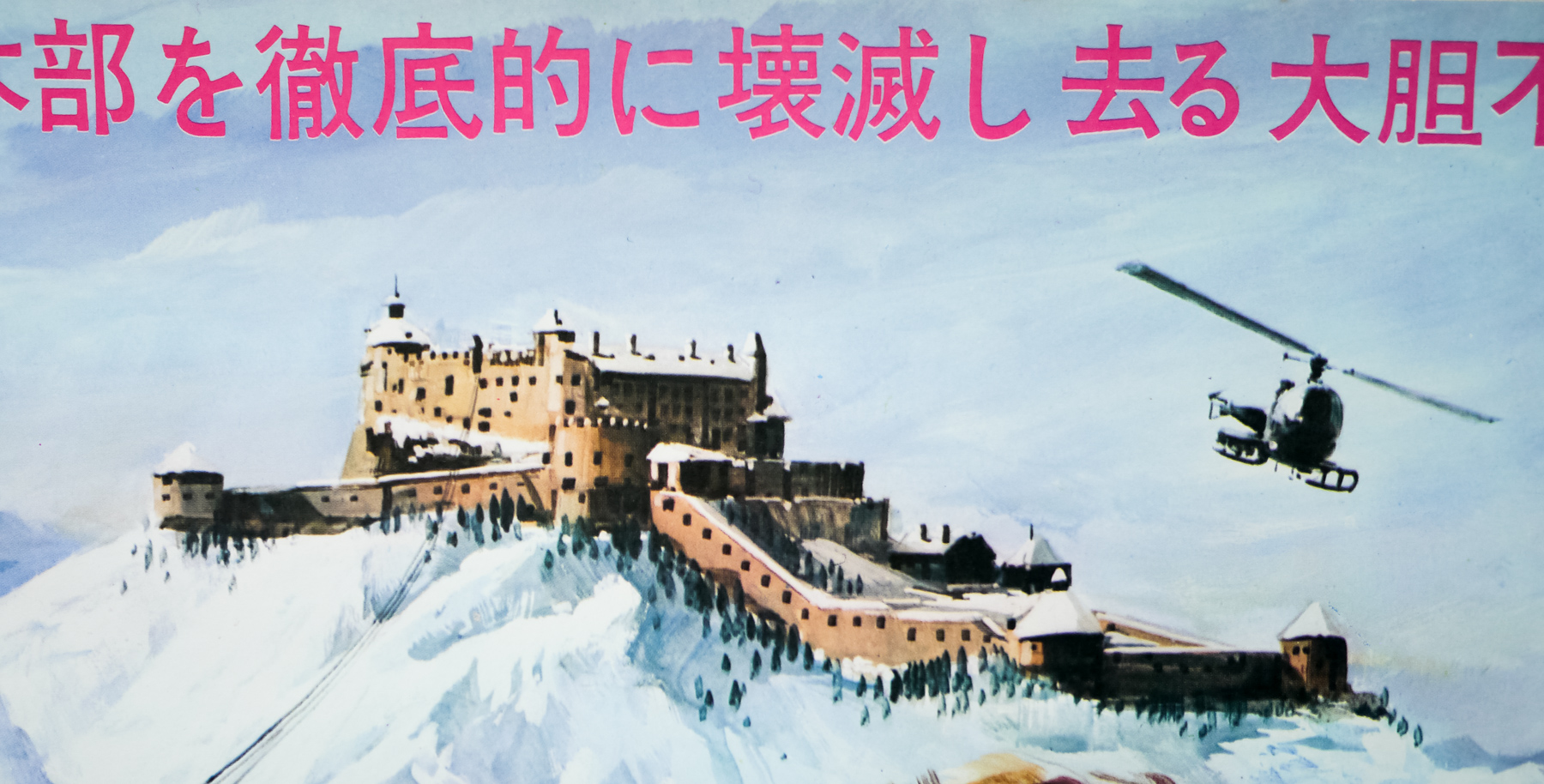
The story, set in the winter of 1943, sees Burton’s army major tasked with leading a team of commandos on a mission to a castle high in the Bavarian Alps to rescue a captured American General who, unknown to the Nazis, has detailed knowledge of the planned D-Day landings. Joining the team is Lieutenant Schaffer (Eastwood) an American ranger who is puzzled by his inclusion, but as the men scale the mountain to reach the castle and undertake their mission several members of the team reveal their true plans.

Jean Mascii was born in Italy in 1923 and moved with his parents to France in 1932. In 1947 he was given his first job painting cinema billboards and from there he moved onto designing and painting film posters and is thought to have worked on over 2000 of them during his career, including several undisputed classics such as the poster for Jean-Luc Godard’s Alphaville and George Franju’s Les Yeux Sans Visage. The Cinesud site features a gallery of hundreds of his posters that’s well worth browsing.

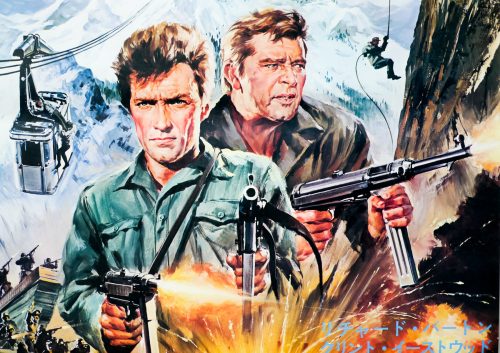
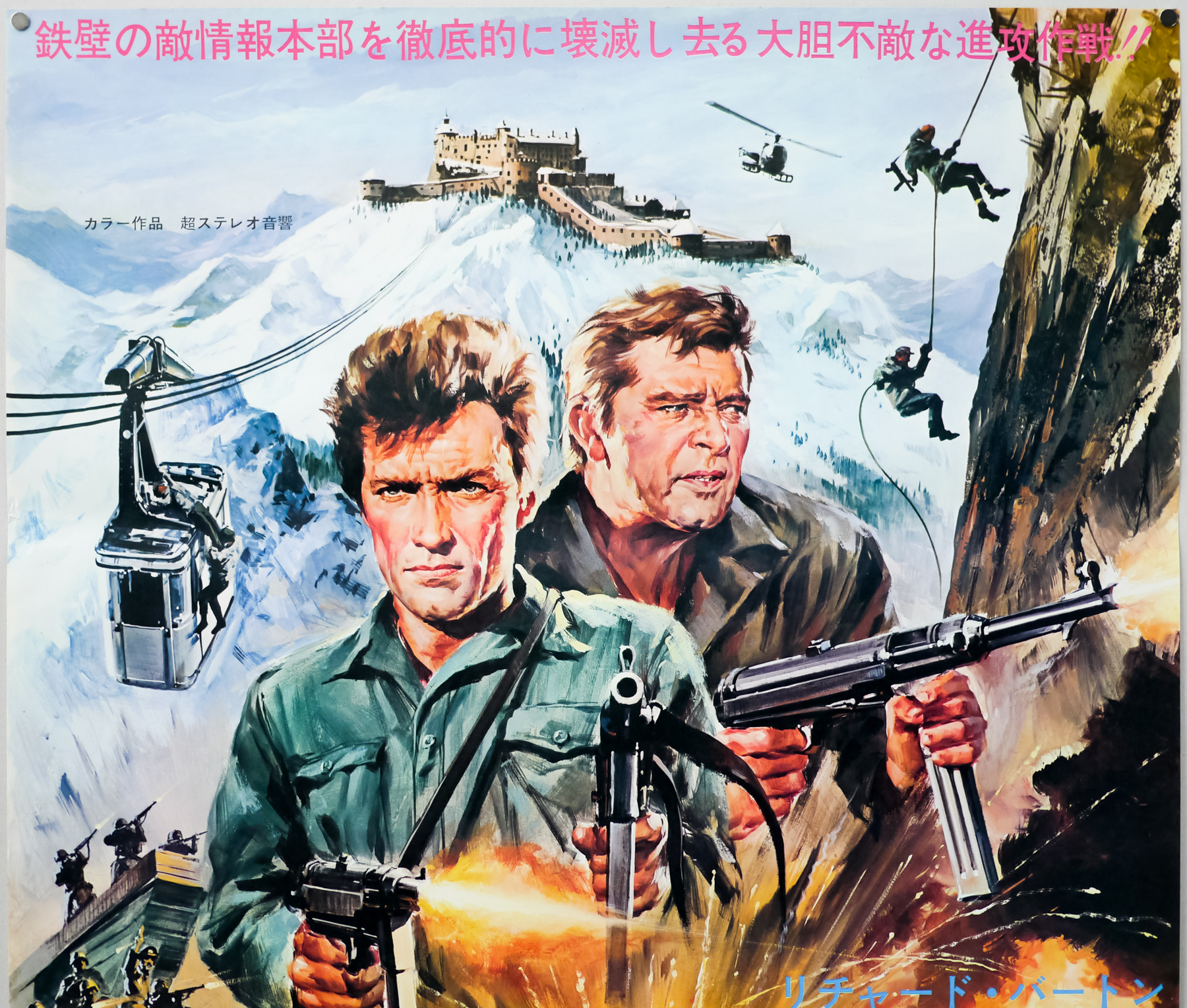
I’m not 100% certain that this Japanese version of Where Eagles Dare was painted by Mascii but I’ve seen the painting, which also features on a British quad (with some differences – Burton’s face being one), credited to him several times. There is also an alternative French poster (image taken from eatbrie.com) for the film that is credited to the artist. If anyone know for certain that Mascii can be credited with this painting please get in touch.

Speedtrap / B2 / artwork style / Japan

03.09.13

Poster Poster
Title
Speedtrap
AKA
Speed Interceptor III (Italy)
Year of Film
1977
Director
Earl Bellamy
Starring
Joe Don Baker, Tyne Daly, Richard Jaeckel, Robert Loggia, Morgan Woodward, Lana Wood, Timothy Carey, James Griffith, Lucky Hayes
Origin of Film
USA
Genre(s) of Film
Joe Don Baker, Tyne Daly, Richard Jaeckel, Robert Loggia, Morgan Woodward, Lana Wood, Timothy Carey, James Griffith, Lucky Hayes,
Type of Poster
B2
Style of Poster
Artwork style
Origin of Poster
Japan
Year of Poster
1978
Designer
Unknown
Artist
Seito
Size (inches)
20 6/16" x 28 13/16"
SS or DS
SS
Tagline
--

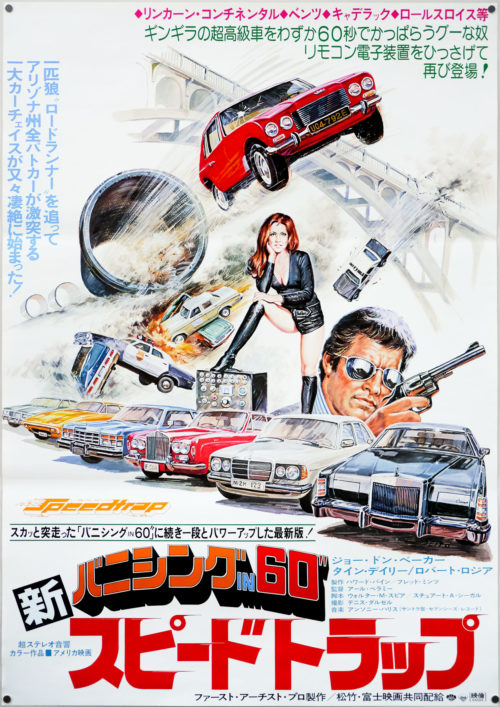
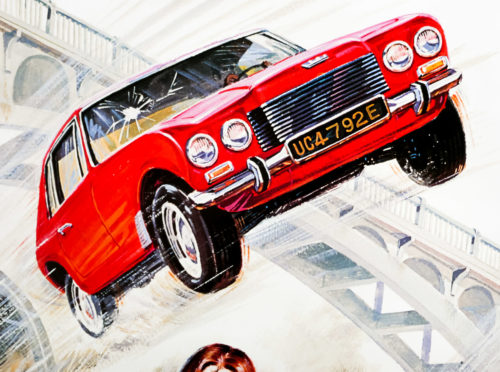
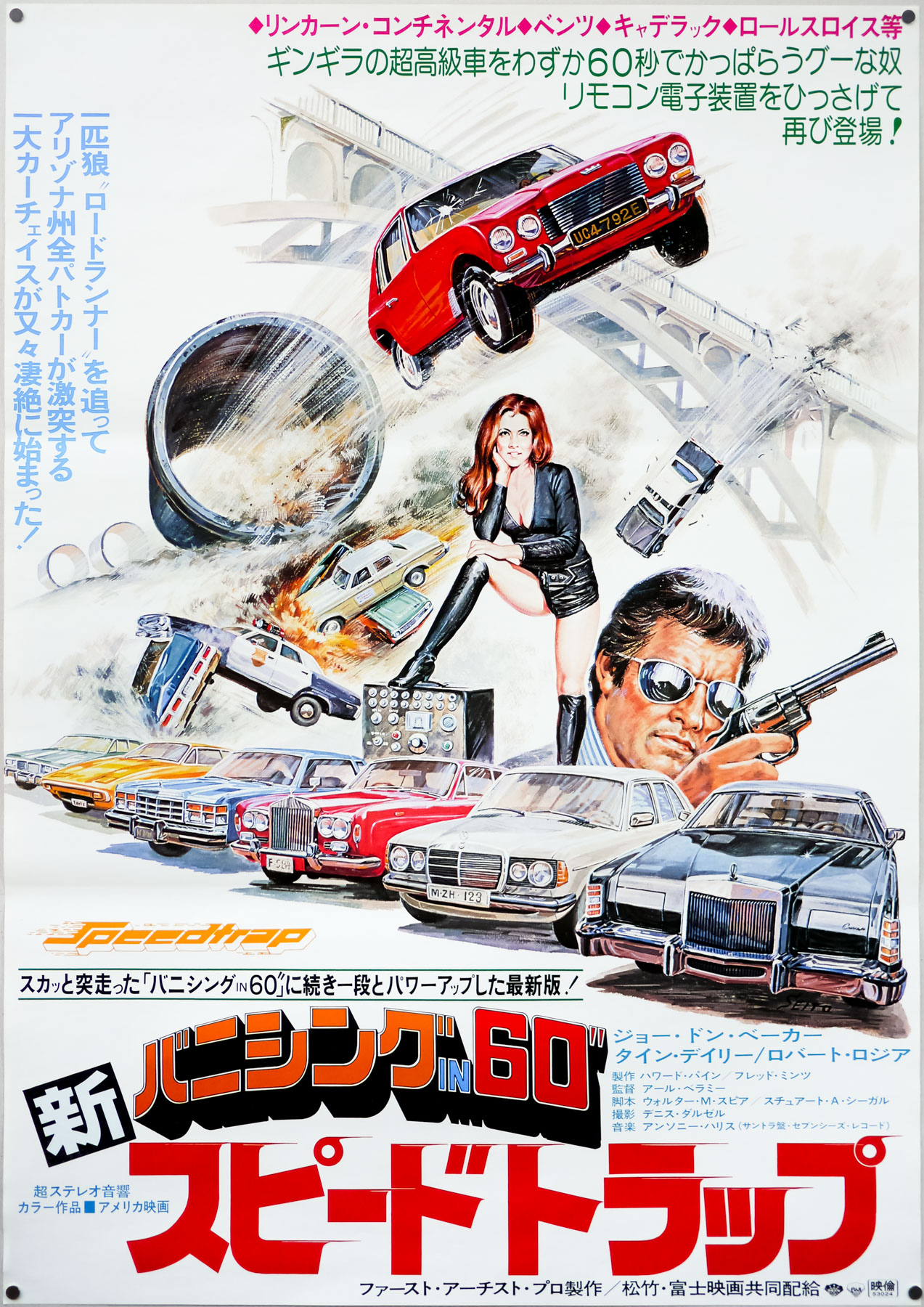
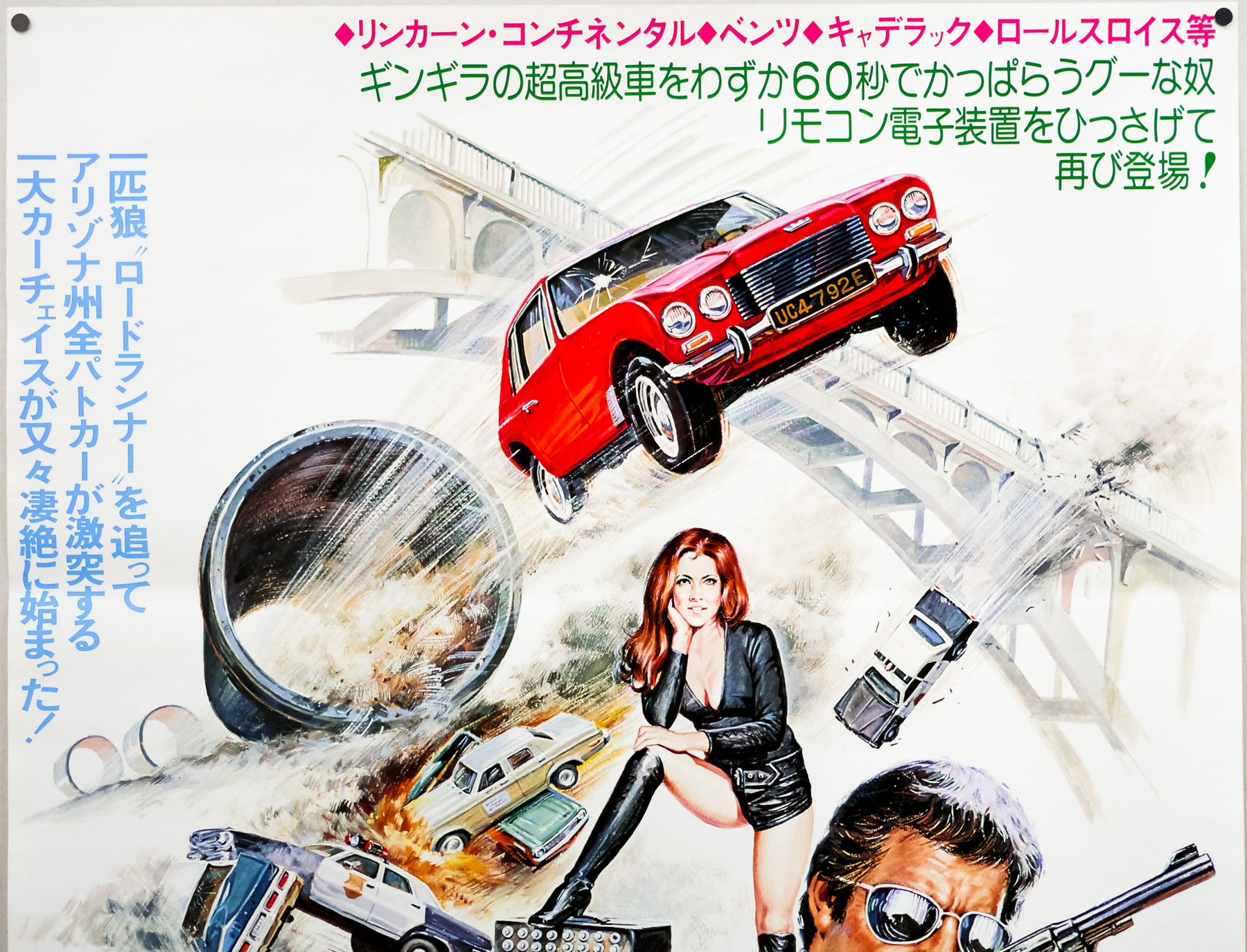
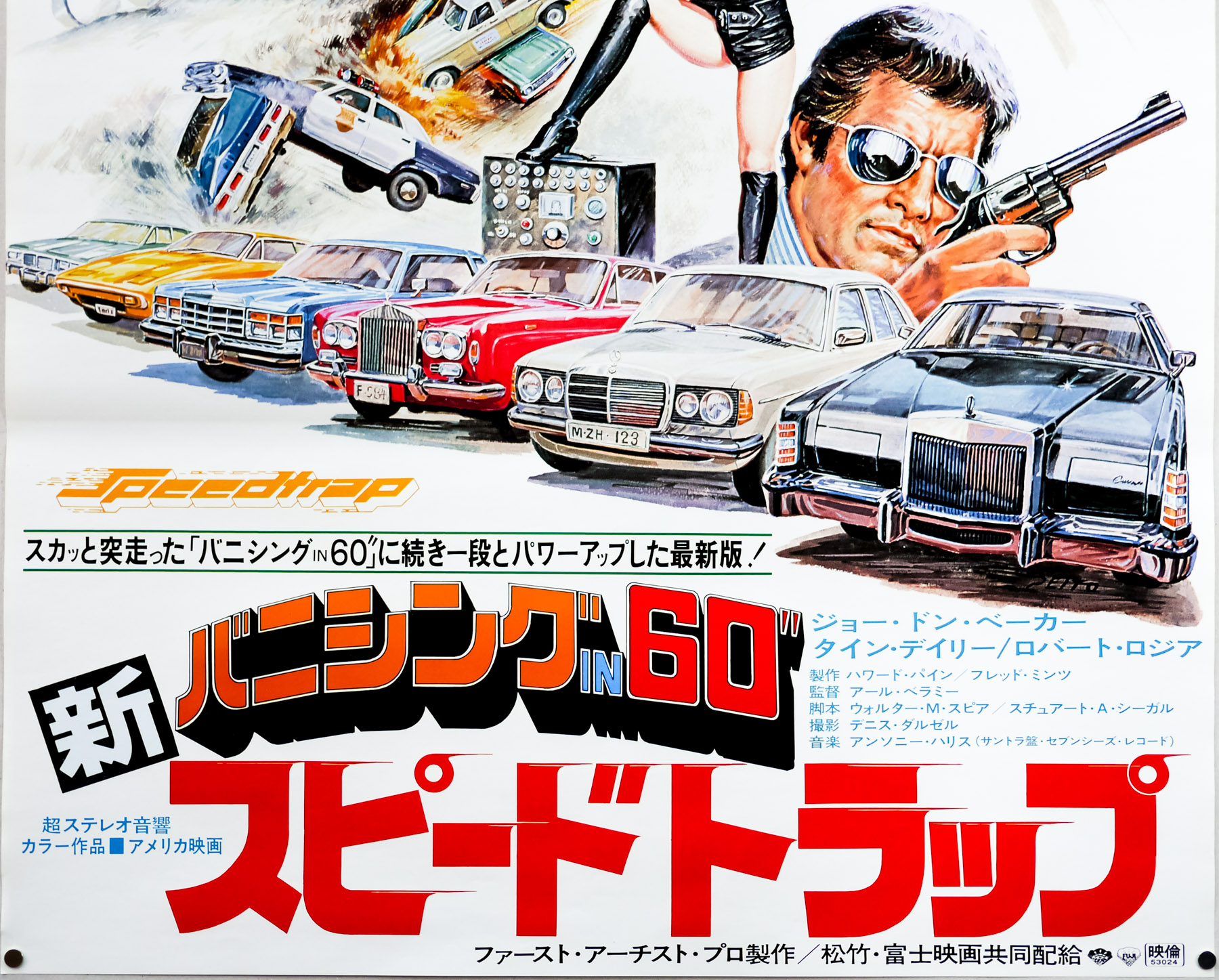
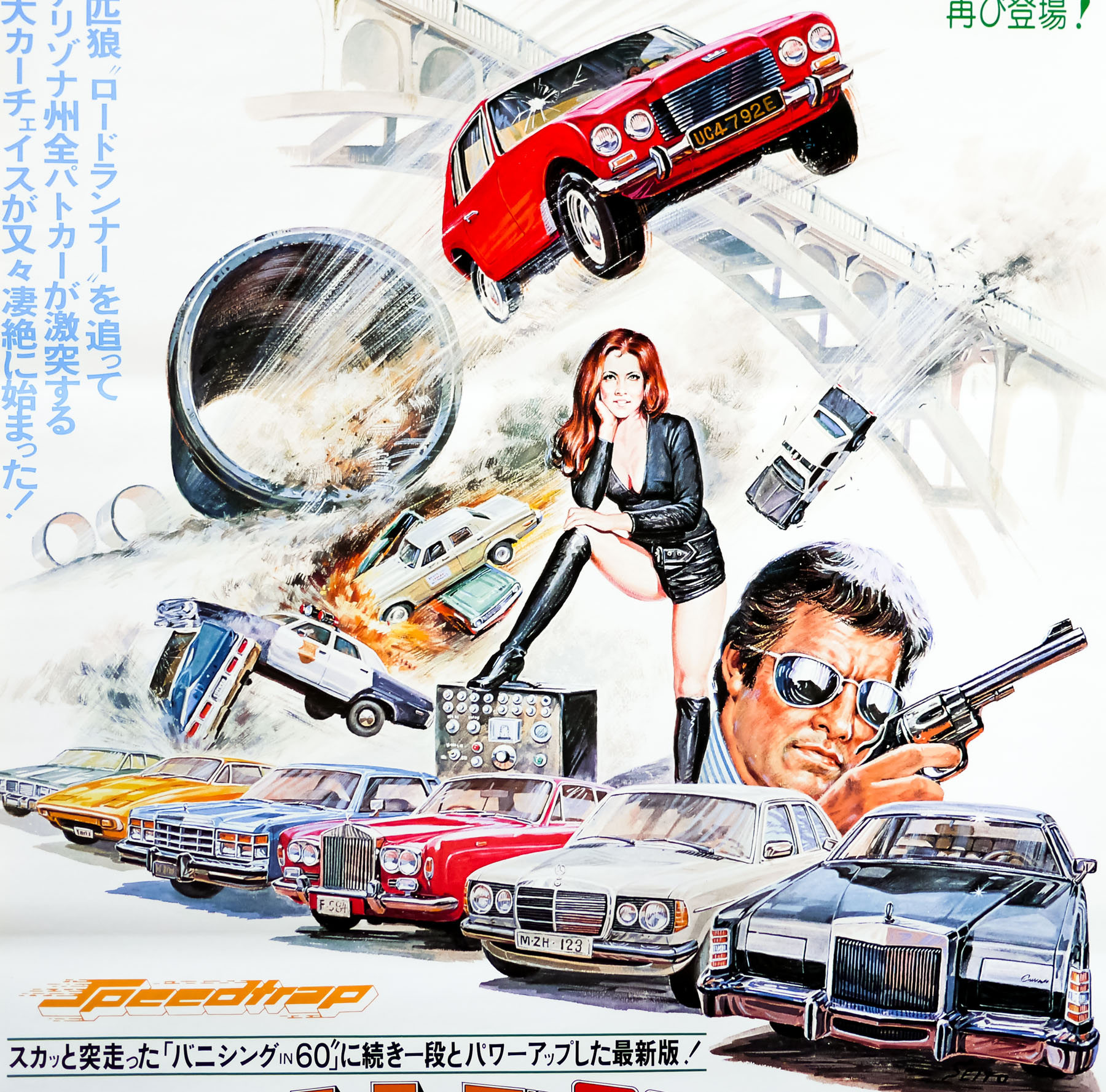
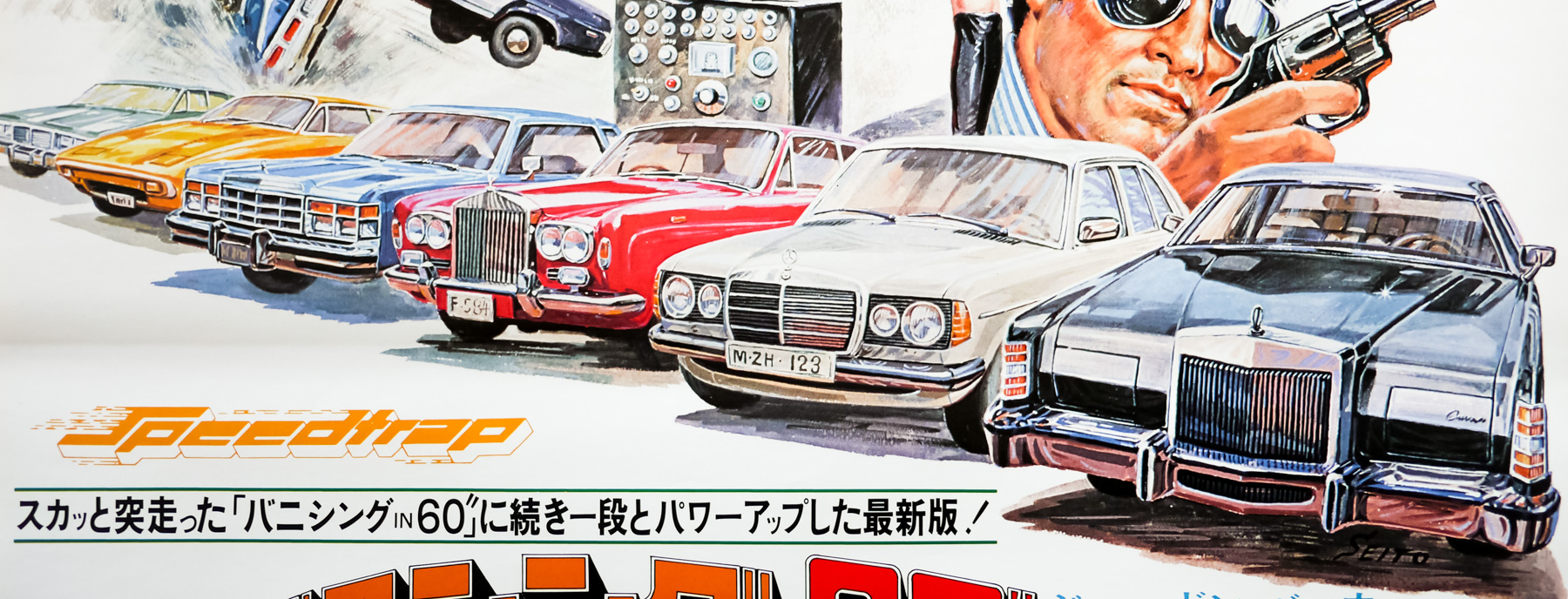
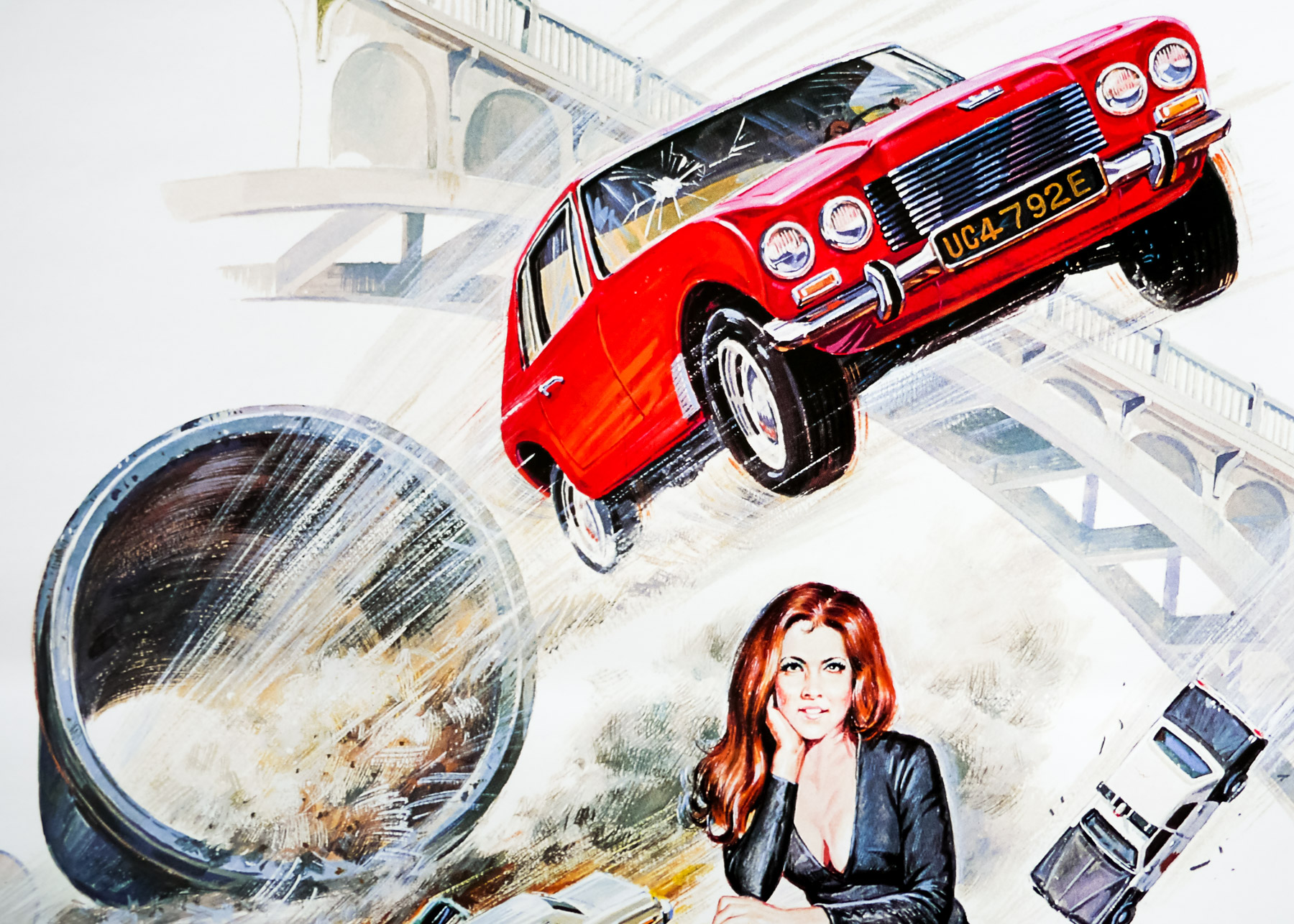
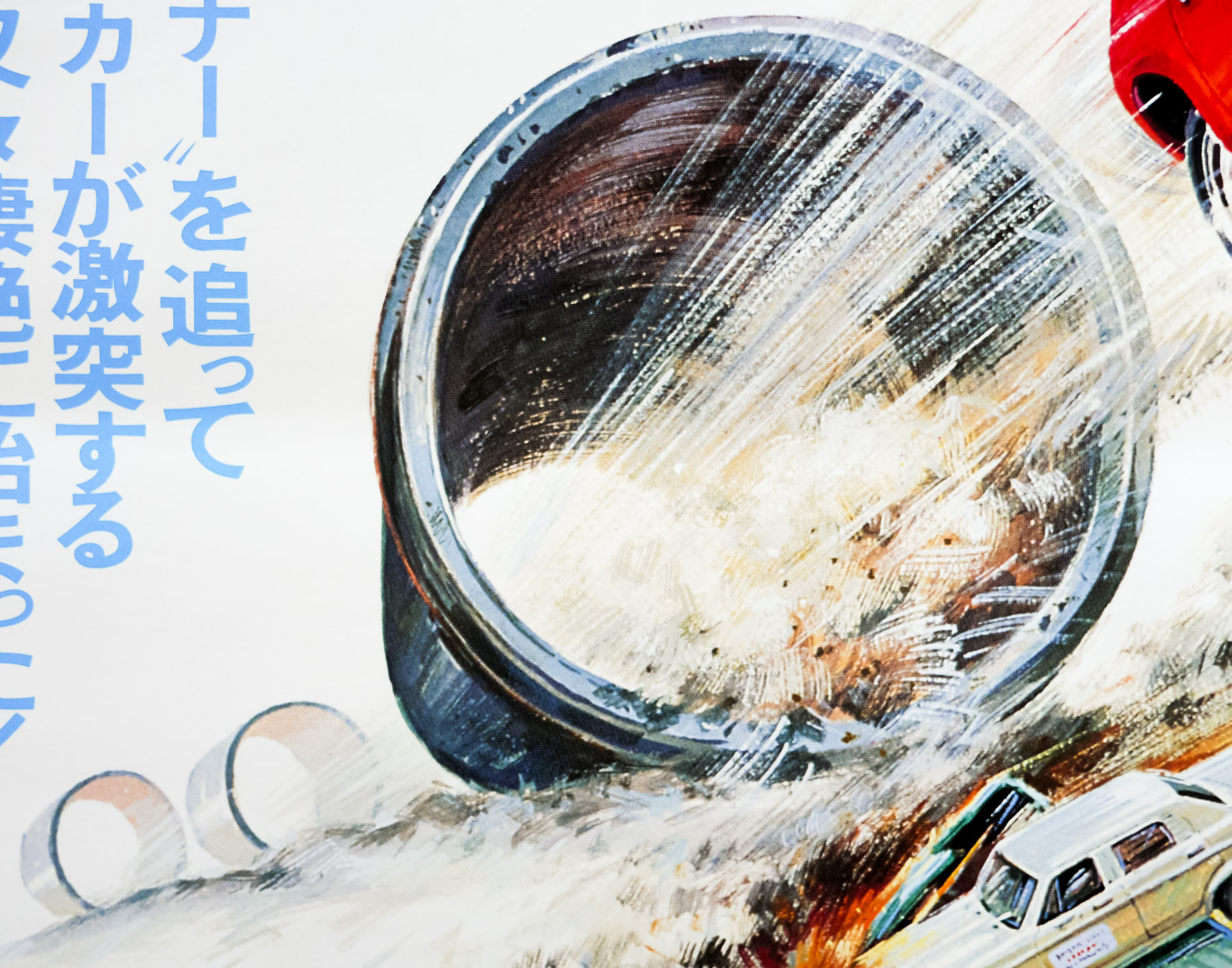
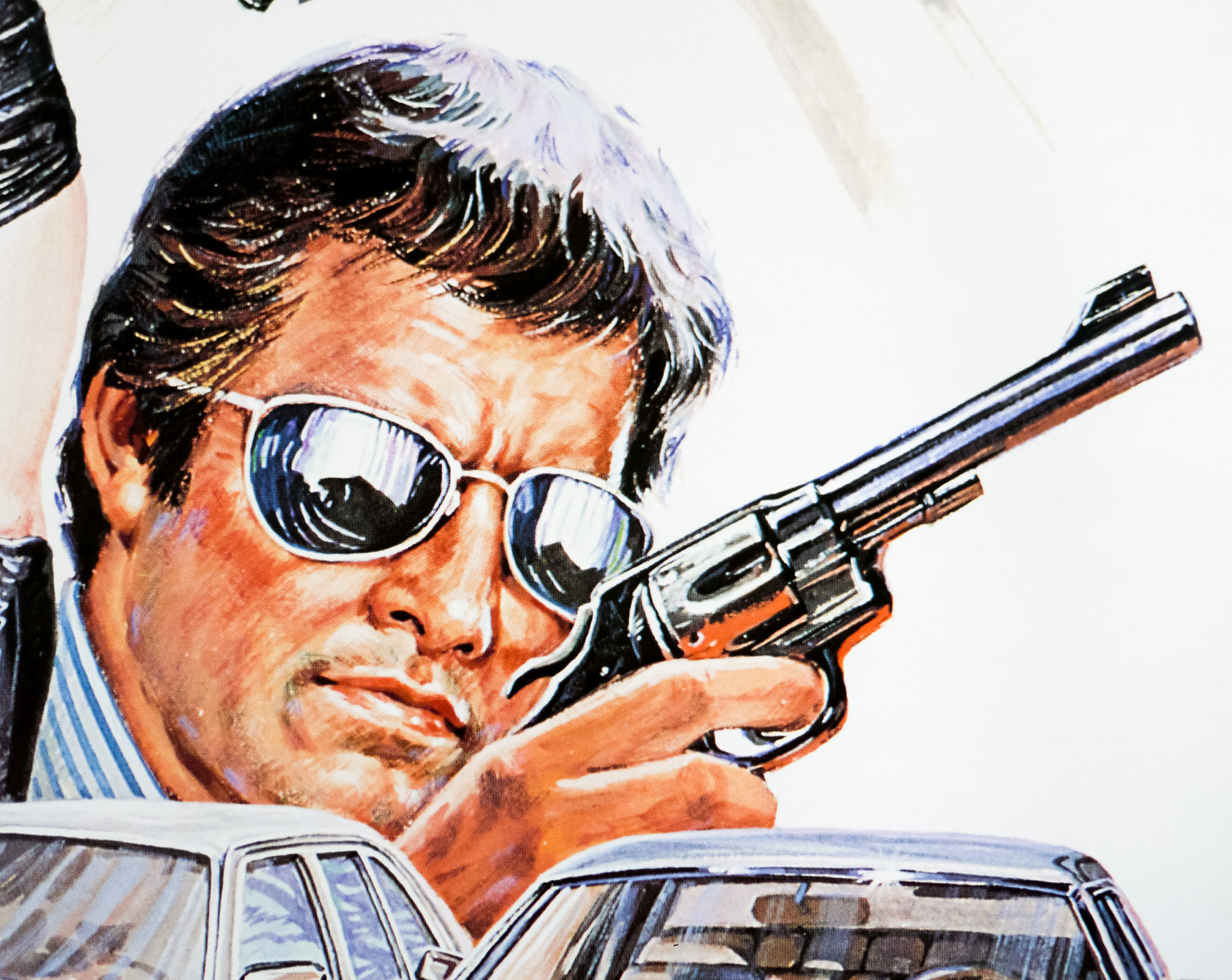
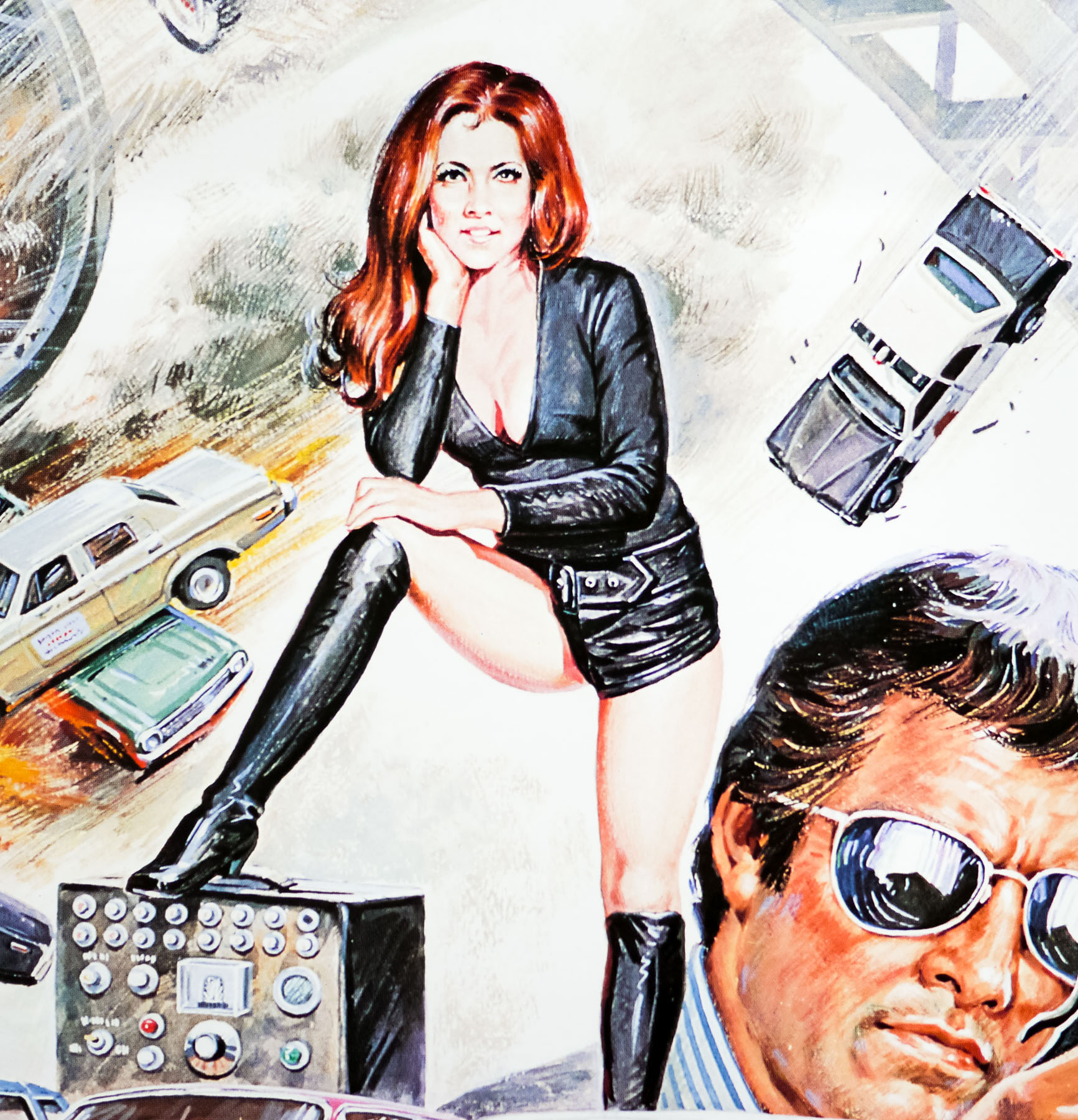
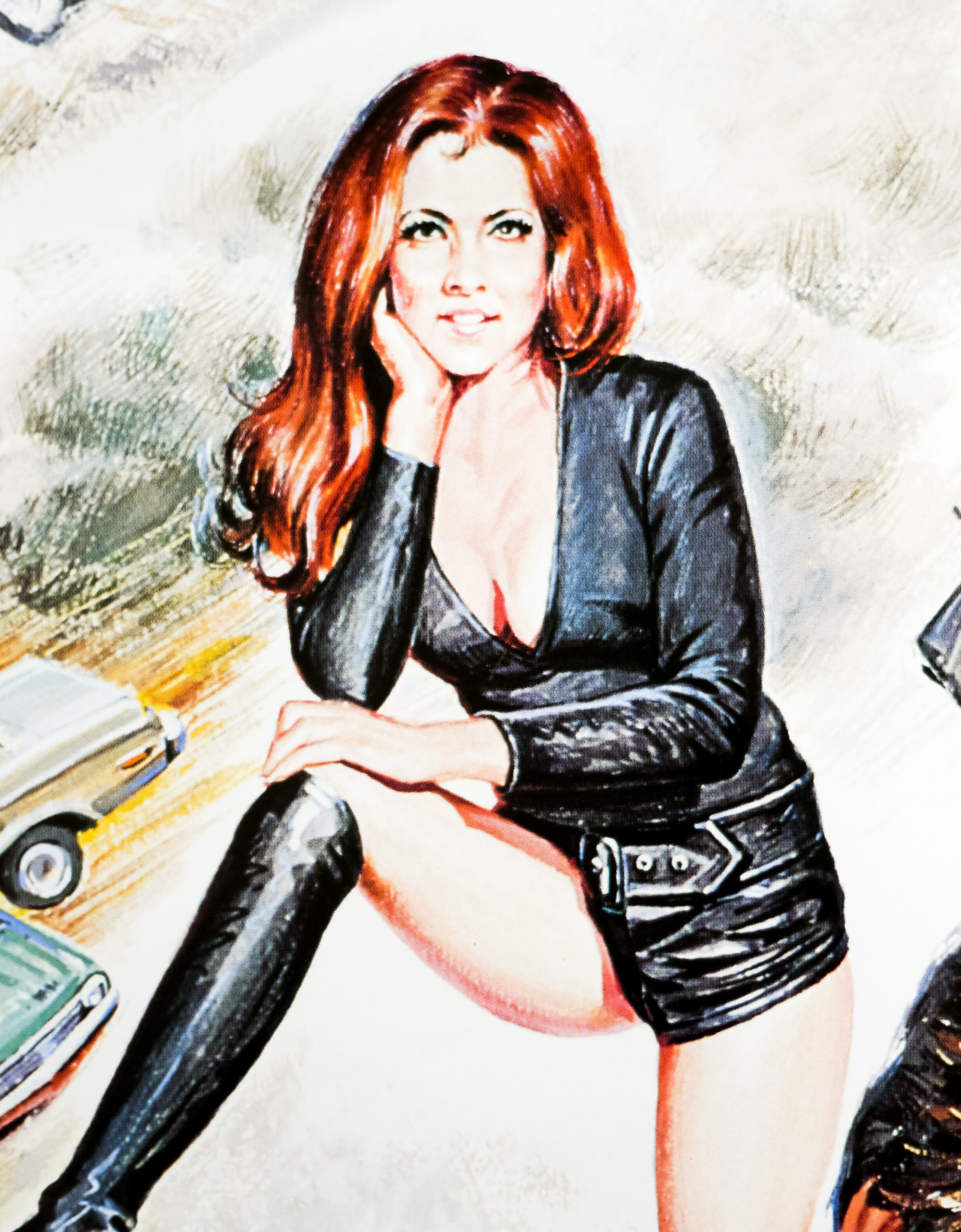
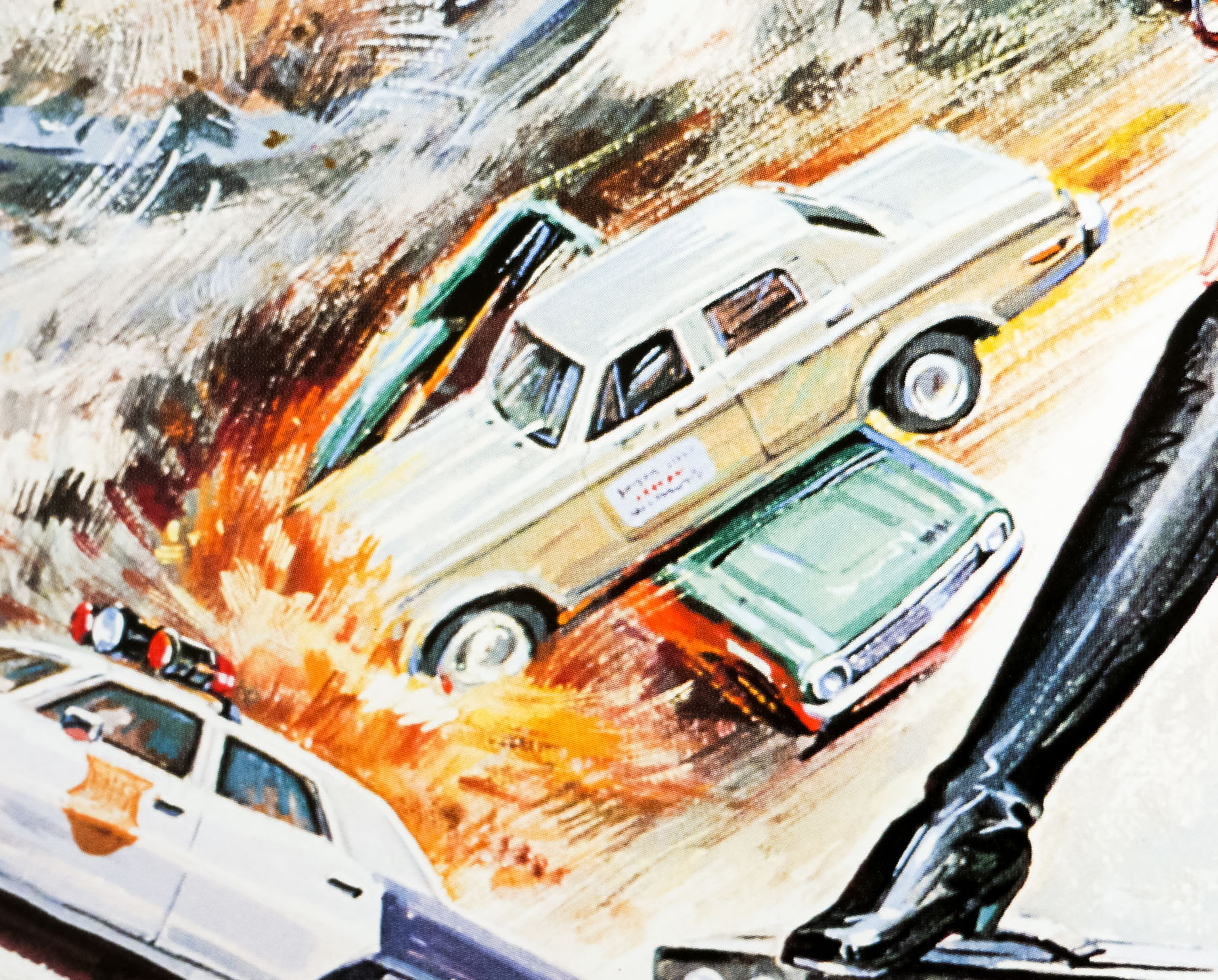
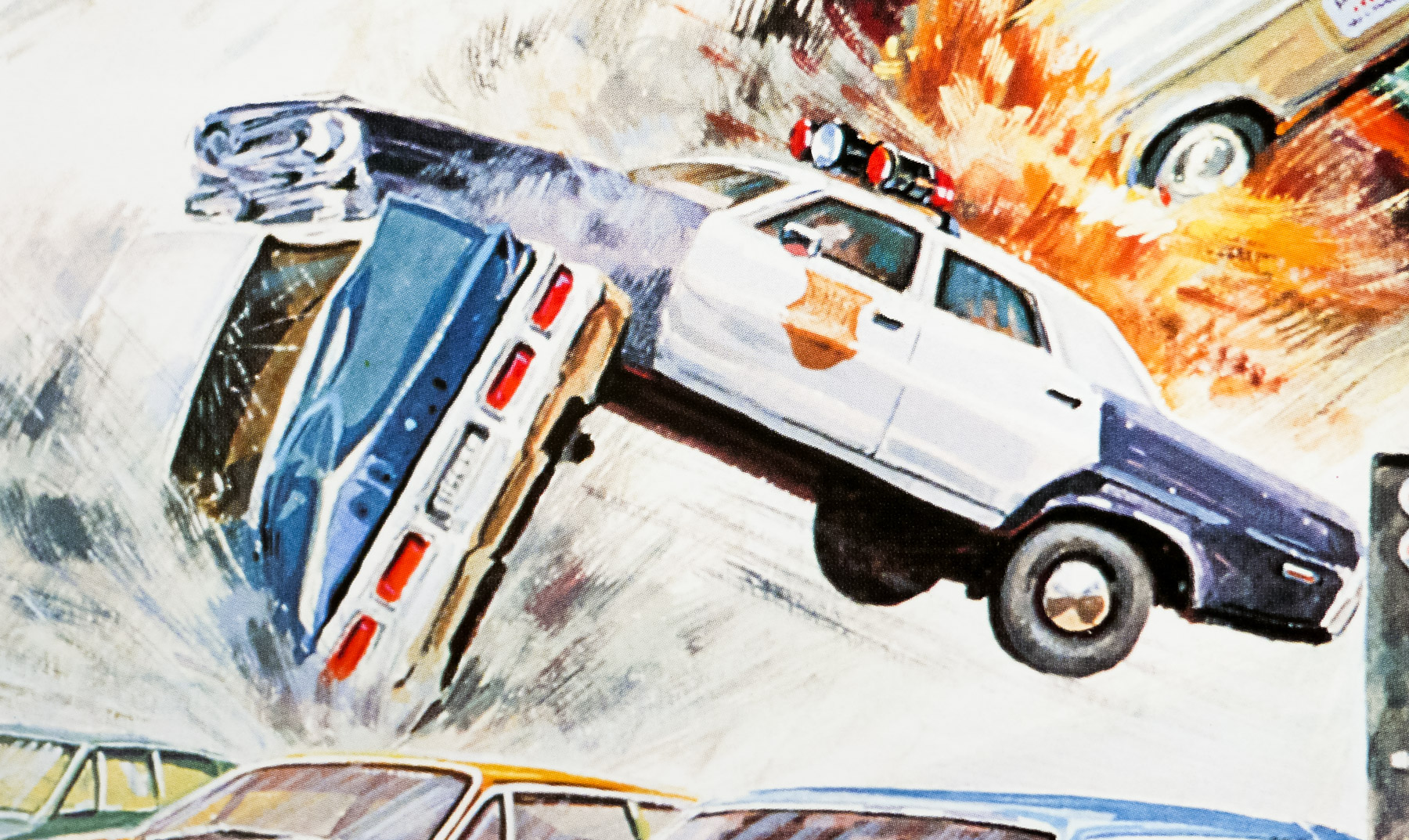
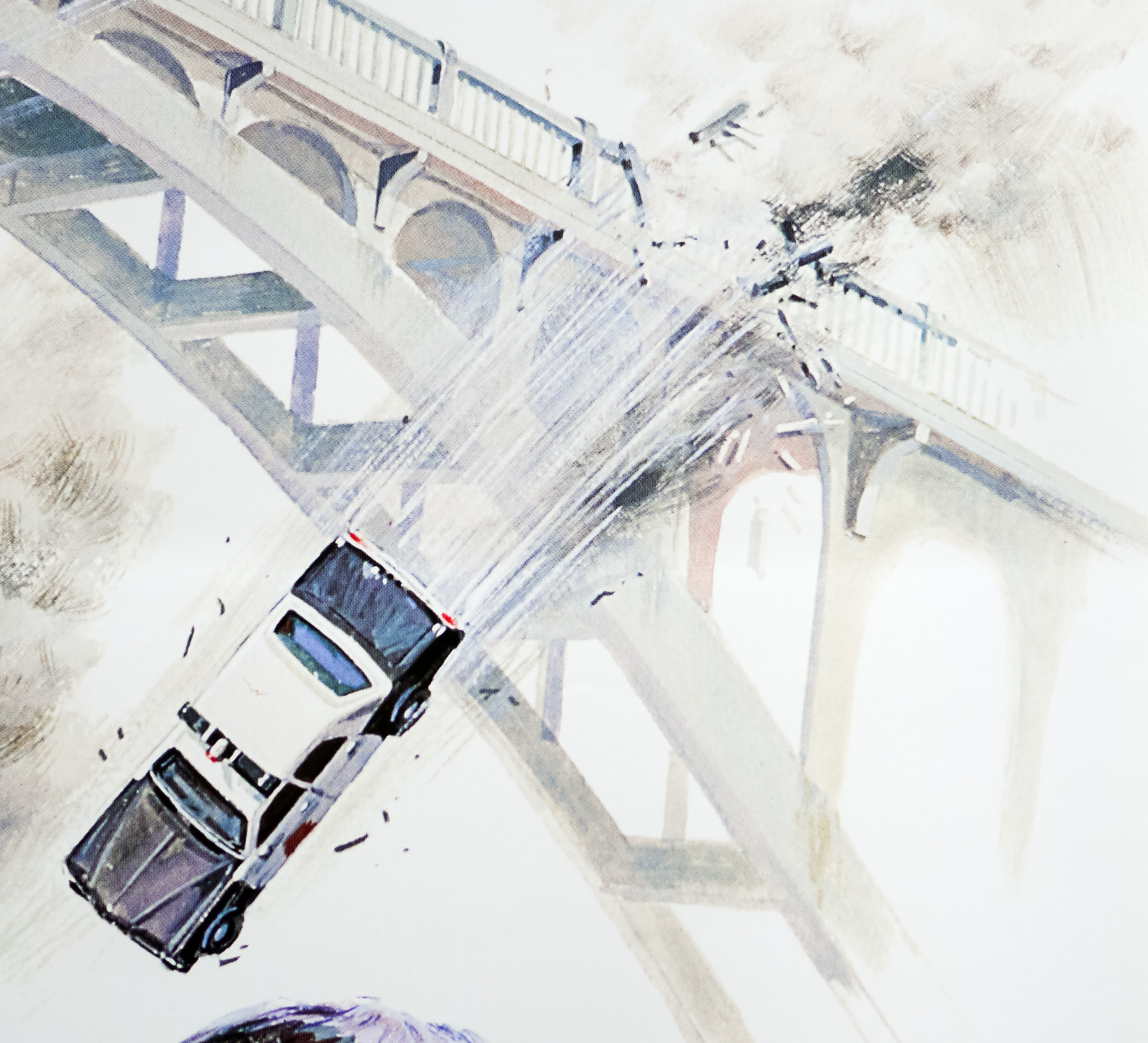
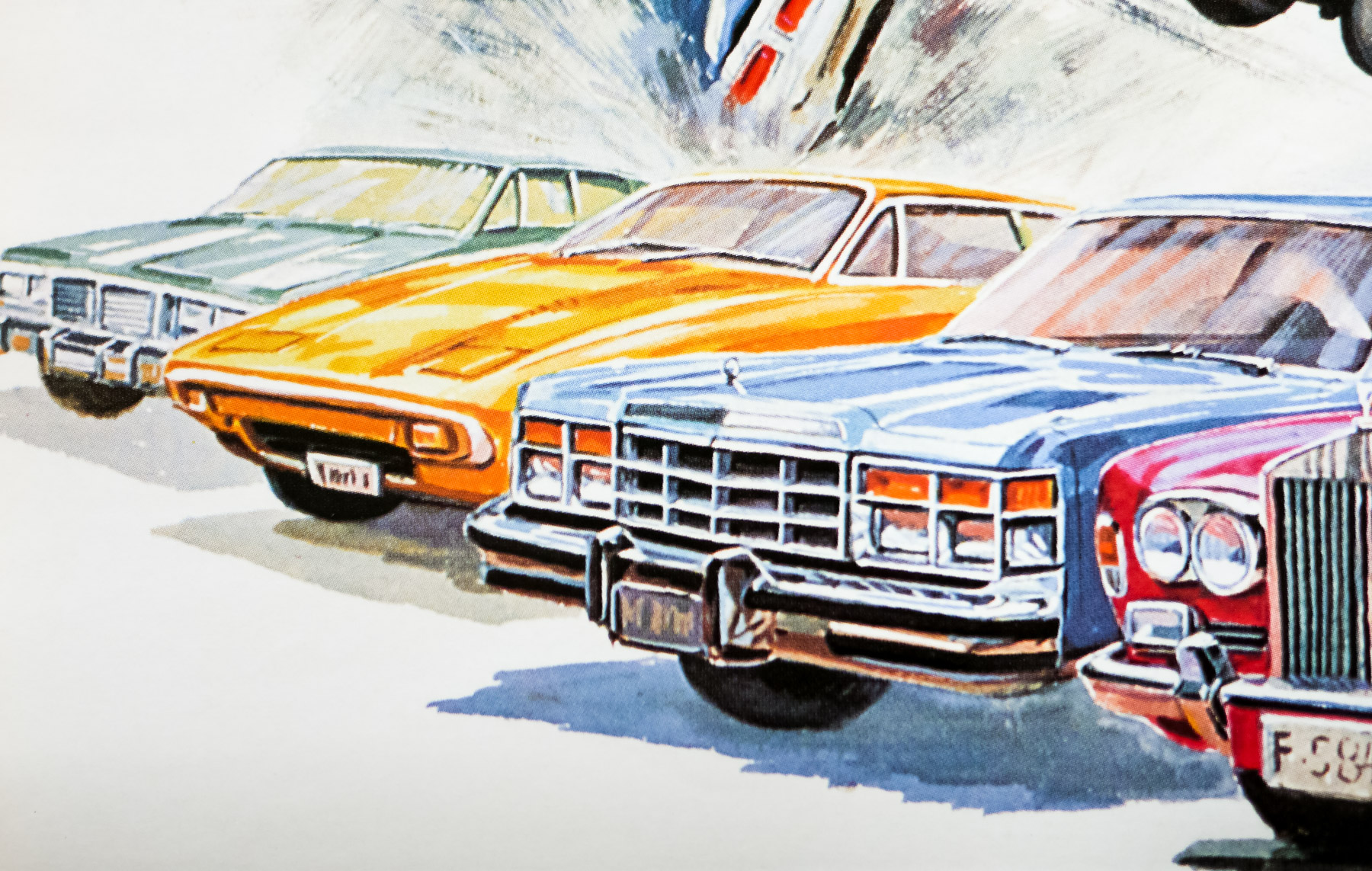
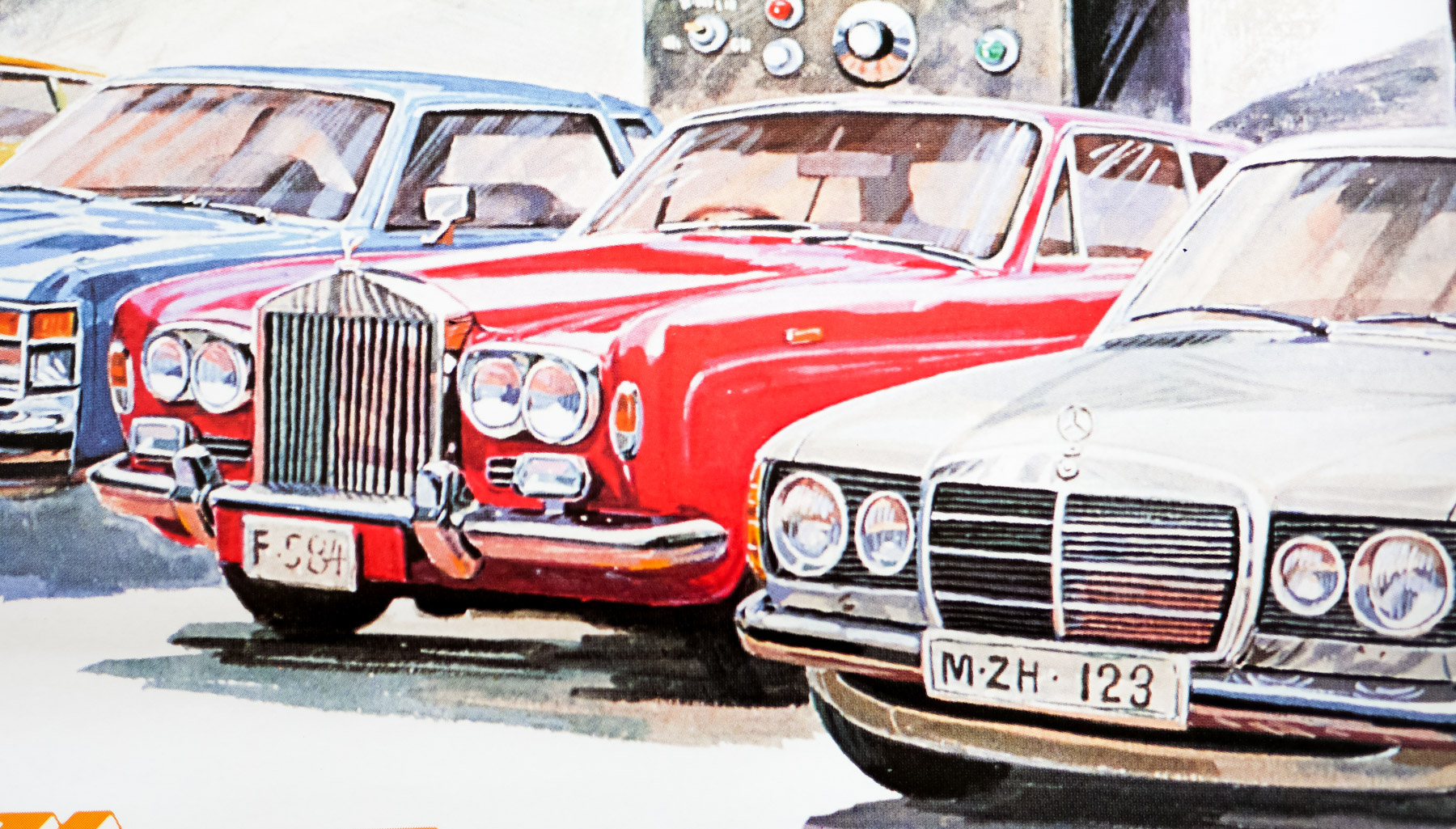
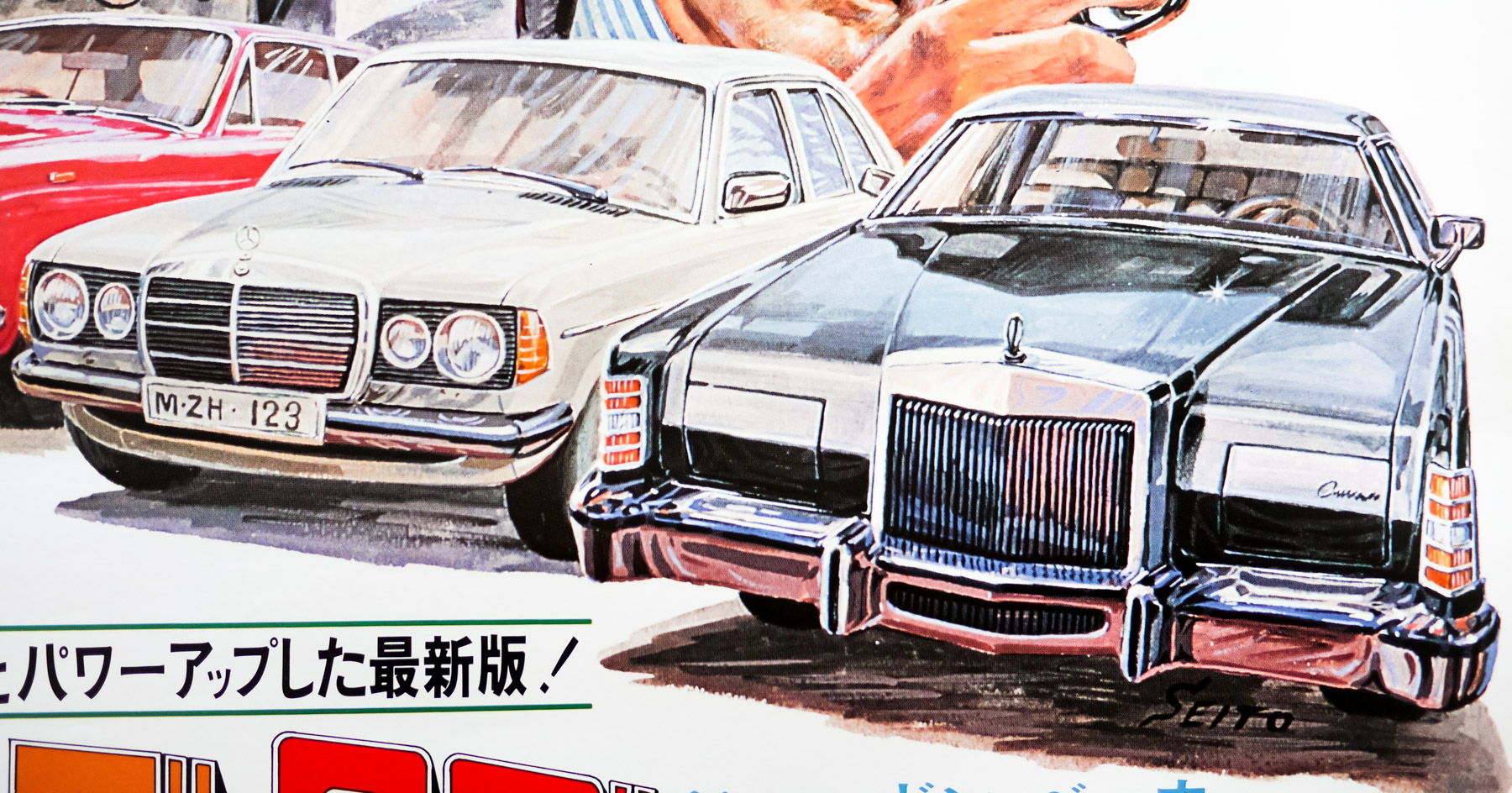
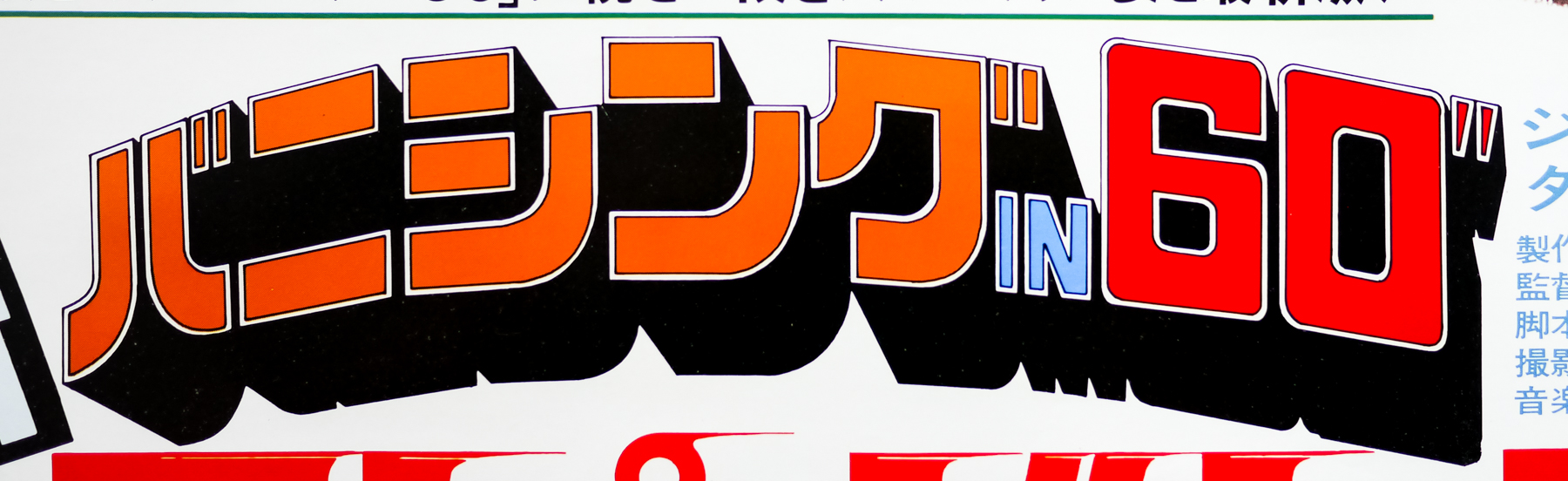
A highly detailed illustration graces this Japanese B2 for the release of Speedtrap, a little-seen automotive action flick that was made in the mould of the original Gone in 60 Seconds, which was released only a couple of years earlier – this poster even references the film (hence the ’60’ above the red title at the bottom). The story sees private eye Pete Novick, played by the respected character actor Joe Don Baker (best known for the original Walking Tall and several appearances in Brosnan-era Bond films), hired by an insurance company to track down the mysterious ‘Road Runner’ a master car thief responsible for the disappearance of hundreds of high-end automobiles.

After teaming up with an ex-girlfriend who also happens to be a police detective (Tyne Daly, who featured in The Enforcer), Novick sets his sights on the master criminal and goes all out to stop him striking again. Robert Loggia appears as a mafia boss who falls victim to the Road Runner when his drug-filled Rolls-Royce disappears.

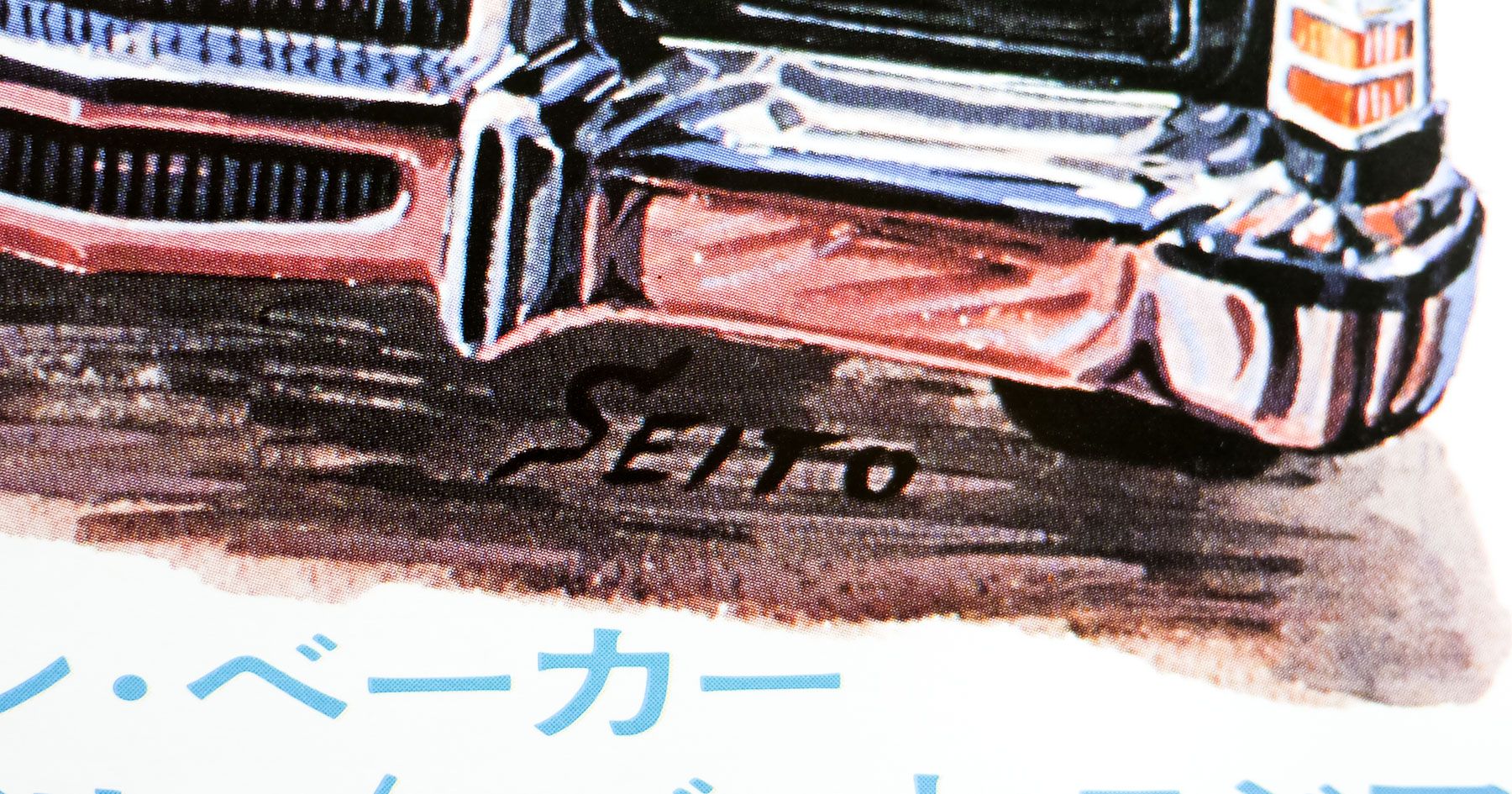
The exciting artwork is by Seito, one of my favourite Japanese artists, who was responsible for several fantastic illustrated posters during the 1970s and 1980s. Little is known about the man himself, even in his native country. Seito also worked on the original Japanese poster for the release of Gone in 60 Seconds, which I have in the collection and can be seen here.

To see the other posters I’ve collected by him click here.

Cannibal Apocalypse / B2 / Japan

03.10.13

Poster Poster
Title
Cannibal Apocalypse
AKA
Apocalypse domani [Apocalypse Tomorrow] (Italy - original title) | Invasion of the Fleshhunters (USA) | Virus (Spain)
Year of Film
1980
Director
Antonio Margheriti
Starring
John Saxon, Elizabeth Turner, Giovanni Lombardo Radice, Cinzia De Carolis, Tony King, Wallace Wilkinson, Ramiro Oliveros, John Geroson, May Heatherly
Origin of Film
Italy | Spain
Genre(s) of Film
John Saxon, Elizabeth Turner, Giovanni Lombardo Radice, Cinzia De Carolis, Tony King, Wallace Wilkinson, Ramiro Oliveros, John Geroson, May Heatherly,
Type of Poster
B2
Style of Poster
--
Origin of Poster
Japan
Year of Poster
1980
Designer
Unknown
Artist
Unknown
Size (inches)
20 6/16" x 28 13/16"
SS or DS
SS
Tagline
--

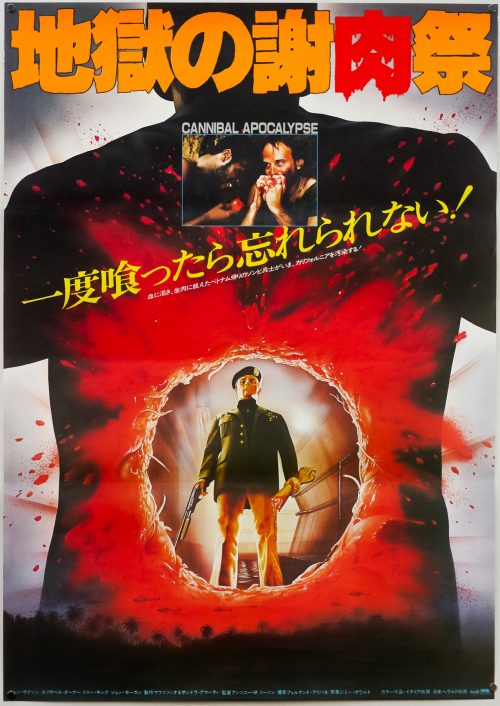
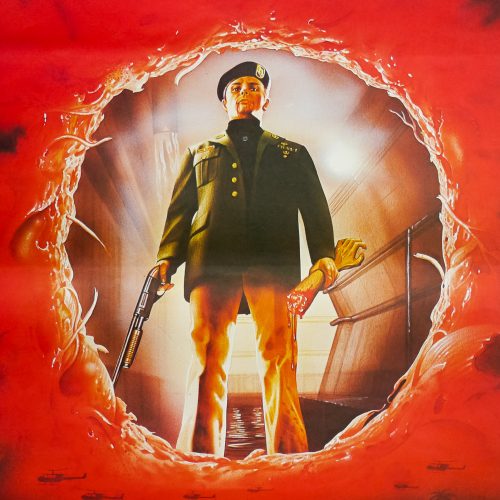
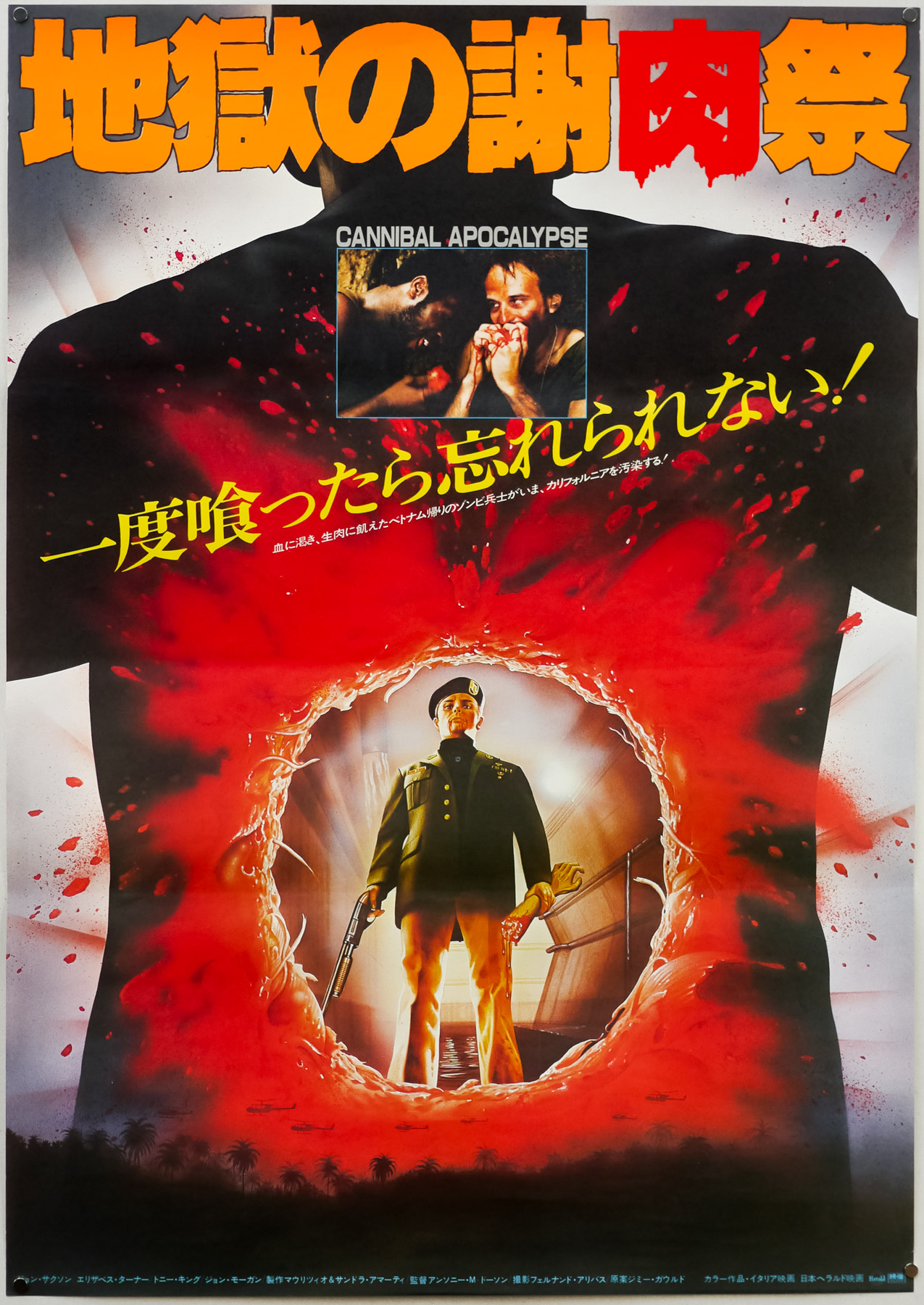
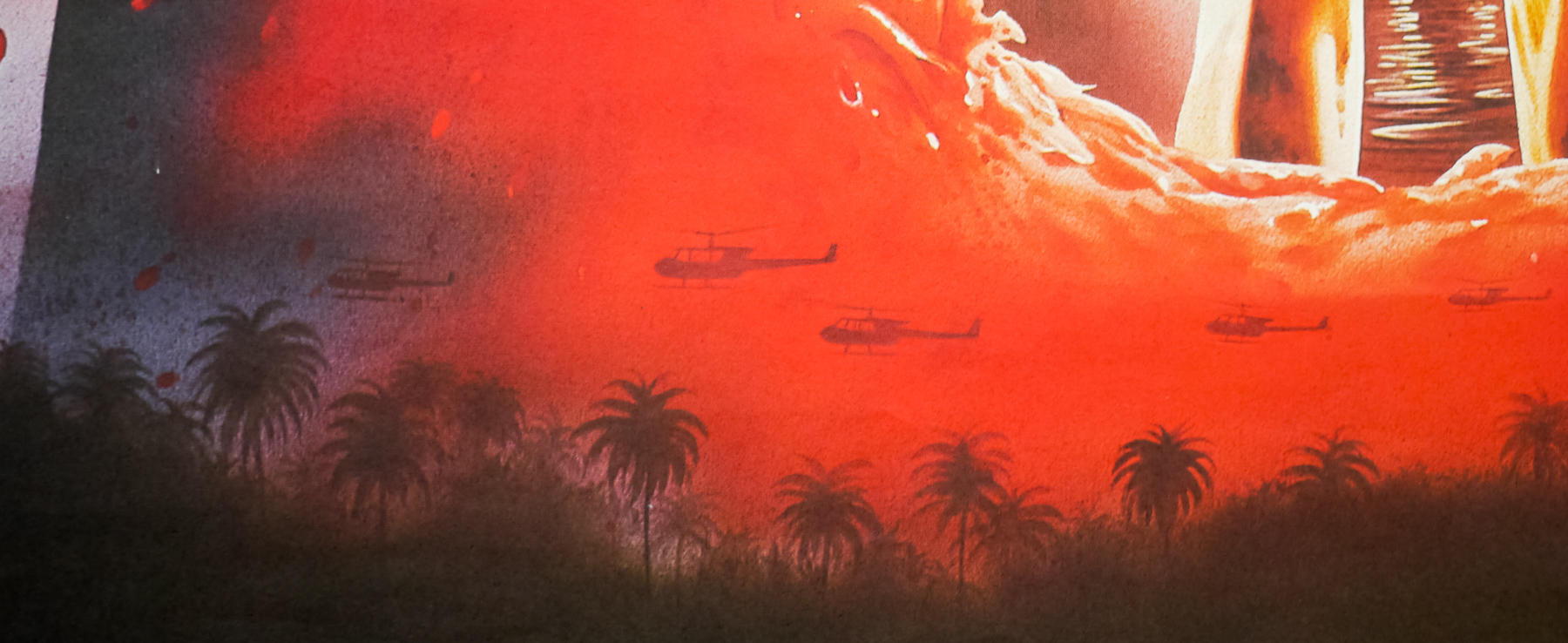
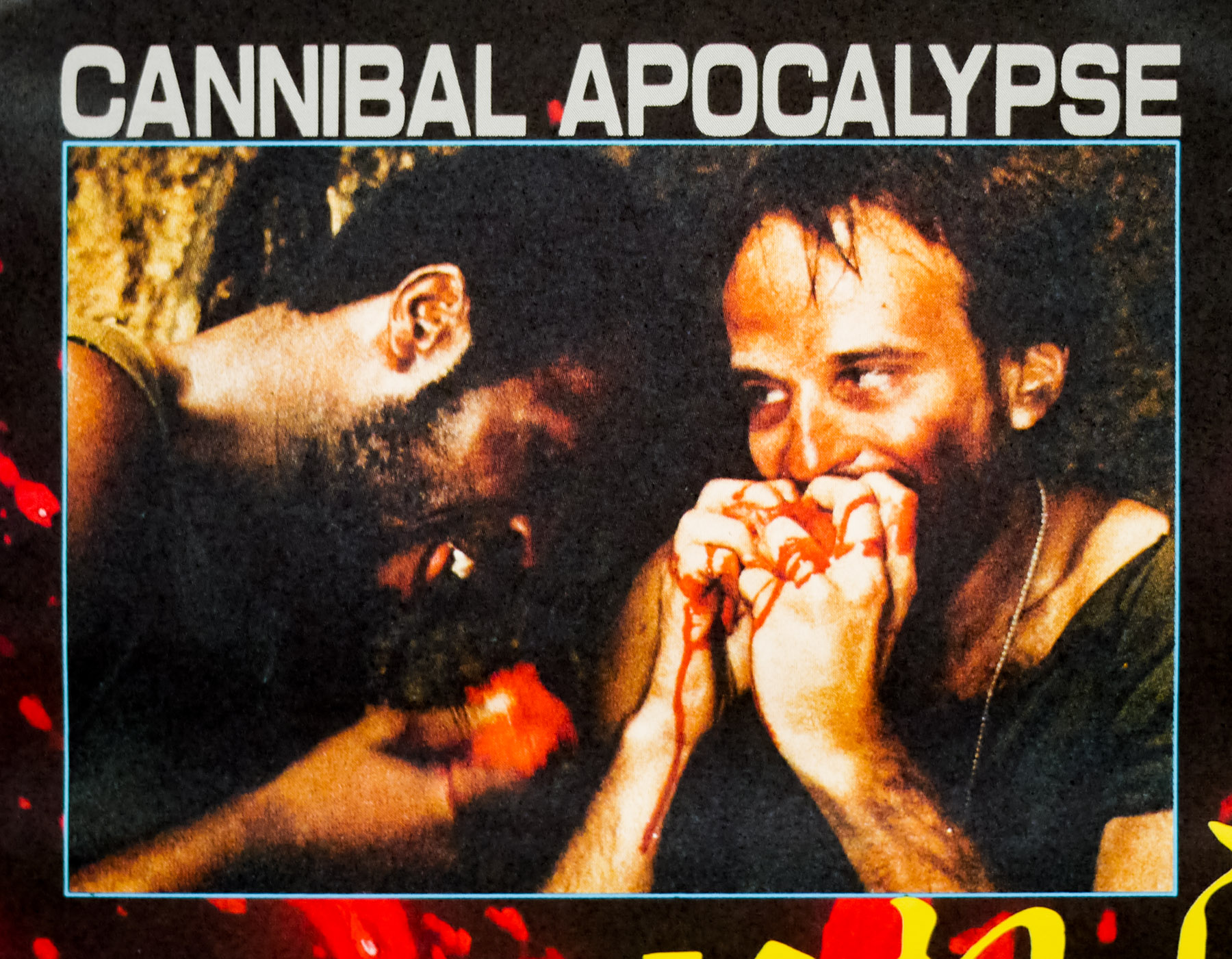
What would have been just another entry in the burgeoning cannibal and zombie sub-genres of horror made popular in the wake of the release of the low-budget but hugely profitable Zombie (1979), Cannibal Apocalypse took the standard formula and attempted to do something different. Prolific Italian director Antonio Margheriti, a veteran of several horror and westerns, including Horror Castle (1963) and Andy Warhol’s Frankenstein (1973), decided to capitalise on the recent popularity of Apocalypse Now (1979) and begin his screenplay in the jungles of the Vietnam war. The film’s key twist on the typical zombie formula is that the cannibalistic killers are not dead but infected with a virus that turns them into flesh-eaters.

Featuring genre stalwart John Saxon, who has apparently since tried to distance himself from the film, the story begins with Saxon’s American sergeant Norman Hopper attempting to rescue two fellow soldiers, Bukowski (Giovanni Lombardo Radice) and Tom (Tony King), who have been taken captive by the Vietcong and are being kept in a pit. When he attempts to pull them to safety, the soldiers attack and bite Hopper, much to his confusion. Nevertheless the pair are rescued and returned to America. Several years later, Hopper is back in the States and suffering from flashbacks to the horrors of Vietnam when he receives a call to ask for his help in tracking down Bukowski who has escaped from a mental asylum and is on a murderous rampage. After cornering him in a department store, with help from the police and a biker gang, Hopper manages to persuade Bukowski back into custody, but not before he is informed that he is also infected with the same, (oddly) slow-progressing cannibal virus that the two soldiers caught back in the jungle. Before long, Hopper finds himself succumbing to cannibalistic desires and the real carnage begins.

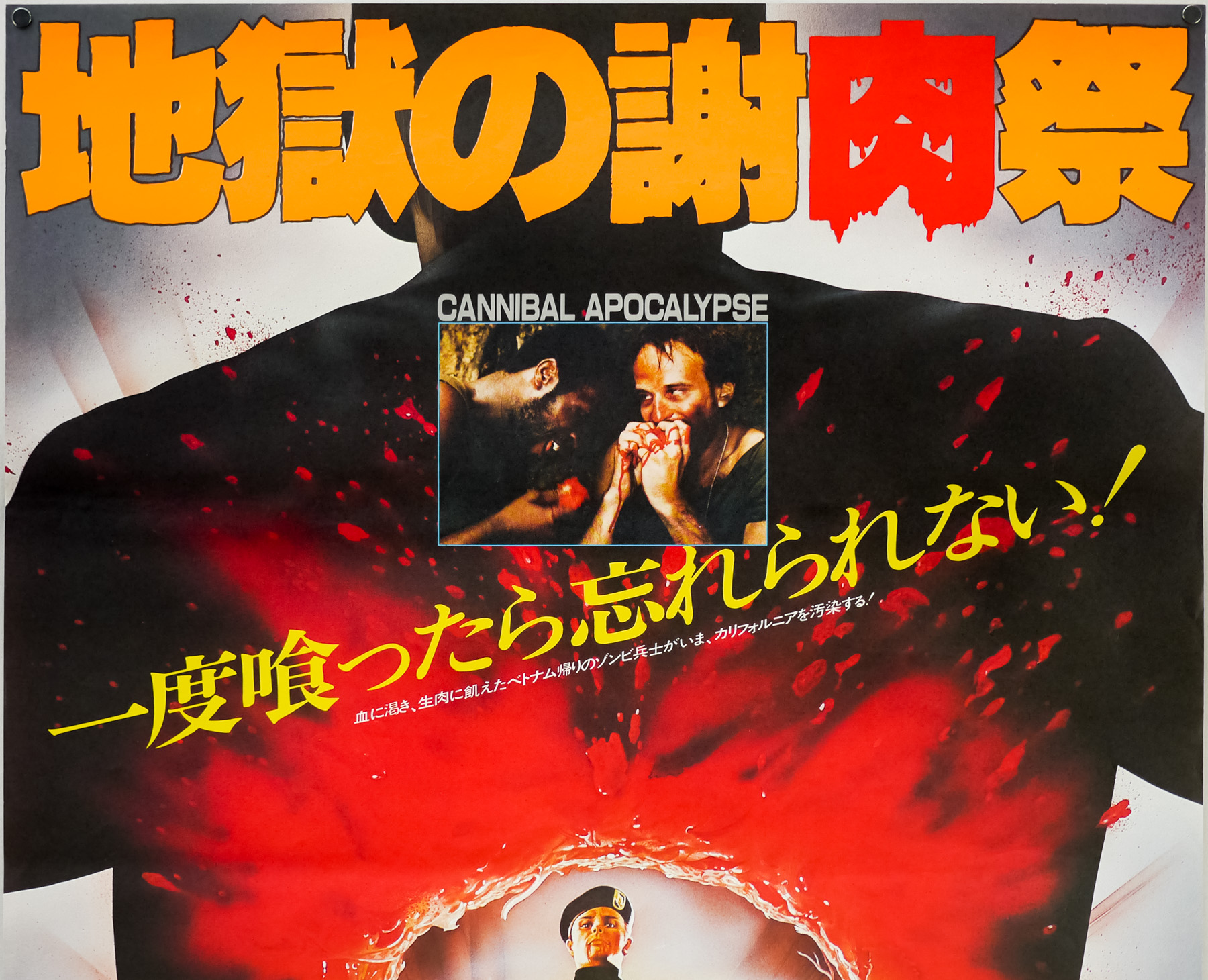
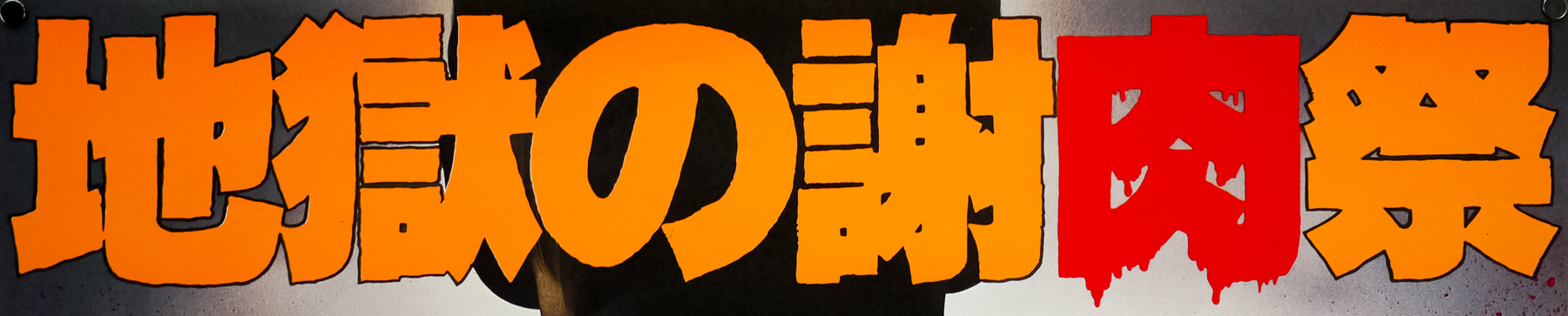
This is the B2 poster for the Japanese cinema release in 1980. The zombie and cannibal genres were particularly popular in the country at that time and many films were given a cinematic release in Japan that went straight to video (or would be released several years later) in countries like the UK. In the case of Cannibal Apocalypse, the film was given a limited release in the US as Cannibal Massacre in 1981 with an ‘X’ rating, withdrawn and then re-released in 1983 in a heavily edited form, retitled as Invasion of the Fleshhunters. As far as I’m aware the film was never given a cinema showing in the UK and the eventual VHS release fell foul of the ridiculous video nasties situation and was banned from shelves. It took over 20 years before the film was made legally available again to British fans.

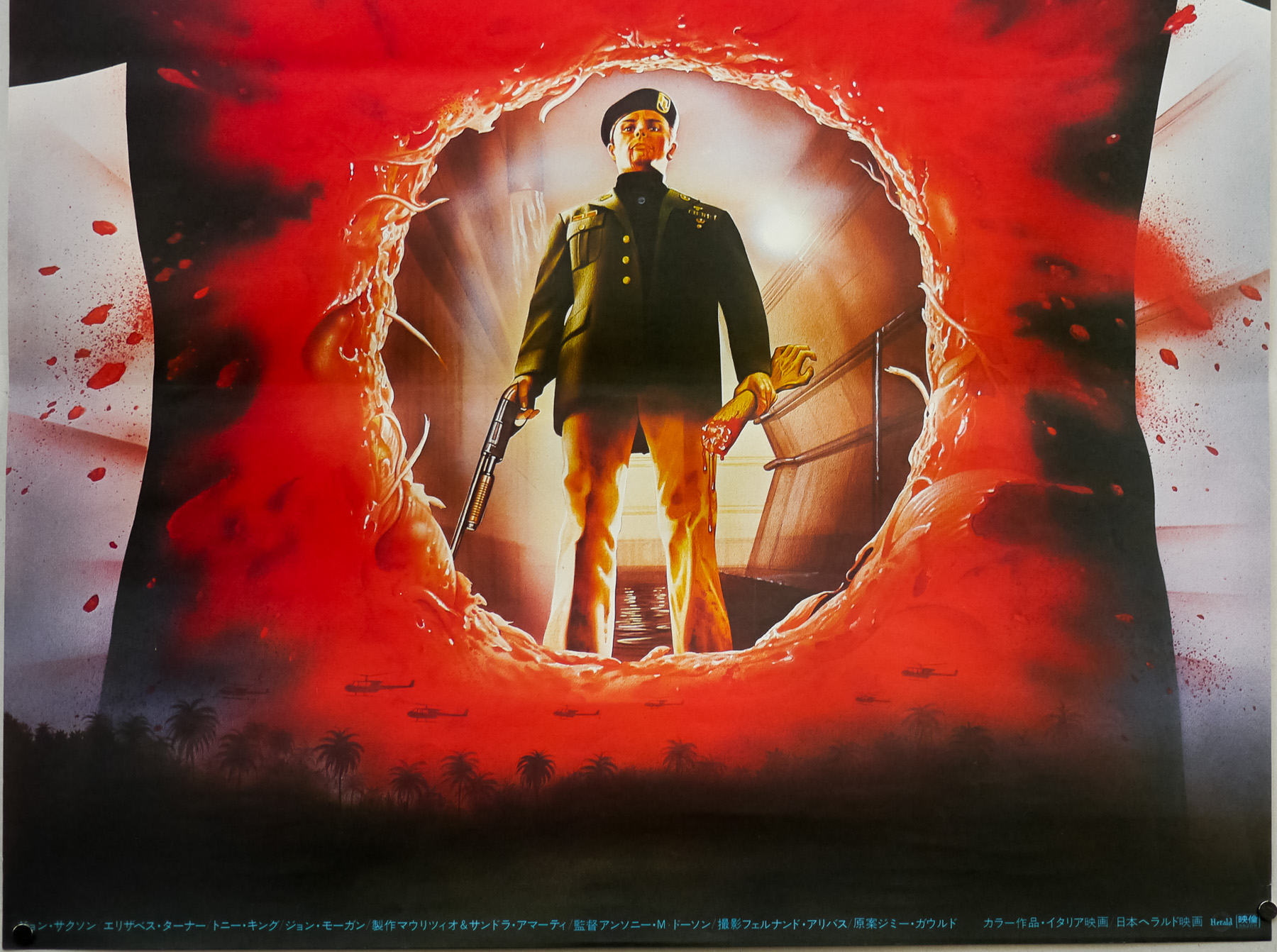
I’m unsure who is responsible for this unique artwork so please get in touch if you have any ideas.

The full film is available to watch on YouTube, should you wish to get your fill of cannibal fun.

Diamonds are Forever / B2 / Japan

15.11.13

Poster Poster

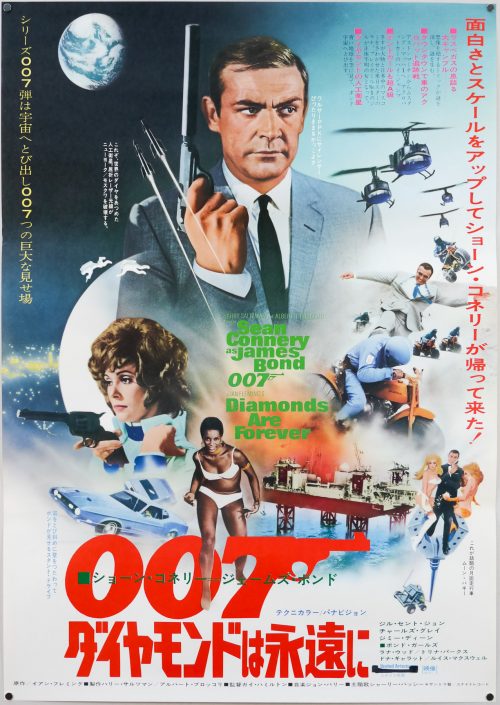
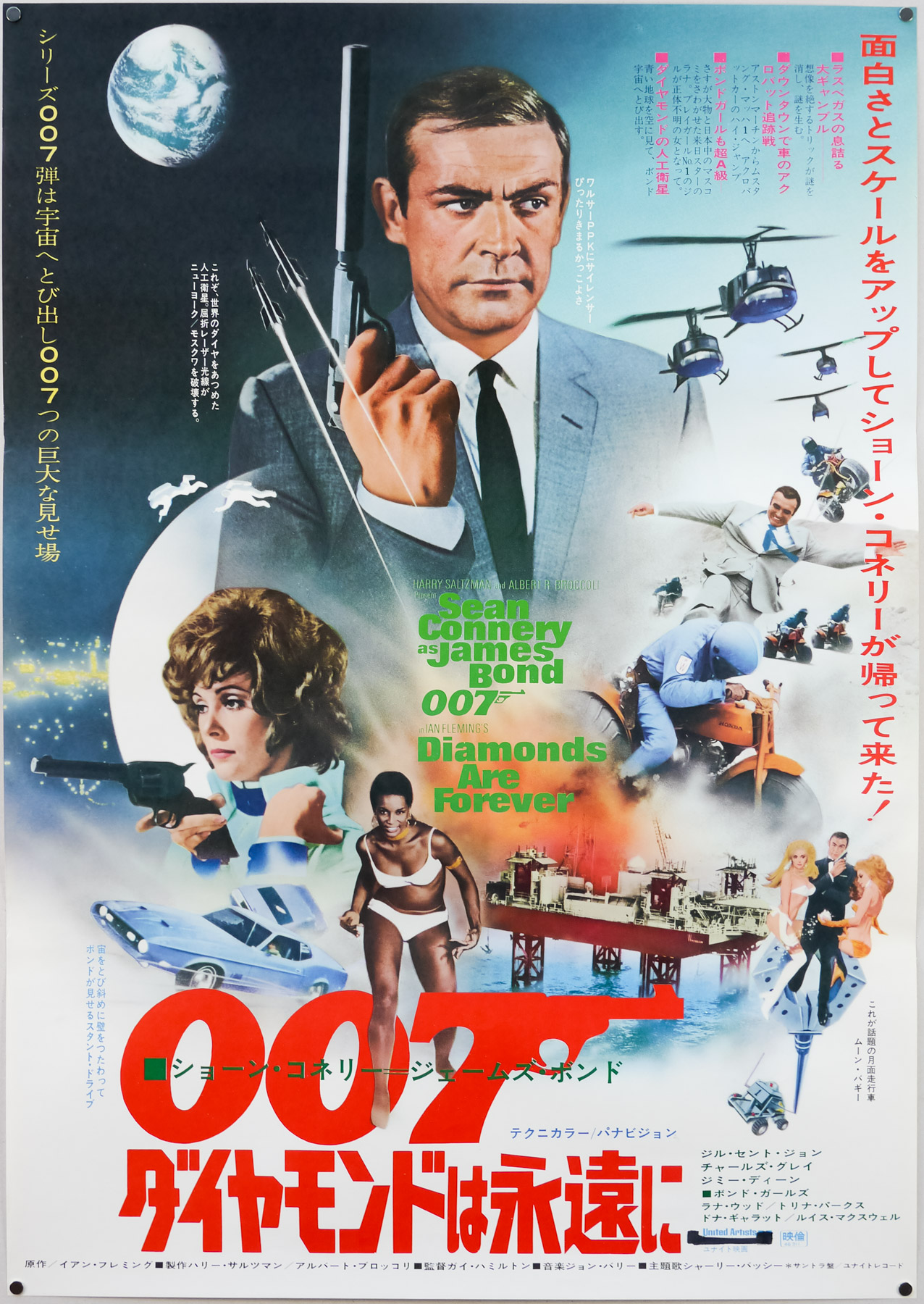
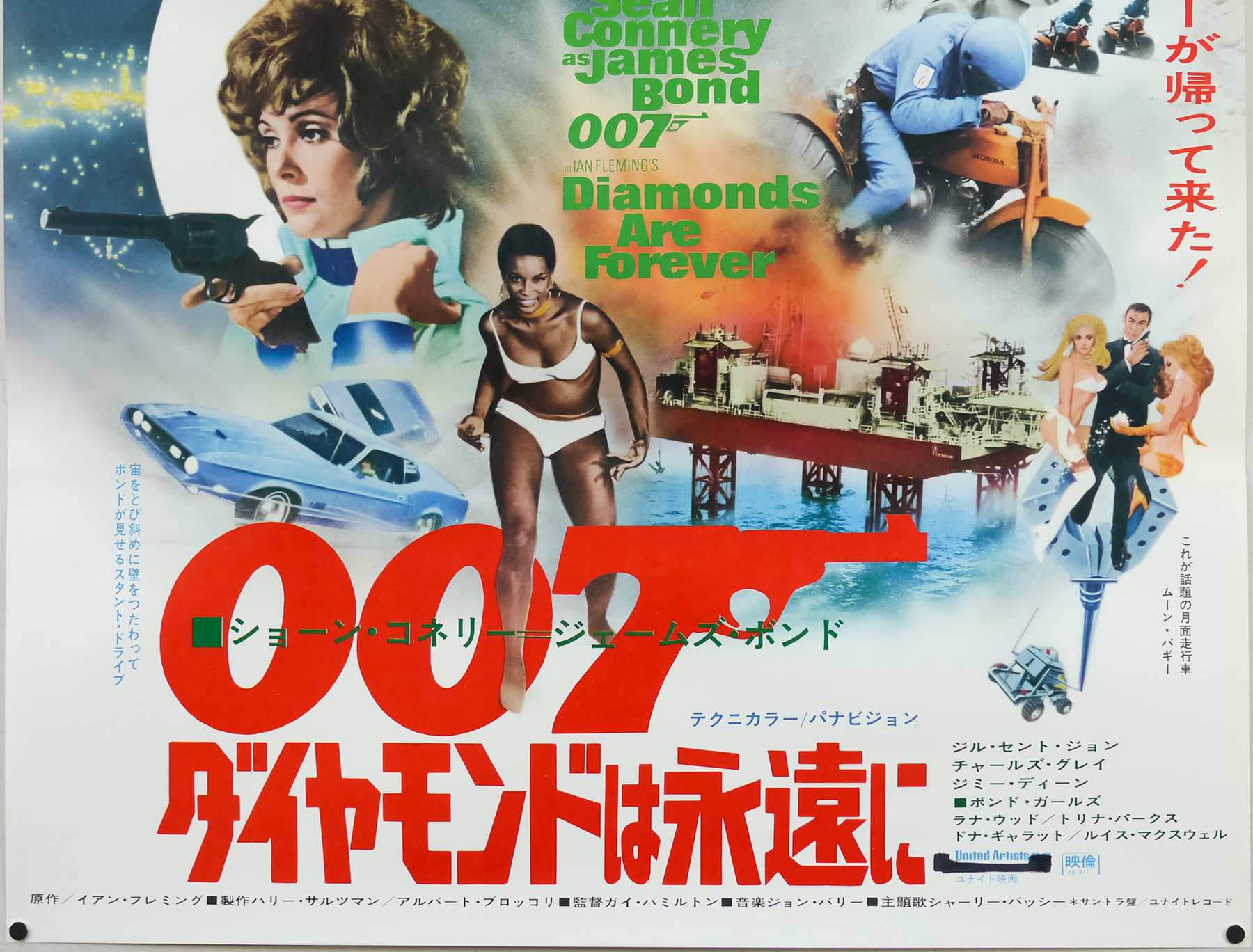
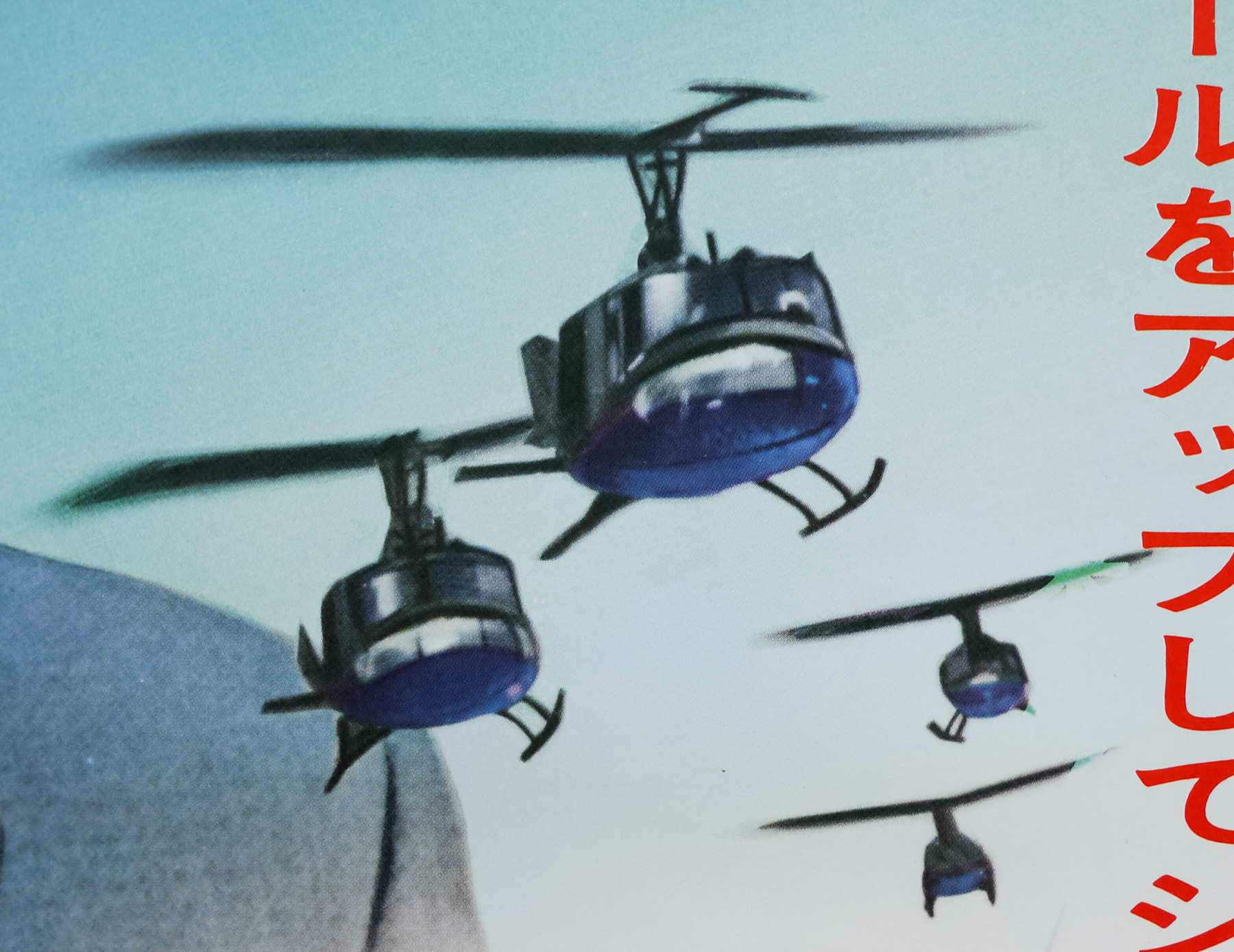
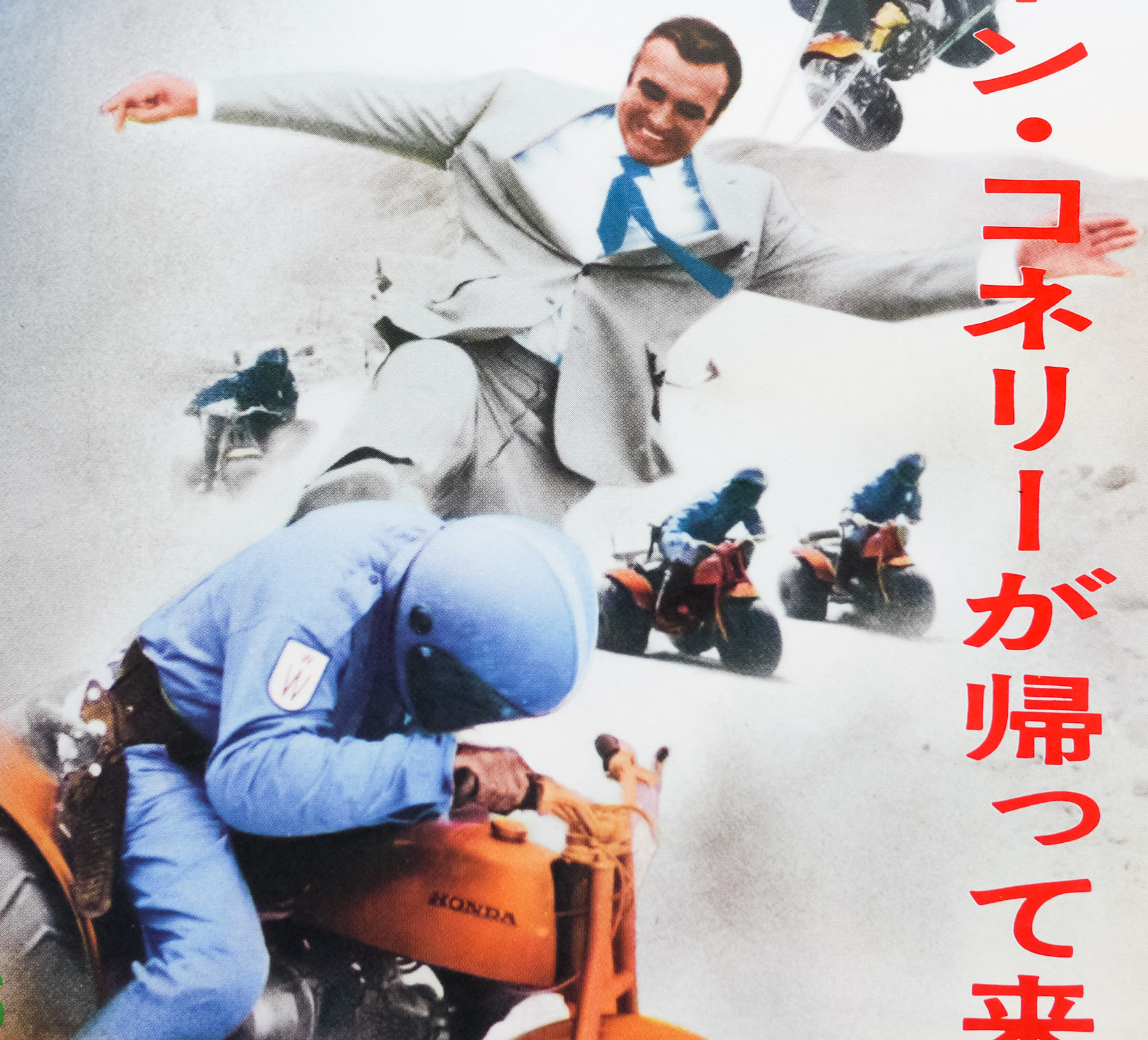
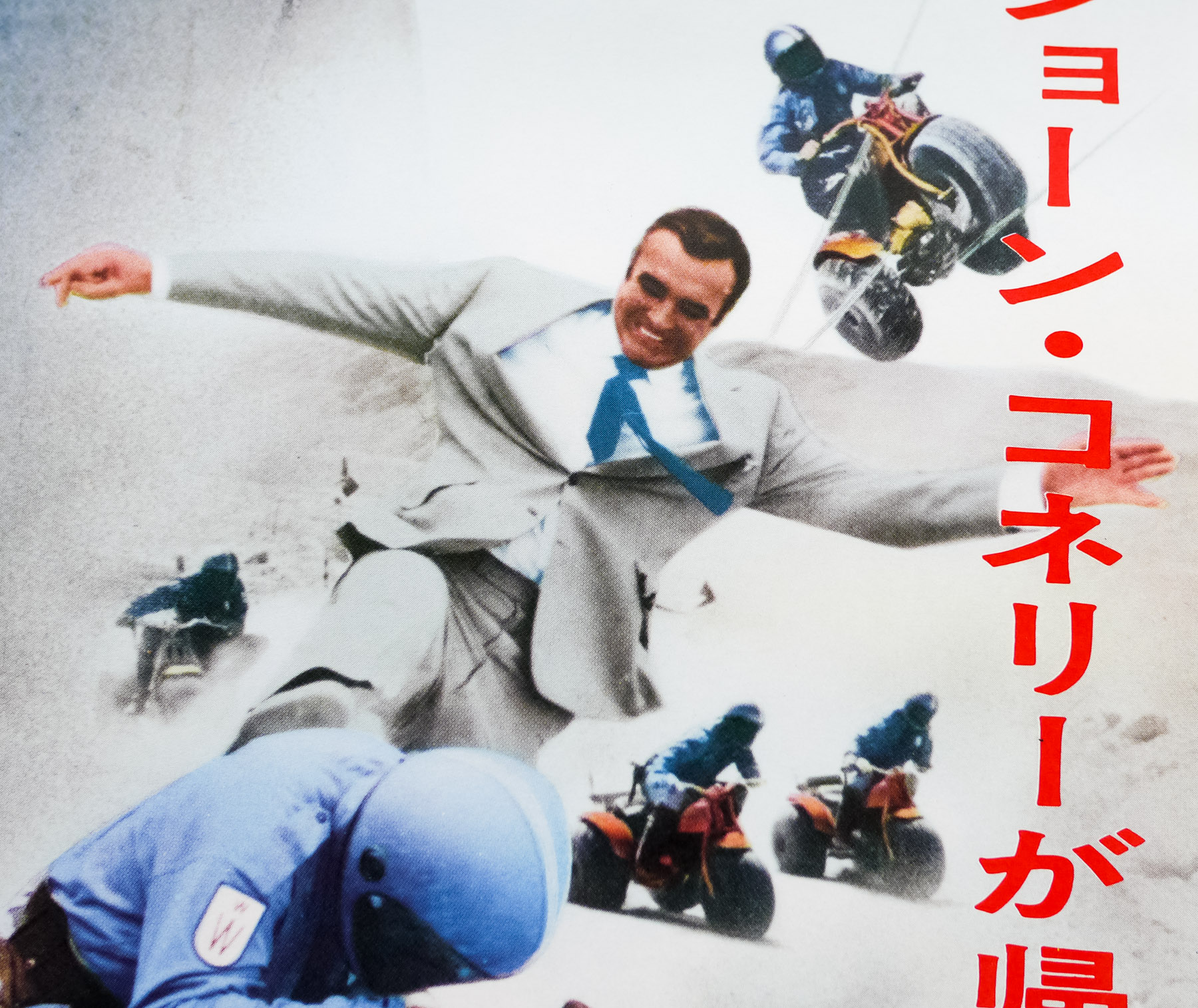
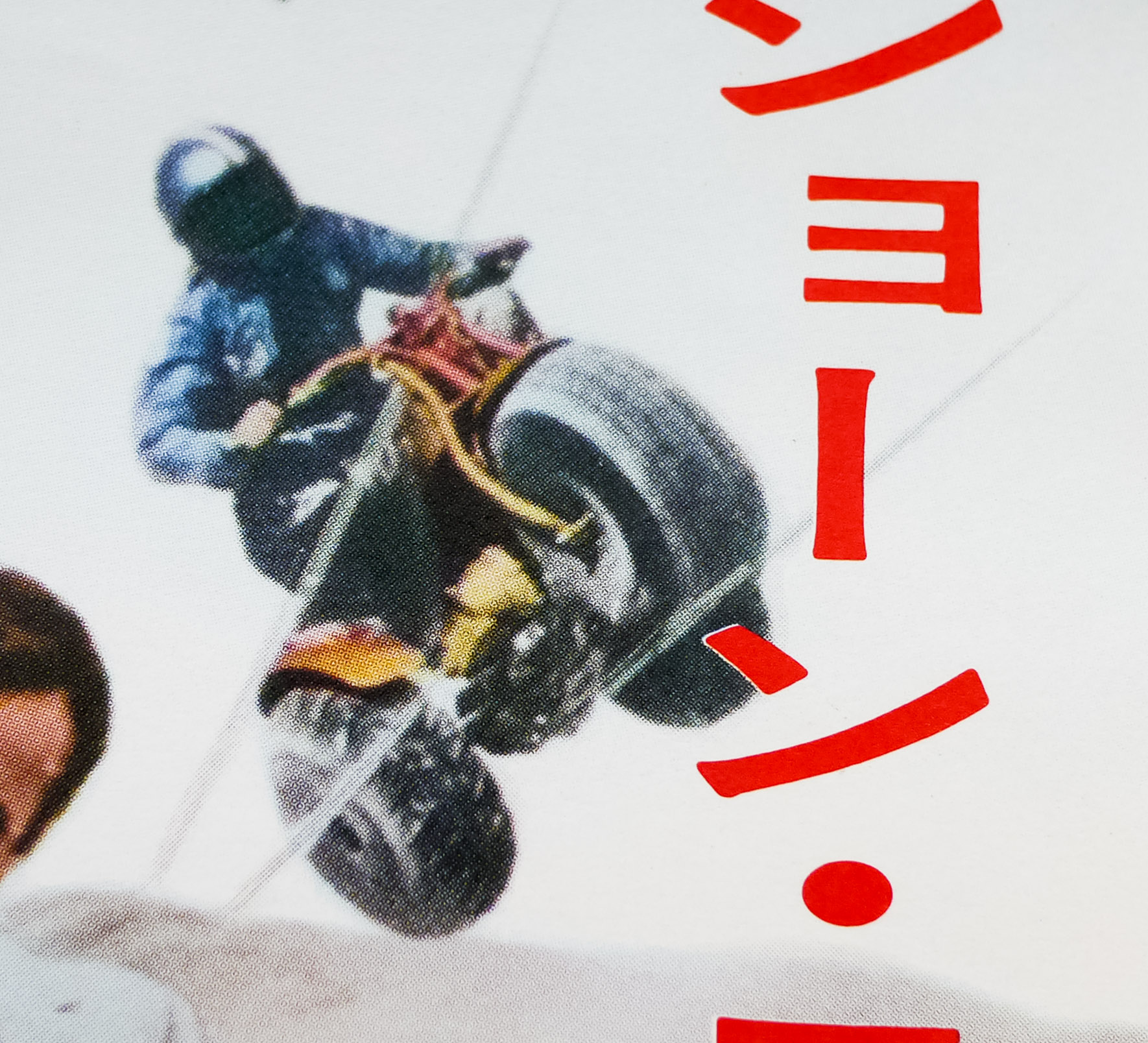
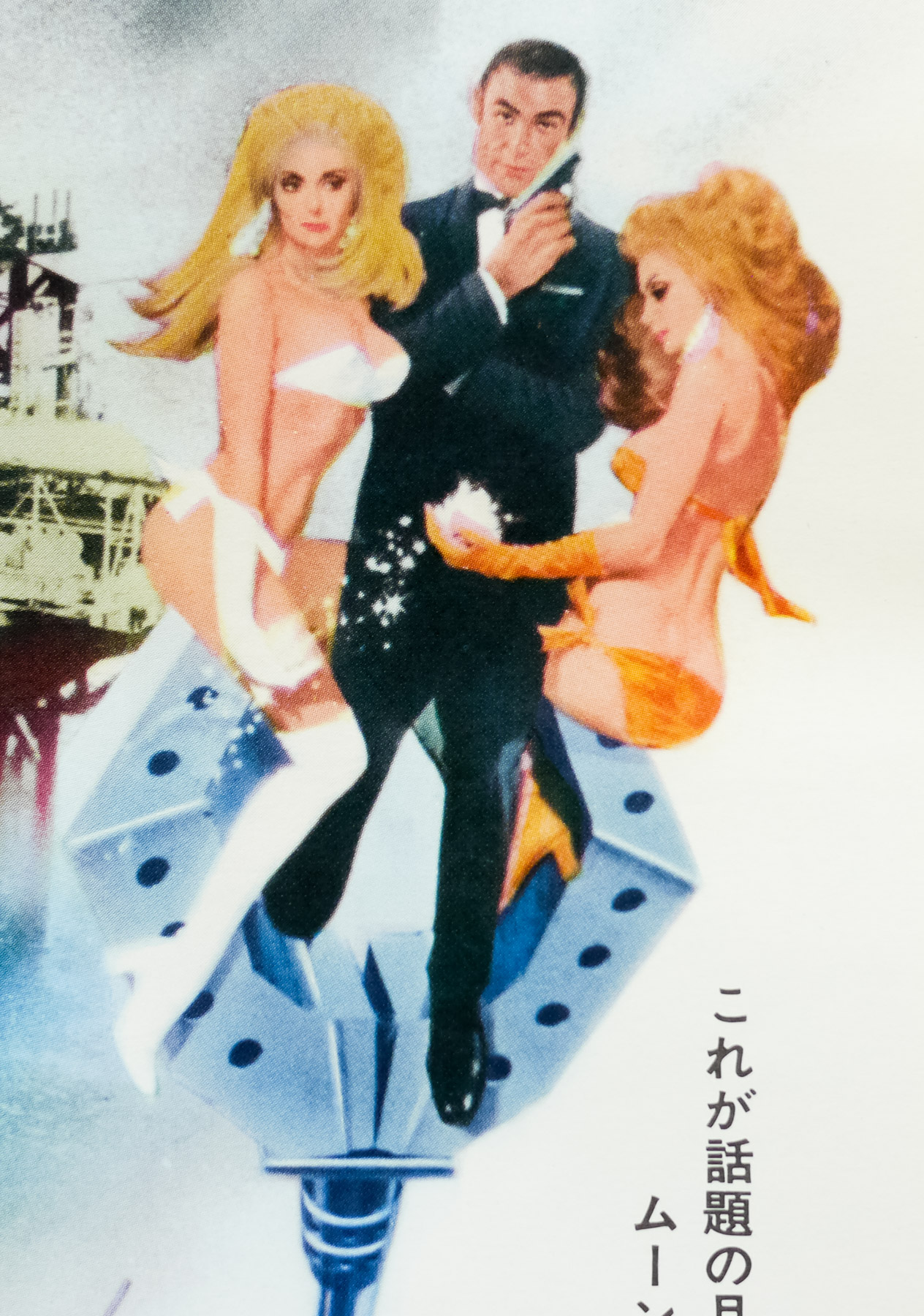
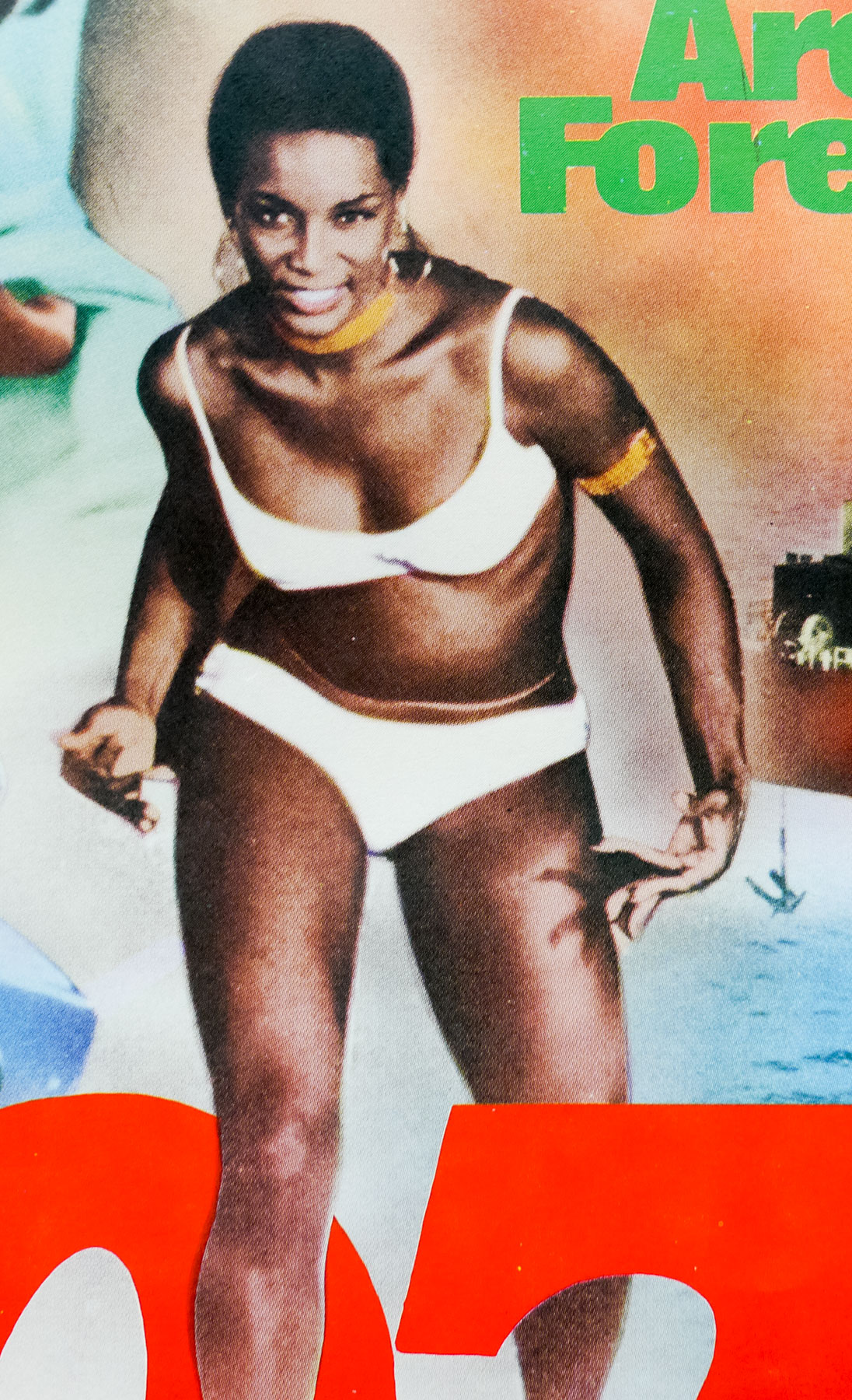
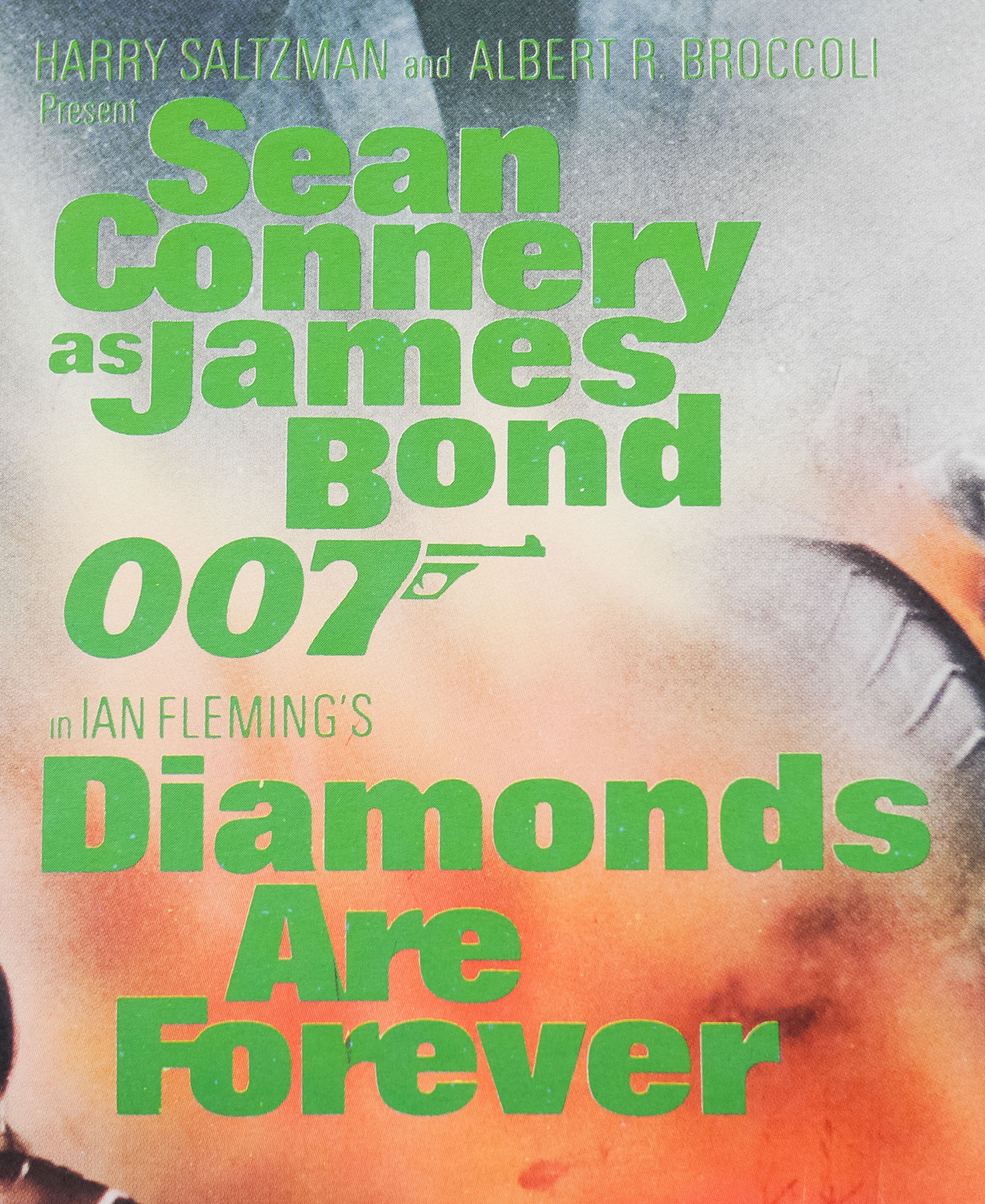
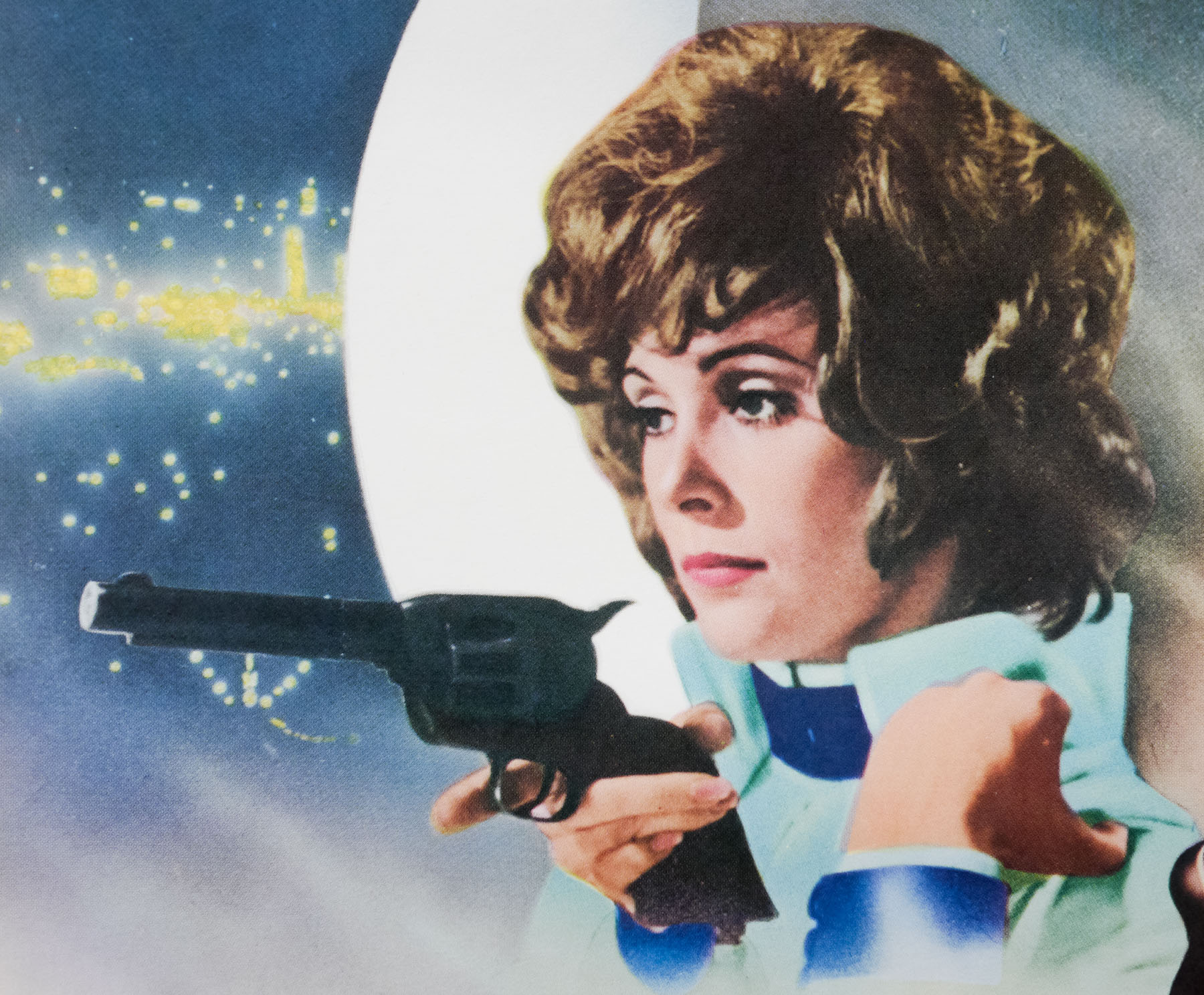
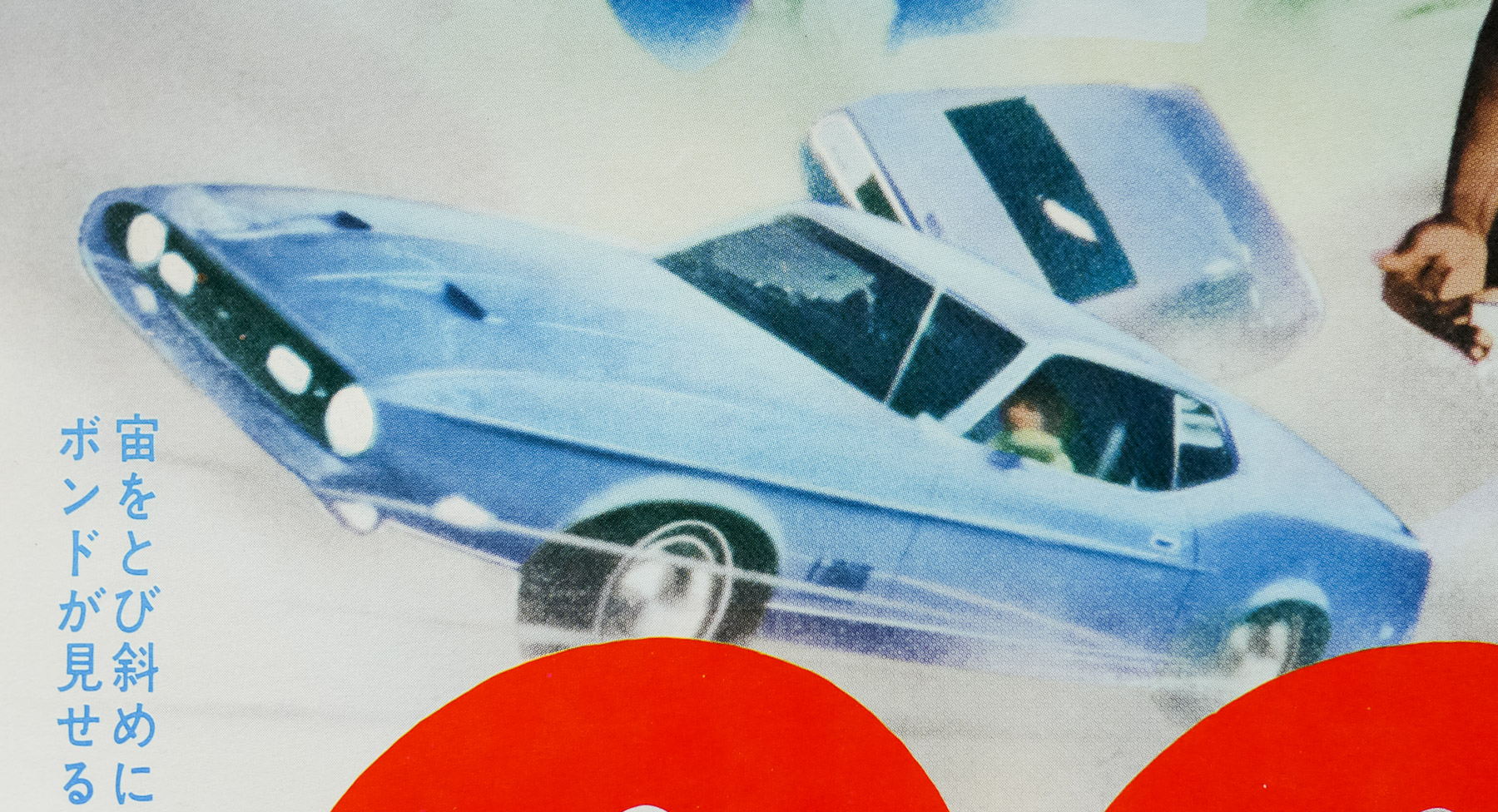
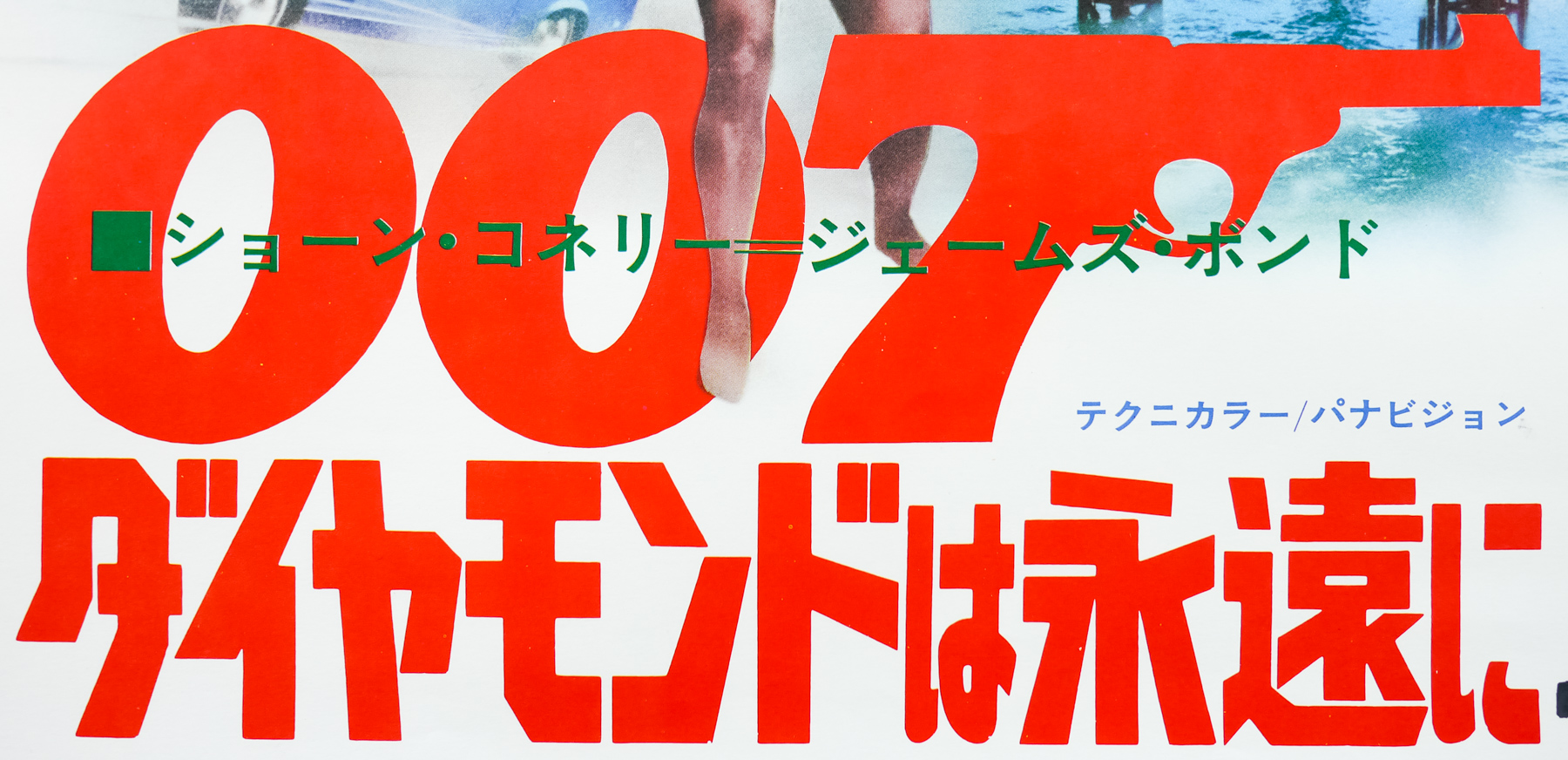
Diamonds are Forever is the seventh film in the long-running James Bond franchise and was the last official (EON productions) film to star arguably the greatest actor who played the spy, Sean Connery. After appearing in On Her Majesty’s Secret Service actor George Lazenby decided to leave the franchise, apparently on the advice of his agent, and the producers considered a few other actors before the then head of United Artists (David Picker) declared that he wanted Connery back and money was no object. The Scottish actor, who had previously declared he would never return to the role, demanded an unprecedented fee of £1.25m (equivalent to £23 million in 2013) and was also granted backing to produce two other films of his choice. After both sides agreed to the deal the casting was announced and Connery then donated his fee to set up the Scottish International Education Trust, which allowed artists from the country to apply for funding without having to leave Scotland.

The story starts out with Bond apparently killing his arch-enemy Ernst Stavro Blofeld in revenge for the death of his new bride at the end of the previous film. The spy is then sent to investigate the mysterious murders of diamond smugglers and the theft of thousands of the precious stones. After following the trail from Amsterdam to Las Vegas, picking up a partner in smuggler Tiffany Case (Jill St. John) along the way, Bond discovers that two quirky assassins called Mr Wint and Mr Kidd (played memorably by Bruce Glover and Putter Smith) have been killing other smugglers across the world and are stockpiling diamonds for a mysterious benefactor. When Bond tracks the diamonds to their destination in a remote desert facility, he discovers that his arch enemy Blofeld is still alive and is using the diamonds to create a space laser capable of destroying targets on earth. The super spy sets out to stop the maniac’s plans and prevent him from holding the world to ransom with his new weapon.

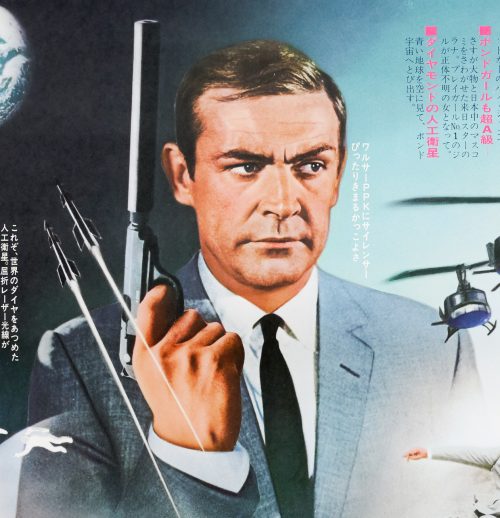
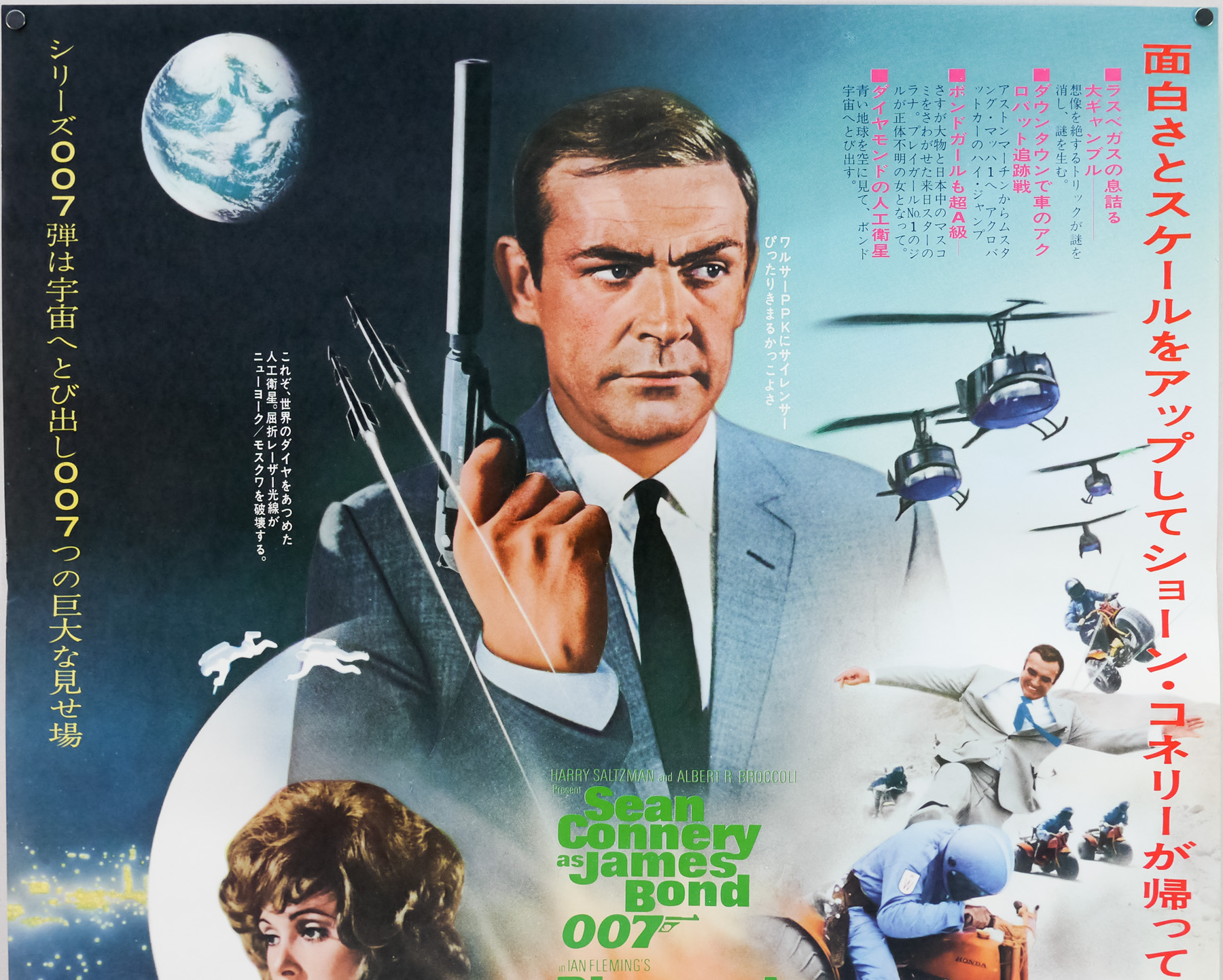
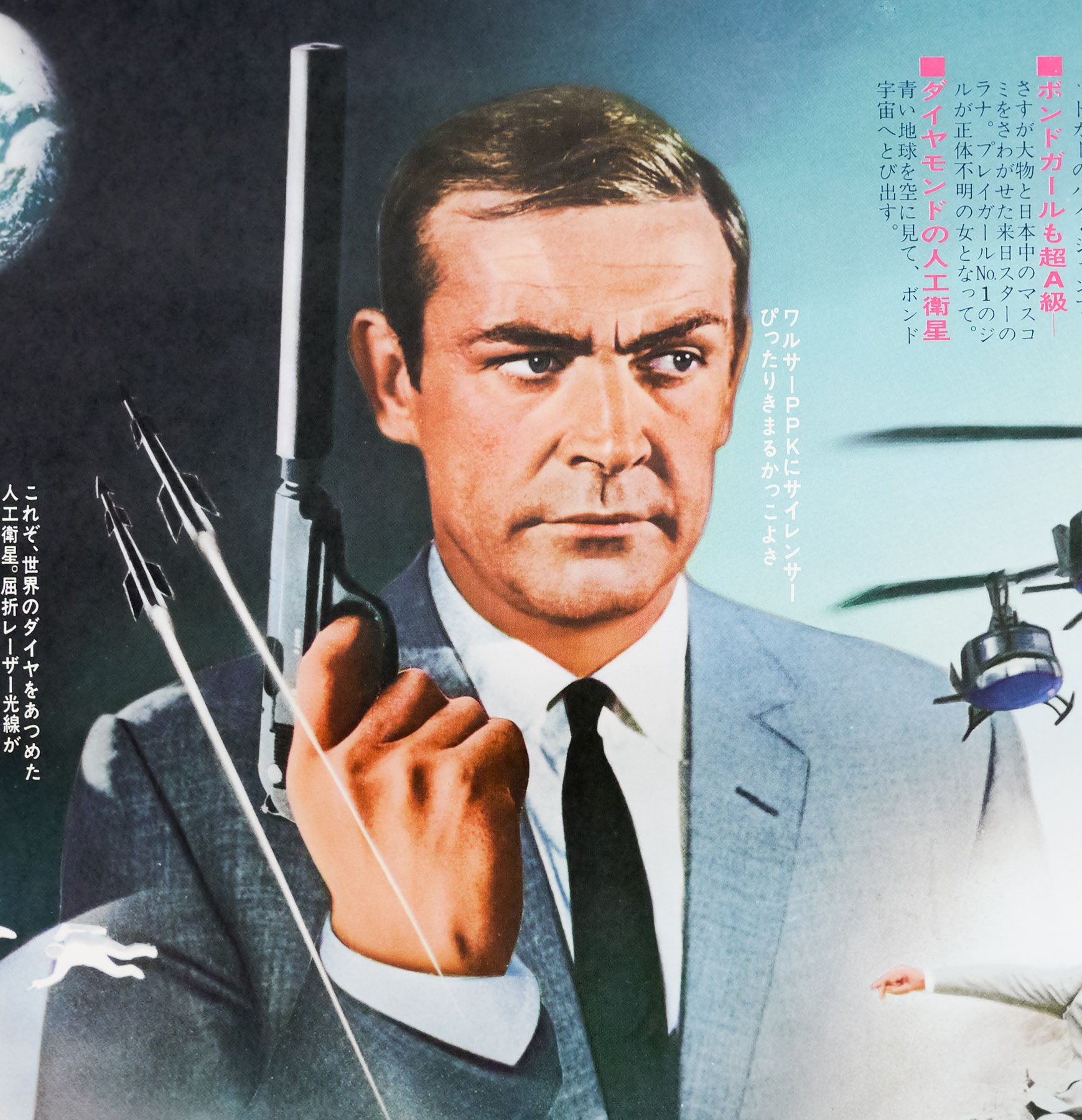
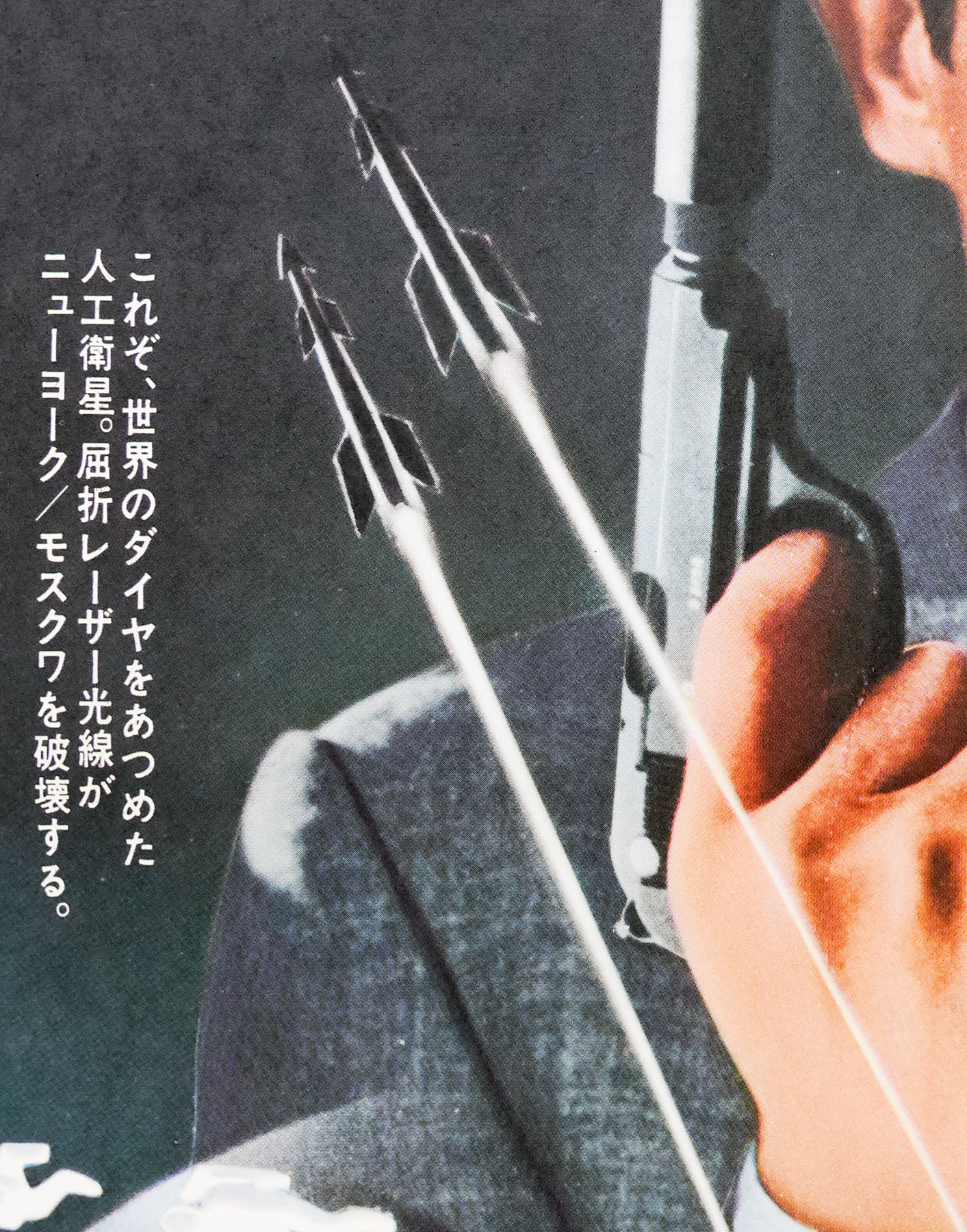
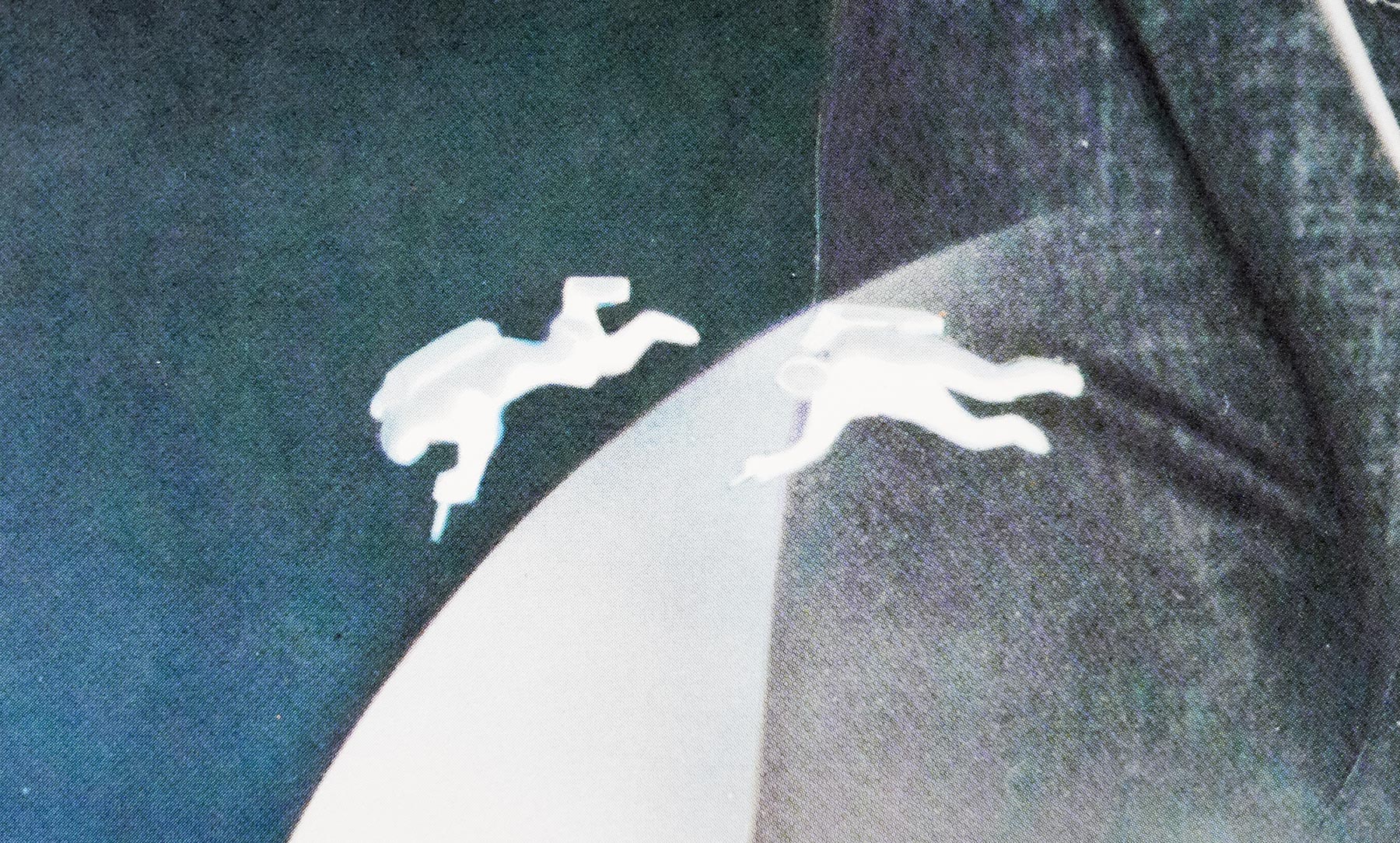
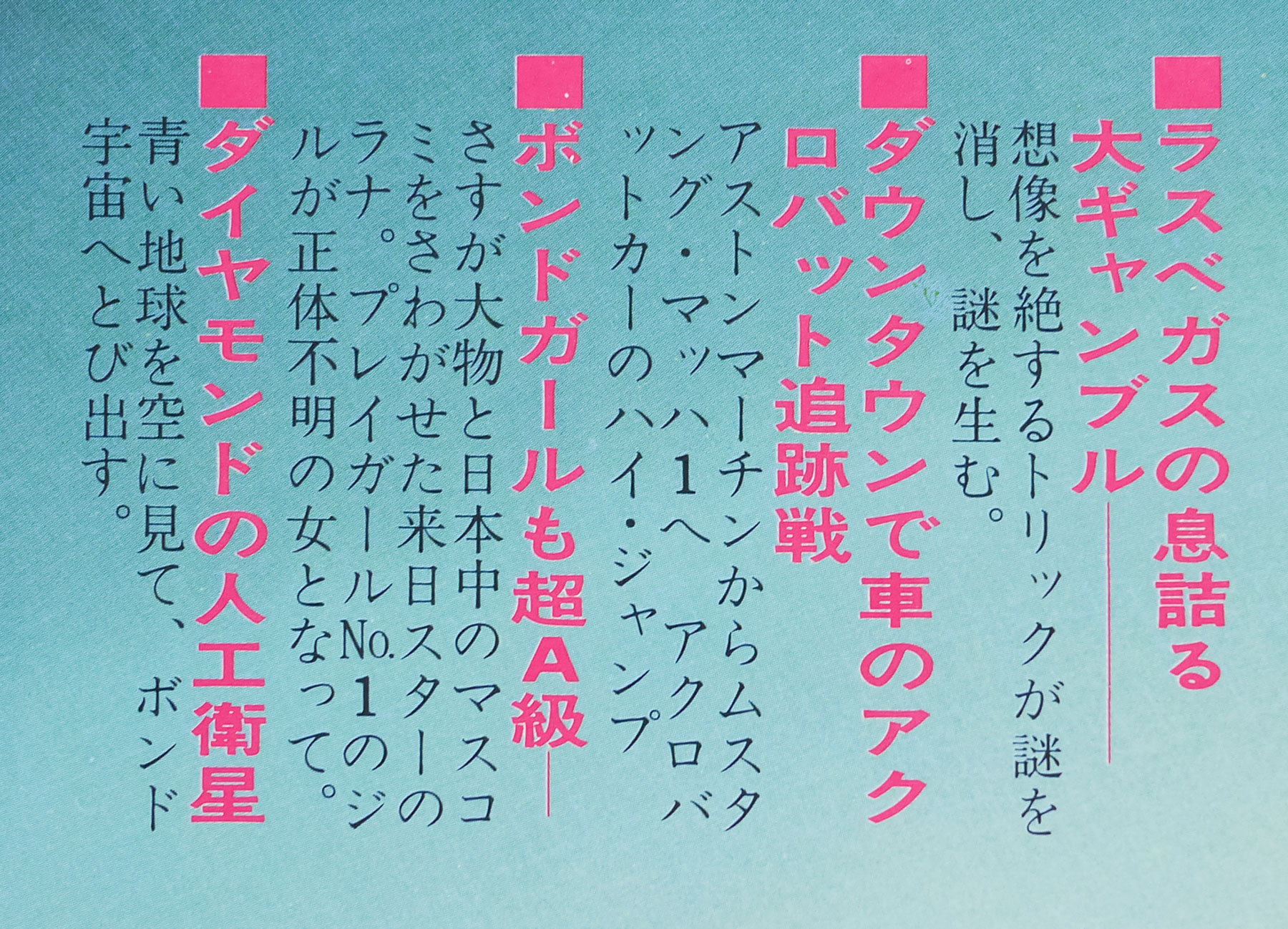
This Japanese B2 features a montage that is unique to the poster and it includes images of Tiffany Case (on the left) and Trina Parks as the inept assassin Thumper (partnered in the film with ‘Bambi’) who is notable as being the first African-American actress to appear in a Bond film. There is also a small part of the artwork from the American one sheet that was painted by Robert McGinnis.

Godzilla vs Destroyah / B2 / artwork style / Japan

06.12.13

Poster Poster

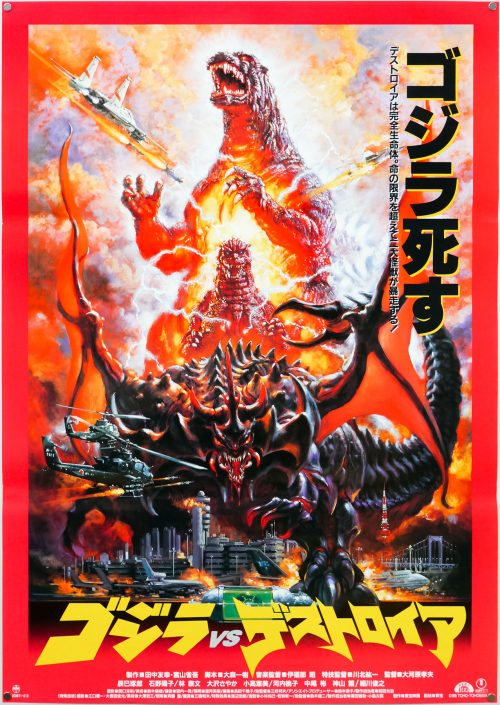
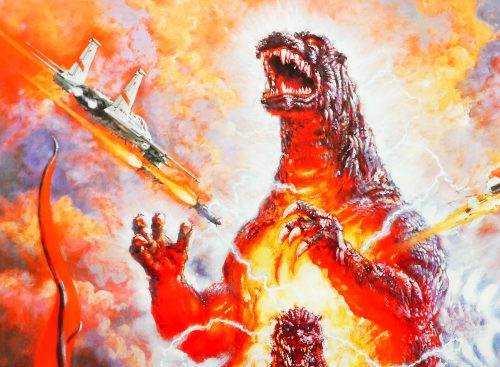
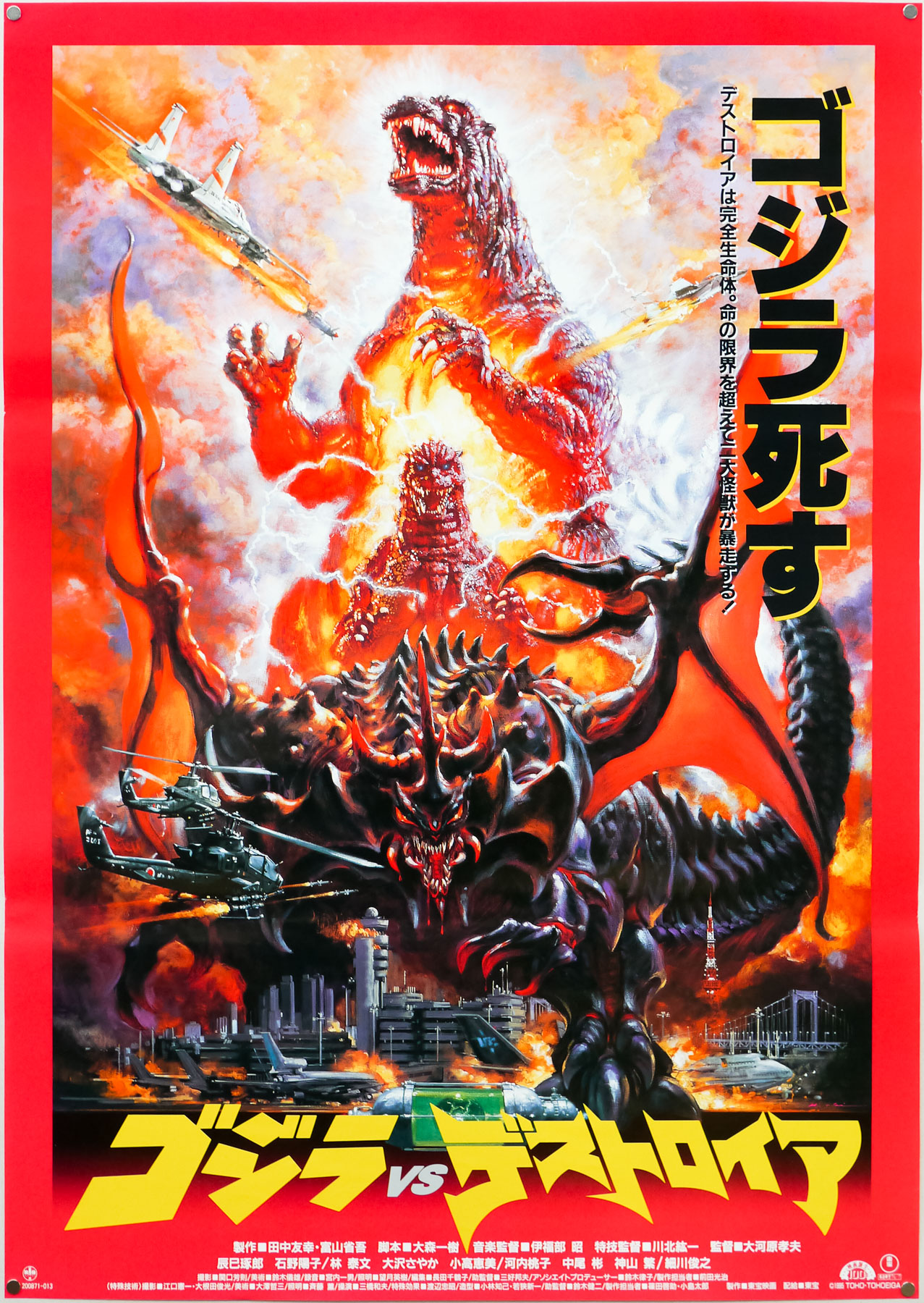
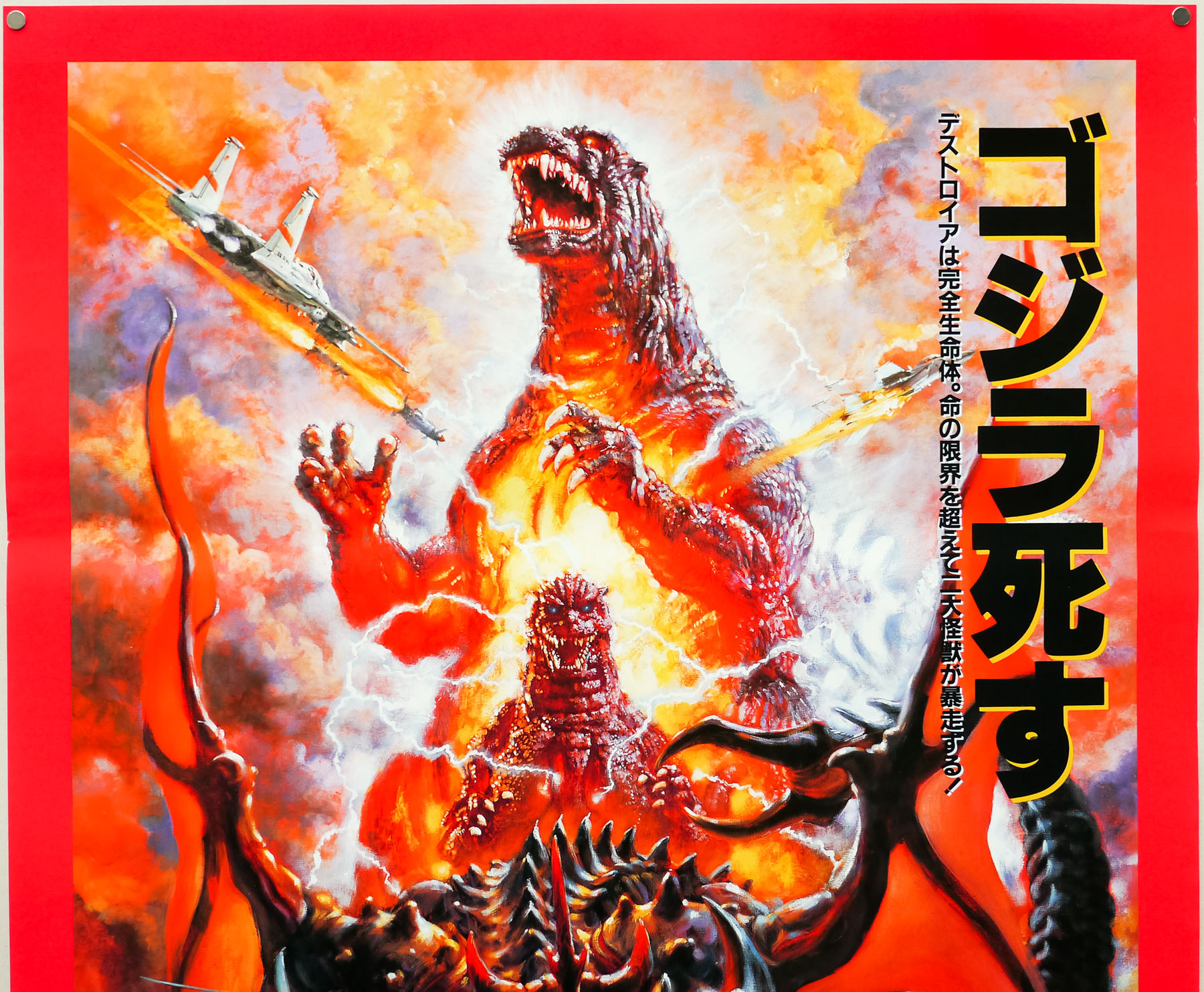
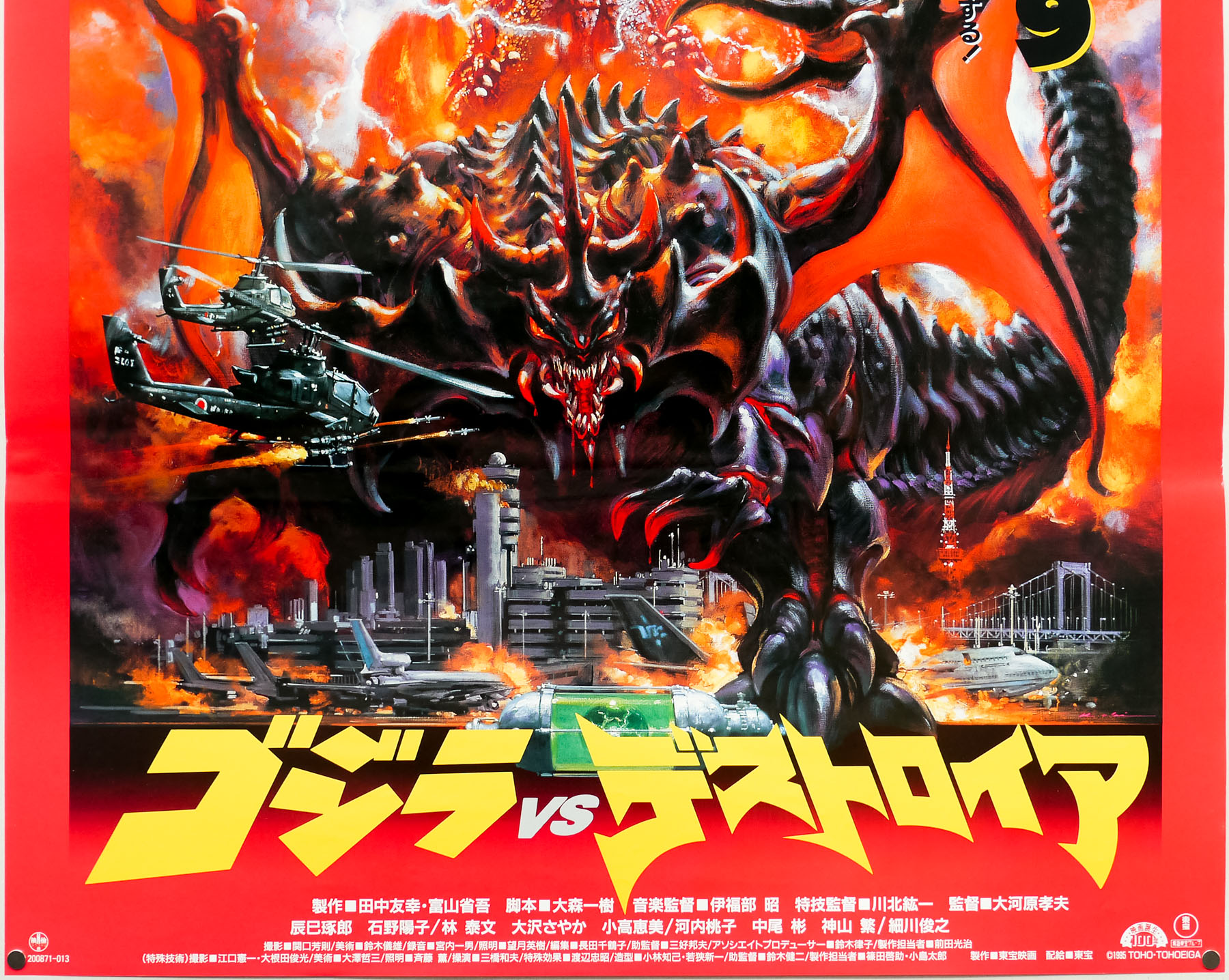
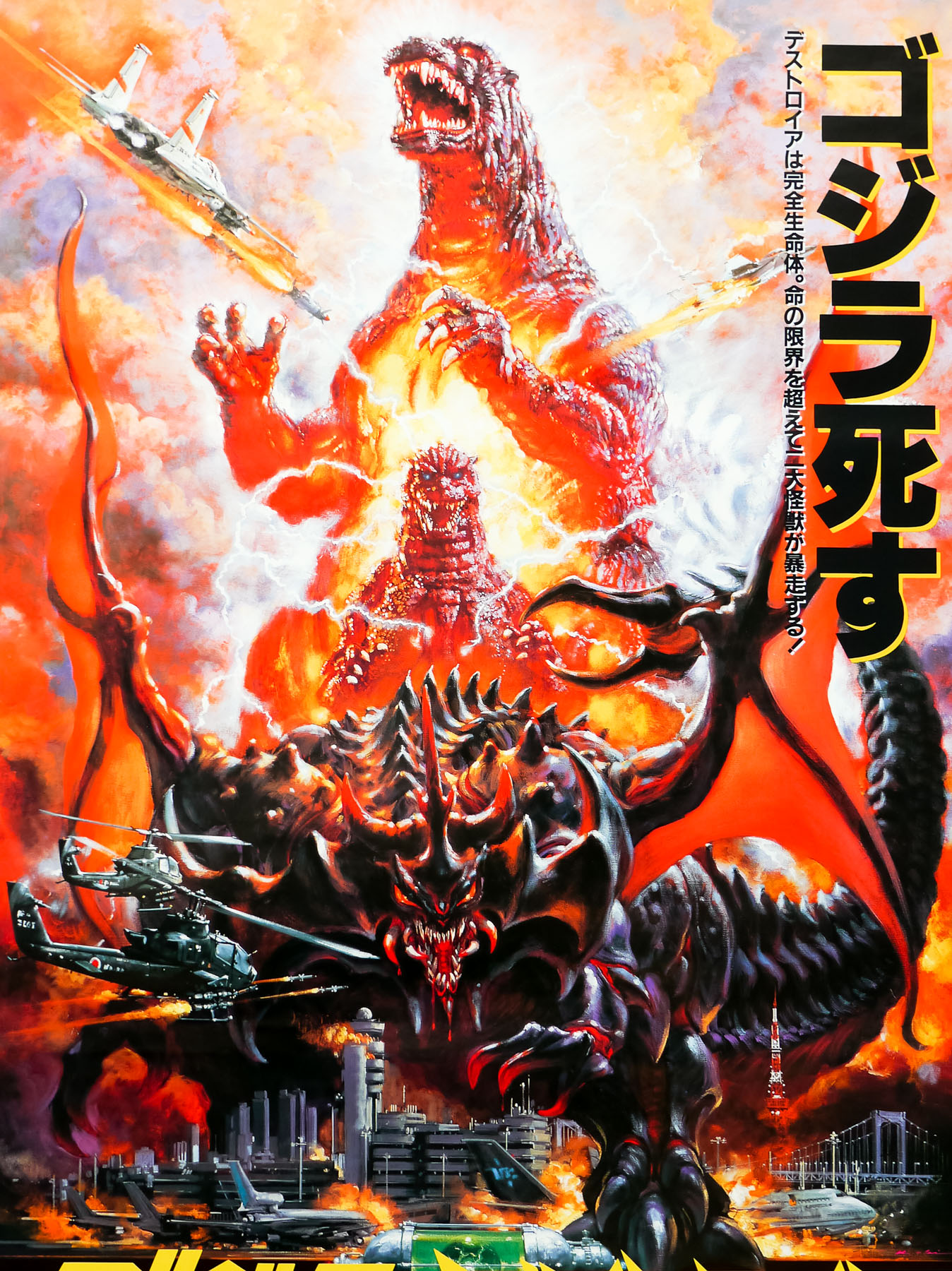
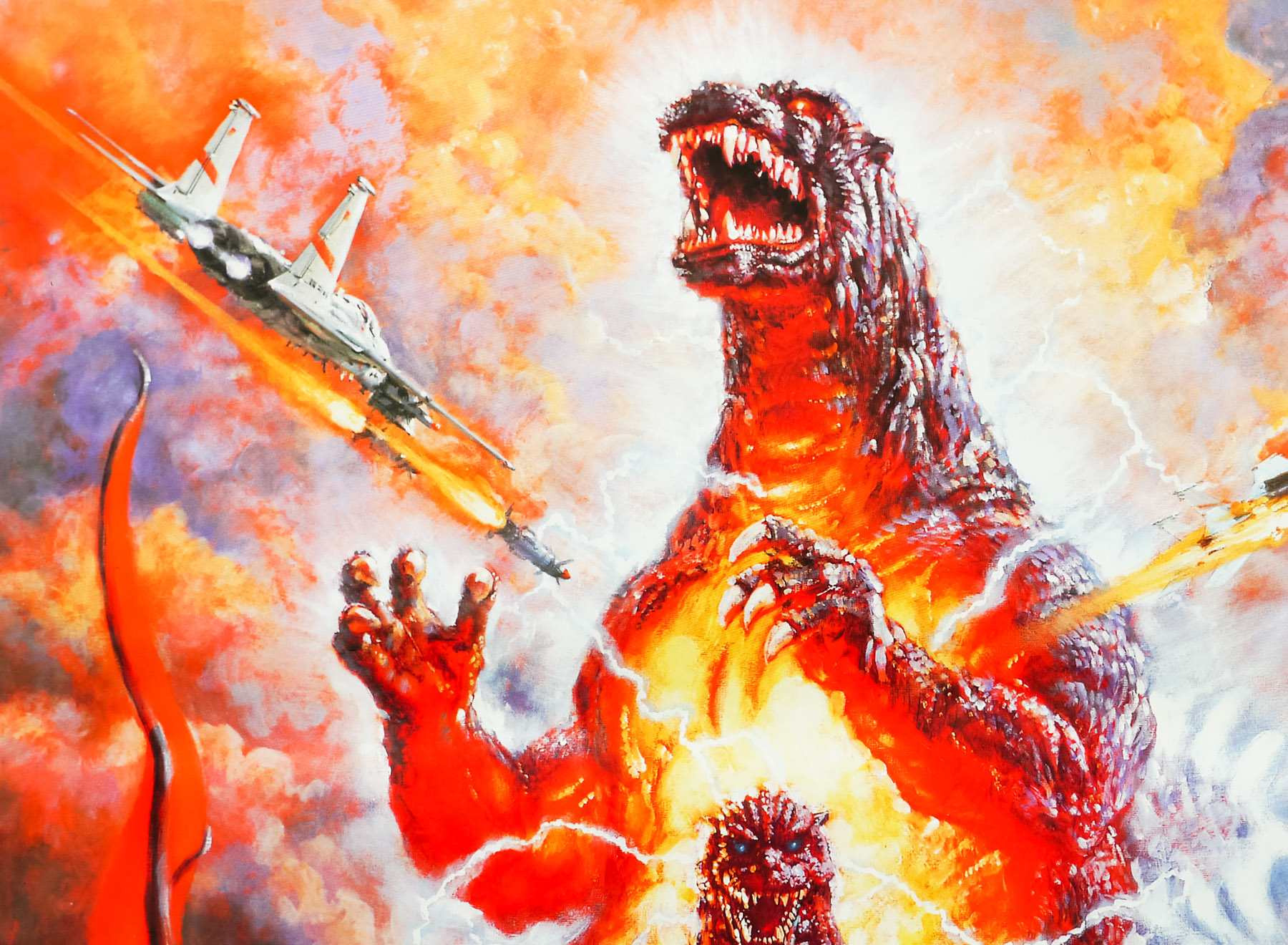
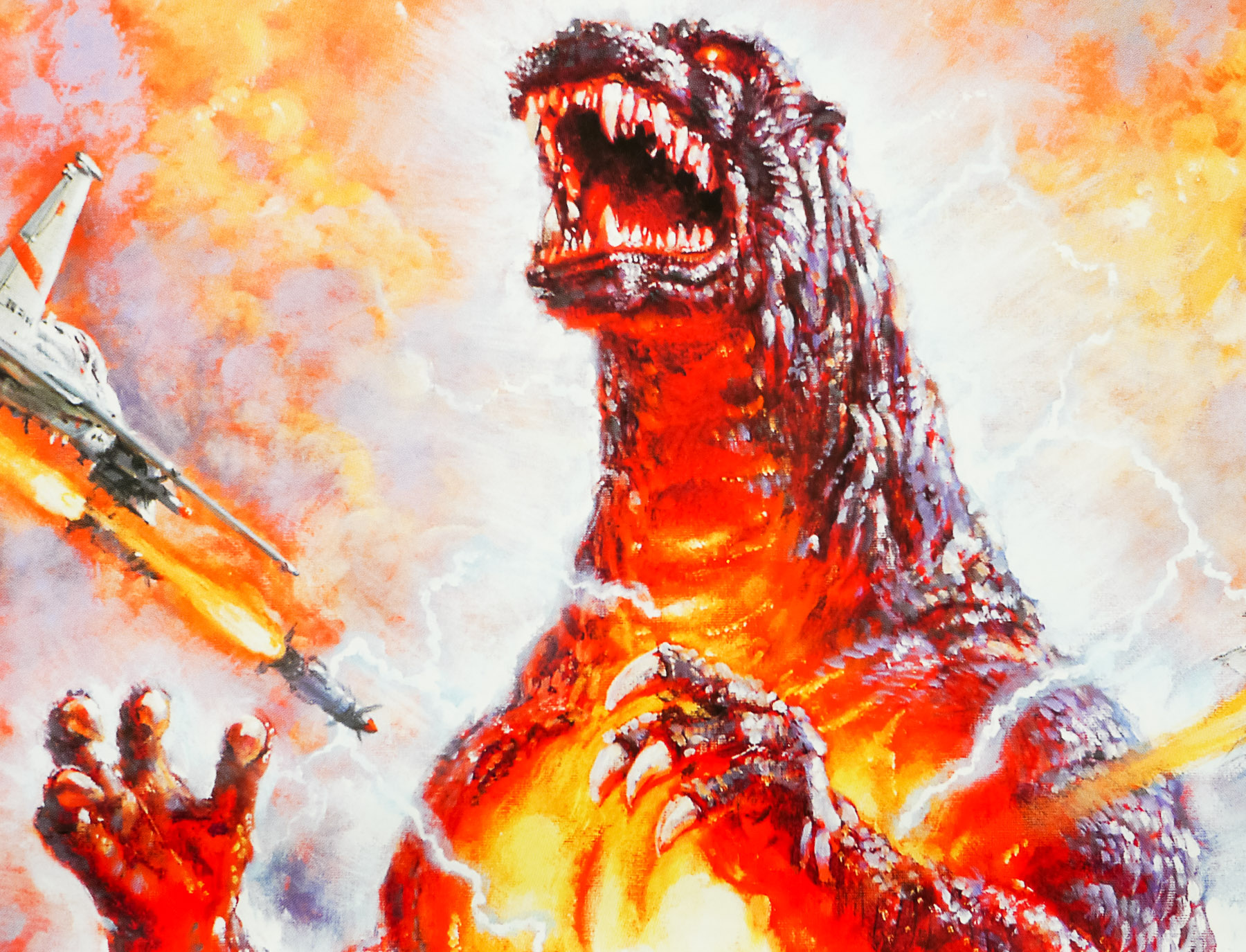
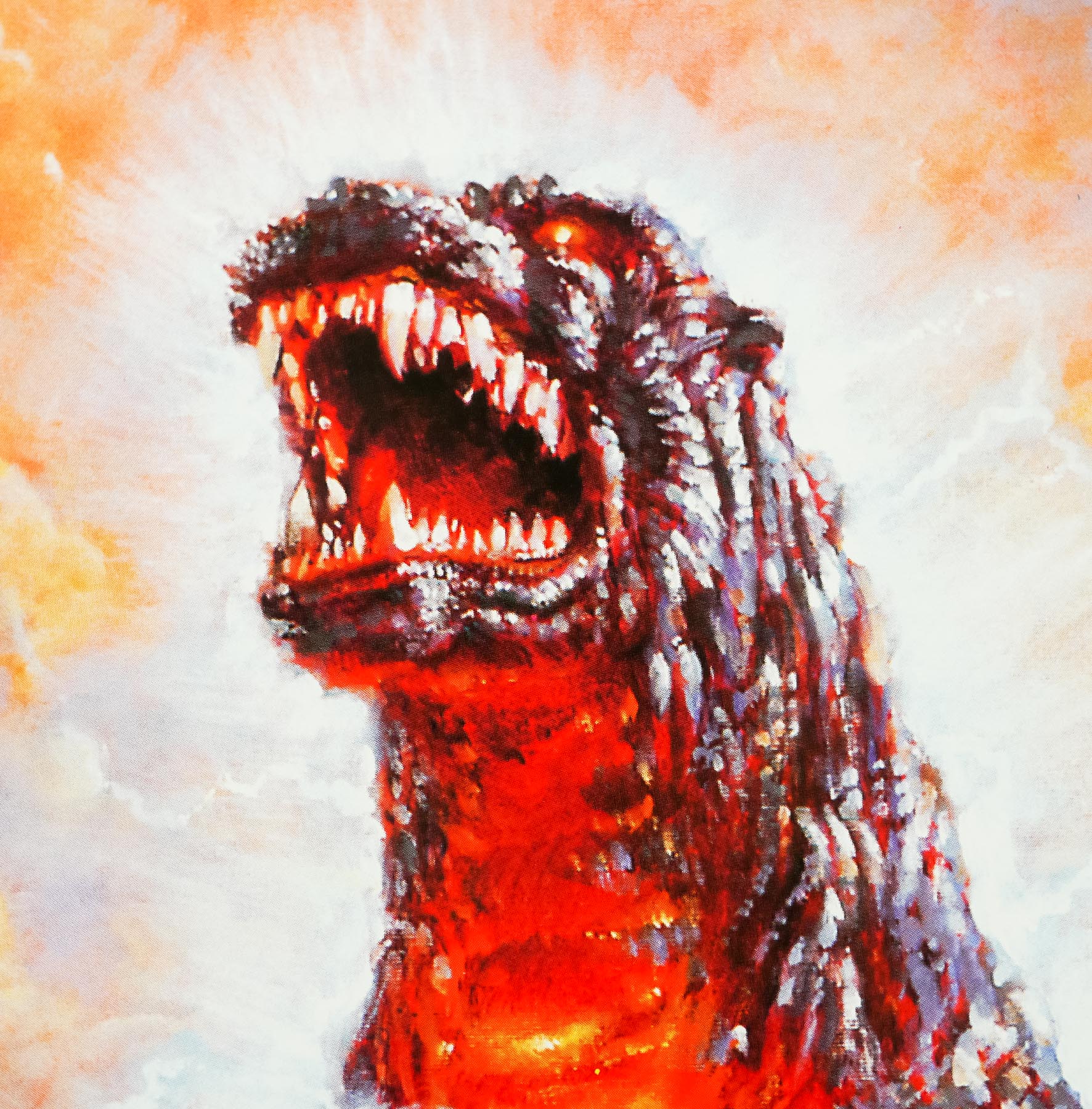
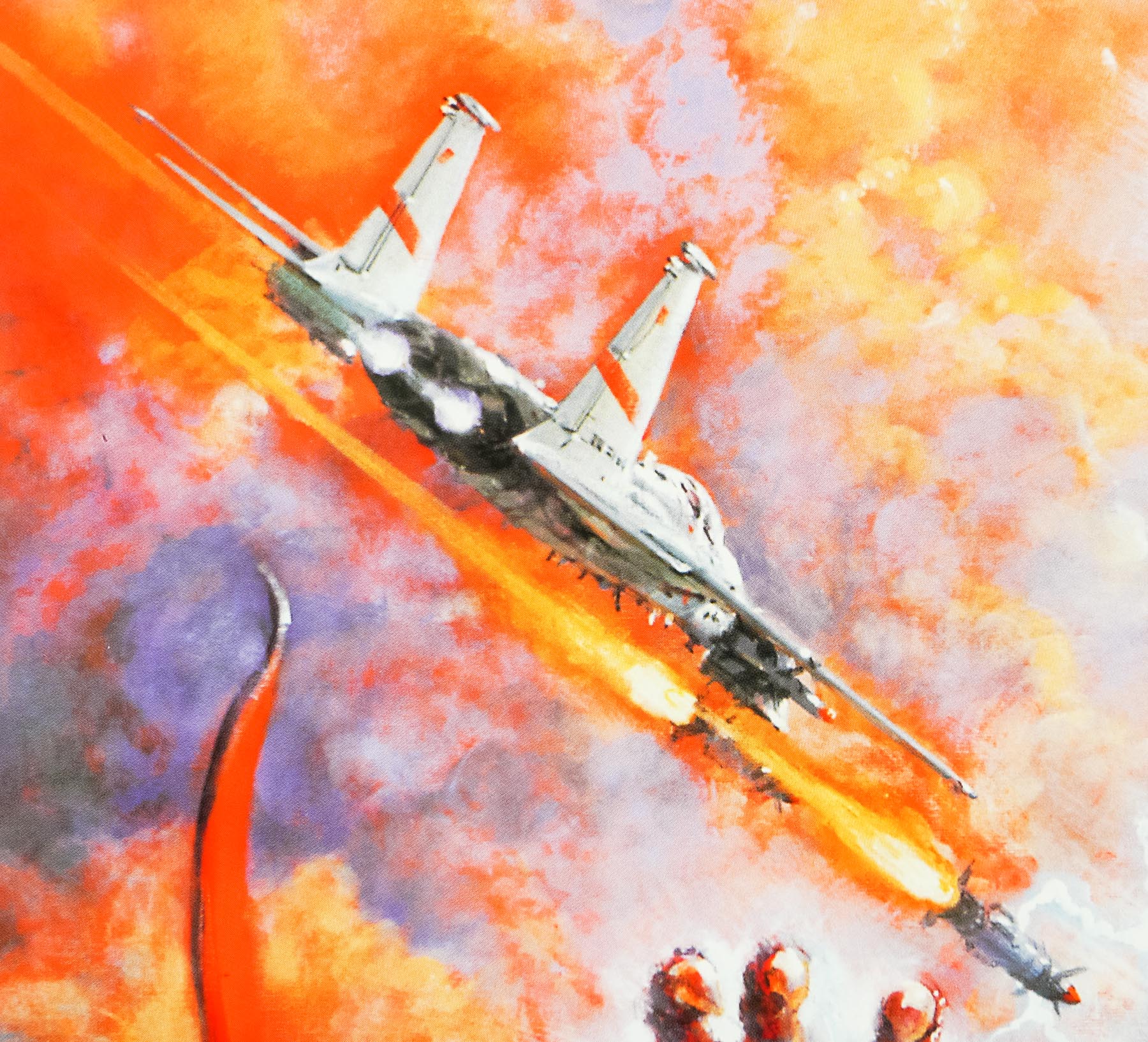
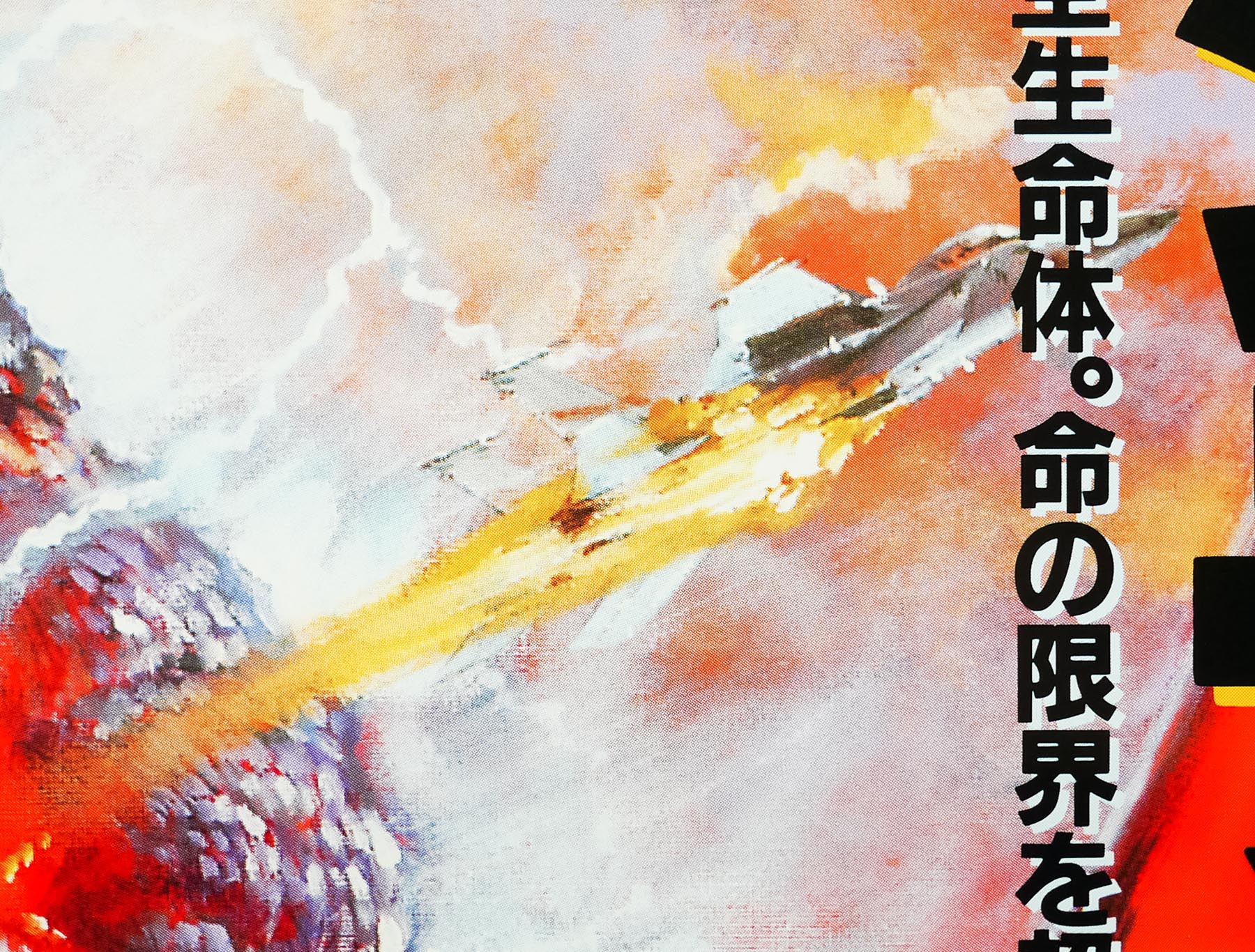
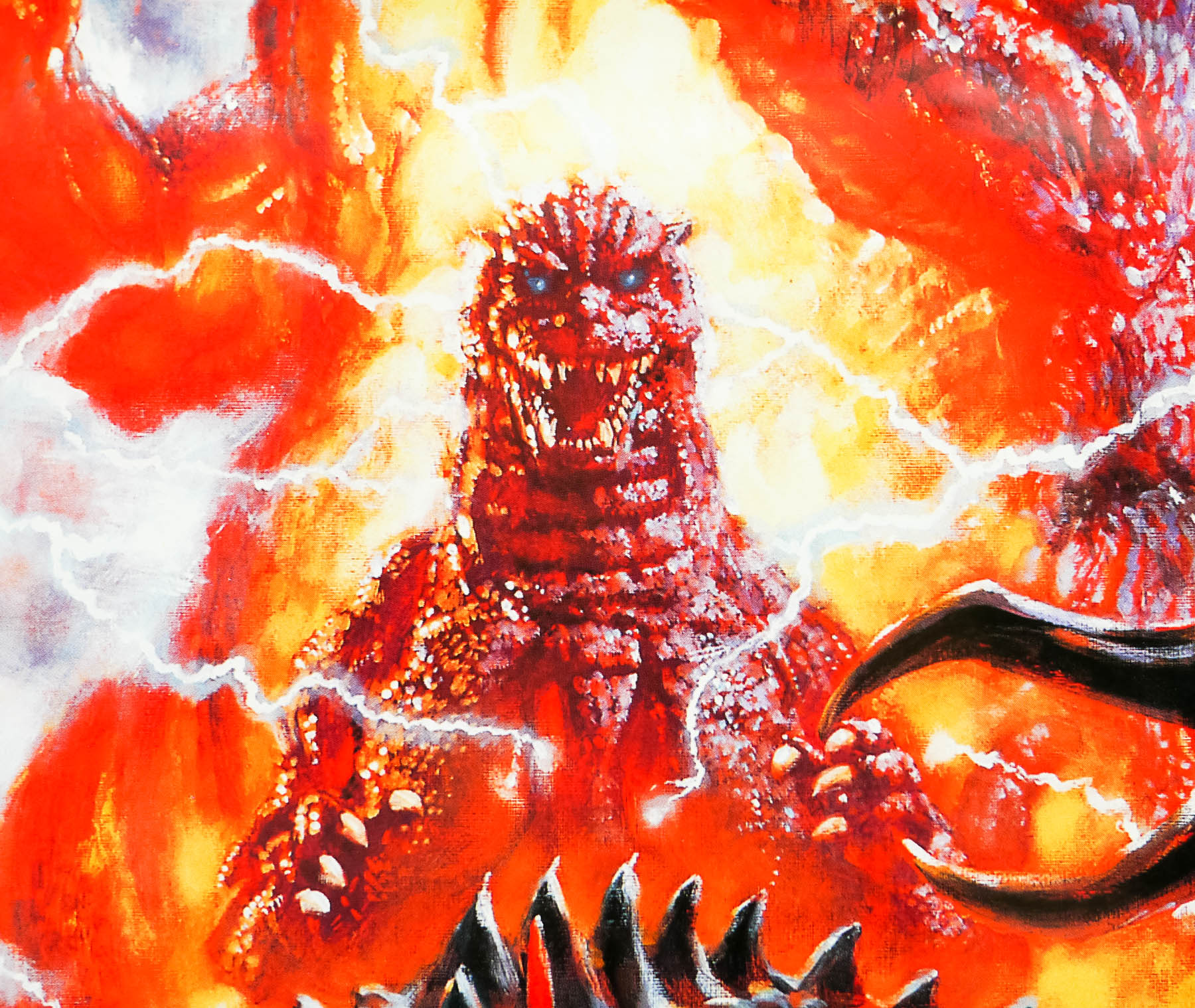
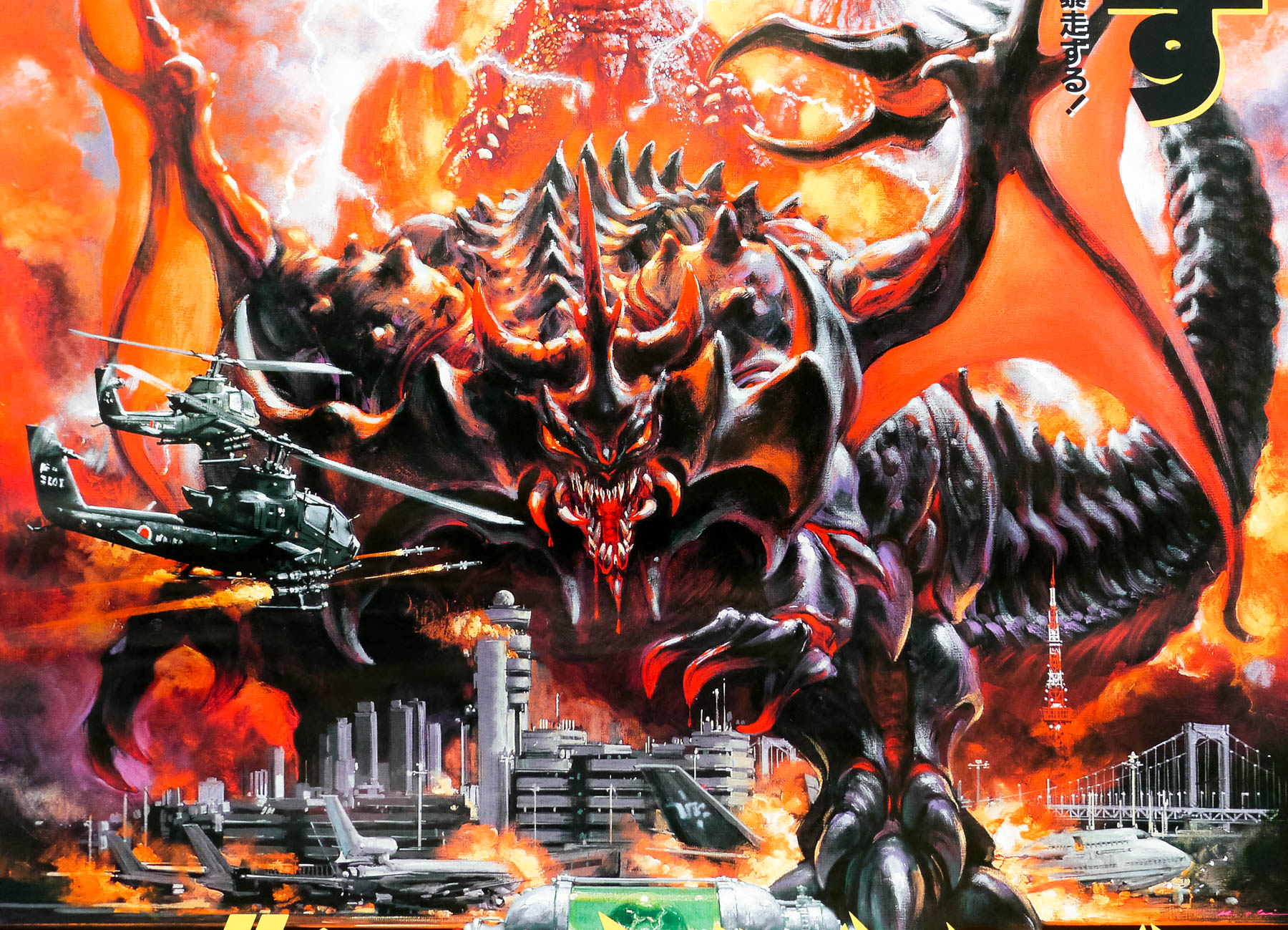
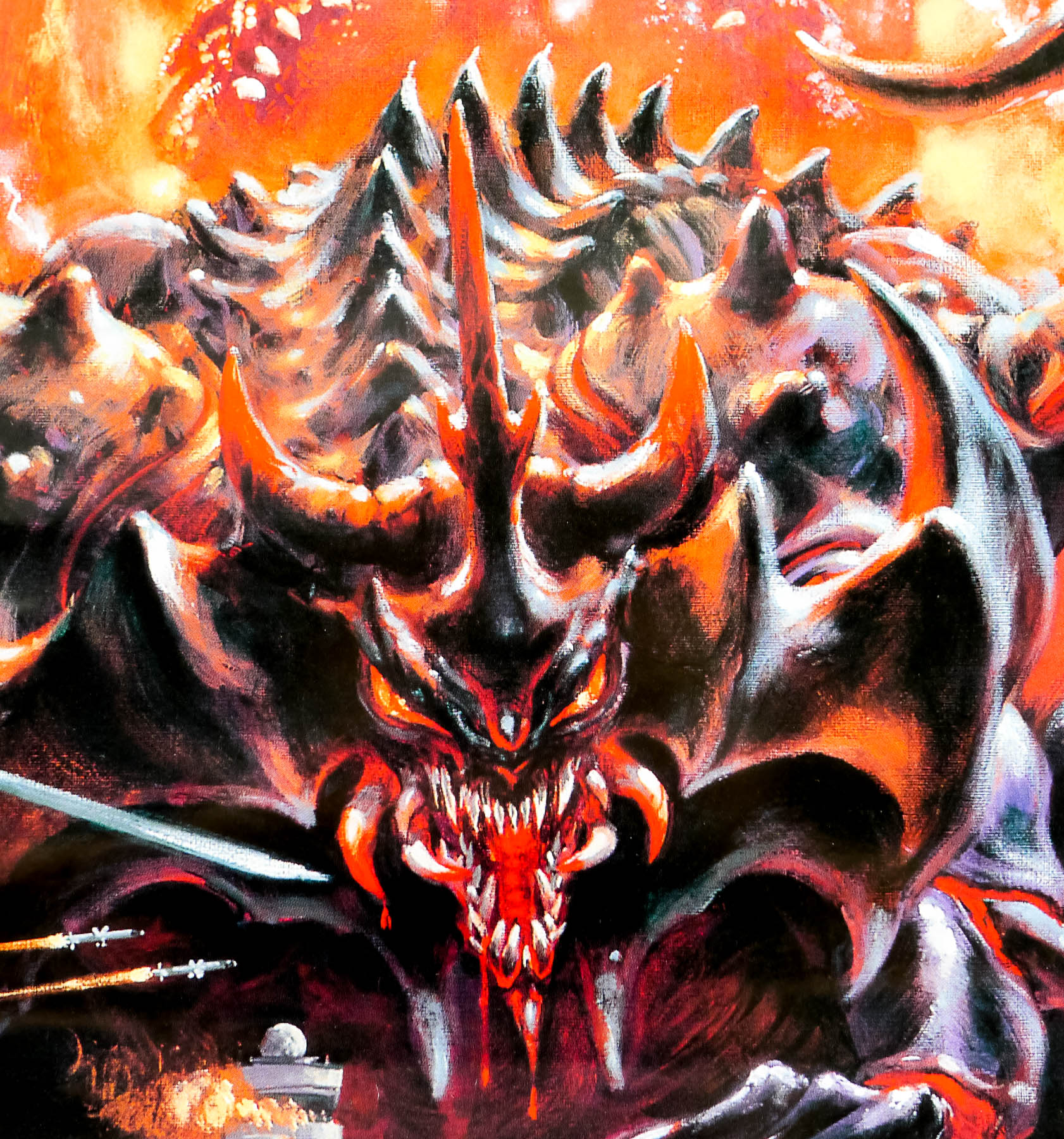
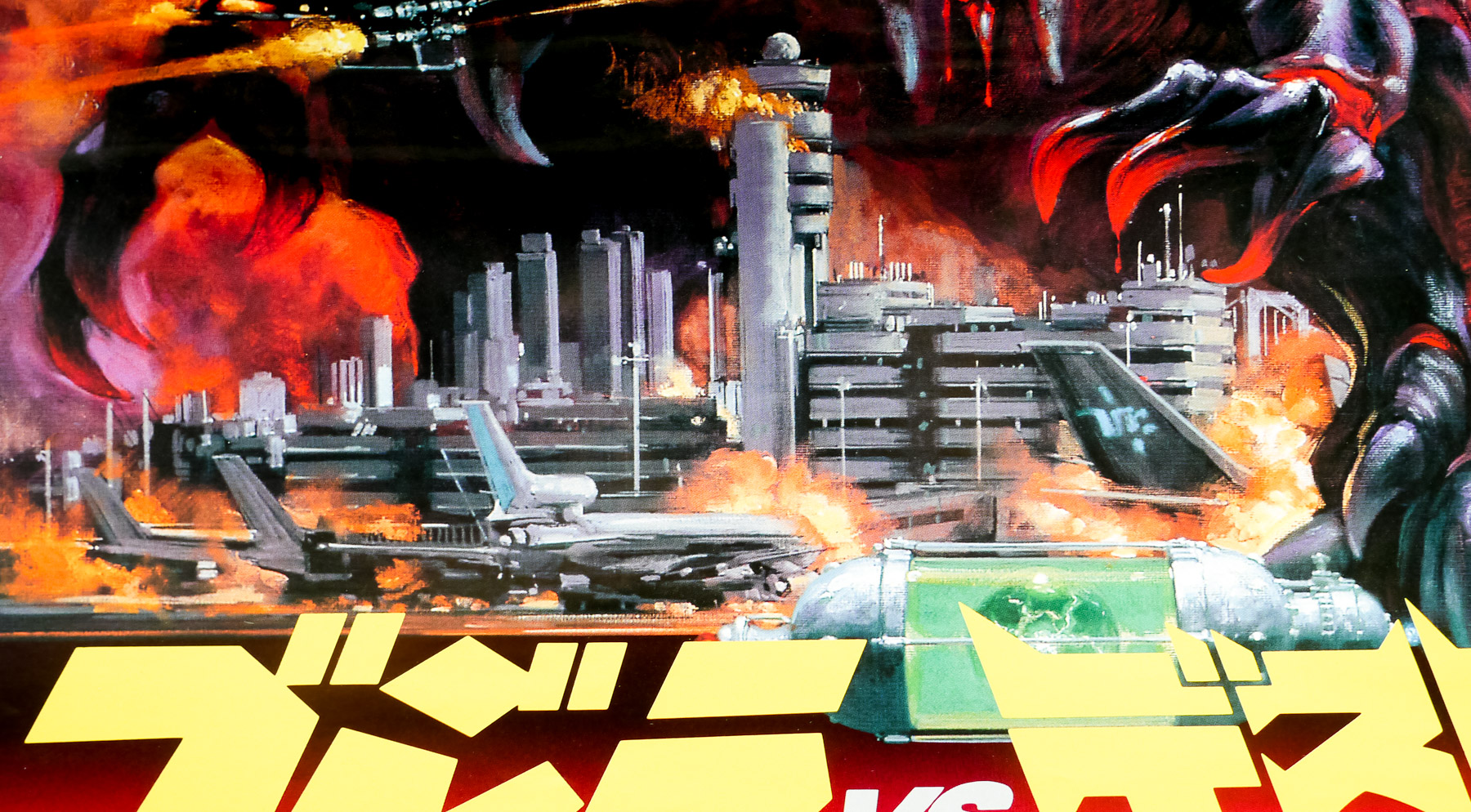
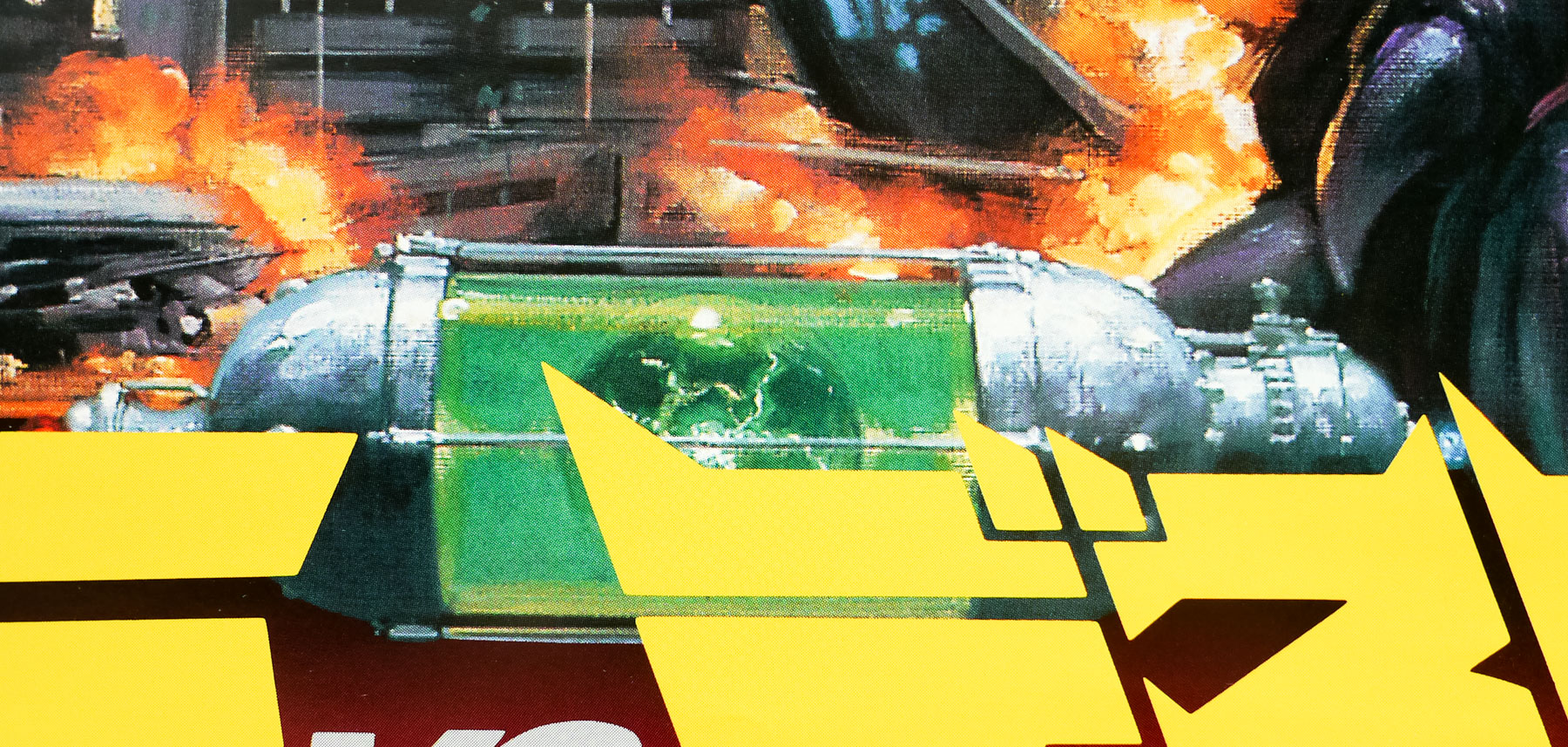
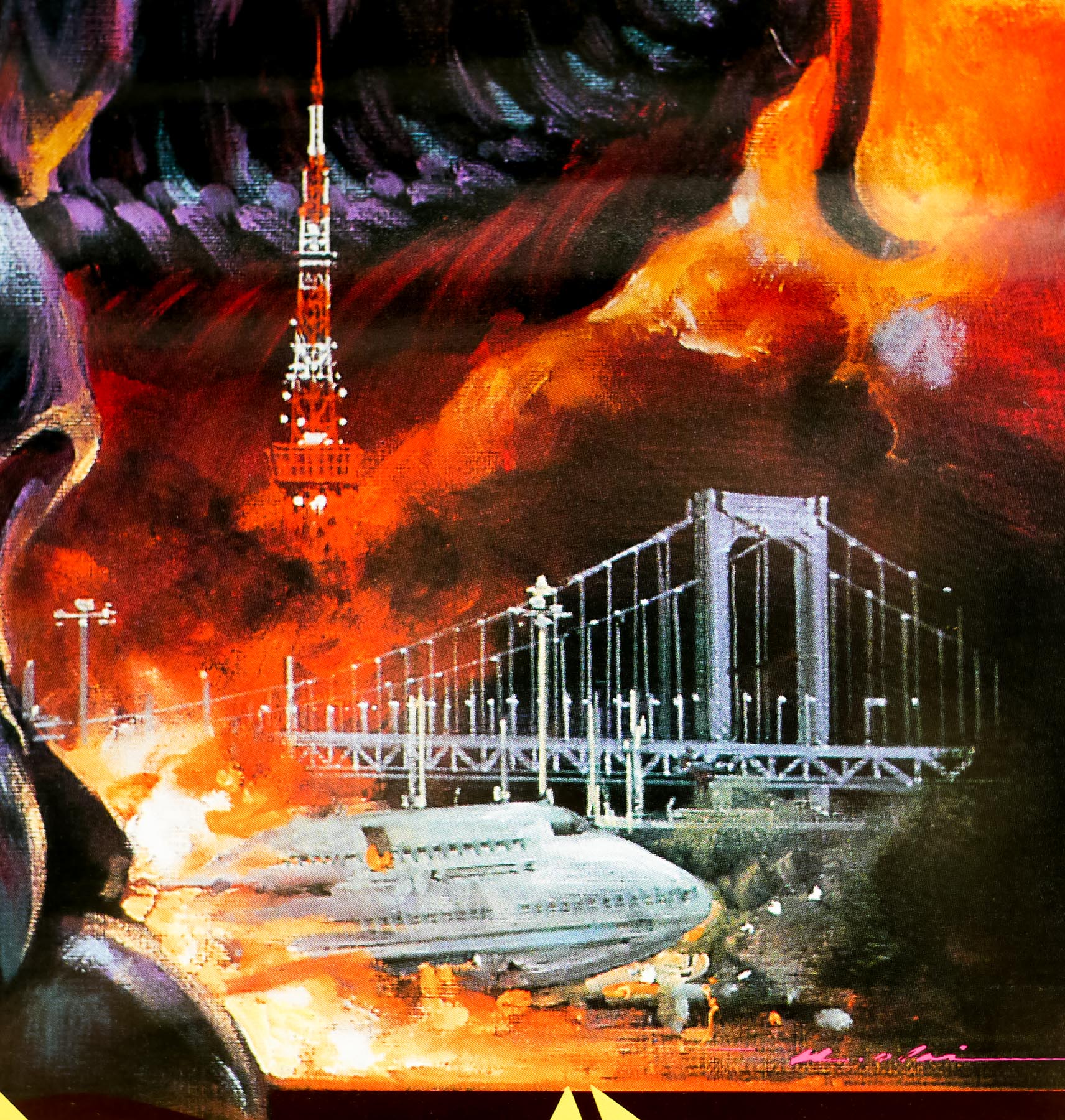
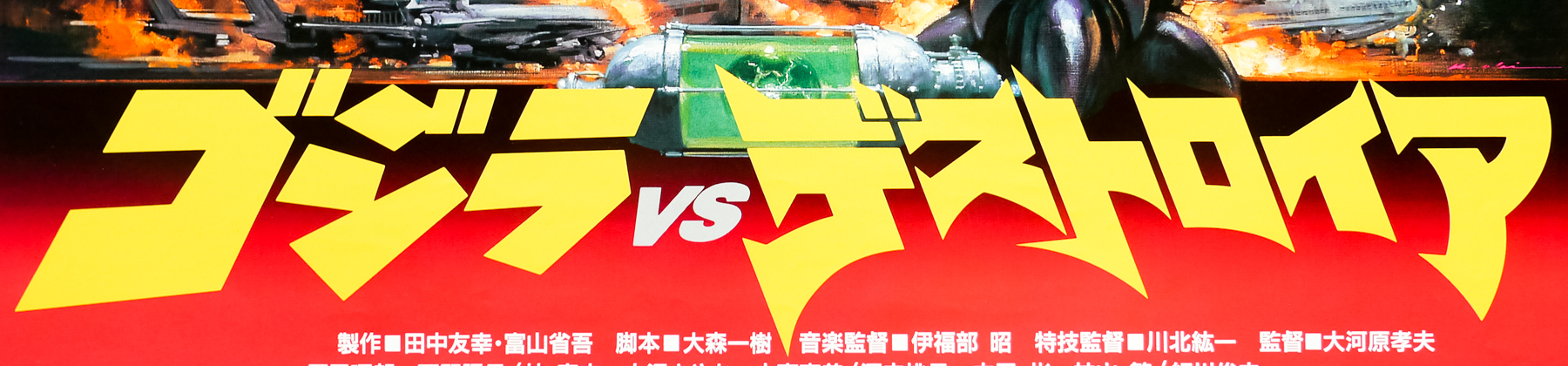
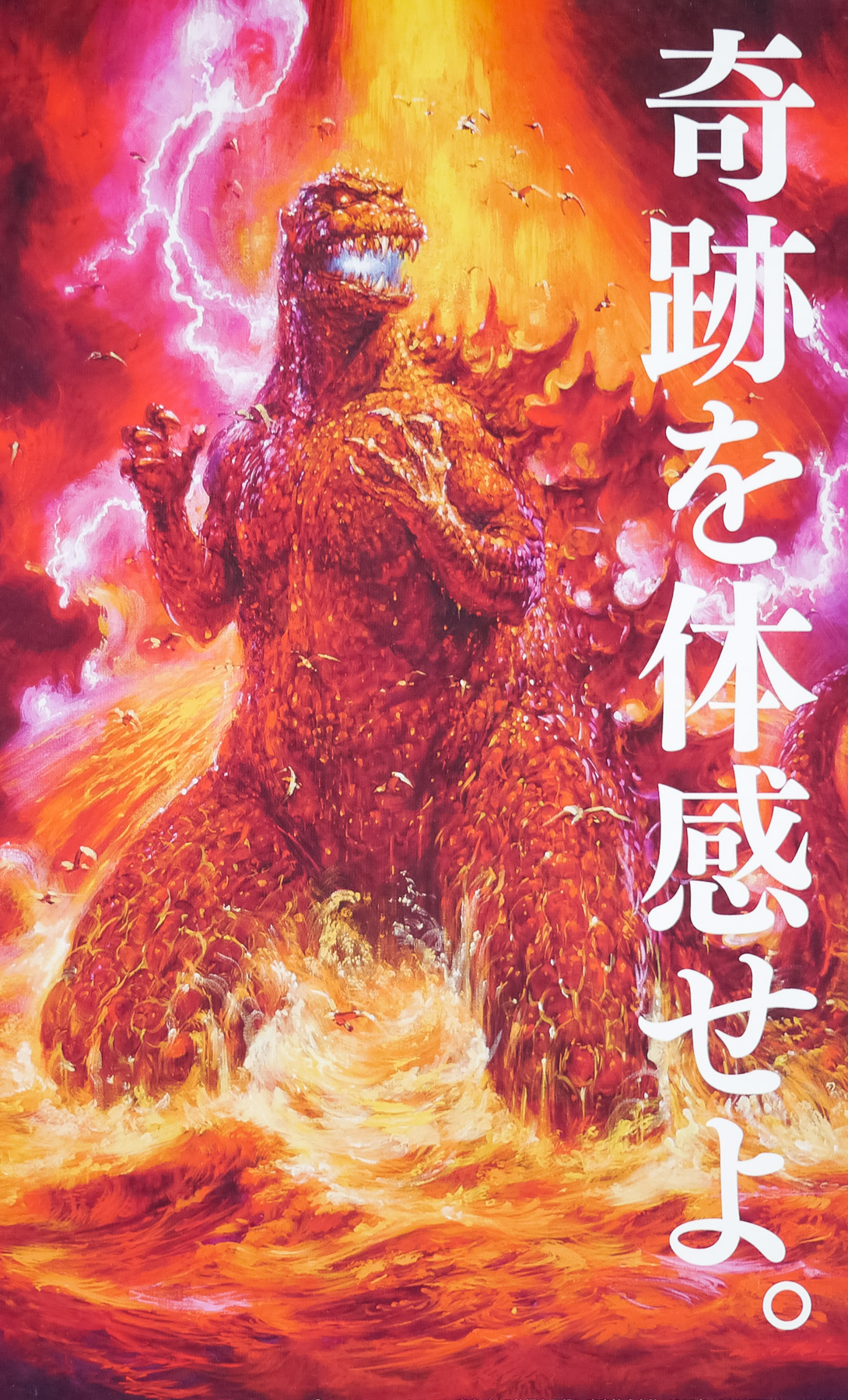
Artist Noriyoshi Ohrai provides another great illustration on this Japanese poster for the release of Godzilla vs Destroyah, which was the 22nd film in the series featuring the King of the Kaiju (giant monsters). The film was also the final release in the second generation of Godzilla films, which were part of the Heisei era of Japanese monster movies (daikaiju eiga). The eras are named after the Japanese emperor at the time, so the first generation of Godzilla films were part of the Shōwa era.

Prior to release the production company Toho announced that this film would see the death of this incarnation of the legendary kaiju in order to make way for an American version of Godzilla (a film that was eventually released in 1998 to critical derision). The film begins with Miki Saegusa (Megumi Odaka), the psychic who has has previously used her powers to communicate with Godzilla, discovering that his home on Birth Island has been completely destroyed by an unknown force. Sometime later Godzilla appears near Tokyo covered in glowing, red hot rashes and the Japan Self Defense Force instructs a scientist to investigate what’s causing his condition.

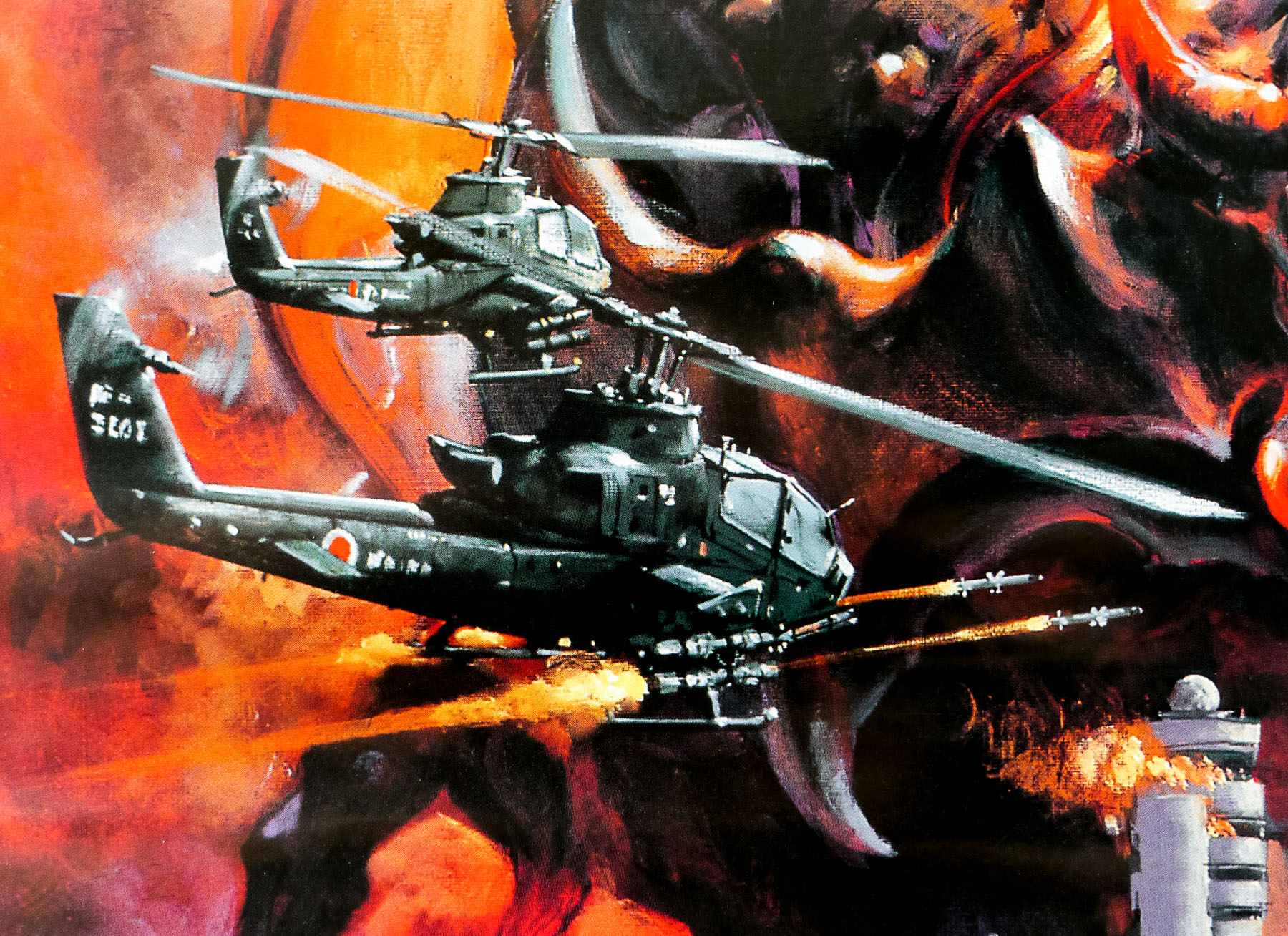
It is soon discovered that Godzilla’s heart, which is effectively a nuclear reactor, is going into meltdown and once it reaches 1200 degrees Celsius it will explode with the force of 1000 nuclear bombs. The JSDF launch the flying attack fortress Super X-III to try to keep control of the situation. Meanwhile, scientists have developed a new formula for the ‘Oxygen Destroyer’ weapon that was originally created by Dr. Serizawa back in 1954 (the original Godzilla film) but fears over its side effects are realised when a number of mutated creatures are found to have been infected by the formula and are growing at an alarming rate. Quickly they evolve into crab-like creatures that start attacking Japan and have several skirmishes with the JSDF who dub the eventual combined creature ‘Destroyah’. Godzilla Junior reappears, greatly resembling his father, and the stage is set for several showdowns between Destroyah and the two Godzillas whilst scientists race to try and prevent a meltdown disaster.

This film features several calls back to the original 1954 Godzilla, including a cameo by Momoko Kôchi who played Emiko Yamane in the original film. This bit of trivia on IMDb hints at an early planned version of the final Heisei era Godzilla film:

An original idea for this movie had Godzilla fighting the original 1954 Godzilla in ghost form. The project, “Godzilla VS Ghost Godzilla”, was scrapped because the producers thought Godzilla didn’t need to fight a clone version of himself for three movies in a row, following Godzilla vs. Mechagodzilla(1993) and Godzilla vs. Space Godzilla (1994).

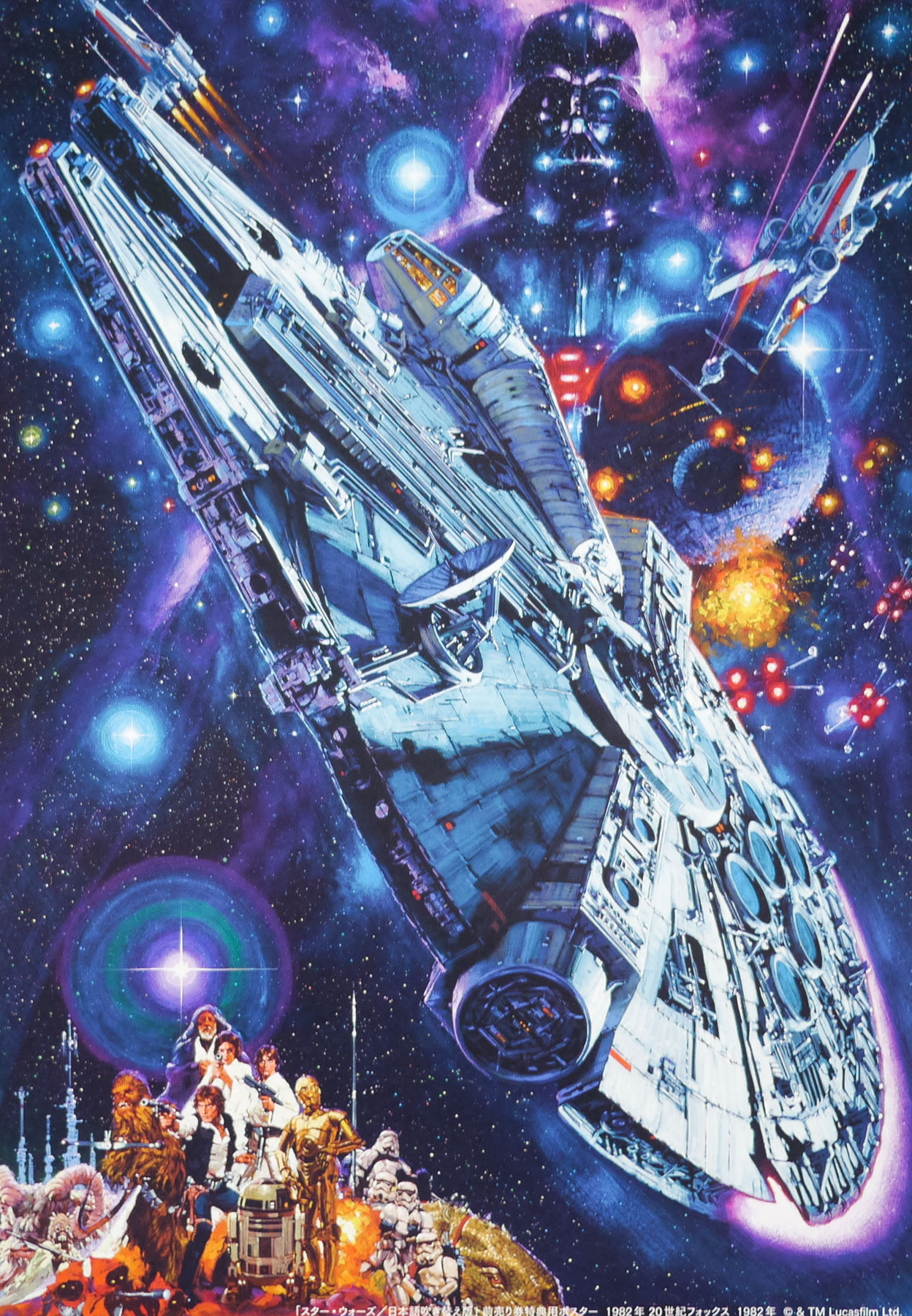
The artwork on the poster is by the late Noriyoshi Ohrai who was something of an enigma, even in his native Japan. Ohrai painted a poster for each of the Heisei era of Godzilla films, which were always accompanied by a photographic-style poster. He’s responsible for a number of Star Wars posters, including this lovely 1982 B2 to celebrate the release of the Japanese dubbed version of the original film and the brilliant design for The Empire Strikes Back.

The other Ohrai posters I’ve added to the site so far can be seen by clicking here.
Warlords of Atlantis / B2 / style B / Japan

10.01.14

Poster Poster
Title
Warlords of Atlantis
AKA
7 Cities to Atlantis (Japan - English title) | Warlords of the Deep (USA)
Year of Film
1978
Director
Kevin Connor
Starring
Doug McClure, Peter Gilmore, Shane Rimmer, Lea Brodie, Michael Gothard, Hal Galili, John Ratzenberger, Derry Power, Donald Bisset
Origin of Film
UK
Genre(s) of Film
Doug McClure, Peter Gilmore, Shane Rimmer, Lea Brodie, Michael Gothard, Hal Galili, John Ratzenberger, Derry Power, Donald Bisset,
Type of Poster
B2
Style of Poster
Style B
Origin of Poster
Japan
Year of Poster
1978
Designer
Unknown
Artist
Seito
Size (inches)
20.5" x 29"
SS or DS
SS

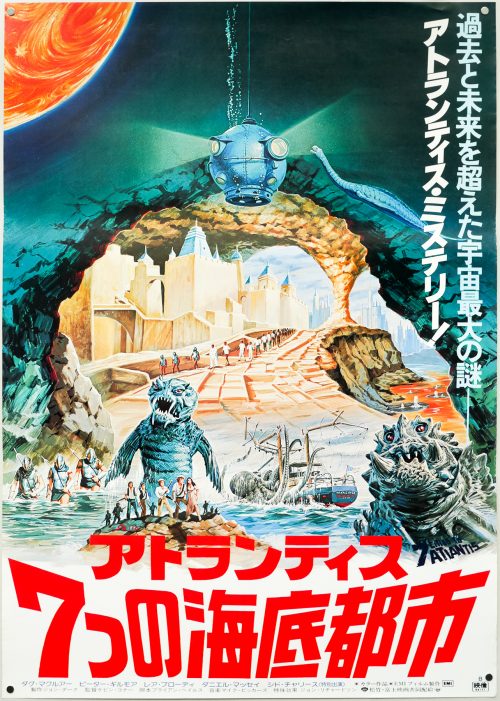
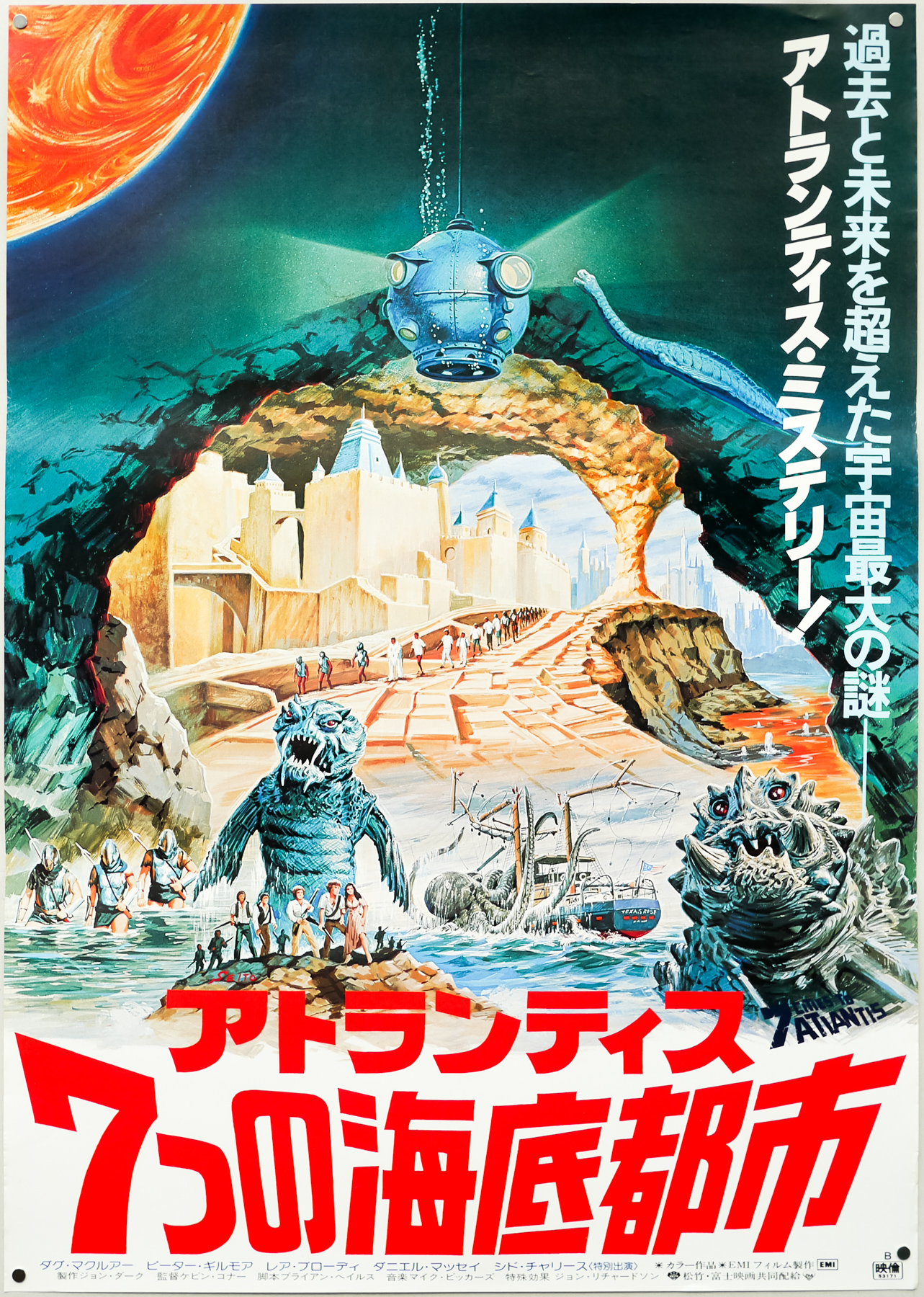
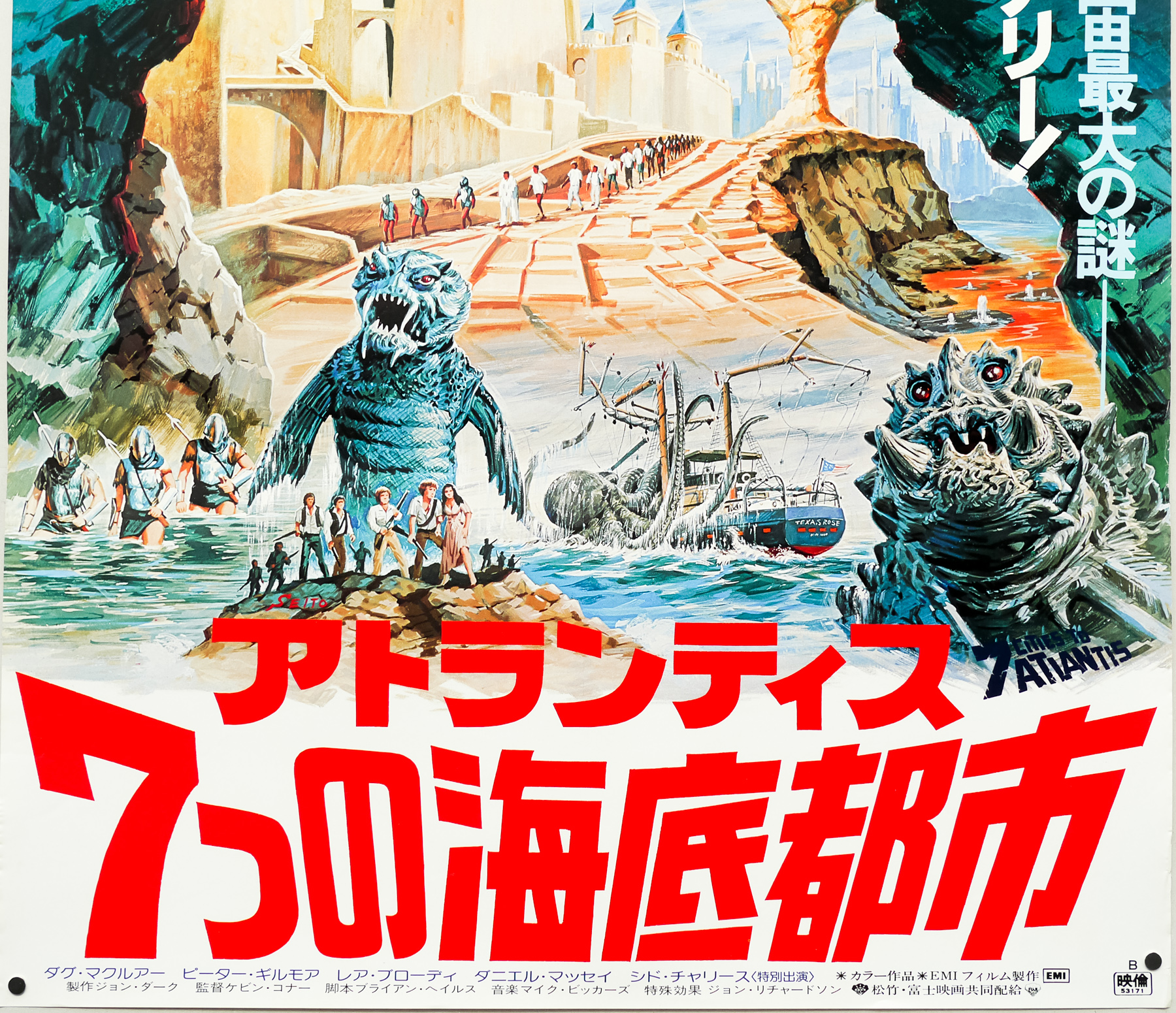
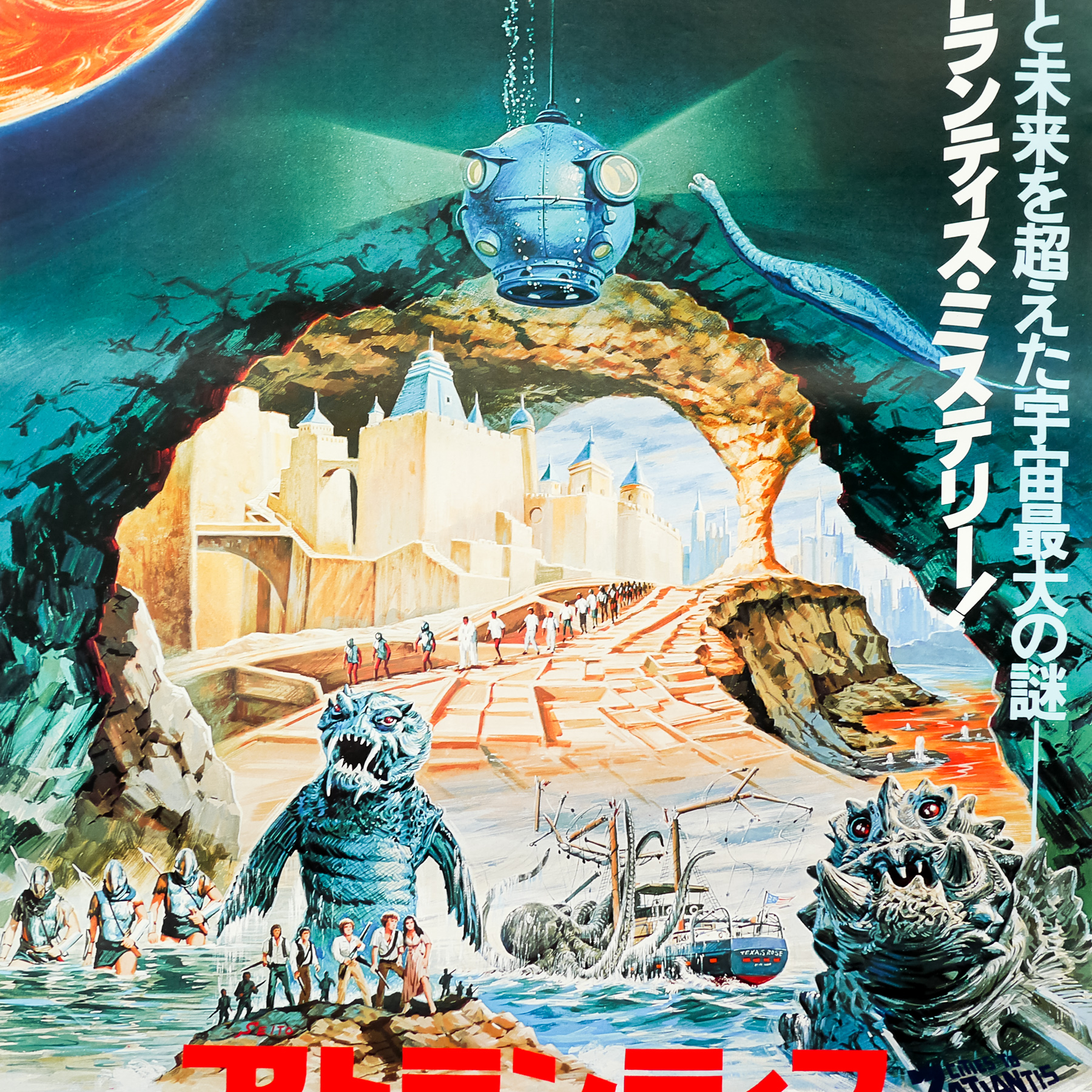
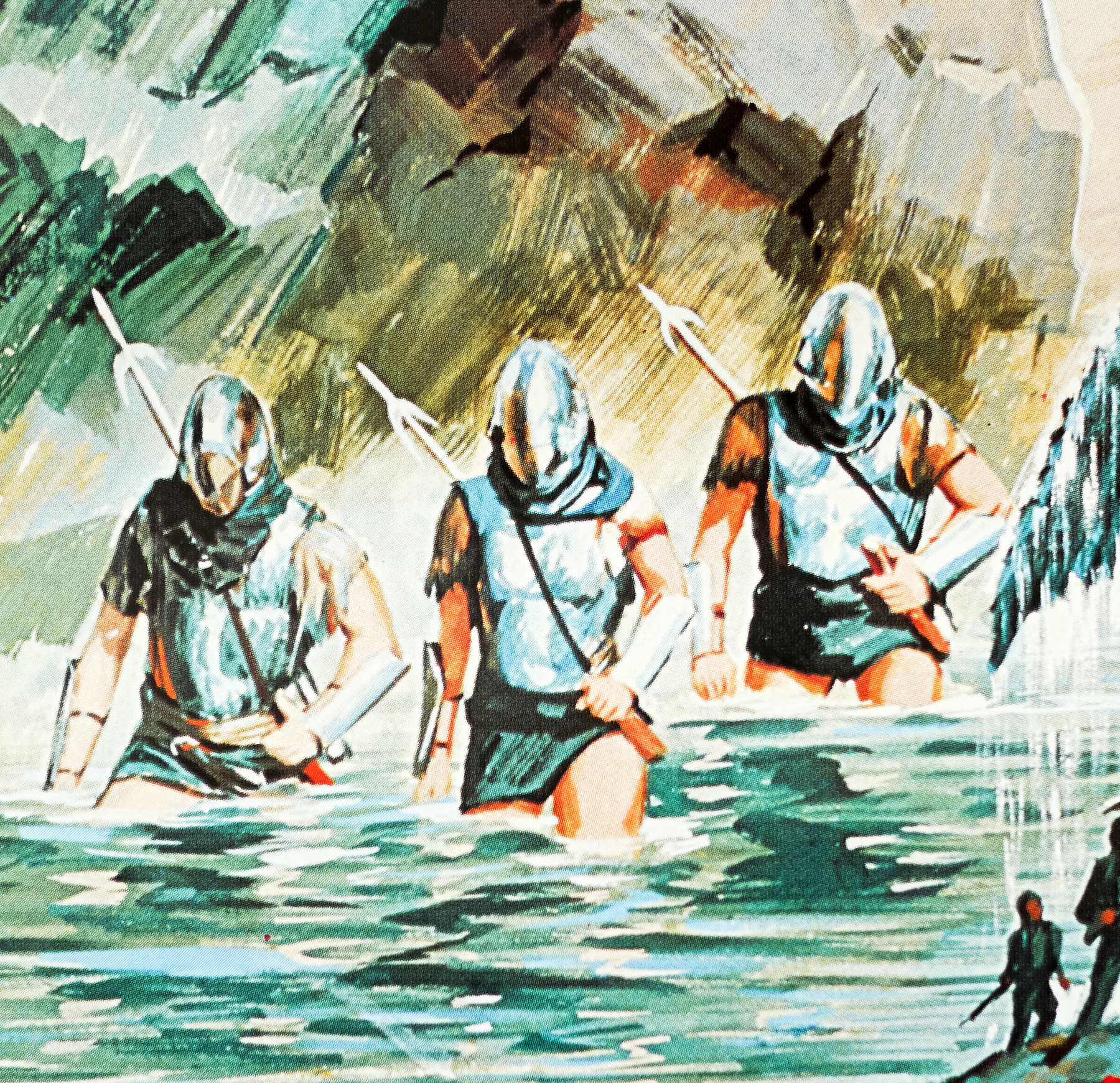
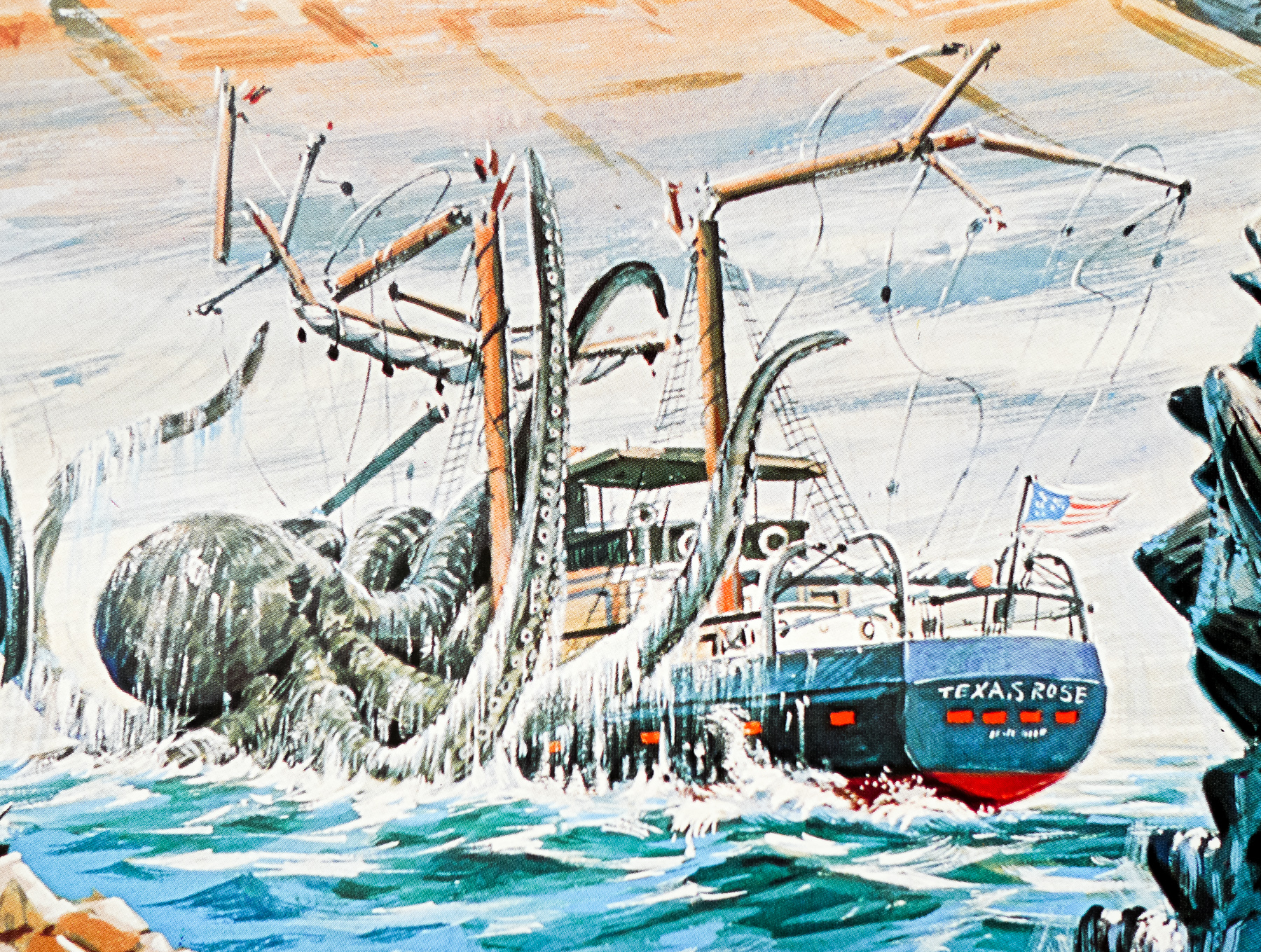
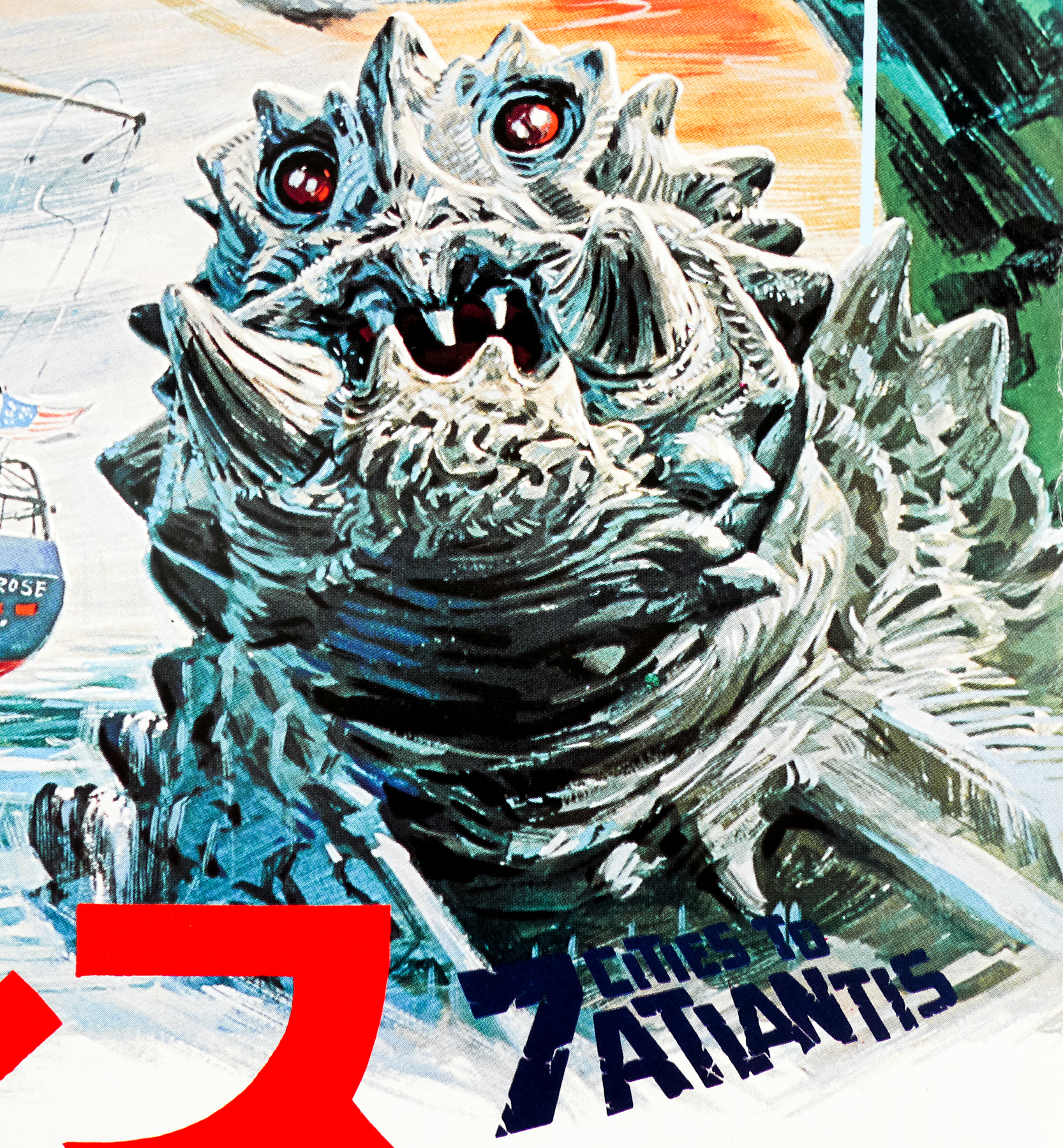
Warlords of Atlantis was the fourth and final entry in a series of British sci-fi/fantasy b-movies that were directed by Kevin Connor and starred the prolific American actor Doug McClure, known for his hammy leading man performances (McClure was one of the inspirations for The Simpsons’ Troy ‘You may remember me from…’ McClure). The series began with The Land That Time Forgot in 1975 and continued with At the Earth’s Core (1976) and The People That Time Forgot (1977). The initial three were shepherded through production by Max Rosenberg and Milton Subotsky’s Amicus Productions, which was based at Shepperton studios and is perhaps best remembered for its series of portmanteau horror films. By the time Warlords of Atlantis was released the company was almost defunct and so EMI Films stepped in and produced it, utilising many of the same cast and crew as the previous films.

The story is typically ludicrous and the film begins with a red hot meteorite crashing into the earth’s ocean during the title sequence. The film then moves to a large boat floating out at sea at the end of the 19th century with an English archaeologist Professor Aitken (Donald Bisset) and his son Charles (Peter Gilmore) onboard. The pair have chartered a crew, led by engineer Greg Collinson (McClure), to take them out to a spot in the ocean where they plan to use a diving bell to explore the ocean floor for reasons unclear. When Charles and Greg travel below the surface the craft is attacked by a (very rubbery) prehistoric sea monster, which they manage to fight off before discovering a strange gold statue.

After the statue is sent up to the ship, three of the crew members decide they want to keep it for themselves and set about sabotaging the mission by cutting the line to the diving bell and shooting the professor. Suddenly a giant octopus attacks the ship, grabbing the crew members and dragging them under, before collecting the diving bell and depositing them all in a mysterious undersea chamber. The group are greeted by Atmir (Michael Gothard looking like an electro-band reject) who explains that Atlantis is not a myth and that it is in fact comprised of seven cities, some of which are crumbling ruins thanks to attacks from huge creatures. After leading the group to the fourth city Vaar, most of the crew are thrown in to prisons but Charles is granted an audience with the Atlantean king and queen, which is where their true origins and intentions are revealed.

Whilst everything moves with a decent pace the story is more than a bit garbled and the low-budget is stretched to breaking point in several scenes with some terrible matte paintings illustrating the point. The creature work in particular is mostly of the low-grade variety, although the giant octopus scenes are relatively well done and some elements of the production design are very successful (the diving bell is great, for example). The acting is mostly good, whilst obviously of the b-movie variety, with McClure and Gilmore both being eminently watchable and the score by Michael Vickers deserves special mention. Despite its obvious shortcomings, Warlords of Atlantis is still a very enjoyable film and marked a decent end to the run of films from Connor and McClure.

The artwork on this Japanese B2 is by Seito, one of my favourite Japanese artists who was responsible for several fantastic illustrated posters during the 1970s and 1980s. Little is known about the man himself, even in his native country. To see the other posters I’ve collected by him click here.
Gremlins / B2 / Sun-star / Japan

24.01.14

Poster Poster

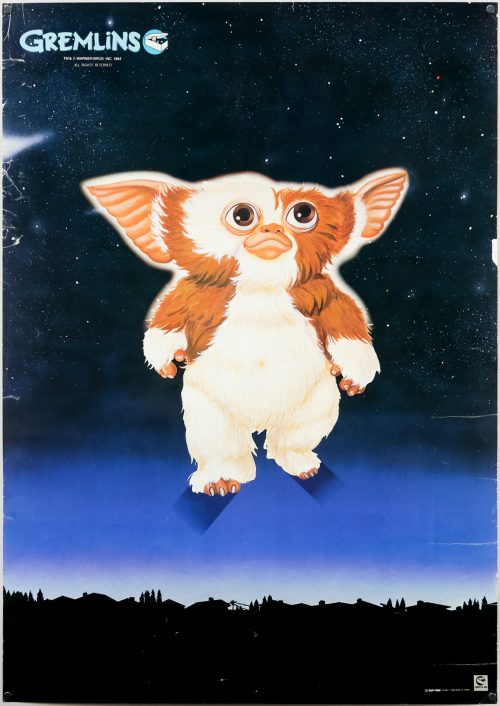
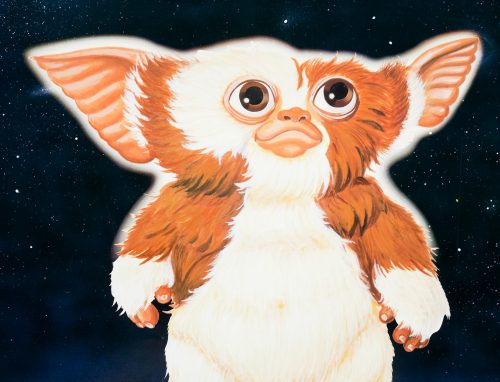
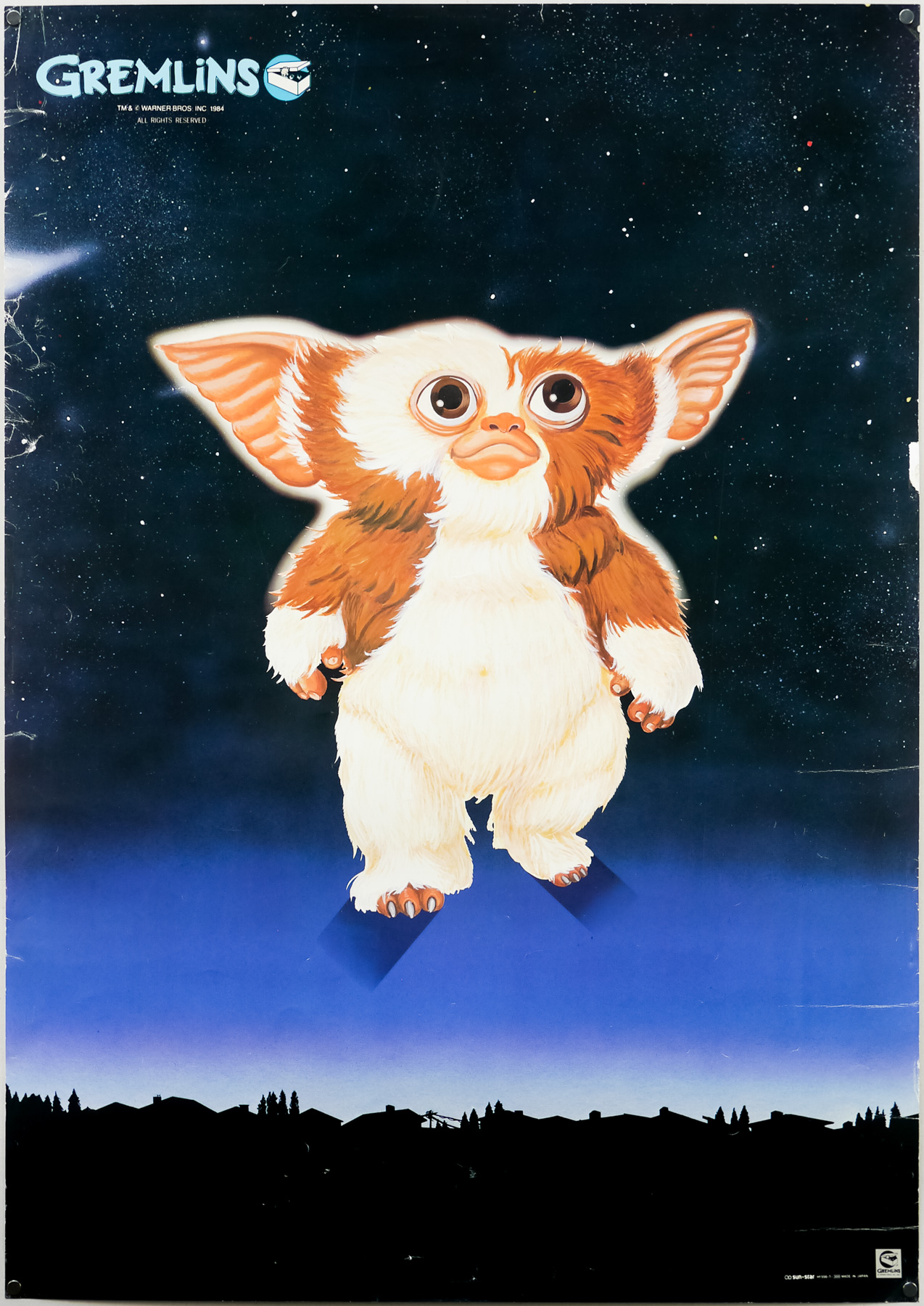
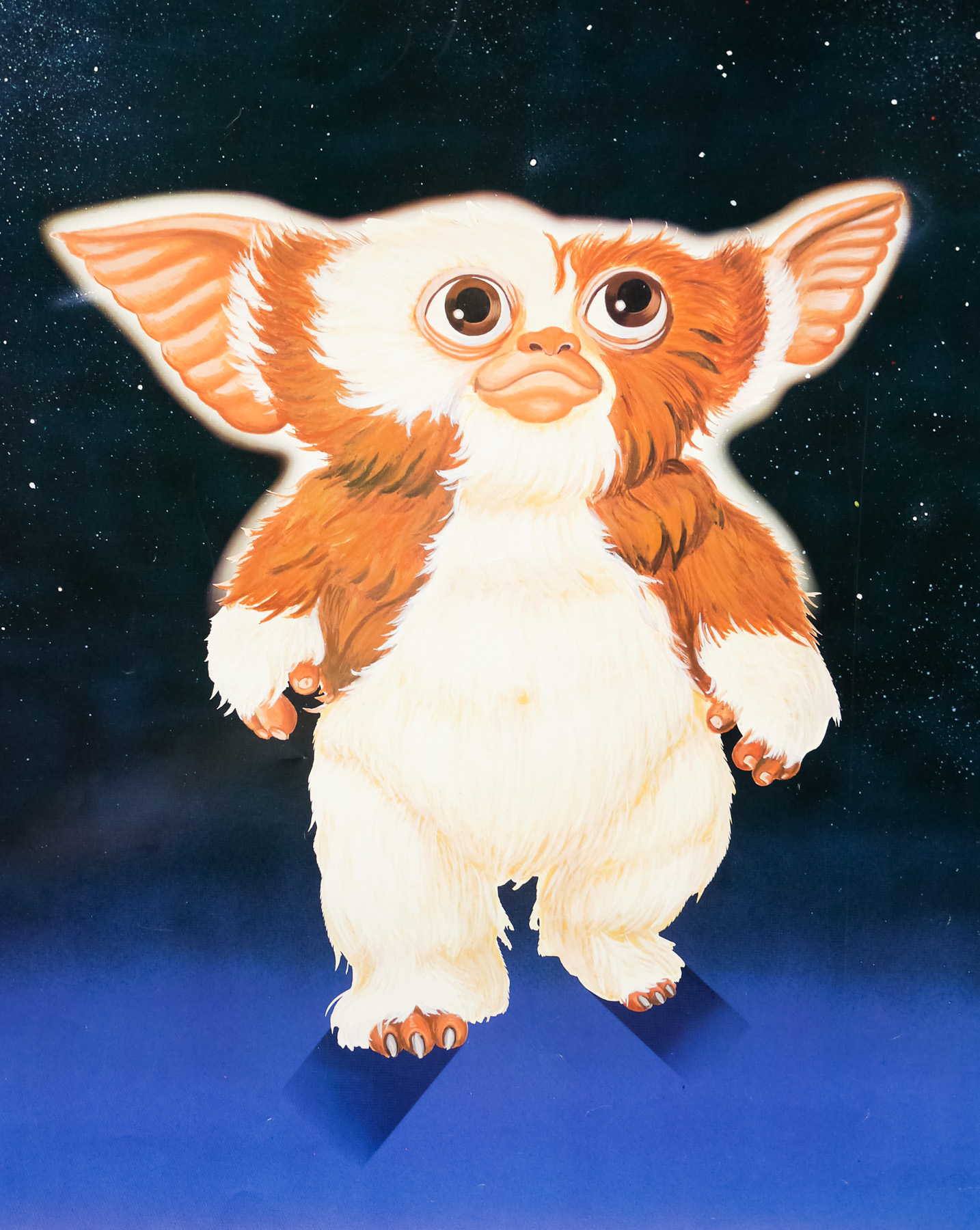
Gremlins, director Joe Dante‘s classic horror comedy, was one of the biggest box-office hits of the 1980s and this tale of small, malevolent creatures attacking the residents of a small town spawned countless imitations, including Critters, Ghoulies and Troll, none of which were able to match the quality of the film they were attempting to emulate. The film was produced by Steven Spielberg through his Amblin Entertainment company and it definitely features some unmistakable Spielbergian qualities.

Thanks to several violent scenes, the film is credited, along with Indiana Jones and the Temple of Doom, for the introduction of the PG-13 rating in America, which was intended to be applied to films that fell into the gap between the PG (Parental Guidance, but safe for children) and R-rated (intended for over 17-year olds). The equivalent in the UK is the 12A rating, which was introduced in 2002 and replaced the 12 rating that had been instigated at the end of the 1980s (for Tim Burtons’s Batman).

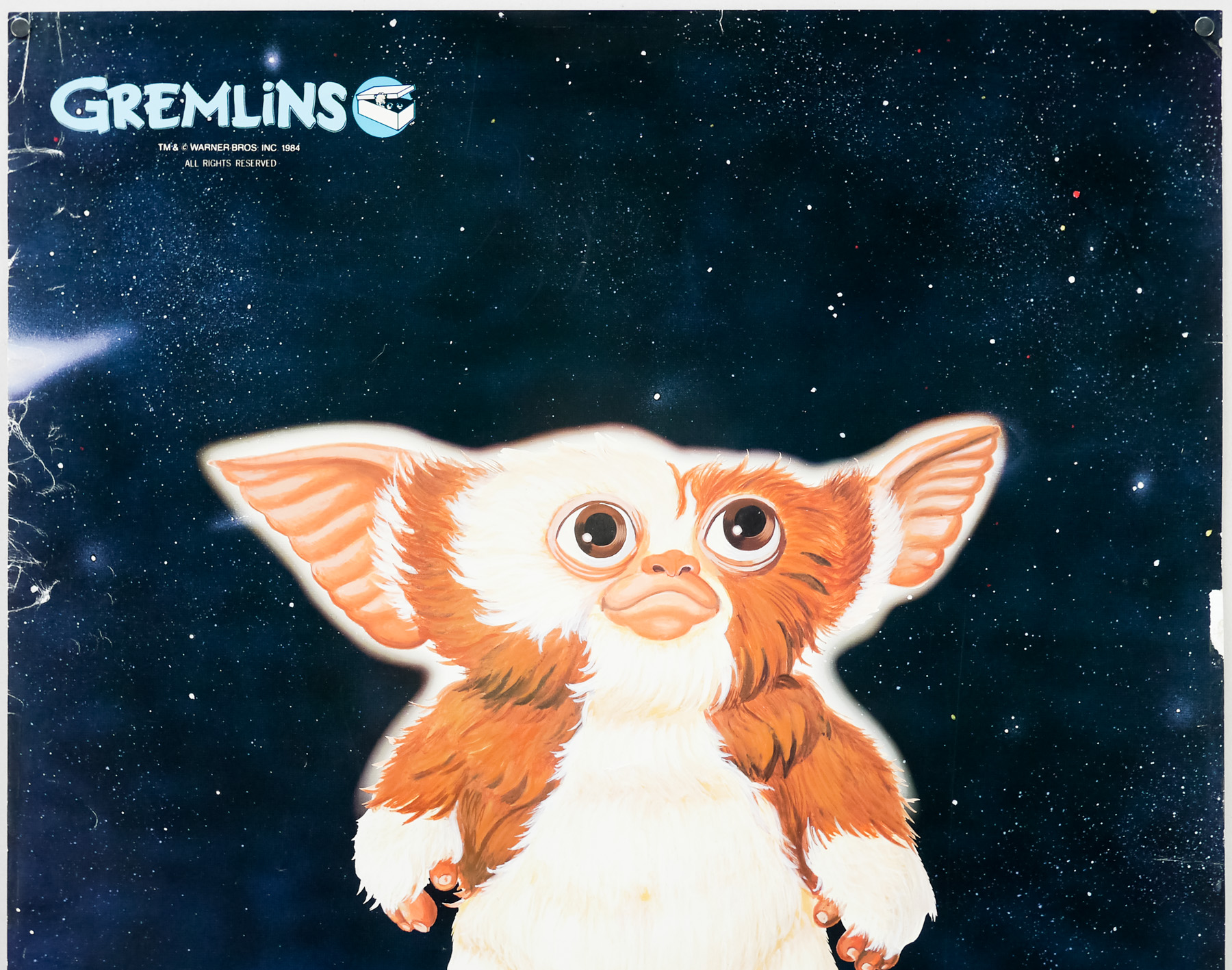
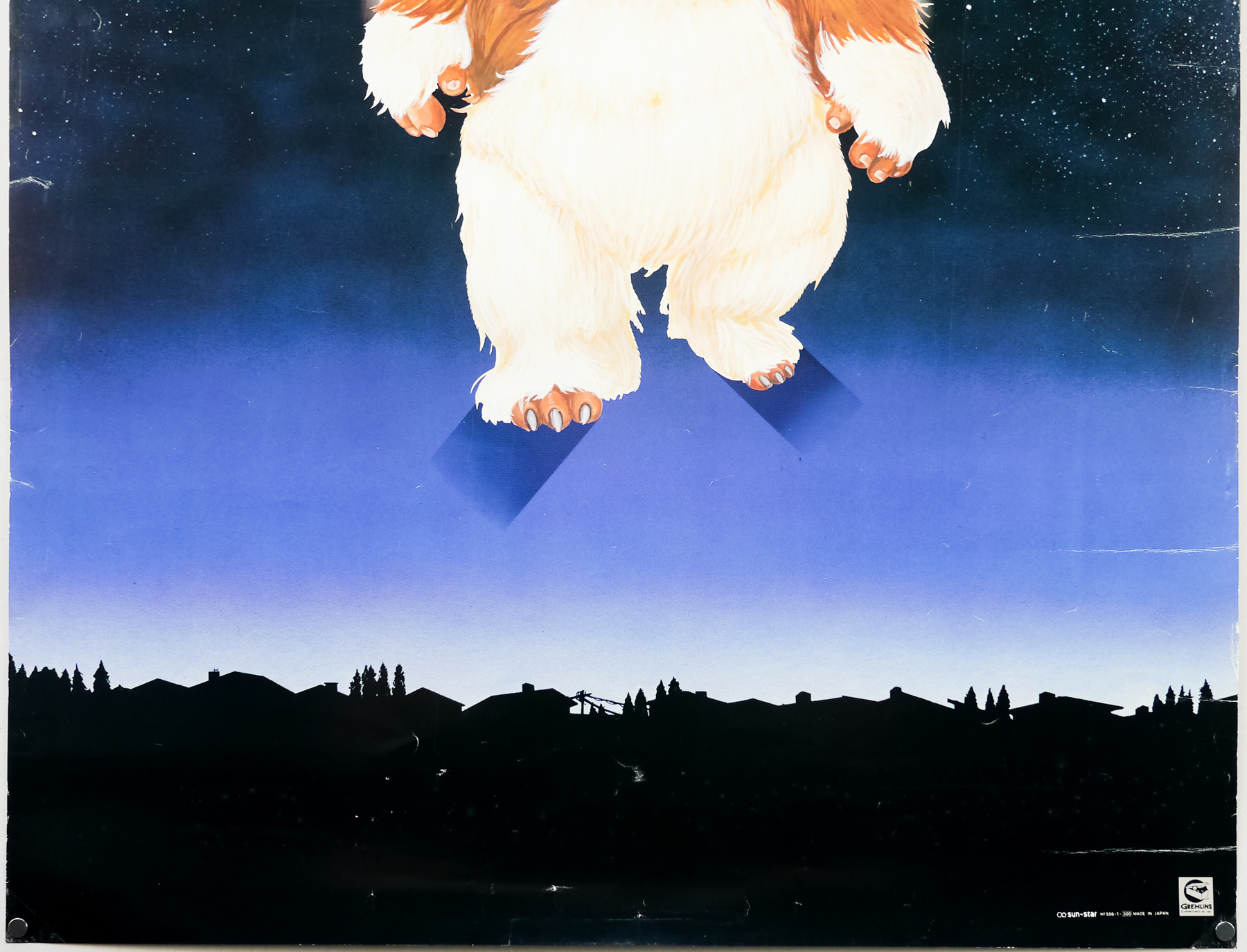
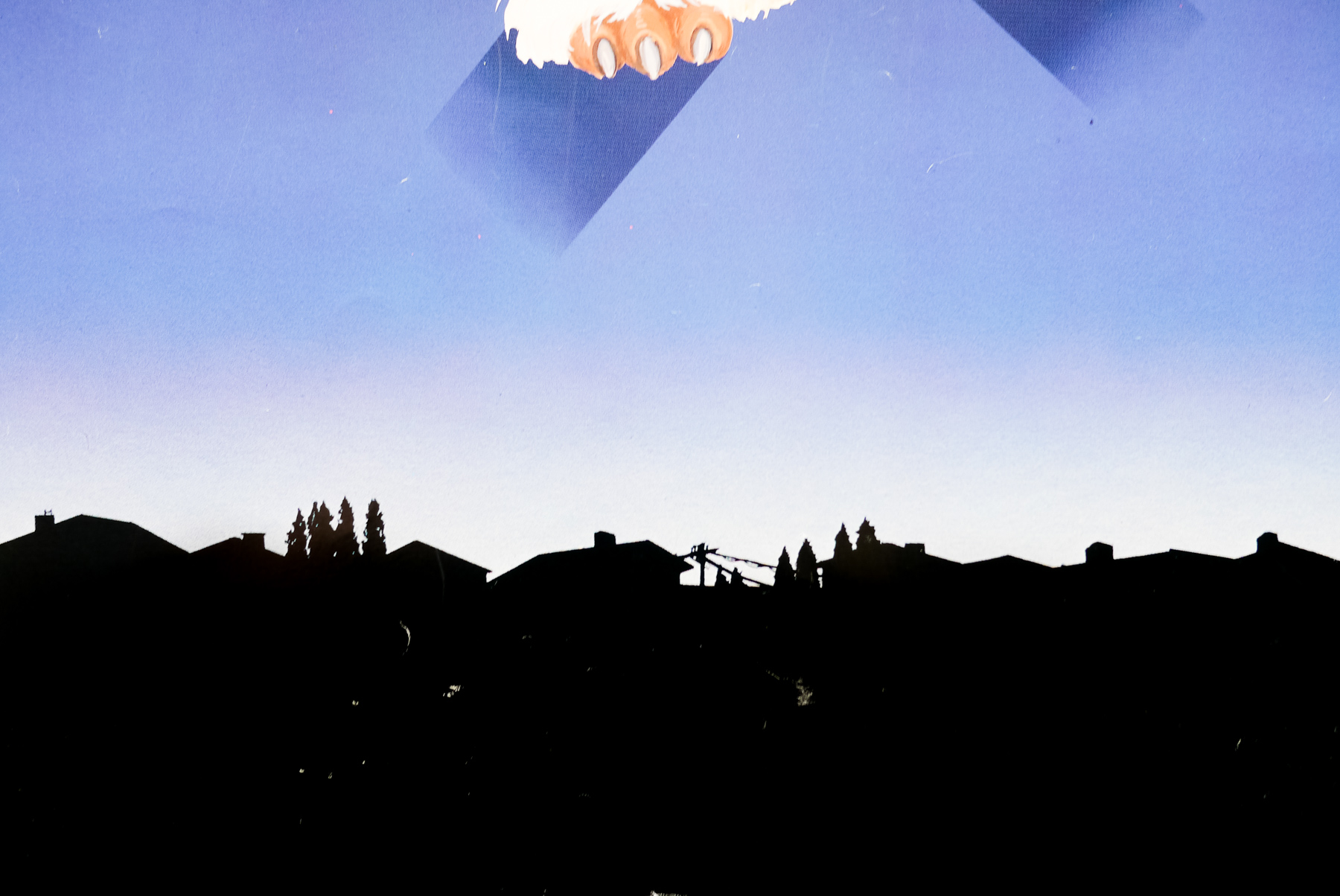
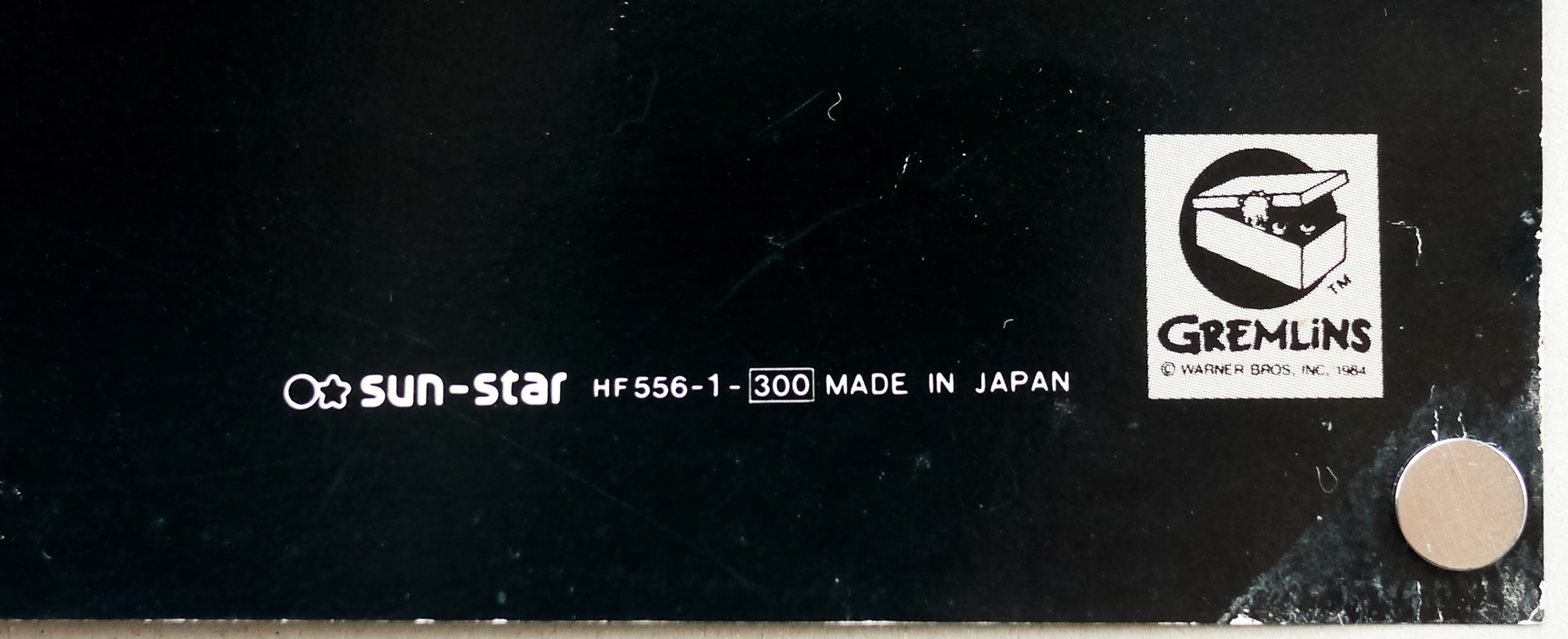
This is an unusual Japanese B2 featuring an illustration of Mogwai that was printed by a company called Sun-star. I picked it up whilst on a trip to Japan in 2012 and my best guess is that it was a poster created to be commercially sold at the time of release (or soon after). According to the English language version of the Sun-star website, they are a company whose products are ‘Stationery for office home use, Stationery featuring Disney characters’, and it’s entirely likely that they had a licensing tie-in with Warner Bros to print posters like this, perhaps to be sold at screenings of the film. If I find out any more information I’ll update this page.

I’m unsure who the artist responsible is so please get in touch if you have an idea.

Trouble Man / B2 / Japan

12.02.14

Poster Poster
Title
Trouble Man
AKA
Fureur Noire [Black Fury] (France)
Year of Film
1972
Director
Ivan Dixon
Starring
Robert Hooks, Paul Winfield, Ralph Waite, William Smithers, Paula Kelly, Julius Harris, Bill Henderson, Wayne Storm, Akili Jones, Vince Howard
Origin of Film
USA
Genre(s) of Film
Robert Hooks, Paul Winfield, Ralph Waite, William Smithers, Paula Kelly, Julius Harris, Bill Henderson, Wayne Storm, Akili Jones, Vince Howard,
Type of Poster
B2
Style of Poster
--
Origin of Poster
Japan
Year of Poster
1973
Designer
Unknown
Artist
--
Size (inches)
20 6/16" x 28 12/16"
SS or DS
SS
Tagline
--

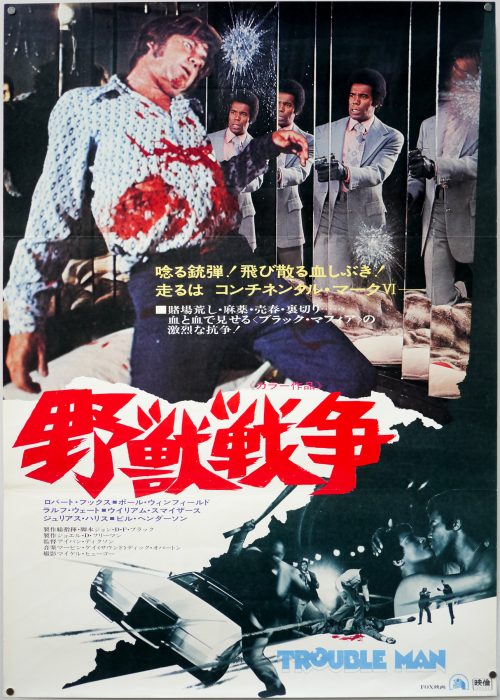
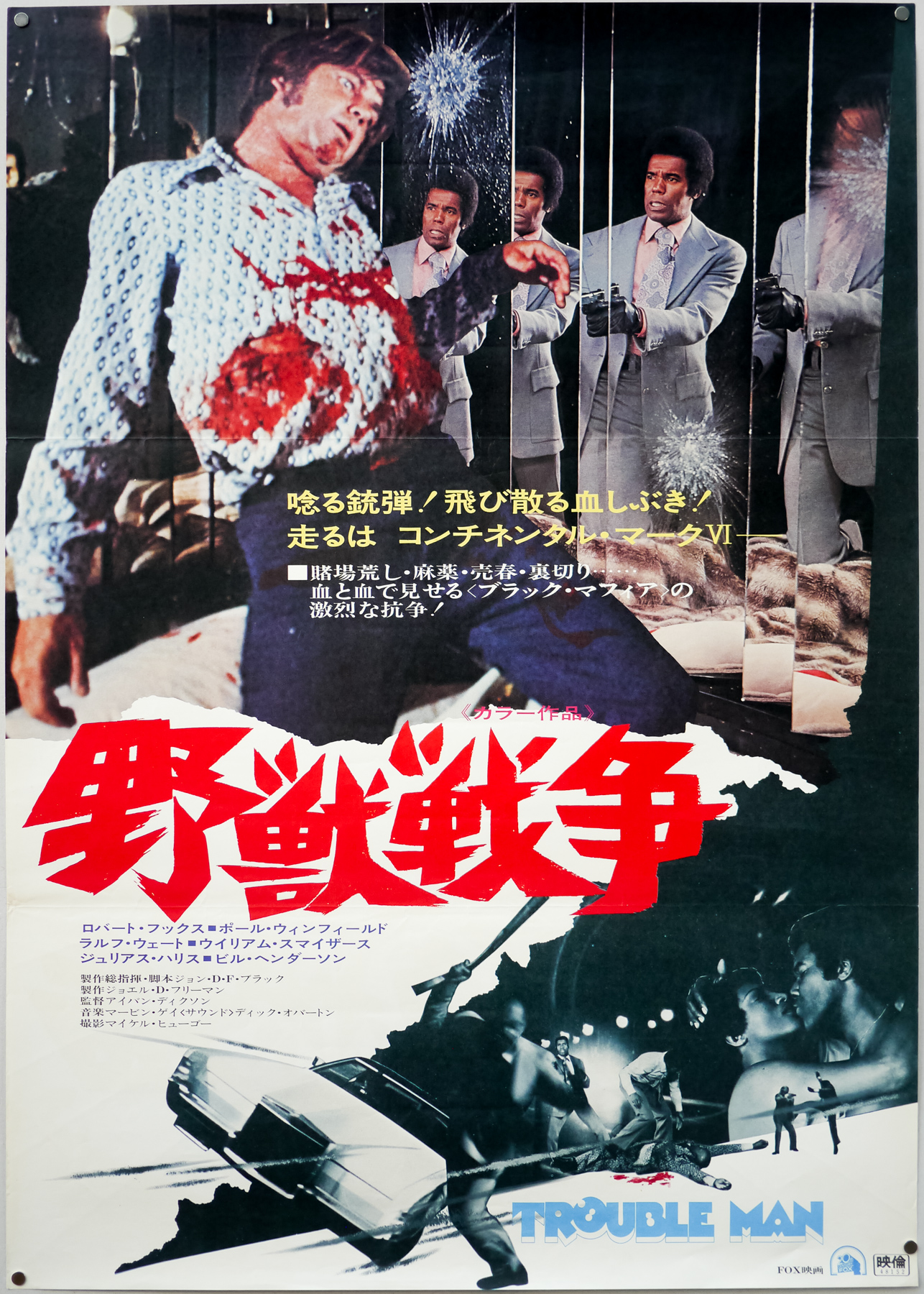
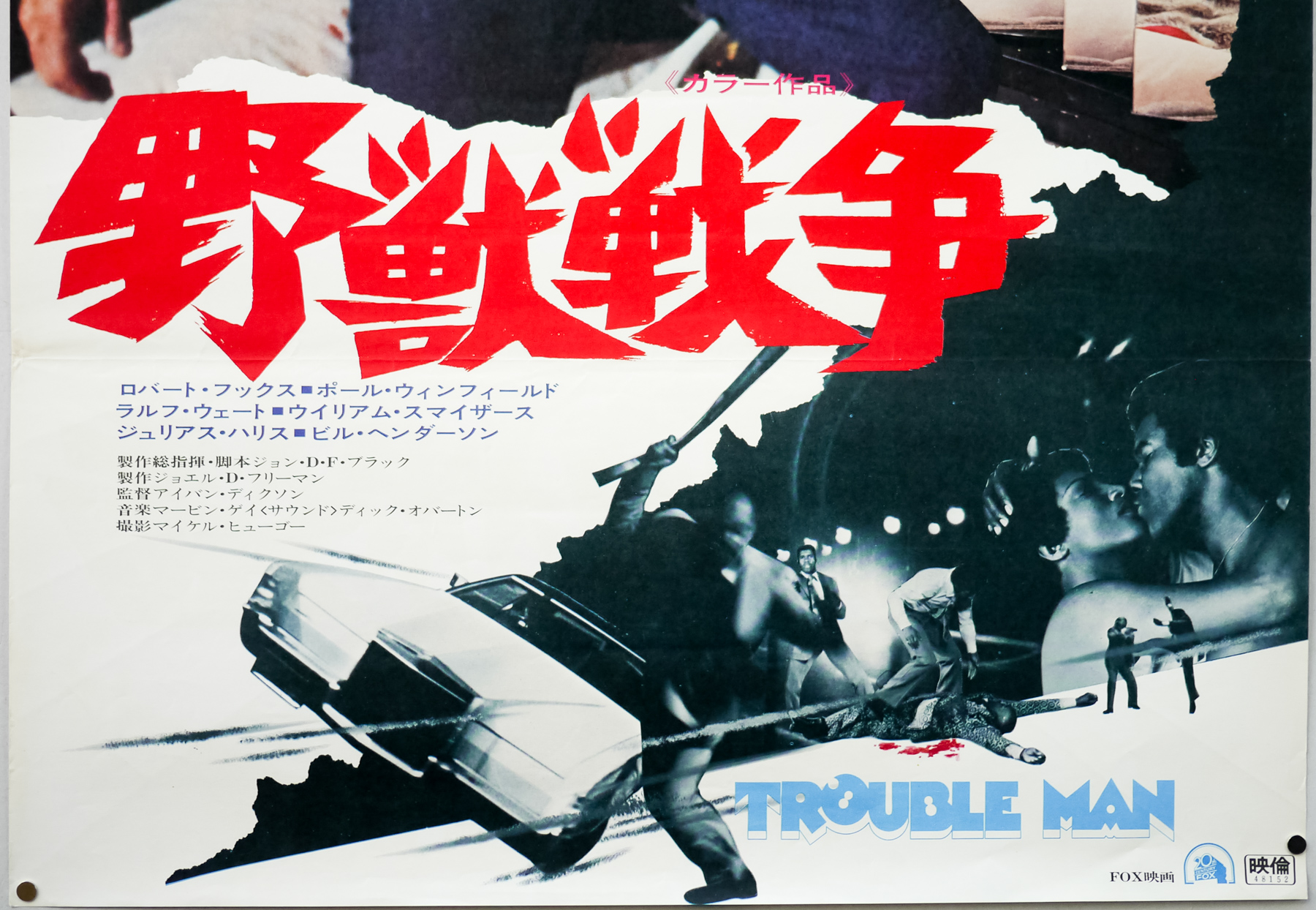
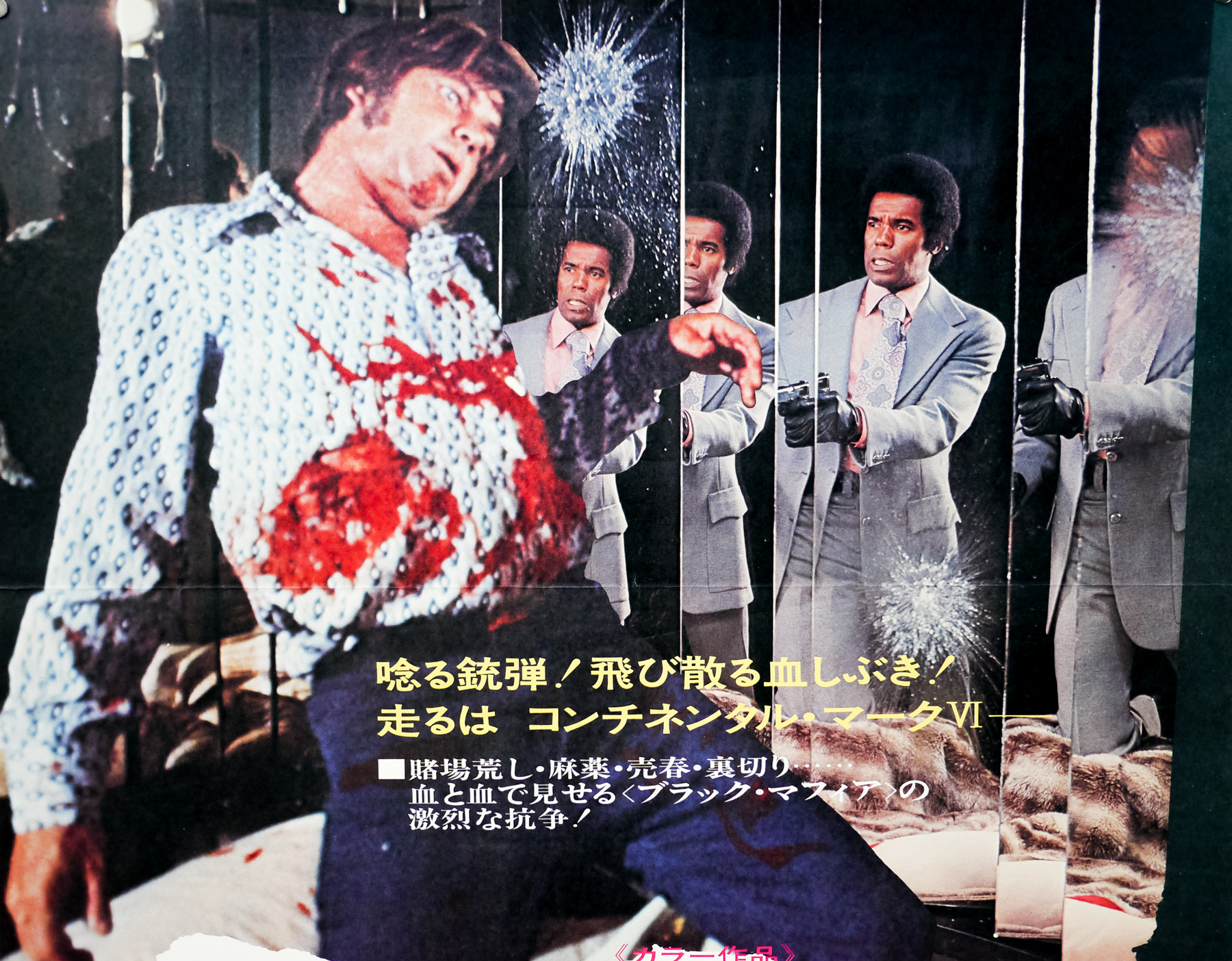
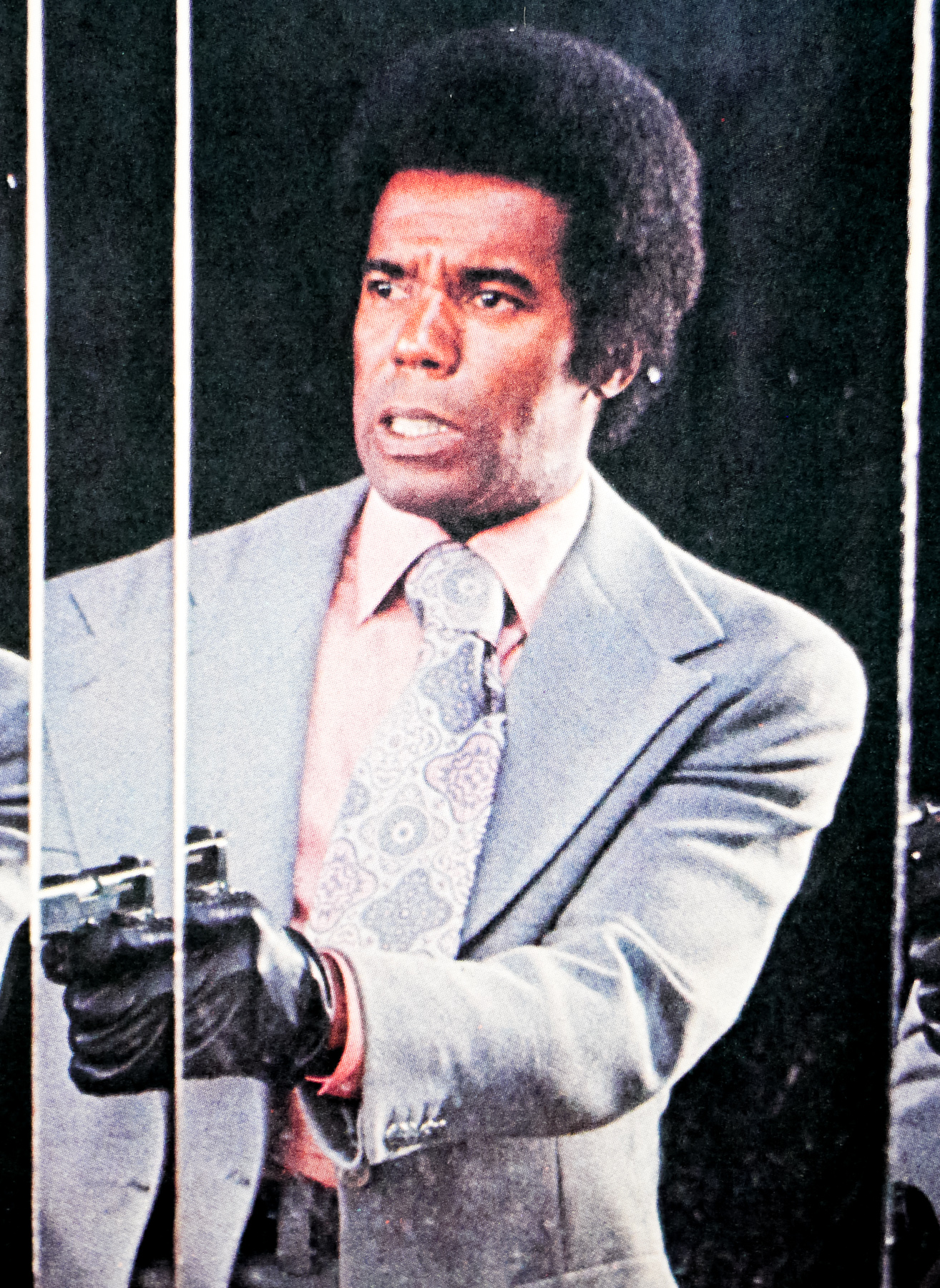
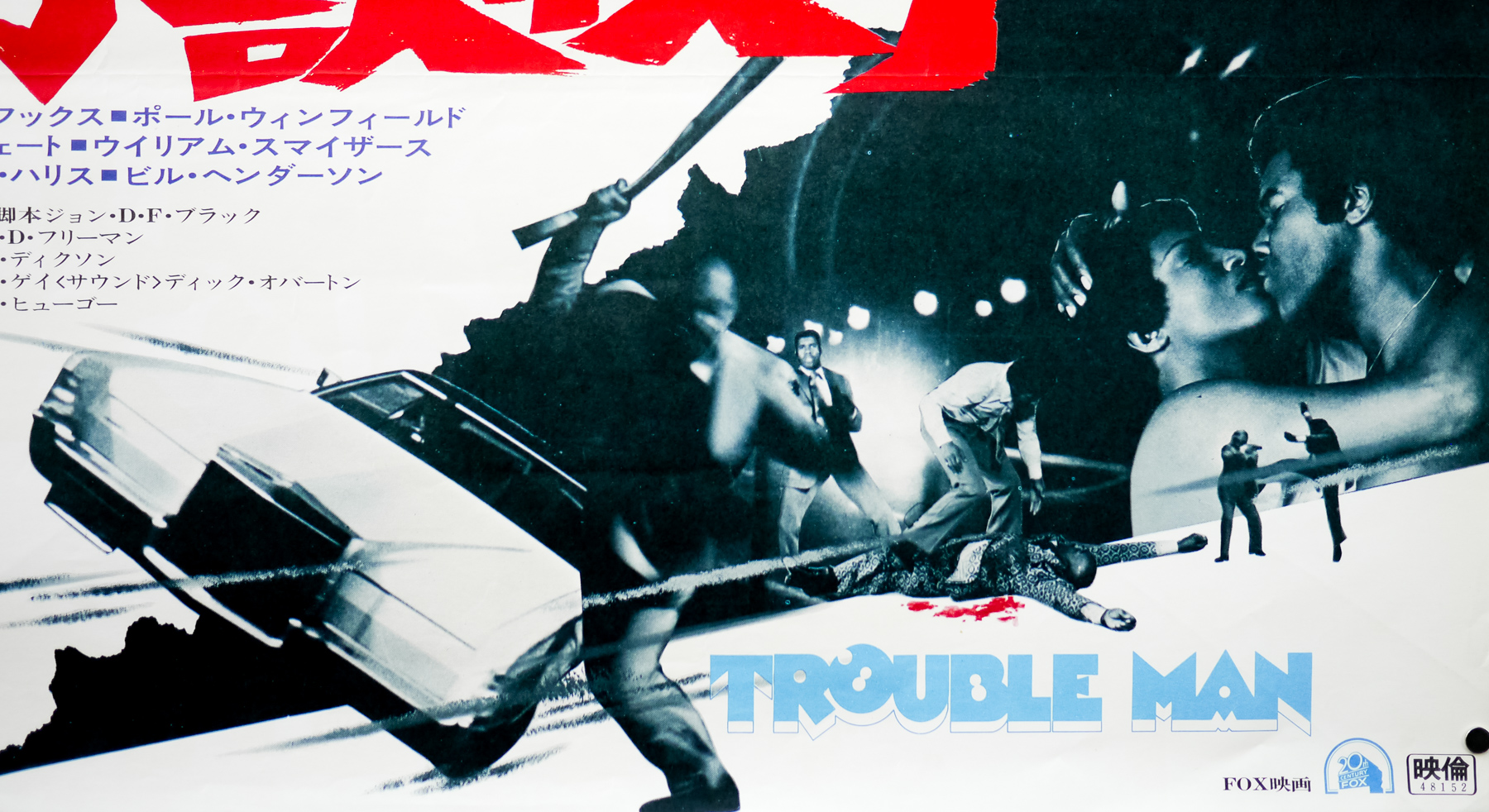
Actor turned director Ivan Dixon helmed Trouble Man, a blaxploitation thriller from 1972, starring Robert Hooks and featuring an original soundtrack by Marvin Gaye. Mr T (Hooks) is a former hustler turned private eye who has allies on both sides of the law and operates out of a pool hall where he sharks during his spare time. One day he is approached by Chalky (Paul Winfield) and Pete (Ralph Waite), two former pimps who have been running illegal dice games around the local neighbourhood which they claim have been robbed several times by a gang of masked men, despite them having changed the location several times.

Mr T agrees to help the pair discover who’s behind the heists for a price, but what he assumes to be a routine assignment soon turns out to be nothing of the sort when Chalky and Pete double cross him and leave him caught between a gang led by the kingpin Big (Julius Harris) and the local police captain. T must fight to survive and clear his name whilst getting even with Chalky and Pete before its too late. Often compared favourably to perhaps the best known blaxploitation feature Shaft, the film has something of a cult reputation today which is helped by the memorable Marvin Gaye soundtrack.

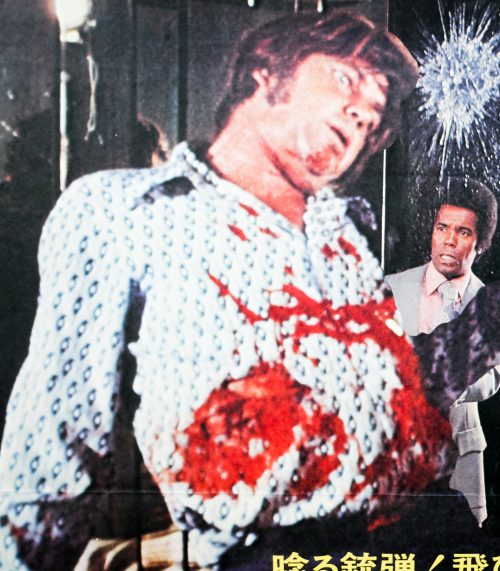
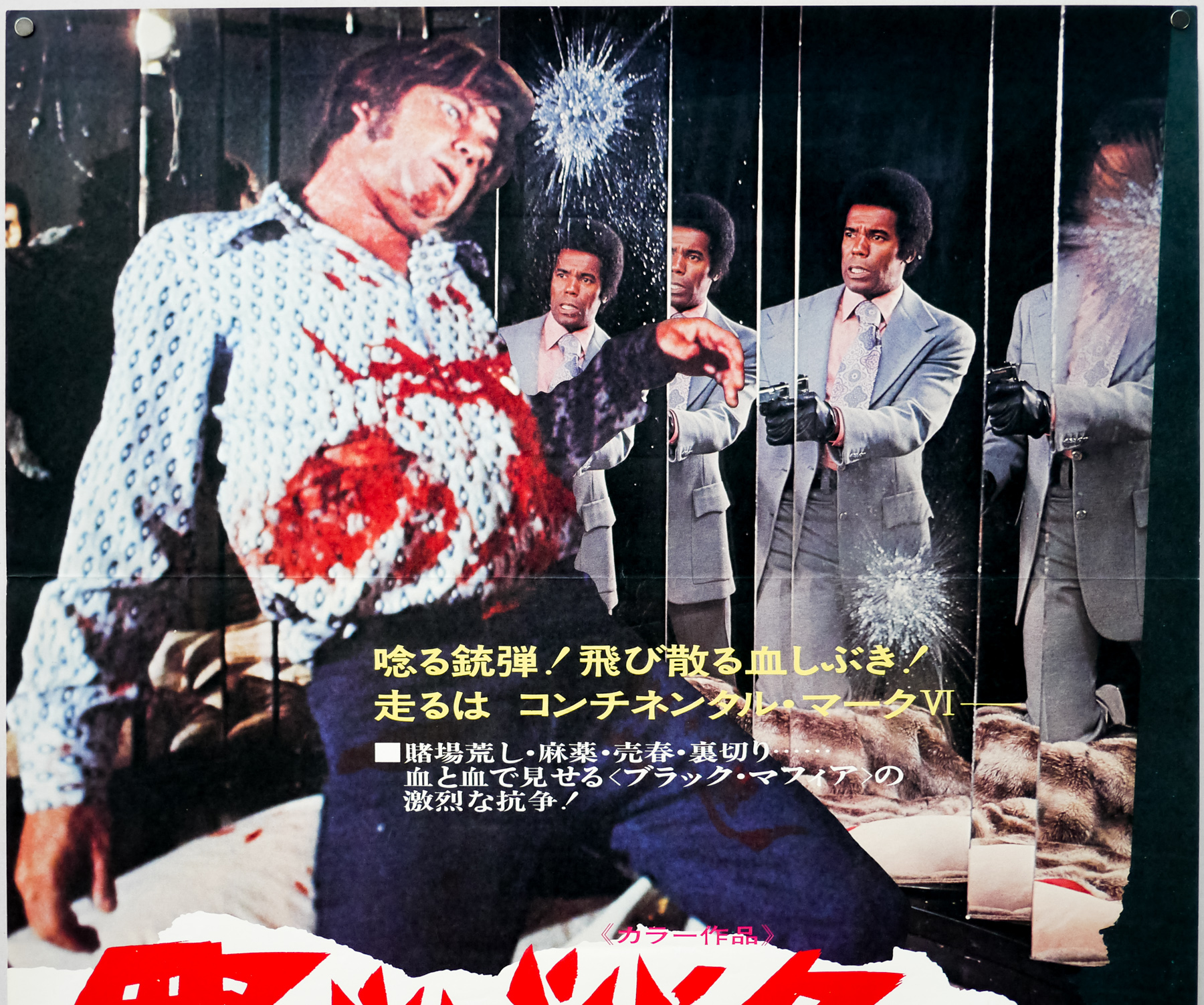
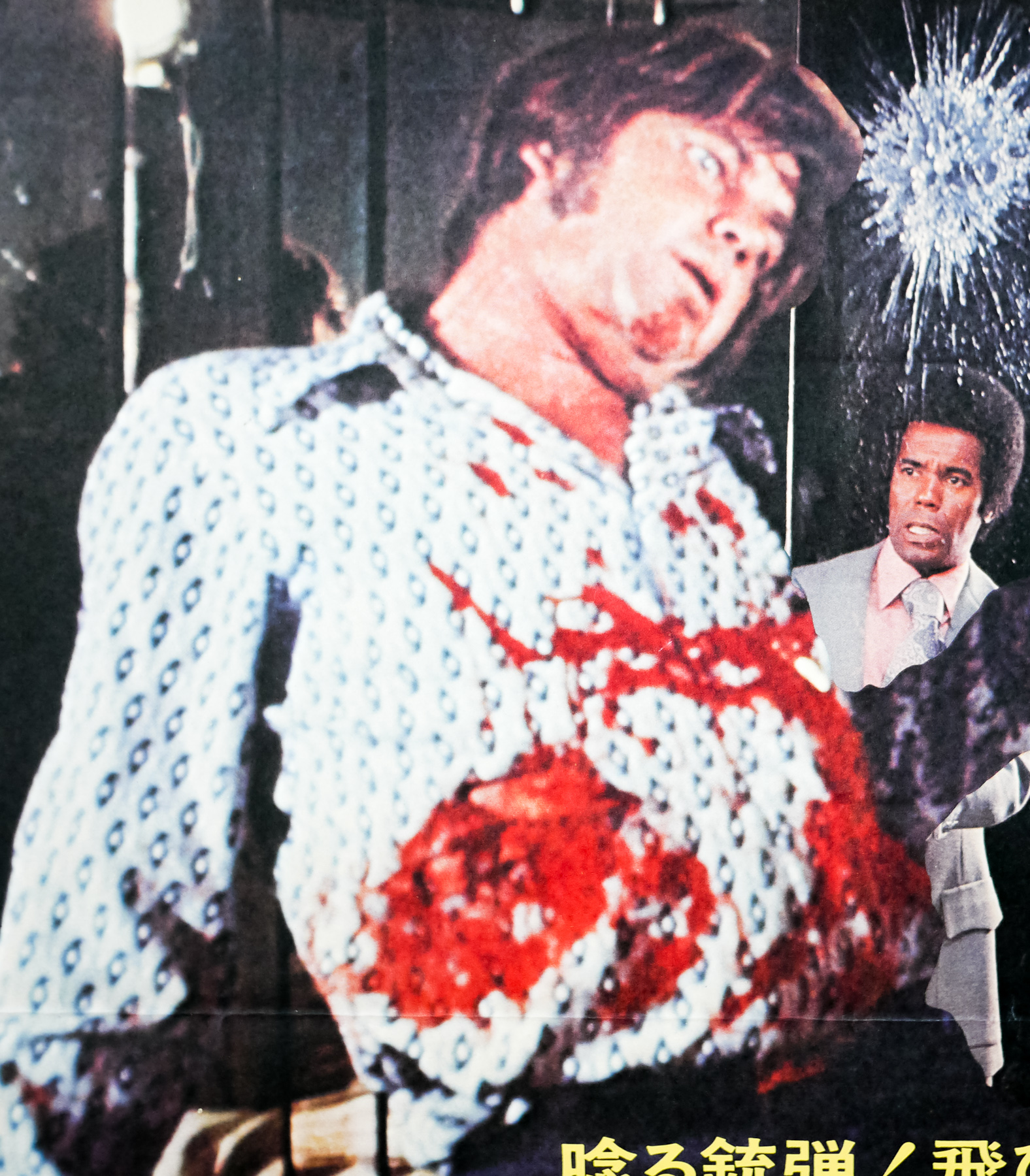
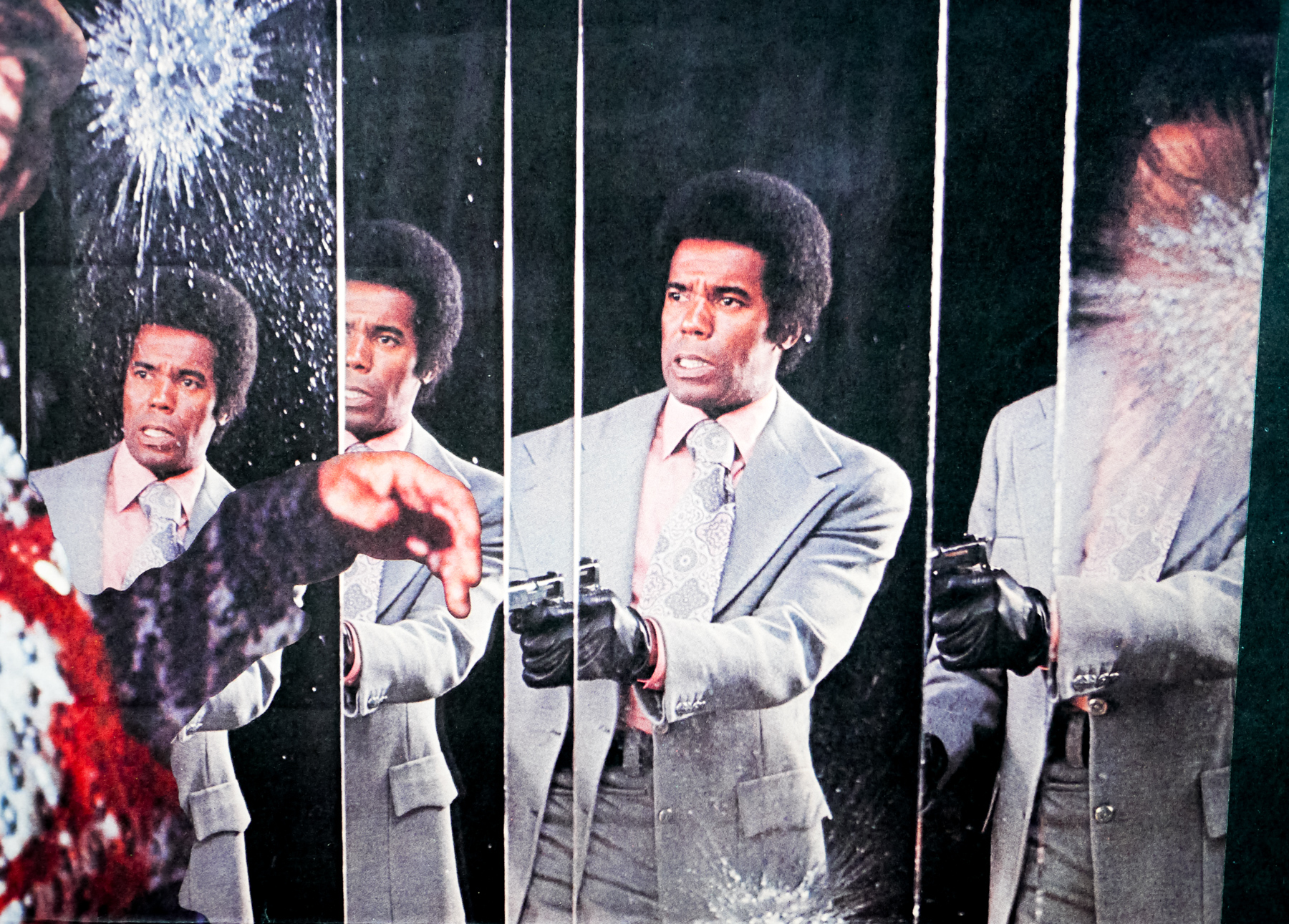
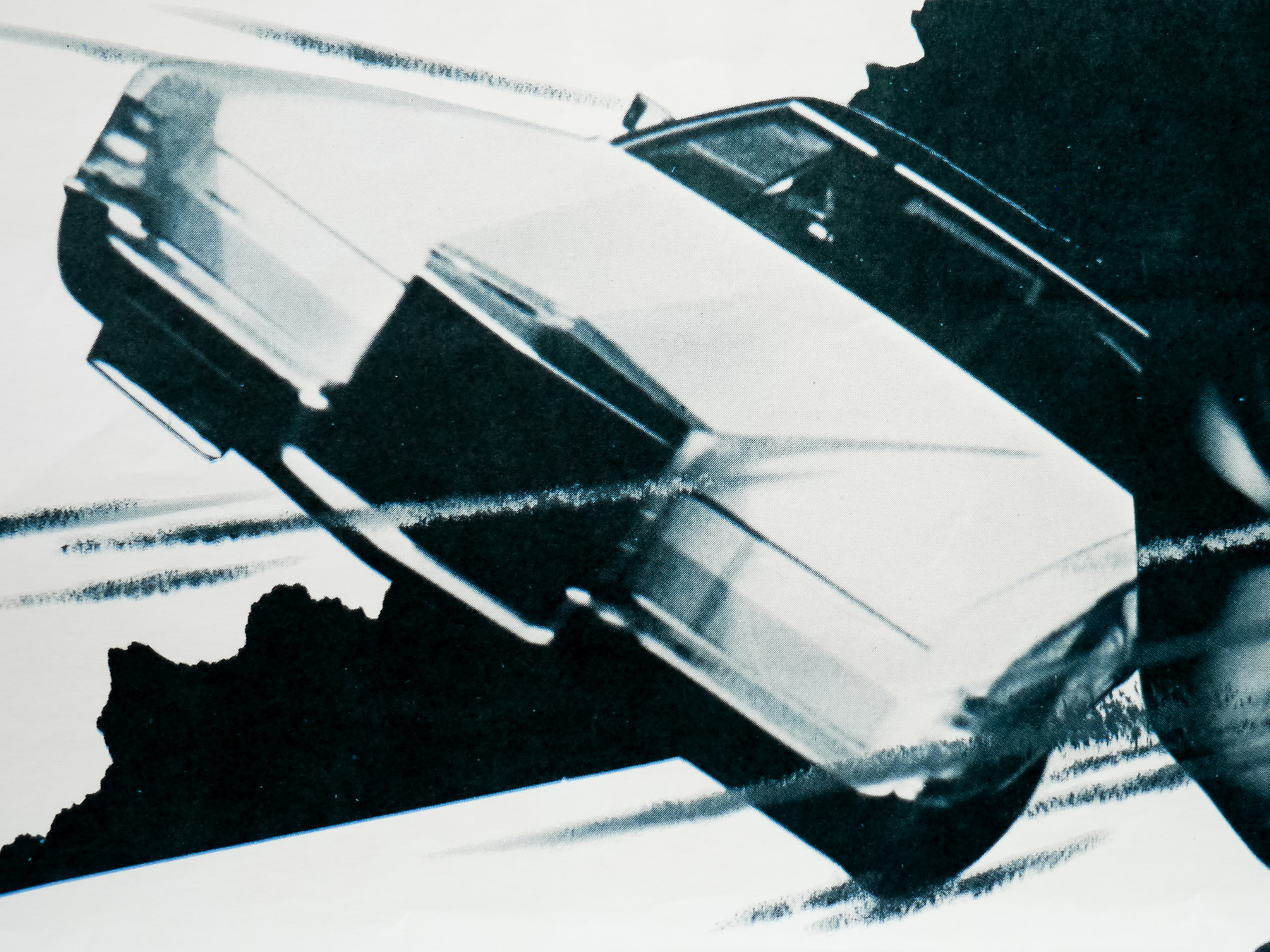
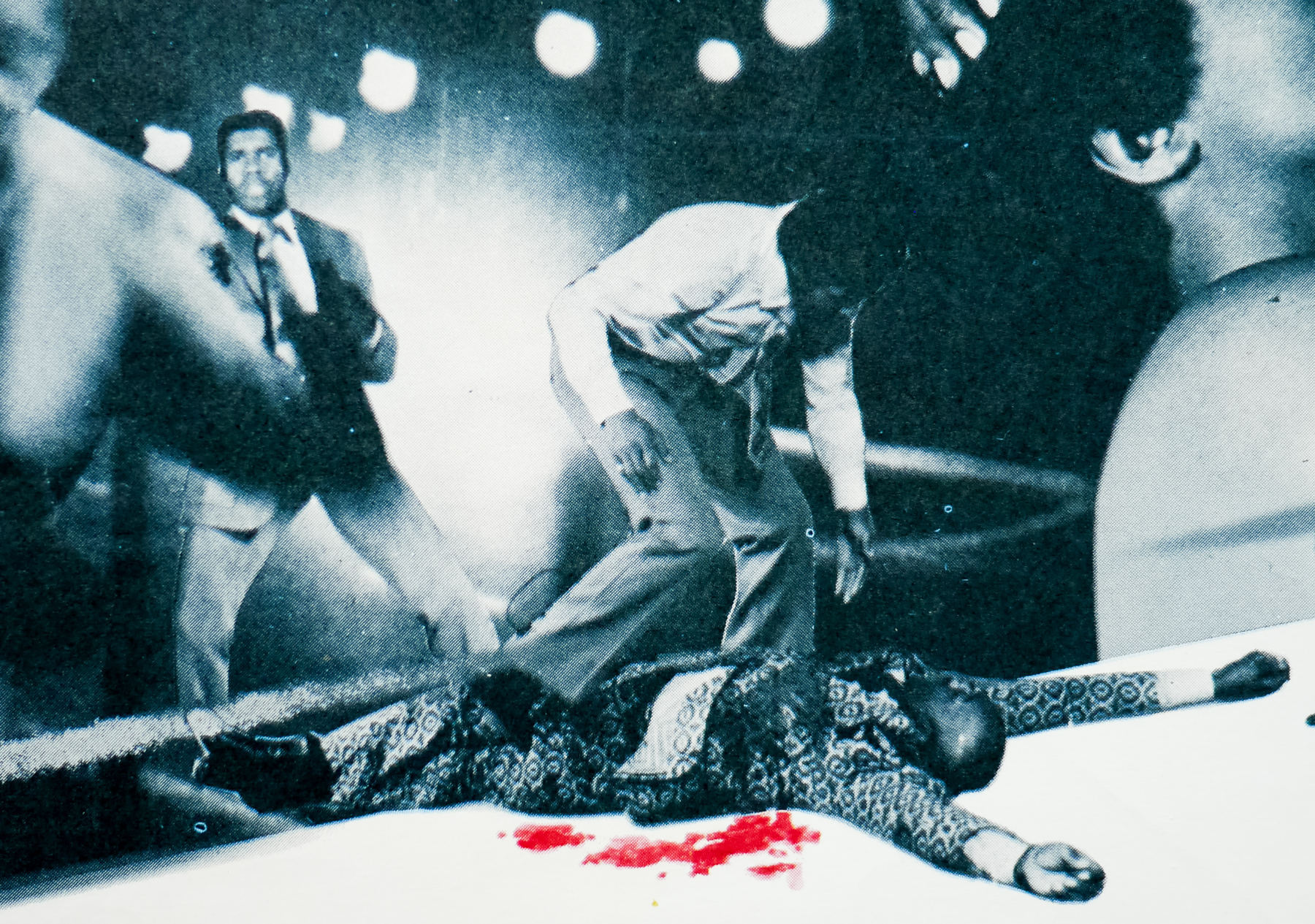
This Japanese B2 features a photo of Mr T in front of mirrors that is similar to the American one sheet, although this poster is obviously more violently explicit.

The excellent original trailer is on YouTube.

Scarface / B2 / black and white style / Japan

17.02.14

Poster Poster
Title
Scarface
AKA
--
Year of Film
1983
Director
Brian De Palma
Starring
Al Pacino, Steven Bauer, Michelle Pfeiffer, Mary Elizabeth Mastrantonio, Robert Loggia, F. Murray Abraham, Harris Yulin
Origin of Film
USA
Genre(s) of Film
Al Pacino, Steven Bauer, Michelle Pfeiffer, Mary Elizabeth Mastrantonio, Robert Loggia, F. Murray Abraham, Harris Yulin,
Type of Poster
B2
Style of Poster
Black and white
Origin of Poster
Japan
Year of Poster
1984
Designer
Unknown
Artist
--
Size (inches)
20 6/16" x 28 12/16"
SS or DS
SS
Tagline
--

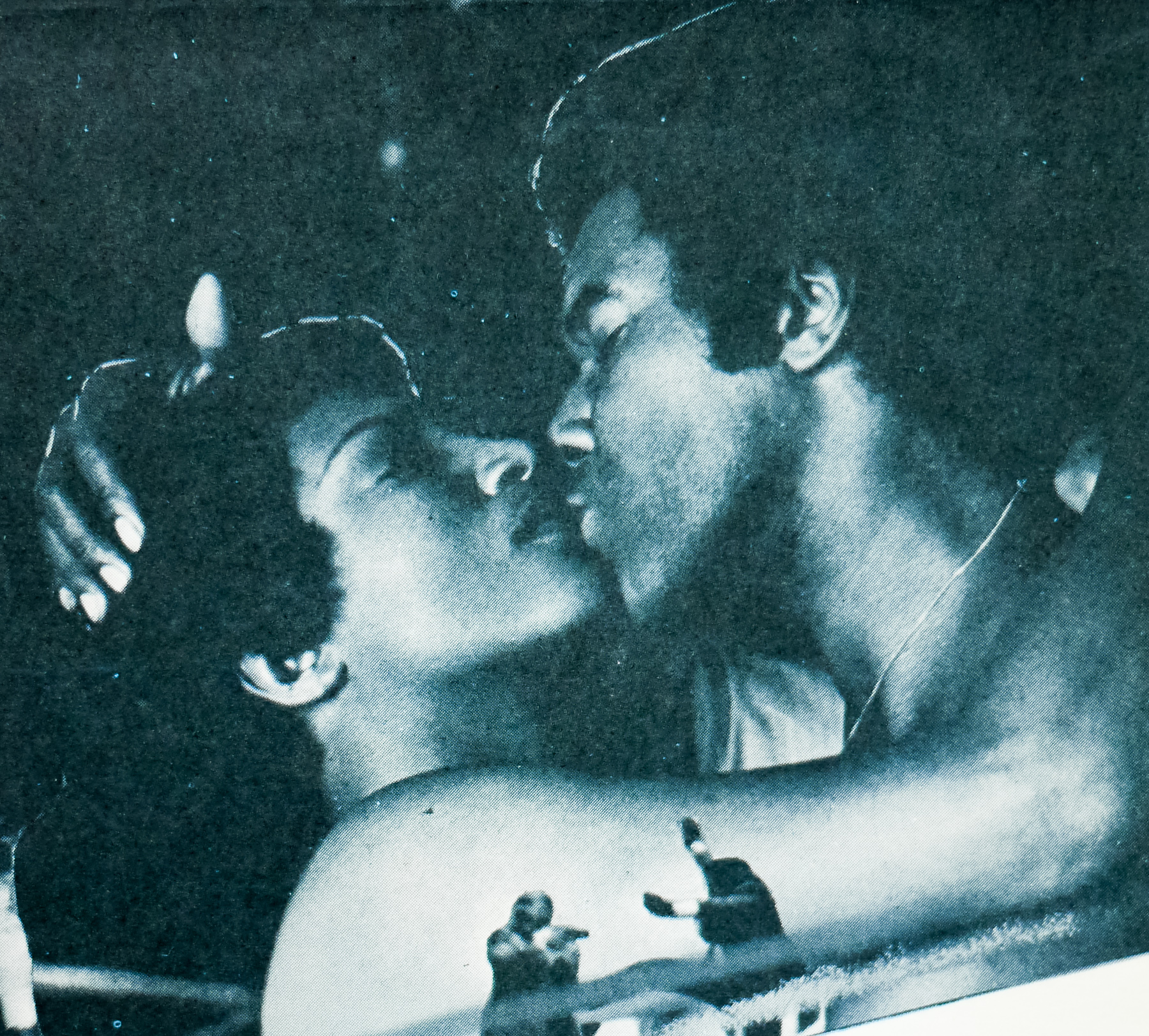
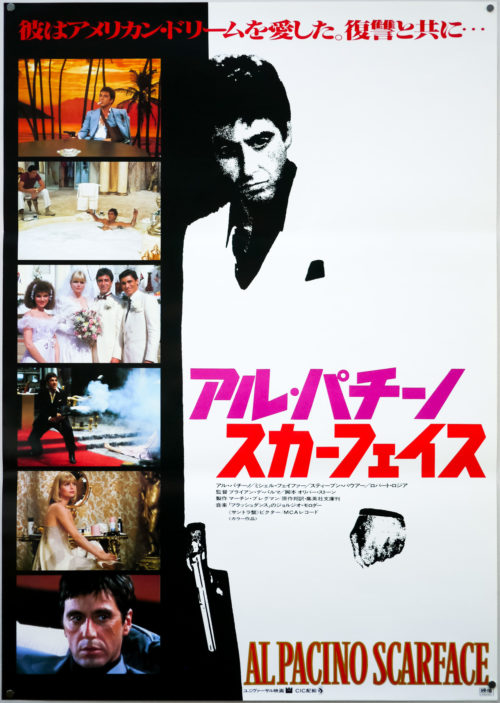
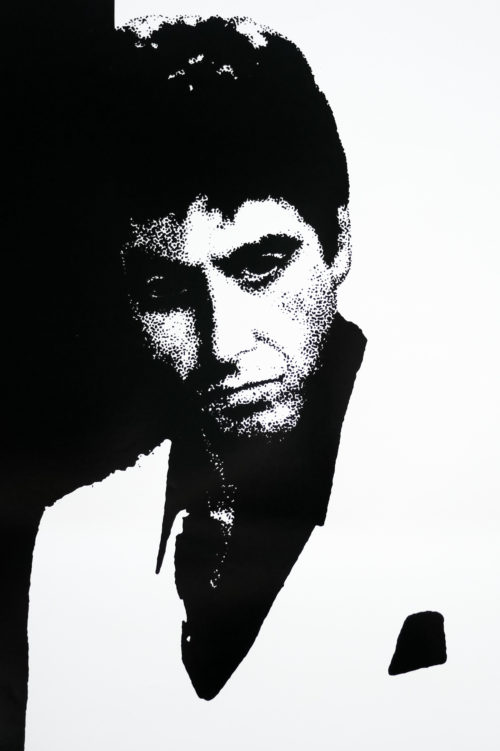
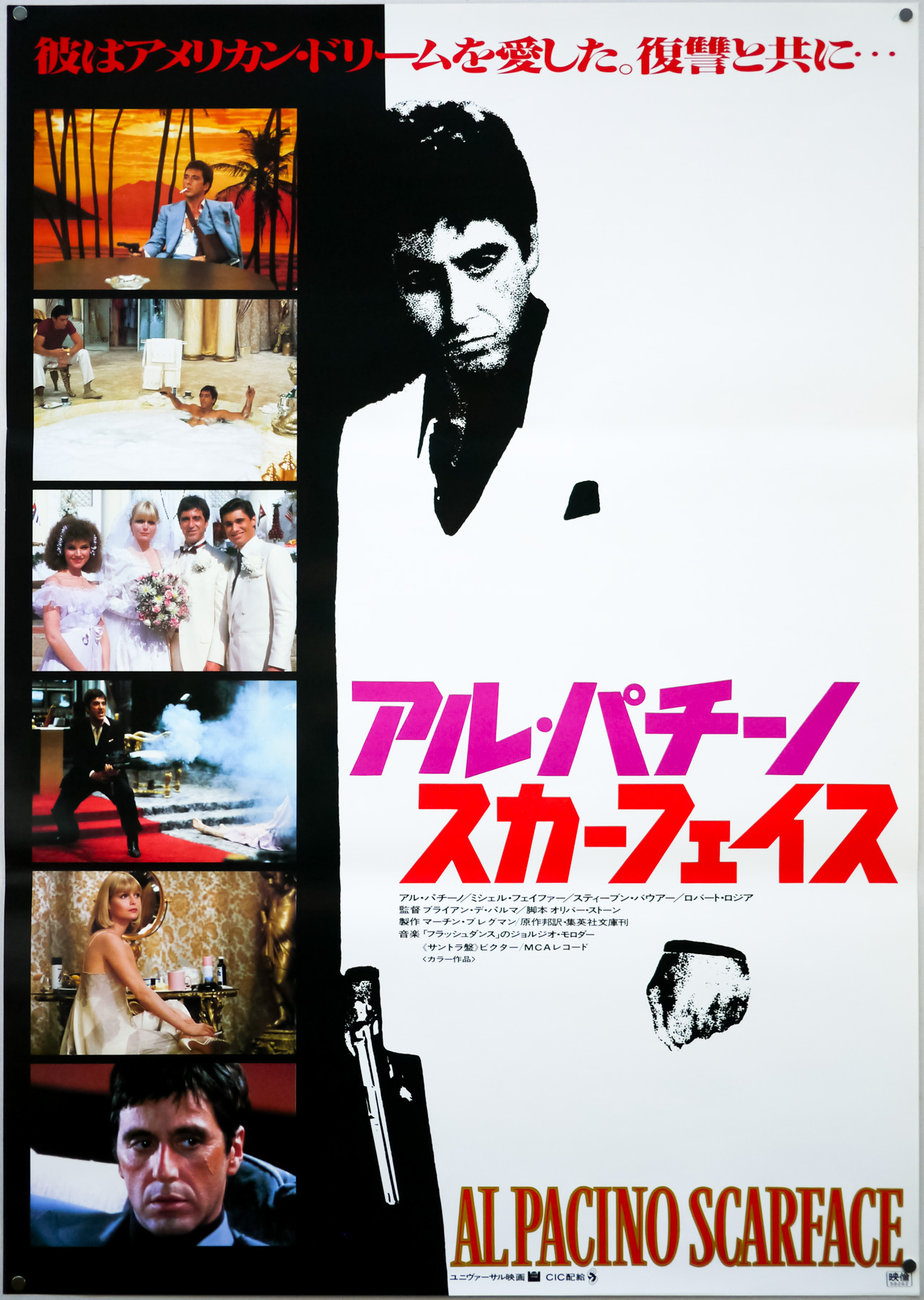
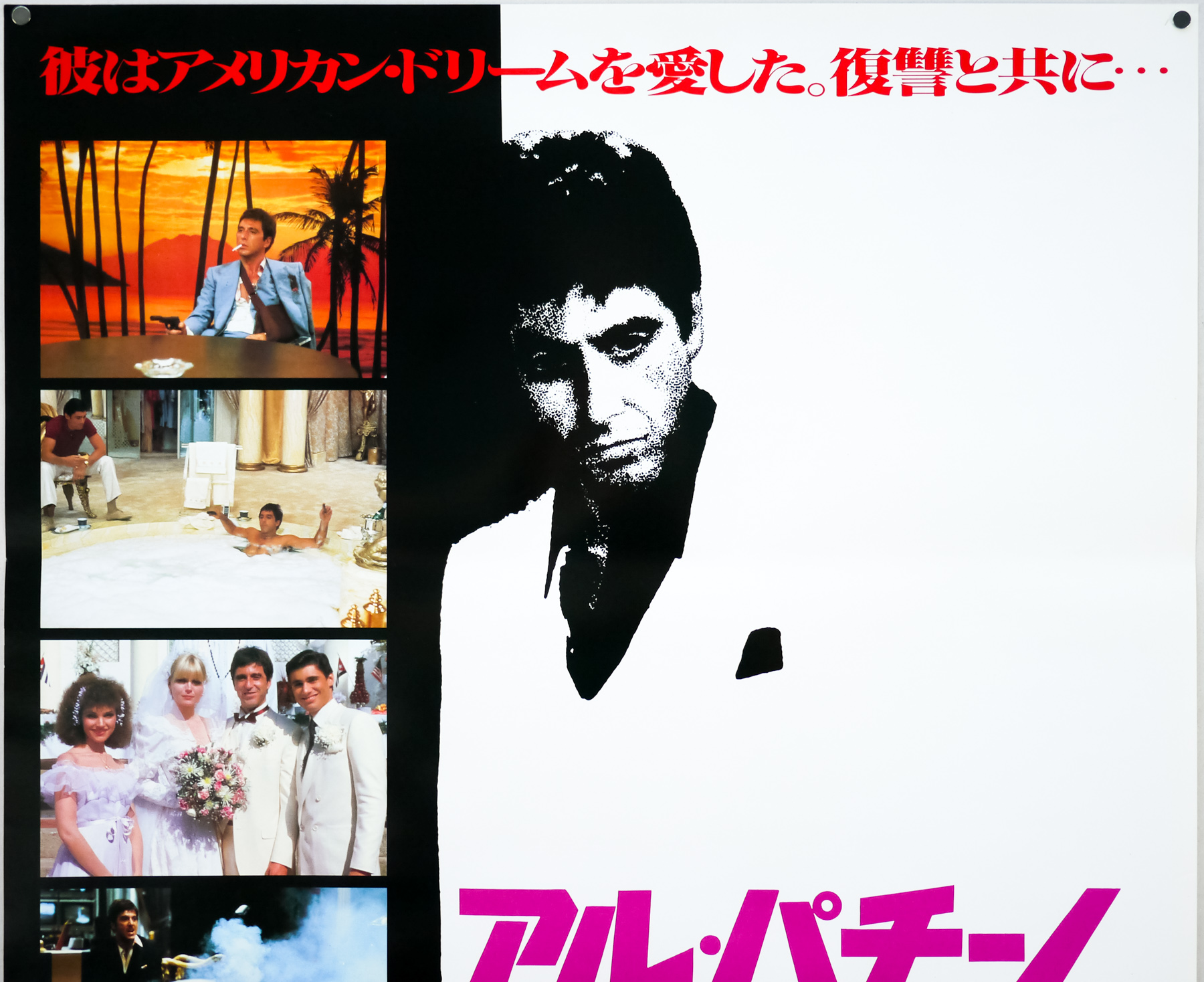
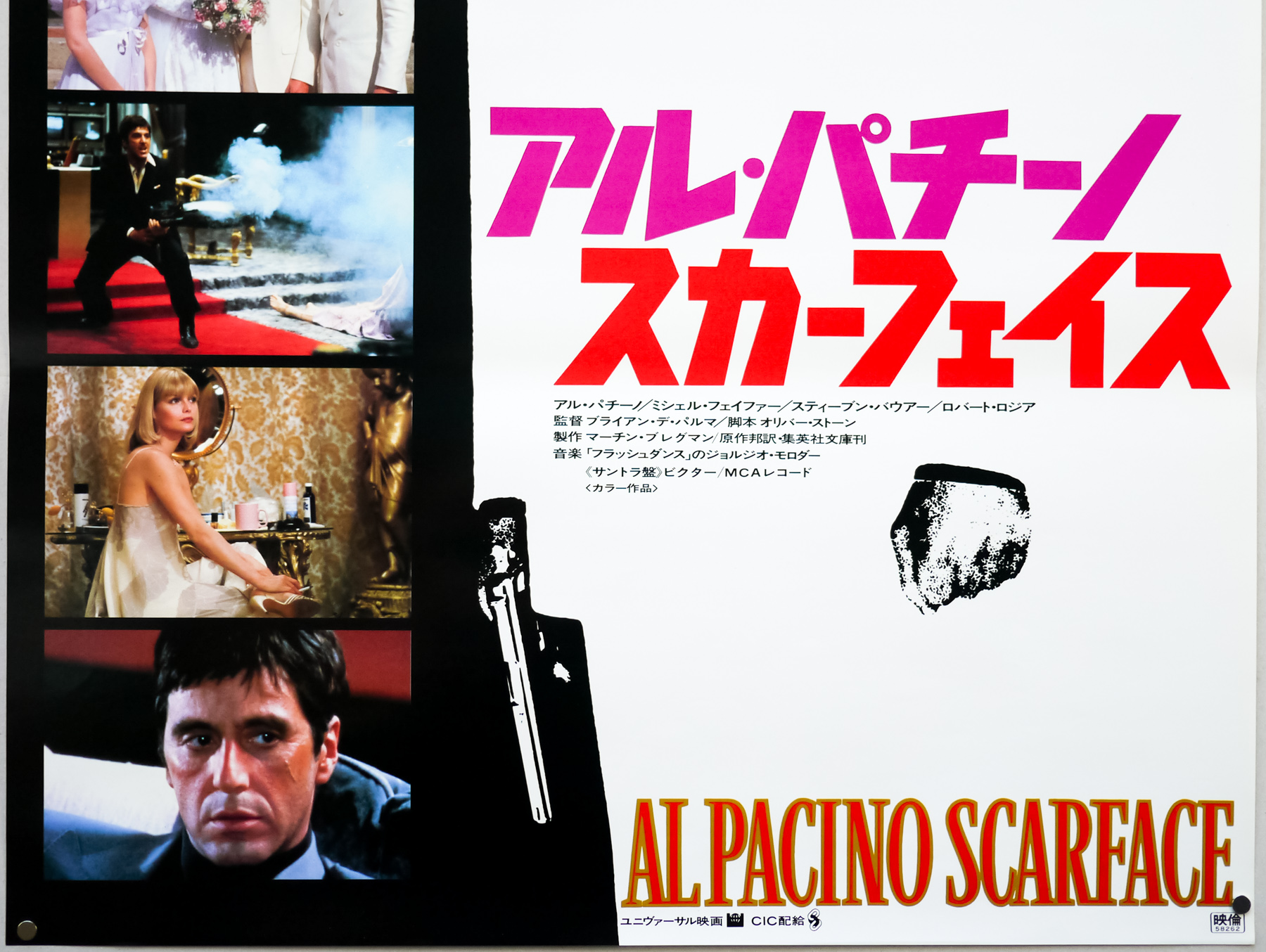
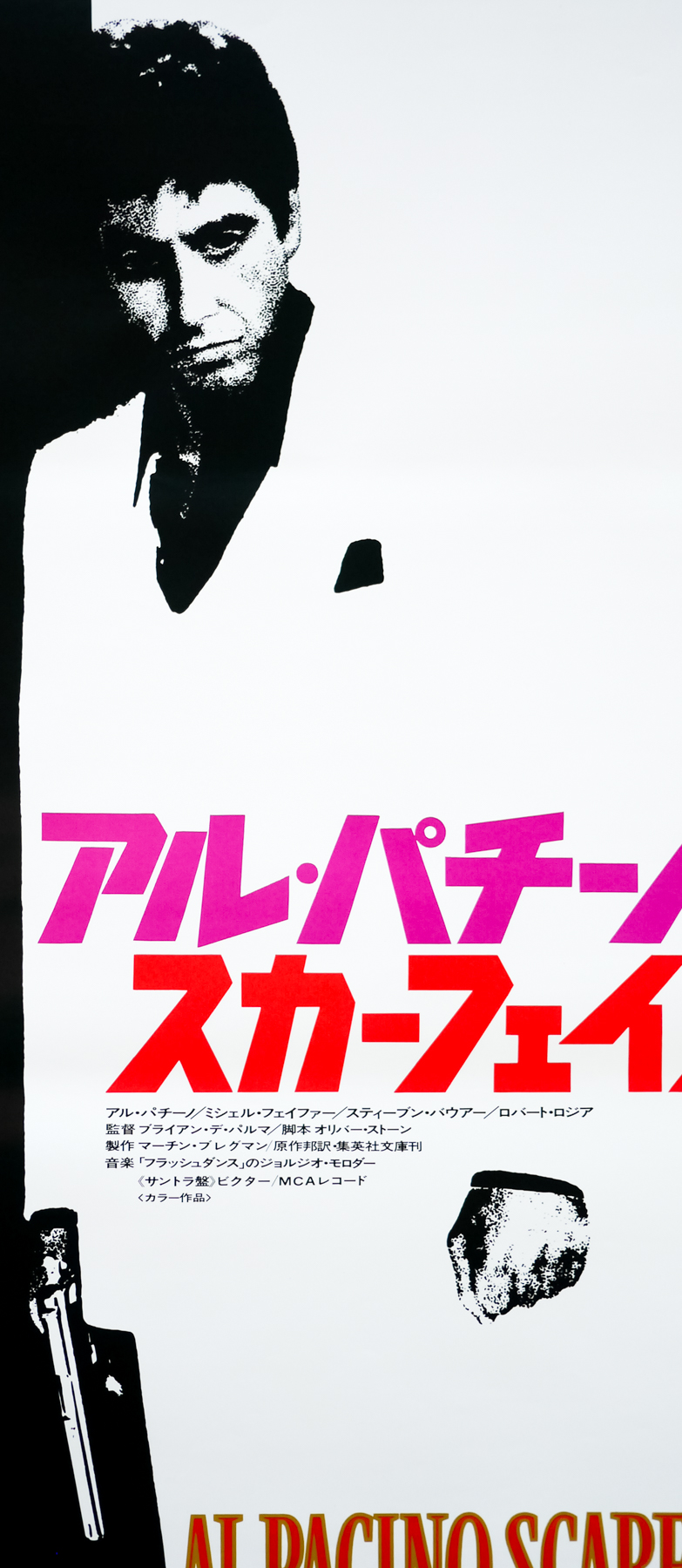
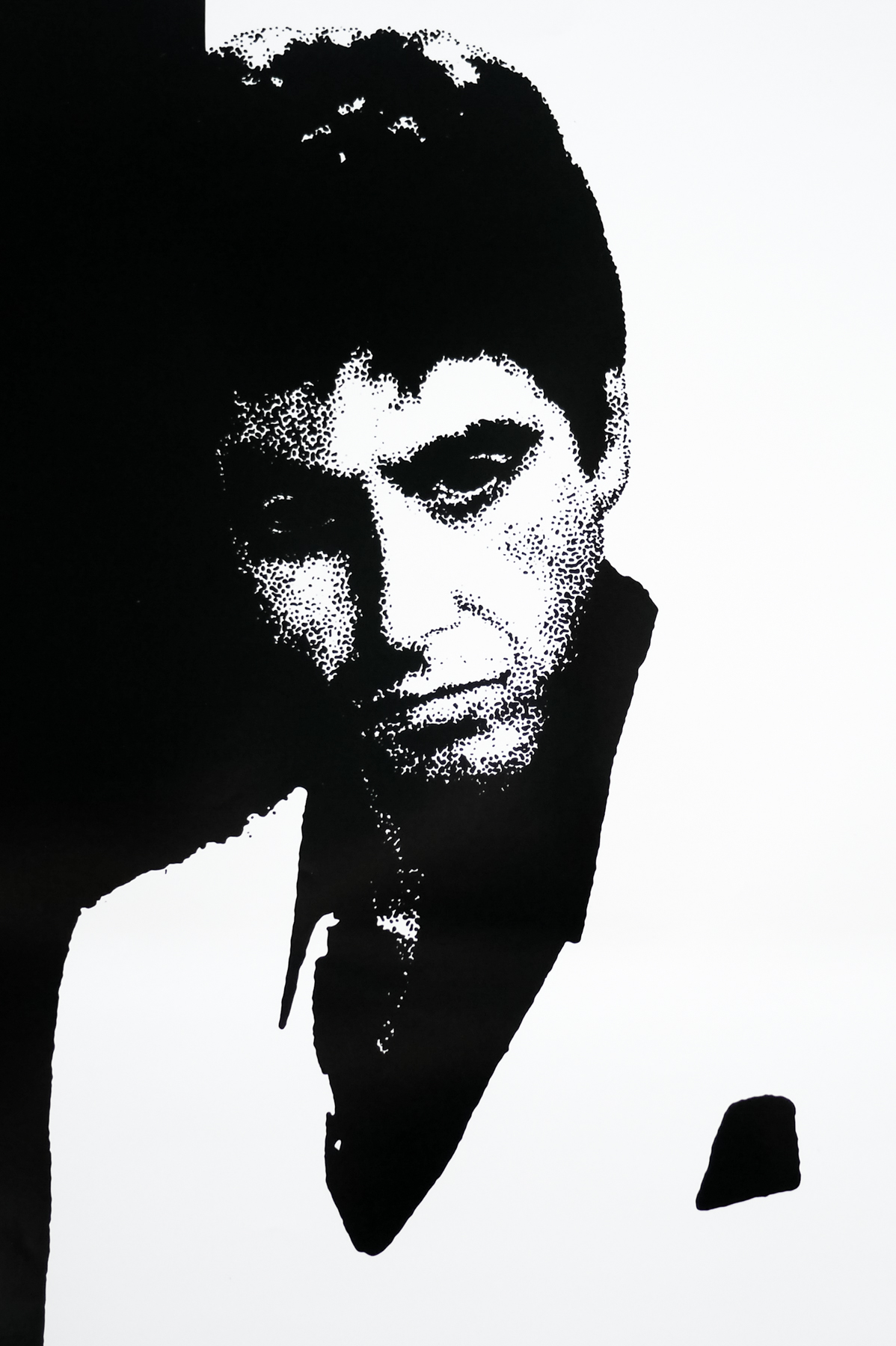
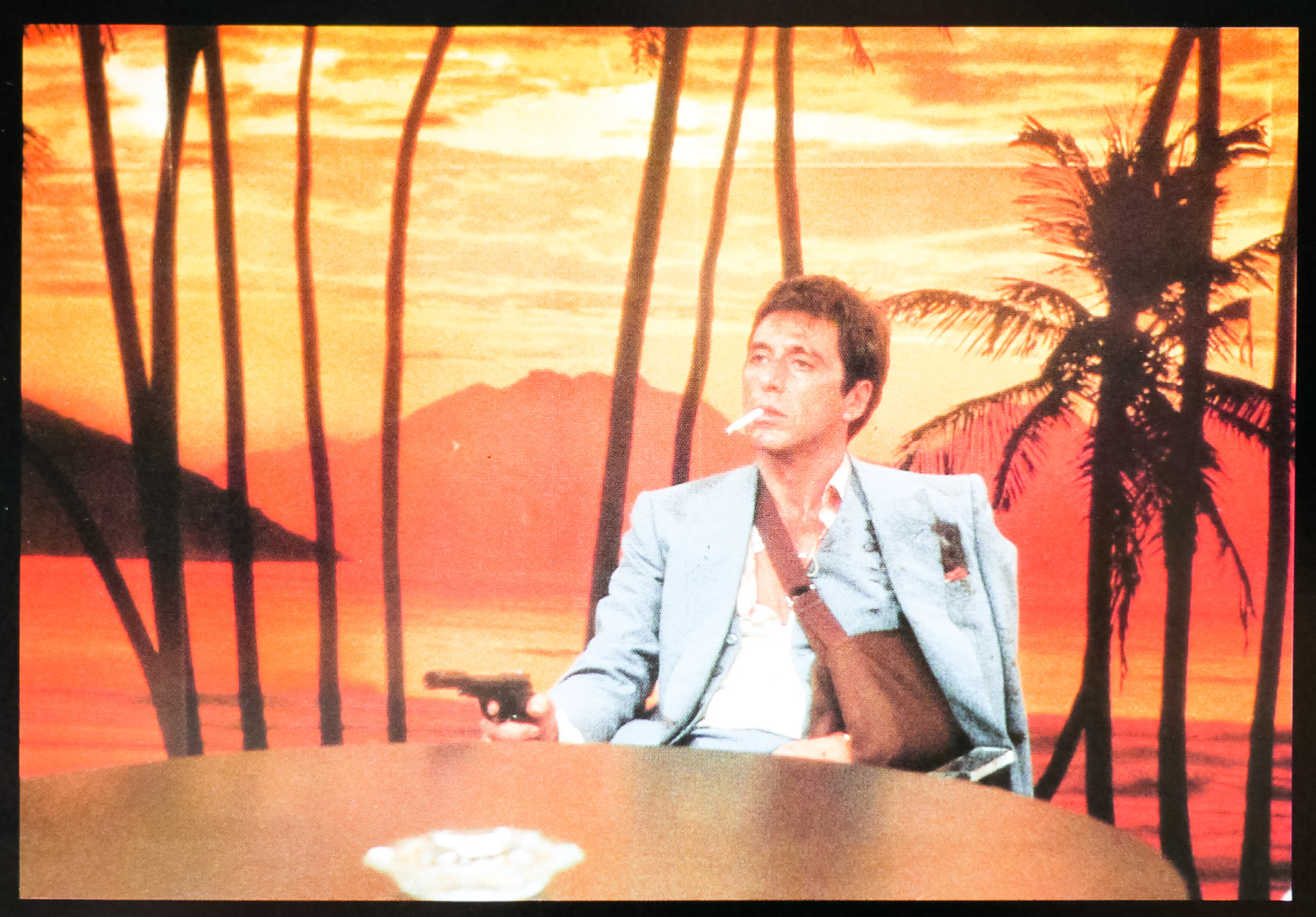
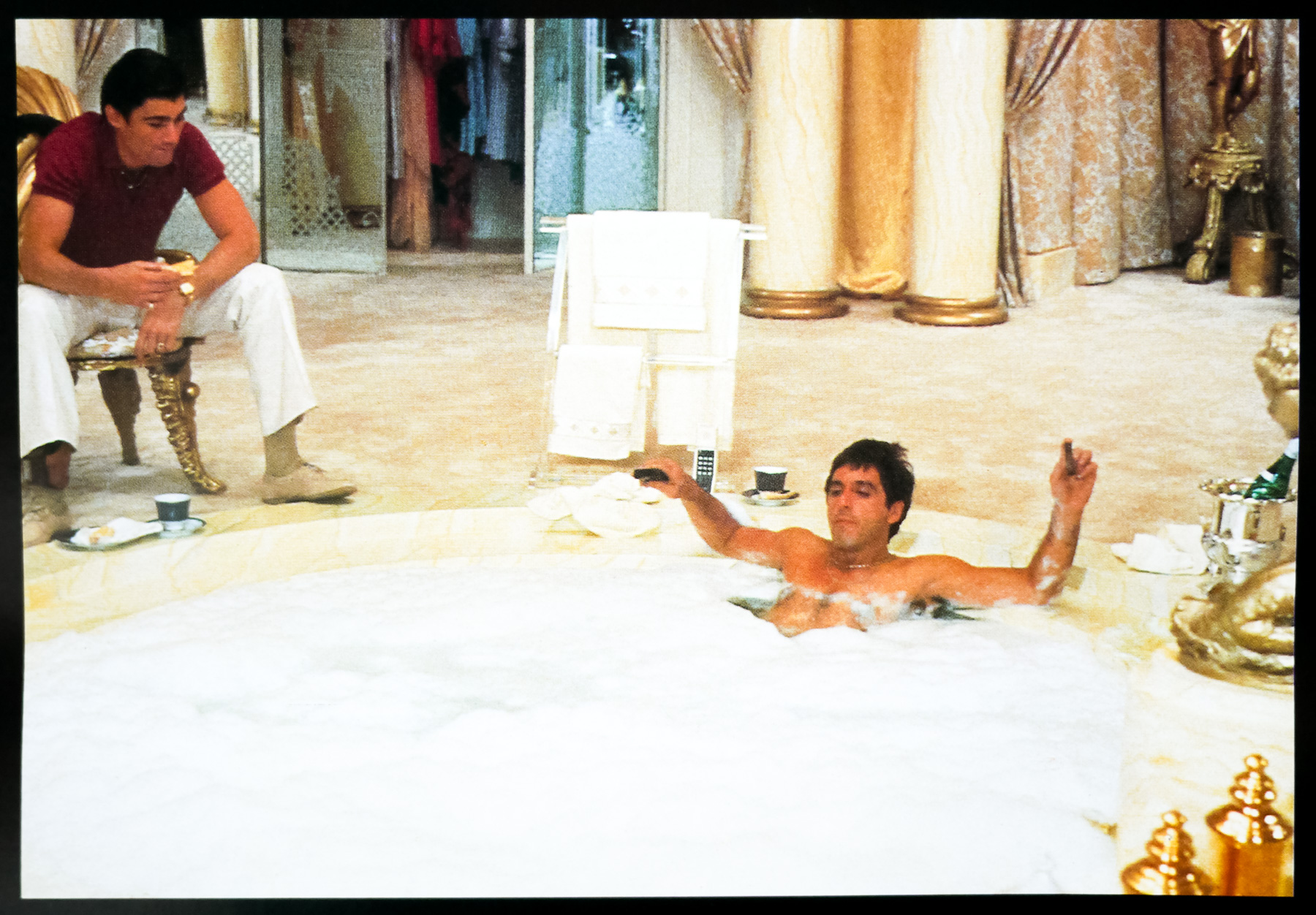
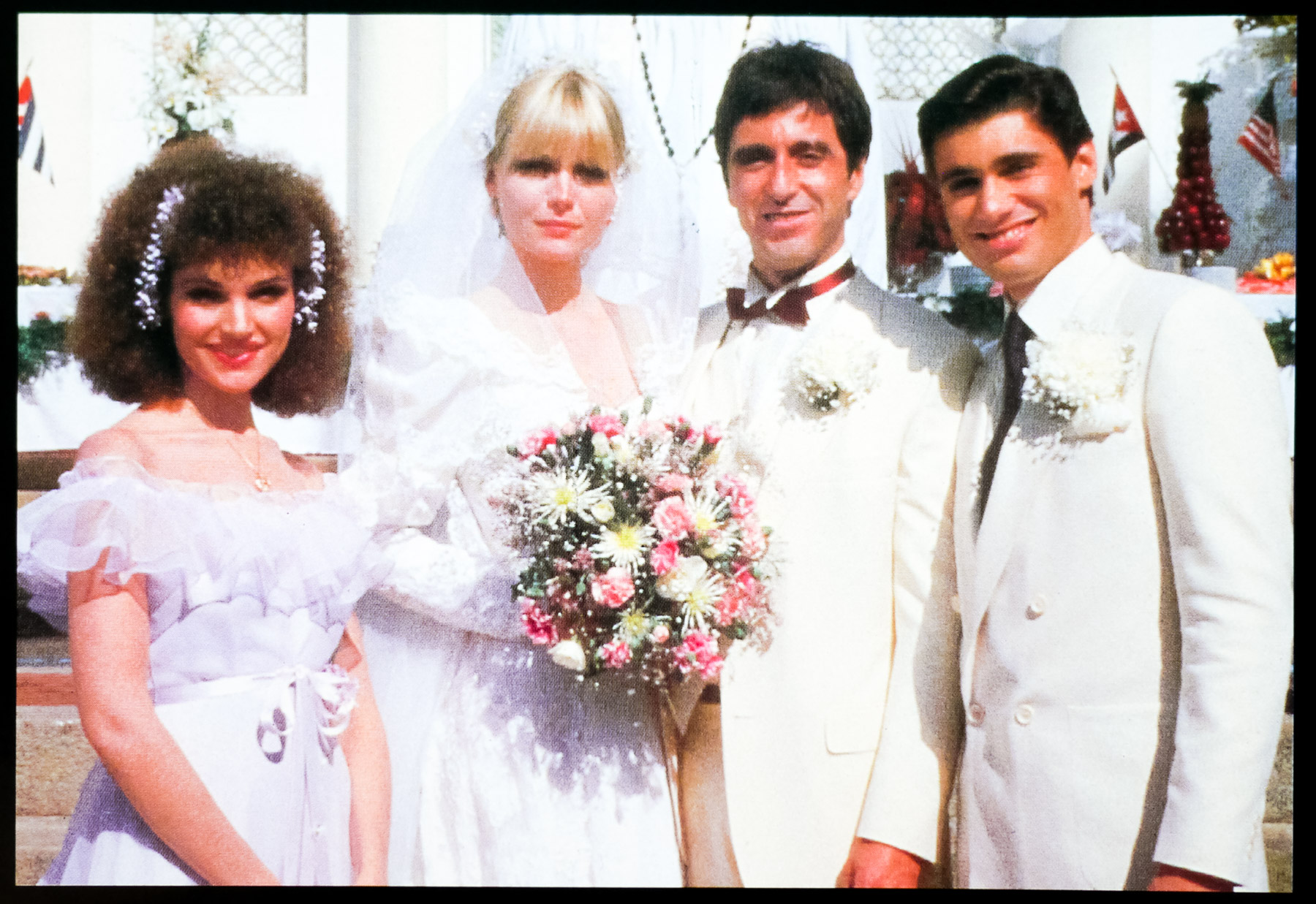
This is one of three B2 posters printed for the Japanese release of Brian De Palma‘s unforgettable 1983 crime epic Scarface. Unquestionably one of the all-time great gangster films, it’s hard to believe now but the film was originally released to mixed critical reception and audience ambivalence, much to De Palma and screenwriter Oliver Stone‘s dismay. Over the course of the following three decades the story of Cuban refugee Tony Montana’s rise to the top of the Miami drug world has been embraced by fans worldwide, including a multitude of African American rappers who cite his story as an inspiration and frequently reference the film in their music.

In one of his most memorable film performances, Al Pacino portrays Montana who arrives in Miami following the (real-life) Mariel boatlift, which saw thousands of Cubans leave the island in a bid to escape internal tensions and grinding poverty that had caused months of strife in the country. Hundreds of small boats made the journey across shark-infested waters to the Miami coast in an attempt to seek asylum in the Peruvian embassy. Fidel Castro also ordered the release of criminals from Cuban jails and joined the exodus and Montana and his friend Manny Ribera (Steven Bauer) are two such exiles who start their new life in America stuck in a refugee camp. After agreeing to murder a former Cuban government official, who is also in the camp, the pair are released with the help of a Miami drug kingpin Frank Lopez (played by Robert Loggia).

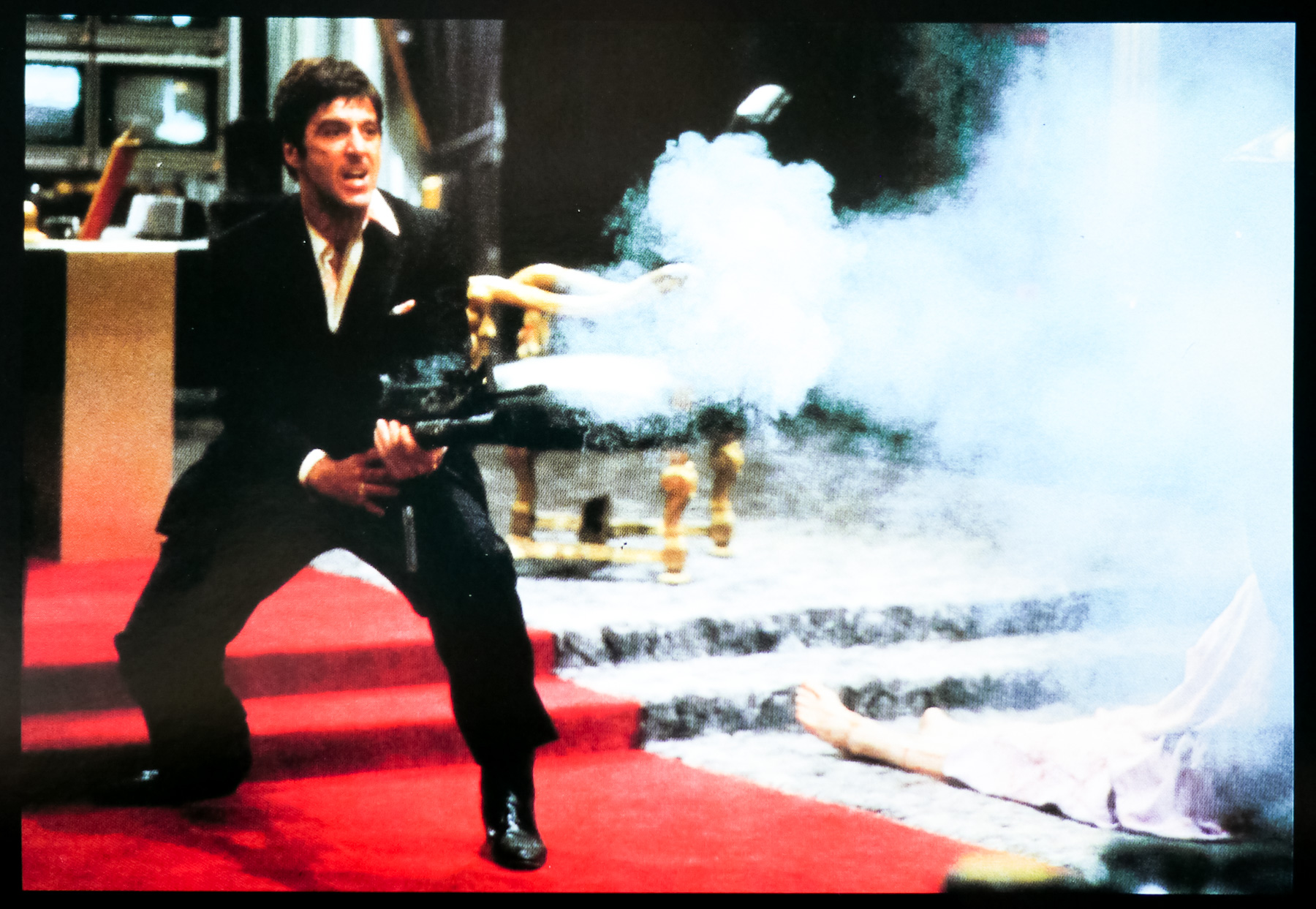
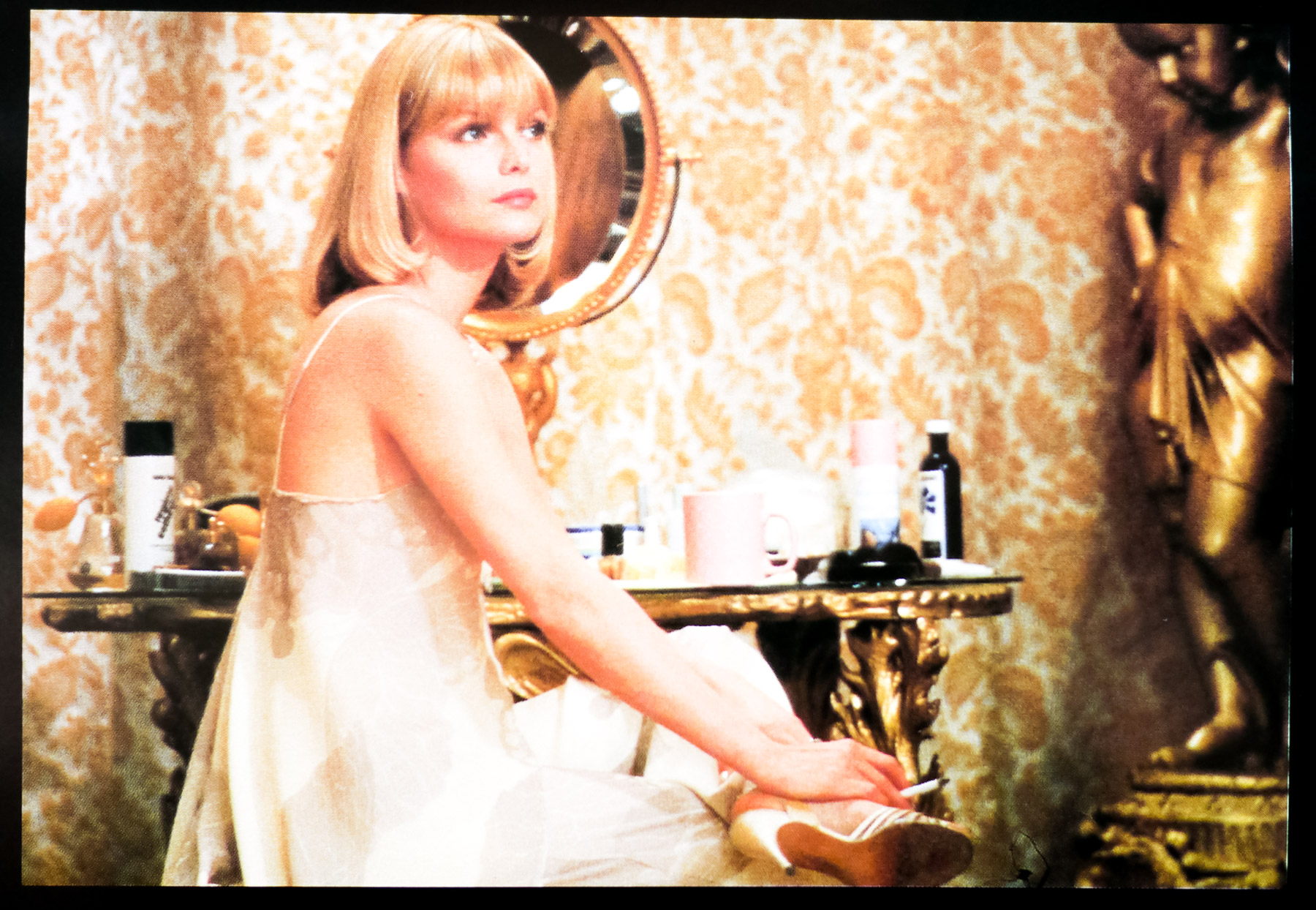
Tony and Manny get involved in a drug deal arranged by one of Lopez’s henchmen called Omar (F. Murray Abraham) that quickly goes horribly wrong and almost sees Tony being butchered with a chainsaw until Manny comes to his rescue and the pair turn the tables on the murderous gang. Suspecting that they may have been set up by Omar, Tony insists on delivering the recovered drugs and money to Frank who is impressed and offers them a job. The rest of the film deals with Tony’s violent rise to the top of the Miami drug trade, which sees him usurp and murder Frank, steal his woman Elvira (an early performance by Michelle Pfeiffer) and mess with the wrong Bolivian drug crime lord. The finale sees a cocaine-crazed Tony defend his palatial mansion from machine-gun toting killers, resulting in bullet-spraying mayhem and one of the most famous lines in cinematic history: “Say hello to my little friend!”

One of the other Japanese B2s can be seen by clicking here

The Funhouse / B2 / Japan

27.05.14

Poster Poster
Title
The Funhouse
AKA
Il Tunnel dell'Orrore [The Tunnel of Horror] (Italy)
Year of Film
1981
Director
Tobe Hooper
Starring
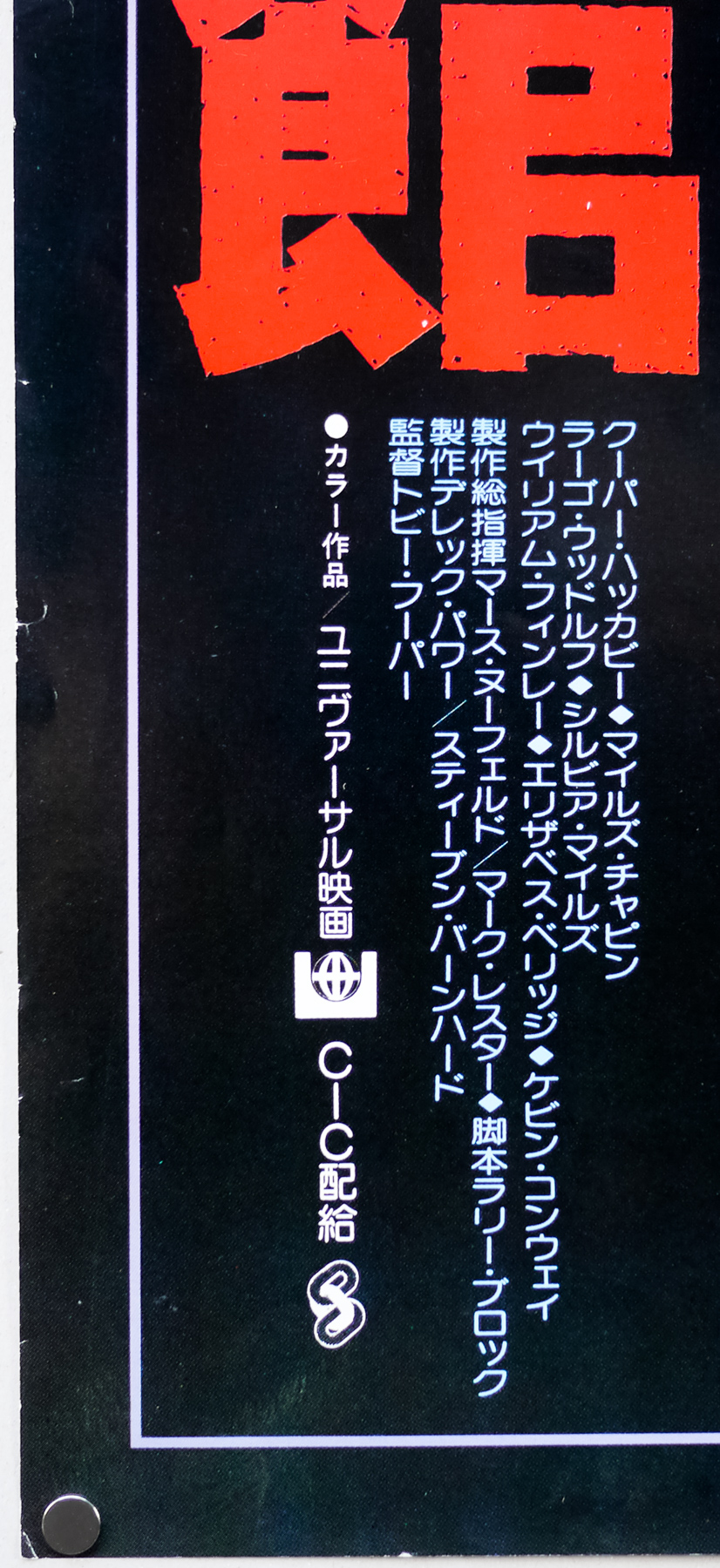
Elizabeth Berridge, Jack McDermott, Cooper Huckabee, Kevin Conway, William Finley, Sylvia Miles, Largo Woodruff, Miles Chapin
Origin of Film
USA
Genre(s) of Film
Elizabeth Berridge, Jack McDermott, Cooper Huckabee, Kevin Conway, William Finley, Sylvia Miles, Largo Woodruff, Miles Chapin,
Type of Poster
B2
Style of Poster
--
Origin of Poster
Japan
Year of Poster
1981
Designer
Unknown
Artist
--
Size (inches)
20 6/16" x 28 11/16"
SS or DS
SS
Tagline
--

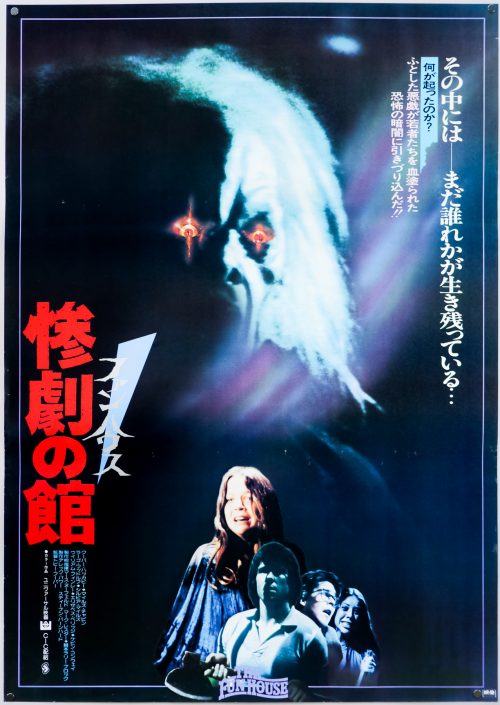
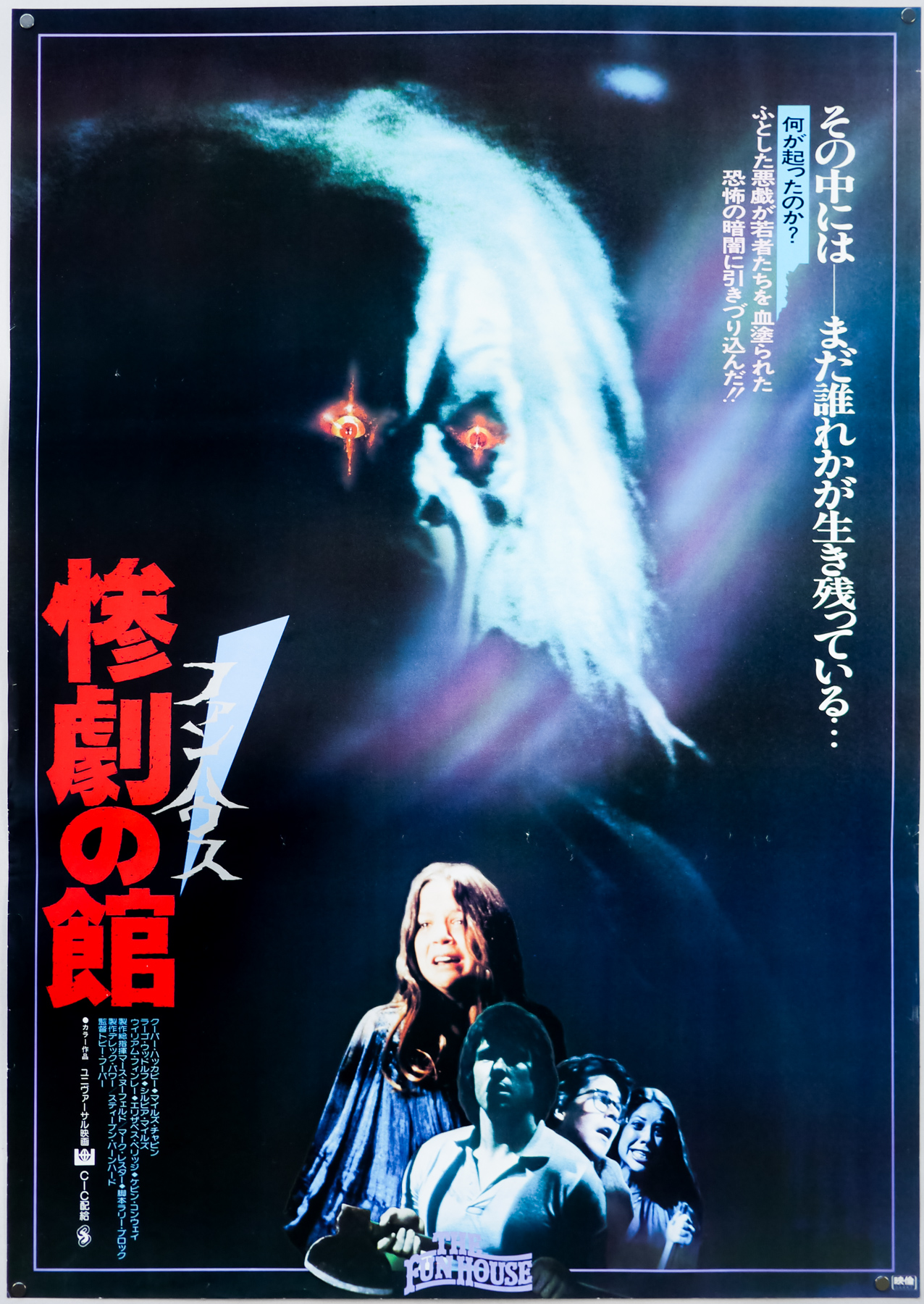
A creepy slice of horror from Tobe Hooper, the man responsible for the classic Texas Chainsaw Massacre, The Funhouse features a menacing atmosphere helped by great production design, solid performances from a number of character actors and a genuinely ghoulish killer. The story sees a quartet of teenage friends; Amy (Elizabeth Berridge), her boyfriend Buzz (Cooper Huckabee), her best friend Liz (Largo Woodruff) and Liz’s boyfriend Richie (Miles Chapin), visit a traveling carnival where they smoke marijuana, sneak into an over-21 strip show and interact with the carnies who run the shows. Richie dares the group to spend the night in the The Funhouse, an indoor ride on rails (often called a ghost train in the UK), and the girls reluctantly agree to hide until the park clears of people.

After sneaking into the depths of the ride the group inadvertently witness the mute, mask-wearing ride operator murder Madame Zena (Sylvia Miles), the fortune teller who also moonlights as a prostitute. When the ride’s barker Conrad (Kevin Conway) discovers what has happened it is revealed that he is the father of the murderous ride operator, actually called Gunther, and when Conrad admonishes him he knocks the mask off revealing a hideous freak underneath. Conrad realises that the crime has been witnessed by the kids and he unleashes Gunther to track them down. The rest of the film sees the teenagers trying to outwit the murderous carnies and escape The Funhouse alive. The make-up for Gunther is incredibly effective and he surely ranks up their as one of the best horror movie bad guys.

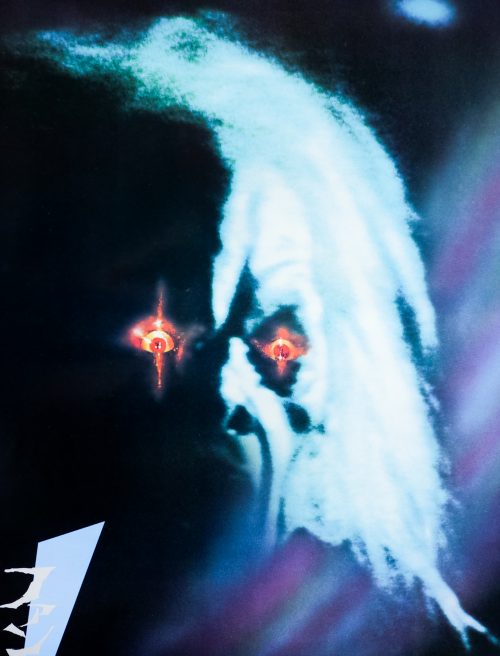
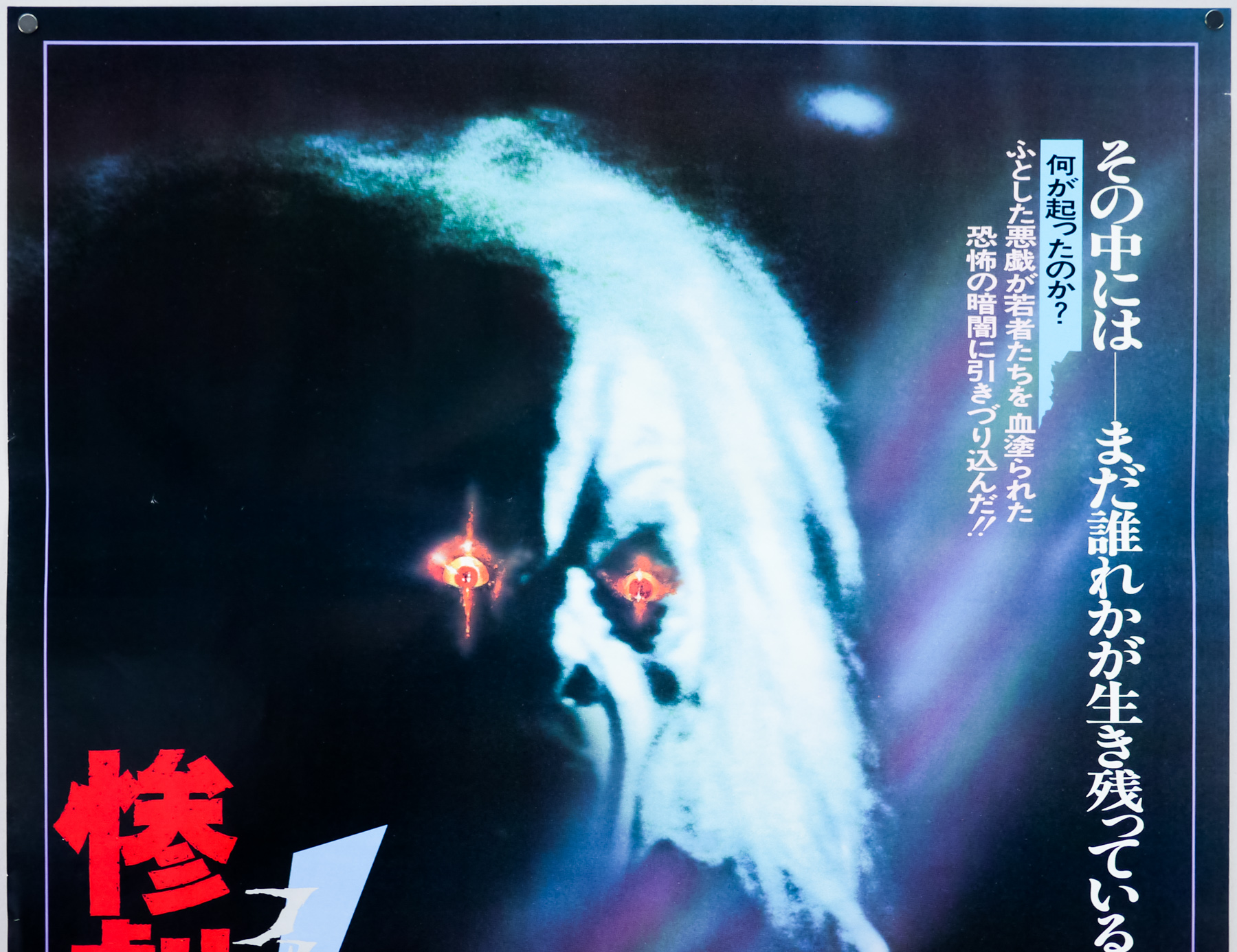
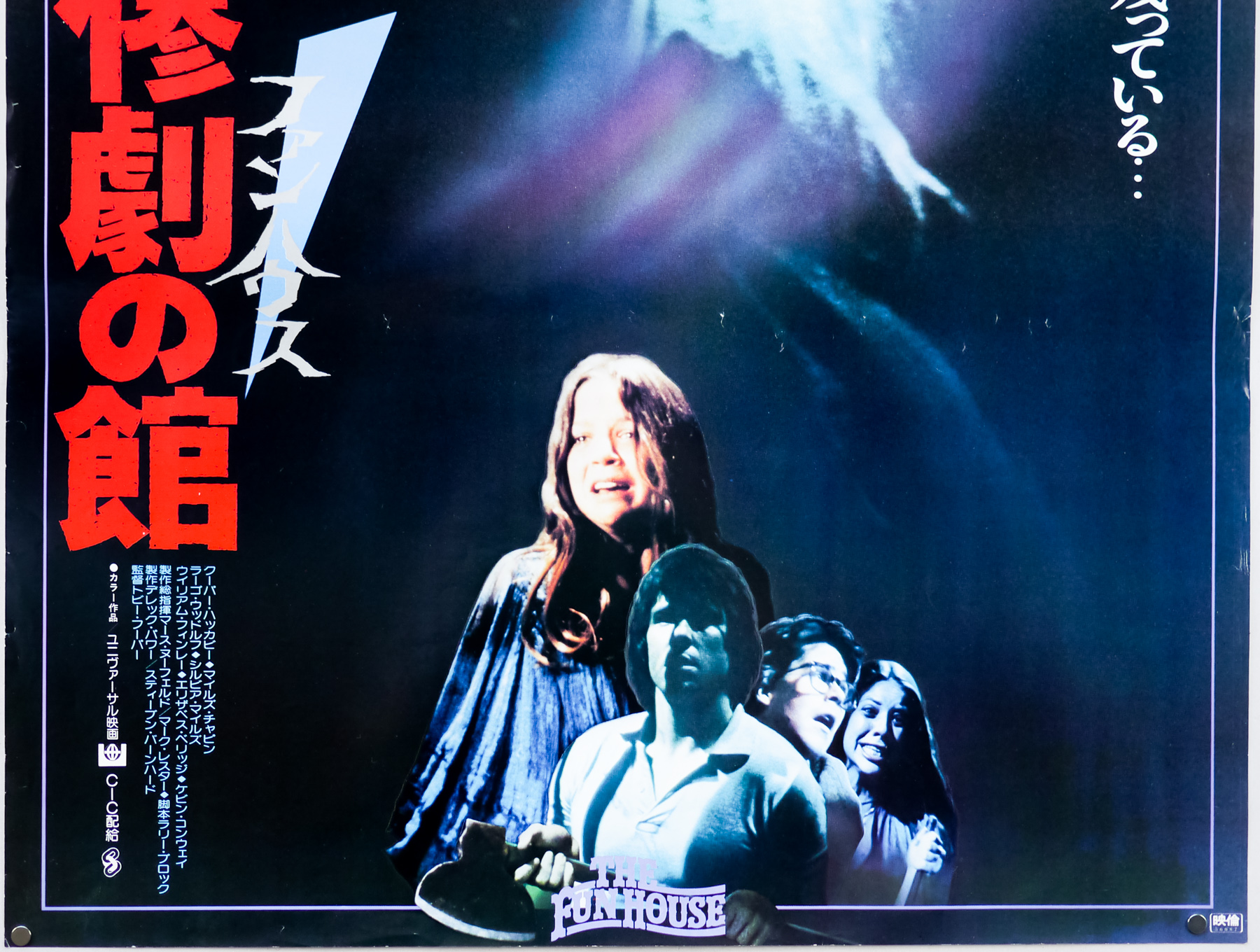
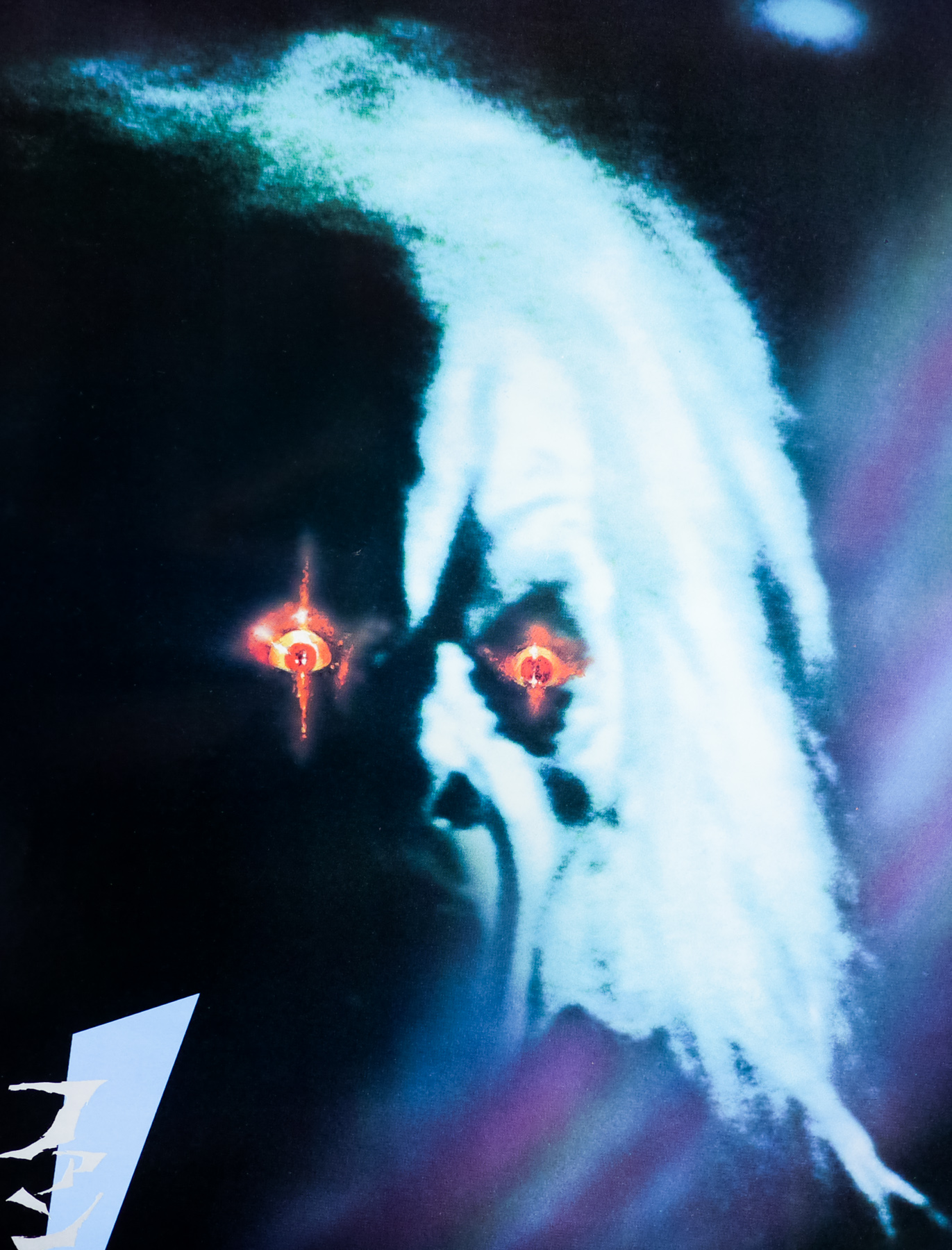
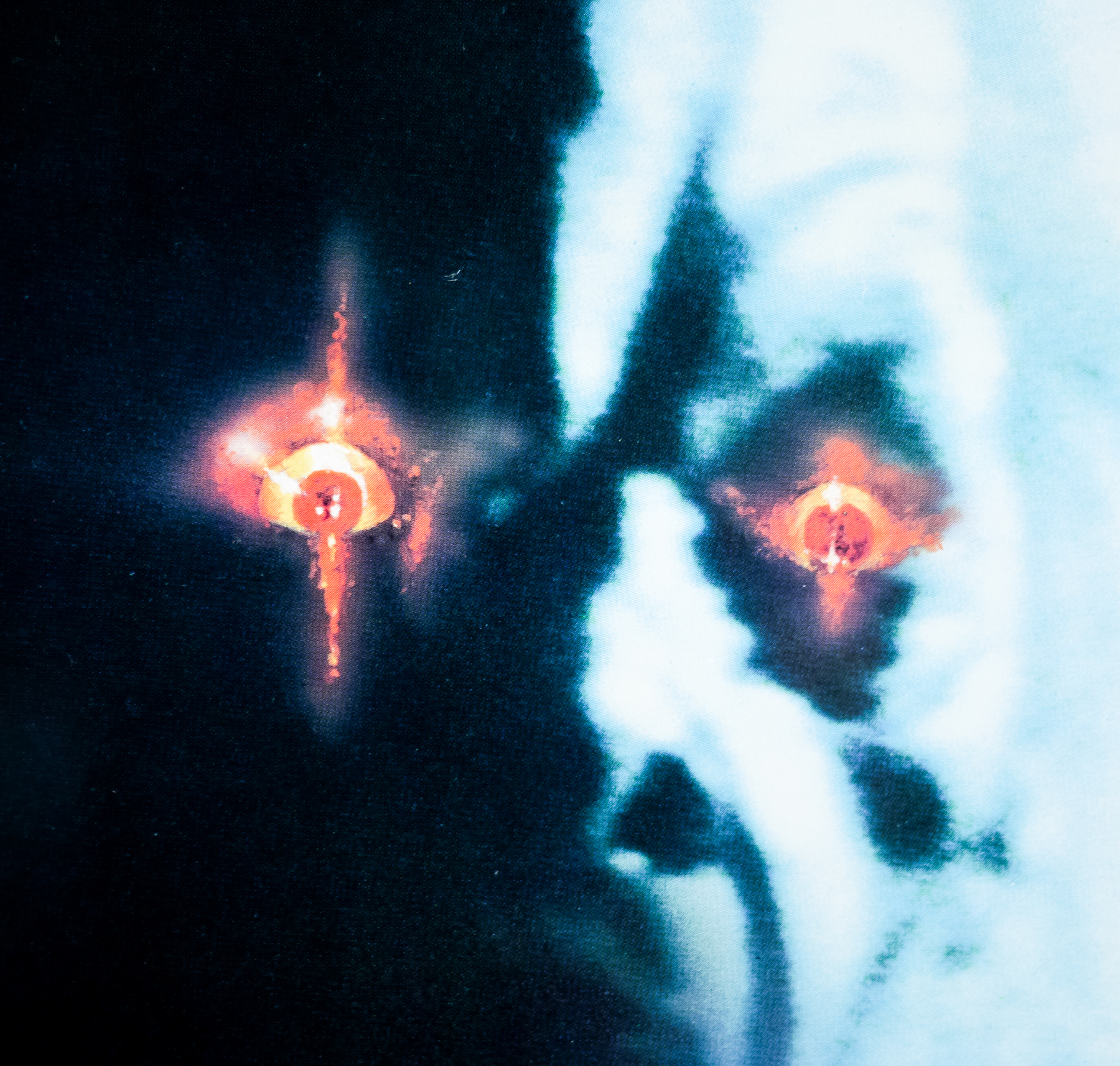
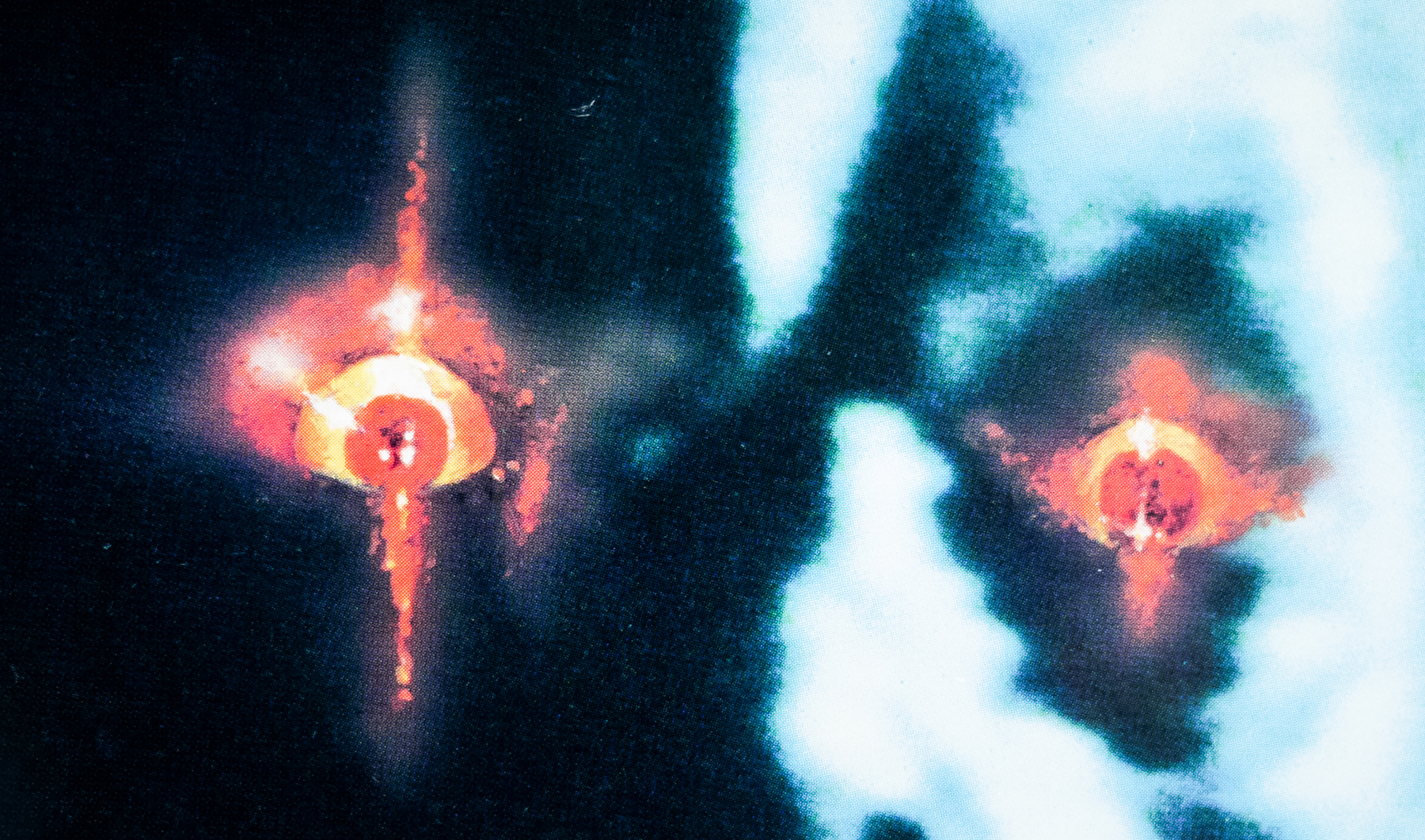
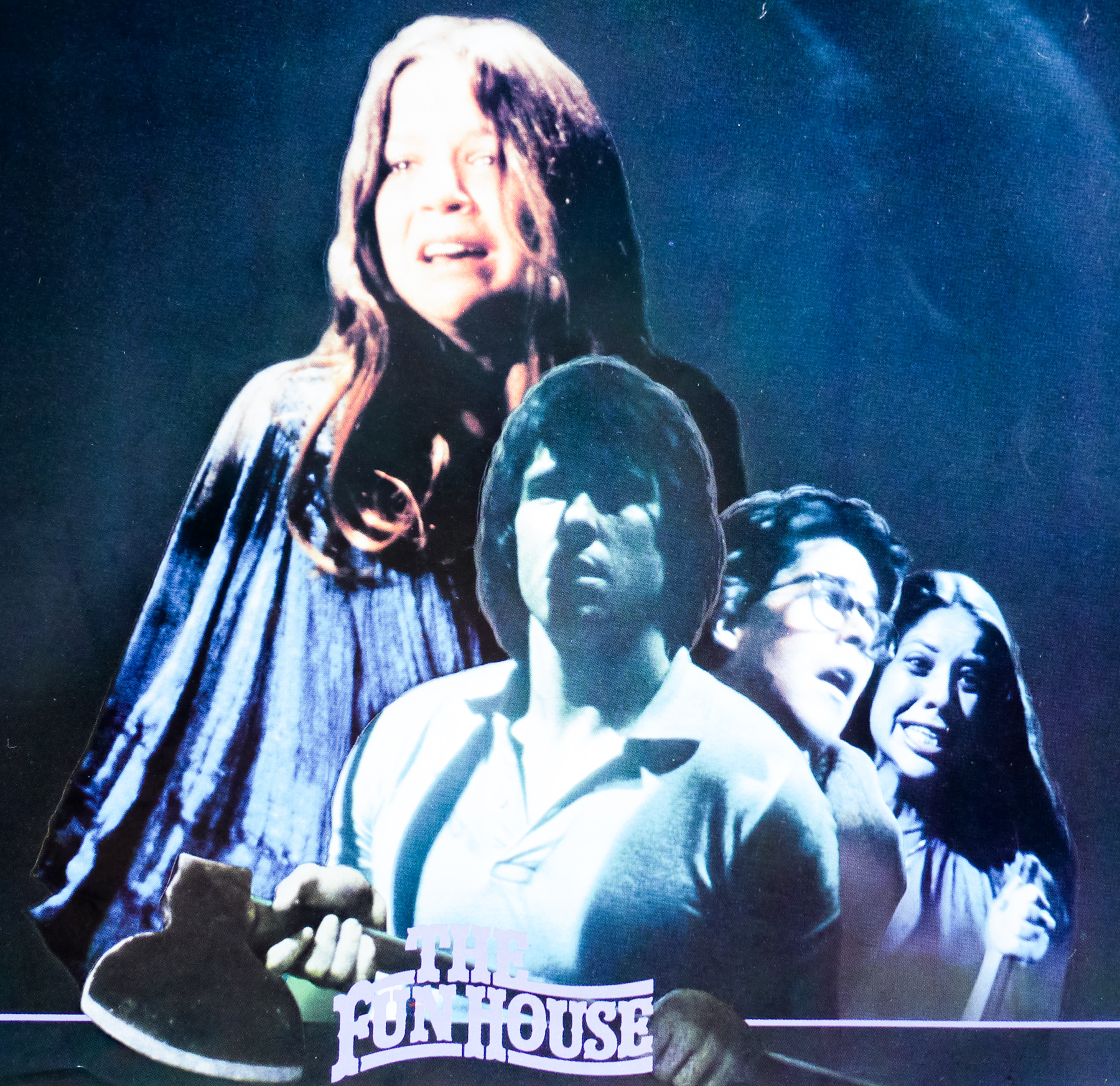
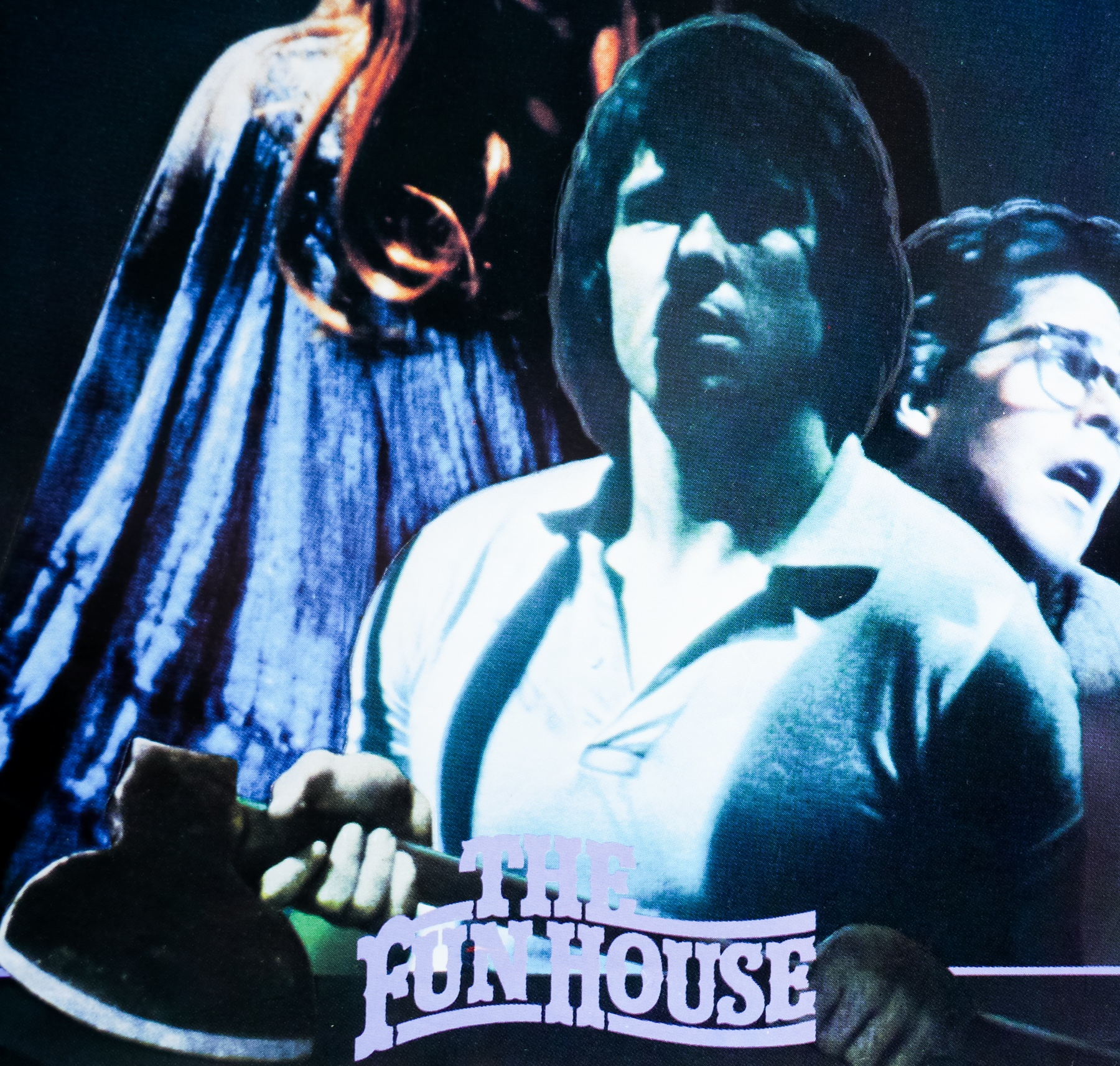
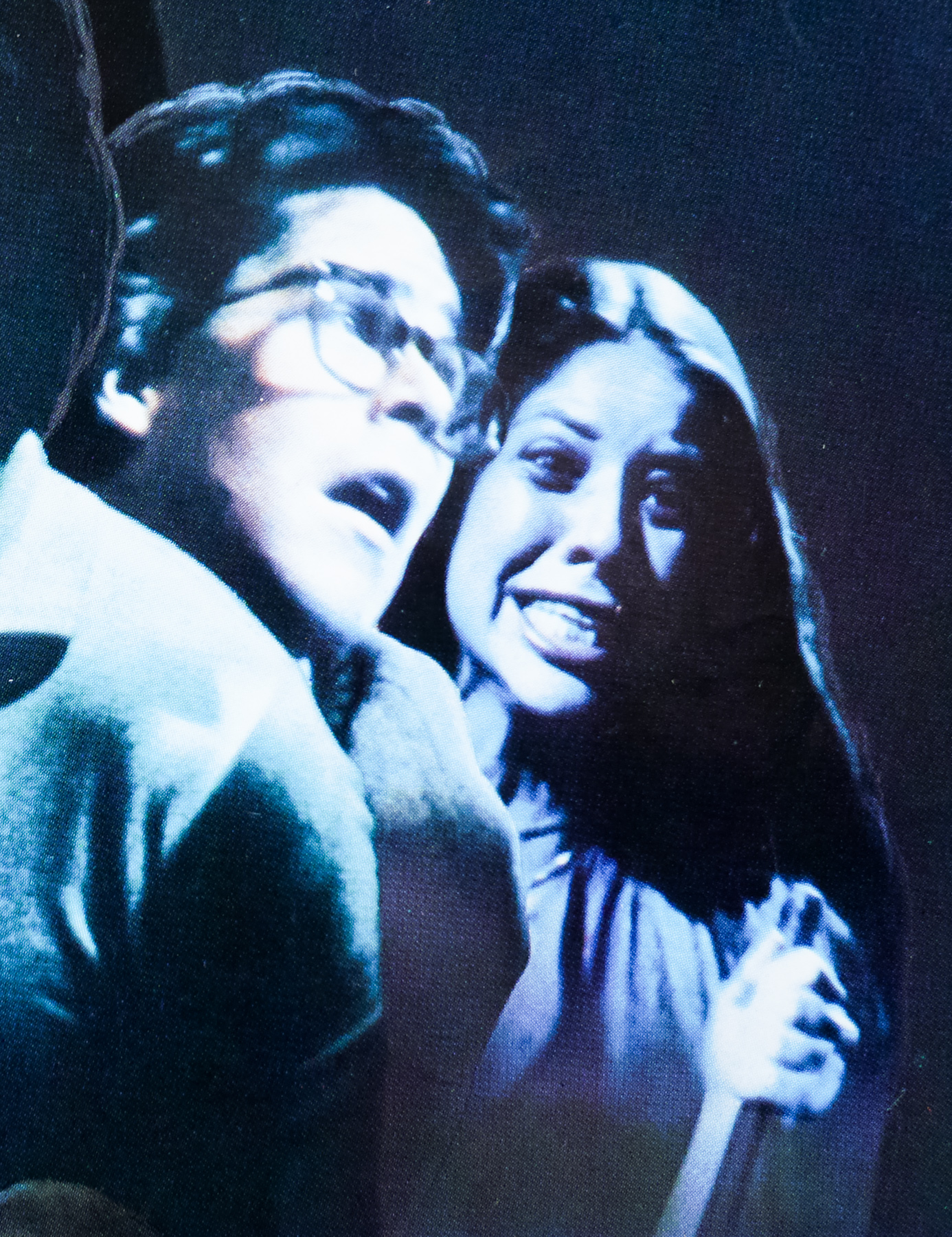
This Japanese B2 features an obscured photograph of Gunther which emphasises his glowing eyes. A photo montage of the four unlucky teens is displayed at the bottom along with the same logo seen on the US one sheet.

The Usual Suspects / B2 / Japan

01.10.14

Poster Poster

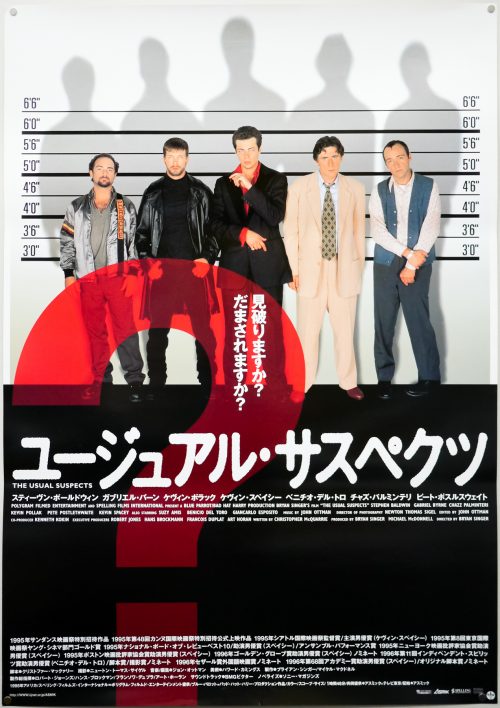
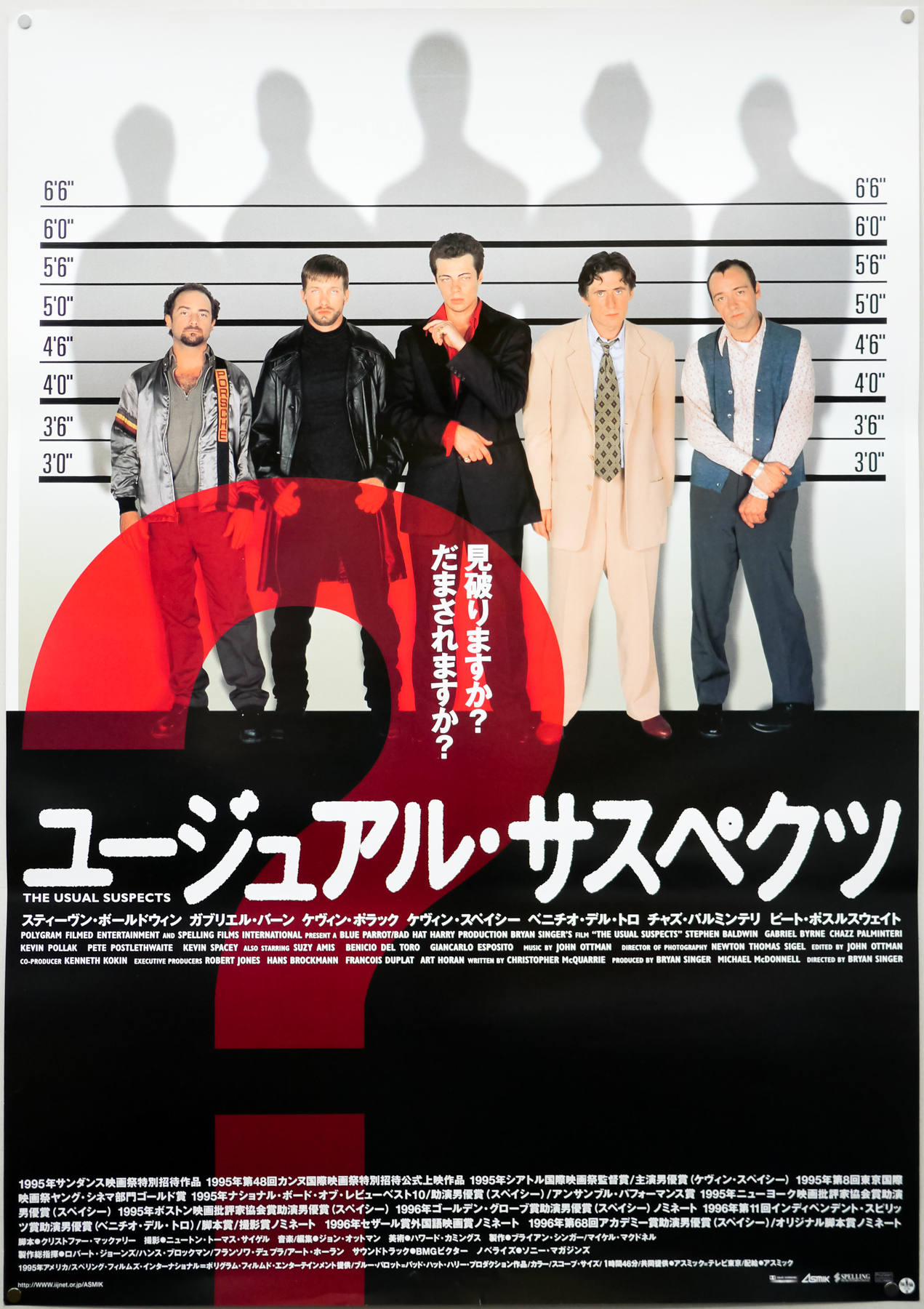
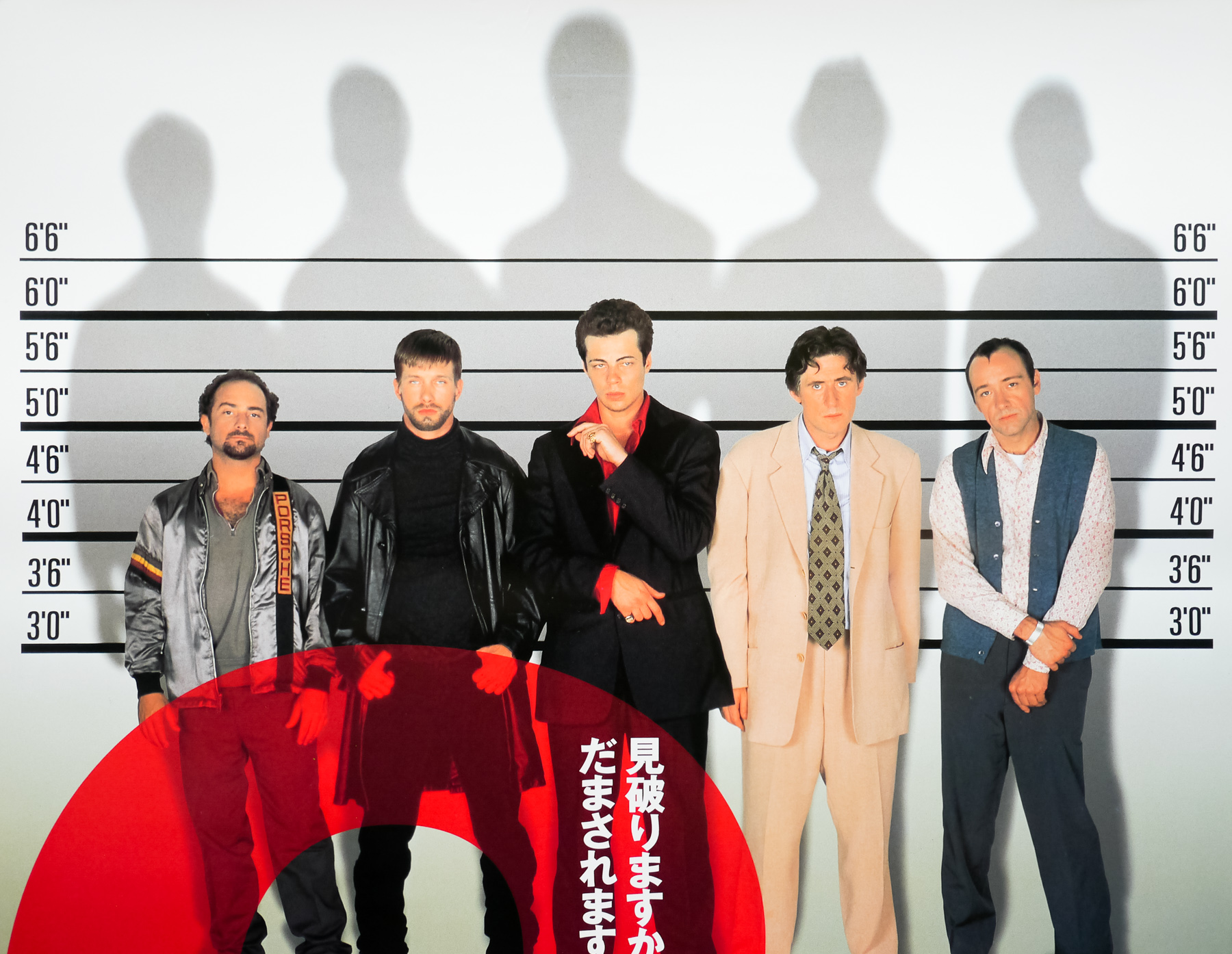
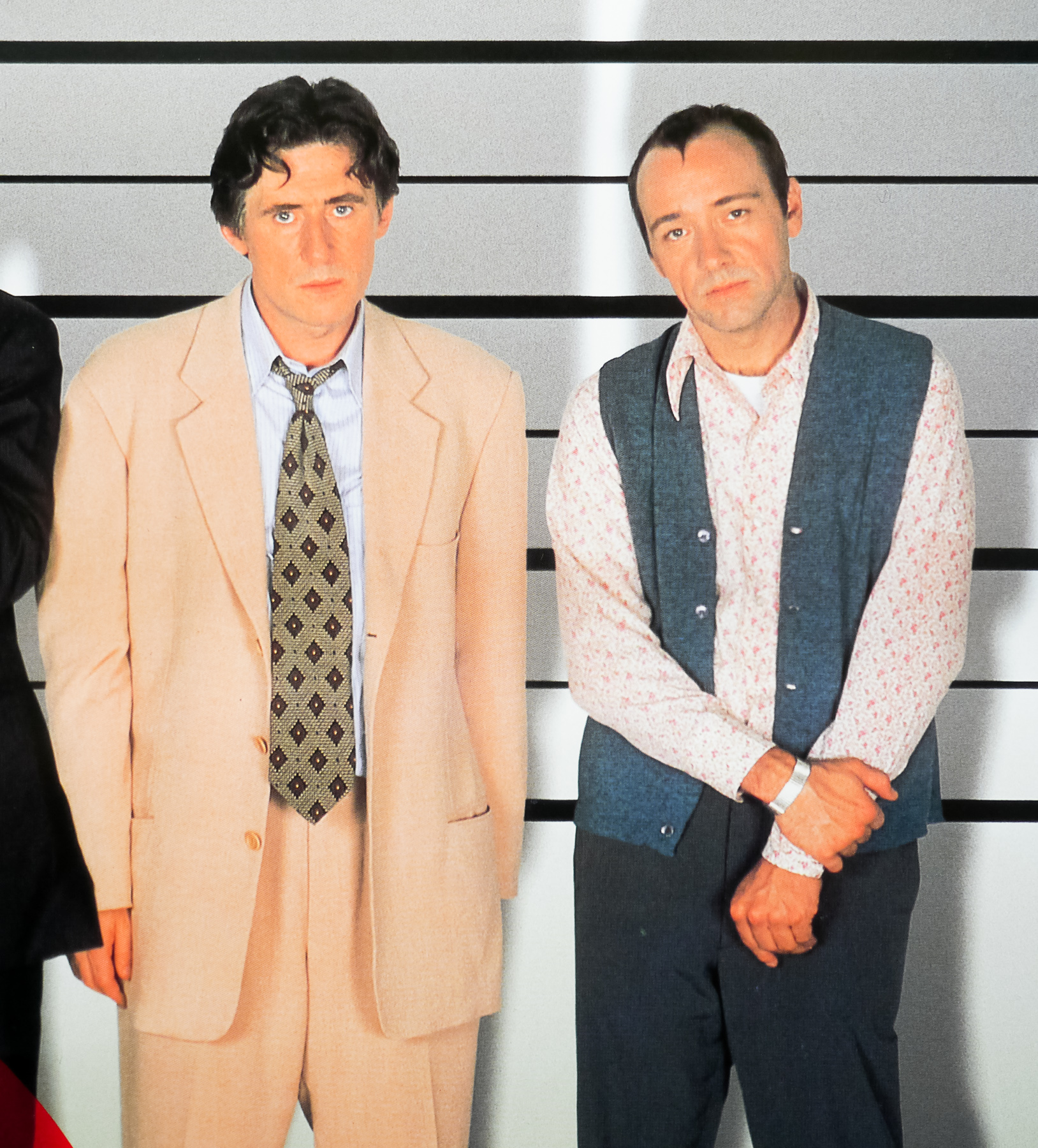
About to celebrate its 20th anniversary next year, Bryan Singer’s The Usual Suspects continues to sit at the top of many film fans’ lists of best crime thrillers and has been in the IMDb top 25 of all time (currently 23) since its release. Having won the Grand Jury Prize at the Sundance Film Festival with his debut film, Public Access, Singer once again collaborated with high school friend and screenwriter Christopher McQuarrie with the spark of the story coming from the title of an article in the satirical Spy magazine which the director had read. The idea of a bunch of criminals meeting in a police line-up and embarking on a new job came to Singer and the visual motif for the poster was one of the first concepts he and McQuarrie had, with the director asking “What would possibly bring these five felons together in one line-up?”

Actor Kevin Spacey had seen Public Access at Sundance and told Singer that he wanted to be involved in whatever his next project was so when the screenplay, which went through several rewrites, eventually attracted financing from a European company Spacey was cast as Roger ‘Verbal’ Kint. With a complex narrative structure, the film starts in the aftermath of a deadly attack on a container ship in San Pedro Bay which has left 27 people dead and two survivors, a badly burned Hungarian criminal and small-time con-artist Verbal Kint.

During questioning by a US customs agent, Kint explains how the massacre was the culmination of a series of events that began with a police line-up of ‘the usual suspects’ (Spacey, Gabriel ByrneBenicio Del ToroStephen Baldwin and Kevin Pollak) a ragtag bunch of criminals and followed their interactions with an underworld legend known as Keyser Söze. The film ends with one of the greatest twists in the history of cinema.

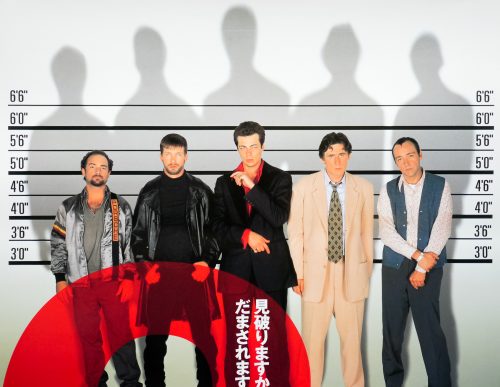
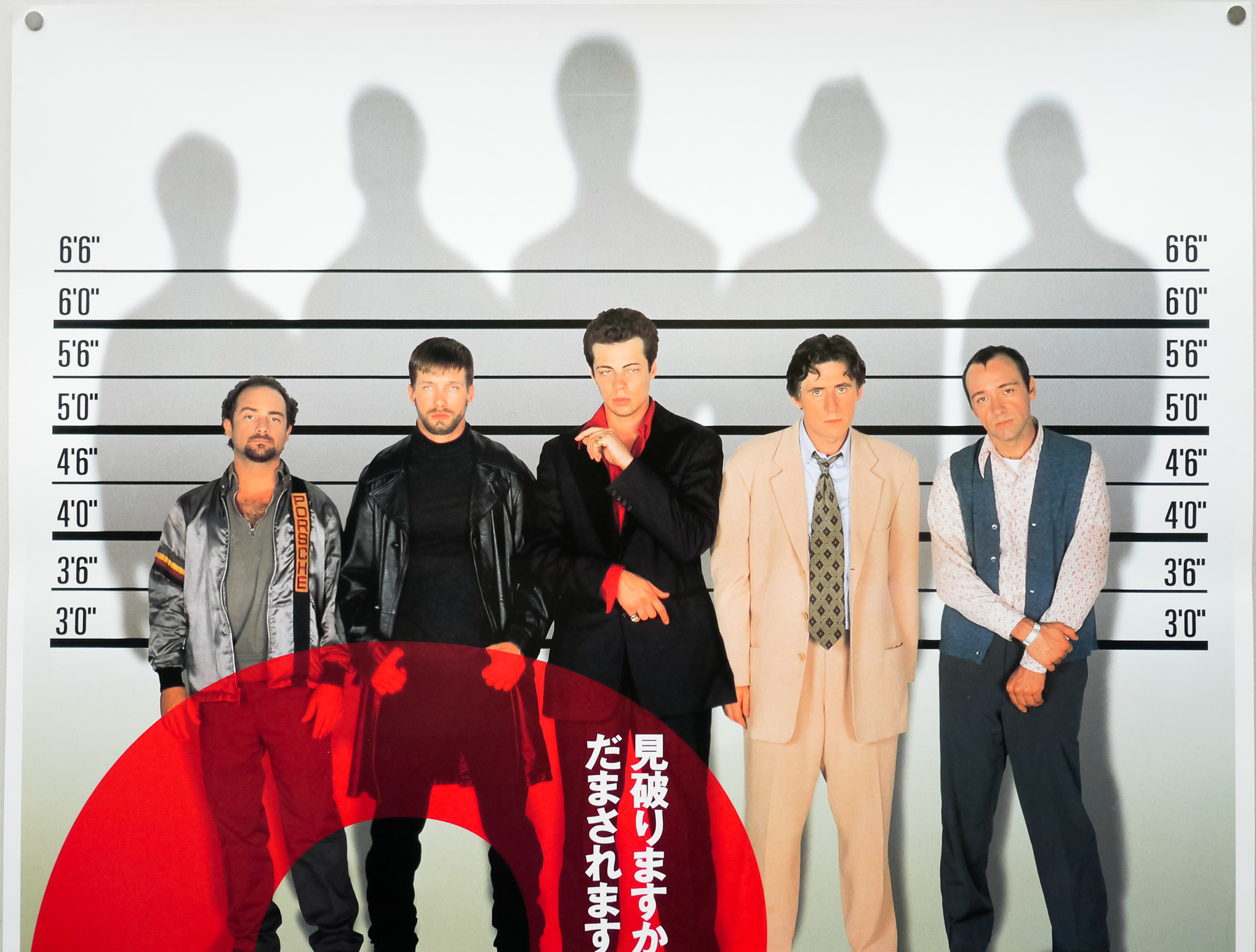
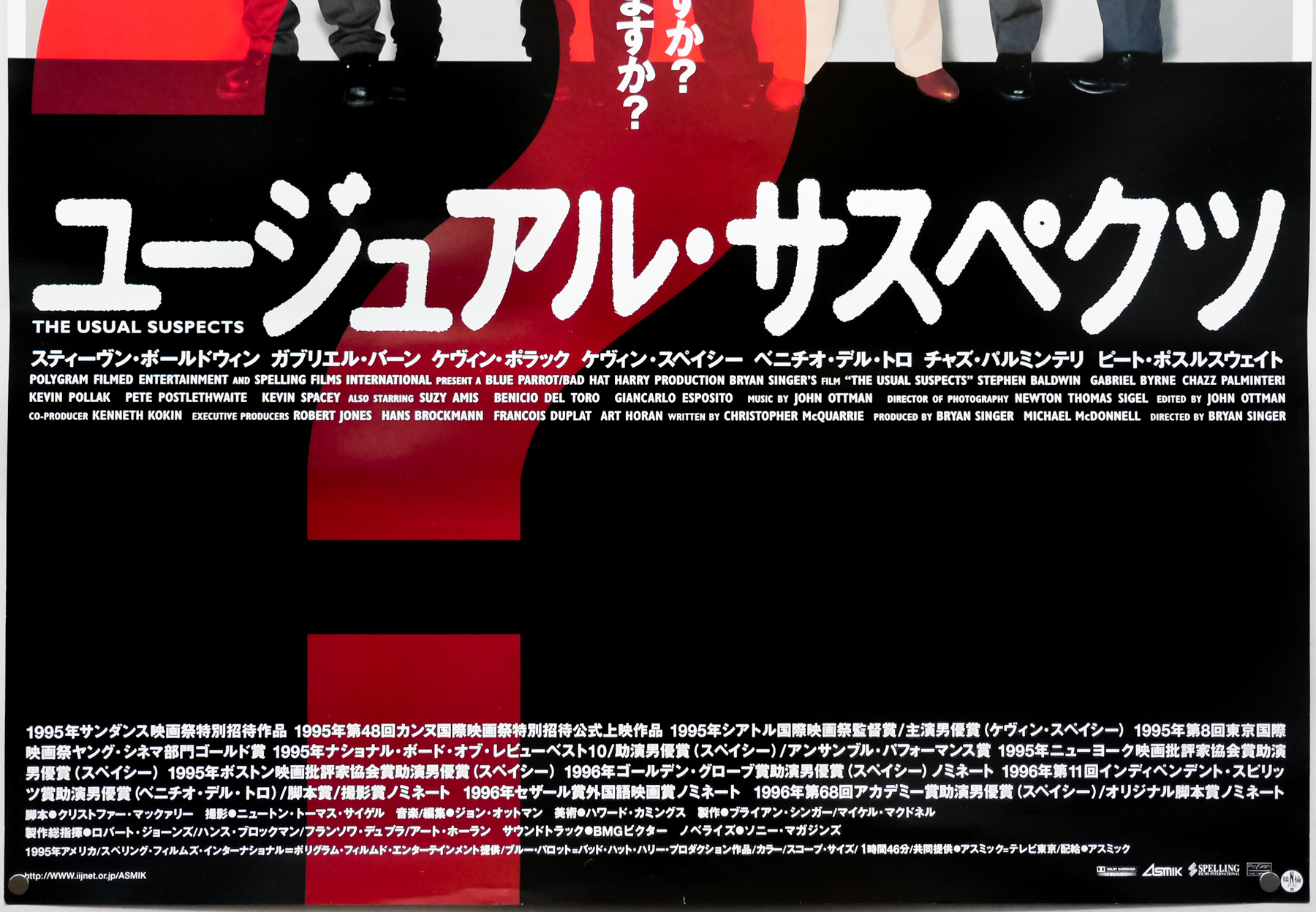
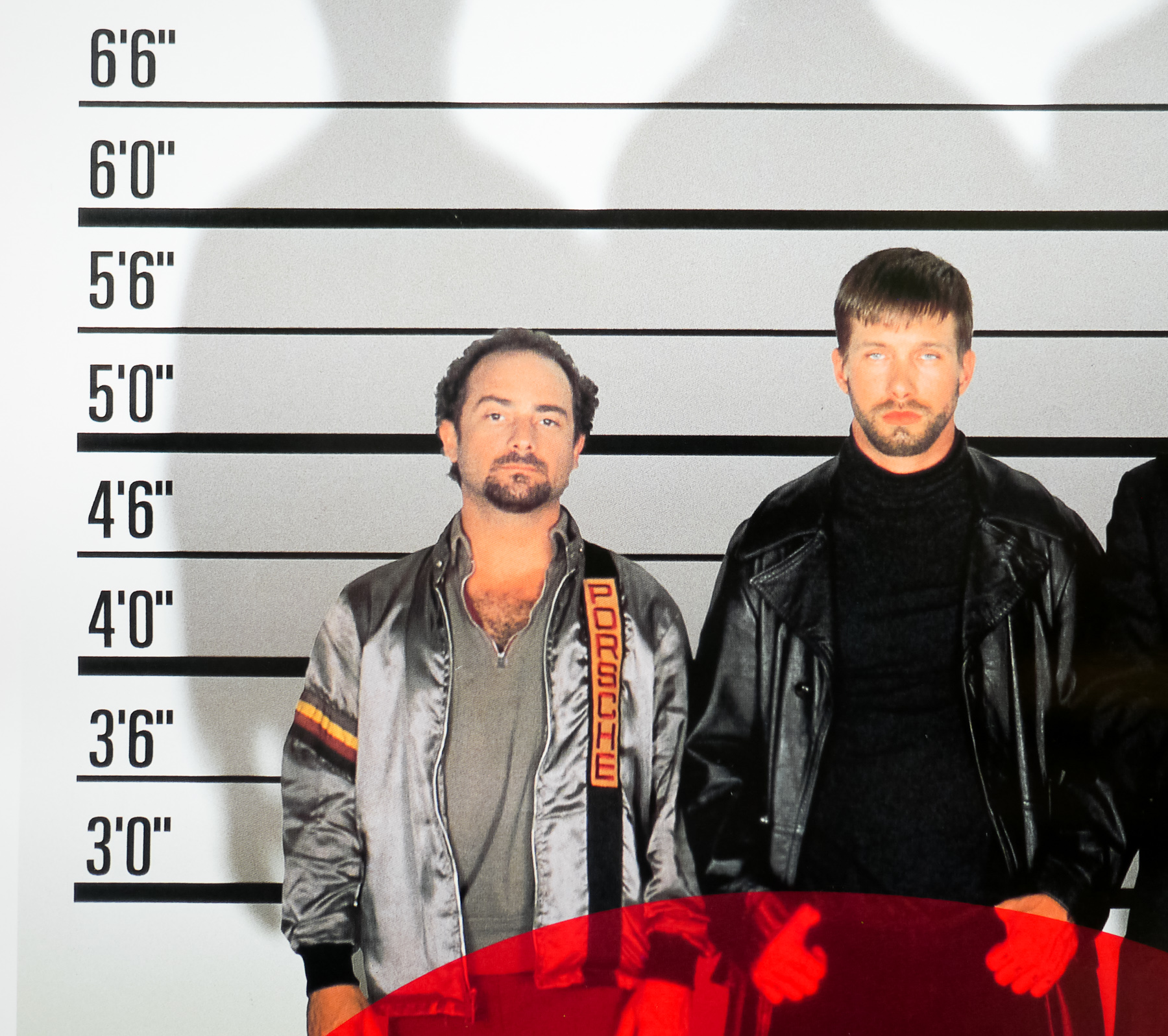
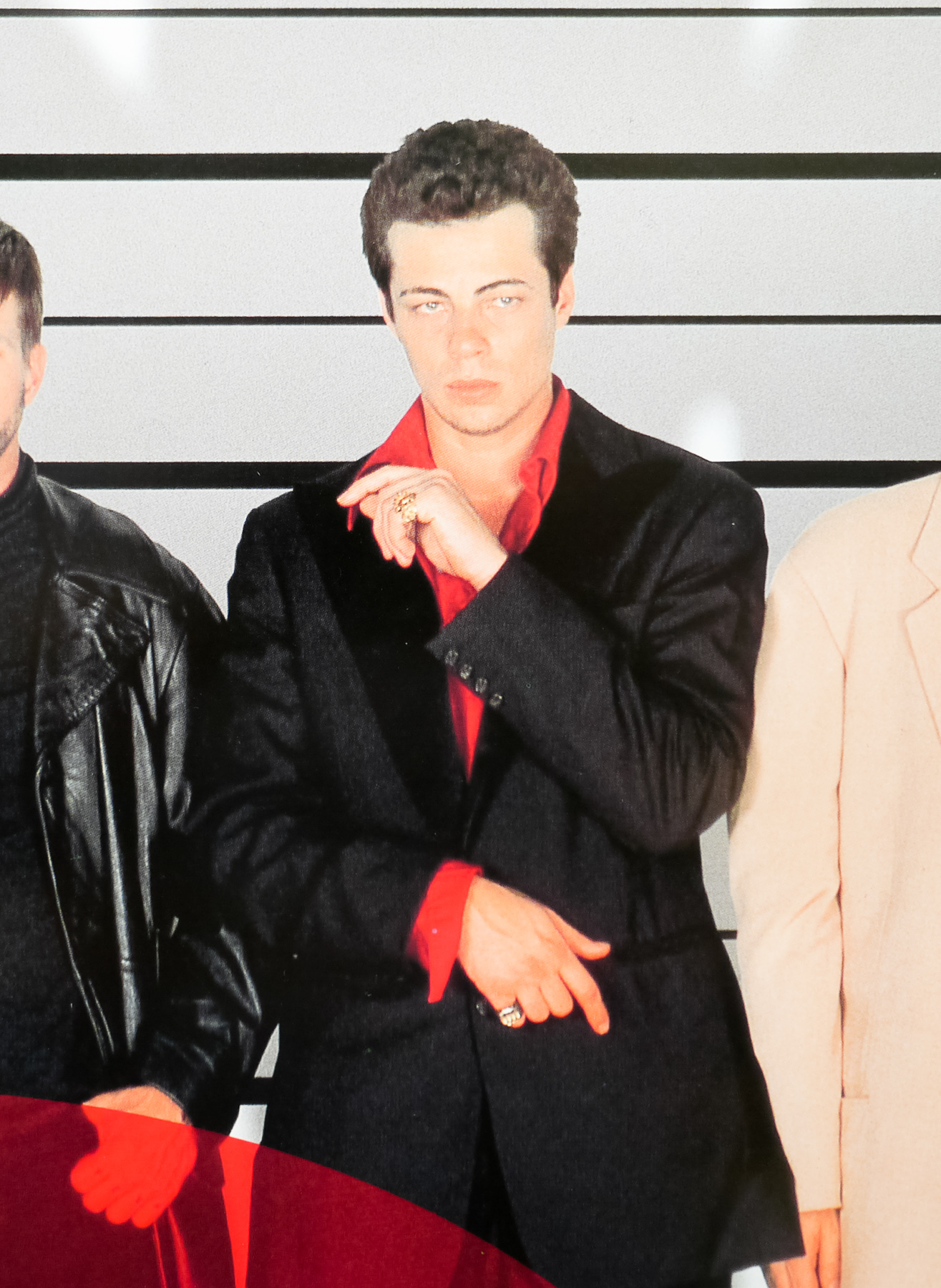
This is the Japanese B2 which features the same line-up shot seen on the UK quad and the international one sheet, but there were barely any posters for the film that didn’t feature the image in some form.

Lifeforce / B2 / photo style / Japan

22.10.14

Poster Poster
Title
Lifeforce
AKA
Vampires from Outer Space (working title)
Year of Film
1985
Director
Tobe Hooper
Starring
Steve Railsback, Peter Firth, Frank Finlay, Mathilda May, Patrick Stewart
Origin of Film
USA
Genre(s) of Film
Steve Railsback, Peter Firth, Frank Finlay, Mathilda May, Patrick Stewart,
Type of Poster
B2
Style of Poster
Photo style
Origin of Poster
Japan
Year of Poster
1985
Designer
Unknown
Artist
Unknown
Size (inches)
20 6/16" x 28 14/16"
SS or DS
SS
Tagline
--

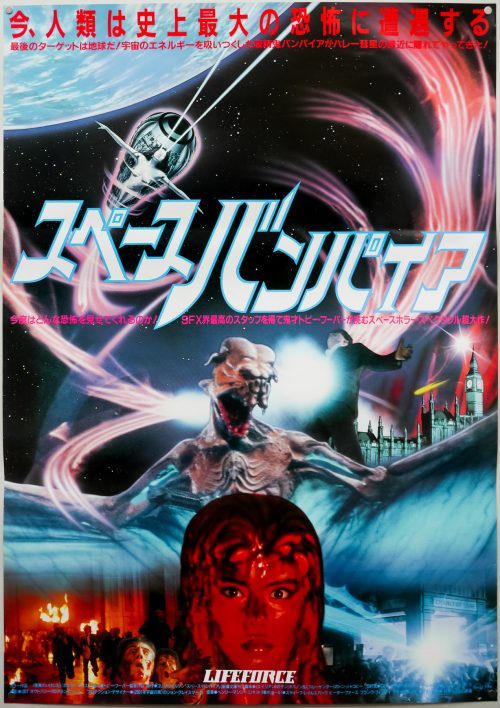
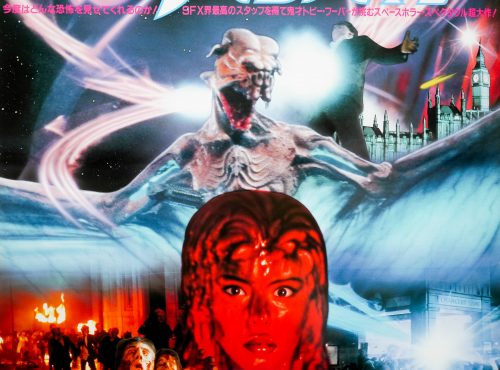
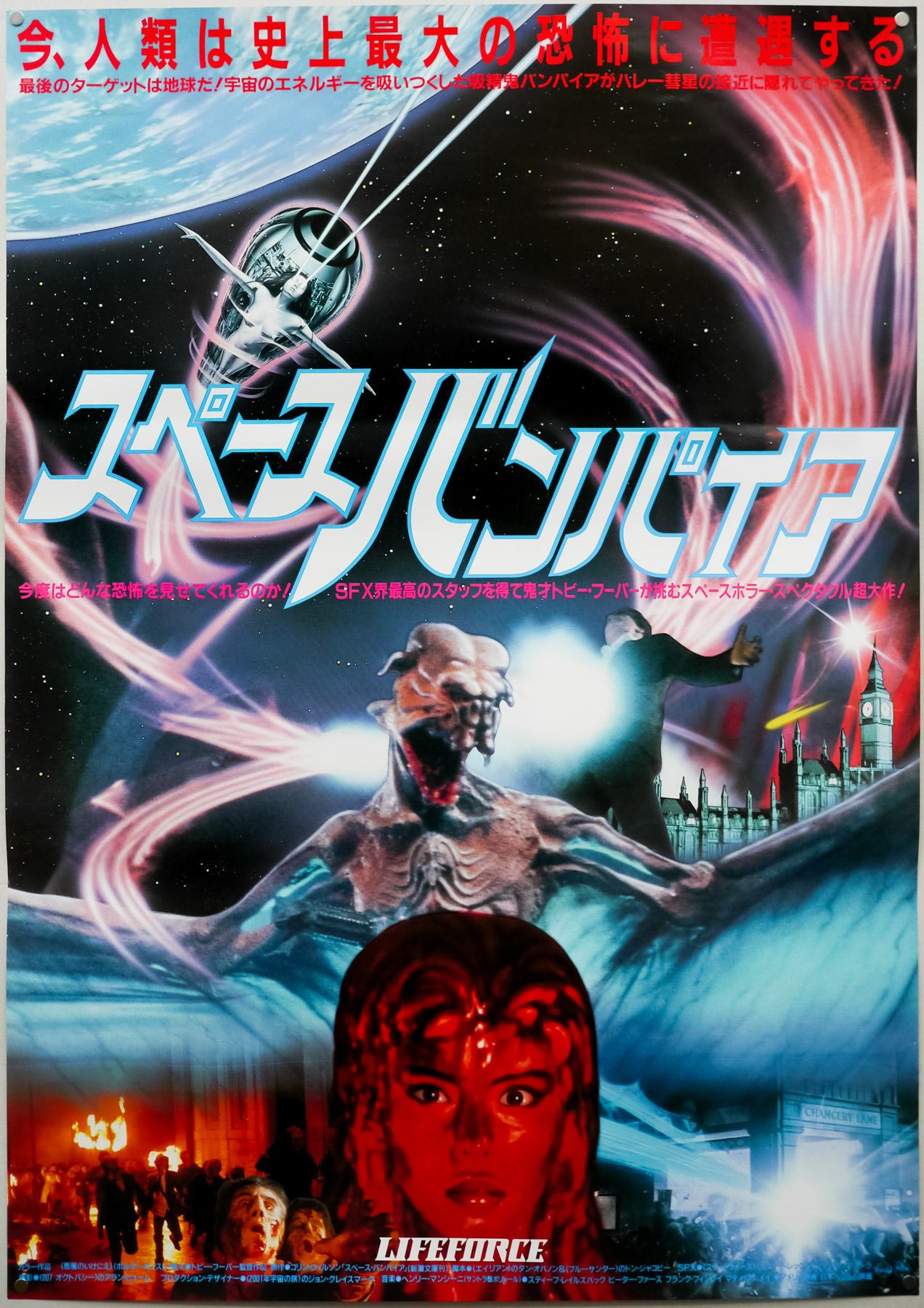
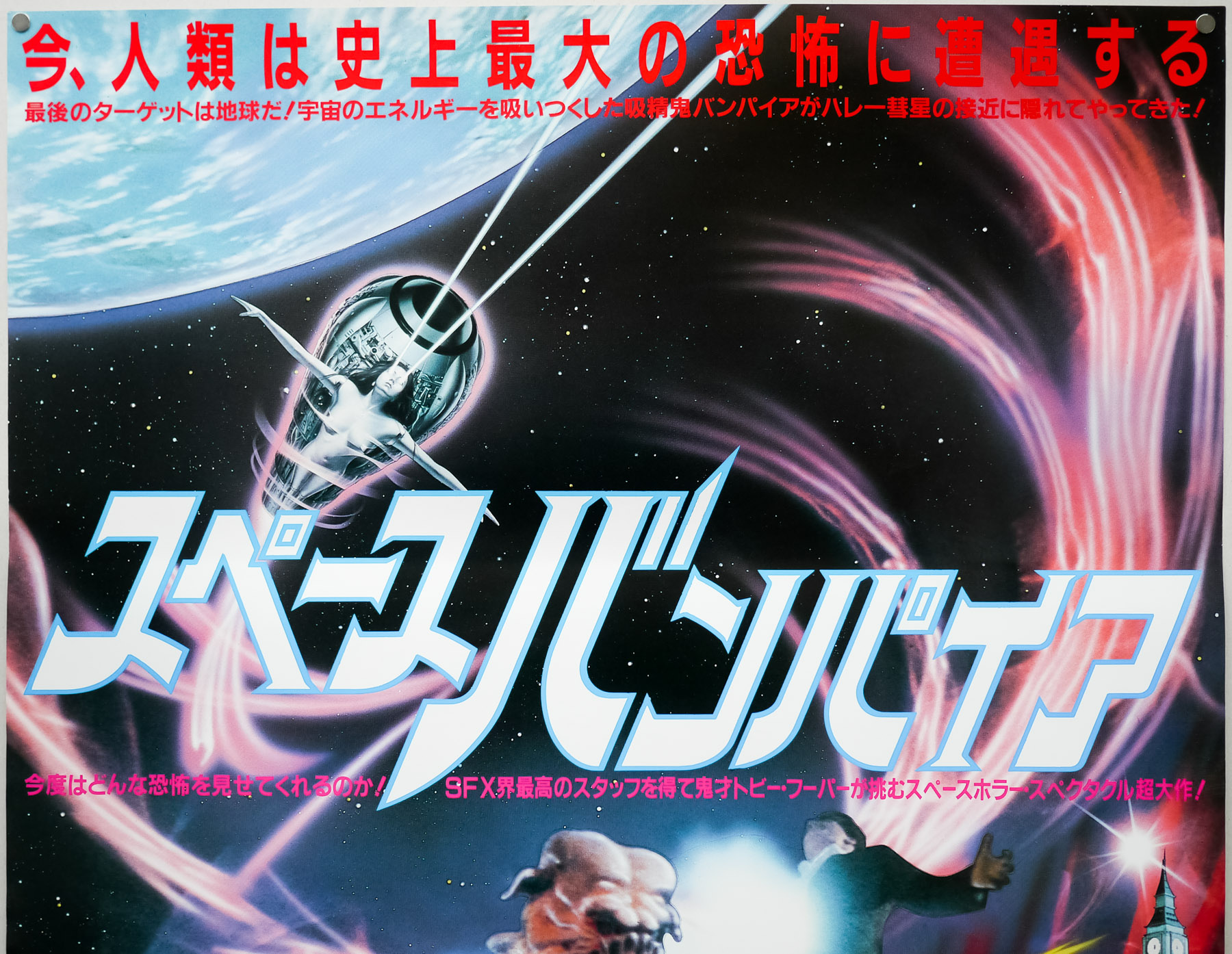
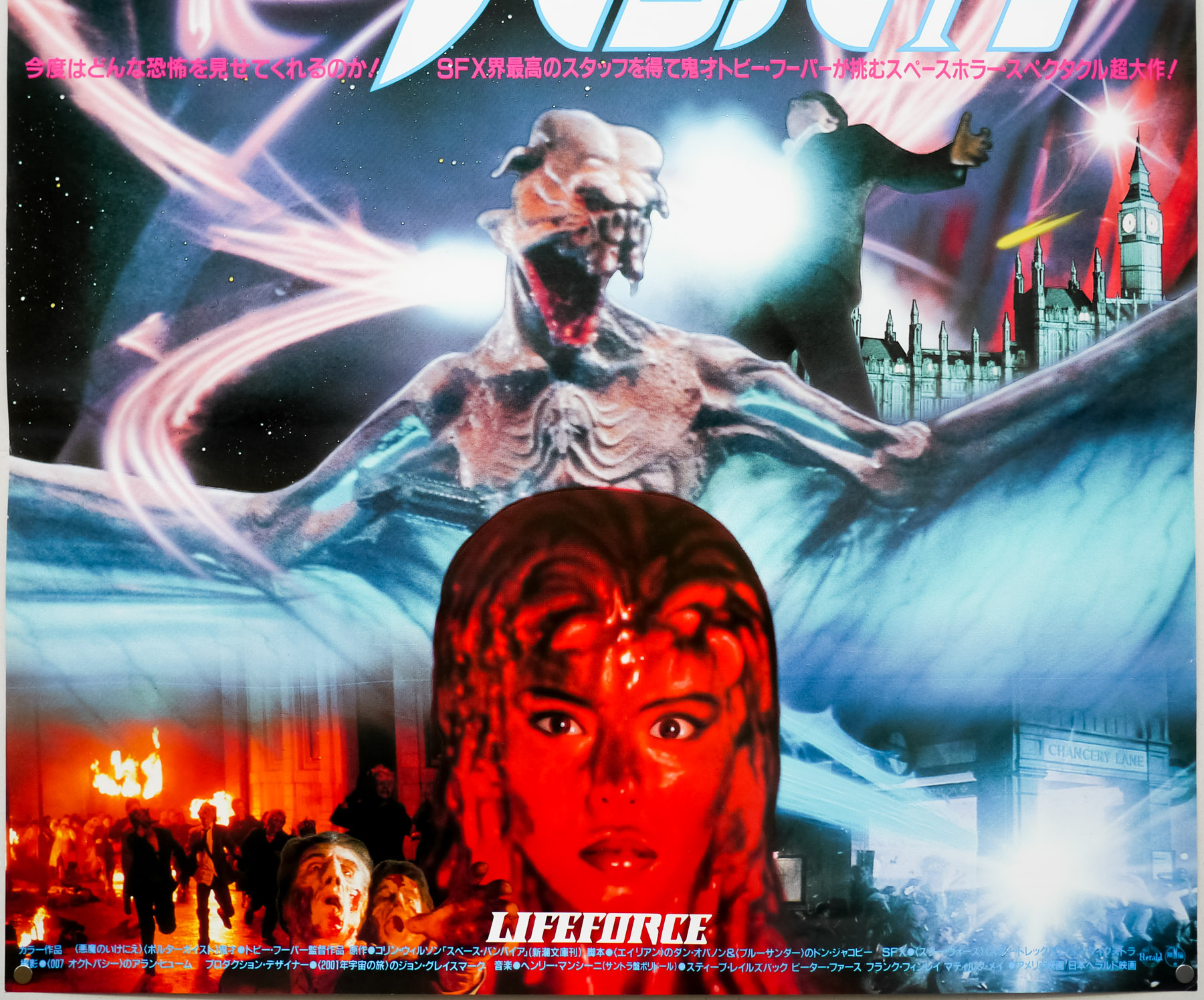
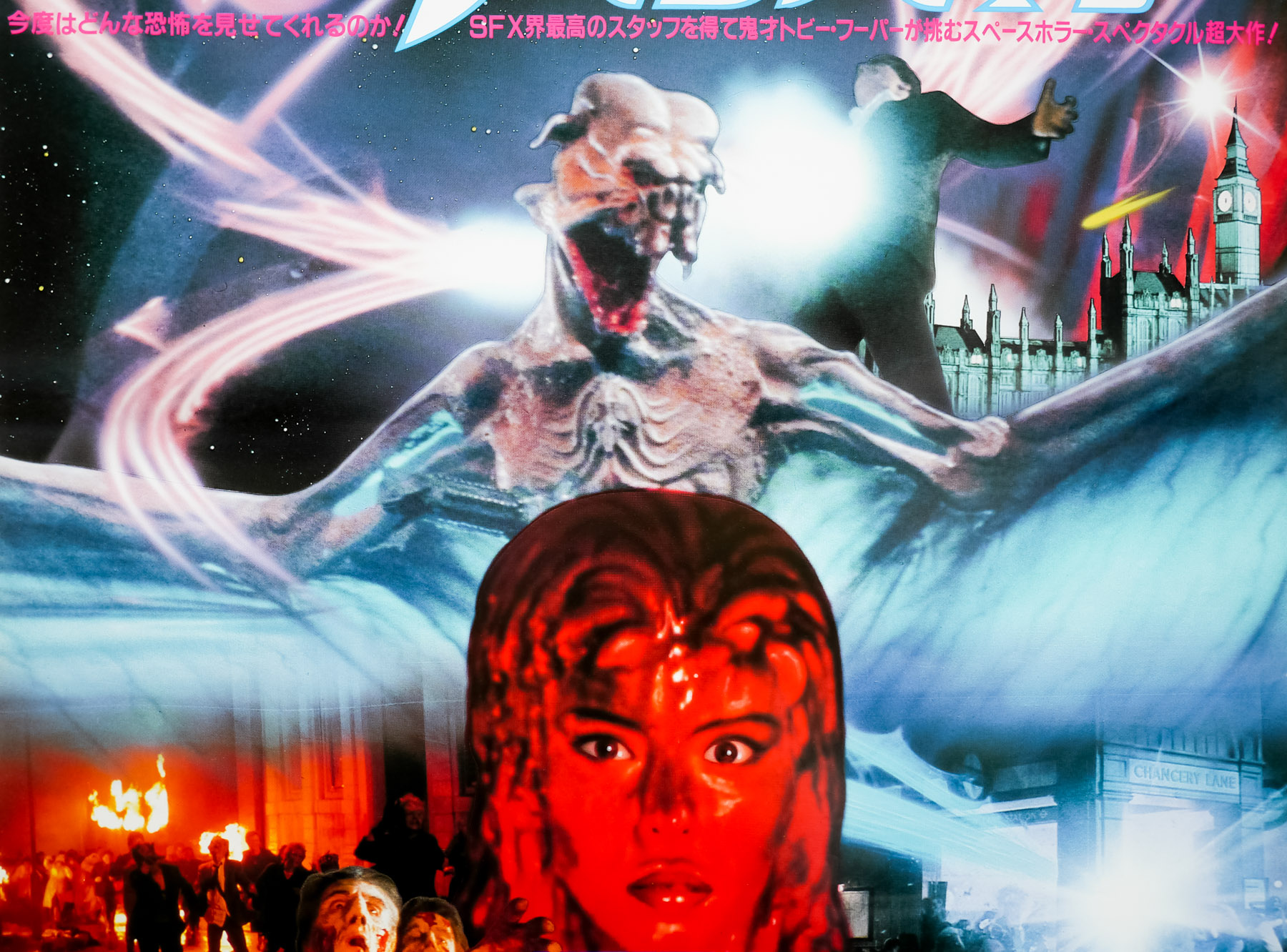
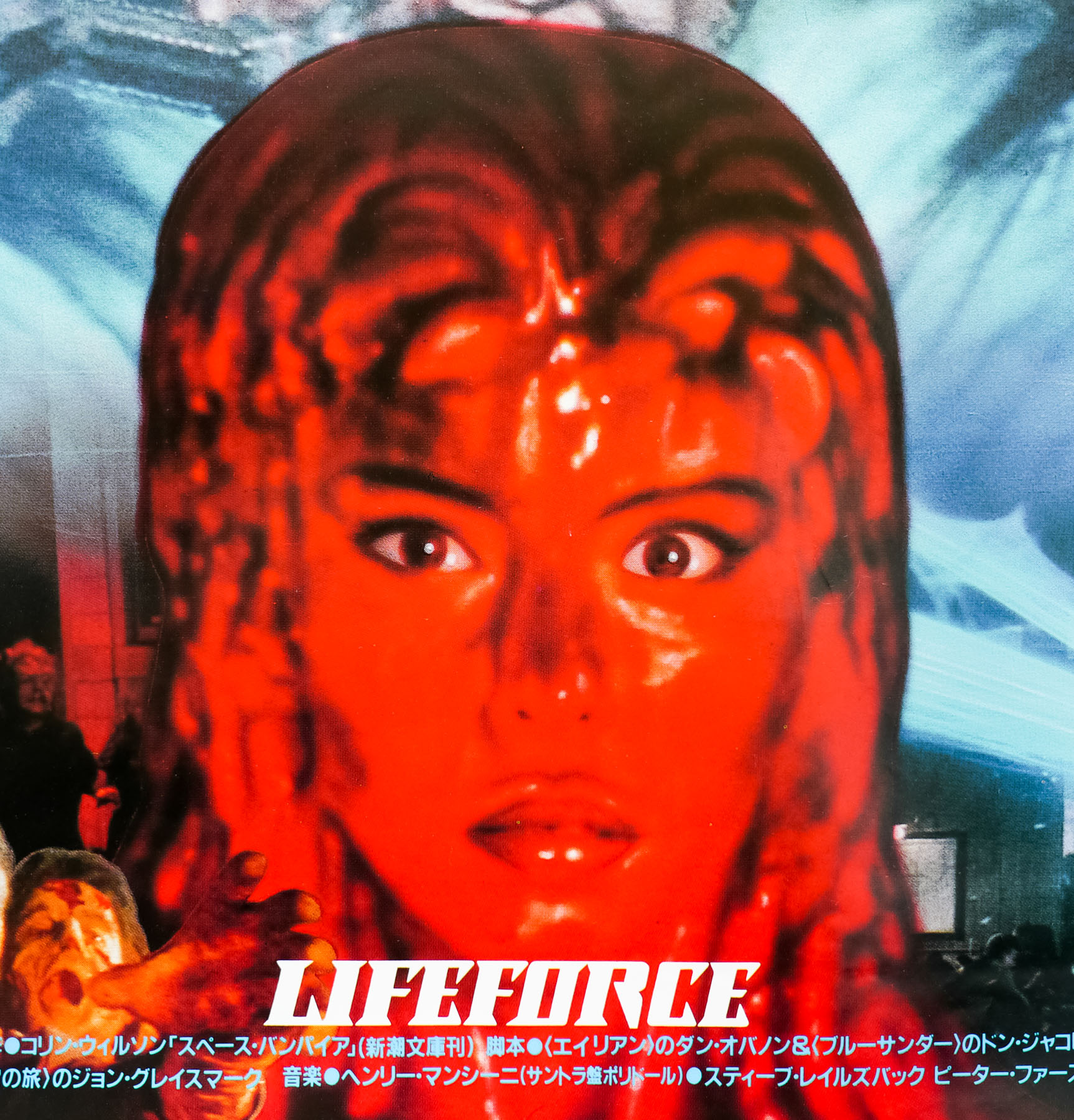
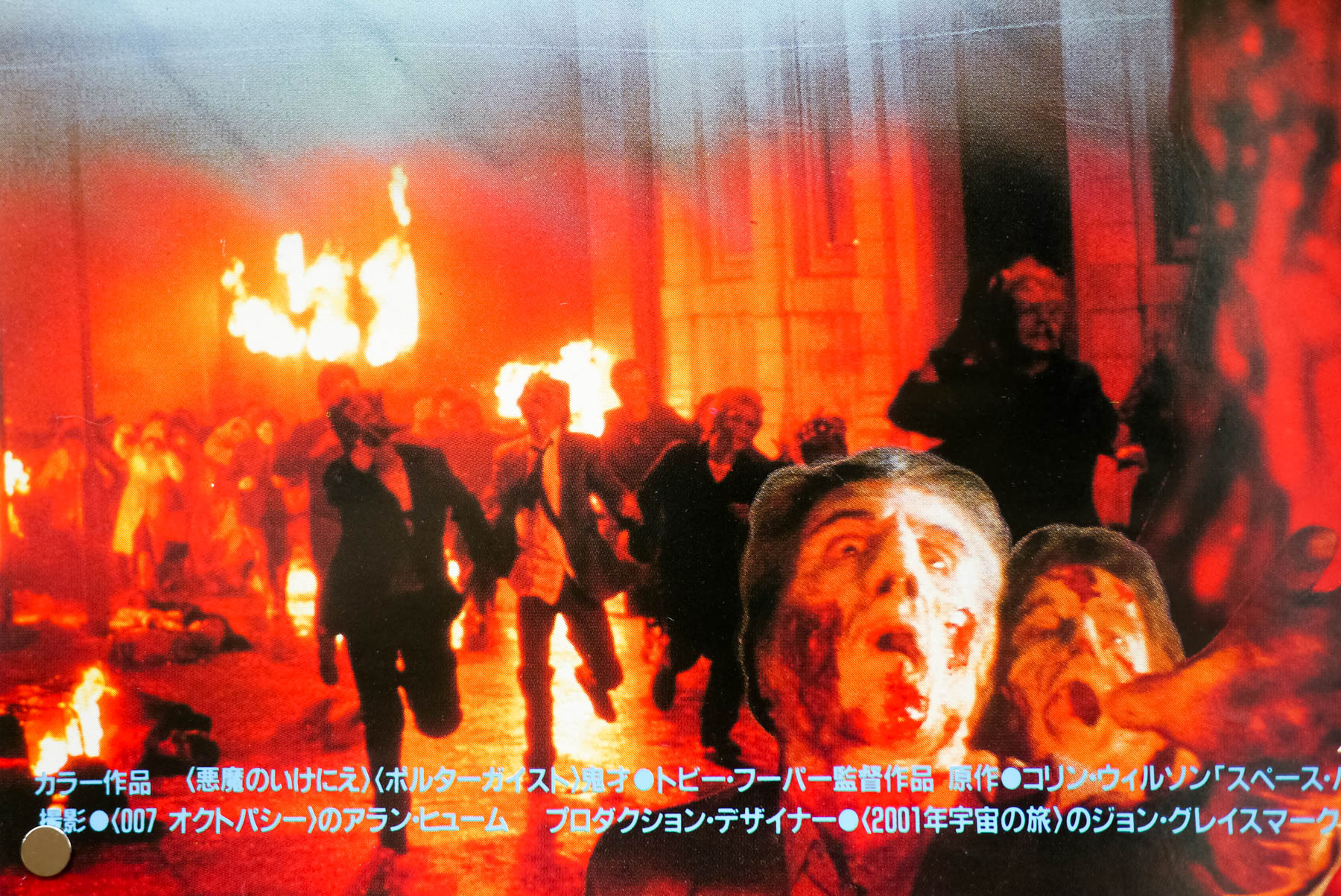
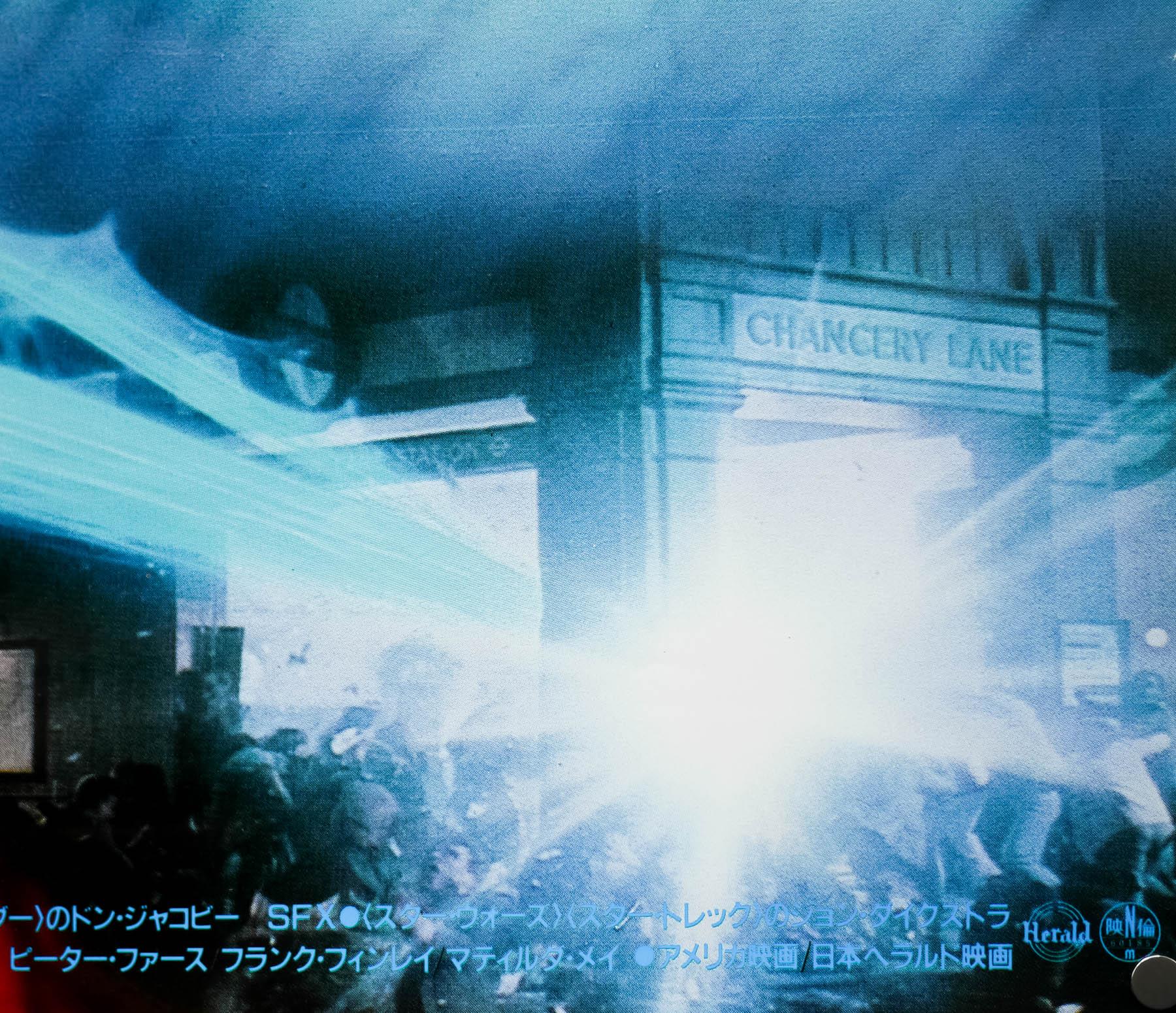
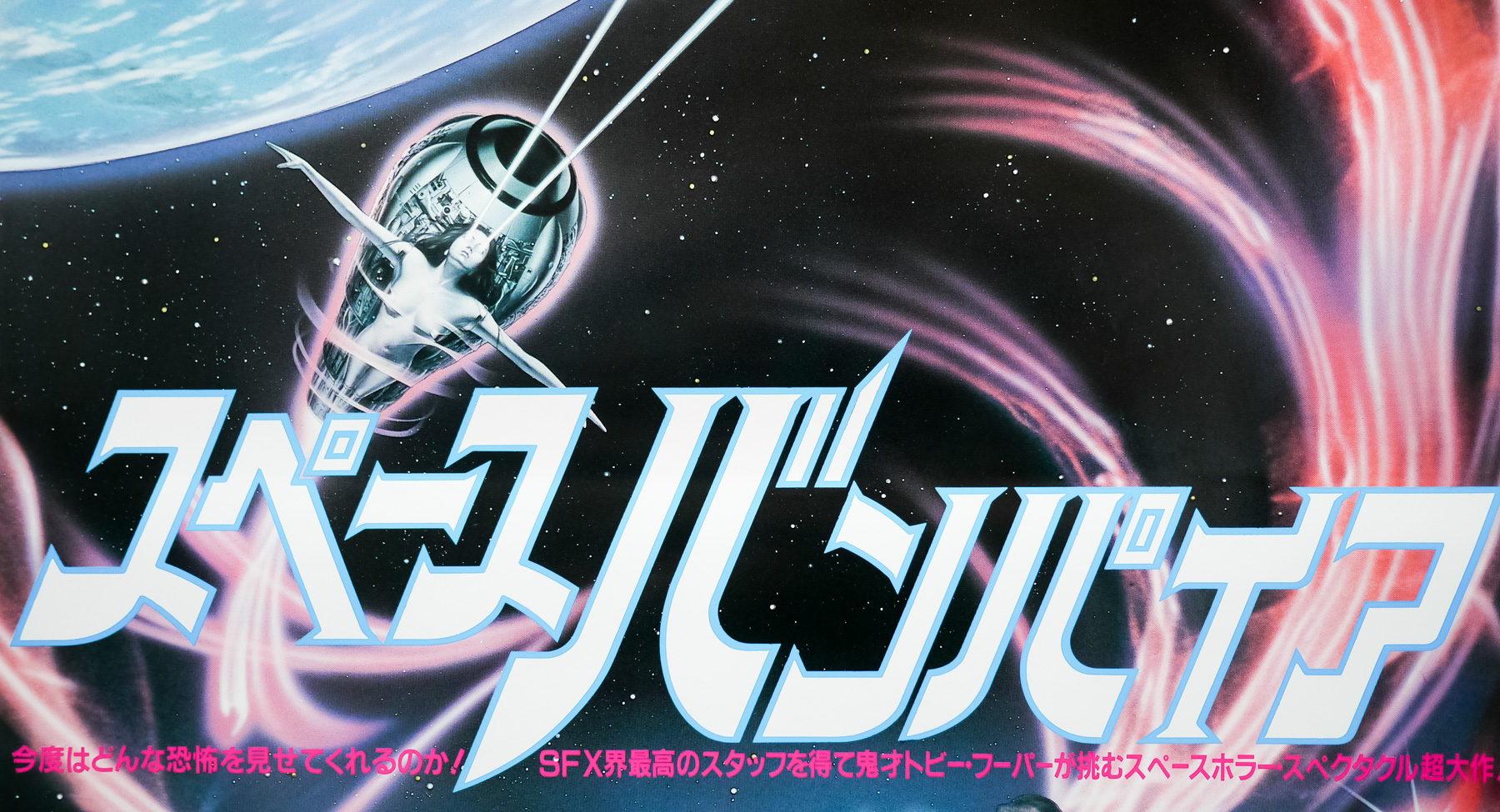
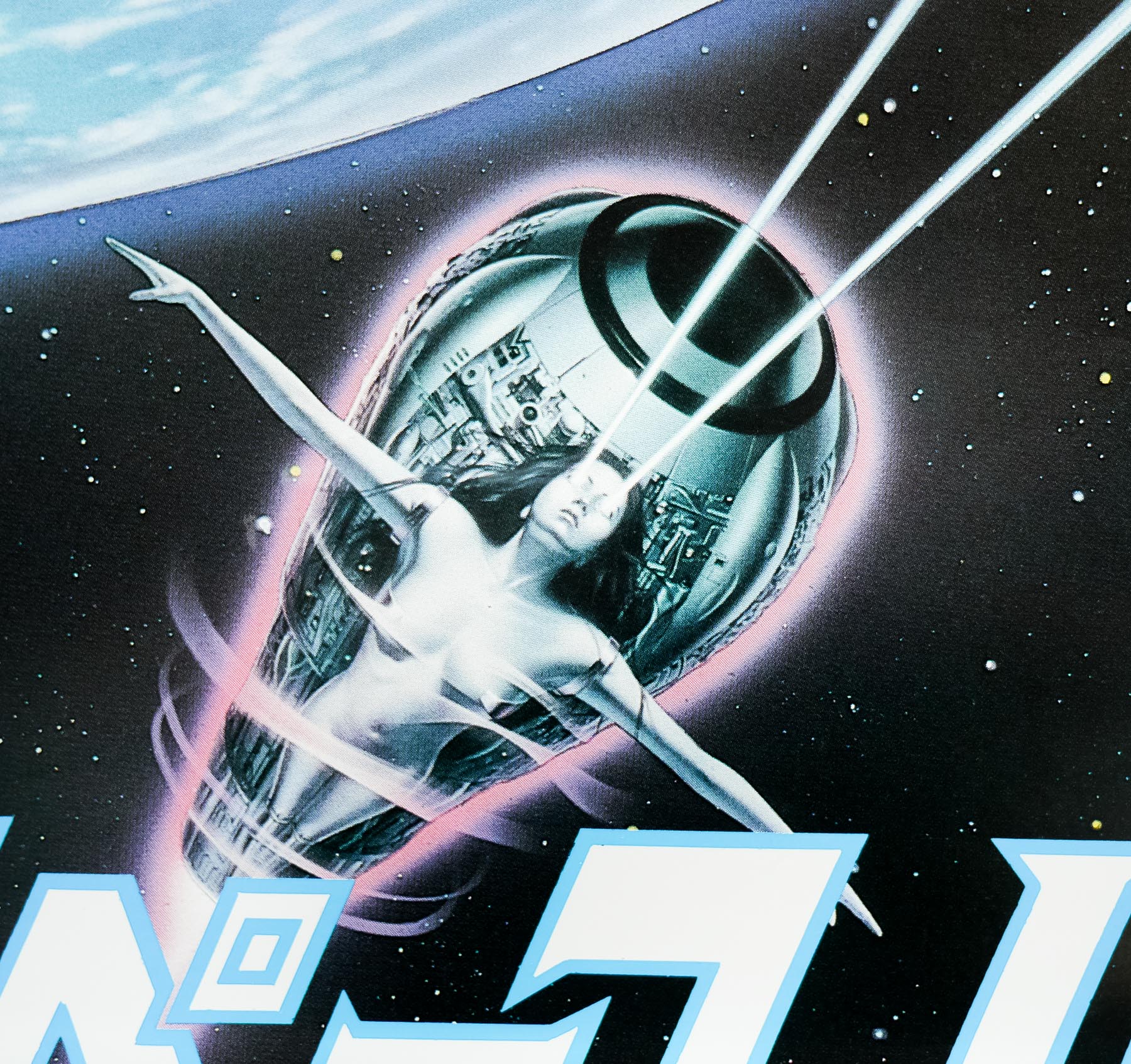
A suitably outlandish design on this Japanese B2 (style B) for the release of Tobe Hooper’s sci-fi curio Lifeforce. Based on the 1976 novel The Space Vampires by Colin Wilson, the film’s screenplay was written by Dan O’Bannon (Alien, Total Recall) and Don Jakoby and was the first in a three film deal that Hooper had agreed with notorious production and distribution company Cannon Films (the others were Invaders from Mars and The Texas Chainsaw Massacre 2). The film begins as the joint US-UK space shuttle Churchill heads towards Halley’s Comet on a research mission. After discovering a large dormant alien ship in the comet’s tail, a small team sets out to investigate and discovers a trio of naked humanoids in transparent stasis pods surrounded by the dried husks of hundreds of bat-like creatures.

The pods, which contain two males and a female (the stunning Mathilda May) are brought onboard the spaceship. Several weeks later, after losing contact with Churchill’s crew, a rescue team is sent out and finds the shuttle drifting in space having been crippled by a catastrophic fire with all crew presumed dead. The pods are discovered in the hold completely untouched and are returned to earth to the European Space Research Centre in London where Dr. Leonard Bukovsky (the late Michael Gothard) and Dr. Hans Fallada (Frank Finlay) oversee a planned autopsy on the humanoid figures. The female awakens during the procedure and attacks one of the doctors, draining the ‘lifeforce’ from him, leaving just a desiccated husk. She then escapes from the facility and sets in motion a chain of events that eventually sees the city of London besieged by hundreds of newly created space vampires.

The film gets increasingly bonkers as it continues and the acting from Steve Railsback (shuttle captain Carlsen) is absolutely bizarre, ranging from barely audible mumbles to wild-eyed shouting. Frank Finlay is also good value and appears to think he’s starring in a 1960s Hammer horror film. The special effects are notably good and were headed up by award-winning artist John Dykstra. The alien ship scenes are very well done, as are several of the scenes where lifeforce is extracted from victims.

The film rattles from one scene to another and barely manages to stay comprehensible, despite being undeniably enjoyable. Apparently budgetary issues meant several scenes were never shot and production had to be shut down at one point after financing had dried up. All of this clearly had an impact on the final cut and things were made worse for the US release when distributor Tristar decided to trim 12 minutes from the film. Lifeforce was a box-office failure and was unable to recoup its original bloated budget. The UK and other countries at least received the full uncut version and it’s now available for all on blu-ray.

Noriyoshi Ohrai exhibition / B2 / Beauties in Myths / Japan

07.11.14

Poster Poster
Title
Noriyoshi Ohrai exhibition - Beauties in Myth
Type of Poster
B2
Style of Poster
Beauties in Myth
Origin of Poster
Japan
Year of Poster
2014
Designer
Unknown
Artist
Noriyoshi Ohrai
Size (inches)
20 6/16" x 28 14/16"
SS or DS
SS
Tagline
--

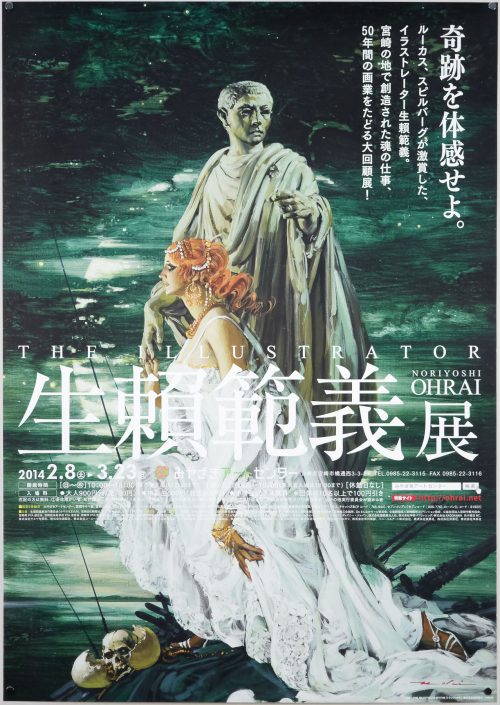
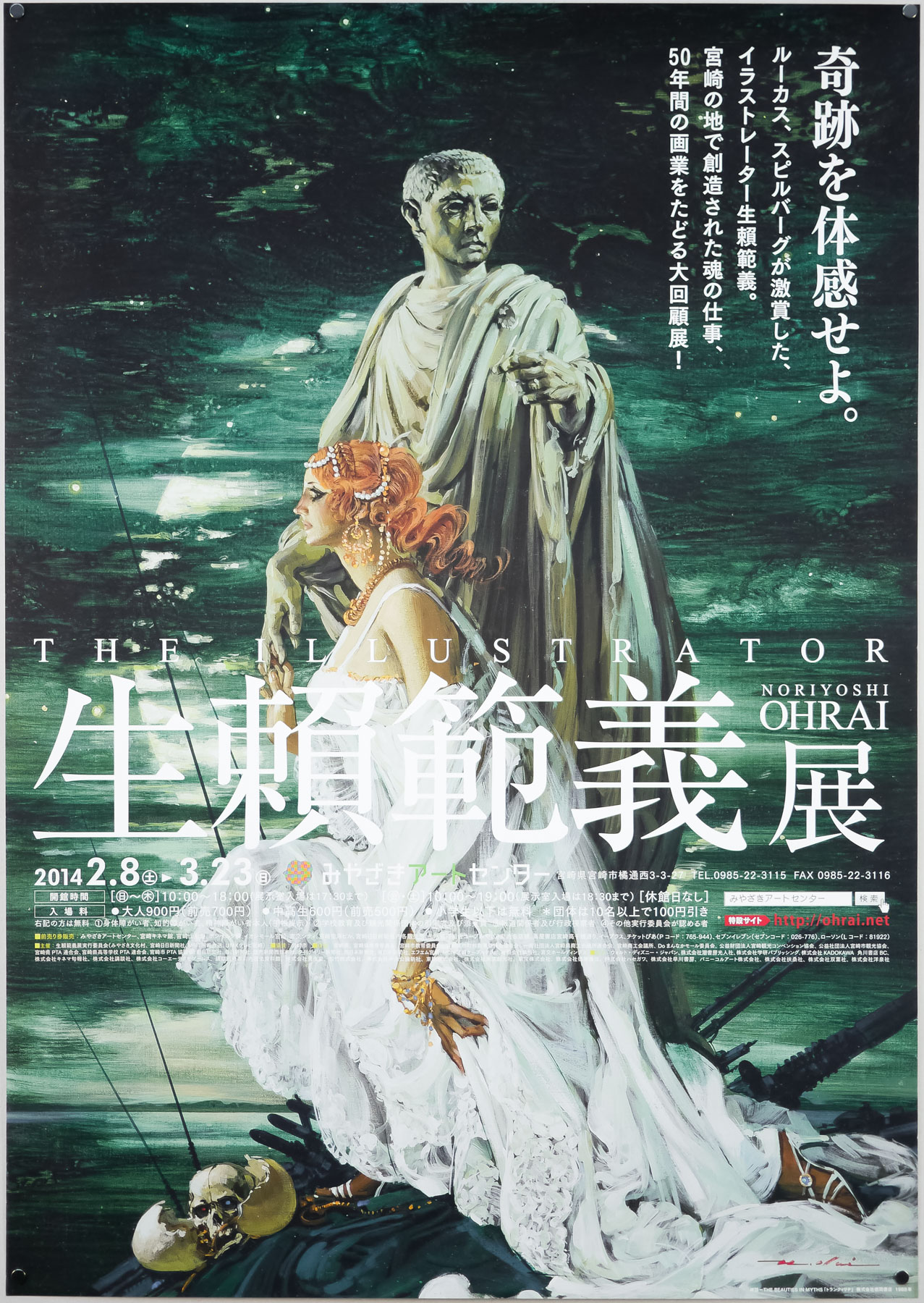
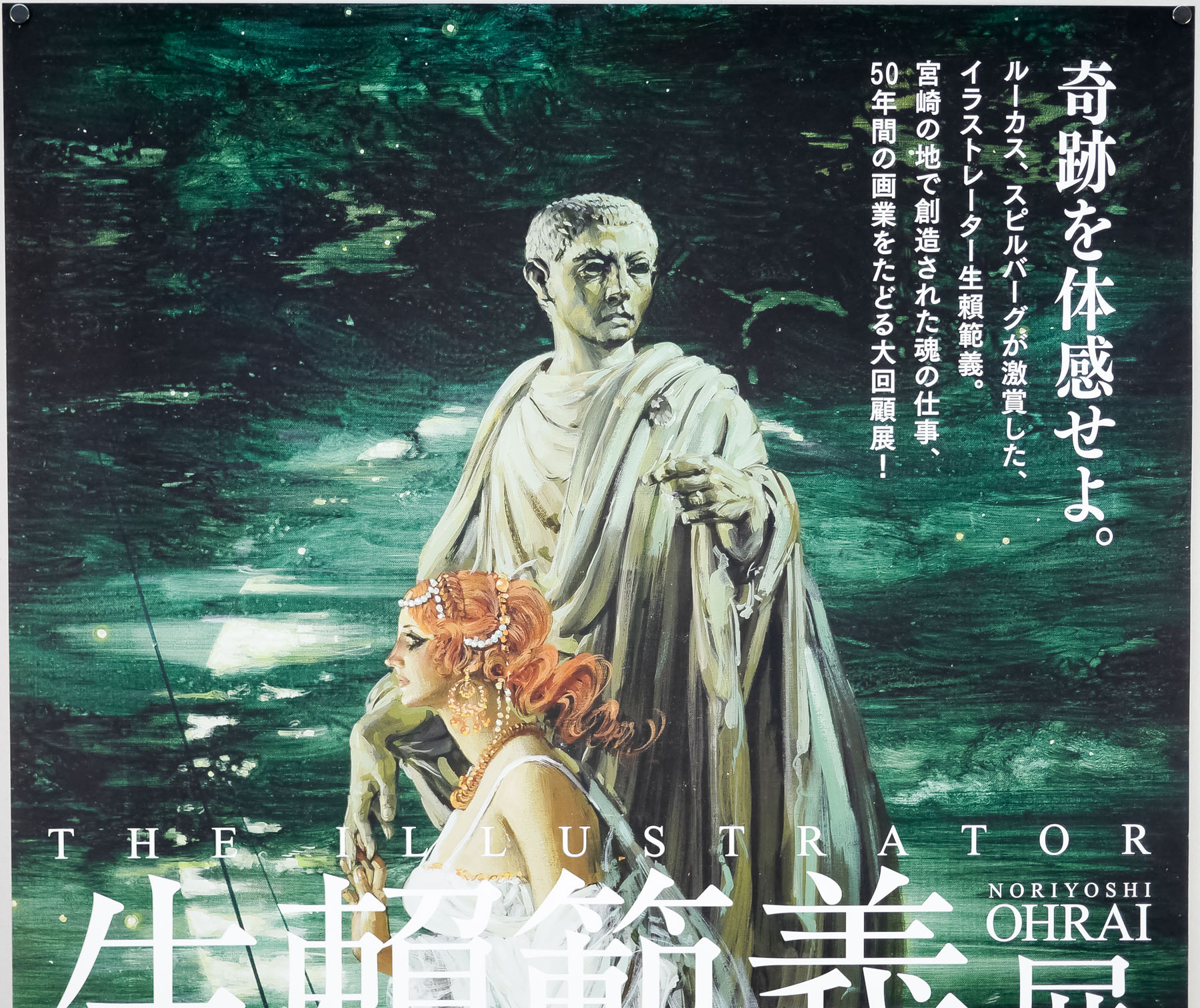
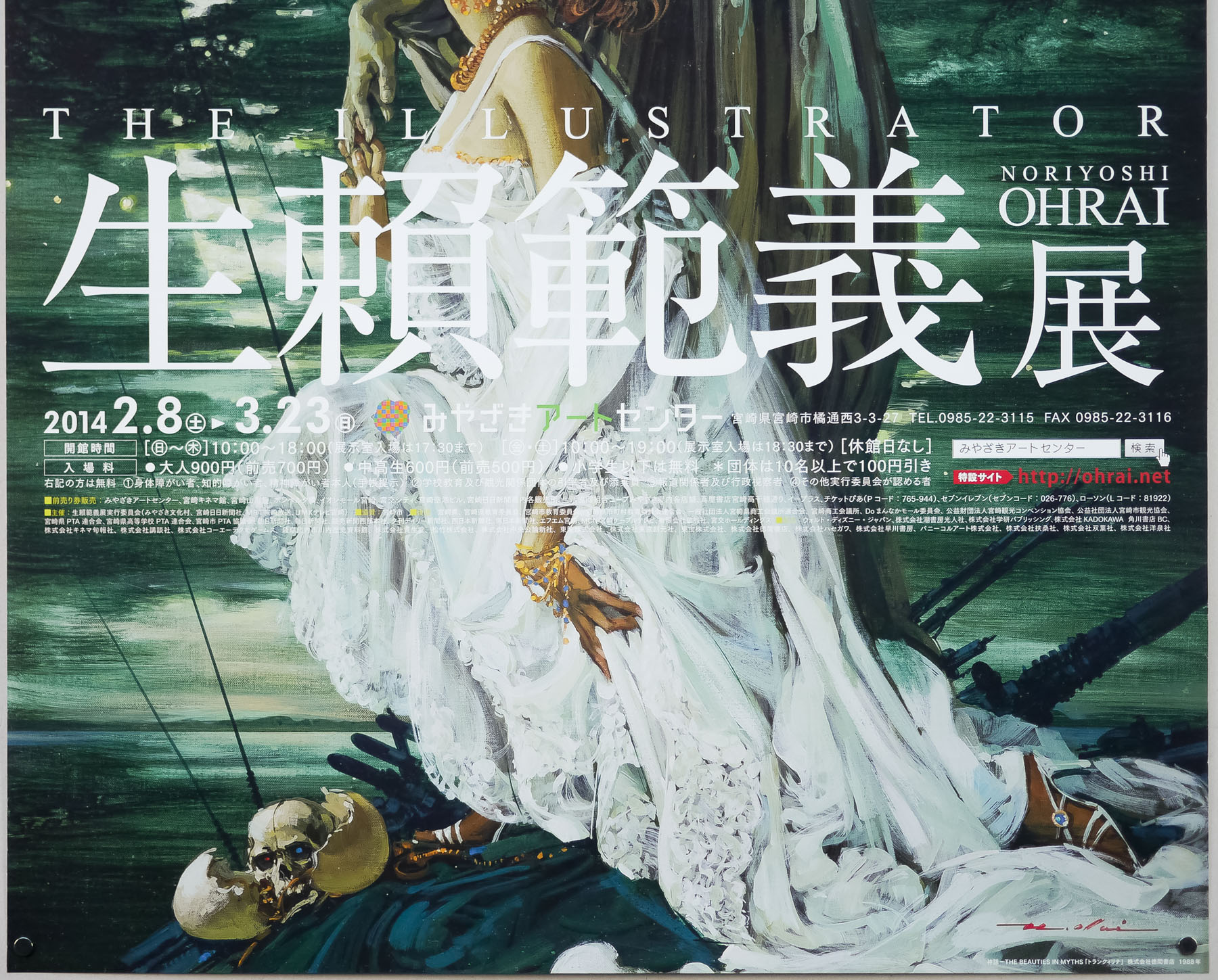
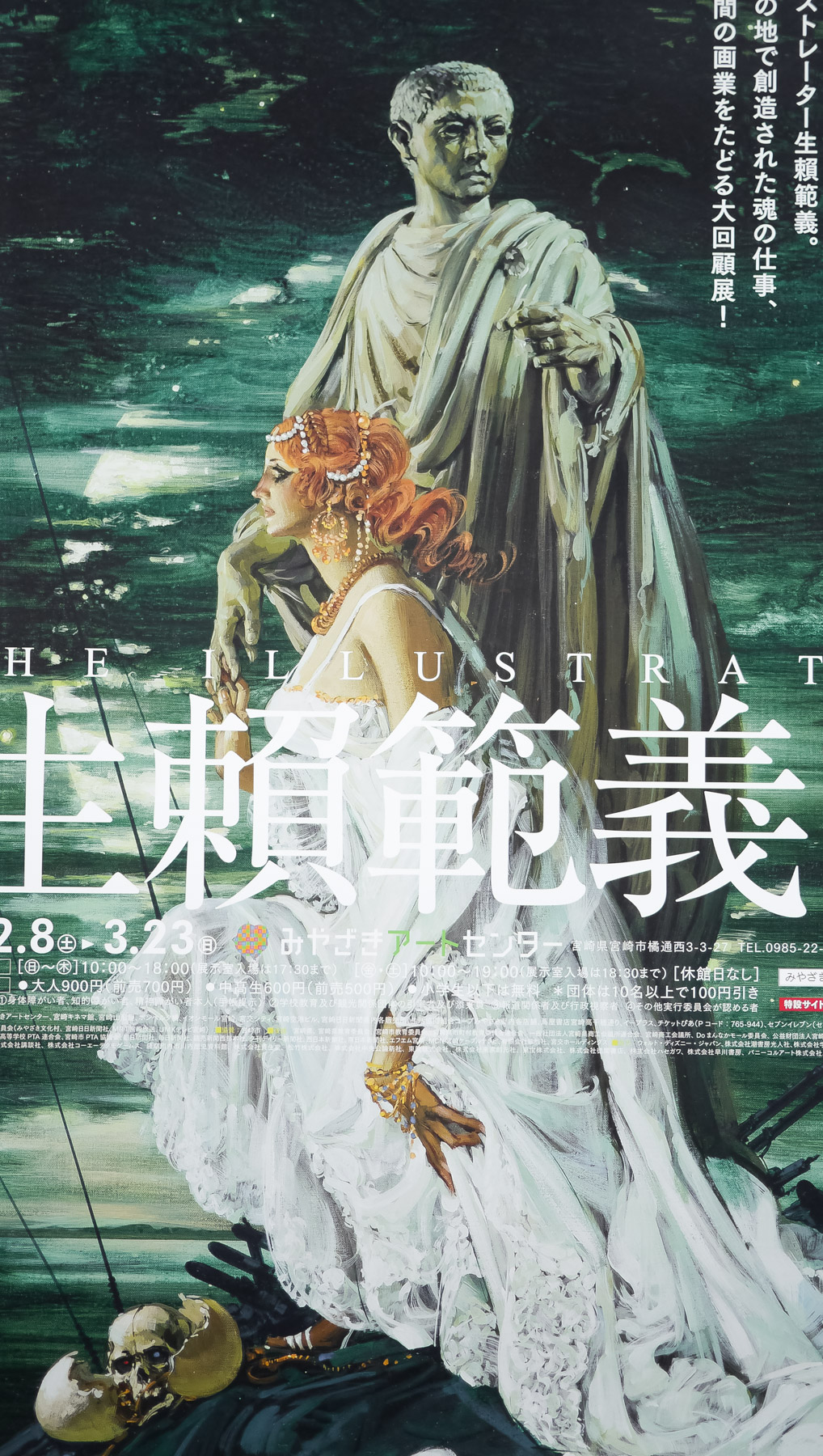
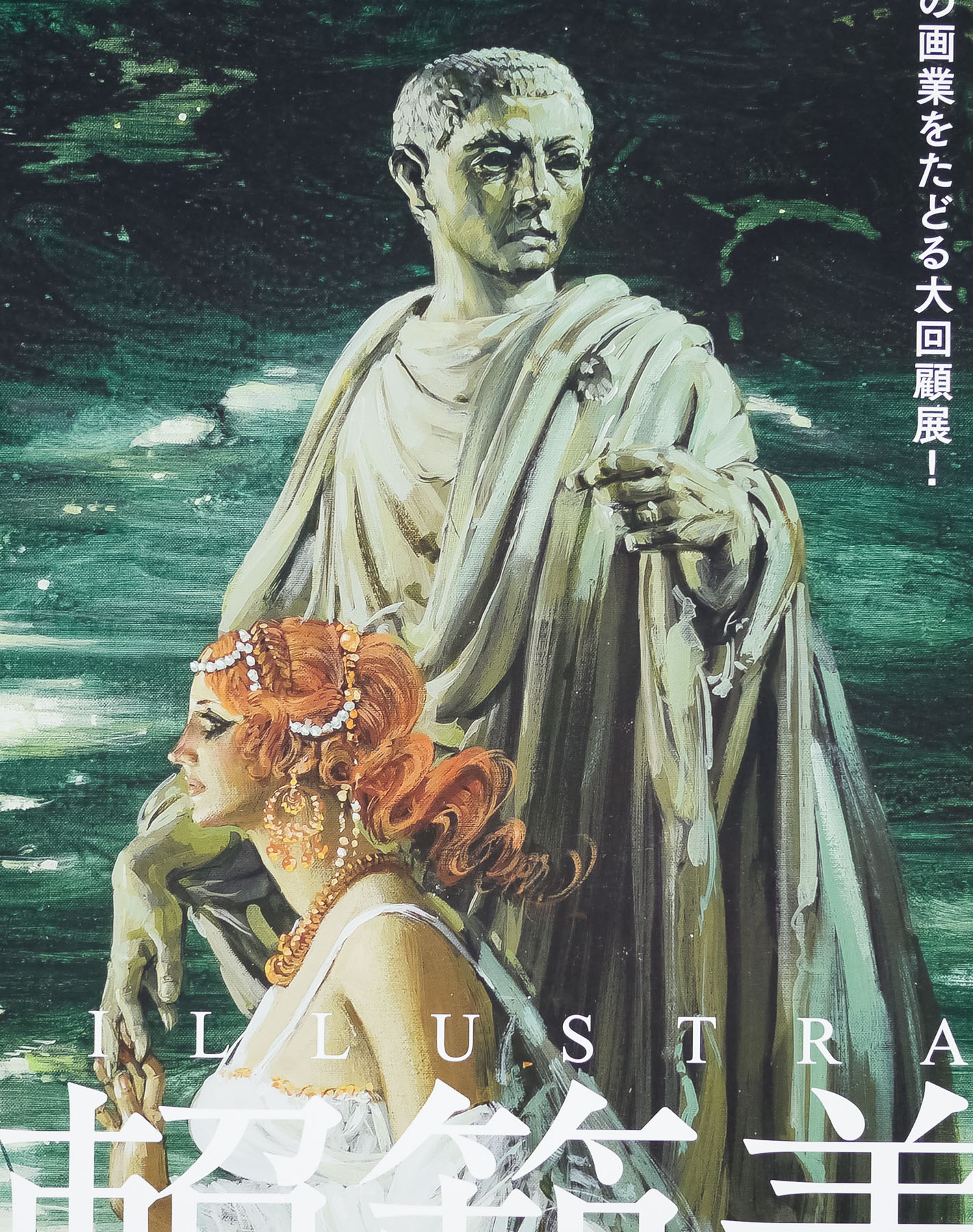
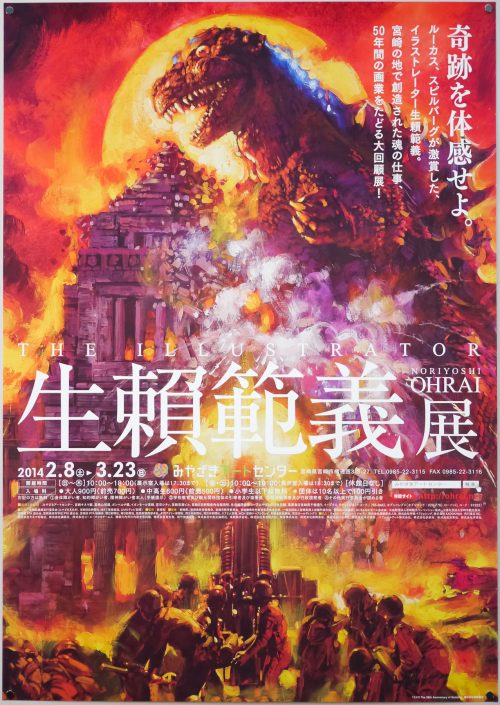
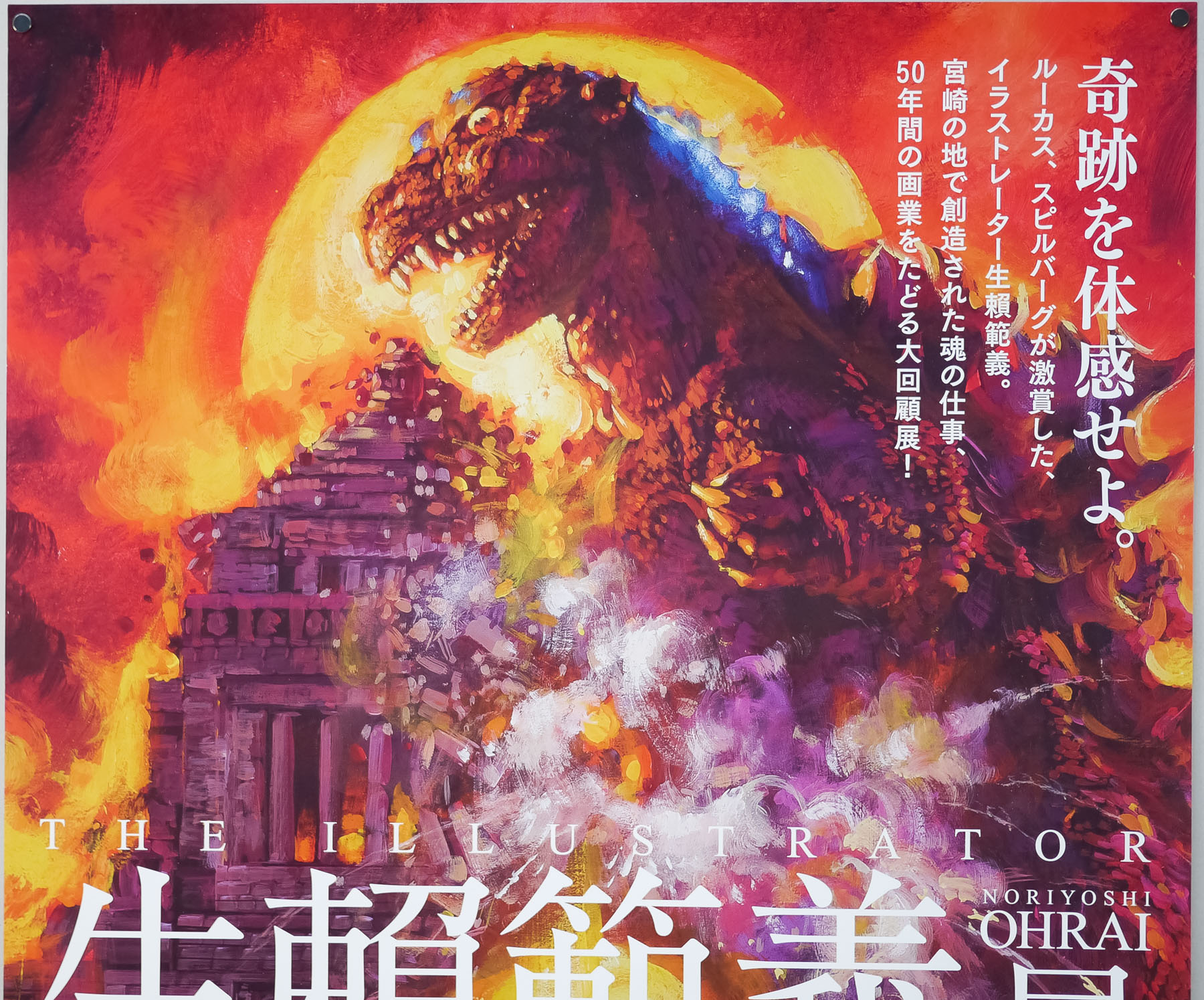
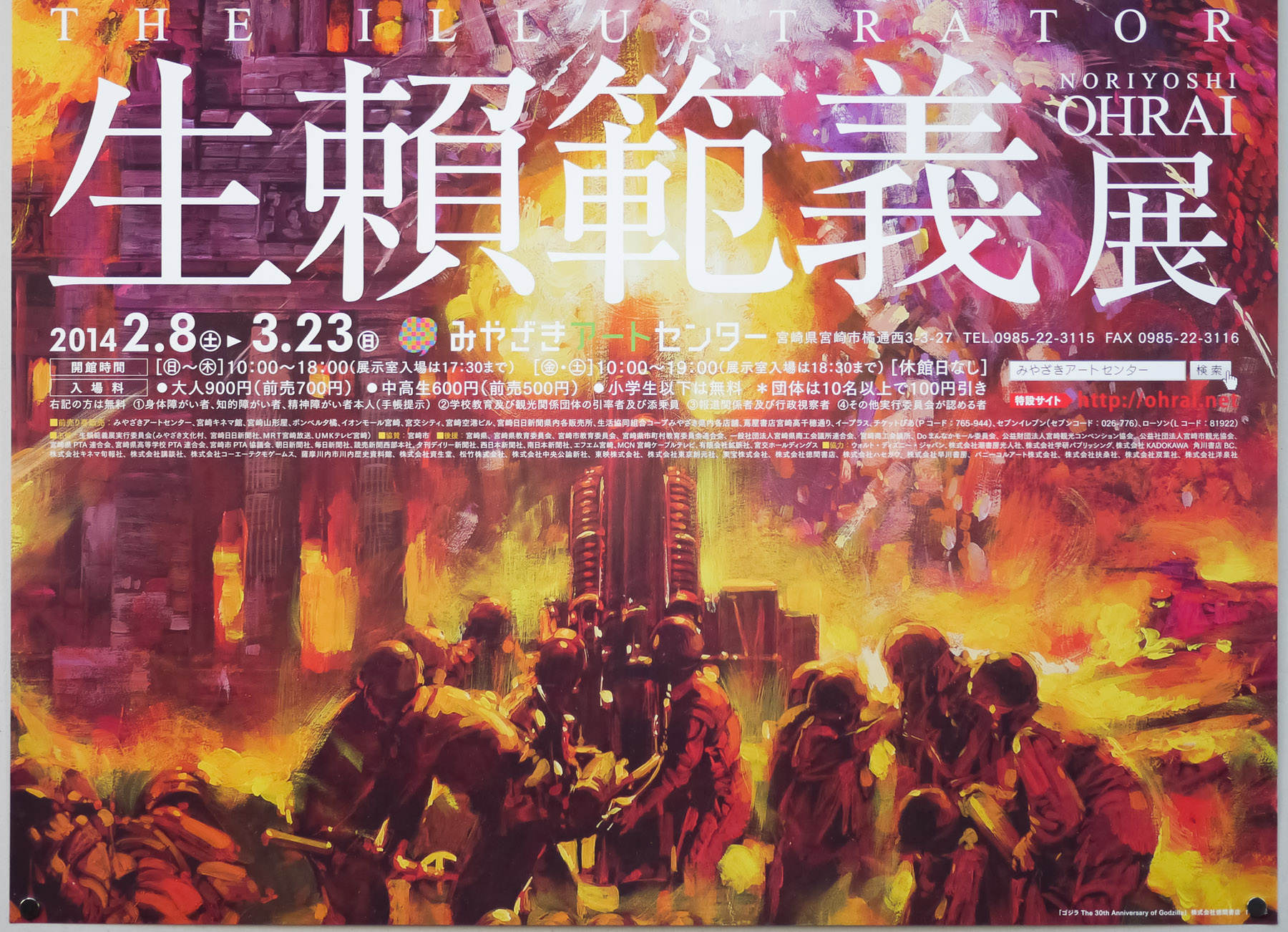
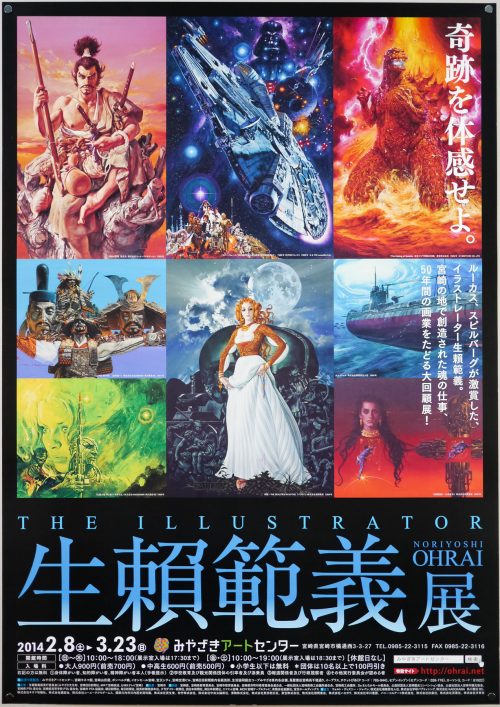
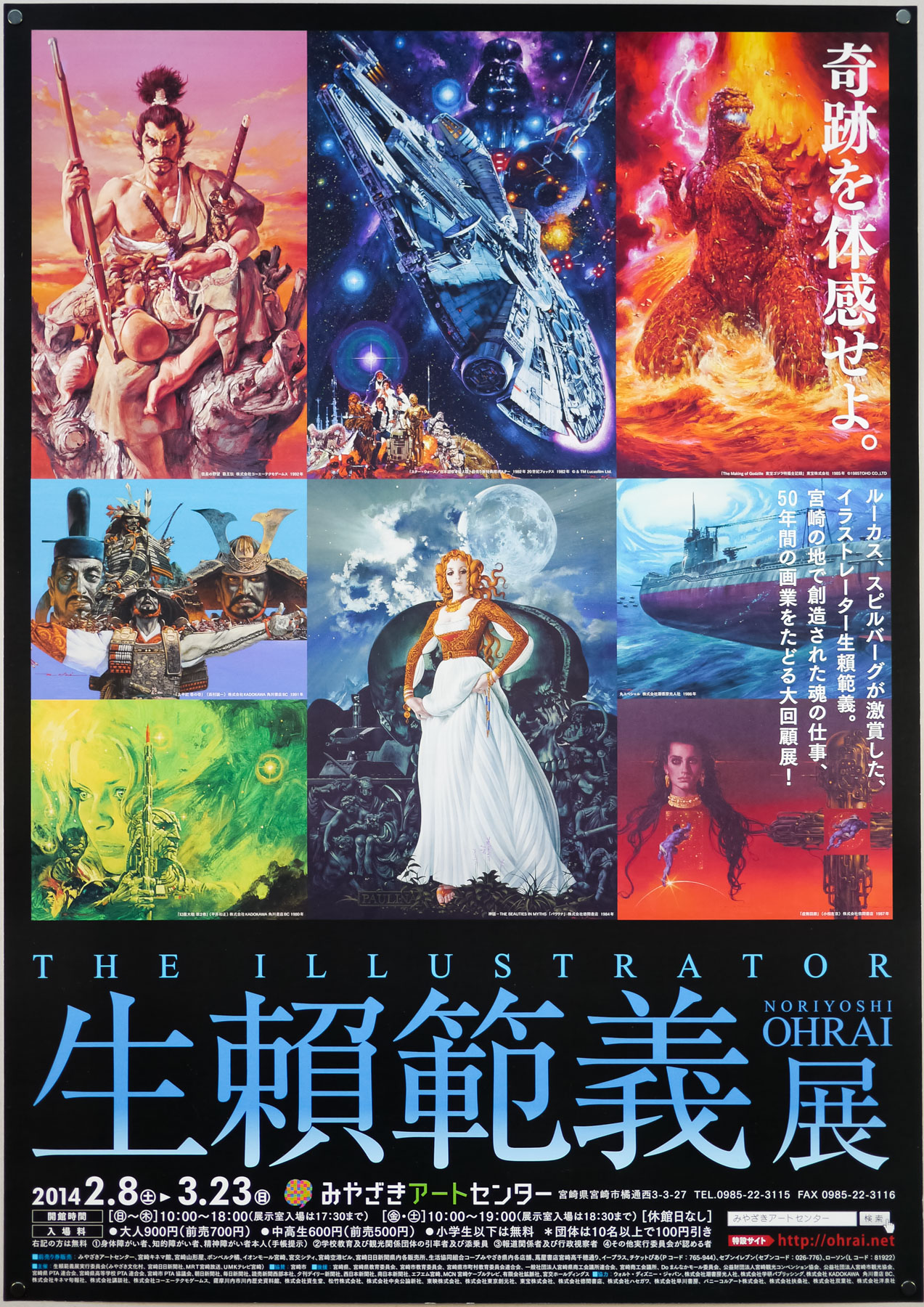
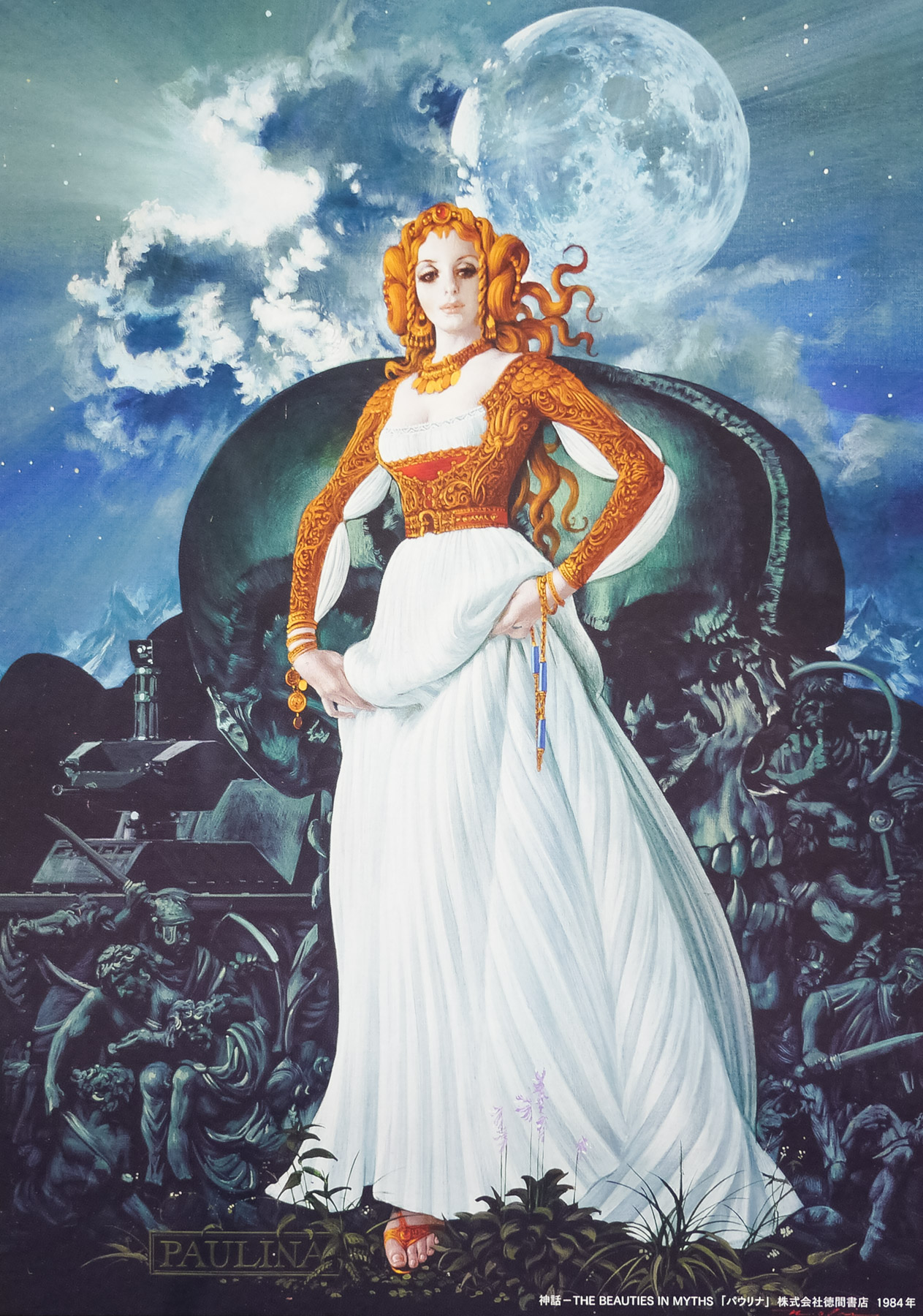
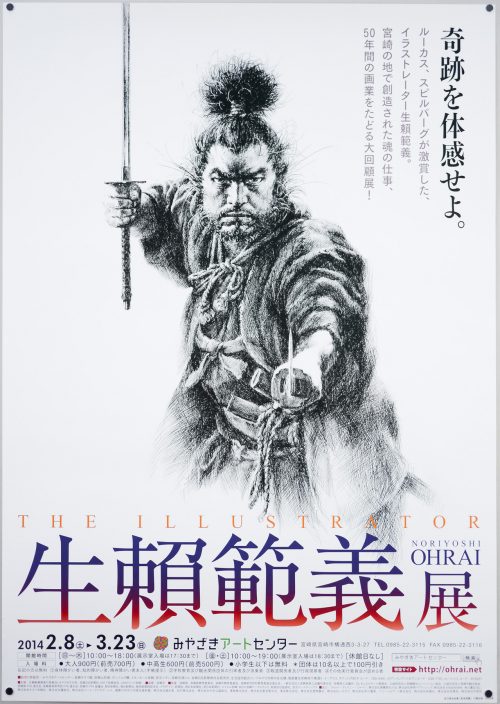
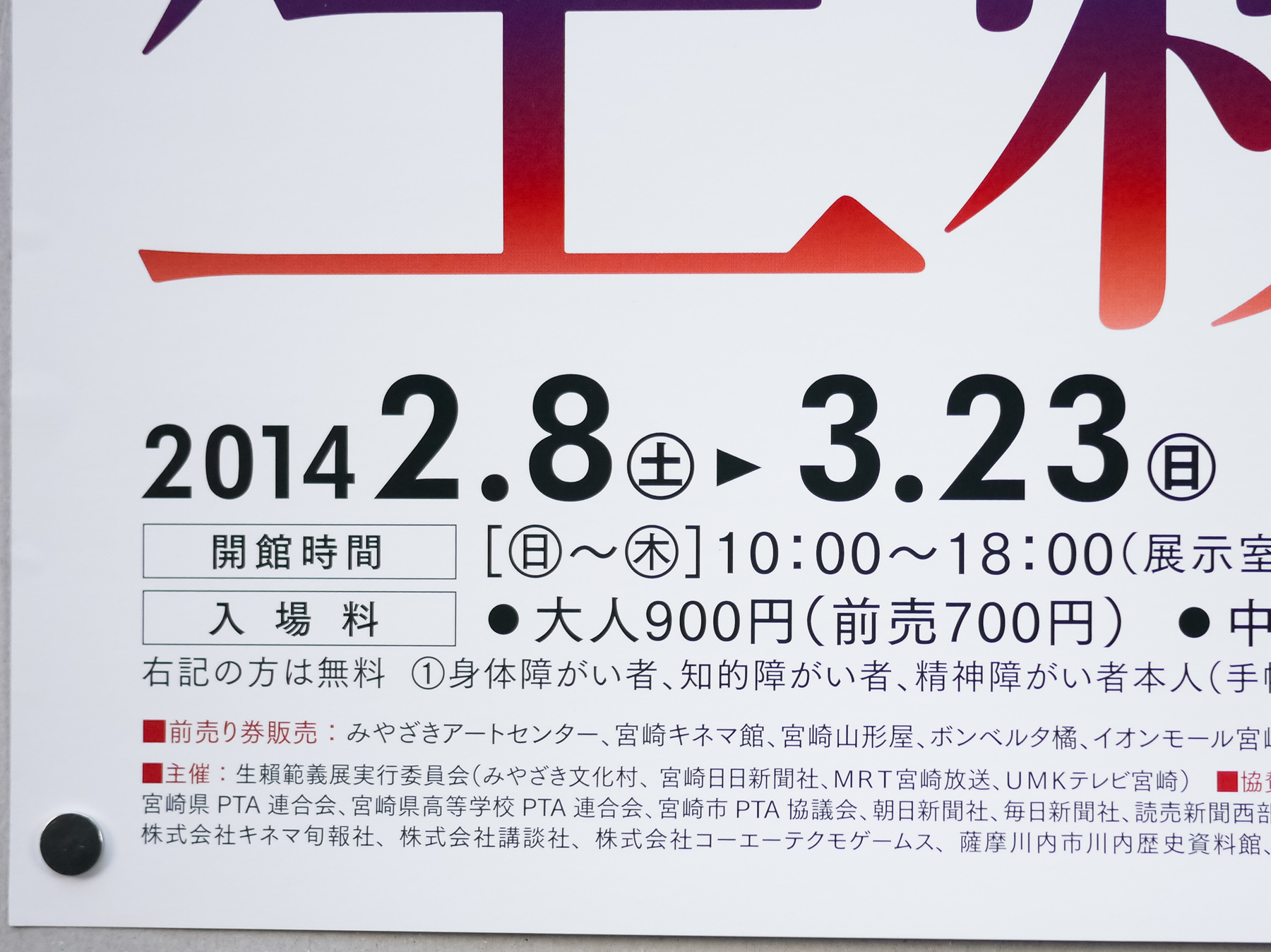
This is one of four B2 sized posters that were printed to advertise the Noriyoshi Ohrai exhibition that took place in Miyazaki, Japan from February to March 2014. I was lucky enough to have been given these posters by the exhibition director Tatsuya Ishida after being given a personal tour when I visited in March.

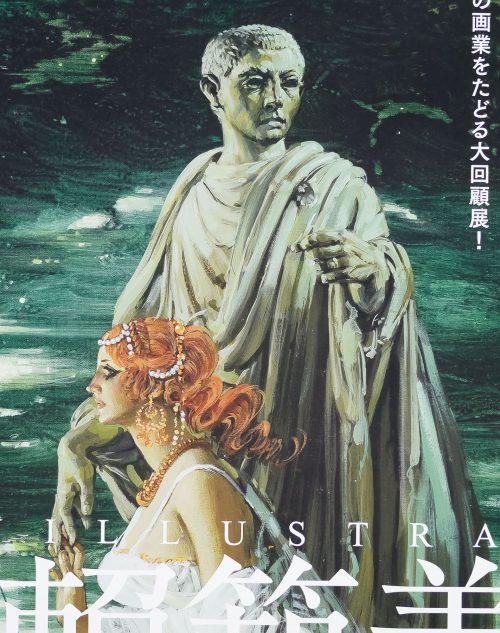
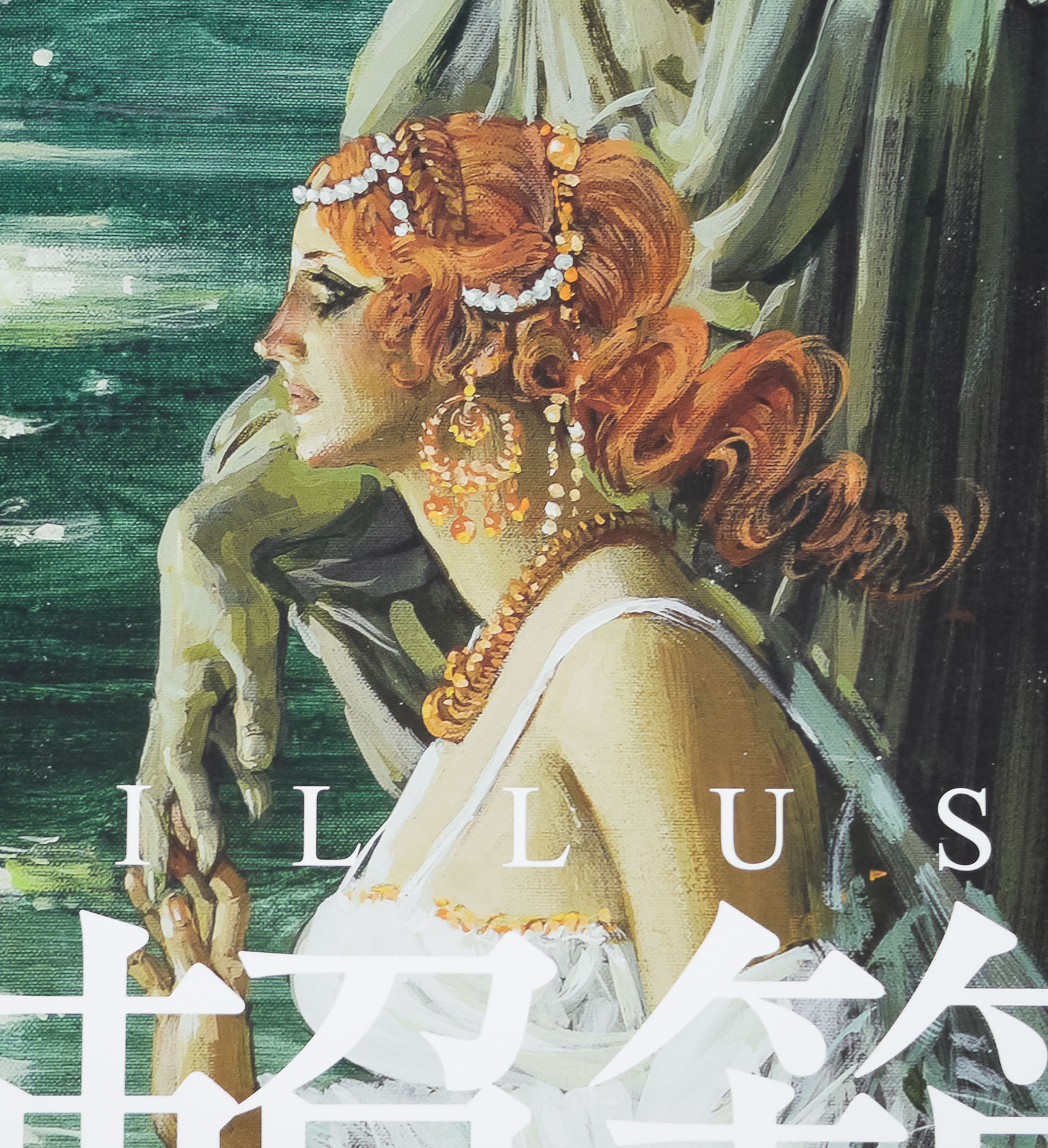
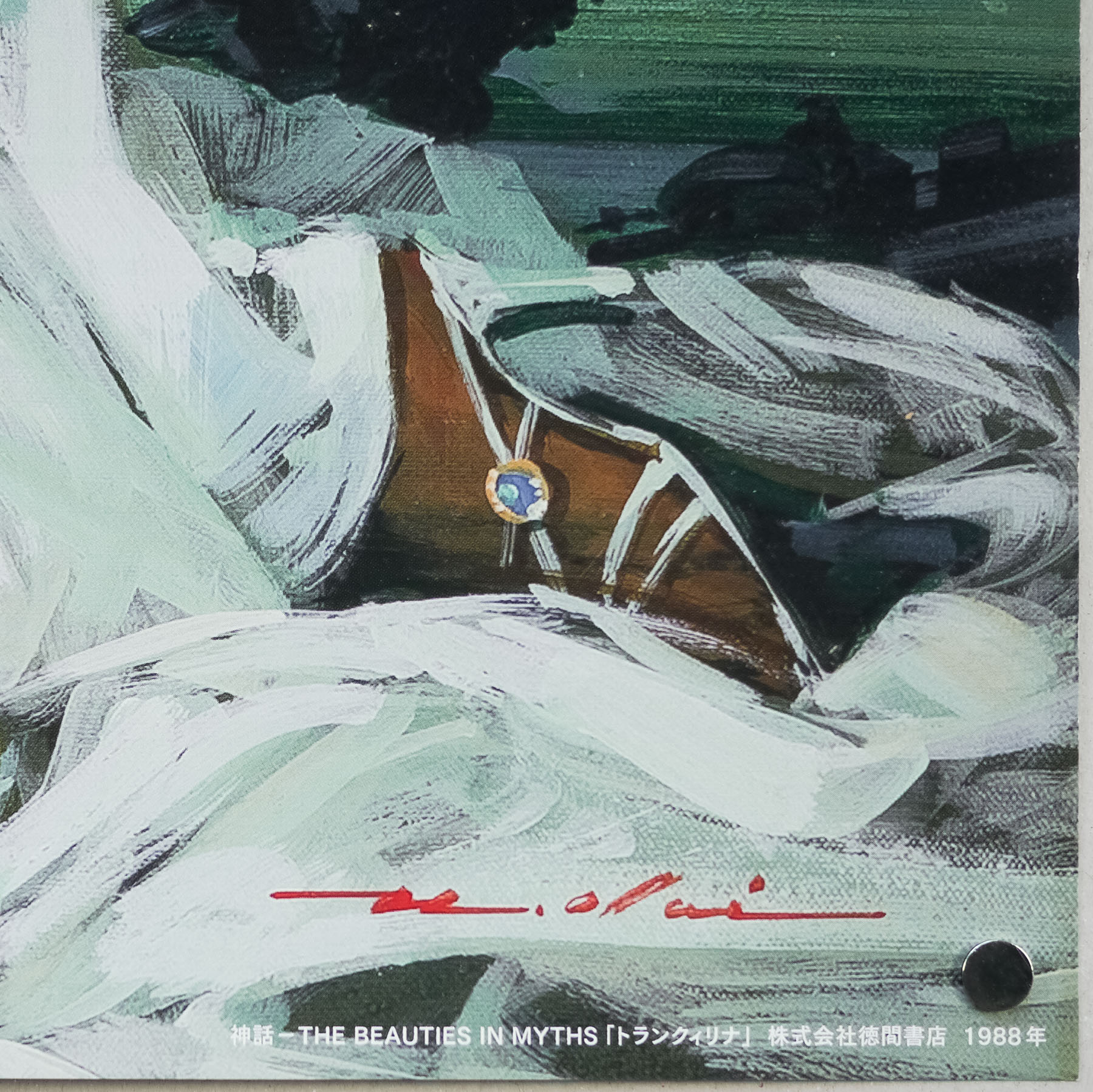
This poster features an example of one of the ‘beauties in myths’ paintings that Ohrai created to feature on the cover of SF Magazine, a popular Japanese periodical during the 1980s. Ohrai was asked to choose a theme for a series of covers that were printed over the course of a year and he decided to mix high-tech and sci-fi elements with women from history and mythical stories, for example Messalina, the infamous third wife of Roman emperor Claudius.

I wrote a report of my visit to the exhibition and that can be viewed here.
Noriyoshi Ohrai exhibition / B2 / Godzilla / Japan

07.11.14

Poster Poster
Title
Noriyoshi Ohrai exhibition - Godzilla
Type of Poster
B2
Style of Poster
Godzilla
Origin of Poster
Japan
Year of Poster
2014
Designer
Unknown
Artist
Noriyoshi Ohrai
Size (inches)
20 6/16" x 28 14/16"
SS or DS
SS
Tagline
--

This is one of four B2 sized posters that were printed to advertise the Noriyoshi Ohrai exhibition that took place in Miyazaki, Japan from February to March 2014. I was lucky enough to have been given these posters by the exhibition director Tatsuya Ishida after being given a personal tour when I visited in March.

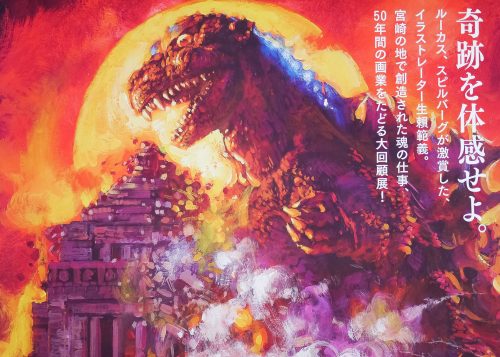
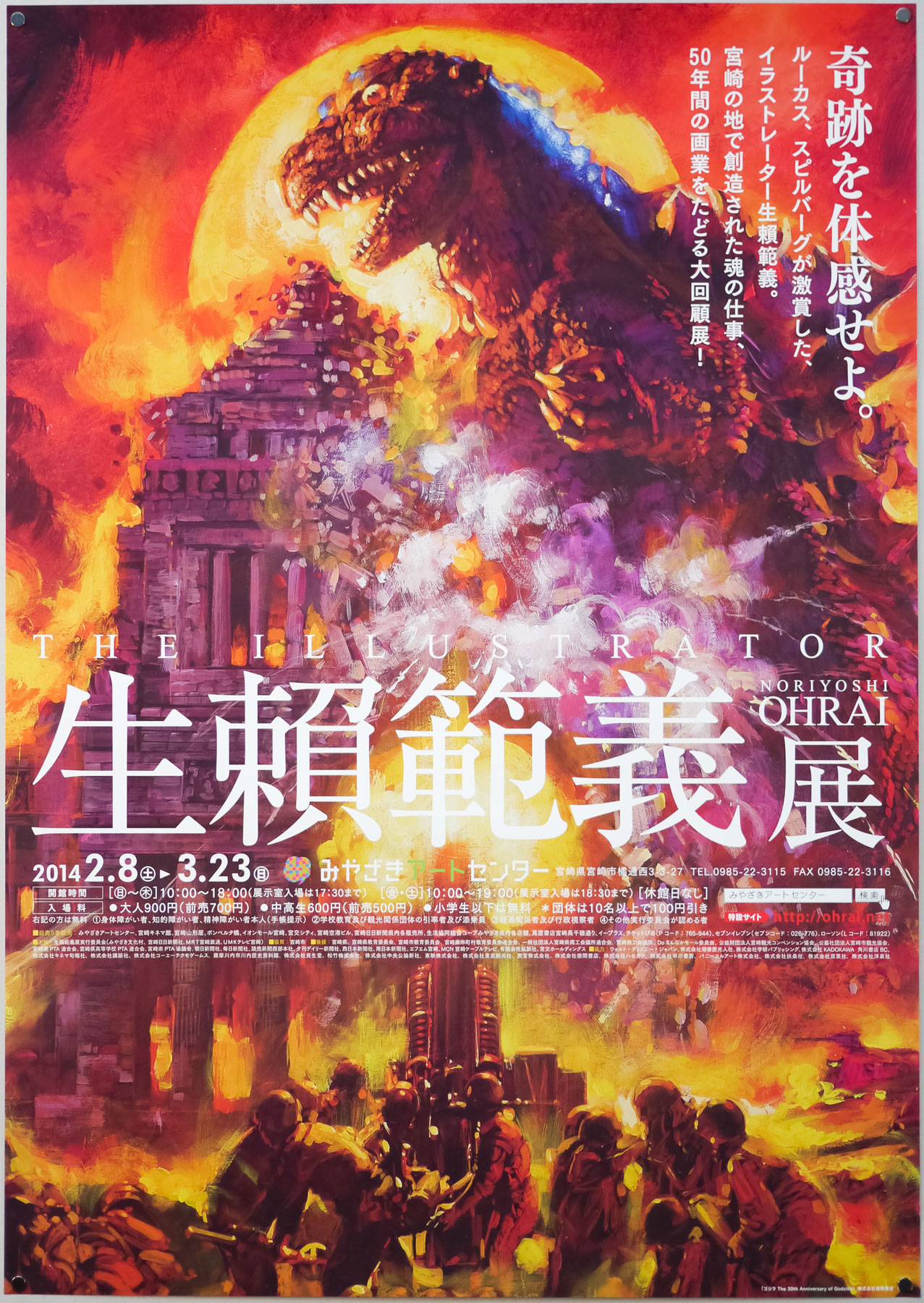
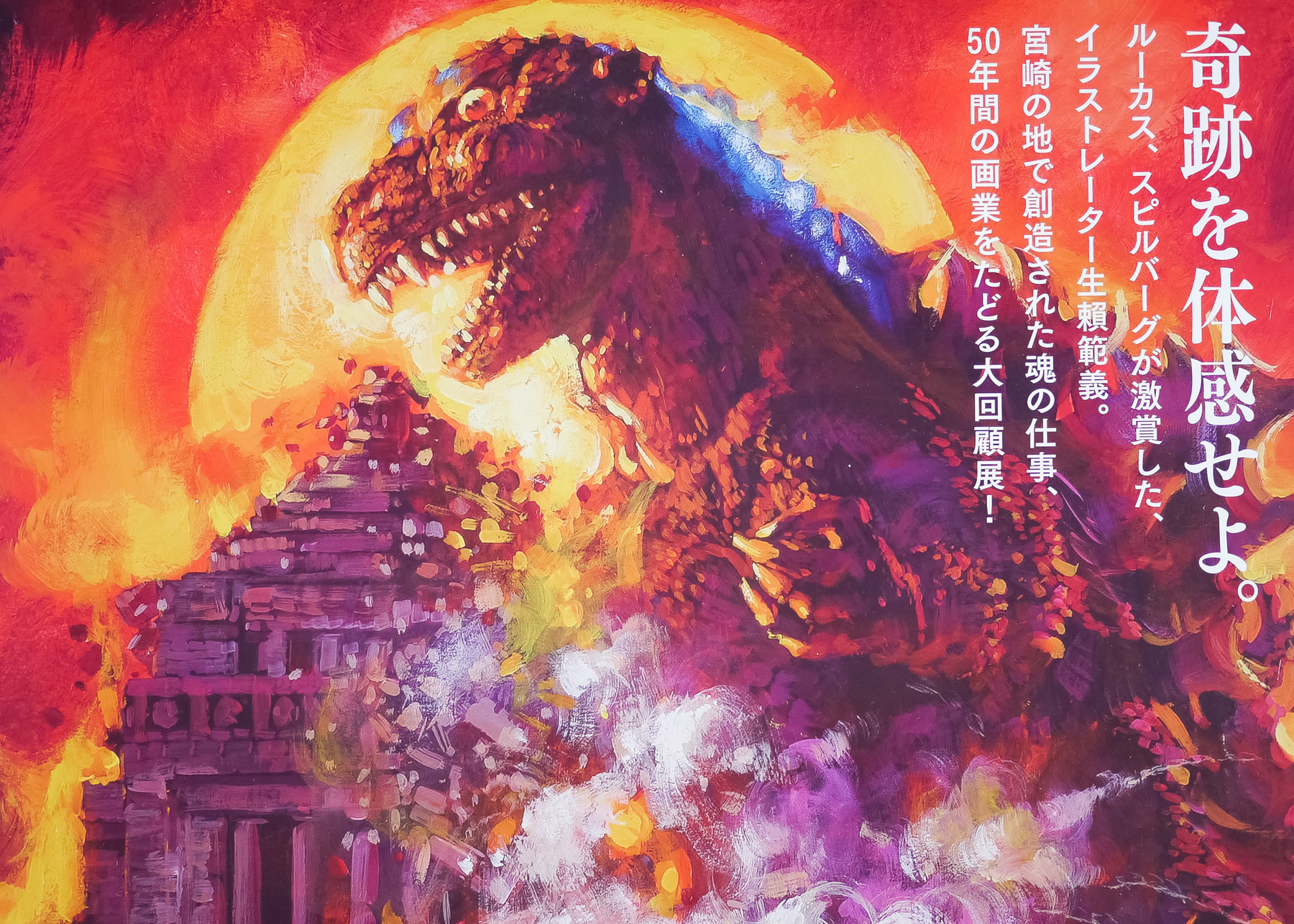
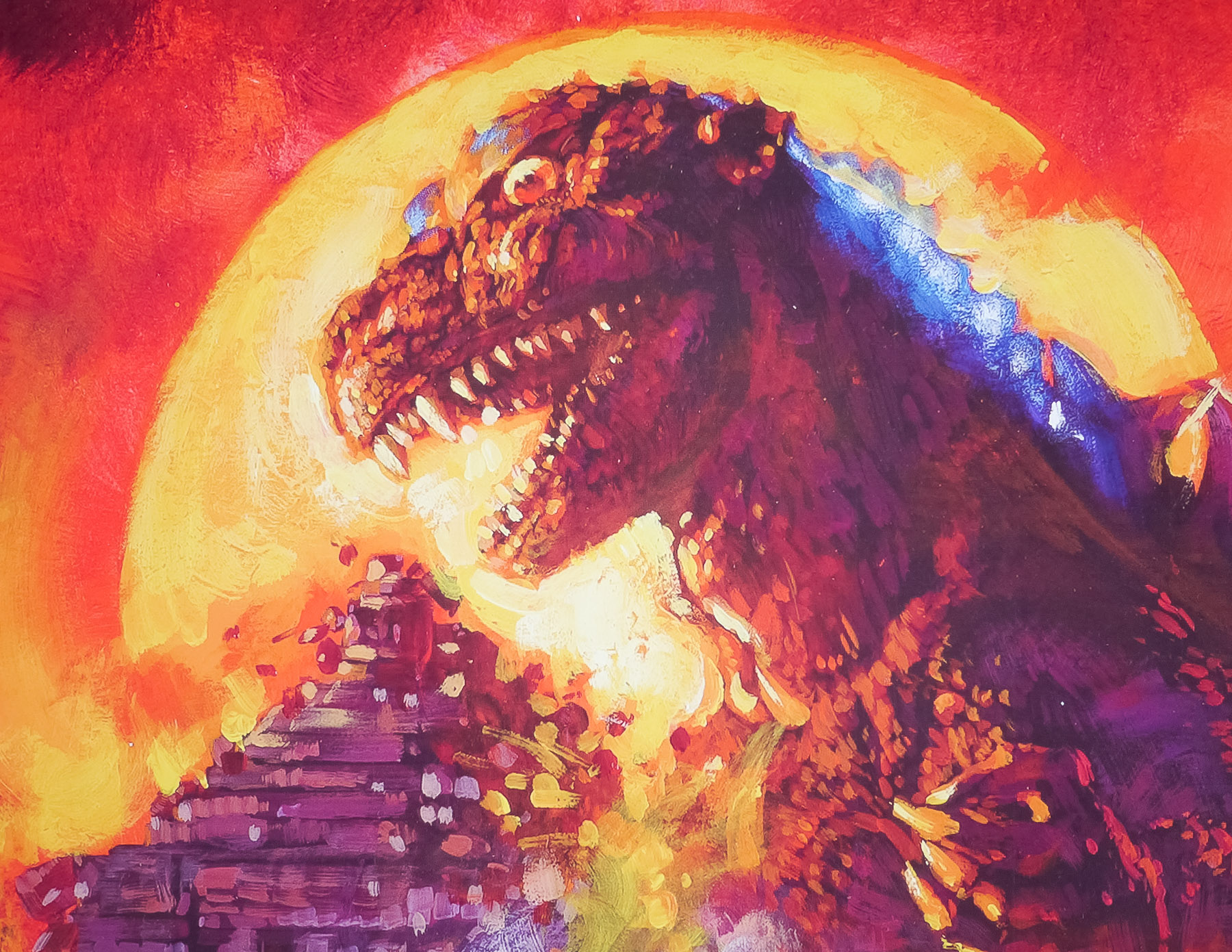
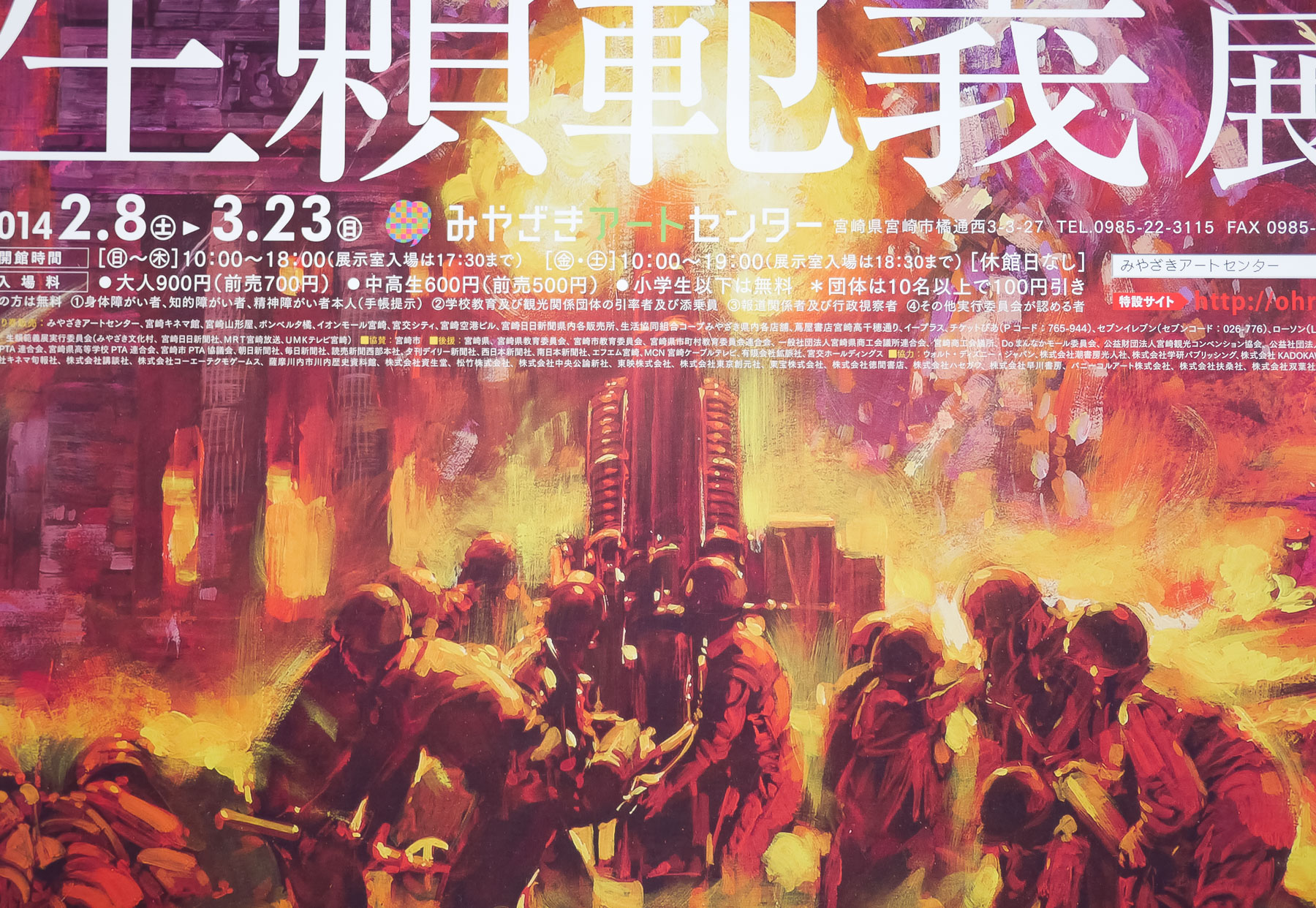
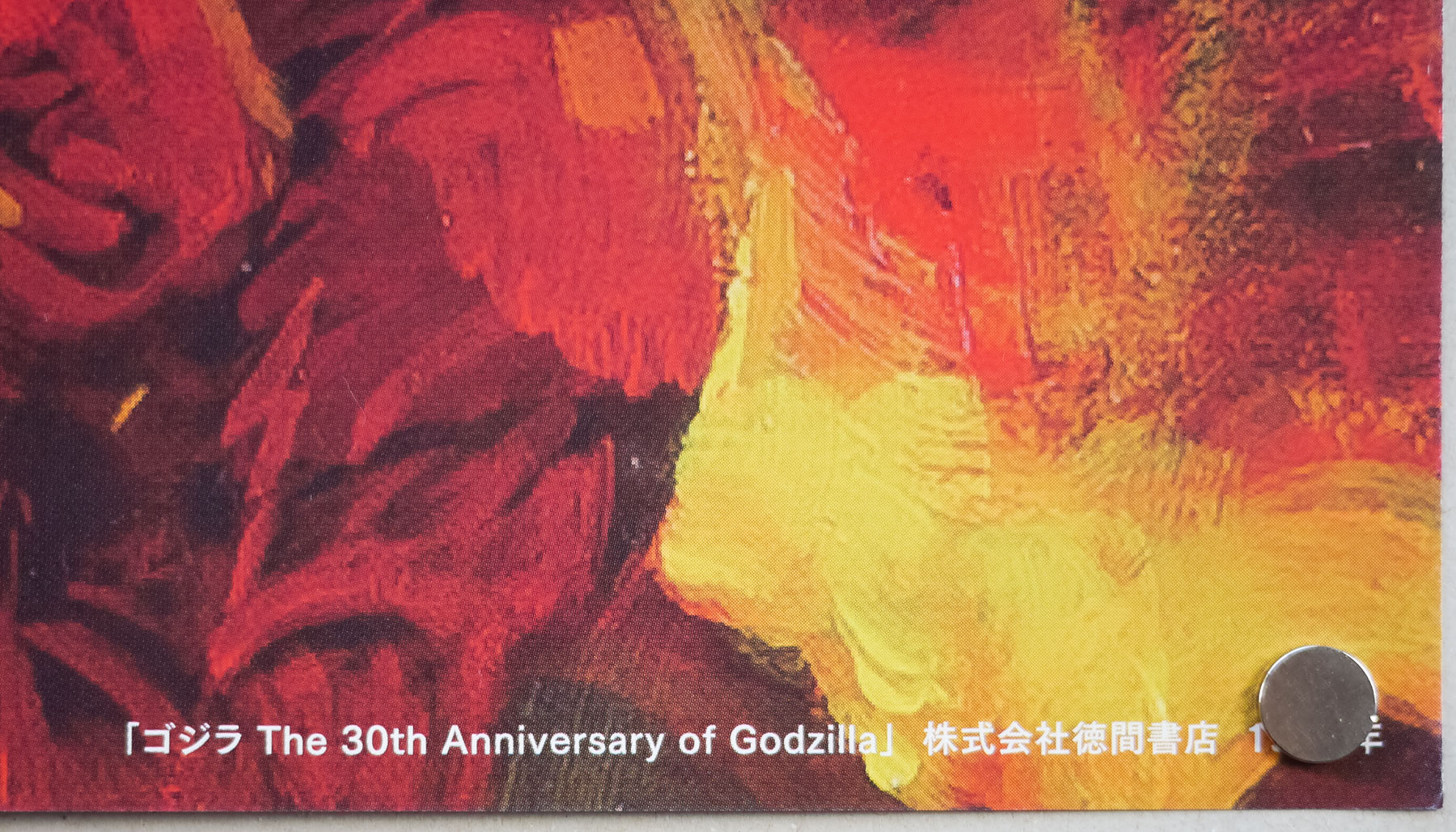
This poster features a painting that Ohrai created for a 1984 book about Godzilla, published by Tokuma Shoten. The full painting can be seen on the Ohrai exhibition Facebook page.

I wrote a report of my visit to the exhibition and that can be viewed here.
Noriyoshi Ohrai exhibition / B2 / Montage / Japan

07.11.14

Poster Poster
Title
Noriyoshi Ohrai exhibition - montage
Type of Poster
B2
Style of Poster
--
Origin of Poster
Japan
Year of Poster
2014
Designer
Unknown
Artist
Noriyoshi Ohrai
Size (inches)
20 6/16" x 28 14/16"
SS or DS
SS
Tagline
--

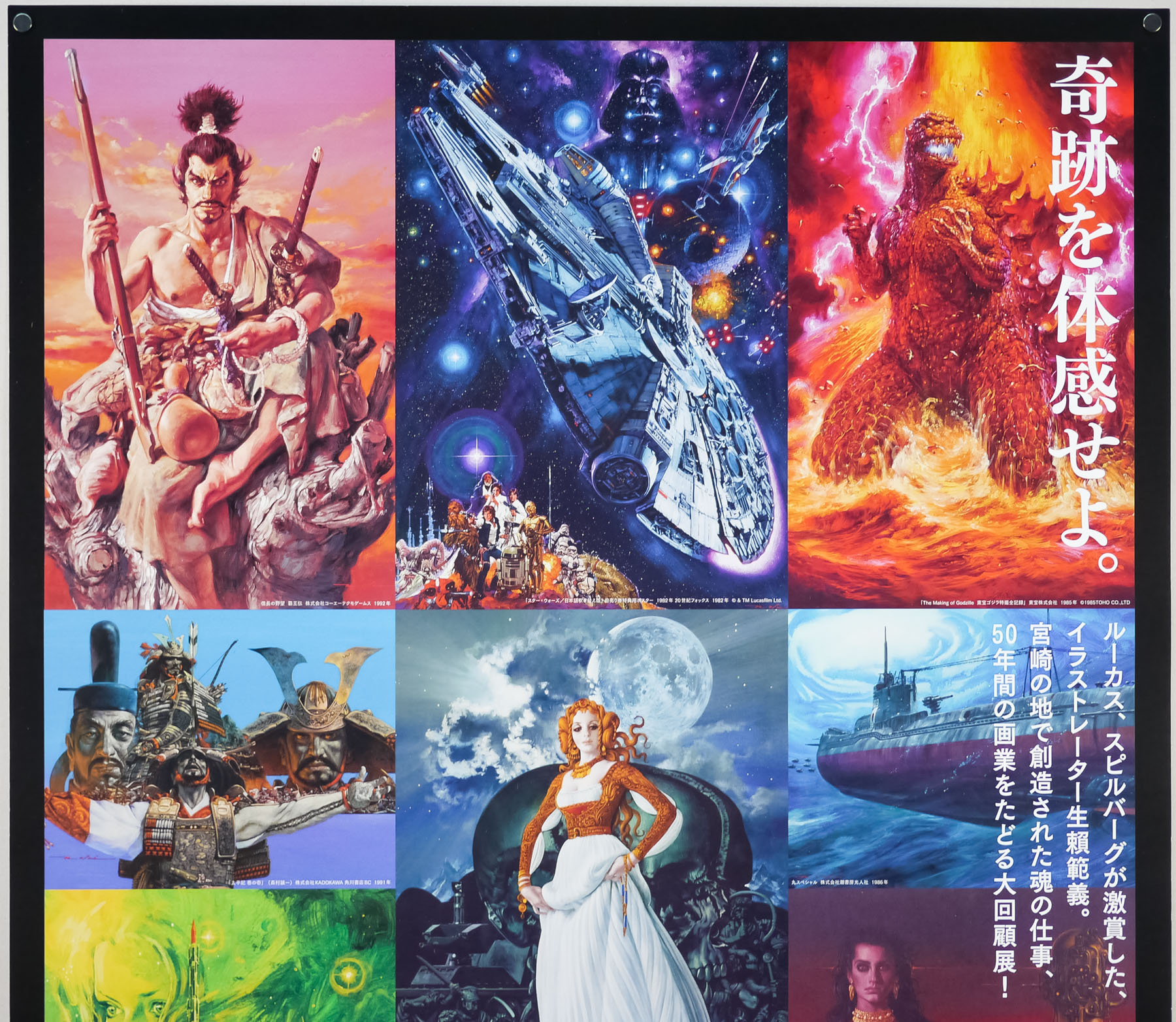
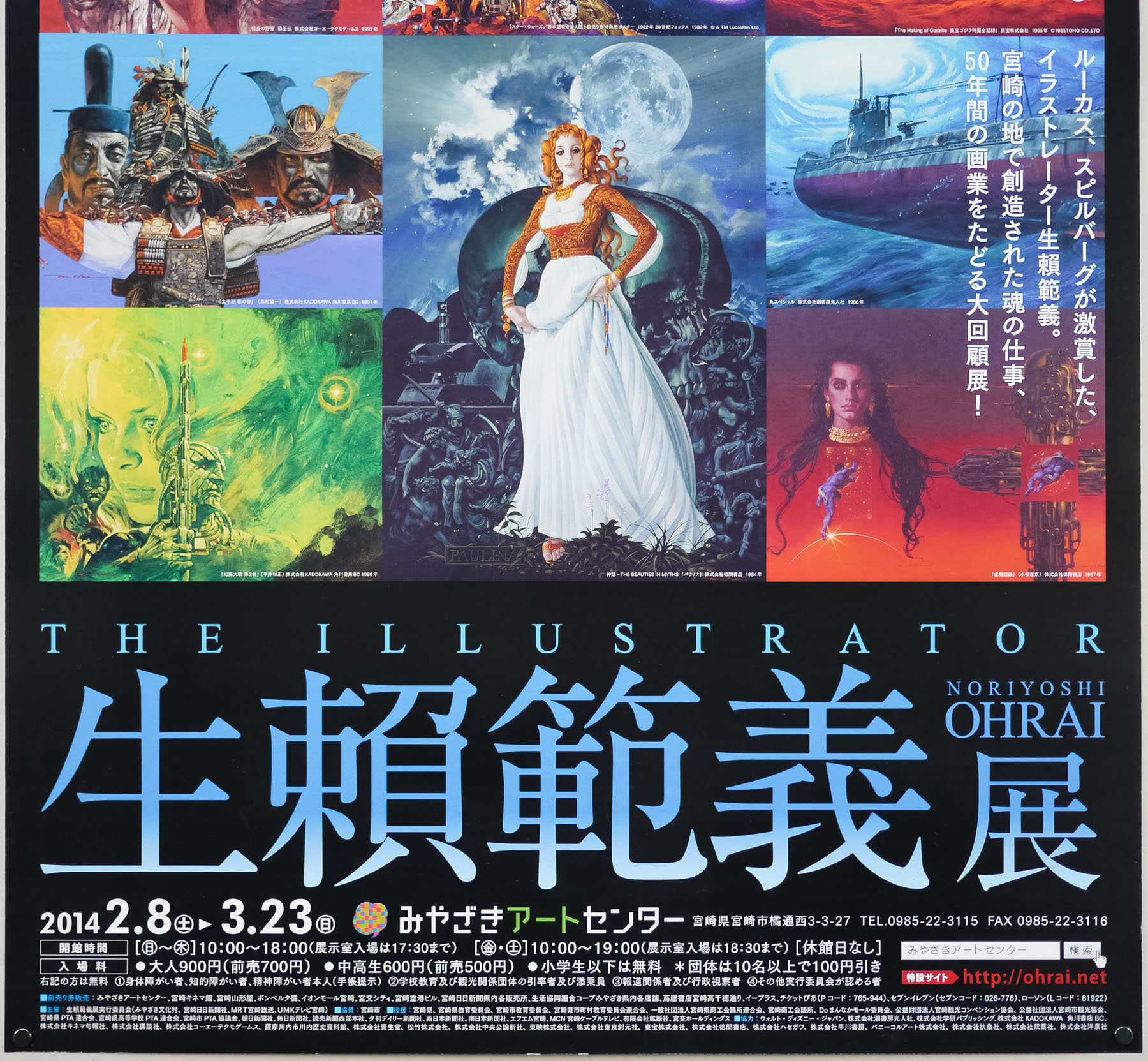
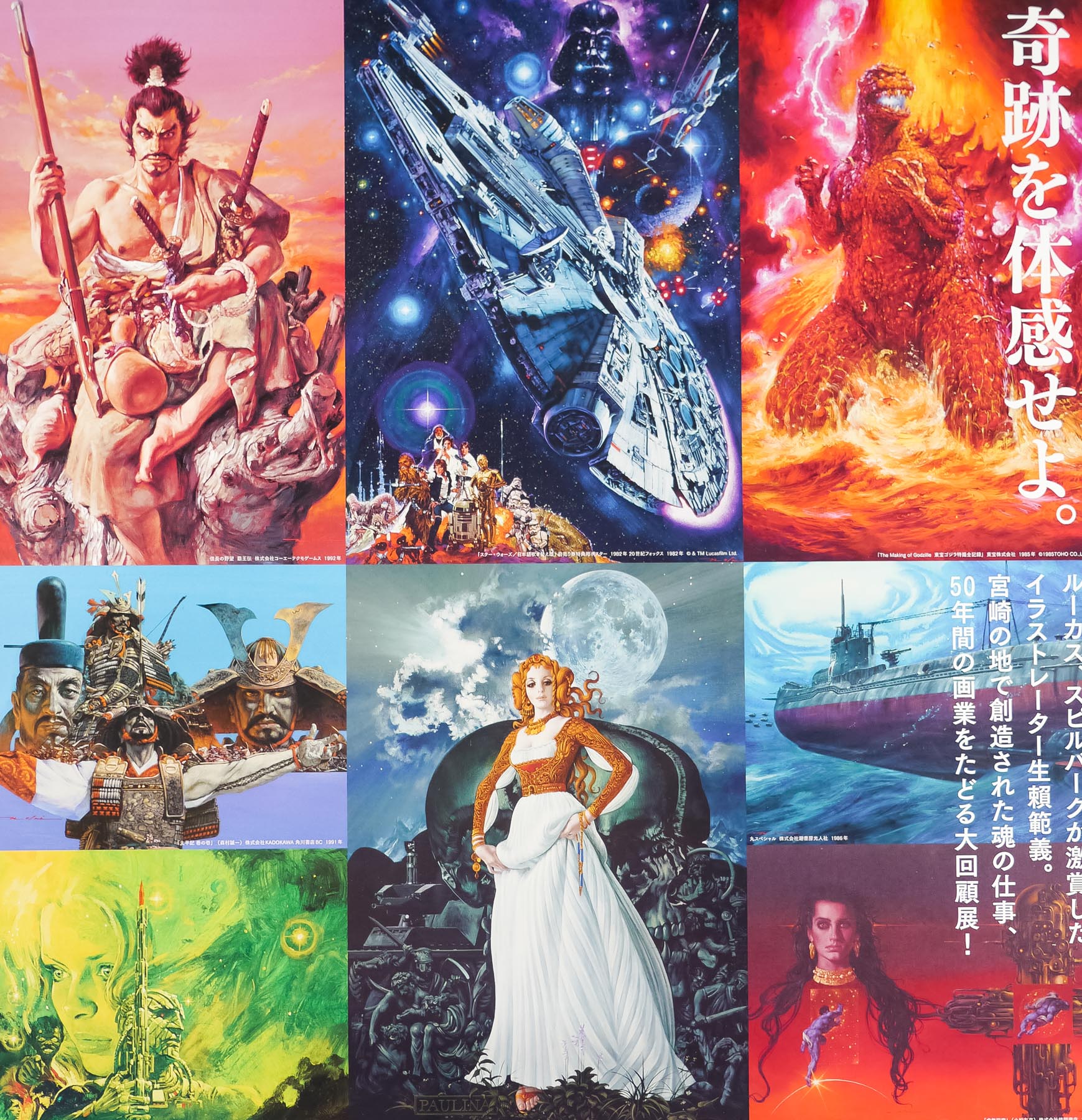
This is one of four B2 sized posters that were printed to advertise the Noriyoshi Ohrai exhibition that took place in Miyazaki, Japan from February to March 2014. I was lucky enough to have been given these posters by the exhibition director Tatsuya Ishida after being given a personal tour when I visited in March.

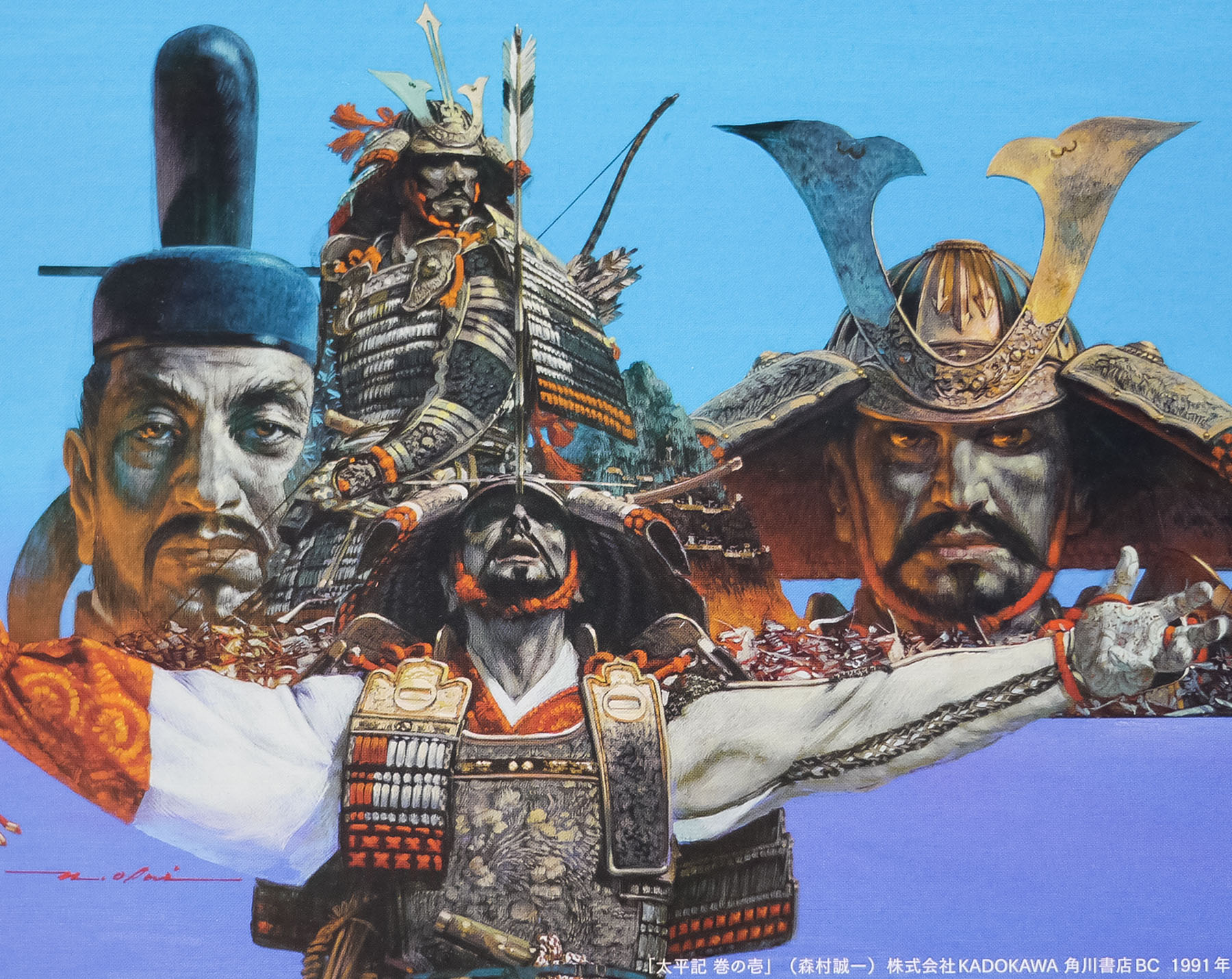
This poster features a montage of different paintings by Ohrai.

I wrote a report of my visit to the exhibition and that can be viewed here.
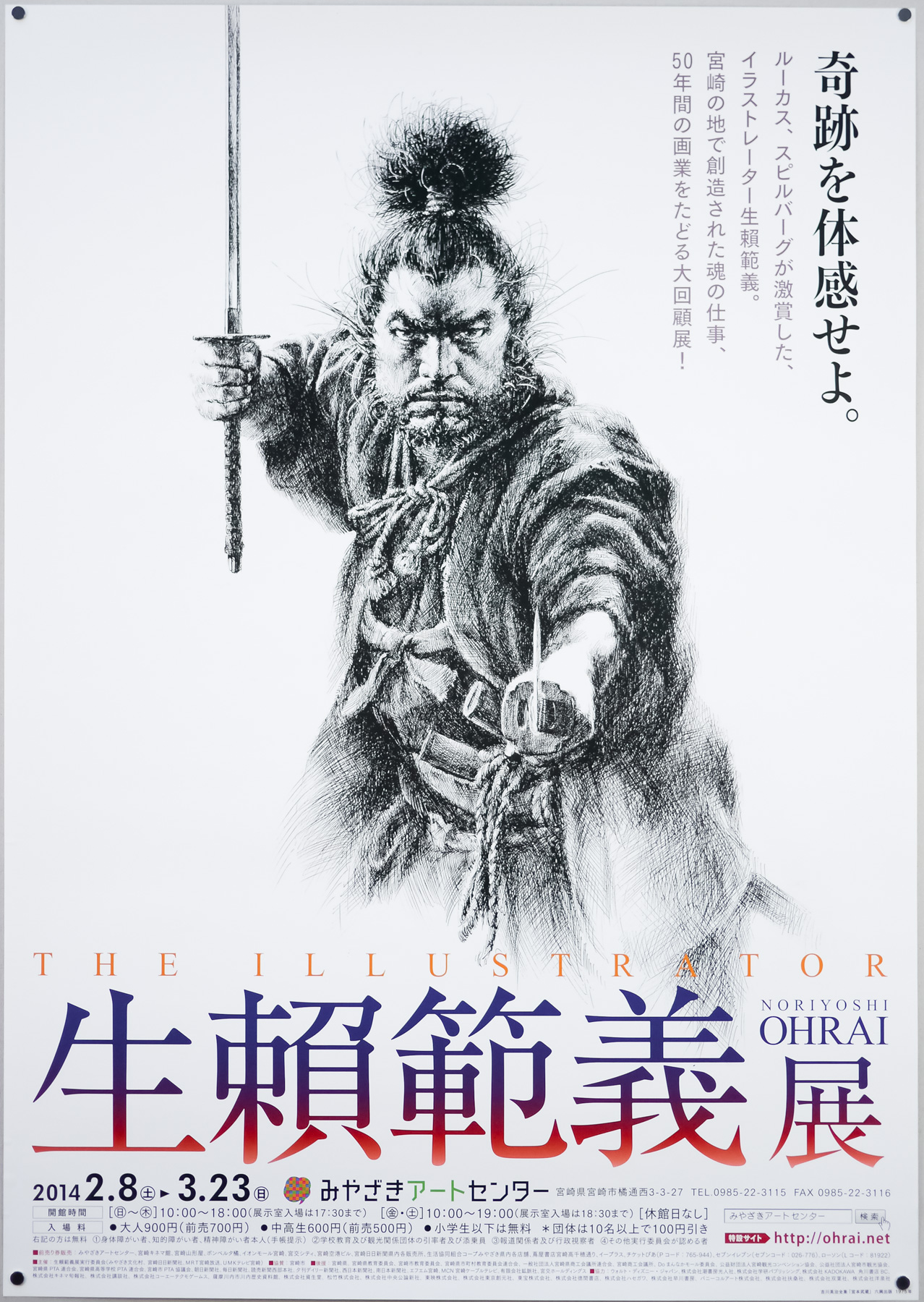
Noriyoshi Ohrai exhibition / B2 / Mushashi / Japan

07.11.14

Poster Poster
Title
Noriyoshi Ohrai exhibition - Mushashi
Type of Poster
B2
Style of Poster
Musashi
Origin of Poster
Japan
Year of Poster
2014
Designer
Unknown
Artist
Noriyoshi Ohrai
Size (inches)
20 6/16" x 28 14/16"
SS or DS
SS
Tagline
--

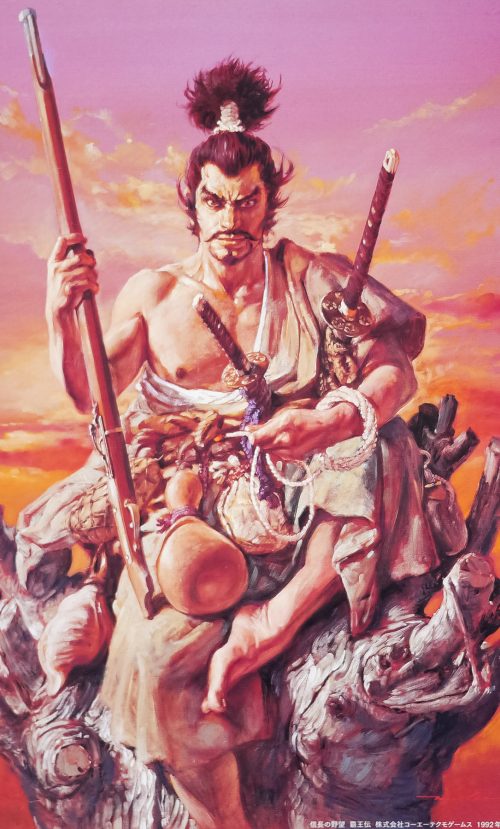
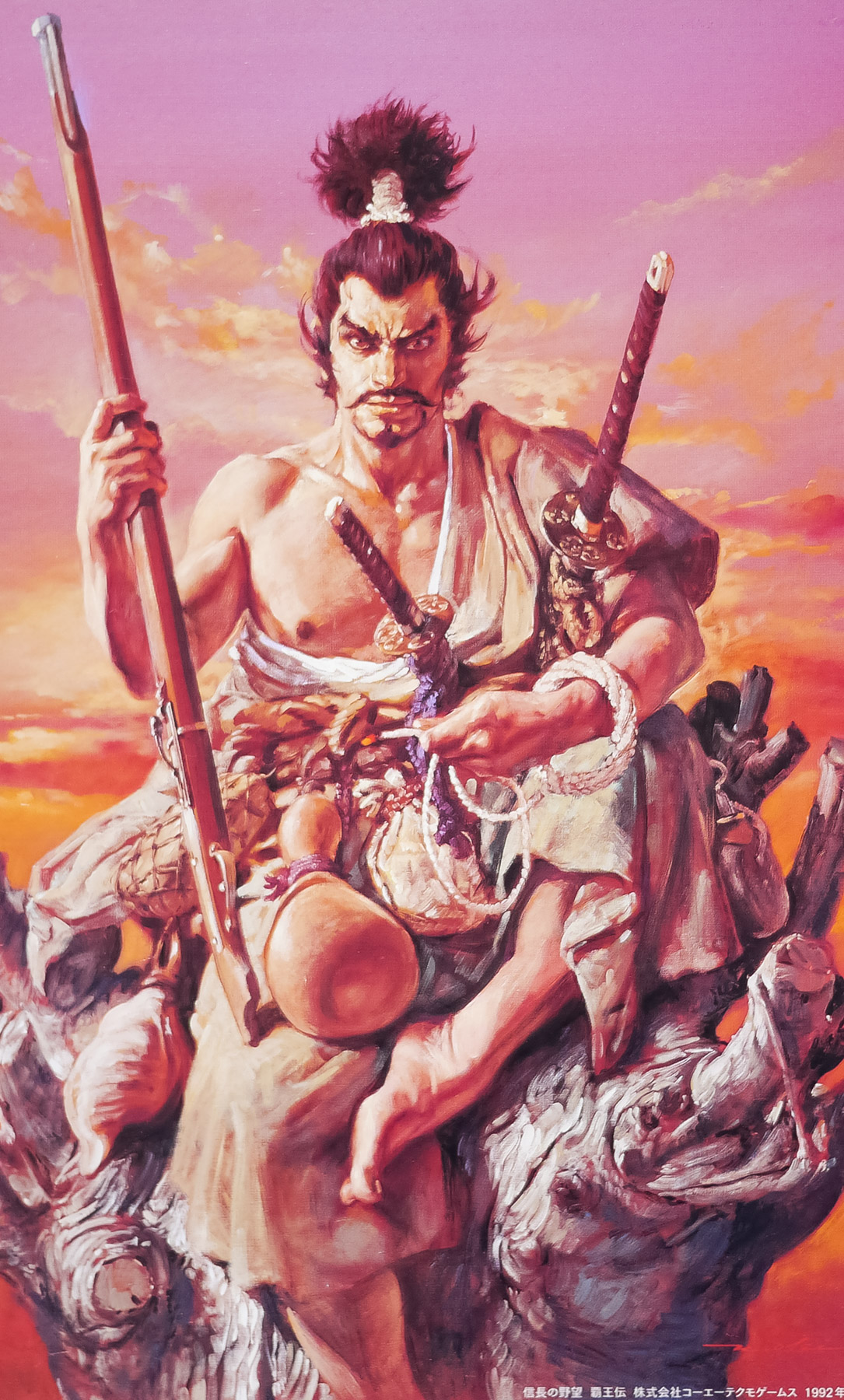
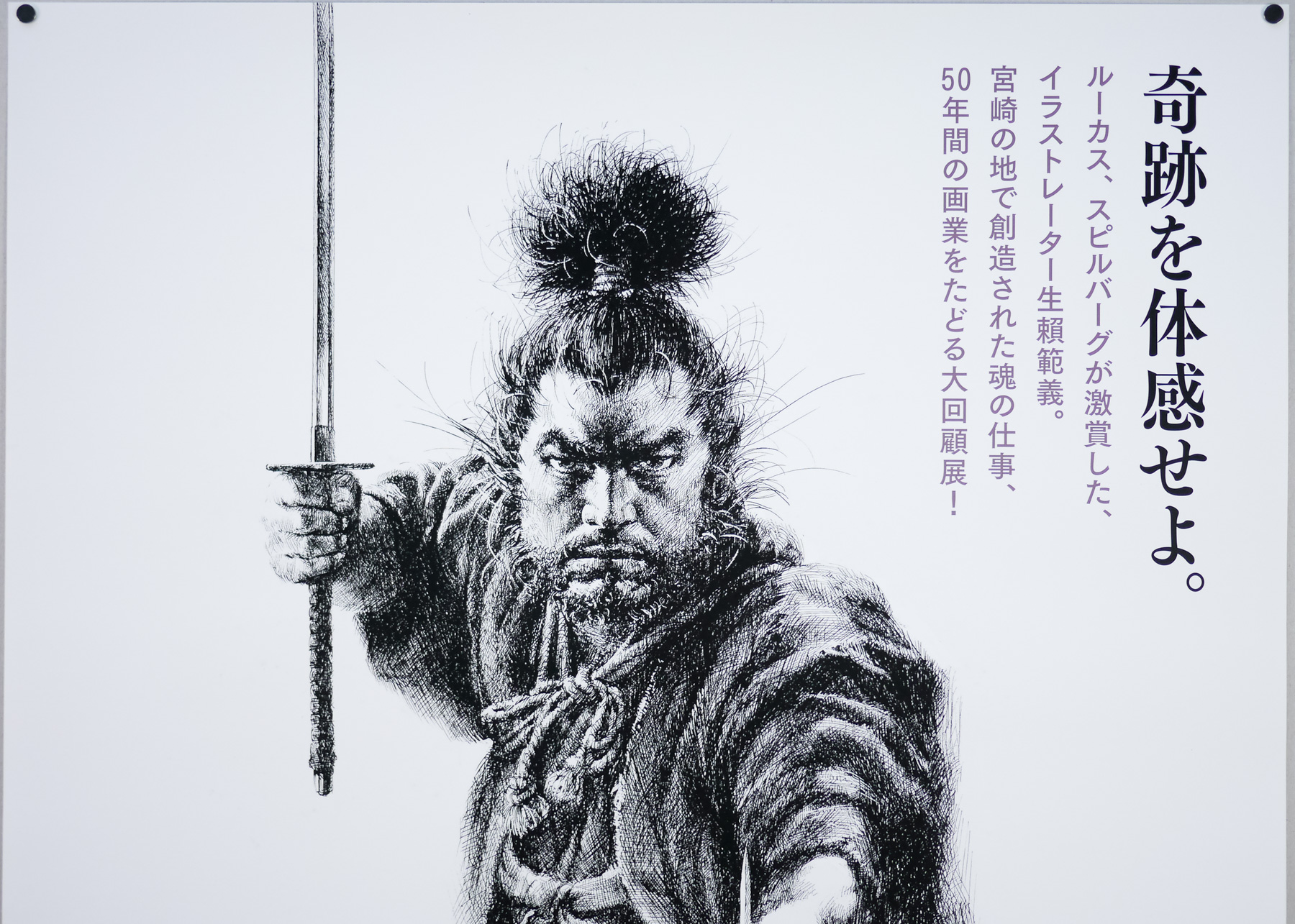
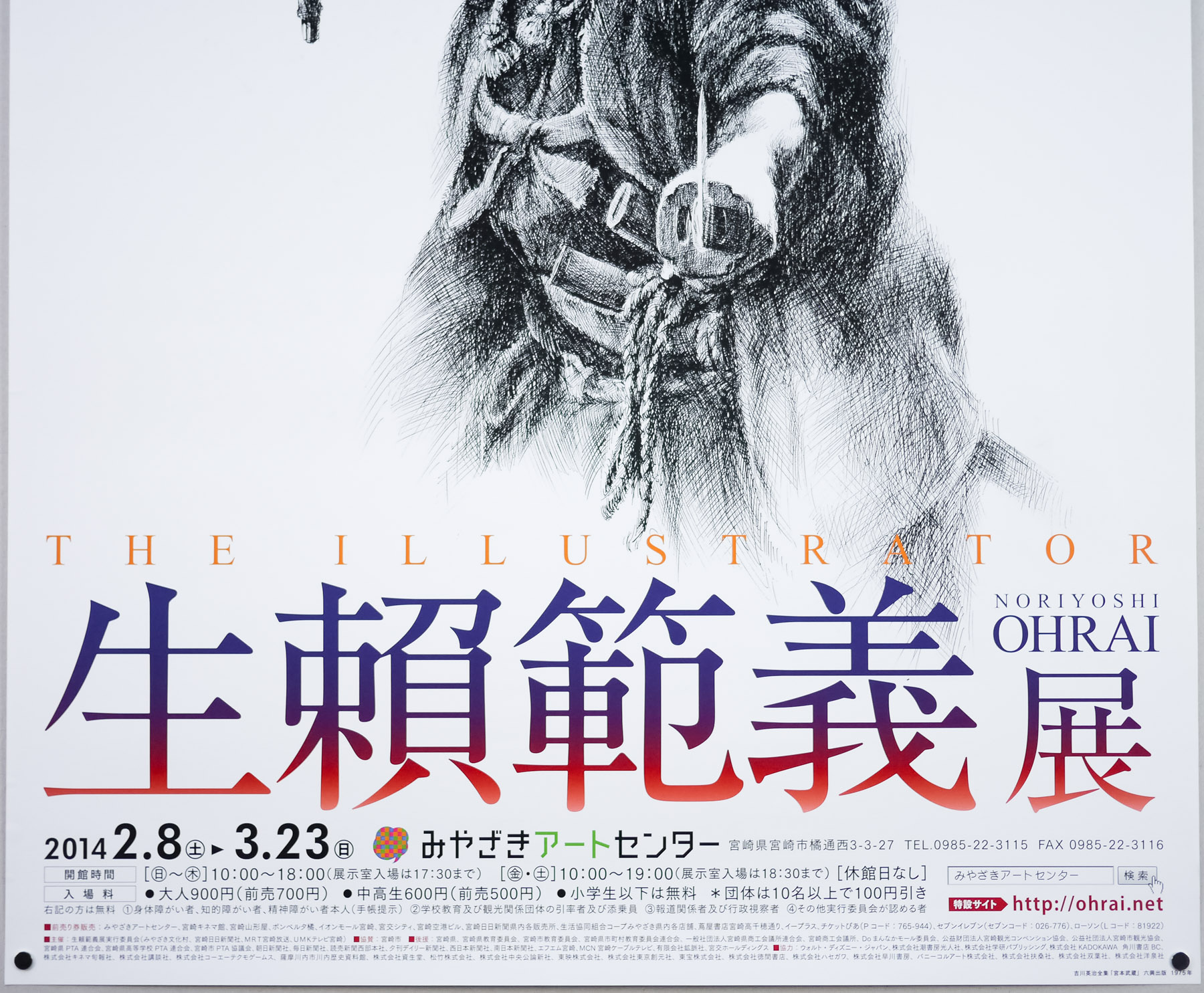
This is one of four B2 sized posters that were printed to advertise the Noriyoshi Ohrai exhibition that took place in Miyazaki, Japan from February to March 2014. I was lucky enough to have been given these posters by the exhibition director Tatsuya Ishida after being given a personal tour when I visited in March.

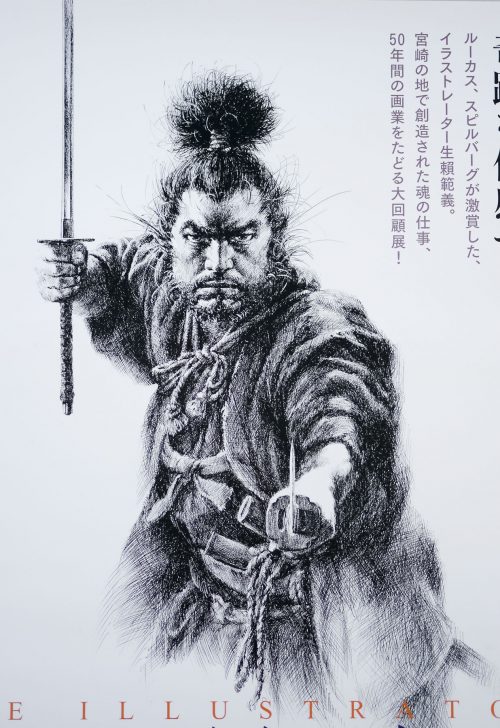
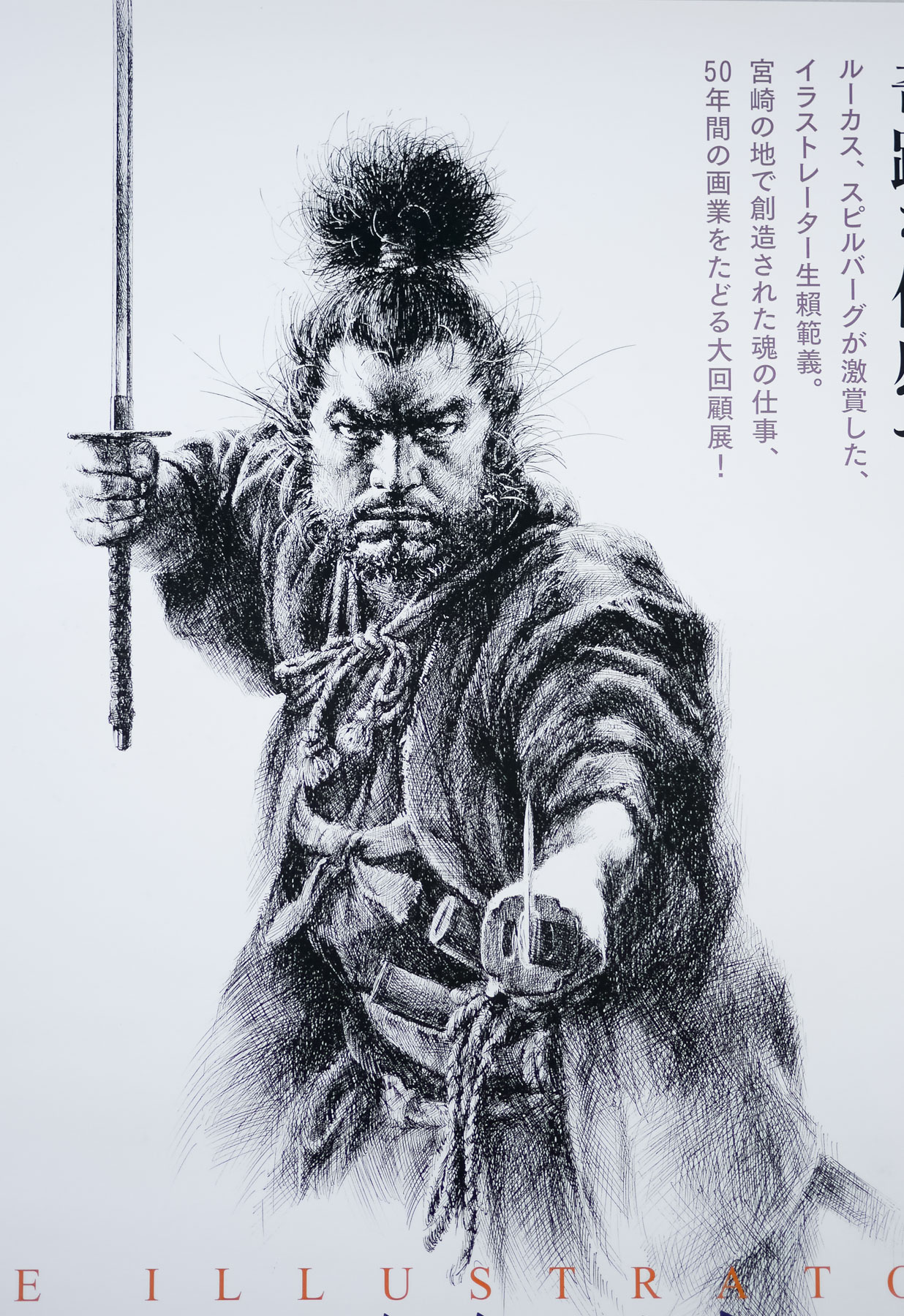
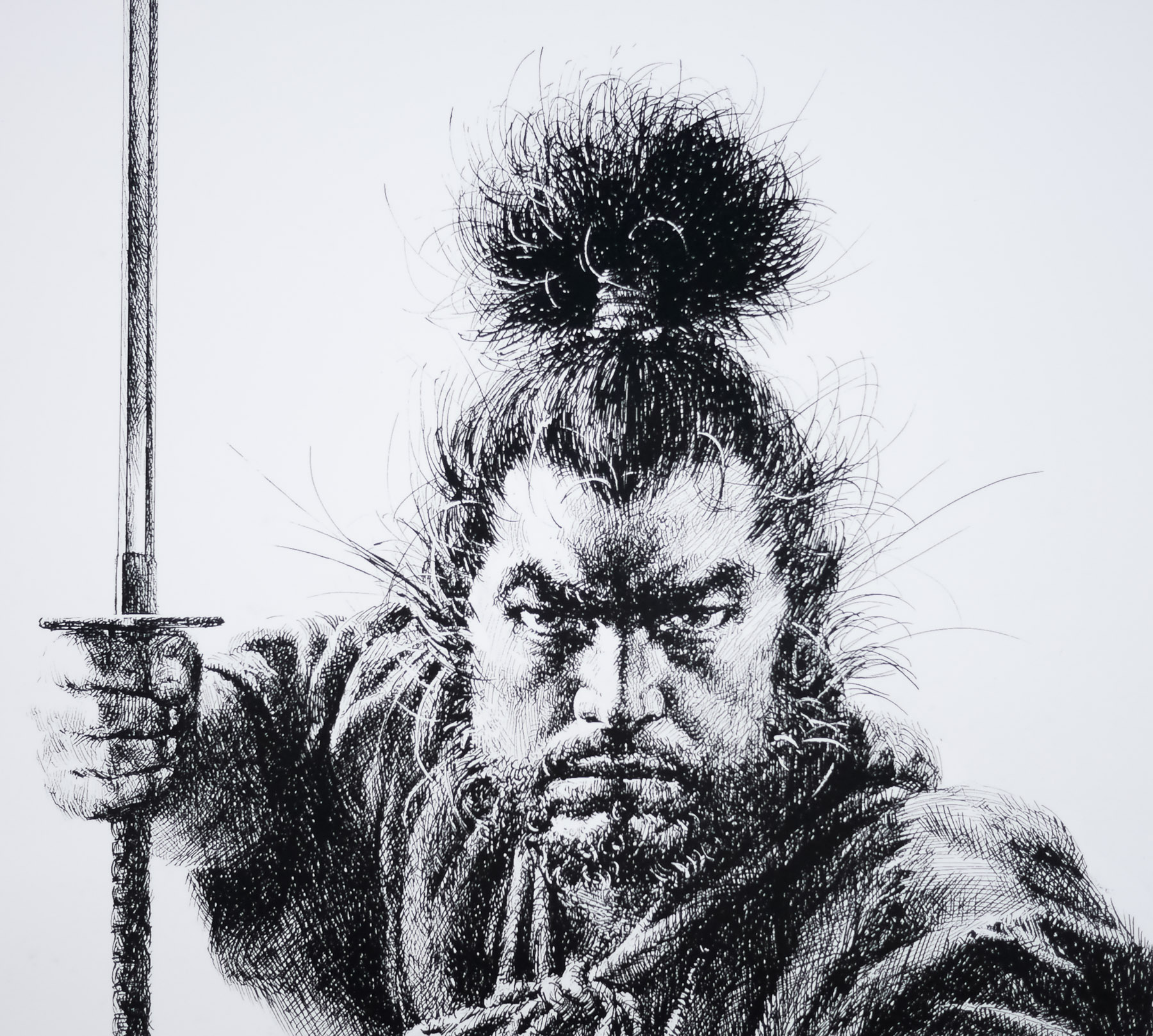
This poster features an illustration that that Ohrai created for the cover of Volume 1 in a series of books based on the life of the legendary Japanese swordsman and ronin Miyamoto Musashi that were released in the early 1970s.

I wrote a report of my visit to the exhibition and that can be viewed here.
My Bloody Valentine / B2 / Japan

19.12.14

Poster Poster

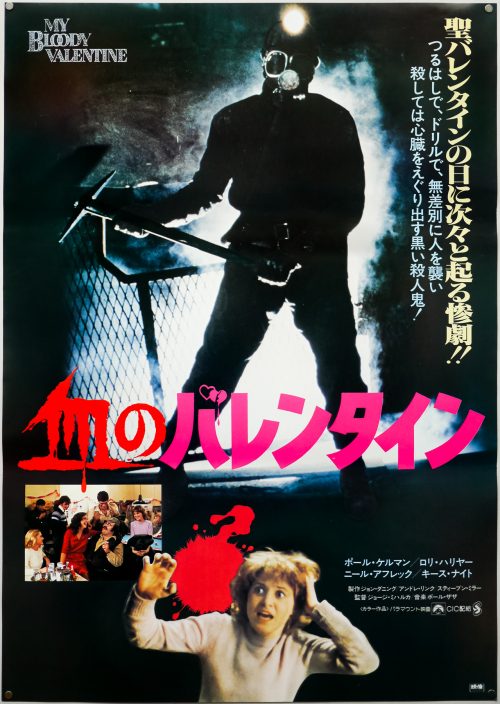
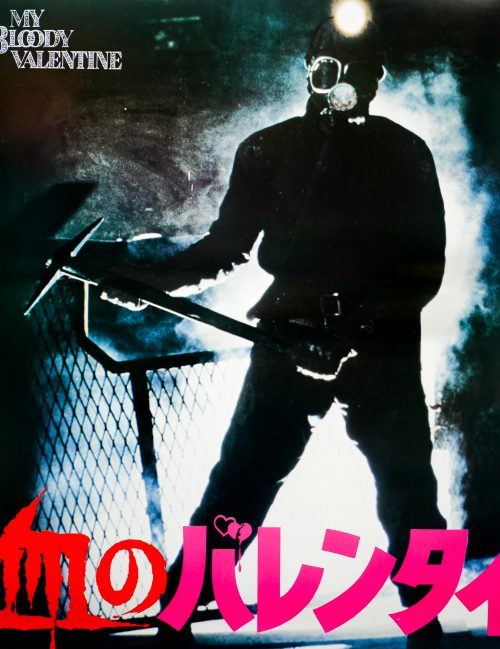
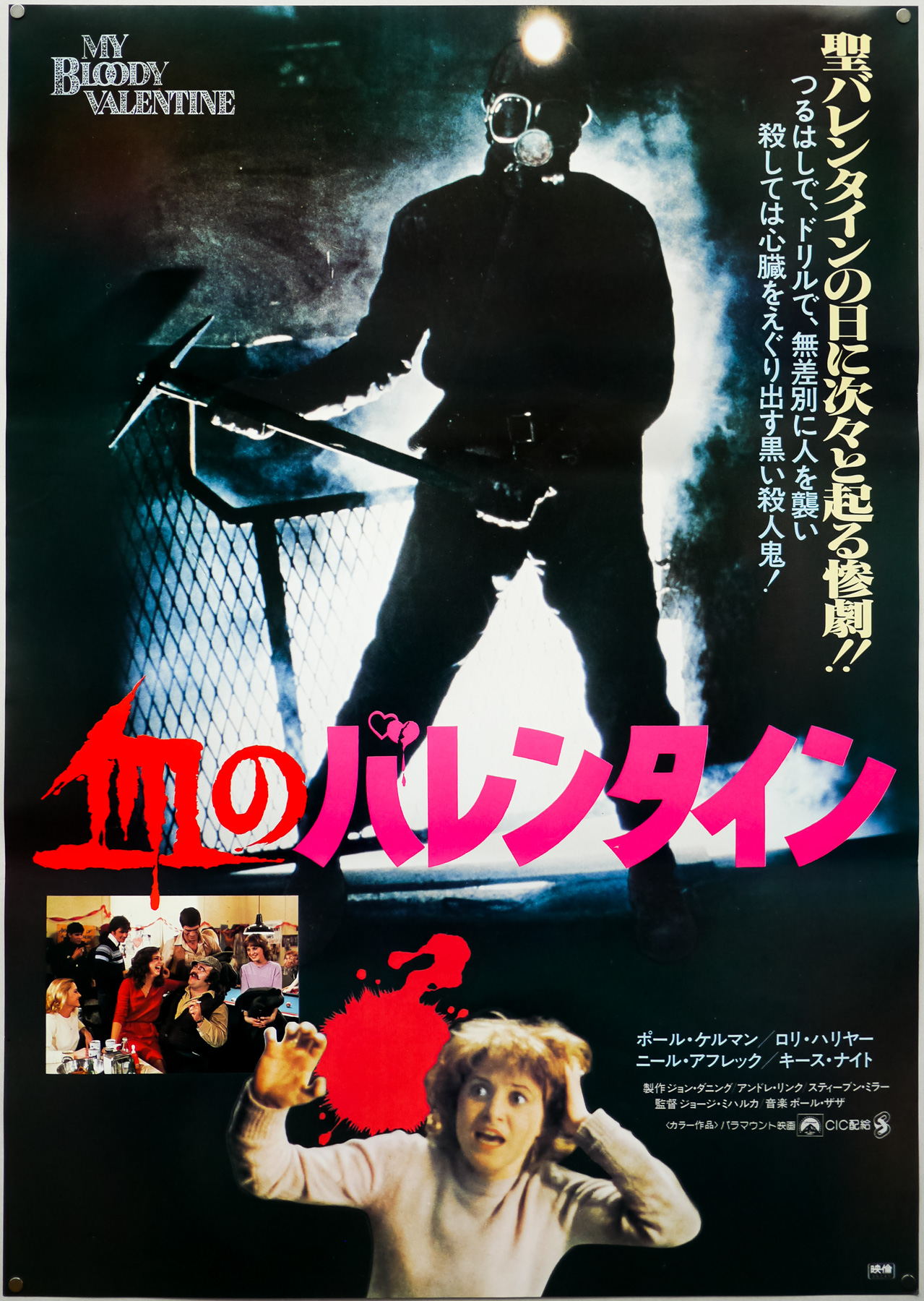
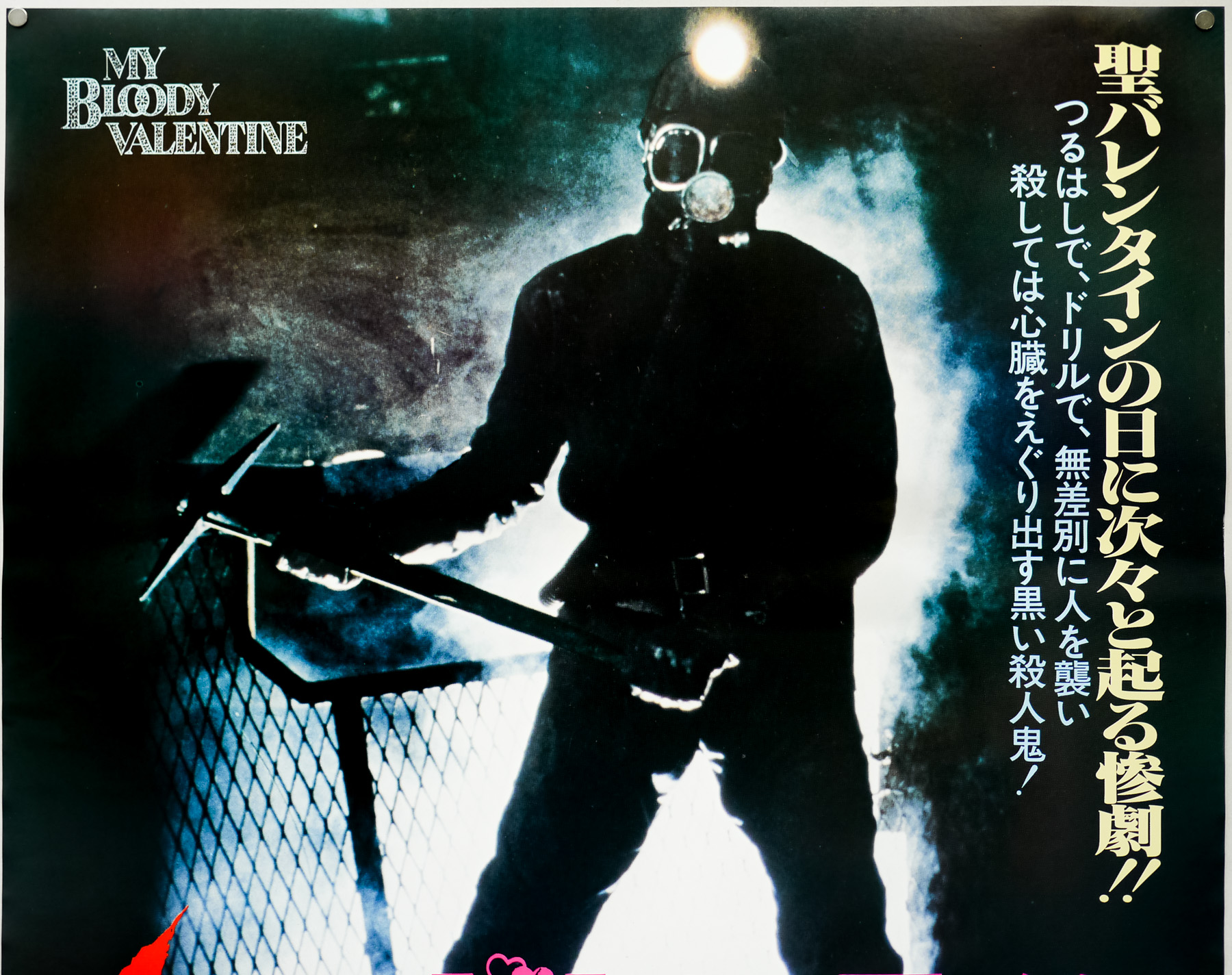
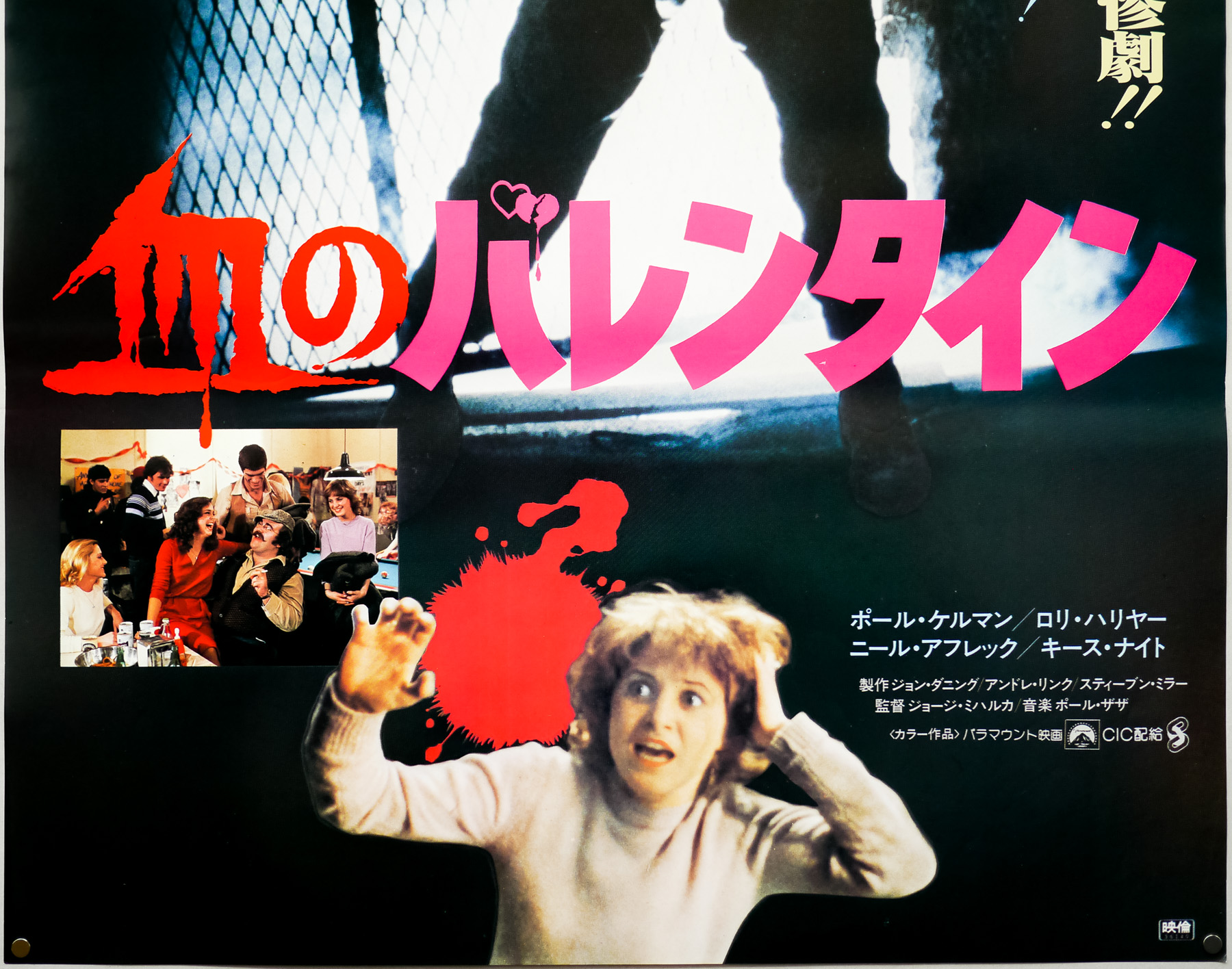
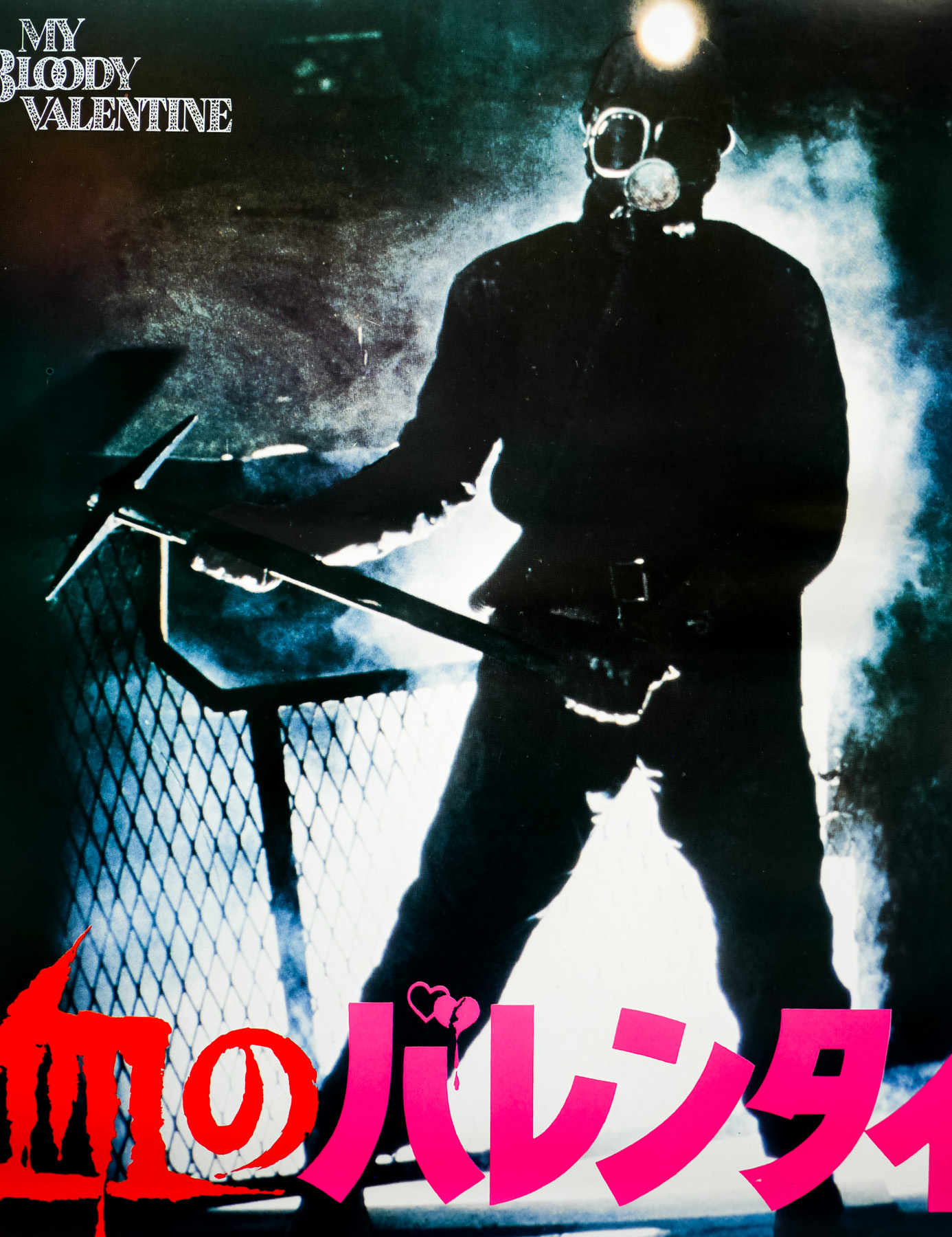
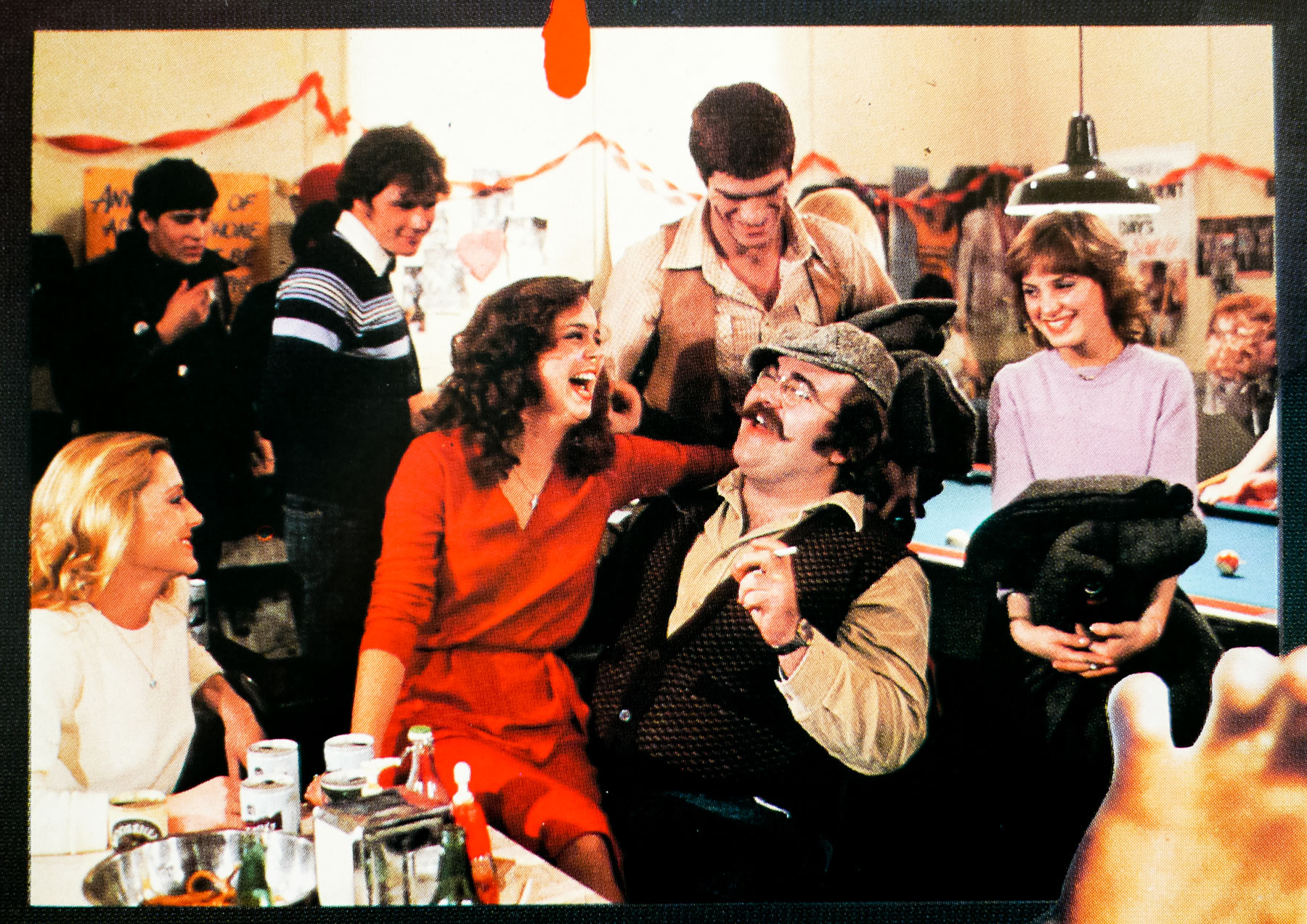
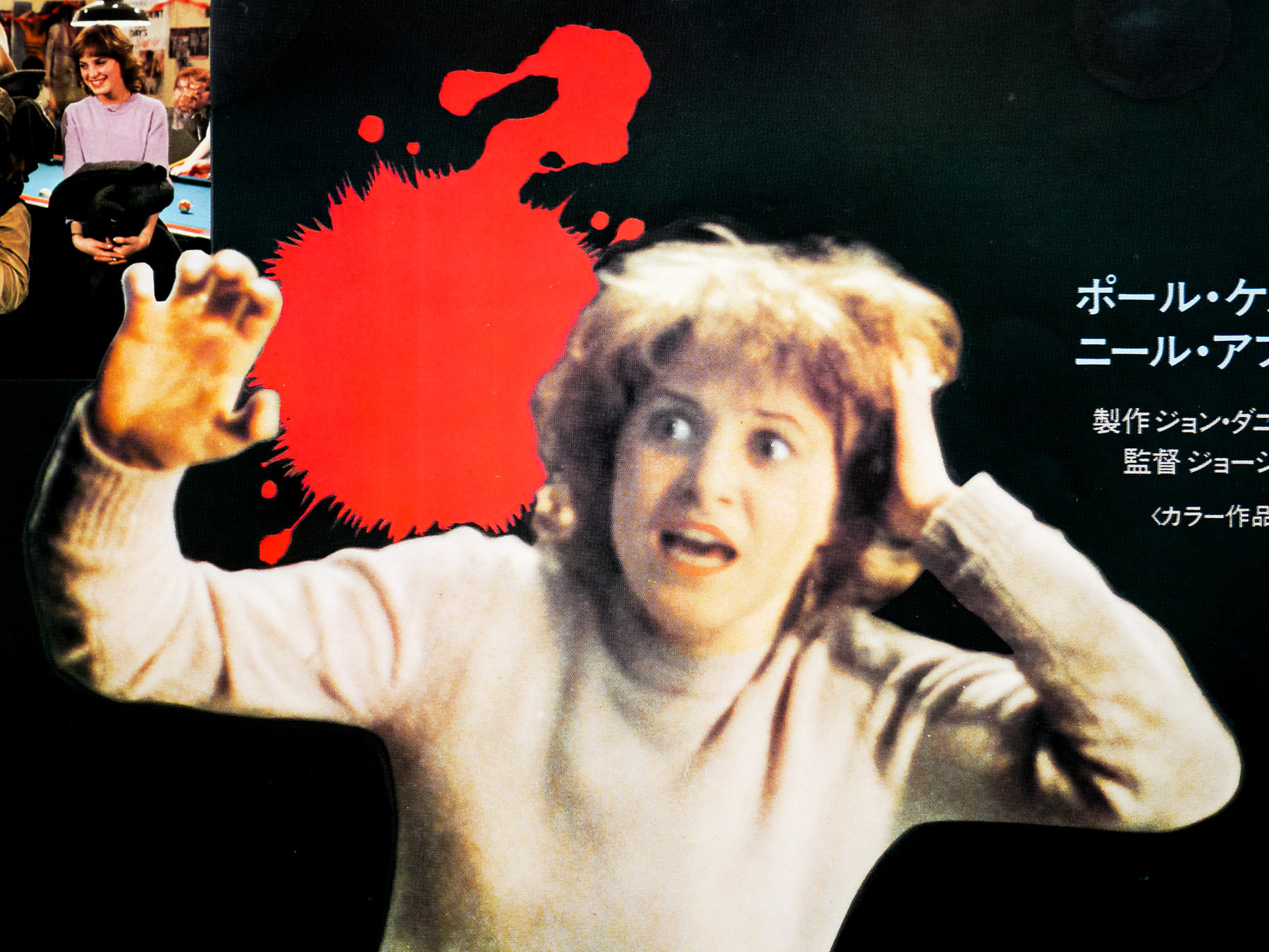
This is the Japanese B2 for the release of the Canadian film My Bloody Valentine, which was one of several slasher films released in the wake of the success of John Carpenter’s Halloween (1978). The film is set in the fictional mining town of Valentine Bluffs that is preparing to hold its first Valentine’s Day town dance in 20 years. It’s revealed that two decades earlier there was an accident down the mine that saw four miners die from gas poisoning and a fifth, named Harry Warden, survive by resorting to cannibalism until he was rescued. Two supervisors were blamed for what happened to the men as they deserted their posts to attend the town dance and a year later Harry returned to take his revenge, murdering the pair and cutting out their hearts, before warning that the town should never hold another dance.
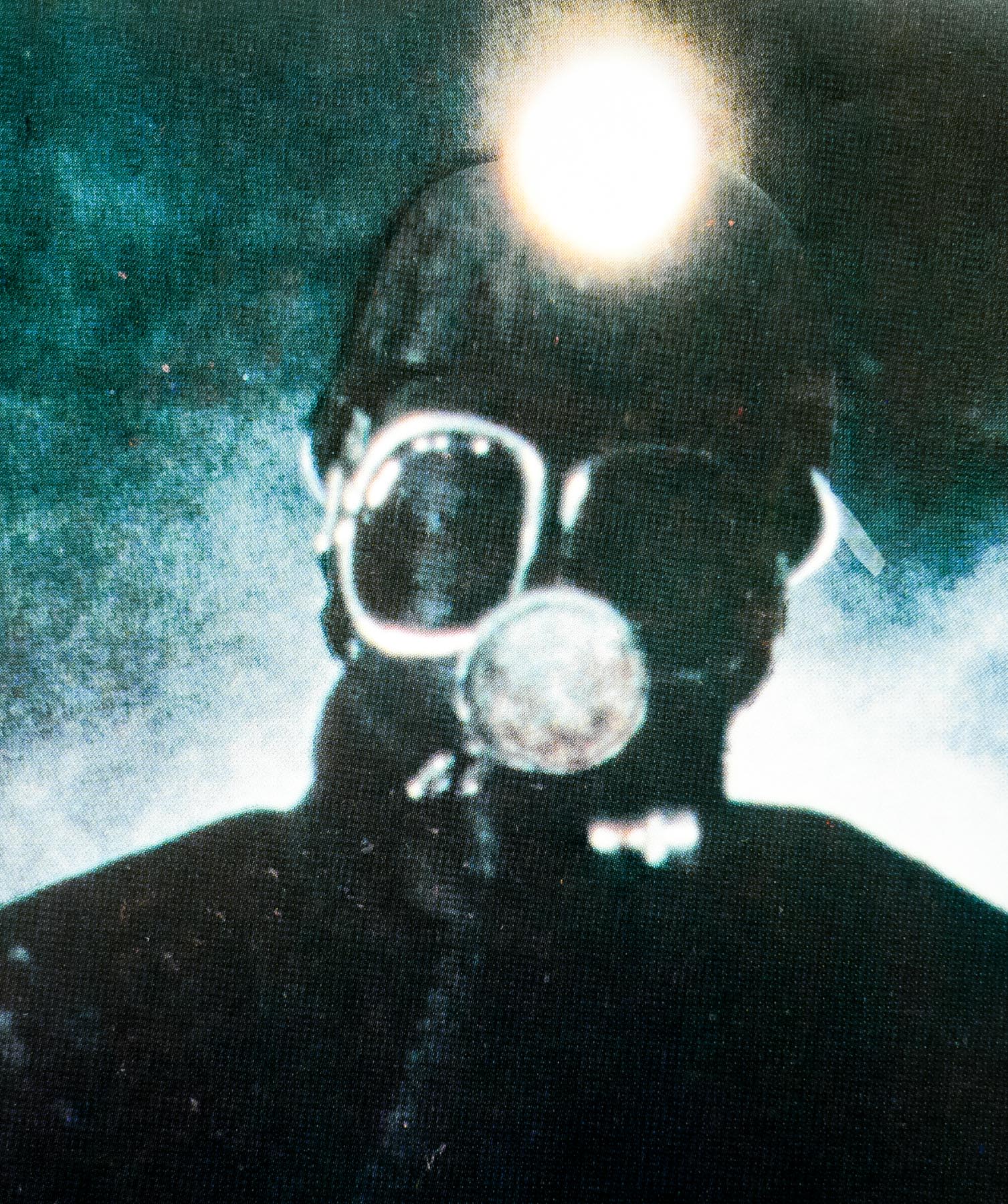
Since Harry was eventually caught and locked up in an insane asylum the warning had become a distant memory and the people of the town decide to hold a new dance, which excites the younger generation of inhabitants. Shortly before the day of the dance the mayor of the town and the chief of police receive an anonymous gift in the form of a box of chocolates. When they open it they discover a bloody human heart. Soon after, a woman called Mabel is brutally murdered by a man dressed in mining gear and the town decides they have no choice but to cancel the dance. The frustrated younger townspeople decide to hold their own party at the mines the next night but they’re not prepared for the wrath of the mysterious killer and one by one they fall victim to his sharpened pickaxe.
Whilst far from the best in the slasher genre the film is certainly entertaining and features some pretty memorable kills. Notoriously the MPAA (the American ratings board) forced the filmmakers to make 9 minutes of cuts to remove most of the gory sequences. The cuts are now thought to have been a reaction by Paramount to the backlash they suffered over the gore in Friday the 13th (1980) and the director George Mihalka also suggests that horror films released in the wake of John Lennon’s murder suffered similar fates. The film was released with much of the footage reinstated in a 2009 DVD release.